window.__IS_SSR__=true
window.__INITIAL_STATE__={
"attachmentsReducer": {
"audio_0": {
"type": "attachments",
"id": "audio_0",
"imgSizes": {
"kqedFullSize": {
"file": "https://ww2.kqed.org/news/wp-content/themes/KQED-unified/img/audio_bgs/background0.jpg"
}
}
},
"audio_1": {
"type": "attachments",
"id": "audio_1",
"imgSizes": {
"kqedFullSize": {
"file": "https://ww2.kqed.org/news/wp-content/themes/KQED-unified/img/audio_bgs/background1.jpg"
}
}
},
"audio_2": {
"type": "attachments",
"id": "audio_2",
"imgSizes": {
"kqedFullSize": {
"file": "https://ww2.kqed.org/news/wp-content/themes/KQED-unified/img/audio_bgs/background2.jpg"
}
}
},
"audio_3": {
"type": "attachments",
"id": "audio_3",
"imgSizes": {
"kqedFullSize": {
"file": "https://ww2.kqed.org/news/wp-content/themes/KQED-unified/img/audio_bgs/background3.jpg"
}
}
},
"audio_4": {
"type": "attachments",
"id": "audio_4",
"imgSizes": {
"kqedFullSize": {
"file": "https://ww2.kqed.org/news/wp-content/themes/KQED-unified/img/audio_bgs/background4.jpg"
}
}
},
"placeholder": {
"type": "attachments",
"id": "placeholder",
"imgSizes": {
"thumbnail": {
"file": "https://cdn.kqed.org/wp-content/uploads/2024/12/KQED-Default-Image-816638274-2000x1333-1-160x107.jpg",
"width": 160,
"height": 107,
"mimeType": "image/jpeg"
},
"medium": {
"file": "https://cdn.kqed.org/wp-content/uploads/2024/12/KQED-Default-Image-816638274-2000x1333-1-800x533.jpg",
"width": 800,
"height": 533,
"mimeType": "image/jpeg"
},
"medium_large": {
"file": "https://cdn.kqed.org/wp-content/uploads/2024/12/KQED-Default-Image-816638274-2000x1333-1-768x512.jpg",
"width": 768,
"height": 512,
"mimeType": "image/jpeg"
},
"large": {
"file": "https://cdn.kqed.org/wp-content/uploads/2024/12/KQED-Default-Image-816638274-2000x1333-1-1020x680.jpg",
"width": 1020,
"height": 680,
"mimeType": "image/jpeg"
},
"1536x1536": {
"file": "https://cdn.kqed.org/wp-content/uploads/2024/12/KQED-Default-Image-816638274-2000x1333-1-1536x1024.jpg",
"width": 1536,
"height": 1024,
"mimeType": "image/jpeg"
},
"fd-lrg": {
"file": "https://cdn.kqed.org/wp-content/uploads/2024/12/KQED-Default-Image-816638274-2000x1333-1-1536x1024.jpg",
"width": 1536,
"height": 1024,
"mimeType": "image/jpeg"
},
"fd-med": {
"file": "https://cdn.kqed.org/wp-content/uploads/2024/12/KQED-Default-Image-816638274-2000x1333-1-1020x680.jpg",
"width": 1020,
"height": 680,
"mimeType": "image/jpeg"
},
"fd-sm": {
"file": "https://cdn.kqed.org/wp-content/uploads/2024/12/KQED-Default-Image-816638274-2000x1333-1-800x533.jpg",
"width": 800,
"height": 533,
"mimeType": "image/jpeg"
},
"post-thumbnail": {
"file": "https://cdn.kqed.org/wp-content/uploads/2024/12/KQED-Default-Image-816638274-2000x1333-1-672x372.jpg",
"width": 672,
"height": 372,
"mimeType": "image/jpeg"
},
"twentyfourteen-full-width": {
"file": "https://cdn.kqed.org/wp-content/uploads/2024/12/KQED-Default-Image-816638274-2000x1333-1-1038x576.jpg",
"width": 1038,
"height": 576,
"mimeType": "image/jpeg"
},
"xxsmall": {
"file": "https://cdn.kqed.org/wp-content/uploads/2024/12/KQED-Default-Image-816638274-2000x1333-1-160x107.jpg",
"width": 160,
"height": 107,
"mimeType": "image/jpeg"
},
"xsmall": {
"file": "https://cdn.kqed.org/wp-content/uploads/2024/12/KQED-Default-Image-816638274-2000x1333-1-672x372.jpg",
"width": 672,
"height": 372,
"mimeType": "image/jpeg"
},
"small": {
"file": "https://cdn.kqed.org/wp-content/uploads/2024/12/KQED-Default-Image-816638274-2000x1333-1-672x372.jpg",
"width": 672,
"height": 372,
"mimeType": "image/jpeg"
},
"xlarge": {
"file": "https://cdn.kqed.org/wp-content/uploads/2024/12/KQED-Default-Image-816638274-2000x1333-1-1020x680.jpg",
"width": 1020,
"height": 680,
"mimeType": "image/jpeg"
},
"full-width": {
"file": "https://cdn.kqed.org/wp-content/uploads/2024/12/KQED-Default-Image-816638274-2000x1333-1-1920x1280.jpg",
"width": 1920,
"height": 1280,
"mimeType": "image/jpeg"
},
"guest-author-32": {
"file": "https://cdn.kqed.org/wp-content/uploads/2025/01/KQED-Default-Image-816638274-1333x1333-1-160x160.jpg",
"width": 32,
"height": 32,
"mimeType": "image/jpeg"
},
"guest-author-50": {
"file": "https://cdn.kqed.org/wp-content/uploads/2025/01/KQED-Default-Image-816638274-1333x1333-1-160x160.jpg",
"width": 50,
"height": 50,
"mimeType": "image/jpeg"
},
"guest-author-64": {
"file": "https://cdn.kqed.org/wp-content/uploads/2025/01/KQED-Default-Image-816638274-1333x1333-1-160x160.jpg",
"width": 64,
"height": 64,
"mimeType": "image/jpeg"
},
"guest-author-96": {
"file": "https://cdn.kqed.org/wp-content/uploads/2025/01/KQED-Default-Image-816638274-1333x1333-1-160x160.jpg",
"width": 96,
"height": 96,
"mimeType": "image/jpeg"
},
"guest-author-128": {
"file": "https://cdn.kqed.org/wp-content/uploads/2025/01/KQED-Default-Image-816638274-1333x1333-1-160x160.jpg",
"width": 128,
"height": 128,
"mimeType": "image/jpeg"
},
"detail": {
"file": "https://cdn.kqed.org/wp-content/uploads/2025/01/KQED-Default-Image-816638274-1333x1333-1-160x160.jpg",
"width": 160,
"height": 160,
"mimeType": "image/jpeg"
},
"kqedFullSize": {
"file": "https://cdn.kqed.org/wp-content/uploads/2024/12/KQED-Default-Image-816638274-2000x1333-1.jpg",
"width": 2000,
"height": 1333
}
}
},
"stateofhealth_19683": {
"type": "attachments",
"id": "stateofhealth_19683",
"meta": {
"index": "attachments_1716263798",
"site": "stateofhealth",
"id": "19683",
"found": true
},
"parent": 19679,
"imgSizes": {
"twentyfourteen-full-width": {
"file": "https://ww2.kqed.org/app/uploads/sites/27/2014/06/3995559405_69050cfcc4_b-1024x576.jpg",
"width": 1024,
"mimeType": "image/jpeg",
"height": 576
},
"thumbnail": {
"file": "https://ww2.kqed.org/app/uploads/sites/27/2014/06/3995559405_69050cfcc4_b-400x268.jpg",
"width": 400,
"mimeType": "image/jpeg",
"height": 268
},
"fd-sm": {
"file": "https://ww2.kqed.org/app/uploads/sites/27/2014/06/3995559405_69050cfcc4_b-320x214.jpg",
"width": 320,
"mimeType": "image/jpeg",
"height": 214
},
"post-thumbnail": {
"file": "https://ww2.kqed.org/app/uploads/sites/27/2014/06/3995559405_69050cfcc4_b-672x372.jpg",
"width": 672,
"mimeType": "image/jpeg",
"height": 372
},
"kqedFullSize": {
"file": "https://ww2.kqed.org/app/uploads/sites/27/2014/06/3995559405_69050cfcc4_b.jpg",
"width": 1024,
"height": 685
},
"fd-med": {
"file": "https://ww2.kqed.org/app/uploads/sites/27/2014/06/3995559405_69050cfcc4_b-768x514.jpg",
"width": 768,
"mimeType": "image/jpeg",
"height": 514
},
"guest-author-96": {
"file": "https://ww2.kqed.org/app/uploads/sites/27/2014/06/3995559405_69050cfcc4_b-96x96.jpg",
"width": 96,
"mimeType": "image/jpeg",
"height": 96
},
"medium": {
"file": "https://ww2.kqed.org/app/uploads/sites/27/2014/06/3995559405_69050cfcc4_b-800x535.jpg",
"width": 800,
"mimeType": "image/jpeg",
"height": 535
},
"guest-author-64": {
"file": "https://ww2.kqed.org/app/uploads/sites/27/2014/06/3995559405_69050cfcc4_b-64x64.jpg",
"width": 64,
"mimeType": "image/jpeg",
"height": 64
},
"detail": {
"file": "https://ww2.kqed.org/app/uploads/sites/27/2014/06/3995559405_69050cfcc4_b-75x75.jpg",
"width": 75,
"mimeType": "image/jpeg",
"height": 75
},
"guest-author-32": {
"file": "https://ww2.kqed.org/app/uploads/sites/27/2014/06/3995559405_69050cfcc4_b-32x32.jpg",
"width": 32,
"mimeType": "image/jpeg",
"height": 32
},
"guest-author-128": {
"file": "https://ww2.kqed.org/app/uploads/sites/27/2014/06/3995559405_69050cfcc4_b-128x128.jpg",
"width": 128,
"mimeType": "image/jpeg",
"height": 128
}
},
"publishDate": 1403555619,
"modified": 1403555619,
"caption": "(tpmartins/Flickr)",
"description": "pesticide, crop dusting",
"title": "Crop-dusting",
"credit": null,
"status": "inherit",
"isLoading": false,
"fetchFailed": false
},
"stateofhealth_19592": {
"type": "attachments",
"id": "stateofhealth_19592",
"meta": {
"index": "attachments_1716263798",
"site": "stateofhealth",
"id": "19592",
"found": true
},
"parent": 19591,
"imgSizes": {
"twentyfourteen-full-width": {
"file": "https://ww2.kqed.org/app/uploads/sites/27/2014/06/Ginger-Hina-1038x576.jpg",
"width": 1038,
"mimeType": "image/jpeg",
"height": 576
},
"thumbnail": {
"file": "https://ww2.kqed.org/app/uploads/sites/27/2014/06/Ginger-Hina-400x234.jpg",
"width": 400,
"mimeType": "image/jpeg",
"height": 234
},
"fd-sm": {
"file": "https://ww2.kqed.org/app/uploads/sites/27/2014/06/Ginger-Hina-320x187.jpg",
"width": 320,
"mimeType": "image/jpeg",
"height": 187
},
"post-thumbnail": {
"file": "https://ww2.kqed.org/app/uploads/sites/27/2014/06/Ginger-Hina-672x372.jpg",
"width": 672,
"mimeType": "image/jpeg",
"height": 372
},
"kqedFullSize": {
"file": "https://ww2.kqed.org/app/uploads/sites/27/2014/06/Ginger-Hina.jpg",
"width": 2414,
"height": 1411
},
"large": {
"file": "https://ww2.kqed.org/app/uploads/sites/27/2014/06/Ginger-Hina-1440x842.jpg",
"width": 1440,
"mimeType": "image/jpeg",
"height": 842
},
"guest-author-96": {
"file": "https://ww2.kqed.org/app/uploads/sites/27/2014/06/Ginger-Hina-96x96.jpg",
"width": 96,
"mimeType": "image/jpeg",
"height": 96
},
"medium": {
"file": "https://ww2.kqed.org/app/uploads/sites/27/2014/06/Ginger-Hina-800x468.jpg",
"width": 800,
"mimeType": "image/jpeg",
"height": 468
},
"guest-author-64": {
"file": "https://ww2.kqed.org/app/uploads/sites/27/2014/06/Ginger-Hina-64x64.jpg",
"width": 64,
"mimeType": "image/jpeg",
"height": 64
},
"guest-author-32": {
"file": "https://ww2.kqed.org/app/uploads/sites/27/2014/06/Ginger-Hina-32x32.jpg",
"width": 32,
"mimeType": "image/jpeg",
"height": 32
},
"fd-lrg": {
"file": "https://ww2.kqed.org/app/uploads/sites/27/2014/06/Ginger-Hina-1180x690.jpg",
"width": 1180,
"mimeType": "image/jpeg",
"height": 690
},
"fd-med": {
"file": "https://ww2.kqed.org/app/uploads/sites/27/2014/06/Ginger-Hina-768x449.jpg",
"width": 768,
"mimeType": "image/jpeg",
"height": 449
},
"detail": {
"file": "https://ww2.kqed.org/app/uploads/sites/27/2014/06/Ginger-Hina-75x75.jpg",
"width": 75,
"mimeType": "image/jpeg",
"height": 75
},
"guest-author-128": {
"file": "https://ww2.kqed.org/app/uploads/sites/27/2014/06/Ginger-Hina-128x128.jpg",
"width": 128,
"mimeType": "image/jpeg",
"height": 128
}
},
"publishDate": 1403136115,
"modified": 1403136115,
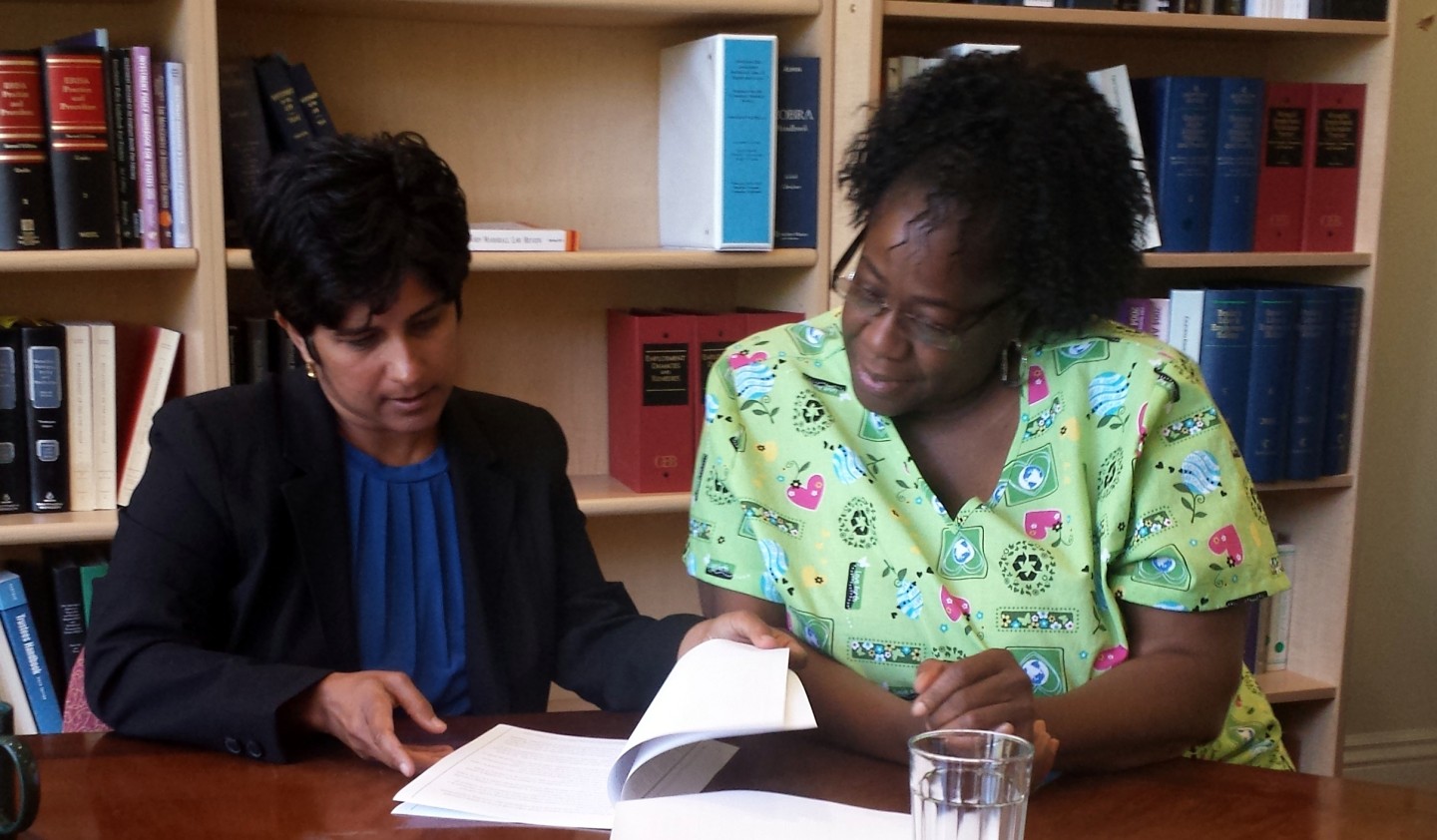
"caption": "Plaintiff Ginger Rogers with one of her attorneys, Hina Shaw, reviewing the complaint that was filed today against Kindred Healthcare and affiliates. (Photo: Sara Feldman)",
"description": null,
"title": "Ginger Rogers; Hina SHah",
"credit": null,
"status": "inherit",
"isLoading": false,
"fetchFailed": false
},
"stateofhealth_19562": {
"type": "attachments",
"id": "stateofhealth_19562",
"meta": {
"index": "attachments_1716263798",
"site": "stateofhealth",
"id": "19562",
"found": true
},
"parent": 19560,
"imgSizes": {
"thumbnail": {
"file": "https://ww2.kqed.org/app/uploads/sites/27/2014/06/RS10646_016-hpf-400x267.jpg",
"width": 400,
"mimeType": "image/jpeg",
"height": 267
},
"fd-sm": {
"file": "https://ww2.kqed.org/app/uploads/sites/27/2014/06/RS10646_016-hpf-320x214.jpg",
"width": 320,
"mimeType": "image/jpeg",
"height": 214
},
"post-thumbnail": {
"file": "https://ww2.kqed.org/app/uploads/sites/27/2014/06/RS10646_016-hpf-640x372.jpg",
"width": 640,
"mimeType": "image/jpeg",
"height": 372
},
"kqedFullSize": {
"file": "https://ww2.kqed.org/app/uploads/sites/27/2014/06/RS10646_016-hpf.jpg",
"width": 640,
"height": 427
},
"guest-author-96": {
"file": "https://ww2.kqed.org/app/uploads/sites/27/2014/06/RS10646_016-hpf-96x96.jpg",
"width": 96,
"mimeType": "image/jpeg",
"height": 96
},
"guest-author-64": {
"file": "https://ww2.kqed.org/app/uploads/sites/27/2014/06/RS10646_016-hpf-64x64.jpg",
"width": 64,
"mimeType": "image/jpeg",
"height": 64
},
"detail": {
"file": "https://ww2.kqed.org/app/uploads/sites/27/2014/06/RS10646_016-hpf-75x75.jpg",
"width": 75,
"mimeType": "image/jpeg",
"height": 75
},
"guest-author-32": {
"file": "https://ww2.kqed.org/app/uploads/sites/27/2014/06/RS10646_016-hpf-32x32.jpg",
"width": 32,
"mimeType": "image/jpeg",
"height": 32
},
"guest-author-128": {
"file": "https://ww2.kqed.org/app/uploads/sites/27/2014/06/RS10646_016-hpf-128x128.jpg",
"width": 128,
"mimeType": "image/jpeg",
"height": 128
}
},
"publishDate": 1403033108,
"modified": 1403033108,
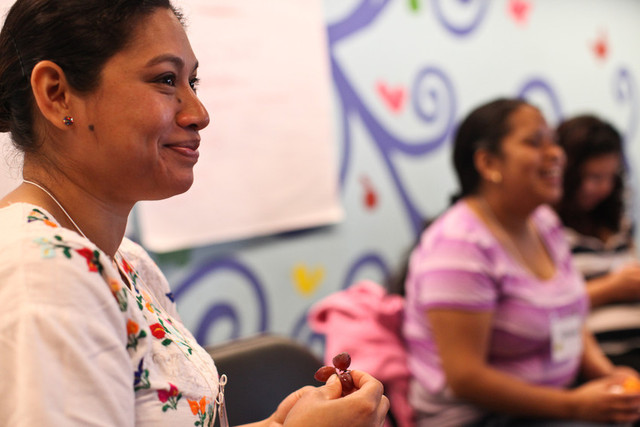
"caption": "Araceli eats fruit during a break following an exercise on healthy eating during a Centering Pregnancy group in San Francisco. (Deborah Svoboda/The World)",
"description": "Centering Pregnancy class",
"title": "RS10646_016-hpf",
"credit": null,
"status": "inherit",
"isLoading": false,
"fetchFailed": false
},
"stateofhealth_19539": {
"type": "attachments",
"id": "stateofhealth_19539",
"meta": {
"index": "attachments_1716263798",
"site": "stateofhealth",
"id": "19539",
"found": true
},
"parent": 19532,
"imgSizes": {
"twentyfourteen-full-width": {
"file": "https://ww2.kqed.org/app/uploads/sites/27/2014/06/480530545-2-1038x576.jpg",
"width": 1038,
"mimeType": "image/jpeg",
"height": 576
},
"thumbnail": {
"file": "https://ww2.kqed.org/app/uploads/sites/27/2014/06/480530545-2-400x257.jpg",
"width": 400,
"mimeType": "image/jpeg",
"height": 257
},
"fd-sm": {
"file": "https://ww2.kqed.org/app/uploads/sites/27/2014/06/480530545-2-320x206.jpg",
"width": 320,
"mimeType": "image/jpeg",
"height": 206
},
"post-thumbnail": {
"file": "https://ww2.kqed.org/app/uploads/sites/27/2014/06/480530545-2-672x372.jpg",
"width": 672,
"mimeType": "image/jpeg",
"height": 372
},
"kqedFullSize": {
"file": "https://ww2.kqed.org/app/uploads/sites/27/2014/06/480530545-2.jpg",
"width": 3000,
"height": 1930
},
"large": {
"file": "https://ww2.kqed.org/app/uploads/sites/27/2014/06/480530545-2-1440x926.jpg",
"width": 1440,
"mimeType": "image/jpeg",
"height": 926
},
"guest-author-96": {
"file": "https://ww2.kqed.org/app/uploads/sites/27/2014/06/480530545-2-96x96.jpg",
"width": 96,
"mimeType": "image/jpeg",
"height": 96
},
"medium": {
"file": "https://ww2.kqed.org/app/uploads/sites/27/2014/06/480530545-2-800x515.jpg",
"width": 800,
"mimeType": "image/jpeg",
"height": 515
},
"guest-author-64": {
"file": "https://ww2.kqed.org/app/uploads/sites/27/2014/06/480530545-2-64x64.jpg",
"width": 64,
"mimeType": "image/jpeg",
"height": 64
},
"guest-author-32": {
"file": "https://ww2.kqed.org/app/uploads/sites/27/2014/06/480530545-2-32x32.jpg",
"width": 32,
"mimeType": "image/jpeg",
"height": 32
},
"fd-lrg": {
"file": "https://ww2.kqed.org/app/uploads/sites/27/2014/06/480530545-2-1180x759.jpg",
"width": 1180,
"mimeType": "image/jpeg",
"height": 759
},
"fd-med": {
"file": "https://ww2.kqed.org/app/uploads/sites/27/2014/06/480530545-2-768x494.jpg",
"width": 768,
"mimeType": "image/jpeg",
"height": 494
},
"detail": {
"file": "https://ww2.kqed.org/app/uploads/sites/27/2014/06/480530545-2-75x75.jpg",
"width": 75,
"mimeType": "image/jpeg",
"height": 75
},
"guest-author-128": {
"file": "https://ww2.kqed.org/app/uploads/sites/27/2014/06/480530545-2-128x128.jpg",
"width": 128,
"mimeType": "image/jpeg",
"height": 128
}
},
"publishDate": 1402936342,
"modified": 1402936342,
"caption": "Customers entering a Hobby Lobby store in the San Francisco Bay Area community of Antioch. (Justin Sullivan/Getty Images).",
"description": "Customers entering a Hobby Lobby store in the San Francisco Bay Area community of Antioch. (Justin Sullivan/Getty Images).",
"title": "Hobby Lobby At Center Of Supreme Court Case Against Affordable Care Act Birth Control Clause",
"credit": null,
"status": "inherit",
"isLoading": false,
"fetchFailed": false
},
"stateofhealth_19510": {
"type": "attachments",
"id": "stateofhealth_19510",
"meta": {
"index": "attachments_1716263798",
"site": "stateofhealth",
"id": "19510",
"found": true
},
"parent": 19506,
"imgSizes": {
"twentyfourteen-full-width": {
"file": "https://ww2.kqed.org/app/uploads/sites/27/2014/06/2014-UCSF-Sr.-Trip-UCSF-SOM-Copy-1024x576.jpg",
"width": 1024,
"mimeType": "image/jpeg",
"height": 576
},
"thumbnail": {
"file": "https://ww2.kqed.org/app/uploads/sites/27/2014/06/2014-UCSF-Sr.-Trip-UCSF-SOM-Copy-400x266.jpg",
"width": 400,
"mimeType": "image/jpeg",
"height": 266
},
"fd-sm": {
"file": "https://ww2.kqed.org/app/uploads/sites/27/2014/06/2014-UCSF-Sr.-Trip-UCSF-SOM-Copy-320x213.jpg",
"width": 320,
"mimeType": "image/jpeg",
"height": 213
},
"post-thumbnail": {
"file": "https://ww2.kqed.org/app/uploads/sites/27/2014/06/2014-UCSF-Sr.-Trip-UCSF-SOM-Copy-672x372.jpg",
"width": 672,
"mimeType": "image/jpeg",
"height": 372
},
"kqedFullSize": {
"file": "https://ww2.kqed.org/app/uploads/sites/27/2014/06/2014-UCSF-Sr.-Trip-UCSF-SOM-Copy.jpg",
"width": 1024,
"height": 680
},
"fd-med": {
"file": "https://ww2.kqed.org/app/uploads/sites/27/2014/06/2014-UCSF-Sr.-Trip-UCSF-SOM-Copy-768x510.jpg",
"width": 768,
"mimeType": "image/jpeg",
"height": 510
},
"guest-author-96": {
"file": "https://ww2.kqed.org/app/uploads/sites/27/2014/06/2014-UCSF-Sr.-Trip-UCSF-SOM-Copy-96x96.jpg",
"width": 96,
"mimeType": "image/jpeg",
"height": 96
},
"medium": {
"file": "https://ww2.kqed.org/app/uploads/sites/27/2014/06/2014-UCSF-Sr.-Trip-UCSF-SOM-Copy-800x531.jpg",
"width": 800,
"mimeType": "image/jpeg",
"height": 531
},
"guest-author-64": {
"file": "https://ww2.kqed.org/app/uploads/sites/27/2014/06/2014-UCSF-Sr.-Trip-UCSF-SOM-Copy-64x64.jpg",
"width": 64,
"mimeType": "image/jpeg",
"height": 64
},
"detail": {
"file": "https://ww2.kqed.org/app/uploads/sites/27/2014/06/2014-UCSF-Sr.-Trip-UCSF-SOM-Copy-75x75.jpg",
"width": 75,
"mimeType": "image/jpeg",
"height": 75
},
"guest-author-32": {
"file": "https://ww2.kqed.org/app/uploads/sites/27/2014/06/2014-UCSF-Sr.-Trip-UCSF-SOM-Copy-32x32.jpg",
"width": 32,
"mimeType": "image/jpeg",
"height": 32
},
"guest-author-128": {
"file": "https://ww2.kqed.org/app/uploads/sites/27/2014/06/2014-UCSF-Sr.-Trip-UCSF-SOM-Copy-128x128.jpg",
"width": 128,
"mimeType": "image/jpeg",
"height": 128
}
},
"publishDate": 1402615373,
"modified": 1402615373,
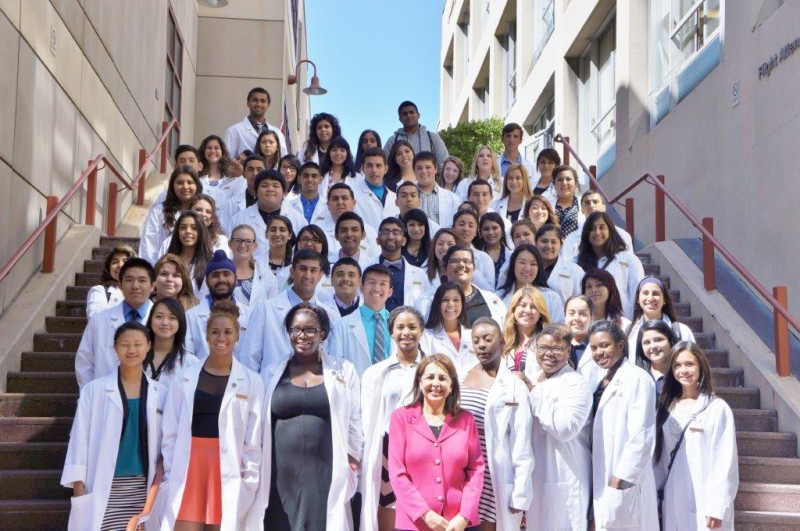
"caption": "Graduating seniors from the three Doctors Academy sites in Fresno. Dr. Katherine Flores, founder of the academy, stands in the front row. (Courtesy: Doctors Academy)",
"description": "Doctors Academy, Fresno",
"title": "2014 UCSF Sr. Trip UCSF SOM - Copy",
"credit": null,
"status": "inherit",
"isLoading": false,
"fetchFailed": false
},
"stateofhealth_15440": {
"type": "attachments",
"id": "stateofhealth_15440",
"meta": {
"index": "attachments_1716263798",
"site": "stateofhealth",
"id": "15440",
"found": true
},
"parent": 15438,
"imgSizes": {
"thumbnail": {
"file": "https://ww2.kqed.org/app/uploads/sites/27/2013/10/7995796099_c60447daba_c-e1380770435122-400x265.jpg",
"width": 400,
"mimeType": "image/jpeg",
"height": 265
},
"fd-sm": {
"file": "https://ww2.kqed.org/app/uploads/sites/27/2013/10/7995796099_c60447daba_c-e1380770435122-320x212.jpg",
"width": 320,
"mimeType": "image/jpeg",
"height": 212
},
"post-thumbnail": {
"file": "https://ww2.kqed.org/app/uploads/sites/27/2013/10/7995796099_c60447daba_c-e1380770435122-640x372.jpg",
"width": 640,
"mimeType": "image/jpeg",
"height": 372
},
"kqedFullSize": {
"file": "https://ww2.kqed.org/app/uploads/sites/27/2013/10/7995796099_c60447daba_c-e1380770435122.jpg",
"width": 640,
"height": 424
},
"guest-author-96": {
"file": "https://ww2.kqed.org/app/uploads/sites/27/2013/10/7995796099_c60447daba_c-e1380770435122-96x96.jpg",
"width": 96,
"mimeType": "image/jpeg",
"height": 96
},
"guest-author-64": {
"file": "https://ww2.kqed.org/app/uploads/sites/27/2013/10/7995796099_c60447daba_c-e1380770435122-64x64.jpg",
"width": 64,
"mimeType": "image/jpeg",
"height": 64
},
"detail": {
"file": "https://ww2.kqed.org/app/uploads/sites/27/2013/10/7995796099_c60447daba_c-e1380770435122-75x75.jpg",
"width": 75,
"mimeType": "image/jpeg",
"height": 75
},
"guest-author-32": {
"file": "https://ww2.kqed.org/app/uploads/sites/27/2013/10/7995796099_c60447daba_c-e1380770435122-32x32.jpg",
"width": 32,
"mimeType": "image/jpeg",
"height": 32
},
"guest-author-128": {
"file": "https://ww2.kqed.org/app/uploads/sites/27/2013/10/7995796099_c60447daba_c-e1380770435122-128x128.jpg",
"width": 128,
"mimeType": "image/jpeg",
"height": 128
}
},
"publishDate": 1380770417,
"modified": 1380770417,
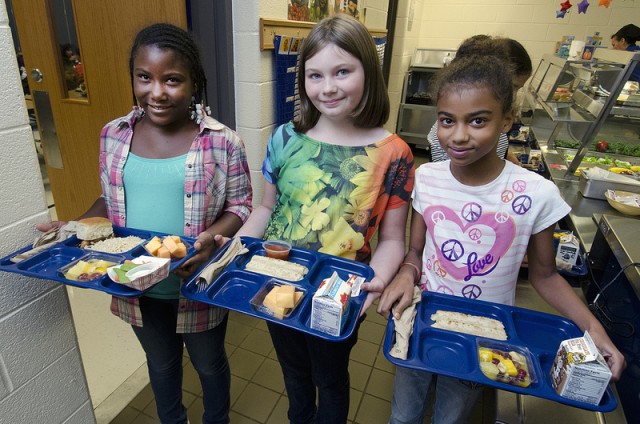
"caption": "While 90 percent of schools have made the transition to new school lunch standards, some schools insist that the standards are unworkable. (Photo: USDA)",
"description": "school lunch",
"title": "7995796099_c60447daba_c",
"credit": null,
"status": "inherit",
"isLoading": false,
"fetchFailed": false
},
"stateofhealth_6652": {
"type": "attachments",
"id": "stateofhealth_6652",
"meta": {
"index": "attachments_1716263798",
"site": "stateofhealth",
"id": "6652",
"found": true
},
"parent": 6647,
"imgSizes": {
"thumbnail": {
"file": "https://ww2.kqed.org/app/uploads/sites/27/2012/06/OldPersonCaneGeneric-e1402507272914-400x267.jpg",
"width": 400,
"mimeType": "image/jpeg",
"height": 267
},
"fd-sm": {
"file": "https://ww2.kqed.org/app/uploads/sites/27/2012/06/OldPersonCaneGeneric-e1402507272914-320x213.jpg",
"width": 320,
"mimeType": "image/jpeg",
"height": 213
},
"post-thumbnail": {
"file": "https://ww2.kqed.org/app/uploads/sites/27/2012/06/OldPersonCaneGeneric-e1402507272914-639x372.jpg",
"width": 639,
"mimeType": "image/jpeg",
"height": 372
},
"kqedFullSize": {
"file": "https://ww2.kqed.org/app/uploads/sites/27/2012/06/OldPersonCaneGeneric-e1402507272914.jpg",
"width": 639,
"height": 426
},
"guest-author-96": {
"file": "https://ww2.kqed.org/app/uploads/sites/27/2012/06/OldPersonCaneGeneric-e1402507272914-96x96.jpg",
"width": 96,
"mimeType": "image/jpeg",
"height": 96
},
"guest-author-64": {
"file": "https://ww2.kqed.org/app/uploads/sites/27/2012/06/OldPersonCaneGeneric-e1402507272914-64x64.jpg",
"width": 64,
"mimeType": "image/jpeg",
"height": 64
},
"detail": {
"file": "https://ww2.kqed.org/app/uploads/sites/27/2012/06/OldPersonCaneGeneric-e1402507272914-75x75.jpg",
"width": 75,
"mimeType": "image/jpeg",
"height": 75
},
"guest-author-32": {
"file": "https://ww2.kqed.org/app/uploads/sites/27/2012/06/OldPersonCaneGeneric-e1402507272914-32x32.jpg",
"width": 32,
"mimeType": "image/jpeg",
"height": 32
},
"guest-author-128": {
"file": "https://ww2.kqed.org/app/uploads/sites/27/2012/06/OldPersonCaneGeneric-e1402507272914-128x128.jpg",
"width": 128,
"mimeType": "image/jpeg",
"height": 128
}
},
"publishDate": 1340310643,
"modified": 1340310643,
"caption": "A new poll shows nearly one in five Hispanics has not discussed the kind of care they want as they get older. (Photo: Getty Images)",
"description": "elderly, hands",
"title": "There is a 45% increased risk of death in people who are lonely compared to not lonely, according to a UCSF study.",
"credit": null,
"status": "inherit",
"isLoading": false,
"fetchFailed": false
},
"stateofhealth_19353": {
"type": "attachments",
"id": "stateofhealth_19353",
"meta": {
"index": "attachments_1716263798",
"site": "stateofhealth",
"id": "19353",
"found": true
},
"parent": 19352,
"imgSizes": {
"thumbnail": {
"file": "https://ww2.kqed.org/app/uploads/sites/27/2014/06/IMG_0237-e1401829134108-400x300.jpg",
"width": 400,
"mimeType": "image/jpeg",
"height": 300
},
"fd-sm": {
"file": "https://ww2.kqed.org/app/uploads/sites/27/2014/06/IMG_0237-e1401829134108-320x240.jpg",
"width": 320,
"mimeType": "image/jpeg",
"height": 240
},
"post-thumbnail": {
"file": "https://ww2.kqed.org/app/uploads/sites/27/2014/06/IMG_0237-e1401829134108-640x372.jpg",
"width": 640,
"mimeType": "image/jpeg",
"height": 372
},
"kqedFullSize": {
"file": "https://ww2.kqed.org/app/uploads/sites/27/2014/06/IMG_0237-e1401829134108.jpg",
"width": 640,
"height": 480
},
"guest-author-96": {
"file": "https://ww2.kqed.org/app/uploads/sites/27/2014/06/IMG_0237-e1401829134108-96x96.jpg",
"width": 96,
"mimeType": "image/jpeg",
"height": 96
},
"guest-author-64": {
"file": "https://ww2.kqed.org/app/uploads/sites/27/2014/06/IMG_0237-e1401829134108-64x64.jpg",
"width": 64,
"mimeType": "image/jpeg",
"height": 64
},
"detail": {
"file": "https://ww2.kqed.org/app/uploads/sites/27/2014/06/IMG_0237-e1401829134108-75x75.jpg",
"width": 75,
"mimeType": "image/jpeg",
"height": 75
},
"guest-author-32": {
"file": "https://ww2.kqed.org/app/uploads/sites/27/2014/06/IMG_0237-e1401829134108-32x32.jpg",
"width": 32,
"mimeType": "image/jpeg",
"height": 32
},
"guest-author-128": {
"file": "https://ww2.kqed.org/app/uploads/sites/27/2014/06/IMG_0237-e1401829134108-128x128.jpg",
"width": 128,
"mimeType": "image/jpeg",
"height": 128
}
},
"publishDate": 1401829101,
"modified": 1401829101,
"caption": null,
"description": null,
"title": "IMG_0237",
"credit": null,
"status": "inherit",
"isLoading": false,
"fetchFailed": false
},
"stateofhealth_19442": {
"type": "attachments",
"id": "stateofhealth_19442",
"meta": {
"index": "attachments_1716263798",
"site": "stateofhealth",
"id": "19442",
"found": true
},
"parent": 19440,
"imgSizes": {
"twentyfourteen-full-width": {
"file": "https://ww2.kqed.org/app/uploads/sites/27/2014/06/P1040047-1038x576.jpg",
"width": 1038,
"mimeType": "image/jpeg",
"height": 576
},
"thumbnail": {
"file": "https://ww2.kqed.org/app/uploads/sites/27/2014/06/P1040047-400x300.jpg",
"width": 400,
"mimeType": "image/jpeg",
"height": 300
},
"fd-sm": {
"file": "https://ww2.kqed.org/app/uploads/sites/27/2014/06/P1040047-320x240.jpg",
"width": 320,
"mimeType": "image/jpeg",
"height": 240
},
"post-thumbnail": {
"file": "https://ww2.kqed.org/app/uploads/sites/27/2014/06/P1040047-672x372.jpg",
"width": 672,
"mimeType": "image/jpeg",
"height": 372
},
"kqedFullSize": {
"file": "https://ww2.kqed.org/app/uploads/sites/27/2014/06/P1040047.jpg",
"width": 3648,
"height": 2736
},
"large": {
"file": "https://ww2.kqed.org/app/uploads/sites/27/2014/06/P1040047-1440x1080.jpg",
"width": 1440,
"mimeType": "image/jpeg",
"height": 1080
},
"guest-author-96": {
"file": "https://ww2.kqed.org/app/uploads/sites/27/2014/06/P1040047-96x96.jpg",
"width": 96,
"mimeType": "image/jpeg",
"height": 96
},
"medium": {
"file": "https://ww2.kqed.org/app/uploads/sites/27/2014/06/P1040047-800x600.jpg",
"width": 800,
"mimeType": "image/jpeg",
"height": 600
},
"guest-author-64": {
"file": "https://ww2.kqed.org/app/uploads/sites/27/2014/06/P1040047-64x64.jpg",
"width": 64,
"mimeType": "image/jpeg",
"height": 64
},
"guest-author-32": {
"file": "https://ww2.kqed.org/app/uploads/sites/27/2014/06/P1040047-32x32.jpg",
"width": 32,
"mimeType": "image/jpeg",
"height": 32
},
"fd-lrg": {
"file": "https://ww2.kqed.org/app/uploads/sites/27/2014/06/P1040047-1180x885.jpg",
"width": 1180,
"mimeType": "image/jpeg",
"height": 885
},
"fd-med": {
"file": "https://ww2.kqed.org/app/uploads/sites/27/2014/06/P1040047-768x576.jpg",
"width": 768,
"mimeType": "image/jpeg",
"height": 576
},
"detail": {
"file": "https://ww2.kqed.org/app/uploads/sites/27/2014/06/P1040047-75x75.jpg",
"width": 75,
"mimeType": "image/jpeg",
"height": 75
},
"guest-author-128": {
"file": "https://ww2.kqed.org/app/uploads/sites/27/2014/06/P1040047-128x128.jpg",
"width": 128,
"mimeType": "image/jpeg",
"height": 128
}
},
"publishDate": 1402084563,
"modified": 1447798058,
"caption": "Morgan Smith, a registered nurse with the Redwood Empire Food Bank Diabetes Wellness Project, conducts free diabetes screenings once a month at the Graton Day Labor Center. The center serves as a conduit between its members -- many of whom are undocumented -- and health organizations around the region.",
"description": "Morgan Smith, a registered nurse with the Redwood Empire Food Bank Diabetes Wellness Project, conducts free diabetes screenings once a month at the Graton Day Labor Center. The center serves as a conduit between its members -- many of whom are undocumented -- and health organizations around the region. ",
"title": "P1040047",
"credit": " Lisa Morehouse/KQED",
"status": "inherit",
"isLoading": false,
"fetchFailed": false
},
"stateofhealth_19429": {
"type": "attachments",
"id": "stateofhealth_19429",
"meta": {
"index": "attachments_1716263798",
"site": "stateofhealth",
"id": "19429",
"found": true
},
"parent": 19427,
"imgSizes": {
"twentyfourteen-full-width": {
"file": "https://ww2.kqed.org/app/uploads/sites/27/2014/06/DSC00068-1038x576.jpg",
"width": 1038,
"mimeType": "image/jpeg",
"height": 576
},
"thumbnail": {
"file": "https://ww2.kqed.org/app/uploads/sites/27/2014/06/DSC00068-400x225.jpg",
"width": 400,
"mimeType": "image/jpeg",
"height": 225
},
"fd-sm": {
"file": "https://ww2.kqed.org/app/uploads/sites/27/2014/06/DSC00068-320x180.jpg",
"width": 320,
"mimeType": "image/jpeg",
"height": 180
},
"post-thumbnail": {
"file": "https://ww2.kqed.org/app/uploads/sites/27/2014/06/DSC00068-672x372.jpg",
"width": 672,
"mimeType": "image/jpeg",
"height": 372
},
"kqedFullSize": {
"file": "https://ww2.kqed.org/app/uploads/sites/27/2014/06/DSC00068.jpg",
"width": 3984,
"height": 2240
},
"large": {
"file": "https://ww2.kqed.org/app/uploads/sites/27/2014/06/DSC00068-1440x810.jpg",
"width": 1440,
"mimeType": "image/jpeg",
"height": 810
},
"guest-author-96": {
"file": "https://ww2.kqed.org/app/uploads/sites/27/2014/06/DSC00068-96x96.jpg",
"width": 96,
"mimeType": "image/jpeg",
"height": 96
},
"medium": {
"file": "https://ww2.kqed.org/app/uploads/sites/27/2014/06/DSC00068-800x450.jpg",
"width": 800,
"mimeType": "image/jpeg",
"height": 450
},
"guest-author-64": {
"file": "https://ww2.kqed.org/app/uploads/sites/27/2014/06/DSC00068-64x64.jpg",
"width": 64,
"mimeType": "image/jpeg",
"height": 64
},
"guest-author-32": {
"file": "https://ww2.kqed.org/app/uploads/sites/27/2014/06/DSC00068-32x32.jpg",
"width": 32,
"mimeType": "image/jpeg",
"height": 32
},
"fd-lrg": {
"file": "https://ww2.kqed.org/app/uploads/sites/27/2014/06/DSC00068-1180x663.jpg",
"width": 1180,
"mimeType": "image/jpeg",
"height": 663
},
"fd-med": {
"file": "https://ww2.kqed.org/app/uploads/sites/27/2014/06/DSC00068-768x432.jpg",
"width": 768,
"mimeType": "image/jpeg",
"height": 432
},
"detail": {
"file": "https://ww2.kqed.org/app/uploads/sites/27/2014/06/DSC00068-75x75.jpg",
"width": 75,
"mimeType": "image/jpeg",
"height": 75
},
"guest-author-128": {
"file": "https://ww2.kqed.org/app/uploads/sites/27/2014/06/DSC00068-128x128.jpg",
"width": 128,
"mimeType": "image/jpeg",
"height": 128
}
},
"publishDate": 1402075491,
"modified": 1402075491,
"caption": "Meagan Baldy preps a meal in her kitchen in the Humboldt County community of Hoopa. (Courtesy: Meagan Baldy)",
"description": "Meagan Baldy",
"title": "DSC00068",
"credit": null,
"status": "inherit",
"isLoading": false,
"fetchFailed": false
},
"stateofhealth_15832": {
"type": "attachments",
"id": "stateofhealth_15832",
"meta": {
"index": "attachments_1716263798",
"site": "stateofhealth",
"id": "15832",
"found": true
},
"parent": 15820,
"imgSizes": {
"thumbnail": {
"file": "https://ww2.kqed.org/app/uploads/sites/27/2013/10/56292361-e1382588779517-400x261.jpg",
"width": 400,
"mimeType": "image/jpeg",
"height": 261
},
"fd-sm": {
"file": "https://ww2.kqed.org/app/uploads/sites/27/2013/10/56292361-e1382588779517-320x209.jpg",
"width": 320,
"mimeType": "image/jpeg",
"height": 209
},
"post-thumbnail": {
"file": "https://ww2.kqed.org/app/uploads/sites/27/2013/10/56292361-e1382588779517-640x372.jpg",
"width": 640,
"mimeType": "image/jpeg",
"height": 372
},
"kqedFullSize": {
"file": "https://ww2.kqed.org/app/uploads/sites/27/2013/10/56292361-e1382588779517.jpg",
"width": 640,
"height": 417
},
"guest-author-96": {
"file": "https://ww2.kqed.org/app/uploads/sites/27/2013/10/56292361-e1382588779517-96x96.jpg",
"width": 96,
"mimeType": "image/jpeg",
"height": 96
},
"guest-author-64": {
"file": "https://ww2.kqed.org/app/uploads/sites/27/2013/10/56292361-e1382588779517-64x64.jpg",
"width": 64,
"mimeType": "image/jpeg",
"height": 64
},
"detail": {
"file": "https://ww2.kqed.org/app/uploads/sites/27/2013/10/56292361-e1382588779517-75x75.jpg",
"width": 75,
"mimeType": "image/jpeg",
"height": 75
},
"guest-author-32": {
"file": "https://ww2.kqed.org/app/uploads/sites/27/2013/10/56292361-e1382588779517-32x32.jpg",
"width": 32,
"mimeType": "image/jpeg",
"height": 32
},
"guest-author-128": {
"file": "https://ww2.kqed.org/app/uploads/sites/27/2013/10/56292361-e1382588779517-128x128.jpg",
"width": 128,
"mimeType": "image/jpeg",
"height": 128
}
},
"publishDate": 1382588761,
"modified": 1382588761,
"caption": "(Getty Images)",
"description": "blurred people, black and white photo",
"title": "56292361",
"credit": null,
"status": "inherit",
"isLoading": false,
"fetchFailed": false
},
"stateofhealth_19270": {
"type": "attachments",
"id": "stateofhealth_19270",
"meta": {
"index": "attachments_1716263798",
"site": "stateofhealth",
"id": "19270",
"found": true
},
"parent": 19269,
"imgSizes": {
"thumbnail": {
"file": "https://ww2.kqed.org/app/uploads/sites/27/2014/05/IMG_0183-e1401226762963-400x300.jpg",
"width": 400,
"mimeType": "image/jpeg",
"height": 300
},
"fd-sm": {
"file": "https://ww2.kqed.org/app/uploads/sites/27/2014/05/IMG_0183-e1401226762963-320x240.jpg",
"width": 320,
"mimeType": "image/jpeg",
"height": 240
},
"post-thumbnail": {
"file": "https://ww2.kqed.org/app/uploads/sites/27/2014/05/IMG_0183-e1401226762963-640x372.jpg",
"width": 640,
"mimeType": "image/jpeg",
"height": 372
},
"kqedFullSize": {
"file": "https://ww2.kqed.org/app/uploads/sites/27/2014/05/IMG_0183-e1401226762963.jpg",
"width": 640,
"height": 480
},
"guest-author-96": {
"file": "https://ww2.kqed.org/app/uploads/sites/27/2014/05/IMG_0183-e1401226762963-96x96.jpg",
"width": 96,
"mimeType": "image/jpeg",
"height": 96
},
"guest-author-64": {
"file": "https://ww2.kqed.org/app/uploads/sites/27/2014/05/IMG_0183-e1401226762963-64x64.jpg",
"width": 64,
"mimeType": "image/jpeg",
"height": 64
},
"detail": {
"file": "https://ww2.kqed.org/app/uploads/sites/27/2014/05/IMG_0183-e1401226762963-75x75.jpg",
"width": 75,
"mimeType": "image/jpeg",
"height": 75
},
"guest-author-32": {
"file": "https://ww2.kqed.org/app/uploads/sites/27/2014/05/IMG_0183-e1401226762963-32x32.jpg",
"width": 32,
"mimeType": "image/jpeg",
"height": 32
},
"guest-author-128": {
"file": "https://ww2.kqed.org/app/uploads/sites/27/2014/05/IMG_0183-e1401226762963-128x128.jpg",
"width": 128,
"mimeType": "image/jpeg",
"height": 128
}
},
"publishDate": 1401226737,
"modified": 1401226737,
"caption": null,
"description": null,
"title": "IMG_0183",
"credit": null,
"status": "inherit",
"isLoading": false,
"fetchFailed": false
}
},
"audioPlayerReducer": {
"postId": "stream_live",
"isPaused": true,
"isPlaying": false,
"pfsActive": false,
"pledgeModalIsOpen": true,
"playerDrawerIsOpen": false,
"liveAudioPlayStartedAt": 0,
"liveAudioPlayContext": ""
},
"authorsReducer": {
"skalantari": {
"type": "authors",
"id": "46",
"meta": {
"index": "authors_1716337520",
"id": "46",
"found": true
},
"name": "Shuka Kalantari",
"firstName": "Shuka",
"lastName": "Kalantari",
"slug": "skalantari",
"email": "skalantari@kqed.org",
"display_author_email": false,
"staff_mastheads": [],
"title": "KQED Contributor",
"bio": "Shuka Kalantari is a Bay Area journalist reporting on health, food, culture and immigrant communities in California and internationally. She's reported for Public Radio International’s The World, BBC World News Service’s Outlook, Philosophy Talk, Vice Magazine. Shuka is also a frequent contributor to KQED Public Media. You can follow her \u003ca href=\"https://twitter.com/skalantari\">@skalantari\u003c/a> on Twitter and \u003ca href=\"https://instagram.com/skalantari/\">Instagram\u003c/a>.",
"avatar": "https://secure.gravatar.com/avatar/51d9608640bde16ba09124272a0c0f355429db1ebc29f1853b8d87aab1ae1753?s=600&d=blank&r=g",
"twitter": null,
"bluesky": null,
"facebook": null,
"instagram": null,
"linkedin": null,
"sites": [
{
"site": "news",
"roles": [
"subscriber"
]
},
{
"site": "bayareabites",
"roles": [
"subscriber"
]
},
{
"site": "stateofhealth",
"roles": [
"subscriber"
]
}
],
"headData": {
"title": "Shuka Kalantari | KQED",
"description": "KQED Contributor",
"ogImgSrc": "https://secure.gravatar.com/avatar/51d9608640bde16ba09124272a0c0f355429db1ebc29f1853b8d87aab1ae1753?s=600&d=blank&r=g",
"twImgSrc": "https://secure.gravatar.com/avatar/51d9608640bde16ba09124272a0c0f355429db1ebc29f1853b8d87aab1ae1753?s=600&d=blank&r=g"
},
"isLoading": false,
"link": "/author/skalantari"
},
"lisaaliferis": {
"type": "authors",
"id": "240",
"meta": {
"index": "authors_1716337520",
"id": "240",
"found": true
},
"name": "Lisa Aliferis",
"firstName": "Lisa",
"lastName": "Aliferis",
"slug": "lisaaliferis",
"email": "laliferis@kqed.org",
"display_author_email": false,
"staff_mastheads": [],
"title": "KQED Contributor",
"bio": "Lisa Aliferis is the founding editor of KQED's \u003cem>State of Health\u003c/em> blog. Since 2011, she's been writing and editing stories for the site. Before taking up blogging, she toiled for many years (more than we can count) producing health stories for television, including\u003cem> Dateline NBC\u003c/em> and San Francisco's CBS affiliate, KPIX-TV. She also wrote up a \u003ca title=\"http://www.kqed.org/news/health/obamacare/obamacare-guide.jsp\" href=\"http://www.kqed.org/news/health/obamacare/obamacare-guide.jsp\">handy guide to the Affordable Care Act\u003c/a>, especially for Californians. Her work has been honored for many awards. Most recently she was a finalist for \"Best Topical Reporting\" from the Online News Association. You can follow her on Twitter: \u003ca title=\"https://twitter.com/laliferis\" href=\"https://twitter.com/laliferis\">@laliferis\u003c/a>",
"avatar": "https://secure.gravatar.com/avatar/86c339d5cdcb0dcd2b6cf5d7c3f5886b?s=600&d=mm&r=g",
"twitter": "laliferis",
"facebook": null,
"instagram": null,
"linkedin": null,
"sites": [
{
"site": "news",
"roles": [
"subscriber"
]
},
{
"site": "futureofyou",
"roles": [
"subscriber"
]
},
{
"site": "stateofhealth",
"roles": [
"subscriber"
]
},
{
"site": "science",
"roles": [
"subscriber"
]
},
{
"site": "food",
"roles": []
}
],
"headData": {
"title": "Lisa Aliferis | KQED",
"description": "KQED Contributor",
"ogImgSrc": "https://secure.gravatar.com/avatar/86c339d5cdcb0dcd2b6cf5d7c3f5886b?s=600&d=mm&r=g",
"twImgSrc": "https://secure.gravatar.com/avatar/86c339d5cdcb0dcd2b6cf5d7c3f5886b?s=600&d=mm&r=g"
},
"isLoading": false,
"link": "/author/lisaaliferis"
},
"racheldornhelm": {
"type": "authors",
"id": "252",
"meta": {
"index": "authors_1716337520",
"id": "252",
"found": true
},
"name": "Rachel Dornhelm",
"firstName": "Rachel",
"lastName": "Dornhelm",
"slug": "racheldornhelm",
"email": "rdornhelm@kqed.org",
"display_author_email": false,
"staff_mastheads": [],
"title": null,
"bio": "\u003cp dir=\"ltr\">Rachel Dornhelm has worked as a reporter, editor and producer in public radio for the last twelve years. She got her start in New York City at WNYC and went on to work with the national business program Marketplace, WBUR’s “On Point” and KQED News in San Francisco. Her work has been honored by the LA Press Club and the SF-Peninsula Press Club.\u003c/p>\r\n\r\nRachel has a BA with honors in anthropology from Rice University and did graduate work at NYU.",
"avatar": "https://secure.gravatar.com/avatar/7eee8d9bf9f919dcc4573841641db363?s=600&d=blank&r=g",
"twitter": null,
"facebook": null,
"instagram": null,
"linkedin": null,
"sites": [
{
"site": "news",
"roles": [
"author"
]
},
{
"site": "stateofhealth",
"roles": [
"author"
]
},
{
"site": "quest",
"roles": [
"subscriber"
]
}
],
"headData": {
"title": "Rachel Dornhelm | KQED",
"description": null,
"ogImgSrc": "https://secure.gravatar.com/avatar/7eee8d9bf9f919dcc4573841641db363?s=600&d=blank&r=g",
"twImgSrc": "https://secure.gravatar.com/avatar/7eee8d9bf9f919dcc4573841641db363?s=600&d=blank&r=g"
},
"isLoading": false,
"link": "/author/racheldornhelm"
},
"ryderdiaz": {
"type": "authors",
"id": "1462",
"meta": {
"index": "authors_1716337520",
"id": "1462",
"found": true
},
"name": "Ryder Diaz",
"firstName": "Ryder",
"lastName": "Diaz",
"slug": "ryderdiaz",
"email": "rdiaz@KQED.org",
"display_author_email": false,
"staff_mastheads": [],
"title": null,
"bio": null,
"avatar": "https://secure.gravatar.com/avatar/3a8471d4d33c9b4d34d5e5c60f7f8342?s=600&d=blank&r=g",
"twitter": null,
"facebook": null,
"instagram": null,
"linkedin": null,
"sites": [
{
"site": "news",
"roles": [
"subscriber"
]
},
{
"site": "stateofhealth",
"roles": [
"subscriber"
]
}
],
"headData": {
"title": "Ryder Diaz | KQED",
"description": null,
"ogImgSrc": "https://secure.gravatar.com/avatar/3a8471d4d33c9b4d34d5e5c60f7f8342?s=600&d=blank&r=g",
"twImgSrc": "https://secure.gravatar.com/avatar/3a8471d4d33c9b4d34d5e5c60f7f8342?s=600&d=blank&r=g"
},
"isLoading": false,
"link": "/author/ryderdiaz"
},
"adembosky": {
"type": "authors",
"id": "3205",
"meta": {
"index": "authors_1716337520",
"id": "3205",
"found": true
},
"name": "April Dembosky",
"firstName": "April",
"lastName": "Dembosky",
"slug": "adembosky",
"email": "adembosky@kqed.org",
"display_author_email": false,
"staff_mastheads": [
"news",
"science"
],
"title": "KQED Health Correspondent",
"bio": "April Dembosky is the health correspondent for KQED News and a regular contributor to NPR. She specializes in covering altered states of mind, from postpartum depression to methamphetamine-induced psychosis to the insanity defense. Her investigative series on insurance companies sidestepping mental health laws won multiple awards, including first place in beat reporting from the national Association of Health Care Journalists. She is the recipient of numerous other prizes and fellowships, including a national Edward R. Murrow award for investigative reporting, a Society of Professional Journalists award for long-form storytelling, and a Carter Center Fellowship for Mental Health Journalism.\r\n\r\nDembosky reported and produced \u003cem>Soundtrack of Silence\u003c/em>, an audio documentary about music and memory that is currently being made into a feature film by Paramount Pictures.\r\n\r\nBefore joining KQED in 2013, Dembosky covered technology and Silicon Valley for \u003cem>The Financial Times of London,\u003c/em> and contributed business and arts stories to \u003cem>Marketplace \u003c/em>and \u003cem>The New York Times.\u003c/em> She got her undergraduate degree in philosophy from Smith College and her master's in journalism from the University of California, Berkeley. She is a classically trained violinist and proud alum of the first symphony orchestra at Burning Man.",
"avatar": "https://secure.gravatar.com/avatar/ef92999be4ceb9ea60701e7dc276f813?s=600&d=blank&r=g",
"twitter": "adembosky",
"facebook": null,
"instagram": null,
"linkedin": null,
"sites": [
{
"site": "arts",
"roles": [
"author"
]
},
{
"site": "news",
"roles": [
"editor"
]
},
{
"site": "futureofyou",
"roles": [
"author"
]
},
{
"site": "stateofhealth",
"roles": [
"editor"
]
},
{
"site": "science",
"roles": [
"editor"
]
},
{
"site": "forum",
"roles": [
"editor"
]
}
],
"headData": {
"title": "April Dembosky | KQED",
"description": "KQED Health Correspondent",
"ogImgSrc": "https://secure.gravatar.com/avatar/ef92999be4ceb9ea60701e7dc276f813?s=600&d=blank&r=g",
"twImgSrc": "https://secure.gravatar.com/avatar/ef92999be4ceb9ea60701e7dc276f813?s=600&d=blank&r=g"
},
"isLoading": false,
"link": "/author/adembosky"
},
"state-of-health": {
"type": "authors",
"id": "8344",
"meta": {
"index": "authors_1716337520",
"id": "8344",
"found": true
},
"name": "State of Health",
"firstName": "State of Health",
"lastName": null,
"slug": "state-of-health",
"email": "stateofhealth@kqed.org",
"display_author_email": false,
"staff_mastheads": [],
"title": null,
"bio": null,
"avatar": "https://secure.gravatar.com/avatar/66de4bf6d331fa7402bba1ffe8135e17?s=600&d=blank&r=g",
"twitter": null,
"facebook": null,
"instagram": null,
"linkedin": null,
"sites": [
{
"site": "arts",
"roles": [
"author"
]
},
{
"site": "stateofhealth",
"roles": [
"editor"
]
}
],
"headData": {
"title": "State of Health | KQED",
"description": null,
"ogImgSrc": "https://secure.gravatar.com/avatar/66de4bf6d331fa7402bba1ffe8135e17?s=600&d=blank&r=g",
"twImgSrc": "https://secure.gravatar.com/avatar/66de4bf6d331fa7402bba1ffe8135e17?s=600&d=blank&r=g"
},
"isLoading": false,
"link": "/author/state-of-health"
}
},
"pagesReducer": {
"stateofhealth_category_place-matters": {
"type": "terms",
"id": "stateofhealth_11",
"meta": {
"index": "terms_1716263798",
"site": "stateofhealth",
"id": "11",
"score": 14.406237
},
"featImg": null,
"name": "Community Health",
"description": "\r\n\r\nFrom rural California to urban neighborhoods, where you live affects your health",
"taxonomy": "category",
"headData": {
"twImgId": null,
"twTitle": null,
"ogTitle": null,
"ogImgId": null,
"twDescription": null,
"description": "From rural California to urban neighborhoods, where you live affects your health",
"title": "Community Health Archives | KQED Arts",
"ogDescription": null
},
"ttid": 11,
"slug": "place-matters",
"isLoading": false,
"title": "Community Health",
"pageMeta": {
"site": "stateofhealth",
"WpPageTemplate": "page-topic-editorial",
"currentPage": 38
},
"blocks": [
{
"blockName": "kqed/company-paragraph",
"content": "\r\n\r\nFrom rural California to urban neighborhoods, where you live affects your health"
},
{
"blockName": "kqed/post-list",
"attrs": {
"layout": "cardArticle2",
"query": "posts/stateofhealth?category=place-matters",
"seeMore": false,
"paginated": true,
"page": 38
}
},
{
"blockName": "kqed/ad"
}
]
}
},
"pfsSessionReducer": {},
"postsReducer": {
"stream_live": {
"type": "live",
"id": "stream_live",
"audioUrl": "https://streams.kqed.org/kqedradio",
"title": "Live Stream",
"excerpt": "Live Stream information currently unavailable.",
"link": "/radio",
"featImg": "",
"label": {
"name": "KQED Live",
"link": "/"
}
},
"stream_kqedNewscast": {
"type": "posts",
"id": "stream_kqedNewscast",
"audioUrl": "https://www.kqed.org/.stream/anon/radio/RDnews/newscast.mp3?_=1",
"title": "KQED Newscast",
"featImg": "",
"label": {
"name": "88.5 FM",
"link": "/"
}
},
"stateofhealth_19679": {
"type": "posts",
"id": "stateofhealth_19679",
"meta": {
"index": "posts_1716263798",
"site": "stateofhealth",
"id": "19679",
"score": null,
"sort": [
1403556434000
]
},
"parent": 0,
"labelTerm": {
"site": "stateofhealth"
},
"blocks": [],
"publishDate": 1403556434,
"format": "aside",
"disqusTitle": "Study Finds Pesticide Exposure in Pregnancy Linked to Autism",
"title": "Study Finds Pesticide Exposure in Pregnancy Linked to Autism",
"headTitle": "State of Health | KQED News",
"content": "\u003cfigure id=\"attachment_19683\" class=\"wp-caption aligncenter\" style=\"max-width: 640px\">\u003ca href=\"https://www.flickr.com/photos/tjmartins/3995559405/in/photolist-3x6FKk-8cXa2t-8d1sKo-8d1sGo-8cX9Xx-5dPUon-Jhdeb-a1iCwc-dbet64-5cvE6g-abkyCE-f2kJ5a-6XSKt7-J2kwH-7LzgkY-p5RVH-idvHv-4vvyBb-769aoS-gmy3pk-2F5Gnk-2F5G3H-byU6vq-765hBg-aSB8Zr-n8cmLH-4vvyBC-8oEKDM-5LBi8H-7VMus9-aSB8Xr-aSB8Qx-aSB8Se-aSB8Wc-aSB91R-aSB8TZ-4vrcA6-4vrczp-4vrczZ-4vrczM-4vrczV-7EeWuT-6U3FSJ-6U3Hiu-6U3JUh-bnscc5-6KnjzV-6KrruU-2F5Gsi-HGB1z\">\u003cimg class=\"size-large wp-image-19683\" title=\"\" src=\"http://ww2.kqed.org/stateofhealth/wp-content/uploads/sites/27/2014/06/3995559405_69050cfcc4_b-640x428.jpg\" alt=\"(tpmartins/Flickr)\" width=\"640\" height=\"428\">\u003c/a>\u003cfigcaption class=\"wp-caption-text\">(tpmartins/Flickr)\u003c/figcaption>\u003c/figure>\n\u003cp>Pregnant women living within a mile of fields where pesticides were applied faced almost double the risk of having a baby who developed autism -- compared to women who lived more than a mile away, a new study finds.\u003c/p>\n\u003cp>U.C. Davis researchers tracked pesticide applications on farms in the Central Valley, near Sacramento, and the Bay Area and matched that data to the addresses of women who lived nearby when they were pregnant.\u003c/p>\n\u003cp>The fetus tends to be vulnerable to certain kinds of insults,\" said Irva Hertz-Picciotto, \u003cspan style=\"color: #000000\">an environmental epidemiologist at the MIND Institute at U.C. Davis and lead author of the study. \"P\u003c/span>esticides may be one of those sets of chemicals that we need to be particularly careful about\u003cstrong>.\u003c/strong>\u003c/p>\n\u003cp>The study was published Monday in \u003ca href=\"http://ehp.niehs.nih.gov/1307044/\" target=\"_blank\">Environmental Health Perspectives\u003c/a>.\u003c!--more-->\u003c/p>\n\u003cp>\u003ciframe src=\"https://w.soundcloud.com/player/?url=https%3A//api.soundcloud.com/tracks/155704917&color=ff5500&auto_play=false&hide_related=false&show_artwork=true&show_comments=true&show_user=true&show_reposts=false\" width=\"100%\" height=\"166\" frameborder=\"no\" scrolling=\"no\">\u003c/iframe>\u003c/p>\n\u003cp>[ad fullwidth]\u003c/p>\n\u003cp>Studies linking autism with pesticide use are new and not wholly accepted within scientific circles. Clare Thorp is a scientist with Crop Life America, a trade association for pesticide producers. She says this kind of geographic-based research is limited. Just because women lived near fields where pesticides were used doesn't mean they were actually exposed to the compounds.\u003c/p>\n\u003cp>\"People who are at these addresses, they're not always going to be standing out in their garden. They're going to be inside the house or they might be at work, or they could be in the grocery store,\" Thorp said.\u003c/p>\n\u003cp>She says the study never verified if pesticides entered women's bodies by testing their skin or blood.\u003c/p>\n\u003cp>\u003ca href=\"http://consumer.healthday.com/cognitive-health-information-26/autism-news-51/pesticide-exposure-in-pregnancy-linked-to-autism-risk-in-kids-689083.html\" target=\"_blank\">HealthDay\u003c/a> reports that the authors of the study agree that this research represents only a small piece of the autism puzzle:\u003c/p>\n\u003cblockquote>\n\u003cp style=\"color: #000000\">\"These neurodevelopment disabilities are not the function of a single factor,\" said Hertz-Picciotto. \"I would suspect that there's a number of different factors at play that have to do with maternal health, maternal nutrition, as well as chemicals that are used around the home as well as other factors like air pollution. It's going to be an accumulation of factors for any one woman,\" she said.\u003c/p>\n\u003cp style=\"color: #000000\">But based on her study, she said pregnant women should be aware that some of the chemicals found in commercial pesticides, like pyrethroids, are also sold for use around the home.\u003c/p>\n\u003cp style=\"color: #000000\">Even worse, they're sometimes labeled as \"all natural\" products, because they're based on a chemical that comes from chrysanthemum flowers. But Hertz-Picciotto says there's nothing natural about them.\u003c/p>\n\u003cp style=\"color: #000000\">\"It's a synthetic product that's been designed to be more toxic than the natural product it's imitating,\" she said.\u003c/p>\n\u003cp style=\"color: #000000\">Hertz-Picciotto recommends that pregnant women with insect problems play it safe by looking for less toxic alternatives.\u003c/p>\n\u003c/blockquote>\n\u003cp>\u003c/p>\n\u003cp> \u003c/p>\n\n",
"disqusIdentifier": "19679 http://blogs.kqed.org/stateofhealth/?p=19679",
"disqusUrl": "https://ww2.kqed.org/stateofhealth/2014/06/23/study-finds-pesticide-exposure-in-pregnancy-linked-to-autism/",
"stats": {
"hasVideo": false,
"hasChartOrMap": true,
"hasAudio": true,
"hasPolis": false,
"wordCount": 450,
"hasGoogleForm": false,
"hasGallery": false,
"hasHearkenModule": false,
"iframeSrcs": [
"https://w.soundcloud.com/player/"
],
"paragraphCount": 11
},
"modified": 1403628596,
"excerpt": "Still, the study does not show that pesticide exposure causes autism.",
"headData": {
"twImgId": "",
"twTitle": "",
"ogTitle": "",
"ogImgId": "",
"twDescription": "",
"description": "Still, the study does not show that pesticide exposure causes autism.",
"title": "Study Finds Pesticide Exposure in Pregnancy Linked to Autism | KQED",
"ogDescription": "",
"schema": {
"@context": "https://schema.org",
"@type": "Article",
"headline": "Study Finds Pesticide Exposure in Pregnancy Linked to Autism",
"datePublished": "2014-06-23T13:47:14-07:00",
"dateModified": "2014-06-24T09:49:56-07:00",
"image": "https://cdn.kqed.org/wp-content/uploads/2020/02/KQED-OG-Image@1x.png"
}
},
"guestAuthors": [],
"slug": "study-finds-pesticide-exposure-in-pregnancy-linked-to-autism",
"status": "publish",
"path": "/stateofhealth/19679/study-finds-pesticide-exposure-in-pregnancy-linked-to-autism",
"audioTrackLength": null,
"parsedContent": [
{
"type": "contentString",
"content": "\u003cdiv class=\"post-body\">\u003cp>\u003cfigure id=\"attachment_19683\" class=\"wp-caption aligncenter\" style=\"max-width: 640px\">\u003ca href=\"https://www.flickr.com/photos/tjmartins/3995559405/in/photolist-3x6FKk-8cXa2t-8d1sKo-8d1sGo-8cX9Xx-5dPUon-Jhdeb-a1iCwc-dbet64-5cvE6g-abkyCE-f2kJ5a-6XSKt7-J2kwH-7LzgkY-p5RVH-idvHv-4vvyBb-769aoS-gmy3pk-2F5Gnk-2F5G3H-byU6vq-765hBg-aSB8Zr-n8cmLH-4vvyBC-8oEKDM-5LBi8H-7VMus9-aSB8Xr-aSB8Qx-aSB8Se-aSB8Wc-aSB91R-aSB8TZ-4vrcA6-4vrczp-4vrczZ-4vrczM-4vrczV-7EeWuT-6U3FSJ-6U3Hiu-6U3JUh-bnscc5-6KnjzV-6KrruU-2F5Gsi-HGB1z\">\u003cimg class=\"size-large wp-image-19683\" title=\"\" src=\"http://ww2.kqed.org/stateofhealth/wp-content/uploads/sites/27/2014/06/3995559405_69050cfcc4_b-640x428.jpg\" alt=\"(tpmartins/Flickr)\" width=\"640\" height=\"428\">\u003c/a>\u003cfigcaption class=\"wp-caption-text\">(tpmartins/Flickr)\u003c/figcaption>\u003c/figure>\n\u003cp>Pregnant women living within a mile of fields where pesticides were applied faced almost double the risk of having a baby who developed autism -- compared to women who lived more than a mile away, a new study finds.\u003c/p>\n\u003cp>U.C. Davis researchers tracked pesticide applications on farms in the Central Valley, near Sacramento, and the Bay Area and matched that data to the addresses of women who lived nearby when they were pregnant.\u003c/p>\n\u003cp>The fetus tends to be vulnerable to certain kinds of insults,\" said Irva Hertz-Picciotto, \u003cspan style=\"color: #000000\">an environmental epidemiologist at the MIND Institute at U.C. Davis and lead author of the study. \"P\u003c/span>esticides may be one of those sets of chemicals that we need to be particularly careful about\u003cstrong>.\u003c/strong>\u003c/p>\n\u003cp>The study was published Monday in \u003ca href=\"http://ehp.niehs.nih.gov/1307044/\" target=\"_blank\">Environmental Health Perspectives\u003c/a>.\u003c!--more-->\u003c/p>\n\u003cp>\u003ciframe src=\"https://w.soundcloud.com/player/?url=https%3A//api.soundcloud.com/tracks/155704917&color=ff5500&auto_play=false&hide_related=false&show_artwork=true&show_comments=true&show_user=true&show_reposts=false\" width=\"100%\" height=\"166\" frameborder=\"no\" scrolling=\"no\">\u003c/iframe>\u003c/p>\n\u003cp>\u003c/p>\u003c/div>",
"attributes": {
"named": {},
"numeric": []
}
},
{
"type": "component",
"content": "",
"name": "ad",
"attributes": {
"named": {
"label": "fullwidth"
},
"numeric": [
"fullwidth"
]
}
},
{
"type": "contentString",
"content": "\u003cdiv class=\"post-body\">\u003cp>\u003c/p>\n\u003cp>Studies linking autism with pesticide use are new and not wholly accepted within scientific circles. Clare Thorp is a scientist with Crop Life America, a trade association for pesticide producers. She says this kind of geographic-based research is limited. Just because women lived near fields where pesticides were used doesn't mean they were actually exposed to the compounds.\u003c/p>\n\u003cp>\"People who are at these addresses, they're not always going to be standing out in their garden. They're going to be inside the house or they might be at work, or they could be in the grocery store,\" Thorp said.\u003c/p>\n\u003cp>She says the study never verified if pesticides entered women's bodies by testing their skin or blood.\u003c/p>\n\u003cp>\u003ca href=\"http://consumer.healthday.com/cognitive-health-information-26/autism-news-51/pesticide-exposure-in-pregnancy-linked-to-autism-risk-in-kids-689083.html\" target=\"_blank\">HealthDay\u003c/a> reports that the authors of the study agree that this research represents only a small piece of the autism puzzle:\u003c/p>\n\u003cblockquote>\n\u003cp style=\"color: #000000\">\"These neurodevelopment disabilities are not the function of a single factor,\" said Hertz-Picciotto. \"I would suspect that there's a number of different factors at play that have to do with maternal health, maternal nutrition, as well as chemicals that are used around the home as well as other factors like air pollution. It's going to be an accumulation of factors for any one woman,\" she said.\u003c/p>\n\u003cp style=\"color: #000000\">But based on her study, she said pregnant women should be aware that some of the chemicals found in commercial pesticides, like pyrethroids, are also sold for use around the home.\u003c/p>\n\u003cp style=\"color: #000000\">Even worse, they're sometimes labeled as \"all natural\" products, because they're based on a chemical that comes from chrysanthemum flowers. But Hertz-Picciotto says there's nothing natural about them.\u003c/p>\n\u003cp style=\"color: #000000\">\"It's a synthetic product that's been designed to be more toxic than the natural product it's imitating,\" she said.\u003c/p>\n\u003cp style=\"color: #000000\">Hertz-Picciotto recommends that pregnant women with insect problems play it safe by looking for less toxic alternatives.\u003c/p>\n\u003c/blockquote>\n\u003cp>\u003c/p>\n\u003cp> \u003c/p>\n\n\u003c/div>\u003c/p>",
"attributes": {
"named": {},
"numeric": []
}
}
],
"link": "/stateofhealth/19679/study-finds-pesticide-exposure-in-pregnancy-linked-to-autism",
"authors": [
"3205"
],
"categories": [
"stateofhealth_11",
"stateofhealth_12"
],
"tags": [
"stateofhealth_408",
"stateofhealth_461"
],
"featImg": "stateofhealth_19683",
"label": "stateofhealth"
},
"stateofhealth_19591": {
"type": "posts",
"id": "stateofhealth_19591",
"meta": {
"index": "posts_1716263798",
"site": "stateofhealth",
"id": "19591",
"score": null,
"sort": [
1403136661000
]
},
"parent": 0,
"labelTerm": {
"site": "stateofhealth"
},
"blocks": [],
"publishDate": 1403136661,
"format": "aside",
"disqusTitle": "California Caregivers Sue Their Employer for Wage Violations",
"title": "California Caregivers Sue Their Employer for Wage Violations",
"headTitle": "State of Health | KQED News",
"content": "\u003cfigure id=\"attachment_19592\" class=\"wp-caption aligncenter\" style=\"max-width: 640px\">\u003ca href=\"http://ww2.kqed.org/stateofhealth/wp-content/uploads/sites/27/2014/06/Ginger-Hina.jpg\">\u003cimg class=\"size-large wp-image-19592\" title=\"\" src=\"http://ww2.kqed.org/stateofhealth/wp-content/uploads/sites/27/2014/06/Ginger-Hina-640x374.jpg\" alt=\"Plaintiff Ginger Rogers with one of her attorneys, Hina Shaw, reviewing the complaint that was filed today against Kindred Healthcare and affiliates. (Photo: Sara Feldman)\" width=\"640\" height=\"374\">\u003c/a>\u003cfigcaption class=\"wp-caption-text\">Plaintiff Ginger Rogers (right) with one of her attorneys, Hina Shaw, reviewing the complaint that was filed today against Kindred Healthcare and affiliates. (Photo: Sara Feldman)\u003c/figcaption>\u003c/figure>\n\u003cp>Professional caregivers filed a class action lawsuit in California Wednesday on behalf of hundreds of workers throughout the state. They say their employer, Kindred Healthcare and its affiliates, shorted them on wages, overtime, and breaks.\u003c/p>\n\u003cp>Ginger Rogers, a caregiver with 25 years experience, says Kindred Healthcare hired her in 2012 to look after a patient at a skilled nursing facility in Castro Valley, outside San Francisco. She says she asked her supervisor if she could leave her patient's bedside to take a lunch break. The supervisor told her no, adding that coffee breaks weren't allowed either, according to the complaint filed in Alameda Superior Court today.\u003c/p>\n\u003cp>“That’s illegal,” says Hina Shah, co-director of the Women’s Employment Rights Clinic at Golden Gate University, who is representing Rogers and the other plaintiffs. “The law mandates two 10-minute breaks and a 30-minute meal break for every five hours of work. But more importantly, the type of work that these caregivers are doing is physically and mentally demanding, and to require someone to work 12-hour shifts without any kind of break is very detrimental to their health and is onerous.”\u003c!--more-->\u003c/p>\n\u003cp>The lawsuit also alleges the way these workers get paid violates the law, too. Shah says Kindred Healthcare pays its caregivers a flat sum for a 12-hour shift or a 24-hour shift. For some workers, that comes out to $5.83 an hour, “well below the minimum wage,” Shah says.\u003c/p>\n\u003cp>She added that these pay policies also denied workers overtime pay they were entitled to. Caregivers who work in nursing homes or assisted living facilities in California are entitled to time-and-a-half pay for every hour worked more than 8 in a day, and more than 40 in a week. But when Emma Delores Hawkins asked her supervisor for overtime pay, the supervisor responded, “We don’t have overtime.”\u003c/p>\n\u003cp>[ad fullwidth]\u003c/p>\n\u003cp>Kindred Healthcare did not respond to requests for comment. The company is based in Kentucky and is one of the largest employers of direct care workers across the country. This is not the first labor lawsuit filed against the company –- nurses and other health workers have sued Kindred in the past for alleged wage and hour violations.\u003c/p>\n\u003cp>Wednesday’s lawsuit was filed on behalf of several hundred current and former caregivers who worked for Kindred Healthcare in California. They are represented by Shah’s clinic, the Legal Aid Society–Employment Law Center, and the Oakland law firm Lewis, Feinberg, Lee, Renaker & Jackson.\u003c/p>\n\u003cp>Shah says she and the other plaintiffs’ attorneys hope the lawsuit will set a new industry-wide standard for the way caregivers are compensated across the country.\u003c/p>\n\u003cp>\u003c/p>\n\u003cp>“We really hope this will send a signal,” she says.”Quality care really cannot come at the expense of these employees' basic rights to be paid for all hours worked.”\u003c/p>\n\n",
"disqusIdentifier": "19591 http://blogs.kqed.org/stateofhealth/?p=19591",
"disqusUrl": "https://ww2.kqed.org/stateofhealth/2014/06/18/california-caregivers-sue-their-employer-kindred-healthcare-for-wage-violations/",
"stats": {
"hasVideo": false,
"hasChartOrMap": false,
"hasAudio": false,
"hasPolis": false,
"wordCount": 526,
"hasGoogleForm": false,
"hasGallery": false,
"hasHearkenModule": false,
"iframeSrcs": [],
"paragraphCount": 11
},
"modified": 1403211391,
"excerpt": "Caregivers across California filed a class action lawsuit against their employer, Kindred Healthcare.",
"headData": {
"twImgId": "",
"twTitle": "",
"ogTitle": "",
"ogImgId": "",
"twDescription": "",
"description": "Caregivers across California filed a class action lawsuit against their employer, Kindred Healthcare.",
"title": "California Caregivers Sue Their Employer for Wage Violations | KQED",
"ogDescription": "",
"schema": {
"@context": "https://schema.org",
"@type": "Article",
"headline": "California Caregivers Sue Their Employer for Wage Violations",
"datePublished": "2014-06-18T17:11:01-07:00",
"dateModified": "2014-06-19T13:56:31-07:00",
"image": "https://cdn.kqed.org/wp-content/uploads/2020/02/KQED-OG-Image@1x.png"
}
},
"guestAuthors": [],
"slug": "california-caregivers-sue-their-employer-kindred-healthcare-for-wage-violations",
"status": "publish",
"path": "/stateofhealth/19591/california-caregivers-sue-their-employer-kindred-healthcare-for-wage-violations",
"audioTrackLength": null,
"parsedContent": [
{
"type": "contentString",
"content": "\u003cdiv class=\"post-body\">\u003cp>\u003cfigure id=\"attachment_19592\" class=\"wp-caption aligncenter\" style=\"max-width: 640px\">\u003ca href=\"http://ww2.kqed.org/stateofhealth/wp-content/uploads/sites/27/2014/06/Ginger-Hina.jpg\">\u003cimg class=\"size-large wp-image-19592\" title=\"\" src=\"http://ww2.kqed.org/stateofhealth/wp-content/uploads/sites/27/2014/06/Ginger-Hina-640x374.jpg\" alt=\"Plaintiff Ginger Rogers with one of her attorneys, Hina Shaw, reviewing the complaint that was filed today against Kindred Healthcare and affiliates. (Photo: Sara Feldman)\" width=\"640\" height=\"374\">\u003c/a>\u003cfigcaption class=\"wp-caption-text\">Plaintiff Ginger Rogers (right) with one of her attorneys, Hina Shaw, reviewing the complaint that was filed today against Kindred Healthcare and affiliates. (Photo: Sara Feldman)\u003c/figcaption>\u003c/figure>\n\u003cp>Professional caregivers filed a class action lawsuit in California Wednesday on behalf of hundreds of workers throughout the state. They say their employer, Kindred Healthcare and its affiliates, shorted them on wages, overtime, and breaks.\u003c/p>\n\u003cp>Ginger Rogers, a caregiver with 25 years experience, says Kindred Healthcare hired her in 2012 to look after a patient at a skilled nursing facility in Castro Valley, outside San Francisco. She says she asked her supervisor if she could leave her patient's bedside to take a lunch break. The supervisor told her no, adding that coffee breaks weren't allowed either, according to the complaint filed in Alameda Superior Court today.\u003c/p>\n\u003cp>“That’s illegal,” says Hina Shah, co-director of the Women’s Employment Rights Clinic at Golden Gate University, who is representing Rogers and the other plaintiffs. “The law mandates two 10-minute breaks and a 30-minute meal break for every five hours of work. But more importantly, the type of work that these caregivers are doing is physically and mentally demanding, and to require someone to work 12-hour shifts without any kind of break is very detrimental to their health and is onerous.”\u003c!--more-->\u003c/p>\n\u003cp>The lawsuit also alleges the way these workers get paid violates the law, too. Shah says Kindred Healthcare pays its caregivers a flat sum for a 12-hour shift or a 24-hour shift. For some workers, that comes out to $5.83 an hour, “well below the minimum wage,” Shah says.\u003c/p>\n\u003cp>She added that these pay policies also denied workers overtime pay they were entitled to. Caregivers who work in nursing homes or assisted living facilities in California are entitled to time-and-a-half pay for every hour worked more than 8 in a day, and more than 40 in a week. But when Emma Delores Hawkins asked her supervisor for overtime pay, the supervisor responded, “We don’t have overtime.”\u003c/p>\n\u003cp>\u003c/p>\u003c/div>",
"attributes": {
"named": {},
"numeric": []
}
},
{
"type": "component",
"content": "",
"name": "ad",
"attributes": {
"named": {
"label": "fullwidth"
},
"numeric": [
"fullwidth"
]
}
},
{
"type": "contentString",
"content": "\u003cdiv class=\"post-body\">\u003cp>\u003c/p>\n\u003cp>Kindred Healthcare did not respond to requests for comment. The company is based in Kentucky and is one of the largest employers of direct care workers across the country. This is not the first labor lawsuit filed against the company –- nurses and other health workers have sued Kindred in the past for alleged wage and hour violations.\u003c/p>\n\u003cp>Wednesday’s lawsuit was filed on behalf of several hundred current and former caregivers who worked for Kindred Healthcare in California. They are represented by Shah’s clinic, the Legal Aid Society–Employment Law Center, and the Oakland law firm Lewis, Feinberg, Lee, Renaker & Jackson.\u003c/p>\n\u003cp>Shah says she and the other plaintiffs’ attorneys hope the lawsuit will set a new industry-wide standard for the way caregivers are compensated across the country.\u003c/p>\n\u003cp>\u003c/p>\n\u003cp>“We really hope this will send a signal,” she says.”Quality care really cannot come at the expense of these employees' basic rights to be paid for all hours worked.”\u003c/p>\n\n\u003c/div>\u003c/p>",
"attributes": {
"named": {},
"numeric": []
}
}
],
"link": "/stateofhealth/19591/california-caregivers-sue-their-employer-kindred-healthcare-for-wage-violations",
"authors": [
"3205"
],
"categories": [
"stateofhealth_11",
"stateofhealth_14"
],
"tags": [
"stateofhealth_459"
],
"featImg": "stateofhealth_19592",
"label": "stateofhealth"
},
"stateofhealth_19560": {
"type": "posts",
"id": "stateofhealth_19560",
"meta": {
"index": "posts_1716263798",
"site": "stateofhealth",
"id": "19560",
"score": null,
"sort": [
1403096127000
]
},
"guestAuthors": [],
"slug": "in-san-francisco-centering-pregnancy-outside-the-box-prenatal-care",
"title": "Low-Income Latinas Turn to Group Visits for Prenatal Care",
"publishDate": 1403096127,
"format": "aside",
"headTitle": "Low-Income Latinas Turn to Group Visits for Prenatal Care | KQED",
"labelTerm": {
"site": "stateofhealth"
},
"content": "\u003cfigure id=\"attachment_19562\" class=\"wp-caption aligncenter\" style=\"max-width: 640px\">\u003ca href=\"http://ww2.kqed.org/stateofhealth/wp-content/uploads/sites/27/2014/06/RS10646_016-hpf.jpg\">\u003cimg loading=\"lazy\" decoding=\"async\" class=\"size-full wp-image-19562\" title=\"\" src=\"http://ww2.kqed.org/stateofhealth/wp-content/uploads/sites/27/2014/06/RS10646_016-hpf.jpg\" alt=\"Araceli eats fruit during a break following an exercise on healthy eating during a Centering Pregnancy group in San Francisco. (Deborah Svoboda/The World)\" width=\"640\" height=\"427\" srcset=\"https://cdn.kqed.org/wp-content/uploads/sites/27/2014/06/RS10646_016-hpf.jpg 640w, https://cdn.kqed.org/wp-content/uploads/sites/27/2014/06/RS10646_016-hpf-400x267.jpg 400w, https://cdn.kqed.org/wp-content/uploads/sites/27/2014/06/RS10646_016-hpf-320x214.jpg 320w\" sizes=\"auto, (max-width: 640px) 100vw, 640px\">\u003c/a>\u003cfigcaption class=\"wp-caption-text\">During a Centering Pregnancy group prenatal appointment in San Francisco, Araceli (left) eats fruit following an exercise on healthy eating. (Deborah Svoboda/The World)\u003c/figcaption>\u003c/figure>\n\u003cp>Once a month, Irma Vásquez goes for prenatal check-ups at a clinic in San Francisco’s Mission District. But her appointment looks nothing like a doctor’s appointment. Instead of getting one-on-one care, she meets with 12 other Latina immigrants for a group visit.\u003c/p>\n\u003caside class=\"pullquote alignleft\">Studies show group prenatal care leads to better birth outcomes.\u003c/aside>\n\u003cp>The women meet at a community clinic and first take their own blood pressure, weigh themselves, and write down the results. Then they take turns seeing a midwife in a makeshift exam area in the corner of the room. The midwife checks each baby’s heart rate and talks privately with each woman.\u003c/p>\n\u003cp>Afterward they all sit in a circle and talk — in Spanish — about everything from eating healthy to dealing with domestic problems at home. Finally, there’s group meditation. Vásquez says this is her favorite part.\u003c/p>\n\u003cp>“It clears your mind of all the things that are going on around you, going on outside,” she says in Spanish. “It makes you more relaxed.”\u003c!--more-->\u003c/p>\n\u003cp>Vásquez, who is from Mexico, says she’s under a lot stress. She lives in a cramped apartment with her husband and his entire family. The group appointments help.\u003c/p>\n\u003cp>[ad fullwidth]\u003c/p>\n\u003cp>Vásquez and the other women are a part of a prenatal care program known as \u003ca href=\"http://www.centeringhealthcare.org/pages/centering-model/pregnancy-overview.php\" target=\"_blank\">Centering Pregnancy\u003c/a>. Women with similar gestational ages meet, learn about self-care, and have facilitated group discussions.\u003c/p>\n\u003cp>\u003cstrong>Better Outcomes — for Mom and Baby\u003c/strong>\u003c/p>\n\u003cp>Studies show group prenatal care leads to better birth outcomes when compared against standard care. Women who do Centering Pregnancy are more likely to \u003ca href=\"http://www.ncbi.nlm.nih.gov/pubmed/23855366\" target=\"_blank\">breastfeed\u003c/a>, at least initially, and attend prenatal care appointments. They’re less likely to have \u003ca href=\"http://www.ncbi.nlm.nih.gov/pubmed/23445830\" target=\"_blank\">postpartum depression\u003c/a> and \u003ca href=\"http://www.ncbi.nlm.nih.gov/pmc/articles/PMC2276878/\" target=\"_blank\">preterm births\u003c/a>.\u003c/p>\n\u003cp>And there’s another benefit — Centering Pregnancy is linked to fewer caesarean sections — and that saves taxpayer Medicaid dollars. For California births without complications, it cost nearly \u003ca href=\"http://transform.childbirthconnection.org/wp-content/uploads/2013/01/Cost-of-Having-a-Baby-Executive-Summary.pdf\" target=\"_blank\">twice as much for c-sections than it does for vaginal births.\u003c/a>\u003c/p>\n\u003cp>Midwife Margy Hutchison started Centering Pregnancy at\u003ca href=\"http://obgyn.medschool.ucsf.edu/sfgh/clinics/our_clinics/ob/_centering.aspx\" target=\"_blank\"> San Francisco General Hospital \u003c/a>15 years ago — for people like Irma Vásquez. Hutchison noticed that many of her Latina immigrant patients suffered from chronic stress or depression.\u003c/p>\n\u003cp>“It was really clear to me that many of them were really struggling,” Hutchison says. “And patients I continue to see are struggling with the impact of social isolation.”\u003c/p>\n\u003cp>Hutchison says she would see these Latina immigrants sitting alone and silent in the hospital’s waiting rooms. She wanted to connect them.\u003c/p>\n\u003cp>“Experience has shown me certainly that this group of people benefit tremendously from being in group prenatal care,” Hutchison says.\u003c/p>\n\u003cp>Hutchison says many of these women were suffering from stress, social isolation or depression — which are all linked to \u003ca href=\"http://www.google.com/url?q=http%3A%2F%2Fwww.ncbi.nlm.nih.gov%2Fpubmed%2F21890014&sa=D&sntz=1&usg=AFQjCNHt2_6HbogfWvS07gsYcmq2kDyI_Q\" target=\"_blank\">preterm births\u003c/a>, \u003ca href=\"http://www.ajog.org/article/0002-9378(93)90016-C/abstract\" target=\"_blank\">low birth weight\u003c/a>, and damage to children’s \u003ca href=\"http://www.ncbi.nlm.nih.gov/pubmed/18049295\" target=\"_blank\">cognitive skills\u003c/a>. But it was hard to convince the women to do group prenatal care at first.\u003c/p>\n\u003cp>“If a woman’s depressed that may be the last thing she wants to do,” Hutchison says. “She wants to curl up in a ball and stay home.”\u003c/p>\n\u003cp>That was the case for Karent Novela, a Mexican immigrant who moved to San Francisco a year before she became pregnant. Novela didn’t speak English, and her only family here –her husband — works 12 hours a day. She was depressed and not in the mood to hang out with other women.\u003c/p>\n\u003cdiv>\u003ca class=\"embedly-card\" href=\"https://www.youtube.com/watch?v=3Mf3Oe45Uuk\">Centering Pregnancy: Outside-the-box prenatal care\u003c/a>\u003c/div>\n\u003cp>In addition, S.F. General’s Centering Pregnancy program is run by midwives, and that scared Novela. She had seen a midwife, one without medical credentials, back in Mexico a year earlier, and she had had a miscarriage. Now in the U.S., she wanted to see a doctor.\u003c/p>\n\u003cp>“When they told me about midwifes, my first thought was, ‘Midwives, that’s what we call in Mexico, parteras,’” says Novela. “Parteras are like the same in Mexico, but without any degrees or studies, just by their basic knowledge they deliver babies. So I just said, ‘No!’”\u003c/p>\n\u003cp>But the nurses at S.F. General were persistent. They assured her that their midwives are trained professionals.\u003c/p>\n\u003cp>“The nurse that was with me, she told me, ‘You might try it. If you like it, you can stay. If you don’t like it you can just keep coming to your appointments with your doctor. But you decide. It’s your decision.”\u003c/p>\n\u003cp>Novela signed up. She loved it.\u003c/p>\n\u003cp>“Having people who speak my language, and having people who are from my same background — like, they don’t have family — that changed me. It changed my life.”\u003c/p>\n\u003cp>\u003cstrong>Choosing Centering Pregnancy over Traditional Care\u003c/strong>\u003c/p>\n\u003cp>Novela isn’t alone. Most Latina midwifery patients at S.F. General are now choosing Centering Pregnancy over one-on-one care — and 95 percent of these women say they would do it again with future pregnancies. Internal hospital data show that Centering Pregnancy patients are more like to attend prenatal care appointments than midwifery patients who get traditional care.\u003c/p>\n\u003cp>Laurie Jurkiewicz is a midwife at S.F. General who runs Centering Pregnancy groups in Spanish. She says some U.S. hospitals hesitated at first to launch Centering Pregnancy programs — mostly because, like S.F. General, they weren’t set up for group prenatal care.\u003c/p>\n\u003cp>“It’s out-of-the box thinking, right?” says Jurkiewicz. “And so our struggle was we’d get a room, and we’d get kicked out of a room at the last minute, and the rooms weren’t very nice.”\u003c/p>\n\u003cp>S.F. General got the program off the ground by partnering with community clinics and using their space for these group appointments. Other hospitals are now doing the same or partnering with churches for meeting space.\u003c/p>\n\u003cfigure id=\"attachment_19572\" class=\"wp-caption alignright\" style=\"max-width: 300px\">\u003ca href=\"http://ww2.kqed.org/stateofhealth/wp-content/uploads/sites/27/2014/06/RS10640_010-hpf.jpg\">\u003cimg loading=\"lazy\" decoding=\"async\" class=\"size-medium wp-image-19572\" title=\"\" src=\"http://ww2.kqed.org/stateofhealth/wp-content/uploads/sites/27/2014/06/RS10640_010-hpf-300x200.jpg\" alt=\"Laurie Jurkiewicz, a midwife from San Francisco General Hospital, monitors the baby's heartbeat during a Centering Pregnancy group appointment. (Deb Svoboda/The World)\" width=\"300\" height=\"200\">\u003c/a>\u003cfigcaption class=\"wp-caption-text\">Laurie Jurkiewicz, a midwife from San Francisco General Hospital, monitors the baby’s heartbeat during a Centering Pregnancy group appointment. (Deb Svoboda/The World)\u003c/figcaption>\u003c/figure>\n\u003cp>Jurkiewicz says the partnerships have allowed Centering Pregnancy to flourish at S.F. General. When they first created the program in 1999, it was the only one like it on the West Coast. Today, there are 21 Centering Pregnancy programs in California alone — mostly in California public hospitals where \u003ca href=\"http://caph.org/caphmemberhospitals/fastfacts/\" target=\"_blank\">nearly half the patients are Latino\u003c/a>. It’s also \u003ca href=\"https://centeringhealthcare.secure.force.com/WebPortal/LocateCenteringSitePage\" target=\"_blank\">growing nationwide\u003c/a>, especially among high-risk, low-income populations.\u003c/p>\n\u003cp>Karent Novela, the Mexican immigrant, says she’s built a community with the other Latina immigrants from her Centering Pregnancy group. They now call each other for support.\u003c/p>\n\u003cp>“They didn’t have family, they didn’t have friends, and most of them had their first baby like me,” says Novela. “So I just feel like, OK, I’m not the only one who is having these difficulties. I’m not the only one who is suffering for this. My way of seeing my situation changed. So I start to change.”\u003c/p>\n\u003cp>Novela says Centering Pregnancy shook things up in her life and pulled her out of her out of her depression. And that, she says, empowered her to be a better mom.\u003c/p>\n\u003cp>[ad floatright]\u003c/p>\n\u003cp>\u003cem>Clarification: The open in the radio piece above suggests that Centering Pregnancy was founded at S.F. General Hospital. But S.F. General was the first hospital on the west coast to offer the program.\u003c/em>\u003c/p>\n\n",
"blocks": [],
"excerpt": "The core of the Centering Pregnancy model is medical care, education and support -- in a group setting.",
"status": "publish",
"parent": 0,
"modified": 1777071689,
"stats": {
"hasAudio": false,
"hasVideo": false,
"hasChartOrMap": false,
"iframeSrcs": [],
"hasGoogleForm": false,
"hasGallery": false,
"hasHearkenModule": false,
"hasPolis": false,
"paragraphCount": 34,
"wordCount": 1306
},
"headData": {
"title": "Low-Income Latinas Turn to Group Visits for Prenatal Care",
"description": "The core of the Centering Pregnancy model is medical care, education and support -- in a group setting.",
"ogTitle": "",
"ogDescription": "",
"ogImgId": "",
"twTitle": "",
"twDescription": "",
"twImgId": "",
"schema": {
"@context": "https://schema.org",
"@type": "Article",
"headline": "Low-Income Latinas Turn to Group Visits for Prenatal Care",
"datePublished": "2014-06-18T05:55:27-07:00",
"dateModified": "2026-04-24T16:01:29-07:00",
"image": "https://cdn.kqed.org/wp-content/uploads/2020/02/KQED-OG-Image@1x.png"
}
},
"primaryCategory": {
"termId": 11,
"slug": "place-matters",
"name": "Community Health"
},
"sticky": false,
"templateType": "standard",
"featuredImageType": "standard",
"excludeFromSiteSearch": "Include",
"articleAge": "0",
"path": "/stateofhealth/19560/in-san-francisco-centering-pregnancy-outside-the-box-prenatal-care",
"audioTrackLength": null,
"parsedContent": [
{
"type": "contentString",
"content": "\u003cdiv class=\"post-body\">\u003cp>\u003cfigure id=\"attachment_19562\" class=\"wp-caption aligncenter\" style=\"max-width: 640px\">\u003ca href=\"http://ww2.kqed.org/stateofhealth/wp-content/uploads/sites/27/2014/06/RS10646_016-hpf.jpg\">\u003cimg loading=\"lazy\" decoding=\"async\" class=\"size-full wp-image-19562\" title=\"\" src=\"http://ww2.kqed.org/stateofhealth/wp-content/uploads/sites/27/2014/06/RS10646_016-hpf.jpg\" alt=\"Araceli eats fruit during a break following an exercise on healthy eating during a Centering Pregnancy group in San Francisco. (Deborah Svoboda/The World)\" width=\"640\" height=\"427\" srcset=\"https://cdn.kqed.org/wp-content/uploads/sites/27/2014/06/RS10646_016-hpf.jpg 640w, https://cdn.kqed.org/wp-content/uploads/sites/27/2014/06/RS10646_016-hpf-400x267.jpg 400w, https://cdn.kqed.org/wp-content/uploads/sites/27/2014/06/RS10646_016-hpf-320x214.jpg 320w\" sizes=\"auto, (max-width: 640px) 100vw, 640px\">\u003c/a>\u003cfigcaption class=\"wp-caption-text\">During a Centering Pregnancy group prenatal appointment in San Francisco, Araceli (left) eats fruit following an exercise on healthy eating. (Deborah Svoboda/The World)\u003c/figcaption>\u003c/figure>\n\u003cp>Once a month, Irma Vásquez goes for prenatal check-ups at a clinic in San Francisco’s Mission District. But her appointment looks nothing like a doctor’s appointment. Instead of getting one-on-one care, she meets with 12 other Latina immigrants for a group visit.\u003c/p>\n\u003caside class=\"pullquote alignleft\">Studies show group prenatal care leads to better birth outcomes.\u003c/aside>\n\u003cp>The women meet at a community clinic and first take their own blood pressure, weigh themselves, and write down the results. Then they take turns seeing a midwife in a makeshift exam area in the corner of the room. The midwife checks each baby’s heart rate and talks privately with each woman.\u003c/p>\n\u003cp>Afterward they all sit in a circle and talk — in Spanish — about everything from eating healthy to dealing with domestic problems at home. Finally, there’s group meditation. Vásquez says this is her favorite part.\u003c/p>\n\u003cp>“It clears your mind of all the things that are going on around you, going on outside,” she says in Spanish. “It makes you more relaxed.”\u003c!--more-->\u003c/p>\n\u003cp>Vásquez, who is from Mexico, says she’s under a lot stress. She lives in a cramped apartment with her husband and his entire family. The group appointments help.\u003c/p>\n\u003cp>\u003c/p>\u003c/div>",
"attributes": {
"named": {},
"numeric": []
}
},
{
"type": "component",
"content": "",
"name": "ad",
"attributes": {
"named": {
"label": "fullwidth"
},
"numeric": [
"fullwidth"
]
}
},
{
"type": "contentString",
"content": "\u003cdiv class=\"post-body\">\u003cp>\u003c/p>\n\u003cp>Vásquez and the other women are a part of a prenatal care program known as \u003ca href=\"http://www.centeringhealthcare.org/pages/centering-model/pregnancy-overview.php\" target=\"_blank\">Centering Pregnancy\u003c/a>. Women with similar gestational ages meet, learn about self-care, and have facilitated group discussions.\u003c/p>\n\u003cp>\u003cstrong>Better Outcomes — for Mom and Baby\u003c/strong>\u003c/p>\n\u003cp>Studies show group prenatal care leads to better birth outcomes when compared against standard care. Women who do Centering Pregnancy are more likely to \u003ca href=\"http://www.ncbi.nlm.nih.gov/pubmed/23855366\" target=\"_blank\">breastfeed\u003c/a>, at least initially, and attend prenatal care appointments. They’re less likely to have \u003ca href=\"http://www.ncbi.nlm.nih.gov/pubmed/23445830\" target=\"_blank\">postpartum depression\u003c/a> and \u003ca href=\"http://www.ncbi.nlm.nih.gov/pmc/articles/PMC2276878/\" target=\"_blank\">preterm births\u003c/a>.\u003c/p>\n\u003cp>And there’s another benefit — Centering Pregnancy is linked to fewer caesarean sections — and that saves taxpayer Medicaid dollars. For California births without complications, it cost nearly \u003ca href=\"http://transform.childbirthconnection.org/wp-content/uploads/2013/01/Cost-of-Having-a-Baby-Executive-Summary.pdf\" target=\"_blank\">twice as much for c-sections than it does for vaginal births.\u003c/a>\u003c/p>\n\u003cp>Midwife Margy Hutchison started Centering Pregnancy at\u003ca href=\"http://obgyn.medschool.ucsf.edu/sfgh/clinics/our_clinics/ob/_centering.aspx\" target=\"_blank\"> San Francisco General Hospital \u003c/a>15 years ago — for people like Irma Vásquez. Hutchison noticed that many of her Latina immigrant patients suffered from chronic stress or depression.\u003c/p>\n\u003cp>“It was really clear to me that many of them were really struggling,” Hutchison says. “And patients I continue to see are struggling with the impact of social isolation.”\u003c/p>\n\u003cp>Hutchison says she would see these Latina immigrants sitting alone and silent in the hospital’s waiting rooms. She wanted to connect them.\u003c/p>\n\u003cp>“Experience has shown me certainly that this group of people benefit tremendously from being in group prenatal care,” Hutchison says.\u003c/p>\n\u003cp>Hutchison says many of these women were suffering from stress, social isolation or depression — which are all linked to \u003ca href=\"http://www.google.com/url?q=http%3A%2F%2Fwww.ncbi.nlm.nih.gov%2Fpubmed%2F21890014&sa=D&sntz=1&usg=AFQjCNHt2_6HbogfWvS07gsYcmq2kDyI_Q\" target=\"_blank\">preterm births\u003c/a>, \u003ca href=\"http://www.ajog.org/article/0002-9378(93)90016-C/abstract\" target=\"_blank\">low birth weight\u003c/a>, and damage to children’s \u003ca href=\"http://www.ncbi.nlm.nih.gov/pubmed/18049295\" target=\"_blank\">cognitive skills\u003c/a>. But it was hard to convince the women to do group prenatal care at first.\u003c/p>\n\u003cp>“If a woman’s depressed that may be the last thing she wants to do,” Hutchison says. “She wants to curl up in a ball and stay home.”\u003c/p>\n\u003cp>That was the case for Karent Novela, a Mexican immigrant who moved to San Francisco a year before she became pregnant. Novela didn’t speak English, and her only family here –her husband — works 12 hours a day. She was depressed and not in the mood to hang out with other women.\u003c/p>\n\u003cdiv>\u003ca class=\"embedly-card\" href=\"https://www.youtube.com/watch?v=3Mf3Oe45Uuk\">Centering Pregnancy: Outside-the-box prenatal care\u003c/a>\u003c/div>\n\u003cp>In addition, S.F. General’s Centering Pregnancy program is run by midwives, and that scared Novela. She had seen a midwife, one without medical credentials, back in Mexico a year earlier, and she had had a miscarriage. Now in the U.S., she wanted to see a doctor.\u003c/p>\n\u003cp>“When they told me about midwifes, my first thought was, ‘Midwives, that’s what we call in Mexico, parteras,’” says Novela. “Parteras are like the same in Mexico, but without any degrees or studies, just by their basic knowledge they deliver babies. So I just said, ‘No!’”\u003c/p>\n\u003cp>But the nurses at S.F. General were persistent. They assured her that their midwives are trained professionals.\u003c/p>\n\u003cp>“The nurse that was with me, she told me, ‘You might try it. If you like it, you can stay. If you don’t like it you can just keep coming to your appointments with your doctor. But you decide. It’s your decision.”\u003c/p>\n\u003cp>Novela signed up. She loved it.\u003c/p>\n\u003cp>“Having people who speak my language, and having people who are from my same background — like, they don’t have family — that changed me. It changed my life.”\u003c/p>\n\u003cp>\u003cstrong>Choosing Centering Pregnancy over Traditional Care\u003c/strong>\u003c/p>\n\u003cp>Novela isn’t alone. Most Latina midwifery patients at S.F. General are now choosing Centering Pregnancy over one-on-one care — and 95 percent of these women say they would do it again with future pregnancies. Internal hospital data show that Centering Pregnancy patients are more like to attend prenatal care appointments than midwifery patients who get traditional care.\u003c/p>\n\u003cp>Laurie Jurkiewicz is a midwife at S.F. General who runs Centering Pregnancy groups in Spanish. She says some U.S. hospitals hesitated at first to launch Centering Pregnancy programs — mostly because, like S.F. General, they weren’t set up for group prenatal care.\u003c/p>\n\u003cp>“It’s out-of-the box thinking, right?” says Jurkiewicz. “And so our struggle was we’d get a room, and we’d get kicked out of a room at the last minute, and the rooms weren’t very nice.”\u003c/p>\n\u003cp>S.F. General got the program off the ground by partnering with community clinics and using their space for these group appointments. Other hospitals are now doing the same or partnering with churches for meeting space.\u003c/p>\n\u003cfigure id=\"attachment_19572\" class=\"wp-caption alignright\" style=\"max-width: 300px\">\u003ca href=\"http://ww2.kqed.org/stateofhealth/wp-content/uploads/sites/27/2014/06/RS10640_010-hpf.jpg\">\u003cimg loading=\"lazy\" decoding=\"async\" class=\"size-medium wp-image-19572\" title=\"\" src=\"http://ww2.kqed.org/stateofhealth/wp-content/uploads/sites/27/2014/06/RS10640_010-hpf-300x200.jpg\" alt=\"Laurie Jurkiewicz, a midwife from San Francisco General Hospital, monitors the baby's heartbeat during a Centering Pregnancy group appointment. (Deb Svoboda/The World)\" width=\"300\" height=\"200\">\u003c/a>\u003cfigcaption class=\"wp-caption-text\">Laurie Jurkiewicz, a midwife from San Francisco General Hospital, monitors the baby’s heartbeat during a Centering Pregnancy group appointment. (Deb Svoboda/The World)\u003c/figcaption>\u003c/figure>\n\u003cp>Jurkiewicz says the partnerships have allowed Centering Pregnancy to flourish at S.F. General. When they first created the program in 1999, it was the only one like it on the West Coast. Today, there are 21 Centering Pregnancy programs in California alone — mostly in California public hospitals where \u003ca href=\"http://caph.org/caphmemberhospitals/fastfacts/\" target=\"_blank\">nearly half the patients are Latino\u003c/a>. It’s also \u003ca href=\"https://centeringhealthcare.secure.force.com/WebPortal/LocateCenteringSitePage\" target=\"_blank\">growing nationwide\u003c/a>, especially among high-risk, low-income populations.\u003c/p>\n\u003cp>Karent Novela, the Mexican immigrant, says she’s built a community with the other Latina immigrants from her Centering Pregnancy group. They now call each other for support.\u003c/p>\n\u003cp>“They didn’t have family, they didn’t have friends, and most of them had their first baby like me,” says Novela. “So I just feel like, OK, I’m not the only one who is having these difficulties. I’m not the only one who is suffering for this. My way of seeing my situation changed. So I start to change.”\u003c/p>\n\u003cp>Novela says Centering Pregnancy shook things up in her life and pulled her out of her out of her depression. And that, she says, empowered her to be a better mom.\u003c/p>\n\u003cp>\u003c/p>\u003c/div>",
"attributes": {
"named": {},
"numeric": []
}
},
{
"type": "component",
"content": "",
"name": "ad",
"attributes": {
"named": {
"label": "floatright"
},
"numeric": [
"floatright"
]
}
},
{
"type": "contentString",
"content": "\u003cdiv class=\"post-body\">\u003cp>\u003c/p>\n\u003cp>\u003cem>Clarification: The open in the radio piece above suggests that Centering Pregnancy was founded at S.F. General Hospital. But S.F. General was the first hospital on the west coast to offer the program.\u003c/em>\u003c/p>\n\n\u003c/div>\u003c/p>",
"attributes": {
"named": {},
"numeric": []
}
}
],
"link": "/stateofhealth/19560/in-san-francisco-centering-pregnancy-outside-the-box-prenatal-care",
"authors": [
"46"
],
"categories": [
"stateofhealth_11",
"stateofhealth_14"
],
"tags": [
"stateofhealth_169",
"stateofhealth_349",
"stateofhealth_461"
],
"featImg": "stateofhealth_19562",
"label": "stateofhealth"
},
"stateofhealth_19532": {
"type": "posts",
"id": "stateofhealth_19532",
"meta": {
"index": "posts_1716263798",
"site": "stateofhealth",
"id": "19532",
"score": null,
"sort": [
1402936592000
]
},
"parent": 0,
"labelTerm": {
"site": "stateofhealth"
},
"blocks": [],
"publishDate": 1402936592,
"format": "aside",
"disqusTitle": "6 Questions About Contraceptives, the ACA, and the Supreme Court",
"title": "6 Questions About Contraceptives, the ACA, and the Supreme Court",
"headTitle": "State of Health | KQED News",
"content": "\u003cfigure id=\"attachment_19539\" class=\"wp-caption aligncenter\" style=\"max-width: 640px\">\u003ca href=\"http://ww2.kqed.org/stateofhealth/wp-content/uploads/sites/27/2014/06/480530545-2.jpg\">\u003cimg class=\"size-large wp-image-19539\" title=\"\" src=\"http://ww2.kqed.org/stateofhealth/wp-content/uploads/sites/27/2014/06/480530545-2-640x411.jpg\" alt=\"Customers entering a Hobby Lobby store in the San Francisco Bay Area community of Antioch. (Justin Sullivan/Getty Images).\" width=\"640\" height=\"411\">\u003c/a>\u003cfigcaption class=\"wp-caption-text\">Customers entering a Hobby Lobby store in the San Francisco Bay Area community of Antioch. The owners of the company are evangelical Christians and object, on religious grounds, to providing certain types of birth control. (Justin Sullivan/Getty Images).\u003c/figcaption>\u003c/figure>\n\u003cp>\u003cstrong>By Julie Rovner,\u003c/strong> \u003ca href=\"http://www.kaiserhealthnews.org/Stories/2014/June/13/Supreme-Court-Hobby-Lobby-contraception-birth-control.aspx\" target=\"_blank\">Kaiser Health News\u003c/a>\u003c/p>\n\u003cp>One of the \u003ca href=\"http://www.kaiserhealthnews.org/stories/2014/march/20/supreme-court-arguments-contraception-mandate.aspx\" target=\"_blank\">most watched issues\u003c/a> before the Supreme Court this term may turn on the question of religious freedom. But it will also likely determine how women will be able to access a key provision of the Affordable Care Act – one seeking to guarantee no-cost prescription contraception in most health insurance plans.\u003c/p>\n\u003cp>The justices' ruling on \u003ca href=\"http://www.scotusblog.com/case-files/cases/sebelius-v-hobby-lobby-stores-inc/\" target=\"_blank\">Sebelius v. Hobby Lobby Stores\u003c/a> and \u003ca href=\"http://www.scotusblog.com/case-files/cases/conestoga-wood-specialties-corp-v-sebelius/\" target=\"_blank\">Conestoga Wood Specialties Corp v. Sebelius\u003c/a>, two cases that are being considered together, is expected by the end of this month. The court will decide whether those companies, and potentially all other for-profit companies, must abide by the so-called contraceptive mandate. It's a complicated legal thicket, so here is some background.\u003c/p>\n\u003cp>\u003cstrong>1. What is the contraceptive mandate?\u003c/strong>\u003c/p>\n\u003cp>The health law requires that most insurance plans provide preventive care services without out-of-pocket expense to beneficiaries. The Obama administration included all contraceptives approved by the Food and Drug Administration as part of a package of \u003ca href=\"http://www.hrsa.gov/womensguidelines/\" target=\"_blank\">preventive services for women\u003c/a>.\u003c!--more-->\u003c/p>\n\u003cp>[ad fullwidth]\u003c/p>\n\u003cp>Interestingly, for many plans,\u003ca href=\"http://www.npr.org/blogs/health/2012/02/10/146662285/rules-requiring-contraceptive-coverage-have-been-in-force-for-years\" target=\"_blank\"> this wasn't new\u003c/a>. The Equal Employment Opportunity Commission ruled in 2000 that failure of employer health insurance plans to cover contraceptives was a violation of the 1978 Pregnancy Discrimination Act. But the new mandate extends that coverage to all plans, including those in the individual and small group markets, and it requires that the plans offer a specific array of contraceptive options for no cost.\u003c/p>\n\u003cp>More than half the states have their own \"\u003ca href=\"http://www.nwlc.org/resource/contraceptive-equity-laws-your-state-know-your-rights-use-your-rights-consumer-guide-0\" target=\"_blank\">contraceptive equity\u003c/a>\" laws on the books, many of which include religious exemptions that are similar to ones included in the federal regulation.\u003c/p>\n\u003cp>\u003cstrong>2. Who must comply with the mandate?\u003c/strong>\u003c/p>\n\u003cp>Most plans are covered by the mandate, but the federal regulation includes several exceptions. Churches and other strictly religious employers, who primarily employ those of the same faith and whose primary purpose is religious, are exempt from the requirement.\u003c/p>\n\u003cp>Nonprofit, religiously affiliated organizations, such as hospitals and universities, have a \u003ca href=\"http://www.cms.gov/CCIIO/Resources/Fact-Sheets-and-FAQs/womens-preven-02012013.html\" target=\"_blank\">separate set\u003c/a> of rules. They do not have to provide the contraceptives directly, but must make them available to employees through a third party. Catholic Church officials as well as some others have objected to this requirement. There are at least \u003ca href=\"http://www.nwlc.org/status-lawsuits-challenging-affordable-care-acts-birth-control-coverage-benefit\" target=\"_blank\">three dozen court cases\u003c/a> challenging those rules still pending, according to the National Women's Law Center.\u003c/p>\n\u003cp>For-profit companies, however, including the plaintiffs in the cases before the Supreme Court now, aren't exempt.\u003c/p>\n\u003cp>\u003cstrong>3. The owners of Hobby Lobby and Conestoga Wood are not Catholic and say they have no problem offering birth control. So what is their challenge to the mandate?\u003c/strong>\u003c/p>\n\u003cp>Most forms of artificial contraception are contrary to Catholic teaching. But the Green family, which owns the nationwide craft chain Hobby Lobby, are evangelical Christians. And the Hahn family that owns Pennsylvania cabinet-maker Conestoga Wood Specialties are Mennonites. Both families already offer most forms of birth control as part of their health plans.\u003c/p>\n\u003cp>The owners say they are opposed to some forms of birth control — particularly emergency contraceptives \u003ca href=\"http://ec.princeton.edu/pills/plan-b.html\" target=\"_blank\">Plan B\u003c/a> and \u003ca href=\"http://ec.princeton.edu/pills/ella.html\" target=\"_blank\">Ella\u003c/a>, which can be used to prevent pregnancy if taken within 24 hours to as much as five days after unprotected sex — because these contraceptives prevent a fertilized egg from implanting in a woman's uterus. That, they say, is tantamount to a very early abortion, which violates their religion, they argue. The Greens – but not the Hahns – also object to two types of intrauterine devices for the same reasons.\u003c/p>\n\u003cp>\"These abortion-causing pills go against our faith, and our family is now being forced to choose between following the laws of the land that we love or maintaining the religious beliefs that have made our business successful and supported our family and thousands of our employees and their families,\" Hobby Lobby founder David Green told reporters on a conference call when the lawsuit was originally filed.\u003c/p>\n\u003cp>\u003cstrong>4. Do those drugs and devices actually cause abortions?\u003c/strong>\u003c/p>\n\u003cp>Not according to the vast majority of medical and scientific opinion.\u003c/p>\n\u003cp>\"Federal law and State law – which do preclude funding for abortions – don't consider these particular forms of contraception to be abortion,\" said U.S. Solicitor General Donald Verilli during the oral arguments in the case on behalf of the Obama administration. \"We've got about 2 million women who rely on the IUD as a method of birth control in this country. I don't think they are engaged in abortion in doing that.\"\u003c/p>\n\u003cp>\u003ca href=\"http://sblog.s3.amazonaws.com/wp-content/uploads/2013/10/13-354-BRIEF-OF-AMICI-CURIAE-PHYSICIANS-FOR-REPRODUCTIVE-HEALTH-et-al....pdf\" target=\"_blank\">The brief\u003c/a> filed by 10 medical groups led by the American College of Obstetricians and Gynecologists noted that \"there is a scientific distinction between a contraceptive and an abortifacient and the scientific record demonstrates that none of the FDA-approved contraceptives covered by the Mandate are abortifacients.\"\u003c/p>\n\u003cp>That's because the standard medical definition of the \u003ca href=\"http://www.kaiserhealthnews.org/stories/2011/june/01/npr-abortion-legislation.aspx\" target=\"_blank\">start of pregnancy\u003c/a> is when a fertilized egg implants in a woman's uterus, not when sperm and egg first unite.\u003c/p>\n\u003cp>But while blocking implantation of a fertilized egg does not fit the medical definition of pregnancy, it does qualify as ending a life for many religious people.\u003c/p>\n\u003cp>\"As far as the science goes, the FDA has said these four drugs and devices can terminate a human embryo,\" said Lori Windham, senior counsel for the Becket Fund for Religious Liberty, which has been representing Hobby Lobby. She noted that the labels for the emergency contraceptives and IUDs say they can prevent implantation.\u003c/p>\n\u003cp>In the case of one and perhaps both of the emergency contraceptive pills, however, new research suggests they may not work that way at all – they much more likely \u003ca href=\"http://www.nytimes.com/2012/06/06/health/research/morning-after-pills-dont-block-implantation-science-suggests.html?pagewanted=all&_r=0\" target=\"_blank\">simply prevent the fertilization of the egg\u003c/a> in the first place.\u003c/p>\n\u003cp>\u003cstrong>5. Does whether these products cause abortion matter for purposes of this case?\u003c/strong>\u003c/p>\n\u003cp>Probably not. At the heart of the case is what the company owners believe, and no one doubts the sincerity of their views. At issue is whether the owners can exercise those religious objections via their corporations under a 1993 law called the \u003ca href=\"http://www.scotusblog.com/2014/02/symposium-why-is-rfra-still-valid-against-the-federal-government/\" target=\"_blank\">Religious Freedom Restoration Act\u003c/a> (RFRA). It says the government may not impose a \"substantial burden\" on the free exercise of religion unless that burden is the narrowest possible way to further a compelling governmental interest.\u003c/p>\n\u003cp>The federal government and advocates for the mandate say that corporations cannot exercise religious rights, only individuals may.\u003c/p>\n\u003cp>The \u003ca href=\"http://sblog.s3.amazonaws.com/wp-content/uploads/2014/01/01.12.14_brief_for_petitioners_doj.pdf\" target=\"_blank\">government's brief\u003c/a> in the case said Hobby Lobby and a subsidiary Christian book store, \"for-profit corporations conducting commercial enterprises, are not persons exercising religion within the meaning of RFRA.\"\u003c/p>\n\u003cp>\u003cstrong>6. What would happen if the court extended religious standing to for-profit corporations?\u003c/strong>\u003c/p>\n\u003cp>Lots of bad things, say those who are siding with the government in the case.\u003c/p>\n\u003cp>For example, said Barry Lynn, executive director of Americans United for Separation of Church and State, in health care alone, \"Scientology-believing employers could insist upon non-coverage of its nemesis, psychiatry. And Jehovah's' Witness corporations could demand exclusion of surgical coverage, under the theory that so many of such procedures require the use of whole blood products, forbidden by their faith.\"\u003c/p>\n\u003cp>The potential for using religion to escape the reach of federal law doesn't end with health, said Lynn. Corporations could also claim that they don't need to abide by equal pay laws \"because of male dominance in their scriptural social order,\" he said, or, for those who offer public accommodations, \"you can hear them say we don't believe marriage equality is biblical, so you, (gay and lesbian) travelers, cannot stay in our hotel or eat in our restaurant.\"\u003c/p>\n\u003cp>Windham of the Becket Fund finds all those scenarios far-fetched. \"We've had this law on the books for 25 years and none of those cases have happened,\" she said.\u003c/p>\n\u003cp>During the \u003ca href=\"http://www.supremecourt.gov/oral_arguments/argument_transcripts/13-354_5436.pdf\" target=\"_blank\">arguments before the Supreme Court\u003c/a>, Justice Samuel Alito said much the same thing. \"In all the years RFRA has been on the books,\" he asked, \"has any of these claims involving minimum wage, for example, been brought and have they succeeded?\"\u003c/p>\n\u003cp>\"Very few of these claims have been brought,\" responded Paul Clement, the attorney who argued Hobby Lobby's case at the high court.\u003c/p>\n\u003cp>[ad floatright]\u003c/p>\n\u003cp>Justice Elena Kagan, however, said if the court upholds Hobby Lobby's claim, that might change. \"[T]hen you would see religious objectors come out of the woodwork with respect to these laws,\" she said.\u003c/p>\n\n",
"disqusIdentifier": "19532 http://blogs.kqed.org/stateofhealth/?p=19532",
"disqusUrl": "https://ww2.kqed.org/stateofhealth/2014/06/16/6-questions-about-contraception-coverage-and-the-supreme-court/",
"stats": {
"hasVideo": false,
"hasChartOrMap": false,
"hasAudio": false,
"hasPolis": false,
"wordCount": 1433,
"hasGoogleForm": false,
"hasGallery": false,
"hasHearkenModule": false,
"iframeSrcs": [],
"paragraphCount": 37
},
"modified": 1403027717,
"excerpt": "The court will issue a decision this month that will determine the implementation of the Affordable Care Act's guarantee of no-cost prescription contraception.",
"headData": {
"twImgId": "",
"twTitle": "",
"ogTitle": "",
"ogImgId": "",
"twDescription": "",
"description": "The court will issue a decision this month that will determine the implementation of the Affordable Care Act's guarantee of no-cost prescription contraception.",
"title": "6 Questions About Contraceptives, the ACA, and the Supreme Court | KQED",
"ogDescription": "",
"schema": {
"@context": "https://schema.org",
"@type": "Article",
"headline": "6 Questions About Contraceptives, the ACA, and the Supreme Court",
"datePublished": "2014-06-16T09:36:32-07:00",
"dateModified": "2014-06-17T10:55:17-07:00",
"image": "https://cdn.kqed.org/wp-content/uploads/2020/02/KQED-OG-Image@1x.png"
}
},
"guestAuthors": [],
"slug": "6-questions-about-contraception-coverage-and-the-supreme-court",
"status": "publish",
"path": "/stateofhealth/19532/6-questions-about-contraception-coverage-and-the-supreme-court",
"audioTrackLength": null,
"parsedContent": [
{
"type": "contentString",
"content": "\u003cdiv class=\"post-body\">\u003cp>\u003cfigure id=\"attachment_19539\" class=\"wp-caption aligncenter\" style=\"max-width: 640px\">\u003ca href=\"http://ww2.kqed.org/stateofhealth/wp-content/uploads/sites/27/2014/06/480530545-2.jpg\">\u003cimg class=\"size-large wp-image-19539\" title=\"\" src=\"http://ww2.kqed.org/stateofhealth/wp-content/uploads/sites/27/2014/06/480530545-2-640x411.jpg\" alt=\"Customers entering a Hobby Lobby store in the San Francisco Bay Area community of Antioch. (Justin Sullivan/Getty Images).\" width=\"640\" height=\"411\">\u003c/a>\u003cfigcaption class=\"wp-caption-text\">Customers entering a Hobby Lobby store in the San Francisco Bay Area community of Antioch. The owners of the company are evangelical Christians and object, on religious grounds, to providing certain types of birth control. (Justin Sullivan/Getty Images).\u003c/figcaption>\u003c/figure>\n\u003cp>\u003cstrong>By Julie Rovner,\u003c/strong> \u003ca href=\"http://www.kaiserhealthnews.org/Stories/2014/June/13/Supreme-Court-Hobby-Lobby-contraception-birth-control.aspx\" target=\"_blank\">Kaiser Health News\u003c/a>\u003c/p>\n\u003cp>One of the \u003ca href=\"http://www.kaiserhealthnews.org/stories/2014/march/20/supreme-court-arguments-contraception-mandate.aspx\" target=\"_blank\">most watched issues\u003c/a> before the Supreme Court this term may turn on the question of religious freedom. But it will also likely determine how women will be able to access a key provision of the Affordable Care Act – one seeking to guarantee no-cost prescription contraception in most health insurance plans.\u003c/p>\n\u003cp>The justices' ruling on \u003ca href=\"http://www.scotusblog.com/case-files/cases/sebelius-v-hobby-lobby-stores-inc/\" target=\"_blank\">Sebelius v. Hobby Lobby Stores\u003c/a> and \u003ca href=\"http://www.scotusblog.com/case-files/cases/conestoga-wood-specialties-corp-v-sebelius/\" target=\"_blank\">Conestoga Wood Specialties Corp v. Sebelius\u003c/a>, two cases that are being considered together, is expected by the end of this month. The court will decide whether those companies, and potentially all other for-profit companies, must abide by the so-called contraceptive mandate. It's a complicated legal thicket, so here is some background.\u003c/p>\n\u003cp>\u003cstrong>1. What is the contraceptive mandate?\u003c/strong>\u003c/p>\n\u003cp>The health law requires that most insurance plans provide preventive care services without out-of-pocket expense to beneficiaries. The Obama administration included all contraceptives approved by the Food and Drug Administration as part of a package of \u003ca href=\"http://www.hrsa.gov/womensguidelines/\" target=\"_blank\">preventive services for women\u003c/a>.\u003c!--more-->\u003c/p>\n\u003cp>\u003c/p>\u003c/div>",
"attributes": {
"named": {},
"numeric": []
}
},
{
"type": "component",
"content": "",
"name": "ad",
"attributes": {
"named": {
"label": "fullwidth"
},
"numeric": [
"fullwidth"
]
}
},
{
"type": "contentString",
"content": "\u003cdiv class=\"post-body\">\u003cp>\u003c/p>\n\u003cp>Interestingly, for many plans,\u003ca href=\"http://www.npr.org/blogs/health/2012/02/10/146662285/rules-requiring-contraceptive-coverage-have-been-in-force-for-years\" target=\"_blank\"> this wasn't new\u003c/a>. The Equal Employment Opportunity Commission ruled in 2000 that failure of employer health insurance plans to cover contraceptives was a violation of the 1978 Pregnancy Discrimination Act. But the new mandate extends that coverage to all plans, including those in the individual and small group markets, and it requires that the plans offer a specific array of contraceptive options for no cost.\u003c/p>\n\u003cp>More than half the states have their own \"\u003ca href=\"http://www.nwlc.org/resource/contraceptive-equity-laws-your-state-know-your-rights-use-your-rights-consumer-guide-0\" target=\"_blank\">contraceptive equity\u003c/a>\" laws on the books, many of which include religious exemptions that are similar to ones included in the federal regulation.\u003c/p>\n\u003cp>\u003cstrong>2. Who must comply with the mandate?\u003c/strong>\u003c/p>\n\u003cp>Most plans are covered by the mandate, but the federal regulation includes several exceptions. Churches and other strictly religious employers, who primarily employ those of the same faith and whose primary purpose is religious, are exempt from the requirement.\u003c/p>\n\u003cp>Nonprofit, religiously affiliated organizations, such as hospitals and universities, have a \u003ca href=\"http://www.cms.gov/CCIIO/Resources/Fact-Sheets-and-FAQs/womens-preven-02012013.html\" target=\"_blank\">separate set\u003c/a> of rules. They do not have to provide the contraceptives directly, but must make them available to employees through a third party. Catholic Church officials as well as some others have objected to this requirement. There are at least \u003ca href=\"http://www.nwlc.org/status-lawsuits-challenging-affordable-care-acts-birth-control-coverage-benefit\" target=\"_blank\">three dozen court cases\u003c/a> challenging those rules still pending, according to the National Women's Law Center.\u003c/p>\n\u003cp>For-profit companies, however, including the plaintiffs in the cases before the Supreme Court now, aren't exempt.\u003c/p>\n\u003cp>\u003cstrong>3. The owners of Hobby Lobby and Conestoga Wood are not Catholic and say they have no problem offering birth control. So what is their challenge to the mandate?\u003c/strong>\u003c/p>\n\u003cp>Most forms of artificial contraception are contrary to Catholic teaching. But the Green family, which owns the nationwide craft chain Hobby Lobby, are evangelical Christians. And the Hahn family that owns Pennsylvania cabinet-maker Conestoga Wood Specialties are Mennonites. Both families already offer most forms of birth control as part of their health plans.\u003c/p>\n\u003cp>The owners say they are opposed to some forms of birth control — particularly emergency contraceptives \u003ca href=\"http://ec.princeton.edu/pills/plan-b.html\" target=\"_blank\">Plan B\u003c/a> and \u003ca href=\"http://ec.princeton.edu/pills/ella.html\" target=\"_blank\">Ella\u003c/a>, which can be used to prevent pregnancy if taken within 24 hours to as much as five days after unprotected sex — because these contraceptives prevent a fertilized egg from implanting in a woman's uterus. That, they say, is tantamount to a very early abortion, which violates their religion, they argue. The Greens – but not the Hahns – also object to two types of intrauterine devices for the same reasons.\u003c/p>\n\u003cp>\"These abortion-causing pills go against our faith, and our family is now being forced to choose between following the laws of the land that we love or maintaining the religious beliefs that have made our business successful and supported our family and thousands of our employees and their families,\" Hobby Lobby founder David Green told reporters on a conference call when the lawsuit was originally filed.\u003c/p>\n\u003cp>\u003cstrong>4. Do those drugs and devices actually cause abortions?\u003c/strong>\u003c/p>\n\u003cp>Not according to the vast majority of medical and scientific opinion.\u003c/p>\n\u003cp>\"Federal law and State law – which do preclude funding for abortions – don't consider these particular forms of contraception to be abortion,\" said U.S. Solicitor General Donald Verilli during the oral arguments in the case on behalf of the Obama administration. \"We've got about 2 million women who rely on the IUD as a method of birth control in this country. I don't think they are engaged in abortion in doing that.\"\u003c/p>\n\u003cp>\u003ca href=\"http://sblog.s3.amazonaws.com/wp-content/uploads/2013/10/13-354-BRIEF-OF-AMICI-CURIAE-PHYSICIANS-FOR-REPRODUCTIVE-HEALTH-et-al....pdf\" target=\"_blank\">The brief\u003c/a> filed by 10 medical groups led by the American College of Obstetricians and Gynecologists noted that \"there is a scientific distinction between a contraceptive and an abortifacient and the scientific record demonstrates that none of the FDA-approved contraceptives covered by the Mandate are abortifacients.\"\u003c/p>\n\u003cp>That's because the standard medical definition of the \u003ca href=\"http://www.kaiserhealthnews.org/stories/2011/june/01/npr-abortion-legislation.aspx\" target=\"_blank\">start of pregnancy\u003c/a> is when a fertilized egg implants in a woman's uterus, not when sperm and egg first unite.\u003c/p>\n\u003cp>But while blocking implantation of a fertilized egg does not fit the medical definition of pregnancy, it does qualify as ending a life for many religious people.\u003c/p>\n\u003cp>\"As far as the science goes, the FDA has said these four drugs and devices can terminate a human embryo,\" said Lori Windham, senior counsel for the Becket Fund for Religious Liberty, which has been representing Hobby Lobby. She noted that the labels for the emergency contraceptives and IUDs say they can prevent implantation.\u003c/p>\n\u003cp>In the case of one and perhaps both of the emergency contraceptive pills, however, new research suggests they may not work that way at all – they much more likely \u003ca href=\"http://www.nytimes.com/2012/06/06/health/research/morning-after-pills-dont-block-implantation-science-suggests.html?pagewanted=all&_r=0\" target=\"_blank\">simply prevent the fertilization of the egg\u003c/a> in the first place.\u003c/p>\n\u003cp>\u003cstrong>5. Does whether these products cause abortion matter for purposes of this case?\u003c/strong>\u003c/p>\n\u003cp>Probably not. At the heart of the case is what the company owners believe, and no one doubts the sincerity of their views. At issue is whether the owners can exercise those religious objections via their corporations under a 1993 law called the \u003ca href=\"http://www.scotusblog.com/2014/02/symposium-why-is-rfra-still-valid-against-the-federal-government/\" target=\"_blank\">Religious Freedom Restoration Act\u003c/a> (RFRA). It says the government may not impose a \"substantial burden\" on the free exercise of religion unless that burden is the narrowest possible way to further a compelling governmental interest.\u003c/p>\n\u003cp>The federal government and advocates for the mandate say that corporations cannot exercise religious rights, only individuals may.\u003c/p>\n\u003cp>The \u003ca href=\"http://sblog.s3.amazonaws.com/wp-content/uploads/2014/01/01.12.14_brief_for_petitioners_doj.pdf\" target=\"_blank\">government's brief\u003c/a> in the case said Hobby Lobby and a subsidiary Christian book store, \"for-profit corporations conducting commercial enterprises, are not persons exercising religion within the meaning of RFRA.\"\u003c/p>\n\u003cp>\u003cstrong>6. What would happen if the court extended religious standing to for-profit corporations?\u003c/strong>\u003c/p>\n\u003cp>Lots of bad things, say those who are siding with the government in the case.\u003c/p>\n\u003cp>For example, said Barry Lynn, executive director of Americans United for Separation of Church and State, in health care alone, \"Scientology-believing employers could insist upon non-coverage of its nemesis, psychiatry. And Jehovah's' Witness corporations could demand exclusion of surgical coverage, under the theory that so many of such procedures require the use of whole blood products, forbidden by their faith.\"\u003c/p>\n\u003cp>The potential for using religion to escape the reach of federal law doesn't end with health, said Lynn. Corporations could also claim that they don't need to abide by equal pay laws \"because of male dominance in their scriptural social order,\" he said, or, for those who offer public accommodations, \"you can hear them say we don't believe marriage equality is biblical, so you, (gay and lesbian) travelers, cannot stay in our hotel or eat in our restaurant.\"\u003c/p>\n\u003cp>Windham of the Becket Fund finds all those scenarios far-fetched. \"We've had this law on the books for 25 years and none of those cases have happened,\" she said.\u003c/p>\n\u003cp>During the \u003ca href=\"http://www.supremecourt.gov/oral_arguments/argument_transcripts/13-354_5436.pdf\" target=\"_blank\">arguments before the Supreme Court\u003c/a>, Justice Samuel Alito said much the same thing. \"In all the years RFRA has been on the books,\" he asked, \"has any of these claims involving minimum wage, for example, been brought and have they succeeded?\"\u003c/p>\n\u003cp>\"Very few of these claims have been brought,\" responded Paul Clement, the attorney who argued Hobby Lobby's case at the high court.\u003c/p>\n\u003cp>\u003c/p>\u003c/div>",
"attributes": {
"named": {},
"numeric": []
}
},
{
"type": "component",
"content": "",
"name": "ad",
"attributes": {
"named": {
"label": "floatright"
},
"numeric": [
"floatright"
]
}
},
{
"type": "contentString",
"content": "\u003cdiv class=\"post-body\">\u003cp>\u003c/p>\n\u003cp>Justice Elena Kagan, however, said if the court upholds Hobby Lobby's claim, that might change. \"[T]hen you would see religious objectors come out of the woodwork with respect to these laws,\" she said.\u003c/p>\n\n\u003c/div>\u003c/p>",
"attributes": {
"named": {},
"numeric": []
}
}
],
"link": "/stateofhealth/19532/6-questions-about-contraception-coverage-and-the-supreme-court",
"authors": [
"8344"
],
"categories": [
"stateofhealth_11",
"stateofhealth_15",
"stateofhealth_14"
],
"tags": [
"stateofhealth_747"
],
"featImg": "stateofhealth_19539",
"label": "stateofhealth"
},
"stateofhealth_19506": {
"type": "posts",
"id": "stateofhealth_19506",
"meta": {
"index": "posts_1716263798",
"site": "stateofhealth",
"id": "19506",
"score": null,
"sort": [
1402635758000
]
},
"parent": 0,
"labelTerm": {
"site": "stateofhealth"
},
"blocks": [],
"publishDate": 1402635758,
"format": "aside",
"disqusTitle": "In Fresno, High School Program Aims at Lack of Provider Diversity",
"title": "In Fresno, High School Program Aims at Lack of Provider Diversity",
"headTitle": "State of Health | KQED News",
"content": "\u003cfigure id=\"attachment_19510\" class=\"wp-caption aligncenter\" style=\"max-width: 640px\">\u003ca href=\"http://ww2.kqed.org/stateofhealth/wp-content/uploads/sites/27/2014/06/2014-UCSF-Sr.-Trip-UCSF-SOM-Copy.jpg\">\u003cimg class=\"size-large wp-image-19510\" title=\"\" src=\"http://ww2.kqed.org/stateofhealth/wp-content/uploads/sites/27/2014/06/2014-UCSF-Sr.-Trip-UCSF-SOM-Copy-640x425.jpg\" alt=\"Graduating seniors from the three Doctors Academy sites in Fresno. Dr. Katherine Flores, founder of the academy, stands in the front row. (Courtesy: Doctors Academy)\" width=\"640\" height=\"425\">\u003c/a>\u003cfigcaption class=\"wp-caption-text\">Graduating seniors from the three Doctors Academy sites in Fresno. Dr. Katherine Flores, founder of the academy, stands in the front row. Flores grew up in a farmworker family. (Courtesy: UCSF Fresno)\u003c/figcaption>\u003c/figure>\n\u003cp>\u003cstrong>By Alice Daniel,\u003c/strong> \u003ca href=\"http://www.californiahealthline.org/insight/2014/doctors-academy-addresses-lack-of-diversity-among-medical-providers-in-central-valley\" target=\"_blank\">California Healthline\u003c/a>\u003c/p>\n\u003cp>Stephanie Huerta grew up in a farmworker family in rural Caruthers, 15 miles southwest of Fresno. Her parents are from Mexico and neither had the opportunity to finish high school -- or in her mom's case, middle school.\u003c/p>\n\u003caside class=\"pullquote alignleft\">'You can have a dream but if you don't have the tools to attain that dream, you're really stymied.' \u003c/aside>\n\u003cp>At 14, Huerta got pregnant and gave birth at the beginning of her freshman year in high school. Huerta was a very good student and, with the help of a counselor, she got through that school year even while caring for an infant. Her sophomore year, a new program called the Doctors Academy started at Caruthers High School. That was seven years ago, and it changed Huerta's life.\u003c/p>\n\u003cp>\"Looking back it was the best decision I could have made,\" said Huerta, now about to become a college graduate. \"I would have still been in Caruthers, maybe going to city college. I would have been pregnant again because that's the cycle quite honestly. And I would have been too scared to go anywhere,\" she added.\u003c/p>\n\u003cp>\u003c!--more-->\u003c/p>\n\u003cp>[ad fullwidth]\u003c/p>\n\u003cp>Three high schools in Fresno County now have a \u003ca style=\"color: #6d1618\" href=\"http://www.fresno.ucsf.edu/latinocenter/daabout.html\" target=\"_blank\">Doctors Academy\u003c/a>, a rigorous health education program aimed at under-represented students. It started at Sunnyside High School in 1999, then Caruthers and Selma high schools in 2007. This year, 81 students graduated from the three schools.\u003c/p>\n\u003cp>\u003cstrong>Students Benefit From Rigorous Academic Foundation\u003c/strong>\u003c/p>\n\u003cp>Students attend Doctors Academy classes every day. First and foremost, they learn the tools of studying. It pays off. So far, 100 percent of the students who stick with the program have graduated and 99 percent later attend four-year colleges. The attrition rate is about 10 percent, and those students continue to be tracked by the program.\u003c/p>\n\u003cp>This year, Huerta will graduate from UC-Santa Cruz with a degree in human biology and a minor in Latin American Studies. She said she wants to become a physician assistant. Her fiancé and the father of her child, Angel Álvarez, another Doctors Academy and UC-Santa Cruz student, plans to get a masters degree in school counseling at Fresno State.\u003c/p>\n\u003cp>Lots of people have helped them along, Huerta said, but the founder and director of the Doctors Academy -- Katherine Flores -- really paved the way. Flores also grew up in a farmworker family, raised by her grandparents. She graduated from Stanford and went to medical school at UC-Davis.\u003c/p>\n\u003cp>\"Having been a farmworker myself and having gone to college and having struggled initially, I was acutely aware of the need to have a better academic foundation,\" Flores said. \"You can have a dream but if you don't have the tools to attain that dream, you're really stymied.\"\u003c/p>\n\u003cp>It wasn't that her grandparents weren't interested, she said. They just didn't know. \"That story hasn't changed for a lot of our immigrant families who come to the country looking for better opportunities but don't know how to navigate that. It's the genesis of why we developed the program.\"\u003c/p>\n\u003cp>\u003cstrong>Lack of Health Providers in the Valley Inspires Program\u003c/strong>\u003c/p>\n\u003cp>Flores came up with idea for the Doctors Academy while she was doing her residency at UCSF Fresno -- the UC-San Francisco medical education program at Fresno's Community Regional Medical Center. The rationale for the project was to increase the number of health providers in the Central Valley and to increase the diversity of providers to match the population of the valley.\u003c/p>\n\u003cp>\"Looking at the demographics, looking at how best to do that, we thought about a pipeline,\" said Flores, who partnered with and receives funding from UCSF Fresno. The program also relies heavily on grants and collaborates with city and county school districts.\u003c/p>\n\u003cp>[contextly_auto_sidebar id=\"1ThWjMKEQS4kcIrKvEP6nMA7XCpP7fji\"]\u003c/p>\n\u003cp>After a few years, organizers determined that kids needed intervention even earlier than high school; there are now three Junior Doctors Academies at middle schools that feed into Sunnyside. Caruthers will start one in the fall, and Selma hopes to develop one. There's also a college program at Fresno State.\u003c/p>\n\u003cp>The academy focuses on cultural competency and health disparities, as well as leadership building. Students are required to do volunteer work -- known as \"service learning\" -- within the community.\u003c/p>\n\u003cp>\"Helping a community be healthy also means not sitting back and watching things happen,\" said Flores.\u003c/p>\n\u003cp>And there's plenty of clinical exposure. Students spend six weeks of the summer before their junior year at a hospital rotating through different departments. \"Kids get to really see how a hospital system works, the different jobs that are there,\" Flores said.\u003c/p>\n\u003cp>The summer before their senior year, students do a six-week clinical internship. They also put in 80 hours of research and write and present a paper on a particular health problem with the lens on disparity. The program stays in touch with students after they graduate: via quarterly email; job and internship possibilities; help with applications to health professional schools. And long before they go to college, there are parent workshops on financial aid.\u003c/p>\n\u003cp>\u003cstrong>Students Return to the Valley\u003c/strong>\u003c/p>\n\u003cp>Tia Vang was in the first class of the Doctors Academy at Sunnyside. The program helped her see health disparities in her own Hmong community. In fact, a few years after she graduated from UC-Berkeley double majoring in biology and ethnic studies, she volunteered at Stone Soup, a not-for-profit that works primarily with Southeast Asian refugees in Fresno. One of her projects was to look into how language affected access to health care, and she found there were a lot of unmet needs especially for new Hmong refugees and for the elderly.\u003c/p>\n\u003cp>This fall, Vang plans to attend medical school at the University of Washington.\u003c/p>\n\u003cp>\"There are not a lot of Hmong physicians in Fresno,\" Vang said. \"I feel obligated to come back and do something and address health disparity in my community and to collaborate with other ethnic backgrounds.\"\u003c/p>\n\u003cp>It's too early to tell what percentage of kids from the Doctors Academy will stay in and around Fresno. But several kids who chose careers that don't require the time commitment of medical school are already working in the area at the county health department, in social services, as nurses or science teachers. There are even a few lawyers.\u003c/p>\n\u003cp>Nathan Singh, also a graduate of the first class at Sunnyside, said he exemplifies the goals of the program. When he was six, his dad, a taxi driver, was murdered. A passenger shot him eight times. His mom worked hard to raise him and his siblings but they had little money. He says the academy gave him an anchor, a strong purpose during his adolescence. He became passionate about medicine after volunteering at Community Medical Center. This fall, he'll start a residency in family and community medicine in San Diego. He can see himself eventually returning home and he believes in the academy's mission.\u003c/p>\n\u003cp>[ad floatright]\u003c/p>\n\u003cp>\"I think that in the next few years, we'll be starting to see the results,\" Singh said. \"The Doctors Academy is really focusing on people returning, and I think Kathy Flores is a phenomenal leader. It's going to make a huge imprint on that city.\"\u003c/p>\n\n",
"disqusIdentifier": "19506 http://blogs.kqed.org/stateofhealth/?p=19506",
"disqusUrl": "https://ww2.kqed.org/stateofhealth/2014/06/12/in-fresno-high-school-program-aims-at-lack-of-provider-diversity/",
"stats": {
"hasVideo": false,
"hasChartOrMap": false,
"hasAudio": false,
"hasPolis": false,
"wordCount": 1245,
"hasGoogleForm": false,
"hasGallery": false,
"hasHearkenModule": false,
"iframeSrcs": [],
"paragraphCount": 30
},
"modified": 1402674521,
"excerpt": "At Doctors Academy, high school students get special instruction and leadership training in health fields.",
"headData": {
"twImgId": "",
"twTitle": "",
"ogTitle": "",
"ogImgId": "",
"twDescription": "",
"description": "At Doctors Academy, high school students get special instruction and leadership training in health fields.",
"title": "In Fresno, High School Program Aims at Lack of Provider Diversity | KQED",
"ogDescription": "",
"schema": {
"@context": "https://schema.org",
"@type": "Article",
"headline": "In Fresno, High School Program Aims at Lack of Provider Diversity",
"datePublished": "2014-06-12T22:02:38-07:00",
"dateModified": "2014-06-13T08:48:41-07:00",
"image": "https://cdn.kqed.org/wp-content/uploads/2020/02/KQED-OG-Image@1x.png"
}
},
"guestAuthors": [],
"slug": "in-fresno-high-school-program-aims-at-lack-of-provider-diversity",
"status": "publish",
"path": "/stateofhealth/19506/in-fresno-high-school-program-aims-at-lack-of-provider-diversity",
"audioTrackLength": null,
"parsedContent": [
{
"type": "contentString",
"content": "\u003cdiv class=\"post-body\">\u003cp>\u003cfigure id=\"attachment_19510\" class=\"wp-caption aligncenter\" style=\"max-width: 640px\">\u003ca href=\"http://ww2.kqed.org/stateofhealth/wp-content/uploads/sites/27/2014/06/2014-UCSF-Sr.-Trip-UCSF-SOM-Copy.jpg\">\u003cimg class=\"size-large wp-image-19510\" title=\"\" src=\"http://ww2.kqed.org/stateofhealth/wp-content/uploads/sites/27/2014/06/2014-UCSF-Sr.-Trip-UCSF-SOM-Copy-640x425.jpg\" alt=\"Graduating seniors from the three Doctors Academy sites in Fresno. Dr. Katherine Flores, founder of the academy, stands in the front row. (Courtesy: Doctors Academy)\" width=\"640\" height=\"425\">\u003c/a>\u003cfigcaption class=\"wp-caption-text\">Graduating seniors from the three Doctors Academy sites in Fresno. Dr. Katherine Flores, founder of the academy, stands in the front row. Flores grew up in a farmworker family. (Courtesy: UCSF Fresno)\u003c/figcaption>\u003c/figure>\n\u003cp>\u003cstrong>By Alice Daniel,\u003c/strong> \u003ca href=\"http://www.californiahealthline.org/insight/2014/doctors-academy-addresses-lack-of-diversity-among-medical-providers-in-central-valley\" target=\"_blank\">California Healthline\u003c/a>\u003c/p>\n\u003cp>Stephanie Huerta grew up in a farmworker family in rural Caruthers, 15 miles southwest of Fresno. Her parents are from Mexico and neither had the opportunity to finish high school -- or in her mom's case, middle school.\u003c/p>\n\u003caside class=\"pullquote alignleft\">'You can have a dream but if you don't have the tools to attain that dream, you're really stymied.' \u003c/aside>\n\u003cp>At 14, Huerta got pregnant and gave birth at the beginning of her freshman year in high school. Huerta was a very good student and, with the help of a counselor, she got through that school year even while caring for an infant. Her sophomore year, a new program called the Doctors Academy started at Caruthers High School. That was seven years ago, and it changed Huerta's life.\u003c/p>\n\u003cp>\"Looking back it was the best decision I could have made,\" said Huerta, now about to become a college graduate. \"I would have still been in Caruthers, maybe going to city college. I would have been pregnant again because that's the cycle quite honestly. And I would have been too scared to go anywhere,\" she added.\u003c/p>\n\u003cp>\u003c!--more-->\u003c/p>\n\u003cp>\u003c/p>\u003c/div>",
"attributes": {
"named": {},
"numeric": []
}
},
{
"type": "component",
"content": "",
"name": "ad",
"attributes": {
"named": {
"label": "fullwidth"
},
"numeric": [
"fullwidth"
]
}
},
{
"type": "contentString",
"content": "\u003cdiv class=\"post-body\">\u003cp>\u003c/p>\n\u003cp>Three high schools in Fresno County now have a \u003ca style=\"color: #6d1618\" href=\"http://www.fresno.ucsf.edu/latinocenter/daabout.html\" target=\"_blank\">Doctors Academy\u003c/a>, a rigorous health education program aimed at under-represented students. It started at Sunnyside High School in 1999, then Caruthers and Selma high schools in 2007. This year, 81 students graduated from the three schools.\u003c/p>\n\u003cp>\u003cstrong>Students Benefit From Rigorous Academic Foundation\u003c/strong>\u003c/p>\n\u003cp>Students attend Doctors Academy classes every day. First and foremost, they learn the tools of studying. It pays off. So far, 100 percent of the students who stick with the program have graduated and 99 percent later attend four-year colleges. The attrition rate is about 10 percent, and those students continue to be tracked by the program.\u003c/p>\n\u003cp>This year, Huerta will graduate from UC-Santa Cruz with a degree in human biology and a minor in Latin American Studies. She said she wants to become a physician assistant. Her fiancé and the father of her child, Angel Álvarez, another Doctors Academy and UC-Santa Cruz student, plans to get a masters degree in school counseling at Fresno State.\u003c/p>\n\u003cp>Lots of people have helped them along, Huerta said, but the founder and director of the Doctors Academy -- Katherine Flores -- really paved the way. Flores also grew up in a farmworker family, raised by her grandparents. She graduated from Stanford and went to medical school at UC-Davis.\u003c/p>\n\u003cp>\"Having been a farmworker myself and having gone to college and having struggled initially, I was acutely aware of the need to have a better academic foundation,\" Flores said. \"You can have a dream but if you don't have the tools to attain that dream, you're really stymied.\"\u003c/p>\n\u003cp>It wasn't that her grandparents weren't interested, she said. They just didn't know. \"That story hasn't changed for a lot of our immigrant families who come to the country looking for better opportunities but don't know how to navigate that. It's the genesis of why we developed the program.\"\u003c/p>\n\u003cp>\u003cstrong>Lack of Health Providers in the Valley Inspires Program\u003c/strong>\u003c/p>\n\u003cp>Flores came up with idea for the Doctors Academy while she was doing her residency at UCSF Fresno -- the UC-San Francisco medical education program at Fresno's Community Regional Medical Center. The rationale for the project was to increase the number of health providers in the Central Valley and to increase the diversity of providers to match the population of the valley.\u003c/p>\n\u003cp>\"Looking at the demographics, looking at how best to do that, we thought about a pipeline,\" said Flores, who partnered with and receives funding from UCSF Fresno. The program also relies heavily on grants and collaborates with city and county school districts.\u003c/p>\n\u003cp>[contextly_auto_sidebar id=\"1ThWjMKEQS4kcIrKvEP6nMA7XCpP7fji\"]\u003c/p>\n\u003cp>After a few years, organizers determined that kids needed intervention even earlier than high school; there are now three Junior Doctors Academies at middle schools that feed into Sunnyside. Caruthers will start one in the fall, and Selma hopes to develop one. There's also a college program at Fresno State.\u003c/p>\n\u003cp>The academy focuses on cultural competency and health disparities, as well as leadership building. Students are required to do volunteer work -- known as \"service learning\" -- within the community.\u003c/p>\n\u003cp>\"Helping a community be healthy also means not sitting back and watching things happen,\" said Flores.\u003c/p>\n\u003cp>And there's plenty of clinical exposure. Students spend six weeks of the summer before their junior year at a hospital rotating through different departments. \"Kids get to really see how a hospital system works, the different jobs that are there,\" Flores said.\u003c/p>\n\u003cp>The summer before their senior year, students do a six-week clinical internship. They also put in 80 hours of research and write and present a paper on a particular health problem with the lens on disparity. The program stays in touch with students after they graduate: via quarterly email; job and internship possibilities; help with applications to health professional schools. And long before they go to college, there are parent workshops on financial aid.\u003c/p>\n\u003cp>\u003cstrong>Students Return to the Valley\u003c/strong>\u003c/p>\n\u003cp>Tia Vang was in the first class of the Doctors Academy at Sunnyside. The program helped her see health disparities in her own Hmong community. In fact, a few years after she graduated from UC-Berkeley double majoring in biology and ethnic studies, she volunteered at Stone Soup, a not-for-profit that works primarily with Southeast Asian refugees in Fresno. One of her projects was to look into how language affected access to health care, and she found there were a lot of unmet needs especially for new Hmong refugees and for the elderly.\u003c/p>\n\u003cp>This fall, Vang plans to attend medical school at the University of Washington.\u003c/p>\n\u003cp>\"There are not a lot of Hmong physicians in Fresno,\" Vang said. \"I feel obligated to come back and do something and address health disparity in my community and to collaborate with other ethnic backgrounds.\"\u003c/p>\n\u003cp>It's too early to tell what percentage of kids from the Doctors Academy will stay in and around Fresno. But several kids who chose careers that don't require the time commitment of medical school are already working in the area at the county health department, in social services, as nurses or science teachers. There are even a few lawyers.\u003c/p>\n\u003cp>Nathan Singh, also a graduate of the first class at Sunnyside, said he exemplifies the goals of the program. When he was six, his dad, a taxi driver, was murdered. A passenger shot him eight times. His mom worked hard to raise him and his siblings but they had little money. He says the academy gave him an anchor, a strong purpose during his adolescence. He became passionate about medicine after volunteering at Community Medical Center. This fall, he'll start a residency in family and community medicine in San Diego. He can see himself eventually returning home and he believes in the academy's mission.\u003c/p>\n\u003cp>\u003c/p>\u003c/div>",
"attributes": {
"named": {},
"numeric": []
}
},
{
"type": "component",
"content": "",
"name": "ad",
"attributes": {
"named": {
"label": "floatright"
},
"numeric": [
"floatright"
]
}
},
{
"type": "contentString",
"content": "\u003cdiv class=\"post-body\">\u003cp>\u003c/p>\n\u003cp>\"I think that in the next few years, we'll be starting to see the results,\" Singh said. \"The Doctors Academy is really focusing on people returning, and I think Kathy Flores is a phenomenal leader. It's going to make a huge imprint on that city.\"\u003c/p>\n\n\u003c/div>\u003c/p>",
"attributes": {
"named": {},
"numeric": []
}
}
],
"link": "/stateofhealth/19506/in-fresno-high-school-program-aims-at-lack-of-provider-diversity",
"authors": [
"8344"
],
"categories": [
"stateofhealth_11"
],
"tags": [
"stateofhealth_280"
],
"featImg": "stateofhealth_19510",
"label": "stateofhealth"
},
"stateofhealth_19488": {
"type": "posts",
"id": "stateofhealth_19488",
"meta": {
"index": "posts_1716263798",
"site": "stateofhealth",
"id": "19488",
"score": null,
"sort": [
1402524719000
]
},
"parent": 0,
"labelTerm": {
"site": "stateofhealth"
},
"blocks": [],
"publishDate": 1402524719,
"format": "aside",
"disqusTitle": "School Lunch Debate: What's At Stake?",
"title": "School Lunch Debate: What's At Stake?",
"headTitle": "State of Health | KQED News",
"content": "\u003cfigure id=\"attachment_15440\" class=\"wp-caption aligncenter\" style=\"max-width: 640px\">\u003ca href=\"http://ww2.kqed.org/stateofhealth/wp-content/uploads/sites/27/2013/10/7995796099_c60447daba_c-e1380770435122.jpg\">\u003cimg class=\"size-full wp-image-15440\" title=\"\" src=\"http://ww2.kqed.org/stateofhealth/wp-content/uploads/sites/27/2013/10/7995796099_c60447daba_c-e1380770435122.jpg\" alt=\"While 90 percent of schools have made the transition to new school lunch standards, some schools insist that the standards are unworkable. (Photo: USDA)\" width=\"640\" height=\"424\" srcset=\"https://ww2.kqed.org/app/uploads/sites/27/2013/10/7995796099_c60447daba_c-e1380770435122.jpg 640w, https://ww2.kqed.org/app/uploads/sites/27/2013/10/7995796099_c60447daba_c-e1380770435122-400x265.jpg 400w, https://ww2.kqed.org/app/uploads/sites/27/2013/10/7995796099_c60447daba_c-e1380770435122-320x212.jpg 320w\" sizes=\"(max-width: 640px) 100vw, 640px\">\u003c/a>\u003cfigcaption class=\"wp-caption-text\">While 90 percent of schools have made the transition to new school lunch standards, some schools insist that the standards are unworkable. (Photo: USDA)\u003c/figcaption>\u003c/figure>\n\u003cp>\u003cstrong>By Allison Aubrey and Jessica Pupovac\u003c/strong>, \u003ca href=\"http://www.npr.org/blogs/thesalt/2014/06/11/320882341/school-lunch-debate-whats-at-stake\" target=\"_blank\">NPR\u003c/a>\u003c/p>\n\u003cp>School lunches have never been known for culinary excellence. But to be fair, the National School Lunch Program — which provides free or reduced lunches to about 31 million kids every day — has never aimed to dazzle as much as to fill little bellies.\u003c/p>\n\u003cp>In 2010, Congress gave the Federal School Lunch Program a nutrition make-over. New regulations called for:\u003c/p>\n\u003cul>\n\u003cli>Increasing the amount of whole grains served in school cafeterias\u003c/li>\n\u003cli>Shifting to fat free or low-fat milks\u003c/li>\n\u003cli>Limiting the amount of calories that can come from saturated fats to 10 percent\u003c/li>\n\u003cli>Offering fruits and vegetables on a daily basis\u003c/li>\n\u003cli>Implementing caloric minimums and maximums for each meal\u003c/li>\n\u003c/ul>\n\u003cp>Those were just the first steps. By the school year starting this fall, schools are also required to:\u003c!--more-->\u003c/p>\n\u003cul>\n\u003cli>Reduce the amount of sodium school cafeterias can serve to a maximum of 1,230 to 1,420 milligrams a day for lunch (depending on age group) and 540 to 640 milligrams a day for breakfast.\u003c/li>\n\u003cli>Shift to 100 percent \"whole grain-rich\" products, which means that they are mostly whole grain.\u003c/li>\n\u003c/ul>\n\u003cp>In the agriculture appropriations bill, which may come to a vote on Thursday, schools would also receive additional support for making the transition to a healthier menu, including provisions to help them purchase new equipment to prepare fresher foods.\u003c/p>\n\u003cp>[ad fullwidth]\u003c/p>\n\u003cp>[contextly_auto_sidebar id=\"gJWHEusGINj4Z7JafteoUw4hYBsSxLZ4\"]Sam Kass, senior advisor for nutrition policy at the White House, says 90 percent of schools have already — or are in the process of — implementing the new standards.\u003c/p>\n\u003cp>Currently, half of all products served in the school lunch program must be \"whole-grain rich,\" which USDA defines as products made of at least 50 percent whole grain. According to the new standards, by the start of the next school year, schools must use only products that are whole-grain rich.\u003c/p>\n\u003cp>But GOP leaders, as well as the School Nutrition Association, which represents school food service directors and several companies that supply school cafeterias, say the upcoming requirements are unworkable. They claim that kids don't want the healthy options and, as a result, too much food is being wasted. They also say that the cost of reducing sodium and other preservatives are placing an undue burden on schools.\u003c/p>\n\u003cp>Alabama Republican Congressman Robert Aderholt introduced a provision that would give school districts a year-long waiver from both old and new standards if they can show that they are losing money.\u003c/p>\n\u003cp style=\"text-align: center\">[\u003ca href=\"http://blogs.kqed.org/bayareabites/2014/06/11/lobbyists-loom-behind-the-scenes-of-school-nutrition-fight/\" target=\"_blank\">Related: Lobbyists Loom Behind the Scenes of School Nutrition Fight\u003c/a>]\u003c/p>\n\u003cp>First Lady Michelle Obama, who helped spearhead the new regulations, is vehemently opposed to delaying or softening the new regulations.\u003c/p>\n\u003cp>So is Agriculture Secretary Tom Vilsack. He says that kids will eat healthier foods if they are provided with them and claims that, overall, school food revenues around the country are up by about $200 million dollars since the changes took effect.\u003c/p>\n\u003cp>\"The facts just don't basically support the notion that somehow school district are financially strapped to be able comply,\" he said.\u003c/p>\n\u003cp>His advice for schools that are struggling: instead of asking to opt-out, ask for help.\u003c/p>\n\u003cp>\u003c/p>\n\u003cp>The hearings over the waivers started on the House floor Wednesday.\u003c/p>\n\n",
"disqusIdentifier": "19488 http://blogs.kqed.org/stateofhealth/?p=19488",
"disqusUrl": "https://ww2.kqed.org/stateofhealth/2014/06/11/school-lunch-debate-whats-at-stake/",
"stats": {
"hasVideo": false,
"hasChartOrMap": false,
"hasAudio": false,
"hasPolis": false,
"wordCount": 558,
"hasGoogleForm": false,
"hasGallery": false,
"hasHearkenModule": false,
"iframeSrcs": [],
"paragraphCount": 16
},
"modified": 1402636768,
"excerpt": "Some lawmakers say schools should be able to delay implementing new nutrition standards in school lunches.",
"headData": {
"twImgId": "",
"twTitle": "",
"ogTitle": "",
"ogImgId": "",
"twDescription": "",
"description": "Some lawmakers say schools should be able to delay implementing new nutrition standards in school lunches.",
"title": "School Lunch Debate: What's At Stake? | KQED",
"ogDescription": "",
"schema": {
"@context": "https://schema.org",
"@type": "Article",
"headline": "School Lunch Debate: What's At Stake?",
"datePublished": "2014-06-11T15:11:59-07:00",
"dateModified": "2014-06-12T22:19:28-07:00",
"image": "https://cdn.kqed.org/wp-content/uploads/2020/02/KQED-OG-Image@1x.png"
}
},
"guestAuthors": [],
"slug": "school-lunch-debate-whats-at-stake",
"status": "publish",
"path": "/stateofhealth/19488/school-lunch-debate-whats-at-stake",
"audioTrackLength": null,
"parsedContent": [
{
"type": "contentString",
"content": "\u003cdiv class=\"post-body\">\u003cp>\u003cfigure id=\"attachment_15440\" class=\"wp-caption aligncenter\" style=\"max-width: 640px\">\u003ca href=\"http://ww2.kqed.org/stateofhealth/wp-content/uploads/sites/27/2013/10/7995796099_c60447daba_c-e1380770435122.jpg\">\u003cimg class=\"size-full wp-image-15440\" title=\"\" src=\"http://ww2.kqed.org/stateofhealth/wp-content/uploads/sites/27/2013/10/7995796099_c60447daba_c-e1380770435122.jpg\" alt=\"While 90 percent of schools have made the transition to new school lunch standards, some schools insist that the standards are unworkable. (Photo: USDA)\" width=\"640\" height=\"424\" srcset=\"https://ww2.kqed.org/app/uploads/sites/27/2013/10/7995796099_c60447daba_c-e1380770435122.jpg 640w, https://ww2.kqed.org/app/uploads/sites/27/2013/10/7995796099_c60447daba_c-e1380770435122-400x265.jpg 400w, https://ww2.kqed.org/app/uploads/sites/27/2013/10/7995796099_c60447daba_c-e1380770435122-320x212.jpg 320w\" sizes=\"(max-width: 640px) 100vw, 640px\">\u003c/a>\u003cfigcaption class=\"wp-caption-text\">While 90 percent of schools have made the transition to new school lunch standards, some schools insist that the standards are unworkable. (Photo: USDA)\u003c/figcaption>\u003c/figure>\n\u003cp>\u003cstrong>By Allison Aubrey and Jessica Pupovac\u003c/strong>, \u003ca href=\"http://www.npr.org/blogs/thesalt/2014/06/11/320882341/school-lunch-debate-whats-at-stake\" target=\"_blank\">NPR\u003c/a>\u003c/p>\n\u003cp>School lunches have never been known for culinary excellence. But to be fair, the National School Lunch Program — which provides free or reduced lunches to about 31 million kids every day — has never aimed to dazzle as much as to fill little bellies.\u003c/p>\n\u003cp>In 2010, Congress gave the Federal School Lunch Program a nutrition make-over. New regulations called for:\u003c/p>\n\u003cul>\n\u003cli>Increasing the amount of whole grains served in school cafeterias\u003c/li>\n\u003cli>Shifting to fat free or low-fat milks\u003c/li>\n\u003cli>Limiting the amount of calories that can come from saturated fats to 10 percent\u003c/li>\n\u003cli>Offering fruits and vegetables on a daily basis\u003c/li>\n\u003cli>Implementing caloric minimums and maximums for each meal\u003c/li>\n\u003c/ul>\n\u003cp>Those were just the first steps. By the school year starting this fall, schools are also required to:\u003c!--more-->\u003c/p>\n\u003cul>\n\u003cli>Reduce the amount of sodium school cafeterias can serve to a maximum of 1,230 to 1,420 milligrams a day for lunch (depending on age group) and 540 to 640 milligrams a day for breakfast.\u003c/li>\n\u003cli>Shift to 100 percent \"whole grain-rich\" products, which means that they are mostly whole grain.\u003c/li>\n\u003c/ul>\n\u003cp>In the agriculture appropriations bill, which may come to a vote on Thursday, schools would also receive additional support for making the transition to a healthier menu, including provisions to help them purchase new equipment to prepare fresher foods.\u003c/p>\n\u003cp>\u003c/p>\u003c/div>",
"attributes": {
"named": {},
"numeric": []
}
},
{
"type": "component",
"content": "",
"name": "ad",
"attributes": {
"named": {
"label": "fullwidth"
},
"numeric": [
"fullwidth"
]
}
},
{
"type": "contentString",
"content": "\u003cdiv class=\"post-body\">\u003cp>\u003c/p>\n\u003cp>[contextly_auto_sidebar id=\"gJWHEusGINj4Z7JafteoUw4hYBsSxLZ4\"]Sam Kass, senior advisor for nutrition policy at the White House, says 90 percent of schools have already — or are in the process of — implementing the new standards.\u003c/p>\n\u003cp>Currently, half of all products served in the school lunch program must be \"whole-grain rich,\" which USDA defines as products made of at least 50 percent whole grain. According to the new standards, by the start of the next school year, schools must use only products that are whole-grain rich.\u003c/p>\n\u003cp>But GOP leaders, as well as the School Nutrition Association, which represents school food service directors and several companies that supply school cafeterias, say the upcoming requirements are unworkable. They claim that kids don't want the healthy options and, as a result, too much food is being wasted. They also say that the cost of reducing sodium and other preservatives are placing an undue burden on schools.\u003c/p>\n\u003cp>Alabama Republican Congressman Robert Aderholt introduced a provision that would give school districts a year-long waiver from both old and new standards if they can show that they are losing money.\u003c/p>\n\u003cp style=\"text-align: center\">[\u003ca href=\"http://blogs.kqed.org/bayareabites/2014/06/11/lobbyists-loom-behind-the-scenes-of-school-nutrition-fight/\" target=\"_blank\">Related: Lobbyists Loom Behind the Scenes of School Nutrition Fight\u003c/a>]\u003c/p>\n\u003cp>First Lady Michelle Obama, who helped spearhead the new regulations, is vehemently opposed to delaying or softening the new regulations.\u003c/p>\n\u003cp>So is Agriculture Secretary Tom Vilsack. He says that kids will eat healthier foods if they are provided with them and claims that, overall, school food revenues around the country are up by about $200 million dollars since the changes took effect.\u003c/p>\n\u003cp>\"The facts just don't basically support the notion that somehow school district are financially strapped to be able comply,\" he said.\u003c/p>\n\u003cp>His advice for schools that are struggling: instead of asking to opt-out, ask for help.\u003c/p>\n\u003cp>\u003c/p>\n\u003cp>The hearings over the waivers started on the House floor Wednesday.\u003c/p>\n\n\u003c/div>\u003c/p>",
"attributes": {
"named": {},
"numeric": []
}
}
],
"link": "/stateofhealth/19488/school-lunch-debate-whats-at-stake",
"authors": [
"8344"
],
"categories": [
"stateofhealth_11",
"stateofhealth_12",
"stateofhealth_14"
],
"tags": [
"stateofhealth_299",
"stateofhealth_461"
],
"featImg": "stateofhealth_15440",
"label": "stateofhealth"
},
"stateofhealth_19478": {
"type": "posts",
"id": "stateofhealth_19478",
"meta": {
"index": "posts_1716263798",
"site": "stateofhealth",
"id": "19478",
"score": null,
"sort": [
1402507456000
]
},
"parent": 0,
"labelTerm": {
"site": "stateofhealth"
},
"blocks": [],
"publishDate": 1402507456,
"format": "aside",
"disqusTitle": "California's Hispanics Worry About Long-Term Care",
"title": "California's Hispanics Worry About Long-Term Care",
"headTitle": "State of Health | KQED News",
"content": "\u003cfigure id=\"attachment_6652\" class=\"wp-caption aligncenter\" style=\"max-width: 639px\">\u003ca href=\"http://ww2.kqed.org/stateofhealth/wp-content/uploads/sites/27/2012/06/OldPersonCaneGeneric-e1402507272914.jpg\">\u003cimg class=\"size-full wp-image-6652\" title=\"\" src=\"http://ww2.kqed.org/stateofhealth/wp-content/uploads/sites/27/2012/06/OldPersonCaneGeneric-e1402507272914.jpg\" alt=\"There is a 45% increased risk of death in people who are lonely compared to not lonely, according to a UCSF study.\" width=\"639\" height=\"426\" srcset=\"https://ww2.kqed.org/app/uploads/sites/27/2012/06/OldPersonCaneGeneric-e1402507272914.jpg 639w, https://ww2.kqed.org/app/uploads/sites/27/2012/06/OldPersonCaneGeneric-e1402507272914-400x267.jpg 400w, https://ww2.kqed.org/app/uploads/sites/27/2012/06/OldPersonCaneGeneric-e1402507272914-320x213.jpg 320w\" sizes=\"(max-width: 639px) 100vw, 639px\">\u003c/a>\u003cfigcaption class=\"wp-caption-text\">A new poll shows nearly one in five Hispanics has not discussed the kind of care they want as they get older. (Photo: Getty Images)\u003c/figcaption>\u003c/figure>\n\u003cp>\u003cstrong>By Kevin Freking, Matt Hamilton\u003c/strong>, \u003ca href=\"http://hosted.ap.org/dynamic/fronts/HOME\">Associated Press\u003c/a>\u003c/p>\n\u003cp>When it comes to planning for old age, Hispanics in California worry much more than whites about their ability to pay for care they may need and the prospect that they will be left alone without family and friends.\u003c/p>\n\u003caside class=\"pullquote alignleft\">55 percent of Hispanics worry about paying for care, versus 37 percent of whites. \u003c/aside>\n\u003cp>Yet, Hispanics are also more reticent to discuss plans for long-term care with their families,\u003ca href=\"www.longtermcarepoll.org/Pages/Default.aspx\" target=\"_blank\"> a new poll indicated.\u003c/a> Fewer than one in five California Hispanics have discussed with a loved one the type of living assistance they would want, compared with nearly half of whites, according to the Associated Press-NORC Center for Public Affairs Research poll.\u003c/p>\n\u003cp>California's diverse aging population gives researchers the opportunity to better understand how various demographic groups deal with the issues of long-term care, which involves a range of services, from getting help from a health care aide at home to moving into a nursing home.\u003c!--more-->\u003c/p>\n\u003cp>Eva Vargas, 64, of San Diego, said she worries about her future long-term care needs because she will have to rely on Medi-Cal, California's version of Medicaid, that provides low-income residents with health and long-term care coverage.\u003c/p>\n\u003cp>[ad fullwidth]\u003c/p>\n\u003cp>\"I guess I'm a bit afraid about the standard of care I would get in a home,\" Vargas said.\u003c/p>\n\u003cp>Fifty-five percent of Hispanics are concerned about their ability to pay for the care they may need, versus 37 percent of whites, said the poll, conducted with funding from the SCAN Foundation, a California non-profit. Also, 43 percent of California Hispanics are worried about being left alone without family and friends, versus 27 percent of whites.\u003c/p>\n\u003cp>Blanca Castro, a senior manager for the AARP based in Sacramento, said the Hispanic community tends to depend on family to care for the elderly. It's considered an honor, she said, but like other ethnic groups, families are getting smaller. That's shrinking the ratio of caregivers to people who need care. A lack of knowledge about long-term care options and their cost adds to the concern.\u003c/p>\n\u003cp>Most Californians gave an incorrect estimate of the costs of long-term care, according to the poll, with Hispanics less likely than whites to pinpoint the correct price range.\u003c/p>\n\u003cp>Nearly two-thirds of the Hispanics surveyed in California said they believe they will need ongoing living assistance someday, yet most had done little or no planning. Their reasoning varies. Some said they know they can rely on their family. Others said economic pressures limited how much they could set aside for the future.\u003c/p>\n\u003cp>Rosa Arias, 80, a widow who lives in National City, south of San Diego, said she has five children who live nearby. They helped her care for her husband when he fell and became disabled.\u003c/p>\n\u003cp>\"Whatever I'm going to need, they're going to be there,\" Arias said, adding that such help is a matter of tradition among Mexican-Americans.\u003c/p>\n\u003cp>The poll indicated that 16 percent of Californians said they had long-term care insurance, similar to the number reported nationwide.\u003c/p>\n\u003cp>Frances Lopez, 64, has post-polio syndrome and said she's not willing to devote a large portion of her budget to what she expects would be a costly investment.\u003c/p>\n\u003cp>\"Given my age, physical condition and prognosis, it will be pricey,\" Lopez said. \"I would rather spend my money on other things.\"\u003c/p>\n\u003cp>Hispanics were also reluctant to talk to a loved one about what should happen if their parent or other relative became unable to care for themselves, the poll said.\u003c/p>\n\u003cp>Vargas, the San Diego resident, said she tried to broach the topic with her mother, 83, who told her they can discuss it when the time comes, but for now, there's no need to make plans. Vargas said she doesn't push the issue.\u003c/p>\n\u003cp>\"It would upset her, and I don't want to upset her,\" Vargas said.\u003c/p>\n\u003cp>The AARP's Castro advises family members to work through a loved one's family doctor to get their parents or grandparents to plan for long-term care.\u003c/p>\n\u003cp>\"The elders are much more likely to accept (a doctor's) recommendation than they would their own children,\" Castro said.\u003c/p>\n\u003cp>The AP-NORC Center survey was conducted by telephone March 13 to April 23 among a random national sample of 1,419 adults age 40 or older, including 485 who lived in California. Results for the full survey have a margin of sampling error of plus or minus 3.6 percentage points — it is 5.3 points for the California sample.\u003c/p>\n\u003cp>\u003c/p>\n\u003cp>\u003cem>\u003cspan style=\"color: #000000\">Associated Press Director of Polling Jennifer Agiesta and News Survey Specialist Dennis Junius contributed to this report.\u003c/span>\u003c/em>\u003c/p>\n\u003cdiv style=\"color: #000000\">\u003cem> \u003c/em>\u003c/div>\n\n",
"disqusIdentifier": "19478 http://blogs.kqed.org/stateofhealth/?p=19478",
"disqusUrl": "https://ww2.kqed.org/stateofhealth/2014/06/11/californias-hispanics-worry-about-long-term-care-elder-care/",
"stats": {
"hasVideo": false,
"hasChartOrMap": false,
"hasAudio": false,
"hasPolis": false,
"wordCount": 814,
"hasGoogleForm": false,
"hasGallery": false,
"hasHearkenModule": false,
"iframeSrcs": [],
"paragraphCount": 24
},
"modified": 1402507456,
"excerpt": "Fewer than 1 in 5 Calif. Hispanics have talked about care planning, compared with nearly half of whites.",
"headData": {
"twImgId": "",
"twTitle": "",
"ogTitle": "",
"ogImgId": "",
"twDescription": "",
"description": "Fewer than 1 in 5 Calif. Hispanics have talked about care planning, compared with nearly half of whites.",
"title": "California's Hispanics Worry About Long-Term Care | KQED",
"ogDescription": "",
"schema": {
"@context": "https://schema.org",
"@type": "Article",
"headline": "California's Hispanics Worry About Long-Term Care",
"datePublished": "2014-06-11T10:24:16-07:00",
"dateModified": "2014-06-11T10:24:16-07:00",
"image": "https://cdn.kqed.org/wp-content/uploads/2020/02/KQED-OG-Image@1x.png"
}
},
"guestAuthors": [],
"slug": "californias-hispanics-worry-about-long-term-care-elder-care",
"status": "publish",
"path": "/stateofhealth/19478/californias-hispanics-worry-about-long-term-care-elder-care",
"audioTrackLength": null,
"parsedContent": [
{
"type": "contentString",
"content": "\u003cdiv class=\"post-body\">\u003cp>\u003cfigure id=\"attachment_6652\" class=\"wp-caption aligncenter\" style=\"max-width: 639px\">\u003ca href=\"http://ww2.kqed.org/stateofhealth/wp-content/uploads/sites/27/2012/06/OldPersonCaneGeneric-e1402507272914.jpg\">\u003cimg class=\"size-full wp-image-6652\" title=\"\" src=\"http://ww2.kqed.org/stateofhealth/wp-content/uploads/sites/27/2012/06/OldPersonCaneGeneric-e1402507272914.jpg\" alt=\"There is a 45% increased risk of death in people who are lonely compared to not lonely, according to a UCSF study.\" width=\"639\" height=\"426\" srcset=\"https://ww2.kqed.org/app/uploads/sites/27/2012/06/OldPersonCaneGeneric-e1402507272914.jpg 639w, https://ww2.kqed.org/app/uploads/sites/27/2012/06/OldPersonCaneGeneric-e1402507272914-400x267.jpg 400w, https://ww2.kqed.org/app/uploads/sites/27/2012/06/OldPersonCaneGeneric-e1402507272914-320x213.jpg 320w\" sizes=\"(max-width: 639px) 100vw, 639px\">\u003c/a>\u003cfigcaption class=\"wp-caption-text\">A new poll shows nearly one in five Hispanics has not discussed the kind of care they want as they get older. (Photo: Getty Images)\u003c/figcaption>\u003c/figure>\n\u003cp>\u003cstrong>By Kevin Freking, Matt Hamilton\u003c/strong>, \u003ca href=\"http://hosted.ap.org/dynamic/fronts/HOME\">Associated Press\u003c/a>\u003c/p>\n\u003cp>When it comes to planning for old age, Hispanics in California worry much more than whites about their ability to pay for care they may need and the prospect that they will be left alone without family and friends.\u003c/p>\n\u003caside class=\"pullquote alignleft\">55 percent of Hispanics worry about paying for care, versus 37 percent of whites. \u003c/aside>\n\u003cp>Yet, Hispanics are also more reticent to discuss plans for long-term care with their families,\u003ca href=\"www.longtermcarepoll.org/Pages/Default.aspx\" target=\"_blank\"> a new poll indicated.\u003c/a> Fewer than one in five California Hispanics have discussed with a loved one the type of living assistance they would want, compared with nearly half of whites, according to the Associated Press-NORC Center for Public Affairs Research poll.\u003c/p>\n\u003cp>California's diverse aging population gives researchers the opportunity to better understand how various demographic groups deal with the issues of long-term care, which involves a range of services, from getting help from a health care aide at home to moving into a nursing home.\u003c!--more-->\u003c/p>\n\u003cp>Eva Vargas, 64, of San Diego, said she worries about her future long-term care needs because she will have to rely on Medi-Cal, California's version of Medicaid, that provides low-income residents with health and long-term care coverage.\u003c/p>\n\u003cp>\u003c/p>\u003c/div>",
"attributes": {
"named": {},
"numeric": []
}
},
{
"type": "component",
"content": "",
"name": "ad",
"attributes": {
"named": {
"label": "fullwidth"
},
"numeric": [
"fullwidth"
]
}
},
{
"type": "contentString",
"content": "\u003cdiv class=\"post-body\">\u003cp>\u003c/p>\n\u003cp>\"I guess I'm a bit afraid about the standard of care I would get in a home,\" Vargas said.\u003c/p>\n\u003cp>Fifty-five percent of Hispanics are concerned about their ability to pay for the care they may need, versus 37 percent of whites, said the poll, conducted with funding from the SCAN Foundation, a California non-profit. Also, 43 percent of California Hispanics are worried about being left alone without family and friends, versus 27 percent of whites.\u003c/p>\n\u003cp>Blanca Castro, a senior manager for the AARP based in Sacramento, said the Hispanic community tends to depend on family to care for the elderly. It's considered an honor, she said, but like other ethnic groups, families are getting smaller. That's shrinking the ratio of caregivers to people who need care. A lack of knowledge about long-term care options and their cost adds to the concern.\u003c/p>\n\u003cp>Most Californians gave an incorrect estimate of the costs of long-term care, according to the poll, with Hispanics less likely than whites to pinpoint the correct price range.\u003c/p>\n\u003cp>Nearly two-thirds of the Hispanics surveyed in California said they believe they will need ongoing living assistance someday, yet most had done little or no planning. Their reasoning varies. Some said they know they can rely on their family. Others said economic pressures limited how much they could set aside for the future.\u003c/p>\n\u003cp>Rosa Arias, 80, a widow who lives in National City, south of San Diego, said she has five children who live nearby. They helped her care for her husband when he fell and became disabled.\u003c/p>\n\u003cp>\"Whatever I'm going to need, they're going to be there,\" Arias said, adding that such help is a matter of tradition among Mexican-Americans.\u003c/p>\n\u003cp>The poll indicated that 16 percent of Californians said they had long-term care insurance, similar to the number reported nationwide.\u003c/p>\n\u003cp>Frances Lopez, 64, has post-polio syndrome and said she's not willing to devote a large portion of her budget to what she expects would be a costly investment.\u003c/p>\n\u003cp>\"Given my age, physical condition and prognosis, it will be pricey,\" Lopez said. \"I would rather spend my money on other things.\"\u003c/p>\n\u003cp>Hispanics were also reluctant to talk to a loved one about what should happen if their parent or other relative became unable to care for themselves, the poll said.\u003c/p>\n\u003cp>Vargas, the San Diego resident, said she tried to broach the topic with her mother, 83, who told her they can discuss it when the time comes, but for now, there's no need to make plans. Vargas said she doesn't push the issue.\u003c/p>\n\u003cp>\"It would upset her, and I don't want to upset her,\" Vargas said.\u003c/p>\n\u003cp>The AARP's Castro advises family members to work through a loved one's family doctor to get their parents or grandparents to plan for long-term care.\u003c/p>\n\u003cp>\"The elders are much more likely to accept (a doctor's) recommendation than they would their own children,\" Castro said.\u003c/p>\n\u003cp>The AP-NORC Center survey was conducted by telephone March 13 to April 23 among a random national sample of 1,419 adults age 40 or older, including 485 who lived in California. Results for the full survey have a margin of sampling error of plus or minus 3.6 percentage points — it is 5.3 points for the California sample.\u003c/p>\n\u003cp>\u003c/p>\n\u003cp>\u003cem>\u003cspan style=\"color: #000000\">Associated Press Director of Polling Jennifer Agiesta and News Survey Specialist Dennis Junius contributed to this report.\u003c/span>\u003c/em>\u003c/p>\n\u003cdiv style=\"color: #000000\">\u003cem> \u003c/em>\u003c/div>\n\n\u003c/div>\u003c/p>",
"attributes": {
"named": {},
"numeric": []
}
}
],
"link": "/stateofhealth/19478/californias-hispanics-worry-about-long-term-care-elder-care",
"authors": [
"8344"
],
"categories": [
"stateofhealth_11"
],
"tags": [
"stateofhealth_358"
],
"featImg": "stateofhealth_6652",
"label": "stateofhealth"
},
"stateofhealth_19352": {
"type": "posts",
"id": "stateofhealth_19352",
"meta": {
"index": "posts_1716263798",
"site": "stateofhealth",
"id": "19352",
"score": null,
"sort": [
1402322220000
]
},
"parent": 0,
"labelTerm": {
"site": "stateofhealth",
"term": 2363
},
"blocks": [],
"publishDate": 1402322220,
"format": "aside",
"disqusTitle": "Gaining Respectful Health Care, a Struggle for Transgender Elders",
"title": "Gaining Respectful Health Care, a Struggle for Transgender Elders",
"headTitle": "Vital Signs | State of Health | KQED News",
"content": "\u003cfigure id=\"attachment_19353\" class=\"wp-caption alignnone\" style=\"max-width: 640px\">\u003ca href=\"http://ww2.kqed.org/stateofhealth/wp-content/uploads/sites/27/2014/06/IMG_0237-e1401829134108.jpg\">\u003cimg class=\"wp-image-19353 size-large\" src=\"http://ww2.kqed.org/stateofhealth/wp-content/uploads/sites/27/2014/06/IMG_0237-640x480.jpg\" alt=\"IMG_0237\" width=\"640\" height=\"480\">\u003c/a>\u003cfigcaption class=\"wp-caption-text\">Pamela Howland, 76, moved back to San Francisco in part because of the discrimination she faced in Arizona hospitals because she is transgender. (Ryder Diaz/KQED)\u003c/figcaption>\u003c/figure>\n\u003cp>\u003cem>Editor's Note: In the coming years, California's senior population is expected to grow more than twice as fast as the total population. As part of our occasional series on health called\u003ca href=\"http://ww2.kqed.org/stateofhealth/series/vital-signs/\" target=\"_blank\"> \u003cstrong>Vital Signs\u003c/strong>\u003c/a>, we're spending the month focusing on older adults. Today we meet 76-year-old Pamela Howland. When she retired, Howland decided she could finally live as a woman after spending her entire life as a man. But being a transgender senior has come with many challenges, including discrimination, even in health care settings.. \u003c/em>\u003c/p>\n\u003cp>\u003cstrong>By Pamela Howland\u003c/strong>\u003c/p>\n\u003cp>I had decided that the years I had left, I wanted to live the way I wanted to live. It was a shame that I had to make the change because it would have been so much easier to continue living as a male rather than encounter the difficulties of living as a transgender female that doesn't pass as female.\u003c!--more-->\u003c/p>\n\u003cp>I had been in Arizona about two years, when I had a [abdominal] surgery and the surgery damaged a very key nerve in controlling my gastrointestinal system.\u003c/p>\n\u003cp>I spent on and off three months in the hospital, and I had some very, very terrible treatment both by nurses and doctors.\u003c/p>\n\u003cp>[ad fullwidth]\u003c/p>\n\u003cp>They didn't approve of me taking estrogen, so they weren't going to go out of their way or do anything to help me take that estrogen. I said, I have to take it and not only that, if I don't take it I'm going to go through withdrawal.\u003cstrong> \u003c/strong>They just assume say, 'Let \u003cem>him\u003c/em> suffer.'\u003c/p>\n\u003cp>That's another thing that comes up continually. 'Sir.' I'm called \"sir\" rather than \"ma'am.\"\u003c/p>\n\u003cp>You're trapped. And not only that, you're very vulnerable because you're in the hospital for a reason: you're sick.\u003c/p>\n\u003cp>As I get older, there are going to be other reasons why I'm hospitalized. It happens to everyone.\u003c/p>\n\u003cp>The only way I could be confident about the medical system was to come back to San Francisco. So, I left a home that I had planned on living in the rest of my life -- and an area I planned on living the rest of my life -- purely for medical support.\u003c/p>\n\u003cp>I think the absolutely most important thing for anyone is to have an advocate, someone who can help you through whatever medical crisis or medical difficultly you're having. If you're not being heard, if they're not paying attention to you, your advocate can do something for you because you're not in a condition where you can do anything about it.\u003c/p>\n\u003cp>\u003cem>That story was reported by Ryder Diaz.\u003c/em>\u003c/p>\n\u003cp>\u003ciframe src=\"https://w.soundcloud.com/player/?url=https%3A//api.soundcloud.com/tracks/153569312&color=ff5500&auto_play=false&hide_related=false&show_artwork=true&show_comments=true&show_user=true&show_reposts=false\" width=\"100%\" height=\"166\" frameborder=\"no\" scrolling=\"no\">\u003c/iframe>\u003c/p>\n\u003cp>\u003ca href=\"http://ww2.kqed.org/stateofhealth/series/vital-signs/\" target=\"_blank\">Share your own story about health in your community on the radio.\u003c/a>\u003c/p>\n\u003cp>\u003c/p>\n\u003cp> \u003c/p>\n\n",
"disqusIdentifier": "19352 http://blogs.kqed.org/stateofhealth/?p=19352",
"disqusUrl": "https://ww2.kqed.org/stateofhealth/2014/06/09/gaining-respectful-health-care-a-struggle-for-transgender-elders/",
"stats": {
"hasVideo": false,
"hasChartOrMap": true,
"hasAudio": true,
"hasPolis": false,
"wordCount": 489,
"hasGoogleForm": false,
"hasGallery": false,
"hasHearkenModule": false,
"iframeSrcs": [
"https://w.soundcloud.com/player/"
],
"paragraphCount": 16
},
"modified": 1402343832,
"excerpt": "After she retired, Pamela Howland decided she could finally live as a woman, after spending her entire life as a man. But she was distressed by the treatment she received from both nurses and doctors during a long hospital stay.",
"headData": {
"twImgId": "",
"twTitle": "",
"ogTitle": "",
"ogImgId": "",
"twDescription": "",
"description": "After she retired, Pamela Howland decided she could finally live as a woman, after spending her entire life as a man. But she was distressed by the treatment she received from both nurses and doctors during a long hospital stay.",
"title": "Gaining Respectful Health Care, a Struggle for Transgender Elders | KQED",
"ogDescription": "",
"schema": {
"@context": "https://schema.org",
"@type": "Article",
"headline": "Gaining Respectful Health Care, a Struggle for Transgender Elders",
"datePublished": "2014-06-09T06:57:00-07:00",
"dateModified": "2014-06-09T12:57:12-07:00",
"image": "https://cdn.kqed.org/wp-content/uploads/2020/02/KQED-OG-Image@1x.png"
}
},
"guestAuthors": [],
"slug": "gaining-respectful-health-care-a-struggle-for-transgender-elders",
"status": "publish",
"path": "/stateofhealth/19352/gaining-respectful-health-care-a-struggle-for-transgender-elders",
"audioTrackLength": null,
"parsedContent": [
{
"type": "contentString",
"content": "\u003cdiv class=\"post-body\">\u003cp>\u003cfigure id=\"attachment_19353\" class=\"wp-caption alignnone\" style=\"max-width: 640px\">\u003ca href=\"http://ww2.kqed.org/stateofhealth/wp-content/uploads/sites/27/2014/06/IMG_0237-e1401829134108.jpg\">\u003cimg class=\"wp-image-19353 size-large\" src=\"http://ww2.kqed.org/stateofhealth/wp-content/uploads/sites/27/2014/06/IMG_0237-640x480.jpg\" alt=\"IMG_0237\" width=\"640\" height=\"480\">\u003c/a>\u003cfigcaption class=\"wp-caption-text\">Pamela Howland, 76, moved back to San Francisco in part because of the discrimination she faced in Arizona hospitals because she is transgender. (Ryder Diaz/KQED)\u003c/figcaption>\u003c/figure>\n\u003cp>\u003cem>Editor's Note: In the coming years, California's senior population is expected to grow more than twice as fast as the total population. As part of our occasional series on health called\u003ca href=\"http://ww2.kqed.org/stateofhealth/series/vital-signs/\" target=\"_blank\"> \u003cstrong>Vital Signs\u003c/strong>\u003c/a>, we're spending the month focusing on older adults. Today we meet 76-year-old Pamela Howland. When she retired, Howland decided she could finally live as a woman after spending her entire life as a man. But being a transgender senior has come with many challenges, including discrimination, even in health care settings.. \u003c/em>\u003c/p>\n\u003cp>\u003cstrong>By Pamela Howland\u003c/strong>\u003c/p>\n\u003cp>I had decided that the years I had left, I wanted to live the way I wanted to live. It was a shame that I had to make the change because it would have been so much easier to continue living as a male rather than encounter the difficulties of living as a transgender female that doesn't pass as female.\u003c!--more-->\u003c/p>\n\u003cp>I had been in Arizona about two years, when I had a [abdominal] surgery and the surgery damaged a very key nerve in controlling my gastrointestinal system.\u003c/p>\n\u003cp>I spent on and off three months in the hospital, and I had some very, very terrible treatment both by nurses and doctors.\u003c/p>\n\u003cp>\u003c/p>\u003c/div>",
"attributes": {
"named": {},
"numeric": []
}
},
{
"type": "component",
"content": "",
"name": "ad",
"attributes": {
"named": {
"label": "fullwidth"
},
"numeric": [
"fullwidth"
]
}
},
{
"type": "contentString",
"content": "\u003cdiv class=\"post-body\">\u003cp>\u003c/p>\n\u003cp>They didn't approve of me taking estrogen, so they weren't going to go out of their way or do anything to help me take that estrogen. I said, I have to take it and not only that, if I don't take it I'm going to go through withdrawal.\u003cstrong> \u003c/strong>They just assume say, 'Let \u003cem>him\u003c/em> suffer.'\u003c/p>\n\u003cp>That's another thing that comes up continually. 'Sir.' I'm called \"sir\" rather than \"ma'am.\"\u003c/p>\n\u003cp>You're trapped. And not only that, you're very vulnerable because you're in the hospital for a reason: you're sick.\u003c/p>\n\u003cp>As I get older, there are going to be other reasons why I'm hospitalized. It happens to everyone.\u003c/p>\n\u003cp>The only way I could be confident about the medical system was to come back to San Francisco. So, I left a home that I had planned on living in the rest of my life -- and an area I planned on living the rest of my life -- purely for medical support.\u003c/p>\n\u003cp>I think the absolutely most important thing for anyone is to have an advocate, someone who can help you through whatever medical crisis or medical difficultly you're having. If you're not being heard, if they're not paying attention to you, your advocate can do something for you because you're not in a condition where you can do anything about it.\u003c/p>\n\u003cp>\u003cem>That story was reported by Ryder Diaz.\u003c/em>\u003c/p>\n\u003cp>\u003ciframe src=\"https://w.soundcloud.com/player/?url=https%3A//api.soundcloud.com/tracks/153569312&color=ff5500&auto_play=false&hide_related=false&show_artwork=true&show_comments=true&show_user=true&show_reposts=false\" width=\"100%\" height=\"166\" frameborder=\"no\" scrolling=\"no\">\u003c/iframe>\u003c/p>\n\u003cp>\u003ca href=\"http://ww2.kqed.org/stateofhealth/series/vital-signs/\" target=\"_blank\">Share your own story about health in your community on the radio.\u003c/a>\u003c/p>\n\u003cp>\u003c/p>\n\u003cp> \u003c/p>\n\n\u003c/div>\u003c/p>",
"attributes": {
"named": {},
"numeric": []
}
}
],
"link": "/stateofhealth/19352/gaining-respectful-health-care-a-struggle-for-transgender-elders",
"authors": [
"1462"
],
"series": [
"stateofhealth_2363"
],
"categories": [
"stateofhealth_11"
],
"tags": [
"stateofhealth_121",
"stateofhealth_783",
"stateofhealth_2373"
],
"featImg": "stateofhealth_19353",
"label": "stateofhealth_2363"
},
"stateofhealth_19440": {
"type": "posts",
"id": "stateofhealth_19440",
"meta": {
"index": "posts_1716263798",
"site": "stateofhealth",
"id": "19440",
"score": null,
"sort": [
1402300945000
]
},
"parent": 0,
"labelTerm": {
"site": "stateofhealth"
},
"blocks": [],
"publishDate": 1402300945,
"format": "aside",
"disqusTitle": "Obamacare No Help to Undocumented Immigrants",
"title": "Obamacare No Help to Undocumented Immigrants",
"headTitle": "State of Health | KQED News",
"content": "\u003cfigure id=\"attachment_19442\" class=\"wp-caption alignleft\" style=\"max-width: 640px\">\u003ca href=\"http://ww2.kqed.org/stateofhealth/wp-content/uploads/sites/27/2014/06/P1040047.jpg\">\u003cimg class=\"size-large wp-image-19442\" title=\"\" src=\"http://ww2.kqed.org/stateofhealth/wp-content/uploads/sites/27/2014/06/P1040047-640x480.jpg\" alt=\"Morgan Smith, a registered nurse with the Redwood Empire Food Bank Diabetes Wellness Project, conducts free diabetes screenings once a month at the Graton Day Labor Center. The center serves as a conduit between its members -- many of whom are undocumented -- and health organizations around the region. (Lisa Morehouse/KQED)\" width=\"640\" height=\"480\">\u003c/a>\u003cfigcaption class=\"wp-caption-text\">Morgan Smith, a registered nurse with the Redwood Empire Food Bank Diabetes Wellness Project, conducts free diabetes screenings once a month at the Graton Day Labor Center. The center serves as a conduit between its members -- many of whom are undocumented -- and health organizations around the region. (Lisa Morehouse/KQED) \u003ccite>( Lisa Morehouse/KQED)\u003c/cite>\u003c/figcaption>\u003c/figure>\n\u003cp>\u003cstrong>By Lisa Morehouse\u003c/strong>\u003c/p>\n\u003cp>California may lead the nation in numbers of people signed up for health insurance under the Affordable Care Act, but there are still millions in the state without health insurance.\u003c/p>\n\u003caside class=\"pullquote alignleft\">'That leaves a lot of low-wage workers without any health care coverage.' \u003c/aside>\n\u003cp>Some of the people most likely to remain uninsured are undocumented Californians. While they can buy health insurance with their own money, they are specifically excluded from receiving any benefits under the ACA. Community groups and non-profits in cities and towns across California work to fill in the gaps.\u003c/p>\n\u003cp>One of them is Graton, a small town in Sonoma County, about 20 miles west of Santa Rosa.\u003c/p>\n\u003cp>When I arrive at the Graton Day Labor Center a woman named Maria is standing behind a table filled with containers of homemade food. There’s oatmeal -- with no added sugar, she tells me -- tortillas and salsa, fish for tacos, and salad.\u003c!--more-->\u003c/p>\n\u003cp>[ad fullwidth]\u003c/p>\n\u003cp>Maria (because of her immigration status, we are not using her last name) is selling the food to laborers heading out to work for the day in agriculture, construction and hospitality. They’re all members of the Day Labor Center which connects its members with employers and also does training and advocacy work. Maria makes nutritious food to try to keep her customers healthy. She clearly cares about good health, but she does not have health insurance.\u003c/p>\n\u003cp>Speaking in Spanish, she first jokes, “I don’t have insurance because I don’t get sick!”\u003c/p>\n\u003cp>Then she explains the real reason. “It’s because they won’t accept me because I don’t have social security,” she says in reference to a Social Security number.\u003c/p>\n\u003cp>Maria is undocumented, so she can’t qualify for expanded Medi-Cal or sign up for Covered California.\u003c/p>\n\u003cp>“This new Obamacare hasn’t helped my situation at all,” she says.\u003c/p>\n\u003cp>When I ask what would happen if she got really sick, she laughs and holds up a little plastic container. “I’d pass a box around because I couldn’t afford it.”\u003c/p>\n\u003cp>She’s not alone. Up to a million undocumented immigrants in California are expected to remain uninsured after the ACA is fully implementation in 2019.\u003c/p>\n\u003cp>“That leaves a lot of low-wage workers without any health care coverage,\" says Jesus Guzman, an organizer with the Graton Day Labor Center. \"That leaves a population very much vulnerable.”\u003c/p>\n\u003cp>Earlier this year, State Senator Ricardo Lara proposed \u003ca href=\"http://www.leginfo.ca.gov/pub/13-14/bill/sen/sb_1001-1050/sb_1005_bill_20140213_introduced.pdf\" target=\"_blank\">a bill \u003c/a>which would give undocumented Californians access to expanded Medi-Cal and a dedicated insurance exchange with subsidies available, funded by the state. But the bill is currently \u003ca href=\"http://www.californiahealthline.org/capitol-desk/2014/5/soda-warning-bill-passes-committee-plan-to-insure-undocumented-does-not\" target=\"_blank\">on hold\u003c/a> in the Senate appropriations committee. Lara’s staff says they’ll be back with another proposal next year. Given that, Guzman says preventive care makes the most sense for the uninsured undocumented immigrants. Access to services and resources can be a challenge.\u003c/p>\n\u003cp>“What we can do here is serve as a conduit between some of those (health) organizations and the folks that need them.”\u003c/p>\n\u003cp>\u003ciframe src=\"https://w.soundcloud.com/player/?url=https%3A//api.soundcloud.com/tracks/153576790&color=ff5500&auto_play=false&hide_related=false&show_artwork=true&show_comments=true&show_user=true&show_reposts=false\" width=\"100%\" height=\"166\" frameborder=\"no\" scrolling=\"no\">\u003c/iframe>\u003c/p>\n\u003cp>Graton Day Labor partners with community health centers and hosts a physician’s assistant once a week. They offer trainings in heart healthy practices, and provide job skill and safety education.\u003c/p>\n\u003cp>Because diabetes is a huge problem among Latinos, nutrition is another big push. Once a month, the Redwood Empire Food Bank drops off produce at the Graton Day Labor Center. Out of the back of a van, Morgan Smith unloads boxes heavy with lettuce, cabbage, cauliflower, oranges, apples, and sweet potatoes. He also brings special boxes for diabetics.\u003c/p>\n\u003cp>“This month the box has things like brown rice, dried black beans, high fiber cereal, canned tuna and canned chicken,” Smith says. “Healthy carbos, healthy fats, healthy proteins, about 25 pounds of shelf-stable food, which will hopefully help someone get through the month.”\u003c/p>\n\u003cp>Smith is also a registered nurse. He and a colleague set up tables in the center's parking lot. They give free diabetes screenings and share prevention information. Maria and her sisters get in line, and confer about their family health history. Maria holds out her finger for a blood sugar test.\u003c/p>\n\u003cp>Smith tells Maria her results are normal, and then lets her know about two clinics near where she lives if she has any health needs.\u003c/p>\n\u003cp>Inside the center, Maria’s sister, Flor, joins other members collecting produce. Like her sister, Flor is undocumented and uninsured. She says that if she got insurance tomorrow, she’d go to the doctor and get check-ups for the whole family. She knows well that preventive care only goes so far.\u003c/p>\n\u003cp>“A while back my husband was injured in an accident at work,” she explains. “And a bill came, oh my! He had only cut the tip of his finger off, and it cost $10,000.”\u003c/p>\n\u003cp>Flor says that eventually her husband’s employer paid the bill, but only because her husband had worked for him for so long. Otherwise, she says, she doesn’t know what they would have done.\u003c/p>\n\u003cp>\u003c/p>\n\u003cp>\u003cem>Lisa Morehouse reported this story for the 2014 California Endowment Health Journalism Fellowship, a program of USC's Annenberg School for Journalism and Communication.\u003c/em>\u003c/p>\n\n",
"disqusIdentifier": "19440 http://blogs.kqed.org/stateofhealth/?p=19440",
"disqusUrl": "https://ww2.kqed.org/stateofhealth/2014/06/09/obamacare-no-help-to-undocumented-immigrants/",
"stats": {
"hasVideo": false,
"hasChartOrMap": true,
"hasAudio": true,
"hasPolis": false,
"wordCount": 951,
"hasGoogleForm": false,
"hasGallery": false,
"hasHearkenModule": false,
"iframeSrcs": [
"https://w.soundcloud.com/player/"
],
"paragraphCount": 27
},
"modified": 1402348680,
"excerpt": "How undocumented immigrants manage health care since they are excluded from the ACA: not easily. ",
"headData": {
"twImgId": "",
"twTitle": "",
"ogTitle": "",
"ogImgId": "",
"twDescription": "",
"description": "How undocumented immigrants manage health care since they are excluded from the ACA: not easily. ",
"title": "Obamacare No Help to Undocumented Immigrants | KQED",
"ogDescription": "",
"schema": {
"@context": "https://schema.org",
"@type": "Article",
"headline": "Obamacare No Help to Undocumented Immigrants",
"datePublished": "2014-06-09T01:02:25-07:00",
"dateModified": "2014-06-09T14:18:00-07:00",
"image": "https://cdn.kqed.org/wp-content/uploads/2020/02/KQED-OG-Image@1x.png"
}
},
"guestAuthors": [],
"slug": "obamacare-no-help-to-undocumented-immigrants",
"status": "publish",
"path": "/stateofhealth/19440/obamacare-no-help-to-undocumented-immigrants",
"audioTrackLength": null,
"parsedContent": [
{
"type": "contentString",
"content": "\u003cdiv class=\"post-body\">\u003cp>\u003cfigure id=\"attachment_19442\" class=\"wp-caption alignleft\" style=\"max-width: 640px\">\u003ca href=\"http://ww2.kqed.org/stateofhealth/wp-content/uploads/sites/27/2014/06/P1040047.jpg\">\u003cimg class=\"size-large wp-image-19442\" title=\"\" src=\"http://ww2.kqed.org/stateofhealth/wp-content/uploads/sites/27/2014/06/P1040047-640x480.jpg\" alt=\"Morgan Smith, a registered nurse with the Redwood Empire Food Bank Diabetes Wellness Project, conducts free diabetes screenings once a month at the Graton Day Labor Center. The center serves as a conduit between its members -- many of whom are undocumented -- and health organizations around the region. (Lisa Morehouse/KQED)\" width=\"640\" height=\"480\">\u003c/a>\u003cfigcaption class=\"wp-caption-text\">Morgan Smith, a registered nurse with the Redwood Empire Food Bank Diabetes Wellness Project, conducts free diabetes screenings once a month at the Graton Day Labor Center. The center serves as a conduit between its members -- many of whom are undocumented -- and health organizations around the region. (Lisa Morehouse/KQED) \u003ccite>( Lisa Morehouse/KQED)\u003c/cite>\u003c/figcaption>\u003c/figure>\n\u003cp>\u003cstrong>By Lisa Morehouse\u003c/strong>\u003c/p>\n\u003cp>California may lead the nation in numbers of people signed up for health insurance under the Affordable Care Act, but there are still millions in the state without health insurance.\u003c/p>\n\u003caside class=\"pullquote alignleft\">'That leaves a lot of low-wage workers without any health care coverage.' \u003c/aside>\n\u003cp>Some of the people most likely to remain uninsured are undocumented Californians. While they can buy health insurance with their own money, they are specifically excluded from receiving any benefits under the ACA. Community groups and non-profits in cities and towns across California work to fill in the gaps.\u003c/p>\n\u003cp>One of them is Graton, a small town in Sonoma County, about 20 miles west of Santa Rosa.\u003c/p>\n\u003cp>When I arrive at the Graton Day Labor Center a woman named Maria is standing behind a table filled with containers of homemade food. There’s oatmeal -- with no added sugar, she tells me -- tortillas and salsa, fish for tacos, and salad.\u003c!--more-->\u003c/p>\n\u003cp>\u003c/p>\u003c/div>",
"attributes": {
"named": {},
"numeric": []
}
},
{
"type": "component",
"content": "",
"name": "ad",
"attributes": {
"named": {
"label": "fullwidth"
},
"numeric": [
"fullwidth"
]
}
},
{
"type": "contentString",
"content": "\u003cdiv class=\"post-body\">\u003cp>\u003c/p>\n\u003cp>Maria (because of her immigration status, we are not using her last name) is selling the food to laborers heading out to work for the day in agriculture, construction and hospitality. They’re all members of the Day Labor Center which connects its members with employers and also does training and advocacy work. Maria makes nutritious food to try to keep her customers healthy. She clearly cares about good health, but she does not have health insurance.\u003c/p>\n\u003cp>Speaking in Spanish, she first jokes, “I don’t have insurance because I don’t get sick!”\u003c/p>\n\u003cp>Then she explains the real reason. “It’s because they won’t accept me because I don’t have social security,” she says in reference to a Social Security number.\u003c/p>\n\u003cp>Maria is undocumented, so she can’t qualify for expanded Medi-Cal or sign up for Covered California.\u003c/p>\n\u003cp>“This new Obamacare hasn’t helped my situation at all,” she says.\u003c/p>\n\u003cp>When I ask what would happen if she got really sick, she laughs and holds up a little plastic container. “I’d pass a box around because I couldn’t afford it.”\u003c/p>\n\u003cp>She’s not alone. Up to a million undocumented immigrants in California are expected to remain uninsured after the ACA is fully implementation in 2019.\u003c/p>\n\u003cp>“That leaves a lot of low-wage workers without any health care coverage,\" says Jesus Guzman, an organizer with the Graton Day Labor Center. \"That leaves a population very much vulnerable.”\u003c/p>\n\u003cp>Earlier this year, State Senator Ricardo Lara proposed \u003ca href=\"http://www.leginfo.ca.gov/pub/13-14/bill/sen/sb_1001-1050/sb_1005_bill_20140213_introduced.pdf\" target=\"_blank\">a bill \u003c/a>which would give undocumented Californians access to expanded Medi-Cal and a dedicated insurance exchange with subsidies available, funded by the state. But the bill is currently \u003ca href=\"http://www.californiahealthline.org/capitol-desk/2014/5/soda-warning-bill-passes-committee-plan-to-insure-undocumented-does-not\" target=\"_blank\">on hold\u003c/a> in the Senate appropriations committee. Lara’s staff says they’ll be back with another proposal next year. Given that, Guzman says preventive care makes the most sense for the uninsured undocumented immigrants. Access to services and resources can be a challenge.\u003c/p>\n\u003cp>“What we can do here is serve as a conduit between some of those (health) organizations and the folks that need them.”\u003c/p>\n\u003cp>\u003ciframe src=\"https://w.soundcloud.com/player/?url=https%3A//api.soundcloud.com/tracks/153576790&color=ff5500&auto_play=false&hide_related=false&show_artwork=true&show_comments=true&show_user=true&show_reposts=false\" width=\"100%\" height=\"166\" frameborder=\"no\" scrolling=\"no\">\u003c/iframe>\u003c/p>\n\u003cp>Graton Day Labor partners with community health centers and hosts a physician’s assistant once a week. They offer trainings in heart healthy practices, and provide job skill and safety education.\u003c/p>\n\u003cp>Because diabetes is a huge problem among Latinos, nutrition is another big push. Once a month, the Redwood Empire Food Bank drops off produce at the Graton Day Labor Center. Out of the back of a van, Morgan Smith unloads boxes heavy with lettuce, cabbage, cauliflower, oranges, apples, and sweet potatoes. He also brings special boxes for diabetics.\u003c/p>\n\u003cp>“This month the box has things like brown rice, dried black beans, high fiber cereal, canned tuna and canned chicken,” Smith says. “Healthy carbos, healthy fats, healthy proteins, about 25 pounds of shelf-stable food, which will hopefully help someone get through the month.”\u003c/p>\n\u003cp>Smith is also a registered nurse. He and a colleague set up tables in the center's parking lot. They give free diabetes screenings and share prevention information. Maria and her sisters get in line, and confer about their family health history. Maria holds out her finger for a blood sugar test.\u003c/p>\n\u003cp>Smith tells Maria her results are normal, and then lets her know about two clinics near where she lives if she has any health needs.\u003c/p>\n\u003cp>Inside the center, Maria’s sister, Flor, joins other members collecting produce. Like her sister, Flor is undocumented and uninsured. She says that if she got insurance tomorrow, she’d go to the doctor and get check-ups for the whole family. She knows well that preventive care only goes so far.\u003c/p>\n\u003cp>“A while back my husband was injured in an accident at work,” she explains. “And a bill came, oh my! He had only cut the tip of his finger off, and it cost $10,000.”\u003c/p>\n\u003cp>Flor says that eventually her husband’s employer paid the bill, but only because her husband had worked for him for so long. Otherwise, she says, she doesn’t know what they would have done.\u003c/p>\n\u003cp>\u003c/p>\n\u003cp>\u003cem>Lisa Morehouse reported this story for the 2014 California Endowment Health Journalism Fellowship, a program of USC's Annenberg School for Journalism and Communication.\u003c/em>\u003c/p>\n\n\u003c/div>\u003c/p>",
"attributes": {
"named": {},
"numeric": []
}
}
],
"link": "/stateofhealth/19440/obamacare-no-help-to-undocumented-immigrants",
"authors": [
"8344"
],
"categories": [
"stateofhealth_11",
"stateofhealth_15"
],
"tags": [
"stateofhealth_118",
"stateofhealth_325",
"stateofhealth_489"
],
"featImg": "stateofhealth_19442",
"label": "stateofhealth"
},
"stateofhealth_19427": {
"type": "posts",
"id": "stateofhealth_19427",
"meta": {
"index": "posts_1716263798",
"site": "stateofhealth",
"id": "19427",
"score": null,
"sort": [
1402076698000
]
},
"parent": 0,
"labelTerm": {
"site": "stateofhealth"
},
"blocks": [],
"publishDate": 1402076698,
"format": "aside",
"disqusTitle": "In Humboldt County, Hupa Woman Teaches Healthy Cooking via YouTube",
"title": "In Humboldt County, Hupa Woman Teaches Healthy Cooking via YouTube",
"headTitle": "State of Health | KQED News",
"content": "\u003cfigure id=\"attachment_19433\" class=\"wp-caption alignleft\" style=\"max-width: 636px\">\u003ca href=\"https://www.youtube.com/watch?v=sLHcwUybmJU\">\u003cimg class=\"size-full wp-image-19433\" title=\"\" src=\"http://ww2.kqed.org/stateofhealth/wp-content/uploads/sites/27/2014/06/Screen-Shot-2014-06-06-at-10.40.20-AM.png\" alt=\"Meagan Baldy demonstrates a stir-fry of local salmon, kale and mushrooms. (screen grab from YouTube)\" width=\"636\" height=\"343\" srcset=\"https://ww2.kqed.org/app/uploads/sites/27/2014/06/Screen-Shot-2014-06-06-at-10.40.20-AM.png 636w, https://ww2.kqed.org/app/uploads/sites/27/2014/06/Screen-Shot-2014-06-06-at-10.40.20-AM-400x216.png 400w, https://ww2.kqed.org/app/uploads/sites/27/2014/06/Screen-Shot-2014-06-06-at-10.40.20-AM-320x173.png 320w\" sizes=\"(max-width: 636px) 100vw, 636px\">\u003c/a>\u003cfigcaption class=\"wp-caption-text\">Meagan Baldy demonstrates a stir-fry of local salmon, kale and mushrooms.The channel is aimed at improving the health of Native Americans. (screen grab from YouTube)\u003c/figcaption>\u003c/figure>\n\u003cp>\u003cstrong>By Samantha Clark\u003c/strong>\u003c/p>\n\u003cp>Tucked away in far northern California, in Humboldt County, is the small community of Hoopa. With just 3,000 people, it's the big city on the Hoopa Valley Indian Reservation.\u003c/p>\n\u003cp>Like other Native American groups, the Hupa suffer from high rates of obesity and diabetes. That's where Meagan Baldy comes in. She runs the \u003ca href=\"https://www.facebook.com/hfpc.ag\">Hoopa Community Garden\u003c/a> and sought to educate her fellow Hupa people about eating local, traditional foods. But trying to change people's habits is never easy.\u003c/p>\n\u003cp>She started by offering a \"farm box\" – a box of free produce, whatever is in season. But people failed even to pick up their boxes. Baldy discovered that people didn’t know how to prepare most produce.\u003c/p>\n\u003cp>Serving the vegetables to her own family was a battle at first, so it must have been for others as well, Baldy reasoned. So, she snuck in greens and tried cooking them in creative ways.\u003c!--more-->\u003c/p>\n\u003cp>[ad fullwidth]\u003c/p>\n\u003cp>When she posted a picture of kale and eggs to Facebook, people asked her how she made it.\u003c/p>\n\u003cp>From there, the brainstorm: Baldy launched her own YouTube channel -- \u003ca href=\"https://www.youtube.com/user/Meagen18/videos\">Cooking Healthy in Indian Country\u003c/a> -- to show people how to cook easy, nutritious meals for their families.\u003c/p>\n\u003cdiv>\u003ca class=\"embedly-card\" href=\"http://youtu.be/sLHcwUybmJU\">Cooking Healthy in Indian Country\u003c/a>\u003c/div>\n\u003cp> \u003cbr>\nPeople who might have been suspicious of kale and beets can learn how to make a stir-fry of local Trinity River salmon, trumpet mushrooms and a side of kale or beet pancakes, complete with a strawberry and honey sauce.\u003c/p>\n\u003cp>“When I developed the show, it was mainly to say that our local vegetables are not hard to use,” Baldy said. “I like to take comfort food and add these vegetables.”\u003c/p>\n\u003cp>On YouTube and \u003ca href=\"https://www.facebook.com/pages/Cooking-Healthy-in-Indian-Country/1421557641431515\">Facebook\u003c/a>, she’s taught viewers how to make creamy kale and artichoke dip, black bean salsa, chard tacos and kabocha muffins. She also featured a venison stir-fry.\u003c/p>\n\u003cp>Baldy cooks with traditional Hupa foods – deer, salmon, berries and mushrooms – to encourage the American Indian community to integrate them back into their diets.\u003c/p>\n\u003cp>“I really emphasize native and traditional foods because why do we have high diabetes and high heart disease rates?” she said. “As native people, we sustained on a traditional diet for thousands of years. Acorns are high in fiber, which we now lack. Berries and roots are high in antioxidants, iron – stuff we desperately need that we aren’t getting.”\u003c/p>\n\u003cp>Humboldt County as a whole has some of the \u003ca href=\"http://ww2.kqed.org/stateofhealth/2012/04/26/humboldt-county-%E2%80%93-amid-stunning-beauty-sad-health-profile/\">worst health outcomes\u003c/a> of any of California's 58 counties. For Native Americans, the statistics are even worse. According to \u003ca href=\"http://co.humboldt.ca.us/hhs/phb/documents/community_health_assessment_2013.pdf\">Humboldt County’s 2013 Community Health Assessment\u003c/a>, the diabetes death rate for Native Americans is nearly triple that of whites in Humboldt County.\u003c/p>\n\u003cp>The diabetes prevalence rate in Hoopa is at 9.9 percent, according to the \u003ca href=\"http://www.kimaw.com/DepartmentPages/DeptDiabetes.htm\">K'ima:w Diabetes Program\u003c/a>in Hoopa. The program’s coordinator, Dr. Terry Raymer, said that number only accounts for the known cases.\u003c/p>\n\u003cp>“The high prevalence is due to a combination of loss of traditional culture and loss of traditional foods,” Dr. Raymer said. “There’s certainly some pretty good evidence that the chronic long-term effects of historical trauma has some impact on the prevalence of diabetes. It’s really quite complicated. It’s not just that people don’t exercise.”\u003c/p>\n\u003cp>Baldy’s show addresses the many causative factors and the complexity of diabetes in Hupa. In the videos, she explains the nutritional value of foods, naming their different vitamins and benefits. A collaboration of local health organizations help support the cooking show.\u003c/p>\n\u003cp>Baldy also emphasizes supporting the community. She often gives shout-outs to local farmers and artisans, showing off their handmade aprons and hats. One local elementary school teacher plays “Cooking Healthy in Indian Country” in her class.\u003c/p>\n\u003cp>“I definitely think nutrition needs to be more of an issue here,” said Amy Davis, who teaches sixth grade at Hoopa Valley Elementary, adding that Baldy helps shed light on issue in an interesting way to children.\u003c/p>\n\u003cp>At first the audience was local, but through social media shares and buzz in the American Indian community, Baldy has viewers nationwide. \u003ca href=\"http://www.unitedindianhealthservices.org/\">United Indian Health Services\u003c/a> promoted her, and \u003ca href=\"http://www.goodhealthtv.com/news?start=42\">Good Health TV\u003c/a>, a national American Indian and Alaska Native education network that promotes health literacy through programming, is about to pick up her shows.\u003c/p>\n\u003cp>But it's the comments on videos and compliments on the street that make her day, she says.\u003c/p>\n\u003cp>\u003c/p>\n\u003cp>What’s on the menu next? A strawberry and kale salad and a strawberry spread with chia seeds.\u003c/p>\n\n",
"disqusIdentifier": "19427 http://blogs.kqed.org/stateofhealth/?p=19427",
"disqusUrl": "https://ww2.kqed.org/stateofhealth/2014/06/06/in-humboldt-county-hupa-woman-teaches-healthy-cooking-via-youtube/",
"stats": {
"hasVideo": false,
"hasChartOrMap": false,
"hasAudio": false,
"hasPolis": false,
"wordCount": 808,
"hasGoogleForm": false,
"hasGallery": false,
"hasHearkenModule": false,
"iframeSrcs": [],
"paragraphCount": 22
},
"modified": 1402343815,
"excerpt": "A Hupa woman in Humboldt County teaches fellow Native Americans how to cook on her YouTube channel. ",
"headData": {
"twImgId": "",
"twTitle": "",
"ogTitle": "",
"ogImgId": "",
"twDescription": "",
"description": "A Hupa woman in Humboldt County teaches fellow Native Americans how to cook on her YouTube channel. ",
"title": "In Humboldt County, Hupa Woman Teaches Healthy Cooking via YouTube | KQED",
"ogDescription": "",
"schema": {
"@context": "https://schema.org",
"@type": "Article",
"headline": "In Humboldt County, Hupa Woman Teaches Healthy Cooking via YouTube",
"datePublished": "2014-06-06T10:44:58-07:00",
"dateModified": "2014-06-09T12:56:55-07:00",
"image": "https://cdn.kqed.org/wp-content/uploads/2020/02/KQED-OG-Image@1x.png"
}
},
"guestAuthors": [],
"slug": "in-humboldt-county-hupa-woman-teaches-healthy-cooking-via-youtube",
"status": "publish",
"path": "/stateofhealth/19427/in-humboldt-county-hupa-woman-teaches-healthy-cooking-via-youtube",
"audioTrackLength": null,
"parsedContent": [
{
"type": "contentString",
"content": "\u003cdiv class=\"post-body\">\u003cp>\u003cfigure id=\"attachment_19433\" class=\"wp-caption alignleft\" style=\"max-width: 636px\">\u003ca href=\"https://www.youtube.com/watch?v=sLHcwUybmJU\">\u003cimg class=\"size-full wp-image-19433\" title=\"\" src=\"http://ww2.kqed.org/stateofhealth/wp-content/uploads/sites/27/2014/06/Screen-Shot-2014-06-06-at-10.40.20-AM.png\" alt=\"Meagan Baldy demonstrates a stir-fry of local salmon, kale and mushrooms. (screen grab from YouTube)\" width=\"636\" height=\"343\" srcset=\"https://ww2.kqed.org/app/uploads/sites/27/2014/06/Screen-Shot-2014-06-06-at-10.40.20-AM.png 636w, https://ww2.kqed.org/app/uploads/sites/27/2014/06/Screen-Shot-2014-06-06-at-10.40.20-AM-400x216.png 400w, https://ww2.kqed.org/app/uploads/sites/27/2014/06/Screen-Shot-2014-06-06-at-10.40.20-AM-320x173.png 320w\" sizes=\"(max-width: 636px) 100vw, 636px\">\u003c/a>\u003cfigcaption class=\"wp-caption-text\">Meagan Baldy demonstrates a stir-fry of local salmon, kale and mushrooms.The channel is aimed at improving the health of Native Americans. (screen grab from YouTube)\u003c/figcaption>\u003c/figure>\n\u003cp>\u003cstrong>By Samantha Clark\u003c/strong>\u003c/p>\n\u003cp>Tucked away in far northern California, in Humboldt County, is the small community of Hoopa. With just 3,000 people, it's the big city on the Hoopa Valley Indian Reservation.\u003c/p>\n\u003cp>Like other Native American groups, the Hupa suffer from high rates of obesity and diabetes. That's where Meagan Baldy comes in. She runs the \u003ca href=\"https://www.facebook.com/hfpc.ag\">Hoopa Community Garden\u003c/a> and sought to educate her fellow Hupa people about eating local, traditional foods. But trying to change people's habits is never easy.\u003c/p>\n\u003cp>She started by offering a \"farm box\" – a box of free produce, whatever is in season. But people failed even to pick up their boxes. Baldy discovered that people didn’t know how to prepare most produce.\u003c/p>\n\u003cp>Serving the vegetables to her own family was a battle at first, so it must have been for others as well, Baldy reasoned. So, she snuck in greens and tried cooking them in creative ways.\u003c!--more-->\u003c/p>\n\u003cp>\u003c/p>\u003c/div>",
"attributes": {
"named": {},
"numeric": []
}
},
{
"type": "component",
"content": "",
"name": "ad",
"attributes": {
"named": {
"label": "fullwidth"
},
"numeric": [
"fullwidth"
]
}
},
{
"type": "contentString",
"content": "\u003cdiv class=\"post-body\">\u003cp>\u003c/p>\n\u003cp>When she posted a picture of kale and eggs to Facebook, people asked her how she made it.\u003c/p>\n\u003cp>From there, the brainstorm: Baldy launched her own YouTube channel -- \u003ca href=\"https://www.youtube.com/user/Meagen18/videos\">Cooking Healthy in Indian Country\u003c/a> -- to show people how to cook easy, nutritious meals for their families.\u003c/p>\n\u003cdiv>\u003ca class=\"embedly-card\" href=\"http://youtu.be/sLHcwUybmJU\">Cooking Healthy in Indian Country\u003c/a>\u003c/div>\n\u003cp> \u003cbr>\nPeople who might have been suspicious of kale and beets can learn how to make a stir-fry of local Trinity River salmon, trumpet mushrooms and a side of kale or beet pancakes, complete with a strawberry and honey sauce.\u003c/p>\n\u003cp>“When I developed the show, it was mainly to say that our local vegetables are not hard to use,” Baldy said. “I like to take comfort food and add these vegetables.”\u003c/p>\n\u003cp>On YouTube and \u003ca href=\"https://www.facebook.com/pages/Cooking-Healthy-in-Indian-Country/1421557641431515\">Facebook\u003c/a>, she’s taught viewers how to make creamy kale and artichoke dip, black bean salsa, chard tacos and kabocha muffins. She also featured a venison stir-fry.\u003c/p>\n\u003cp>Baldy cooks with traditional Hupa foods – deer, salmon, berries and mushrooms – to encourage the American Indian community to integrate them back into their diets.\u003c/p>\n\u003cp>“I really emphasize native and traditional foods because why do we have high diabetes and high heart disease rates?” she said. “As native people, we sustained on a traditional diet for thousands of years. Acorns are high in fiber, which we now lack. Berries and roots are high in antioxidants, iron – stuff we desperately need that we aren’t getting.”\u003c/p>\n\u003cp>Humboldt County as a whole has some of the \u003ca href=\"http://ww2.kqed.org/stateofhealth/2012/04/26/humboldt-county-%E2%80%93-amid-stunning-beauty-sad-health-profile/\">worst health outcomes\u003c/a> of any of California's 58 counties. For Native Americans, the statistics are even worse. According to \u003ca href=\"http://co.humboldt.ca.us/hhs/phb/documents/community_health_assessment_2013.pdf\">Humboldt County’s 2013 Community Health Assessment\u003c/a>, the diabetes death rate for Native Americans is nearly triple that of whites in Humboldt County.\u003c/p>\n\u003cp>The diabetes prevalence rate in Hoopa is at 9.9 percent, according to the \u003ca href=\"http://www.kimaw.com/DepartmentPages/DeptDiabetes.htm\">K'ima:w Diabetes Program\u003c/a>in Hoopa. The program’s coordinator, Dr. Terry Raymer, said that number only accounts for the known cases.\u003c/p>\n\u003cp>“The high prevalence is due to a combination of loss of traditional culture and loss of traditional foods,” Dr. Raymer said. “There’s certainly some pretty good evidence that the chronic long-term effects of historical trauma has some impact on the prevalence of diabetes. It’s really quite complicated. It’s not just that people don’t exercise.”\u003c/p>\n\u003cp>Baldy’s show addresses the many causative factors and the complexity of diabetes in Hupa. In the videos, she explains the nutritional value of foods, naming their different vitamins and benefits. A collaboration of local health organizations help support the cooking show.\u003c/p>\n\u003cp>Baldy also emphasizes supporting the community. She often gives shout-outs to local farmers and artisans, showing off their handmade aprons and hats. One local elementary school teacher plays “Cooking Healthy in Indian Country” in her class.\u003c/p>\n\u003cp>“I definitely think nutrition needs to be more of an issue here,” said Amy Davis, who teaches sixth grade at Hoopa Valley Elementary, adding that Baldy helps shed light on issue in an interesting way to children.\u003c/p>\n\u003cp>At first the audience was local, but through social media shares and buzz in the American Indian community, Baldy has viewers nationwide. \u003ca href=\"http://www.unitedindianhealthservices.org/\">United Indian Health Services\u003c/a> promoted her, and \u003ca href=\"http://www.goodhealthtv.com/news?start=42\">Good Health TV\u003c/a>, a national American Indian and Alaska Native education network that promotes health literacy through programming, is about to pick up her shows.\u003c/p>\n\u003cp>But it's the comments on videos and compliments on the street that make her day, she says.\u003c/p>\n\u003cp>\u003c/p>\n\u003cp>What’s on the menu next? A strawberry and kale salad and a strawberry spread with chia seeds.\u003c/p>\n\n\u003c/div>\u003c/p>",
"attributes": {
"named": {},
"numeric": []
}
}
],
"link": "/stateofhealth/19427/in-humboldt-county-hupa-woman-teaches-healthy-cooking-via-youtube",
"authors": [
"240"
],
"categories": [
"stateofhealth_11",
"stateofhealth_12"
],
"tags": [
"stateofhealth_118"
],
"featImg": "stateofhealth_19429",
"label": "stateofhealth"
},
"stateofhealth_19337": {
"type": "posts",
"id": "stateofhealth_19337",
"meta": {
"index": "posts_1716263798",
"site": "stateofhealth",
"id": "19337",
"score": null,
"sort": [
1401824913000
]
},
"parent": 0,
"labelTerm": {
"site": "stateofhealth"
},
"blocks": [],
"publishDate": 1401824913,
"format": "aside",
"disqusTitle": "How An Increase in Minimum Wage Can Improve Health",
"title": "How An Increase in Minimum Wage Can Improve Health",
"headTitle": "State of Health | KQED News",
"content": "\u003cfigure id=\"attachment_15832\" class=\"wp-caption alignleft\" style=\"max-width: 640px\">\u003ca href=\"http://ww2.kqed.org/stateofhealth/wp-content/uploads/sites/27/2013/10/56292361-e1382588779517.jpg\">\u003cimg class=\"size-full wp-image-15832\" title=\"\" src=\"http://ww2.kqed.org/stateofhealth/wp-content/uploads/sites/27/2013/10/56292361-e1382588779517.jpg\" alt=\"(Getty Images)\" width=\"640\" height=\"417\" srcset=\"https://ww2.kqed.org/app/uploads/sites/27/2013/10/56292361-e1382588779517.jpg 640w, https://ww2.kqed.org/app/uploads/sites/27/2013/10/56292361-e1382588779517-400x261.jpg 400w, https://ww2.kqed.org/app/uploads/sites/27/2013/10/56292361-e1382588779517-320x209.jpg 320w\" sizes=\"(max-width: 640px) 100vw, 640px\">\u003c/a>\u003cfigcaption class=\"wp-caption-text\">(Getty Images)\u003c/figcaption>\u003c/figure>\n\u003cp>A bill by state Sen. Mark Leno aimed at raising the minimum wage passed the California Senate and is moving on to the Assembly.\u003c/p>\n\u003cp>But what does this have to do with health?\u003c/p>\n\u003caside class=\"pullquote alignleft\">A \"powerful intervention\" for public health. \u003c/aside>\n\u003cp>Generally, advocates of raising the minimum wage try to sway public opinion by using economic arguments. But there’s an increasing move to tie health outcomes and health costs directly to the minimum wage, just as health advocates have\u003ca href=\"http://ww2.kqed.org/stateofhealth/2012/04/17/smoking-or-schools-which-is-more-important-to-your-health/\" target=\"_blank\"> long tied\u003c/a> socioeconomic status generally to health status.\u003c/p>\n\u003cp>\u003ca href=\"http://www.humanimpact.org/news/the-health-impacts-of-raising-the-minimum-wage/\" target=\"_blank\">A new study\u003c/a> finds that raising the state minimum wage could prevent hundreds of premature deaths in California each year and save millions in health costs.\u003c/p>\n\u003cp>Human Impact Partners, or HIP, conducted a \"\u003ca href=\"http://www.humanimpact.org/news/the-health-impacts-of-raising-the-minimum-wage/\" target=\"_blank\">rapid health analysis\u003c/a>\" of Leno's proposed \u003ca href=\"http://leginfo.legislature.ca.gov/faces/billNavClient.xhtml?bill_id=201320140SB935\" target=\"_blank\">SB935\u003c/a>, which would raise the current $8-an-hour minimum wage to $13 an hour by 2017.\u003c!--more-->\u003c/p>\n\u003cp>[ad fullwidth]\u003c/p>\n\u003cp>They found that the higher wage would prevent the premature deaths of nearly 400 lower-income Californians per year.\u003c/p>\n\u003cp>“Giving working families a decent standard of living … is one of the most powerful interventions we can make for public health,” says HIP co-director Jonathan Heller.\u003c/p>\n\u003cp>\u003cstrong>Raising the Minimum Wage Can Also Raise Health Status ...\u003c/strong>\u003c/p>\n\u003cp>Higher pay reduces people's risk of all kinds of health problems, ranging from obesity to depression to smoking.\u003c/p>\n\u003cp>The report also found that adults and families who live in poverty are more than twice as likely to face serious psychological distress than those families who make three times the poverty level.\u003c/p>\n\u003cp>Heller says studies have tied the physical problems to the accumulated effects of chronic stress, less access to health care and the quality of neighborhoods in which people can afford to live.\u003c/p>\n\u003cp>While HIP's study looked specifically at the impact of a minimum wage increase in California, other researchers have looked more broadly. Paul Leigh is a professor of economics at UC Davis Medical School. He and research partner DaeHwan Kim \u003ca href=\"http://www.epi.org/blog/raising-minimum-wage-improve-public-health/\" target=\"_blank\">crunched numbers \u003c/a>from a multistate health study that lasted from 1999-2007. In some of the states, the minimum wage went up during that time.\u003c/p>\n\u003cp>In one case, they looked at the effect of the wage increase on rates of high blood pressure. “We found a higher minimum wage was associated with fewer cases of hypertension, especially at lower income levels,\" Leigh said.\u003c/p>\n\u003cp>The researchers used the same data set to look at weight. “We found low-wage workers had higher rates of obesity, and when wages went up there was a reduction in prevalence of obesity,” Leigh said.\u003c/p>\n\u003cp>\u003cstrong>… Could Lead to Health Cost Savings\u003c/strong>\u003c/p>\n\u003cp>Leigh says he would like to do research linking health care cost savings with raising the minimum wage.\u003c/p>\n\u003cp>According to the Harvard School of Public Health, the United States spent $190 billion a year on obesity-related costs in 2005. The Centers for Disease Control and Prevention says smoking drains more than $289 billion a year from the economy in both medical care costs and lost productivity.\u003c/p>\n\u003cp>“Obesity, hypertension, smoking are very costly for U.S. economy, so anything you can do to reduce them will have positive effect in reducing overall medical costs,” said Leigh.\u003c/p>\n\u003cp>That would give advocates of raising the minimum wage a new tool for making their argument.\u003c/p>\n\u003cp>Rajiv Bhatia authored the study by Health Impact Partners, which looked at how SB935 could impact the health of California’s low-income workers.\u003c/p>\n\u003cp>He says it’s important to understand the nuanced way that wages affect health.\u003c/p>\n\u003cp>“It’s not like, ‘OK, I get more money in my pocket and my blood pressure changes and health improves,'” says Bhatia. “Income is working through many pathways. And not every pathway is working on every individual.”\u003c/p>\n\u003cp>Still, he says, people at the bottom 20 percent of income are four times as likely to rate their health as poor as those at the top. “Low income is associated with exposures that cause diseases,” says Bhatia. “But it also causes your disease outcomes to be worse.”\u003c/p>\n\u003cp>He says there is a precedent for public health departments getting involved in a policy fight to raise the minimum wage. In Minnesota the commissioner of health \u003ca href=\"http://www.minnpost.com/community-voices/2014/03/wages-are-public-health-issue\" target=\"_blank\">publicly advocated \u003c/a>for an increase, after a study there showed the health benefits of raising the state's minimum wage.\u003c/p>\n\u003cp>Bhatia says that, long term, he would like to create something like an online calculator, “so somebody in any state could look at their state wage and plug in an alternative minimum wage. Then they would get as an output how would self-rated health improve, how would health insurance options change, how would education outcomes change.”\u003c/p>\n\u003cp>Bhatia says that is in the works. In the meantime, he is hopeful that more people arguing for the minimum wage will take up the health mantle.\u003c/p>\n\u003cp>He says the current paradigm by many advocating for a minimum wage increase is that this is an economic trade-off issue, between what is right and fair versus something that is economically feasible.\u003c/p>\n\u003cp>\u003c/p>\n\u003cp>But, he says, by putting it in a health frame, it humanizes and adds another dimension. Factoring in health improvements — and estimated health costs savings — is a dimension Bhatia hopes will resonate with the public.\u003c/p>\n\n",
"disqusIdentifier": "19337 http://blogs.kqed.org/stateofhealth/?p=19337",
"disqusUrl": "https://ww2.kqed.org/stateofhealth/2014/06/03/how-an-increase-in-minimum-wage-can-improve-health/",
"stats": {
"hasVideo": false,
"hasChartOrMap": false,
"hasAudio": false,
"hasPolis": false,
"wordCount": 903,
"hasGoogleForm": false,
"hasGallery": false,
"hasHearkenModule": false,
"iframeSrcs": [],
"paragraphCount": 30
},
"modified": 1401987010,
"excerpt": "Study finds raising minimum wage to $13/hour avoids 400 premature deaths annually, lowers other risks.",
"headData": {
"twImgId": "",
"twTitle": "",
"ogTitle": "",
"ogImgId": "",
"twDescription": "",
"description": "Study finds raising minimum wage to $13/hour avoids 400 premature deaths annually, lowers other risks.",
"title": "How An Increase in Minimum Wage Can Improve Health | KQED",
"ogDescription": "",
"schema": {
"@context": "https://schema.org",
"@type": "Article",
"headline": "How An Increase in Minimum Wage Can Improve Health",
"datePublished": "2014-06-03T12:48:33-07:00",
"dateModified": "2014-06-05T09:50:10-07:00",
"image": "https://cdn.kqed.org/wp-content/uploads/2020/02/KQED-OG-Image@1x.png"
}
},
"guestAuthors": [],
"slug": "how-an-increase-in-minimum-wage-can-improve-health",
"status": "publish",
"path": "/stateofhealth/19337/how-an-increase-in-minimum-wage-can-improve-health",
"audioTrackLength": null,
"parsedContent": [
{
"type": "contentString",
"content": "\u003cdiv class=\"post-body\">\u003cp>\u003cfigure id=\"attachment_15832\" class=\"wp-caption alignleft\" style=\"max-width: 640px\">\u003ca href=\"http://ww2.kqed.org/stateofhealth/wp-content/uploads/sites/27/2013/10/56292361-e1382588779517.jpg\">\u003cimg class=\"size-full wp-image-15832\" title=\"\" src=\"http://ww2.kqed.org/stateofhealth/wp-content/uploads/sites/27/2013/10/56292361-e1382588779517.jpg\" alt=\"(Getty Images)\" width=\"640\" height=\"417\" srcset=\"https://ww2.kqed.org/app/uploads/sites/27/2013/10/56292361-e1382588779517.jpg 640w, https://ww2.kqed.org/app/uploads/sites/27/2013/10/56292361-e1382588779517-400x261.jpg 400w, https://ww2.kqed.org/app/uploads/sites/27/2013/10/56292361-e1382588779517-320x209.jpg 320w\" sizes=\"(max-width: 640px) 100vw, 640px\">\u003c/a>\u003cfigcaption class=\"wp-caption-text\">(Getty Images)\u003c/figcaption>\u003c/figure>\n\u003cp>A bill by state Sen. Mark Leno aimed at raising the minimum wage passed the California Senate and is moving on to the Assembly.\u003c/p>\n\u003cp>But what does this have to do with health?\u003c/p>\n\u003caside class=\"pullquote alignleft\">A \"powerful intervention\" for public health. \u003c/aside>\n\u003cp>Generally, advocates of raising the minimum wage try to sway public opinion by using economic arguments. But there’s an increasing move to tie health outcomes and health costs directly to the minimum wage, just as health advocates have\u003ca href=\"http://ww2.kqed.org/stateofhealth/2012/04/17/smoking-or-schools-which-is-more-important-to-your-health/\" target=\"_blank\"> long tied\u003c/a> socioeconomic status generally to health status.\u003c/p>\n\u003cp>\u003ca href=\"http://www.humanimpact.org/news/the-health-impacts-of-raising-the-minimum-wage/\" target=\"_blank\">A new study\u003c/a> finds that raising the state minimum wage could prevent hundreds of premature deaths in California each year and save millions in health costs.\u003c/p>\n\u003cp>Human Impact Partners, or HIP, conducted a \"\u003ca href=\"http://www.humanimpact.org/news/the-health-impacts-of-raising-the-minimum-wage/\" target=\"_blank\">rapid health analysis\u003c/a>\" of Leno's proposed \u003ca href=\"http://leginfo.legislature.ca.gov/faces/billNavClient.xhtml?bill_id=201320140SB935\" target=\"_blank\">SB935\u003c/a>, which would raise the current $8-an-hour minimum wage to $13 an hour by 2017.\u003c!--more-->\u003c/p>\n\u003cp>\u003c/p>\u003c/div>",
"attributes": {
"named": {},
"numeric": []
}
},
{
"type": "component",
"content": "",
"name": "ad",
"attributes": {
"named": {
"label": "fullwidth"
},
"numeric": [
"fullwidth"
]
}
},
{
"type": "contentString",
"content": "\u003cdiv class=\"post-body\">\u003cp>\u003c/p>\n\u003cp>They found that the higher wage would prevent the premature deaths of nearly 400 lower-income Californians per year.\u003c/p>\n\u003cp>“Giving working families a decent standard of living … is one of the most powerful interventions we can make for public health,” says HIP co-director Jonathan Heller.\u003c/p>\n\u003cp>\u003cstrong>Raising the Minimum Wage Can Also Raise Health Status ...\u003c/strong>\u003c/p>\n\u003cp>Higher pay reduces people's risk of all kinds of health problems, ranging from obesity to depression to smoking.\u003c/p>\n\u003cp>The report also found that adults and families who live in poverty are more than twice as likely to face serious psychological distress than those families who make three times the poverty level.\u003c/p>\n\u003cp>Heller says studies have tied the physical problems to the accumulated effects of chronic stress, less access to health care and the quality of neighborhoods in which people can afford to live.\u003c/p>\n\u003cp>While HIP's study looked specifically at the impact of a minimum wage increase in California, other researchers have looked more broadly. Paul Leigh is a professor of economics at UC Davis Medical School. He and research partner DaeHwan Kim \u003ca href=\"http://www.epi.org/blog/raising-minimum-wage-improve-public-health/\" target=\"_blank\">crunched numbers \u003c/a>from a multistate health study that lasted from 1999-2007. In some of the states, the minimum wage went up during that time.\u003c/p>\n\u003cp>In one case, they looked at the effect of the wage increase on rates of high blood pressure. “We found a higher minimum wage was associated with fewer cases of hypertension, especially at lower income levels,\" Leigh said.\u003c/p>\n\u003cp>The researchers used the same data set to look at weight. “We found low-wage workers had higher rates of obesity, and when wages went up there was a reduction in prevalence of obesity,” Leigh said.\u003c/p>\n\u003cp>\u003cstrong>… Could Lead to Health Cost Savings\u003c/strong>\u003c/p>\n\u003cp>Leigh says he would like to do research linking health care cost savings with raising the minimum wage.\u003c/p>\n\u003cp>According to the Harvard School of Public Health, the United States spent $190 billion a year on obesity-related costs in 2005. The Centers for Disease Control and Prevention says smoking drains more than $289 billion a year from the economy in both medical care costs and lost productivity.\u003c/p>\n\u003cp>“Obesity, hypertension, smoking are very costly for U.S. economy, so anything you can do to reduce them will have positive effect in reducing overall medical costs,” said Leigh.\u003c/p>\n\u003cp>That would give advocates of raising the minimum wage a new tool for making their argument.\u003c/p>\n\u003cp>Rajiv Bhatia authored the study by Health Impact Partners, which looked at how SB935 could impact the health of California’s low-income workers.\u003c/p>\n\u003cp>He says it’s important to understand the nuanced way that wages affect health.\u003c/p>\n\u003cp>“It’s not like, ‘OK, I get more money in my pocket and my blood pressure changes and health improves,'” says Bhatia. “Income is working through many pathways. And not every pathway is working on every individual.”\u003c/p>\n\u003cp>Still, he says, people at the bottom 20 percent of income are four times as likely to rate their health as poor as those at the top. “Low income is associated with exposures that cause diseases,” says Bhatia. “But it also causes your disease outcomes to be worse.”\u003c/p>\n\u003cp>He says there is a precedent for public health departments getting involved in a policy fight to raise the minimum wage. In Minnesota the commissioner of health \u003ca href=\"http://www.minnpost.com/community-voices/2014/03/wages-are-public-health-issue\" target=\"_blank\">publicly advocated \u003c/a>for an increase, after a study there showed the health benefits of raising the state's minimum wage.\u003c/p>\n\u003cp>Bhatia says that, long term, he would like to create something like an online calculator, “so somebody in any state could look at their state wage and plug in an alternative minimum wage. Then they would get as an output how would self-rated health improve, how would health insurance options change, how would education outcomes change.”\u003c/p>\n\u003cp>Bhatia says that is in the works. In the meantime, he is hopeful that more people arguing for the minimum wage will take up the health mantle.\u003c/p>\n\u003cp>He says the current paradigm by many advocating for a minimum wage increase is that this is an economic trade-off issue, between what is right and fair versus something that is economically feasible.\u003c/p>\n\u003cp>\u003c/p>\n\u003cp>But, he says, by putting it in a health frame, it humanizes and adds another dimension. Factoring in health improvements — and estimated health costs savings — is a dimension Bhatia hopes will resonate with the public.\u003c/p>\n\n\u003c/div>\u003c/p>",
"attributes": {
"named": {},
"numeric": []
}
}
],
"link": "/stateofhealth/19337/how-an-increase-in-minimum-wage-can-improve-health",
"authors": [
"252"
],
"categories": [
"stateofhealth_11",
"stateofhealth_14"
],
"featImg": "stateofhealth_15832",
"label": "stateofhealth"
},
"stateofhealth_19269": {
"type": "posts",
"id": "stateofhealth_19269",
"meta": {
"index": "posts_1716263798",
"site": "stateofhealth",
"id": "19269",
"score": null,
"sort": [
1401721297000
]
},
"parent": 0,
"labelTerm": {
"site": "stateofhealth",
"term": 2363
},
"blocks": [],
"publishDate": 1401721297,
"format": "aside",
"disqusTitle": "For Students with Disabilities, Getting to Class is Tough",
"title": "For Students with Disabilities, Getting to Class is Tough",
"headTitle": "Vital Signs | State of Health | KQED News",
"content": "\u003cfigure id=\"attachment_19270\" class=\"wp-caption alignnone\" style=\"max-width: 640px\">\u003ca href=\"http://ww2.kqed.org/stateofhealth/wp-content/uploads/sites/27/2014/05/IMG_0183-e1401226762963.jpg\">\u003cimg class=\"wp-image-19270 size-large\" src=\"http://ww2.kqed.org/stateofhealth/wp-content/uploads/sites/27/2014/05/IMG_0183-640x480.jpg\" alt=\"IMG_0183\" width=\"640\" height=\"480\">\u003c/a>\u003cfigcaption class=\"wp-caption-text\">UC Santa Cruz senior, Ariana Rojas, opens a door to a campus building. Rojas is the president of Disability Alliance, a student group pushing to get automatic door switches installed on doors throughout campus to make entrances like this one accessible to students with disabilities. (Ryder Diaz/KQED)\u003c/figcaption>\u003c/figure>\n\u003cp>\u003cem>Editor's Note: For students with disabilities, getting to class can be a hurdle, especially when the school campus spans dramatic elevation changes. As part of our first-person series called\u003cstrong> \u003ca href=\"http://ww2.kqed.org/stateofhealth/series/vital-signs/\">Vital Signs\u003c/a>\u003c/strong>, this month we explore how the environment affects health. UC Santa Cruz senior, Ariana Rojas talks about her experience navigating her unique campus. A car accident when she was younger left her with arthritis and chronic pain that limit her ability to climb stairs and even to walk without pain.\u003c/em>\u003c/p>\n\u003cp>\u003cstrong>By Ariana Rojas\u003c/strong>\u003c/p>\n\u003cp>Imagine a lot of buildings in the middle of the forest. And like the mountains, there's uphills and downhills and those hills can get very steep.\u003c/p>\n\u003cp>Freshman year, I would force myself to get up in the morning. [I would say to myself,] 'Go, let's go. You can do it. We can walk up these hills.'\u003c/p>\n\u003cp>When I would reach the very end, I would be in terrible pain.\u003c/p>\n\u003cp>[ad fullwidth]\u003c/p>\n\u003cp>I couldn't bear the idea of relying on the Disability Van Service on campus. It just wasn't helping me out. At times, I would find myself having to wait an additional 15 minutes into my class. [I would think to myself,] 'Okay, I'm late. I'm late.' You don't feel independent.\u003c!--more-->\u003c/p>\n\u003cp>I've been driving to campus these last two years. And if I don't have to come to campus, I won't.\u003c/p>\n\u003cp>Walking down stairs becomes a challenge and I'd rather not feel less of a person. Every time I come to campus, I get reminded that I have a physical disability.\u003c/p>\n\u003cp>I realized there were a lot of students going through the same problems that I was. My friend couldn't get in her class using her wheelchair because the ramp ended with a step.\u003c/p>\n\u003cp>I'm president of Disability Alliance, a school club. We're looking into automatic switch buttons: To get switches in doors that will open the door automatically. In our campus, there are many classrooms that lack these.\u003c/p>\n\u003cp>\u003cem>Rojas walks over to a bathroom on campus and presses her hands against the door:\u003c/em>\u003c/p>\n\u003cp>So, I'm pushing really hard on the door. It's supposed to be really easy but it's not. It's not. It's really hard [because of] the air draft.\u003c/p>\n\u003cp>It's the handicapped bathroom. And it's supposed to be accessible but it doesn't have the button to help you with the door. So, this becomes a struggle for someone in a wheelchair.\u003c/p>\n\u003cp>These problems are our problems now\u003cb>. \u003c/b>This is what's going on now. But these problems will become someone else problems. Prospective students that do decide to come here, this will be their reality. This will be what they're having to deal with.\u003c/p>\n\u003cp>\u003cem style=\"font-weight: inherit\">This story was reported by Ryder Diaz.\u003c/em>\u003c/p>\n\u003cp>\u003ciframe src=\"https://w.soundcloud.com/player/?url=https%3A//api.soundcloud.com/tracks/152027359&color=ff5500&auto_play=false&hide_related=false&show_artwork=true&show_comments=true&show_user=true&show_reposts=false\" width=\"100%\" height=\"166\" frameborder=\"no\" scrolling=\"no\">\u003c/iframe>\u003c/p>\n\u003cp> \u003c/p>\n\u003cp>\u003c/p>\n\u003cp>\u003ca style=\"font-weight: bold;color: #114999\" href=\"http://ww2.kqed.org/stateofhealth/series/vital-signs/\">Share your own story about health in your community on the radio.\u003c/a>\u003c/p>\n\n",
"disqusIdentifier": "19269 http://blogs.kqed.org/stateofhealth/?p=19269",
"disqusUrl": "https://ww2.kqed.org/stateofhealth/2014/06/02/for-students-with-disabilities-getting-to-class-is-tough/",
"stats": {
"hasVideo": false,
"hasChartOrMap": true,
"hasAudio": true,
"hasPolis": false,
"wordCount": 539,
"hasGoogleForm": false,
"hasGallery": false,
"hasHearkenModule": false,
"iframeSrcs": [
"https://w.soundcloud.com/player/"
],
"paragraphCount": 19
},
"modified": 1401770777,
"excerpt": null,
"headData": {
"twImgId": "",
"twTitle": "",
"ogTitle": "",
"ogImgId": "",
"twDescription": "",
"description": "Editor's Note: For students with disabilities, getting to class can be a hurdle, especially when the school campus spans dramatic elevation changes. As part of our first-person series called Vital Signs, this month we explore how the environment affects health. UC Santa Cruz senior, Ariana Rojas talks about her experience navigating her unique campus. A",
"title": "For Students with Disabilities, Getting to Class is Tough | KQED",
"ogDescription": "",
"schema": {
"@context": "https://schema.org",
"@type": "Article",
"headline": "For Students with Disabilities, Getting to Class is Tough",
"datePublished": "2014-06-02T08:01:37-07:00",
"dateModified": "2014-06-02T21:46:17-07:00",
"image": "https://cdn.kqed.org/wp-content/uploads/2020/02/KQED-OG-Image@1x.png"
}
},
"guestAuthors": [],
"slug": "for-students-with-disabilities-getting-to-class-is-tough",
"status": "publish",
"path": "/stateofhealth/19269/for-students-with-disabilities-getting-to-class-is-tough",
"audioTrackLength": null,
"parsedContent": [
{
"type": "contentString",
"content": "\u003cdiv class=\"post-body\">\u003cp>\u003cfigure id=\"attachment_19270\" class=\"wp-caption alignnone\" style=\"max-width: 640px\">\u003ca href=\"http://ww2.kqed.org/stateofhealth/wp-content/uploads/sites/27/2014/05/IMG_0183-e1401226762963.jpg\">\u003cimg class=\"wp-image-19270 size-large\" src=\"http://ww2.kqed.org/stateofhealth/wp-content/uploads/sites/27/2014/05/IMG_0183-640x480.jpg\" alt=\"IMG_0183\" width=\"640\" height=\"480\">\u003c/a>\u003cfigcaption class=\"wp-caption-text\">UC Santa Cruz senior, Ariana Rojas, opens a door to a campus building. Rojas is the president of Disability Alliance, a student group pushing to get automatic door switches installed on doors throughout campus to make entrances like this one accessible to students with disabilities. (Ryder Diaz/KQED)\u003c/figcaption>\u003c/figure>\n\u003cp>\u003cem>Editor's Note: For students with disabilities, getting to class can be a hurdle, especially when the school campus spans dramatic elevation changes. As part of our first-person series called\u003cstrong> \u003ca href=\"http://ww2.kqed.org/stateofhealth/series/vital-signs/\">Vital Signs\u003c/a>\u003c/strong>, this month we explore how the environment affects health. UC Santa Cruz senior, Ariana Rojas talks about her experience navigating her unique campus. A car accident when she was younger left her with arthritis and chronic pain that limit her ability to climb stairs and even to walk without pain.\u003c/em>\u003c/p>\n\u003cp>\u003cstrong>By Ariana Rojas\u003c/strong>\u003c/p>\n\u003cp>Imagine a lot of buildings in the middle of the forest. And like the mountains, there's uphills and downhills and those hills can get very steep.\u003c/p>\n\u003cp>Freshman year, I would force myself to get up in the morning. [I would say to myself,] 'Go, let's go. You can do it. We can walk up these hills.'\u003c/p>\n\u003cp>When I would reach the very end, I would be in terrible pain.\u003c/p>\n\u003cp>\u003c/p>\u003c/div>",
"attributes": {
"named": {},
"numeric": []
}
},
{
"type": "component",
"content": "",
"name": "ad",
"attributes": {
"named": {
"label": "fullwidth"
},
"numeric": [
"fullwidth"
]
}
},
{
"type": "contentString",
"content": "\u003cdiv class=\"post-body\">\u003cp>\u003c/p>\n\u003cp>I couldn't bear the idea of relying on the Disability Van Service on campus. It just wasn't helping me out. At times, I would find myself having to wait an additional 15 minutes into my class. [I would think to myself,] 'Okay, I'm late. I'm late.' You don't feel independent.\u003c!--more-->\u003c/p>\n\u003cp>I've been driving to campus these last two years. And if I don't have to come to campus, I won't.\u003c/p>\n\u003cp>Walking down stairs becomes a challenge and I'd rather not feel less of a person. Every time I come to campus, I get reminded that I have a physical disability.\u003c/p>\n\u003cp>I realized there were a lot of students going through the same problems that I was. My friend couldn't get in her class using her wheelchair because the ramp ended with a step.\u003c/p>\n\u003cp>I'm president of Disability Alliance, a school club. We're looking into automatic switch buttons: To get switches in doors that will open the door automatically. In our campus, there are many classrooms that lack these.\u003c/p>\n\u003cp>\u003cem>Rojas walks over to a bathroom on campus and presses her hands against the door:\u003c/em>\u003c/p>\n\u003cp>So, I'm pushing really hard on the door. It's supposed to be really easy but it's not. It's not. It's really hard [because of] the air draft.\u003c/p>\n\u003cp>It's the handicapped bathroom. And it's supposed to be accessible but it doesn't have the button to help you with the door. So, this becomes a struggle for someone in a wheelchair.\u003c/p>\n\u003cp>These problems are our problems now\u003cb>. \u003c/b>This is what's going on now. But these problems will become someone else problems. Prospective students that do decide to come here, this will be their reality. This will be what they're having to deal with.\u003c/p>\n\u003cp>\u003cem style=\"font-weight: inherit\">This story was reported by Ryder Diaz.\u003c/em>\u003c/p>\n\u003cp>\u003ciframe src=\"https://w.soundcloud.com/player/?url=https%3A//api.soundcloud.com/tracks/152027359&color=ff5500&auto_play=false&hide_related=false&show_artwork=true&show_comments=true&show_user=true&show_reposts=false\" width=\"100%\" height=\"166\" frameborder=\"no\" scrolling=\"no\">\u003c/iframe>\u003c/p>\n\u003cp> \u003c/p>\n\u003cp>\u003c/p>\n\u003cp>\u003ca style=\"font-weight: bold;color: #114999\" href=\"http://ww2.kqed.org/stateofhealth/series/vital-signs/\">Share your own story about health in your community on the radio.\u003c/a>\u003c/p>\n\n\u003c/div>\u003c/p>",
"attributes": {
"named": {},
"numeric": []
}
}
],
"link": "/stateofhealth/19269/for-students-with-disabilities-getting-to-class-is-tough",
"authors": [
"1462"
],
"series": [
"stateofhealth_2363"
],
"categories": [
"stateofhealth_11"
],
"tags": [
"stateofhealth_265",
"stateofhealth_585"
],
"featImg": "stateofhealth_19270",
"label": "stateofhealth_2363"
}
},
"podcastsReducer": {
"isFetching": false,
"fetchFailed": false,
"hasFetched": false,
"podcasts": {}
},
"radioProgramsReducer": {
"isFetching": false,
"fetchFailed": false,
"hasFetched": false,
"radioPrograms": {}
},
"radioSearchSegmentsReducer": {},
"programsReducer": {
"all-things-considered": {
"id": "all-things-considered",
"title": "All Things Considered",
"info": "Every weekday, \u003cem>All Things Considered\u003c/em> hosts Robert Siegel, Audie Cornish, Ari Shapiro, and Kelly McEvers present the program's trademark mix of news, interviews, commentaries, reviews, and offbeat features. Michel Martin hosts on the weekends.",
"airtime": "MON-FRI 1pm-2pm, 4:30pm-6:30pm\u003cbr />SAT-SUN 5pm-6pm",
"imageSrc": "https://cdn.kqed.org/wp-content/uploads/2024/04/All-Things-Considered-Podcast-Tile-360x360-1.jpg",
"officialWebsiteLink": "https://www.npr.org/programs/all-things-considered/",
"meta": {
"site": "news",
"source": "npr"
},
"link": "/radio/program/all-things-considered"
},
"american-suburb-podcast": {
"id": "american-suburb-podcast",
"title": "American Suburb: The Podcast",
"tagline": "The flip side of gentrification, told through one town",
"info": "Gentrification is changing cities across America, forcing people from neighborhoods they have long called home. Call them the displaced. Now those priced out of the Bay Area are looking for a better life in an unlikely place. American Suburb follows this migration to one California town along the Delta, 45 miles from San Francisco. But is this once sleepy suburb ready for them?",
"imageSrc": "https://cdn.kqed.org/wp-content/uploads/2024/04/American-Suburb-Podcast-Tile-703x703-1.jpg",
"officialWebsiteLink": "/news/series/american-suburb-podcast",
"meta": {
"site": "news",
"source": "kqed",
"order": 19
},
"link": "/news/series/american-suburb-podcast/",
"subscribe": {
"npr": "https://rpb3r.app.goo.gl/RBrW",
"apple": "https://itunes.apple.com/WebObjects/MZStore.woa/wa/viewPodcast?mt=2&id=1287748328",
"tuneIn": "https://tunein.com/radio/American-Suburb-p1086805/",
"rss": "https://ww2.kqed.org/news/series/american-suburb-podcast/feed/podcast",
"google": "https://podcasts.google.com/feed/aHR0cHM6Ly9mZWVkcy5tZWdhcGhvbmUuZm0vS1FJTkMzMDExODgxNjA5"
}
},
"baycurious": {
"id": "baycurious",
"title": "Bay Curious",
"tagline": "Exploring the Bay Area, one question at a time",
"info": "KQED’s new podcast, Bay Curious, gets to the bottom of the mysteries — both profound and peculiar — that give the Bay Area its unique identity. And we’ll do it with your help! You ask the questions. You decide what Bay Curious investigates. And you join us on the journey to find the answers.",
"imageSrc": "https://cdn.kqed.org/wp-content/uploads/2024/04/Bay-Curious-Podcast-Tile-703x703-1.jpg",
"imageAlt": "KQED Bay Curious",
"officialWebsiteLink": "/news/series/baycurious",
"meta": {
"site": "news",
"source": "kqed",
"order": 3
},
"link": "/podcasts/baycurious",
"subscribe": {
"apple": "https://podcasts.apple.com/us/podcast/bay-curious/id1172473406",
"npr": "https://www.npr.org/podcasts/500557090/bay-curious",
"rss": "https://ww2.kqed.org/news/category/bay-curious-podcast/feed/podcast",
"amazon": "https://music.amazon.com/podcasts/9a90d476-aa04-455d-9a4c-0871ed6216d4/bay-curious",
"stitcher": "https://www.stitcher.com/podcast/kqed/bay-curious",
"spotify": "https://open.spotify.com/show/6O76IdmhixfijmhTZLIJ8k"
}
},
"bbc-world-service": {
"id": "bbc-world-service",
"title": "BBC World Service",
"info": "The day's top stories from BBC News compiled twice daily in the week, once at weekends.",
"airtime": "MON-FRI 9pm-10pm, TUE-FRI 1am-2am",
"imageSrc": "https://cdn.kqed.org/wp-content/uploads/2024/04/BBC-World-Service-Podcast-Tile-360x360-1.jpg",
"officialWebsiteLink": "https://www.bbc.co.uk/sounds/play/live:bbc_world_service",
"meta": {
"site": "news",
"source": "BBC World Service"
},
"link": "/radio/program/bbc-world-service",
"subscribe": {
"apple": "https://itunes.apple.com/us/podcast/global-news-podcast/id135067274?mt=2",
"tuneIn": "https://tunein.com/radio/BBC-World-Service-p455581/",
"rss": "https://podcasts.files.bbci.co.uk/p02nq0gn.rss"
}
},
"californiareport": {
"id": "californiareport",
"title": "The California Report",
"tagline": "California, day by day",
"info": "KQED’s statewide radio news program providing daily coverage of issues, trends and public policy decisions.",
"imageSrc": "https://cdn.kqed.org/wp-content/uploads/2024/04/The-California-Report-Podcast-Tile-703x703-1.jpg",
"imageAlt": "KQED The California Report",
"officialWebsiteLink": "/californiareport",
"meta": {
"site": "news",
"source": "kqed",
"order": 8
},
"link": "/californiareport",
"subscribe": {
"apple": "https://podcasts.apple.com/us/podcast/kqeds-the-california-report/id79681292",
"amazon": "https://music.amazon.com/podcasts/26099305-72af-4542-9dde-ac1807fe36d5/kqed-s-the-california-report",
"npr": "https://www.npr.org/podcasts/432285393/the-california-report",
"stitcher": "https://www.stitcher.com/podcast/kqedfm-kqeds-the-california-report-podcast-8838",
"rss": "https://ww2.kqed.org/news/tag/tcram/feed/podcast"
}
},
"californiareportmagazine": {
"id": "californiareportmagazine",
"title": "The California Report Magazine",
"tagline": "Your state, your stories",
"info": "Every week, The California Report Magazine takes you on a road trip for the ears: to visit the places and meet the people who make California unique. The in-depth storytelling podcast from the California Report.",
"airtime": "FRI 4:30pm-5pm, 6:30pm-7pm, 11pm-11:30pm",
"imageSrc": "https://cdn.kqed.org/wp-content/uploads/2024/04/The-California-Report-Magazine-Podcast-Tile-703x703-1.jpg",
"imageAlt": "KQED The California Report Magazine",
"officialWebsiteLink": "/californiareportmagazine",
"meta": {
"site": "news",
"source": "kqed",
"order": 10
},
"link": "/californiareportmagazine",
"subscribe": {
"apple": "https://podcasts.apple.com/us/podcast/the-california-report-magazine/id1314750545",
"google": "https://podcasts.google.com/feed/aHR0cHM6Ly9mZWVkcy5tZWdhcGhvbmUuZm0vS1FJTkM3NjkwNjk1OTAz",
"npr": "https://www.npr.org/podcasts/564733126/the-california-report-magazine",
"stitcher": "https://www.stitcher.com/podcast/kqed/the-california-report-magazine",
"rss": "https://ww2.kqed.org/news/tag/tcrmag/feed/podcast"
}
},
"city-arts": {
"id": "city-arts",
"title": "City Arts & Lectures",
"info": "A one-hour radio program to hear celebrated writers, artists and thinkers address contemporary ideas and values, often discussing the creative process. Please note: tapes or transcripts are not available",
"imageSrc": "https://ww2.kqed.org/radio/wp-content/uploads/sites/50/2018/05/cityartsandlecture-300x300.jpg",
"officialWebsiteLink": "https://www.cityarts.net/",
"airtime": "SUN 1pm-2pm, TUE 10pm, WED 1am",
"meta": {
"site": "news",
"source": "City Arts & Lectures"
},
"link": "https://www.cityarts.net",
"subscribe": {
"tuneIn": "https://tunein.com/radio/City-Arts-and-Lectures-p692/",
"rss": "https://www.cityarts.net/feed/"
}
},
"closealltabs": {
"id": "closealltabs",
"title": "Close All Tabs",
"tagline": "Your irreverent guide to the trends redefining our world",
"info": "Close All Tabs breaks down how digital culture shapes our world through thoughtful insights and irreverent humor.",
"imageSrc": "https://cdn.kqed.org/wp-content/uploads/2025/02/CAT_2_Tile-scaled.jpg",
"imageAlt": "KQED Close All Tabs",
"officialWebsiteLink": "/podcasts/closealltabs",
"meta": {
"site": "news",
"source": "kqed",
"order": 1
},
"link": "/podcasts/closealltabs",
"subscribe": {
"apple": "https://podcasts.apple.com/us/podcast/close-all-tabs/id214663465",
"rss": "https://feeds.megaphone.fm/KQINC6993880386",
"amazon": "https://music.amazon.com/podcasts/92d9d4ac-67a3-4eed-b10a-fb45d45b1ef2/close-all-tabs",
"spotify": "https://open.spotify.com/show/6LAJFHnGK1pYXYzv6SIol6?si=deb0cae19813417c"
}
},
"code-switch-life-kit": {
"id": "code-switch-life-kit",
"title": "Code Switch / Life Kit",
"info": "\u003cem>Code Switch\u003c/em>, which listeners will hear in the first part of the hour, has fearless and much-needed conversations about race. Hosted by journalists of color, the show tackles the subject of race head-on, exploring how it impacts every part of society — from politics and pop culture to history, sports and more.\u003cbr />\u003cbr />\u003cem>Life Kit\u003c/em>, which will be in the second part of the hour, guides you through spaces and feelings no one prepares you for — from finances to mental health, from workplace microaggressions to imposter syndrome, from relationships to parenting. The show features experts with real world experience and shares their knowledge. Because everyone needs a little help being human.\u003cbr />\u003cbr />\u003ca href=\"https://www.npr.org/podcasts/510312/codeswitch\">\u003cem>Code Switch\u003c/em> offical site and podcast\u003c/a>\u003cbr />\u003ca href=\"https://www.npr.org/lifekit\">\u003cem>Life Kit\u003c/em> offical site and podcast\u003c/a>\u003cbr />",
"airtime": "SUN 9pm-10pm",
"imageSrc": "https://cdn.kqed.org/wp-content/uploads/2024/04/Code-Switch-Life-Kit-Podcast-Tile-360x360-1.jpg",
"meta": {
"site": "radio",
"source": "npr"
},
"link": "/radio/program/code-switch-life-kit",
"subscribe": {
"apple": "https://podcasts.apple.com/podcast/1112190608?mt=2&at=11l79Y&ct=nprdirectory",
"google": "https://podcasts.google.com/feed/aHR0cHM6Ly93d3cubnByLm9yZy9yc3MvcG9kY2FzdC5waHA_aWQ9NTEwMzEy",
"spotify": "https://open.spotify.com/show/3bExJ9JQpkwNhoHvaIIuyV",
"rss": "https://feeds.npr.org/510312/podcast.xml"
}
},
"commonwealth-club": {
"id": "commonwealth-club",
"title": "Commonwealth Club of California Podcast",
"info": "The Commonwealth Club of California is the nation's oldest and largest public affairs forum. As a non-partisan forum, The Club brings to the public airwaves diverse viewpoints on important topics. The Club's weekly radio broadcast - the oldest in the U.S., dating back to 1924 - is carried across the nation on public radio stations and is now podcasting. Our website archive features audio of our recent programs, as well as selected speeches from our long and distinguished history. This podcast feed is usually updated twice a week and is always un-edited.",
"airtime": "THU 10pm, FRI 1am",
"imageSrc": "https://cdn.kqed.org/wp-content/uploads/2024/04/Commonwealth-Club-Podcast-Tile-360x360-1.jpg",
"officialWebsiteLink": "https://www.commonwealthclub.org/podcasts",
"meta": {
"site": "news",
"source": "Commonwealth Club of California"
},
"link": "/radio/program/commonwealth-club",
"subscribe": {
"apple": "https://itunes.apple.com/us/podcast/commonwealth-club-of-california-podcast/id976334034?mt=2",
"google": "https://podcasts.google.com/feed/aHR0cDovL3d3dy5jb21tb253ZWFsdGhjbHViLm9yZy9hdWRpby9wb2RjYXN0L3dlZWtseS54bWw",
"tuneIn": "https://tunein.com/radio/Commonwealth-Club-of-California-p1060/"
}
},
"forum": {
"id": "forum",
"title": "Forum",
"tagline": "The conversation starts here",
"info": "KQED’s live call-in program discussing local, state, national and international issues, as well as in-depth interviews.",
"airtime": "MON-FRI 9am-11am, 10pm-11pm",
"imageSrc": "https://cdn.kqed.org/wp-content/uploads/2024/04/Forum-Podcast-Tile-703x703-1.jpg",
"imageAlt": "KQED Forum with Mina Kim and Alexis Madrigal",
"officialWebsiteLink": "/forum",
"meta": {
"site": "news",
"source": "kqed",
"order": 9
},
"link": "/forum",
"subscribe": {
"apple": "https://podcasts.apple.com/us/podcast/kqeds-forum/id73329719",
"google": "https://podcasts.google.com/feed/aHR0cHM6Ly9mZWVkcy5tZWdhcGhvbmUuZm0vS1FJTkM5NTU3MzgxNjMz",
"npr": "https://www.npr.org/podcasts/432307980/forum",
"stitcher": "https://www.stitcher.com/podcast/kqedfm-kqeds-forum-podcast",
"rss": "https://feeds.megaphone.fm/KQINC9557381633"
}
},
"freakonomics-radio": {
"id": "freakonomics-radio",
"title": "Freakonomics Radio",
"info": "Freakonomics Radio is a one-hour award-winning podcast and public-radio project hosted by Stephen Dubner, with co-author Steve Levitt as a regular guest. It is produced in partnership with WNYC.",
"imageSrc": "https://ww2.kqed.org/news/wp-content/uploads/sites/10/2018/05/freakonomicsRadio.png",
"officialWebsiteLink": "http://freakonomics.com/",
"airtime": "SUN 1am-2am, SAT 3pm-4pm",
"meta": {
"site": "radio",
"source": "WNYC"
},
"link": "/radio/program/freakonomics-radio",
"subscribe": {
"npr": "https://rpb3r.app.goo.gl/4s8b",
"apple": "https://itunes.apple.com/us/podcast/freakonomics-radio/id354668519",
"tuneIn": "https://tunein.com/podcasts/WNYC-Podcasts/Freakonomics-Radio-p272293/",
"rss": "https://feeds.feedburner.com/freakonomicsradio"
}
},
"fresh-air": {
"id": "fresh-air",
"title": "Fresh Air",
"info": "Hosted by Terry Gross, \u003cem>Fresh Air from WHYY\u003c/em> is the Peabody Award-winning weekday magazine of contemporary arts and issues. One of public radio's most popular programs, Fresh Air features intimate conversations with today's biggest luminaries.",
"airtime": "MON-FRI 7pm-8pm",
"imageSrc": "https://cdn.kqed.org/wp-content/uploads/2024/04/Fresh-Air-Podcast-Tile-360x360-1.jpg",
"officialWebsiteLink": "https://www.npr.org/programs/fresh-air/",
"meta": {
"site": "radio",
"source": "npr"
},
"link": "/radio/program/fresh-air",
"subscribe": {
"npr": "https://rpb3r.app.goo.gl/4s8b",
"apple": "https://itunes.apple.com/WebObjects/MZStore.woa/wa/viewPodcast?s=143441&mt=2&id=214089682&at=11l79Y&ct=nprdirectory",
"tuneIn": "https://tunein.com/radio/Fresh-Air-p17/",
"rss": "https://feeds.npr.org/381444908/podcast.xml"
}
},
"here-and-now": {
"id": "here-and-now",
"title": "Here & Now",
"info": "A live production of NPR and WBUR Boston, in collaboration with stations across the country, Here & Now reflects the fluid world of news as it's happening in the middle of the day, with timely, in-depth news, interviews and conversation. Hosted by Robin Young, Jeremy Hobson and Tonya Mosley.",
"airtime": "MON-THU 11am-12pm",
"imageSrc": "https://cdn.kqed.org/wp-content/uploads/2024/04/Here-And-Now-Podcast-Tile-360x360-1.jpg",
"officialWebsiteLink": "http://www.wbur.org/hereandnow",
"meta": {
"site": "news",
"source": "npr"
},
"link": "/radio/program/here-and-now",
"subsdcribe": {
"apple": "https://itunes.apple.com/WebObjects/MZStore.woa/wa/viewPodcast?mt=2&id=426698661",
"tuneIn": "https://tunein.com/radio/Here--Now-p211/",
"rss": "https://feeds.npr.org/510051/podcast.xml"
}
},
"hidden-brain": {
"id": "hidden-brain",
"title": "Hidden Brain",
"info": "Shankar Vedantam uses science and storytelling to reveal the unconscious patterns that drive human behavior, shape our choices and direct our relationships.",
"imageSrc": "https://ww2.kqed.org/radio/wp-content/uploads/sites/50/2018/05/hiddenbrain.jpg",
"officialWebsiteLink": "https://www.npr.org/series/423302056/hidden-brain",
"airtime": "SUN 7pm-8pm",
"meta": {
"site": "news",
"source": "NPR"
},
"link": "/radio/program/hidden-brain",
"subscribe": {
"apple": "https://itunes.apple.com/us/podcast/hidden-brain/id1028908750?mt=2",
"tuneIn": "https://tunein.com/podcasts/Science-Podcasts/Hidden-Brain-p787503/",
"rss": "https://feeds.npr.org/510308/podcast.xml"
}
},
"how-i-built-this": {
"id": "how-i-built-this",
"title": "How I Built This with Guy Raz",
"info": "Guy Raz dives into the stories behind some of the world's best known companies. How I Built This weaves a narrative journey about innovators, entrepreneurs and idealists—and the movements they built.",
"imageSrc": "https://ww2.kqed.org/news/wp-content/uploads/sites/10/2018/05/howIBuiltThis.png",
"officialWebsiteLink": "https://www.npr.org/podcasts/510313/how-i-built-this",
"airtime": "SUN 7:30pm-8pm",
"meta": {
"site": "news",
"source": "npr"
},
"link": "/radio/program/how-i-built-this",
"subscribe": {
"npr": "https://rpb3r.app.goo.gl/3zxy",
"apple": "https://itunes.apple.com/us/podcast/how-i-built-this-with-guy-raz/id1150510297?mt=2",
"tuneIn": "https://tunein.com/podcasts/Arts--Culture-Podcasts/How-I-Built-This-p910896/",
"rss": "https://feeds.npr.org/510313/podcast.xml"
}
},
"hyphenacion": {
"id": "hyphenacion",
"title": "Hyphenación",
"tagline": "Where conversation and cultura meet",
"info": "What kind of no sabo word is Hyphenación? For us, it’s about living within a hyphenation. Like being a third-gen Mexican-American from the Texas border now living that Bay Area Chicano life. Like Xorje! Each week we bring together a couple of hyphenated Latinos to talk all about personal life choices: family, careers, relationships, belonging … everything is on the table. ",
"imageSrc": "https://cdn.kqed.org/wp-content/uploads/2025/03/Hyphenacion_FinalAssets_PodcastTile.png",
"imageAlt": "KQED Hyphenación",
"officialWebsiteLink": "/podcasts/hyphenacion",
"meta": {
"site": "news",
"source": "kqed",
"order": 15
},
"link": "/podcasts/hyphenacion",
"subscribe": {
"apple": "https://podcasts.apple.com/us/podcast/hyphenaci%C3%B3n/id1191591838",
"spotify": "https://open.spotify.com/show/2p3Fifq96nw9BPcmFdIq0o?si=39209f7b25774f38",
"youtube": "https://www.youtube.com/c/kqedarts",
"amazon": "https://music.amazon.com/podcasts/6c3dd23c-93fb-4aab-97ba-1725fa6315f1/hyphenaci%C3%B3n",
"rss": "https://feeds.megaphone.fm/KQINC2275451163"
}
},
"jerrybrown": {
"id": "jerrybrown",
"title": "The Political Mind of Jerry Brown",
"tagline": "Lessons from a lifetime in politics",
"info": "The Political Mind of Jerry Brown brings listeners the wisdom of the former Governor, Mayor, and presidential candidate. Scott Shafer interviewed Brown for more than 40 hours, covering the former governor's life and half-century in the political game – and Brown has some lessons he'd like to share. ",
"imageSrc": "https://cdn.kqed.org/wp-content/uploads/2024/04/The-Political-Mind-of-Jerry-Brown-Podcast-Tile-703x703-1.jpg",
"imageAlt": "KQED The Political Mind of Jerry Brown",
"officialWebsiteLink": "/podcasts/jerrybrown",
"meta": {
"site": "news",
"source": "kqed",
"order": 18
},
"link": "/podcasts/jerrybrown",
"subscribe": {
"npr": "https://www.npr.org/podcasts/790253322/the-political-mind-of-jerry-brown",
"apple": "https://itunes.apple.com/us/podcast/id1492194549",
"rss": "https://ww2.kqed.org/news/series/jerrybrown/feed/podcast/",
"tuneIn": "http://tun.in/pjGcK",
"stitcher": "https://www.stitcher.com/podcast/kqed/the-political-mind-of-jerry-brown",
"spotify": "https://open.spotify.com/show/54C1dmuyFyKMFttY6X2j6r?si=K8SgRCoISNK6ZbjpXrX5-w",
"amazon": "https://music.amazon.com/podcasts/44420f75-3b0e-4301-ab3b-16da6b09e543/the-political-mind-of-jerry-brown"
}
},
"latino-usa": {
"id": "latino-usa",
"title": "Latino USA",
"airtime": "MON 1am-2am, SUN 6pm-7pm",
"info": "Latino USA, the radio journal of news and culture, is the only national, English-language radio program produced from a Latino perspective.",
"imageSrc": "https://ww2.kqed.org/radio/wp-content/uploads/sites/50/2018/04/latinoUsa.jpg",
"officialWebsiteLink": "http://latinousa.org/",
"meta": {
"site": "news",
"source": "npr"
},
"link": "/radio/program/latino-usa",
"subscribe": {
"npr": "https://rpb3r.app.goo.gl/xtTd",
"apple": "https://itunes.apple.com/WebObjects/MZStore.woa/wa/viewPodcast?s=143441&mt=2&id=79681317&at=11l79Y&ct=nprdirectory",
"tuneIn": "https://tunein.com/radio/Latino-USA-p621/",
"rss": "https://feeds.npr.org/510016/podcast.xml"
}
},
"marketplace": {
"id": "marketplace",
"title": "Marketplace",
"info": "Our flagship program, helmed by Kai Ryssdal, examines what the day in money delivered, through stories, conversations, newsworthy numbers and more. Updated Monday through Friday at about 3:30 p.m. PT.",
"airtime": "MON-FRI 4pm-4:30pm, MON-WED 6:30pm-7pm",
"imageSrc": "https://cdn.kqed.org/wp-content/uploads/2024/04/Marketplace-Podcast-Tile-360x360-1.jpg",
"officialWebsiteLink": "https://www.marketplace.org/",
"meta": {
"site": "news",
"source": "American Public Media"
},
"link": "/radio/program/marketplace",
"subscribe": {
"apple": "https://itunes.apple.com/WebObjects/MZStore.woa/wa/viewPodcast?s=143441&mt=2&id=201853034&at=11l79Y&ct=nprdirectory",
"tuneIn": "https://tunein.com/radio/APM-Marketplace-p88/",
"rss": "https://feeds.publicradio.org/public_feeds/marketplace-pm/rss/rss"
}
},
"masters-of-scale": {
"id": "masters-of-scale",
"title": "Masters of Scale",
"info": "Masters of Scale is an original podcast in which LinkedIn co-founder and Greylock Partner Reid Hoffman sets out to describe and prove theories that explain how great entrepreneurs take their companies from zero to a gazillion in ingenious fashion.",
"airtime": "Every other Wednesday June 12 through October 16 at 8pm (repeats Thursdays at 2am)",
"imageSrc": "https://cdn.kqed.org/wp-content/uploads/2024/04/Masters-of-Scale-Podcast-Tile-360x360-1.jpg",
"officialWebsiteLink": "https://mastersofscale.com/",
"meta": {
"site": "radio",
"source": "WaitWhat"
},
"link": "/radio/program/masters-of-scale",
"subscribe": {
"apple": "http://mastersofscale.app.link/",
"rss": "https://rss.art19.com/masters-of-scale"
}
},
"mindshift": {
"id": "mindshift",
"title": "MindShift",
"tagline": "A podcast about the future of learning and how we raise our kids",
"info": "The MindShift podcast explores the innovations in education that are shaping how kids learn. Hosts Ki Sung and Katrina Schwartz introduce listeners to educators, researchers, parents and students who are developing effective ways to improve how kids learn. We cover topics like how fed-up administrators are developing surprising tactics to deal with classroom disruptions; how listening to podcasts are helping kids develop reading skills; the consequences of overparenting; and why interdisciplinary learning can engage students on all ends of the traditional achievement spectrum. This podcast is part of the MindShift education site, a division of KQED News. KQED is an NPR/PBS member station based in San Francisco. You can also visit the MindShift website for episodes and supplemental blog posts or tweet us \u003ca href=\"https://twitter.com/MindShiftKQED\">@MindShiftKQED\u003c/a> or visit us at \u003ca href=\"/mindshift\">MindShift.KQED.org\u003c/a>",
"imageSrc": "https://cdn.kqed.org/wp-content/uploads/2024/04/Mindshift-Podcast-Tile-703x703-1.jpg",
"imageAlt": "KQED MindShift: How We Will Learn",
"officialWebsiteLink": "/mindshift/",
"meta": {
"site": "news",
"source": "kqed",
"order": 12
},
"link": "/podcasts/mindshift",
"subscribe": {
"apple": "https://podcasts.apple.com/us/podcast/mindshift-podcast/id1078765985",
"google": "https://podcasts.google.com/feed/aHR0cHM6Ly9mZWVkcy5tZWdhcGhvbmUuZm0vS1FJTkM1NzY0NjAwNDI5",
"npr": "https://www.npr.org/podcasts/464615685/mind-shift-podcast",
"stitcher": "https://www.stitcher.com/podcast/kqed/stories-teachers-share",
"spotify": "https://open.spotify.com/show/0MxSpNYZKNprFLCl7eEtyx"
}
},
"morning-edition": {
"id": "morning-edition",
"title": "Morning Edition",
"info": "\u003cem>Morning Edition\u003c/em> takes listeners around the country and the world with multi-faceted stories and commentaries every weekday. Hosts Steve Inskeep, David Greene and Rachel Martin bring you the latest breaking news and features to prepare you for the day.",
"airtime": "MON-FRI 3am-9am",
"imageSrc": "https://cdn.kqed.org/wp-content/uploads/2024/04/Morning-Edition-Podcast-Tile-360x360-1.jpg",
"officialWebsiteLink": "https://www.npr.org/programs/morning-edition/",
"meta": {
"site": "news",
"source": "npr"
},
"link": "/radio/program/morning-edition"
},
"onourwatch": {
"id": "onourwatch",
"title": "On Our Watch",
"tagline": "Deeply-reported investigative journalism",
"info": "For decades, the process for how police police themselves has been inconsistent – if not opaque. In some states, like California, these proceedings were completely hidden. After a new police transparency law unsealed scores of internal affairs files, our reporters set out to examine these cases and the shadow world of police discipline. On Our Watch brings listeners into the rooms where officers are questioned and witnesses are interrogated to find out who this system is really protecting. Is it the officers, or the public they've sworn to serve?",
"imageSrc": "https://cdn.kqed.org/wp-content/uploads/2024/04/On-Our-Watch-Podcast-Tile-703x703-1.jpg",
"imageAlt": "On Our Watch from NPR and KQED",
"officialWebsiteLink": "/podcasts/onourwatch",
"meta": {
"site": "news",
"source": "kqed",
"order": 11
},
"link": "/podcasts/onourwatch",
"subscribe": {
"apple": "https://podcasts.apple.com/podcast/id1567098962",
"google": "https://podcasts.google.com/feed/aHR0cHM6Ly9mZWVkcy5ucHIub3JnLzUxMDM2MC9wb2RjYXN0LnhtbD9zYz1nb29nbGVwb2RjYXN0cw",
"npr": "https://rpb3r.app.goo.gl/onourwatch",
"spotify": "https://open.spotify.com/show/0OLWoyizopu6tY1XiuX70x",
"tuneIn": "https://tunein.com/radio/On-Our-Watch-p1436229/",
"stitcher": "https://www.stitcher.com/show/on-our-watch",
"rss": "https://feeds.npr.org/510360/podcast.xml"
}
},
"on-the-media": {
"id": "on-the-media",
"title": "On The Media",
"info": "Our weekly podcast explores how the media 'sausage' is made, casts an incisive eye on fluctuations in the marketplace of ideas, and examines threats to the freedom of information and expression in America and abroad. For one hour a week, the show tries to lift the veil from the process of \"making media,\" especially news media, because it's through that lens that we see the world and the world sees us",
"airtime": "SUN 2pm-3pm, MON 12am-1am",
"imageSrc": "https://ww2.kqed.org/radio/wp-content/uploads/sites/50/2018/04/onTheMedia.png",
"officialWebsiteLink": "https://www.wnycstudios.org/shows/otm",
"meta": {
"site": "news",
"source": "wnyc"
},
"link": "/radio/program/on-the-media",
"subscribe": {
"apple": "https://itunes.apple.com/us/podcast/on-the-media/id73330715?mt=2",
"tuneIn": "https://tunein.com/radio/On-the-Media-p69/",
"rss": "http://feeds.wnyc.org/onthemedia"
}
},
"pbs-newshour": {
"id": "pbs-newshour",
"title": "PBS NewsHour",
"info": "Analysis, background reports and updates from the PBS NewsHour putting today's news in context.",
"airtime": "MON-FRI 3pm-4pm",
"imageSrc": "https://cdn.kqed.org/wp-content/uploads/2024/04/PBS-News-Hour-Podcast-Tile-360x360-1.jpg",
"officialWebsiteLink": "https://www.pbs.org/newshour/",
"meta": {
"site": "news",
"source": "pbs"
},
"link": "/radio/program/pbs-newshour",
"subscribe": {
"apple": "https://itunes.apple.com/us/podcast/pbs-newshour-full-show/id394432287?mt=2",
"tuneIn": "https://tunein.com/radio/PBS-NewsHour---Full-Show-p425698/",
"rss": "https://www.pbs.org/newshour/feeds/rss/podcasts/show"
}
},
"perspectives": {
"id": "perspectives",
"title": "Perspectives",
"tagline": "KQED's series of daily listener commentaries since 1991",
"info": "KQED's series of daily listener commentaries since 1991.",
"imageSrc": "https://cdn.kqed.org/wp-content/uploads/2025/01/Perspectives_Tile_Final.jpg",
"imageAlt": "KQED Perspectives",
"officialWebsiteLink": "/perspectives/",
"meta": {
"site": "radio",
"source": "kqed",
"order": 14
},
"link": "/perspectives",
"subscribe": {
"apple": "https://podcasts.apple.com/us/podcast/id73801135",
"npr": "https://www.npr.org/podcasts/432309616/perspectives",
"rss": "https://ww2.kqed.org/perspectives/category/perspectives/feed/",
"google": "https://podcasts.google.com/feed/aHR0cHM6Ly93dzIua3FlZC5vcmcvcGVyc3BlY3RpdmVzL2NhdGVnb3J5L3BlcnNwZWN0aXZlcy9mZWVkLw"
}
},
"planet-money": {
"id": "planet-money",
"title": "Planet Money",
"info": "The economy explained. Imagine you could call up a friend and say, Meet me at the bar and tell me what's going on with the economy. Now imagine that's actually a fun evening.",
"airtime": "SUN 3pm-4pm",
"imageSrc": "https://ww2.kqed.org/radio/wp-content/uploads/sites/50/2018/04/planetmoney.jpg",
"officialWebsiteLink": "https://www.npr.org/sections/money/",
"meta": {
"site": "news",
"source": "npr"
},
"link": "/radio/program/planet-money",
"subscribe": {
"npr": "https://rpb3r.app.goo.gl/M4f5",
"apple": "https://itunes.apple.com/us/podcast/planet-money/id290783428?mt=2",
"tuneIn": "https://tunein.com/podcasts/Business--Economics-Podcasts/Planet-Money-p164680/",
"rss": "https://feeds.npr.org/510289/podcast.xml"
}
},
"politicalbreakdown": {
"id": "politicalbreakdown",
"title": "Political Breakdown",
"tagline": "Politics from a personal perspective",
"info": "Political Breakdown is a new series that explores the political intersection of California and the nation. Each week hosts Scott Shafer and Marisa Lagos are joined with a new special guest to unpack politics -- with personality — and offer an insider’s glimpse at how politics happens.",
"airtime": "THU 6:30pm-7pm",
"imageSrc": "https://cdn.kqed.org/wp-content/uploads/2024/04/Political-Breakdown-2024-Podcast-Tile-703x703-1.jpg",
"imageAlt": "KQED Political Breakdown",
"officialWebsiteLink": "/podcasts/politicalbreakdown",
"meta": {
"site": "radio",
"source": "kqed",
"order": 5
},
"link": "/podcasts/politicalbreakdown",
"subscribe": {
"apple": "https://podcasts.apple.com/us/podcast/political-breakdown/id1327641087",
"amazon": "https://music.amazon.com/podcasts/e0c2d153-ad36-4c8d-901d-f1da6a724824/political-breakdown",
"npr": "https://www.npr.org/podcasts/572155894/political-breakdown",
"stitcher": "https://www.stitcher.com/podcast/kqed/political-breakdown",
"spotify": "https://open.spotify.com/show/07RVyIjIdk2WDuVehvBMoN",
"rss": "https://ww2.kqed.org/news/tag/political-breakdown/feed/podcast"
}
},
"possible": {
"id": "possible",
"title": "Possible",
"info": "Possible is hosted by entrepreneur Reid Hoffman and writer Aria Finger. Together in Possible, Hoffman and Finger lead enlightening discussions about building a brighter collective future. The show features interviews with visionary guests like Trevor Noah, Sam Altman and Janette Sadik-Khan. Possible paints an optimistic portrait of the world we can create through science, policy, business, art and our shared humanity. It asks: What if everything goes right for once? How can we get there? Each episode also includes a short fiction story generated by advanced AI GPT-4, serving as a thought-provoking springboard to speculate how humanity could leverage technology for good.",
"airtime": "SUN 2pm",
"imageSrc": "https://cdn.kqed.org/wp-content/uploads/2024/04/Possible-Podcast-Tile-360x360-1.jpg",
"officialWebsiteLink": "https://www.possible.fm/",
"meta": {
"site": "news",
"source": "Possible"
},
"link": "/radio/program/possible",
"subscribe": {
"apple": "https://podcasts.apple.com/us/podcast/possible/id1677184070",
"spotify": "https://open.spotify.com/show/730YpdUSNlMyPQwNnyjp4k"
}
},
"pri-the-world": {
"id": "pri-the-world",
"title": "PRI's The World: Latest Edition",
"info": "Each weekday, host Marco Werman and his team of producers bring you the world's most interesting stories in an hour of radio that reminds us just how small our planet really is.",
"airtime": "MON-FRI 2pm-3pm",
"imageSrc": "https://cdn.kqed.org/wp-content/uploads/2024/04/The-World-Podcast-Tile-360x360-1.jpg",
"officialWebsiteLink": "https://www.pri.org/programs/the-world",
"meta": {
"site": "news",
"source": "PRI"
},
"link": "/radio/program/pri-the-world",
"subscribe": {
"apple": "https://itunes.apple.com/us/podcast/pris-the-world-latest-edition/id278196007?mt=2",
"tuneIn": "https://tunein.com/podcasts/News--Politics-Podcasts/PRIs-The-World-p24/",
"rss": "http://feeds.feedburner.com/pri/theworld"
}
},
"radiolab": {
"id": "radiolab",
"title": "Radiolab",
"info": "A two-time Peabody Award-winner, Radiolab is an investigation told through sounds and stories, and centered around one big idea. In the Radiolab world, information sounds like music and science and culture collide. Hosted by Jad Abumrad and Robert Krulwich, the show is designed for listeners who demand skepticism, but appreciate wonder. WNYC Studios is the producer of other leading podcasts including Freakonomics Radio, Death, Sex & Money, On the Media and many more.",
"airtime": "SUN 12am-1am, SAT 2pm-3pm",
"imageSrc": "https://ww2.kqed.org/radio/wp-content/uploads/sites/50/2018/04/radiolab1400.png",
"officialWebsiteLink": "https://www.wnycstudios.org/shows/radiolab/",
"meta": {
"site": "science",
"source": "WNYC"
},
"link": "/radio/program/radiolab",
"subscribe": {
"apple": "https://itunes.apple.com/us/podcast/radiolab/id152249110?mt=2",
"tuneIn": "https://tunein.com/radio/RadioLab-p68032/",
"rss": "https://feeds.wnyc.org/radiolab"
}
},
"reveal": {
"id": "reveal",
"title": "Reveal",
"info": "Created by The Center for Investigative Reporting and PRX, Reveal is public radios first one-hour weekly radio show and podcast dedicated to investigative reporting. Credible, fact based and without a partisan agenda, Reveal combines the power and artistry of driveway moment storytelling with data-rich reporting on critically important issues. The result is stories that inform and inspire, arming our listeners with information to right injustices, hold the powerful accountable and improve lives.Reveal is hosted by Al Letson and showcases the award-winning work of CIR and newsrooms large and small across the nation. In a radio and podcast market crowded with choices, Reveal focuses on important and often surprising stories that illuminate the world for our listeners.",
"airtime": "SAT 4pm-5pm",
"imageSrc": "https://ww2.kqed.org/radio/wp-content/uploads/sites/50/2018/04/reveal300px.png",
"officialWebsiteLink": "https://www.revealnews.org/episodes/",
"meta": {
"site": "news",
"source": "npr"
},
"link": "/radio/program/reveal",
"subscribe": {
"apple": "https://itunes.apple.com/us/podcast/reveal/id886009669",
"tuneIn": "https://tunein.com/radio/Reveal-p679597/",
"rss": "http://feeds.revealradio.org/revealpodcast"
}
},
"rightnowish": {
"id": "rightnowish",
"title": "Rightnowish",
"tagline": "Art is where you find it",
"info": "Rightnowish digs into life in the Bay Area right now… ish. Journalist Pendarvis Harshaw takes us to galleries painted on the sides of liquor stores in West Oakland. We'll dance in warehouses in the Bayview, make smoothies with kids in South Berkeley, and listen to classical music in a 1984 Cutlass Supreme in Richmond. Every week, Pen talks to movers and shakers about how the Bay Area shapes what they create, and how they shape the place we call home.",
"imageSrc": "https://cdn.kqed.org/wp-content/uploads/2024/04/Rightnowish-Podcast-Tile-500x500-1.jpg",
"imageAlt": "KQED Rightnowish with Pendarvis Harshaw",
"officialWebsiteLink": "/podcasts/rightnowish",
"meta": {
"site": "arts",
"source": "kqed",
"order": 16
},
"link": "/podcasts/rightnowish",
"subscribe": {
"npr": "https://www.npr.org/podcasts/721590300/rightnowish",
"rss": "https://ww2.kqed.org/arts/programs/rightnowish/feed/podcast",
"apple": "https://podcasts.apple.com/us/podcast/rightnowish/id1482187648",
"stitcher": "https://www.stitcher.com/podcast/kqed/rightnowish",
"google": "https://podcasts.google.com/feed/aHR0cHM6Ly9mZWVkcy5tZWdhcGhvbmUuZm0vS1FJTkMxMjU5MTY3NDc4",
"spotify": "https://open.spotify.com/show/7kEJuafTzTVan7B78ttz1I"
}
},
"science-friday": {
"id": "science-friday",
"title": "Science Friday",
"info": "Science Friday is a weekly science talk show, broadcast live over public radio stations nationwide. Each week, the show focuses on science topics that are in the news and tries to bring an educated, balanced discussion to bear on the scientific issues at hand. Panels of expert guests join host Ira Flatow, a veteran science journalist, to discuss science and to take questions from listeners during the call-in portion of the program.",
"airtime": "FRI 11am-1pm",
"imageSrc": "https://cdn.kqed.org/wp-content/uploads/2024/04/Science-Friday-Podcast-Tile-360x360-1.jpg",
"officialWebsiteLink": "https://www.wnycstudios.org/shows/science-friday",
"meta": {
"site": "news",
"source": "npr"
},
"link": "/radio/program/science-friday",
"subscribe": {
"apple": "https://itunes.apple.com/WebObjects/MZStore.woa/wa/viewPodcast?s=143441&mt=2&id=73329284&at=11l79Y&ct=nprdirectory",
"tuneIn": "https://tunein.com/radio/Science-Friday-p394/",
"rss": "http://feeds.wnyc.org/science-friday"
}
},
"snap-judgment": {
"id": "snap-judgment",
"title": "Snap Judgment",
"tagline": "Real stories with killer beats",
"info": "The Snap Judgment radio show and podcast mixes real stories with killer beats to produce cinematic, dramatic radio. Snap's musical brand of storytelling dares listeners to see the world through the eyes of another. This is storytelling... with a BEAT!! Snap first aired on public radio stations nationwide in July 2010. Today, Snap Judgment airs on over 450 public radio stations and is brought to the airwaves by KQED & PRX.",
"airtime": "SAT 1pm-2pm, 9pm-10pm",
"imageSrc": "https://cdn.kqed.org/wp-content/uploads/2024/05/Snap-Judgment-Podcast-Tile-703x703-1.jpg",
"imageAlt": "KQED Snap Judgment",
"officialWebsiteLink": "https://snapjudgment.org",
"meta": {
"site": "arts",
"source": "kqed",
"order": 4
},
"link": "https://snapjudgment.org",
"subscribe": {
"apple": "https://podcasts.apple.com/us/podcast/snap-judgment/id283657561",
"npr": "https://www.npr.org/podcasts/449018144/snap-judgment",
"stitcher": "https://www.pandora.com/podcast/snap-judgment/PC:241?source=stitcher-sunset",
"spotify": "https://open.spotify.com/show/3Cct7ZWmxHNAtLgBTqjC5v",
"rss": "https://snap.feed.snapjudgment.org/"
}
},
"soldout": {
"id": "soldout",
"title": "SOLD OUT: Rethinking Housing in America",
"tagline": "A new future for housing",
"info": "Sold Out: Rethinking Housing in America",
"imageSrc": "https://cdn.kqed.org/wp-content/uploads/2024/04/Sold-Out-Podcast-Tile-703x703-1.jpg",
"imageAlt": "KQED Sold Out: Rethinking Housing in America",
"officialWebsiteLink": "/podcasts/soldout",
"meta": {
"site": "news",
"source": "kqed",
"order": 13
},
"link": "/podcasts/soldout",
"subscribe": {
"npr": "https://www.npr.org/podcasts/911586047/s-o-l-d-o-u-t-a-new-future-for-housing",
"apple": "https://podcasts.apple.com/us/podcast/introducing-sold-out-rethinking-housing-in-america/id1531354937",
"rss": "https://feeds.megaphone.fm/soldout",
"spotify": "https://open.spotify.com/show/38dTBSk2ISFoPiyYNoKn1X",
"stitcher": "https://www.stitcher.com/podcast/kqed/sold-out-rethinking-housing-in-america",
"tunein": "https://tunein.com/radio/SOLD-OUT-Rethinking-Housing-in-America-p1365871/"
}
},
"spooked": {
"id": "spooked",
"title": "Spooked",
"tagline": "True-life supernatural stories",
"info": "",
"imageSrc": "https://cdn.kqed.org/wp-content/uploads/2024/10/Spooked-Podcast-Tile-703x703-1.jpg",
"imageAlt": "KQED Spooked",
"officialWebsiteLink": "https://spookedpodcast.org/",
"meta": {
"site": "news",
"source": "kqed",
"order": 7
},
"link": "https://spookedpodcast.org/",
"subscribe": {
"apple": "https://podcasts.apple.com/us/podcast/spooked/id1279361017",
"npr": "https://www.npr.org/podcasts/549547848/snap-judgment-presents-spooked",
"spotify": "https://open.spotify.com/show/76571Rfl3m7PLJQZKQIGCT",
"rss": "https://feeds.simplecast.com/TBotaapn"
}
},
"tech-nation": {
"id": "tech-nation",
"title": "Tech Nation Radio Podcast",
"info": "Tech Nation is a weekly public radio program, hosted by Dr. Moira Gunn. Founded in 1993, it has grown from a simple interview show to a multi-faceted production, featuring conversations with noted technology and science leaders, and a weekly science and technology-related commentary.",
"airtime": "FRI 10pm",
"imageSrc": "https://cdn.kqed.org/wp-content/uploads/2024/04/Tech-Nation-Radio-Podcast-Tile-360x360-1.jpg",
"officialWebsiteLink": "http://technation.podomatic.com/",
"meta": {
"site": "science",
"source": "Tech Nation Media"
},
"link": "/radio/program/tech-nation",
"subscribe": {
"rss": "https://technation.podomatic.com/rss2.xml"
}
},
"ted-radio-hour": {
"id": "ted-radio-hour",
"title": "TED Radio Hour",
"info": "The TED Radio Hour is a journey through fascinating ideas, astonishing inventions, fresh approaches to old problems, and new ways to think and create.",
"airtime": "SUN 3pm-4pm, SAT 10pm-11pm",
"imageSrc": "https://ww2.kqed.org/radio/wp-content/uploads/sites/50/2018/04/tedRadioHour.jpg",
"officialWebsiteLink": "https://www.npr.org/programs/ted-radio-hour/?showDate=2018-06-22",
"meta": {
"site": "news",
"source": "npr"
},
"link": "/radio/program/ted-radio-hour",
"subscribe": {
"npr": "https://rpb3r.app.goo.gl/8vsS",
"apple": "https://itunes.apple.com/WebObjects/MZStore.woa/wa/viewPodcast?s=143441&mt=2&id=523121474&at=11l79Y&ct=nprdirectory",
"tuneIn": "https://tunein.com/radio/TED-Radio-Hour-p418021/",
"rss": "https://feeds.npr.org/510298/podcast.xml"
}
},
"thebay": {
"id": "thebay",
"title": "The Bay",
"tagline": "Local news to keep you rooted",
"info": "Host Devin Katayama walks you through the biggest story of the day with reporters and newsmakers.",
"imageSrc": "https://cdn.kqed.org/wp-content/uploads/2024/04/The-Bay-Podcast-Tile-703x703-1.jpg",
"imageAlt": "KQED The Bay",
"officialWebsiteLink": "/podcasts/thebay",
"meta": {
"site": "radio",
"source": "kqed",
"order": 2
},
"link": "/podcasts/thebay",
"subscribe": {
"apple": "https://podcasts.apple.com/us/podcast/the-bay/id1350043452",
"amazon": "https://music.amazon.com/podcasts/d800ea4c-7a2c-42f2-b861-edaf78a5db0b/the-bay",
"npr": "https://www.npr.org/podcasts/586725995/the-bay",
"stitcher": "https://www.stitcher.com/podcast/kqed/the-bay",
"spotify": "https://open.spotify.com/show/4BIKBKIujizLHlIlBNaAqQ",
"rss": "https://feeds.megaphone.fm/KQINC8259786327"
}
},
"thelatest": {
"id": "thelatest",
"title": "The Latest",
"tagline": "Trusted local news in real time",
"info": "",
"imageSrc": "https://cdn.kqed.org/wp-content/uploads/2025/05/The-Latest-2025-Podcast-Tile-703x703-1.jpg",
"imageAlt": "KQED The Latest",
"officialWebsiteLink": "/thelatest",
"meta": {
"site": "news",
"source": "kqed",
"order": 6
},
"link": "/thelatest",
"subscribe": {
"apple": "https://podcasts.apple.com/us/podcast/the-latest-from-kqed/id1197721799",
"npr": "https://www.npr.org/podcasts/1257949365/the-latest-from-k-q-e-d",
"spotify": "https://open.spotify.com/show/5KIIXMgM9GTi5AepwOYvIZ?si=bd3053fec7244dba",
"rss": "https://feeds.megaphone.fm/KQINC9137121918"
}
},
"theleap": {
"id": "theleap",
"title": "The Leap",
"tagline": "What if you closed your eyes, and jumped?",
"info": "Stories about people making dramatic, risky changes, told by award-winning public radio reporter Judy Campbell.",
"imageSrc": "https://cdn.kqed.org/wp-content/uploads/2024/04/The-Leap-Podcast-Tile-703x703-1.jpg",
"imageAlt": "KQED The Leap",
"officialWebsiteLink": "/podcasts/theleap",
"meta": {
"site": "news",
"source": "kqed",
"order": 17
},
"link": "/podcasts/theleap",
"subscribe": {
"apple": "https://podcasts.apple.com/us/podcast/the-leap/id1046668171",
"npr": "https://www.npr.org/podcasts/447248267/the-leap",
"stitcher": "https://www.stitcher.com/podcast/kqed/the-leap",
"spotify": "https://open.spotify.com/show/3sSlVHHzU0ytLwuGs1SD1U",
"rss": "https://ww2.kqed.org/news/programs/the-leap/feed/podcast"
}
},
"the-moth-radio-hour": {
"id": "the-moth-radio-hour",
"title": "The Moth Radio Hour",
"info": "Since its launch in 1997, The Moth has presented thousands of true stories, told live and without notes, to standing-room-only crowds worldwide. Moth storytellers stand alone, under a spotlight, with only a microphone and a roomful of strangers. The storyteller and the audience embark on a high-wire act of shared experience which is both terrifying and exhilarating. Since 2008, The Moth podcast has featured many of our favorite stories told live on Moth stages around the country. For information on all of our programs and live events, visit themoth.org.",
"airtime": "SAT 8pm-9pm and SUN 11am-12pm",
"imageSrc": "https://ww2.kqed.org/radio/wp-content/uploads/sites/50/2018/04/theMoth.jpg",
"officialWebsiteLink": "https://themoth.org/",
"meta": {
"site": "arts",
"source": "prx"
},
"link": "/radio/program/the-moth-radio-hour",
"subscribe": {
"apple": "https://itunes.apple.com/us/podcast/the-moth-podcast/id275699983?mt=2",
"tuneIn": "https://tunein.com/radio/The-Moth-p273888/",
"rss": "http://feeds.themoth.org/themothpodcast"
}
},
"the-new-yorker-radio-hour": {
"id": "the-new-yorker-radio-hour",
"title": "The New Yorker Radio Hour",
"info": "The New Yorker Radio Hour is a weekly program presented by the magazine's editor, David Remnick, and produced by WNYC Studios and The New Yorker. Each episode features a diverse mix of interviews, profiles, storytelling, and an occasional burst of humor inspired by the magazine, and shaped by its writers, artists, and editors. This isn't a radio version of a magazine, but something all its own, reflecting the rich possibilities of audio storytelling and conversation. Theme music for the show was composed and performed by Merrill Garbus of tUnE-YArDs.",
"airtime": "SAT 10am-11am",
"imageSrc": "https://cdn.kqed.org/wp-content/uploads/2024/04/The-New-Yorker-Podcast-Tile-360x360-1.jpg",
"officialWebsiteLink": "https://www.wnycstudios.org/shows/tnyradiohour",
"meta": {
"site": "arts",
"source": "WNYC"
},
"link": "/radio/program/the-new-yorker-radio-hour",
"subscribe": {
"apple": "https://itunes.apple.com/us/podcast/id1050430296",
"tuneIn": "https://tunein.com/podcasts/WNYC-Podcasts/New-Yorker-Radio-Hour-p803804/",
"rss": "https://feeds.feedburner.com/newyorkerradiohour"
}
},
"the-sam-sanders-show": {
"id": "the-sam-sanders-show",
"title": "The Sam Sanders Show",
"info": "One of public radio's most dynamic voices, Sam Sanders helped launch The NPR Politics Podcast and hosted NPR's hit show It's Been A Minute. Now, the award-winning host returns with something brand new, The Sam Sanders Show. Every week, Sam Sanders and friends dig into the culture that shapes our lives: what's driving the biggest trends, how artists really think, and even the memes you can't stop scrolling past. Sam is beloved for his way of unpacking the world and bringing you up close to fresh currents and engaging conversations. The Sam Sanders Show is smart, funny and always a good time.",
"airtime": "FRI 12-1pm AND SAT 11am-12pm",
"imageSrc": "https://cdn.kqed.org/wp-content/uploads/2025/11/The-Sam-Sanders-Show-Podcast-Tile-400x400-1.jpg",
"officialWebsiteLink": "https://www.kcrw.com/shows/the-sam-sanders-show/latest",
"meta": {
"site": "arts",
"source": "KCRW"
},
"link": "https://www.kcrw.com/shows/the-sam-sanders-show/latest",
"subscribe": {
"rss": "https://feed.cdnstream1.com/zjb/feed/download/ac/28/59/ac28594c-e1d0-4231-8728-61865cdc80e8.xml"
}
},
"the-splendid-table": {
"id": "the-splendid-table",
"title": "The Splendid Table",
"info": "\u003cem>The Splendid Table\u003c/em> hosts our nation's conversations about cooking, sustainability and food culture.",
"imageSrc": "https://cdn.kqed.org/wp-content/uploads/2024/04/The-Splendid-Table-Podcast-Tile-360x360-1.jpg",
"officialWebsiteLink": "https://www.splendidtable.org/",
"airtime": "SUN 10-11 pm",
"meta": {
"site": "radio",
"source": "npr"
},
"link": "/radio/program/the-splendid-table"
},
"this-american-life": {
"id": "this-american-life",
"title": "This American Life",
"info": "This American Life is a weekly public radio show, heard by 2.2 million people on more than 500 stations. Another 2.5 million people download the weekly podcast. It is hosted by Ira Glass, produced in collaboration with Chicago Public Media, delivered to stations by PRX The Public Radio Exchange, and has won all of the major broadcasting awards.",
"airtime": "SAT 12pm-1pm, 7pm-8pm",
"imageSrc": "https://ww2.kqed.org/radio/wp-content/uploads/sites/50/2018/04/thisAmericanLife.png",
"officialWebsiteLink": "https://www.thisamericanlife.org/",
"meta": {
"site": "news",
"source": "wbez"
},
"link": "/radio/program/this-american-life",
"subscribe": {
"apple": "https://itunes.apple.com/WebObjects/MZStore.woa/wa/viewPodcast?s=143441&mt=2&id=201671138&at=11l79Y&ct=nprdirectory",
"rss": "https://www.thisamericanlife.org/podcast/rss.xml"
}
},
"tinydeskradio": {
"id": "tinydeskradio",
"title": "Tiny Desk Radio",
"info": "We're bringing the best of Tiny Desk to the airwaves, only on public radio.",
"airtime": "SUN 8pm and SAT 9pm",
"imageSrc": "https://cdn.kqed.org/wp-content/uploads/2025/04/300x300-For-Member-Station-Logo-Tiny-Desk-Radio-@2x.png",
"officialWebsiteLink": "https://www.npr.org/series/g-s1-52030/tiny-desk-radio",
"meta": {
"site": "news",
"source": "npr"
},
"link": "/radio/program/tinydeskradio",
"subscribe": {
"rss": "https://feeds.npr.org/g-s1-52030/rss.xml"
}
},
"wait-wait-dont-tell-me": {
"id": "wait-wait-dont-tell-me",
"title": "Wait Wait... Don't Tell Me!",
"info": "Peter Sagal and Bill Kurtis host the weekly NPR News quiz show alongside some of the best and brightest news and entertainment personalities.",
"airtime": "SUN 10am-11am, SAT 11am-12pm, SAT 6pm-7pm",
"imageSrc": "https://cdn.kqed.org/wp-content/uploads/2024/04/Wait-Wait-Podcast-Tile-300x300-1.jpg",
"officialWebsiteLink": "https://www.npr.org/programs/wait-wait-dont-tell-me/",
"meta": {
"site": "news",
"source": "npr"
},
"link": "/radio/program/wait-wait-dont-tell-me",
"subscribe": {
"npr": "https://rpb3r.app.goo.gl/Xogv",
"apple": "https://itunes.apple.com/WebObjects/MZStore.woa/wa/viewPodcast?s=143441&mt=2&id=121493804&at=11l79Y&ct=nprdirectory",
"tuneIn": "https://tunein.com/radio/Wait-Wait-Dont-Tell-Me-p46/",
"rss": "https://feeds.npr.org/344098539/podcast.xml"
}
},
"weekend-edition-saturday": {
"id": "weekend-edition-saturday",
"title": "Weekend Edition Saturday",
"info": "Weekend Edition Saturday wraps up the week's news and offers a mix of analysis and features on a wide range of topics, including arts, sports, entertainment, and human interest stories. The two-hour program is hosted by NPR's Peabody Award-winning Scott Simon.",
"airtime": "SAT 5am-10am",
"imageSrc": "https://cdn.kqed.org/wp-content/uploads/2024/04/Weekend-Edition-Podcast-Tile-360x360-1.jpg",
"officialWebsiteLink": "https://www.npr.org/programs/weekend-edition-saturday/",
"meta": {
"site": "news",
"source": "npr"
},
"link": "/radio/program/weekend-edition-saturday"
},
"weekend-edition-sunday": {
"id": "weekend-edition-sunday",
"title": "Weekend Edition Sunday",
"info": "Weekend Edition Sunday features interviews with newsmakers, artists, scientists, politicians, musicians, writers, theologians and historians. The program has covered news events from Nelson Mandela's 1990 release from a South African prison to the capture of Saddam Hussein.",
"airtime": "SUN 5am-10am",
"imageSrc": "https://cdn.kqed.org/wp-content/uploads/2024/04/Weekend-Edition-Podcast-Tile-360x360-1.jpg",
"officialWebsiteLink": "https://www.npr.org/programs/weekend-edition-sunday/",
"meta": {
"site": "news",
"source": "npr"
},
"link": "/radio/program/weekend-edition-sunday"
}
},
"racesReducer": {},
"racesGenElectionReducer": {},
"racesGenElection2026Reducer": {},
"racesGenElection2026PresidentialReducer": {},
"radioSchedulesReducer": {},
"listsReducer": {
"posts/stateofhealth?category=place-matters": {
"isFetching": false,
"latestQuery": {
"from": 444,
"size": 12
},
"vitalsOnly": false,
"totalRequested": 12,
"isLoading": false,
"isLoadingMore": true,
"total": {
"value": 676,
"relation": "eq"
},
"items": [
"stateofhealth_19679",
"stateofhealth_19591",
"stateofhealth_19560",
"stateofhealth_19532",
"stateofhealth_19506",
"stateofhealth_19488",
"stateofhealth_19478",
"stateofhealth_19352",
"stateofhealth_19440",
"stateofhealth_19427",
"stateofhealth_19337",
"stateofhealth_19269"
],
"complete": true
}
},
"recallGuideReducer": {
"intros": {},
"policy": {},
"candidates": {}
},
"savedArticleReducer": {
"articles": [],
"status": {}
},
"newslettersReducer": {
"isFetching": false,
"fetchFailed": false,
"hasFetched": false,
"newsletters": {},
"isSubscribing": false,
"isUnsubscribing": false,
"subscribedNewsletters": {}
},
"termsReducer": {
"about": {
"name": "About",
"type": "terms",
"id": "about",
"slug": "about",
"link": "/about",
"taxonomy": "site"
},
"arts": {
"name": "Arts & Culture",
"grouping": [
"arts",
"pop",
"trulyca"
],
"description": "KQED Arts provides daily in-depth coverage of the Bay Area's music, art, film, performing arts, literature and arts news, as well as cultural commentary and criticism.",
"type": "terms",
"id": "arts",
"slug": "arts",
"link": "/arts",
"taxonomy": "site"
},
"artschool": {
"name": "Art School",
"parent": "arts",
"type": "terms",
"id": "artschool",
"slug": "artschool",
"link": "/artschool",
"taxonomy": "site"
},
"bayareabites": {
"name": "KQED food",
"grouping": [
"food",
"bayareabites",
"checkplease"
],
"parent": "food",
"type": "terms",
"id": "bayareabites",
"slug": "bayareabites",
"link": "/food",
"taxonomy": "site"
},
"bayareahiphop": {
"name": "Bay Area Hiphop",
"type": "terms",
"id": "bayareahiphop",
"slug": "bayareahiphop",
"link": "/bayareahiphop",
"taxonomy": "site"
},
"campaign21": {
"name": "Campaign 21",
"type": "terms",
"id": "campaign21",
"slug": "campaign21",
"link": "/campaign21",
"taxonomy": "site"
},
"careers": {
"name": "Careers",
"type": "terms",
"id": "careers",
"slug": "careers",
"link": "/careers",
"taxonomy": "site"
},
"checkplease": {
"name": "KQED food",
"grouping": [
"food",
"bayareabites",
"checkplease"
],
"parent": "food",
"type": "terms",
"id": "checkplease",
"slug": "checkplease",
"link": "/food",
"taxonomy": "site"
},
"education": {
"name": "Education",
"grouping": [
"education"
],
"type": "terms",
"id": "education",
"slug": "education",
"link": "/education",
"taxonomy": "site"
},
"elections": {
"name": "Elections",
"type": "terms",
"id": "elections",
"slug": "elections",
"link": "/elections",
"taxonomy": "site"
},
"events": {
"name": "Events",
"type": "terms",
"id": "events",
"slug": "events",
"link": "/events",
"taxonomy": "site"
},
"event": {
"name": "Event",
"alias": "events",
"type": "terms",
"id": "event",
"slug": "event",
"link": "/event",
"taxonomy": "site"
},
"filmschoolshorts": {
"name": "Film School Shorts",
"type": "terms",
"id": "filmschoolshorts",
"slug": "filmschoolshorts",
"link": "/filmschoolshorts",
"taxonomy": "site"
},
"food": {
"name": "KQED food",
"grouping": [
"food",
"bayareabites",
"checkplease"
],
"type": "terms",
"id": "food",
"slug": "food",
"link": "/food",
"taxonomy": "site"
},
"forum": {
"name": "Forum",
"relatedContentQuery": "posts/forum?",
"parent": "news",
"type": "terms",
"id": "forum",
"slug": "forum",
"link": "/forum",
"taxonomy": "site"
},
"futureofyou": {
"name": "Future of You",
"grouping": [
"science",
"futureofyou"
],
"parent": "science",
"type": "terms",
"id": "futureofyou",
"slug": "futureofyou",
"link": "/futureofyou",
"taxonomy": "site"
},
"jpepinheart": {
"name": "KQED food",
"relatedContentQuery": "posts/food,bayareabites,checkplease",
"parent": "food",
"type": "terms",
"id": "jpepinheart",
"slug": "jpepinheart",
"link": "/food",
"taxonomy": "site"
},
"liveblog": {
"name": "Live Blog",
"type": "terms",
"id": "liveblog",
"slug": "liveblog",
"link": "/liveblog",
"taxonomy": "site"
},
"livetv": {
"name": "Live TV",
"parent": "tv",
"type": "terms",
"id": "livetv",
"slug": "livetv",
"link": "/livetv",
"taxonomy": "site"
},
"lowdown": {
"name": "The Lowdown",
"relatedContentQuery": "posts/lowdown?",
"parent": "news",
"type": "terms",
"id": "lowdown",
"slug": "lowdown",
"link": "/lowdown",
"taxonomy": "site"
},
"mindshift": {
"name": "Mindshift",
"parent": "news",
"description": "MindShift explores the future of education by highlighting the innovative – and sometimes counterintuitive – ways educators and parents are helping all children succeed.",
"type": "terms",
"id": "mindshift",
"slug": "mindshift",
"link": "/mindshift",
"taxonomy": "site"
},
"news": {
"name": "News",
"grouping": [
"news",
"forum"
],
"type": "terms",
"id": "news",
"slug": "news",
"link": "/news",
"taxonomy": "site"
},
"newsletters": {
"name": "newsletters",
"type": "terms",
"id": "newsletters",
"slug": "newsletters",
"link": "/newsletters",
"taxonomy": "site"
},
"perspectives": {
"name": "Perspectives",
"parent": "radio",
"type": "terms",
"id": "perspectives",
"slug": "perspectives",
"link": "/perspectives",
"taxonomy": "site"
},
"podcasts": {
"name": "Podcasts",
"type": "terms",
"id": "podcasts",
"slug": "podcasts",
"link": "/podcasts",
"taxonomy": "site"
},
"pop": {
"name": "Pop",
"parent": "arts",
"type": "terms",
"id": "pop",
"slug": "pop",
"link": "/pop",
"taxonomy": "site"
},
"pressroom": {
"name": "Pressroom",
"type": "terms",
"id": "pressroom",
"slug": "pressroom",
"link": "/pressroom",
"taxonomy": "site"
},
"quest": {
"name": "Quest",
"parent": "science",
"type": "terms",
"id": "quest",
"slug": "quest",
"link": "/quest",
"taxonomy": "site"
},
"radio": {
"name": "Radio",
"grouping": [
"forum",
"perspectives"
],
"description": "Listen to KQED Public Radio – home of Forum and The California Report – on 88.5 FM in San Francisco, 89.3 FM in Sacramento, 88.3 FM in Santa Rosa and 88.1 FM in Martinez.",
"type": "terms",
"id": "radio",
"slug": "radio",
"link": "/radio",
"taxonomy": "site"
},
"root": {
"name": "KQED",
"image": "https://ww2.kqed.org/app/uploads/2020/02/KQED-OG-Image@1x.png",
"imageWidth": 1200,
"imageHeight": 630,
"headData": {
"title": "KQED | News, Radio, Podcasts, TV | Public Media for Northern California",
"description": "KQED provides public radio, television, and independent reporting on issues that matter to the Bay Area. We’re the NPR and PBS member station for Northern California."
},
"type": "terms",
"id": "root",
"slug": "root",
"link": "/root",
"taxonomy": "site"
},
"science": {
"name": "Science",
"grouping": [
"science",
"futureofyou"
],
"description": "KQED Science brings you award-winning science and environment coverage from the Bay Area and beyond.",
"type": "terms",
"id": "science",
"slug": "science",
"link": "/science",
"taxonomy": "site"
},
"stateofhealth": {
"name": "State of Health",
"parent": "science",
"type": "terms",
"id": "stateofhealth",
"slug": "stateofhealth",
"link": "/stateofhealth",
"taxonomy": "site"
},
"support": {
"name": "Support",
"type": "terms",
"id": "support",
"slug": "support",
"link": "/support",
"taxonomy": "site"
},
"thedolist": {
"name": "The Do List",
"parent": "arts",
"type": "terms",
"id": "thedolist",
"slug": "thedolist",
"link": "/thedolist",
"taxonomy": "site"
},
"trulyca": {
"name": "Truly CA",
"grouping": [
"arts",
"pop",
"trulyca"
],
"parent": "arts",
"type": "terms",
"id": "trulyca",
"slug": "trulyca",
"link": "/trulyca",
"taxonomy": "site"
},
"tv": {
"name": "TV",
"type": "terms",
"id": "tv",
"slug": "tv",
"link": "/tv",
"taxonomy": "site"
},
"voterguide": {
"name": "Voter Guide",
"parent": "elections",
"alias": "elections",
"type": "terms",
"id": "voterguide",
"slug": "voterguide",
"link": "/voterguide",
"taxonomy": "site"
},
"guiaelectoral": {
"name": "Guia Electoral",
"parent": "elections",
"alias": "elections",
"type": "terms",
"id": "guiaelectoral",
"slug": "guiaelectoral",
"link": "/guiaelectoral",
"taxonomy": "site"
},
"stateofhealth_category_place-matters": {
"isLoading": true
},
"stateofhealth_11": {
"type": "terms",
"id": "stateofhealth_11",
"meta": {
"index": "terms_1716263798",
"site": "stateofhealth",
"id": "11",
"found": true
},
"relationships": {},
"featImg": null,
"name": "Community Health",
"description": "\r\n\r\nFrom rural California to urban neighborhoods, where you live affects your health",
"taxonomy": "category",
"headData": {
"twImgId": null,
"twTitle": null,
"ogTitle": null,
"ogImgId": null,
"twDescription": null,
"description": "From rural California to urban neighborhoods, where you live affects your health",
"title": "Community Health Archives | KQED Arts",
"ogDescription": null
},
"ttid": 11,
"slug": "place-matters",
"isLoading": false,
"link": "/stateofhealth/category/place-matters"
},
"stateofhealth_12": {
"type": "terms",
"id": "stateofhealth_12",
"meta": {
"index": "terms_1716263798",
"site": "stateofhealth",
"id": "12",
"found": true
},
"relationships": {},
"featImg": null,
"name": "Living Healthy",
"description": "Health is about much more than medicine. We show you what's new to help you attain and maintain a healthy life",
"taxonomy": "category",
"headData": {
"twImgId": null,
"twTitle": null,
"ogTitle": null,
"ogImgId": null,
"twDescription": null,
"description": "Health is about much more than medicine. We show you what's new to help you attain and maintain a healthy life",
"title": "Living Healthy Archives | KQED Arts",
"ogDescription": null
},
"ttid": 12,
"slug": "living-healthy",
"isLoading": false,
"link": "/stateofhealth/category/living-healthy"
},
"stateofhealth_408": {
"type": "terms",
"id": "stateofhealth_408",
"meta": {
"index": "terms_1716263798",
"site": "stateofhealth",
"id": "408",
"found": true
},
"relationships": {},
"featImg": null,
"name": "Pesticides",
"description": null,
"taxonomy": "tag",
"headData": {
"twImgId": null,
"twTitle": null,
"ogTitle": null,
"ogImgId": null,
"twDescription": null,
"description": null,
"title": "Pesticides Archives | KQED Arts",
"ogDescription": null
},
"ttid": 409,
"slug": "pesticides",
"isLoading": false,
"link": "/stateofhealth/tag/pesticides"
},
"stateofhealth_461": {
"type": "terms",
"id": "stateofhealth_461",
"meta": {
"index": "terms_1716263798",
"site": "stateofhealth",
"id": "461",
"found": true
},
"relationships": {},
"featImg": null,
"name": "Science",
"description": null,
"taxonomy": "tag",
"headData": {
"twImgId": null,
"twTitle": null,
"ogTitle": null,
"ogImgId": null,
"twDescription": null,
"description": null,
"title": "Science Archives | KQED Arts",
"ogDescription": null
},
"ttid": 462,
"slug": "science",
"isLoading": false,
"link": "/stateofhealth/tag/science"
},
"stateofhealth_14": {
"type": "terms",
"id": "stateofhealth_14",
"meta": {
"index": "terms_1716263798",
"site": "stateofhealth",
"id": "14",
"found": true
},
"relationships": {},
"featImg": null,
"name": "Policy",
"description": "Actions by people in power – lawmakers, regulators and the like – can make a difference to your health, for better or for worse. We keep you informed",
"taxonomy": "category",
"headData": {
"twImgId": null,
"twTitle": null,
"ogTitle": null,
"ogImgId": null,
"twDescription": null,
"description": "Actions by people in power – lawmakers, regulators and the like – can make a difference to your health, for better or for worse. We keep you informed",
"title": "Policy Archives | KQED Arts",
"ogDescription": null
},
"ttid": 14,
"slug": "policy",
"isLoading": false,
"link": "/stateofhealth/category/policy"
},
"stateofhealth_459": {
"type": "terms",
"id": "stateofhealth_459",
"meta": {
"index": "terms_1716263798",
"site": "stateofhealth",
"id": "459",
"found": true
},
"relationships": {},
"featImg": null,
"name": "Caregivers",
"description": null,
"taxonomy": "tag",
"headData": {
"twImgId": null,
"twTitle": null,
"ogTitle": null,
"ogImgId": null,
"twDescription": null,
"description": null,
"title": "Caregivers Archives | KQED Arts",
"ogDescription": null
},
"ttid": 460,
"slug": "caregivers",
"isLoading": false,
"link": "/stateofhealth/tag/caregivers"
},
"stateofhealth_169": {
"type": "terms",
"id": "stateofhealth_169",
"meta": {
"index": "terms_1716263798",
"site": "stateofhealth",
"id": "169",
"found": true
},
"relationships": {},
"featImg": null,
"name": "Childbirth",
"description": null,
"taxonomy": "tag",
"headData": {
"twImgId": null,
"twTitle": null,
"ogTitle": null,
"ogImgId": null,
"twDescription": null,
"description": null,
"title": "Childbirth Archives | KQED Arts",
"ogDescription": null
},
"ttid": 169,
"slug": "childbirth",
"isLoading": false,
"link": "/stateofhealth/tag/childbirth"
},
"stateofhealth_349": {
"type": "terms",
"id": "stateofhealth_349",
"meta": {
"index": "terms_1716263798",
"site": "stateofhealth",
"id": "349",
"found": true
},
"relationships": {},
"featImg": null,
"name": "Pregnancy",
"description": null,
"taxonomy": "tag",
"headData": {
"twImgId": null,
"twTitle": null,
"ogTitle": null,
"ogImgId": null,
"twDescription": null,
"description": null,
"title": "Pregnancy Archives | KQED Arts",
"ogDescription": null
},
"ttid": 350,
"slug": "pregnancy",
"isLoading": false,
"link": "/stateofhealth/tag/pregnancy"
},
"stateofhealth_15": {
"type": "terms",
"id": "stateofhealth_15",
"meta": {
"index": "terms_1716263798",
"site": "stateofhealth",
"id": "15",
"found": true
},
"relationships": {},
"featImg": null,
"name": "Obamacare",
"description": "The Affordable Care Act celebrates its seventh birthday this year. California has embraced the law, but will it survive a new Congress and President? \r\n",
"taxonomy": "category",
"headData": {
"twImgId": null,
"twTitle": null,
"ogTitle": null,
"ogImgId": null,
"twDescription": null,
"description": "The Affordable Care Act celebrates its seventh birthday this year. California has embraced the law, but will it survive a new Congress and President?",
"title": "Obamacare Archives | KQED Arts",
"ogDescription": null
},
"ttid": 15,
"slug": "reform",
"isLoading": false,
"link": "/stateofhealth/category/reform"
},
"stateofhealth_747": {
"type": "terms",
"id": "stateofhealth_747",
"meta": {
"index": "terms_1716263798",
"site": "stateofhealth",
"id": "747",
"found": true
},
"relationships": {},
"featImg": null,
"name": "Hobby Lobby",
"description": null,
"taxonomy": "tag",
"headData": {
"twImgId": null,
"twTitle": null,
"ogTitle": null,
"ogImgId": null,
"twDescription": null,
"description": null,
"title": "Hobby Lobby Archives | KQED Arts",
"ogDescription": null
},
"ttid": 749,
"slug": "hobby-lobby",
"isLoading": false,
"link": "/stateofhealth/tag/hobby-lobby"
},
"stateofhealth_280": {
"type": "terms",
"id": "stateofhealth_280",
"meta": {
"index": "terms_1716263798",
"site": "stateofhealth",
"id": "280",
"found": true
},
"relationships": {},
"featImg": null,
"name": "Central Valley",
"description": null,
"taxonomy": "tag",
"headData": {
"twImgId": null,
"twTitle": null,
"ogTitle": null,
"ogImgId": null,
"twDescription": null,
"description": null,
"title": "Central Valley Archives | KQED Arts",
"ogDescription": null
},
"ttid": 280,
"slug": "central-valley",
"isLoading": false,
"link": "/stateofhealth/tag/central-valley"
},
"stateofhealth_299": {
"type": "terms",
"id": "stateofhealth_299",
"meta": {
"index": "terms_1716263798",
"site": "stateofhealth",
"id": "299",
"found": true
},
"relationships": {},
"featImg": null,
"name": "School Lunch",
"description": null,
"taxonomy": "tag",
"headData": {
"twImgId": null,
"twTitle": null,
"ogTitle": null,
"ogImgId": null,
"twDescription": null,
"description": null,
"title": "School Lunch Archives | KQED Arts",
"ogDescription": null
},
"ttid": 300,
"slug": "school-lunch",
"isLoading": false,
"link": "/stateofhealth/tag/school-lunch"
},
"stateofhealth_358": {
"type": "terms",
"id": "stateofhealth_358",
"meta": {
"index": "terms_1716263798",
"site": "stateofhealth",
"id": "358",
"found": true
},
"relationships": {},
"featImg": null,
"name": "Long Term Care",
"description": null,
"taxonomy": "tag",
"headData": {
"twImgId": null,
"twTitle": null,
"ogTitle": null,
"ogImgId": null,
"twDescription": null,
"description": null,
"title": "Long Term Care Archives | KQED Arts",
"ogDescription": null
},
"ttid": 359,
"slug": "long-term-care",
"isLoading": false,
"link": "/stateofhealth/tag/long-term-care"
},
"stateofhealth_2363": {
"type": "terms",
"id": "stateofhealth_2363",
"meta": {
"index": "terms_1716263798",
"site": "stateofhealth",
"id": "2363",
"found": true
},
"relationships": {},
"featImg": null,
"name": "Vital Signs",
"description": "What does health look like for you, your family, and your neighborhood? Share your story about what your community needs to be healthy.\r\n\r\nIf you would like to learn more, please contact KQED's \u003ca href=\"mailto:fjhabvala@kqed.org\" target=\"_blank\">Farida Jhabvala Romero.\u003c/a>",
"taxonomy": "series",
"headData": {
"twImgId": null,
"twTitle": null,
"ogTitle": null,
"ogImgId": null,
"twDescription": null,
"description": "What does health look like for you, your family, and your neighborhood? Share your story about what your community needs to be healthy. If you would like to learn more, please contact KQED's Farida Jhabvala Romero.",
"title": "Vital Signs Archives | KQED Arts",
"ogDescription": null
},
"ttid": 722,
"slug": "vital-signs",
"isLoading": false,
"link": "/stateofhealth/series/vital-signs"
},
"stateofhealth_121": {
"type": "terms",
"id": "stateofhealth_121",
"meta": {
"index": "terms_1716263798",
"site": "stateofhealth",
"id": "121",
"found": true
},
"relationships": {},
"featImg": null,
"name": "Elderly",
"description": null,
"taxonomy": "tag",
"headData": {
"twImgId": null,
"twTitle": null,
"ogTitle": null,
"ogImgId": null,
"twDescription": null,
"description": null,
"title": "Elderly Archives | KQED Arts",
"ogDescription": null
},
"ttid": 121,
"slug": "elderly",
"isLoading": false,
"link": "/stateofhealth/tag/elderly"
},
"stateofhealth_783": {
"type": "terms",
"id": "stateofhealth_783",
"meta": {
"index": "terms_1716263798",
"site": "stateofhealth",
"id": "783",
"found": true
},
"relationships": {},
"featImg": null,
"name": "Trans Health",
"description": null,
"taxonomy": "tag",
"headData": {
"twImgId": null,
"twTitle": null,
"ogTitle": null,
"ogImgId": null,
"twDescription": null,
"description": null,
"title": "Trans Health Archives | KQED Arts",
"ogDescription": null
},
"ttid": 785,
"slug": "trans-health",
"isLoading": false,
"link": "/stateofhealth/tag/trans-health"
},
"stateofhealth_2373": {
"type": "terms",
"id": "stateofhealth_2373",
"meta": {
"index": "terms_1716263798",
"site": "stateofhealth",
"id": "2373",
"found": true
},
"relationships": {},
"featImg": null,
"name": "Vital Signs",
"description": null,
"taxonomy": "tag",
"headData": {
"twImgId": null,
"twTitle": null,
"ogTitle": null,
"ogImgId": null,
"twDescription": null,
"description": null,
"title": "Vital Signs Archives | KQED Arts",
"ogDescription": null
},
"ttid": 2384,
"slug": "vital-signs",
"isLoading": false,
"link": "/stateofhealth/tag/vital-signs"
},
"stateofhealth_118": {
"type": "terms",
"id": "stateofhealth_118",
"meta": {
"index": "terms_1716263798",
"site": "stateofhealth",
"id": "118",
"found": true
},
"relationships": {},
"featImg": null,
"name": "Diabetes",
"description": null,
"taxonomy": "tag",
"headData": {
"twImgId": null,
"twTitle": null,
"ogTitle": null,
"ogImgId": null,
"twDescription": null,
"description": null,
"title": "Diabetes Archives | KQED Arts",
"ogDescription": null
},
"ttid": 118,
"slug": "diabetes",
"isLoading": false,
"link": "/stateofhealth/tag/diabetes"
},
"stateofhealth_325": {
"type": "terms",
"id": "stateofhealth_325",
"meta": {
"index": "terms_1716263798",
"site": "stateofhealth",
"id": "325",
"found": true
},
"relationships": {},
"featImg": null,
"name": "Latino Health",
"description": null,
"taxonomy": "tag",
"headData": {
"twImgId": null,
"twTitle": null,
"ogTitle": null,
"ogImgId": null,
"twDescription": null,
"description": null,
"title": "Latino Health Archives | KQED Arts",
"ogDescription": null
},
"ttid": 326,
"slug": "latino-health",
"isLoading": false,
"link": "/stateofhealth/tag/latino-health"
},
"stateofhealth_489": {
"type": "terms",
"id": "stateofhealth_489",
"meta": {
"index": "terms_1716263798",
"site": "stateofhealth",
"id": "489",
"found": true
},
"relationships": {},
"featImg": null,
"name": "Undocumented Immigrants",
"description": null,
"taxonomy": "tag",
"headData": {
"twImgId": null,
"twTitle": null,
"ogTitle": null,
"ogImgId": null,
"twDescription": null,
"description": null,
"title": "Undocumented Immigrants Archives | KQED Arts",
"ogDescription": null
},
"ttid": 490,
"slug": "undocumented-immigrants",
"isLoading": false,
"link": "/stateofhealth/tag/undocumented-immigrants"
},
"stateofhealth_265": {
"type": "terms",
"id": "stateofhealth_265",
"meta": {
"index": "terms_1716263798",
"site": "stateofhealth",
"id": "265",
"found": true
},
"relationships": {},
"featImg": null,
"name": "Community Health",
"description": null,
"taxonomy": "tag",
"headData": {
"twImgId": null,
"twTitle": null,
"ogTitle": null,
"ogImgId": null,
"twDescription": null,
"description": null,
"title": "Community Health Archives | KQED Arts",
"ogDescription": null
},
"ttid": 265,
"slug": "community-health",
"isLoading": false,
"link": "/stateofhealth/tag/community-health"
},
"stateofhealth_585": {
"type": "terms",
"id": "stateofhealth_585",
"meta": {
"index": "terms_1716263798",
"site": "stateofhealth",
"id": "585",
"found": true
},
"relationships": {},
"featImg": null,
"name": "Student Health",
"description": null,
"taxonomy": "tag",
"headData": {
"twImgId": null,
"twTitle": null,
"ogTitle": null,
"ogImgId": null,
"twDescription": null,
"description": null,
"title": "Student Health Archives | KQED Arts",
"ogDescription": null
},
"ttid": 586,
"slug": "student-health",
"isLoading": false,
"link": "/stateofhealth/tag/student-health"
}
},
"userPermissionsReducer": {
"wpLoggedIn": false
},
"eventsReducer": {},
"fssReducer": {},
"tvDailyScheduleReducer": {},
"tvWeeklyScheduleReducer": {},
"tvPrimetimeScheduleReducer": {},
"tvMonthlyScheduleReducer": {},
"userAccountReducer": {
"user": {
"email": null,
"emailStatus": "EMAIL_UNVALIDATED",
"loggedStatus": "LOGGED_OUT",
"loggingChecked": false,
"articles": [],
"firstName": null,
"lastName": null,
"phoneNumber": null,
"fetchingMembership": false,
"membershipError": false,
"memberships": [
{
"id": null,
"startDate": null,
"firstName": null,
"lastName": null,
"familyNumber": null,
"memberNumber": null,
"memberSince": null,
"expirationDate": null,
"pfsEligible": false,
"isSustaining": false,
"membershipLevel": "Prospect",
"membershipStatus": "Non Member",
"lastGiftDate": null,
"renewalDate": null,
"lastDonationAmount": null
}
]
},
"authModal": {
"isOpen": false,
"view": "LANDING_VIEW"
},
"error": null
},
"youthMediaReducer": {},
"checkPleaseReducer": {
"filterData": {
"region": {
"key": "Restaurant Region",
"filters": [
"Any Region"
]
},
"cuisine": {
"key": "Restaurant Cuisine",
"filters": [
"Any Cuisine"
]
}
},
"restaurantDataById": {},
"restaurantIdsSorted": [],
"error": null
},
"userAgentReducer": {
"userAgent": "Mozilla/5.0 AppleWebKit/537.36 (KHTML, like Gecko; compatible; ClaudeBot/1.0; +claudebot@anthropic.com)",
"isBot": true
},
"requestOutcomesReducer": {
"notFound": []
}
}