window.__IS_SSR__=true
window.__INITIAL_STATE__={
"attachmentsReducer": {
"audio_0": {
"type": "attachments",
"id": "audio_0",
"imgSizes": {
"kqedFullSize": {
"file": "https://ww2.kqed.org/news/wp-content/themes/KQED-unified/img/audio_bgs/background0.jpg"
}
}
},
"audio_1": {
"type": "attachments",
"id": "audio_1",
"imgSizes": {
"kqedFullSize": {
"file": "https://ww2.kqed.org/news/wp-content/themes/KQED-unified/img/audio_bgs/background1.jpg"
}
}
},
"audio_2": {
"type": "attachments",
"id": "audio_2",
"imgSizes": {
"kqedFullSize": {
"file": "https://ww2.kqed.org/news/wp-content/themes/KQED-unified/img/audio_bgs/background2.jpg"
}
}
},
"audio_3": {
"type": "attachments",
"id": "audio_3",
"imgSizes": {
"kqedFullSize": {
"file": "https://ww2.kqed.org/news/wp-content/themes/KQED-unified/img/audio_bgs/background3.jpg"
}
}
},
"audio_4": {
"type": "attachments",
"id": "audio_4",
"imgSizes": {
"kqedFullSize": {
"file": "https://ww2.kqed.org/news/wp-content/themes/KQED-unified/img/audio_bgs/background4.jpg"
}
}
},
"placeholder": {
"type": "attachments",
"id": "placeholder",
"imgSizes": {
"thumbnail": {
"file": "https://cdn.kqed.org/wp-content/uploads/2024/12/KQED-Default-Image-816638274-2000x1333-1-160x107.jpg",
"width": 160,
"height": 107,
"mimeType": "image/jpeg"
},
"medium": {
"file": "https://cdn.kqed.org/wp-content/uploads/2024/12/KQED-Default-Image-816638274-2000x1333-1-800x533.jpg",
"width": 800,
"height": 533,
"mimeType": "image/jpeg"
},
"medium_large": {
"file": "https://cdn.kqed.org/wp-content/uploads/2024/12/KQED-Default-Image-816638274-2000x1333-1-768x512.jpg",
"width": 768,
"height": 512,
"mimeType": "image/jpeg"
},
"large": {
"file": "https://cdn.kqed.org/wp-content/uploads/2024/12/KQED-Default-Image-816638274-2000x1333-1-1020x680.jpg",
"width": 1020,
"height": 680,
"mimeType": "image/jpeg"
},
"1536x1536": {
"file": "https://cdn.kqed.org/wp-content/uploads/2024/12/KQED-Default-Image-816638274-2000x1333-1-1536x1024.jpg",
"width": 1536,
"height": 1024,
"mimeType": "image/jpeg"
},
"fd-lrg": {
"file": "https://cdn.kqed.org/wp-content/uploads/2024/12/KQED-Default-Image-816638274-2000x1333-1-1536x1024.jpg",
"width": 1536,
"height": 1024,
"mimeType": "image/jpeg"
},
"fd-med": {
"file": "https://cdn.kqed.org/wp-content/uploads/2024/12/KQED-Default-Image-816638274-2000x1333-1-1020x680.jpg",
"width": 1020,
"height": 680,
"mimeType": "image/jpeg"
},
"fd-sm": {
"file": "https://cdn.kqed.org/wp-content/uploads/2024/12/KQED-Default-Image-816638274-2000x1333-1-800x533.jpg",
"width": 800,
"height": 533,
"mimeType": "image/jpeg"
},
"post-thumbnail": {
"file": "https://cdn.kqed.org/wp-content/uploads/2024/12/KQED-Default-Image-816638274-2000x1333-1-672x372.jpg",
"width": 672,
"height": 372,
"mimeType": "image/jpeg"
},
"twentyfourteen-full-width": {
"file": "https://cdn.kqed.org/wp-content/uploads/2024/12/KQED-Default-Image-816638274-2000x1333-1-1038x576.jpg",
"width": 1038,
"height": 576,
"mimeType": "image/jpeg"
},
"xxsmall": {
"file": "https://cdn.kqed.org/wp-content/uploads/2024/12/KQED-Default-Image-816638274-2000x1333-1-160x107.jpg",
"width": 160,
"height": 107,
"mimeType": "image/jpeg"
},
"xsmall": {
"file": "https://cdn.kqed.org/wp-content/uploads/2024/12/KQED-Default-Image-816638274-2000x1333-1-672x372.jpg",
"width": 672,
"height": 372,
"mimeType": "image/jpeg"
},
"small": {
"file": "https://cdn.kqed.org/wp-content/uploads/2024/12/KQED-Default-Image-816638274-2000x1333-1-672x372.jpg",
"width": 672,
"height": 372,
"mimeType": "image/jpeg"
},
"xlarge": {
"file": "https://cdn.kqed.org/wp-content/uploads/2024/12/KQED-Default-Image-816638274-2000x1333-1-1020x680.jpg",
"width": 1020,
"height": 680,
"mimeType": "image/jpeg"
},
"full-width": {
"file": "https://cdn.kqed.org/wp-content/uploads/2024/12/KQED-Default-Image-816638274-2000x1333-1-1920x1280.jpg",
"width": 1920,
"height": 1280,
"mimeType": "image/jpeg"
},
"guest-author-32": {
"file": "https://cdn.kqed.org/wp-content/uploads/2025/01/KQED-Default-Image-816638274-1333x1333-1-160x160.jpg",
"width": 32,
"height": 32,
"mimeType": "image/jpeg"
},
"guest-author-50": {
"file": "https://cdn.kqed.org/wp-content/uploads/2025/01/KQED-Default-Image-816638274-1333x1333-1-160x160.jpg",
"width": 50,
"height": 50,
"mimeType": "image/jpeg"
},
"guest-author-64": {
"file": "https://cdn.kqed.org/wp-content/uploads/2025/01/KQED-Default-Image-816638274-1333x1333-1-160x160.jpg",
"width": 64,
"height": 64,
"mimeType": "image/jpeg"
},
"guest-author-96": {
"file": "https://cdn.kqed.org/wp-content/uploads/2025/01/KQED-Default-Image-816638274-1333x1333-1-160x160.jpg",
"width": 96,
"height": 96,
"mimeType": "image/jpeg"
},
"guest-author-128": {
"file": "https://cdn.kqed.org/wp-content/uploads/2025/01/KQED-Default-Image-816638274-1333x1333-1-160x160.jpg",
"width": 128,
"height": 128,
"mimeType": "image/jpeg"
},
"detail": {
"file": "https://cdn.kqed.org/wp-content/uploads/2025/01/KQED-Default-Image-816638274-1333x1333-1-160x160.jpg",
"width": 160,
"height": 160,
"mimeType": "image/jpeg"
},
"kqedFullSize": {
"file": "https://cdn.kqed.org/wp-content/uploads/2024/12/KQED-Default-Image-816638274-2000x1333-1.jpg",
"width": 2000,
"height": 1333
}
}
},
"stateofhealth_360900": {
"type": "attachments",
"id": "stateofhealth_360900",
"meta": {
"index": "attachments_1716263798",
"site": "stateofhealth",
"id": "360900",
"found": true
},
"parent": 360898,
"imgSizes": {
"small": {
"file": "https://ww2.kqed.org/app/uploads/sites/27/2017/08/asthma-camp2_1170-520x347.jpg",
"width": 520,
"mimeType": "image/jpeg",
"height": 347
},
"twentyfourteen-full-width": {
"file": "https://ww2.kqed.org/app/uploads/sites/27/2017/08/asthma-camp2_1170-1038x576.jpg",
"width": 1038,
"mimeType": "image/jpeg",
"height": 576
},
"thumbnail": {
"file": "https://ww2.kqed.org/app/uploads/sites/27/2017/08/asthma-camp2_1170-160x107.jpg",
"width": 160,
"mimeType": "image/jpeg",
"height": 107
},
"fd-sm": {
"file": "https://ww2.kqed.org/app/uploads/sites/27/2017/08/asthma-camp2_1170-960x640.jpg",
"width": 960,
"mimeType": "image/jpeg",
"height": 640
},
"post-thumbnail": {
"file": "https://ww2.kqed.org/app/uploads/sites/27/2017/08/asthma-camp2_1170-672x372.jpg",
"width": 672,
"mimeType": "image/jpeg",
"height": 372
},
"xsmall": {
"file": "https://ww2.kqed.org/app/uploads/sites/27/2017/08/asthma-camp2_1170-375x250.jpg",
"width": 375,
"mimeType": "image/jpeg",
"height": 250
},
"kqedFullSize": {
"file": "https://ww2.kqed.org/app/uploads/sites/27/2017/08/asthma-camp2_1170.jpg",
"width": 1170,
"height": 780
},
"large": {
"file": "https://ww2.kqed.org/app/uploads/sites/27/2017/08/asthma-camp2_1170-1020x680.jpg",
"width": 1020,
"mimeType": "image/jpeg",
"height": 680
},
"guest-author-50": {
"file": "https://ww2.kqed.org/app/uploads/sites/27/2017/08/asthma-camp2_1170-50x50.jpg",
"width": 50,
"mimeType": "image/jpeg",
"height": 50
},
"guest-author-96": {
"file": "https://ww2.kqed.org/app/uploads/sites/27/2017/08/asthma-camp2_1170-96x96.jpg",
"width": 96,
"mimeType": "image/jpeg",
"height": 96
},
"medium": {
"file": "https://ww2.kqed.org/app/uploads/sites/27/2017/08/asthma-camp2_1170-800x533.jpg",
"width": 800,
"mimeType": "image/jpeg",
"height": 533
},
"guest-author-64": {
"file": "https://ww2.kqed.org/app/uploads/sites/27/2017/08/asthma-camp2_1170-64x64.jpg",
"width": 64,
"mimeType": "image/jpeg",
"height": 64
},
"guest-author-32": {
"file": "https://ww2.kqed.org/app/uploads/sites/27/2017/08/asthma-camp2_1170-32x32.jpg",
"width": 32,
"mimeType": "image/jpeg",
"height": 32
},
"detail": {
"file": "https://ww2.kqed.org/app/uploads/sites/27/2017/08/asthma-camp2_1170-150x150.jpg",
"width": 150,
"mimeType": "image/jpeg",
"height": 150
},
"medium_large": {
"file": "https://ww2.kqed.org/app/uploads/sites/27/2017/08/asthma-camp2_1170-768x512.jpg",
"width": 768,
"mimeType": "image/jpeg",
"height": 512
},
"guest-author-128": {
"file": "https://ww2.kqed.org/app/uploads/sites/27/2017/08/asthma-camp2_1170-128x128.jpg",
"width": 128,
"mimeType": "image/jpeg",
"height": 128
},
"xxsmall": {
"file": "https://ww2.kqed.org/app/uploads/sites/27/2017/08/asthma-camp2_1170-240x160.jpg",
"width": 240,
"mimeType": "image/jpeg",
"height": 160
}
},
"publishDate": 1503613670,
"modified": 1503613705,
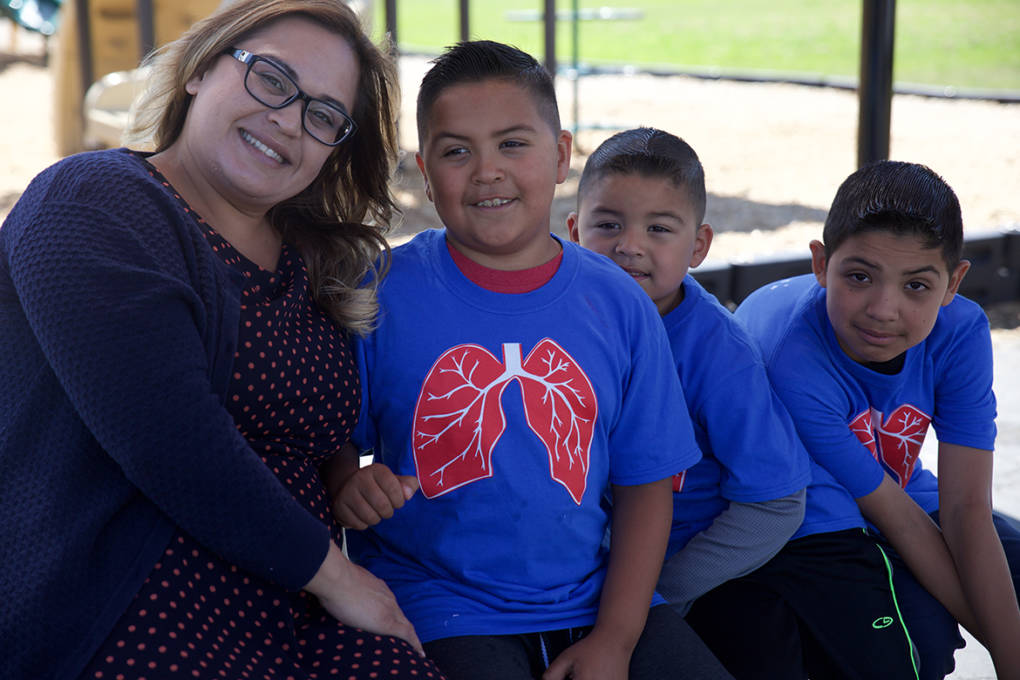
"caption": "Aidee Aldaco’s sons — Aaron, 8, Dario, 6, and Damian, 10 — attended asthma camp together.",
"description": "Aidee Aldaco’s sons — Aaron, 8, Dario, 6, and Damian, 10 — attended asthma camp together.",
"title": "asthma-camp2_1170",
"credit": "Pamela K. Johnson for KHN",
"status": "inherit",
"isLoading": false,
"fetchFailed": false
},
"stateofhealth_276502": {
"type": "attachments",
"id": "stateofhealth_276502",
"meta": {
"index": "attachments_1716263798",
"site": "stateofhealth",
"id": "276502",
"found": true
},
"parent": 276501,
"imgSizes": {
"small": {
"file": "https://ww2.kqed.org/app/uploads/sites/27/2016/12/276501-thumb-520x347.jpg",
"width": 520,
"mimeType": "image/jpeg",
"height": 347
},
"twentyfourteen-full-width": {
"file": "https://ww2.kqed.org/app/uploads/sites/27/2016/12/276501-thumb-1038x576.jpg",
"width": 1038,
"mimeType": "image/jpeg",
"height": 576
},
"thumbnail": {
"file": "https://ww2.kqed.org/app/uploads/sites/27/2016/12/276501-thumb-160x107.jpg",
"width": 160,
"mimeType": "image/jpeg",
"height": 107
},
"fd-sm": {
"file": "https://ww2.kqed.org/app/uploads/sites/27/2016/12/276501-thumb-960x640.jpg",
"width": 960,
"mimeType": "image/jpeg",
"height": 640
},
"post-thumbnail": {
"file": "https://ww2.kqed.org/app/uploads/sites/27/2016/12/276501-thumb-672x372.jpg",
"width": 672,
"mimeType": "image/jpeg",
"height": 372
},
"xsmall": {
"file": "https://ww2.kqed.org/app/uploads/sites/27/2016/12/276501-thumb-375x250.jpg",
"width": 375,
"mimeType": "image/jpeg",
"height": 250
},
"kqedFullSize": {
"file": "https://ww2.kqed.org/app/uploads/sites/27/2016/12/276501-thumb.jpg",
"width": 1920,
"height": 1280
},
"large": {
"file": "https://ww2.kqed.org/app/uploads/sites/27/2016/12/276501-thumb-1020x680.jpg",
"width": 1020,
"mimeType": "image/jpeg",
"height": 680
},
"xlarge": {
"file": "https://ww2.kqed.org/app/uploads/sites/27/2016/12/276501-thumb-1180x787.jpg",
"width": 1180,
"mimeType": "image/jpeg",
"height": 787
},
"guest-author-50": {
"file": "https://ww2.kqed.org/app/uploads/sites/27/2016/12/276501-thumb-50x50.jpg",
"width": 50,
"mimeType": "image/jpeg",
"height": 50
},
"guest-author-96": {
"file": "https://ww2.kqed.org/app/uploads/sites/27/2016/12/276501-thumb-96x96.jpg",
"width": 96,
"mimeType": "image/jpeg",
"height": 96
},
"medium": {
"file": "https://ww2.kqed.org/app/uploads/sites/27/2016/12/276501-thumb-800x533.jpg",
"width": 800,
"mimeType": "image/jpeg",
"height": 533
},
"guest-author-64": {
"file": "https://ww2.kqed.org/app/uploads/sites/27/2016/12/276501-thumb-64x64.jpg",
"width": 64,
"mimeType": "image/jpeg",
"height": 64
},
"guest-author-32": {
"file": "https://ww2.kqed.org/app/uploads/sites/27/2016/12/276501-thumb-32x32.jpg",
"width": 32,
"mimeType": "image/jpeg",
"height": 32
},
"jmtc-small-thumb": {
"file": "https://ww2.kqed.org/app/uploads/sites/27/2016/12/276501-thumb-280x150.jpg",
"width": 280,
"mimeType": "image/jpeg",
"height": 150
},
"fd-lrg": {
"file": "https://ww2.kqed.org/app/uploads/sites/27/2016/12/276501-thumb-1920x1280.jpg",
"width": 1920,
"mimeType": "image/jpeg",
"height": 1280
},
"fd-med": {
"file": "https://ww2.kqed.org/app/uploads/sites/27/2016/12/276501-thumb-1180x787.jpg",
"width": 1180,
"mimeType": "image/jpeg",
"height": 787
},
"full-width": {
"file": "https://ww2.kqed.org/app/uploads/sites/27/2016/12/276501-thumb-1920x1280.jpg",
"width": 1920,
"mimeType": "image/jpeg",
"height": 1280
},
"detail": {
"file": "https://ww2.kqed.org/app/uploads/sites/27/2016/12/276501-thumb-150x150.jpg",
"width": 150,
"mimeType": "image/jpeg",
"height": 150
},
"medium_large": {
"file": "https://ww2.kqed.org/app/uploads/sites/27/2016/12/276501-thumb-768x512.jpg",
"width": 768,
"mimeType": "image/jpeg",
"height": 512
},
"guest-author-128": {
"file": "https://ww2.kqed.org/app/uploads/sites/27/2016/12/276501-thumb-128x128.jpg",
"width": 128,
"mimeType": "image/jpeg",
"height": 128
},
"xxsmall": {
"file": "https://ww2.kqed.org/app/uploads/sites/27/2016/12/276501-thumb-240x160.jpg",
"width": 240,
"mimeType": "image/jpeg",
"height": 160
}
},
"publishDate": 1482767185,
"modified": 1502929558,
"caption": "A coalition funded by tobacco companies is pushing back against San Francisco's ban on the sale of flavored tobacco.",
"description": "A coalition funded by tobacco companies is pushing back against San Francisco's ban on the sale of flavored tobacco.",
"title": "Thumbnail for 276501",
"credit": "Justin Sullivan/Getty Images",
"status": "inherit",
"isLoading": false,
"fetchFailed": false
},
"stateofhealth_360760": {
"type": "attachments",
"id": "stateofhealth_360760",
"meta": {
"index": "attachments_1716263798",
"site": "stateofhealth",
"id": "360760",
"found": true
},
"parent": 360759,
"imgSizes": {
"small": {
"file": "https://ww2.kqed.org/app/uploads/sites/27/2017/08/food-as-medicine11-520x347.jpg",
"width": 520,
"mimeType": "image/jpeg",
"height": 347
},
"twentyfourteen-full-width": {
"file": "https://ww2.kqed.org/app/uploads/sites/27/2017/08/food-as-medicine11-1038x576.jpg",
"width": 1038,
"mimeType": "image/jpeg",
"height": 576
},
"thumbnail": {
"file": "https://ww2.kqed.org/app/uploads/sites/27/2017/08/food-as-medicine11-160x107.jpg",
"width": 160,
"mimeType": "image/jpeg",
"height": 107
},
"fd-sm": {
"file": "https://ww2.kqed.org/app/uploads/sites/27/2017/08/food-as-medicine11-960x640.jpg",
"width": 960,
"mimeType": "image/jpeg",
"height": 640
},
"post-thumbnail": {
"file": "https://ww2.kqed.org/app/uploads/sites/27/2017/08/food-as-medicine11-672x372.jpg",
"width": 672,
"mimeType": "image/jpeg",
"height": 372
},
"xsmall": {
"file": "https://ww2.kqed.org/app/uploads/sites/27/2017/08/food-as-medicine11-375x250.jpg",
"width": 375,
"mimeType": "image/jpeg",
"height": 250
},
"kqedFullSize": {
"file": "https://ww2.kqed.org/app/uploads/sites/27/2017/08/food-as-medicine11.jpg",
"width": 1446,
"height": 964
},
"large": {
"file": "https://ww2.kqed.org/app/uploads/sites/27/2017/08/food-as-medicine11-1020x680.jpg",
"width": 1020,
"mimeType": "image/jpeg",
"height": 680
},
"xlarge": {
"file": "https://ww2.kqed.org/app/uploads/sites/27/2017/08/food-as-medicine11-1180x787.jpg",
"width": 1180,
"mimeType": "image/jpeg",
"height": 787
},
"guest-author-50": {
"file": "https://ww2.kqed.org/app/uploads/sites/27/2017/08/food-as-medicine11-50x50.jpg",
"width": 50,
"mimeType": "image/jpeg",
"height": 50
},
"guest-author-96": {
"file": "https://ww2.kqed.org/app/uploads/sites/27/2017/08/food-as-medicine11-96x96.jpg",
"width": 96,
"mimeType": "image/jpeg",
"height": 96
},
"medium": {
"file": "https://ww2.kqed.org/app/uploads/sites/27/2017/08/food-as-medicine11-800x533.jpg",
"width": 800,
"mimeType": "image/jpeg",
"height": 533
},
"guest-author-64": {
"file": "https://ww2.kqed.org/app/uploads/sites/27/2017/08/food-as-medicine11-64x64.jpg",
"width": 64,
"mimeType": "image/jpeg",
"height": 64
},
"guest-author-32": {
"file": "https://ww2.kqed.org/app/uploads/sites/27/2017/08/food-as-medicine11-32x32.jpg",
"width": 32,
"mimeType": "image/jpeg",
"height": 32
},
"fd-med": {
"file": "https://ww2.kqed.org/app/uploads/sites/27/2017/08/food-as-medicine11-1180x787.jpg",
"width": 1180,
"mimeType": "image/jpeg",
"height": 787
},
"detail": {
"file": "https://ww2.kqed.org/app/uploads/sites/27/2017/08/food-as-medicine11-150x150.jpg",
"width": 150,
"mimeType": "image/jpeg",
"height": 150
},
"medium_large": {
"file": "https://ww2.kqed.org/app/uploads/sites/27/2017/08/food-as-medicine11-768x512.jpg",
"width": 768,
"mimeType": "image/jpeg",
"height": 512
},
"guest-author-128": {
"file": "https://ww2.kqed.org/app/uploads/sites/27/2017/08/food-as-medicine11-128x128.jpg",
"width": 128,
"mimeType": "image/jpeg",
"height": 128
},
"xxsmall": {
"file": "https://ww2.kqed.org/app/uploads/sites/27/2017/08/food-as-medicine11-240x160.jpg",
"width": 240,
"mimeType": "image/jpeg",
"height": 160
}
},
"publishDate": 1502385821,
"modified": 1502385877,
"caption": "A team of volunteers from Wells Fargo pack healthy ingredients at Project Open Hand in San Francisco on July 6. ",
"description": "A team of volunteers from Wells Fargo pack healthy ingredients at Project Open Hand in San Francisco on July 6.",
"title": "food-as-medicine11",
"credit": "Kellen Browning/California Healthline",
"status": "inherit",
"isLoading": false,
"fetchFailed": false
},
"stateofhealth_23937": {
"type": "attachments",
"id": "stateofhealth_23937",
"meta": {
"index": "attachments_1716263798",
"site": "stateofhealth",
"id": "23937",
"found": true
},
"parent": 23932,
"imgSizes": {
"twentyfourteen-full-width": {
"file": "https://ww2.kqed.org/app/uploads/sites/27/2015/02/Screen-Shot-2015-02-17-at-9.08.14-PM-e1424236127706-1038x576.png",
"width": 1038,
"mimeType": "image/png",
"height": 576
},
"thumbnail": {
"file": "https://ww2.kqed.org/app/uploads/sites/27/2015/02/Screen-Shot-2015-02-17-at-9.08.14-PM-e1424236127706-400x197.png",
"width": 400,
"mimeType": "image/png",
"height": 197
},
"fd-sm": {
"file": "https://ww2.kqed.org/app/uploads/sites/27/2015/02/Screen-Shot-2015-02-17-at-9.08.14-PM-e1424236127706-320x157.png",
"width": 320,
"mimeType": "image/png",
"height": 157
},
"post-thumbnail": {
"file": "https://ww2.kqed.org/app/uploads/sites/27/2015/02/Screen-Shot-2015-02-17-at-9.08.14-PM-e1424236127706-672x372.png",
"width": 672,
"mimeType": "image/png",
"height": 372
},
"kqedFullSize": {
"file": "https://ww2.kqed.org/app/uploads/sites/27/2015/02/Screen-Shot-2015-02-17-at-9.08.14-PM-e1424236127706.png",
"width": 1439,
"height": 707
},
"guest-author-96": {
"file": "https://ww2.kqed.org/app/uploads/sites/27/2015/02/Screen-Shot-2015-02-17-at-9.08.14-PM-e1424236127706-96x96.png",
"width": 96,
"mimeType": "image/png",
"height": 96
},
"medium": {
"file": "https://ww2.kqed.org/app/uploads/sites/27/2015/02/Screen-Shot-2015-02-17-at-9.08.14-PM-e1424236127706-800x393.png",
"width": 800,
"mimeType": "image/png",
"height": 393
},
"guest-author-64": {
"file": "https://ww2.kqed.org/app/uploads/sites/27/2015/02/Screen-Shot-2015-02-17-at-9.08.14-PM-e1424236127706-64x64.png",
"width": 64,
"mimeType": "image/png",
"height": 64
},
"guest-author-32": {
"file": "https://ww2.kqed.org/app/uploads/sites/27/2015/02/Screen-Shot-2015-02-17-at-9.08.14-PM-e1424236127706-32x32.png",
"width": 32,
"mimeType": "image/png",
"height": 32
},
"fd-lrg": {
"file": "https://ww2.kqed.org/app/uploads/sites/27/2015/02/Screen-Shot-2015-02-17-at-9.08.14-PM-e1424236127706-1180x580.png",
"width": 1180,
"mimeType": "image/png",
"height": 580
},
"fd-med": {
"file": "https://ww2.kqed.org/app/uploads/sites/27/2015/02/Screen-Shot-2015-02-17-at-9.08.14-PM-e1424236127706-768x377.png",
"width": 768,
"mimeType": "image/png",
"height": 377
},
"detail": {
"file": "https://ww2.kqed.org/app/uploads/sites/27/2015/02/Screen-Shot-2015-02-17-at-9.08.14-PM-e1424236127706-75x75.png",
"width": 75,
"mimeType": "image/png",
"height": 75
},
"guest-author-128": {
"file": "https://ww2.kqed.org/app/uploads/sites/27/2015/02/Screen-Shot-2015-02-17-at-9.08.14-PM-e1424236127706-128x128.png",
"width": 128,
"mimeType": "image/png",
"height": 128
}
},
"publishDate": 1424236116,
"modified": 1424236152,
"caption": "Screenshot of Covered California's website.",
"description": "Screenshot of Covered California's website.",
"title": "Screen Shot 2015-02-17 at 9.08.14 PM",
"credit": null,
"status": "inherit",
"isLoading": false,
"fetchFailed": false
},
"stateofhealth_358437": {
"type": "attachments",
"id": "stateofhealth_358437",
"meta": {
"index": "attachments_1716263798",
"site": "stateofhealth",
"id": "358437",
"found": true
},
"parent": 358434,
"imgSizes": {
"small": {
"file": "https://ww2.kqed.org/app/uploads/sites/27/2017/07/dust-storm_1170-520x347.jpg",
"width": 520,
"mimeType": "image/jpeg",
"height": 347
},
"twentyfourteen-full-width": {
"file": "https://ww2.kqed.org/app/uploads/sites/27/2017/07/dust-storm_1170-1038x576.jpg",
"width": 1038,
"mimeType": "image/jpeg",
"height": 576
},
"thumbnail": {
"file": "https://ww2.kqed.org/app/uploads/sites/27/2017/07/dust-storm_1170-160x107.jpg",
"width": 160,
"mimeType": "image/jpeg",
"height": 107
},
"fd-sm": {
"file": "https://ww2.kqed.org/app/uploads/sites/27/2017/07/dust-storm_1170-960x640.jpg",
"width": 960,
"mimeType": "image/jpeg",
"height": 640
},
"post-thumbnail": {
"file": "https://ww2.kqed.org/app/uploads/sites/27/2017/07/dust-storm_1170-672x372.jpg",
"width": 672,
"mimeType": "image/jpeg",
"height": 372
},
"xsmall": {
"file": "https://ww2.kqed.org/app/uploads/sites/27/2017/07/dust-storm_1170-375x250.jpg",
"width": 375,
"mimeType": "image/jpeg",
"height": 250
},
"kqedFullSize": {
"file": "https://ww2.kqed.org/app/uploads/sites/27/2017/07/dust-storm_1170.jpg",
"width": 1170,
"height": 780
},
"large": {
"file": "https://ww2.kqed.org/app/uploads/sites/27/2017/07/dust-storm_1170-1020x680.jpg",
"width": 1020,
"mimeType": "image/jpeg",
"height": 680
},
"guest-author-50": {
"file": "https://ww2.kqed.org/app/uploads/sites/27/2017/07/dust-storm_1170-50x50.jpg",
"width": 50,
"mimeType": "image/jpeg",
"height": 50
},
"guest-author-96": {
"file": "https://ww2.kqed.org/app/uploads/sites/27/2017/07/dust-storm_1170-96x96.jpg",
"width": 96,
"mimeType": "image/jpeg",
"height": 96
},
"medium": {
"file": "https://ww2.kqed.org/app/uploads/sites/27/2017/07/dust-storm_1170-800x533.jpg",
"width": 800,
"mimeType": "image/jpeg",
"height": 533
},
"guest-author-64": {
"file": "https://ww2.kqed.org/app/uploads/sites/27/2017/07/dust-storm_1170-64x64.jpg",
"width": 64,
"mimeType": "image/jpeg",
"height": 64
},
"guest-author-32": {
"file": "https://ww2.kqed.org/app/uploads/sites/27/2017/07/dust-storm_1170-32x32.jpg",
"width": 32,
"mimeType": "image/jpeg",
"height": 32
},
"detail": {
"file": "https://ww2.kqed.org/app/uploads/sites/27/2017/07/dust-storm_1170-150x150.jpg",
"width": 150,
"mimeType": "image/jpeg",
"height": 150
},
"medium_large": {
"file": "https://ww2.kqed.org/app/uploads/sites/27/2017/07/dust-storm_1170-768x512.jpg",
"width": 768,
"mimeType": "image/jpeg",
"height": 512
},
"guest-author-128": {
"file": "https://ww2.kqed.org/app/uploads/sites/27/2017/07/dust-storm_1170-128x128.jpg",
"width": 128,
"mimeType": "image/jpeg",
"height": 128
},
"xxsmall": {
"file": "https://ww2.kqed.org/app/uploads/sites/27/2017/07/dust-storm_1170-240x160.jpg",
"width": 240,
"mimeType": "image/jpeg",
"height": 160
}
},
"publishDate": 1501026982,
"modified": 1501027026,
"caption": "Climatologists and other researchers have theorized that intensified dust storms or heat waves linked to global warming can fuel Valley Fever infection.",
"description": "Climatologists and other researchers have theorized that intensified dust storms or heat waves linked to global warming can fuel Valley Fever infection.",
"title": "Mother Nature's Fury",
"credit": "Moment/Getty Images",
"status": "inherit",
"isLoading": false,
"fetchFailed": false
},
"stateofhealth_353725": {
"type": "attachments",
"id": "stateofhealth_353725",
"meta": {
"index": "attachments_1716263798",
"site": "stateofhealth",
"id": "353725",
"found": true
},
"parent": 353704,
"imgSizes": {
"small": {
"file": "https://ww2.kqed.org/app/uploads/sites/27/2017/07/Satterfield_patientsmall-520x347.jpg",
"width": 520,
"mimeType": "image/jpeg",
"height": 347
},
"twentyfourteen-full-width": {
"file": "https://ww2.kqed.org/app/uploads/sites/27/2017/07/Satterfield_patientsmall-1038x576.jpg",
"width": 1038,
"mimeType": "image/jpeg",
"height": 576
},
"thumbnail": {
"file": "https://ww2.kqed.org/app/uploads/sites/27/2017/07/Satterfield_patientsmall-160x107.jpg",
"width": 160,
"mimeType": "image/jpeg",
"height": 107
},
"fd-sm": {
"file": "https://ww2.kqed.org/app/uploads/sites/27/2017/07/Satterfield_patientsmall-960x640.jpg",
"width": 960,
"mimeType": "image/jpeg",
"height": 640
},
"post-thumbnail": {
"file": "https://ww2.kqed.org/app/uploads/sites/27/2017/07/Satterfield_patientsmall-672x372.jpg",
"width": 672,
"mimeType": "image/jpeg",
"height": 372
},
"xsmall": {
"file": "https://ww2.kqed.org/app/uploads/sites/27/2017/07/Satterfield_patientsmall-375x250.jpg",
"width": 375,
"mimeType": "image/jpeg",
"height": 250
},
"kqedFullSize": {
"file": "https://ww2.kqed.org/app/uploads/sites/27/2017/07/Satterfield_patientsmall.jpg",
"width": 4025,
"height": 2683
},
"large": {
"file": "https://ww2.kqed.org/app/uploads/sites/27/2017/07/Satterfield_patientsmall-1020x680.jpg",
"width": 1020,
"mimeType": "image/jpeg",
"height": 680
},
"xlarge": {
"file": "https://ww2.kqed.org/app/uploads/sites/27/2017/07/Satterfield_patientsmall-1180x787.jpg",
"width": 1180,
"mimeType": "image/jpeg",
"height": 787
},
"guest-author-50": {
"file": "https://ww2.kqed.org/app/uploads/sites/27/2017/07/Satterfield_patientsmall-50x50.jpg",
"width": 50,
"mimeType": "image/jpeg",
"height": 50
},
"guest-author-96": {
"file": "https://ww2.kqed.org/app/uploads/sites/27/2017/07/Satterfield_patientsmall-96x96.jpg",
"width": 96,
"mimeType": "image/jpeg",
"height": 96
},
"medium": {
"file": "https://ww2.kqed.org/app/uploads/sites/27/2017/07/Satterfield_patientsmall-800x533.jpg",
"width": 800,
"mimeType": "image/jpeg",
"height": 533
},
"guest-author-64": {
"file": "https://ww2.kqed.org/app/uploads/sites/27/2017/07/Satterfield_patientsmall-64x64.jpg",
"width": 64,
"mimeType": "image/jpeg",
"height": 64
},
"guest-author-32": {
"file": "https://ww2.kqed.org/app/uploads/sites/27/2017/07/Satterfield_patientsmall-32x32.jpg",
"width": 32,
"mimeType": "image/jpeg",
"height": 32
},
"fd-lrg": {
"file": "https://ww2.kqed.org/app/uploads/sites/27/2017/07/Satterfield_patientsmall-1920x1280.jpg",
"width": 1920,
"mimeType": "image/jpeg",
"height": 1280
},
"fd-med": {
"file": "https://ww2.kqed.org/app/uploads/sites/27/2017/07/Satterfield_patientsmall-1180x787.jpg",
"width": 1180,
"mimeType": "image/jpeg",
"height": 787
},
"full-width": {
"file": "https://ww2.kqed.org/app/uploads/sites/27/2017/07/Satterfield_patientsmall-1920x1280.jpg",
"width": 1920,
"mimeType": "image/jpeg",
"height": 1280
},
"detail": {
"file": "https://ww2.kqed.org/app/uploads/sites/27/2017/07/Satterfield_patientsmall-150x150.jpg",
"width": 150,
"mimeType": "image/jpeg",
"height": 150
},
"medium_large": {
"file": "https://ww2.kqed.org/app/uploads/sites/27/2017/07/Satterfield_patientsmall-768x512.jpg",
"width": 768,
"mimeType": "image/jpeg",
"height": 512
},
"guest-author-128": {
"file": "https://ww2.kqed.org/app/uploads/sites/27/2017/07/Satterfield_patientsmall-128x128.jpg",
"width": 128,
"mimeType": "image/jpeg",
"height": 128
},
"xxsmall": {
"file": "https://ww2.kqed.org/app/uploads/sites/27/2017/07/Satterfield_patientsmall-240x160.jpg",
"width": 240,
"mimeType": "image/jpeg",
"height": 160
}
},
"publishDate": 1499845528,
"modified": 1499846103,
"caption": "Dr. Mark Satterfield sees a patient recovering from heroin addiction at the public health office in rural Plumas County. Satterfield is the only medical provider in the county treating heroin users with the medication buprenorphine. ",
"description": null,
"title": "Satterfield_patientsmall",
"credit": "Pauline Bartolone/California Healthline",
"status": "inherit",
"isLoading": false,
"fetchFailed": false
},
"stateofhealth_350693": {
"type": "attachments",
"id": "stateofhealth_350693",
"meta": {
"index": "attachments_1716263798",
"site": "stateofhealth",
"id": "350693",
"found": true
},
"parent": 350690,
"imgSizes": {
"small": {
"file": "https://ww2.kqed.org/app/uploads/sites/27/2017/07/teen-smoking-2_770-520x346.jpg",
"width": 520,
"mimeType": "image/jpeg",
"height": 346
},
"thumbnail": {
"file": "https://ww2.kqed.org/app/uploads/sites/27/2017/07/teen-smoking-2_770-160x107.jpg",
"width": 160,
"mimeType": "image/jpeg",
"height": 107
},
"post-thumbnail": {
"file": "https://ww2.kqed.org/app/uploads/sites/27/2017/07/teen-smoking-2_770-672x372.jpg",
"width": 672,
"mimeType": "image/jpeg",
"height": 372
},
"xsmall": {
"file": "https://ww2.kqed.org/app/uploads/sites/27/2017/07/teen-smoking-2_770-375x250.jpg",
"width": 375,
"mimeType": "image/jpeg",
"height": 250
},
"kqedFullSize": {
"file": "https://ww2.kqed.org/app/uploads/sites/27/2017/07/teen-smoking-2_770.jpg",
"width": 770,
"height": 513
},
"guest-author-50": {
"file": "https://ww2.kqed.org/app/uploads/sites/27/2017/07/teen-smoking-2_770-50x50.jpg",
"width": 50,
"mimeType": "image/jpeg",
"height": 50
},
"guest-author-96": {
"file": "https://ww2.kqed.org/app/uploads/sites/27/2017/07/teen-smoking-2_770-96x96.jpg",
"width": 96,
"mimeType": "image/jpeg",
"height": 96
},
"guest-author-64": {
"file": "https://ww2.kqed.org/app/uploads/sites/27/2017/07/teen-smoking-2_770-64x64.jpg",
"width": 64,
"mimeType": "image/jpeg",
"height": 64
},
"guest-author-32": {
"file": "https://ww2.kqed.org/app/uploads/sites/27/2017/07/teen-smoking-2_770-32x32.jpg",
"width": 32,
"mimeType": "image/jpeg",
"height": 32
},
"detail": {
"file": "https://ww2.kqed.org/app/uploads/sites/27/2017/07/teen-smoking-2_770-150x150.jpg",
"width": 150,
"mimeType": "image/jpeg",
"height": 150
},
"medium_large": {
"file": "https://ww2.kqed.org/app/uploads/sites/27/2017/07/teen-smoking-2_770-768x512.jpg",
"width": 768,
"mimeType": "image/jpeg",
"height": 512
},
"guest-author-128": {
"file": "https://ww2.kqed.org/app/uploads/sites/27/2017/07/teen-smoking-2_770-128x128.jpg",
"width": 128,
"mimeType": "image/jpeg",
"height": 128
},
"xxsmall": {
"file": "https://ww2.kqed.org/app/uploads/sites/27/2017/07/teen-smoking-2_770-240x160.jpg",
"width": 240,
"mimeType": "image/jpeg",
"height": 160
}
},
"publishDate": 1499277957,
"modified": 1499278027,
"caption": "Maya Terrell, right, walks with Lamarr Morris in Sacramento’s Arden Fair Mall on June 19.",
"description": "Maya Terrell, right, walks with Lamarr Morris in Sacramento’s Arden Fair Mall on June 19.",
"title": "teen-smoking-2_770",
"credit": "Kellen Browning/California Healthline",
"status": "inherit",
"isLoading": false,
"fetchFailed": false
},
"stateofhealth_231162": {
"type": "attachments",
"id": "stateofhealth_231162",
"meta": {
"index": "attachments_1716263798",
"site": "stateofhealth",
"id": "231162",
"found": true
},
"parent": 231161,
"imgSizes": {
"twentyfourteen-full-width": {
"file": "https://ww2.kqed.org/app/uploads/sites/27/2016/08/10946_transform-1038x576.jpg",
"width": 1038,
"mimeType": "image/jpeg",
"height": 576
},
"thumbnail": {
"file": "https://ww2.kqed.org/app/uploads/sites/27/2016/08/10946_transform-400x251.jpg",
"width": 400,
"mimeType": "image/jpeg",
"height": 251
},
"fd-sm": {
"file": "https://ww2.kqed.org/app/uploads/sites/27/2016/08/10946_transform-960x603.jpg",
"width": 960,
"mimeType": "image/jpeg",
"height": 603
},
"post-thumbnail": {
"file": "https://ww2.kqed.org/app/uploads/sites/27/2016/08/10946_transform-672x372.jpg",
"width": 672,
"mimeType": "image/jpeg",
"height": 372
},
"kqedFullSize": {
"file": "https://ww2.kqed.org/app/uploads/sites/27/2016/08/10946_transform.jpg",
"width": 1920,
"height": 1205
},
"large": {
"file": "https://ww2.kqed.org/app/uploads/sites/27/2016/08/10946_transform-1440x904.jpg",
"width": 1440,
"mimeType": "image/jpeg",
"height": 904
},
"guest-author-50": {
"file": "https://ww2.kqed.org/app/uploads/sites/27/2016/08/10946_transform-50x50.jpg",
"width": 50,
"mimeType": "image/jpeg",
"height": 50
},
"guest-author-96": {
"file": "https://ww2.kqed.org/app/uploads/sites/27/2016/08/10946_transform-96x96.jpg",
"width": 96,
"mimeType": "image/jpeg",
"height": 96
},
"medium": {
"file": "https://ww2.kqed.org/app/uploads/sites/27/2016/08/10946_transform-800x502.jpg",
"width": 800,
"mimeType": "image/jpeg",
"height": 502
},
"guest-author-64": {
"file": "https://ww2.kqed.org/app/uploads/sites/27/2016/08/10946_transform-64x64.jpg",
"width": 64,
"mimeType": "image/jpeg",
"height": 64
},
"guest-author-32": {
"file": "https://ww2.kqed.org/app/uploads/sites/27/2016/08/10946_transform-32x32.jpg",
"width": 32,
"mimeType": "image/jpeg",
"height": 32
},
"jmtc-small-thumb": {
"file": "https://ww2.kqed.org/app/uploads/sites/27/2016/08/10946_transform-280x150.jpg",
"width": 280,
"mimeType": "image/jpeg",
"height": 150
},
"fd-lrg": {
"file": "https://ww2.kqed.org/app/uploads/sites/27/2016/08/10946_transform-1920x1205.jpg",
"width": 1920,
"mimeType": "image/jpeg",
"height": 1205
},
"fd-med": {
"file": "https://ww2.kqed.org/app/uploads/sites/27/2016/08/10946_transform-1180x741.jpg",
"width": 1180,
"mimeType": "image/jpeg",
"height": 741
},
"detail": {
"file": "https://ww2.kqed.org/app/uploads/sites/27/2016/08/10946_transform-150x150.jpg",
"width": 150,
"mimeType": "image/jpeg",
"height": 150
},
"medium_large": {
"file": "https://ww2.kqed.org/app/uploads/sites/27/2016/08/10946_transform-768x482.jpg",
"width": 768,
"mimeType": "image/jpeg",
"height": 482
},
"guest-author-128": {
"file": "https://ww2.kqed.org/app/uploads/sites/27/2016/08/10946_transform-128x128.jpg",
"width": 128,
"mimeType": "image/jpeg",
"height": 128
}
},
"publishDate": 1472599807,
"modified": 1498614596,
"caption": null,
"description": null,
"title": "10946_transform",
"credit": "Andy Warner/KQED",
"status": "inherit",
"isLoading": false,
"fetchFailed": false
},
"stateofhealth_342585": {
"type": "attachments",
"id": "stateofhealth_342585",
"meta": {
"index": "attachments_1716263798",
"site": "stateofhealth",
"id": "342585",
"found": true
},
"parent": 342500,
"imgSizes": {
"small": {
"file": "https://ww2.kqed.org/app/uploads/sites/27/2017/06/FreeStanding-ERs-038-520x390.jpg",
"width": 520,
"mimeType": "image/jpeg",
"height": 390
},
"twentyfourteen-full-width": {
"file": "https://ww2.kqed.org/app/uploads/sites/27/2017/06/FreeStanding-ERs-038-1038x576.jpg",
"width": 1038,
"mimeType": "image/jpeg",
"height": 576
},
"thumbnail": {
"file": "https://ww2.kqed.org/app/uploads/sites/27/2017/06/FreeStanding-ERs-038-160x120.jpg",
"width": 160,
"mimeType": "image/jpeg",
"height": 120
},
"fd-sm": {
"file": "https://ww2.kqed.org/app/uploads/sites/27/2017/06/FreeStanding-ERs-038-960x720.jpg",
"width": 960,
"mimeType": "image/jpeg",
"height": 720
},
"post-thumbnail": {
"file": "https://ww2.kqed.org/app/uploads/sites/27/2017/06/FreeStanding-ERs-038-672x372.jpg",
"width": 672,
"mimeType": "image/jpeg",
"height": 372
},
"xsmall": {
"file": "https://ww2.kqed.org/app/uploads/sites/27/2017/06/FreeStanding-ERs-038-375x281.jpg",
"width": 375,
"mimeType": "image/jpeg",
"height": 281
},
"kqedFullSize": {
"file": "https://ww2.kqed.org/app/uploads/sites/27/2017/06/FreeStanding-ERs-038.jpg",
"width": 2816,
"height": 2112
},
"large": {
"file": "https://ww2.kqed.org/app/uploads/sites/27/2017/06/FreeStanding-ERs-038-1020x765.jpg",
"width": 1020,
"mimeType": "image/jpeg",
"height": 765
},
"xlarge": {
"file": "https://ww2.kqed.org/app/uploads/sites/27/2017/06/FreeStanding-ERs-038-1180x885.jpg",
"width": 1180,
"mimeType": "image/jpeg",
"height": 885
},
"guest-author-50": {
"file": "https://ww2.kqed.org/app/uploads/sites/27/2017/06/FreeStanding-ERs-038-50x50.jpg",
"width": 50,
"mimeType": "image/jpeg",
"height": 50
},
"guest-author-96": {
"file": "https://ww2.kqed.org/app/uploads/sites/27/2017/06/FreeStanding-ERs-038-96x96.jpg",
"width": 96,
"mimeType": "image/jpeg",
"height": 96
},
"medium": {
"file": "https://ww2.kqed.org/app/uploads/sites/27/2017/06/FreeStanding-ERs-038-800x600.jpg",
"width": 800,
"mimeType": "image/jpeg",
"height": 600
},
"guest-author-64": {
"file": "https://ww2.kqed.org/app/uploads/sites/27/2017/06/FreeStanding-ERs-038-64x64.jpg",
"width": 64,
"mimeType": "image/jpeg",
"height": 64
},
"guest-author-32": {
"file": "https://ww2.kqed.org/app/uploads/sites/27/2017/06/FreeStanding-ERs-038-32x32.jpg",
"width": 32,
"mimeType": "image/jpeg",
"height": 32
},
"fd-lrg": {
"file": "https://ww2.kqed.org/app/uploads/sites/27/2017/06/FreeStanding-ERs-038-1920x1440.jpg",
"width": 1920,
"mimeType": "image/jpeg",
"height": 1440
},
"fd-med": {
"file": "https://ww2.kqed.org/app/uploads/sites/27/2017/06/FreeStanding-ERs-038-1180x885.jpg",
"width": 1180,
"mimeType": "image/jpeg",
"height": 885
},
"full-width": {
"file": "https://ww2.kqed.org/app/uploads/sites/27/2017/06/FreeStanding-ERs-038-1920x1440.jpg",
"width": 1920,
"mimeType": "image/jpeg",
"height": 1440
},
"detail": {
"file": "https://ww2.kqed.org/app/uploads/sites/27/2017/06/FreeStanding-ERs-038-150x150.jpg",
"width": 150,
"mimeType": "image/jpeg",
"height": 150
},
"medium_large": {
"file": "https://ww2.kqed.org/app/uploads/sites/27/2017/06/FreeStanding-ERs-038-768x576.jpg",
"width": 768,
"mimeType": "image/jpeg",
"height": 576
},
"guest-author-128": {
"file": "https://ww2.kqed.org/app/uploads/sites/27/2017/06/FreeStanding-ERs-038-128x128.jpg",
"width": 128,
"mimeType": "image/jpeg",
"height": 128
},
"xxsmall": {
"file": "https://ww2.kqed.org/app/uploads/sites/27/2017/06/FreeStanding-ERs-038-240x180.jpg",
"width": 240,
"mimeType": "image/jpeg",
"height": 180
}
},
"publishDate": 1497313263,
"modified": 1497313263,
"caption": null,
"description": null,
"title": "FreeStanding ERs 038",
"credit": null,
"status": "inherit",
"isLoading": false,
"fetchFailed": false
},
"stateofhealth_337325": {
"type": "attachments",
"id": "stateofhealth_337325",
"meta": {
"index": "attachments_1716263798",
"site": "stateofhealth",
"id": "337325",
"found": true
},
"parent": 337321,
"imgSizes": {
"small": {
"file": "https://ww2.kqed.org/app/uploads/sites/27/2017/05/Treating-a-Dollar-Sign-520x520.jpg",
"width": 520,
"mimeType": "image/jpeg",
"height": 520
},
"twentyfourteen-full-width": {
"file": "https://ww2.kqed.org/app/uploads/sites/27/2017/05/Treating-a-Dollar-Sign-1024x576.jpg",
"width": 1024,
"mimeType": "image/jpeg",
"height": 576
},
"thumbnail": {
"file": "https://ww2.kqed.org/app/uploads/sites/27/2017/05/Treating-a-Dollar-Sign-160x160.jpg",
"width": 160,
"mimeType": "image/jpeg",
"height": 160
},
"fd-sm": {
"file": "https://ww2.kqed.org/app/uploads/sites/27/2017/05/Treating-a-Dollar-Sign-960x960.jpg",
"width": 960,
"mimeType": "image/jpeg",
"height": 960
},
"post-thumbnail": {
"file": "https://ww2.kqed.org/app/uploads/sites/27/2017/05/Treating-a-Dollar-Sign-672x372.jpg",
"width": 672,
"mimeType": "image/jpeg",
"height": 372
},
"xsmall": {
"file": "https://ww2.kqed.org/app/uploads/sites/27/2017/05/Treating-a-Dollar-Sign-375x375.jpg",
"width": 375,
"mimeType": "image/jpeg",
"height": 375
},
"kqedFullSize": {
"file": "https://ww2.kqed.org/app/uploads/sites/27/2017/05/Treating-a-Dollar-Sign.jpg",
"width": 1024,
"height": 1024
},
"large": {
"file": "https://ww2.kqed.org/app/uploads/sites/27/2017/05/Treating-a-Dollar-Sign-1020x1020.jpg",
"width": 1020,
"mimeType": "image/jpeg",
"height": 1020
},
"guest-author-50": {
"file": "https://ww2.kqed.org/app/uploads/sites/27/2017/05/Treating-a-Dollar-Sign-50x50.jpg",
"width": 50,
"mimeType": "image/jpeg",
"height": 50
},
"guest-author-96": {
"file": "https://ww2.kqed.org/app/uploads/sites/27/2017/05/Treating-a-Dollar-Sign-96x96.jpg",
"width": 96,
"mimeType": "image/jpeg",
"height": 96
},
"medium": {
"file": "https://ww2.kqed.org/app/uploads/sites/27/2017/05/Treating-a-Dollar-Sign-800x800.jpg",
"width": 800,
"mimeType": "image/jpeg",
"height": 800
},
"guest-author-64": {
"file": "https://ww2.kqed.org/app/uploads/sites/27/2017/05/Treating-a-Dollar-Sign-64x64.jpg",
"width": 64,
"mimeType": "image/jpeg",
"height": 64
},
"guest-author-32": {
"file": "https://ww2.kqed.org/app/uploads/sites/27/2017/05/Treating-a-Dollar-Sign-32x32.jpg",
"width": 32,
"mimeType": "image/jpeg",
"height": 32
},
"detail": {
"file": "https://ww2.kqed.org/app/uploads/sites/27/2017/05/Treating-a-Dollar-Sign-150x150.jpg",
"width": 150,
"mimeType": "image/jpeg",
"height": 150
},
"medium_large": {
"file": "https://ww2.kqed.org/app/uploads/sites/27/2017/05/Treating-a-Dollar-Sign-768x768.jpg",
"width": 768,
"mimeType": "image/jpeg",
"height": 768
},
"guest-author-128": {
"file": "https://ww2.kqed.org/app/uploads/sites/27/2017/05/Treating-a-Dollar-Sign-128x128.jpg",
"width": 128,
"mimeType": "image/jpeg",
"height": 128
},
"xxsmall": {
"file": "https://ww2.kqed.org/app/uploads/sites/27/2017/05/Treating-a-Dollar-Sign-240x240.jpg",
"width": 240,
"mimeType": "image/jpeg",
"height": 240
}
},
"publishDate": 1496264451,
"modified": 1496264491,
"caption": null,
"description": null,
"title": "Sick Dollar",
"credit": "iStock/Getty Images",
"status": "inherit",
"isLoading": false,
"fetchFailed": false
},
"stateofhealth_148704": {
"type": "attachments",
"id": "stateofhealth_148704",
"meta": {
"index": "attachments_1716263798",
"site": "stateofhealth",
"id": "148704",
"found": true
},
"parent": 148703,
"imgSizes": {
"twentyfourteen-full-width": {
"file": "https://ww2.kqed.org/app/uploads/sites/27/2016/02/autismscreening_enl-ca4439befe73f6a7967c47d638168053a3f1bec4-1038x576.jpg",
"width": 1038,
"mimeType": "image/jpeg",
"height": 576
},
"thumbnail": {
"file": "https://ww2.kqed.org/app/uploads/sites/27/2016/02/autismscreening_enl-ca4439befe73f6a7967c47d638168053a3f1bec4-400x266.jpg",
"width": 400,
"mimeType": "image/jpeg",
"height": 266
},
"fd-sm": {
"file": "https://ww2.kqed.org/app/uploads/sites/27/2016/02/autismscreening_enl-ca4439befe73f6a7967c47d638168053a3f1bec4-960x639.jpg",
"width": 960,
"mimeType": "image/jpeg",
"height": 639
},
"post-thumbnail": {
"file": "https://ww2.kqed.org/app/uploads/sites/27/2016/02/autismscreening_enl-ca4439befe73f6a7967c47d638168053a3f1bec4-672x372.jpg",
"width": 672,
"mimeType": "image/jpeg",
"height": 372
},
"kqedFullSize": {
"file": "https://ww2.kqed.org/app/uploads/sites/27/2016/02/autismscreening_enl-ca4439befe73f6a7967c47d638168053a3f1bec4-e1455649306948.jpg",
"width": 1920,
"height": 1279
},
"large": {
"file": "https://ww2.kqed.org/app/uploads/sites/27/2016/02/autismscreening_enl-ca4439befe73f6a7967c47d638168053a3f1bec4-1440x959.jpg",
"width": 1440,
"mimeType": "image/jpeg",
"height": 959
},
"guest-author-96": {
"file": "https://ww2.kqed.org/app/uploads/sites/27/2016/02/autismscreening_enl-ca4439befe73f6a7967c47d638168053a3f1bec4-96x96.jpg",
"width": 96,
"mimeType": "image/jpeg",
"height": 96
},
"medium": {
"file": "https://ww2.kqed.org/app/uploads/sites/27/2016/02/autismscreening_enl-ca4439befe73f6a7967c47d638168053a3f1bec4-800x533.jpg",
"width": 800,
"mimeType": "image/jpeg",
"height": 533
},
"guest-author-64": {
"file": "https://ww2.kqed.org/app/uploads/sites/27/2016/02/autismscreening_enl-ca4439befe73f6a7967c47d638168053a3f1bec4-64x64.jpg",
"width": 64,
"mimeType": "image/jpeg",
"height": 64
},
"guest-author-32": {
"file": "https://ww2.kqed.org/app/uploads/sites/27/2016/02/autismscreening_enl-ca4439befe73f6a7967c47d638168053a3f1bec4-32x32.jpg",
"width": 32,
"mimeType": "image/jpeg",
"height": 32
},
"jmtc-small-thumb": {
"file": "https://ww2.kqed.org/app/uploads/sites/27/2016/02/autismscreening_enl-ca4439befe73f6a7967c47d638168053a3f1bec4-280x150.jpg",
"width": 280,
"mimeType": "image/jpeg",
"height": 150
},
"fd-lrg": {
"file": "https://ww2.kqed.org/app/uploads/sites/27/2016/02/autismscreening_enl-ca4439befe73f6a7967c47d638168053a3f1bec4-1920x1279.jpg",
"width": 1920,
"mimeType": "image/jpeg",
"height": 1279
},
"fd-med": {
"file": "https://ww2.kqed.org/app/uploads/sites/27/2016/02/autismscreening_enl-ca4439befe73f6a7967c47d638168053a3f1bec4-1180x786.jpg",
"width": 1180,
"mimeType": "image/jpeg",
"height": 786
},
"detail": {
"file": "https://ww2.kqed.org/app/uploads/sites/27/2016/02/autismscreening_enl-ca4439befe73f6a7967c47d638168053a3f1bec4-75x75.jpg",
"width": 75,
"mimeType": "image/jpeg",
"height": 75
},
"medium_large": {
"file": "https://ww2.kqed.org/app/uploads/sites/27/2016/02/autismscreening_enl-ca4439befe73f6a7967c47d638168053a3f1bec4-768x511.jpg",
"width": 768,
"mimeType": "image/jpeg",
"height": 511
},
"guest-author-128": {
"file": "https://ww2.kqed.org/app/uploads/sites/27/2016/02/autismscreening_enl-ca4439befe73f6a7967c47d638168053a3f1bec4-128x128.jpg",
"width": 128,
"mimeType": "image/jpeg",
"height": 128
}
},
"publishDate": 1455649040,
"modified": 1494886899,
"caption": null,
"description": "The American Academy of Pediatrics recommends that all children be screened for autism and other developmental disorders.",
"title": "The American Academy of Pediatrics recommends that all children be screened for autism and other developmental disorders.",
"credit": "B Busco/Getty Images",
"status": "inherit",
"isLoading": false,
"fetchFailed": false
},
"stateofhealth_3456": {
"type": "attachments",
"id": "stateofhealth_3456",
"meta": {
"index": "attachments_1716263798",
"site": "stateofhealth",
"id": "3456",
"found": true
},
"parent": 3448,
"imgSizes": {
"twentyfourteen-full-width": {
"file": "https://ww2.kqed.org/app/uploads/sites/27/2012/03/Cropped_DrugsMoneyGeneric_Getty-1038x576.jpg",
"width": 1038,
"mimeType": "image/jpeg",
"height": 576
},
"thumbnail": {
"file": "https://ww2.kqed.org/app/uploads/sites/27/2012/03/Cropped_DrugsMoneyGeneric_Getty-400x435.jpg",
"width": 400,
"mimeType": "image/jpeg",
"height": 435
},
"fd-sm": {
"file": "https://ww2.kqed.org/app/uploads/sites/27/2012/03/Cropped_DrugsMoneyGeneric_Getty-320x348.jpg",
"width": 320,
"mimeType": "image/jpeg",
"height": 348
},
"post-thumbnail": {
"file": "https://ww2.kqed.org/app/uploads/sites/27/2012/03/Cropped_DrugsMoneyGeneric_Getty-672x372.jpg",
"width": 672,
"mimeType": "image/jpeg",
"height": 372
},
"kqedFullSize": {
"file": "https://ww2.kqed.org/app/uploads/sites/27/2012/03/Cropped_DrugsMoneyGeneric_Getty.jpg",
"width": 1477,
"height": 1608
},
"large": {
"file": "https://ww2.kqed.org/app/uploads/sites/27/2012/03/Cropped_DrugsMoneyGeneric_Getty-1440x1568.jpg",
"width": 1440,
"mimeType": "image/jpeg",
"height": 1568
},
"guest-author-96": {
"file": "https://ww2.kqed.org/app/uploads/sites/27/2012/03/Cropped_DrugsMoneyGeneric_Getty-96x96.jpg",
"width": 96,
"mimeType": "image/jpeg",
"height": 96
},
"medium": {
"file": "https://ww2.kqed.org/app/uploads/sites/27/2012/03/Cropped_DrugsMoneyGeneric_Getty-800x871.jpg",
"width": 800,
"mimeType": "image/jpeg",
"height": 871
},
"guest-author-64": {
"file": "https://ww2.kqed.org/app/uploads/sites/27/2012/03/Cropped_DrugsMoneyGeneric_Getty-64x64.jpg",
"width": 64,
"mimeType": "image/jpeg",
"height": 64
},
"guest-author-32": {
"file": "https://ww2.kqed.org/app/uploads/sites/27/2012/03/Cropped_DrugsMoneyGeneric_Getty-32x32.jpg",
"width": 32,
"mimeType": "image/jpeg",
"height": 32
},
"fd-lrg": {
"file": "https://ww2.kqed.org/app/uploads/sites/27/2012/03/Cropped_DrugsMoneyGeneric_Getty-1180x1285.jpg",
"width": 1180,
"mimeType": "image/jpeg",
"height": 1285
},
"fd-med": {
"file": "https://ww2.kqed.org/app/uploads/sites/27/2012/03/Cropped_DrugsMoneyGeneric_Getty-768x836.jpg",
"width": 768,
"mimeType": "image/jpeg",
"height": 836
},
"detail": {
"file": "https://ww2.kqed.org/app/uploads/sites/27/2012/03/Cropped_DrugsMoneyGeneric_Getty-75x75.jpg",
"width": 75,
"mimeType": "image/jpeg",
"height": 75
},
"guest-author-128": {
"file": "https://ww2.kqed.org/app/uploads/sites/27/2012/03/Cropped_DrugsMoneyGeneric_Getty-128x128.jpg",
"width": 128,
"mimeType": "image/jpeg",
"height": 128
}
},
"publishDate": 1330714446,
"modified": 1330714446,
"caption": "(Jupiter Images: Getty)",
"description": "(Jupiter Images: Getty)",
"title": "(Jupiter Images: Getty)",
"credit": null,
"status": "inherit",
"isLoading": false,
"fetchFailed": false
}
},
"audioPlayerReducer": {
"postId": "stream_live",
"isPaused": true,
"isPlaying": false,
"pfsActive": false,
"pledgeModalIsOpen": true,
"playerDrawerIsOpen": false,
"liveAudioPlayStartedAt": 0,
"liveAudioPlayContext": ""
},
"authorsReducer": {
"byline_stateofhealth_360898": {
"type": "authors",
"id": "byline_stateofhealth_360898",
"meta": {
"override": true
},
"slug": "byline_stateofhealth_360898",
"name": "\u003ca href=\"http://californiahealthline.org/news/author/pamela-k-johnson/\">\u003cstrong>Pamela K. Johnson\u003c/strong>\u003c/a> \u003c/span>",
"isLoading": false
},
"byline_stateofhealth_360841": {
"type": "authors",
"id": "byline_stateofhealth_360841",
"meta": {
"override": true
},
"slug": "byline_stateofhealth_360841",
"name": "\u003ca href=\"http://californiahealthline.org/news/author/elaine-korry/\" target=\"_blank\" rel=\"noopener noreferrer\">\u003cstrong>Elaine Korry\u003c/strong>\u003c/a> \u003c/span>",
"isLoading": false
},
"byline_stateofhealth_360759": {
"type": "authors",
"id": "byline_stateofhealth_360759",
"meta": {
"override": true
},
"slug": "byline_stateofhealth_360759",
"name": "\u003ca href=\"http://californiahealthline.org/news/author/kellen-browning/\" target=\"_blank\" rel=\"noopener noreferrer\">\u003cstrong>Kellen Browning\u003c/strong>\u003c/a> \u003c/span>",
"isLoading": false
},
"byline_stateofhealth_360142": {
"type": "authors",
"id": "byline_stateofhealth_360142",
"meta": {
"override": true
},
"slug": "byline_stateofhealth_360142",
"name": "Emily Bazar and Pauline Bartolone",
"isLoading": false
},
"byline_stateofhealth_358434": {
"type": "authors",
"id": "byline_stateofhealth_358434",
"meta": {
"override": true
},
"slug": "byline_stateofhealth_358434",
"name": "\u003ca href=\"http://californiahealthline.org/news/author/pauline-bartolone/\">\u003cstrong>Pauline Bartolone\u003c/strong>\u003c/a>",
"isLoading": false
},
"byline_stateofhealth_353704": {
"type": "authors",
"id": "byline_stateofhealth_353704",
"meta": {
"override": true
},
"slug": "byline_stateofhealth_353704",
"name": "\u003cstrong> \u003ca href=\"http://californiahealthline.org/news/author/pauline-bartolone/\" target=\"_blank\">Pauline Bartolone\u003c/a>\u003c/strong>\u003c/br>California Healthline",
"isLoading": false
},
"byline_stateofhealth_350690": {
"type": "authors",
"id": "byline_stateofhealth_350690",
"meta": {
"override": true
},
"slug": "byline_stateofhealth_350690",
"name": "\u003ca href=\"http://californiahealthline.org/news/author/kellen-browning/\" target=\"_blank\">Kellen Browning\u003c/a>",
"isLoading": false
},
"byline_stateofhealth_348280": {
"type": "authors",
"id": "byline_stateofhealth_348280",
"meta": {
"override": true
},
"slug": "byline_stateofhealth_348280",
"name": "\u003ca href=\"http://californiahealthline.org/news/author/emily-bazar/\" target=\"_blank\">Emily Bazar\u003c/a>",
"isLoading": false
},
"byline_stateofhealth_342500": {
"type": "authors",
"id": "byline_stateofhealth_342500",
"meta": {
"override": true
},
"slug": "byline_stateofhealth_342500",
"name": " Kellen Browning",
"isLoading": false
},
"byline_stateofhealth_337321": {
"type": "authors",
"id": "byline_stateofhealth_337321",
"meta": {
"override": true
},
"slug": "byline_stateofhealth_337321",
"name": "\u003cstrong>\u003ca href=\"http://khn.org/news/author/chad-terhune/\">Chad Terhune\u003c/a>\u003c/strong>",
"isLoading": false
},
"byline_stateofhealth_330339": {
"type": "authors",
"id": "byline_stateofhealth_330339",
"meta": {
"override": true
},
"slug": "byline_stateofhealth_330339",
"name": " \u003cstrong>\u003ca href=\"http://californiahealthline.org/news/author/ana-b-ibarra/\" target=\"_blank\">Ana Ibarra\u003c/a>\u003c/strong>",
"isLoading": false
},
"byline_stateofhealth_328856": {
"type": "authors",
"id": "byline_stateofhealth_328856",
"meta": {
"override": true
},
"slug": "byline_stateofhealth_328856",
"name": "\u003cstrong> \u003ca href=\"http://californiahealthline.org/news/author/pauline-bartolone/\" target=\"_blank\">Pauline Bartolone\u003c/a>\u003c/strong>",
"isLoading": false
}
},
"pagesReducer": {
"stateofhealth_affiliate_california-healthline": {
"type": "terms",
"id": "stateofhealth_3036",
"meta": {
"index": "terms_1716263798",
"site": "stateofhealth",
"id": "3036",
"score": 15.556321
},
"featImg": null,
"name": "California Healthline",
"description": null,
"taxonomy": "affiliate",
"headData": {
"twImgId": null,
"twTitle": null,
"ogTitle": null,
"ogImgId": null,
"twDescription": null,
"description": null,
"title": "California Healthline Archives | KQED Arts",
"ogDescription": null
},
"ttid": 3045,
"slug": "california-healthline",
"isLoading": false,
"title": "California Healthline",
"pageMeta": {
"site": "stateofhealth",
"WpPageTemplate": "page-topic-editorial",
"currentPage": 2
},
"blocks": [
{
"blockName": "kqed/post-list",
"attrs": {
"layout": "cardArticle2",
"query": "posts/stateofhealth?affiliate=california-healthline",
"seeMore": false,
"paginated": true,
"page": 2
}
},
{
"blockName": "kqed/ad"
}
]
}
},
"pfsSessionReducer": {},
"postsReducer": {
"stream_live": {
"type": "live",
"id": "stream_live",
"audioUrl": "https://streams.kqed.org/kqedradio",
"title": "Live Stream",
"excerpt": "Live Stream information currently unavailable.",
"link": "/radio",
"featImg": "",
"label": {
"name": "KQED Live",
"link": "/"
}
},
"stream_kqedNewscast": {
"type": "posts",
"id": "stream_kqedNewscast",
"audioUrl": "https://www.kqed.org/.stream/anon/radio/RDnews/newscast.mp3?_=1",
"title": "KQED Newscast",
"featImg": "",
"label": {
"name": "88.5 FM",
"link": "/"
}
},
"stateofhealth_360898": {
"type": "posts",
"id": "stateofhealth_360898",
"meta": {
"index": "posts_1716263798",
"site": "stateofhealth",
"id": "360898",
"score": null,
"sort": [
1503614265000
]
},
"parent": 0,
"labelTerm": {
"site": "stateofhealth",
"term": 3036
},
"blocks": [],
"publishDate": 1503614265,
"format": "standard",
"disqusTitle": "Kids Find Breathing Room At Asthma Camp",
"title": "Kids Find Breathing Room At Asthma Camp",
"headTitle": "California Healthline | State of Health | KQED News",
"content": "\u003cp>A third of the kids had finished their pancakes when camp counselor Bryan “The Lungs” Wegley hopped up to lead them in “The Penguin Song.” The children flapped their arms and shuffled their feet like snazzy Antarctic seabirds.\u003c/p>\n\u003cp>Later, when the room had grown quiet, another camp staffer showed a Smurf movie for 15 minutes worth of giggles, before everyone dashed off to swim.\u003c/p>\n\u003cp>For the 37 children attending this annual summer camp in Salinas, Calif., days packed with fun helped make doses of asthma education go down as smoothly as sweetened cough syrup. The kids attended the camp to frolic, but also to better understand the chronic lung disease that makes breathing more difficult for them and about \u003ca href=\"http://www.kidsdata.org/topic/238/asthma/table#fmt=97&loc=2,127,1657,331,1656,171,1655,345,357,324,369,362,360,337,364,356,217,328,354,320,339,334,365,343,367,344,355,366,368,265,349,361,4,273,59,370,326,341,338,350,342,359,363,340,335&tf=89&sortColumnId=0&sortType=asc\" target=\"_blank\" rel=\"noopener noreferrer\">1 in 6 California children\u003c/a>.\u003c/p>\n\u003cp>“Dust! Cockroaches! Cigarette smoke! Pets!” the kids yelled out in response to a question about what triggers their wheezing, shortness of breath and tightness in the chest. Some of the children, who ranged in age from 6 to 12, said they’d been to the emergency room multiple times. Asthma, if not properly treated, can be fatal.\u003c/p>\n\u003cp>Most of the children had been diagnosed when they were babies or toddlers and completely dependent on their parents or guardians. As they grow older and become physically less dependent on adults, they need to take more responsibility for managing their disease. \u003ca href=\"http://www.annallergy.org/article/S1081-1206(10)60377-8/fulltext\" target=\"_blank\" rel=\"noopener noreferrer\">Studies show\u003c/a> that asthma camps can instill knowledge and encourage habits that help children better control their conditions.\u003c/p>\n\u003cp>[ad fullwidth]\u003c/p>\n\u003cp>For most of the week, parents dropped their kids off in the morning and picked them up at the end of the day. But one of the highlights of the camp is the sleepover, held at a local elementary school. That’s when kids who want to can spend the night at camp without their parents. For those who do, it’s another step in assuming responsibility for their own health.\u003c/p>\n\u003cp>“Our camp song says, ‘Your parents are not in charge of your asthma; you’re in charge of your asthma,’” said Sienna Grant, 9, as she climbed a ladder and prepared to swing rung to rung across a jungle gym. She used to be reluctant to stop playing, even for a puff of her inhaler. But now she’s learning “to take things more seriously,” she said.\u003c/p>\n\u003cp>Asthma camps sprang up in the late 1970s and early 1980s, when there were far fewer medications to treat the condition.\u003c/p>\n\u003cp>“There was no way to control or prevent asthma,” said Dr. Steven Prager, who is the camp’s medical director and a physician with the Salinas Valley Memorial Healthcare System, one of the camp’s co-sponsors.\u003c/p>\n\u003cp>Instead of shooing kids out of the house to play, nervous parents often blocked their path, relegating asthmatic children to a summer on the couch, Prager said.\u003c/p>\n\u003cp>For some children, asthma camp can provide a safe space to play and learn.\u003c/p>\n\u003cp>“I hear from prior campers and their parents all the time that the camp helped the kids take a more active, productive role in the management of their asthma,” Prager said. Parents reported a decrease in school absences and emergency room visits after their kids attended the program, he added.\u003c/p>\n\u003cp>Dr. Michael Welch, a physician at Rady Children’s Hospital-San Diego, studied the effectiveness of asthma camps a decade ago, but he said there is little research on the topic.\u003c/p>\n\u003cp>A \u003ca href=\"http://www.annallergy.org/article/S1081-1206(10)60377-8/fulltext\" target=\"_blank\" rel=\"noopener noreferrer\">2007 study\u003c/a> co-authored by Welch found that a year after attending an asthma camp, kids had “assumed greater responsibility for taking their medication.” The study was based on a survey of nearly 1,800 participants at 24 asthma camps around the United States.\u003c/p>\n\u003cp>Welch noted that numerous camps cater to children with a wide range of chronic illnesses.\u003c/p>\n\u003cp>“Kids learn right away that they’re not the only ones with this chronic disease, so they [feel] a little less abnormal, which is good for their self-esteem,” he said.\u003c/p>\n\u003cp>Despite a profusion of camps dedicated to other conditions, the number of asthma camps is dwindling, Welch said. There are 90 asthma camps across the country — a third fewer than a decade ago — serving about 4,000 children, according to Jill Heins Nesvold, executive director of the \u003ca href=\"http://www.asthmacamps.org/\" target=\"_blank\" rel=\"noopener noreferrer\">Consortium on Children’s Asthma Camps\u003c/a>.\u003c/p>\n\u003cp>There used to be at least five \u003ca href=\"http://www.asthmacamps.org/campdetails.cfm?longst=California&state=CA\" target=\"_blank\" rel=\"noopener noreferrer\">asthma camps in California\u003c/a>, but in the past few years, two of them — one in Los Angeles and another in San Diego — have closed.\u003c/p>\n\u003cp>“Funding has been a problem with keeping asthma camps alive,” said Welch, who was the medical director for more than three decades at the now-shuttered San Diego camp.\u003c/p>\n\u003cp>Part of the problem, he said, is that groups such as the American Lung Association have decided to focus their funding to research and lobbying, diverting it from direct community services like asthma camps.\u003c/p>\n\u003cp>The Salinas camp is funded by the Salinas Valley Memorial Healthcare System, \u003ca href=\"https://childrensmiraclenetworkhospitals.org/\" target=\"_blank\" rel=\"noopener noreferrer\">Children’s Miracle Network\u003c/a> (CMN), a nonprofit that raises money for children’s hospitals nationwide, and individual donors. CMN gets most of its funding from corporate donors across a wide range of industries. The financial contributions help make the camp more affordable for families: Parents pay $55 per child, and scholarships are available.\u003c/p>\n\u003cp>While the Salinas camp has benefited from a solid endowment over the years, “it’s slowly being whittled down,” Prager said. “At the moment, we’re fine, but it’s going to be a challenge in the years to come.”\u003c/p>\n\u003cp>But as long as asthma camps keep their doors open, children will likely attend.\u003c/p>\n\u003cp>In the middle of the week, their confidence growing, about two-thirds of the Salinas campers tackled the overnight.\u003c/p>\n\u003cp>It sounds simple, but “many of these kids have never spent a night away from home,” Prager said. “It’s a big deal … and for the parents sometimes an even bigger deal.”\u003c/p>\n\u003cp>Dario Aldaco, 6, declared he would do the overnight even though his two older brothers — and running buddies — were skipping it.\u003c/p>\n\u003cp>“I want to do this, even if they don’t want to,” he told his mom, Aidee Aldaco.\u003c/p>\n\u003cp>“I was anxiety central,” she said. “I asked him, ‘Are you sure? Without your brothers?’”\u003c/p>\n\u003cp>On the big night, counselors stoked a fire pit near an outside play area and kids gathered around to socialize and munch s’mores. Later, inside the school’s gym, they unrolled sleeping bags and conked out on the floor, with counselors from the local YMCA and Prager nearby.\u003c/p>\n\u003cp>The next day, when the parents saw their kids had survived without them, they breathed a sigh of relief. On the final day, camp administrators asked the parents to vow that they would not curtail their children’s activities out of fear.\u003c/p>\n\u003cp>As they said their goodbyes, campers left with a better understanding of their illness, newfound confidence and backpacks full of gadgets and meds to ease their breathing.\u003c/p>\n\u003cp>Dario came home with the confidence to ask his father not to smoke on the side of the house where the fumes get inside and can trigger his and his brothers’ asthma.\u003c/p>\n\u003cp>Dario’s older brother, Aaron, 8, who also attended the camp and has mild to moderate autism, began to use a new word: “independent.”\u003c/p>\n\u003cp>The asthma camp had made him think twice about his mother’s plan to move closer to her children when they go off to college.\u003c/p>\n\u003cp>“If you move with me,” Aaron asked, “then how am I going to be independent?”\u003c/p>\n\u003cp>[ad floatright]\u003c/p>\n\u003cp>“So,” Aidee Aldaco said with a chuckle, “my husband and I are not going to be able to follow them.”\u003c/p>\n\n",
"disqusIdentifier": "360898 https://ww2.kqed.org/stateofhealth/?p=360898",
"disqusUrl": "https://ww2.kqed.org/stateofhealth/2017/08/24/kids-find-breathing-room-at-asthma-camp/",
"stats": {
"hasVideo": false,
"hasChartOrMap": false,
"hasAudio": false,
"hasPolis": false,
"wordCount": 1338,
"hasGoogleForm": false,
"hasGallery": false,
"hasHearkenModule": false,
"iframeSrcs": [],
"paragraphCount": 38
},
"modified": 1503614265,
"excerpt": "Camps teach children how to rely less on grownups and more on themselves.",
"headData": {
"twImgId": "",
"twTitle": "",
"ogTitle": "",
"ogImgId": "",
"twDescription": "",
"description": "Camps teach children how to rely less on grownups and more on themselves.",
"title": "Kids Find Breathing Room At Asthma Camp | KQED",
"ogDescription": "",
"schema": {
"@context": "https://schema.org",
"@type": "Article",
"headline": "Kids Find Breathing Room At Asthma Camp",
"datePublished": "2017-08-24T15:37:45-07:00",
"dateModified": "2017-08-24T15:37:45-07:00",
"image": "https://cdn.kqed.org/wp-content/uploads/2020/02/KQED-OG-Image@1x.png"
}
},
"guestAuthors": [],
"slug": "kids-find-breathing-room-at-asthma-camp",
"status": "publish",
"nprByline": "\u003ca href=\"http://californiahealthline.org/news/author/pamela-k-johnson/\">\u003cstrong>Pamela K. Johnson\u003c/strong>\u003c/a> \u003c/span>",
"path": "/stateofhealth/360898/kids-find-breathing-room-at-asthma-camp",
"audioTrackLength": null,
"parsedContent": [
{
"type": "contentString",
"content": "\u003cdiv class=\"post-body\">\u003cp>\u003cp>A third of the kids had finished their pancakes when camp counselor Bryan “The Lungs” Wegley hopped up to lead them in “The Penguin Song.” The children flapped their arms and shuffled their feet like snazzy Antarctic seabirds.\u003c/p>\n\u003cp>Later, when the room had grown quiet, another camp staffer showed a Smurf movie for 15 minutes worth of giggles, before everyone dashed off to swim.\u003c/p>\n\u003cp>For the 37 children attending this annual summer camp in Salinas, Calif., days packed with fun helped make doses of asthma education go down as smoothly as sweetened cough syrup. The kids attended the camp to frolic, but also to better understand the chronic lung disease that makes breathing more difficult for them and about \u003ca href=\"http://www.kidsdata.org/topic/238/asthma/table#fmt=97&loc=2,127,1657,331,1656,171,1655,345,357,324,369,362,360,337,364,356,217,328,354,320,339,334,365,343,367,344,355,366,368,265,349,361,4,273,59,370,326,341,338,350,342,359,363,340,335&tf=89&sortColumnId=0&sortType=asc\" target=\"_blank\" rel=\"noopener noreferrer\">1 in 6 California children\u003c/a>.\u003c/p>\n\u003cp>“Dust! Cockroaches! Cigarette smoke! Pets!” the kids yelled out in response to a question about what triggers their wheezing, shortness of breath and tightness in the chest. Some of the children, who ranged in age from 6 to 12, said they’d been to the emergency room multiple times. Asthma, if not properly treated, can be fatal.\u003c/p>\n\u003cp>Most of the children had been diagnosed when they were babies or toddlers and completely dependent on their parents or guardians. As they grow older and become physically less dependent on adults, they need to take more responsibility for managing their disease. \u003ca href=\"http://www.annallergy.org/article/S1081-1206(10)60377-8/fulltext\" target=\"_blank\" rel=\"noopener noreferrer\">Studies show\u003c/a> that asthma camps can instill knowledge and encourage habits that help children better control their conditions.\u003c/p>\n\u003cp>\u003c/p>\u003c/div>",
"attributes": {
"named": {},
"numeric": []
}
},
{
"type": "component",
"content": "",
"name": "ad",
"attributes": {
"named": {
"label": "fullwidth"
},
"numeric": [
"fullwidth"
]
}
},
{
"type": "contentString",
"content": "\u003cdiv class=\"post-body\">\u003cp>\u003c/p>\n\u003cp>For most of the week, parents dropped their kids off in the morning and picked them up at the end of the day. But one of the highlights of the camp is the sleepover, held at a local elementary school. That’s when kids who want to can spend the night at camp without their parents. For those who do, it’s another step in assuming responsibility for their own health.\u003c/p>\n\u003cp>“Our camp song says, ‘Your parents are not in charge of your asthma; you’re in charge of your asthma,’” said Sienna Grant, 9, as she climbed a ladder and prepared to swing rung to rung across a jungle gym. She used to be reluctant to stop playing, even for a puff of her inhaler. But now she’s learning “to take things more seriously,” she said.\u003c/p>\n\u003cp>Asthma camps sprang up in the late 1970s and early 1980s, when there were far fewer medications to treat the condition.\u003c/p>\n\u003cp>“There was no way to control or prevent asthma,” said Dr. Steven Prager, who is the camp’s medical director and a physician with the Salinas Valley Memorial Healthcare System, one of the camp’s co-sponsors.\u003c/p>\n\u003cp>Instead of shooing kids out of the house to play, nervous parents often blocked their path, relegating asthmatic children to a summer on the couch, Prager said.\u003c/p>\n\u003cp>For some children, asthma camp can provide a safe space to play and learn.\u003c/p>\n\u003cp>“I hear from prior campers and their parents all the time that the camp helped the kids take a more active, productive role in the management of their asthma,” Prager said. Parents reported a decrease in school absences and emergency room visits after their kids attended the program, he added.\u003c/p>\n\u003cp>Dr. Michael Welch, a physician at Rady Children’s Hospital-San Diego, studied the effectiveness of asthma camps a decade ago, but he said there is little research on the topic.\u003c/p>\n\u003cp>A \u003ca href=\"http://www.annallergy.org/article/S1081-1206(10)60377-8/fulltext\" target=\"_blank\" rel=\"noopener noreferrer\">2007 study\u003c/a> co-authored by Welch found that a year after attending an asthma camp, kids had “assumed greater responsibility for taking their medication.” The study was based on a survey of nearly 1,800 participants at 24 asthma camps around the United States.\u003c/p>\n\u003cp>Welch noted that numerous camps cater to children with a wide range of chronic illnesses.\u003c/p>\n\u003cp>“Kids learn right away that they’re not the only ones with this chronic disease, so they [feel] a little less abnormal, which is good for their self-esteem,” he said.\u003c/p>\n\u003cp>Despite a profusion of camps dedicated to other conditions, the number of asthma camps is dwindling, Welch said. There are 90 asthma camps across the country — a third fewer than a decade ago — serving about 4,000 children, according to Jill Heins Nesvold, executive director of the \u003ca href=\"http://www.asthmacamps.org/\" target=\"_blank\" rel=\"noopener noreferrer\">Consortium on Children’s Asthma Camps\u003c/a>.\u003c/p>\n\u003cp>There used to be at least five \u003ca href=\"http://www.asthmacamps.org/campdetails.cfm?longst=California&state=CA\" target=\"_blank\" rel=\"noopener noreferrer\">asthma camps in California\u003c/a>, but in the past few years, two of them — one in Los Angeles and another in San Diego — have closed.\u003c/p>\n\u003cp>“Funding has been a problem with keeping asthma camps alive,” said Welch, who was the medical director for more than three decades at the now-shuttered San Diego camp.\u003c/p>\n\u003cp>Part of the problem, he said, is that groups such as the American Lung Association have decided to focus their funding to research and lobbying, diverting it from direct community services like asthma camps.\u003c/p>\n\u003cp>The Salinas camp is funded by the Salinas Valley Memorial Healthcare System, \u003ca href=\"https://childrensmiraclenetworkhospitals.org/\" target=\"_blank\" rel=\"noopener noreferrer\">Children’s Miracle Network\u003c/a> (CMN), a nonprofit that raises money for children’s hospitals nationwide, and individual donors. CMN gets most of its funding from corporate donors across a wide range of industries. The financial contributions help make the camp more affordable for families: Parents pay $55 per child, and scholarships are available.\u003c/p>\n\u003cp>While the Salinas camp has benefited from a solid endowment over the years, “it’s slowly being whittled down,” Prager said. “At the moment, we’re fine, but it’s going to be a challenge in the years to come.”\u003c/p>\n\u003cp>But as long as asthma camps keep their doors open, children will likely attend.\u003c/p>\n\u003cp>In the middle of the week, their confidence growing, about two-thirds of the Salinas campers tackled the overnight.\u003c/p>\n\u003cp>It sounds simple, but “many of these kids have never spent a night away from home,” Prager said. “It’s a big deal … and for the parents sometimes an even bigger deal.”\u003c/p>\n\u003cp>Dario Aldaco, 6, declared he would do the overnight even though his two older brothers — and running buddies — were skipping it.\u003c/p>\n\u003cp>“I want to do this, even if they don’t want to,” he told his mom, Aidee Aldaco.\u003c/p>\n\u003cp>“I was anxiety central,” she said. “I asked him, ‘Are you sure? Without your brothers?’”\u003c/p>\n\u003cp>On the big night, counselors stoked a fire pit near an outside play area and kids gathered around to socialize and munch s’mores. Later, inside the school’s gym, they unrolled sleeping bags and conked out on the floor, with counselors from the local YMCA and Prager nearby.\u003c/p>\n\u003cp>The next day, when the parents saw their kids had survived without them, they breathed a sigh of relief. On the final day, camp administrators asked the parents to vow that they would not curtail their children’s activities out of fear.\u003c/p>\n\u003cp>As they said their goodbyes, campers left with a better understanding of their illness, newfound confidence and backpacks full of gadgets and meds to ease their breathing.\u003c/p>\n\u003cp>Dario came home with the confidence to ask his father not to smoke on the side of the house where the fumes get inside and can trigger his and his brothers’ asthma.\u003c/p>\n\u003cp>Dario’s older brother, Aaron, 8, who also attended the camp and has mild to moderate autism, began to use a new word: “independent.”\u003c/p>\n\u003cp>The asthma camp had made him think twice about his mother’s plan to move closer to her children when they go off to college.\u003c/p>\n\u003cp>“If you move with me,” Aaron asked, “then how am I going to be independent?”\u003c/p>\n\u003cp>\u003c/p>\u003c/div>",
"attributes": {
"named": {},
"numeric": []
}
},
{
"type": "component",
"content": "",
"name": "ad",
"attributes": {
"named": {
"label": "floatright"
},
"numeric": [
"floatright"
]
}
},
{
"type": "contentString",
"content": "\u003cdiv class=\"post-body\">\u003cp>\u003c/p>\n\u003cp>“So,” Aidee Aldaco said with a chuckle, “my husband and I are not going to be able to follow them.”\u003c/p>\n\n\u003c/div>\u003c/p>",
"attributes": {
"named": {},
"numeric": []
}
}
],
"link": "/stateofhealth/360898/kids-find-breathing-room-at-asthma-camp",
"authors": [
"byline_stateofhealth_360898"
],
"categories": [
"stateofhealth_11",
"stateofhealth_12",
"stateofhealth_1"
],
"tags": [
"stateofhealth_23",
"stateofhealth_3159",
"stateofhealth_96",
"stateofhealth_2808",
"stateofhealth_2519"
],
"affiliates": [
"stateofhealth_3036"
],
"featImg": "stateofhealth_360900",
"label": "stateofhealth_3036"
},
"stateofhealth_360841": {
"type": "posts",
"id": "stateofhealth_360841",
"meta": {
"index": "posts_1716263798",
"site": "stateofhealth",
"id": "360841",
"score": null,
"sort": [
1502929566000
]
},
"parent": 0,
"labelTerm": {
"site": "stateofhealth",
"term": 3036
},
"blocks": [],
"publishDate": 1502929566,
"format": "standard",
"disqusTitle": "Fate Of San Francisco’s Ban On Flavored Tobacco Products Is Now Up To Voters",
"title": "Fate Of San Francisco’s Ban On Flavored Tobacco Products Is Now Up To Voters",
"headTitle": "California Healthline | State of Health | KQED News",
"content": "\u003cp>A coalition of local business owners financed by the tobacco industry has blocked San Francisco’s new ban on menthol cigarettes and flavored tobacco products until voters decide whether to uphold or overturn it.\u003c/p>\n\u003cp>The ban, adopted unanimously by the Board of Supervisors in June, would have kicked in next year. But the city’s \u003ca href=\"http://sfgov.org/elections/measures\" target=\"_blank\" rel=\"noopener noreferrer\">Office of Elections\u003c/a> determined earlier this month that the opposition group \u003ca href=\"http://www.letsberealsf.org/\" target=\"_blank\" rel=\"noopener noreferrer\">Let’s Be Real, San Francisco\u003c/a> has gathered enough signatures for a ballot referendum, putting the ban on hold until voters decide next year.\u003c/p>\n\u003cp>“This is a freedom-of-choice issue for responsible adults,” said Jaime Rojas, a spokesman for the coalition.\u003c/p>\n\u003cp>“We believe that local government officials have overreached and the referendum will allow the voters of San Francisco to make the final decision,” he said.\u003c/p>\n\u003cp>The San Francisco Board of Supervisors will vote next month whether to overturn the ordinance themselves — which is unlikely — or put it before voters, probably in June.\u003c/p>\n\u003cp>[ad fullwidth]\u003c/p>\n\u003cp>The \u003ca href=\"https://sfgov.legistar.com/View.ashx?M=F&ID=5274235&GUID=86C18253-BA63-4C0F-A6A0-E881211D2CB7\" target=\"_blank\" rel=\"noopener noreferrer\">tobacco ordinance \u003c/a>would prohibit the sale of menthol cigarettes and other flavored tobacco, including hookah tobacco and small cigars, as well as most vaping products and e-cigarettes.\u003c/p>\n\u003cp>“San Francisco made history when it passed this ordinance, the strongest restrictions on flavored tobacco products in the nation,” said Stanton Glantz, professor of medicine and director of the \u003ca href=\"http://www.tobacco.ucsf.edu/\" target=\"_blank\" rel=\"noopener noreferrer\">Center for Tobacco Control Research and Education\u003c/a> at the University of California-San Francisco (UCSF).\u003c/p>\n\u003cp>According \u003ca href=\"http://sfcontroller.org/sites/default/files/Documents/Economic%20Analysis/170441_economic_impact_final.pdf\" target=\"_blank\" rel=\"noopener noreferrer\">to a report\u003c/a> from the City Controller’s Office of Economic Analysis, 35 percent of the cigarettes sold in San Francisco are menthol and would be subject to the ban.\u003c/p>\n\u003cp>Rojas said he believes retailers would lose about $50 million in local tobacco sales annually under the ordinance.\u003c/p>\n\u003cp>Vivian New, co-owner of SF Smoke N’ Vape Shop on Fisherman’s Wharf, estimated that the ban would drive down her profits by 30 to 40 percent.\u003c/p>\n\u003cp>New, 22, said she has “never laid my lips on a cigarette.” Nonetheless, she opposes restrictions on the kinds of tobacco products her customers can buy because “it’s part of [their] rights.”\u003c/p>\n\u003cp>Let’s Be Real, San Francisco describes itself as a coalition of “concerned citizens supporting freedom of choice, adult consumers, community leaders and neighborhood small businesses.”\u003c/p>\n\u003cp>But campaign filing statements for the last half of July \u003ca href=\"https://californiahealthline.files.wordpress.com/2017/08/document6.pdf\" target=\"_blank\" rel=\"noopener noreferrer\">show only one donor\u003c/a>: R.J. Reynolds Tobacco Co. of Winston-Salem, N.C., which gave more than $685,000 to the effort.\u003c/p>\n\u003cp>David Howard, a spokesman for R.J. Reynolds, said the company is proud to be a part of the coalition and sees the referendum campaign “as an opportunity to educate the citizens of San Francisco on the negative impacts that this [ordinance] can have.”\u003c/p>\n\u003cp>The industry giant manufactures Newport, the nation’s leading menthol brand, which would be banned under the ordinance.\u003c/p>\n\u003cp>“It’s just a complete hoax,” Glantz said. “This organization that’s putting itself out as a bunch of free-thinking concerned local citizens is actually just a front for the tobacco companies.”\u003c/p>\n\u003cp>Supervisor Malia Cohen, who sponsored the tobacco measure, called the opposition referendum “a ridiculous attempt to put profit over people’s health.” She said R.J. Reynolds is attacking the legislation “because they know it is strong and that people will stop smoking.”\u003c/p>\n\u003cp>Flavored tobacco and menthol cigarettes, including Newport, the No. 2 cigarette brand in the nation, are popular with young people and minorities, \u003ca href=\"http://californiahealthline.org/news/sf-seeks-to-ban-sale-of-menthol-cigarettes-and-flavored-tobacco-products/\" target=\"_blank\" rel=\"noopener noreferrer\">especially African-Americans\u003c/a>.\u003c/p>\n\u003cp>“Menthol is an especially pernicious additive,” Glantz said, since it interacts with nicotine to make cigarettes easier to smoke and all tobacco products more addictive.\u003c/p>\n\u003cp>Miriam Zouzounis, a board member with the Arab American Grocers Association and member of the coalition, insisted that the campaign against the tobacco ordinance started as a grass-roots effort by working-class shop owners and their customers. She said the tobacco industry stepped in only after the ban was approved unanimously by the Board of Supervisors.\u003c/p>\n\u003cp>Zouzounis believes the ordinance is a burden for small merchants like her family of immigrants who own Ted’s Market, a corner grocery and sandwich shop south of Market Street.\u003c/p>\n\u003cp>“Basically it is a redundant policy. There’s laws already on the books to keep tobacco out of the hands of kids,” she said.\u003c/p>\n\u003cp>She pointed to a \u003ca href=\"https://leginfo.legislature.ca.gov/faces/billNavClient.xhtml?bill_id=201520162SB7\">law\u003c/a> signed last year by Gov. Jerry Brown that raised the legal smoking age in California from 18 to 21. Under the new rules, anyone caught giving or selling tobacco products to people under 21 could face misdemeanor charges.\u003c/p>\n\u003cp>“It’s kind of nonsense,” said Jiries Totah, an auto mechanic who buys Grizzly wintergreen-flavored chewing tobacco from Ted’s Market. “I’m 27. I pay my taxes and I do what I’m supposed to do as a citizen. How can someone tell me I can’t purchase a legal product?”\u003c/p>\n\u003cp>Zouzounis and other business owners say city officials failed to consult with them or consider amendments that addressed their concerns. The ordinance also gives out-of-state businesses that sell online an advantage over brick-and-mortar shops in the city, she said.\u003c/p>\n\u003cp>“You can buy these products they’re trying to ban online and get them delivered straight to your address in SF, and we know that an online check of an ID is not fail-proof,” she said.\u003c/p>\n\u003cp>But advocates of the ban say these arguments are diversions from the real point, which is to reduce tobacco consumption and improve health.\u003c/p>\n\u003cp>They vow to fight to keep the ordinance in place.\u003c/p>\n\u003cp>\u003c/p>\n\u003cp>“We’ve seen this group pop up out of nowhere,” said Valerie Yerger, an associate professor of health policy at UCSF. “Obviously it’s a concerted effort that’s getting a lot of support from R.J. Reynolds to confuse the issues.”\u003c/p>\n\n",
"disqusIdentifier": "360841 https://ww2.kqed.org/stateofhealth/?p=360841",
"disqusUrl": "https://ww2.kqed.org/stateofhealth/2017/08/16/fate-of-san-franciscos-ban-on-flavored-tobacco-products-is-now-up-to-voters/",
"stats": {
"hasVideo": false,
"hasChartOrMap": false,
"hasAudio": false,
"hasPolis": false,
"wordCount": 1016,
"hasGoogleForm": false,
"hasGallery": false,
"hasHearkenModule": false,
"iframeSrcs": [],
"paragraphCount": 31
},
"modified": 1502929717,
"excerpt": "The tobacco industry bankrolled an effort to stall the city’s new anti-tobacco ordinance.",
"headData": {
"twImgId": "",
"twTitle": "",
"ogTitle": "",
"ogImgId": "",
"twDescription": "",
"description": "The tobacco industry bankrolled an effort to stall the city’s new anti-tobacco ordinance.",
"title": "Fate Of San Francisco’s Ban On Flavored Tobacco Products Is Now Up To Voters | KQED",
"ogDescription": "",
"schema": {
"@context": "https://schema.org",
"@type": "Article",
"headline": "Fate Of San Francisco’s Ban On Flavored Tobacco Products Is Now Up To Voters",
"datePublished": "2017-08-16T17:26:06-07:00",
"dateModified": "2017-08-16T17:28:37-07:00",
"image": "https://cdn.kqed.org/wp-content/uploads/2020/02/KQED-OG-Image@1x.png"
}
},
"guestAuthors": [],
"slug": "fate-of-san-franciscos-ban-on-flavored-tobacco-products-is-now-up-to-voters",
"status": "publish",
"nprByline": "\u003ca href=\"http://californiahealthline.org/news/author/elaine-korry/\" target=\"_blank\" rel=\"noopener noreferrer\">\u003cstrong>Elaine Korry\u003c/strong>\u003c/a> \u003c/span>",
"path": "/stateofhealth/360841/fate-of-san-franciscos-ban-on-flavored-tobacco-products-is-now-up-to-voters",
"audioTrackLength": null,
"parsedContent": [
{
"type": "contentString",
"content": "\u003cdiv class=\"post-body\">\u003cp>\u003cp>A coalition of local business owners financed by the tobacco industry has blocked San Francisco’s new ban on menthol cigarettes and flavored tobacco products until voters decide whether to uphold or overturn it.\u003c/p>\n\u003cp>The ban, adopted unanimously by the Board of Supervisors in June, would have kicked in next year. But the city’s \u003ca href=\"http://sfgov.org/elections/measures\" target=\"_blank\" rel=\"noopener noreferrer\">Office of Elections\u003c/a> determined earlier this month that the opposition group \u003ca href=\"http://www.letsberealsf.org/\" target=\"_blank\" rel=\"noopener noreferrer\">Let’s Be Real, San Francisco\u003c/a> has gathered enough signatures for a ballot referendum, putting the ban on hold until voters decide next year.\u003c/p>\n\u003cp>“This is a freedom-of-choice issue for responsible adults,” said Jaime Rojas, a spokesman for the coalition.\u003c/p>\n\u003cp>“We believe that local government officials have overreached and the referendum will allow the voters of San Francisco to make the final decision,” he said.\u003c/p>\n\u003cp>The San Francisco Board of Supervisors will vote next month whether to overturn the ordinance themselves — which is unlikely — or put it before voters, probably in June.\u003c/p>\n\u003cp>\u003c/p>\u003c/div>",
"attributes": {
"named": {},
"numeric": []
}
},
{
"type": "component",
"content": "",
"name": "ad",
"attributes": {
"named": {
"label": "fullwidth"
},
"numeric": [
"fullwidth"
]
}
},
{
"type": "contentString",
"content": "\u003cdiv class=\"post-body\">\u003cp>\u003c/p>\n\u003cp>The \u003ca href=\"https://sfgov.legistar.com/View.ashx?M=F&ID=5274235&GUID=86C18253-BA63-4C0F-A6A0-E881211D2CB7\" target=\"_blank\" rel=\"noopener noreferrer\">tobacco ordinance \u003c/a>would prohibit the sale of menthol cigarettes and other flavored tobacco, including hookah tobacco and small cigars, as well as most vaping products and e-cigarettes.\u003c/p>\n\u003cp>“San Francisco made history when it passed this ordinance, the strongest restrictions on flavored tobacco products in the nation,” said Stanton Glantz, professor of medicine and director of the \u003ca href=\"http://www.tobacco.ucsf.edu/\" target=\"_blank\" rel=\"noopener noreferrer\">Center for Tobacco Control Research and Education\u003c/a> at the University of California-San Francisco (UCSF).\u003c/p>\n\u003cp>According \u003ca href=\"http://sfcontroller.org/sites/default/files/Documents/Economic%20Analysis/170441_economic_impact_final.pdf\" target=\"_blank\" rel=\"noopener noreferrer\">to a report\u003c/a> from the City Controller’s Office of Economic Analysis, 35 percent of the cigarettes sold in San Francisco are menthol and would be subject to the ban.\u003c/p>\n\u003cp>Rojas said he believes retailers would lose about $50 million in local tobacco sales annually under the ordinance.\u003c/p>\n\u003cp>Vivian New, co-owner of SF Smoke N’ Vape Shop on Fisherman’s Wharf, estimated that the ban would drive down her profits by 30 to 40 percent.\u003c/p>\n\u003cp>New, 22, said she has “never laid my lips on a cigarette.” Nonetheless, she opposes restrictions on the kinds of tobacco products her customers can buy because “it’s part of [their] rights.”\u003c/p>\n\u003cp>Let’s Be Real, San Francisco describes itself as a coalition of “concerned citizens supporting freedom of choice, adult consumers, community leaders and neighborhood small businesses.”\u003c/p>\n\u003cp>But campaign filing statements for the last half of July \u003ca href=\"https://californiahealthline.files.wordpress.com/2017/08/document6.pdf\" target=\"_blank\" rel=\"noopener noreferrer\">show only one donor\u003c/a>: R.J. Reynolds Tobacco Co. of Winston-Salem, N.C., which gave more than $685,000 to the effort.\u003c/p>\n\u003cp>David Howard, a spokesman for R.J. Reynolds, said the company is proud to be a part of the coalition and sees the referendum campaign “as an opportunity to educate the citizens of San Francisco on the negative impacts that this [ordinance] can have.”\u003c/p>\n\u003cp>The industry giant manufactures Newport, the nation’s leading menthol brand, which would be banned under the ordinance.\u003c/p>\n\u003cp>“It’s just a complete hoax,” Glantz said. “This organization that’s putting itself out as a bunch of free-thinking concerned local citizens is actually just a front for the tobacco companies.”\u003c/p>\n\u003cp>Supervisor Malia Cohen, who sponsored the tobacco measure, called the opposition referendum “a ridiculous attempt to put profit over people’s health.” She said R.J. Reynolds is attacking the legislation “because they know it is strong and that people will stop smoking.”\u003c/p>\n\u003cp>Flavored tobacco and menthol cigarettes, including Newport, the No. 2 cigarette brand in the nation, are popular with young people and minorities, \u003ca href=\"http://californiahealthline.org/news/sf-seeks-to-ban-sale-of-menthol-cigarettes-and-flavored-tobacco-products/\" target=\"_blank\" rel=\"noopener noreferrer\">especially African-Americans\u003c/a>.\u003c/p>\n\u003cp>“Menthol is an especially pernicious additive,” Glantz said, since it interacts with nicotine to make cigarettes easier to smoke and all tobacco products more addictive.\u003c/p>\n\u003cp>Miriam Zouzounis, a board member with the Arab American Grocers Association and member of the coalition, insisted that the campaign against the tobacco ordinance started as a grass-roots effort by working-class shop owners and their customers. She said the tobacco industry stepped in only after the ban was approved unanimously by the Board of Supervisors.\u003c/p>\n\u003cp>Zouzounis believes the ordinance is a burden for small merchants like her family of immigrants who own Ted’s Market, a corner grocery and sandwich shop south of Market Street.\u003c/p>\n\u003cp>“Basically it is a redundant policy. There’s laws already on the books to keep tobacco out of the hands of kids,” she said.\u003c/p>\n\u003cp>She pointed to a \u003ca href=\"https://leginfo.legislature.ca.gov/faces/billNavClient.xhtml?bill_id=201520162SB7\">law\u003c/a> signed last year by Gov. Jerry Brown that raised the legal smoking age in California from 18 to 21. Under the new rules, anyone caught giving or selling tobacco products to people under 21 could face misdemeanor charges.\u003c/p>\n\u003cp>“It’s kind of nonsense,” said Jiries Totah, an auto mechanic who buys Grizzly wintergreen-flavored chewing tobacco from Ted’s Market. “I’m 27. I pay my taxes and I do what I’m supposed to do as a citizen. How can someone tell me I can’t purchase a legal product?”\u003c/p>\n\u003cp>Zouzounis and other business owners say city officials failed to consult with them or consider amendments that addressed their concerns. The ordinance also gives out-of-state businesses that sell online an advantage over brick-and-mortar shops in the city, she said.\u003c/p>\n\u003cp>“You can buy these products they’re trying to ban online and get them delivered straight to your address in SF, and we know that an online check of an ID is not fail-proof,” she said.\u003c/p>\n\u003cp>But advocates of the ban say these arguments are diversions from the real point, which is to reduce tobacco consumption and improve health.\u003c/p>\n\u003cp>They vow to fight to keep the ordinance in place.\u003c/p>\n\u003cp>\u003c/p>\n\u003cp>“We’ve seen this group pop up out of nowhere,” said Valerie Yerger, an associate professor of health policy at UCSF. “Obviously it’s a concerted effort that’s getting a lot of support from R.J. Reynolds to confuse the issues.”\u003c/p>\n\n\u003c/div>\u003c/p>",
"attributes": {
"named": {},
"numeric": []
}
}
],
"link": "/stateofhealth/360841/fate-of-san-franciscos-ban-on-flavored-tobacco-products-is-now-up-to-voters",
"authors": [
"byline_stateofhealth_360841"
],
"categories": [
"stateofhealth_11",
"stateofhealth_14"
],
"tags": [
"stateofhealth_2808",
"stateofhealth_3156",
"stateofhealth_3158",
"stateofhealth_2519",
"stateofhealth_3157"
],
"affiliates": [
"stateofhealth_3036"
],
"featImg": "stateofhealth_276502",
"label": "stateofhealth_3036"
},
"stateofhealth_360759": {
"type": "posts",
"id": "stateofhealth_360759",
"meta": {
"index": "posts_1716263798",
"site": "stateofhealth",
"id": "360759",
"score": null,
"sort": [
1502391400000
]
},
"parent": 0,
"labelTerm": {
"site": "stateofhealth",
"term": 3036
},
"blocks": [],
"publishDate": 1502391400,
"format": "standard",
"disqusTitle": "California Funds Nonprofits to Serve Food as Medicine",
"title": "California Funds Nonprofits to Serve Food as Medicine",
"headTitle": "California Healthline | State of Health | KQED News",
"content": "\u003cp>Federico Guzmán moved from Mexico to San Francisco in 1992, fleeing anti-gay sentiment and searching for AIDS treatment.\u003c/p>\n\u003cp>He couldn’t find a job and sometimes went hungry until friends introduced him to \u003ca href=\"https://www.openhand.org/about-us\" target=\"_blank\" rel=\"noopener noreferrer\">Project Open Hand\u003c/a>, a nonprofit organization that began serving free, nutritious meals to HIV patients in 1985.\u003c/p>\n\u003cp>The people there “were like angels from the sky,” said Guzmán, 50, who went home from his first visit with vegetables, eggs, bread and beans. He continues to receive medically tailored meals from the group.\u003c/p>\n\u003cp>Project Open Hand cooks 2,500 meals and provides 200 bags of groceries to sick patients every day, part of its mission to help them get healthier and stay motivated to battle their diseases. The organization has expanded beyond HIV to feed people with other chronic illnesses, including diabetes and kidney failure, and it also delivers food to adults with disabilities.\u003c/p>\n\u003cfigure id=\"attachment_360761\" class=\"wp-caption aligncenter\" style=\"max-width: 800px\">\u003cimg class=\"size-medium wp-image-360761\" src=\"https://ww2.kqed.org/stateofhealth/wp-content/uploads/sites/27/2017/08/food-as-medicine9-800x533.jpg\" alt=\"Federico Guzmán, who has AIDS, has been receiving meals and groceries from Project Open Hand for 26 years. \" width=\"800\" height=\"533\" srcset=\"https://ww2.kqed.org/app/uploads/sites/27/2017/08/food-as-medicine9-800x533.jpg 800w, https://ww2.kqed.org/app/uploads/sites/27/2017/08/food-as-medicine9-160x107.jpg 160w, https://ww2.kqed.org/app/uploads/sites/27/2017/08/food-as-medicine9-768x512.jpg 768w, https://ww2.kqed.org/app/uploads/sites/27/2017/08/food-as-medicine9-1020x680.jpg 1020w, https://ww2.kqed.org/app/uploads/sites/27/2017/08/food-as-medicine9-1180x787.jpg 1180w, https://ww2.kqed.org/app/uploads/sites/27/2017/08/food-as-medicine9-960x640.jpg 960w, https://ww2.kqed.org/app/uploads/sites/27/2017/08/food-as-medicine9-240x160.jpg 240w, https://ww2.kqed.org/app/uploads/sites/27/2017/08/food-as-medicine9-375x250.jpg 375w, https://ww2.kqed.org/app/uploads/sites/27/2017/08/food-as-medicine9-520x347.jpg 520w, https://ww2.kqed.org/app/uploads/sites/27/2017/08/food-as-medicine9.jpg 1446w\" sizes=\"(max-width: 800px) 100vw, 800px\">\u003cfigcaption class=\"wp-caption-text\">Federico Guzmán, who has AIDS, has been receiving meals and groceries from Project Open Hand for 26 years. \u003ccite>(Kellen Browning/California Healthline)\u003c/cite>\u003c/figcaption>\u003c/figure>\n\u003cp>The state government recently \u003ca href=\"http://healthtrust.org/2017/06/27/food-is-medicine-gov-jerry-brown-approves-6m-pilot-program-for-chronically-ill/\" target=\"_blank\" rel=\"noopener noreferrer\">awarded\u003c/a> $6 million to Project Open Hand and similar nonprofits to provide these services to sick Californians covered by Medi-Cal, the state’s version of the federal Medicaid program for low-income people.\u003c/p>\n\u003cp>[ad fullwidth]\u003c/p>\n\u003cp>The three-year pilot program, which begins in January, was included in the recently adopted 2017-18 state budget. Project Open Hand will lead the effort, which involves five other food nonprofits across California.\u003c/p>\n\u003cp>Through the initiative, nonprofits will be able to identify heavy Medi-Cal users — in particular, chronically ill patients who are readmitted to the hospital for preventable reasons within 30 days of being discharged, said Project Open Hand CEO Mark Ryle.\u003c/p>\n\u003cp>The pilot program will debut at hospitals, doctors’ offices and clinics in San Diego, Los Angeles, San Jose, San Francisco, Oakland and parts of Sonoma and Marin counties. It will target locations with a large number of patients who are hospitalized frequently, said Project Open Hand’s director of communications, Delfin Vigil.\u003c/p>\n\u003cp>The nonprofits will enable doctors to give their patients prepared meals before they return home. One of the nonprofits will follow up later to schedule regular food deliveries, Ryle said.\u003c/p>\n\u003cfigure id=\"attachment_360765\" class=\"wp-caption aligncenter\" style=\"max-width: 770px\">\u003cimg class=\"size-full wp-image-360765\" src=\"https://ww2.kqed.org/stateofhealth/wp-content/uploads/sites/27/2017/08/food-as-medicine3.jpg\" alt=\"Production manager Will Matthews bags Project Open Hand’s meals and groceries for delivery.\" width=\"770\" height=\"513\" srcset=\"https://ww2.kqed.org/app/uploads/sites/27/2017/08/food-as-medicine3.jpg 770w, https://ww2.kqed.org/app/uploads/sites/27/2017/08/food-as-medicine3-160x107.jpg 160w, https://ww2.kqed.org/app/uploads/sites/27/2017/08/food-as-medicine3-768x512.jpg 768w, https://ww2.kqed.org/app/uploads/sites/27/2017/08/food-as-medicine3-240x160.jpg 240w, https://ww2.kqed.org/app/uploads/sites/27/2017/08/food-as-medicine3-375x250.jpg 375w, https://ww2.kqed.org/app/uploads/sites/27/2017/08/food-as-medicine3-520x346.jpg 520w\" sizes=\"(max-width: 770px) 100vw, 770px\">\u003cfigcaption class=\"wp-caption-text\">Production manager Will Matthews bags Project Open Hand’s meals and groceries for delivery. \u003ccite>(Kellen Browning/California Healthline)\u003c/cite>\u003c/figcaption>\u003c/figure>\n\u003cp>The meals will be custom-made for each patient’s medical condition.\u003c/p>\n\u003cp>For example, a patient with diabetes, who requires a diet low in carbohydrates and saturated fats, might receive chicken stew with chickpeas, whole wheat couscous and roasted broccoli.\u003c/p>\n\u003cp>“If you provide the food when [patients] leave the hospital, they have a bridge to health,” Ryle said. “If they get home and there’s no food, they don’t take their meds. If they don’t take their meds, they fall into this crater of bad health and they get readmitted faster than they need to be.”\u003c/p>\n\u003cp>Details of the project, including the specific hospitals and clinics where food will be available, are “still in the planning stages,” said Anthony Cava, a spokesman for the Department of Health Care Services, which administers Medi-Cal.\u003c/p>\n\u003cp>“Over the next three years, we hope that this program will help improve the health and quality of life of Medi-Cal recipients who are chronically ill by providing them with nutritionally rich meals tailored to their condition,” added Carol Sloan, a DHCS spokeswoman.\u003c/p>\n\u003cp>The department will measure the program’s success by analyzing its participants’ hospital readmission rates, stays at long-term care facilities and emergency room use, Cava said.\u003c/p>\n\u003cp>The experiment aims to replicate the findings of a \u003ca href=\"https://link.springer.com/article/10.1007/s11524-016-0129-7\" target=\"_blank\" rel=\"noopener noreferrer\">University of California-San Francisco study\u003c/a> published in the Journal of Urban Health in January.\u003c/p>\n\u003cp>The study, which tracked 52 Project Open Hand clients with HIV and diabetes for six months in 2014 and 2015, found a 63 percent drop in hospitalization, a 58 percent decline in emergency room visits and a 50 percent increase in medication adherence among participants.\u003c/p>\n\u003cp>Because of the small sample size, the results are not statistically significant, but the success of the treatment is promising, said Kartika Palar, one of the UCSF researchers.\u003c/p>\n\u003cp>The cost to feed each participant in the study was $1,184 over six months. By comparison, San Francisco hospitals charged patients an average of $5,761 per day in 2015 for overnight stays, according to the Office of Statewide Health Planning and Development.\u003c/p>\n\u003cp>DHCS doesn’t know how much money this program might save, but Ryle thinks it could be a significant amount, based on \u003ca href=\"http://www.mannapa.org/wp-content/uploads/2014/07/MANNA-Study.pdf\" target=\"_blank\" rel=\"noopener noreferrer\">a study\u003c/a> of a similar effort in Philadelphia. The study showed that the average monthly health care costs for 65 chronically ill participants dropped by 28 percent during the first six months they received healthy food, compared with the prior six months.\u003c/p>\n\u003cp>Organizations like Project Open Hand have known for some time that their work “was making a difference in patients’ lives,” said Dr. Rita Nguyen, a former UCSF professor now with the San Francisco Department of Public Health.\u003c/p>\n\u003cp>“There was a lot of anecdotal evidence that folks were getting stronger, able to take their medication and doing better overall,” she said.\u003c/p>\n\u003cp>On a recent day at Project Open Hand, located in San Francisco’s Tenderloin district, longtime patient and volunteer Mario Galande took a break in the staff lunchroom after stocking the shelves of the group’s free grocery store.\u003c/p>\n\u003cfigure id=\"attachment_360767\" class=\"wp-caption aligncenter\" style=\"max-width: 800px\">\u003cimg class=\"size-medium wp-image-360767\" src=\"https://ww2.kqed.org/stateofhealth/wp-content/uploads/sites/27/2017/08/food-as-medicine13-800x533.jpg\" alt=\"Galande, who has AIDS and diabetes, has been receiving meals and groceries from the nonprofit for 20 years. \" width=\"800\" height=\"533\" srcset=\"https://ww2.kqed.org/app/uploads/sites/27/2017/08/food-as-medicine13-800x533.jpg 800w, https://ww2.kqed.org/app/uploads/sites/27/2017/08/food-as-medicine13-160x107.jpg 160w, https://ww2.kqed.org/app/uploads/sites/27/2017/08/food-as-medicine13-768x512.jpg 768w, https://ww2.kqed.org/app/uploads/sites/27/2017/08/food-as-medicine13-1020x680.jpg 1020w, https://ww2.kqed.org/app/uploads/sites/27/2017/08/food-as-medicine13-1180x787.jpg 1180w, https://ww2.kqed.org/app/uploads/sites/27/2017/08/food-as-medicine13-960x640.jpg 960w, https://ww2.kqed.org/app/uploads/sites/27/2017/08/food-as-medicine13-240x160.jpg 240w, https://ww2.kqed.org/app/uploads/sites/27/2017/08/food-as-medicine13-375x250.jpg 375w, https://ww2.kqed.org/app/uploads/sites/27/2017/08/food-as-medicine13-520x347.jpg 520w, https://ww2.kqed.org/app/uploads/sites/27/2017/08/food-as-medicine13.jpg 1446w\" sizes=\"(max-width: 800px) 100vw, 800px\">\u003cfigcaption class=\"wp-caption-text\">Galande, who has AIDS and diabetes, has been receiving meals and groceries from the nonprofit for 20 years. \u003ccite>(Kellen Browning/California Healthline)\u003c/cite>\u003c/figcaption>\u003c/figure>\n\u003cp>Galande, 66, has been working at the nonprofit since he regained the weight he lost from wasting syndrome, a symptom of AIDS, 20 years ago.\u003c/p>\n\u003cp>The San Francisco resident lost 45 pounds before his friend “dragged me to Project Open Hand.” Once he started getting hot meals delivered daily, Galande recovered quickly.\u003c/p>\n\u003cp>“It was the food that got me going,” said Galande, who began volunteering there soon after. “I needed to help others.”\u003c/p>\n\u003cp>Nguyen, who teams with Project Open Hand on a separate program that provides healthful meals to heart failure patients after they are discharged from the San Francisco General Hospital, thinks the Medi-Cal partnership is an encouraging step.\u003c/p>\n\u003cp>“I see it as a huge opportunity for health care to stand up, to say that they have a role in food security and in healthy eating … rather than relying on purely medications or expensive procedures to actually keep communities well,” she said.\u003c/p>\n\u003cp>Guzmán, the San Francisco resident who discovered Project Open Hand more than two decades ago, is now managing his AIDS as a chronic disease. He has eaten the group’s nutritious meals for 26 years.\u003c/p>\n\u003cp>[ad floatright]\u003c/p>\n\u003cp>“Thanks to them, I keep my health better,” Guzmán said. “And I can go on with my life.”\u003c/p>\n\n",
"disqusIdentifier": "360759 https://ww2.kqed.org/stateofhealth/?p=360759",
"disqusUrl": "https://ww2.kqed.org/stateofhealth/2017/08/10/california-funds-nonprofits-to-serve-food-as-medicine/",
"stats": {
"hasVideo": false,
"hasChartOrMap": false,
"hasAudio": false,
"hasPolis": false,
"wordCount": 1178,
"hasGoogleForm": false,
"hasGallery": false,
"hasHearkenModule": false,
"iframeSrcs": [],
"paragraphCount": 32
},
"modified": 1502403826,
"excerpt": "The state is investing $6 million to deliver healthy meals and groceries to chronically ill Medi-Cal patients.",
"headData": {
"twImgId": "",
"twTitle": "",
"ogTitle": "",
"ogImgId": "",
"twDescription": "",
"description": "The state is investing $6 million to deliver healthy meals and groceries to chronically ill Medi-Cal patients.",
"title": "California Funds Nonprofits to Serve Food as Medicine | KQED",
"ogDescription": "",
"schema": {
"@context": "https://schema.org",
"@type": "Article",
"headline": "California Funds Nonprofits to Serve Food as Medicine",
"datePublished": "2017-08-10T11:56:40-07:00",
"dateModified": "2017-08-10T15:23:46-07:00",
"image": "https://cdn.kqed.org/wp-content/uploads/2020/02/KQED-OG-Image@1x.png"
}
},
"guestAuthors": [],
"slug": "california-funds-nonprofits-to-serve-food-as-medicine",
"status": "publish",
"nprByline": "\u003ca href=\"http://californiahealthline.org/news/author/kellen-browning/\" target=\"_blank\" rel=\"noopener noreferrer\">\u003cstrong>Kellen Browning\u003c/strong>\u003c/a> \u003c/span>",
"path": "/stateofhealth/360759/california-funds-nonprofits-to-serve-food-as-medicine",
"audioTrackLength": null,
"parsedContent": [
{
"type": "contentString",
"content": "\u003cdiv class=\"post-body\">\u003cp>\u003cp>Federico Guzmán moved from Mexico to San Francisco in 1992, fleeing anti-gay sentiment and searching for AIDS treatment.\u003c/p>\n\u003cp>He couldn’t find a job and sometimes went hungry until friends introduced him to \u003ca href=\"https://www.openhand.org/about-us\" target=\"_blank\" rel=\"noopener noreferrer\">Project Open Hand\u003c/a>, a nonprofit organization that began serving free, nutritious meals to HIV patients in 1985.\u003c/p>\n\u003cp>The people there “were like angels from the sky,” said Guzmán, 50, who went home from his first visit with vegetables, eggs, bread and beans. He continues to receive medically tailored meals from the group.\u003c/p>\n\u003cp>Project Open Hand cooks 2,500 meals and provides 200 bags of groceries to sick patients every day, part of its mission to help them get healthier and stay motivated to battle their diseases. The organization has expanded beyond HIV to feed people with other chronic illnesses, including diabetes and kidney failure, and it also delivers food to adults with disabilities.\u003c/p>\n\u003cfigure id=\"attachment_360761\" class=\"wp-caption aligncenter\" style=\"max-width: 800px\">\u003cimg class=\"size-medium wp-image-360761\" src=\"https://ww2.kqed.org/stateofhealth/wp-content/uploads/sites/27/2017/08/food-as-medicine9-800x533.jpg\" alt=\"Federico Guzmán, who has AIDS, has been receiving meals and groceries from Project Open Hand for 26 years. \" width=\"800\" height=\"533\" srcset=\"https://ww2.kqed.org/app/uploads/sites/27/2017/08/food-as-medicine9-800x533.jpg 800w, https://ww2.kqed.org/app/uploads/sites/27/2017/08/food-as-medicine9-160x107.jpg 160w, https://ww2.kqed.org/app/uploads/sites/27/2017/08/food-as-medicine9-768x512.jpg 768w, https://ww2.kqed.org/app/uploads/sites/27/2017/08/food-as-medicine9-1020x680.jpg 1020w, https://ww2.kqed.org/app/uploads/sites/27/2017/08/food-as-medicine9-1180x787.jpg 1180w, https://ww2.kqed.org/app/uploads/sites/27/2017/08/food-as-medicine9-960x640.jpg 960w, https://ww2.kqed.org/app/uploads/sites/27/2017/08/food-as-medicine9-240x160.jpg 240w, https://ww2.kqed.org/app/uploads/sites/27/2017/08/food-as-medicine9-375x250.jpg 375w, https://ww2.kqed.org/app/uploads/sites/27/2017/08/food-as-medicine9-520x347.jpg 520w, https://ww2.kqed.org/app/uploads/sites/27/2017/08/food-as-medicine9.jpg 1446w\" sizes=\"(max-width: 800px) 100vw, 800px\">\u003cfigcaption class=\"wp-caption-text\">Federico Guzmán, who has AIDS, has been receiving meals and groceries from Project Open Hand for 26 years. \u003ccite>(Kellen Browning/California Healthline)\u003c/cite>\u003c/figcaption>\u003c/figure>\n\u003cp>The state government recently \u003ca href=\"http://healthtrust.org/2017/06/27/food-is-medicine-gov-jerry-brown-approves-6m-pilot-program-for-chronically-ill/\" target=\"_blank\" rel=\"noopener noreferrer\">awarded\u003c/a> $6 million to Project Open Hand and similar nonprofits to provide these services to sick Californians covered by Medi-Cal, the state’s version of the federal Medicaid program for low-income people.\u003c/p>\n\u003cp>\u003c/p>\u003c/div>",
"attributes": {
"named": {},
"numeric": []
}
},
{
"type": "component",
"content": "",
"name": "ad",
"attributes": {
"named": {
"label": "fullwidth"
},
"numeric": [
"fullwidth"
]
}
},
{
"type": "contentString",
"content": "\u003cdiv class=\"post-body\">\u003cp>\u003c/p>\n\u003cp>The three-year pilot program, which begins in January, was included in the recently adopted 2017-18 state budget. Project Open Hand will lead the effort, which involves five other food nonprofits across California.\u003c/p>\n\u003cp>Through the initiative, nonprofits will be able to identify heavy Medi-Cal users — in particular, chronically ill patients who are readmitted to the hospital for preventable reasons within 30 days of being discharged, said Project Open Hand CEO Mark Ryle.\u003c/p>\n\u003cp>The pilot program will debut at hospitals, doctors’ offices and clinics in San Diego, Los Angeles, San Jose, San Francisco, Oakland and parts of Sonoma and Marin counties. It will target locations with a large number of patients who are hospitalized frequently, said Project Open Hand’s director of communications, Delfin Vigil.\u003c/p>\n\u003cp>The nonprofits will enable doctors to give their patients prepared meals before they return home. One of the nonprofits will follow up later to schedule regular food deliveries, Ryle said.\u003c/p>\n\u003cfigure id=\"attachment_360765\" class=\"wp-caption aligncenter\" style=\"max-width: 770px\">\u003cimg class=\"size-full wp-image-360765\" src=\"https://ww2.kqed.org/stateofhealth/wp-content/uploads/sites/27/2017/08/food-as-medicine3.jpg\" alt=\"Production manager Will Matthews bags Project Open Hand’s meals and groceries for delivery.\" width=\"770\" height=\"513\" srcset=\"https://ww2.kqed.org/app/uploads/sites/27/2017/08/food-as-medicine3.jpg 770w, https://ww2.kqed.org/app/uploads/sites/27/2017/08/food-as-medicine3-160x107.jpg 160w, https://ww2.kqed.org/app/uploads/sites/27/2017/08/food-as-medicine3-768x512.jpg 768w, https://ww2.kqed.org/app/uploads/sites/27/2017/08/food-as-medicine3-240x160.jpg 240w, https://ww2.kqed.org/app/uploads/sites/27/2017/08/food-as-medicine3-375x250.jpg 375w, https://ww2.kqed.org/app/uploads/sites/27/2017/08/food-as-medicine3-520x346.jpg 520w\" sizes=\"(max-width: 770px) 100vw, 770px\">\u003cfigcaption class=\"wp-caption-text\">Production manager Will Matthews bags Project Open Hand’s meals and groceries for delivery. \u003ccite>(Kellen Browning/California Healthline)\u003c/cite>\u003c/figcaption>\u003c/figure>\n\u003cp>The meals will be custom-made for each patient’s medical condition.\u003c/p>\n\u003cp>For example, a patient with diabetes, who requires a diet low in carbohydrates and saturated fats, might receive chicken stew with chickpeas, whole wheat couscous and roasted broccoli.\u003c/p>\n\u003cp>“If you provide the food when [patients] leave the hospital, they have a bridge to health,” Ryle said. “If they get home and there’s no food, they don’t take their meds. If they don’t take their meds, they fall into this crater of bad health and they get readmitted faster than they need to be.”\u003c/p>\n\u003cp>Details of the project, including the specific hospitals and clinics where food will be available, are “still in the planning stages,” said Anthony Cava, a spokesman for the Department of Health Care Services, which administers Medi-Cal.\u003c/p>\n\u003cp>“Over the next three years, we hope that this program will help improve the health and quality of life of Medi-Cal recipients who are chronically ill by providing them with nutritionally rich meals tailored to their condition,” added Carol Sloan, a DHCS spokeswoman.\u003c/p>\n\u003cp>The department will measure the program’s success by analyzing its participants’ hospital readmission rates, stays at long-term care facilities and emergency room use, Cava said.\u003c/p>\n\u003cp>The experiment aims to replicate the findings of a \u003ca href=\"https://link.springer.com/article/10.1007/s11524-016-0129-7\" target=\"_blank\" rel=\"noopener noreferrer\">University of California-San Francisco study\u003c/a> published in the Journal of Urban Health in January.\u003c/p>\n\u003cp>The study, which tracked 52 Project Open Hand clients with HIV and diabetes for six months in 2014 and 2015, found a 63 percent drop in hospitalization, a 58 percent decline in emergency room visits and a 50 percent increase in medication adherence among participants.\u003c/p>\n\u003cp>Because of the small sample size, the results are not statistically significant, but the success of the treatment is promising, said Kartika Palar, one of the UCSF researchers.\u003c/p>\n\u003cp>The cost to feed each participant in the study was $1,184 over six months. By comparison, San Francisco hospitals charged patients an average of $5,761 per day in 2015 for overnight stays, according to the Office of Statewide Health Planning and Development.\u003c/p>\n\u003cp>DHCS doesn’t know how much money this program might save, but Ryle thinks it could be a significant amount, based on \u003ca href=\"http://www.mannapa.org/wp-content/uploads/2014/07/MANNA-Study.pdf\" target=\"_blank\" rel=\"noopener noreferrer\">a study\u003c/a> of a similar effort in Philadelphia. The study showed that the average monthly health care costs for 65 chronically ill participants dropped by 28 percent during the first six months they received healthy food, compared with the prior six months.\u003c/p>\n\u003cp>Organizations like Project Open Hand have known for some time that their work “was making a difference in patients’ lives,” said Dr. Rita Nguyen, a former UCSF professor now with the San Francisco Department of Public Health.\u003c/p>\n\u003cp>“There was a lot of anecdotal evidence that folks were getting stronger, able to take their medication and doing better overall,” she said.\u003c/p>\n\u003cp>On a recent day at Project Open Hand, located in San Francisco’s Tenderloin district, longtime patient and volunteer Mario Galande took a break in the staff lunchroom after stocking the shelves of the group’s free grocery store.\u003c/p>\n\u003cfigure id=\"attachment_360767\" class=\"wp-caption aligncenter\" style=\"max-width: 800px\">\u003cimg class=\"size-medium wp-image-360767\" src=\"https://ww2.kqed.org/stateofhealth/wp-content/uploads/sites/27/2017/08/food-as-medicine13-800x533.jpg\" alt=\"Galande, who has AIDS and diabetes, has been receiving meals and groceries from the nonprofit for 20 years. \" width=\"800\" height=\"533\" srcset=\"https://ww2.kqed.org/app/uploads/sites/27/2017/08/food-as-medicine13-800x533.jpg 800w, https://ww2.kqed.org/app/uploads/sites/27/2017/08/food-as-medicine13-160x107.jpg 160w, https://ww2.kqed.org/app/uploads/sites/27/2017/08/food-as-medicine13-768x512.jpg 768w, https://ww2.kqed.org/app/uploads/sites/27/2017/08/food-as-medicine13-1020x680.jpg 1020w, https://ww2.kqed.org/app/uploads/sites/27/2017/08/food-as-medicine13-1180x787.jpg 1180w, https://ww2.kqed.org/app/uploads/sites/27/2017/08/food-as-medicine13-960x640.jpg 960w, https://ww2.kqed.org/app/uploads/sites/27/2017/08/food-as-medicine13-240x160.jpg 240w, https://ww2.kqed.org/app/uploads/sites/27/2017/08/food-as-medicine13-375x250.jpg 375w, https://ww2.kqed.org/app/uploads/sites/27/2017/08/food-as-medicine13-520x347.jpg 520w, https://ww2.kqed.org/app/uploads/sites/27/2017/08/food-as-medicine13.jpg 1446w\" sizes=\"(max-width: 800px) 100vw, 800px\">\u003cfigcaption class=\"wp-caption-text\">Galande, who has AIDS and diabetes, has been receiving meals and groceries from the nonprofit for 20 years. \u003ccite>(Kellen Browning/California Healthline)\u003c/cite>\u003c/figcaption>\u003c/figure>\n\u003cp>Galande, 66, has been working at the nonprofit since he regained the weight he lost from wasting syndrome, a symptom of AIDS, 20 years ago.\u003c/p>\n\u003cp>The San Francisco resident lost 45 pounds before his friend “dragged me to Project Open Hand.” Once he started getting hot meals delivered daily, Galande recovered quickly.\u003c/p>\n\u003cp>“It was the food that got me going,” said Galande, who began volunteering there soon after. “I needed to help others.”\u003c/p>\n\u003cp>Nguyen, who teams with Project Open Hand on a separate program that provides healthful meals to heart failure patients after they are discharged from the San Francisco General Hospital, thinks the Medi-Cal partnership is an encouraging step.\u003c/p>\n\u003cp>“I see it as a huge opportunity for health care to stand up, to say that they have a role in food security and in healthy eating … rather than relying on purely medications or expensive procedures to actually keep communities well,” she said.\u003c/p>\n\u003cp>Guzmán, the San Francisco resident who discovered Project Open Hand more than two decades ago, is now managing his AIDS as a chronic disease. He has eaten the group’s nutritious meals for 26 years.\u003c/p>\n\u003cp>\u003c/p>\u003c/div>",
"attributes": {
"named": {},
"numeric": []
}
},
{
"type": "component",
"content": "",
"name": "ad",
"attributes": {
"named": {
"label": "floatright"
},
"numeric": [
"floatright"
]
}
},
{
"type": "contentString",
"content": "\u003cdiv class=\"post-body\">\u003cp>\u003c/p>\n\u003cp>“Thanks to them, I keep my health better,” Guzmán said. “And I can go on with my life.”\u003c/p>\n\n\u003c/div>\u003c/p>",
"attributes": {
"named": {},
"numeric": []
}
}
],
"link": "/stateofhealth/360759/california-funds-nonprofits-to-serve-food-as-medicine",
"authors": [
"byline_stateofhealth_360759"
],
"categories": [
"stateofhealth_11",
"stateofhealth_12",
"stateofhealth_2746"
],
"tags": [
"stateofhealth_3150",
"stateofhealth_2808",
"stateofhealth_2519",
"stateofhealth_3151"
],
"affiliates": [
"stateofhealth_3036"
],
"featImg": "stateofhealth_360760",
"label": "stateofhealth_3036"
},
"stateofhealth_360142": {
"type": "posts",
"id": "stateofhealth_360142",
"meta": {
"index": "posts_1716263798",
"site": "stateofhealth",
"id": "360142",
"score": null,
"sort": [
1501624963000
]
},
"parent": 0,
"labelTerm": {
"site": "stateofhealth",
"term": 3036
},
"blocks": [],
"publishDate": 1501624963,
"format": "standard",
"disqusTitle": "Covered California Announces 2018 Rate Hikes, and an Anthem Exit",
"title": "Covered California Announces 2018 Rate Hikes, and an Anthem Exit",
"headTitle": "California Healthline | State of Health | KQED News",
"content": "\u003cp>Covered California said Tuesday that premiums on its health insurance plans would rise by an average of 12.5 percent statewide next year, amid continuing uncertainty over the future of the Affordable Care Act.\u003c/p>\n\u003cp>The state’s Obamacare exchange also said one of its largest insurers, Anthem Blue Cross, would pull out of the exchange and the overall individual market in 16 of the 19 regions it currently serves, forcing 153,000 consumers to find new health plans.\u003c/p>\n\u003cp>The rate increases apply to people who purchase their own coverage in the individual market, not the majority of Americans who get their health insurance through work or government programs such as Medicare and Medicaid.\u003c/p>\n\u003cp>The expected 2018 rate increase is down from 2017’s average rise of 13.2 percent, and it includes a one-time increase averaging 2.8 percentage points because of the end of a “holiday” that gave health plans a break from the tax they are required to pay under the Affordable Care Act.\u003c/p>\n\u003cp>Without that one-time hit, Covered California said, the average 2018 premium increase would be lower than 10 percent. And the exchange said consumers could face increases as low as 3.3 percent if they shop for the best-priced plan at the same level of coverage they already have.\u003c/p>\n\u003cp>[ad fullwidth]\u003c/p>\n\u003cp>The expected California premium increases are dwarfed by some of the rates proposed in other states. In Iowa, for example, the sole carrier remaining on the exchange — Medica — has proposed a \u003ca href=\"http://www.desmoinesregister.com/story/news/health/2017/07/31/iowa-insurance-premiums-could-spike-moref-obamacare-funding-cut/526363001/\">43 percent increase \u003c/a>for next year, and it has said it would propose another increase of 12 to 20 percent on top of that if President Donald Trump decides to eliminate an important subsidy that helps some consumers reduce the cost of doctor visits, hospital stays and other medical services.\u003c/p>\n\u003cp>Blue Cross-Blue Shield of Georgia, the only insurer covering all counties in that state, is proposing a \u003ca href=\"http://www.myajc.com/news/state--regional-govt--politics/citing-uncertainty-blue-cross-seeks-big-rate-increases-georgia/hEVvZdpt6ODVmbtNokL12H/\">40.6 percent increase\u003c/a>, in large part because of the uncertainty surrounding these so-called \u003ca href=\"http://www.sacbee.com/news/local/health-and-medicine/ask-emily/article2581624.html\">cost-sharing subsidies\u003c/a>.\u003c/p>\n\u003cp>Some states, however, will see more moderate rate hikes next year than in California. In \u003ca href=\"http://www.bnd.com/news/article164506387.html\">Minnesota\u003c/a>, which has been hit in the past with large increases, some consumers could see their premiums shrink by as much as 15 percent, while others could pay 11 percent more. In Pennsylvania, premiums on exchange-based plans are expected to rise by a relatively tame \u003ca href=\"http://www.npr.org/sections/health-shots/2017/07/19/538099050/uncertainty-over-obamacare-leaves-next-years-rates-in-limbo\">9 percent on average \u003c/a>if the cost-sharing subsidies continue, and by 20 percent if they don’t.\u003c/p>\n\u003cp>Covered California’s calculation of the average statewide premium increase assumes the federal government will continue to fund the subsidies — which may not be a safe assumption.\u003c/p>\n\u003cp>The exchange said there could be an additional charge averaging 12.4 percent on silver plans — the second-least-expensive type of policy among the exchange’s \u003ca href=\"http://www.coveredca.com/individuals-and-families/getting-covered/coverage-basics/coverage-levels/\">four tiers\u003c/a> — if the administration under Trump decides not to continue funding them. The subsidies, paid directly to insurers, help reduce what some consumers pay out of their own pockets for medical expenses, such as physician visits, prescription drugs and hospital stays.\u003c/p>\n\u003cp>An announcement on whether the Trump administration will continue paying for them, at least for another month, was expected as early as this week. So far, Trump has let the subsidies continue on a month-to-month basis. But after Senate efforts to pass a repeal of the Affordable Care Act failed last week, he suggested in a tweet that he might pull the plug on them.\u003c/p>\n\u003cp>“We’ve prepared these rates in the midst of great uncertainty,” said Peter Lee, Covered California’s executive director. “We are doing our best to protect consumers. We hope to get clarity from the federal government before we make a decision by the end of August” on whether to tack on the silver plan surcharge to offset the loss of the federal subsidies, he said.\u003c/p>\n\u003cp>Lee said the exchange hoped not to do that, because “it will cause unnecessary confusion and ultimately cost the fed government billions of dollars more.”\u003c/p>\n\u003cp>Many Covered California consumers would not pay more out-of-pocket even if the cost of their health plans were to rise sharply, because the extra expense would be covered by federal tax credits intended to keep premiums affordable for consumers. Those subsidies, not directly threatened by Trump, are separate from the ones that help consumers with their out-of-pocket costs.\u003c/p>\n\u003cp>About 650,000 Covered California enrollees, or nearly half the exchange’s total enrollment, benefit from the cost-sharing reductions.\u003c/p>\n\u003cp>Those reduced rates are available only to Covered California enrollees who choose silver-level plans and whose annual income falls between 139 percent and 250 percent of the federal poverty level — about $34,200 to $61,500 for a family of four.\u003c/p>\n\u003cp>The exchange can’t wait too long before determining which rates consumers will face in 2018. State regulators need at least 60 days to review the rates, and Covered California and health plans also need to time to prepare for open enrollment, which begins Nov. 1.\u003c/p>\n\u003cp>Current enrollees will have the option to start renewing their plans sometime in October, said Covered California spokeswoman Lizelda Lopez.\u003c/p>\n\u003cp>Covered California also plans to create a new silver plan to be sold on the exchange for individuals and families who make too much money to qualify for tax credits and cost-sharing reductions. The surcharge will not be applied to that plan.\u003c/p>\n\u003cp>Covered California started offering plans in 2014. In the following two years, the agency successfully negotiated 4 percent average premium increases, far below the double-digit rate hikes that were the norm before the federal health law. That streak ended this year when rates shot up.\u003c/p>\n\u003cp>All of the rates are subject to state regulatory review and public comment. But neither of the state’s insurance regulators, the Department of Managed Health Care and Insurance Commissioner Dave Jones, has the authority to block the hikes.\u003c/p>\n\u003cp>The expansion of coverage under the Affordable Care Act has driven the percentage of uninsured Californians to a record low. The proportion of Californians lacking health insurance was 7.1 percent last year, down from 17 percent in 2013, before the coverage-expanding provisions of Obamacare began, federal data show.\u003c/p>\n\u003cp>The expansion of Medi-Cal, the state’s Medicaid program for lower-income residents, accounts for a significant part of that reduction. About 3.8 million Californians became eligible for Medi-Cal coverage under the Affordable Care Act. Total enrollment is 13.5 million, or about a third of the state’s population.\u003c/p>\n\u003cp>\u003cem>Chad Terhune contributed to this report.\u003c/em>\u003c/p>\n\u003cp>[ad floatright]\u003c/p>\n\u003cp> \u003c/p>\n\n",
"disqusIdentifier": "360142 https://ww2.kqed.org/stateofhealth/?p=360142",
"disqusUrl": "https://ww2.kqed.org/stateofhealth/2017/08/01/covered-california-expects-12-5-average-rate-rise-in-2018/",
"stats": {
"hasVideo": false,
"hasChartOrMap": false,
"hasAudio": false,
"hasPolis": false,
"wordCount": 1124,
"hasGoogleForm": false,
"hasGallery": false,
"hasHearkenModule": false,
"iframeSrcs": [],
"paragraphCount": 26
},
"modified": 1501635243,
"excerpt": "The figure could be higher if President Trump ends an important consumer subsidy, which he has threatened to do. Anthem Blue Cross also says it won't offer individual coverage in large parts of the state next year. ",
"headData": {
"twImgId": "",
"twTitle": "",
"ogTitle": "",
"ogImgId": "",
"twDescription": "",
"description": "The figure could be higher if President Trump ends an important consumer subsidy, which he has threatened to do. Anthem Blue Cross also says it won't offer individual coverage in large parts of the state next year. ",
"title": "Covered California Announces 2018 Rate Hikes, and an Anthem Exit | KQED",
"ogDescription": "",
"schema": {
"@context": "https://schema.org",
"@type": "Article",
"headline": "Covered California Announces 2018 Rate Hikes, and an Anthem Exit",
"datePublished": "2017-08-01T15:02:43-07:00",
"dateModified": "2017-08-01T17:54:03-07:00",
"image": "https://cdn.kqed.org/wp-content/uploads/2020/02/KQED-OG-Image@1x.png"
}
},
"guestAuthors": [],
"slug": "covered-california-expects-12-5-average-rate-rise-in-2018",
"status": "publish",
"nprByline": "Emily Bazar and Pauline Bartolone",
"path": "/stateofhealth/360142/covered-california-expects-12-5-average-rate-rise-in-2018",
"audioTrackLength": null,
"parsedContent": [
{
"type": "contentString",
"content": "\u003cdiv class=\"post-body\">\u003cp>\u003cp>Covered California said Tuesday that premiums on its health insurance plans would rise by an average of 12.5 percent statewide next year, amid continuing uncertainty over the future of the Affordable Care Act.\u003c/p>\n\u003cp>The state’s Obamacare exchange also said one of its largest insurers, Anthem Blue Cross, would pull out of the exchange and the overall individual market in 16 of the 19 regions it currently serves, forcing 153,000 consumers to find new health plans.\u003c/p>\n\u003cp>The rate increases apply to people who purchase their own coverage in the individual market, not the majority of Americans who get their health insurance through work or government programs such as Medicare and Medicaid.\u003c/p>\n\u003cp>The expected 2018 rate increase is down from 2017’s average rise of 13.2 percent, and it includes a one-time increase averaging 2.8 percentage points because of the end of a “holiday” that gave health plans a break from the tax they are required to pay under the Affordable Care Act.\u003c/p>\n\u003cp>Without that one-time hit, Covered California said, the average 2018 premium increase would be lower than 10 percent. And the exchange said consumers could face increases as low as 3.3 percent if they shop for the best-priced plan at the same level of coverage they already have.\u003c/p>\n\u003cp>\u003c/p>\u003c/div>",
"attributes": {
"named": {},
"numeric": []
}
},
{
"type": "component",
"content": "",
"name": "ad",
"attributes": {
"named": {
"label": "fullwidth"
},
"numeric": [
"fullwidth"
]
}
},
{
"type": "contentString",
"content": "\u003cdiv class=\"post-body\">\u003cp>\u003c/p>\n\u003cp>The expected California premium increases are dwarfed by some of the rates proposed in other states. In Iowa, for example, the sole carrier remaining on the exchange — Medica — has proposed a \u003ca href=\"http://www.desmoinesregister.com/story/news/health/2017/07/31/iowa-insurance-premiums-could-spike-moref-obamacare-funding-cut/526363001/\">43 percent increase \u003c/a>for next year, and it has said it would propose another increase of 12 to 20 percent on top of that if President Donald Trump decides to eliminate an important subsidy that helps some consumers reduce the cost of doctor visits, hospital stays and other medical services.\u003c/p>\n\u003cp>Blue Cross-Blue Shield of Georgia, the only insurer covering all counties in that state, is proposing a \u003ca href=\"http://www.myajc.com/news/state--regional-govt--politics/citing-uncertainty-blue-cross-seeks-big-rate-increases-georgia/hEVvZdpt6ODVmbtNokL12H/\">40.6 percent increase\u003c/a>, in large part because of the uncertainty surrounding these so-called \u003ca href=\"http://www.sacbee.com/news/local/health-and-medicine/ask-emily/article2581624.html\">cost-sharing subsidies\u003c/a>.\u003c/p>\n\u003cp>Some states, however, will see more moderate rate hikes next year than in California. In \u003ca href=\"http://www.bnd.com/news/article164506387.html\">Minnesota\u003c/a>, which has been hit in the past with large increases, some consumers could see their premiums shrink by as much as 15 percent, while others could pay 11 percent more. In Pennsylvania, premiums on exchange-based plans are expected to rise by a relatively tame \u003ca href=\"http://www.npr.org/sections/health-shots/2017/07/19/538099050/uncertainty-over-obamacare-leaves-next-years-rates-in-limbo\">9 percent on average \u003c/a>if the cost-sharing subsidies continue, and by 20 percent if they don’t.\u003c/p>\n\u003cp>Covered California’s calculation of the average statewide premium increase assumes the federal government will continue to fund the subsidies — which may not be a safe assumption.\u003c/p>\n\u003cp>The exchange said there could be an additional charge averaging 12.4 percent on silver plans — the second-least-expensive type of policy among the exchange’s \u003ca href=\"http://www.coveredca.com/individuals-and-families/getting-covered/coverage-basics/coverage-levels/\">four tiers\u003c/a> — if the administration under Trump decides not to continue funding them. The subsidies, paid directly to insurers, help reduce what some consumers pay out of their own pockets for medical expenses, such as physician visits, prescription drugs and hospital stays.\u003c/p>\n\u003cp>An announcement on whether the Trump administration will continue paying for them, at least for another month, was expected as early as this week. So far, Trump has let the subsidies continue on a month-to-month basis. But after Senate efforts to pass a repeal of the Affordable Care Act failed last week, he suggested in a tweet that he might pull the plug on them.\u003c/p>\n\u003cp>“We’ve prepared these rates in the midst of great uncertainty,” said Peter Lee, Covered California’s executive director. “We are doing our best to protect consumers. We hope to get clarity from the federal government before we make a decision by the end of August” on whether to tack on the silver plan surcharge to offset the loss of the federal subsidies, he said.\u003c/p>\n\u003cp>Lee said the exchange hoped not to do that, because “it will cause unnecessary confusion and ultimately cost the fed government billions of dollars more.”\u003c/p>\n\u003cp>Many Covered California consumers would not pay more out-of-pocket even if the cost of their health plans were to rise sharply, because the extra expense would be covered by federal tax credits intended to keep premiums affordable for consumers. Those subsidies, not directly threatened by Trump, are separate from the ones that help consumers with their out-of-pocket costs.\u003c/p>\n\u003cp>About 650,000 Covered California enrollees, or nearly half the exchange’s total enrollment, benefit from the cost-sharing reductions.\u003c/p>\n\u003cp>Those reduced rates are available only to Covered California enrollees who choose silver-level plans and whose annual income falls between 139 percent and 250 percent of the federal poverty level — about $34,200 to $61,500 for a family of four.\u003c/p>\n\u003cp>The exchange can’t wait too long before determining which rates consumers will face in 2018. State regulators need at least 60 days to review the rates, and Covered California and health plans also need to time to prepare for open enrollment, which begins Nov. 1.\u003c/p>\n\u003cp>Current enrollees will have the option to start renewing their plans sometime in October, said Covered California spokeswoman Lizelda Lopez.\u003c/p>\n\u003cp>Covered California also plans to create a new silver plan to be sold on the exchange for individuals and families who make too much money to qualify for tax credits and cost-sharing reductions. The surcharge will not be applied to that plan.\u003c/p>\n\u003cp>Covered California started offering plans in 2014. In the following two years, the agency successfully negotiated 4 percent average premium increases, far below the double-digit rate hikes that were the norm before the federal health law. That streak ended this year when rates shot up.\u003c/p>\n\u003cp>All of the rates are subject to state regulatory review and public comment. But neither of the state’s insurance regulators, the Department of Managed Health Care and Insurance Commissioner Dave Jones, has the authority to block the hikes.\u003c/p>\n\u003cp>The expansion of coverage under the Affordable Care Act has driven the percentage of uninsured Californians to a record low. The proportion of Californians lacking health insurance was 7.1 percent last year, down from 17 percent in 2013, before the coverage-expanding provisions of Obamacare began, federal data show.\u003c/p>\n\u003cp>The expansion of Medi-Cal, the state’s Medicaid program for lower-income residents, accounts for a significant part of that reduction. About 3.8 million Californians became eligible for Medi-Cal coverage under the Affordable Care Act. Total enrollment is 13.5 million, or about a third of the state’s population.\u003c/p>\n\u003cp>\u003cem>Chad Terhune contributed to this report.\u003c/em>\u003c/p>\n\u003cp>\u003c/p>\u003c/div>",
"attributes": {
"named": {},
"numeric": []
}
},
{
"type": "component",
"content": "",
"name": "ad",
"attributes": {
"named": {
"label": "floatright"
},
"numeric": [
"floatright"
]
}
},
{
"type": "contentString",
"content": "\u003cdiv class=\"post-body\">\u003cp>\u003c/p>\n\u003cp> \u003c/p>\n\n\u003c/div>\u003c/p>",
"attributes": {
"named": {},
"numeric": []
}
}
],
"link": "/stateofhealth/360142/covered-california-expects-12-5-average-rate-rise-in-2018",
"authors": [
"byline_stateofhealth_360142"
],
"categories": [
"stateofhealth_15",
"stateofhealth_14"
],
"tags": [
"stateofhealth_368",
"stateofhealth_2519",
"stateofhealth_365"
],
"affiliates": [
"stateofhealth_3036"
],
"featImg": "stateofhealth_23937",
"label": "stateofhealth_3036"
},
"stateofhealth_358434": {
"type": "posts",
"id": "stateofhealth_358434",
"meta": {
"index": "posts_1716263798",
"site": "stateofhealth",
"id": "358434",
"score": null,
"sort": [
1501092781000
]
},
"parent": 0,
"labelTerm": {
"site": "stateofhealth",
"term": 3036
},
"blocks": [],
"publishDate": 1501092781,
"format": "standard",
"disqusTitle": "California Valley Fever Cases Highest On Record",
"title": "California Valley Fever Cases Highest On Record",
"headTitle": "California Healthline | State of Health | KQED News",
"content": "\u003cp>The number of Valley Fever cases in California \u003ca href=\"https://www.cdph.ca.gov/Programs/CID/DCDC/CDPH%20Document%20Library/CocciEpiSummary2016.pdf\" target=\"_blank\" rel=\"noopener noreferrer\">rose to a record level\u003c/a> in 2016, with 5,372 reported — a jump of 71 percent from the previous year. Historically, about three-quarters of cases have been in the state’s heavily agricultural San Joaquin Valley.\u003c/p>\n\u003cp>The fungal infection, known as coccidioidomycosis, or “cocci,” is most common in the southern portion of the Valley and along the Central Coast of California. State health officials say they’re not sure what caused the recent increase, the largest since 2011, but “climatic and environmental factors” could have increased the risk of exposure to the airborne spores that cause the disease, according to the California Department of Public Health.\u003c/p>\n\u003cp>Climatologists and other researchers have theorized that intensified \u003ca href=\"http://onlinelibrary.wiley.com/doi/10.1002/2017GL073524/full\" target=\"_blank\" rel=\"noopener noreferrer\">dust storms\u003c/a> or \u003ca href=\"https://www.scientificamerican.com/article/valley-fever-on-the-rise-in-us-southwest/\" target=\"_blank\" rel=\"noopener noreferrer\">heat waves\u003c/a> linked to global warming can fuel Valley Fever infection. Human activities that stir dust into the air, such as farming and construction, also contribute.\u003c/p>\n\u003cp>An influx of new people in areas where the fungus is most prevalent, along with better reporting of the disease, also may have contributed to the increase, according to the public health department, which has tracked Valley Fever since 1995.\u003c/p>\n\u003cp>\u003c!-- iframe plugin v.4.3 wordpress.org/plugins/iframe/ -->\u003cbr>\n\u003ciframe id=\"datawrapper-chart-1h7jK\" src=\"//datawrapper.dwcdn.net/1h7jK/2/\" scrolling=\"no\" frameborder=\"0\" allowtransparency=\"true\" allowfullscreen=\"allowfullscreen\" webkitallowfullscreen=\"webkitallowfullscreen\" mozallowfullscreen=\"mozallowfullscreen\" oallowfullscreen=\"oallowfullscreen\" msallowfullscreen=\"msallowfullscreen\" width=\"100%\" height=\"500\" class=\"iframe-class\">\u003c/iframe>\u003c/p>\n\u003cp>[ad fullwidth]\u003c/p>\n\u003cp>Nationally, \u003ca href=\"https://www.cdc.gov/fungal/diseases/coccidioidomycosis/statistics.html\" target=\"_blank\" rel=\"noopener noreferrer\">more than 11,000 cases\u003c/a> of Valley Fever were reported in 2015, the latest year for which data are available, according to the U.S. Centers for Disease Control and Prevention. That was up from 8,232 cases the previous year. Arizona and California account for the vast majority of cases. In 2015, Arizona had 7,622 cases, the most of any state. California had the second-highest number, with 3,053. Nevada, Utah and New Mexico, among other states, had smaller numbers of Valley Fever cases in 2015.\u003c/p>\n\u003cp>Deaths from Valley Fever averaged 200 a year from 1990 to 2008, according to the CDC. And since 1997, the number of deaths has changed very little from year to year.\u003c/p>\n\u003cp>The California Department of Public Health does not regularly track Valley Fever. But it said a review of death certificates found that 1,098 people in the state died of the disease from 2000 to 2013. The state’s overall incidence rate of Valley Fever in 2016, 13.7 per 100,000 people, was up sharply from the 2015 rate of 8 per 100,000.\u003c/p>\n\u003cp>“We’re horrified but not surprised when the cases increase,” said Sandra Larson, former executive director of the Valley Fever Americas Foundation, who lives just outside Bakersfield, in the San Joaquin Valley. “We’re known as endemic for Valley Fever.”\u003c/p>\n\u003cp>People contract the illness by breathing in tiny spores stirred up from dusty soil. The illness echoes the flu in its symptoms, which can include cough, severe fatigue, fever, headaches and rashes. In many cases, people recover on their own. But the infection can also spread beyond the lungs into other parts of the body, including joints, reproductive organs and teeth. In rare cases it can lead to hospitalization, and even death.\u003c/p>\n\u003cp>Kern County, an agricultural area that encompasses Bakersfield and stretches into the Mojave Desert, had the highest number of cases in 2016, with about 40 percent of the statewide total.\u003c/p>\n\u003cp>\u003c!-- iframe plugin v.4.3 wordpress.org/plugins/iframe/ -->\u003cbr>\n\u003ciframe id=\"datawrapper-chart-WvZvn\" src=\"//datawrapper.dwcdn.net/WvZvn/1/\" scrolling=\"no\" frameborder=\"0\" allowtransparency=\"true\" allowfullscreen=\"allowfullscreen\" webkitallowfullscreen=\"webkitallowfullscreen\" mozallowfullscreen=\"mozallowfullscreen\" oallowfullscreen=\"oallowfullscreen\" msallowfullscreen=\"msallowfullscreen\" width=\"100%\" height=\"500\" class=\"iframe-class\">\u003c/iframe>\u003c/p>\n\u003cp>Dr. Royce Johnson, chief of infectious diseases at Kern Medical Center, said people have long tried to understand what causes spikes in Valley Fever, but with little success.\u003c/p>\n\u003cp>“There are so many variables — temperature, rainfall, humidity, wind — you have to have a pretty fancy computer model to try to study this,” said Johnson, who has been treating Valley Fever since 1975.\u003c/p>\n\u003cp>Although the number of California cases last year were the highest on record, Johnson said, he doubts it was the worst year for “cocci” in history. The infection also surged in the early 1990s, before the state starting following it.\u003c/p>\n\u003cp>Nonetheless, Johnson said 2016 “was a very big year” for Valley Fever in his practice, and many patients came in with the typical symptoms. The disease can be “devastating,” leaving some people disabled or unemployable, he said.\u003c/p>\n\u003cp>If Valley Fever causes severe knee swelling, for example, “you’re not going to build houses or pick grapes or be an auto mechanic,” Johnson said.\u003c/p>\n\u003cp>Juan Perez, 55, who lives in San Diego County, said he’s been unable to work since coming down with the illness, which prompted him to sell his house and sign up for disability payments.\u003c/p>\n\u003cp>Perez believes he contracted Valley Fever in 2014 while working as a power and utilities inspector in the Bakersfield area. His co-workers were digging up pipes that had been buried for 50 or 60 years, and dust was flying everywhere, he said.\u003c/p>\n\u003cp>Soon after, pneumonia-like symptoms set in.\u003c/p>\n\u003cp>“I started feeling exhausted, started having a hard time breathing. I couldn’t sleep at night,” Perez remembers. “My appetite was just not what it used to be.”\u003c/p>\n\u003cp>Perez eventually was hospitalized, and he underwent surgery to remove a mass under his lungs. Now, he says he has chronic fatigue and pain, and he takes medication to keep the fungus at bay. But there is no cure. Even going to the grocery store wears him out, Perez says. “I basically have to hold onto the cart.”\u003c/p>\n\u003cp>Though Valley Fever can be very serious, people are far more likely to be injured in a car wreck than to contract a severe case of the disease, said Larson, the former director of the Valley Fever America Foundation.\u003c/p>\n\u003cp>The organization is trying to build more awareness about the disease. Public understanding of it is still limited, but it has increased significantly in recent years, Larson said.\u003c/p>\n\u003cp>Twenty years ago, no one knew about Valley Fever, but now “there’s a national recognition of it that we never had before,” Larson said. That’s due in part to celebrities such as Los Angeles Dodgers baseball player Brandon Morrow, who has \u003ca href=\"http://www.latimes.com/sports/dodgers/la-sp-dodgers-brandon-morrow-20170703-story.html\" target=\"_blank\" rel=\"noopener noreferrer\">spoken openly\u003c/a> about his protracted battle with the disease.\u003c/p>\n\u003cp>Denise Smith, director of disease control for Kern County’s Public Health Department, said the county has also embarked on a number of public awareness initiatives. It has educated local doctors about it, and recently launched a billboard campaign to inform residents about how to recognize and prevent the illness.\u003c/p>\n\u003cp>\u003c/p>\n\u003cp>“When people get in treatment early, they have better outcomes,” Smith said.\u003c/p>\n\n",
"disqusIdentifier": "358434 https://ww2.kqed.org/stateofhealth/?p=358434",
"disqusUrl": "https://ww2.kqed.org/stateofhealth/2017/07/26/california-valley-fever-cases-highest-on-record/",
"stats": {
"hasVideo": false,
"hasChartOrMap": true,
"hasAudio": false,
"hasPolis": false,
"wordCount": 1081,
"hasGoogleForm": false,
"hasGallery": false,
"hasHearkenModule": false,
"iframeSrcs": [
"//datawrapper.dwcdn.net/1h7jK/2/",
"//datawrapper.dwcdn.net/WvZvn/1/"
],
"paragraphCount": 29
},
"modified": 1501092781,
"excerpt": "Nearly 5,400 cases of the soil-borne fungal disease were reported in 2016.",
"headData": {
"twImgId": "",
"twTitle": "",
"ogTitle": "",
"ogImgId": "",
"twDescription": "",
"description": "Nearly 5,400 cases of the soil-borne fungal disease were reported in 2016.",
"title": "California Valley Fever Cases Highest On Record | KQED",
"ogDescription": "",
"schema": {
"@context": "https://schema.org",
"@type": "Article",
"headline": "California Valley Fever Cases Highest On Record",
"datePublished": "2017-07-26T11:13:01-07:00",
"dateModified": "2017-07-26T11:13:01-07:00",
"image": "https://cdn.kqed.org/wp-content/uploads/2020/02/KQED-OG-Image@1x.png"
}
},
"guestAuthors": [],
"slug": "california-valley-fever-cases-highest-on-record",
"status": "publish",
"nprByline": "\u003ca href=\"http://californiahealthline.org/news/author/pauline-bartolone/\">\u003cstrong>Pauline Bartolone\u003c/strong>\u003c/a>",
"path": "/stateofhealth/358434/california-valley-fever-cases-highest-on-record",
"audioTrackLength": null,
"parsedContent": [
{
"type": "contentString",
"content": "\u003cdiv class=\"post-body\">\u003cp>\u003cp>The number of Valley Fever cases in California \u003ca href=\"https://www.cdph.ca.gov/Programs/CID/DCDC/CDPH%20Document%20Library/CocciEpiSummary2016.pdf\" target=\"_blank\" rel=\"noopener noreferrer\">rose to a record level\u003c/a> in 2016, with 5,372 reported — a jump of 71 percent from the previous year. Historically, about three-quarters of cases have been in the state’s heavily agricultural San Joaquin Valley.\u003c/p>\n\u003cp>The fungal infection, known as coccidioidomycosis, or “cocci,” is most common in the southern portion of the Valley and along the Central Coast of California. State health officials say they’re not sure what caused the recent increase, the largest since 2011, but “climatic and environmental factors” could have increased the risk of exposure to the airborne spores that cause the disease, according to the California Department of Public Health.\u003c/p>\n\u003cp>Climatologists and other researchers have theorized that intensified \u003ca href=\"http://onlinelibrary.wiley.com/doi/10.1002/2017GL073524/full\" target=\"_blank\" rel=\"noopener noreferrer\">dust storms\u003c/a> or \u003ca href=\"https://www.scientificamerican.com/article/valley-fever-on-the-rise-in-us-southwest/\" target=\"_blank\" rel=\"noopener noreferrer\">heat waves\u003c/a> linked to global warming can fuel Valley Fever infection. Human activities that stir dust into the air, such as farming and construction, also contribute.\u003c/p>\n\u003cp>An influx of new people in areas where the fungus is most prevalent, along with better reporting of the disease, also may have contributed to the increase, according to the public health department, which has tracked Valley Fever since 1995.\u003c/p>\n\u003cp>\u003c!-- iframe plugin v.4.3 wordpress.org/plugins/iframe/ -->\u003cbr>\n\u003ciframe id=\"datawrapper-chart-1h7jK\" src=\"//datawrapper.dwcdn.net/1h7jK/2/\" scrolling=\"no\" frameborder=\"0\" allowtransparency=\"true\" allowfullscreen=\"allowfullscreen\" webkitallowfullscreen=\"webkitallowfullscreen\" mozallowfullscreen=\"mozallowfullscreen\" oallowfullscreen=\"oallowfullscreen\" msallowfullscreen=\"msallowfullscreen\" width=\"100%\" height=\"500\" class=\"iframe-class\">\u003c/iframe>\u003c/p>\n\u003cp>\u003c/p>\u003c/div>",
"attributes": {
"named": {},
"numeric": []
}
},
{
"type": "component",
"content": "",
"name": "ad",
"attributes": {
"named": {
"label": "fullwidth"
},
"numeric": [
"fullwidth"
]
}
},
{
"type": "contentString",
"content": "\u003cdiv class=\"post-body\">\u003cp>\u003c/p>\n\u003cp>Nationally, \u003ca href=\"https://www.cdc.gov/fungal/diseases/coccidioidomycosis/statistics.html\" target=\"_blank\" rel=\"noopener noreferrer\">more than 11,000 cases\u003c/a> of Valley Fever were reported in 2015, the latest year for which data are available, according to the U.S. Centers for Disease Control and Prevention. That was up from 8,232 cases the previous year. Arizona and California account for the vast majority of cases. In 2015, Arizona had 7,622 cases, the most of any state. California had the second-highest number, with 3,053. Nevada, Utah and New Mexico, among other states, had smaller numbers of Valley Fever cases in 2015.\u003c/p>\n\u003cp>Deaths from Valley Fever averaged 200 a year from 1990 to 2008, according to the CDC. And since 1997, the number of deaths has changed very little from year to year.\u003c/p>\n\u003cp>The California Department of Public Health does not regularly track Valley Fever. But it said a review of death certificates found that 1,098 people in the state died of the disease from 2000 to 2013. The state’s overall incidence rate of Valley Fever in 2016, 13.7 per 100,000 people, was up sharply from the 2015 rate of 8 per 100,000.\u003c/p>\n\u003cp>“We’re horrified but not surprised when the cases increase,” said Sandra Larson, former executive director of the Valley Fever Americas Foundation, who lives just outside Bakersfield, in the San Joaquin Valley. “We’re known as endemic for Valley Fever.”\u003c/p>\n\u003cp>People contract the illness by breathing in tiny spores stirred up from dusty soil. The illness echoes the flu in its symptoms, which can include cough, severe fatigue, fever, headaches and rashes. In many cases, people recover on their own. But the infection can also spread beyond the lungs into other parts of the body, including joints, reproductive organs and teeth. In rare cases it can lead to hospitalization, and even death.\u003c/p>\n\u003cp>Kern County, an agricultural area that encompasses Bakersfield and stretches into the Mojave Desert, had the highest number of cases in 2016, with about 40 percent of the statewide total.\u003c/p>\n\u003cp>\u003c!-- iframe plugin v.4.3 wordpress.org/plugins/iframe/ -->\u003cbr>\n\u003ciframe id=\"datawrapper-chart-WvZvn\" src=\"//datawrapper.dwcdn.net/WvZvn/1/\" scrolling=\"no\" frameborder=\"0\" allowtransparency=\"true\" allowfullscreen=\"allowfullscreen\" webkitallowfullscreen=\"webkitallowfullscreen\" mozallowfullscreen=\"mozallowfullscreen\" oallowfullscreen=\"oallowfullscreen\" msallowfullscreen=\"msallowfullscreen\" width=\"100%\" height=\"500\" class=\"iframe-class\">\u003c/iframe>\u003c/p>\n\u003cp>Dr. Royce Johnson, chief of infectious diseases at Kern Medical Center, said people have long tried to understand what causes spikes in Valley Fever, but with little success.\u003c/p>\n\u003cp>“There are so many variables — temperature, rainfall, humidity, wind — you have to have a pretty fancy computer model to try to study this,” said Johnson, who has been treating Valley Fever since 1975.\u003c/p>\n\u003cp>Although the number of California cases last year were the highest on record, Johnson said, he doubts it was the worst year for “cocci” in history. The infection also surged in the early 1990s, before the state starting following it.\u003c/p>\n\u003cp>Nonetheless, Johnson said 2016 “was a very big year” for Valley Fever in his practice, and many patients came in with the typical symptoms. The disease can be “devastating,” leaving some people disabled or unemployable, he said.\u003c/p>\n\u003cp>If Valley Fever causes severe knee swelling, for example, “you’re not going to build houses or pick grapes or be an auto mechanic,” Johnson said.\u003c/p>\n\u003cp>Juan Perez, 55, who lives in San Diego County, said he’s been unable to work since coming down with the illness, which prompted him to sell his house and sign up for disability payments.\u003c/p>\n\u003cp>Perez believes he contracted Valley Fever in 2014 while working as a power and utilities inspector in the Bakersfield area. His co-workers were digging up pipes that had been buried for 50 or 60 years, and dust was flying everywhere, he said.\u003c/p>\n\u003cp>Soon after, pneumonia-like symptoms set in.\u003c/p>\n\u003cp>“I started feeling exhausted, started having a hard time breathing. I couldn’t sleep at night,” Perez remembers. “My appetite was just not what it used to be.”\u003c/p>\n\u003cp>Perez eventually was hospitalized, and he underwent surgery to remove a mass under his lungs. Now, he says he has chronic fatigue and pain, and he takes medication to keep the fungus at bay. But there is no cure. Even going to the grocery store wears him out, Perez says. “I basically have to hold onto the cart.”\u003c/p>\n\u003cp>Though Valley Fever can be very serious, people are far more likely to be injured in a car wreck than to contract a severe case of the disease, said Larson, the former director of the Valley Fever America Foundation.\u003c/p>\n\u003cp>The organization is trying to build more awareness about the disease. Public understanding of it is still limited, but it has increased significantly in recent years, Larson said.\u003c/p>\n\u003cp>Twenty years ago, no one knew about Valley Fever, but now “there’s a national recognition of it that we never had before,” Larson said. That’s due in part to celebrities such as Los Angeles Dodgers baseball player Brandon Morrow, who has \u003ca href=\"http://www.latimes.com/sports/dodgers/la-sp-dodgers-brandon-morrow-20170703-story.html\" target=\"_blank\" rel=\"noopener noreferrer\">spoken openly\u003c/a> about his protracted battle with the disease.\u003c/p>\n\u003cp>Denise Smith, director of disease control for Kern County’s Public Health Department, said the county has also embarked on a number of public awareness initiatives. It has educated local doctors about it, and recently launched a billboard campaign to inform residents about how to recognize and prevent the illness.\u003c/p>\n\u003cp>\u003c/p>\n\u003cp>“When people get in treatment early, they have better outcomes,” Smith said.\u003c/p>\n\n\u003c/div>\u003c/p>",
"attributes": {
"named": {},
"numeric": []
}
}
],
"link": "/stateofhealth/358434/california-valley-fever-cases-highest-on-record",
"authors": [
"byline_stateofhealth_358434"
],
"categories": [
"stateofhealth_11",
"stateofhealth_1"
],
"tags": [
"stateofhealth_2808",
"stateofhealth_2519",
"stateofhealth_356"
],
"affiliates": [
"stateofhealth_3036"
],
"featImg": "stateofhealth_358437",
"label": "stateofhealth_3036"
},
"stateofhealth_353704": {
"type": "posts",
"id": "stateofhealth_353704",
"meta": {
"index": "posts_1716263798",
"site": "stateofhealth",
"id": "353704",
"score": null,
"sort": [
1499860839000
]
},
"parent": 0,
"labelTerm": {
"site": "stateofhealth",
"term": 3036
},
"blocks": [],
"publishDate": 1499860839,
"format": "standard",
"disqusTitle": "In Rural California, This New Addiction Treatment Is Being Ignored -- by the Doctors",
"title": "In Rural California, This New Addiction Treatment Is Being Ignored -- by the Doctors",
"headTitle": "California Healthline | State of Health | KQED News",
"content": "\u003cp>If you want to quit heroin and you live in Quincy, California, a small pioneer town up in the Northern Sierra Nevada mountains, you’ll probably go see Dr. Mark Satterfield.\u003c/p>\n\u003cp>As far as he knows, Dr. Satterfield is the only health care provider in Plumas County who is able and willing to treat heroin users with buprenorphine, a medication that has become the new standard of care in fighting opioid addiction.\u003c/p>\n\u003cfigure id=\"attachment_353727\" class=\"wp-caption alignnone\" style=\"max-width: 800px\">\u003cimg class=\"size-medium wp-image-353727\" src=\"https://ww2.kqed.org/stateofhealth/wp-content/uploads/sites/27/2017/07/Quincy-800x533.jpg\" alt=\"\" width=\"800\" height=\"533\" srcset=\"https://ww2.kqed.org/app/uploads/sites/27/2017/07/Quincy-800x533.jpg 800w, https://ww2.kqed.org/app/uploads/sites/27/2017/07/Quincy-160x107.jpg 160w, https://ww2.kqed.org/app/uploads/sites/27/2017/07/Quincy-768x512.jpg 768w, https://ww2.kqed.org/app/uploads/sites/27/2017/07/Quincy-1020x680.jpg 1020w, https://ww2.kqed.org/app/uploads/sites/27/2017/07/Quincy-1180x787.jpg 1180w, https://ww2.kqed.org/app/uploads/sites/27/2017/07/Quincy-960x640.jpg 960w, https://ww2.kqed.org/app/uploads/sites/27/2017/07/Quincy-240x160.jpg 240w, https://ww2.kqed.org/app/uploads/sites/27/2017/07/Quincy-375x250.jpg 375w, https://ww2.kqed.org/app/uploads/sites/27/2017/07/Quincy-520x347.jpg 520w\" sizes=\"(max-width: 800px) 100vw, 800px\">\u003cfigcaption class=\"wp-caption-text\">Downtown Quincy, California.\u003c/figcaption>\u003c/figure>\n\u003cp>Before Satterfield started prescribing buprenorphine late last year, anyone seeking treatment had to travel a long way to a clinic in a more urban setting. The one in Chico is a 1½- hour drive down a windy canyon road, which can be closed off during bad weather.\u003c/p>\n\u003cp>So Satterfield, 65, embarked on a pilot program to provide medication-assisted treatment for heroin users and those with other addictions. Satterfield, Plumas County’s public health officer, squeezed the program in between his other duties, including shifts as an emergency physician at a local hospital.\u003c/p>\n\u003cp>“The need is great, and we had a sense it was not going to be easy to get other providers to do it,” said Satterfield, a tall man with delicate rimmed glasses, who has lived in the region for 28 years.\u003c/p>\n\u003cp>[ad fullwidth]\u003c/p>\n\u003cp>Unlike methadone, which is only dispensed at substance abuse treatment facilities and requires daily visits from patients, buprenorphine can be prescribed by any local doctor who has a special license. The patient can take the medication at home.\u003c/p>\n\u003cp>The California Department of Health Care Services hopes buprenorphine will become much more widely available under a new \u003ca href=\"https://tely2.kqed.org/owa/redir.aspx?C=W1eCmud6DtHf6F2ciFehwsOa-Lf2xOaEtColIuEDqGwzJ7i09MjUCA..&URL=http%3a%2f%2fwww.dhcs.ca.gov%2fformsandpubs%2fpublications%2fopa%2fDocuments%2f17-01%2520SAMHSA%2520MAT%2520Grant%2520FINAL.pdf\" target=\"_blank\" rel=\"noopener noreferrer\">$90 million dollar federal\u003c/a> grant to combat opioid misuse and expand access to addiction.\u003c/p>\n\u003cp>But many health care providers in Plumas and other rural areas of California have thus far not taken the steps required to offer the addiction treatment. Because buprenorphine is itself an opioid, doctors who want to prescribe it for addiction must get eight hours of training and register with the federal Drug Enforcement Agency.\u003c/p>\n\u003cp>James Wilson, health education coordinator with Plumas County, is working as the lead coordinator for the Northern Sierra Opioid Safety Coalition. He said he has reached out to about 30 doctors in Plumas and surrounding counties ,to ask them to get authorized to offer buprenorphine. He got a lot of “nos.”\u003c/p>\n\u003cp>“For the most part, they kind of recognize the need for medication-assisted addiction treatment -- but they don’t necessarily want to be the doctors themselves that are doing it,” Wilson said.\u003c/p>\n\u003cp>Wilson said doctors or their office staffers have told him they don’t want people withdrawing from heroin or other drugs sitting in their waiting rooms, or that they are uncomfortable with the drug-seeking behaviors of that clientele.\u003c/p>\n\u003cp>That doesn’t surprise Dr. David Kan, president-elect of the California Society of Addiction Medicine.\u003c/p>\n\u003cp>“Most physicians don’t see [treating addiction] as part of their regular and routine practice,” said Kan, adding that many health care providers can’t identify the signs of addiction in a patient.\u003c/p>\n\u003cp>[audio src=\"http://www.kqed.org/.stream/anon/radio/tcr/2017/07/2017-07-13e-tcr.mp3\" Image=\"https://ww2.kqed.org/stateofhealth/wp-content/uploads/sites/27/2017/07/Satterfield_patientsmall-768x512.jpg\" Title=\"In Rural California, This New Addiction Treatment Is Being Ignored -- by the Doctors\" program=\"The California Report\"]\u003c/p>\n\u003cp>A spokesperson for the California Medical Association said some physicians fear being overwhelmed by patients if they start treating addiction. Treatment also involves a good bit of coordination, such as linking patients to other services such as mental health treatment and case management.\u003c/p>\n\u003cp>That’s one of the reasons a local hospital system in Plumas County hasn’t incorporated buprenorphine into its in-house services.\u003c/p>\n\u003cp>Lindsey Morrison, care coordinator at Plumas District Hospital, said that for a few hours a month, an out-of-town physician is available via telemedicine to treat chronic pain patients addicted to prescription opioids. But the rural health system doesn’t have the time or resources to start prescribing buprenorphine to heroin users.\u003c/p>\n\u003cp>“That’s a really difficult population to work with,” said Morrison, adding that they don’t have the necessary mental health care providers and staffers to work with those patients.\u003c/p>\n\u003cp>Even if a handful of the hospital’s doctors got the training to provide buprenorphine, Morrison said “it would be like… 'Oh my god, we have a ton of work ahead of us, we got to hire more people to help with these services!'”\u003c/p>\n\u003cp>A \u003ca href=\"https://tely2.kqed.org/owa/redir.aspx?C=EwnaTcFvGhNZbHF-Ixw-DRgQV32IWTS-7CiyVZaVJ_ozJ7i09MjUCA..&URL=http%3a%2f%2fkhn.org%2fnews%2famount-of-opioids-prescribed-in-u-s-has-been-falling-since-2010%2f\" target=\"_blank\" rel=\"noopener noreferrer\">recent study \u003c/a>by the Centers for Disease Control and Prevention suggests Northern California doctors’ were prescribing painkillers at higher-than-average rates. In rural counties like Plumas, the rates far exceed those seen in the rest of California. More prescriptions were written in Plumas in 2015 than there were people in the county, according to California Department of Public Health \u003ca href=\"https://tely2.kqed.org/owa/redir.aspx?C=ZEm8Va8AOA3fXLWs-VHDmFu28svb9LiHZ2u4vAR_rrIzJ7i09MjUCA..&URL=https%3a%2f%2fpdop.shinyapps.io%2fODdash_v1%2f\">data.\u003c/a>\u003c/p>\n\u003cp>Although Plumas county is sparsely populated, it also has one of \u003ca href=\"https://tely2.kqed.org/owa/redir.aspx?C=ZEm8Va8AOA3fXLWs-VHDmFu28svb9LiHZ2u4vAR_rrIzJ7i09MjUCA..&URL=https%3a%2f%2fpdop.shinyapps.io%2fODdash_v1%2f\">the highest rates of opioid-related\u003c/a> deaths in the state.\u003c/p>\n\u003cp>State health officials say they hope the federal grant to combat opioid abuse will help expand treatment options and bump up the state’s overall use of buprenorphine as a treatment, \u003ca href=\"https://tely2.kqed.org/owa/redir.aspx?C=bmd9kdJyhZkWZei-TJRIKaaN05es5NlFSeYVV39Ae34zJ7i09MjUCA..&URL=http%3a%2f%2fcaliforniamethadone.org%2fwp-content%2fuploads%2f2017%2f02%2fCOMP-PDF.pdf\">which is low compared\u003c/a> to the rest of the U.S.\u003c/p>\n\u003cp>\u003c/p>\n\u003cp>Satterfield said he would be glad if just one more doctor in his area got trained to treat addiction in this way – he said it’s a tough, but rewarding, job.\u003c/p>\n\n",
"disqusIdentifier": "353704 https://ww2.kqed.org/stateofhealth/?p=353704",
"disqusUrl": "https://ww2.kqed.org/stateofhealth/2017/07/12/in-rural-california-this-new-addiction-treatment-is-being-ignored-by-the-doctors/",
"stats": {
"hasVideo": false,
"hasChartOrMap": false,
"hasAudio": true,
"hasPolis": false,
"wordCount": 954,
"hasGoogleForm": false,
"hasGallery": false,
"hasHearkenModule": false,
"iframeSrcs": [],
"paragraphCount": 24
},
"modified": 1499987354,
"excerpt": "Buprenorphine is effective and can be prescribed by general practitioners, but they're reluctant to work with addicted patients.",
"headData": {
"twImgId": "",
"twTitle": "",
"ogTitle": "",
"ogImgId": "",
"twDescription": "",
"description": "Buprenorphine is effective and can be prescribed by general practitioners, but they're reluctant to work with addicted patients.",
"title": "In Rural California, This New Addiction Treatment Is Being Ignored -- by the Doctors | KQED",
"ogDescription": "",
"schema": {
"@context": "https://schema.org",
"@type": "Article",
"headline": "In Rural California, This New Addiction Treatment Is Being Ignored -- by the Doctors",
"datePublished": "2017-07-12T05:00:39-07:00",
"dateModified": "2017-07-13T16:09:14-07:00",
"image": "https://cdn.kqed.org/wp-content/uploads/2020/02/KQED-OG-Image@1x.png"
}
},
"guestAuthors": [],
"slug": "in-rural-california-this-new-addiction-treatment-is-being-ignored-by-the-doctors",
"status": "publish",
"nprByline": "\u003cstrong> \u003ca href=\"http://californiahealthline.org/news/author/pauline-bartolone/\" target=\"_blank\">Pauline Bartolone\u003c/a>\u003c/strong>\u003c/br>California Healthline",
"path": "/stateofhealth/353704/in-rural-california-this-new-addiction-treatment-is-being-ignored-by-the-doctors",
"audioTrackLength": null,
"parsedContent": [
{
"type": "contentString",
"content": "\u003cdiv class=\"post-body\">\u003cp>\u003cp>If you want to quit heroin and you live in Quincy, California, a small pioneer town up in the Northern Sierra Nevada mountains, you’ll probably go see Dr. Mark Satterfield.\u003c/p>\n\u003cp>As far as he knows, Dr. Satterfield is the only health care provider in Plumas County who is able and willing to treat heroin users with buprenorphine, a medication that has become the new standard of care in fighting opioid addiction.\u003c/p>\n\u003cfigure id=\"attachment_353727\" class=\"wp-caption alignnone\" style=\"max-width: 800px\">\u003cimg class=\"size-medium wp-image-353727\" src=\"https://ww2.kqed.org/stateofhealth/wp-content/uploads/sites/27/2017/07/Quincy-800x533.jpg\" alt=\"\" width=\"800\" height=\"533\" srcset=\"https://ww2.kqed.org/app/uploads/sites/27/2017/07/Quincy-800x533.jpg 800w, https://ww2.kqed.org/app/uploads/sites/27/2017/07/Quincy-160x107.jpg 160w, https://ww2.kqed.org/app/uploads/sites/27/2017/07/Quincy-768x512.jpg 768w, https://ww2.kqed.org/app/uploads/sites/27/2017/07/Quincy-1020x680.jpg 1020w, https://ww2.kqed.org/app/uploads/sites/27/2017/07/Quincy-1180x787.jpg 1180w, https://ww2.kqed.org/app/uploads/sites/27/2017/07/Quincy-960x640.jpg 960w, https://ww2.kqed.org/app/uploads/sites/27/2017/07/Quincy-240x160.jpg 240w, https://ww2.kqed.org/app/uploads/sites/27/2017/07/Quincy-375x250.jpg 375w, https://ww2.kqed.org/app/uploads/sites/27/2017/07/Quincy-520x347.jpg 520w\" sizes=\"(max-width: 800px) 100vw, 800px\">\u003cfigcaption class=\"wp-caption-text\">Downtown Quincy, California.\u003c/figcaption>\u003c/figure>\n\u003cp>Before Satterfield started prescribing buprenorphine late last year, anyone seeking treatment had to travel a long way to a clinic in a more urban setting. The one in Chico is a 1½- hour drive down a windy canyon road, which can be closed off during bad weather.\u003c/p>\n\u003cp>So Satterfield, 65, embarked on a pilot program to provide medication-assisted treatment for heroin users and those with other addictions. Satterfield, Plumas County’s public health officer, squeezed the program in between his other duties, including shifts as an emergency physician at a local hospital.\u003c/p>\n\u003cp>“The need is great, and we had a sense it was not going to be easy to get other providers to do it,” said Satterfield, a tall man with delicate rimmed glasses, who has lived in the region for 28 years.\u003c/p>\n\u003cp>\u003c/p>\u003c/div>",
"attributes": {
"named": {},
"numeric": []
}
},
{
"type": "component",
"content": "",
"name": "ad",
"attributes": {
"named": {
"label": "fullwidth"
},
"numeric": [
"fullwidth"
]
}
},
{
"type": "contentString",
"content": "\u003cdiv class=\"post-body\">\u003cp>\u003c/p>\n\u003cp>Unlike methadone, which is only dispensed at substance abuse treatment facilities and requires daily visits from patients, buprenorphine can be prescribed by any local doctor who has a special license. The patient can take the medication at home.\u003c/p>\n\u003cp>The California Department of Health Care Services hopes buprenorphine will become much more widely available under a new \u003ca href=\"https://tely2.kqed.org/owa/redir.aspx?C=W1eCmud6DtHf6F2ciFehwsOa-Lf2xOaEtColIuEDqGwzJ7i09MjUCA..&URL=http%3a%2f%2fwww.dhcs.ca.gov%2fformsandpubs%2fpublications%2fopa%2fDocuments%2f17-01%2520SAMHSA%2520MAT%2520Grant%2520FINAL.pdf\" target=\"_blank\" rel=\"noopener noreferrer\">$90 million dollar federal\u003c/a> grant to combat opioid misuse and expand access to addiction.\u003c/p>\n\u003cp>But many health care providers in Plumas and other rural areas of California have thus far not taken the steps required to offer the addiction treatment. Because buprenorphine is itself an opioid, doctors who want to prescribe it for addiction must get eight hours of training and register with the federal Drug Enforcement Agency.\u003c/p>\n\u003cp>James Wilson, health education coordinator with Plumas County, is working as the lead coordinator for the Northern Sierra Opioid Safety Coalition. He said he has reached out to about 30 doctors in Plumas and surrounding counties ,to ask them to get authorized to offer buprenorphine. He got a lot of “nos.”\u003c/p>\n\u003cp>“For the most part, they kind of recognize the need for medication-assisted addiction treatment -- but they don’t necessarily want to be the doctors themselves that are doing it,” Wilson said.\u003c/p>\n\u003cp>Wilson said doctors or their office staffers have told him they don’t want people withdrawing from heroin or other drugs sitting in their waiting rooms, or that they are uncomfortable with the drug-seeking behaviors of that clientele.\u003c/p>\n\u003cp>That doesn’t surprise Dr. David Kan, president-elect of the California Society of Addiction Medicine.\u003c/p>\n\u003cp>“Most physicians don’t see [treating addiction] as part of their regular and routine practice,” said Kan, adding that many health care providers can’t identify the signs of addiction in a patient.\u003c/p>\n\u003cp>\u003c/p>\u003c/div>",
"attributes": {
"named": {},
"numeric": []
}
},
{
"type": "component",
"content": "",
"name": "audio",
"attributes": {
"named": {
"src": "http://www.kqed.org/.stream/anon/radio/tcr/2017/07/2017-07-13e-tcr.mp3",
"image": "https://ww2.kqed.org/stateofhealth/wp-content/uploads/sites/27/2017/07/Satterfield_patientsmall-768x512.jpg",
"title": "In Rural California, This New Addiction Treatment Is Being Ignored -- by the Doctors",
"program": "The California Report",
"label": ""
},
"numeric": []
}
},
{
"type": "contentString",
"content": "\u003cdiv class=\"post-body\">\u003cp>\u003c/p>\n\u003cp>A spokesperson for the California Medical Association said some physicians fear being overwhelmed by patients if they start treating addiction. Treatment also involves a good bit of coordination, such as linking patients to other services such as mental health treatment and case management.\u003c/p>\n\u003cp>That’s one of the reasons a local hospital system in Plumas County hasn’t incorporated buprenorphine into its in-house services.\u003c/p>\n\u003cp>Lindsey Morrison, care coordinator at Plumas District Hospital, said that for a few hours a month, an out-of-town physician is available via telemedicine to treat chronic pain patients addicted to prescription opioids. But the rural health system doesn’t have the time or resources to start prescribing buprenorphine to heroin users.\u003c/p>\n\u003cp>“That’s a really difficult population to work with,” said Morrison, adding that they don’t have the necessary mental health care providers and staffers to work with those patients.\u003c/p>\n\u003cp>Even if a handful of the hospital’s doctors got the training to provide buprenorphine, Morrison said “it would be like… 'Oh my god, we have a ton of work ahead of us, we got to hire more people to help with these services!'”\u003c/p>\n\u003cp>A \u003ca href=\"https://tely2.kqed.org/owa/redir.aspx?C=EwnaTcFvGhNZbHF-Ixw-DRgQV32IWTS-7CiyVZaVJ_ozJ7i09MjUCA..&URL=http%3a%2f%2fkhn.org%2fnews%2famount-of-opioids-prescribed-in-u-s-has-been-falling-since-2010%2f\" target=\"_blank\" rel=\"noopener noreferrer\">recent study \u003c/a>by the Centers for Disease Control and Prevention suggests Northern California doctors’ were prescribing painkillers at higher-than-average rates. In rural counties like Plumas, the rates far exceed those seen in the rest of California. More prescriptions were written in Plumas in 2015 than there were people in the county, according to California Department of Public Health \u003ca href=\"https://tely2.kqed.org/owa/redir.aspx?C=ZEm8Va8AOA3fXLWs-VHDmFu28svb9LiHZ2u4vAR_rrIzJ7i09MjUCA..&URL=https%3a%2f%2fpdop.shinyapps.io%2fODdash_v1%2f\">data.\u003c/a>\u003c/p>\n\u003cp>Although Plumas county is sparsely populated, it also has one of \u003ca href=\"https://tely2.kqed.org/owa/redir.aspx?C=ZEm8Va8AOA3fXLWs-VHDmFu28svb9LiHZ2u4vAR_rrIzJ7i09MjUCA..&URL=https%3a%2f%2fpdop.shinyapps.io%2fODdash_v1%2f\">the highest rates of opioid-related\u003c/a> deaths in the state.\u003c/p>\n\u003cp>State health officials say they hope the federal grant to combat opioid abuse will help expand treatment options and bump up the state’s overall use of buprenorphine as a treatment, \u003ca href=\"https://tely2.kqed.org/owa/redir.aspx?C=bmd9kdJyhZkWZei-TJRIKaaN05es5NlFSeYVV39Ae34zJ7i09MjUCA..&URL=http%3a%2f%2fcaliforniamethadone.org%2fwp-content%2fuploads%2f2017%2f02%2fCOMP-PDF.pdf\">which is low compared\u003c/a> to the rest of the U.S.\u003c/p>\n\u003cp>\u003c/p>\n\u003cp>Satterfield said he would be glad if just one more doctor in his area got trained to treat addiction in this way – he said it’s a tough, but rewarding, job.\u003c/p>\n\n\u003c/div>\u003c/p>",
"attributes": {
"named": {},
"numeric": []
}
}
],
"link": "/stateofhealth/353704/in-rural-california-this-new-addiction-treatment-is-being-ignored-by-the-doctors",
"authors": [
"byline_stateofhealth_353704"
],
"categories": [
"stateofhealth_3012",
"stateofhealth_2746",
"stateofhealth_1"
],
"tags": [
"stateofhealth_643",
"stateofhealth_2808",
"stateofhealth_3126",
"stateofhealth_2519",
"stateofhealth_3127",
"stateofhealth_3128"
],
"affiliates": [
"stateofhealth_3036"
],
"featImg": "stateofhealth_353725",
"label": "stateofhealth_3036"
},
"stateofhealth_350690": {
"type": "posts",
"id": "stateofhealth_350690",
"meta": {
"index": "posts_1716263798",
"site": "stateofhealth",
"id": "350690",
"score": null,
"sort": [
1499278505000
]
},
"parent": 0,
"labelTerm": {
"site": "stateofhealth",
"term": 3036
},
"blocks": [],
"publishDate": 1499278505,
"format": "standard",
"disqusTitle": "Why Teens Are Smoking Less, In Their Own Words",
"title": "Why Teens Are Smoking Less, In Their Own Words",
"headTitle": "California Healthline | State of Health | KQED News",
"content": "\u003cp>When Maya Terrell saw the anti-smoking television commercial, she knew she would never try a cigarette.\u003c/p>\n\u003cp>It featured an \u003ca href=\"https://www.cdc.gov/tobacco/campaign/tips/stories/anti-smoking-champion-terrie-hall-dies.html\">ex-smoker\u003c/a> with a \u003ca href=\"https://www.youtube.com/watch?v=5zWB4dLYChM\">hole in her throat\u003c/a> where her larynx used to be.\u003c/p>\n\u003cp>“I was like, ‘Never!’” recalled Terrell, 18. “I was scared.”\u003c/p>\n\u003cp>Besides, she said, smoking is just plain gross.\u003c/p>\n\u003cp>“My friends don’t smoke cigarettes,” said Terrell, of Sacramento, Calif. “It’s nasty.”\u003c/p>\n\u003cp>[ad fullwidth]\u003c/p>\n\u003cp>Terrell is emblematic of a generation of teenagers who appear more knowledgeable about the risks of tobacco — and are smoking fewer cigarettes than ever before.\u003c/p>\n\u003cp>When researchers first started consistently tracking teen cigarette use in 1999, 29 percent of high schoolers reported smoking a cigarette in the past 30 days. That’s compared with 8 percent in 2016, \u003ca href=\"https://www.cdc.gov/mmwr/volumes/66/wr/mm6623a1.htm?s_cid=mm6623a1_w\" target=\"_blank\" rel=\"noopener noreferrer\">according to data\u003c/a> released this month by the Centers for Disease Control and Prevention.\u003c/p>\n\u003cp>Reported use of e-cigarettes, known as vaping, also fell for the first time since e-cigarette tracking began in 2011, dropping from 16 percent in 2015 to about 11 percent in 2016. However, non-Hispanic white students remained more likely to use e-cigarettes than their Hispanic or non-Hispanic black peers.\u003c/p>\n\u003cp>At the same time, \u003ca href=\"https://www.statnews.com/2016/12/13/marijuana-teens-tobacco-ecigarettes/\" target=\"_blank\" rel=\"noopener noreferrer\">other research\u003c/a> suggests kids’ marijuana use is up — a possible sign of shifting tastes and habits.\u003c/p>\n\u003cp>\u003ca href=\"https://www.cdc.gov/tobacco/data_statistics/fact_sheets/health_effects/effects_cig_smoking/\" target=\"_blank\" rel=\"noopener noreferrer\">Cigarette smoking\u003c/a> is known to increase the risk of cancer, heart disease, stroke, lung diseases and diabetes. Tobacco use is “the leading cause of preventable disease and death” in the U.S., according to the CDC.\u003c/p>\n\u003cp>Many smokers in past generations ignored warnings about tobacco risks amid heavy advertising by tobacco companies. Today’s teens are more aware of the perils, and seem unsurprised by the CDC’s recent findings.\u003c/p>\n\u003cp>“I’ve had family members have a lot of consequences because of smoking,” explained Juliet Brisson, 15, while shopping at a Sacramento mall. “Older people used to smoke a lot, and they get effects as they get older. [Teens] are probably seeing that happen and are realizing they shouldn’t.”\u003c/p>\n\u003cp>Brisson’s friend Angelina Campos said that observing what happens to those who smoke, as well as anti-smoking campaigns, can influence her generation.\u003c/p>\n\u003cp>“People see the campaigns, they’re seeing the consequences, they’re seeing others die from tobacco usage,” said Campos, 17.\u003c/p>\n\u003cdiv id=\"attachment_240139\" class=\"wp-caption aligncenter\" style=\"width: 780px\">\n\u003cp>\u003cimg class=\"size-khn-article-large wp-image-240139\" src=\"https://californiahealthline.files.wordpress.com/2017/06/teen-smoking-1_770.jpg?w=770&h=513&crop=1\" alt=\"\" width=\"770\" height=\"513\">\u003c/p>\n\u003cp class=\"wp-caption-text\">Juliet Brisson, left, and Angelina Campos converse while shopping at Sacramento’s Arden Fair mall on June 19. (Kellen Browning/California Healthline)\u003c/p>\n\u003c/div>\n\u003cp>California has long led the nation in restricting access to tobacco and continues to make it harder and more expensive to use. The San Francisco Board of Supervisors recently approved a \u003ca href=\"http://www.sfexaminer.com/sf-bans-sale-menthol-cigarettes-eliminate-least-50-5m-tobacco-sales/\" target=\"_blank\" rel=\"noopener noreferrer\">city-wide ban\u003c/a> on the sale of flavored tobacco products, including menthol cigarettes. California raised the \u003ca href=\"http://leginfo.legislature.ca.gov/faces/billNavClient.xhtml?bill_id=201520162SB7\" target=\"_blank\" rel=\"noopener noreferrer\">minimum legal age\u003c/a> for purchasing tobacco from 18 to 21 in 2016, and voters also increased the state \u003ca href=\"https://ballotpedia.org/California_Proposition_56,_Tobacco_Tax_Increase_(2016)\" target=\"_blank\" rel=\"noopener noreferrer\">tax on tobacco\u003c/a> products by $2 per pack by approving Proposition 56 last year.\u003c/p>\n\u003cp>Such measures help decrease teen smoking rates, said Dr. Alison Chopel, the director of the Public Health Institute’s \u003ca href=\"http://www.californiateenhealth.org/\" target=\"_blank\" rel=\"noopener noreferrer\">California Adolescent Health Collaborative\u003c/a>.\u003c/p>\n\u003cp>“California is kind of leading the nation in terms of declining rates of cigarette smoking. I think part of that has been the tax, and … the age availability definitely makes a difference,” Chopel said. “Any way that you can restrict access is definitely going to be helpful.”\u003c/p>\n\u003cp>Chopel heads a project called \u003ca href=\"http://www.californiateenhealth.org/research/\" target=\"_blank\" rel=\"noopener noreferrer\">Marketing E-Cigarettes Toward Adolescents Oakland \u003c/a>(META Oakland), which employs youth researchers and journalists to study how e-cigarettes are advertised. They’ve since branched out to monitor trends with other tobacco products.\u003c/p>\n\u003cp>META Oakland found that flavors of e-cigarettes and other products, such as \u003ca href=\"http://www.whitecloudelectroniccigarettes.com/how-it-works/flavors/\" target=\"_blank\" rel=\"noopener noreferrer\">“Mango Tango”\u003c/a> and “Watermelon Wave” entice teens. Chopel said that despite the encouraging recent data, anti-smoking advocates need to “remain vigilant” to counteract tobacco companies’ advertising.\u003c/p>\n\u003cp>Flavored e-cigarette and tobacco products are \u003ca href=\"http://californiahealthline.org/news/sf-seeks-to-ban-sale-of-menthol-cigarettes-and-flavored-tobacco-products/\" target=\"_blank\" rel=\"noopener noreferrer\">heavily marketed to minorities\u003c/a>. The CDC found that menthol cigarette promotions in particular have been “targeted heavily toward African Americans through culturally tailored advertising images and messages.” Nearly 9 in 10 \u003ca style=\"background-color: #ffffff\" href=\"https://www.cdc.gov/tobacco/disparities/african-americans/index.htm\" target=\"_blank\" rel=\"noopener noreferrer\">African-Americans who smoke\u003c/a> prefer menthol cigarettes, the CDC says.\u003c/p>\n\u003cp>E-cigarettes are probably a healthier choice — but not an ideal alternative. They contain nicotine, and the \u003ca href=\"https://www.cdc.gov/vitalsigns/ecigarette-ads/index.html\" target=\"_blank\" rel=\"noopener noreferrer\">CDC says\u003c/a> they can lead to addiction, harm brain development and encourage use of other tobacco products.\u003c/p>\n\u003cp>A recent \u003ca href=\"http://annals.org/aim/article/2599869/nicotine-carcinogen-toxin-exposure-long-term-e-cigarette-nicotine-replacement\" target=\"_blank\" rel=\"noopener noreferrer\">study\u003c/a> found that e-cigarette and traditional cigarette smokers tested similarly for levels of nicotine, but e-cigarette smokers showed “substantially reduced levels of measured carcinogens and toxins” than cigarette smokers.\u003c/p>\n\u003cp>Mac Carroll, a 14-year-old Sacramento student, sees classmates smoke e-cigarettes at school. He suggested teenagers might be influenced to vape because it’s trendy.\u003c/p>\n\u003cp>“If everyone’s doing it, you kind of just want to do it yourself, you know?” Carroll said.\u003c/p>\n\u003cdiv id=\"attachment_240141\" class=\"wp-caption aligncenter\" style=\"width: 780px\">\n\u003cp>\u003cimg class=\"size-khn-article-large wp-image-240141\" src=\"https://californiahealthline.files.wordpress.com/2017/06/teen-smoking-3_770.jpg?w=770&h=513&crop=1\" alt=\"\" width=\"770\" height=\"513\">\u003c/p>\n\u003cp class=\"wp-caption-text\">Andy Knox checks his phone at home in Davis, Calif., on June 19. (Kellen Browning/California Healthline)\u003c/p>\n\u003c/div>\n\u003cp>But Andy Knox, a 16-year-old Davis, Calif., resident, thinks the recent decline in teen vaping shows that e-cigarettes are past their peak popularity.\u003c/p>\n\u003cp>Vaping is “generally widely culturally viewed as pretty much ridiculous,” Knox said.\u003c/p>\n\u003cp>Many of the teens interviewed said the waning interest in cigarettes is closely linked with the increase in popularity of marijuana.\u003c/p>\n\u003cp>“Generally, if you talk to people at school, they know all the things that tobacco causes, like cancer, and they don’t see marijuana as dangerous as that,” he said. “Also, the effect that it has on you is more pleasurable with marijuana than with tobacco.”\u003c/p>\n\u003cp>Though some teens may believe that smoking marijuana isn’t as dangerous as cigarette smoking, it may cause addiction, lung damage, impaired driving and brain development problems, \u003ca href=\"https://www.cdc.gov/marijuana/health-effects.htm\" target=\"_blank\" rel=\"noopener noreferrer\">according to the CDC\u003c/a>.\u003c/p>\n\u003cp>California \u003ca href=\"https://ballotpedia.org/California_Proposition_64,_Marijuana_Legalization_(2016)\" target=\"_blank\" rel=\"noopener noreferrer\">voted last year\u003c/a> to legalize recreational use of marijuana for those 21 and older starting in 2018. Knox thinks the outcome has influenced teenagers’ behaviors as well.\u003c/p>\n\u003cp>\u003c/p>\n\u003cp>“People are probably having the instinct with marijuana that, ‘Well, it’s going to be legal in a few years, so you might as well start,’” Knox said.\u003c/p>\n\n",
"disqusIdentifier": "350690 https://ww2.kqed.org/stateofhealth/?p=350690",
"disqusUrl": "https://ww2.kqed.org/stateofhealth/2017/07/05/why-teens-are-smoking-less-in-their-own-words/",
"stats": {
"hasVideo": false,
"hasChartOrMap": false,
"hasAudio": false,
"hasPolis": false,
"wordCount": 1071,
"hasGoogleForm": false,
"hasGallery": false,
"hasHearkenModule": false,
"iframeSrcs": [],
"paragraphCount": 35
},
"modified": 1499278505,
"excerpt": "Data suggests smoking tobacco is declining among teens. But are they swapping cigarettes for marijuana?",
"headData": {
"twImgId": "",
"twTitle": "",
"ogTitle": "",
"ogImgId": "",
"twDescription": "",
"description": "Data suggests smoking tobacco is declining among teens. But are they swapping cigarettes for marijuana?",
"title": "Why Teens Are Smoking Less, In Their Own Words | KQED",
"ogDescription": "",
"schema": {
"@context": "https://schema.org",
"@type": "Article",
"headline": "Why Teens Are Smoking Less, In Their Own Words",
"datePublished": "2017-07-05T11:15:05-07:00",
"dateModified": "2017-07-05T11:15:05-07:00",
"image": "https://cdn.kqed.org/wp-content/uploads/2020/02/KQED-OG-Image@1x.png"
}
},
"guestAuthors": [],
"slug": "why-teens-are-smoking-less-in-their-own-words",
"status": "publish",
"nprByline": "\u003ca href=\"http://californiahealthline.org/news/author/kellen-browning/\" target=\"_blank\">Kellen Browning\u003c/a>",
"path": "/stateofhealth/350690/why-teens-are-smoking-less-in-their-own-words",
"audioTrackLength": null,
"parsedContent": [
{
"type": "contentString",
"content": "\u003cdiv class=\"post-body\">\u003cp>\u003cp>When Maya Terrell saw the anti-smoking television commercial, she knew she would never try a cigarette.\u003c/p>\n\u003cp>It featured an \u003ca href=\"https://www.cdc.gov/tobacco/campaign/tips/stories/anti-smoking-champion-terrie-hall-dies.html\">ex-smoker\u003c/a> with a \u003ca href=\"https://www.youtube.com/watch?v=5zWB4dLYChM\">hole in her throat\u003c/a> where her larynx used to be.\u003c/p>\n\u003cp>“I was like, ‘Never!’” recalled Terrell, 18. “I was scared.”\u003c/p>\n\u003cp>Besides, she said, smoking is just plain gross.\u003c/p>\n\u003cp>“My friends don’t smoke cigarettes,” said Terrell, of Sacramento, Calif. “It’s nasty.”\u003c/p>\n\u003cp>\u003c/p>\u003c/div>",
"attributes": {
"named": {},
"numeric": []
}
},
{
"type": "component",
"content": "",
"name": "ad",
"attributes": {
"named": {
"label": "fullwidth"
},
"numeric": [
"fullwidth"
]
}
},
{
"type": "contentString",
"content": "\u003cdiv class=\"post-body\">\u003cp>\u003c/p>\n\u003cp>Terrell is emblematic of a generation of teenagers who appear more knowledgeable about the risks of tobacco — and are smoking fewer cigarettes than ever before.\u003c/p>\n\u003cp>When researchers first started consistently tracking teen cigarette use in 1999, 29 percent of high schoolers reported smoking a cigarette in the past 30 days. That’s compared with 8 percent in 2016, \u003ca href=\"https://www.cdc.gov/mmwr/volumes/66/wr/mm6623a1.htm?s_cid=mm6623a1_w\" target=\"_blank\" rel=\"noopener noreferrer\">according to data\u003c/a> released this month by the Centers for Disease Control and Prevention.\u003c/p>\n\u003cp>Reported use of e-cigarettes, known as vaping, also fell for the first time since e-cigarette tracking began in 2011, dropping from 16 percent in 2015 to about 11 percent in 2016. However, non-Hispanic white students remained more likely to use e-cigarettes than their Hispanic or non-Hispanic black peers.\u003c/p>\n\u003cp>At the same time, \u003ca href=\"https://www.statnews.com/2016/12/13/marijuana-teens-tobacco-ecigarettes/\" target=\"_blank\" rel=\"noopener noreferrer\">other research\u003c/a> suggests kids’ marijuana use is up — a possible sign of shifting tastes and habits.\u003c/p>\n\u003cp>\u003ca href=\"https://www.cdc.gov/tobacco/data_statistics/fact_sheets/health_effects/effects_cig_smoking/\" target=\"_blank\" rel=\"noopener noreferrer\">Cigarette smoking\u003c/a> is known to increase the risk of cancer, heart disease, stroke, lung diseases and diabetes. Tobacco use is “the leading cause of preventable disease and death” in the U.S., according to the CDC.\u003c/p>\n\u003cp>Many smokers in past generations ignored warnings about tobacco risks amid heavy advertising by tobacco companies. Today’s teens are more aware of the perils, and seem unsurprised by the CDC’s recent findings.\u003c/p>\n\u003cp>“I’ve had family members have a lot of consequences because of smoking,” explained Juliet Brisson, 15, while shopping at a Sacramento mall. “Older people used to smoke a lot, and they get effects as they get older. [Teens] are probably seeing that happen and are realizing they shouldn’t.”\u003c/p>\n\u003cp>Brisson’s friend Angelina Campos said that observing what happens to those who smoke, as well as anti-smoking campaigns, can influence her generation.\u003c/p>\n\u003cp>“People see the campaigns, they’re seeing the consequences, they’re seeing others die from tobacco usage,” said Campos, 17.\u003c/p>\n\u003cdiv id=\"attachment_240139\" class=\"wp-caption aligncenter\" style=\"width: 780px\">\n\u003cp>\u003cimg class=\"size-khn-article-large wp-image-240139\" src=\"https://californiahealthline.files.wordpress.com/2017/06/teen-smoking-1_770.jpg?w=770&h=513&crop=1\" alt=\"\" width=\"770\" height=\"513\">\u003c/p>\n\u003cp class=\"wp-caption-text\">Juliet Brisson, left, and Angelina Campos converse while shopping at Sacramento’s Arden Fair mall on June 19. (Kellen Browning/California Healthline)\u003c/p>\n\u003c/div>\n\u003cp>California has long led the nation in restricting access to tobacco and continues to make it harder and more expensive to use. The San Francisco Board of Supervisors recently approved a \u003ca href=\"http://www.sfexaminer.com/sf-bans-sale-menthol-cigarettes-eliminate-least-50-5m-tobacco-sales/\" target=\"_blank\" rel=\"noopener noreferrer\">city-wide ban\u003c/a> on the sale of flavored tobacco products, including menthol cigarettes. California raised the \u003ca href=\"http://leginfo.legislature.ca.gov/faces/billNavClient.xhtml?bill_id=201520162SB7\" target=\"_blank\" rel=\"noopener noreferrer\">minimum legal age\u003c/a> for purchasing tobacco from 18 to 21 in 2016, and voters also increased the state \u003ca href=\"https://ballotpedia.org/California_Proposition_56,_Tobacco_Tax_Increase_(2016)\" target=\"_blank\" rel=\"noopener noreferrer\">tax on tobacco\u003c/a> products by $2 per pack by approving Proposition 56 last year.\u003c/p>\n\u003cp>Such measures help decrease teen smoking rates, said Dr. Alison Chopel, the director of the Public Health Institute’s \u003ca href=\"http://www.californiateenhealth.org/\" target=\"_blank\" rel=\"noopener noreferrer\">California Adolescent Health Collaborative\u003c/a>.\u003c/p>\n\u003cp>“California is kind of leading the nation in terms of declining rates of cigarette smoking. I think part of that has been the tax, and … the age availability definitely makes a difference,” Chopel said. “Any way that you can restrict access is definitely going to be helpful.”\u003c/p>\n\u003cp>Chopel heads a project called \u003ca href=\"http://www.californiateenhealth.org/research/\" target=\"_blank\" rel=\"noopener noreferrer\">Marketing E-Cigarettes Toward Adolescents Oakland \u003c/a>(META Oakland), which employs youth researchers and journalists to study how e-cigarettes are advertised. They’ve since branched out to monitor trends with other tobacco products.\u003c/p>\n\u003cp>META Oakland found that flavors of e-cigarettes and other products, such as \u003ca href=\"http://www.whitecloudelectroniccigarettes.com/how-it-works/flavors/\" target=\"_blank\" rel=\"noopener noreferrer\">“Mango Tango”\u003c/a> and “Watermelon Wave” entice teens. Chopel said that despite the encouraging recent data, anti-smoking advocates need to “remain vigilant” to counteract tobacco companies’ advertising.\u003c/p>\n\u003cp>Flavored e-cigarette and tobacco products are \u003ca href=\"http://californiahealthline.org/news/sf-seeks-to-ban-sale-of-menthol-cigarettes-and-flavored-tobacco-products/\" target=\"_blank\" rel=\"noopener noreferrer\">heavily marketed to minorities\u003c/a>. The CDC found that menthol cigarette promotions in particular have been “targeted heavily toward African Americans through culturally tailored advertising images and messages.” Nearly 9 in 10 \u003ca style=\"background-color: #ffffff\" href=\"https://www.cdc.gov/tobacco/disparities/african-americans/index.htm\" target=\"_blank\" rel=\"noopener noreferrer\">African-Americans who smoke\u003c/a> prefer menthol cigarettes, the CDC says.\u003c/p>\n\u003cp>E-cigarettes are probably a healthier choice — but not an ideal alternative. They contain nicotine, and the \u003ca href=\"https://www.cdc.gov/vitalsigns/ecigarette-ads/index.html\" target=\"_blank\" rel=\"noopener noreferrer\">CDC says\u003c/a> they can lead to addiction, harm brain development and encourage use of other tobacco products.\u003c/p>\n\u003cp>A recent \u003ca href=\"http://annals.org/aim/article/2599869/nicotine-carcinogen-toxin-exposure-long-term-e-cigarette-nicotine-replacement\" target=\"_blank\" rel=\"noopener noreferrer\">study\u003c/a> found that e-cigarette and traditional cigarette smokers tested similarly for levels of nicotine, but e-cigarette smokers showed “substantially reduced levels of measured carcinogens and toxins” than cigarette smokers.\u003c/p>\n\u003cp>Mac Carroll, a 14-year-old Sacramento student, sees classmates smoke e-cigarettes at school. He suggested teenagers might be influenced to vape because it’s trendy.\u003c/p>\n\u003cp>“If everyone’s doing it, you kind of just want to do it yourself, you know?” Carroll said.\u003c/p>\n\u003cdiv id=\"attachment_240141\" class=\"wp-caption aligncenter\" style=\"width: 780px\">\n\u003cp>\u003cimg class=\"size-khn-article-large wp-image-240141\" src=\"https://californiahealthline.files.wordpress.com/2017/06/teen-smoking-3_770.jpg?w=770&h=513&crop=1\" alt=\"\" width=\"770\" height=\"513\">\u003c/p>\n\u003cp class=\"wp-caption-text\">Andy Knox checks his phone at home in Davis, Calif., on June 19. (Kellen Browning/California Healthline)\u003c/p>\n\u003c/div>\n\u003cp>But Andy Knox, a 16-year-old Davis, Calif., resident, thinks the recent decline in teen vaping shows that e-cigarettes are past their peak popularity.\u003c/p>\n\u003cp>Vaping is “generally widely culturally viewed as pretty much ridiculous,” Knox said.\u003c/p>\n\u003cp>Many of the teens interviewed said the waning interest in cigarettes is closely linked with the increase in popularity of marijuana.\u003c/p>\n\u003cp>“Generally, if you talk to people at school, they know all the things that tobacco causes, like cancer, and they don’t see marijuana as dangerous as that,” he said. “Also, the effect that it has on you is more pleasurable with marijuana than with tobacco.”\u003c/p>\n\u003cp>Though some teens may believe that smoking marijuana isn’t as dangerous as cigarette smoking, it may cause addiction, lung damage, impaired driving and brain development problems, \u003ca href=\"https://www.cdc.gov/marijuana/health-effects.htm\" target=\"_blank\" rel=\"noopener noreferrer\">according to the CDC\u003c/a>.\u003c/p>\n\u003cp>California \u003ca href=\"https://ballotpedia.org/California_Proposition_64,_Marijuana_Legalization_(2016)\" target=\"_blank\" rel=\"noopener noreferrer\">voted last year\u003c/a> to legalize recreational use of marijuana for those 21 and older starting in 2018. Knox thinks the outcome has influenced teenagers’ behaviors as well.\u003c/p>\n\u003cp>\u003c/p>\n\u003cp>“People are probably having the instinct with marijuana that, ‘Well, it’s going to be legal in a few years, so you might as well start,’” Knox said.\u003c/p>\n\n\u003c/div>\u003c/p>",
"attributes": {
"named": {},
"numeric": []
}
}
],
"link": "/stateofhealth/350690/why-teens-are-smoking-less-in-their-own-words",
"authors": [
"byline_stateofhealth_350690"
],
"categories": [
"stateofhealth_2746",
"stateofhealth_1"
],
"tags": [
"stateofhealth_2808",
"stateofhealth_2519",
"stateofhealth_491",
"stateofhealth_3124"
],
"affiliates": [
"stateofhealth_3036"
],
"featImg": "stateofhealth_350693",
"label": "stateofhealth_3036"
},
"stateofhealth_348280": {
"type": "posts",
"id": "stateofhealth_348280",
"meta": {
"index": "posts_1716263798",
"site": "stateofhealth",
"id": "348280",
"score": null,
"sort": [
1498615417000
]
},
"parent": 0,
"labelTerm": {
"site": "stateofhealth",
"term": 3036
},
"blocks": [],
"publishDate": 1498615417,
"format": "standard",
"disqusTitle": "You Are Now Protected From Nasty Surprise Medical Bills",
"title": "You Are Now Protected From Nasty Surprise Medical Bills",
"headTitle": "California Healthline | State of Health | KQED News",
"content": "\u003cp>Before Kevin Powers underwent lung cancer surgery last October, his girlfriend, Agi Orsi, meticulously checked and double-checked to be sure his Santa Monica hospital and surgeon were in his health plan’s network. They were.\u003c/p>\n\u003cp>Even in the hospital, Orsi dutifully wrote “No out-of-network doctors” across the top of Powers’ admission paperwork.\u003c/p>\n\u003cp>Her diligence was for naught.\u003c/p>\n\u003cp>Powers, 57, suffered serious complications, resulting in a two-week hospital stay that included visits from several specialists. It also resulted in a barrage of surprise medical bills from some of those specialists charging out-of-network rates.\u003c/p>\n\u003cp>The bills total about $5,600 — so far.\u003c/p>\n\u003cp>[ad fullwidth]\u003c/p>\n\u003cp>“It’s overwhelming,” says Orsi, 64, who lives with Powers in Topanga Canyon. “I feel like consumers are at a major disadvantage.”\u003c/p>\n\u003caside class=\"alignright\">\u003cimg src=\"https://ww2.kqed.org/stateofhealth/wp-content/uploads/sites/27/2017/06/bazar_100.jpg\" alt=\"\" width=\"100\" height=\"133\" class=\"alignleft size-full wp-image-348286\">\u003cstrong>Ask Emily\u003c/strong>\n\u003cp>Answering consumers’ questions about California’s changing medical landscape.\u003cbr>\n\u003cbr>\nSend questions for Emily to \u003ca href=\"mailto:AskEmily@kff.org\">AskEmily@kff.org\u003c/a>\u003c/p>\u003c/aside>\n\u003cp>Starting next month, many Californians will be protected against such surprise medical bills from out-of-network providers, also known as “\u003ca href=\"http://www.kff.org/private-insurance/issue-brief/surprise-medical-bills/\" target=\"_blank\" rel=\"noopener noreferrer\">balance billing\u003c/a>.”\u003c/p>\n\u003cp>Under a \u003ca href=\"https://leginfo.legislature.ca.gov/faces/billTextClient.xhtml?bill_id=201520160AB72\" target=\"_blank\" rel=\"noopener noreferrer\">new state law\u003c/a>, if you visit an in-network facility — such as a hospital, lab or imaging center — you will be responsible only for your in-network share of the cost, even if you’re seen by an out-of-network provider.\u003c/p>\n\u003cp>The \u003ca href=\"http://dmhc.ca.gov/Portals/0/HealthCareInCalifornia/FactSheets/fsab72.pdf\" target=\"_blank\" rel=\"noopener noreferrer\">law\u003c/a> applies to non-emergency services received on or after July 1.\u003c/p>\n\u003cp>“This is a very big deal,” says Tam Ma, legal and policy director for the advocacy group \u003ca href=\"http://www.health-access.org/\" target=\"_blank\" rel=\"noopener noreferrer\">Health Access California\u003c/a>. “We’ve heard from hundreds of consumers who were getting these surprise bills.”\u003c/p>\n\u003cp>A 2015 Consumers Union \u003ca href=\"https://consumersunion.org/wp-content/uploads/2015/05/Surprise-Bills-Survey-CA.pdf\" target=\"_blank\" rel=\"noopener noreferrer\">survey\u003c/a> found that nearly 1 in 4 Californians who visited a hospital or had surgery in the previous two years were charged an out‐of‐network rate when they thought a provider was in‐network.\u003c/p>\n\u003cp>Here’s a common scenario: A patient takes pains to ensure her hospital and surgeon are in network, only to get billed by the out-of-network anesthesiologist who appears at her bedside to put her under.\u003c/p>\n\u003cdiv id=\"attachment_239562\" class=\"wp-caption alignleft\" style=\"width: 380px\">\n\u003cp>\u003cimg class=\"wp-image-239562 size-khn-article-small\" title=\"\" src=\"https://californiahealthline.files.wordpress.com/2017/06/agikevin-770.jpg?w=370&h=247&crop=1\" alt=\"\" width=\"370\" height=\"247\">\u003c/p>\n\u003cp class=\"wp-caption-text\">Kevin Powers (right) is facing more than $5,000 in surprise medical bills from his October lung cancer surgery even though his girlfriend, Agi Orsi (left) took pains to ensure his hospital and surgeon were in his health plan’s network. (Photo courtesy of Agi Orsi)\u003c/p>\n\u003c/div>\n\u003cp>“No one gets to pick their anesthesiologist,” Ma says. “It depends on who is on duty, who is available.”\u003c/p>\n\u003cp>Surprise bills also often come from pathologists, radiologists and assistant surgeons — other providers that patients typically can’t choose, she says.\u003c/p>\n\u003cp>The new law covers Californians with private health insurance plans that are regulated by the state Department of Managed Health Care (DMHC) and the state Department of Insurance, which includes roughly 70 percent of the state’s private insurance market, according to the California Health Care Foundation. (California Healthline is an editorially independent publication of the California Health Care Foundation.)\u003c/p>\n\u003cp>It does not cover some 5.7 million people whose employer-sponsored insurance plans are regulated by the U.S. Department of Labor.\u003c/p>\n\u003cp>Insurers, health care providers and regulators are working furiously behind the scenes to hash out some details about that law, including how much out-of-network providers should be compensated for their services.\u003c/p>\n\u003cp>But that shouldn’t affect you.\u003c/p>\n\u003cp>“Is it going to be pretty as plans and providers figure this out in the background? Maybe not,” says Charles Bacchi, president of the \u003ca href=\"http://www.calhealthplans.org/\" target=\"_blank\" rel=\"noopener noreferrer\">California Association of Health Plans\u003c/a>. “But what’s important is that it’s not readily apparent to the consumer.”\u003c/p>\n\u003cp>The key point to remember is that you shouldn’t pay more than your in-network copayment, coinsurance or deductible, as long as you visited an in-network facility for non-emergency services.\u003c/p>\n\u003cp>So, if you receive what looks like a bill from a provider showing an out-of-network rate, don’t panic, says Betsy Imholz, director of special projects for \u003ca href=\"https://consumersunion.org/experts/elizabeth-betsy-imholz/\" target=\"_blank\" rel=\"noopener noreferrer\">Consumers Union\u003c/a>.\u003c/p>\n\u003cdiv id=\"attachment_239563\" class=\"wp-caption alignleft\" style=\"width: 280px\">\n\u003cp>\u003cimg class=\"wp-image-239563 size-khn-article-vertical\" title=\"\" src=\"https://californiahealthline.files.wordpress.com/2017/06/kevin-in-hospital-770.jpg?w=270&h=405&crop=1\" alt=\"\" width=\"270\" height=\"405\">\u003c/p>\n\u003cp class=\"wp-caption-text\">Kevin Powers suffered serious complications after his lung cancer surgery last October, resulting in a two-week hospital stay and surprise out-of-network bills. He is shown here in the hospital after surgery. (Photo courtesy of Agi Orsi)\u003c/p>\n\u003c/div>\n\u003cp>First, read it carefully. It may not actually be a bill. Under the law, any communication to the patient from an out-of-network provider before that provider gets the consumer’s in-network cost information must say — in bold, 12-point type — that it is “not a bill.”\u003c/p>\n\u003cp>“If it’s an out-of-network doctor, they shouldn’t be claiming that you owe anything right away,” Imholz says.\u003c/p>\n\u003cp>And don’t pay anything until you receive an Explanation of Benefits from your insurer, experts advise.\u003c/p>\n\u003cp>When you do receive it, inspect it. If you think you’re still being billed incorrectly, call your health plan and file a grievance, says Mary Watanabe, DMHC’s deputy director of health policy. Your plan will have 30 days to resolve the problem.\u003c/p>\n\u003cp>If your plan doesn’t resolve the situation within that time frame, or you’re dissatisfied with the decision, it’s time to call your regulator. For most of you, that will be DMHC: \u003ca href=\"http://www.healthhelp.ca.gov/\">www.healthhelp.ca.gov\u003c/a> or 888-466-2219. To reach the Department of Insurance, visit \u003ca href=\"http://www.insurance.ca.gov/\">www.insurance.ca.gov\u003c/a> or call 800-927-HELP.\u003c/p>\n\u003cp>You can also call your regulator \u003cem>before\u003c/em> you hear back from your health plan, particularly if out-of-network providers are hassling you for payment.\u003c/p>\n\u003cp>If you inadvertently paid an out-of-network provider more than he or she is owed, all is not lost. The doctor has to refund the overpayment within 30 days, Ma says. Otherwise, interest starts to accrue.\u003c/p>\n\u003cp>One warning: The law allows out-of-network providers to bill you out-of-network rates, but only if you voluntarily sign a form at least 24 hours before you receive care, Imholz says. The form must include an estimate of your cost and explain that you can receive care from an in-network provider instead, she says.\u003c/p>\n\u003cp>“You don’t have to sign it. It’s completely voluntary.”\u003c/p>\n\u003cp>If you actually do want to be seen by an out-of-network provider and are willing to pay the out-of-network charges, you still have to sign the consent form.\u003c/p>\n\u003cp>Since this law kicks in July 1, the surprise medical bills Powers received after his lung surgery won’t be covered. Orsi says Powers can’t afford to pay them.\u003c/p>\n\u003cp>“I don’t think it’s fair,” she says. “I’m going to keep fighting it.”\u003c/p>\n\u003cp>There may be hope. If, like that Southern California couple, you’re currently fighting a surprise bill for a service you received before July 1, Watanabe urges you to call DMHC anyway.\u003c/p>\n\u003cp>[ad floatright]\u003c/p>\n\u003cp>“We can often help,” she says.\u003c/p>\n\n",
"disqusIdentifier": "348280 https://ww2.kqed.org/stateofhealth/?p=348280",
"disqusUrl": "https://ww2.kqed.org/stateofhealth/2017/06/27/you-are-now-protected-from-nasty-surprise-bills/",
"stats": {
"hasVideo": false,
"hasChartOrMap": false,
"hasAudio": false,
"hasPolis": false,
"wordCount": 1204,
"hasGoogleForm": false,
"hasGallery": false,
"hasHearkenModule": false,
"iframeSrcs": [],
"paragraphCount": 40
},
"modified": 1498678801,
"excerpt": "A California law that takes effect July 1 prohibits out-of-network charges if you visit a medical facility that’s in your health plan’s network.",
"headData": {
"twImgId": "",
"twTitle": "",
"ogTitle": "",
"ogImgId": "",
"twDescription": "",
"description": "A California law that takes effect July 1 prohibits out-of-network charges if you visit a medical facility that’s in your health plan’s network.",
"title": "You Are Now Protected From Nasty Surprise Medical Bills | KQED",
"ogDescription": "",
"schema": {
"@context": "https://schema.org",
"@type": "Article",
"headline": "You Are Now Protected From Nasty Surprise Medical Bills",
"datePublished": "2017-06-27T19:03:37-07:00",
"dateModified": "2017-06-28T12:40:01-07:00",
"image": "https://cdn.kqed.org/wp-content/uploads/2020/02/KQED-OG-Image@1x.png"
}
},
"guestAuthors": [],
"slug": "you-are-now-protected-from-nasty-surprise-bills",
"status": "publish",
"nprByline": "\u003ca href=\"http://californiahealthline.org/news/author/emily-bazar/\" target=\"_blank\">Emily Bazar\u003c/a>",
"path": "/stateofhealth/348280/you-are-now-protected-from-nasty-surprise-bills",
"audioTrackLength": null,
"parsedContent": [
{
"type": "contentString",
"content": "\u003cdiv class=\"post-body\">\u003cp>\u003cp>Before Kevin Powers underwent lung cancer surgery last October, his girlfriend, Agi Orsi, meticulously checked and double-checked to be sure his Santa Monica hospital and surgeon were in his health plan’s network. They were.\u003c/p>\n\u003cp>Even in the hospital, Orsi dutifully wrote “No out-of-network doctors” across the top of Powers’ admission paperwork.\u003c/p>\n\u003cp>Her diligence was for naught.\u003c/p>\n\u003cp>Powers, 57, suffered serious complications, resulting in a two-week hospital stay that included visits from several specialists. It also resulted in a barrage of surprise medical bills from some of those specialists charging out-of-network rates.\u003c/p>\n\u003cp>The bills total about $5,600 — so far.\u003c/p>\n\u003cp>\u003c/p>\u003c/div>",
"attributes": {
"named": {},
"numeric": []
}
},
{
"type": "component",
"content": "",
"name": "ad",
"attributes": {
"named": {
"label": "fullwidth"
},
"numeric": [
"fullwidth"
]
}
},
{
"type": "contentString",
"content": "\u003cdiv class=\"post-body\">\u003cp>\u003c/p>\n\u003cp>“It’s overwhelming,” says Orsi, 64, who lives with Powers in Topanga Canyon. “I feel like consumers are at a major disadvantage.”\u003c/p>\n\u003caside class=\"alignright\">\u003cimg src=\"https://ww2.kqed.org/stateofhealth/wp-content/uploads/sites/27/2017/06/bazar_100.jpg\" alt=\"\" width=\"100\" height=\"133\" class=\"alignleft size-full wp-image-348286\">\u003cstrong>Ask Emily\u003c/strong>\n\u003cp>Answering consumers’ questions about California’s changing medical landscape.\u003cbr>\n\u003cbr>\nSend questions for Emily to \u003ca href=\"mailto:AskEmily@kff.org\">AskEmily@kff.org\u003c/a>\u003c/p>\u003c/aside>\n\u003cp>Starting next month, many Californians will be protected against such surprise medical bills from out-of-network providers, also known as “\u003ca href=\"http://www.kff.org/private-insurance/issue-brief/surprise-medical-bills/\" target=\"_blank\" rel=\"noopener noreferrer\">balance billing\u003c/a>.”\u003c/p>\n\u003cp>Under a \u003ca href=\"https://leginfo.legislature.ca.gov/faces/billTextClient.xhtml?bill_id=201520160AB72\" target=\"_blank\" rel=\"noopener noreferrer\">new state law\u003c/a>, if you visit an in-network facility — such as a hospital, lab or imaging center — you will be responsible only for your in-network share of the cost, even if you’re seen by an out-of-network provider.\u003c/p>\n\u003cp>The \u003ca href=\"http://dmhc.ca.gov/Portals/0/HealthCareInCalifornia/FactSheets/fsab72.pdf\" target=\"_blank\" rel=\"noopener noreferrer\">law\u003c/a> applies to non-emergency services received on or after July 1.\u003c/p>\n\u003cp>“This is a very big deal,” says Tam Ma, legal and policy director for the advocacy group \u003ca href=\"http://www.health-access.org/\" target=\"_blank\" rel=\"noopener noreferrer\">Health Access California\u003c/a>. “We’ve heard from hundreds of consumers who were getting these surprise bills.”\u003c/p>\n\u003cp>A 2015 Consumers Union \u003ca href=\"https://consumersunion.org/wp-content/uploads/2015/05/Surprise-Bills-Survey-CA.pdf\" target=\"_blank\" rel=\"noopener noreferrer\">survey\u003c/a> found that nearly 1 in 4 Californians who visited a hospital or had surgery in the previous two years were charged an out‐of‐network rate when they thought a provider was in‐network.\u003c/p>\n\u003cp>Here’s a common scenario: A patient takes pains to ensure her hospital and surgeon are in network, only to get billed by the out-of-network anesthesiologist who appears at her bedside to put her under.\u003c/p>\n\u003cdiv id=\"attachment_239562\" class=\"wp-caption alignleft\" style=\"width: 380px\">\n\u003cp>\u003cimg class=\"wp-image-239562 size-khn-article-small\" title=\"\" src=\"https://californiahealthline.files.wordpress.com/2017/06/agikevin-770.jpg?w=370&h=247&crop=1\" alt=\"\" width=\"370\" height=\"247\">\u003c/p>\n\u003cp class=\"wp-caption-text\">Kevin Powers (right) is facing more than $5,000 in surprise medical bills from his October lung cancer surgery even though his girlfriend, Agi Orsi (left) took pains to ensure his hospital and surgeon were in his health plan’s network. (Photo courtesy of Agi Orsi)\u003c/p>\n\u003c/div>\n\u003cp>“No one gets to pick their anesthesiologist,” Ma says. “It depends on who is on duty, who is available.”\u003c/p>\n\u003cp>Surprise bills also often come from pathologists, radiologists and assistant surgeons — other providers that patients typically can’t choose, she says.\u003c/p>\n\u003cp>The new law covers Californians with private health insurance plans that are regulated by the state Department of Managed Health Care (DMHC) and the state Department of Insurance, which includes roughly 70 percent of the state’s private insurance market, according to the California Health Care Foundation. (California Healthline is an editorially independent publication of the California Health Care Foundation.)\u003c/p>\n\u003cp>It does not cover some 5.7 million people whose employer-sponsored insurance plans are regulated by the U.S. Department of Labor.\u003c/p>\n\u003cp>Insurers, health care providers and regulators are working furiously behind the scenes to hash out some details about that law, including how much out-of-network providers should be compensated for their services.\u003c/p>\n\u003cp>But that shouldn’t affect you.\u003c/p>\n\u003cp>“Is it going to be pretty as plans and providers figure this out in the background? Maybe not,” says Charles Bacchi, president of the \u003ca href=\"http://www.calhealthplans.org/\" target=\"_blank\" rel=\"noopener noreferrer\">California Association of Health Plans\u003c/a>. “But what’s important is that it’s not readily apparent to the consumer.”\u003c/p>\n\u003cp>The key point to remember is that you shouldn’t pay more than your in-network copayment, coinsurance or deductible, as long as you visited an in-network facility for non-emergency services.\u003c/p>\n\u003cp>So, if you receive what looks like a bill from a provider showing an out-of-network rate, don’t panic, says Betsy Imholz, director of special projects for \u003ca href=\"https://consumersunion.org/experts/elizabeth-betsy-imholz/\" target=\"_blank\" rel=\"noopener noreferrer\">Consumers Union\u003c/a>.\u003c/p>\n\u003cdiv id=\"attachment_239563\" class=\"wp-caption alignleft\" style=\"width: 280px\">\n\u003cp>\u003cimg class=\"wp-image-239563 size-khn-article-vertical\" title=\"\" src=\"https://californiahealthline.files.wordpress.com/2017/06/kevin-in-hospital-770.jpg?w=270&h=405&crop=1\" alt=\"\" width=\"270\" height=\"405\">\u003c/p>\n\u003cp class=\"wp-caption-text\">Kevin Powers suffered serious complications after his lung cancer surgery last October, resulting in a two-week hospital stay and surprise out-of-network bills. He is shown here in the hospital after surgery. (Photo courtesy of Agi Orsi)\u003c/p>\n\u003c/div>\n\u003cp>First, read it carefully. It may not actually be a bill. Under the law, any communication to the patient from an out-of-network provider before that provider gets the consumer’s in-network cost information must say — in bold, 12-point type — that it is “not a bill.”\u003c/p>\n\u003cp>“If it’s an out-of-network doctor, they shouldn’t be claiming that you owe anything right away,” Imholz says.\u003c/p>\n\u003cp>And don’t pay anything until you receive an Explanation of Benefits from your insurer, experts advise.\u003c/p>\n\u003cp>When you do receive it, inspect it. If you think you’re still being billed incorrectly, call your health plan and file a grievance, says Mary Watanabe, DMHC’s deputy director of health policy. Your plan will have 30 days to resolve the problem.\u003c/p>\n\u003cp>If your plan doesn’t resolve the situation within that time frame, or you’re dissatisfied with the decision, it’s time to call your regulator. For most of you, that will be DMHC: \u003ca href=\"http://www.healthhelp.ca.gov/\">www.healthhelp.ca.gov\u003c/a> or 888-466-2219. To reach the Department of Insurance, visit \u003ca href=\"http://www.insurance.ca.gov/\">www.insurance.ca.gov\u003c/a> or call 800-927-HELP.\u003c/p>\n\u003cp>You can also call your regulator \u003cem>before\u003c/em> you hear back from your health plan, particularly if out-of-network providers are hassling you for payment.\u003c/p>\n\u003cp>If you inadvertently paid an out-of-network provider more than he or she is owed, all is not lost. The doctor has to refund the overpayment within 30 days, Ma says. Otherwise, interest starts to accrue.\u003c/p>\n\u003cp>One warning: The law allows out-of-network providers to bill you out-of-network rates, but only if you voluntarily sign a form at least 24 hours before you receive care, Imholz says. The form must include an estimate of your cost and explain that you can receive care from an in-network provider instead, she says.\u003c/p>\n\u003cp>“You don’t have to sign it. It’s completely voluntary.”\u003c/p>\n\u003cp>If you actually do want to be seen by an out-of-network provider and are willing to pay the out-of-network charges, you still have to sign the consent form.\u003c/p>\n\u003cp>Since this law kicks in July 1, the surprise medical bills Powers received after his lung surgery won’t be covered. Orsi says Powers can’t afford to pay them.\u003c/p>\n\u003cp>“I don’t think it’s fair,” she says. “I’m going to keep fighting it.”\u003c/p>\n\u003cp>There may be hope. If, like that Southern California couple, you’re currently fighting a surprise bill for a service you received before July 1, Watanabe urges you to call DMHC anyway.\u003c/p>\n\u003cp>\u003c/p>\u003c/div>",
"attributes": {
"named": {},
"numeric": []
}
},
{
"type": "component",
"content": "",
"name": "ad",
"attributes": {
"named": {
"label": "floatright"
},
"numeric": [
"floatright"
]
}
},
{
"type": "contentString",
"content": "\u003cdiv class=\"post-body\">\u003cp>\u003c/p>\n\u003cp>“We can often help,” she says.\u003c/p>\n\n\u003c/div>\u003c/p>",
"attributes": {
"named": {},
"numeric": []
}
}
],
"link": "/stateofhealth/348280/you-are-now-protected-from-nasty-surprise-bills",
"authors": [
"byline_stateofhealth_348280"
],
"categories": [
"stateofhealth_2442",
"stateofhealth_14",
"stateofhealth_1"
],
"tags": [
"stateofhealth_3121",
"stateofhealth_2519",
"stateofhealth_3122"
],
"affiliates": [
"stateofhealth_3036"
],
"featImg": "stateofhealth_231162",
"label": "stateofhealth_3036"
},
"stateofhealth_342500": {
"type": "posts",
"id": "stateofhealth_342500",
"meta": {
"index": "posts_1716263798",
"site": "stateofhealth",
"id": "342500",
"score": null,
"sort": [
1497468710000
]
},
"parent": 0,
"labelTerm": {
"site": "stateofhealth",
"term": 3036
},
"blocks": [],
"publishDate": 1497468710,
"format": "standard",
"disqusTitle": "Medi-Cal Patients Flocking to ERs More Than Before ACA",
"title": "Medi-Cal Patients Flocking to ERs More Than Before ACA",
"headTitle": "California Healthline | State of Health | KQED News",
"content": "\u003cp>Medi-Cal patients are swamping California emergency rooms in greater numbers than they did before the Affordable Care Act took effect, despite predictions that the health law would ease the burden on ERs.\u003c/p>\n\u003cp>Emergency room visits by people on Medi-Cal rose 75 percent over five years, from 800,000 in the first quarter of 2012 to 1.4 million in the last quarter of 2016, \u003ca href=\"http://www.oshpd.ca.gov/documents/PressReleases/2017/ED-Encounters-by-Expected-Payer-2012-2016.pdf\" target=\"_blank\" rel=\"noopener\">according to data\u003c/a> recently released by the state’s Office of Statewide Health Planning and Development.\u003c/p>\n\u003cp>The most dramatic increase began roughly around the time the ACA expanded health care benefits in January 2014. More than \u003ca href=\"http://www.chcf.org/publications/2016/11/facts-figures-aca-ca\" target=\"_blank\" rel=\"noopener\">5 million\u003c/a> Californians have gained coverage under the ACA, either through the expansion of Medi-Cal, California’s version of the Medicaid program for low-income people, or by purchasing health plans from Covered California, the state’s Obamacare insurance exchange.\u003c/p>\n\u003cp>The architects and proponents of Obamacare had argued that once people got health coverage they would stop going to the ER so much, because they could visit primary care doctors instead. But in reality, people who were uninsured before the ACA were actually reluctant to go to the ER unless they were “about to die,” because they would be saddled with big bills, said state Sen. Richard Pan (D-Sacramento), a pediatrician. Under Medi-Cal, though, patients aren’t worried about those expenses.\u003c/p>\n\u003cp>And old habits die hard: A newly-insured patient accustomed to visiting the ER for treatment might not immediately switch to a primary care doctor who is, “just a name — not somebody you know,” Pan added.\u003c/p>\n\u003cp>[ad fullwidth]\u003c/p>\n\u003cp>Still, experts believe fewer Medi-Cal patients would be visiting the ER if there were more doctors willing to treat them.\u003c/p>\n\u003cp>Though “we have seen a very strong increase in the number of Medi-Cal patients … the number of doctors willing to see Medi-Cal patients has not increased accordingly,” said Jan Emerson-Shea, vice president of external affairs for the \u003ca href=\"http://www.calhospital.org/\" target=\"_blank\" rel=\"noopener\">California Hospital Association\u003c/a>.\u003c/p>\n\u003cp>Dr. Marc Futernick, the immediate past president of the California American College of Emergency Physicians, agreed that “there aren’t adequate providers for the demands.” He said he believes Medi-Cal’s low payment rates for physicians play a role.\u003c/p>\n\u003cp>Historically, doctors across the country have been reimbursed less for treating Medicaid patients than those on private insurance or Medicare — especially in California, which \u003ca href=\"http://www.kff.org/medicaid/state-indicator/medicaid-fee-index/?currentTimeframe=0&sortModel=%7B%22colId%22:%22All%20Services%22,%22sort%22:%22desc%22%7D\" target=\"_blank\" rel=\"noopener\">ranks 47th\u003c/a> in the country in fee-for-service reimbursement rates.\u003c/p>\n\u003cp>This means the state’s doctors are less likely to accept Medi-Cal patients, who will then seek treatment wherever they can get it, Futernick said. The ER is always open and cannot legally turn people away, even though many of the Medi-Cal patients’ ills could be treated by primary care providers, Emerson-Shea said.\u003c/p>\n\u003cp>\u003c!-- iframe plugin v.4.3 wordpress.org/plugins/iframe/ -->\u003cbr>\n\u003ciframe width=\"600\" height=\"338\" src=\"//datawrapper.dwcdn.net/5D3d9/1/\" frameborder=\"0\" scrolling=\"no\" class=\"iframe-class\">\u003c/iframe>\u003c/p>\n\u003cp>California doctors have long lobbied to increase Medi-Cal reimbursements. They are pushing hard to use some revenue from California’s recently passed tobacco tax to increase Medi-Cal rates. But Gov. Jerry Brown wants to use it more broadly for \u003ca href=\"http://www.latimes.com/politics/la-pol-sac-tobacco-tax-budget-20170316-story.html\" target=\"_blank\" rel=\"noopener\">overall Medi-Cal spending\u003c/a>.\u003c/p>\n\u003cp>Pan, the state senator, noted other factors that could explain the surge in ER use.\u003c/p>\n\u003cp>Health clinics, which see many Medi-Cal patients, generally cannot provide specialty care on site, he said. “What’s the quickest way to see a specialist? Send them to the emergency room.”\u003c/p>\n\u003cp>Moreover, many Medi-Cal patients work jobs without flexible hours or sick leave, which means they are not able to make appointments or visit health care providers during regular hours, Pan said.\u003c/p>\n\u003cp>“When I worked in the emergency room,” he recalled, “people would show up early in the morning with their kids who had an ear infection or cold or something and the parents would tell me, ‘Well, I have to go to work today or I’ll get fired.’”\u003c/p>\n\u003cp>\u003c/p>\n\u003cp>California is not the only state where the ACA has failed to produce a drop in ER use. A study \u003ca href=\"https://www.nytimes.com/2014/01/03/health/access-to-health-care-may-increase-er-visits-study-suggests.html\" target=\"_blank\" rel=\"noopener\">published in 2014\u003c/a> found that Oregon residents who won Medicaid coverage in a 2008 lottery made 40 percent more trips to the ER in the first 18 months they were covered than those who entered the lottery but were not selected.\u003c/p>\n\n",
"disqusIdentifier": "342500 https://ww2.kqed.org/stateofhealth/?p=342500",
"disqusUrl": "https://ww2.kqed.org/stateofhealth/2017/06/14/medi-cal-patients-flocking-to-ers-more-than-before-aca/",
"stats": {
"hasVideo": false,
"hasChartOrMap": true,
"hasAudio": false,
"hasPolis": false,
"wordCount": 740,
"hasGoogleForm": false,
"hasGallery": false,
"hasHearkenModule": false,
"iframeSrcs": [
"//datawrapper.dwcdn.net/5D3d9/1/"
],
"paragraphCount": 19
},
"modified": 1497472683,
"excerpt": "Experts believe fewer Medi-Cal patients would be visiting the ER if there were more doctors willing to treat them.",
"headData": {
"twImgId": "",
"twTitle": "",
"ogTitle": "",
"ogImgId": "",
"twDescription": "",
"description": "Experts believe fewer Medi-Cal patients would be visiting the ER if there were more doctors willing to treat them.",
"title": "Medi-Cal Patients Flocking to ERs More Than Before ACA | KQED",
"ogDescription": "",
"schema": {
"@context": "https://schema.org",
"@type": "Article",
"headline": "Medi-Cal Patients Flocking to ERs More Than Before ACA",
"datePublished": "2017-06-14T12:31:50-07:00",
"dateModified": "2017-06-14T13:38:03-07:00",
"image": "https://cdn.kqed.org/wp-content/uploads/2020/02/KQED-OG-Image@1x.png"
}
},
"guestAuthors": [],
"slug": "medi-cal-patients-flocking-to-ers-more-than-before-aca",
"status": "publish",
"nprByline": " Kellen Browning",
"path": "/stateofhealth/342500/medi-cal-patients-flocking-to-ers-more-than-before-aca",
"audioTrackLength": null,
"parsedContent": [
{
"type": "contentString",
"content": "\u003cdiv class=\"post-body\">\u003cp>\u003cp>Medi-Cal patients are swamping California emergency rooms in greater numbers than they did before the Affordable Care Act took effect, despite predictions that the health law would ease the burden on ERs.\u003c/p>\n\u003cp>Emergency room visits by people on Medi-Cal rose 75 percent over five years, from 800,000 in the first quarter of 2012 to 1.4 million in the last quarter of 2016, \u003ca href=\"http://www.oshpd.ca.gov/documents/PressReleases/2017/ED-Encounters-by-Expected-Payer-2012-2016.pdf\" target=\"_blank\" rel=\"noopener\">according to data\u003c/a> recently released by the state’s Office of Statewide Health Planning and Development.\u003c/p>\n\u003cp>The most dramatic increase began roughly around the time the ACA expanded health care benefits in January 2014. More than \u003ca href=\"http://www.chcf.org/publications/2016/11/facts-figures-aca-ca\" target=\"_blank\" rel=\"noopener\">5 million\u003c/a> Californians have gained coverage under the ACA, either through the expansion of Medi-Cal, California’s version of the Medicaid program for low-income people, or by purchasing health plans from Covered California, the state’s Obamacare insurance exchange.\u003c/p>\n\u003cp>The architects and proponents of Obamacare had argued that once people got health coverage they would stop going to the ER so much, because they could visit primary care doctors instead. But in reality, people who were uninsured before the ACA were actually reluctant to go to the ER unless they were “about to die,” because they would be saddled with big bills, said state Sen. Richard Pan (D-Sacramento), a pediatrician. Under Medi-Cal, though, patients aren’t worried about those expenses.\u003c/p>\n\u003cp>And old habits die hard: A newly-insured patient accustomed to visiting the ER for treatment might not immediately switch to a primary care doctor who is, “just a name — not somebody you know,” Pan added.\u003c/p>\n\u003cp>\u003c/p>\u003c/div>",
"attributes": {
"named": {},
"numeric": []
}
},
{
"type": "component",
"content": "",
"name": "ad",
"attributes": {
"named": {
"label": "fullwidth"
},
"numeric": [
"fullwidth"
]
}
},
{
"type": "contentString",
"content": "\u003cdiv class=\"post-body\">\u003cp>\u003c/p>\n\u003cp>Still, experts believe fewer Medi-Cal patients would be visiting the ER if there were more doctors willing to treat them.\u003c/p>\n\u003cp>Though “we have seen a very strong increase in the number of Medi-Cal patients … the number of doctors willing to see Medi-Cal patients has not increased accordingly,” said Jan Emerson-Shea, vice president of external affairs for the \u003ca href=\"http://www.calhospital.org/\" target=\"_blank\" rel=\"noopener\">California Hospital Association\u003c/a>.\u003c/p>\n\u003cp>Dr. Marc Futernick, the immediate past president of the California American College of Emergency Physicians, agreed that “there aren’t adequate providers for the demands.” He said he believes Medi-Cal’s low payment rates for physicians play a role.\u003c/p>\n\u003cp>Historically, doctors across the country have been reimbursed less for treating Medicaid patients than those on private insurance or Medicare — especially in California, which \u003ca href=\"http://www.kff.org/medicaid/state-indicator/medicaid-fee-index/?currentTimeframe=0&sortModel=%7B%22colId%22:%22All%20Services%22,%22sort%22:%22desc%22%7D\" target=\"_blank\" rel=\"noopener\">ranks 47th\u003c/a> in the country in fee-for-service reimbursement rates.\u003c/p>\n\u003cp>This means the state’s doctors are less likely to accept Medi-Cal patients, who will then seek treatment wherever they can get it, Futernick said. The ER is always open and cannot legally turn people away, even though many of the Medi-Cal patients’ ills could be treated by primary care providers, Emerson-Shea said.\u003c/p>\n\u003cp>\u003c!-- iframe plugin v.4.3 wordpress.org/plugins/iframe/ -->\u003cbr>\n\u003ciframe width=\"600\" height=\"338\" src=\"//datawrapper.dwcdn.net/5D3d9/1/\" frameborder=\"0\" scrolling=\"no\" class=\"iframe-class\">\u003c/iframe>\u003c/p>\n\u003cp>California doctors have long lobbied to increase Medi-Cal reimbursements. They are pushing hard to use some revenue from California’s recently passed tobacco tax to increase Medi-Cal rates. But Gov. Jerry Brown wants to use it more broadly for \u003ca href=\"http://www.latimes.com/politics/la-pol-sac-tobacco-tax-budget-20170316-story.html\" target=\"_blank\" rel=\"noopener\">overall Medi-Cal spending\u003c/a>.\u003c/p>\n\u003cp>Pan, the state senator, noted other factors that could explain the surge in ER use.\u003c/p>\n\u003cp>Health clinics, which see many Medi-Cal patients, generally cannot provide specialty care on site, he said. “What’s the quickest way to see a specialist? Send them to the emergency room.”\u003c/p>\n\u003cp>Moreover, many Medi-Cal patients work jobs without flexible hours or sick leave, which means they are not able to make appointments or visit health care providers during regular hours, Pan said.\u003c/p>\n\u003cp>“When I worked in the emergency room,” he recalled, “people would show up early in the morning with their kids who had an ear infection or cold or something and the parents would tell me, ‘Well, I have to go to work today or I’ll get fired.’”\u003c/p>\n\u003cp>\u003c/p>\n\u003cp>California is not the only state where the ACA has failed to produce a drop in ER use. A study \u003ca href=\"https://www.nytimes.com/2014/01/03/health/access-to-health-care-may-increase-er-visits-study-suggests.html\" target=\"_blank\" rel=\"noopener\">published in 2014\u003c/a> found that Oregon residents who won Medicaid coverage in a 2008 lottery made 40 percent more trips to the ER in the first 18 months they were covered than those who entered the lottery but were not selected.\u003c/p>\n\n\u003c/div>\u003c/p>",
"attributes": {
"named": {},
"numeric": []
}
}
],
"link": "/stateofhealth/342500/medi-cal-patients-flocking-to-ers-more-than-before-aca",
"authors": [
"byline_stateofhealth_342500"
],
"categories": [
"stateofhealth_2442",
"stateofhealth_14",
"stateofhealth_2746"
],
"tags": [
"stateofhealth_294",
"stateofhealth_3116",
"stateofhealth_2808",
"stateofhealth_99",
"stateofhealth_2519",
"stateofhealth_365"
],
"affiliates": [
"stateofhealth_3036"
],
"featImg": "stateofhealth_342585",
"label": "stateofhealth_3036"
},
"stateofhealth_337321": {
"type": "posts",
"id": "stateofhealth_337321",
"meta": {
"index": "posts_1716263798",
"site": "stateofhealth",
"id": "337321",
"score": null,
"sort": [
1496264630000
]
},
"parent": 0,
"labelTerm": {
"site": "stateofhealth",
"term": 3036
},
"blocks": [],
"publishDate": 1496264630,
"format": "standard",
"disqusTitle": "California’s New Single-Payer Proposal Based On Costly Old Ways",
"title": "California’s New Single-Payer Proposal Based On Costly Old Ways",
"headTitle": "California Healthline | State of Health | KQED News",
"content": "\u003cp>Three of the dirtiest words in health care are “fee for service.”\u003c/p>\n\u003cp>For years, U.S. officials have sought to move Medicare away from paying doctors and hospitals for each task they perform, a costly approach that rewards the quantity of care over quality. State Medicaid programs and private insurers are pursuing similar changes.\u003c/p>\n\u003cp>Yet the \u003ca href=\"http://californiahealthline.org/news/tab-for-single-payer-proposal-in-california-could-run-400-billion/\">$400 billion single-payer proposal\u003c/a> that’s advancing in the California legislature would restore fee-for-service to its once-dominant perch in California.\u003c/p>\n\u003cp>A \u003ca href=\"https://assets.documentcloud.org/documents/3728610/SB-0562.pdf\">state Senate analysis\u003c/a> released last week warned that fee-for-service and other provisions in the legislation would “strongly limit the state’s ability to control costs.” Cost containment will be key in persuading lawmakers and the public to support the increased taxes that would be necessary to finance this ambitious, universal health care system for 39 million Californians.\u003c/p>\n\u003cp>Several health experts expressed skepticism about the bill’s prospects in its current form.\u003c/p>\n\u003cp>[ad fullwidth]\u003c/p>\n\u003cp>“Single-payer has its pros and cons, but if it’s built on the foundation of fee-for-service it will be a disaster,” said Stephen Shortell, dean emeritus of the School of Public Health at the University of California-Berkeley. “It would be a huge step backwards in delivering health care.”\u003c/p>\n\u003cp>[contextly_sidebar id=\"TJaQ7ImJONsaQhBNKC359DYzk8X4H5t4\"]\u003c/p>\n\u003cp>Paul Ginsburg, a health economist and professor at the University of Southern California, agreed and said the legislation reads like something out of the 1960s in terms of how it wants to reimburse providers.\u003c/p>\n\u003cp>“There’s broad consensus we ought to go from volume to value. This bill ignores all the signs pointing to progress and advocates a system that failed,” he said.\u003c/p>\n\u003cp>Backers of the \u003ca href=\"https://leginfo.legislature.ca.gov/faces/billNavClient.xhtml?bill_id=201720180SB562\">Healthy California proposal\u003c/a> are pushing for a vote in the Senate by Friday so the legislation can go to the state Assembly and remain in play for this year’s session.\u003c/p>\n\u003cp>The authors say that their single-payer proposal won’t rely entirely on old-fashioned fee-for-service and that there’s plenty of time for the bill to be amended. According to the authors, some of the criticism in the legislative analysis reflects a misreading of the bill: It would, they say, include some use of managed care.\u003c/p>\n\u003cp>In managed care organizations such as HMOs, providers receive a lump sum every month based on how many people they have enrolled. The idea is to encourage providers to offer preventive care and to scrutinize every test or treatment, since they bear the losses if they go over budget.\u003c/p>\n\u003cp>More than other states, California embraced this approach. In its Medicaid program, about 80 percent of enrollees are in managed care.\u003c/p>\n\u003cp>Michael Lighty, director of public policy for the California Nurses Association/National Nurses United, the lead sponsor of the California bill said “it will be a mixed-payment approach. Per capita payments are envisioned in this system.”\u003c/p>\n\u003cp>“We want to address how different payment methodologies work before mandating specifics in the bill,” he added.\u003c/p>\n\u003cp>Lighty said more provisions to curtail costs will be added shortly.\u003c/p>\n\u003cp>As opposition builds over congressional efforts to dismantle the Affordable Care Act, progressives in California and New York have responded to the ACA repeal threat by \u003ca href=\"http://nymag.com/daily/intelligencer/2017/05/new-york-and-california-consider-single-payer-health-care.html?mid=twitter-share-di\">crafting proposals\u003c/a> for universal coverage. (Such efforts failed earlier in Vermont and Colorado.)\u003c/p>\n\u003cp>Single-payer supporters are tapping into Americans’ deep dissatisfaction with the high costs and red tape embedded in the current hodgepodge of private insurance and public programs. But some defenders of the existing national health law say single-payer proposals are a costly distraction from the immediate fight in Washington over the health care safety net that millions of Americans rely on.\u003c/p>\n\u003cp>The California legislation, \u003ca href=\"https://leginfo.legislature.ca.gov/faces/billNavClient.xhtml?bill_id=201720180SB562\">Senate Bill 562\u003c/a>, requires that payments to providers be made on a “fee-for-service basis unless and until another payment methodology is established by the [Healthy California] board,” according to the bill.\u003c/p>\n\u003cp>It says health care delivery systems can choose to be paid on a capitated basis. But the analysis by the state Senate Appropriations Committee said it may be difficult for the single-payer program to establish such a payment system because of other features in the law, such as patients’ ability to see any provider with no referral necessary. A \u003ca href=\"https://leginfo.legislature.ca.gov/faces/billAnalysisClient.xhtml?bill_id=201720180SB562\">report in April\u003c/a> from the state Senate Health Committee made a similar determination, saying multiple provisions in this bill “would make cost control unlikely to occur.”\u003c/p>\n\u003cp>The bill doesn’t address other innovative approaches being rolled out across California and the country. For instance, Medicare and private insurers are shifting to “bundled payments” for knee and hip surgeries, in which providers are paid a set fee for all treatment. More physician groups and hospitals are forming accountable care organizations (ACOs), which try to coordinate care within a budget.\u003c/p>\n\u003cp>While fee-for-service medicine can lead to excessive spending, Lighty said, ACOs and other “pay-for-performance” initiatives haven’t been entirely effective at reining in costs either.\u003c/p>\n\u003cp>The California bill faces another daunting challenge: coming up with the estimated $400 billion annually required to pay for universal coverage. Existing government money used for health care could cover half of that amount, but the other half may need to come from payroll taxes on workers and employers — not a politically palatable prospect. (The taxes could be offset in some measure by reduced health spending by employers and workers.)\u003c/p>\n\u003cp>Every Californian, regardless of age, employment or immigration status, would be eligible for coverage and there would be no premiums, copayments or deductibles. In addition, patients could see any willing provider without a referral and receive any service deemed medically appropriate.\u003c/p>\n\u003cp>Those factors would make it difficult for the program to use “drug formularies, prior authorization requirements or other utilization management tools,” the Senate analysts wrote. As a result, they estimated that health care utilization may increase by 10 percent compared to fee-for-service in Medi-Cal, the state’s Medicaid program.\u003c/p>\n\u003cp>At a hearing May 22, state Sen. Jim Nielsen (R-Tehama) said the single-payer proposal appears to invite patients to “come in for what’s almost like a blank check.”\u003c/p>\n\u003cp>State Sen. Ricardo Lara (D-Bell Gardens), a chief sponsor of the bill, acknowledged the concern and said he’s looking at what single-payer systems outside the U.S. do to contain costs.\u003c/p>\n\u003cp>The bill’s sponsors are opposed to the proliferation of narrow insurance networks that exclude providers to keep costs down. But the Senate analysis said that approach means the state couldn’t use potential exclusion from the single-payer system as a means of negotiating favorable prices, as health insurers often do.\u003c/p>\n\u003cp>Lighty said significant costs can be pared from the current system in other ways. For instance, consumers will no longer subsidize lavish salaries for hospital CEOs and excessive profits because reimbursements will be tied to “efficiently providing health care services.”\u003c/p>\n\u003cp>Lara said eliminating the middleman role of health insurers and consolidating the state’s purchasing power would lead to huge savings. “By pooling health care funds in a publicly run fund, we get the bargaining power of the seventh-largest economy in the world,” he said.\u003c/p>\n\u003cp>Insurers and brokers in California and nationwide oppose single-payer proposals because they could literally put them out of business. And legislative analysts and health policy experts question whether California would be able to exert sufficient bargaining power. They noted the political constraints that Medicare has faced in flexing its market power on prices.\u003c/p>\n\u003cp>“Our system of government may mean single-payer is much less successful than in other countries,” Ginsburg said. “We are so open to lobbying it means we can’t count on some of the very strong actions other countries have taken to keep costs down.”\u003c/p>\n\u003cp>This story was produced by \u003ca href=\"http://khn.org/\">Kaiser Health News\u003c/a>, which publishes \u003ca href=\"http://www.californiahealthline.org/\">California Healthline\u003c/a>, an editorially independent service of the \u003ca href=\"http://www.chcf.org/\">California Health Care Foundation\u003c/a>.\u003c/p>\n\u003cp>[ad floatright]\u003c/p>\n\u003cp>\u003ca href=\"http://www.kaiserhealthnews.org/\">Kaiser Health News\u003c/a> (KHN) is a national health policy news service. It is an editorially independent program of the \u003ca href=\"http://www.kff.org/\">Henry J. Kaiser Family Foundation\u003c/a>.\u003c/p>\n\n",
"disqusIdentifier": "337321 https://ww2.kqed.org/stateofhealth/?p=337321",
"disqusUrl": "https://ww2.kqed.org/stateofhealth/2017/05/31/californias-new-single-payer-proposal-based-on-costly-old-ways/",
"stats": {
"hasVideo": false,
"hasChartOrMap": false,
"hasAudio": false,
"hasPolis": false,
"wordCount": 1386,
"hasGoogleForm": false,
"hasGallery": false,
"hasHearkenModule": false,
"iframeSrcs": [],
"paragraphCount": 36
},
"modified": 1496275443,
"excerpt": "Health experts say California shouldn't roll out universal health care unless there are limits on doctor and hospital fees.",
"headData": {
"twImgId": "",
"twTitle": "",
"ogTitle": "",
"ogImgId": "",
"twDescription": "",
"description": "Health experts say California shouldn't roll out universal health care unless there are limits on doctor and hospital fees.",
"title": "California’s New Single-Payer Proposal Based On Costly Old Ways | KQED",
"ogDescription": "",
"schema": {
"@context": "https://schema.org",
"@type": "Article",
"headline": "California’s New Single-Payer Proposal Based On Costly Old Ways",
"datePublished": "2017-05-31T14:03:50-07:00",
"dateModified": "2017-05-31T17:04:03-07:00",
"image": "https://cdn.kqed.org/wp-content/uploads/2020/02/KQED-OG-Image@1x.png"
}
},
"guestAuthors": [],
"slug": "californias-new-single-payer-proposal-based-on-costly-old-ways",
"status": "publish",
"nprByline": "\u003cstrong>\u003ca href=\"http://khn.org/news/author/chad-terhune/\">Chad Terhune\u003c/a>\u003c/strong>",
"path": "/stateofhealth/337321/californias-new-single-payer-proposal-based-on-costly-old-ways",
"audioTrackLength": null,
"parsedContent": [
{
"type": "contentString",
"content": "\u003cdiv class=\"post-body\">\u003cp>\u003cp>Three of the dirtiest words in health care are “fee for service.”\u003c/p>\n\u003cp>For years, U.S. officials have sought to move Medicare away from paying doctors and hospitals for each task they perform, a costly approach that rewards the quantity of care over quality. State Medicaid programs and private insurers are pursuing similar changes.\u003c/p>\n\u003cp>Yet the \u003ca href=\"http://californiahealthline.org/news/tab-for-single-payer-proposal-in-california-could-run-400-billion/\">$400 billion single-payer proposal\u003c/a> that’s advancing in the California legislature would restore fee-for-service to its once-dominant perch in California.\u003c/p>\n\u003cp>A \u003ca href=\"https://assets.documentcloud.org/documents/3728610/SB-0562.pdf\">state Senate analysis\u003c/a> released last week warned that fee-for-service and other provisions in the legislation would “strongly limit the state’s ability to control costs.” Cost containment will be key in persuading lawmakers and the public to support the increased taxes that would be necessary to finance this ambitious, universal health care system for 39 million Californians.\u003c/p>\n\u003cp>Several health experts expressed skepticism about the bill’s prospects in its current form.\u003c/p>\n\u003cp>\u003c/p>\u003c/div>",
"attributes": {
"named": {},
"numeric": []
}
},
{
"type": "component",
"content": "",
"name": "ad",
"attributes": {
"named": {
"label": "fullwidth"
},
"numeric": [
"fullwidth"
]
}
},
{
"type": "contentString",
"content": "\u003cdiv class=\"post-body\">\u003cp>\u003c/p>\n\u003cp>“Single-payer has its pros and cons, but if it’s built on the foundation of fee-for-service it will be a disaster,” said Stephen Shortell, dean emeritus of the School of Public Health at the University of California-Berkeley. “It would be a huge step backwards in delivering health care.”\u003c/p>\n\u003cp>\u003c/p>\u003cp>\u003c/p>\u003cp>\u003c/p>\n\u003cp>Paul Ginsburg, a health economist and professor at the University of Southern California, agreed and said the legislation reads like something out of the 1960s in terms of how it wants to reimburse providers.\u003c/p>\n\u003cp>“There’s broad consensus we ought to go from volume to value. This bill ignores all the signs pointing to progress and advocates a system that failed,” he said.\u003c/p>\n\u003cp>Backers of the \u003ca href=\"https://leginfo.legislature.ca.gov/faces/billNavClient.xhtml?bill_id=201720180SB562\">Healthy California proposal\u003c/a> are pushing for a vote in the Senate by Friday so the legislation can go to the state Assembly and remain in play for this year’s session.\u003c/p>\n\u003cp>The authors say that their single-payer proposal won’t rely entirely on old-fashioned fee-for-service and that there’s plenty of time for the bill to be amended. According to the authors, some of the criticism in the legislative analysis reflects a misreading of the bill: It would, they say, include some use of managed care.\u003c/p>\n\u003cp>In managed care organizations such as HMOs, providers receive a lump sum every month based on how many people they have enrolled. The idea is to encourage providers to offer preventive care and to scrutinize every test or treatment, since they bear the losses if they go over budget.\u003c/p>\n\u003cp>More than other states, California embraced this approach. In its Medicaid program, about 80 percent of enrollees are in managed care.\u003c/p>\n\u003cp>Michael Lighty, director of public policy for the California Nurses Association/National Nurses United, the lead sponsor of the California bill said “it will be a mixed-payment approach. Per capita payments are envisioned in this system.”\u003c/p>\n\u003cp>“We want to address how different payment methodologies work before mandating specifics in the bill,” he added.\u003c/p>\n\u003cp>Lighty said more provisions to curtail costs will be added shortly.\u003c/p>\n\u003cp>As opposition builds over congressional efforts to dismantle the Affordable Care Act, progressives in California and New York have responded to the ACA repeal threat by \u003ca href=\"http://nymag.com/daily/intelligencer/2017/05/new-york-and-california-consider-single-payer-health-care.html?mid=twitter-share-di\">crafting proposals\u003c/a> for universal coverage. (Such efforts failed earlier in Vermont and Colorado.)\u003c/p>\n\u003cp>Single-payer supporters are tapping into Americans’ deep dissatisfaction with the high costs and red tape embedded in the current hodgepodge of private insurance and public programs. But some defenders of the existing national health law say single-payer proposals are a costly distraction from the immediate fight in Washington over the health care safety net that millions of Americans rely on.\u003c/p>\n\u003cp>The California legislation, \u003ca href=\"https://leginfo.legislature.ca.gov/faces/billNavClient.xhtml?bill_id=201720180SB562\">Senate Bill 562\u003c/a>, requires that payments to providers be made on a “fee-for-service basis unless and until another payment methodology is established by the [Healthy California] board,” according to the bill.\u003c/p>\n\u003cp>It says health care delivery systems can choose to be paid on a capitated basis. But the analysis by the state Senate Appropriations Committee said it may be difficult for the single-payer program to establish such a payment system because of other features in the law, such as patients’ ability to see any provider with no referral necessary. A \u003ca href=\"https://leginfo.legislature.ca.gov/faces/billAnalysisClient.xhtml?bill_id=201720180SB562\">report in April\u003c/a> from the state Senate Health Committee made a similar determination, saying multiple provisions in this bill “would make cost control unlikely to occur.”\u003c/p>\n\u003cp>The bill doesn’t address other innovative approaches being rolled out across California and the country. For instance, Medicare and private insurers are shifting to “bundled payments” for knee and hip surgeries, in which providers are paid a set fee for all treatment. More physician groups and hospitals are forming accountable care organizations (ACOs), which try to coordinate care within a budget.\u003c/p>\n\u003cp>While fee-for-service medicine can lead to excessive spending, Lighty said, ACOs and other “pay-for-performance” initiatives haven’t been entirely effective at reining in costs either.\u003c/p>\n\u003cp>The California bill faces another daunting challenge: coming up with the estimated $400 billion annually required to pay for universal coverage. Existing government money used for health care could cover half of that amount, but the other half may need to come from payroll taxes on workers and employers — not a politically palatable prospect. (The taxes could be offset in some measure by reduced health spending by employers and workers.)\u003c/p>\n\u003cp>Every Californian, regardless of age, employment or immigration status, would be eligible for coverage and there would be no premiums, copayments or deductibles. In addition, patients could see any willing provider without a referral and receive any service deemed medically appropriate.\u003c/p>\n\u003cp>Those factors would make it difficult for the program to use “drug formularies, prior authorization requirements or other utilization management tools,” the Senate analysts wrote. As a result, they estimated that health care utilization may increase by 10 percent compared to fee-for-service in Medi-Cal, the state’s Medicaid program.\u003c/p>\n\u003cp>At a hearing May 22, state Sen. Jim Nielsen (R-Tehama) said the single-payer proposal appears to invite patients to “come in for what’s almost like a blank check.”\u003c/p>\n\u003cp>State Sen. Ricardo Lara (D-Bell Gardens), a chief sponsor of the bill, acknowledged the concern and said he’s looking at what single-payer systems outside the U.S. do to contain costs.\u003c/p>\n\u003cp>The bill’s sponsors are opposed to the proliferation of narrow insurance networks that exclude providers to keep costs down. But the Senate analysis said that approach means the state couldn’t use potential exclusion from the single-payer system as a means of negotiating favorable prices, as health insurers often do.\u003c/p>\n\u003cp>Lighty said significant costs can be pared from the current system in other ways. For instance, consumers will no longer subsidize lavish salaries for hospital CEOs and excessive profits because reimbursements will be tied to “efficiently providing health care services.”\u003c/p>\n\u003cp>Lara said eliminating the middleman role of health insurers and consolidating the state’s purchasing power would lead to huge savings. “By pooling health care funds in a publicly run fund, we get the bargaining power of the seventh-largest economy in the world,” he said.\u003c/p>\n\u003cp>Insurers and brokers in California and nationwide oppose single-payer proposals because they could literally put them out of business. And legislative analysts and health policy experts question whether California would be able to exert sufficient bargaining power. They noted the political constraints that Medicare has faced in flexing its market power on prices.\u003c/p>\n\u003cp>“Our system of government may mean single-payer is much less successful than in other countries,” Ginsburg said. “We are so open to lobbying it means we can’t count on some of the very strong actions other countries have taken to keep costs down.”\u003c/p>\n\u003cp>This story was produced by \u003ca href=\"http://khn.org/\">Kaiser Health News\u003c/a>, which publishes \u003ca href=\"http://www.californiahealthline.org/\">California Healthline\u003c/a>, an editorially independent service of the \u003ca href=\"http://www.chcf.org/\">California Health Care Foundation\u003c/a>.\u003c/p>\n\u003cp>\u003c/p>\u003c/div>",
"attributes": {
"named": {},
"numeric": []
}
},
{
"type": "component",
"content": "",
"name": "ad",
"attributes": {
"named": {
"label": "floatright"
},
"numeric": [
"floatright"
]
}
},
{
"type": "contentString",
"content": "\u003cdiv class=\"post-body\">\u003cp>\u003c/p>\n\u003cp>\u003ca href=\"http://www.kaiserhealthnews.org/\">Kaiser Health News\u003c/a> (KHN) is a national health policy news service. It is an editorially independent program of the \u003ca href=\"http://www.kff.org/\">Henry J. Kaiser Family Foundation\u003c/a>.\u003c/p>\n\n\u003c/div>\u003c/p>",
"attributes": {
"named": {},
"numeric": []
}
}
],
"link": "/stateofhealth/337321/californias-new-single-payer-proposal-based-on-costly-old-ways",
"authors": [
"byline_stateofhealth_337321"
],
"categories": [
"stateofhealth_14"
],
"tags": [
"stateofhealth_2808",
"stateofhealth_28",
"stateofhealth_2519",
"stateofhealth_3048"
],
"affiliates": [
"stateofhealth_3036"
],
"featImg": "stateofhealth_337325",
"label": "stateofhealth_3036"
},
"stateofhealth_330339": {
"type": "posts",
"id": "stateofhealth_330339",
"meta": {
"index": "posts_1716263798",
"site": "stateofhealth",
"id": "330339",
"score": null,
"sort": [
1494932431000
]
},
"parent": 0,
"labelTerm": {
"site": "stateofhealth",
"term": 3036
},
"blocks": [],
"publishDate": 1494932431,
"format": "standard",
"disqusTitle": "Fearing Deportation, Parents Worry About Enrolling Undocumented Kids In Medi-Cal",
"title": "Fearing Deportation, Parents Worry About Enrolling Undocumented Kids In Medi-Cal",
"headTitle": "California Healthline | State of Health | KQED News",
"content": "\u003cp>Luz felt relieved and grateful when she learned that her 16-year-old son qualified for full coverage under Medi-Cal. Now, she worries that the information she provided to the government health program could put her family at risk of deportation.\u003c/p>\n\u003cp>Luz’s son is one of nearly 190,000 children who have enrolled in Medi-Cal since California opened it to undocumented children last year. Luz, her husband and her son came to Merced, California, from Mexico without papers about 10 years ago. Luz asked that the family’s last name not be used, for fear of being identified by federal immigration authorities.\u003c/p>\n\u003cp>In the current political climate, immigration and health advocates worry that children, like Luz’s son, will drop out of Medi-Cal and that new kids won’t enroll out of concern that personal information may be used to deport families.\u003c/p>\n\u003cp>Luz would need to renew her son’s coverage in October, but she remains undecided even though the program paid for his hospital visit when he injured a foot. “I’m still thinking about it,” she said.\u003c/p>\n\u003cp>Last May, the state Department of Health Care Services (DHCS) implemented the new “Health For All Kids” law allowing California children under 19 to receive full Medi-Cal benefits, including dental care and mental health, regardless of their immigration status. Previously, undocumented children could receive only emergency care through Medi-Cal.\u003c/p>\n\u003cp>[ad fullwidth]\u003c/p>\n\u003cp>California followed Illinois, Massachusetts, New York, Washington and the District of Columbia in offering state-supported health coverage to children in the country illegally.\u003c/p>\n\u003cp>Medi-Cal is California’s version of the federal Medicaid program for people with low incomes. The federal government pays for a significant portion of the California program, as it does for all states. But coverage for undocumented kids is entirely funded by the state.\u003c/p>\n\u003cp>From last May to through April 6, 189,434 undocumented children signed up for the program, according to the most recent state data. The health care services department estimates that another 61,000 children are eligible but not enrolled. Advocates say now is the time for a push to sign up these “harder-to-reach” children and to encourage those already in the program to stay.\u003c/p>\n\u003cp>Immigrant families have become more reluctant to share personal information with government programs because of the Trump administration’s planned changes in health care and immigration policies, according to a \u003ca href=\"https://www.childrennow.org/files/6714/9374/6391/H4AK-SurveyUPDATE_4_25_17FINAL.pdf\" target=\"_blank\" rel=\"noopener noreferrer\">recent survey\u003c/a> of 62 individuals working for pediatric practices, community clinics, local public health departments and hospitals serving immigrant communities throughout the state.\u003c/p>\n\u003cp>Immigrants are also increasingly skipping doctor appointments because of similar concerns, according to the survey, conducted in March by the advocacy group Children Now.\u003c/p>\n\u003cp>Kelly Hardy, Children Now’s managing director of health policy, said some families even have \u003ca href=\"http://californiahealthline.org/news/some-immigrants-fearful-of-political-climate-shy-away-from-medi-cal/\" target=\"_blank\" rel=\"noopener noreferrer\">sought to withdraw\u003c/a> their children from the Medi-Cal program because they fear that their immigration status might be shared with immigration officials.\u003c/p>\n\u003cp>“Holding on to the kids who have recently enrolled is going to become critically important,” Hardy said. She said she hopes families will see that the coverage is a boon to their health and will not be scared away.\u003c/p>\n\u003cp>In an email last week, the DHCS reiterated to California Healthline that an applicant’s immigration status is “only used for the purposes of determining Medi-Cal eligibility.”\u003c/p>\n\u003cp>But that doesn’t eliminate the worry for some parents.\u003c/p>\n\u003cp>“This fear is horrible. We don’t know who to trust,” Luz said.\u003c/p>\n\u003cp>Before the coverage-for-all law took effect last year, undocumented children could get coverage through the Healthy Kids insurance program in some California counties. However, many of those children have been transferred to Medi-Cal, and the Healthy Kids programs are closing down.\u003c/p>\n\u003cp>Carlos Jimenez, a health policy advocate at the Mixteco Community Organizing Project in Oxnard, Calif., said the nonprofit doubled its enrollment assistance efforts after the law was implemented.\u003c/p>\n\u003cp>Community health educators known as \u003cem>promotoras\u003c/em>, spread word about the new law in farm fields, in front of supermarkets and outside churches. Last year, enrollment counselors saw up to 400 people a month who had questions about Medi-Cal, the majority looking to enroll their children, Jimenez said.\u003c/p>\n\u003cp>But after the November presidential election, enrollment counselors at Mixteco saw the number of people seeking help drop by nearly half, Jimenez said. Staffers had expected more inquiries about renewals by now, he said.\u003c/p>\n\u003cp>Most people ask whether enrolling an undocumented child would bring any problems with the U.S. Immigration and Customs Enforcement agency, Jimenez said. “We tell them their information is safe. But even then, they’re afraid.”\u003c/p>\n\u003cp>The Children Now survey showed that participants had questions about the future of Medi-Cal for undocumented children — in particular, whether it would continue if the Affordable Care Act were replaced.\u003c/p>\n\u003cp>In an \u003ca href=\"http://californiahealthline.org/news/qa-efforts-to-extend-health-coverage-to-undocumented-immigrants/\" target=\"_blank\" rel=\"noopener noreferrer\">interview\u003c/a> with California Healthline in February, Sen. Ricardo Lara (D-Bell Gardens), who authored the Health for All Kids law, said there was no reason for people to be concerned about the program’s durability.\u003c/p>\n\u003cp>Democratic Gov. Jerry Brown continues to make this program a priority, Lara said, noting that California is spending \u003ca href=\"http://www.ebudget.ca.gov/2017-18/pdf/GovernorsBudget/4000/4260.pdf\" target=\"_blank\" rel=\"noopener noreferrer\">$279.5 million\u003c/a> to continue benefits for undocumented kids this year. That’s up from the $188 million it provided for the program last year.\u003c/p>\n\u003cp>\u003c/p>\n\u003cp>Health advocates in California are hoping to extend the program to young adults. Earlier this month, the California Immigrant Policy Center and Health Access California, launched an online \u003ca href=\"https://act.myngp.com/Forms/7315664987463485440\" target=\"_blank\" rel=\"noopener noreferrer\">petition\u003c/a> requesting that full Medi-Cal benefits be made available to people ages 19 to 26.\u003c/p>\n\n",
"disqusIdentifier": "330339 https://ww2.kqed.org/stateofhealth/?p=330339",
"disqusUrl": "https://ww2.kqed.org/stateofhealth/2017/05/16/fearing-deportation-parents-worry-about-enrolling-undocumented-kids-in-medi-cal/",
"stats": {
"hasVideo": false,
"hasChartOrMap": false,
"hasAudio": false,
"hasPolis": false,
"wordCount": 951,
"hasGoogleForm": false,
"hasGallery": false,
"hasHearkenModule": false,
"iframeSrcs": [],
"paragraphCount": 26
},
"modified": 1494956541,
"excerpt": "A 2016 California law allowed children without papers to sign up for full Medi-Cal benefits. More than 189,000 children have been covered, but some families now fear renewing coverage or signing up their kids for the first time.",
"headData": {
"twImgId": "",
"twTitle": "",
"ogTitle": "",
"ogImgId": "",
"twDescription": "",
"description": "A 2016 California law allowed children without papers to sign up for full Medi-Cal benefits. More than 189,000 children have been covered, but some families now fear renewing coverage or signing up their kids for the first time.",
"title": "Fearing Deportation, Parents Worry About Enrolling Undocumented Kids In Medi-Cal | KQED",
"ogDescription": "",
"schema": {
"@context": "https://schema.org",
"@type": "Article",
"headline": "Fearing Deportation, Parents Worry About Enrolling Undocumented Kids In Medi-Cal",
"datePublished": "2017-05-16T04:00:31-07:00",
"dateModified": "2017-05-16T10:42:21-07:00",
"image": "https://cdn.kqed.org/wp-content/uploads/2020/02/KQED-OG-Image@1x.png"
}
},
"guestAuthors": [],
"slug": "fearing-deportation-parents-worry-about-enrolling-undocumented-kids-in-medi-cal",
"status": "publish",
"nprByline": " \u003cstrong>\u003ca href=\"http://californiahealthline.org/news/author/ana-b-ibarra/\" target=\"_blank\">Ana Ibarra\u003c/a>\u003c/strong>",
"path": "/stateofhealth/330339/fearing-deportation-parents-worry-about-enrolling-undocumented-kids-in-medi-cal",
"audioTrackLength": null,
"parsedContent": [
{
"type": "contentString",
"content": "\u003cdiv class=\"post-body\">\u003cp>\u003cp>Luz felt relieved and grateful when she learned that her 16-year-old son qualified for full coverage under Medi-Cal. Now, she worries that the information she provided to the government health program could put her family at risk of deportation.\u003c/p>\n\u003cp>Luz’s son is one of nearly 190,000 children who have enrolled in Medi-Cal since California opened it to undocumented children last year. Luz, her husband and her son came to Merced, California, from Mexico without papers about 10 years ago. Luz asked that the family’s last name not be used, for fear of being identified by federal immigration authorities.\u003c/p>\n\u003cp>In the current political climate, immigration and health advocates worry that children, like Luz’s son, will drop out of Medi-Cal and that new kids won’t enroll out of concern that personal information may be used to deport families.\u003c/p>\n\u003cp>Luz would need to renew her son’s coverage in October, but she remains undecided even though the program paid for his hospital visit when he injured a foot. “I’m still thinking about it,” she said.\u003c/p>\n\u003cp>Last May, the state Department of Health Care Services (DHCS) implemented the new “Health For All Kids” law allowing California children under 19 to receive full Medi-Cal benefits, including dental care and mental health, regardless of their immigration status. Previously, undocumented children could receive only emergency care through Medi-Cal.\u003c/p>\n\u003cp>\u003c/p>\u003c/div>",
"attributes": {
"named": {},
"numeric": []
}
},
{
"type": "component",
"content": "",
"name": "ad",
"attributes": {
"named": {
"label": "fullwidth"
},
"numeric": [
"fullwidth"
]
}
},
{
"type": "contentString",
"content": "\u003cdiv class=\"post-body\">\u003cp>\u003c/p>\n\u003cp>California followed Illinois, Massachusetts, New York, Washington and the District of Columbia in offering state-supported health coverage to children in the country illegally.\u003c/p>\n\u003cp>Medi-Cal is California’s version of the federal Medicaid program for people with low incomes. The federal government pays for a significant portion of the California program, as it does for all states. But coverage for undocumented kids is entirely funded by the state.\u003c/p>\n\u003cp>From last May to through April 6, 189,434 undocumented children signed up for the program, according to the most recent state data. The health care services department estimates that another 61,000 children are eligible but not enrolled. Advocates say now is the time for a push to sign up these “harder-to-reach” children and to encourage those already in the program to stay.\u003c/p>\n\u003cp>Immigrant families have become more reluctant to share personal information with government programs because of the Trump administration’s planned changes in health care and immigration policies, according to a \u003ca href=\"https://www.childrennow.org/files/6714/9374/6391/H4AK-SurveyUPDATE_4_25_17FINAL.pdf\" target=\"_blank\" rel=\"noopener noreferrer\">recent survey\u003c/a> of 62 individuals working for pediatric practices, community clinics, local public health departments and hospitals serving immigrant communities throughout the state.\u003c/p>\n\u003cp>Immigrants are also increasingly skipping doctor appointments because of similar concerns, according to the survey, conducted in March by the advocacy group Children Now.\u003c/p>\n\u003cp>Kelly Hardy, Children Now’s managing director of health policy, said some families even have \u003ca href=\"http://californiahealthline.org/news/some-immigrants-fearful-of-political-climate-shy-away-from-medi-cal/\" target=\"_blank\" rel=\"noopener noreferrer\">sought to withdraw\u003c/a> their children from the Medi-Cal program because they fear that their immigration status might be shared with immigration officials.\u003c/p>\n\u003cp>“Holding on to the kids who have recently enrolled is going to become critically important,” Hardy said. She said she hopes families will see that the coverage is a boon to their health and will not be scared away.\u003c/p>\n\u003cp>In an email last week, the DHCS reiterated to California Healthline that an applicant’s immigration status is “only used for the purposes of determining Medi-Cal eligibility.”\u003c/p>\n\u003cp>But that doesn’t eliminate the worry for some parents.\u003c/p>\n\u003cp>“This fear is horrible. We don’t know who to trust,” Luz said.\u003c/p>\n\u003cp>Before the coverage-for-all law took effect last year, undocumented children could get coverage through the Healthy Kids insurance program in some California counties. However, many of those children have been transferred to Medi-Cal, and the Healthy Kids programs are closing down.\u003c/p>\n\u003cp>Carlos Jimenez, a health policy advocate at the Mixteco Community Organizing Project in Oxnard, Calif., said the nonprofit doubled its enrollment assistance efforts after the law was implemented.\u003c/p>\n\u003cp>Community health educators known as \u003cem>promotoras\u003c/em>, spread word about the new law in farm fields, in front of supermarkets and outside churches. Last year, enrollment counselors saw up to 400 people a month who had questions about Medi-Cal, the majority looking to enroll their children, Jimenez said.\u003c/p>\n\u003cp>But after the November presidential election, enrollment counselors at Mixteco saw the number of people seeking help drop by nearly half, Jimenez said. Staffers had expected more inquiries about renewals by now, he said.\u003c/p>\n\u003cp>Most people ask whether enrolling an undocumented child would bring any problems with the U.S. Immigration and Customs Enforcement agency, Jimenez said. “We tell them their information is safe. But even then, they’re afraid.”\u003c/p>\n\u003cp>The Children Now survey showed that participants had questions about the future of Medi-Cal for undocumented children — in particular, whether it would continue if the Affordable Care Act were replaced.\u003c/p>\n\u003cp>In an \u003ca href=\"http://californiahealthline.org/news/qa-efforts-to-extend-health-coverage-to-undocumented-immigrants/\" target=\"_blank\" rel=\"noopener noreferrer\">interview\u003c/a> with California Healthline in February, Sen. Ricardo Lara (D-Bell Gardens), who authored the Health for All Kids law, said there was no reason for people to be concerned about the program’s durability.\u003c/p>\n\u003cp>Democratic Gov. Jerry Brown continues to make this program a priority, Lara said, noting that California is spending \u003ca href=\"http://www.ebudget.ca.gov/2017-18/pdf/GovernorsBudget/4000/4260.pdf\" target=\"_blank\" rel=\"noopener noreferrer\">$279.5 million\u003c/a> to continue benefits for undocumented kids this year. That’s up from the $188 million it provided for the program last year.\u003c/p>\n\u003cp>\u003c/p>\n\u003cp>Health advocates in California are hoping to extend the program to young adults. Earlier this month, the California Immigrant Policy Center and Health Access California, launched an online \u003ca href=\"https://act.myngp.com/Forms/7315664987463485440\" target=\"_blank\" rel=\"noopener noreferrer\">petition\u003c/a> requesting that full Medi-Cal benefits be made available to people ages 19 to 26.\u003c/p>\n\n\u003c/div>\u003c/p>",
"attributes": {
"named": {},
"numeric": []
}
}
],
"link": "/stateofhealth/330339/fearing-deportation-parents-worry-about-enrolling-undocumented-kids-in-medi-cal",
"authors": [
"byline_stateofhealth_330339"
],
"categories": [
"stateofhealth_11",
"stateofhealth_15",
"stateofhealth_14"
],
"tags": [
"stateofhealth_2808",
"stateofhealth_99",
"stateofhealth_2519",
"stateofhealth_2914"
],
"affiliates": [
"stateofhealth_3036"
],
"featImg": "stateofhealth_148704",
"label": "stateofhealth_3036"
},
"stateofhealth_328856": {
"type": "posts",
"id": "stateofhealth_328856",
"meta": {
"index": "posts_1716263798",
"site": "stateofhealth",
"id": "328856",
"score": null,
"sort": [
1494536408000
]
},
"parent": 0,
"labelTerm": {
"site": "stateofhealth",
"term": 3036
},
"blocks": [],
"publishDate": 1494536408,
"format": "standard",
"disqusTitle": "California Measure Aims To Limit Drugmakers’ Influence On Doctors",
"title": "California Measure Aims To Limit Drugmakers’ Influence On Doctors",
"headTitle": "California Healthline | State of Health | KQED News",
"content": "\u003cp>A new California bill aims to reduce the pharmaceutical industry’s influence in medical decision-making by restricting payments and gifts from drug companies to doctors and other medical providers.\u003c/p>\n\u003cp>State Sen. Mike McGuire (D-Healdsburg), who \u003ca href=\"http://leginfo.legislature.ca.gov/faces/billNavClient.xhtml?bill_id=201720180SB790\" target=\"_blank\" rel=\"noopener noreferrer\">authored the bill\u003c/a>, said that when drugmakers woo physicians with meals and other enticements they generate brand loyalty, which can raise health care costs and even compromise patient safety.\u003c/p>\n\u003cp>McGuire’s bill would limit drug company payments to health care providers — including cash and gifts of food, travel or entertainment — mostly to educational and scientific purposes, such as seminars.\u003c/p>\n\u003cp>“Financial incentives change minds,” said McGuire, who cited a \u003ca href=\"https://www.propublica.org/article/doctors-who-take-company-cash-tend-to-prescribe-more-brand-name-drugs\" target=\"_blank\" rel=\"noopener noreferrer\">news media report\u003c/a> showing that doctors who accepted money or meals from the pharmaceutical industry were two to three times more likely to prescribe high-priced brand-name drugs than those who did not accept such benefits.\u003c/p>\n\u003cfigure class=\"related\">\u003cfigcaption>Use Our Content\u003c/figcaption>\u003cdiv class=\"related-content\">This story can be republished for free (\u003ca href=\"/syndication/\" target=\"_blank\" rel=\"noopener noreferrer\">details\u003c/a>).\u003c/div>\n\u003c/figure>\n\u003cp>Brand-name drugs \u003ca href=\"https://www.fda.gov/drugs/resourcesforyou/consumers/buyingusingmedicinesafely/understandinggenericdrugs/ucm167991.htm\" target=\"_blank\" rel=\"noopener noreferrer\">tend to be pricier\u003c/a> than generic drugs, even though research shows they are not necessarily more effective.\u003c/p>\n\u003cp>[ad fullwidth]\u003c/p>\n\u003cp>The proposed measure would allow pharmaceutical companies to continue paying health care professionals for their work on clinical trials and other scientific research. And the industry could continue to sponsor educational events, as long as they were not for the purpose of promoting specific products.\u003c/p>\n\u003cp>Doctors would still be allowed to accept free drug samples and take up to $250-a-year’s worth of food paid for by companies. But drugmakers could be slapped with a $10,000 state fine if they pay a physician, or cover the cost of a flight, hotel room or entertainment for purely promotional purpose.\u003c/p>\n\u003cp>Doctors can receive hundreds of thousands of dollars from drug companies, according to a \u003ca href=\"https://www.propublica.org/article/a-pharma-payment-a-day-keeps-docs-finances-ok\" target=\"_blank\" rel=\"noopener noreferrer\">ProPublica investigation\u003c/a>. One New Hampshire nephrologist received more than a half-million dollars in speaking and consulting fees, and a Brooklyn-based psychiatrist prescribed much higher rates of brand-name drugs while receiving $53,400 from drug companies, according to ProPublica.\u003c/p>\n\u003cp>The Pharmaceutical Research and Manufacturers of America (PhRMA), the drug industry’s primary trade association, opposes McGuire’s measure, arguing that the legislation could compromise communication with companies that helps doctors stay up to date on medication safety and effectiveness.\u003c/p>\n\u003cp>Information provided by drugmakers “may inform a physician’s prescribing decisions as they weigh the best options for their patients,” said Holly Campbell, a PhRMA senior director for public affairs, in an emailed statement. “Collaboration between biopharmaceutical companies and physicians not only helps advance patient care, but is essential in the development of new treatments and diagnostics.”\u003c/p>\n\u003cp>Advocacy groups, including Consumers Union and Health Access, support the bill, saying it could lower drug costs by reducing incentives for doctors to prescribe higher-cost brand-name drugs when cheaper generic drugs are available.\u003c/p>\n\u003cp>A \u003ca href=\"http://jamanetwork.com/journals/jamainternalmedicine/article-abstract/2520679\" target=\"_blank\" rel=\"noopener noreferrer\">2016 survey\u003c/a> of more than 107,000 health care consumers showed that about $73 billion from 2010 to 2012 was spent unnecessarily on brand-name drugs in cases where generic medications were available.\u003c/p>\n\u003cp>The advocates also say cutting pharmaceutical industry ties with doctors will make patients safer because providers will be more likely to prescribe based on medical evidence.\u003c/p>\n\u003cp>A \u003ca href=\"https://www.nimh.nih.gov/news/science-news/2017/prescribing-patterns-change-following-direct-marketing-restrictions.shtml\" target=\"_blank\" rel=\"noopener noreferrer\">new study\u003c/a> published in JAMA found that doctors at academic medical centers that have restricted financial ties to the pharmaceutical industry prescribed fewer medications promoted by drug companies.\u003c/p>\n\u003cp>Several states and the District of Columbia already restrict pharmaceutical gifts to health care providers, according to Sen. McGuire and \u003ca href=\"http://www.policymed.com/2014/04/physician-payments-sunshine-act-review-of-individual-state-reporting-requirements.html\" target=\"_blank\" rel=\"noopener noreferrer\">medical education researchers.\u003c/a>\u003c/p>\n\u003cp>California health care providers received more money from pharmaceutical companies in 2014-15 — about $1.4 billion — than their counterparts in any other state, according to \u003ca href=\"https://projects.propublica.org/docdollars/\" target=\"_blank\" rel=\"noopener noreferrer\">ProPublica\u003c/a>. But some health providers in California already ban company payments and gifts to their staff.\u003c/p>\n\u003cp>\u003ca href=\"http://www.providers.kaiserpermanente.org/info_assets/cpp_cod/cod_principlesofresponsibility.pdf\" target=\"_blank\" rel=\"noopener noreferrer\">Kaiser Permanente\u003c/a>, which covers more than 8 million Californians, does not allow employees involved in drug-buying decisions to accept gifts from the industry, and some physicians are restricted from accepting anything of value from the industry. (Kaiser Health News, which produces California Healthline, is not affiliated with Kaiser Permanente.)\u003c/p>\n\u003cp>The hospitals and clinics of the University of California-San Francisco does not allow faculty, staff or students to receive gifts from the industry.\u003c/p>\n\u003cp>“UCSF wishes to minimize such conflicts and to ensure to the best of its ability that all decisions regarding clinical care, research activities and educational content are unbiased and independent of outside influence,” according to its \u003ca href=\"https://policies.ucsf.edu/policy/150-30\" target=\"_blank\" rel=\"noopener noreferrer\">written policy\u003c/a>.\u003c/p>\n\u003cp>\u003c/p>\n\u003cp>The bill will next be heard in the Senate Appropriations Committee on Monday.\u003c/p>\n\n",
"disqusIdentifier": "328856 https://ww2.kqed.org/stateofhealth/?p=328856",
"disqusUrl": "https://ww2.kqed.org/stateofhealth/2017/05/11/california-measure-aims-to-limit-drugmakers-influence-on-doctors/",
"stats": {
"hasVideo": false,
"hasChartOrMap": false,
"hasAudio": false,
"hasPolis": false,
"wordCount": 759,
"hasGoogleForm": false,
"hasGallery": false,
"hasHearkenModule": false,
"iframeSrcs": [],
"paragraphCount": 22
},
"modified": 1494529148,
"excerpt": "The bill would limit drug company payments to health care providers — including cash and gifts of food, travel or entertainment — mostly to educational and scientific purposes, such as seminars.",
"headData": {
"twImgId": "",
"twTitle": "",
"ogTitle": "",
"ogImgId": "",
"twDescription": "",
"description": "The bill would limit drug company payments to health care providers — including cash and gifts of food, travel or entertainment — mostly to educational and scientific purposes, such as seminars.",
"title": "California Measure Aims To Limit Drugmakers’ Influence On Doctors | KQED",
"ogDescription": "",
"schema": {
"@context": "https://schema.org",
"@type": "Article",
"headline": "California Measure Aims To Limit Drugmakers’ Influence On Doctors",
"datePublished": "2017-05-11T14:00:08-07:00",
"dateModified": "2017-05-11T11:59:08-07:00",
"image": "https://cdn.kqed.org/wp-content/uploads/2020/02/KQED-OG-Image@1x.png"
}
},
"guestAuthors": [],
"slug": "california-measure-aims-to-limit-drugmakers-influence-on-doctors",
"status": "publish",
"nprByline": "\u003cstrong> \u003ca href=\"http://californiahealthline.org/news/author/pauline-bartolone/\" target=\"_blank\">Pauline Bartolone\u003c/a>\u003c/strong>",
"path": "/stateofhealth/328856/california-measure-aims-to-limit-drugmakers-influence-on-doctors",
"audioTrackLength": null,
"parsedContent": [
{
"type": "contentString",
"content": "\u003cdiv class=\"post-body\">\u003cp>\u003cp>A new California bill aims to reduce the pharmaceutical industry’s influence in medical decision-making by restricting payments and gifts from drug companies to doctors and other medical providers.\u003c/p>\n\u003cp>State Sen. Mike McGuire (D-Healdsburg), who \u003ca href=\"http://leginfo.legislature.ca.gov/faces/billNavClient.xhtml?bill_id=201720180SB790\" target=\"_blank\" rel=\"noopener noreferrer\">authored the bill\u003c/a>, said that when drugmakers woo physicians with meals and other enticements they generate brand loyalty, which can raise health care costs and even compromise patient safety.\u003c/p>\n\u003cp>McGuire’s bill would limit drug company payments to health care providers — including cash and gifts of food, travel or entertainment — mostly to educational and scientific purposes, such as seminars.\u003c/p>\n\u003cp>“Financial incentives change minds,” said McGuire, who cited a \u003ca href=\"https://www.propublica.org/article/doctors-who-take-company-cash-tend-to-prescribe-more-brand-name-drugs\" target=\"_blank\" rel=\"noopener noreferrer\">news media report\u003c/a> showing that doctors who accepted money or meals from the pharmaceutical industry were two to three times more likely to prescribe high-priced brand-name drugs than those who did not accept such benefits.\u003c/p>\n\u003cfigure class=\"related\">\u003cfigcaption>Use Our Content\u003c/figcaption>\u003cdiv class=\"related-content\">This story can be republished for free (\u003ca href=\"/syndication/\" target=\"_blank\" rel=\"noopener noreferrer\">details\u003c/a>).\u003c/div>\n\u003c/figure>\n\u003cp>Brand-name drugs \u003ca href=\"https://www.fda.gov/drugs/resourcesforyou/consumers/buyingusingmedicinesafely/understandinggenericdrugs/ucm167991.htm\" target=\"_blank\" rel=\"noopener noreferrer\">tend to be pricier\u003c/a> than generic drugs, even though research shows they are not necessarily more effective.\u003c/p>\n\u003cp>\u003c/p>\u003c/div>",
"attributes": {
"named": {},
"numeric": []
}
},
{
"type": "component",
"content": "",
"name": "ad",
"attributes": {
"named": {
"label": "fullwidth"
},
"numeric": [
"fullwidth"
]
}
},
{
"type": "contentString",
"content": "\u003cdiv class=\"post-body\">\u003cp>\u003c/p>\n\u003cp>The proposed measure would allow pharmaceutical companies to continue paying health care professionals for their work on clinical trials and other scientific research. And the industry could continue to sponsor educational events, as long as they were not for the purpose of promoting specific products.\u003c/p>\n\u003cp>Doctors would still be allowed to accept free drug samples and take up to $250-a-year’s worth of food paid for by companies. But drugmakers could be slapped with a $10,000 state fine if they pay a physician, or cover the cost of a flight, hotel room or entertainment for purely promotional purpose.\u003c/p>\n\u003cp>Doctors can receive hundreds of thousands of dollars from drug companies, according to a \u003ca href=\"https://www.propublica.org/article/a-pharma-payment-a-day-keeps-docs-finances-ok\" target=\"_blank\" rel=\"noopener noreferrer\">ProPublica investigation\u003c/a>. One New Hampshire nephrologist received more than a half-million dollars in speaking and consulting fees, and a Brooklyn-based psychiatrist prescribed much higher rates of brand-name drugs while receiving $53,400 from drug companies, according to ProPublica.\u003c/p>\n\u003cp>The Pharmaceutical Research and Manufacturers of America (PhRMA), the drug industry’s primary trade association, opposes McGuire’s measure, arguing that the legislation could compromise communication with companies that helps doctors stay up to date on medication safety and effectiveness.\u003c/p>\n\u003cp>Information provided by drugmakers “may inform a physician’s prescribing decisions as they weigh the best options for their patients,” said Holly Campbell, a PhRMA senior director for public affairs, in an emailed statement. “Collaboration between biopharmaceutical companies and physicians not only helps advance patient care, but is essential in the development of new treatments and diagnostics.”\u003c/p>\n\u003cp>Advocacy groups, including Consumers Union and Health Access, support the bill, saying it could lower drug costs by reducing incentives for doctors to prescribe higher-cost brand-name drugs when cheaper generic drugs are available.\u003c/p>\n\u003cp>A \u003ca href=\"http://jamanetwork.com/journals/jamainternalmedicine/article-abstract/2520679\" target=\"_blank\" rel=\"noopener noreferrer\">2016 survey\u003c/a> of more than 107,000 health care consumers showed that about $73 billion from 2010 to 2012 was spent unnecessarily on brand-name drugs in cases where generic medications were available.\u003c/p>\n\u003cp>The advocates also say cutting pharmaceutical industry ties with doctors will make patients safer because providers will be more likely to prescribe based on medical evidence.\u003c/p>\n\u003cp>A \u003ca href=\"https://www.nimh.nih.gov/news/science-news/2017/prescribing-patterns-change-following-direct-marketing-restrictions.shtml\" target=\"_blank\" rel=\"noopener noreferrer\">new study\u003c/a> published in JAMA found that doctors at academic medical centers that have restricted financial ties to the pharmaceutical industry prescribed fewer medications promoted by drug companies.\u003c/p>\n\u003cp>Several states and the District of Columbia already restrict pharmaceutical gifts to health care providers, according to Sen. McGuire and \u003ca href=\"http://www.policymed.com/2014/04/physician-payments-sunshine-act-review-of-individual-state-reporting-requirements.html\" target=\"_blank\" rel=\"noopener noreferrer\">medical education researchers.\u003c/a>\u003c/p>\n\u003cp>California health care providers received more money from pharmaceutical companies in 2014-15 — about $1.4 billion — than their counterparts in any other state, according to \u003ca href=\"https://projects.propublica.org/docdollars/\" target=\"_blank\" rel=\"noopener noreferrer\">ProPublica\u003c/a>. But some health providers in California already ban company payments and gifts to their staff.\u003c/p>\n\u003cp>\u003ca href=\"http://www.providers.kaiserpermanente.org/info_assets/cpp_cod/cod_principlesofresponsibility.pdf\" target=\"_blank\" rel=\"noopener noreferrer\">Kaiser Permanente\u003c/a>, which covers more than 8 million Californians, does not allow employees involved in drug-buying decisions to accept gifts from the industry, and some physicians are restricted from accepting anything of value from the industry. (Kaiser Health News, which produces California Healthline, is not affiliated with Kaiser Permanente.)\u003c/p>\n\u003cp>The hospitals and clinics of the University of California-San Francisco does not allow faculty, staff or students to receive gifts from the industry.\u003c/p>\n\u003cp>“UCSF wishes to minimize such conflicts and to ensure to the best of its ability that all decisions regarding clinical care, research activities and educational content are unbiased and independent of outside influence,” according to its \u003ca href=\"https://policies.ucsf.edu/policy/150-30\" target=\"_blank\" rel=\"noopener noreferrer\">written policy\u003c/a>.\u003c/p>\n\u003cp>\u003c/p>\n\u003cp>The bill will next be heard in the Senate Appropriations Committee on Monday.\u003c/p>\n\n\u003c/div>\u003c/p>",
"attributes": {
"named": {},
"numeric": []
}
}
],
"link": "/stateofhealth/328856/california-measure-aims-to-limit-drugmakers-influence-on-doctors",
"authors": [
"byline_stateofhealth_328856"
],
"categories": [
"stateofhealth_14"
],
"tags": [
"stateofhealth_2892",
"stateofhealth_2808",
"stateofhealth_3103"
],
"affiliates": [
"stateofhealth_3036"
],
"featImg": "stateofhealth_3456",
"label": "stateofhealth_3036"
}
},
"podcastsReducer": {
"isFetching": false,
"fetchFailed": false,
"hasFetched": false,
"podcasts": {}
},
"radioProgramsReducer": {
"isFetching": false,
"fetchFailed": false,
"hasFetched": false,
"radioPrograms": {}
},
"radioSearchSegmentsReducer": {},
"programsReducer": {
"all-things-considered": {
"id": "all-things-considered",
"title": "All Things Considered",
"info": "Every weekday, \u003cem>All Things Considered\u003c/em> hosts Robert Siegel, Audie Cornish, Ari Shapiro, and Kelly McEvers present the program's trademark mix of news, interviews, commentaries, reviews, and offbeat features. Michel Martin hosts on the weekends.",
"airtime": "MON-FRI 1pm-2pm, 4:30pm-6:30pm\u003cbr />SAT-SUN 5pm-6pm",
"imageSrc": "https://cdn.kqed.org/wp-content/uploads/2024/04/All-Things-Considered-Podcast-Tile-360x360-1.jpg",
"officialWebsiteLink": "https://www.npr.org/programs/all-things-considered/",
"meta": {
"site": "news",
"source": "npr"
},
"link": "/radio/program/all-things-considered"
},
"american-suburb-podcast": {
"id": "american-suburb-podcast",
"title": "American Suburb: The Podcast",
"tagline": "The flip side of gentrification, told through one town",
"info": "Gentrification is changing cities across America, forcing people from neighborhoods they have long called home. Call them the displaced. Now those priced out of the Bay Area are looking for a better life in an unlikely place. American Suburb follows this migration to one California town along the Delta, 45 miles from San Francisco. But is this once sleepy suburb ready for them?",
"imageSrc": "https://cdn.kqed.org/wp-content/uploads/2024/04/American-Suburb-Podcast-Tile-703x703-1.jpg",
"officialWebsiteLink": "/news/series/american-suburb-podcast",
"meta": {
"site": "news",
"source": "kqed",
"order": 19
},
"link": "/news/series/american-suburb-podcast/",
"subscribe": {
"npr": "https://rpb3r.app.goo.gl/RBrW",
"apple": "https://itunes.apple.com/WebObjects/MZStore.woa/wa/viewPodcast?mt=2&id=1287748328",
"tuneIn": "https://tunein.com/radio/American-Suburb-p1086805/",
"rss": "https://ww2.kqed.org/news/series/american-suburb-podcast/feed/podcast",
"google": "https://podcasts.google.com/feed/aHR0cHM6Ly9mZWVkcy5tZWdhcGhvbmUuZm0vS1FJTkMzMDExODgxNjA5"
}
},
"baycurious": {
"id": "baycurious",
"title": "Bay Curious",
"tagline": "Exploring the Bay Area, one question at a time",
"info": "KQED’s new podcast, Bay Curious, gets to the bottom of the mysteries — both profound and peculiar — that give the Bay Area its unique identity. And we’ll do it with your help! You ask the questions. You decide what Bay Curious investigates. And you join us on the journey to find the answers.",
"imageSrc": "https://cdn.kqed.org/wp-content/uploads/2024/04/Bay-Curious-Podcast-Tile-703x703-1.jpg",
"imageAlt": "KQED Bay Curious",
"officialWebsiteLink": "/news/series/baycurious",
"meta": {
"site": "news",
"source": "kqed",
"order": 3
},
"link": "/podcasts/baycurious",
"subscribe": {
"apple": "https://podcasts.apple.com/us/podcast/bay-curious/id1172473406",
"npr": "https://www.npr.org/podcasts/500557090/bay-curious",
"rss": "https://ww2.kqed.org/news/category/bay-curious-podcast/feed/podcast",
"amazon": "https://music.amazon.com/podcasts/9a90d476-aa04-455d-9a4c-0871ed6216d4/bay-curious",
"stitcher": "https://www.stitcher.com/podcast/kqed/bay-curious",
"spotify": "https://open.spotify.com/show/6O76IdmhixfijmhTZLIJ8k"
}
},
"bbc-world-service": {
"id": "bbc-world-service",
"title": "BBC World Service",
"info": "The day's top stories from BBC News compiled twice daily in the week, once at weekends.",
"airtime": "MON-FRI 9pm-10pm, TUE-FRI 1am-2am",
"imageSrc": "https://cdn.kqed.org/wp-content/uploads/2024/04/BBC-World-Service-Podcast-Tile-360x360-1.jpg",
"officialWebsiteLink": "https://www.bbc.co.uk/sounds/play/live:bbc_world_service",
"meta": {
"site": "news",
"source": "BBC World Service"
},
"link": "/radio/program/bbc-world-service",
"subscribe": {
"apple": "https://itunes.apple.com/us/podcast/global-news-podcast/id135067274?mt=2",
"tuneIn": "https://tunein.com/radio/BBC-World-Service-p455581/",
"rss": "https://podcasts.files.bbci.co.uk/p02nq0gn.rss"
}
},
"californiareport": {
"id": "californiareport",
"title": "The California Report",
"tagline": "California, day by day",
"info": "KQED’s statewide radio news program providing daily coverage of issues, trends and public policy decisions.",
"imageSrc": "https://cdn.kqed.org/wp-content/uploads/2024/04/The-California-Report-Podcast-Tile-703x703-1.jpg",
"imageAlt": "KQED The California Report",
"officialWebsiteLink": "/californiareport",
"meta": {
"site": "news",
"source": "kqed",
"order": 8
},
"link": "/californiareport",
"subscribe": {
"apple": "https://podcasts.apple.com/us/podcast/kqeds-the-california-report/id79681292",
"amazon": "https://music.amazon.com/podcasts/26099305-72af-4542-9dde-ac1807fe36d5/kqed-s-the-california-report",
"npr": "https://www.npr.org/podcasts/432285393/the-california-report",
"stitcher": "https://www.stitcher.com/podcast/kqedfm-kqeds-the-california-report-podcast-8838",
"rss": "https://ww2.kqed.org/news/tag/tcram/feed/podcast"
}
},
"californiareportmagazine": {
"id": "californiareportmagazine",
"title": "The California Report Magazine",
"tagline": "Your state, your stories",
"info": "Every week, The California Report Magazine takes you on a road trip for the ears: to visit the places and meet the people who make California unique. The in-depth storytelling podcast from the California Report.",
"airtime": "FRI 4:30pm-5pm, 6:30pm-7pm, 11pm-11:30pm",
"imageSrc": "https://cdn.kqed.org/wp-content/uploads/2024/04/The-California-Report-Magazine-Podcast-Tile-703x703-1.jpg",
"imageAlt": "KQED The California Report Magazine",
"officialWebsiteLink": "/californiareportmagazine",
"meta": {
"site": "news",
"source": "kqed",
"order": 10
},
"link": "/californiareportmagazine",
"subscribe": {
"apple": "https://podcasts.apple.com/us/podcast/the-california-report-magazine/id1314750545",
"google": "https://podcasts.google.com/feed/aHR0cHM6Ly9mZWVkcy5tZWdhcGhvbmUuZm0vS1FJTkM3NjkwNjk1OTAz",
"npr": "https://www.npr.org/podcasts/564733126/the-california-report-magazine",
"stitcher": "https://www.stitcher.com/podcast/kqed/the-california-report-magazine",
"rss": "https://ww2.kqed.org/news/tag/tcrmag/feed/podcast"
}
},
"city-arts": {
"id": "city-arts",
"title": "City Arts & Lectures",
"info": "A one-hour radio program to hear celebrated writers, artists and thinkers address contemporary ideas and values, often discussing the creative process. Please note: tapes or transcripts are not available",
"imageSrc": "https://ww2.kqed.org/radio/wp-content/uploads/sites/50/2018/05/cityartsandlecture-300x300.jpg",
"officialWebsiteLink": "https://www.cityarts.net/",
"airtime": "SUN 1pm-2pm, TUE 10pm, WED 1am",
"meta": {
"site": "news",
"source": "City Arts & Lectures"
},
"link": "https://www.cityarts.net",
"subscribe": {
"tuneIn": "https://tunein.com/radio/City-Arts-and-Lectures-p692/",
"rss": "https://www.cityarts.net/feed/"
}
},
"closealltabs": {
"id": "closealltabs",
"title": "Close All Tabs",
"tagline": "Your irreverent guide to the trends redefining our world",
"info": "Close All Tabs breaks down how digital culture shapes our world through thoughtful insights and irreverent humor.",
"imageSrc": "https://cdn.kqed.org/wp-content/uploads/2025/02/CAT_2_Tile-scaled.jpg",
"imageAlt": "KQED Close All Tabs",
"officialWebsiteLink": "/podcasts/closealltabs",
"meta": {
"site": "news",
"source": "kqed",
"order": 1
},
"link": "/podcasts/closealltabs",
"subscribe": {
"apple": "https://podcasts.apple.com/us/podcast/close-all-tabs/id214663465",
"rss": "https://feeds.megaphone.fm/KQINC6993880386",
"amazon": "https://music.amazon.com/podcasts/92d9d4ac-67a3-4eed-b10a-fb45d45b1ef2/close-all-tabs",
"spotify": "https://open.spotify.com/show/6LAJFHnGK1pYXYzv6SIol6?si=deb0cae19813417c"
}
},
"code-switch-life-kit": {
"id": "code-switch-life-kit",
"title": "Code Switch / Life Kit",
"info": "\u003cem>Code Switch\u003c/em>, which listeners will hear in the first part of the hour, has fearless and much-needed conversations about race. Hosted by journalists of color, the show tackles the subject of race head-on, exploring how it impacts every part of society — from politics and pop culture to history, sports and more.\u003cbr />\u003cbr />\u003cem>Life Kit\u003c/em>, which will be in the second part of the hour, guides you through spaces and feelings no one prepares you for — from finances to mental health, from workplace microaggressions to imposter syndrome, from relationships to parenting. The show features experts with real world experience and shares their knowledge. Because everyone needs a little help being human.\u003cbr />\u003cbr />\u003ca href=\"https://www.npr.org/podcasts/510312/codeswitch\">\u003cem>Code Switch\u003c/em> offical site and podcast\u003c/a>\u003cbr />\u003ca href=\"https://www.npr.org/lifekit\">\u003cem>Life Kit\u003c/em> offical site and podcast\u003c/a>\u003cbr />",
"airtime": "SUN 9pm-10pm",
"imageSrc": "https://cdn.kqed.org/wp-content/uploads/2024/04/Code-Switch-Life-Kit-Podcast-Tile-360x360-1.jpg",
"meta": {
"site": "radio",
"source": "npr"
},
"link": "/radio/program/code-switch-life-kit",
"subscribe": {
"apple": "https://podcasts.apple.com/podcast/1112190608?mt=2&at=11l79Y&ct=nprdirectory",
"google": "https://podcasts.google.com/feed/aHR0cHM6Ly93d3cubnByLm9yZy9yc3MvcG9kY2FzdC5waHA_aWQ9NTEwMzEy",
"spotify": "https://open.spotify.com/show/3bExJ9JQpkwNhoHvaIIuyV",
"rss": "https://feeds.npr.org/510312/podcast.xml"
}
},
"commonwealth-club": {
"id": "commonwealth-club",
"title": "Commonwealth Club of California Podcast",
"info": "The Commonwealth Club of California is the nation's oldest and largest public affairs forum. As a non-partisan forum, The Club brings to the public airwaves diverse viewpoints on important topics. The Club's weekly radio broadcast - the oldest in the U.S., dating back to 1924 - is carried across the nation on public radio stations and is now podcasting. Our website archive features audio of our recent programs, as well as selected speeches from our long and distinguished history. This podcast feed is usually updated twice a week and is always un-edited.",
"airtime": "THU 10pm, FRI 1am",
"imageSrc": "https://cdn.kqed.org/wp-content/uploads/2024/04/Commonwealth-Club-Podcast-Tile-360x360-1.jpg",
"officialWebsiteLink": "https://www.commonwealthclub.org/podcasts",
"meta": {
"site": "news",
"source": "Commonwealth Club of California"
},
"link": "/radio/program/commonwealth-club",
"subscribe": {
"apple": "https://itunes.apple.com/us/podcast/commonwealth-club-of-california-podcast/id976334034?mt=2",
"google": "https://podcasts.google.com/feed/aHR0cDovL3d3dy5jb21tb253ZWFsdGhjbHViLm9yZy9hdWRpby9wb2RjYXN0L3dlZWtseS54bWw",
"tuneIn": "https://tunein.com/radio/Commonwealth-Club-of-California-p1060/"
}
},
"forum": {
"id": "forum",
"title": "Forum",
"tagline": "The conversation starts here",
"info": "KQED’s live call-in program discussing local, state, national and international issues, as well as in-depth interviews.",
"airtime": "MON-FRI 9am-11am, 10pm-11pm",
"imageSrc": "https://cdn.kqed.org/wp-content/uploads/2024/04/Forum-Podcast-Tile-703x703-1.jpg",
"imageAlt": "KQED Forum with Mina Kim and Alexis Madrigal",
"officialWebsiteLink": "/forum",
"meta": {
"site": "news",
"source": "kqed",
"order": 9
},
"link": "/forum",
"subscribe": {
"apple": "https://podcasts.apple.com/us/podcast/kqeds-forum/id73329719",
"google": "https://podcasts.google.com/feed/aHR0cHM6Ly9mZWVkcy5tZWdhcGhvbmUuZm0vS1FJTkM5NTU3MzgxNjMz",
"npr": "https://www.npr.org/podcasts/432307980/forum",
"stitcher": "https://www.stitcher.com/podcast/kqedfm-kqeds-forum-podcast",
"rss": "https://feeds.megaphone.fm/KQINC9557381633"
}
},
"freakonomics-radio": {
"id": "freakonomics-radio",
"title": "Freakonomics Radio",
"info": "Freakonomics Radio is a one-hour award-winning podcast and public-radio project hosted by Stephen Dubner, with co-author Steve Levitt as a regular guest. It is produced in partnership with WNYC.",
"imageSrc": "https://ww2.kqed.org/news/wp-content/uploads/sites/10/2018/05/freakonomicsRadio.png",
"officialWebsiteLink": "http://freakonomics.com/",
"airtime": "SUN 1am-2am, SAT 3pm-4pm",
"meta": {
"site": "radio",
"source": "WNYC"
},
"link": "/radio/program/freakonomics-radio",
"subscribe": {
"npr": "https://rpb3r.app.goo.gl/4s8b",
"apple": "https://itunes.apple.com/us/podcast/freakonomics-radio/id354668519",
"tuneIn": "https://tunein.com/podcasts/WNYC-Podcasts/Freakonomics-Radio-p272293/",
"rss": "https://feeds.feedburner.com/freakonomicsradio"
}
},
"fresh-air": {
"id": "fresh-air",
"title": "Fresh Air",
"info": "Hosted by Terry Gross, \u003cem>Fresh Air from WHYY\u003c/em> is the Peabody Award-winning weekday magazine of contemporary arts and issues. One of public radio's most popular programs, Fresh Air features intimate conversations with today's biggest luminaries.",
"airtime": "MON-FRI 7pm-8pm",
"imageSrc": "https://cdn.kqed.org/wp-content/uploads/2024/04/Fresh-Air-Podcast-Tile-360x360-1.jpg",
"officialWebsiteLink": "https://www.npr.org/programs/fresh-air/",
"meta": {
"site": "radio",
"source": "npr"
},
"link": "/radio/program/fresh-air",
"subscribe": {
"npr": "https://rpb3r.app.goo.gl/4s8b",
"apple": "https://itunes.apple.com/WebObjects/MZStore.woa/wa/viewPodcast?s=143441&mt=2&id=214089682&at=11l79Y&ct=nprdirectory",
"tuneIn": "https://tunein.com/radio/Fresh-Air-p17/",
"rss": "https://feeds.npr.org/381444908/podcast.xml"
}
},
"here-and-now": {
"id": "here-and-now",
"title": "Here & Now",
"info": "A live production of NPR and WBUR Boston, in collaboration with stations across the country, Here & Now reflects the fluid world of news as it's happening in the middle of the day, with timely, in-depth news, interviews and conversation. Hosted by Robin Young, Jeremy Hobson and Tonya Mosley.",
"airtime": "MON-THU 11am-12pm",
"imageSrc": "https://cdn.kqed.org/wp-content/uploads/2024/04/Here-And-Now-Podcast-Tile-360x360-1.jpg",
"officialWebsiteLink": "http://www.wbur.org/hereandnow",
"meta": {
"site": "news",
"source": "npr"
},
"link": "/radio/program/here-and-now",
"subsdcribe": {
"apple": "https://itunes.apple.com/WebObjects/MZStore.woa/wa/viewPodcast?mt=2&id=426698661",
"tuneIn": "https://tunein.com/radio/Here--Now-p211/",
"rss": "https://feeds.npr.org/510051/podcast.xml"
}
},
"hidden-brain": {
"id": "hidden-brain",
"title": "Hidden Brain",
"info": "Shankar Vedantam uses science and storytelling to reveal the unconscious patterns that drive human behavior, shape our choices and direct our relationships.",
"imageSrc": "https://ww2.kqed.org/radio/wp-content/uploads/sites/50/2018/05/hiddenbrain.jpg",
"officialWebsiteLink": "https://www.npr.org/series/423302056/hidden-brain",
"airtime": "SUN 7pm-8pm",
"meta": {
"site": "news",
"source": "NPR"
},
"link": "/radio/program/hidden-brain",
"subscribe": {
"apple": "https://itunes.apple.com/us/podcast/hidden-brain/id1028908750?mt=2",
"tuneIn": "https://tunein.com/podcasts/Science-Podcasts/Hidden-Brain-p787503/",
"rss": "https://feeds.npr.org/510308/podcast.xml"
}
},
"how-i-built-this": {
"id": "how-i-built-this",
"title": "How I Built This with Guy Raz",
"info": "Guy Raz dives into the stories behind some of the world's best known companies. How I Built This weaves a narrative journey about innovators, entrepreneurs and idealists—and the movements they built.",
"imageSrc": "https://ww2.kqed.org/news/wp-content/uploads/sites/10/2018/05/howIBuiltThis.png",
"officialWebsiteLink": "https://www.npr.org/podcasts/510313/how-i-built-this",
"airtime": "SUN 7:30pm-8pm",
"meta": {
"site": "news",
"source": "npr"
},
"link": "/radio/program/how-i-built-this",
"subscribe": {
"npr": "https://rpb3r.app.goo.gl/3zxy",
"apple": "https://itunes.apple.com/us/podcast/how-i-built-this-with-guy-raz/id1150510297?mt=2",
"tuneIn": "https://tunein.com/podcasts/Arts--Culture-Podcasts/How-I-Built-This-p910896/",
"rss": "https://feeds.npr.org/510313/podcast.xml"
}
},
"hyphenacion": {
"id": "hyphenacion",
"title": "Hyphenación",
"tagline": "Where conversation and cultura meet",
"info": "What kind of no sabo word is Hyphenación? For us, it’s about living within a hyphenation. Like being a third-gen Mexican-American from the Texas border now living that Bay Area Chicano life. Like Xorje! Each week we bring together a couple of hyphenated Latinos to talk all about personal life choices: family, careers, relationships, belonging … everything is on the table. ",
"imageSrc": "https://cdn.kqed.org/wp-content/uploads/2025/03/Hyphenacion_FinalAssets_PodcastTile.png",
"imageAlt": "KQED Hyphenación",
"officialWebsiteLink": "/podcasts/hyphenacion",
"meta": {
"site": "news",
"source": "kqed",
"order": 15
},
"link": "/podcasts/hyphenacion",
"subscribe": {
"apple": "https://podcasts.apple.com/us/podcast/hyphenaci%C3%B3n/id1191591838",
"spotify": "https://open.spotify.com/show/2p3Fifq96nw9BPcmFdIq0o?si=39209f7b25774f38",
"youtube": "https://www.youtube.com/c/kqedarts",
"amazon": "https://music.amazon.com/podcasts/6c3dd23c-93fb-4aab-97ba-1725fa6315f1/hyphenaci%C3%B3n",
"rss": "https://feeds.megaphone.fm/KQINC2275451163"
}
},
"jerrybrown": {
"id": "jerrybrown",
"title": "The Political Mind of Jerry Brown",
"tagline": "Lessons from a lifetime in politics",
"info": "The Political Mind of Jerry Brown brings listeners the wisdom of the former Governor, Mayor, and presidential candidate. Scott Shafer interviewed Brown for more than 40 hours, covering the former governor's life and half-century in the political game – and Brown has some lessons he'd like to share. ",
"imageSrc": "https://cdn.kqed.org/wp-content/uploads/2024/04/The-Political-Mind-of-Jerry-Brown-Podcast-Tile-703x703-1.jpg",
"imageAlt": "KQED The Political Mind of Jerry Brown",
"officialWebsiteLink": "/podcasts/jerrybrown",
"meta": {
"site": "news",
"source": "kqed",
"order": 18
},
"link": "/podcasts/jerrybrown",
"subscribe": {
"npr": "https://www.npr.org/podcasts/790253322/the-political-mind-of-jerry-brown",
"apple": "https://itunes.apple.com/us/podcast/id1492194549",
"rss": "https://ww2.kqed.org/news/series/jerrybrown/feed/podcast/",
"tuneIn": "http://tun.in/pjGcK",
"stitcher": "https://www.stitcher.com/podcast/kqed/the-political-mind-of-jerry-brown",
"spotify": "https://open.spotify.com/show/54C1dmuyFyKMFttY6X2j6r?si=K8SgRCoISNK6ZbjpXrX5-w",
"amazon": "https://music.amazon.com/podcasts/44420f75-3b0e-4301-ab3b-16da6b09e543/the-political-mind-of-jerry-brown"
}
},
"latino-usa": {
"id": "latino-usa",
"title": "Latino USA",
"airtime": "MON 1am-2am, SUN 6pm-7pm",
"info": "Latino USA, the radio journal of news and culture, is the only national, English-language radio program produced from a Latino perspective.",
"imageSrc": "https://ww2.kqed.org/radio/wp-content/uploads/sites/50/2018/04/latinoUsa.jpg",
"officialWebsiteLink": "http://latinousa.org/",
"meta": {
"site": "news",
"source": "npr"
},
"link": "/radio/program/latino-usa",
"subscribe": {
"npr": "https://rpb3r.app.goo.gl/xtTd",
"apple": "https://itunes.apple.com/WebObjects/MZStore.woa/wa/viewPodcast?s=143441&mt=2&id=79681317&at=11l79Y&ct=nprdirectory",
"tuneIn": "https://tunein.com/radio/Latino-USA-p621/",
"rss": "https://feeds.npr.org/510016/podcast.xml"
}
},
"marketplace": {
"id": "marketplace",
"title": "Marketplace",
"info": "Our flagship program, helmed by Kai Ryssdal, examines what the day in money delivered, through stories, conversations, newsworthy numbers and more. Updated Monday through Friday at about 3:30 p.m. PT.",
"airtime": "MON-FRI 4pm-4:30pm, MON-WED 6:30pm-7pm",
"imageSrc": "https://cdn.kqed.org/wp-content/uploads/2024/04/Marketplace-Podcast-Tile-360x360-1.jpg",
"officialWebsiteLink": "https://www.marketplace.org/",
"meta": {
"site": "news",
"source": "American Public Media"
},
"link": "/radio/program/marketplace",
"subscribe": {
"apple": "https://itunes.apple.com/WebObjects/MZStore.woa/wa/viewPodcast?s=143441&mt=2&id=201853034&at=11l79Y&ct=nprdirectory",
"tuneIn": "https://tunein.com/radio/APM-Marketplace-p88/",
"rss": "https://feeds.publicradio.org/public_feeds/marketplace-pm/rss/rss"
}
},
"masters-of-scale": {
"id": "masters-of-scale",
"title": "Masters of Scale",
"info": "Masters of Scale is an original podcast in which LinkedIn co-founder and Greylock Partner Reid Hoffman sets out to describe and prove theories that explain how great entrepreneurs take their companies from zero to a gazillion in ingenious fashion.",
"airtime": "Every other Wednesday June 12 through October 16 at 8pm (repeats Thursdays at 2am)",
"imageSrc": "https://cdn.kqed.org/wp-content/uploads/2024/04/Masters-of-Scale-Podcast-Tile-360x360-1.jpg",
"officialWebsiteLink": "https://mastersofscale.com/",
"meta": {
"site": "radio",
"source": "WaitWhat"
},
"link": "/radio/program/masters-of-scale",
"subscribe": {
"apple": "http://mastersofscale.app.link/",
"rss": "https://rss.art19.com/masters-of-scale"
}
},
"mindshift": {
"id": "mindshift",
"title": "MindShift",
"tagline": "A podcast about the future of learning and how we raise our kids",
"info": "The MindShift podcast explores the innovations in education that are shaping how kids learn. Hosts Ki Sung and Katrina Schwartz introduce listeners to educators, researchers, parents and students who are developing effective ways to improve how kids learn. We cover topics like how fed-up administrators are developing surprising tactics to deal with classroom disruptions; how listening to podcasts are helping kids develop reading skills; the consequences of overparenting; and why interdisciplinary learning can engage students on all ends of the traditional achievement spectrum. This podcast is part of the MindShift education site, a division of KQED News. KQED is an NPR/PBS member station based in San Francisco. You can also visit the MindShift website for episodes and supplemental blog posts or tweet us \u003ca href=\"https://twitter.com/MindShiftKQED\">@MindShiftKQED\u003c/a> or visit us at \u003ca href=\"/mindshift\">MindShift.KQED.org\u003c/a>",
"imageSrc": "https://cdn.kqed.org/wp-content/uploads/2024/04/Mindshift-Podcast-Tile-703x703-1.jpg",
"imageAlt": "KQED MindShift: How We Will Learn",
"officialWebsiteLink": "/mindshift/",
"meta": {
"site": "news",
"source": "kqed",
"order": 12
},
"link": "/podcasts/mindshift",
"subscribe": {
"apple": "https://podcasts.apple.com/us/podcast/mindshift-podcast/id1078765985",
"google": "https://podcasts.google.com/feed/aHR0cHM6Ly9mZWVkcy5tZWdhcGhvbmUuZm0vS1FJTkM1NzY0NjAwNDI5",
"npr": "https://www.npr.org/podcasts/464615685/mind-shift-podcast",
"stitcher": "https://www.stitcher.com/podcast/kqed/stories-teachers-share",
"spotify": "https://open.spotify.com/show/0MxSpNYZKNprFLCl7eEtyx"
}
},
"morning-edition": {
"id": "morning-edition",
"title": "Morning Edition",
"info": "\u003cem>Morning Edition\u003c/em> takes listeners around the country and the world with multi-faceted stories and commentaries every weekday. Hosts Steve Inskeep, David Greene and Rachel Martin bring you the latest breaking news and features to prepare you for the day.",
"airtime": "MON-FRI 3am-9am",
"imageSrc": "https://cdn.kqed.org/wp-content/uploads/2024/04/Morning-Edition-Podcast-Tile-360x360-1.jpg",
"officialWebsiteLink": "https://www.npr.org/programs/morning-edition/",
"meta": {
"site": "news",
"source": "npr"
},
"link": "/radio/program/morning-edition"
},
"onourwatch": {
"id": "onourwatch",
"title": "On Our Watch",
"tagline": "Deeply-reported investigative journalism",
"info": "For decades, the process for how police police themselves has been inconsistent – if not opaque. In some states, like California, these proceedings were completely hidden. After a new police transparency law unsealed scores of internal affairs files, our reporters set out to examine these cases and the shadow world of police discipline. On Our Watch brings listeners into the rooms where officers are questioned and witnesses are interrogated to find out who this system is really protecting. Is it the officers, or the public they've sworn to serve?",
"imageSrc": "https://cdn.kqed.org/wp-content/uploads/2024/04/On-Our-Watch-Podcast-Tile-703x703-1.jpg",
"imageAlt": "On Our Watch from NPR and KQED",
"officialWebsiteLink": "/podcasts/onourwatch",
"meta": {
"site": "news",
"source": "kqed",
"order": 11
},
"link": "/podcasts/onourwatch",
"subscribe": {
"apple": "https://podcasts.apple.com/podcast/id1567098962",
"google": "https://podcasts.google.com/feed/aHR0cHM6Ly9mZWVkcy5ucHIub3JnLzUxMDM2MC9wb2RjYXN0LnhtbD9zYz1nb29nbGVwb2RjYXN0cw",
"npr": "https://rpb3r.app.goo.gl/onourwatch",
"spotify": "https://open.spotify.com/show/0OLWoyizopu6tY1XiuX70x",
"tuneIn": "https://tunein.com/radio/On-Our-Watch-p1436229/",
"stitcher": "https://www.stitcher.com/show/on-our-watch",
"rss": "https://feeds.npr.org/510360/podcast.xml"
}
},
"on-the-media": {
"id": "on-the-media",
"title": "On The Media",
"info": "Our weekly podcast explores how the media 'sausage' is made, casts an incisive eye on fluctuations in the marketplace of ideas, and examines threats to the freedom of information and expression in America and abroad. For one hour a week, the show tries to lift the veil from the process of \"making media,\" especially news media, because it's through that lens that we see the world and the world sees us",
"airtime": "SUN 2pm-3pm, MON 12am-1am",
"imageSrc": "https://ww2.kqed.org/radio/wp-content/uploads/sites/50/2018/04/onTheMedia.png",
"officialWebsiteLink": "https://www.wnycstudios.org/shows/otm",
"meta": {
"site": "news",
"source": "wnyc"
},
"link": "/radio/program/on-the-media",
"subscribe": {
"apple": "https://itunes.apple.com/us/podcast/on-the-media/id73330715?mt=2",
"tuneIn": "https://tunein.com/radio/On-the-Media-p69/",
"rss": "http://feeds.wnyc.org/onthemedia"
}
},
"pbs-newshour": {
"id": "pbs-newshour",
"title": "PBS NewsHour",
"info": "Analysis, background reports and updates from the PBS NewsHour putting today's news in context.",
"airtime": "MON-FRI 3pm-4pm",
"imageSrc": "https://cdn.kqed.org/wp-content/uploads/2024/04/PBS-News-Hour-Podcast-Tile-360x360-1.jpg",
"officialWebsiteLink": "https://www.pbs.org/newshour/",
"meta": {
"site": "news",
"source": "pbs"
},
"link": "/radio/program/pbs-newshour",
"subscribe": {
"apple": "https://itunes.apple.com/us/podcast/pbs-newshour-full-show/id394432287?mt=2",
"tuneIn": "https://tunein.com/radio/PBS-NewsHour---Full-Show-p425698/",
"rss": "https://www.pbs.org/newshour/feeds/rss/podcasts/show"
}
},
"perspectives": {
"id": "perspectives",
"title": "Perspectives",
"tagline": "KQED's series of daily listener commentaries since 1991",
"info": "KQED's series of daily listener commentaries since 1991.",
"imageSrc": "https://cdn.kqed.org/wp-content/uploads/2025/01/Perspectives_Tile_Final.jpg",
"imageAlt": "KQED Perspectives",
"officialWebsiteLink": "/perspectives/",
"meta": {
"site": "radio",
"source": "kqed",
"order": 14
},
"link": "/perspectives",
"subscribe": {
"apple": "https://podcasts.apple.com/us/podcast/id73801135",
"npr": "https://www.npr.org/podcasts/432309616/perspectives",
"rss": "https://ww2.kqed.org/perspectives/category/perspectives/feed/",
"google": "https://podcasts.google.com/feed/aHR0cHM6Ly93dzIua3FlZC5vcmcvcGVyc3BlY3RpdmVzL2NhdGVnb3J5L3BlcnNwZWN0aXZlcy9mZWVkLw"
}
},
"planet-money": {
"id": "planet-money",
"title": "Planet Money",
"info": "The economy explained. Imagine you could call up a friend and say, Meet me at the bar and tell me what's going on with the economy. Now imagine that's actually a fun evening.",
"airtime": "SUN 3pm-4pm",
"imageSrc": "https://ww2.kqed.org/radio/wp-content/uploads/sites/50/2018/04/planetmoney.jpg",
"officialWebsiteLink": "https://www.npr.org/sections/money/",
"meta": {
"site": "news",
"source": "npr"
},
"link": "/radio/program/planet-money",
"subscribe": {
"npr": "https://rpb3r.app.goo.gl/M4f5",
"apple": "https://itunes.apple.com/us/podcast/planet-money/id290783428?mt=2",
"tuneIn": "https://tunein.com/podcasts/Business--Economics-Podcasts/Planet-Money-p164680/",
"rss": "https://feeds.npr.org/510289/podcast.xml"
}
},
"politicalbreakdown": {
"id": "politicalbreakdown",
"title": "Political Breakdown",
"tagline": "Politics from a personal perspective",
"info": "Political Breakdown is a new series that explores the political intersection of California and the nation. Each week hosts Scott Shafer and Marisa Lagos are joined with a new special guest to unpack politics -- with personality — and offer an insider’s glimpse at how politics happens.",
"airtime": "THU 6:30pm-7pm",
"imageSrc": "https://cdn.kqed.org/wp-content/uploads/2024/04/Political-Breakdown-2024-Podcast-Tile-703x703-1.jpg",
"imageAlt": "KQED Political Breakdown",
"officialWebsiteLink": "/podcasts/politicalbreakdown",
"meta": {
"site": "radio",
"source": "kqed",
"order": 5
},
"link": "/podcasts/politicalbreakdown",
"subscribe": {
"apple": "https://podcasts.apple.com/us/podcast/political-breakdown/id1327641087",
"amazon": "https://music.amazon.com/podcasts/e0c2d153-ad36-4c8d-901d-f1da6a724824/political-breakdown",
"npr": "https://www.npr.org/podcasts/572155894/political-breakdown",
"stitcher": "https://www.stitcher.com/podcast/kqed/political-breakdown",
"spotify": "https://open.spotify.com/show/07RVyIjIdk2WDuVehvBMoN",
"rss": "https://ww2.kqed.org/news/tag/political-breakdown/feed/podcast"
}
},
"possible": {
"id": "possible",
"title": "Possible",
"info": "Possible is hosted by entrepreneur Reid Hoffman and writer Aria Finger. Together in Possible, Hoffman and Finger lead enlightening discussions about building a brighter collective future. The show features interviews with visionary guests like Trevor Noah, Sam Altman and Janette Sadik-Khan. Possible paints an optimistic portrait of the world we can create through science, policy, business, art and our shared humanity. It asks: What if everything goes right for once? How can we get there? Each episode also includes a short fiction story generated by advanced AI GPT-4, serving as a thought-provoking springboard to speculate how humanity could leverage technology for good.",
"airtime": "SUN 2pm",
"imageSrc": "https://cdn.kqed.org/wp-content/uploads/2024/04/Possible-Podcast-Tile-360x360-1.jpg",
"officialWebsiteLink": "https://www.possible.fm/",
"meta": {
"site": "news",
"source": "Possible"
},
"link": "/radio/program/possible",
"subscribe": {
"apple": "https://podcasts.apple.com/us/podcast/possible/id1677184070",
"spotify": "https://open.spotify.com/show/730YpdUSNlMyPQwNnyjp4k"
}
},
"pri-the-world": {
"id": "pri-the-world",
"title": "PRI's The World: Latest Edition",
"info": "Each weekday, host Marco Werman and his team of producers bring you the world's most interesting stories in an hour of radio that reminds us just how small our planet really is.",
"airtime": "MON-FRI 2pm-3pm",
"imageSrc": "https://cdn.kqed.org/wp-content/uploads/2024/04/The-World-Podcast-Tile-360x360-1.jpg",
"officialWebsiteLink": "https://www.pri.org/programs/the-world",
"meta": {
"site": "news",
"source": "PRI"
},
"link": "/radio/program/pri-the-world",
"subscribe": {
"apple": "https://itunes.apple.com/us/podcast/pris-the-world-latest-edition/id278196007?mt=2",
"tuneIn": "https://tunein.com/podcasts/News--Politics-Podcasts/PRIs-The-World-p24/",
"rss": "http://feeds.feedburner.com/pri/theworld"
}
},
"radiolab": {
"id": "radiolab",
"title": "Radiolab",
"info": "A two-time Peabody Award-winner, Radiolab is an investigation told through sounds and stories, and centered around one big idea. In the Radiolab world, information sounds like music and science and culture collide. Hosted by Jad Abumrad and Robert Krulwich, the show is designed for listeners who demand skepticism, but appreciate wonder. WNYC Studios is the producer of other leading podcasts including Freakonomics Radio, Death, Sex & Money, On the Media and many more.",
"airtime": "SUN 12am-1am, SAT 2pm-3pm",
"imageSrc": "https://ww2.kqed.org/radio/wp-content/uploads/sites/50/2018/04/radiolab1400.png",
"officialWebsiteLink": "https://www.wnycstudios.org/shows/radiolab/",
"meta": {
"site": "science",
"source": "WNYC"
},
"link": "/radio/program/radiolab",
"subscribe": {
"apple": "https://itunes.apple.com/us/podcast/radiolab/id152249110?mt=2",
"tuneIn": "https://tunein.com/radio/RadioLab-p68032/",
"rss": "https://feeds.wnyc.org/radiolab"
}
},
"reveal": {
"id": "reveal",
"title": "Reveal",
"info": "Created by The Center for Investigative Reporting and PRX, Reveal is public radios first one-hour weekly radio show and podcast dedicated to investigative reporting. Credible, fact based and without a partisan agenda, Reveal combines the power and artistry of driveway moment storytelling with data-rich reporting on critically important issues. The result is stories that inform and inspire, arming our listeners with information to right injustices, hold the powerful accountable and improve lives.Reveal is hosted by Al Letson and showcases the award-winning work of CIR and newsrooms large and small across the nation. In a radio and podcast market crowded with choices, Reveal focuses on important and often surprising stories that illuminate the world for our listeners.",
"airtime": "SAT 4pm-5pm",
"imageSrc": "https://ww2.kqed.org/radio/wp-content/uploads/sites/50/2018/04/reveal300px.png",
"officialWebsiteLink": "https://www.revealnews.org/episodes/",
"meta": {
"site": "news",
"source": "npr"
},
"link": "/radio/program/reveal",
"subscribe": {
"apple": "https://itunes.apple.com/us/podcast/reveal/id886009669",
"tuneIn": "https://tunein.com/radio/Reveal-p679597/",
"rss": "http://feeds.revealradio.org/revealpodcast"
}
},
"rightnowish": {
"id": "rightnowish",
"title": "Rightnowish",
"tagline": "Art is where you find it",
"info": "Rightnowish digs into life in the Bay Area right now… ish. Journalist Pendarvis Harshaw takes us to galleries painted on the sides of liquor stores in West Oakland. We'll dance in warehouses in the Bayview, make smoothies with kids in South Berkeley, and listen to classical music in a 1984 Cutlass Supreme in Richmond. Every week, Pen talks to movers and shakers about how the Bay Area shapes what they create, and how they shape the place we call home.",
"imageSrc": "https://cdn.kqed.org/wp-content/uploads/2024/04/Rightnowish-Podcast-Tile-500x500-1.jpg",
"imageAlt": "KQED Rightnowish with Pendarvis Harshaw",
"officialWebsiteLink": "/podcasts/rightnowish",
"meta": {
"site": "arts",
"source": "kqed",
"order": 16
},
"link": "/podcasts/rightnowish",
"subscribe": {
"npr": "https://www.npr.org/podcasts/721590300/rightnowish",
"rss": "https://ww2.kqed.org/arts/programs/rightnowish/feed/podcast",
"apple": "https://podcasts.apple.com/us/podcast/rightnowish/id1482187648",
"stitcher": "https://www.stitcher.com/podcast/kqed/rightnowish",
"google": "https://podcasts.google.com/feed/aHR0cHM6Ly9mZWVkcy5tZWdhcGhvbmUuZm0vS1FJTkMxMjU5MTY3NDc4",
"spotify": "https://open.spotify.com/show/7kEJuafTzTVan7B78ttz1I"
}
},
"science-friday": {
"id": "science-friday",
"title": "Science Friday",
"info": "Science Friday is a weekly science talk show, broadcast live over public radio stations nationwide. Each week, the show focuses on science topics that are in the news and tries to bring an educated, balanced discussion to bear on the scientific issues at hand. Panels of expert guests join host Ira Flatow, a veteran science journalist, to discuss science and to take questions from listeners during the call-in portion of the program.",
"airtime": "FRI 11am-1pm",
"imageSrc": "https://cdn.kqed.org/wp-content/uploads/2024/04/Science-Friday-Podcast-Tile-360x360-1.jpg",
"officialWebsiteLink": "https://www.wnycstudios.org/shows/science-friday",
"meta": {
"site": "news",
"source": "npr"
},
"link": "/radio/program/science-friday",
"subscribe": {
"apple": "https://itunes.apple.com/WebObjects/MZStore.woa/wa/viewPodcast?s=143441&mt=2&id=73329284&at=11l79Y&ct=nprdirectory",
"tuneIn": "https://tunein.com/radio/Science-Friday-p394/",
"rss": "http://feeds.wnyc.org/science-friday"
}
},
"snap-judgment": {
"id": "snap-judgment",
"title": "Snap Judgment",
"tagline": "Real stories with killer beats",
"info": "The Snap Judgment radio show and podcast mixes real stories with killer beats to produce cinematic, dramatic radio. Snap's musical brand of storytelling dares listeners to see the world through the eyes of another. This is storytelling... with a BEAT!! Snap first aired on public radio stations nationwide in July 2010. Today, Snap Judgment airs on over 450 public radio stations and is brought to the airwaves by KQED & PRX.",
"airtime": "SAT 1pm-2pm, 9pm-10pm",
"imageSrc": "https://cdn.kqed.org/wp-content/uploads/2024/05/Snap-Judgment-Podcast-Tile-703x703-1.jpg",
"imageAlt": "KQED Snap Judgment",
"officialWebsiteLink": "https://snapjudgment.org",
"meta": {
"site": "arts",
"source": "kqed",
"order": 4
},
"link": "https://snapjudgment.org",
"subscribe": {
"apple": "https://podcasts.apple.com/us/podcast/snap-judgment/id283657561",
"npr": "https://www.npr.org/podcasts/449018144/snap-judgment",
"stitcher": "https://www.pandora.com/podcast/snap-judgment/PC:241?source=stitcher-sunset",
"spotify": "https://open.spotify.com/show/3Cct7ZWmxHNAtLgBTqjC5v",
"rss": "https://snap.feed.snapjudgment.org/"
}
},
"soldout": {
"id": "soldout",
"title": "SOLD OUT: Rethinking Housing in America",
"tagline": "A new future for housing",
"info": "Sold Out: Rethinking Housing in America",
"imageSrc": "https://cdn.kqed.org/wp-content/uploads/2024/04/Sold-Out-Podcast-Tile-703x703-1.jpg",
"imageAlt": "KQED Sold Out: Rethinking Housing in America",
"officialWebsiteLink": "/podcasts/soldout",
"meta": {
"site": "news",
"source": "kqed",
"order": 13
},
"link": "/podcasts/soldout",
"subscribe": {
"npr": "https://www.npr.org/podcasts/911586047/s-o-l-d-o-u-t-a-new-future-for-housing",
"apple": "https://podcasts.apple.com/us/podcast/introducing-sold-out-rethinking-housing-in-america/id1531354937",
"rss": "https://feeds.megaphone.fm/soldout",
"spotify": "https://open.spotify.com/show/38dTBSk2ISFoPiyYNoKn1X",
"stitcher": "https://www.stitcher.com/podcast/kqed/sold-out-rethinking-housing-in-america",
"tunein": "https://tunein.com/radio/SOLD-OUT-Rethinking-Housing-in-America-p1365871/"
}
},
"spooked": {
"id": "spooked",
"title": "Spooked",
"tagline": "True-life supernatural stories",
"info": "",
"imageSrc": "https://cdn.kqed.org/wp-content/uploads/2024/10/Spooked-Podcast-Tile-703x703-1.jpg",
"imageAlt": "KQED Spooked",
"officialWebsiteLink": "https://spookedpodcast.org/",
"meta": {
"site": "news",
"source": "kqed",
"order": 7
},
"link": "https://spookedpodcast.org/",
"subscribe": {
"apple": "https://podcasts.apple.com/us/podcast/spooked/id1279361017",
"npr": "https://www.npr.org/podcasts/549547848/snap-judgment-presents-spooked",
"spotify": "https://open.spotify.com/show/76571Rfl3m7PLJQZKQIGCT",
"rss": "https://feeds.simplecast.com/TBotaapn"
}
},
"tech-nation": {
"id": "tech-nation",
"title": "Tech Nation Radio Podcast",
"info": "Tech Nation is a weekly public radio program, hosted by Dr. Moira Gunn. Founded in 1993, it has grown from a simple interview show to a multi-faceted production, featuring conversations with noted technology and science leaders, and a weekly science and technology-related commentary.",
"airtime": "FRI 10pm",
"imageSrc": "https://cdn.kqed.org/wp-content/uploads/2024/04/Tech-Nation-Radio-Podcast-Tile-360x360-1.jpg",
"officialWebsiteLink": "http://technation.podomatic.com/",
"meta": {
"site": "science",
"source": "Tech Nation Media"
},
"link": "/radio/program/tech-nation",
"subscribe": {
"rss": "https://technation.podomatic.com/rss2.xml"
}
},
"ted-radio-hour": {
"id": "ted-radio-hour",
"title": "TED Radio Hour",
"info": "The TED Radio Hour is a journey through fascinating ideas, astonishing inventions, fresh approaches to old problems, and new ways to think and create.",
"airtime": "SUN 3pm-4pm, SAT 10pm-11pm",
"imageSrc": "https://ww2.kqed.org/radio/wp-content/uploads/sites/50/2018/04/tedRadioHour.jpg",
"officialWebsiteLink": "https://www.npr.org/programs/ted-radio-hour/?showDate=2018-06-22",
"meta": {
"site": "news",
"source": "npr"
},
"link": "/radio/program/ted-radio-hour",
"subscribe": {
"npr": "https://rpb3r.app.goo.gl/8vsS",
"apple": "https://itunes.apple.com/WebObjects/MZStore.woa/wa/viewPodcast?s=143441&mt=2&id=523121474&at=11l79Y&ct=nprdirectory",
"tuneIn": "https://tunein.com/radio/TED-Radio-Hour-p418021/",
"rss": "https://feeds.npr.org/510298/podcast.xml"
}
},
"thebay": {
"id": "thebay",
"title": "The Bay",
"tagline": "Local news to keep you rooted",
"info": "Host Devin Katayama walks you through the biggest story of the day with reporters and newsmakers.",
"imageSrc": "https://cdn.kqed.org/wp-content/uploads/2024/04/The-Bay-Podcast-Tile-703x703-1.jpg",
"imageAlt": "KQED The Bay",
"officialWebsiteLink": "/podcasts/thebay",
"meta": {
"site": "radio",
"source": "kqed",
"order": 2
},
"link": "/podcasts/thebay",
"subscribe": {
"apple": "https://podcasts.apple.com/us/podcast/the-bay/id1350043452",
"amazon": "https://music.amazon.com/podcasts/d800ea4c-7a2c-42f2-b861-edaf78a5db0b/the-bay",
"npr": "https://www.npr.org/podcasts/586725995/the-bay",
"stitcher": "https://www.stitcher.com/podcast/kqed/the-bay",
"spotify": "https://open.spotify.com/show/4BIKBKIujizLHlIlBNaAqQ",
"rss": "https://feeds.megaphone.fm/KQINC8259786327"
}
},
"thelatest": {
"id": "thelatest",
"title": "The Latest",
"tagline": "Trusted local news in real time",
"info": "",
"imageSrc": "https://cdn.kqed.org/wp-content/uploads/2025/05/The-Latest-2025-Podcast-Tile-703x703-1.jpg",
"imageAlt": "KQED The Latest",
"officialWebsiteLink": "/thelatest",
"meta": {
"site": "news",
"source": "kqed",
"order": 6
},
"link": "/thelatest",
"subscribe": {
"apple": "https://podcasts.apple.com/us/podcast/the-latest-from-kqed/id1197721799",
"npr": "https://www.npr.org/podcasts/1257949365/the-latest-from-k-q-e-d",
"spotify": "https://open.spotify.com/show/5KIIXMgM9GTi5AepwOYvIZ?si=bd3053fec7244dba",
"rss": "https://feeds.megaphone.fm/KQINC9137121918"
}
},
"theleap": {
"id": "theleap",
"title": "The Leap",
"tagline": "What if you closed your eyes, and jumped?",
"info": "Stories about people making dramatic, risky changes, told by award-winning public radio reporter Judy Campbell.",
"imageSrc": "https://cdn.kqed.org/wp-content/uploads/2024/04/The-Leap-Podcast-Tile-703x703-1.jpg",
"imageAlt": "KQED The Leap",
"officialWebsiteLink": "/podcasts/theleap",
"meta": {
"site": "news",
"source": "kqed",
"order": 17
},
"link": "/podcasts/theleap",
"subscribe": {
"apple": "https://podcasts.apple.com/us/podcast/the-leap/id1046668171",
"npr": "https://www.npr.org/podcasts/447248267/the-leap",
"stitcher": "https://www.stitcher.com/podcast/kqed/the-leap",
"spotify": "https://open.spotify.com/show/3sSlVHHzU0ytLwuGs1SD1U",
"rss": "https://ww2.kqed.org/news/programs/the-leap/feed/podcast"
}
},
"the-moth-radio-hour": {
"id": "the-moth-radio-hour",
"title": "The Moth Radio Hour",
"info": "Since its launch in 1997, The Moth has presented thousands of true stories, told live and without notes, to standing-room-only crowds worldwide. Moth storytellers stand alone, under a spotlight, with only a microphone and a roomful of strangers. The storyteller and the audience embark on a high-wire act of shared experience which is both terrifying and exhilarating. Since 2008, The Moth podcast has featured many of our favorite stories told live on Moth stages around the country. For information on all of our programs and live events, visit themoth.org.",
"airtime": "SAT 8pm-9pm and SUN 11am-12pm",
"imageSrc": "https://ww2.kqed.org/radio/wp-content/uploads/sites/50/2018/04/theMoth.jpg",
"officialWebsiteLink": "https://themoth.org/",
"meta": {
"site": "arts",
"source": "prx"
},
"link": "/radio/program/the-moth-radio-hour",
"subscribe": {
"apple": "https://itunes.apple.com/us/podcast/the-moth-podcast/id275699983?mt=2",
"tuneIn": "https://tunein.com/radio/The-Moth-p273888/",
"rss": "http://feeds.themoth.org/themothpodcast"
}
},
"the-new-yorker-radio-hour": {
"id": "the-new-yorker-radio-hour",
"title": "The New Yorker Radio Hour",
"info": "The New Yorker Radio Hour is a weekly program presented by the magazine's editor, David Remnick, and produced by WNYC Studios and The New Yorker. Each episode features a diverse mix of interviews, profiles, storytelling, and an occasional burst of humor inspired by the magazine, and shaped by its writers, artists, and editors. This isn't a radio version of a magazine, but something all its own, reflecting the rich possibilities of audio storytelling and conversation. Theme music for the show was composed and performed by Merrill Garbus of tUnE-YArDs.",
"airtime": "SAT 10am-11am",
"imageSrc": "https://cdn.kqed.org/wp-content/uploads/2024/04/The-New-Yorker-Podcast-Tile-360x360-1.jpg",
"officialWebsiteLink": "https://www.wnycstudios.org/shows/tnyradiohour",
"meta": {
"site": "arts",
"source": "WNYC"
},
"link": "/radio/program/the-new-yorker-radio-hour",
"subscribe": {
"apple": "https://itunes.apple.com/us/podcast/id1050430296",
"tuneIn": "https://tunein.com/podcasts/WNYC-Podcasts/New-Yorker-Radio-Hour-p803804/",
"rss": "https://feeds.feedburner.com/newyorkerradiohour"
}
},
"the-sam-sanders-show": {
"id": "the-sam-sanders-show",
"title": "The Sam Sanders Show",
"info": "One of public radio's most dynamic voices, Sam Sanders helped launch The NPR Politics Podcast and hosted NPR's hit show It's Been A Minute. Now, the award-winning host returns with something brand new, The Sam Sanders Show. Every week, Sam Sanders and friends dig into the culture that shapes our lives: what's driving the biggest trends, how artists really think, and even the memes you can't stop scrolling past. Sam is beloved for his way of unpacking the world and bringing you up close to fresh currents and engaging conversations. The Sam Sanders Show is smart, funny and always a good time.",
"airtime": "FRI 12-1pm AND SAT 11am-12pm",
"imageSrc": "https://cdn.kqed.org/wp-content/uploads/2025/11/The-Sam-Sanders-Show-Podcast-Tile-400x400-1.jpg",
"officialWebsiteLink": "https://www.kcrw.com/shows/the-sam-sanders-show/latest",
"meta": {
"site": "arts",
"source": "KCRW"
},
"link": "https://www.kcrw.com/shows/the-sam-sanders-show/latest",
"subscribe": {
"rss": "https://feed.cdnstream1.com/zjb/feed/download/ac/28/59/ac28594c-e1d0-4231-8728-61865cdc80e8.xml"
}
},
"the-splendid-table": {
"id": "the-splendid-table",
"title": "The Splendid Table",
"info": "\u003cem>The Splendid Table\u003c/em> hosts our nation's conversations about cooking, sustainability and food culture.",
"imageSrc": "https://cdn.kqed.org/wp-content/uploads/2024/04/The-Splendid-Table-Podcast-Tile-360x360-1.jpg",
"officialWebsiteLink": "https://www.splendidtable.org/",
"airtime": "SUN 10-11 pm",
"meta": {
"site": "radio",
"source": "npr"
},
"link": "/radio/program/the-splendid-table"
},
"this-american-life": {
"id": "this-american-life",
"title": "This American Life",
"info": "This American Life is a weekly public radio show, heard by 2.2 million people on more than 500 stations. Another 2.5 million people download the weekly podcast. It is hosted by Ira Glass, produced in collaboration with Chicago Public Media, delivered to stations by PRX The Public Radio Exchange, and has won all of the major broadcasting awards.",
"airtime": "SAT 12pm-1pm, 7pm-8pm",
"imageSrc": "https://ww2.kqed.org/radio/wp-content/uploads/sites/50/2018/04/thisAmericanLife.png",
"officialWebsiteLink": "https://www.thisamericanlife.org/",
"meta": {
"site": "news",
"source": "wbez"
},
"link": "/radio/program/this-american-life",
"subscribe": {
"apple": "https://itunes.apple.com/WebObjects/MZStore.woa/wa/viewPodcast?s=143441&mt=2&id=201671138&at=11l79Y&ct=nprdirectory",
"rss": "https://www.thisamericanlife.org/podcast/rss.xml"
}
},
"tinydeskradio": {
"id": "tinydeskradio",
"title": "Tiny Desk Radio",
"info": "We're bringing the best of Tiny Desk to the airwaves, only on public radio.",
"airtime": "SUN 8pm and SAT 9pm",
"imageSrc": "https://cdn.kqed.org/wp-content/uploads/2025/04/300x300-For-Member-Station-Logo-Tiny-Desk-Radio-@2x.png",
"officialWebsiteLink": "https://www.npr.org/series/g-s1-52030/tiny-desk-radio",
"meta": {
"site": "news",
"source": "npr"
},
"link": "/radio/program/tinydeskradio",
"subscribe": {
"rss": "https://feeds.npr.org/g-s1-52030/rss.xml"
}
},
"wait-wait-dont-tell-me": {
"id": "wait-wait-dont-tell-me",
"title": "Wait Wait... Don't Tell Me!",
"info": "Peter Sagal and Bill Kurtis host the weekly NPR News quiz show alongside some of the best and brightest news and entertainment personalities.",
"airtime": "SUN 10am-11am, SAT 11am-12pm, SAT 6pm-7pm",
"imageSrc": "https://cdn.kqed.org/wp-content/uploads/2024/04/Wait-Wait-Podcast-Tile-300x300-1.jpg",
"officialWebsiteLink": "https://www.npr.org/programs/wait-wait-dont-tell-me/",
"meta": {
"site": "news",
"source": "npr"
},
"link": "/radio/program/wait-wait-dont-tell-me",
"subscribe": {
"npr": "https://rpb3r.app.goo.gl/Xogv",
"apple": "https://itunes.apple.com/WebObjects/MZStore.woa/wa/viewPodcast?s=143441&mt=2&id=121493804&at=11l79Y&ct=nprdirectory",
"tuneIn": "https://tunein.com/radio/Wait-Wait-Dont-Tell-Me-p46/",
"rss": "https://feeds.npr.org/344098539/podcast.xml"
}
},
"weekend-edition-saturday": {
"id": "weekend-edition-saturday",
"title": "Weekend Edition Saturday",
"info": "Weekend Edition Saturday wraps up the week's news and offers a mix of analysis and features on a wide range of topics, including arts, sports, entertainment, and human interest stories. The two-hour program is hosted by NPR's Peabody Award-winning Scott Simon.",
"airtime": "SAT 5am-10am",
"imageSrc": "https://cdn.kqed.org/wp-content/uploads/2024/04/Weekend-Edition-Podcast-Tile-360x360-1.jpg",
"officialWebsiteLink": "https://www.npr.org/programs/weekend-edition-saturday/",
"meta": {
"site": "news",
"source": "npr"
},
"link": "/radio/program/weekend-edition-saturday"
},
"weekend-edition-sunday": {
"id": "weekend-edition-sunday",
"title": "Weekend Edition Sunday",
"info": "Weekend Edition Sunday features interviews with newsmakers, artists, scientists, politicians, musicians, writers, theologians and historians. The program has covered news events from Nelson Mandela's 1990 release from a South African prison to the capture of Saddam Hussein.",
"airtime": "SUN 5am-10am",
"imageSrc": "https://cdn.kqed.org/wp-content/uploads/2024/04/Weekend-Edition-Podcast-Tile-360x360-1.jpg",
"officialWebsiteLink": "https://www.npr.org/programs/weekend-edition-sunday/",
"meta": {
"site": "news",
"source": "npr"
},
"link": "/radio/program/weekend-edition-sunday"
}
},
"racesReducer": {},
"racesGenElectionReducer": {},
"racesGenElection2026Reducer": {},
"racesGenElection2026PresidentialReducer": {},
"radioSchedulesReducer": {},
"listsReducer": {
"posts/stateofhealth?affiliate=california-healthline": {
"isFetching": false,
"latestQuery": {
"from": 12,
"size": 12
},
"vitalsOnly": false,
"totalRequested": 12,
"isLoading": false,
"isLoadingMore": true,
"total": {
"value": 29,
"relation": "eq"
},
"items": [
"stateofhealth_360898",
"stateofhealth_360841",
"stateofhealth_360759",
"stateofhealth_360142",
"stateofhealth_358434",
"stateofhealth_353704",
"stateofhealth_350690",
"stateofhealth_348280",
"stateofhealth_342500",
"stateofhealth_337321",
"stateofhealth_330339",
"stateofhealth_328856"
],
"complete": true
}
},
"recallGuideReducer": {
"intros": {},
"policy": {},
"candidates": {}
},
"savedArticleReducer": {
"articles": [],
"status": {}
},
"newslettersReducer": {
"isFetching": false,
"fetchFailed": false,
"hasFetched": false,
"newsletters": {},
"isSubscribing": false,
"isUnsubscribing": false,
"subscribedNewsletters": {}
},
"termsReducer": {
"about": {
"name": "About",
"type": "terms",
"id": "about",
"slug": "about",
"link": "/about",
"taxonomy": "site"
},
"arts": {
"name": "Arts & Culture",
"grouping": [
"arts",
"pop",
"trulyca"
],
"description": "KQED Arts provides daily in-depth coverage of the Bay Area's music, art, film, performing arts, literature and arts news, as well as cultural commentary and criticism.",
"type": "terms",
"id": "arts",
"slug": "arts",
"link": "/arts",
"taxonomy": "site"
},
"artschool": {
"name": "Art School",
"parent": "arts",
"type": "terms",
"id": "artschool",
"slug": "artschool",
"link": "/artschool",
"taxonomy": "site"
},
"bayareabites": {
"name": "KQED food",
"grouping": [
"food",
"bayareabites",
"checkplease"
],
"parent": "food",
"type": "terms",
"id": "bayareabites",
"slug": "bayareabites",
"link": "/food",
"taxonomy": "site"
},
"bayareahiphop": {
"name": "Bay Area Hiphop",
"type": "terms",
"id": "bayareahiphop",
"slug": "bayareahiphop",
"link": "/bayareahiphop",
"taxonomy": "site"
},
"campaign21": {
"name": "Campaign 21",
"type": "terms",
"id": "campaign21",
"slug": "campaign21",
"link": "/campaign21",
"taxonomy": "site"
},
"careers": {
"name": "Careers",
"type": "terms",
"id": "careers",
"slug": "careers",
"link": "/careers",
"taxonomy": "site"
},
"checkplease": {
"name": "KQED food",
"grouping": [
"food",
"bayareabites",
"checkplease"
],
"parent": "food",
"type": "terms",
"id": "checkplease",
"slug": "checkplease",
"link": "/food",
"taxonomy": "site"
},
"education": {
"name": "Education",
"grouping": [
"education"
],
"type": "terms",
"id": "education",
"slug": "education",
"link": "/education",
"taxonomy": "site"
},
"elections": {
"name": "Elections",
"type": "terms",
"id": "elections",
"slug": "elections",
"link": "/elections",
"taxonomy": "site"
},
"events": {
"name": "Events",
"type": "terms",
"id": "events",
"slug": "events",
"link": "/events",
"taxonomy": "site"
},
"event": {
"name": "Event",
"alias": "events",
"type": "terms",
"id": "event",
"slug": "event",
"link": "/event",
"taxonomy": "site"
},
"filmschoolshorts": {
"name": "Film School Shorts",
"type": "terms",
"id": "filmschoolshorts",
"slug": "filmschoolshorts",
"link": "/filmschoolshorts",
"taxonomy": "site"
},
"food": {
"name": "KQED food",
"grouping": [
"food",
"bayareabites",
"checkplease"
],
"type": "terms",
"id": "food",
"slug": "food",
"link": "/food",
"taxonomy": "site"
},
"forum": {
"name": "Forum",
"relatedContentQuery": "posts/forum?",
"parent": "news",
"type": "terms",
"id": "forum",
"slug": "forum",
"link": "/forum",
"taxonomy": "site"
},
"futureofyou": {
"name": "Future of You",
"grouping": [
"science",
"futureofyou"
],
"parent": "science",
"type": "terms",
"id": "futureofyou",
"slug": "futureofyou",
"link": "/futureofyou",
"taxonomy": "site"
},
"jpepinheart": {
"name": "KQED food",
"relatedContentQuery": "posts/food,bayareabites,checkplease",
"parent": "food",
"type": "terms",
"id": "jpepinheart",
"slug": "jpepinheart",
"link": "/food",
"taxonomy": "site"
},
"liveblog": {
"name": "Live Blog",
"type": "terms",
"id": "liveblog",
"slug": "liveblog",
"link": "/liveblog",
"taxonomy": "site"
},
"livetv": {
"name": "Live TV",
"parent": "tv",
"type": "terms",
"id": "livetv",
"slug": "livetv",
"link": "/livetv",
"taxonomy": "site"
},
"lowdown": {
"name": "The Lowdown",
"relatedContentQuery": "posts/lowdown?",
"parent": "news",
"type": "terms",
"id": "lowdown",
"slug": "lowdown",
"link": "/lowdown",
"taxonomy": "site"
},
"mindshift": {
"name": "Mindshift",
"parent": "news",
"description": "MindShift explores the future of education by highlighting the innovative – and sometimes counterintuitive – ways educators and parents are helping all children succeed.",
"type": "terms",
"id": "mindshift",
"slug": "mindshift",
"link": "/mindshift",
"taxonomy": "site"
},
"news": {
"name": "News",
"grouping": [
"news",
"forum"
],
"type": "terms",
"id": "news",
"slug": "news",
"link": "/news",
"taxonomy": "site"
},
"newsletters": {
"name": "newsletters",
"type": "terms",
"id": "newsletters",
"slug": "newsletters",
"link": "/newsletters",
"taxonomy": "site"
},
"perspectives": {
"name": "Perspectives",
"parent": "radio",
"type": "terms",
"id": "perspectives",
"slug": "perspectives",
"link": "/perspectives",
"taxonomy": "site"
},
"podcasts": {
"name": "Podcasts",
"type": "terms",
"id": "podcasts",
"slug": "podcasts",
"link": "/podcasts",
"taxonomy": "site"
},
"pop": {
"name": "Pop",
"parent": "arts",
"type": "terms",
"id": "pop",
"slug": "pop",
"link": "/pop",
"taxonomy": "site"
},
"pressroom": {
"name": "Pressroom",
"type": "terms",
"id": "pressroom",
"slug": "pressroom",
"link": "/pressroom",
"taxonomy": "site"
},
"quest": {
"name": "Quest",
"parent": "science",
"type": "terms",
"id": "quest",
"slug": "quest",
"link": "/quest",
"taxonomy": "site"
},
"radio": {
"name": "Radio",
"grouping": [
"forum",
"perspectives"
],
"description": "Listen to KQED Public Radio – home of Forum and The California Report – on 88.5 FM in San Francisco, 89.3 FM in Sacramento, 88.3 FM in Santa Rosa and 88.1 FM in Martinez.",
"type": "terms",
"id": "radio",
"slug": "radio",
"link": "/radio",
"taxonomy": "site"
},
"root": {
"name": "KQED",
"image": "https://ww2.kqed.org/app/uploads/2020/02/KQED-OG-Image@1x.png",
"imageWidth": 1200,
"imageHeight": 630,
"headData": {
"title": "KQED | News, Radio, Podcasts, TV | Public Media for Northern California",
"description": "KQED provides public radio, television, and independent reporting on issues that matter to the Bay Area. We’re the NPR and PBS member station for Northern California."
},
"type": "terms",
"id": "root",
"slug": "root",
"link": "/root",
"taxonomy": "site"
},
"science": {
"name": "Science",
"grouping": [
"science",
"futureofyou"
],
"description": "KQED Science brings you award-winning science and environment coverage from the Bay Area and beyond.",
"type": "terms",
"id": "science",
"slug": "science",
"link": "/science",
"taxonomy": "site"
},
"stateofhealth": {
"name": "State of Health",
"parent": "science",
"type": "terms",
"id": "stateofhealth",
"slug": "stateofhealth",
"link": "/stateofhealth",
"taxonomy": "site"
},
"support": {
"name": "Support",
"type": "terms",
"id": "support",
"slug": "support",
"link": "/support",
"taxonomy": "site"
},
"thedolist": {
"name": "The Do List",
"parent": "arts",
"type": "terms",
"id": "thedolist",
"slug": "thedolist",
"link": "/thedolist",
"taxonomy": "site"
},
"trulyca": {
"name": "Truly CA",
"grouping": [
"arts",
"pop",
"trulyca"
],
"parent": "arts",
"type": "terms",
"id": "trulyca",
"slug": "trulyca",
"link": "/trulyca",
"taxonomy": "site"
},
"tv": {
"name": "TV",
"type": "terms",
"id": "tv",
"slug": "tv",
"link": "/tv",
"taxonomy": "site"
},
"voterguide": {
"name": "Voter Guide",
"parent": "elections",
"alias": "elections",
"type": "terms",
"id": "voterguide",
"slug": "voterguide",
"link": "/voterguide",
"taxonomy": "site"
},
"guiaelectoral": {
"name": "Guia Electoral",
"parent": "elections",
"alias": "elections",
"type": "terms",
"id": "guiaelectoral",
"slug": "guiaelectoral",
"link": "/guiaelectoral",
"taxonomy": "site"
},
"stateofhealth_affiliate_california-healthline": {
"isLoading": true
},
"stateofhealth_3036": {
"type": "terms",
"id": "stateofhealth_3036",
"meta": {
"index": "terms_1716263798",
"site": "stateofhealth",
"id": "3036",
"found": true
},
"relationships": {},
"featImg": null,
"name": "California Healthline",
"description": null,
"taxonomy": "affiliate",
"headData": {
"twImgId": null,
"twTitle": null,
"ogTitle": null,
"ogImgId": null,
"twDescription": null,
"description": null,
"title": "California Healthline Archives | KQED Arts",
"ogDescription": null
},
"ttid": 3045,
"slug": "california-healthline",
"isLoading": false,
"link": "/stateofhealth/affiliate/california-healthline"
},
"stateofhealth_11": {
"type": "terms",
"id": "stateofhealth_11",
"meta": {
"index": "terms_1716263798",
"site": "stateofhealth",
"id": "11",
"found": true
},
"relationships": {},
"featImg": null,
"name": "Community Health",
"description": "\r\n\r\nFrom rural California to urban neighborhoods, where you live affects your health",
"taxonomy": "category",
"headData": {
"twImgId": null,
"twTitle": null,
"ogTitle": null,
"ogImgId": null,
"twDescription": null,
"description": "From rural California to urban neighborhoods, where you live affects your health",
"title": "Community Health Archives | KQED Arts",
"ogDescription": null
},
"ttid": 11,
"slug": "place-matters",
"isLoading": false,
"link": "/stateofhealth/category/place-matters"
},
"stateofhealth_12": {
"type": "terms",
"id": "stateofhealth_12",
"meta": {
"index": "terms_1716263798",
"site": "stateofhealth",
"id": "12",
"found": true
},
"relationships": {},
"featImg": null,
"name": "Living Healthy",
"description": "Health is about much more than medicine. We show you what's new to help you attain and maintain a healthy life",
"taxonomy": "category",
"headData": {
"twImgId": null,
"twTitle": null,
"ogTitle": null,
"ogImgId": null,
"twDescription": null,
"description": "Health is about much more than medicine. We show you what's new to help you attain and maintain a healthy life",
"title": "Living Healthy Archives | KQED Arts",
"ogDescription": null
},
"ttid": 12,
"slug": "living-healthy",
"isLoading": false,
"link": "/stateofhealth/category/living-healthy"
},
"stateofhealth_1": {
"type": "terms",
"id": "stateofhealth_1",
"meta": {
"index": "terms_1716263798",
"site": "stateofhealth",
"id": "1",
"found": true
},
"relationships": {},
"featImg": null,
"name": "Uncategorized",
"description": null,
"taxonomy": "category",
"headData": {
"twImgId": null,
"twTitle": null,
"ogTitle": null,
"ogImgId": null,
"twDescription": null,
"description": null,
"title": "Uncategorized Archives | KQED Arts",
"ogDescription": null
},
"ttid": 1,
"slug": "uncategorized",
"isLoading": false,
"link": "/stateofhealth/category/uncategorized"
},
"stateofhealth_23": {
"type": "terms",
"id": "stateofhealth_23",
"meta": {
"index": "terms_1716263798",
"site": "stateofhealth",
"id": "23",
"found": true
},
"relationships": {},
"featImg": null,
"name": "asthma",
"description": null,
"taxonomy": "tag",
"headData": {
"twImgId": null,
"twTitle": null,
"ogTitle": null,
"ogImgId": null,
"twDescription": null,
"description": null,
"title": "asthma Archives | KQED Arts",
"ogDescription": null
},
"ttid": 23,
"slug": "asthma",
"isLoading": false,
"link": "/stateofhealth/tag/asthma"
},
"stateofhealth_3159": {
"type": "terms",
"id": "stateofhealth_3159",
"meta": {
"index": "terms_1716263798",
"site": "stateofhealth",
"id": "3159",
"found": true
},
"relationships": {},
"featImg": null,
"name": "camps",
"description": null,
"taxonomy": "tag",
"headData": {
"twImgId": null,
"twTitle": null,
"ogTitle": null,
"ogImgId": null,
"twDescription": null,
"description": null,
"title": "camps Archives | KQED Arts",
"ogDescription": null
},
"ttid": 3168,
"slug": "camps",
"isLoading": false,
"link": "/stateofhealth/tag/camps"
},
"stateofhealth_96": {
"type": "terms",
"id": "stateofhealth_96",
"meta": {
"index": "terms_1716263798",
"site": "stateofhealth",
"id": "96",
"found": true
},
"relationships": {},
"featImg": null,
"name": "Children's Health",
"description": null,
"taxonomy": "tag",
"headData": {
"twImgId": null,
"twTitle": null,
"ogTitle": null,
"ogImgId": null,
"twDescription": null,
"description": null,
"title": "Children's Health Archives | KQED Arts",
"ogDescription": null
},
"ttid": 96,
"slug": "childrens-health",
"isLoading": false,
"link": "/stateofhealth/tag/childrens-health"
},
"stateofhealth_2808": {
"type": "terms",
"id": "stateofhealth_2808",
"meta": {
"index": "terms_1716263798",
"site": "stateofhealth",
"id": "2808",
"found": true
},
"relationships": {},
"featImg": null,
"name": "featured",
"description": null,
"taxonomy": "tag",
"headData": {
"twImgId": null,
"twTitle": null,
"ogTitle": null,
"ogImgId": null,
"twDescription": null,
"description": null,
"title": "featured Archives | KQED Arts",
"ogDescription": null
},
"ttid": 2817,
"slug": "featured",
"isLoading": false,
"link": "/stateofhealth/tag/featured"
},
"stateofhealth_2519": {
"type": "terms",
"id": "stateofhealth_2519",
"meta": {
"index": "terms_1716263798",
"site": "stateofhealth",
"id": "2519",
"found": true
},
"relationships": {},
"featImg": null,
"name": "News",
"description": null,
"taxonomy": "tag",
"headData": {
"twImgId": null,
"twTitle": null,
"ogTitle": null,
"ogImgId": null,
"twDescription": null,
"description": null,
"title": "News Archives | KQED Arts",
"ogDescription": null
},
"ttid": 2528,
"slug": "news",
"isLoading": false,
"link": "/stateofhealth/tag/news"
},
"stateofhealth_14": {
"type": "terms",
"id": "stateofhealth_14",
"meta": {
"index": "terms_1716263798",
"site": "stateofhealth",
"id": "14",
"found": true
},
"relationships": {},
"featImg": null,
"name": "Policy",
"description": "Actions by people in power – lawmakers, regulators and the like – can make a difference to your health, for better or for worse. We keep you informed",
"taxonomy": "category",
"headData": {
"twImgId": null,
"twTitle": null,
"ogTitle": null,
"ogImgId": null,
"twDescription": null,
"description": "Actions by people in power – lawmakers, regulators and the like – can make a difference to your health, for better or for worse. We keep you informed",
"title": "Policy Archives | KQED Arts",
"ogDescription": null
},
"ttid": 14,
"slug": "policy",
"isLoading": false,
"link": "/stateofhealth/category/policy"
},
"stateofhealth_3156": {
"type": "terms",
"id": "stateofhealth_3156",
"meta": {
"index": "terms_1716263798",
"site": "stateofhealth",
"id": "3156",
"found": true
},
"relationships": {},
"featImg": null,
"name": "flavored tobacco",
"description": null,
"taxonomy": "tag",
"headData": {
"twImgId": null,
"twTitle": null,
"ogTitle": null,
"ogImgId": null,
"twDescription": null,
"description": null,
"title": "flavored tobacco Archives | KQED Arts",
"ogDescription": null
},
"ttid": 3165,
"slug": "flavored-tobacco",
"isLoading": false,
"link": "/stateofhealth/tag/flavored-tobacco"
},
"stateofhealth_3158": {
"type": "terms",
"id": "stateofhealth_3158",
"meta": {
"index": "terms_1716263798",
"site": "stateofhealth",
"id": "3158",
"found": true
},
"relationships": {},
"featImg": null,
"name": "Malia Cohen",
"description": null,
"taxonomy": "tag",
"headData": {
"twImgId": null,
"twTitle": null,
"ogTitle": null,
"ogImgId": null,
"twDescription": null,
"description": null,
"title": "Malia Cohen Archives | KQED Arts",
"ogDescription": null
},
"ttid": 3167,
"slug": "malia-cohen",
"isLoading": false,
"link": "/stateofhealth/tag/malia-cohen"
},
"stateofhealth_3157": {
"type": "terms",
"id": "stateofhealth_3157",
"meta": {
"index": "terms_1716263798",
"site": "stateofhealth",
"id": "3157",
"found": true
},
"relationships": {},
"featImg": null,
"name": "R.J. Reynolds",
"description": null,
"taxonomy": "tag",
"headData": {
"twImgId": null,
"twTitle": null,
"ogTitle": null,
"ogImgId": null,
"twDescription": null,
"description": null,
"title": "R.J. Reynolds Archives | KQED Arts",
"ogDescription": null
},
"ttid": 3166,
"slug": "r-j-reynolds",
"isLoading": false,
"link": "/stateofhealth/tag/r-j-reynolds"
},
"stateofhealth_2746": {
"type": "terms",
"id": "stateofhealth_2746",
"meta": {
"index": "terms_1716263798",
"site": "stateofhealth",
"id": "2746",
"found": true
},
"relationships": {},
"featImg": null,
"name": "Public Health",
"description": null,
"taxonomy": "category",
"headData": {
"twImgId": null,
"twTitle": null,
"ogTitle": null,
"ogImgId": null,
"twDescription": null,
"description": null,
"title": "Public Health Archives | KQED Arts",
"ogDescription": null
},
"ttid": 2755,
"slug": "public-health",
"isLoading": false,
"link": "/stateofhealth/category/public-health"
},
"stateofhealth_3150": {
"type": "terms",
"id": "stateofhealth_3150",
"meta": {
"index": "terms_1716263798",
"site": "stateofhealth",
"id": "3150",
"found": true
},
"relationships": {},
"featImg": null,
"name": "california healthline",
"description": null,
"taxonomy": "tag",
"headData": {
"twImgId": null,
"twTitle": null,
"ogTitle": null,
"ogImgId": null,
"twDescription": null,
"description": null,
"title": "california healthline Archives | KQED Arts",
"ogDescription": null
},
"ttid": 3159,
"slug": "california-healthline",
"isLoading": false,
"link": "/stateofhealth/tag/california-healthline"
},
"stateofhealth_3151": {
"type": "terms",
"id": "stateofhealth_3151",
"meta": {
"index": "terms_1716263798",
"site": "stateofhealth",
"id": "3151",
"found": true
},
"relationships": {},
"featImg": null,
"name": "Project Open Hand",
"description": null,
"taxonomy": "tag",
"headData": {
"twImgId": null,
"twTitle": null,
"ogTitle": null,
"ogImgId": null,
"twDescription": null,
"description": null,
"title": "Project Open Hand Archives | KQED Arts",
"ogDescription": null
},
"ttid": 3160,
"slug": "project-open-hand",
"isLoading": false,
"link": "/stateofhealth/tag/project-open-hand"
},
"stateofhealth_15": {
"type": "terms",
"id": "stateofhealth_15",
"meta": {
"index": "terms_1716263798",
"site": "stateofhealth",
"id": "15",
"found": true
},
"relationships": {},
"featImg": null,
"name": "Obamacare",
"description": "The Affordable Care Act celebrates its seventh birthday this year. California has embraced the law, but will it survive a new Congress and President? \r\n",
"taxonomy": "category",
"headData": {
"twImgId": null,
"twTitle": null,
"ogTitle": null,
"ogImgId": null,
"twDescription": null,
"description": "The Affordable Care Act celebrates its seventh birthday this year. California has embraced the law, but will it survive a new Congress and President?",
"title": "Obamacare Archives | KQED Arts",
"ogDescription": null
},
"ttid": 15,
"slug": "reform",
"isLoading": false,
"link": "/stateofhealth/category/reform"
},
"stateofhealth_368": {
"type": "terms",
"id": "stateofhealth_368",
"meta": {
"index": "terms_1716263798",
"site": "stateofhealth",
"id": "368",
"found": true
},
"relationships": {},
"featImg": null,
"name": "Covered California",
"description": null,
"taxonomy": "tag",
"headData": {
"twImgId": null,
"twTitle": null,
"ogTitle": null,
"ogImgId": null,
"twDescription": null,
"description": null,
"title": "Covered California Archives | KQED Arts",
"ogDescription": null
},
"ttid": 369,
"slug": "covered-california",
"isLoading": false,
"link": "/stateofhealth/tag/covered-california"
},
"stateofhealth_365": {
"type": "terms",
"id": "stateofhealth_365",
"meta": {
"index": "terms_1716263798",
"site": "stateofhealth",
"id": "365",
"found": true
},
"relationships": {},
"featImg": null,
"name": "Obamacare",
"description": null,
"taxonomy": "tag",
"headData": {
"twImgId": null,
"twTitle": null,
"ogTitle": null,
"ogImgId": null,
"twDescription": null,
"description": null,
"title": "Obamacare Archives | KQED Arts",
"ogDescription": null
},
"ttid": 366,
"slug": "obamacare",
"isLoading": false,
"link": "/stateofhealth/tag/obamacare"
},
"stateofhealth_356": {
"type": "terms",
"id": "stateofhealth_356",
"meta": {
"index": "terms_1716263798",
"site": "stateofhealth",
"id": "356",
"found": true
},
"relationships": {},
"featImg": null,
"name": "Valley Fever",
"description": null,
"taxonomy": "tag",
"headData": {
"twImgId": null,
"twTitle": null,
"ogTitle": null,
"ogImgId": null,
"twDescription": null,
"description": null,
"title": "Valley Fever Archives | KQED Arts",
"ogDescription": null
},
"ttid": 357,
"slug": "valley-fever",
"isLoading": false,
"link": "/stateofhealth/tag/valley-fever"
},
"stateofhealth_3012": {
"type": "terms",
"id": "stateofhealth_3012",
"meta": {
"index": "terms_1716263798",
"site": "stateofhealth",
"id": "3012",
"found": true
},
"relationships": {},
"featImg": null,
"name": "Mental Health",
"description": null,
"taxonomy": "category",
"headData": {
"twImgId": null,
"twTitle": null,
"ogTitle": null,
"ogImgId": null,
"twDescription": null,
"description": null,
"title": "Mental Health Archives | KQED Arts",
"ogDescription": null
},
"ttid": 3021,
"slug": "mental-health",
"isLoading": false,
"link": "/stateofhealth/category/mental-health"
},
"stateofhealth_643": {
"type": "terms",
"id": "stateofhealth_643",
"meta": {
"index": "terms_1716263798",
"site": "stateofhealth",
"id": "643",
"found": true
},
"relationships": {},
"featImg": null,
"name": "Addiction",
"description": null,
"taxonomy": "tag",
"headData": {
"twImgId": null,
"twTitle": null,
"ogTitle": null,
"ogImgId": null,
"twDescription": null,
"description": null,
"title": "Addiction Archives | KQED Arts",
"ogDescription": null
},
"ttid": 644,
"slug": "addiction",
"isLoading": false,
"link": "/stateofhealth/tag/addiction"
},
"stateofhealth_3126": {
"type": "terms",
"id": "stateofhealth_3126",
"meta": {
"index": "terms_1716263798",
"site": "stateofhealth",
"id": "3126",
"found": true
},
"relationships": {},
"featImg": null,
"name": "heroin",
"description": null,
"taxonomy": "tag",
"headData": {
"twImgId": null,
"twTitle": null,
"ogTitle": null,
"ogImgId": null,
"twDescription": null,
"description": null,
"title": "heroin Archives | KQED Arts",
"ogDescription": null
},
"ttid": 3135,
"slug": "heroin",
"isLoading": false,
"link": "/stateofhealth/tag/heroin"
},
"stateofhealth_3127": {
"type": "terms",
"id": "stateofhealth_3127",
"meta": {
"index": "terms_1716263798",
"site": "stateofhealth",
"id": "3127",
"found": true
},
"relationships": {},
"featImg": null,
"name": "opioid epidemic",
"description": null,
"taxonomy": "tag",
"headData": {
"twImgId": null,
"twTitle": null,
"ogTitle": null,
"ogImgId": null,
"twDescription": null,
"description": null,
"title": "opioid epidemic Archives | KQED Arts",
"ogDescription": null
},
"ttid": 3136,
"slug": "opioid-epidemic",
"isLoading": false,
"link": "/stateofhealth/tag/opioid-epidemic"
},
"stateofhealth_3128": {
"type": "terms",
"id": "stateofhealth_3128",
"meta": {
"index": "terms_1716263798",
"site": "stateofhealth",
"id": "3128",
"found": true
},
"relationships": {},
"featImg": null,
"name": "Plumas County",
"description": null,
"taxonomy": "tag",
"headData": {
"twImgId": null,
"twTitle": null,
"ogTitle": null,
"ogImgId": null,
"twDescription": null,
"description": null,
"title": "Plumas County Archives | KQED Arts",
"ogDescription": null
},
"ttid": 3137,
"slug": "plumas-county",
"isLoading": false,
"link": "/stateofhealth/tag/plumas-county"
},
"stateofhealth_491": {
"type": "terms",
"id": "stateofhealth_491",
"meta": {
"index": "terms_1716263798",
"site": "stateofhealth",
"id": "491",
"found": true
},
"relationships": {},
"featImg": null,
"name": "Teen Health",
"description": null,
"taxonomy": "tag",
"headData": {
"twImgId": null,
"twTitle": null,
"ogTitle": null,
"ogImgId": null,
"twDescription": null,
"description": null,
"title": "Teen Health Archives | KQED Arts",
"ogDescription": null
},
"ttid": 492,
"slug": "teen-health",
"isLoading": false,
"link": "/stateofhealth/tag/teen-health"
},
"stateofhealth_3124": {
"type": "terms",
"id": "stateofhealth_3124",
"meta": {
"index": "terms_1716263798",
"site": "stateofhealth",
"id": "3124",
"found": true
},
"relationships": {},
"featImg": null,
"name": "teen smoking",
"description": null,
"taxonomy": "tag",
"headData": {
"twImgId": null,
"twTitle": null,
"ogTitle": null,
"ogImgId": null,
"twDescription": null,
"description": null,
"title": "teen smoking Archives | KQED Arts",
"ogDescription": null
},
"ttid": 3133,
"slug": "teen-smoking",
"isLoading": false,
"link": "/stateofhealth/tag/teen-smoking"
},
"stateofhealth_2442": {
"type": "terms",
"id": "stateofhealth_2442",
"meta": {
"index": "terms_1716263798",
"site": "stateofhealth",
"id": "2442",
"found": true
},
"relationships": {},
"featImg": null,
"name": "Health Insurance",
"description": null,
"taxonomy": "category",
"headData": {
"twImgId": null,
"twTitle": null,
"ogTitle": null,
"ogImgId": null,
"twDescription": null,
"description": null,
"title": "Health Insurance Archives | KQED Arts",
"ogDescription": null
},
"ttid": 2453,
"slug": "health-insurance",
"isLoading": false,
"link": "/stateofhealth/category/health-insurance"
},
"stateofhealth_3121": {
"type": "terms",
"id": "stateofhealth_3121",
"meta": {
"index": "terms_1716263798",
"site": "stateofhealth",
"id": "3121",
"found": true
},
"relationships": {},
"featImg": null,
"name": "balance billing",
"description": null,
"taxonomy": "tag",
"headData": {
"twImgId": null,
"twTitle": null,
"ogTitle": null,
"ogImgId": null,
"twDescription": null,
"description": null,
"title": "balance billing Archives | KQED Arts",
"ogDescription": null
},
"ttid": 3130,
"slug": "balance-billing",
"isLoading": false,
"link": "/stateofhealth/tag/balance-billing"
},
"stateofhealth_3122": {
"type": "terms",
"id": "stateofhealth_3122",
"meta": {
"index": "terms_1716263798",
"site": "stateofhealth",
"id": "3122",
"found": true
},
"relationships": {},
"featImg": null,
"name": "surprise billing",
"description": null,
"taxonomy": "tag",
"headData": {
"twImgId": null,
"twTitle": null,
"ogTitle": null,
"ogImgId": null,
"twDescription": null,
"description": null,
"title": "surprise billing Archives | KQED Arts",
"ogDescription": null
},
"ttid": 3131,
"slug": "surprise-billing",
"isLoading": false,
"link": "/stateofhealth/tag/surprise-billing"
},
"stateofhealth_294": {
"type": "terms",
"id": "stateofhealth_294",
"meta": {
"index": "terms_1716263798",
"site": "stateofhealth",
"id": "294",
"found": true
},
"relationships": {},
"featImg": null,
"name": "ACA",
"description": null,
"taxonomy": "tag",
"headData": {
"twImgId": null,
"twTitle": null,
"ogTitle": null,
"ogImgId": null,
"twDescription": null,
"description": null,
"title": "ACA Archives | KQED Arts",
"ogDescription": null
},
"ttid": 295,
"slug": "aca",
"isLoading": false,
"link": "/stateofhealth/tag/aca"
},
"stateofhealth_3116": {
"type": "terms",
"id": "stateofhealth_3116",
"meta": {
"index": "terms_1716263798",
"site": "stateofhealth",
"id": "3116",
"found": true
},
"relationships": {},
"featImg": null,
"name": "emergency room",
"description": null,
"taxonomy": "tag",
"headData": {
"twImgId": null,
"twTitle": null,
"ogTitle": null,
"ogImgId": null,
"twDescription": null,
"description": null,
"title": "emergency room Archives | KQED Arts",
"ogDescription": null
},
"ttid": 3125,
"slug": "emergency-room",
"isLoading": false,
"link": "/stateofhealth/tag/emergency-room"
},
"stateofhealth_99": {
"type": "terms",
"id": "stateofhealth_99",
"meta": {
"index": "terms_1716263798",
"site": "stateofhealth",
"id": "99",
"found": true
},
"relationships": {},
"featImg": null,
"name": "Medi-Cal",
"description": null,
"taxonomy": "tag",
"headData": {
"twImgId": null,
"twTitle": null,
"ogTitle": null,
"ogImgId": null,
"twDescription": null,
"description": null,
"title": "Medi-Cal Archives | KQED Arts",
"ogDescription": null
},
"ttid": 99,
"slug": "medi-cal",
"isLoading": false,
"link": "/stateofhealth/tag/medi-cal"
},
"stateofhealth_28": {
"type": "terms",
"id": "stateofhealth_28",
"meta": {
"index": "terms_1716263798",
"site": "stateofhealth",
"id": "28",
"found": true
},
"relationships": {},
"featImg": null,
"name": "health insurance",
"description": null,
"taxonomy": "tag",
"headData": {
"twImgId": null,
"twTitle": null,
"ogTitle": null,
"ogImgId": null,
"twDescription": null,
"description": null,
"title": "health insurance Archives | KQED Arts",
"ogDescription": null
},
"ttid": 28,
"slug": "health-insurance",
"isLoading": false,
"link": "/stateofhealth/tag/health-insurance"
},
"stateofhealth_3048": {
"type": "terms",
"id": "stateofhealth_3048",
"meta": {
"index": "terms_1716263798",
"site": "stateofhealth",
"id": "3048",
"found": true
},
"relationships": {},
"featImg": null,
"name": "single payer",
"description": null,
"taxonomy": "tag",
"headData": {
"twImgId": null,
"twTitle": null,
"ogTitle": null,
"ogImgId": null,
"twDescription": null,
"description": null,
"title": "single payer Archives | KQED Arts",
"ogDescription": null
},
"ttid": 3057,
"slug": "single-payer",
"isLoading": false,
"link": "/stateofhealth/tag/single-payer"
},
"stateofhealth_2914": {
"type": "terms",
"id": "stateofhealth_2914",
"meta": {
"index": "terms_1716263798",
"site": "stateofhealth",
"id": "2914",
"found": true
},
"relationships": {},
"featImg": null,
"name": "Undocumented",
"description": null,
"taxonomy": "tag",
"headData": {
"twImgId": null,
"twTitle": null,
"ogTitle": null,
"ogImgId": null,
"twDescription": null,
"description": null,
"title": "Undocumented Archives | KQED Arts",
"ogDescription": null
},
"ttid": 2923,
"slug": "undocumented",
"isLoading": false,
"link": "/stateofhealth/tag/undocumented"
},
"stateofhealth_2892": {
"type": "terms",
"id": "stateofhealth_2892",
"meta": {
"index": "terms_1716263798",
"site": "stateofhealth",
"id": "2892",
"found": true
},
"relationships": {},
"featImg": null,
"name": "Drugs",
"description": null,
"taxonomy": "tag",
"headData": {
"twImgId": null,
"twTitle": null,
"ogTitle": null,
"ogImgId": null,
"twDescription": null,
"description": null,
"title": "Drugs Archives | KQED Arts",
"ogDescription": null
},
"ttid": 2901,
"slug": "drugs",
"isLoading": false,
"link": "/stateofhealth/tag/drugs"
},
"stateofhealth_3103": {
"type": "terms",
"id": "stateofhealth_3103",
"meta": {
"index": "terms_1716263798",
"site": "stateofhealth",
"id": "3103",
"found": true
},
"relationships": {},
"featImg": null,
"name": "pharmaceutical",
"description": null,
"taxonomy": "tag",
"headData": {
"twImgId": null,
"twTitle": null,
"ogTitle": null,
"ogImgId": null,
"twDescription": null,
"description": null,
"title": "pharmaceutical Archives | KQED Arts",
"ogDescription": null
},
"ttid": 3112,
"slug": "pharmaceutical",
"isLoading": false,
"link": "/stateofhealth/tag/pharmaceutical"
}
},
"userPermissionsReducer": {
"wpLoggedIn": false
},
"eventsReducer": {},
"fssReducer": {},
"tvDailyScheduleReducer": {},
"tvWeeklyScheduleReducer": {},
"tvPrimetimeScheduleReducer": {},
"tvMonthlyScheduleReducer": {},
"userAccountReducer": {
"user": {
"email": null,
"emailStatus": "EMAIL_UNVALIDATED",
"loggedStatus": "LOGGED_OUT",
"loggingChecked": false,
"articles": [],
"firstName": null,
"lastName": null,
"phoneNumber": null,
"fetchingMembership": false,
"membershipError": false,
"memberships": [
{
"id": null,
"startDate": null,
"firstName": null,
"lastName": null,
"familyNumber": null,
"memberNumber": null,
"memberSince": null,
"expirationDate": null,
"pfsEligible": false,
"isSustaining": false,
"membershipLevel": "Prospect",
"membershipStatus": "Non Member",
"lastGiftDate": null,
"renewalDate": null,
"lastDonationAmount": null
}
]
},
"authModal": {
"isOpen": false,
"view": "LANDING_VIEW"
},
"error": null
},
"youthMediaReducer": {},
"checkPleaseReducer": {
"filterData": {
"region": {
"key": "Restaurant Region",
"filters": [
"Any Region"
]
},
"cuisine": {
"key": "Restaurant Cuisine",
"filters": [
"Any Cuisine"
]
}
},
"restaurantDataById": {},
"restaurantIdsSorted": [],
"error": null
},
"userAgentReducer": {
"userAgent": "Mozilla/5.0 AppleWebKit/537.36 (KHTML, like Gecko; compatible; ClaudeBot/1.0; +claudebot@anthropic.com)",
"isBot": true
},
"requestOutcomesReducer": {
"notFound": []
}
}