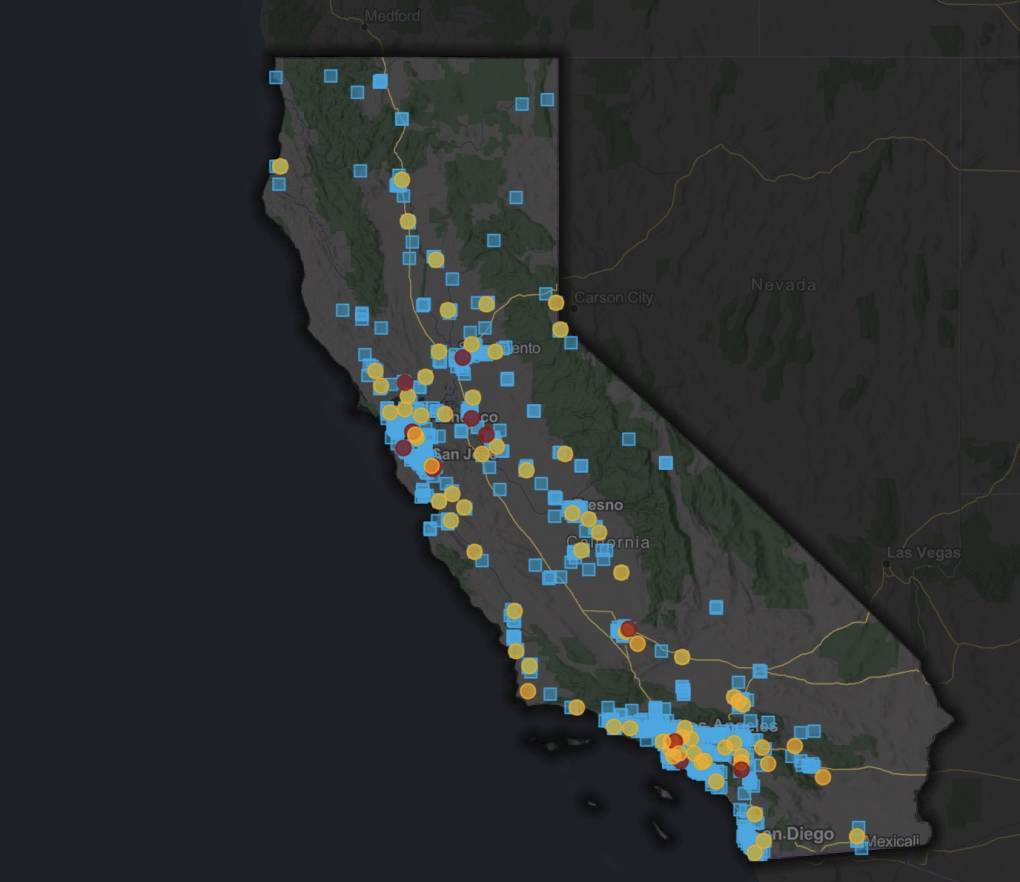
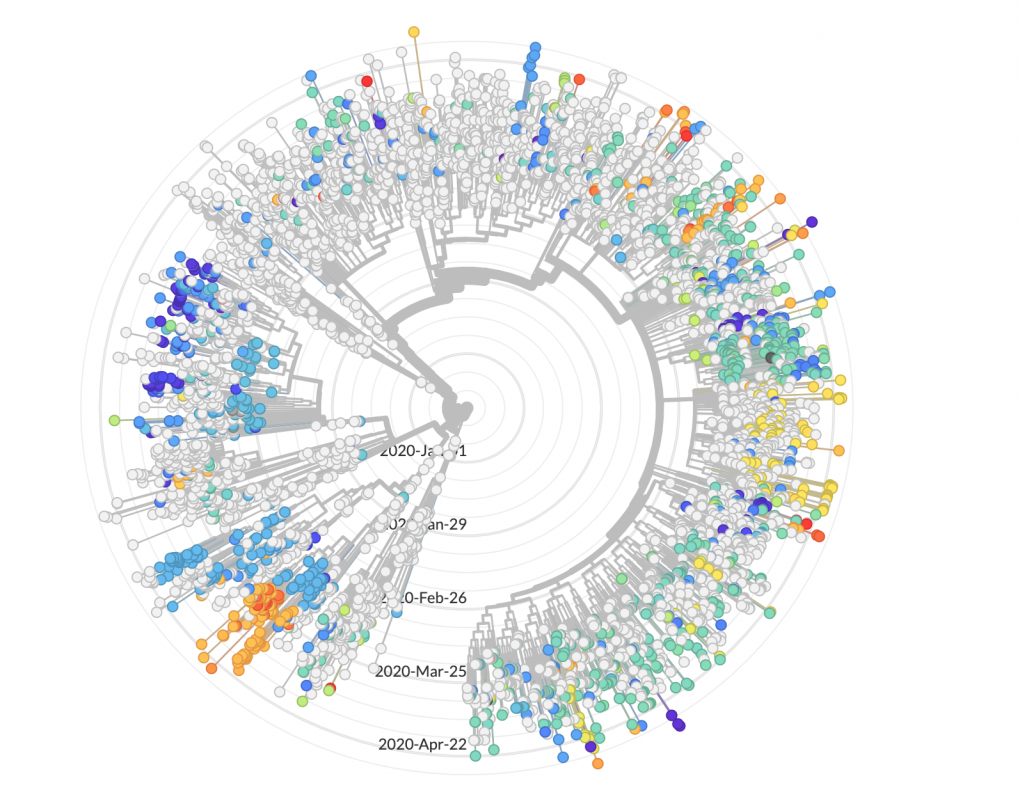
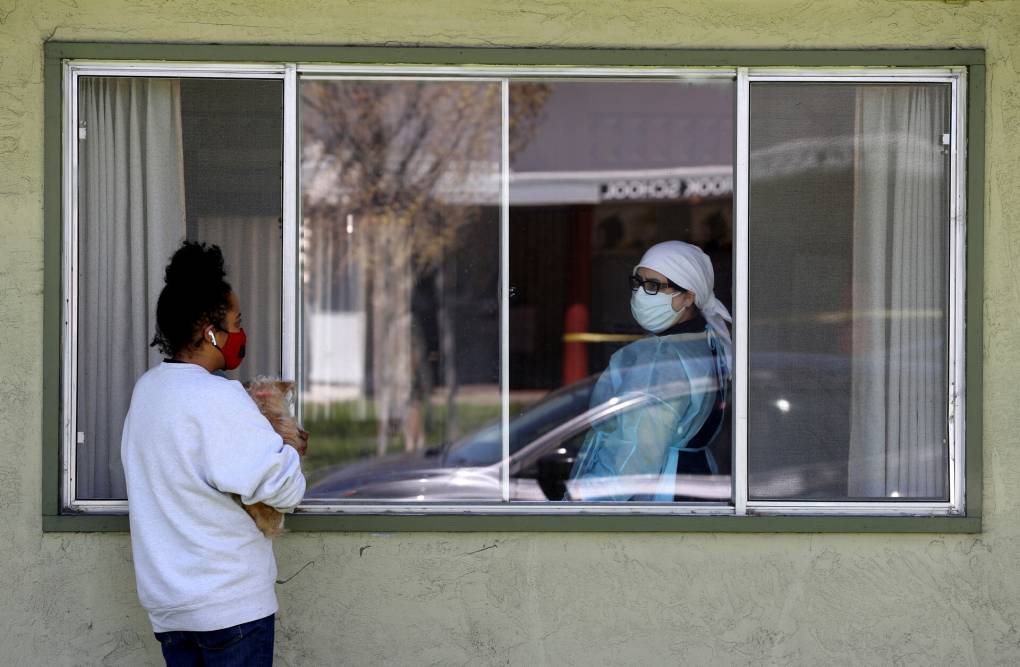
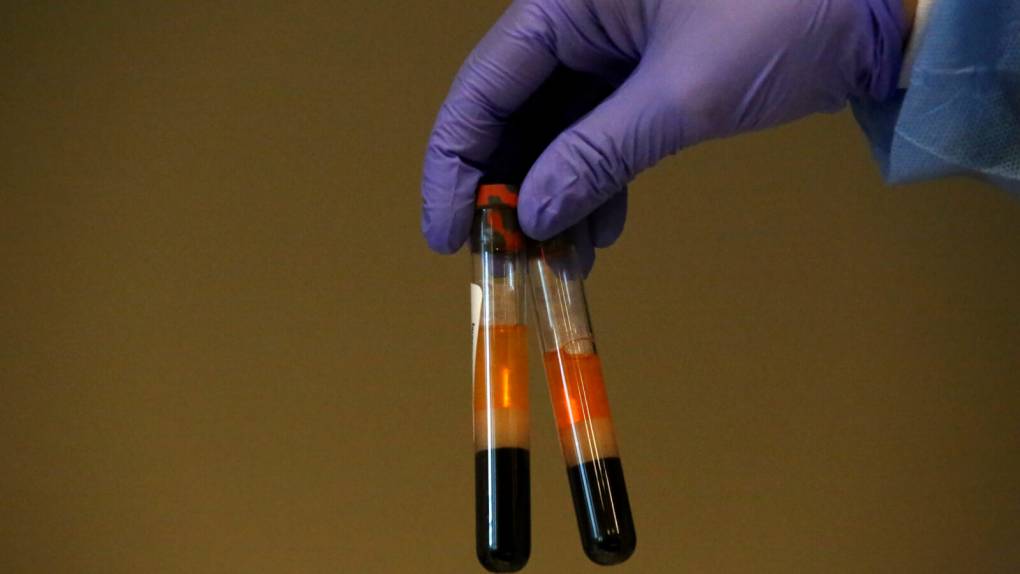
window.__IS_SSR__=true
window.__INITIAL_STATE__={
"attachmentsReducer": {
"audio_0": {
"type": "attachments",
"id": "audio_0",
"imgSizes": {
"kqedFullSize": {
"file": "https://ww2.kqed.org/news/wp-content/themes/KQED-unified/img/audio_bgs/background0.jpg"
}
}
},
"audio_1": {
"type": "attachments",
"id": "audio_1",
"imgSizes": {
"kqedFullSize": {
"file": "https://ww2.kqed.org/news/wp-content/themes/KQED-unified/img/audio_bgs/background1.jpg"
}
}
},
"audio_2": {
"type": "attachments",
"id": "audio_2",
"imgSizes": {
"kqedFullSize": {
"file": "https://ww2.kqed.org/news/wp-content/themes/KQED-unified/img/audio_bgs/background2.jpg"
}
}
},
"audio_3": {
"type": "attachments",
"id": "audio_3",
"imgSizes": {
"kqedFullSize": {
"file": "https://ww2.kqed.org/news/wp-content/themes/KQED-unified/img/audio_bgs/background3.jpg"
}
}
},
"audio_4": {
"type": "attachments",
"id": "audio_4",
"imgSizes": {
"kqedFullSize": {
"file": "https://ww2.kqed.org/news/wp-content/themes/KQED-unified/img/audio_bgs/background4.jpg"
}
}
},
"placeholder": {
"type": "attachments",
"id": "placeholder",
"imgSizes": {
"thumbnail": {
"file": "https://cdn.kqed.org/wp-content/uploads/2024/12/KQED-Default-Image-816638274-2000x1333-1-160x107.jpg",
"width": 160,
"height": 107,
"mimeType": "image/jpeg"
},
"medium": {
"file": "https://cdn.kqed.org/wp-content/uploads/2024/12/KQED-Default-Image-816638274-2000x1333-1-800x533.jpg",
"width": 800,
"height": 533,
"mimeType": "image/jpeg"
},
"medium_large": {
"file": "https://cdn.kqed.org/wp-content/uploads/2024/12/KQED-Default-Image-816638274-2000x1333-1-768x512.jpg",
"width": 768,
"height": 512,
"mimeType": "image/jpeg"
},
"large": {
"file": "https://cdn.kqed.org/wp-content/uploads/2024/12/KQED-Default-Image-816638274-2000x1333-1-1020x680.jpg",
"width": 1020,
"height": 680,
"mimeType": "image/jpeg"
},
"1536x1536": {
"file": "https://cdn.kqed.org/wp-content/uploads/2024/12/KQED-Default-Image-816638274-2000x1333-1-1536x1024.jpg",
"width": 1536,
"height": 1024,
"mimeType": "image/jpeg"
},
"fd-lrg": {
"file": "https://cdn.kqed.org/wp-content/uploads/2024/12/KQED-Default-Image-816638274-2000x1333-1-1536x1024.jpg",
"width": 1536,
"height": 1024,
"mimeType": "image/jpeg"
},
"fd-med": {
"file": "https://cdn.kqed.org/wp-content/uploads/2024/12/KQED-Default-Image-816638274-2000x1333-1-1020x680.jpg",
"width": 1020,
"height": 680,
"mimeType": "image/jpeg"
},
"fd-sm": {
"file": "https://cdn.kqed.org/wp-content/uploads/2024/12/KQED-Default-Image-816638274-2000x1333-1-800x533.jpg",
"width": 800,
"height": 533,
"mimeType": "image/jpeg"
},
"post-thumbnail": {
"file": "https://cdn.kqed.org/wp-content/uploads/2024/12/KQED-Default-Image-816638274-2000x1333-1-672x372.jpg",
"width": 672,
"height": 372,
"mimeType": "image/jpeg"
},
"twentyfourteen-full-width": {
"file": "https://cdn.kqed.org/wp-content/uploads/2024/12/KQED-Default-Image-816638274-2000x1333-1-1038x576.jpg",
"width": 1038,
"height": 576,
"mimeType": "image/jpeg"
},
"xxsmall": {
"file": "https://cdn.kqed.org/wp-content/uploads/2024/12/KQED-Default-Image-816638274-2000x1333-1-160x107.jpg",
"width": 160,
"height": 107,
"mimeType": "image/jpeg"
},
"xsmall": {
"file": "https://cdn.kqed.org/wp-content/uploads/2024/12/KQED-Default-Image-816638274-2000x1333-1-672x372.jpg",
"width": 672,
"height": 372,
"mimeType": "image/jpeg"
},
"small": {
"file": "https://cdn.kqed.org/wp-content/uploads/2024/12/KQED-Default-Image-816638274-2000x1333-1-672x372.jpg",
"width": 672,
"height": 372,
"mimeType": "image/jpeg"
},
"xlarge": {
"file": "https://cdn.kqed.org/wp-content/uploads/2024/12/KQED-Default-Image-816638274-2000x1333-1-1020x680.jpg",
"width": 1020,
"height": 680,
"mimeType": "image/jpeg"
},
"full-width": {
"file": "https://cdn.kqed.org/wp-content/uploads/2024/12/KQED-Default-Image-816638274-2000x1333-1-1920x1280.jpg",
"width": 1920,
"height": 1280,
"mimeType": "image/jpeg"
},
"guest-author-32": {
"file": "https://cdn.kqed.org/wp-content/uploads/2025/01/KQED-Default-Image-816638274-1333x1333-1-160x160.jpg",
"width": 32,
"height": 32,
"mimeType": "image/jpeg"
},
"guest-author-50": {
"file": "https://cdn.kqed.org/wp-content/uploads/2025/01/KQED-Default-Image-816638274-1333x1333-1-160x160.jpg",
"width": 50,
"height": 50,
"mimeType": "image/jpeg"
},
"guest-author-64": {
"file": "https://cdn.kqed.org/wp-content/uploads/2025/01/KQED-Default-Image-816638274-1333x1333-1-160x160.jpg",
"width": 64,
"height": 64,
"mimeType": "image/jpeg"
},
"guest-author-96": {
"file": "https://cdn.kqed.org/wp-content/uploads/2025/01/KQED-Default-Image-816638274-1333x1333-1-160x160.jpg",
"width": 96,
"height": 96,
"mimeType": "image/jpeg"
},
"guest-author-128": {
"file": "https://cdn.kqed.org/wp-content/uploads/2025/01/KQED-Default-Image-816638274-1333x1333-1-160x160.jpg",
"width": 128,
"height": 128,
"mimeType": "image/jpeg"
},
"detail": {
"file": "https://cdn.kqed.org/wp-content/uploads/2025/01/KQED-Default-Image-816638274-1333x1333-1-160x160.jpg",
"width": 160,
"height": 160,
"mimeType": "image/jpeg"
},
"kqedFullSize": {
"file": "https://cdn.kqed.org/wp-content/uploads/2024/12/KQED-Default-Image-816638274-2000x1333-1.jpg",
"width": 2000,
"height": 1333
}
}
},
"science_1964353": {
"type": "attachments",
"id": "science_1964353",
"meta": {
"index": "attachments_1716263798",
"site": "science",
"id": "1964353",
"found": true
},
"parent": 1964349,
"imgSizes": {
"twentyfourteen-full-width": {
"file": "https://ww2.kqed.org/app/uploads/sites/35/2020/05/RS43189_GettyImages-1692720-qut-1038x576.jpg",
"width": 1038,
"mimeType": "image/jpeg",
"height": 576
},
"thumbnail": {
"file": "https://ww2.kqed.org/app/uploads/sites/35/2020/05/RS43189_GettyImages-1692720-qut-160x104.jpg",
"width": 160,
"mimeType": "image/jpeg",
"height": 104
},
"post-thumbnail": {
"file": "https://ww2.kqed.org/app/uploads/sites/35/2020/05/RS43189_GettyImages-1692720-qut-672x372.jpg",
"width": 672,
"mimeType": "image/jpeg",
"height": 372
},
"kqedFullSize": {
"file": "https://ww2.kqed.org/app/uploads/sites/35/2020/05/RS43189_GettyImages-1692720-qut.jpg",
"width": 1920,
"height": 1251
},
"large": {
"file": "https://ww2.kqed.org/app/uploads/sites/35/2020/05/RS43189_GettyImages-1692720-qut-1020x665.jpg",
"width": 1020,
"mimeType": "image/jpeg",
"height": 665
},
"full-width": {
"file": "https://ww2.kqed.org/app/uploads/sites/35/2020/05/RS43189_GettyImages-1692720-qut-1920x1251.jpg",
"width": 1920,
"mimeType": "image/jpeg",
"height": 1251
},
"medium": {
"file": "https://ww2.kqed.org/app/uploads/sites/35/2020/05/RS43189_GettyImages-1692720-qut-800x521.jpg",
"width": 800,
"mimeType": "image/jpeg",
"height": 521
},
"medium_large": {
"file": "https://ww2.kqed.org/app/uploads/sites/35/2020/05/RS43189_GettyImages-1692720-qut-768x500.jpg",
"width": 768,
"mimeType": "image/jpeg",
"height": 500
}
},
"publishDate": 1589497525,
"modified": 1589497578,
"caption": "A rain-soaked Interstate 10 as a storm passes over the state on December 17, 2002 near Palm Springs, California. ",
"description": null,
"title": "Storm Eases Over Windfarms",
"credit": "Photo by David McNew/Getty Images",
"status": "inherit",
"isLoading": false,
"fetchFailed": false
},
"science_1964272": {
"type": "attachments",
"id": "science_1964272",
"meta": {
"index": "attachments_1716263798",
"site": "science",
"id": "1964272",
"found": true
},
"parent": 1964257,
"imgSizes": {
"twentyfourteen-full-width": {
"file": "https://ww2.kqed.org/app/uploads/sites/35/2029/05/Coronavirus-Testing-California-1038x576.jpg",
"width": 1038,
"mimeType": "image/jpeg",
"height": 576
},
"thumbnail": {
"file": "https://ww2.kqed.org/app/uploads/sites/35/2029/05/Coronavirus-Testing-California-160x138.jpg",
"width": 160,
"mimeType": "image/jpeg",
"height": 138
},
"post-thumbnail": {
"file": "https://ww2.kqed.org/app/uploads/sites/35/2029/05/Coronavirus-Testing-California-672x372.jpg",
"width": 672,
"mimeType": "image/jpeg",
"height": 372
},
"kqedFullSize": {
"file": "https://ww2.kqed.org/app/uploads/sites/35/2029/05/Coronavirus-Testing-California.jpg",
"width": 1376,
"height": 1190
},
"large": {
"file": "https://ww2.kqed.org/app/uploads/sites/35/2029/05/Coronavirus-Testing-California-1020x882.jpg",
"width": 1020,
"mimeType": "image/jpeg",
"height": 882
},
"medium": {
"file": "https://ww2.kqed.org/app/uploads/sites/35/2029/05/Coronavirus-Testing-California-800x692.jpg",
"width": 800,
"mimeType": "image/jpeg",
"height": 692
},
"medium_large": {
"file": "https://ww2.kqed.org/app/uploads/sites/35/2029/05/Coronavirus-Testing-California-768x664.jpg",
"width": 768,
"mimeType": "image/jpeg",
"height": 664
}
},
"publishDate": 1589411278,
"modified": 1589411278,
"caption": null,
"description": null,
"title": "Coronavirus Testing California",
"credit": null,
"status": "inherit",
"isLoading": false,
"fetchFailed": false
},
"science_1964095": {
"type": "attachments",
"id": "science_1964095",
"meta": {
"index": "attachments_1716263798",
"site": "science",
"id": "1964095",
"found": true
},
"parent": 1964094,
"imgSizes": {
"twentyfourteen-full-width": {
"file": "https://ww2.kqed.org/app/uploads/sites/35/2020/05/RS43166_GettyImages-1206847094-qut-1038x576.jpg",
"width": 1038,
"mimeType": "image/jpeg",
"height": 576
},
"thumbnail": {
"file": "https://ww2.kqed.org/app/uploads/sites/35/2020/05/RS43166_GettyImages-1206847094-qut-160x98.jpg",
"width": 160,
"mimeType": "image/jpeg",
"height": 98
},
"post-thumbnail": {
"file": "https://ww2.kqed.org/app/uploads/sites/35/2020/05/RS43166_GettyImages-1206847094-qut-672x372.jpg",
"width": 672,
"mimeType": "image/jpeg",
"height": 372
},
"kqedFullSize": {
"file": "https://ww2.kqed.org/app/uploads/sites/35/2020/05/RS43166_GettyImages-1206847094-qut.jpg",
"width": 1920,
"height": 1173
},
"large": {
"file": "https://ww2.kqed.org/app/uploads/sites/35/2020/05/RS43166_GettyImages-1206847094-qut-1020x623.jpg",
"width": 1020,
"mimeType": "image/jpeg",
"height": 623
},
"full-width": {
"file": "https://ww2.kqed.org/app/uploads/sites/35/2020/05/RS43166_GettyImages-1206847094-qut-1920x1173.jpg",
"width": 1920,
"mimeType": "image/jpeg",
"height": 1173
},
"medium": {
"file": "https://ww2.kqed.org/app/uploads/sites/35/2020/05/RS43166_GettyImages-1206847094-qut-800x489.jpg",
"width": 800,
"mimeType": "image/jpeg",
"height": 489
},
"medium_large": {
"file": "https://ww2.kqed.org/app/uploads/sites/35/2020/05/RS43166_GettyImages-1206847094-qut-768x469.jpg",
"width": 768,
"mimeType": "image/jpeg",
"height": 469
}
},
"publishDate": 1589315872,
"modified": 1589315952,
"caption": "Medical workers at Kaiser Permanente French Campus test a patient for the novel coronavirus on March 12, 2020. ",
"description": null,
"title": "RS43166_GettyImages-1206847094-qut",
"credit": "JOSH EDELSON/AFP via Getty Images",
"status": "inherit",
"isLoading": false,
"fetchFailed": false
},
"science_1964207": {
"type": "attachments",
"id": "science_1964207",
"meta": {
"index": "attachments_1716263798",
"site": "science",
"id": "1964207",
"found": true
},
"parent": 1964099,
"imgSizes": {
"twentyfourteen-full-width": {
"file": "https://ww2.kqed.org/app/uploads/sites/35/2020/05/Kids-1038x576.jpg",
"width": 1038,
"mimeType": "image/jpeg",
"height": 576
},
"thumbnail": {
"file": "https://ww2.kqed.org/app/uploads/sites/35/2020/05/Kids-160x90.jpg",
"width": 160,
"mimeType": "image/jpeg",
"height": 90
},
"post-thumbnail": {
"file": "https://ww2.kqed.org/app/uploads/sites/35/2020/05/Kids-672x372.jpg",
"width": 672,
"mimeType": "image/jpeg",
"height": 372
},
"kqedFullSize": {
"file": "https://ww2.kqed.org/app/uploads/sites/35/2020/05/Kids.jpg",
"width": 1920,
"height": 1080
},
"large": {
"file": "https://ww2.kqed.org/app/uploads/sites/35/2020/05/Kids-1020x574.jpg",
"width": 1020,
"mimeType": "image/jpeg",
"height": 574
},
"full-width": {
"file": "https://ww2.kqed.org/app/uploads/sites/35/2020/05/Kids-1920x1080.jpg",
"width": 1920,
"mimeType": "image/jpeg",
"height": 1080
},
"medium": {
"file": "https://ww2.kqed.org/app/uploads/sites/35/2020/05/Kids-800x450.jpg",
"width": 800,
"mimeType": "image/jpeg",
"height": 450
},
"medium_large": {
"file": "https://ww2.kqed.org/app/uploads/sites/35/2020/05/Kids-768x432.jpg",
"width": 768,
"mimeType": "image/jpeg",
"height": 432
}
},
"publishDate": 1589391076,
"modified": 1589391162,
"caption": "Public health officials test children at Garfield Park for the coronavirus.",
"description": null,
"title": "Kids",
"credit": "Mike Kai Chen",
"status": "inherit",
"isLoading": false,
"fetchFailed": false
},
"science_1964108": {
"type": "attachments",
"id": "science_1964108",
"meta": {
"index": "attachments_1716263798",
"site": "science",
"id": "1964108",
"found": true
},
"parent": 1964099,
"imgSizes": {
"twentyfourteen-full-width": {
"file": "https://ww2.kqed.org/app/uploads/sites/35/2020/05/Mission-Testing-2-better-1038x576.jpg",
"width": 1038,
"mimeType": "image/jpeg",
"height": 576
},
"thumbnail": {
"file": "https://ww2.kqed.org/app/uploads/sites/35/2020/05/Mission-Testing-2-better-160x107.jpg",
"width": 160,
"mimeType": "image/jpeg",
"height": 107
},
"post-thumbnail": {
"file": "https://ww2.kqed.org/app/uploads/sites/35/2020/05/Mission-Testing-2-better-672x372.jpg",
"width": 672,
"mimeType": "image/jpeg",
"height": 372
},
"kqedFullSize": {
"file": "https://ww2.kqed.org/app/uploads/sites/35/2020/05/Mission-Testing-2-better.jpg",
"width": 1920,
"height": 1281
},
"large": {
"file": "https://ww2.kqed.org/app/uploads/sites/35/2020/05/Mission-Testing-2-better-1020x681.jpg",
"width": 1020,
"mimeType": "image/jpeg",
"height": 681
},
"full-width": {
"file": "https://ww2.kqed.org/app/uploads/sites/35/2020/05/Mission-Testing-2-better-1920x1281.jpg",
"width": 1920,
"mimeType": "image/jpeg",
"height": 1281
},
"medium": {
"file": "https://ww2.kqed.org/app/uploads/sites/35/2020/05/Mission-Testing-2-better-800x534.jpg",
"width": 800,
"mimeType": "image/jpeg",
"height": 534
},
"medium_large": {
"file": "https://ww2.kqed.org/app/uploads/sites/35/2020/05/Mission-Testing-2-better-768x512.jpg",
"width": 768,
"mimeType": "image/jpeg",
"height": 512
}
},
"publishDate": 1589319811,
"modified": 1589331004,
"caption": "Public health wokers test patients for the coronavirus in Garfield Park in San Francisco. Health officers from Marin, Alameda and Contra Costa counties say supply shortages that impeded expanded testing have been resolved.",
"description": null,
"title": "Mission Testing 2 better",
"credit": "Mike Kai Chen",
"status": "inherit",
"isLoading": false,
"fetchFailed": false
},
"science_1964015": {
"type": "attachments",
"id": "science_1964015",
"meta": {
"index": "attachments_1716263798",
"site": "science",
"id": "1964015",
"found": true
},
"parent": 1964010,
"imgSizes": {
"twentyfourteen-full-width": {
"file": "https://ww2.kqed.org/app/uploads/sites/35/2020/05/Screen-Shot-2020-05-11-at-1.33.06-PM-1038x576.png",
"width": 1038,
"mimeType": "image/png",
"height": 576
},
"thumbnail": {
"file": "https://ww2.kqed.org/app/uploads/sites/35/2020/05/Screen-Shot-2020-05-11-at-1.33.06-PM-160x125.png",
"width": 160,
"mimeType": "image/png",
"height": 125
},
"post-thumbnail": {
"file": "https://ww2.kqed.org/app/uploads/sites/35/2020/05/Screen-Shot-2020-05-11-at-1.33.06-PM-672x372.png",
"width": 672,
"mimeType": "image/png",
"height": 372
},
"kqedFullSize": {
"file": "https://ww2.kqed.org/app/uploads/sites/35/2020/05/Screen-Shot-2020-05-11-at-1.33.06-PM.png",
"width": 1594,
"height": 1246
},
"large": {
"file": "https://ww2.kqed.org/app/uploads/sites/35/2020/05/Screen-Shot-2020-05-11-at-1.33.06-PM-1020x797.png",
"width": 1020,
"mimeType": "image/png",
"height": 797
},
"medium": {
"file": "https://ww2.kqed.org/app/uploads/sites/35/2020/05/Screen-Shot-2020-05-11-at-1.33.06-PM-800x625.png",
"width": 800,
"mimeType": "image/png",
"height": 625
},
"medium_large": {
"file": "https://ww2.kqed.org/app/uploads/sites/35/2020/05/Screen-Shot-2020-05-11-at-1.33.06-PM-768x600.png",
"width": 768,
"mimeType": "image/png",
"height": 600
}
},
"publishDate": 1589229207,
"modified": 1589229348,
"caption": "Genetic family tree of the novel coronavirus. Colored dots represent cases in North America. ",
"description": null,
"title": "Screen Shot 2020-05-11 at 1.33.06 PM",
"credit": "Screenshot from \u003ca href\"https://nextstrain.org/\">Nextstrain.org\u003c/a>",
"status": "inherit",
"isLoading": false,
"fetchFailed": false
},
"science_1964053": {
"type": "attachments",
"id": "science_1964053",
"meta": {
"index": "attachments_1716263798",
"site": "science",
"id": "1964053",
"found": true
},
"parent": 1964008,
"imgSizes": {
"twentyfourteen-full-width": {
"file": "https://ww2.kqed.org/app/uploads/sites/35/2020/05/RS43165_GettyImages-1218838377-qut-1038x576.jpg",
"width": 1038,
"mimeType": "image/jpeg",
"height": 576
},
"thumbnail": {
"file": "https://ww2.kqed.org/app/uploads/sites/35/2020/05/RS43165_GettyImages-1218838377-qut-160x105.jpg",
"width": 160,
"mimeType": "image/jpeg",
"height": 105
},
"post-thumbnail": {
"file": "https://ww2.kqed.org/app/uploads/sites/35/2020/05/RS43165_GettyImages-1218838377-qut-672x372.jpg",
"width": 672,
"mimeType": "image/jpeg",
"height": 372
},
"kqedFullSize": {
"file": "https://ww2.kqed.org/app/uploads/sites/35/2020/05/RS43165_GettyImages-1218838377-qut.jpg",
"width": 1920,
"height": 1255
},
"large": {
"file": "https://ww2.kqed.org/app/uploads/sites/35/2020/05/RS43165_GettyImages-1218838377-qut-1020x667.jpg",
"width": 1020,
"mimeType": "image/jpeg",
"height": 667
},
"full-width": {
"file": "https://ww2.kqed.org/app/uploads/sites/35/2020/05/RS43165_GettyImages-1218838377-qut-1920x1255.jpg",
"width": 1920,
"mimeType": "image/jpeg",
"height": 1255
},
"medium": {
"file": "https://ww2.kqed.org/app/uploads/sites/35/2020/05/RS43165_GettyImages-1218838377-qut-800x523.jpg",
"width": 800,
"mimeType": "image/jpeg",
"height": 523
},
"medium_large": {
"file": "https://ww2.kqed.org/app/uploads/sites/35/2020/05/RS43165_GettyImages-1218838377-qut-768x502.jpg",
"width": 768,
"mimeType": "image/jpeg",
"height": 502
}
},
"publishDate": 1589245319,
"modified": 1589246530,
"caption": "Adrina Rodriguez (L) talks with a nurse during a \"window visit\" with her father at the Gateway Care and Rehabilitation Center in Hayward. Alameda County does not currently test all staff and residents at long-term care facilities.",
"description": "Adrina Rodriguez (L) talks with a nurse through a window as she visits her father who is a patient at the Gateway Care and Rehabilitation Center that has tested negative for COVID-19 on April 14, 2020 in Hayward, California. The Gateway Care and Rehabilitation Center remains open after a tenth patient died from COVID-19 complications. (Photo by Justin Sullivan/Getty Images)",
"title": "Hayward, California Nursing Home Sees Cluster Of Coronavirus Cases",
"credit": "Justin Sullivan/Getty Images",
"status": "inherit",
"isLoading": false,
"fetchFailed": false
},
"science_1963817": {
"type": "attachments",
"id": "science_1963817",
"meta": {
"index": "attachments_1716263798",
"site": "science",
"id": "1963817",
"found": true
},
"parent": 1963794,
"imgSizes": {
"thumbnail": {
"file": "https://ww2.kqed.org/app/uploads/sites/35/2020/05/LHH_710331_1-001-160x76.jpg",
"width": 160,
"mimeType": "image/jpeg",
"height": 76
},
"post-thumbnail": {
"file": "https://ww2.kqed.org/app/uploads/sites/35/2020/05/LHH_710331_1-001-672x372.jpg",
"width": 672,
"mimeType": "image/jpeg",
"height": 372
},
"kqedFullSize": {
"file": "https://ww2.kqed.org/app/uploads/sites/35/2020/05/LHH_710331_1-001.jpg",
"width": 1024,
"height": 487
},
"large": {
"file": "https://ww2.kqed.org/app/uploads/sites/35/2020/05/LHH_710331_1-001-1020x485.jpg",
"width": 1020,
"mimeType": "image/jpeg",
"height": 485
},
"medium": {
"file": "https://ww2.kqed.org/app/uploads/sites/35/2020/05/LHH_710331_1-001-800x380.jpg",
"width": 800,
"mimeType": "image/jpeg",
"height": 380
},
"medium_large": {
"file": "https://ww2.kqed.org/app/uploads/sites/35/2020/05/LHH_710331_1-001-768x365.jpg",
"width": 768,
"mimeType": "image/jpeg",
"height": 365
}
},
"publishDate": 1588957792,
"modified": 1591044856,
"caption": "San Francisco's Laguna Honda Hospital is managing a COVID-19 outbreak and recovering from a multiyear resident abuse scandal.",
"description": "A COVID-19 outbreak at Laguna Honda Hospital and Rehabilitation Center, San Francisco, offers lessons in infection control.",
"title": "A COVID-19 outbreak at Laguna Honda Hospital and Rehabilitation Center, San Francisco, offers lessons in infection control.",
"credit": "(David Wakely, courtesy of the San Francisco Joint Information Center) ",
"status": "inherit",
"isLoading": false,
"fetchFailed": false
},
"science_1963983": {
"type": "attachments",
"id": "science_1963983",
"meta": {
"index": "attachments_1716263798",
"site": "science",
"id": "1963983",
"found": true
},
"parent": 1963981,
"imgSizes": {
"twentyfourteen-full-width": {
"file": "https://ww2.kqed.org/app/uploads/sites/35/2020/05/GettyImages-1210936642-1600x900-1038x576.jpg",
"width": 1038,
"mimeType": "image/jpeg",
"height": 576
},
"thumbnail": {
"file": "https://ww2.kqed.org/app/uploads/sites/35/2020/05/GettyImages-1210936642-1600x900-160x90.jpg",
"width": 160,
"mimeType": "image/jpeg",
"height": 90
},
"post-thumbnail": {
"file": "https://ww2.kqed.org/app/uploads/sites/35/2020/05/GettyImages-1210936642-1600x900-672x372.jpg",
"width": 672,
"mimeType": "image/jpeg",
"height": 372
},
"kqedFullSize": {
"file": "https://ww2.kqed.org/app/uploads/sites/35/2020/05/GettyImages-1210936642-1600x900.jpg",
"width": 1600,
"height": 900
},
"large": {
"file": "https://ww2.kqed.org/app/uploads/sites/35/2020/05/GettyImages-1210936642-1600x900-1020x574.jpg",
"width": 1020,
"mimeType": "image/jpeg",
"height": 574
},
"medium": {
"file": "https://ww2.kqed.org/app/uploads/sites/35/2020/05/GettyImages-1210936642-1600x900-800x450.jpg",
"width": 800,
"mimeType": "image/jpeg",
"height": 450
},
"medium_large": {
"file": "https://ww2.kqed.org/app/uploads/sites/35/2020/05/GettyImages-1210936642-1600x900-768x432.jpg",
"width": 768,
"mimeType": "image/jpeg",
"height": 432
}
},
"publishDate": 1589221728,
"modified": 1589221772,
"caption": "A phlebotomist shows specimens of people getting tested for coronavirus antibodies at the Refuah Health Center in Spring Valley, N.Y.\n",
"description": null,
"title": "GettyImages-1210936642-1600x900",
"credit": "Yana Paskova/Getty Images",
"status": "inherit",
"isLoading": false,
"fetchFailed": false
},
"science_1963738": {
"type": "attachments",
"id": "science_1963738",
"meta": {
"index": "attachments_1716263798",
"site": "science",
"id": "1963738",
"found": true
},
"parent": 1963504,
"imgSizes": {
"thumbnail": {
"file": "https://ww2.kqed.org/app/uploads/sites/35/2020/05/RS41944_001_KQED_SanFrancisco_GeneralHospital_03102020_6304-sfi-160x107.jpg",
"width": 160,
"mimeType": "image/jpeg",
"height": 107
},
"kqedFullSize": {
"file": "https://ww2.kqed.org/app/uploads/sites/35/2020/05/RS41944_001_KQED_SanFrancisco_GeneralHospital_03102020_6304-sfi.jpg",
"width": 540,
"height": 360
}
},
"publishDate": 1588878664,
"modified": 1588878731,
"caption": "The entrance to Zuckerberg San Francisco General Hospital. ",
"description": null,
"title": "RS41944_001_KQED_SanFrancisco_GeneralHospital_03102020_6304-sfi",
"credit": "Beth LaBerge/ KQED",
"status": "inherit",
"isLoading": false,
"fetchFailed": false
},
"science_1960004": {
"type": "attachments",
"id": "science_1960004",
"meta": {
"index": "attachments_1716263798",
"site": "science",
"id": "1960004",
"found": true
},
"parent": 1960000,
"imgSizes": {
"twentyfourteen-full-width": {
"file": "https://ww2.kqed.org/app/uploads/sites/35/2020/03/RS42258_GettyImages-1212056096-qut-1038x576.jpg",
"width": 1038,
"mimeType": "image/jpeg",
"height": 576
},
"thumbnail": {
"file": "https://ww2.kqed.org/app/uploads/sites/35/2020/03/RS42258_GettyImages-1212056096-qut-160x103.jpg",
"width": 160,
"mimeType": "image/jpeg",
"height": 103
},
"post-thumbnail": {
"file": "https://ww2.kqed.org/app/uploads/sites/35/2020/03/RS42258_GettyImages-1212056096-qut-672x372.jpg",
"width": 672,
"mimeType": "image/jpeg",
"height": 372
},
"kqedFullSize": {
"file": "https://ww2.kqed.org/app/uploads/sites/35/2020/03/RS42258_GettyImages-1212056096-qut.jpg",
"width": 1920,
"height": 1235
},
"large": {
"file": "https://ww2.kqed.org/app/uploads/sites/35/2020/03/RS42258_GettyImages-1212056096-qut-1020x656.jpg",
"width": 1020,
"mimeType": "image/jpeg",
"height": 656
},
"full-width": {
"file": "https://ww2.kqed.org/app/uploads/sites/35/2020/03/RS42258_GettyImages-1212056096-qut-1920x1235.jpg",
"width": 1920,
"mimeType": "image/jpeg",
"height": 1235
},
"medium": {
"file": "https://ww2.kqed.org/app/uploads/sites/35/2020/03/RS42258_GettyImages-1212056096-qut-800x515.jpg",
"width": 800,
"mimeType": "image/jpeg",
"height": 515
},
"medium_large": {
"file": "https://ww2.kqed.org/app/uploads/sites/35/2020/03/RS42258_GettyImages-1212056096-qut-768x494.jpg",
"width": 768,
"mimeType": "image/jpeg",
"height": 494
}
},
"publishDate": 1585078580,
"modified": 1592595792,
"caption": "Medical personnel secure a sample from a person at a drive-thru COVID-19 testing station at a Kaiser Permanente facility on March 12, 2020, in San Francisco, California.",
"description": null,
"title": "Kaiser Permanente Opens Drive-Thru Coronavirus Testing Station In San Francisco",
"credit": "Justin Sullivan/Getty Images",
"status": "inherit",
"isLoading": false,
"fetchFailed": false
},
"science_1963904": {
"type": "attachments",
"id": "science_1963904",
"meta": {
"index": "attachments_1716263798",
"site": "science",
"id": "1963904",
"found": true
},
"parent": 1963903,
"imgSizes": {
"twentyfourteen-full-width": {
"file": "https://ww2.kqed.org/app/uploads/sites/35/2020/05/gettyimages-812649974_custom-4a14d09dd271e8869b2afdd0998b3e84530cbd53-1038x576.jpg",
"width": 1038,
"mimeType": "image/jpeg",
"height": 576
},
"thumbnail": {
"file": "https://ww2.kqed.org/app/uploads/sites/35/2020/05/gettyimages-812649974_custom-4a14d09dd271e8869b2afdd0998b3e84530cbd53-160x107.jpg",
"width": 160,
"mimeType": "image/jpeg",
"height": 107
},
"post-thumbnail": {
"file": "https://ww2.kqed.org/app/uploads/sites/35/2020/05/gettyimages-812649974_custom-4a14d09dd271e8869b2afdd0998b3e84530cbd53-672x372.jpg",
"width": 672,
"mimeType": "image/jpeg",
"height": 372
},
"kqedFullSize": {
"file": "https://ww2.kqed.org/app/uploads/sites/35/2020/05/gettyimages-812649974_custom-4a14d09dd271e8869b2afdd0998b3e84530cbd53.jpg",
"width": 3000,
"height": 1998
},
"large": {
"file": "https://ww2.kqed.org/app/uploads/sites/35/2020/05/gettyimages-812649974_custom-4a14d09dd271e8869b2afdd0998b3e84530cbd53-1020x679.jpg",
"width": 1020,
"mimeType": "image/jpeg",
"height": 679
},
"full-width": {
"file": "https://ww2.kqed.org/app/uploads/sites/35/2020/05/gettyimages-812649974_custom-4a14d09dd271e8869b2afdd0998b3e84530cbd53-1920x1279.jpg",
"width": 1920,
"mimeType": "image/jpeg",
"height": 1279
},
"medium": {
"file": "https://ww2.kqed.org/app/uploads/sites/35/2020/05/gettyimages-812649974_custom-4a14d09dd271e8869b2afdd0998b3e84530cbd53-800x533.jpg",
"width": 800,
"mimeType": "image/jpeg",
"height": 533
},
"medium_large": {
"file": "https://ww2.kqed.org/app/uploads/sites/35/2020/05/gettyimages-812649974_custom-4a14d09dd271e8869b2afdd0998b3e84530cbd53-768x511.jpg",
"width": 768,
"mimeType": "image/jpeg",
"height": 511
}
},
"publishDate": 1588977665,
"modified": 1588977665,
"caption": null,
"description": "The serious inflammatory syndrome sending some children and teens to the hospital remains extremely uncommon, doctors say. But if your child spikes a high, persistent fever, and has severe abdominal pain with vomiting that doesn't make them feel better, call your doctor as a precaution.",
"title": "The serious inflammatory syndrome sending some children and teens to the hospital remains extremely uncommon, doctors say. But if your child spikes a high, persistent fever, and has severe abdominal pain with vomiting that doesn't make them feel better, call your doctor as a precaution.",
"credit": null,
"status": "inherit",
"isLoading": false,
"fetchFailed": false
}
},
"audioPlayerReducer": {
"postId": "stream_live",
"isPaused": true,
"isPlaying": false,
"pfsActive": false,
"pledgeModalIsOpen": true,
"playerDrawerIsOpen": false,
"liveAudioPlayStartedAt": 0,
"liveAudioPlayContext": ""
},
"authorsReducer": {
"byline_science_1963981": {
"type": "authors",
"id": "byline_science_1963981",
"meta": {
"override": true
},
"slug": "byline_science_1963981",
"name": "Matthew Herper \u003cbr />STAT\u003cbr>",
"isLoading": false
},
"byline_science_1963963": {
"type": "authors",
"id": "byline_science_1963963",
"meta": {
"override": true
},
"slug": "byline_science_1963963",
"name": "Rob Stein, Carmel Wroth and Alyson Hurt\u003cbr />NPR",
"isLoading": false
},
"byline_science_1963903": {
"type": "authors",
"id": "byline_science_1963903",
"meta": {
"override": true
},
"slug": "byline_science_1963903",
"name": "Maria Godoy, NPR",
"isLoading": false
},
"jbrooks": {
"type": "authors",
"id": "80",
"meta": {
"index": "authors_1716337520",
"id": "80",
"found": true
},
"name": "Jon Brooks",
"firstName": "Jon",
"lastName": "Brooks",
"slug": "jbrooks",
"email": "jbrooks@kqed.org",
"display_author_email": true,
"staff_mastheads": [
"science"
],
"title": "Digital Editor",
"bio": "Jon Brooks is a former Digital Editor for KQED Science. He is the former editor of KQED’s daily news blog, News Fix. In 2014, he won a California Journalism Award for his coverage of ride services like Uber and Lyft and the taxi industry. A veteran blogger, he previously worked for Yahoo! in various news writing and editing roles. Jon is also a playwright whose work has been produced in San Francisco, New York, Italy, and around the U.S. He has written about film for his own blog and studied film at Boston University.",
"avatar": "https://secure.gravatar.com/avatar/98887f7ed1c876ed414d4c915e969584?s=600&d=blank&r=g",
"twitter": "jbrooksfoy",
"facebook": null,
"instagram": null,
"linkedin": null,
"sites": [
{
"site": "arts",
"roles": [
"Contributor",
"editor"
]
},
{
"site": "news",
"roles": [
"author"
]
},
{
"site": "futureofyou",
"roles": [
"administrator"
]
},
{
"site": "mindshift",
"roles": [
"editor"
]
},
{
"site": "stateofhealth",
"roles": [
"editor"
]
},
{
"site": "science",
"roles": [
"administrator"
]
},
{
"site": "quest",
"roles": [
"editor"
]
}
],
"headData": {
"title": "Jon Brooks | KQED",
"description": "Digital Editor",
"ogImgSrc": "https://secure.gravatar.com/avatar/98887f7ed1c876ed414d4c915e969584?s=600&d=blank&r=g",
"twImgSrc": "https://secure.gravatar.com/avatar/98887f7ed1c876ed414d4c915e969584?s=600&d=blank&r=g"
},
"isLoading": false,
"link": "/author/jbrooks"
},
"dventon": {
"type": "authors",
"id": "11088",
"meta": {
"index": "authors_1716337520",
"id": "11088",
"found": true
},
"name": "Danielle Venton",
"firstName": "Danielle",
"lastName": "Venton",
"slug": "dventon",
"email": "dventon@kqed.org",
"display_author_email": true,
"staff_mastheads": [
"science"
],
"title": "Science reporter",
"bio": "Danielle Venton is a reporter for KQED Science. She covers wildfires, space and oceans (though she is prone to sea sickness).\r\n\r\nBefore joining KQED in 2015, Danielle was a staff reporter at KRCB in Sonoma County and a freelancer. She studied science communication at UC Santa Cruz and formerly worked at CERN in Geneva, Switzerland where she wrote about computing. She lives in Sonoma County and enjoys backpacking.",
"avatar": "https://secure.gravatar.com/avatar/37b292b5c40c8d93959c4f48d73b5286f41b7abd8588277e941905a3ed4c801c?s=600&d=blank&r=g",
"twitter": "DanielleVenton",
"bluesky": null,
"facebook": null,
"instagram": null,
"linkedin": null,
"sites": [
{
"site": "arts",
"roles": [
"contributor"
]
},
{
"site": "news",
"roles": [
"editor"
]
},
{
"site": "futureofyou",
"roles": [
"editor"
]
},
{
"site": "science",
"roles": [
"editor"
]
},
{
"site": "liveblog",
"roles": [
"contributor"
]
}
],
"headData": {
"title": "Danielle Venton | KQED",
"description": "Science reporter",
"ogImgSrc": "https://secure.gravatar.com/avatar/37b292b5c40c8d93959c4f48d73b5286f41b7abd8588277e941905a3ed4c801c?s=600&d=blank&r=g",
"twImgSrc": "https://secure.gravatar.com/avatar/37b292b5c40c8d93959c4f48d73b5286f41b7abd8588277e941905a3ed4c801c?s=600&d=blank&r=g"
},
"isLoading": false,
"link": "/author/dventon"
},
"mpeterson": {
"type": "authors",
"id": "11223",
"meta": {
"index": "authors_1716337520",
"id": "11223",
"found": true
},
"name": "Molly Peterson",
"firstName": "Molly",
"lastName": "Peterson",
"slug": "mpeterson",
"email": "mpeterson@kqed.org",
"display_author_email": false,
"staff_mastheads": [],
"title": null,
"bio": "Molly Peterson reports for KQED science and news on climate change, catastrophe and risk. Previously she was environment correspondent at Southern California Public Radio. Her work has also appeared at The New York Times, The Guardian, on NPR, at High Country News, on Code Switch, and other national outlets. She has been honored with awards from Public Radio News Directors Incorporated, Investigative Reporters and Editors, the Society for Professional Journalists, the Los Angeles Press Club, and RTNDA Edward R. Murrow awards, among others.",
"avatar": "https://secure.gravatar.com/avatar/7908e2807131f776cc8165c649530b05?s=600&d=blank&r=g",
"twitter": "Mollydacious",
"facebook": null,
"instagram": "https://www.instagram.com/radiomolly/",
"linkedin": null,
"sites": [
{
"site": "news",
"roles": [
"subscriber"
]
},
{
"site": "futureofyou",
"roles": [
"editor"
]
},
{
"site": "science",
"roles": [
"editor"
]
}
],
"headData": {
"title": "Molly Peterson | KQED",
"description": null,
"ogImgSrc": "https://secure.gravatar.com/avatar/7908e2807131f776cc8165c649530b05?s=600&d=blank&r=g",
"twImgSrc": "https://secure.gravatar.com/avatar/7908e2807131f776cc8165c649530b05?s=600&d=blank&r=g"
},
"isLoading": false,
"link": "/author/mpeterson"
},
"lesleymcclurg": {
"type": "authors",
"id": "11229",
"meta": {
"index": "authors_1716337520",
"id": "11229",
"found": true
},
"name": "Lesley McClurg",
"firstName": "Lesley",
"lastName": "McClurg",
"slug": "lesleymcclurg",
"email": "lmcclurg@KQED.org",
"display_author_email": false,
"staff_mastheads": [
"news",
"science"
],
"title": "KQED Health Correspondent",
"bio": "Lesley McClurg is a health correspondent and fill-in host whose work is regularly rebroadcast on NPR and PBS programs. She’s earned multiple regional Emmy awards, a national and a regional Edward R. Murrow award, and was named Best Beat Reporter by the Association of Health Care Journalists. The Society of Professional Journalists has recognized her work several times, and the Society of Environmental Journalists spotlighted her coverage of California’s historic drought.\r\n\r\nBefore joining KQED in 2016, Lesley covered food and sustainability for Capital Public Radio, environmental issues for Colorado Public Radio, and reported for KUOW and KCTS 9 in Seattle. Away from the newsroom, she loves skiing with her daughter, mountain biking with her partner, and playing with Ollie, the family’s goldendoodle. On deadline, she runs almost entirely on chocolate chips.\r\n\r\n ",
"avatar": "https://secure.gravatar.com/avatar/bab49e972ea10c774fe0f5e29dba1722b158f7c0d58a360923d1389d380b2978?s=600&d=blank&r=g",
"twitter": "lesleywmcclurg",
"bluesky": null,
"facebook": null,
"instagram": null,
"linkedin": null,
"sites": [
{
"site": "arts",
"roles": [
"author"
]
},
{
"site": "news",
"roles": [
"editor"
]
},
{
"site": "futureofyou",
"roles": [
"editor"
]
},
{
"site": "stateofhealth",
"roles": [
"author"
]
},
{
"site": "science",
"roles": [
"editor"
]
},
{
"site": "quest",
"roles": [
"subscriber"
]
},
{
"site": "forum",
"roles": [
"administrator"
]
},
{
"site": "liveblog",
"roles": [
"author"
]
}
],
"headData": {
"title": "Lesley McClurg | KQED",
"description": "KQED Health Correspondent",
"ogImgSrc": "https://secure.gravatar.com/avatar/bab49e972ea10c774fe0f5e29dba1722b158f7c0d58a360923d1389d380b2978?s=600&d=blank&r=g",
"twImgSrc": "https://secure.gravatar.com/avatar/bab49e972ea10c774fe0f5e29dba1722b158f7c0d58a360923d1389d380b2978?s=600&d=blank&r=g"
},
"isLoading": false,
"link": "/author/lesleymcclurg"
},
"parcuni": {
"type": "authors",
"id": "11368",
"meta": {
"index": "authors_1716337520",
"id": "11368",
"found": true
},
"name": "Peter Arcuni",
"firstName": "Peter",
"lastName": "Arcuni",
"slug": "parcuni",
"email": "parcuni@KQED.org",
"display_author_email": false,
"staff_mastheads": [
"science"
],
"title": "Reporter",
"bio": "Peter reports radio and online stories for \u003cem>KQED Science\u003c/em>. His work has also appeared on the \u003cem>The California Report\u003c/em> morning show and \u003cem>KQED News\u003c/em>. His production credits include \u003cem>The California Report, The California Report Magazine\u003c/em> and KQED's local news podcast \u003cem>The Bay\u003c/em>. Other credits include NPR's \u003cem>All Things Considered\u003c/em>, WNYC's \u003cem>Science Friday\u003c/em>, WBUR's \u003cem>Here & Now\u003c/em>, WIRED and SFGate. Peter graduated from Brown University and earned a master's degree in journalism from Stanford. He's covered everything from homelessness to wildfires, health, the environment, arts and Thanksgiving in San Quentin prison. In other lives, he played rock n roll music and studied neuroscience. You can email him at: parcuni@kqed.org",
"avatar": "https://secure.gravatar.com/avatar/d5032f6f27199d478af34ad2e1d98732?s=600&d=blank&r=g",
"twitter": "peterarcuni",
"facebook": null,
"instagram": null,
"linkedin": null,
"sites": [
{
"site": "news",
"roles": [
"editor"
]
},
{
"site": "science",
"roles": [
"editor"
]
}
],
"headData": {
"title": "Peter Arcuni | KQED",
"description": "Reporter",
"ogImgSrc": "https://secure.gravatar.com/avatar/d5032f6f27199d478af34ad2e1d98732?s=600&d=blank&r=g",
"twImgSrc": "https://secure.gravatar.com/avatar/d5032f6f27199d478af34ad2e1d98732?s=600&d=blank&r=g"
},
"isLoading": false,
"link": "/author/parcuni"
},
"thailye": {
"type": "authors",
"id": "11501",
"meta": {
"index": "authors_1716337520",
"id": "11501",
"found": true
},
"name": "Teodros Hailye",
"firstName": "Teodros",
"lastName": "Hailye",
"slug": "thailye",
"email": "thailye@KQED.org",
"display_author_email": false,
"staff_mastheads": [],
"title": "Information Designer",
"bio": null,
"avatar": "https://secure.gravatar.com/avatar/bfb755f5a66ebaccd414e310b7d7c94a?s=600&d=blank&r=g",
"twitter": null,
"facebook": null,
"instagram": null,
"linkedin": null,
"sites": [
{
"site": "science",
"roles": []
}
],
"headData": {
"title": "Teodros Hailye | KQED",
"description": "Information Designer",
"ogImgSrc": "https://secure.gravatar.com/avatar/bfb755f5a66ebaccd414e310b7d7c94a?s=600&d=blank&r=g",
"twImgSrc": "https://secure.gravatar.com/avatar/bfb755f5a66ebaccd414e310b7d7c94a?s=600&d=blank&r=g"
},
"isLoading": false,
"link": "/author/thailye"
},
"kevinstark": {
"type": "authors",
"id": "11608",
"meta": {
"index": "authors_1716337520",
"id": "11608",
"found": true
},
"name": "Kevin Stark",
"firstName": "Kevin",
"lastName": "Stark",
"slug": "kevinstark",
"email": "kstark@kqed.org",
"display_author_email": true,
"staff_mastheads": [
"science"
],
"title": "Senior Editor",
"bio": "Kevin is a senior editor for KQED Science, managing the station's health and climate desks. His journalism career began in the Pacific Northwest, and he later became a lead reporter for the San Francisco Public Press. His work has appeared in Pacific Standard magazine, the Energy News Network, the Center for Investigative Reporting's Reveal and WBEZ in Chicago. Kevin joined KQED in 2019, and has covered issues related to energy, wildfire, climate change and the environment.",
"avatar": "https://secure.gravatar.com/avatar/365aaa4b597d3a8374f67504ff0facd323d7906e8eb4be0a7efd2427408e802c?s=600&d=blank&r=g",
"twitter": "starkkev",
"bluesky": null,
"facebook": null,
"instagram": null,
"linkedin": null,
"sites": [
{
"site": "",
"roles": [
"editor"
]
},
{
"site": "news",
"roles": [
"editor"
]
},
{
"site": "science",
"roles": [
"administrator"
]
}
],
"headData": {
"title": "Kevin Stark | KQED",
"description": "Senior Editor",
"ogImgSrc": "https://secure.gravatar.com/avatar/365aaa4b597d3a8374f67504ff0facd323d7906e8eb4be0a7efd2427408e802c?s=600&d=blank&r=g",
"twImgSrc": "https://secure.gravatar.com/avatar/365aaa4b597d3a8374f67504ff0facd323d7906e8eb4be0a7efd2427408e802c?s=600&d=blank&r=g"
},
"isLoading": false,
"link": "/author/kevinstark"
}
},
"pagesReducer": {
"science_tag_coronavirus": {
"type": "terms",
"id": "science_4329",
"meta": {
"index": "terms_1716263798",
"site": "science",
"id": "4329",
"score": 8.457276
},
"featImg": null,
"name": "Coronavirus",
"description": null,
"taxonomy": "tag",
"headData": {
"twImgId": null,
"twTitle": null,
"ogTitle": null,
"ogImgId": null,
"twDescription": null,
"description": null,
"title": "Coronavirus Archives | KQED Science",
"ogDescription": null
},
"ttid": 4329,
"slug": "coronavirus",
"isLoading": false,
"title": "Coronavirus",
"pageMeta": {
"site": "science",
"WpPageTemplate": "page-topic-editorial",
"currentPage": 13
},
"blocks": [
{
"blockName": "kqed/post-list",
"attrs": {
"layout": "cardArticle2",
"query": "posts/science?tag=coronavirus",
"seeMore": false,
"paginated": true,
"page": 13
}
},
{
"blockName": "kqed/ad"
}
]
}
},
"pfsSessionReducer": {},
"postsReducer": {
"stream_live": {
"type": "live",
"id": "stream_live",
"audioUrl": "https://streams.kqed.org/kqedradio",
"title": "Live Stream",
"excerpt": "Live Stream information currently unavailable.",
"link": "/radio",
"featImg": "",
"label": {
"name": "KQED Live",
"link": "/"
}
},
"stream_kqedNewscast": {
"type": "posts",
"id": "stream_kqedNewscast",
"audioUrl": "https://www.kqed.org/.stream/anon/radio/RDnews/newscast.mp3?_=1",
"title": "KQED Newscast",
"featImg": "",
"label": {
"name": "88.5 FM",
"link": "/"
}
},
"science_1964349": {
"type": "posts",
"id": "science_1964349",
"meta": {
"index": "posts_1716263798",
"site": "science",
"id": "1964349",
"score": null,
"sort": [
1589510064000
]
},
"parent": 0,
"labelTerm": {},
"blocks": [],
"publishDate": 1589510064,
"format": "standard",
"title": "Newsom Proposes Huge Cuts to California Environmental Programs in Latest Budget",
"headTitle": "Newsom Proposes Huge Cuts to California Environmental Programs in Latest Budget | KQED",
"content": "\u003cp class=\"p1\">Gov. Gavin Newsom used his daily coronavirus briefing Thursday to outline an\u003ca href=\"http://www.ebudget.ca.gov/FullBudgetSummary.pdf\"> \u003cspan class=\"s1\">austerity budget\u003c/span>\u003c/a> with deep cuts to cover a massive $54.3 billion deficit.\u003c/p>\n\u003cp class=\"p1\">Newsom’s proposal includes major cuts to environmental programs, including a $681 million slash in spending for environmental protection compared to last year, and a $224 million cut to the state’s natural resources department.\u003c/p>\n\u003cp class=\"p1\">The governor, however, is sticking to a commitment to additional funds for fighting wildfires and is proposing an increase of $90 million for wildfire suppression and readiness.\u003c/p>\n\u003cp class=\"p1\">The budget revision is a far cry from the proposal released in January, when California projected a $5.6 billion surplus and Newsom wanted to spend billions of dollars on new environmental initiatives, including a much-celebrated $20 million for a new state park, the first in a decade.\u003c/p>\n\u003cp class=\"p1\">Newsom also wanted to spend \u003ca href=\"https://news.bloomberglaw.com/environment-and-energy/california-governor-wants-12-5-billion-for-climate-plans-bond\">\u003cspan class=\"s1\">$12.5 billion over five years\u003c/span>\u003c/a> to fight climate change by curbing carbon emissions and building the state’s resilience to wildfires, floods and drought.\u003c/p>\n\u003cp>[ad fullwidth]\u003c/p>\n\u003cp class=\"p1\">But the COVID-19 pandemic and a statewide stay-at-home order meant to slow the spread of the virus has put the state’s revenue outlook in a deep hole.\u003c/p>\n\u003cp class=\"p1\">When asked about the reduction in spending related to the environment, Newsom said cuts to the state Environmental Protection Agency and Natural Resources Agency were necessary. However, he left himself room to negotiate with lawmakers.\u003c/p>\n\u003cp class=\"p1\">“I think we’ve done justice in this budget in terms of protecting those core regulatory constructs as we can,” he said. “That said, I look forward to the give and take with the Legislature and any augmentation, perhaps, that’s needed or any blindspots that our administration put out. And let’s try to fix those as quickly as we can.”\u003c/p>\n\u003cp class=\"p1\">Questions remain as to whether the federal government will help states suffering during the pandemic-induced economic downturn. Newsom and\u003ca href=\"https://www.capradio.org/news/npr/story?storyid=854735065\"> \u003cspan class=\"s1\">House Democrats\u003c/span>\u003c/a> want $1 trillion in aid for California and other states suffering budget shortfalls, part of the Heroes Act to be voted on Friday.\u003c/p>\n\u003cp class=\"p1\">Jared Blumenfeld, secretary of the state’s Environmental Protection Agency, called the cuts painful and said the state is facing many difficult choices. But he called the revised budget “fiscally prudent.”\u003c/p>\n\u003cp class=\"p1\">\u003cb>Cap-and-Trade Cuts\u003c/b>\u003c/p>\n\u003cp class=\"p1\">Newsom’s budget summary outlines “significant uncertainty” in how much money the state’s landmark climate change program will generate through its quarterly auctions.\u003c/p>\n\u003cp class=\"p1\">The cap-and-trade program established caps on emissions and allows businesses to buy and sell credits on a state exchange.\u003c/p>\n\u003cp class=\"p1\">The governor is proposing a $965 million budget for the program, down from $1.4 billion last year.\u003c/p>\n\u003cp class=\"p1\">During his remarks on a conference call with reporters, Blumenfeld noted the plummeting emissions of planet-warming gases during the stay-at-home order.\u003c/p>\n\u003cp class=\"p1\">“The good news is that emissions are decreasing,” Blumenfeld said. “However, there’s a lot of funding that has occurred in the past that may not occur in the future. As a result of that, we are going to have to make hard decisions.”\u003c/p>\n\u003cp class=\"p1\">He said the state will prioritize initiatives to improve air quality in disadvantaged communities, fire prevention, and a program to clean up contaminated drinking water across the state.\u003c/p>\n\u003cp class=\"p1\">\u003cb>Funds for New State Park \u003c/b>\u003c/p>\n\u003cp class=\"p1\">Instead of spending $20 million from a one-time budget surplus to pay for a\u003ca href=\"https://www.kqed.org/science/1956446/state-park-plan-is-conservationists-dream-but-reformers-want-focus-on-park-poor-neighborhoods\"> \u003cspan class=\"s1\">new state park\u003c/span>\u003c/a>\u003cb>, \u003c/b>Newsom now proposes spending just $5 million.\u003c/p>\n\u003cp class=\"p1\">Newsom hasn’t said where the park would be, but Bay Area lawmakers have\u003ca href=\"https://sd07.senate.ca.gov/news/2020-01-08-17-bay-area-caucus-members-urge-governor-legislative-leaders-provide-funding-acquire\"> \u003cspan class=\"s1\">indicated\u003c/span>\u003c/a> it is likely a sprawling 50,000 acre ranch in the East Bay.\u003c/p>\n\u003cp class=\"p1\">The Nature Conservancy and The Trust for Public Land pledged $30 million to acquire the ranch. It’s unclear if the combined money would be enough to purchase the ranch, which is currently listed for $68 million, down from $72 million.\u003c/p>\n\u003cp class=\"p1\">\u003ci>“\u003c/i>We believe this $5 million investment can be helpful to creating a new state park with a set of partners, and we want to keep that opportunity alive,” said Wade Crowfoot, secretary for Natural Resources.\u003c/p>\n\u003cp>Newsom is also proposing cuts to the park’s operating budget and removing a plan for a new grant-funded program to increase equitable access.\u003c/p>\n\u003cp class=\"p1\">“We are pulling back,” Crowfoot said, but added that the state remains committed to working with stakeholders to keep access to parks as a priority.\u003c/p>\n\u003cp class=\"p1\">\u003cb>New Climate Programs Killed\u003c/b>\u003c/p>\n\u003cp class=\"p1\">Gone from the budget are new programs meant to fight climate change. These include a $1 billion green loan fund intended to jumpstart small- and medium-sized climate-friendly businesses like electric vehicle charging stations, renewable energy projects and other programs that have a hard time attracting private capital.\u003c/p>\n\u003cp class=\"p1\">Sponsorship of a $4.75 billion climate bond for wildfire, flood and drought resilience projects across the state has also been eliminated.\u003c/p>\n\u003cp class=\"p1\">Kate Gordon, Newsom’s senior adviser on climate, is hopeful that because California designed the climate bond and the loan programs to leverage private investment, the initiatives could still move forward with support from the federal government, foundations or private investors.\u003c/p>\n\u003cp>\u003c/p>\n\u003cp>Now that Newsom has released his May revision, lawmakers still need to pass the budget. The numbers could change again if the federal government provides relief to California.\u003c/p>\n\n",
"stats": {
"hasVideo": false,
"hasChartOrMap": false,
"hasAudio": false,
"hasPolis": false,
"wordCount": 896,
"hasGoogleForm": false,
"hasGallery": false,
"hasHearkenModule": false,
"iframeSrcs": [],
"paragraphCount": 4
},
"modified": 1704847417,
"excerpt": "Newsom's May budget revise includes major cuts for environmental protection and initiatives.",
"headData": {
"twImgId": "",
"twTitle": "",
"ogTitle": "",
"ogImgId": "",
"twDescription": "",
"description": "Newsom's May budget revise includes major cuts for environmental protection and initiatives.",
"title": "Newsom Proposes Huge Cuts to California Environmental Programs in Latest Budget | KQED",
"ogDescription": "",
"schema": {
"@context": "https://schema.org",
"@type": "Article",
"headline": "Newsom Proposes Huge Cuts to California Environmental Programs in Latest Budget",
"datePublished": "2020-05-14T19:34:24-07:00",
"dateModified": "2024-01-09T16:43:37-08:00",
"image": "https://cdn.kqed.org/wp-content/uploads/2020/02/KQED-OG-Image@1x.png"
}
},
"guestAuthors": [],
"slug": "newsom-proposes-huge-cuts-to-environmental-programs-in-latest-budget",
"status": "publish",
"sticky": false,
"source": "Environment",
"path": "/science/1964349/newsom-proposes-huge-cuts-to-environmental-programs-in-latest-budget",
"audioTrackLength": null,
"parsedContent": [
{
"type": "contentString",
"content": "\u003cdiv class=\"post-body\">\u003cp>\u003cp class=\"p1\">Gov. Gavin Newsom used his daily coronavirus briefing Thursday to outline an\u003ca href=\"http://www.ebudget.ca.gov/FullBudgetSummary.pdf\"> \u003cspan class=\"s1\">austerity budget\u003c/span>\u003c/a> with deep cuts to cover a massive $54.3 billion deficit.\u003c/p>\n\u003cp class=\"p1\">Newsom’s proposal includes major cuts to environmental programs, including a $681 million slash in spending for environmental protection compared to last year, and a $224 million cut to the state’s natural resources department.\u003c/p>\n\u003cp class=\"p1\">The governor, however, is sticking to a commitment to additional funds for fighting wildfires and is proposing an increase of $90 million for wildfire suppression and readiness.\u003c/p>\n\u003cp class=\"p1\">The budget revision is a far cry from the proposal released in January, when California projected a $5.6 billion surplus and Newsom wanted to spend billions of dollars on new environmental initiatives, including a much-celebrated $20 million for a new state park, the first in a decade.\u003c/p>\n\u003cp class=\"p1\">Newsom also wanted to spend \u003ca href=\"https://news.bloomberglaw.com/environment-and-energy/california-governor-wants-12-5-billion-for-climate-plans-bond\">\u003cspan class=\"s1\">$12.5 billion over five years\u003c/span>\u003c/a> to fight climate change by curbing carbon emissions and building the state’s resilience to wildfires, floods and drought.\u003c/p>\n\u003cp>\u003c/p>\u003c/div>",
"attributes": {
"named": {},
"numeric": []
}
},
{
"type": "component",
"content": "",
"name": "ad",
"attributes": {
"named": {
"label": "fullwidth"
},
"numeric": [
"fullwidth"
]
}
},
{
"type": "contentString",
"content": "\u003cdiv class=\"post-body\">\u003cp>\u003c/p>\n\u003cp class=\"p1\">But the COVID-19 pandemic and a statewide stay-at-home order meant to slow the spread of the virus has put the state’s revenue outlook in a deep hole.\u003c/p>\n\u003cp class=\"p1\">When asked about the reduction in spending related to the environment, Newsom said cuts to the state Environmental Protection Agency and Natural Resources Agency were necessary. However, he left himself room to negotiate with lawmakers.\u003c/p>\n\u003cp class=\"p1\">“I think we’ve done justice in this budget in terms of protecting those core regulatory constructs as we can,” he said. “That said, I look forward to the give and take with the Legislature and any augmentation, perhaps, that’s needed or any blindspots that our administration put out. And let’s try to fix those as quickly as we can.”\u003c/p>\n\u003cp class=\"p1\">Questions remain as to whether the federal government will help states suffering during the pandemic-induced economic downturn. Newsom and\u003ca href=\"https://www.capradio.org/news/npr/story?storyid=854735065\"> \u003cspan class=\"s1\">House Democrats\u003c/span>\u003c/a> want $1 trillion in aid for California and other states suffering budget shortfalls, part of the Heroes Act to be voted on Friday.\u003c/p>\n\u003cp class=\"p1\">Jared Blumenfeld, secretary of the state’s Environmental Protection Agency, called the cuts painful and said the state is facing many difficult choices. But he called the revised budget “fiscally prudent.”\u003c/p>\n\u003cp class=\"p1\">\u003cb>Cap-and-Trade Cuts\u003c/b>\u003c/p>\n\u003cp class=\"p1\">Newsom’s budget summary outlines “significant uncertainty” in how much money the state’s landmark climate change program will generate through its quarterly auctions.\u003c/p>\n\u003cp class=\"p1\">The cap-and-trade program established caps on emissions and allows businesses to buy and sell credits on a state exchange.\u003c/p>\n\u003cp class=\"p1\">The governor is proposing a $965 million budget for the program, down from $1.4 billion last year.\u003c/p>\n\u003cp class=\"p1\">During his remarks on a conference call with reporters, Blumenfeld noted the plummeting emissions of planet-warming gases during the stay-at-home order.\u003c/p>\n\u003cp class=\"p1\">“The good news is that emissions are decreasing,” Blumenfeld said. “However, there’s a lot of funding that has occurred in the past that may not occur in the future. As a result of that, we are going to have to make hard decisions.”\u003c/p>\n\u003cp class=\"p1\">He said the state will prioritize initiatives to improve air quality in disadvantaged communities, fire prevention, and a program to clean up contaminated drinking water across the state.\u003c/p>\n\u003cp class=\"p1\">\u003cb>Funds for New State Park \u003c/b>\u003c/p>\n\u003cp class=\"p1\">Instead of spending $20 million from a one-time budget surplus to pay for a\u003ca href=\"https://www.kqed.org/science/1956446/state-park-plan-is-conservationists-dream-but-reformers-want-focus-on-park-poor-neighborhoods\"> \u003cspan class=\"s1\">new state park\u003c/span>\u003c/a>\u003cb>, \u003c/b>Newsom now proposes spending just $5 million.\u003c/p>\n\u003cp class=\"p1\">Newsom hasn’t said where the park would be, but Bay Area lawmakers have\u003ca href=\"https://sd07.senate.ca.gov/news/2020-01-08-17-bay-area-caucus-members-urge-governor-legislative-leaders-provide-funding-acquire\"> \u003cspan class=\"s1\">indicated\u003c/span>\u003c/a> it is likely a sprawling 50,000 acre ranch in the East Bay.\u003c/p>\n\u003cp class=\"p1\">The Nature Conservancy and The Trust for Public Land pledged $30 million to acquire the ranch. It’s unclear if the combined money would be enough to purchase the ranch, which is currently listed for $68 million, down from $72 million.\u003c/p>\n\u003cp class=\"p1\">\u003ci>“\u003c/i>We believe this $5 million investment can be helpful to creating a new state park with a set of partners, and we want to keep that opportunity alive,” said Wade Crowfoot, secretary for Natural Resources.\u003c/p>\n\u003cp>Newsom is also proposing cuts to the park’s operating budget and removing a plan for a new grant-funded program to increase equitable access.\u003c/p>\n\u003cp class=\"p1\">“We are pulling back,” Crowfoot said, but added that the state remains committed to working with stakeholders to keep access to parks as a priority.\u003c/p>\n\u003cp class=\"p1\">\u003cb>New Climate Programs Killed\u003c/b>\u003c/p>\n\u003cp class=\"p1\">Gone from the budget are new programs meant to fight climate change. These include a $1 billion green loan fund intended to jumpstart small- and medium-sized climate-friendly businesses like electric vehicle charging stations, renewable energy projects and other programs that have a hard time attracting private capital.\u003c/p>\n\u003cp class=\"p1\">Sponsorship of a $4.75 billion climate bond for wildfire, flood and drought resilience projects across the state has also been eliminated.\u003c/p>\n\u003cp class=\"p1\">Kate Gordon, Newsom’s senior adviser on climate, is hopeful that because California designed the climate bond and the loan programs to leverage private investment, the initiatives could still move forward with support from the federal government, foundations or private investors.\u003c/p>\n\u003cp>\u003c/p>\n\u003cp>Now that Newsom has released his May revision, lawmakers still need to pass the budget. The numbers could change again if the federal government provides relief to California.\u003c/p>\n\n\u003c/div>\u003c/p>",
"attributes": {
"named": {},
"numeric": []
}
}
],
"link": "/science/1964349/newsom-proposes-huge-cuts-to-environmental-programs-in-latest-budget",
"authors": [
"11608"
],
"categories": [
"science_35",
"science_39",
"science_40",
"science_4450"
],
"tags": [
"science_4329",
"science_4414",
"science_5181"
],
"featImg": "science_1964353",
"label": "source_science_1964349"
},
"science_1964257": {
"type": "posts",
"id": "science_1964257",
"meta": {
"index": "posts_1716263798",
"site": "science",
"id": "1964257",
"score": null,
"sort": [
1589416405000
]
},
"parent": 0,
"labelTerm": {},
"blocks": [],
"publishDate": 1589416405,
"format": "aside",
"title": "Interactive Map: Find Coronavirus Testing Sites Throughout California",
"headTitle": "Interactive Map: Find Coronavirus Testing Sites Throughout California | KQED",
"content": "\u003cp>Coronavirus testing capacity is one criteria for both the state of California and Bay Area counties in determining when and to what degree they will modify their stay-at-home orders to allow for the gradual reopening of businesses, schools and anywhere people congregate and might transmit SARS-CoV-2. With \u003ca href=\"https://www.kqed.org/science/1964106/covid-19-testing-supply-shortages-have-been-resolved-bay-area-health-officers-say\" target=\"_blank\" rel=\"noopener noreferrer\">supply chains improving\u003c/a> and more testing sites coming online, many counties have expanded their test criteria, opening up testing to more people.\u003c/p>\n\u003cp>Last week the state launched an interactive tool to help Californians find a test location near them. You can search for sites by entering your address, city or ZIP code — or use the clickable map. Each location displays who is eligible for a test and other information about the site.\u003c/p>\n\u003chr />\n\u003cp>[IFrameFullWidth src='https://www.arcgis.com/apps/Nearby/index.html?appid=43118dc0d5d348d8ab20a81967a15401' width=\"100%\"]\u003c/p>\n",
"stats": {
"hasVideo": false,
"hasChartOrMap": true,
"hasAudio": false,
"hasPolis": false,
"wordCount": 137,
"hasGoogleForm": false,
"hasGallery": false,
"hasHearkenModule": false,
"iframeSrcs": [
"https://www.arcgis.com/apps/Nearby/index.html"
],
"paragraphCount": 3
},
"modified": 1704847421,
"excerpt": "California has launched an interactive map to help residents find a COVID-19 test site anywhere in the state.",
"headData": {
"twImgId": "",
"twTitle": "",
"ogTitle": "",
"ogImgId": "",
"twDescription": "",
"description": "California has launched an interactive map to help residents find a COVID-19 test site anywhere in the state.",
"title": "Interactive Map: Find Coronavirus Testing Sites Throughout California | KQED",
"ogDescription": "",
"schema": {
"@context": "https://schema.org",
"@type": "Article",
"headline": "Interactive Map: Find Coronavirus Testing Sites Throughout California",
"datePublished": "2020-05-13T17:33:25-07:00",
"dateModified": "2024-01-09T16:43:41-08:00",
"image": "https://cdn.kqed.org/wp-content/uploads/2020/02/KQED-OG-Image@1x.png"
}
},
"guestAuthors": [],
"slug": "interactive-map-find-coronavirus-testing-sites-throughout-california",
"status": "publish",
"sticky": false,
"source": "Coronavirus",
"path": "/science/1964257/interactive-map-find-coronavirus-testing-sites-throughout-california",
"audioTrackLength": null,
"parsedContent": [
{
"type": "contentString",
"content": "\u003cdiv class=\"post-body\">\u003cp>\u003cp>Coronavirus testing capacity is one criteria for both the state of California and Bay Area counties in determining when and to what degree they will modify their stay-at-home orders to allow for the gradual reopening of businesses, schools and anywhere people congregate and might transmit SARS-CoV-2. With \u003ca href=\"https://www.kqed.org/science/1964106/covid-19-testing-supply-shortages-have-been-resolved-bay-area-health-officers-say\" target=\"_blank\" rel=\"noopener noreferrer\">supply chains improving\u003c/a> and more testing sites coming online, many counties have expanded their test criteria, opening up testing to more people.\u003c/p>\n\u003cp>Last week the state launched an interactive tool to help Californians find a test location near them. You can search for sites by entering your address, city or ZIP code — or use the clickable map. Each location displays who is eligible for a test and other information about the site.\u003c/p>\n\u003chr />\n\u003cp>\u003c/p>\u003c/div>",
"attributes": {
"named": {},
"numeric": []
}
},
{
"type": "component",
"content": "",
"name": "IFrameFullWidth",
"attributes": {
"named": {
"src": "https://www.arcgis.com/apps/Nearby/index.html?appid=43118dc0d5d348d8ab20a81967a15401",
"width": "100%",
"label": ""
},
"numeric": []
}
},
{
"type": "contentString",
"content": "\u003cdiv class=\"post-body\">\u003cp>\u003c/p>\n\u003c/div>\u003c/p>",
"attributes": {
"named": {},
"numeric": []
}
}
],
"link": "/science/1964257/interactive-map-find-coronavirus-testing-sites-throughout-california",
"authors": [
"80",
"11368"
],
"categories": [
"science_39",
"science_3890",
"science_40",
"science_4450"
],
"tags": [
"science_4329",
"science_4368",
"science_5181"
],
"featImg": "science_1964272",
"label": "source_science_1964257"
},
"science_1964094": {
"type": "posts",
"id": "science_1964094",
"meta": {
"index": "posts_1716263798",
"site": "science",
"id": "1964094",
"score": null,
"sort": [
1589392884000
]
},
"parent": 0,
"labelTerm": {},
"blocks": [],
"publishDate": 1589392884,
"format": "standard",
"title": "Bay Area Coronavirus Hospitalizations and Cases Appear Flat, Key Metrics for Reopening",
"headTitle": "Bay Area Coronavirus Hospitalizations and Cases Appear Flat, Key Metrics for Reopening | KQED",
"content": "\u003cp>Last week, Gov. Gavin Newsom announced the easing of California’s unprecedented order confining most people to their homes and shutting down all but essential businesses. Now, across much of California, lower-risk manufacturers and retailers such as bookstores, flower shops, and clothing stores are beginning to reopen, while other businesses like restaurants, malls and salons remain closed, awaiting state approval for the next round.\u003c/p>\n\u003cp>In the Bay Area, six counties — Alameda, Contra Costa, Marin, San Francisco, San Mateo and Santa Clara \u003ci>—\u003c/i> as well as the city of Berkeley, remain under a stricter \u003ca href=\"https://www.kqed.org/news/11816872/while-some-california-covid-19-restrictions-ease-most-bay-area-officials-hold-back\" target=\"_blank\" rel=\"noopener noreferrer\">\u003cspan class=\"s1\">regional stay-at-home order\u003c/span>\u003c/a>, while public health officials further build testing and hospital capacity. (San Francisco and Marin are expected to loosen their orders starting May 18 by allowing curbside pickup at retail stores.)\u003c/p>\n\u003cp>County health officials have outlined five “indicators” of progress they are aiming for as they determine when to allow society to reopen further. These include benchmarks for testing, contact tracing and reserves of protective equipment like masks, face shields, gloves and gowns.\u003c/p>\n\u003cp>The Bay Area appears to currently be meeting at least two of the key metrics, one of which calls for the number of new coronavirus cases to flatten or decrease, the other which sets a target of stable or decreasing COVID-19 hospitilizations for 14 consecutive days. COVID-19 is the illness caused by the coronavirus.\u003c/p>\n\u003cp>Here are the number of patients being treated for COVID-19 in Bay Area hospitals from April 24 through May 7. Use the drop-down menu to see the numbers for each Bay Area county.\u003c/p>\n\u003cp>\u003c!-- iframe plugin v.4.3 wordpress.org/plugins/iframe/ -->\u003cbr>\n\u003ciframe loading=\"lazy\" src=\"https://datawrapper.dwcdn.net/CoYe8/15/\" height=\"400\" width=\"100%\" scrolling=\"yes\" class=\"iframe-class\" frameborder=\"0\">\u003c/iframe>\u003c/p>\n\u003cp>Here are the newly identified coronavirus cases from April 30 through May 10. Again, use the drop-down menu to see the numbers for each Bay Area county.\u003c/p>\n\u003cp>\u003c!-- iframe plugin v.4.3 wordpress.org/plugins/iframe/ -->\u003cbr>\n\u003ciframe loading=\"lazy\" src=\"https://datawrapper.dwcdn.net/GqdBB/11/\" height=\"400\" width=\"100%\" scrolling=\"yes\" class=\"iframe-class\" frameborder=\"0\">\u003c/iframe>\u003c/p>\n\u003cp>On Monday, Grant Colfax, director of the San Francisco Department of Public Health, called out hospitalizations as critical in deciding whether to allow some businesses to reopen on Monday, May 18.\u003c/p>\n\u003cp>“We will be keeping a close eye on the data,” he said. “Specifically, we will be looking at hospitalizations of COVID-positive patients as our metric of whether to move forward with expanded curbside pickup and takeout next week. This is a key metric.”\u003c/p>\n\u003cp>He said hospitalizations for COVID-19 in the city have been flat, in the 70-94 range.\u003c/p>\n\u003cp>“If we can keep within the range for the next week, we anticipate allowing the next group of businesses to reopen,” he said. “If we have a sustained increase in hospitalizations, we will evaluate where the new cases are coming from and shift our focus there.”\u003c/p>\n\u003cp>A spike in the number of people entering the hospital system would indicate that the virus gained strength two weeks prior, and that people who are sick with COVID-19 are requiring intensive care.\u003c/p>\n\u003cp>To see updated case counts for all California counties, check out KQED’s \u003ca href=\"https://www.kqed.org/news/11809760/how-many-california-coronavirus-cases-see-latest-numbers-by-county\" target=\"_blank\" rel=\"noopener noreferrer\">California COVID-19 tracker\u003c/a>.\u003c/p>\n\u003cdiv>\n\u003c!-- iframe plugin v.4.3 wordpress.org/plugins/iframe/ -->\u003cbr>\n\u003ciframe loading=\"lazy\" src=\"https://laist.com/projects/2020/coronavirus-tracker/app/california/index.html\" width=\"1000\" height=\"2300\" scrolling=\"yes\" class=\"iframe-class\" frameborder=\"0\">\u003c/iframe>\n\u003c/div>\n\u003cp>[ad fullwidth]\u003c/p>\n\u003cp>\u003c/p>\n",
"stats": {
"hasVideo": false,
"hasChartOrMap": true,
"hasAudio": false,
"hasPolis": false,
"wordCount": 495,
"hasGoogleForm": false,
"hasGallery": false,
"hasHearkenModule": false,
"iframeSrcs": [
"https://datawrapper.dwcdn.net/CoYe8/15/",
"https://datawrapper.dwcdn.net/GqdBB/11/",
"https://laist.com/projects/2020/coronavirus-tracker/app/california/index.html"
],
"paragraphCount": 16
},
"modified": 1704847424,
"excerpt": "The Bay Area appears to currently be meeting two of the key metrics officials are looking at in deciding when to reopen. ",
"headData": {
"twImgId": "",
"twTitle": "",
"ogTitle": "",
"ogImgId": "",
"twDescription": "",
"description": "The Bay Area appears to currently be meeting two of the key metrics officials are looking at in deciding when to reopen. ",
"title": "Bay Area Coronavirus Hospitalizations and Cases Appear Flat, Key Metrics for Reopening | KQED",
"ogDescription": "",
"schema": {
"@context": "https://schema.org",
"@type": "Article",
"headline": "Bay Area Coronavirus Hospitalizations and Cases Appear Flat, Key Metrics for Reopening",
"datePublished": "2020-05-13T11:01:24-07:00",
"dateModified": "2024-01-09T16:43:44-08:00",
"image": "https://cdn.kqed.org/wp-content/uploads/2020/02/KQED-OG-Image@1x.png"
}
},
"guestAuthors": [],
"slug": "bay-area-coronavirus-hospitalizations-and-cases-appear-flat-key-metrics-for-reopening",
"status": "publish",
"sticky": false,
"source": "Coronavirus",
"path": "/science/1964094/bay-area-coronavirus-hospitalizations-and-cases-appear-flat-key-metrics-for-reopening",
"audioTrackLength": null,
"parsedContent": [
{
"type": "contentString",
"content": "\u003cdiv class=\"post-body\">\u003cp>\u003cp>Last week, Gov. Gavin Newsom announced the easing of California’s unprecedented order confining most people to their homes and shutting down all but essential businesses. Now, across much of California, lower-risk manufacturers and retailers such as bookstores, flower shops, and clothing stores are beginning to reopen, while other businesses like restaurants, malls and salons remain closed, awaiting state approval for the next round.\u003c/p>\n\u003cp>In the Bay Area, six counties — Alameda, Contra Costa, Marin, San Francisco, San Mateo and Santa Clara \u003ci>—\u003c/i> as well as the city of Berkeley, remain under a stricter \u003ca href=\"https://www.kqed.org/news/11816872/while-some-california-covid-19-restrictions-ease-most-bay-area-officials-hold-back\" target=\"_blank\" rel=\"noopener noreferrer\">\u003cspan class=\"s1\">regional stay-at-home order\u003c/span>\u003c/a>, while public health officials further build testing and hospital capacity. (San Francisco and Marin are expected to loosen their orders starting May 18 by allowing curbside pickup at retail stores.)\u003c/p>\n\u003cp>County health officials have outlined five “indicators” of progress they are aiming for as they determine when to allow society to reopen further. These include benchmarks for testing, contact tracing and reserves of protective equipment like masks, face shields, gloves and gowns.\u003c/p>\n\u003cp>The Bay Area appears to currently be meeting at least two of the key metrics, one of which calls for the number of new coronavirus cases to flatten or decrease, the other which sets a target of stable or decreasing COVID-19 hospitilizations for 14 consecutive days. COVID-19 is the illness caused by the coronavirus.\u003c/p>\n\u003cp>Here are the number of patients being treated for COVID-19 in Bay Area hospitals from April 24 through May 7. Use the drop-down menu to see the numbers for each Bay Area county.\u003c/p>\n\u003cp>\u003c!-- iframe plugin v.4.3 wordpress.org/plugins/iframe/ -->\u003cbr>\n\u003ciframe loading=\"lazy\" src=\"https://datawrapper.dwcdn.net/CoYe8/15/\" height=\"400\" width=\"100%\" scrolling=\"yes\" class=\"iframe-class\" frameborder=\"0\">\u003c/iframe>\u003c/p>\n\u003cp>Here are the newly identified coronavirus cases from April 30 through May 10. Again, use the drop-down menu to see the numbers for each Bay Area county.\u003c/p>\n\u003cp>\u003c!-- iframe plugin v.4.3 wordpress.org/plugins/iframe/ -->\u003cbr>\n\u003ciframe loading=\"lazy\" src=\"https://datawrapper.dwcdn.net/GqdBB/11/\" height=\"400\" width=\"100%\" scrolling=\"yes\" class=\"iframe-class\" frameborder=\"0\">\u003c/iframe>\u003c/p>\n\u003cp>On Monday, Grant Colfax, director of the San Francisco Department of Public Health, called out hospitalizations as critical in deciding whether to allow some businesses to reopen on Monday, May 18.\u003c/p>\n\u003cp>“We will be keeping a close eye on the data,” he said. “Specifically, we will be looking at hospitalizations of COVID-positive patients as our metric of whether to move forward with expanded curbside pickup and takeout next week. This is a key metric.”\u003c/p>\n\u003cp>He said hospitalizations for COVID-19 in the city have been flat, in the 70-94 range.\u003c/p>\n\u003cp>“If we can keep within the range for the next week, we anticipate allowing the next group of businesses to reopen,” he said. “If we have a sustained increase in hospitalizations, we will evaluate where the new cases are coming from and shift our focus there.”\u003c/p>\n\u003cp>A spike in the number of people entering the hospital system would indicate that the virus gained strength two weeks prior, and that people who are sick with COVID-19 are requiring intensive care.\u003c/p>\n\u003cp>To see updated case counts for all California counties, check out KQED’s \u003ca href=\"https://www.kqed.org/news/11809760/how-many-california-coronavirus-cases-see-latest-numbers-by-county\" target=\"_blank\" rel=\"noopener noreferrer\">California COVID-19 tracker\u003c/a>.\u003c/p>\n\u003cdiv>\n\u003c!-- iframe plugin v.4.3 wordpress.org/plugins/iframe/ -->\u003cbr>\n\u003ciframe loading=\"lazy\" src=\"https://laist.com/projects/2020/coronavirus-tracker/app/california/index.html\" width=\"1000\" height=\"2300\" scrolling=\"yes\" class=\"iframe-class\" frameborder=\"0\">\u003c/iframe>\n\u003c/div>\n\u003cp>\u003c/p>\u003c/div>",
"attributes": {
"named": {},
"numeric": []
}
},
{
"type": "component",
"content": "",
"name": "ad",
"attributes": {
"named": {
"label": "fullwidth"
},
"numeric": [
"fullwidth"
]
}
},
{
"type": "contentString",
"content": "\u003cdiv class=\"post-body\">\u003cp>\u003c/p>\n\u003cp>\u003c/p>\n\u003c/div>\u003c/p>",
"attributes": {
"named": {},
"numeric": []
}
}
],
"link": "/science/1964094/bay-area-coronavirus-hospitalizations-and-cases-appear-flat-key-metrics-for-reopening",
"authors": [
"11608",
"11501"
],
"categories": [
"science_39",
"science_3890",
"science_40",
"science_4450"
],
"tags": [
"science_4329",
"science_4417",
"science_5181"
],
"featImg": "science_1964095",
"label": "source_science_1964094"
},
"science_1964099": {
"type": "posts",
"id": "science_1964099",
"meta": {
"index": "posts_1716263798",
"site": "science",
"id": "1964099",
"score": null,
"sort": [
1589388415000
]
},
"parent": 0,
"labelTerm": {},
"blocks": [],
"publishDate": 1589388415,
"format": "audio",
"title": "'First My Sister, Then Her Husband, Then My Niece': Latinos Hit Hard by COVID-19",
"headTitle": "‘First My Sister, Then Her Husband, Then My Niece’: Latinos Hit Hard by COVID-19 | KQED",
"content": "\u003cp>\u003ca href=\"https://www.kqed.org/science/1964618/primero-mi-hermana-luego-su-esposo-luego-mi-sobrina-la-comunidad-latina-es-la-mas-afectada-por-covid-19\" rel=\"noopener noreferrer\" target=\"_blank\">\u003cstrong>Leer en español\u003c/strong>\u003c/a>\u003c/p>\n\u003cp class=\"p1\">As the coronavirus pandemic spreads, it’s exposing class and racial inequities across the U.S.\u003c/p>\n\u003cp class=\"p1\">In California, the virus is hitting Latinos disproportionately hard. The group makes up 39% of the state’s population but 51% of confirmed \u003ca href=\"https://www.cdph.ca.gov/Programs/CID/DCDC/Pages/COVID-19/Race-Ethnicity.aspx\">cases\u003c/a>.\u003c/p>\n\u003cp class=\"p1\">The skewed numbers are even greater in the Bay Area. In San Francisco, Latinos are about \u003ca href=\"https://data.census.gov/cedsci/table?q=San%20Francisco%20County%20%20DP05&g=0500000US06085&tid=ACSDP5Y2018.DP05\">\u003cspan class=\"s1\">15% of the population\u003c/span>\u003c/a> but \u003ca href=\"https://data.sfgov.org/stories/s/w6za-6st8\">\u003cspan class=\"s1\">40% of confirmed COVID-19 cases\u003c/span>\u003c/a>.\u003c/p>\n\u003cp class=\"p1\">Doctors and volunteers recently \u003ca href=\"https://www.ucsf.edu/news/2020/05/417356/initial-results-mission-district-covid-19-testing-announced\">\u003cspan class=\"s1\">tested\u003c/span>\u003c/a> nearly 3,000 people in San Francisco’s dense Mission District for the coronavirus. Three- quarters of the positive cases were men, and 95% were Latino\u003cstrong>.\u003c/strong>\u003c/p>\n\u003cp class=\"p1\">“Zero were white,” says Jon Jacobo, \u003cspan style=\"font-weight: 400;\">chair of the Latino Task Force on COVID-19, a volunteer-run effort operating in conjunction with UCSF\u003c/span>. “Ninety percent of those tested positive said that they did not have the ability to work from home.”\u003c/p>\n\u003cp class=\"p1\">More than half of the positive cases in the Mission were asymptomatic, which means as many as 1 in 50 people living and working in the Mission could be unknowingly spreading the illness to co-workers and family members. \u003cb>\u003c/b>\u003c/p>\n\u003cp>\u003c!-- iframe plugin v.4.3 wordpress.org/plugins/iframe/ -->\u003cbr>\n\u003ciframe loading=\"lazy\" src=\"https://datawrapper.dwcdn.net/XELmo/6/\" height=\"420\" width=\"100%\" scrolling=\"yes\" class=\"iframe-class\" frameborder=\"0\">\u003c/iframe>\u003c/p>\n\u003cp class=\"p1\">\u003cb>Can’t Afford to Shelter In Place\u003c/b>\u003c/p>\n\u003cp class=\"p1\">Two months ago Socorro Diaz stopped cleaning houses in Santa Rosa. She has adhered to the stay-at-home order religiously. But the 39-year-old mother of three can’t afford to shelter any longer.\u003c/p>\n\u003cp class=\"p1\">“I honestly don’t want to work,” said Diaz. “I’m scared to catch the virus. But the bills are piling up. I have to go back to work.”\u003c/p>\n\u003cp class=\"p1\">Each time Diaz leaves the house she’s haunted by what happened to her extended family in Santa Clara County, where the virus spread quickly in a cramped apartment.\u003c/p>\n\u003cp class=\"p1\">A few days after her sister came home from work at an electronics factory, where mask supplies ran short, family members started coughing.\u003c/p>\n\u003cp class=\"p1\">“First my sister, then her husband, then my niece, her husband, her daughter,” says Diaz. “Eventually the whole family.”\u003c/p>\n\u003cp class=\"p1\">All eight family members soon lay in bed with fever, chills and body aches. COVID-19 struck Diaz’s older brother the hardest. Doctors connected him to a ventilator two weeks ago, and they expect he will be in the intensive care unit for at least another two weeks.\u003c/p>\n\u003cp>\u003c!-- iframe plugin v.4.3 wordpress.org/plugins/iframe/ -->\u003cbr>\n\u003ciframe loading=\"lazy\" src=\"https://datawrapper.dwcdn.net/n4jj3/5/\" height=\"275\" width=\"100%\" scrolling=\"yes\" class=\"iframe-class\" frameborder=\"0\">\u003c/iframe>\u003c/p>\n\u003cp class=\"p1\">\u003cstrong>Underlying Health Conditions\u003c/strong>\u003c/p>\n\u003cp class=\"p1\">At San Francisco General Hospital, more than \u003ca href=\"https://sfmayor.org/article/san-francisco-releases-map-coronavirus-impact-zip-code\" target=\"_blank\" rel=\"noopener noreferrer\">80%\u003c/a> of hospitalized coronavirus patients are Latino, who usually make up only about 30% of the patient population in total.\u003c/p>\n\u003cp class=\"p3\">“I think we’re looking primarily at a situation of high-density living conditions and people unfortunately having to be at some higher risk due to jobs, having to move outside the home and having a harder time distancing from others,” says Vivek Jain, an infectious disease specialist at the hospital.\u003c/p>\n\u003cp class=\"p1\">He says many of his Latino patients struggle with underlying health conditions like obesity, asthma, hypertension and diabetes, all of which are risk factors for COVID-19.\u003c/p>\n\u003cp class=\"p1\">Adriana Villatoro Ortez struggles with both asthma and diabetes. During the lockdown, she didn’t venture out of the house except to go to the grocery store. Last month, a few days after shopping for food in San Francisco’s Outer Sunset neighborhood, she started to feel sick. The 62-year-old fought nausea, body aches and a burning pain in her ribs for three days before she eventually rushed to the hospital with a high fever. X-rays and a CT scan revealed inflammation in her lungs and back.\u003c/p>\n\u003cp class=\"p1\">“They gave me a slew of medication,” Ortez said. “Something to regulate my blood pressure, to settle my stomach and something to reduce pain.”\u003c/p>\n\u003cp class=\"p1\">She says overwhelming nausea prevented her from eating or drinking. On the fourth day in the hospital she received a positive COVID-19 test. That same day her blood oxygen levels dropped.\u003c/p>\n\u003cp class=\"p1\">“I thought the virus was going to progress, and I might not make it,” Ortez said.\u003c/p>\n\u003cp class=\"p1\">After nine painful days in the hospital, doctors released her. She’s now slowly recovering at home. Ortez says her stomach still burns from taking numerous medications.\u003c/p>\n\u003cp class=\"p1\">\u003cstrong>Lacking Data\u003c/strong>\u003c/p>\n\u003cp class=\"p1\">In Santa Clara County, Latinos account for about \u003ca href=\"https://data.census.gov/cedsci/table?q=Santa%20Clara%20County%20%20DP05&g=0500000US06085&tid=ACSDP5Y2018.DP05\">\u003cspan class=\"s1\">26% of the population\u003c/span>\u003c/a>, and \u003ca href=\"https://www.sccgov.org/sites/covid19/Pages/dashboard.aspx\">\u003cspan class=\"s1\">38% of confirmed cases.\u003c/span>\u003c/a> In Alameda County, it’s \u003ca href=\"https://data.census.gov/cedsci/table?q=Alameda%20County&g=0500000US06001&tid=ACSDP1Y2018.DP05\">\u003cspan class=\"s1\">22.5% of the population\u003c/span>\u003c/a> and \u003ca href=\"https://ac-hcsa.maps.arcgis.com/apps/opsdashboard/index.html#/1e0ac4385cbe4cc1bffe2cf7f8e7f0d9\">\u003cspan class=\"s1\">38% of cases.\u003c/span>\u003c/a> Along with San Francisco, these three counties have some of the highest numbers and rates of confirmed COVID-19 cases in the Bay Area.\u003c/p>\n\u003cp class=\"p1\">Many health departments in California are not reporting racial demographic information. And when there is data, there are often a lot of unknowns. In San Francisco, Alameda and Santa Clara counties, the ethnicity is unknown for 16% to 20% of coronavirus cases.\u003c/p>\n\u003cp class=\"p3\">“We need a lot more data than we’re getting,” said Dr. Richard Besser, former acting director of the Centers for Disease Control and Prevention, and the director of the Robert Wood Johnson Foundation. “And we need to ensure that in every community we’re not just getting total number of cases, and total number of hospitalizations and deaths, but we’re getting data that’s broken down by race, ethnicity, gender and disability.”\u003c/p>\n\u003cp class=\"p1\">Besser says accurate numbers are necessary for draft policies that protect the most vulnerable populations. He’s urging public officials to ensure protocols are in place like Spanish health messages, masks for returning workers, and diversity among decision-makers.\u003c/p>\n\u003cp class=\"p1\">“My biggest fear is that as we open up the economy, the same groups that have been devastated by this so far are going to continue to be plagued,” stresses Besser. “In America today, your income and the color of your skin are determining how you do in this epidemic and that just shouldn’t be.”\u003c/p>\n\u003cp>[ad fullwidth]\u003c/p>\n\u003cp>\u003c/p>\n",
"stats": {
"hasVideo": false,
"hasChartOrMap": true,
"hasAudio": false,
"hasPolis": false,
"wordCount": 993,
"hasGoogleForm": false,
"hasGallery": false,
"hasHearkenModule": false,
"iframeSrcs": [
"https://datawrapper.dwcdn.net/XELmo/6/",
"https://datawrapper.dwcdn.net/n4jj3/5/"
],
"paragraphCount": 5
},
"modified": 1704847428,
"excerpt": "In California, the virus is hitting Latinos disproportionately hard, and \r\nthe skewed numbers are even greater in the Bay Area.",
"headData": {
"twImgId": "",
"twTitle": "",
"ogTitle": "",
"ogImgId": "",
"twDescription": "",
"description": "In California, the virus is hitting Latinos disproportionately hard, and \r\nthe skewed numbers are even greater in the Bay Area.",
"title": "'First My Sister, Then Her Husband, Then My Niece': Latinos Hit Hard by COVID-19 | KQED",
"ogDescription": "",
"schema": {
"@context": "https://schema.org",
"@type": "Article",
"headline": "'First My Sister, Then Her Husband, Then My Niece': Latinos Hit Hard by COVID-19",
"datePublished": "2020-05-13T09:46:55-07:00",
"dateModified": "2024-01-09T16:43:48-08:00",
"image": "https://cdn.kqed.org/wp-content/uploads/2020/02/KQED-OG-Image@1x.png"
}
},
"guestAuthors": [],
"slug": "first-my-sister-then-her-husband-then-my-niece-latinos-hit-hard-by-covid-19",
"status": "publish",
"audioUrl": "https://traffic.omny.fm/d/clips/0af137ef-751e-4b19-a055-aaef00d2d578/ffca7e9f-6831-41c5-bcaf-aaef00f5a073/cebb46aa-fb53-4624-96ec-abb901298ec3/audio.mp3",
"sticky": false,
"source": "Coronavirus",
"path": "/science/1964099/first-my-sister-then-her-husband-then-my-niece-latinos-hit-hard-by-covid-19",
"audioTrackLength": null,
"parsedContent": [
{
"type": "contentString",
"content": "\u003cdiv class=\"post-body\">\u003cp>\u003cp>\u003ca href=\"https://www.kqed.org/science/1964618/primero-mi-hermana-luego-su-esposo-luego-mi-sobrina-la-comunidad-latina-es-la-mas-afectada-por-covid-19\" rel=\"noopener noreferrer\" target=\"_blank\">\u003cstrong>Leer en español\u003c/strong>\u003c/a>\u003c/p>\n\u003cp class=\"p1\">As the coronavirus pandemic spreads, it’s exposing class and racial inequities across the U.S.\u003c/p>\n\u003cp class=\"p1\">In California, the virus is hitting Latinos disproportionately hard. The group makes up 39% of the state’s population but 51% of confirmed \u003ca href=\"https://www.cdph.ca.gov/Programs/CID/DCDC/Pages/COVID-19/Race-Ethnicity.aspx\">cases\u003c/a>.\u003c/p>\n\u003cp class=\"p1\">The skewed numbers are even greater in the Bay Area. In San Francisco, Latinos are about \u003ca href=\"https://data.census.gov/cedsci/table?q=San%20Francisco%20County%20%20DP05&g=0500000US06085&tid=ACSDP5Y2018.DP05\">\u003cspan class=\"s1\">15% of the population\u003c/span>\u003c/a> but \u003ca href=\"https://data.sfgov.org/stories/s/w6za-6st8\">\u003cspan class=\"s1\">40% of confirmed COVID-19 cases\u003c/span>\u003c/a>.\u003c/p>\n\u003cp class=\"p1\">Doctors and volunteers recently \u003ca href=\"https://www.ucsf.edu/news/2020/05/417356/initial-results-mission-district-covid-19-testing-announced\">\u003cspan class=\"s1\">tested\u003c/span>\u003c/a> nearly 3,000 people in San Francisco’s dense Mission District for the coronavirus. Three- quarters of the positive cases were men, and 95% were Latino\u003cstrong>.\u003c/strong>\u003c/p>\n\u003cp class=\"p1\">“Zero were white,” says Jon Jacobo, \u003cspan style=\"font-weight: 400;\">chair of the Latino Task Force on COVID-19, a volunteer-run effort operating in conjunction with UCSF\u003c/span>. “Ninety percent of those tested positive said that they did not have the ability to work from home.”\u003c/p>\n\u003cp class=\"p1\">More than half of the positive cases in the Mission were asymptomatic, which means as many as 1 in 50 people living and working in the Mission could be unknowingly spreading the illness to co-workers and family members. \u003cb>\u003c/b>\u003c/p>\n\u003cp>\u003c!-- iframe plugin v.4.3 wordpress.org/plugins/iframe/ -->\u003cbr>\n\u003ciframe loading=\"lazy\" src=\"https://datawrapper.dwcdn.net/XELmo/6/\" height=\"420\" width=\"100%\" scrolling=\"yes\" class=\"iframe-class\" frameborder=\"0\">\u003c/iframe>\u003c/p>\n\u003cp class=\"p1\">\u003cb>Can’t Afford to Shelter In Place\u003c/b>\u003c/p>\n\u003cp class=\"p1\">Two months ago Socorro Diaz stopped cleaning houses in Santa Rosa. She has adhered to the stay-at-home order religiously. But the 39-year-old mother of three can’t afford to shelter any longer.\u003c/p>\n\u003cp class=\"p1\">“I honestly don’t want to work,” said Diaz. “I’m scared to catch the virus. But the bills are piling up. I have to go back to work.”\u003c/p>\n\u003cp class=\"p1\">Each time Diaz leaves the house she’s haunted by what happened to her extended family in Santa Clara County, where the virus spread quickly in a cramped apartment.\u003c/p>\n\u003cp class=\"p1\">A few days after her sister came home from work at an electronics factory, where mask supplies ran short, family members started coughing.\u003c/p>\n\u003cp class=\"p1\">“First my sister, then her husband, then my niece, her husband, her daughter,” says Diaz. “Eventually the whole family.”\u003c/p>\n\u003cp class=\"p1\">All eight family members soon lay in bed with fever, chills and body aches. COVID-19 struck Diaz’s older brother the hardest. Doctors connected him to a ventilator two weeks ago, and they expect he will be in the intensive care unit for at least another two weeks.\u003c/p>\n\u003cp>\u003c!-- iframe plugin v.4.3 wordpress.org/plugins/iframe/ -->\u003cbr>\n\u003ciframe loading=\"lazy\" src=\"https://datawrapper.dwcdn.net/n4jj3/5/\" height=\"275\" width=\"100%\" scrolling=\"yes\" class=\"iframe-class\" frameborder=\"0\">\u003c/iframe>\u003c/p>\n\u003cp class=\"p1\">\u003cstrong>Underlying Health Conditions\u003c/strong>\u003c/p>\n\u003cp class=\"p1\">At San Francisco General Hospital, more than \u003ca href=\"https://sfmayor.org/article/san-francisco-releases-map-coronavirus-impact-zip-code\" target=\"_blank\" rel=\"noopener noreferrer\">80%\u003c/a> of hospitalized coronavirus patients are Latino, who usually make up only about 30% of the patient population in total.\u003c/p>\n\u003cp class=\"p3\">“I think we’re looking primarily at a situation of high-density living conditions and people unfortunately having to be at some higher risk due to jobs, having to move outside the home and having a harder time distancing from others,” says Vivek Jain, an infectious disease specialist at the hospital.\u003c/p>\n\u003cp class=\"p1\">He says many of his Latino patients struggle with underlying health conditions like obesity, asthma, hypertension and diabetes, all of which are risk factors for COVID-19.\u003c/p>\n\u003cp class=\"p1\">Adriana Villatoro Ortez struggles with both asthma and diabetes. During the lockdown, she didn’t venture out of the house except to go to the grocery store. Last month, a few days after shopping for food in San Francisco’s Outer Sunset neighborhood, she started to feel sick. The 62-year-old fought nausea, body aches and a burning pain in her ribs for three days before she eventually rushed to the hospital with a high fever. X-rays and a CT scan revealed inflammation in her lungs and back.\u003c/p>\n\u003cp class=\"p1\">“They gave me a slew of medication,” Ortez said. “Something to regulate my blood pressure, to settle my stomach and something to reduce pain.”\u003c/p>\n\u003cp class=\"p1\">She says overwhelming nausea prevented her from eating or drinking. On the fourth day in the hospital she received a positive COVID-19 test. That same day her blood oxygen levels dropped.\u003c/p>\n\u003cp class=\"p1\">“I thought the virus was going to progress, and I might not make it,” Ortez said.\u003c/p>\n\u003cp class=\"p1\">After nine painful days in the hospital, doctors released her. She’s now slowly recovering at home. Ortez says her stomach still burns from taking numerous medications.\u003c/p>\n\u003cp class=\"p1\">\u003cstrong>Lacking Data\u003c/strong>\u003c/p>\n\u003cp class=\"p1\">In Santa Clara County, Latinos account for about \u003ca href=\"https://data.census.gov/cedsci/table?q=Santa%20Clara%20County%20%20DP05&g=0500000US06085&tid=ACSDP5Y2018.DP05\">\u003cspan class=\"s1\">26% of the population\u003c/span>\u003c/a>, and \u003ca href=\"https://www.sccgov.org/sites/covid19/Pages/dashboard.aspx\">\u003cspan class=\"s1\">38% of confirmed cases.\u003c/span>\u003c/a> In Alameda County, it’s \u003ca href=\"https://data.census.gov/cedsci/table?q=Alameda%20County&g=0500000US06001&tid=ACSDP1Y2018.DP05\">\u003cspan class=\"s1\">22.5% of the population\u003c/span>\u003c/a> and \u003ca href=\"https://ac-hcsa.maps.arcgis.com/apps/opsdashboard/index.html#/1e0ac4385cbe4cc1bffe2cf7f8e7f0d9\">\u003cspan class=\"s1\">38% of cases.\u003c/span>\u003c/a> Along with San Francisco, these three counties have some of the highest numbers and rates of confirmed COVID-19 cases in the Bay Area.\u003c/p>\n\u003cp class=\"p1\">Many health departments in California are not reporting racial demographic information. And when there is data, there are often a lot of unknowns. In San Francisco, Alameda and Santa Clara counties, the ethnicity is unknown for 16% to 20% of coronavirus cases.\u003c/p>\n\u003cp class=\"p3\">“We need a lot more data than we’re getting,” said Dr. Richard Besser, former acting director of the Centers for Disease Control and Prevention, and the director of the Robert Wood Johnson Foundation. “And we need to ensure that in every community we’re not just getting total number of cases, and total number of hospitalizations and deaths, but we’re getting data that’s broken down by race, ethnicity, gender and disability.”\u003c/p>\n\u003cp class=\"p1\">Besser says accurate numbers are necessary for draft policies that protect the most vulnerable populations. He’s urging public officials to ensure protocols are in place like Spanish health messages, masks for returning workers, and diversity among decision-makers.\u003c/p>\n\u003cp class=\"p1\">“My biggest fear is that as we open up the economy, the same groups that have been devastated by this so far are going to continue to be plagued,” stresses Besser. “In America today, your income and the color of your skin are determining how you do in this epidemic and that just shouldn’t be.”\u003c/p>\n\u003cp>\u003c/p>\u003c/div>",
"attributes": {
"named": {},
"numeric": []
}
},
{
"type": "component",
"content": "",
"name": "ad",
"attributes": {
"named": {
"label": "fullwidth"
},
"numeric": [
"fullwidth"
]
}
},
{
"type": "contentString",
"content": "\u003cdiv class=\"post-body\">\u003cp>\u003c/p>\n\u003cp>\u003c/p>\n\u003c/div>\u003c/p>",
"attributes": {
"named": {},
"numeric": []
}
}
],
"link": "/science/1964099/first-my-sister-then-her-husband-then-my-niece-latinos-hit-hard-by-covid-19",
"authors": [
"11229"
],
"categories": [
"science_39",
"science_3890",
"science_40",
"science_4450"
],
"tags": [
"science_4329",
"science_4414",
"science_5181"
],
"featImg": "science_1964207",
"label": "source_science_1964099"
},
"science_1964106": {
"type": "posts",
"id": "science_1964106",
"meta": {
"index": "posts_1716263798",
"site": "science",
"id": "1964106",
"score": null,
"sort": [
1589331046000
]
},
"parent": 0,
"labelTerm": {},
"blocks": [],
"publishDate": 1589331046,
"format": "standard",
"title": "COVID-19 Testing Supply Shortages Have Been Resolved, Bay Area Health Officers Say",
"headTitle": "COVID-19 Testing Supply Shortages Have Been Resolved, Bay Area Health Officers Say | KQED",
"content": "\u003cp>With the state of California beginning to loosen restrictions put in place to stop the spread of the coronavirus, six Bay Area counties have adhered to their own relatively stricter stay-at-home order. The counties are monitoring a specific set of \u003ca href=\"https://www.sccgov.org/sites/covid19/Pages/bay-area-health-officer-indicator.aspx?mc_cid=634de84af2&mc_eid=e3e8054959\" target=\"_blank\" rel=\"noopener noreferrer\">metrics\u003c/a> they say will inform the timing of allowing more businesses to open up.\u003c/p>\n\u003cp>Among the key benchmarks health officials are aiming for is widespread testing for the coronavirus that causes COVID-19. The counties say they want to do 200 tests a day per every 100,000 residents.\u003c/p>\n\u003cp>As testing is ramped up in order to meet the goal, some Bay Area health officials say problems with the supply chain that have notoriously limited testing capacity not only in the Bay Area, but around the country, have been largely resolved.\u003c/p>\n\u003cp>This has allowed a number of counties to announce new testing sites in the past week and expand the number of people who qualify for tests. Contra Costa County, for example, has now \u003ca href=\"https://cchealth.org/press-releases/2020/0507-COVID-19-Testing-for-all-County-Residents.php\" target=\"_blank\" rel=\"noopener noreferrer\">opened testing\u003c/a> to all county residents.\u003c/p>\n\u003cp>Last week we asked three Bay Area health officers about the COVID-19 testing supply chain and the status of testing in their jurisdictions. Here’s what they said.\u003c/p>\n\u003cp>[ad fullwidth]\u003c/p>\n\u003cp>\u003cstrong>Dr. Matt Willis, Marin County Public Health Officer:\u003c/strong>\u003c/p>\n\u003cp>Willis says the county has had to overcome several testing supply chain barriers since the start of the pandemic.\u003c/p>\n\u003cp>“One week it was swabs. The next week would be vials. The next week it might be the reagents,” Willis said. “Every week, we’ve had to solve for one issue or another.”\u003c/p>\n\u003cp>He says maintaining enough swabs was the biggest challenge, but that has recently changed.\u003c/p>\n\u003cp>“The supply issues have gotten a lot better just in the last couple weeks,” Willis said. “We did have a period where we had more capacity to test than we had patients to test.\u003c/p>\n\u003cp>“Now that we actually have sufficient supplies, we are fixing the next issue, which is just acquiring the staffing and building the operations to scale up. And that’s the work of the next couple of weeks.”\u003c/p>\n\u003cp>\u003cstrong>Dr. Erica Pan, Alameda County Interim Health Officer:\u003c/strong>\u003c/p>\n\u003cp>Pan says Alameda County has also seen improvement on the testing supply front.\u003c/p>\n\u003cp>“A lot of the resources, things like swabs, are getting to where they need to expand testing within the health care system,” she said. “Then we’re also setting up new test sites. So this is continuing to increase rapidly every week.”\u003c/p>\n\u003cp>Supply chain shortages have limited the number of people who could receive COVID-19 tests, but Pan says having more tests means the criteria for who qualifies for a test can be more inclusive.\u003c/p>\n\u003cp>“Because there weren’t enough testing supplies, people were trying to prioritize [those] at the highest risk for severe disease or highest risk of spreading disease or highest risk of exposure to disease,” she said. “So now that there’s more testing resources, we can offer testing to people who have clinical symptoms that we’re concerned about.”\u003c/p>\n\u003cp>Pan says Alameda County is also focused on expanding testing to reach underserved communities\u003c/p>\n\u003cp>“We certainly want to make sure we’re targeting locations where there hasn’t been much testing,” she said. “Communities where we are concerned there’s higher disease because of health inequities or socioeconomic inequities. We know we’re seeing more Latino cases in our case count. So we want to make sure we’re able to test communities of color.”\u003c/p>\n\u003cp>This week, the county announced four new testing sites to help bridge the gap.\u003c/p>\n\u003cp>\u003cstrong>Dr. Chris Farnitano, Contra Costa County Health Officer:\u003c/strong>\u003c/p>\n\u003cp>Farnitano said shortages of many of the elements required for expanded testing have been cleared up.\u003c/p>\n\u003cp>“Essentially every one of those has gotten much, much better. We have really sufficient PPE, swabs, reagents and machines to run as many tests as we’re able to.”\u003c/p>\n\u003cp>Farnitano says supplies recently increased to the point where some testing sites were seeing a surplus of unused tests.\u003c/p>\n\u003cp>“Right now, both the county and the private partners have test sites that could handle more business than they’re getting,” Farnitano said. “So that’s part of our reason we felt we could open up the testing to anyone who wants testing.”\u003c/p>\n\u003cp>Farnitano says the county health department has seen a spike in the demand for COVID-19 tests since the announcement was made last week.\u003c/p>\n\u003cp>\u003c/p>\n\u003cp>“Our phones are struggling to keep up with all the calls,” he said. “But we’re adding more people to the phones, and once they get through, they are able to schedule appointments the same day or the next day if they want to get a test.”\u003c/p>\n\n",
"stats": {
"hasVideo": false,
"hasChartOrMap": false,
"hasAudio": false,
"hasPolis": false,
"wordCount": 825,
"hasGoogleForm": false,
"hasGallery": false,
"hasHearkenModule": false,
"iframeSrcs": [],
"paragraphCount": 28
},
"modified": 1704847430,
"excerpt": "As Bay Area counties work to ramp up COVID-19 testing, some health officials say problems with the supply chain that limited testing capacity have been largely cleared up.",
"headData": {
"twImgId": "",
"twTitle": "",
"ogTitle": "",
"ogImgId": "",
"twDescription": "",
"description": "As Bay Area counties work to ramp up COVID-19 testing, some health officials say problems with the supply chain that limited testing capacity have been largely cleared up.",
"title": "COVID-19 Testing Supply Shortages Have Been Resolved, Bay Area Health Officers Say | KQED",
"ogDescription": "",
"schema": {
"@context": "https://schema.org",
"@type": "Article",
"headline": "COVID-19 Testing Supply Shortages Have Been Resolved, Bay Area Health Officers Say",
"datePublished": "2020-05-12T17:50:46-07:00",
"dateModified": "2024-01-09T16:43:50-08:00",
"image": "https://cdn.kqed.org/wp-content/uploads/2020/02/KQED-OG-Image@1x.png"
}
},
"guestAuthors": [],
"slug": "covid-19-testing-supply-shortages-have-been-resolved-bay-area-health-officers-say",
"status": "publish",
"audioUrl": "https://traffic.omny.fm/d/clips/0af137ef-751e-4b19-a055-aaef00d2d578/ffca7e9f-6831-41c5-bcaf-aaef00f5a073/9ff9116e-4b0e-46da-b740-abba01312e07/audio.mp3",
"sticky": false,
"source": "Coronavirus",
"path": "/science/1964106/covid-19-testing-supply-shortages-have-been-resolved-bay-area-health-officers-say",
"audioTrackLength": null,
"parsedContent": [
{
"type": "contentString",
"content": "\u003cdiv class=\"post-body\">\u003cp>\u003cp>With the state of California beginning to loosen restrictions put in place to stop the spread of the coronavirus, six Bay Area counties have adhered to their own relatively stricter stay-at-home order. The counties are monitoring a specific set of \u003ca href=\"https://www.sccgov.org/sites/covid19/Pages/bay-area-health-officer-indicator.aspx?mc_cid=634de84af2&mc_eid=e3e8054959\" target=\"_blank\" rel=\"noopener noreferrer\">metrics\u003c/a> they say will inform the timing of allowing more businesses to open up.\u003c/p>\n\u003cp>Among the key benchmarks health officials are aiming for is widespread testing for the coronavirus that causes COVID-19. The counties say they want to do 200 tests a day per every 100,000 residents.\u003c/p>\n\u003cp>As testing is ramped up in order to meet the goal, some Bay Area health officials say problems with the supply chain that have notoriously limited testing capacity not only in the Bay Area, but around the country, have been largely resolved.\u003c/p>\n\u003cp>This has allowed a number of counties to announce new testing sites in the past week and expand the number of people who qualify for tests. Contra Costa County, for example, has now \u003ca href=\"https://cchealth.org/press-releases/2020/0507-COVID-19-Testing-for-all-County-Residents.php\" target=\"_blank\" rel=\"noopener noreferrer\">opened testing\u003c/a> to all county residents.\u003c/p>\n\u003cp>Last week we asked three Bay Area health officers about the COVID-19 testing supply chain and the status of testing in their jurisdictions. Here’s what they said.\u003c/p>\n\u003cp>\u003c/p>\u003c/div>",
"attributes": {
"named": {},
"numeric": []
}
},
{
"type": "component",
"content": "",
"name": "ad",
"attributes": {
"named": {
"label": "fullwidth"
},
"numeric": [
"fullwidth"
]
}
},
{
"type": "contentString",
"content": "\u003cdiv class=\"post-body\">\u003cp>\u003c/p>\n\u003cp>\u003cstrong>Dr. Matt Willis, Marin County Public Health Officer:\u003c/strong>\u003c/p>\n\u003cp>Willis says the county has had to overcome several testing supply chain barriers since the start of the pandemic.\u003c/p>\n\u003cp>“One week it was swabs. The next week would be vials. The next week it might be the reagents,” Willis said. “Every week, we’ve had to solve for one issue or another.”\u003c/p>\n\u003cp>He says maintaining enough swabs was the biggest challenge, but that has recently changed.\u003c/p>\n\u003cp>“The supply issues have gotten a lot better just in the last couple weeks,” Willis said. “We did have a period where we had more capacity to test than we had patients to test.\u003c/p>\n\u003cp>“Now that we actually have sufficient supplies, we are fixing the next issue, which is just acquiring the staffing and building the operations to scale up. And that’s the work of the next couple of weeks.”\u003c/p>\n\u003cp>\u003cstrong>Dr. Erica Pan, Alameda County Interim Health Officer:\u003c/strong>\u003c/p>\n\u003cp>Pan says Alameda County has also seen improvement on the testing supply front.\u003c/p>\n\u003cp>“A lot of the resources, things like swabs, are getting to where they need to expand testing within the health care system,” she said. “Then we’re also setting up new test sites. So this is continuing to increase rapidly every week.”\u003c/p>\n\u003cp>Supply chain shortages have limited the number of people who could receive COVID-19 tests, but Pan says having more tests means the criteria for who qualifies for a test can be more inclusive.\u003c/p>\n\u003cp>“Because there weren’t enough testing supplies, people were trying to prioritize [those] at the highest risk for severe disease or highest risk of spreading disease or highest risk of exposure to disease,” she said. “So now that there’s more testing resources, we can offer testing to people who have clinical symptoms that we’re concerned about.”\u003c/p>\n\u003cp>Pan says Alameda County is also focused on expanding testing to reach underserved communities\u003c/p>\n\u003cp>“We certainly want to make sure we’re targeting locations where there hasn’t been much testing,” she said. “Communities where we are concerned there’s higher disease because of health inequities or socioeconomic inequities. We know we’re seeing more Latino cases in our case count. So we want to make sure we’re able to test communities of color.”\u003c/p>\n\u003cp>This week, the county announced four new testing sites to help bridge the gap.\u003c/p>\n\u003cp>\u003cstrong>Dr. Chris Farnitano, Contra Costa County Health Officer:\u003c/strong>\u003c/p>\n\u003cp>Farnitano said shortages of many of the elements required for expanded testing have been cleared up.\u003c/p>\n\u003cp>“Essentially every one of those has gotten much, much better. We have really sufficient PPE, swabs, reagents and machines to run as many tests as we’re able to.”\u003c/p>\n\u003cp>Farnitano says supplies recently increased to the point where some testing sites were seeing a surplus of unused tests.\u003c/p>\n\u003cp>“Right now, both the county and the private partners have test sites that could handle more business than they’re getting,” Farnitano said. “So that’s part of our reason we felt we could open up the testing to anyone who wants testing.”\u003c/p>\n\u003cp>Farnitano says the county health department has seen a spike in the demand for COVID-19 tests since the announcement was made last week.\u003c/p>\n\u003cp>\u003c/p>\n\u003cp>“Our phones are struggling to keep up with all the calls,” he said. “But we’re adding more people to the phones, and once they get through, they are able to schedule appointments the same day or the next day if they want to get a test.”\u003c/p>\n\n\u003c/div>\u003c/p>",
"attributes": {
"named": {},
"numeric": []
}
}
],
"link": "/science/1964106/covid-19-testing-supply-shortages-have-been-resolved-bay-area-health-officers-say",
"authors": [
"11368"
],
"categories": [
"science_39",
"science_3890",
"science_40",
"science_4450"
],
"tags": [
"science_4329",
"science_4368",
"science_5181"
],
"featImg": "science_1964108",
"label": "source_science_1964106"
},
"science_1964010": {
"type": "posts",
"id": "science_1964010",
"meta": {
"index": "posts_1716263798",
"site": "science",
"id": "1964010",
"score": null,
"sort": [
1589288451000
]
},
"guestAuthors": [],
"slug": "big-push-probing-virus-genomes-for-clues-to-contain-covid-19-outbreaks",
"title": "Big Push: Probing Virus Genomes for Clues to Contain COVID-19 Outbreaks",
"publishDate": 1589288451,
"format": "audio",
"headTitle": "Big Push: Probing Virus Genomes for Clues to Contain COVID-19 Outbreaks | KQED",
"labelTerm": {},
"content": "\u003cp>As California cities and counties begin a gradual loosening of restrictions on daily life, researchers around the state and nation are ramping up efforts to track the coronavirus’ evolution. Monitoring changes in its genetic code will help contain the virus on two fronts: pointing toward areas for therapeutic drugs or vaccines to target and aiding the work of disease tracers, as they work to prevent the spread of new outbreaks.\u003c/p>\n\u003cp>At the beginning of this month the Centers for Disease Control and Prevention announced the \u003ca href=\"https://www.cdc.gov/coronavirus/2019-ncov/cases-updates/spheres.html\" target=\"_blank\" rel=\"noopener noreferrer\">formation of a consortium\u003c/a> to expand sequencing of the COVID-19 virus. In California, one federal lab, five campuses in the UC system, along with several biotech companies and nonprofit laboratories are participating in the effort.\u003c/p>\n\u003cp>\u003cstrong>Expanding Early Efforts\u003c/strong>\u003c/p>\n\u003cp>The first \u003ca href=\"https://www.statnews.com/2020/01/24/dna-sleuths-read-coronavirus-genome-tracing-origins-and-mutations/\" target=\"_blank\" rel=\"noopener noreferrer\">readout of the genome\u003c/a> was released on Jan. 10 by scientists in China, just one month after the first report of pneumonia caused by an unknown virus. In the following weeks dozens — and in the following months thousands — of additional genome sequences were added. Online public repositories, such as \u003ca href=\"https://www.gisaid.org/epiflu-applications/next-hcov-19-app/\" target=\"_blank\" rel=\"noopener noreferrer\">GISAID\u003c/a>, illustrate the virus’ spread around the globe (if messily).\u003c/p>\n\u003cp>As viruses spread from person to person, they randomly accumulate mutations. Some scientists informally call these “typos,” as they reflect letters that change in the RNA sequence. Usually it starts with a single typo, but as these are passed on during viral transmission, and new typos accumulate, the virus branches into lineages.\u003c/p>\n\u003cp>[ad fullwidth]\u003c/p>\n\u003cp>[aside postID='science_1963899' label='The Coronavirus Is Mutating. That's Normal. Does That Mean It's More Dangerous?']\u003c/p>\n\u003cp>Genomic sequences suggest that the virus was introduced in the United States via \u003ca href=\"https://www.nytimes.com/interactive/2020/04/30/science/coronavirus-mutations.html\" target=\"_blank\" rel=\"noopener noreferrer\">multiple routes\u003c/a>. Both Washington and California had early outbreaks. But some early California cases do not share the distinctive mutations of those in Washington, and likely arrived in the U.S. separately from China. In New York City, one of the nation’s worst-hit regions, the majority of cases are \u003ca href=\"https://www.nytimes.com/2020/04/08/science/new-york-coronavirus-cases-europe-genomes.html\" target=\"_blank\" rel=\"noopener noreferrer\">most similar\u003c/a> to viruses circulating in Europe.\u003c/p>\n\u003cp>\u003cstrong>Tracking Outbreaks\u003c/strong>\u003c/p>\n\u003cp>As people relax their distancing, new outbreaks are all but assured. This nationwide sequencing effort, participants hope, will help with tracking and point toward undetected pockets of infection.\u003c/p>\n\u003cp>“A lockdown can never be perfect and there will be some pocket somewhere,” warns Peter Forster, a geneticist at University of Cambridge, who has \u003ca href=\"https://www.pnas.org/content/117/17/9241\" target=\"_blank\" rel=\"noopener noreferrer\">published\u003c/a> an analysis looking at genomes of the coronavirus in Europe and around the world.\u003c/p>\n\u003cp>As an example of how this tracing could work, imagine feeling sick and testing positive for the COVID-19 virus. You, or the public health department, alert all of your closest contacts. But to have the best chance of quashing the outbreak, health officials need to know where you got the infection. Here is where genomic sequencing can help.\u003c/p>\n\u003cp>Is your virus most similar to those circulating in New York? If so, perhaps you should tell your cousin who visited from Brooklyn that they should also quarantine for two weeks. Or does your virus have mutations most similar to those seen in Washington state? If so, it may be a different acquaintance, friend, co-worker or family member who should isolate themselves.\u003c/p>\n\u003cp>\u003cstrong>Spotting New Mutations, Guiding New Treatments\u003c/strong>\u003c/p>\n\u003cp>Stacia Wyman is a scientist participating in the CDC consortium at the Innovative Genomics Institute on the UC Berkeley campus, where they are analyzing patient samples for results. For every positive result the lab will try to sequence the genome of the virus in that patient. (In some cases, where the viral load is especially low, the genome cannot be accurately sequenced.) The information will illustrate which areas of the virus mutate quickly and which are slower to change. The slow-changing areas are ripe for attack.\u003c/p>\n\u003cp>“It is typical that in viruses or in genomes in general, even in humans, locations that have a very important function tend to evolve very slowly,” Wyman said.\u003c/p>\n\u003cp>In those certain locations, she says, if a mutation occurs it tends to cause disease or disrupt the function of the organism. (Viruses don’t quite qualify as organisms, but they do have genetic material and if they mutate in the wrong spot, they may not be able to replicate.) Those slow-changing areas are useful for scientists to identify, as they search for effective drugs or vaccines.\u003c/p>\n\u003cp>Drugs operate by taking aim at specific proteins and either interrupt the job they were going to do or mimic their effect. Proteins are the workhorses of the cell, carrying out the tasks of construction, destruction and replication. A gene codes for (in effect, writes the recipe for) a protein. If the gene sequence changes through a mutation, the shape of the resulting protein may also change. A drug targeting that protein may no longer work.\u003c/p>\n\u003cp>“And so when you have a therapy, it’s going to target a specific protein or region of a protein that’s going to target a specific locus [on the genome],” said Wyman. “And you want that to be very steady so that when you are coming up with a therapeutic, it is going to be effective for all individuals.”\u003c/p>\n\u003cp>Despite the steady accumulation of mutations in the genomes of the COVID-19 virus, initial signs are that the virus does \u003ca href=\"https://www.npr.org/2020/03/26/822107691/the-coronavirus-is-mutating-relatively-slowly-which-may-be-good-news\" target=\"_blank\" rel=\"noopener noreferrer\">not mutate too quickly\u003c/a> to be addressed by a vaccine or therapeutic drug.\u003c/p>\n\u003cp>\u003c/p>\n\u003cp>That’s good news for all of us.\u003c/p>\n\n",
"blocks": [],
"excerpt": "Bay Area researchers are joining forces with scientists around the world to trace the evolution of the COVID-19 virus, parsing its genome to contain its spread.\r\n\r\n\r\n\r\n\r\n\r\n\r\n\r\n\r\n\r\n\r\n\r\n\r\n\r\n",
"status": "publish",
"parent": 0,
"modified": 1727135487,
"stats": {
"hasAudio": false,
"hasVideo": false,
"hasChartOrMap": false,
"iframeSrcs": [],
"hasGoogleForm": false,
"hasGallery": false,
"hasHearkenModule": false,
"hasPolis": false,
"paragraphCount": 22,
"wordCount": 905
},
"headData": {
"title": "Big Push: Probing Virus Genomes for Clues to Contain COVID-19 Outbreaks | KQED",
"description": "Bay Area researchers are joining forces with scientists around the world to trace the evolution of the COVID-19 virus, parsing its genome to contain its spread.\r\n\r\n\r\n\r\n\r\n\r\n\r\n\r\n\r\n\r\n\r\n\r\n\r\n\r\n",
"ogTitle": "",
"ogDescription": "",
"ogImgId": "",
"twTitle": "",
"twDescription": "",
"twImgId": "",
"schema": {
"@context": "https://schema.org",
"@type": "Article",
"headline": "Big Push: Probing Virus Genomes for Clues to Contain COVID-19 Outbreaks",
"datePublished": "2020-05-12T06:00:51-07:00",
"dateModified": "2024-09-23T16:51:27-07:00",
"image": "https://cdn.kqed.org/wp-content/uploads/2020/02/KQED-OG-Image@1x.png"
}
},
"source": "Coronavirus",
"audioUrl": "https://traffic.omny.fm/d/clips/0af137ef-751e-4b19-a055-aaef00d2d578/ffca7e9f-6831-41c5-bcaf-aaef00f5a073/1a536b2b-c1b3-4d1f-9749-abb90129593e/audio.mp3",
"sticky": false,
"path": "/science/1964010/big-push-probing-virus-genomes-for-clues-to-contain-covid-19-outbreaks",
"audioDuration": 130000,
"audioTrackLength": null,
"parsedContent": [
{
"type": "contentString",
"content": "\u003cdiv class=\"post-body\">\u003cp>\u003cp>As California cities and counties begin a gradual loosening of restrictions on daily life, researchers around the state and nation are ramping up efforts to track the coronavirus’ evolution. Monitoring changes in its genetic code will help contain the virus on two fronts: pointing toward areas for therapeutic drugs or vaccines to target and aiding the work of disease tracers, as they work to prevent the spread of new outbreaks.\u003c/p>\n\u003cp>At the beginning of this month the Centers for Disease Control and Prevention announced the \u003ca href=\"https://www.cdc.gov/coronavirus/2019-ncov/cases-updates/spheres.html\" target=\"_blank\" rel=\"noopener noreferrer\">formation of a consortium\u003c/a> to expand sequencing of the COVID-19 virus. In California, one federal lab, five campuses in the UC system, along with several biotech companies and nonprofit laboratories are participating in the effort.\u003c/p>\n\u003cp>\u003cstrong>Expanding Early Efforts\u003c/strong>\u003c/p>\n\u003cp>The first \u003ca href=\"https://www.statnews.com/2020/01/24/dna-sleuths-read-coronavirus-genome-tracing-origins-and-mutations/\" target=\"_blank\" rel=\"noopener noreferrer\">readout of the genome\u003c/a> was released on Jan. 10 by scientists in China, just one month after the first report of pneumonia caused by an unknown virus. In the following weeks dozens — and in the following months thousands — of additional genome sequences were added. Online public repositories, such as \u003ca href=\"https://www.gisaid.org/epiflu-applications/next-hcov-19-app/\" target=\"_blank\" rel=\"noopener noreferrer\">GISAID\u003c/a>, illustrate the virus’ spread around the globe (if messily).\u003c/p>\n\u003cp>As viruses spread from person to person, they randomly accumulate mutations. Some scientists informally call these “typos,” as they reflect letters that change in the RNA sequence. Usually it starts with a single typo, but as these are passed on during viral transmission, and new typos accumulate, the virus branches into lineages.\u003c/p>\n\u003cp>\u003c/p>\u003c/div>",
"attributes": {
"named": {},
"numeric": []
}
},
{
"type": "component",
"content": "",
"name": "ad",
"attributes": {
"named": {
"label": "fullwidth"
},
"numeric": [
"fullwidth"
]
}
},
{
"type": "contentString",
"content": "\u003cdiv class=\"post-body\">\u003cp>\u003c/p>\n\u003cp>\u003c/p>\u003c/div>",
"attributes": {
"named": {},
"numeric": []
}
},
{
"type": "component",
"content": "",
"name": "aside",
"attributes": {
"named": {
"postid": "science_1963899",
"label": "label='The Coronavirus Is Mutating. That's Normal. Does That Mean It's More Dangerous?'"
},
"numeric": [
"label='The",
"Coronavirus",
"Is",
"Mutating.",
"That's",
"Normal.",
"Does",
"That",
"Mean",
"It's",
"More",
"Dangerous?'"
]
}
},
{
"type": "contentString",
"content": "\u003cdiv class=\"post-body\">\u003cp>\u003c/p>\n\u003cp>Genomic sequences suggest that the virus was introduced in the United States via \u003ca href=\"https://www.nytimes.com/interactive/2020/04/30/science/coronavirus-mutations.html\" target=\"_blank\" rel=\"noopener noreferrer\">multiple routes\u003c/a>. Both Washington and California had early outbreaks. But some early California cases do not share the distinctive mutations of those in Washington, and likely arrived in the U.S. separately from China. In New York City, one of the nation’s worst-hit regions, the majority of cases are \u003ca href=\"https://www.nytimes.com/2020/04/08/science/new-york-coronavirus-cases-europe-genomes.html\" target=\"_blank\" rel=\"noopener noreferrer\">most similar\u003c/a> to viruses circulating in Europe.\u003c/p>\n\u003cp>\u003cstrong>Tracking Outbreaks\u003c/strong>\u003c/p>\n\u003cp>As people relax their distancing, new outbreaks are all but assured. This nationwide sequencing effort, participants hope, will help with tracking and point toward undetected pockets of infection.\u003c/p>\n\u003cp>“A lockdown can never be perfect and there will be some pocket somewhere,” warns Peter Forster, a geneticist at University of Cambridge, who has \u003ca href=\"https://www.pnas.org/content/117/17/9241\" target=\"_blank\" rel=\"noopener noreferrer\">published\u003c/a> an analysis looking at genomes of the coronavirus in Europe and around the world.\u003c/p>\n\u003cp>As an example of how this tracing could work, imagine feeling sick and testing positive for the COVID-19 virus. You, or the public health department, alert all of your closest contacts. But to have the best chance of quashing the outbreak, health officials need to know where you got the infection. Here is where genomic sequencing can help.\u003c/p>\n\u003cp>Is your virus most similar to those circulating in New York? If so, perhaps you should tell your cousin who visited from Brooklyn that they should also quarantine for two weeks. Or does your virus have mutations most similar to those seen in Washington state? If so, it may be a different acquaintance, friend, co-worker or family member who should isolate themselves.\u003c/p>\n\u003cp>\u003cstrong>Spotting New Mutations, Guiding New Treatments\u003c/strong>\u003c/p>\n\u003cp>Stacia Wyman is a scientist participating in the CDC consortium at the Innovative Genomics Institute on the UC Berkeley campus, where they are analyzing patient samples for results. For every positive result the lab will try to sequence the genome of the virus in that patient. (In some cases, where the viral load is especially low, the genome cannot be accurately sequenced.) The information will illustrate which areas of the virus mutate quickly and which are slower to change. The slow-changing areas are ripe for attack.\u003c/p>\n\u003cp>“It is typical that in viruses or in genomes in general, even in humans, locations that have a very important function tend to evolve very slowly,” Wyman said.\u003c/p>\n\u003cp>In those certain locations, she says, if a mutation occurs it tends to cause disease or disrupt the function of the organism. (Viruses don’t quite qualify as organisms, but they do have genetic material and if they mutate in the wrong spot, they may not be able to replicate.) Those slow-changing areas are useful for scientists to identify, as they search for effective drugs or vaccines.\u003c/p>\n\u003cp>Drugs operate by taking aim at specific proteins and either interrupt the job they were going to do or mimic their effect. Proteins are the workhorses of the cell, carrying out the tasks of construction, destruction and replication. A gene codes for (in effect, writes the recipe for) a protein. If the gene sequence changes through a mutation, the shape of the resulting protein may also change. A drug targeting that protein may no longer work.\u003c/p>\n\u003cp>“And so when you have a therapy, it’s going to target a specific protein or region of a protein that’s going to target a specific locus [on the genome],” said Wyman. “And you want that to be very steady so that when you are coming up with a therapeutic, it is going to be effective for all individuals.”\u003c/p>\n\u003cp>Despite the steady accumulation of mutations in the genomes of the COVID-19 virus, initial signs are that the virus does \u003ca href=\"https://www.npr.org/2020/03/26/822107691/the-coronavirus-is-mutating-relatively-slowly-which-may-be-good-news\" target=\"_blank\" rel=\"noopener noreferrer\">not mutate too quickly\u003c/a> to be addressed by a vaccine or therapeutic drug.\u003c/p>\n\u003cp>\u003c/p>\n\u003cp>That’s good news for all of us.\u003c/p>\n\n\u003c/div>\u003c/p>",
"attributes": {
"named": {},
"numeric": []
}
}
],
"link": "/science/1964010/big-push-probing-virus-genomes-for-clues-to-contain-covid-19-outbreaks",
"authors": [
"11088"
],
"programs": [
"science_5376"
],
"categories": [
"science_3890",
"science_40",
"science_5141",
"science_4450",
"science_3423"
],
"tags": [
"science_4329",
"science_4368",
"science_116",
"science_4417"
],
"featImg": "science_1964015",
"label": "source_science_1964010"
},
"science_1964008": {
"type": "posts",
"id": "science_1964008",
"meta": {
"index": "posts_1716263798",
"site": "science",
"id": "1964008",
"score": null,
"sort": [
1589246944000
]
},
"parent": 0,
"labelTerm": {},
"blocks": [],
"publishDate": 1589246944,
"format": "standard",
"title": "Mass COVID-19 Testing in Nursing Homes Still a Ways Off in Greater Bay Area Counties",
"headTitle": "Mass COVID-19 Testing in Nursing Homes Still a Ways Off in Greater Bay Area Counties | KQED",
"content": "\u003cp class=\"p1\">The Nine Bay Area counties and Santa Cruz don’t regulate assisted living, nursing homes, and other group housing situations — but they have developed “task forces” and “strike teams” who \u003ca href=\"https://www.kqed.org/science/1961129/bay-area-covid-19-outbreaks-worsen-spread-in-long-term-care-homes\">\u003cspan class=\"s1\">advise\u003c/span>\u003c/a> these risky places about ways to mitigate and control the spread of the coronavirus.\u003c/p>\n\u003cp class=\"p1\">Public health and infectious disease experts generally agree on what tactics help. They include training in hand-washing and using personal protective equipment (PPE), monitoring staffing levels and supplementing them where workers fall ill or must isolate, and testing, which may include residents and staff, whether they have symptoms or not.\u003c/p>\n\u003cp class=\"p1\">Lately, testing has risen to the top. That’s partly because, \u003ca href=\"https://www.cdph.ca.gov/Programs/CHCQ/LCP/Pages/AFL-20-44.aspx\">\u003cspan class=\"s1\">as of May 2\u003c/span>\u003c/a>, the California Department of Public Health gave new guidance expanding COVID-19 testing, giving priority for people in group living situations, even for people without symptoms. (The Centers for Disease Control and Prevention said \u003ca href=\"https://www.cdc.gov/coronavirus/2019-nCoV/hcp/clinical-criteria.html\">\u003cspan class=\"s1\">something similar\u003c/span>\u003c/a>, later.)\u003c/p>\n\u003cp class=\"p1\">And when San Francisco Mayor London Breed and her health officer, Dr. Grant Colfax announced plans to test every worker and resident at 21 skilled nursing facilities across the city, Colfax called it a “decisive” move to protect vulnerable people at high risk of outbreak.\u003c/p>\n\u003cp class=\"p1\">Here’s how the Greater Bay Area counties are responding to the virus in long-term care homes.\u003c/p>\n\u003cp>[ad fullwidth]\u003c/p>\n\u003cp class=\"p1\">\u003cb>ALAMEDA:\u003c/b> Alameda County doesn’t test everyone at long-term care facilities, even where there’s an outbreak. The county has identified concerns about “ongoing limitations in testing resources and personal protective equipment,” and acting public health officer Dr. Erica Pan has emphasized that tests should have a purpose, and should be able to prompt a specific response. County officials say they’re following the state’s guidance.\u003c/p>\n\u003cp class=\"p1\">\u003cspan class=\"Apple-converted-space\"> \u003c/span>Greg Shaw, a registered nurse working at the Rehabilitation Center of Oakland, says Alameda County should routinely test at nursing homes, as San Francisco and New York are doing. “We’re not very protected in the time before we have an outbreak,” he says, noting that transmission doesn’t require symptoms, tests take time, facilities are crowded, and protective gear is rationed until cases are confirmed. “I urge you to — quicker than you imagine it’s possible — start the type of testing where it’s regular and sweeps through everyone possible,” says Shaw.\u003c/p>\n\u003cp class=\"p1\">\u003cb>CONTRA COSTA:\u003c/b> County officials say they don’t plan to require universal testing at skilled nursing facilities, but they do presently encourage testing. As the state suggests, Contra Costa prioritizes testing in long-term care homes, including when there is an outbreak, and for new residents of facilities, as recommended by the CDC.\u003c/p>\n\u003cp class=\"p1\">\u003cb>MARIN:\u003c/b> County health officer Dr. Matt Willis says that he wants to test everyone at assisted living and skilled nursing homes, but doing so will take at least a month. Marin County has at least 70 group living situations licensed by state regulators; Willis says he would like to test sites every two weeks. A standing health order \u003ca href=\"https://coronavirus.marinhhs.org/standing-order-congregate-testing\">\u003cspan class=\"s1\">enables\u003c/span>\u003c/a> testing at facilities; Willis says more language would be necessary to require it.\u003c/p>\n\u003cp class=\"p1\">As for controlling the spread of the virus, “We’ve done a lot of teaching in terms of infection control,” he says, because care homes lack training and equipment to handle this virus, especially compared to hospitals. Willis says facilities should share the burden and cost of testing with the county; some nursing homes have contracted for their testing entirely independently.\u003c/p>\n\u003cp class=\"p1\">\u003cb>NAPA:\u003c/b> The county is offering free testing for anyone who works and lives in Napa, but health officials have not said anything specific about group living circumstances.\u003c/p>\n\u003cp class=\"p1\">\u003cb>SAN FRANCISCO:\u003c/b> It’s complicated to require testing at skilled nursing facilities; San Francisco’s \u003ca href=\"https://sfgsa.org/sites/default/files/Document/OrderNo%20C19-13SNFTestingCooperationandReporting.pdf\">\u003cspan class=\"s1\">order\u003c/span>\u003c/a>, released May 7, is 19 pages long. San Francisco’s order specifically calls for “cooperation” from facilities; county health departments don’t have regulatory authority over skilled nursing homes, that’s the province of the California Department of Public Health. The order considers how to notify residents of facilities, obtain consent, and ask facilities to make records of testing. And tests might prompt “isolation, quarantine, cohorting of Residents or Personnel, and transfer of Residents.”\u003c/p>\n\u003cp class=\"p1\">\u003cb>SAN MATEO:\u003c/b> San Mateo County has not been testing everyone at licensed group living facilities during the coronavirus outbreak, but its health department says it has tested more than 700 people at more than 150 facilities around the county. Health officer Dr. Scott Morrow has asked the department to develop a plan for routine testing at assisted living facilities and nursing homes, and a statement from the county says “this aspiration is more feasible now.” Health officials will share the plan with county supervisors later this month.\u003c/p>\n\u003cp class=\"p1\">\u003cb>SANTA CLARA:\u003c/b> County health officials say that skilled nursing facilities “\u003ca href=\"https://mailchi.mp/phd.sccgov.org/health-alert-guidance-on-expansion-of-covid-19-testing-in-santa-clara-county-p1\">\u003cspan class=\"s1\">should\u003c/span>\u003c/a>” test all workers, patients who have symptoms and patients who report possible exposure. Santa Clara investigates suspected and confirmed coronavirus cases at skilled nursing facilities; some of those investigations may prompt testing and site visits. The county advises workers at care facilities who develop symptoms to tell their employers and follow their employers’ directions. Santa Clara \u003ca href=\"https://www.sccgov.org/sites/covid19/Pages/dashboard.aspx#LTCF\">\u003cspan class=\"s1\">reports\u003c/span>\u003c/a> daily updated totals for cumulative cases at long-term care facilities.\u003c/p>\n\u003cp class=\"p1\">\u003cb>SANTA CRUZ:\u003c/b> “We don’t have a specific order” on testing in assisted living and nursing homes,” says communications manager Jason Hoppin. “But we do plan to offer it to everyone. I don’t know if it’s going to be mandatory.”\u003c/p>\n\u003cp class=\"p1\">\u003cb>SOLANO:\u003c/b> Medical officer Dr. Bela Matyas says the county is hoping to focus testing at long-term care facilities, but added, “it’s just a goal. We don’t have at the moment the resources or the bandwidth to test all of our nursing homes, staff and residents.” Matyas says the county has emphasized additional training on universal precautions like hand-washing, echoing Marin’s Dr. Matt Willis: “It’s not that the people are less competent or less smart in either of these facilities,” Matyas says. “It’s that the tools are used so much more frequently in hospital environments that it’s second nature.”\u003c/p>\n\u003cp class=\"p1\">\u003cb data-stringify-type=\"bold\">SONOMA:\u003c/b> The health department is conducting “enhanced surveillance” at care facilities and other group living environments, like homeless shelters and jails. As part of that effort, disease control specialists have been testing a small sample of the population at between five and ten facilities a week. “We visit facilities and test symptomatic and asymptomatic residents and staff, in an effort to catch any cases before they become an outbreak,” says county spokeswoman Jennifer Larocque. When sampling in group living settings, Larocque says county officials seek out higher risk individuals: residents who have trouble eating or moving (and thus may come into contact with more surfaces and other people), and workers who may visit multiple facilities. She says the longer-term goal is to test everyone at these facilities at regular increments.\u003c/p>\n\u003cp>[ad floatright]\u003c/p>\n\u003cp class=\"p1\">\u003cem>Ari Remmel and Polly Stryker contributed to this report.\u003c/em>\u003c/p>\n\n",
"stats": {
"hasVideo": false,
"hasChartOrMap": false,
"hasAudio": false,
"hasPolis": false,
"wordCount": 1204,
"hasGoogleForm": false,
"hasGallery": false,
"hasHearkenModule": false,
"iframeSrcs": [],
"paragraphCount": 2
},
"modified": 1704847441,
"excerpt": "Federal officials now recommend universal testing of staff and residents, but most Bay Area counties don't require it.",
"headData": {
"twImgId": "",
"twTitle": "",
"ogTitle": "",
"ogImgId": "",
"twDescription": "",
"description": "Federal officials now recommend universal testing of staff and residents, but most Bay Area counties don't require it.",
"title": "Mass COVID-19 Testing in Nursing Homes Still a Ways Off in Greater Bay Area Counties | KQED",
"ogDescription": "",
"schema": {
"@context": "https://schema.org",
"@type": "Article",
"headline": "Mass COVID-19 Testing in Nursing Homes Still a Ways Off in Greater Bay Area Counties",
"datePublished": "2020-05-11T18:29:04-07:00",
"dateModified": "2024-01-09T16:44:01-08:00",
"image": "https://cdn.kqed.org/wp-content/uploads/2020/02/KQED-OG-Image@1x.png"
}
},
"guestAuthors": [],
"slug": "mass-covid-19-testing-in-nursing-homes-still-a-ways-off-in-bay-area-counties",
"status": "publish",
"sticky": false,
"source": "COVID-19 Testing",
"path": "/science/1964008/mass-covid-19-testing-in-nursing-homes-still-a-ways-off-in-bay-area-counties",
"audioTrackLength": null,
"parsedContent": [
{
"type": "contentString",
"content": "\u003cdiv class=\"post-body\">\u003cp>\u003cp class=\"p1\">The Nine Bay Area counties and Santa Cruz don’t regulate assisted living, nursing homes, and other group housing situations — but they have developed “task forces” and “strike teams” who \u003ca href=\"https://www.kqed.org/science/1961129/bay-area-covid-19-outbreaks-worsen-spread-in-long-term-care-homes\">\u003cspan class=\"s1\">advise\u003c/span>\u003c/a> these risky places about ways to mitigate and control the spread of the coronavirus.\u003c/p>\n\u003cp class=\"p1\">Public health and infectious disease experts generally agree on what tactics help. They include training in hand-washing and using personal protective equipment (PPE), monitoring staffing levels and supplementing them where workers fall ill or must isolate, and testing, which may include residents and staff, whether they have symptoms or not.\u003c/p>\n\u003cp class=\"p1\">Lately, testing has risen to the top. That’s partly because, \u003ca href=\"https://www.cdph.ca.gov/Programs/CHCQ/LCP/Pages/AFL-20-44.aspx\">\u003cspan class=\"s1\">as of May 2\u003c/span>\u003c/a>, the California Department of Public Health gave new guidance expanding COVID-19 testing, giving priority for people in group living situations, even for people without symptoms. (The Centers for Disease Control and Prevention said \u003ca href=\"https://www.cdc.gov/coronavirus/2019-nCoV/hcp/clinical-criteria.html\">\u003cspan class=\"s1\">something similar\u003c/span>\u003c/a>, later.)\u003c/p>\n\u003cp class=\"p1\">And when San Francisco Mayor London Breed and her health officer, Dr. Grant Colfax announced plans to test every worker and resident at 21 skilled nursing facilities across the city, Colfax called it a “decisive” move to protect vulnerable people at high risk of outbreak.\u003c/p>\n\u003cp class=\"p1\">Here’s how the Greater Bay Area counties are responding to the virus in long-term care homes.\u003c/p>\n\u003cp>\u003c/p>\u003c/div>",
"attributes": {
"named": {},
"numeric": []
}
},
{
"type": "component",
"content": "",
"name": "ad",
"attributes": {
"named": {
"label": "fullwidth"
},
"numeric": [
"fullwidth"
]
}
},
{
"type": "contentString",
"content": "\u003cdiv class=\"post-body\">\u003cp>\u003c/p>\n\u003cp class=\"p1\">\u003cb>ALAMEDA:\u003c/b> Alameda County doesn’t test everyone at long-term care facilities, even where there’s an outbreak. The county has identified concerns about “ongoing limitations in testing resources and personal protective equipment,” and acting public health officer Dr. Erica Pan has emphasized that tests should have a purpose, and should be able to prompt a specific response. County officials say they’re following the state’s guidance.\u003c/p>\n\u003cp class=\"p1\">\u003cspan class=\"Apple-converted-space\"> \u003c/span>Greg Shaw, a registered nurse working at the Rehabilitation Center of Oakland, says Alameda County should routinely test at nursing homes, as San Francisco and New York are doing. “We’re not very protected in the time before we have an outbreak,” he says, noting that transmission doesn’t require symptoms, tests take time, facilities are crowded, and protective gear is rationed until cases are confirmed. “I urge you to — quicker than you imagine it’s possible — start the type of testing where it’s regular and sweeps through everyone possible,” says Shaw.\u003c/p>\n\u003cp class=\"p1\">\u003cb>CONTRA COSTA:\u003c/b> County officials say they don’t plan to require universal testing at skilled nursing facilities, but they do presently encourage testing. As the state suggests, Contra Costa prioritizes testing in long-term care homes, including when there is an outbreak, and for new residents of facilities, as recommended by the CDC.\u003c/p>\n\u003cp class=\"p1\">\u003cb>MARIN:\u003c/b> County health officer Dr. Matt Willis says that he wants to test everyone at assisted living and skilled nursing homes, but doing so will take at least a month. Marin County has at least 70 group living situations licensed by state regulators; Willis says he would like to test sites every two weeks. A standing health order \u003ca href=\"https://coronavirus.marinhhs.org/standing-order-congregate-testing\">\u003cspan class=\"s1\">enables\u003c/span>\u003c/a> testing at facilities; Willis says more language would be necessary to require it.\u003c/p>\n\u003cp class=\"p1\">As for controlling the spread of the virus, “We’ve done a lot of teaching in terms of infection control,” he says, because care homes lack training and equipment to handle this virus, especially compared to hospitals. Willis says facilities should share the burden and cost of testing with the county; some nursing homes have contracted for their testing entirely independently.\u003c/p>\n\u003cp class=\"p1\">\u003cb>NAPA:\u003c/b> The county is offering free testing for anyone who works and lives in Napa, but health officials have not said anything specific about group living circumstances.\u003c/p>\n\u003cp class=\"p1\">\u003cb>SAN FRANCISCO:\u003c/b> It’s complicated to require testing at skilled nursing facilities; San Francisco’s \u003ca href=\"https://sfgsa.org/sites/default/files/Document/OrderNo%20C19-13SNFTestingCooperationandReporting.pdf\">\u003cspan class=\"s1\">order\u003c/span>\u003c/a>, released May 7, is 19 pages long. San Francisco’s order specifically calls for “cooperation” from facilities; county health departments don’t have regulatory authority over skilled nursing homes, that’s the province of the California Department of Public Health. The order considers how to notify residents of facilities, obtain consent, and ask facilities to make records of testing. And tests might prompt “isolation, quarantine, cohorting of Residents or Personnel, and transfer of Residents.”\u003c/p>\n\u003cp class=\"p1\">\u003cb>SAN MATEO:\u003c/b> San Mateo County has not been testing everyone at licensed group living facilities during the coronavirus outbreak, but its health department says it has tested more than 700 people at more than 150 facilities around the county. Health officer Dr. Scott Morrow has asked the department to develop a plan for routine testing at assisted living facilities and nursing homes, and a statement from the county says “this aspiration is more feasible now.” Health officials will share the plan with county supervisors later this month.\u003c/p>\n\u003cp class=\"p1\">\u003cb>SANTA CLARA:\u003c/b> County health officials say that skilled nursing facilities “\u003ca href=\"https://mailchi.mp/phd.sccgov.org/health-alert-guidance-on-expansion-of-covid-19-testing-in-santa-clara-county-p1\">\u003cspan class=\"s1\">should\u003c/span>\u003c/a>” test all workers, patients who have symptoms and patients who report possible exposure. Santa Clara investigates suspected and confirmed coronavirus cases at skilled nursing facilities; some of those investigations may prompt testing and site visits. The county advises workers at care facilities who develop symptoms to tell their employers and follow their employers’ directions. Santa Clara \u003ca href=\"https://www.sccgov.org/sites/covid19/Pages/dashboard.aspx#LTCF\">\u003cspan class=\"s1\">reports\u003c/span>\u003c/a> daily updated totals for cumulative cases at long-term care facilities.\u003c/p>\n\u003cp class=\"p1\">\u003cb>SANTA CRUZ:\u003c/b> “We don’t have a specific order” on testing in assisted living and nursing homes,” says communications manager Jason Hoppin. “But we do plan to offer it to everyone. I don’t know if it’s going to be mandatory.”\u003c/p>\n\u003cp class=\"p1\">\u003cb>SOLANO:\u003c/b> Medical officer Dr. Bela Matyas says the county is hoping to focus testing at long-term care facilities, but added, “it’s just a goal. We don’t have at the moment the resources or the bandwidth to test all of our nursing homes, staff and residents.” Matyas says the county has emphasized additional training on universal precautions like hand-washing, echoing Marin’s Dr. Matt Willis: “It’s not that the people are less competent or less smart in either of these facilities,” Matyas says. “It’s that the tools are used so much more frequently in hospital environments that it’s second nature.”\u003c/p>\n\u003cp class=\"p1\">\u003cb data-stringify-type=\"bold\">SONOMA:\u003c/b> The health department is conducting “enhanced surveillance” at care facilities and other group living environments, like homeless shelters and jails. As part of that effort, disease control specialists have been testing a small sample of the population at between five and ten facilities a week. “We visit facilities and test symptomatic and asymptomatic residents and staff, in an effort to catch any cases before they become an outbreak,” says county spokeswoman Jennifer Larocque. When sampling in group living settings, Larocque says county officials seek out higher risk individuals: residents who have trouble eating or moving (and thus may come into contact with more surfaces and other people), and workers who may visit multiple facilities. She says the longer-term goal is to test everyone at these facilities at regular increments.\u003c/p>\n\u003cp>\u003c/p>\u003c/div>",
"attributes": {
"named": {},
"numeric": []
}
},
{
"type": "component",
"content": "",
"name": "ad",
"attributes": {
"named": {
"label": "floatright"
},
"numeric": [
"floatright"
]
}
},
{
"type": "contentString",
"content": "\u003cdiv class=\"post-body\">\u003cp>\u003c/p>\n\u003cp class=\"p1\">\u003cem>Ari Remmel and Polly Stryker contributed to this report.\u003c/em>\u003c/p>\n\n\u003c/div>\u003c/p>",
"attributes": {
"named": {},
"numeric": []
}
}
],
"link": "/science/1964008/mass-covid-19-testing-in-nursing-homes-still-a-ways-off-in-bay-area-counties",
"authors": [
"11223"
],
"categories": [
"science_39",
"science_40",
"science_4450"
],
"tags": [
"science_4329",
"science_4368",
"science_4404"
],
"featImg": "science_1964053",
"label": "source_science_1964008"
},
"science_1963794": {
"type": "posts",
"id": "science_1963794",
"meta": {
"index": "posts_1716263798",
"site": "science",
"id": "1963794",
"score": null,
"sort": [
1589226923000
]
},
"parent": 0,
"labelTerm": {
"site": "science"
},
"blocks": [],
"publishDate": 1589226923,
"format": "standard",
"title": "Laguna Honda’s COVID-19 Outbreak Offers Lessons for Other Long-Term Care Homes",
"headTitle": "Laguna Honda’s COVID-19 Outbreak Offers Lessons for Other Long-Term Care Homes | KQED",
"content": "\u003cp>This week San Francisco health officials have begun testing everyone at skilled nursing facilities for COVID-19, beginning with the county-run \u003ca href=\"https://lagunahonda.org/\">Laguna Honda Hospital and Rehabilitation Center\u003c/a>, where an early outbreak has amassed 21 cases of the virus among patients and staff.\u003c/p>\n\u003cp>It could have been much worse. In early March, positive cases climbed rapidly at the facility, which serves hundreds of patients who are poor, old and vulnerable. But in the last month they’ve leveled off. To date, most cases of the coronavirus associated with the facility are among staff, and the health department reports the currently sick as being in good condition.\u003c/p>\n\u003cp>Mayor London Breed has heralded the advent of universal testing at San Francisco’s 21 long-term care facilities. But health officials say they’ve stemmed the Laguna Honda outbreak with a combination of public health interventions, some common, but uncommonly applied in this context.\u003c/p>\n\u003cp>\u003cstrong>“By The Time You Get There, It’s Already Everywhere”\u003c/strong>\u003c/p>\n\u003cp>Two months ago, the coronavirus was moving mostly silently among Californians, often through asymptomatic transmission. But as authorities began to count cases: one Washington State nursing home accounted for a quarter of the known deaths nationally.\u003c/p>\n\u003cp>[ad fullwidth]\u003c/p>\n\u003cp>Dr. Ayanna Bennett, an incident commander with the San Francisco Department of Public Health, says the message from other jurisdictions was that, in congregate living circumstances, nothing works.\u003c/p>\n\u003cp>“They were saying, ‘By the time you get there, it’s already everywhere,’” Bennett remembers. “And so that’s how we entered the building. Oh, my God, it’s already everywhere.”\u003c/p>\n\u003cp>But that wasn’t the case. In part, says Bennett, because when COVID-19 showed up at Laguna Honda it was found mainly among staffers. So the facility’s nurse manager, Irin Blanco, not only sent home workers who seemed sick, but also others who came into contact with them.\u003c/p>\n\u003cp>“That aggressive movement, to take as much virus as you suspect might be there out of the building is the key to everything,” Bennett says.\u003c/p>\n\u003cp>Bennett says health officials knew that they couldn’t keep the coronavirus away from Laguna Honda forever. So they sought to interrupt transmission of the virus between staffers. The health department then began aggressive surveillance, gathering data by asking staffers more questions about their potential exposure to the virus, even if they didn’t have symptoms.\u003c/p>\n\u003cp>“That, I think, is a shift even for us,” she says. “It isn’t really traditional to do that, because we have not had the resources to be able to do that. We still don’t.”\u003c/p>\n\u003cp>\u003cstrong>Support for Staffers, Sick and Not\u003c/strong>\u003c/p>\n\u003cp>Over time, Laguna Honda’s administrators observed that workers passed the virus to each other; now, they represent three-quarters of the cases. Some nurses work in multiple places; some staffers commute on public transit between two counties. Even as much of the Bay Area continues to stay at home, the department found that Laguna Honda’s front-line workers are exposed to numerous instances of community risk.\u003c/p>\n\u003cp>So now Bennett says the facility asks every worker every day about their contacts.\u003c/p>\n\u003cp>“People used to work where they wanted and you would not necessarily even know,” she says. “But now we really do need to know because it has happened multiple times that someone working in an outbreak somewhere essentially carries that infection to another facility.”\u003c/p>\n\u003cp>The questions prompt protective actions: for some staffers, the health department has paid for hotel rooms, to minimize their exposure to other essential workers. And Laguna Honda sends workers home — but with pay — to be cautious.\u003c/p>\n\u003cp>Not all long-term care facilities can and will do that. But San Francisco can protect workers from losing their jobs for getting the coronavirus while working. And Gov. Gavin Newsom now has signed an executive order \u003ca href=\"https://www.gov.ca.gov/wp-content/uploads/2020/05/5.6.20-EO-N-62-20-text.pdf\">granting\u003c/a> workers’ compensation benefits to those who must work outside the home, which would cover at least some workers in the city’s long-term care homes: It’s not yet clear whether the benefits would help workers on registries, like nurses.\u003c/p>\n\u003cp>“Anything that helps staff stay in the positions we need them to be would be really helpful because lack of staff makes everything else really very difficult,” Bennett says.\u003c/p>\n\u003cp>Beyond surveillance and paid leave, the San Francisco Department of Public Health says other actions have helped stem the spread of COVID-19. More training on infection control procedures, the development of plans to segregate existing patients, and detailed policies on transfers and admissions for patients as policies informed by the Laguna Honda outbreak.\u003c/p>\n\u003cp>Bennett acknowledges that the coronavirus remains a threat at Laguna Honda. But she says the health department has created a “tool kit” that can help facilities work through these issues.\u003c/p>\n\u003cp>\u003c/p>\n\u003cp>“We’re actually lucky something will work,” she says. “If Laguna Honda had not had any sense of containment we would be even more stuck.”\u003c/p>\n\n",
"stats": {
"hasVideo": false,
"hasChartOrMap": false,
"hasAudio": false,
"hasPolis": false,
"wordCount": 857,
"hasGoogleForm": false,
"hasGallery": false,
"hasHearkenModule": false,
"iframeSrcs": [],
"paragraphCount": 23
},
"modified": 1704847446,
"excerpt": "San Francisco health officials say they’ve stemmed the Laguna Honda outbreak with a combination of public health interventions, including aggressive surveillance and aid to staffers.",
"headData": {
"twImgId": "",
"twTitle": "",
"ogTitle": "",
"ogImgId": "",
"twDescription": "",
"description": "San Francisco health officials say they’ve stemmed the Laguna Honda outbreak with a combination of public health interventions, including aggressive surveillance and aid to staffers.",
"title": "Laguna Honda’s COVID-19 Outbreak Offers Lessons for Other Long-Term Care Homes | KQED",
"ogDescription": "",
"schema": {
"@context": "https://schema.org",
"@type": "Article",
"headline": "Laguna Honda’s COVID-19 Outbreak Offers Lessons for Other Long-Term Care Homes",
"datePublished": "2020-05-11T12:55:23-07:00",
"dateModified": "2024-01-09T16:44:06-08:00",
"image": "https://cdn.kqed.org/wp-content/uploads/2020/02/KQED-OG-Image@1x.png"
}
},
"guestAuthors": [],
"slug": "laguna-hondas-covid-19-outbreak-offers-lessons-for-other-long-term-care-homes",
"status": "publish",
"audioUrl": "https://www.kqed.org/.stream/anon/radio/RDnews/2020/05/PetersonLagunaHondaTesting.mp3",
"sticky": false,
"path": "/science/1963794/laguna-hondas-covid-19-outbreak-offers-lessons-for-other-long-term-care-homes",
"audioTrackLength": null,
"parsedContent": [
{
"type": "contentString",
"content": "\u003cdiv class=\"post-body\">\u003cp>\u003cp>This week San Francisco health officials have begun testing everyone at skilled nursing facilities for COVID-19, beginning with the county-run \u003ca href=\"https://lagunahonda.org/\">Laguna Honda Hospital and Rehabilitation Center\u003c/a>, where an early outbreak has amassed 21 cases of the virus among patients and staff.\u003c/p>\n\u003cp>It could have been much worse. In early March, positive cases climbed rapidly at the facility, which serves hundreds of patients who are poor, old and vulnerable. But in the last month they’ve leveled off. To date, most cases of the coronavirus associated with the facility are among staff, and the health department reports the currently sick as being in good condition.\u003c/p>\n\u003cp>Mayor London Breed has heralded the advent of universal testing at San Francisco’s 21 long-term care facilities. But health officials say they’ve stemmed the Laguna Honda outbreak with a combination of public health interventions, some common, but uncommonly applied in this context.\u003c/p>\n\u003cp>\u003cstrong>“By The Time You Get There, It’s Already Everywhere”\u003c/strong>\u003c/p>\n\u003cp>Two months ago, the coronavirus was moving mostly silently among Californians, often through asymptomatic transmission. But as authorities began to count cases: one Washington State nursing home accounted for a quarter of the known deaths nationally.\u003c/p>\n\u003cp>\u003c/p>\u003c/div>",
"attributes": {
"named": {},
"numeric": []
}
},
{
"type": "component",
"content": "",
"name": "ad",
"attributes": {
"named": {
"label": "fullwidth"
},
"numeric": [
"fullwidth"
]
}
},
{
"type": "contentString",
"content": "\u003cdiv class=\"post-body\">\u003cp>\u003c/p>\n\u003cp>Dr. Ayanna Bennett, an incident commander with the San Francisco Department of Public Health, says the message from other jurisdictions was that, in congregate living circumstances, nothing works.\u003c/p>\n\u003cp>“They were saying, ‘By the time you get there, it’s already everywhere,’” Bennett remembers. “And so that’s how we entered the building. Oh, my God, it’s already everywhere.”\u003c/p>\n\u003cp>But that wasn’t the case. In part, says Bennett, because when COVID-19 showed up at Laguna Honda it was found mainly among staffers. So the facility’s nurse manager, Irin Blanco, not only sent home workers who seemed sick, but also others who came into contact with them.\u003c/p>\n\u003cp>“That aggressive movement, to take as much virus as you suspect might be there out of the building is the key to everything,” Bennett says.\u003c/p>\n\u003cp>Bennett says health officials knew that they couldn’t keep the coronavirus away from Laguna Honda forever. So they sought to interrupt transmission of the virus between staffers. The health department then began aggressive surveillance, gathering data by asking staffers more questions about their potential exposure to the virus, even if they didn’t have symptoms.\u003c/p>\n\u003cp>“That, I think, is a shift even for us,” she says. “It isn’t really traditional to do that, because we have not had the resources to be able to do that. We still don’t.”\u003c/p>\n\u003cp>\u003cstrong>Support for Staffers, Sick and Not\u003c/strong>\u003c/p>\n\u003cp>Over time, Laguna Honda’s administrators observed that workers passed the virus to each other; now, they represent three-quarters of the cases. Some nurses work in multiple places; some staffers commute on public transit between two counties. Even as much of the Bay Area continues to stay at home, the department found that Laguna Honda’s front-line workers are exposed to numerous instances of community risk.\u003c/p>\n\u003cp>So now Bennett says the facility asks every worker every day about their contacts.\u003c/p>\n\u003cp>“People used to work where they wanted and you would not necessarily even know,” she says. “But now we really do need to know because it has happened multiple times that someone working in an outbreak somewhere essentially carries that infection to another facility.”\u003c/p>\n\u003cp>The questions prompt protective actions: for some staffers, the health department has paid for hotel rooms, to minimize their exposure to other essential workers. And Laguna Honda sends workers home — but with pay — to be cautious.\u003c/p>\n\u003cp>Not all long-term care facilities can and will do that. But San Francisco can protect workers from losing their jobs for getting the coronavirus while working. And Gov. Gavin Newsom now has signed an executive order \u003ca href=\"https://www.gov.ca.gov/wp-content/uploads/2020/05/5.6.20-EO-N-62-20-text.pdf\">granting\u003c/a> workers’ compensation benefits to those who must work outside the home, which would cover at least some workers in the city’s long-term care homes: It’s not yet clear whether the benefits would help workers on registries, like nurses.\u003c/p>\n\u003cp>“Anything that helps staff stay in the positions we need them to be would be really helpful because lack of staff makes everything else really very difficult,” Bennett says.\u003c/p>\n\u003cp>Beyond surveillance and paid leave, the San Francisco Department of Public Health says other actions have helped stem the spread of COVID-19. More training on infection control procedures, the development of plans to segregate existing patients, and detailed policies on transfers and admissions for patients as policies informed by the Laguna Honda outbreak.\u003c/p>\n\u003cp>Bennett acknowledges that the coronavirus remains a threat at Laguna Honda. But she says the health department has created a “tool kit” that can help facilities work through these issues.\u003c/p>\n\u003cp>\u003c/p>\n\u003cp>“We’re actually lucky something will work,” she says. “If Laguna Honda had not had any sense of containment we would be even more stuck.”\u003c/p>\n\n\u003c/div>\u003c/p>",
"attributes": {
"named": {},
"numeric": []
}
}
],
"link": "/science/1963794/laguna-hondas-covid-19-outbreak-offers-lessons-for-other-long-term-care-homes",
"authors": [
"11223"
],
"categories": [
"science_39",
"science_40",
"science_4450"
],
"tags": [
"science_4329"
],
"featImg": "science_1963817",
"label": "science"
},
"science_1963981": {
"type": "posts",
"id": "science_1963981",
"meta": {
"index": "posts_1716263798",
"site": "science",
"id": "1963981",
"score": null,
"sort": [
1589225436000
]
},
"parent": 0,
"labelTerm": {},
"blocks": [],
"publishDate": 1589225436,
"format": "standard",
"title": "Remdesivir: Behind the Controversial Decision to End a Pivotal Drug Study",
"headTitle": "Remdesivir: Behind the Controversial Decision to End a Pivotal Drug Study | KQED",
"content": "\u003cp>\u003cspan class=\"big-cap-wrap\">\u003cspan class=\"big-cap\">T\u003c/span>\u003c/span>he Bay Area drug maker Gilead Sciences released a bombshell two weeks ago: A study conducted by a U.S. government agency had found that the company’s experimental drug, \u003ca href=\"https://www.statnews.com/2020/05/05/remdesivir-gilead-strategic-crossroads-reputation-far-more-at-stake/\" target=\"_blank\" rel=\"noopener noreferrer\">remdesivir\u003c/a>, was the first treatment \u003ca href=\"https://www.statnews.com/2020/04/29/gilead-says-critical-study-of-covid-19-drug-shows-patients-are-responding-to-treatment/\" target=\"_blank\" rel=\"noopener noreferrer\">shown to have even a small effect\u003c/a> against COVID-19.\u003c/p>\n\u003cp>Behind that ray of hope, though, was one of the toughest quandaries in medicine: how to balance the need to rigorously test a new medicine for safety and effectiveness with the moral imperative to get patients an effective treatment as quickly as possible. At the heart of the decision about when to end the trial was a process that was — as is often in the case in clinical trials — by turns secretive and bureaucratic.\u003c/p>\n\u003cp>The National Institute of Allergy and Infectious Diseases has described to STAT in new detail how it made its fateful decision: to start giving remdesivir to patients who had been assigned to receive a placebo in the study, essentially limiting researchers’ ability to collect more data about whether the drug saves lives — something the study, called ACTT-1, suggests but does not prove. In the trial, 8% of the participants given remdesivir died, compared with 11.6% of the placebo group, a difference that was not statistically significant.\u003c/p>\n\u003cp>\u003cstrong>A ‘Lost Opportunity’\u003c/strong>\u003c/p>\n\u003cp>A top NIAID official said he had no regrets about the decision.\u003c/p>\n\u003cp>[ad fullwidth]\u003c/p>\n\u003cp>“There certainly was unanimity within the institute that this was the right thing to do,” said H. Clifford Lane, NIAID’s clinical director. “While I think there might’ve been some discussion, [because] everyone always tries to play devil’s advocate in these discussions, I think there was a pretty uniform opinion that this was what we should do.”\u003c/p>\n\u003cp>From the standpoint of the agency, he said, the study had answered the question it was designed to answer: The median time that hospitalized COVID-19 patients on remdesivir took to stop needing oxygen or exit the hospital was, at 11 days, four days shorter than those who were on placebo. “How many patients would we want to put at risk of dying,” he asked, for that last little bit of proof? Remdesivir, he noted, was not a home run, but is probably better than nothing.\u003c/p>\n\u003cp>Steven Nissen, a veteran trialist and cardiologist at the Cleveland Clinic, disagreed that giving placebo patients remdesivir was the right call. “I believe it is in society’s best interest to determine whether remdesivir can reduce mortality, and with the release of this information doing a placebo-controlled trial to determine if there is a mortality benefit will be very difficult,” he said. “The question is: Was there a route, or is there a route, to determine if the drug can prevent death?” The decision is “a lost opportunity,” he said.\u003c/p>\n\u003cp>Peter Bach, the director of the Center for Health Policy and Outcomes at Memorial Sloan Kettering Cancer Center, agreed with Nissen. “The core understanding of clinical research participation and clinical research conduct is we run the trial rigorously to provide the most accurate information about the right treatment,” he said. And that answer, he argued, should ideally have determined whether remdesivir saves lives.\u003c/p>\n\u003cp>The reason we have shut our whole society down, Bach said, is not to prevent COVID-19 patients from spending a few more days in the hospital. It is to prevent patients from dying. “Mortality is the right endpoint,” he said.\u003c/p>\n\u003cp>\u003cstrong>Tough Call\u003c/strong>\u003c/p>\n\u003cp>Most experts contacted by STAT expressed opinions that fell between Nissen and Lane, believing that the decision was a difficult case, with several defending the NIAID.\u003c/p>\n\u003cp>“I think it was a really tough call,” said Janet Wittes, a prominent statistician and the president of Statistics Collaborative.\u003c/p>\n\u003cp>When the remdesivir results were announced, the NIH said the data came from an “interim” analysis. This means that a study was stopped early because a drug’s benefit was so undeniable that it would be unethical to continue the study. But Lane said this was incorrect. The data come from a preliminary final analysis, a point at which the study would normally end.\u003c/p>\n\u003cp>The ACTT study (short for Adaptive COVID-19 Treatment Trial) began in late February. The first patient dosed in the study was an American repatriated from the Diamond Princess, a British cruise ship where there was an outbreak of more than 800 COVID-19 cases. By the terms of the study, hospitalized patients were randomly assigned to receive either intravenous remdesivir or a placebo. On day 15, the study would score patients on a scale from 1 (dead) to 8 (not hospitalized, with no restrictions on activities).\u003c/p>\n\u003cp>As results from other COVID-19 studies conducted in China started to trickle in, Lane and his team began to worry that looking at the outcome on only the 15th day could lead the study to fail even if the drug was effective. On March 22, with only 77 patients enrolled in the study, members of the NIAID team had a conference call on which they decided to change the measure that would be used. Instead of measuring patients on an eight-point scale on one day, the study would measure the time until the patients scored one of the best three outcomes on the scale. This decision was finalized on April 2; it was posted to clinicaltrials.gov, a government registry of clinical trials, on April 16.\u003c/p>\n\u003cp>Ironically, Lane said, the study would still have been positive if the change had not been made. But the change in the study’s main goal also changed the way the study would be analyzed. Now, the NIAID decided, the analysis would be calculated when 400 patients out of the 1,063 patients the study enrolled had recovered. If remdesivir turned out to be much more effective than expected, “interim” analyses would be conducted at a third and two-thirds that number.\u003c/p>\n\u003cp>\u003cstrong>First, Do No Harm\u003c/strong>\u003c/p>\n\u003cp>The job of reviewing these analyses would fall to a committee of outside experts on what is known as an independent data and safety monitoring board, or DSMB. Though they generally go unseen, DSMBs are among the most important and powerful forces in medical research. They are allowed to analyze the data from a trial while it’s ongoing, even as drug companies, doctors, and patients are kept from knowing who is getting the medicine and who is getting placebo. These boards have two jobs: to make sure that patients aren’t being harmed by the experimental drug, and to ensure that it’s not already clear beyond a doubt that a medicine is effective.\u003c/p>\n\u003cp>Those decisions bring moments of triumph, despair, and, occasionally, confusion.\u003c/p>\n\u003cp>When Merck decided to withdraw the painkiller Vioxx in 2004, it was because a DSMB had recommended stopping a study of the drug when it became clear the medicine increased the risk of heart attacks and strokes. In 2014, when a study of the cancer immunotherapy Opdivo first proved that drug extended survival in melanoma, it was because a DSMB had found the result incontrovertible and recommended stopping the study.\u003c/p>\n\u003cp>But the DSMB for the remdesivir study did not ever meet for an interim efficacy analysis, Lane said. All patients had been enrolled by April 20. The data for a DSMB meeting was cut off on April 22. The DSMB met and, on April 27, it made a recommendation to the NIAID.\u003c/p>\n\u003cp>That recommendation was not about whether the patients on placebo should receive remdesivir. Instead, the DSMB recommended that in the next phase of the study, testing Eli Lilly’s arthritis drug Olumiant against remdesivir, there was no need for a placebo-only group.\u003c/p>\n\u003cp>That decision, Lane said, led the NIAID to conclude that patients who had been given placebo should be offered remdesivir, something that started happening after April 28.\u003c/p>\n\u003cp>This is where Nissen and Bach disagree. There were 1,063 patients in the study, but only 480 had recovered at the time of the analysis. Researchers could have collected more data, they argue, and perhaps have learned if remdesivir saves lives. They were already close, both note. Results are considered “significant” if a measure called a p-value is less than 0.05; the value for mortality in the preliminary analysis was 0.059. “How many patients would we want to put at risk of dying to get that 0.01 on the p-value,” Lane retorted.\u003c/p>\n\u003cp>Marc Pfeffer, a cardiologist at the Brigham and Women’s Hospital in Boston, said he believes NIAID made the right call. He said that he was “very sympathetic” to the fact that researchers were getting this study done during a pandemic. “If you make the decision that remdesivir should be part of everybody’s therapy in the next phase, then those volunteers taking the risks in the current trial should be switched to the active therapy now considered effective,” he said.\u003c/p>\n\u003cp>Should this decision have been left to the DSMB, not the NIAID? DSMBs are technically only advisory panels, said Richard Chaisson, a professor at the Johns Hopkins Bloomberg School of Public Health.\u003c/p>\n\u003cp>Chaisson remembers running an NIH-funded study of a preventative treatment for tuberculosis. The DSMB recommended continuing the trial, but he decided not to, because it was putting patients at too much risk. “The NIH had no problem with me not following the DSMB’s advice, and were even relieved I made the decision I did,” he said.\u003c/p>\n\u003cp>Wittes, of Statistics Collaborative, said she is glad she wasn’t on this DSMB, adding, “I don’t know where I would have come out.” And she said that when full results of the study are available, she would be “shocked” if the NIAID had not done things properly.\u003c/p>\n\u003cp>“I think there are groups of people who you’d really respect who would not have stopped a study like this without a mortality benefit,” Wittes said. “And I think you can argue that both ways.”\u003c/p>\n\u003cp>But she also worried that the evidence might not be strong enough to make the decision society is now making: that every new COVID-19 treatment must be given with or compared to remdesivir.\u003c/p>\n\u003cp>\u003cstrong>Not for Everybody?\u003c/strong>\u003c/p>\n\u003cp>“The danger is now it’s the treatment for everybody,” she said. “Now this is the base drug and everything is going to be that plus something or the control. I think we don’t know if it’s strong enough for it to be the standard of care. I don’t think we know who should be treated.”\u003c/p>\n\u003cp>Steven Joffe, an ethics expert at the University of Pennsylvania, said he believes the NIAID likely took the right steps in making its decision to give remdesivir to the placebo patients. But he worries about deciding to use time to improvement, not death, as the measure of success, in the first place.\u003c/p>\n\u003cp>“I don’t find this endpoint very compelling, and to me the real issue is the decision to design the trial around the endpoint of time to recovery defined in the way they defined recovery,” Joffe said. “To me, the decisions that are this weighty ought to be based on clinically important endpoints.”\u003c/p>\n\u003cp>All of this would normally wait until the full results were published, at which point the roster of the DSMB may be revealed. (Lane would not share their names.) But what is unusual in this case is that, before the data are even fully analyzed, the FDA has \u003ca href=\"https://www.statnews.com/2020/05/01/fda-to-allow-emergency-use-of-gileads-covid-19-drug/\" target=\"_blank\" rel=\"noopener noreferrer\">authorized remdesivir’s use\u003c/a>. A Chinese study, meanwhile, \u003ca href=\"https://www.statnews.com/2020/04/23/data-on-gileads-remdesivir-released-by-accident-show-no-benefit-for-coronavirus-patients/\" target=\"_blank\" rel=\"noopener noreferrer\">failed to show\u003c/a> remdesivir had a benefit. Several more studies of the drug expected to read out soon.\u003c/p>\n\u003cp>Ethan Weiss, a cardiologist at the University of California, San Francisco, who traveled to New York two weeks ago \u003ca href=\"https://www.statnews.com/2020/05/07/podcast-covid-19-gilead-pricing-dilemma/\" target=\"_blank\" rel=\"noopener noreferrer\">to treat COVID-19 patients\u003c/a>, said that he does worry that we have missed “a fleeting opportunity” to understand how well remdesivir works. “It is sad to me that we’re not going to get a complete answer about it.” But he said he also thinks the issue is “inside baseball.” Remdesivir, as several experts have pointed out, is not a game changer.\u003c/p>\n\u003cp>The real problem, Weiss said, is not the handling of this particular study but that there aren’t more like it. He said he wished the U.S. had built the infrastructure needed to do more studies like this when the pandemic in New York was at its height. He wished there were more studies, with more DSMBs.\u003c/p>\n\u003cp>“We’ve squandered an incredible opportunity to do good science,” Weiss said. “If we could ever go back and do something all over, it would be the infrastructure to actually learn something. Because we’re not learning enough.”\u003c/p>\n\u003cp>[ad floatright]\u003c/p>\n\u003cp>\u003cem>This \u003ca href=\"https://www.statnews.com/2020/05/11/inside-the-nihs-controversial-decision-to-stop-its-big-remdesivir-study/\" target=\"_blank\" rel=\"noopener noreferrer\">story\u003c/a> was originally published by \u003ca href=\"https://www.statnews.com/\">STAT\u003c/a>, an online publication of Boston Globe Media that covers health, medicine, and scientific discovery.\u003c/em>\u003c/p>\n\n",
"stats": {
"hasVideo": false,
"hasChartOrMap": false,
"hasAudio": false,
"hasPolis": false,
"wordCount": 2222,
"hasGoogleForm": false,
"hasGallery": false,
"hasHearkenModule": false,
"iframeSrcs": [],
"paragraphCount": 42
},
"modified": 1704847447,
"excerpt": "Behind a study that found an effective treatment against COVID-19 was one of the toughest quandaries in medicine. ",
"headData": {
"twImgId": "",
"twTitle": "",
"ogTitle": "",
"ogImgId": "",
"twDescription": "",
"description": "Behind a study that found an effective treatment against COVID-19 was one of the toughest quandaries in medicine. ",
"title": "Remdesivir: Behind the Controversial Decision to End a Pivotal Drug Study | KQED",
"ogDescription": "",
"schema": {
"@context": "https://schema.org",
"@type": "Article",
"headline": "Remdesivir: Behind the Controversial Decision to End a Pivotal Drug Study",
"datePublished": "2020-05-11T12:30:36-07:00",
"dateModified": "2024-01-09T16:44:07-08:00",
"image": "https://cdn.kqed.org/wp-content/uploads/2020/02/KQED-OG-Image@1x.png"
}
},
"guestAuthors": [],
"slug": "remdesivir-behind-the-controversial-decision-to-end-a-pivotal-drug-study",
"status": "publish",
"nprByline": "Matthew Herper \u003cbr />STAT\u003cbr>",
"sticky": false,
"source": "STAT",
"path": "/science/1963981/remdesivir-behind-the-controversial-decision-to-end-a-pivotal-drug-study",
"audioTrackLength": null,
"parsedContent": [
{
"type": "contentString",
"content": "\u003cdiv class=\"post-body\">\u003cp>\u003cp>\u003cspan class=\"big-cap-wrap\">\u003cspan class=\"big-cap\">T\u003c/span>\u003c/span>he Bay Area drug maker Gilead Sciences released a bombshell two weeks ago: A study conducted by a U.S. government agency had found that the company’s experimental drug, \u003ca href=\"https://www.statnews.com/2020/05/05/remdesivir-gilead-strategic-crossroads-reputation-far-more-at-stake/\" target=\"_blank\" rel=\"noopener noreferrer\">remdesivir\u003c/a>, was the first treatment \u003ca href=\"https://www.statnews.com/2020/04/29/gilead-says-critical-study-of-covid-19-drug-shows-patients-are-responding-to-treatment/\" target=\"_blank\" rel=\"noopener noreferrer\">shown to have even a small effect\u003c/a> against COVID-19.\u003c/p>\n\u003cp>Behind that ray of hope, though, was one of the toughest quandaries in medicine: how to balance the need to rigorously test a new medicine for safety and effectiveness with the moral imperative to get patients an effective treatment as quickly as possible. At the heart of the decision about when to end the trial was a process that was — as is often in the case in clinical trials — by turns secretive and bureaucratic.\u003c/p>\n\u003cp>The National Institute of Allergy and Infectious Diseases has described to STAT in new detail how it made its fateful decision: to start giving remdesivir to patients who had been assigned to receive a placebo in the study, essentially limiting researchers’ ability to collect more data about whether the drug saves lives — something the study, called ACTT-1, suggests but does not prove. In the trial, 8% of the participants given remdesivir died, compared with 11.6% of the placebo group, a difference that was not statistically significant.\u003c/p>\n\u003cp>\u003cstrong>A ‘Lost Opportunity’\u003c/strong>\u003c/p>\n\u003cp>A top NIAID official said he had no regrets about the decision.\u003c/p>\n\u003cp>\u003c/p>\u003c/div>",
"attributes": {
"named": {},
"numeric": []
}
},
{
"type": "component",
"content": "",
"name": "ad",
"attributes": {
"named": {
"label": "fullwidth"
},
"numeric": [
"fullwidth"
]
}
},
{
"type": "contentString",
"content": "\u003cdiv class=\"post-body\">\u003cp>\u003c/p>\n\u003cp>“There certainly was unanimity within the institute that this was the right thing to do,” said H. Clifford Lane, NIAID’s clinical director. “While I think there might’ve been some discussion, [because] everyone always tries to play devil’s advocate in these discussions, I think there was a pretty uniform opinion that this was what we should do.”\u003c/p>\n\u003cp>From the standpoint of the agency, he said, the study had answered the question it was designed to answer: The median time that hospitalized COVID-19 patients on remdesivir took to stop needing oxygen or exit the hospital was, at 11 days, four days shorter than those who were on placebo. “How many patients would we want to put at risk of dying,” he asked, for that last little bit of proof? Remdesivir, he noted, was not a home run, but is probably better than nothing.\u003c/p>\n\u003cp>Steven Nissen, a veteran trialist and cardiologist at the Cleveland Clinic, disagreed that giving placebo patients remdesivir was the right call. “I believe it is in society’s best interest to determine whether remdesivir can reduce mortality, and with the release of this information doing a placebo-controlled trial to determine if there is a mortality benefit will be very difficult,” he said. “The question is: Was there a route, or is there a route, to determine if the drug can prevent death?” The decision is “a lost opportunity,” he said.\u003c/p>\n\u003cp>Peter Bach, the director of the Center for Health Policy and Outcomes at Memorial Sloan Kettering Cancer Center, agreed with Nissen. “The core understanding of clinical research participation and clinical research conduct is we run the trial rigorously to provide the most accurate information about the right treatment,” he said. And that answer, he argued, should ideally have determined whether remdesivir saves lives.\u003c/p>\n\u003cp>The reason we have shut our whole society down, Bach said, is not to prevent COVID-19 patients from spending a few more days in the hospital. It is to prevent patients from dying. “Mortality is the right endpoint,” he said.\u003c/p>\n\u003cp>\u003cstrong>Tough Call\u003c/strong>\u003c/p>\n\u003cp>Most experts contacted by STAT expressed opinions that fell between Nissen and Lane, believing that the decision was a difficult case, with several defending the NIAID.\u003c/p>\n\u003cp>“I think it was a really tough call,” said Janet Wittes, a prominent statistician and the president of Statistics Collaborative.\u003c/p>\n\u003cp>When the remdesivir results were announced, the NIH said the data came from an “interim” analysis. This means that a study was stopped early because a drug’s benefit was so undeniable that it would be unethical to continue the study. But Lane said this was incorrect. The data come from a preliminary final analysis, a point at which the study would normally end.\u003c/p>\n\u003cp>The ACTT study (short for Adaptive COVID-19 Treatment Trial) began in late February. The first patient dosed in the study was an American repatriated from the Diamond Princess, a British cruise ship where there was an outbreak of more than 800 COVID-19 cases. By the terms of the study, hospitalized patients were randomly assigned to receive either intravenous remdesivir or a placebo. On day 15, the study would score patients on a scale from 1 (dead) to 8 (not hospitalized, with no restrictions on activities).\u003c/p>\n\u003cp>As results from other COVID-19 studies conducted in China started to trickle in, Lane and his team began to worry that looking at the outcome on only the 15th day could lead the study to fail even if the drug was effective. On March 22, with only 77 patients enrolled in the study, members of the NIAID team had a conference call on which they decided to change the measure that would be used. Instead of measuring patients on an eight-point scale on one day, the study would measure the time until the patients scored one of the best three outcomes on the scale. This decision was finalized on April 2; it was posted to clinicaltrials.gov, a government registry of clinical trials, on April 16.\u003c/p>\n\u003cp>Ironically, Lane said, the study would still have been positive if the change had not been made. But the change in the study’s main goal also changed the way the study would be analyzed. Now, the NIAID decided, the analysis would be calculated when 400 patients out of the 1,063 patients the study enrolled had recovered. If remdesivir turned out to be much more effective than expected, “interim” analyses would be conducted at a third and two-thirds that number.\u003c/p>\n\u003cp>\u003cstrong>First, Do No Harm\u003c/strong>\u003c/p>\n\u003cp>The job of reviewing these analyses would fall to a committee of outside experts on what is known as an independent data and safety monitoring board, or DSMB. Though they generally go unseen, DSMBs are among the most important and powerful forces in medical research. They are allowed to analyze the data from a trial while it’s ongoing, even as drug companies, doctors, and patients are kept from knowing who is getting the medicine and who is getting placebo. These boards have two jobs: to make sure that patients aren’t being harmed by the experimental drug, and to ensure that it’s not already clear beyond a doubt that a medicine is effective.\u003c/p>\n\u003cp>Those decisions bring moments of triumph, despair, and, occasionally, confusion.\u003c/p>\n\u003cp>When Merck decided to withdraw the painkiller Vioxx in 2004, it was because a DSMB had recommended stopping a study of the drug when it became clear the medicine increased the risk of heart attacks and strokes. In 2014, when a study of the cancer immunotherapy Opdivo first proved that drug extended survival in melanoma, it was because a DSMB had found the result incontrovertible and recommended stopping the study.\u003c/p>\n\u003cp>But the DSMB for the remdesivir study did not ever meet for an interim efficacy analysis, Lane said. All patients had been enrolled by April 20. The data for a DSMB meeting was cut off on April 22. The DSMB met and, on April 27, it made a recommendation to the NIAID.\u003c/p>\n\u003cp>That recommendation was not about whether the patients on placebo should receive remdesivir. Instead, the DSMB recommended that in the next phase of the study, testing Eli Lilly’s arthritis drug Olumiant against remdesivir, there was no need for a placebo-only group.\u003c/p>\n\u003cp>That decision, Lane said, led the NIAID to conclude that patients who had been given placebo should be offered remdesivir, something that started happening after April 28.\u003c/p>\n\u003cp>This is where Nissen and Bach disagree. There were 1,063 patients in the study, but only 480 had recovered at the time of the analysis. Researchers could have collected more data, they argue, and perhaps have learned if remdesivir saves lives. They were already close, both note. Results are considered “significant” if a measure called a p-value is less than 0.05; the value for mortality in the preliminary analysis was 0.059. “How many patients would we want to put at risk of dying to get that 0.01 on the p-value,” Lane retorted.\u003c/p>\n\u003cp>Marc Pfeffer, a cardiologist at the Brigham and Women’s Hospital in Boston, said he believes NIAID made the right call. He said that he was “very sympathetic” to the fact that researchers were getting this study done during a pandemic. “If you make the decision that remdesivir should be part of everybody’s therapy in the next phase, then those volunteers taking the risks in the current trial should be switched to the active therapy now considered effective,” he said.\u003c/p>\n\u003cp>Should this decision have been left to the DSMB, not the NIAID? DSMBs are technically only advisory panels, said Richard Chaisson, a professor at the Johns Hopkins Bloomberg School of Public Health.\u003c/p>\n\u003cp>Chaisson remembers running an NIH-funded study of a preventative treatment for tuberculosis. The DSMB recommended continuing the trial, but he decided not to, because it was putting patients at too much risk. “The NIH had no problem with me not following the DSMB’s advice, and were even relieved I made the decision I did,” he said.\u003c/p>\n\u003cp>Wittes, of Statistics Collaborative, said she is glad she wasn’t on this DSMB, adding, “I don’t know where I would have come out.” And she said that when full results of the study are available, she would be “shocked” if the NIAID had not done things properly.\u003c/p>\n\u003cp>“I think there are groups of people who you’d really respect who would not have stopped a study like this without a mortality benefit,” Wittes said. “And I think you can argue that both ways.”\u003c/p>\n\u003cp>But she also worried that the evidence might not be strong enough to make the decision society is now making: that every new COVID-19 treatment must be given with or compared to remdesivir.\u003c/p>\n\u003cp>\u003cstrong>Not for Everybody?\u003c/strong>\u003c/p>\n\u003cp>“The danger is now it’s the treatment for everybody,” she said. “Now this is the base drug and everything is going to be that plus something or the control. I think we don’t know if it’s strong enough for it to be the standard of care. I don’t think we know who should be treated.”\u003c/p>\n\u003cp>Steven Joffe, an ethics expert at the University of Pennsylvania, said he believes the NIAID likely took the right steps in making its decision to give remdesivir to the placebo patients. But he worries about deciding to use time to improvement, not death, as the measure of success, in the first place.\u003c/p>\n\u003cp>“I don’t find this endpoint very compelling, and to me the real issue is the decision to design the trial around the endpoint of time to recovery defined in the way they defined recovery,” Joffe said. “To me, the decisions that are this weighty ought to be based on clinically important endpoints.”\u003c/p>\n\u003cp>All of this would normally wait until the full results were published, at which point the roster of the DSMB may be revealed. (Lane would not share their names.) But what is unusual in this case is that, before the data are even fully analyzed, the FDA has \u003ca href=\"https://www.statnews.com/2020/05/01/fda-to-allow-emergency-use-of-gileads-covid-19-drug/\" target=\"_blank\" rel=\"noopener noreferrer\">authorized remdesivir’s use\u003c/a>. A Chinese study, meanwhile, \u003ca href=\"https://www.statnews.com/2020/04/23/data-on-gileads-remdesivir-released-by-accident-show-no-benefit-for-coronavirus-patients/\" target=\"_blank\" rel=\"noopener noreferrer\">failed to show\u003c/a> remdesivir had a benefit. Several more studies of the drug expected to read out soon.\u003c/p>\n\u003cp>Ethan Weiss, a cardiologist at the University of California, San Francisco, who traveled to New York two weeks ago \u003ca href=\"https://www.statnews.com/2020/05/07/podcast-covid-19-gilead-pricing-dilemma/\" target=\"_blank\" rel=\"noopener noreferrer\">to treat COVID-19 patients\u003c/a>, said that he does worry that we have missed “a fleeting opportunity” to understand how well remdesivir works. “It is sad to me that we’re not going to get a complete answer about it.” But he said he also thinks the issue is “inside baseball.” Remdesivir, as several experts have pointed out, is not a game changer.\u003c/p>\n\u003cp>The real problem, Weiss said, is not the handling of this particular study but that there aren’t more like it. He said he wished the U.S. had built the infrastructure needed to do more studies like this when the pandemic in New York was at its height. He wished there were more studies, with more DSMBs.\u003c/p>\n\u003cp>“We’ve squandered an incredible opportunity to do good science,” Weiss said. “If we could ever go back and do something all over, it would be the infrastructure to actually learn something. Because we’re not learning enough.”\u003c/p>\n\u003cp>\u003c/p>\u003c/div>",
"attributes": {
"named": {},
"numeric": []
}
},
{
"type": "component",
"content": "",
"name": "ad",
"attributes": {
"named": {
"label": "floatright"
},
"numeric": [
"floatright"
]
}
},
{
"type": "contentString",
"content": "\u003cdiv class=\"post-body\">\u003cp>\u003c/p>\n\u003cp>\u003cem>This \u003ca href=\"https://www.statnews.com/2020/05/11/inside-the-nihs-controversial-decision-to-stop-its-big-remdesivir-study/\" target=\"_blank\" rel=\"noopener noreferrer\">story\u003c/a> was originally published by \u003ca href=\"https://www.statnews.com/\">STAT\u003c/a>, an online publication of Boston Globe Media that covers health, medicine, and scientific discovery.\u003c/em>\u003c/p>\n\n\u003c/div>\u003c/p>",
"attributes": {
"named": {},
"numeric": []
}
}
],
"link": "/science/1963981/remdesivir-behind-the-controversial-decision-to-end-a-pivotal-drug-study",
"authors": [
"byline_science_1963981"
],
"categories": [
"science_29",
"science_39",
"science_3890",
"science_40"
],
"tags": [
"science_4329",
"science_4368",
"science_5181",
"science_3977"
],
"featImg": "science_1963983",
"label": "source_science_1963981"
},
"science_1963504": {
"type": "posts",
"id": "science_1963504",
"meta": {
"index": "posts_1716263798",
"site": "science",
"id": "1963504",
"score": null,
"sort": [
1589180479000
]
},
"parent": 0,
"labelTerm": {},
"blocks": [],
"publishDate": 1589180479,
"format": "audio",
"title": "Flattening the Curve Bought California Time to Prepare for Future Surge",
"headTitle": "Flattening the Curve Bought California Time to Prepare for Future Surge | KQED",
"content": "\u003cp>\u003cspan style=\"font-weight: 400\">In March, David Entwistle, the CEO of Stanford Health Care, braced for the worst. “We literally thought we would have hundreds of patients.”\u003c/span>\u003c/p>\n\u003cp>\u003cspan style=\"font-weight: 400\">Models suggested he needed 1,000 hospital beds. At the time he had 600. \u003c/span>\u003c/p>\n\u003cp>\u003cspan style=\"font-weight: 400\">Gov. Gavin \u003c/span>\u003cspan style=\"font-weight: 400\">Newsom warned more than 25 million Californians could contract coronavirus. \u003c/span>\u003cspan style=\"font-weight: 400\">But an overwhelming surge never hit. \u003c/span>\u003cspan style=\"font-weight: 400\">To date, about \u003ca href=\"https://www.latimes.com/projects/california-coronavirus-cases-tracking-outbreak/\" target=\"_blank\" rel=\"noopener noreferrer\">65,000\u003c/a> people have tested positive. \u003c/span>\u003c/p>\n\u003cp>\u003cspan style=\"font-weight: 400\">While preparing for the tsunami of patients that didn’t arrive, Stanford, like all California hospitals, canceled elective surgeries. Everything from tummy tucks to brain surgery was put on hold. The move freed up beds and staff, and it conserved precious resources like masks. \u003c/span>\u003c/p>\n\u003cp>\u003cspan style=\"font-weight: 400\">“When the first indication that there may be a surge came out, we shut down,” says Dr. Philip Theodosopoulos, a UCSF neurosurgeon. “We shut down the O.R. almost lock, stock and barrel.”\u003c/span>\u003c/p>\n\u003cp>[ad fullwidth]\u003c/p>\n\u003cp>\u003cspan style=\"font-weight: 400\">Health care providers across the state also began to rely on telemedicine at unprecedented levels. Doctors at UCSF went from seeing 160 patients virtually a day to more than 2,000. In mid-March, physicians at \u003c/span>\u003cspan style=\"font-weight: 400\">Sutter Health’s 24 hospitals were seeing about 20-30 patients a day online; today that number is up to 6,000.\u003c/span>\u003c/p>\n\u003cp>\u003cspan style=\"font-weight: 400\">Medical leaders around the Bay Area jumped on Zoom calls discussing contingency plans for potential patient overflows. \u003c/span>\u003c/p>\n\u003cp>\u003cspan style=\"font-weight: 400\">“It was incredibly complicated and incredibly time-consuming,” said Dr. Adrienne Green, the chief medical officer at UCSF. “We have mostly done this as our day job since the beginning of February, when we had our first couple of patients here.”\u003c/span>\u003c/p>\n\u003cp>\u003cspan style=\"font-weight: 400\">Hospitals erected pop-up tents outside of main entrances to triage COVID-19 patients as they arrived, new mobile respiratory clinics came online to treat less serious coronavirus cases, and decommissioned floors at numerous facilities were reopened. Even bankrupt hospitals that were scheduled to close, like Seton Medical Center in Daly City, got a reprieve to care for patients. In San Diego, hospitals converted college dormitories to alternative care sites. In Los Angeles, a navy ship hospital anchored off the coast, and 3D printing was used to manufacture ventilator parts. \u003c/span>\u003c/p>\n\u003cp>\u003cspan style=\"font-weight: 400\">Currently the number of California COVID-19 patients requiring hospitalization continues to fall, and the number of patients in intensive care units has flattened.\u003c/span>\u003c/p>\n\u003cp>\u003cspan style=\"font-weight: 400\">But medical leaders say all the planning will pay off. \u003c/span>\u003c/p>\n\u003cp>\u003cspan style=\"font-weight: 400\">“We have now built in the muscle memory to be able to surge when needed,” says Dr. Stephen Lockhart, the chief medical officer for Sutter Health. UCSF’s Adrienne Green agrees. “We’re now ready and we have all the building blocks to be prepared for a resurgence if it happens.” \u003c/span>\u003c/p>\n\u003cp>\u003cspan style=\"font-weight: 400\">That includes not only a spike in coronavirus cases, but also California’s next devastating disaster like a deadly wildfire or an earthquake. \u003c/span>\u003c/p>\n\u003cp>\u003cspan style=\"font-weight: 400\">Hospital surge capacity is one of the six indicators Gov. Newsom is using to assess when and how to relax stay-at-home orders. The state has prepared 14 facilities with 2,072 beds statewide to accept patients. There are also more than 10,000 ventilators on hand that are not currently in use. \u003c/span>\u003c/p>\n\u003cp>\u003c/p>\n\u003cp>\u003cspan style=\"font-weight: 400\">A \u003c/span>\u003ca href=\"https://www.gov.ca.gov/wp-content/uploads/2020/05/5.4-Report-Card-on-California-Resilience-Roadmap.pdf?campaign_id=49&emc=edit_ca_20200505&instance_id=18234&nl=california-today®i_id=78131845&segment_id=26636&te=1&user_id=3fb78e873af3312f34d0bc1d60a07c7f\">\u003cspan style=\"font-weight: 400\">report card\u003c/span>\u003c/a>\u003cspan style=\"font-weight: 400\"> the state issued recently also laid out progress made on procuring personal protective equipment and hospital beds for any surge. The state eased some restrictions last week instituted under its March stay-at-home order, allowing lower-risk nonessential businesses to open for the first time in nearly two months. Most Bay Area counties, however, are sticking with stricter guidelines for now. San Francisco and Marin county are considering opening some stores May 18.\u003c/span>\u003c/p>\n\n",
"stats": {
"hasVideo": false,
"hasChartOrMap": false,
"hasAudio": false,
"hasPolis": false,
"wordCount": 617,
"hasGoogleForm": false,
"hasGallery": false,
"hasHearkenModule": false,
"iframeSrcs": [],
"paragraphCount": 17
},
"modified": 1704847449,
"excerpt": "The number of California COVID-19 patients requiring hospitalization has fallen and the number in intensive care has plateaued. But medical staff say all the intense preparation for a surge is bound to pay dividends.",
"headData": {
"twImgId": "",
"twTitle": "",
"ogTitle": "",
"ogImgId": "",
"twDescription": "",
"description": "The number of California COVID-19 patients requiring hospitalization has fallen and the number in intensive care has plateaued. But medical staff say all the intense preparation for a surge is bound to pay dividends.",
"title": "Flattening the Curve Bought California Time to Prepare for Future Surge | KQED",
"ogDescription": "",
"schema": {
"@context": "https://schema.org",
"@type": "Article",
"headline": "Flattening the Curve Bought California Time to Prepare for Future Surge",
"datePublished": "2020-05-11T00:01:19-07:00",
"dateModified": "2024-01-09T16:44:09-08:00",
"image": "https://cdn.kqed.org/wp-content/uploads/2020/02/KQED-OG-Image@1x.png"
}
},
"guestAuthors": [],
"slug": "flattening-the-curve-bought-california-time-to-prepare-for-future-surge",
"status": "publish",
"audioUrl": "https://traffic.omny.fm/d/clips/0af137ef-751e-4b19-a055-aaef00d2d578/ffca7e9f-6831-41c5-bcaf-aaef00f5a073/42804e3c-2ca4-48ce-a655-abad010aa476/audio.mp3",
"sticky": false,
"source": "Coronavirus",
"path": "/science/1963504/flattening-the-curve-bought-california-time-to-prepare-for-future-surge",
"audioTrackLength": null,
"parsedContent": [
{
"type": "contentString",
"content": "\u003cdiv class=\"post-body\">\u003cp>\u003cp>\u003cspan style=\"font-weight: 400\">In March, David Entwistle, the CEO of Stanford Health Care, braced for the worst. “We literally thought we would have hundreds of patients.”\u003c/span>\u003c/p>\n\u003cp>\u003cspan style=\"font-weight: 400\">Models suggested he needed 1,000 hospital beds. At the time he had 600. \u003c/span>\u003c/p>\n\u003cp>\u003cspan style=\"font-weight: 400\">Gov. Gavin \u003c/span>\u003cspan style=\"font-weight: 400\">Newsom warned more than 25 million Californians could contract coronavirus. \u003c/span>\u003cspan style=\"font-weight: 400\">But an overwhelming surge never hit. \u003c/span>\u003cspan style=\"font-weight: 400\">To date, about \u003ca href=\"https://www.latimes.com/projects/california-coronavirus-cases-tracking-outbreak/\" target=\"_blank\" rel=\"noopener noreferrer\">65,000\u003c/a> people have tested positive. \u003c/span>\u003c/p>\n\u003cp>\u003cspan style=\"font-weight: 400\">While preparing for the tsunami of patients that didn’t arrive, Stanford, like all California hospitals, canceled elective surgeries. Everything from tummy tucks to brain surgery was put on hold. The move freed up beds and staff, and it conserved precious resources like masks. \u003c/span>\u003c/p>\n\u003cp>\u003cspan style=\"font-weight: 400\">“When the first indication that there may be a surge came out, we shut down,” says Dr. Philip Theodosopoulos, a UCSF neurosurgeon. “We shut down the O.R. almost lock, stock and barrel.”\u003c/span>\u003c/p>\n\u003cp>\u003c/p>\u003c/div>",
"attributes": {
"named": {},
"numeric": []
}
},
{
"type": "component",
"content": "",
"name": "ad",
"attributes": {
"named": {
"label": "fullwidth"
},
"numeric": [
"fullwidth"
]
}
},
{
"type": "contentString",
"content": "\u003cdiv class=\"post-body\">\u003cp>\u003c/p>\n\u003cp>\u003cspan style=\"font-weight: 400\">Health care providers across the state also began to rely on telemedicine at unprecedented levels. Doctors at UCSF went from seeing 160 patients virtually a day to more than 2,000. In mid-March, physicians at \u003c/span>\u003cspan style=\"font-weight: 400\">Sutter Health’s 24 hospitals were seeing about 20-30 patients a day online; today that number is up to 6,000.\u003c/span>\u003c/p>\n\u003cp>\u003cspan style=\"font-weight: 400\">Medical leaders around the Bay Area jumped on Zoom calls discussing contingency plans for potential patient overflows. \u003c/span>\u003c/p>\n\u003cp>\u003cspan style=\"font-weight: 400\">“It was incredibly complicated and incredibly time-consuming,” said Dr. Adrienne Green, the chief medical officer at UCSF. “We have mostly done this as our day job since the beginning of February, when we had our first couple of patients here.”\u003c/span>\u003c/p>\n\u003cp>\u003cspan style=\"font-weight: 400\">Hospitals erected pop-up tents outside of main entrances to triage COVID-19 patients as they arrived, new mobile respiratory clinics came online to treat less serious coronavirus cases, and decommissioned floors at numerous facilities were reopened. Even bankrupt hospitals that were scheduled to close, like Seton Medical Center in Daly City, got a reprieve to care for patients. In San Diego, hospitals converted college dormitories to alternative care sites. In Los Angeles, a navy ship hospital anchored off the coast, and 3D printing was used to manufacture ventilator parts. \u003c/span>\u003c/p>\n\u003cp>\u003cspan style=\"font-weight: 400\">Currently the number of California COVID-19 patients requiring hospitalization continues to fall, and the number of patients in intensive care units has flattened.\u003c/span>\u003c/p>\n\u003cp>\u003cspan style=\"font-weight: 400\">But medical leaders say all the planning will pay off. \u003c/span>\u003c/p>\n\u003cp>\u003cspan style=\"font-weight: 400\">“We have now built in the muscle memory to be able to surge when needed,” says Dr. Stephen Lockhart, the chief medical officer for Sutter Health. UCSF’s Adrienne Green agrees. “We’re now ready and we have all the building blocks to be prepared for a resurgence if it happens.” \u003c/span>\u003c/p>\n\u003cp>\u003cspan style=\"font-weight: 400\">That includes not only a spike in coronavirus cases, but also California’s next devastating disaster like a deadly wildfire or an earthquake. \u003c/span>\u003c/p>\n\u003cp>\u003cspan style=\"font-weight: 400\">Hospital surge capacity is one of the six indicators Gov. Newsom is using to assess when and how to relax stay-at-home orders. The state has prepared 14 facilities with 2,072 beds statewide to accept patients. There are also more than 10,000 ventilators on hand that are not currently in use. \u003c/span>\u003c/p>\n\u003cp>\u003c/p>\n\u003cp>\u003cspan style=\"font-weight: 400\">A \u003c/span>\u003ca href=\"https://www.gov.ca.gov/wp-content/uploads/2020/05/5.4-Report-Card-on-California-Resilience-Roadmap.pdf?campaign_id=49&emc=edit_ca_20200505&instance_id=18234&nl=california-today®i_id=78131845&segment_id=26636&te=1&user_id=3fb78e873af3312f34d0bc1d60a07c7f\">\u003cspan style=\"font-weight: 400\">report card\u003c/span>\u003c/a>\u003cspan style=\"font-weight: 400\"> the state issued recently also laid out progress made on procuring personal protective equipment and hospital beds for any surge. The state eased some restrictions last week instituted under its March stay-at-home order, allowing lower-risk nonessential businesses to open for the first time in nearly two months. Most Bay Area counties, however, are sticking with stricter guidelines for now. San Francisco and Marin county are considering opening some stores May 18.\u003c/span>\u003c/p>\n\n\u003c/div>\u003c/p>",
"attributes": {
"named": {},
"numeric": []
}
}
],
"link": "/science/1963504/flattening-the-curve-bought-california-time-to-prepare-for-future-surge",
"authors": [
"11229"
],
"categories": [
"science_39",
"science_3890",
"science_40",
"science_4450"
],
"tags": [
"science_4329",
"science_4417",
"science_4414",
"science_5181"
],
"featImg": "science_1963738",
"label": "source_science_1963504"
},
"science_1963963": {
"type": "posts",
"id": "science_1963963",
"meta": {
"index": "posts_1716263798",
"site": "science",
"id": "1963963",
"score": null,
"sort": [
1589174192000
]
},
"parent": 0,
"labelTerm": {},
"blocks": [],
"publishDate": 1589174192,
"format": "aside",
"title": "Coronavirus: See If Your State Is Doing Enough Testing to Safely Phase Out Social Distancing",
"headTitle": "Coronavirus: See If Your State Is Doing Enough Testing to Safely Phase Out Social Distancing | KQED",
"content": "\u003cp>To safely phase out social distancing measures, the U.S. needs more diagnostic testing for the coronavirus, experts say. But how much more?\u003c/p>\n\u003cp>[pullquote]Adequate testing is one key component, public health experts say, in assessing whether a state is ready to relax its social distancing measures. Here’s how each state is doing in terms of its current daily testing versus a target amount prescribed by one model. [/pullquote]The Trump administration said on April 27 that the U.S. will soon have enough capacity to conduct double the current amount of testing for active infections. The country has done nearly 248,000 tests daily on average in the past seven days, according to the nonprofit COVID Tracking Project. Doubling that would mean doing about 496,000 a day.\u003c/p>\n\u003cp>Will that be enough? What benchmark should states try to hit?\u003c/p>\n\u003cp>One prominent research group, Harvard’s Global Health Institute, proposes that the U.S. should be doing more than 900,000 tests per day as a country. This projection, released Thursday, May 7, is a big jump from its earlier projection of testing need, which had been between 500,000 and 600,000 daily.\u003c/p>\n\u003cp>Harvard’s testing estimate increased, says Ashish Jha, director of the Global Health Institute, because the latest modeling shows that the outbreak in the United States is worse than projected earlier.\u003c/p>\n\u003cp>“Just in the last few weeks, all of the models have converged on many more people getting infected and many more people [dying],” he says.\u003c/p>\n\u003cp>But each state’s specific need for testing varies depending on the size of its outbreak, explains Jha. The bigger the outbreak, the more testing is needed.\u003c/p>\n\u003cp>On Thursday, Jha’s group at Harvard published a simulation that estimates the amount of testing needed in each state by May 15.\u003c/p>\n\u003cp id=\"responsive-embed-covid-testing-states-20200429\" data-pym-loader=\"\" data-child-src=\"https://apps.npr.org/dailygraphics/graphics/covid-testing-states-20200429/\">Loading…\u003c/p>\n\u003cp>\u003cscript src=\"https://pym.nprapps.org/npr-pym-loader.v2.min.js\">\u003c/script>\u003c/p>\n\u003cp>\u003cstrong>Two ways to assess whether testing is adequate\u003c/strong>\u003c/p>\n\u003cp>To make their state-by-state estimates, the Harvard Global Health Institute group started from a model of future case counts. It calculated how much testing would be needed for a state to test all infected people and any close contacts they may have exposed to the virus. (The simulation estimates testing 10 contacts on average.)\u003c/p>\n\u003cp>“Testing is outbreak control 101, because what testing lets you do is figure out who’s infected and who’s not,” Jha says. “And that lets you separate out the infected people from the noninfected people and bring the disease under control.”\u003c/p>\n\u003cp>This approach is how communities can prevent outbreaks from flaring up. First, test all symptomatic people, then reach out to their close contacts and test them, and finally ask those who are infected or exposed to isolate themselves.\u003c/p>\n\u003cp>Our chart also shows another testing benchmark for each state: the ratio of tests conducted that come back positive. Communities that see about 10% or fewer positives among their test results are probably testing enough, the World Health Organization advises. If the rate is higher, they’re likely missing a lot of active infections.\u003c/p>\n\u003cp>What is apparent from the data we present below is that many states are far from both the Harvard estimates and the 10% positive benchmark.\u003c/p>\n\u003cp>Just nine states are near or have exceeded the testing minimums estimated by Harvard; they are mostly larger, less populous states: Alaska, Hawaii, Montana, North Dakota, Oregon, Tennessee, Utah, West Virginia and Wyoming.\u003c/p>\n\u003cp>Several states with large outbreaks — New York, Massachusetts and Connecticut, among others — are very far from the minimum testing target. Some states that are already relaxing their social distancing restrictions, such as Georgia, Texas and Colorado, are far from the target too.\u003c/p>\n\u003cp>Jha offers several caveats about his group’s estimates.\u003c/p>\n\u003cp>\u003cstrong>Estimates are directional, not literal\u003c/strong>\u003c/p>\n\u003cp>Researchers at the Global Health Initiative at Harvard considered three different models of the U.S. coronavirus outbreak as a starting point for their testing estimates. They found that while there was significant variation in the projections of outbreak sizes, all of the models tend to point in the same direction, i.e., if one model showed that a state needed significantly more testing, the others generally did too.\u003c/p>\n\u003cp>The model they used to create these estimates is the Youyang Gu \u003ca href=\"https://urldefense.com/v3/__https:/covid19-projections.com/about/__;!!Iwwt!EPgZcyoMCKatS48-X1OvhJTkdvyloEkPTmp4-PEgTbIMvkBkuBTEb3tO-T90%24\" target=\"_blank\" rel=\"noopener noreferrer\">COVID-19 Forecasts\u003c/a>, which they say has tracked closely with what’s actually happened on the ground. Still, the researchers caution, these numbers are not meant to be taken literally but as a guide.\u003c/p>\n\u003cp id=\"responsive-embed-covid-testing-states-20200429-models\" data-pym-loader=\"\" data-child-src=\"https://apps.npr.org/dailygraphics/graphics/covid-testing-states-20200429/models.html\">Loading…\u003c/p>\n\u003cp>\u003cscript src=\"https://pym.nprapps.org/npr-pym-loader.v2.min.js\">\u003c/script>\u003c/p>\n\u003cp>\u003cstrong>If social distancing is relaxed, testing needs may grow\u003c/strong>\u003c/p>\n\u003cp>The Harvard testing estimates are built on a model that assumes that states continue social distancing through May 15. And \u003ca href=\"https://www.kff.org/health-costs/issue-brief/state-data-and-policy-actions-to-address-coronavirus/#socialdistancing\" target=\"_blank\" rel=\"noopener noreferrer\">about half of states have already started lifting\u003c/a> some of those.\u003c/p>\n\u003cp>Jha says that without the right measures in place to contain spread, easing up could quickly lead to new cases.\u003c/p>\n\u003cp>“The moment you relax, the number of cases will start climbing. And therefore, the number of tests you need to keep your society, your state from having large outbreaks will also start climbing,” warns Jha.\u003c/p>\n\u003cp>\u003cstrong>Testing alone is not enough\u003c/strong>\u003c/p>\n\u003cp>A community can’t base the decision that it’s safe to open up on testing data alone. States should also see a consistent decline in the number of cases, of two weeks at least, according to White House guidance. If their cases are instead increasing, they should assume the number of tests they need will increase too.\u003c/p>\n\u003cp>And, Jha warns, testing is step one, but it won’t contain an outbreak by itself. It needs to be part of “a much broader set of strategies and plans the states need to have in place” when they begin to reopen.\u003c/p>\n\u003cp>In fact, his group’s model is built on the assumption that states are doing contact tracing and have plans to support isolation for infected or exposed people.\u003c/p>\n\u003cp>“I don’t want anybody to just look at the number and say, we meet it and we’re good to go,” he says. “What this really is, is testing capacity in the context of having a really effective workforce of contact tracers.”\u003c/p>\n\u003cp>\u003cstrong>The targets are floors, not goals\u003c/strong>\u003c/p>\n\u003cp>States that have reached the estimated target should think of that as a starting point.\u003c/p>\n\u003cp>“We’ve always built these as the floor, the bare minimum,” Jha says. More testing would be even better, allowing states to more rapidly tamp down case surges.\u003c/p>\n\u003cp>In fact, other experts have proposed that the U.S. do even more testing. Paul Romer, a professor of economics at New York University, proposed in a recent white paper that if the U.S. tested every resident, every two weeks, isolating those who test positive, it could stop the pandemic in its tracks.\u003c/p>\n\u003cp>Jha warns that without sufficient testing, and the infrastructure in place to trace and isolate contacts, there’s a real risk that states — even those with few cases now — will see new large outbreaks. “I think what people have to remember is that the virus isn’t gone. The disease isn’t gone. And it’s going to be with us for a while,” he says.\u003c/p>\n\u003cp>\u003cem>Daniel Wood contributed to this report.\u003c/em>\u003c/p>\n\u003cdiv class=\"fullattribution\">Copyright 2020 NPR. To see more, visit https://www.npr.org.\u003cimg decoding=\"async\" src=\"https://www.google-analytics.com/__utm.gif?utmac=UA-5828686-4&utmdt=U.S.+Coronavirus+Testing+Still+Falls+Short.+How%27s+Your+State+Doing%3F&utme=8(APIKey)9(MDAxOTAwOTE4MDEyMTkxMDAzNjczZDljZA004)\">\u003c/div>\n\u003cp>[ad fullwidth]\u003c/p>\n\u003cp>[ad floatright]\u003c/p>\n",
"stats": {
"hasVideo": false,
"hasChartOrMap": false,
"hasAudio": false,
"hasPolis": false,
"wordCount": 1236,
"hasGoogleForm": false,
"hasGallery": false,
"hasHearkenModule": false,
"iframeSrcs": [],
"paragraphCount": 39
},
"modified": 1704847450,
"excerpt": "One prominent research group, proposes that the U.S. should be doing more than 900,000 coronavirus tests per day if it is to safely phrase out social distancing measures. ",
"headData": {
"twImgId": "",
"twTitle": "",
"ogTitle": "",
"ogImgId": "",
"twDescription": "",
"description": "One prominent research group, proposes that the U.S. should be doing more than 900,000 coronavirus tests per day if it is to safely phrase out social distancing measures. ",
"title": "Coronavirus: See If Your State Is Doing Enough Testing to Safely Phase Out Social Distancing | KQED",
"ogDescription": "",
"schema": {
"@context": "https://schema.org",
"@type": "Article",
"headline": "Coronavirus: See If Your State Is Doing Enough Testing to Safely Phase Out Social Distancing",
"datePublished": "2020-05-10T22:16:32-07:00",
"dateModified": "2024-01-09T16:44:10-08:00",
"image": "https://cdn.kqed.org/wp-content/uploads/2020/02/KQED-OG-Image@1x.png"
}
},
"guestAuthors": [],
"slug": "coronavirus-see-if-your-state-is-doing-enough-testing-to-safely-phase-out-social-distancing",
"status": "publish",
"nprByline": "Rob Stein, Carmel Wroth and Alyson Hurt\u003cbr />NPR",
"sticky": false,
"source": "NPR",
"path": "/science/1963963/coronavirus-see-if-your-state-is-doing-enough-testing-to-safely-phase-out-social-distancing",
"audioTrackLength": null,
"parsedContent": [
{
"type": "contentString",
"content": "\u003cdiv class=\"post-body\">\u003cp>\u003cp>To safely phase out social distancing measures, the U.S. needs more diagnostic testing for the coronavirus, experts say. But how much more?\u003c/p>\n\u003cp>\u003c/p>\u003c/div>",
"attributes": {
"named": {},
"numeric": []
}
},
{
"type": "component",
"content": "Adequate testing is one key component, public health experts say, in assessing whether a state is ready to relax its social distancing measures. Here’s how each state is doing in terms of its current daily testing versus a target amount prescribed by one model. ",
"name": "pullquote",
"attributes": {
"named": {
"label": ""
},
"numeric": []
}
},
{
"type": "contentString",
"content": "\u003cdiv class=\"post-body\">\u003cp>The Trump administration said on April 27 that the U.S. will soon have enough capacity to conduct double the current amount of testing for active infections. The country has done nearly 248,000 tests daily on average in the past seven days, according to the nonprofit COVID Tracking Project. Doubling that would mean doing about 496,000 a day.\u003c/p>\n\u003cp>Will that be enough? What benchmark should states try to hit?\u003c/p>\n\u003cp>One prominent research group, Harvard’s Global Health Institute, proposes that the U.S. should be doing more than 900,000 tests per day as a country. This projection, released Thursday, May 7, is a big jump from its earlier projection of testing need, which had been between 500,000 and 600,000 daily.\u003c/p>\n\u003cp>Harvard’s testing estimate increased, says Ashish Jha, director of the Global Health Institute, because the latest modeling shows that the outbreak in the United States is worse than projected earlier.\u003c/p>\n\u003cp>“Just in the last few weeks, all of the models have converged on many more people getting infected and many more people [dying],” he says.\u003c/p>\n\u003cp>But each state’s specific need for testing varies depending on the size of its outbreak, explains Jha. The bigger the outbreak, the more testing is needed.\u003c/p>\n\u003cp>On Thursday, Jha’s group at Harvard published a simulation that estimates the amount of testing needed in each state by May 15.\u003c/p>\n\u003cp id=\"responsive-embed-covid-testing-states-20200429\" data-pym-loader=\"\" data-child-src=\"https://apps.npr.org/dailygraphics/graphics/covid-testing-states-20200429/\">Loading…\u003c/p>\n\u003cp>\u003cscript src=\"https://pym.nprapps.org/npr-pym-loader.v2.min.js\">\u003c/script>\u003c/p>\n\u003cp>\u003cstrong>Two ways to assess whether testing is adequate\u003c/strong>\u003c/p>\n\u003cp>To make their state-by-state estimates, the Harvard Global Health Institute group started from a model of future case counts. It calculated how much testing would be needed for a state to test all infected people and any close contacts they may have exposed to the virus. (The simulation estimates testing 10 contacts on average.)\u003c/p>\n\u003cp>“Testing is outbreak control 101, because what testing lets you do is figure out who’s infected and who’s not,” Jha says. “And that lets you separate out the infected people from the noninfected people and bring the disease under control.”\u003c/p>\n\u003cp>This approach is how communities can prevent outbreaks from flaring up. First, test all symptomatic people, then reach out to their close contacts and test them, and finally ask those who are infected or exposed to isolate themselves.\u003c/p>\n\u003cp>Our chart also shows another testing benchmark for each state: the ratio of tests conducted that come back positive. Communities that see about 10% or fewer positives among their test results are probably testing enough, the World Health Organization advises. If the rate is higher, they’re likely missing a lot of active infections.\u003c/p>\n\u003cp>What is apparent from the data we present below is that many states are far from both the Harvard estimates and the 10% positive benchmark.\u003c/p>\n\u003cp>Just nine states are near or have exceeded the testing minimums estimated by Harvard; they are mostly larger, less populous states: Alaska, Hawaii, Montana, North Dakota, Oregon, Tennessee, Utah, West Virginia and Wyoming.\u003c/p>\n\u003cp>Several states with large outbreaks — New York, Massachusetts and Connecticut, among others — are very far from the minimum testing target. Some states that are already relaxing their social distancing restrictions, such as Georgia, Texas and Colorado, are far from the target too.\u003c/p>\n\u003cp>Jha offers several caveats about his group’s estimates.\u003c/p>\n\u003cp>\u003cstrong>Estimates are directional, not literal\u003c/strong>\u003c/p>\n\u003cp>Researchers at the Global Health Initiative at Harvard considered three different models of the U.S. coronavirus outbreak as a starting point for their testing estimates. They found that while there was significant variation in the projections of outbreak sizes, all of the models tend to point in the same direction, i.e., if one model showed that a state needed significantly more testing, the others generally did too.\u003c/p>\n\u003cp>The model they used to create these estimates is the Youyang Gu \u003ca href=\"https://urldefense.com/v3/__https:/covid19-projections.com/about/__;!!Iwwt!EPgZcyoMCKatS48-X1OvhJTkdvyloEkPTmp4-PEgTbIMvkBkuBTEb3tO-T90%24\" target=\"_blank\" rel=\"noopener noreferrer\">COVID-19 Forecasts\u003c/a>, which they say has tracked closely with what’s actually happened on the ground. Still, the researchers caution, these numbers are not meant to be taken literally but as a guide.\u003c/p>\n\u003cp id=\"responsive-embed-covid-testing-states-20200429-models\" data-pym-loader=\"\" data-child-src=\"https://apps.npr.org/dailygraphics/graphics/covid-testing-states-20200429/models.html\">Loading…\u003c/p>\n\u003cp>\u003cscript src=\"https://pym.nprapps.org/npr-pym-loader.v2.min.js\">\u003c/script>\u003c/p>\n\u003cp>\u003cstrong>If social distancing is relaxed, testing needs may grow\u003c/strong>\u003c/p>\n\u003cp>The Harvard testing estimates are built on a model that assumes that states continue social distancing through May 15. And \u003ca href=\"https://www.kff.org/health-costs/issue-brief/state-data-and-policy-actions-to-address-coronavirus/#socialdistancing\" target=\"_blank\" rel=\"noopener noreferrer\">about half of states have already started lifting\u003c/a> some of those.\u003c/p>\n\u003cp>Jha says that without the right measures in place to contain spread, easing up could quickly lead to new cases.\u003c/p>\n\u003cp>“The moment you relax, the number of cases will start climbing. And therefore, the number of tests you need to keep your society, your state from having large outbreaks will also start climbing,” warns Jha.\u003c/p>\n\u003cp>\u003cstrong>Testing alone is not enough\u003c/strong>\u003c/p>\n\u003cp>A community can’t base the decision that it’s safe to open up on testing data alone. States should also see a consistent decline in the number of cases, of two weeks at least, according to White House guidance. If their cases are instead increasing, they should assume the number of tests they need will increase too.\u003c/p>\n\u003cp>And, Jha warns, testing is step one, but it won’t contain an outbreak by itself. It needs to be part of “a much broader set of strategies and plans the states need to have in place” when they begin to reopen.\u003c/p>\n\u003cp>In fact, his group’s model is built on the assumption that states are doing contact tracing and have plans to support isolation for infected or exposed people.\u003c/p>\n\u003cp>“I don’t want anybody to just look at the number and say, we meet it and we’re good to go,” he says. “What this really is, is testing capacity in the context of having a really effective workforce of contact tracers.”\u003c/p>\n\u003cp>\u003cstrong>The targets are floors, not goals\u003c/strong>\u003c/p>\n\u003cp>States that have reached the estimated target should think of that as a starting point.\u003c/p>\n\u003cp>“We’ve always built these as the floor, the bare minimum,” Jha says. More testing would be even better, allowing states to more rapidly tamp down case surges.\u003c/p>\n\u003cp>In fact, other experts have proposed that the U.S. do even more testing. Paul Romer, a professor of economics at New York University, proposed in a recent white paper that if the U.S. tested every resident, every two weeks, isolating those who test positive, it could stop the pandemic in its tracks.\u003c/p>\n\u003cp>Jha warns that without sufficient testing, and the infrastructure in place to trace and isolate contacts, there’s a real risk that states — even those with few cases now — will see new large outbreaks. “I think what people have to remember is that the virus isn’t gone. The disease isn’t gone. And it’s going to be with us for a while,” he says.\u003c/p>\n\u003cp>\u003cem>Daniel Wood contributed to this report.\u003c/em>\u003c/p>\n\u003cdiv class=\"fullattribution\">Copyright 2020 NPR. To see more, visit https://www.npr.org.\u003cimg decoding=\"async\" src=\"https://www.google-analytics.com/__utm.gif?utmac=UA-5828686-4&utmdt=U.S.+Coronavirus+Testing+Still+Falls+Short.+How%27s+Your+State+Doing%3F&utme=8(APIKey)9(MDAxOTAwOTE4MDEyMTkxMDAzNjczZDljZA004)\">\u003c/div>\n\u003cp>\u003c/p>\u003c/div>",
"attributes": {
"named": {},
"numeric": []
}
},
{
"type": "component",
"content": "",
"name": "ad",
"attributes": {
"named": {
"label": "fullwidth"
},
"numeric": [
"fullwidth"
]
}
},
{
"type": "contentString",
"content": "\u003cdiv class=\"post-body\">\u003cp>\u003c/p>\n\u003cp>\u003c/p>\u003c/div>",
"attributes": {
"named": {},
"numeric": []
}
},
{
"type": "component",
"content": "",
"name": "ad",
"attributes": {
"named": {
"label": "floatright"
},
"numeric": [
"floatright"
]
}
},
{
"type": "contentString",
"content": "\u003cdiv class=\"post-body\">\u003cp>\u003c/p>\n\u003c/div>\u003c/p>",
"attributes": {
"named": {},
"numeric": []
}
}
],
"link": "/science/1963963/coronavirus-see-if-your-state-is-doing-enough-testing-to-safely-phase-out-social-distancing",
"authors": [
"byline_science_1963963"
],
"categories": [
"science_39",
"science_3890",
"science_40",
"science_4450"
],
"tags": [
"science_4329"
],
"featImg": "science_1960004",
"label": "source_science_1963963"
},
"science_1963903": {
"type": "posts",
"id": "science_1963903",
"meta": {
"index": "posts_1716263798",
"site": "science",
"id": "1963903",
"score": null,
"sort": [
1589151613000
]
},
"parent": 0,
"labelTerm": {
"site": "science"
},
"blocks": [],
"publishDate": 1589151613,
"format": "standard",
"title": "Mystery Inflammatory Syndrome In Kids And Teens Likely Linked To COVID-19",
"headTitle": "Mystery Inflammatory Syndrome In Kids And Teens Likely Linked To COVID-19 | KQED",
"content": "\u003cp>\u003cstrong>Updated May 8 at 11:54 a.m. ET\u003c/strong>\u003c/p>\n\u003cp>Sixty-four children and teens in New York State are suspected of having a mysterious inflammatory syndrome that is believed to be linked to COVID-19, the New York Department of Health said in an alert issued Wednesday. A growing number of similar cases — including at least one death — have been reported in other parts of the U.S. and Europe, though the phenomenon is still not well-understood.\u003c/p>\n\u003cp>Pediatricians say parents should not panic; the condition remains extremely rare. But researchers also are taking a close look at this emerging syndrome, and say parents should be on the lookout for symptoms in their kids that might warrant a quick call to the doctor — a persistent high fever over several days and significant abdominal pains with repeated vomiting, after which the child does not feel better.\u003c/p>\n\u003cp>“If [the child is] looking particularly ill, you should definitely call the doctor,” says \u003ca href=\"https://www.cudoctors.com/Find_A_Doctor/Profile/8599\">Dr. Sean O’Leary,\u003c/a> a pediatric infectious disease specialist at Children’s Hospital Colorado Anschutz Medical Campus and member of the infectious disease committee for the American Academy of Pediatrics.\u003c/p>\n\u003cp>The new condition associated with COVID-19 is called Pediatric Multi-System Inflammatory Syndrome. Symptoms include persistent fever, extreme inflammation and evidence of one or more organs that are not functioning properly, says cardiologist \u003ca href=\"http://www.childrenshospital.org/directory/physicians/n/jane-newburger\">Jane Newburger\u003c/a>, a professor of pediatrics at Harvard Medical School and director of the Kawasaki Program at Boston Children’s Hospital.\u003c/p>\n\u003cp>[ad fullwidth]\u003c/p>\n\u003cp>“It’s still very rare, but there’s been a wave of cases. Physicians and scientists are working hard to understanding the mechanisms at play, and why only some children are so severely affected,” Newburger says.\u003c/p>\n\u003cp>Some symptoms can resemble features of \u003ca href=\"https://www.ncbi.nlm.nih.gov/pmc/articles/PMC5717875/\">Kawasaki Disease Shock Syndrome\u003c/a>. \u003ca href=\"https://www.cdc.gov/kawasaki/about.html\">Kawasaki disease\u003c/a> is an acute illness in children involving fever with symptoms including rash; conjunctivitis; redness in the lips, tongue and mucous membranes of the mouth and throat; swollen hands and/or feet; and sometimes an enlarged group of lymph nodes on one side of the neck, says Newburger. Some children with the condition develop enlargement of the coronary arteries and aneurysms in those blood vessels.\u003c/p>\n\u003cp>A small percentage of Kawasaki cases go on to develop symptoms of shock, which can include a steep drop in systolic blood pressure and difficulty with sufficient blood supply to the body’s organs. Kawasaki disease and KDSS more often affect young children, although they can sometimes affect teens, Newburger says.\u003c/p>\n\u003cp>Some cases of the new inflammatory syndrome have features that overlap with KD or with KDSS — including rash, conjunctivitis, and swollen hands or feet. The new inflammatory syndrome can affect not only young children but also older children and teens.\u003c/p>\n\u003cp>But patients with the new syndrome have lab results that look very different, in particular, “cardiac inflammation to a greater degree than we typically see in Kawasaki shock syndrome,” which is usually very rare, O’Leary says. In New York City and London, which have seen large numbers of COVID-19 cases, “those types of patients are being seen with greater frequency.”\u003c/p>\n\u003cp>Some patients “come in very, very sick,” with low blood pressure and high fever, O’Leary says. Some children have had coronary artery aneurysms, though most have not, he adds.\u003c/p>\n\u003cp>Other patients exhibit symptoms more similar to \u003ca href=\"https://wwwn.cdc.gov/nndss/conditions/toxic-shock-syndrome-other-than-streptococcal/case-definition/2011/\">toxic shock syndrome\u003c/a>, with abdominal pain, vomiting and diarrhea, and high levels of inflammation in the body, including the heart, O’Leary says. Most cases are treated in the intensive care unit, he says. Treatment includes intravenous immunoglobulin, which can “calm the immune system,” says Newburger, as well as steroids and cytokine blockers.\u003c/p>\n\u003cp>The evidence so far from Europe, where reports of the syndrome first emerged, suggests most children will recover with proper supportive care, says O’Leary, though one adolescent, a 14-year-old boy in London, has died, according to a report published Wednesday in \u003ca href=\"https://www.thelancet.com/lancet/article/s0140-6736(20)31094-1\">The Lancet\u003c/a>.\u003c/p>\n\u003cp>Most children with the syndrome, O’Leary and Newburger note, have either tested positive for a current infection with the coronavirus, or for antibodies to the virus, which would suggest they were infected earlier and recovered.\u003c/p>\n\u003cp>And, according to case reports, some of the kids with the inflammatory syndrome who tested negative on coronavirus tests had been exposed at some point to someone known to have COVID-19. The inflammatory syndrome can appear days to weeks after COVID-19 illness, doctors say, suggesting the syndrome arises out of the immune system’s response to the virus.\u003c/p>\n\u003cp>“One theory is that as one begins to make antibodies to SARS-COV-2, the antibody itself may be provoking an immune response,” says Newburger. “This is only happening in susceptible individuals whose immune systems are built in a particular way. It doesn’t happen in everybody. It’s still a really uncommon event in children.”\u003c/p>\n\u003cp>In late April, the U.K.’s National Health Service issued an alert to pediatricians about the syndrome. Reports have also surfaced in France, Spain and Italy, and probably number in the dozens globally, Newburger and O’Leary say, though doctors still don’t have hard numbers. Newburger says there needs to be a registry where doctors can report cases “so we can begin to generate some statistics.”\u003c/p>\n\u003cp>“Doctors across countries are talking to each other, but we need for there to be some structure and some science so that everybody can interpret,” she says.\u003c/p>\n\u003cp>\u003ca href=\"https://findaprovider.nemours.org/details/1193/deepika-thacker-cardiology-glen_mills-seaford-wilmington\">Dr. Deepika Thacker\u003c/a>, a cardiologist with Nemours Children’s Health System, in Wilmington, Del., says she’s seen three cases in children that fit the profile for the new syndrome. The first case was back in mid-April.\u003c/p>\n\u003cp>“When we first saw that kid, we didn’t know what it was,” she says. But a couple of days later, a pediatrician friend from the U.K. sent her a WhatsApp message about the emerging syndrome. “In retrospect, that’s what it was,” Thacker says now.\u003c/p>\n\u003cp>“He responded beautifully to treatment, so he was already out of the hospital by the time I got bad reports from Europe,” she says. Since then, doctors have gone back to that first patient and tested the boy for antibodies to the coronavirus; they’re still awaiting the results.\u003c/p>\n\u003cp>Earlier this week, the New York City Health Department issued an alert saying 15 children ranging in age from 2 to 15 had been hospitalized with the syndrome. \u003ca href=\"https://nyulangone.org/doctors/1629212592/purvi-s-parikh\">Dr. \u003cstrong>Purvi Parikh\u003c/strong>\u003c/a>\u003cstrong>, \u003c/strong>a pediatric immunologist at NYU Langone Health, says she’s seen three patients with the syndrome in the past week, all of whom are doing well with treatment.\u003c/p>\n\u003cp>“They all present in varying ways,” says Parikh, who is also a spokesperson for \u003ca href=\"https://www.physiciansforpatientprotection.org/about-us/\">Physicians for Patient Protection\u003c/a>. “But the common theme was fever and rash. One had very, very swollen lymph nodes and lymph glands. And then, aside from that, they had markers of inflammation elevated in their blood.”\u003c/p>\n\u003cp>“Up until now, we were mostly seeing these markers of inflammation in adults that were presenting with COVID-19,” Parikh says. “But now we’re also seeing a similar syndrome in children.”\u003c/p>\n\u003cp>A spokesperson for Children’s Healthcare of Atlanta says infectious disease specialists there are evaluating several cases of children who have exhibited Kawasaki-like symptoms and inflammation — to determine if those patients may also have had COVID-19 and to investigate if any association between the two conditions might exist.\u003c/p>\n\u003cp>Newburger says that she’s been contacted about cases in New Jersey and Philadelphia, as well.\u003c/p>\n\u003cp>While the syndrome’s precise connection to the coronavirus isn’t yet clear, O’Leary says the fact that the children in most of these cases are testing positive for exposure to the virus, one way or another, provides one point of evidence. The sheer number of cases — small in absolute terms, but still “much higher than we would expect normally for things like severe Kawasaki or toxic shock syndrome” — provides another, he says.\u003c/p>\n\u003cp>And then there’s the fact that most reports of the syndrome have come out of the U.K. and New York City, places that have been hit with large numbers of COVID-19 cases.\u003c/p>\n\u003cp>[ad floatright]\u003c/p>\n\u003cp>“It’s pure speculation at this point,” he says, “but the U.K. cluster kind of went up about a month after their COVID-19 infections went up, which would suggest that it is some kind of an immune phenomenon.”\u003c/p>\n\u003cdiv class=\"fullattribution\">Copyright 2020 NPR. To see more, visit https://www.npr.org.\u003cimg decoding=\"async\" src=\"https://www.google-analytics.com/__utm.gif?utmac=UA-5828686-4&utmdt=Mystery+Inflammatory+Syndrome+In+Kids+And+Teens+Likely+Linked+To+COVID-19+&utme=8(APIKey)9(MDAxOTAwOTE4MDEyMTkxMDAzNjczZDljZA004)\">\u003c/div>\n\n",
"stats": {
"hasVideo": false,
"hasChartOrMap": false,
"hasAudio": false,
"hasPolis": false,
"wordCount": 1475,
"hasGoogleForm": false,
"hasGallery": false,
"hasHearkenModule": false,
"iframeSrcs": [],
"paragraphCount": 31
},
"modified": 1704847452,
"excerpt": "Doctors in the U.S. and Europe are reporting a small wave of cases of what looks like a \"shock syndrome\" in young people. They have low blood pressure, inflamed hearts and other serious symptoms.",
"headData": {
"twImgId": "",
"twTitle": "",
"ogTitle": "",
"ogImgId": "",
"twDescription": "",
"description": "Doctors in the U.S. and Europe are reporting a small wave of cases of what looks like a "shock syndrome" in young people. They have low blood pressure, inflamed hearts and other serious symptoms.",
"title": "Mystery Inflammatory Syndrome In Kids And Teens Likely Linked To COVID-19 | KQED",
"ogDescription": "",
"schema": {
"@context": "https://schema.org",
"@type": "Article",
"headline": "Mystery Inflammatory Syndrome In Kids And Teens Likely Linked To COVID-19",
"datePublished": "2020-05-10T16:00:13-07:00",
"dateModified": "2024-01-09T16:44:12-08:00",
"image": "https://cdn.kqed.org/wp-content/uploads/2020/02/KQED-OG-Image@1x.png"
}
},
"guestAuthors": [],
"slug": "mystery-inflammatory-syndrome-in-kids-and-teens-likely-linked-to-covid-19",
"status": "publish",
"nprApiLink": "http://api.npr.org/query?id=851725443&apiKey=MDAxOTAwOTE4MDEyMTkxMDAzNjczZDljZA004",
"nprStoryDate": "Thu, 07 May 2020 08:00:00 -0400",
"nprLastModifiedDate": "Fri, 08 May 2020 11:56:00 -0400",
"nprHtmlLink": "https://www.npr.org/sections/health-shots/2020/05/07/851725443/mystery-inflammatory-syndrome-in-kids-and-teens-likely-linked-to-covid-19?ft=nprml&f=851725443",
"nprAudio": "https://ondemand.npr.org/anon.npr-mp3/npr/me/2020/05/20200508_me_mystery_inflammatory_syndrome_in_kids_and_teens_likely_linked_to_covid-19_.mp3?orgId=1&topicId=1128&aggIds=812054919&d=200&p=3&story=851725443&ft=nprml&f=851725443",
"nprImageAgency": "Getty Images",
"nprAudioM3u": "http://api.npr.org/m3u/1852527743-b33dd3.m3u?orgId=1&topicId=1128&aggIds=812054919&d=200&p=3&story=851725443&ft=nprml&f=851725443",
"nprStoryId": "851725443",
"sourceUrl": "NPR",
"nprByline": "Maria Godoy, NPR",
"sticky": false,
"nprImageCredit": "Sally Anscombe",
"nprRetrievedStory": "1",
"nprPubDate": "Fri, 08 May 2020 11:55:00 -0400",
"path": "/science/1963903/mystery-inflammatory-syndrome-in-kids-and-teens-likely-linked-to-covid-19",
"audioUrl": "https://ondemand.npr.org/anon.npr-mp3/npr/me/2020/05/20200508_me_mystery_inflammatory_syndrome_in_kids_and_teens_likely_linked_to_covid-19_.mp3?orgId=1&topicId=1128&aggIds=812054919&d=200&p=3&story=851725443&ft=nprml&f=851725443",
"audioTrackLength": null,
"parsedContent": [
{
"type": "contentString",
"content": "\u003cdiv class=\"post-body\">\u003cp>\u003cp>\u003cstrong>Updated May 8 at 11:54 a.m. ET\u003c/strong>\u003c/p>\n\u003cp>Sixty-four children and teens in New York State are suspected of having a mysterious inflammatory syndrome that is believed to be linked to COVID-19, the New York Department of Health said in an alert issued Wednesday. A growing number of similar cases — including at least one death — have been reported in other parts of the U.S. and Europe, though the phenomenon is still not well-understood.\u003c/p>\n\u003cp>Pediatricians say parents should not panic; the condition remains extremely rare. But researchers also are taking a close look at this emerging syndrome, and say parents should be on the lookout for symptoms in their kids that might warrant a quick call to the doctor — a persistent high fever over several days and significant abdominal pains with repeated vomiting, after which the child does not feel better.\u003c/p>\n\u003cp>“If [the child is] looking particularly ill, you should definitely call the doctor,” says \u003ca href=\"https://www.cudoctors.com/Find_A_Doctor/Profile/8599\">Dr. Sean O’Leary,\u003c/a> a pediatric infectious disease specialist at Children’s Hospital Colorado Anschutz Medical Campus and member of the infectious disease committee for the American Academy of Pediatrics.\u003c/p>\n\u003cp>The new condition associated with COVID-19 is called Pediatric Multi-System Inflammatory Syndrome. Symptoms include persistent fever, extreme inflammation and evidence of one or more organs that are not functioning properly, says cardiologist \u003ca href=\"http://www.childrenshospital.org/directory/physicians/n/jane-newburger\">Jane Newburger\u003c/a>, a professor of pediatrics at Harvard Medical School and director of the Kawasaki Program at Boston Children’s Hospital.\u003c/p>\n\u003cp>\u003c/p>\u003c/div>",
"attributes": {
"named": {},
"numeric": []
}
},
{
"type": "component",
"content": "",
"name": "ad",
"attributes": {
"named": {
"label": "fullwidth"
},
"numeric": [
"fullwidth"
]
}
},
{
"type": "contentString",
"content": "\u003cdiv class=\"post-body\">\u003cp>\u003c/p>\n\u003cp>“It’s still very rare, but there’s been a wave of cases. Physicians and scientists are working hard to understanding the mechanisms at play, and why only some children are so severely affected,” Newburger says.\u003c/p>\n\u003cp>Some symptoms can resemble features of \u003ca href=\"https://www.ncbi.nlm.nih.gov/pmc/articles/PMC5717875/\">Kawasaki Disease Shock Syndrome\u003c/a>. \u003ca href=\"https://www.cdc.gov/kawasaki/about.html\">Kawasaki disease\u003c/a> is an acute illness in children involving fever with symptoms including rash; conjunctivitis; redness in the lips, tongue and mucous membranes of the mouth and throat; swollen hands and/or feet; and sometimes an enlarged group of lymph nodes on one side of the neck, says Newburger. Some children with the condition develop enlargement of the coronary arteries and aneurysms in those blood vessels.\u003c/p>\n\u003cp>A small percentage of Kawasaki cases go on to develop symptoms of shock, which can include a steep drop in systolic blood pressure and difficulty with sufficient blood supply to the body’s organs. Kawasaki disease and KDSS more often affect young children, although they can sometimes affect teens, Newburger says.\u003c/p>\n\u003cp>Some cases of the new inflammatory syndrome have features that overlap with KD or with KDSS — including rash, conjunctivitis, and swollen hands or feet. The new inflammatory syndrome can affect not only young children but also older children and teens.\u003c/p>\n\u003cp>But patients with the new syndrome have lab results that look very different, in particular, “cardiac inflammation to a greater degree than we typically see in Kawasaki shock syndrome,” which is usually very rare, O’Leary says. In New York City and London, which have seen large numbers of COVID-19 cases, “those types of patients are being seen with greater frequency.”\u003c/p>\n\u003cp>Some patients “come in very, very sick,” with low blood pressure and high fever, O’Leary says. Some children have had coronary artery aneurysms, though most have not, he adds.\u003c/p>\n\u003cp>Other patients exhibit symptoms more similar to \u003ca href=\"https://wwwn.cdc.gov/nndss/conditions/toxic-shock-syndrome-other-than-streptococcal/case-definition/2011/\">toxic shock syndrome\u003c/a>, with abdominal pain, vomiting and diarrhea, and high levels of inflammation in the body, including the heart, O’Leary says. Most cases are treated in the intensive care unit, he says. Treatment includes intravenous immunoglobulin, which can “calm the immune system,” says Newburger, as well as steroids and cytokine blockers.\u003c/p>\n\u003cp>The evidence so far from Europe, where reports of the syndrome first emerged, suggests most children will recover with proper supportive care, says O’Leary, though one adolescent, a 14-year-old boy in London, has died, according to a report published Wednesday in \u003ca href=\"https://www.thelancet.com/lancet/article/s0140-6736(20)31094-1\">The Lancet\u003c/a>.\u003c/p>\n\u003cp>Most children with the syndrome, O’Leary and Newburger note, have either tested positive for a current infection with the coronavirus, or for antibodies to the virus, which would suggest they were infected earlier and recovered.\u003c/p>\n\u003cp>And, according to case reports, some of the kids with the inflammatory syndrome who tested negative on coronavirus tests had been exposed at some point to someone known to have COVID-19. The inflammatory syndrome can appear days to weeks after COVID-19 illness, doctors say, suggesting the syndrome arises out of the immune system’s response to the virus.\u003c/p>\n\u003cp>“One theory is that as one begins to make antibodies to SARS-COV-2, the antibody itself may be provoking an immune response,” says Newburger. “This is only happening in susceptible individuals whose immune systems are built in a particular way. It doesn’t happen in everybody. It’s still a really uncommon event in children.”\u003c/p>\n\u003cp>In late April, the U.K.’s National Health Service issued an alert to pediatricians about the syndrome. Reports have also surfaced in France, Spain and Italy, and probably number in the dozens globally, Newburger and O’Leary say, though doctors still don’t have hard numbers. Newburger says there needs to be a registry where doctors can report cases “so we can begin to generate some statistics.”\u003c/p>\n\u003cp>“Doctors across countries are talking to each other, but we need for there to be some structure and some science so that everybody can interpret,” she says.\u003c/p>\n\u003cp>\u003ca href=\"https://findaprovider.nemours.org/details/1193/deepika-thacker-cardiology-glen_mills-seaford-wilmington\">Dr. Deepika Thacker\u003c/a>, a cardiologist with Nemours Children’s Health System, in Wilmington, Del., says she’s seen three cases in children that fit the profile for the new syndrome. The first case was back in mid-April.\u003c/p>\n\u003cp>“When we first saw that kid, we didn’t know what it was,” she says. But a couple of days later, a pediatrician friend from the U.K. sent her a WhatsApp message about the emerging syndrome. “In retrospect, that’s what it was,” Thacker says now.\u003c/p>\n\u003cp>“He responded beautifully to treatment, so he was already out of the hospital by the time I got bad reports from Europe,” she says. Since then, doctors have gone back to that first patient and tested the boy for antibodies to the coronavirus; they’re still awaiting the results.\u003c/p>\n\u003cp>Earlier this week, the New York City Health Department issued an alert saying 15 children ranging in age from 2 to 15 had been hospitalized with the syndrome. \u003ca href=\"https://nyulangone.org/doctors/1629212592/purvi-s-parikh\">Dr. \u003cstrong>Purvi Parikh\u003c/strong>\u003c/a>\u003cstrong>, \u003c/strong>a pediatric immunologist at NYU Langone Health, says she’s seen three patients with the syndrome in the past week, all of whom are doing well with treatment.\u003c/p>\n\u003cp>“They all present in varying ways,” says Parikh, who is also a spokesperson for \u003ca href=\"https://www.physiciansforpatientprotection.org/about-us/\">Physicians for Patient Protection\u003c/a>. “But the common theme was fever and rash. One had very, very swollen lymph nodes and lymph glands. And then, aside from that, they had markers of inflammation elevated in their blood.”\u003c/p>\n\u003cp>“Up until now, we were mostly seeing these markers of inflammation in adults that were presenting with COVID-19,” Parikh says. “But now we’re also seeing a similar syndrome in children.”\u003c/p>\n\u003cp>A spokesperson for Children’s Healthcare of Atlanta says infectious disease specialists there are evaluating several cases of children who have exhibited Kawasaki-like symptoms and inflammation — to determine if those patients may also have had COVID-19 and to investigate if any association between the two conditions might exist.\u003c/p>\n\u003cp>Newburger says that she’s been contacted about cases in New Jersey and Philadelphia, as well.\u003c/p>\n\u003cp>While the syndrome’s precise connection to the coronavirus isn’t yet clear, O’Leary says the fact that the children in most of these cases are testing positive for exposure to the virus, one way or another, provides one point of evidence. The sheer number of cases — small in absolute terms, but still “much higher than we would expect normally for things like severe Kawasaki or toxic shock syndrome” — provides another, he says.\u003c/p>\n\u003cp>And then there’s the fact that most reports of the syndrome have come out of the U.K. and New York City, places that have been hit with large numbers of COVID-19 cases.\u003c/p>\n\u003cp>\u003c/p>\u003c/div>",
"attributes": {
"named": {},
"numeric": []
}
},
{
"type": "component",
"content": "",
"name": "ad",
"attributes": {
"named": {
"label": "floatright"
},
"numeric": [
"floatright"
]
}
},
{
"type": "contentString",
"content": "\u003cdiv class=\"post-body\">\u003cp>\u003c/p>\n\u003cp>“It’s pure speculation at this point,” he says, “but the U.K. cluster kind of went up about a month after their COVID-19 infections went up, which would suggest that it is some kind of an immune phenomenon.”\u003c/p>\n\u003cdiv class=\"fullattribution\">Copyright 2020 NPR. To see more, visit https://www.npr.org.\u003cimg decoding=\"async\" src=\"https://www.google-analytics.com/__utm.gif?utmac=UA-5828686-4&utmdt=Mystery+Inflammatory+Syndrome+In+Kids+And+Teens+Likely+Linked+To+COVID-19+&utme=8(APIKey)9(MDAxOTAwOTE4MDEyMTkxMDAzNjczZDljZA004)\">\u003c/div>\n\n\u003c/div>\u003c/p>",
"attributes": {
"named": {},
"numeric": []
}
}
],
"link": "/science/1963903/mystery-inflammatory-syndrome-in-kids-and-teens-likely-linked-to-covid-19",
"authors": [
"byline_science_1963903"
],
"categories": [
"science_3890",
"science_40",
"science_4450"
],
"tags": [
"science_4329"
],
"featImg": "science_1963904",
"label": "science"
}
},
"podcastsReducer": {
"isFetching": false,
"fetchFailed": false,
"hasFetched": false,
"podcasts": {}
},
"radioProgramsReducer": {
"isFetching": false,
"fetchFailed": false,
"hasFetched": false,
"radioPrograms": {}
},
"radioSearchSegmentsReducer": {},
"programsReducer": {
"all-things-considered": {
"id": "all-things-considered",
"title": "All Things Considered",
"info": "Every weekday, \u003cem>All Things Considered\u003c/em> hosts Robert Siegel, Audie Cornish, Ari Shapiro, and Kelly McEvers present the program's trademark mix of news, interviews, commentaries, reviews, and offbeat features. Michel Martin hosts on the weekends.",
"airtime": "MON-FRI 1pm-2pm, 4:30pm-6:30pm\u003cbr />SAT-SUN 5pm-6pm",
"imageSrc": "https://cdn.kqed.org/wp-content/uploads/2024/04/All-Things-Considered-Podcast-Tile-360x360-1.jpg",
"officialWebsiteLink": "https://www.npr.org/programs/all-things-considered/",
"meta": {
"site": "news",
"source": "npr"
},
"link": "/radio/program/all-things-considered"
},
"american-suburb-podcast": {
"id": "american-suburb-podcast",
"title": "American Suburb: The Podcast",
"tagline": "The flip side of gentrification, told through one town",
"info": "Gentrification is changing cities across America, forcing people from neighborhoods they have long called home. Call them the displaced. Now those priced out of the Bay Area are looking for a better life in an unlikely place. American Suburb follows this migration to one California town along the Delta, 45 miles from San Francisco. But is this once sleepy suburb ready for them?",
"imageSrc": "https://cdn.kqed.org/wp-content/uploads/2024/04/American-Suburb-Podcast-Tile-703x703-1.jpg",
"officialWebsiteLink": "/news/series/american-suburb-podcast",
"meta": {
"site": "news",
"source": "kqed",
"order": 19
},
"link": "/news/series/american-suburb-podcast/",
"subscribe": {
"npr": "https://rpb3r.app.goo.gl/RBrW",
"apple": "https://itunes.apple.com/WebObjects/MZStore.woa/wa/viewPodcast?mt=2&id=1287748328",
"tuneIn": "https://tunein.com/radio/American-Suburb-p1086805/",
"rss": "https://ww2.kqed.org/news/series/american-suburb-podcast/feed/podcast",
"google": "https://podcasts.google.com/feed/aHR0cHM6Ly9mZWVkcy5tZWdhcGhvbmUuZm0vS1FJTkMzMDExODgxNjA5"
}
},
"baycurious": {
"id": "baycurious",
"title": "Bay Curious",
"tagline": "Exploring the Bay Area, one question at a time",
"info": "KQED’s new podcast, Bay Curious, gets to the bottom of the mysteries — both profound and peculiar — that give the Bay Area its unique identity. And we’ll do it with your help! You ask the questions. You decide what Bay Curious investigates. And you join us on the journey to find the answers.",
"imageSrc": "https://cdn.kqed.org/wp-content/uploads/2024/04/Bay-Curious-Podcast-Tile-703x703-1.jpg",
"imageAlt": "KQED Bay Curious",
"officialWebsiteLink": "/news/series/baycurious",
"meta": {
"site": "news",
"source": "kqed",
"order": 3
},
"link": "/podcasts/baycurious",
"subscribe": {
"apple": "https://podcasts.apple.com/us/podcast/bay-curious/id1172473406",
"npr": "https://www.npr.org/podcasts/500557090/bay-curious",
"rss": "https://ww2.kqed.org/news/category/bay-curious-podcast/feed/podcast",
"amazon": "https://music.amazon.com/podcasts/9a90d476-aa04-455d-9a4c-0871ed6216d4/bay-curious",
"stitcher": "https://www.stitcher.com/podcast/kqed/bay-curious",
"spotify": "https://open.spotify.com/show/6O76IdmhixfijmhTZLIJ8k"
}
},
"bbc-world-service": {
"id": "bbc-world-service",
"title": "BBC World Service",
"info": "The day's top stories from BBC News compiled twice daily in the week, once at weekends.",
"airtime": "MON-FRI 9pm-10pm, TUE-FRI 1am-2am",
"imageSrc": "https://cdn.kqed.org/wp-content/uploads/2024/04/BBC-World-Service-Podcast-Tile-360x360-1.jpg",
"officialWebsiteLink": "https://www.bbc.co.uk/sounds/play/live:bbc_world_service",
"meta": {
"site": "news",
"source": "BBC World Service"
},
"link": "/radio/program/bbc-world-service",
"subscribe": {
"apple": "https://itunes.apple.com/us/podcast/global-news-podcast/id135067274?mt=2",
"tuneIn": "https://tunein.com/radio/BBC-World-Service-p455581/",
"rss": "https://podcasts.files.bbci.co.uk/p02nq0gn.rss"
}
},
"californiareport": {
"id": "californiareport",
"title": "The California Report",
"tagline": "California, day by day",
"info": "KQED’s statewide radio news program providing daily coverage of issues, trends and public policy decisions.",
"imageSrc": "https://cdn.kqed.org/wp-content/uploads/2024/04/The-California-Report-Podcast-Tile-703x703-1.jpg",
"imageAlt": "KQED The California Report",
"officialWebsiteLink": "/californiareport",
"meta": {
"site": "news",
"source": "kqed",
"order": 8
},
"link": "/californiareport",
"subscribe": {
"apple": "https://podcasts.apple.com/us/podcast/kqeds-the-california-report/id79681292",
"amazon": "https://music.amazon.com/podcasts/26099305-72af-4542-9dde-ac1807fe36d5/kqed-s-the-california-report",
"npr": "https://www.npr.org/podcasts/432285393/the-california-report",
"stitcher": "https://www.stitcher.com/podcast/kqedfm-kqeds-the-california-report-podcast-8838",
"rss": "https://ww2.kqed.org/news/tag/tcram/feed/podcast"
}
},
"californiareportmagazine": {
"id": "californiareportmagazine",
"title": "The California Report Magazine",
"tagline": "Your state, your stories",
"info": "Every week, The California Report Magazine takes you on a road trip for the ears: to visit the places and meet the people who make California unique. The in-depth storytelling podcast from the California Report.",
"airtime": "FRI 4:30pm-5pm, 6:30pm-7pm, 11pm-11:30pm",
"imageSrc": "https://cdn.kqed.org/wp-content/uploads/2024/04/The-California-Report-Magazine-Podcast-Tile-703x703-1.jpg",
"imageAlt": "KQED The California Report Magazine",
"officialWebsiteLink": "/californiareportmagazine",
"meta": {
"site": "news",
"source": "kqed",
"order": 10
},
"link": "/californiareportmagazine",
"subscribe": {
"apple": "https://podcasts.apple.com/us/podcast/the-california-report-magazine/id1314750545",
"google": "https://podcasts.google.com/feed/aHR0cHM6Ly9mZWVkcy5tZWdhcGhvbmUuZm0vS1FJTkM3NjkwNjk1OTAz",
"npr": "https://www.npr.org/podcasts/564733126/the-california-report-magazine",
"stitcher": "https://www.stitcher.com/podcast/kqed/the-california-report-magazine",
"rss": "https://ww2.kqed.org/news/tag/tcrmag/feed/podcast"
}
},
"city-arts": {
"id": "city-arts",
"title": "City Arts & Lectures",
"info": "A one-hour radio program to hear celebrated writers, artists and thinkers address contemporary ideas and values, often discussing the creative process. Please note: tapes or transcripts are not available",
"imageSrc": "https://ww2.kqed.org/radio/wp-content/uploads/sites/50/2018/05/cityartsandlecture-300x300.jpg",
"officialWebsiteLink": "https://www.cityarts.net/",
"airtime": "SUN 1pm-2pm, TUE 10pm, WED 1am",
"meta": {
"site": "news",
"source": "City Arts & Lectures"
},
"link": "https://www.cityarts.net",
"subscribe": {
"tuneIn": "https://tunein.com/radio/City-Arts-and-Lectures-p692/",
"rss": "https://www.cityarts.net/feed/"
}
},
"closealltabs": {
"id": "closealltabs",
"title": "Close All Tabs",
"tagline": "Your irreverent guide to the trends redefining our world",
"info": "Close All Tabs breaks down how digital culture shapes our world through thoughtful insights and irreverent humor.",
"imageSrc": "https://cdn.kqed.org/wp-content/uploads/2025/02/CAT_2_Tile-scaled.jpg",
"imageAlt": "KQED Close All Tabs",
"officialWebsiteLink": "/podcasts/closealltabs",
"meta": {
"site": "news",
"source": "kqed",
"order": 1
},
"link": "/podcasts/closealltabs",
"subscribe": {
"apple": "https://podcasts.apple.com/us/podcast/close-all-tabs/id214663465",
"rss": "https://feeds.megaphone.fm/KQINC6993880386",
"amazon": "https://music.amazon.com/podcasts/92d9d4ac-67a3-4eed-b10a-fb45d45b1ef2/close-all-tabs",
"spotify": "https://open.spotify.com/show/6LAJFHnGK1pYXYzv6SIol6?si=deb0cae19813417c"
}
},
"code-switch-life-kit": {
"id": "code-switch-life-kit",
"title": "Code Switch / Life Kit",
"info": "\u003cem>Code Switch\u003c/em>, which listeners will hear in the first part of the hour, has fearless and much-needed conversations about race. Hosted by journalists of color, the show tackles the subject of race head-on, exploring how it impacts every part of society — from politics and pop culture to history, sports and more.\u003cbr />\u003cbr />\u003cem>Life Kit\u003c/em>, which will be in the second part of the hour, guides you through spaces and feelings no one prepares you for — from finances to mental health, from workplace microaggressions to imposter syndrome, from relationships to parenting. The show features experts with real world experience and shares their knowledge. Because everyone needs a little help being human.\u003cbr />\u003cbr />\u003ca href=\"https://www.npr.org/podcasts/510312/codeswitch\">\u003cem>Code Switch\u003c/em> offical site and podcast\u003c/a>\u003cbr />\u003ca href=\"https://www.npr.org/lifekit\">\u003cem>Life Kit\u003c/em> offical site and podcast\u003c/a>\u003cbr />",
"airtime": "SUN 9pm-10pm",
"imageSrc": "https://cdn.kqed.org/wp-content/uploads/2024/04/Code-Switch-Life-Kit-Podcast-Tile-360x360-1.jpg",
"meta": {
"site": "radio",
"source": "npr"
},
"link": "/radio/program/code-switch-life-kit",
"subscribe": {
"apple": "https://podcasts.apple.com/podcast/1112190608?mt=2&at=11l79Y&ct=nprdirectory",
"google": "https://podcasts.google.com/feed/aHR0cHM6Ly93d3cubnByLm9yZy9yc3MvcG9kY2FzdC5waHA_aWQ9NTEwMzEy",
"spotify": "https://open.spotify.com/show/3bExJ9JQpkwNhoHvaIIuyV",
"rss": "https://feeds.npr.org/510312/podcast.xml"
}
},
"commonwealth-club": {
"id": "commonwealth-club",
"title": "Commonwealth Club of California Podcast",
"info": "The Commonwealth Club of California is the nation's oldest and largest public affairs forum. As a non-partisan forum, The Club brings to the public airwaves diverse viewpoints on important topics. The Club's weekly radio broadcast - the oldest in the U.S., dating back to 1924 - is carried across the nation on public radio stations and is now podcasting. Our website archive features audio of our recent programs, as well as selected speeches from our long and distinguished history. This podcast feed is usually updated twice a week and is always un-edited.",
"airtime": "THU 10pm, FRI 1am",
"imageSrc": "https://cdn.kqed.org/wp-content/uploads/2024/04/Commonwealth-Club-Podcast-Tile-360x360-1.jpg",
"officialWebsiteLink": "https://www.commonwealthclub.org/podcasts",
"meta": {
"site": "news",
"source": "Commonwealth Club of California"
},
"link": "/radio/program/commonwealth-club",
"subscribe": {
"apple": "https://itunes.apple.com/us/podcast/commonwealth-club-of-california-podcast/id976334034?mt=2",
"google": "https://podcasts.google.com/feed/aHR0cDovL3d3dy5jb21tb253ZWFsdGhjbHViLm9yZy9hdWRpby9wb2RjYXN0L3dlZWtseS54bWw",
"tuneIn": "https://tunein.com/radio/Commonwealth-Club-of-California-p1060/"
}
},
"forum": {
"id": "forum",
"title": "Forum",
"tagline": "The conversation starts here",
"info": "KQED’s live call-in program discussing local, state, national and international issues, as well as in-depth interviews.",
"airtime": "MON-FRI 9am-11am, 10pm-11pm",
"imageSrc": "https://cdn.kqed.org/wp-content/uploads/2024/04/Forum-Podcast-Tile-703x703-1.jpg",
"imageAlt": "KQED Forum with Mina Kim and Alexis Madrigal",
"officialWebsiteLink": "/forum",
"meta": {
"site": "news",
"source": "kqed",
"order": 9
},
"link": "/forum",
"subscribe": {
"apple": "https://podcasts.apple.com/us/podcast/kqeds-forum/id73329719",
"google": "https://podcasts.google.com/feed/aHR0cHM6Ly9mZWVkcy5tZWdhcGhvbmUuZm0vS1FJTkM5NTU3MzgxNjMz",
"npr": "https://www.npr.org/podcasts/432307980/forum",
"stitcher": "https://www.stitcher.com/podcast/kqedfm-kqeds-forum-podcast",
"rss": "https://feeds.megaphone.fm/KQINC9557381633"
}
},
"freakonomics-radio": {
"id": "freakonomics-radio",
"title": "Freakonomics Radio",
"info": "Freakonomics Radio is a one-hour award-winning podcast and public-radio project hosted by Stephen Dubner, with co-author Steve Levitt as a regular guest. It is produced in partnership with WNYC.",
"imageSrc": "https://ww2.kqed.org/news/wp-content/uploads/sites/10/2018/05/freakonomicsRadio.png",
"officialWebsiteLink": "http://freakonomics.com/",
"airtime": "SUN 1am-2am, SAT 3pm-4pm",
"meta": {
"site": "radio",
"source": "WNYC"
},
"link": "/radio/program/freakonomics-radio",
"subscribe": {
"npr": "https://rpb3r.app.goo.gl/4s8b",
"apple": "https://itunes.apple.com/us/podcast/freakonomics-radio/id354668519",
"tuneIn": "https://tunein.com/podcasts/WNYC-Podcasts/Freakonomics-Radio-p272293/",
"rss": "https://feeds.feedburner.com/freakonomicsradio"
}
},
"fresh-air": {
"id": "fresh-air",
"title": "Fresh Air",
"info": "Hosted by Terry Gross, \u003cem>Fresh Air from WHYY\u003c/em> is the Peabody Award-winning weekday magazine of contemporary arts and issues. One of public radio's most popular programs, Fresh Air features intimate conversations with today's biggest luminaries.",
"airtime": "MON-FRI 7pm-8pm",
"imageSrc": "https://cdn.kqed.org/wp-content/uploads/2024/04/Fresh-Air-Podcast-Tile-360x360-1.jpg",
"officialWebsiteLink": "https://www.npr.org/programs/fresh-air/",
"meta": {
"site": "radio",
"source": "npr"
},
"link": "/radio/program/fresh-air",
"subscribe": {
"npr": "https://rpb3r.app.goo.gl/4s8b",
"apple": "https://itunes.apple.com/WebObjects/MZStore.woa/wa/viewPodcast?s=143441&mt=2&id=214089682&at=11l79Y&ct=nprdirectory",
"tuneIn": "https://tunein.com/radio/Fresh-Air-p17/",
"rss": "https://feeds.npr.org/381444908/podcast.xml"
}
},
"here-and-now": {
"id": "here-and-now",
"title": "Here & Now",
"info": "A live production of NPR and WBUR Boston, in collaboration with stations across the country, Here & Now reflects the fluid world of news as it's happening in the middle of the day, with timely, in-depth news, interviews and conversation. Hosted by Robin Young, Jeremy Hobson and Tonya Mosley.",
"airtime": "MON-THU 11am-12pm",
"imageSrc": "https://cdn.kqed.org/wp-content/uploads/2024/04/Here-And-Now-Podcast-Tile-360x360-1.jpg",
"officialWebsiteLink": "http://www.wbur.org/hereandnow",
"meta": {
"site": "news",
"source": "npr"
},
"link": "/radio/program/here-and-now",
"subsdcribe": {
"apple": "https://itunes.apple.com/WebObjects/MZStore.woa/wa/viewPodcast?mt=2&id=426698661",
"tuneIn": "https://tunein.com/radio/Here--Now-p211/",
"rss": "https://feeds.npr.org/510051/podcast.xml"
}
},
"hidden-brain": {
"id": "hidden-brain",
"title": "Hidden Brain",
"info": "Shankar Vedantam uses science and storytelling to reveal the unconscious patterns that drive human behavior, shape our choices and direct our relationships.",
"imageSrc": "https://ww2.kqed.org/radio/wp-content/uploads/sites/50/2018/05/hiddenbrain.jpg",
"officialWebsiteLink": "https://www.npr.org/series/423302056/hidden-brain",
"airtime": "SUN 7pm-8pm",
"meta": {
"site": "news",
"source": "NPR"
},
"link": "/radio/program/hidden-brain",
"subscribe": {
"apple": "https://itunes.apple.com/us/podcast/hidden-brain/id1028908750?mt=2",
"tuneIn": "https://tunein.com/podcasts/Science-Podcasts/Hidden-Brain-p787503/",
"rss": "https://feeds.npr.org/510308/podcast.xml"
}
},
"how-i-built-this": {
"id": "how-i-built-this",
"title": "How I Built This with Guy Raz",
"info": "Guy Raz dives into the stories behind some of the world's best known companies. How I Built This weaves a narrative journey about innovators, entrepreneurs and idealists—and the movements they built.",
"imageSrc": "https://ww2.kqed.org/news/wp-content/uploads/sites/10/2018/05/howIBuiltThis.png",
"officialWebsiteLink": "https://www.npr.org/podcasts/510313/how-i-built-this",
"airtime": "SUN 7:30pm-8pm",
"meta": {
"site": "news",
"source": "npr"
},
"link": "/radio/program/how-i-built-this",
"subscribe": {
"npr": "https://rpb3r.app.goo.gl/3zxy",
"apple": "https://itunes.apple.com/us/podcast/how-i-built-this-with-guy-raz/id1150510297?mt=2",
"tuneIn": "https://tunein.com/podcasts/Arts--Culture-Podcasts/How-I-Built-This-p910896/",
"rss": "https://feeds.npr.org/510313/podcast.xml"
}
},
"hyphenacion": {
"id": "hyphenacion",
"title": "Hyphenación",
"tagline": "Where conversation and cultura meet",
"info": "What kind of no sabo word is Hyphenación? For us, it’s about living within a hyphenation. Like being a third-gen Mexican-American from the Texas border now living that Bay Area Chicano life. Like Xorje! Each week we bring together a couple of hyphenated Latinos to talk all about personal life choices: family, careers, relationships, belonging … everything is on the table. ",
"imageSrc": "https://cdn.kqed.org/wp-content/uploads/2025/03/Hyphenacion_FinalAssets_PodcastTile.png",
"imageAlt": "KQED Hyphenación",
"officialWebsiteLink": "/podcasts/hyphenacion",
"meta": {
"site": "news",
"source": "kqed",
"order": 15
},
"link": "/podcasts/hyphenacion",
"subscribe": {
"apple": "https://podcasts.apple.com/us/podcast/hyphenaci%C3%B3n/id1191591838",
"spotify": "https://open.spotify.com/show/2p3Fifq96nw9BPcmFdIq0o?si=39209f7b25774f38",
"youtube": "https://www.youtube.com/c/kqedarts",
"amazon": "https://music.amazon.com/podcasts/6c3dd23c-93fb-4aab-97ba-1725fa6315f1/hyphenaci%C3%B3n",
"rss": "https://feeds.megaphone.fm/KQINC2275451163"
}
},
"jerrybrown": {
"id": "jerrybrown",
"title": "The Political Mind of Jerry Brown",
"tagline": "Lessons from a lifetime in politics",
"info": "The Political Mind of Jerry Brown brings listeners the wisdom of the former Governor, Mayor, and presidential candidate. Scott Shafer interviewed Brown for more than 40 hours, covering the former governor's life and half-century in the political game – and Brown has some lessons he'd like to share. ",
"imageSrc": "https://cdn.kqed.org/wp-content/uploads/2024/04/The-Political-Mind-of-Jerry-Brown-Podcast-Tile-703x703-1.jpg",
"imageAlt": "KQED The Political Mind of Jerry Brown",
"officialWebsiteLink": "/podcasts/jerrybrown",
"meta": {
"site": "news",
"source": "kqed",
"order": 18
},
"link": "/podcasts/jerrybrown",
"subscribe": {
"npr": "https://www.npr.org/podcasts/790253322/the-political-mind-of-jerry-brown",
"apple": "https://itunes.apple.com/us/podcast/id1492194549",
"rss": "https://ww2.kqed.org/news/series/jerrybrown/feed/podcast/",
"tuneIn": "http://tun.in/pjGcK",
"stitcher": "https://www.stitcher.com/podcast/kqed/the-political-mind-of-jerry-brown",
"spotify": "https://open.spotify.com/show/54C1dmuyFyKMFttY6X2j6r?si=K8SgRCoISNK6ZbjpXrX5-w",
"amazon": "https://music.amazon.com/podcasts/44420f75-3b0e-4301-ab3b-16da6b09e543/the-political-mind-of-jerry-brown"
}
},
"latino-usa": {
"id": "latino-usa",
"title": "Latino USA",
"airtime": "MON 1am-2am, SUN 6pm-7pm",
"info": "Latino USA, the radio journal of news and culture, is the only national, English-language radio program produced from a Latino perspective.",
"imageSrc": "https://ww2.kqed.org/radio/wp-content/uploads/sites/50/2018/04/latinoUsa.jpg",
"officialWebsiteLink": "http://latinousa.org/",
"meta": {
"site": "news",
"source": "npr"
},
"link": "/radio/program/latino-usa",
"subscribe": {
"npr": "https://rpb3r.app.goo.gl/xtTd",
"apple": "https://itunes.apple.com/WebObjects/MZStore.woa/wa/viewPodcast?s=143441&mt=2&id=79681317&at=11l79Y&ct=nprdirectory",
"tuneIn": "https://tunein.com/radio/Latino-USA-p621/",
"rss": "https://feeds.npr.org/510016/podcast.xml"
}
},
"marketplace": {
"id": "marketplace",
"title": "Marketplace",
"info": "Our flagship program, helmed by Kai Ryssdal, examines what the day in money delivered, through stories, conversations, newsworthy numbers and more. Updated Monday through Friday at about 3:30 p.m. PT.",
"airtime": "MON-FRI 4pm-4:30pm, MON-WED 6:30pm-7pm",
"imageSrc": "https://cdn.kqed.org/wp-content/uploads/2024/04/Marketplace-Podcast-Tile-360x360-1.jpg",
"officialWebsiteLink": "https://www.marketplace.org/",
"meta": {
"site": "news",
"source": "American Public Media"
},
"link": "/radio/program/marketplace",
"subscribe": {
"apple": "https://itunes.apple.com/WebObjects/MZStore.woa/wa/viewPodcast?s=143441&mt=2&id=201853034&at=11l79Y&ct=nprdirectory",
"tuneIn": "https://tunein.com/radio/APM-Marketplace-p88/",
"rss": "https://feeds.publicradio.org/public_feeds/marketplace-pm/rss/rss"
}
},
"masters-of-scale": {
"id": "masters-of-scale",
"title": "Masters of Scale",
"info": "Masters of Scale is an original podcast in which LinkedIn co-founder and Greylock Partner Reid Hoffman sets out to describe and prove theories that explain how great entrepreneurs take their companies from zero to a gazillion in ingenious fashion.",
"airtime": "Every other Wednesday June 12 through October 16 at 8pm (repeats Thursdays at 2am)",
"imageSrc": "https://cdn.kqed.org/wp-content/uploads/2024/04/Masters-of-Scale-Podcast-Tile-360x360-1.jpg",
"officialWebsiteLink": "https://mastersofscale.com/",
"meta": {
"site": "radio",
"source": "WaitWhat"
},
"link": "/radio/program/masters-of-scale",
"subscribe": {
"apple": "http://mastersofscale.app.link/",
"rss": "https://rss.art19.com/masters-of-scale"
}
},
"mindshift": {
"id": "mindshift",
"title": "MindShift",
"tagline": "A podcast about the future of learning and how we raise our kids",
"info": "The MindShift podcast explores the innovations in education that are shaping how kids learn. Hosts Ki Sung and Katrina Schwartz introduce listeners to educators, researchers, parents and students who are developing effective ways to improve how kids learn. We cover topics like how fed-up administrators are developing surprising tactics to deal with classroom disruptions; how listening to podcasts are helping kids develop reading skills; the consequences of overparenting; and why interdisciplinary learning can engage students on all ends of the traditional achievement spectrum. This podcast is part of the MindShift education site, a division of KQED News. KQED is an NPR/PBS member station based in San Francisco. You can also visit the MindShift website for episodes and supplemental blog posts or tweet us \u003ca href=\"https://twitter.com/MindShiftKQED\">@MindShiftKQED\u003c/a> or visit us at \u003ca href=\"/mindshift\">MindShift.KQED.org\u003c/a>",
"imageSrc": "https://cdn.kqed.org/wp-content/uploads/2024/04/Mindshift-Podcast-Tile-703x703-1.jpg",
"imageAlt": "KQED MindShift: How We Will Learn",
"officialWebsiteLink": "/mindshift/",
"meta": {
"site": "news",
"source": "kqed",
"order": 12
},
"link": "/podcasts/mindshift",
"subscribe": {
"apple": "https://podcasts.apple.com/us/podcast/mindshift-podcast/id1078765985",
"google": "https://podcasts.google.com/feed/aHR0cHM6Ly9mZWVkcy5tZWdhcGhvbmUuZm0vS1FJTkM1NzY0NjAwNDI5",
"npr": "https://www.npr.org/podcasts/464615685/mind-shift-podcast",
"stitcher": "https://www.stitcher.com/podcast/kqed/stories-teachers-share",
"spotify": "https://open.spotify.com/show/0MxSpNYZKNprFLCl7eEtyx"
}
},
"morning-edition": {
"id": "morning-edition",
"title": "Morning Edition",
"info": "\u003cem>Morning Edition\u003c/em> takes listeners around the country and the world with multi-faceted stories and commentaries every weekday. Hosts Steve Inskeep, David Greene and Rachel Martin bring you the latest breaking news and features to prepare you for the day.",
"airtime": "MON-FRI 3am-9am",
"imageSrc": "https://cdn.kqed.org/wp-content/uploads/2024/04/Morning-Edition-Podcast-Tile-360x360-1.jpg",
"officialWebsiteLink": "https://www.npr.org/programs/morning-edition/",
"meta": {
"site": "news",
"source": "npr"
},
"link": "/radio/program/morning-edition"
},
"onourwatch": {
"id": "onourwatch",
"title": "On Our Watch",
"tagline": "Deeply-reported investigative journalism",
"info": "For decades, the process for how police police themselves has been inconsistent – if not opaque. In some states, like California, these proceedings were completely hidden. After a new police transparency law unsealed scores of internal affairs files, our reporters set out to examine these cases and the shadow world of police discipline. On Our Watch brings listeners into the rooms where officers are questioned and witnesses are interrogated to find out who this system is really protecting. Is it the officers, or the public they've sworn to serve?",
"imageSrc": "https://cdn.kqed.org/wp-content/uploads/2024/04/On-Our-Watch-Podcast-Tile-703x703-1.jpg",
"imageAlt": "On Our Watch from NPR and KQED",
"officialWebsiteLink": "/podcasts/onourwatch",
"meta": {
"site": "news",
"source": "kqed",
"order": 11
},
"link": "/podcasts/onourwatch",
"subscribe": {
"apple": "https://podcasts.apple.com/podcast/id1567098962",
"google": "https://podcasts.google.com/feed/aHR0cHM6Ly9mZWVkcy5ucHIub3JnLzUxMDM2MC9wb2RjYXN0LnhtbD9zYz1nb29nbGVwb2RjYXN0cw",
"npr": "https://rpb3r.app.goo.gl/onourwatch",
"spotify": "https://open.spotify.com/show/0OLWoyizopu6tY1XiuX70x",
"tuneIn": "https://tunein.com/radio/On-Our-Watch-p1436229/",
"stitcher": "https://www.stitcher.com/show/on-our-watch",
"rss": "https://feeds.npr.org/510360/podcast.xml"
}
},
"on-the-media": {
"id": "on-the-media",
"title": "On The Media",
"info": "Our weekly podcast explores how the media 'sausage' is made, casts an incisive eye on fluctuations in the marketplace of ideas, and examines threats to the freedom of information and expression in America and abroad. For one hour a week, the show tries to lift the veil from the process of \"making media,\" especially news media, because it's through that lens that we see the world and the world sees us",
"airtime": "SUN 2pm-3pm, MON 12am-1am",
"imageSrc": "https://ww2.kqed.org/radio/wp-content/uploads/sites/50/2018/04/onTheMedia.png",
"officialWebsiteLink": "https://www.wnycstudios.org/shows/otm",
"meta": {
"site": "news",
"source": "wnyc"
},
"link": "/radio/program/on-the-media",
"subscribe": {
"apple": "https://itunes.apple.com/us/podcast/on-the-media/id73330715?mt=2",
"tuneIn": "https://tunein.com/radio/On-the-Media-p69/",
"rss": "http://feeds.wnyc.org/onthemedia"
}
},
"pbs-newshour": {
"id": "pbs-newshour",
"title": "PBS NewsHour",
"info": "Analysis, background reports and updates from the PBS NewsHour putting today's news in context.",
"airtime": "MON-FRI 3pm-4pm",
"imageSrc": "https://cdn.kqed.org/wp-content/uploads/2024/04/PBS-News-Hour-Podcast-Tile-360x360-1.jpg",
"officialWebsiteLink": "https://www.pbs.org/newshour/",
"meta": {
"site": "news",
"source": "pbs"
},
"link": "/radio/program/pbs-newshour",
"subscribe": {
"apple": "https://itunes.apple.com/us/podcast/pbs-newshour-full-show/id394432287?mt=2",
"tuneIn": "https://tunein.com/radio/PBS-NewsHour---Full-Show-p425698/",
"rss": "https://www.pbs.org/newshour/feeds/rss/podcasts/show"
}
},
"perspectives": {
"id": "perspectives",
"title": "Perspectives",
"tagline": "KQED's series of daily listener commentaries since 1991",
"info": "KQED's series of daily listener commentaries since 1991.",
"imageSrc": "https://cdn.kqed.org/wp-content/uploads/2025/01/Perspectives_Tile_Final.jpg",
"imageAlt": "KQED Perspectives",
"officialWebsiteLink": "/perspectives/",
"meta": {
"site": "radio",
"source": "kqed",
"order": 14
},
"link": "/perspectives",
"subscribe": {
"apple": "https://podcasts.apple.com/us/podcast/id73801135",
"npr": "https://www.npr.org/podcasts/432309616/perspectives",
"rss": "https://ww2.kqed.org/perspectives/category/perspectives/feed/",
"google": "https://podcasts.google.com/feed/aHR0cHM6Ly93dzIua3FlZC5vcmcvcGVyc3BlY3RpdmVzL2NhdGVnb3J5L3BlcnNwZWN0aXZlcy9mZWVkLw"
}
},
"planet-money": {
"id": "planet-money",
"title": "Planet Money",
"info": "The economy explained. Imagine you could call up a friend and say, Meet me at the bar and tell me what's going on with the economy. Now imagine that's actually a fun evening.",
"airtime": "SUN 3pm-4pm",
"imageSrc": "https://ww2.kqed.org/radio/wp-content/uploads/sites/50/2018/04/planetmoney.jpg",
"officialWebsiteLink": "https://www.npr.org/sections/money/",
"meta": {
"site": "news",
"source": "npr"
},
"link": "/radio/program/planet-money",
"subscribe": {
"npr": "https://rpb3r.app.goo.gl/M4f5",
"apple": "https://itunes.apple.com/us/podcast/planet-money/id290783428?mt=2",
"tuneIn": "https://tunein.com/podcasts/Business--Economics-Podcasts/Planet-Money-p164680/",
"rss": "https://feeds.npr.org/510289/podcast.xml"
}
},
"politicalbreakdown": {
"id": "politicalbreakdown",
"title": "Political Breakdown",
"tagline": "Politics from a personal perspective",
"info": "Political Breakdown is a new series that explores the political intersection of California and the nation. Each week hosts Scott Shafer and Marisa Lagos are joined with a new special guest to unpack politics -- with personality — and offer an insider’s glimpse at how politics happens.",
"airtime": "THU 6:30pm-7pm",
"imageSrc": "https://cdn.kqed.org/wp-content/uploads/2024/04/Political-Breakdown-2024-Podcast-Tile-703x703-1.jpg",
"imageAlt": "KQED Political Breakdown",
"officialWebsiteLink": "/podcasts/politicalbreakdown",
"meta": {
"site": "radio",
"source": "kqed",
"order": 5
},
"link": "/podcasts/politicalbreakdown",
"subscribe": {
"apple": "https://podcasts.apple.com/us/podcast/political-breakdown/id1327641087",
"amazon": "https://music.amazon.com/podcasts/e0c2d153-ad36-4c8d-901d-f1da6a724824/political-breakdown",
"npr": "https://www.npr.org/podcasts/572155894/political-breakdown",
"stitcher": "https://www.stitcher.com/podcast/kqed/political-breakdown",
"spotify": "https://open.spotify.com/show/07RVyIjIdk2WDuVehvBMoN",
"rss": "https://ww2.kqed.org/news/tag/political-breakdown/feed/podcast"
}
},
"possible": {
"id": "possible",
"title": "Possible",
"info": "Possible is hosted by entrepreneur Reid Hoffman and writer Aria Finger. Together in Possible, Hoffman and Finger lead enlightening discussions about building a brighter collective future. The show features interviews with visionary guests like Trevor Noah, Sam Altman and Janette Sadik-Khan. Possible paints an optimistic portrait of the world we can create through science, policy, business, art and our shared humanity. It asks: What if everything goes right for once? How can we get there? Each episode also includes a short fiction story generated by advanced AI GPT-4, serving as a thought-provoking springboard to speculate how humanity could leverage technology for good.",
"airtime": "SUN 2pm",
"imageSrc": "https://cdn.kqed.org/wp-content/uploads/2024/04/Possible-Podcast-Tile-360x360-1.jpg",
"officialWebsiteLink": "https://www.possible.fm/",
"meta": {
"site": "news",
"source": "Possible"
},
"link": "/radio/program/possible",
"subscribe": {
"apple": "https://podcasts.apple.com/us/podcast/possible/id1677184070",
"spotify": "https://open.spotify.com/show/730YpdUSNlMyPQwNnyjp4k"
}
},
"pri-the-world": {
"id": "pri-the-world",
"title": "PRI's The World: Latest Edition",
"info": "Each weekday, host Marco Werman and his team of producers bring you the world's most interesting stories in an hour of radio that reminds us just how small our planet really is.",
"airtime": "MON-FRI 2pm-3pm",
"imageSrc": "https://cdn.kqed.org/wp-content/uploads/2024/04/The-World-Podcast-Tile-360x360-1.jpg",
"officialWebsiteLink": "https://www.pri.org/programs/the-world",
"meta": {
"site": "news",
"source": "PRI"
},
"link": "/radio/program/pri-the-world",
"subscribe": {
"apple": "https://itunes.apple.com/us/podcast/pris-the-world-latest-edition/id278196007?mt=2",
"tuneIn": "https://tunein.com/podcasts/News--Politics-Podcasts/PRIs-The-World-p24/",
"rss": "http://feeds.feedburner.com/pri/theworld"
}
},
"radiolab": {
"id": "radiolab",
"title": "Radiolab",
"info": "A two-time Peabody Award-winner, Radiolab is an investigation told through sounds and stories, and centered around one big idea. In the Radiolab world, information sounds like music and science and culture collide. Hosted by Jad Abumrad and Robert Krulwich, the show is designed for listeners who demand skepticism, but appreciate wonder. WNYC Studios is the producer of other leading podcasts including Freakonomics Radio, Death, Sex & Money, On the Media and many more.",
"airtime": "SUN 12am-1am, SAT 2pm-3pm",
"imageSrc": "https://ww2.kqed.org/radio/wp-content/uploads/sites/50/2018/04/radiolab1400.png",
"officialWebsiteLink": "https://www.wnycstudios.org/shows/radiolab/",
"meta": {
"site": "science",
"source": "WNYC"
},
"link": "/radio/program/radiolab",
"subscribe": {
"apple": "https://itunes.apple.com/us/podcast/radiolab/id152249110?mt=2",
"tuneIn": "https://tunein.com/radio/RadioLab-p68032/",
"rss": "https://feeds.wnyc.org/radiolab"
}
},
"reveal": {
"id": "reveal",
"title": "Reveal",
"info": "Created by The Center for Investigative Reporting and PRX, Reveal is public radios first one-hour weekly radio show and podcast dedicated to investigative reporting. Credible, fact based and without a partisan agenda, Reveal combines the power and artistry of driveway moment storytelling with data-rich reporting on critically important issues. The result is stories that inform and inspire, arming our listeners with information to right injustices, hold the powerful accountable and improve lives.Reveal is hosted by Al Letson and showcases the award-winning work of CIR and newsrooms large and small across the nation. In a radio and podcast market crowded with choices, Reveal focuses on important and often surprising stories that illuminate the world for our listeners.",
"airtime": "SAT 4pm-5pm",
"imageSrc": "https://ww2.kqed.org/radio/wp-content/uploads/sites/50/2018/04/reveal300px.png",
"officialWebsiteLink": "https://www.revealnews.org/episodes/",
"meta": {
"site": "news",
"source": "npr"
},
"link": "/radio/program/reveal",
"subscribe": {
"apple": "https://itunes.apple.com/us/podcast/reveal/id886009669",
"tuneIn": "https://tunein.com/radio/Reveal-p679597/",
"rss": "http://feeds.revealradio.org/revealpodcast"
}
},
"rightnowish": {
"id": "rightnowish",
"title": "Rightnowish",
"tagline": "Art is where you find it",
"info": "Rightnowish digs into life in the Bay Area right now… ish. Journalist Pendarvis Harshaw takes us to galleries painted on the sides of liquor stores in West Oakland. We'll dance in warehouses in the Bayview, make smoothies with kids in South Berkeley, and listen to classical music in a 1984 Cutlass Supreme in Richmond. Every week, Pen talks to movers and shakers about how the Bay Area shapes what they create, and how they shape the place we call home.",
"imageSrc": "https://cdn.kqed.org/wp-content/uploads/2024/04/Rightnowish-Podcast-Tile-500x500-1.jpg",
"imageAlt": "KQED Rightnowish with Pendarvis Harshaw",
"officialWebsiteLink": "/podcasts/rightnowish",
"meta": {
"site": "arts",
"source": "kqed",
"order": 16
},
"link": "/podcasts/rightnowish",
"subscribe": {
"npr": "https://www.npr.org/podcasts/721590300/rightnowish",
"rss": "https://ww2.kqed.org/arts/programs/rightnowish/feed/podcast",
"apple": "https://podcasts.apple.com/us/podcast/rightnowish/id1482187648",
"stitcher": "https://www.stitcher.com/podcast/kqed/rightnowish",
"google": "https://podcasts.google.com/feed/aHR0cHM6Ly9mZWVkcy5tZWdhcGhvbmUuZm0vS1FJTkMxMjU5MTY3NDc4",
"spotify": "https://open.spotify.com/show/7kEJuafTzTVan7B78ttz1I"
}
},
"science-friday": {
"id": "science-friday",
"title": "Science Friday",
"info": "Science Friday is a weekly science talk show, broadcast live over public radio stations nationwide. Each week, the show focuses on science topics that are in the news and tries to bring an educated, balanced discussion to bear on the scientific issues at hand. Panels of expert guests join host Ira Flatow, a veteran science journalist, to discuss science and to take questions from listeners during the call-in portion of the program.",
"airtime": "FRI 11am-1pm",
"imageSrc": "https://cdn.kqed.org/wp-content/uploads/2024/04/Science-Friday-Podcast-Tile-360x360-1.jpg",
"officialWebsiteLink": "https://www.wnycstudios.org/shows/science-friday",
"meta": {
"site": "news",
"source": "npr"
},
"link": "/radio/program/science-friday",
"subscribe": {
"apple": "https://itunes.apple.com/WebObjects/MZStore.woa/wa/viewPodcast?s=143441&mt=2&id=73329284&at=11l79Y&ct=nprdirectory",
"tuneIn": "https://tunein.com/radio/Science-Friday-p394/",
"rss": "http://feeds.wnyc.org/science-friday"
}
},
"snap-judgment": {
"id": "snap-judgment",
"title": "Snap Judgment",
"tagline": "Real stories with killer beats",
"info": "The Snap Judgment radio show and podcast mixes real stories with killer beats to produce cinematic, dramatic radio. Snap's musical brand of storytelling dares listeners to see the world through the eyes of another. This is storytelling... with a BEAT!! Snap first aired on public radio stations nationwide in July 2010. Today, Snap Judgment airs on over 450 public radio stations and is brought to the airwaves by KQED & PRX.",
"airtime": "SAT 1pm-2pm, 9pm-10pm",
"imageSrc": "https://cdn.kqed.org/wp-content/uploads/2024/05/Snap-Judgment-Podcast-Tile-703x703-1.jpg",
"imageAlt": "KQED Snap Judgment",
"officialWebsiteLink": "https://snapjudgment.org",
"meta": {
"site": "arts",
"source": "kqed",
"order": 4
},
"link": "https://snapjudgment.org",
"subscribe": {
"apple": "https://podcasts.apple.com/us/podcast/snap-judgment/id283657561",
"npr": "https://www.npr.org/podcasts/449018144/snap-judgment",
"stitcher": "https://www.pandora.com/podcast/snap-judgment/PC:241?source=stitcher-sunset",
"spotify": "https://open.spotify.com/show/3Cct7ZWmxHNAtLgBTqjC5v",
"rss": "https://snap.feed.snapjudgment.org/"
}
},
"soldout": {
"id": "soldout",
"title": "SOLD OUT: Rethinking Housing in America",
"tagline": "A new future for housing",
"info": "Sold Out: Rethinking Housing in America",
"imageSrc": "https://cdn.kqed.org/wp-content/uploads/2024/04/Sold-Out-Podcast-Tile-703x703-1.jpg",
"imageAlt": "KQED Sold Out: Rethinking Housing in America",
"officialWebsiteLink": "/podcasts/soldout",
"meta": {
"site": "news",
"source": "kqed",
"order": 13
},
"link": "/podcasts/soldout",
"subscribe": {
"npr": "https://www.npr.org/podcasts/911586047/s-o-l-d-o-u-t-a-new-future-for-housing",
"apple": "https://podcasts.apple.com/us/podcast/introducing-sold-out-rethinking-housing-in-america/id1531354937",
"rss": "https://feeds.megaphone.fm/soldout",
"spotify": "https://open.spotify.com/show/38dTBSk2ISFoPiyYNoKn1X",
"stitcher": "https://www.stitcher.com/podcast/kqed/sold-out-rethinking-housing-in-america",
"tunein": "https://tunein.com/radio/SOLD-OUT-Rethinking-Housing-in-America-p1365871/"
}
},
"spooked": {
"id": "spooked",
"title": "Spooked",
"tagline": "True-life supernatural stories",
"info": "",
"imageSrc": "https://cdn.kqed.org/wp-content/uploads/2024/10/Spooked-Podcast-Tile-703x703-1.jpg",
"imageAlt": "KQED Spooked",
"officialWebsiteLink": "https://spookedpodcast.org/",
"meta": {
"site": "news",
"source": "kqed",
"order": 7
},
"link": "https://spookedpodcast.org/",
"subscribe": {
"apple": "https://podcasts.apple.com/us/podcast/spooked/id1279361017",
"npr": "https://www.npr.org/podcasts/549547848/snap-judgment-presents-spooked",
"spotify": "https://open.spotify.com/show/76571Rfl3m7PLJQZKQIGCT",
"rss": "https://feeds.simplecast.com/TBotaapn"
}
},
"tech-nation": {
"id": "tech-nation",
"title": "Tech Nation Radio Podcast",
"info": "Tech Nation is a weekly public radio program, hosted by Dr. Moira Gunn. Founded in 1993, it has grown from a simple interview show to a multi-faceted production, featuring conversations with noted technology and science leaders, and a weekly science and technology-related commentary.",
"airtime": "FRI 10pm",
"imageSrc": "https://cdn.kqed.org/wp-content/uploads/2024/04/Tech-Nation-Radio-Podcast-Tile-360x360-1.jpg",
"officialWebsiteLink": "http://technation.podomatic.com/",
"meta": {
"site": "science",
"source": "Tech Nation Media"
},
"link": "/radio/program/tech-nation",
"subscribe": {
"rss": "https://technation.podomatic.com/rss2.xml"
}
},
"ted-radio-hour": {
"id": "ted-radio-hour",
"title": "TED Radio Hour",
"info": "The TED Radio Hour is a journey through fascinating ideas, astonishing inventions, fresh approaches to old problems, and new ways to think and create.",
"airtime": "SUN 3pm-4pm, SAT 10pm-11pm",
"imageSrc": "https://ww2.kqed.org/radio/wp-content/uploads/sites/50/2018/04/tedRadioHour.jpg",
"officialWebsiteLink": "https://www.npr.org/programs/ted-radio-hour/?showDate=2018-06-22",
"meta": {
"site": "news",
"source": "npr"
},
"link": "/radio/program/ted-radio-hour",
"subscribe": {
"npr": "https://rpb3r.app.goo.gl/8vsS",
"apple": "https://itunes.apple.com/WebObjects/MZStore.woa/wa/viewPodcast?s=143441&mt=2&id=523121474&at=11l79Y&ct=nprdirectory",
"tuneIn": "https://tunein.com/radio/TED-Radio-Hour-p418021/",
"rss": "https://feeds.npr.org/510298/podcast.xml"
}
},
"thebay": {
"id": "thebay",
"title": "The Bay",
"tagline": "Local news to keep you rooted",
"info": "Host Devin Katayama walks you through the biggest story of the day with reporters and newsmakers.",
"imageSrc": "https://cdn.kqed.org/wp-content/uploads/2024/04/The-Bay-Podcast-Tile-703x703-1.jpg",
"imageAlt": "KQED The Bay",
"officialWebsiteLink": "/podcasts/thebay",
"meta": {
"site": "radio",
"source": "kqed",
"order": 2
},
"link": "/podcasts/thebay",
"subscribe": {
"apple": "https://podcasts.apple.com/us/podcast/the-bay/id1350043452",
"amazon": "https://music.amazon.com/podcasts/d800ea4c-7a2c-42f2-b861-edaf78a5db0b/the-bay",
"npr": "https://www.npr.org/podcasts/586725995/the-bay",
"stitcher": "https://www.stitcher.com/podcast/kqed/the-bay",
"spotify": "https://open.spotify.com/show/4BIKBKIujizLHlIlBNaAqQ",
"rss": "https://feeds.megaphone.fm/KQINC8259786327"
}
},
"thelatest": {
"id": "thelatest",
"title": "The Latest",
"tagline": "Trusted local news in real time",
"info": "",
"imageSrc": "https://cdn.kqed.org/wp-content/uploads/2025/05/The-Latest-2025-Podcast-Tile-703x703-1.jpg",
"imageAlt": "KQED The Latest",
"officialWebsiteLink": "/thelatest",
"meta": {
"site": "news",
"source": "kqed",
"order": 6
},
"link": "/thelatest",
"subscribe": {
"apple": "https://podcasts.apple.com/us/podcast/the-latest-from-kqed/id1197721799",
"npr": "https://www.npr.org/podcasts/1257949365/the-latest-from-k-q-e-d",
"spotify": "https://open.spotify.com/show/5KIIXMgM9GTi5AepwOYvIZ?si=bd3053fec7244dba",
"rss": "https://feeds.megaphone.fm/KQINC9137121918"
}
},
"theleap": {
"id": "theleap",
"title": "The Leap",
"tagline": "What if you closed your eyes, and jumped?",
"info": "Stories about people making dramatic, risky changes, told by award-winning public radio reporter Judy Campbell.",
"imageSrc": "https://cdn.kqed.org/wp-content/uploads/2024/04/The-Leap-Podcast-Tile-703x703-1.jpg",
"imageAlt": "KQED The Leap",
"officialWebsiteLink": "/podcasts/theleap",
"meta": {
"site": "news",
"source": "kqed",
"order": 17
},
"link": "/podcasts/theleap",
"subscribe": {
"apple": "https://podcasts.apple.com/us/podcast/the-leap/id1046668171",
"npr": "https://www.npr.org/podcasts/447248267/the-leap",
"stitcher": "https://www.stitcher.com/podcast/kqed/the-leap",
"spotify": "https://open.spotify.com/show/3sSlVHHzU0ytLwuGs1SD1U",
"rss": "https://ww2.kqed.org/news/programs/the-leap/feed/podcast"
}
},
"the-moth-radio-hour": {
"id": "the-moth-radio-hour",
"title": "The Moth Radio Hour",
"info": "Since its launch in 1997, The Moth has presented thousands of true stories, told live and without notes, to standing-room-only crowds worldwide. Moth storytellers stand alone, under a spotlight, with only a microphone and a roomful of strangers. The storyteller and the audience embark on a high-wire act of shared experience which is both terrifying and exhilarating. Since 2008, The Moth podcast has featured many of our favorite stories told live on Moth stages around the country. For information on all of our programs and live events, visit themoth.org.",
"airtime": "SAT 8pm-9pm and SUN 11am-12pm",
"imageSrc": "https://ww2.kqed.org/radio/wp-content/uploads/sites/50/2018/04/theMoth.jpg",
"officialWebsiteLink": "https://themoth.org/",
"meta": {
"site": "arts",
"source": "prx"
},
"link": "/radio/program/the-moth-radio-hour",
"subscribe": {
"apple": "https://itunes.apple.com/us/podcast/the-moth-podcast/id275699983?mt=2",
"tuneIn": "https://tunein.com/radio/The-Moth-p273888/",
"rss": "http://feeds.themoth.org/themothpodcast"
}
},
"the-new-yorker-radio-hour": {
"id": "the-new-yorker-radio-hour",
"title": "The New Yorker Radio Hour",
"info": "The New Yorker Radio Hour is a weekly program presented by the magazine's editor, David Remnick, and produced by WNYC Studios and The New Yorker. Each episode features a diverse mix of interviews, profiles, storytelling, and an occasional burst of humor inspired by the magazine, and shaped by its writers, artists, and editors. This isn't a radio version of a magazine, but something all its own, reflecting the rich possibilities of audio storytelling and conversation. Theme music for the show was composed and performed by Merrill Garbus of tUnE-YArDs.",
"airtime": "SAT 10am-11am",
"imageSrc": "https://cdn.kqed.org/wp-content/uploads/2024/04/The-New-Yorker-Podcast-Tile-360x360-1.jpg",
"officialWebsiteLink": "https://www.wnycstudios.org/shows/tnyradiohour",
"meta": {
"site": "arts",
"source": "WNYC"
},
"link": "/radio/program/the-new-yorker-radio-hour",
"subscribe": {
"apple": "https://itunes.apple.com/us/podcast/id1050430296",
"tuneIn": "https://tunein.com/podcasts/WNYC-Podcasts/New-Yorker-Radio-Hour-p803804/",
"rss": "https://feeds.feedburner.com/newyorkerradiohour"
}
},
"the-sam-sanders-show": {
"id": "the-sam-sanders-show",
"title": "The Sam Sanders Show",
"info": "One of public radio's most dynamic voices, Sam Sanders helped launch The NPR Politics Podcast and hosted NPR's hit show It's Been A Minute. Now, the award-winning host returns with something brand new, The Sam Sanders Show. Every week, Sam Sanders and friends dig into the culture that shapes our lives: what's driving the biggest trends, how artists really think, and even the memes you can't stop scrolling past. Sam is beloved for his way of unpacking the world and bringing you up close to fresh currents and engaging conversations. The Sam Sanders Show is smart, funny and always a good time.",
"airtime": "FRI 12-1pm AND SAT 11am-12pm",
"imageSrc": "https://cdn.kqed.org/wp-content/uploads/2025/11/The-Sam-Sanders-Show-Podcast-Tile-400x400-1.jpg",
"officialWebsiteLink": "https://www.kcrw.com/shows/the-sam-sanders-show/latest",
"meta": {
"site": "arts",
"source": "KCRW"
},
"link": "https://www.kcrw.com/shows/the-sam-sanders-show/latest",
"subscribe": {
"rss": "https://feed.cdnstream1.com/zjb/feed/download/ac/28/59/ac28594c-e1d0-4231-8728-61865cdc80e8.xml"
}
},
"the-splendid-table": {
"id": "the-splendid-table",
"title": "The Splendid Table",
"info": "\u003cem>The Splendid Table\u003c/em> hosts our nation's conversations about cooking, sustainability and food culture.",
"imageSrc": "https://cdn.kqed.org/wp-content/uploads/2024/04/The-Splendid-Table-Podcast-Tile-360x360-1.jpg",
"officialWebsiteLink": "https://www.splendidtable.org/",
"airtime": "SUN 10-11 pm",
"meta": {
"site": "radio",
"source": "npr"
},
"link": "/radio/program/the-splendid-table"
},
"this-american-life": {
"id": "this-american-life",
"title": "This American Life",
"info": "This American Life is a weekly public radio show, heard by 2.2 million people on more than 500 stations. Another 2.5 million people download the weekly podcast. It is hosted by Ira Glass, produced in collaboration with Chicago Public Media, delivered to stations by PRX The Public Radio Exchange, and has won all of the major broadcasting awards.",
"airtime": "SAT 12pm-1pm, 7pm-8pm",
"imageSrc": "https://ww2.kqed.org/radio/wp-content/uploads/sites/50/2018/04/thisAmericanLife.png",
"officialWebsiteLink": "https://www.thisamericanlife.org/",
"meta": {
"site": "news",
"source": "wbez"
},
"link": "/radio/program/this-american-life",
"subscribe": {
"apple": "https://itunes.apple.com/WebObjects/MZStore.woa/wa/viewPodcast?s=143441&mt=2&id=201671138&at=11l79Y&ct=nprdirectory",
"rss": "https://www.thisamericanlife.org/podcast/rss.xml"
}
},
"tinydeskradio": {
"id": "tinydeskradio",
"title": "Tiny Desk Radio",
"info": "We're bringing the best of Tiny Desk to the airwaves, only on public radio.",
"airtime": "SUN 8pm and SAT 9pm",
"imageSrc": "https://cdn.kqed.org/wp-content/uploads/2025/04/300x300-For-Member-Station-Logo-Tiny-Desk-Radio-@2x.png",
"officialWebsiteLink": "https://www.npr.org/series/g-s1-52030/tiny-desk-radio",
"meta": {
"site": "news",
"source": "npr"
},
"link": "/radio/program/tinydeskradio",
"subscribe": {
"rss": "https://feeds.npr.org/g-s1-52030/rss.xml"
}
},
"wait-wait-dont-tell-me": {
"id": "wait-wait-dont-tell-me",
"title": "Wait Wait... Don't Tell Me!",
"info": "Peter Sagal and Bill Kurtis host the weekly NPR News quiz show alongside some of the best and brightest news and entertainment personalities.",
"airtime": "SUN 10am-11am, SAT 11am-12pm, SAT 6pm-7pm",
"imageSrc": "https://cdn.kqed.org/wp-content/uploads/2024/04/Wait-Wait-Podcast-Tile-300x300-1.jpg",
"officialWebsiteLink": "https://www.npr.org/programs/wait-wait-dont-tell-me/",
"meta": {
"site": "news",
"source": "npr"
},
"link": "/radio/program/wait-wait-dont-tell-me",
"subscribe": {
"npr": "https://rpb3r.app.goo.gl/Xogv",
"apple": "https://itunes.apple.com/WebObjects/MZStore.woa/wa/viewPodcast?s=143441&mt=2&id=121493804&at=11l79Y&ct=nprdirectory",
"tuneIn": "https://tunein.com/radio/Wait-Wait-Dont-Tell-Me-p46/",
"rss": "https://feeds.npr.org/344098539/podcast.xml"
}
},
"weekend-edition-saturday": {
"id": "weekend-edition-saturday",
"title": "Weekend Edition Saturday",
"info": "Weekend Edition Saturday wraps up the week's news and offers a mix of analysis and features on a wide range of topics, including arts, sports, entertainment, and human interest stories. The two-hour program is hosted by NPR's Peabody Award-winning Scott Simon.",
"airtime": "SAT 5am-10am",
"imageSrc": "https://cdn.kqed.org/wp-content/uploads/2024/04/Weekend-Edition-Podcast-Tile-360x360-1.jpg",
"officialWebsiteLink": "https://www.npr.org/programs/weekend-edition-saturday/",
"meta": {
"site": "news",
"source": "npr"
},
"link": "/radio/program/weekend-edition-saturday"
},
"weekend-edition-sunday": {
"id": "weekend-edition-sunday",
"title": "Weekend Edition Sunday",
"info": "Weekend Edition Sunday features interviews with newsmakers, artists, scientists, politicians, musicians, writers, theologians and historians. The program has covered news events from Nelson Mandela's 1990 release from a South African prison to the capture of Saddam Hussein.",
"airtime": "SUN 5am-10am",
"imageSrc": "https://cdn.kqed.org/wp-content/uploads/2024/04/Weekend-Edition-Podcast-Tile-360x360-1.jpg",
"officialWebsiteLink": "https://www.npr.org/programs/weekend-edition-sunday/",
"meta": {
"site": "news",
"source": "npr"
},
"link": "/radio/program/weekend-edition-sunday"
}
},
"racesReducer": {},
"racesGenElectionReducer": {},
"racesGenElection2026Reducer": {},
"radioSchedulesReducer": {},
"listsReducer": {
"posts/science?tag=coronavirus": {
"isFetching": false,
"latestQuery": {
"from": 144,
"size": 12
},
"vitalsOnly": false,
"totalRequested": 12,
"isLoading": false,
"isLoadingMore": true,
"total": {
"value": 277,
"relation": "eq"
},
"items": [
"science_1964349",
"science_1964257",
"science_1964094",
"science_1964099",
"science_1964106",
"science_1964010",
"science_1964008",
"science_1963794",
"science_1963981",
"science_1963504",
"science_1963963",
"science_1963903"
],
"complete": true
}
},
"recallGuideReducer": {
"intros": {},
"policy": {},
"candidates": {}
},
"savedArticleReducer": {
"articles": [],
"status": {}
},
"newslettersReducer": {
"isFetching": false,
"fetchFailed": false,
"hasFetched": false,
"newsletters": {},
"isSubscribing": false,
"isUnsubscribing": false,
"subscribedNewsletters": {}
},
"termsReducer": {
"about": {
"name": "About",
"type": "terms",
"id": "about",
"slug": "about",
"link": "/about",
"taxonomy": "site"
},
"arts": {
"name": "Arts & Culture",
"grouping": [
"arts",
"pop",
"trulyca"
],
"description": "KQED Arts provides daily in-depth coverage of the Bay Area's music, art, film, performing arts, literature and arts news, as well as cultural commentary and criticism.",
"type": "terms",
"id": "arts",
"slug": "arts",
"link": "/arts",
"taxonomy": "site"
},
"artschool": {
"name": "Art School",
"parent": "arts",
"type": "terms",
"id": "artschool",
"slug": "artschool",
"link": "/artschool",
"taxonomy": "site"
},
"bayareabites": {
"name": "KQED food",
"grouping": [
"food",
"bayareabites",
"checkplease"
],
"parent": "food",
"type": "terms",
"id": "bayareabites",
"slug": "bayareabites",
"link": "/food",
"taxonomy": "site"
},
"bayareahiphop": {
"name": "Bay Area Hiphop",
"type": "terms",
"id": "bayareahiphop",
"slug": "bayareahiphop",
"link": "/bayareahiphop",
"taxonomy": "site"
},
"campaign21": {
"name": "Campaign 21",
"type": "terms",
"id": "campaign21",
"slug": "campaign21",
"link": "/campaign21",
"taxonomy": "site"
},
"careers": {
"name": "Careers",
"type": "terms",
"id": "careers",
"slug": "careers",
"link": "/careers",
"taxonomy": "site"
},
"checkplease": {
"name": "KQED food",
"grouping": [
"food",
"bayareabites",
"checkplease"
],
"parent": "food",
"type": "terms",
"id": "checkplease",
"slug": "checkplease",
"link": "/food",
"taxonomy": "site"
},
"education": {
"name": "Education",
"grouping": [
"education"
],
"type": "terms",
"id": "education",
"slug": "education",
"link": "/education",
"taxonomy": "site"
},
"elections": {
"name": "Elections",
"type": "terms",
"id": "elections",
"slug": "elections",
"link": "/elections",
"taxonomy": "site"
},
"events": {
"name": "Events",
"type": "terms",
"id": "events",
"slug": "events",
"link": "/events",
"taxonomy": "site"
},
"event": {
"name": "Event",
"alias": "events",
"type": "terms",
"id": "event",
"slug": "event",
"link": "/event",
"taxonomy": "site"
},
"filmschoolshorts": {
"name": "Film School Shorts",
"type": "terms",
"id": "filmschoolshorts",
"slug": "filmschoolshorts",
"link": "/filmschoolshorts",
"taxonomy": "site"
},
"food": {
"name": "KQED food",
"grouping": [
"food",
"bayareabites",
"checkplease"
],
"type": "terms",
"id": "food",
"slug": "food",
"link": "/food",
"taxonomy": "site"
},
"forum": {
"name": "Forum",
"relatedContentQuery": "posts/forum?",
"parent": "news",
"type": "terms",
"id": "forum",
"slug": "forum",
"link": "/forum",
"taxonomy": "site"
},
"futureofyou": {
"name": "Future of You",
"grouping": [
"science",
"futureofyou"
],
"parent": "science",
"type": "terms",
"id": "futureofyou",
"slug": "futureofyou",
"link": "/futureofyou",
"taxonomy": "site"
},
"jpepinheart": {
"name": "KQED food",
"relatedContentQuery": "posts/food,bayareabites,checkplease",
"parent": "food",
"type": "terms",
"id": "jpepinheart",
"slug": "jpepinheart",
"link": "/food",
"taxonomy": "site"
},
"liveblog": {
"name": "Live Blog",
"type": "terms",
"id": "liveblog",
"slug": "liveblog",
"link": "/liveblog",
"taxonomy": "site"
},
"livetv": {
"name": "Live TV",
"parent": "tv",
"type": "terms",
"id": "livetv",
"slug": "livetv",
"link": "/livetv",
"taxonomy": "site"
},
"lowdown": {
"name": "The Lowdown",
"relatedContentQuery": "posts/lowdown?",
"parent": "news",
"type": "terms",
"id": "lowdown",
"slug": "lowdown",
"link": "/lowdown",
"taxonomy": "site"
},
"mindshift": {
"name": "Mindshift",
"parent": "news",
"description": "MindShift explores the future of education by highlighting the innovative – and sometimes counterintuitive – ways educators and parents are helping all children succeed.",
"type": "terms",
"id": "mindshift",
"slug": "mindshift",
"link": "/mindshift",
"taxonomy": "site"
},
"news": {
"name": "News",
"grouping": [
"news",
"forum"
],
"type": "terms",
"id": "news",
"slug": "news",
"link": "/news",
"taxonomy": "site"
},
"newsletters": {
"name": "newsletters",
"type": "terms",
"id": "newsletters",
"slug": "newsletters",
"link": "/newsletters",
"taxonomy": "site"
},
"perspectives": {
"name": "Perspectives",
"parent": "radio",
"type": "terms",
"id": "perspectives",
"slug": "perspectives",
"link": "/perspectives",
"taxonomy": "site"
},
"podcasts": {
"name": "Podcasts",
"type": "terms",
"id": "podcasts",
"slug": "podcasts",
"link": "/podcasts",
"taxonomy": "site"
},
"pop": {
"name": "Pop",
"parent": "arts",
"type": "terms",
"id": "pop",
"slug": "pop",
"link": "/pop",
"taxonomy": "site"
},
"pressroom": {
"name": "Pressroom",
"type": "terms",
"id": "pressroom",
"slug": "pressroom",
"link": "/pressroom",
"taxonomy": "site"
},
"quest": {
"name": "Quest",
"parent": "science",
"type": "terms",
"id": "quest",
"slug": "quest",
"link": "/quest",
"taxonomy": "site"
},
"radio": {
"name": "Radio",
"grouping": [
"forum",
"perspectives"
],
"description": "Listen to KQED Public Radio – home of Forum and The California Report – on 88.5 FM in San Francisco, 89.3 FM in Sacramento, 88.3 FM in Santa Rosa and 88.1 FM in Martinez.",
"type": "terms",
"id": "radio",
"slug": "radio",
"link": "/radio",
"taxonomy": "site"
},
"root": {
"name": "KQED",
"image": "https://ww2.kqed.org/app/uploads/2020/02/KQED-OG-Image@1x.png",
"imageWidth": 1200,
"imageHeight": 630,
"headData": {
"title": "KQED | News, Radio, Podcasts, TV | Public Media for Northern California",
"description": "KQED provides public radio, television, and independent reporting on issues that matter to the Bay Area. We’re the NPR and PBS member station for Northern California."
},
"type": "terms",
"id": "root",
"slug": "root",
"link": "/root",
"taxonomy": "site"
},
"science": {
"name": "Science",
"grouping": [
"science",
"futureofyou"
],
"description": "KQED Science brings you award-winning science and environment coverage from the Bay Area and beyond.",
"type": "terms",
"id": "science",
"slug": "science",
"link": "/science",
"taxonomy": "site"
},
"stateofhealth": {
"name": "State of Health",
"parent": "science",
"type": "terms",
"id": "stateofhealth",
"slug": "stateofhealth",
"link": "/stateofhealth",
"taxonomy": "site"
},
"support": {
"name": "Support",
"type": "terms",
"id": "support",
"slug": "support",
"link": "/support",
"taxonomy": "site"
},
"thedolist": {
"name": "The Do List",
"parent": "arts",
"type": "terms",
"id": "thedolist",
"slug": "thedolist",
"link": "/thedolist",
"taxonomy": "site"
},
"trulyca": {
"name": "Truly CA",
"grouping": [
"arts",
"pop",
"trulyca"
],
"parent": "arts",
"type": "terms",
"id": "trulyca",
"slug": "trulyca",
"link": "/trulyca",
"taxonomy": "site"
},
"tv": {
"name": "TV",
"type": "terms",
"id": "tv",
"slug": "tv",
"link": "/tv",
"taxonomy": "site"
},
"voterguide": {
"name": "Voter Guide",
"parent": "elections",
"alias": "elections",
"type": "terms",
"id": "voterguide",
"slug": "voterguide",
"link": "/voterguide",
"taxonomy": "site"
},
"guiaelectoral": {
"name": "Guia Electoral",
"parent": "elections",
"alias": "elections",
"type": "terms",
"id": "guiaelectoral",
"slug": "guiaelectoral",
"link": "/guiaelectoral",
"taxonomy": "site"
},
"science_tag_coronavirus": {
"isLoading": true
},
"science_4329": {
"type": "terms",
"id": "science_4329",
"meta": {
"index": "terms_1716263798",
"site": "science",
"id": "4329",
"found": true
},
"relationships": {},
"featImg": null,
"name": "Coronavirus",
"description": null,
"taxonomy": "tag",
"headData": {
"twImgId": null,
"twTitle": null,
"ogTitle": null,
"ogImgId": null,
"twDescription": null,
"description": null,
"title": "Coronavirus Archives | KQED Science",
"ogDescription": null
},
"ttid": 4329,
"slug": "coronavirus",
"isLoading": false,
"link": "/science/tag/coronavirus"
},
"source_science_1964349": {
"type": "terms",
"id": "source_science_1964349",
"meta": {
"override": true
},
"name": "Environment",
"isLoading": false
},
"source_science_1964257": {
"type": "terms",
"id": "source_science_1964257",
"meta": {
"override": true
},
"name": "Coronavirus",
"isLoading": false
},
"source_science_1964094": {
"type": "terms",
"id": "source_science_1964094",
"meta": {
"override": true
},
"name": "Coronavirus",
"isLoading": false
},
"source_science_1964099": {
"type": "terms",
"id": "source_science_1964099",
"meta": {
"override": true
},
"name": "Coronavirus",
"isLoading": false
},
"source_science_1964106": {
"type": "terms",
"id": "source_science_1964106",
"meta": {
"override": true
},
"name": "Coronavirus",
"isLoading": false
},
"source_science_1964010": {
"type": "terms",
"id": "source_science_1964010",
"meta": {
"override": true
},
"name": "Coronavirus",
"isLoading": false
},
"source_science_1964008": {
"type": "terms",
"id": "source_science_1964008",
"meta": {
"override": true
},
"name": "COVID-19 Testing",
"isLoading": false
},
"source_science_1963981": {
"type": "terms",
"id": "source_science_1963981",
"meta": {
"override": true
},
"name": "STAT",
"isLoading": false
},
"source_science_1963504": {
"type": "terms",
"id": "source_science_1963504",
"meta": {
"override": true
},
"name": "Coronavirus",
"isLoading": false
},
"source_science_1963963": {
"type": "terms",
"id": "source_science_1963963",
"meta": {
"override": true
},
"name": "NPR",
"isLoading": false
},
"science_35": {
"type": "terms",
"id": "science_35",
"meta": {
"index": "terms_1716263798",
"site": "science",
"id": "35",
"found": true
},
"relationships": {},
"featImg": null,
"name": "Environment",
"description": null,
"taxonomy": "category",
"headData": {
"twImgId": null,
"twTitle": null,
"ogTitle": null,
"ogImgId": null,
"twDescription": null,
"description": null,
"title": "Environment Archives | KQED Science",
"ogDescription": null
},
"ttid": 37,
"slug": "environment",
"isLoading": false,
"link": "/science/category/environment"
},
"science_39": {
"type": "terms",
"id": "science_39",
"meta": {
"index": "terms_1716263798",
"site": "science",
"id": "39",
"found": true
},
"relationships": {},
"featImg": null,
"name": "Health",
"description": null,
"taxonomy": "category",
"headData": {
"twImgId": null,
"twTitle": null,
"ogTitle": null,
"ogImgId": null,
"twDescription": null,
"description": null,
"title": "Health Archives | KQED Science",
"ogDescription": null
},
"ttid": 41,
"slug": "health",
"isLoading": false,
"link": "/science/category/health"
},
"science_40": {
"type": "terms",
"id": "science_40",
"meta": {
"index": "terms_1716263798",
"site": "science",
"id": "40",
"found": true
},
"relationships": {},
"featImg": null,
"name": "News",
"description": null,
"taxonomy": "category",
"headData": {
"twImgId": null,
"twTitle": null,
"ogTitle": null,
"ogImgId": null,
"twDescription": null,
"description": null,
"title": "News Archives | KQED Science",
"ogDescription": null
},
"ttid": 42,
"slug": "news",
"isLoading": false,
"link": "/science/category/news"
},
"science_4450": {
"type": "terms",
"id": "science_4450",
"meta": {
"index": "terms_1716263798",
"site": "science",
"id": "4450",
"found": true
},
"relationships": {},
"featImg": null,
"name": "Science",
"description": null,
"taxonomy": "category",
"headData": {
"twImgId": null,
"twTitle": null,
"ogTitle": null,
"ogImgId": null,
"twDescription": null,
"description": null,
"title": "Science Archives | KQED Science",
"ogDescription": null
},
"ttid": 4450,
"slug": "science",
"isLoading": false,
"link": "/science/category/science"
},
"science_4414": {
"type": "terms",
"id": "science_4414",
"meta": {
"index": "terms_1716263798",
"site": "science",
"id": "4414",
"found": true
},
"relationships": {},
"featImg": null,
"name": "featured-science",
"description": null,
"taxonomy": "tag",
"headData": {
"twImgId": null,
"twTitle": null,
"ogTitle": null,
"ogImgId": null,
"twDescription": null,
"description": null,
"title": "featured-science Archives | KQED Science",
"ogDescription": null
},
"ttid": 4414,
"slug": "featured-science",
"isLoading": false,
"link": "/science/tag/featured-science"
},
"science_5181": {
"type": "terms",
"id": "science_5181",
"meta": {
"index": "terms_1716263798",
"site": "science",
"id": "5181",
"found": true
},
"relationships": {},
"featImg": null,
"name": "health",
"description": null,
"taxonomy": "tag",
"headData": {
"twImgId": null,
"twTitle": null,
"ogTitle": null,
"ogImgId": null,
"twDescription": null,
"description": null,
"title": "health Archives | KQED Science",
"ogDescription": null
},
"ttid": 5181,
"slug": "health",
"isLoading": false,
"link": "/science/tag/health"
},
"science_3890": {
"type": "terms",
"id": "science_3890",
"meta": {
"index": "terms_1716263798",
"site": "science",
"id": "3890",
"found": true
},
"relationships": {},
"featImg": null,
"name": "Medical Science",
"description": null,
"taxonomy": "category",
"headData": {
"twImgId": null,
"twTitle": null,
"ogTitle": null,
"ogImgId": null,
"twDescription": null,
"description": null,
"title": "Medical Science Archives | KQED Science",
"ogDescription": null
},
"ttid": 3890,
"slug": "medical-science",
"isLoading": false,
"link": "/science/category/medical-science"
},
"science_4368": {
"type": "terms",
"id": "science_4368",
"meta": {
"index": "terms_1716263798",
"site": "science",
"id": "4368",
"found": true
},
"relationships": {},
"featImg": null,
"name": "COVID-19",
"description": null,
"taxonomy": "tag",
"headData": {
"twImgId": null,
"twTitle": null,
"ogTitle": null,
"ogImgId": null,
"twDescription": null,
"description": null,
"title": "COVID-19 Archives | KQED Science",
"ogDescription": null
},
"ttid": 4368,
"slug": "covid-19",
"isLoading": false,
"link": "/science/tag/covid-19"
},
"science_4417": {
"type": "terms",
"id": "science_4417",
"meta": {
"index": "terms_1716263798",
"site": "science",
"id": "4417",
"found": true
},
"relationships": {},
"featImg": null,
"name": "featured-news",
"description": null,
"taxonomy": "tag",
"headData": {
"twImgId": null,
"twTitle": null,
"ogTitle": null,
"ogImgId": null,
"twDescription": null,
"description": null,
"title": "featured-news Archives | KQED Science",
"ogDescription": null
},
"ttid": 4417,
"slug": "featured-news",
"isLoading": false,
"link": "/science/tag/featured-news"
},
"science_5376": {
"type": "terms",
"id": "science_5376",
"meta": {
"index": "terms_1716263798",
"site": "science",
"id": "5376",
"found": true
},
"relationships": {},
"name": "Science Podcast",
"slug": "science-podcast",
"taxonomy": "program",
"description": null,
"featImg": null,
"headData": {
"title": "Science Podcast | KQED Science",
"description": null,
"ogTitle": null,
"ogDescription": null,
"ogImgId": null,
"twTitle": null,
"twDescription": null,
"twImgId": null
},
"ttid": 5376,
"isLoading": false,
"link": "/science/program/science-podcast"
},
"science_5141": {
"type": "terms",
"id": "science_5141",
"meta": {
"index": "terms_1716263798",
"site": "science",
"id": "5141",
"found": true
},
"relationships": {},
"featImg": null,
"name": "Podcast",
"description": null,
"taxonomy": "category",
"headData": {
"twImgId": null,
"twTitle": null,
"ogTitle": null,
"ogImgId": null,
"twDescription": null,
"description": null,
"title": "Podcast Archives | KQED Science",
"ogDescription": null
},
"ttid": 5141,
"slug": "podcast",
"isLoading": false,
"link": "/science/category/podcast"
},
"science_3423": {
"type": "terms",
"id": "science_3423",
"meta": {
"index": "terms_1716263798",
"site": "science",
"id": "3423",
"found": true
},
"relationships": {},
"featImg": null,
"name": "Science Podcast",
"description": null,
"taxonomy": "category",
"headData": {
"twImgId": null,
"twTitle": null,
"socialTitle": "Bay Area Science: Stories & Insights with KQED's Science Podcasts",
"ogTitle": null,
"ogImgId": null,
"twDescription": null,
"description": "Our captivating podcasts take you on a journey through the Bay Area's vibrant scientific landscape. Discover groundbreaking research & hear expert insights.",
"title": "Bay Area Science: Stories & Insights with KQED's Science Podcasts",
"ogDescription": null
},
"ttid": 3423,
"slug": "science-podcast",
"isLoading": false,
"link": "/science/category/science-podcast"
},
"science_116": {
"type": "terms",
"id": "science_116",
"meta": {
"index": "terms_1716263798",
"site": "science",
"id": "116",
"found": true
},
"relationships": {},
"featImg": null,
"name": "evolution",
"description": null,
"taxonomy": "tag",
"headData": {
"twImgId": null,
"twTitle": null,
"ogTitle": null,
"ogImgId": null,
"twDescription": null,
"description": null,
"title": "evolution Archives | KQED Science",
"ogDescription": null
},
"ttid": 120,
"slug": "evolution",
"isLoading": false,
"link": "/science/tag/evolution"
},
"science_4404": {
"type": "terms",
"id": "science_4404",
"meta": {
"index": "terms_1716263798",
"site": "science",
"id": "4404",
"found": true
},
"relationships": {},
"featImg": null,
"name": "nursing homes",
"description": null,
"taxonomy": "tag",
"headData": {
"twImgId": null,
"twTitle": null,
"ogTitle": null,
"ogImgId": null,
"twDescription": null,
"description": null,
"title": "nursing homes Archives | KQED Science",
"ogDescription": null
},
"ttid": 4404,
"slug": "nursing-homes",
"isLoading": false,
"link": "/science/tag/nursing-homes"
},
"science_29": {
"type": "terms",
"id": "science_29",
"meta": {
"index": "terms_1716263798",
"site": "science",
"id": "29",
"found": true
},
"relationships": {},
"featImg": null,
"name": "Chemistry",
"description": null,
"taxonomy": "category",
"headData": {
"twImgId": null,
"twTitle": null,
"ogTitle": null,
"ogImgId": null,
"twDescription": null,
"description": null,
"title": "Chemistry Archives | KQED Science",
"ogDescription": null
},
"ttid": 31,
"slug": "chemistry",
"isLoading": false,
"link": "/science/category/chemistry"
},
"science_3977": {
"type": "terms",
"id": "science_3977",
"meta": {
"index": "terms_1716263798",
"site": "science",
"id": "3977",
"found": true
},
"relationships": {},
"featImg": null,
"name": "STAT",
"description": null,
"taxonomy": "tag",
"headData": {
"twImgId": null,
"twTitle": null,
"ogTitle": null,
"ogImgId": null,
"twDescription": null,
"description": null,
"title": "STAT Archives | KQED Science",
"ogDescription": null
},
"ttid": 3977,
"slug": "stat",
"isLoading": false,
"link": "/science/tag/stat"
}
},
"userPermissionsReducer": {
"wpLoggedIn": false
},
"eventsReducer": {},
"fssReducer": {},
"tvDailyScheduleReducer": {},
"tvWeeklyScheduleReducer": {},
"tvPrimetimeScheduleReducer": {},
"tvMonthlyScheduleReducer": {},
"userAccountReducer": {
"user": {
"email": null,
"emailStatus": "EMAIL_UNVALIDATED",
"loggedStatus": "LOGGED_OUT",
"loggingChecked": false,
"articles": [],
"firstName": null,
"lastName": null,
"phoneNumber": null,
"fetchingMembership": false,
"membershipError": false,
"memberships": [
{
"id": null,
"startDate": null,
"firstName": null,
"lastName": null,
"familyNumber": null,
"memberNumber": null,
"memberSince": null,
"expirationDate": null,
"pfsEligible": false,
"isSustaining": false,
"membershipLevel": "Prospect",
"membershipStatus": "Non Member",
"lastGiftDate": null,
"renewalDate": null,
"lastDonationAmount": null
}
]
},
"authModal": {
"isOpen": false,
"view": "LANDING_VIEW"
},
"error": null
},
"youthMediaReducer": {},
"checkPleaseReducer": {
"filterData": {
"region": {
"key": "Restaurant Region",
"filters": [
"Any Region"
]
},
"cuisine": {
"key": "Restaurant Cuisine",
"filters": [
"Any Cuisine"
]
}
},
"restaurantDataById": {},
"restaurantIdsSorted": [],
"error": null
},
"userAgentReducer": {
"userAgent": "Mozilla/5.0 AppleWebKit/537.36 (KHTML, like Gecko; compatible; ClaudeBot/1.0; +claudebot@anthropic.com)",
"isBot": true
},
"requestOutcomesReducer": {
"notFound": []
}
}