window.__IS_SSR__=true
window.__INITIAL_STATE__={
"attachmentsReducer": {
"audio_0": {
"type": "attachments",
"id": "audio_0",
"imgSizes": {
"kqedFullSize": {
"file": "https://ww2.kqed.org/news/wp-content/themes/KQED-unified/img/audio_bgs/background0.jpg"
}
}
},
"audio_1": {
"type": "attachments",
"id": "audio_1",
"imgSizes": {
"kqedFullSize": {
"file": "https://ww2.kqed.org/news/wp-content/themes/KQED-unified/img/audio_bgs/background1.jpg"
}
}
},
"audio_2": {
"type": "attachments",
"id": "audio_2",
"imgSizes": {
"kqedFullSize": {
"file": "https://ww2.kqed.org/news/wp-content/themes/KQED-unified/img/audio_bgs/background2.jpg"
}
}
},
"audio_3": {
"type": "attachments",
"id": "audio_3",
"imgSizes": {
"kqedFullSize": {
"file": "https://ww2.kqed.org/news/wp-content/themes/KQED-unified/img/audio_bgs/background3.jpg"
}
}
},
"audio_4": {
"type": "attachments",
"id": "audio_4",
"imgSizes": {
"kqedFullSize": {
"file": "https://ww2.kqed.org/news/wp-content/themes/KQED-unified/img/audio_bgs/background4.jpg"
}
}
},
"placeholder": {
"type": "attachments",
"id": "placeholder",
"imgSizes": {
"thumbnail": {
"file": "https://cdn.kqed.org/wp-content/uploads/2024/12/KQED-Default-Image-816638274-2000x1333-1-160x107.jpg",
"width": 160,
"height": 107,
"mimeType": "image/jpeg"
},
"medium": {
"file": "https://cdn.kqed.org/wp-content/uploads/2024/12/KQED-Default-Image-816638274-2000x1333-1-800x533.jpg",
"width": 800,
"height": 533,
"mimeType": "image/jpeg"
},
"medium_large": {
"file": "https://cdn.kqed.org/wp-content/uploads/2024/12/KQED-Default-Image-816638274-2000x1333-1-768x512.jpg",
"width": 768,
"height": 512,
"mimeType": "image/jpeg"
},
"large": {
"file": "https://cdn.kqed.org/wp-content/uploads/2024/12/KQED-Default-Image-816638274-2000x1333-1-1020x680.jpg",
"width": 1020,
"height": 680,
"mimeType": "image/jpeg"
},
"1536x1536": {
"file": "https://cdn.kqed.org/wp-content/uploads/2024/12/KQED-Default-Image-816638274-2000x1333-1-1536x1024.jpg",
"width": 1536,
"height": 1024,
"mimeType": "image/jpeg"
},
"fd-lrg": {
"file": "https://cdn.kqed.org/wp-content/uploads/2024/12/KQED-Default-Image-816638274-2000x1333-1-1536x1024.jpg",
"width": 1536,
"height": 1024,
"mimeType": "image/jpeg"
},
"fd-med": {
"file": "https://cdn.kqed.org/wp-content/uploads/2024/12/KQED-Default-Image-816638274-2000x1333-1-1020x680.jpg",
"width": 1020,
"height": 680,
"mimeType": "image/jpeg"
},
"fd-sm": {
"file": "https://cdn.kqed.org/wp-content/uploads/2024/12/KQED-Default-Image-816638274-2000x1333-1-800x533.jpg",
"width": 800,
"height": 533,
"mimeType": "image/jpeg"
},
"post-thumbnail": {
"file": "https://cdn.kqed.org/wp-content/uploads/2024/12/KQED-Default-Image-816638274-2000x1333-1-672x372.jpg",
"width": 672,
"height": 372,
"mimeType": "image/jpeg"
},
"twentyfourteen-full-width": {
"file": "https://cdn.kqed.org/wp-content/uploads/2024/12/KQED-Default-Image-816638274-2000x1333-1-1038x576.jpg",
"width": 1038,
"height": 576,
"mimeType": "image/jpeg"
},
"xxsmall": {
"file": "https://cdn.kqed.org/wp-content/uploads/2024/12/KQED-Default-Image-816638274-2000x1333-1-160x107.jpg",
"width": 160,
"height": 107,
"mimeType": "image/jpeg"
},
"xsmall": {
"file": "https://cdn.kqed.org/wp-content/uploads/2024/12/KQED-Default-Image-816638274-2000x1333-1-672x372.jpg",
"width": 672,
"height": 372,
"mimeType": "image/jpeg"
},
"small": {
"file": "https://cdn.kqed.org/wp-content/uploads/2024/12/KQED-Default-Image-816638274-2000x1333-1-672x372.jpg",
"width": 672,
"height": 372,
"mimeType": "image/jpeg"
},
"xlarge": {
"file": "https://cdn.kqed.org/wp-content/uploads/2024/12/KQED-Default-Image-816638274-2000x1333-1-1020x680.jpg",
"width": 1020,
"height": 680,
"mimeType": "image/jpeg"
},
"full-width": {
"file": "https://cdn.kqed.org/wp-content/uploads/2024/12/KQED-Default-Image-816638274-2000x1333-1-1920x1280.jpg",
"width": 1920,
"height": 1280,
"mimeType": "image/jpeg"
},
"guest-author-32": {
"file": "https://cdn.kqed.org/wp-content/uploads/2025/01/KQED-Default-Image-816638274-1333x1333-1-160x160.jpg",
"width": 32,
"height": 32,
"mimeType": "image/jpeg"
},
"guest-author-50": {
"file": "https://cdn.kqed.org/wp-content/uploads/2025/01/KQED-Default-Image-816638274-1333x1333-1-160x160.jpg",
"width": 50,
"height": 50,
"mimeType": "image/jpeg"
},
"guest-author-64": {
"file": "https://cdn.kqed.org/wp-content/uploads/2025/01/KQED-Default-Image-816638274-1333x1333-1-160x160.jpg",
"width": 64,
"height": 64,
"mimeType": "image/jpeg"
},
"guest-author-96": {
"file": "https://cdn.kqed.org/wp-content/uploads/2025/01/KQED-Default-Image-816638274-1333x1333-1-160x160.jpg",
"width": 96,
"height": 96,
"mimeType": "image/jpeg"
},
"guest-author-128": {
"file": "https://cdn.kqed.org/wp-content/uploads/2025/01/KQED-Default-Image-816638274-1333x1333-1-160x160.jpg",
"width": 128,
"height": 128,
"mimeType": "image/jpeg"
},
"detail": {
"file": "https://cdn.kqed.org/wp-content/uploads/2025/01/KQED-Default-Image-816638274-1333x1333-1-160x160.jpg",
"width": 160,
"height": 160,
"mimeType": "image/jpeg"
},
"kqedFullSize": {
"file": "https://cdn.kqed.org/wp-content/uploads/2024/12/KQED-Default-Image-816638274-2000x1333-1.jpg",
"width": 2000,
"height": 1333
}
}
},
"science_1991548": {
"type": "attachments",
"id": "science_1991548",
"meta": {
"index": "attachments_1716263798",
"site": "science",
"id": "1991548",
"found": true
},
"parent": 1991547,
"imgSizes": {
"twentyfourteen-full-width": {
"file": "https://cdn.kqed.org/wp-content/uploads/sites/35/2024/02/0b6a0036-06ea966de591d4fa6f948968be4ed1fa9a376e6f-1038x576.jpg",
"width": 1038,
"mimeType": "image/jpeg",
"height": 576
},
"thumbnail": {
"file": "https://cdn.kqed.org/wp-content/uploads/sites/35/2024/02/0b6a0036-06ea966de591d4fa6f948968be4ed1fa9a376e6f-160x120.jpg",
"width": 160,
"mimeType": "image/jpeg",
"height": 120
},
"post-thumbnail": {
"file": "https://cdn.kqed.org/wp-content/uploads/sites/35/2024/02/0b6a0036-06ea966de591d4fa6f948968be4ed1fa9a376e6f-672x372.jpg",
"width": 672,
"mimeType": "image/jpeg",
"height": 372
},
"kqedFullSize": {
"file": "https://cdn.kqed.org/wp-content/uploads/sites/35/2024/02/0b6a0036-06ea966de591d4fa6f948968be4ed1fa9a376e6f-scaled.jpg",
"width": 2560,
"height": 1920
},
"2048x2048": {
"file": "https://cdn.kqed.org/wp-content/uploads/sites/35/2024/02/0b6a0036-06ea966de591d4fa6f948968be4ed1fa9a376e6f-2048x1536.jpg",
"width": 2048,
"mimeType": "image/jpeg",
"height": 1536
},
"large": {
"file": "https://cdn.kqed.org/wp-content/uploads/sites/35/2024/02/0b6a0036-06ea966de591d4fa6f948968be4ed1fa9a376e6f-1020x765.jpg",
"width": 1020,
"mimeType": "image/jpeg",
"height": 765
},
"1536x1536": {
"file": "https://cdn.kqed.org/wp-content/uploads/sites/35/2024/02/0b6a0036-06ea966de591d4fa6f948968be4ed1fa9a376e6f-1536x1152.jpg",
"width": 1536,
"mimeType": "image/jpeg",
"height": 1152
},
"full-width": {
"file": "https://cdn.kqed.org/wp-content/uploads/sites/35/2024/02/0b6a0036-06ea966de591d4fa6f948968be4ed1fa9a376e6f-1920x1440.jpg",
"width": 1920,
"mimeType": "image/jpeg",
"height": 1440
},
"medium": {
"file": "https://cdn.kqed.org/wp-content/uploads/sites/35/2024/02/0b6a0036-06ea966de591d4fa6f948968be4ed1fa9a376e6f-800x600.jpg",
"width": 800,
"mimeType": "image/jpeg",
"height": 600
},
"medium_large": {
"file": "https://cdn.kqed.org/wp-content/uploads/sites/35/2024/02/0b6a0036-06ea966de591d4fa6f948968be4ed1fa9a376e6f-768x576.jpg",
"width": 768,
"mimeType": "image/jpeg",
"height": 576
}
},
"publishDate": 1708978635,
"modified": 1708978723,
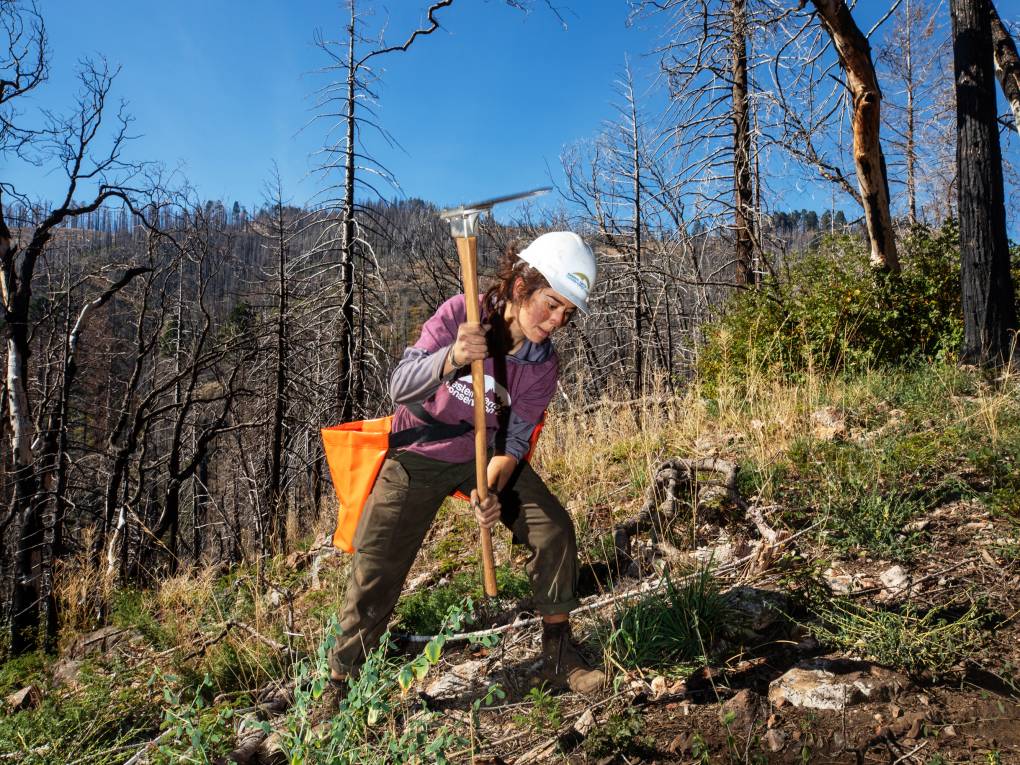
"caption": "Gabi Huerta, with the Eastern Sierra Conservation Corps, replants trees in Sequoia and Kings Canyon National Parks.",
"description": null,
"title": "Gabi Huerta, with the Eastern Sierra Conservation Corps, replants trees in Sequoia and Kings Canyon National Parks.",
"credit": "Ryan Kellman/NPR",
"status": "inherit",
"altTag": null,
"isLoading": false,
"fetchFailed": false
},
"science_1991179": {
"type": "attachments",
"id": "science_1991179",
"meta": {
"index": "attachments_1716263798",
"site": "science",
"id": "1991179",
"found": true
},
"parent": 1991177,
"imgSizes": {
"twentyfourteen-full-width": {
"file": "https://cdn.kqed.org/wp-content/uploads/sites/35/2024/01/ap101026164547-e1a91c39fdbaae1f8c7f76b2442810efa085e579-1038x576.jpg",
"width": 1038,
"mimeType": "image/jpeg",
"height": 576
},
"thumbnail": {
"file": "https://cdn.kqed.org/wp-content/uploads/sites/35/2024/01/ap101026164547-e1a91c39fdbaae1f8c7f76b2442810efa085e579-160x120.jpg",
"width": 160,
"mimeType": "image/jpeg",
"height": 120
},
"post-thumbnail": {
"file": "https://cdn.kqed.org/wp-content/uploads/sites/35/2024/01/ap101026164547-e1a91c39fdbaae1f8c7f76b2442810efa085e579-672x372.jpg",
"width": 672,
"mimeType": "image/jpeg",
"height": 372
},
"kqedFullSize": {
"file": "https://cdn.kqed.org/wp-content/uploads/sites/35/2024/01/ap101026164547-e1a91c39fdbaae1f8c7f76b2442810efa085e579-scaled.jpg",
"width": 2560,
"height": 1920
},
"2048x2048": {
"file": "https://cdn.kqed.org/wp-content/uploads/sites/35/2024/01/ap101026164547-e1a91c39fdbaae1f8c7f76b2442810efa085e579-2048x1536.jpg",
"width": 2048,
"mimeType": "image/jpeg",
"height": 1536
},
"large": {
"file": "https://cdn.kqed.org/wp-content/uploads/sites/35/2024/01/ap101026164547-e1a91c39fdbaae1f8c7f76b2442810efa085e579-1020x765.jpg",
"width": 1020,
"mimeType": "image/jpeg",
"height": 765
},
"1536x1536": {
"file": "https://cdn.kqed.org/wp-content/uploads/sites/35/2024/01/ap101026164547-e1a91c39fdbaae1f8c7f76b2442810efa085e579-1536x1152.jpg",
"width": 1536,
"mimeType": "image/jpeg",
"height": 1152
},
"full-width": {
"file": "https://cdn.kqed.org/wp-content/uploads/sites/35/2024/01/ap101026164547-e1a91c39fdbaae1f8c7f76b2442810efa085e579-1920x1440.jpg",
"width": 1920,
"mimeType": "image/jpeg",
"height": 1440
},
"medium": {
"file": "https://cdn.kqed.org/wp-content/uploads/sites/35/2024/01/ap101026164547-e1a91c39fdbaae1f8c7f76b2442810efa085e579-800x600.jpg",
"width": 800,
"mimeType": "image/jpeg",
"height": 600
},
"medium_large": {
"file": "https://cdn.kqed.org/wp-content/uploads/sites/35/2024/01/ap101026164547-e1a91c39fdbaae1f8c7f76b2442810efa085e579-768x576.jpg",
"width": 768,
"mimeType": "image/jpeg",
"height": 576
}
},
"publishDate": 1705946557,
"modified": 1705946742,
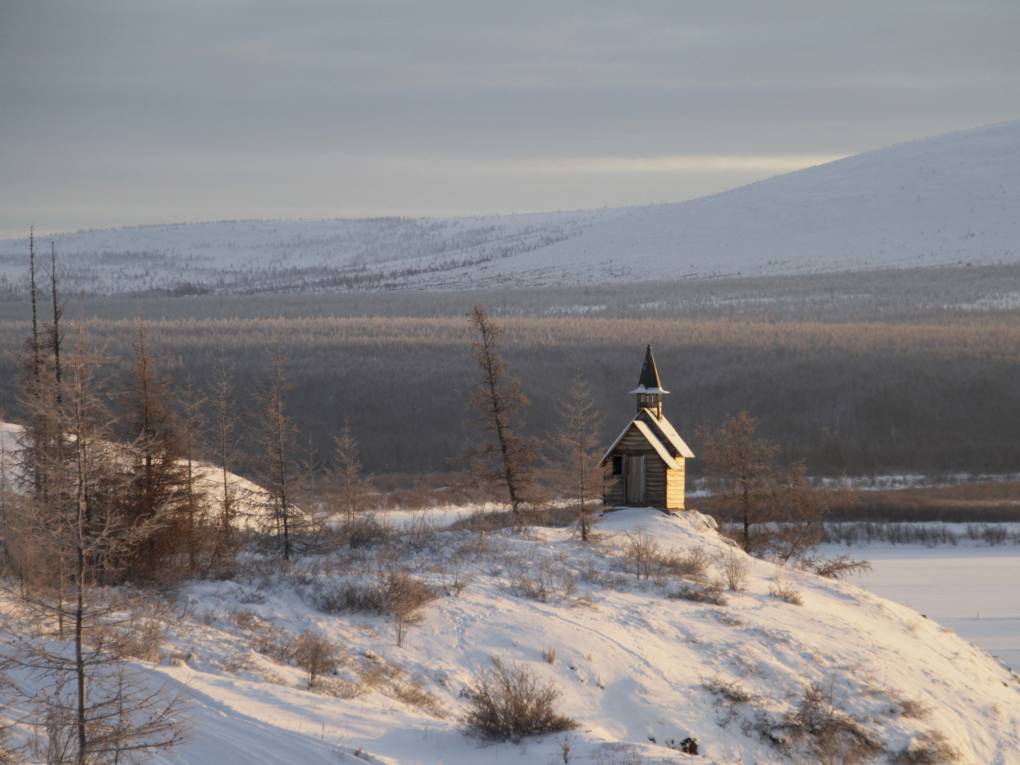
"caption": "Russia has more Arctic land area than any other nation. But since the invasion of Ukraine, it has been harder for Russian scientists to share data about how climate change is affecting the region. This tiny chapel is on the grounds of the Northeast Science Station near the Russian town of Chersky.",
"description": null,
"title": "Russia has more Arctic land area than any other nation. But since the invasion of Ukraine, it has been harder for Russian scientists to share data about how climate change is affecting the region. This tiny chapel is on the grounds of the Northeast Science Station near the Russian town of Chersky.",
"credit": "Arthur Max/AP",
"status": "inherit",
"altTag": null,
"isLoading": false,
"fetchFailed": false
},
"science_1991161": {
"type": "attachments",
"id": "science_1991161",
"meta": {
"index": "attachments_1716263798",
"site": "science",
"id": "1991161",
"found": true
},
"parent": 1991160,
"imgSizes": {
"twentyfourteen-full-width": {
"file": "https://cdn.kqed.org/wp-content/uploads/sites/35/2024/01/Oil-Pump-2048x1366-1-1038x576.jpg",
"width": 1038,
"mimeType": "image/jpeg",
"height": 576
},
"thumbnail": {
"file": "https://cdn.kqed.org/wp-content/uploads/sites/35/2024/01/Oil-Pump-2048x1366-1-160x107.jpg",
"width": 160,
"mimeType": "image/jpeg",
"height": 107
},
"post-thumbnail": {
"file": "https://cdn.kqed.org/wp-content/uploads/sites/35/2024/01/Oil-Pump-2048x1366-1-672x372.jpg",
"width": 672,
"mimeType": "image/jpeg",
"height": 372
},
"kqedFullSize": {
"file": "https://cdn.kqed.org/wp-content/uploads/sites/35/2024/01/Oil-Pump-2048x1366-1.jpg",
"width": 2048,
"height": 1366
},
"large": {
"file": "https://cdn.kqed.org/wp-content/uploads/sites/35/2024/01/Oil-Pump-2048x1366-1-1020x680.jpg",
"width": 1020,
"mimeType": "image/jpeg",
"height": 680
},
"1536x1536": {
"file": "https://cdn.kqed.org/wp-content/uploads/sites/35/2024/01/Oil-Pump-2048x1366-1-1536x1025.jpg",
"width": 1536,
"mimeType": "image/jpeg",
"height": 1025
},
"full-width": {
"file": "https://cdn.kqed.org/wp-content/uploads/sites/35/2024/01/Oil-Pump-2048x1366-1-1920x1281.jpg",
"width": 1920,
"mimeType": "image/jpeg",
"height": 1281
},
"medium": {
"file": "https://cdn.kqed.org/wp-content/uploads/sites/35/2024/01/Oil-Pump-2048x1366-1-800x534.jpg",
"width": 800,
"mimeType": "image/jpeg",
"height": 534
},
"medium_large": {
"file": "https://cdn.kqed.org/wp-content/uploads/sites/35/2024/01/Oil-Pump-2048x1366-1-768x512.jpg",
"width": 768,
"mimeType": "image/jpeg",
"height": 512
}
},
"publishDate": 1705605897,
"modified": 1705613742,
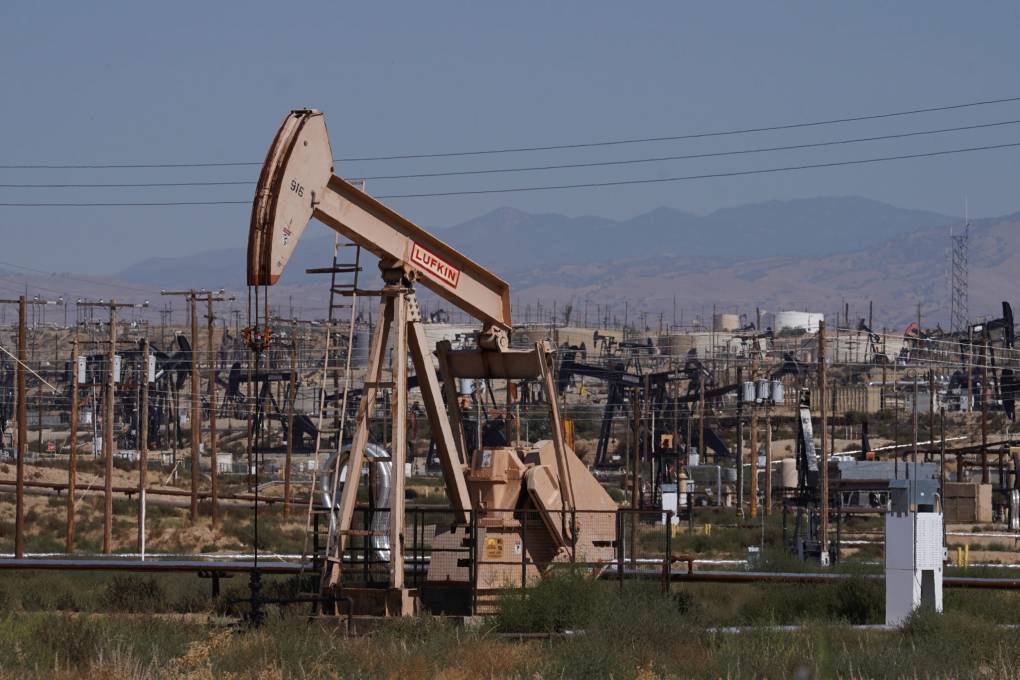
"caption": "An oil pumpjack in Kern County, California.",
"description": null,
"title": "Oil pumpjack",
"credit": "Harika Maddala",
"status": "inherit",
"altTag": "An oil pump is shown beneath a dusty sky.",
"isLoading": false,
"fetchFailed": false
},
"science_1991098": {
"type": "attachments",
"id": "science_1991098",
"meta": {
"index": "attachments_1716263798",
"site": "science",
"id": "1991098",
"found": true
},
"parent": 1991094,
"imgSizes": {
"twentyfourteen-full-width": {
"file": "https://cdn.kqed.org/wp-content/uploads/sites/35/2024/01/101024-Palisades-Avalanche-AP-CM-04-1038x576.jpg",
"width": 1038,
"mimeType": "image/jpeg",
"height": 576
},
"thumbnail": {
"file": "https://cdn.kqed.org/wp-content/uploads/sites/35/2024/01/101024-Palisades-Avalanche-AP-CM-04-160x107.jpg",
"width": 160,
"mimeType": "image/jpeg",
"height": 107
},
"post-thumbnail": {
"file": "https://cdn.kqed.org/wp-content/uploads/sites/35/2024/01/101024-Palisades-Avalanche-AP-CM-04-672x372.jpg",
"width": 672,
"mimeType": "image/jpeg",
"height": 372
},
"kqedFullSize": {
"file": "https://cdn.kqed.org/wp-content/uploads/sites/35/2024/01/101024-Palisades-Avalanche-AP-CM-04.jpg",
"width": 2000,
"height": 1333
},
"large": {
"file": "https://cdn.kqed.org/wp-content/uploads/sites/35/2024/01/101024-Palisades-Avalanche-AP-CM-04-1020x680.jpg",
"width": 1020,
"mimeType": "image/jpeg",
"height": 680
},
"1536x1536": {
"file": "https://cdn.kqed.org/wp-content/uploads/sites/35/2024/01/101024-Palisades-Avalanche-AP-CM-04-1536x1024.jpg",
"width": 1536,
"mimeType": "image/jpeg",
"height": 1024
},
"full-width": {
"file": "https://cdn.kqed.org/wp-content/uploads/sites/35/2024/01/101024-Palisades-Avalanche-AP-CM-04-1920x1280.jpg",
"width": 1920,
"mimeType": "image/jpeg",
"height": 1280
},
"medium": {
"file": "https://cdn.kqed.org/wp-content/uploads/sites/35/2024/01/101024-Palisades-Avalanche-AP-CM-04-800x533.jpg",
"width": 800,
"mimeType": "image/jpeg",
"height": 533
},
"medium_large": {
"file": "https://cdn.kqed.org/wp-content/uploads/sites/35/2024/01/101024-Palisades-Avalanche-AP-CM-04-768x512.jpg",
"width": 768,
"mimeType": "image/jpeg",
"height": 512
}
},
"publishDate": 1705087806,
"modified": 1705092279,
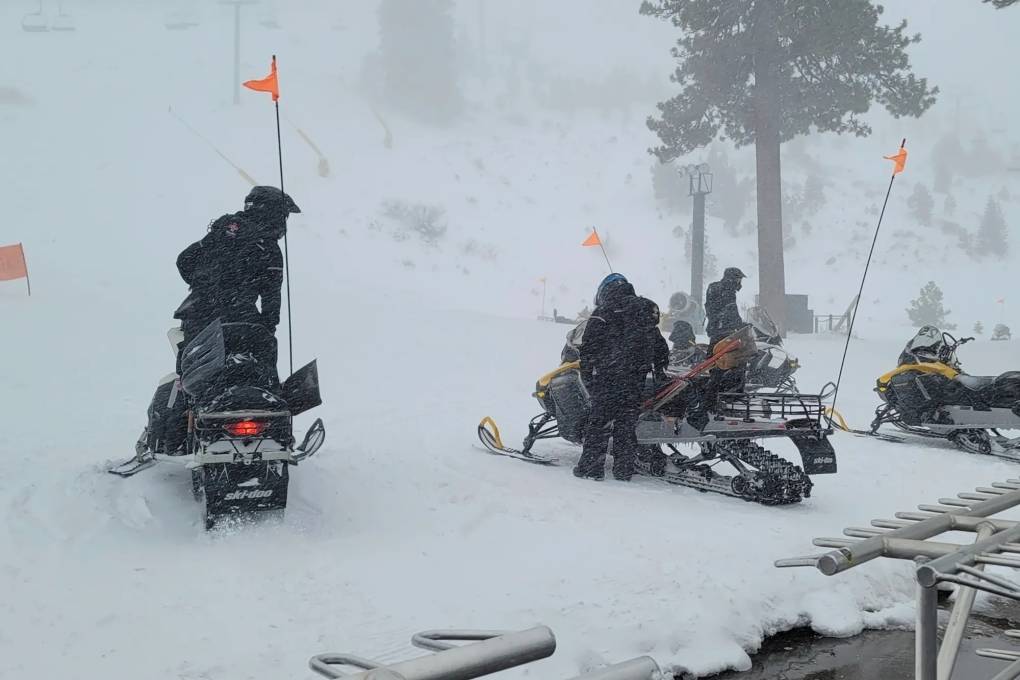
"caption": "Rescue crews work at the scene of an avalanche at the Palisades Tahoe ski resort on Jan. 10, 2024. The avalanche roared through a section of expert trails at the ski resort. ",
"description": null,
"title": "101024-Palisades-Avalanche-AP-CM-04",
"credit": "Mark Sponsler/AP Photo",
"status": "inherit",
"altTag": "Rescue crews on snowmobiles gather in the snow at the bottom of a mountain.",
"isLoading": false,
"fetchFailed": false
},
"science_1985921": {
"type": "attachments",
"id": "science_1985921",
"meta": {
"index": "attachments_1716263798",
"site": "science",
"id": "1985921",
"found": true
},
"parent": 0,
"imgSizes": {
"twentyfourteen-full-width": {
"file": "https://cdn.kqed.org/wp-content/uploads/sites/35/2023/12/231220-BURLINGAME-GETTY-AH-KQED-1038x576.jpg",
"width": 1038,
"mimeType": "image/jpeg",
"height": 576
},
"thumbnail": {
"file": "https://cdn.kqed.org/wp-content/uploads/sites/35/2023/12/231220-BURLINGAME-GETTY-AH-KQED-160x107.jpg",
"width": 160,
"mimeType": "image/jpeg",
"height": 107
},
"post-thumbnail": {
"file": "https://cdn.kqed.org/wp-content/uploads/sites/35/2023/12/231220-BURLINGAME-GETTY-AH-KQED-672x372.jpg",
"width": 672,
"mimeType": "image/jpeg",
"height": 372
},
"kqedFullSize": {
"file": "https://cdn.kqed.org/wp-content/uploads/sites/35/2023/12/231220-BURLINGAME-GETTY-AH-KQED.jpg",
"width": 2000,
"height": 1333
},
"large": {
"file": "https://cdn.kqed.org/wp-content/uploads/sites/35/2023/12/231220-BURLINGAME-GETTY-AH-KQED-1020x680.jpg",
"width": 1020,
"mimeType": "image/jpeg",
"height": 680
},
"1536x1536": {
"file": "https://cdn.kqed.org/wp-content/uploads/sites/35/2023/12/231220-BURLINGAME-GETTY-AH-KQED-1536x1024.jpg",
"width": 1536,
"mimeType": "image/jpeg",
"height": 1024
},
"full-width": {
"file": "https://cdn.kqed.org/wp-content/uploads/sites/35/2023/12/231220-BURLINGAME-GETTY-AH-KQED-1920x1280.jpg",
"width": 1920,
"mimeType": "image/jpeg",
"height": 1280
},
"medium": {
"file": "https://cdn.kqed.org/wp-content/uploads/sites/35/2023/12/231220-BURLINGAME-GETTY-AH-KQED-800x533.jpg",
"width": 800,
"mimeType": "image/jpeg",
"height": 533
},
"medium_large": {
"file": "https://cdn.kqed.org/wp-content/uploads/sites/35/2023/12/231220-BURLINGAME-GETTY-AH-KQED-768x512.jpg",
"width": 768,
"mimeType": "image/jpeg",
"height": 512
}
},
"publishDate": 1703118204,
"modified": 1703118373,
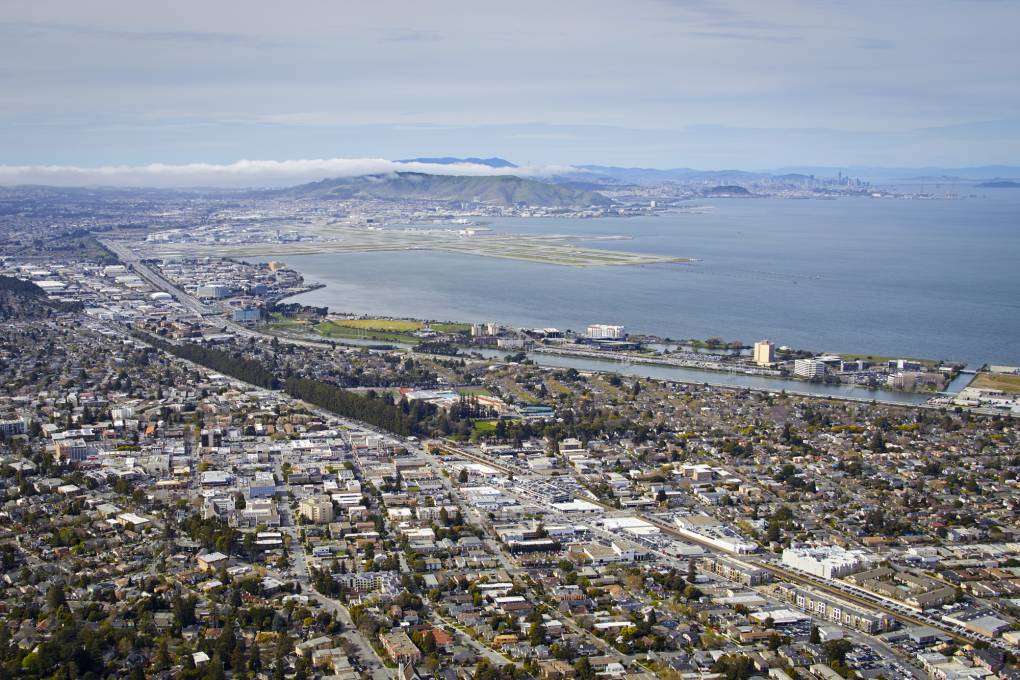
"caption": "An aerial view of Burlingame.",
"description": null,
"title": "Aerial photography view north of Millbrae, San Mateo, San Francisco Bay Area. California, United States.",
"credit": "Andrew Holt/Getty Images",
"status": "inherit",
"altTag": "An aerial view of a city.",
"isLoading": false,
"fetchFailed": false
},
"science_1985848": {
"type": "attachments",
"id": "science_1985848",
"meta": {
"index": "attachments_1716263798",
"site": "science",
"id": "1985848",
"found": true
},
"parent": 1985830,
"imgSizes": {
"twentyfourteen-full-width": {
"file": "https://cdn.kqed.org/wp-content/uploads/sites/35/2023/12/GettyImages-1419796991-1024x576.jpg",
"width": 1024,
"mimeType": "image/jpeg",
"height": 576
},
"thumbnail": {
"file": "https://cdn.kqed.org/wp-content/uploads/sites/35/2023/12/GettyImages-1419796991-160x105.jpg",
"width": 160,
"mimeType": "image/jpeg",
"height": 105
},
"post-thumbnail": {
"file": "https://cdn.kqed.org/wp-content/uploads/sites/35/2023/12/GettyImages-1419796991-672x372.jpg",
"width": 672,
"mimeType": "image/jpeg",
"height": 372
},
"kqedFullSize": {
"file": "https://cdn.kqed.org/wp-content/uploads/sites/35/2023/12/GettyImages-1419796991.jpg",
"width": 1024,
"height": 670
},
"large": {
"file": "https://cdn.kqed.org/wp-content/uploads/sites/35/2023/12/GettyImages-1419796991-1020x667.jpg",
"width": 1020,
"mimeType": "image/jpeg",
"height": 667
},
"medium": {
"file": "https://cdn.kqed.org/wp-content/uploads/sites/35/2023/12/GettyImages-1419796991-800x523.jpg",
"width": 800,
"mimeType": "image/jpeg",
"height": 523
},
"medium_large": {
"file": "https://cdn.kqed.org/wp-content/uploads/sites/35/2023/12/GettyImages-1419796991-768x503.jpg",
"width": 768,
"mimeType": "image/jpeg",
"height": 503
}
},
"publishDate": 1702569986,
"modified": 1702570067,
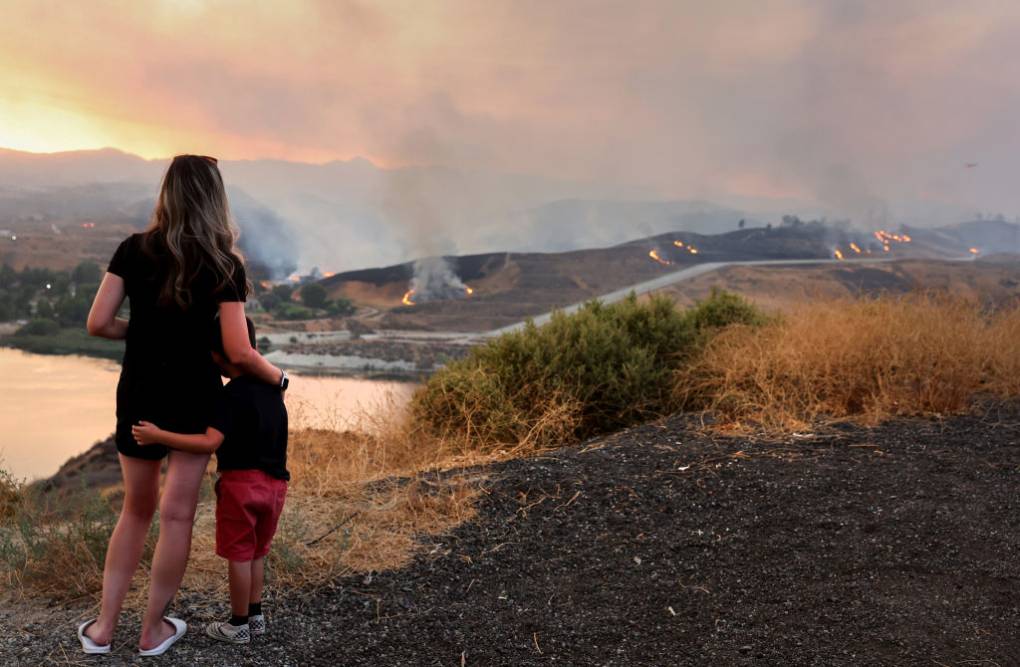
"caption": "A mother embraces her 5-year-old son, whose school was evacuated during the Route Fire, on Aug. 31, 2022 near Castaic, California.",
"description": null,
"title": "Route Fire Burns In Southern California",
"credit": "Mario Tama/Getty Images",
"status": "inherit",
"altTag": "Seen from behind, a woman embraces a young child, as the two watch a fire in the distance.",
"isLoading": false,
"fetchFailed": false
},
"science_1985811": {
"type": "attachments",
"id": "science_1985811",
"meta": {
"index": "attachments_1716263798",
"site": "science",
"id": "1985811",
"found": true
},
"parent": 0,
"imgSizes": {
"twentyfourteen-full-width": {
"file": "https://cdn.kqed.org/wp-content/uploads/sites/35/2023/12/231212-PARADISE-AERIAL-AP-NB-KQED-1038x576.jpg",
"width": 1038,
"mimeType": "image/jpeg",
"height": 576
},
"thumbnail": {
"file": "https://cdn.kqed.org/wp-content/uploads/sites/35/2023/12/231212-PARADISE-AERIAL-AP-NB-KQED-160x107.jpg",
"width": 160,
"mimeType": "image/jpeg",
"height": 107
},
"post-thumbnail": {
"file": "https://cdn.kqed.org/wp-content/uploads/sites/35/2023/12/231212-PARADISE-AERIAL-AP-NB-KQED-672x372.jpg",
"width": 672,
"mimeType": "image/jpeg",
"height": 372
},
"kqedFullSize": {
"file": "https://cdn.kqed.org/wp-content/uploads/sites/35/2023/12/231212-PARADISE-AERIAL-AP-NB-KQED.jpg",
"width": 2000,
"height": 1333
},
"large": {
"file": "https://cdn.kqed.org/wp-content/uploads/sites/35/2023/12/231212-PARADISE-AERIAL-AP-NB-KQED-1020x680.jpg",
"width": 1020,
"mimeType": "image/jpeg",
"height": 680
},
"1536x1536": {
"file": "https://cdn.kqed.org/wp-content/uploads/sites/35/2023/12/231212-PARADISE-AERIAL-AP-NB-KQED-1536x1024.jpg",
"width": 1536,
"mimeType": "image/jpeg",
"height": 1024
},
"full-width": {
"file": "https://cdn.kqed.org/wp-content/uploads/sites/35/2023/12/231212-PARADISE-AERIAL-AP-NB-KQED-1920x1280.jpg",
"width": 1920,
"mimeType": "image/jpeg",
"height": 1280
},
"medium": {
"file": "https://cdn.kqed.org/wp-content/uploads/sites/35/2023/12/231212-PARADISE-AERIAL-AP-NB-KQED-800x533.jpg",
"width": 800,
"mimeType": "image/jpeg",
"height": 533
},
"medium_large": {
"file": "https://cdn.kqed.org/wp-content/uploads/sites/35/2023/12/231212-PARADISE-AERIAL-AP-NB-KQED-768x512.jpg",
"width": 768,
"mimeType": "image/jpeg",
"height": 512
}
},
"publishDate": 1702404350,
"modified": 1702404417,
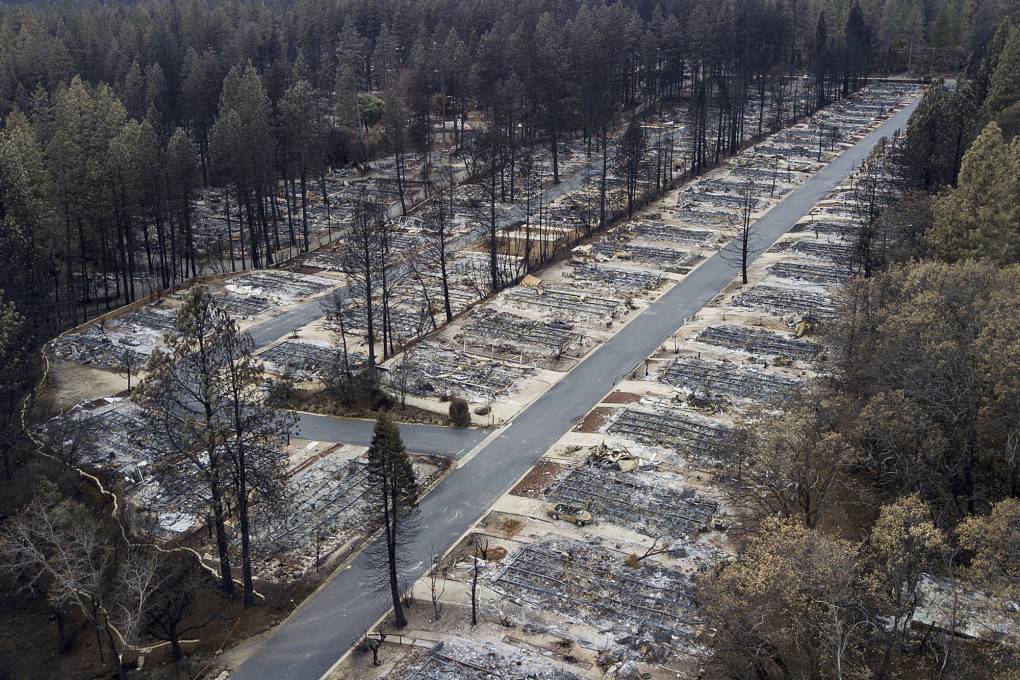
"caption": "Homes leveled by the Camp Fire line the Ridgewood Mobile Home Park retirement community in Paradise.",
"description": null,
"title": "ap_18337858678274",
"credit": "Noah Berger/AP",
"status": "inherit",
"altTag": "A stretch of empty land filled with the charred remains of mobile homes and surrounded by trees, some of which are visibly burnt.",
"isLoading": false,
"fetchFailed": false
},
"science_1985593": {
"type": "attachments",
"id": "science_1985593",
"meta": {
"index": "attachments_1716263798",
"site": "science",
"id": "1985593",
"found": true
},
"parent": 1985591,
"imgSizes": {
"twentyfourteen-full-width": {
"file": "https://ww2.kqed.org/app/uploads/sites/35/2023/12/portofoakland-qut-1038x576.jpg",
"width": 1038,
"mimeType": "image/jpeg",
"height": 576
},
"thumbnail": {
"file": "https://ww2.kqed.org/app/uploads/sites/35/2023/12/portofoakland-qut-160x106.jpg",
"width": 160,
"mimeType": "image/jpeg",
"height": 106
},
"post-thumbnail": {
"file": "https://ww2.kqed.org/app/uploads/sites/35/2023/12/portofoakland-qut-672x372.jpg",
"width": 672,
"mimeType": "image/jpeg",
"height": 372
},
"kqedFullSize": {
"file": "https://ww2.kqed.org/app/uploads/sites/35/2023/12/portofoakland-qut.jpg",
"width": 1440,
"height": 953
},
"large": {
"file": "https://ww2.kqed.org/app/uploads/sites/35/2023/12/portofoakland-qut-1020x675.jpg",
"width": 1020,
"mimeType": "image/jpeg",
"height": 675
},
"medium": {
"file": "https://ww2.kqed.org/app/uploads/sites/35/2023/12/portofoakland-qut-800x529.jpg",
"width": 800,
"mimeType": "image/jpeg",
"height": 529
},
"medium_large": {
"file": "https://ww2.kqed.org/app/uploads/sites/35/2023/12/portofoakland-qut-768x508.jpg",
"width": 768,
"mimeType": "image/jpeg",
"height": 508
}
},
"publishDate": 1701472402,
"modified": 1701478068,
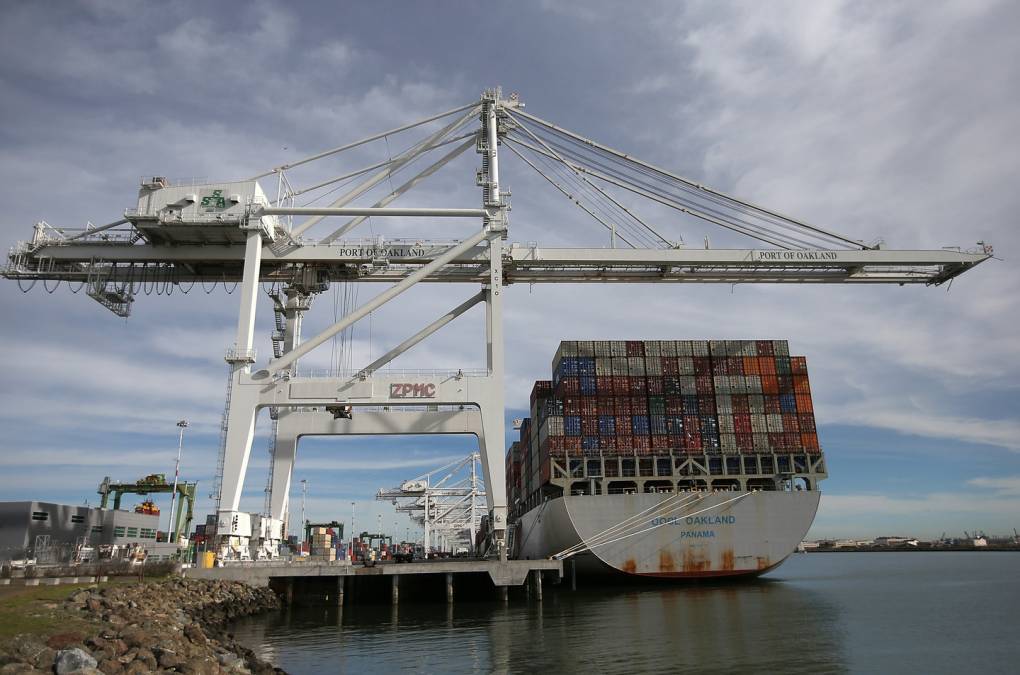
"caption": "A container ship docked in a berth at the Port of Oakland on Feb. 11, 2015, in Oakland.",
"description": null,
"title": "portofoakland-qut",
"credit": "Justin Sullivan/Getty Images",
"status": "inherit",
"altTag": "A white crane sits above a container ship with colorful boxes.",
"isLoading": false,
"fetchFailed": false
},
"science_1985664": {
"type": "attachments",
"id": "science_1985664",
"meta": {
"index": "attachments_1716263798",
"site": "science",
"id": "1985664",
"found": true
},
"parent": 1985663,
"imgSizes": {
"twentyfourteen-full-width": {
"file": "https://cdn.kqed.org/wp-content/uploads/sites/35/2023/12/ap23087720134805-d7afab77702082d1ab4f24b478f1b07557548dea-1038x576.jpg",
"width": 1038,
"mimeType": "image/jpeg",
"height": 576
},
"thumbnail": {
"file": "https://cdn.kqed.org/wp-content/uploads/sites/35/2023/12/ap23087720134805-d7afab77702082d1ab4f24b478f1b07557548dea-160x120.jpg",
"width": 160,
"mimeType": "image/jpeg",
"height": 120
},
"post-thumbnail": {
"file": "https://cdn.kqed.org/wp-content/uploads/sites/35/2023/12/ap23087720134805-d7afab77702082d1ab4f24b478f1b07557548dea-672x372.jpg",
"width": 672,
"mimeType": "image/jpeg",
"height": 372
},
"kqedFullSize": {
"file": "https://cdn.kqed.org/wp-content/uploads/sites/35/2023/12/ap23087720134805-d7afab77702082d1ab4f24b478f1b07557548dea-scaled.jpg",
"width": 2560,
"height": 1920
},
"2048x2048": {
"file": "https://cdn.kqed.org/wp-content/uploads/sites/35/2023/12/ap23087720134805-d7afab77702082d1ab4f24b478f1b07557548dea-2048x1536.jpg",
"width": 2048,
"mimeType": "image/jpeg",
"height": 1536
},
"large": {
"file": "https://cdn.kqed.org/wp-content/uploads/sites/35/2023/12/ap23087720134805-d7afab77702082d1ab4f24b478f1b07557548dea-1020x765.jpg",
"width": 1020,
"mimeType": "image/jpeg",
"height": 765
},
"1536x1536": {
"file": "https://cdn.kqed.org/wp-content/uploads/sites/35/2023/12/ap23087720134805-d7afab77702082d1ab4f24b478f1b07557548dea-1536x1152.jpg",
"width": 1536,
"mimeType": "image/jpeg",
"height": 1152
},
"full-width": {
"file": "https://cdn.kqed.org/wp-content/uploads/sites/35/2023/12/ap23087720134805-d7afab77702082d1ab4f24b478f1b07557548dea-1920x1440.jpg",
"width": 1920,
"mimeType": "image/jpeg",
"height": 1440
},
"medium": {
"file": "https://cdn.kqed.org/wp-content/uploads/sites/35/2023/12/ap23087720134805-d7afab77702082d1ab4f24b478f1b07557548dea-800x600.jpg",
"width": 800,
"mimeType": "image/jpeg",
"height": 600
},
"medium_large": {
"file": "https://cdn.kqed.org/wp-content/uploads/sites/35/2023/12/ap23087720134805-d7afab77702082d1ab4f24b478f1b07557548dea-768x576.jpg",
"width": 768,
"mimeType": "image/jpeg",
"height": 576
}
},
"publishDate": 1701970488,
"modified": 1701974740,
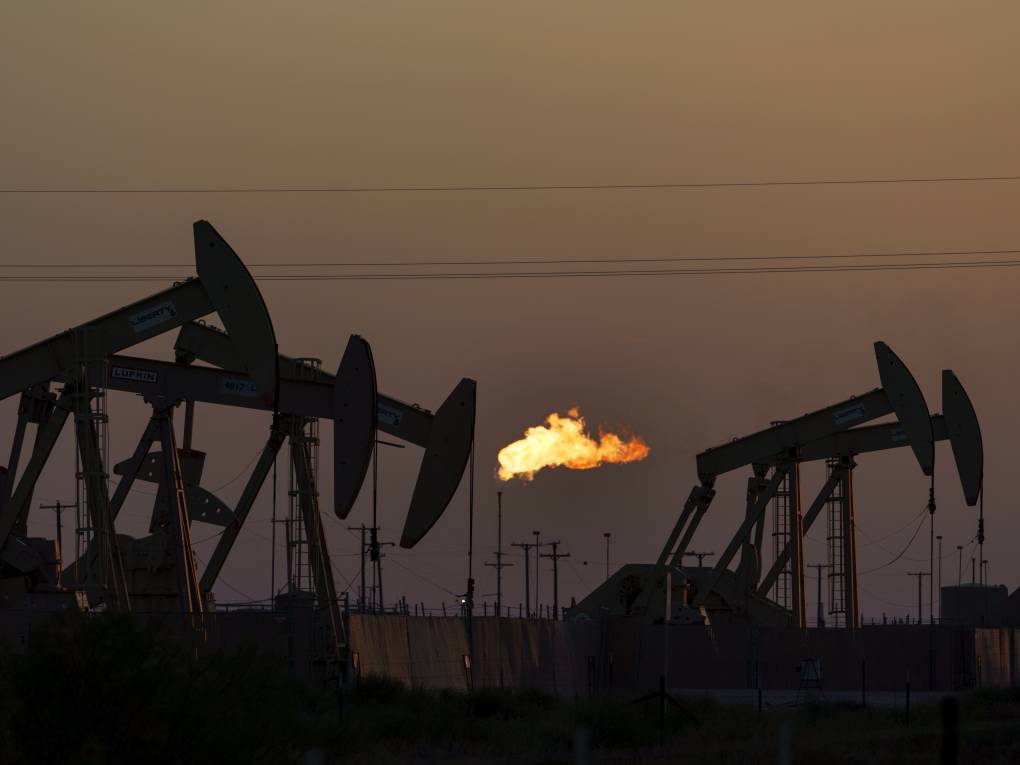
"caption": "A flare burns off methane and other hydrocarbons as oil pumpjacks operate in the Permian Basin in Midland, Texas, Oct. 12, 2021.",
"description": null,
"title": "EPA",
"credit": "David Goldman/AP",
"status": "inherit",
"altTag": "Oil pumps work in the foreground as an open flame burns in the distance beneath a smoky orange sky.",
"isLoading": false,
"fetchFailed": false
},
"science_1985561": {
"type": "attachments",
"id": "science_1985561",
"meta": {
"index": "attachments_1716263798",
"site": "science",
"id": "1985561",
"found": true
},
"parent": 1985560,
"imgSizes": {
"twentyfourteen-full-width": {
"file": "https://ww2.kqed.org/app/uploads/sites/35/2023/11/ap23179516965355_custom-73d3b8a3a0e0071db86f8f481458dd17f16b49bd-1038x576.jpg",
"width": 1038,
"mimeType": "image/jpeg",
"height": 576
},
"thumbnail": {
"file": "https://ww2.kqed.org/app/uploads/sites/35/2023/11/ap23179516965355_custom-73d3b8a3a0e0071db86f8f481458dd17f16b49bd-160x97.jpg",
"width": 160,
"mimeType": "image/jpeg",
"height": 97
},
"post-thumbnail": {
"file": "https://ww2.kqed.org/app/uploads/sites/35/2023/11/ap23179516965355_custom-73d3b8a3a0e0071db86f8f481458dd17f16b49bd-672x372.jpg",
"width": 672,
"mimeType": "image/jpeg",
"height": 372
},
"kqedFullSize": {
"file": "https://ww2.kqed.org/app/uploads/sites/35/2023/11/ap23179516965355_custom-73d3b8a3a0e0071db86f8f481458dd17f16b49bd-scaled.jpg",
"width": 2560,
"height": 1549
},
"2048x2048": {
"file": "https://ww2.kqed.org/app/uploads/sites/35/2023/11/ap23179516965355_custom-73d3b8a3a0e0071db86f8f481458dd17f16b49bd-2048x1239.jpg",
"width": 2048,
"mimeType": "image/jpeg",
"height": 1239
},
"large": {
"file": "https://ww2.kqed.org/app/uploads/sites/35/2023/11/ap23179516965355_custom-73d3b8a3a0e0071db86f8f481458dd17f16b49bd-1020x617.jpg",
"width": 1020,
"mimeType": "image/jpeg",
"height": 617
},
"1536x1536": {
"file": "https://ww2.kqed.org/app/uploads/sites/35/2023/11/ap23179516965355_custom-73d3b8a3a0e0071db86f8f481458dd17f16b49bd-1536x930.jpg",
"width": 1536,
"mimeType": "image/jpeg",
"height": 930
},
"full-width": {
"file": "https://ww2.kqed.org/app/uploads/sites/35/2023/11/ap23179516965355_custom-73d3b8a3a0e0071db86f8f481458dd17f16b49bd-1920x1162.jpg",
"width": 1920,
"mimeType": "image/jpeg",
"height": 1162
},
"medium": {
"file": "https://ww2.kqed.org/app/uploads/sites/35/2023/11/ap23179516965355_custom-73d3b8a3a0e0071db86f8f481458dd17f16b49bd-800x484.jpg",
"width": 800,
"mimeType": "image/jpeg",
"height": 484
},
"medium_large": {
"file": "https://ww2.kqed.org/app/uploads/sites/35/2023/11/ap23179516965355_custom-73d3b8a3a0e0071db86f8f481458dd17f16b49bd-768x465.jpg",
"width": 768,
"mimeType": "image/jpeg",
"height": 465
}
},
"publishDate": 1701106163,
"modified": 1701118358,
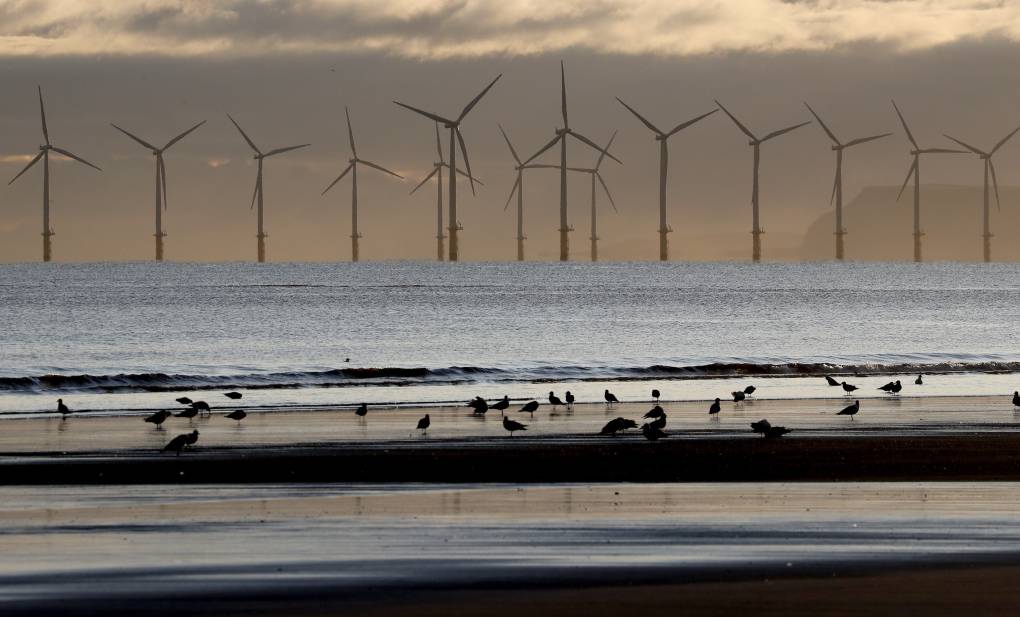
"caption": "Wind turbines generate electricity off the coast of England. Later this week, world leaders will meet in Dubai to discuss global efforts to reduce emissions of planet-warming pollution and transition to renewable energy sources.",
"description": null,
"title": "Wind turbines generate electricity off the coast of England. World leaders will meet later this week in Dubai to discuss global efforts to reduce emissions of planet-warming pollution and transition to renewable energy sources.",
"credit": "Frank Augstein/AP",
"status": "inherit",
"altTag": "An offshore wind farm is visible from the beach in Hartlepool, England",
"isLoading": false,
"fetchFailed": false
},
"science_1985412": {
"type": "attachments",
"id": "science_1985412",
"meta": {
"index": "attachments_1716263798",
"site": "science",
"id": "1985412",
"found": true
},
"parent": 1985440,
"imgSizes": {
"twentyfourteen-full-width": {
"file": "https://ww2.kqed.org/app/uploads/sites/35/2023/11/230626-HousingNevadaCoWildfire-28-BL-qut-1038x576.jpg",
"width": 1038,
"mimeType": "image/jpeg",
"height": 576
},
"thumbnail": {
"file": "https://ww2.kqed.org/app/uploads/sites/35/2023/11/230626-HousingNevadaCoWildfire-28-BL-qut-160x107.jpg",
"width": 160,
"mimeType": "image/jpeg",
"height": 107
},
"post-thumbnail": {
"file": "https://ww2.kqed.org/app/uploads/sites/35/2023/11/230626-HousingNevadaCoWildfire-28-BL-qut-672x372.jpg",
"width": 672,
"mimeType": "image/jpeg",
"height": 372
},
"kqedFullSize": {
"file": "https://ww2.kqed.org/app/uploads/sites/35/2023/11/230626-HousingNevadaCoWildfire-28-BL-qut.jpg",
"width": 1920,
"height": 1280
},
"large": {
"file": "https://ww2.kqed.org/app/uploads/sites/35/2023/11/230626-HousingNevadaCoWildfire-28-BL-qut-1020x680.jpg",
"width": 1020,
"mimeType": "image/jpeg",
"height": 680
},
"1536x1536": {
"file": "https://ww2.kqed.org/app/uploads/sites/35/2023/11/230626-HousingNevadaCoWildfire-28-BL-qut-1536x1024.jpg",
"width": 1536,
"mimeType": "image/jpeg",
"height": 1024
},
"medium": {
"file": "https://ww2.kqed.org/app/uploads/sites/35/2023/11/230626-HousingNevadaCoWildfire-28-BL-qut-800x533.jpg",
"width": 800,
"mimeType": "image/jpeg",
"height": 533
},
"medium_large": {
"file": "https://ww2.kqed.org/app/uploads/sites/35/2023/11/230626-HousingNevadaCoWildfire-28-BL-qut-768x512.jpg",
"width": 768,
"mimeType": "image/jpeg",
"height": 512
}
},
"publishDate": 1700082684,
"modified": 1700188343,
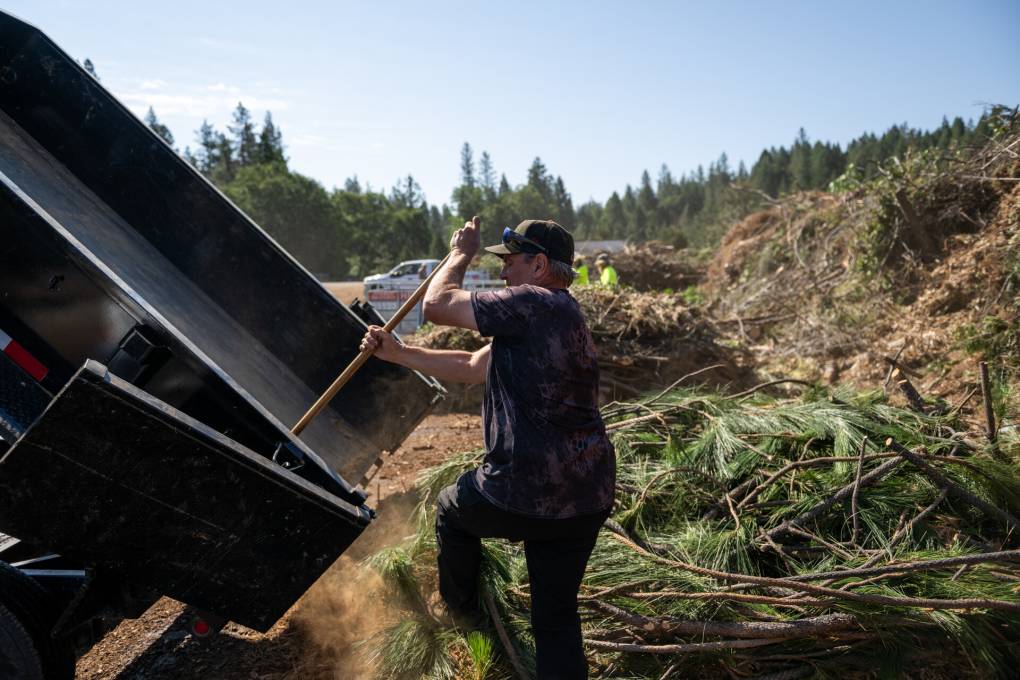
"caption": "Mario Denning unloads green waste from their vehicle during a free residential disposal hosted by the Fire Safe Council of Nevada County in Grass Valley on June 26, 2023.",
"description": null,
"title": "230626-HousingNevadaCoWildfire-28-BL-qut",
"credit": "Beth LaBerge/KQED",
"status": "inherit",
"altTag": "A man uses a tool to remove debris from a truck bed. Behind him is a pile of tree branches and other green waste.",
"isLoading": false,
"fetchFailed": false
},
"science_1985396": {
"type": "attachments",
"id": "science_1985396",
"meta": {
"index": "attachments_1716263798",
"site": "science",
"id": "1985396",
"found": true
},
"parent": 0,
"imgSizes": {
"twentyfourteen-full-width": {
"file": "https://ww2.kqed.org/app/uploads/sites/35/2023/11/GettyImages-978122074-qut-1038x576.jpg",
"width": 1038,
"mimeType": "image/jpeg",
"height": 576
},
"thumbnail": {
"file": "https://ww2.kqed.org/app/uploads/sites/35/2023/11/GettyImages-978122074-qut-160x107.jpg",
"width": 160,
"mimeType": "image/jpeg",
"height": 107
},
"post-thumbnail": {
"file": "https://ww2.kqed.org/app/uploads/sites/35/2023/11/GettyImages-978122074-qut-672x372.jpg",
"width": 672,
"mimeType": "image/jpeg",
"height": 372
},
"kqedFullSize": {
"file": "https://ww2.kqed.org/app/uploads/sites/35/2023/11/GettyImages-978122074-qut.jpg",
"width": 1920,
"height": 1280
},
"large": {
"file": "https://ww2.kqed.org/app/uploads/sites/35/2023/11/GettyImages-978122074-qut-1020x680.jpg",
"width": 1020,
"mimeType": "image/jpeg",
"height": 680
},
"1536x1536": {
"file": "https://ww2.kqed.org/app/uploads/sites/35/2023/11/GettyImages-978122074-qut-1536x1024.jpg",
"width": 1536,
"mimeType": "image/jpeg",
"height": 1024
},
"medium": {
"file": "https://ww2.kqed.org/app/uploads/sites/35/2023/11/GettyImages-978122074-qut-800x533.jpg",
"width": 800,
"mimeType": "image/jpeg",
"height": 533
},
"medium_large": {
"file": "https://ww2.kqed.org/app/uploads/sites/35/2023/11/GettyImages-978122074-qut-768x512.jpg",
"width": 768,
"mimeType": "image/jpeg",
"height": 512
}
},
"publishDate": 1700080244,
"modified": 1700085996,
"caption": "The new proposal aims to fund burying 2,000 miles of power lines by 2026, with PG&E asserting that it will support wildfire mitigation, promote clean energy growth and reduce the risk of sparking Northern California wildfires.",
"description": null,
"title": "Investigators Blame California Utility PG&E For 2017 Wine Country Fires",
"credit": "Justin Sullivan/Getty Images",
"status": "inherit",
"altTag": "The back of a blue PG&E truck is seen.",
"isLoading": false,
"fetchFailed": false
}
},
"audioPlayerReducer": {
"postId": "stream_live",
"isPaused": true,
"isPlaying": false,
"pfsActive": false,
"pledgeModalIsOpen": true,
"playerDrawerIsOpen": false,
"liveAudioPlayStartedAt": 0,
"liveAudioPlayContext": ""
},
"authorsReducer": {
"byline_science_1991547": {
"type": "authors",
"id": "byline_science_1991547",
"meta": {
"override": true
},
"slug": "byline_science_1991547",
"name": "\u003ca>Lauren Sommer, \u003ca href=\"https://www.npr.org/people/513324587/ryan-kellman\">Ryan Kellman",
"isLoading": false
},
"byline_science_1991177": {
"type": "authors",
"id": "byline_science_1991177",
"meta": {
"override": true
},
"slug": "byline_science_1991177",
"name": "\u003ca href=\"https://www.npr.org/people/384067907/rebecca-hersher\">Rebecca Hersher\u003c/a>",
"isLoading": false
},
"byline_science_1991160": {
"type": "authors",
"id": "byline_science_1991160",
"meta": {
"override": true
},
"slug": "byline_science_1991160",
"name": "\u003ca href=\"https://insideclimatenews.org/profile/emma-foehringer-merchant/\"> Emma Foehringer Merchant, Inside Climate News\u003c/a>\u003cbr>\u003ca href=\"https://www.kvpr.org/people/joshua-yeager/\">Joshua Yeager, KVPR\u003c/a>",
"isLoading": false
},
"byline_science_1991094": {
"type": "authors",
"id": "byline_science_1991094",
"meta": {
"override": true
},
"slug": "byline_science_1991094",
"name": "\u003ca href=\"https://calmatters.org/author/rachel-becker/\">Rachel Becker\u003c/a>",
"isLoading": false
},
"byline_science_1985830": {
"type": "authors",
"id": "byline_science_1985830",
"meta": {
"override": true
},
"slug": "byline_science_1985830",
"name": "Jeff Brady",
"isLoading": false
},
"byline_science_1985663": {
"type": "authors",
"id": "byline_science_1985663",
"meta": {
"override": true
},
"slug": "byline_science_1985663",
"name": "\u003ca href=\"https://www.npr.org/people/4127076/jeff-brady\">Jeff Brady\u003c/a>",
"isLoading": false
},
"byline_science_1985560": {
"type": "authors",
"id": "byline_science_1985560",
"meta": {
"override": true
},
"slug": "byline_science_1985560",
"name": "\u003ca href=\"https://www.npr.org/people/1134404086/michael-copley\">Michael Copley\u003c/a>, \u003ca href=\"https://www.npr.org/people/1119646476/julia-simon\">Julia Simon\u003c/a>, \u003cbr>\u003ca href=\"https://www.npr.org/people/348779465/nathan-rott\">Nathan Rott\u003c/a>, \u003ca href=\"https://www.npr.org/people/803934365/lauren-sommer\">Lauren Sommer\u003c/a>, \u003ca href=\"https://www.npr.org/people/384067907/rebecca-hersher\">Rebecca Hersher\u003c/a>",
"isLoading": false
},
"dventon": {
"type": "authors",
"id": "11088",
"meta": {
"index": "authors_1716337520",
"id": "11088",
"found": true
},
"name": "Danielle Venton",
"firstName": "Danielle",
"lastName": "Venton",
"slug": "dventon",
"email": "dventon@kqed.org",
"display_author_email": true,
"staff_mastheads": [
"science"
],
"title": "Science reporter",
"bio": "Danielle Venton is a reporter for KQED Science. She covers wildfires, space and oceans (though she is prone to sea sickness).\r\n\r\nBefore joining KQED in 2015, Danielle was a staff reporter at KRCB in Sonoma County and a freelancer. She studied science communication at UC Santa Cruz and formerly worked at CERN in Geneva, Switzerland where she wrote about computing. She lives in Sonoma County and enjoys backpacking.",
"avatar": "https://secure.gravatar.com/avatar/37b292b5c40c8d93959c4f48d73b5286f41b7abd8588277e941905a3ed4c801c?s=600&d=blank&r=g",
"twitter": "DanielleVenton",
"bluesky": null,
"facebook": null,
"instagram": null,
"linkedin": null,
"sites": [
{
"site": "arts",
"roles": [
"contributor"
]
},
{
"site": "news",
"roles": [
"editor"
]
},
{
"site": "futureofyou",
"roles": [
"editor"
]
},
{
"site": "science",
"roles": [
"editor"
]
},
{
"site": "liveblog",
"roles": [
"contributor"
]
}
],
"headData": {
"title": "Danielle Venton | KQED",
"description": "Science reporter",
"ogImgSrc": "https://secure.gravatar.com/avatar/37b292b5c40c8d93959c4f48d73b5286f41b7abd8588277e941905a3ed4c801c?s=600&d=blank&r=g",
"twImgSrc": "https://secure.gravatar.com/avatar/37b292b5c40c8d93959c4f48d73b5286f41b7abd8588277e941905a3ed4c801c?s=600&d=blank&r=g"
},
"isLoading": false,
"link": "/author/dventon"
},
"kevinstark": {
"type": "authors",
"id": "11608",
"meta": {
"index": "authors_1716337520",
"id": "11608",
"found": true
},
"name": "Kevin Stark",
"firstName": "Kevin",
"lastName": "Stark",
"slug": "kevinstark",
"email": "kstark@kqed.org",
"display_author_email": true,
"staff_mastheads": [
"science"
],
"title": "Senior Editor",
"bio": "Kevin is a senior editor for KQED Science, managing the station's health and climate desks. His journalism career began in the Pacific Northwest, and he later became a lead reporter for the San Francisco Public Press. His work has appeared in Pacific Standard magazine, the Energy News Network, the Center for Investigative Reporting's Reveal and WBEZ in Chicago. Kevin joined KQED in 2019, and has covered issues related to energy, wildfire, climate change and the environment.",
"avatar": "https://secure.gravatar.com/avatar/365aaa4b597d3a8374f67504ff0facd323d7906e8eb4be0a7efd2427408e802c?s=600&d=blank&r=g",
"twitter": "starkkev",
"bluesky": null,
"facebook": null,
"instagram": null,
"linkedin": null,
"sites": [
{
"site": "",
"roles": [
"editor"
]
},
{
"site": "news",
"roles": [
"editor"
]
},
{
"site": "science",
"roles": [
"administrator"
]
}
],
"headData": {
"title": "Kevin Stark | KQED",
"description": "Senior Editor",
"ogImgSrc": "https://secure.gravatar.com/avatar/365aaa4b597d3a8374f67504ff0facd323d7906e8eb4be0a7efd2427408e802c?s=600&d=blank&r=g",
"twImgSrc": "https://secure.gravatar.com/avatar/365aaa4b597d3a8374f67504ff0facd323d7906e8eb4be0a7efd2427408e802c?s=600&d=blank&r=g"
},
"isLoading": false,
"link": "/author/kevinstark"
},
"ebaldassari": {
"type": "authors",
"id": "11652",
"meta": {
"index": "authors_1716337520",
"id": "11652",
"found": true
},
"name": "Erin Baldassari",
"firstName": "Erin",
"lastName": "Baldassari",
"slug": "ebaldassari",
"email": "ebaldassari@KQED.org",
"display_author_email": true,
"staff_mastheads": [
"news"
],
"title": "Staff Writer",
"bio": "Erin Baldassari covers housing for KQED. She's a former print journalist and most recently worked as the transportation reporter for the \u003cem>Mercury News\u003c/em> and \u003cem>East Bay Times. \u003c/em>There, she focused on how the Bay Area’s housing shortage has changed the way people move around the region. She also served on the \u003cem>East Bay Times\u003c/em>’ 2017 Pulitzer Prize-winning team for coverage of the Ghost Ship Fire in Oakland. Prior to that, Erin worked as a breaking news and general assignment reporter for a variety of outlets in the Bay Area and the greater Boston area. A Tufts University alumna, Erin grew up in the foothills of the Sierra Nevada mountains and in Sonoma County. She is a life-long KQED listener.",
"avatar": "https://secure.gravatar.com/avatar/5e95cad64a8ca08288082212e199d2b0cbeb4fd8e8ef5339395f361032bbe005?s=600&d=blank&r=g",
"twitter": "e_baldi",
"bluesky": null,
"facebook": null,
"instagram": null,
"linkedin": null,
"sites": [
{
"site": "news",
"roles": [
"edit_others_posts",
"editor"
]
},
{
"site": "science",
"roles": [
"editor"
]
},
{
"site": "liveblog",
"roles": [
"editor"
]
}
],
"headData": {
"title": "Erin Baldassari | KQED",
"description": "Staff Writer",
"ogImgSrc": "https://secure.gravatar.com/avatar/5e95cad64a8ca08288082212e199d2b0cbeb4fd8e8ef5339395f361032bbe005?s=600&d=blank&r=g",
"twImgSrc": "https://secure.gravatar.com/avatar/5e95cad64a8ca08288082212e199d2b0cbeb4fd8e8ef5339395f361032bbe005?s=600&d=blank&r=g"
},
"isLoading": false,
"link": "/author/ebaldassari"
},
"eromero": {
"type": "authors",
"id": "11746",
"meta": {
"index": "authors_1716337520",
"id": "11746",
"found": true
},
"name": "Ezra David Romero",
"firstName": "Ezra David",
"lastName": "Romero",
"slug": "eromero",
"email": "eromero@kqed.org",
"display_author_email": true,
"staff_mastheads": [
"news",
"science"
],
"title": "Climate Reporter",
"bio": "Ezra David Romero is a climate reporter for KQED News. He covers the absence and excess of water in the Bay Area — think sea level rise, flooding and drought. For nearly a decade he’s covered how warming temperatures are altering the lives of Californians. He’s reported on farmers worried their pistachio trees aren’t getting enough sleep, families desperate for water, scientists studying dying giant sequoias, and alongside firefighters containing wildfires. His work has appeared on local stations across California and nationally on public radio shows like Morning Edition, Here and Now, All Things Considered and Science Friday. ",
"avatar": "https://secure.gravatar.com/avatar/c76404d287c10ed40224227551ac36e24352c7306f106632caf6fead76f8801f?s=600&d=blank&r=g",
"twitter": "ezraromero",
"bluesky": null,
"facebook": null,
"instagram": null,
"linkedin": null,
"sites": [
{
"site": "arts",
"roles": [
"editor"
]
},
{
"site": "news",
"roles": [
"editor"
]
},
{
"site": "science",
"roles": [
"editor"
]
},
{
"site": "liveblog",
"roles": [
"author"
]
}
],
"headData": {
"title": "Ezra David Romero | KQED",
"description": "Climate Reporter",
"ogImgSrc": "https://secure.gravatar.com/avatar/c76404d287c10ed40224227551ac36e24352c7306f106632caf6fead76f8801f?s=600&d=blank&r=g",
"twImgSrc": "https://secure.gravatar.com/avatar/c76404d287c10ed40224227551ac36e24352c7306f106632caf6fead76f8801f?s=600&d=blank&r=g"
},
"isLoading": false,
"link": "/author/eromero"
},
"sjohnson": {
"type": "authors",
"id": "11840",
"meta": {
"index": "authors_1716337520",
"id": "11840",
"found": true
},
"name": "Sydney Johnson",
"firstName": "Sydney",
"lastName": "Johnson",
"slug": "sjohnson",
"email": "sjohnson@kqed.org",
"display_author_email": false,
"staff_mastheads": [
"news"
],
"title": "KQED Reporter",
"bio": "Sydney Johnson is a general assignment reporter at KQED. She previously reported on public health and city government at the San Francisco Examiner, and before that, she covered statewide education policy for EdSource. Her reporting has won multiple local, state and national awards. Sydney is a graduate of the University of California, Berkeley and lives in San Francisco.",
"avatar": "https://secure.gravatar.com/avatar/97855f2719b72ad6190b7c535fe642c8?s=600&d=blank&r=g",
"twitter": "sydneyfjohnson",
"facebook": null,
"instagram": null,
"linkedin": null,
"sites": [
{
"site": "news",
"roles": [
"editor"
]
}
],
"headData": {
"title": "Sydney Johnson | KQED",
"description": "KQED Reporter",
"ogImgSrc": "https://secure.gravatar.com/avatar/97855f2719b72ad6190b7c535fe642c8?s=600&d=blank&r=g",
"twImgSrc": "https://secure.gravatar.com/avatar/97855f2719b72ad6190b7c535fe642c8?s=600&d=blank&r=g"
},
"isLoading": false,
"link": "/author/sjohnson"
}
},
"pagesReducer": {
"science_tag_climate-change": {
"type": "terms",
"id": "science_194",
"meta": {
"index": "terms_1716263798",
"site": "science",
"id": "194",
"score": 7.946677
},
"featImg": null,
"name": "climate change",
"description": null,
"taxonomy": "tag",
"headData": {
"twImgId": null,
"twTitle": null,
"ogTitle": null,
"ogImgId": null,
"twDescription": null,
"description": null,
"title": "climate change Archives | KQED Science",
"ogDescription": null
},
"ttid": 198,
"slug": "climate-change",
"isLoading": false,
"title": "climate change",
"pageMeta": {
"site": "science",
"WpPageTemplate": "page-topic-editorial",
"currentPage": 10
},
"blocks": [
{
"blockName": "kqed/post-list",
"attrs": {
"layout": "cardArticle2",
"query": "posts/science?tag=climate-change",
"seeMore": false,
"paginated": true,
"page": 10
}
},
{
"blockName": "kqed/ad"
}
]
}
},
"pfsSessionReducer": {},
"postsReducer": {
"stream_live": {
"type": "live",
"id": "stream_live",
"audioUrl": "https://streams.kqed.org/kqedradio",
"title": "Live Stream",
"excerpt": "Live Stream information currently unavailable.",
"link": "/radio",
"featImg": "",
"label": {
"name": "KQED Live",
"link": "/"
}
},
"stream_kqedNewscast": {
"type": "posts",
"id": "stream_kqedNewscast",
"audioUrl": "https://www.kqed.org/.stream/anon/radio/RDnews/newscast.mp3?_=1",
"title": "KQED Newscast",
"featImg": "",
"label": {
"name": "88.5 FM",
"link": "/"
}
},
"science_1991547": {
"type": "posts",
"id": "science_1991547",
"meta": {
"index": "posts_1716263798",
"site": "science",
"id": "1991547",
"score": null,
"sort": [
1709035213000
]
},
"guestAuthors": [],
"slug": "wildfires-are-killing-californias-ancient-giants-can-seedlings-save-the-species",
"title": "Wildfires Are Killing California's Ancient Giants. Can Seedlings Save the Species?",
"publishDate": 1709035213,
"format": "standard",
"headTitle": "Wildfires Are Killing California’s Ancient Giants. Can Seedlings Save the Species? | KQED",
"labelTerm": {},
"content": "\u003cp>On a late autumn day, a team of forestry workers spreads out among the burned trunks of giant sequoia trees. The 1,000-year-old trees in the grove are dead but still standing, killed in an extreme wildfire that raced through Sequoia and Kings Canyon National Parks.\u003c/p>\n\u003cp>In the shadow of one of the trees, the crew gets to work, pulling tiny, 4-inch seedlings out of bags clipped to their belts and tucking them into the dirt.\u003c/p>\n\u003cp>“Wish it some luck, and that’s it,” says Micah Craig of the Eastern Sierra Conservation Corps, standing back to look at the young sequoia. He then grabs another seedling, part of a historic planting effort that the National Park Service hopes will be enough to preserve one of the world’s most iconic species.\u003c/p>\n\u003cfigure id=\"attachment_1991564\" class=\"wp-caption alignnone\" style=\"max-width: 1300px\">\u003cimg loading=\"lazy\" decoding=\"async\" class=\"wp-image-1991564 size-full\" src=\"https://cdn.kqed.org/wp-content/uploads/sites/35/2024/02/0b6a9999_custom-97507e99af8b762a4029b26d5427f402a20fca1d-s1300-c85.jpg\" alt=\"\" width=\"1300\" height=\"865\" srcset=\"https://cdn.kqed.org/wp-content/uploads/sites/35/2024/02/0b6a9999_custom-97507e99af8b762a4029b26d5427f402a20fca1d-s1300-c85.jpg 1300w, https://cdn.kqed.org/wp-content/uploads/sites/35/2024/02/0b6a9999_custom-97507e99af8b762a4029b26d5427f402a20fca1d-s1300-c85-800x532.jpg 800w, https://cdn.kqed.org/wp-content/uploads/sites/35/2024/02/0b6a9999_custom-97507e99af8b762a4029b26d5427f402a20fca1d-s1300-c85-1020x679.jpg 1020w, https://cdn.kqed.org/wp-content/uploads/sites/35/2024/02/0b6a9999_custom-97507e99af8b762a4029b26d5427f402a20fca1d-s1300-c85-160x106.jpg 160w, https://cdn.kqed.org/wp-content/uploads/sites/35/2024/02/0b6a9999_custom-97507e99af8b762a4029b26d5427f402a20fca1d-s1300-c85-768x511.jpg 768w\" sizes=\"(max-width: 1300px) 100vw, 1300px\">\u003cfigcaption class=\"wp-caption-text\">Ecologists estimate that up to 14,000 sequoias have been killed in recent wildfires, a shocking number for a species that was thought to survive most fires. \u003ccite>(Ryan Kellman/NPR)\u003c/cite>\u003c/figcaption>\u003c/figure>\n\u003cp>Over only two years, about one-fifth of all giant sequoias have been killed in extreme wildfires in California. The numbers shocked ecologists since the enormous trees can live more than 2,000 years and have evolved to live with frequent, low-intensity fires in the Sierra Nevada.\u003c/p>\n\u003cp>Recent fires have burned bigger and more intensely than sequoias are accustomed to, a result of the way humans have changed the forest. After the 2020 and 2021 fires, scientists watched the sequoia groves to see if the next generation of trees is emerging to replace their lost parents. In some places, seedlings are filling the forest floor. In others, fewer are emerging from the burned soil.\u003c/p>\n\u003cp>[ad fullwidth]\u003c/p>\n\u003cp>The smaller numbers of seedlings concerned scientists and the National Park Service. So, in a historic step, the agency, for the first time, has begun replanting some severely burned areas. With a life span of thousands of years, the new seedlings will grow up in a climate that’s rapidly changing. So, park officials are bringing in seedlings from other sequoia groves, ones that may have the genetic tools to handle a more hostile future.\u003c/p>\n\u003cfigure id=\"attachment_1991565\" class=\"wp-caption alignnone\" style=\"max-width: 1300px\">\u003cimg loading=\"lazy\" decoding=\"async\" class=\"size-full wp-image-1991565\" src=\"https://cdn.kqed.org/wp-content/uploads/sites/35/2024/02/triptych-copy_custom-aba63a380fe8b5154c5bbefa59a5d34391c14706-s1300-c85.jpg\" alt=\"\" width=\"1300\" height=\"1305\" srcset=\"https://cdn.kqed.org/wp-content/uploads/sites/35/2024/02/triptych-copy_custom-aba63a380fe8b5154c5bbefa59a5d34391c14706-s1300-c85.jpg 1300w, https://cdn.kqed.org/wp-content/uploads/sites/35/2024/02/triptych-copy_custom-aba63a380fe8b5154c5bbefa59a5d34391c14706-s1300-c85-800x803.jpg 800w, https://cdn.kqed.org/wp-content/uploads/sites/35/2024/02/triptych-copy_custom-aba63a380fe8b5154c5bbefa59a5d34391c14706-s1300-c85-1020x1024.jpg 1020w, https://cdn.kqed.org/wp-content/uploads/sites/35/2024/02/triptych-copy_custom-aba63a380fe8b5154c5bbefa59a5d34391c14706-s1300-c85-160x161.jpg 160w, https://cdn.kqed.org/wp-content/uploads/sites/35/2024/02/triptych-copy_custom-aba63a380fe8b5154c5bbefa59a5d34391c14706-s1300-c85-768x771.jpg 768w\" sizes=\"(max-width: 1300px) 100vw, 1300px\">\u003cfigcaption class=\"wp-caption-text\">With so many ancient trees killed, the National Park Service has sprouted hundreds of sequoia seedlings to replant the severely burned areas, along with other species normally found there like white fir and sugar pines. \u003ccite>(Ryan Kellman/NPR)\u003c/cite>\u003c/figcaption>\u003c/figure>\n\u003cp>The project has run into opposition. A handful of conservation groups are suing to halt the effort, arguing that such intervention shouldn’t occur in an area designated as federal wilderness and that the sequoia trees could possibly regenerate adequately on their own.\u003c/p>\n\u003cp>The debate is one occurring on public lands across the country as the impacts of climate change get worse. Land managers face a key question: As humans take an increasing toll on natural landscapes, how far should we go to fix it?\u003c/p>\n\u003cfigure id=\"attachment_1991551\" class=\"wp-caption alignnone\" style=\"max-width: 2560px\">\u003cimg loading=\"lazy\" decoding=\"async\" class=\"size-full wp-image-1991551\" src=\"https://cdn.kqed.org/wp-content/uploads/sites/35/2024/02/d9a0143-4701444110d81d883803d7f55e030103ea55df99-scaled.jpg\" alt=\"\" width=\"2560\" height=\"1920\" srcset=\"https://cdn.kqed.org/wp-content/uploads/sites/35/2024/02/d9a0143-4701444110d81d883803d7f55e030103ea55df99-scaled.jpg 2560w, https://cdn.kqed.org/wp-content/uploads/sites/35/2024/02/d9a0143-4701444110d81d883803d7f55e030103ea55df99-800x600.jpg 800w, https://cdn.kqed.org/wp-content/uploads/sites/35/2024/02/d9a0143-4701444110d81d883803d7f55e030103ea55df99-1020x765.jpg 1020w, https://cdn.kqed.org/wp-content/uploads/sites/35/2024/02/d9a0143-4701444110d81d883803d7f55e030103ea55df99-160x120.jpg 160w, https://cdn.kqed.org/wp-content/uploads/sites/35/2024/02/d9a0143-4701444110d81d883803d7f55e030103ea55df99-768x576.jpg 768w, https://cdn.kqed.org/wp-content/uploads/sites/35/2024/02/d9a0143-4701444110d81d883803d7f55e030103ea55df99-1536x1152.jpg 1536w, https://cdn.kqed.org/wp-content/uploads/sites/35/2024/02/d9a0143-4701444110d81d883803d7f55e030103ea55df99-2048x1536.jpg 2048w, https://cdn.kqed.org/wp-content/uploads/sites/35/2024/02/d9a0143-4701444110d81d883803d7f55e030103ea55df99-1920x1440.jpg 1920w\" sizes=\"(max-width: 2560px) 100vw, 2560px\">\u003cfigcaption class=\"wp-caption-text\">Sequoia National Park was created in 1890 to protect the mammoth trees for the public. Along with Kings Canyon National Park, the two parks are home to about 40% of all sequoias. \u003ccite>(Ryan Kellman/NPR)\u003c/cite>\u003c/figcaption>\u003c/figure>\n\u003ch2>A carpet of green\u003c/h2>\n\u003cp>Hopeful signs have emerged in the wake of the KNP Complex Fire, which tore through Sequoia National Park in 2021. The forest floor is still scorched black, but in some areas, thousands of lime-green sequoia seedlings have sprung up a few inches high.\u003c/p>\n\u003cp>“It’s awesome,” says Christy Brigham, chief of resources management and science at Sequoia and Kings Canyon National Parks. “This is what has happened for millennia.”\u003c/p>\n\u003cp>The lifecycle of sequoias is bound to fire. The massive trees, often 15 feet around, are protected from the heat by a thick, shaggy bark. Their lowest branches are far from the forest floor, reducing the chances they’ll ignite when smaller trees burn. And when a fire’s heat rises, the sequoias’ cones open up, releasing thousands of seeds. Those seeds sprout quickly in the newly cleared soil below their parent trees. Most of the seedlings will die, eventually leaving only one or two giant trees centuries from now.\u003c/p>\n\u003cfigure id=\"attachment_1991566\" class=\"wp-caption alignnone\" style=\"max-width: 1300px\">\u003cimg loading=\"lazy\" decoding=\"async\" class=\"wp-image-1991566 size-full\" src=\"https://cdn.kqed.org/wp-content/uploads/sites/35/2024/02/sap_1_custom-3e6531fb937b4d33bb53fd0ded107ff441cb96f7-s1300-c85.jpg\" alt=\"\" width=\"1300\" height=\"429\" srcset=\"https://cdn.kqed.org/wp-content/uploads/sites/35/2024/02/sap_1_custom-3e6531fb937b4d33bb53fd0ded107ff441cb96f7-s1300-c85.jpg 1300w, https://cdn.kqed.org/wp-content/uploads/sites/35/2024/02/sap_1_custom-3e6531fb937b4d33bb53fd0ded107ff441cb96f7-s1300-c85-800x264.jpg 800w, https://cdn.kqed.org/wp-content/uploads/sites/35/2024/02/sap_1_custom-3e6531fb937b4d33bb53fd0ded107ff441cb96f7-s1300-c85-1020x337.jpg 1020w, https://cdn.kqed.org/wp-content/uploads/sites/35/2024/02/sap_1_custom-3e6531fb937b4d33bb53fd0ded107ff441cb96f7-s1300-c85-160x53.jpg 160w, https://cdn.kqed.org/wp-content/uploads/sites/35/2024/02/sap_1_custom-3e6531fb937b4d33bb53fd0ded107ff441cb96f7-s1300-c85-768x253.jpg 768w\" sizes=\"(max-width: 1300px) 100vw, 1300px\">\u003cfigcaption class=\"wp-caption-text\">Some areas of Sequoia and Kings Canyon National Parks show a carpet of green — thousands of sequoia seedlings poking a few inches above the ground. In more severely burned areas, there are fewer emerging from the soil. \u003ccite>(Ryan Kellman/NPR)\u003c/cite>\u003c/figcaption>\u003c/figure>\n\u003cp>“Lots of bad things are going to happen to these,” Brigham says, looking down at the carpet of green. “Another fire, fire after fire, before they get that big. Dead trees are going to fall on them. So they make a lot. A lot, a lot, a lot.”\u003c/p>\n\u003cp>High above, the thousand-year-old sequoias in this part of Redwood Mountain Grove are still alive, their broccoli-shaped tops still green. The fire burned at low or moderate intensity here because the forest floor was relatively clear of brush and other vegetation that could burn. National Park Service crews had previously done prescribed burns, purposely using fire to remove the dry, dead fuels.\u003c/p>\n\u003cfigure id=\"attachment_1991567\" class=\"wp-caption alignnone\" style=\"max-width: 1300px\">\u003cimg loading=\"lazy\" decoding=\"async\" class=\"size-full wp-image-1991567\" src=\"https://cdn.kqed.org/wp-content/uploads/sites/35/2024/02/0b6a0097_custom-4221da9369a4b356244c27dca988397cdbe1d694-s1300-c85.jpg\" alt=\"\" width=\"1300\" height=\"865\" srcset=\"https://cdn.kqed.org/wp-content/uploads/sites/35/2024/02/0b6a0097_custom-4221da9369a4b356244c27dca988397cdbe1d694-s1300-c85.jpg 1300w, https://cdn.kqed.org/wp-content/uploads/sites/35/2024/02/0b6a0097_custom-4221da9369a4b356244c27dca988397cdbe1d694-s1300-c85-800x532.jpg 800w, https://cdn.kqed.org/wp-content/uploads/sites/35/2024/02/0b6a0097_custom-4221da9369a4b356244c27dca988397cdbe1d694-s1300-c85-1020x679.jpg 1020w, https://cdn.kqed.org/wp-content/uploads/sites/35/2024/02/0b6a0097_custom-4221da9369a4b356244c27dca988397cdbe1d694-s1300-c85-160x106.jpg 160w, https://cdn.kqed.org/wp-content/uploads/sites/35/2024/02/0b6a0097_custom-4221da9369a4b356244c27dca988397cdbe1d694-s1300-c85-768x511.jpg 768w\" sizes=\"(max-width: 1300px) 100vw, 1300px\">\u003cfigcaption class=\"wp-caption-text\">Sequoia trees are susceptible to heat and drought, conditions that are expected to get more extreme as the climate keeps changing. \u003ccite>(Ryan Kellman/NPR)\u003c/cite>\u003c/figcaption>\u003c/figure>\n\u003ch2>Gates of Mordor\u003c/h2>\n\u003cp>Farther down the trail, it’s a different story. Many of the giant sequoias have little or no green foliage left, their bare, jagged branches rising high above the rest of the forest.\u003c/p>\n\u003cp>“We have now arrived at the location we call the Gates of Mordor,” Brigham says. “These trees are not coming back.”\u003c/p>\n\u003cp>The KNP Complex Fire roared up this sequoia grove in less than a day. Fire crews made a last-ditch effort to save some of the enormous trees, clearing the vegetation around them as the flames moved in.\u003c/p>\n\u003cp>“It was horrible,” Brigham says. “I don’t think I’ve cried so much in my entire life.”\u003c/p>\n\u003cfigure id=\"attachment_1991568\" class=\"wp-caption alignnone\" style=\"max-width: 1300px\">\u003cimg loading=\"lazy\" decoding=\"async\" class=\"size-full wp-image-1991568\" src=\"https://cdn.kqed.org/wp-content/uploads/sites/35/2024/02/0b6a0086_custom-25e1a08104985a1944cd691c3b94db2c2791b3f0-s1300-c85.jpg\" alt=\"\" width=\"1300\" height=\"865\" srcset=\"https://cdn.kqed.org/wp-content/uploads/sites/35/2024/02/0b6a0086_custom-25e1a08104985a1944cd691c3b94db2c2791b3f0-s1300-c85.jpg 1300w, https://cdn.kqed.org/wp-content/uploads/sites/35/2024/02/0b6a0086_custom-25e1a08104985a1944cd691c3b94db2c2791b3f0-s1300-c85-800x532.jpg 800w, https://cdn.kqed.org/wp-content/uploads/sites/35/2024/02/0b6a0086_custom-25e1a08104985a1944cd691c3b94db2c2791b3f0-s1300-c85-1020x679.jpg 1020w, https://cdn.kqed.org/wp-content/uploads/sites/35/2024/02/0b6a0086_custom-25e1a08104985a1944cd691c3b94db2c2791b3f0-s1300-c85-160x106.jpg 160w, https://cdn.kqed.org/wp-content/uploads/sites/35/2024/02/0b6a0086_custom-25e1a08104985a1944cd691c3b94db2c2791b3f0-s1300-c85-768x511.jpg 768w\" sizes=\"(max-width: 1300px) 100vw, 1300px\">\u003cfigcaption class=\"wp-caption-text\">Smaller pines and other trees, killed in California’s extreme droughts, acted as kindling in recent wildfires, fueling the intense burning. \u003ccite>(Ryan Kellman/NPR)\u003c/cite>\u003c/figcaption>\u003c/figure>\n\u003cp>The forest here was primed to burn. Historically, the Sierra Nevada saw regular low-grade wildfires caused by lightning strikes and set by Native American tribes \u003ca href=\"https://www.npr.org/2020/08/24/899422710/to-manage-wildfire-california-looks-to-what-tribes-have-known-all-along\">who shaped the landscape through controlled burning\u003c/a>. But for the last century, humans have extinguished wildfires, allowing dead and dry vegetation to build up on the forest floor.\u003c/p>\n\u003cp>Extreme drought, exacerbated by climate change, has also led to \u003ca href=\"https://www.fs.usda.gov/detail/r5/news-events/?cid=FSEPRD1088646\">millions of smaller trees dying\u003c/a> in recent years. Water-stressed pines and other trees were more vulnerable to attacks from bark beetles. Researchers found that the \u003ca href=\"https://news.uci.edu/2023/09/25/uc-irvine-scientists-reveal-what-fuels-wildfires-in-sierra-nevada-mountains/\">dead trees acted as kindling, contributing to the extreme heat\u003c/a> and intensity of the KNP Complex Fire.\u003c/p>\n\u003cp>Along with two other extreme fires in 2020–21, between \u003ca href=\"https://www.nps.gov/articles/000/2021-fire-season-impacts-to-giant-sequoias.htm\">13% and 19% of all giant sequoias were killed\u003c/a>, up to more than 14,000 trees.\u003c/p>\n\u003cfigure id=\"attachment_1991569\" class=\"wp-caption alignnone\" style=\"max-width: 800px\">\u003cimg loading=\"lazy\" decoding=\"async\" class=\"size-full wp-image-1991569\" src=\"https://cdn.kqed.org/wp-content/uploads/sites/35/2024/02/following1.gif\" alt=\"\" width=\"800\" height=\"450\">\u003cfigcaption class=\"wp-caption-text\">Christy Brigham walks through Sequoia and Kings Canyon National Parks. \u003ccite>(Ryan Kellman/NPR)\u003c/cite>\u003c/figcaption>\u003c/figure>\n\u003cp>“We have never seen anything like this in giant sequoia,” Brigham says. “Large giant sequoias, before now, survived wildfire.”\u003c/p>\n\u003cp>With so many giant trees gone, teams from several federal agencies turned to another key issue: the next generation of sequoias. They surveyed how many seedlings are growing below the burned trees. \u003ca href=\"https://ecoevorxiv.org/repository/view/5433/\">Two\u003c/a> \u003ca href=\"https://ecoevorxiv.org/repository/view/5457/\">studies\u003c/a> from scientists at the U.S. Geological Survey found that some of the severely burned areas have lower densities of sequoia seedlings compared to the numbers found after previous fires.\u003c/p>\n\u003cp>Brigham says it’s possible that too many sequoia cones and their seeds burned up in the fire. But with fewer adult trees left alive to make seeds in the future, there’s a risk some of this sequoia grove won’t come back.\u003c/p>\n\u003cp>“These parks were in part established to conserve sequoias,” Brigham says. “What would it mean for that mission if we did nothing here?”\u003c/p>\n\u003cfigure id=\"attachment_1991570\" class=\"wp-caption alignnone\" style=\"max-width: 1300px\">\u003cimg loading=\"lazy\" decoding=\"async\" class=\"size-full wp-image-1991570\" src=\"https://cdn.kqed.org/wp-content/uploads/sites/35/2024/02/0b6a9920_custom-51f8b8e47a06557d1b51bf3d56ece980a640df23-s1300-c85.jpg\" alt=\"\" width=\"1300\" height=\"865\" srcset=\"https://cdn.kqed.org/wp-content/uploads/sites/35/2024/02/0b6a9920_custom-51f8b8e47a06557d1b51bf3d56ece980a640df23-s1300-c85.jpg 1300w, https://cdn.kqed.org/wp-content/uploads/sites/35/2024/02/0b6a9920_custom-51f8b8e47a06557d1b51bf3d56ece980a640df23-s1300-c85-800x532.jpg 800w, https://cdn.kqed.org/wp-content/uploads/sites/35/2024/02/0b6a9920_custom-51f8b8e47a06557d1b51bf3d56ece980a640df23-s1300-c85-1020x679.jpg 1020w, https://cdn.kqed.org/wp-content/uploads/sites/35/2024/02/0b6a9920_custom-51f8b8e47a06557d1b51bf3d56ece980a640df23-s1300-c85-160x106.jpg 160w, https://cdn.kqed.org/wp-content/uploads/sites/35/2024/02/0b6a9920_custom-51f8b8e47a06557d1b51bf3d56ece980a640df23-s1300-c85-768x511.jpg 768w\" sizes=\"(max-width: 1300px) 100vw, 1300px\">\u003cfigcaption class=\"wp-caption-text\">Mules and horses are stationed at a trailhead to help transport seedlings deep into the park. \u003ccite>(Ryan Kellman/NPR)\u003c/cite>\u003c/figcaption>\u003c/figure>\n\u003ch2>A replanting effort begins\u003c/h2>\n\u003cp>In the late afternoon, a line of mules winds its way through the burned sequoia grove. On their backs, they carry boxes of sequoia seedlings deep into the backcountry. A crew from the Eastern Sierra Conservation Corps takes the seedlings on the last steps of their journey, searching for planting spots that offer some protection from the upcoming summer heat.\u003c/p>\n\u003cp>“Planting sequoias, that’s a legacy thing. Something we were all stoked to do that will transcend after us,” says crew member Micah Craig.\u003c/p>\n\u003cfigure id=\"attachment_1991571\" class=\"wp-caption alignnone\" style=\"max-width: 1300px\">\u003cimg loading=\"lazy\" decoding=\"async\" class=\"size-full wp-image-1991571\" src=\"https://cdn.kqed.org/wp-content/uploads/sites/35/2024/02/dip2_custom-73668552806d16ffb0c6dacae938e5f448bd74e8-s1300-c85.jpg\" alt=\"\" width=\"1300\" height=\"596\" srcset=\"https://cdn.kqed.org/wp-content/uploads/sites/35/2024/02/dip2_custom-73668552806d16ffb0c6dacae938e5f448bd74e8-s1300-c85.jpg 1300w, https://cdn.kqed.org/wp-content/uploads/sites/35/2024/02/dip2_custom-73668552806d16ffb0c6dacae938e5f448bd74e8-s1300-c85-800x367.jpg 800w, https://cdn.kqed.org/wp-content/uploads/sites/35/2024/02/dip2_custom-73668552806d16ffb0c6dacae938e5f448bd74e8-s1300-c85-1020x468.jpg 1020w, https://cdn.kqed.org/wp-content/uploads/sites/35/2024/02/dip2_custom-73668552806d16ffb0c6dacae938e5f448bd74e8-s1300-c85-160x73.jpg 160w, https://cdn.kqed.org/wp-content/uploads/sites/35/2024/02/dip2_custom-73668552806d16ffb0c6dacae938e5f448bd74e8-s1300-c85-768x352.jpg 768w\" sizes=\"(max-width: 1300px) 100vw, 1300px\">\u003cfigcaption class=\"wp-caption-text\">Micah Craig and a team from the Eastern Sierra Conservation Corps replant sequoia seedlings. Some are from groves already experiencing hotter, drier conditions, which could give them a better shot at withstanding climate change. \u003ccite>(Ryan Kellman/NPR)\u003c/cite>\u003c/figcaption>\u003c/figure>\n\u003cp>Most of these sequoia seedlings were grown from seeds collected from this same grove. But 20% come from seeds collected from other groves. Sequoia seedlings are vulnerable to heat and drought, conditions that will get more extreme as the climate keeps changing. With that in mind, managers selected seeds from groves at lower elevations that already naturally live in hotter conditions. The idea is to increase the genetic diversity in case those trees are better adapted to a hotter, drier future.\u003c/p>\n\u003cp>“We have the ability to give this grove a little bit of a bigger toolkit for adapting to changing conditions, and that’s what we’re trying to do,” Brigham says. “We’re asking a lot of these trees to survive for 400 years, 1,000 years, and they can do it, but let’s give them a little help.”\u003c/p>\n\u003cfigure id=\"attachment_1991572\" class=\"wp-caption alignnone\" style=\"max-width: 1300px\">\u003cimg loading=\"lazy\" decoding=\"async\" class=\"size-full wp-image-1991572\" src=\"https://cdn.kqed.org/wp-content/uploads/sites/35/2024/02/d9a9959-2_custom-e9b7b11a792ea7cf1dc6e8b853ed55ebbbfb0a4d-s1300-c85.jpg\" alt=\"\" width=\"1300\" height=\"865\" srcset=\"https://cdn.kqed.org/wp-content/uploads/sites/35/2024/02/d9a9959-2_custom-e9b7b11a792ea7cf1dc6e8b853ed55ebbbfb0a4d-s1300-c85.jpg 1300w, https://cdn.kqed.org/wp-content/uploads/sites/35/2024/02/d9a9959-2_custom-e9b7b11a792ea7cf1dc6e8b853ed55ebbbfb0a4d-s1300-c85-800x532.jpg 800w, https://cdn.kqed.org/wp-content/uploads/sites/35/2024/02/d9a9959-2_custom-e9b7b11a792ea7cf1dc6e8b853ed55ebbbfb0a4d-s1300-c85-1020x679.jpg 1020w, https://cdn.kqed.org/wp-content/uploads/sites/35/2024/02/d9a9959-2_custom-e9b7b11a792ea7cf1dc6e8b853ed55ebbbfb0a4d-s1300-c85-160x106.jpg 160w, https://cdn.kqed.org/wp-content/uploads/sites/35/2024/02/d9a9959-2_custom-e9b7b11a792ea7cf1dc6e8b853ed55ebbbfb0a4d-s1300-c85-768x511.jpg 768w\" sizes=\"(max-width: 1300px) 100vw, 1300px\">\u003cfigcaption class=\"wp-caption-text\">A mule train delivers boxes of sequoia seedlings through shrubs that have sprung up in the wake of the KNP Complex Fire. Sequoia seedlings do best in the first few years after a fire when there’s little vegetation to shade them out. \u003ccite>(Ryan Kellman/NPR)\u003c/cite>\u003c/figcaption>\u003c/figure>\n\u003cp>The technique, known as “assisted gene flow,” has been used in a handful of cases already to \u003ca href=\"https://www.pnas.org/doi/full/10.1073/pnas.2110559118\">help coral survive a hotter climate\u003c/a> or \u003ca href=\"https://www.americanforests.org/article/the-race-to-save-the-whitebark-pine/\">whitebark pine trees resist disease\u003c/a>. It’s part of a larger toolkit land managers are beginning to consider as ecosystems struggle to keep up with climate change. The National Park Service has developed a new framework for considering when to intervene, known as \u003ca href=\"https://www.nps.gov/subjects/climatechange/resistacceptdirect.htm\">“resist, accept, or direct\u003c/a>,” acknowledging that some ecosystems will need help to resist changes, while in others, change may be inevitable.\u003c/p>\n\u003ch2>Lawsuit filed to stop replanting\u003c/h2>\n\u003cp>A group of four conservation groups \u003ca href=\"https://wildernesswatch.org/lawsuit-filed-to-protect-seki\">is suing to halt the project\u003c/a>, contending that because the sequoia groves are protected under the federal Wilderness Act, a higher level of intervention isn’t appropriate. They argue that having wilderness protection means the land should remain untouched, even if that means losing sequoias there.\u003c/p>\n\u003cp>“We need to allow nature some places where human beings aren’t trying to be the managers, aren’t trying to be the gardeners,” says George Nickas, executive director of Wilderness Watch, one of the groups that filed suit. “Because we’re the ones that messed it up, it doesn’t flow that we’re the ones to fix it. That’s that sort of arrogance of humanism, if you will. That’s when we need to learn to step back.”\u003c/p>\n\u003cp>\u003cimg loading=\"lazy\" decoding=\"async\" class=\"alignnone size-full wp-image-1991573\" src=\"https://cdn.kqed.org/wp-content/uploads/sites/35/2024/02/0b6a9967_custom-bd62b7ff8767a0ef8b596749df9464c66cc5b2af-s1300-c85.jpg\" alt=\"\" width=\"1300\" height=\"865\" srcset=\"https://cdn.kqed.org/wp-content/uploads/sites/35/2024/02/0b6a9967_custom-bd62b7ff8767a0ef8b596749df9464c66cc5b2af-s1300-c85.jpg 1300w, https://cdn.kqed.org/wp-content/uploads/sites/35/2024/02/0b6a9967_custom-bd62b7ff8767a0ef8b596749df9464c66cc5b2af-s1300-c85-800x532.jpg 800w, https://cdn.kqed.org/wp-content/uploads/sites/35/2024/02/0b6a9967_custom-bd62b7ff8767a0ef8b596749df9464c66cc5b2af-s1300-c85-1020x679.jpg 1020w, https://cdn.kqed.org/wp-content/uploads/sites/35/2024/02/0b6a9967_custom-bd62b7ff8767a0ef8b596749df9464c66cc5b2af-s1300-c85-160x106.jpg 160w, https://cdn.kqed.org/wp-content/uploads/sites/35/2024/02/0b6a9967_custom-bd62b7ff8767a0ef8b596749df9464c66cc5b2af-s1300-c85-768x511.jpg 768w\" sizes=\"(max-width: 1300px) 100vw, 1300px\">\u003c/p>\n\u003cp>The Wilderness Act specifies that protected areas should be “untrammeled by man.” That framing has frustrated Native American tribes in California, which shaped the landscape for millennia with cultural, or prescribed, burning.\u003c/p>\n\u003cp>The National Park Service doesn’t comment on pending lawsuits. But \u003ca href=\"https://parkplanning.nps.gov/document.cfm?parkID=342&projectID=107200&documentID=131953\">in public documents\u003c/a>, it responded that language in the Wilderness Act mandates that the land be “protected and managed so as to preserve its natural conditions,” and the act doesn’t infringe on the agency’s responsibility to preserve the ecosystem.\u003c/p>\n\u003cp>The conservation groups’ lawsuit also contends that sequoias in severely burned areas could regenerate on their own. Sequoia seedlings tend to do best in places that have burned more intensely since it clears out vegetation that shades the forest floor.\u003c/p>\n\u003cp>“I’m not worried about it because the system is massively and redundantly resilient to these sorts of disturbances,” says Chad Hanson, director of the John Muir Project, another group that joined the lawsuit.\u003c/p>\n\u003cfigure id=\"attachment_1991574\" class=\"wp-caption alignnone\" style=\"max-width: 1300px\">\u003cimg loading=\"lazy\" decoding=\"async\" class=\"size-full wp-image-1991574\" src=\"https://cdn.kqed.org/wp-content/uploads/sites/35/2024/02/0b6a0009_custom-fc1a11c18f2b2a5a05261042cce54f2e69a42616-s1300-c85.jpg\" alt=\"\" width=\"1300\" height=\"865\" srcset=\"https://cdn.kqed.org/wp-content/uploads/sites/35/2024/02/0b6a0009_custom-fc1a11c18f2b2a5a05261042cce54f2e69a42616-s1300-c85.jpg 1300w, https://cdn.kqed.org/wp-content/uploads/sites/35/2024/02/0b6a0009_custom-fc1a11c18f2b2a5a05261042cce54f2e69a42616-s1300-c85-800x532.jpg 800w, https://cdn.kqed.org/wp-content/uploads/sites/35/2024/02/0b6a0009_custom-fc1a11c18f2b2a5a05261042cce54f2e69a42616-s1300-c85-1020x679.jpg 1020w, https://cdn.kqed.org/wp-content/uploads/sites/35/2024/02/0b6a0009_custom-fc1a11c18f2b2a5a05261042cce54f2e69a42616-s1300-c85-160x106.jpg 160w, https://cdn.kqed.org/wp-content/uploads/sites/35/2024/02/0b6a0009_custom-fc1a11c18f2b2a5a05261042cce54f2e69a42616-s1300-c85-768x511.jpg 768w\" sizes=\"(max-width: 1300px) 100vw, 1300px\">\u003cfigcaption class=\"wp-caption-text\">“These parks were in part established to conserve sequoias,” says Christy Brigham of the National Park Service. “What would it mean for that mission if we did nothing here?” \u003ccite>(Ryan Kellman/NPR)\u003c/cite>\u003c/figcaption>\u003c/figure>\n\u003cp>Hanson contends that any number of sequoia seedlings, no matter how low, is adequate for the groves to endure into the future. However, numerous scientific studies show that sequoia seedlings have high rates of mortality over the first few centuries of life, with more than \u003ca href=\"https://www.biodiversitylibrary.org/page/47941096#page/20/mode/1up\">90% dying in the first 20 years alone\u003c/a>.\u003c/p>\n\u003cp>In proposing the project, the National Park Service says climate change poses an even greater risk that sequoia seedlings will struggle to get established. Hanson says he’d prefer that the park service monitor the seedlings’ survival before making a decision to replant.\u003c/p>\n\u003cp>“What I would say is if they start dying at high levels, which is inconsistent with the data we’ve had up until this point, then I would have to evaluate my assumptions and maybe would need to do something there,” Hanson says.\u003c/p>\n\u003cfigure id=\"attachment_1991575\" class=\"wp-caption alignnone\" style=\"max-width: 1300px\">\u003cimg loading=\"lazy\" decoding=\"async\" class=\"size-full wp-image-1991575\" src=\"https://cdn.kqed.org/wp-content/uploads/sites/35/2024/02/d9a0176-2_custom-564d5e3fb2efba9cd39533185311d638efd8c740-s1300-c85.jpg\" alt=\"\" width=\"1300\" height=\"865\" srcset=\"https://cdn.kqed.org/wp-content/uploads/sites/35/2024/02/d9a0176-2_custom-564d5e3fb2efba9cd39533185311d638efd8c740-s1300-c85.jpg 1300w, https://cdn.kqed.org/wp-content/uploads/sites/35/2024/02/d9a0176-2_custom-564d5e3fb2efba9cd39533185311d638efd8c740-s1300-c85-800x532.jpg 800w, https://cdn.kqed.org/wp-content/uploads/sites/35/2024/02/d9a0176-2_custom-564d5e3fb2efba9cd39533185311d638efd8c740-s1300-c85-1020x679.jpg 1020w, https://cdn.kqed.org/wp-content/uploads/sites/35/2024/02/d9a0176-2_custom-564d5e3fb2efba9cd39533185311d638efd8c740-s1300-c85-160x106.jpg 160w, https://cdn.kqed.org/wp-content/uploads/sites/35/2024/02/d9a0176-2_custom-564d5e3fb2efba9cd39533185311d638efd8c740-s1300-c85-768x511.jpg 768w\" sizes=\"(max-width: 1300px) 100vw, 1300px\">\u003cfigcaption class=\"wp-caption-text\">Light streams through the trees in Grant Grove in Kings Canyon National Park. \u003ccite>(Ryan Kellman/NPR)\u003c/cite>\u003c/figcaption>\u003c/figure>\n\u003cp>The debate is a sign of the increasingly complex decisions land managers are facing in a hotter climate. In the face of unprecedented impacts, the risk of losing species only worsens. Managers have to weigh bigger and bigger human interventions if they seek to preserve what’s left.\u003c/p>\n\u003cp>Brigham says that as one of the largest and longest-living species on the planet, giant sequoia trees are forcing that conversation to happen.\u003c/p>\n\u003cp>[ad floatright]\u003c/p>\n\u003cp>“You cannot look at them without thinking about 1,000 years in the future,” Brigham says. “They demand better of us. And I think we need that. We need those species that are being impacted by climate change that we love to be, like, hey, I think you can do better.”\u003c/p>\n\u003cdiv class=\"fullattribution\">\u003cem>Copyright 2024 NPR. To see more, visit https://www.npr.org.\u003cimg decoding=\"async\" src=\"https://www.google-analytics.com/__utm.gif?utmac=UA-5828686-4&utmdt=Wildfires+are+killing+California%27s+ancient+giants.+Can+seedlings+save+the+species%3F&utme=8(APIKey)9(MDAxOTAwOTE4MDEyMTkxMDAzNjczZDljZA004)\">\u003c/em>\u003c/div>\n\n",
"blocks": [],
"excerpt": "Extreme wildfires have destroyed about one-fifth of all giant sequoia trees. To safeguard their future, the National Park Service is planting seedlings that could better survive a hotter climate.",
"status": "publish",
"parent": 0,
"modified": 1725576810,
"stats": {
"hasAudio": false,
"hasVideo": false,
"hasChartOrMap": false,
"iframeSrcs": [],
"hasGoogleForm": false,
"hasGallery": false,
"hasHearkenModule": false,
"hasPolis": false,
"paragraphCount": 44,
"wordCount": 2423
},
"headData": {
"title": "Wildfires Are Killing California's Ancient Giants. Can Seedlings Save the Species? | KQED",
"description": "Extreme wildfires have destroyed about one-fifth of all giant sequoia trees. To safeguard their future, the National Park Service is planting seedlings that could better survive a hotter climate.",
"ogTitle": "",
"ogDescription": "",
"ogImgId": "",
"twTitle": "",
"twDescription": "",
"twImgId": "",
"schema": {
"@context": "https://schema.org",
"@type": "Article",
"headline": "Wildfires Are Killing California's Ancient Giants. Can Seedlings Save the Species?",
"datePublished": "2024-02-27T04:00:13-08:00",
"dateModified": "2024-09-05T15:53:30-07:00",
"image": "https://cdn.kqed.org/wp-content/uploads/2020/02/KQED-OG-Image@1x.png"
}
},
"source": "NPR",
"sticky": false,
"nprImageCredit": "Ryan Kellman",
"nprByline": "\u003ca>Lauren Sommer, \u003ca href=\"https://www.npr.org/people/513324587/ryan-kellman\">Ryan Kellman",
"nprImageAgency": "NPR",
"nprStoryId": "1232963498",
"nprApiLink": "http://api.npr.org/query?id=1232963498&apiKey=MDAxOTAwOTE4MDEyMTkxMDAzNjczZDljZA004",
"nprHtmlLink": "https://www.npr.org/2024/02/26/1232963498/sequoias-wildfires-climate-change-replanting?ft=nprml&f=1232963498",
"nprRetrievedStory": "1",
"nprPubDate": "Mon, 26 Feb 2024 05:00:00 -0500",
"nprStoryDate": "Mon, 26 Feb 2024 05:00:10 -0500",
"nprLastModifiedDate": "Mon, 26 Feb 2024 05:00:10 -0500",
"excludeFromSiteSearch": "Include",
"showOnAuthorArchivePages": "No",
"articleAge": "0",
"path": "/science/1991547/wildfires-are-killing-californias-ancient-giants-can-seedlings-save-the-species",
"audioTrackLength": null,
"parsedContent": [
{
"type": "contentString",
"content": "\u003cdiv class=\"post-body\">\u003cp>\u003cp>On a late autumn day, a team of forestry workers spreads out among the burned trunks of giant sequoia trees. The 1,000-year-old trees in the grove are dead but still standing, killed in an extreme wildfire that raced through Sequoia and Kings Canyon National Parks.\u003c/p>\n\u003cp>In the shadow of one of the trees, the crew gets to work, pulling tiny, 4-inch seedlings out of bags clipped to their belts and tucking them into the dirt.\u003c/p>\n\u003cp>“Wish it some luck, and that’s it,” says Micah Craig of the Eastern Sierra Conservation Corps, standing back to look at the young sequoia. He then grabs another seedling, part of a historic planting effort that the National Park Service hopes will be enough to preserve one of the world’s most iconic species.\u003c/p>\n\u003cfigure id=\"attachment_1991564\" class=\"wp-caption alignnone\" style=\"max-width: 1300px\">\u003cimg loading=\"lazy\" decoding=\"async\" class=\"wp-image-1991564 size-full\" src=\"https://cdn.kqed.org/wp-content/uploads/sites/35/2024/02/0b6a9999_custom-97507e99af8b762a4029b26d5427f402a20fca1d-s1300-c85.jpg\" alt=\"\" width=\"1300\" height=\"865\" srcset=\"https://cdn.kqed.org/wp-content/uploads/sites/35/2024/02/0b6a9999_custom-97507e99af8b762a4029b26d5427f402a20fca1d-s1300-c85.jpg 1300w, https://cdn.kqed.org/wp-content/uploads/sites/35/2024/02/0b6a9999_custom-97507e99af8b762a4029b26d5427f402a20fca1d-s1300-c85-800x532.jpg 800w, https://cdn.kqed.org/wp-content/uploads/sites/35/2024/02/0b6a9999_custom-97507e99af8b762a4029b26d5427f402a20fca1d-s1300-c85-1020x679.jpg 1020w, https://cdn.kqed.org/wp-content/uploads/sites/35/2024/02/0b6a9999_custom-97507e99af8b762a4029b26d5427f402a20fca1d-s1300-c85-160x106.jpg 160w, https://cdn.kqed.org/wp-content/uploads/sites/35/2024/02/0b6a9999_custom-97507e99af8b762a4029b26d5427f402a20fca1d-s1300-c85-768x511.jpg 768w\" sizes=\"(max-width: 1300px) 100vw, 1300px\">\u003cfigcaption class=\"wp-caption-text\">Ecologists estimate that up to 14,000 sequoias have been killed in recent wildfires, a shocking number for a species that was thought to survive most fires. \u003ccite>(Ryan Kellman/NPR)\u003c/cite>\u003c/figcaption>\u003c/figure>\n\u003cp>Over only two years, about one-fifth of all giant sequoias have been killed in extreme wildfires in California. The numbers shocked ecologists since the enormous trees can live more than 2,000 years and have evolved to live with frequent, low-intensity fires in the Sierra Nevada.\u003c/p>\n\u003cp>Recent fires have burned bigger and more intensely than sequoias are accustomed to, a result of the way humans have changed the forest. After the 2020 and 2021 fires, scientists watched the sequoia groves to see if the next generation of trees is emerging to replace their lost parents. In some places, seedlings are filling the forest floor. In others, fewer are emerging from the burned soil.\u003c/p>\n\u003cp>\u003c/p>\u003c/div>",
"attributes": {
"named": {},
"numeric": []
}
},
{
"type": "component",
"content": "",
"name": "ad",
"attributes": {
"named": {
"label": "fullwidth"
},
"numeric": [
"fullwidth"
]
}
},
{
"type": "contentString",
"content": "\u003cdiv class=\"post-body\">\u003cp>\u003c/p>\n\u003cp>The smaller numbers of seedlings concerned scientists and the National Park Service. So, in a historic step, the agency, for the first time, has begun replanting some severely burned areas. With a life span of thousands of years, the new seedlings will grow up in a climate that’s rapidly changing. So, park officials are bringing in seedlings from other sequoia groves, ones that may have the genetic tools to handle a more hostile future.\u003c/p>\n\u003cfigure id=\"attachment_1991565\" class=\"wp-caption alignnone\" style=\"max-width: 1300px\">\u003cimg loading=\"lazy\" decoding=\"async\" class=\"size-full wp-image-1991565\" src=\"https://cdn.kqed.org/wp-content/uploads/sites/35/2024/02/triptych-copy_custom-aba63a380fe8b5154c5bbefa59a5d34391c14706-s1300-c85.jpg\" alt=\"\" width=\"1300\" height=\"1305\" srcset=\"https://cdn.kqed.org/wp-content/uploads/sites/35/2024/02/triptych-copy_custom-aba63a380fe8b5154c5bbefa59a5d34391c14706-s1300-c85.jpg 1300w, https://cdn.kqed.org/wp-content/uploads/sites/35/2024/02/triptych-copy_custom-aba63a380fe8b5154c5bbefa59a5d34391c14706-s1300-c85-800x803.jpg 800w, https://cdn.kqed.org/wp-content/uploads/sites/35/2024/02/triptych-copy_custom-aba63a380fe8b5154c5bbefa59a5d34391c14706-s1300-c85-1020x1024.jpg 1020w, https://cdn.kqed.org/wp-content/uploads/sites/35/2024/02/triptych-copy_custom-aba63a380fe8b5154c5bbefa59a5d34391c14706-s1300-c85-160x161.jpg 160w, https://cdn.kqed.org/wp-content/uploads/sites/35/2024/02/triptych-copy_custom-aba63a380fe8b5154c5bbefa59a5d34391c14706-s1300-c85-768x771.jpg 768w\" sizes=\"(max-width: 1300px) 100vw, 1300px\">\u003cfigcaption class=\"wp-caption-text\">With so many ancient trees killed, the National Park Service has sprouted hundreds of sequoia seedlings to replant the severely burned areas, along with other species normally found there like white fir and sugar pines. \u003ccite>(Ryan Kellman/NPR)\u003c/cite>\u003c/figcaption>\u003c/figure>\n\u003cp>The project has run into opposition. A handful of conservation groups are suing to halt the effort, arguing that such intervention shouldn’t occur in an area designated as federal wilderness and that the sequoia trees could possibly regenerate adequately on their own.\u003c/p>\n\u003cp>The debate is one occurring on public lands across the country as the impacts of climate change get worse. Land managers face a key question: As humans take an increasing toll on natural landscapes, how far should we go to fix it?\u003c/p>\n\u003cfigure id=\"attachment_1991551\" class=\"wp-caption alignnone\" style=\"max-width: 2560px\">\u003cimg loading=\"lazy\" decoding=\"async\" class=\"size-full wp-image-1991551\" src=\"https://cdn.kqed.org/wp-content/uploads/sites/35/2024/02/d9a0143-4701444110d81d883803d7f55e030103ea55df99-scaled.jpg\" alt=\"\" width=\"2560\" height=\"1920\" srcset=\"https://cdn.kqed.org/wp-content/uploads/sites/35/2024/02/d9a0143-4701444110d81d883803d7f55e030103ea55df99-scaled.jpg 2560w, https://cdn.kqed.org/wp-content/uploads/sites/35/2024/02/d9a0143-4701444110d81d883803d7f55e030103ea55df99-800x600.jpg 800w, https://cdn.kqed.org/wp-content/uploads/sites/35/2024/02/d9a0143-4701444110d81d883803d7f55e030103ea55df99-1020x765.jpg 1020w, https://cdn.kqed.org/wp-content/uploads/sites/35/2024/02/d9a0143-4701444110d81d883803d7f55e030103ea55df99-160x120.jpg 160w, https://cdn.kqed.org/wp-content/uploads/sites/35/2024/02/d9a0143-4701444110d81d883803d7f55e030103ea55df99-768x576.jpg 768w, https://cdn.kqed.org/wp-content/uploads/sites/35/2024/02/d9a0143-4701444110d81d883803d7f55e030103ea55df99-1536x1152.jpg 1536w, https://cdn.kqed.org/wp-content/uploads/sites/35/2024/02/d9a0143-4701444110d81d883803d7f55e030103ea55df99-2048x1536.jpg 2048w, https://cdn.kqed.org/wp-content/uploads/sites/35/2024/02/d9a0143-4701444110d81d883803d7f55e030103ea55df99-1920x1440.jpg 1920w\" sizes=\"(max-width: 2560px) 100vw, 2560px\">\u003cfigcaption class=\"wp-caption-text\">Sequoia National Park was created in 1890 to protect the mammoth trees for the public. Along with Kings Canyon National Park, the two parks are home to about 40% of all sequoias. \u003ccite>(Ryan Kellman/NPR)\u003c/cite>\u003c/figcaption>\u003c/figure>\n\u003ch2>A carpet of green\u003c/h2>\n\u003cp>Hopeful signs have emerged in the wake of the KNP Complex Fire, which tore through Sequoia National Park in 2021. The forest floor is still scorched black, but in some areas, thousands of lime-green sequoia seedlings have sprung up a few inches high.\u003c/p>\n\u003cp>“It’s awesome,” says Christy Brigham, chief of resources management and science at Sequoia and Kings Canyon National Parks. “This is what has happened for millennia.”\u003c/p>\n\u003cp>The lifecycle of sequoias is bound to fire. The massive trees, often 15 feet around, are protected from the heat by a thick, shaggy bark. Their lowest branches are far from the forest floor, reducing the chances they’ll ignite when smaller trees burn. And when a fire’s heat rises, the sequoias’ cones open up, releasing thousands of seeds. Those seeds sprout quickly in the newly cleared soil below their parent trees. Most of the seedlings will die, eventually leaving only one or two giant trees centuries from now.\u003c/p>\n\u003cfigure id=\"attachment_1991566\" class=\"wp-caption alignnone\" style=\"max-width: 1300px\">\u003cimg loading=\"lazy\" decoding=\"async\" class=\"wp-image-1991566 size-full\" src=\"https://cdn.kqed.org/wp-content/uploads/sites/35/2024/02/sap_1_custom-3e6531fb937b4d33bb53fd0ded107ff441cb96f7-s1300-c85.jpg\" alt=\"\" width=\"1300\" height=\"429\" srcset=\"https://cdn.kqed.org/wp-content/uploads/sites/35/2024/02/sap_1_custom-3e6531fb937b4d33bb53fd0ded107ff441cb96f7-s1300-c85.jpg 1300w, https://cdn.kqed.org/wp-content/uploads/sites/35/2024/02/sap_1_custom-3e6531fb937b4d33bb53fd0ded107ff441cb96f7-s1300-c85-800x264.jpg 800w, https://cdn.kqed.org/wp-content/uploads/sites/35/2024/02/sap_1_custom-3e6531fb937b4d33bb53fd0ded107ff441cb96f7-s1300-c85-1020x337.jpg 1020w, https://cdn.kqed.org/wp-content/uploads/sites/35/2024/02/sap_1_custom-3e6531fb937b4d33bb53fd0ded107ff441cb96f7-s1300-c85-160x53.jpg 160w, https://cdn.kqed.org/wp-content/uploads/sites/35/2024/02/sap_1_custom-3e6531fb937b4d33bb53fd0ded107ff441cb96f7-s1300-c85-768x253.jpg 768w\" sizes=\"(max-width: 1300px) 100vw, 1300px\">\u003cfigcaption class=\"wp-caption-text\">Some areas of Sequoia and Kings Canyon National Parks show a carpet of green — thousands of sequoia seedlings poking a few inches above the ground. In more severely burned areas, there are fewer emerging from the soil. \u003ccite>(Ryan Kellman/NPR)\u003c/cite>\u003c/figcaption>\u003c/figure>\n\u003cp>“Lots of bad things are going to happen to these,” Brigham says, looking down at the carpet of green. “Another fire, fire after fire, before they get that big. Dead trees are going to fall on them. So they make a lot. A lot, a lot, a lot.”\u003c/p>\n\u003cp>High above, the thousand-year-old sequoias in this part of Redwood Mountain Grove are still alive, their broccoli-shaped tops still green. The fire burned at low or moderate intensity here because the forest floor was relatively clear of brush and other vegetation that could burn. National Park Service crews had previously done prescribed burns, purposely using fire to remove the dry, dead fuels.\u003c/p>\n\u003cfigure id=\"attachment_1991567\" class=\"wp-caption alignnone\" style=\"max-width: 1300px\">\u003cimg loading=\"lazy\" decoding=\"async\" class=\"size-full wp-image-1991567\" src=\"https://cdn.kqed.org/wp-content/uploads/sites/35/2024/02/0b6a0097_custom-4221da9369a4b356244c27dca988397cdbe1d694-s1300-c85.jpg\" alt=\"\" width=\"1300\" height=\"865\" srcset=\"https://cdn.kqed.org/wp-content/uploads/sites/35/2024/02/0b6a0097_custom-4221da9369a4b356244c27dca988397cdbe1d694-s1300-c85.jpg 1300w, https://cdn.kqed.org/wp-content/uploads/sites/35/2024/02/0b6a0097_custom-4221da9369a4b356244c27dca988397cdbe1d694-s1300-c85-800x532.jpg 800w, https://cdn.kqed.org/wp-content/uploads/sites/35/2024/02/0b6a0097_custom-4221da9369a4b356244c27dca988397cdbe1d694-s1300-c85-1020x679.jpg 1020w, https://cdn.kqed.org/wp-content/uploads/sites/35/2024/02/0b6a0097_custom-4221da9369a4b356244c27dca988397cdbe1d694-s1300-c85-160x106.jpg 160w, https://cdn.kqed.org/wp-content/uploads/sites/35/2024/02/0b6a0097_custom-4221da9369a4b356244c27dca988397cdbe1d694-s1300-c85-768x511.jpg 768w\" sizes=\"(max-width: 1300px) 100vw, 1300px\">\u003cfigcaption class=\"wp-caption-text\">Sequoia trees are susceptible to heat and drought, conditions that are expected to get more extreme as the climate keeps changing. \u003ccite>(Ryan Kellman/NPR)\u003c/cite>\u003c/figcaption>\u003c/figure>\n\u003ch2>Gates of Mordor\u003c/h2>\n\u003cp>Farther down the trail, it’s a different story. Many of the giant sequoias have little or no green foliage left, their bare, jagged branches rising high above the rest of the forest.\u003c/p>\n\u003cp>“We have now arrived at the location we call the Gates of Mordor,” Brigham says. “These trees are not coming back.”\u003c/p>\n\u003cp>The KNP Complex Fire roared up this sequoia grove in less than a day. Fire crews made a last-ditch effort to save some of the enormous trees, clearing the vegetation around them as the flames moved in.\u003c/p>\n\u003cp>“It was horrible,” Brigham says. “I don’t think I’ve cried so much in my entire life.”\u003c/p>\n\u003cfigure id=\"attachment_1991568\" class=\"wp-caption alignnone\" style=\"max-width: 1300px\">\u003cimg loading=\"lazy\" decoding=\"async\" class=\"size-full wp-image-1991568\" src=\"https://cdn.kqed.org/wp-content/uploads/sites/35/2024/02/0b6a0086_custom-25e1a08104985a1944cd691c3b94db2c2791b3f0-s1300-c85.jpg\" alt=\"\" width=\"1300\" height=\"865\" srcset=\"https://cdn.kqed.org/wp-content/uploads/sites/35/2024/02/0b6a0086_custom-25e1a08104985a1944cd691c3b94db2c2791b3f0-s1300-c85.jpg 1300w, https://cdn.kqed.org/wp-content/uploads/sites/35/2024/02/0b6a0086_custom-25e1a08104985a1944cd691c3b94db2c2791b3f0-s1300-c85-800x532.jpg 800w, https://cdn.kqed.org/wp-content/uploads/sites/35/2024/02/0b6a0086_custom-25e1a08104985a1944cd691c3b94db2c2791b3f0-s1300-c85-1020x679.jpg 1020w, https://cdn.kqed.org/wp-content/uploads/sites/35/2024/02/0b6a0086_custom-25e1a08104985a1944cd691c3b94db2c2791b3f0-s1300-c85-160x106.jpg 160w, https://cdn.kqed.org/wp-content/uploads/sites/35/2024/02/0b6a0086_custom-25e1a08104985a1944cd691c3b94db2c2791b3f0-s1300-c85-768x511.jpg 768w\" sizes=\"(max-width: 1300px) 100vw, 1300px\">\u003cfigcaption class=\"wp-caption-text\">Smaller pines and other trees, killed in California’s extreme droughts, acted as kindling in recent wildfires, fueling the intense burning. \u003ccite>(Ryan Kellman/NPR)\u003c/cite>\u003c/figcaption>\u003c/figure>\n\u003cp>The forest here was primed to burn. Historically, the Sierra Nevada saw regular low-grade wildfires caused by lightning strikes and set by Native American tribes \u003ca href=\"https://www.npr.org/2020/08/24/899422710/to-manage-wildfire-california-looks-to-what-tribes-have-known-all-along\">who shaped the landscape through controlled burning\u003c/a>. But for the last century, humans have extinguished wildfires, allowing dead and dry vegetation to build up on the forest floor.\u003c/p>\n\u003cp>Extreme drought, exacerbated by climate change, has also led to \u003ca href=\"https://www.fs.usda.gov/detail/r5/news-events/?cid=FSEPRD1088646\">millions of smaller trees dying\u003c/a> in recent years. Water-stressed pines and other trees were more vulnerable to attacks from bark beetles. Researchers found that the \u003ca href=\"https://news.uci.edu/2023/09/25/uc-irvine-scientists-reveal-what-fuels-wildfires-in-sierra-nevada-mountains/\">dead trees acted as kindling, contributing to the extreme heat\u003c/a> and intensity of the KNP Complex Fire.\u003c/p>\n\u003cp>Along with two other extreme fires in 2020–21, between \u003ca href=\"https://www.nps.gov/articles/000/2021-fire-season-impacts-to-giant-sequoias.htm\">13% and 19% of all giant sequoias were killed\u003c/a>, up to more than 14,000 trees.\u003c/p>\n\u003cfigure id=\"attachment_1991569\" class=\"wp-caption alignnone\" style=\"max-width: 800px\">\u003cimg loading=\"lazy\" decoding=\"async\" class=\"size-full wp-image-1991569\" src=\"https://cdn.kqed.org/wp-content/uploads/sites/35/2024/02/following1.gif\" alt=\"\" width=\"800\" height=\"450\">\u003cfigcaption class=\"wp-caption-text\">Christy Brigham walks through Sequoia and Kings Canyon National Parks. \u003ccite>(Ryan Kellman/NPR)\u003c/cite>\u003c/figcaption>\u003c/figure>\n\u003cp>“We have never seen anything like this in giant sequoia,” Brigham says. “Large giant sequoias, before now, survived wildfire.”\u003c/p>\n\u003cp>With so many giant trees gone, teams from several federal agencies turned to another key issue: the next generation of sequoias. They surveyed how many seedlings are growing below the burned trees. \u003ca href=\"https://ecoevorxiv.org/repository/view/5433/\">Two\u003c/a> \u003ca href=\"https://ecoevorxiv.org/repository/view/5457/\">studies\u003c/a> from scientists at the U.S. Geological Survey found that some of the severely burned areas have lower densities of sequoia seedlings compared to the numbers found after previous fires.\u003c/p>\n\u003cp>Brigham says it’s possible that too many sequoia cones and their seeds burned up in the fire. But with fewer adult trees left alive to make seeds in the future, there’s a risk some of this sequoia grove won’t come back.\u003c/p>\n\u003cp>“These parks were in part established to conserve sequoias,” Brigham says. “What would it mean for that mission if we did nothing here?”\u003c/p>\n\u003cfigure id=\"attachment_1991570\" class=\"wp-caption alignnone\" style=\"max-width: 1300px\">\u003cimg loading=\"lazy\" decoding=\"async\" class=\"size-full wp-image-1991570\" src=\"https://cdn.kqed.org/wp-content/uploads/sites/35/2024/02/0b6a9920_custom-51f8b8e47a06557d1b51bf3d56ece980a640df23-s1300-c85.jpg\" alt=\"\" width=\"1300\" height=\"865\" srcset=\"https://cdn.kqed.org/wp-content/uploads/sites/35/2024/02/0b6a9920_custom-51f8b8e47a06557d1b51bf3d56ece980a640df23-s1300-c85.jpg 1300w, https://cdn.kqed.org/wp-content/uploads/sites/35/2024/02/0b6a9920_custom-51f8b8e47a06557d1b51bf3d56ece980a640df23-s1300-c85-800x532.jpg 800w, https://cdn.kqed.org/wp-content/uploads/sites/35/2024/02/0b6a9920_custom-51f8b8e47a06557d1b51bf3d56ece980a640df23-s1300-c85-1020x679.jpg 1020w, https://cdn.kqed.org/wp-content/uploads/sites/35/2024/02/0b6a9920_custom-51f8b8e47a06557d1b51bf3d56ece980a640df23-s1300-c85-160x106.jpg 160w, https://cdn.kqed.org/wp-content/uploads/sites/35/2024/02/0b6a9920_custom-51f8b8e47a06557d1b51bf3d56ece980a640df23-s1300-c85-768x511.jpg 768w\" sizes=\"(max-width: 1300px) 100vw, 1300px\">\u003cfigcaption class=\"wp-caption-text\">Mules and horses are stationed at a trailhead to help transport seedlings deep into the park. \u003ccite>(Ryan Kellman/NPR)\u003c/cite>\u003c/figcaption>\u003c/figure>\n\u003ch2>A replanting effort begins\u003c/h2>\n\u003cp>In the late afternoon, a line of mules winds its way through the burned sequoia grove. On their backs, they carry boxes of sequoia seedlings deep into the backcountry. A crew from the Eastern Sierra Conservation Corps takes the seedlings on the last steps of their journey, searching for planting spots that offer some protection from the upcoming summer heat.\u003c/p>\n\u003cp>“Planting sequoias, that’s a legacy thing. Something we were all stoked to do that will transcend after us,” says crew member Micah Craig.\u003c/p>\n\u003cfigure id=\"attachment_1991571\" class=\"wp-caption alignnone\" style=\"max-width: 1300px\">\u003cimg loading=\"lazy\" decoding=\"async\" class=\"size-full wp-image-1991571\" src=\"https://cdn.kqed.org/wp-content/uploads/sites/35/2024/02/dip2_custom-73668552806d16ffb0c6dacae938e5f448bd74e8-s1300-c85.jpg\" alt=\"\" width=\"1300\" height=\"596\" srcset=\"https://cdn.kqed.org/wp-content/uploads/sites/35/2024/02/dip2_custom-73668552806d16ffb0c6dacae938e5f448bd74e8-s1300-c85.jpg 1300w, https://cdn.kqed.org/wp-content/uploads/sites/35/2024/02/dip2_custom-73668552806d16ffb0c6dacae938e5f448bd74e8-s1300-c85-800x367.jpg 800w, https://cdn.kqed.org/wp-content/uploads/sites/35/2024/02/dip2_custom-73668552806d16ffb0c6dacae938e5f448bd74e8-s1300-c85-1020x468.jpg 1020w, https://cdn.kqed.org/wp-content/uploads/sites/35/2024/02/dip2_custom-73668552806d16ffb0c6dacae938e5f448bd74e8-s1300-c85-160x73.jpg 160w, https://cdn.kqed.org/wp-content/uploads/sites/35/2024/02/dip2_custom-73668552806d16ffb0c6dacae938e5f448bd74e8-s1300-c85-768x352.jpg 768w\" sizes=\"(max-width: 1300px) 100vw, 1300px\">\u003cfigcaption class=\"wp-caption-text\">Micah Craig and a team from the Eastern Sierra Conservation Corps replant sequoia seedlings. Some are from groves already experiencing hotter, drier conditions, which could give them a better shot at withstanding climate change. \u003ccite>(Ryan Kellman/NPR)\u003c/cite>\u003c/figcaption>\u003c/figure>\n\u003cp>Most of these sequoia seedlings were grown from seeds collected from this same grove. But 20% come from seeds collected from other groves. Sequoia seedlings are vulnerable to heat and drought, conditions that will get more extreme as the climate keeps changing. With that in mind, managers selected seeds from groves at lower elevations that already naturally live in hotter conditions. The idea is to increase the genetic diversity in case those trees are better adapted to a hotter, drier future.\u003c/p>\n\u003cp>“We have the ability to give this grove a little bit of a bigger toolkit for adapting to changing conditions, and that’s what we’re trying to do,” Brigham says. “We’re asking a lot of these trees to survive for 400 years, 1,000 years, and they can do it, but let’s give them a little help.”\u003c/p>\n\u003cfigure id=\"attachment_1991572\" class=\"wp-caption alignnone\" style=\"max-width: 1300px\">\u003cimg loading=\"lazy\" decoding=\"async\" class=\"size-full wp-image-1991572\" src=\"https://cdn.kqed.org/wp-content/uploads/sites/35/2024/02/d9a9959-2_custom-e9b7b11a792ea7cf1dc6e8b853ed55ebbbfb0a4d-s1300-c85.jpg\" alt=\"\" width=\"1300\" height=\"865\" srcset=\"https://cdn.kqed.org/wp-content/uploads/sites/35/2024/02/d9a9959-2_custom-e9b7b11a792ea7cf1dc6e8b853ed55ebbbfb0a4d-s1300-c85.jpg 1300w, https://cdn.kqed.org/wp-content/uploads/sites/35/2024/02/d9a9959-2_custom-e9b7b11a792ea7cf1dc6e8b853ed55ebbbfb0a4d-s1300-c85-800x532.jpg 800w, https://cdn.kqed.org/wp-content/uploads/sites/35/2024/02/d9a9959-2_custom-e9b7b11a792ea7cf1dc6e8b853ed55ebbbfb0a4d-s1300-c85-1020x679.jpg 1020w, https://cdn.kqed.org/wp-content/uploads/sites/35/2024/02/d9a9959-2_custom-e9b7b11a792ea7cf1dc6e8b853ed55ebbbfb0a4d-s1300-c85-160x106.jpg 160w, https://cdn.kqed.org/wp-content/uploads/sites/35/2024/02/d9a9959-2_custom-e9b7b11a792ea7cf1dc6e8b853ed55ebbbfb0a4d-s1300-c85-768x511.jpg 768w\" sizes=\"(max-width: 1300px) 100vw, 1300px\">\u003cfigcaption class=\"wp-caption-text\">A mule train delivers boxes of sequoia seedlings through shrubs that have sprung up in the wake of the KNP Complex Fire. Sequoia seedlings do best in the first few years after a fire when there’s little vegetation to shade them out. \u003ccite>(Ryan Kellman/NPR)\u003c/cite>\u003c/figcaption>\u003c/figure>\n\u003cp>The technique, known as “assisted gene flow,” has been used in a handful of cases already to \u003ca href=\"https://www.pnas.org/doi/full/10.1073/pnas.2110559118\">help coral survive a hotter climate\u003c/a> or \u003ca href=\"https://www.americanforests.org/article/the-race-to-save-the-whitebark-pine/\">whitebark pine trees resist disease\u003c/a>. It’s part of a larger toolkit land managers are beginning to consider as ecosystems struggle to keep up with climate change. The National Park Service has developed a new framework for considering when to intervene, known as \u003ca href=\"https://www.nps.gov/subjects/climatechange/resistacceptdirect.htm\">“resist, accept, or direct\u003c/a>,” acknowledging that some ecosystems will need help to resist changes, while in others, change may be inevitable.\u003c/p>\n\u003ch2>Lawsuit filed to stop replanting\u003c/h2>\n\u003cp>A group of four conservation groups \u003ca href=\"https://wildernesswatch.org/lawsuit-filed-to-protect-seki\">is suing to halt the project\u003c/a>, contending that because the sequoia groves are protected under the federal Wilderness Act, a higher level of intervention isn’t appropriate. They argue that having wilderness protection means the land should remain untouched, even if that means losing sequoias there.\u003c/p>\n\u003cp>“We need to allow nature some places where human beings aren’t trying to be the managers, aren’t trying to be the gardeners,” says George Nickas, executive director of Wilderness Watch, one of the groups that filed suit. “Because we’re the ones that messed it up, it doesn’t flow that we’re the ones to fix it. That’s that sort of arrogance of humanism, if you will. That’s when we need to learn to step back.”\u003c/p>\n\u003cp>\u003cimg loading=\"lazy\" decoding=\"async\" class=\"alignnone size-full wp-image-1991573\" src=\"https://cdn.kqed.org/wp-content/uploads/sites/35/2024/02/0b6a9967_custom-bd62b7ff8767a0ef8b596749df9464c66cc5b2af-s1300-c85.jpg\" alt=\"\" width=\"1300\" height=\"865\" srcset=\"https://cdn.kqed.org/wp-content/uploads/sites/35/2024/02/0b6a9967_custom-bd62b7ff8767a0ef8b596749df9464c66cc5b2af-s1300-c85.jpg 1300w, https://cdn.kqed.org/wp-content/uploads/sites/35/2024/02/0b6a9967_custom-bd62b7ff8767a0ef8b596749df9464c66cc5b2af-s1300-c85-800x532.jpg 800w, https://cdn.kqed.org/wp-content/uploads/sites/35/2024/02/0b6a9967_custom-bd62b7ff8767a0ef8b596749df9464c66cc5b2af-s1300-c85-1020x679.jpg 1020w, https://cdn.kqed.org/wp-content/uploads/sites/35/2024/02/0b6a9967_custom-bd62b7ff8767a0ef8b596749df9464c66cc5b2af-s1300-c85-160x106.jpg 160w, https://cdn.kqed.org/wp-content/uploads/sites/35/2024/02/0b6a9967_custom-bd62b7ff8767a0ef8b596749df9464c66cc5b2af-s1300-c85-768x511.jpg 768w\" sizes=\"(max-width: 1300px) 100vw, 1300px\">\u003c/p>\n\u003cp>The Wilderness Act specifies that protected areas should be “untrammeled by man.” That framing has frustrated Native American tribes in California, which shaped the landscape for millennia with cultural, or prescribed, burning.\u003c/p>\n\u003cp>The National Park Service doesn’t comment on pending lawsuits. But \u003ca href=\"https://parkplanning.nps.gov/document.cfm?parkID=342&projectID=107200&documentID=131953\">in public documents\u003c/a>, it responded that language in the Wilderness Act mandates that the land be “protected and managed so as to preserve its natural conditions,” and the act doesn’t infringe on the agency’s responsibility to preserve the ecosystem.\u003c/p>\n\u003cp>The conservation groups’ lawsuit also contends that sequoias in severely burned areas could regenerate on their own. Sequoia seedlings tend to do best in places that have burned more intensely since it clears out vegetation that shades the forest floor.\u003c/p>\n\u003cp>“I’m not worried about it because the system is massively and redundantly resilient to these sorts of disturbances,” says Chad Hanson, director of the John Muir Project, another group that joined the lawsuit.\u003c/p>\n\u003cfigure id=\"attachment_1991574\" class=\"wp-caption alignnone\" style=\"max-width: 1300px\">\u003cimg loading=\"lazy\" decoding=\"async\" class=\"size-full wp-image-1991574\" src=\"https://cdn.kqed.org/wp-content/uploads/sites/35/2024/02/0b6a0009_custom-fc1a11c18f2b2a5a05261042cce54f2e69a42616-s1300-c85.jpg\" alt=\"\" width=\"1300\" height=\"865\" srcset=\"https://cdn.kqed.org/wp-content/uploads/sites/35/2024/02/0b6a0009_custom-fc1a11c18f2b2a5a05261042cce54f2e69a42616-s1300-c85.jpg 1300w, https://cdn.kqed.org/wp-content/uploads/sites/35/2024/02/0b6a0009_custom-fc1a11c18f2b2a5a05261042cce54f2e69a42616-s1300-c85-800x532.jpg 800w, https://cdn.kqed.org/wp-content/uploads/sites/35/2024/02/0b6a0009_custom-fc1a11c18f2b2a5a05261042cce54f2e69a42616-s1300-c85-1020x679.jpg 1020w, https://cdn.kqed.org/wp-content/uploads/sites/35/2024/02/0b6a0009_custom-fc1a11c18f2b2a5a05261042cce54f2e69a42616-s1300-c85-160x106.jpg 160w, https://cdn.kqed.org/wp-content/uploads/sites/35/2024/02/0b6a0009_custom-fc1a11c18f2b2a5a05261042cce54f2e69a42616-s1300-c85-768x511.jpg 768w\" sizes=\"(max-width: 1300px) 100vw, 1300px\">\u003cfigcaption class=\"wp-caption-text\">“These parks were in part established to conserve sequoias,” says Christy Brigham of the National Park Service. “What would it mean for that mission if we did nothing here?” \u003ccite>(Ryan Kellman/NPR)\u003c/cite>\u003c/figcaption>\u003c/figure>\n\u003cp>Hanson contends that any number of sequoia seedlings, no matter how low, is adequate for the groves to endure into the future. However, numerous scientific studies show that sequoia seedlings have high rates of mortality over the first few centuries of life, with more than \u003ca href=\"https://www.biodiversitylibrary.org/page/47941096#page/20/mode/1up\">90% dying in the first 20 years alone\u003c/a>.\u003c/p>\n\u003cp>In proposing the project, the National Park Service says climate change poses an even greater risk that sequoia seedlings will struggle to get established. Hanson says he’d prefer that the park service monitor the seedlings’ survival before making a decision to replant.\u003c/p>\n\u003cp>“What I would say is if they start dying at high levels, which is inconsistent with the data we’ve had up until this point, then I would have to evaluate my assumptions and maybe would need to do something there,” Hanson says.\u003c/p>\n\u003cfigure id=\"attachment_1991575\" class=\"wp-caption alignnone\" style=\"max-width: 1300px\">\u003cimg loading=\"lazy\" decoding=\"async\" class=\"size-full wp-image-1991575\" src=\"https://cdn.kqed.org/wp-content/uploads/sites/35/2024/02/d9a0176-2_custom-564d5e3fb2efba9cd39533185311d638efd8c740-s1300-c85.jpg\" alt=\"\" width=\"1300\" height=\"865\" srcset=\"https://cdn.kqed.org/wp-content/uploads/sites/35/2024/02/d9a0176-2_custom-564d5e3fb2efba9cd39533185311d638efd8c740-s1300-c85.jpg 1300w, https://cdn.kqed.org/wp-content/uploads/sites/35/2024/02/d9a0176-2_custom-564d5e3fb2efba9cd39533185311d638efd8c740-s1300-c85-800x532.jpg 800w, https://cdn.kqed.org/wp-content/uploads/sites/35/2024/02/d9a0176-2_custom-564d5e3fb2efba9cd39533185311d638efd8c740-s1300-c85-1020x679.jpg 1020w, https://cdn.kqed.org/wp-content/uploads/sites/35/2024/02/d9a0176-2_custom-564d5e3fb2efba9cd39533185311d638efd8c740-s1300-c85-160x106.jpg 160w, https://cdn.kqed.org/wp-content/uploads/sites/35/2024/02/d9a0176-2_custom-564d5e3fb2efba9cd39533185311d638efd8c740-s1300-c85-768x511.jpg 768w\" sizes=\"(max-width: 1300px) 100vw, 1300px\">\u003cfigcaption class=\"wp-caption-text\">Light streams through the trees in Grant Grove in Kings Canyon National Park. \u003ccite>(Ryan Kellman/NPR)\u003c/cite>\u003c/figcaption>\u003c/figure>\n\u003cp>The debate is a sign of the increasingly complex decisions land managers are facing in a hotter climate. In the face of unprecedented impacts, the risk of losing species only worsens. Managers have to weigh bigger and bigger human interventions if they seek to preserve what’s left.\u003c/p>\n\u003cp>Brigham says that as one of the largest and longest-living species on the planet, giant sequoia trees are forcing that conversation to happen.\u003c/p>\n\u003cp>\u003c/p>\u003c/div>",
"attributes": {
"named": {},
"numeric": []
}
},
{
"type": "component",
"content": "",
"name": "ad",
"attributes": {
"named": {
"label": "floatright"
},
"numeric": [
"floatright"
]
}
},
{
"type": "contentString",
"content": "\u003cdiv class=\"post-body\">\u003cp>\u003c/p>\n\u003cp>“You cannot look at them without thinking about 1,000 years in the future,” Brigham says. “They demand better of us. And I think we need that. We need those species that are being impacted by climate change that we love to be, like, hey, I think you can do better.”\u003c/p>\n\u003cdiv class=\"fullattribution\">\u003cem>Copyright 2024 NPR. To see more, visit https://www.npr.org.\u003cimg decoding=\"async\" src=\"https://www.google-analytics.com/__utm.gif?utmac=UA-5828686-4&utmdt=Wildfires+are+killing+California%27s+ancient+giants.+Can+seedlings+save+the+species%3F&utme=8(APIKey)9(MDAxOTAwOTE4MDEyMTkxMDAzNjczZDljZA004)\">\u003c/em>\u003c/div>\n\n\u003c/div>\u003c/p>",
"attributes": {
"named": {},
"numeric": []
}
}
],
"link": "/science/1991547/wildfires-are-killing-californias-ancient-giants-can-seedlings-save-the-species",
"authors": [
"byline_science_1991547"
],
"categories": [
"science_31",
"science_40",
"science_4450"
],
"tags": [
"science_4877",
"science_182",
"science_194",
"science_205",
"science_4417",
"science_4414",
"science_956"
],
"featImg": "science_1991548",
"label": "source_science_1991547"
},
"science_1991177": {
"type": "posts",
"id": "science_1991177",
"meta": {
"index": "posts_1716263798",
"site": "science",
"id": "1991177",
"score": null,
"sort": [
1705955840000
]
},
"parent": 0,
"labelTerm": {},
"blocks": [],
"publishDate": 1705955840,
"format": "standard",
"title": "Why the War in Ukraine Is Bad for Climate Science",
"headTitle": "Why the War in Ukraine Is Bad for Climate Science | KQED",
"content": "\u003cp>Lack of data about conditions in the Russian Arctic is already hampering climate science and will cause ever-growing gaps in our understanding of how climate change affects the fastest-warming region of the planet, scientists warn.\u003c/p>\n\u003cp>The Arctic is warming up to four times faster than the Earth as a whole. And Russia has more Arctic land than any other nation. But, since Russia invaded Ukraine, it’s been increasingly difficult for climate scientists in Russia to collaborate or share data about conditions in the country’s vast frozen areas.\u003c/p>\n\u003cp>That includes basic measurements of temperature and snowfall in the Russian Arctic, as well as more sophisticated details about greenhouse gas emissions and what’s happening to plants and animals in the region.\u003c/p>\n\u003cp>[ad fullwidth]\u003c/p>\n\u003cp>Excluding such data from climate models makes them less accurate, and the problem will get worse over time, a new study warns. “By neglecting Russian sites, we decrease our chances to mitigate the negative consequences of climate change,” says Efrén López-Blanco of Aarhus University in Denmark, who is one of the authors of \u003ca href=\"https://www.nature.com/articles/s41558-023-01903-1\">the paper\u003c/a> published in the journal \u003cem>Nature Climate Change.\u003c/em>\u003c/p>\n\u003cp>In order to build climate models that can accurately predict what will happen to the Arctic in the future, scientists need measurements from across the Arctic. If the available data is concentrated in a few places, like Alaska, Canada and Scandinavia, and excludes Russia’s vast Arctic expanses, then the models will be increasingly inaccurate, the study finds.\u003c/p>\n\u003cp>“It’s a huge landmass,” says Ken Tape, an ecologist at the University of Alaska Fairbanks. “You can’t ignore it.”\u003c/p>\n\u003ch2>\u003cstrong>Beaver access has been cut off for Western scientists\u003c/strong>\u003c/h2>\n\u003cp>Tape is already seeing the negative effects of the war on his area of research. He studies beavers, which are \u003ca href=\"https://alaskapublic.org/2020/05/10/beaver-numbers-have-exploded-in-northwest-alaska-and-theyre-having-some-unexpected-effects/\">moving into the tundra\u003c/a> and are often unpopular neighbors.\u003c/p>\n\u003cp>“It’s like an intruder,” he says. “The connotations are not positive, you know? Especially if fish is a big resource for you, you’re going to be very skeptical of someone who comes in and dams up fish-bearing streams.”\u003c/p>\n\u003cp>Scientists like Tape are studying where beavers are showing up and trying to understand how far North the population will move, how quickly, and at what scale. Such research can help local communities manage the animals: beavers are notorious for turning streams into bogs, for example, which can affect water quality for humans nearby.\u003c/p>\n\u003cp>The research is also important because when beavers build dams, they can disturb the frozen ground, releasing trapped greenhouse gasses as it thaws.\u003c/p>\n\u003cp>A few years ago, Tape helped start the Arctic Beaver Observation Network so scientists all around the Arctic could collaborate and share data. But with the invasion of Ukraine, the dream of Russian collaboration in the project stalled, he says. “We’re having a meeting at the end of February,” he says, “and it’s basically Alaska, Canada and Scandinavia. There’s no one from Russia coming.”\u003c/p>\n\u003cp>On top of that, Western scientists no longer have access to field sites in Russia, he says. Instead, they have to rely on what they can see from space, from satellite images of beaver dams. “You can do a lot from space, but you need to have some boots on the ground confirming what you’re seeing,” Tape says.\u003c/p>\n\u003cfigure id=\"attachment_1991178\" class=\"wp-caption alignnone\" style=\"max-width: 2560px\">\u003cimg loading=\"lazy\" decoding=\"async\" class=\"size-full wp-image-1991178\" src=\"https://cdn.kqed.org/wp-content/uploads/sites/35/2024/01/gettyimages-1068523518-e0b1af529618017fb8f79cfb212643e56bb07337-scaled.jpg\" alt=\"\" width=\"2560\" height=\"1920\" srcset=\"https://cdn.kqed.org/wp-content/uploads/sites/35/2024/01/gettyimages-1068523518-e0b1af529618017fb8f79cfb212643e56bb07337-scaled.jpg 2560w, https://cdn.kqed.org/wp-content/uploads/sites/35/2024/01/gettyimages-1068523518-e0b1af529618017fb8f79cfb212643e56bb07337-800x600.jpg 800w, https://cdn.kqed.org/wp-content/uploads/sites/35/2024/01/gettyimages-1068523518-e0b1af529618017fb8f79cfb212643e56bb07337-1020x765.jpg 1020w, https://cdn.kqed.org/wp-content/uploads/sites/35/2024/01/gettyimages-1068523518-e0b1af529618017fb8f79cfb212643e56bb07337-160x120.jpg 160w, https://cdn.kqed.org/wp-content/uploads/sites/35/2024/01/gettyimages-1068523518-e0b1af529618017fb8f79cfb212643e56bb07337-768x576.jpg 768w, https://cdn.kqed.org/wp-content/uploads/sites/35/2024/01/gettyimages-1068523518-e0b1af529618017fb8f79cfb212643e56bb07337-1536x1152.jpg 1536w, https://cdn.kqed.org/wp-content/uploads/sites/35/2024/01/gettyimages-1068523518-e0b1af529618017fb8f79cfb212643e56bb07337-2048x1536.jpg 2048w, https://cdn.kqed.org/wp-content/uploads/sites/35/2024/01/gettyimages-1068523518-e0b1af529618017fb8f79cfb212643e56bb07337-1920x1440.jpg 1920w\" sizes=\"(max-width: 2560px) 100vw, 2560px\">\u003cfigcaption class=\"wp-caption-text\">People walk next to a cracked panel apartment building in the eastern Siberian city of Yakutsk in 2018. Climate change is causing permafrost, or permanently frozen ground, to thaw across the Arctic. When the earth thaws, it can destabilize building foundations, roads, pipelines and other infrastructure. \u003ccite>(Mladen Antonov/AFP via Getty Images)\u003c/cite>\u003c/figcaption>\u003c/figure>\n\u003ch2>\u003cstrong>For some, it’s a reminder of Cold War science\u003c/strong>\u003c/h2>\n\u003cp>For Russian climate scientists who started their careers in the Soviet Union, the current situation can feel eerily familiar.\u003c/p>\n\u003cp>“In the past — like, Soviet Union past — the data from this part of the world was also limited,” says Vladimir Romanovsky, a permafrost expert at the University of Alaska Fairbanks who trained in Moscow. In the mid-1970s, young scientists had virtually no contact with Western collaborators, he remembers.\u003c/p>\n\u003cp>But when things opened up in the 1990s, he says, his field exploded. “During that time, lots of data became available from the Russian permafrost regions,” he remembers. International scientists started collaborating with Russian scientists to investigate how permafrost was changing.\u003c/p>\n\u003cp>And the research findings were explosive. Permafrost is the permanently frozen ground found across the Arctic. As it thaws, it creates massive problems\u003ca href=\"https://climate.mit.edu/explainers/permafrost\"> for the infrastructure built on top of it\u003c/a>, causing roads to buckle, building foundations to crack and pipelines to break.\u003c/p>\n\u003cp>It can also release enormous amounts of planet-warming gasses trapped within the frozen earth. Scientists now warn that virtually all surface permafrost \u003ca href=\"https://www.gi.alaska.edu/news/study-near-surface-permafrost-will-be-nearly-gone-2100\">could be gone from the Arctic\u003c/a> by the end of the century.\u003c/p>\n\u003cp>But now the data that is so crucial for permafrost science is drying up, Romanovsky says.\u003c/p>\n\u003cp>In the past, he and other Western scientists received temperature and soil measurements from Russian research facilities. “This year, there may not be any data,” he says. “If this will continue into the future, eventually it may have some impact on our understanding [of permafrost changes.]”\u003c/p>\n\u003cp>Romanovsky is also concerned about young Russian scientists who are important to the future of climate research in the region. “It’s very discouraging,” he says. “Eventually, I believe that we will be able to communicate openly again.”\u003c/p>\n\u003cdiv class=\"fullattribution\">\u003cem>Copyright 2024 NPR. To see more, visit https://www.npr.org.\u003cimg decoding=\"async\" src=\"https://www.google-analytics.com/__utm.gif?utmac=UA-5828686-4&utmdt=Why+the+war+in+Ukraine+is+bad+for+climate+science&utme=8(APIKey)9(MDAxOTAwOTE4MDEyMTkxMDAzNjczZDljZA004)\">\u003c/em>\u003c/div>\n\u003cp>\u003c/p>\n",
"stats": {
"hasVideo": false,
"hasChartOrMap": false,
"hasAudio": false,
"hasPolis": false,
"wordCount": 959,
"hasGoogleForm": false,
"hasGallery": false,
"hasHearkenModule": false,
"iframeSrcs": [],
"paragraphCount": 22
},
"modified": 1706041231,
"excerpt": "The invasion of Ukraine hampered collaboration with Russian climate scientists. That's bad news for our collective ability to understand and prepare for a hotter planet. ",
"headData": {
"twImgId": "",
"twTitle": "",
"ogTitle": "",
"ogImgId": "",
"twDescription": "",
"description": "The invasion of Ukraine hampered collaboration with Russian climate scientists. That's bad news for our collective ability to understand and prepare for a hotter planet. ",
"title": "Why the War in Ukraine Is Bad for Climate Science | KQED",
"ogDescription": "",
"schema": {
"@context": "https://schema.org",
"@type": "Article",
"headline": "Why the War in Ukraine Is Bad for Climate Science",
"datePublished": "2024-01-22T12:37:20-08:00",
"dateModified": "2024-01-23T12:20:31-08:00",
"image": "https://cdn.kqed.org/wp-content/uploads/2020/02/KQED-OG-Image@1x.png"
}
},
"guestAuthors": [],
"slug": "why-the-war-in-ukraine-is-bad-for-climate-science",
"status": "publish",
"nprApiLink": "http://api.npr.org/query?id=1225018573&apiKey=MDAxOTAwOTE4MDEyMTkxMDAzNjczZDljZA004",
"templateType": "standard",
"nprStoryDate": "Mon, 22 Jan 2024 11:13:51 -0500",
"excludeFromSiteSearch": "Include",
"nprLastModifiedDate": "Mon, 22 Jan 2024 11:13:51 -0500",
"featuredImageType": "standard",
"nprHtmlLink": "https://www.npr.org/2024/01/22/1225018573/why-the-war-in-ukraine-is-bad-for-climate-science?ft=nprml&f=1225018573",
"nprImageAgency": "AFP via Getty Images",
"source": "NPR",
"nprStoryId": "1225018573",
"nprByline": "\u003ca href=\"https://www.npr.org/people/384067907/rebecca-hersher\">Rebecca Hersher\u003c/a>",
"sticky": false,
"nprImageCredit": "Mladen Antonov",
"showOnAuthorArchivePages": "No",
"articleAge": "0",
"nprRetrievedStory": "1",
"nprPubDate": "Mon, 22 Jan 2024 11:13:00 -0500",
"path": "/science/1991177/why-the-war-in-ukraine-is-bad-for-climate-science",
"audioTrackLength": null,
"parsedContent": [
{
"type": "contentString",
"content": "\u003cdiv class=\"post-body\">\u003cp>\u003cp>Lack of data about conditions in the Russian Arctic is already hampering climate science and will cause ever-growing gaps in our understanding of how climate change affects the fastest-warming region of the planet, scientists warn.\u003c/p>\n\u003cp>The Arctic is warming up to four times faster than the Earth as a whole. And Russia has more Arctic land than any other nation. But, since Russia invaded Ukraine, it’s been increasingly difficult for climate scientists in Russia to collaborate or share data about conditions in the country’s vast frozen areas.\u003c/p>\n\u003cp>That includes basic measurements of temperature and snowfall in the Russian Arctic, as well as more sophisticated details about greenhouse gas emissions and what’s happening to plants and animals in the region.\u003c/p>\n\u003cp>\u003c/p>\u003c/div>",
"attributes": {
"named": {},
"numeric": []
}
},
{
"type": "component",
"content": "",
"name": "ad",
"attributes": {
"named": {
"label": "fullwidth"
},
"numeric": [
"fullwidth"
]
}
},
{
"type": "contentString",
"content": "\u003cdiv class=\"post-body\">\u003cp>\u003c/p>\n\u003cp>Excluding such data from climate models makes them less accurate, and the problem will get worse over time, a new study warns. “By neglecting Russian sites, we decrease our chances to mitigate the negative consequences of climate change,” says Efrén López-Blanco of Aarhus University in Denmark, who is one of the authors of \u003ca href=\"https://www.nature.com/articles/s41558-023-01903-1\">the paper\u003c/a> published in the journal \u003cem>Nature Climate Change.\u003c/em>\u003c/p>\n\u003cp>In order to build climate models that can accurately predict what will happen to the Arctic in the future, scientists need measurements from across the Arctic. If the available data is concentrated in a few places, like Alaska, Canada and Scandinavia, and excludes Russia’s vast Arctic expanses, then the models will be increasingly inaccurate, the study finds.\u003c/p>\n\u003cp>“It’s a huge landmass,” says Ken Tape, an ecologist at the University of Alaska Fairbanks. “You can’t ignore it.”\u003c/p>\n\u003ch2>\u003cstrong>Beaver access has been cut off for Western scientists\u003c/strong>\u003c/h2>\n\u003cp>Tape is already seeing the negative effects of the war on his area of research. He studies beavers, which are \u003ca href=\"https://alaskapublic.org/2020/05/10/beaver-numbers-have-exploded-in-northwest-alaska-and-theyre-having-some-unexpected-effects/\">moving into the tundra\u003c/a> and are often unpopular neighbors.\u003c/p>\n\u003cp>“It’s like an intruder,” he says. “The connotations are not positive, you know? Especially if fish is a big resource for you, you’re going to be very skeptical of someone who comes in and dams up fish-bearing streams.”\u003c/p>\n\u003cp>Scientists like Tape are studying where beavers are showing up and trying to understand how far North the population will move, how quickly, and at what scale. Such research can help local communities manage the animals: beavers are notorious for turning streams into bogs, for example, which can affect water quality for humans nearby.\u003c/p>\n\u003cp>The research is also important because when beavers build dams, they can disturb the frozen ground, releasing trapped greenhouse gasses as it thaws.\u003c/p>\n\u003cp>A few years ago, Tape helped start the Arctic Beaver Observation Network so scientists all around the Arctic could collaborate and share data. But with the invasion of Ukraine, the dream of Russian collaboration in the project stalled, he says. “We’re having a meeting at the end of February,” he says, “and it’s basically Alaska, Canada and Scandinavia. There’s no one from Russia coming.”\u003c/p>\n\u003cp>On top of that, Western scientists no longer have access to field sites in Russia, he says. Instead, they have to rely on what they can see from space, from satellite images of beaver dams. “You can do a lot from space, but you need to have some boots on the ground confirming what you’re seeing,” Tape says.\u003c/p>\n\u003cfigure id=\"attachment_1991178\" class=\"wp-caption alignnone\" style=\"max-width: 2560px\">\u003cimg loading=\"lazy\" decoding=\"async\" class=\"size-full wp-image-1991178\" src=\"https://cdn.kqed.org/wp-content/uploads/sites/35/2024/01/gettyimages-1068523518-e0b1af529618017fb8f79cfb212643e56bb07337-scaled.jpg\" alt=\"\" width=\"2560\" height=\"1920\" srcset=\"https://cdn.kqed.org/wp-content/uploads/sites/35/2024/01/gettyimages-1068523518-e0b1af529618017fb8f79cfb212643e56bb07337-scaled.jpg 2560w, https://cdn.kqed.org/wp-content/uploads/sites/35/2024/01/gettyimages-1068523518-e0b1af529618017fb8f79cfb212643e56bb07337-800x600.jpg 800w, https://cdn.kqed.org/wp-content/uploads/sites/35/2024/01/gettyimages-1068523518-e0b1af529618017fb8f79cfb212643e56bb07337-1020x765.jpg 1020w, https://cdn.kqed.org/wp-content/uploads/sites/35/2024/01/gettyimages-1068523518-e0b1af529618017fb8f79cfb212643e56bb07337-160x120.jpg 160w, https://cdn.kqed.org/wp-content/uploads/sites/35/2024/01/gettyimages-1068523518-e0b1af529618017fb8f79cfb212643e56bb07337-768x576.jpg 768w, https://cdn.kqed.org/wp-content/uploads/sites/35/2024/01/gettyimages-1068523518-e0b1af529618017fb8f79cfb212643e56bb07337-1536x1152.jpg 1536w, https://cdn.kqed.org/wp-content/uploads/sites/35/2024/01/gettyimages-1068523518-e0b1af529618017fb8f79cfb212643e56bb07337-2048x1536.jpg 2048w, https://cdn.kqed.org/wp-content/uploads/sites/35/2024/01/gettyimages-1068523518-e0b1af529618017fb8f79cfb212643e56bb07337-1920x1440.jpg 1920w\" sizes=\"(max-width: 2560px) 100vw, 2560px\">\u003cfigcaption class=\"wp-caption-text\">People walk next to a cracked panel apartment building in the eastern Siberian city of Yakutsk in 2018. Climate change is causing permafrost, or permanently frozen ground, to thaw across the Arctic. When the earth thaws, it can destabilize building foundations, roads, pipelines and other infrastructure. \u003ccite>(Mladen Antonov/AFP via Getty Images)\u003c/cite>\u003c/figcaption>\u003c/figure>\n\u003ch2>\u003cstrong>For some, it’s a reminder of Cold War science\u003c/strong>\u003c/h2>\n\u003cp>For Russian climate scientists who started their careers in the Soviet Union, the current situation can feel eerily familiar.\u003c/p>\n\u003cp>“In the past — like, Soviet Union past — the data from this part of the world was also limited,” says Vladimir Romanovsky, a permafrost expert at the University of Alaska Fairbanks who trained in Moscow. In the mid-1970s, young scientists had virtually no contact with Western collaborators, he remembers.\u003c/p>\n\u003cp>But when things opened up in the 1990s, he says, his field exploded. “During that time, lots of data became available from the Russian permafrost regions,” he remembers. International scientists started collaborating with Russian scientists to investigate how permafrost was changing.\u003c/p>\n\u003cp>And the research findings were explosive. Permafrost is the permanently frozen ground found across the Arctic. As it thaws, it creates massive problems\u003ca href=\"https://climate.mit.edu/explainers/permafrost\"> for the infrastructure built on top of it\u003c/a>, causing roads to buckle, building foundations to crack and pipelines to break.\u003c/p>\n\u003cp>It can also release enormous amounts of planet-warming gasses trapped within the frozen earth. Scientists now warn that virtually all surface permafrost \u003ca href=\"https://www.gi.alaska.edu/news/study-near-surface-permafrost-will-be-nearly-gone-2100\">could be gone from the Arctic\u003c/a> by the end of the century.\u003c/p>\n\u003cp>But now the data that is so crucial for permafrost science is drying up, Romanovsky says.\u003c/p>\n\u003cp>In the past, he and other Western scientists received temperature and soil measurements from Russian research facilities. “This year, there may not be any data,” he says. “If this will continue into the future, eventually it may have some impact on our understanding [of permafrost changes.]”\u003c/p>\n\u003cp>Romanovsky is also concerned about young Russian scientists who are important to the future of climate research in the region. “It’s very discouraging,” he says. “Eventually, I believe that we will be able to communicate openly again.”\u003c/p>\n\u003cdiv class=\"fullattribution\">\u003cem>Copyright 2024 NPR. To see more, visit https://www.npr.org.\u003cimg decoding=\"async\" src=\"https://www.google-analytics.com/__utm.gif?utmac=UA-5828686-4&utmdt=Why+the+war+in+Ukraine+is+bad+for+climate+science&utme=8(APIKey)9(MDAxOTAwOTE4MDEyMTkxMDAzNjczZDljZA004)\">\u003c/em>\u003c/div>\n\u003cp>\u003c/p>\n\u003c/div>\u003c/p>",
"attributes": {
"named": {},
"numeric": []
}
}
],
"link": "/science/1991177/why-the-war-in-ukraine-is-bad-for-climate-science",
"authors": [
"byline_science_1991177"
],
"categories": [
"science_31",
"science_40",
"science_4450"
],
"tags": [
"science_182",
"science_194",
"science_192",
"science_556"
],
"featImg": "science_1991179",
"label": "source_science_1991177"
},
"science_1991160": {
"type": "posts",
"id": "science_1991160",
"meta": {
"index": "posts_1716263798",
"site": "science",
"id": "1991160",
"score": null,
"sort": [
1705615482000
]
},
"parent": 0,
"labelTerm": {},
"blocks": [],
"publishDate": 1705615482,
"format": "standard",
"title": "How Kern County's Carbon Removal Industry Can Save California's Oil Country",
"headTitle": "How Kern County’s Carbon Removal Industry Can Save California’s Oil Country | KQED",
"content": "\u003cp>Omar Hayat sees the future in a patch of dirt near Bakersfield, California, where oil was discovered more than a century ago. That discovery paved the way for Kern County’s lucrative petroleum industry. Now, Hayat hopes to use the same dirt patch to launch a new business — one that may help California reach its ambitious climate goals.\u003c/p>\n\u003cp>“We want to be accepted as a solution,” said Hayat, the executive vice president of operations at California Resources Corporation, one of the state’s leading oil producers.\u003c/p>\n\u003cp>Hayat is leading the company’s push to store climate-warming carbon more than a mile underground in the cracks and crevices of ancient rock formations. The firm is one of several companies developing plans to capture carbon from oil and gas plants and the air and store it deep beneath California’s oil country at the foot of the San Joaquin Valley.\u003c/p>\n\u003cp>Kern County is betting those projects will make it the center of California’s nascent carbon removal and storage industry. The county is already the state’s largest oil producer and a top producer of agricultural products, but climate change — and the state’s effort to mitigate it — threatens those economic mainstays. The county hopes the new carbon management industry will help make up for the hundreds of millions in tax revenue it anticipates losing by 2045 when California plans to phase out all oil drilling and eliminate most carbon emissions.\u003c/p>\n\u003cp>“Our economy is built on oil and agriculture. This is how we keep our libraries open. This is how we provide Meals on Wheels. This is how we provide our services to the million people here,” said Lorelei Oviatt, the county’s director of planning and natural resources.\u003c/p>\n\u003cp>[ad fullwidth]\u003c/p>\n\u003cp>In late December, Kern and the federal government took steps that could allow CRC to begin capturing and storing carbon next year. The county published its draft environmental review of the company’s project, and the U.S. \u003ca href=\"https://www.epa.gov/publicnotices/intent-issue-class-vi-underground-injection-control-permits-carbon-terravault-jv\">Environmental Protection Agency said it plans to approve\u003c/a> permits to allow CRC to inject carbon under an oil field.\u003c/p>\n\u003cp>Kern has found opportunity in renewable energy, becoming the state’s biggest producer of solar and wind energy. But the county’s push for carbon management amounts to a huge experiment — with its economy and community, as well as California’s climate commitments, hanging in the balance.\u003c/p>\n\u003cp>In the \u003ca href=\"https://psbweb.kerncounty.com/planning/pdfs/eirs/ctv1/CTV1_DEIR_Vol_1_Ch_1-12_upd.pdf\">900-page environmental assessment (PDF)\u003c/a>, Kern officials determined that CRC’s project is likely to have “significant and unavoidable” impacts on local air quality, even with measures taken to curb emissions. The report also notes the proximity of proposed pipelines to schools and neighborhoods. Those are among several issues likely to be contested when the public begins weighing in on the project this week.\u003c/p>\n\u003cp>Still, the county sees carbon management as critical to its future.\u003c/p>\n\u003cp>“It’s existential,” Oviatt said. “What is this place going to look like in 30 years? What’s it going to look like in five?”\u003c/p>\n\u003ch2>‘Enormous Numbers’\u003c/h2>\n\u003cp>In addition to moving quickly towards clean sources of energy, countries \u003ca href=\"https://www.ipcc.ch/report/ar6/syr/downloads/report/IPCC_AR6_SYR_LongerReport.pdf\">will need to remove carbon from the air (PDF)\u003c/a> in order to avoid the worst effects of climate change, according to the IPCC, the United Nations panel that assesses the science of climate change.\u003c/p>\n\u003cp>Today, \u003ca href=\"https://res.cloudinary.com/dbtfcnfij/images/v1700717007/Global-Status-of-CCS-Report-Update-23-Nov/Global-Status-of-CCS-Report-Update-23-Nov.pdf?_i=AA\">41 commercial carbon capture facilities (PDF)\u003c/a> are \u003ca href=\"https://www.iea.org/energy-system/carbon-capture-utilisation-and-storage/direct-air-capture\">operating worldwide\u003c/a>. Together, they have the capacity to capture much less than 1% of the emissions that countries produce every year — negating annual emissions equivalent to 49 million metric tons of carbon per year.\u003c/p>\n\u003cp>California, which has positioned itself as a global leader in climate action, wants to pull an unprecedented amount of carbon from the air — 100 million metric tons — by 2045. That represents nearly a quarter of the emissions the state produces today.\u003c/p>\n\u003cp>“Those are enormous numbers, relative to where not just California is today, but where the world is today,” said Michael Wara, director of the climate and energy policy program at Stanford University.\u003c/p>\n\u003cp>Still, the Biden administration is pouring billions into the carbon capture and storage industry, and Kern is racing to get a piece of it. Much of that money goes to regions led by Republican lawmakers who support boosting domestic energy production. Until he resigned from Congress last month, Bakersfield Republican and former House Speaker Kevin McCarthy represented much of Kern County.\u003c/p>\n\u003cp>Last year, the U.S. Department of Energy announced it would offer $3.5 billion for companies to demonstrate direct air capture, a process that sucks carbon from the air so that it can be stowed underground. The department recently said it would give $1.2 billion in grants for “Direct Air Capture hubs” in Louisiana and Texas.\u003c/p>\n\u003cp>Carbon removal projects proposed in California, all located in the conservative-leaning Central Valley, earned more than $20 million from the pool of federal funding for feasibility and planning studies, including roughly $12 million to a group led in part by CRC, Hayat’s company, and the city of Bakersfield. The amount is small compared to the billions to be disbursed elsewhere but significant enough to continue fueling ambitions in Kern.\u003c/p>\n\u003cfigure id=\"attachment_1991162\" class=\"wp-caption alignnone\" style=\"max-width: 1536px\">\u003cimg loading=\"lazy\" decoding=\"async\" class=\"size-full wp-image-1991162\" src=\"https://cdn.kqed.org/wp-content/uploads/sites/35/2024/01/Omar-Hayat-1536x1024-1.jpg\" alt=\"\" width=\"1536\" height=\"1024\" srcset=\"https://cdn.kqed.org/wp-content/uploads/sites/35/2024/01/Omar-Hayat-1536x1024-1.jpg 1536w, https://cdn.kqed.org/wp-content/uploads/sites/35/2024/01/Omar-Hayat-1536x1024-1-800x533.jpg 800w, https://cdn.kqed.org/wp-content/uploads/sites/35/2024/01/Omar-Hayat-1536x1024-1-1020x680.jpg 1020w, https://cdn.kqed.org/wp-content/uploads/sites/35/2024/01/Omar-Hayat-1536x1024-1-160x107.jpg 160w, https://cdn.kqed.org/wp-content/uploads/sites/35/2024/01/Omar-Hayat-1536x1024-1-768x512.jpg 768w\" sizes=\"(max-width: 1536px) 100vw, 1536px\">\u003cfigcaption class=\"wp-caption-text\">Omar Hayat, executive vice president of operations at California Resources Corporation. \u003ccite>(Harika Maddala)\u003c/cite>\u003c/figcaption>\u003c/figure>\n\u003cp>Several other major oil and gas companies are also racing to launch their own carbon capture facilities in Kern, including Chevron and \u003ca href=\"https://www.aeraenergy.com/responsibility/carbon-frontier/\">Aera Energy\u003c/a>. Though certain details of CRC’s carbon removal proposal have not been made public, its ambitions center on a project called “Carbon TerraVault 1.” The project would be located in the Elk Hills Oil Field, one of the most productive in the nation, near the site where oil was discovered in 1911. The company wants to inject millions of tons of liquefied carbon a mile underground, beginning with carbon dioxide from the oilfield.\u003c/p>\n\u003ch2>‘Looking for Hope’\u003c/h2>\n\u003cp>If all of the projects proposed for the county come online, planning director Oviatt said Kern could be home to most of the storage required to achieve the state’s carbon removal goals. Oviatt frames the growth of this industry as inevitable. Even if the projects currently proposed don’t win regulatory approval, she’s confident that more proposals will follow them, she said at a recent public forum.\u003c/p>\n\u003cp>The county estimates that the carbon removal industry could generate as much as $64 million per year in tax revenues and create thousands of jobs. Kern envisions much of that money coming from a proposed \u003ca href=\"https://cmbp.kernplanning.com/\">Carbon Management Business Park\u003c/a>, which it sees as a way to bring in emerging climate-friendly industries — including future direct air capture projects.\u003c/p>\n\u003cp>If the oil industry leaves Kern, more than 16,000 jobs could disappear, and the area’s already-high poverty and unemployment rates could climb. A county-commissioned study estimates the business park could support up to 22,000 permanent jobs, both in carbon removal and adjacent industries.\u003c/p>\n\u003cp>“That’s encouraging,” Oviatt said. “We are looking for hope.”\u003c/p>\n\u003cp>But realizing that vision is dependent on buy-in from the private sector. Oviatt said a handful of companies have expressed interest in the idea, but so far, none have submitted formal applications.\u003c/p>\n\u003cp>And community support for the county’s vision is hardly unanimous. At an October county Board of Supervisors meeting, residents and environmental activists expressed concerns about the need for pipelines to carry carbon across the state, which could rupture or leak.\u003c/p>\n\u003cp>They also questioned whether the proposed TerraVault and business park would worsen air quality. The American Lung Association consistently ranks Kern County’s air as among the most polluted in the country.\u003c/p>\n\u003cp>“It does not make sense to proceed with this park given the current health and air quality conditions in Kern County,” said Emma De La Rosa, an advocate with the Leadership Counsel for Justice and Accountability.\u003c/p>\n\u003cp>Other community organizers like Ileana Navarro with the Central California Environmental Justice Network called for greater transparency and questioned the technology’s track record.\u003c/p>\n\u003cp>“Projects worldwide have failed to live up to their promise on climate benefits, so why take the risk here in our backyards and in the backyards of already overburdened communities?” the Bakersfield resident asked.\u003c/p>\n\u003cfigure id=\"attachment_1991163\" class=\"wp-caption alignnone\" style=\"max-width: 1536px\">\u003cimg loading=\"lazy\" decoding=\"async\" class=\"size-full wp-image-1991163\" src=\"https://cdn.kqed.org/wp-content/uploads/sites/35/2024/01/Oil-Pumps-1536x1024-1.jpg\" alt=\"\" width=\"1536\" height=\"1024\" srcset=\"https://cdn.kqed.org/wp-content/uploads/sites/35/2024/01/Oil-Pumps-1536x1024-1.jpg 1536w, https://cdn.kqed.org/wp-content/uploads/sites/35/2024/01/Oil-Pumps-1536x1024-1-800x533.jpg 800w, https://cdn.kqed.org/wp-content/uploads/sites/35/2024/01/Oil-Pumps-1536x1024-1-1020x680.jpg 1020w, https://cdn.kqed.org/wp-content/uploads/sites/35/2024/01/Oil-Pumps-1536x1024-1-160x107.jpg 160w, https://cdn.kqed.org/wp-content/uploads/sites/35/2024/01/Oil-Pumps-1536x1024-1-768x512.jpg 768w\" sizes=\"(max-width: 1536px) 100vw, 1536px\">\u003cfigcaption class=\"wp-caption-text\">Pumping jacks spread throughout an oilfield in Kern County, California.\u003c/figcaption>\u003c/figure>\n\u003cp>The county’s environmental review shows that pipelines carrying carbon dioxide and injection sites are slated to sit within a few miles of a handful of elementary schools and a couple of towns.\u003c/p>\n\u003cp>Oviatt said that any future project would be located far away from neighborhoods to reduce the health risks to residents. But she was frank about the county’s prospects if a thriving carbon removal industry fails to take off in the region.\u003c/p>\n\u003cp>“I think we’re all concerned about our health, but we’re also concerned: Will Kern County survive these policies of the state of California?” Oviatt told the meeting. “I wanted to make sure the community understands that we are at a very, very difficult crossroads.”\u003c/p>\n\u003ch2>Kern County’s ‘Gift From God’\u003c/h2>\n\u003cp>Carbon can’t be injected and permanently stowed underground just anywhere, but the storage potential in the Central Valley is “a gift from God,” George Peridas, the energy program director at Lawrence Livermore National Laboratory, said at an April symposium on carbon management. The San Joaquin Valley is one of about three dozen areas nationwide with the potential to store the climate pollutant, according to assessments by the U.S. Geological Survey. That’s because, in theory, depleted oil and gas fields can make ideal reservoirs for captured carbon.\u003c/p>\n\u003cp>For decades, petroleum companies operating in the region have made billions pumping fossil fuels out of the ground. Now, these same corporations hope to also make money by pumping liquefied carbon back underground.\u003c/p>\n\u003cp>“It’s just like reconfiguring a Lego set,” Hayat, the oil executive, said. “Instead of using that CO2, for example, for increasing oil and gas production, we’re just putting it away for storage.”\u003c/p>\n\u003cp>But critics say it’s not so simple.\u003c/p>\n\u003cp>Storing carbon permanently and safely remains a complex technological challenge full of potential pitfalls. Extracting oil is different than ensuring carbon stays buried for thousands of years without leaking, according to Daniel Ress, a staff attorney at the Center on Race, Poverty and the Environment. California already has \u003ca href=\"https://www.kvpr.org/local-news/2023-07-21/state-releases-draft-plan-to-plug-leaky-oil-wells-many-of-them-in-kern-county\">thousands of uncapped oil wells\u003c/a>, many of which are leaking greenhouse gasses and other pollutants into the air. Ress is concerned that carbon stored underground could escape.\u003c/p>\n\u003cp>“I’m skeptical that this can be done well in this area where there’s so much oil and gas exploration,” Ress said.\u003c/p>\n\u003cp>Until now, oil companies have almost exclusively injected carbon to extract more oil from the earth. The CEO of Occidental Petroleum — CRC’s former parent company — \u003ca href=\"https://www.politico.com/newsletters/power-switch/2023/12/18/carbon-removal-climate-savior-or-distraction-00132266\">said last year\u003c/a> that carbon removal could give the petroleum industry “a license to continue to operate for the next 60, 70, 80 years.” California law prohibits companies from using captured carbon to enhance drilling in the state. Still, some environmentalists like Ress worry that injecting carbon could be used to extend the life of fossil fuels.\u003c/p>\n\u003cp>Several major obstacles remain on the path to building and operating carbon capture and storage plants. California has just \u003ca href=\"https://www.reuters.com/sustainability/climate-energy/climate-tech-company-heirloom-opens-us-commercial-carbon-capture-plant-2023-11-09/\">one commercial carbon removal project\u003c/a> in operation. The state has also banned new carbon pipelines until federal regulations are put in place, which could challenge CRC’s ambitious plans. Without pipelines to move the carbon from industrial centers to the vault, the company’s potential customer base is limited.\u003c/p>\n\u003cp>But last month, the county and the EPA’s actions boosted CRC’s hope for its TerraVault project. Company president and CEO Francisco Leon called the moves a “significant milestone” in attaining California’s “ambitious climate goals.”\u003c/p>\n\u003cp>Kern is the first county in the state to assess the environmental risks of a carbon storage project, working on the draft for about a year. Still, CRC’s project is facing a potentially lengthy approval process. The planning commission is expected to vote on the project in March, with a vote from county supervisors likely this summer.\u003c/p>\n\u003cp>\u003cem>This story is a collaboration between \u003ca href=\"https://www.kvpr.org/\">KVPR\u003c/a>, Inside Climate News, the Investigative Editing Corps and Report for America.\u003c/em>\u003c/p>\n\u003cp>[ad floatright]\u003c/p>\n\u003cp>\u003cem>\u003ca href=\"https://insideclimatenews.org/\">Inside Climate News\u003c/a> is a nonprofit, independent news organization that covers climate, energy and the environment. Sign up for the ICN newsletter \u003ca href=\"https://insideclimatenews.org/newsletter/\">here\u003c/a>.\u003c/em>\u003c/p>\n\n",
"stats": {
"hasVideo": false,
"hasChartOrMap": false,
"hasAudio": false,
"hasPolis": false,
"wordCount": 2136,
"hasGoogleForm": false,
"hasGallery": false,
"hasHearkenModule": false,
"iframeSrcs": [],
"paragraphCount": 45
},
"modified": 1705621077,
"excerpt": "The county is already the state’s largest oil producer and a top producer of agricultural products, but climate change — and the state’s effort to mitigate it — threatens those economic mainstays.",
"headData": {
"twImgId": "",
"twTitle": "",
"ogTitle": "",
"ogImgId": "",
"twDescription": "",
"description": "The county is already the state’s largest oil producer and a top producer of agricultural products, but climate change — and the state’s effort to mitigate it — threatens those economic mainstays.",
"title": "How Kern County's Carbon Removal Industry Can Save California's Oil Country | KQED",
"ogDescription": "",
"schema": {
"@context": "https://schema.org",
"@type": "Article",
"headline": "How Kern County's Carbon Removal Industry Can Save California's Oil Country",
"datePublished": "2024-01-18T14:04:42-08:00",
"dateModified": "2024-01-18T15:37:57-08:00",
"image": "https://cdn.kqed.org/wp-content/uploads/2020/02/KQED-OG-Image@1x.png"
}
},
"guestAuthors": [],
"slug": "how-kern-countys-carbon-removal-industry-can-save-californias-oil-country",
"status": "publish",
"nprByline": "\u003ca href=\"https://insideclimatenews.org/profile/emma-foehringer-merchant/\"> Emma Foehringer Merchant, Inside Climate News\u003c/a>\u003cbr>\u003ca href=\"https://www.kvpr.org/people/joshua-yeager/\">Joshua Yeager, KVPR\u003c/a>",
"excludeFromSiteSearch": "Include",
"sticky": false,
"source": "Inside Climate News",
"showOnAuthorArchivePages": "No",
"articleAge": "0",
"path": "/science/1991160/how-kern-countys-carbon-removal-industry-can-save-californias-oil-country",
"audioTrackLength": null,
"parsedContent": [
{
"type": "contentString",
"content": "\u003cdiv class=\"post-body\">\u003cp>\u003cp>Omar Hayat sees the future in a patch of dirt near Bakersfield, California, where oil was discovered more than a century ago. That discovery paved the way for Kern County’s lucrative petroleum industry. Now, Hayat hopes to use the same dirt patch to launch a new business — one that may help California reach its ambitious climate goals.\u003c/p>\n\u003cp>“We want to be accepted as a solution,” said Hayat, the executive vice president of operations at California Resources Corporation, one of the state’s leading oil producers.\u003c/p>\n\u003cp>Hayat is leading the company’s push to store climate-warming carbon more than a mile underground in the cracks and crevices of ancient rock formations. The firm is one of several companies developing plans to capture carbon from oil and gas plants and the air and store it deep beneath California’s oil country at the foot of the San Joaquin Valley.\u003c/p>\n\u003cp>Kern County is betting those projects will make it the center of California’s nascent carbon removal and storage industry. The county is already the state’s largest oil producer and a top producer of agricultural products, but climate change — and the state’s effort to mitigate it — threatens those economic mainstays. The county hopes the new carbon management industry will help make up for the hundreds of millions in tax revenue it anticipates losing by 2045 when California plans to phase out all oil drilling and eliminate most carbon emissions.\u003c/p>\n\u003cp>“Our economy is built on oil and agriculture. This is how we keep our libraries open. This is how we provide Meals on Wheels. This is how we provide our services to the million people here,” said Lorelei Oviatt, the county’s director of planning and natural resources.\u003c/p>\n\u003cp>\u003c/p>\u003c/div>",
"attributes": {
"named": {},
"numeric": []
}
},
{
"type": "component",
"content": "",
"name": "ad",
"attributes": {
"named": {
"label": "fullwidth"
},
"numeric": [
"fullwidth"
]
}
},
{
"type": "contentString",
"content": "\u003cdiv class=\"post-body\">\u003cp>\u003c/p>\n\u003cp>In late December, Kern and the federal government took steps that could allow CRC to begin capturing and storing carbon next year. The county published its draft environmental review of the company’s project, and the U.S. \u003ca href=\"https://www.epa.gov/publicnotices/intent-issue-class-vi-underground-injection-control-permits-carbon-terravault-jv\">Environmental Protection Agency said it plans to approve\u003c/a> permits to allow CRC to inject carbon under an oil field.\u003c/p>\n\u003cp>Kern has found opportunity in renewable energy, becoming the state’s biggest producer of solar and wind energy. But the county’s push for carbon management amounts to a huge experiment — with its economy and community, as well as California’s climate commitments, hanging in the balance.\u003c/p>\n\u003cp>In the \u003ca href=\"https://psbweb.kerncounty.com/planning/pdfs/eirs/ctv1/CTV1_DEIR_Vol_1_Ch_1-12_upd.pdf\">900-page environmental assessment (PDF)\u003c/a>, Kern officials determined that CRC’s project is likely to have “significant and unavoidable” impacts on local air quality, even with measures taken to curb emissions. The report also notes the proximity of proposed pipelines to schools and neighborhoods. Those are among several issues likely to be contested when the public begins weighing in on the project this week.\u003c/p>\n\u003cp>Still, the county sees carbon management as critical to its future.\u003c/p>\n\u003cp>“It’s existential,” Oviatt said. “What is this place going to look like in 30 years? What’s it going to look like in five?”\u003c/p>\n\u003ch2>‘Enormous Numbers’\u003c/h2>\n\u003cp>In addition to moving quickly towards clean sources of energy, countries \u003ca href=\"https://www.ipcc.ch/report/ar6/syr/downloads/report/IPCC_AR6_SYR_LongerReport.pdf\">will need to remove carbon from the air (PDF)\u003c/a> in order to avoid the worst effects of climate change, according to the IPCC, the United Nations panel that assesses the science of climate change.\u003c/p>\n\u003cp>Today, \u003ca href=\"https://res.cloudinary.com/dbtfcnfij/images/v1700717007/Global-Status-of-CCS-Report-Update-23-Nov/Global-Status-of-CCS-Report-Update-23-Nov.pdf?_i=AA\">41 commercial carbon capture facilities (PDF)\u003c/a> are \u003ca href=\"https://www.iea.org/energy-system/carbon-capture-utilisation-and-storage/direct-air-capture\">operating worldwide\u003c/a>. Together, they have the capacity to capture much less than 1% of the emissions that countries produce every year — negating annual emissions equivalent to 49 million metric tons of carbon per year.\u003c/p>\n\u003cp>California, which has positioned itself as a global leader in climate action, wants to pull an unprecedented amount of carbon from the air — 100 million metric tons — by 2045. That represents nearly a quarter of the emissions the state produces today.\u003c/p>\n\u003cp>“Those are enormous numbers, relative to where not just California is today, but where the world is today,” said Michael Wara, director of the climate and energy policy program at Stanford University.\u003c/p>\n\u003cp>Still, the Biden administration is pouring billions into the carbon capture and storage industry, and Kern is racing to get a piece of it. Much of that money goes to regions led by Republican lawmakers who support boosting domestic energy production. Until he resigned from Congress last month, Bakersfield Republican and former House Speaker Kevin McCarthy represented much of Kern County.\u003c/p>\n\u003cp>Last year, the U.S. Department of Energy announced it would offer $3.5 billion for companies to demonstrate direct air capture, a process that sucks carbon from the air so that it can be stowed underground. The department recently said it would give $1.2 billion in grants for “Direct Air Capture hubs” in Louisiana and Texas.\u003c/p>\n\u003cp>Carbon removal projects proposed in California, all located in the conservative-leaning Central Valley, earned more than $20 million from the pool of federal funding for feasibility and planning studies, including roughly $12 million to a group led in part by CRC, Hayat’s company, and the city of Bakersfield. The amount is small compared to the billions to be disbursed elsewhere but significant enough to continue fueling ambitions in Kern.\u003c/p>\n\u003cfigure id=\"attachment_1991162\" class=\"wp-caption alignnone\" style=\"max-width: 1536px\">\u003cimg loading=\"lazy\" decoding=\"async\" class=\"size-full wp-image-1991162\" src=\"https://cdn.kqed.org/wp-content/uploads/sites/35/2024/01/Omar-Hayat-1536x1024-1.jpg\" alt=\"\" width=\"1536\" height=\"1024\" srcset=\"https://cdn.kqed.org/wp-content/uploads/sites/35/2024/01/Omar-Hayat-1536x1024-1.jpg 1536w, https://cdn.kqed.org/wp-content/uploads/sites/35/2024/01/Omar-Hayat-1536x1024-1-800x533.jpg 800w, https://cdn.kqed.org/wp-content/uploads/sites/35/2024/01/Omar-Hayat-1536x1024-1-1020x680.jpg 1020w, https://cdn.kqed.org/wp-content/uploads/sites/35/2024/01/Omar-Hayat-1536x1024-1-160x107.jpg 160w, https://cdn.kqed.org/wp-content/uploads/sites/35/2024/01/Omar-Hayat-1536x1024-1-768x512.jpg 768w\" sizes=\"(max-width: 1536px) 100vw, 1536px\">\u003cfigcaption class=\"wp-caption-text\">Omar Hayat, executive vice president of operations at California Resources Corporation. \u003ccite>(Harika Maddala)\u003c/cite>\u003c/figcaption>\u003c/figure>\n\u003cp>Several other major oil and gas companies are also racing to launch their own carbon capture facilities in Kern, including Chevron and \u003ca href=\"https://www.aeraenergy.com/responsibility/carbon-frontier/\">Aera Energy\u003c/a>. Though certain details of CRC’s carbon removal proposal have not been made public, its ambitions center on a project called “Carbon TerraVault 1.” The project would be located in the Elk Hills Oil Field, one of the most productive in the nation, near the site where oil was discovered in 1911. The company wants to inject millions of tons of liquefied carbon a mile underground, beginning with carbon dioxide from the oilfield.\u003c/p>\n\u003ch2>‘Looking for Hope’\u003c/h2>\n\u003cp>If all of the projects proposed for the county come online, planning director Oviatt said Kern could be home to most of the storage required to achieve the state’s carbon removal goals. Oviatt frames the growth of this industry as inevitable. Even if the projects currently proposed don’t win regulatory approval, she’s confident that more proposals will follow them, she said at a recent public forum.\u003c/p>\n\u003cp>The county estimates that the carbon removal industry could generate as much as $64 million per year in tax revenues and create thousands of jobs. Kern envisions much of that money coming from a proposed \u003ca href=\"https://cmbp.kernplanning.com/\">Carbon Management Business Park\u003c/a>, which it sees as a way to bring in emerging climate-friendly industries — including future direct air capture projects.\u003c/p>\n\u003cp>If the oil industry leaves Kern, more than 16,000 jobs could disappear, and the area’s already-high poverty and unemployment rates could climb. A county-commissioned study estimates the business park could support up to 22,000 permanent jobs, both in carbon removal and adjacent industries.\u003c/p>\n\u003cp>“That’s encouraging,” Oviatt said. “We are looking for hope.”\u003c/p>\n\u003cp>But realizing that vision is dependent on buy-in from the private sector. Oviatt said a handful of companies have expressed interest in the idea, but so far, none have submitted formal applications.\u003c/p>\n\u003cp>And community support for the county’s vision is hardly unanimous. At an October county Board of Supervisors meeting, residents and environmental activists expressed concerns about the need for pipelines to carry carbon across the state, which could rupture or leak.\u003c/p>\n\u003cp>They also questioned whether the proposed TerraVault and business park would worsen air quality. The American Lung Association consistently ranks Kern County’s air as among the most polluted in the country.\u003c/p>\n\u003cp>“It does not make sense to proceed with this park given the current health and air quality conditions in Kern County,” said Emma De La Rosa, an advocate with the Leadership Counsel for Justice and Accountability.\u003c/p>\n\u003cp>Other community organizers like Ileana Navarro with the Central California Environmental Justice Network called for greater transparency and questioned the technology’s track record.\u003c/p>\n\u003cp>“Projects worldwide have failed to live up to their promise on climate benefits, so why take the risk here in our backyards and in the backyards of already overburdened communities?” the Bakersfield resident asked.\u003c/p>\n\u003cfigure id=\"attachment_1991163\" class=\"wp-caption alignnone\" style=\"max-width: 1536px\">\u003cimg loading=\"lazy\" decoding=\"async\" class=\"size-full wp-image-1991163\" src=\"https://cdn.kqed.org/wp-content/uploads/sites/35/2024/01/Oil-Pumps-1536x1024-1.jpg\" alt=\"\" width=\"1536\" height=\"1024\" srcset=\"https://cdn.kqed.org/wp-content/uploads/sites/35/2024/01/Oil-Pumps-1536x1024-1.jpg 1536w, https://cdn.kqed.org/wp-content/uploads/sites/35/2024/01/Oil-Pumps-1536x1024-1-800x533.jpg 800w, https://cdn.kqed.org/wp-content/uploads/sites/35/2024/01/Oil-Pumps-1536x1024-1-1020x680.jpg 1020w, https://cdn.kqed.org/wp-content/uploads/sites/35/2024/01/Oil-Pumps-1536x1024-1-160x107.jpg 160w, https://cdn.kqed.org/wp-content/uploads/sites/35/2024/01/Oil-Pumps-1536x1024-1-768x512.jpg 768w\" sizes=\"(max-width: 1536px) 100vw, 1536px\">\u003cfigcaption class=\"wp-caption-text\">Pumping jacks spread throughout an oilfield in Kern County, California.\u003c/figcaption>\u003c/figure>\n\u003cp>The county’s environmental review shows that pipelines carrying carbon dioxide and injection sites are slated to sit within a few miles of a handful of elementary schools and a couple of towns.\u003c/p>\n\u003cp>Oviatt said that any future project would be located far away from neighborhoods to reduce the health risks to residents. But she was frank about the county’s prospects if a thriving carbon removal industry fails to take off in the region.\u003c/p>\n\u003cp>“I think we’re all concerned about our health, but we’re also concerned: Will Kern County survive these policies of the state of California?” Oviatt told the meeting. “I wanted to make sure the community understands that we are at a very, very difficult crossroads.”\u003c/p>\n\u003ch2>Kern County’s ‘Gift From God’\u003c/h2>\n\u003cp>Carbon can’t be injected and permanently stowed underground just anywhere, but the storage potential in the Central Valley is “a gift from God,” George Peridas, the energy program director at Lawrence Livermore National Laboratory, said at an April symposium on carbon management. The San Joaquin Valley is one of about three dozen areas nationwide with the potential to store the climate pollutant, according to assessments by the U.S. Geological Survey. That’s because, in theory, depleted oil and gas fields can make ideal reservoirs for captured carbon.\u003c/p>\n\u003cp>For decades, petroleum companies operating in the region have made billions pumping fossil fuels out of the ground. Now, these same corporations hope to also make money by pumping liquefied carbon back underground.\u003c/p>\n\u003cp>“It’s just like reconfiguring a Lego set,” Hayat, the oil executive, said. “Instead of using that CO2, for example, for increasing oil and gas production, we’re just putting it away for storage.”\u003c/p>\n\u003cp>But critics say it’s not so simple.\u003c/p>\n\u003cp>Storing carbon permanently and safely remains a complex technological challenge full of potential pitfalls. Extracting oil is different than ensuring carbon stays buried for thousands of years without leaking, according to Daniel Ress, a staff attorney at the Center on Race, Poverty and the Environment. California already has \u003ca href=\"https://www.kvpr.org/local-news/2023-07-21/state-releases-draft-plan-to-plug-leaky-oil-wells-many-of-them-in-kern-county\">thousands of uncapped oil wells\u003c/a>, many of which are leaking greenhouse gasses and other pollutants into the air. Ress is concerned that carbon stored underground could escape.\u003c/p>\n\u003cp>“I’m skeptical that this can be done well in this area where there’s so much oil and gas exploration,” Ress said.\u003c/p>\n\u003cp>Until now, oil companies have almost exclusively injected carbon to extract more oil from the earth. The CEO of Occidental Petroleum — CRC’s former parent company — \u003ca href=\"https://www.politico.com/newsletters/power-switch/2023/12/18/carbon-removal-climate-savior-or-distraction-00132266\">said last year\u003c/a> that carbon removal could give the petroleum industry “a license to continue to operate for the next 60, 70, 80 years.” California law prohibits companies from using captured carbon to enhance drilling in the state. Still, some environmentalists like Ress worry that injecting carbon could be used to extend the life of fossil fuels.\u003c/p>\n\u003cp>Several major obstacles remain on the path to building and operating carbon capture and storage plants. California has just \u003ca href=\"https://www.reuters.com/sustainability/climate-energy/climate-tech-company-heirloom-opens-us-commercial-carbon-capture-plant-2023-11-09/\">one commercial carbon removal project\u003c/a> in operation. The state has also banned new carbon pipelines until federal regulations are put in place, which could challenge CRC’s ambitious plans. Without pipelines to move the carbon from industrial centers to the vault, the company’s potential customer base is limited.\u003c/p>\n\u003cp>But last month, the county and the EPA’s actions boosted CRC’s hope for its TerraVault project. Company president and CEO Francisco Leon called the moves a “significant milestone” in attaining California’s “ambitious climate goals.”\u003c/p>\n\u003cp>Kern is the first county in the state to assess the environmental risks of a carbon storage project, working on the draft for about a year. Still, CRC’s project is facing a potentially lengthy approval process. The planning commission is expected to vote on the project in March, with a vote from county supervisors likely this summer.\u003c/p>\n\u003cp>\u003cem>This story is a collaboration between \u003ca href=\"https://www.kvpr.org/\">KVPR\u003c/a>, Inside Climate News, the Investigative Editing Corps and Report for America.\u003c/em>\u003c/p>\n\u003cp>\u003c/p>\u003c/div>",
"attributes": {
"named": {},
"numeric": []
}
},
{
"type": "component",
"content": "",
"name": "ad",
"attributes": {
"named": {
"label": "floatright"
},
"numeric": [
"floatright"
]
}
},
{
"type": "contentString",
"content": "\u003cdiv class=\"post-body\">\u003cp>\u003c/p>\n\u003cp>\u003cem>\u003ca href=\"https://insideclimatenews.org/\">Inside Climate News\u003c/a> is a nonprofit, independent news organization that covers climate, energy and the environment. Sign up for the ICN newsletter \u003ca href=\"https://insideclimatenews.org/newsletter/\">here\u003c/a>.\u003c/em>\u003c/p>\n\n\u003c/div>\u003c/p>",
"attributes": {
"named": {},
"numeric": []
}
}
],
"link": "/science/1991160/how-kern-countys-carbon-removal-industry-can-save-californias-oil-country",
"authors": [
"byline_science_1991160"
],
"categories": [
"science_31",
"science_35",
"science_39",
"science_40",
"science_4450"
],
"tags": [
"science_182",
"science_194",
"science_192",
"science_952"
],
"featImg": "science_1991161",
"label": "source_science_1991160"
},
"science_1991094": {
"type": "posts",
"id": "science_1991094",
"meta": {
"index": "posts_1716263798",
"site": "science",
"id": "1991094",
"score": null,
"sort": [
1705089610000
]
},
"guestAuthors": [],
"slug": "experts-unsure-if-california-avalanches-will-worsen-with-climate-changes",
"title": "Experts Unsure If California Avalanches Will Worsen With Climate Change",
"publishDate": 1705089610,
"format": "standard",
"headTitle": "Experts Unsure If California Avalanches Will Worsen With Climate Change | KQED",
"labelTerm": {},
"content": "\u003cp>As a popular Tahoe ski resort digs out from a tragedy that \u003ca href=\"https://www.kqed.org/news/11972303/one-dead-following-avalanche-at-palisades-tahoe\">killed a skier\u003c/a> and buried several others, scientists said predicting how the warming planet will affect avalanches in California is elusive at best.\u003c/p>\n\u003cp>Just after lifts opened on Wednesday, an avalanche tore through the Palisades Tahoe ski resort, creating a \u003ca href=\"https://www.facebook.com/story.php/?id=100064556774669&story_fbid=790665709761981\">10-foot-deep debris field\u003c/a> that stretched 450 feet long and 150 feet wide. A second avalanche struck in neighboring Alpine Meadows this afternoon, although no one was injured. The U.S. Forest Service and ski resorts take steps to forecast and \u003ca href=\"https://dot.alaska.gov/stwdmno/documents/History_Military_Weapons_Avalanche.pdf\">prevent dangerous slides (PDF)\u003c/a>, and avalanche \u003ca href=\"https://avalanche.state.co.us/accidents/us\">fatalities at ski resorts\u003c/a> remain rare: Before this week, the last one in California was four years ago.\u003c/p>\n\u003cp>[aside postID=news_11972210,news_11972320 label='More on the Avalanche in Palisades']But what can California’s skiers and snowboarders expect as Sierra Nevada snow patterns become unpredictable due to climate change? Experts say understanding the effects on avalanches is tricky: Climate change is not just a matter of warming temperatures but also \u003ca href=\"https://www.ipcc.ch/srocc/chapter/chapter-2/\">altered patterns in storms and snow cover\u003c/a>.\u003c/p>\n\u003cp>An array of factors such as wind, rain, previous snowpack and temperatures can all enter into the equation of what causes a mass of snow to slide down a mountain.\u003c/p>\n\u003cp>“We are humans working in a natural world. And so everybody does the best they can,” said \u003ca href=\"https://www.inscc.utah.edu/~steenburgh/home/\">Jim Steenburgh\u003c/a>, a University of Utah professor of atmospheric sciences and author of the book \u003cem>Secrets of the Greatest Snow on Earth\u003c/em>.\u003c/p>\n\u003cp>The circumstances that lead to avalanches are multifaceted, Steenburgh said: a weak layer in the snowpack, a steep slope and a trigger — usually people on the slope. The frequency of human-triggered avalanches in the future will largely depend on how many skiers and snowboarders recreate in risky backcountry areas.\u003c/p>\n\u003cp>That also means untangling the effects of climate change is especially difficult, or “elusive,” as \u003ca href=\"https://www.frontiersin.org/articles/10.3389/fphys.2021.639433/full\">one team of scientists said\u003c/a>.\u003c/p>\n\u003cp>[ad fullwidth]\u003c/p>\n\u003cp>Still, researchers are making a few predictions. Lower-elevation areas that see less snow in a warmer future \u003ca href=\"https://www.pnas.org/doi/10.1073/pnas.2107306118\">may see fewer avalanches\u003c/a>, but higher elevations could see more intense storms and the potential effects on avalanches there are uncertain.\u003c/p>\n\u003cp>The United Nations’ Intergovernmental Panel on Climate Change \u003ca href=\"https://www.ipcc.ch/site/assets/uploads/sites/3/2022/03/04_SROCC_Ch02_FINAL.pdf\">reported (PDF)\u003c/a> in 2019 that there was medium evidence for less avalanche hazards at lower elevations and mixed changes at higher elevations. Though the report predicted an increase in avalanches involving wet snow, they found “no clear direction of trend for overall avalanche activity.”\u003c/p>\n\u003cp>Avalanches involving wet snow could increase — as could conditions where scarce snow and cold, clear weather combine to cause persistent weak layers in the snowpack, creating “a major threat to recreationists,” a team of researchers from Switzerland, Italy and the U.S. wrote in a 2021 review paper.\u003c/p>\n\u003cp>Trauma and injuries could rise as snowpacks dwindle, with less snow to cushion blows from the terrain. And wetter avalanches could also increase buried victims’ risk of suffocation in the higher-density snow.\u003c/p>\n\u003cp>“There will be a higher risk of disastrous events where poorly managed winter tourism activities, transportation routes, and exploitation of natural resources lead to increases in exposure,” the international study said.\u003c/p>\n\u003cp>[aside postID=science_1939719 hero='https://cdn.kqed.org/wp-content/uploads/sites/35/2019/03/iStock-161822125.jpg']Mixed findings also were reported on other mountain ranges around the planet. Climate warming was \u003ca href=\"https://www.pnas.org/doi/full/10.1073/pnas.1716913115\">linked to an increase in wet snow avalanches\u003c/a> in the Western Himalayas — which the researchers said “contradict the intuitive notion that warming results in less snow, and thus lower avalanche activity.”\u003c/p>\n\u003cp>But three years later, another team \u003ca href=\"https://www.pnas.org/doi/10.1073/pnas.2107306118\">found\u003c/a> that the number and magnitude of avalanches dropped substantially at low-to-medium elevations of the Vosges Mountains in northeast France as snow became scarce. They predicted that the increases observed in the Alps and Himalayas “will eventually vanish as warming will become more pronounced to reduce snow cover at increasingly higher elevations.”\u003c/p>\n\u003cp>Mike Reitzell, president of Ski California, a trade association of 36 ski areas in California and Nevada, said ski resorts in avalanche-prone terrain already have programs to reduce the dangers – regardless of the impacts of climate change.\u003c/p>\n\u003cp>“The slope angles aren’t going to change with climate change,” Reitzell said. “The type of snowpack that there is, whether it’s a wet snow versus a drier snow, those are things they would already be analyzing anyway.”\u003c/p>\n\u003ch2>‘Dangerous avalanche conditions’\u003c/h2>\n\u003cp>Ski resorts have long used explosives and artillery to trigger avalanches and remove the mass of snow before it can produce avalanches that are dangerous to visitors. “This greatly reduces, but does not eliminate, the avalanche threat,” Steenburgh said.\u003c/p>\n\u003cp>Before the deadly event on Wednesday, the Sierra Avalanche Center \u003ca href=\"https://www.sierraavalanchecenter.org/forecasts/#/central-sierra-nevada\">forecasted\u003c/a> a “considerable” risk of avalanches in the Central Sierra Nevada backcountry.\u003c/p>\n\u003cp>“Dangerous avalanche conditions will continue today. New snow and high winds have \u003ca href=\"https://avalanche.org/avalanche-encyclopedia/snowpack/snowpack-observations/signs-of-instability-red-flags/heavy-snowfall-or-rain/loading-loading-rate/\">loaded\u003c/a> existing weak \u003ca href=\"https://avalanche.org/avalanche-encyclopedia/snowpack/snow-layer/\">layers\u003c/a> in our snowpack. Large avalanches are the main concern today, failing well below our recent storm snow. High winds will also continue to create \u003ca href=\"https://avalanche.org/avalanche-encyclopedia/snowpack/slab/\">slabs\u003c/a> of wind-blown snow in exposed areas,” the center reported.\u003c/p>\n\u003cfigure id=\"attachment_1991099\" class=\"wp-caption aligncenter\" style=\"max-width: 1568px\">\u003ca href=\"https://ww2.kqed.org/science/2024/01/12/experts-unsure-if-california-avalanches-will-worsen-with-climate-changes/011024-palisades-avalanche-ap-cm-03/\" rel=\"attachment wp-att-1991099\">\u003cimg loading=\"lazy\" decoding=\"async\" class=\"size-full wp-image-1991099\" src=\"https://cdn.kqed.org/wp-content/uploads/sites/35/2024/01/011024-Palisades-Avalanche-AP-CM-03.jpg\" alt=\"Two people ski past the bottom of a lift in snowy conditions\" width=\"1568\" height=\"1045\" srcset=\"https://cdn.kqed.org/wp-content/uploads/sites/35/2024/01/011024-Palisades-Avalanche-AP-CM-03.jpg 1568w, https://cdn.kqed.org/wp-content/uploads/sites/35/2024/01/011024-Palisades-Avalanche-AP-CM-03-800x533.jpg 800w, https://cdn.kqed.org/wp-content/uploads/sites/35/2024/01/011024-Palisades-Avalanche-AP-CM-03-1020x680.jpg 1020w, https://cdn.kqed.org/wp-content/uploads/sites/35/2024/01/011024-Palisades-Avalanche-AP-CM-03-160x107.jpg 160w, https://cdn.kqed.org/wp-content/uploads/sites/35/2024/01/011024-Palisades-Avalanche-AP-CM-03-768x512.jpg 768w, https://cdn.kqed.org/wp-content/uploads/sites/35/2024/01/011024-Palisades-Avalanche-AP-CM-03-1536x1024.jpg 1536w\" sizes=\"(max-width: 1568px) 100vw, 1568px\">\u003c/a>\u003cfigcaption class=\"wp-caption-text\">People snowshoe next to a ski lift at Palisades Tahoe on Jan. 10, 2024.\u003c/figcaption>\u003c/figure>\n\u003cp>Palisades Tahoe said the cause of the avalanche was \u003ca href=\"https://blog.palisadestahoe.com/operations/incident-update/\">under investigation\u003c/a>.\u003c/p>\n\u003cp>The resort had already seen a smattering of storms in the months before. Then the wind picked up on Monday night, and light snow started Wednesday morning before the avalanche occurred, according to Chris Johnston, a meteorologist with the National Weather Service office in Reno, Nevada. The storm dropped about 14 inches of snow on \u003ca href=\"https://www.palisadestahoe.com/mountain-information/snow-and-weather\">the resort’s upper mountain area over 24 hours\u003c/a>.\u003c/p>\n\u003cp>The avalanche occurred just minutes after the resort opened on a steep, black diamond run made famous during \u003ca href=\"https://olympics.com/en/olympic-games/squaw-valley-1960\">the 1960 Olympics’ alpine skiing events\u003c/a> at the resort, then called Squaw Valley. It was the first day the famed KT-22 lift had opened for the season. While Palisades \u003ca href=\"https://www.kqed.org/news/11972320/palisades-tahoe-ski-resort-reopens-in-wake-of-deadly-avalanche\">reopened\u003c/a> on Thursday, KT-22 and nine other lifts \u003ca href=\"https://www.palisadestahoe.com/mountain-information/lift-and-grooming-status\">remained closed\u003c/a>.\u003c/p>\n\u003cp>\u003ca href=\"https://www.sjsu.edu/people/craig.clements/\">Craig Clements\u003c/a>, a San Jose State University chair and professor of meteorology who teaches a mountain meteorology class that covers avalanche mechanics, said conditions were primed for an avalanche because high winds transported snow to form a thick slab atop weak layers of snow.\u003c/p>\n\u003cp>“You have a weak shear zone there, and so basically, all that new snow can slide … you just need to trigger it,” Clements said. “And then it will slide downslope — and that is dangerous.”\u003c/p>\n\u003cp>[ad floatright]\u003c/p>\n",
"blocks": [],
"excerpt": "Predicting the effects of climate change on avalanches is elusive and multi-faceted. Lower-elevation areas may see fewer avalanches, but uncertainties remain about higher elevations.",
"status": "publish",
"parent": 0,
"modified": 1725576812,
"stats": {
"hasAudio": false,
"hasVideo": false,
"hasChartOrMap": false,
"iframeSrcs": [],
"hasGoogleForm": false,
"hasGallery": false,
"hasHearkenModule": false,
"hasPolis": false,
"paragraphCount": 26,
"wordCount": 1108
},
"headData": {
"title": "Experts Unsure If California Avalanches Will Worsen With Climate Change | KQED",
"description": "Predicting the effects of climate change on avalanches is elusive and multi-faceted. Lower-elevation areas may see fewer avalanches, but uncertainties remain about higher elevations.",
"ogTitle": "",
"ogDescription": "",
"ogImgId": "",
"twTitle": "",
"twDescription": "",
"twImgId": "",
"schema": {
"@context": "https://schema.org",
"@type": "Article",
"headline": "Experts Unsure If California Avalanches Will Worsen With Climate Change",
"datePublished": "2024-01-12T12:00:10-08:00",
"dateModified": "2024-09-05T15:53:32-07:00",
"image": "https://cdn.kqed.org/wp-content/uploads/2020/02/KQED-OG-Image@1x.png"
}
},
"source": "CalMatters",
"sourceUrl": "https://calmatters.org/environment/2024/01/avalanches-california-climate-change/",
"sticky": false,
"nprByline": "\u003ca href=\"https://calmatters.org/author/rachel-becker/\">Rachel Becker\u003c/a>",
"excludeFromSiteSearch": "Include",
"showOnAuthorArchivePages": "No",
"articleAge": "0",
"path": "/science/1991094/experts-unsure-if-california-avalanches-will-worsen-with-climate-changes",
"audioTrackLength": null,
"parsedContent": [
{
"type": "contentString",
"content": "\u003cdiv class=\"post-body\">\u003cp>\u003cp>As a popular Tahoe ski resort digs out from a tragedy that \u003ca href=\"https://www.kqed.org/news/11972303/one-dead-following-avalanche-at-palisades-tahoe\">killed a skier\u003c/a> and buried several others, scientists said predicting how the warming planet will affect avalanches in California is elusive at best.\u003c/p>\n\u003cp>Just after lifts opened on Wednesday, an avalanche tore through the Palisades Tahoe ski resort, creating a \u003ca href=\"https://www.facebook.com/story.php/?id=100064556774669&story_fbid=790665709761981\">10-foot-deep debris field\u003c/a> that stretched 450 feet long and 150 feet wide. A second avalanche struck in neighboring Alpine Meadows this afternoon, although no one was injured. The U.S. Forest Service and ski resorts take steps to forecast and \u003ca href=\"https://dot.alaska.gov/stwdmno/documents/History_Military_Weapons_Avalanche.pdf\">prevent dangerous slides (PDF)\u003c/a>, and avalanche \u003ca href=\"https://avalanche.state.co.us/accidents/us\">fatalities at ski resorts\u003c/a> remain rare: Before this week, the last one in California was four years ago.\u003c/p>\n\u003cp>\u003c/p>\u003c/div>",
"attributes": {
"named": {},
"numeric": []
}
},
{
"type": "component",
"content": "",
"name": "aside",
"attributes": {
"named": {
"postid": "news_11972210,news_11972320",
"label": "More on the Avalanche in Palisades "
},
"numeric": []
}
},
{
"type": "contentString",
"content": "\u003cdiv class=\"post-body\">\u003cp>But what can California’s skiers and snowboarders expect as Sierra Nevada snow patterns become unpredictable due to climate change? Experts say understanding the effects on avalanches is tricky: Climate change is not just a matter of warming temperatures but also \u003ca href=\"https://www.ipcc.ch/srocc/chapter/chapter-2/\">altered patterns in storms and snow cover\u003c/a>.\u003c/p>\n\u003cp>An array of factors such as wind, rain, previous snowpack and temperatures can all enter into the equation of what causes a mass of snow to slide down a mountain.\u003c/p>\n\u003cp>“We are humans working in a natural world. And so everybody does the best they can,” said \u003ca href=\"https://www.inscc.utah.edu/~steenburgh/home/\">Jim Steenburgh\u003c/a>, a University of Utah professor of atmospheric sciences and author of the book \u003cem>Secrets of the Greatest Snow on Earth\u003c/em>.\u003c/p>\n\u003cp>The circumstances that lead to avalanches are multifaceted, Steenburgh said: a weak layer in the snowpack, a steep slope and a trigger — usually people on the slope. The frequency of human-triggered avalanches in the future will largely depend on how many skiers and snowboarders recreate in risky backcountry areas.\u003c/p>\n\u003cp>That also means untangling the effects of climate change is especially difficult, or “elusive,” as \u003ca href=\"https://www.frontiersin.org/articles/10.3389/fphys.2021.639433/full\">one team of scientists said\u003c/a>.\u003c/p>\n\u003cp>\u003c/p>\u003c/div>",
"attributes": {
"named": {},
"numeric": []
}
},
{
"type": "component",
"content": "",
"name": "ad",
"attributes": {
"named": {
"label": "fullwidth"
},
"numeric": [
"fullwidth"
]
}
},
{
"type": "contentString",
"content": "\u003cdiv class=\"post-body\">\u003cp>\u003c/p>\n\u003cp>Still, researchers are making a few predictions. Lower-elevation areas that see less snow in a warmer future \u003ca href=\"https://www.pnas.org/doi/10.1073/pnas.2107306118\">may see fewer avalanches\u003c/a>, but higher elevations could see more intense storms and the potential effects on avalanches there are uncertain.\u003c/p>\n\u003cp>The United Nations’ Intergovernmental Panel on Climate Change \u003ca href=\"https://www.ipcc.ch/site/assets/uploads/sites/3/2022/03/04_SROCC_Ch02_FINAL.pdf\">reported (PDF)\u003c/a> in 2019 that there was medium evidence for less avalanche hazards at lower elevations and mixed changes at higher elevations. Though the report predicted an increase in avalanches involving wet snow, they found “no clear direction of trend for overall avalanche activity.”\u003c/p>\n\u003cp>Avalanches involving wet snow could increase — as could conditions where scarce snow and cold, clear weather combine to cause persistent weak layers in the snowpack, creating “a major threat to recreationists,” a team of researchers from Switzerland, Italy and the U.S. wrote in a 2021 review paper.\u003c/p>\n\u003cp>Trauma and injuries could rise as snowpacks dwindle, with less snow to cushion blows from the terrain. And wetter avalanches could also increase buried victims’ risk of suffocation in the higher-density snow.\u003c/p>\n\u003cp>“There will be a higher risk of disastrous events where poorly managed winter tourism activities, transportation routes, and exploitation of natural resources lead to increases in exposure,” the international study said.\u003c/p>\n\u003cp>\u003c/p>\u003c/div>",
"attributes": {
"named": {},
"numeric": []
}
},
{
"type": "component",
"content": "",
"name": "aside",
"attributes": {
"named": {
"postid": "science_1939719",
"hero": "https://cdn.kqed.org/wp-content/uploads/sites/35/2019/03/iStock-161822125.jpg",
"label": ""
},
"numeric": []
}
},
{
"type": "contentString",
"content": "\u003cdiv class=\"post-body\">\u003cp>Mixed findings also were reported on other mountain ranges around the planet. Climate warming was \u003ca href=\"https://www.pnas.org/doi/full/10.1073/pnas.1716913115\">linked to an increase in wet snow avalanches\u003c/a> in the Western Himalayas — which the researchers said “contradict the intuitive notion that warming results in less snow, and thus lower avalanche activity.”\u003c/p>\n\u003cp>But three years later, another team \u003ca href=\"https://www.pnas.org/doi/10.1073/pnas.2107306118\">found\u003c/a> that the number and magnitude of avalanches dropped substantially at low-to-medium elevations of the Vosges Mountains in northeast France as snow became scarce. They predicted that the increases observed in the Alps and Himalayas “will eventually vanish as warming will become more pronounced to reduce snow cover at increasingly higher elevations.”\u003c/p>\n\u003cp>Mike Reitzell, president of Ski California, a trade association of 36 ski areas in California and Nevada, said ski resorts in avalanche-prone terrain already have programs to reduce the dangers – regardless of the impacts of climate change.\u003c/p>\n\u003cp>“The slope angles aren’t going to change with climate change,” Reitzell said. “The type of snowpack that there is, whether it’s a wet snow versus a drier snow, those are things they would already be analyzing anyway.”\u003c/p>\n\u003ch2>‘Dangerous avalanche conditions’\u003c/h2>\n\u003cp>Ski resorts have long used explosives and artillery to trigger avalanches and remove the mass of snow before it can produce avalanches that are dangerous to visitors. “This greatly reduces, but does not eliminate, the avalanche threat,” Steenburgh said.\u003c/p>\n\u003cp>Before the deadly event on Wednesday, the Sierra Avalanche Center \u003ca href=\"https://www.sierraavalanchecenter.org/forecasts/#/central-sierra-nevada\">forecasted\u003c/a> a “considerable” risk of avalanches in the Central Sierra Nevada backcountry.\u003c/p>\n\u003cp>“Dangerous avalanche conditions will continue today. New snow and high winds have \u003ca href=\"https://avalanche.org/avalanche-encyclopedia/snowpack/snowpack-observations/signs-of-instability-red-flags/heavy-snowfall-or-rain/loading-loading-rate/\">loaded\u003c/a> existing weak \u003ca href=\"https://avalanche.org/avalanche-encyclopedia/snowpack/snow-layer/\">layers\u003c/a> in our snowpack. Large avalanches are the main concern today, failing well below our recent storm snow. High winds will also continue to create \u003ca href=\"https://avalanche.org/avalanche-encyclopedia/snowpack/slab/\">slabs\u003c/a> of wind-blown snow in exposed areas,” the center reported.\u003c/p>\n\u003cfigure id=\"attachment_1991099\" class=\"wp-caption aligncenter\" style=\"max-width: 1568px\">\u003ca href=\"https://ww2.kqed.org/science/2024/01/12/experts-unsure-if-california-avalanches-will-worsen-with-climate-changes/011024-palisades-avalanche-ap-cm-03/\" rel=\"attachment wp-att-1991099\">\u003cimg loading=\"lazy\" decoding=\"async\" class=\"size-full wp-image-1991099\" src=\"https://cdn.kqed.org/wp-content/uploads/sites/35/2024/01/011024-Palisades-Avalanche-AP-CM-03.jpg\" alt=\"Two people ski past the bottom of a lift in snowy conditions\" width=\"1568\" height=\"1045\" srcset=\"https://cdn.kqed.org/wp-content/uploads/sites/35/2024/01/011024-Palisades-Avalanche-AP-CM-03.jpg 1568w, https://cdn.kqed.org/wp-content/uploads/sites/35/2024/01/011024-Palisades-Avalanche-AP-CM-03-800x533.jpg 800w, https://cdn.kqed.org/wp-content/uploads/sites/35/2024/01/011024-Palisades-Avalanche-AP-CM-03-1020x680.jpg 1020w, https://cdn.kqed.org/wp-content/uploads/sites/35/2024/01/011024-Palisades-Avalanche-AP-CM-03-160x107.jpg 160w, https://cdn.kqed.org/wp-content/uploads/sites/35/2024/01/011024-Palisades-Avalanche-AP-CM-03-768x512.jpg 768w, https://cdn.kqed.org/wp-content/uploads/sites/35/2024/01/011024-Palisades-Avalanche-AP-CM-03-1536x1024.jpg 1536w\" sizes=\"(max-width: 1568px) 100vw, 1568px\">\u003c/a>\u003cfigcaption class=\"wp-caption-text\">People snowshoe next to a ski lift at Palisades Tahoe on Jan. 10, 2024.\u003c/figcaption>\u003c/figure>\n\u003cp>Palisades Tahoe said the cause of the avalanche was \u003ca href=\"https://blog.palisadestahoe.com/operations/incident-update/\">under investigation\u003c/a>.\u003c/p>\n\u003cp>The resort had already seen a smattering of storms in the months before. Then the wind picked up on Monday night, and light snow started Wednesday morning before the avalanche occurred, according to Chris Johnston, a meteorologist with the National Weather Service office in Reno, Nevada. The storm dropped about 14 inches of snow on \u003ca href=\"https://www.palisadestahoe.com/mountain-information/snow-and-weather\">the resort’s upper mountain area over 24 hours\u003c/a>.\u003c/p>\n\u003cp>The avalanche occurred just minutes after the resort opened on a steep, black diamond run made famous during \u003ca href=\"https://olympics.com/en/olympic-games/squaw-valley-1960\">the 1960 Olympics’ alpine skiing events\u003c/a> at the resort, then called Squaw Valley. It was the first day the famed KT-22 lift had opened for the season. While Palisades \u003ca href=\"https://www.kqed.org/news/11972320/palisades-tahoe-ski-resort-reopens-in-wake-of-deadly-avalanche\">reopened\u003c/a> on Thursday, KT-22 and nine other lifts \u003ca href=\"https://www.palisadestahoe.com/mountain-information/lift-and-grooming-status\">remained closed\u003c/a>.\u003c/p>\n\u003cp>\u003ca href=\"https://www.sjsu.edu/people/craig.clements/\">Craig Clements\u003c/a>, a San Jose State University chair and professor of meteorology who teaches a mountain meteorology class that covers avalanche mechanics, said conditions were primed for an avalanche because high winds transported snow to form a thick slab atop weak layers of snow.\u003c/p>\n\u003cp>“You have a weak shear zone there, and so basically, all that new snow can slide … you just need to trigger it,” Clements said. “And then it will slide downslope — and that is dangerous.”\u003c/p>\n\u003cp>\u003c/p>\u003c/div>",
"attributes": {
"named": {},
"numeric": []
}
},
{
"type": "component",
"content": "",
"name": "ad",
"attributes": {
"named": {
"label": "floatright"
},
"numeric": [
"floatright"
]
}
},
{
"type": "contentString",
"content": "\u003cdiv class=\"post-body\">\u003cp>\u003c/p>\n\u003c/div>\u003c/p>",
"attributes": {
"named": {},
"numeric": []
}
}
],
"link": "/science/1991094/experts-unsure-if-california-avalanches-will-worsen-with-climate-changes",
"authors": [
"byline_science_1991094"
],
"categories": [
"science_31",
"science_40",
"science_4450"
],
"tags": [
"science_194",
"science_109",
"science_1462"
],
"featImg": "science_1991098",
"label": "source_science_1991094"
},
"science_1985919": {
"type": "posts",
"id": "science_1985919",
"meta": {
"index": "posts_1716263798",
"site": "science",
"id": "1985919",
"score": null,
"sort": [
1703592000000
]
},
"guestAuthors": [],
"slug": "san-mateo-county-proposes-off-shore-doors-to-combat-sea-level-rise",
"title": "San Mateo County Proposes Off-Shore Doors to Combat Sea-Level Rise",
"publishDate": 1703592000,
"format": "standard",
"headTitle": "San Mateo County Proposes Off-Shore Doors to Combat Sea-Level Rise | KQED",
"labelTerm": {
"site": "science"
},
"content": "\u003cp>\u003ca href=\"https://www.kqed.org/science/1982309/san-mateo-countys-new-sea-level-rise-plan-calls-for-a-100-foot-buffer-zone-for-shoreline-development\">San Mateo sea-level rise planners\u003c/a> have proposed building \u003ca href=\"https://oneshoreline.org/projects/millbrae-burlingame/\">an off-shore tidal lagoon from the southern edge of San Francisco International Airport to the northern tip of the city of San Mateo\u003c/a>. They want to constrict it with an artificial barrier that would come with a series of doors — tidal gates that would close during big storms or high tides.\u003c/p>\n\u003cp>[pullquote size=\"medium\" align=\"right\" citation=\"John Callaway, wetlands restoration ecologist, University of San Francisco\"]‘There needs to be coordination with other communities around the bay because if you just build a levee or a seawall, you’re just pushing sea-level rise into other communities.’[/pullquote]The goal of the project is to protect Burlingame’s economic corridor — home to a slew of airport hotels, restaurants and tech companies like Meta — from future rising seas as well as inland flooding along half a dozen creeks that flow through the area toward San Francisco Bay, said Len Materman, CEO of OneShoreline, the county’s Flood and Sea Level Rise Resiliency District.\u003c/p>\n\u003cp>“Climate change will affect those ecosystems as the water level rises, and we want to create sustainable ecosystems that we can manage,” he said.\u003c/p>\n\u003cp>The idea is that operators would raise the doors when tides are high, or storms are intense to block water from running over the shoreline.\u003c/p>\n\u003cfigure id=\"attachment_1985926\" class=\"wp-caption aligncenter\" style=\"max-width: 3108px\">\u003ca href=\"https://cdn.kqed.org/wp-content/uploads/sites/35/2023/12/Screenshot-2023-12-20-at-4.39.00-PM-1.png\">\u003cimg loading=\"lazy\" decoding=\"async\" class=\"size-full wp-image-1985926\" src=\"https://cdn.kqed.org/wp-content/uploads/sites/35/2023/12/Screenshot-2023-12-20-at-4.39.00-PM-1.png\" alt='An illustrated map showing \"Footprints of conceptual alternatives considered\" with purple, red and yellow lines. ' width=\"3108\" height=\"1686\" srcset=\"https://cdn.kqed.org/wp-content/uploads/sites/35/2023/12/Screenshot-2023-12-20-at-4.39.00-PM-1.png 3108w, https://cdn.kqed.org/wp-content/uploads/sites/35/2023/12/Screenshot-2023-12-20-at-4.39.00-PM-1-800x434.png 800w, https://cdn.kqed.org/wp-content/uploads/sites/35/2023/12/Screenshot-2023-12-20-at-4.39.00-PM-1-1020x553.png 1020w, https://cdn.kqed.org/wp-content/uploads/sites/35/2023/12/Screenshot-2023-12-20-at-4.39.00-PM-1-160x87.png 160w, https://cdn.kqed.org/wp-content/uploads/sites/35/2023/12/Screenshot-2023-12-20-at-4.39.00-PM-1-768x417.png 768w, https://cdn.kqed.org/wp-content/uploads/sites/35/2023/12/Screenshot-2023-12-20-at-4.39.00-PM-1-1536x833.png 1536w, https://cdn.kqed.org/wp-content/uploads/sites/35/2023/12/Screenshot-2023-12-20-at-4.39.00-PM-1-2048x1111.png 2048w, https://cdn.kqed.org/wp-content/uploads/sites/35/2023/12/Screenshot-2023-12-20-at-4.39.00-PM-1-1920x1042.png 1920w\" sizes=\"(max-width: 3108px) 100vw, 3108px\">\u003c/a>\u003cfigcaption class=\"wp-caption-text\">San Mateo County sea-level rise planners would like to protect the Burlingame shoreline with an offshore barrier that would create a sometimes artificial lagoon within San Francisco Bay. \u003ccite>(Courtesy of OneShoreline)\u003c/cite>\u003c/figcaption>\u003c/figure>\n\u003cp>Still in its conceptual phase, the project resembles a system in Venice, where inflatable floodgates fill with air during high tides and storms. Materman said it could feature oyster beds that act like a reef and benefit the environment by creating a habitat for marine life.\u003c/p>\n\u003cp>[ad fullwidth]\u003c/p>\n\u003cp>The county could install a pump to control inland flooding from heavy rain storms. When the tides fall and the water recede, the operators lower the doors, allowing bay water to permeate the wetland area again.\u003c/p>\n\u003cp>One draft design includes an extension of the Bay Trail running over the tidal gates and a short living sea wall jetting out from the base.\u003c/p>\n\u003cp>They’ve proposed building the nearly three-mile-long offshore barrier from Millbrae to Coyote Point within the city of San Mateo. At first, the tidal doors would be open 99% of the time.\u003c/p>\n\u003cp>[aside postID=\"science_1985322,science_1984830,science_1982875\" label=\"Related Stories\"]As seas rise, the system would likely close more often, Materman said. Scientists project the San Francisco Bay could rise by a foot by 2050 — at which point the doors would close for an hour a day — and 3 feet by the end of the century, when the gates could close for up to 7 hours a day.\u003c/p>\n\u003cp>The county is currently studying the area’s adaptation options, including looking at the impacts and costs of the tidal door system.\u003c/p>\n\u003cp>If the county doesn’t take action, Materman said rising seas could inundate much of this area, including parts of Highway 101 and Burlingame’s economic corridor filled with hotel branches like Marriott, Hilton and Embassy Suites. The area also has a waterfront dim sum restaurant, businesses like It’s-It Ice Cream and the software company Groupup. The estimated \u003ca href=\"https://www.bcdc.ca.gov/cm/2023/04-06-Briefing-Funding-and-Investment-Framework-presentation.pdf\">price of preparing San Mateo County’s shoreline is $11 billion\u003c/a>.\u003c/p>\n\u003ch2>A solution from rising bay water to stormwater\u003c/h2>\n\u003cp>Materman said the tidal system would also give creeks room to drain during heavy rainfall and storms.\u003c/p>\n\u003cp>“It would be a win-win in creating capacity for stormwater [to drain and] to not cause flooding in areas along the bay,” he said.\u003c/p>\n\u003cfigure id=\"attachment_1985927\" class=\"wp-caption aligncenter\" style=\"max-width: 2112px\">\u003ca href=\"https://cdn.kqed.org/wp-content/uploads/sites/35/2023/12/Screenshot-2023-12-20-at-4.42.56-PM.png\">\u003cimg loading=\"lazy\" decoding=\"async\" class=\"size-full wp-image-1985927\" src=\"https://cdn.kqed.org/wp-content/uploads/sites/35/2023/12/Screenshot-2023-12-20-at-4.42.56-PM.png\" alt='A map showing the \"Current 100-year plan\" by the San Francisco Bay.' width=\"2112\" height=\"1170\" srcset=\"https://cdn.kqed.org/wp-content/uploads/sites/35/2023/12/Screenshot-2023-12-20-at-4.42.56-PM.png 2112w, https://cdn.kqed.org/wp-content/uploads/sites/35/2023/12/Screenshot-2023-12-20-at-4.42.56-PM-800x443.png 800w, https://cdn.kqed.org/wp-content/uploads/sites/35/2023/12/Screenshot-2023-12-20-at-4.42.56-PM-1020x565.png 1020w, https://cdn.kqed.org/wp-content/uploads/sites/35/2023/12/Screenshot-2023-12-20-at-4.42.56-PM-160x89.png 160w, https://cdn.kqed.org/wp-content/uploads/sites/35/2023/12/Screenshot-2023-12-20-at-4.42.56-PM-768x425.png 768w, https://cdn.kqed.org/wp-content/uploads/sites/35/2023/12/Screenshot-2023-12-20-at-4.42.56-PM-1536x851.png 1536w, https://cdn.kqed.org/wp-content/uploads/sites/35/2023/12/Screenshot-2023-12-20-at-4.42.56-PM-2048x1135.png 2048w, https://cdn.kqed.org/wp-content/uploads/sites/35/2023/12/Screenshot-2023-12-20-at-4.42.56-PM-672x372.png 672w, https://cdn.kqed.org/wp-content/uploads/sites/35/2023/12/Screenshot-2023-12-20-at-4.42.56-PM-1038x576.png 1038w, https://cdn.kqed.org/wp-content/uploads/sites/35/2023/12/Screenshot-2023-12-20-at-4.42.56-PM-1920x1064.png 1920w\" sizes=\"(max-width: 2112px) 100vw, 2112px\">\u003c/a>\u003cfigcaption class=\"wp-caption-text\">Protecting Burlingame’s economic corridor is important for San Mateo County sea-level rise planners. If they were to flood, the county map of the current 100-year floodplain shows water swamping much of the existing shoreline. \u003ccite>(Courtesy of OneShoreline)\u003c/cite>\u003c/figcaption>\u003c/figure>\n\u003cp>San Mateo County will be the most at-risk California county from sea-level rise by the end of the century, with more than 40% of the county’s land at risk from rising seas, according to Materman. He said out-of-the-box ideas are needed to prepare for the slow-rolling climate impact. The county aims to adapt its 53 miles of bayshore for 10 feet of water beyond today’s high tide levels.\u003c/p>\n\u003cp>Materman said the project could remove much of the area from the Federal Emergency Management Agency flood zone.\u003c/p>\n\u003cp>Planners are also studying two more traditional alternatives: fortifying creeks and the shoreline with levees or building barriers along the shore with gates and pump stations at each creek.\u003c/p>\n\u003cp>“We’re going to need to do something along the shoreline that’s fairly dramatic from the old business as usual of just rebuilding a levee, which in the long term is not the best investment of our resources,” he said.\u003c/p>\n\u003cp>Syed Murtuza, public works director for the city of Burlingame, said the lagoon proposal would be less costly and intrusive than building levees.\u003c/p>\n\u003cp>“Close to one-third of our city revenues come from that area,” he said. “It’s very important to make sure the financial well-being of the city is protected from sea-level rise.”\u003c/p>\n\u003ch2>But would it benefit the existing wetland?\u003c/h2>\n\u003cp>Nícola Ulibarrí, a UC Irvine professor of Urban Planning who studies flooding and climate policy, applauded the ingenuity of the idea.\u003c/p>\n\u003cp>“I like the fact that it is flexible,” she said. “I think it’s a great design relative to options like a levee or a sea wall that will always be there\u003ci>.”\u003c/i>\u003c/p>\n\u003cp>But Ulibarrí said that removing the area from the federal flood zone maps would be premature, given the pace and scale of climate warming \u003ca href=\"https://www.kqed.org/science/1984927/what-does-unavoidable-west-antarctic-ice-shelf-melt-mean-for-the-bay-area\">causing rapid ice melt and sea-level rise\u003c/a>.\u003c/p>\n\u003cp>“The problem is if this ever fails, suddenly you have even more development at risk, damage and even more lives potentially lost,” she said. “So, there’s this potential feedback loop where we put this in to protect people, but then long term, it might backfire.”\u003c/p>\n\u003cp>Elliott White Jr., a coastal ecosystem scientist at Stanford University, said the artificial lagoon could have unintended consequences.\u003c/p>\n\u003cp>As the doors closed more often as the sea rose, the gates would cut off the mudflat from the bay. In the long run, White said this would harm the ecosystem because sediment or dirt in bay water helps build it up. He said this could create a “sediment-starved” wetland that won’t keep up with the pace of rising sea levels.\u003c/p>\n\u003cp>“If you start with the premise that this is already an unhealthy ecosystem and you’re adding something that will reduce its resilience and that reduction is going to increase over time, then you’re effectively dooming that part of the landscape to never be a functioning ecosystem in the long term,” he said.\u003c/p>\n\u003cp>White points to Venice, Italy, where the inflatable floodgates fill with air during high tides and storms. The barrier is similar to the lagoon proposal in that it is flexible and responsive to weather and waves.\u003c/p>\n\u003cp>“In the Venice example, they’ve already greatly exceeded how many times they thought it would be open,” he said, recognizing that the gates have helped keep the city from flooding. “Now they have this very expensive structure operating at a capacity they never truly intended.”\u003c/p>\n\u003cp>John Callaway, a wetlands restoration ecologist at the University of San Francisco, agrees the project could negatively impact the remaining wetland habitat in the area.\u003c/p>\n\u003cp>“The longer the doors are closed, it has implications for water quality because if an area is diked off and not connected to the tides, it’s much more likely to be impacted by pollutants coming down and accumulating that then lead to algal blooms,” he said.\u003c/p>\n\u003cp>Callaway said he is also worried that when the doors are up, they will push the excess water elsewhere, “increasing flooding in other areas.”\u003c/p>\n\u003cp>“There needs to be coordination with other communities around the bay because if you just build a levee or a seawall, you’re just pushing sea-level rise into other communities,” he said.\u003c/p>\n\u003cp>Materman, with OneShoreline, said the proposal would allow them to manage a healthy lagoon and ensure the mudflats remain instead of being pounded by open water as seas rise.\u003c/p>\n\u003cp>[ad floatright]\u003c/p>\n\u003cp>“We’d rather manage a habitat for the shoreline than just add more open water to the bay,” he said.\u003c/p>\n\n",
"blocks": [],
"excerpt": "San Mateo County is exploring building a wall of doors in San Francisco Bay to stave off the rising sea levels in Burlingame. ",
"status": "publish",
"parent": 0,
"modified": 1725576814,
"stats": {
"hasAudio": false,
"hasVideo": false,
"hasChartOrMap": false,
"iframeSrcs": [],
"hasGoogleForm": false,
"hasGallery": false,
"hasHearkenModule": false,
"hasPolis": false,
"paragraphCount": 36,
"wordCount": 1471
},
"headData": {
"title": "San Mateo County Proposes Off-Shore Doors to Combat Sea-Level Rise | KQED",
"description": "San Mateo County is exploring building a wall of doors in San Francisco Bay to stave off the rising sea levels in Burlingame. ",
"ogTitle": "",
"ogDescription": "",
"ogImgId": "",
"twTitle": "",
"twDescription": "",
"twImgId": "",
"schema": {
"@context": "https://schema.org",
"@type": "Article",
"headline": "San Mateo County Proposes Off-Shore Doors to Combat Sea-Level Rise",
"datePublished": "2023-12-26T04:00:00-08:00",
"dateModified": "2024-09-05T15:53:34-07:00",
"image": "https://cdn.kqed.org/wp-content/uploads/2020/02/KQED-OG-Image@1x.png"
}
},
"sticky": false,
"excludeFromSiteSearch": "Include",
"articleAge": "0",
"path": "/science/1985919/san-mateo-county-proposes-off-shore-doors-to-combat-sea-level-rise",
"audioTrackLength": null,
"parsedContent": [
{
"type": "contentString",
"content": "\u003cdiv class=\"post-body\">\u003cp>\u003cp>\u003ca href=\"https://www.kqed.org/science/1982309/san-mateo-countys-new-sea-level-rise-plan-calls-for-a-100-foot-buffer-zone-for-shoreline-development\">San Mateo sea-level rise planners\u003c/a> have proposed building \u003ca href=\"https://oneshoreline.org/projects/millbrae-burlingame/\">an off-shore tidal lagoon from the southern edge of San Francisco International Airport to the northern tip of the city of San Mateo\u003c/a>. They want to constrict it with an artificial barrier that would come with a series of doors — tidal gates that would close during big storms or high tides.\u003c/p>\n\u003cp>\u003c/p>\u003c/div>",
"attributes": {
"named": {},
"numeric": []
}
},
{
"type": "component",
"content": "‘There needs to be coordination with other communities around the bay because if you just build a levee or a seawall, you’re just pushing sea-level rise into other communities.’",
"name": "pullquote",
"attributes": {
"named": {
"size": "medium",
"align": "right",
"citation": "John Callaway, wetlands restoration ecologist, University of San Francisco",
"label": ""
},
"numeric": []
}
},
{
"type": "contentString",
"content": "\u003cdiv class=\"post-body\">\u003cp>The goal of the project is to protect Burlingame’s economic corridor — home to a slew of airport hotels, restaurants and tech companies like Meta — from future rising seas as well as inland flooding along half a dozen creeks that flow through the area toward San Francisco Bay, said Len Materman, CEO of OneShoreline, the county’s Flood and Sea Level Rise Resiliency District.\u003c/p>\n\u003cp>“Climate change will affect those ecosystems as the water level rises, and we want to create sustainable ecosystems that we can manage,” he said.\u003c/p>\n\u003cp>The idea is that operators would raise the doors when tides are high, or storms are intense to block water from running over the shoreline.\u003c/p>\n\u003cfigure id=\"attachment_1985926\" class=\"wp-caption aligncenter\" style=\"max-width: 3108px\">\u003ca href=\"https://cdn.kqed.org/wp-content/uploads/sites/35/2023/12/Screenshot-2023-12-20-at-4.39.00-PM-1.png\">\u003cimg loading=\"lazy\" decoding=\"async\" class=\"size-full wp-image-1985926\" src=\"https://cdn.kqed.org/wp-content/uploads/sites/35/2023/12/Screenshot-2023-12-20-at-4.39.00-PM-1.png\" alt='An illustrated map showing \"Footprints of conceptual alternatives considered\" with purple, red and yellow lines. ' width=\"3108\" height=\"1686\" srcset=\"https://cdn.kqed.org/wp-content/uploads/sites/35/2023/12/Screenshot-2023-12-20-at-4.39.00-PM-1.png 3108w, https://cdn.kqed.org/wp-content/uploads/sites/35/2023/12/Screenshot-2023-12-20-at-4.39.00-PM-1-800x434.png 800w, https://cdn.kqed.org/wp-content/uploads/sites/35/2023/12/Screenshot-2023-12-20-at-4.39.00-PM-1-1020x553.png 1020w, https://cdn.kqed.org/wp-content/uploads/sites/35/2023/12/Screenshot-2023-12-20-at-4.39.00-PM-1-160x87.png 160w, https://cdn.kqed.org/wp-content/uploads/sites/35/2023/12/Screenshot-2023-12-20-at-4.39.00-PM-1-768x417.png 768w, https://cdn.kqed.org/wp-content/uploads/sites/35/2023/12/Screenshot-2023-12-20-at-4.39.00-PM-1-1536x833.png 1536w, https://cdn.kqed.org/wp-content/uploads/sites/35/2023/12/Screenshot-2023-12-20-at-4.39.00-PM-1-2048x1111.png 2048w, https://cdn.kqed.org/wp-content/uploads/sites/35/2023/12/Screenshot-2023-12-20-at-4.39.00-PM-1-1920x1042.png 1920w\" sizes=\"(max-width: 3108px) 100vw, 3108px\">\u003c/a>\u003cfigcaption class=\"wp-caption-text\">San Mateo County sea-level rise planners would like to protect the Burlingame shoreline with an offshore barrier that would create a sometimes artificial lagoon within San Francisco Bay. \u003ccite>(Courtesy of OneShoreline)\u003c/cite>\u003c/figcaption>\u003c/figure>\n\u003cp>Still in its conceptual phase, the project resembles a system in Venice, where inflatable floodgates fill with air during high tides and storms. Materman said it could feature oyster beds that act like a reef and benefit the environment by creating a habitat for marine life.\u003c/p>\n\u003cp>\u003c/p>\u003c/div>",
"attributes": {
"named": {},
"numeric": []
}
},
{
"type": "component",
"content": "",
"name": "ad",
"attributes": {
"named": {
"label": "fullwidth"
},
"numeric": [
"fullwidth"
]
}
},
{
"type": "contentString",
"content": "\u003cdiv class=\"post-body\">\u003cp>\u003c/p>\n\u003cp>The county could install a pump to control inland flooding from heavy rain storms. When the tides fall and the water recede, the operators lower the doors, allowing bay water to permeate the wetland area again.\u003c/p>\n\u003cp>One draft design includes an extension of the Bay Trail running over the tidal gates and a short living sea wall jetting out from the base.\u003c/p>\n\u003cp>They’ve proposed building the nearly three-mile-long offshore barrier from Millbrae to Coyote Point within the city of San Mateo. At first, the tidal doors would be open 99% of the time.\u003c/p>\n\u003cp>\u003c/p>\u003c/div>",
"attributes": {
"named": {},
"numeric": []
}
},
{
"type": "component",
"content": "",
"name": "aside",
"attributes": {
"named": {
"postid": "science_1985322,science_1984830,science_1982875",
"label": "Related Stories "
},
"numeric": []
}
},
{
"type": "contentString",
"content": "\u003cdiv class=\"post-body\">\u003cp>As seas rise, the system would likely close more often, Materman said. Scientists project the San Francisco Bay could rise by a foot by 2050 — at which point the doors would close for an hour a day — and 3 feet by the end of the century, when the gates could close for up to 7 hours a day.\u003c/p>\n\u003cp>The county is currently studying the area’s adaptation options, including looking at the impacts and costs of the tidal door system.\u003c/p>\n\u003cp>If the county doesn’t take action, Materman said rising seas could inundate much of this area, including parts of Highway 101 and Burlingame’s economic corridor filled with hotel branches like Marriott, Hilton and Embassy Suites. The area also has a waterfront dim sum restaurant, businesses like It’s-It Ice Cream and the software company Groupup. The estimated \u003ca href=\"https://www.bcdc.ca.gov/cm/2023/04-06-Briefing-Funding-and-Investment-Framework-presentation.pdf\">price of preparing San Mateo County’s shoreline is $11 billion\u003c/a>.\u003c/p>\n\u003ch2>A solution from rising bay water to stormwater\u003c/h2>\n\u003cp>Materman said the tidal system would also give creeks room to drain during heavy rainfall and storms.\u003c/p>\n\u003cp>“It would be a win-win in creating capacity for stormwater [to drain and] to not cause flooding in areas along the bay,” he said.\u003c/p>\n\u003cfigure id=\"attachment_1985927\" class=\"wp-caption aligncenter\" style=\"max-width: 2112px\">\u003ca href=\"https://cdn.kqed.org/wp-content/uploads/sites/35/2023/12/Screenshot-2023-12-20-at-4.42.56-PM.png\">\u003cimg loading=\"lazy\" decoding=\"async\" class=\"size-full wp-image-1985927\" src=\"https://cdn.kqed.org/wp-content/uploads/sites/35/2023/12/Screenshot-2023-12-20-at-4.42.56-PM.png\" alt='A map showing the \"Current 100-year plan\" by the San Francisco Bay.' width=\"2112\" height=\"1170\" srcset=\"https://cdn.kqed.org/wp-content/uploads/sites/35/2023/12/Screenshot-2023-12-20-at-4.42.56-PM.png 2112w, https://cdn.kqed.org/wp-content/uploads/sites/35/2023/12/Screenshot-2023-12-20-at-4.42.56-PM-800x443.png 800w, https://cdn.kqed.org/wp-content/uploads/sites/35/2023/12/Screenshot-2023-12-20-at-4.42.56-PM-1020x565.png 1020w, https://cdn.kqed.org/wp-content/uploads/sites/35/2023/12/Screenshot-2023-12-20-at-4.42.56-PM-160x89.png 160w, https://cdn.kqed.org/wp-content/uploads/sites/35/2023/12/Screenshot-2023-12-20-at-4.42.56-PM-768x425.png 768w, https://cdn.kqed.org/wp-content/uploads/sites/35/2023/12/Screenshot-2023-12-20-at-4.42.56-PM-1536x851.png 1536w, https://cdn.kqed.org/wp-content/uploads/sites/35/2023/12/Screenshot-2023-12-20-at-4.42.56-PM-2048x1135.png 2048w, https://cdn.kqed.org/wp-content/uploads/sites/35/2023/12/Screenshot-2023-12-20-at-4.42.56-PM-672x372.png 672w, https://cdn.kqed.org/wp-content/uploads/sites/35/2023/12/Screenshot-2023-12-20-at-4.42.56-PM-1038x576.png 1038w, https://cdn.kqed.org/wp-content/uploads/sites/35/2023/12/Screenshot-2023-12-20-at-4.42.56-PM-1920x1064.png 1920w\" sizes=\"(max-width: 2112px) 100vw, 2112px\">\u003c/a>\u003cfigcaption class=\"wp-caption-text\">Protecting Burlingame’s economic corridor is important for San Mateo County sea-level rise planners. If they were to flood, the county map of the current 100-year floodplain shows water swamping much of the existing shoreline. \u003ccite>(Courtesy of OneShoreline)\u003c/cite>\u003c/figcaption>\u003c/figure>\n\u003cp>San Mateo County will be the most at-risk California county from sea-level rise by the end of the century, with more than 40% of the county’s land at risk from rising seas, according to Materman. He said out-of-the-box ideas are needed to prepare for the slow-rolling climate impact. The county aims to adapt its 53 miles of bayshore for 10 feet of water beyond today’s high tide levels.\u003c/p>\n\u003cp>Materman said the project could remove much of the area from the Federal Emergency Management Agency flood zone.\u003c/p>\n\u003cp>Planners are also studying two more traditional alternatives: fortifying creeks and the shoreline with levees or building barriers along the shore with gates and pump stations at each creek.\u003c/p>\n\u003cp>“We’re going to need to do something along the shoreline that’s fairly dramatic from the old business as usual of just rebuilding a levee, which in the long term is not the best investment of our resources,” he said.\u003c/p>\n\u003cp>Syed Murtuza, public works director for the city of Burlingame, said the lagoon proposal would be less costly and intrusive than building levees.\u003c/p>\n\u003cp>“Close to one-third of our city revenues come from that area,” he said. “It’s very important to make sure the financial well-being of the city is protected from sea-level rise.”\u003c/p>\n\u003ch2>But would it benefit the existing wetland?\u003c/h2>\n\u003cp>Nícola Ulibarrí, a UC Irvine professor of Urban Planning who studies flooding and climate policy, applauded the ingenuity of the idea.\u003c/p>\n\u003cp>“I like the fact that it is flexible,” she said. “I think it’s a great design relative to options like a levee or a sea wall that will always be there\u003ci>.”\u003c/i>\u003c/p>\n\u003cp>But Ulibarrí said that removing the area from the federal flood zone maps would be premature, given the pace and scale of climate warming \u003ca href=\"https://www.kqed.org/science/1984927/what-does-unavoidable-west-antarctic-ice-shelf-melt-mean-for-the-bay-area\">causing rapid ice melt and sea-level rise\u003c/a>.\u003c/p>\n\u003cp>“The problem is if this ever fails, suddenly you have even more development at risk, damage and even more lives potentially lost,” she said. “So, there’s this potential feedback loop where we put this in to protect people, but then long term, it might backfire.”\u003c/p>\n\u003cp>Elliott White Jr., a coastal ecosystem scientist at Stanford University, said the artificial lagoon could have unintended consequences.\u003c/p>\n\u003cp>As the doors closed more often as the sea rose, the gates would cut off the mudflat from the bay. In the long run, White said this would harm the ecosystem because sediment or dirt in bay water helps build it up. He said this could create a “sediment-starved” wetland that won’t keep up with the pace of rising sea levels.\u003c/p>\n\u003cp>“If you start with the premise that this is already an unhealthy ecosystem and you’re adding something that will reduce its resilience and that reduction is going to increase over time, then you’re effectively dooming that part of the landscape to never be a functioning ecosystem in the long term,” he said.\u003c/p>\n\u003cp>White points to Venice, Italy, where the inflatable floodgates fill with air during high tides and storms. The barrier is similar to the lagoon proposal in that it is flexible and responsive to weather and waves.\u003c/p>\n\u003cp>“In the Venice example, they’ve already greatly exceeded how many times they thought it would be open,” he said, recognizing that the gates have helped keep the city from flooding. “Now they have this very expensive structure operating at a capacity they never truly intended.”\u003c/p>\n\u003cp>John Callaway, a wetlands restoration ecologist at the University of San Francisco, agrees the project could negatively impact the remaining wetland habitat in the area.\u003c/p>\n\u003cp>“The longer the doors are closed, it has implications for water quality because if an area is diked off and not connected to the tides, it’s much more likely to be impacted by pollutants coming down and accumulating that then lead to algal blooms,” he said.\u003c/p>\n\u003cp>Callaway said he is also worried that when the doors are up, they will push the excess water elsewhere, “increasing flooding in other areas.”\u003c/p>\n\u003cp>“There needs to be coordination with other communities around the bay because if you just build a levee or a seawall, you’re just pushing sea-level rise into other communities,” he said.\u003c/p>\n\u003cp>Materman, with OneShoreline, said the proposal would allow them to manage a healthy lagoon and ensure the mudflats remain instead of being pounded by open water as seas rise.\u003c/p>\n\u003cp>\u003c/p>\u003c/div>",
"attributes": {
"named": {},
"numeric": []
}
},
{
"type": "component",
"content": "",
"name": "ad",
"attributes": {
"named": {
"label": "floatright"
},
"numeric": [
"floatright"
]
}
},
{
"type": "contentString",
"content": "\u003cdiv class=\"post-body\">\u003cp>\u003c/p>\n\u003cp>“We’d rather manage a habitat for the shoreline than just add more open water to the bay,” he said.\u003c/p>\n\n\u003c/div>\u003c/p>",
"attributes": {
"named": {},
"numeric": []
}
}
],
"link": "/science/1985919/san-mateo-county-proposes-off-shore-doors-to-combat-sea-level-rise",
"authors": [
"11746"
],
"categories": [
"science_31",
"science_40",
"science_4450"
],
"tags": [
"science_194",
"science_4417",
"science_4414",
"science_5163",
"science_5164"
],
"featImg": "science_1985921",
"label": "science"
},
"science_1985830": {
"type": "posts",
"id": "science_1985830",
"meta": {
"index": "posts_1716263798",
"site": "science",
"id": "1985830",
"score": null,
"sort": [
1702567849000
]
},
"parent": 0,
"labelTerm": {},
"blocks": [],
"publishDate": 1702567849,
"format": "standard",
"title": "18 California Children Are Suing the EPA Over Climate Change",
"headTitle": "18 California Children Are Suing the EPA Over Climate Change | KQED",
"content": "\u003cp>Eighteen California children are suing the Environmental Protection Agency, claiming it violated their constitutional rights by failing to protect them from the effects of climate change. The suit is the latest in a series of climate-related cases filed on behalf of children.\u003c/p>\n\u003cp>According to the federal lawsuit — \u003ca href=\"https://static1.squarespace.com/static/655a2d016eb74e41dc292ed5/t/6576829a565cc6227e10b682/1702265500795/Doc+1+Complaint+2023.12.10.pdf\">Genesis B. v. United States Environmental Protection Agency\u003c/a> — the lead plaintiff, “Genesis B.” is a 17-year-old Long Beach, California resident whose parents can’t afford air conditioning.\u003c/p>\n\u003cp>As the number of extreme heat days increases, the lawsuit said Genesis isn’t able to stay cool in her home during the day. “On many days, Genesis must wait until the evening to do schoolwork when temperatures cool down enough for her to be able to focus,” according to the lawsuit.\u003c/p>\n\u003cp>The other plaintiffs range in age from eight to 17 and are identified by their first names and last initials because they are minors. For each plaintiff, the lawsuit mentions ways that climate change is affecting their lives now, such as wildfires and flooding that have damaged landscapes near them and forced them to evacuate their homes or cancel activities.[aside label=\"more on climate change\" tag=\"climate-change\"]“Time is slipping away, and the impact of the climate crisis is already hitting us directly. We are running from wildfires, being displaced by floods, panicking in hot classrooms during another heat wave,” 15-year-old plaintiff Noah said in a \u003ca href=\"https://static1.squarespace.com/static/655a2d016eb74e41dc292ed5/t/657700495cff6c371800d3a1/1702297673995/2023.12.11+EPA+Case+Filed+press+release.pdf\">statement\u003c/a> provided by the nonprofit, public interest law firm Our Children’s Trust, which filed the suit.\u003c/p>\n\u003cp>The lawsuit comes on the heels of a legal victory in another suit that Our Children’s Trust filed on behalf of children. This summer, a state judge in Montana handed Our Children’s Trust a \u003ca href=\"https://www.npr.org/2023/08/23/1194710955/montana-youth-climate-ruling-could-set-precedent-for-future-climate-litigation\">historic win\u003c/a>. The judge found the state violated 16 young plaintiffs’ “right to a clean and healthful environment.” That case is being appealed.\u003c/p>\n\u003cp>The California federal case claims the EPA violated the children’s constitutional rights by allowing carbon dioxide from burning fossil fuels to warm the climate. It notes the \u003ca href=\"https://www.npr.org/sections/thetwo-way/2009/12/epa_to_label_greenhouse_gases.html\">agency’s 2009 finding\u003c/a> that carbon dioxide, a greenhouse gas, is a public health threat, and children are the most vulnerable.\u003c/p>\n\u003cp>“There is one federal agency explicitly tasked with keeping the air clean and controlling pollution to protect the health of every child and the welfare of a nation—the EPA,” said Julia Olson, chief legal counsel for Our Children’s Trust, in the statement. “The agency has done the opposite when it comes to climate pollution, and it’s time the EPA is held accountable by our courts for violating the U.S. Constitution.”\u003c/p>\n\u003cp>An EPA spokesperson said because of the pending litigation, the agency could not comment on the lawsuit.\u003c/p>\n\u003cp>The lawsuit does not specifically seek financial compensation, other than plaintiff costs and attorneys’ fees. Instead, it asks for various declarations about the environmental rights of children and the EPA’s responsibility to protect them.\u003c/p>\n\u003cp>Our Children’s Trust filed a different federal lawsuit in 2015 — \u003ca href=\"https://www.npr.org/2020/01/17/797416530/kids-climate-case-reluctantly-dismissed-by-appeals-court\">Juliana v. United States\u003c/a> — against the entire government. It was dismissed in 2020 but \u003ca href=\"https://e360.yale.edu/digest/juliana-youth-climate-lawsuit-trial\">revived by an Oregon judge\u003c/a> this summer. The group \u003ca href=\"https://www.ourchildrenstrust.org/pending-state-actions\">also has legal actions pending\u003c/a> in Florida, Hawaii, Utah and Virginia.\u003c/p>\n\u003cdiv class=\"fullattribution\">Copyright 2023 NPR. To see more, visit https://www.npr.org.\u003cimg decoding=\"async\" src=\"https://www.google-analytics.com/__utm.gif?utmac=UA-5828686-4&utmdt=18+California+children+are+suing+the+EPA+over+climate+change&utme=8(APIKey)9(MDAxOTAwOTE4MDEyMTkxMDAzNjczZDljZA004)\">\u003c/div>\n\u003cp>[ad fullwidth]\u003c/p>\n\u003cp>\u003c/p>\n",
"stats": {
"hasVideo": false,
"hasChartOrMap": false,
"hasAudio": false,
"hasPolis": false,
"wordCount": 578,
"hasGoogleForm": false,
"hasGallery": false,
"hasHearkenModule": false,
"iframeSrcs": [],
"paragraphCount": 12
},
"modified": 1704845798,
"excerpt": "The suit, which claims that the effects of climate change — including excessive heat, wildfires, and flooding — are adversely impacting children's lives today, is the latest in a series of climate-related cases filed on behalf of minors.",
"headData": {
"twImgId": "",
"twTitle": "",
"ogTitle": "",
"ogImgId": "",
"twDescription": "",
"description": "The suit, which claims that the effects of climate change — including excessive heat, wildfires, and flooding — are adversely impacting children's lives today, is the latest in a series of climate-related cases filed on behalf of minors.",
"title": "18 California Children Are Suing the EPA Over Climate Change | KQED",
"ogDescription": "",
"schema": {
"@context": "https://schema.org",
"@type": "Article",
"headline": "18 California Children Are Suing the EPA Over Climate Change",
"datePublished": "2023-12-14T07:30:49-08:00",
"dateModified": "2024-01-09T16:16:38-08:00",
"image": "https://cdn.kqed.org/wp-content/uploads/2020/02/KQED-OG-Image@1x.png"
}
},
"guestAuthors": [],
"slug": "18-california-children-are-suing-the-epa-over-climate-change",
"status": "publish",
"nprApiLink": "http://api.npr.org/query?id=1218499186&apiKey=MDAxOTAwOTE4MDEyMTkxMDAzNjczZDljZA004",
"nprStoryDate": "Mon, 11 Dec 2023 14:43:00 -0500",
"excludeFromSiteSearch": "Include",
"nprLastModifiedDate": "Mon, 11 Dec 2023 14:43:00 -0500",
"nprHtmlLink": "https://www.npr.org/2023/12/11/1218499186/18-california-children-are-suing-the-epa-over-climate-change?ft=nprml&f=1218499186",
"nprImageAgency": "Getty Images",
"source": "NPR",
"nprStoryId": "1218499186",
"sourceUrl": "https://www.npr.org",
"nprByline": "Jeff Brady",
"sticky": false,
"nprImageCredit": "William Campbell",
"showOnAuthorArchivePages": "No",
"articleAge": "0",
"nprRetrievedStory": "1",
"nprPubDate": "Mon, 11 Dec 2023 14:43:00 -0500",
"path": "/science/1985830/18-california-children-are-suing-the-epa-over-climate-change",
"audioTrackLength": null,
"parsedContent": [
{
"type": "contentString",
"content": "\u003cdiv class=\"post-body\">\u003cp>\u003cp>Eighteen California children are suing the Environmental Protection Agency, claiming it violated their constitutional rights by failing to protect them from the effects of climate change. The suit is the latest in a series of climate-related cases filed on behalf of children.\u003c/p>\n\u003cp>According to the federal lawsuit — \u003ca href=\"https://static1.squarespace.com/static/655a2d016eb74e41dc292ed5/t/6576829a565cc6227e10b682/1702265500795/Doc+1+Complaint+2023.12.10.pdf\">Genesis B. v. United States Environmental Protection Agency\u003c/a> — the lead plaintiff, “Genesis B.” is a 17-year-old Long Beach, California resident whose parents can’t afford air conditioning.\u003c/p>\n\u003cp>As the number of extreme heat days increases, the lawsuit said Genesis isn’t able to stay cool in her home during the day. “On many days, Genesis must wait until the evening to do schoolwork when temperatures cool down enough for her to be able to focus,” according to the lawsuit.\u003c/p>\n\u003cp>The other plaintiffs range in age from eight to 17 and are identified by their first names and last initials because they are minors. For each plaintiff, the lawsuit mentions ways that climate change is affecting their lives now, such as wildfires and flooding that have damaged landscapes near them and forced them to evacuate their homes or cancel activities.\u003c/p>\u003c/div>",
"attributes": {
"named": {},
"numeric": []
}
},
{
"type": "component",
"content": "",
"name": "aside",
"attributes": {
"named": {
"label": "more on climate change ",
"tag": "climate-change"
},
"numeric": []
}
},
{
"type": "contentString",
"content": "\u003cdiv class=\"post-body\">\u003cp>“Time is slipping away, and the impact of the climate crisis is already hitting us directly. We are running from wildfires, being displaced by floods, panicking in hot classrooms during another heat wave,” 15-year-old plaintiff Noah said in a \u003ca href=\"https://static1.squarespace.com/static/655a2d016eb74e41dc292ed5/t/657700495cff6c371800d3a1/1702297673995/2023.12.11+EPA+Case+Filed+press+release.pdf\">statement\u003c/a> provided by the nonprofit, public interest law firm Our Children’s Trust, which filed the suit.\u003c/p>\n\u003cp>The lawsuit comes on the heels of a legal victory in another suit that Our Children’s Trust filed on behalf of children. This summer, a state judge in Montana handed Our Children’s Trust a \u003ca href=\"https://www.npr.org/2023/08/23/1194710955/montana-youth-climate-ruling-could-set-precedent-for-future-climate-litigation\">historic win\u003c/a>. The judge found the state violated 16 young plaintiffs’ “right to a clean and healthful environment.” That case is being appealed.\u003c/p>\n\u003cp>The California federal case claims the EPA violated the children’s constitutional rights by allowing carbon dioxide from burning fossil fuels to warm the climate. It notes the \u003ca href=\"https://www.npr.org/sections/thetwo-way/2009/12/epa_to_label_greenhouse_gases.html\">agency’s 2009 finding\u003c/a> that carbon dioxide, a greenhouse gas, is a public health threat, and children are the most vulnerable.\u003c/p>\n\u003cp>“There is one federal agency explicitly tasked with keeping the air clean and controlling pollution to protect the health of every child and the welfare of a nation—the EPA,” said Julia Olson, chief legal counsel for Our Children’s Trust, in the statement. “The agency has done the opposite when it comes to climate pollution, and it’s time the EPA is held accountable by our courts for violating the U.S. Constitution.”\u003c/p>\n\u003cp>An EPA spokesperson said because of the pending litigation, the agency could not comment on the lawsuit.\u003c/p>\n\u003cp>The lawsuit does not specifically seek financial compensation, other than plaintiff costs and attorneys’ fees. Instead, it asks for various declarations about the environmental rights of children and the EPA’s responsibility to protect them.\u003c/p>\n\u003cp>Our Children’s Trust filed a different federal lawsuit in 2015 — \u003ca href=\"https://www.npr.org/2020/01/17/797416530/kids-climate-case-reluctantly-dismissed-by-appeals-court\">Juliana v. United States\u003c/a> — against the entire government. It was dismissed in 2020 but \u003ca href=\"https://e360.yale.edu/digest/juliana-youth-climate-lawsuit-trial\">revived by an Oregon judge\u003c/a> this summer. The group \u003ca href=\"https://www.ourchildrenstrust.org/pending-state-actions\">also has legal actions pending\u003c/a> in Florida, Hawaii, Utah and Virginia.\u003c/p>\n\u003cdiv class=\"fullattribution\">Copyright 2023 NPR. To see more, visit https://www.npr.org.\u003cimg decoding=\"async\" src=\"https://www.google-analytics.com/__utm.gif?utmac=UA-5828686-4&utmdt=18+California+children+are+suing+the+EPA+over+climate+change&utme=8(APIKey)9(MDAxOTAwOTE4MDEyMTkxMDAzNjczZDljZA004)\">\u003c/div>\n\u003cp>\u003c/p>\u003c/div>",
"attributes": {
"named": {},
"numeric": []
}
},
{
"type": "component",
"content": "",
"name": "ad",
"attributes": {
"named": {
"label": "fullwidth"
},
"numeric": [
"fullwidth"
]
}
},
{
"type": "contentString",
"content": "\u003cdiv class=\"post-body\">\u003cp>\u003c/p>\n\u003cp>\u003c/p>\n\u003c/div>\u003c/p>",
"attributes": {
"named": {},
"numeric": []
}
}
],
"link": "/science/1985830/18-california-children-are-suing-the-epa-over-climate-change",
"authors": [
"byline_science_1985830"
],
"categories": [
"science_31",
"science_40",
"science_4450"
],
"tags": [
"science_194",
"science_1754",
"science_2209",
"science_2080",
"science_4417",
"science_556",
"science_309"
],
"featImg": "science_1985848",
"label": "source_science_1985830"
},
"science_1985778": {
"type": "posts",
"id": "science_1985778",
"meta": {
"index": "posts_1716263798",
"site": "science",
"id": "1985778",
"score": null,
"sort": [
1702411236000
]
},
"guestAuthors": [],
"slug": "more-california-towns-will-burn-we-should-plan-for-that",
"title": "More California Towns Will Burn. We Should Plan for That",
"publishDate": 1702411236,
"format": "standard",
"headTitle": "More California Towns Will Burn. We Should Plan for That | KQED",
"labelTerm": {
"site": "science"
},
"content": "\u003cp>A couple of relatively quiet fire seasons in California could lull residents into thinking the state’s worst years of fire destruction are behind them. But fire experts who gathered this month at a meeting of the \u003ca href=\"https://fireecology.org/calendar-entries/firecongress23\">Association for Fire Ecology in Monterey\u003c/a> are under no such delusion.\u003c/p>\n\u003cp>California is still in an era of worsening fires in a time of accelerating climate change. The state still has much to learn about enabling beneficial fire and avoiding destruction from out-of-control \u003ca href=\"https://www.kqed.org/wildfires\">wildfires\u003c/a>. And it still lacks the political will to make the hardest choices about building and rebuilding in fire country.\u003c/p>\n\u003cp>Despite all the experience California has had over the past decade of explosive fire growth, extreme wildfire is still poorly understood. But there are reasons for hope, including the expanded role Indigenous people play in state, national and international fire policy.\u003c/p>\n\u003cp>Here are a few key takeaways from a gathering of some of California’s most influential fire experts.\u003c/p>\n\u003cp>[ad fullwidth]\u003c/p>\n\u003ch2>California needs to redesign its ‘fire antagonistic’ neighborhoods\u003c/h2>\n\u003cp>Standing in front of a crowded auditorium, Zeke Lunder showed Google Street View slides of the town of Paradise before the 2018 Camp Fire:\u003c/p>\n\u003cp>Streets thick with trees and brush, houses close together.\u003c/p>\n\u003cp>And then, he showed the after images: Neighborhoods scraped clean down to bare dirt. [pullquote size=\"medium\" align=\"right\" citation=\"Zeke Lunder, founder, Deer Creek Resources\"]‘We need to anticipate that these towns are going to burn down, and we should redevelop them radically after it happens.’[/pullquote]Lunder has spent his career in fire, with experience both in fire suppression and lighting beneficial burns. He now runs Deer Creek Resources, a wildfire mapping and consulting company, and has a thesis: more towns across California are primed to burn down than ever. He said the state is not planning for that — but it should.\u003c/p>\n\u003cp>“We need to anticipate that these towns are going to burn down, and we should redevelop them radically after it happens,” Lunder said.\u003c/p>\n\u003cp>Five years ago, the Camp Fire, one of California’s most destructive wildfires of all time, killed 85 people, destroyed thousands of structures and decimated the town of Paradise.\u003c/p>\n\u003cp>As the town has rebuilt, it has repeated some of the same poor planning mistakes, Lunder said. It’s a tragic example of a place that has wasted an opportunity to embrace a safer fire future.\u003c/p>\n\u003cp>He points, for example, to the housing lots on the edge of town. A road curves along a ridgeline with skinny hilltop homes packed close together — their property running down into a steep, inaccessible canyon.\u003c/p>\n\u003cp>“There’s barely enough room for a house,” Lunder said. “And then, everyone’s got an acre-and-a-half of land that’s so steep. There’s no way to manage this land.”\u003c/p>\n\u003cp>Part of the reason the Camp Fire burned so intensely was that vegetation in that canyon was not regularly cleared. So, residents did not have extra time to evacuate, and firefighters did not have a good chance of taking a stand against the fire.\u003c/p>\n\u003cp>Now, those lots are the same.\u003c/p>\n\u003cp>And people are constructing houses in the same places. Every home that’s built in its old footprint is an obstacle to a safer redevelopment.\u003c/p>\n\u003cp>In Lunder’s reimagining, these dangerous hillside lots could have been transformed into a park that would act as a break in the forest that is otherwise a continuous bed of fuel, leaving the neighborhoods beyond much safer.\u003c/p>\n\u003cfigure id=\"attachment_1985812\" class=\"wp-caption aligncenter\" style=\"max-width: 961px\">\u003cimg loading=\"lazy\" decoding=\"async\" class=\"wp-image-1985812 size-full\" src=\"https://cdn.kqed.org/wp-content/uploads/sites/35/2023/12/231212-Deer-Creek-Resources-KQED.jpg\" alt=\"An aerial view of a tract of land divided into lots.\" width=\"961\" height=\"600\" srcset=\"https://cdn.kqed.org/wp-content/uploads/sites/35/2023/12/231212-Deer-Creek-Resources-KQED.jpg 961w, https://cdn.kqed.org/wp-content/uploads/sites/35/2023/12/231212-Deer-Creek-Resources-KQED-800x499.jpg 800w, https://cdn.kqed.org/wp-content/uploads/sites/35/2023/12/231212-Deer-Creek-Resources-KQED-160x100.jpg 160w, https://cdn.kqed.org/wp-content/uploads/sites/35/2023/12/231212-Deer-Creek-Resources-KQED-768x480.jpg 768w\" sizes=\"(max-width: 961px) 100vw, 961px\">\u003cfigcaption class=\"wp-caption-text\">Property boundaries in the town of Paradise show a row of long lots diving into a steep canyon at one end of town. Vegetation in this canyon could not be easily cleared and provided tinder for the Camp Fire as it raced up the hillside. Instead of redrawing property boundaries in Paradise, local authorities have allowed them to remain largely the same. \u003ccite>(Zeke Lunder/Deer Creek Resources)\u003c/cite>\u003c/figcaption>\u003c/figure>\n\u003cp>“We spent $2 billion to scrape all the houses off the ridge and clean up the toxic waste,” he said. “We could have used another hundred million and bought 5,000 lots [to turn into a park]. But we had no plan. The park district is looking to acquire land for fire buffers. But it’s too late.”\u003c/p>\n\u003cp>Money from the federal and state governments for fuel treatments (thinning, chipping, prescribed burns) has been pouring into communities. But when neighborhoods have been built so the landscape around them can’t be managed, all the money in the world won’t make a difference.\u003c/p>\n\u003cp>Lunder showed another image that, at first glance, looked like the “before” of Paradise: a rural road choked with greenery vying for space with houses intermixed.\u003c/p>\n\u003cp>“This isn’t Paradise here, this is Pollock Pines,” he said, referring to the town west of Lake Tahoe in the foothills of the Sierra Nevada. “It hasn’t burned yet, but I don’t see why it wouldn’t.” [pullquote size=\"medium\" align=\"right\" citation=\"Zeke Lunder, founder, Deer Creek Resources\"]‘This isn’t Paradise here. This is Pollock Pines. It hasn’t burned yet, but I don’t see why it wouldn’t.’[/pullquote]More examples around the state showed the extent of the problem: images from the area around Nevada City, Grass Valley and Marin County, followed by the Oakland hills, were all worryingly crowded with fire fuel and not designed to enable fuel treatment projects.\u003c/p>\n\u003cp>“It’s not physically possible, given the configuration of many of these places, to even do the work,” Lunder said.\u003c/p>\n\u003cp>Lunder said places should be redesigned with fire in mind if they are rebuilt. He pointed to the area burned by the Angora Fire near Fallen Leaf Lake, south of Tahoe, in 2007, where neighborhoods were built to align with the canyon. That meant the spine of the road system followed the winds flowing through the canyon. As a result, the Angora Fire hopscotched from house to house easily, leaving a trail of destruction.\u003c/p>\n\u003cp>“If we’ve been thinking about this before we built a subdivision, maybe we could have oriented the streets perpendicular to the prevailing wind,” he said. “But we don’t think about that, nowhere do we think about that when we build a subdivision.”\u003c/p>\n\u003cp>So, it’s been rebuilt with the same alignment and the same house-to-house potential for the next fire to take it out. Lunder called this type of community “fire antagonistic.”\u003c/p>\n\u003cp>“It’s not that [the neighborhoods] were developed without fire in mind, it’s that they’re actively in fire’s face. What are you going to do about that? We see how that’s working out,” he said.\u003c/p>\n\u003cp>Lunder acknowledged that there are huge hurdles. Counties need a tax base for this work to happen. They need the political will to make decisions like redesigning subdivisions and not allowing some redevelopment that is surely to be unpopular. He is also sensitive to the worry that lower-income residents can be displaced from communities in redevelopment. So, that needs to be considered too, he said.\u003c/p>\n\u003cp>“But we need to start thinking about this now,” Lunder said.\u003c/p>\n\u003ch2>What causes megafires?\u003c/h2>\n\u003cp>Extreme fires, sometimes called “megafires,” are at fault for a lot of the things we don’t like about fire. Burned neighborhoods. Lost lives. Charred landscapes where everything from the trees to the microbes in the soil are killed.\u003c/p>\n\u003cp>So it’s worth understanding how these fires — so intense they’re impervious to firefighters’ efforts — happen and what, if anything, can be done to prevent them. Extreme fires were the topic of a suite of talks held at the same conference.\u003c/p>\n\u003cp>In some respects, we know what drives them:\u003c/p>\n\u003cul>\n\u003cli>Hotter, drier conditions exacerbated by climate change\u003c/li>\n\u003cli>A longer fire season, also thanks to climate change\u003c/li>\n\u003cli>More chaotic weather patterns can promote the development of pyroconvection (when a fire creates its own weather system) and prompt erratic and sudden fire behaviors, overwhelming firefighters’ efforts\u003c/li>\n\u003cli>The history of fire suppression, tree plantations and invasive species\u003c/li>\n\u003c/ul>\n\u003cp>But there are still big gaps in knowledge and no surefire indicators pointing to why some fires merely become big while others go on to become extreme. Some \u003ca href=\"https://www.fs.usda.gov/research/pnw/news/featured/making-megafire-study-explores-why-some-wildfires-grow-fast-and-furious\">surprising research\u003c/a> indicates that extreme fires have flourished under milder weather conditions compared to big fires that behaved more normally.\u003c/p>\n\u003cp>How dry the previous two weeks had been, in these cases, seemed to play a role in influencing fire behavior.\u003c/p>\n\u003cp>\u003ca href=\"https://www.researchgate.net/profile/Andrea-Duane\">Andrea Duane\u003c/a>, a wildfire science researcher at UC Davis, concluded her talk with a sobering reminder that climate projections point toward worse fires in the future, so getting a better handle on extreme fires could not be more timely.\u003c/p>\n\u003ch2>Empowering more indigenous fire\u003c/h2>\n\u003cp>Attendees of the conference said that if there is cause for future hope, it is the voices of native and Indigenous people who are gaining broader influence over California’s fire policy for their intimate knowledge of how to use fire to care for landscapes and people.\u003c/p>\n\u003cp>A session about nurturing indigenous fire stewardship was at capacity, with people sitting on the floor and overflowing into the hall. A few years ago, at these kinds of fire conferences, several speakers mentioned that wouldn’t have been the case. [aside postID=science_1985440 hero='https://ww2.kqed.org/app/uploads/sites/35/2023/11/230626-HousingNevadaCoWildfire-28-BL-qut-1020x680.jpg']Much work remains to be done, however. Several tribal members who also have training in Western science spoke of past damage done by fire agencies who outlawed their practices and about the damage still done by Western scientists who rewrite the past by ignoring their ancestors’ knowledge and stewardship of their lands.\u003c/p>\n\u003cp>Don Hankins, a professor at California State University, Chico, and Plains Miwok from the Central Valley of California’s Sacramento-San Joaquin Delta, presented about \u003ca href=\"https://climateandwildfire.org/cwi-projects/the-stewardship-project/\">The Stewardship Project\u003c/a> — an effort to empower indigenous management.\u003c/p>\n\u003cp>Some of the specific objectives of the project include:\u003c/p>\n\u003cul>\n\u003cli>Reducing or eliminating Bureau of Indian Affairs involvement in fire programs on tribal trust land\u003c/li>\n\u003cli>Enabling meaningful co-management of lands\u003c/li>\n\u003cli>And creating a formal process to enable more land to return to native hands\u003c/li>\n\u003c/ul>\n\u003cp>Hankins said many tribes have “first fire” stories. These tell of devastating fires that char the landscape. And then, through these stories, the people learn to steward the land through fire, trading fires of chance for fires of choice.\u003c/p>\n\u003cp>[ad floatright]\u003c/p>\n",
"blocks": [],
"excerpt": "California continues to grapple with escalating wildfires amid the challenges of climate change. The state faces difficulties in making tough decisions regarding construction in fire-prone areas.",
"status": "publish",
"parent": 0,
"modified": 1725576815,
"stats": {
"hasAudio": false,
"hasVideo": false,
"hasChartOrMap": false,
"iframeSrcs": [],
"hasGoogleForm": false,
"hasGallery": false,
"hasHearkenModule": false,
"hasPolis": false,
"paragraphCount": 40,
"wordCount": 1798
},
"headData": {
"title": "More California Towns Will Burn. We Should Plan for That | KQED",
"description": "California continues to grapple with escalating wildfires amid the challenges of climate change. The state faces difficulties in making tough decisions regarding construction in fire-prone areas.",
"ogTitle": "",
"ogDescription": "",
"ogImgId": "",
"twTitle": "",
"twDescription": "",
"twImgId": "",
"schema": {
"@context": "https://schema.org",
"@type": "Article",
"headline": "More California Towns Will Burn. We Should Plan for That",
"datePublished": "2023-12-12T12:00:36-08:00",
"dateModified": "2024-09-05T15:53:35-07:00",
"image": "https://cdn.kqed.org/wp-content/uploads/2020/02/KQED-OG-Image@1x.png"
}
},
"sticky": false,
"excludeFromSiteSearch": "Include",
"articleAge": "0",
"path": "/science/1985778/more-california-towns-will-burn-we-should-plan-for-that",
"audioTrackLength": null,
"parsedContent": [
{
"type": "contentString",
"content": "\u003cdiv class=\"post-body\">\u003cp>\u003cp>A couple of relatively quiet fire seasons in California could lull residents into thinking the state’s worst years of fire destruction are behind them. But fire experts who gathered this month at a meeting of the \u003ca href=\"https://fireecology.org/calendar-entries/firecongress23\">Association for Fire Ecology in Monterey\u003c/a> are under no such delusion.\u003c/p>\n\u003cp>California is still in an era of worsening fires in a time of accelerating climate change. The state still has much to learn about enabling beneficial fire and avoiding destruction from out-of-control \u003ca href=\"https://www.kqed.org/wildfires\">wildfires\u003c/a>. And it still lacks the political will to make the hardest choices about building and rebuilding in fire country.\u003c/p>\n\u003cp>Despite all the experience California has had over the past decade of explosive fire growth, extreme wildfire is still poorly understood. But there are reasons for hope, including the expanded role Indigenous people play in state, national and international fire policy.\u003c/p>\n\u003cp>Here are a few key takeaways from a gathering of some of California’s most influential fire experts.\u003c/p>\n\u003cp>\u003c/p>\u003c/div>",
"attributes": {
"named": {},
"numeric": []
}
},
{
"type": "component",
"content": "",
"name": "ad",
"attributes": {
"named": {
"label": "fullwidth"
},
"numeric": [
"fullwidth"
]
}
},
{
"type": "contentString",
"content": "\u003cdiv class=\"post-body\">\u003cp>\u003c/p>\n\u003ch2>California needs to redesign its ‘fire antagonistic’ neighborhoods\u003c/h2>\n\u003cp>Standing in front of a crowded auditorium, Zeke Lunder showed Google Street View slides of the town of Paradise before the 2018 Camp Fire:\u003c/p>\n\u003cp>Streets thick with trees and brush, houses close together.\u003c/p>\n\u003cp>And then, he showed the after images: Neighborhoods scraped clean down to bare dirt. \u003c/p>\u003c/div>",
"attributes": {
"named": {},
"numeric": []
}
},
{
"type": "component",
"content": "‘We need to anticipate that these towns are going to burn down, and we should redevelop them radically after it happens.’",
"name": "pullquote",
"attributes": {
"named": {
"size": "medium",
"align": "right",
"citation": "Zeke Lunder, founder, Deer Creek Resources",
"label": ""
},
"numeric": []
}
},
{
"type": "contentString",
"content": "\u003cdiv class=\"post-body\">\u003cp>Lunder has spent his career in fire, with experience both in fire suppression and lighting beneficial burns. He now runs Deer Creek Resources, a wildfire mapping and consulting company, and has a thesis: more towns across California are primed to burn down than ever. He said the state is not planning for that — but it should.\u003c/p>\n\u003cp>“We need to anticipate that these towns are going to burn down, and we should redevelop them radically after it happens,” Lunder said.\u003c/p>\n\u003cp>Five years ago, the Camp Fire, one of California’s most destructive wildfires of all time, killed 85 people, destroyed thousands of structures and decimated the town of Paradise.\u003c/p>\n\u003cp>As the town has rebuilt, it has repeated some of the same poor planning mistakes, Lunder said. It’s a tragic example of a place that has wasted an opportunity to embrace a safer fire future.\u003c/p>\n\u003cp>He points, for example, to the housing lots on the edge of town. A road curves along a ridgeline with skinny hilltop homes packed close together — their property running down into a steep, inaccessible canyon.\u003c/p>\n\u003cp>“There’s barely enough room for a house,” Lunder said. “And then, everyone’s got an acre-and-a-half of land that’s so steep. There’s no way to manage this land.”\u003c/p>\n\u003cp>Part of the reason the Camp Fire burned so intensely was that vegetation in that canyon was not regularly cleared. So, residents did not have extra time to evacuate, and firefighters did not have a good chance of taking a stand against the fire.\u003c/p>\n\u003cp>Now, those lots are the same.\u003c/p>\n\u003cp>And people are constructing houses in the same places. Every home that’s built in its old footprint is an obstacle to a safer redevelopment.\u003c/p>\n\u003cp>In Lunder’s reimagining, these dangerous hillside lots could have been transformed into a park that would act as a break in the forest that is otherwise a continuous bed of fuel, leaving the neighborhoods beyond much safer.\u003c/p>\n\u003cfigure id=\"attachment_1985812\" class=\"wp-caption aligncenter\" style=\"max-width: 961px\">\u003cimg loading=\"lazy\" decoding=\"async\" class=\"wp-image-1985812 size-full\" src=\"https://cdn.kqed.org/wp-content/uploads/sites/35/2023/12/231212-Deer-Creek-Resources-KQED.jpg\" alt=\"An aerial view of a tract of land divided into lots.\" width=\"961\" height=\"600\" srcset=\"https://cdn.kqed.org/wp-content/uploads/sites/35/2023/12/231212-Deer-Creek-Resources-KQED.jpg 961w, https://cdn.kqed.org/wp-content/uploads/sites/35/2023/12/231212-Deer-Creek-Resources-KQED-800x499.jpg 800w, https://cdn.kqed.org/wp-content/uploads/sites/35/2023/12/231212-Deer-Creek-Resources-KQED-160x100.jpg 160w, https://cdn.kqed.org/wp-content/uploads/sites/35/2023/12/231212-Deer-Creek-Resources-KQED-768x480.jpg 768w\" sizes=\"(max-width: 961px) 100vw, 961px\">\u003cfigcaption class=\"wp-caption-text\">Property boundaries in the town of Paradise show a row of long lots diving into a steep canyon at one end of town. Vegetation in this canyon could not be easily cleared and provided tinder for the Camp Fire as it raced up the hillside. Instead of redrawing property boundaries in Paradise, local authorities have allowed them to remain largely the same. \u003ccite>(Zeke Lunder/Deer Creek Resources)\u003c/cite>\u003c/figcaption>\u003c/figure>\n\u003cp>“We spent $2 billion to scrape all the houses off the ridge and clean up the toxic waste,” he said. “We could have used another hundred million and bought 5,000 lots [to turn into a park]. But we had no plan. The park district is looking to acquire land for fire buffers. But it’s too late.”\u003c/p>\n\u003cp>Money from the federal and state governments for fuel treatments (thinning, chipping, prescribed burns) has been pouring into communities. But when neighborhoods have been built so the landscape around them can’t be managed, all the money in the world won’t make a difference.\u003c/p>\n\u003cp>Lunder showed another image that, at first glance, looked like the “before” of Paradise: a rural road choked with greenery vying for space with houses intermixed.\u003c/p>\n\u003cp>“This isn’t Paradise here, this is Pollock Pines,” he said, referring to the town west of Lake Tahoe in the foothills of the Sierra Nevada. “It hasn’t burned yet, but I don’t see why it wouldn’t.” \u003c/p>\u003c/div>",
"attributes": {
"named": {},
"numeric": []
}
},
{
"type": "component",
"content": "‘This isn’t Paradise here. This is Pollock Pines. It hasn’t burned yet, but I don’t see why it wouldn’t.’",
"name": "pullquote",
"attributes": {
"named": {
"size": "medium",
"align": "right",
"citation": "Zeke Lunder, founder, Deer Creek Resources",
"label": ""
},
"numeric": []
}
},
{
"type": "contentString",
"content": "\u003cdiv class=\"post-body\">\u003cp>More examples around the state showed the extent of the problem: images from the area around Nevada City, Grass Valley and Marin County, followed by the Oakland hills, were all worryingly crowded with fire fuel and not designed to enable fuel treatment projects.\u003c/p>\n\u003cp>“It’s not physically possible, given the configuration of many of these places, to even do the work,” Lunder said.\u003c/p>\n\u003cp>Lunder said places should be redesigned with fire in mind if they are rebuilt. He pointed to the area burned by the Angora Fire near Fallen Leaf Lake, south of Tahoe, in 2007, where neighborhoods were built to align with the canyon. That meant the spine of the road system followed the winds flowing through the canyon. As a result, the Angora Fire hopscotched from house to house easily, leaving a trail of destruction.\u003c/p>\n\u003cp>“If we’ve been thinking about this before we built a subdivision, maybe we could have oriented the streets perpendicular to the prevailing wind,” he said. “But we don’t think about that, nowhere do we think about that when we build a subdivision.”\u003c/p>\n\u003cp>So, it’s been rebuilt with the same alignment and the same house-to-house potential for the next fire to take it out. Lunder called this type of community “fire antagonistic.”\u003c/p>\n\u003cp>“It’s not that [the neighborhoods] were developed without fire in mind, it’s that they’re actively in fire’s face. What are you going to do about that? We see how that’s working out,” he said.\u003c/p>\n\u003cp>Lunder acknowledged that there are huge hurdles. Counties need a tax base for this work to happen. They need the political will to make decisions like redesigning subdivisions and not allowing some redevelopment that is surely to be unpopular. He is also sensitive to the worry that lower-income residents can be displaced from communities in redevelopment. So, that needs to be considered too, he said.\u003c/p>\n\u003cp>“But we need to start thinking about this now,” Lunder said.\u003c/p>\n\u003ch2>What causes megafires?\u003c/h2>\n\u003cp>Extreme fires, sometimes called “megafires,” are at fault for a lot of the things we don’t like about fire. Burned neighborhoods. Lost lives. Charred landscapes where everything from the trees to the microbes in the soil are killed.\u003c/p>\n\u003cp>So it’s worth understanding how these fires — so intense they’re impervious to firefighters’ efforts — happen and what, if anything, can be done to prevent them. Extreme fires were the topic of a suite of talks held at the same conference.\u003c/p>\n\u003cp>In some respects, we know what drives them:\u003c/p>\n\u003cul>\n\u003cli>Hotter, drier conditions exacerbated by climate change\u003c/li>\n\u003cli>A longer fire season, also thanks to climate change\u003c/li>\n\u003cli>More chaotic weather patterns can promote the development of pyroconvection (when a fire creates its own weather system) and prompt erratic and sudden fire behaviors, overwhelming firefighters’ efforts\u003c/li>\n\u003cli>The history of fire suppression, tree plantations and invasive species\u003c/li>\n\u003c/ul>\n\u003cp>But there are still big gaps in knowledge and no surefire indicators pointing to why some fires merely become big while others go on to become extreme. Some \u003ca href=\"https://www.fs.usda.gov/research/pnw/news/featured/making-megafire-study-explores-why-some-wildfires-grow-fast-and-furious\">surprising research\u003c/a> indicates that extreme fires have flourished under milder weather conditions compared to big fires that behaved more normally.\u003c/p>\n\u003cp>How dry the previous two weeks had been, in these cases, seemed to play a role in influencing fire behavior.\u003c/p>\n\u003cp>\u003ca href=\"https://www.researchgate.net/profile/Andrea-Duane\">Andrea Duane\u003c/a>, a wildfire science researcher at UC Davis, concluded her talk with a sobering reminder that climate projections point toward worse fires in the future, so getting a better handle on extreme fires could not be more timely.\u003c/p>\n\u003ch2>Empowering more indigenous fire\u003c/h2>\n\u003cp>Attendees of the conference said that if there is cause for future hope, it is the voices of native and Indigenous people who are gaining broader influence over California’s fire policy for their intimate knowledge of how to use fire to care for landscapes and people.\u003c/p>\n\u003cp>A session about nurturing indigenous fire stewardship was at capacity, with people sitting on the floor and overflowing into the hall. A few years ago, at these kinds of fire conferences, several speakers mentioned that wouldn’t have been the case. \u003c/p>\u003c/div>",
"attributes": {
"named": {},
"numeric": []
}
},
{
"type": "component",
"content": "",
"name": "aside",
"attributes": {
"named": {
"postid": "science_1985440",
"hero": "https://ww2.kqed.org/app/uploads/sites/35/2023/11/230626-HousingNevadaCoWildfire-28-BL-qut-1020x680.jpg",
"label": ""
},
"numeric": []
}
},
{
"type": "contentString",
"content": "\u003cdiv class=\"post-body\">\u003cp>Much work remains to be done, however. Several tribal members who also have training in Western science spoke of past damage done by fire agencies who outlawed their practices and about the damage still done by Western scientists who rewrite the past by ignoring their ancestors’ knowledge and stewardship of their lands.\u003c/p>\n\u003cp>Don Hankins, a professor at California State University, Chico, and Plains Miwok from the Central Valley of California’s Sacramento-San Joaquin Delta, presented about \u003ca href=\"https://climateandwildfire.org/cwi-projects/the-stewardship-project/\">The Stewardship Project\u003c/a> — an effort to empower indigenous management.\u003c/p>\n\u003cp>Some of the specific objectives of the project include:\u003c/p>\n\u003cul>\n\u003cli>Reducing or eliminating Bureau of Indian Affairs involvement in fire programs on tribal trust land\u003c/li>\n\u003cli>Enabling meaningful co-management of lands\u003c/li>\n\u003cli>And creating a formal process to enable more land to return to native hands\u003c/li>\n\u003c/ul>\n\u003cp>Hankins said many tribes have “first fire” stories. These tell of devastating fires that char the landscape. And then, through these stories, the people learn to steward the land through fire, trading fires of chance for fires of choice.\u003c/p>\n\u003cp>\u003c/p>\u003c/div>",
"attributes": {
"named": {},
"numeric": []
}
},
{
"type": "component",
"content": "",
"name": "ad",
"attributes": {
"named": {
"label": "floatright"
},
"numeric": [
"floatright"
]
}
},
{
"type": "contentString",
"content": "\u003cdiv class=\"post-body\">\u003cp>\u003c/p>\n\u003c/div>\u003c/p>",
"attributes": {
"named": {},
"numeric": []
}
}
],
"link": "/science/1985778/more-california-towns-will-burn-we-should-plan-for-that",
"authors": [
"11088"
],
"categories": [
"science_31",
"science_40",
"science_4450"
],
"tags": [
"science_4877",
"science_194",
"science_4417",
"science_1498"
],
"featImg": "science_1985811",
"label": "science"
},
"science_1985591": {
"type": "posts",
"id": "science_1985591",
"meta": {
"index": "posts_1716263798",
"site": "science",
"id": "1985591",
"score": null,
"sort": [
1701691204000
]
},
"parent": 0,
"labelTerm": {},
"blocks": [],
"publishDate": 1701691204,
"format": "standard",
"title": "Oakland Might Have Lost Its 'Coal War' — and Could Have to Pay Millions",
"headTitle": "Oakland Might Have Lost Its ‘Coal War’ — and Could Have to Pay Millions | KQED",
"content": "\u003cp>A \u003ca href=\"https://www.kqed.org/news/11641853/oakland-heads-to-trial-over-coal-ban\">years-long battle over a plan to build a terminal for exporting coal\u003c/a> near the Port of Oakland is now in the hands of an Alameda County Superior Court judge, who will decide whether the project can move forward or if Oakland will have to pay millions for developers’ lost profits.\u003c/p>\n\u003cp>The day before Thanksgiving, Judge Noël Wise ruled that the city thwarted the project, siding with developers including Phil Tagami, who wants to build the export terminal at the West Oakland Army Base. Tagami runs companies affiliated with the project, including Oakland Bulk and Oversized Terminal, or OBOT.\u003c/p>\n\u003cp>Meanwhile, local environmental justice advocates continue to push back against it over concerns that the project would further degrade air quality for the community of West Oakland.\u003c/p>\n\u003cp>Tagami has said Oakland breached its contract with him and previously sued the city for allegedly blocking necessary documents related to the project from moving forward, which created delays that caused him to miss key construction milestones.\u003c/p>\n\u003cp>[ad fullwidth]\u003c/p>\n\u003cp>“The terminal would be unique and the preferred terminal on the West Coast to transfer coal from Utah to Japan,” Barry Lee, the attorney representing the developers, said in court on Friday. He claimed that the city “did everything it could to interfere” with the project.\u003c/p>\n\u003cp>Attorneys representing the city of Oakland said that Tagami missed key deadlines and failed to uphold his end of the lease. “They have utterly failed to meet their burdens” of the contract, attorney Danielle Leonard said.\u003c/p>\n\u003ch2>Oakland could pay millions of dollars in damages\u003c/h2>\n\u003cp>In total, Tagami is asking for $159 million in damages or, alternatively, the chance to move forward with the project by receiving an extension to complete construction milestones.\u003c/p>\n\u003cp>According to a \u003ca href=\"https://nocoalinoakland.info/wp-content/uploads/2023/11/2023-11-22-Pltfs-Remedy-Phase-Trial-Brief.pdf\">pretrial brief (PDF),\u003c/a> OBOT is seeking an extension of at least two years and five months to meet its construction requirements.\u003c/p>\n\u003cp>James Wolff, CEO of Enchant Energy, who was previously involved with the project, said in witness testimony this week that he believes “there were billions of tons of coal to export through this facility” and that the coal prospects “encouraged us to move forward and we secured customers.”\u003c/p>\n\u003cp>The city countered that the developers’ projected profits are speculative and unreliable.\u003c/p>\n\u003cp>“This court has no discretion to award any damages at all,” Leonard said on Friday during closing arguments for the trial.\u003c/p>\n\u003cp>“California law is clear that lost profits from a future third-party business relationship are typically consequential, not actual damages,” the city wrote in \u003ca href=\"https://nocoalinoakland.info/wp-content/uploads/2023/11/2023-11-27-City-Pretrial-Brief-4-re-Availability-of-Legal-Damages.pdf\">pretrial filings (PDF)\u003c/a>. “It is not enough to say, for example, that this was a development contract and the City has interfered with that development, therefore, OBOT should get its estimated lost future profits.”\u003c/p>\n\u003cp>The judge ultimately found that the city breached its contract with Tagami, who argued officials blocked him from executing his plans.\u003c/p>\n\u003cp>Her decision over whether Oakland — and, by extension, taxpayers — will have to pay Tagami back millions or let the project move forward is expected in the coming weeks.\u003c/p>\n\u003ch2>West Oakland pushes back\u003c/h2>\n\u003cp>Environmental groups continue to oppose the coal terminal project for its potential to increase pollution in West Oakland.\u003c/p>\n\u003cp>A 2016 \u003ca href=\"https://www.kqed.org/news/11000374/study-backs-oaklands-case-for-blocking-coal-terminal#coalanalysis\">report by Environmental Science Associates\u003c/a> found that coal flowing through the ship-to-rail terminal would largely impact lower-income communities near the port, including in West Oakland, western San Leandro and Emeryville.\u003c/p>\n\u003cp>[pullquote align=\"right\" size=\"medium\" citation=\"Environmental Science Associates 2016 report\"]‘This increase in [greenhouse gas] emissions would contribute incrementally to global climate change along with sea-level rise that would be experienced locally in Oakland.’[/pullquote]Coal dust from the millions of tons of fossil fuels that could pass through the terminal could worsen air pollution, increasing the risk of respiratory and heart disease for those living near the export terminal.\u003c/p>\n\u003cp>The neighborhoods surrounding the heavily industrialized port are already choked by some of the state’s dirtiest air, largely from a near-constant stream of semi-trucks moving goods in and out. Coal transported through the terminal to later burn overseas would add to greenhouse gas emissions globally.\u003c/p>\n\u003cp>“This increase in [greenhouse gas] emissions would contribute incrementally to global climate change along with sea-level rise that would be experienced locally in Oakland,” the report reads.\u003c/p>\n\u003cp>Steve Masover has been working since about 2016 with the community group No Coal in Oakland, coordinating opposition to the project and raising awareness of how it could cause environmental harm.\u003c/p>\n\u003cp>“As an East Bay resident, there can’t be a coal terminal in Oakland,” Masover said. “The outcome of this case notwithstanding, there are many options available for how we might see that it never comes to pass that coal is shipped through Oakland.”\u003c/p>\n\u003cp>The city could appeal the judge’s decision if the project is allowed to move forward.\u003c/p>\n\u003cp>\u003c/p>\n",
"stats": {
"hasVideo": false,
"hasChartOrMap": false,
"hasAudio": false,
"hasPolis": false,
"wordCount": 825,
"hasGoogleForm": false,
"hasGallery": false,
"hasHearkenModule": false,
"iframeSrcs": [],
"paragraphCount": 24
},
"modified": 1704845813,
"excerpt": "An Alameda County Superior Court judge may also determine if the project could move forward with an extension. ",
"headData": {
"twImgId": "",
"twTitle": "",
"ogTitle": "",
"ogImgId": "",
"twDescription": "",
"description": "An Alameda County Superior Court judge may also determine if the project could move forward with an extension. ",
"title": "Oakland Might Have Lost Its 'Coal War' — and Could Have to Pay Millions | KQED",
"ogDescription": "",
"schema": {
"@context": "https://schema.org",
"@type": "Article",
"headline": "Oakland Might Have Lost Its 'Coal War' — and Could Have to Pay Millions",
"datePublished": "2023-12-04T04:00:04-08:00",
"dateModified": "2024-01-09T16:16:53-08:00",
"image": "https://cdn.kqed.org/wp-content/uploads/2020/02/KQED-OG-Image@1x.png"
}
},
"guestAuthors": [],
"slug": "oakland-might-have-lost-its-coal-war-and-could-have-to-pay-millions",
"status": "publish",
"excludeFromSiteSearch": "Include",
"sticky": false,
"source": "Climate Change",
"articleAge": "0",
"path": "/science/1985591/oakland-might-have-lost-its-coal-war-and-could-have-to-pay-millions",
"audioTrackLength": null,
"parsedContent": [
{
"type": "contentString",
"content": "\u003cdiv class=\"post-body\">\u003cp>\u003cp>A \u003ca href=\"https://www.kqed.org/news/11641853/oakland-heads-to-trial-over-coal-ban\">years-long battle over a plan to build a terminal for exporting coal\u003c/a> near the Port of Oakland is now in the hands of an Alameda County Superior Court judge, who will decide whether the project can move forward or if Oakland will have to pay millions for developers’ lost profits.\u003c/p>\n\u003cp>The day before Thanksgiving, Judge Noël Wise ruled that the city thwarted the project, siding with developers including Phil Tagami, who wants to build the export terminal at the West Oakland Army Base. Tagami runs companies affiliated with the project, including Oakland Bulk and Oversized Terminal, or OBOT.\u003c/p>\n\u003cp>Meanwhile, local environmental justice advocates continue to push back against it over concerns that the project would further degrade air quality for the community of West Oakland.\u003c/p>\n\u003cp>Tagami has said Oakland breached its contract with him and previously sued the city for allegedly blocking necessary documents related to the project from moving forward, which created delays that caused him to miss key construction milestones.\u003c/p>\n\u003cp>\u003c/p>\u003c/div>",
"attributes": {
"named": {},
"numeric": []
}
},
{
"type": "component",
"content": "",
"name": "ad",
"attributes": {
"named": {
"label": "fullwidth"
},
"numeric": [
"fullwidth"
]
}
},
{
"type": "contentString",
"content": "\u003cdiv class=\"post-body\">\u003cp>\u003c/p>\n\u003cp>“The terminal would be unique and the preferred terminal on the West Coast to transfer coal from Utah to Japan,” Barry Lee, the attorney representing the developers, said in court on Friday. He claimed that the city “did everything it could to interfere” with the project.\u003c/p>\n\u003cp>Attorneys representing the city of Oakland said that Tagami missed key deadlines and failed to uphold his end of the lease. “They have utterly failed to meet their burdens” of the contract, attorney Danielle Leonard said.\u003c/p>\n\u003ch2>Oakland could pay millions of dollars in damages\u003c/h2>\n\u003cp>In total, Tagami is asking for $159 million in damages or, alternatively, the chance to move forward with the project by receiving an extension to complete construction milestones.\u003c/p>\n\u003cp>According to a \u003ca href=\"https://nocoalinoakland.info/wp-content/uploads/2023/11/2023-11-22-Pltfs-Remedy-Phase-Trial-Brief.pdf\">pretrial brief (PDF),\u003c/a> OBOT is seeking an extension of at least two years and five months to meet its construction requirements.\u003c/p>\n\u003cp>James Wolff, CEO of Enchant Energy, who was previously involved with the project, said in witness testimony this week that he believes “there were billions of tons of coal to export through this facility” and that the coal prospects “encouraged us to move forward and we secured customers.”\u003c/p>\n\u003cp>The city countered that the developers’ projected profits are speculative and unreliable.\u003c/p>\n\u003cp>“This court has no discretion to award any damages at all,” Leonard said on Friday during closing arguments for the trial.\u003c/p>\n\u003cp>“California law is clear that lost profits from a future third-party business relationship are typically consequential, not actual damages,” the city wrote in \u003ca href=\"https://nocoalinoakland.info/wp-content/uploads/2023/11/2023-11-27-City-Pretrial-Brief-4-re-Availability-of-Legal-Damages.pdf\">pretrial filings (PDF)\u003c/a>. “It is not enough to say, for example, that this was a development contract and the City has interfered with that development, therefore, OBOT should get its estimated lost future profits.”\u003c/p>\n\u003cp>The judge ultimately found that the city breached its contract with Tagami, who argued officials blocked him from executing his plans.\u003c/p>\n\u003cp>Her decision over whether Oakland — and, by extension, taxpayers — will have to pay Tagami back millions or let the project move forward is expected in the coming weeks.\u003c/p>\n\u003ch2>West Oakland pushes back\u003c/h2>\n\u003cp>Environmental groups continue to oppose the coal terminal project for its potential to increase pollution in West Oakland.\u003c/p>\n\u003cp>A 2016 \u003ca href=\"https://www.kqed.org/news/11000374/study-backs-oaklands-case-for-blocking-coal-terminal#coalanalysis\">report by Environmental Science Associates\u003c/a> found that coal flowing through the ship-to-rail terminal would largely impact lower-income communities near the port, including in West Oakland, western San Leandro and Emeryville.\u003c/p>\n\u003cp>\u003c/p>\u003c/div>",
"attributes": {
"named": {},
"numeric": []
}
},
{
"type": "component",
"content": "‘This increase in [greenhouse gas] emissions would contribute incrementally to global climate change along with sea-level rise that would be experienced locally in Oakland.’",
"name": "pullquote",
"attributes": {
"named": {
"align": "right",
"size": "medium",
"citation": "Environmental Science Associates 2016 report",
"label": ""
},
"numeric": []
}
},
{
"type": "contentString",
"content": "\u003cdiv class=\"post-body\">\u003cp>Coal dust from the millions of tons of fossil fuels that could pass through the terminal could worsen air pollution, increasing the risk of respiratory and heart disease for those living near the export terminal.\u003c/p>\n\u003cp>The neighborhoods surrounding the heavily industrialized port are already choked by some of the state’s dirtiest air, largely from a near-constant stream of semi-trucks moving goods in and out. Coal transported through the terminal to later burn overseas would add to greenhouse gas emissions globally.\u003c/p>\n\u003cp>“This increase in [greenhouse gas] emissions would contribute incrementally to global climate change along with sea-level rise that would be experienced locally in Oakland,” the report reads.\u003c/p>\n\u003cp>Steve Masover has been working since about 2016 with the community group No Coal in Oakland, coordinating opposition to the project and raising awareness of how it could cause environmental harm.\u003c/p>\n\u003cp>“As an East Bay resident, there can’t be a coal terminal in Oakland,” Masover said. “The outcome of this case notwithstanding, there are many options available for how we might see that it never comes to pass that coal is shipped through Oakland.”\u003c/p>\n\u003cp>The city could appeal the judge’s decision if the project is allowed to move forward.\u003c/p>\n\u003cp>\u003c/p>\n\u003c/div>\u003c/p>",
"attributes": {
"named": {},
"numeric": []
}
}
],
"link": "/science/1985591/oakland-might-have-lost-its-coal-war-and-could-have-to-pay-millions",
"authors": [
"11840"
],
"categories": [
"science_31",
"science_35",
"science_40",
"science_4450"
],
"tags": [
"science_194",
"science_192",
"science_4417"
],
"featImg": "science_1985593",
"label": "source_science_1985591"
},
"science_1985663": {
"type": "posts",
"id": "science_1985663",
"meta": {
"index": "posts_1716263798",
"site": "science",
"id": "1985663",
"score": null,
"sort": [
1701547223000
]
},
"parent": 0,
"labelTerm": {},
"blocks": [],
"publishDate": 1701547223,
"format": "standard",
"title": "EPA Aims to Combat Climate Change With New Methane Reduction Rules",
"headTitle": "EPA Aims to Combat Climate Change With New Methane Reduction Rules | KQED",
"content": "\u003cp>The oil industry has long leaked methane into the atmosphere, contributing to the greenhouse gasses that are warming the planet. Now, new federal rules aim to dramatically reduce that pollution in the next 15 years.\u003c/p>\n\u003cp>The Biden administration has issued strict new regulations to reduce methane from oil and gas industry operations. The announcement from the Environmental Protection Agency comes as world leaders are in Dubai for the annual United Nations climate meeting, where \u003ca href=\"https://www.globalmethanepledge.org/events/methane-cop28\">controlling methane is a big focus\u003c/a>.\u003c/p>\n\u003cp>Methane is the main ingredient in natural gas. It stays in the atmosphere for a shorter time than carbon dioxide — the most abundant greenhouse gas from humans. But methane is a \u003ca href=\"https://www.epa.gov/gmi/importance-methane\">much more potent climate-warming gas\u003c/a>. Research shows that even small amounts of methane escaping into the atmosphere can \u003ca href=\"https://www.npr.org/2023/07/14/1187648553/natural-gas-can-rival-coals-climate-warming-potential-when-leaks-are-counted\">equal the climate-warming effects of burning coal\u003c/a>.\u003c/p>\n\u003cp>EPA Administrator Michael Regan, in a written statement, called the new final rule an “historic action to reduce climate pollution, protecting people and the planet.” He says the regulation is part of President Biden’s ambitious climate change efforts to zero out the country’s greenhouse gasses by 2050 and meet goals in the landmark Paris climate agreement.\u003c/p>\n\u003cp>The EPA estimates the new rule will reduce methane emissions nearly 80% below what they were projected to be, and that will “prevent an estimated 58 million tons of methane emissions from 2024 to 2038.” The agency says that’s the equivalent climate warming power “as all the carbon dioxide emitted by the power sector in 2021.”\u003c/p>\n\u003cp>[ad fullwidth]\u003c/p>\n\u003cp>The EPA says that over that period, the amount of methane that will be captured or leaks avoided would be enough to heat nearly 8 million American homes for a winter.\u003c/p>\n\u003cp>The agency also estimates the final rule will have net financial benefits of at least $7.3 billion a year from 2024 to 2038. Included in that accounting are the cost of deploying new technologies, climate savings, and health benefits.\u003c/p>\n\u003cp>Human-caused methane emissions are responsible for about 30% of global warming today, according to the \u003ca href=\"https://wedocs.unep.org/bitstream/handle/20.500.11822/44216/eye_on_methane_summary.pdf?sequence=3\">United Nations Environment Programme\u003c/a>. Most of the methane emitted by humans comes from the energy sector, agriculture and landfills.\u003c/p>\n\u003cp>The new rule includes a “Super Emitter Program” that allows third parties, including environmental groups, to detect and report large methane releases from oil and gas sites. The EPA says studies show these large emitters account for almost half the methane emissions from the oil and gas industry.\u003c/p>\n\u003cp>The industry is also required to phase out routine natural gas flaring at new oil wells. Drillers often flare or burn gas from the ground with more valuable oil when there isn’t a pipeline nearby to transport the gas to buyers.\u003c/p>\n\u003cp>The new rule also requires “comprehensive monitoring” for methane leaks from well sites and compressor stations. In addition to regularly inspecting sites, the EPA says oil and gas companies must choose “low-cost and innovative methane monitoring technologies” to detect leaks.\u003c/p>\n\u003cp>And the rule creates standards for reducing emissions from equipment, such as controllers, pumps and storage tanks.\u003c/p>\n\u003cp>Some states already have methane emissions programs. They will now have two years to submit them to EPA for approval to ensure they comply with the new federal regulation.\u003c/p>\n\u003cp>“With other countries also zeroing in on methane as a key climate risk, it’s a signal to operators worldwide that clean-up time is here,” says Fred Krupp, Environmental Defense Fund president, in a statement. EDF is among groups that have established methane monitoring programs, including plans to \u003ca href=\"https://www.cpr.org/2023/08/17/methane-satellite-ball-aerospace-boulder/\">launch a $90 million satellite\u003c/a> to detect methane from oil and gas fields.\u003c/p>\n\u003cp>Even though the new rules are aimed at the oil industry, they’re getting praise from some larger companies.\u003c/p>\n\u003cp>“BP welcomes the finalization of a federal methane rule for new, modified and — for the first time — existing sources,” Orlando Alvarez, chairman and president of BP America, says in a statement.\u003c/p>\n\u003cp>But smaller companies have been critical, fearing increased costs that could make some wells unprofitable.\u003c/p>\n\u003cp>The industry’s largest trade group, the American Petroleum Institute, says it’s still reviewing the final rule. Earlier this year, API detailed its concerns in \u003ca href=\"https://www.api.org/~/media/files/news/2023/02/13/api-comments-epa-supplemental-proposed-methane-rule\">comments submitted to the EPA\u003c/a>. Among them, API mentioned potential legal issues with using third-party monitors for the “Super Emitter Program.” The group says the EPA “must establish requirements for monitoring of third-party data” and provide limits on how that information is released to the public.\u003c/p>\n\u003cp>A senior EPA official says the agency made changes based on such comments. The official says now the EPA will certify groups with methane monitoring expertise, assess reports of releases for accuracy, and then notify a responsible company of the release so they can fix it.\u003c/p>\n\u003cp>\u003c/p>\n\u003cp>It’s unclear whether that will satisfy API’s concerns, but the comments highlight something many people involved in this rulemaking process assume: the new regulations will likely be challenged in court.\u003c/p>\n\u003cdiv class=\"fullattribution\">\u003cem>Copyright 2023 NPR. To see more, visit https://www.npr.org.\u003cimg decoding=\"async\" src=\"https://www.google-analytics.com/__utm.gif?utmac=UA-5828686-4&utmdt=EPA+aims+to+slash+the+oil+industry%27s+climate-warming+methane+pollution&utme=8(APIKey)9(MDAxOTAwOTE4MDEyMTkxMDAzNjczZDljZA004)\">\u003c/em>\u003c/div>\n\n",
"stats": {
"hasVideo": false,
"hasChartOrMap": false,
"hasAudio": false,
"hasPolis": false,
"wordCount": 861,
"hasGoogleForm": false,
"hasGallery": false,
"hasHearkenModule": false,
"iframeSrcs": [],
"paragraphCount": 22
},
"modified": 1711154013,
"excerpt": "New EPA rules require oil and gas companies to slash climate-changing methane from their operations. ",
"headData": {
"twImgId": "",
"twTitle": "",
"ogTitle": "",
"ogImgId": "",
"twDescription": "",
"description": "New EPA rules require oil and gas companies to slash climate-changing methane from their operations. ",
"title": "EPA Aims to Combat Climate Change With New Methane Reduction Rules | KQED",
"ogDescription": "",
"schema": {
"@context": "https://schema.org",
"@type": "Article",
"headline": "EPA Aims to Combat Climate Change With New Methane Reduction Rules",
"datePublished": "2023-12-02T12:00:23-08:00",
"dateModified": "2024-03-22T17:33:33-07:00",
"image": "https://cdn.kqed.org/wp-content/uploads/2020/02/KQED-OG-Image@1x.png"
}
},
"guestAuthors": [],
"slug": "epa-aims-to-combat-climate-change-with-new-methane-reduction-rules",
"status": "publish",
"nprApiLink": "http://api.npr.org/query?id=1216401828&apiKey=MDAxOTAwOTE4MDEyMTkxMDAzNjczZDljZA004",
"nprStoryDate": "Sat, 02 Dec 2023 03:00:25 -0500",
"excludeFromSiteSearch": "Include",
"nprLastModifiedDate": "Sat, 02 Dec 2023 07:10:59 -0500",
"nprHtmlLink": "https://www.npr.org/2023/12/02/1216401828/epa-aims-to-slash-the-oil-industrys-climate-warming-methane-pollution?ft=nprml&f=1216401828",
"nprImageAgency": "AP",
"source": "NPR",
"nprStoryId": "1216401828",
"nprByline": "\u003ca href=\"https://www.npr.org/people/4127076/jeff-brady\">Jeff Brady\u003c/a>",
"sticky": false,
"nprImageCredit": "David Goldman",
"showOnAuthorArchivePages": "No",
"articleAge": "0",
"nprRetrievedStory": "1",
"nprPubDate": "Sat, 02 Dec 2023 07:10:00 -0500",
"path": "/science/1985663/epa-aims-to-combat-climate-change-with-new-methane-reduction-rules",
"audioTrackLength": null,
"parsedContent": [
{
"type": "contentString",
"content": "\u003cdiv class=\"post-body\">\u003cp>\u003cp>The oil industry has long leaked methane into the atmosphere, contributing to the greenhouse gasses that are warming the planet. Now, new federal rules aim to dramatically reduce that pollution in the next 15 years.\u003c/p>\n\u003cp>The Biden administration has issued strict new regulations to reduce methane from oil and gas industry operations. The announcement from the Environmental Protection Agency comes as world leaders are in Dubai for the annual United Nations climate meeting, where \u003ca href=\"https://www.globalmethanepledge.org/events/methane-cop28\">controlling methane is a big focus\u003c/a>.\u003c/p>\n\u003cp>Methane is the main ingredient in natural gas. It stays in the atmosphere for a shorter time than carbon dioxide — the most abundant greenhouse gas from humans. But methane is a \u003ca href=\"https://www.epa.gov/gmi/importance-methane\">much more potent climate-warming gas\u003c/a>. Research shows that even small amounts of methane escaping into the atmosphere can \u003ca href=\"https://www.npr.org/2023/07/14/1187648553/natural-gas-can-rival-coals-climate-warming-potential-when-leaks-are-counted\">equal the climate-warming effects of burning coal\u003c/a>.\u003c/p>\n\u003cp>EPA Administrator Michael Regan, in a written statement, called the new final rule an “historic action to reduce climate pollution, protecting people and the planet.” He says the regulation is part of President Biden’s ambitious climate change efforts to zero out the country’s greenhouse gasses by 2050 and meet goals in the landmark Paris climate agreement.\u003c/p>\n\u003cp>The EPA estimates the new rule will reduce methane emissions nearly 80% below what they were projected to be, and that will “prevent an estimated 58 million tons of methane emissions from 2024 to 2038.” The agency says that’s the equivalent climate warming power “as all the carbon dioxide emitted by the power sector in 2021.”\u003c/p>\n\u003cp>\u003c/p>\u003c/div>",
"attributes": {
"named": {},
"numeric": []
}
},
{
"type": "component",
"content": "",
"name": "ad",
"attributes": {
"named": {
"label": "fullwidth"
},
"numeric": [
"fullwidth"
]
}
},
{
"type": "contentString",
"content": "\u003cdiv class=\"post-body\">\u003cp>\u003c/p>\n\u003cp>The EPA says that over that period, the amount of methane that will be captured or leaks avoided would be enough to heat nearly 8 million American homes for a winter.\u003c/p>\n\u003cp>The agency also estimates the final rule will have net financial benefits of at least $7.3 billion a year from 2024 to 2038. Included in that accounting are the cost of deploying new technologies, climate savings, and health benefits.\u003c/p>\n\u003cp>Human-caused methane emissions are responsible for about 30% of global warming today, according to the \u003ca href=\"https://wedocs.unep.org/bitstream/handle/20.500.11822/44216/eye_on_methane_summary.pdf?sequence=3\">United Nations Environment Programme\u003c/a>. Most of the methane emitted by humans comes from the energy sector, agriculture and landfills.\u003c/p>\n\u003cp>The new rule includes a “Super Emitter Program” that allows third parties, including environmental groups, to detect and report large methane releases from oil and gas sites. The EPA says studies show these large emitters account for almost half the methane emissions from the oil and gas industry.\u003c/p>\n\u003cp>The industry is also required to phase out routine natural gas flaring at new oil wells. Drillers often flare or burn gas from the ground with more valuable oil when there isn’t a pipeline nearby to transport the gas to buyers.\u003c/p>\n\u003cp>The new rule also requires “comprehensive monitoring” for methane leaks from well sites and compressor stations. In addition to regularly inspecting sites, the EPA says oil and gas companies must choose “low-cost and innovative methane monitoring technologies” to detect leaks.\u003c/p>\n\u003cp>And the rule creates standards for reducing emissions from equipment, such as controllers, pumps and storage tanks.\u003c/p>\n\u003cp>Some states already have methane emissions programs. They will now have two years to submit them to EPA for approval to ensure they comply with the new federal regulation.\u003c/p>\n\u003cp>“With other countries also zeroing in on methane as a key climate risk, it’s a signal to operators worldwide that clean-up time is here,” says Fred Krupp, Environmental Defense Fund president, in a statement. EDF is among groups that have established methane monitoring programs, including plans to \u003ca href=\"https://www.cpr.org/2023/08/17/methane-satellite-ball-aerospace-boulder/\">launch a $90 million satellite\u003c/a> to detect methane from oil and gas fields.\u003c/p>\n\u003cp>Even though the new rules are aimed at the oil industry, they’re getting praise from some larger companies.\u003c/p>\n\u003cp>“BP welcomes the finalization of a federal methane rule for new, modified and — for the first time — existing sources,” Orlando Alvarez, chairman and president of BP America, says in a statement.\u003c/p>\n\u003cp>But smaller companies have been critical, fearing increased costs that could make some wells unprofitable.\u003c/p>\n\u003cp>The industry’s largest trade group, the American Petroleum Institute, says it’s still reviewing the final rule. Earlier this year, API detailed its concerns in \u003ca href=\"https://www.api.org/~/media/files/news/2023/02/13/api-comments-epa-supplemental-proposed-methane-rule\">comments submitted to the EPA\u003c/a>. Among them, API mentioned potential legal issues with using third-party monitors for the “Super Emitter Program.” The group says the EPA “must establish requirements for monitoring of third-party data” and provide limits on how that information is released to the public.\u003c/p>\n\u003cp>A senior EPA official says the agency made changes based on such comments. The official says now the EPA will certify groups with methane monitoring expertise, assess reports of releases for accuracy, and then notify a responsible company of the release so they can fix it.\u003c/p>\n\u003cp>\u003c/p>\n\u003cp>It’s unclear whether that will satisfy API’s concerns, but the comments highlight something many people involved in this rulemaking process assume: the new regulations will likely be challenged in court.\u003c/p>\n\u003cdiv class=\"fullattribution\">\u003cem>Copyright 2023 NPR. To see more, visit https://www.npr.org.\u003cimg decoding=\"async\" src=\"https://www.google-analytics.com/__utm.gif?utmac=UA-5828686-4&utmdt=EPA+aims+to+slash+the+oil+industry%27s+climate-warming+methane+pollution&utme=8(APIKey)9(MDAxOTAwOTE4MDEyMTkxMDAzNjczZDljZA004)\">\u003c/em>\u003c/div>\n\n\u003c/div>\u003c/p>",
"attributes": {
"named": {},
"numeric": []
}
}
],
"link": "/science/1985663/epa-aims-to-combat-climate-change-with-new-methane-reduction-rules",
"authors": [
"byline_science_1985663"
],
"categories": [
"science_31",
"science_35",
"science_40",
"science_4450"
],
"tags": [
"science_194",
"science_2080",
"science_556",
"science_452",
"science_784",
"science_952"
],
"featImg": "science_1985664",
"label": "source_science_1985663"
},
"science_1985560": {
"type": "posts",
"id": "science_1985560",
"meta": {
"index": "posts_1716263798",
"site": "science",
"id": "1985560",
"score": null,
"sort": [
1701115474000
]
},
"parent": 0,
"labelTerm": {},
"blocks": [],
"publishDate": 1701115474,
"format": "standard",
"title": "Annual Climate Negotiations Are About To Start. Do They Matter?",
"headTitle": "Annual Climate Negotiations Are About To Start. Do They Matter? | KQED",
"content": "\u003cp>A major annual international climate meeting kicks off later this week in Dubai, in the United Arab Emirates.\u003c/p>\n\u003cp>World leaders are meeting from Nov. 30 to Dec. 12 to discuss the effects of climate change, efforts to reduce greenhouse gas emissions, and the increasingly pressing question of who will pay for the costs of a hotter planet.\u003c/p>\n\u003cp>Attendance at the annual negotiations \u003ca href=\"https://unfccc.int/process-and-meetings/parties-non-party-stakeholders/non-party-stakeholders/statistics-on-non-party-stakeholders/statistics-on-participation-and-in-session-engagement\">has ballooned\u003c/a> and hit an \u003ca href=\"https://unfccc.int/news/cop27-reaches-breakthrough-agreement-on-new-loss-and-damage-fund-for-vulnerable-countries#:~:text=COP27%20brought%20together%20more%20than,how%20it%20impacts%20their%20lives.\">estimated 45,000 people\u003c/a> last year. Thousands of climate scientists, mayors, activists, corporate executives, and representatives of major oil companies will also fly to the \u003ca href=\"https://www.npr.org/2023/01/12/1148810078/the-uae-names-the-head-of-its-main-state-oil-company-to-lead-cop28\">petroleum-dependent host country\u003c/a> to attend hundreds of side events.\u003c/p>\n\u003cp>The meeting comes at the close of the hottest year ever recorded on Earth. Extreme weather is killing people around the world. And while it’s \u003ca href=\"https://www.npr.org/2023/10/30/1208241783/its-unlikely-but-not-impossible-to-limit-global-warming-to-1-5-celsius-study-fin\">still possible\u003c/a> for humans to avoid catastrophic climate change effects — such as mass extinctions and runaway sea level rise by the end of this century — it is only possible if greenhouse gas pollution falls dramatically and immediately, scientists warn.\u003c/p>\n\u003cp>Meanwhile, a fight is brewing over whether the countries most responsible for causing climate change will \u003ca href=\"https://www.npr.org/2022/11/07/1133270753/climate-change-loss-damage-cop27\">follow through on promises\u003c/a> to help the most vulnerable countries \u003ca href=\"https://www.npr.org/2021/11/08/1053669015/who-pays-for-climate-change\">foot the bill\u003c/a> for adapting to a hotter world.\u003c/p>\n\u003cp>[ad fullwidth]\u003c/p>\n\u003cp>Here’s what you need to know about what’s at stake and what to expect.\u003c/p>\n\u003ch2>Why is this meeting happening and what is it supposed to achieve?\u003c/h2>\n\u003cp>This meeting happens every year and is arranged by the branch of the United Nations that handles global negotiations about climate change. In U.N.-speak, the climate meeting is called the Conference of the Parties, or COP. This is the 28th Conference of the Parties, so it’s called COP28.\u003c/p>\n\u003cp>At the end of the 2015 COP meeting, world leaders signed the landmark Paris Climate Agreement.\u003c/p>\n\u003cp>The Paris Agreement requires virtually every country on Earth to pledge how much they’ll cut planet-warming pollution and update those plans every few years. The goal is to limit global warming to well below 2 degrees Celsius compared to temperatures in the late 1800s, and ideally no more than 1.5 degrees Celsius.\u003c/p>\n\u003cp>This year, world leaders are required to review humanity’s collective progress toward that goal. And the situation is not good.\u003c/p>\n\u003cp>A U.N. \u003ca href=\"https://www.npr.org/2023/11/20/1213207121/this-is-how-far-behind-the-world-is-on-controlling-planet-warming-pollution\">analysis released this month\u003c/a> found that global greenhouse gas emissions are still rising, and the planet is on track for at least 2.5 degrees Celsius of warming by the end of the century. And while it’s still possible to stay below 2 degrees of warming — and every tenth of a degree of warming the world avoids will save lives — scientists warn that the \u003ca href=\"https://www.npr.org/2023/10/30/1208241783/its-unlikely-but-not-impossible-to-limit-global-warming-to-1-5-celsius-study-fin\">1.5-degree target is slipping away\u003c/a>.\u003c/p>\n\u003ch2>These meetings have been happening for 30 years, and it feels like climate change is only getting worse. Do they really matter?\u003c/h2>\n\u003cp>Last year’s COP27 meeting in Egypt ended with a watered-down agreement that left out language calling for a phaseout of all fossil fuels — the biggest driver of global warming.\u003c/p>\n\u003cp>The summits have become a circus, “with the petrostates as the ringmasters” and everyone else as “the clowns,” Sandrine Dixson-Declève \u003ca href=\"https://www.clubofrome.org/blog-post/decleve-cop27/\">wrote last year\u003c/a>, as co-president of The Club of Rome, a nonprofit in Switzerland that works on climate change.\u003c/p>\n\u003cp>The problem, Dixson-Declève told NPR, is combining international negotiations with a trade show. The number of lobbyists who attend the events has soared, she says, and civil society groups struggle to afford the cost of reserving pavilion space in the COP conference hall.\u003c/p>\n\u003cp>“Some are actually given easier access than others because they can pay for it. And that means that those that have pavilions might be able to invite certain governments to come and have a conversation,” Dixson-Declève says. “It may not seem like direct lobbying, but it is potentially indirect lobbying, depending on where the conversation goes. So I think it’s incredibly important that we take into consideration this aspect, which has created a very unfair playing field.”\u003c/p>\n\u003cp>Yet the COP meetings remain crucial events for activists and poor countries hit hardest by climate-fueled disasters.\u003c/p>\n\u003cp>“One of the big values of the U.N. process, actually, is that everybody’s at the table,” says David Waskow, director of the International Climate Initiative at the World Resources Institute.\u003c/p>\n\u003cp>The meetings are not “a panacea,” Waskow adds, but they “give us a sense of the direction we need to travel in and also can be a catalyst.”\u003c/p>\n\u003cp>Rishikesh Ram Bhandary, assistant director of the Global Economic Governance Initiative at Boston University, says he understands the public’s frustration with the climate talks. Part of it seems to stem from a mismatch between the U.N.’s multilateral process, which ensures every country has a say but often delivers incremental progress, and the urgency people feel as the impacts of climate change get worse.\u003c/p>\n\u003cp>That tension has only grown as the United Arab Emirates, a big oil producer, prepares to host this year’s meeting.\u003c/p>\n\u003cp>Given its knowledge of oil and gas, the UAE has a chance to chart a practical but ambitious path to move the world off of fossil fuels, Dixson-Declève says.\u003c/p>\n\u003cp>“That would be the perfect scenario,” she says.\u003c/p>\n\u003cp>But the world seems to be moving in the opposite direction. António Guterres, the U.N. secretary-general, \u003ca href=\"https://productiongap.org/unsg-message-2023/\">said earlier in November\u003c/a> that governments “are literally doubling down on fossil fuel production.”\u003c/p>\n\u003cp>\u003c!-- iframe plugin v.4.3 wordpress.org/plugins/iframe/ -->\u003cbr>\n\u003ciframe loading=\"lazy\" src=\"https://apps.npr.org/dailygraphics/graphics/co2-cop28-20231120/?initialWidth=953&childId=responsive-embed-co2-cop28-20231120&parentTitle=Everything%20you%20need%20to%20know%20about%20the%20COP28%20climate%20change%20meeting%20%3A%20NPR&parentUrl=https%3A%2F%2Fwww.npr.org%2F2023%2F11%2F27%2F1209676382%2Fcop28-climate-change-conference-faq\" width=\"1000\" height=\"620\" scrolling=\"yes\" class=\"iframe-class\" frameborder=\"0\">\u003c/iframe>\u003c/p>\n\u003ch2>What will be a contentious topic at these talks?\u003c/h2>\n\u003cp>One of the biggest debates will be the overcompensation that wealthier countries could pay to nations hardest hit by climate change. It’s known as “loss and damage.” Lower-income countries bear the brunt of climate impacts, such as floods, fires and drought that cause billions of dollars in destruction. But they have contributed little to the planetary warming driving those disasters.\u003c/p>\n\u003cp>Countries like the U.S. and those in Europe built their wealth through fossil fuel use and are responsible for most of the heat-trapping emissions in the atmosphere today.\u003c/p>\n\u003cp>For years, developing nations have argued that they’re owed for the damage caused by climate change. Loss and damage funding could be used to prepare for future impacts, like building infrastructure or \u003ca href=\"https://www.npr.org/2022/11/07/1133270753/climate-change-loss-damage-cop27\">relocating communities\u003c/a>, as well as compensating them for \u003ca href=\"https://www.npr.org/2022/11/07/1133270753/climate-change-loss-damage-cop27\">irreplaceable cultural resources\u003c/a> that have been lost.\u003c/p>\n\u003cp>At the 2022 climate summit, countries \u003ca href=\"https://www.npr.org/2022/11/20/1137349916/did-the-world-make-progress-on-climate-change-heres-what-was-decided-at-global-t\">made a historic agreement\u003c/a> to create a fund, especially for that purpose. Since then, negotiations have been bumpy. Countries have argued about which nations should pay into the fund, which should be eligible to receive funding, and where the fund is housed.\u003c/p>\n\u003cp>Right now, \u003ca href=\"https://apnews.com/article/climate-change-cop28-loss-damage-fund-abu-dhabi-bd4969f1b23254a7311d1ad4f4289d9b\">the plan is\u003c/a> for the World Bank to house the “loss and damage” fund temporarily. But global leaders would need to sign off on that plan at the COP28 talks. And some developing countries are concerned about the plan because it only urges, not requires, richer countries to contribute funding.\u003c/p>\n\u003cfigure id=\"attachment_1985562\" class=\"wp-caption alignnone\" style=\"max-width: 2560px\">\u003cimg loading=\"lazy\" decoding=\"async\" class=\"size-full wp-image-1985562\" src=\"https://ww2.kqed.org/app/uploads/sites/35/2023/11/ap23302774547951-e588f5868c0b80d8995b55a0d7a8712917cc8953-scaled.jpg\" alt=\"Rescuers remove mud and debris as they search for people feared trapped after a landslide near a temple on the outskirts of Shimla, Himachal Pradesh state, Aug. 14, 2023.\" width=\"2560\" height=\"1920\" srcset=\"https://cdn.kqed.org/wp-content/uploads/sites/35/2023/11/ap23302774547951-e588f5868c0b80d8995b55a0d7a8712917cc8953-scaled.jpg 2560w, https://cdn.kqed.org/wp-content/uploads/sites/35/2023/11/ap23302774547951-e588f5868c0b80d8995b55a0d7a8712917cc8953-800x600.jpg 800w, https://cdn.kqed.org/wp-content/uploads/sites/35/2023/11/ap23302774547951-e588f5868c0b80d8995b55a0d7a8712917cc8953-1020x765.jpg 1020w, https://cdn.kqed.org/wp-content/uploads/sites/35/2023/11/ap23302774547951-e588f5868c0b80d8995b55a0d7a8712917cc8953-160x120.jpg 160w, https://cdn.kqed.org/wp-content/uploads/sites/35/2023/11/ap23302774547951-e588f5868c0b80d8995b55a0d7a8712917cc8953-768x576.jpg 768w, https://cdn.kqed.org/wp-content/uploads/sites/35/2023/11/ap23302774547951-e588f5868c0b80d8995b55a0d7a8712917cc8953-1536x1152.jpg 1536w, https://cdn.kqed.org/wp-content/uploads/sites/35/2023/11/ap23302774547951-e588f5868c0b80d8995b55a0d7a8712917cc8953-2048x1536.jpg 2048w, https://cdn.kqed.org/wp-content/uploads/sites/35/2023/11/ap23302774547951-e588f5868c0b80d8995b55a0d7a8712917cc8953-1920x1440.jpg 1920w\" sizes=\"(max-width: 2560px) 100vw, 2560px\">\u003cfigcaption class=\"wp-caption-text\">Rescuers search for people after a landslide in India in August that was caused by torrential rains. Climate-driven disasters are particularly destructive in places that are not wealthy, and such disasters can set off cycles of destruction, debt and further vulnerability. \u003ccite>(Pradeep Kumar/AP)\u003c/cite>\u003c/figcaption>\u003c/figure>\n\u003ch2>Why is money such a big topic at the meeting?\u003c/h2>\n\u003cp>Industrialized countries have pledged $100 billion annually to developing countries to help them adapt to global warming and move away from fossil fuels, but studies suggest much more money is needed.\u003c/p>\n\u003cp>“The needs for climate finance are much, much higher — more on the order of a trillion dollars per year,” says Laura Kuhl, assistant professor of public policy and international affairs at Northeastern University.\u003c/p>\n\u003cp>A recent assessment from the \u003ca href=\"https://www.oecd.org/environment/growth-accelerated-in-the-climate-finance-provided-and-mobilised-in-2021-but-developed-countries-remain-short.htm\">Organization for Economic Co-operation and Development\u003c/a> says developing countries will need at least $2.4 trillion each year by 2026.\u003c/p>\n\u003cp>This money — called “climate finance” — can help developing countries switch from planet-heating fossil fuels to clean energy. It also includes money for adapting to climate change.\u003c/p>\n\u003cp>Stacy-ann Robinson, an associate professor of environmental studies at Colby College, says you can’t talk about climate finance without talking about climate justice.\u003c/p>\n\u003cp>“Countries in the Global South,” Robinson says, “are saying, ‘Listen, we contributed the least to historical greenhouse gas emissions, but based on a number of factors — environmental and otherwise — we will be impacted the most.'”\u003c/p>\n\u003cp>That’s why back in 2009 at the climate conference in Copenhagen, Denmark, industrialized nations announced that \u003cem>they\u003c/em> would take the lead on climate finance. They pledged that by 2020, they would give $100 billion each year toward funding climate adaptation and reducing fossil fuel use in the Global South.\u003c/p>\n\u003cp>They missed the 2020 goal. And although industrialized nations \u003ca href=\"https://urldefense.com/v3/__https:/www.oecd.org/climate-change/finance-usd-100-billion-goal/__;!!Iwwt!TcowzyOv2FKzOEQ2b2ribe2pUfpddVlARAVq0htz59aiMKvGjGYB7r4G9AdEE25TLeLgv9DyTp0S-yui5pg%24\">may have finally reached the $100 billion\u003c/a> mark in 2022, in Dubai, the discussions will center on how to get closer to the trillion dollar range. This will involve engaging countries, institutions like the World Bank and the IMF, and the private sector.\u003c/p>\n\u003ch2>How do wars in the Middle East and Ukraine affect climate talks this year?\u003c/h2>\n\u003cp>They won’t help. Climate diplomacy is already contentious. The conflicts in Ukraine and the Middle East are further complicating, if not worsening, diplomatic relations among some of the world’s largest historic contributors to climate change — namely, the United States, Russia and China.\u003c/p>\n\u003cp>U.N. Secretary-General Guterres acknowledged the problem in recent remarks, saying that it’s clear that world leaders face “distractions” from addressing climate change.\u003c/p>\n\u003cp>Russia’s invasion of Ukraine has trashed its relations with the U.S. and the European Union, which have been providing Ukraine with billions of dollars in aid and weaponry.\u003c/p>\n\u003cp>At last year’s climate talks, representatives from developing countries raised questions about why rich countries like the U.S. have been quick to deliver weapons while slow-walking funds for climate adaptation and clean energy.\u003c/p>\n\u003cp>Those concerns are likely to come up again in Dubai, as the U.S. is now delivering billions of dollars more to Israel.\u003c/p>\n\u003cp>Israel’s continued bombardment of the Gaza Strip is also raising the ire of other countries in the Middle East and Global South, and a broader regional conflict could cause chaos in the world’s energy markets.\u003c/p>\n\u003cp>[ad floatright]\u003c/p>\n\u003cp>All of this makes it more difficult for world leaders to maintain consensus and focus on addressing the global issue of human-caused climate change.\u003c/p>\n\u003cdiv class=\"fullattribution\">\u003cem>Copyright 2023 NPR. To see more, visit https://www.npr.org.\u003cimg decoding=\"async\" src=\"https://www.google-analytics.com/__utm.gif?utmac=UA-5828686-4&utmdt=FAQ%3A+Annual+climate+negotiations+are+about+to+start.+Do+they+matter%3F&utme=8(APIKey)9(MDAxOTAwOTE4MDEyMTkxMDAzNjczZDljZA004)\">\u003c/em>\u003c/div>\n\n",
"stats": {
"hasVideo": false,
"hasChartOrMap": true,
"hasAudio": false,
"hasPolis": false,
"wordCount": 1810,
"hasGoogleForm": false,
"hasGallery": false,
"hasHearkenModule": false,
"iframeSrcs": [
"https://apps.npr.org/dailygraphics/graphics/co2-cop28-20231120/"
],
"paragraphCount": 46
},
"modified": 1704845817,
"excerpt": "World leaders, climate experts and oil company executives will converge in Dubai later this week to talk about climate change at the United Nations COP28 meeting. Here's what you need to know.",
"headData": {
"twImgId": "",
"twTitle": "",
"ogTitle": "",
"ogImgId": "",
"twDescription": "",
"description": "World leaders, climate experts and oil company executives will converge in Dubai later this week to talk about climate change at the United Nations COP28 meeting. Here's what you need to know.",
"title": "Annual Climate Negotiations Are About To Start. Do They Matter? | KQED",
"ogDescription": "",
"schema": {
"@context": "https://schema.org",
"@type": "Article",
"headline": "Annual Climate Negotiations Are About To Start. Do They Matter?",
"datePublished": "2023-11-27T12:04:34-08:00",
"dateModified": "2024-01-09T16:16:57-08:00",
"image": "https://cdn.kqed.org/wp-content/uploads/2020/02/KQED-OG-Image@1x.png"
}
},
"guestAuthors": [],
"slug": "faq-annual-climate-negotiations-are-about-to-start-do-they-matter",
"status": "publish",
"nprApiLink": "http://api.npr.org/query?id=1209676382&apiKey=MDAxOTAwOTE4MDEyMTkxMDAzNjczZDljZA004",
"nprStoryDate": "Mon, 27 Nov 2023 05:00:52 -0500",
"excludeFromSiteSearch": "Include",
"nprLastModifiedDate": "Mon, 27 Nov 2023 08:14:11 -0500",
"nprHtmlLink": "https://www.npr.org/2023/11/27/1209676382/cop28-climate-change-conference-faq?ft=nprml&f=1209676382",
"nprImageAgency": "AP",
"source": "NPR",
"nprStoryId": "1209676382",
"nprByline": "\u003ca href=\"https://www.npr.org/people/1134404086/michael-copley\">Michael Copley\u003c/a>, \u003ca href=\"https://www.npr.org/people/1119646476/julia-simon\">Julia Simon\u003c/a>, \u003cbr>\u003ca href=\"https://www.npr.org/people/348779465/nathan-rott\">Nathan Rott\u003c/a>, \u003ca href=\"https://www.npr.org/people/803934365/lauren-sommer\">Lauren Sommer\u003c/a>, \u003ca href=\"https://www.npr.org/people/384067907/rebecca-hersher\">Rebecca Hersher\u003c/a>",
"sticky": false,
"nprImageCredit": "Frank Augstein",
"showOnAuthorArchivePages": "No",
"articleAge": "0",
"nprRetrievedStory": "1",
"nprPubDate": "Mon, 27 Nov 2023 08:14:00 -0500",
"path": "/science/1985560/faq-annual-climate-negotiations-are-about-to-start-do-they-matter",
"audioTrackLength": null,
"parsedContent": [
{
"type": "contentString",
"content": "\u003cdiv class=\"post-body\">\u003cp>\u003cp>A major annual international climate meeting kicks off later this week in Dubai, in the United Arab Emirates.\u003c/p>\n\u003cp>World leaders are meeting from Nov. 30 to Dec. 12 to discuss the effects of climate change, efforts to reduce greenhouse gas emissions, and the increasingly pressing question of who will pay for the costs of a hotter planet.\u003c/p>\n\u003cp>Attendance at the annual negotiations \u003ca href=\"https://unfccc.int/process-and-meetings/parties-non-party-stakeholders/non-party-stakeholders/statistics-on-non-party-stakeholders/statistics-on-participation-and-in-session-engagement\">has ballooned\u003c/a> and hit an \u003ca href=\"https://unfccc.int/news/cop27-reaches-breakthrough-agreement-on-new-loss-and-damage-fund-for-vulnerable-countries#:~:text=COP27%20brought%20together%20more%20than,how%20it%20impacts%20their%20lives.\">estimated 45,000 people\u003c/a> last year. Thousands of climate scientists, mayors, activists, corporate executives, and representatives of major oil companies will also fly to the \u003ca href=\"https://www.npr.org/2023/01/12/1148810078/the-uae-names-the-head-of-its-main-state-oil-company-to-lead-cop28\">petroleum-dependent host country\u003c/a> to attend hundreds of side events.\u003c/p>\n\u003cp>The meeting comes at the close of the hottest year ever recorded on Earth. Extreme weather is killing people around the world. And while it’s \u003ca href=\"https://www.npr.org/2023/10/30/1208241783/its-unlikely-but-not-impossible-to-limit-global-warming-to-1-5-celsius-study-fin\">still possible\u003c/a> for humans to avoid catastrophic climate change effects — such as mass extinctions and runaway sea level rise by the end of this century — it is only possible if greenhouse gas pollution falls dramatically and immediately, scientists warn.\u003c/p>\n\u003cp>Meanwhile, a fight is brewing over whether the countries most responsible for causing climate change will \u003ca href=\"https://www.npr.org/2022/11/07/1133270753/climate-change-loss-damage-cop27\">follow through on promises\u003c/a> to help the most vulnerable countries \u003ca href=\"https://www.npr.org/2021/11/08/1053669015/who-pays-for-climate-change\">foot the bill\u003c/a> for adapting to a hotter world.\u003c/p>\n\u003cp>\u003c/p>\u003c/div>",
"attributes": {
"named": {},
"numeric": []
}
},
{
"type": "component",
"content": "",
"name": "ad",
"attributes": {
"named": {
"label": "fullwidth"
},
"numeric": [
"fullwidth"
]
}
},
{
"type": "contentString",
"content": "\u003cdiv class=\"post-body\">\u003cp>\u003c/p>\n\u003cp>Here’s what you need to know about what’s at stake and what to expect.\u003c/p>\n\u003ch2>Why is this meeting happening and what is it supposed to achieve?\u003c/h2>\n\u003cp>This meeting happens every year and is arranged by the branch of the United Nations that handles global negotiations about climate change. In U.N.-speak, the climate meeting is called the Conference of the Parties, or COP. This is the 28th Conference of the Parties, so it’s called COP28.\u003c/p>\n\u003cp>At the end of the 2015 COP meeting, world leaders signed the landmark Paris Climate Agreement.\u003c/p>\n\u003cp>The Paris Agreement requires virtually every country on Earth to pledge how much they’ll cut planet-warming pollution and update those plans every few years. The goal is to limit global warming to well below 2 degrees Celsius compared to temperatures in the late 1800s, and ideally no more than 1.5 degrees Celsius.\u003c/p>\n\u003cp>This year, world leaders are required to review humanity’s collective progress toward that goal. And the situation is not good.\u003c/p>\n\u003cp>A U.N. \u003ca href=\"https://www.npr.org/2023/11/20/1213207121/this-is-how-far-behind-the-world-is-on-controlling-planet-warming-pollution\">analysis released this month\u003c/a> found that global greenhouse gas emissions are still rising, and the planet is on track for at least 2.5 degrees Celsius of warming by the end of the century. And while it’s still possible to stay below 2 degrees of warming — and every tenth of a degree of warming the world avoids will save lives — scientists warn that the \u003ca href=\"https://www.npr.org/2023/10/30/1208241783/its-unlikely-but-not-impossible-to-limit-global-warming-to-1-5-celsius-study-fin\">1.5-degree target is slipping away\u003c/a>.\u003c/p>\n\u003ch2>These meetings have been happening for 30 years, and it feels like climate change is only getting worse. Do they really matter?\u003c/h2>\n\u003cp>Last year’s COP27 meeting in Egypt ended with a watered-down agreement that left out language calling for a phaseout of all fossil fuels — the biggest driver of global warming.\u003c/p>\n\u003cp>The summits have become a circus, “with the petrostates as the ringmasters” and everyone else as “the clowns,” Sandrine Dixson-Declève \u003ca href=\"https://www.clubofrome.org/blog-post/decleve-cop27/\">wrote last year\u003c/a>, as co-president of The Club of Rome, a nonprofit in Switzerland that works on climate change.\u003c/p>\n\u003cp>The problem, Dixson-Declève told NPR, is combining international negotiations with a trade show. The number of lobbyists who attend the events has soared, she says, and civil society groups struggle to afford the cost of reserving pavilion space in the COP conference hall.\u003c/p>\n\u003cp>“Some are actually given easier access than others because they can pay for it. And that means that those that have pavilions might be able to invite certain governments to come and have a conversation,” Dixson-Declève says. “It may not seem like direct lobbying, but it is potentially indirect lobbying, depending on where the conversation goes. So I think it’s incredibly important that we take into consideration this aspect, which has created a very unfair playing field.”\u003c/p>\n\u003cp>Yet the COP meetings remain crucial events for activists and poor countries hit hardest by climate-fueled disasters.\u003c/p>\n\u003cp>“One of the big values of the U.N. process, actually, is that everybody’s at the table,” says David Waskow, director of the International Climate Initiative at the World Resources Institute.\u003c/p>\n\u003cp>The meetings are not “a panacea,” Waskow adds, but they “give us a sense of the direction we need to travel in and also can be a catalyst.”\u003c/p>\n\u003cp>Rishikesh Ram Bhandary, assistant director of the Global Economic Governance Initiative at Boston University, says he understands the public’s frustration with the climate talks. Part of it seems to stem from a mismatch between the U.N.’s multilateral process, which ensures every country has a say but often delivers incremental progress, and the urgency people feel as the impacts of climate change get worse.\u003c/p>\n\u003cp>That tension has only grown as the United Arab Emirates, a big oil producer, prepares to host this year’s meeting.\u003c/p>\n\u003cp>Given its knowledge of oil and gas, the UAE has a chance to chart a practical but ambitious path to move the world off of fossil fuels, Dixson-Declève says.\u003c/p>\n\u003cp>“That would be the perfect scenario,” she says.\u003c/p>\n\u003cp>But the world seems to be moving in the opposite direction. António Guterres, the U.N. secretary-general, \u003ca href=\"https://productiongap.org/unsg-message-2023/\">said earlier in November\u003c/a> that governments “are literally doubling down on fossil fuel production.”\u003c/p>\n\u003cp>\u003c!-- iframe plugin v.4.3 wordpress.org/plugins/iframe/ -->\u003cbr>\n\u003ciframe loading=\"lazy\" src=\"https://apps.npr.org/dailygraphics/graphics/co2-cop28-20231120/?initialWidth=953&childId=responsive-embed-co2-cop28-20231120&parentTitle=Everything%20you%20need%20to%20know%20about%20the%20COP28%20climate%20change%20meeting%20%3A%20NPR&parentUrl=https%3A%2F%2Fwww.npr.org%2F2023%2F11%2F27%2F1209676382%2Fcop28-climate-change-conference-faq\" width=\"1000\" height=\"620\" scrolling=\"yes\" class=\"iframe-class\" frameborder=\"0\">\u003c/iframe>\u003c/p>\n\u003ch2>What will be a contentious topic at these talks?\u003c/h2>\n\u003cp>One of the biggest debates will be the overcompensation that wealthier countries could pay to nations hardest hit by climate change. It’s known as “loss and damage.” Lower-income countries bear the brunt of climate impacts, such as floods, fires and drought that cause billions of dollars in destruction. But they have contributed little to the planetary warming driving those disasters.\u003c/p>\n\u003cp>Countries like the U.S. and those in Europe built their wealth through fossil fuel use and are responsible for most of the heat-trapping emissions in the atmosphere today.\u003c/p>\n\u003cp>For years, developing nations have argued that they’re owed for the damage caused by climate change. Loss and damage funding could be used to prepare for future impacts, like building infrastructure or \u003ca href=\"https://www.npr.org/2022/11/07/1133270753/climate-change-loss-damage-cop27\">relocating communities\u003c/a>, as well as compensating them for \u003ca href=\"https://www.npr.org/2022/11/07/1133270753/climate-change-loss-damage-cop27\">irreplaceable cultural resources\u003c/a> that have been lost.\u003c/p>\n\u003cp>At the 2022 climate summit, countries \u003ca href=\"https://www.npr.org/2022/11/20/1137349916/did-the-world-make-progress-on-climate-change-heres-what-was-decided-at-global-t\">made a historic agreement\u003c/a> to create a fund, especially for that purpose. Since then, negotiations have been bumpy. Countries have argued about which nations should pay into the fund, which should be eligible to receive funding, and where the fund is housed.\u003c/p>\n\u003cp>Right now, \u003ca href=\"https://apnews.com/article/climate-change-cop28-loss-damage-fund-abu-dhabi-bd4969f1b23254a7311d1ad4f4289d9b\">the plan is\u003c/a> for the World Bank to house the “loss and damage” fund temporarily. But global leaders would need to sign off on that plan at the COP28 talks. And some developing countries are concerned about the plan because it only urges, not requires, richer countries to contribute funding.\u003c/p>\n\u003cfigure id=\"attachment_1985562\" class=\"wp-caption alignnone\" style=\"max-width: 2560px\">\u003cimg loading=\"lazy\" decoding=\"async\" class=\"size-full wp-image-1985562\" src=\"https://ww2.kqed.org/app/uploads/sites/35/2023/11/ap23302774547951-e588f5868c0b80d8995b55a0d7a8712917cc8953-scaled.jpg\" alt=\"Rescuers remove mud and debris as they search for people feared trapped after a landslide near a temple on the outskirts of Shimla, Himachal Pradesh state, Aug. 14, 2023.\" width=\"2560\" height=\"1920\" srcset=\"https://cdn.kqed.org/wp-content/uploads/sites/35/2023/11/ap23302774547951-e588f5868c0b80d8995b55a0d7a8712917cc8953-scaled.jpg 2560w, https://cdn.kqed.org/wp-content/uploads/sites/35/2023/11/ap23302774547951-e588f5868c0b80d8995b55a0d7a8712917cc8953-800x600.jpg 800w, https://cdn.kqed.org/wp-content/uploads/sites/35/2023/11/ap23302774547951-e588f5868c0b80d8995b55a0d7a8712917cc8953-1020x765.jpg 1020w, https://cdn.kqed.org/wp-content/uploads/sites/35/2023/11/ap23302774547951-e588f5868c0b80d8995b55a0d7a8712917cc8953-160x120.jpg 160w, https://cdn.kqed.org/wp-content/uploads/sites/35/2023/11/ap23302774547951-e588f5868c0b80d8995b55a0d7a8712917cc8953-768x576.jpg 768w, https://cdn.kqed.org/wp-content/uploads/sites/35/2023/11/ap23302774547951-e588f5868c0b80d8995b55a0d7a8712917cc8953-1536x1152.jpg 1536w, https://cdn.kqed.org/wp-content/uploads/sites/35/2023/11/ap23302774547951-e588f5868c0b80d8995b55a0d7a8712917cc8953-2048x1536.jpg 2048w, https://cdn.kqed.org/wp-content/uploads/sites/35/2023/11/ap23302774547951-e588f5868c0b80d8995b55a0d7a8712917cc8953-1920x1440.jpg 1920w\" sizes=\"(max-width: 2560px) 100vw, 2560px\">\u003cfigcaption class=\"wp-caption-text\">Rescuers search for people after a landslide in India in August that was caused by torrential rains. Climate-driven disasters are particularly destructive in places that are not wealthy, and such disasters can set off cycles of destruction, debt and further vulnerability. \u003ccite>(Pradeep Kumar/AP)\u003c/cite>\u003c/figcaption>\u003c/figure>\n\u003ch2>Why is money such a big topic at the meeting?\u003c/h2>\n\u003cp>Industrialized countries have pledged $100 billion annually to developing countries to help them adapt to global warming and move away from fossil fuels, but studies suggest much more money is needed.\u003c/p>\n\u003cp>“The needs for climate finance are much, much higher — more on the order of a trillion dollars per year,” says Laura Kuhl, assistant professor of public policy and international affairs at Northeastern University.\u003c/p>\n\u003cp>A recent assessment from the \u003ca href=\"https://www.oecd.org/environment/growth-accelerated-in-the-climate-finance-provided-and-mobilised-in-2021-but-developed-countries-remain-short.htm\">Organization for Economic Co-operation and Development\u003c/a> says developing countries will need at least $2.4 trillion each year by 2026.\u003c/p>\n\u003cp>This money — called “climate finance” — can help developing countries switch from planet-heating fossil fuels to clean energy. It also includes money for adapting to climate change.\u003c/p>\n\u003cp>Stacy-ann Robinson, an associate professor of environmental studies at Colby College, says you can’t talk about climate finance without talking about climate justice.\u003c/p>\n\u003cp>“Countries in the Global South,” Robinson says, “are saying, ‘Listen, we contributed the least to historical greenhouse gas emissions, but based on a number of factors — environmental and otherwise — we will be impacted the most.'”\u003c/p>\n\u003cp>That’s why back in 2009 at the climate conference in Copenhagen, Denmark, industrialized nations announced that \u003cem>they\u003c/em> would take the lead on climate finance. They pledged that by 2020, they would give $100 billion each year toward funding climate adaptation and reducing fossil fuel use in the Global South.\u003c/p>\n\u003cp>They missed the 2020 goal. And although industrialized nations \u003ca href=\"https://urldefense.com/v3/__https:/www.oecd.org/climate-change/finance-usd-100-billion-goal/__;!!Iwwt!TcowzyOv2FKzOEQ2b2ribe2pUfpddVlARAVq0htz59aiMKvGjGYB7r4G9AdEE25TLeLgv9DyTp0S-yui5pg%24\">may have finally reached the $100 billion\u003c/a> mark in 2022, in Dubai, the discussions will center on how to get closer to the trillion dollar range. This will involve engaging countries, institutions like the World Bank and the IMF, and the private sector.\u003c/p>\n\u003ch2>How do wars in the Middle East and Ukraine affect climate talks this year?\u003c/h2>\n\u003cp>They won’t help. Climate diplomacy is already contentious. The conflicts in Ukraine and the Middle East are further complicating, if not worsening, diplomatic relations among some of the world’s largest historic contributors to climate change — namely, the United States, Russia and China.\u003c/p>\n\u003cp>U.N. Secretary-General Guterres acknowledged the problem in recent remarks, saying that it’s clear that world leaders face “distractions” from addressing climate change.\u003c/p>\n\u003cp>Russia’s invasion of Ukraine has trashed its relations with the U.S. and the European Union, which have been providing Ukraine with billions of dollars in aid and weaponry.\u003c/p>\n\u003cp>At last year’s climate talks, representatives from developing countries raised questions about why rich countries like the U.S. have been quick to deliver weapons while slow-walking funds for climate adaptation and clean energy.\u003c/p>\n\u003cp>Those concerns are likely to come up again in Dubai, as the U.S. is now delivering billions of dollars more to Israel.\u003c/p>\n\u003cp>Israel’s continued bombardment of the Gaza Strip is also raising the ire of other countries in the Middle East and Global South, and a broader regional conflict could cause chaos in the world’s energy markets.\u003c/p>\n\u003cp>\u003c/p>\u003c/div>",
"attributes": {
"named": {},
"numeric": []
}
},
{
"type": "component",
"content": "",
"name": "ad",
"attributes": {
"named": {
"label": "floatright"
},
"numeric": [
"floatright"
]
}
},
{
"type": "contentString",
"content": "\u003cdiv class=\"post-body\">\u003cp>\u003c/p>\n\u003cp>All of this makes it more difficult for world leaders to maintain consensus and focus on addressing the global issue of human-caused climate change.\u003c/p>\n\u003cdiv class=\"fullattribution\">\u003cem>Copyright 2023 NPR. To see more, visit https://www.npr.org.\u003cimg decoding=\"async\" src=\"https://www.google-analytics.com/__utm.gif?utmac=UA-5828686-4&utmdt=FAQ%3A+Annual+climate+negotiations+are+about+to+start.+Do+they+matter%3F&utme=8(APIKey)9(MDAxOTAwOTE4MDEyMTkxMDAzNjczZDljZA004)\">\u003c/em>\u003c/div>\n\n\u003c/div>\u003c/p>",
"attributes": {
"named": {},
"numeric": []
}
}
],
"link": "/science/1985560/faq-annual-climate-negotiations-are-about-to-start-do-they-matter",
"authors": [
"byline_science_1985560"
],
"categories": [
"science_31",
"science_40",
"science_4450"
],
"tags": [
"science_182",
"science_194",
"science_572",
"science_134",
"science_4417",
"science_4414",
"science_556",
"science_843",
"science_206",
"science_201",
"science_365"
],
"featImg": "science_1985561",
"label": "source_science_1985560"
},
"science_1985440": {
"type": "posts",
"id": "science_1985440",
"meta": {
"index": "posts_1716263798",
"site": "science",
"id": "1985440",
"score": null,
"sort": [
1700511569000
]
},
"guestAuthors": [],
"slug": "draft-living-in-californias-sierra-foothills-residents-confront-climate-change",
"title": "Facing the Fire: California's Sierra Foothills Residents Race to Adapt",
"publishDate": 1700511569,
"format": "standard",
"headTitle": "Facing the Fire: California’s Sierra Foothills Residents Race to Adapt | KQED",
"labelTerm": {
"term": 5140,
"site": "science"
},
"content": "\u003cp>\u003cem>This story is part of the third season of KQED’s podcast Sold Out: Rethinking Housing in America. You can \u003ca href=\"https://www.kqed.org/podcasts/soldout\" data-stringify-link=\"https://www.kqed.org/podcasts/soldout\" data-sk=\"tooltip_parent\">find that series here\u003c/a> and read about why \u003ca href=\"https://www.kqed.org/science/1984697/why-kqed-focused-a-season-of-its-housing-podcast-on-climate-change#:~:text=Sold%20Out%20Is%20Back%20With%20Season%203&text=Host%20Erin%20Baldassari%20leads%20a,an%20affordable%20place%20to%20live.\" data-stringify-link=\"https://www.kqed.org/science/1984697/why-kqed-focused-a-season-of-its-housing-podcast-on-climate-change#:~:text=Sold%20Out%20Is%20Back%20With%20Season%203&text=Host%20Erin%20Baldassari%20leads%20a,an%20affordable%20place%20to%20live.\" data-sk=\"tooltip_parent\">KQED chose to focus a season of its housing podcast on climate change\u003c/a>.\u003c/em>\u003c/p>\n\u003cp>[dropcap]S[/dropcap]hari Wilson woke up and stared at the sun, dull and orange against a ruddy sky. She checked the Air Quality Index app on her phone and put on a mask.\u003c/p>\n\u003cp>“I felt just kind of down,” she said. “You know, there’s that orange sky, gray day.”\u003c/p>\n\u003cp>Like millions of people across the Midwest and Northeast this past June, she saw smoke from Canadian wildfires. Though the fires were thousands of miles away, she couldn’t shake an uneasy feeling.\u003c/p>\n\u003cp>“I felt trapped in the smoke,” she said. “And it made me think a lot about my friends in California.”\u003c/p>\n\u003cp>Shari Wilson and her husband had moved back to their home state of Michigan less than a year prior. Before that, they had spent nearly four decades in California, more than half of it in Nevada City, a small town on the western slope of the Sierra Nevada mountains, about an hour’s drive from Lake Tahoe.\u003c/p>\n\u003cfigure id=\"attachment_1985405\" class=\"wp-caption aligncenter\" style=\"max-width: 1920px\">\u003cimg loading=\"lazy\" decoding=\"async\" class=\"wp-image-1985405 size-full\" src=\"https://ww2.kqed.org/app/uploads/sites/35/2023/11/230815-BlueForestInitiative-61-BL-qut.jpg\" alt=\"\" width=\"1920\" height=\"1280\" srcset=\"https://cdn.kqed.org/wp-content/uploads/sites/35/2023/11/230815-BlueForestInitiative-61-BL-qut.jpg 1920w, https://cdn.kqed.org/wp-content/uploads/sites/35/2023/11/230815-BlueForestInitiative-61-BL-qut-800x533.jpg 800w, https://cdn.kqed.org/wp-content/uploads/sites/35/2023/11/230815-BlueForestInitiative-61-BL-qut-1020x680.jpg 1020w, https://cdn.kqed.org/wp-content/uploads/sites/35/2023/11/230815-BlueForestInitiative-61-BL-qut-160x107.jpg 160w, https://cdn.kqed.org/wp-content/uploads/sites/35/2023/11/230815-BlueForestInitiative-61-BL-qut-768x512.jpg 768w, https://cdn.kqed.org/wp-content/uploads/sites/35/2023/11/230815-BlueForestInitiative-61-BL-qut-1536x1024.jpg 1536w\" sizes=\"(max-width: 1920px) 100vw, 1920px\">\u003cfigcaption class=\"wp-caption-text\">Dark clouds roll into Nevada City, Nevada County, on Aug. 15, 2023.\u003c/figcaption>\u003c/figure>\n\u003cp>The quintessential Gold Rush-era town, complete with a vibrant arts scene and quaint, historic downtown, is surrounded by pine forests. Shari Wilson’s husband, Mark Wilson, said when they first moved there, those trees were a big part of the draw.\u003c/p>\n\u003cp>“We had a great evergreen tree that grew two feet away from our deck,” he said. “We thought, ‘This is so great, we can watch the birds.’”\u003c/p>\n\u003cp>For more than two decades, the idea that a wildfire could level their house seemed distant. The \u003ca href=\"https://www.pressdemocrat.com/article/news/a-walk-in-the-ashes-of-the-tubbs-fire-five-years-later-in-sonoma-county/\">2017 Tubbs Fire\u003c/a> in California’s wine country brought it home.\u003c/p>\n\u003cp>The fire tore through a suburban neighborhood, killing 22 people. A year later, \u003ca href=\"https://www.latimes.com/california/story/2023-08-20/five-years-after-the-camp-fire-paradise-survivors-see-hard-future-for-maui\">the Camp Fire\u003c/a> decimated the town of Paradise and killed 85 people.\u003c/p>\n\u003cp>“That made it real,” Mark Wilson said. “And it became a real feeling that this could easily happen to us tomorrow.”\u003c/p>\n\u003cfigure id=\"attachment_1985421\" class=\"wp-caption alignnone\" style=\"max-width: 1920px\">\u003cimg loading=\"lazy\" decoding=\"async\" class=\"size-full wp-image-1985421\" src=\"https://ww2.kqed.org/app/uploads/sites/35/2023/11/230809-SoldOutParadise-59-BL-qut.jpg\" alt=\"A sign in the form of a cross sits next to the side of a road in dusk light.\" width=\"1920\" height=\"1280\" srcset=\"https://cdn.kqed.org/wp-content/uploads/sites/35/2023/11/230809-SoldOutParadise-59-BL-qut.jpg 1920w, https://cdn.kqed.org/wp-content/uploads/sites/35/2023/11/230809-SoldOutParadise-59-BL-qut-800x533.jpg 800w, https://cdn.kqed.org/wp-content/uploads/sites/35/2023/11/230809-SoldOutParadise-59-BL-qut-1020x680.jpg 1020w, https://cdn.kqed.org/wp-content/uploads/sites/35/2023/11/230809-SoldOutParadise-59-BL-qut-160x107.jpg 160w, https://cdn.kqed.org/wp-content/uploads/sites/35/2023/11/230809-SoldOutParadise-59-BL-qut-768x512.jpg 768w, https://cdn.kqed.org/wp-content/uploads/sites/35/2023/11/230809-SoldOutParadise-59-BL-qut-1536x1024.jpg 1536w\" sizes=\"(max-width: 1920px) 100vw, 1920px\">\u003cfigcaption class=\"wp-caption-text\">A memorial reads, ‘Faith, Hope, Paradise,’ in Paradise on Aug. 9, 2023. The Camp Fire, a deadly fire that destroyed much of the towns of Paradise and Concow, swept through the area in 2018. \u003ccite>(Beth LaBerge/KQED)\u003c/cite>\u003c/figcaption>\u003c/figure>\n\u003cp>The couple started thinking about where else to live. Shari Wilson was quick to say it wasn’t just due to the fires. “We aren’t climate refugees,” she said. They both grew up in Michigan and wanted to live close to family.\u003c/p>\n\u003cp>But when this summer’s smoke began to blot out the sun, Mark Wilson said it was a grim reminder.\u003c/p>\n\u003cp>“It made me sad because it was a reminder that it’s not just California. It’s not just in one place. It’s everywhere,” he said. “And no matter where you go, climate change is going to catch up with you.”\u003c/p>\n\u003cfigure id=\"attachment_1985407\" class=\"wp-caption alignnone\" style=\"max-width: 1920px\">\u003cimg loading=\"lazy\" decoding=\"async\" class=\"wp-image-1985407 size-full\" src=\"https://ww2.kqed.org/app/uploads/sites/35/2023/11/230627-HousingNevadaCoWildfire-19-BL-qut.jpg\" alt=\"A red sign with white lettering is nailed to a tree.\" width=\"1920\" height=\"1280\" srcset=\"https://cdn.kqed.org/wp-content/uploads/sites/35/2023/11/230627-HousingNevadaCoWildfire-19-BL-qut.jpg 1920w, https://cdn.kqed.org/wp-content/uploads/sites/35/2023/11/230627-HousingNevadaCoWildfire-19-BL-qut-800x533.jpg 800w, https://cdn.kqed.org/wp-content/uploads/sites/35/2023/11/230627-HousingNevadaCoWildfire-19-BL-qut-1020x680.jpg 1020w, https://cdn.kqed.org/wp-content/uploads/sites/35/2023/11/230627-HousingNevadaCoWildfire-19-BL-qut-160x107.jpg 160w, https://cdn.kqed.org/wp-content/uploads/sites/35/2023/11/230627-HousingNevadaCoWildfire-19-BL-qut-768x512.jpg 768w, https://cdn.kqed.org/wp-content/uploads/sites/35/2023/11/230627-HousingNevadaCoWildfire-19-BL-qut-1536x1024.jpg 1536w\" sizes=\"(max-width: 1920px) 100vw, 1920px\">\u003cfigcaption class=\"wp-caption-text\">A sign advertising defensible space clearance for wildfire preparation hangs on a tree along the San Juan Ridge near Nevada City on June 27, 2023. The area is heavily forested and borders the Yuba River near historic towns that date back to the 1849 California Gold Rush. \u003ccite>(Beth LaBerge/KQED)\u003c/cite>\u003c/figcaption>\u003c/figure>\n\u003cp>As rising global temperatures bake the surrounding pine trees, oaks and madrones of the Sierra Nevada mountains, residents living in its scattered communities have a choice: to remain in the fire’s path or hedge their bets elsewhere.\u003c/p>\n\u003cp>It is a question my family found ourselves facing, but in reverse, after my partner inherited a house in Nevada County. It is a place where we both spent our childhoods and where we hoped to one day raise our daughter.\u003c/p>\n\u003cp>Fire has always been part of the bargain of living there. But as climate change fuels wildfires of unprecedented proportions, it’s rewriting the terms of that old agreement. As it does, that’s forced us, like many in the forested foothills, to renegotiate what we’re willing to do — and how much we’re willing to risk — to live there.\u003c/p>\n\u003cp>\u003c!-- iframe plugin v.4.3 wordpress.org/plugins/iframe/ -->\u003cbr>\n\u003ciframe loading=\"lazy\" frameborder=\"0\" height=\"200\" scrolling=\"no\" src=\"https://playlist.megaphone.fm/?e=KQINC1360589321&light=true\" width=\"100%\" class=\"iframe-class\">\u003c/iframe>\u003c/p>\n\u003cp>In Nevada County, measures to mitigate the threat of wildfires are underway, but their effectiveness has been stunted by decades of land management policies that sought to suppress all fires and led to an overabundance of brush and trees. Now, residents are racing to make up for lost time.\u003c/p>\n\u003cp>For communities across the globe similarly poised on the knife’s edge of catastrophe — whether the threat is rising seas, stronger hurricanes or longer periods of extreme heat — the question is how to preserve and protect these places, or as retired fire scientist and Nevada County resident Jo Ann Fites-Kaufman put it, “What does it mean to live in different environments? What does it mean to grow up in an area? What does it mean to be human?”\u003c/p>\n\u003ch2>Barbara’s house\u003c/h2>\n\u003cp>My partner’s mom, Barbara, was 79 when she passed away.\u003c/p>\n\u003cp>She left behind a two-bedroom Mediterranean-style home with an orange exterior, its hue varied and weathered, one wall splashed robin’s egg blue. Situated on a 13-acre property in the northwestern corner of Nevada County, the house is not only a mausoleum of her artifacts but a physical manifestation of her memory.\u003c/p>\n\u003cp>Barbara had suffered a stroke, and we spent 10 days in the hospital hoping for an improvement in her condition that never came. During that time, and in the weeks after she passed away, the house was a vessel for our grief. It held us because it held so much of her.\u003c/p>\n\u003cfigure id=\"attachment_1985313\" class=\"wp-caption alignnone\" style=\"max-width: 1920px\">\u003cimg loading=\"lazy\" decoding=\"async\" class=\"wp-image-1985313 size-full\" src=\"https://ww2.kqed.org/app/uploads/sites/35/2023/11/230627-SoldOutBarbaraHouse-Barbaras-House_North-San-Juan_1-EB.jpg\" alt=\"A one level house with a tile roof is surrounded by trees.\" width=\"1920\" height=\"1273\" srcset=\"https://cdn.kqed.org/wp-content/uploads/sites/35/2023/11/230627-SoldOutBarbaraHouse-Barbaras-House_North-San-Juan_1-EB.jpg 1920w, https://cdn.kqed.org/wp-content/uploads/sites/35/2023/11/230627-SoldOutBarbaraHouse-Barbaras-House_North-San-Juan_1-EB-800x530.jpg 800w, https://cdn.kqed.org/wp-content/uploads/sites/35/2023/11/230627-SoldOutBarbaraHouse-Barbaras-House_North-San-Juan_1-EB-1020x676.jpg 1020w, https://cdn.kqed.org/wp-content/uploads/sites/35/2023/11/230627-SoldOutBarbaraHouse-Barbaras-House_North-San-Juan_1-EB-160x106.jpg 160w, https://cdn.kqed.org/wp-content/uploads/sites/35/2023/11/230627-SoldOutBarbaraHouse-Barbaras-House_North-San-Juan_1-EB-768x509.jpg 768w, https://cdn.kqed.org/wp-content/uploads/sites/35/2023/11/230627-SoldOutBarbaraHouse-Barbaras-House_North-San-Juan_1-EB-1536x1018.jpg 1536w\" sizes=\"(max-width: 1920px) 100vw, 1920px\">\u003cfigcaption class=\"wp-caption-text\">Barbara built her home with wildfires in mind. The walls are made from a concrete-like material a foot thick that’s rated to withstand 12 hours of burning. S-shaped tiles line the roof, and a gravel driveway encircles the home. Photographed in August 2023. \u003ccite>(Erin Baldassari/KQED)\u003c/cite>\u003c/figcaption>\u003c/figure>\n\u003cp>When we finally turned off the lights and locked the doors to return home to the Bay Area, we did so reluctantly, wondering how and when we might move our lives there. Beneath our decision was an emerging hope for our not-yet-one-year-old daughter — that, although she would never know her grandmother, she might know the house her grandmother built.\u003c/p>\n\u003cp>That summer, smoke from two dozen wildfires loomed over Nevada County and drifted across the state. On one particularly bad day in the Bay Area, it grew so thick \u003ca href=\"https://www.newyorker.com/culture/video-dept/the-day-the-san-francisco-sky-turned-orange\">daylight turned to dusk\u003c/a>. It was then when I first began to wonder what kind of future our daughter might inherit if we chose to move to Nevada County, and what it would be like to live in a place where my own memories were constantly clashing with new realities.\u003c/p>\n\u003ch2>Nothing left to burn\u003c/h2>\n\u003cp>They call her the voice of doom.\u003c/p>\n\u003cp>From her home office overlooking the Yuba River in Nevada County, Pascale Fusshoeller translates the precise, militaristic jargon of wildland firefighting departments into English, conveying need-to-know information on a fire’s origins, its speed and direction to readers across the region.\u003c/p>\n\u003cfigure id=\"attachment_1985197\" class=\"wp-caption alignnone\" style=\"max-width: 2000px\">\u003cimg loading=\"lazy\" decoding=\"async\" class=\"size-full wp-image-1985197\" src=\"https://ww2.kqed.org/app/uploads/sites/35/2023/11/RS66840_230626-HousingNevadaCoWildfire-70-BL-KQED.jpg\" alt=\"The charred remains of burnt trees stand out from newly grown plants in a field.\" width=\"2000\" height=\"1333\" srcset=\"https://cdn.kqed.org/wp-content/uploads/sites/35/2023/11/RS66840_230626-HousingNevadaCoWildfire-70-BL-KQED.jpg 2000w, https://cdn.kqed.org/wp-content/uploads/sites/35/2023/11/RS66840_230626-HousingNevadaCoWildfire-70-BL-KQED-800x533.jpg 800w, https://cdn.kqed.org/wp-content/uploads/sites/35/2023/11/RS66840_230626-HousingNevadaCoWildfire-70-BL-KQED-1020x680.jpg 1020w, https://cdn.kqed.org/wp-content/uploads/sites/35/2023/11/RS66840_230626-HousingNevadaCoWildfire-70-BL-KQED-160x107.jpg 160w, https://cdn.kqed.org/wp-content/uploads/sites/35/2023/11/RS66840_230626-HousingNevadaCoWildfire-70-BL-KQED-768x512.jpg 768w, https://cdn.kqed.org/wp-content/uploads/sites/35/2023/11/RS66840_230626-HousingNevadaCoWildfire-70-BL-KQED-1536x1024.jpg 1536w, https://cdn.kqed.org/wp-content/uploads/sites/35/2023/11/RS66840_230626-HousingNevadaCoWildfire-70-BL-KQED-1920x1280.jpg 1920w\" sizes=\"(max-width: 2000px) 100vw, 2000px\">\u003cfigcaption class=\"wp-caption-text\">Jim Mathias, Wildfire Prevention and Safety Manager of the Fire Safe Council of Nevada County, drives through an area of the county burned by wildfire on June 26, 2023. \u003ccite>(Beth LaBerge/KQED)\u003c/cite>\u003c/figcaption>\u003c/figure>\n\u003cp>Fusshoeller co-founded and edits YubaNet.com, which began in 1999 as the Internet burgeoned from niche to mainstream. She and her wife, Susan Levitz, both career journalists, intended to run a community events page.\u003c/p>\n\u003cp>That changed, Fusshoeller said, the day the site went live, and she spotted a towering plume of smoke rising from the ridge facing their home.\u003c/p>\n\u003cp>“That’s how we got into fire information,” she said. She hasn’t looked back. “It helps people.”\u003c/p>\n\u003cfigure id=\"attachment_1985203\" class=\"wp-caption alignnone\" style=\"max-width: 2000px\">\u003cimg loading=\"lazy\" decoding=\"async\" class=\"size-full wp-image-1985203\" src=\"https://ww2.kqed.org/app/uploads/sites/35/2023/11/231110-BEAR-TRAP-PRESCRIBED-BURN_NEVADA-COUNTY_05-EB-KQED.jpg\" alt=\"People wearing hard hats work digging in a forest.\" width=\"2000\" height=\"1333\" srcset=\"https://cdn.kqed.org/wp-content/uploads/sites/35/2023/11/231110-BEAR-TRAP-PRESCRIBED-BURN_NEVADA-COUNTY_05-EB-KQED.jpg 2000w, https://cdn.kqed.org/wp-content/uploads/sites/35/2023/11/231110-BEAR-TRAP-PRESCRIBED-BURN_NEVADA-COUNTY_05-EB-KQED-800x533.jpg 800w, https://cdn.kqed.org/wp-content/uploads/sites/35/2023/11/231110-BEAR-TRAP-PRESCRIBED-BURN_NEVADA-COUNTY_05-EB-KQED-1020x680.jpg 1020w, https://cdn.kqed.org/wp-content/uploads/sites/35/2023/11/231110-BEAR-TRAP-PRESCRIBED-BURN_NEVADA-COUNTY_05-EB-KQED-160x107.jpg 160w, https://cdn.kqed.org/wp-content/uploads/sites/35/2023/11/231110-BEAR-TRAP-PRESCRIBED-BURN_NEVADA-COUNTY_05-EB-KQED-768x512.jpg 768w, https://cdn.kqed.org/wp-content/uploads/sites/35/2023/11/231110-BEAR-TRAP-PRESCRIBED-BURN_NEVADA-COUNTY_05-EB-KQED-1536x1024.jpg 1536w, https://cdn.kqed.org/wp-content/uploads/sites/35/2023/11/231110-BEAR-TRAP-PRESCRIBED-BURN_NEVADA-COUNTY_05-EB-KQED-1920x1280.jpg 1920w\" sizes=\"(max-width: 2000px) 100vw, 2000px\">\u003cfigcaption class=\"wp-caption-text\">Crew members from the Fire Safe Council of Nevada County walk to the site where they performed a ‘mop up’ following a prescribed burn in Nevada County on June 21, 2023. Using hand tools, the crew members will ensure that all of the fire has been extinguished. \u003ccite>(Erin Baldassari/KQED)\u003c/cite>\u003c/figcaption>\u003c/figure>\n\u003cp>For Fusshoeller, this means that whenever a fire occurs in the Sierra Nevada mountains, her days start early and end late.\u003c/p>\n\u003cp>\u003ca href=\"https://www.nbcnews.com/news/us-news/there-s-no-more-typical-wildfire-season-california-it-may-n934521\">It used to be\u003c/a> that fire season began in August and wrapped up by the end of September. Now, she says if there is a “fire season” at all, it begins in May and ends in November.\u003c/p>\n\u003cp>“And of course, some years, there’s large fires in December,” she added.\u003c/p>\n\u003cp>As global temperatures rise, so, too, does the number of wildfires. According to the Intergovernmental Panel on Climate Change, across the western United States, human-caused climate change has doubled the cumulative area burned by wildfires over natural levels since 1984.\u003c/p>\n\u003cfigure id=\"attachment_1985422\" class=\"wp-caption alignnone\" style=\"max-width: 2006px\">\u003cimg loading=\"lazy\" decoding=\"async\" class=\"size-full wp-image-1985422\" src=\"https://ww2.kqed.org/app/uploads/sites/35/2023/11/IPCC_AR6_WGII_Figure_2_FAQ_2.3.1.png\" alt=\"\" width=\"2006\" height=\"728\" srcset=\"https://cdn.kqed.org/wp-content/uploads/sites/35/2023/11/IPCC_AR6_WGII_Figure_2_FAQ_2.3.1.png 2006w, https://cdn.kqed.org/wp-content/uploads/sites/35/2023/11/IPCC_AR6_WGII_Figure_2_FAQ_2.3.1-800x290.png 800w, https://cdn.kqed.org/wp-content/uploads/sites/35/2023/11/IPCC_AR6_WGII_Figure_2_FAQ_2.3.1-1020x370.png 1020w, https://cdn.kqed.org/wp-content/uploads/sites/35/2023/11/IPCC_AR6_WGII_Figure_2_FAQ_2.3.1-160x58.png 160w, https://cdn.kqed.org/wp-content/uploads/sites/35/2023/11/IPCC_AR6_WGII_Figure_2_FAQ_2.3.1-768x279.png 768w, https://cdn.kqed.org/wp-content/uploads/sites/35/2023/11/IPCC_AR6_WGII_Figure_2_FAQ_2.3.1-1536x557.png 1536w, https://cdn.kqed.org/wp-content/uploads/sites/35/2023/11/IPCC_AR6_WGII_Figure_2_FAQ_2.3.1-1920x697.png 1920w\" sizes=\"(max-width: 2006px) 100vw, 2006px\">\u003cfigcaption class=\"wp-caption-text\">Figure FAQ2.3.1 | (a) Springs Fire, May 2, 2013, Thousand Oaks, California, USA (photo by Michael Robinson Chávez, Los Angeles Times). (b) Cumulative area burned by wildfire in the western USA, with (orange) and without (yellow) the increased heat and aridity of climate change. \u003ccite>(IPCC Sixth Assessment Report)\u003c/cite>\u003c/figcaption>\u003c/figure>\n\u003cp>Patrick Gonzalez, a forest ecologist and climate change scientist at UC Berkeley, said the problem is particularly acute in California, where \u003ca href=\"https://www.scientificamerican.com/article/western-megadrought-is-the-worst-in-1-200-years/#:~:text=An%20exceptionally%20dry%20year%20in%202021%20helped%20break%20the%20record,least%20a%20couple%20of%20decades.\">a prolonged drought in recent years\u003c/a> has dried out plants and soils.\u003c/p>\n\u003cp>“In Northern and Central California, almost all of the increase in burned area [over natural levels] has come from human-caused climate change since 1996,” he said.\u003c/p>\n\u003cp>In California, \u003ca href=\"https://34c031f8-c9fd-4018-8c5a-4159cdff6b0d-cdn-endpoint.azureedge.net/-/media/calfire-website/our-impact/fire-statistics/featured-items/top20_destruction.pdf?rev=ee6ea855632a4b56a46adea1d3c8022f&hash=5B8B3A1A35CBB52CB0ED7A010F0B52E0\">18 of the state’s 20 most destructive wildfires (PDF)\u003c/a> have occurred since 2003. Nevada County had been spared. Looking at a map, Fusshoeller noted that all the surrounding counties had experienced large and destructive wildfires during that time.\u003c/p>\n\u003cp>“That’s not to say that one day we will not have a large catastrophic fire here,” she said. Nevada County shares the same mix of vegetation, topography and climate conditions. “There is nothing else left to burn in the foothills.”\u003c/p>\n\u003cp>[ad fullwidth]\u003c/p>\n\u003ch2>The forerunner\u003c/h2>\n\u003cp>There is something very Californian about believing it’s possible to survive anywhere.\u003c/p>\n\u003cp>Joan Didion knew this. In her 1968 collection of essays, \u003cem>Slouching Toward Bethlehem\u003c/em>, Didion wrote of the desert metropolis’ clime, “Los Angeles weather is the weather of catastrophe, of apocalypse, and, just as the reliably long and bitter winters of New England determine the way life is lived there, so the violence and the unpredictability of the Santa Ana affect the entire quality of life in Los Angeles, accentuate its impermanence, its unreliability.”\u003c/p>\n\u003cp>The same could be said of the entire state. Where early white settlers found a floodplain, they built their capital city, Sacramento. And even amid the rubble of the city’s most destructive earthquake, San Franciscans nonetheless rebuilt.\u003c/p>\n\u003cfigure id=\"attachment_1985404\" class=\"wp-caption alignnone\" style=\"max-width: 1920px\">\u003cimg loading=\"lazy\" decoding=\"async\" class=\"size-full wp-image-1985404\" src=\"https://ww2.kqed.org/app/uploads/sites/35/2023/11/SoldOut-Diptych-02.jpg\" alt=\"Left: Dark smoke billows above a structure. Right: Light gray and reddish smoke rises above a home surrounded by trees.\" width=\"1920\" height=\"923\" srcset=\"https://cdn.kqed.org/wp-content/uploads/sites/35/2023/11/SoldOut-Diptych-02.jpg 1920w, https://cdn.kqed.org/wp-content/uploads/sites/35/2023/11/SoldOut-Diptych-02-800x385.jpg 800w, https://cdn.kqed.org/wp-content/uploads/sites/35/2023/11/SoldOut-Diptych-02-1020x490.jpg 1020w, https://cdn.kqed.org/wp-content/uploads/sites/35/2023/11/SoldOut-Diptych-02-160x77.jpg 160w, https://cdn.kqed.org/wp-content/uploads/sites/35/2023/11/SoldOut-Diptych-02-768x369.jpg 768w, https://cdn.kqed.org/wp-content/uploads/sites/35/2023/11/SoldOut-Diptych-02-1536x738.jpg 1536w\" sizes=\"(max-width: 1920px) 100vw, 1920px\">\u003cfigcaption class=\"wp-caption-text\">Left: A column of smoke rises behind a house in Lake Wildwood, California, as Mark and Kathy Baldassari prepare to evacuate from the 49er Fire on Sept. 11, 1988. Right: Smoke from the 49er Fire rises behind homes in Lake Wildwood, a small community in Nevada County, on Sept. 11, 1988. The fire burned through nearly 36,000 acres and destroyed almost 150 homes, making it California’s third most destructive wildfire at the time. Now, it’s not even in the top 20. \u003ccite>(Courtesy of Mark and Kathy Baldassari)\u003c/cite>\u003c/figcaption>\u003c/figure>\n\u003cp>My own earliest memory, if an infant can be said to have one, is of a thick column of gray and black smoke rising behind my family’s house the day we evacuated from a wildfire.\u003c/p>\n\u003cp>\u003ca href=\"https://www.theunion.com/opinion/49er-fire-memories-where-were-you-30-years-ago-today/article_960384f0-6667-5f66-a6f9-fb0508006a76.html\">It was Sept. 11, 1988\u003c/a>. I was just over a year old. My dad would later describe the fire’s path: not a continuous wall, but jagged, like fingers on a hand, touching some homes, refusing others — sparing ours.\u003c/p>\n\u003cp>“And you kind of wonder why,” he mused, “why did it spare that house and burn that one?”\u003c/p>\n\u003cp>It was called the 49er Fire because it broke out near Highway 49 in Nevada County. It tore through nearly 36,000 acres of forest and grasslands and destroyed almost 150 homes. At the time, it was the state’s \u003ca href=\"https://www.cbsnews.com/sacramento/news/49er-fire-destruction/\">third-largest wildfire\u003c/a> and is still the county’s most destructive.\u003c/p>\n\u003cfigure id=\"attachment_1985219\" class=\"wp-caption alignnone\" style=\"max-width: 2000px\">\u003cimg loading=\"lazy\" decoding=\"async\" class=\"size-full wp-image-1985219\" src=\"https://ww2.kqed.org/app/uploads/sites/35/2023/11/231110-SO-S3-E6-SCAN-1-KQED.jpg\" alt=\"Several houses beside fire-scorched terrain.\" width=\"2000\" height=\"1543\" srcset=\"https://cdn.kqed.org/wp-content/uploads/sites/35/2023/11/231110-SO-S3-E6-SCAN-1-KQED.jpg 2000w, https://cdn.kqed.org/wp-content/uploads/sites/35/2023/11/231110-SO-S3-E6-SCAN-1-KQED-800x617.jpg 800w, https://cdn.kqed.org/wp-content/uploads/sites/35/2023/11/231110-SO-S3-E6-SCAN-1-KQED-1020x787.jpg 1020w, https://cdn.kqed.org/wp-content/uploads/sites/35/2023/11/231110-SO-S3-E6-SCAN-1-KQED-160x123.jpg 160w, https://cdn.kqed.org/wp-content/uploads/sites/35/2023/11/231110-SO-S3-E6-SCAN-1-KQED-768x593.jpg 768w, https://cdn.kqed.org/wp-content/uploads/sites/35/2023/11/231110-SO-S3-E6-SCAN-1-KQED-1536x1185.jpg 1536w, https://cdn.kqed.org/wp-content/uploads/sites/35/2023/11/231110-SO-S3-E6-SCAN-1-KQED-1920x1481.jpg 1920w\" sizes=\"(max-width: 2000px) 100vw, 2000px\">\u003cfigcaption class=\"wp-caption-text\">The 1988 49er Fire burned through nearly 36,000 acres in Nevada County and destroyed almost 150 homes. \u003ccite>(Courtesy of Mark and Kathy Baldassari)\u003c/cite>\u003c/figcaption>\u003c/figure>\n\u003cp>In a prediction that feels prescient today, Jerry Partain, then-director of California’s Department of Forestry and Fire Protection, now called Cal Fire, \u003ca href=\"https://www.newspapers.com/image/624226617/?clipping_id=115881062&fcfToken=eyJhbGciOiJIUzI1NiIsInR5cCI6IkpXVCJ9.eyJmcmVlLXZpZXctaWQiOjYyNDIyNjYxNywiaWF0IjoxNjk4OTU1MDA4LCJleHAiOjE2OTkwNDE0MDh9.s5IFZHnqPAFNjR2pbvWX3mHL3voE5oItjgwOsPg0Srk\">told \u003cem>The Sacramento Bee\u003c/em>\u003c/a>, “This [fire] is the classic. This is what we’ve been preaching about for the past several years. This is just the forerunner.”\u003c/p>\n\u003cp>What Partain had been preaching about — fireproofing homes and managing the surrounding vegetation — is now a familiar sermon to anyone living in Northern California today, but one that was met with obstinance by the willful inhabitants of that era, a generally unyielding lot with a profound distrust of government matronism and a deep reverence for stick-to-itiveness, the miner’s luck and the sanctity of private property.\u003c/p>\n\u003cp>Speaking with \u003cem>The Sacramento Bee\u003c/em>, Partain stood in front of a map detailing the fire’s course, acknowledging there was no way to save every home. “It will continue to happen in the future,” he said.\u003c/p>\n\u003cfigure id=\"attachment_1985217\" class=\"wp-caption alignnone\" style=\"max-width: 2000px\">\u003cimg loading=\"lazy\" decoding=\"async\" class=\"wp-image-1985217 size-full\" src=\"https://ww2.kqed.org/app/uploads/sites/35/2023/11/231110-SIERRA-STORYTELLING-FESTIVAL_NORTH-SAN-JUAN01-EB-KQED.jpg\" alt=\"People sit on blankets and fold out chairs in a grassy space.\" width=\"2000\" height=\"1333\" srcset=\"https://cdn.kqed.org/wp-content/uploads/sites/35/2023/11/231110-SIERRA-STORYTELLING-FESTIVAL_NORTH-SAN-JUAN01-EB-KQED.jpg 2000w, https://cdn.kqed.org/wp-content/uploads/sites/35/2023/11/231110-SIERRA-STORYTELLING-FESTIVAL_NORTH-SAN-JUAN01-EB-KQED-800x533.jpg 800w, https://cdn.kqed.org/wp-content/uploads/sites/35/2023/11/231110-SIERRA-STORYTELLING-FESTIVAL_NORTH-SAN-JUAN01-EB-KQED-1020x680.jpg 1020w, https://cdn.kqed.org/wp-content/uploads/sites/35/2023/11/231110-SIERRA-STORYTELLING-FESTIVAL_NORTH-SAN-JUAN01-EB-KQED-160x107.jpg 160w, https://cdn.kqed.org/wp-content/uploads/sites/35/2023/11/231110-SIERRA-STORYTELLING-FESTIVAL_NORTH-SAN-JUAN01-EB-KQED-768x512.jpg 768w, https://cdn.kqed.org/wp-content/uploads/sites/35/2023/11/231110-SIERRA-STORYTELLING-FESTIVAL_NORTH-SAN-JUAN01-EB-KQED-1536x1024.jpg 1536w, https://cdn.kqed.org/wp-content/uploads/sites/35/2023/11/231110-SIERRA-STORYTELLING-FESTIVAL_NORTH-SAN-JUAN01-EB-KQED-1920x1280.jpg 1920w\" sizes=\"(max-width: 2000px) 100vw, 2000px\">\u003cfigcaption class=\"wp-caption-text\">Attendees lounge on the grass during the dinner hour at the Sierra Storytelling Festival at the North Columbia Schoolhouse Cultural Center in North San Juan on July 8, 2023. (Photo by Erin Baldassari/KQED) \u003ccite>(Erin Baldassari/KQED)\u003c/cite>\u003c/figcaption>\u003c/figure>\n\u003cp>With the future came more residents, living with more risk. Between 1990 and 2010, the county’s population \u003ca href=\"https://www.nevadacountyca.gov/378/Demographics-Statistics\">grew 26%\u003c/a>, mirroring a trend seen across the \u003ca href=\"https://www.usfa.fema.gov/downloads/pdf/publications/wui-issues-resolutions-report.pdf\">country (PDF)\u003c/a> as more people than ever flooded into wildland areas.\u003c/p>\n\u003cp>In California, nearly \u003ca href=\"https://silvis.forest.wisc.edu/data/wui-change/\">half of all homes built during that time period\u003c/a> were constructed in areas designated at “high or extreme risk of wildfire,” according to the Center for Insurance Policy and Research. Nevada County was no exception, where more than \u003ca href=\"https://www.nevadacountyca.gov/CivicAlerts.aspx?AID=5247\">nine out of every 10\u003c/a> residents live in “high or very high” fire hazard zones.\u003c/p>\n\u003cp>That wildfires have become more destructive over the past 40 years is simple math, UC Berkeley’s Gonzalez said. “The losses of homes and people, who sadly die in a wildfire, is a function of the number of people who live in fire-prone areas,” he said.\u003c/p>\n\u003cfigure id=\"attachment_1985215\" class=\"wp-caption alignnone\" style=\"max-width: 2000px\">\u003cimg loading=\"lazy\" decoding=\"async\" class=\"wp-image-1985215 size-full\" src=\"https://ww2.kqed.org/app/uploads/sites/35/2023/11/231110-PRESCRIBED-BURN_PENN-VALLEY_NEVADA-COUNTY14-EB-KQED.jpg\" alt=\"The smoldering remains of a fire near a house.\" width=\"2000\" height=\"1333\" srcset=\"https://cdn.kqed.org/wp-content/uploads/sites/35/2023/11/231110-PRESCRIBED-BURN_PENN-VALLEY_NEVADA-COUNTY14-EB-KQED.jpg 2000w, https://cdn.kqed.org/wp-content/uploads/sites/35/2023/11/231110-PRESCRIBED-BURN_PENN-VALLEY_NEVADA-COUNTY14-EB-KQED-800x533.jpg 800w, https://cdn.kqed.org/wp-content/uploads/sites/35/2023/11/231110-PRESCRIBED-BURN_PENN-VALLEY_NEVADA-COUNTY14-EB-KQED-1020x680.jpg 1020w, https://cdn.kqed.org/wp-content/uploads/sites/35/2023/11/231110-PRESCRIBED-BURN_PENN-VALLEY_NEVADA-COUNTY14-EB-KQED-160x107.jpg 160w, https://cdn.kqed.org/wp-content/uploads/sites/35/2023/11/231110-PRESCRIBED-BURN_PENN-VALLEY_NEVADA-COUNTY14-EB-KQED-768x512.jpg 768w, https://cdn.kqed.org/wp-content/uploads/sites/35/2023/11/231110-PRESCRIBED-BURN_PENN-VALLEY_NEVADA-COUNTY14-EB-KQED-1536x1024.jpg 1536w, https://cdn.kqed.org/wp-content/uploads/sites/35/2023/11/231110-PRESCRIBED-BURN_PENN-VALLEY_NEVADA-COUNTY14-EB-KQED-1920x1280.jpg 1920w\" sizes=\"(max-width: 2000px) 100vw, 2000px\">\u003cfigcaption class=\"wp-caption-text\">A controlled fire burns near a home on a private property in Penn Valley, a small, rural community in Nevada County, California, on June 22, 2023. \u003ccite>(Erin Baldassari/KQED)\u003c/cite>\u003c/figcaption>\u003c/figure>\n\u003cp>He continued: “Climate change is exacerbating the risk. So, that makes it even more important [to limit] the number of people who move into or build new houses in fire-prone areas.”\u003c/p>\n\u003ch2>Brute reckoning\u003c/h2>\n\u003cp>The 49er Fire left its mark on my psyche, attuning me to dry, summer winds, focusing my attention on anything that could produce an errant spark, and heightening my awareness, early on, of my own precarity.\u003c/p>\n\u003cp>But for many in Nevada County, myself included, it was still only a glimpse into a distant future. Brute reckoning came much later, in 2018, with the Camp Fire in Paradise, California, which is one county away from Nevada County.\u003c/p>\n\u003cfigure id=\"attachment_1985409\" class=\"wp-caption alignnone\" style=\"max-width: 1920px\">\u003cimg loading=\"lazy\" decoding=\"async\" class=\"wp-image-1985409 size-full\" src=\"https://ww2.kqed.org/app/uploads/sites/35/2023/11/230626-HousingNevadaCoWildfire-19-BL-qut.jpg\" alt=\"Trucks with piles of logs in the truck beds form a line in a lot near a wooded area.\" width=\"1920\" height=\"1280\" srcset=\"https://cdn.kqed.org/wp-content/uploads/sites/35/2023/11/230626-HousingNevadaCoWildfire-19-BL-qut.jpg 1920w, https://cdn.kqed.org/wp-content/uploads/sites/35/2023/11/230626-HousingNevadaCoWildfire-19-BL-qut-800x533.jpg 800w, https://cdn.kqed.org/wp-content/uploads/sites/35/2023/11/230626-HousingNevadaCoWildfire-19-BL-qut-1020x680.jpg 1020w, https://cdn.kqed.org/wp-content/uploads/sites/35/2023/11/230626-HousingNevadaCoWildfire-19-BL-qut-160x107.jpg 160w, https://cdn.kqed.org/wp-content/uploads/sites/35/2023/11/230626-HousingNevadaCoWildfire-19-BL-qut-768x512.jpg 768w, https://cdn.kqed.org/wp-content/uploads/sites/35/2023/11/230626-HousingNevadaCoWildfire-19-BL-qut-1536x1024.jpg 1536w\" sizes=\"(max-width: 1920px) 100vw, 1920px\">\u003cfigcaption class=\"wp-caption-text\">Vehicles filled with green waste wait in line during a free residential disposal hosted by the Fire Safe Council of Nevada County in Grass Valley on June 26, 2023. Residents can bring all tree and plant trimmings, weeds, leaves, branches, and pine needles, except for some plants like scotch broom and poison oak, in an effort to create defensible space on their properties. \u003ccite>(Beth LaBerge/KQED)\u003c/cite>\u003c/figcaption>\u003c/figure>\n\u003cp>YubaNet’s Fusshoeller held a town hall event a week after the fire began. Minutes after the doors opened, the seats had filled to capacity, followed by the building’s overflow rooms.\u003c/p>\n\u003cp>“And then there were still people outside,” Fusshoeller recalled. “It was the whole community. They were scared.”\u003c/p>\n\u003cp>The fire became a wake-up call — and a rallying cry.\u003c/p>\n\u003cp>“We regularly hear that this is the next Camp Fire,” said Jamie Jones, the executive director of the Fire Safe Council of Nevada County, a nonprofit formed in the wake of the 49er Fire.\u003c/p>\n\u003cfigure id=\"attachment_1985202\" class=\"wp-caption alignnone\" style=\"max-width: 2000px\">\u003cimg loading=\"lazy\" decoding=\"async\" class=\"size-full wp-image-1985202\" src=\"https://ww2.kqed.org/app/uploads/sites/35/2023/11/231110-BEAR-TRAP-PRESCRIBED-BURN_NEVADA-COUNTY_01-EB-KQED.jpg\" alt=\"A group of people wearing hard hats walk along a roadway beside a stretch of burnt forest.\" width=\"2000\" height=\"1333\" srcset=\"https://cdn.kqed.org/wp-content/uploads/sites/35/2023/11/231110-BEAR-TRAP-PRESCRIBED-BURN_NEVADA-COUNTY_01-EB-KQED.jpg 2000w, https://cdn.kqed.org/wp-content/uploads/sites/35/2023/11/231110-BEAR-TRAP-PRESCRIBED-BURN_NEVADA-COUNTY_01-EB-KQED-800x533.jpg 800w, https://cdn.kqed.org/wp-content/uploads/sites/35/2023/11/231110-BEAR-TRAP-PRESCRIBED-BURN_NEVADA-COUNTY_01-EB-KQED-1020x680.jpg 1020w, https://cdn.kqed.org/wp-content/uploads/sites/35/2023/11/231110-BEAR-TRAP-PRESCRIBED-BURN_NEVADA-COUNTY_01-EB-KQED-160x107.jpg 160w, https://cdn.kqed.org/wp-content/uploads/sites/35/2023/11/231110-BEAR-TRAP-PRESCRIBED-BURN_NEVADA-COUNTY_01-EB-KQED-768x512.jpg 768w, https://cdn.kqed.org/wp-content/uploads/sites/35/2023/11/231110-BEAR-TRAP-PRESCRIBED-BURN_NEVADA-COUNTY_01-EB-KQED-1536x1024.jpg 1536w, https://cdn.kqed.org/wp-content/uploads/sites/35/2023/11/231110-BEAR-TRAP-PRESCRIBED-BURN_NEVADA-COUNTY_01-EB-KQED-1920x1280.jpg 1920w\" sizes=\"(max-width: 2000px) 100vw, 2000px\">\u003cfigcaption class=\"wp-caption-text\">Crew members from the Fire Safe Council of Nevada County walk to the site where they were performing a ‘mop up’ following a prescribed burn in Nevada County on June 21, 2023. \u003ccite>(Erin Baldassari/KQED)\u003c/cite>\u003c/figcaption>\u003c/figure>\n\u003cp>“We have watersheds that if a fire starts on the wrong day and the wrong conditions — or you could call it the right conditions — we could have a potential catastrophic loss like Paradise did,” she said.\u003c/p>\n\u003cp>Spurred by that rallying cry, Jones’ organization ballooned from three employees to more than 50, with its own land management crew, \u003ca href=\"https://www.areyoufiresafe.com/programs/defensible-space-advisory-visit-dsav\">free advisory visits\u003c/a> for homeowners, a \u003ca href=\"https://www.areyoufiresafe.com/programs/chipping-program\">roving wood-chipper\u003c/a>, and a robust grant-writing department, among \u003ca href=\"https://www.areyoufiresafe.com/programs\">other initiatives\u003c/a>.\u003c/p>\n\u003cp>“It became a huge priority to fund [wildfire] mitigation work,” Jones said. “We just kind of grabbed the bull by the horns and said, ‘We’ll do it. We’ll be that large nonprofit to work in this space.’”\u003c/p>\n\u003cfigure id=\"attachment_1985191\" class=\"wp-caption alignnone\" style=\"max-width: 2000px\">\u003cimg loading=\"lazy\" decoding=\"async\" class=\"wp-image-1985191 size-full\" src=\"https://ww2.kqed.org/app/uploads/sites/35/2023/11/RS66792_230626-HousingNevadaCoWildfire-08-BL-KQED.jpg\" alt=\"Two people use a rake-like device to remove all of the dried green waste from the bed of a truck.\" width=\"2000\" height=\"1333\" srcset=\"https://cdn.kqed.org/wp-content/uploads/sites/35/2023/11/RS66792_230626-HousingNevadaCoWildfire-08-BL-KQED.jpg 2000w, https://cdn.kqed.org/wp-content/uploads/sites/35/2023/11/RS66792_230626-HousingNevadaCoWildfire-08-BL-KQED-800x533.jpg 800w, https://cdn.kqed.org/wp-content/uploads/sites/35/2023/11/RS66792_230626-HousingNevadaCoWildfire-08-BL-KQED-1020x680.jpg 1020w, https://cdn.kqed.org/wp-content/uploads/sites/35/2023/11/RS66792_230626-HousingNevadaCoWildfire-08-BL-KQED-160x107.jpg 160w, https://cdn.kqed.org/wp-content/uploads/sites/35/2023/11/RS66792_230626-HousingNevadaCoWildfire-08-BL-KQED-768x512.jpg 768w, https://cdn.kqed.org/wp-content/uploads/sites/35/2023/11/RS66792_230626-HousingNevadaCoWildfire-08-BL-KQED-1536x1024.jpg 1536w, https://cdn.kqed.org/wp-content/uploads/sites/35/2023/11/RS66792_230626-HousingNevadaCoWildfire-08-BL-KQED-1920x1280.jpg 1920w\" sizes=\"(max-width: 2000px) 100vw, 2000px\">\u003cfigcaption class=\"wp-caption-text\">Employees help people unload green waste during a free residential disposal hosted by the Fire Safe Council of Nevada County in Grass Valley on June 26, 2023. Residents can bring all tree and plant trimmings, weeds, leaves, branches, and pine needles, except for some plants like scotch broom and poison oak, in an effort to create defensible space on their properties. \u003ccite>(Beth LaBerge/KQED)\u003c/cite>\u003c/figcaption>\u003c/figure>\n\u003cp>But the Camp Fire also incited residents to act. Today, Nevada County, with a population of just over \u003ca href=\"https://www.census.gov/quickfacts/fact/table/nevadacountycalifornia/PST045222\">100,000 people\u003c/a>, boasts the highest number of \u003ca href=\"https://www.nfpa.org/education-and-research/wildfire/firewise-usa\">Firewise Communities\u003c/a> in the country — a program run by the National Fire Protection Association (NFPA) that encourages neighborhoods to organize and collectively complete fire safety projects, such as thinning trees along evacuation routes and clearing excess brush on individual properties.\u003c/p>\n\u003cp>Before the Camp Fire, Jones said there were 22 Firewise Communities in the county. As of October, there were 94, according to the NFPA.\u003c/p>\n\u003cp>“I think it speaks volumes to how committed our community is to protecting their families, their loved ones, their neighbors, and the community that we live in,” Jones said.\u003c/p>\n\u003cp>Still, she said \u003ca href=\"https://www.capradio.org/articles/2021/06/23/newsom-misled-the-public-about-wildfire-prevention-efforts-ahead-of-worst-fire-season-on-record/\">progress remains stilted in other ways\u003c/a>. For instance, Gov. Gavin Newsom in 2019 \u003ca href=\"https://www.gov.ca.gov/2020/01/29/governor-newsom-announces-completion-of-emergency-projects-to-protect-wildfire-vulnerable-communities/\">fast-tracked 35 wildfire defense projects\u003c/a> across the state, including one in Nevada County, the \u003ca href=\"https://www.nevadacountyca.gov/3748/Ponderosa-West-Grass-Valley-Defense-Zone#:~:text=The%20shaded%20fuel%20break%20lies,Newtown%20Road%20to%20the%20north.\">Ponderosa West Grass Valley Defense Zone shaded fuel break\u003c/a>.\u003c/p>\n\u003cp>The \u003ca href=\"https://www.ponderosawestproject.org/\">project\u003c/a> provided free brush clearing on residents’ properties to allow firefighters to more easily defend the town of Grass Valley. But four years after the first phase began, many of the property owners have failed to maintain their land.\u003c/p>\n\u003cfigure id=\"attachment_1985410\" class=\"wp-caption alignnone\" style=\"max-width: 1920px\">\u003cimg loading=\"lazy\" decoding=\"async\" class=\"size-full wp-image-1985410\" src=\"https://ww2.kqed.org/app/uploads/sites/35/2023/11/230626-HousingNevadaCoWildfire-75-BL-qut-1.jpg\" alt=\"One hand holds up a paper map while the other hand points to an area on the map.\" width=\"1920\" height=\"1280\" srcset=\"https://cdn.kqed.org/wp-content/uploads/sites/35/2023/11/230626-HousingNevadaCoWildfire-75-BL-qut-1.jpg 1920w, https://cdn.kqed.org/wp-content/uploads/sites/35/2023/11/230626-HousingNevadaCoWildfire-75-BL-qut-1-800x533.jpg 800w, https://cdn.kqed.org/wp-content/uploads/sites/35/2023/11/230626-HousingNevadaCoWildfire-75-BL-qut-1-1020x680.jpg 1020w, https://cdn.kqed.org/wp-content/uploads/sites/35/2023/11/230626-HousingNevadaCoWildfire-75-BL-qut-1-160x107.jpg 160w, https://cdn.kqed.org/wp-content/uploads/sites/35/2023/11/230626-HousingNevadaCoWildfire-75-BL-qut-1-768x512.jpg 768w, https://cdn.kqed.org/wp-content/uploads/sites/35/2023/11/230626-HousingNevadaCoWildfire-75-BL-qut-1-1536x1024.jpg 1536w\" sizes=\"(max-width: 1920px) 100vw, 1920px\">\u003cfigcaption class=\"wp-caption-text\">Jim Mathias, the wildfire prevention and safety manager of the Fire Safe Council of Nevada County, holds a map of a plan for a shaded fuel break in southern Nevada County on June 26, 2023. \u003ccite>(Beth LaBerge/KQED)\u003c/cite>\u003c/figcaption>\u003c/figure>\n\u003cp>On a recent tour, Jones pointed to a property where the homeowner had positioned himself as a poster child of compliance. Crispy brush and small trees, perfect kindling for a big wildfire, now crowded beneath towering oak and manzanita trees.\u003c/p>\n\u003cp>“He sold two years into the project,” she lamented. The new property owner never picked up the work. Continued compliance requires constant care — and a long memory.\u003c/p>\n\u003ch2>Our place on the planet\u003c/h2>\n\u003cp>As the spokesperson for the Nevada City Rancheria Nisenan Tribe, Shelly Covert carries with her a cultural memory that spans centuries. What it takes to live in wildland areas today, she said, is in some ways not so different from when her relatives lived freely off the land — and that is constant tending.\u003c/p>\n\u003cp>For her relatives, that meant cutting trees, harvesting smaller branches, and collecting reeds — work now done with chainsaws and machines.\u003c/p>\n\u003cfigure id=\"attachment_1985420\" class=\"wp-caption alignnone\" style=\"max-width: 2560px\">\u003cimg loading=\"lazy\" decoding=\"async\" class=\"wp-image-1985420 size-full\" src=\"https://ww2.kqed.org/app/uploads/sites/35/2023/11/GettyImages-1241501048-scaled.jpg\" alt=\"A woman's face is reflected in a mirror with brown writing.\" width=\"2560\" height=\"1707\" srcset=\"https://cdn.kqed.org/wp-content/uploads/sites/35/2023/11/GettyImages-1241501048-scaled.jpg 2560w, https://cdn.kqed.org/wp-content/uploads/sites/35/2023/11/GettyImages-1241501048-800x533.jpg 800w, https://cdn.kqed.org/wp-content/uploads/sites/35/2023/11/GettyImages-1241501048-1020x680.jpg 1020w, https://cdn.kqed.org/wp-content/uploads/sites/35/2023/11/GettyImages-1241501048-160x107.jpg 160w, https://cdn.kqed.org/wp-content/uploads/sites/35/2023/11/GettyImages-1241501048-768x512.jpg 768w, https://cdn.kqed.org/wp-content/uploads/sites/35/2023/11/GettyImages-1241501048-1536x1024.jpg 1536w, https://cdn.kqed.org/wp-content/uploads/sites/35/2023/11/GettyImages-1241501048-2048x1365.jpg 2048w, https://cdn.kqed.org/wp-content/uploads/sites/35/2023/11/GettyImages-1241501048-1920x1280.jpg 1920w\" sizes=\"(max-width: 2560px) 100vw, 2560px\">\u003cfigcaption class=\"wp-caption-text\">Shelly Covert, spokesperson for the Nevada City Rancheria Nisenan Tribe, in Nevada City, on June 6, 2022. \u003ccite>(Robert Gauthier/Los Angeles Times via Getty Images)\u003c/cite>\u003c/figcaption>\u003c/figure>\n\u003cp>The difference, she said, is that the Nisenan used these materials in their homes, acorn granaries, tools and baskets. That these same actions also made the forests more resilient to — and protected the Nisenan from — catastrophic wildfires was secondary. Today, the accumulation of these same plant materials is a burden.\u003c/p>\n\u003cp>“Nobody wants it,” she said. “So, how are forests ever going to be tended in that way again when we don’t need the freaking stuff that’s all over the ground?”\u003c/p>\n\u003cp>Nevada County’s Fire Safe Council is trying to help relieve that burden with a free \u003ca href=\"https://www.areyoufiresafe.com/programs/residential-green-waste-disposal-2023\">green waste disposal site\u003c/a> in Grass Valley. This past June, on the last day it was open for the season, crews heaped logs into towering piles, mounded branches atop each other, and stacked firewood for the taking.\u003c/p>\n\u003cfigure id=\"attachment_1985193\" class=\"wp-caption alignnone\" style=\"max-width: 2000px\">\u003cimg loading=\"lazy\" decoding=\"async\" class=\"wp-image-1985193 size-full\" src=\"https://ww2.kqed.org/app/uploads/sites/35/2023/11/RS66813_230626-HousingNevadaCoWildfire-38-BL-KQED.jpg\" alt=\"A person wearing a large wicker hat and sunglasses stands in front of piles of wood and speaks to the driver of a vehicle.\" width=\"2000\" height=\"1333\" srcset=\"https://cdn.kqed.org/wp-content/uploads/sites/35/2023/11/RS66813_230626-HousingNevadaCoWildfire-38-BL-KQED.jpg 2000w, https://cdn.kqed.org/wp-content/uploads/sites/35/2023/11/RS66813_230626-HousingNevadaCoWildfire-38-BL-KQED-800x533.jpg 800w, https://cdn.kqed.org/wp-content/uploads/sites/35/2023/11/RS66813_230626-HousingNevadaCoWildfire-38-BL-KQED-1020x680.jpg 1020w, https://cdn.kqed.org/wp-content/uploads/sites/35/2023/11/RS66813_230626-HousingNevadaCoWildfire-38-BL-KQED-160x107.jpg 160w, https://cdn.kqed.org/wp-content/uploads/sites/35/2023/11/RS66813_230626-HousingNevadaCoWildfire-38-BL-KQED-768x512.jpg 768w, https://cdn.kqed.org/wp-content/uploads/sites/35/2023/11/RS66813_230626-HousingNevadaCoWildfire-38-BL-KQED-1536x1024.jpg 1536w, https://cdn.kqed.org/wp-content/uploads/sites/35/2023/11/RS66813_230626-HousingNevadaCoWildfire-38-BL-KQED-1920x1280.jpg 1920w\" sizes=\"(max-width: 2000px) 100vw, 2000px\">\u003cfigcaption class=\"wp-caption-text\">Jonny Sjobeck (left) talks with Roland Harrison during a free green waste residential disposal hosted by the Fire Safe Council of Nevada County in Grass Valley on June 26, 2023. Residents can bring all tree and plant trimmings, weeds, leaves, branches, and pine needles, except for some plants like scotch broom and poison oak, in an effort to create defensible space on their properties. \u003ccite>(Beth LaBerge/KQED)\u003c/cite>\u003c/figcaption>\u003c/figure>\n\u003cp>Suzi and Doug Clipperton waited in line for their turn to unload the towering pile of branches in the back of their truck. They had moved to the county from Palm Springs two years ago, and though their property is relatively small, at one acre, it still produces an abundance of vegetation.\u003c/p>\n\u003cp>Without the green waste disposal site, Suzi Clipperton said she would be forced to pay to get rid of the materials at the dump.\u003c/p>\n\u003cp>“It’s so expensive, even the green waste,” she said. “Over $25 a truckload, over and over several times a month.”\u003c/p>\n\u003cp>Getting to a truly sustainable lifestyle in the forested foothills is still a long way off, Covert said.\u003c/p>\n\u003cp>“It’s just the way we’ve built our built lives,” she said.\u003c/p>\n\u003cp>But that’s not what people, myself included, want to talk to her about these days. All we want to talk to her about is how to use fire to fight fire.\u003c/p>\n\u003cfigure id=\"attachment_1985211\" class=\"wp-caption alignnone\" style=\"max-width: 2000px\">\u003cimg loading=\"lazy\" decoding=\"async\" class=\"size-full wp-image-1985211\" src=\"https://ww2.kqed.org/app/uploads/sites/35/2023/11/231110-PRESCRIBED-BURN_PENN-VALLEY_NEVADA-COUNTY06-EB-KQED.jpg\" alt=\"A person holds a device to dried grass to start a fire.\" width=\"2000\" height=\"1333\" srcset=\"https://cdn.kqed.org/wp-content/uploads/sites/35/2023/11/231110-PRESCRIBED-BURN_PENN-VALLEY_NEVADA-COUNTY06-EB-KQED.jpg 2000w, https://cdn.kqed.org/wp-content/uploads/sites/35/2023/11/231110-PRESCRIBED-BURN_PENN-VALLEY_NEVADA-COUNTY06-EB-KQED-800x533.jpg 800w, https://cdn.kqed.org/wp-content/uploads/sites/35/2023/11/231110-PRESCRIBED-BURN_PENN-VALLEY_NEVADA-COUNTY06-EB-KQED-1020x680.jpg 1020w, https://cdn.kqed.org/wp-content/uploads/sites/35/2023/11/231110-PRESCRIBED-BURN_PENN-VALLEY_NEVADA-COUNTY06-EB-KQED-160x107.jpg 160w, https://cdn.kqed.org/wp-content/uploads/sites/35/2023/11/231110-PRESCRIBED-BURN_PENN-VALLEY_NEVADA-COUNTY06-EB-KQED-768x512.jpg 768w, https://cdn.kqed.org/wp-content/uploads/sites/35/2023/11/231110-PRESCRIBED-BURN_PENN-VALLEY_NEVADA-COUNTY06-EB-KQED-1536x1024.jpg 1536w, https://cdn.kqed.org/wp-content/uploads/sites/35/2023/11/231110-PRESCRIBED-BURN_PENN-VALLEY_NEVADA-COUNTY06-EB-KQED-1920x1280.jpg 1920w\" sizes=\"(max-width: 2000px) 100vw, 2000px\">\u003cfigcaption class=\"wp-caption-text\">Dylan Drummond wields a drip torch, which he uses to ignite grasses during a prescribed burn on a private property in Penn Valley, a small, rural community in Nevada County on June 22, 2023. The burn aims to reduce the brush and grasses that fuel megafires while also helping to restore native plants to the region. \u003ccite>(Erin Baldassari/KQED)\u003c/cite>\u003c/figcaption>\u003c/figure>\n\u003cp>The practice, called controlled or prescribed burns, has gained momentum in recent years as a way to clear the brush and grasses that fuel megafires. But Covert’s relatives also burned the land to remove bug infestations from trees, clear land for hunting and travel and promote certain kinds of plants. Public officials have been increasingly turning to her to tap into the tribe’s cultural knowledge.\u003c/p>\n\u003cp>On one hand, Covert said she appreciates having a seat at the table, an opportunity her grandparents were never afforded. On the other, she said it’s hard for her not to roll her eyes during those same meetings.\u003c/p>\n\u003cp>“Don’t tell me those old people didn’t sit there and say, ‘You can’t not burn the land.’ It was unfathomable to them,” she said. “We have to burn the land, and we have to burn our dead.”\u003c/p>\n\u003cfigure id=\"attachment_1985413\" class=\"wp-caption alignnone\" style=\"max-width: 1920px\">\u003cimg loading=\"lazy\" decoding=\"async\" class=\"size-full wp-image-1985413\" src=\"https://ww2.kqed.org/app/uploads/sites/35/2023/11/Prescribed-Burn_Penn-Valley_Nevada-County15-qut.jpg\" alt=\"Green plants sprout from a burned land.\" width=\"1920\" height=\"1280\" srcset=\"https://cdn.kqed.org/wp-content/uploads/sites/35/2023/11/Prescribed-Burn_Penn-Valley_Nevada-County15-qut.jpg 1920w, https://cdn.kqed.org/wp-content/uploads/sites/35/2023/11/Prescribed-Burn_Penn-Valley_Nevada-County15-qut-800x533.jpg 800w, https://cdn.kqed.org/wp-content/uploads/sites/35/2023/11/Prescribed-Burn_Penn-Valley_Nevada-County15-qut-1020x680.jpg 1020w, https://cdn.kqed.org/wp-content/uploads/sites/35/2023/11/Prescribed-Burn_Penn-Valley_Nevada-County15-qut-160x107.jpg 160w, https://cdn.kqed.org/wp-content/uploads/sites/35/2023/11/Prescribed-Burn_Penn-Valley_Nevada-County15-qut-768x512.jpg 768w, https://cdn.kqed.org/wp-content/uploads/sites/35/2023/11/Prescribed-Burn_Penn-Valley_Nevada-County15-qut-1536x1024.jpg 1536w\" sizes=\"(max-width: 1920px) 100vw, 1920px\">\u003cfigcaption class=\"wp-caption-text\">This yampa root survives a prescribed burn on a private property in Penn Valley, a small, rural community in Nevada County, California, on June 22, 2023. \u003ccite>(Erin Baldassari/KQED)\u003c/cite>\u003c/figcaption>\u003c/figure>\n\u003cp>When white settlers arrived during the Gold Rush, they not only outlawed the practice of burning the land but also the Nisenan practice of cremating their dead. And, while government officials now recognize fire as essential to maintaining forest health, Nisenan cremations are still outlawed.\u003c/p>\n\u003cp>During those ceremonies, the nearest female relatives of the deceased would mix pine pitch with ash to blacken their heads and shoulders, washing their faces only after the mixture had worn off, thus defining the period of mourning. Other relatives and friends gathered around to sing and cry. Every year, an annual mourning ceremony, or “Second Burning,” was held for everyone who died that year.\u003c/p>\n\u003cp>“My grandma said that the old ladies used to wipe each other’s tears and hold each other up because they were so fraught with sadness,” Covert said.\u003c/p>\n\u003cp>To Covert, burning the land and burning the dead are not two practices with distinct purposes and outcomes. They are the same practice for the same purpose of binding humanity to all other life and to the land.\u003c/p>\n\u003cfigure id=\"attachment_1985210\" class=\"wp-caption alignnone\" style=\"max-width: 2000px\">\u003cimg loading=\"lazy\" decoding=\"async\" class=\"size-full wp-image-1985210\" src=\"https://ww2.kqed.org/app/uploads/sites/35/2023/11/231110-PRESCRIBED-BURN_PENN-VALLEY_NEVADA-COUNTY04-EB-KQED.jpg\" alt=\"A fire burns dried grasses around the truck of a tree.\" width=\"2000\" height=\"1333\" srcset=\"https://cdn.kqed.org/wp-content/uploads/sites/35/2023/11/231110-PRESCRIBED-BURN_PENN-VALLEY_NEVADA-COUNTY04-EB-KQED.jpg 2000w, https://cdn.kqed.org/wp-content/uploads/sites/35/2023/11/231110-PRESCRIBED-BURN_PENN-VALLEY_NEVADA-COUNTY04-EB-KQED-800x533.jpg 800w, https://cdn.kqed.org/wp-content/uploads/sites/35/2023/11/231110-PRESCRIBED-BURN_PENN-VALLEY_NEVADA-COUNTY04-EB-KQED-1020x680.jpg 1020w, https://cdn.kqed.org/wp-content/uploads/sites/35/2023/11/231110-PRESCRIBED-BURN_PENN-VALLEY_NEVADA-COUNTY04-EB-KQED-160x107.jpg 160w, https://cdn.kqed.org/wp-content/uploads/sites/35/2023/11/231110-PRESCRIBED-BURN_PENN-VALLEY_NEVADA-COUNTY04-EB-KQED-768x512.jpg 768w, https://cdn.kqed.org/wp-content/uploads/sites/35/2023/11/231110-PRESCRIBED-BURN_PENN-VALLEY_NEVADA-COUNTY04-EB-KQED-1536x1024.jpg 1536w, https://cdn.kqed.org/wp-content/uploads/sites/35/2023/11/231110-PRESCRIBED-BURN_PENN-VALLEY_NEVADA-COUNTY04-EB-KQED-1920x1280.jpg 1920w\" sizes=\"(max-width: 2000px) 100vw, 2000px\">\u003cfigcaption class=\"wp-caption-text\">Workers perform a prescribed burn on a private property in Penn Valley, a small, rural community in Nevada County on June 22, 2023. \u003ccite>(Erin Baldassari/KQED)\u003c/cite>\u003c/figcaption>\u003c/figure>\n\u003cp>She said the cremation ceremony is at the core: “It is the kickstarter of all these other protocols that come into play that are respect for the land, respect for the animals, respect for the spirit, respect for one another. And that’s it.”\u003c/p>\n\u003cp>It is the foundation that allows them to see themselves as both indebted to a place and responsible for it.\u003c/p>\n\u003cp>“We have thumbs. We can light fire. We can pull and tend the rubbish in the forests,” Covert said. “That is our place on this planet.”\u003c/p>\n\u003ch2>Good fire\u003c/h2>\n\u003cp>In a small community on the western flank of Nevada County, atop a ridge overlooking Lake Wildwood, where the 49er Fire raged 35 years ago, three young men holding drip torches set fire to the land.\u003c/p>\n\u003cp>It was an abnormally cool June day. The crew of roughly a dozen, dressed in flannel shirts, blue jeans and boots, worked methodically downhill. Some held water bladders to douse fires burning into tree roots. Others were posted at control lines to ensure the fire stayed within its boundaries. One roamed the perimeter on a motorcycle to watch for spotfires.\u003c/p>\n\u003cfigure id=\"attachment_1985414\" class=\"wp-caption alignnone\" style=\"max-width: 1920px\">\u003cimg loading=\"lazy\" decoding=\"async\" class=\"size-full wp-image-1985414\" src=\"https://ww2.kqed.org/app/uploads/sites/35/2023/11/Prescribed-Burn_Penn-Valley_Nevada-County11-qut.jpg\" alt=\"A man holds a water hose near a smoked filled forest area.\" width=\"1920\" height=\"1280\" srcset=\"https://cdn.kqed.org/wp-content/uploads/sites/35/2023/11/Prescribed-Burn_Penn-Valley_Nevada-County11-qut.jpg 1920w, https://cdn.kqed.org/wp-content/uploads/sites/35/2023/11/Prescribed-Burn_Penn-Valley_Nevada-County11-qut-800x533.jpg 800w, https://cdn.kqed.org/wp-content/uploads/sites/35/2023/11/Prescribed-Burn_Penn-Valley_Nevada-County11-qut-1020x680.jpg 1020w, https://cdn.kqed.org/wp-content/uploads/sites/35/2023/11/Prescribed-Burn_Penn-Valley_Nevada-County11-qut-160x107.jpg 160w, https://cdn.kqed.org/wp-content/uploads/sites/35/2023/11/Prescribed-Burn_Penn-Valley_Nevada-County11-qut-768x512.jpg 768w, https://cdn.kqed.org/wp-content/uploads/sites/35/2023/11/Prescribed-Burn_Penn-Valley_Nevada-County11-qut-1536x1024.jpg 1536w\" sizes=\"(max-width: 1920px) 100vw, 1920px\">\u003cfigcaption class=\"wp-caption-text\">Kevin Bratton uses a hose to douse the roots of a pine tree during a prescribed burn on a private property in Penn Valley, a small, rural community in Nevada County on June 22, 2023. \u003ccite>(Erin Baldassari/KQED)\u003c/cite>\u003c/figcaption>\u003c/figure>\n\u003cp>They were lighting a controlled burn on the roughly 80-acre property, with the twin goals of reducing the wildfire risk and promoting native plants, which often need the low-intensity fires to drop seeds or sprout from dormancy.\u003c/p>\n\u003cp>“When you see the effects of fire, it all makes sense,” said Tim Van Wagner, an organic farmer in Nevada County and broadcast burn practitioner, who led the burn that day. “All of a sudden, you actually realize the insanity of how we have been able to suppress fire and the damage it’s done.”\u003c/p>\n\u003cp>The more fuel there is to burn, the hotter the fire becomes, and the more likely they are to \u003ca href=\"https://www.latimes.com/california/story/2022-07-20/california-forests-are-vanishing-as-wildfires-worsen\">permanently incinerate\u003c/a> even the most fire-adapted forests.\u003c/p>\n\u003cfigure id=\"attachment_1985214\" class=\"wp-caption alignnone\" style=\"max-width: 2000px\">\u003cimg loading=\"lazy\" decoding=\"async\" class=\"size-full wp-image-1985214\" src=\"https://ww2.kqed.org/app/uploads/sites/35/2023/11/231110-PRESCRIBED-BURN_PENN-VALLEY_NEVADA-COUNTY13-EB-KQED.jpg\" alt=\"A person in a baseball cap walks through a smokey open space.\" width=\"2000\" height=\"1333\" srcset=\"https://cdn.kqed.org/wp-content/uploads/sites/35/2023/11/231110-PRESCRIBED-BURN_PENN-VALLEY_NEVADA-COUNTY13-EB-KQED.jpg 2000w, https://cdn.kqed.org/wp-content/uploads/sites/35/2023/11/231110-PRESCRIBED-BURN_PENN-VALLEY_NEVADA-COUNTY13-EB-KQED-800x533.jpg 800w, https://cdn.kqed.org/wp-content/uploads/sites/35/2023/11/231110-PRESCRIBED-BURN_PENN-VALLEY_NEVADA-COUNTY13-EB-KQED-1020x680.jpg 1020w, https://cdn.kqed.org/wp-content/uploads/sites/35/2023/11/231110-PRESCRIBED-BURN_PENN-VALLEY_NEVADA-COUNTY13-EB-KQED-160x107.jpg 160w, https://cdn.kqed.org/wp-content/uploads/sites/35/2023/11/231110-PRESCRIBED-BURN_PENN-VALLEY_NEVADA-COUNTY13-EB-KQED-768x512.jpg 768w, https://cdn.kqed.org/wp-content/uploads/sites/35/2023/11/231110-PRESCRIBED-BURN_PENN-VALLEY_NEVADA-COUNTY13-EB-KQED-1536x1024.jpg 1536w, https://cdn.kqed.org/wp-content/uploads/sites/35/2023/11/231110-PRESCRIBED-BURN_PENN-VALLEY_NEVADA-COUNTY13-EB-KQED-1920x1280.jpg 1920w\" sizes=\"(max-width: 2000px) 100vw, 2000px\">\u003cfigcaption class=\"wp-caption-text\">Tim Van Wagner, a broadcast burn practitioner, oversees a prescribed burn on a private property in Penn Valley, a small, rural community in Nevada County on June 22, 2023. \u003ccite>(Erin Baldassari/KQED)\u003c/cite>\u003c/figcaption>\u003c/figure>\n\u003cp>But bringing “good fire” back hasn’t been easy, said fire historian and author Stephen Pyne.\u003c/p>\n\u003cp>“We spent 50 years trying to take all fire out of the landscape,” he said, “and we’ve spent 50 years trying to put good fire back in.”\u003c/p>\n\u003cp>Federal regulators restricted broadcast burns beginning in 1910, following a particularly fearsome spate of fires known as the “Big Blowup,” when some 3 million acres of forestland in Idaho and Montana \u003ca href=\"https://www.fs.usda.gov/Internet/FSE_DOCUMENTS/stelprdb5444731.pdf\">burned over the course of two short days (PDF)\u003c/a>, killing 86 people — the most in US history, until \u003ca href=\"https://www.nbcnews.com/news/us-news/maui-hawaii-fires-death-toll-rcna105387\">this year’s fires in Maui\u003c/a>. By the time the National Parks Service \u003ca href=\"https://www.motherjones.com/environment/2019/11/californias-wildfire-controlled-prescribed-burns-native-americans/#:~:text=In%201968%2C%20the%20National%20Park,introduced%20fire%20to%20their%20landscapes.\">changed its policy\u003c/a> in 1968, areas that had been accustomed to periodic fires were overloaded with fuels.\u003c/p>\n\u003cp>Combine that excess vegetation with rising temperatures, and Pyne said existing models of fire behavior no longer hold.\u003c/p>\n\u003cp>“They are being overwhelmed,” he said. “We’re seeing it in Canada now and parts of the Mediterranean, as well as parts of the U.S., and we’re creating a new world out of this.”\u003c/p>\n\u003cp>Humans once controlled fire. Now, Pyne said fire is controlling us.\u003c/p>\n\u003cp>“We’ve taken what had always been our best friend, and we’re making it our worst enemy,” he said. “Even if we tame the climate, we remove the fossil fuel part of it, we still have a relentless obligation to work with fire in the lands that remain.”\u003c/p>\n\u003cfigure id=\"attachment_1985415\" class=\"wp-caption alignnone\" style=\"max-width: 1920px\">\u003cimg loading=\"lazy\" decoding=\"async\" class=\"size-full wp-image-1985415\" src=\"https://ww2.kqed.org/app/uploads/sites/35/2023/11/Prescribed-Burn_Penn-Valley_Nevada-County02-qut.jpg\" alt=\"A man looks up and away from the camera while holding his arm out while brush burns nearby.\" width=\"1920\" height=\"1280\" srcset=\"https://cdn.kqed.org/wp-content/uploads/sites/35/2023/11/Prescribed-Burn_Penn-Valley_Nevada-County02-qut.jpg 1920w, https://cdn.kqed.org/wp-content/uploads/sites/35/2023/11/Prescribed-Burn_Penn-Valley_Nevada-County02-qut-800x533.jpg 800w, https://cdn.kqed.org/wp-content/uploads/sites/35/2023/11/Prescribed-Burn_Penn-Valley_Nevada-County02-qut-1020x680.jpg 1020w, https://cdn.kqed.org/wp-content/uploads/sites/35/2023/11/Prescribed-Burn_Penn-Valley_Nevada-County02-qut-160x107.jpg 160w, https://cdn.kqed.org/wp-content/uploads/sites/35/2023/11/Prescribed-Burn_Penn-Valley_Nevada-County02-qut-768x512.jpg 768w, https://cdn.kqed.org/wp-content/uploads/sites/35/2023/11/Prescribed-Burn_Penn-Valley_Nevada-County02-qut-1536x1024.jpg 1536w\" sizes=\"(max-width: 1920px) 100vw, 1920px\">\u003cfigcaption class=\"wp-caption-text\">Tim Van Wagner, a broadcast burn practitioner, oversees a prescribed burn on private property in Penn Valley, a small, rural community in Nevada County, on June 22, 2023. \u003ccite>(Erin Baldassari/KQED)\u003c/cite>\u003c/figcaption>\u003c/figure>\n\u003cp>In California, policy leaders from Gov. Newsom down to local leaders are encouraging controlled burns. But the process has been hampered, \u003ca href=\"https://www.kqed.org/science/1979560/cal-fire-fumbles-key-responsibilities-to-prevent-catastrophic-wildfires-despite-historic-budget\">in part\u003c/a>, by the slow rollout of its certification program for burn bosses. The designation is crucial for people like Van Wagner because it would allow them to tap into a \u003ca href=\"https://wildfiretaskforce.org/prescribed-fire-liability-claims-fund-pilot/#:~:text=Administered%20by%20CAL%20FIRE%2C%20the,burn%20boss%20or%20cultural%20practitioner.\">$20 million pool of insurance to cover damages from fires set under prescribed conditions\u003c/a>. But, as of August, there were \u003ca href=\"https://osfm.fire.ca.gov/divisions/state-fire-training/cfstes-professional-certification/state-certified-prescribed-fire-burn-boss/\">only two dozen state-certified burn bosses\u003c/a> in the state.\u003c/p>\n\u003cp>“It hasn’t been a smooth process,” said Van Wagner, who is in the process of obtaining the certification. Without access to insurance, “it can be a basic game-over,” he said.\u003c/p>\n\u003cfigure id=\"attachment_1985401\" class=\"wp-caption alignnone\" style=\"max-width: 1920px\">\u003cimg loading=\"lazy\" decoding=\"async\" class=\"wp-image-1985401 size-full\" src=\"https://ww2.kqed.org/app/uploads/sites/35/2023/11/SoldOut-Diptych-01.jpg\" alt=\"Left: A man walks through dry yellow grasses while using a torch to light the grass on fire.\" width=\"1920\" height=\"881\" srcset=\"https://cdn.kqed.org/wp-content/uploads/sites/35/2023/11/SoldOut-Diptych-01.jpg 1920w, https://cdn.kqed.org/wp-content/uploads/sites/35/2023/11/SoldOut-Diptych-01-800x367.jpg 800w, https://cdn.kqed.org/wp-content/uploads/sites/35/2023/11/SoldOut-Diptych-01-1020x468.jpg 1020w, https://cdn.kqed.org/wp-content/uploads/sites/35/2023/11/SoldOut-Diptych-01-160x73.jpg 160w, https://cdn.kqed.org/wp-content/uploads/sites/35/2023/11/SoldOut-Diptych-01-768x352.jpg 768w, https://cdn.kqed.org/wp-content/uploads/sites/35/2023/11/SoldOut-Diptych-01-1536x705.jpg 1536w\" sizes=\"(max-width: 1920px) 100vw, 1920px\">\u003cfigcaption class=\"wp-caption-text\">Dylan Drummond wields a drip torch, which he uses to ignite grasses during a prescribed burn on private property in Penn Valley, a small, rural community in Nevada County, on June 22, 2023. The burn aims to reduce the brush and grasses that fuel mega-fires while also helping to restore native plants to the region. \u003ccite>(Erin Baldassari/KQED)\u003c/cite>\u003c/figcaption>\u003c/figure>\n\u003cp>According to the U.S. Forest Service, \u003ca href=\"https://www.fs.usda.gov/news/releases/statement-forest-service-chief-randy-moore-announcing-pause-prescribed-fire\">fewer than 1%\u003c/a> of controlled burns get out of control, but they still make neighbors nervous.\u003c/p>\n\u003cp>“It’s foreign to most people,” Van Wagner said. “So, there’s more of a fear response than understanding.”\u003c/p>\n\u003cp>For Fancy Fechser, who owns the Nevada County property where Van Wagner was burning, learning to live with fire is part of what it means to live in the foothills. She and her husband moved there with their family from Los Angeles in 2021.\u003c/p>\n\u003cp>“It’s the luck of the draw here, and that’s something you have to live with,” she said. “But the control you can have — I mean, I feel so much better now that we did this.”\u003c/p>\n\u003cfigure id=\"attachment_1985417\" class=\"wp-caption alignnone\" style=\"max-width: 1920px\">\u003cimg loading=\"lazy\" decoding=\"async\" class=\"size-full wp-image-1985417\" src=\"https://ww2.kqed.org/app/uploads/sites/35/2023/11/Fancy-Fechser_Penn-Valley_01-qut.jpg\" alt=\"Two people stand on the side of a hill with a forest behind them.\" width=\"1920\" height=\"1280\" srcset=\"https://cdn.kqed.org/wp-content/uploads/sites/35/2023/11/Fancy-Fechser_Penn-Valley_01-qut.jpg 1920w, https://cdn.kqed.org/wp-content/uploads/sites/35/2023/11/Fancy-Fechser_Penn-Valley_01-qut-800x533.jpg 800w, https://cdn.kqed.org/wp-content/uploads/sites/35/2023/11/Fancy-Fechser_Penn-Valley_01-qut-1020x680.jpg 1020w, https://cdn.kqed.org/wp-content/uploads/sites/35/2023/11/Fancy-Fechser_Penn-Valley_01-qut-160x107.jpg 160w, https://cdn.kqed.org/wp-content/uploads/sites/35/2023/11/Fancy-Fechser_Penn-Valley_01-qut-768x512.jpg 768w, https://cdn.kqed.org/wp-content/uploads/sites/35/2023/11/Fancy-Fechser_Penn-Valley_01-qut-1536x1024.jpg 1536w\" sizes=\"(max-width: 1920px) 100vw, 1920px\">\u003cfigcaption class=\"wp-caption-text\">Fancy Fechser (right) talks with prescribed burn practitioner Tim Van Wagner following a prescribed burn on her property in Penn Valley on June 16, 2023. \u003ccite>(Beth LaBerge/KQED)\u003c/cite>\u003c/figcaption>\u003c/figure>\n\u003cp>Fechser hopes that in the long run, the work done here will make both her property and the surrounding community safer from megafires and that it’ll be more resilient for the climate changes to come.\u003c/p>\n\u003cp>“I don’t love looking at a charred backyard, but I know the point,” she said. “We have to look in the future here.”\u003c/p>\n\u003ch2>Grieving the future\u003c/h2>\n\u003cp>For Oakland-based journalist Erica Hellerstein, part of looking into California’s future means grieving — not a lost past, but a future that may never come to be.\u003c/p>\n\u003cp>Reflecting on this idea in a \u003ca href=\"https://www.codastory.com/rewriting-history/grieving-california/\">2022 Coda Story essay\u003c/a>, she wrote, “A building that burns can be rebuilt. But if fire incinerates a state of mind, can that be put back together?”\u003c/p>\n\u003cfigure id=\"attachment_1985209\" class=\"wp-caption alignnone\" style=\"max-width: 2000px\">\u003cimg loading=\"lazy\" decoding=\"async\" class=\"size-full wp-image-1985209\" src=\"https://ww2.kqed.org/app/uploads/sites/35/2023/11/231110-ERICA-HELLERSTEIN_OAKLAND_03-EB-KQED.jpg\" alt=\"A person with long hairs sits in front of a bookshelf indoors.\" width=\"2000\" height=\"1333\" srcset=\"https://cdn.kqed.org/wp-content/uploads/sites/35/2023/11/231110-ERICA-HELLERSTEIN_OAKLAND_03-EB-KQED.jpg 2000w, https://cdn.kqed.org/wp-content/uploads/sites/35/2023/11/231110-ERICA-HELLERSTEIN_OAKLAND_03-EB-KQED-800x533.jpg 800w, https://cdn.kqed.org/wp-content/uploads/sites/35/2023/11/231110-ERICA-HELLERSTEIN_OAKLAND_03-EB-KQED-1020x680.jpg 1020w, https://cdn.kqed.org/wp-content/uploads/sites/35/2023/11/231110-ERICA-HELLERSTEIN_OAKLAND_03-EB-KQED-160x107.jpg 160w, https://cdn.kqed.org/wp-content/uploads/sites/35/2023/11/231110-ERICA-HELLERSTEIN_OAKLAND_03-EB-KQED-768x512.jpg 768w, https://cdn.kqed.org/wp-content/uploads/sites/35/2023/11/231110-ERICA-HELLERSTEIN_OAKLAND_03-EB-KQED-1536x1024.jpg 1536w, https://cdn.kqed.org/wp-content/uploads/sites/35/2023/11/231110-ERICA-HELLERSTEIN_OAKLAND_03-EB-KQED-1920x1280.jpg 1920w\" sizes=\"(max-width: 2000px) 100vw, 2000px\">\u003cfigcaption class=\"wp-caption-text\">Oakland-based journalist Erica Hellerstein poses for a portrait in her apartment overlooking Lake Merritt on June 30, 2023. In her Coda Story essay, Grieving California, she explored feelings of climate anxiety associated with grief — specifically, ‘grieving a future that may never come to pass’ as a result of warming global temperatures. \u003ccite>(Erin Baldassari/KQED)\u003c/cite>\u003c/figcaption>\u003c/figure>\n\u003cp>Hellerstein remembers the rupture when her memories of the past severed from her expectations of the future. It was September 2020, and smoke from fires burning across the state had smothered the sky. She watched, with jarring dissonance, as partygoers in hazmat masks waited outside a nightclub in San Francisco.\u003c/p>\n\u003cp>“They were just pretending everything was normal,” she said. “That was another turning point for me, just cognitively of being like, ‘OK, yeah, things are really not what I remember from my childhood growing up here.’”\u003c/p>\n\u003cp>For me, it was visiting Paradise this summer five years after the Camp Fire ravaged the area, and seeing its pine trees replaced with shrubby manzanita and sprouting oaks. As fires and drought kill the mixed conifer trees that give the Sierra foothills their signature beauty, other plants more accustomed to Southern California’s clime are slowly replacing them.\u003c/p>\n\u003cfigure id=\"attachment_1985418\" class=\"wp-caption alignnone\" style=\"max-width: 1920px\">\u003cimg loading=\"lazy\" decoding=\"async\" class=\"size-full wp-image-1985418\" src=\"https://ww2.kqed.org/app/uploads/sites/35/2023/11/230809-SoldOutParadise-46-BL-qut.jpg\" alt=\"A house sits on a hillside dotted with green shrubs and dry grasses in the foreground.\" width=\"1920\" height=\"1280\" srcset=\"https://cdn.kqed.org/wp-content/uploads/sites/35/2023/11/230809-SoldOutParadise-46-BL-qut.jpg 1920w, https://cdn.kqed.org/wp-content/uploads/sites/35/2023/11/230809-SoldOutParadise-46-BL-qut-800x533.jpg 800w, https://cdn.kqed.org/wp-content/uploads/sites/35/2023/11/230809-SoldOutParadise-46-BL-qut-1020x680.jpg 1020w, https://cdn.kqed.org/wp-content/uploads/sites/35/2023/11/230809-SoldOutParadise-46-BL-qut-160x107.jpg 160w, https://cdn.kqed.org/wp-content/uploads/sites/35/2023/11/230809-SoldOutParadise-46-BL-qut-768x512.jpg 768w, https://cdn.kqed.org/wp-content/uploads/sites/35/2023/11/230809-SoldOutParadise-46-BL-qut-1536x1024.jpg 1536w\" sizes=\"(max-width: 1920px) 100vw, 1920px\">\u003cfigcaption class=\"wp-caption-text\">Empty lots dot the side of a residential area of Paradise on Aug. 9, 2023. The Camp Fire, a deadly fire that destroyed much of the towns of Paradise and Concow, swept through the area in 2018. \u003ccite>(Beth LaBerge/KQED)\u003c/cite>\u003c/figcaption>\u003c/figure>\n\u003cp>These pine trees — whose smell, earthy and fresh after the first fall rain, is permanently imprinted in my olfactory memory — are some of the most threatened. Of all the impacts climate change may bring, their prospective loss is one I haven’t quite reconciled.\u003c/p>\n\u003cp>“There’s so much grief there because we’ve had it so good in our life,” said Sam Hinrichs, a resident of Nevada County for 35 years. “We’ve had it so good, and we didn’t pay attention to that.”\u003c/p>\n\u003cp>Hinrichs was once a volunteer firefighter and used to do wildfire mitigation work. Now, she sits on the board of the North San Juan Fire Protection District in Nevada County. She’s keenly aware of her own risk of living three miles down a gravel road, surrounded by forest.\u003c/p>\n\u003cp>“I do look at those climate maps, and I see where the danger zones are,” she said. “I think about fire every day, all the time.”\u003c/p>\n\u003cfigure id=\"attachment_1985419\" class=\"wp-caption alignnone\" style=\"max-width: 1920px\">\u003cimg loading=\"lazy\" decoding=\"async\" class=\"size-full wp-image-1985419\" src=\"https://ww2.kqed.org/app/uploads/sites/35/2023/11/Inimim-Forest_San-Juan-Ridge_05-qut.jpg\" alt=\"A dead tree is surrounded by green trees.\" width=\"1920\" height=\"1280\" srcset=\"https://cdn.kqed.org/wp-content/uploads/sites/35/2023/11/Inimim-Forest_San-Juan-Ridge_05-qut.jpg 1920w, https://cdn.kqed.org/wp-content/uploads/sites/35/2023/11/Inimim-Forest_San-Juan-Ridge_05-qut-800x533.jpg 800w, https://cdn.kqed.org/wp-content/uploads/sites/35/2023/11/Inimim-Forest_San-Juan-Ridge_05-qut-1020x680.jpg 1020w, https://cdn.kqed.org/wp-content/uploads/sites/35/2023/11/Inimim-Forest_San-Juan-Ridge_05-qut-160x107.jpg 160w, https://cdn.kqed.org/wp-content/uploads/sites/35/2023/11/Inimim-Forest_San-Juan-Ridge_05-qut-768x512.jpg 768w, https://cdn.kqed.org/wp-content/uploads/sites/35/2023/11/Inimim-Forest_San-Juan-Ridge_05-qut-1536x1024.jpg 1536w\" sizes=\"(max-width: 1920px) 100vw, 1920px\">\u003cfigcaption class=\"wp-caption-text\">A dead tree stands in the Inimim Forest on Aug. 9, 2023. A prolonged drought in California that began in 2000 and has been the most extreme since the 1500s has resulted in significant tree mortality. The mixed conifer trees of the mid-elevation Sierra Nevada Foothills are particularly threatened. \u003ccite>(Erin Baldassari/KQED)\u003c/cite>\u003c/figcaption>\u003c/figure>\n\u003cp>She’s watched the pine trees around her house turn brown from bark beetles that thrive in hotter weather and overproduce, killing the trees they feed on. It’s something she wants her son, Stanley, to see, so he can learn what to do about it.\u003c/p>\n\u003cp>Though he’s only 6 years old, she’s already gotten him involved in tending their land, identifying which pine and cedar trees to fell, their seedlings replanted upslope, where it’s cooler, and which Black Oaks that can tolerate warmer weather, to leave in place.\u003c/p>\n\u003cp>“I’m not feeling precious about [the pines] anymore,” she said. “I just want to give him skills for resilience and noticing what needs to happen.”\u003c/p>\n\u003cfigure id=\"attachment_1985423\" class=\"wp-caption alignnone\" style=\"max-width: 1920px\">\u003cimg loading=\"lazy\" decoding=\"async\" class=\"size-full wp-image-1985423\" src=\"https://ww2.kqed.org/app/uploads/sites/35/2023/11/Inimim-Forest_San-Juan-Ridge_03-qut.jpg\" alt=\"A clearing in a wooded area.\" width=\"1920\" height=\"1280\" srcset=\"https://cdn.kqed.org/wp-content/uploads/sites/35/2023/11/Inimim-Forest_San-Juan-Ridge_03-qut.jpg 1920w, https://cdn.kqed.org/wp-content/uploads/sites/35/2023/11/Inimim-Forest_San-Juan-Ridge_03-qut-800x533.jpg 800w, https://cdn.kqed.org/wp-content/uploads/sites/35/2023/11/Inimim-Forest_San-Juan-Ridge_03-qut-1020x680.jpg 1020w, https://cdn.kqed.org/wp-content/uploads/sites/35/2023/11/Inimim-Forest_San-Juan-Ridge_03-qut-160x107.jpg 160w, https://cdn.kqed.org/wp-content/uploads/sites/35/2023/11/Inimim-Forest_San-Juan-Ridge_03-qut-768x512.jpg 768w, https://cdn.kqed.org/wp-content/uploads/sites/35/2023/11/Inimim-Forest_San-Juan-Ridge_03-qut-1536x1024.jpg 1536w\" sizes=\"(max-width: 1920px) 100vw, 1920px\">\u003cfigcaption class=\"wp-caption-text\">A significantly thinned area of the Inimim Forest on the San Juan Ridge in Nevada County on Aug. 9, 2023, co-managed by the federal Bureau of Land Management and the Yuba Watershed Institute, a local nonprofit that got its start in the back-to-the-land movement of the 1970s. The management plan has thinned the forest, allowing light to filter through the trees and keeping brush close to the ground, making the area more likely to survive a wildfire. \u003ccite>(Erin Baldassari/KQED)\u003c/cite>\u003c/figcaption>\u003c/figure>\n\u003cp>Noticing, and knowing, what needs to happen is not an innate skill. It’s one Hinrichs developed from growing up in the area and from hand-clearing most of her 17-acre property. Using chainsaws and pole saws, she’s worked acre-by-acre, determining which plants hold birds’ nests or provide cover for nursing deers and which can be removed. It’s a labor-intensive process, but it also gives her unique insight into the forest’s health.\u003c/p>\n\u003cp>“The quail have come back since we’ve done this clearing,” she said. “I had only 12 quail, and now we’re up to like, 40, which is really cool.”\u003c/p>\n\u003cp>Hinrichs cannot know whether these efforts will be enough to save her home from a wildfire. Like many in this more remote part of the county, she lives without an insurer willing to cover her losses, relying instead on her own prevention efforts of hand-clearing the land and using prescribed fire to reduce her risk.\u003c/p>\n\u003cp>“I married this land. I’ve made this my project,” she said. “If my house burns down, I’ll build another one. Probably. I’m trying to make it so my house doesn’t burn down, but fire is also just part of this place.”\u003c/p>\n\u003ch2>Taking care\u003c/h2>\n\u003cp>In her book, \u003cem>Fire Monks: Zen Mind Meets Wildfire\u003c/em>, Berkeley author Colleen Morton Busch describes how a group of Buddhist monks at the Tassajara Zen Center in California’s Carmel Valley prepared for a wildfire bearing down on them.\u003c/p>\n\u003cp>It was 2008, during the \u003ca href=\"https://www.sfgate.com/news/article/Tassajara-monks-practice-Zen-of-firefighting-3277372.php\">Basin Complex Fire\u003c/a>, and there was a debate among the monks and their students about the Zen Buddhist idea of non-attachment. Some argued to let the monastery burn.\u003c/p>\n\u003cfigure id=\"attachment_1985206\" class=\"wp-caption alignnone\" style=\"max-width: 2000px\">\u003cimg loading=\"lazy\" decoding=\"async\" class=\"size-full wp-image-1985206\" src=\"https://ww2.kqed.org/app/uploads/sites/35/2023/11/231110-COLLEEN-MORTON-BUSCH_BERKELEY_02-EB-KQED.jpg\" alt=\"A person with glasses sits at a table in an indoor setting.\" width=\"2000\" height=\"1333\" srcset=\"https://cdn.kqed.org/wp-content/uploads/sites/35/2023/11/231110-COLLEEN-MORTON-BUSCH_BERKELEY_02-EB-KQED.jpg 2000w, https://cdn.kqed.org/wp-content/uploads/sites/35/2023/11/231110-COLLEEN-MORTON-BUSCH_BERKELEY_02-EB-KQED-800x533.jpg 800w, https://cdn.kqed.org/wp-content/uploads/sites/35/2023/11/231110-COLLEEN-MORTON-BUSCH_BERKELEY_02-EB-KQED-1020x680.jpg 1020w, https://cdn.kqed.org/wp-content/uploads/sites/35/2023/11/231110-COLLEEN-MORTON-BUSCH_BERKELEY_02-EB-KQED-160x107.jpg 160w, https://cdn.kqed.org/wp-content/uploads/sites/35/2023/11/231110-COLLEEN-MORTON-BUSCH_BERKELEY_02-EB-KQED-768x512.jpg 768w, https://cdn.kqed.org/wp-content/uploads/sites/35/2023/11/231110-COLLEEN-MORTON-BUSCH_BERKELEY_02-EB-KQED-1536x1024.jpg 1536w, https://cdn.kqed.org/wp-content/uploads/sites/35/2023/11/231110-COLLEEN-MORTON-BUSCH_BERKELEY_02-EB-KQED-1920x1280.jpg 1920w\" sizes=\"(max-width: 2000px) 100vw, 2000px\">\u003cfigcaption class=\"wp-caption-text\">Berkeley author Colleen Morton Busch poses for a portrait at her home on Sept. 19, 2023. Morton Busch is the author of ‘Fire Monks: Zen Mind Meets Wildfire,’ which describes the ways a group of monks at the Tassajara Zen Center in California’s Carmel Valley prepared and then defended against a wildfire bearing down on them. \u003ccite>(Erin Baldassari/KQED)\u003c/cite>\u003c/figcaption>\u003c/figure>\n\u003cp>In the end, a group of five decided to stay and defend it. Morton-Busch wrote:\u003c/p>\n\u003cp>A clever Zen teacher might say that standing back and letting the monastery burn belies a kind of attachment to the idea of non-attachment. That trying to save it when it could all burn anyway is true non-attachment. In trying to save Tassajara from the fire, or your own life from disaster, you can’t be sure you will. In fact, you can lose everything you love in a moment. And that’s not a reason to give up. If anything, it’s a reason to turn toward the fire, recognizing it as a force of both creation and destruction and to take care of what’s right in front of you because that’s all you actually have.\u003c/p>\n\u003cp>In some ways, the fire bearing down on Tassajara is a lot like climate change — a planetary fire bearing down on all of us.\u003c/p>\n\u003cp>In other ways, it is very different. The monks had one fire to contend with, but across the globe, we all face a different climate. It may be a hurricane in one area, record-breaking temperatures in another, deadly wildfires one year, heavy rains the next.\u003c/p>\n\u003cp>Then, there are the ways these changes quietly manifest, and are mourned or endured, in each heart and mind.\u003c/p>\n\u003cp>When Barbara was alive, and in the years since she passed away, most of our monthly trips up there were, and still are, spent tending the land.\u003c/p>\n\u003cfigure id=\"attachment_1985469\" class=\"wp-caption alignnone\" style=\"max-width: 1920px\">\u003cimg loading=\"lazy\" decoding=\"async\" class=\"size-full wp-image-1985469\" src=\"https://ww2.kqed.org/app/uploads/sites/35/2023/11/Barbaras-House_North-San-Juan_3-qut.jpg\" alt=\"A river and bank with trees.\" width=\"1920\" height=\"1273\" srcset=\"https://cdn.kqed.org/wp-content/uploads/sites/35/2023/11/Barbaras-House_North-San-Juan_3-qut.jpg 1920w, https://cdn.kqed.org/wp-content/uploads/sites/35/2023/11/Barbaras-House_North-San-Juan_3-qut-800x530.jpg 800w, https://cdn.kqed.org/wp-content/uploads/sites/35/2023/11/Barbaras-House_North-San-Juan_3-qut-1020x676.jpg 1020w, https://cdn.kqed.org/wp-content/uploads/sites/35/2023/11/Barbaras-House_North-San-Juan_3-qut-160x106.jpg 160w, https://cdn.kqed.org/wp-content/uploads/sites/35/2023/11/Barbaras-House_North-San-Juan_3-qut-768x509.jpg 768w, https://cdn.kqed.org/wp-content/uploads/sites/35/2023/11/Barbaras-House_North-San-Juan_3-qut-1536x1018.jpg 1536w\" sizes=\"(max-width: 1920px) 100vw, 1920px\">\u003cfigcaption class=\"wp-caption-text\">The Yuba River winds through the Sierra Nevada foothills north of Hoyt’s Crossing in August 2023. The river is one of many world-class amenities that lure people to the area. \u003ccite>(Erin Baldassari/KQED)\u003c/cite>\u003c/figcaption>\u003c/figure>\n\u003cp>In a continuous cycle of labor defined by the seasons, we begin after the first fall rain, limbing trees and pulling the flammable and invasive scotch broom. In the spring, we mow down annual grasses to preemptively rob the summer’s fires of their fuel. This year, I’ll bring my now four-year-old along with me. Together, we’ll gather branches from the ground to stack for kindling. And hopefully one day, we’ll both learn how to put good fire on the ground.\u003c/p>\n\u003cp>There is something liberating about this labor, which is itself a daily act of defiance.\u003c/p>\n\u003cp>It is here, in Nevada County and places like it, where no veneer of denialism can cover the stark realities already underway and where there is little time to brood over what is to come because there is too much work to be done now.\u003c/p>\n\u003cp>In these places, precariously poised on the knife’s edge of a shifting climate, the choice is clear: leave or turn toward the fire.\u003c/p>\n\u003cp>[ad floatright]\u003c/p>\n",
"blocks": [],
"excerpt": "In the Sierra Nevada foothills, residents confront what it means to live in fire country in an era of increasingly destructive wildfires.",
"status": "publish",
"parent": 0,
"modified": 1727134555,
"stats": {
"hasAudio": true,
"hasVideo": false,
"hasChartOrMap": false,
"iframeSrcs": [],
"hasGoogleForm": false,
"hasGallery": false,
"hasHearkenModule": false,
"hasPolis": false,
"paragraphCount": 139,
"wordCount": 6958
},
"headData": {
"title": "Facing the Fire: California's Sierra Foothills Residents Race to Adapt | KQED",
"description": "In the Sierra Nevada foothills, residents confront what it means to live in fire country in an era of increasingly destructive wildfires.",
"ogTitle": "",
"ogDescription": "",
"ogImgId": "",
"twTitle": "",
"twDescription": "",
"twImgId": "",
"schema": {
"@context": "https://schema.org",
"@type": "Article",
"headline": "Facing the Fire: California's Sierra Foothills Residents Race to Adapt",
"datePublished": "2023-11-20T12:19:29-08:00",
"dateModified": "2024-09-23T16:35:55-07:00",
"image": "https://cdn.kqed.org/wp-content/uploads/2020/02/KQED-OG-Image@1x.png"
}
},
"sticky": false,
"excludeFromSiteSearch": "Include",
"articleAge": "0",
"path": "/science/1985440/draft-living-in-californias-sierra-foothills-residents-confront-climate-change",
"audioTrackLength": null,
"parsedContent": [
{
"type": "contentString",
"content": "\u003cdiv class=\"post-body\">\u003cp>\u003cp>\u003cem>This story is part of the third season of KQED’s podcast Sold Out: Rethinking Housing in America. You can \u003ca href=\"https://www.kqed.org/podcasts/soldout\" data-stringify-link=\"https://www.kqed.org/podcasts/soldout\" data-sk=\"tooltip_parent\">find that series here\u003c/a> and read about why \u003ca href=\"https://www.kqed.org/science/1984697/why-kqed-focused-a-season-of-its-housing-podcast-on-climate-change#:~:text=Sold%20Out%20Is%20Back%20With%20Season%203&text=Host%20Erin%20Baldassari%20leads%20a,an%20affordable%20place%20to%20live.\" data-stringify-link=\"https://www.kqed.org/science/1984697/why-kqed-focused-a-season-of-its-housing-podcast-on-climate-change#:~:text=Sold%20Out%20Is%20Back%20With%20Season%203&text=Host%20Erin%20Baldassari%20leads%20a,an%20affordable%20place%20to%20live.\" data-sk=\"tooltip_parent\">KQED chose to focus a season of its housing podcast on climate change\u003c/a>.\u003c/em>\u003c/p>\n\u003cp>\u003c/p>\u003cp>\u003cspan class=\"utils-parseShortcode-shortcodes-__dropcapShortcode__dropcap\">S\u003c/span>\u003c/p>\u003cp>hari Wilson woke up and stared at the sun, dull and orange against a ruddy sky. She checked the Air Quality Index app on her phone and put on a mask.\u003c/p>\n\u003cp>“I felt just kind of down,” she said. “You know, there’s that orange sky, gray day.”\u003c/p>\n\u003cp>Like millions of people across the Midwest and Northeast this past June, she saw smoke from Canadian wildfires. Though the fires were thousands of miles away, she couldn’t shake an uneasy feeling.\u003c/p>\n\u003cp>“I felt trapped in the smoke,” she said. “And it made me think a lot about my friends in California.”\u003c/p>\n\u003cp>Shari Wilson and her husband had moved back to their home state of Michigan less than a year prior. Before that, they had spent nearly four decades in California, more than half of it in Nevada City, a small town on the western slope of the Sierra Nevada mountains, about an hour’s drive from Lake Tahoe.\u003c/p>\n\u003cfigure id=\"attachment_1985405\" class=\"wp-caption aligncenter\" style=\"max-width: 1920px\">\u003cimg loading=\"lazy\" decoding=\"async\" class=\"wp-image-1985405 size-full\" src=\"https://ww2.kqed.org/app/uploads/sites/35/2023/11/230815-BlueForestInitiative-61-BL-qut.jpg\" alt=\"\" width=\"1920\" height=\"1280\" srcset=\"https://cdn.kqed.org/wp-content/uploads/sites/35/2023/11/230815-BlueForestInitiative-61-BL-qut.jpg 1920w, https://cdn.kqed.org/wp-content/uploads/sites/35/2023/11/230815-BlueForestInitiative-61-BL-qut-800x533.jpg 800w, https://cdn.kqed.org/wp-content/uploads/sites/35/2023/11/230815-BlueForestInitiative-61-BL-qut-1020x680.jpg 1020w, https://cdn.kqed.org/wp-content/uploads/sites/35/2023/11/230815-BlueForestInitiative-61-BL-qut-160x107.jpg 160w, https://cdn.kqed.org/wp-content/uploads/sites/35/2023/11/230815-BlueForestInitiative-61-BL-qut-768x512.jpg 768w, https://cdn.kqed.org/wp-content/uploads/sites/35/2023/11/230815-BlueForestInitiative-61-BL-qut-1536x1024.jpg 1536w\" sizes=\"(max-width: 1920px) 100vw, 1920px\">\u003cfigcaption class=\"wp-caption-text\">Dark clouds roll into Nevada City, Nevada County, on Aug. 15, 2023.\u003c/figcaption>\u003c/figure>\n\u003cp>The quintessential Gold Rush-era town, complete with a vibrant arts scene and quaint, historic downtown, is surrounded by pine forests. Shari Wilson’s husband, Mark Wilson, said when they first moved there, those trees were a big part of the draw.\u003c/p>\n\u003cp>“We had a great evergreen tree that grew two feet away from our deck,” he said. “We thought, ‘This is so great, we can watch the birds.’”\u003c/p>\n\u003cp>For more than two decades, the idea that a wildfire could level their house seemed distant. The \u003ca href=\"https://www.pressdemocrat.com/article/news/a-walk-in-the-ashes-of-the-tubbs-fire-five-years-later-in-sonoma-county/\">2017 Tubbs Fire\u003c/a> in California’s wine country brought it home.\u003c/p>\n\u003cp>The fire tore through a suburban neighborhood, killing 22 people. A year later, \u003ca href=\"https://www.latimes.com/california/story/2023-08-20/five-years-after-the-camp-fire-paradise-survivors-see-hard-future-for-maui\">the Camp Fire\u003c/a> decimated the town of Paradise and killed 85 people.\u003c/p>\n\u003cp>“That made it real,” Mark Wilson said. “And it became a real feeling that this could easily happen to us tomorrow.”\u003c/p>\n\u003cfigure id=\"attachment_1985421\" class=\"wp-caption alignnone\" style=\"max-width: 1920px\">\u003cimg loading=\"lazy\" decoding=\"async\" class=\"size-full wp-image-1985421\" src=\"https://ww2.kqed.org/app/uploads/sites/35/2023/11/230809-SoldOutParadise-59-BL-qut.jpg\" alt=\"A sign in the form of a cross sits next to the side of a road in dusk light.\" width=\"1920\" height=\"1280\" srcset=\"https://cdn.kqed.org/wp-content/uploads/sites/35/2023/11/230809-SoldOutParadise-59-BL-qut.jpg 1920w, https://cdn.kqed.org/wp-content/uploads/sites/35/2023/11/230809-SoldOutParadise-59-BL-qut-800x533.jpg 800w, https://cdn.kqed.org/wp-content/uploads/sites/35/2023/11/230809-SoldOutParadise-59-BL-qut-1020x680.jpg 1020w, https://cdn.kqed.org/wp-content/uploads/sites/35/2023/11/230809-SoldOutParadise-59-BL-qut-160x107.jpg 160w, https://cdn.kqed.org/wp-content/uploads/sites/35/2023/11/230809-SoldOutParadise-59-BL-qut-768x512.jpg 768w, https://cdn.kqed.org/wp-content/uploads/sites/35/2023/11/230809-SoldOutParadise-59-BL-qut-1536x1024.jpg 1536w\" sizes=\"(max-width: 1920px) 100vw, 1920px\">\u003cfigcaption class=\"wp-caption-text\">A memorial reads, ‘Faith, Hope, Paradise,’ in Paradise on Aug. 9, 2023. The Camp Fire, a deadly fire that destroyed much of the towns of Paradise and Concow, swept through the area in 2018. \u003ccite>(Beth LaBerge/KQED)\u003c/cite>\u003c/figcaption>\u003c/figure>\n\u003cp>The couple started thinking about where else to live. Shari Wilson was quick to say it wasn’t just due to the fires. “We aren’t climate refugees,” she said. They both grew up in Michigan and wanted to live close to family.\u003c/p>\n\u003cp>But when this summer’s smoke began to blot out the sun, Mark Wilson said it was a grim reminder.\u003c/p>\n\u003cp>“It made me sad because it was a reminder that it’s not just California. It’s not just in one place. It’s everywhere,” he said. “And no matter where you go, climate change is going to catch up with you.”\u003c/p>\n\u003cfigure id=\"attachment_1985407\" class=\"wp-caption alignnone\" style=\"max-width: 1920px\">\u003cimg loading=\"lazy\" decoding=\"async\" class=\"wp-image-1985407 size-full\" src=\"https://ww2.kqed.org/app/uploads/sites/35/2023/11/230627-HousingNevadaCoWildfire-19-BL-qut.jpg\" alt=\"A red sign with white lettering is nailed to a tree.\" width=\"1920\" height=\"1280\" srcset=\"https://cdn.kqed.org/wp-content/uploads/sites/35/2023/11/230627-HousingNevadaCoWildfire-19-BL-qut.jpg 1920w, https://cdn.kqed.org/wp-content/uploads/sites/35/2023/11/230627-HousingNevadaCoWildfire-19-BL-qut-800x533.jpg 800w, https://cdn.kqed.org/wp-content/uploads/sites/35/2023/11/230627-HousingNevadaCoWildfire-19-BL-qut-1020x680.jpg 1020w, https://cdn.kqed.org/wp-content/uploads/sites/35/2023/11/230627-HousingNevadaCoWildfire-19-BL-qut-160x107.jpg 160w, https://cdn.kqed.org/wp-content/uploads/sites/35/2023/11/230627-HousingNevadaCoWildfire-19-BL-qut-768x512.jpg 768w, https://cdn.kqed.org/wp-content/uploads/sites/35/2023/11/230627-HousingNevadaCoWildfire-19-BL-qut-1536x1024.jpg 1536w\" sizes=\"(max-width: 1920px) 100vw, 1920px\">\u003cfigcaption class=\"wp-caption-text\">A sign advertising defensible space clearance for wildfire preparation hangs on a tree along the San Juan Ridge near Nevada City on June 27, 2023. The area is heavily forested and borders the Yuba River near historic towns that date back to the 1849 California Gold Rush. \u003ccite>(Beth LaBerge/KQED)\u003c/cite>\u003c/figcaption>\u003c/figure>\n\u003cp>As rising global temperatures bake the surrounding pine trees, oaks and madrones of the Sierra Nevada mountains, residents living in its scattered communities have a choice: to remain in the fire’s path or hedge their bets elsewhere.\u003c/p>\n\u003cp>It is a question my family found ourselves facing, but in reverse, after my partner inherited a house in Nevada County. It is a place where we both spent our childhoods and where we hoped to one day raise our daughter.\u003c/p>\n\u003cp>Fire has always been part of the bargain of living there. But as climate change fuels wildfires of unprecedented proportions, it’s rewriting the terms of that old agreement. As it does, that’s forced us, like many in the forested foothills, to renegotiate what we’re willing to do — and how much we’re willing to risk — to live there.\u003c/p>\n\u003cp>\u003c!-- iframe plugin v.4.3 wordpress.org/plugins/iframe/ -->\u003cbr>\n\u003ciframe loading=\"lazy\" frameborder=\"0\" height=\"200\" scrolling=\"no\" src=\"https://playlist.megaphone.fm/?e=KQINC1360589321&light=true\" width=\"100%\" class=\"iframe-class\">\u003c/iframe>\u003c/p>\n\u003cp>In Nevada County, measures to mitigate the threat of wildfires are underway, but their effectiveness has been stunted by decades of land management policies that sought to suppress all fires and led to an overabundance of brush and trees. Now, residents are racing to make up for lost time.\u003c/p>\n\u003cp>For communities across the globe similarly poised on the knife’s edge of catastrophe — whether the threat is rising seas, stronger hurricanes or longer periods of extreme heat — the question is how to preserve and protect these places, or as retired fire scientist and Nevada County resident Jo Ann Fites-Kaufman put it, “What does it mean to live in different environments? What does it mean to grow up in an area? What does it mean to be human?”\u003c/p>\n\u003ch2>Barbara’s house\u003c/h2>\n\u003cp>My partner’s mom, Barbara, was 79 when she passed away.\u003c/p>\n\u003cp>She left behind a two-bedroom Mediterranean-style home with an orange exterior, its hue varied and weathered, one wall splashed robin’s egg blue. Situated on a 13-acre property in the northwestern corner of Nevada County, the house is not only a mausoleum of her artifacts but a physical manifestation of her memory.\u003c/p>\n\u003cp>Barbara had suffered a stroke, and we spent 10 days in the hospital hoping for an improvement in her condition that never came. During that time, and in the weeks after she passed away, the house was a vessel for our grief. It held us because it held so much of her.\u003c/p>\n\u003cfigure id=\"attachment_1985313\" class=\"wp-caption alignnone\" style=\"max-width: 1920px\">\u003cimg loading=\"lazy\" decoding=\"async\" class=\"wp-image-1985313 size-full\" src=\"https://ww2.kqed.org/app/uploads/sites/35/2023/11/230627-SoldOutBarbaraHouse-Barbaras-House_North-San-Juan_1-EB.jpg\" alt=\"A one level house with a tile roof is surrounded by trees.\" width=\"1920\" height=\"1273\" srcset=\"https://cdn.kqed.org/wp-content/uploads/sites/35/2023/11/230627-SoldOutBarbaraHouse-Barbaras-House_North-San-Juan_1-EB.jpg 1920w, https://cdn.kqed.org/wp-content/uploads/sites/35/2023/11/230627-SoldOutBarbaraHouse-Barbaras-House_North-San-Juan_1-EB-800x530.jpg 800w, https://cdn.kqed.org/wp-content/uploads/sites/35/2023/11/230627-SoldOutBarbaraHouse-Barbaras-House_North-San-Juan_1-EB-1020x676.jpg 1020w, https://cdn.kqed.org/wp-content/uploads/sites/35/2023/11/230627-SoldOutBarbaraHouse-Barbaras-House_North-San-Juan_1-EB-160x106.jpg 160w, https://cdn.kqed.org/wp-content/uploads/sites/35/2023/11/230627-SoldOutBarbaraHouse-Barbaras-House_North-San-Juan_1-EB-768x509.jpg 768w, https://cdn.kqed.org/wp-content/uploads/sites/35/2023/11/230627-SoldOutBarbaraHouse-Barbaras-House_North-San-Juan_1-EB-1536x1018.jpg 1536w\" sizes=\"(max-width: 1920px) 100vw, 1920px\">\u003cfigcaption class=\"wp-caption-text\">Barbara built her home with wildfires in mind. The walls are made from a concrete-like material a foot thick that’s rated to withstand 12 hours of burning. S-shaped tiles line the roof, and a gravel driveway encircles the home. Photographed in August 2023. \u003ccite>(Erin Baldassari/KQED)\u003c/cite>\u003c/figcaption>\u003c/figure>\n\u003cp>When we finally turned off the lights and locked the doors to return home to the Bay Area, we did so reluctantly, wondering how and when we might move our lives there. Beneath our decision was an emerging hope for our not-yet-one-year-old daughter — that, although she would never know her grandmother, she might know the house her grandmother built.\u003c/p>\n\u003cp>That summer, smoke from two dozen wildfires loomed over Nevada County and drifted across the state. On one particularly bad day in the Bay Area, it grew so thick \u003ca href=\"https://www.newyorker.com/culture/video-dept/the-day-the-san-francisco-sky-turned-orange\">daylight turned to dusk\u003c/a>. It was then when I first began to wonder what kind of future our daughter might inherit if we chose to move to Nevada County, and what it would be like to live in a place where my own memories were constantly clashing with new realities.\u003c/p>\n\u003ch2>Nothing left to burn\u003c/h2>\n\u003cp>They call her the voice of doom.\u003c/p>\n\u003cp>From her home office overlooking the Yuba River in Nevada County, Pascale Fusshoeller translates the precise, militaristic jargon of wildland firefighting departments into English, conveying need-to-know information on a fire’s origins, its speed and direction to readers across the region.\u003c/p>\n\u003cfigure id=\"attachment_1985197\" class=\"wp-caption alignnone\" style=\"max-width: 2000px\">\u003cimg loading=\"lazy\" decoding=\"async\" class=\"size-full wp-image-1985197\" src=\"https://ww2.kqed.org/app/uploads/sites/35/2023/11/RS66840_230626-HousingNevadaCoWildfire-70-BL-KQED.jpg\" alt=\"The charred remains of burnt trees stand out from newly grown plants in a field.\" width=\"2000\" height=\"1333\" srcset=\"https://cdn.kqed.org/wp-content/uploads/sites/35/2023/11/RS66840_230626-HousingNevadaCoWildfire-70-BL-KQED.jpg 2000w, https://cdn.kqed.org/wp-content/uploads/sites/35/2023/11/RS66840_230626-HousingNevadaCoWildfire-70-BL-KQED-800x533.jpg 800w, https://cdn.kqed.org/wp-content/uploads/sites/35/2023/11/RS66840_230626-HousingNevadaCoWildfire-70-BL-KQED-1020x680.jpg 1020w, https://cdn.kqed.org/wp-content/uploads/sites/35/2023/11/RS66840_230626-HousingNevadaCoWildfire-70-BL-KQED-160x107.jpg 160w, https://cdn.kqed.org/wp-content/uploads/sites/35/2023/11/RS66840_230626-HousingNevadaCoWildfire-70-BL-KQED-768x512.jpg 768w, https://cdn.kqed.org/wp-content/uploads/sites/35/2023/11/RS66840_230626-HousingNevadaCoWildfire-70-BL-KQED-1536x1024.jpg 1536w, https://cdn.kqed.org/wp-content/uploads/sites/35/2023/11/RS66840_230626-HousingNevadaCoWildfire-70-BL-KQED-1920x1280.jpg 1920w\" sizes=\"(max-width: 2000px) 100vw, 2000px\">\u003cfigcaption class=\"wp-caption-text\">Jim Mathias, Wildfire Prevention and Safety Manager of the Fire Safe Council of Nevada County, drives through an area of the county burned by wildfire on June 26, 2023. \u003ccite>(Beth LaBerge/KQED)\u003c/cite>\u003c/figcaption>\u003c/figure>\n\u003cp>Fusshoeller co-founded and edits YubaNet.com, which began in 1999 as the Internet burgeoned from niche to mainstream. She and her wife, Susan Levitz, both career journalists, intended to run a community events page.\u003c/p>\n\u003cp>That changed, Fusshoeller said, the day the site went live, and she spotted a towering plume of smoke rising from the ridge facing their home.\u003c/p>\n\u003cp>“That’s how we got into fire information,” she said. She hasn’t looked back. “It helps people.”\u003c/p>\n\u003cfigure id=\"attachment_1985203\" class=\"wp-caption alignnone\" style=\"max-width: 2000px\">\u003cimg loading=\"lazy\" decoding=\"async\" class=\"size-full wp-image-1985203\" src=\"https://ww2.kqed.org/app/uploads/sites/35/2023/11/231110-BEAR-TRAP-PRESCRIBED-BURN_NEVADA-COUNTY_05-EB-KQED.jpg\" alt=\"People wearing hard hats work digging in a forest.\" width=\"2000\" height=\"1333\" srcset=\"https://cdn.kqed.org/wp-content/uploads/sites/35/2023/11/231110-BEAR-TRAP-PRESCRIBED-BURN_NEVADA-COUNTY_05-EB-KQED.jpg 2000w, https://cdn.kqed.org/wp-content/uploads/sites/35/2023/11/231110-BEAR-TRAP-PRESCRIBED-BURN_NEVADA-COUNTY_05-EB-KQED-800x533.jpg 800w, https://cdn.kqed.org/wp-content/uploads/sites/35/2023/11/231110-BEAR-TRAP-PRESCRIBED-BURN_NEVADA-COUNTY_05-EB-KQED-1020x680.jpg 1020w, https://cdn.kqed.org/wp-content/uploads/sites/35/2023/11/231110-BEAR-TRAP-PRESCRIBED-BURN_NEVADA-COUNTY_05-EB-KQED-160x107.jpg 160w, https://cdn.kqed.org/wp-content/uploads/sites/35/2023/11/231110-BEAR-TRAP-PRESCRIBED-BURN_NEVADA-COUNTY_05-EB-KQED-768x512.jpg 768w, https://cdn.kqed.org/wp-content/uploads/sites/35/2023/11/231110-BEAR-TRAP-PRESCRIBED-BURN_NEVADA-COUNTY_05-EB-KQED-1536x1024.jpg 1536w, https://cdn.kqed.org/wp-content/uploads/sites/35/2023/11/231110-BEAR-TRAP-PRESCRIBED-BURN_NEVADA-COUNTY_05-EB-KQED-1920x1280.jpg 1920w\" sizes=\"(max-width: 2000px) 100vw, 2000px\">\u003cfigcaption class=\"wp-caption-text\">Crew members from the Fire Safe Council of Nevada County walk to the site where they performed a ‘mop up’ following a prescribed burn in Nevada County on June 21, 2023. Using hand tools, the crew members will ensure that all of the fire has been extinguished. \u003ccite>(Erin Baldassari/KQED)\u003c/cite>\u003c/figcaption>\u003c/figure>\n\u003cp>For Fusshoeller, this means that whenever a fire occurs in the Sierra Nevada mountains, her days start early and end late.\u003c/p>\n\u003cp>\u003ca href=\"https://www.nbcnews.com/news/us-news/there-s-no-more-typical-wildfire-season-california-it-may-n934521\">It used to be\u003c/a> that fire season began in August and wrapped up by the end of September. Now, she says if there is a “fire season” at all, it begins in May and ends in November.\u003c/p>\n\u003cp>“And of course, some years, there’s large fires in December,” she added.\u003c/p>\n\u003cp>As global temperatures rise, so, too, does the number of wildfires. According to the Intergovernmental Panel on Climate Change, across the western United States, human-caused climate change has doubled the cumulative area burned by wildfires over natural levels since 1984.\u003c/p>\n\u003cfigure id=\"attachment_1985422\" class=\"wp-caption alignnone\" style=\"max-width: 2006px\">\u003cimg loading=\"lazy\" decoding=\"async\" class=\"size-full wp-image-1985422\" src=\"https://ww2.kqed.org/app/uploads/sites/35/2023/11/IPCC_AR6_WGII_Figure_2_FAQ_2.3.1.png\" alt=\"\" width=\"2006\" height=\"728\" srcset=\"https://cdn.kqed.org/wp-content/uploads/sites/35/2023/11/IPCC_AR6_WGII_Figure_2_FAQ_2.3.1.png 2006w, https://cdn.kqed.org/wp-content/uploads/sites/35/2023/11/IPCC_AR6_WGII_Figure_2_FAQ_2.3.1-800x290.png 800w, https://cdn.kqed.org/wp-content/uploads/sites/35/2023/11/IPCC_AR6_WGII_Figure_2_FAQ_2.3.1-1020x370.png 1020w, https://cdn.kqed.org/wp-content/uploads/sites/35/2023/11/IPCC_AR6_WGII_Figure_2_FAQ_2.3.1-160x58.png 160w, https://cdn.kqed.org/wp-content/uploads/sites/35/2023/11/IPCC_AR6_WGII_Figure_2_FAQ_2.3.1-768x279.png 768w, https://cdn.kqed.org/wp-content/uploads/sites/35/2023/11/IPCC_AR6_WGII_Figure_2_FAQ_2.3.1-1536x557.png 1536w, https://cdn.kqed.org/wp-content/uploads/sites/35/2023/11/IPCC_AR6_WGII_Figure_2_FAQ_2.3.1-1920x697.png 1920w\" sizes=\"(max-width: 2006px) 100vw, 2006px\">\u003cfigcaption class=\"wp-caption-text\">Figure FAQ2.3.1 | (a) Springs Fire, May 2, 2013, Thousand Oaks, California, USA (photo by Michael Robinson Chávez, Los Angeles Times). (b) Cumulative area burned by wildfire in the western USA, with (orange) and without (yellow) the increased heat and aridity of climate change. \u003ccite>(IPCC Sixth Assessment Report)\u003c/cite>\u003c/figcaption>\u003c/figure>\n\u003cp>Patrick Gonzalez, a forest ecologist and climate change scientist at UC Berkeley, said the problem is particularly acute in California, where \u003ca href=\"https://www.scientificamerican.com/article/western-megadrought-is-the-worst-in-1-200-years/#:~:text=An%20exceptionally%20dry%20year%20in%202021%20helped%20break%20the%20record,least%20a%20couple%20of%20decades.\">a prolonged drought in recent years\u003c/a> has dried out plants and soils.\u003c/p>\n\u003cp>“In Northern and Central California, almost all of the increase in burned area [over natural levels] has come from human-caused climate change since 1996,” he said.\u003c/p>\n\u003cp>In California, \u003ca href=\"https://34c031f8-c9fd-4018-8c5a-4159cdff6b0d-cdn-endpoint.azureedge.net/-/media/calfire-website/our-impact/fire-statistics/featured-items/top20_destruction.pdf?rev=ee6ea855632a4b56a46adea1d3c8022f&hash=5B8B3A1A35CBB52CB0ED7A010F0B52E0\">18 of the state’s 20 most destructive wildfires (PDF)\u003c/a> have occurred since 2003. Nevada County had been spared. Looking at a map, Fusshoeller noted that all the surrounding counties had experienced large and destructive wildfires during that time.\u003c/p>\n\u003cp>“That’s not to say that one day we will not have a large catastrophic fire here,” she said. Nevada County shares the same mix of vegetation, topography and climate conditions. “There is nothing else left to burn in the foothills.”\u003c/p>\n\u003cp>\u003c/p>\u003c/div>",
"attributes": {
"named": {},
"numeric": []
}
},
{
"type": "component",
"content": "",
"name": "ad",
"attributes": {
"named": {
"label": "fullwidth"
},
"numeric": [
"fullwidth"
]
}
},
{
"type": "contentString",
"content": "\u003cdiv class=\"post-body\">\u003cp>\u003c/p>\n\u003ch2>The forerunner\u003c/h2>\n\u003cp>There is something very Californian about believing it’s possible to survive anywhere.\u003c/p>\n\u003cp>Joan Didion knew this. In her 1968 collection of essays, \u003cem>Slouching Toward Bethlehem\u003c/em>, Didion wrote of the desert metropolis’ clime, “Los Angeles weather is the weather of catastrophe, of apocalypse, and, just as the reliably long and bitter winters of New England determine the way life is lived there, so the violence and the unpredictability of the Santa Ana affect the entire quality of life in Los Angeles, accentuate its impermanence, its unreliability.”\u003c/p>\n\u003cp>The same could be said of the entire state. Where early white settlers found a floodplain, they built their capital city, Sacramento. And even amid the rubble of the city’s most destructive earthquake, San Franciscans nonetheless rebuilt.\u003c/p>\n\u003cfigure id=\"attachment_1985404\" class=\"wp-caption alignnone\" style=\"max-width: 1920px\">\u003cimg loading=\"lazy\" decoding=\"async\" class=\"size-full wp-image-1985404\" src=\"https://ww2.kqed.org/app/uploads/sites/35/2023/11/SoldOut-Diptych-02.jpg\" alt=\"Left: Dark smoke billows above a structure. Right: Light gray and reddish smoke rises above a home surrounded by trees.\" width=\"1920\" height=\"923\" srcset=\"https://cdn.kqed.org/wp-content/uploads/sites/35/2023/11/SoldOut-Diptych-02.jpg 1920w, https://cdn.kqed.org/wp-content/uploads/sites/35/2023/11/SoldOut-Diptych-02-800x385.jpg 800w, https://cdn.kqed.org/wp-content/uploads/sites/35/2023/11/SoldOut-Diptych-02-1020x490.jpg 1020w, https://cdn.kqed.org/wp-content/uploads/sites/35/2023/11/SoldOut-Diptych-02-160x77.jpg 160w, https://cdn.kqed.org/wp-content/uploads/sites/35/2023/11/SoldOut-Diptych-02-768x369.jpg 768w, https://cdn.kqed.org/wp-content/uploads/sites/35/2023/11/SoldOut-Diptych-02-1536x738.jpg 1536w\" sizes=\"(max-width: 1920px) 100vw, 1920px\">\u003cfigcaption class=\"wp-caption-text\">Left: A column of smoke rises behind a house in Lake Wildwood, California, as Mark and Kathy Baldassari prepare to evacuate from the 49er Fire on Sept. 11, 1988. Right: Smoke from the 49er Fire rises behind homes in Lake Wildwood, a small community in Nevada County, on Sept. 11, 1988. The fire burned through nearly 36,000 acres and destroyed almost 150 homes, making it California’s third most destructive wildfire at the time. Now, it’s not even in the top 20. \u003ccite>(Courtesy of Mark and Kathy Baldassari)\u003c/cite>\u003c/figcaption>\u003c/figure>\n\u003cp>My own earliest memory, if an infant can be said to have one, is of a thick column of gray and black smoke rising behind my family’s house the day we evacuated from a wildfire.\u003c/p>\n\u003cp>\u003ca href=\"https://www.theunion.com/opinion/49er-fire-memories-where-were-you-30-years-ago-today/article_960384f0-6667-5f66-a6f9-fb0508006a76.html\">It was Sept. 11, 1988\u003c/a>. I was just over a year old. My dad would later describe the fire’s path: not a continuous wall, but jagged, like fingers on a hand, touching some homes, refusing others — sparing ours.\u003c/p>\n\u003cp>“And you kind of wonder why,” he mused, “why did it spare that house and burn that one?”\u003c/p>\n\u003cp>It was called the 49er Fire because it broke out near Highway 49 in Nevada County. It tore through nearly 36,000 acres of forest and grasslands and destroyed almost 150 homes. At the time, it was the state’s \u003ca href=\"https://www.cbsnews.com/sacramento/news/49er-fire-destruction/\">third-largest wildfire\u003c/a> and is still the county’s most destructive.\u003c/p>\n\u003cfigure id=\"attachment_1985219\" class=\"wp-caption alignnone\" style=\"max-width: 2000px\">\u003cimg loading=\"lazy\" decoding=\"async\" class=\"size-full wp-image-1985219\" src=\"https://ww2.kqed.org/app/uploads/sites/35/2023/11/231110-SO-S3-E6-SCAN-1-KQED.jpg\" alt=\"Several houses beside fire-scorched terrain.\" width=\"2000\" height=\"1543\" srcset=\"https://cdn.kqed.org/wp-content/uploads/sites/35/2023/11/231110-SO-S3-E6-SCAN-1-KQED.jpg 2000w, https://cdn.kqed.org/wp-content/uploads/sites/35/2023/11/231110-SO-S3-E6-SCAN-1-KQED-800x617.jpg 800w, https://cdn.kqed.org/wp-content/uploads/sites/35/2023/11/231110-SO-S3-E6-SCAN-1-KQED-1020x787.jpg 1020w, https://cdn.kqed.org/wp-content/uploads/sites/35/2023/11/231110-SO-S3-E6-SCAN-1-KQED-160x123.jpg 160w, https://cdn.kqed.org/wp-content/uploads/sites/35/2023/11/231110-SO-S3-E6-SCAN-1-KQED-768x593.jpg 768w, https://cdn.kqed.org/wp-content/uploads/sites/35/2023/11/231110-SO-S3-E6-SCAN-1-KQED-1536x1185.jpg 1536w, https://cdn.kqed.org/wp-content/uploads/sites/35/2023/11/231110-SO-S3-E6-SCAN-1-KQED-1920x1481.jpg 1920w\" sizes=\"(max-width: 2000px) 100vw, 2000px\">\u003cfigcaption class=\"wp-caption-text\">The 1988 49er Fire burned through nearly 36,000 acres in Nevada County and destroyed almost 150 homes. \u003ccite>(Courtesy of Mark and Kathy Baldassari)\u003c/cite>\u003c/figcaption>\u003c/figure>\n\u003cp>In a prediction that feels prescient today, Jerry Partain, then-director of California’s Department of Forestry and Fire Protection, now called Cal Fire, \u003ca href=\"https://www.newspapers.com/image/624226617/?clipping_id=115881062&fcfToken=eyJhbGciOiJIUzI1NiIsInR5cCI6IkpXVCJ9.eyJmcmVlLXZpZXctaWQiOjYyNDIyNjYxNywiaWF0IjoxNjk4OTU1MDA4LCJleHAiOjE2OTkwNDE0MDh9.s5IFZHnqPAFNjR2pbvWX3mHL3voE5oItjgwOsPg0Srk\">told \u003cem>The Sacramento Bee\u003c/em>\u003c/a>, “This [fire] is the classic. This is what we’ve been preaching about for the past several years. This is just the forerunner.”\u003c/p>\n\u003cp>What Partain had been preaching about — fireproofing homes and managing the surrounding vegetation — is now a familiar sermon to anyone living in Northern California today, but one that was met with obstinance by the willful inhabitants of that era, a generally unyielding lot with a profound distrust of government matronism and a deep reverence for stick-to-itiveness, the miner’s luck and the sanctity of private property.\u003c/p>\n\u003cp>Speaking with \u003cem>The Sacramento Bee\u003c/em>, Partain stood in front of a map detailing the fire’s course, acknowledging there was no way to save every home. “It will continue to happen in the future,” he said.\u003c/p>\n\u003cfigure id=\"attachment_1985217\" class=\"wp-caption alignnone\" style=\"max-width: 2000px\">\u003cimg loading=\"lazy\" decoding=\"async\" class=\"wp-image-1985217 size-full\" src=\"https://ww2.kqed.org/app/uploads/sites/35/2023/11/231110-SIERRA-STORYTELLING-FESTIVAL_NORTH-SAN-JUAN01-EB-KQED.jpg\" alt=\"People sit on blankets and fold out chairs in a grassy space.\" width=\"2000\" height=\"1333\" srcset=\"https://cdn.kqed.org/wp-content/uploads/sites/35/2023/11/231110-SIERRA-STORYTELLING-FESTIVAL_NORTH-SAN-JUAN01-EB-KQED.jpg 2000w, https://cdn.kqed.org/wp-content/uploads/sites/35/2023/11/231110-SIERRA-STORYTELLING-FESTIVAL_NORTH-SAN-JUAN01-EB-KQED-800x533.jpg 800w, https://cdn.kqed.org/wp-content/uploads/sites/35/2023/11/231110-SIERRA-STORYTELLING-FESTIVAL_NORTH-SAN-JUAN01-EB-KQED-1020x680.jpg 1020w, https://cdn.kqed.org/wp-content/uploads/sites/35/2023/11/231110-SIERRA-STORYTELLING-FESTIVAL_NORTH-SAN-JUAN01-EB-KQED-160x107.jpg 160w, https://cdn.kqed.org/wp-content/uploads/sites/35/2023/11/231110-SIERRA-STORYTELLING-FESTIVAL_NORTH-SAN-JUAN01-EB-KQED-768x512.jpg 768w, https://cdn.kqed.org/wp-content/uploads/sites/35/2023/11/231110-SIERRA-STORYTELLING-FESTIVAL_NORTH-SAN-JUAN01-EB-KQED-1536x1024.jpg 1536w, https://cdn.kqed.org/wp-content/uploads/sites/35/2023/11/231110-SIERRA-STORYTELLING-FESTIVAL_NORTH-SAN-JUAN01-EB-KQED-1920x1280.jpg 1920w\" sizes=\"(max-width: 2000px) 100vw, 2000px\">\u003cfigcaption class=\"wp-caption-text\">Attendees lounge on the grass during the dinner hour at the Sierra Storytelling Festival at the North Columbia Schoolhouse Cultural Center in North San Juan on July 8, 2023. (Photo by Erin Baldassari/KQED) \u003ccite>(Erin Baldassari/KQED)\u003c/cite>\u003c/figcaption>\u003c/figure>\n\u003cp>With the future came more residents, living with more risk. Between 1990 and 2010, the county’s population \u003ca href=\"https://www.nevadacountyca.gov/378/Demographics-Statistics\">grew 26%\u003c/a>, mirroring a trend seen across the \u003ca href=\"https://www.usfa.fema.gov/downloads/pdf/publications/wui-issues-resolutions-report.pdf\">country (PDF)\u003c/a> as more people than ever flooded into wildland areas.\u003c/p>\n\u003cp>In California, nearly \u003ca href=\"https://silvis.forest.wisc.edu/data/wui-change/\">half of all homes built during that time period\u003c/a> were constructed in areas designated at “high or extreme risk of wildfire,” according to the Center for Insurance Policy and Research. Nevada County was no exception, where more than \u003ca href=\"https://www.nevadacountyca.gov/CivicAlerts.aspx?AID=5247\">nine out of every 10\u003c/a> residents live in “high or very high” fire hazard zones.\u003c/p>\n\u003cp>That wildfires have become more destructive over the past 40 years is simple math, UC Berkeley’s Gonzalez said. “The losses of homes and people, who sadly die in a wildfire, is a function of the number of people who live in fire-prone areas,” he said.\u003c/p>\n\u003cfigure id=\"attachment_1985215\" class=\"wp-caption alignnone\" style=\"max-width: 2000px\">\u003cimg loading=\"lazy\" decoding=\"async\" class=\"wp-image-1985215 size-full\" src=\"https://ww2.kqed.org/app/uploads/sites/35/2023/11/231110-PRESCRIBED-BURN_PENN-VALLEY_NEVADA-COUNTY14-EB-KQED.jpg\" alt=\"The smoldering remains of a fire near a house.\" width=\"2000\" height=\"1333\" srcset=\"https://cdn.kqed.org/wp-content/uploads/sites/35/2023/11/231110-PRESCRIBED-BURN_PENN-VALLEY_NEVADA-COUNTY14-EB-KQED.jpg 2000w, https://cdn.kqed.org/wp-content/uploads/sites/35/2023/11/231110-PRESCRIBED-BURN_PENN-VALLEY_NEVADA-COUNTY14-EB-KQED-800x533.jpg 800w, https://cdn.kqed.org/wp-content/uploads/sites/35/2023/11/231110-PRESCRIBED-BURN_PENN-VALLEY_NEVADA-COUNTY14-EB-KQED-1020x680.jpg 1020w, https://cdn.kqed.org/wp-content/uploads/sites/35/2023/11/231110-PRESCRIBED-BURN_PENN-VALLEY_NEVADA-COUNTY14-EB-KQED-160x107.jpg 160w, https://cdn.kqed.org/wp-content/uploads/sites/35/2023/11/231110-PRESCRIBED-BURN_PENN-VALLEY_NEVADA-COUNTY14-EB-KQED-768x512.jpg 768w, https://cdn.kqed.org/wp-content/uploads/sites/35/2023/11/231110-PRESCRIBED-BURN_PENN-VALLEY_NEVADA-COUNTY14-EB-KQED-1536x1024.jpg 1536w, https://cdn.kqed.org/wp-content/uploads/sites/35/2023/11/231110-PRESCRIBED-BURN_PENN-VALLEY_NEVADA-COUNTY14-EB-KQED-1920x1280.jpg 1920w\" sizes=\"(max-width: 2000px) 100vw, 2000px\">\u003cfigcaption class=\"wp-caption-text\">A controlled fire burns near a home on a private property in Penn Valley, a small, rural community in Nevada County, California, on June 22, 2023. \u003ccite>(Erin Baldassari/KQED)\u003c/cite>\u003c/figcaption>\u003c/figure>\n\u003cp>He continued: “Climate change is exacerbating the risk. So, that makes it even more important [to limit] the number of people who move into or build new houses in fire-prone areas.”\u003c/p>\n\u003ch2>Brute reckoning\u003c/h2>\n\u003cp>The 49er Fire left its mark on my psyche, attuning me to dry, summer winds, focusing my attention on anything that could produce an errant spark, and heightening my awareness, early on, of my own precarity.\u003c/p>\n\u003cp>But for many in Nevada County, myself included, it was still only a glimpse into a distant future. Brute reckoning came much later, in 2018, with the Camp Fire in Paradise, California, which is one county away from Nevada County.\u003c/p>\n\u003cfigure id=\"attachment_1985409\" class=\"wp-caption alignnone\" style=\"max-width: 1920px\">\u003cimg loading=\"lazy\" decoding=\"async\" class=\"wp-image-1985409 size-full\" src=\"https://ww2.kqed.org/app/uploads/sites/35/2023/11/230626-HousingNevadaCoWildfire-19-BL-qut.jpg\" alt=\"Trucks with piles of logs in the truck beds form a line in a lot near a wooded area.\" width=\"1920\" height=\"1280\" srcset=\"https://cdn.kqed.org/wp-content/uploads/sites/35/2023/11/230626-HousingNevadaCoWildfire-19-BL-qut.jpg 1920w, https://cdn.kqed.org/wp-content/uploads/sites/35/2023/11/230626-HousingNevadaCoWildfire-19-BL-qut-800x533.jpg 800w, https://cdn.kqed.org/wp-content/uploads/sites/35/2023/11/230626-HousingNevadaCoWildfire-19-BL-qut-1020x680.jpg 1020w, https://cdn.kqed.org/wp-content/uploads/sites/35/2023/11/230626-HousingNevadaCoWildfire-19-BL-qut-160x107.jpg 160w, https://cdn.kqed.org/wp-content/uploads/sites/35/2023/11/230626-HousingNevadaCoWildfire-19-BL-qut-768x512.jpg 768w, https://cdn.kqed.org/wp-content/uploads/sites/35/2023/11/230626-HousingNevadaCoWildfire-19-BL-qut-1536x1024.jpg 1536w\" sizes=\"(max-width: 1920px) 100vw, 1920px\">\u003cfigcaption class=\"wp-caption-text\">Vehicles filled with green waste wait in line during a free residential disposal hosted by the Fire Safe Council of Nevada County in Grass Valley on June 26, 2023. Residents can bring all tree and plant trimmings, weeds, leaves, branches, and pine needles, except for some plants like scotch broom and poison oak, in an effort to create defensible space on their properties. \u003ccite>(Beth LaBerge/KQED)\u003c/cite>\u003c/figcaption>\u003c/figure>\n\u003cp>YubaNet’s Fusshoeller held a town hall event a week after the fire began. Minutes after the doors opened, the seats had filled to capacity, followed by the building’s overflow rooms.\u003c/p>\n\u003cp>“And then there were still people outside,” Fusshoeller recalled. “It was the whole community. They were scared.”\u003c/p>\n\u003cp>The fire became a wake-up call — and a rallying cry.\u003c/p>\n\u003cp>“We regularly hear that this is the next Camp Fire,” said Jamie Jones, the executive director of the Fire Safe Council of Nevada County, a nonprofit formed in the wake of the 49er Fire.\u003c/p>\n\u003cfigure id=\"attachment_1985202\" class=\"wp-caption alignnone\" style=\"max-width: 2000px\">\u003cimg loading=\"lazy\" decoding=\"async\" class=\"size-full wp-image-1985202\" src=\"https://ww2.kqed.org/app/uploads/sites/35/2023/11/231110-BEAR-TRAP-PRESCRIBED-BURN_NEVADA-COUNTY_01-EB-KQED.jpg\" alt=\"A group of people wearing hard hats walk along a roadway beside a stretch of burnt forest.\" width=\"2000\" height=\"1333\" srcset=\"https://cdn.kqed.org/wp-content/uploads/sites/35/2023/11/231110-BEAR-TRAP-PRESCRIBED-BURN_NEVADA-COUNTY_01-EB-KQED.jpg 2000w, https://cdn.kqed.org/wp-content/uploads/sites/35/2023/11/231110-BEAR-TRAP-PRESCRIBED-BURN_NEVADA-COUNTY_01-EB-KQED-800x533.jpg 800w, https://cdn.kqed.org/wp-content/uploads/sites/35/2023/11/231110-BEAR-TRAP-PRESCRIBED-BURN_NEVADA-COUNTY_01-EB-KQED-1020x680.jpg 1020w, https://cdn.kqed.org/wp-content/uploads/sites/35/2023/11/231110-BEAR-TRAP-PRESCRIBED-BURN_NEVADA-COUNTY_01-EB-KQED-160x107.jpg 160w, https://cdn.kqed.org/wp-content/uploads/sites/35/2023/11/231110-BEAR-TRAP-PRESCRIBED-BURN_NEVADA-COUNTY_01-EB-KQED-768x512.jpg 768w, https://cdn.kqed.org/wp-content/uploads/sites/35/2023/11/231110-BEAR-TRAP-PRESCRIBED-BURN_NEVADA-COUNTY_01-EB-KQED-1536x1024.jpg 1536w, https://cdn.kqed.org/wp-content/uploads/sites/35/2023/11/231110-BEAR-TRAP-PRESCRIBED-BURN_NEVADA-COUNTY_01-EB-KQED-1920x1280.jpg 1920w\" sizes=\"(max-width: 2000px) 100vw, 2000px\">\u003cfigcaption class=\"wp-caption-text\">Crew members from the Fire Safe Council of Nevada County walk to the site where they were performing a ‘mop up’ following a prescribed burn in Nevada County on June 21, 2023. \u003ccite>(Erin Baldassari/KQED)\u003c/cite>\u003c/figcaption>\u003c/figure>\n\u003cp>“We have watersheds that if a fire starts on the wrong day and the wrong conditions — or you could call it the right conditions — we could have a potential catastrophic loss like Paradise did,” she said.\u003c/p>\n\u003cp>Spurred by that rallying cry, Jones’ organization ballooned from three employees to more than 50, with its own land management crew, \u003ca href=\"https://www.areyoufiresafe.com/programs/defensible-space-advisory-visit-dsav\">free advisory visits\u003c/a> for homeowners, a \u003ca href=\"https://www.areyoufiresafe.com/programs/chipping-program\">roving wood-chipper\u003c/a>, and a robust grant-writing department, among \u003ca href=\"https://www.areyoufiresafe.com/programs\">other initiatives\u003c/a>.\u003c/p>\n\u003cp>“It became a huge priority to fund [wildfire] mitigation work,” Jones said. “We just kind of grabbed the bull by the horns and said, ‘We’ll do it. We’ll be that large nonprofit to work in this space.’”\u003c/p>\n\u003cfigure id=\"attachment_1985191\" class=\"wp-caption alignnone\" style=\"max-width: 2000px\">\u003cimg loading=\"lazy\" decoding=\"async\" class=\"wp-image-1985191 size-full\" src=\"https://ww2.kqed.org/app/uploads/sites/35/2023/11/RS66792_230626-HousingNevadaCoWildfire-08-BL-KQED.jpg\" alt=\"Two people use a rake-like device to remove all of the dried green waste from the bed of a truck.\" width=\"2000\" height=\"1333\" srcset=\"https://cdn.kqed.org/wp-content/uploads/sites/35/2023/11/RS66792_230626-HousingNevadaCoWildfire-08-BL-KQED.jpg 2000w, https://cdn.kqed.org/wp-content/uploads/sites/35/2023/11/RS66792_230626-HousingNevadaCoWildfire-08-BL-KQED-800x533.jpg 800w, https://cdn.kqed.org/wp-content/uploads/sites/35/2023/11/RS66792_230626-HousingNevadaCoWildfire-08-BL-KQED-1020x680.jpg 1020w, https://cdn.kqed.org/wp-content/uploads/sites/35/2023/11/RS66792_230626-HousingNevadaCoWildfire-08-BL-KQED-160x107.jpg 160w, https://cdn.kqed.org/wp-content/uploads/sites/35/2023/11/RS66792_230626-HousingNevadaCoWildfire-08-BL-KQED-768x512.jpg 768w, https://cdn.kqed.org/wp-content/uploads/sites/35/2023/11/RS66792_230626-HousingNevadaCoWildfire-08-BL-KQED-1536x1024.jpg 1536w, https://cdn.kqed.org/wp-content/uploads/sites/35/2023/11/RS66792_230626-HousingNevadaCoWildfire-08-BL-KQED-1920x1280.jpg 1920w\" sizes=\"(max-width: 2000px) 100vw, 2000px\">\u003cfigcaption class=\"wp-caption-text\">Employees help people unload green waste during a free residential disposal hosted by the Fire Safe Council of Nevada County in Grass Valley on June 26, 2023. Residents can bring all tree and plant trimmings, weeds, leaves, branches, and pine needles, except for some plants like scotch broom and poison oak, in an effort to create defensible space on their properties. \u003ccite>(Beth LaBerge/KQED)\u003c/cite>\u003c/figcaption>\u003c/figure>\n\u003cp>But the Camp Fire also incited residents to act. Today, Nevada County, with a population of just over \u003ca href=\"https://www.census.gov/quickfacts/fact/table/nevadacountycalifornia/PST045222\">100,000 people\u003c/a>, boasts the highest number of \u003ca href=\"https://www.nfpa.org/education-and-research/wildfire/firewise-usa\">Firewise Communities\u003c/a> in the country — a program run by the National Fire Protection Association (NFPA) that encourages neighborhoods to organize and collectively complete fire safety projects, such as thinning trees along evacuation routes and clearing excess brush on individual properties.\u003c/p>\n\u003cp>Before the Camp Fire, Jones said there were 22 Firewise Communities in the county. As of October, there were 94, according to the NFPA.\u003c/p>\n\u003cp>“I think it speaks volumes to how committed our community is to protecting their families, their loved ones, their neighbors, and the community that we live in,” Jones said.\u003c/p>\n\u003cp>Still, she said \u003ca href=\"https://www.capradio.org/articles/2021/06/23/newsom-misled-the-public-about-wildfire-prevention-efforts-ahead-of-worst-fire-season-on-record/\">progress remains stilted in other ways\u003c/a>. For instance, Gov. Gavin Newsom in 2019 \u003ca href=\"https://www.gov.ca.gov/2020/01/29/governor-newsom-announces-completion-of-emergency-projects-to-protect-wildfire-vulnerable-communities/\">fast-tracked 35 wildfire defense projects\u003c/a> across the state, including one in Nevada County, the \u003ca href=\"https://www.nevadacountyca.gov/3748/Ponderosa-West-Grass-Valley-Defense-Zone#:~:text=The%20shaded%20fuel%20break%20lies,Newtown%20Road%20to%20the%20north.\">Ponderosa West Grass Valley Defense Zone shaded fuel break\u003c/a>.\u003c/p>\n\u003cp>The \u003ca href=\"https://www.ponderosawestproject.org/\">project\u003c/a> provided free brush clearing on residents’ properties to allow firefighters to more easily defend the town of Grass Valley. But four years after the first phase began, many of the property owners have failed to maintain their land.\u003c/p>\n\u003cfigure id=\"attachment_1985410\" class=\"wp-caption alignnone\" style=\"max-width: 1920px\">\u003cimg loading=\"lazy\" decoding=\"async\" class=\"size-full wp-image-1985410\" src=\"https://ww2.kqed.org/app/uploads/sites/35/2023/11/230626-HousingNevadaCoWildfire-75-BL-qut-1.jpg\" alt=\"One hand holds up a paper map while the other hand points to an area on the map.\" width=\"1920\" height=\"1280\" srcset=\"https://cdn.kqed.org/wp-content/uploads/sites/35/2023/11/230626-HousingNevadaCoWildfire-75-BL-qut-1.jpg 1920w, https://cdn.kqed.org/wp-content/uploads/sites/35/2023/11/230626-HousingNevadaCoWildfire-75-BL-qut-1-800x533.jpg 800w, https://cdn.kqed.org/wp-content/uploads/sites/35/2023/11/230626-HousingNevadaCoWildfire-75-BL-qut-1-1020x680.jpg 1020w, https://cdn.kqed.org/wp-content/uploads/sites/35/2023/11/230626-HousingNevadaCoWildfire-75-BL-qut-1-160x107.jpg 160w, https://cdn.kqed.org/wp-content/uploads/sites/35/2023/11/230626-HousingNevadaCoWildfire-75-BL-qut-1-768x512.jpg 768w, https://cdn.kqed.org/wp-content/uploads/sites/35/2023/11/230626-HousingNevadaCoWildfire-75-BL-qut-1-1536x1024.jpg 1536w\" sizes=\"(max-width: 1920px) 100vw, 1920px\">\u003cfigcaption class=\"wp-caption-text\">Jim Mathias, the wildfire prevention and safety manager of the Fire Safe Council of Nevada County, holds a map of a plan for a shaded fuel break in southern Nevada County on June 26, 2023. \u003ccite>(Beth LaBerge/KQED)\u003c/cite>\u003c/figcaption>\u003c/figure>\n\u003cp>On a recent tour, Jones pointed to a property where the homeowner had positioned himself as a poster child of compliance. Crispy brush and small trees, perfect kindling for a big wildfire, now crowded beneath towering oak and manzanita trees.\u003c/p>\n\u003cp>“He sold two years into the project,” she lamented. The new property owner never picked up the work. Continued compliance requires constant care — and a long memory.\u003c/p>\n\u003ch2>Our place on the planet\u003c/h2>\n\u003cp>As the spokesperson for the Nevada City Rancheria Nisenan Tribe, Shelly Covert carries with her a cultural memory that spans centuries. What it takes to live in wildland areas today, she said, is in some ways not so different from when her relatives lived freely off the land — and that is constant tending.\u003c/p>\n\u003cp>For her relatives, that meant cutting trees, harvesting smaller branches, and collecting reeds — work now done with chainsaws and machines.\u003c/p>\n\u003cfigure id=\"attachment_1985420\" class=\"wp-caption alignnone\" style=\"max-width: 2560px\">\u003cimg loading=\"lazy\" decoding=\"async\" class=\"wp-image-1985420 size-full\" src=\"https://ww2.kqed.org/app/uploads/sites/35/2023/11/GettyImages-1241501048-scaled.jpg\" alt=\"A woman's face is reflected in a mirror with brown writing.\" width=\"2560\" height=\"1707\" srcset=\"https://cdn.kqed.org/wp-content/uploads/sites/35/2023/11/GettyImages-1241501048-scaled.jpg 2560w, https://cdn.kqed.org/wp-content/uploads/sites/35/2023/11/GettyImages-1241501048-800x533.jpg 800w, https://cdn.kqed.org/wp-content/uploads/sites/35/2023/11/GettyImages-1241501048-1020x680.jpg 1020w, https://cdn.kqed.org/wp-content/uploads/sites/35/2023/11/GettyImages-1241501048-160x107.jpg 160w, https://cdn.kqed.org/wp-content/uploads/sites/35/2023/11/GettyImages-1241501048-768x512.jpg 768w, https://cdn.kqed.org/wp-content/uploads/sites/35/2023/11/GettyImages-1241501048-1536x1024.jpg 1536w, https://cdn.kqed.org/wp-content/uploads/sites/35/2023/11/GettyImages-1241501048-2048x1365.jpg 2048w, https://cdn.kqed.org/wp-content/uploads/sites/35/2023/11/GettyImages-1241501048-1920x1280.jpg 1920w\" sizes=\"(max-width: 2560px) 100vw, 2560px\">\u003cfigcaption class=\"wp-caption-text\">Shelly Covert, spokesperson for the Nevada City Rancheria Nisenan Tribe, in Nevada City, on June 6, 2022. \u003ccite>(Robert Gauthier/Los Angeles Times via Getty Images)\u003c/cite>\u003c/figcaption>\u003c/figure>\n\u003cp>The difference, she said, is that the Nisenan used these materials in their homes, acorn granaries, tools and baskets. That these same actions also made the forests more resilient to — and protected the Nisenan from — catastrophic wildfires was secondary. Today, the accumulation of these same plant materials is a burden.\u003c/p>\n\u003cp>“Nobody wants it,” she said. “So, how are forests ever going to be tended in that way again when we don’t need the freaking stuff that’s all over the ground?”\u003c/p>\n\u003cp>Nevada County’s Fire Safe Council is trying to help relieve that burden with a free \u003ca href=\"https://www.areyoufiresafe.com/programs/residential-green-waste-disposal-2023\">green waste disposal site\u003c/a> in Grass Valley. This past June, on the last day it was open for the season, crews heaped logs into towering piles, mounded branches atop each other, and stacked firewood for the taking.\u003c/p>\n\u003cfigure id=\"attachment_1985193\" class=\"wp-caption alignnone\" style=\"max-width: 2000px\">\u003cimg loading=\"lazy\" decoding=\"async\" class=\"wp-image-1985193 size-full\" src=\"https://ww2.kqed.org/app/uploads/sites/35/2023/11/RS66813_230626-HousingNevadaCoWildfire-38-BL-KQED.jpg\" alt=\"A person wearing a large wicker hat and sunglasses stands in front of piles of wood and speaks to the driver of a vehicle.\" width=\"2000\" height=\"1333\" srcset=\"https://cdn.kqed.org/wp-content/uploads/sites/35/2023/11/RS66813_230626-HousingNevadaCoWildfire-38-BL-KQED.jpg 2000w, https://cdn.kqed.org/wp-content/uploads/sites/35/2023/11/RS66813_230626-HousingNevadaCoWildfire-38-BL-KQED-800x533.jpg 800w, https://cdn.kqed.org/wp-content/uploads/sites/35/2023/11/RS66813_230626-HousingNevadaCoWildfire-38-BL-KQED-1020x680.jpg 1020w, https://cdn.kqed.org/wp-content/uploads/sites/35/2023/11/RS66813_230626-HousingNevadaCoWildfire-38-BL-KQED-160x107.jpg 160w, https://cdn.kqed.org/wp-content/uploads/sites/35/2023/11/RS66813_230626-HousingNevadaCoWildfire-38-BL-KQED-768x512.jpg 768w, https://cdn.kqed.org/wp-content/uploads/sites/35/2023/11/RS66813_230626-HousingNevadaCoWildfire-38-BL-KQED-1536x1024.jpg 1536w, https://cdn.kqed.org/wp-content/uploads/sites/35/2023/11/RS66813_230626-HousingNevadaCoWildfire-38-BL-KQED-1920x1280.jpg 1920w\" sizes=\"(max-width: 2000px) 100vw, 2000px\">\u003cfigcaption class=\"wp-caption-text\">Jonny Sjobeck (left) talks with Roland Harrison during a free green waste residential disposal hosted by the Fire Safe Council of Nevada County in Grass Valley on June 26, 2023. Residents can bring all tree and plant trimmings, weeds, leaves, branches, and pine needles, except for some plants like scotch broom and poison oak, in an effort to create defensible space on their properties. \u003ccite>(Beth LaBerge/KQED)\u003c/cite>\u003c/figcaption>\u003c/figure>\n\u003cp>Suzi and Doug Clipperton waited in line for their turn to unload the towering pile of branches in the back of their truck. They had moved to the county from Palm Springs two years ago, and though their property is relatively small, at one acre, it still produces an abundance of vegetation.\u003c/p>\n\u003cp>Without the green waste disposal site, Suzi Clipperton said she would be forced to pay to get rid of the materials at the dump.\u003c/p>\n\u003cp>“It’s so expensive, even the green waste,” she said. “Over $25 a truckload, over and over several times a month.”\u003c/p>\n\u003cp>Getting to a truly sustainable lifestyle in the forested foothills is still a long way off, Covert said.\u003c/p>\n\u003cp>“It’s just the way we’ve built our built lives,” she said.\u003c/p>\n\u003cp>But that’s not what people, myself included, want to talk to her about these days. All we want to talk to her about is how to use fire to fight fire.\u003c/p>\n\u003cfigure id=\"attachment_1985211\" class=\"wp-caption alignnone\" style=\"max-width: 2000px\">\u003cimg loading=\"lazy\" decoding=\"async\" class=\"size-full wp-image-1985211\" src=\"https://ww2.kqed.org/app/uploads/sites/35/2023/11/231110-PRESCRIBED-BURN_PENN-VALLEY_NEVADA-COUNTY06-EB-KQED.jpg\" alt=\"A person holds a device to dried grass to start a fire.\" width=\"2000\" height=\"1333\" srcset=\"https://cdn.kqed.org/wp-content/uploads/sites/35/2023/11/231110-PRESCRIBED-BURN_PENN-VALLEY_NEVADA-COUNTY06-EB-KQED.jpg 2000w, https://cdn.kqed.org/wp-content/uploads/sites/35/2023/11/231110-PRESCRIBED-BURN_PENN-VALLEY_NEVADA-COUNTY06-EB-KQED-800x533.jpg 800w, https://cdn.kqed.org/wp-content/uploads/sites/35/2023/11/231110-PRESCRIBED-BURN_PENN-VALLEY_NEVADA-COUNTY06-EB-KQED-1020x680.jpg 1020w, https://cdn.kqed.org/wp-content/uploads/sites/35/2023/11/231110-PRESCRIBED-BURN_PENN-VALLEY_NEVADA-COUNTY06-EB-KQED-160x107.jpg 160w, https://cdn.kqed.org/wp-content/uploads/sites/35/2023/11/231110-PRESCRIBED-BURN_PENN-VALLEY_NEVADA-COUNTY06-EB-KQED-768x512.jpg 768w, https://cdn.kqed.org/wp-content/uploads/sites/35/2023/11/231110-PRESCRIBED-BURN_PENN-VALLEY_NEVADA-COUNTY06-EB-KQED-1536x1024.jpg 1536w, https://cdn.kqed.org/wp-content/uploads/sites/35/2023/11/231110-PRESCRIBED-BURN_PENN-VALLEY_NEVADA-COUNTY06-EB-KQED-1920x1280.jpg 1920w\" sizes=\"(max-width: 2000px) 100vw, 2000px\">\u003cfigcaption class=\"wp-caption-text\">Dylan Drummond wields a drip torch, which he uses to ignite grasses during a prescribed burn on a private property in Penn Valley, a small, rural community in Nevada County on June 22, 2023. The burn aims to reduce the brush and grasses that fuel megafires while also helping to restore native plants to the region. \u003ccite>(Erin Baldassari/KQED)\u003c/cite>\u003c/figcaption>\u003c/figure>\n\u003cp>The practice, called controlled or prescribed burns, has gained momentum in recent years as a way to clear the brush and grasses that fuel megafires. But Covert’s relatives also burned the land to remove bug infestations from trees, clear land for hunting and travel and promote certain kinds of plants. Public officials have been increasingly turning to her to tap into the tribe’s cultural knowledge.\u003c/p>\n\u003cp>On one hand, Covert said she appreciates having a seat at the table, an opportunity her grandparents were never afforded. On the other, she said it’s hard for her not to roll her eyes during those same meetings.\u003c/p>\n\u003cp>“Don’t tell me those old people didn’t sit there and say, ‘You can’t not burn the land.’ It was unfathomable to them,” she said. “We have to burn the land, and we have to burn our dead.”\u003c/p>\n\u003cfigure id=\"attachment_1985413\" class=\"wp-caption alignnone\" style=\"max-width: 1920px\">\u003cimg loading=\"lazy\" decoding=\"async\" class=\"size-full wp-image-1985413\" src=\"https://ww2.kqed.org/app/uploads/sites/35/2023/11/Prescribed-Burn_Penn-Valley_Nevada-County15-qut.jpg\" alt=\"Green plants sprout from a burned land.\" width=\"1920\" height=\"1280\" srcset=\"https://cdn.kqed.org/wp-content/uploads/sites/35/2023/11/Prescribed-Burn_Penn-Valley_Nevada-County15-qut.jpg 1920w, https://cdn.kqed.org/wp-content/uploads/sites/35/2023/11/Prescribed-Burn_Penn-Valley_Nevada-County15-qut-800x533.jpg 800w, https://cdn.kqed.org/wp-content/uploads/sites/35/2023/11/Prescribed-Burn_Penn-Valley_Nevada-County15-qut-1020x680.jpg 1020w, https://cdn.kqed.org/wp-content/uploads/sites/35/2023/11/Prescribed-Burn_Penn-Valley_Nevada-County15-qut-160x107.jpg 160w, https://cdn.kqed.org/wp-content/uploads/sites/35/2023/11/Prescribed-Burn_Penn-Valley_Nevada-County15-qut-768x512.jpg 768w, https://cdn.kqed.org/wp-content/uploads/sites/35/2023/11/Prescribed-Burn_Penn-Valley_Nevada-County15-qut-1536x1024.jpg 1536w\" sizes=\"(max-width: 1920px) 100vw, 1920px\">\u003cfigcaption class=\"wp-caption-text\">This yampa root survives a prescribed burn on a private property in Penn Valley, a small, rural community in Nevada County, California, on June 22, 2023. \u003ccite>(Erin Baldassari/KQED)\u003c/cite>\u003c/figcaption>\u003c/figure>\n\u003cp>When white settlers arrived during the Gold Rush, they not only outlawed the practice of burning the land but also the Nisenan practice of cremating their dead. And, while government officials now recognize fire as essential to maintaining forest health, Nisenan cremations are still outlawed.\u003c/p>\n\u003cp>During those ceremonies, the nearest female relatives of the deceased would mix pine pitch with ash to blacken their heads and shoulders, washing their faces only after the mixture had worn off, thus defining the period of mourning. Other relatives and friends gathered around to sing and cry. Every year, an annual mourning ceremony, or “Second Burning,” was held for everyone who died that year.\u003c/p>\n\u003cp>“My grandma said that the old ladies used to wipe each other’s tears and hold each other up because they were so fraught with sadness,” Covert said.\u003c/p>\n\u003cp>To Covert, burning the land and burning the dead are not two practices with distinct purposes and outcomes. They are the same practice for the same purpose of binding humanity to all other life and to the land.\u003c/p>\n\u003cfigure id=\"attachment_1985210\" class=\"wp-caption alignnone\" style=\"max-width: 2000px\">\u003cimg loading=\"lazy\" decoding=\"async\" class=\"size-full wp-image-1985210\" src=\"https://ww2.kqed.org/app/uploads/sites/35/2023/11/231110-PRESCRIBED-BURN_PENN-VALLEY_NEVADA-COUNTY04-EB-KQED.jpg\" alt=\"A fire burns dried grasses around the truck of a tree.\" width=\"2000\" height=\"1333\" srcset=\"https://cdn.kqed.org/wp-content/uploads/sites/35/2023/11/231110-PRESCRIBED-BURN_PENN-VALLEY_NEVADA-COUNTY04-EB-KQED.jpg 2000w, https://cdn.kqed.org/wp-content/uploads/sites/35/2023/11/231110-PRESCRIBED-BURN_PENN-VALLEY_NEVADA-COUNTY04-EB-KQED-800x533.jpg 800w, https://cdn.kqed.org/wp-content/uploads/sites/35/2023/11/231110-PRESCRIBED-BURN_PENN-VALLEY_NEVADA-COUNTY04-EB-KQED-1020x680.jpg 1020w, https://cdn.kqed.org/wp-content/uploads/sites/35/2023/11/231110-PRESCRIBED-BURN_PENN-VALLEY_NEVADA-COUNTY04-EB-KQED-160x107.jpg 160w, https://cdn.kqed.org/wp-content/uploads/sites/35/2023/11/231110-PRESCRIBED-BURN_PENN-VALLEY_NEVADA-COUNTY04-EB-KQED-768x512.jpg 768w, https://cdn.kqed.org/wp-content/uploads/sites/35/2023/11/231110-PRESCRIBED-BURN_PENN-VALLEY_NEVADA-COUNTY04-EB-KQED-1536x1024.jpg 1536w, https://cdn.kqed.org/wp-content/uploads/sites/35/2023/11/231110-PRESCRIBED-BURN_PENN-VALLEY_NEVADA-COUNTY04-EB-KQED-1920x1280.jpg 1920w\" sizes=\"(max-width: 2000px) 100vw, 2000px\">\u003cfigcaption class=\"wp-caption-text\">Workers perform a prescribed burn on a private property in Penn Valley, a small, rural community in Nevada County on June 22, 2023. \u003ccite>(Erin Baldassari/KQED)\u003c/cite>\u003c/figcaption>\u003c/figure>\n\u003cp>She said the cremation ceremony is at the core: “It is the kickstarter of all these other protocols that come into play that are respect for the land, respect for the animals, respect for the spirit, respect for one another. And that’s it.”\u003c/p>\n\u003cp>It is the foundation that allows them to see themselves as both indebted to a place and responsible for it.\u003c/p>\n\u003cp>“We have thumbs. We can light fire. We can pull and tend the rubbish in the forests,” Covert said. “That is our place on this planet.”\u003c/p>\n\u003ch2>Good fire\u003c/h2>\n\u003cp>In a small community on the western flank of Nevada County, atop a ridge overlooking Lake Wildwood, where the 49er Fire raged 35 years ago, three young men holding drip torches set fire to the land.\u003c/p>\n\u003cp>It was an abnormally cool June day. The crew of roughly a dozen, dressed in flannel shirts, blue jeans and boots, worked methodically downhill. Some held water bladders to douse fires burning into tree roots. Others were posted at control lines to ensure the fire stayed within its boundaries. One roamed the perimeter on a motorcycle to watch for spotfires.\u003c/p>\n\u003cfigure id=\"attachment_1985414\" class=\"wp-caption alignnone\" style=\"max-width: 1920px\">\u003cimg loading=\"lazy\" decoding=\"async\" class=\"size-full wp-image-1985414\" src=\"https://ww2.kqed.org/app/uploads/sites/35/2023/11/Prescribed-Burn_Penn-Valley_Nevada-County11-qut.jpg\" alt=\"A man holds a water hose near a smoked filled forest area.\" width=\"1920\" height=\"1280\" srcset=\"https://cdn.kqed.org/wp-content/uploads/sites/35/2023/11/Prescribed-Burn_Penn-Valley_Nevada-County11-qut.jpg 1920w, https://cdn.kqed.org/wp-content/uploads/sites/35/2023/11/Prescribed-Burn_Penn-Valley_Nevada-County11-qut-800x533.jpg 800w, https://cdn.kqed.org/wp-content/uploads/sites/35/2023/11/Prescribed-Burn_Penn-Valley_Nevada-County11-qut-1020x680.jpg 1020w, https://cdn.kqed.org/wp-content/uploads/sites/35/2023/11/Prescribed-Burn_Penn-Valley_Nevada-County11-qut-160x107.jpg 160w, https://cdn.kqed.org/wp-content/uploads/sites/35/2023/11/Prescribed-Burn_Penn-Valley_Nevada-County11-qut-768x512.jpg 768w, https://cdn.kqed.org/wp-content/uploads/sites/35/2023/11/Prescribed-Burn_Penn-Valley_Nevada-County11-qut-1536x1024.jpg 1536w\" sizes=\"(max-width: 1920px) 100vw, 1920px\">\u003cfigcaption class=\"wp-caption-text\">Kevin Bratton uses a hose to douse the roots of a pine tree during a prescribed burn on a private property in Penn Valley, a small, rural community in Nevada County on June 22, 2023. \u003ccite>(Erin Baldassari/KQED)\u003c/cite>\u003c/figcaption>\u003c/figure>\n\u003cp>They were lighting a controlled burn on the roughly 80-acre property, with the twin goals of reducing the wildfire risk and promoting native plants, which often need the low-intensity fires to drop seeds or sprout from dormancy.\u003c/p>\n\u003cp>“When you see the effects of fire, it all makes sense,” said Tim Van Wagner, an organic farmer in Nevada County and broadcast burn practitioner, who led the burn that day. “All of a sudden, you actually realize the insanity of how we have been able to suppress fire and the damage it’s done.”\u003c/p>\n\u003cp>The more fuel there is to burn, the hotter the fire becomes, and the more likely they are to \u003ca href=\"https://www.latimes.com/california/story/2022-07-20/california-forests-are-vanishing-as-wildfires-worsen\">permanently incinerate\u003c/a> even the most fire-adapted forests.\u003c/p>\n\u003cfigure id=\"attachment_1985214\" class=\"wp-caption alignnone\" style=\"max-width: 2000px\">\u003cimg loading=\"lazy\" decoding=\"async\" class=\"size-full wp-image-1985214\" src=\"https://ww2.kqed.org/app/uploads/sites/35/2023/11/231110-PRESCRIBED-BURN_PENN-VALLEY_NEVADA-COUNTY13-EB-KQED.jpg\" alt=\"A person in a baseball cap walks through a smokey open space.\" width=\"2000\" height=\"1333\" srcset=\"https://cdn.kqed.org/wp-content/uploads/sites/35/2023/11/231110-PRESCRIBED-BURN_PENN-VALLEY_NEVADA-COUNTY13-EB-KQED.jpg 2000w, https://cdn.kqed.org/wp-content/uploads/sites/35/2023/11/231110-PRESCRIBED-BURN_PENN-VALLEY_NEVADA-COUNTY13-EB-KQED-800x533.jpg 800w, https://cdn.kqed.org/wp-content/uploads/sites/35/2023/11/231110-PRESCRIBED-BURN_PENN-VALLEY_NEVADA-COUNTY13-EB-KQED-1020x680.jpg 1020w, https://cdn.kqed.org/wp-content/uploads/sites/35/2023/11/231110-PRESCRIBED-BURN_PENN-VALLEY_NEVADA-COUNTY13-EB-KQED-160x107.jpg 160w, https://cdn.kqed.org/wp-content/uploads/sites/35/2023/11/231110-PRESCRIBED-BURN_PENN-VALLEY_NEVADA-COUNTY13-EB-KQED-768x512.jpg 768w, https://cdn.kqed.org/wp-content/uploads/sites/35/2023/11/231110-PRESCRIBED-BURN_PENN-VALLEY_NEVADA-COUNTY13-EB-KQED-1536x1024.jpg 1536w, https://cdn.kqed.org/wp-content/uploads/sites/35/2023/11/231110-PRESCRIBED-BURN_PENN-VALLEY_NEVADA-COUNTY13-EB-KQED-1920x1280.jpg 1920w\" sizes=\"(max-width: 2000px) 100vw, 2000px\">\u003cfigcaption class=\"wp-caption-text\">Tim Van Wagner, a broadcast burn practitioner, oversees a prescribed burn on a private property in Penn Valley, a small, rural community in Nevada County on June 22, 2023. \u003ccite>(Erin Baldassari/KQED)\u003c/cite>\u003c/figcaption>\u003c/figure>\n\u003cp>But bringing “good fire” back hasn’t been easy, said fire historian and author Stephen Pyne.\u003c/p>\n\u003cp>“We spent 50 years trying to take all fire out of the landscape,” he said, “and we’ve spent 50 years trying to put good fire back in.”\u003c/p>\n\u003cp>Federal regulators restricted broadcast burns beginning in 1910, following a particularly fearsome spate of fires known as the “Big Blowup,” when some 3 million acres of forestland in Idaho and Montana \u003ca href=\"https://www.fs.usda.gov/Internet/FSE_DOCUMENTS/stelprdb5444731.pdf\">burned over the course of two short days (PDF)\u003c/a>, killing 86 people — the most in US history, until \u003ca href=\"https://www.nbcnews.com/news/us-news/maui-hawaii-fires-death-toll-rcna105387\">this year’s fires in Maui\u003c/a>. By the time the National Parks Service \u003ca href=\"https://www.motherjones.com/environment/2019/11/californias-wildfire-controlled-prescribed-burns-native-americans/#:~:text=In%201968%2C%20the%20National%20Park,introduced%20fire%20to%20their%20landscapes.\">changed its policy\u003c/a> in 1968, areas that had been accustomed to periodic fires were overloaded with fuels.\u003c/p>\n\u003cp>Combine that excess vegetation with rising temperatures, and Pyne said existing models of fire behavior no longer hold.\u003c/p>\n\u003cp>“They are being overwhelmed,” he said. “We’re seeing it in Canada now and parts of the Mediterranean, as well as parts of the U.S., and we’re creating a new world out of this.”\u003c/p>\n\u003cp>Humans once controlled fire. Now, Pyne said fire is controlling us.\u003c/p>\n\u003cp>“We’ve taken what had always been our best friend, and we’re making it our worst enemy,” he said. “Even if we tame the climate, we remove the fossil fuel part of it, we still have a relentless obligation to work with fire in the lands that remain.”\u003c/p>\n\u003cfigure id=\"attachment_1985415\" class=\"wp-caption alignnone\" style=\"max-width: 1920px\">\u003cimg loading=\"lazy\" decoding=\"async\" class=\"size-full wp-image-1985415\" src=\"https://ww2.kqed.org/app/uploads/sites/35/2023/11/Prescribed-Burn_Penn-Valley_Nevada-County02-qut.jpg\" alt=\"A man looks up and away from the camera while holding his arm out while brush burns nearby.\" width=\"1920\" height=\"1280\" srcset=\"https://cdn.kqed.org/wp-content/uploads/sites/35/2023/11/Prescribed-Burn_Penn-Valley_Nevada-County02-qut.jpg 1920w, https://cdn.kqed.org/wp-content/uploads/sites/35/2023/11/Prescribed-Burn_Penn-Valley_Nevada-County02-qut-800x533.jpg 800w, https://cdn.kqed.org/wp-content/uploads/sites/35/2023/11/Prescribed-Burn_Penn-Valley_Nevada-County02-qut-1020x680.jpg 1020w, https://cdn.kqed.org/wp-content/uploads/sites/35/2023/11/Prescribed-Burn_Penn-Valley_Nevada-County02-qut-160x107.jpg 160w, https://cdn.kqed.org/wp-content/uploads/sites/35/2023/11/Prescribed-Burn_Penn-Valley_Nevada-County02-qut-768x512.jpg 768w, https://cdn.kqed.org/wp-content/uploads/sites/35/2023/11/Prescribed-Burn_Penn-Valley_Nevada-County02-qut-1536x1024.jpg 1536w\" sizes=\"(max-width: 1920px) 100vw, 1920px\">\u003cfigcaption class=\"wp-caption-text\">Tim Van Wagner, a broadcast burn practitioner, oversees a prescribed burn on private property in Penn Valley, a small, rural community in Nevada County, on June 22, 2023. \u003ccite>(Erin Baldassari/KQED)\u003c/cite>\u003c/figcaption>\u003c/figure>\n\u003cp>In California, policy leaders from Gov. Newsom down to local leaders are encouraging controlled burns. But the process has been hampered, \u003ca href=\"https://www.kqed.org/science/1979560/cal-fire-fumbles-key-responsibilities-to-prevent-catastrophic-wildfires-despite-historic-budget\">in part\u003c/a>, by the slow rollout of its certification program for burn bosses. The designation is crucial for people like Van Wagner because it would allow them to tap into a \u003ca href=\"https://wildfiretaskforce.org/prescribed-fire-liability-claims-fund-pilot/#:~:text=Administered%20by%20CAL%20FIRE%2C%20the,burn%20boss%20or%20cultural%20practitioner.\">$20 million pool of insurance to cover damages from fires set under prescribed conditions\u003c/a>. But, as of August, there were \u003ca href=\"https://osfm.fire.ca.gov/divisions/state-fire-training/cfstes-professional-certification/state-certified-prescribed-fire-burn-boss/\">only two dozen state-certified burn bosses\u003c/a> in the state.\u003c/p>\n\u003cp>“It hasn’t been a smooth process,” said Van Wagner, who is in the process of obtaining the certification. Without access to insurance, “it can be a basic game-over,” he said.\u003c/p>\n\u003cfigure id=\"attachment_1985401\" class=\"wp-caption alignnone\" style=\"max-width: 1920px\">\u003cimg loading=\"lazy\" decoding=\"async\" class=\"wp-image-1985401 size-full\" src=\"https://ww2.kqed.org/app/uploads/sites/35/2023/11/SoldOut-Diptych-01.jpg\" alt=\"Left: A man walks through dry yellow grasses while using a torch to light the grass on fire.\" width=\"1920\" height=\"881\" srcset=\"https://cdn.kqed.org/wp-content/uploads/sites/35/2023/11/SoldOut-Diptych-01.jpg 1920w, https://cdn.kqed.org/wp-content/uploads/sites/35/2023/11/SoldOut-Diptych-01-800x367.jpg 800w, https://cdn.kqed.org/wp-content/uploads/sites/35/2023/11/SoldOut-Diptych-01-1020x468.jpg 1020w, https://cdn.kqed.org/wp-content/uploads/sites/35/2023/11/SoldOut-Diptych-01-160x73.jpg 160w, https://cdn.kqed.org/wp-content/uploads/sites/35/2023/11/SoldOut-Diptych-01-768x352.jpg 768w, https://cdn.kqed.org/wp-content/uploads/sites/35/2023/11/SoldOut-Diptych-01-1536x705.jpg 1536w\" sizes=\"(max-width: 1920px) 100vw, 1920px\">\u003cfigcaption class=\"wp-caption-text\">Dylan Drummond wields a drip torch, which he uses to ignite grasses during a prescribed burn on private property in Penn Valley, a small, rural community in Nevada County, on June 22, 2023. The burn aims to reduce the brush and grasses that fuel mega-fires while also helping to restore native plants to the region. \u003ccite>(Erin Baldassari/KQED)\u003c/cite>\u003c/figcaption>\u003c/figure>\n\u003cp>According to the U.S. Forest Service, \u003ca href=\"https://www.fs.usda.gov/news/releases/statement-forest-service-chief-randy-moore-announcing-pause-prescribed-fire\">fewer than 1%\u003c/a> of controlled burns get out of control, but they still make neighbors nervous.\u003c/p>\n\u003cp>“It’s foreign to most people,” Van Wagner said. “So, there’s more of a fear response than understanding.”\u003c/p>\n\u003cp>For Fancy Fechser, who owns the Nevada County property where Van Wagner was burning, learning to live with fire is part of what it means to live in the foothills. She and her husband moved there with their family from Los Angeles in 2021.\u003c/p>\n\u003cp>“It’s the luck of the draw here, and that’s something you have to live with,” she said. “But the control you can have — I mean, I feel so much better now that we did this.”\u003c/p>\n\u003cfigure id=\"attachment_1985417\" class=\"wp-caption alignnone\" style=\"max-width: 1920px\">\u003cimg loading=\"lazy\" decoding=\"async\" class=\"size-full wp-image-1985417\" src=\"https://ww2.kqed.org/app/uploads/sites/35/2023/11/Fancy-Fechser_Penn-Valley_01-qut.jpg\" alt=\"Two people stand on the side of a hill with a forest behind them.\" width=\"1920\" height=\"1280\" srcset=\"https://cdn.kqed.org/wp-content/uploads/sites/35/2023/11/Fancy-Fechser_Penn-Valley_01-qut.jpg 1920w, https://cdn.kqed.org/wp-content/uploads/sites/35/2023/11/Fancy-Fechser_Penn-Valley_01-qut-800x533.jpg 800w, https://cdn.kqed.org/wp-content/uploads/sites/35/2023/11/Fancy-Fechser_Penn-Valley_01-qut-1020x680.jpg 1020w, https://cdn.kqed.org/wp-content/uploads/sites/35/2023/11/Fancy-Fechser_Penn-Valley_01-qut-160x107.jpg 160w, https://cdn.kqed.org/wp-content/uploads/sites/35/2023/11/Fancy-Fechser_Penn-Valley_01-qut-768x512.jpg 768w, https://cdn.kqed.org/wp-content/uploads/sites/35/2023/11/Fancy-Fechser_Penn-Valley_01-qut-1536x1024.jpg 1536w\" sizes=\"(max-width: 1920px) 100vw, 1920px\">\u003cfigcaption class=\"wp-caption-text\">Fancy Fechser (right) talks with prescribed burn practitioner Tim Van Wagner following a prescribed burn on her property in Penn Valley on June 16, 2023. \u003ccite>(Beth LaBerge/KQED)\u003c/cite>\u003c/figcaption>\u003c/figure>\n\u003cp>Fechser hopes that in the long run, the work done here will make both her property and the surrounding community safer from megafires and that it’ll be more resilient for the climate changes to come.\u003c/p>\n\u003cp>“I don’t love looking at a charred backyard, but I know the point,” she said. “We have to look in the future here.”\u003c/p>\n\u003ch2>Grieving the future\u003c/h2>\n\u003cp>For Oakland-based journalist Erica Hellerstein, part of looking into California’s future means grieving — not a lost past, but a future that may never come to be.\u003c/p>\n\u003cp>Reflecting on this idea in a \u003ca href=\"https://www.codastory.com/rewriting-history/grieving-california/\">2022 Coda Story essay\u003c/a>, she wrote, “A building that burns can be rebuilt. But if fire incinerates a state of mind, can that be put back together?”\u003c/p>\n\u003cfigure id=\"attachment_1985209\" class=\"wp-caption alignnone\" style=\"max-width: 2000px\">\u003cimg loading=\"lazy\" decoding=\"async\" class=\"size-full wp-image-1985209\" src=\"https://ww2.kqed.org/app/uploads/sites/35/2023/11/231110-ERICA-HELLERSTEIN_OAKLAND_03-EB-KQED.jpg\" alt=\"A person with long hairs sits in front of a bookshelf indoors.\" width=\"2000\" height=\"1333\" srcset=\"https://cdn.kqed.org/wp-content/uploads/sites/35/2023/11/231110-ERICA-HELLERSTEIN_OAKLAND_03-EB-KQED.jpg 2000w, https://cdn.kqed.org/wp-content/uploads/sites/35/2023/11/231110-ERICA-HELLERSTEIN_OAKLAND_03-EB-KQED-800x533.jpg 800w, https://cdn.kqed.org/wp-content/uploads/sites/35/2023/11/231110-ERICA-HELLERSTEIN_OAKLAND_03-EB-KQED-1020x680.jpg 1020w, https://cdn.kqed.org/wp-content/uploads/sites/35/2023/11/231110-ERICA-HELLERSTEIN_OAKLAND_03-EB-KQED-160x107.jpg 160w, https://cdn.kqed.org/wp-content/uploads/sites/35/2023/11/231110-ERICA-HELLERSTEIN_OAKLAND_03-EB-KQED-768x512.jpg 768w, https://cdn.kqed.org/wp-content/uploads/sites/35/2023/11/231110-ERICA-HELLERSTEIN_OAKLAND_03-EB-KQED-1536x1024.jpg 1536w, https://cdn.kqed.org/wp-content/uploads/sites/35/2023/11/231110-ERICA-HELLERSTEIN_OAKLAND_03-EB-KQED-1920x1280.jpg 1920w\" sizes=\"(max-width: 2000px) 100vw, 2000px\">\u003cfigcaption class=\"wp-caption-text\">Oakland-based journalist Erica Hellerstein poses for a portrait in her apartment overlooking Lake Merritt on June 30, 2023. In her Coda Story essay, Grieving California, she explored feelings of climate anxiety associated with grief — specifically, ‘grieving a future that may never come to pass’ as a result of warming global temperatures. \u003ccite>(Erin Baldassari/KQED)\u003c/cite>\u003c/figcaption>\u003c/figure>\n\u003cp>Hellerstein remembers the rupture when her memories of the past severed from her expectations of the future. It was September 2020, and smoke from fires burning across the state had smothered the sky. She watched, with jarring dissonance, as partygoers in hazmat masks waited outside a nightclub in San Francisco.\u003c/p>\n\u003cp>“They were just pretending everything was normal,” she said. “That was another turning point for me, just cognitively of being like, ‘OK, yeah, things are really not what I remember from my childhood growing up here.’”\u003c/p>\n\u003cp>For me, it was visiting Paradise this summer five years after the Camp Fire ravaged the area, and seeing its pine trees replaced with shrubby manzanita and sprouting oaks. As fires and drought kill the mixed conifer trees that give the Sierra foothills their signature beauty, other plants more accustomed to Southern California’s clime are slowly replacing them.\u003c/p>\n\u003cfigure id=\"attachment_1985418\" class=\"wp-caption alignnone\" style=\"max-width: 1920px\">\u003cimg loading=\"lazy\" decoding=\"async\" class=\"size-full wp-image-1985418\" src=\"https://ww2.kqed.org/app/uploads/sites/35/2023/11/230809-SoldOutParadise-46-BL-qut.jpg\" alt=\"A house sits on a hillside dotted with green shrubs and dry grasses in the foreground.\" width=\"1920\" height=\"1280\" srcset=\"https://cdn.kqed.org/wp-content/uploads/sites/35/2023/11/230809-SoldOutParadise-46-BL-qut.jpg 1920w, https://cdn.kqed.org/wp-content/uploads/sites/35/2023/11/230809-SoldOutParadise-46-BL-qut-800x533.jpg 800w, https://cdn.kqed.org/wp-content/uploads/sites/35/2023/11/230809-SoldOutParadise-46-BL-qut-1020x680.jpg 1020w, https://cdn.kqed.org/wp-content/uploads/sites/35/2023/11/230809-SoldOutParadise-46-BL-qut-160x107.jpg 160w, https://cdn.kqed.org/wp-content/uploads/sites/35/2023/11/230809-SoldOutParadise-46-BL-qut-768x512.jpg 768w, https://cdn.kqed.org/wp-content/uploads/sites/35/2023/11/230809-SoldOutParadise-46-BL-qut-1536x1024.jpg 1536w\" sizes=\"(max-width: 1920px) 100vw, 1920px\">\u003cfigcaption class=\"wp-caption-text\">Empty lots dot the side of a residential area of Paradise on Aug. 9, 2023. The Camp Fire, a deadly fire that destroyed much of the towns of Paradise and Concow, swept through the area in 2018. \u003ccite>(Beth LaBerge/KQED)\u003c/cite>\u003c/figcaption>\u003c/figure>\n\u003cp>These pine trees — whose smell, earthy and fresh after the first fall rain, is permanently imprinted in my olfactory memory — are some of the most threatened. Of all the impacts climate change may bring, their prospective loss is one I haven’t quite reconciled.\u003c/p>\n\u003cp>“There’s so much grief there because we’ve had it so good in our life,” said Sam Hinrichs, a resident of Nevada County for 35 years. “We’ve had it so good, and we didn’t pay attention to that.”\u003c/p>\n\u003cp>Hinrichs was once a volunteer firefighter and used to do wildfire mitigation work. Now, she sits on the board of the North San Juan Fire Protection District in Nevada County. She’s keenly aware of her own risk of living three miles down a gravel road, surrounded by forest.\u003c/p>\n\u003cp>“I do look at those climate maps, and I see where the danger zones are,” she said. “I think about fire every day, all the time.”\u003c/p>\n\u003cfigure id=\"attachment_1985419\" class=\"wp-caption alignnone\" style=\"max-width: 1920px\">\u003cimg loading=\"lazy\" decoding=\"async\" class=\"size-full wp-image-1985419\" src=\"https://ww2.kqed.org/app/uploads/sites/35/2023/11/Inimim-Forest_San-Juan-Ridge_05-qut.jpg\" alt=\"A dead tree is surrounded by green trees.\" width=\"1920\" height=\"1280\" srcset=\"https://cdn.kqed.org/wp-content/uploads/sites/35/2023/11/Inimim-Forest_San-Juan-Ridge_05-qut.jpg 1920w, https://cdn.kqed.org/wp-content/uploads/sites/35/2023/11/Inimim-Forest_San-Juan-Ridge_05-qut-800x533.jpg 800w, https://cdn.kqed.org/wp-content/uploads/sites/35/2023/11/Inimim-Forest_San-Juan-Ridge_05-qut-1020x680.jpg 1020w, https://cdn.kqed.org/wp-content/uploads/sites/35/2023/11/Inimim-Forest_San-Juan-Ridge_05-qut-160x107.jpg 160w, https://cdn.kqed.org/wp-content/uploads/sites/35/2023/11/Inimim-Forest_San-Juan-Ridge_05-qut-768x512.jpg 768w, https://cdn.kqed.org/wp-content/uploads/sites/35/2023/11/Inimim-Forest_San-Juan-Ridge_05-qut-1536x1024.jpg 1536w\" sizes=\"(max-width: 1920px) 100vw, 1920px\">\u003cfigcaption class=\"wp-caption-text\">A dead tree stands in the Inimim Forest on Aug. 9, 2023. A prolonged drought in California that began in 2000 and has been the most extreme since the 1500s has resulted in significant tree mortality. The mixed conifer trees of the mid-elevation Sierra Nevada Foothills are particularly threatened. \u003ccite>(Erin Baldassari/KQED)\u003c/cite>\u003c/figcaption>\u003c/figure>\n\u003cp>She’s watched the pine trees around her house turn brown from bark beetles that thrive in hotter weather and overproduce, killing the trees they feed on. It’s something she wants her son, Stanley, to see, so he can learn what to do about it.\u003c/p>\n\u003cp>Though he’s only 6 years old, she’s already gotten him involved in tending their land, identifying which pine and cedar trees to fell, their seedlings replanted upslope, where it’s cooler, and which Black Oaks that can tolerate warmer weather, to leave in place.\u003c/p>\n\u003cp>“I’m not feeling precious about [the pines] anymore,” she said. “I just want to give him skills for resilience and noticing what needs to happen.”\u003c/p>\n\u003cfigure id=\"attachment_1985423\" class=\"wp-caption alignnone\" style=\"max-width: 1920px\">\u003cimg loading=\"lazy\" decoding=\"async\" class=\"size-full wp-image-1985423\" src=\"https://ww2.kqed.org/app/uploads/sites/35/2023/11/Inimim-Forest_San-Juan-Ridge_03-qut.jpg\" alt=\"A clearing in a wooded area.\" width=\"1920\" height=\"1280\" srcset=\"https://cdn.kqed.org/wp-content/uploads/sites/35/2023/11/Inimim-Forest_San-Juan-Ridge_03-qut.jpg 1920w, https://cdn.kqed.org/wp-content/uploads/sites/35/2023/11/Inimim-Forest_San-Juan-Ridge_03-qut-800x533.jpg 800w, https://cdn.kqed.org/wp-content/uploads/sites/35/2023/11/Inimim-Forest_San-Juan-Ridge_03-qut-1020x680.jpg 1020w, https://cdn.kqed.org/wp-content/uploads/sites/35/2023/11/Inimim-Forest_San-Juan-Ridge_03-qut-160x107.jpg 160w, https://cdn.kqed.org/wp-content/uploads/sites/35/2023/11/Inimim-Forest_San-Juan-Ridge_03-qut-768x512.jpg 768w, https://cdn.kqed.org/wp-content/uploads/sites/35/2023/11/Inimim-Forest_San-Juan-Ridge_03-qut-1536x1024.jpg 1536w\" sizes=\"(max-width: 1920px) 100vw, 1920px\">\u003cfigcaption class=\"wp-caption-text\">A significantly thinned area of the Inimim Forest on the San Juan Ridge in Nevada County on Aug. 9, 2023, co-managed by the federal Bureau of Land Management and the Yuba Watershed Institute, a local nonprofit that got its start in the back-to-the-land movement of the 1970s. The management plan has thinned the forest, allowing light to filter through the trees and keeping brush close to the ground, making the area more likely to survive a wildfire. \u003ccite>(Erin Baldassari/KQED)\u003c/cite>\u003c/figcaption>\u003c/figure>\n\u003cp>Noticing, and knowing, what needs to happen is not an innate skill. It’s one Hinrichs developed from growing up in the area and from hand-clearing most of her 17-acre property. Using chainsaws and pole saws, she’s worked acre-by-acre, determining which plants hold birds’ nests or provide cover for nursing deers and which can be removed. It’s a labor-intensive process, but it also gives her unique insight into the forest’s health.\u003c/p>\n\u003cp>“The quail have come back since we’ve done this clearing,” she said. “I had only 12 quail, and now we’re up to like, 40, which is really cool.”\u003c/p>\n\u003cp>Hinrichs cannot know whether these efforts will be enough to save her home from a wildfire. Like many in this more remote part of the county, she lives without an insurer willing to cover her losses, relying instead on her own prevention efforts of hand-clearing the land and using prescribed fire to reduce her risk.\u003c/p>\n\u003cp>“I married this land. I’ve made this my project,” she said. “If my house burns down, I’ll build another one. Probably. I’m trying to make it so my house doesn’t burn down, but fire is also just part of this place.”\u003c/p>\n\u003ch2>Taking care\u003c/h2>\n\u003cp>In her book, \u003cem>Fire Monks: Zen Mind Meets Wildfire\u003c/em>, Berkeley author Colleen Morton Busch describes how a group of Buddhist monks at the Tassajara Zen Center in California’s Carmel Valley prepared for a wildfire bearing down on them.\u003c/p>\n\u003cp>It was 2008, during the \u003ca href=\"https://www.sfgate.com/news/article/Tassajara-monks-practice-Zen-of-firefighting-3277372.php\">Basin Complex Fire\u003c/a>, and there was a debate among the monks and their students about the Zen Buddhist idea of non-attachment. Some argued to let the monastery burn.\u003c/p>\n\u003cfigure id=\"attachment_1985206\" class=\"wp-caption alignnone\" style=\"max-width: 2000px\">\u003cimg loading=\"lazy\" decoding=\"async\" class=\"size-full wp-image-1985206\" src=\"https://ww2.kqed.org/app/uploads/sites/35/2023/11/231110-COLLEEN-MORTON-BUSCH_BERKELEY_02-EB-KQED.jpg\" alt=\"A person with glasses sits at a table in an indoor setting.\" width=\"2000\" height=\"1333\" srcset=\"https://cdn.kqed.org/wp-content/uploads/sites/35/2023/11/231110-COLLEEN-MORTON-BUSCH_BERKELEY_02-EB-KQED.jpg 2000w, https://cdn.kqed.org/wp-content/uploads/sites/35/2023/11/231110-COLLEEN-MORTON-BUSCH_BERKELEY_02-EB-KQED-800x533.jpg 800w, https://cdn.kqed.org/wp-content/uploads/sites/35/2023/11/231110-COLLEEN-MORTON-BUSCH_BERKELEY_02-EB-KQED-1020x680.jpg 1020w, https://cdn.kqed.org/wp-content/uploads/sites/35/2023/11/231110-COLLEEN-MORTON-BUSCH_BERKELEY_02-EB-KQED-160x107.jpg 160w, https://cdn.kqed.org/wp-content/uploads/sites/35/2023/11/231110-COLLEEN-MORTON-BUSCH_BERKELEY_02-EB-KQED-768x512.jpg 768w, https://cdn.kqed.org/wp-content/uploads/sites/35/2023/11/231110-COLLEEN-MORTON-BUSCH_BERKELEY_02-EB-KQED-1536x1024.jpg 1536w, https://cdn.kqed.org/wp-content/uploads/sites/35/2023/11/231110-COLLEEN-MORTON-BUSCH_BERKELEY_02-EB-KQED-1920x1280.jpg 1920w\" sizes=\"(max-width: 2000px) 100vw, 2000px\">\u003cfigcaption class=\"wp-caption-text\">Berkeley author Colleen Morton Busch poses for a portrait at her home on Sept. 19, 2023. Morton Busch is the author of ‘Fire Monks: Zen Mind Meets Wildfire,’ which describes the ways a group of monks at the Tassajara Zen Center in California’s Carmel Valley prepared and then defended against a wildfire bearing down on them. \u003ccite>(Erin Baldassari/KQED)\u003c/cite>\u003c/figcaption>\u003c/figure>\n\u003cp>In the end, a group of five decided to stay and defend it. Morton-Busch wrote:\u003c/p>\n\u003cp>A clever Zen teacher might say that standing back and letting the monastery burn belies a kind of attachment to the idea of non-attachment. That trying to save it when it could all burn anyway is true non-attachment. In trying to save Tassajara from the fire, or your own life from disaster, you can’t be sure you will. In fact, you can lose everything you love in a moment. And that’s not a reason to give up. If anything, it’s a reason to turn toward the fire, recognizing it as a force of both creation and destruction and to take care of what’s right in front of you because that’s all you actually have.\u003c/p>\n\u003cp>In some ways, the fire bearing down on Tassajara is a lot like climate change — a planetary fire bearing down on all of us.\u003c/p>\n\u003cp>In other ways, it is very different. The monks had one fire to contend with, but across the globe, we all face a different climate. It may be a hurricane in one area, record-breaking temperatures in another, deadly wildfires one year, heavy rains the next.\u003c/p>\n\u003cp>Then, there are the ways these changes quietly manifest, and are mourned or endured, in each heart and mind.\u003c/p>\n\u003cp>When Barbara was alive, and in the years since she passed away, most of our monthly trips up there were, and still are, spent tending the land.\u003c/p>\n\u003cfigure id=\"attachment_1985469\" class=\"wp-caption alignnone\" style=\"max-width: 1920px\">\u003cimg loading=\"lazy\" decoding=\"async\" class=\"size-full wp-image-1985469\" src=\"https://ww2.kqed.org/app/uploads/sites/35/2023/11/Barbaras-House_North-San-Juan_3-qut.jpg\" alt=\"A river and bank with trees.\" width=\"1920\" height=\"1273\" srcset=\"https://cdn.kqed.org/wp-content/uploads/sites/35/2023/11/Barbaras-House_North-San-Juan_3-qut.jpg 1920w, https://cdn.kqed.org/wp-content/uploads/sites/35/2023/11/Barbaras-House_North-San-Juan_3-qut-800x530.jpg 800w, https://cdn.kqed.org/wp-content/uploads/sites/35/2023/11/Barbaras-House_North-San-Juan_3-qut-1020x676.jpg 1020w, https://cdn.kqed.org/wp-content/uploads/sites/35/2023/11/Barbaras-House_North-San-Juan_3-qut-160x106.jpg 160w, https://cdn.kqed.org/wp-content/uploads/sites/35/2023/11/Barbaras-House_North-San-Juan_3-qut-768x509.jpg 768w, https://cdn.kqed.org/wp-content/uploads/sites/35/2023/11/Barbaras-House_North-San-Juan_3-qut-1536x1018.jpg 1536w\" sizes=\"(max-width: 1920px) 100vw, 1920px\">\u003cfigcaption class=\"wp-caption-text\">The Yuba River winds through the Sierra Nevada foothills north of Hoyt’s Crossing in August 2023. The river is one of many world-class amenities that lure people to the area. \u003ccite>(Erin Baldassari/KQED)\u003c/cite>\u003c/figcaption>\u003c/figure>\n\u003cp>In a continuous cycle of labor defined by the seasons, we begin after the first fall rain, limbing trees and pulling the flammable and invasive scotch broom. In the spring, we mow down annual grasses to preemptively rob the summer’s fires of their fuel. This year, I’ll bring my now four-year-old along with me. Together, we’ll gather branches from the ground to stack for kindling. And hopefully one day, we’ll both learn how to put good fire on the ground.\u003c/p>\n\u003cp>There is something liberating about this labor, which is itself a daily act of defiance.\u003c/p>\n\u003cp>It is here, in Nevada County and places like it, where no veneer of denialism can cover the stark realities already underway and where there is little time to brood over what is to come because there is too much work to be done now.\u003c/p>\n\u003cp>In these places, precariously poised on the knife’s edge of a shifting climate, the choice is clear: leave or turn toward the fire.\u003c/p>\n\u003cp>\u003c/p>\u003c/div>",
"attributes": {
"named": {},
"numeric": []
}
},
{
"type": "component",
"content": "",
"name": "ad",
"attributes": {
"named": {
"label": "floatright"
},
"numeric": [
"floatright"
]
}
},
{
"type": "contentString",
"content": "\u003cdiv class=\"post-body\">\u003cp>\u003c/p>\n\u003c/div>\u003c/p>",
"attributes": {
"named": {},
"numeric": []
}
}
],
"link": "/science/1985440/draft-living-in-californias-sierra-foothills-residents-confront-climate-change",
"authors": [
"11652"
],
"programs": [
"science_5140"
],
"categories": [
"science_31",
"science_40",
"science_5141",
"science_4450"
],
"tags": [
"science_5178",
"science_4877",
"science_194",
"science_4414",
"science_3779",
"science_109",
"science_5072",
"science_5094",
"science_5073",
"science_113"
],
"featImg": "science_1985412",
"label": "science_5140"
},
"science_1985398": {
"type": "posts",
"id": "science_1985398",
"meta": {
"index": "posts_1716263798",
"site": "science",
"id": "1985398",
"score": null,
"sort": [
1700251246000
]
},
"guestAuthors": [],
"slug": "california-regulators-set-to-vote-on-pges-newest-rate-increase-plan",
"title": "PG&E Gets Green Light to Raise Rates for Wildfire Prevention Efforts",
"publishDate": 1700251246,
"format": "standard",
"headTitle": "PG&E Gets Green Light to Raise Rates for Wildfire Prevention Efforts | KQED",
"labelTerm": {
"site": "science"
},
"content": "\u003cp>\u003cstrong>Update 11:45 a.m., Friday: \u003c/strong>State energy regulators approved a plan Thursday that allows PG&E to raise rates on its customers to help the utility pay for burying power lines to prevent wildfires, as well as investments in clean energy.\u003c/p>\n\u003cp>PG&E plans to put more than 1,200 miles of lines underground in the most wildfire-prone parts of the state. The utility wanted to do more, but regulators said that plan was too expensive and didn’t think PG&E could complete the work on time.\u003c/p>\n\u003cp>“The alternate proposed decision reflects our expectation that PG&E must substantially drive down risks from its infrastructure and improve overall safety for ratepayers,” said Alice Busching Reynolds, president of the California Public Utilities Commission.\u003c/p>\n\u003cp>Ratepayers will see an average increase of about $30 a month on their bills next year.\u003c/p>\n\u003cp>\u003cstrong>Original story, 7:30 a.m., Thursday: \u003c/strong>California regulators plan to resume a vote on Thursday on whether to approve PG&E’s latest rate increase proposal, which has an estimated price tag of nearly $6 billion. If approved, the plan would result in an estimated monthly average customer rate increase of about $40.\u003c/p>\n\u003cp>The proposal would pay for the utility to bury 2,000 miles of its power lines by 2026. PG&E has said the plan would also fund investments in other wildfire mitigation work and clean energy growth, and it has argued that the undergrounding plan would help prevent its equipment from touching off the next big Northern California wildfire.\u003c/p>\n\u003cp>The California Public Utilities Commission bristled at the cost of PG&E’s proposal and expressed skepticism that the company could complete the undergrounding work on time.\u003c/p>\n\u003cp>The utility needs state approval to raise customer rates and to pay for the costly undergrounding.\u003c/p>\n\u003cp>[ad fullwidth]\u003c/p>\n\u003cp>Officials have released two alternative proposals. They intended to vote on the various options earlier this month but pushed that back until Thursday’s meeting.\u003c/p>\n\u003cp>The plans ask PG&E to keep more lines above ground but install protective covers to insulate them.\u003c/p>\n\u003cp>One proposal would allow the company to bury 200 miles of line and install 1,800 miles of insulation and other safety measures.\u003c/p>\n\u003cp>The second plan would install 1,230 miles of line underground.\u003c/p>\n\u003cp>Both plans would result in an estimated average monthly bill increase of just over $30, or about $10 less per month than PG&E’s plan, \u003ca href=\"https://www.cpuc.ca.gov/-/media/cpuc-website/industries-and-topics/documents/pge/grcs/updatedfaq-pge-grc-111323.pdf\">according to a commission fact sheet\u003c/a>. [aside postID=science_1985295 hero='https://ww2.kqed.org/app/uploads/sites/35/2023/11/fema-1_custom-b66ce655e4b269118416609d9fcc1af1f259f12a-s1300-c85.jpg']PG&E’s equipment sparked the 2018 Camp Fire that killed 85 people, burned 13,900 homes and destroyed much of the town of Paradise.\u003c/p>\n\u003cp>The utility eventually pleaded guilty to 84 counts of involuntary manslaughter for its role in igniting the fire.\u003c/p>\n\u003cp>PG&E filed for bankruptcy in January 2019 when it was faced with shelling out billions of dollars in damages to the victims of these and other wildfires started by its equipment.\u003c/p>\n\u003cp>The utility’s infrastructure also started the 2021 Dixie Fire, which torched more than a million acres and burned all the way across the Sierra Nevada.\u003c/p>\n\u003cp>\u003ca href=\"https://www.kqed.org/science/1950703/climate-change-is-driving-californias-wildfires-the-kincade-fire-not-so-much\">Climate change has greatly amplified\u003c/a> California’s wildfire risk, especially in PG&E’s territory. A problem that has also been exacerbated by more people moving into forested areas and fire officials suppressing wildfires over many decades.\u003c/p>\n\u003cp>In recent years, PG&E has shut off power to especially at-risk neighborhoods during strong, dry wind storms — and the utility argues its undergrounding plans would prevent the need for these “public safety power shutoffs.”\u003c/p>\n\u003cp>Once approved by the commission, customers would see changes to their bills beginning Jan. 1, 2024.\u003c/p>\n\u003cp>\u003c/p>\n",
"blocks": [],
"excerpt": "The utility wanted to do more, but regulators said that plan for burying power lines was too expensive and didn’t think PG&E could complete the work on time.",
"status": "publish",
"parent": 0,
"modified": 1725576819,
"stats": {
"hasAudio": false,
"hasVideo": false,
"hasChartOrMap": false,
"iframeSrcs": [],
"hasGoogleForm": false,
"hasGallery": false,
"hasHearkenModule": false,
"hasPolis": false,
"paragraphCount": 21,
"wordCount": 645
},
"headData": {
"title": "PG&E Gets Green Light to Raise Rates for Wildfire Prevention Efforts | KQED",
"description": "The utility wanted to do more, but regulators said that plan for burying power lines was too expensive and didn’t think PG&E could complete the work on time.",
"ogTitle": "",
"ogDescription": "",
"ogImgId": "",
"twTitle": "",
"twDescription": "",
"twImgId": "",
"schema": {
"@context": "https://schema.org",
"@type": "Article",
"headline": "PG&E Gets Green Light to Raise Rates for Wildfire Prevention Efforts",
"datePublished": "2023-11-17T12:00:46-08:00",
"dateModified": "2024-09-05T15:53:39-07:00",
"image": "https://cdn.kqed.org/wp-content/uploads/2020/02/KQED-OG-Image@1x.png"
}
},
"sticky": false,
"templateType": "standard",
"featuredImageType": "standard",
"excludeFromSiteSearch": "Include",
"articleAge": "0",
"path": "/science/1985398/california-regulators-set-to-vote-on-pges-newest-rate-increase-plan",
"audioTrackLength": null,
"parsedContent": [
{
"type": "contentString",
"content": "\u003cdiv class=\"post-body\">\u003cp>\u003cp>\u003cstrong>Update 11:45 a.m., Friday: \u003c/strong>State energy regulators approved a plan Thursday that allows PG&E to raise rates on its customers to help the utility pay for burying power lines to prevent wildfires, as well as investments in clean energy.\u003c/p>\n\u003cp>PG&E plans to put more than 1,200 miles of lines underground in the most wildfire-prone parts of the state. The utility wanted to do more, but regulators said that plan was too expensive and didn’t think PG&E could complete the work on time.\u003c/p>\n\u003cp>“The alternate proposed decision reflects our expectation that PG&E must substantially drive down risks from its infrastructure and improve overall safety for ratepayers,” said Alice Busching Reynolds, president of the California Public Utilities Commission.\u003c/p>\n\u003cp>Ratepayers will see an average increase of about $30 a month on their bills next year.\u003c/p>\n\u003cp>\u003cstrong>Original story, 7:30 a.m., Thursday: \u003c/strong>California regulators plan to resume a vote on Thursday on whether to approve PG&E’s latest rate increase proposal, which has an estimated price tag of nearly $6 billion. If approved, the plan would result in an estimated monthly average customer rate increase of about $40.\u003c/p>\n\u003cp>The proposal would pay for the utility to bury 2,000 miles of its power lines by 2026. PG&E has said the plan would also fund investments in other wildfire mitigation work and clean energy growth, and it has argued that the undergrounding plan would help prevent its equipment from touching off the next big Northern California wildfire.\u003c/p>\n\u003cp>The California Public Utilities Commission bristled at the cost of PG&E’s proposal and expressed skepticism that the company could complete the undergrounding work on time.\u003c/p>\n\u003cp>The utility needs state approval to raise customer rates and to pay for the costly undergrounding.\u003c/p>\n\u003cp>\u003c/p>\u003c/div>",
"attributes": {
"named": {},
"numeric": []
}
},
{
"type": "component",
"content": "",
"name": "ad",
"attributes": {
"named": {
"label": "fullwidth"
},
"numeric": [
"fullwidth"
]
}
},
{
"type": "contentString",
"content": "\u003cdiv class=\"post-body\">\u003cp>\u003c/p>\n\u003cp>Officials have released two alternative proposals. They intended to vote on the various options earlier this month but pushed that back until Thursday’s meeting.\u003c/p>\n\u003cp>The plans ask PG&E to keep more lines above ground but install protective covers to insulate them.\u003c/p>\n\u003cp>One proposal would allow the company to bury 200 miles of line and install 1,800 miles of insulation and other safety measures.\u003c/p>\n\u003cp>The second plan would install 1,230 miles of line underground.\u003c/p>\n\u003cp>Both plans would result in an estimated average monthly bill increase of just over $30, or about $10 less per month than PG&E’s plan, \u003ca href=\"https://www.cpuc.ca.gov/-/media/cpuc-website/industries-and-topics/documents/pge/grcs/updatedfaq-pge-grc-111323.pdf\">according to a commission fact sheet\u003c/a>. \u003c/p>\u003c/div>",
"attributes": {
"named": {},
"numeric": []
}
},
{
"type": "component",
"content": "",
"name": "aside",
"attributes": {
"named": {
"postid": "science_1985295",
"hero": "https://ww2.kqed.org/app/uploads/sites/35/2023/11/fema-1_custom-b66ce655e4b269118416609d9fcc1af1f259f12a-s1300-c85.jpg",
"label": ""
},
"numeric": []
}
},
{
"type": "contentString",
"content": "\u003cdiv class=\"post-body\">\u003cp>PG&E’s equipment sparked the 2018 Camp Fire that killed 85 people, burned 13,900 homes and destroyed much of the town of Paradise.\u003c/p>\n\u003cp>The utility eventually pleaded guilty to 84 counts of involuntary manslaughter for its role in igniting the fire.\u003c/p>\n\u003cp>PG&E filed for bankruptcy in January 2019 when it was faced with shelling out billions of dollars in damages to the victims of these and other wildfires started by its equipment.\u003c/p>\n\u003cp>The utility’s infrastructure also started the 2021 Dixie Fire, which torched more than a million acres and burned all the way across the Sierra Nevada.\u003c/p>\n\u003cp>\u003ca href=\"https://www.kqed.org/science/1950703/climate-change-is-driving-californias-wildfires-the-kincade-fire-not-so-much\">Climate change has greatly amplified\u003c/a> California’s wildfire risk, especially in PG&E’s territory. A problem that has also been exacerbated by more people moving into forested areas and fire officials suppressing wildfires over many decades.\u003c/p>\n\u003cp>In recent years, PG&E has shut off power to especially at-risk neighborhoods during strong, dry wind storms — and the utility argues its undergrounding plans would prevent the need for these “public safety power shutoffs.”\u003c/p>\n\u003cp>Once approved by the commission, customers would see changes to their bills beginning Jan. 1, 2024.\u003c/p>\n\u003cp>\u003c/p>\n\u003c/div>\u003c/p>",
"attributes": {
"named": {},
"numeric": []
}
}
],
"link": "/science/1985398/california-regulators-set-to-vote-on-pges-newest-rate-increase-plan",
"authors": [
"11608"
],
"categories": [
"science_31",
"science_40",
"science_4450"
],
"tags": [
"science_4877",
"science_194",
"science_4417",
"science_136",
"science_113"
],
"featImg": "science_1985396",
"label": "science"
}
},
"podcastsReducer": {
"isFetching": false,
"fetchFailed": false,
"hasFetched": false,
"podcasts": {}
},
"radioProgramsReducer": {
"isFetching": false,
"fetchFailed": false,
"hasFetched": false,
"radioPrograms": {}
},
"radioSearchSegmentsReducer": {},
"programsReducer": {
"all-things-considered": {
"id": "all-things-considered",
"title": "All Things Considered",
"info": "Every weekday, \u003cem>All Things Considered\u003c/em> hosts Robert Siegel, Audie Cornish, Ari Shapiro, and Kelly McEvers present the program's trademark mix of news, interviews, commentaries, reviews, and offbeat features. Michel Martin hosts on the weekends.",
"airtime": "MON-FRI 1pm-2pm, 4:30pm-6:30pm\u003cbr />SAT-SUN 5pm-6pm",
"imageSrc": "https://cdn.kqed.org/wp-content/uploads/2024/04/All-Things-Considered-Podcast-Tile-360x360-1.jpg",
"officialWebsiteLink": "https://www.npr.org/programs/all-things-considered/",
"meta": {
"site": "news",
"source": "npr"
},
"link": "/radio/program/all-things-considered"
},
"american-suburb-podcast": {
"id": "american-suburb-podcast",
"title": "American Suburb: The Podcast",
"tagline": "The flip side of gentrification, told through one town",
"info": "Gentrification is changing cities across America, forcing people from neighborhoods they have long called home. Call them the displaced. Now those priced out of the Bay Area are looking for a better life in an unlikely place. American Suburb follows this migration to one California town along the Delta, 45 miles from San Francisco. But is this once sleepy suburb ready for them?",
"imageSrc": "https://cdn.kqed.org/wp-content/uploads/2024/04/American-Suburb-Podcast-Tile-703x703-1.jpg",
"officialWebsiteLink": "/news/series/american-suburb-podcast",
"meta": {
"site": "news",
"source": "kqed",
"order": 19
},
"link": "/news/series/american-suburb-podcast/",
"subscribe": {
"npr": "https://rpb3r.app.goo.gl/RBrW",
"apple": "https://itunes.apple.com/WebObjects/MZStore.woa/wa/viewPodcast?mt=2&id=1287748328",
"tuneIn": "https://tunein.com/radio/American-Suburb-p1086805/",
"rss": "https://ww2.kqed.org/news/series/american-suburb-podcast/feed/podcast",
"google": "https://podcasts.google.com/feed/aHR0cHM6Ly9mZWVkcy5tZWdhcGhvbmUuZm0vS1FJTkMzMDExODgxNjA5"
}
},
"baycurious": {
"id": "baycurious",
"title": "Bay Curious",
"tagline": "Exploring the Bay Area, one question at a time",
"info": "KQED’s new podcast, Bay Curious, gets to the bottom of the mysteries — both profound and peculiar — that give the Bay Area its unique identity. And we’ll do it with your help! You ask the questions. You decide what Bay Curious investigates. And you join us on the journey to find the answers.",
"imageSrc": "https://cdn.kqed.org/wp-content/uploads/2024/04/Bay-Curious-Podcast-Tile-703x703-1.jpg",
"imageAlt": "KQED Bay Curious",
"officialWebsiteLink": "/news/series/baycurious",
"meta": {
"site": "news",
"source": "kqed",
"order": 3
},
"link": "/podcasts/baycurious",
"subscribe": {
"apple": "https://podcasts.apple.com/us/podcast/bay-curious/id1172473406",
"npr": "https://www.npr.org/podcasts/500557090/bay-curious",
"rss": "https://ww2.kqed.org/news/category/bay-curious-podcast/feed/podcast",
"amazon": "https://music.amazon.com/podcasts/9a90d476-aa04-455d-9a4c-0871ed6216d4/bay-curious",
"stitcher": "https://www.stitcher.com/podcast/kqed/bay-curious",
"spotify": "https://open.spotify.com/show/6O76IdmhixfijmhTZLIJ8k"
}
},
"bbc-world-service": {
"id": "bbc-world-service",
"title": "BBC World Service",
"info": "The day's top stories from BBC News compiled twice daily in the week, once at weekends.",
"airtime": "MON-FRI 9pm-10pm, TUE-FRI 1am-2am",
"imageSrc": "https://cdn.kqed.org/wp-content/uploads/2024/04/BBC-World-Service-Podcast-Tile-360x360-1.jpg",
"officialWebsiteLink": "https://www.bbc.co.uk/sounds/play/live:bbc_world_service",
"meta": {
"site": "news",
"source": "BBC World Service"
},
"link": "/radio/program/bbc-world-service",
"subscribe": {
"apple": "https://itunes.apple.com/us/podcast/global-news-podcast/id135067274?mt=2",
"tuneIn": "https://tunein.com/radio/BBC-World-Service-p455581/",
"rss": "https://podcasts.files.bbci.co.uk/p02nq0gn.rss"
}
},
"californiareport": {
"id": "californiareport",
"title": "The California Report",
"tagline": "California, day by day",
"info": "KQED’s statewide radio news program providing daily coverage of issues, trends and public policy decisions.",
"imageSrc": "https://cdn.kqed.org/wp-content/uploads/2024/04/The-California-Report-Podcast-Tile-703x703-1.jpg",
"imageAlt": "KQED The California Report",
"officialWebsiteLink": "/californiareport",
"meta": {
"site": "news",
"source": "kqed",
"order": 8
},
"link": "/californiareport",
"subscribe": {
"apple": "https://podcasts.apple.com/us/podcast/kqeds-the-california-report/id79681292",
"amazon": "https://music.amazon.com/podcasts/26099305-72af-4542-9dde-ac1807fe36d5/kqed-s-the-california-report",
"npr": "https://www.npr.org/podcasts/432285393/the-california-report",
"stitcher": "https://www.stitcher.com/podcast/kqedfm-kqeds-the-california-report-podcast-8838",
"rss": "https://ww2.kqed.org/news/tag/tcram/feed/podcast"
}
},
"californiareportmagazine": {
"id": "californiareportmagazine",
"title": "The California Report Magazine",
"tagline": "Your state, your stories",
"info": "Every week, The California Report Magazine takes you on a road trip for the ears: to visit the places and meet the people who make California unique. The in-depth storytelling podcast from the California Report.",
"airtime": "FRI 4:30pm-5pm, 6:30pm-7pm, 11pm-11:30pm",
"imageSrc": "https://cdn.kqed.org/wp-content/uploads/2024/04/The-California-Report-Magazine-Podcast-Tile-703x703-1.jpg",
"imageAlt": "KQED The California Report Magazine",
"officialWebsiteLink": "/californiareportmagazine",
"meta": {
"site": "news",
"source": "kqed",
"order": 10
},
"link": "/californiareportmagazine",
"subscribe": {
"apple": "https://podcasts.apple.com/us/podcast/the-california-report-magazine/id1314750545",
"google": "https://podcasts.google.com/feed/aHR0cHM6Ly9mZWVkcy5tZWdhcGhvbmUuZm0vS1FJTkM3NjkwNjk1OTAz",
"npr": "https://www.npr.org/podcasts/564733126/the-california-report-magazine",
"stitcher": "https://www.stitcher.com/podcast/kqed/the-california-report-magazine",
"rss": "https://ww2.kqed.org/news/tag/tcrmag/feed/podcast"
}
},
"city-arts": {
"id": "city-arts",
"title": "City Arts & Lectures",
"info": "A one-hour radio program to hear celebrated writers, artists and thinkers address contemporary ideas and values, often discussing the creative process. Please note: tapes or transcripts are not available",
"imageSrc": "https://ww2.kqed.org/radio/wp-content/uploads/sites/50/2018/05/cityartsandlecture-300x300.jpg",
"officialWebsiteLink": "https://www.cityarts.net/",
"airtime": "SUN 1pm-2pm, TUE 10pm, WED 1am",
"meta": {
"site": "news",
"source": "City Arts & Lectures"
},
"link": "https://www.cityarts.net",
"subscribe": {
"tuneIn": "https://tunein.com/radio/City-Arts-and-Lectures-p692/",
"rss": "https://www.cityarts.net/feed/"
}
},
"closealltabs": {
"id": "closealltabs",
"title": "Close All Tabs",
"tagline": "Your irreverent guide to the trends redefining our world",
"info": "Close All Tabs breaks down how digital culture shapes our world through thoughtful insights and irreverent humor.",
"imageSrc": "https://cdn.kqed.org/wp-content/uploads/2025/02/CAT_2_Tile-scaled.jpg",
"imageAlt": "KQED Close All Tabs",
"officialWebsiteLink": "/podcasts/closealltabs",
"meta": {
"site": "news",
"source": "kqed",
"order": 1
},
"link": "/podcasts/closealltabs",
"subscribe": {
"apple": "https://podcasts.apple.com/us/podcast/close-all-tabs/id214663465",
"rss": "https://feeds.megaphone.fm/KQINC6993880386",
"amazon": "https://music.amazon.com/podcasts/92d9d4ac-67a3-4eed-b10a-fb45d45b1ef2/close-all-tabs",
"spotify": "https://open.spotify.com/show/6LAJFHnGK1pYXYzv6SIol6?si=deb0cae19813417c"
}
},
"code-switch-life-kit": {
"id": "code-switch-life-kit",
"title": "Code Switch / Life Kit",
"info": "\u003cem>Code Switch\u003c/em>, which listeners will hear in the first part of the hour, has fearless and much-needed conversations about race. Hosted by journalists of color, the show tackles the subject of race head-on, exploring how it impacts every part of society — from politics and pop culture to history, sports and more.\u003cbr />\u003cbr />\u003cem>Life Kit\u003c/em>, which will be in the second part of the hour, guides you through spaces and feelings no one prepares you for — from finances to mental health, from workplace microaggressions to imposter syndrome, from relationships to parenting. The show features experts with real world experience and shares their knowledge. Because everyone needs a little help being human.\u003cbr />\u003cbr />\u003ca href=\"https://www.npr.org/podcasts/510312/codeswitch\">\u003cem>Code Switch\u003c/em> offical site and podcast\u003c/a>\u003cbr />\u003ca href=\"https://www.npr.org/lifekit\">\u003cem>Life Kit\u003c/em> offical site and podcast\u003c/a>\u003cbr />",
"airtime": "SUN 9pm-10pm",
"imageSrc": "https://cdn.kqed.org/wp-content/uploads/2024/04/Code-Switch-Life-Kit-Podcast-Tile-360x360-1.jpg",
"meta": {
"site": "radio",
"source": "npr"
},
"link": "/radio/program/code-switch-life-kit",
"subscribe": {
"apple": "https://podcasts.apple.com/podcast/1112190608?mt=2&at=11l79Y&ct=nprdirectory",
"google": "https://podcasts.google.com/feed/aHR0cHM6Ly93d3cubnByLm9yZy9yc3MvcG9kY2FzdC5waHA_aWQ9NTEwMzEy",
"spotify": "https://open.spotify.com/show/3bExJ9JQpkwNhoHvaIIuyV",
"rss": "https://feeds.npr.org/510312/podcast.xml"
}
},
"commonwealth-club": {
"id": "commonwealth-club",
"title": "Commonwealth Club of California Podcast",
"info": "The Commonwealth Club of California is the nation's oldest and largest public affairs forum. As a non-partisan forum, The Club brings to the public airwaves diverse viewpoints on important topics. The Club's weekly radio broadcast - the oldest in the U.S., dating back to 1924 - is carried across the nation on public radio stations and is now podcasting. Our website archive features audio of our recent programs, as well as selected speeches from our long and distinguished history. This podcast feed is usually updated twice a week and is always un-edited.",
"airtime": "THU 10pm, FRI 1am",
"imageSrc": "https://cdn.kqed.org/wp-content/uploads/2024/04/Commonwealth-Club-Podcast-Tile-360x360-1.jpg",
"officialWebsiteLink": "https://www.commonwealthclub.org/podcasts",
"meta": {
"site": "news",
"source": "Commonwealth Club of California"
},
"link": "/radio/program/commonwealth-club",
"subscribe": {
"apple": "https://itunes.apple.com/us/podcast/commonwealth-club-of-california-podcast/id976334034?mt=2",
"google": "https://podcasts.google.com/feed/aHR0cDovL3d3dy5jb21tb253ZWFsdGhjbHViLm9yZy9hdWRpby9wb2RjYXN0L3dlZWtseS54bWw",
"tuneIn": "https://tunein.com/radio/Commonwealth-Club-of-California-p1060/"
}
},
"forum": {
"id": "forum",
"title": "Forum",
"tagline": "The conversation starts here",
"info": "KQED’s live call-in program discussing local, state, national and international issues, as well as in-depth interviews.",
"airtime": "MON-FRI 9am-11am, 10pm-11pm",
"imageSrc": "https://cdn.kqed.org/wp-content/uploads/2024/04/Forum-Podcast-Tile-703x703-1.jpg",
"imageAlt": "KQED Forum with Mina Kim and Alexis Madrigal",
"officialWebsiteLink": "/forum",
"meta": {
"site": "news",
"source": "kqed",
"order": 9
},
"link": "/forum",
"subscribe": {
"apple": "https://podcasts.apple.com/us/podcast/kqeds-forum/id73329719",
"google": "https://podcasts.google.com/feed/aHR0cHM6Ly9mZWVkcy5tZWdhcGhvbmUuZm0vS1FJTkM5NTU3MzgxNjMz",
"npr": "https://www.npr.org/podcasts/432307980/forum",
"stitcher": "https://www.stitcher.com/podcast/kqedfm-kqeds-forum-podcast",
"rss": "https://feeds.megaphone.fm/KQINC9557381633"
}
},
"freakonomics-radio": {
"id": "freakonomics-radio",
"title": "Freakonomics Radio",
"info": "Freakonomics Radio is a one-hour award-winning podcast and public-radio project hosted by Stephen Dubner, with co-author Steve Levitt as a regular guest. It is produced in partnership with WNYC.",
"imageSrc": "https://ww2.kqed.org/news/wp-content/uploads/sites/10/2018/05/freakonomicsRadio.png",
"officialWebsiteLink": "http://freakonomics.com/",
"airtime": "SUN 1am-2am, SAT 3pm-4pm",
"meta": {
"site": "radio",
"source": "WNYC"
},
"link": "/radio/program/freakonomics-radio",
"subscribe": {
"npr": "https://rpb3r.app.goo.gl/4s8b",
"apple": "https://itunes.apple.com/us/podcast/freakonomics-radio/id354668519",
"tuneIn": "https://tunein.com/podcasts/WNYC-Podcasts/Freakonomics-Radio-p272293/",
"rss": "https://feeds.feedburner.com/freakonomicsradio"
}
},
"fresh-air": {
"id": "fresh-air",
"title": "Fresh Air",
"info": "Hosted by Terry Gross, \u003cem>Fresh Air from WHYY\u003c/em> is the Peabody Award-winning weekday magazine of contemporary arts and issues. One of public radio's most popular programs, Fresh Air features intimate conversations with today's biggest luminaries.",
"airtime": "MON-FRI 7pm-8pm",
"imageSrc": "https://cdn.kqed.org/wp-content/uploads/2024/04/Fresh-Air-Podcast-Tile-360x360-1.jpg",
"officialWebsiteLink": "https://www.npr.org/programs/fresh-air/",
"meta": {
"site": "radio",
"source": "npr"
},
"link": "/radio/program/fresh-air",
"subscribe": {
"npr": "https://rpb3r.app.goo.gl/4s8b",
"apple": "https://itunes.apple.com/WebObjects/MZStore.woa/wa/viewPodcast?s=143441&mt=2&id=214089682&at=11l79Y&ct=nprdirectory",
"tuneIn": "https://tunein.com/radio/Fresh-Air-p17/",
"rss": "https://feeds.npr.org/381444908/podcast.xml"
}
},
"here-and-now": {
"id": "here-and-now",
"title": "Here & Now",
"info": "A live production of NPR and WBUR Boston, in collaboration with stations across the country, Here & Now reflects the fluid world of news as it's happening in the middle of the day, with timely, in-depth news, interviews and conversation. Hosted by Robin Young, Jeremy Hobson and Tonya Mosley.",
"airtime": "MON-THU 11am-12pm",
"imageSrc": "https://cdn.kqed.org/wp-content/uploads/2024/04/Here-And-Now-Podcast-Tile-360x360-1.jpg",
"officialWebsiteLink": "http://www.wbur.org/hereandnow",
"meta": {
"site": "news",
"source": "npr"
},
"link": "/radio/program/here-and-now",
"subsdcribe": {
"apple": "https://itunes.apple.com/WebObjects/MZStore.woa/wa/viewPodcast?mt=2&id=426698661",
"tuneIn": "https://tunein.com/radio/Here--Now-p211/",
"rss": "https://feeds.npr.org/510051/podcast.xml"
}
},
"hidden-brain": {
"id": "hidden-brain",
"title": "Hidden Brain",
"info": "Shankar Vedantam uses science and storytelling to reveal the unconscious patterns that drive human behavior, shape our choices and direct our relationships.",
"imageSrc": "https://ww2.kqed.org/radio/wp-content/uploads/sites/50/2018/05/hiddenbrain.jpg",
"officialWebsiteLink": "https://www.npr.org/series/423302056/hidden-brain",
"airtime": "SUN 7pm-8pm",
"meta": {
"site": "news",
"source": "NPR"
},
"link": "/radio/program/hidden-brain",
"subscribe": {
"apple": "https://itunes.apple.com/us/podcast/hidden-brain/id1028908750?mt=2",
"tuneIn": "https://tunein.com/podcasts/Science-Podcasts/Hidden-Brain-p787503/",
"rss": "https://feeds.npr.org/510308/podcast.xml"
}
},
"how-i-built-this": {
"id": "how-i-built-this",
"title": "How I Built This with Guy Raz",
"info": "Guy Raz dives into the stories behind some of the world's best known companies. How I Built This weaves a narrative journey about innovators, entrepreneurs and idealists—and the movements they built.",
"imageSrc": "https://ww2.kqed.org/news/wp-content/uploads/sites/10/2018/05/howIBuiltThis.png",
"officialWebsiteLink": "https://www.npr.org/podcasts/510313/how-i-built-this",
"airtime": "SUN 7:30pm-8pm",
"meta": {
"site": "news",
"source": "npr"
},
"link": "/radio/program/how-i-built-this",
"subscribe": {
"npr": "https://rpb3r.app.goo.gl/3zxy",
"apple": "https://itunes.apple.com/us/podcast/how-i-built-this-with-guy-raz/id1150510297?mt=2",
"tuneIn": "https://tunein.com/podcasts/Arts--Culture-Podcasts/How-I-Built-This-p910896/",
"rss": "https://feeds.npr.org/510313/podcast.xml"
}
},
"hyphenacion": {
"id": "hyphenacion",
"title": "Hyphenación",
"tagline": "Where conversation and cultura meet",
"info": "What kind of no sabo word is Hyphenación? For us, it’s about living within a hyphenation. Like being a third-gen Mexican-American from the Texas border now living that Bay Area Chicano life. Like Xorje! Each week we bring together a couple of hyphenated Latinos to talk all about personal life choices: family, careers, relationships, belonging … everything is on the table. ",
"imageSrc": "https://cdn.kqed.org/wp-content/uploads/2025/03/Hyphenacion_FinalAssets_PodcastTile.png",
"imageAlt": "KQED Hyphenación",
"officialWebsiteLink": "/podcasts/hyphenacion",
"meta": {
"site": "news",
"source": "kqed",
"order": 15
},
"link": "/podcasts/hyphenacion",
"subscribe": {
"apple": "https://podcasts.apple.com/us/podcast/hyphenaci%C3%B3n/id1191591838",
"spotify": "https://open.spotify.com/show/2p3Fifq96nw9BPcmFdIq0o?si=39209f7b25774f38",
"youtube": "https://www.youtube.com/c/kqedarts",
"amazon": "https://music.amazon.com/podcasts/6c3dd23c-93fb-4aab-97ba-1725fa6315f1/hyphenaci%C3%B3n",
"rss": "https://feeds.megaphone.fm/KQINC2275451163"
}
},
"jerrybrown": {
"id": "jerrybrown",
"title": "The Political Mind of Jerry Brown",
"tagline": "Lessons from a lifetime in politics",
"info": "The Political Mind of Jerry Brown brings listeners the wisdom of the former Governor, Mayor, and presidential candidate. Scott Shafer interviewed Brown for more than 40 hours, covering the former governor's life and half-century in the political game – and Brown has some lessons he'd like to share. ",
"imageSrc": "https://cdn.kqed.org/wp-content/uploads/2024/04/The-Political-Mind-of-Jerry-Brown-Podcast-Tile-703x703-1.jpg",
"imageAlt": "KQED The Political Mind of Jerry Brown",
"officialWebsiteLink": "/podcasts/jerrybrown",
"meta": {
"site": "news",
"source": "kqed",
"order": 18
},
"link": "/podcasts/jerrybrown",
"subscribe": {
"npr": "https://www.npr.org/podcasts/790253322/the-political-mind-of-jerry-brown",
"apple": "https://itunes.apple.com/us/podcast/id1492194549",
"rss": "https://ww2.kqed.org/news/series/jerrybrown/feed/podcast/",
"tuneIn": "http://tun.in/pjGcK",
"stitcher": "https://www.stitcher.com/podcast/kqed/the-political-mind-of-jerry-brown",
"spotify": "https://open.spotify.com/show/54C1dmuyFyKMFttY6X2j6r?si=K8SgRCoISNK6ZbjpXrX5-w",
"amazon": "https://music.amazon.com/podcasts/44420f75-3b0e-4301-ab3b-16da6b09e543/the-political-mind-of-jerry-brown"
}
},
"latino-usa": {
"id": "latino-usa",
"title": "Latino USA",
"airtime": "MON 1am-2am, SUN 6pm-7pm",
"info": "Latino USA, the radio journal of news and culture, is the only national, English-language radio program produced from a Latino perspective.",
"imageSrc": "https://ww2.kqed.org/radio/wp-content/uploads/sites/50/2018/04/latinoUsa.jpg",
"officialWebsiteLink": "http://latinousa.org/",
"meta": {
"site": "news",
"source": "npr"
},
"link": "/radio/program/latino-usa",
"subscribe": {
"npr": "https://rpb3r.app.goo.gl/xtTd",
"apple": "https://itunes.apple.com/WebObjects/MZStore.woa/wa/viewPodcast?s=143441&mt=2&id=79681317&at=11l79Y&ct=nprdirectory",
"tuneIn": "https://tunein.com/radio/Latino-USA-p621/",
"rss": "https://feeds.npr.org/510016/podcast.xml"
}
},
"marketplace": {
"id": "marketplace",
"title": "Marketplace",
"info": "Our flagship program, helmed by Kai Ryssdal, examines what the day in money delivered, through stories, conversations, newsworthy numbers and more. Updated Monday through Friday at about 3:30 p.m. PT.",
"airtime": "MON-FRI 4pm-4:30pm, MON-WED 6:30pm-7pm",
"imageSrc": "https://cdn.kqed.org/wp-content/uploads/2024/04/Marketplace-Podcast-Tile-360x360-1.jpg",
"officialWebsiteLink": "https://www.marketplace.org/",
"meta": {
"site": "news",
"source": "American Public Media"
},
"link": "/radio/program/marketplace",
"subscribe": {
"apple": "https://itunes.apple.com/WebObjects/MZStore.woa/wa/viewPodcast?s=143441&mt=2&id=201853034&at=11l79Y&ct=nprdirectory",
"tuneIn": "https://tunein.com/radio/APM-Marketplace-p88/",
"rss": "https://feeds.publicradio.org/public_feeds/marketplace-pm/rss/rss"
}
},
"masters-of-scale": {
"id": "masters-of-scale",
"title": "Masters of Scale",
"info": "Masters of Scale is an original podcast in which LinkedIn co-founder and Greylock Partner Reid Hoffman sets out to describe and prove theories that explain how great entrepreneurs take their companies from zero to a gazillion in ingenious fashion.",
"airtime": "Every other Wednesday June 12 through October 16 at 8pm (repeats Thursdays at 2am)",
"imageSrc": "https://cdn.kqed.org/wp-content/uploads/2024/04/Masters-of-Scale-Podcast-Tile-360x360-1.jpg",
"officialWebsiteLink": "https://mastersofscale.com/",
"meta": {
"site": "radio",
"source": "WaitWhat"
},
"link": "/radio/program/masters-of-scale",
"subscribe": {
"apple": "http://mastersofscale.app.link/",
"rss": "https://rss.art19.com/masters-of-scale"
}
},
"mindshift": {
"id": "mindshift",
"title": "MindShift",
"tagline": "A podcast about the future of learning and how we raise our kids",
"info": "The MindShift podcast explores the innovations in education that are shaping how kids learn. Hosts Ki Sung and Katrina Schwartz introduce listeners to educators, researchers, parents and students who are developing effective ways to improve how kids learn. We cover topics like how fed-up administrators are developing surprising tactics to deal with classroom disruptions; how listening to podcasts are helping kids develop reading skills; the consequences of overparenting; and why interdisciplinary learning can engage students on all ends of the traditional achievement spectrum. This podcast is part of the MindShift education site, a division of KQED News. KQED is an NPR/PBS member station based in San Francisco. You can also visit the MindShift website for episodes and supplemental blog posts or tweet us \u003ca href=\"https://twitter.com/MindShiftKQED\">@MindShiftKQED\u003c/a> or visit us at \u003ca href=\"/mindshift\">MindShift.KQED.org\u003c/a>",
"imageSrc": "https://cdn.kqed.org/wp-content/uploads/2024/04/Mindshift-Podcast-Tile-703x703-1.jpg",
"imageAlt": "KQED MindShift: How We Will Learn",
"officialWebsiteLink": "/mindshift/",
"meta": {
"site": "news",
"source": "kqed",
"order": 12
},
"link": "/podcasts/mindshift",
"subscribe": {
"apple": "https://podcasts.apple.com/us/podcast/mindshift-podcast/id1078765985",
"google": "https://podcasts.google.com/feed/aHR0cHM6Ly9mZWVkcy5tZWdhcGhvbmUuZm0vS1FJTkM1NzY0NjAwNDI5",
"npr": "https://www.npr.org/podcasts/464615685/mind-shift-podcast",
"stitcher": "https://www.stitcher.com/podcast/kqed/stories-teachers-share",
"spotify": "https://open.spotify.com/show/0MxSpNYZKNprFLCl7eEtyx"
}
},
"morning-edition": {
"id": "morning-edition",
"title": "Morning Edition",
"info": "\u003cem>Morning Edition\u003c/em> takes listeners around the country and the world with multi-faceted stories and commentaries every weekday. Hosts Steve Inskeep, David Greene and Rachel Martin bring you the latest breaking news and features to prepare you for the day.",
"airtime": "MON-FRI 3am-9am",
"imageSrc": "https://cdn.kqed.org/wp-content/uploads/2024/04/Morning-Edition-Podcast-Tile-360x360-1.jpg",
"officialWebsiteLink": "https://www.npr.org/programs/morning-edition/",
"meta": {
"site": "news",
"source": "npr"
},
"link": "/radio/program/morning-edition"
},
"onourwatch": {
"id": "onourwatch",
"title": "On Our Watch",
"tagline": "Deeply-reported investigative journalism",
"info": "For decades, the process for how police police themselves has been inconsistent – if not opaque. In some states, like California, these proceedings were completely hidden. After a new police transparency law unsealed scores of internal affairs files, our reporters set out to examine these cases and the shadow world of police discipline. On Our Watch brings listeners into the rooms where officers are questioned and witnesses are interrogated to find out who this system is really protecting. Is it the officers, or the public they've sworn to serve?",
"imageSrc": "https://cdn.kqed.org/wp-content/uploads/2024/04/On-Our-Watch-Podcast-Tile-703x703-1.jpg",
"imageAlt": "On Our Watch from NPR and KQED",
"officialWebsiteLink": "/podcasts/onourwatch",
"meta": {
"site": "news",
"source": "kqed",
"order": 11
},
"link": "/podcasts/onourwatch",
"subscribe": {
"apple": "https://podcasts.apple.com/podcast/id1567098962",
"google": "https://podcasts.google.com/feed/aHR0cHM6Ly9mZWVkcy5ucHIub3JnLzUxMDM2MC9wb2RjYXN0LnhtbD9zYz1nb29nbGVwb2RjYXN0cw",
"npr": "https://rpb3r.app.goo.gl/onourwatch",
"spotify": "https://open.spotify.com/show/0OLWoyizopu6tY1XiuX70x",
"tuneIn": "https://tunein.com/radio/On-Our-Watch-p1436229/",
"stitcher": "https://www.stitcher.com/show/on-our-watch",
"rss": "https://feeds.npr.org/510360/podcast.xml"
}
},
"on-the-media": {
"id": "on-the-media",
"title": "On The Media",
"info": "Our weekly podcast explores how the media 'sausage' is made, casts an incisive eye on fluctuations in the marketplace of ideas, and examines threats to the freedom of information and expression in America and abroad. For one hour a week, the show tries to lift the veil from the process of \"making media,\" especially news media, because it's through that lens that we see the world and the world sees us",
"airtime": "SUN 2pm-3pm, MON 12am-1am",
"imageSrc": "https://ww2.kqed.org/radio/wp-content/uploads/sites/50/2018/04/onTheMedia.png",
"officialWebsiteLink": "https://www.wnycstudios.org/shows/otm",
"meta": {
"site": "news",
"source": "wnyc"
},
"link": "/radio/program/on-the-media",
"subscribe": {
"apple": "https://itunes.apple.com/us/podcast/on-the-media/id73330715?mt=2",
"tuneIn": "https://tunein.com/radio/On-the-Media-p69/",
"rss": "http://feeds.wnyc.org/onthemedia"
}
},
"pbs-newshour": {
"id": "pbs-newshour",
"title": "PBS NewsHour",
"info": "Analysis, background reports and updates from the PBS NewsHour putting today's news in context.",
"airtime": "MON-FRI 3pm-4pm",
"imageSrc": "https://cdn.kqed.org/wp-content/uploads/2024/04/PBS-News-Hour-Podcast-Tile-360x360-1.jpg",
"officialWebsiteLink": "https://www.pbs.org/newshour/",
"meta": {
"site": "news",
"source": "pbs"
},
"link": "/radio/program/pbs-newshour",
"subscribe": {
"apple": "https://itunes.apple.com/us/podcast/pbs-newshour-full-show/id394432287?mt=2",
"tuneIn": "https://tunein.com/radio/PBS-NewsHour---Full-Show-p425698/",
"rss": "https://www.pbs.org/newshour/feeds/rss/podcasts/show"
}
},
"perspectives": {
"id": "perspectives",
"title": "Perspectives",
"tagline": "KQED's series of daily listener commentaries since 1991",
"info": "KQED's series of daily listener commentaries since 1991.",
"imageSrc": "https://cdn.kqed.org/wp-content/uploads/2025/01/Perspectives_Tile_Final.jpg",
"imageAlt": "KQED Perspectives",
"officialWebsiteLink": "/perspectives/",
"meta": {
"site": "radio",
"source": "kqed",
"order": 14
},
"link": "/perspectives",
"subscribe": {
"apple": "https://podcasts.apple.com/us/podcast/id73801135",
"npr": "https://www.npr.org/podcasts/432309616/perspectives",
"rss": "https://ww2.kqed.org/perspectives/category/perspectives/feed/",
"google": "https://podcasts.google.com/feed/aHR0cHM6Ly93dzIua3FlZC5vcmcvcGVyc3BlY3RpdmVzL2NhdGVnb3J5L3BlcnNwZWN0aXZlcy9mZWVkLw"
}
},
"planet-money": {
"id": "planet-money",
"title": "Planet Money",
"info": "The economy explained. Imagine you could call up a friend and say, Meet me at the bar and tell me what's going on with the economy. Now imagine that's actually a fun evening.",
"airtime": "SUN 3pm-4pm",
"imageSrc": "https://ww2.kqed.org/radio/wp-content/uploads/sites/50/2018/04/planetmoney.jpg",
"officialWebsiteLink": "https://www.npr.org/sections/money/",
"meta": {
"site": "news",
"source": "npr"
},
"link": "/radio/program/planet-money",
"subscribe": {
"npr": "https://rpb3r.app.goo.gl/M4f5",
"apple": "https://itunes.apple.com/us/podcast/planet-money/id290783428?mt=2",
"tuneIn": "https://tunein.com/podcasts/Business--Economics-Podcasts/Planet-Money-p164680/",
"rss": "https://feeds.npr.org/510289/podcast.xml"
}
},
"politicalbreakdown": {
"id": "politicalbreakdown",
"title": "Political Breakdown",
"tagline": "Politics from a personal perspective",
"info": "Political Breakdown is a new series that explores the political intersection of California and the nation. Each week hosts Scott Shafer and Marisa Lagos are joined with a new special guest to unpack politics -- with personality — and offer an insider’s glimpse at how politics happens.",
"airtime": "THU 6:30pm-7pm",
"imageSrc": "https://cdn.kqed.org/wp-content/uploads/2024/04/Political-Breakdown-2024-Podcast-Tile-703x703-1.jpg",
"imageAlt": "KQED Political Breakdown",
"officialWebsiteLink": "/podcasts/politicalbreakdown",
"meta": {
"site": "radio",
"source": "kqed",
"order": 5
},
"link": "/podcasts/politicalbreakdown",
"subscribe": {
"apple": "https://podcasts.apple.com/us/podcast/political-breakdown/id1327641087",
"amazon": "https://music.amazon.com/podcasts/e0c2d153-ad36-4c8d-901d-f1da6a724824/political-breakdown",
"npr": "https://www.npr.org/podcasts/572155894/political-breakdown",
"stitcher": "https://www.stitcher.com/podcast/kqed/political-breakdown",
"spotify": "https://open.spotify.com/show/07RVyIjIdk2WDuVehvBMoN",
"rss": "https://ww2.kqed.org/news/tag/political-breakdown/feed/podcast"
}
},
"possible": {
"id": "possible",
"title": "Possible",
"info": "Possible is hosted by entrepreneur Reid Hoffman and writer Aria Finger. Together in Possible, Hoffman and Finger lead enlightening discussions about building a brighter collective future. The show features interviews with visionary guests like Trevor Noah, Sam Altman and Janette Sadik-Khan. Possible paints an optimistic portrait of the world we can create through science, policy, business, art and our shared humanity. It asks: What if everything goes right for once? How can we get there? Each episode also includes a short fiction story generated by advanced AI GPT-4, serving as a thought-provoking springboard to speculate how humanity could leverage technology for good.",
"airtime": "SUN 2pm",
"imageSrc": "https://cdn.kqed.org/wp-content/uploads/2024/04/Possible-Podcast-Tile-360x360-1.jpg",
"officialWebsiteLink": "https://www.possible.fm/",
"meta": {
"site": "news",
"source": "Possible"
},
"link": "/radio/program/possible",
"subscribe": {
"apple": "https://podcasts.apple.com/us/podcast/possible/id1677184070",
"spotify": "https://open.spotify.com/show/730YpdUSNlMyPQwNnyjp4k"
}
},
"pri-the-world": {
"id": "pri-the-world",
"title": "PRI's The World: Latest Edition",
"info": "Each weekday, host Marco Werman and his team of producers bring you the world's most interesting stories in an hour of radio that reminds us just how small our planet really is.",
"airtime": "MON-FRI 2pm-3pm",
"imageSrc": "https://cdn.kqed.org/wp-content/uploads/2024/04/The-World-Podcast-Tile-360x360-1.jpg",
"officialWebsiteLink": "https://www.pri.org/programs/the-world",
"meta": {
"site": "news",
"source": "PRI"
},
"link": "/radio/program/pri-the-world",
"subscribe": {
"apple": "https://itunes.apple.com/us/podcast/pris-the-world-latest-edition/id278196007?mt=2",
"tuneIn": "https://tunein.com/podcasts/News--Politics-Podcasts/PRIs-The-World-p24/",
"rss": "http://feeds.feedburner.com/pri/theworld"
}
},
"radiolab": {
"id": "radiolab",
"title": "Radiolab",
"info": "A two-time Peabody Award-winner, Radiolab is an investigation told through sounds and stories, and centered around one big idea. In the Radiolab world, information sounds like music and science and culture collide. Hosted by Jad Abumrad and Robert Krulwich, the show is designed for listeners who demand skepticism, but appreciate wonder. WNYC Studios is the producer of other leading podcasts including Freakonomics Radio, Death, Sex & Money, On the Media and many more.",
"airtime": "SUN 12am-1am, SAT 2pm-3pm",
"imageSrc": "https://ww2.kqed.org/radio/wp-content/uploads/sites/50/2018/04/radiolab1400.png",
"officialWebsiteLink": "https://www.wnycstudios.org/shows/radiolab/",
"meta": {
"site": "science",
"source": "WNYC"
},
"link": "/radio/program/radiolab",
"subscribe": {
"apple": "https://itunes.apple.com/us/podcast/radiolab/id152249110?mt=2",
"tuneIn": "https://tunein.com/radio/RadioLab-p68032/",
"rss": "https://feeds.wnyc.org/radiolab"
}
},
"reveal": {
"id": "reveal",
"title": "Reveal",
"info": "Created by The Center for Investigative Reporting and PRX, Reveal is public radios first one-hour weekly radio show and podcast dedicated to investigative reporting. Credible, fact based and without a partisan agenda, Reveal combines the power and artistry of driveway moment storytelling with data-rich reporting on critically important issues. The result is stories that inform and inspire, arming our listeners with information to right injustices, hold the powerful accountable and improve lives.Reveal is hosted by Al Letson and showcases the award-winning work of CIR and newsrooms large and small across the nation. In a radio and podcast market crowded with choices, Reveal focuses on important and often surprising stories that illuminate the world for our listeners.",
"airtime": "SAT 4pm-5pm",
"imageSrc": "https://ww2.kqed.org/radio/wp-content/uploads/sites/50/2018/04/reveal300px.png",
"officialWebsiteLink": "https://www.revealnews.org/episodes/",
"meta": {
"site": "news",
"source": "npr"
},
"link": "/radio/program/reveal",
"subscribe": {
"apple": "https://itunes.apple.com/us/podcast/reveal/id886009669",
"tuneIn": "https://tunein.com/radio/Reveal-p679597/",
"rss": "http://feeds.revealradio.org/revealpodcast"
}
},
"rightnowish": {
"id": "rightnowish",
"title": "Rightnowish",
"tagline": "Art is where you find it",
"info": "Rightnowish digs into life in the Bay Area right now… ish. Journalist Pendarvis Harshaw takes us to galleries painted on the sides of liquor stores in West Oakland. We'll dance in warehouses in the Bayview, make smoothies with kids in South Berkeley, and listen to classical music in a 1984 Cutlass Supreme in Richmond. Every week, Pen talks to movers and shakers about how the Bay Area shapes what they create, and how they shape the place we call home.",
"imageSrc": "https://cdn.kqed.org/wp-content/uploads/2024/04/Rightnowish-Podcast-Tile-500x500-1.jpg",
"imageAlt": "KQED Rightnowish with Pendarvis Harshaw",
"officialWebsiteLink": "/podcasts/rightnowish",
"meta": {
"site": "arts",
"source": "kqed",
"order": 16
},
"link": "/podcasts/rightnowish",
"subscribe": {
"npr": "https://www.npr.org/podcasts/721590300/rightnowish",
"rss": "https://ww2.kqed.org/arts/programs/rightnowish/feed/podcast",
"apple": "https://podcasts.apple.com/us/podcast/rightnowish/id1482187648",
"stitcher": "https://www.stitcher.com/podcast/kqed/rightnowish",
"google": "https://podcasts.google.com/feed/aHR0cHM6Ly9mZWVkcy5tZWdhcGhvbmUuZm0vS1FJTkMxMjU5MTY3NDc4",
"spotify": "https://open.spotify.com/show/7kEJuafTzTVan7B78ttz1I"
}
},
"science-friday": {
"id": "science-friday",
"title": "Science Friday",
"info": "Science Friday is a weekly science talk show, broadcast live over public radio stations nationwide. Each week, the show focuses on science topics that are in the news and tries to bring an educated, balanced discussion to bear on the scientific issues at hand. Panels of expert guests join host Ira Flatow, a veteran science journalist, to discuss science and to take questions from listeners during the call-in portion of the program.",
"airtime": "FRI 11am-1pm",
"imageSrc": "https://cdn.kqed.org/wp-content/uploads/2024/04/Science-Friday-Podcast-Tile-360x360-1.jpg",
"officialWebsiteLink": "https://www.wnycstudios.org/shows/science-friday",
"meta": {
"site": "news",
"source": "npr"
},
"link": "/radio/program/science-friday",
"subscribe": {
"apple": "https://itunes.apple.com/WebObjects/MZStore.woa/wa/viewPodcast?s=143441&mt=2&id=73329284&at=11l79Y&ct=nprdirectory",
"tuneIn": "https://tunein.com/radio/Science-Friday-p394/",
"rss": "http://feeds.wnyc.org/science-friday"
}
},
"snap-judgment": {
"id": "snap-judgment",
"title": "Snap Judgment",
"tagline": "Real stories with killer beats",
"info": "The Snap Judgment radio show and podcast mixes real stories with killer beats to produce cinematic, dramatic radio. Snap's musical brand of storytelling dares listeners to see the world through the eyes of another. This is storytelling... with a BEAT!! Snap first aired on public radio stations nationwide in July 2010. Today, Snap Judgment airs on over 450 public radio stations and is brought to the airwaves by KQED & PRX.",
"airtime": "SAT 1pm-2pm, 9pm-10pm",
"imageSrc": "https://cdn.kqed.org/wp-content/uploads/2024/05/Snap-Judgment-Podcast-Tile-703x703-1.jpg",
"imageAlt": "KQED Snap Judgment",
"officialWebsiteLink": "https://snapjudgment.org",
"meta": {
"site": "arts",
"source": "kqed",
"order": 4
},
"link": "https://snapjudgment.org",
"subscribe": {
"apple": "https://podcasts.apple.com/us/podcast/snap-judgment/id283657561",
"npr": "https://www.npr.org/podcasts/449018144/snap-judgment",
"stitcher": "https://www.pandora.com/podcast/snap-judgment/PC:241?source=stitcher-sunset",
"spotify": "https://open.spotify.com/show/3Cct7ZWmxHNAtLgBTqjC5v",
"rss": "https://snap.feed.snapjudgment.org/"
}
},
"soldout": {
"id": "soldout",
"title": "SOLD OUT: Rethinking Housing in America",
"tagline": "A new future for housing",
"info": "Sold Out: Rethinking Housing in America",
"imageSrc": "https://cdn.kqed.org/wp-content/uploads/2024/04/Sold-Out-Podcast-Tile-703x703-1.jpg",
"imageAlt": "KQED Sold Out: Rethinking Housing in America",
"officialWebsiteLink": "/podcasts/soldout",
"meta": {
"site": "news",
"source": "kqed",
"order": 13
},
"link": "/podcasts/soldout",
"subscribe": {
"npr": "https://www.npr.org/podcasts/911586047/s-o-l-d-o-u-t-a-new-future-for-housing",
"apple": "https://podcasts.apple.com/us/podcast/introducing-sold-out-rethinking-housing-in-america/id1531354937",
"rss": "https://feeds.megaphone.fm/soldout",
"spotify": "https://open.spotify.com/show/38dTBSk2ISFoPiyYNoKn1X",
"stitcher": "https://www.stitcher.com/podcast/kqed/sold-out-rethinking-housing-in-america",
"tunein": "https://tunein.com/radio/SOLD-OUT-Rethinking-Housing-in-America-p1365871/"
}
},
"spooked": {
"id": "spooked",
"title": "Spooked",
"tagline": "True-life supernatural stories",
"info": "",
"imageSrc": "https://cdn.kqed.org/wp-content/uploads/2024/10/Spooked-Podcast-Tile-703x703-1.jpg",
"imageAlt": "KQED Spooked",
"officialWebsiteLink": "https://spookedpodcast.org/",
"meta": {
"site": "news",
"source": "kqed",
"order": 7
},
"link": "https://spookedpodcast.org/",
"subscribe": {
"apple": "https://podcasts.apple.com/us/podcast/spooked/id1279361017",
"npr": "https://www.npr.org/podcasts/549547848/snap-judgment-presents-spooked",
"spotify": "https://open.spotify.com/show/76571Rfl3m7PLJQZKQIGCT",
"rss": "https://feeds.simplecast.com/TBotaapn"
}
},
"tech-nation": {
"id": "tech-nation",
"title": "Tech Nation Radio Podcast",
"info": "Tech Nation is a weekly public radio program, hosted by Dr. Moira Gunn. Founded in 1993, it has grown from a simple interview show to a multi-faceted production, featuring conversations with noted technology and science leaders, and a weekly science and technology-related commentary.",
"airtime": "FRI 10pm",
"imageSrc": "https://cdn.kqed.org/wp-content/uploads/2024/04/Tech-Nation-Radio-Podcast-Tile-360x360-1.jpg",
"officialWebsiteLink": "http://technation.podomatic.com/",
"meta": {
"site": "science",
"source": "Tech Nation Media"
},
"link": "/radio/program/tech-nation",
"subscribe": {
"rss": "https://technation.podomatic.com/rss2.xml"
}
},
"ted-radio-hour": {
"id": "ted-radio-hour",
"title": "TED Radio Hour",
"info": "The TED Radio Hour is a journey through fascinating ideas, astonishing inventions, fresh approaches to old problems, and new ways to think and create.",
"airtime": "SUN 3pm-4pm, SAT 10pm-11pm",
"imageSrc": "https://ww2.kqed.org/radio/wp-content/uploads/sites/50/2018/04/tedRadioHour.jpg",
"officialWebsiteLink": "https://www.npr.org/programs/ted-radio-hour/?showDate=2018-06-22",
"meta": {
"site": "news",
"source": "npr"
},
"link": "/radio/program/ted-radio-hour",
"subscribe": {
"npr": "https://rpb3r.app.goo.gl/8vsS",
"apple": "https://itunes.apple.com/WebObjects/MZStore.woa/wa/viewPodcast?s=143441&mt=2&id=523121474&at=11l79Y&ct=nprdirectory",
"tuneIn": "https://tunein.com/radio/TED-Radio-Hour-p418021/",
"rss": "https://feeds.npr.org/510298/podcast.xml"
}
},
"thebay": {
"id": "thebay",
"title": "The Bay",
"tagline": "Local news to keep you rooted",
"info": "Host Devin Katayama walks you through the biggest story of the day with reporters and newsmakers.",
"imageSrc": "https://cdn.kqed.org/wp-content/uploads/2024/04/The-Bay-Podcast-Tile-703x703-1.jpg",
"imageAlt": "KQED The Bay",
"officialWebsiteLink": "/podcasts/thebay",
"meta": {
"site": "radio",
"source": "kqed",
"order": 2
},
"link": "/podcasts/thebay",
"subscribe": {
"apple": "https://podcasts.apple.com/us/podcast/the-bay/id1350043452",
"amazon": "https://music.amazon.com/podcasts/d800ea4c-7a2c-42f2-b861-edaf78a5db0b/the-bay",
"npr": "https://www.npr.org/podcasts/586725995/the-bay",
"stitcher": "https://www.stitcher.com/podcast/kqed/the-bay",
"spotify": "https://open.spotify.com/show/4BIKBKIujizLHlIlBNaAqQ",
"rss": "https://feeds.megaphone.fm/KQINC8259786327"
}
},
"thelatest": {
"id": "thelatest",
"title": "The Latest",
"tagline": "Trusted local news in real time",
"info": "",
"imageSrc": "https://cdn.kqed.org/wp-content/uploads/2025/05/The-Latest-2025-Podcast-Tile-703x703-1.jpg",
"imageAlt": "KQED The Latest",
"officialWebsiteLink": "/thelatest",
"meta": {
"site": "news",
"source": "kqed",
"order": 6
},
"link": "/thelatest",
"subscribe": {
"apple": "https://podcasts.apple.com/us/podcast/the-latest-from-kqed/id1197721799",
"npr": "https://www.npr.org/podcasts/1257949365/the-latest-from-k-q-e-d",
"spotify": "https://open.spotify.com/show/5KIIXMgM9GTi5AepwOYvIZ?si=bd3053fec7244dba",
"rss": "https://feeds.megaphone.fm/KQINC9137121918"
}
},
"theleap": {
"id": "theleap",
"title": "The Leap",
"tagline": "What if you closed your eyes, and jumped?",
"info": "Stories about people making dramatic, risky changes, told by award-winning public radio reporter Judy Campbell.",
"imageSrc": "https://cdn.kqed.org/wp-content/uploads/2024/04/The-Leap-Podcast-Tile-703x703-1.jpg",
"imageAlt": "KQED The Leap",
"officialWebsiteLink": "/podcasts/theleap",
"meta": {
"site": "news",
"source": "kqed",
"order": 17
},
"link": "/podcasts/theleap",
"subscribe": {
"apple": "https://podcasts.apple.com/us/podcast/the-leap/id1046668171",
"npr": "https://www.npr.org/podcasts/447248267/the-leap",
"stitcher": "https://www.stitcher.com/podcast/kqed/the-leap",
"spotify": "https://open.spotify.com/show/3sSlVHHzU0ytLwuGs1SD1U",
"rss": "https://ww2.kqed.org/news/programs/the-leap/feed/podcast"
}
},
"the-moth-radio-hour": {
"id": "the-moth-radio-hour",
"title": "The Moth Radio Hour",
"info": "Since its launch in 1997, The Moth has presented thousands of true stories, told live and without notes, to standing-room-only crowds worldwide. Moth storytellers stand alone, under a spotlight, with only a microphone and a roomful of strangers. The storyteller and the audience embark on a high-wire act of shared experience which is both terrifying and exhilarating. Since 2008, The Moth podcast has featured many of our favorite stories told live on Moth stages around the country. For information on all of our programs and live events, visit themoth.org.",
"airtime": "SAT 8pm-9pm and SUN 11am-12pm",
"imageSrc": "https://ww2.kqed.org/radio/wp-content/uploads/sites/50/2018/04/theMoth.jpg",
"officialWebsiteLink": "https://themoth.org/",
"meta": {
"site": "arts",
"source": "prx"
},
"link": "/radio/program/the-moth-radio-hour",
"subscribe": {
"apple": "https://itunes.apple.com/us/podcast/the-moth-podcast/id275699983?mt=2",
"tuneIn": "https://tunein.com/radio/The-Moth-p273888/",
"rss": "http://feeds.themoth.org/themothpodcast"
}
},
"the-new-yorker-radio-hour": {
"id": "the-new-yorker-radio-hour",
"title": "The New Yorker Radio Hour",
"info": "The New Yorker Radio Hour is a weekly program presented by the magazine's editor, David Remnick, and produced by WNYC Studios and The New Yorker. Each episode features a diverse mix of interviews, profiles, storytelling, and an occasional burst of humor inspired by the magazine, and shaped by its writers, artists, and editors. This isn't a radio version of a magazine, but something all its own, reflecting the rich possibilities of audio storytelling and conversation. Theme music for the show was composed and performed by Merrill Garbus of tUnE-YArDs.",
"airtime": "SAT 10am-11am",
"imageSrc": "https://cdn.kqed.org/wp-content/uploads/2024/04/The-New-Yorker-Podcast-Tile-360x360-1.jpg",
"officialWebsiteLink": "https://www.wnycstudios.org/shows/tnyradiohour",
"meta": {
"site": "arts",
"source": "WNYC"
},
"link": "/radio/program/the-new-yorker-radio-hour",
"subscribe": {
"apple": "https://itunes.apple.com/us/podcast/id1050430296",
"tuneIn": "https://tunein.com/podcasts/WNYC-Podcasts/New-Yorker-Radio-Hour-p803804/",
"rss": "https://feeds.feedburner.com/newyorkerradiohour"
}
},
"the-sam-sanders-show": {
"id": "the-sam-sanders-show",
"title": "The Sam Sanders Show",
"info": "One of public radio's most dynamic voices, Sam Sanders helped launch The NPR Politics Podcast and hosted NPR's hit show It's Been A Minute. Now, the award-winning host returns with something brand new, The Sam Sanders Show. Every week, Sam Sanders and friends dig into the culture that shapes our lives: what's driving the biggest trends, how artists really think, and even the memes you can't stop scrolling past. Sam is beloved for his way of unpacking the world and bringing you up close to fresh currents and engaging conversations. The Sam Sanders Show is smart, funny and always a good time.",
"airtime": "FRI 12-1pm AND SAT 11am-12pm",
"imageSrc": "https://cdn.kqed.org/wp-content/uploads/2025/11/The-Sam-Sanders-Show-Podcast-Tile-400x400-1.jpg",
"officialWebsiteLink": "https://www.kcrw.com/shows/the-sam-sanders-show/latest",
"meta": {
"site": "arts",
"source": "KCRW"
},
"link": "https://www.kcrw.com/shows/the-sam-sanders-show/latest",
"subscribe": {
"rss": "https://feed.cdnstream1.com/zjb/feed/download/ac/28/59/ac28594c-e1d0-4231-8728-61865cdc80e8.xml"
}
},
"the-splendid-table": {
"id": "the-splendid-table",
"title": "The Splendid Table",
"info": "\u003cem>The Splendid Table\u003c/em> hosts our nation's conversations about cooking, sustainability and food culture.",
"imageSrc": "https://cdn.kqed.org/wp-content/uploads/2024/04/The-Splendid-Table-Podcast-Tile-360x360-1.jpg",
"officialWebsiteLink": "https://www.splendidtable.org/",
"airtime": "SUN 10-11 pm",
"meta": {
"site": "radio",
"source": "npr"
},
"link": "/radio/program/the-splendid-table"
},
"this-american-life": {
"id": "this-american-life",
"title": "This American Life",
"info": "This American Life is a weekly public radio show, heard by 2.2 million people on more than 500 stations. Another 2.5 million people download the weekly podcast. It is hosted by Ira Glass, produced in collaboration with Chicago Public Media, delivered to stations by PRX The Public Radio Exchange, and has won all of the major broadcasting awards.",
"airtime": "SAT 12pm-1pm, 7pm-8pm",
"imageSrc": "https://ww2.kqed.org/radio/wp-content/uploads/sites/50/2018/04/thisAmericanLife.png",
"officialWebsiteLink": "https://www.thisamericanlife.org/",
"meta": {
"site": "news",
"source": "wbez"
},
"link": "/radio/program/this-american-life",
"subscribe": {
"apple": "https://itunes.apple.com/WebObjects/MZStore.woa/wa/viewPodcast?s=143441&mt=2&id=201671138&at=11l79Y&ct=nprdirectory",
"rss": "https://www.thisamericanlife.org/podcast/rss.xml"
}
},
"tinydeskradio": {
"id": "tinydeskradio",
"title": "Tiny Desk Radio",
"info": "We're bringing the best of Tiny Desk to the airwaves, only on public radio.",
"airtime": "SUN 8pm and SAT 9pm",
"imageSrc": "https://cdn.kqed.org/wp-content/uploads/2025/04/300x300-For-Member-Station-Logo-Tiny-Desk-Radio-@2x.png",
"officialWebsiteLink": "https://www.npr.org/series/g-s1-52030/tiny-desk-radio",
"meta": {
"site": "news",
"source": "npr"
},
"link": "/radio/program/tinydeskradio",
"subscribe": {
"rss": "https://feeds.npr.org/g-s1-52030/rss.xml"
}
},
"wait-wait-dont-tell-me": {
"id": "wait-wait-dont-tell-me",
"title": "Wait Wait... Don't Tell Me!",
"info": "Peter Sagal and Bill Kurtis host the weekly NPR News quiz show alongside some of the best and brightest news and entertainment personalities.",
"airtime": "SUN 10am-11am, SAT 11am-12pm, SAT 6pm-7pm",
"imageSrc": "https://cdn.kqed.org/wp-content/uploads/2024/04/Wait-Wait-Podcast-Tile-300x300-1.jpg",
"officialWebsiteLink": "https://www.npr.org/programs/wait-wait-dont-tell-me/",
"meta": {
"site": "news",
"source": "npr"
},
"link": "/radio/program/wait-wait-dont-tell-me",
"subscribe": {
"npr": "https://rpb3r.app.goo.gl/Xogv",
"apple": "https://itunes.apple.com/WebObjects/MZStore.woa/wa/viewPodcast?s=143441&mt=2&id=121493804&at=11l79Y&ct=nprdirectory",
"tuneIn": "https://tunein.com/radio/Wait-Wait-Dont-Tell-Me-p46/",
"rss": "https://feeds.npr.org/344098539/podcast.xml"
}
},
"weekend-edition-saturday": {
"id": "weekend-edition-saturday",
"title": "Weekend Edition Saturday",
"info": "Weekend Edition Saturday wraps up the week's news and offers a mix of analysis and features on a wide range of topics, including arts, sports, entertainment, and human interest stories. The two-hour program is hosted by NPR's Peabody Award-winning Scott Simon.",
"airtime": "SAT 5am-10am",
"imageSrc": "https://cdn.kqed.org/wp-content/uploads/2024/04/Weekend-Edition-Podcast-Tile-360x360-1.jpg",
"officialWebsiteLink": "https://www.npr.org/programs/weekend-edition-saturday/",
"meta": {
"site": "news",
"source": "npr"
},
"link": "/radio/program/weekend-edition-saturday"
},
"weekend-edition-sunday": {
"id": "weekend-edition-sunday",
"title": "Weekend Edition Sunday",
"info": "Weekend Edition Sunday features interviews with newsmakers, artists, scientists, politicians, musicians, writers, theologians and historians. The program has covered news events from Nelson Mandela's 1990 release from a South African prison to the capture of Saddam Hussein.",
"airtime": "SUN 5am-10am",
"imageSrc": "https://cdn.kqed.org/wp-content/uploads/2024/04/Weekend-Edition-Podcast-Tile-360x360-1.jpg",
"officialWebsiteLink": "https://www.npr.org/programs/weekend-edition-sunday/",
"meta": {
"site": "news",
"source": "npr"
},
"link": "/radio/program/weekend-edition-sunday"
}
},
"racesReducer": {},
"racesGenElectionReducer": {},
"racesGenElection2026Reducer": {},
"radioSchedulesReducer": {},
"listsReducer": {
"posts/science?tag=climate-change": {
"isFetching": false,
"latestQuery": {
"from": 108,
"size": 12
},
"vitalsOnly": false,
"totalRequested": 12,
"isLoading": false,
"isLoadingMore": true,
"total": {
"value": 634,
"relation": "eq"
},
"items": [
"science_1991547",
"science_1991177",
"science_1991160",
"science_1991094",
"science_1985919",
"science_1985830",
"science_1985778",
"science_1985591",
"science_1985663",
"science_1985560",
"science_1985440",
"science_1985398"
],
"complete": true
}
},
"recallGuideReducer": {
"intros": {},
"policy": {},
"candidates": {}
},
"savedArticleReducer": {
"articles": [],
"status": {}
},
"newslettersReducer": {
"isFetching": false,
"fetchFailed": false,
"hasFetched": false,
"newsletters": {},
"isSubscribing": false,
"isUnsubscribing": false,
"subscribedNewsletters": {}
},
"termsReducer": {
"about": {
"name": "About",
"type": "terms",
"id": "about",
"slug": "about",
"link": "/about",
"taxonomy": "site"
},
"arts": {
"name": "Arts & Culture",
"grouping": [
"arts",
"pop",
"trulyca"
],
"description": "KQED Arts provides daily in-depth coverage of the Bay Area's music, art, film, performing arts, literature and arts news, as well as cultural commentary and criticism.",
"type": "terms",
"id": "arts",
"slug": "arts",
"link": "/arts",
"taxonomy": "site"
},
"artschool": {
"name": "Art School",
"parent": "arts",
"type": "terms",
"id": "artschool",
"slug": "artschool",
"link": "/artschool",
"taxonomy": "site"
},
"bayareabites": {
"name": "KQED food",
"grouping": [
"food",
"bayareabites",
"checkplease"
],
"parent": "food",
"type": "terms",
"id": "bayareabites",
"slug": "bayareabites",
"link": "/food",
"taxonomy": "site"
},
"bayareahiphop": {
"name": "Bay Area Hiphop",
"type": "terms",
"id": "bayareahiphop",
"slug": "bayareahiphop",
"link": "/bayareahiphop",
"taxonomy": "site"
},
"campaign21": {
"name": "Campaign 21",
"type": "terms",
"id": "campaign21",
"slug": "campaign21",
"link": "/campaign21",
"taxonomy": "site"
},
"careers": {
"name": "Careers",
"type": "terms",
"id": "careers",
"slug": "careers",
"link": "/careers",
"taxonomy": "site"
},
"checkplease": {
"name": "KQED food",
"grouping": [
"food",
"bayareabites",
"checkplease"
],
"parent": "food",
"type": "terms",
"id": "checkplease",
"slug": "checkplease",
"link": "/food",
"taxonomy": "site"
},
"education": {
"name": "Education",
"grouping": [
"education"
],
"type": "terms",
"id": "education",
"slug": "education",
"link": "/education",
"taxonomy": "site"
},
"elections": {
"name": "Elections",
"type": "terms",
"id": "elections",
"slug": "elections",
"link": "/elections",
"taxonomy": "site"
},
"events": {
"name": "Events",
"type": "terms",
"id": "events",
"slug": "events",
"link": "/events",
"taxonomy": "site"
},
"event": {
"name": "Event",
"alias": "events",
"type": "terms",
"id": "event",
"slug": "event",
"link": "/event",
"taxonomy": "site"
},
"filmschoolshorts": {
"name": "Film School Shorts",
"type": "terms",
"id": "filmschoolshorts",
"slug": "filmschoolshorts",
"link": "/filmschoolshorts",
"taxonomy": "site"
},
"food": {
"name": "KQED food",
"grouping": [
"food",
"bayareabites",
"checkplease"
],
"type": "terms",
"id": "food",
"slug": "food",
"link": "/food",
"taxonomy": "site"
},
"forum": {
"name": "Forum",
"relatedContentQuery": "posts/forum?",
"parent": "news",
"type": "terms",
"id": "forum",
"slug": "forum",
"link": "/forum",
"taxonomy": "site"
},
"futureofyou": {
"name": "Future of You",
"grouping": [
"science",
"futureofyou"
],
"parent": "science",
"type": "terms",
"id": "futureofyou",
"slug": "futureofyou",
"link": "/futureofyou",
"taxonomy": "site"
},
"jpepinheart": {
"name": "KQED food",
"relatedContentQuery": "posts/food,bayareabites,checkplease",
"parent": "food",
"type": "terms",
"id": "jpepinheart",
"slug": "jpepinheart",
"link": "/food",
"taxonomy": "site"
},
"liveblog": {
"name": "Live Blog",
"type": "terms",
"id": "liveblog",
"slug": "liveblog",
"link": "/liveblog",
"taxonomy": "site"
},
"livetv": {
"name": "Live TV",
"parent": "tv",
"type": "terms",
"id": "livetv",
"slug": "livetv",
"link": "/livetv",
"taxonomy": "site"
},
"lowdown": {
"name": "The Lowdown",
"relatedContentQuery": "posts/lowdown?",
"parent": "news",
"type": "terms",
"id": "lowdown",
"slug": "lowdown",
"link": "/lowdown",
"taxonomy": "site"
},
"mindshift": {
"name": "Mindshift",
"parent": "news",
"description": "MindShift explores the future of education by highlighting the innovative – and sometimes counterintuitive – ways educators and parents are helping all children succeed.",
"type": "terms",
"id": "mindshift",
"slug": "mindshift",
"link": "/mindshift",
"taxonomy": "site"
},
"news": {
"name": "News",
"grouping": [
"news",
"forum"
],
"type": "terms",
"id": "news",
"slug": "news",
"link": "/news",
"taxonomy": "site"
},
"newsletters": {
"name": "newsletters",
"type": "terms",
"id": "newsletters",
"slug": "newsletters",
"link": "/newsletters",
"taxonomy": "site"
},
"perspectives": {
"name": "Perspectives",
"parent": "radio",
"type": "terms",
"id": "perspectives",
"slug": "perspectives",
"link": "/perspectives",
"taxonomy": "site"
},
"podcasts": {
"name": "Podcasts",
"type": "terms",
"id": "podcasts",
"slug": "podcasts",
"link": "/podcasts",
"taxonomy": "site"
},
"pop": {
"name": "Pop",
"parent": "arts",
"type": "terms",
"id": "pop",
"slug": "pop",
"link": "/pop",
"taxonomy": "site"
},
"pressroom": {
"name": "Pressroom",
"type": "terms",
"id": "pressroom",
"slug": "pressroom",
"link": "/pressroom",
"taxonomy": "site"
},
"quest": {
"name": "Quest",
"parent": "science",
"type": "terms",
"id": "quest",
"slug": "quest",
"link": "/quest",
"taxonomy": "site"
},
"radio": {
"name": "Radio",
"grouping": [
"forum",
"perspectives"
],
"description": "Listen to KQED Public Radio – home of Forum and The California Report – on 88.5 FM in San Francisco, 89.3 FM in Sacramento, 88.3 FM in Santa Rosa and 88.1 FM in Martinez.",
"type": "terms",
"id": "radio",
"slug": "radio",
"link": "/radio",
"taxonomy": "site"
},
"root": {
"name": "KQED",
"image": "https://ww2.kqed.org/app/uploads/2020/02/KQED-OG-Image@1x.png",
"imageWidth": 1200,
"imageHeight": 630,
"headData": {
"title": "KQED | News, Radio, Podcasts, TV | Public Media for Northern California",
"description": "KQED provides public radio, television, and independent reporting on issues that matter to the Bay Area. We’re the NPR and PBS member station for Northern California."
},
"type": "terms",
"id": "root",
"slug": "root",
"link": "/root",
"taxonomy": "site"
},
"science": {
"name": "Science",
"grouping": [
"science",
"futureofyou"
],
"description": "KQED Science brings you award-winning science and environment coverage from the Bay Area and beyond.",
"type": "terms",
"id": "science",
"slug": "science",
"link": "/science",
"taxonomy": "site"
},
"stateofhealth": {
"name": "State of Health",
"parent": "science",
"type": "terms",
"id": "stateofhealth",
"slug": "stateofhealth",
"link": "/stateofhealth",
"taxonomy": "site"
},
"support": {
"name": "Support",
"type": "terms",
"id": "support",
"slug": "support",
"link": "/support",
"taxonomy": "site"
},
"thedolist": {
"name": "The Do List",
"parent": "arts",
"type": "terms",
"id": "thedolist",
"slug": "thedolist",
"link": "/thedolist",
"taxonomy": "site"
},
"trulyca": {
"name": "Truly CA",
"grouping": [
"arts",
"pop",
"trulyca"
],
"parent": "arts",
"type": "terms",
"id": "trulyca",
"slug": "trulyca",
"link": "/trulyca",
"taxonomy": "site"
},
"tv": {
"name": "TV",
"type": "terms",
"id": "tv",
"slug": "tv",
"link": "/tv",
"taxonomy": "site"
},
"voterguide": {
"name": "Voter Guide",
"parent": "elections",
"alias": "elections",
"type": "terms",
"id": "voterguide",
"slug": "voterguide",
"link": "/voterguide",
"taxonomy": "site"
},
"guiaelectoral": {
"name": "Guia Electoral",
"parent": "elections",
"alias": "elections",
"type": "terms",
"id": "guiaelectoral",
"slug": "guiaelectoral",
"link": "/guiaelectoral",
"taxonomy": "site"
},
"science_tag_climate-change": {
"isLoading": true
},
"science_194": {
"type": "terms",
"id": "science_194",
"meta": {
"index": "terms_1716263798",
"site": "science",
"id": "194",
"found": true
},
"relationships": {},
"featImg": null,
"name": "climate change",
"description": null,
"taxonomy": "tag",
"headData": {
"twImgId": null,
"twTitle": null,
"ogTitle": null,
"ogImgId": null,
"twDescription": null,
"description": null,
"title": "climate change Archives | KQED Science",
"ogDescription": null
},
"ttid": 198,
"slug": "climate-change",
"isLoading": false,
"link": "/science/tag/climate-change"
},
"source_science_1991547": {
"type": "terms",
"id": "source_science_1991547",
"meta": {
"override": true
},
"name": "NPR",
"isLoading": false
},
"source_science_1991177": {
"type": "terms",
"id": "source_science_1991177",
"meta": {
"override": true
},
"name": "NPR",
"isLoading": false
},
"source_science_1991160": {
"type": "terms",
"id": "source_science_1991160",
"meta": {
"override": true
},
"name": "Inside Climate News",
"isLoading": false
},
"source_science_1991094": {
"type": "terms",
"id": "source_science_1991094",
"meta": {
"override": true
},
"name": "CalMatters",
"link": "https://calmatters.org/environment/2024/01/avalanches-california-climate-change/",
"isLoading": false
},
"source_science_1985830": {
"type": "terms",
"id": "source_science_1985830",
"meta": {
"override": true
},
"name": "NPR",
"link": "https://www.npr.org",
"isLoading": false
},
"source_science_1985591": {
"type": "terms",
"id": "source_science_1985591",
"meta": {
"override": true
},
"name": "Climate Change",
"isLoading": false
},
"source_science_1985663": {
"type": "terms",
"id": "source_science_1985663",
"meta": {
"override": true
},
"name": "NPR",
"isLoading": false
},
"source_science_1985560": {
"type": "terms",
"id": "source_science_1985560",
"meta": {
"override": true
},
"name": "NPR",
"isLoading": false
},
"science_31": {
"type": "terms",
"id": "science_31",
"meta": {
"index": "terms_1716263798",
"site": "science",
"id": "31",
"found": true
},
"relationships": {},
"featImg": null,
"name": "Climate",
"description": null,
"taxonomy": "category",
"headData": {
"twImgId": null,
"twTitle": null,
"ogTitle": null,
"ogImgId": null,
"twDescription": null,
"description": null,
"title": "Climate Archives | KQED Science",
"ogDescription": null
},
"ttid": 33,
"slug": "climate",
"isLoading": false,
"link": "/science/category/climate"
},
"science_40": {
"type": "terms",
"id": "science_40",
"meta": {
"index": "terms_1716263798",
"site": "science",
"id": "40",
"found": true
},
"relationships": {},
"featImg": null,
"name": "News",
"description": null,
"taxonomy": "category",
"headData": {
"twImgId": null,
"twTitle": null,
"ogTitle": null,
"ogImgId": null,
"twDescription": null,
"description": null,
"title": "News Archives | KQED Science",
"ogDescription": null
},
"ttid": 42,
"slug": "news",
"isLoading": false,
"link": "/science/category/news"
},
"science_4450": {
"type": "terms",
"id": "science_4450",
"meta": {
"index": "terms_1716263798",
"site": "science",
"id": "4450",
"found": true
},
"relationships": {},
"featImg": null,
"name": "Science",
"description": null,
"taxonomy": "category",
"headData": {
"twImgId": null,
"twTitle": null,
"ogTitle": null,
"ogImgId": null,
"twDescription": null,
"description": null,
"title": "Science Archives | KQED Science",
"ogDescription": null
},
"ttid": 4450,
"slug": "science",
"isLoading": false,
"link": "/science/category/science"
},
"science_4877": {
"type": "terms",
"id": "science_4877",
"meta": {
"index": "terms_1716263798",
"site": "science",
"id": "4877",
"found": true
},
"relationships": {},
"featImg": null,
"name": "California Wildfire",
"description": null,
"taxonomy": "tag",
"headData": {
"twImgId": null,
"twTitle": null,
"ogTitle": null,
"ogImgId": null,
"twDescription": null,
"description": null,
"title": "California Wildfire Archives | KQED Science",
"ogDescription": null
},
"ttid": 4877,
"slug": "california-wildfire",
"isLoading": false,
"link": "/science/tag/california-wildfire"
},
"science_182": {
"type": "terms",
"id": "science_182",
"meta": {
"index": "terms_1716263798",
"site": "science",
"id": "182",
"found": true
},
"relationships": {},
"featImg": null,
"name": "climate",
"description": null,
"taxonomy": "tag",
"headData": {
"twImgId": null,
"twTitle": null,
"ogTitle": null,
"ogImgId": null,
"twDescription": null,
"description": null,
"title": "climate Archives | KQED Science",
"ogDescription": null
},
"ttid": 186,
"slug": "climate-2",
"isLoading": false,
"link": "/science/tag/climate-2"
},
"science_205": {
"type": "terms",
"id": "science_205",
"meta": {
"index": "terms_1716263798",
"site": "science",
"id": "205",
"found": true
},
"relationships": {},
"featImg": null,
"name": "conservation",
"description": null,
"taxonomy": "tag",
"headData": {
"twImgId": null,
"twTitle": null,
"ogTitle": null,
"ogImgId": null,
"twDescription": null,
"description": null,
"title": "conservation Archives | KQED Science",
"ogDescription": null
},
"ttid": 209,
"slug": "conservation",
"isLoading": false,
"link": "/science/tag/conservation"
},
"science_4417": {
"type": "terms",
"id": "science_4417",
"meta": {
"index": "terms_1716263798",
"site": "science",
"id": "4417",
"found": true
},
"relationships": {},
"featImg": null,
"name": "featured-news",
"description": null,
"taxonomy": "tag",
"headData": {
"twImgId": null,
"twTitle": null,
"ogTitle": null,
"ogImgId": null,
"twDescription": null,
"description": null,
"title": "featured-news Archives | KQED Science",
"ogDescription": null
},
"ttid": 4417,
"slug": "featured-news",
"isLoading": false,
"link": "/science/tag/featured-news"
},
"science_4414": {
"type": "terms",
"id": "science_4414",
"meta": {
"index": "terms_1716263798",
"site": "science",
"id": "4414",
"found": true
},
"relationships": {},
"featImg": null,
"name": "featured-science",
"description": null,
"taxonomy": "tag",
"headData": {
"twImgId": null,
"twTitle": null,
"ogTitle": null,
"ogImgId": null,
"twDescription": null,
"description": null,
"title": "featured-science Archives | KQED Science",
"ogDescription": null
},
"ttid": 4414,
"slug": "featured-science",
"isLoading": false,
"link": "/science/tag/featured-science"
},
"science_956": {
"type": "terms",
"id": "science_956",
"meta": {
"index": "terms_1716263798",
"site": "science",
"id": "956",
"found": true
},
"relationships": {},
"featImg": null,
"name": "national park service",
"description": null,
"taxonomy": "tag",
"headData": {
"twImgId": null,
"twTitle": null,
"ogTitle": null,
"ogImgId": null,
"twDescription": null,
"description": null,
"title": "national park service Archives | KQED Science",
"ogDescription": null
},
"ttid": 963,
"slug": "national-park-service",
"isLoading": false,
"link": "/science/tag/national-park-service"
},
"science_5216": {
"type": "terms",
"id": "science_5216",
"meta": {
"index": "terms_1716263798",
"site": "science",
"id": "5216",
"found": true
},
"relationships": {},
"featImg": null,
"name": "Science",
"description": null,
"taxonomy": "interest",
"headData": {
"twImgId": null,
"twTitle": null,
"ogTitle": null,
"ogImgId": null,
"twDescription": null,
"description": null,
"title": "Science Archives | KQED Science",
"ogDescription": null
},
"ttid": 5216,
"slug": "science",
"isLoading": false,
"link": "/science/interest/science"
},
"science_192": {
"type": "terms",
"id": "science_192",
"meta": {
"index": "terms_1716263798",
"site": "science",
"id": "192",
"found": true
},
"relationships": {},
"featImg": null,
"name": "environment",
"description": null,
"taxonomy": "tag",
"headData": {
"twImgId": null,
"twTitle": null,
"ogTitle": null,
"ogImgId": null,
"twDescription": null,
"description": null,
"title": "environment Archives | KQED Science",
"ogDescription": null
},
"ttid": 196,
"slug": "environment-2",
"isLoading": false,
"link": "/science/tag/environment-2"
},
"science_556": {
"type": "terms",
"id": "science_556",
"meta": {
"index": "terms_1716263798",
"site": "science",
"id": "556",
"found": true
},
"relationships": {},
"featImg": null,
"name": "global warming",
"description": null,
"taxonomy": "tag",
"headData": {
"twImgId": null,
"twTitle": null,
"ogTitle": null,
"ogImgId": null,
"twDescription": null,
"description": null,
"title": "global warming Archives | KQED Science",
"ogDescription": null
},
"ttid": 562,
"slug": "global-warming",
"isLoading": false,
"link": "/science/tag/global-warming"
},
"science_35": {
"type": "terms",
"id": "science_35",
"meta": {
"index": "terms_1716263798",
"site": "science",
"id": "35",
"found": true
},
"relationships": {},
"featImg": null,
"name": "Environment",
"description": null,
"taxonomy": "category",
"headData": {
"twImgId": null,
"twTitle": null,
"ogTitle": null,
"ogImgId": null,
"twDescription": null,
"description": null,
"title": "Environment Archives | KQED Science",
"ogDescription": null
},
"ttid": 37,
"slug": "environment",
"isLoading": false,
"link": "/science/category/environment"
},
"science_39": {
"type": "terms",
"id": "science_39",
"meta": {
"index": "terms_1716263798",
"site": "science",
"id": "39",
"found": true
},
"relationships": {},
"featImg": null,
"name": "Health",
"description": null,
"taxonomy": "category",
"headData": {
"twImgId": null,
"twTitle": null,
"ogTitle": null,
"ogImgId": null,
"twDescription": null,
"description": null,
"title": "Health Archives | KQED Science",
"ogDescription": null
},
"ttid": 41,
"slug": "health",
"isLoading": false,
"link": "/science/category/health"
},
"science_952": {
"type": "terms",
"id": "science_952",
"meta": {
"index": "terms_1716263798",
"site": "science",
"id": "952",
"found": true
},
"relationships": {},
"featImg": null,
"name": "oil",
"description": null,
"taxonomy": "tag",
"headData": {
"twImgId": null,
"twTitle": null,
"ogTitle": null,
"ogImgId": null,
"twDescription": null,
"description": null,
"title": "oil Archives | KQED Science",
"ogDescription": null
},
"ttid": 959,
"slug": "oil",
"isLoading": false,
"link": "/science/tag/oil"
},
"science_109": {
"type": "terms",
"id": "science_109",
"meta": {
"index": "terms_1716263798",
"site": "science",
"id": "109",
"found": true
},
"relationships": {},
"featImg": null,
"name": "sierra nevada",
"description": null,
"taxonomy": "tag",
"headData": {
"twImgId": null,
"twTitle": null,
"ogTitle": null,
"ogImgId": null,
"twDescription": null,
"description": null,
"title": "sierra nevada Archives | KQED Science",
"ogDescription": null
},
"ttid": 113,
"slug": "sierra-nevada",
"isLoading": false,
"link": "/science/tag/sierra-nevada"
},
"science_1462": {
"type": "terms",
"id": "science_1462",
"meta": {
"index": "terms_1716263798",
"site": "science",
"id": "1462",
"found": true
},
"relationships": {},
"featImg": null,
"name": "Sierra snowpack",
"description": null,
"taxonomy": "tag",
"headData": {
"twImgId": null,
"twTitle": null,
"ogTitle": null,
"ogImgId": null,
"twDescription": null,
"description": null,
"title": "Sierra snowpack Archives | KQED Science",
"ogDescription": null
},
"ttid": 1471,
"slug": "sierra-snowpack",
"isLoading": false,
"link": "/science/tag/sierra-snowpack"
},
"science_5163": {
"type": "terms",
"id": "science_5163",
"meta": {
"index": "terms_1716263798",
"site": "science",
"id": "5163",
"found": true
},
"relationships": {},
"featImg": null,
"name": "San Mateo",
"description": null,
"taxonomy": "tag",
"headData": {
"twImgId": null,
"twTitle": null,
"ogTitle": null,
"ogImgId": null,
"twDescription": null,
"description": null,
"title": "San Mateo Archives | KQED Science",
"ogDescription": null
},
"ttid": 5163,
"slug": "san-mateo",
"isLoading": false,
"link": "/science/tag/san-mateo"
},
"science_5164": {
"type": "terms",
"id": "science_5164",
"meta": {
"index": "terms_1716263798",
"site": "science",
"id": "5164",
"found": true
},
"relationships": {},
"featImg": null,
"name": "tidal lagoon",
"description": null,
"taxonomy": "tag",
"headData": {
"twImgId": null,
"twTitle": null,
"ogTitle": null,
"ogImgId": null,
"twDescription": null,
"description": null,
"title": "tidal lagoon Archives | KQED Science",
"ogDescription": null
},
"ttid": 5164,
"slug": "tidal-lagoon",
"isLoading": false,
"link": "/science/tag/tidal-lagoon"
},
"science_1754": {
"type": "terms",
"id": "science_1754",
"meta": {
"index": "terms_1716263798",
"site": "science",
"id": "1754",
"found": true
},
"relationships": {},
"featImg": null,
"name": "environmental justice",
"description": null,
"taxonomy": "tag",
"headData": {
"twImgId": null,
"twTitle": null,
"ogTitle": null,
"ogImgId": null,
"twDescription": null,
"description": null,
"title": "environmental justice Archives | KQED Science",
"ogDescription": null
},
"ttid": 1764,
"slug": "environmental-justice",
"isLoading": false,
"link": "/science/tag/environmental-justice"
},
"science_2209": {
"type": "terms",
"id": "science_2209",
"meta": {
"index": "terms_1716263798",
"site": "science",
"id": "2209",
"found": true
},
"relationships": {},
"featImg": null,
"name": "Environmental Protection Agency",
"description": null,
"taxonomy": "tag",
"headData": {
"twImgId": null,
"twTitle": null,
"ogTitle": null,
"ogImgId": null,
"twDescription": null,
"description": null,
"title": "Environmental Protection Agency Archives | KQED Science",
"ogDescription": null
},
"ttid": 2221,
"slug": "environmental-protection-agency",
"isLoading": false,
"link": "/science/tag/environmental-protection-agency"
},
"science_2080": {
"type": "terms",
"id": "science_2080",
"meta": {
"index": "terms_1716263798",
"site": "science",
"id": "2080",
"found": true
},
"relationships": {},
"featImg": null,
"name": "EPA",
"description": null,
"taxonomy": "tag",
"headData": {
"twImgId": null,
"twTitle": null,
"ogTitle": null,
"ogImgId": null,
"twDescription": null,
"description": null,
"title": "EPA Archives | KQED Science",
"ogDescription": null
},
"ttid": 2091,
"slug": "epa",
"isLoading": false,
"link": "/science/tag/epa"
},
"science_309": {
"type": "terms",
"id": "science_309",
"meta": {
"index": "terms_1716263798",
"site": "science",
"id": "309",
"found": true
},
"relationships": {},
"featImg": null,
"name": "science",
"description": null,
"taxonomy": "tag",
"headData": {
"twImgId": null,
"twTitle": null,
"ogTitle": null,
"ogImgId": null,
"twDescription": null,
"description": null,
"title": "science Archives | KQED Science",
"ogDescription": null
},
"ttid": 314,
"slug": "science",
"isLoading": false,
"link": "/science/tag/science"
},
"science_1498": {
"type": "terms",
"id": "science_1498",
"meta": {
"index": "terms_1716263798",
"site": "science",
"id": "1498",
"found": true
},
"relationships": {},
"featImg": null,
"name": "wildfire prevention",
"description": null,
"taxonomy": "tag",
"headData": {
"twImgId": null,
"twTitle": null,
"ogTitle": null,
"ogImgId": null,
"twDescription": null,
"description": null,
"title": "wildfire prevention Archives | KQED Science",
"ogDescription": null
},
"ttid": 1507,
"slug": "wildfire-prevention",
"isLoading": false,
"link": "/science/tag/wildfire-prevention"
},
"science_452": {
"type": "terms",
"id": "science_452",
"meta": {
"index": "terms_1716263798",
"site": "science",
"id": "452",
"found": true
},
"relationships": {},
"featImg": null,
"name": "greenhouse gas",
"description": null,
"taxonomy": "tag",
"headData": {
"twImgId": null,
"twTitle": null,
"ogTitle": null,
"ogImgId": null,
"twDescription": null,
"description": null,
"title": "greenhouse gas Archives | KQED Science",
"ogDescription": null
},
"ttid": 458,
"slug": "greenhouse-gas",
"isLoading": false,
"link": "/science/tag/greenhouse-gas"
},
"science_784": {
"type": "terms",
"id": "science_784",
"meta": {
"index": "terms_1716263798",
"site": "science",
"id": "784",
"found": true
},
"relationships": {},
"featImg": null,
"name": "methane",
"description": null,
"taxonomy": "tag",
"headData": {
"twImgId": null,
"twTitle": null,
"ogTitle": null,
"ogImgId": null,
"twDescription": null,
"description": null,
"title": "methane Archives | KQED Science",
"ogDescription": null
},
"ttid": 791,
"slug": "methane",
"isLoading": false,
"link": "/science/tag/methane"
},
"science_572": {
"type": "terms",
"id": "science_572",
"meta": {
"index": "terms_1716263798",
"site": "science",
"id": "572",
"found": true
},
"relationships": {},
"featImg": null,
"name": "drought",
"description": null,
"taxonomy": "tag",
"headData": {
"twImgId": null,
"twTitle": null,
"ogTitle": null,
"ogImgId": null,
"twDescription": null,
"description": null,
"title": "drought Archives | KQED Science",
"ogDescription": null
},
"ttid": 578,
"slug": "drought",
"isLoading": false,
"link": "/science/tag/drought"
},
"science_134": {
"type": "terms",
"id": "science_134",
"meta": {
"index": "terms_1716263798",
"site": "science",
"id": "134",
"found": true
},
"relationships": {},
"featImg": null,
"name": "energy",
"description": null,
"taxonomy": "tag",
"headData": {
"twImgId": null,
"twTitle": null,
"ogTitle": null,
"ogImgId": null,
"twDescription": null,
"description": null,
"title": "energy Archives | KQED Science",
"ogDescription": null
},
"ttid": 138,
"slug": "energy-2",
"isLoading": false,
"link": "/science/tag/energy-2"
},
"science_843": {
"type": "terms",
"id": "science_843",
"meta": {
"index": "terms_1716263798",
"site": "science",
"id": "843",
"found": true
},
"relationships": {},
"featImg": null,
"name": "ocean",
"description": null,
"taxonomy": "tag",
"headData": {
"twImgId": null,
"twTitle": null,
"ogTitle": null,
"ogImgId": null,
"twDescription": null,
"description": null,
"title": "ocean Archives | KQED Science",
"ogDescription": null
},
"ttid": 849,
"slug": "ocean",
"isLoading": false,
"link": "/science/tag/ocean"
},
"science_206": {
"type": "terms",
"id": "science_206",
"meta": {
"index": "terms_1716263798",
"site": "science",
"id": "206",
"found": true
},
"relationships": {},
"featImg": null,
"name": "sea level rise",
"description": null,
"taxonomy": "tag",
"headData": {
"twImgId": null,
"twTitle": null,
"ogTitle": null,
"ogImgId": null,
"twDescription": null,
"description": null,
"title": "sea level rise Archives | KQED Science",
"ogDescription": null
},
"ttid": 210,
"slug": "sea-level-rise",
"isLoading": false,
"link": "/science/tag/sea-level-rise"
},
"science_201": {
"type": "terms",
"id": "science_201",
"meta": {
"index": "terms_1716263798",
"site": "science",
"id": "201",
"found": true
},
"relationships": {},
"featImg": null,
"name": "water",
"description": null,
"taxonomy": "tag",
"headData": {
"twImgId": null,
"twTitle": null,
"ogTitle": null,
"ogImgId": null,
"twDescription": null,
"description": null,
"title": "water Archives | KQED Science",
"ogDescription": null
},
"ttid": 205,
"slug": "water-2",
"isLoading": false,
"link": "/science/tag/water-2"
},
"science_365": {
"type": "terms",
"id": "science_365",
"meta": {
"index": "terms_1716263798",
"site": "science",
"id": "365",
"found": true
},
"relationships": {},
"featImg": null,
"name": "weather",
"description": null,
"taxonomy": "tag",
"headData": {
"twImgId": null,
"twTitle": null,
"ogTitle": null,
"ogImgId": null,
"twDescription": null,
"description": null,
"title": "weather Archives | KQED Science",
"ogDescription": null
},
"ttid": 371,
"slug": "weather",
"isLoading": false,
"link": "/science/tag/weather"
},
"science_5140": {
"type": "terms",
"id": "science_5140",
"meta": {
"index": "terms_1716263798",
"site": "science",
"id": "5140",
"found": true
},
"relationships": {},
"featImg": null,
"name": "SOLD OUT",
"description": null,
"taxonomy": "program",
"headData": {
"twImgId": null,
"twTitle": null,
"ogTitle": null,
"ogImgId": null,
"twDescription": null,
"description": null,
"title": "SOLD OUT Archives | KQED Science",
"ogDescription": null
},
"ttid": 5140,
"slug": "sold-out",
"isLoading": false,
"link": "/science/program/sold-out"
},
"science_5141": {
"type": "terms",
"id": "science_5141",
"meta": {
"index": "terms_1716263798",
"site": "science",
"id": "5141",
"found": true
},
"relationships": {},
"featImg": null,
"name": "Podcast",
"description": null,
"taxonomy": "category",
"headData": {
"twImgId": null,
"twTitle": null,
"ogTitle": null,
"ogImgId": null,
"twDescription": null,
"description": null,
"title": "Podcast Archives | KQED Science",
"ogDescription": null
},
"ttid": 5141,
"slug": "podcast",
"isLoading": false,
"link": "/science/category/podcast"
},
"science_5178": {
"type": "terms",
"id": "science_5178",
"meta": {
"index": "terms_1716263798",
"site": "science",
"id": "5178",
"found": true
},
"relationships": {},
"featImg": null,
"name": "California",
"description": null,
"taxonomy": "tag",
"headData": {
"twImgId": null,
"twTitle": null,
"ogTitle": null,
"ogImgId": null,
"twDescription": null,
"description": null,
"title": "California Archives | KQED Science",
"ogDescription": null
},
"ttid": 5178,
"slug": "california",
"isLoading": false,
"link": "/science/tag/california"
},
"science_3779": {
"type": "terms",
"id": "science_3779",
"meta": {
"index": "terms_1716263798",
"site": "science",
"id": "3779",
"found": true
},
"relationships": {},
"featImg": null,
"name": "housing",
"description": null,
"taxonomy": "tag",
"headData": {
"twImgId": null,
"twTitle": null,
"ogTitle": null,
"ogImgId": null,
"twDescription": null,
"description": null,
"title": "housing Archives | KQED Science",
"ogDescription": null
},
"ttid": 3779,
"slug": "housing",
"isLoading": false,
"link": "/science/tag/housing"
},
"science_5072": {
"type": "terms",
"id": "science_5072",
"meta": {
"index": "terms_1716263798",
"site": "science",
"id": "5072",
"found": true
},
"relationships": {},
"featImg": null,
"name": "Sold Out",
"description": null,
"taxonomy": "tag",
"headData": {
"twImgId": null,
"twTitle": null,
"ogTitle": null,
"ogImgId": null,
"twDescription": null,
"description": null,
"title": "Sold Out Archives | KQED Science",
"ogDescription": null
},
"ttid": 5072,
"slug": "sold-out",
"isLoading": false,
"link": "/science/tag/sold-out"
},
"science_5094": {
"type": "terms",
"id": "science_5094",
"meta": {
"index": "terms_1716263798",
"site": "science",
"id": "5094",
"found": true
},
"relationships": {},
"featImg": null,
"name": "sold out season 3",
"description": null,
"taxonomy": "tag",
"headData": {
"twImgId": null,
"twTitle": null,
"ogTitle": null,
"ogImgId": null,
"twDescription": null,
"description": null,
"title": "sold out season 3 Archives | KQED Science",
"ogDescription": null
},
"ttid": 5094,
"slug": "sold-out-season-3",
"isLoading": false,
"link": "/science/tag/sold-out-season-3"
},
"science_5073": {
"type": "terms",
"id": "science_5073",
"meta": {
"index": "terms_1716263798",
"site": "science",
"id": "5073",
"found": true
},
"relationships": {},
"featImg": null,
"name": "soldout",
"description": null,
"taxonomy": "tag",
"headData": {
"twImgId": null,
"twTitle": null,
"ogTitle": null,
"ogImgId": null,
"twDescription": null,
"description": null,
"title": "soldout Archives | KQED Science",
"ogDescription": null
},
"ttid": 5073,
"slug": "soldout",
"isLoading": false,
"link": "/science/tag/soldout"
},
"science_113": {
"type": "terms",
"id": "science_113",
"meta": {
"index": "terms_1716263798",
"site": "science",
"id": "113",
"found": true
},
"relationships": {},
"featImg": null,
"name": "wildfire",
"description": null,
"taxonomy": "tag",
"headData": {
"twImgId": null,
"twTitle": null,
"ogTitle": null,
"ogImgId": null,
"twDescription": null,
"description": null,
"title": "wildfire Archives | KQED Science",
"ogDescription": null
},
"ttid": 117,
"slug": "wildfire",
"isLoading": false,
"link": "/science/tag/wildfire"
},
"science_136": {
"type": "terms",
"id": "science_136",
"meta": {
"index": "terms_1716263798",
"site": "science",
"id": "136",
"found": true
},
"relationships": {},
"featImg": null,
"name": "PG&E",
"description": null,
"taxonomy": "tag",
"headData": {
"twImgId": null,
"twTitle": null,
"ogTitle": null,
"ogImgId": null,
"twDescription": null,
"description": null,
"title": "PG&E Archives | KQED Science",
"ogDescription": null
},
"ttid": 140,
"slug": "pge",
"isLoading": false,
"link": "/science/tag/pge"
}
},
"userPermissionsReducer": {
"wpLoggedIn": false
},
"eventsReducer": {},
"fssReducer": {},
"tvDailyScheduleReducer": {},
"tvWeeklyScheduleReducer": {},
"tvPrimetimeScheduleReducer": {},
"tvMonthlyScheduleReducer": {},
"userAccountReducer": {
"user": {
"email": null,
"emailStatus": "EMAIL_UNVALIDATED",
"loggedStatus": "LOGGED_OUT",
"loggingChecked": false,
"articles": [],
"firstName": null,
"lastName": null,
"phoneNumber": null,
"fetchingMembership": false,
"membershipError": false,
"memberships": [
{
"id": null,
"startDate": null,
"firstName": null,
"lastName": null,
"familyNumber": null,
"memberNumber": null,
"memberSince": null,
"expirationDate": null,
"pfsEligible": false,
"isSustaining": false,
"membershipLevel": "Prospect",
"membershipStatus": "Non Member",
"lastGiftDate": null,
"renewalDate": null,
"lastDonationAmount": null
}
]
},
"authModal": {
"isOpen": false,
"view": "LANDING_VIEW"
},
"error": null
},
"youthMediaReducer": {},
"checkPleaseReducer": {
"filterData": {
"region": {
"key": "Restaurant Region",
"filters": [
"Any Region"
]
},
"cuisine": {
"key": "Restaurant Cuisine",
"filters": [
"Any Cuisine"
]
}
},
"restaurantDataById": {},
"restaurantIdsSorted": [],
"error": null
},
"userAgentReducer": {
"userAgent": "Mozilla/5.0 AppleWebKit/537.36 (KHTML, like Gecko; compatible; ClaudeBot/1.0; +claudebot@anthropic.com)",
"isBot": true
},
"requestOutcomesReducer": {
"notFound": []
}
}