window.__IS_SSR__=true
window.__INITIAL_STATE__={
"attachmentsReducer": {
"audio_0": {
"type": "attachments",
"id": "audio_0",
"imgSizes": {
"kqedFullSize": {
"file": "https://ww2.kqed.org/news/wp-content/themes/KQED-unified/img/audio_bgs/background0.jpg"
}
}
},
"audio_1": {
"type": "attachments",
"id": "audio_1",
"imgSizes": {
"kqedFullSize": {
"file": "https://ww2.kqed.org/news/wp-content/themes/KQED-unified/img/audio_bgs/background1.jpg"
}
}
},
"audio_2": {
"type": "attachments",
"id": "audio_2",
"imgSizes": {
"kqedFullSize": {
"file": "https://ww2.kqed.org/news/wp-content/themes/KQED-unified/img/audio_bgs/background2.jpg"
}
}
},
"audio_3": {
"type": "attachments",
"id": "audio_3",
"imgSizes": {
"kqedFullSize": {
"file": "https://ww2.kqed.org/news/wp-content/themes/KQED-unified/img/audio_bgs/background3.jpg"
}
}
},
"audio_4": {
"type": "attachments",
"id": "audio_4",
"imgSizes": {
"kqedFullSize": {
"file": "https://ww2.kqed.org/news/wp-content/themes/KQED-unified/img/audio_bgs/background4.jpg"
}
}
},
"placeholder": {
"type": "attachments",
"id": "placeholder",
"imgSizes": {
"thumbnail": {
"file": "https://cdn.kqed.org/wp-content/uploads/2024/12/KQED-Default-Image-816638274-2000x1333-1-160x107.jpg",
"width": 160,
"height": 107,
"mimeType": "image/jpeg"
},
"medium": {
"file": "https://cdn.kqed.org/wp-content/uploads/2024/12/KQED-Default-Image-816638274-2000x1333-1-800x533.jpg",
"width": 800,
"height": 533,
"mimeType": "image/jpeg"
},
"medium_large": {
"file": "https://cdn.kqed.org/wp-content/uploads/2024/12/KQED-Default-Image-816638274-2000x1333-1-768x512.jpg",
"width": 768,
"height": 512,
"mimeType": "image/jpeg"
},
"large": {
"file": "https://cdn.kqed.org/wp-content/uploads/2024/12/KQED-Default-Image-816638274-2000x1333-1-1020x680.jpg",
"width": 1020,
"height": 680,
"mimeType": "image/jpeg"
},
"1536x1536": {
"file": "https://cdn.kqed.org/wp-content/uploads/2024/12/KQED-Default-Image-816638274-2000x1333-1-1536x1024.jpg",
"width": 1536,
"height": 1024,
"mimeType": "image/jpeg"
},
"fd-lrg": {
"file": "https://cdn.kqed.org/wp-content/uploads/2024/12/KQED-Default-Image-816638274-2000x1333-1-1536x1024.jpg",
"width": 1536,
"height": 1024,
"mimeType": "image/jpeg"
},
"fd-med": {
"file": "https://cdn.kqed.org/wp-content/uploads/2024/12/KQED-Default-Image-816638274-2000x1333-1-1020x680.jpg",
"width": 1020,
"height": 680,
"mimeType": "image/jpeg"
},
"fd-sm": {
"file": "https://cdn.kqed.org/wp-content/uploads/2024/12/KQED-Default-Image-816638274-2000x1333-1-800x533.jpg",
"width": 800,
"height": 533,
"mimeType": "image/jpeg"
},
"post-thumbnail": {
"file": "https://cdn.kqed.org/wp-content/uploads/2024/12/KQED-Default-Image-816638274-2000x1333-1-672x372.jpg",
"width": 672,
"height": 372,
"mimeType": "image/jpeg"
},
"twentyfourteen-full-width": {
"file": "https://cdn.kqed.org/wp-content/uploads/2024/12/KQED-Default-Image-816638274-2000x1333-1-1038x576.jpg",
"width": 1038,
"height": 576,
"mimeType": "image/jpeg"
},
"xxsmall": {
"file": "https://cdn.kqed.org/wp-content/uploads/2024/12/KQED-Default-Image-816638274-2000x1333-1-160x107.jpg",
"width": 160,
"height": 107,
"mimeType": "image/jpeg"
},
"xsmall": {
"file": "https://cdn.kqed.org/wp-content/uploads/2024/12/KQED-Default-Image-816638274-2000x1333-1-672x372.jpg",
"width": 672,
"height": 372,
"mimeType": "image/jpeg"
},
"small": {
"file": "https://cdn.kqed.org/wp-content/uploads/2024/12/KQED-Default-Image-816638274-2000x1333-1-672x372.jpg",
"width": 672,
"height": 372,
"mimeType": "image/jpeg"
},
"xlarge": {
"file": "https://cdn.kqed.org/wp-content/uploads/2024/12/KQED-Default-Image-816638274-2000x1333-1-1020x680.jpg",
"width": 1020,
"height": 680,
"mimeType": "image/jpeg"
},
"full-width": {
"file": "https://cdn.kqed.org/wp-content/uploads/2024/12/KQED-Default-Image-816638274-2000x1333-1-1920x1280.jpg",
"width": 1920,
"height": 1280,
"mimeType": "image/jpeg"
},
"guest-author-32": {
"file": "https://cdn.kqed.org/wp-content/uploads/2025/01/KQED-Default-Image-816638274-1333x1333-1-160x160.jpg",
"width": 32,
"height": 32,
"mimeType": "image/jpeg"
},
"guest-author-50": {
"file": "https://cdn.kqed.org/wp-content/uploads/2025/01/KQED-Default-Image-816638274-1333x1333-1-160x160.jpg",
"width": 50,
"height": 50,
"mimeType": "image/jpeg"
},
"guest-author-64": {
"file": "https://cdn.kqed.org/wp-content/uploads/2025/01/KQED-Default-Image-816638274-1333x1333-1-160x160.jpg",
"width": 64,
"height": 64,
"mimeType": "image/jpeg"
},
"guest-author-96": {
"file": "https://cdn.kqed.org/wp-content/uploads/2025/01/KQED-Default-Image-816638274-1333x1333-1-160x160.jpg",
"width": 96,
"height": 96,
"mimeType": "image/jpeg"
},
"guest-author-128": {
"file": "https://cdn.kqed.org/wp-content/uploads/2025/01/KQED-Default-Image-816638274-1333x1333-1-160x160.jpg",
"width": 128,
"height": 128,
"mimeType": "image/jpeg"
},
"detail": {
"file": "https://cdn.kqed.org/wp-content/uploads/2025/01/KQED-Default-Image-816638274-1333x1333-1-160x160.jpg",
"width": 160,
"height": 160,
"mimeType": "image/jpeg"
},
"kqedFullSize": {
"file": "https://cdn.kqed.org/wp-content/uploads/2024/12/KQED-Default-Image-816638274-2000x1333-1.jpg",
"width": 2000,
"height": 1333
}
}
},
"science_1998759": {
"type": "attachments",
"id": "science_1998759",
"meta": {
"index": "attachments_1716263798",
"site": "science",
"id": "1998759",
"found": true
},
"title": "251009-WETLANDWIN_00474_TV-KQED",
"publishDate": 1760122830,
"status": "inherit",
"parent": 0,
"modified": 1760122881,
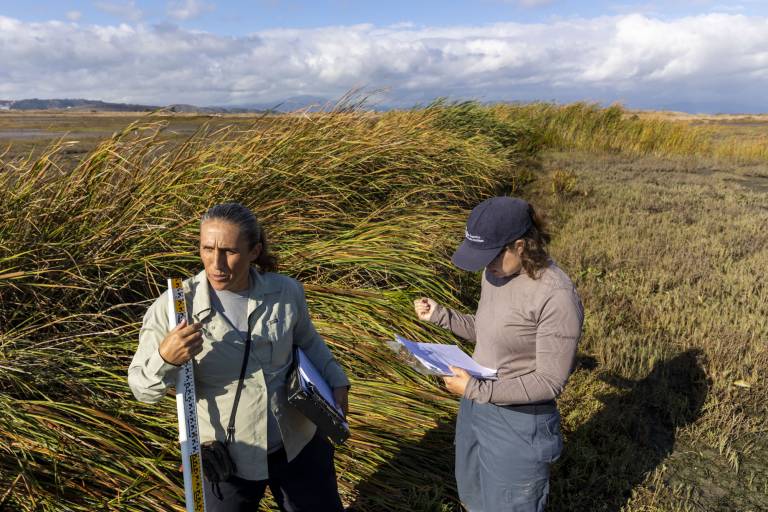
"caption": "San Francisco Estuary Institute members Sarah Pearce (left) and Emma Sevier (right) conduct their CRAM assessment at a new wetland restoration site at Point Pinole Regional Park in Pinole on Oct. 9, 2025. A new report found that restored tidal wetlands in San Francisco Bay nearly quadrupled from 2000 to 2025, going against the global trend of wetland loss.",
"credit": "Tâm Vũ/KQED",
"altTag": null,
"description": null,
"imgSizes": {
"thumbnail": {
"file": "https://cdn.kqed.org/wp-content/uploads/sites/35/2025/10/251009-WETLANDWIN_00474_TV-KQED-160x107.jpg",
"width": 160,
"height": 107,
"mimeType": "image/jpeg"
},
"medium_large": {
"file": "https://cdn.kqed.org/wp-content/uploads/sites/35/2025/10/251009-WETLANDWIN_00474_TV-KQED-768x512.jpg",
"width": 768,
"height": 512,
"mimeType": "image/jpeg"
},
"1536x1536": {
"file": "https://cdn.kqed.org/wp-content/uploads/sites/35/2025/10/251009-WETLANDWIN_00474_TV-KQED-1536x1024.jpg",
"width": 1536,
"height": 1024,
"mimeType": "image/jpeg"
},
"post-thumbnail": {
"file": "https://cdn.kqed.org/wp-content/uploads/sites/35/2025/10/251009-WETLANDWIN_00474_TV-KQED-672x372.jpg",
"width": 672,
"height": 372,
"mimeType": "image/jpeg"
},
"twentyfourteen-full-width": {
"file": "https://cdn.kqed.org/wp-content/uploads/sites/35/2025/10/251009-WETLANDWIN_00474_TV-KQED-1038x576.jpg",
"width": 1038,
"height": 576,
"mimeType": "image/jpeg"
},
"kqedFullSize": {
"file": "https://cdn.kqed.org/wp-content/uploads/sites/35/2025/10/251009-WETLANDWIN_00474_TV-KQED.jpg",
"width": 2000,
"height": 1333
}
},
"isLoading": false,
"fetchFailed": false
},
"science_1998902": {
"type": "attachments",
"id": "science_1998902",
"meta": {
"index": "attachments_1716263798",
"site": "science",
"id": "1998902",
"found": true
},
"title": "4 BASF Future Scientists Credit Gamma Nine Photography",
"publishDate": 1760987494,
"status": "inherit",
"parent": 1998900,
"modified": 1760987714,
"caption": null,
"credit": "Photo courtesy of Gamma Nine Photography",
"altTag": null,
"description": null,
"imgSizes": {
"medium": {
"file": "https://cdn.kqed.org/wp-content/uploads/sites/35/2025/10/4-BASF-Future-Scientists-Credit-Gamma-Nine-Photography--2000x1335.jpg",
"width": 2000,
"height": 1335,
"mimeType": "image/jpeg"
},
"large": {
"file": "https://cdn.kqed.org/wp-content/uploads/sites/35/2025/10/4-BASF-Future-Scientists-Credit-Gamma-Nine-Photography--2000x1335.jpg",
"width": 2000,
"height": 1335,
"mimeType": "image/jpeg"
},
"thumbnail": {
"file": "https://cdn.kqed.org/wp-content/uploads/sites/35/2025/10/4-BASF-Future-Scientists-Credit-Gamma-Nine-Photography--160x107.jpg",
"width": 160,
"height": 107,
"mimeType": "image/jpeg"
},
"medium_large": {
"file": "https://cdn.kqed.org/wp-content/uploads/sites/35/2025/10/4-BASF-Future-Scientists-Credit-Gamma-Nine-Photography--768x513.jpg",
"width": 768,
"height": 513,
"mimeType": "image/jpeg"
},
"1536x1536": {
"file": "https://cdn.kqed.org/wp-content/uploads/sites/35/2025/10/4-BASF-Future-Scientists-Credit-Gamma-Nine-Photography--1536x1025.jpg",
"width": 1536,
"height": 1025,
"mimeType": "image/jpeg"
},
"post-thumbnail": {
"file": "https://cdn.kqed.org/wp-content/uploads/sites/35/2025/10/4-BASF-Future-Scientists-Credit-Gamma-Nine-Photography--672x372.jpg",
"width": 672,
"height": 372,
"mimeType": "image/jpeg"
},
"twentyfourteen-full-width": {
"file": "https://cdn.kqed.org/wp-content/uploads/sites/35/2025/10/4-BASF-Future-Scientists-Credit-Gamma-Nine-Photography--1038x576.jpg",
"width": 1038,
"height": 576,
"mimeType": "image/jpeg"
},
"full-width": {
"file": "https://cdn.kqed.org/wp-content/uploads/sites/35/2025/10/4-BASF-Future-Scientists-Credit-Gamma-Nine-Photography--2000x1335.jpg",
"width": 2000,
"height": 1335,
"mimeType": "image/jpeg"
},
"kqedFullSize": {
"file": "https://cdn.kqed.org/wp-content/uploads/sites/35/2025/10/4-BASF-Future-Scientists-Credit-Gamma-Nine-Photography-.jpg",
"width": 2048,
"height": 1367
}
},
"isLoading": false,
"fetchFailed": false
},
"science_1998827": {
"type": "attachments",
"id": "science_1998827",
"meta": {
"index": "attachments_1716263798",
"site": "science",
"id": "1998827",
"found": true
},
"title": "251015-EMBER STOMP-04-KQED",
"publishDate": 1760555685,
"status": "inherit",
"parent": 0,
"modified": 1760731453,
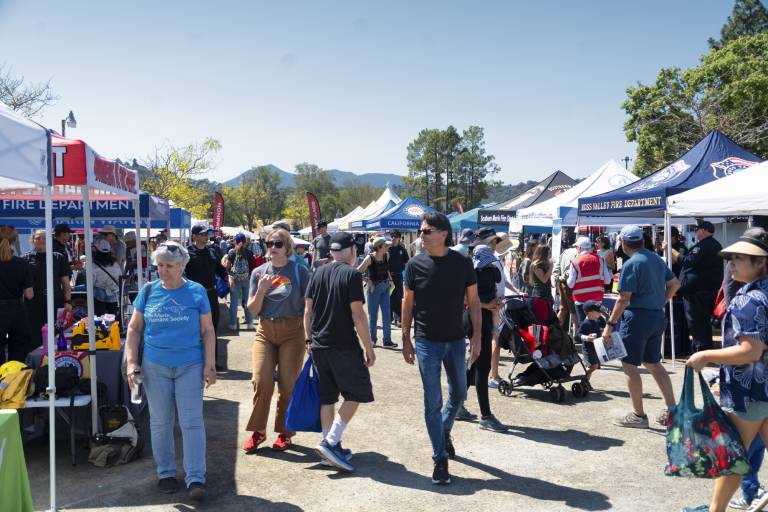
"caption": "Attendees at Marin's Ember Stomp Festival mix with firefighters, non-profits, businesses and local and state organizations to learn about preparing for wildfires on Sept. 6, 2025.",
"credit": "Terry Scussel/Fire Safe Marin",
"altTag": null,
"description": null,
"imgSizes": {
"thumbnail": {
"file": "https://cdn.kqed.org/wp-content/uploads/sites/35/2025/10/251015-EMBER-STOMP-04-KQED-160x107.jpg",
"width": 160,
"height": 107,
"mimeType": "image/jpeg"
},
"medium_large": {
"file": "https://cdn.kqed.org/wp-content/uploads/sites/35/2025/10/251015-EMBER-STOMP-04-KQED-768x512.jpg",
"width": 768,
"height": 512,
"mimeType": "image/jpeg"
},
"1536x1536": {
"file": "https://cdn.kqed.org/wp-content/uploads/sites/35/2025/10/251015-EMBER-STOMP-04-KQED-1536x1024.jpg",
"width": 1536,
"height": 1024,
"mimeType": "image/jpeg"
},
"post-thumbnail": {
"file": "https://cdn.kqed.org/wp-content/uploads/sites/35/2025/10/251015-EMBER-STOMP-04-KQED-672x372.jpg",
"width": 672,
"height": 372,
"mimeType": "image/jpeg"
},
"twentyfourteen-full-width": {
"file": "https://cdn.kqed.org/wp-content/uploads/sites/35/2025/10/251015-EMBER-STOMP-04-KQED-1038x576.jpg",
"width": 1038,
"height": 576,
"mimeType": "image/jpeg"
},
"kqedFullSize": {
"file": "https://cdn.kqed.org/wp-content/uploads/sites/35/2025/10/251015-EMBER-STOMP-04-KQED.jpg",
"width": 2000,
"height": 1333
}
},
"isLoading": false,
"fetchFailed": false
},
"science_1998874": {
"type": "attachments",
"id": "science_1998874",
"meta": {
"index": "attachments_1716263798",
"site": "science",
"id": "1998874",
"found": true
},
"title": "California Governor Insulin",
"publishDate": 1760652718,
"status": "inherit",
"parent": 1998855,
"modified": 1760652775,
"caption": "California Gov. Gavin Newsom announces CalRx-branded insulin glargine pens available next Jan. 1, 2026, at a suggested retail price of no more than $55 per five-pack, or $11 per pen, during a news conference at Cedar-Sinai's Mark Goodson pharmacy in Los Angeles on Thursday, Oct. 16, 2025. ",
"credit": "Damian Dovarganes/AP Photo",
"altTag": null,
"description": null,
"imgSizes": {
"thumbnail": {
"file": "https://cdn.kqed.org/wp-content/uploads/sites/35/2025/10/GavinNewsomInsulinAP-160x107.jpg",
"width": 160,
"height": 107,
"mimeType": "image/jpeg"
},
"medium_large": {
"file": "https://cdn.kqed.org/wp-content/uploads/sites/35/2025/10/GavinNewsomInsulinAP-768x512.jpg",
"width": 768,
"height": 512,
"mimeType": "image/jpeg"
},
"1536x1536": {
"file": "https://cdn.kqed.org/wp-content/uploads/sites/35/2025/10/GavinNewsomInsulinAP-1536x1024.jpg",
"width": 1536,
"height": 1024,
"mimeType": "image/jpeg"
},
"post-thumbnail": {
"file": "https://cdn.kqed.org/wp-content/uploads/sites/35/2025/10/GavinNewsomInsulinAP-672x372.jpg",
"width": 672,
"height": 372,
"mimeType": "image/jpeg"
},
"twentyfourteen-full-width": {
"file": "https://cdn.kqed.org/wp-content/uploads/sites/35/2025/10/GavinNewsomInsulinAP-1038x576.jpg",
"width": 1038,
"height": 576,
"mimeType": "image/jpeg"
},
"kqedFullSize": {
"file": "https://cdn.kqed.org/wp-content/uploads/sites/35/2025/10/GavinNewsomInsulinAP.jpg",
"width": 2000,
"height": 1333
}
},
"isLoading": false,
"fetchFailed": false
},
"science_1998881": {
"type": "attachments",
"id": "science_1998881",
"meta": {
"index": "attachments_1716263798",
"site": "science",
"id": "1998881",
"found": true
},
"title": "Cars drive along the 580 freeway in Oakland on Aug. 8, 2025.",
"publishDate": 1760657104,
"status": "inherit",
"parent": 1998844,
"modified": 1760657114,
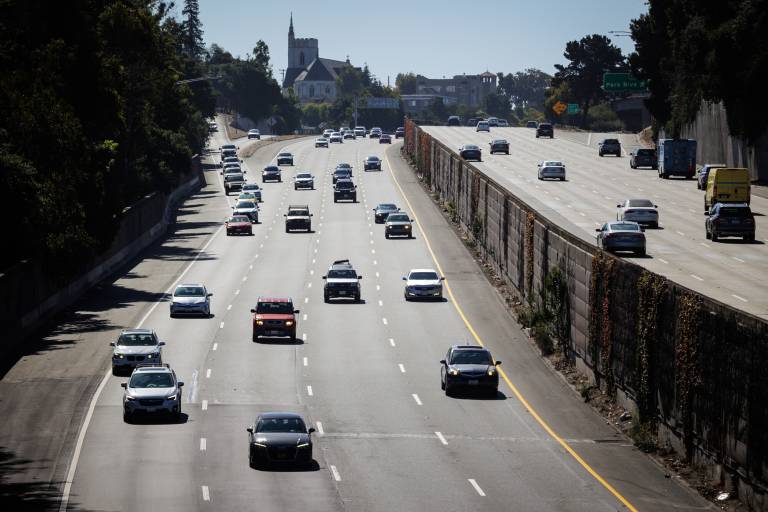
"caption": "Cars drive along the 580 freeway in Oakland on Aug. 8, 2025.",
"credit": "Martin do Nascimento/KQED",
"altTag": null,
"description": null,
"imgSizes": {
"thumbnail": {
"file": "https://cdn.kqed.org/wp-content/uploads/sites/35/2025/10/250808-Casual-Carpool-MD-03_qed-160x107.jpg",
"width": 160,
"height": 107,
"mimeType": "image/jpeg"
},
"medium_large": {
"file": "https://cdn.kqed.org/wp-content/uploads/sites/35/2025/10/250808-Casual-Carpool-MD-03_qed-768x512.jpg",
"width": 768,
"height": 512,
"mimeType": "image/jpeg"
},
"1536x1536": {
"file": "https://cdn.kqed.org/wp-content/uploads/sites/35/2025/10/250808-Casual-Carpool-MD-03_qed-1536x1024.jpg",
"width": 1536,
"height": 1024,
"mimeType": "image/jpeg"
},
"post-thumbnail": {
"file": "https://cdn.kqed.org/wp-content/uploads/sites/35/2025/10/250808-Casual-Carpool-MD-03_qed-672x372.jpg",
"width": 672,
"height": 372,
"mimeType": "image/jpeg"
},
"twentyfourteen-full-width": {
"file": "https://cdn.kqed.org/wp-content/uploads/sites/35/2025/10/250808-Casual-Carpool-MD-03_qed-1038x576.jpg",
"width": 1038,
"height": 576,
"mimeType": "image/jpeg"
},
"kqedFullSize": {
"file": "https://cdn.kqed.org/wp-content/uploads/sites/35/2025/10/250808-Casual-Carpool-MD-03_qed.jpg",
"width": 2000,
"height": 1333
}
},
"isLoading": false,
"fetchFailed": false
},
"science_1998530": {
"type": "attachments",
"id": "science_1998530",
"meta": {
"index": "attachments_1716263798",
"site": "science",
"id": "1998530",
"found": true
},
"title": "250916_SEAOTTERS_GH-3-KQED",
"publishDate": 1758233703,
"status": "inherit",
"parent": 0,
"modified": 1760474663,
"caption": "A sea otter surfaces in Elkhorn Slough, a protected estuary that provides critical habitat for the threatened species, on Sept. 16, 2025.",
"credit": "Gustavo Hernandez/KQED",
"altTag": null,
"description": null,
"imgSizes": {
"thumbnail": {
"file": "https://cdn.kqed.org/wp-content/uploads/sites/35/2025/09/250916_SEAOTTERS_GH-3-KQED-160x107.jpg",
"width": 160,
"height": 107,
"mimeType": "image/jpeg"
},
"medium_large": {
"file": "https://cdn.kqed.org/wp-content/uploads/sites/35/2025/09/250916_SEAOTTERS_GH-3-KQED-768x512.jpg",
"width": 768,
"height": 512,
"mimeType": "image/jpeg"
},
"1536x1536": {
"file": "https://cdn.kqed.org/wp-content/uploads/sites/35/2025/09/250916_SEAOTTERS_GH-3-KQED-1536x1025.jpg",
"width": 1536,
"height": 1025,
"mimeType": "image/jpeg"
},
"post-thumbnail": {
"file": "https://cdn.kqed.org/wp-content/uploads/sites/35/2025/09/250916_SEAOTTERS_GH-3-KQED-672x372.jpg",
"width": 672,
"height": 372,
"mimeType": "image/jpeg"
},
"twentyfourteen-full-width": {
"file": "https://cdn.kqed.org/wp-content/uploads/sites/35/2025/09/250916_SEAOTTERS_GH-3-KQED-1038x576.jpg",
"width": 1038,
"height": 576,
"mimeType": "image/jpeg"
},
"kqedFullSize": {
"file": "https://cdn.kqed.org/wp-content/uploads/sites/35/2025/09/250916_SEAOTTERS_GH-3-KQED.jpg",
"width": 2000,
"height": 1334
}
},
"isLoading": false,
"fetchFailed": false
},
"science_1998792": {
"type": "attachments",
"id": "science_1998792",
"meta": {
"index": "attachments_1716263798",
"site": "science",
"id": "1998792",
"found": true
},
"title": "240110-CAWindStorm-007_qed",
"publishDate": 1760389914,
"status": "inherit",
"parent": 0,
"modified": 1760389925,
"caption": "Foreman Mihlhauser (right) works with Acton Conservation Camp Crew 11-1, an incarcerated fire team, to fell burned trees in Altadena, California, on Jan. 10, 2025, after the Eaton Fire destroyed much of the area. The Los Angeles County Fire Department and the California Department of Corrections and Rehabilitation operate the camp to train incarcerated hand crews to fight fires around Los Angeles and California.",
"credit": "Beth LaBerge/KQED",
"altTag": null,
"description": null,
"imgSizes": {
"thumbnail": {
"file": "https://cdn.kqed.org/wp-content/uploads/sites/35/2025/10/240110-CAWindStorm-007_qed-160x107.jpg",
"width": 160,
"height": 107,
"mimeType": "image/jpeg"
},
"medium_large": {
"file": "https://cdn.kqed.org/wp-content/uploads/sites/35/2025/10/240110-CAWindStorm-007_qed-768x512.jpg",
"width": 768,
"height": 512,
"mimeType": "image/jpeg"
},
"1536x1536": {
"file": "https://cdn.kqed.org/wp-content/uploads/sites/35/2025/10/240110-CAWindStorm-007_qed-1536x1024.jpg",
"width": 1536,
"height": 1024,
"mimeType": "image/jpeg"
},
"post-thumbnail": {
"file": "https://cdn.kqed.org/wp-content/uploads/sites/35/2025/10/240110-CAWindStorm-007_qed-672x372.jpg",
"width": 672,
"height": 372,
"mimeType": "image/jpeg"
},
"twentyfourteen-full-width": {
"file": "https://cdn.kqed.org/wp-content/uploads/sites/35/2025/10/240110-CAWindStorm-007_qed-1038x576.jpg",
"width": 1038,
"height": 576,
"mimeType": "image/jpeg"
},
"kqedFullSize": {
"file": "https://cdn.kqed.org/wp-content/uploads/sites/35/2025/10/240110-CAWindStorm-007_qed.jpg",
"width": 2000,
"height": 1333
}
},
"isLoading": false,
"fetchFailed": false
},
"science_1998689": {
"type": "attachments",
"id": "science_1998689",
"meta": {
"index": "attachments_1716263798",
"site": "science",
"id": "1998689",
"found": true
},
"title": "250924-CANCERMOMS00123_TV-KQED",
"publishDate": 1759165390,
"status": "inherit",
"parent": 0,
"modified": 1760462187,
"caption": "Kate Hallward at her home in Berkeley on Sept. 24, 2025.",
"credit": "Tâm Vũ/KQED",
"altTag": null,
"description": null,
"imgSizes": {
"thumbnail": {
"file": "https://cdn.kqed.org/wp-content/uploads/sites/35/2025/09/250924-CANCERMOMS00123_TV-KQED-160x107.jpg",
"width": 160,
"height": 107,
"mimeType": "image/jpeg"
},
"medium_large": {
"file": "https://cdn.kqed.org/wp-content/uploads/sites/35/2025/09/250924-CANCERMOMS00123_TV-KQED-768x512.jpg",
"width": 768,
"height": 512,
"mimeType": "image/jpeg"
},
"1536x1536": {
"file": "https://cdn.kqed.org/wp-content/uploads/sites/35/2025/09/250924-CANCERMOMS00123_TV-KQED-1536x1024.jpg",
"width": 1536,
"height": 1024,
"mimeType": "image/jpeg"
},
"post-thumbnail": {
"file": "https://cdn.kqed.org/wp-content/uploads/sites/35/2025/09/250924-CANCERMOMS00123_TV-KQED-672x372.jpg",
"width": 672,
"height": 372,
"mimeType": "image/jpeg"
},
"twentyfourteen-full-width": {
"file": "https://cdn.kqed.org/wp-content/uploads/sites/35/2025/09/250924-CANCERMOMS00123_TV-KQED-1038x576.jpg",
"width": 1038,
"height": 576,
"mimeType": "image/jpeg"
},
"kqedFullSize": {
"file": "https://cdn.kqed.org/wp-content/uploads/sites/35/2025/09/250924-CANCERMOMS00123_TV-KQED.jpg",
"width": 2000,
"height": 1333
}
},
"isLoading": false,
"fetchFailed": false
},
"science_1998770": {
"type": "attachments",
"id": "science_1998770",
"meta": {
"index": "attachments_1716263798",
"site": "science",
"id": "1998770",
"found": true
},
"title": "240109-CAWindStorm-076_qed",
"publishDate": 1760123731,
"status": "inherit",
"parent": 1998746,
"modified": 1767908777,
"caption": "The remains of a house in Altadena, California, after the Eaton Fire swept through the area northeast of Los Angeles, California, on Jan. 9, 2025.",
"credit": "Beth LaBerge/KQED",
"altTag": null,
"description": null,
"imgSizes": {
"thumbnail": {
"file": "https://cdn.kqed.org/wp-content/uploads/sites/35/2025/10/240109-CAWindStorm-076_qed-160x107.jpg",
"width": 160,
"height": 107,
"mimeType": "image/jpeg"
},
"medium_large": {
"file": "https://cdn.kqed.org/wp-content/uploads/sites/35/2025/10/240109-CAWindStorm-076_qed-768x512.jpg",
"width": 768,
"height": 512,
"mimeType": "image/jpeg"
},
"1536x1536": {
"file": "https://cdn.kqed.org/wp-content/uploads/sites/35/2025/10/240109-CAWindStorm-076_qed-1536x1024.jpg",
"width": 1536,
"height": 1024,
"mimeType": "image/jpeg"
},
"post-thumbnail": {
"file": "https://cdn.kqed.org/wp-content/uploads/sites/35/2025/10/240109-CAWindStorm-076_qed-672x372.jpg",
"width": 672,
"height": 372,
"mimeType": "image/jpeg"
},
"twentyfourteen-full-width": {
"file": "https://cdn.kqed.org/wp-content/uploads/sites/35/2025/10/240109-CAWindStorm-076_qed-1038x576.jpg",
"width": 1038,
"height": 576,
"mimeType": "image/jpeg"
},
"kqedFullSize": {
"file": "https://cdn.kqed.org/wp-content/uploads/sites/35/2025/10/240109-CAWindStorm-076_qed.jpg",
"width": 1999,
"height": 1333
}
},
"isLoading": false,
"fetchFailed": false
},
"science_1998736": {
"type": "attachments",
"id": "science_1998736",
"meta": {
"index": "attachments_1716263798",
"site": "science",
"id": "1998736",
"found": true
},
"title": "CalTrain passes through Belmont on Nov. 1, 2024.",
"publishDate": 1759952187,
"status": "inherit",
"parent": 1998733,
"modified": 1759952197,
"caption": "CalTrain passes through Belmont on Nov. 1, 2024.",
"credit": "Beth LaBerge/KQED",
"altTag": null,
"description": null,
"imgSizes": {
"thumbnail": {
"file": "https://cdn.kqed.org/wp-content/uploads/sites/35/2025/10/241101-CalTrain-01-BL_qed-160x107.jpg",
"width": 160,
"height": 107,
"mimeType": "image/jpeg"
},
"medium_large": {
"file": "https://cdn.kqed.org/wp-content/uploads/sites/35/2025/10/241101-CalTrain-01-BL_qed-768x512.jpg",
"width": 768,
"height": 512,
"mimeType": "image/jpeg"
},
"1536x1536": {
"file": "https://cdn.kqed.org/wp-content/uploads/sites/35/2025/10/241101-CalTrain-01-BL_qed-1536x1024.jpg",
"width": 1536,
"height": 1024,
"mimeType": "image/jpeg"
},
"post-thumbnail": {
"file": "https://cdn.kqed.org/wp-content/uploads/sites/35/2025/10/241101-CalTrain-01-BL_qed-672x372.jpg",
"width": 672,
"height": 372,
"mimeType": "image/jpeg"
},
"twentyfourteen-full-width": {
"file": "https://cdn.kqed.org/wp-content/uploads/sites/35/2025/10/241101-CalTrain-01-BL_qed-1038x576.jpg",
"width": 1038,
"height": 576,
"mimeType": "image/jpeg"
},
"kqedFullSize": {
"file": "https://cdn.kqed.org/wp-content/uploads/sites/35/2025/10/241101-CalTrain-01-BL_qed.jpg",
"width": 2000,
"height": 1333
}
},
"isLoading": false,
"fetchFailed": false
},
"science_1998635": {
"type": "attachments",
"id": "science_1998635",
"meta": {
"index": "attachments_1716263798",
"site": "science",
"id": "1998635",
"found": true
},
"title": "Fiber optic network of the company GlobalConnect",
"publishDate": 1758820898,
"status": "inherit",
"parent": 1998623,
"modified": 1758821013,
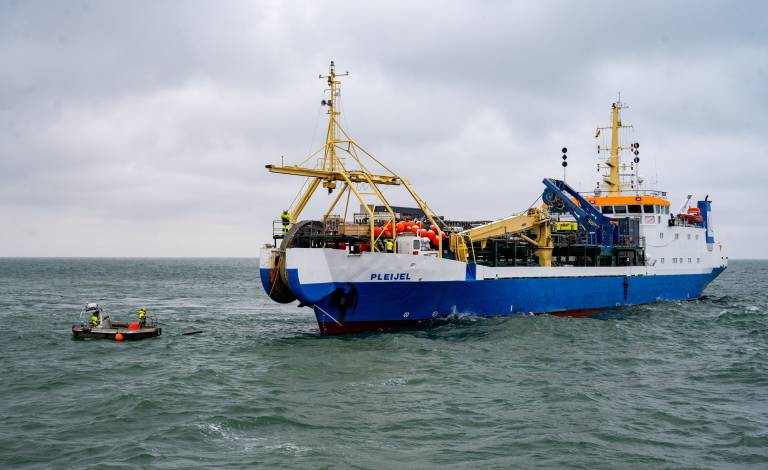
"caption": "A fiber optic cable was brought ashore from the cable-laying ship Pleijel at the entrance to the port of Sassnitz on Nov. 29, 2023.",
"credit": "Stefan Sauer/Picture Alliance via Getty Images",
"altTag": null,
"description": null,
"imgSizes": {
"thumbnail": {
"file": "https://cdn.kqed.org/wp-content/uploads/sites/35/2025/09/EarthquakeScienceGetty-160x98.jpg",
"width": 160,
"height": 98,
"mimeType": "image/jpeg"
},
"medium_large": {
"file": "https://cdn.kqed.org/wp-content/uploads/sites/35/2025/09/EarthquakeScienceGetty-768x470.jpg",
"width": 768,
"height": 470,
"mimeType": "image/jpeg"
},
"1536x1536": {
"file": "https://cdn.kqed.org/wp-content/uploads/sites/35/2025/09/EarthquakeScienceGetty-1536x940.jpg",
"width": 1536,
"height": 940,
"mimeType": "image/jpeg"
},
"post-thumbnail": {
"file": "https://cdn.kqed.org/wp-content/uploads/sites/35/2025/09/EarthquakeScienceGetty-672x372.jpg",
"width": 672,
"height": 372,
"mimeType": "image/jpeg"
},
"twentyfourteen-full-width": {
"file": "https://cdn.kqed.org/wp-content/uploads/sites/35/2025/09/EarthquakeScienceGetty-1038x576.jpg",
"width": 1038,
"height": 576,
"mimeType": "image/jpeg"
},
"kqedFullSize": {
"file": "https://cdn.kqed.org/wp-content/uploads/sites/35/2025/09/EarthquakeScienceGetty.jpg",
"width": 2000,
"height": 1224
}
},
"isLoading": false,
"fetchFailed": false
},
"science_1998490": {
"type": "attachments",
"id": "science_1998490",
"meta": {
"index": "attachments_1716263798",
"site": "science",
"id": "1998490",
"found": true
},
"title": "250910-CANCERHEALTH-04-BL-KQED",
"publishDate": 1757951739,
"status": "inherit",
"parent": 0,
"modified": 1758565448,
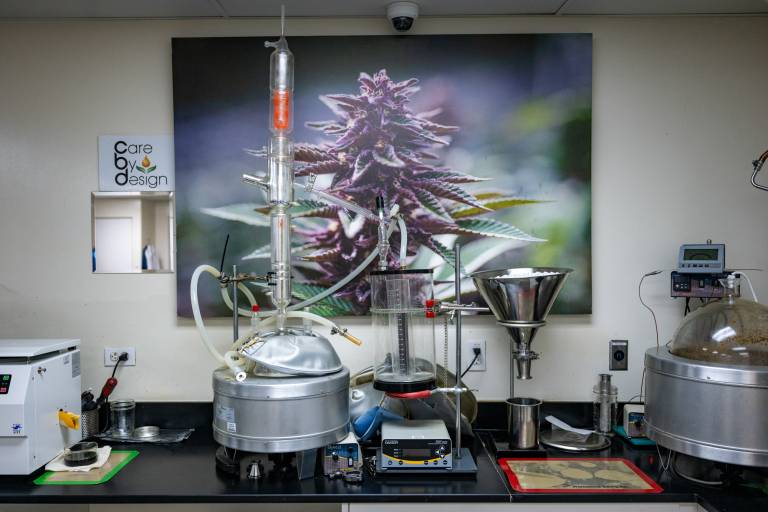
"caption": "CannaCraft’s cannabis manufacturing facility in Santa Rosa, on Sept. 10, 2025, where the company develops and produces its products.",
"credit": "Beth LaBerge/KQED",
"altTag": null,
"description": null,
"imgSizes": {
"thumbnail": {
"file": "https://cdn.kqed.org/wp-content/uploads/sites/35/2025/09/250910-CANCERHEALTH-04-BL-KQED-160x107.jpg",
"width": 160,
"height": 107,
"mimeType": "image/jpeg"
},
"medium_large": {
"file": "https://cdn.kqed.org/wp-content/uploads/sites/35/2025/09/250910-CANCERHEALTH-04-BL-KQED-768x512.jpg",
"width": 768,
"height": 512,
"mimeType": "image/jpeg"
},
"1536x1536": {
"file": "https://cdn.kqed.org/wp-content/uploads/sites/35/2025/09/250910-CANCERHEALTH-04-BL-KQED-1536x1024.jpg",
"width": 1536,
"height": 1024,
"mimeType": "image/jpeg"
},
"post-thumbnail": {
"file": "https://cdn.kqed.org/wp-content/uploads/sites/35/2025/09/250910-CANCERHEALTH-04-BL-KQED-672x372.jpg",
"width": 672,
"height": 372,
"mimeType": "image/jpeg"
},
"twentyfourteen-full-width": {
"file": "https://cdn.kqed.org/wp-content/uploads/sites/35/2025/09/250910-CANCERHEALTH-04-BL-KQED-1038x576.jpg",
"width": 1038,
"height": 576,
"mimeType": "image/jpeg"
},
"kqedFullSize": {
"file": "https://cdn.kqed.org/wp-content/uploads/sites/35/2025/09/250910-CANCERHEALTH-04-BL-KQED.jpg",
"width": 2000,
"height": 1333
}
},
"isLoading": false,
"fetchFailed": false
}
},
"audioPlayerReducer": {
"postId": "stream_live",
"isPaused": true,
"isPlaying": false,
"pfsActive": false,
"pledgeModalIsOpen": true,
"playerDrawerIsOpen": false,
"liveAudioPlayStartedAt": 0,
"liveAudioPlayContext": ""
},
"authorsReducer": {
"adembosky": {
"type": "authors",
"id": "3205",
"meta": {
"index": "authors_1716337520",
"id": "3205",
"found": true
},
"name": "April Dembosky",
"firstName": "April",
"lastName": "Dembosky",
"slug": "adembosky",
"email": "adembosky@kqed.org",
"display_author_email": false,
"staff_mastheads": [
"news",
"science"
],
"title": "KQED Health Correspondent",
"bio": "April Dembosky is the health correspondent for KQED News and a regular contributor to NPR. She specializes in covering altered states of mind, from postpartum depression to methamphetamine-induced psychosis to the insanity defense. Her investigative series on insurance companies sidestepping mental health laws won multiple awards, including first place in beat reporting from the national Association of Health Care Journalists. She is the recipient of numerous other prizes and fellowships, including a national Edward R. Murrow award for investigative reporting, a Society of Professional Journalists award for long-form storytelling, and a Carter Center Fellowship for Mental Health Journalism.\r\n\r\nDembosky reported and produced \u003cem>Soundtrack of Silence\u003c/em>, an audio documentary about music and memory that is currently being made into a feature film by Paramount Pictures.\r\n\r\nBefore joining KQED in 2013, Dembosky covered technology and Silicon Valley for \u003cem>The Financial Times of London,\u003c/em> and contributed business and arts stories to \u003cem>Marketplace \u003c/em>and \u003cem>The New York Times.\u003c/em> She got her undergraduate degree in philosophy from Smith College and her master's in journalism from the University of California, Berkeley. She is a classically trained violinist and proud alum of the first symphony orchestra at Burning Man.",
"avatar": "https://secure.gravatar.com/avatar/d6593cd737b732102fe0b6250b5351c2d3bc9b2987566514aa3c9a106494d684?s=600&d=blank&r=g",
"twitter": "adembosky",
"bluesky": null,
"facebook": null,
"instagram": null,
"linkedin": null,
"sites": [
{
"site": "arts",
"roles": [
"author"
]
},
{
"site": "news",
"roles": [
"editor"
]
},
{
"site": "futureofyou",
"roles": [
"author"
]
},
{
"site": "stateofhealth",
"roles": [
"editor"
]
},
{
"site": "science",
"roles": [
"editor"
]
},
{
"site": "forum",
"roles": [
"editor"
]
}
],
"headData": {
"title": "April Dembosky | KQED",
"description": "KQED Health Correspondent",
"ogImgSrc": "https://secure.gravatar.com/avatar/d6593cd737b732102fe0b6250b5351c2d3bc9b2987566514aa3c9a106494d684?s=600&d=blank&r=g",
"twImgSrc": "https://secure.gravatar.com/avatar/d6593cd737b732102fe0b6250b5351c2d3bc9b2987566514aa3c9a106494d684?s=600&d=blank&r=g"
},
"isLoading": false,
"link": "/author/adembosky"
},
"lklivans": {
"type": "authors",
"id": "8648",
"meta": {
"index": "authors_1716337520",
"id": "8648",
"found": true
},
"name": "Laura Klivans",
"firstName": "Laura",
"lastName": "Klivans",
"slug": "lklivans",
"email": "lklivans@kqed.org",
"display_author_email": true,
"staff_mastheads": [
"news",
"science"
],
"title": "Reporter",
"bio": "Laura Klivans is an award-winning science reporter for KQED News, where she covers climate change with an eye on both groundbreaking progress and gaps in action. She is the former host of KQED's blockbuster video series about tiny, amazing animals, \u003cem>Deep Look\u003c/em>. Her work reaches national audiences through NPR, \u003cem>Here & Now, \u003c/em>PRI, and other major outlets. \r\n\r\nLaura’s won five Northern California Area Emmy Awards for Deep Look and First Place in the Greater Bay Area Journalism Awards for a podcast exploring how one Oakland neighborhood teamed up to reduce planet-heating pollution.\r\n\r\nBeyond her reporting, she hosts and moderates events. In the past, she taught audio storytelling at the UC Berkeley Graduate School of Journalism, led international education programs, worked with immigrants and refugees along the Thai-Burmese border, taught high schoolers sex ed, and was an actress. \r\n\r\nShe's a former UC Berkeley Human Rights Fellow, USC Center for Health Journalism's California Fellow and Coro Fellow in Public Affairs. Laura has a master’s in journalism from UC Berkeley, a master’s in education from Harvard, and an undergraduate degree from Northwestern University.\r\n\r\nShe loves trying to riddle the meaning out of vanity license plates.",
"avatar": "https://secure.gravatar.com/avatar/2d2ecd1550a494cc10ad4a503406965585902124739e775a9b3817eebf1d88be?s=600&d=blank&r=g",
"twitter": "lauraklivans",
"bluesky": null,
"facebook": null,
"instagram": null,
"linkedin": null,
"sites": [
{
"site": "news",
"roles": [
"editor"
]
},
{
"site": "stateofhealth",
"roles": [
"contributor",
"editor"
]
},
{
"site": "science",
"roles": [
"editor"
]
},
{
"site": "forum",
"roles": [
"editor"
]
}
],
"headData": {
"title": "Laura Klivans | KQED",
"description": "Reporter",
"ogImgSrc": "https://secure.gravatar.com/avatar/2d2ecd1550a494cc10ad4a503406965585902124739e775a9b3817eebf1d88be?s=600&d=blank&r=g",
"twImgSrc": "https://secure.gravatar.com/avatar/2d2ecd1550a494cc10ad4a503406965585902124739e775a9b3817eebf1d88be?s=600&d=blank&r=g"
},
"isLoading": false,
"link": "/author/lklivans"
},
"dventon": {
"type": "authors",
"id": "11088",
"meta": {
"index": "authors_1716337520",
"id": "11088",
"found": true
},
"name": "Danielle Venton",
"firstName": "Danielle",
"lastName": "Venton",
"slug": "dventon",
"email": "dventon@kqed.org",
"display_author_email": true,
"staff_mastheads": [
"science"
],
"title": "Science reporter",
"bio": "Danielle Venton is a reporter for KQED Science. She covers wildfires, space and oceans (though she is prone to sea sickness).\r\n\r\nBefore joining KQED in 2015, Danielle was a staff reporter at KRCB in Sonoma County and a freelancer. She studied science communication at UC Santa Cruz and formerly worked at CERN in Geneva, Switzerland where she wrote about computing. She lives in Sonoma County and enjoys backpacking.",
"avatar": "https://secure.gravatar.com/avatar/37b292b5c40c8d93959c4f48d73b5286f41b7abd8588277e941905a3ed4c801c?s=600&d=blank&r=g",
"twitter": "DanielleVenton",
"bluesky": null,
"facebook": null,
"instagram": null,
"linkedin": null,
"sites": [
{
"site": "arts",
"roles": [
"contributor"
]
},
{
"site": "news",
"roles": [
"editor"
]
},
{
"site": "futureofyou",
"roles": [
"editor"
]
},
{
"site": "science",
"roles": [
"editor"
]
},
{
"site": "liveblog",
"roles": [
"contributor"
]
}
],
"headData": {
"title": "Danielle Venton | KQED",
"description": "Science reporter",
"ogImgSrc": "https://secure.gravatar.com/avatar/37b292b5c40c8d93959c4f48d73b5286f41b7abd8588277e941905a3ed4c801c?s=600&d=blank&r=g",
"twImgSrc": "https://secure.gravatar.com/avatar/37b292b5c40c8d93959c4f48d73b5286f41b7abd8588277e941905a3ed4c801c?s=600&d=blank&r=g"
},
"isLoading": false,
"link": "/author/dventon"
},
"lesleymcclurg": {
"type": "authors",
"id": "11229",
"meta": {
"index": "authors_1716337520",
"id": "11229",
"found": true
},
"name": "Lesley McClurg",
"firstName": "Lesley",
"lastName": "McClurg",
"slug": "lesleymcclurg",
"email": "lmcclurg@KQED.org",
"display_author_email": false,
"staff_mastheads": [
"news",
"science"
],
"title": "KQED Health Correspondent",
"bio": "Lesley McClurg is a health correspondent and fill-in host whose work is regularly rebroadcast on NPR and PBS programs. She’s earned multiple regional Emmy awards, a national and a regional Edward R. Murrow award, and was named Best Beat Reporter by the Association of Health Care Journalists. The Society of Professional Journalists has recognized her work several times, and the Society of Environmental Journalists spotlighted her coverage of California’s historic drought.\r\n\r\nBefore joining KQED in 2016, Lesley covered food and sustainability for Capital Public Radio, environmental issues for Colorado Public Radio, and reported for KUOW and KCTS 9 in Seattle. Away from the newsroom, she loves skiing with her daughter, mountain biking with her partner, and playing with Ollie, the family’s goldendoodle. On deadline, she runs almost entirely on chocolate chips.\r\n\r\n ",
"avatar": "https://secure.gravatar.com/avatar/bab49e972ea10c774fe0f5e29dba1722b158f7c0d58a360923d1389d380b2978?s=600&d=blank&r=g",
"twitter": "lesleywmcclurg",
"bluesky": null,
"facebook": null,
"instagram": null,
"linkedin": null,
"sites": [
{
"site": "arts",
"roles": [
"author"
]
},
{
"site": "news",
"roles": [
"editor"
]
},
{
"site": "futureofyou",
"roles": [
"editor"
]
},
{
"site": "stateofhealth",
"roles": [
"author"
]
},
{
"site": "science",
"roles": [
"editor"
]
},
{
"site": "quest",
"roles": [
"subscriber"
]
},
{
"site": "forum",
"roles": [
"administrator"
]
},
{
"site": "liveblog",
"roles": [
"author"
]
}
],
"headData": {
"title": "Lesley McClurg | KQED",
"description": "KQED Health Correspondent",
"ogImgSrc": "https://secure.gravatar.com/avatar/bab49e972ea10c774fe0f5e29dba1722b158f7c0d58a360923d1389d380b2978?s=600&d=blank&r=g",
"twImgSrc": "https://secure.gravatar.com/avatar/bab49e972ea10c774fe0f5e29dba1722b158f7c0d58a360923d1389d380b2978?s=600&d=blank&r=g"
},
"isLoading": false,
"link": "/author/lesleymcclurg"
},
"kevinstark": {
"type": "authors",
"id": "11608",
"meta": {
"index": "authors_1716337520",
"id": "11608",
"found": true
},
"name": "Kevin Stark",
"firstName": "Kevin",
"lastName": "Stark",
"slug": "kevinstark",
"email": "kstark@kqed.org",
"display_author_email": true,
"staff_mastheads": [
"science"
],
"title": "Senior Editor",
"bio": "Kevin is a senior editor for KQED Science, managing the station's health and climate desks. His journalism career began in the Pacific Northwest, and he later became a lead reporter for the San Francisco Public Press. His work has appeared in Pacific Standard magazine, the Energy News Network, the Center for Investigative Reporting's Reveal and WBEZ in Chicago. Kevin joined KQED in 2019, and has covered issues related to energy, wildfire, climate change and the environment.",
"avatar": "https://secure.gravatar.com/avatar/365aaa4b597d3a8374f67504ff0facd323d7906e8eb4be0a7efd2427408e802c?s=600&d=blank&r=g",
"twitter": "starkkev",
"bluesky": null,
"facebook": null,
"instagram": null,
"linkedin": null,
"sites": [
{
"site": "",
"roles": [
"editor"
]
},
{
"site": "news",
"roles": [
"editor"
]
},
{
"site": "science",
"roles": [
"administrator"
]
}
],
"headData": {
"title": "Kevin Stark | KQED",
"description": "Senior Editor",
"ogImgSrc": "https://secure.gravatar.com/avatar/365aaa4b597d3a8374f67504ff0facd323d7906e8eb4be0a7efd2427408e802c?s=600&d=blank&r=g",
"twImgSrc": "https://secure.gravatar.com/avatar/365aaa4b597d3a8374f67504ff0facd323d7906e8eb4be0a7efd2427408e802c?s=600&d=blank&r=g"
},
"isLoading": false,
"link": "/author/kevinstark"
},
"smohamad": {
"type": "authors",
"id": "11631",
"meta": {
"index": "authors_1716337520",
"id": "11631",
"found": true
},
"name": "Sarah Mohamad",
"firstName": "Sarah",
"lastName": "Mohamad",
"slug": "smohamad",
"email": "smohamad@KQED.org",
"display_author_email": true,
"staff_mastheads": [],
"title": "Engagement Producer and Reporter, KQED Science",
"bio": "Sarah Mohamad is an audience engagement reporter and producer for KQED Science. She reports on audience-focused science and environment stories and manages the team's social media, newsletter, and engagement efforts. Prior to this role, she played a key role as project manager for NSF's \u003ca href=\"https://www.kqed.org/crackingthecode\">\u003cem>Cracking the Code: Influencing Millennial Science Engagement\u003c/em> \u003c/a>audience research.",
"avatar": "https://secure.gravatar.com/avatar/e6224957cd82d015183756ddde1f928013a563d7ca2e4565f8c4de1ec64886c5?s=600&d=blank&r=g",
"twitter": "sarahkmohamad",
"bluesky": null,
"facebook": null,
"instagram": null,
"linkedin": null,
"sites": [
{
"site": "",
"roles": [
"editor"
]
},
{
"site": "arts",
"roles": [
"editor"
]
},
{
"site": "news",
"roles": [
"editor"
]
},
{
"site": "about",
"roles": [
"editor"
]
},
{
"site": "science",
"roles": [
"editor"
]
}
],
"headData": {
"title": "Sarah Mohamad | KQED",
"description": "Engagement Producer and Reporter, KQED Science",
"ogImgSrc": "https://secure.gravatar.com/avatar/e6224957cd82d015183756ddde1f928013a563d7ca2e4565f8c4de1ec64886c5?s=600&d=blank&r=g",
"twImgSrc": "https://secure.gravatar.com/avatar/e6224957cd82d015183756ddde1f928013a563d7ca2e4565f8c4de1ec64886c5?s=600&d=blank&r=g"
},
"isLoading": false,
"link": "/author/smohamad"
},
"eromero": {
"type": "authors",
"id": "11746",
"meta": {
"index": "authors_1716337520",
"id": "11746",
"found": true
},
"name": "Ezra David Romero",
"firstName": "Ezra David",
"lastName": "Romero",
"slug": "eromero",
"email": "eromero@kqed.org",
"display_author_email": true,
"staff_mastheads": [
"news",
"science"
],
"title": "Climate Reporter",
"bio": "Ezra David Romero is a climate reporter for KQED News. He covers the absence and excess of water in the Bay Area — think sea level rise, flooding and drought. For nearly a decade he’s covered how warming temperatures are altering the lives of Californians. He’s reported on farmers worried their pistachio trees aren’t getting enough sleep, families desperate for water, scientists studying dying giant sequoias, and alongside firefighters containing wildfires. His work has appeared on local stations across California and nationally on public radio shows like Morning Edition, Here and Now, All Things Considered and Science Friday. ",
"avatar": "https://secure.gravatar.com/avatar/c76404d287c10ed40224227551ac36e24352c7306f106632caf6fead76f8801f?s=600&d=blank&r=g",
"twitter": "ezraromero",
"bluesky": null,
"facebook": null,
"instagram": null,
"linkedin": null,
"sites": [
{
"site": "arts",
"roles": [
"editor"
]
},
{
"site": "news",
"roles": [
"editor"
]
},
{
"site": "science",
"roles": [
"editor"
]
},
{
"site": "liveblog",
"roles": [
"author"
]
}
],
"headData": {
"title": "Ezra David Romero | KQED",
"description": "Climate Reporter",
"ogImgSrc": "https://secure.gravatar.com/avatar/c76404d287c10ed40224227551ac36e24352c7306f106632caf6fead76f8801f?s=600&d=blank&r=g",
"twImgSrc": "https://secure.gravatar.com/avatar/c76404d287c10ed40224227551ac36e24352c7306f106632caf6fead76f8801f?s=600&d=blank&r=g"
},
"isLoading": false,
"link": "/author/eromero"
}
},
"pagesReducer": {
"science_tag_california": {
"type": "terms",
"id": "science_5178",
"meta": {
"index": "terms_1716263798",
"site": "science",
"id": "5178",
"score": 6.84948
},
"featImg": null,
"name": "California",
"description": null,
"taxonomy": "tag",
"headData": {
"twImgId": null,
"twTitle": null,
"ogTitle": null,
"ogImgId": null,
"twDescription": null,
"description": null,
"title": "California Archives | KQED Science",
"ogDescription": null
},
"ttid": 5178,
"slug": "california",
"isLoading": false,
"title": "California",
"pageMeta": {
"site": "science",
"WpPageTemplate": "page-topic-editorial",
"currentPage": 8
},
"blocks": [
{
"blockName": "kqed/post-list",
"attrs": {
"layout": "cardArticle2",
"query": "posts/science?tag=california",
"seeMore": false,
"paginated": true,
"page": 8
}
},
{
"blockName": "kqed/ad"
}
]
}
},
"pfsSessionReducer": {},
"postsReducer": {
"stream_live": {
"type": "live",
"id": "stream_live",
"audioUrl": "https://streams.kqed.org/kqedradio",
"title": "Live Stream",
"excerpt": "Live Stream information currently unavailable.",
"link": "/radio",
"featImg": "",
"label": {
"name": "KQED Live",
"link": "/"
}
},
"stream_kqedNewscast": {
"type": "posts",
"id": "stream_kqedNewscast",
"audioUrl": "https://www.kqed.org/.stream/anon/radio/RDnews/newscast.mp3?_=1",
"title": "KQED Newscast",
"featImg": "",
"label": {
"name": "88.5 FM",
"link": "/"
}
},
"science_1998966": {
"type": "posts",
"id": "science_1998966",
"meta": {
"index": "posts_1716263798",
"site": "science",
"id": "1998966",
"score": null,
"sort": [
1761750040000
]
},
"guestAuthors": [],
"slug": "rising-tides-drive-a-bay-area-push-to-bring-back-vanished-marshlands",
"title": "Rising Tides Drive a Bay Area Push to Bring Back Vanished Marshlands",
"publishDate": 1761750040,
"format": "standard",
"headTitle": "Rising Tides Drive a Bay Area Push to Bring Back Vanished Marshlands | KQED",
"labelTerm": {},
"content": "\u003cp>The Bay Area is more than halfway toward its goal of restoring 100,000 acres of tidal wetlands, which are a natural buffer to floodwaters from future \u003ca href=\"https://www.kqed.org/science/1985322/bay-area-housing-project-raises-concerns-about-sea-level-rise\">sea level rise\u003c/a>.\u003c/p>\n\u003cp>The Wetlands Regional Monitoring Program published data in September showing that restored tidal marshes \u003ca href=\"https://abag.ca.gov/news/bay-area-wetland-growth-defies-global-trend\">nearly quadrupled\u003c/a> from 2000 to 2020. On Tuesday, at the State of the San Francisco Estuary Conference, scientists announced that several thousand acres would be added through 2024. The Bay Area now boasts 57,800 acres of restored tidal marsh.\u003c/p>\n\u003cp>“That’s really tremendous progress, especially compared to other areas of the country or other areas globally where we’re seeing wetland loss,” said \u003ca href=\"http://sfei.org/users/april-robinson\">April Robinson\u003c/a>, a senior scientist with the San Francisco Estuary Institute.\u003c/p>\n\u003cp>[ad fullwidth]\u003c/p>\n\u003cp>Historically, more than 190,000 acres of tidal wetlands — marshes that flood during high tides — existed across the Bay Area. But as people developed the region in the 19th and 20th centuries, more than 80% of the marshes were destroyed.\u003c/p>\n\u003cp>Bay Area voters approved \u003ca href=\"https://www.sfbayrestore.org/overview\">Measure AA\u003c/a> in 2016, establishing a $12-per-year parcel tax meant to generate around $500 million over two decades. The tax is meant to fund habitat restoration, such as rebuilding wetlands. Robinson credited that measure, in part, with the region’s success.\u003c/p>\n\u003cfigure id=\"attachment_1998752\" class=\"wp-caption aligncenter\" style=\"max-width: 2000px\">\u003cimg loading=\"lazy\" decoding=\"async\" class=\"wp-image-1998752 size-full\" src=\"https://cdn.kqed.org/wp-content/uploads/sites/35/2025/10/251009-WETLANDWIN_00025_TV-KQED.jpg\" alt=\"\" width=\"2000\" height=\"1333\" srcset=\"https://cdn.kqed.org/wp-content/uploads/sites/35/2025/10/251009-WETLANDWIN_00025_TV-KQED.jpg 2000w, https://cdn.kqed.org/wp-content/uploads/sites/35/2025/10/251009-WETLANDWIN_00025_TV-KQED-160x107.jpg 160w, https://cdn.kqed.org/wp-content/uploads/sites/35/2025/10/251009-WETLANDWIN_00025_TV-KQED-768x512.jpg 768w, https://cdn.kqed.org/wp-content/uploads/sites/35/2025/10/251009-WETLANDWIN_00025_TV-KQED-1536x1024.jpg 1536w\" sizes=\"auto, (max-width: 2000px) 100vw, 2000px\">\u003cfigcaption class=\"wp-caption-text\">A new wetland restoration site is located at Point Pinole Regional Park in Pinole on Oct. 9, 2025. \u003ccite>(Tâm Vũ/KQED)\u003c/cite>\u003c/figcaption>\u003c/figure>\n\u003cp>Bay water could rise by 1 foot by 2050 and more than 6 feet by the end of the century. The growing number of wetlands along the bay’s rim is just one factor in how well prepared the region is for rising seas as a result of human-caused climate change.\u003c/p>\n\u003cp>“There is a worry that we will start to lose marshes to sea level rise,” Robinson said. “Because marshes have that capacity to deal with sea level rise, the more that we can get those restoration projects established before sea level rise rates increase, the better shape we’ll be in to have our marshes persist.”\u003c/p>\n\u003cp>Scientists from multiple organizations are evaluating the health of the region’s remaining wetlands, like the \u003ca href=\"http://ebparks.org/about-us/whats-new/news/park-districts-dotson-family-marsh-restoration-public-access-project\">Dotson Family Marsh\u003c/a> on the edge of the city of Richmond.[aside postID=science_1998802 hero='https://cdn.kqed.org/wp-content/uploads/sites/35/2025/09/250916_SEAOTTERS_GH-3-KQED.jpg']The East Bay Regional Park District spent $14 million in public and private funds to restore the 150-acre marsh, which sits inside the Point Pinole Regional Shoreline, back in 2017.\u003c/p>\n\u003cp>Earlier this month, \u003ca href=\"http://sfei.org/users/sarah-pearce\">Sarah Pearce\u003c/a>, a geomorphologist and a wetland scientist at the San Francisco Estuary Institute, led her team tromping through the mud at the marsh on a research trip. They examined the birds flying overhead, the algae growing below, the tides and a variety of plant life.\u003c/p>\n\u003cp>Pearce’s team scored the marsh 66 out of 100, which she said is a “fair condition” and expected for a young marsh. The tide flows in and out of the area well, which boosted the score. As seas rise, tidal wetlands can migrate upland, so long as they have the space to do so. For now, the marsh can grow upland but will eventually hit a railway, homes and businesses.\u003c/p>\n\u003cp>“That’s really important when we think ahead because with sea level rise, the marshes need someplace to go,” Pearce said. “I’m convinced that as it ages, it will keep growing and increasing in complexity and get better and better.”\u003c/p>\n\u003cp>There are other worries, including whether enough \u003ca href=\"https://www.kqed.org/news/11686939/how-dredging-the-bay-is-helping-restore-delta-wetlands\">sediment\u003c/a> is left in the bay to rebuild marshes.\u003c/p>\n\u003cfigure id=\"attachment_1998758\" class=\"wp-caption aligncenter\" style=\"max-width: 2000px\">\u003cimg loading=\"lazy\" decoding=\"async\" class=\"size-full wp-image-1998758\" src=\"https://cdn.kqed.org/wp-content/uploads/sites/35/2025/10/251009-WETLANDWIN_00391_TV-KQED.jpg\" alt=\"\" width=\"2000\" height=\"1333\" srcset=\"https://cdn.kqed.org/wp-content/uploads/sites/35/2025/10/251009-WETLANDWIN_00391_TV-KQED.jpg 2000w, https://cdn.kqed.org/wp-content/uploads/sites/35/2025/10/251009-WETLANDWIN_00391_TV-KQED-160x107.jpg 160w, https://cdn.kqed.org/wp-content/uploads/sites/35/2025/10/251009-WETLANDWIN_00391_TV-KQED-768x512.jpg 768w, https://cdn.kqed.org/wp-content/uploads/sites/35/2025/10/251009-WETLANDWIN_00391_TV-KQED-1536x1024.jpg 1536w\" sizes=\"auto, (max-width: 2000px) 100vw, 2000px\">\u003cfigcaption class=\"wp-caption-text\">Christina Toms, ecological engineer with the San Francisco Bay Regional Water Quality Control Board, uses a dropper to examine the water at a new wetland restoration site at Point Pinole Regional Park in Pinole on Oct. 9, 2025. \u003ccite>(Tâm Vũ/KQED)\u003c/cite>\u003c/figcaption>\u003c/figure>\n\u003cp>Pearce said most of the Bay Area’s marshes are in fair condition, but the Whittell Marsh, located just a few miles north, is in much better condition.\u003c/p>\n\u003cp>\u003ca href=\"https://www.linkedin.com/in/christina-toms/\">Christina Toms\u003c/a>, an ecological engineer with the San Francisco Bay Regional Water Quality Control Board, considers the marsh on the north-eastern edge of Point Pinole Regional Shoreline a “benchmark” for how “wetlands historically throughout the estuary used to function.”\u003c/p>\n\u003cp>Bricks and sea glass strewn across the beach remind visitors that the park was used for dynamite manufacturing for nearly 80 years. But the marsh remains.\u003c/p>\n\u003cfigure id=\"attachment_1998755\" class=\"wp-caption aligncenter\" style=\"max-width: 2000px\">\u003cimg loading=\"lazy\" decoding=\"async\" class=\"wp-image-1998755 size-full\" src=\"https://cdn.kqed.org/wp-content/uploads/sites/35/2025/10/251009-WETLANDWIN_00311_TV-KQED.jpg\" alt=\"\" width=\"2000\" height=\"1333\" srcset=\"https://cdn.kqed.org/wp-content/uploads/sites/35/2025/10/251009-WETLANDWIN_00311_TV-KQED.jpg 2000w, https://cdn.kqed.org/wp-content/uploads/sites/35/2025/10/251009-WETLANDWIN_00311_TV-KQED-160x107.jpg 160w, https://cdn.kqed.org/wp-content/uploads/sites/35/2025/10/251009-WETLANDWIN_00311_TV-KQED-768x512.jpg 768w, https://cdn.kqed.org/wp-content/uploads/sites/35/2025/10/251009-WETLANDWIN_00311_TV-KQED-1536x1024.jpg 1536w\" sizes=\"auto, (max-width: 2000px) 100vw, 2000px\">\u003cfigcaption class=\"wp-caption-text\">Christina Toms (left), ecological engineer with the San Francisco Bay Regional Water Quality Control Board, and Aviva Rossi (right), co-lead scientist of Wetlands Regional Monitoring Program, chat at a new wetland restoration site at Point Pinole Regional Park in Pinole on Oct. 9, 2025. \u003ccite>(Tâm Vũ/KQED)\u003c/cite>\u003c/figcaption>\u003c/figure>\n\u003cp>Within a thousand feet of the water’s edge, visitors can find mudflats, beach, tidal marsh and rolling grasslands. Toms said it’s what the Bay Area’s wetlands looked like before people developed the region and destroyed many of them.\u003c/p>\n\u003cp>“Here we’re connected to uplands, we’re connected to this beach, and all the pieces work together,” Toms said. “This marsh can help inspire designers and planners to think about how they can create systems that are similar to this.”\u003c/p>\n\u003cp>Toms wants to restore as much Bay Area marsh habitat as possible for wildlife and people.\u003c/p>\n\u003cp>“I want my kid to be able to go anywhere in the San Francisco Bay Area and see a thriving tidal marsh, hear a Ridgway’s rail calling from a channel, and see shorebirds foraging along a coarse beach,” Toms said. “That’s my dream.”\u003c/p>\n\u003cp>\u003c/p>\n",
"blocks": [],
"excerpt": "The region has restored nearly 58,000 acres of tidal wetlands, bringing new life to the Bay’s edge and fresh hope for flood protection.",
"status": "publish",
"parent": 0,
"modified": 1762799917,
"stats": {
"hasAudio": false,
"hasVideo": false,
"hasChartOrMap": false,
"iframeSrcs": [],
"hasGoogleForm": false,
"hasGallery": false,
"hasHearkenModule": false,
"hasPolis": false,
"paragraphCount": 21,
"wordCount": 969
},
"headData": {
"title": "Rising Tides Drive a Bay Area Push to Bring Back Vanished Marshlands | KQED",
"description": "The region has restored nearly 58,000 acres of tidal wetlands, bringing new life to the Bay’s edge and fresh hope for flood protection.",
"ogTitle": "",
"ogDescription": "",
"ogImgId": "",
"twTitle": "",
"twDescription": "",
"twImgId": "",
"schema": {
"@context": "https://schema.org",
"@type": "Article",
"headline": "Rising Tides Drive a Bay Area Push to Bring Back Vanished Marshlands",
"datePublished": "2025-10-29T08:00:40-07:00",
"dateModified": "2025-11-10T10:38:37-08:00",
"image": "https://cdn.kqed.org/wp-content/uploads/2020/02/KQED-OG-Image@1x.png"
}
},
"primaryCategory": {
"termId": 31,
"slug": "climate",
"name": "Climate"
},
"source": "News",
"audioUrl": "https://traffic.omny.fm/d/clips/0af137ef-751e-4b19-a055-aaef00d2d578/ffca7e9f-6831-41c5-bcaf-aaef00f5a073/dcd139e9-6a15-40e6-8bb6-b391011dfb14/audio.mp3",
"sticky": false,
"nprStoryId": "kqed-1998966",
"templateType": "standard",
"featuredImageType": "standard",
"excludeFromSiteSearch": "Include",
"articleAge": "0",
"path": "/science/1998966/rising-tides-drive-a-bay-area-push-to-bring-back-vanished-marshlands",
"audioTrackLength": null,
"parsedContent": [
{
"type": "contentString",
"content": "\u003cdiv class=\"post-body\">\u003cp>\u003cp>The Bay Area is more than halfway toward its goal of restoring 100,000 acres of tidal wetlands, which are a natural buffer to floodwaters from future \u003ca href=\"https://www.kqed.org/science/1985322/bay-area-housing-project-raises-concerns-about-sea-level-rise\">sea level rise\u003c/a>.\u003c/p>\n\u003cp>The Wetlands Regional Monitoring Program published data in September showing that restored tidal marshes \u003ca href=\"https://abag.ca.gov/news/bay-area-wetland-growth-defies-global-trend\">nearly quadrupled\u003c/a> from 2000 to 2020. On Tuesday, at the State of the San Francisco Estuary Conference, scientists announced that several thousand acres would be added through 2024. The Bay Area now boasts 57,800 acres of restored tidal marsh.\u003c/p>\n\u003cp>“That’s really tremendous progress, especially compared to other areas of the country or other areas globally where we’re seeing wetland loss,” said \u003ca href=\"http://sfei.org/users/april-robinson\">April Robinson\u003c/a>, a senior scientist with the San Francisco Estuary Institute.\u003c/p>\n\u003cp>\u003c/p>\u003c/div>",
"attributes": {
"named": {},
"numeric": []
}
},
{
"type": "component",
"content": "",
"name": "ad",
"attributes": {
"named": {
"label": "fullwidth"
},
"numeric": [
"fullwidth"
]
}
},
{
"type": "contentString",
"content": "\u003cdiv class=\"post-body\">\u003cp>\u003c/p>\n\u003cp>Historically, more than 190,000 acres of tidal wetlands — marshes that flood during high tides — existed across the Bay Area. But as people developed the region in the 19th and 20th centuries, more than 80% of the marshes were destroyed.\u003c/p>\n\u003cp>Bay Area voters approved \u003ca href=\"https://www.sfbayrestore.org/overview\">Measure AA\u003c/a> in 2016, establishing a $12-per-year parcel tax meant to generate around $500 million over two decades. The tax is meant to fund habitat restoration, such as rebuilding wetlands. Robinson credited that measure, in part, with the region’s success.\u003c/p>\n\u003cfigure id=\"attachment_1998752\" class=\"wp-caption aligncenter\" style=\"max-width: 2000px\">\u003cimg loading=\"lazy\" decoding=\"async\" class=\"wp-image-1998752 size-full\" src=\"https://cdn.kqed.org/wp-content/uploads/sites/35/2025/10/251009-WETLANDWIN_00025_TV-KQED.jpg\" alt=\"\" width=\"2000\" height=\"1333\" srcset=\"https://cdn.kqed.org/wp-content/uploads/sites/35/2025/10/251009-WETLANDWIN_00025_TV-KQED.jpg 2000w, https://cdn.kqed.org/wp-content/uploads/sites/35/2025/10/251009-WETLANDWIN_00025_TV-KQED-160x107.jpg 160w, https://cdn.kqed.org/wp-content/uploads/sites/35/2025/10/251009-WETLANDWIN_00025_TV-KQED-768x512.jpg 768w, https://cdn.kqed.org/wp-content/uploads/sites/35/2025/10/251009-WETLANDWIN_00025_TV-KQED-1536x1024.jpg 1536w\" sizes=\"auto, (max-width: 2000px) 100vw, 2000px\">\u003cfigcaption class=\"wp-caption-text\">A new wetland restoration site is located at Point Pinole Regional Park in Pinole on Oct. 9, 2025. \u003ccite>(Tâm Vũ/KQED)\u003c/cite>\u003c/figcaption>\u003c/figure>\n\u003cp>Bay water could rise by 1 foot by 2050 and more than 6 feet by the end of the century. The growing number of wetlands along the bay’s rim is just one factor in how well prepared the region is for rising seas as a result of human-caused climate change.\u003c/p>\n\u003cp>“There is a worry that we will start to lose marshes to sea level rise,” Robinson said. “Because marshes have that capacity to deal with sea level rise, the more that we can get those restoration projects established before sea level rise rates increase, the better shape we’ll be in to have our marshes persist.”\u003c/p>\n\u003cp>Scientists from multiple organizations are evaluating the health of the region’s remaining wetlands, like the \u003ca href=\"http://ebparks.org/about-us/whats-new/news/park-districts-dotson-family-marsh-restoration-public-access-project\">Dotson Family Marsh\u003c/a> on the edge of the city of Richmond.\u003c/p>\u003c/div>",
"attributes": {
"named": {},
"numeric": []
}
},
{
"type": "component",
"content": "",
"name": "aside",
"attributes": {
"named": {
"postid": "science_1998802",
"hero": "https://cdn.kqed.org/wp-content/uploads/sites/35/2025/09/250916_SEAOTTERS_GH-3-KQED.jpg",
"label": ""
},
"numeric": []
}
},
{
"type": "contentString",
"content": "\u003cdiv class=\"post-body\">\u003cp>The East Bay Regional Park District spent $14 million in public and private funds to restore the 150-acre marsh, which sits inside the Point Pinole Regional Shoreline, back in 2017.\u003c/p>\n\u003cp>Earlier this month, \u003ca href=\"http://sfei.org/users/sarah-pearce\">Sarah Pearce\u003c/a>, a geomorphologist and a wetland scientist at the San Francisco Estuary Institute, led her team tromping through the mud at the marsh on a research trip. They examined the birds flying overhead, the algae growing below, the tides and a variety of plant life.\u003c/p>\n\u003cp>Pearce’s team scored the marsh 66 out of 100, which she said is a “fair condition” and expected for a young marsh. The tide flows in and out of the area well, which boosted the score. As seas rise, tidal wetlands can migrate upland, so long as they have the space to do so. For now, the marsh can grow upland but will eventually hit a railway, homes and businesses.\u003c/p>\n\u003cp>“That’s really important when we think ahead because with sea level rise, the marshes need someplace to go,” Pearce said. “I’m convinced that as it ages, it will keep growing and increasing in complexity and get better and better.”\u003c/p>\n\u003cp>There are other worries, including whether enough \u003ca href=\"https://www.kqed.org/news/11686939/how-dredging-the-bay-is-helping-restore-delta-wetlands\">sediment\u003c/a> is left in the bay to rebuild marshes.\u003c/p>\n\u003cfigure id=\"attachment_1998758\" class=\"wp-caption aligncenter\" style=\"max-width: 2000px\">\u003cimg loading=\"lazy\" decoding=\"async\" class=\"size-full wp-image-1998758\" src=\"https://cdn.kqed.org/wp-content/uploads/sites/35/2025/10/251009-WETLANDWIN_00391_TV-KQED.jpg\" alt=\"\" width=\"2000\" height=\"1333\" srcset=\"https://cdn.kqed.org/wp-content/uploads/sites/35/2025/10/251009-WETLANDWIN_00391_TV-KQED.jpg 2000w, https://cdn.kqed.org/wp-content/uploads/sites/35/2025/10/251009-WETLANDWIN_00391_TV-KQED-160x107.jpg 160w, https://cdn.kqed.org/wp-content/uploads/sites/35/2025/10/251009-WETLANDWIN_00391_TV-KQED-768x512.jpg 768w, https://cdn.kqed.org/wp-content/uploads/sites/35/2025/10/251009-WETLANDWIN_00391_TV-KQED-1536x1024.jpg 1536w\" sizes=\"auto, (max-width: 2000px) 100vw, 2000px\">\u003cfigcaption class=\"wp-caption-text\">Christina Toms, ecological engineer with the San Francisco Bay Regional Water Quality Control Board, uses a dropper to examine the water at a new wetland restoration site at Point Pinole Regional Park in Pinole on Oct. 9, 2025. \u003ccite>(Tâm Vũ/KQED)\u003c/cite>\u003c/figcaption>\u003c/figure>\n\u003cp>Pearce said most of the Bay Area’s marshes are in fair condition, but the Whittell Marsh, located just a few miles north, is in much better condition.\u003c/p>\n\u003cp>\u003ca href=\"https://www.linkedin.com/in/christina-toms/\">Christina Toms\u003c/a>, an ecological engineer with the San Francisco Bay Regional Water Quality Control Board, considers the marsh on the north-eastern edge of Point Pinole Regional Shoreline a “benchmark” for how “wetlands historically throughout the estuary used to function.”\u003c/p>\n\u003cp>Bricks and sea glass strewn across the beach remind visitors that the park was used for dynamite manufacturing for nearly 80 years. But the marsh remains.\u003c/p>\n\u003cfigure id=\"attachment_1998755\" class=\"wp-caption aligncenter\" style=\"max-width: 2000px\">\u003cimg loading=\"lazy\" decoding=\"async\" class=\"wp-image-1998755 size-full\" src=\"https://cdn.kqed.org/wp-content/uploads/sites/35/2025/10/251009-WETLANDWIN_00311_TV-KQED.jpg\" alt=\"\" width=\"2000\" height=\"1333\" srcset=\"https://cdn.kqed.org/wp-content/uploads/sites/35/2025/10/251009-WETLANDWIN_00311_TV-KQED.jpg 2000w, https://cdn.kqed.org/wp-content/uploads/sites/35/2025/10/251009-WETLANDWIN_00311_TV-KQED-160x107.jpg 160w, https://cdn.kqed.org/wp-content/uploads/sites/35/2025/10/251009-WETLANDWIN_00311_TV-KQED-768x512.jpg 768w, https://cdn.kqed.org/wp-content/uploads/sites/35/2025/10/251009-WETLANDWIN_00311_TV-KQED-1536x1024.jpg 1536w\" sizes=\"auto, (max-width: 2000px) 100vw, 2000px\">\u003cfigcaption class=\"wp-caption-text\">Christina Toms (left), ecological engineer with the San Francisco Bay Regional Water Quality Control Board, and Aviva Rossi (right), co-lead scientist of Wetlands Regional Monitoring Program, chat at a new wetland restoration site at Point Pinole Regional Park in Pinole on Oct. 9, 2025. \u003ccite>(Tâm Vũ/KQED)\u003c/cite>\u003c/figcaption>\u003c/figure>\n\u003cp>Within a thousand feet of the water’s edge, visitors can find mudflats, beach, tidal marsh and rolling grasslands. Toms said it’s what the Bay Area’s wetlands looked like before people developed the region and destroyed many of them.\u003c/p>\n\u003cp>“Here we’re connected to uplands, we’re connected to this beach, and all the pieces work together,” Toms said. “This marsh can help inspire designers and planners to think about how they can create systems that are similar to this.”\u003c/p>\n\u003cp>Toms wants to restore as much Bay Area marsh habitat as possible for wildlife and people.\u003c/p>\n\u003cp>“I want my kid to be able to go anywhere in the San Francisco Bay Area and see a thriving tidal marsh, hear a Ridgway’s rail calling from a channel, and see shorebirds foraging along a coarse beach,” Toms said. “That’s my dream.”\u003c/p>\n\u003cp>\u003c/p>\n\u003c/div>\u003c/p>",
"attributes": {
"named": {},
"numeric": []
}
}
],
"link": "/science/1998966/rising-tides-drive-a-bay-area-push-to-bring-back-vanished-marshlands",
"authors": [
"11746"
],
"categories": [
"science_31",
"science_35",
"science_40"
],
"tags": [
"science_5178",
"science_182",
"science_192",
"science_4414",
"science_207"
],
"featImg": "science_1998759",
"label": "source_science_1998966"
},
"science_1998900": {
"type": "posts",
"id": "science_1998900",
"meta": {
"index": "posts_1716263798",
"site": "science",
"id": "1998900",
"score": null,
"sort": [
1761062455000
]
},
"guestAuthors": [],
"slug": "the-bay-area-science-festival-2025-is-this-weekend-heres-what-to-expect",
"title": "The Bay Area Science Festival 2025 Is This Weekend. Here’s What to Expect",
"publishDate": 1761062455,
"format": "standard",
"headTitle": "The Bay Area Science Festival 2025 Is This Weekend. Here’s What to Expect | KQED",
"labelTerm": {
"site": "science"
},
"content": "\u003cp>Science is taking over \u003ca href=\"https://www.kqed.org/news/tag/ucsf\">UCSF’s\u003c/a> Mission Bay campus later this month, and everyone’s invited.\u003c/p>\n\u003cp>After a three-year break, the \u003ca href=\"https://www.bayareasciencefestival.org/\">Bay Area Science Festival\u003c/a>, Northern California’s largest free science celebration, returns Oct. 25, with more than 120 hands-on experiments, demonstrations, and tours for all ages.\u003c/p>\n\u003cp>The one-day event runs from 11 a.m. to 4 p.m. and promises everything from live leopard sharks to a 30-foot whale skeleton, plus plenty of chances to touch, tinker, and explore.\u003c/p>\n\u003cp>[ad fullwidth]\u003c/p>\n\u003cp>The festival, organized by UCSF’s Science & Health Education Partnership, was first launched in 2011 and quickly became a beloved fall tradition. After several years at Oracle Park, where attendance reached around 20,000, the event is making its Mission Bay debut, with organizers expecting about 10,000 visitors.\u003c/p>\n\u003cp>Organizers said the festival’s hiatus was due to staffing changes and a move to the Mission Bay campus.\u003c/p>\n\u003cfigure id=\"attachment_1998901\" class=\"wp-caption aligncenter\" style=\"max-width: 2048px\">\u003ca href=\"https://cdn.kqed.org/wp-content/uploads/sites/35/2025/10/2-BASF-Learning-About-Insects-_Credit-Gamma-Nine-Photography.jpg\">\u003cimg loading=\"lazy\" decoding=\"async\" class=\"size-full wp-image-1998901\" src=\"https://cdn.kqed.org/wp-content/uploads/sites/35/2025/10/2-BASF-Learning-About-Insects-_Credit-Gamma-Nine-Photography.jpg\" alt=\"\" width=\"2048\" height=\"1363\" srcset=\"https://cdn.kqed.org/wp-content/uploads/sites/35/2025/10/2-BASF-Learning-About-Insects-_Credit-Gamma-Nine-Photography.jpg 2048w, https://cdn.kqed.org/wp-content/uploads/sites/35/2025/10/2-BASF-Learning-About-Insects-_Credit-Gamma-Nine-Photography-2000x1331.jpg 2000w, https://cdn.kqed.org/wp-content/uploads/sites/35/2025/10/2-BASF-Learning-About-Insects-_Credit-Gamma-Nine-Photography-160x106.jpg 160w, https://cdn.kqed.org/wp-content/uploads/sites/35/2025/10/2-BASF-Learning-About-Insects-_Credit-Gamma-Nine-Photography-768x511.jpg 768w, https://cdn.kqed.org/wp-content/uploads/sites/35/2025/10/2-BASF-Learning-About-Insects-_Credit-Gamma-Nine-Photography-1536x1022.jpg 1536w\" sizes=\"auto, (max-width: 2048px) 100vw, 2048px\">\u003c/a>\u003cfigcaption class=\"wp-caption-text\">Attendees of the Bay Area Science Festival learn about insects in 2014. The Bay Area Science Festival is back at UCSF Mission Bay this year. \u003ccite>(Courtesy of Gamma Nine Photography)\u003c/cite>\u003c/figcaption>\u003c/figure>\n\u003cp>“It’s been a few years since our last festival, and we’re really excited to bring it to Mission Bay,” said Katherine Nielsen, director of the partnership. “This campus gives us new opportunities, like behind-the-scenes lab tours and stage events, that we couldn’t offer at the ballpark.”\u003c/p>\n\u003cp>Visitors can \u003ca href=\"https://www.bayareasciencefestival.org/festival-2025/tours/\">explore UCSF labs\u003c/a> usually closed to the public, from \u003ca href=\"https://www.bayareasciencefestival.org/event/emotions-motivation-and-neuroscience/\">neuroscience\u003c/a> and \u003ca href=\"https://www.bayareasciencefestival.org/event/unlocking-human-performance-and-assessing-functional-movement/\">human performance studies\u003c/a> to \u003ca href=\"https://www.bayareasciencefestival.org/event/tour-of-a-biotech-laboratory/\">cutting-edge robotics\u003c/a>. One of the lab tours will show visitors how our brain processes our feelings every day, with scientists sharing their research on human emotions.\u003c/p>\n\u003cp>The popular “robot zoo” will return, featuring local high school robotics teams, alongside a variety of outdoor experiments. Festivalgoers can even roast marshmallows using sunlight and a parabolic mirror, peek at their own brainwaves, or learn how 3D printing helps surgeons plan operations.[aside postID=science_1998136 hero='https://cdn.kqed.org/wp-content/uploads/sites/35/2025/07/250730-COMMUNITYFARM-08-KQED.jpg']There will be a \u003ca href=\"https://www.bayareasciencefestival.org/event/deep-look/\">screening of KQED’s “Deep Look” up-close wildlife videos\u003c/a> — including Halloween-themed episodes featuring spiders, beetles, and owls — followed by a behind-the-scenes discussion about how the slow-motion nature series is made.\u003c/p>\n\u003cp>Visitors can also be a part of a \u003ca href=\"https://www.bayareasciencefestival.org/event/thats-absurd-please-elaborate/\">live taping \u003c/a>of \u003ca href=\"https://thatsabsurdshow.com/\">That’s Absurd Please Elaborate\u003c/a> — a podcast that answers all things weird and science — with hosts Trace Dominguez and Julian Huguet.\u003c/p>\n\u003cp>The festival brings together more than 85 Bay Area organizations, from UC Berkeley and Chabot Space & Science Center to the U.S. Geological Survey and Mission Science Workshop. For Nielsen, that collaboration is what makes the event so meaningful.\u003c/p>\n\u003cp>“It’s just a great time to experience everything from geology, learning about volcanoes to neuroscience and how our nerve cells work, how our brains work,” Nielsen said.\u003c/p>\n\u003cp>“One of the things I love about this festival is the connection,” she said. “You’re not just doing an activity, you’re talking with the scientists and engineers who do this work every day. We hear from attendees about how inspiring that is, and from researchers about how rejuvenating it feels to share their passion with the public.”\u003c/p>\n\u003cp>The festival is free and open to everyone, with food trucks and campus restaurants on site.\u003c/p>\n\u003cp>\u003c/p>\n",
"blocks": [],
"excerpt": "Get ready to geek out. The Bay Area Science Festival is back with robots, sharks, marshmallow-roasting mirrors and live science demos — all free at UCSF Mission Bay. ",
"status": "publish",
"parent": 0,
"modified": 1761171470,
"stats": {
"hasAudio": false,
"hasVideo": false,
"hasChartOrMap": false,
"iframeSrcs": [],
"hasGoogleForm": false,
"hasGallery": false,
"hasHearkenModule": false,
"hasPolis": false,
"paragraphCount": 15,
"wordCount": 588
},
"headData": {
"title": "The Bay Area Science Festival 2025 Is This Weekend. Here’s What to Expect | KQED",
"description": "Get ready to geek out. The Bay Area Science Festival is back with robots, sharks, marshmallow-roasting mirrors and live science demos — all free at UCSF Mission Bay. ",
"ogTitle": "",
"ogDescription": "",
"ogImgId": "",
"twTitle": "",
"twDescription": "",
"twImgId": "",
"schema": {
"@context": "https://schema.org",
"@type": "Article",
"headline": "The Bay Area Science Festival 2025 Is This Weekend. Here’s What to Expect",
"datePublished": "2025-10-21T09:00:55-07:00",
"dateModified": "2025-10-22T15:17:50-07:00",
"image": "https://cdn.kqed.org/wp-content/uploads/2020/02/KQED-OG-Image@1x.png"
}
},
"primaryCategory": {
"termId": 4450,
"slug": "science",
"name": "Science"
},
"sticky": false,
"nprStoryId": "kqed-1998900",
"templateType": "standard",
"featuredImageType": "standard",
"excludeFromSiteSearch": "Include",
"articleAge": "0",
"path": "/science/1998900/the-bay-area-science-festival-2025-is-this-weekend-heres-what-to-expect",
"audioTrackLength": null,
"parsedContent": [
{
"type": "contentString",
"content": "\u003cdiv class=\"post-body\">\u003cp>\u003cp>Science is taking over \u003ca href=\"https://www.kqed.org/news/tag/ucsf\">UCSF’s\u003c/a> Mission Bay campus later this month, and everyone’s invited.\u003c/p>\n\u003cp>After a three-year break, the \u003ca href=\"https://www.bayareasciencefestival.org/\">Bay Area Science Festival\u003c/a>, Northern California’s largest free science celebration, returns Oct. 25, with more than 120 hands-on experiments, demonstrations, and tours for all ages.\u003c/p>\n\u003cp>The one-day event runs from 11 a.m. to 4 p.m. and promises everything from live leopard sharks to a 30-foot whale skeleton, plus plenty of chances to touch, tinker, and explore.\u003c/p>\n\u003cp>\u003c/p>\u003c/div>",
"attributes": {
"named": {},
"numeric": []
}
},
{
"type": "component",
"content": "",
"name": "ad",
"attributes": {
"named": {
"label": "fullwidth"
},
"numeric": [
"fullwidth"
]
}
},
{
"type": "contentString",
"content": "\u003cdiv class=\"post-body\">\u003cp>\u003c/p>\n\u003cp>The festival, organized by UCSF’s Science & Health Education Partnership, was first launched in 2011 and quickly became a beloved fall tradition. After several years at Oracle Park, where attendance reached around 20,000, the event is making its Mission Bay debut, with organizers expecting about 10,000 visitors.\u003c/p>\n\u003cp>Organizers said the festival’s hiatus was due to staffing changes and a move to the Mission Bay campus.\u003c/p>\n\u003cfigure id=\"attachment_1998901\" class=\"wp-caption aligncenter\" style=\"max-width: 2048px\">\u003ca href=\"https://cdn.kqed.org/wp-content/uploads/sites/35/2025/10/2-BASF-Learning-About-Insects-_Credit-Gamma-Nine-Photography.jpg\">\u003cimg loading=\"lazy\" decoding=\"async\" class=\"size-full wp-image-1998901\" src=\"https://cdn.kqed.org/wp-content/uploads/sites/35/2025/10/2-BASF-Learning-About-Insects-_Credit-Gamma-Nine-Photography.jpg\" alt=\"\" width=\"2048\" height=\"1363\" srcset=\"https://cdn.kqed.org/wp-content/uploads/sites/35/2025/10/2-BASF-Learning-About-Insects-_Credit-Gamma-Nine-Photography.jpg 2048w, https://cdn.kqed.org/wp-content/uploads/sites/35/2025/10/2-BASF-Learning-About-Insects-_Credit-Gamma-Nine-Photography-2000x1331.jpg 2000w, https://cdn.kqed.org/wp-content/uploads/sites/35/2025/10/2-BASF-Learning-About-Insects-_Credit-Gamma-Nine-Photography-160x106.jpg 160w, https://cdn.kqed.org/wp-content/uploads/sites/35/2025/10/2-BASF-Learning-About-Insects-_Credit-Gamma-Nine-Photography-768x511.jpg 768w, https://cdn.kqed.org/wp-content/uploads/sites/35/2025/10/2-BASF-Learning-About-Insects-_Credit-Gamma-Nine-Photography-1536x1022.jpg 1536w\" sizes=\"auto, (max-width: 2048px) 100vw, 2048px\">\u003c/a>\u003cfigcaption class=\"wp-caption-text\">Attendees of the Bay Area Science Festival learn about insects in 2014. The Bay Area Science Festival is back at UCSF Mission Bay this year. \u003ccite>(Courtesy of Gamma Nine Photography)\u003c/cite>\u003c/figcaption>\u003c/figure>\n\u003cp>“It’s been a few years since our last festival, and we’re really excited to bring it to Mission Bay,” said Katherine Nielsen, director of the partnership. “This campus gives us new opportunities, like behind-the-scenes lab tours and stage events, that we couldn’t offer at the ballpark.”\u003c/p>\n\u003cp>Visitors can \u003ca href=\"https://www.bayareasciencefestival.org/festival-2025/tours/\">explore UCSF labs\u003c/a> usually closed to the public, from \u003ca href=\"https://www.bayareasciencefestival.org/event/emotions-motivation-and-neuroscience/\">neuroscience\u003c/a> and \u003ca href=\"https://www.bayareasciencefestival.org/event/unlocking-human-performance-and-assessing-functional-movement/\">human performance studies\u003c/a> to \u003ca href=\"https://www.bayareasciencefestival.org/event/tour-of-a-biotech-laboratory/\">cutting-edge robotics\u003c/a>. One of the lab tours will show visitors how our brain processes our feelings every day, with scientists sharing their research on human emotions.\u003c/p>\n\u003cp>The popular “robot zoo” will return, featuring local high school robotics teams, alongside a variety of outdoor experiments. Festivalgoers can even roast marshmallows using sunlight and a parabolic mirror, peek at their own brainwaves, or learn how 3D printing helps surgeons plan operations.\u003c/p>\u003c/div>",
"attributes": {
"named": {},
"numeric": []
}
},
{
"type": "component",
"content": "",
"name": "aside",
"attributes": {
"named": {
"postid": "science_1998136",
"hero": "https://cdn.kqed.org/wp-content/uploads/sites/35/2025/07/250730-COMMUNITYFARM-08-KQED.jpg",
"label": ""
},
"numeric": []
}
},
{
"type": "contentString",
"content": "\u003cdiv class=\"post-body\">\u003cp>There will be a \u003ca href=\"https://www.bayareasciencefestival.org/event/deep-look/\">screening of KQED’s “Deep Look” up-close wildlife videos\u003c/a> — including Halloween-themed episodes featuring spiders, beetles, and owls — followed by a behind-the-scenes discussion about how the slow-motion nature series is made.\u003c/p>\n\u003cp>Visitors can also be a part of a \u003ca href=\"https://www.bayareasciencefestival.org/event/thats-absurd-please-elaborate/\">live taping \u003c/a>of \u003ca href=\"https://thatsabsurdshow.com/\">That’s Absurd Please Elaborate\u003c/a> — a podcast that answers all things weird and science — with hosts Trace Dominguez and Julian Huguet.\u003c/p>\n\u003cp>The festival brings together more than 85 Bay Area organizations, from UC Berkeley and Chabot Space & Science Center to the U.S. Geological Survey and Mission Science Workshop. For Nielsen, that collaboration is what makes the event so meaningful.\u003c/p>\n\u003cp>“It’s just a great time to experience everything from geology, learning about volcanoes to neuroscience and how our nerve cells work, how our brains work,” Nielsen said.\u003c/p>\n\u003cp>“One of the things I love about this festival is the connection,” she said. “You’re not just doing an activity, you’re talking with the scientists and engineers who do this work every day. We hear from attendees about how inspiring that is, and from researchers about how rejuvenating it feels to share their passion with the public.”\u003c/p>\n\u003cp>The festival is free and open to everyone, with food trucks and campus restaurants on site.\u003c/p>\n\u003cp>\u003c/p>\n\u003c/div>\u003c/p>",
"attributes": {
"named": {},
"numeric": []
}
}
],
"link": "/science/1998900/the-bay-area-science-festival-2025-is-this-weekend-heres-what-to-expect",
"authors": [
"11631"
],
"categories": [
"science_37",
"science_4550",
"science_40",
"science_4450"
],
"tags": [
"science_4992",
"science_856",
"science_5178",
"science_182",
"science_4417",
"science_4414",
"science_5183",
"science_5155"
],
"featImg": "science_1998902",
"label": "science"
},
"science_1998808": {
"type": "posts",
"id": "science_1998808",
"meta": {
"index": "posts_1716263798",
"site": "science",
"id": "1998808",
"score": null,
"sort": [
1760796043000
]
},
"guestAuthors": [],
"slug": "how-ember-stomp-is-helping-marin-get-fire-ready-one-go-bag-at-a-time",
"title": "How Ember Stomp Is Helping Marin Get Fire-Ready, 1 Go Bag at a Time",
"publishDate": 1760796043,
"format": "standard",
"headTitle": "How Ember Stomp Is Helping Marin Get Fire-Ready, 1 Go Bag at a Time | KQED",
"labelTerm": {},
"content": "\u003cp>Children climbed up fire engines, gripped hoses, and fired bursts of water to knock down wooden flames in the windows of small model houses. Local gardening experts offered tips on growing native plants.\u003c/p>\n\u003cp>I heard someone was lighting things on fire somewhere. And nearby goats lounged in the shade in a pen. Some looked around. Some serenely closed their eyes. I was hoping one of them might like to make a sound into my microphone for a radio story.\u003c/p>\n\u003cp>“They’re not very personable,” said their human, Bianca Shapiro, project manager at Star Creek Land Stewards, a targeted grazing operation.\u003c/p>\n\u003cp>[ad fullwidth]\u003c/p>\n\u003cp>Welcome to Ember Stomp, a free festival hosted by the nonprofit Fire Safe Marin, focused on wildfire safety and preparedness. Held at the Marin Civic Center last month — home to the county fair — Ember Stomp felt like a small-town music festival, complete with food trucks and kid-friendly activities. There were no beer gardens or concert stages, but a lively marching band did parade through the crowd.\u003c/p>\n\u003cp>Dozens of agencies — including all of Marin’s fire departments — joined forces with nonprofits to showcase fire prevention programs and community resources.\u003c/p>\n\u003cp>Vendors offered fire-resistant building materials, rooftop sprinklers, and landscape design for defensible space. Everyone was eager to share their piece of the wildfire protection puzzle. Organizers estimate about 6,000 people attended.\u003c/p>\n\u003cfigure id=\"attachment_1998826\" class=\"wp-caption aligncenter\" style=\"max-width: 2000px\">\u003cimg loading=\"lazy\" decoding=\"async\" class=\"wp-image-1998826 size-full\" src=\"https://cdn.kqed.org/wp-content/uploads/sites/35/2025/10/251015-EMBER-STOMP-03-KQED.jpg\" alt=\"\" width=\"2000\" height=\"1672\" srcset=\"https://cdn.kqed.org/wp-content/uploads/sites/35/2025/10/251015-EMBER-STOMP-03-KQED.jpg 2000w, https://cdn.kqed.org/wp-content/uploads/sites/35/2025/10/251015-EMBER-STOMP-03-KQED-160x134.jpg 160w, https://cdn.kqed.org/wp-content/uploads/sites/35/2025/10/251015-EMBER-STOMP-03-KQED-768x642.jpg 768w, https://cdn.kqed.org/wp-content/uploads/sites/35/2025/10/251015-EMBER-STOMP-03-KQED-1536x1284.jpg 1536w\" sizes=\"auto, (max-width: 2000px) 100vw, 2000px\">\u003cfigcaption class=\"wp-caption-text\">Steve Quarles, a pioneering researcher in how to make buildings more resistant to fire, begins a burn demonstration to illustrate the difference between fire-resistant siding and normal siding at the Ember Stomp festival in Marin on Sept. 6, 2025. \u003ccite>(Terry Scussel/Fire Safe Marin)\u003c/cite>\u003c/figcaption>\u003c/figure>\n\u003cp>I came curious: What do you see at a fire-prep festival? What did people who were willing to devote part of a precious Saturday to learning about fire-resistant siding make of it? Should Marin’s model be an example?\u003c/p>\n\u003cp>Marin’s public outreach around wildfire resilience has grown in recent years, thanks in large part to something unique in California — and possibly the West.\u003c/p>\n\u003cp>Five years ago, Marin charged a county-wide group of officials with the task of preventing wildfire destruction, organized around a joint powers authority and funded by a voter-approved parcel tax.[aside postID=science_1998746 hero='https://cdn.kqed.org/wp-content/uploads/sites/35/2025/10/240109-CAWindStorm-076_qed.jpg']This organization, the Marin Wildfire Prevention Authority, supports Fire Safe Marin and helps drive local preparedness initiatives.\u003c/p>\n\u003cp>“Marin has found a great way to create a local funding stream that has been a critical innovation, especially in a landscape where we see fluctuations in the availability of state and federal funds,” said Jacy Hyde, executive director for the California Fire Safe Council, during a recent state wildfire task force meeting.\u003c/p>\n\u003cp>She cited Marin’s group as a model for other counties looking to invest directly in their own wildfire resilience priorities.\u003c/p>\n\u003cp>While the county’s fire risk is still substantial, the way to start chipping away at that danger is through spurring people to take action. Money invested for safety ahead of time generally pays off richly down the road.\u003c/p>\n\u003ch2>Building go bags and prepping fire-ready homes\u003c/h2>\n\u003cp>Jessamyn Hise, community outreach manager for Fire Safe Marin, greeted people at a table about assembling a “go bag.” What many don’t understand, she said, is that a go bag need not be expensive and likely will not require the purchase of a lot of new stuff. I came away with a printed checklist and renewed mental resolve to check and revamp my own.\u003c/p>\n\u003cp>I followed the sound of excited squeals to an activity on the edge of the festival. Kids and firefighters aimed water hoses at a small pretend house and knocked down wooden flames in the upper window.\u003c/p>\n\u003cp>After whoops and cheers for each kid, firefighters then popped the flames back up, pulling a length of rope — the same sort of technology used in old carnival games where players might knock down a duck.\u003c/p>\n\u003cfigure id=\"attachment_1998824\" class=\"wp-caption aligncenter\" style=\"max-width: 2000px\">\u003cimg loading=\"lazy\" decoding=\"async\" class=\"wp-image-1998824 size-full\" src=\"https://cdn.kqed.org/wp-content/uploads/sites/35/2025/10/251015-EMBER-STOMP-01-KQED.jpg\" alt=\"\" width=\"2000\" height=\"1364\" srcset=\"https://cdn.kqed.org/wp-content/uploads/sites/35/2025/10/251015-EMBER-STOMP-01-KQED.jpg 2000w, https://cdn.kqed.org/wp-content/uploads/sites/35/2025/10/251015-EMBER-STOMP-01-KQED-160x109.jpg 160w, https://cdn.kqed.org/wp-content/uploads/sites/35/2025/10/251015-EMBER-STOMP-01-KQED-768x524.jpg 768w, https://cdn.kqed.org/wp-content/uploads/sites/35/2025/10/251015-EMBER-STOMP-01-KQED-1536x1048.jpg 1536w\" sizes=\"auto, (max-width: 2000px) 100vw, 2000px\">\u003cfigcaption class=\"wp-caption-text\">Different types of bark mulch display varying resistance to carrying fire, as part of the live burn demonstrations at Marin’s Ember Stomp Festival on Sept. 6, 2025. \u003ccite>(Terry Scussel/Fire Safe Marin)\u003c/cite>\u003c/figcaption>\u003c/figure>\n\u003cp>Close to the human kids, the aloof goats from Star Creek Land Stewards gave project manager Shapiro a chance to talk about the case for using adorable grazers to prepare landscapes for fire.\u003c/p>\n\u003cp>Star Creek manages about 8,000 goats and 3,000 sheep that work around the state to eat grass and brush, leaving the land safer in case a fire breaks out. Shapiro explained that grazing, like all vegetation management techniques, has advantages and drawbacks. Some of the pluses include avoiding chemical herbicides that are used by some land managers to knock back weeds, and avoiding smoke or the risk of a fire escape, as would be present during a prescribed fire.\u003c/p>\n\u003cp>Shapiro said, crews that use tools to clear plants by hand work well in many places, but noted, “There are lots of zones where goats or sheep just have a much easier time climbing the hill and munching at the same time. The other asset is that sheep and goats, rather than just cutting things and leaving them on the ground, they digest it.”\u003c/p>\n\u003cp>From there, I scouted out a few vendors. Pacific Gas and Electric offered free manzanita and California laurel plant starters the size of small basketballs, along with advice on landscaping with other utility-friendly plants, whose roots won’t puncture watermains or whose branches won’t grow so tall as to interfere with powerlines.\u003c/p>\n\u003cfigure id=\"attachment_1998825\" class=\"wp-caption aligncenter\" style=\"max-width: 2000px\">\u003cimg loading=\"lazy\" decoding=\"async\" class=\"size-full wp-image-1998825\" src=\"https://cdn.kqed.org/wp-content/uploads/sites/35/2025/10/251015-EMBER-STOMP-02-KQED.jpg\" alt=\"\" width=\"2000\" height=\"1349\" srcset=\"https://cdn.kqed.org/wp-content/uploads/sites/35/2025/10/251015-EMBER-STOMP-02-KQED.jpg 2000w, https://cdn.kqed.org/wp-content/uploads/sites/35/2025/10/251015-EMBER-STOMP-02-KQED-160x108.jpg 160w, https://cdn.kqed.org/wp-content/uploads/sites/35/2025/10/251015-EMBER-STOMP-02-KQED-768x518.jpg 768w, https://cdn.kqed.org/wp-content/uploads/sites/35/2025/10/251015-EMBER-STOMP-02-KQED-1536x1036.jpg 1536w\" sizes=\"auto, (max-width: 2000px) 100vw, 2000px\">\u003cfigcaption class=\"wp-caption-text\">Attendees observe a live burn demonstration at Marin’s fire safety festival, Ember Stomp, on Sept. 6, 2025. \u003ccite>(Terry Scussel/Fire Safe Marin)\u003c/cite>\u003c/figcaption>\u003c/figure>\n\u003cp>United Policyholders, a nonprofit helping consumers navigate fire insurance, shared advice, a listening ear and giveaway flashlights, powered by a hand crank instead of batteries.\u003c/p>\n\u003cp>Perhaps the main attraction of the day was live burn demonstrations, showing the effectiveness of fire-resistant building materials and retrofitting techniques.\u003c/p>\n\u003cp>In a penned-off area, at the end of the two charmingly named corridors “Home Hardening Way” and “Environmental Alley,” Steve Quarles was setting things on fire.\u003c/p>\n\u003cp>Quarles, an experienced researcher and expert in how to keep buildings safe from fires, showed how things like fire-resistant soffits perform when fires burn underneath them. A firefighter assisting him piled glowing embers on top of four different types of mesh vents. Depending on the size of the grain, the mesh let burning embers in or kept them out. The best performers are clearly the sixteenth-of-an-inch mesh.[aside postID=science_1998787 hero='https://cdn.kqed.org/wp-content/uploads/sites/35/2025/10/240110-CAWindStorm-007_qed.jpg']“Embers that can pass through here typically don’t have enough energy to ignite things on the other side,” Quarles said. “Not the case for the quarter-inch and not the case of the half-inch.”\u003c/p>\n\u003cp>One type of sixteenth-inch mesh is ember-resistant but could let in flames. The state fire marshal approves the other to be flame-resistant, as well.\u003c/p>\n\u003cp>Up to 90% of home ignitions during fires start from embers sneaking inside the house, not from flames. So, keeping them out was a main message for the day. Hence the name, “Ember Stomp.”\u003c/p>\n\u003cp>The event is a main focus of Fire Safe Marin’s public education efforts.\u003c/p>\n\u003cp>Leaving the festival, people carried their giveaways from exhibitors, masks to shield from smoke, buckets to hold evacuation supplies and a couple of big smiles from Peter Kacherginsky and his family.\u003c/p>\n\u003cp>They live nearby in Lucas Valley and had a fire near them last year. They attended for tips on how to make their home safer.\u003c/p>\n\u003cp>“I think it was great, very informative,” he said. “We want to do some kind of sprinkler system on the roof – that seemed to have worked in L.A. fires.”\u003c/p>\n\u003cp>And they’re looking to design their backyard to be ready for fires. He looked down at his two kids with red plastic firefighter helmets on their heads, bouncing up and down.\u003c/p>\n\u003cp>“The kids loved it also.”\u003c/p>\n\u003cp>[ad floatright]\u003c/p>\n",
"blocks": [],
"excerpt": "At Marin’s Ember Stomp festival, thousands gathered for hands-on wildfire safety demos, go-bag tips, and live burn tests — part of a growing, community-powered effort to prepare for fire season.\r\n",
"status": "publish",
"parent": 0,
"modified": 1761171496,
"stats": {
"hasAudio": false,
"hasVideo": false,
"hasChartOrMap": false,
"iframeSrcs": [],
"hasGoogleForm": false,
"hasGallery": false,
"hasHearkenModule": false,
"hasPolis": false,
"paragraphCount": 33,
"wordCount": 1395
},
"headData": {
"title": "How Ember Stomp Is Helping Marin Get Fire-Ready, 1 Go Bag at a Time | KQED",
"description": "At Marin’s Ember Stomp festival, thousands gathered for hands-on wildfire safety demos, go-bag tips, and live burn tests — part of a growing, community-powered effort to prepare for fire season.\r\n",
"ogTitle": "",
"ogDescription": "",
"ogImgId": "",
"twTitle": "",
"twDescription": "",
"twImgId": "",
"schema": {
"@context": "https://schema.org",
"@type": "Article",
"headline": "How Ember Stomp Is Helping Marin Get Fire-Ready, 1 Go Bag at a Time",
"datePublished": "2025-10-18T07:00:43-07:00",
"dateModified": "2025-10-22T15:18:16-07:00",
"image": "https://cdn.kqed.org/wp-content/uploads/2020/02/KQED-OG-Image@1x.png"
}
},
"primaryCategory": {
"termId": 3730,
"slug": "wildfires",
"name": "Wildfires"
},
"source": "News",
"audioUrl": "https://traffic.omny.fm/d/clips/0af137ef-751e-4b19-a055-aaef00d2d578/ffca7e9f-6831-4[…]f-aaef00f5a073/1538c691-463f-40e1-86ad-b36e010f312f/audio.mp3",
"sticky": false,
"nprStoryId": "kqed-1998808",
"templateType": "standard",
"featuredImageType": "standard",
"excludeFromSiteSearch": "Include",
"articleAge": "0",
"path": "/science/1998808/how-ember-stomp-is-helping-marin-get-fire-ready-one-go-bag-at-a-time",
"audioTrackLength": null,
"parsedContent": [
{
"type": "contentString",
"content": "\u003cdiv class=\"post-body\">\u003cp>\u003cp>Children climbed up fire engines, gripped hoses, and fired bursts of water to knock down wooden flames in the windows of small model houses. Local gardening experts offered tips on growing native plants.\u003c/p>\n\u003cp>I heard someone was lighting things on fire somewhere. And nearby goats lounged in the shade in a pen. Some looked around. Some serenely closed their eyes. I was hoping one of them might like to make a sound into my microphone for a radio story.\u003c/p>\n\u003cp>“They’re not very personable,” said their human, Bianca Shapiro, project manager at Star Creek Land Stewards, a targeted grazing operation.\u003c/p>\n\u003cp>\u003c/p>\u003c/div>",
"attributes": {
"named": {},
"numeric": []
}
},
{
"type": "component",
"content": "",
"name": "ad",
"attributes": {
"named": {
"label": "fullwidth"
},
"numeric": [
"fullwidth"
]
}
},
{
"type": "contentString",
"content": "\u003cdiv class=\"post-body\">\u003cp>\u003c/p>\n\u003cp>Welcome to Ember Stomp, a free festival hosted by the nonprofit Fire Safe Marin, focused on wildfire safety and preparedness. Held at the Marin Civic Center last month — home to the county fair — Ember Stomp felt like a small-town music festival, complete with food trucks and kid-friendly activities. There were no beer gardens or concert stages, but a lively marching band did parade through the crowd.\u003c/p>\n\u003cp>Dozens of agencies — including all of Marin’s fire departments — joined forces with nonprofits to showcase fire prevention programs and community resources.\u003c/p>\n\u003cp>Vendors offered fire-resistant building materials, rooftop sprinklers, and landscape design for defensible space. Everyone was eager to share their piece of the wildfire protection puzzle. Organizers estimate about 6,000 people attended.\u003c/p>\n\u003cfigure id=\"attachment_1998826\" class=\"wp-caption aligncenter\" style=\"max-width: 2000px\">\u003cimg loading=\"lazy\" decoding=\"async\" class=\"wp-image-1998826 size-full\" src=\"https://cdn.kqed.org/wp-content/uploads/sites/35/2025/10/251015-EMBER-STOMP-03-KQED.jpg\" alt=\"\" width=\"2000\" height=\"1672\" srcset=\"https://cdn.kqed.org/wp-content/uploads/sites/35/2025/10/251015-EMBER-STOMP-03-KQED.jpg 2000w, https://cdn.kqed.org/wp-content/uploads/sites/35/2025/10/251015-EMBER-STOMP-03-KQED-160x134.jpg 160w, https://cdn.kqed.org/wp-content/uploads/sites/35/2025/10/251015-EMBER-STOMP-03-KQED-768x642.jpg 768w, https://cdn.kqed.org/wp-content/uploads/sites/35/2025/10/251015-EMBER-STOMP-03-KQED-1536x1284.jpg 1536w\" sizes=\"auto, (max-width: 2000px) 100vw, 2000px\">\u003cfigcaption class=\"wp-caption-text\">Steve Quarles, a pioneering researcher in how to make buildings more resistant to fire, begins a burn demonstration to illustrate the difference between fire-resistant siding and normal siding at the Ember Stomp festival in Marin on Sept. 6, 2025. \u003ccite>(Terry Scussel/Fire Safe Marin)\u003c/cite>\u003c/figcaption>\u003c/figure>\n\u003cp>I came curious: What do you see at a fire-prep festival? What did people who were willing to devote part of a precious Saturday to learning about fire-resistant siding make of it? Should Marin’s model be an example?\u003c/p>\n\u003cp>Marin’s public outreach around wildfire resilience has grown in recent years, thanks in large part to something unique in California — and possibly the West.\u003c/p>\n\u003cp>Five years ago, Marin charged a county-wide group of officials with the task of preventing wildfire destruction, organized around a joint powers authority and funded by a voter-approved parcel tax.\u003c/p>\u003c/div>",
"attributes": {
"named": {},
"numeric": []
}
},
{
"type": "component",
"content": "",
"name": "aside",
"attributes": {
"named": {
"postid": "science_1998746",
"hero": "https://cdn.kqed.org/wp-content/uploads/sites/35/2025/10/240109-CAWindStorm-076_qed.jpg",
"label": ""
},
"numeric": []
}
},
{
"type": "contentString",
"content": "\u003cdiv class=\"post-body\">\u003cp>This organization, the Marin Wildfire Prevention Authority, supports Fire Safe Marin and helps drive local preparedness initiatives.\u003c/p>\n\u003cp>“Marin has found a great way to create a local funding stream that has been a critical innovation, especially in a landscape where we see fluctuations in the availability of state and federal funds,” said Jacy Hyde, executive director for the California Fire Safe Council, during a recent state wildfire task force meeting.\u003c/p>\n\u003cp>She cited Marin’s group as a model for other counties looking to invest directly in their own wildfire resilience priorities.\u003c/p>\n\u003cp>While the county’s fire risk is still substantial, the way to start chipping away at that danger is through spurring people to take action. Money invested for safety ahead of time generally pays off richly down the road.\u003c/p>\n\u003ch2>Building go bags and prepping fire-ready homes\u003c/h2>\n\u003cp>Jessamyn Hise, community outreach manager for Fire Safe Marin, greeted people at a table about assembling a “go bag.” What many don’t understand, she said, is that a go bag need not be expensive and likely will not require the purchase of a lot of new stuff. I came away with a printed checklist and renewed mental resolve to check and revamp my own.\u003c/p>\n\u003cp>I followed the sound of excited squeals to an activity on the edge of the festival. Kids and firefighters aimed water hoses at a small pretend house and knocked down wooden flames in the upper window.\u003c/p>\n\u003cp>After whoops and cheers for each kid, firefighters then popped the flames back up, pulling a length of rope — the same sort of technology used in old carnival games where players might knock down a duck.\u003c/p>\n\u003cfigure id=\"attachment_1998824\" class=\"wp-caption aligncenter\" style=\"max-width: 2000px\">\u003cimg loading=\"lazy\" decoding=\"async\" class=\"wp-image-1998824 size-full\" src=\"https://cdn.kqed.org/wp-content/uploads/sites/35/2025/10/251015-EMBER-STOMP-01-KQED.jpg\" alt=\"\" width=\"2000\" height=\"1364\" srcset=\"https://cdn.kqed.org/wp-content/uploads/sites/35/2025/10/251015-EMBER-STOMP-01-KQED.jpg 2000w, https://cdn.kqed.org/wp-content/uploads/sites/35/2025/10/251015-EMBER-STOMP-01-KQED-160x109.jpg 160w, https://cdn.kqed.org/wp-content/uploads/sites/35/2025/10/251015-EMBER-STOMP-01-KQED-768x524.jpg 768w, https://cdn.kqed.org/wp-content/uploads/sites/35/2025/10/251015-EMBER-STOMP-01-KQED-1536x1048.jpg 1536w\" sizes=\"auto, (max-width: 2000px) 100vw, 2000px\">\u003cfigcaption class=\"wp-caption-text\">Different types of bark mulch display varying resistance to carrying fire, as part of the live burn demonstrations at Marin’s Ember Stomp Festival on Sept. 6, 2025. \u003ccite>(Terry Scussel/Fire Safe Marin)\u003c/cite>\u003c/figcaption>\u003c/figure>\n\u003cp>Close to the human kids, the aloof goats from Star Creek Land Stewards gave project manager Shapiro a chance to talk about the case for using adorable grazers to prepare landscapes for fire.\u003c/p>\n\u003cp>Star Creek manages about 8,000 goats and 3,000 sheep that work around the state to eat grass and brush, leaving the land safer in case a fire breaks out. Shapiro explained that grazing, like all vegetation management techniques, has advantages and drawbacks. Some of the pluses include avoiding chemical herbicides that are used by some land managers to knock back weeds, and avoiding smoke or the risk of a fire escape, as would be present during a prescribed fire.\u003c/p>\n\u003cp>Shapiro said, crews that use tools to clear plants by hand work well in many places, but noted, “There are lots of zones where goats or sheep just have a much easier time climbing the hill and munching at the same time. The other asset is that sheep and goats, rather than just cutting things and leaving them on the ground, they digest it.”\u003c/p>\n\u003cp>From there, I scouted out a few vendors. Pacific Gas and Electric offered free manzanita and California laurel plant starters the size of small basketballs, along with advice on landscaping with other utility-friendly plants, whose roots won’t puncture watermains or whose branches won’t grow so tall as to interfere with powerlines.\u003c/p>\n\u003cfigure id=\"attachment_1998825\" class=\"wp-caption aligncenter\" style=\"max-width: 2000px\">\u003cimg loading=\"lazy\" decoding=\"async\" class=\"size-full wp-image-1998825\" src=\"https://cdn.kqed.org/wp-content/uploads/sites/35/2025/10/251015-EMBER-STOMP-02-KQED.jpg\" alt=\"\" width=\"2000\" height=\"1349\" srcset=\"https://cdn.kqed.org/wp-content/uploads/sites/35/2025/10/251015-EMBER-STOMP-02-KQED.jpg 2000w, https://cdn.kqed.org/wp-content/uploads/sites/35/2025/10/251015-EMBER-STOMP-02-KQED-160x108.jpg 160w, https://cdn.kqed.org/wp-content/uploads/sites/35/2025/10/251015-EMBER-STOMP-02-KQED-768x518.jpg 768w, https://cdn.kqed.org/wp-content/uploads/sites/35/2025/10/251015-EMBER-STOMP-02-KQED-1536x1036.jpg 1536w\" sizes=\"auto, (max-width: 2000px) 100vw, 2000px\">\u003cfigcaption class=\"wp-caption-text\">Attendees observe a live burn demonstration at Marin’s fire safety festival, Ember Stomp, on Sept. 6, 2025. \u003ccite>(Terry Scussel/Fire Safe Marin)\u003c/cite>\u003c/figcaption>\u003c/figure>\n\u003cp>United Policyholders, a nonprofit helping consumers navigate fire insurance, shared advice, a listening ear and giveaway flashlights, powered by a hand crank instead of batteries.\u003c/p>\n\u003cp>Perhaps the main attraction of the day was live burn demonstrations, showing the effectiveness of fire-resistant building materials and retrofitting techniques.\u003c/p>\n\u003cp>In a penned-off area, at the end of the two charmingly named corridors “Home Hardening Way” and “Environmental Alley,” Steve Quarles was setting things on fire.\u003c/p>\n\u003cp>Quarles, an experienced researcher and expert in how to keep buildings safe from fires, showed how things like fire-resistant soffits perform when fires burn underneath them. A firefighter assisting him piled glowing embers on top of four different types of mesh vents. Depending on the size of the grain, the mesh let burning embers in or kept them out. The best performers are clearly the sixteenth-of-an-inch mesh.\u003c/p>\u003c/div>",
"attributes": {
"named": {},
"numeric": []
}
},
{
"type": "component",
"content": "",
"name": "aside",
"attributes": {
"named": {
"postid": "science_1998787",
"hero": "https://cdn.kqed.org/wp-content/uploads/sites/35/2025/10/240110-CAWindStorm-007_qed.jpg",
"label": ""
},
"numeric": []
}
},
{
"type": "contentString",
"content": "\u003cdiv class=\"post-body\">\u003cp>“Embers that can pass through here typically don’t have enough energy to ignite things on the other side,” Quarles said. “Not the case for the quarter-inch and not the case of the half-inch.”\u003c/p>\n\u003cp>One type of sixteenth-inch mesh is ember-resistant but could let in flames. The state fire marshal approves the other to be flame-resistant, as well.\u003c/p>\n\u003cp>Up to 90% of home ignitions during fires start from embers sneaking inside the house, not from flames. So, keeping them out was a main message for the day. Hence the name, “Ember Stomp.”\u003c/p>\n\u003cp>The event is a main focus of Fire Safe Marin’s public education efforts.\u003c/p>\n\u003cp>Leaving the festival, people carried their giveaways from exhibitors, masks to shield from smoke, buckets to hold evacuation supplies and a couple of big smiles from Peter Kacherginsky and his family.\u003c/p>\n\u003cp>They live nearby in Lucas Valley and had a fire near them last year. They attended for tips on how to make their home safer.\u003c/p>\n\u003cp>“I think it was great, very informative,” he said. “We want to do some kind of sprinkler system on the roof – that seemed to have worked in L.A. fires.”\u003c/p>\n\u003cp>And they’re looking to design their backyard to be ready for fires. He looked down at his two kids with red plastic firefighter helmets on their heads, bouncing up and down.\u003c/p>\n\u003cp>“The kids loved it also.”\u003c/p>\n\u003cp>\u003c/p>\u003c/div>",
"attributes": {
"named": {},
"numeric": []
}
},
{
"type": "component",
"content": "",
"name": "ad",
"attributes": {
"named": {
"label": "floatright"
},
"numeric": [
"floatright"
]
}
},
{
"type": "contentString",
"content": "\u003cdiv class=\"post-body\">\u003cp>\u003c/p>\n\u003c/div>\u003c/p>",
"attributes": {
"named": {},
"numeric": []
}
}
],
"link": "/science/1998808/how-ember-stomp-is-helping-marin-get-fire-ready-one-go-bag-at-a-time",
"authors": [
"11088"
],
"categories": [
"science_32",
"science_4550",
"science_40",
"science_3730"
],
"tags": [
"science_856",
"science_5178",
"science_1888",
"science_4417",
"science_4414",
"science_5347"
],
"featImg": "science_1998827",
"label": "source_science_1998808"
},
"science_1998855": {
"type": "posts",
"id": "science_1998855",
"meta": {
"index": "posts_1716263798",
"site": "science",
"id": "1998855",
"score": null,
"sort": [
1760653009000
]
},
"guestAuthors": [],
"slug": "california-will-offer-deeply-discounted-insulin-in-january",
"title": "California Will Offer Deeply Discounted Insulin in January",
"publishDate": 1760653009,
"format": "standard",
"headTitle": "California Will Offer Deeply Discounted Insulin in January | KQED",
"labelTerm": {},
"content": "\u003cp>Californians will be able to buy deeply discounted insulin from the state starting in January, under the new \u003ca href=\"https://www.kqed.org/news/11794968/california-wants-to-create-its-own-generic-drug-label\">state-run drug label\u003c/a>, CalRx, a first-in-the-nation effort that bypasses pharmaceutical companies and intermediaries to make generic drugs more affordable.\u003c/p>\n\u003cp>The state will sell five-packs of insulin pens to pharmacies with a suggested retail price of no more than $55, or $11 per pen, a dramatic reduction from current market prices, which range from $88 to $411.\u003c/p>\n\u003cp>“California didn’t wait for the pharmaceutical industry to do the right thing – we took matters into our own hands,” Gov. Gavin Newsom \u003ca href=\"https://www.gov.ca.gov/2025/10/16/governor-newsom-announces-affordable-calrx-insulin-11-a-pen-will-soon-be-available-for-purchase/\">said in a statement\u003c/a> on Thursday, announcing the fulfillment of \u003ca href=\"https://www.kqed.org/news/11794968/california-wants-to-create-its-own-generic-drug-label\">a promise he made back in 2020.\u003c/a> “No Californian should ever have to ration insulin or go into debt to stay alive, and I won’t stop until health care costs are crushed for everyone.”\u003c/p>\n\u003cp>[ad fullwidth]\u003c/p>\n\u003cp>The move is a bold and direct challenge to the top three insulin manufacturers in the U.S. — Eli Lilly, Sanofi and Novo Nordisk — who control 90% of the market and whom Newsom accused of price gouging consumers for years. In addition to the lower cost, the CalRx-branded insulin brings an unprecedented level of transparency to an industry shrouded in secrecy and best by backroom deals with intermediaries. Each vial will have a QR code that links to the $55 maximum price, so consumers will know exactly how much their health plan or pharmacy has added on top.\u003c/p>\n\u003cp>“This is really disruptive,” said Mariana Socal, a health policy professor at Johns Hopkins University. “This is bringing real competition to the market. It’s really opening up new possibilities for patients and plans.”\u003c/p>\n\u003cfigure id=\"attachment_1991923\" class=\"wp-caption aligncenter\" style=\"max-width: 2000px\">\u003cimg loading=\"lazy\" decoding=\"async\" class=\"size-full wp-image-1991923\" src=\"https://cdn.kqed.org/wp-content/uploads/sites/35/2024/03/240318-AVOIDABLE-BED-DAYS-MD-09-KQED.jpg\" alt=\"A hallway of a medical center with people walking through.\" width=\"2000\" height=\"1333\" srcset=\"https://cdn.kqed.org/wp-content/uploads/sites/35/2024/03/240318-AVOIDABLE-BED-DAYS-MD-09-KQED.jpg 2000w, https://cdn.kqed.org/wp-content/uploads/sites/35/2024/03/240318-AVOIDABLE-BED-DAYS-MD-09-KQED-800x533.jpg 800w, https://cdn.kqed.org/wp-content/uploads/sites/35/2024/03/240318-AVOIDABLE-BED-DAYS-MD-09-KQED-1020x680.jpg 1020w, https://cdn.kqed.org/wp-content/uploads/sites/35/2024/03/240318-AVOIDABLE-BED-DAYS-MD-09-KQED-160x107.jpg 160w, https://cdn.kqed.org/wp-content/uploads/sites/35/2024/03/240318-AVOIDABLE-BED-DAYS-MD-09-KQED-768x512.jpg 768w, https://cdn.kqed.org/wp-content/uploads/sites/35/2024/03/240318-AVOIDABLE-BED-DAYS-MD-09-KQED-1536x1024.jpg 1536w, https://cdn.kqed.org/wp-content/uploads/sites/35/2024/03/240318-AVOIDABLE-BED-DAYS-MD-09-KQED-1920x1280.jpg 1920w\" sizes=\"auto, (max-width: 2000px) 100vw, 2000px\">\u003cfigcaption class=\"wp-caption-text\">The Kaiser Permanente Richmond Medical Center on March 19, 2024. \u003ccite>(Martin do Nascimento/KQED)\u003c/cite>\u003c/figcaption>\u003c/figure>\n\u003cp>\u003ca href=\"https://pubmed.ncbi.nlm.nih.gov/37155181/\">Her research shows\u003c/a> that health insurers could provide the CalRx insulin to patients for $0 in cost sharing or copays and still save money and according to Newsom, Blue Shield of California has already added CalRx insulin to its formulary. For patients with high-deductible plans or no insurance, buying state insulin directly from the pharmacy could save up to $4,000 per year.\u003c/p>\n\u003cp>For the 3.5 million Californians who have diabetes, CalRx insulin could have a material impact not just on their wallets, but their health, too. Many patients say they have had to ration insulin because of the high cost, or choose between their medication or groceries. Being without insulin for even a short time can have dire health consequences.\u003c/p>\n\u003cp>\u003cstrong>“\u003c/strong>I was once out of insulin for five hours, and that put me in the ICU for two weeks,” said Niketa Calame-Harris, who has Type 1 diabetes. She said she now has neuropathy, or nerve pain, and gastroparesis, a digestive condition that causes nausea and abdominal pain, as a result of having limited access to insulin earlier in her life. “Seeing the dollar signs drop in front of insulin costs, which is literally the vial of life for millions of children and adults living with diabetes, gives me hope in humanity.”[aside postID=news_12059890 hero='https://cdn.kqed.org/wp-content/uploads/sites/10/2025/10/251014-KAISER-STRIKE-START-MD-03-KQED-1.jpg']When Chris Noble worked as a counselor at a summer camp for kids with Type 1 diabetes in his early twenties, he relied on the insulin leftover at the end of the summer to tide him over between jobs.\u003c/p>\n\u003cp>“I just wasn’t making money to be able to shell out hundreds of dollars every two weeks for my insulin,” he said. Now that he has insurance, he’s relieved to have CalRx as a backup. “Let’s say I forget a vial at home or a vial breaks, the clock starts ticking until I start feeling symptoms. So just knowing that I can go to a retail pharmacy and purchase readily available, interchangeable insulin with a current prescription, that just makes my life so much less stressful.”\u003c/p>\n\u003cp>PhRMA, a trade group representing drug companies, did not comment directly on the CalRx insulin announcement except to say that it “simply adds to the drug manufacturers’ ongoing efforts” to help patients access and afford their insulin.\u003c/p>\n\u003cp>Insulin is the second drug to become available under the CalRx label, following the state’s release of naloxone, for reversing opioid overdoses, in a two-pack for $24, about half the market price. Albuterol inhalers for asthma are coming next, according to state officials, with Newsom also eyeing vaccines and GLP-1s for weight loss. The state also used CalRx to purchase a stockpile of the abortion medication, misoprostol, in 2023.\u003c/p>\n\u003cp>“The door is opened to the opportunity to significantly expand that portfolio,” Newsom said. “We’re open for business.”\u003c/p>\n\u003cp>\u003c/p>\n",
"blocks": [],
"excerpt": "Californians will be able to purchase an insulin pen for $11 under the state-run drug label, CalRx, bypassing pharmaceutical companies that sell it for far more. ",
"status": "publish",
"parent": 0,
"modified": 1762218939,
"stats": {
"hasAudio": false,
"hasVideo": false,
"hasChartOrMap": false,
"iframeSrcs": [],
"hasGoogleForm": false,
"hasGallery": false,
"hasHearkenModule": false,
"hasPolis": false,
"paragraphCount": 14,
"wordCount": 824
},
"headData": {
"title": "California Will Offer Deeply Discounted Insulin in January | KQED",
"description": "Californians will be able to purchase an insulin pen for $11 under the state-run drug label, CalRx, bypassing pharmaceutical companies that sell it for far more. ",
"ogTitle": "",
"ogDescription": "",
"ogImgId": "",
"twTitle": "",
"twDescription": "",
"twImgId": "",
"schema": {
"@context": "https://schema.org",
"@type": "Article",
"headline": "California Will Offer Deeply Discounted Insulin in January",
"datePublished": "2025-10-16T15:16:49-07:00",
"dateModified": "2025-11-03T17:15:39-08:00",
"image": "https://cdn.kqed.org/wp-content/uploads/2020/02/KQED-OG-Image@1x.png"
}
},
"primaryCategory": {
"termId": 39,
"slug": "health",
"name": "Health"
},
"source": "News",
"audioUrl": "https://traffic.omny.fm/d/clips/0af137ef-751e-4b19-a055-aaef00d2d578/ffca7e9f-6831-41c5-bcaf-aaef00f5a073/598ca998-d865-417d-bf9f-b379010f33d6/audio.mp3",
"sticky": false,
"nprStoryId": "kqed-1998855",
"templateType": "standard",
"featuredImageType": "standard",
"excludeFromSiteSearch": "Include",
"articleAge": "0",
"path": "/science/1998855/california-will-offer-deeply-discounted-insulin-in-january",
"audioTrackLength": null,
"parsedContent": [
{
"type": "contentString",
"content": "\u003cdiv class=\"post-body\">\u003cp>\u003cp>Californians will be able to buy deeply discounted insulin from the state starting in January, under the new \u003ca href=\"https://www.kqed.org/news/11794968/california-wants-to-create-its-own-generic-drug-label\">state-run drug label\u003c/a>, CalRx, a first-in-the-nation effort that bypasses pharmaceutical companies and intermediaries to make generic drugs more affordable.\u003c/p>\n\u003cp>The state will sell five-packs of insulin pens to pharmacies with a suggested retail price of no more than $55, or $11 per pen, a dramatic reduction from current market prices, which range from $88 to $411.\u003c/p>\n\u003cp>“California didn’t wait for the pharmaceutical industry to do the right thing – we took matters into our own hands,” Gov. Gavin Newsom \u003ca href=\"https://www.gov.ca.gov/2025/10/16/governor-newsom-announces-affordable-calrx-insulin-11-a-pen-will-soon-be-available-for-purchase/\">said in a statement\u003c/a> on Thursday, announcing the fulfillment of \u003ca href=\"https://www.kqed.org/news/11794968/california-wants-to-create-its-own-generic-drug-label\">a promise he made back in 2020.\u003c/a> “No Californian should ever have to ration insulin or go into debt to stay alive, and I won’t stop until health care costs are crushed for everyone.”\u003c/p>\n\u003cp>\u003c/p>\u003c/div>",
"attributes": {
"named": {},
"numeric": []
}
},
{
"type": "component",
"content": "",
"name": "ad",
"attributes": {
"named": {
"label": "fullwidth"
},
"numeric": [
"fullwidth"
]
}
},
{
"type": "contentString",
"content": "\u003cdiv class=\"post-body\">\u003cp>\u003c/p>\n\u003cp>The move is a bold and direct challenge to the top three insulin manufacturers in the U.S. — Eli Lilly, Sanofi and Novo Nordisk — who control 90% of the market and whom Newsom accused of price gouging consumers for years. In addition to the lower cost, the CalRx-branded insulin brings an unprecedented level of transparency to an industry shrouded in secrecy and best by backroom deals with intermediaries. Each vial will have a QR code that links to the $55 maximum price, so consumers will know exactly how much their health plan or pharmacy has added on top.\u003c/p>\n\u003cp>“This is really disruptive,” said Mariana Socal, a health policy professor at Johns Hopkins University. “This is bringing real competition to the market. It’s really opening up new possibilities for patients and plans.”\u003c/p>\n\u003cfigure id=\"attachment_1991923\" class=\"wp-caption aligncenter\" style=\"max-width: 2000px\">\u003cimg loading=\"lazy\" decoding=\"async\" class=\"size-full wp-image-1991923\" src=\"https://cdn.kqed.org/wp-content/uploads/sites/35/2024/03/240318-AVOIDABLE-BED-DAYS-MD-09-KQED.jpg\" alt=\"A hallway of a medical center with people walking through.\" width=\"2000\" height=\"1333\" srcset=\"https://cdn.kqed.org/wp-content/uploads/sites/35/2024/03/240318-AVOIDABLE-BED-DAYS-MD-09-KQED.jpg 2000w, https://cdn.kqed.org/wp-content/uploads/sites/35/2024/03/240318-AVOIDABLE-BED-DAYS-MD-09-KQED-800x533.jpg 800w, https://cdn.kqed.org/wp-content/uploads/sites/35/2024/03/240318-AVOIDABLE-BED-DAYS-MD-09-KQED-1020x680.jpg 1020w, https://cdn.kqed.org/wp-content/uploads/sites/35/2024/03/240318-AVOIDABLE-BED-DAYS-MD-09-KQED-160x107.jpg 160w, https://cdn.kqed.org/wp-content/uploads/sites/35/2024/03/240318-AVOIDABLE-BED-DAYS-MD-09-KQED-768x512.jpg 768w, https://cdn.kqed.org/wp-content/uploads/sites/35/2024/03/240318-AVOIDABLE-BED-DAYS-MD-09-KQED-1536x1024.jpg 1536w, https://cdn.kqed.org/wp-content/uploads/sites/35/2024/03/240318-AVOIDABLE-BED-DAYS-MD-09-KQED-1920x1280.jpg 1920w\" sizes=\"auto, (max-width: 2000px) 100vw, 2000px\">\u003cfigcaption class=\"wp-caption-text\">The Kaiser Permanente Richmond Medical Center on March 19, 2024. \u003ccite>(Martin do Nascimento/KQED)\u003c/cite>\u003c/figcaption>\u003c/figure>\n\u003cp>\u003ca href=\"https://pubmed.ncbi.nlm.nih.gov/37155181/\">Her research shows\u003c/a> that health insurers could provide the CalRx insulin to patients for $0 in cost sharing or copays and still save money and according to Newsom, Blue Shield of California has already added CalRx insulin to its formulary. For patients with high-deductible plans or no insurance, buying state insulin directly from the pharmacy could save up to $4,000 per year.\u003c/p>\n\u003cp>For the 3.5 million Californians who have diabetes, CalRx insulin could have a material impact not just on their wallets, but their health, too. Many patients say they have had to ration insulin because of the high cost, or choose between their medication or groceries. Being without insulin for even a short time can have dire health consequences.\u003c/p>\n\u003cp>\u003cstrong>“\u003c/strong>I was once out of insulin for five hours, and that put me in the ICU for two weeks,” said Niketa Calame-Harris, who has Type 1 diabetes. She said she now has neuropathy, or nerve pain, and gastroparesis, a digestive condition that causes nausea and abdominal pain, as a result of having limited access to insulin earlier in her life. “Seeing the dollar signs drop in front of insulin costs, which is literally the vial of life for millions of children and adults living with diabetes, gives me hope in humanity.”\u003c/p>\u003c/div>",
"attributes": {
"named": {},
"numeric": []
}
},
{
"type": "component",
"content": "",
"name": "aside",
"attributes": {
"named": {
"postid": "news_12059890",
"hero": "https://cdn.kqed.org/wp-content/uploads/sites/10/2025/10/251014-KAISER-STRIKE-START-MD-03-KQED-1.jpg",
"label": ""
},
"numeric": []
}
},
{
"type": "contentString",
"content": "\u003cdiv class=\"post-body\">\u003cp>When Chris Noble worked as a counselor at a summer camp for kids with Type 1 diabetes in his early twenties, he relied on the insulin leftover at the end of the summer to tide him over between jobs.\u003c/p>\n\u003cp>“I just wasn’t making money to be able to shell out hundreds of dollars every two weeks for my insulin,” he said. Now that he has insurance, he’s relieved to have CalRx as a backup. “Let’s say I forget a vial at home or a vial breaks, the clock starts ticking until I start feeling symptoms. So just knowing that I can go to a retail pharmacy and purchase readily available, interchangeable insulin with a current prescription, that just makes my life so much less stressful.”\u003c/p>\n\u003cp>PhRMA, a trade group representing drug companies, did not comment directly on the CalRx insulin announcement except to say that it “simply adds to the drug manufacturers’ ongoing efforts” to help patients access and afford their insulin.\u003c/p>\n\u003cp>Insulin is the second drug to become available under the CalRx label, following the state’s release of naloxone, for reversing opioid overdoses, in a two-pack for $24, about half the market price. Albuterol inhalers for asthma are coming next, according to state officials, with Newsom also eyeing vaccines and GLP-1s for weight loss. The state also used CalRx to purchase a stockpile of the abortion medication, misoprostol, in 2023.\u003c/p>\n\u003cp>“The door is opened to the opportunity to significantly expand that portfolio,” Newsom said. “We’re open for business.”\u003c/p>\n\u003cp>\u003c/p>\n\u003c/div>\u003c/p>",
"attributes": {
"named": {},
"numeric": []
}
}
],
"link": "/science/1998855/california-will-offer-deeply-discounted-insulin-in-january",
"authors": [
"3205"
],
"categories": [
"science_39",
"science_40"
],
"tags": [
"science_5178",
"science_233",
"science_5181",
"science_5375",
"science_4277"
],
"featImg": "science_1998874",
"label": "source_science_1998855"
},
"science_1998844": {
"type": "posts",
"id": "science_1998844",
"meta": {
"index": "posts_1716263798",
"site": "science",
"id": "1998844",
"score": null,
"sort": [
1760640188000
]
},
"guestAuthors": [],
"slug": "caltrans-barrels-ahead-with-study-of-east-bay-truck-ban",
"title": "Caltrans Barrels Ahead With Study of East Bay Truck Ban",
"publishDate": 1760640188,
"format": "standard",
"headTitle": "Caltrans Barrels Ahead With Study of East Bay Truck Ban | KQED",
"labelTerm": {},
"content": "\u003cp>Caltrans is now several months into a study of the \u003ca href=\"https://www.kqed.org/news/12032217/caltrans-launches-long-awaited-study-on-i-580-truck-ban-and-pollution-impact\">impact of allowing large trucks along Interstate 580\u003c/a>. Agency representatives shared initial slides outlining the scope of the research at a Bay Area Air District meeting this week.\u003c/p>\n\u003cp>The study will analyze how allowing trucks on the highway would affect safety, traffic, and public health equity for people who live along both I-580 and I-880, and “find consensus for the ban’s potential repeal,” according to Caltrans.\u003c/p>\n\u003cp>For more than 70 years, trucks weighing more than 9,000 pounds, with the exception of passenger buses and paratransit vehicles, have not been permitted on a section of I-580 that runs along the base of the East Bay Hills in Oakland and San Leandro.\u003c/p>\n\u003cp>[ad fullwidth]\u003c/p>\n\u003cp>As a result, large trucks nearly exclusively drive through — and pollute — neighborhoods along I-880, a parallel highway running through Oakland and San Leandro’s flatlands.\u003c/p>\n\u003cp>John Xu, office chief of multimodal system planning at Caltrans, presented the \u003ca href=\"https://www.baaqmd.gov/~/media/files/board-of-directors/2025/pgtc_presentations_101525_op-pdf.pdf?rev=0892632ed31b4330aacea6ff698217da&sc_lang=en\">study updates\u003c/a> on Wednesday to members of the Air District’s Policy Grants and Technology Committee.\u003c/p>\n\u003cp>He said the research will “analyze the likely impacts of removing the truck ban from various vantage points,” and reevaluate the purpose of the ban, he said.\u003c/p>\n\u003cfigure id=\"attachment_1998851\" class=\"wp-caption aligncenter\" style=\"max-width: 1920px\">\u003cimg loading=\"lazy\" decoding=\"async\" class=\"size-full wp-image-1998851\" src=\"https://cdn.kqed.org/wp-content/uploads/sites/35/2025/10/MacArthur-Maze.jpg\" alt=\"\" width=\"1920\" height=\"1272\" srcset=\"https://cdn.kqed.org/wp-content/uploads/sites/35/2025/10/MacArthur-Maze.jpg 1920w, https://cdn.kqed.org/wp-content/uploads/sites/35/2025/10/MacArthur-Maze-160x106.jpg 160w, https://cdn.kqed.org/wp-content/uploads/sites/35/2025/10/MacArthur-Maze-768x509.jpg 768w, https://cdn.kqed.org/wp-content/uploads/sites/35/2025/10/MacArthur-Maze-1536x1018.jpg 1536w\" sizes=\"auto, (max-width: 1920px) 100vw, 1920px\">\u003cfigcaption class=\"wp-caption-text\">Aerial view of the MacArthur Maze freeway interchange during the evening commute. The interchange handles 250,000 vehicles a day on Interstates 80, 580 and 880. \u003ccite>(Courtesy of \u003ca href=\"https://flic.kr/p/23ZHjxs\" target=\"_blank\">Michael Layefsky via Flickr\u003c/a>)\u003c/cite>\u003c/figcaption>\u003c/figure>\n\u003cp>The work is expected to last roughly two years, having begun in March of this year and concluding at the end of 2026. Caltrans is in the process of analyzing current traffic, air quality and noise conditions along both highways and will move on to assessing racial equity along the routes early next year.\u003c/p>\n\u003cp>Caltrans will ultimately recommend strategies to address existing issues with truck flows and “alleviate the disproportionate health impact of truck traffic on vulnerable communities,” according to the agency.\u003c/p>\n\u003cp>Results from the study cannot remove the ban: it was signed into state law in 2000, and therefore would require legislative action to reverse it.[aside postID=science_1998733 hero='https://cdn.kqed.org/wp-content/uploads/sites/35/2025/10/241101-CalTrain-01-BL_qed.jpg']Patrick Messac, a former Oakland public school teacher, and his class of sixth-grade students, \u003ca href=\"https://www.kqed.org/news/11879641/trucks-are-banned-on-oaklands-i-580-these-sixth-graders-wondered-why\">helped reignite the debate over the ban \u003c/a>in 2021. The class studied the ban and its health impacts, and reached out to KQED’s Bay Curious podcast and their elected representatives to elevate the issue. Many of Messac’s students lived near I-880, and some had respiratory problems they believed were linked to air pollution.\u003c/p>\n\u003cp>Messac expressed frustration at the Air District meeting with how long the process has taken.\u003c/p>\n\u003cp>“By the time this study is complete, my students will be in college,” Messac said. “This is a textbook example of structural racism: A decision that on its face may seem to be race neutral, not motivated by any sort of racial animosity, but downstream has profound racial impacts and effects.”\u003c/p>\n\u003cp>Messac asked that the study not just be an exercise, but lead to action.\u003c/p>\n\u003cp>Others said people living along I-580 do not yet know the study is happening. Terry Galvin Lee lives about three blocks from the highway and is a member of the Lakeshore Homes Association in Oakland. She said that while she signed up to receive information about the study, Caltrans has not sent anything.\u003c/p>\n\u003cp>In past meetings, proponents of keeping the truck ban point to the many more people, schools and other community sites along I-580 and argue the restriction should remain in place. Removing it, they said, will simply spread more pollution throughout the East Bay.\u003c/p>\n\u003cfigure id=\"attachment_1984452\" class=\"wp-caption aligncenter\" style=\"max-width: 2000px\">\u003cimg loading=\"lazy\" decoding=\"async\" class=\"size-full wp-image-1984452\" src=\"https://cdn.kqed.org/wp-content/uploads/sites/35/2023/09/230928-EAGLE-ROCK-SETTLE-MD-02-KQED.jpg\" alt=\"Several trucks drive through an industrial area with cranes in the background.\" width=\"2000\" height=\"1333\" srcset=\"https://cdn.kqed.org/wp-content/uploads/sites/35/2023/09/230928-EAGLE-ROCK-SETTLE-MD-02-KQED.jpg 2000w, https://cdn.kqed.org/wp-content/uploads/sites/35/2023/09/230928-EAGLE-ROCK-SETTLE-MD-02-KQED-800x533.jpg 800w, https://cdn.kqed.org/wp-content/uploads/sites/35/2023/09/230928-EAGLE-ROCK-SETTLE-MD-02-KQED-1020x680.jpg 1020w, https://cdn.kqed.org/wp-content/uploads/sites/35/2023/09/230928-EAGLE-ROCK-SETTLE-MD-02-KQED-160x107.jpg 160w, https://cdn.kqed.org/wp-content/uploads/sites/35/2023/09/230928-EAGLE-ROCK-SETTLE-MD-02-KQED-768x512.jpg 768w, https://cdn.kqed.org/wp-content/uploads/sites/35/2023/09/230928-EAGLE-ROCK-SETTLE-MD-02-KQED-1536x1024.jpg 1536w, https://cdn.kqed.org/wp-content/uploads/sites/35/2023/09/230928-EAGLE-ROCK-SETTLE-MD-02-KQED-1920x1280.jpg 1920w\" sizes=\"auto, (max-width: 2000px) 100vw, 2000px\">\u003cfigcaption class=\"wp-caption-text\">Trucks leave the Port of Oakland on Sept. 28, 2023. \u003ccite>(Martin do Nascimento/KQED)\u003c/cite>\u003c/figcaption>\u003c/figure>\n\u003cp>Opponents argue the ban overburdens lower-income communities of color that live along I-880. These residents, especially in East Oakland, experience some of the highest \u003ca href=\"https://acphd-web-media.s3-us-west-2.amazonaws.com/media/data-reports/city-county-regional/docs/maps2016.pdf\">rates (PDF)\u003c/a> of asthma hospitalizations in Alameda County, according to the county’s public health department. In addition to the diesel exhaust, the communities are also near several stationary sources of pollution, such as the Port of Oakland.\u003c/p>\n\u003cp>Caltrans told KQED there is no structural safety reason preventing trucks from using I-580 and that “the freeway was designed to be safe for all vehicular traffic.”\u003c/p>\n\u003cp>There will be three rounds of public engagement, Xu said, that will include community workshops, surveys and informational presentations. Members of the public who want to stay informed can visit the study’s \u003ca href=\"https://dot.ca.gov/caltrans-near-me/district-4/d4-projects/d4-580-truck-access-study\">website\u003c/a> or sign up for updates \u003ca href=\"https://lp.constantcontactpages.com/sl/oX4UN69\">online\u003c/a>. The first meeting will be on Nov. 12, and people can participate in a public Zoom.\u003c/p>\n\u003cp>Caltrans will also hold several meetings with stakeholders, including cities and counties that are affected, industry groups like the California Trucking Association, and community-based organizations like the West Oakland Environmental Indicators Project.\u003c/p>\n\u003cp>\u003c/p>\n",
"blocks": [],
"excerpt": "Caltrans is inviting the public to weigh in on how lifting a decades-old truck ban on Interstate 580 would impact Oakland, San Leandro and other East Bay communities.",
"status": "publish",
"parent": 0,
"modified": 1760657117,
"stats": {
"hasAudio": false,
"hasVideo": false,
"hasChartOrMap": false,
"iframeSrcs": [],
"hasGoogleForm": false,
"hasGallery": false,
"hasHearkenModule": false,
"hasPolis": false,
"paragraphCount": 20,
"wordCount": 832
},
"headData": {
"title": "Caltrans Barrels Ahead With Study of East Bay Truck Ban | KQED",
"description": "Caltrans is inviting the public to weigh in on how lifting a decades-old truck ban on Interstate 580 would impact Oakland, San Leandro and other East Bay communities.",
"ogTitle": "",
"ogDescription": "",
"ogImgId": "",
"twTitle": "",
"twDescription": "",
"twImgId": "",
"schema": {
"@context": "https://schema.org",
"@type": "Article",
"headline": "Caltrans Barrels Ahead With Study of East Bay Truck Ban",
"datePublished": "2025-10-16T11:43:08-07:00",
"dateModified": "2025-10-16T16:25:17-07:00",
"image": "https://cdn.kqed.org/wp-content/uploads/2020/02/KQED-OG-Image@1x.png"
}
},
"primaryCategory": {
"termId": 40,
"slug": "news",
"name": "News"
},
"source": "News",
"sticky": false,
"nprStoryId": "kqed-1998844",
"templateType": "standard",
"featuredImageType": "standard",
"excludeFromSiteSearch": "Include",
"articleAge": "0",
"path": "/science/1998844/caltrans-barrels-ahead-with-study-of-east-bay-truck-ban",
"audioTrackLength": null,
"parsedContent": [
{
"type": "contentString",
"content": "\u003cdiv class=\"post-body\">\u003cp>\u003cp>Caltrans is now several months into a study of the \u003ca href=\"https://www.kqed.org/news/12032217/caltrans-launches-long-awaited-study-on-i-580-truck-ban-and-pollution-impact\">impact of allowing large trucks along Interstate 580\u003c/a>. Agency representatives shared initial slides outlining the scope of the research at a Bay Area Air District meeting this week.\u003c/p>\n\u003cp>The study will analyze how allowing trucks on the highway would affect safety, traffic, and public health equity for people who live along both I-580 and I-880, and “find consensus for the ban’s potential repeal,” according to Caltrans.\u003c/p>\n\u003cp>For more than 70 years, trucks weighing more than 9,000 pounds, with the exception of passenger buses and paratransit vehicles, have not been permitted on a section of I-580 that runs along the base of the East Bay Hills in Oakland and San Leandro.\u003c/p>\n\u003cp>\u003c/p>\u003c/div>",
"attributes": {
"named": {},
"numeric": []
}
},
{
"type": "component",
"content": "",
"name": "ad",
"attributes": {
"named": {
"label": "fullwidth"
},
"numeric": [
"fullwidth"
]
}
},
{
"type": "contentString",
"content": "\u003cdiv class=\"post-body\">\u003cp>\u003c/p>\n\u003cp>As a result, large trucks nearly exclusively drive through — and pollute — neighborhoods along I-880, a parallel highway running through Oakland and San Leandro’s flatlands.\u003c/p>\n\u003cp>John Xu, office chief of multimodal system planning at Caltrans, presented the \u003ca href=\"https://www.baaqmd.gov/~/media/files/board-of-directors/2025/pgtc_presentations_101525_op-pdf.pdf?rev=0892632ed31b4330aacea6ff698217da&sc_lang=en\">study updates\u003c/a> on Wednesday to members of the Air District’s Policy Grants and Technology Committee.\u003c/p>\n\u003cp>He said the research will “analyze the likely impacts of removing the truck ban from various vantage points,” and reevaluate the purpose of the ban, he said.\u003c/p>\n\u003cfigure id=\"attachment_1998851\" class=\"wp-caption aligncenter\" style=\"max-width: 1920px\">\u003cimg loading=\"lazy\" decoding=\"async\" class=\"size-full wp-image-1998851\" src=\"https://cdn.kqed.org/wp-content/uploads/sites/35/2025/10/MacArthur-Maze.jpg\" alt=\"\" width=\"1920\" height=\"1272\" srcset=\"https://cdn.kqed.org/wp-content/uploads/sites/35/2025/10/MacArthur-Maze.jpg 1920w, https://cdn.kqed.org/wp-content/uploads/sites/35/2025/10/MacArthur-Maze-160x106.jpg 160w, https://cdn.kqed.org/wp-content/uploads/sites/35/2025/10/MacArthur-Maze-768x509.jpg 768w, https://cdn.kqed.org/wp-content/uploads/sites/35/2025/10/MacArthur-Maze-1536x1018.jpg 1536w\" sizes=\"auto, (max-width: 1920px) 100vw, 1920px\">\u003cfigcaption class=\"wp-caption-text\">Aerial view of the MacArthur Maze freeway interchange during the evening commute. The interchange handles 250,000 vehicles a day on Interstates 80, 580 and 880. \u003ccite>(Courtesy of \u003ca href=\"https://flic.kr/p/23ZHjxs\" target=\"_blank\">Michael Layefsky via Flickr\u003c/a>)\u003c/cite>\u003c/figcaption>\u003c/figure>\n\u003cp>The work is expected to last roughly two years, having begun in March of this year and concluding at the end of 2026. Caltrans is in the process of analyzing current traffic, air quality and noise conditions along both highways and will move on to assessing racial equity along the routes early next year.\u003c/p>\n\u003cp>Caltrans will ultimately recommend strategies to address existing issues with truck flows and “alleviate the disproportionate health impact of truck traffic on vulnerable communities,” according to the agency.\u003c/p>\n\u003cp>Results from the study cannot remove the ban: it was signed into state law in 2000, and therefore would require legislative action to reverse it.\u003c/p>\u003c/div>",
"attributes": {
"named": {},
"numeric": []
}
},
{
"type": "component",
"content": "",
"name": "aside",
"attributes": {
"named": {
"postid": "science_1998733",
"hero": "https://cdn.kqed.org/wp-content/uploads/sites/35/2025/10/241101-CalTrain-01-BL_qed.jpg",
"label": ""
},
"numeric": []
}
},
{
"type": "contentString",
"content": "\u003cdiv class=\"post-body\">\u003cp>Patrick Messac, a former Oakland public school teacher, and his class of sixth-grade students, \u003ca href=\"https://www.kqed.org/news/11879641/trucks-are-banned-on-oaklands-i-580-these-sixth-graders-wondered-why\">helped reignite the debate over the ban \u003c/a>in 2021. The class studied the ban and its health impacts, and reached out to KQED’s Bay Curious podcast and their elected representatives to elevate the issue. Many of Messac’s students lived near I-880, and some had respiratory problems they believed were linked to air pollution.\u003c/p>\n\u003cp>Messac expressed frustration at the Air District meeting with how long the process has taken.\u003c/p>\n\u003cp>“By the time this study is complete, my students will be in college,” Messac said. “This is a textbook example of structural racism: A decision that on its face may seem to be race neutral, not motivated by any sort of racial animosity, but downstream has profound racial impacts and effects.”\u003c/p>\n\u003cp>Messac asked that the study not just be an exercise, but lead to action.\u003c/p>\n\u003cp>Others said people living along I-580 do not yet know the study is happening. Terry Galvin Lee lives about three blocks from the highway and is a member of the Lakeshore Homes Association in Oakland. She said that while she signed up to receive information about the study, Caltrans has not sent anything.\u003c/p>\n\u003cp>In past meetings, proponents of keeping the truck ban point to the many more people, schools and other community sites along I-580 and argue the restriction should remain in place. Removing it, they said, will simply spread more pollution throughout the East Bay.\u003c/p>\n\u003cfigure id=\"attachment_1984452\" class=\"wp-caption aligncenter\" style=\"max-width: 2000px\">\u003cimg loading=\"lazy\" decoding=\"async\" class=\"size-full wp-image-1984452\" src=\"https://cdn.kqed.org/wp-content/uploads/sites/35/2023/09/230928-EAGLE-ROCK-SETTLE-MD-02-KQED.jpg\" alt=\"Several trucks drive through an industrial area with cranes in the background.\" width=\"2000\" height=\"1333\" srcset=\"https://cdn.kqed.org/wp-content/uploads/sites/35/2023/09/230928-EAGLE-ROCK-SETTLE-MD-02-KQED.jpg 2000w, https://cdn.kqed.org/wp-content/uploads/sites/35/2023/09/230928-EAGLE-ROCK-SETTLE-MD-02-KQED-800x533.jpg 800w, https://cdn.kqed.org/wp-content/uploads/sites/35/2023/09/230928-EAGLE-ROCK-SETTLE-MD-02-KQED-1020x680.jpg 1020w, https://cdn.kqed.org/wp-content/uploads/sites/35/2023/09/230928-EAGLE-ROCK-SETTLE-MD-02-KQED-160x107.jpg 160w, https://cdn.kqed.org/wp-content/uploads/sites/35/2023/09/230928-EAGLE-ROCK-SETTLE-MD-02-KQED-768x512.jpg 768w, https://cdn.kqed.org/wp-content/uploads/sites/35/2023/09/230928-EAGLE-ROCK-SETTLE-MD-02-KQED-1536x1024.jpg 1536w, https://cdn.kqed.org/wp-content/uploads/sites/35/2023/09/230928-EAGLE-ROCK-SETTLE-MD-02-KQED-1920x1280.jpg 1920w\" sizes=\"auto, (max-width: 2000px) 100vw, 2000px\">\u003cfigcaption class=\"wp-caption-text\">Trucks leave the Port of Oakland on Sept. 28, 2023. \u003ccite>(Martin do Nascimento/KQED)\u003c/cite>\u003c/figcaption>\u003c/figure>\n\u003cp>Opponents argue the ban overburdens lower-income communities of color that live along I-880. These residents, especially in East Oakland, experience some of the highest \u003ca href=\"https://acphd-web-media.s3-us-west-2.amazonaws.com/media/data-reports/city-county-regional/docs/maps2016.pdf\">rates (PDF)\u003c/a> of asthma hospitalizations in Alameda County, according to the county’s public health department. In addition to the diesel exhaust, the communities are also near several stationary sources of pollution, such as the Port of Oakland.\u003c/p>\n\u003cp>Caltrans told KQED there is no structural safety reason preventing trucks from using I-580 and that “the freeway was designed to be safe for all vehicular traffic.”\u003c/p>\n\u003cp>There will be three rounds of public engagement, Xu said, that will include community workshops, surveys and informational presentations. Members of the public who want to stay informed can visit the study’s \u003ca href=\"https://dot.ca.gov/caltrans-near-me/district-4/d4-projects/d4-580-truck-access-study\">website\u003c/a> or sign up for updates \u003ca href=\"https://lp.constantcontactpages.com/sl/oX4UN69\">online\u003c/a>. The first meeting will be on Nov. 12, and people can participate in a public Zoom.\u003c/p>\n\u003cp>Caltrans will also hold several meetings with stakeholders, including cities and counties that are affected, industry groups like the California Trucking Association, and community-based organizations like the West Oakland Environmental Indicators Project.\u003c/p>\n\u003cp>\u003c/p>\n\u003c/div>\u003c/p>",
"attributes": {
"named": {},
"numeric": []
}
}
],
"link": "/science/1998844/caltrans-barrels-ahead-with-study-of-east-bay-truck-ban",
"authors": [
"8648"
],
"categories": [
"science_40"
],
"tags": [
"science_505",
"science_5178"
],
"featImg": "science_1998881",
"label": "source_science_1998844"
},
"science_1998802": {
"type": "posts",
"id": "science_1998802",
"meta": {
"index": "posts_1716263798",
"site": "science",
"id": "1998802",
"score": null,
"sort": [
1760623251000
]
},
"guestAuthors": [],
"slug": "california-otters-could-face-new-threats-if-trump-weakens-law-for-endangered-animals",
"title": "California Sea Otters Could Face New Threats if Trump Weakens Law for Endangered Animals",
"publishDate": 1760623251,
"format": "standard",
"headTitle": "California Sea Otters Could Face New Threats if Trump Weakens Law for Endangered Animals | KQED",
"labelTerm": {},
"content": "\u003cp>Gena Bentall paddled her kayak deep into \u003ca href=\"https://www.kqed.org/news/tag/elkhorn-slough\">Elkhorn Slough\u003c/a> on the lookout for the flip of a tail or the bob of a head. About a mile in, sea \u003ca href=\"https://www.kqed.org/news/12052889/healthy-otters-lead-to-a-happy-ecosystem-in-monterey-countys-elkhorn-slough\">otters\u003c/a> bobbed in the water everywhere.\u003c/p>\n\u003cp>Some dove under the water while munching on crab parts. Others floated on their backs, pups sprawled on their bellies. At 2 miles in, she spotted a raft of about 15 sea otters clustered together.\u003c/p>\n\u003cp>“Every time I watch a mom with a pup, my heart flutters a little bit,” said Bentall, director and senior scientist with the nonprofit Sea Otter Savvy. “They are so devoted and so caring with their pups that it gets me in the feels every single time.”\u003c/p>\n\u003cp>[ad fullwidth]\u003c/p>\n\u003cp>Around a hundred southern sea otters make their home in Elkhorn Slough, a 7-mile-long tidal marsh and estuary on Monterey Bay, which is also home to a diverse array of birds, plants, fish, and other marine mammals. Some call it one of the state’s last great coastal wetlands, which conservationists have fought to preserve for decades.\u003c/p>\n\u003cp>“We’ve seen ecosystems restored as they recovered,” Bentall said. “They’re bringing with them a wave of biodiversity, recovery, resilience and restoration that goes way beyond just the restoration of their numbers. It’s all linked together.”\u003c/p>\n\u003cp>Bentall and other wildlife enthusiasts are concerned that those preservation efforts could be threatened.\u003c/p>\n\u003cfigure id=\"attachment_1998531\" class=\"wp-caption aligncenter\" style=\"max-width: 2000px\">\u003cimg loading=\"lazy\" decoding=\"async\" class=\"size-full wp-image-1998531\" src=\"https://cdn.kqed.org/wp-content/uploads/sites/35/2025/09/250916_SEAOTTERS_GH-5-KQED.jpg\" alt=\"\" width=\"2000\" height=\"1333\" srcset=\"https://cdn.kqed.org/wp-content/uploads/sites/35/2025/09/250916_SEAOTTERS_GH-5-KQED.jpg 2000w, https://cdn.kqed.org/wp-content/uploads/sites/35/2025/09/250916_SEAOTTERS_GH-5-KQED-160x107.jpg 160w, https://cdn.kqed.org/wp-content/uploads/sites/35/2025/09/250916_SEAOTTERS_GH-5-KQED-768x512.jpg 768w, https://cdn.kqed.org/wp-content/uploads/sites/35/2025/09/250916_SEAOTTERS_GH-5-KQED-1536x1024.jpg 1536w\" sizes=\"auto, (max-width: 2000px) 100vw, 2000px\">\u003cfigcaption class=\"wp-caption-text\">Gena Bentall, a sea otter biologist with more than two decades of field experience from Russia’s Commander Islands to California’s coast, surveys the water from her kayak in the Elkhorn Slough National Estuarine Research Reserve near Moss Landing, California, on Sept. 16, 2025. Bentall is the founder of Sea Otter Savvy, an organization that educates the public on reducing human disturbance in otter habitats. \u003ccite>(Gustavo Hernandez/KQED)\u003c/cite>\u003c/figcaption>\u003c/figure>\n\u003cp>In April, the Trump administration proposed limiting the \u003ca href=\"https://www.federalregister.gov/documents/2025/04/17/2025-06746/rescinding-the-definition-of-harm-under-the-endangered-species-act\">Endangered Species Act’s power\u003c/a> to preserve habitats. Ecologists argue that the move could have severe consequences for a wide range of ecosystems and species, including the southern sea otter, which is listed as \u003ca href=\"https://ecos.fws.gov/ecp/species/8560\">threatened under federal law\u003c/a>.\u003c/p>\n\u003cp>The U.S. Fish and Wildlife Service and the National Marine Fisheries Service proposed altering the text of the Endangered Species Act to redefine the word “harm” as it pertains to endangered species, a term that has been interpreted to include ecosystem protections. The law would likely still forbid any action that hurts or kills an endangered animal, but could no longer extend protections to the habitats where they live.\u003c/p>\n\u003cp>Supporters of the change claim environmentalists have abused the law to limit real estate development, farming, logging and other business activities.[aside postID=news_12059734 hero='https://cdn.kqed.org/wp-content/uploads/sites/10/2025/10/MontereyBayAquariumOttersGetty.jpg']What this would mean for Elkhorn Slough, the only estuary along the West Coast where sea otters have significantly colonized, won’t be known until after the final rule is released.\u003c/p>\n\u003cp>However, wildlife advocates and scientists argue that protecting species and their environments go hand in hand. While the sea otters have helped stabilize marshland and promote eelgrass growth, ultimately mitigating some of the worst effects of human-caused climate change.\u003c/p>\n\u003cp>Meanwhile, April Ridlon, director of science for the U.S. Ocean Conservation Program at the Monterey Bay Aquarium, said otters rely on the living ecosystem for their survival.\u003c/p>\n\u003cp>“If they don’t have anything to eat, we can pick up, feed and nurture otters, and release them as much as we want, but if the ecosystems they’re going back to are degraded they’re not going to fare well,” Ridlon said.\u003c/p>\n\u003cp>Federal wildlife officials published a proposal in the Federal Register that said they are “undertaking this change to adhere to the single, best meaning” of the Endangered Species Act. A federal spokesperson told KQED they would not “speculate” on how sea otters would be affected.\u003c/p>\n\u003ch2>Hundreds of thousands of comments\u003c/h2>\n\u003cp>Over 350,000 responses flooded in during the public comment period that ended in May. Of the thousands of comments from Californians, the majority opposed the rule change. Some groups labeled it an act of “insanity,” while others argued that maintaining the current definition is “vital protection for endangered species.”\u003c/p>\n\u003cp>More than a dozen museums, aquariums and wildlife groups sent a joint letter to the federal government strongly \u003ca href=\"https://www.aquariumconservation.org/protectimls\">urging the withdrawal\u003c/a> of the proposed rule. They note that “habitat destruction is the greatest driver of species extinction” and removing harm from the definition “runs contrary to the intent of the” act.\u003c/p>\n\u003cfigure id=\"attachment_1998532\" class=\"wp-caption aligncenter\" style=\"max-width: 2000px\">\u003cimg loading=\"lazy\" decoding=\"async\" class=\"size-full wp-image-1998532\" src=\"https://cdn.kqed.org/wp-content/uploads/sites/35/2025/09/250916_SEAOTTERS_GH-9-KQED.jpg\" alt=\"\" width=\"2000\" height=\"1334\" srcset=\"https://cdn.kqed.org/wp-content/uploads/sites/35/2025/09/250916_SEAOTTERS_GH-9-KQED.jpg 2000w, https://cdn.kqed.org/wp-content/uploads/sites/35/2025/09/250916_SEAOTTERS_GH-9-KQED-160x107.jpg 160w, https://cdn.kqed.org/wp-content/uploads/sites/35/2025/09/250916_SEAOTTERS_GH-9-KQED-768x512.jpg 768w, https://cdn.kqed.org/wp-content/uploads/sites/35/2025/09/250916_SEAOTTERS_GH-9-KQED-1536x1025.jpg 1536w\" sizes=\"auto, (max-width: 2000px) 100vw, 2000px\">\u003cfigcaption class=\"wp-caption-text\">Kayakers paddle through Elkhorn Slough as a sea otter floats nearby. Conservationists warn that proposed rollbacks to Endangered Species Act protections could threaten the species’ recovery. \u003ccite>(Gustavo Hernandez/KQED)\u003c/cite>\u003c/figcaption>\u003c/figure>\n\u003cp>Comments from supporters argued, on the other hand, that scaling back enforcement would address a “longstanding obstacle that has blocked countless necessary projects.”\u003c/p>\n\u003cp>At least 40 supporters — including major farm organizations and water agencies — wrote a letter\u003ca href=\"https://www.familyfarmalliance.org/wp-content/uploads/2025/05/FINAL-Coalition-Comment-Letter-ESA-Harm-Rule-051925.pdf\"> arguing regulators’ interpretation of the act is too broad\u003c/a> and has resulted in the slowing, halting, or blocking of “activities that are critical to sustain the economic livelihoods of private landowners, farmers, ranchers, water users,” and rural communities. They wrote that projects are often tied up in expensive lawsuits, excessive permitting, even in areas where endangered species may no longer live.\u003c/p>\n\u003cp>Ian Lyle, director of federal relations for the Association of California Water Agencies, argues the change would pave the way for developing water infrastructure — everything from desalination to new storage to water recycling — in a way that “balances the needs of species with the needs of California and communities in the face of climate resilience needs.”\u003c/p>\n\u003cp>Kari Fisher, senior director and counsel of the California Farm Bureau Federation, which represents hundreds of farmers, told KQED that farmers care about wildlife, and if there’s a concern about a species, that would still be addressed. But said the change could pave the way for growers and species to coexist, “as well as economic prosperity for farmers and ranchers.”\u003c/p>\n\u003ch2>‘The poster child for top predators’\u003c/h2>\n\u003cp>Fur traders hunted sea otters almost to extinction during the 18th and 19th centuries, and in California, their numbers dwindled to around 50.\u003c/p>\n\u003cp>Today, there are more than 3,000 sea otters in California, and they’re “all descendants of those incredible tough survivors that managed to evade the fur trade,” Bentall said.\u003c/p>\n\u003cfigure id=\"attachment_1998529\" class=\"wp-caption aligncenter\" style=\"max-width: 2000px\">\u003cimg loading=\"lazy\" decoding=\"async\" class=\"wp-image-1998529 size-full\" src=\"https://cdn.kqed.org/wp-content/uploads/sites/35/2025/09/250916_SEAOTTERS_GH-2-KQED.jpg\" alt=\"\" width=\"2000\" height=\"1333\" srcset=\"https://cdn.kqed.org/wp-content/uploads/sites/35/2025/09/250916_SEAOTTERS_GH-2-KQED.jpg 2000w, https://cdn.kqed.org/wp-content/uploads/sites/35/2025/09/250916_SEAOTTERS_GH-2-KQED-160x107.jpg 160w, https://cdn.kqed.org/wp-content/uploads/sites/35/2025/09/250916_SEAOTTERS_GH-2-KQED-768x512.jpg 768w, https://cdn.kqed.org/wp-content/uploads/sites/35/2025/09/250916_SEAOTTERS_GH-2-KQED-1536x1024.jpg 1536w\" sizes=\"auto, (max-width: 2000px) 100vw, 2000px\">\u003cfigcaption class=\"wp-caption-text\">Two sea otters swim in the Elkhorn Slough National Estuarine Research Reserve near Moss Landing, California, as an electric-powered catamaran wildlife tour passes in the background on Sept. 16, 2025. \u003ccite>(Gustavo Hernandez/KQED)\u003c/cite>\u003c/figcaption>\u003c/figure>\n\u003cp>The resurgence of the furry animals is a testament to the restoration efforts of wildlife officials, environmental protections, and organizations like the Monterey Bay Aquarium, which rehabilitate sea otters and release them into Elkhorn Slough and other conservation areas.\u003c/p>\n\u003cp>Sea otters still face risks, such as white sharks that bite and kill them, mistaking them for seals. Bentall said the prevalence of sharks along the California coast is one reason the species has had trouble extending its home range.\u003c/p>\n\u003cp>The other issue is the \u003ca href=\"http://nsf.gov/news/collapse-northern-california-kelp-forests-will-be\">loss of around 95%\u003c/a> of Northern California’s kelp forests, where sea otters historically found refuge and foraged for crabs, abalone, snails and other food. Human-caused climate change, warming the Pacific Ocean, has led to \u003ca href=\"http://kqed.org/science/1973217/in-central-california-sea-otters-feast-on-purple-urchins-and-thats-good-for-kelp\">urchin outbreaks\u003c/a> and declining sea star populations.[aside postID=news_12058007 hero='https://cdn.kqed.org/wp-content/uploads/sites/10/2025/09/Hope-and-Bounce2.jpg']Kelp along the Central Coast has fared better. A 2021 study by researchers from UC Santa Cruz and the Monterey Bay Aquarium found that \u003ca href=\"https://www.pnas.org/doi/10.1073/pnas.2012493118\">the presence of sea otters in Monterey Bay\u003c/a> slowed the decline of kelp, resulting in areas of lush kelp forests.\u003c/p>\n\u003cp>Meanwhile, Elkhorn Slough, with the highest concentration of sea otters in the state, has proven a haven for otters. \u003ca href=\"https://biology.sonoma.edu/faculty-staff/brent-b-hughes\">Brent Hughes\u003c/a>, a biologist at Sonoma State University, who studies sea otter habitats, found that the furry creatures are restabilizing marshlands by consuming an overabundance of crabs that have eaten away at their banks.\u003c/p>\n\u003cp>“They’re kind of like the poster child for top predators and conservation,” Hughes said. “There are now generations of sea otters at Elkhorn Slough that have never even seen a kelp forest. All they know are these salt marshes and seagrass beds.”\u003c/p>\n\u003cp>By removing swarms of crabs, both native and invasive, sea otters opened the door for eelgrass to flourish, creating a lush bed that can better sequester carbon in its root systems and soil — much like the trees of a redwood forest.\u003c/p>\n\u003cp>“It’s not just the sea otter numbers coming back, it’s whole ecosystems,” Bentall said.\u003c/p>\n\u003ch2>‘It’s mind-boggling’\u003c/h2>\n\u003cp>Even if the federal government decides to more narrowly interpret its conservation law, other protections remain in place for species like sea otters. The Marine Mammal Protection Act — also, \u003ca href=\"https://abcnews.go.com/Politics/wireStory/republicans-weaken-50-year-law-protecting-whales-seals-126425918\">under threat by Republican lawmakers\u003c/a> — protects not only sea otters but also all marine mammals from harassment. Meanwhile, Elkhorn Slough is part of the NOAA Monterey Bay National Marine Sanctuary and the National Estuarine Research Reserve.\u003c/p>\n\u003cp>But Ridlon, with the Monterey Bay Aquarium, said it won’t just be sea otters and their habitat at risk. There are \u003ca href=\"https://ecos.fws.gov/ecp0/reports/ad-hoc-species-report?kingdom=V&kingdom=I&status=E&status=T&status=EmE&status=EmT&status=EXPE&status=EXPN&status=SAE&status=SAT&mapstatus=3&fcrithab=on&fstatus=on&fspecrule=on&finvpop=on&fgroup=on&header=Listed+Animals\">more than 1,500 threatened and endangered species \u003c/a>on the federal Endangered Species List.\u003c/p>\n\u003cfigure id=\"attachment_1998535\" class=\"wp-caption aligncenter\" style=\"max-width: 2000px\">\u003cimg loading=\"lazy\" decoding=\"async\" class=\"size-full wp-image-1998535\" src=\"https://cdn.kqed.org/wp-content/uploads/sites/35/2025/09/250916_SEAOTTERS_GH-28-KQED.jpg\" alt=\"\" width=\"2000\" height=\"1333\" srcset=\"https://cdn.kqed.org/wp-content/uploads/sites/35/2025/09/250916_SEAOTTERS_GH-28-KQED.jpg 2000w, https://cdn.kqed.org/wp-content/uploads/sites/35/2025/09/250916_SEAOTTERS_GH-28-KQED-160x107.jpg 160w, https://cdn.kqed.org/wp-content/uploads/sites/35/2025/09/250916_SEAOTTERS_GH-28-KQED-768x512.jpg 768w, https://cdn.kqed.org/wp-content/uploads/sites/35/2025/09/250916_SEAOTTERS_GH-28-KQED-1536x1024.jpg 1536w\" sizes=\"auto, (max-width: 2000px) 100vw, 2000px\">\u003cfigcaption class=\"wp-caption-text\">Sea otters swim in Elkhorn Slough as an electric-powered catamaran wildlife tour passes in the background on Sept. 16, 2025. The estuary is one of California’s largest tidal waterways and a refuge for the threatened species. \u003ccite>(Gustavo Hernandez/KQED)\u003c/cite>\u003c/figcaption>\u003c/figure>\n\u003cp>“It’s mind-boggling when you think about how many species and the recovery of how many populations could actually be affected by a change like this,” Ridlon said. “It’s huge.”\u003c/p>\n\u003cp>For sea otters, whose populations are rebounding, Ridlon said scaling back regulations “feels like pulling the rug out from under one of the essential protections that has allowed us to make that progress.”\u003c/p>\n\u003cp>On Bentall’s way back to the docks, two sea otters popped up a few feet from her kayak, fighting over a shellfish. Bentall said they’re oblivious to the federal tug-of-war over protections that just might have the power to alter their home.\u003c/p>\n\u003cp>While Elkhorn Slough’s capacity to hold sea otters is nearly full, Bentall said she would like to see the otter population spread along the entire California coastline to recover its historical range. She dreams of seeing sea otters where she grew up in Laguna Beach, in Orange County.\u003c/p>\n\u003cp>“I’d love to see sea otters back in my hometown down in Southern California someday and sit on the beach and look out and watch a raft of sea otters,” Bentall said.\u003c/p>\n\u003cp>[ad floatright]\u003c/p>\n",
"blocks": [],
"excerpt": "Advocates say Southern sea otters are thriving in California’s Elkhorn Slough, but could face new risks if a proposed law change weakens the Endangered Species Act.",
"status": "publish",
"parent": 0,
"modified": 1760559207,
"stats": {
"hasAudio": false,
"hasVideo": false,
"hasChartOrMap": false,
"iframeSrcs": [],
"hasGoogleForm": false,
"hasGallery": false,
"hasHearkenModule": false,
"hasPolis": false,
"paragraphCount": 37,
"wordCount": 1855
},
"headData": {
"title": "California Sea Otters Could Face New Threats if Trump Weakens Law for Endangered Animals | KQED",
"description": "Advocates say Southern sea otters are thriving in California’s Elkhorn Slough, but could face new risks if a proposed law change weakens the Endangered Species Act.",
"ogTitle": "",
"ogDescription": "",
"ogImgId": "",
"twTitle": "",
"twDescription": "",
"twImgId": "",
"schema": {
"@context": "https://schema.org",
"@type": "Article",
"headline": "California Sea Otters Could Face New Threats if Trump Weakens Law for Endangered Animals",
"datePublished": "2025-10-16T07:00:51-07:00",
"dateModified": "2025-10-15T13:13:27-07:00",
"image": "https://cdn.kqed.org/wp-content/uploads/2020/02/KQED-OG-Image@1x.png"
}
},
"primaryCategory": {
"termId": 2874,
"slug": "animals",
"name": "Animals"
},
"source": "News",
"sticky": false,
"templateType": "standard",
"featuredImageType": "standard",
"excludeFromSiteSearch": "Include",
"articleAge": "0",
"path": "/science/1998802/california-otters-could-face-new-threats-if-trump-weakens-law-for-endangered-animals",
"audioTrackLength": null,
"parsedContent": [
{
"type": "contentString",
"content": "\u003cdiv class=\"post-body\">\u003cp>\u003cp>Gena Bentall paddled her kayak deep into \u003ca href=\"https://www.kqed.org/news/tag/elkhorn-slough\">Elkhorn Slough\u003c/a> on the lookout for the flip of a tail or the bob of a head. About a mile in, sea \u003ca href=\"https://www.kqed.org/news/12052889/healthy-otters-lead-to-a-happy-ecosystem-in-monterey-countys-elkhorn-slough\">otters\u003c/a> bobbed in the water everywhere.\u003c/p>\n\u003cp>Some dove under the water while munching on crab parts. Others floated on their backs, pups sprawled on their bellies. At 2 miles in, she spotted a raft of about 15 sea otters clustered together.\u003c/p>\n\u003cp>“Every time I watch a mom with a pup, my heart flutters a little bit,” said Bentall, director and senior scientist with the nonprofit Sea Otter Savvy. “They are so devoted and so caring with their pups that it gets me in the feels every single time.”\u003c/p>\n\u003cp>\u003c/p>\u003c/div>",
"attributes": {
"named": {},
"numeric": []
}
},
{
"type": "component",
"content": "",
"name": "ad",
"attributes": {
"named": {
"label": "fullwidth"
},
"numeric": [
"fullwidth"
]
}
},
{
"type": "contentString",
"content": "\u003cdiv class=\"post-body\">\u003cp>\u003c/p>\n\u003cp>Around a hundred southern sea otters make their home in Elkhorn Slough, a 7-mile-long tidal marsh and estuary on Monterey Bay, which is also home to a diverse array of birds, plants, fish, and other marine mammals. Some call it one of the state’s last great coastal wetlands, which conservationists have fought to preserve for decades.\u003c/p>\n\u003cp>“We’ve seen ecosystems restored as they recovered,” Bentall said. “They’re bringing with them a wave of biodiversity, recovery, resilience and restoration that goes way beyond just the restoration of their numbers. It’s all linked together.”\u003c/p>\n\u003cp>Bentall and other wildlife enthusiasts are concerned that those preservation efforts could be threatened.\u003c/p>\n\u003cfigure id=\"attachment_1998531\" class=\"wp-caption aligncenter\" style=\"max-width: 2000px\">\u003cimg loading=\"lazy\" decoding=\"async\" class=\"size-full wp-image-1998531\" src=\"https://cdn.kqed.org/wp-content/uploads/sites/35/2025/09/250916_SEAOTTERS_GH-5-KQED.jpg\" alt=\"\" width=\"2000\" height=\"1333\" srcset=\"https://cdn.kqed.org/wp-content/uploads/sites/35/2025/09/250916_SEAOTTERS_GH-5-KQED.jpg 2000w, https://cdn.kqed.org/wp-content/uploads/sites/35/2025/09/250916_SEAOTTERS_GH-5-KQED-160x107.jpg 160w, https://cdn.kqed.org/wp-content/uploads/sites/35/2025/09/250916_SEAOTTERS_GH-5-KQED-768x512.jpg 768w, https://cdn.kqed.org/wp-content/uploads/sites/35/2025/09/250916_SEAOTTERS_GH-5-KQED-1536x1024.jpg 1536w\" sizes=\"auto, (max-width: 2000px) 100vw, 2000px\">\u003cfigcaption class=\"wp-caption-text\">Gena Bentall, a sea otter biologist with more than two decades of field experience from Russia’s Commander Islands to California’s coast, surveys the water from her kayak in the Elkhorn Slough National Estuarine Research Reserve near Moss Landing, California, on Sept. 16, 2025. Bentall is the founder of Sea Otter Savvy, an organization that educates the public on reducing human disturbance in otter habitats. \u003ccite>(Gustavo Hernandez/KQED)\u003c/cite>\u003c/figcaption>\u003c/figure>\n\u003cp>In April, the Trump administration proposed limiting the \u003ca href=\"https://www.federalregister.gov/documents/2025/04/17/2025-06746/rescinding-the-definition-of-harm-under-the-endangered-species-act\">Endangered Species Act’s power\u003c/a> to preserve habitats. Ecologists argue that the move could have severe consequences for a wide range of ecosystems and species, including the southern sea otter, which is listed as \u003ca href=\"https://ecos.fws.gov/ecp/species/8560\">threatened under federal law\u003c/a>.\u003c/p>\n\u003cp>The U.S. Fish and Wildlife Service and the National Marine Fisheries Service proposed altering the text of the Endangered Species Act to redefine the word “harm” as it pertains to endangered species, a term that has been interpreted to include ecosystem protections. The law would likely still forbid any action that hurts or kills an endangered animal, but could no longer extend protections to the habitats where they live.\u003c/p>\n\u003cp>Supporters of the change claim environmentalists have abused the law to limit real estate development, farming, logging and other business activities.\u003c/p>\u003c/div>",
"attributes": {
"named": {},
"numeric": []
}
},
{
"type": "component",
"content": "",
"name": "aside",
"attributes": {
"named": {
"postid": "news_12059734",
"hero": "https://cdn.kqed.org/wp-content/uploads/sites/10/2025/10/MontereyBayAquariumOttersGetty.jpg",
"label": ""
},
"numeric": []
}
},
{
"type": "contentString",
"content": "\u003cdiv class=\"post-body\">\u003cp>What this would mean for Elkhorn Slough, the only estuary along the West Coast where sea otters have significantly colonized, won’t be known until after the final rule is released.\u003c/p>\n\u003cp>However, wildlife advocates and scientists argue that protecting species and their environments go hand in hand. While the sea otters have helped stabilize marshland and promote eelgrass growth, ultimately mitigating some of the worst effects of human-caused climate change.\u003c/p>\n\u003cp>Meanwhile, April Ridlon, director of science for the U.S. Ocean Conservation Program at the Monterey Bay Aquarium, said otters rely on the living ecosystem for their survival.\u003c/p>\n\u003cp>“If they don’t have anything to eat, we can pick up, feed and nurture otters, and release them as much as we want, but if the ecosystems they’re going back to are degraded they’re not going to fare well,” Ridlon said.\u003c/p>\n\u003cp>Federal wildlife officials published a proposal in the Federal Register that said they are “undertaking this change to adhere to the single, best meaning” of the Endangered Species Act. A federal spokesperson told KQED they would not “speculate” on how sea otters would be affected.\u003c/p>\n\u003ch2>Hundreds of thousands of comments\u003c/h2>\n\u003cp>Over 350,000 responses flooded in during the public comment period that ended in May. Of the thousands of comments from Californians, the majority opposed the rule change. Some groups labeled it an act of “insanity,” while others argued that maintaining the current definition is “vital protection for endangered species.”\u003c/p>\n\u003cp>More than a dozen museums, aquariums and wildlife groups sent a joint letter to the federal government strongly \u003ca href=\"https://www.aquariumconservation.org/protectimls\">urging the withdrawal\u003c/a> of the proposed rule. They note that “habitat destruction is the greatest driver of species extinction” and removing harm from the definition “runs contrary to the intent of the” act.\u003c/p>\n\u003cfigure id=\"attachment_1998532\" class=\"wp-caption aligncenter\" style=\"max-width: 2000px\">\u003cimg loading=\"lazy\" decoding=\"async\" class=\"size-full wp-image-1998532\" src=\"https://cdn.kqed.org/wp-content/uploads/sites/35/2025/09/250916_SEAOTTERS_GH-9-KQED.jpg\" alt=\"\" width=\"2000\" height=\"1334\" srcset=\"https://cdn.kqed.org/wp-content/uploads/sites/35/2025/09/250916_SEAOTTERS_GH-9-KQED.jpg 2000w, https://cdn.kqed.org/wp-content/uploads/sites/35/2025/09/250916_SEAOTTERS_GH-9-KQED-160x107.jpg 160w, https://cdn.kqed.org/wp-content/uploads/sites/35/2025/09/250916_SEAOTTERS_GH-9-KQED-768x512.jpg 768w, https://cdn.kqed.org/wp-content/uploads/sites/35/2025/09/250916_SEAOTTERS_GH-9-KQED-1536x1025.jpg 1536w\" sizes=\"auto, (max-width: 2000px) 100vw, 2000px\">\u003cfigcaption class=\"wp-caption-text\">Kayakers paddle through Elkhorn Slough as a sea otter floats nearby. Conservationists warn that proposed rollbacks to Endangered Species Act protections could threaten the species’ recovery. \u003ccite>(Gustavo Hernandez/KQED)\u003c/cite>\u003c/figcaption>\u003c/figure>\n\u003cp>Comments from supporters argued, on the other hand, that scaling back enforcement would address a “longstanding obstacle that has blocked countless necessary projects.”\u003c/p>\n\u003cp>At least 40 supporters — including major farm organizations and water agencies — wrote a letter\u003ca href=\"https://www.familyfarmalliance.org/wp-content/uploads/2025/05/FINAL-Coalition-Comment-Letter-ESA-Harm-Rule-051925.pdf\"> arguing regulators’ interpretation of the act is too broad\u003c/a> and has resulted in the slowing, halting, or blocking of “activities that are critical to sustain the economic livelihoods of private landowners, farmers, ranchers, water users,” and rural communities. They wrote that projects are often tied up in expensive lawsuits, excessive permitting, even in areas where endangered species may no longer live.\u003c/p>\n\u003cp>Ian Lyle, director of federal relations for the Association of California Water Agencies, argues the change would pave the way for developing water infrastructure — everything from desalination to new storage to water recycling — in a way that “balances the needs of species with the needs of California and communities in the face of climate resilience needs.”\u003c/p>\n\u003cp>Kari Fisher, senior director and counsel of the California Farm Bureau Federation, which represents hundreds of farmers, told KQED that farmers care about wildlife, and if there’s a concern about a species, that would still be addressed. But said the change could pave the way for growers and species to coexist, “as well as economic prosperity for farmers and ranchers.”\u003c/p>\n\u003ch2>‘The poster child for top predators’\u003c/h2>\n\u003cp>Fur traders hunted sea otters almost to extinction during the 18th and 19th centuries, and in California, their numbers dwindled to around 50.\u003c/p>\n\u003cp>Today, there are more than 3,000 sea otters in California, and they’re “all descendants of those incredible tough survivors that managed to evade the fur trade,” Bentall said.\u003c/p>\n\u003cfigure id=\"attachment_1998529\" class=\"wp-caption aligncenter\" style=\"max-width: 2000px\">\u003cimg loading=\"lazy\" decoding=\"async\" class=\"wp-image-1998529 size-full\" src=\"https://cdn.kqed.org/wp-content/uploads/sites/35/2025/09/250916_SEAOTTERS_GH-2-KQED.jpg\" alt=\"\" width=\"2000\" height=\"1333\" srcset=\"https://cdn.kqed.org/wp-content/uploads/sites/35/2025/09/250916_SEAOTTERS_GH-2-KQED.jpg 2000w, https://cdn.kqed.org/wp-content/uploads/sites/35/2025/09/250916_SEAOTTERS_GH-2-KQED-160x107.jpg 160w, https://cdn.kqed.org/wp-content/uploads/sites/35/2025/09/250916_SEAOTTERS_GH-2-KQED-768x512.jpg 768w, https://cdn.kqed.org/wp-content/uploads/sites/35/2025/09/250916_SEAOTTERS_GH-2-KQED-1536x1024.jpg 1536w\" sizes=\"auto, (max-width: 2000px) 100vw, 2000px\">\u003cfigcaption class=\"wp-caption-text\">Two sea otters swim in the Elkhorn Slough National Estuarine Research Reserve near Moss Landing, California, as an electric-powered catamaran wildlife tour passes in the background on Sept. 16, 2025. \u003ccite>(Gustavo Hernandez/KQED)\u003c/cite>\u003c/figcaption>\u003c/figure>\n\u003cp>The resurgence of the furry animals is a testament to the restoration efforts of wildlife officials, environmental protections, and organizations like the Monterey Bay Aquarium, which rehabilitate sea otters and release them into Elkhorn Slough and other conservation areas.\u003c/p>\n\u003cp>Sea otters still face risks, such as white sharks that bite and kill them, mistaking them for seals. Bentall said the prevalence of sharks along the California coast is one reason the species has had trouble extending its home range.\u003c/p>\n\u003cp>The other issue is the \u003ca href=\"http://nsf.gov/news/collapse-northern-california-kelp-forests-will-be\">loss of around 95%\u003c/a> of Northern California’s kelp forests, where sea otters historically found refuge and foraged for crabs, abalone, snails and other food. Human-caused climate change, warming the Pacific Ocean, has led to \u003ca href=\"http://kqed.org/science/1973217/in-central-california-sea-otters-feast-on-purple-urchins-and-thats-good-for-kelp\">urchin outbreaks\u003c/a> and declining sea star populations.\u003c/p>\u003c/div>",
"attributes": {
"named": {},
"numeric": []
}
},
{
"type": "component",
"content": "",
"name": "aside",
"attributes": {
"named": {
"postid": "news_12058007",
"hero": "https://cdn.kqed.org/wp-content/uploads/sites/10/2025/09/Hope-and-Bounce2.jpg",
"label": ""
},
"numeric": []
}
},
{
"type": "contentString",
"content": "\u003cdiv class=\"post-body\">\u003cp>Kelp along the Central Coast has fared better. A 2021 study by researchers from UC Santa Cruz and the Monterey Bay Aquarium found that \u003ca href=\"https://www.pnas.org/doi/10.1073/pnas.2012493118\">the presence of sea otters in Monterey Bay\u003c/a> slowed the decline of kelp, resulting in areas of lush kelp forests.\u003c/p>\n\u003cp>Meanwhile, Elkhorn Slough, with the highest concentration of sea otters in the state, has proven a haven for otters. \u003ca href=\"https://biology.sonoma.edu/faculty-staff/brent-b-hughes\">Brent Hughes\u003c/a>, a biologist at Sonoma State University, who studies sea otter habitats, found that the furry creatures are restabilizing marshlands by consuming an overabundance of crabs that have eaten away at their banks.\u003c/p>\n\u003cp>“They’re kind of like the poster child for top predators and conservation,” Hughes said. “There are now generations of sea otters at Elkhorn Slough that have never even seen a kelp forest. All they know are these salt marshes and seagrass beds.”\u003c/p>\n\u003cp>By removing swarms of crabs, both native and invasive, sea otters opened the door for eelgrass to flourish, creating a lush bed that can better sequester carbon in its root systems and soil — much like the trees of a redwood forest.\u003c/p>\n\u003cp>“It’s not just the sea otter numbers coming back, it’s whole ecosystems,” Bentall said.\u003c/p>\n\u003ch2>‘It’s mind-boggling’\u003c/h2>\n\u003cp>Even if the federal government decides to more narrowly interpret its conservation law, other protections remain in place for species like sea otters. The Marine Mammal Protection Act — also, \u003ca href=\"https://abcnews.go.com/Politics/wireStory/republicans-weaken-50-year-law-protecting-whales-seals-126425918\">under threat by Republican lawmakers\u003c/a> — protects not only sea otters but also all marine mammals from harassment. Meanwhile, Elkhorn Slough is part of the NOAA Monterey Bay National Marine Sanctuary and the National Estuarine Research Reserve.\u003c/p>\n\u003cp>But Ridlon, with the Monterey Bay Aquarium, said it won’t just be sea otters and their habitat at risk. There are \u003ca href=\"https://ecos.fws.gov/ecp0/reports/ad-hoc-species-report?kingdom=V&kingdom=I&status=E&status=T&status=EmE&status=EmT&status=EXPE&status=EXPN&status=SAE&status=SAT&mapstatus=3&fcrithab=on&fstatus=on&fspecrule=on&finvpop=on&fgroup=on&header=Listed+Animals\">more than 1,500 threatened and endangered species \u003c/a>on the federal Endangered Species List.\u003c/p>\n\u003cfigure id=\"attachment_1998535\" class=\"wp-caption aligncenter\" style=\"max-width: 2000px\">\u003cimg loading=\"lazy\" decoding=\"async\" class=\"size-full wp-image-1998535\" src=\"https://cdn.kqed.org/wp-content/uploads/sites/35/2025/09/250916_SEAOTTERS_GH-28-KQED.jpg\" alt=\"\" width=\"2000\" height=\"1333\" srcset=\"https://cdn.kqed.org/wp-content/uploads/sites/35/2025/09/250916_SEAOTTERS_GH-28-KQED.jpg 2000w, https://cdn.kqed.org/wp-content/uploads/sites/35/2025/09/250916_SEAOTTERS_GH-28-KQED-160x107.jpg 160w, https://cdn.kqed.org/wp-content/uploads/sites/35/2025/09/250916_SEAOTTERS_GH-28-KQED-768x512.jpg 768w, https://cdn.kqed.org/wp-content/uploads/sites/35/2025/09/250916_SEAOTTERS_GH-28-KQED-1536x1024.jpg 1536w\" sizes=\"auto, (max-width: 2000px) 100vw, 2000px\">\u003cfigcaption class=\"wp-caption-text\">Sea otters swim in Elkhorn Slough as an electric-powered catamaran wildlife tour passes in the background on Sept. 16, 2025. The estuary is one of California’s largest tidal waterways and a refuge for the threatened species. \u003ccite>(Gustavo Hernandez/KQED)\u003c/cite>\u003c/figcaption>\u003c/figure>\n\u003cp>“It’s mind-boggling when you think about how many species and the recovery of how many populations could actually be affected by a change like this,” Ridlon said. “It’s huge.”\u003c/p>\n\u003cp>For sea otters, whose populations are rebounding, Ridlon said scaling back regulations “feels like pulling the rug out from under one of the essential protections that has allowed us to make that progress.”\u003c/p>\n\u003cp>On Bentall’s way back to the docks, two sea otters popped up a few feet from her kayak, fighting over a shellfish. Bentall said they’re oblivious to the federal tug-of-war over protections that just might have the power to alter their home.\u003c/p>\n\u003cp>While Elkhorn Slough’s capacity to hold sea otters is nearly full, Bentall said she would like to see the otter population spread along the entire California coastline to recover its historical range. She dreams of seeing sea otters where she grew up in Laguna Beach, in Orange County.\u003c/p>\n\u003cp>“I’d love to see sea otters back in my hometown down in Southern California someday and sit on the beach and look out and watch a raft of sea otters,” Bentall said.\u003c/p>\n\u003cp>\u003c/p>\u003c/div>",
"attributes": {
"named": {},
"numeric": []
}
},
{
"type": "component",
"content": "",
"name": "ad",
"attributes": {
"named": {
"label": "floatright"
},
"numeric": [
"floatright"
]
}
},
{
"type": "contentString",
"content": "\u003cdiv class=\"post-body\">\u003cp>\u003c/p>\n\u003c/div>\u003c/p>",
"attributes": {
"named": {},
"numeric": []
}
}
],
"link": "/science/1998802/california-otters-could-face-new-threats-if-trump-weakens-law-for-endangered-animals",
"authors": [
"11746"
],
"categories": [
"science_2874",
"science_31",
"science_35",
"science_4550",
"science_40",
"science_2873",
"science_4450"
],
"tags": [
"science_1120",
"science_5178",
"science_3221",
"science_261",
"science_1119",
"science_4417",
"science_4414",
"science_2549",
"science_268",
"science_5308",
"science_804"
],
"featImg": "science_1998530",
"label": "source_science_1998802"
},
"science_1998787": {
"type": "posts",
"id": "science_1998787",
"meta": {
"index": "posts_1716263798",
"site": "science",
"id": "1998787",
"score": null,
"sort": [
1760566234000
]
},
"guestAuthors": [],
"slug": "california-needs-a-new-approach-to-wildfire-planning-experts-say-cost-is-an-issue",
"title": "California Needs a New Approach to Wildfire Planning, Experts Say. Cost Is an Issue",
"publishDate": 1760566234,
"format": "standard",
"headTitle": "California Needs a New Approach to Wildfire Planning, Experts Say. Cost Is an Issue | KQED",
"labelTerm": {},
"content": "\u003cp>While fire safety advocates want California to take a new approach to \u003ca href=\"https://www.kqed.org/wildfires\">wildfires\u003c/a>, with more emphasis on anticipating and preventing the worst damage, legislation to do just that has failed to win over Gov. Gavin Newsom, who said it would have cost too much unbudgeted money.\u003c/p>\n\u003cp>This year was the third in a row that state lawmakers tried to mandate broadscale strategic planning for avoiding catastrophic fires, and the first such a measure made it to the governor’s desk.\u003c/p>\n\u003cp>Gov. Gavin Newsom vetoed the bill, SB 326, on Saturday.\u003c/p>\n\u003cp>The sponsoring lawmaker, Sen. Josh Becker (D-Menlo Park), hasn’t committed to bringing it forward again in the next legislative session. In the meantime, the ideas it contained will be pursued in a patchwork way.\u003c/p>\n\u003cp>[ad fullwidth]\u003c/p>\n\u003cp>SB 326 would have accelerated the timelines for implementing Zone 0 mandates, which require clearing landscaping within five feet of homes in fire-prone areas. On Wednesday, state Insurance Commissioner Ricardo Lara sent a \u003ca href=\"https://url.us.m.mimecastprotect.com/s/DhWqCzpn0ysnrGKKSKsAu9yD9N?domain=ooagbytab.cc.rs6.net\" target=\"_blank\" rel=\"noopener\">letter\u003c/a> (PDF) to the state’s Board of Forestry and Fire Protection, urging a speedy finalization of those regulations anyway.\u003c/p>\n\u003cp>Meanwhile, a related bill also sponsored by Becker, SB 254, will have the state’s wildfire fund administrator model utility risk and make suggestions about how to prevent fires and manage utility costs after Newsom signed it last month.\u003c/p>\n\u003cfigure id=\"attachment_1998790\" class=\"wp-caption aligncenter\" style=\"max-width: 1999px\">\u003cimg loading=\"lazy\" decoding=\"async\" class=\"size-full wp-image-1998790\" src=\"https://cdn.kqed.org/wp-content/uploads/sites/35/2025/10/mette.lampcov.church.bell-30_qed.jpg\" alt=\"\" width=\"1999\" height=\"1333\" srcset=\"https://cdn.kqed.org/wp-content/uploads/sites/35/2025/10/mette.lampcov.church.bell-30_qed.jpg 1999w, https://cdn.kqed.org/wp-content/uploads/sites/35/2025/10/mette.lampcov.church.bell-30_qed-160x107.jpg 160w, https://cdn.kqed.org/wp-content/uploads/sites/35/2025/10/mette.lampcov.church.bell-30_qed-768x512.jpg 768w, https://cdn.kqed.org/wp-content/uploads/sites/35/2025/10/mette.lampcov.church.bell-30_qed-1536x1024.jpg 1536w\" sizes=\"auto, (max-width: 1999px) 100vw, 1999px\">\u003cfigcaption class=\"wp-caption-text\">The burnt remains of St. Mark’s Church and the school’s playground in\u003cbr>Altadena, California, on April 20, 2025. \u003ccite>(Martin do Nascimento/KQED)\u003c/cite>\u003c/figcaption>\u003c/figure>\n\u003cp>Cal Fire’s budget has doubled to around $4 billion in recent years, but the agency is not required to do strategic planning for how to best prepare for and avoid the worst wildfires. SB 326 would have called on Cal Fire to model fire risks and estimate how they change as safety projects like defensible space or fire breaks are completed.\u003c/p>\n\u003cp>While other states do long-term strategic planning for hazards such as hurricanes, California does not for wildfires. Fire experts and policy advocates have pushed for this sort of planning for years, as some have criticized California’s current fire prevention efforts as looking like “random acts of conservation.”\u003c/p>\n\u003cp>“I was disappointed,” Becker said of Newsom’s veto. “I did notice, however, that the governor didn’t criticize the content of the bill at all in his vetoed message. He said that it was vetoed solely on the basis of cost.”[aside postID=science_1998746 hero='https://cdn.kqed.org/wp-content/uploads/sites/35/2025/10/240109-CAWindStorm-076_qed.jpg']In a \u003ca href=\"https://leginfo.legislature.ca.gov/faces/billAnalysisClient.xhtml?bill_id=202520260SB326\">letter\u003c/a> from the Senate Appropriations Committee, Cal Fire estimated it would cost more than $100 million a year to build its own model to assess and forecast risk. SB 326 would have allowed the agency to use an off-the-shelf model for around $20 million a year.\u003c/p>\n\u003cp>Estimates of what it would take to accomplish strategic planning, meanwhile, have varied significantly. In the 2024 version of the bill, Cal Fire estimated the cost around $12 million. But in the version proposed just a year earlier, which would have tasked the Office of Emergency Services with forecasting and planning, OES estimated the cost of complying to be under \u003ca href=\"https://leginfo.legislature.ca.gov/faces/billAnalysisClient.xhtml?bill_id=202320240SB436\" target=\"_blank\" rel=\"noopener\">$3 million per year\u003c/a> (PDF). The 2023 bill died in committee and faced opposition from the Cal Fire employees union, which objected to fire-related jobs being given to a different department.\u003c/p>\n\u003cp>“I think [SB 326] would have saved money, not cost money for the state of California,” said Michael Wara, climate and energy expert at Stanford and an advocate for the bill.\u003c/p>\n\u003cp>Since the 2017 North Bay fires, he said, utility companies have made a lot of progress on safety, and after the 2018 Camp Fire, they were required to create comprehensive mitigation plans. But without the need to holistically look at risk and plan for safety in fire-prone neighborhoods, Wara said, California has made comparatively little progress on making communities more resilient to wildfires.\u003c/p>\n\u003cp>“That is just as important as the utility safety side,” he said. “Where we are is not OK. It should not be acceptable to any Californian. And we need to make progress — measurable progress — at a much faster rate.”\u003c/p>\n\u003cp>SB 326, which passed through committees and both houses without a single no vote, was supported by the insurance industry and insurance regulators.\u003c/p>\n\u003cp>While Becker has not committed to reintroducing a new version next year, he acknowledges the issue is only growing more urgent — especially as the costs of wildfires become stratospheric. Damage from this year’s Los Angeles fires, for example, is estimated to be over $100 billion.\u003c/p>\n\u003cp>\u003c/p>\n",
"blocks": [],
"excerpt": "Gov. Gavin Newsom vetoed a bill that would have pushed California toward more strategic planning to prevent the worst wildfire damage, saying it would cost too much unbudgeted money.",
"status": "publish",
"parent": 0,
"modified": 1760640484,
"stats": {
"hasAudio": false,
"hasVideo": false,
"hasChartOrMap": false,
"iframeSrcs": [],
"hasGoogleForm": false,
"hasGallery": false,
"hasHearkenModule": false,
"hasPolis": false,
"paragraphCount": 17,
"wordCount": 786
},
"headData": {
"title": "California Needs a New Approach to Wildfire Planning, Experts Say. Cost Is an Issue | KQED",
"description": "Gov. Gavin Newsom vetoed a bill that would have pushed California toward more strategic planning to prevent the worst wildfire damage, saying it would cost too much unbudgeted money.",
"ogTitle": "",
"ogDescription": "",
"ogImgId": "",
"twTitle": "",
"twDescription": "",
"twImgId": "",
"schema": {
"@context": "https://schema.org",
"@type": "Article",
"headline": "California Needs a New Approach to Wildfire Planning, Experts Say. Cost Is an Issue",
"datePublished": "2025-10-15T15:10:34-07:00",
"dateModified": "2025-10-16T11:48:04-07:00",
"image": "https://cdn.kqed.org/wp-content/uploads/2020/02/KQED-OG-Image@1x.png"
}
},
"primaryCategory": {
"termId": 3730,
"slug": "wildfires",
"name": "Wildfires"
},
"source": "News",
"sticky": false,
"nprStoryId": "kqed-1998787",
"templateType": "standard",
"featuredImageType": "standard",
"excludeFromSiteSearch": "Include",
"articleAge": "0",
"path": "/science/1998787/california-needs-a-new-approach-to-wildfire-planning-experts-say-cost-is-an-issue",
"audioTrackLength": null,
"parsedContent": [
{
"type": "contentString",
"content": "\u003cdiv class=\"post-body\">\u003cp>\u003cp>While fire safety advocates want California to take a new approach to \u003ca href=\"https://www.kqed.org/wildfires\">wildfires\u003c/a>, with more emphasis on anticipating and preventing the worst damage, legislation to do just that has failed to win over Gov. Gavin Newsom, who said it would have cost too much unbudgeted money.\u003c/p>\n\u003cp>This year was the third in a row that state lawmakers tried to mandate broadscale strategic planning for avoiding catastrophic fires, and the first such a measure made it to the governor’s desk.\u003c/p>\n\u003cp>Gov. Gavin Newsom vetoed the bill, SB 326, on Saturday.\u003c/p>\n\u003cp>The sponsoring lawmaker, Sen. Josh Becker (D-Menlo Park), hasn’t committed to bringing it forward again in the next legislative session. In the meantime, the ideas it contained will be pursued in a patchwork way.\u003c/p>\n\u003cp>\u003c/p>\u003c/div>",
"attributes": {
"named": {},
"numeric": []
}
},
{
"type": "component",
"content": "",
"name": "ad",
"attributes": {
"named": {
"label": "fullwidth"
},
"numeric": [
"fullwidth"
]
}
},
{
"type": "contentString",
"content": "\u003cdiv class=\"post-body\">\u003cp>\u003c/p>\n\u003cp>SB 326 would have accelerated the timelines for implementing Zone 0 mandates, which require clearing landscaping within five feet of homes in fire-prone areas. On Wednesday, state Insurance Commissioner Ricardo Lara sent a \u003ca href=\"https://url.us.m.mimecastprotect.com/s/DhWqCzpn0ysnrGKKSKsAu9yD9N?domain=ooagbytab.cc.rs6.net\" target=\"_blank\" rel=\"noopener\">letter\u003c/a> (PDF) to the state’s Board of Forestry and Fire Protection, urging a speedy finalization of those regulations anyway.\u003c/p>\n\u003cp>Meanwhile, a related bill also sponsored by Becker, SB 254, will have the state’s wildfire fund administrator model utility risk and make suggestions about how to prevent fires and manage utility costs after Newsom signed it last month.\u003c/p>\n\u003cfigure id=\"attachment_1998790\" class=\"wp-caption aligncenter\" style=\"max-width: 1999px\">\u003cimg loading=\"lazy\" decoding=\"async\" class=\"size-full wp-image-1998790\" src=\"https://cdn.kqed.org/wp-content/uploads/sites/35/2025/10/mette.lampcov.church.bell-30_qed.jpg\" alt=\"\" width=\"1999\" height=\"1333\" srcset=\"https://cdn.kqed.org/wp-content/uploads/sites/35/2025/10/mette.lampcov.church.bell-30_qed.jpg 1999w, https://cdn.kqed.org/wp-content/uploads/sites/35/2025/10/mette.lampcov.church.bell-30_qed-160x107.jpg 160w, https://cdn.kqed.org/wp-content/uploads/sites/35/2025/10/mette.lampcov.church.bell-30_qed-768x512.jpg 768w, https://cdn.kqed.org/wp-content/uploads/sites/35/2025/10/mette.lampcov.church.bell-30_qed-1536x1024.jpg 1536w\" sizes=\"auto, (max-width: 1999px) 100vw, 1999px\">\u003cfigcaption class=\"wp-caption-text\">The burnt remains of St. Mark’s Church and the school’s playground in\u003cbr>Altadena, California, on April 20, 2025. \u003ccite>(Martin do Nascimento/KQED)\u003c/cite>\u003c/figcaption>\u003c/figure>\n\u003cp>Cal Fire’s budget has doubled to around $4 billion in recent years, but the agency is not required to do strategic planning for how to best prepare for and avoid the worst wildfires. SB 326 would have called on Cal Fire to model fire risks and estimate how they change as safety projects like defensible space or fire breaks are completed.\u003c/p>\n\u003cp>While other states do long-term strategic planning for hazards such as hurricanes, California does not for wildfires. Fire experts and policy advocates have pushed for this sort of planning for years, as some have criticized California’s current fire prevention efforts as looking like “random acts of conservation.”\u003c/p>\n\u003cp>“I was disappointed,” Becker said of Newsom’s veto. “I did notice, however, that the governor didn’t criticize the content of the bill at all in his vetoed message. He said that it was vetoed solely on the basis of cost.”\u003c/p>\u003c/div>",
"attributes": {
"named": {},
"numeric": []
}
},
{
"type": "component",
"content": "",
"name": "aside",
"attributes": {
"named": {
"postid": "science_1998746",
"hero": "https://cdn.kqed.org/wp-content/uploads/sites/35/2025/10/240109-CAWindStorm-076_qed.jpg",
"label": ""
},
"numeric": []
}
},
{
"type": "contentString",
"content": "\u003cdiv class=\"post-body\">\u003cp>In a \u003ca href=\"https://leginfo.legislature.ca.gov/faces/billAnalysisClient.xhtml?bill_id=202520260SB326\">letter\u003c/a> from the Senate Appropriations Committee, Cal Fire estimated it would cost more than $100 million a year to build its own model to assess and forecast risk. SB 326 would have allowed the agency to use an off-the-shelf model for around $20 million a year.\u003c/p>\n\u003cp>Estimates of what it would take to accomplish strategic planning, meanwhile, have varied significantly. In the 2024 version of the bill, Cal Fire estimated the cost around $12 million. But in the version proposed just a year earlier, which would have tasked the Office of Emergency Services with forecasting and planning, OES estimated the cost of complying to be under \u003ca href=\"https://leginfo.legislature.ca.gov/faces/billAnalysisClient.xhtml?bill_id=202320240SB436\" target=\"_blank\" rel=\"noopener\">$3 million per year\u003c/a> (PDF). The 2023 bill died in committee and faced opposition from the Cal Fire employees union, which objected to fire-related jobs being given to a different department.\u003c/p>\n\u003cp>“I think [SB 326] would have saved money, not cost money for the state of California,” said Michael Wara, climate and energy expert at Stanford and an advocate for the bill.\u003c/p>\n\u003cp>Since the 2017 North Bay fires, he said, utility companies have made a lot of progress on safety, and after the 2018 Camp Fire, they were required to create comprehensive mitigation plans. But without the need to holistically look at risk and plan for safety in fire-prone neighborhoods, Wara said, California has made comparatively little progress on making communities more resilient to wildfires.\u003c/p>\n\u003cp>“That is just as important as the utility safety side,” he said. “Where we are is not OK. It should not be acceptable to any Californian. And we need to make progress — measurable progress — at a much faster rate.”\u003c/p>\n\u003cp>SB 326, which passed through committees and both houses without a single no vote, was supported by the insurance industry and insurance regulators.\u003c/p>\n\u003cp>While Becker has not committed to reintroducing a new version next year, he acknowledges the issue is only growing more urgent — especially as the costs of wildfires become stratospheric. Damage from this year’s Los Angeles fires, for example, is estimated to be over $100 billion.\u003c/p>\n\u003cp>\u003c/p>\n\u003c/div>\u003c/p>",
"attributes": {
"named": {},
"numeric": []
}
}
],
"link": "/science/1998787/california-needs-a-new-approach-to-wildfire-planning-experts-say-cost-is-an-issue",
"authors": [
"11088"
],
"categories": [
"science_31",
"science_40",
"science_4450",
"science_3730"
],
"tags": [
"science_856",
"science_5178",
"science_5371",
"science_3779",
"science_5375",
"science_4277",
"science_5347"
],
"featImg": "science_1998792",
"label": "source_science_1998787"
},
"science_1998793": {
"type": "posts",
"id": "science_1998793",
"meta": {
"index": "posts_1716263798",
"site": "science",
"id": "1998793",
"score": null,
"sort": [
1760536808000
]
},
"guestAuthors": [],
"slug": "facing-terminal-childhood-cancer-these-mothers-made-an-impossible-choice",
"title": "Facing Terminal Childhood Cancer, These Mothers Made an Impossible Choice",
"publishDate": 1760536808,
"format": "standard",
"headTitle": "Facing Terminal Childhood Cancer, These Mothers Made an Impossible Choice | KQED",
"labelTerm": {},
"content": "\u003cp>In the fall of 2021, Kate Hallward noticed her 11-year-old son Sam squinting. His right eyelid sagged, just a little — the kind of thing most parents would chalk up to fatigue. But when it lingered, she called the pediatrician. A neurological exam ended with an unsettling suggestion: schedule an MRI, just to be safe.\u003c/p>\n\u003cp>A month dragged by before they finally landed an appointment. By the time results came back, Christmas lights twinkled in their Berkeley neighborhood. Inside the hospital, Hallward and her husband learned about a mass on their son’s brain stem.\u003c/p>\n\u003cp>Doctors diagnosed Sam with diffuse intrinsic pontine glioma, or DIPG. Surgery was not an option. Radiation might buy him a few months, but the average survival rate is less than a year.\u003c/p>\n\u003cp>[ad fullwidth]\u003c/p>\n\u003cp>“It was totally stunning,” Hallward said. “I yelled at the doctor. I almost needed to be physically restrained.”\u003c/p>\n\u003cp>The news left Hallward and her husband with an impossible choice, one that thousands of parents of children with brain tumors face each year. Should they gamble on experimental trials that would tether Sam to a hospital bed, or go home and make memories?\u003c/p>\n\u003cfigure id=\"attachment_1998690\" class=\"wp-caption aligncenter\" style=\"max-width: 2000px\">\u003cimg loading=\"lazy\" decoding=\"async\" class=\"size-full wp-image-1998690\" src=\"https://cdn.kqed.org/wp-content/uploads/sites/35/2025/09/250924-CANCERMOMS00281_TV-KQED.jpg\" alt=\"\" width=\"2000\" height=\"1333\" srcset=\"https://cdn.kqed.org/wp-content/uploads/sites/35/2025/09/250924-CANCERMOMS00281_TV-KQED.jpg 2000w, https://cdn.kqed.org/wp-content/uploads/sites/35/2025/09/250924-CANCERMOMS00281_TV-KQED-160x107.jpg 160w, https://cdn.kqed.org/wp-content/uploads/sites/35/2025/09/250924-CANCERMOMS00281_TV-KQED-768x512.jpg 768w, https://cdn.kqed.org/wp-content/uploads/sites/35/2025/09/250924-CANCERMOMS00281_TV-KQED-1536x1024.jpg 1536w\" sizes=\"auto, (max-width: 2000px) 100vw, 2000px\">\u003cfigcaption class=\"wp-caption-text\">Kate Hallward lights a candle for the altar of her deceased son, Samuel Lepie Hallward, at her home in Berkeley on Sept. 24, 2025. \u003ccite>(Tâm Vũ/KQED)\u003c/cite>\u003c/figcaption>\u003c/figure>\n\u003cp>Survival rates for DIPG have not budged in decades. The tumor hides in the brainstem, beyond the reach of surgery; and with only a few hundred cases each year, drug companies have little financial incentive to invest in treatments. Recent federal funding cuts have only widened the void. Mothers and fathers are left to decide how best to love a child unlikely to survive.\u003c/p>\n\u003cp>Shaken, the family flew to the East Coast to celebrate that Christmas with relatives, determined to pack the holiday with joy. Dog sledding. A magician who made Sam the star assistant. “You put on this smiley face when you’re basically crushed beyond crushed,” Hallward said.\u003c/p>\n\u003ch2>Praying for a miracle\u003c/h2>\n\u003cp>When they returned, some doctors told the family not to “chase rainbows.” Clinical trials, they said, were arduous for kids. Better to cherish the days they had.\u003c/p>\n\u003cp>For children with the deadliest cancer diagnoses, experimental trials are often the only possibility left — but the odds are slim. \u003ca href=\"https://pmc.ncbi.nlm.nih.gov/articles/PMC7288652/?\">Fewer than 12%\u003c/a> see any response at all, and \u003ca href=\"https://pmc.ncbi.nlm.nih.gov/articles/PMC6409418/?\">less than 5% of drugs tested\u003c/a> gain approval. By contrast, \u003ca href=\"https://www.nejm.org/doi/full/10.1056/NEJMoa1000678?\">palliative care\u003c/a> often helps children feel better day to day and spares them many of the grueling interventions that can dominate the final months. Yet, without families enrolling in trials, new cures will never be discovered.\u003c/p>\n\u003cfigure id=\"attachment_1998691\" class=\"wp-caption aligncenter\" style=\"max-width: 2000px\">\u003cimg loading=\"lazy\" decoding=\"async\" class=\"size-full wp-image-1998691\" src=\"https://cdn.kqed.org/wp-content/uploads/sites/35/2025/09/250924-CANCERMOMS00392_TV-KQED.jpg\" alt=\"\" width=\"2000\" height=\"1333\" srcset=\"https://cdn.kqed.org/wp-content/uploads/sites/35/2025/09/250924-CANCERMOMS00392_TV-KQED.jpg 2000w, https://cdn.kqed.org/wp-content/uploads/sites/35/2025/09/250924-CANCERMOMS00392_TV-KQED-160x107.jpg 160w, https://cdn.kqed.org/wp-content/uploads/sites/35/2025/09/250924-CANCERMOMS00392_TV-KQED-768x512.jpg 768w, https://cdn.kqed.org/wp-content/uploads/sites/35/2025/09/250924-CANCERMOMS00392_TV-KQED-1536x1024.jpg 1536w\" sizes=\"auto, (max-width: 2000px) 100vw, 2000px\">\u003cfigcaption class=\"wp-caption-text\">Kate Hallward flips through a photo album of her late son, Samuel Lepie Hallward, at her home in Berkeley on Sept. 24, 2025. \u003ccite>(Tâm Vũ/KQED)\u003c/cite>\u003c/figcaption>\u003c/figure>\n\u003cp>“In the 1960s, essentially a pediatric cancer diagnosis was almost universally fatal,” said William Temple, UCSF pediatric hematologist-oncologist. “Nowadays, approximately 70% of those kids are now cured. That improvement is because of clinical trials in pediatric cancer.”\u003c/p>\n\u003cp>At first, Hallward was reluctant to enroll Sam in a trial, fearing hospitals would swallow their remaining days. Then she learned about \u003ca href=\"https://www.kqed.org/futureofyou/439584/new-gene-therapy-gives-teen-a-second-chance-after-cancer\">CAR-T cell therapy\u003c/a>, which reprograms a patient’s own immune cells to attack cancer.\u003c/p>\n\u003cp>Early results were promising: in one \u003ca href=\"https://med.stanford.edu/news/all-news/2024/11/car-t-brain-cancer.html#:~:text=CAR%2DT%20cells%2C%20or%20chimeric,see%20clear%20evidence%20of%20reversibility.%22\">trial\u003c/a> of eleven DIPG patients, several saw their tumors shrink, and one boy’s tumor vanished entirely. Nearly five years later, that child is still alive.[aside postID=science_1998573 hero='https://cdn.kqed.org/wp-content/uploads/sites/35/2025/09/250910-CANCERTEENS01313_TV-KQED.jpg']“Within hours of reading about the trial, I got him on the waitlist for the next arm of the study,” Hallward said. “I hoped against hope that there would be a breakthrough, just like every family does.”\u003c/p>\n\u003cp>When it was Sam’s turn to receive the treatment at Stanford, Hallward recalled that more than a dozen doctors and nurses crowded into his hospital room, eager to witness the infusion. Sam, ever the showman, seized the moment. From under his blanket, he pulled out a deck of cards and performed a magic trick, fooling even the lead researcher. The room erupted in laughter.\u003c/p>\n\u003cp>But within hours, the side effects hit hard. Sam suffered a severe negative reaction. He vomited and his fever spiked. By dawn, he was unresponsive. His brain swelled so severely that surgeons rushed him to the ICU, drilling into his skull to relieve the pressure. He spent 19 days there, hooked to monitors while his parents slept in chairs.\u003c/p>\n\u003cp>Slowly, Sam recovered from the treatment. For a few months, there were glimmers of normal life: a group of his middle school friends, nicknamed the “blubber seals,” stopped by. Card tricks. Family dinners. But the disease resumed its course. His legs grew unsteady. Forks slipped through his hands. His words began to slur.\u003c/p>\n\u003cp>“He lost his ability to talk from one hour to the next,” Kate said. “It literally just faded, and he couldn’t speak anymore.”\u003c/p>\n\u003cp>Sam died in Kate’s arms on Dec. 2, 2022.\u003c/p>\n\u003ch2>Chasing joy instead\u003c/h2>\n\u003cp>Nine years earlier in Charleston, South Carolina, Erin Benson faced the same devastating diagnosis but chose the opposite path. She was nine months pregnant with twins when she noticed her two-year-old son — also named Sam — start laughing strangely, and then one of his eyes stopped tracking.\u003c/p>\n\u003cp>The precocious redhead already carried a rare skeletal disorder that left him limping and scarred from surgeries. When an oncologist told her he had brain cancer, something inside Benson surrendered.\u003c/p>\n\u003cfigure id=\"attachment_1998686\" class=\"wp-caption aligncenter\" style=\"max-width: 2000px\">\u003cimg loading=\"lazy\" decoding=\"async\" class=\"wp-image-1998686 size-full\" src=\"https://cdn.kqed.org/wp-content/uploads/sites/35/2025/09/09.25.25_ERINBENSON_CANCERMOMS_0005-KQED.jpg\" alt=\"\" width=\"2000\" height=\"1334\" srcset=\"https://cdn.kqed.org/wp-content/uploads/sites/35/2025/09/09.25.25_ERINBENSON_CANCERMOMS_0005-KQED.jpg 2000w, https://cdn.kqed.org/wp-content/uploads/sites/35/2025/09/09.25.25_ERINBENSON_CANCERMOMS_0005-KQED-160x107.jpg 160w, https://cdn.kqed.org/wp-content/uploads/sites/35/2025/09/09.25.25_ERINBENSON_CANCERMOMS_0005-KQED-768x512.jpg 768w, https://cdn.kqed.org/wp-content/uploads/sites/35/2025/09/09.25.25_ERINBENSON_CANCERMOMS_0005-KQED-1536x1025.jpg 1536w\" sizes=\"auto, (max-width: 2000px) 100vw, 2000px\">\u003cfigcaption class=\"wp-caption-text\">Erin Benson in her backyard in James Island, SC. Benson is holding a photograph of her husband Mike, her son Sam (4), and herself in 2015. \u003ccite>(Hunter McRae for KQED)\u003c/cite>\u003c/figcaption>\u003c/figure>\n\u003cp>“Almost like a gut-level knowing that he wasn’t going to live a long life,” she said.\u003c/p>\n\u003cp>Her husband was ready to try anything. But Benson insisted their mission was to make Sam happy. With his medical history, she couldn’t bear to put him through more suffering. “For what, like a one percent chance?” she said.\u003c/p>\n\u003cp>Friends and strangers chipped in more than $100,000 on a crowdfunding site, enough to bankroll a year of wish-list experiences.\u003c/p>\n\u003cp>The family crammed into a minivan and drove to New York City, landing in Bryant Park during Fashion Week — strollers and diaper bags colliding with runway shows. At Disney World, they splurged on a special pass to skip every line. In Puerto Rico, Sam bobbed in the pool at the Ritz-Carlton.\u003c/p>\n\u003cfigure id=\"attachment_1998688\" class=\"wp-caption aligncenter\" style=\"max-width: 2000px\">\u003cimg loading=\"lazy\" decoding=\"async\" class=\"size-full wp-image-1998688\" src=\"https://cdn.kqed.org/wp-content/uploads/sites/35/2025/09/09.25.25_ERINBENSON_CANCERMOMS_0014-KQED.jpg\" alt=\"\" width=\"2000\" height=\"1334\" srcset=\"https://cdn.kqed.org/wp-content/uploads/sites/35/2025/09/09.25.25_ERINBENSON_CANCERMOMS_0014-KQED.jpg 2000w, https://cdn.kqed.org/wp-content/uploads/sites/35/2025/09/09.25.25_ERINBENSON_CANCERMOMS_0014-KQED-160x107.jpg 160w, https://cdn.kqed.org/wp-content/uploads/sites/35/2025/09/09.25.25_ERINBENSON_CANCERMOMS_0014-KQED-768x512.jpg 768w, https://cdn.kqed.org/wp-content/uploads/sites/35/2025/09/09.25.25_ERINBENSON_CANCERMOMS_0014-KQED-1536x1025.jpg 1536w\" sizes=\"auto, (max-width: 2000px) 100vw, 2000px\">\u003cfigcaption class=\"wp-caption-text\">A photograph on the wall in Erin Benson’s home of her children Sam (4), Ada (2) and Ma (2) in the bath tub together in 2015. \u003ccite>(Hunter McRae for KQED)\u003c/cite>\u003c/figcaption>\u003c/figure>\n\u003cp>“We were showmen, performing our greatest and most important act: the act of having fun while losing it all,” Benson wrote in a book about her son’s death. She confessed to her therapist that the charade was exhausting.\u003c/p>\n\u003cp>When the money ran out, they sought normalcy. The family moved into Benson’s aunt and uncle’s basement in Minnesota, grateful for the extra hands to care for three small kids. Sundays became family dinners. Sam raced his four-wheeler alongside neighborhood kids on bikes. One afternoon, his cousin taught him to pee standing up — and overnight, he was potty trained. Those were the tiny triumphs Benson treasures.\u003c/p>\n\u003cp>Sam lived two and a half years, far longer than expected. On his final night, Benson knelt beside his bed, squeezing his hand three times — their family’s code for “ love you.” She begged him: “What can I do to make you happy right now?”\u003c/p>\n\u003cp>Sam looked at her, almost bemused. “I am happy, Mom.”\u003c/p>\n\u003ch2>Starved system shrinks\u003c/h2>\n\u003cp>Both mothers carry the weight of their decisions. Hallward wondered if the medical odyssey was worth it. “There’s no good path,” she said. “All terrible options. It felt impossible not to try.” Benson wished she had poured her energy into ordinary milestones from the start, instead of globetrotting.\u003c/p>\n\u003cp>Now the options for families facing pediatric cancer have shrunk further. In August, the federal government cut off funding for a network of 15 hospitals that for more than two decades had coordinated research and trials for children with brain cancer, what’s called the \u003ca href=\"https://www.pbtc.org/\">Pediatric Brain Tumor Consortium\u003c/a>, or PBTC.\u003c/p>\n\u003cfigure id=\"attachment_1998685\" class=\"wp-caption alignleft\" style=\"max-width: 1334px\">\u003cimg loading=\"lazy\" decoding=\"async\" class=\"size-full wp-image-1998685\" src=\"https://cdn.kqed.org/wp-content/uploads/sites/35/2025/09/09.25.25_ERINBENSON_CANCERMOMS_0002-KQED.jpg\" alt=\"\" width=\"1334\" height=\"2000\" srcset=\"https://cdn.kqed.org/wp-content/uploads/sites/35/2025/09/09.25.25_ERINBENSON_CANCERMOMS_0002-KQED.jpg 1334w, https://cdn.kqed.org/wp-content/uploads/sites/35/2025/09/09.25.25_ERINBENSON_CANCERMOMS_0002-KQED-160x240.jpg 160w, https://cdn.kqed.org/wp-content/uploads/sites/35/2025/09/09.25.25_ERINBENSON_CANCERMOMS_0002-KQED-768x1151.jpg 768w, https://cdn.kqed.org/wp-content/uploads/sites/35/2025/09/09.25.25_ERINBENSON_CANCERMOMS_0002-KQED-1025x1536.jpg 1025w\" sizes=\"auto, (max-width: 1334px) 100vw, 1334px\">\u003cfigcaption class=\"wp-caption-text\">A memory box that Erin Benson keeps in her home in James Island, SC, full of her son Sam’s things. She keeps shoes, because walking was always challenging, underwear, because of a favorite memory of potty training, the shirt he died in, a lock of hair and his dinosaur toys. \u003ccite>(Hunter McRae for KQED)\u003c/cite>\u003c/figcaption>\u003c/figure>\n\u003cp>The group was created in 1999 because, while survival rates for many childhood cancers had improved, outcomes for brain tumors had not. The consortium was meant to close that gap. But this summer, the National Cancer Institute told its leaders they could not apply for another round of funding. Enrollment in active studies was suspended. Families who had waited months for a spot in those trials were told to go home.\u003c/p>\n\u003cp>“It makes you want to throw up,” Hallward said. “Every day matters.”\u003c/p>\n\u003cp>The National Cancer Institute said resources would instead be folded into a pediatric cancer network with a wider research scope, known as \u003ca href=\"https://dctd.cancer.gov/research/networks/pediatric\">PEP-CTN\u003c/a>. But researchers warn that this may dilute attention and progress on brain tumors. “It’s certainly possible they won’t be able to dedicate as much of their efforts to brain tumors as PBTC has and that there will be fewer pediatric brain chemo clinical trials than there otherwise would have been,” said Ira Dunkel, chair of PBTC. “Currently, there are no options for new patients.”\u003c/p>\n\u003cp>Despite being the leading disease-related killer of children in the U.S., pediatric cancers receive less than 8% of the federal cancer research budget. Each cancer type is rare, patient pools are tiny, and enrolling enough children requires dozens of hospitals working in coordination. At the same time, the Trump administration has moved to cut billions from the National Institutes of Health, canceling grants and capping support for universities.\u003c/p>\n\u003cp>“Funding is hard to come up with, so you’re left with a rag-tag group of parents running nonprofits to keep things going,” said Benson, who founded one herself after Sam died. “But parents burn out. We don’t have the power to fix a broken system.”\u003c/p>\n\u003cp>Hallward has tried to channel her grief the same way. She supported a \u003ca href=\"https://chadtough.org/\">parent-led foundation\u003c/a> that has funneled over $40 million into research. “That is the result of family after family doing bake sales and charity runs and tournaments, for years after losing their children,” she said. “This is not the model we should have. The government should be investing in the public good. And we all should be supporting a government that invests in the public good.”\u003c/p>\n\u003cp>[ad floatright]\u003c/p>\n",
"blocks": [],
"excerpt": "Two mothers of boys with brain cancer made opposite choices — one chased a cure, the other chased joy. Both paths reveal how underfunding leaves families with no good options.",
"status": "publish",
"parent": 0,
"modified": 1760467652,
"stats": {
"hasAudio": false,
"hasVideo": false,
"hasChartOrMap": false,
"iframeSrcs": [],
"hasGoogleForm": false,
"hasGallery": false,
"hasHearkenModule": false,
"hasPolis": false,
"paragraphCount": 37,
"wordCount": 1890
},
"headData": {
"title": "Facing Terminal Childhood Cancer, These Mothers Made an Impossible Choice | KQED",
"description": "Two mothers of boys with brain cancer made opposite choices — one chased a cure, the other chased joy. Both paths reveal how underfunding leaves families with no good options.",
"ogTitle": "",
"ogDescription": "",
"ogImgId": "",
"twTitle": "",
"twDescription": "",
"twImgId": "",
"schema": {
"@context": "https://schema.org",
"@type": "Article",
"headline": "Facing Terminal Childhood Cancer, These Mothers Made an Impossible Choice",
"datePublished": "2025-10-15T07:00:08-07:00",
"dateModified": "2025-10-14T11:47:32-07:00",
"image": "https://cdn.kqed.org/wp-content/uploads/2020/02/KQED-OG-Image@1x.png"
}
},
"primaryCategory": {
"termId": 39,
"slug": "health",
"name": "Health"
},
"source": "News",
"sticky": false,
"templateType": "standard",
"featuredImageType": "standard",
"excludeFromSiteSearch": "Include",
"articleAge": "0",
"path": "/science/1998793/facing-terminal-childhood-cancer-these-mothers-made-an-impossible-choice",
"audioTrackLength": null,
"parsedContent": [
{
"type": "contentString",
"content": "\u003cdiv class=\"post-body\">\u003cp>\u003cp>In the fall of 2021, Kate Hallward noticed her 11-year-old son Sam squinting. His right eyelid sagged, just a little — the kind of thing most parents would chalk up to fatigue. But when it lingered, she called the pediatrician. A neurological exam ended with an unsettling suggestion: schedule an MRI, just to be safe.\u003c/p>\n\u003cp>A month dragged by before they finally landed an appointment. By the time results came back, Christmas lights twinkled in their Berkeley neighborhood. Inside the hospital, Hallward and her husband learned about a mass on their son’s brain stem.\u003c/p>\n\u003cp>Doctors diagnosed Sam with diffuse intrinsic pontine glioma, or DIPG. Surgery was not an option. Radiation might buy him a few months, but the average survival rate is less than a year.\u003c/p>\n\u003cp>\u003c/p>\u003c/div>",
"attributes": {
"named": {},
"numeric": []
}
},
{
"type": "component",
"content": "",
"name": "ad",
"attributes": {
"named": {
"label": "fullwidth"
},
"numeric": [
"fullwidth"
]
}
},
{
"type": "contentString",
"content": "\u003cdiv class=\"post-body\">\u003cp>\u003c/p>\n\u003cp>“It was totally stunning,” Hallward said. “I yelled at the doctor. I almost needed to be physically restrained.”\u003c/p>\n\u003cp>The news left Hallward and her husband with an impossible choice, one that thousands of parents of children with brain tumors face each year. Should they gamble on experimental trials that would tether Sam to a hospital bed, or go home and make memories?\u003c/p>\n\u003cfigure id=\"attachment_1998690\" class=\"wp-caption aligncenter\" style=\"max-width: 2000px\">\u003cimg loading=\"lazy\" decoding=\"async\" class=\"size-full wp-image-1998690\" src=\"https://cdn.kqed.org/wp-content/uploads/sites/35/2025/09/250924-CANCERMOMS00281_TV-KQED.jpg\" alt=\"\" width=\"2000\" height=\"1333\" srcset=\"https://cdn.kqed.org/wp-content/uploads/sites/35/2025/09/250924-CANCERMOMS00281_TV-KQED.jpg 2000w, https://cdn.kqed.org/wp-content/uploads/sites/35/2025/09/250924-CANCERMOMS00281_TV-KQED-160x107.jpg 160w, https://cdn.kqed.org/wp-content/uploads/sites/35/2025/09/250924-CANCERMOMS00281_TV-KQED-768x512.jpg 768w, https://cdn.kqed.org/wp-content/uploads/sites/35/2025/09/250924-CANCERMOMS00281_TV-KQED-1536x1024.jpg 1536w\" sizes=\"auto, (max-width: 2000px) 100vw, 2000px\">\u003cfigcaption class=\"wp-caption-text\">Kate Hallward lights a candle for the altar of her deceased son, Samuel Lepie Hallward, at her home in Berkeley on Sept. 24, 2025. \u003ccite>(Tâm Vũ/KQED)\u003c/cite>\u003c/figcaption>\u003c/figure>\n\u003cp>Survival rates for DIPG have not budged in decades. The tumor hides in the brainstem, beyond the reach of surgery; and with only a few hundred cases each year, drug companies have little financial incentive to invest in treatments. Recent federal funding cuts have only widened the void. Mothers and fathers are left to decide how best to love a child unlikely to survive.\u003c/p>\n\u003cp>Shaken, the family flew to the East Coast to celebrate that Christmas with relatives, determined to pack the holiday with joy. Dog sledding. A magician who made Sam the star assistant. “You put on this smiley face when you’re basically crushed beyond crushed,” Hallward said.\u003c/p>\n\u003ch2>Praying for a miracle\u003c/h2>\n\u003cp>When they returned, some doctors told the family not to “chase rainbows.” Clinical trials, they said, were arduous for kids. Better to cherish the days they had.\u003c/p>\n\u003cp>For children with the deadliest cancer diagnoses, experimental trials are often the only possibility left — but the odds are slim. \u003ca href=\"https://pmc.ncbi.nlm.nih.gov/articles/PMC7288652/?\">Fewer than 12%\u003c/a> see any response at all, and \u003ca href=\"https://pmc.ncbi.nlm.nih.gov/articles/PMC6409418/?\">less than 5% of drugs tested\u003c/a> gain approval. By contrast, \u003ca href=\"https://www.nejm.org/doi/full/10.1056/NEJMoa1000678?\">palliative care\u003c/a> often helps children feel better day to day and spares them many of the grueling interventions that can dominate the final months. Yet, without families enrolling in trials, new cures will never be discovered.\u003c/p>\n\u003cfigure id=\"attachment_1998691\" class=\"wp-caption aligncenter\" style=\"max-width: 2000px\">\u003cimg loading=\"lazy\" decoding=\"async\" class=\"size-full wp-image-1998691\" src=\"https://cdn.kqed.org/wp-content/uploads/sites/35/2025/09/250924-CANCERMOMS00392_TV-KQED.jpg\" alt=\"\" width=\"2000\" height=\"1333\" srcset=\"https://cdn.kqed.org/wp-content/uploads/sites/35/2025/09/250924-CANCERMOMS00392_TV-KQED.jpg 2000w, https://cdn.kqed.org/wp-content/uploads/sites/35/2025/09/250924-CANCERMOMS00392_TV-KQED-160x107.jpg 160w, https://cdn.kqed.org/wp-content/uploads/sites/35/2025/09/250924-CANCERMOMS00392_TV-KQED-768x512.jpg 768w, https://cdn.kqed.org/wp-content/uploads/sites/35/2025/09/250924-CANCERMOMS00392_TV-KQED-1536x1024.jpg 1536w\" sizes=\"auto, (max-width: 2000px) 100vw, 2000px\">\u003cfigcaption class=\"wp-caption-text\">Kate Hallward flips through a photo album of her late son, Samuel Lepie Hallward, at her home in Berkeley on Sept. 24, 2025. \u003ccite>(Tâm Vũ/KQED)\u003c/cite>\u003c/figcaption>\u003c/figure>\n\u003cp>“In the 1960s, essentially a pediatric cancer diagnosis was almost universally fatal,” said William Temple, UCSF pediatric hematologist-oncologist. “Nowadays, approximately 70% of those kids are now cured. That improvement is because of clinical trials in pediatric cancer.”\u003c/p>\n\u003cp>At first, Hallward was reluctant to enroll Sam in a trial, fearing hospitals would swallow their remaining days. Then she learned about \u003ca href=\"https://www.kqed.org/futureofyou/439584/new-gene-therapy-gives-teen-a-second-chance-after-cancer\">CAR-T cell therapy\u003c/a>, which reprograms a patient’s own immune cells to attack cancer.\u003c/p>\n\u003cp>Early results were promising: in one \u003ca href=\"https://med.stanford.edu/news/all-news/2024/11/car-t-brain-cancer.html#:~:text=CAR%2DT%20cells%2C%20or%20chimeric,see%20clear%20evidence%20of%20reversibility.%22\">trial\u003c/a> of eleven DIPG patients, several saw their tumors shrink, and one boy’s tumor vanished entirely. Nearly five years later, that child is still alive.\u003c/p>\u003c/div>",
"attributes": {
"named": {},
"numeric": []
}
},
{
"type": "component",
"content": "",
"name": "aside",
"attributes": {
"named": {
"postid": "science_1998573",
"hero": "https://cdn.kqed.org/wp-content/uploads/sites/35/2025/09/250910-CANCERTEENS01313_TV-KQED.jpg",
"label": ""
},
"numeric": []
}
},
{
"type": "contentString",
"content": "\u003cdiv class=\"post-body\">\u003cp>“Within hours of reading about the trial, I got him on the waitlist for the next arm of the study,” Hallward said. “I hoped against hope that there would be a breakthrough, just like every family does.”\u003c/p>\n\u003cp>When it was Sam’s turn to receive the treatment at Stanford, Hallward recalled that more than a dozen doctors and nurses crowded into his hospital room, eager to witness the infusion. Sam, ever the showman, seized the moment. From under his blanket, he pulled out a deck of cards and performed a magic trick, fooling even the lead researcher. The room erupted in laughter.\u003c/p>\n\u003cp>But within hours, the side effects hit hard. Sam suffered a severe negative reaction. He vomited and his fever spiked. By dawn, he was unresponsive. His brain swelled so severely that surgeons rushed him to the ICU, drilling into his skull to relieve the pressure. He spent 19 days there, hooked to monitors while his parents slept in chairs.\u003c/p>\n\u003cp>Slowly, Sam recovered from the treatment. For a few months, there were glimmers of normal life: a group of his middle school friends, nicknamed the “blubber seals,” stopped by. Card tricks. Family dinners. But the disease resumed its course. His legs grew unsteady. Forks slipped through his hands. His words began to slur.\u003c/p>\n\u003cp>“He lost his ability to talk from one hour to the next,” Kate said. “It literally just faded, and he couldn’t speak anymore.”\u003c/p>\n\u003cp>Sam died in Kate’s arms on Dec. 2, 2022.\u003c/p>\n\u003ch2>Chasing joy instead\u003c/h2>\n\u003cp>Nine years earlier in Charleston, South Carolina, Erin Benson faced the same devastating diagnosis but chose the opposite path. She was nine months pregnant with twins when she noticed her two-year-old son — also named Sam — start laughing strangely, and then one of his eyes stopped tracking.\u003c/p>\n\u003cp>The precocious redhead already carried a rare skeletal disorder that left him limping and scarred from surgeries. When an oncologist told her he had brain cancer, something inside Benson surrendered.\u003c/p>\n\u003cfigure id=\"attachment_1998686\" class=\"wp-caption aligncenter\" style=\"max-width: 2000px\">\u003cimg loading=\"lazy\" decoding=\"async\" class=\"wp-image-1998686 size-full\" src=\"https://cdn.kqed.org/wp-content/uploads/sites/35/2025/09/09.25.25_ERINBENSON_CANCERMOMS_0005-KQED.jpg\" alt=\"\" width=\"2000\" height=\"1334\" srcset=\"https://cdn.kqed.org/wp-content/uploads/sites/35/2025/09/09.25.25_ERINBENSON_CANCERMOMS_0005-KQED.jpg 2000w, https://cdn.kqed.org/wp-content/uploads/sites/35/2025/09/09.25.25_ERINBENSON_CANCERMOMS_0005-KQED-160x107.jpg 160w, https://cdn.kqed.org/wp-content/uploads/sites/35/2025/09/09.25.25_ERINBENSON_CANCERMOMS_0005-KQED-768x512.jpg 768w, https://cdn.kqed.org/wp-content/uploads/sites/35/2025/09/09.25.25_ERINBENSON_CANCERMOMS_0005-KQED-1536x1025.jpg 1536w\" sizes=\"auto, (max-width: 2000px) 100vw, 2000px\">\u003cfigcaption class=\"wp-caption-text\">Erin Benson in her backyard in James Island, SC. Benson is holding a photograph of her husband Mike, her son Sam (4), and herself in 2015. \u003ccite>(Hunter McRae for KQED)\u003c/cite>\u003c/figcaption>\u003c/figure>\n\u003cp>“Almost like a gut-level knowing that he wasn’t going to live a long life,” she said.\u003c/p>\n\u003cp>Her husband was ready to try anything. But Benson insisted their mission was to make Sam happy. With his medical history, she couldn’t bear to put him through more suffering. “For what, like a one percent chance?” she said.\u003c/p>\n\u003cp>Friends and strangers chipped in more than $100,000 on a crowdfunding site, enough to bankroll a year of wish-list experiences.\u003c/p>\n\u003cp>The family crammed into a minivan and drove to New York City, landing in Bryant Park during Fashion Week — strollers and diaper bags colliding with runway shows. At Disney World, they splurged on a special pass to skip every line. In Puerto Rico, Sam bobbed in the pool at the Ritz-Carlton.\u003c/p>\n\u003cfigure id=\"attachment_1998688\" class=\"wp-caption aligncenter\" style=\"max-width: 2000px\">\u003cimg loading=\"lazy\" decoding=\"async\" class=\"size-full wp-image-1998688\" src=\"https://cdn.kqed.org/wp-content/uploads/sites/35/2025/09/09.25.25_ERINBENSON_CANCERMOMS_0014-KQED.jpg\" alt=\"\" width=\"2000\" height=\"1334\" srcset=\"https://cdn.kqed.org/wp-content/uploads/sites/35/2025/09/09.25.25_ERINBENSON_CANCERMOMS_0014-KQED.jpg 2000w, https://cdn.kqed.org/wp-content/uploads/sites/35/2025/09/09.25.25_ERINBENSON_CANCERMOMS_0014-KQED-160x107.jpg 160w, https://cdn.kqed.org/wp-content/uploads/sites/35/2025/09/09.25.25_ERINBENSON_CANCERMOMS_0014-KQED-768x512.jpg 768w, https://cdn.kqed.org/wp-content/uploads/sites/35/2025/09/09.25.25_ERINBENSON_CANCERMOMS_0014-KQED-1536x1025.jpg 1536w\" sizes=\"auto, (max-width: 2000px) 100vw, 2000px\">\u003cfigcaption class=\"wp-caption-text\">A photograph on the wall in Erin Benson’s home of her children Sam (4), Ada (2) and Ma (2) in the bath tub together in 2015. \u003ccite>(Hunter McRae for KQED)\u003c/cite>\u003c/figcaption>\u003c/figure>\n\u003cp>“We were showmen, performing our greatest and most important act: the act of having fun while losing it all,” Benson wrote in a book about her son’s death. She confessed to her therapist that the charade was exhausting.\u003c/p>\n\u003cp>When the money ran out, they sought normalcy. The family moved into Benson’s aunt and uncle’s basement in Minnesota, grateful for the extra hands to care for three small kids. Sundays became family dinners. Sam raced his four-wheeler alongside neighborhood kids on bikes. One afternoon, his cousin taught him to pee standing up — and overnight, he was potty trained. Those were the tiny triumphs Benson treasures.\u003c/p>\n\u003cp>Sam lived two and a half years, far longer than expected. On his final night, Benson knelt beside his bed, squeezing his hand three times — their family’s code for “ love you.” She begged him: “What can I do to make you happy right now?”\u003c/p>\n\u003cp>Sam looked at her, almost bemused. “I am happy, Mom.”\u003c/p>\n\u003ch2>Starved system shrinks\u003c/h2>\n\u003cp>Both mothers carry the weight of their decisions. Hallward wondered if the medical odyssey was worth it. “There’s no good path,” she said. “All terrible options. It felt impossible not to try.” Benson wished she had poured her energy into ordinary milestones from the start, instead of globetrotting.\u003c/p>\n\u003cp>Now the options for families facing pediatric cancer have shrunk further. In August, the federal government cut off funding for a network of 15 hospitals that for more than two decades had coordinated research and trials for children with brain cancer, what’s called the \u003ca href=\"https://www.pbtc.org/\">Pediatric Brain Tumor Consortium\u003c/a>, or PBTC.\u003c/p>\n\u003cfigure id=\"attachment_1998685\" class=\"wp-caption alignleft\" style=\"max-width: 1334px\">\u003cimg loading=\"lazy\" decoding=\"async\" class=\"size-full wp-image-1998685\" src=\"https://cdn.kqed.org/wp-content/uploads/sites/35/2025/09/09.25.25_ERINBENSON_CANCERMOMS_0002-KQED.jpg\" alt=\"\" width=\"1334\" height=\"2000\" srcset=\"https://cdn.kqed.org/wp-content/uploads/sites/35/2025/09/09.25.25_ERINBENSON_CANCERMOMS_0002-KQED.jpg 1334w, https://cdn.kqed.org/wp-content/uploads/sites/35/2025/09/09.25.25_ERINBENSON_CANCERMOMS_0002-KQED-160x240.jpg 160w, https://cdn.kqed.org/wp-content/uploads/sites/35/2025/09/09.25.25_ERINBENSON_CANCERMOMS_0002-KQED-768x1151.jpg 768w, https://cdn.kqed.org/wp-content/uploads/sites/35/2025/09/09.25.25_ERINBENSON_CANCERMOMS_0002-KQED-1025x1536.jpg 1025w\" sizes=\"auto, (max-width: 1334px) 100vw, 1334px\">\u003cfigcaption class=\"wp-caption-text\">A memory box that Erin Benson keeps in her home in James Island, SC, full of her son Sam’s things. She keeps shoes, because walking was always challenging, underwear, because of a favorite memory of potty training, the shirt he died in, a lock of hair and his dinosaur toys. \u003ccite>(Hunter McRae for KQED)\u003c/cite>\u003c/figcaption>\u003c/figure>\n\u003cp>The group was created in 1999 because, while survival rates for many childhood cancers had improved, outcomes for brain tumors had not. The consortium was meant to close that gap. But this summer, the National Cancer Institute told its leaders they could not apply for another round of funding. Enrollment in active studies was suspended. Families who had waited months for a spot in those trials were told to go home.\u003c/p>\n\u003cp>“It makes you want to throw up,” Hallward said. “Every day matters.”\u003c/p>\n\u003cp>The National Cancer Institute said resources would instead be folded into a pediatric cancer network with a wider research scope, known as \u003ca href=\"https://dctd.cancer.gov/research/networks/pediatric\">PEP-CTN\u003c/a>. But researchers warn that this may dilute attention and progress on brain tumors. “It’s certainly possible they won’t be able to dedicate as much of their efforts to brain tumors as PBTC has and that there will be fewer pediatric brain chemo clinical trials than there otherwise would have been,” said Ira Dunkel, chair of PBTC. “Currently, there are no options for new patients.”\u003c/p>\n\u003cp>Despite being the leading disease-related killer of children in the U.S., pediatric cancers receive less than 8% of the federal cancer research budget. Each cancer type is rare, patient pools are tiny, and enrolling enough children requires dozens of hospitals working in coordination. At the same time, the Trump administration has moved to cut billions from the National Institutes of Health, canceling grants and capping support for universities.\u003c/p>\n\u003cp>“Funding is hard to come up with, so you’re left with a rag-tag group of parents running nonprofits to keep things going,” said Benson, who founded one herself after Sam died. “But parents burn out. We don’t have the power to fix a broken system.”\u003c/p>\n\u003cp>Hallward has tried to channel her grief the same way. She supported a \u003ca href=\"https://chadtough.org/\">parent-led foundation\u003c/a> that has funneled over $40 million into research. “That is the result of family after family doing bake sales and charity runs and tournaments, for years after losing their children,” she said. “This is not the model we should have. The government should be investing in the public good. And we all should be supporting a government that invests in the public good.”\u003c/p>\n\u003cp>\u003c/p>\u003c/div>",
"attributes": {
"named": {},
"numeric": []
}
},
{
"type": "component",
"content": "",
"name": "ad",
"attributes": {
"named": {
"label": "floatright"
},
"numeric": [
"floatright"
]
}
},
{
"type": "contentString",
"content": "\u003cdiv class=\"post-body\">\u003cp>\u003c/p>\n\u003c/div>\u003c/p>",
"attributes": {
"named": {},
"numeric": []
}
}
],
"link": "/science/1998793/facing-terminal-childhood-cancer-these-mothers-made-an-impossible-choice",
"authors": [
"11229"
],
"categories": [
"science_39",
"science_4550",
"science_40"
],
"tags": [
"science_856",
"science_5178",
"science_374",
"science_512",
"science_4417",
"science_4414",
"science_5181"
],
"featImg": "science_1998689",
"label": "source_science_1998793"
},
"science_1998746": {
"type": "posts",
"id": "science_1998746",
"meta": {
"index": "posts_1716263798",
"site": "science",
"id": "1998746",
"score": null,
"sort": [
1760123834000
]
},
"guestAuthors": [],
"slug": "will-newsom-sign-californias-biggest-step-toward-saving-fire-prone-neighborhoods",
"title": "Will Newsom Sign California’s ‘Biggest Step’ Toward Saving Fire-Prone Neighborhoods?",
"publishDate": 1760123834,
"format": "standard",
"headTitle": "Will Newsom Sign California’s ‘Biggest Step’ Toward Saving Fire-Prone Neighborhoods? | KQED",
"labelTerm": {},
"content": "\u003cp>In a year marked by the costliest \u003ca href=\"https://www.kqed.org/news/tag/california\">California\u003c/a> fires on record, state lawmakers sent a large package of \u003ca href=\"https://www.kqed.org/wildfires\">wildfire\u003c/a> bills to the governor’s desk. One measure in particular promises outsized impacts for protecting neighborhoods — and it’s largely flown under the radar.\u003c/p>\n\u003cp>\u003ca href=\"https://leginfo.legislature.ca.gov/faces/billVersionsCompareClient.xhtml?bill_id=202520260SB326&cversion=20250SB32698AMD\">Senate Bill 326\u003c/a>, sponsored by State Sen. Josh Becker (D-Menlo Park), would accelerate fire mitigation efforts, particularly in these older, at-risk neighborhoods, by mandating the removal of flammable trees and bushes for certain homes.\u003c/p>\n\u003cp>“We’re seeing more extreme weather conditions and we’re seeing wildfires spread at a speed that we’ve never seen before,” Becker said. “That’s why we need this bill.”\u003c/p>\n\u003cp>[ad fullwidth]\u003c/p>\n\u003cp>While “not a panacea,” said Michael Wara, director of the Climate and Energy Policy Program and senior research scholar at the Stanford Woods Institute for the Environment, “it’s the biggest step we can take this year.”\u003c/p>\n\u003cp>The thorniest problem in the state’s effort to guard against wildfire devastation is how to protect the millions of homes that already exist in fire-prone areas, Wara said.\u003c/p>\n\u003cfigure id=\"attachment_1996121\" class=\"wp-caption aligncenter\" style=\"max-width: 2000px\">\u003cimg loading=\"lazy\" decoding=\"async\" class=\"size-full wp-image-1996121\" src=\"https://cdn.kqed.org/wp-content/uploads/sites/35/2025/02/IMG_5331_duo.jpg\" alt=\"A before and after picture of a small, one-story, nicely kept home, and the remains of it after it was burned down.\" width=\"2000\" height=\"990\" srcset=\"https://cdn.kqed.org/wp-content/uploads/sites/35/2025/02/IMG_5331_duo.jpg 2000w, https://cdn.kqed.org/wp-content/uploads/sites/35/2025/02/IMG_5331_duo-800x396.jpg 800w, https://cdn.kqed.org/wp-content/uploads/sites/35/2025/02/IMG_5331_duo-1020x505.jpg 1020w, https://cdn.kqed.org/wp-content/uploads/sites/35/2025/02/IMG_5331_duo-160x79.jpg 160w, https://cdn.kqed.org/wp-content/uploads/sites/35/2025/02/IMG_5331_duo-768x380.jpg 768w, https://cdn.kqed.org/wp-content/uploads/sites/35/2025/02/IMG_5331_duo-1536x760.jpg 1536w, https://cdn.kqed.org/wp-content/uploads/sites/35/2025/02/IMG_5331_duo-1920x950.jpg 1920w\" sizes=\"auto, (max-width: 2000px) 100vw, 2000px\">\u003cfigcaption class=\"wp-caption-text\">A family home in Altadena, California, before and after the Eaton Fire ravaged the community in January. \u003ccite>(Courtesy of the Moreno family)\u003c/cite>\u003c/figcaption>\u003c/figure>\n\u003cp>“What we need to do is change how flammable people’s gardens are in places where there’s high risk,” he said. “That’s important if we want to have affordable insurance, affordable electricity. It’s important if we don’t want to lose communities like we did in Altadena.”\u003c/p>\n\u003cp>While newer homes are built to relatively high fire safety standards, the vast \u003ca href=\"https://www.infoplease.com/us/census/california/housing-statistics\">majority\u003c/a> of California’s housing stock — built before the 1990s — was not designed with fire resilience in mind.\u003c/p>\n\u003cp>The new regulations mandate a Zone 0 space, or an ember-resistant zone extending five feet around a house, where there is non-burnable material like river rocks instead of plants or mulch. It’s controversial, in part because it would dramatically alter the appearance of many neighborhoods. Homeowners are understandably reluctant to tear out beloved, beautiful plants.[aside postID=news_12059123 hero='https://cdn.kqed.org/wp-content/uploads/sites/10/2025/01/GettyImages-2194137909-1020x696.jpg']However, fire prevention advocates see this as the simplest, most affordable way to quickly improve fire resilience in vulnerable neighborhoods. Tearing out a bush, for instance, costs far less — and is much quicker — than retrofits like replacing a roof. And the \u003ca href=\"https://34c031f8-c9fd-4018-8c5a-4159cdff6b0d-cdn-endpoint.azureedge.net/-/media/bof-website/projects-and-programs/defensible-space-zones-0-1-2/previous-public-workshops-and-materials/2025/sept-22/august-zone-0-rule-plead.pdf?rev=86f548de3486423c995bb2394aaaa4c1&hash=F8723E42A201545B808CBC0B68FF937B\">current draft regulations\u003c/a> do not call for removing permanent features like a wooden deck or fence within 5 feet of the home. Supporters argue that the absence of coordinated fire-resilience planning wastes state resources. While California develops long-term plans for resources like water, it lacks a comparable approach for wildfire prevention.\u003c/p>\n\u003cp>The bill moves up the timeline for Zone 0 requirements in high-risk areas, implementing some of the requirements as early as Jan. 1, 2026. If enacted, the legislation would also require Cal Fire to create a strategic, regularly updated plan for better assessing fire danger in the state and planning how to prevent destruction before a disaster hits.\u003c/p>\n\u003cp>If vetoed, Zone 0 requirements — the details of which are still being \u003ca href=\"https://bof.fire.ca.gov/projects-and-programs/defensible-space-zones-0-1-and-2\">hammered out\u003c/a> by the state Board of Forestry — would apply to new construction after Jan.1. Three years from now, at the end of 2028, it would apply to all homes in high-risk zones.\u003c/p>\n\u003cp>If SB 326 is signed, it would also apply to rental properties and houses for sale as of Jan.1. Wara said the rationale is to take a measured approach.\u003c/p>\n\u003cfigure id=\"attachment_1994257\" class=\"wp-caption aligncenter\" style=\"max-width: 2000px\">\u003cimg loading=\"lazy\" decoding=\"async\" class=\"size-full wp-image-1994257\" src=\"https://cdn.kqed.org/wp-content/uploads/sites/35/2024/09/240909-BOYLESFIRE-22-BL-KQED.jpg\" alt=\"\" width=\"2000\" height=\"1333\" srcset=\"https://cdn.kqed.org/wp-content/uploads/sites/35/2024/09/240909-BOYLESFIRE-22-BL-KQED.jpg 2000w, https://cdn.kqed.org/wp-content/uploads/sites/35/2024/09/240909-BOYLESFIRE-22-BL-KQED-800x533.jpg 800w, https://cdn.kqed.org/wp-content/uploads/sites/35/2024/09/240909-BOYLESFIRE-22-BL-KQED-1020x680.jpg 1020w, https://cdn.kqed.org/wp-content/uploads/sites/35/2024/09/240909-BOYLESFIRE-22-BL-KQED-160x107.jpg 160w, https://cdn.kqed.org/wp-content/uploads/sites/35/2024/09/240909-BOYLESFIRE-22-BL-KQED-768x512.jpg 768w, https://cdn.kqed.org/wp-content/uploads/sites/35/2024/09/240909-BOYLESFIRE-22-BL-KQED-1536x1024.jpg 1536w, https://cdn.kqed.org/wp-content/uploads/sites/35/2024/09/240909-BOYLESFIRE-22-BL-KQED-1920x1280.jpg 1920w\" sizes=\"auto, (max-width: 2000px) 100vw, 2000px\">\u003cfigcaption class=\"wp-caption-text\">A home destroyed by the Boyles Fire in Clearlake on Sept. 9, 2024, after the wildfire swept through the area on Sept. 8, 2024. \u003ccite>(Beth LaBerge/KQED)\u003c/cite>\u003c/figcaption>\u003c/figure>\n\u003cp>“It doesn’t say everybody has to do this right away, because that would be too much,” Wara said.\u003c/p>\n\u003cp>However, the bill authors believe, people who have rentals and are making money from their house in a high-risk area should contribute to reducing risk in the community.\u003c/p>\n\u003cp>“Also, if you’re selling your house, you’ve got to do this,” Wara said, “because it’s a time when there’s cash available and where you might be more open to making changes in your backyard that will create safety.”\u003c/p>\n\u003cp>California has 1.3 million homes in high or very high severity areas, and retrofitting those homes would cost tens of billions of dollars, said Matt Weiner, CEO of Megafire Action, a nonprofit advancing policy to avoid catastrophic wildfire.[aside postID=news_12056655 hero='https://cdn.kqed.org/wp-content/uploads/sites/10/2021/08/Middlebrook-2-1020x765.jpg']For right now, Zone 0 is “the most important tool that we can move quickly on to guard against ember-driven fires like we saw in Palisades and Altadena,” Weiner said. The bill also provides funding to counties working to implement Zone 0.\u003c/p>\n\u003cp>Up to 90% of homes destroyed in a wildfire burn down from embers finding their way inside the structure and burning it down from the inside. Relatively few homes burn down from coming into contact with a flaming front.\u003c/p>\n\u003cp>\u003ca href=\"https://news.berkeley.edu/2025/08/28/california-communities-can-reduce-wildfire-damage-by-half-heres-how/\">Researchers from UC Berkeley estimate\u003c/a> that 50% fewer homes would burn down in the extreme kind of conditions seen in the L.A. fires if neighborhoods hardened homes and had defensible space. Just complying with Zone 0 alone would reduce structure loss by an estimated 17%.\u003c/p>\n\u003cp>With California spending billions on firefighting and homeowners bearing soaring insurance costs, advocates have argued that it’s time to move beyond the traditional “business as usual” approach.\u003c/p>\n\u003cp>“Frankly, we knew we needed to do this back in 2017 and 2018,” Wara said. Those years saw terrible losses in Wine Country fires and the fire that destroyed the town of Paradise. “There was legislation [passed in 2020] that would have required it; it was supposed to take effect in 2023,” Wara said.\u003c/p>\n\u003cfigure id=\"attachment_1976871\" class=\"wp-caption aligncenter\" style=\"max-width: 1920px\">\u003cimg loading=\"lazy\" decoding=\"async\" class=\"size-full wp-image-1976871\" src=\"https://cdn.kqed.org/wp-content/uploads/sites/35/2021/09/RS51646_GettyImages-1235453439-qut.jpg\" alt=\"Governor Gavin Newsom speaks at a podium in a cloud of wildfire smoke.\" width=\"1920\" height=\"1280\" srcset=\"https://cdn.kqed.org/wp-content/uploads/sites/35/2021/09/RS51646_GettyImages-1235453439-qut.jpg 1920w, https://cdn.kqed.org/wp-content/uploads/sites/35/2021/09/RS51646_GettyImages-1235453439-qut-800x533.jpg 800w, https://cdn.kqed.org/wp-content/uploads/sites/35/2021/09/RS51646_GettyImages-1235453439-qut-1020x680.jpg 1020w, https://cdn.kqed.org/wp-content/uploads/sites/35/2021/09/RS51646_GettyImages-1235453439-qut-160x107.jpg 160w, https://cdn.kqed.org/wp-content/uploads/sites/35/2021/09/RS51646_GettyImages-1235453439-qut-768x512.jpg 768w, https://cdn.kqed.org/wp-content/uploads/sites/35/2021/09/RS51646_GettyImages-1235453439-qut-1536x1024.jpg 1536w\" sizes=\"auto, (max-width: 1920px) 100vw, 1920px\">\u003cfigcaption class=\"wp-caption-text\">Gov. Gavin Newsom discusses California’s wildfires, before signing a $15 billion climate package, during a ceremony at Sequoia National Park near Three Rivers, on Sept. 23, 2021. \u003ccite>(Patrick T. Fallon/AFP via Getty Images)\u003c/cite>\u003c/figcaption>\u003c/figure>\n\u003cp>But the state’s Board of Forestry missed the deadline, struggling to balance the concerns of homeowners with the desires of the insurance industry. In February, following the Los Angeles firestorm, Gov. Gavin Newsom \u003ca href=\"https://www.gov.ca.gov/2025/02/06/governor-newsom-signs-executive-order-to-further-prepare-for-future-urban-firestorms-stepping-up-already-nation-leading-strategies/\">ordered the rules\u003c/a> to be completed by the end of this year.\u003c/p>\n\u003cp>The bill will also require Cal Fire and the State Fire Marshal to develop and use models to assess where risk is highest and how risk changes as safety projects are completed. The key, Weiner said, is to have cohesion between wildfire prevention work being done on the landscape level, the neighborhood level and the parcel level, by communities, utilities and homeowners. Currently, there is little to no coordination, which advocates have said risks wasting money and effort.\u003c/p>\n\u003cp>Proposals to require comprehensive fire planning have been introduced before, but have never made it to the governor’s desk. The heart- and record-breaking devastation from January’s fires in Los Angeles helped give it added urgency this year, advocates said.\u003c/p>\n\u003cp>You want “somebody looking at the entire picture and helping inform the highest impact work to be done,” Weiner said. The state is spending hundreds of millions of dollars to prepare for fires. “You want somebody to assess that holistically.”\u003c/p>\n\u003cp>The bill’s technical nature may have hidden it from public attention — despite its potential to save homes and lives, Weiner said.\u003c/p>\n\u003cfigure id=\"attachment_1994224\" class=\"wp-caption aligncenter\" style=\"max-width: 2000px\">\u003cimg loading=\"lazy\" decoding=\"async\" class=\"size-full wp-image-1994224\" src=\"https://cdn.kqed.org/wp-content/uploads/sites/35/2024/09/AP24253126507105-KQED.jpg\" alt=\"\" width=\"2000\" height=\"1333\" srcset=\"https://cdn.kqed.org/wp-content/uploads/sites/35/2024/09/AP24253126507105-KQED.jpg 2000w, https://cdn.kqed.org/wp-content/uploads/sites/35/2024/09/AP24253126507105-KQED-800x533.jpg 800w, https://cdn.kqed.org/wp-content/uploads/sites/35/2024/09/AP24253126507105-KQED-1020x680.jpg 1020w, https://cdn.kqed.org/wp-content/uploads/sites/35/2024/09/AP24253126507105-KQED-160x107.jpg 160w, https://cdn.kqed.org/wp-content/uploads/sites/35/2024/09/AP24253126507105-KQED-768x512.jpg 768w, https://cdn.kqed.org/wp-content/uploads/sites/35/2024/09/AP24253126507105-KQED-1536x1024.jpg 1536w, https://cdn.kqed.org/wp-content/uploads/sites/35/2024/09/AP24253126507105-KQED-1920x1280.jpg 1920w\" sizes=\"auto, (max-width: 2000px) 100vw, 2000px\">\u003cfigcaption class=\"wp-caption-text\">Firefighter Nolan Graham sprays water around a scorched garage as the Boyles fire burns in Clearlake on Sept. 8, 2024. \u003ccite>(Noah Berger/AP Photo)\u003c/cite>\u003c/figcaption>\u003c/figure>\n\u003cp>“I think one of the reasons [this proposal] doesn’t get enough attention is because whenever you start talking ‘tech,’ people think about it as a sideshow, nice to have but not a fundamental need,” Weiner said. “And nobody gets excited about creating the enabling conditions for future work.”\u003c/p>\n\u003cp>If signed, the bill would increase the responsibility and work demands placed on Cal Fire and the State Fire Marshal. It would also impose some accountability in the form of requiring annual reports that would give a comprehensive overview of how they could strategically lessen wildfire risk.\u003c/p>\n\u003cp>Those reports would aid lawmakers in overseeing their work. When it passed its \u003ca href=\"http://leginfo.legislature.ca.gov/faces/billVotesClient.xhtml?bill_id=202520260SB326\">final vote\u003c/a> in September, no representatives voted against it.\u003c/p>\n\u003cp>KQED reached out to Cal Fire to discuss SB 326. An agency spokesperson said they do not comment on pending legislation.\u003c/p>\n\u003cp>Critics have claimed that the state’s fire agency has been more motivated by responding to and fighting fires than working to prevent them, \u003ca href=\"https://www.kqed.org/science/1979560/cal-fire-fumbles-key-responsibilities-to-prevent-catastrophic-wildfires-despite-historic-budget\">and has fumbled key \u003c/a>responsibilities for management and mitigation, despite a historic budget.\u003c/p>\n\u003cfigure id=\"attachment_1979588\" class=\"wp-caption aligncenter\" style=\"max-width: 1920px\">\u003cimg loading=\"lazy\" decoding=\"async\" class=\"size-full wp-image-1979588\" src=\"https://cdn.kqed.org/wp-content/uploads/sites/35/2022/06/RS56654_52052067027_34755aed5d_o-qut.jpg\" alt=\"A man in a blue uniform stands at a podium in front of a bulldozer.\" width=\"1920\" height=\"1280\" srcset=\"https://cdn.kqed.org/wp-content/uploads/sites/35/2022/06/RS56654_52052067027_34755aed5d_o-qut.jpg 1920w, https://cdn.kqed.org/wp-content/uploads/sites/35/2022/06/RS56654_52052067027_34755aed5d_o-qut-800x533.jpg 800w, https://cdn.kqed.org/wp-content/uploads/sites/35/2022/06/RS56654_52052067027_34755aed5d_o-qut-1020x680.jpg 1020w, https://cdn.kqed.org/wp-content/uploads/sites/35/2022/06/RS56654_52052067027_34755aed5d_o-qut-160x107.jpg 160w, https://cdn.kqed.org/wp-content/uploads/sites/35/2022/06/RS56654_52052067027_34755aed5d_o-qut-768x512.jpg 768w, https://cdn.kqed.org/wp-content/uploads/sites/35/2022/06/RS56654_52052067027_34755aed5d_o-qut-1536x1024.jpg 1536w\" sizes=\"auto, (max-width: 1920px) 100vw, 1920px\">\u003cfigcaption class=\"wp-caption-text\">Cal Fire Chief Joe Tyler speaks in Santa Rosa for Wildfire Preparedness Week, May 5, 2022. \u003ccite>(Courtesy of Cal Fire)\u003c/cite>\u003c/figcaption>\u003c/figure>\n\u003cp>Cal Fire Chief Joe Tyler has, however, spoken extensively about the need for the agency to be able to both prevent and fight fires, and is making progress in their preparedness goals. Becker aided Cal Fire in getting their budget doubled to 4 billion dollars this year as chair of the state’s budget subcommittee for natural resources.\u003c/p>\n\u003cp>“We need better, more targeted prevention action to reduce the risk of losing entire communities like what happened in January,” the lawmaker said. “This is about getting every dollar we spend on wildfire prevention exactly where it needs to be as fast as possible … and making sure every dollar truly reduces wildfire risk.”\u003c/p>\n\u003cp>For homeowners, wildfires costs have exploded. Recent analysis by Wara and colleagues indicates that the average state homeowner is paying $266 more per month in insurance and electricity costs than they were in 2020, largely because of wildfires.\u003c/p>\n\u003cp>The \u003ca href=\"https://ibhs.org/ibhs-news-releases/ibhs-releases-updated-wildfire-prepared-home-standard/\">insurance industry\u003c/a> has also openly supported the bill. Industry scientists said in a report this summer that Zone 0 was critical in preventing home ignitions. In a September letter to Newsom urging his signature on SB 326, the state’s top insurance regulator, Ricardo Lara, said: “With millions of homes in the Wildland Urban Interface, the early adoption of mitigation is critical to wildfire safety and insurability.”\u003c/p>\n\u003cp>[ad floatright]\u003c/p>\n",
"blocks": [],
"excerpt": "A little-known bill will accelerate fire mitigation efforts by clearing space around housing across the state.",
"status": "publish",
"parent": 0,
"modified": 1760388431,
"stats": {
"hasAudio": false,
"hasVideo": false,
"hasChartOrMap": false,
"iframeSrcs": [],
"hasGoogleForm": false,
"hasGallery": false,
"hasHearkenModule": false,
"hasPolis": false,
"paragraphCount": 35,
"wordCount": 1750
},
"headData": {
"title": "Will Newsom Sign California’s ‘Biggest Step’ Toward Saving Fire-Prone Neighborhoods? | KQED",
"description": "A little-known bill will accelerate fire mitigation efforts by clearing space around housing across the state.",
"ogTitle": "",
"ogDescription": "",
"ogImgId": "",
"twTitle": "",
"twDescription": "",
"twImgId": "",
"schema": {
"@context": "https://schema.org",
"@type": "Article",
"headline": "Will Newsom Sign California’s ‘Biggest Step’ Toward Saving Fire-Prone Neighborhoods?",
"datePublished": "2025-10-10T12:17:14-07:00",
"dateModified": "2025-10-13T13:47:11-07:00",
"image": "https://cdn.kqed.org/wp-content/uploads/2020/02/KQED-OG-Image@1x.png"
}
},
"primaryCategory": {
"termId": 3730,
"slug": "wildfires",
"name": "Wildfires"
},
"source": "News",
"sticky": false,
"nprStoryId": "kqed-1998746",
"templateType": "standard",
"featuredImageType": "standard",
"excludeFromSiteSearch": "Include",
"articleAge": "0",
"path": "/science/1998746/will-newsom-sign-californias-biggest-step-toward-saving-fire-prone-neighborhoods",
"audioTrackLength": null,
"parsedContent": [
{
"type": "contentString",
"content": "\u003cdiv class=\"post-body\">\u003cp>\u003cp>In a year marked by the costliest \u003ca href=\"https://www.kqed.org/news/tag/california\">California\u003c/a> fires on record, state lawmakers sent a large package of \u003ca href=\"https://www.kqed.org/wildfires\">wildfire\u003c/a> bills to the governor’s desk. One measure in particular promises outsized impacts for protecting neighborhoods — and it’s largely flown under the radar.\u003c/p>\n\u003cp>\u003ca href=\"https://leginfo.legislature.ca.gov/faces/billVersionsCompareClient.xhtml?bill_id=202520260SB326&cversion=20250SB32698AMD\">Senate Bill 326\u003c/a>, sponsored by State Sen. Josh Becker (D-Menlo Park), would accelerate fire mitigation efforts, particularly in these older, at-risk neighborhoods, by mandating the removal of flammable trees and bushes for certain homes.\u003c/p>\n\u003cp>“We’re seeing more extreme weather conditions and we’re seeing wildfires spread at a speed that we’ve never seen before,” Becker said. “That’s why we need this bill.”\u003c/p>\n\u003cp>\u003c/p>\u003c/div>",
"attributes": {
"named": {},
"numeric": []
}
},
{
"type": "component",
"content": "",
"name": "ad",
"attributes": {
"named": {
"label": "fullwidth"
},
"numeric": [
"fullwidth"
]
}
},
{
"type": "contentString",
"content": "\u003cdiv class=\"post-body\">\u003cp>\u003c/p>\n\u003cp>While “not a panacea,” said Michael Wara, director of the Climate and Energy Policy Program and senior research scholar at the Stanford Woods Institute for the Environment, “it’s the biggest step we can take this year.”\u003c/p>\n\u003cp>The thorniest problem in the state’s effort to guard against wildfire devastation is how to protect the millions of homes that already exist in fire-prone areas, Wara said.\u003c/p>\n\u003cfigure id=\"attachment_1996121\" class=\"wp-caption aligncenter\" style=\"max-width: 2000px\">\u003cimg loading=\"lazy\" decoding=\"async\" class=\"size-full wp-image-1996121\" src=\"https://cdn.kqed.org/wp-content/uploads/sites/35/2025/02/IMG_5331_duo.jpg\" alt=\"A before and after picture of a small, one-story, nicely kept home, and the remains of it after it was burned down.\" width=\"2000\" height=\"990\" srcset=\"https://cdn.kqed.org/wp-content/uploads/sites/35/2025/02/IMG_5331_duo.jpg 2000w, https://cdn.kqed.org/wp-content/uploads/sites/35/2025/02/IMG_5331_duo-800x396.jpg 800w, https://cdn.kqed.org/wp-content/uploads/sites/35/2025/02/IMG_5331_duo-1020x505.jpg 1020w, https://cdn.kqed.org/wp-content/uploads/sites/35/2025/02/IMG_5331_duo-160x79.jpg 160w, https://cdn.kqed.org/wp-content/uploads/sites/35/2025/02/IMG_5331_duo-768x380.jpg 768w, https://cdn.kqed.org/wp-content/uploads/sites/35/2025/02/IMG_5331_duo-1536x760.jpg 1536w, https://cdn.kqed.org/wp-content/uploads/sites/35/2025/02/IMG_5331_duo-1920x950.jpg 1920w\" sizes=\"auto, (max-width: 2000px) 100vw, 2000px\">\u003cfigcaption class=\"wp-caption-text\">A family home in Altadena, California, before and after the Eaton Fire ravaged the community in January. \u003ccite>(Courtesy of the Moreno family)\u003c/cite>\u003c/figcaption>\u003c/figure>\n\u003cp>“What we need to do is change how flammable people’s gardens are in places where there’s high risk,” he said. “That’s important if we want to have affordable insurance, affordable electricity. It’s important if we don’t want to lose communities like we did in Altadena.”\u003c/p>\n\u003cp>While newer homes are built to relatively high fire safety standards, the vast \u003ca href=\"https://www.infoplease.com/us/census/california/housing-statistics\">majority\u003c/a> of California’s housing stock — built before the 1990s — was not designed with fire resilience in mind.\u003c/p>\n\u003cp>The new regulations mandate a Zone 0 space, or an ember-resistant zone extending five feet around a house, where there is non-burnable material like river rocks instead of plants or mulch. It’s controversial, in part because it would dramatically alter the appearance of many neighborhoods. Homeowners are understandably reluctant to tear out beloved, beautiful plants.\u003c/p>\u003c/div>",
"attributes": {
"named": {},
"numeric": []
}
},
{
"type": "component",
"content": "",
"name": "aside",
"attributes": {
"named": {
"postid": "news_12059123",
"hero": "https://cdn.kqed.org/wp-content/uploads/sites/10/2025/01/GettyImages-2194137909-1020x696.jpg",
"label": ""
},
"numeric": []
}
},
{
"type": "contentString",
"content": "\u003cdiv class=\"post-body\">\u003cp>However, fire prevention advocates see this as the simplest, most affordable way to quickly improve fire resilience in vulnerable neighborhoods. Tearing out a bush, for instance, costs far less — and is much quicker — than retrofits like replacing a roof. And the \u003ca href=\"https://34c031f8-c9fd-4018-8c5a-4159cdff6b0d-cdn-endpoint.azureedge.net/-/media/bof-website/projects-and-programs/defensible-space-zones-0-1-2/previous-public-workshops-and-materials/2025/sept-22/august-zone-0-rule-plead.pdf?rev=86f548de3486423c995bb2394aaaa4c1&hash=F8723E42A201545B808CBC0B68FF937B\">current draft regulations\u003c/a> do not call for removing permanent features like a wooden deck or fence within 5 feet of the home. Supporters argue that the absence of coordinated fire-resilience planning wastes state resources. While California develops long-term plans for resources like water, it lacks a comparable approach for wildfire prevention.\u003c/p>\n\u003cp>The bill moves up the timeline for Zone 0 requirements in high-risk areas, implementing some of the requirements as early as Jan. 1, 2026. If enacted, the legislation would also require Cal Fire to create a strategic, regularly updated plan for better assessing fire danger in the state and planning how to prevent destruction before a disaster hits.\u003c/p>\n\u003cp>If vetoed, Zone 0 requirements — the details of which are still being \u003ca href=\"https://bof.fire.ca.gov/projects-and-programs/defensible-space-zones-0-1-and-2\">hammered out\u003c/a> by the state Board of Forestry — would apply to new construction after Jan.1. Three years from now, at the end of 2028, it would apply to all homes in high-risk zones.\u003c/p>\n\u003cp>If SB 326 is signed, it would also apply to rental properties and houses for sale as of Jan.1. Wara said the rationale is to take a measured approach.\u003c/p>\n\u003cfigure id=\"attachment_1994257\" class=\"wp-caption aligncenter\" style=\"max-width: 2000px\">\u003cimg loading=\"lazy\" decoding=\"async\" class=\"size-full wp-image-1994257\" src=\"https://cdn.kqed.org/wp-content/uploads/sites/35/2024/09/240909-BOYLESFIRE-22-BL-KQED.jpg\" alt=\"\" width=\"2000\" height=\"1333\" srcset=\"https://cdn.kqed.org/wp-content/uploads/sites/35/2024/09/240909-BOYLESFIRE-22-BL-KQED.jpg 2000w, https://cdn.kqed.org/wp-content/uploads/sites/35/2024/09/240909-BOYLESFIRE-22-BL-KQED-800x533.jpg 800w, https://cdn.kqed.org/wp-content/uploads/sites/35/2024/09/240909-BOYLESFIRE-22-BL-KQED-1020x680.jpg 1020w, https://cdn.kqed.org/wp-content/uploads/sites/35/2024/09/240909-BOYLESFIRE-22-BL-KQED-160x107.jpg 160w, https://cdn.kqed.org/wp-content/uploads/sites/35/2024/09/240909-BOYLESFIRE-22-BL-KQED-768x512.jpg 768w, https://cdn.kqed.org/wp-content/uploads/sites/35/2024/09/240909-BOYLESFIRE-22-BL-KQED-1536x1024.jpg 1536w, https://cdn.kqed.org/wp-content/uploads/sites/35/2024/09/240909-BOYLESFIRE-22-BL-KQED-1920x1280.jpg 1920w\" sizes=\"auto, (max-width: 2000px) 100vw, 2000px\">\u003cfigcaption class=\"wp-caption-text\">A home destroyed by the Boyles Fire in Clearlake on Sept. 9, 2024, after the wildfire swept through the area on Sept. 8, 2024. \u003ccite>(Beth LaBerge/KQED)\u003c/cite>\u003c/figcaption>\u003c/figure>\n\u003cp>“It doesn’t say everybody has to do this right away, because that would be too much,” Wara said.\u003c/p>\n\u003cp>However, the bill authors believe, people who have rentals and are making money from their house in a high-risk area should contribute to reducing risk in the community.\u003c/p>\n\u003cp>“Also, if you’re selling your house, you’ve got to do this,” Wara said, “because it’s a time when there’s cash available and where you might be more open to making changes in your backyard that will create safety.”\u003c/p>\n\u003cp>California has 1.3 million homes in high or very high severity areas, and retrofitting those homes would cost tens of billions of dollars, said Matt Weiner, CEO of Megafire Action, a nonprofit advancing policy to avoid catastrophic wildfire.\u003c/p>\u003c/div>",
"attributes": {
"named": {},
"numeric": []
}
},
{
"type": "component",
"content": "",
"name": "aside",
"attributes": {
"named": {
"postid": "news_12056655",
"hero": "https://cdn.kqed.org/wp-content/uploads/sites/10/2021/08/Middlebrook-2-1020x765.jpg",
"label": ""
},
"numeric": []
}
},
{
"type": "contentString",
"content": "\u003cdiv class=\"post-body\">\u003cp>For right now, Zone 0 is “the most important tool that we can move quickly on to guard against ember-driven fires like we saw in Palisades and Altadena,” Weiner said. The bill also provides funding to counties working to implement Zone 0.\u003c/p>\n\u003cp>Up to 90% of homes destroyed in a wildfire burn down from embers finding their way inside the structure and burning it down from the inside. Relatively few homes burn down from coming into contact with a flaming front.\u003c/p>\n\u003cp>\u003ca href=\"https://news.berkeley.edu/2025/08/28/california-communities-can-reduce-wildfire-damage-by-half-heres-how/\">Researchers from UC Berkeley estimate\u003c/a> that 50% fewer homes would burn down in the extreme kind of conditions seen in the L.A. fires if neighborhoods hardened homes and had defensible space. Just complying with Zone 0 alone would reduce structure loss by an estimated 17%.\u003c/p>\n\u003cp>With California spending billions on firefighting and homeowners bearing soaring insurance costs, advocates have argued that it’s time to move beyond the traditional “business as usual” approach.\u003c/p>\n\u003cp>“Frankly, we knew we needed to do this back in 2017 and 2018,” Wara said. Those years saw terrible losses in Wine Country fires and the fire that destroyed the town of Paradise. “There was legislation [passed in 2020] that would have required it; it was supposed to take effect in 2023,” Wara said.\u003c/p>\n\u003cfigure id=\"attachment_1976871\" class=\"wp-caption aligncenter\" style=\"max-width: 1920px\">\u003cimg loading=\"lazy\" decoding=\"async\" class=\"size-full wp-image-1976871\" src=\"https://cdn.kqed.org/wp-content/uploads/sites/35/2021/09/RS51646_GettyImages-1235453439-qut.jpg\" alt=\"Governor Gavin Newsom speaks at a podium in a cloud of wildfire smoke.\" width=\"1920\" height=\"1280\" srcset=\"https://cdn.kqed.org/wp-content/uploads/sites/35/2021/09/RS51646_GettyImages-1235453439-qut.jpg 1920w, https://cdn.kqed.org/wp-content/uploads/sites/35/2021/09/RS51646_GettyImages-1235453439-qut-800x533.jpg 800w, https://cdn.kqed.org/wp-content/uploads/sites/35/2021/09/RS51646_GettyImages-1235453439-qut-1020x680.jpg 1020w, https://cdn.kqed.org/wp-content/uploads/sites/35/2021/09/RS51646_GettyImages-1235453439-qut-160x107.jpg 160w, https://cdn.kqed.org/wp-content/uploads/sites/35/2021/09/RS51646_GettyImages-1235453439-qut-768x512.jpg 768w, https://cdn.kqed.org/wp-content/uploads/sites/35/2021/09/RS51646_GettyImages-1235453439-qut-1536x1024.jpg 1536w\" sizes=\"auto, (max-width: 1920px) 100vw, 1920px\">\u003cfigcaption class=\"wp-caption-text\">Gov. Gavin Newsom discusses California’s wildfires, before signing a $15 billion climate package, during a ceremony at Sequoia National Park near Three Rivers, on Sept. 23, 2021. \u003ccite>(Patrick T. Fallon/AFP via Getty Images)\u003c/cite>\u003c/figcaption>\u003c/figure>\n\u003cp>But the state’s Board of Forestry missed the deadline, struggling to balance the concerns of homeowners with the desires of the insurance industry. In February, following the Los Angeles firestorm, Gov. Gavin Newsom \u003ca href=\"https://www.gov.ca.gov/2025/02/06/governor-newsom-signs-executive-order-to-further-prepare-for-future-urban-firestorms-stepping-up-already-nation-leading-strategies/\">ordered the rules\u003c/a> to be completed by the end of this year.\u003c/p>\n\u003cp>The bill will also require Cal Fire and the State Fire Marshal to develop and use models to assess where risk is highest and how risk changes as safety projects are completed. The key, Weiner said, is to have cohesion between wildfire prevention work being done on the landscape level, the neighborhood level and the parcel level, by communities, utilities and homeowners. Currently, there is little to no coordination, which advocates have said risks wasting money and effort.\u003c/p>\n\u003cp>Proposals to require comprehensive fire planning have been introduced before, but have never made it to the governor’s desk. The heart- and record-breaking devastation from January’s fires in Los Angeles helped give it added urgency this year, advocates said.\u003c/p>\n\u003cp>You want “somebody looking at the entire picture and helping inform the highest impact work to be done,” Weiner said. The state is spending hundreds of millions of dollars to prepare for fires. “You want somebody to assess that holistically.”\u003c/p>\n\u003cp>The bill’s technical nature may have hidden it from public attention — despite its potential to save homes and lives, Weiner said.\u003c/p>\n\u003cfigure id=\"attachment_1994224\" class=\"wp-caption aligncenter\" style=\"max-width: 2000px\">\u003cimg loading=\"lazy\" decoding=\"async\" class=\"size-full wp-image-1994224\" src=\"https://cdn.kqed.org/wp-content/uploads/sites/35/2024/09/AP24253126507105-KQED.jpg\" alt=\"\" width=\"2000\" height=\"1333\" srcset=\"https://cdn.kqed.org/wp-content/uploads/sites/35/2024/09/AP24253126507105-KQED.jpg 2000w, https://cdn.kqed.org/wp-content/uploads/sites/35/2024/09/AP24253126507105-KQED-800x533.jpg 800w, https://cdn.kqed.org/wp-content/uploads/sites/35/2024/09/AP24253126507105-KQED-1020x680.jpg 1020w, https://cdn.kqed.org/wp-content/uploads/sites/35/2024/09/AP24253126507105-KQED-160x107.jpg 160w, https://cdn.kqed.org/wp-content/uploads/sites/35/2024/09/AP24253126507105-KQED-768x512.jpg 768w, https://cdn.kqed.org/wp-content/uploads/sites/35/2024/09/AP24253126507105-KQED-1536x1024.jpg 1536w, https://cdn.kqed.org/wp-content/uploads/sites/35/2024/09/AP24253126507105-KQED-1920x1280.jpg 1920w\" sizes=\"auto, (max-width: 2000px) 100vw, 2000px\">\u003cfigcaption class=\"wp-caption-text\">Firefighter Nolan Graham sprays water around a scorched garage as the Boyles fire burns in Clearlake on Sept. 8, 2024. \u003ccite>(Noah Berger/AP Photo)\u003c/cite>\u003c/figcaption>\u003c/figure>\n\u003cp>“I think one of the reasons [this proposal] doesn’t get enough attention is because whenever you start talking ‘tech,’ people think about it as a sideshow, nice to have but not a fundamental need,” Weiner said. “And nobody gets excited about creating the enabling conditions for future work.”\u003c/p>\n\u003cp>If signed, the bill would increase the responsibility and work demands placed on Cal Fire and the State Fire Marshal. It would also impose some accountability in the form of requiring annual reports that would give a comprehensive overview of how they could strategically lessen wildfire risk.\u003c/p>\n\u003cp>Those reports would aid lawmakers in overseeing their work. When it passed its \u003ca href=\"http://leginfo.legislature.ca.gov/faces/billVotesClient.xhtml?bill_id=202520260SB326\">final vote\u003c/a> in September, no representatives voted against it.\u003c/p>\n\u003cp>KQED reached out to Cal Fire to discuss SB 326. An agency spokesperson said they do not comment on pending legislation.\u003c/p>\n\u003cp>Critics have claimed that the state’s fire agency has been more motivated by responding to and fighting fires than working to prevent them, \u003ca href=\"https://www.kqed.org/science/1979560/cal-fire-fumbles-key-responsibilities-to-prevent-catastrophic-wildfires-despite-historic-budget\">and has fumbled key \u003c/a>responsibilities for management and mitigation, despite a historic budget.\u003c/p>\n\u003cfigure id=\"attachment_1979588\" class=\"wp-caption aligncenter\" style=\"max-width: 1920px\">\u003cimg loading=\"lazy\" decoding=\"async\" class=\"size-full wp-image-1979588\" src=\"https://cdn.kqed.org/wp-content/uploads/sites/35/2022/06/RS56654_52052067027_34755aed5d_o-qut.jpg\" alt=\"A man in a blue uniform stands at a podium in front of a bulldozer.\" width=\"1920\" height=\"1280\" srcset=\"https://cdn.kqed.org/wp-content/uploads/sites/35/2022/06/RS56654_52052067027_34755aed5d_o-qut.jpg 1920w, https://cdn.kqed.org/wp-content/uploads/sites/35/2022/06/RS56654_52052067027_34755aed5d_o-qut-800x533.jpg 800w, https://cdn.kqed.org/wp-content/uploads/sites/35/2022/06/RS56654_52052067027_34755aed5d_o-qut-1020x680.jpg 1020w, https://cdn.kqed.org/wp-content/uploads/sites/35/2022/06/RS56654_52052067027_34755aed5d_o-qut-160x107.jpg 160w, https://cdn.kqed.org/wp-content/uploads/sites/35/2022/06/RS56654_52052067027_34755aed5d_o-qut-768x512.jpg 768w, https://cdn.kqed.org/wp-content/uploads/sites/35/2022/06/RS56654_52052067027_34755aed5d_o-qut-1536x1024.jpg 1536w\" sizes=\"auto, (max-width: 1920px) 100vw, 1920px\">\u003cfigcaption class=\"wp-caption-text\">Cal Fire Chief Joe Tyler speaks in Santa Rosa for Wildfire Preparedness Week, May 5, 2022. \u003ccite>(Courtesy of Cal Fire)\u003c/cite>\u003c/figcaption>\u003c/figure>\n\u003cp>Cal Fire Chief Joe Tyler has, however, spoken extensively about the need for the agency to be able to both prevent and fight fires, and is making progress in their preparedness goals. Becker aided Cal Fire in getting their budget doubled to 4 billion dollars this year as chair of the state’s budget subcommittee for natural resources.\u003c/p>\n\u003cp>“We need better, more targeted prevention action to reduce the risk of losing entire communities like what happened in January,” the lawmaker said. “This is about getting every dollar we spend on wildfire prevention exactly where it needs to be as fast as possible … and making sure every dollar truly reduces wildfire risk.”\u003c/p>\n\u003cp>For homeowners, wildfires costs have exploded. Recent analysis by Wara and colleagues indicates that the average state homeowner is paying $266 more per month in insurance and electricity costs than they were in 2020, largely because of wildfires.\u003c/p>\n\u003cp>The \u003ca href=\"https://ibhs.org/ibhs-news-releases/ibhs-releases-updated-wildfire-prepared-home-standard/\">insurance industry\u003c/a> has also openly supported the bill. Industry scientists said in a report this summer that Zone 0 was critical in preventing home ignitions. In a September letter to Newsom urging his signature on SB 326, the state’s top insurance regulator, Ricardo Lara, said: “With millions of homes in the Wildland Urban Interface, the early adoption of mitigation is critical to wildfire safety and insurability.”\u003c/p>\n\u003cp>\u003c/p>\u003c/div>",
"attributes": {
"named": {},
"numeric": []
}
},
{
"type": "component",
"content": "",
"name": "ad",
"attributes": {
"named": {
"label": "floatright"
},
"numeric": [
"floatright"
]
}
},
{
"type": "contentString",
"content": "\u003cdiv class=\"post-body\">\u003cp>\u003c/p>\n\u003c/div>\u003c/p>",
"attributes": {
"named": {},
"numeric": []
}
}
],
"link": "/science/1998746/will-newsom-sign-californias-biggest-step-toward-saving-fire-prone-neighborhoods",
"authors": [
"11088"
],
"categories": [
"science_31",
"science_35",
"science_40",
"science_4450",
"science_3730"
],
"tags": [
"science_5178",
"science_182",
"science_4414",
"science_5371",
"science_3779",
"science_5375",
"science_5347"
],
"featImg": "science_1998770",
"label": "source_science_1998746"
},
"science_1998733": {
"type": "posts",
"id": "science_1998733",
"meta": {
"index": "posts_1716263798",
"site": "science",
"id": "1998733",
"score": null,
"sort": [
1759964404000
]
},
"guestAuthors": [],
"slug": "caltrains-brakes-feed-power-back-to-the-grid-and-now-theyll-reduce-its-cost",
"title": "Caltrain’s Brakes Feed Power Back to the Grid. And Now They’ll Reduce Its Cost",
"publishDate": 1759964404,
"format": "standard",
"headTitle": "Caltrain’s Brakes Feed Power Back to the Grid. And Now They’ll Reduce Its Cost | KQED",
"labelTerm": {},
"content": "\u003cp>When \u003ca href=\"https://www.kqed.org/news/tag/caltrain\">Caltrain\u003c/a> rolled out its electrified fleet last year, the new, more eco-friendly trains also came with the ability to recapture energy as they slow down and return it to the grid.\u003c/p>\n\u003cp>Now, the agency will start to be compensated for that power, following policy changes from local providers Peninsula Clean Energy and San José Clean Energy announced Wednesday.\u003c/p>\n\u003cp>Caltrain’s regenerative braking is performing better than officials originally anticipated, returning 23% of the power used by its new electric trains. As a result, the commuter rail line revised down its estimated annual power cost from $19.5 million to $16.5 million. Caltrain’s service runs on 100% renewable energy.\u003c/p>\n\u003cp>[ad fullwidth]\u003c/p>\n\u003cp>There is no legal requirement for the transit agency to be reimbursed for the energy generated by its trains; until now, Caltrain was providing that power back to the grid free of charge.\u003c/p>\n\u003cp>“It’s exciting and will bring down costs for Caltrain, compensate the system for the energy it’s giving back to the grid,” said San José Mayor Matt Mahan, who spoke to KQED after a press conference at the city’s Diridon Station.\u003c/p>\n\u003cp>State lawmakers are considering legislation that would make this a standard model for any public agency, allowing them to be compensated for all the power they return to the grid. AB 1372, a two-year bill by Assemblymember Diane Papan, D-San Mateo, would also identify regenerative braking from electric trains as a renewable electrical generation facility.[aside postID=news_12058994 hero='https://cdn.kqed.org/wp-content/uploads/sites/10/2025/10/NobelPrizePhysicsGetty1.jpg']Papan introduced the bill in February to fill what she called a “gap in the system.”\u003c/p>\n\u003cp>“Caltrain was sending clean, renewable energy back to the grid, but it wasn’t getting credit for it,” Papan said. “If this were a rooftop solar situation, we would certainly be getting the credit for what we sent back to grid.”\u003c/p>\n\u003cp>The bill did not pass this legislative session, but it will be considered next year.\u003c/p>\n\u003cp>Meanwhile, Peninsula Clean Energy and San José Clean Energy voluntarily changed their policies to allow for a net billing tariff to compensate the transit agency for energy returned to the grid. “I’m delighted about it because it really does give Caltrain the credit that it deserves,” Papan said.\u003c/p>\n\u003cp>Mahan said that this model points to a more innovative future that extends to people’s homes, “where we have a connected grid with electric vehicles and devices on the grid that can charge two ways.”\u003c/p>\n\u003cp>He recently installed two batteries at his house, which are capable of storing power and putting it back on the grid. “But the market and the financing structure still is not mature enough,” he said. “That’s a policy innovation that we need.”\u003c/p>\n\u003cp>\u003c/p>\n",
"blocks": [],
"excerpt": "Caltrain’s regenerative braking is performing better than anticipated, returning 23% of the power used by its new electric trains. Policy changes will allow it to be compensated.",
"status": "publish",
"parent": 0,
"modified": 1760115549,
"stats": {
"hasAudio": false,
"hasVideo": false,
"hasChartOrMap": false,
"iframeSrcs": [],
"hasGoogleForm": false,
"hasGallery": false,
"hasHearkenModule": false,
"hasPolis": false,
"paragraphCount": 13,
"wordCount": 492
},
"headData": {
"title": "Caltrain’s Brakes Feed Power Back to the Grid. And Now They’ll Reduce Its Cost | KQED",
"description": "Caltrain’s regenerative braking is performing better than anticipated, returning 23% of the power used by its new electric trains. Policy changes will allow it to be compensated.",
"ogTitle": "",
"ogDescription": "",
"ogImgId": "",
"twTitle": "",
"twDescription": "",
"twImgId": "",
"schema": {
"@context": "https://schema.org",
"@type": "Article",
"headline": "Caltrain’s Brakes Feed Power Back to the Grid. And Now They’ll Reduce Its Cost",
"datePublished": "2025-10-08T16:00:04-07:00",
"dateModified": "2025-10-10T09:59:09-07:00",
"image": "https://cdn.kqed.org/wp-content/uploads/2020/02/KQED-OG-Image@1x.png"
}
},
"primaryCategory": {
"termId": 35,
"slug": "environment",
"name": "Environment"
},
"source": "News",
"sticky": false,
"nprStoryId": "kqed-1998733",
"templateType": "standard",
"featuredImageType": "standard",
"excludeFromSiteSearch": "Include",
"articleAge": "0",
"path": "/science/1998733/caltrains-brakes-feed-power-back-to-the-grid-and-now-theyll-reduce-its-cost",
"audioTrackLength": null,
"parsedContent": [
{
"type": "contentString",
"content": "\u003cdiv class=\"post-body\">\u003cp>\u003cp>When \u003ca href=\"https://www.kqed.org/news/tag/caltrain\">Caltrain\u003c/a> rolled out its electrified fleet last year, the new, more eco-friendly trains also came with the ability to recapture energy as they slow down and return it to the grid.\u003c/p>\n\u003cp>Now, the agency will start to be compensated for that power, following policy changes from local providers Peninsula Clean Energy and San José Clean Energy announced Wednesday.\u003c/p>\n\u003cp>Caltrain’s regenerative braking is performing better than officials originally anticipated, returning 23% of the power used by its new electric trains. As a result, the commuter rail line revised down its estimated annual power cost from $19.5 million to $16.5 million. Caltrain’s service runs on 100% renewable energy.\u003c/p>\n\u003cp>\u003c/p>\u003c/div>",
"attributes": {
"named": {},
"numeric": []
}
},
{
"type": "component",
"content": "",
"name": "ad",
"attributes": {
"named": {
"label": "fullwidth"
},
"numeric": [
"fullwidth"
]
}
},
{
"type": "contentString",
"content": "\u003cdiv class=\"post-body\">\u003cp>\u003c/p>\n\u003cp>There is no legal requirement for the transit agency to be reimbursed for the energy generated by its trains; until now, Caltrain was providing that power back to the grid free of charge.\u003c/p>\n\u003cp>“It’s exciting and will bring down costs for Caltrain, compensate the system for the energy it’s giving back to the grid,” said San José Mayor Matt Mahan, who spoke to KQED after a press conference at the city’s Diridon Station.\u003c/p>\n\u003cp>State lawmakers are considering legislation that would make this a standard model for any public agency, allowing them to be compensated for all the power they return to the grid. AB 1372, a two-year bill by Assemblymember Diane Papan, D-San Mateo, would also identify regenerative braking from electric trains as a renewable electrical generation facility.\u003c/p>\u003c/div>",
"attributes": {
"named": {},
"numeric": []
}
},
{
"type": "component",
"content": "",
"name": "aside",
"attributes": {
"named": {
"postid": "news_12058994",
"hero": "https://cdn.kqed.org/wp-content/uploads/sites/10/2025/10/NobelPrizePhysicsGetty1.jpg",
"label": ""
},
"numeric": []
}
},
{
"type": "contentString",
"content": "\u003cdiv class=\"post-body\">\u003cp>Papan introduced the bill in February to fill what she called a “gap in the system.”\u003c/p>\n\u003cp>“Caltrain was sending clean, renewable energy back to the grid, but it wasn’t getting credit for it,” Papan said. “If this were a rooftop solar situation, we would certainly be getting the credit for what we sent back to grid.”\u003c/p>\n\u003cp>The bill did not pass this legislative session, but it will be considered next year.\u003c/p>\n\u003cp>Meanwhile, Peninsula Clean Energy and San José Clean Energy voluntarily changed their policies to allow for a net billing tariff to compensate the transit agency for energy returned to the grid. “I’m delighted about it because it really does give Caltrain the credit that it deserves,” Papan said.\u003c/p>\n\u003cp>Mahan said that this model points to a more innovative future that extends to people’s homes, “where we have a connected grid with electric vehicles and devices on the grid that can charge two ways.”\u003c/p>\n\u003cp>He recently installed two batteries at his house, which are capable of storing power and putting it back on the grid. “But the market and the financing structure still is not mature enough,” he said. “That’s a policy innovation that we need.”\u003c/p>\n\u003cp>\u003c/p>\n\u003c/div>\u003c/p>",
"attributes": {
"named": {},
"numeric": []
}
}
],
"link": "/science/1998733/caltrains-brakes-feed-power-back-to-the-grid-and-now-theyll-reduce-its-cost",
"authors": [
"11608"
],
"categories": [
"science_31",
"science_35",
"science_4550",
"science_40",
"science_4450"
],
"tags": [
"science_5178",
"science_2889",
"science_1133",
"science_4414",
"science_283",
"science_140",
"science_450"
],
"featImg": "science_1998736",
"label": "source_science_1998733"
},
"science_1998623": {
"type": "posts",
"id": "science_1998623",
"meta": {
"index": "posts_1716263798",
"site": "science",
"id": "1998623",
"score": null,
"sort": [
1758823202000
]
},
"guestAuthors": [],
"slug": "fiber-optic-cables-could-revolutionize-earthquake-detection-and-monitoring",
"title": "Fiber Optic Cables Could Revolutionize Earthquake Detection and Monitoring",
"publishDate": 1758823202,
"format": "standard",
"headTitle": "Fiber Optic Cables Could Revolutionize Earthquake Detection and Monitoring | KQED",
"labelTerm": {},
"content": "\u003cp>Many of the world’s largest and most devastating \u003ca href=\"https://www.kqed.org/news/tag/earthquake\">earthquakes\u003c/a> strike beneath the ocean, where the lack of sensors makes quick warnings difficult. Most monitoring stations are on land.\u003c/p>\n\u003cp>“If we have a big earthquake under the water, like that Kamchatka earthquake [this summer], our sensors that tell us an earthquake just happened are really quite far away,” said \u003ca href=\"https://seismo.sites.ucsc.edu/emily-brodsky/\">Emily Brodsky\u003c/a>, a geophysicist at UC Santa Cruz. “And so we’re sort of looking through this very fuzzy pair of glasses at the earthquake and making our best guess on what it’s gonna mean in terms of tsunamis or anything else.”\u003c/p>\n\u003cp>New \u003ca href=\"https://www.science.org/doi/10.1126/science.adx6858\">research published Thursday\u003c/a> suggests fiber optic cables on the ocean floor could serve as earthquake sensors, Brodsky said. She \u003ca href=\"https://www.science.org/doi/10.1126/science.aeb1414\">co-authored a commentary\u003c/a> accompanying the paper.\u003c/p>\n\u003cp>[ad fullwidth]\u003c/p>\n\u003cp>With 70% of the planet covered by water, using telecommunications infrastructure as seismometers could fill major blind spots in earthquake detection in a relatively affordable and scientifically robust way.\u003c/p>\n\u003cp>While this is not the first paper describing the technique, it pushes the technology to new limits, focusing on how faults rupture underwater. That’s important because researchers could see that the fault was rupturing super fast, casting new light on the physics of earthquakes.\u003c/p>\n\u003cp>To use fiber optic cables this way, researchers partner with a company running the cables — in this case, \u003ca href=\"https://www.verofiber.com/\">Vero Fiber Networks\u003c/a> — and attach a box containing a laser and a computer. The laser sends pulses into the fiber that echo all along its length.[aside postID=news_12057001 hero='https://cdn.kqed.org/wp-content/uploads/sites/10/2025/09/250922-BERKELEY-EARTHQUAKE-KQED-1.jpg']If the cable stretches due to earthquake movements, the light echoes change. The changes can be converted into measurements, giving a fine-grained view of the event. Even in California, which is relatively well-covered by seismometers, stations are spaced several miles apart. Fiber optic sensing allows measurements down to the scale of feet.\u003c/p>\n\u003cp>With this higher resolution, earthquake early warning alerts, like \u003ca href=\"https://www.kqed.org/science/1994754/emergency-alert-phone-earthquake-test-2024-myshake\">Californians receive through MyShake\u003c/a>, could improve.\u003c/p>\n\u003cp>“Traditionally, it’s very, very hard to see for big earthquakes, how long is the fault that’s rupturing, in what direction is it going?” said \u003ca href=\"https://www.usgs.gov/staff-profiles/james-w-atterholt\">James Atterholt\u003c/a>, a seismologist with the U.S. Geological Survey and author on the research paper. “And this technology shows that with modifications, with advancements, that this could be done in real time.”\u003c/p>\n\u003cp>Some experts are skeptical that predicting earthquakes is possible. Others, including Brodsky, are cautiously optimistic.\u003c/p>\n\u003cp>“Just to be clear, no, we do not know how to predict earthquakes. But we do want to study whether or not they’re predictable,” she said. “We are in a totally different place than we were 15 years ago.”\u003c/p>\n\u003cp>Scientists now have better hypotheses for how prediction could work, Brodsky said, but “to a large extent, we’re instrumentally limited and we need the investment. And it’s kind of that simple.”\u003c/p>\n\u003cp>\u003c/p>\n",
"blocks": [],
"excerpt": "A new study suggests using fiber optic cables on the ocean floor could track underwater fault ruptures and improve earthquake early warning systems.",
"status": "publish",
"parent": 0,
"modified": 1758826432,
"stats": {
"hasAudio": false,
"hasVideo": false,
"hasChartOrMap": false,
"iframeSrcs": [],
"hasGoogleForm": false,
"hasGallery": false,
"hasHearkenModule": false,
"hasPolis": false,
"paragraphCount": 13,
"wordCount": 511
},
"headData": {
"title": "Fiber Optic Cables Could Revolutionize Earthquake Detection and Monitoring | KQED",
"description": "A new study suggests using fiber optic cables on the ocean floor could track underwater fault ruptures and improve earthquake early warning systems.",
"ogTitle": "",
"ogDescription": "",
"ogImgId": "",
"twTitle": "",
"twDescription": "",
"twImgId": "",
"schema": {
"@context": "https://schema.org",
"@type": "Article",
"headline": "Fiber Optic Cables Could Revolutionize Earthquake Detection and Monitoring",
"datePublished": "2025-09-25T11:00:02-07:00",
"dateModified": "2025-09-25T11:53:52-07:00",
"image": "https://cdn.kqed.org/wp-content/uploads/2020/02/KQED-OG-Image@1x.png"
}
},
"primaryCategory": {
"termId": 31,
"slug": "climate",
"name": "Climate"
},
"source": "News",
"sticky": false,
"nprStoryId": "kqed-1998623",
"templateType": "standard",
"featuredImageType": "standard",
"excludeFromSiteSearch": "Include",
"articleAge": "0",
"path": "/science/1998623/fiber-optic-cables-could-revolutionize-earthquake-detection-and-monitoring",
"audioTrackLength": null,
"parsedContent": [
{
"type": "contentString",
"content": "\u003cdiv class=\"post-body\">\u003cp>\u003cp>Many of the world’s largest and most devastating \u003ca href=\"https://www.kqed.org/news/tag/earthquake\">earthquakes\u003c/a> strike beneath the ocean, where the lack of sensors makes quick warnings difficult. Most monitoring stations are on land.\u003c/p>\n\u003cp>“If we have a big earthquake under the water, like that Kamchatka earthquake [this summer], our sensors that tell us an earthquake just happened are really quite far away,” said \u003ca href=\"https://seismo.sites.ucsc.edu/emily-brodsky/\">Emily Brodsky\u003c/a>, a geophysicist at UC Santa Cruz. “And so we’re sort of looking through this very fuzzy pair of glasses at the earthquake and making our best guess on what it’s gonna mean in terms of tsunamis or anything else.”\u003c/p>\n\u003cp>New \u003ca href=\"https://www.science.org/doi/10.1126/science.adx6858\">research published Thursday\u003c/a> suggests fiber optic cables on the ocean floor could serve as earthquake sensors, Brodsky said. She \u003ca href=\"https://www.science.org/doi/10.1126/science.aeb1414\">co-authored a commentary\u003c/a> accompanying the paper.\u003c/p>\n\u003cp>\u003c/p>\u003c/div>",
"attributes": {
"named": {},
"numeric": []
}
},
{
"type": "component",
"content": "",
"name": "ad",
"attributes": {
"named": {
"label": "fullwidth"
},
"numeric": [
"fullwidth"
]
}
},
{
"type": "contentString",
"content": "\u003cdiv class=\"post-body\">\u003cp>\u003c/p>\n\u003cp>With 70% of the planet covered by water, using telecommunications infrastructure as seismometers could fill major blind spots in earthquake detection in a relatively affordable and scientifically robust way.\u003c/p>\n\u003cp>While this is not the first paper describing the technique, it pushes the technology to new limits, focusing on how faults rupture underwater. That’s important because researchers could see that the fault was rupturing super fast, casting new light on the physics of earthquakes.\u003c/p>\n\u003cp>To use fiber optic cables this way, researchers partner with a company running the cables — in this case, \u003ca href=\"https://www.verofiber.com/\">Vero Fiber Networks\u003c/a> — and attach a box containing a laser and a computer. The laser sends pulses into the fiber that echo all along its length.\u003c/p>\u003c/div>",
"attributes": {
"named": {},
"numeric": []
}
},
{
"type": "component",
"content": "",
"name": "aside",
"attributes": {
"named": {
"postid": "news_12057001",
"hero": "https://cdn.kqed.org/wp-content/uploads/sites/10/2025/09/250922-BERKELEY-EARTHQUAKE-KQED-1.jpg",
"label": ""
},
"numeric": []
}
},
{
"type": "contentString",
"content": "\u003cdiv class=\"post-body\">\u003cp>If the cable stretches due to earthquake movements, the light echoes change. The changes can be converted into measurements, giving a fine-grained view of the event. Even in California, which is relatively well-covered by seismometers, stations are spaced several miles apart. Fiber optic sensing allows measurements down to the scale of feet.\u003c/p>\n\u003cp>With this higher resolution, earthquake early warning alerts, like \u003ca href=\"https://www.kqed.org/science/1994754/emergency-alert-phone-earthquake-test-2024-myshake\">Californians receive through MyShake\u003c/a>, could improve.\u003c/p>\n\u003cp>“Traditionally, it’s very, very hard to see for big earthquakes, how long is the fault that’s rupturing, in what direction is it going?” said \u003ca href=\"https://www.usgs.gov/staff-profiles/james-w-atterholt\">James Atterholt\u003c/a>, a seismologist with the U.S. Geological Survey and author on the research paper. “And this technology shows that with modifications, with advancements, that this could be done in real time.”\u003c/p>\n\u003cp>Some experts are skeptical that predicting earthquakes is possible. Others, including Brodsky, are cautiously optimistic.\u003c/p>\n\u003cp>“Just to be clear, no, we do not know how to predict earthquakes. But we do want to study whether or not they’re predictable,” she said. “We are in a totally different place than we were 15 years ago.”\u003c/p>\n\u003cp>Scientists now have better hypotheses for how prediction could work, Brodsky said, but “to a large extent, we’re instrumentally limited and we need the investment. And it’s kind of that simple.”\u003c/p>\n\u003cp>\u003c/p>\n\u003c/div>\u003c/p>",
"attributes": {
"named": {},
"numeric": []
}
}
],
"link": "/science/1998623/fiber-optic-cables-could-revolutionize-earthquake-detection-and-monitoring",
"authors": [
"11088"
],
"categories": [
"science_31",
"science_35",
"science_40",
"science_4450"
],
"tags": [
"science_856",
"science_5178",
"science_182",
"science_3253",
"science_257",
"science_529",
"science_427",
"science_4414",
"science_309"
],
"featImg": "science_1998635",
"label": "source_science_1998623"
},
"science_1998551": {
"type": "posts",
"id": "science_1998551",
"meta": {
"index": "posts_1716263798",
"site": "science",
"id": "1998551",
"score": null,
"sort": [
1758564044000
]
},
"guestAuthors": [],
"slug": "california-cuts-tax-for-legal-weed-youth-groups-cry-foul",
"title": "California Cuts Tax for Legal Weed, Youth Groups Cry Foul",
"publishDate": 1758564044,
"format": "standard",
"headTitle": "California Cuts Tax for Legal Weed, Youth Groups Cry Foul | KQED",
"labelTerm": {},
"content": "\u003cp>The manufacturing floor at Santa Rosa’s CannaCraft is a scene out of Willy Wonka’s \u003ca href=\"https://www.kqed.org/forum/tag/marijuana\">weed factory\u003c/a>.\u003c/p>\n\u003cp>Gloved, bonneted workers sort pills in the gel cap room, shiny silver cans twirl down a conveyor belt in the beverage canning room. A merry-go-round-shaped industrial machine grunts and gasps in the infusion room as it sorts watermelon pot gummies into 3-ounce portions, then sends them up a roller coaster ramp to be dumped and sealed into electric green and pink packages.\u003c/p>\n\u003cp>The investment in automation equipment originally designed for packaging M&Ms or potato chips has helped the company stay afloat in \u003ca href=\"https://www.kqed.org/news/tag/cannabis\">California’s legal cannabis market\u003c/a>, where the cost of labor, regulation compliance, and taxes levied at almost every stop in the supply chain adds a threefold price differential to legal pot products compared to illegal ones.\u003c/p>\n\u003cp>[ad fullwidth]\u003c/p>\n\u003cp>“If we weren’t able to do that, our razor-thin margins would not be tenable,” said Tiffany Devitt,\u003ca href=\"https://cannacraft.com/\"> CannaCraft\u003c/a>’s director of regulatory affairs.\u003c/p>\n\u003cp>Arguing their industry is overtaxed and overregulated, nearly a hundred legal cannabis companies and their allies convinced the California legislature to give them a break, lowering the state excise tax from 19% to 15%. Gov. Gavin Newsom \u003ca href=\"https://www.gov.ca.gov/2025/09/22/governor-newsom-signs-legislation-cutting-taxes-on-cannabis-promoting-the-long-term-success-of-the-legal-industry/\">approved the cut\u003c/a>, which will take effect Oct. 1 of this year. But on the other side of the aisle, more than a hundred youth and environmental groups funded by cannabis tax revenues said kids are being betrayed.\u003c/p>\n\u003cfigure id=\"attachment_1998500\" class=\"wp-caption aligncenter\" style=\"max-width: 2000px\">\u003cimg loading=\"lazy\" decoding=\"async\" class=\"size-full wp-image-1998500\" src=\"https://cdn.kqed.org/wp-content/uploads/sites/35/2025/09/250910-CANCERHEALTH-36-BL-KQED.jpg\" alt=\"\" width=\"2000\" height=\"1333\" srcset=\"https://cdn.kqed.org/wp-content/uploads/sites/35/2025/09/250910-CANCERHEALTH-36-BL-KQED.jpg 2000w, https://cdn.kqed.org/wp-content/uploads/sites/35/2025/09/250910-CANCERHEALTH-36-BL-KQED-160x107.jpg 160w, https://cdn.kqed.org/wp-content/uploads/sites/35/2025/09/250910-CANCERHEALTH-36-BL-KQED-768x512.jpg 768w, https://cdn.kqed.org/wp-content/uploads/sites/35/2025/09/250910-CANCERHEALTH-36-BL-KQED-1536x1024.jpg 1536w\" sizes=\"auto, (max-width: 2000px) 100vw, 2000px\">\u003cfigcaption class=\"wp-caption-text\">Tiffany Devitt, chief of regulatory affairs, at the CannaCraft manufacturing facility in Santa Rosa on Sept. 10, 2025. \u003ccite>(Beth LaBerge/KQED)\u003c/cite>\u003c/figcaption>\u003c/figure>\n\u003cp>“It’s taking directly from our youth,” said Leticia Aguilar, founder of Native Sisters Circle, a substance use prevention nonprofit for Indigenous girls that gets 80% of its funding from the pot tax.\u003c/p>\n\u003cp>California voters struck a deal when they voted to legalize recreational cannabis in 2016. \u003ca href=\"https://slper.senate.ca.gov/sites/slper.senate.ca.gov/files/Background%20Supplemental%20-%20Prop%2064%20Text.pdf\">Proposition 64\u003c/a> promised to create a marijuana tax fund, with 60% of revenues benefitting youth groups.\u003c/p>\n\u003cp>But over the years, that financial bargain has come into conflict with another promise in that proposition: one that allows cities and counties across the state to apply whatever local cannabis taxes they wish on top of the state taxes.[aside postID=science_1997425 hero='https://cdn.kqed.org/wp-content/uploads/sites/35/2025/06/CannabisStudy.jpg']For a company like CannaCraft, this means they pay the cost of Sonoma County’s\u003ca href=\"https://sonomacounty.gov/administrative-support-and-fiscal-services/county-administrators-office/projects/cannabis-program\"> local cannabis cultivation tax\u003c/a> — 36 cents per square foot of outdoor crop, and $3 per foot indoors — when they buy cannabis from local farmers.\u003c/p>\n\u003cp>Then they pay a 1%\u003ca href=\"https://www.srcity.org/2511/Cannabis-Industry-Taxes-Reports-and-Back\"> manufacturing tax\u003c/a> to the city of Santa Rosa, a 2%\u003ca href=\"https://www.sdttc.com/content/ttc/en/tax-collection/cannabis-tax.html\"> distribution tax\u003c/a> to San Diego County, where most of their dispensaries are, and another 10% \u003ca href=\"https://www.sandiego.gov/treasurer/taxesfees/cannabistax\">retail tax\u003c/a> to the city of San Diego when they sell them. All of these taxes are compounded, meaning they get baked into the price at each stage before the 19% state excise tax is added on top.\u003c/p>\n\u003cp>“At the end of the day, you end up with a total tax burden of around 40%,” Devitt said.\u003c/p>\n\u003cp>This breaks the first and most fundamental promise made to voters, she argued, to establish and protect a legal, regulated market.\u003c/p>\n\u003cp>“Consumers are price sensitive. You raise the prices, they go to the illicit market, and it’s hard to get them back,” Devitt said. “They find their hook up and they’re like, ‘Ah, this works for me, it’s a lot cheaper. Buy it from Uncle Joe.’”\u003c/p>\n\u003cfigure id=\"attachment_1998495\" class=\"wp-caption aligncenter\" style=\"max-width: 2000px\">\u003cimg loading=\"lazy\" decoding=\"async\" class=\"size-full wp-image-1998495\" src=\"https://cdn.kqed.org/wp-content/uploads/sites/35/2025/09/250910-CANCERHEALTH-26-BL-KQED.jpg\" alt=\"\" width=\"2000\" height=\"1333\" srcset=\"https://cdn.kqed.org/wp-content/uploads/sites/35/2025/09/250910-CANCERHEALTH-26-BL-KQED.jpg 2000w, https://cdn.kqed.org/wp-content/uploads/sites/35/2025/09/250910-CANCERHEALTH-26-BL-KQED-160x107.jpg 160w, https://cdn.kqed.org/wp-content/uploads/sites/35/2025/09/250910-CANCERHEALTH-26-BL-KQED-768x512.jpg 768w, https://cdn.kqed.org/wp-content/uploads/sites/35/2025/09/250910-CANCERHEALTH-26-BL-KQED-1536x1024.jpg 1536w\" sizes=\"auto, (max-width: 2000px) 100vw, 2000px\">\u003cfigcaption class=\"wp-caption-text\">A production area for cannabis-infused sparkling water at CannaCraft’s manufacturing facility in Santa Rosa on Sept. 10, 2025. \u003ccite>(Beth LaBerge/KQED)\u003c/cite>\u003c/figcaption>\u003c/figure>\n\u003cfigure id=\"attachment_1998559\" class=\"wp-caption aligncenter\" style=\"max-width: 2500px\">\u003cimg loading=\"lazy\" decoding=\"async\" class=\"size-full wp-image-1998559\" src=\"https://cdn.kqed.org/wp-content/uploads/sites/35/3333/09/Side-by-side-Downpage.jpg\" alt=\"\" width=\"2500\" height=\"833\" srcset=\"https://cdn.kqed.org/wp-content/uploads/sites/35/3333/09/Side-by-side-Downpage.jpg 2500w, https://cdn.kqed.org/wp-content/uploads/sites/35/3333/09/Side-by-side-Downpage-2000x666.jpg 2000w, https://cdn.kqed.org/wp-content/uploads/sites/35/3333/09/Side-by-side-Downpage-160x53.jpg 160w, https://cdn.kqed.org/wp-content/uploads/sites/35/3333/09/Side-by-side-Downpage-768x256.jpg 768w, https://cdn.kqed.org/wp-content/uploads/sites/35/3333/09/Side-by-side-Downpage-1536x512.jpg 1536w, https://cdn.kqed.org/wp-content/uploads/sites/35/3333/09/Side-by-side-Downpage-2048x682.jpg 2048w\" sizes=\"auto, (max-width: 2500px) 100vw, 2500px\">\u003cfigcaption class=\"wp-caption-text\">CannaCraft’s cannabis infused sour chews are prepared at the company’s manufacturing facility (left), and a CannaCraft employee works with CBD softgel capsules (right) at the cannabis manufacturing facility in Santa Rosa on Sept. 10, 2025, where the company develops and produces its products. \u003ccite>(Beth LaBerge/KQED)\u003c/cite>\u003c/figcaption>\u003c/figure>\n\u003cp>\u003ca href=\"https://cannabis.ca.gov/wp-content/uploads/sites/2/2025/03/Report-on-the-Condition-and-Health-of-the-Cannabis-Industry-FNL-03.06.25.pdf\">Only 40%\u003c/a> of cannabis consumed in California comes from licensed dealers, according to the state Department of Cannabis Control. Lawmakers, including the governor, argued that lowering the state tax would help stem closures and bankruptcies of legal businesses and help them regain enough of a foothold to compete with the illicit market.\u003c/p>\n\u003cp>“If we continue to pile on more taxes and fees onto our struggling small cannabis businesses, California’s cannabis culture is under serious threat of extinction,” \u003ca href=\"https://a17.asmdc.org/press-releases/20250911-bill-giving-tax-relief-dying-california-cannabis-industry-heads-governors\">state Assemblymember Matt Haney\u003c/a>, D-San Francisco, said in a statement. “Instead, we should be looking at how we can support this industry.”\u003c/p>\n\u003cp>At the same time, the legal market has continued to grow every year, with the total volume of retail sales for nearly all products going up, according to\u003ca href=\"https://cannabis.ca.gov/wp-content/uploads/sites/2/2025/03/California-Cannabis-Market-Outlook-FNL.pdf\"> a report\u003c/a> prepared for the state by a consultancy firm, ERA Economics. Groups that oppose the tax cut argue that business turmoil should be expected for the new industry.\u003c/p>\n\u003cfigure id=\"attachment_1998498\" class=\"wp-caption aligncenter\" style=\"max-width: 2000px\">\u003cimg loading=\"lazy\" decoding=\"async\" class=\"size-full wp-image-1998498\" src=\"https://cdn.kqed.org/wp-content/uploads/sites/35/2025/09/250910-CANCERHEALTH-31-BL-KQED.jpg\" alt=\"\" width=\"2000\" height=\"1333\" srcset=\"https://cdn.kqed.org/wp-content/uploads/sites/35/2025/09/250910-CANCERHEALTH-31-BL-KQED.jpg 2000w, https://cdn.kqed.org/wp-content/uploads/sites/35/2025/09/250910-CANCERHEALTH-31-BL-KQED-160x107.jpg 160w, https://cdn.kqed.org/wp-content/uploads/sites/35/2025/09/250910-CANCERHEALTH-31-BL-KQED-768x512.jpg 768w, https://cdn.kqed.org/wp-content/uploads/sites/35/2025/09/250910-CANCERHEALTH-31-BL-KQED-1536x1024.jpg 1536w\" sizes=\"auto, (max-width: 2000px) 100vw, 2000px\">\u003cfigcaption class=\"wp-caption-text\">Nicale Wunderlich (right), vice president of production and bulk sales at CannaCraft, speaks with Tiffany Devitt, chief of regulatory affairs, in a production area for cannabis-infused sparkling water at the company’s manufacturing facility in Santa Rosa on Sept. 10, 2025. \u003ccite>(Beth LaBerge/KQED)\u003c/cite>\u003c/figcaption>\u003c/figure>\n\u003cp>“It’s sort of like the restaurant industry, where restaurants open, restaurants close. There’s a settling out going on,” said Jim Keddy, executive director of Youth Forward. “We’re trying to take the long view here.”\u003c/p>\n\u003cp>Reducing the cannabis excise tax will strip the marijuana tax fund of \u003ca href=\"///Users/aprildembosky/Downloads/202520260AB564_Senate%20Floor%20Analyses%20(1).pdf\">$180 million per year\u003c/a>, according to the California Department of Tax and Fee Administration, and Keddy said groups that focus on substance use prevention will be among those hit the hardest by the funding loss.\u003c/p>\n\u003cp>“I’m not a reefer madness person,” Keddy said. “I do think as a society, we do better to have a legal industry, but I also believe in an industry that has to give something back.”\u003c/p>\n\u003ch2>Not your parents’ drug prevention\u003c/h2>\n\u003cp>Youth prevention has come a long way since the Reagan-era “Just Say No” campaigns of the 1980s.\u003ca href=\"https://www.sciencedirect.com/science/article/abs/pii/S0883941724001225\"> Research shows\u003c/a> that what keeps kids away from drugs is a strong sense of\u003ca href=\"https://pmc.ncbi.nlm.nih.gov/articles/PMC2916744/#:~:text=Youth%2Dfocused%20prevention%20initiatives%20include,programs%20for%20adolescent%20substance%20abuse.\"> community\u003c/a> and purpose.\u003c/p>\n\u003cp>For the last seven years, Angelina Hinojosa, 20, has spent her Tuesday afternoons with the \u003ca href=\"https://sites.google.com/nativesisterscircle.org/nativesisterscircle/home\">Native Sisters Circle\u003c/a>. The group of Native teens and young women meets in a modular classroom behind a former elementary school shuttered by previous government funding cuts.\u003c/p>\n\u003cfigure id=\"attachment_1998549\" class=\"wp-caption aligncenter\" style=\"max-width: 2000px\">\u003cimg loading=\"lazy\" decoding=\"async\" class=\"size-full wp-image-1998549\" src=\"https://cdn.kqed.org/wp-content/uploads/sites/35/2025/09/250919-Cannabis-Tax-AD-01-KQED.jpg\" alt=\"\" width=\"2000\" height=\"1500\" srcset=\"https://cdn.kqed.org/wp-content/uploads/sites/35/2025/09/250919-Cannabis-Tax-AD-01-KQED.jpg 2000w, https://cdn.kqed.org/wp-content/uploads/sites/35/2025/09/250919-Cannabis-Tax-AD-01-KQED-160x120.jpg 160w, https://cdn.kqed.org/wp-content/uploads/sites/35/2025/09/250919-Cannabis-Tax-AD-01-KQED-768x576.jpg 768w, https://cdn.kqed.org/wp-content/uploads/sites/35/2025/09/250919-Cannabis-Tax-AD-01-KQED-1536x1152.jpg 1536w\" sizes=\"auto, (max-width: 2000px) 100vw, 2000px\">\u003cfigcaption class=\"wp-caption-text\">Angelina Hinojosa, a member of Native Sisters Circle, shows an American Girl doll that she has re-dressed in traditional Native clothes and jewelry in Sacramento on Sept. 8, 2025. \u003ccite>(April Dembosky/KQED)\u003c/cite>\u003c/figcaption>\u003c/figure>\n\u003cp>Shelves are lined with beads, abalone, and feathers for making jewelry; two sewing machines, where many girls learn to sew for the first time, sit at the ready in the back of the room; and the refrigerator and cabinets are fully stocked with sandwiches, snacks, and popsicles.\u003c/p>\n\u003cp>Hinojosa and the other girls said it is the only place in their lives where making friends and fitting in has nothing to do with weed.\u003c/p>\n\u003cp>“At my high school, everybody smoked, even people that played sports smoked,” said Hinojosa, now a college student at Sacramento State. “If you’re already in a marginalized group, it’s so easy for you to get sucked into that crowd. It’s so easy.”\u003c/p>\n\u003cp>But learning how to sew traditional skirts, to weave baskets and make jewelry gave her a new sense of identity and belonging outside of drug circles.\u003c/p>\n\u003cp>“Nothing helped me. Therapy didn’t help me. Counseling didn’t help me,” Hinojosa said. “For me, when I basket-weave, everything goes away. I feel like that’s prevention. Culture is prevention.”\u003c/p>\n\u003cp>Native Sisters Circle was founded with Proposition 64 money. It formed its own nonprofit with Proposition 64 money. The next three-year grant that the organization will apply for comes from Proposition 64 money. Aguilar said cutting that funding violates the agreement California made to reinvest in tribal communities harmed by illegal cannabis production. “It just further damages our community,” she said.\u003c/p>\n\u003cfigure id=\"attachment_1998550\" class=\"wp-caption aligncenter\" style=\"max-width: 2000px\">\u003cimg loading=\"lazy\" decoding=\"async\" class=\"size-full wp-image-1998550\" src=\"https://cdn.kqed.org/wp-content/uploads/sites/35/2025/09/250919-Cannabis-Tax-AD-02-KQED.jpg\" alt=\"\" width=\"2000\" height=\"1500\" srcset=\"https://cdn.kqed.org/wp-content/uploads/sites/35/2025/09/250919-Cannabis-Tax-AD-02-KQED.jpg 2000w, https://cdn.kqed.org/wp-content/uploads/sites/35/2025/09/250919-Cannabis-Tax-AD-02-KQED-160x120.jpg 160w, https://cdn.kqed.org/wp-content/uploads/sites/35/2025/09/250919-Cannabis-Tax-AD-02-KQED-768x576.jpg 768w, https://cdn.kqed.org/wp-content/uploads/sites/35/2025/09/250919-Cannabis-Tax-AD-02-KQED-1536x1152.jpg 1536w\" sizes=\"auto, (max-width: 2000px) 100vw, 2000px\">\u003cfigcaption class=\"wp-caption-text\">Leticia Aguilar, founder of Native Sisters Circle, displays a dance skirt one of the teenage members of the group is working in Sacramento on Sept. 8, 2025. \u003ccite>(April Dembosky/KQED)\u003c/cite>\u003c/figcaption>\u003c/figure>\n\u003cp>But it may not be that simple. Though it may seem counterintuitive, higher tax rates do not always result in higher tax revenues, said Robin Goldstein, an economist at UC Davis and co-author of the book \u003cem>Can Legal Weed Win? The Blunt Realities of Cannabis Economics\u003c/em>.\u003c/p>\n\u003cp>“If you raise the tax enough, then you just have so little product in the legal market that you could even collect less tax,” he said. “Every additional percent you raise the taxes is just another giveaway to the illegal market.”\u003c/p>\n\u003cp>There is a sweet spot in this economic theory: an optimal tax rate that incentivizes buyers and sellers to stay in the legal market and drives tax revenues to their peak. The thing is, no one knows exactly what that magic number is, and it varies depending on the economic context and other policies at play.\u003c/p>\n\u003cp>“It’s a judgment call,” Goldstein said.\u003c/p>\n\u003cp>California lawmakers have placed their bets on 15%, in the hope that cutting the state cannabis tax will actually yield more money for youth groups in the long run.\u003c/p>\n\u003cp>[ad floatright]\u003c/p>\n",
"blocks": [],
"excerpt": "State lawmakers say lowering the state cannabis tax is the only way to save the legal market, but youth groups funded by the tax call it a betrayal. ",
"status": "publish",
"parent": 0,
"modified": 1758567113,
"stats": {
"hasAudio": false,
"hasVideo": false,
"hasChartOrMap": false,
"iframeSrcs": [],
"hasGoogleForm": false,
"hasGallery": false,
"hasHearkenModule": false,
"hasPolis": false,
"paragraphCount": 33,
"wordCount": 1611
},
"headData": {
"title": "California Cuts Tax for Legal Weed, Youth Groups Cry Foul | KQED",
"description": "State lawmakers say lowering the state cannabis tax is the only way to save the legal market, but youth groups funded by the tax call it a betrayal. ",
"ogTitle": "",
"ogDescription": "",
"ogImgId": "",
"twTitle": "",
"twDescription": "",
"twImgId": "",
"schema": {
"@context": "https://schema.org",
"@type": "Article",
"headline": "California Cuts Tax for Legal Weed, Youth Groups Cry Foul",
"datePublished": "2025-09-22T11:00:44-07:00",
"dateModified": "2025-09-22T11:51:53-07:00",
"image": "https://cdn.kqed.org/wp-content/uploads/2020/02/KQED-OG-Image@1x.png"
}
},
"primaryCategory": {
"termId": 40,
"slug": "news",
"name": "News"
},
"source": "News",
"audioUrl": "https://traffic.omny.fm/d/clips/0af137ef-751e-4b19-a055-aaef00d2d578/ffca7e9f-6831-41c5-bcaf-aaef00f5a073/c9d45cce-a5fe-48dc-97c8-b360010e088a/audio.mp3",
"sticky": false,
"nprStoryId": "kqed-1998551",
"templateType": "standard",
"featuredImageType": "standard",
"excludeFromSiteSearch": "Include",
"articleAge": "0",
"path": "/science/1998551/california-cuts-tax-for-legal-weed-youth-groups-cry-foul",
"audioTrackLength": null,
"parsedContent": [
{
"type": "contentString",
"content": "\u003cdiv class=\"post-body\">\u003cp>\u003cp>The manufacturing floor at Santa Rosa’s CannaCraft is a scene out of Willy Wonka’s \u003ca href=\"https://www.kqed.org/forum/tag/marijuana\">weed factory\u003c/a>.\u003c/p>\n\u003cp>Gloved, bonneted workers sort pills in the gel cap room, shiny silver cans twirl down a conveyor belt in the beverage canning room. A merry-go-round-shaped industrial machine grunts and gasps in the infusion room as it sorts watermelon pot gummies into 3-ounce portions, then sends them up a roller coaster ramp to be dumped and sealed into electric green and pink packages.\u003c/p>\n\u003cp>The investment in automation equipment originally designed for packaging M&Ms or potato chips has helped the company stay afloat in \u003ca href=\"https://www.kqed.org/news/tag/cannabis\">California’s legal cannabis market\u003c/a>, where the cost of labor, regulation compliance, and taxes levied at almost every stop in the supply chain adds a threefold price differential to legal pot products compared to illegal ones.\u003c/p>\n\u003cp>\u003c/p>\u003c/div>",
"attributes": {
"named": {},
"numeric": []
}
},
{
"type": "component",
"content": "",
"name": "ad",
"attributes": {
"named": {
"label": "fullwidth"
},
"numeric": [
"fullwidth"
]
}
},
{
"type": "contentString",
"content": "\u003cdiv class=\"post-body\">\u003cp>\u003c/p>\n\u003cp>“If we weren’t able to do that, our razor-thin margins would not be tenable,” said Tiffany Devitt,\u003ca href=\"https://cannacraft.com/\"> CannaCraft\u003c/a>’s director of regulatory affairs.\u003c/p>\n\u003cp>Arguing their industry is overtaxed and overregulated, nearly a hundred legal cannabis companies and their allies convinced the California legislature to give them a break, lowering the state excise tax from 19% to 15%. Gov. Gavin Newsom \u003ca href=\"https://www.gov.ca.gov/2025/09/22/governor-newsom-signs-legislation-cutting-taxes-on-cannabis-promoting-the-long-term-success-of-the-legal-industry/\">approved the cut\u003c/a>, which will take effect Oct. 1 of this year. But on the other side of the aisle, more than a hundred youth and environmental groups funded by cannabis tax revenues said kids are being betrayed.\u003c/p>\n\u003cfigure id=\"attachment_1998500\" class=\"wp-caption aligncenter\" style=\"max-width: 2000px\">\u003cimg loading=\"lazy\" decoding=\"async\" class=\"size-full wp-image-1998500\" src=\"https://cdn.kqed.org/wp-content/uploads/sites/35/2025/09/250910-CANCERHEALTH-36-BL-KQED.jpg\" alt=\"\" width=\"2000\" height=\"1333\" srcset=\"https://cdn.kqed.org/wp-content/uploads/sites/35/2025/09/250910-CANCERHEALTH-36-BL-KQED.jpg 2000w, https://cdn.kqed.org/wp-content/uploads/sites/35/2025/09/250910-CANCERHEALTH-36-BL-KQED-160x107.jpg 160w, https://cdn.kqed.org/wp-content/uploads/sites/35/2025/09/250910-CANCERHEALTH-36-BL-KQED-768x512.jpg 768w, https://cdn.kqed.org/wp-content/uploads/sites/35/2025/09/250910-CANCERHEALTH-36-BL-KQED-1536x1024.jpg 1536w\" sizes=\"auto, (max-width: 2000px) 100vw, 2000px\">\u003cfigcaption class=\"wp-caption-text\">Tiffany Devitt, chief of regulatory affairs, at the CannaCraft manufacturing facility in Santa Rosa on Sept. 10, 2025. \u003ccite>(Beth LaBerge/KQED)\u003c/cite>\u003c/figcaption>\u003c/figure>\n\u003cp>“It’s taking directly from our youth,” said Leticia Aguilar, founder of Native Sisters Circle, a substance use prevention nonprofit for Indigenous girls that gets 80% of its funding from the pot tax.\u003c/p>\n\u003cp>California voters struck a deal when they voted to legalize recreational cannabis in 2016. \u003ca href=\"https://slper.senate.ca.gov/sites/slper.senate.ca.gov/files/Background%20Supplemental%20-%20Prop%2064%20Text.pdf\">Proposition 64\u003c/a> promised to create a marijuana tax fund, with 60% of revenues benefitting youth groups.\u003c/p>\n\u003cp>But over the years, that financial bargain has come into conflict with another promise in that proposition: one that allows cities and counties across the state to apply whatever local cannabis taxes they wish on top of the state taxes.\u003c/p>\u003c/div>",
"attributes": {
"named": {},
"numeric": []
}
},
{
"type": "component",
"content": "",
"name": "aside",
"attributes": {
"named": {
"postid": "science_1997425",
"hero": "https://cdn.kqed.org/wp-content/uploads/sites/35/2025/06/CannabisStudy.jpg",
"label": ""
},
"numeric": []
}
},
{
"type": "contentString",
"content": "\u003cdiv class=\"post-body\">\u003cp>For a company like CannaCraft, this means they pay the cost of Sonoma County’s\u003ca href=\"https://sonomacounty.gov/administrative-support-and-fiscal-services/county-administrators-office/projects/cannabis-program\"> local cannabis cultivation tax\u003c/a> — 36 cents per square foot of outdoor crop, and $3 per foot indoors — when they buy cannabis from local farmers.\u003c/p>\n\u003cp>Then they pay a 1%\u003ca href=\"https://www.srcity.org/2511/Cannabis-Industry-Taxes-Reports-and-Back\"> manufacturing tax\u003c/a> to the city of Santa Rosa, a 2%\u003ca href=\"https://www.sdttc.com/content/ttc/en/tax-collection/cannabis-tax.html\"> distribution tax\u003c/a> to San Diego County, where most of their dispensaries are, and another 10% \u003ca href=\"https://www.sandiego.gov/treasurer/taxesfees/cannabistax\">retail tax\u003c/a> to the city of San Diego when they sell them. All of these taxes are compounded, meaning they get baked into the price at each stage before the 19% state excise tax is added on top.\u003c/p>\n\u003cp>“At the end of the day, you end up with a total tax burden of around 40%,” Devitt said.\u003c/p>\n\u003cp>This breaks the first and most fundamental promise made to voters, she argued, to establish and protect a legal, regulated market.\u003c/p>\n\u003cp>“Consumers are price sensitive. You raise the prices, they go to the illicit market, and it’s hard to get them back,” Devitt said. “They find their hook up and they’re like, ‘Ah, this works for me, it’s a lot cheaper. Buy it from Uncle Joe.’”\u003c/p>\n\u003cfigure id=\"attachment_1998495\" class=\"wp-caption aligncenter\" style=\"max-width: 2000px\">\u003cimg loading=\"lazy\" decoding=\"async\" class=\"size-full wp-image-1998495\" src=\"https://cdn.kqed.org/wp-content/uploads/sites/35/2025/09/250910-CANCERHEALTH-26-BL-KQED.jpg\" alt=\"\" width=\"2000\" height=\"1333\" srcset=\"https://cdn.kqed.org/wp-content/uploads/sites/35/2025/09/250910-CANCERHEALTH-26-BL-KQED.jpg 2000w, https://cdn.kqed.org/wp-content/uploads/sites/35/2025/09/250910-CANCERHEALTH-26-BL-KQED-160x107.jpg 160w, https://cdn.kqed.org/wp-content/uploads/sites/35/2025/09/250910-CANCERHEALTH-26-BL-KQED-768x512.jpg 768w, https://cdn.kqed.org/wp-content/uploads/sites/35/2025/09/250910-CANCERHEALTH-26-BL-KQED-1536x1024.jpg 1536w\" sizes=\"auto, (max-width: 2000px) 100vw, 2000px\">\u003cfigcaption class=\"wp-caption-text\">A production area for cannabis-infused sparkling water at CannaCraft’s manufacturing facility in Santa Rosa on Sept. 10, 2025. \u003ccite>(Beth LaBerge/KQED)\u003c/cite>\u003c/figcaption>\u003c/figure>\n\u003cfigure id=\"attachment_1998559\" class=\"wp-caption aligncenter\" style=\"max-width: 2500px\">\u003cimg loading=\"lazy\" decoding=\"async\" class=\"size-full wp-image-1998559\" src=\"https://cdn.kqed.org/wp-content/uploads/sites/35/3333/09/Side-by-side-Downpage.jpg\" alt=\"\" width=\"2500\" height=\"833\" srcset=\"https://cdn.kqed.org/wp-content/uploads/sites/35/3333/09/Side-by-side-Downpage.jpg 2500w, https://cdn.kqed.org/wp-content/uploads/sites/35/3333/09/Side-by-side-Downpage-2000x666.jpg 2000w, https://cdn.kqed.org/wp-content/uploads/sites/35/3333/09/Side-by-side-Downpage-160x53.jpg 160w, https://cdn.kqed.org/wp-content/uploads/sites/35/3333/09/Side-by-side-Downpage-768x256.jpg 768w, https://cdn.kqed.org/wp-content/uploads/sites/35/3333/09/Side-by-side-Downpage-1536x512.jpg 1536w, https://cdn.kqed.org/wp-content/uploads/sites/35/3333/09/Side-by-side-Downpage-2048x682.jpg 2048w\" sizes=\"auto, (max-width: 2500px) 100vw, 2500px\">\u003cfigcaption class=\"wp-caption-text\">CannaCraft’s cannabis infused sour chews are prepared at the company’s manufacturing facility (left), and a CannaCraft employee works with CBD softgel capsules (right) at the cannabis manufacturing facility in Santa Rosa on Sept. 10, 2025, where the company develops and produces its products. \u003ccite>(Beth LaBerge/KQED)\u003c/cite>\u003c/figcaption>\u003c/figure>\n\u003cp>\u003ca href=\"https://cannabis.ca.gov/wp-content/uploads/sites/2/2025/03/Report-on-the-Condition-and-Health-of-the-Cannabis-Industry-FNL-03.06.25.pdf\">Only 40%\u003c/a> of cannabis consumed in California comes from licensed dealers, according to the state Department of Cannabis Control. Lawmakers, including the governor, argued that lowering the state tax would help stem closures and bankruptcies of legal businesses and help them regain enough of a foothold to compete with the illicit market.\u003c/p>\n\u003cp>“If we continue to pile on more taxes and fees onto our struggling small cannabis businesses, California’s cannabis culture is under serious threat of extinction,” \u003ca href=\"https://a17.asmdc.org/press-releases/20250911-bill-giving-tax-relief-dying-california-cannabis-industry-heads-governors\">state Assemblymember Matt Haney\u003c/a>, D-San Francisco, said in a statement. “Instead, we should be looking at how we can support this industry.”\u003c/p>\n\u003cp>At the same time, the legal market has continued to grow every year, with the total volume of retail sales for nearly all products going up, according to\u003ca href=\"https://cannabis.ca.gov/wp-content/uploads/sites/2/2025/03/California-Cannabis-Market-Outlook-FNL.pdf\"> a report\u003c/a> prepared for the state by a consultancy firm, ERA Economics. Groups that oppose the tax cut argue that business turmoil should be expected for the new industry.\u003c/p>\n\u003cfigure id=\"attachment_1998498\" class=\"wp-caption aligncenter\" style=\"max-width: 2000px\">\u003cimg loading=\"lazy\" decoding=\"async\" class=\"size-full wp-image-1998498\" src=\"https://cdn.kqed.org/wp-content/uploads/sites/35/2025/09/250910-CANCERHEALTH-31-BL-KQED.jpg\" alt=\"\" width=\"2000\" height=\"1333\" srcset=\"https://cdn.kqed.org/wp-content/uploads/sites/35/2025/09/250910-CANCERHEALTH-31-BL-KQED.jpg 2000w, https://cdn.kqed.org/wp-content/uploads/sites/35/2025/09/250910-CANCERHEALTH-31-BL-KQED-160x107.jpg 160w, https://cdn.kqed.org/wp-content/uploads/sites/35/2025/09/250910-CANCERHEALTH-31-BL-KQED-768x512.jpg 768w, https://cdn.kqed.org/wp-content/uploads/sites/35/2025/09/250910-CANCERHEALTH-31-BL-KQED-1536x1024.jpg 1536w\" sizes=\"auto, (max-width: 2000px) 100vw, 2000px\">\u003cfigcaption class=\"wp-caption-text\">Nicale Wunderlich (right), vice president of production and bulk sales at CannaCraft, speaks with Tiffany Devitt, chief of regulatory affairs, in a production area for cannabis-infused sparkling water at the company’s manufacturing facility in Santa Rosa on Sept. 10, 2025. \u003ccite>(Beth LaBerge/KQED)\u003c/cite>\u003c/figcaption>\u003c/figure>\n\u003cp>“It’s sort of like the restaurant industry, where restaurants open, restaurants close. There’s a settling out going on,” said Jim Keddy, executive director of Youth Forward. “We’re trying to take the long view here.”\u003c/p>\n\u003cp>Reducing the cannabis excise tax will strip the marijuana tax fund of \u003ca href=\"///Users/aprildembosky/Downloads/202520260AB564_Senate%20Floor%20Analyses%20(1).pdf\">$180 million per year\u003c/a>, according to the California Department of Tax and Fee Administration, and Keddy said groups that focus on substance use prevention will be among those hit the hardest by the funding loss.\u003c/p>\n\u003cp>“I’m not a reefer madness person,” Keddy said. “I do think as a society, we do better to have a legal industry, but I also believe in an industry that has to give something back.”\u003c/p>\n\u003ch2>Not your parents’ drug prevention\u003c/h2>\n\u003cp>Youth prevention has come a long way since the Reagan-era “Just Say No” campaigns of the 1980s.\u003ca href=\"https://www.sciencedirect.com/science/article/abs/pii/S0883941724001225\"> Research shows\u003c/a> that what keeps kids away from drugs is a strong sense of\u003ca href=\"https://pmc.ncbi.nlm.nih.gov/articles/PMC2916744/#:~:text=Youth%2Dfocused%20prevention%20initiatives%20include,programs%20for%20adolescent%20substance%20abuse.\"> community\u003c/a> and purpose.\u003c/p>\n\u003cp>For the last seven years, Angelina Hinojosa, 20, has spent her Tuesday afternoons with the \u003ca href=\"https://sites.google.com/nativesisterscircle.org/nativesisterscircle/home\">Native Sisters Circle\u003c/a>. The group of Native teens and young women meets in a modular classroom behind a former elementary school shuttered by previous government funding cuts.\u003c/p>\n\u003cfigure id=\"attachment_1998549\" class=\"wp-caption aligncenter\" style=\"max-width: 2000px\">\u003cimg loading=\"lazy\" decoding=\"async\" class=\"size-full wp-image-1998549\" src=\"https://cdn.kqed.org/wp-content/uploads/sites/35/2025/09/250919-Cannabis-Tax-AD-01-KQED.jpg\" alt=\"\" width=\"2000\" height=\"1500\" srcset=\"https://cdn.kqed.org/wp-content/uploads/sites/35/2025/09/250919-Cannabis-Tax-AD-01-KQED.jpg 2000w, https://cdn.kqed.org/wp-content/uploads/sites/35/2025/09/250919-Cannabis-Tax-AD-01-KQED-160x120.jpg 160w, https://cdn.kqed.org/wp-content/uploads/sites/35/2025/09/250919-Cannabis-Tax-AD-01-KQED-768x576.jpg 768w, https://cdn.kqed.org/wp-content/uploads/sites/35/2025/09/250919-Cannabis-Tax-AD-01-KQED-1536x1152.jpg 1536w\" sizes=\"auto, (max-width: 2000px) 100vw, 2000px\">\u003cfigcaption class=\"wp-caption-text\">Angelina Hinojosa, a member of Native Sisters Circle, shows an American Girl doll that she has re-dressed in traditional Native clothes and jewelry in Sacramento on Sept. 8, 2025. \u003ccite>(April Dembosky/KQED)\u003c/cite>\u003c/figcaption>\u003c/figure>\n\u003cp>Shelves are lined with beads, abalone, and feathers for making jewelry; two sewing machines, where many girls learn to sew for the first time, sit at the ready in the back of the room; and the refrigerator and cabinets are fully stocked with sandwiches, snacks, and popsicles.\u003c/p>\n\u003cp>Hinojosa and the other girls said it is the only place in their lives where making friends and fitting in has nothing to do with weed.\u003c/p>\n\u003cp>“At my high school, everybody smoked, even people that played sports smoked,” said Hinojosa, now a college student at Sacramento State. “If you’re already in a marginalized group, it’s so easy for you to get sucked into that crowd. It’s so easy.”\u003c/p>\n\u003cp>But learning how to sew traditional skirts, to weave baskets and make jewelry gave her a new sense of identity and belonging outside of drug circles.\u003c/p>\n\u003cp>“Nothing helped me. Therapy didn’t help me. Counseling didn’t help me,” Hinojosa said. “For me, when I basket-weave, everything goes away. I feel like that’s prevention. Culture is prevention.”\u003c/p>\n\u003cp>Native Sisters Circle was founded with Proposition 64 money. It formed its own nonprofit with Proposition 64 money. The next three-year grant that the organization will apply for comes from Proposition 64 money. Aguilar said cutting that funding violates the agreement California made to reinvest in tribal communities harmed by illegal cannabis production. “It just further damages our community,” she said.\u003c/p>\n\u003cfigure id=\"attachment_1998550\" class=\"wp-caption aligncenter\" style=\"max-width: 2000px\">\u003cimg loading=\"lazy\" decoding=\"async\" class=\"size-full wp-image-1998550\" src=\"https://cdn.kqed.org/wp-content/uploads/sites/35/2025/09/250919-Cannabis-Tax-AD-02-KQED.jpg\" alt=\"\" width=\"2000\" height=\"1500\" srcset=\"https://cdn.kqed.org/wp-content/uploads/sites/35/2025/09/250919-Cannabis-Tax-AD-02-KQED.jpg 2000w, https://cdn.kqed.org/wp-content/uploads/sites/35/2025/09/250919-Cannabis-Tax-AD-02-KQED-160x120.jpg 160w, https://cdn.kqed.org/wp-content/uploads/sites/35/2025/09/250919-Cannabis-Tax-AD-02-KQED-768x576.jpg 768w, https://cdn.kqed.org/wp-content/uploads/sites/35/2025/09/250919-Cannabis-Tax-AD-02-KQED-1536x1152.jpg 1536w\" sizes=\"auto, (max-width: 2000px) 100vw, 2000px\">\u003cfigcaption class=\"wp-caption-text\">Leticia Aguilar, founder of Native Sisters Circle, displays a dance skirt one of the teenage members of the group is working in Sacramento on Sept. 8, 2025. \u003ccite>(April Dembosky/KQED)\u003c/cite>\u003c/figcaption>\u003c/figure>\n\u003cp>But it may not be that simple. Though it may seem counterintuitive, higher tax rates do not always result in higher tax revenues, said Robin Goldstein, an economist at UC Davis and co-author of the book \u003cem>Can Legal Weed Win? The Blunt Realities of Cannabis Economics\u003c/em>.\u003c/p>\n\u003cp>“If you raise the tax enough, then you just have so little product in the legal market that you could even collect less tax,” he said. “Every additional percent you raise the taxes is just another giveaway to the illegal market.”\u003c/p>\n\u003cp>There is a sweet spot in this economic theory: an optimal tax rate that incentivizes buyers and sellers to stay in the legal market and drives tax revenues to their peak. The thing is, no one knows exactly what that magic number is, and it varies depending on the economic context and other policies at play.\u003c/p>\n\u003cp>“It’s a judgment call,” Goldstein said.\u003c/p>\n\u003cp>California lawmakers have placed their bets on 15%, in the hope that cutting the state cannabis tax will actually yield more money for youth groups in the long run.\u003c/p>\n\u003cp>\u003c/p>\u003c/div>",
"attributes": {
"named": {},
"numeric": []
}
},
{
"type": "component",
"content": "",
"name": "ad",
"attributes": {
"named": {
"label": "floatright"
},
"numeric": [
"floatright"
]
}
},
{
"type": "contentString",
"content": "\u003cdiv class=\"post-body\">\u003cp>\u003c/p>\n\u003c/div>\u003c/p>",
"attributes": {
"named": {},
"numeric": []
}
}
],
"link": "/science/1998551/california-cuts-tax-for-legal-weed-youth-groups-cry-foul",
"authors": [
"3205"
],
"categories": [
"science_40",
"science_4450"
],
"tags": [
"science_5178",
"science_4417",
"science_5371"
],
"featImg": "science_1998490",
"label": "source_science_1998551"
}
},
"podcastsReducer": {
"isFetching": false,
"fetchFailed": false,
"hasFetched": false,
"podcasts": {}
},
"radioProgramsReducer": {
"isFetching": false,
"fetchFailed": false,
"hasFetched": false,
"radioPrograms": {}
},
"radioSearchSegmentsReducer": {},
"programsReducer": {
"all-things-considered": {
"id": "all-things-considered",
"title": "All Things Considered",
"info": "Every weekday, \u003cem>All Things Considered\u003c/em> hosts Robert Siegel, Audie Cornish, Ari Shapiro, and Kelly McEvers present the program's trademark mix of news, interviews, commentaries, reviews, and offbeat features. Michel Martin hosts on the weekends.",
"airtime": "MON-FRI 1pm-2pm, 4:30pm-6:30pm\u003cbr />SAT-SUN 5pm-6pm",
"imageSrc": "https://cdn.kqed.org/wp-content/uploads/2024/04/All-Things-Considered-Podcast-Tile-360x360-1.jpg",
"officialWebsiteLink": "https://www.npr.org/programs/all-things-considered/",
"meta": {
"site": "news",
"source": "npr"
},
"link": "/radio/program/all-things-considered"
},
"american-suburb-podcast": {
"id": "american-suburb-podcast",
"title": "American Suburb: The Podcast",
"tagline": "The flip side of gentrification, told through one town",
"info": "Gentrification is changing cities across America, forcing people from neighborhoods they have long called home. Call them the displaced. Now those priced out of the Bay Area are looking for a better life in an unlikely place. American Suburb follows this migration to one California town along the Delta, 45 miles from San Francisco. But is this once sleepy suburb ready for them?",
"imageSrc": "https://cdn.kqed.org/wp-content/uploads/2024/04/American-Suburb-Podcast-Tile-703x703-1.jpg",
"officialWebsiteLink": "/news/series/american-suburb-podcast",
"meta": {
"site": "news",
"source": "kqed",
"order": 19
},
"link": "/news/series/american-suburb-podcast/",
"subscribe": {
"npr": "https://rpb3r.app.goo.gl/RBrW",
"apple": "https://itunes.apple.com/WebObjects/MZStore.woa/wa/viewPodcast?mt=2&id=1287748328",
"tuneIn": "https://tunein.com/radio/American-Suburb-p1086805/",
"rss": "https://ww2.kqed.org/news/series/american-suburb-podcast/feed/podcast",
"google": "https://podcasts.google.com/feed/aHR0cHM6Ly9mZWVkcy5tZWdhcGhvbmUuZm0vS1FJTkMzMDExODgxNjA5"
}
},
"baycurious": {
"id": "baycurious",
"title": "Bay Curious",
"tagline": "Exploring the Bay Area, one question at a time",
"info": "KQED’s new podcast, Bay Curious, gets to the bottom of the mysteries — both profound and peculiar — that give the Bay Area its unique identity. And we’ll do it with your help! You ask the questions. You decide what Bay Curious investigates. And you join us on the journey to find the answers.",
"imageSrc": "https://cdn.kqed.org/wp-content/uploads/2024/04/Bay-Curious-Podcast-Tile-703x703-1.jpg",
"imageAlt": "KQED Bay Curious",
"officialWebsiteLink": "/news/series/baycurious",
"meta": {
"site": "news",
"source": "kqed",
"order": 3
},
"link": "/podcasts/baycurious",
"subscribe": {
"apple": "https://podcasts.apple.com/us/podcast/bay-curious/id1172473406",
"npr": "https://www.npr.org/podcasts/500557090/bay-curious",
"rss": "https://ww2.kqed.org/news/category/bay-curious-podcast/feed/podcast",
"amazon": "https://music.amazon.com/podcasts/9a90d476-aa04-455d-9a4c-0871ed6216d4/bay-curious",
"stitcher": "https://www.stitcher.com/podcast/kqed/bay-curious",
"spotify": "https://open.spotify.com/show/6O76IdmhixfijmhTZLIJ8k"
}
},
"bbc-world-service": {
"id": "bbc-world-service",
"title": "BBC World Service",
"info": "The day's top stories from BBC News compiled twice daily in the week, once at weekends.",
"airtime": "MON-FRI 9pm-10pm, TUE-FRI 1am-2am",
"imageSrc": "https://cdn.kqed.org/wp-content/uploads/2024/04/BBC-World-Service-Podcast-Tile-360x360-1.jpg",
"officialWebsiteLink": "https://www.bbc.co.uk/sounds/play/live:bbc_world_service",
"meta": {
"site": "news",
"source": "BBC World Service"
},
"link": "/radio/program/bbc-world-service",
"subscribe": {
"apple": "https://itunes.apple.com/us/podcast/global-news-podcast/id135067274?mt=2",
"tuneIn": "https://tunein.com/radio/BBC-World-Service-p455581/",
"rss": "https://podcasts.files.bbci.co.uk/p02nq0gn.rss"
}
},
"californiareport": {
"id": "californiareport",
"title": "The California Report",
"tagline": "California, day by day",
"info": "KQED’s statewide radio news program providing daily coverage of issues, trends and public policy decisions.",
"imageSrc": "https://cdn.kqed.org/wp-content/uploads/2024/04/The-California-Report-Podcast-Tile-703x703-1.jpg",
"imageAlt": "KQED The California Report",
"officialWebsiteLink": "/californiareport",
"meta": {
"site": "news",
"source": "kqed",
"order": 8
},
"link": "/californiareport",
"subscribe": {
"apple": "https://podcasts.apple.com/us/podcast/kqeds-the-california-report/id79681292",
"amazon": "https://music.amazon.com/podcasts/26099305-72af-4542-9dde-ac1807fe36d5/kqed-s-the-california-report",
"npr": "https://www.npr.org/podcasts/432285393/the-california-report",
"stitcher": "https://www.stitcher.com/podcast/kqedfm-kqeds-the-california-report-podcast-8838",
"rss": "https://ww2.kqed.org/news/tag/tcram/feed/podcast"
}
},
"californiareportmagazine": {
"id": "californiareportmagazine",
"title": "The California Report Magazine",
"tagline": "Your state, your stories",
"info": "Every week, The California Report Magazine takes you on a road trip for the ears: to visit the places and meet the people who make California unique. The in-depth storytelling podcast from the California Report.",
"airtime": "FRI 4:30pm-5pm, 6:30pm-7pm, 11pm-11:30pm",
"imageSrc": "https://cdn.kqed.org/wp-content/uploads/2024/04/The-California-Report-Magazine-Podcast-Tile-703x703-1.jpg",
"imageAlt": "KQED The California Report Magazine",
"officialWebsiteLink": "/californiareportmagazine",
"meta": {
"site": "news",
"source": "kqed",
"order": 10
},
"link": "/californiareportmagazine",
"subscribe": {
"apple": "https://podcasts.apple.com/us/podcast/the-california-report-magazine/id1314750545",
"google": "https://podcasts.google.com/feed/aHR0cHM6Ly9mZWVkcy5tZWdhcGhvbmUuZm0vS1FJTkM3NjkwNjk1OTAz",
"npr": "https://www.npr.org/podcasts/564733126/the-california-report-magazine",
"stitcher": "https://www.stitcher.com/podcast/kqed/the-california-report-magazine",
"rss": "https://ww2.kqed.org/news/tag/tcrmag/feed/podcast"
}
},
"city-arts": {
"id": "city-arts",
"title": "City Arts & Lectures",
"info": "A one-hour radio program to hear celebrated writers, artists and thinkers address contemporary ideas and values, often discussing the creative process. Please note: tapes or transcripts are not available",
"imageSrc": "https://ww2.kqed.org/radio/wp-content/uploads/sites/50/2018/05/cityartsandlecture-300x300.jpg",
"officialWebsiteLink": "https://www.cityarts.net/",
"airtime": "SUN 1pm-2pm, TUE 10pm, WED 1am",
"meta": {
"site": "news",
"source": "City Arts & Lectures"
},
"link": "https://www.cityarts.net",
"subscribe": {
"tuneIn": "https://tunein.com/radio/City-Arts-and-Lectures-p692/",
"rss": "https://www.cityarts.net/feed/"
}
},
"closealltabs": {
"id": "closealltabs",
"title": "Close All Tabs",
"tagline": "Your irreverent guide to the trends redefining our world",
"info": "Close All Tabs breaks down how digital culture shapes our world through thoughtful insights and irreverent humor.",
"imageSrc": "https://cdn.kqed.org/wp-content/uploads/2025/02/CAT_2_Tile-scaled.jpg",
"imageAlt": "KQED Close All Tabs",
"officialWebsiteLink": "/podcasts/closealltabs",
"meta": {
"site": "news",
"source": "kqed",
"order": 1
},
"link": "/podcasts/closealltabs",
"subscribe": {
"apple": "https://podcasts.apple.com/us/podcast/close-all-tabs/id214663465",
"rss": "https://feeds.megaphone.fm/KQINC6993880386",
"amazon": "https://music.amazon.com/podcasts/92d9d4ac-67a3-4eed-b10a-fb45d45b1ef2/close-all-tabs",
"spotify": "https://open.spotify.com/show/6LAJFHnGK1pYXYzv6SIol6?si=deb0cae19813417c"
}
},
"code-switch-life-kit": {
"id": "code-switch-life-kit",
"title": "Code Switch / Life Kit",
"info": "\u003cem>Code Switch\u003c/em>, which listeners will hear in the first part of the hour, has fearless and much-needed conversations about race. Hosted by journalists of color, the show tackles the subject of race head-on, exploring how it impacts every part of society — from politics and pop culture to history, sports and more.\u003cbr />\u003cbr />\u003cem>Life Kit\u003c/em>, which will be in the second part of the hour, guides you through spaces and feelings no one prepares you for — from finances to mental health, from workplace microaggressions to imposter syndrome, from relationships to parenting. The show features experts with real world experience and shares their knowledge. Because everyone needs a little help being human.\u003cbr />\u003cbr />\u003ca href=\"https://www.npr.org/podcasts/510312/codeswitch\">\u003cem>Code Switch\u003c/em> offical site and podcast\u003c/a>\u003cbr />\u003ca href=\"https://www.npr.org/lifekit\">\u003cem>Life Kit\u003c/em> offical site and podcast\u003c/a>\u003cbr />",
"airtime": "SUN 9pm-10pm",
"imageSrc": "https://cdn.kqed.org/wp-content/uploads/2024/04/Code-Switch-Life-Kit-Podcast-Tile-360x360-1.jpg",
"meta": {
"site": "radio",
"source": "npr"
},
"link": "/radio/program/code-switch-life-kit",
"subscribe": {
"apple": "https://podcasts.apple.com/podcast/1112190608?mt=2&at=11l79Y&ct=nprdirectory",
"google": "https://podcasts.google.com/feed/aHR0cHM6Ly93d3cubnByLm9yZy9yc3MvcG9kY2FzdC5waHA_aWQ9NTEwMzEy",
"spotify": "https://open.spotify.com/show/3bExJ9JQpkwNhoHvaIIuyV",
"rss": "https://feeds.npr.org/510312/podcast.xml"
}
},
"commonwealth-club": {
"id": "commonwealth-club",
"title": "Commonwealth Club of California Podcast",
"info": "The Commonwealth Club of California is the nation's oldest and largest public affairs forum. As a non-partisan forum, The Club brings to the public airwaves diverse viewpoints on important topics. The Club's weekly radio broadcast - the oldest in the U.S., dating back to 1924 - is carried across the nation on public radio stations and is now podcasting. Our website archive features audio of our recent programs, as well as selected speeches from our long and distinguished history. This podcast feed is usually updated twice a week and is always un-edited.",
"airtime": "THU 10pm, FRI 1am",
"imageSrc": "https://cdn.kqed.org/wp-content/uploads/2024/04/Commonwealth-Club-Podcast-Tile-360x360-1.jpg",
"officialWebsiteLink": "https://www.commonwealthclub.org/podcasts",
"meta": {
"site": "news",
"source": "Commonwealth Club of California"
},
"link": "/radio/program/commonwealth-club",
"subscribe": {
"apple": "https://itunes.apple.com/us/podcast/commonwealth-club-of-california-podcast/id976334034?mt=2",
"google": "https://podcasts.google.com/feed/aHR0cDovL3d3dy5jb21tb253ZWFsdGhjbHViLm9yZy9hdWRpby9wb2RjYXN0L3dlZWtseS54bWw",
"tuneIn": "https://tunein.com/radio/Commonwealth-Club-of-California-p1060/"
}
},
"forum": {
"id": "forum",
"title": "Forum",
"tagline": "The conversation starts here",
"info": "KQED’s live call-in program discussing local, state, national and international issues, as well as in-depth interviews.",
"airtime": "MON-FRI 9am-11am, 10pm-11pm",
"imageSrc": "https://cdn.kqed.org/wp-content/uploads/2024/04/Forum-Podcast-Tile-703x703-1.jpg",
"imageAlt": "KQED Forum with Mina Kim and Alexis Madrigal",
"officialWebsiteLink": "/forum",
"meta": {
"site": "news",
"source": "kqed",
"order": 9
},
"link": "/forum",
"subscribe": {
"apple": "https://podcasts.apple.com/us/podcast/kqeds-forum/id73329719",
"google": "https://podcasts.google.com/feed/aHR0cHM6Ly9mZWVkcy5tZWdhcGhvbmUuZm0vS1FJTkM5NTU3MzgxNjMz",
"npr": "https://www.npr.org/podcasts/432307980/forum",
"stitcher": "https://www.stitcher.com/podcast/kqedfm-kqeds-forum-podcast",
"rss": "https://feeds.megaphone.fm/KQINC9557381633"
}
},
"freakonomics-radio": {
"id": "freakonomics-radio",
"title": "Freakonomics Radio",
"info": "Freakonomics Radio is a one-hour award-winning podcast and public-radio project hosted by Stephen Dubner, with co-author Steve Levitt as a regular guest. It is produced in partnership with WNYC.",
"imageSrc": "https://ww2.kqed.org/news/wp-content/uploads/sites/10/2018/05/freakonomicsRadio.png",
"officialWebsiteLink": "http://freakonomics.com/",
"airtime": "SUN 1am-2am, SAT 3pm-4pm",
"meta": {
"site": "radio",
"source": "WNYC"
},
"link": "/radio/program/freakonomics-radio",
"subscribe": {
"npr": "https://rpb3r.app.goo.gl/4s8b",
"apple": "https://itunes.apple.com/us/podcast/freakonomics-radio/id354668519",
"tuneIn": "https://tunein.com/podcasts/WNYC-Podcasts/Freakonomics-Radio-p272293/",
"rss": "https://feeds.feedburner.com/freakonomicsradio"
}
},
"fresh-air": {
"id": "fresh-air",
"title": "Fresh Air",
"info": "Hosted by Terry Gross, \u003cem>Fresh Air from WHYY\u003c/em> is the Peabody Award-winning weekday magazine of contemporary arts and issues. One of public radio's most popular programs, Fresh Air features intimate conversations with today's biggest luminaries.",
"airtime": "MON-FRI 7pm-8pm",
"imageSrc": "https://cdn.kqed.org/wp-content/uploads/2024/04/Fresh-Air-Podcast-Tile-360x360-1.jpg",
"officialWebsiteLink": "https://www.npr.org/programs/fresh-air/",
"meta": {
"site": "radio",
"source": "npr"
},
"link": "/radio/program/fresh-air",
"subscribe": {
"npr": "https://rpb3r.app.goo.gl/4s8b",
"apple": "https://itunes.apple.com/WebObjects/MZStore.woa/wa/viewPodcast?s=143441&mt=2&id=214089682&at=11l79Y&ct=nprdirectory",
"tuneIn": "https://tunein.com/radio/Fresh-Air-p17/",
"rss": "https://feeds.npr.org/381444908/podcast.xml"
}
},
"here-and-now": {
"id": "here-and-now",
"title": "Here & Now",
"info": "A live production of NPR and WBUR Boston, in collaboration with stations across the country, Here & Now reflects the fluid world of news as it's happening in the middle of the day, with timely, in-depth news, interviews and conversation. Hosted by Robin Young, Jeremy Hobson and Tonya Mosley.",
"airtime": "MON-THU 11am-12pm",
"imageSrc": "https://cdn.kqed.org/wp-content/uploads/2024/04/Here-And-Now-Podcast-Tile-360x360-1.jpg",
"officialWebsiteLink": "http://www.wbur.org/hereandnow",
"meta": {
"site": "news",
"source": "npr"
},
"link": "/radio/program/here-and-now",
"subsdcribe": {
"apple": "https://itunes.apple.com/WebObjects/MZStore.woa/wa/viewPodcast?mt=2&id=426698661",
"tuneIn": "https://tunein.com/radio/Here--Now-p211/",
"rss": "https://feeds.npr.org/510051/podcast.xml"
}
},
"hidden-brain": {
"id": "hidden-brain",
"title": "Hidden Brain",
"info": "Shankar Vedantam uses science and storytelling to reveal the unconscious patterns that drive human behavior, shape our choices and direct our relationships.",
"imageSrc": "https://ww2.kqed.org/radio/wp-content/uploads/sites/50/2018/05/hiddenbrain.jpg",
"officialWebsiteLink": "https://www.npr.org/series/423302056/hidden-brain",
"airtime": "SUN 7pm-8pm",
"meta": {
"site": "news",
"source": "NPR"
},
"link": "/radio/program/hidden-brain",
"subscribe": {
"apple": "https://itunes.apple.com/us/podcast/hidden-brain/id1028908750?mt=2",
"tuneIn": "https://tunein.com/podcasts/Science-Podcasts/Hidden-Brain-p787503/",
"rss": "https://feeds.npr.org/510308/podcast.xml"
}
},
"how-i-built-this": {
"id": "how-i-built-this",
"title": "How I Built This with Guy Raz",
"info": "Guy Raz dives into the stories behind some of the world's best known companies. How I Built This weaves a narrative journey about innovators, entrepreneurs and idealists—and the movements they built.",
"imageSrc": "https://ww2.kqed.org/news/wp-content/uploads/sites/10/2018/05/howIBuiltThis.png",
"officialWebsiteLink": "https://www.npr.org/podcasts/510313/how-i-built-this",
"airtime": "SUN 7:30pm-8pm",
"meta": {
"site": "news",
"source": "npr"
},
"link": "/radio/program/how-i-built-this",
"subscribe": {
"npr": "https://rpb3r.app.goo.gl/3zxy",
"apple": "https://itunes.apple.com/us/podcast/how-i-built-this-with-guy-raz/id1150510297?mt=2",
"tuneIn": "https://tunein.com/podcasts/Arts--Culture-Podcasts/How-I-Built-This-p910896/",
"rss": "https://feeds.npr.org/510313/podcast.xml"
}
},
"hyphenacion": {
"id": "hyphenacion",
"title": "Hyphenación",
"tagline": "Where conversation and cultura meet",
"info": "What kind of no sabo word is Hyphenación? For us, it’s about living within a hyphenation. Like being a third-gen Mexican-American from the Texas border now living that Bay Area Chicano life. Like Xorje! Each week we bring together a couple of hyphenated Latinos to talk all about personal life choices: family, careers, relationships, belonging … everything is on the table. ",
"imageSrc": "https://cdn.kqed.org/wp-content/uploads/2025/03/Hyphenacion_FinalAssets_PodcastTile.png",
"imageAlt": "KQED Hyphenación",
"officialWebsiteLink": "/podcasts/hyphenacion",
"meta": {
"site": "news",
"source": "kqed",
"order": 15
},
"link": "/podcasts/hyphenacion",
"subscribe": {
"apple": "https://podcasts.apple.com/us/podcast/hyphenaci%C3%B3n/id1191591838",
"spotify": "https://open.spotify.com/show/2p3Fifq96nw9BPcmFdIq0o?si=39209f7b25774f38",
"youtube": "https://www.youtube.com/c/kqedarts",
"amazon": "https://music.amazon.com/podcasts/6c3dd23c-93fb-4aab-97ba-1725fa6315f1/hyphenaci%C3%B3n",
"rss": "https://feeds.megaphone.fm/KQINC2275451163"
}
},
"jerrybrown": {
"id": "jerrybrown",
"title": "The Political Mind of Jerry Brown",
"tagline": "Lessons from a lifetime in politics",
"info": "The Political Mind of Jerry Brown brings listeners the wisdom of the former Governor, Mayor, and presidential candidate. Scott Shafer interviewed Brown for more than 40 hours, covering the former governor's life and half-century in the political game – and Brown has some lessons he'd like to share. ",
"imageSrc": "https://cdn.kqed.org/wp-content/uploads/2024/04/The-Political-Mind-of-Jerry-Brown-Podcast-Tile-703x703-1.jpg",
"imageAlt": "KQED The Political Mind of Jerry Brown",
"officialWebsiteLink": "/podcasts/jerrybrown",
"meta": {
"site": "news",
"source": "kqed",
"order": 18
},
"link": "/podcasts/jerrybrown",
"subscribe": {
"npr": "https://www.npr.org/podcasts/790253322/the-political-mind-of-jerry-brown",
"apple": "https://itunes.apple.com/us/podcast/id1492194549",
"rss": "https://ww2.kqed.org/news/series/jerrybrown/feed/podcast/",
"tuneIn": "http://tun.in/pjGcK",
"stitcher": "https://www.stitcher.com/podcast/kqed/the-political-mind-of-jerry-brown",
"spotify": "https://open.spotify.com/show/54C1dmuyFyKMFttY6X2j6r?si=K8SgRCoISNK6ZbjpXrX5-w",
"amazon": "https://music.amazon.com/podcasts/44420f75-3b0e-4301-ab3b-16da6b09e543/the-political-mind-of-jerry-brown"
}
},
"latino-usa": {
"id": "latino-usa",
"title": "Latino USA",
"airtime": "MON 1am-2am, SUN 6pm-7pm",
"info": "Latino USA, the radio journal of news and culture, is the only national, English-language radio program produced from a Latino perspective.",
"imageSrc": "https://ww2.kqed.org/radio/wp-content/uploads/sites/50/2018/04/latinoUsa.jpg",
"officialWebsiteLink": "http://latinousa.org/",
"meta": {
"site": "news",
"source": "npr"
},
"link": "/radio/program/latino-usa",
"subscribe": {
"npr": "https://rpb3r.app.goo.gl/xtTd",
"apple": "https://itunes.apple.com/WebObjects/MZStore.woa/wa/viewPodcast?s=143441&mt=2&id=79681317&at=11l79Y&ct=nprdirectory",
"tuneIn": "https://tunein.com/radio/Latino-USA-p621/",
"rss": "https://feeds.npr.org/510016/podcast.xml"
}
},
"marketplace": {
"id": "marketplace",
"title": "Marketplace",
"info": "Our flagship program, helmed by Kai Ryssdal, examines what the day in money delivered, through stories, conversations, newsworthy numbers and more. Updated Monday through Friday at about 3:30 p.m. PT.",
"airtime": "MON-FRI 4pm-4:30pm, MON-WED 6:30pm-7pm",
"imageSrc": "https://cdn.kqed.org/wp-content/uploads/2024/04/Marketplace-Podcast-Tile-360x360-1.jpg",
"officialWebsiteLink": "https://www.marketplace.org/",
"meta": {
"site": "news",
"source": "American Public Media"
},
"link": "/radio/program/marketplace",
"subscribe": {
"apple": "https://itunes.apple.com/WebObjects/MZStore.woa/wa/viewPodcast?s=143441&mt=2&id=201853034&at=11l79Y&ct=nprdirectory",
"tuneIn": "https://tunein.com/radio/APM-Marketplace-p88/",
"rss": "https://feeds.publicradio.org/public_feeds/marketplace-pm/rss/rss"
}
},
"masters-of-scale": {
"id": "masters-of-scale",
"title": "Masters of Scale",
"info": "Masters of Scale is an original podcast in which LinkedIn co-founder and Greylock Partner Reid Hoffman sets out to describe and prove theories that explain how great entrepreneurs take their companies from zero to a gazillion in ingenious fashion.",
"airtime": "Every other Wednesday June 12 through October 16 at 8pm (repeats Thursdays at 2am)",
"imageSrc": "https://cdn.kqed.org/wp-content/uploads/2024/04/Masters-of-Scale-Podcast-Tile-360x360-1.jpg",
"officialWebsiteLink": "https://mastersofscale.com/",
"meta": {
"site": "radio",
"source": "WaitWhat"
},
"link": "/radio/program/masters-of-scale",
"subscribe": {
"apple": "http://mastersofscale.app.link/",
"rss": "https://rss.art19.com/masters-of-scale"
}
},
"mindshift": {
"id": "mindshift",
"title": "MindShift",
"tagline": "A podcast about the future of learning and how we raise our kids",
"info": "The MindShift podcast explores the innovations in education that are shaping how kids learn. Hosts Ki Sung and Katrina Schwartz introduce listeners to educators, researchers, parents and students who are developing effective ways to improve how kids learn. We cover topics like how fed-up administrators are developing surprising tactics to deal with classroom disruptions; how listening to podcasts are helping kids develop reading skills; the consequences of overparenting; and why interdisciplinary learning can engage students on all ends of the traditional achievement spectrum. This podcast is part of the MindShift education site, a division of KQED News. KQED is an NPR/PBS member station based in San Francisco. You can also visit the MindShift website for episodes and supplemental blog posts or tweet us \u003ca href=\"https://twitter.com/MindShiftKQED\">@MindShiftKQED\u003c/a> or visit us at \u003ca href=\"/mindshift\">MindShift.KQED.org\u003c/a>",
"imageSrc": "https://cdn.kqed.org/wp-content/uploads/2024/04/Mindshift-Podcast-Tile-703x703-1.jpg",
"imageAlt": "KQED MindShift: How We Will Learn",
"officialWebsiteLink": "/mindshift/",
"meta": {
"site": "news",
"source": "kqed",
"order": 12
},
"link": "/podcasts/mindshift",
"subscribe": {
"apple": "https://podcasts.apple.com/us/podcast/mindshift-podcast/id1078765985",
"google": "https://podcasts.google.com/feed/aHR0cHM6Ly9mZWVkcy5tZWdhcGhvbmUuZm0vS1FJTkM1NzY0NjAwNDI5",
"npr": "https://www.npr.org/podcasts/464615685/mind-shift-podcast",
"stitcher": "https://www.stitcher.com/podcast/kqed/stories-teachers-share",
"spotify": "https://open.spotify.com/show/0MxSpNYZKNprFLCl7eEtyx"
}
},
"morning-edition": {
"id": "morning-edition",
"title": "Morning Edition",
"info": "\u003cem>Morning Edition\u003c/em> takes listeners around the country and the world with multi-faceted stories and commentaries every weekday. Hosts Steve Inskeep, David Greene and Rachel Martin bring you the latest breaking news and features to prepare you for the day.",
"airtime": "MON-FRI 3am-9am",
"imageSrc": "https://cdn.kqed.org/wp-content/uploads/2024/04/Morning-Edition-Podcast-Tile-360x360-1.jpg",
"officialWebsiteLink": "https://www.npr.org/programs/morning-edition/",
"meta": {
"site": "news",
"source": "npr"
},
"link": "/radio/program/morning-edition"
},
"onourwatch": {
"id": "onourwatch",
"title": "On Our Watch",
"tagline": "Deeply-reported investigative journalism",
"info": "For decades, the process for how police police themselves has been inconsistent – if not opaque. In some states, like California, these proceedings were completely hidden. After a new police transparency law unsealed scores of internal affairs files, our reporters set out to examine these cases and the shadow world of police discipline. On Our Watch brings listeners into the rooms where officers are questioned and witnesses are interrogated to find out who this system is really protecting. Is it the officers, or the public they've sworn to serve?",
"imageSrc": "https://cdn.kqed.org/wp-content/uploads/2024/04/On-Our-Watch-Podcast-Tile-703x703-1.jpg",
"imageAlt": "On Our Watch from NPR and KQED",
"officialWebsiteLink": "/podcasts/onourwatch",
"meta": {
"site": "news",
"source": "kqed",
"order": 11
},
"link": "/podcasts/onourwatch",
"subscribe": {
"apple": "https://podcasts.apple.com/podcast/id1567098962",
"google": "https://podcasts.google.com/feed/aHR0cHM6Ly9mZWVkcy5ucHIub3JnLzUxMDM2MC9wb2RjYXN0LnhtbD9zYz1nb29nbGVwb2RjYXN0cw",
"npr": "https://rpb3r.app.goo.gl/onourwatch",
"spotify": "https://open.spotify.com/show/0OLWoyizopu6tY1XiuX70x",
"tuneIn": "https://tunein.com/radio/On-Our-Watch-p1436229/",
"stitcher": "https://www.stitcher.com/show/on-our-watch",
"rss": "https://feeds.npr.org/510360/podcast.xml"
}
},
"on-the-media": {
"id": "on-the-media",
"title": "On The Media",
"info": "Our weekly podcast explores how the media 'sausage' is made, casts an incisive eye on fluctuations in the marketplace of ideas, and examines threats to the freedom of information and expression in America and abroad. For one hour a week, the show tries to lift the veil from the process of \"making media,\" especially news media, because it's through that lens that we see the world and the world sees us",
"airtime": "SUN 2pm-3pm, MON 12am-1am",
"imageSrc": "https://ww2.kqed.org/radio/wp-content/uploads/sites/50/2018/04/onTheMedia.png",
"officialWebsiteLink": "https://www.wnycstudios.org/shows/otm",
"meta": {
"site": "news",
"source": "wnyc"
},
"link": "/radio/program/on-the-media",
"subscribe": {
"apple": "https://itunes.apple.com/us/podcast/on-the-media/id73330715?mt=2",
"tuneIn": "https://tunein.com/radio/On-the-Media-p69/",
"rss": "http://feeds.wnyc.org/onthemedia"
}
},
"pbs-newshour": {
"id": "pbs-newshour",
"title": "PBS NewsHour",
"info": "Analysis, background reports and updates from the PBS NewsHour putting today's news in context.",
"airtime": "MON-FRI 3pm-4pm",
"imageSrc": "https://cdn.kqed.org/wp-content/uploads/2024/04/PBS-News-Hour-Podcast-Tile-360x360-1.jpg",
"officialWebsiteLink": "https://www.pbs.org/newshour/",
"meta": {
"site": "news",
"source": "pbs"
},
"link": "/radio/program/pbs-newshour",
"subscribe": {
"apple": "https://itunes.apple.com/us/podcast/pbs-newshour-full-show/id394432287?mt=2",
"tuneIn": "https://tunein.com/radio/PBS-NewsHour---Full-Show-p425698/",
"rss": "https://www.pbs.org/newshour/feeds/rss/podcasts/show"
}
},
"perspectives": {
"id": "perspectives",
"title": "Perspectives",
"tagline": "KQED's series of daily listener commentaries since 1991",
"info": "KQED's series of daily listener commentaries since 1991.",
"imageSrc": "https://cdn.kqed.org/wp-content/uploads/2025/01/Perspectives_Tile_Final.jpg",
"imageAlt": "KQED Perspectives",
"officialWebsiteLink": "/perspectives/",
"meta": {
"site": "radio",
"source": "kqed",
"order": 14
},
"link": "/perspectives",
"subscribe": {
"apple": "https://podcasts.apple.com/us/podcast/id73801135",
"npr": "https://www.npr.org/podcasts/432309616/perspectives",
"rss": "https://ww2.kqed.org/perspectives/category/perspectives/feed/",
"google": "https://podcasts.google.com/feed/aHR0cHM6Ly93dzIua3FlZC5vcmcvcGVyc3BlY3RpdmVzL2NhdGVnb3J5L3BlcnNwZWN0aXZlcy9mZWVkLw"
}
},
"planet-money": {
"id": "planet-money",
"title": "Planet Money",
"info": "The economy explained. Imagine you could call up a friend and say, Meet me at the bar and tell me what's going on with the economy. Now imagine that's actually a fun evening.",
"airtime": "SUN 3pm-4pm",
"imageSrc": "https://ww2.kqed.org/radio/wp-content/uploads/sites/50/2018/04/planetmoney.jpg",
"officialWebsiteLink": "https://www.npr.org/sections/money/",
"meta": {
"site": "news",
"source": "npr"
},
"link": "/radio/program/planet-money",
"subscribe": {
"npr": "https://rpb3r.app.goo.gl/M4f5",
"apple": "https://itunes.apple.com/us/podcast/planet-money/id290783428?mt=2",
"tuneIn": "https://tunein.com/podcasts/Business--Economics-Podcasts/Planet-Money-p164680/",
"rss": "https://feeds.npr.org/510289/podcast.xml"
}
},
"politicalbreakdown": {
"id": "politicalbreakdown",
"title": "Political Breakdown",
"tagline": "Politics from a personal perspective",
"info": "Political Breakdown is a new series that explores the political intersection of California and the nation. Each week hosts Scott Shafer and Marisa Lagos are joined with a new special guest to unpack politics -- with personality — and offer an insider’s glimpse at how politics happens.",
"airtime": "THU 6:30pm-7pm",
"imageSrc": "https://cdn.kqed.org/wp-content/uploads/2024/04/Political-Breakdown-2024-Podcast-Tile-703x703-1.jpg",
"imageAlt": "KQED Political Breakdown",
"officialWebsiteLink": "/podcasts/politicalbreakdown",
"meta": {
"site": "radio",
"source": "kqed",
"order": 5
},
"link": "/podcasts/politicalbreakdown",
"subscribe": {
"apple": "https://podcasts.apple.com/us/podcast/political-breakdown/id1327641087",
"amazon": "https://music.amazon.com/podcasts/e0c2d153-ad36-4c8d-901d-f1da6a724824/political-breakdown",
"npr": "https://www.npr.org/podcasts/572155894/political-breakdown",
"stitcher": "https://www.stitcher.com/podcast/kqed/political-breakdown",
"spotify": "https://open.spotify.com/show/07RVyIjIdk2WDuVehvBMoN",
"rss": "https://ww2.kqed.org/news/tag/political-breakdown/feed/podcast"
}
},
"possible": {
"id": "possible",
"title": "Possible",
"info": "Possible is hosted by entrepreneur Reid Hoffman and writer Aria Finger. Together in Possible, Hoffman and Finger lead enlightening discussions about building a brighter collective future. The show features interviews with visionary guests like Trevor Noah, Sam Altman and Janette Sadik-Khan. Possible paints an optimistic portrait of the world we can create through science, policy, business, art and our shared humanity. It asks: What if everything goes right for once? How can we get there? Each episode also includes a short fiction story generated by advanced AI GPT-4, serving as a thought-provoking springboard to speculate how humanity could leverage technology for good.",
"airtime": "SUN 2pm",
"imageSrc": "https://cdn.kqed.org/wp-content/uploads/2024/04/Possible-Podcast-Tile-360x360-1.jpg",
"officialWebsiteLink": "https://www.possible.fm/",
"meta": {
"site": "news",
"source": "Possible"
},
"link": "/radio/program/possible",
"subscribe": {
"apple": "https://podcasts.apple.com/us/podcast/possible/id1677184070",
"spotify": "https://open.spotify.com/show/730YpdUSNlMyPQwNnyjp4k"
}
},
"pri-the-world": {
"id": "pri-the-world",
"title": "PRI's The World: Latest Edition",
"info": "Each weekday, host Marco Werman and his team of producers bring you the world's most interesting stories in an hour of radio that reminds us just how small our planet really is.",
"airtime": "MON-FRI 2pm-3pm",
"imageSrc": "https://cdn.kqed.org/wp-content/uploads/2024/04/The-World-Podcast-Tile-360x360-1.jpg",
"officialWebsiteLink": "https://www.pri.org/programs/the-world",
"meta": {
"site": "news",
"source": "PRI"
},
"link": "/radio/program/pri-the-world",
"subscribe": {
"apple": "https://itunes.apple.com/us/podcast/pris-the-world-latest-edition/id278196007?mt=2",
"tuneIn": "https://tunein.com/podcasts/News--Politics-Podcasts/PRIs-The-World-p24/",
"rss": "http://feeds.feedburner.com/pri/theworld"
}
},
"radiolab": {
"id": "radiolab",
"title": "Radiolab",
"info": "A two-time Peabody Award-winner, Radiolab is an investigation told through sounds and stories, and centered around one big idea. In the Radiolab world, information sounds like music and science and culture collide. Hosted by Jad Abumrad and Robert Krulwich, the show is designed for listeners who demand skepticism, but appreciate wonder. WNYC Studios is the producer of other leading podcasts including Freakonomics Radio, Death, Sex & Money, On the Media and many more.",
"airtime": "SUN 12am-1am, SAT 2pm-3pm",
"imageSrc": "https://ww2.kqed.org/radio/wp-content/uploads/sites/50/2018/04/radiolab1400.png",
"officialWebsiteLink": "https://www.wnycstudios.org/shows/radiolab/",
"meta": {
"site": "science",
"source": "WNYC"
},
"link": "/radio/program/radiolab",
"subscribe": {
"apple": "https://itunes.apple.com/us/podcast/radiolab/id152249110?mt=2",
"tuneIn": "https://tunein.com/radio/RadioLab-p68032/",
"rss": "https://feeds.wnyc.org/radiolab"
}
},
"reveal": {
"id": "reveal",
"title": "Reveal",
"info": "Created by The Center for Investigative Reporting and PRX, Reveal is public radios first one-hour weekly radio show and podcast dedicated to investigative reporting. Credible, fact based and without a partisan agenda, Reveal combines the power and artistry of driveway moment storytelling with data-rich reporting on critically important issues. The result is stories that inform and inspire, arming our listeners with information to right injustices, hold the powerful accountable and improve lives.Reveal is hosted by Al Letson and showcases the award-winning work of CIR and newsrooms large and small across the nation. In a radio and podcast market crowded with choices, Reveal focuses on important and often surprising stories that illuminate the world for our listeners.",
"airtime": "SAT 4pm-5pm",
"imageSrc": "https://ww2.kqed.org/radio/wp-content/uploads/sites/50/2018/04/reveal300px.png",
"officialWebsiteLink": "https://www.revealnews.org/episodes/",
"meta": {
"site": "news",
"source": "npr"
},
"link": "/radio/program/reveal",
"subscribe": {
"apple": "https://itunes.apple.com/us/podcast/reveal/id886009669",
"tuneIn": "https://tunein.com/radio/Reveal-p679597/",
"rss": "http://feeds.revealradio.org/revealpodcast"
}
},
"rightnowish": {
"id": "rightnowish",
"title": "Rightnowish",
"tagline": "Art is where you find it",
"info": "Rightnowish digs into life in the Bay Area right now… ish. Journalist Pendarvis Harshaw takes us to galleries painted on the sides of liquor stores in West Oakland. We'll dance in warehouses in the Bayview, make smoothies with kids in South Berkeley, and listen to classical music in a 1984 Cutlass Supreme in Richmond. Every week, Pen talks to movers and shakers about how the Bay Area shapes what they create, and how they shape the place we call home.",
"imageSrc": "https://cdn.kqed.org/wp-content/uploads/2024/04/Rightnowish-Podcast-Tile-500x500-1.jpg",
"imageAlt": "KQED Rightnowish with Pendarvis Harshaw",
"officialWebsiteLink": "/podcasts/rightnowish",
"meta": {
"site": "arts",
"source": "kqed",
"order": 16
},
"link": "/podcasts/rightnowish",
"subscribe": {
"npr": "https://www.npr.org/podcasts/721590300/rightnowish",
"rss": "https://ww2.kqed.org/arts/programs/rightnowish/feed/podcast",
"apple": "https://podcasts.apple.com/us/podcast/rightnowish/id1482187648",
"stitcher": "https://www.stitcher.com/podcast/kqed/rightnowish",
"google": "https://podcasts.google.com/feed/aHR0cHM6Ly9mZWVkcy5tZWdhcGhvbmUuZm0vS1FJTkMxMjU5MTY3NDc4",
"spotify": "https://open.spotify.com/show/7kEJuafTzTVan7B78ttz1I"
}
},
"science-friday": {
"id": "science-friday",
"title": "Science Friday",
"info": "Science Friday is a weekly science talk show, broadcast live over public radio stations nationwide. Each week, the show focuses on science topics that are in the news and tries to bring an educated, balanced discussion to bear on the scientific issues at hand. Panels of expert guests join host Ira Flatow, a veteran science journalist, to discuss science and to take questions from listeners during the call-in portion of the program.",
"airtime": "FRI 11am-1pm",
"imageSrc": "https://cdn.kqed.org/wp-content/uploads/2024/04/Science-Friday-Podcast-Tile-360x360-1.jpg",
"officialWebsiteLink": "https://www.wnycstudios.org/shows/science-friday",
"meta": {
"site": "news",
"source": "npr"
},
"link": "/radio/program/science-friday",
"subscribe": {
"apple": "https://itunes.apple.com/WebObjects/MZStore.woa/wa/viewPodcast?s=143441&mt=2&id=73329284&at=11l79Y&ct=nprdirectory",
"tuneIn": "https://tunein.com/radio/Science-Friday-p394/",
"rss": "http://feeds.wnyc.org/science-friday"
}
},
"snap-judgment": {
"id": "snap-judgment",
"title": "Snap Judgment",
"tagline": "Real stories with killer beats",
"info": "The Snap Judgment radio show and podcast mixes real stories with killer beats to produce cinematic, dramatic radio. Snap's musical brand of storytelling dares listeners to see the world through the eyes of another. This is storytelling... with a BEAT!! Snap first aired on public radio stations nationwide in July 2010. Today, Snap Judgment airs on over 450 public radio stations and is brought to the airwaves by KQED & PRX.",
"airtime": "SAT 1pm-2pm, 9pm-10pm",
"imageSrc": "https://cdn.kqed.org/wp-content/uploads/2024/05/Snap-Judgment-Podcast-Tile-703x703-1.jpg",
"imageAlt": "KQED Snap Judgment",
"officialWebsiteLink": "https://snapjudgment.org",
"meta": {
"site": "arts",
"source": "kqed",
"order": 4
},
"link": "https://snapjudgment.org",
"subscribe": {
"apple": "https://podcasts.apple.com/us/podcast/snap-judgment/id283657561",
"npr": "https://www.npr.org/podcasts/449018144/snap-judgment",
"stitcher": "https://www.pandora.com/podcast/snap-judgment/PC:241?source=stitcher-sunset",
"spotify": "https://open.spotify.com/show/3Cct7ZWmxHNAtLgBTqjC5v",
"rss": "https://snap.feed.snapjudgment.org/"
}
},
"soldout": {
"id": "soldout",
"title": "SOLD OUT: Rethinking Housing in America",
"tagline": "A new future for housing",
"info": "Sold Out: Rethinking Housing in America",
"imageSrc": "https://cdn.kqed.org/wp-content/uploads/2024/04/Sold-Out-Podcast-Tile-703x703-1.jpg",
"imageAlt": "KQED Sold Out: Rethinking Housing in America",
"officialWebsiteLink": "/podcasts/soldout",
"meta": {
"site": "news",
"source": "kqed",
"order": 13
},
"link": "/podcasts/soldout",
"subscribe": {
"npr": "https://www.npr.org/podcasts/911586047/s-o-l-d-o-u-t-a-new-future-for-housing",
"apple": "https://podcasts.apple.com/us/podcast/introducing-sold-out-rethinking-housing-in-america/id1531354937",
"rss": "https://feeds.megaphone.fm/soldout",
"spotify": "https://open.spotify.com/show/38dTBSk2ISFoPiyYNoKn1X",
"stitcher": "https://www.stitcher.com/podcast/kqed/sold-out-rethinking-housing-in-america",
"tunein": "https://tunein.com/radio/SOLD-OUT-Rethinking-Housing-in-America-p1365871/"
}
},
"spooked": {
"id": "spooked",
"title": "Spooked",
"tagline": "True-life supernatural stories",
"info": "",
"imageSrc": "https://cdn.kqed.org/wp-content/uploads/2024/10/Spooked-Podcast-Tile-703x703-1.jpg",
"imageAlt": "KQED Spooked",
"officialWebsiteLink": "https://spookedpodcast.org/",
"meta": {
"site": "news",
"source": "kqed",
"order": 7
},
"link": "https://spookedpodcast.org/",
"subscribe": {
"apple": "https://podcasts.apple.com/us/podcast/spooked/id1279361017",
"npr": "https://www.npr.org/podcasts/549547848/snap-judgment-presents-spooked",
"spotify": "https://open.spotify.com/show/76571Rfl3m7PLJQZKQIGCT",
"rss": "https://feeds.simplecast.com/TBotaapn"
}
},
"tech-nation": {
"id": "tech-nation",
"title": "Tech Nation Radio Podcast",
"info": "Tech Nation is a weekly public radio program, hosted by Dr. Moira Gunn. Founded in 1993, it has grown from a simple interview show to a multi-faceted production, featuring conversations with noted technology and science leaders, and a weekly science and technology-related commentary.",
"airtime": "FRI 10pm",
"imageSrc": "https://cdn.kqed.org/wp-content/uploads/2024/04/Tech-Nation-Radio-Podcast-Tile-360x360-1.jpg",
"officialWebsiteLink": "http://technation.podomatic.com/",
"meta": {
"site": "science",
"source": "Tech Nation Media"
},
"link": "/radio/program/tech-nation",
"subscribe": {
"rss": "https://technation.podomatic.com/rss2.xml"
}
},
"ted-radio-hour": {
"id": "ted-radio-hour",
"title": "TED Radio Hour",
"info": "The TED Radio Hour is a journey through fascinating ideas, astonishing inventions, fresh approaches to old problems, and new ways to think and create.",
"airtime": "SUN 3pm-4pm, SAT 10pm-11pm",
"imageSrc": "https://ww2.kqed.org/radio/wp-content/uploads/sites/50/2018/04/tedRadioHour.jpg",
"officialWebsiteLink": "https://www.npr.org/programs/ted-radio-hour/?showDate=2018-06-22",
"meta": {
"site": "news",
"source": "npr"
},
"link": "/radio/program/ted-radio-hour",
"subscribe": {
"npr": "https://rpb3r.app.goo.gl/8vsS",
"apple": "https://itunes.apple.com/WebObjects/MZStore.woa/wa/viewPodcast?s=143441&mt=2&id=523121474&at=11l79Y&ct=nprdirectory",
"tuneIn": "https://tunein.com/radio/TED-Radio-Hour-p418021/",
"rss": "https://feeds.npr.org/510298/podcast.xml"
}
},
"thebay": {
"id": "thebay",
"title": "The Bay",
"tagline": "Local news to keep you rooted",
"info": "Host Devin Katayama walks you through the biggest story of the day with reporters and newsmakers.",
"imageSrc": "https://cdn.kqed.org/wp-content/uploads/2024/04/The-Bay-Podcast-Tile-703x703-1.jpg",
"imageAlt": "KQED The Bay",
"officialWebsiteLink": "/podcasts/thebay",
"meta": {
"site": "radio",
"source": "kqed",
"order": 2
},
"link": "/podcasts/thebay",
"subscribe": {
"apple": "https://podcasts.apple.com/us/podcast/the-bay/id1350043452",
"amazon": "https://music.amazon.com/podcasts/d800ea4c-7a2c-42f2-b861-edaf78a5db0b/the-bay",
"npr": "https://www.npr.org/podcasts/586725995/the-bay",
"stitcher": "https://www.stitcher.com/podcast/kqed/the-bay",
"spotify": "https://open.spotify.com/show/4BIKBKIujizLHlIlBNaAqQ",
"rss": "https://feeds.megaphone.fm/KQINC8259786327"
}
},
"thelatest": {
"id": "thelatest",
"title": "The Latest",
"tagline": "Trusted local news in real time",
"info": "",
"imageSrc": "https://cdn.kqed.org/wp-content/uploads/2025/05/The-Latest-2025-Podcast-Tile-703x703-1.jpg",
"imageAlt": "KQED The Latest",
"officialWebsiteLink": "/thelatest",
"meta": {
"site": "news",
"source": "kqed",
"order": 6
},
"link": "/thelatest",
"subscribe": {
"apple": "https://podcasts.apple.com/us/podcast/the-latest-from-kqed/id1197721799",
"npr": "https://www.npr.org/podcasts/1257949365/the-latest-from-k-q-e-d",
"spotify": "https://open.spotify.com/show/5KIIXMgM9GTi5AepwOYvIZ?si=bd3053fec7244dba",
"rss": "https://feeds.megaphone.fm/KQINC9137121918"
}
},
"theleap": {
"id": "theleap",
"title": "The Leap",
"tagline": "What if you closed your eyes, and jumped?",
"info": "Stories about people making dramatic, risky changes, told by award-winning public radio reporter Judy Campbell.",
"imageSrc": "https://cdn.kqed.org/wp-content/uploads/2024/04/The-Leap-Podcast-Tile-703x703-1.jpg",
"imageAlt": "KQED The Leap",
"officialWebsiteLink": "/podcasts/theleap",
"meta": {
"site": "news",
"source": "kqed",
"order": 17
},
"link": "/podcasts/theleap",
"subscribe": {
"apple": "https://podcasts.apple.com/us/podcast/the-leap/id1046668171",
"npr": "https://www.npr.org/podcasts/447248267/the-leap",
"stitcher": "https://www.stitcher.com/podcast/kqed/the-leap",
"spotify": "https://open.spotify.com/show/3sSlVHHzU0ytLwuGs1SD1U",
"rss": "https://ww2.kqed.org/news/programs/the-leap/feed/podcast"
}
},
"the-moth-radio-hour": {
"id": "the-moth-radio-hour",
"title": "The Moth Radio Hour",
"info": "Since its launch in 1997, The Moth has presented thousands of true stories, told live and without notes, to standing-room-only crowds worldwide. Moth storytellers stand alone, under a spotlight, with only a microphone and a roomful of strangers. The storyteller and the audience embark on a high-wire act of shared experience which is both terrifying and exhilarating. Since 2008, The Moth podcast has featured many of our favorite stories told live on Moth stages around the country. For information on all of our programs and live events, visit themoth.org.",
"airtime": "SAT 8pm-9pm and SUN 11am-12pm",
"imageSrc": "https://ww2.kqed.org/radio/wp-content/uploads/sites/50/2018/04/theMoth.jpg",
"officialWebsiteLink": "https://themoth.org/",
"meta": {
"site": "arts",
"source": "prx"
},
"link": "/radio/program/the-moth-radio-hour",
"subscribe": {
"apple": "https://itunes.apple.com/us/podcast/the-moth-podcast/id275699983?mt=2",
"tuneIn": "https://tunein.com/radio/The-Moth-p273888/",
"rss": "http://feeds.themoth.org/themothpodcast"
}
},
"the-new-yorker-radio-hour": {
"id": "the-new-yorker-radio-hour",
"title": "The New Yorker Radio Hour",
"info": "The New Yorker Radio Hour is a weekly program presented by the magazine's editor, David Remnick, and produced by WNYC Studios and The New Yorker. Each episode features a diverse mix of interviews, profiles, storytelling, and an occasional burst of humor inspired by the magazine, and shaped by its writers, artists, and editors. This isn't a radio version of a magazine, but something all its own, reflecting the rich possibilities of audio storytelling and conversation. Theme music for the show was composed and performed by Merrill Garbus of tUnE-YArDs.",
"airtime": "SAT 10am-11am",
"imageSrc": "https://cdn.kqed.org/wp-content/uploads/2024/04/The-New-Yorker-Podcast-Tile-360x360-1.jpg",
"officialWebsiteLink": "https://www.wnycstudios.org/shows/tnyradiohour",
"meta": {
"site": "arts",
"source": "WNYC"
},
"link": "/radio/program/the-new-yorker-radio-hour",
"subscribe": {
"apple": "https://itunes.apple.com/us/podcast/id1050430296",
"tuneIn": "https://tunein.com/podcasts/WNYC-Podcasts/New-Yorker-Radio-Hour-p803804/",
"rss": "https://feeds.feedburner.com/newyorkerradiohour"
}
},
"the-sam-sanders-show": {
"id": "the-sam-sanders-show",
"title": "The Sam Sanders Show",
"info": "One of public radio's most dynamic voices, Sam Sanders helped launch The NPR Politics Podcast and hosted NPR's hit show It's Been A Minute. Now, the award-winning host returns with something brand new, The Sam Sanders Show. Every week, Sam Sanders and friends dig into the culture that shapes our lives: what's driving the biggest trends, how artists really think, and even the memes you can't stop scrolling past. Sam is beloved for his way of unpacking the world and bringing you up close to fresh currents and engaging conversations. The Sam Sanders Show is smart, funny and always a good time.",
"airtime": "FRI 12-1pm AND SAT 11am-12pm",
"imageSrc": "https://cdn.kqed.org/wp-content/uploads/2025/11/The-Sam-Sanders-Show-Podcast-Tile-400x400-1.jpg",
"officialWebsiteLink": "https://www.kcrw.com/shows/the-sam-sanders-show/latest",
"meta": {
"site": "arts",
"source": "KCRW"
},
"link": "https://www.kcrw.com/shows/the-sam-sanders-show/latest",
"subscribe": {
"rss": "https://feed.cdnstream1.com/zjb/feed/download/ac/28/59/ac28594c-e1d0-4231-8728-61865cdc80e8.xml"
}
},
"the-splendid-table": {
"id": "the-splendid-table",
"title": "The Splendid Table",
"info": "\u003cem>The Splendid Table\u003c/em> hosts our nation's conversations about cooking, sustainability and food culture.",
"imageSrc": "https://cdn.kqed.org/wp-content/uploads/2024/04/The-Splendid-Table-Podcast-Tile-360x360-1.jpg",
"officialWebsiteLink": "https://www.splendidtable.org/",
"airtime": "SUN 10-11 pm",
"meta": {
"site": "radio",
"source": "npr"
},
"link": "/radio/program/the-splendid-table"
},
"this-american-life": {
"id": "this-american-life",
"title": "This American Life",
"info": "This American Life is a weekly public radio show, heard by 2.2 million people on more than 500 stations. Another 2.5 million people download the weekly podcast. It is hosted by Ira Glass, produced in collaboration with Chicago Public Media, delivered to stations by PRX The Public Radio Exchange, and has won all of the major broadcasting awards.",
"airtime": "SAT 12pm-1pm, 7pm-8pm",
"imageSrc": "https://ww2.kqed.org/radio/wp-content/uploads/sites/50/2018/04/thisAmericanLife.png",
"officialWebsiteLink": "https://www.thisamericanlife.org/",
"meta": {
"site": "news",
"source": "wbez"
},
"link": "/radio/program/this-american-life",
"subscribe": {
"apple": "https://itunes.apple.com/WebObjects/MZStore.woa/wa/viewPodcast?s=143441&mt=2&id=201671138&at=11l79Y&ct=nprdirectory",
"rss": "https://www.thisamericanlife.org/podcast/rss.xml"
}
},
"tinydeskradio": {
"id": "tinydeskradio",
"title": "Tiny Desk Radio",
"info": "We're bringing the best of Tiny Desk to the airwaves, only on public radio.",
"airtime": "SUN 8pm and SAT 9pm",
"imageSrc": "https://cdn.kqed.org/wp-content/uploads/2025/04/300x300-For-Member-Station-Logo-Tiny-Desk-Radio-@2x.png",
"officialWebsiteLink": "https://www.npr.org/series/g-s1-52030/tiny-desk-radio",
"meta": {
"site": "news",
"source": "npr"
},
"link": "/radio/program/tinydeskradio",
"subscribe": {
"rss": "https://feeds.npr.org/g-s1-52030/rss.xml"
}
},
"wait-wait-dont-tell-me": {
"id": "wait-wait-dont-tell-me",
"title": "Wait Wait... Don't Tell Me!",
"info": "Peter Sagal and Bill Kurtis host the weekly NPR News quiz show alongside some of the best and brightest news and entertainment personalities.",
"airtime": "SUN 10am-11am, SAT 11am-12pm, SAT 6pm-7pm",
"imageSrc": "https://cdn.kqed.org/wp-content/uploads/2024/04/Wait-Wait-Podcast-Tile-300x300-1.jpg",
"officialWebsiteLink": "https://www.npr.org/programs/wait-wait-dont-tell-me/",
"meta": {
"site": "news",
"source": "npr"
},
"link": "/radio/program/wait-wait-dont-tell-me",
"subscribe": {
"npr": "https://rpb3r.app.goo.gl/Xogv",
"apple": "https://itunes.apple.com/WebObjects/MZStore.woa/wa/viewPodcast?s=143441&mt=2&id=121493804&at=11l79Y&ct=nprdirectory",
"tuneIn": "https://tunein.com/radio/Wait-Wait-Dont-Tell-Me-p46/",
"rss": "https://feeds.npr.org/344098539/podcast.xml"
}
},
"weekend-edition-saturday": {
"id": "weekend-edition-saturday",
"title": "Weekend Edition Saturday",
"info": "Weekend Edition Saturday wraps up the week's news and offers a mix of analysis and features on a wide range of topics, including arts, sports, entertainment, and human interest stories. The two-hour program is hosted by NPR's Peabody Award-winning Scott Simon.",
"airtime": "SAT 5am-10am",
"imageSrc": "https://cdn.kqed.org/wp-content/uploads/2024/04/Weekend-Edition-Podcast-Tile-360x360-1.jpg",
"officialWebsiteLink": "https://www.npr.org/programs/weekend-edition-saturday/",
"meta": {
"site": "news",
"source": "npr"
},
"link": "/radio/program/weekend-edition-saturday"
},
"weekend-edition-sunday": {
"id": "weekend-edition-sunday",
"title": "Weekend Edition Sunday",
"info": "Weekend Edition Sunday features interviews with newsmakers, artists, scientists, politicians, musicians, writers, theologians and historians. The program has covered news events from Nelson Mandela's 1990 release from a South African prison to the capture of Saddam Hussein.",
"airtime": "SUN 5am-10am",
"imageSrc": "https://cdn.kqed.org/wp-content/uploads/2024/04/Weekend-Edition-Podcast-Tile-360x360-1.jpg",
"officialWebsiteLink": "https://www.npr.org/programs/weekend-edition-sunday/",
"meta": {
"site": "news",
"source": "npr"
},
"link": "/radio/program/weekend-edition-sunday"
}
},
"racesReducer": {},
"racesGenElectionReducer": {},
"racesGenElection2026Reducer": {},
"racesGenElection2026PresidentialReducer": {},
"radioSchedulesReducer": {},
"listsReducer": {
"posts/science?tag=california": {
"isFetching": false,
"latestQuery": {
"from": 84,
"size": 12
},
"vitalsOnly": false,
"totalRequested": 12,
"isLoading": false,
"isLoadingMore": true,
"total": {
"value": 251,
"relation": "eq"
},
"items": [
"science_1998966",
"science_1998900",
"science_1998808",
"science_1998855",
"science_1998844",
"science_1998802",
"science_1998787",
"science_1998793",
"science_1998746",
"science_1998733",
"science_1998623",
"science_1998551"
],
"complete": true
}
},
"recallGuideReducer": {
"intros": {},
"policy": {},
"candidates": {}
},
"savedArticleReducer": {
"articles": [],
"status": {}
},
"newslettersReducer": {
"isFetching": false,
"fetchFailed": false,
"hasFetched": false,
"newsletters": {},
"isSubscribing": false,
"isUnsubscribing": false,
"subscribedNewsletters": {}
},
"termsReducer": {
"about": {
"name": "About",
"type": "terms",
"id": "about",
"slug": "about",
"link": "/about",
"taxonomy": "site"
},
"arts": {
"name": "Arts & Culture",
"grouping": [
"arts",
"pop",
"trulyca"
],
"description": "KQED Arts provides daily in-depth coverage of the Bay Area's music, art, film, performing arts, literature and arts news, as well as cultural commentary and criticism.",
"type": "terms",
"id": "arts",
"slug": "arts",
"link": "/arts",
"taxonomy": "site"
},
"artschool": {
"name": "Art School",
"parent": "arts",
"type": "terms",
"id": "artschool",
"slug": "artschool",
"link": "/artschool",
"taxonomy": "site"
},
"bayareabites": {
"name": "KQED food",
"grouping": [
"food",
"bayareabites",
"checkplease"
],
"parent": "food",
"type": "terms",
"id": "bayareabites",
"slug": "bayareabites",
"link": "/food",
"taxonomy": "site"
},
"bayareahiphop": {
"name": "Bay Area Hiphop",
"type": "terms",
"id": "bayareahiphop",
"slug": "bayareahiphop",
"link": "/bayareahiphop",
"taxonomy": "site"
},
"campaign21": {
"name": "Campaign 21",
"type": "terms",
"id": "campaign21",
"slug": "campaign21",
"link": "/campaign21",
"taxonomy": "site"
},
"careers": {
"name": "Careers",
"type": "terms",
"id": "careers",
"slug": "careers",
"link": "/careers",
"taxonomy": "site"
},
"checkplease": {
"name": "KQED food",
"grouping": [
"food",
"bayareabites",
"checkplease"
],
"parent": "food",
"type": "terms",
"id": "checkplease",
"slug": "checkplease",
"link": "/food",
"taxonomy": "site"
},
"education": {
"name": "Education",
"grouping": [
"education"
],
"type": "terms",
"id": "education",
"slug": "education",
"link": "/education",
"taxonomy": "site"
},
"elections": {
"name": "Elections",
"type": "terms",
"id": "elections",
"slug": "elections",
"link": "/elections",
"taxonomy": "site"
},
"events": {
"name": "Events",
"type": "terms",
"id": "events",
"slug": "events",
"link": "/events",
"taxonomy": "site"
},
"event": {
"name": "Event",
"alias": "events",
"type": "terms",
"id": "event",
"slug": "event",
"link": "/event",
"taxonomy": "site"
},
"filmschoolshorts": {
"name": "Film School Shorts",
"type": "terms",
"id": "filmschoolshorts",
"slug": "filmschoolshorts",
"link": "/filmschoolshorts",
"taxonomy": "site"
},
"food": {
"name": "KQED food",
"grouping": [
"food",
"bayareabites",
"checkplease"
],
"type": "terms",
"id": "food",
"slug": "food",
"link": "/food",
"taxonomy": "site"
},
"forum": {
"name": "Forum",
"relatedContentQuery": "posts/forum?",
"parent": "news",
"type": "terms",
"id": "forum",
"slug": "forum",
"link": "/forum",
"taxonomy": "site"
},
"futureofyou": {
"name": "Future of You",
"grouping": [
"science",
"futureofyou"
],
"parent": "science",
"type": "terms",
"id": "futureofyou",
"slug": "futureofyou",
"link": "/futureofyou",
"taxonomy": "site"
},
"jpepinheart": {
"name": "KQED food",
"relatedContentQuery": "posts/food,bayareabites,checkplease",
"parent": "food",
"type": "terms",
"id": "jpepinheart",
"slug": "jpepinheart",
"link": "/food",
"taxonomy": "site"
},
"liveblog": {
"name": "Live Blog",
"type": "terms",
"id": "liveblog",
"slug": "liveblog",
"link": "/liveblog",
"taxonomy": "site"
},
"livetv": {
"name": "Live TV",
"parent": "tv",
"type": "terms",
"id": "livetv",
"slug": "livetv",
"link": "/livetv",
"taxonomy": "site"
},
"lowdown": {
"name": "The Lowdown",
"relatedContentQuery": "posts/lowdown?",
"parent": "news",
"type": "terms",
"id": "lowdown",
"slug": "lowdown",
"link": "/lowdown",
"taxonomy": "site"
},
"mindshift": {
"name": "Mindshift",
"parent": "news",
"description": "MindShift explores the future of education by highlighting the innovative – and sometimes counterintuitive – ways educators and parents are helping all children succeed.",
"type": "terms",
"id": "mindshift",
"slug": "mindshift",
"link": "/mindshift",
"taxonomy": "site"
},
"news": {
"name": "News",
"grouping": [
"news",
"forum"
],
"type": "terms",
"id": "news",
"slug": "news",
"link": "/news",
"taxonomy": "site"
},
"newsletters": {
"name": "newsletters",
"type": "terms",
"id": "newsletters",
"slug": "newsletters",
"link": "/newsletters",
"taxonomy": "site"
},
"perspectives": {
"name": "Perspectives",
"parent": "radio",
"type": "terms",
"id": "perspectives",
"slug": "perspectives",
"link": "/perspectives",
"taxonomy": "site"
},
"podcasts": {
"name": "Podcasts",
"type": "terms",
"id": "podcasts",
"slug": "podcasts",
"link": "/podcasts",
"taxonomy": "site"
},
"pop": {
"name": "Pop",
"parent": "arts",
"type": "terms",
"id": "pop",
"slug": "pop",
"link": "/pop",
"taxonomy": "site"
},
"pressroom": {
"name": "Pressroom",
"type": "terms",
"id": "pressroom",
"slug": "pressroom",
"link": "/pressroom",
"taxonomy": "site"
},
"quest": {
"name": "Quest",
"parent": "science",
"type": "terms",
"id": "quest",
"slug": "quest",
"link": "/quest",
"taxonomy": "site"
},
"radio": {
"name": "Radio",
"grouping": [
"forum",
"perspectives"
],
"description": "Listen to KQED Public Radio – home of Forum and The California Report – on 88.5 FM in San Francisco, 89.3 FM in Sacramento, 88.3 FM in Santa Rosa and 88.1 FM in Martinez.",
"type": "terms",
"id": "radio",
"slug": "radio",
"link": "/radio",
"taxonomy": "site"
},
"root": {
"name": "KQED",
"image": "https://ww2.kqed.org/app/uploads/2020/02/KQED-OG-Image@1x.png",
"imageWidth": 1200,
"imageHeight": 630,
"headData": {
"title": "KQED | News, Radio, Podcasts, TV | Public Media for Northern California",
"description": "KQED provides public radio, television, and independent reporting on issues that matter to the Bay Area. We’re the NPR and PBS member station for Northern California."
},
"type": "terms",
"id": "root",
"slug": "root",
"link": "/root",
"taxonomy": "site"
},
"science": {
"name": "Science",
"grouping": [
"science",
"futureofyou"
],
"description": "KQED Science brings you award-winning science and environment coverage from the Bay Area and beyond.",
"type": "terms",
"id": "science",
"slug": "science",
"link": "/science",
"taxonomy": "site"
},
"stateofhealth": {
"name": "State of Health",
"parent": "science",
"type": "terms",
"id": "stateofhealth",
"slug": "stateofhealth",
"link": "/stateofhealth",
"taxonomy": "site"
},
"support": {
"name": "Support",
"type": "terms",
"id": "support",
"slug": "support",
"link": "/support",
"taxonomy": "site"
},
"thedolist": {
"name": "The Do List",
"parent": "arts",
"type": "terms",
"id": "thedolist",
"slug": "thedolist",
"link": "/thedolist",
"taxonomy": "site"
},
"trulyca": {
"name": "Truly CA",
"grouping": [
"arts",
"pop",
"trulyca"
],
"parent": "arts",
"type": "terms",
"id": "trulyca",
"slug": "trulyca",
"link": "/trulyca",
"taxonomy": "site"
},
"tv": {
"name": "TV",
"type": "terms",
"id": "tv",
"slug": "tv",
"link": "/tv",
"taxonomy": "site"
},
"voterguide": {
"name": "Voter Guide",
"parent": "elections",
"alias": "elections",
"type": "terms",
"id": "voterguide",
"slug": "voterguide",
"link": "/voterguide",
"taxonomy": "site"
},
"guiaelectoral": {
"name": "Guia Electoral",
"parent": "elections",
"alias": "elections",
"type": "terms",
"id": "guiaelectoral",
"slug": "guiaelectoral",
"link": "/guiaelectoral",
"taxonomy": "site"
},
"science_tag_california": {
"isLoading": true
},
"science_5178": {
"type": "terms",
"id": "science_5178",
"meta": {
"index": "terms_1716263798",
"site": "science",
"id": "5178",
"found": true
},
"relationships": {},
"featImg": null,
"name": "California",
"description": null,
"taxonomy": "tag",
"headData": {
"twImgId": null,
"twTitle": null,
"ogTitle": null,
"ogImgId": null,
"twDescription": null,
"description": null,
"title": "California Archives | KQED Science",
"ogDescription": null
},
"ttid": 5178,
"slug": "california",
"isLoading": false,
"link": "/science/tag/california"
},
"source_science_1998966": {
"type": "terms",
"id": "source_science_1998966",
"meta": {
"override": true
},
"name": "News",
"isLoading": false
},
"source_science_1998808": {
"type": "terms",
"id": "source_science_1998808",
"meta": {
"override": true
},
"name": "News",
"isLoading": false
},
"source_science_1998855": {
"type": "terms",
"id": "source_science_1998855",
"meta": {
"override": true
},
"name": "News",
"isLoading": false
},
"source_science_1998844": {
"type": "terms",
"id": "source_science_1998844",
"meta": {
"override": true
},
"name": "News",
"isLoading": false
},
"source_science_1998802": {
"type": "terms",
"id": "source_science_1998802",
"meta": {
"override": true
},
"name": "News",
"isLoading": false
},
"source_science_1998787": {
"type": "terms",
"id": "source_science_1998787",
"meta": {
"override": true
},
"name": "News",
"isLoading": false
},
"source_science_1998793": {
"type": "terms",
"id": "source_science_1998793",
"meta": {
"override": true
},
"name": "News",
"isLoading": false
},
"source_science_1998746": {
"type": "terms",
"id": "source_science_1998746",
"meta": {
"override": true
},
"name": "News",
"isLoading": false
},
"source_science_1998733": {
"type": "terms",
"id": "source_science_1998733",
"meta": {
"override": true
},
"name": "News",
"isLoading": false
},
"source_science_1998623": {
"type": "terms",
"id": "source_science_1998623",
"meta": {
"override": true
},
"name": "News",
"isLoading": false
},
"source_science_1998551": {
"type": "terms",
"id": "source_science_1998551",
"meta": {
"override": true
},
"name": "News",
"isLoading": false
},
"science_31": {
"type": "terms",
"id": "science_31",
"meta": {
"index": "terms_1716263798",
"site": "science",
"id": "31",
"found": true
},
"relationships": {},
"featImg": null,
"name": "Climate",
"description": null,
"taxonomy": "category",
"headData": {
"twImgId": null,
"twTitle": null,
"ogTitle": null,
"ogImgId": null,
"twDescription": null,
"description": null,
"title": "Climate Archives | KQED Science",
"ogDescription": null
},
"ttid": 33,
"slug": "climate",
"isLoading": false,
"link": "/science/category/climate"
},
"science_35": {
"type": "terms",
"id": "science_35",
"meta": {
"index": "terms_1716263798",
"site": "science",
"id": "35",
"found": true
},
"relationships": {},
"featImg": null,
"name": "Environment",
"description": null,
"taxonomy": "category",
"headData": {
"twImgId": null,
"twTitle": null,
"ogTitle": null,
"ogImgId": null,
"twDescription": null,
"description": null,
"title": "Environment Archives | KQED Science",
"ogDescription": null
},
"ttid": 37,
"slug": "environment",
"isLoading": false,
"link": "/science/category/environment"
},
"science_40": {
"type": "terms",
"id": "science_40",
"meta": {
"index": "terms_1716263798",
"site": "science",
"id": "40",
"found": true
},
"relationships": {},
"featImg": null,
"name": "News",
"description": null,
"taxonomy": "category",
"headData": {
"twImgId": null,
"twTitle": null,
"ogTitle": null,
"ogImgId": null,
"twDescription": null,
"description": null,
"title": "News Archives | KQED Science",
"ogDescription": null
},
"ttid": 42,
"slug": "news",
"isLoading": false,
"link": "/science/category/news"
},
"science_182": {
"type": "terms",
"id": "science_182",
"meta": {
"index": "terms_1716263798",
"site": "science",
"id": "182",
"found": true
},
"relationships": {},
"featImg": null,
"name": "climate",
"description": null,
"taxonomy": "tag",
"headData": {
"twImgId": null,
"twTitle": null,
"ogTitle": null,
"ogImgId": null,
"twDescription": null,
"description": null,
"title": "climate Archives | KQED Science",
"ogDescription": null
},
"ttid": 186,
"slug": "climate-2",
"isLoading": false,
"link": "/science/tag/climate-2"
},
"science_192": {
"type": "terms",
"id": "science_192",
"meta": {
"index": "terms_1716263798",
"site": "science",
"id": "192",
"found": true
},
"relationships": {},
"featImg": null,
"name": "environment",
"description": null,
"taxonomy": "tag",
"headData": {
"twImgId": null,
"twTitle": null,
"ogTitle": null,
"ogImgId": null,
"twDescription": null,
"description": null,
"title": "environment Archives | KQED Science",
"ogDescription": null
},
"ttid": 196,
"slug": "environment-2",
"isLoading": false,
"link": "/science/tag/environment-2"
},
"science_4414": {
"type": "terms",
"id": "science_4414",
"meta": {
"index": "terms_1716263798",
"site": "science",
"id": "4414",
"found": true
},
"relationships": {},
"featImg": null,
"name": "featured-science",
"description": null,
"taxonomy": "tag",
"headData": {
"twImgId": null,
"twTitle": null,
"ogTitle": null,
"ogImgId": null,
"twDescription": null,
"description": null,
"title": "featured-science Archives | KQED Science",
"ogDescription": null
},
"ttid": 4414,
"slug": "featured-science",
"isLoading": false,
"link": "/science/tag/featured-science"
},
"science_207": {
"type": "terms",
"id": "science_207",
"meta": {
"index": "terms_1716263798",
"site": "science",
"id": "207",
"found": true
},
"relationships": {},
"featImg": null,
"name": "wetlands",
"description": null,
"taxonomy": "tag",
"headData": {
"twImgId": null,
"twTitle": null,
"ogTitle": null,
"ogImgId": null,
"twDescription": null,
"description": null,
"title": "wetlands Archives | KQED Science",
"ogDescription": null
},
"ttid": 211,
"slug": "wetlands",
"isLoading": false,
"link": "/science/tag/wetlands"
},
"science_5217": {
"type": "terms",
"id": "science_5217",
"meta": {
"index": "terms_1716263798",
"site": "science",
"id": "5217",
"found": true
},
"relationships": {},
"featImg": null,
"name": "California",
"description": null,
"taxonomy": "interest",
"headData": {
"twImgId": null,
"twTitle": null,
"ogTitle": null,
"ogImgId": null,
"twDescription": null,
"description": null,
"title": "California Archives | KQED Science",
"ogDescription": null
},
"ttid": 5217,
"slug": "california",
"isLoading": false,
"link": "/science/interest/california"
},
"science_5229": {
"type": "terms",
"id": "science_5229",
"meta": {
"index": "terms_1716263798",
"site": "science",
"id": "5229",
"found": true
},
"relationships": {},
"featImg": null,
"name": "Climate",
"description": null,
"taxonomy": "interest",
"headData": {
"twImgId": null,
"twTitle": null,
"ogTitle": null,
"ogImgId": null,
"twDescription": null,
"description": null,
"title": "Climate Archives | KQED Science",
"ogDescription": null
},
"ttid": 5229,
"slug": "climate",
"isLoading": false,
"link": "/science/interest/climate"
},
"science_5212": {
"type": "terms",
"id": "science_5212",
"meta": {
"index": "terms_1716263798",
"site": "science",
"id": "5212",
"found": true
},
"relationships": {},
"featImg": null,
"name": "News",
"description": null,
"taxonomy": "interest",
"headData": {
"twImgId": null,
"twTitle": null,
"ogTitle": null,
"ogImgId": null,
"twDescription": null,
"description": null,
"title": "News Archives | KQED Science",
"ogDescription": null
},
"ttid": 5212,
"slug": "news",
"isLoading": false,
"link": "/science/interest/news"
},
"science_37": {
"type": "terms",
"id": "science_37",
"meta": {
"index": "terms_1716263798",
"site": "science",
"id": "37",
"found": true
},
"relationships": {},
"featImg": null,
"name": "Events",
"description": null,
"taxonomy": "category",
"headData": {
"twImgId": null,
"twTitle": null,
"ogTitle": null,
"ogImgId": null,
"twDescription": null,
"description": null,
"title": "Events Archives | KQED Science",
"ogDescription": null
},
"ttid": 39,
"slug": "events",
"isLoading": false,
"link": "/science/category/events"
},
"science_4550": {
"type": "terms",
"id": "science_4550",
"meta": {
"index": "terms_1716263798",
"site": "science",
"id": "4550",
"found": true
},
"relationships": {},
"featImg": null,
"name": "Local",
"description": null,
"taxonomy": "category",
"headData": {
"twImgId": null,
"twTitle": null,
"ogTitle": null,
"ogImgId": null,
"twDescription": null,
"description": null,
"title": "Local Archives | KQED Science",
"ogDescription": null
},
"ttid": 4550,
"slug": "local",
"isLoading": false,
"link": "/science/category/local"
},
"science_4450": {
"type": "terms",
"id": "science_4450",
"meta": {
"index": "terms_1716263798",
"site": "science",
"id": "4450",
"found": true
},
"relationships": {},
"featImg": null,
"name": "Science",
"description": null,
"taxonomy": "category",
"headData": {
"twImgId": null,
"twTitle": null,
"ogTitle": null,
"ogImgId": null,
"twDescription": null,
"description": null,
"title": "Science Archives | KQED Science",
"ogDescription": null
},
"ttid": 4450,
"slug": "science",
"isLoading": false,
"link": "/science/category/science"
},
"science_4992": {
"type": "terms",
"id": "science_4992",
"meta": {
"index": "terms_1716263798",
"site": "science",
"id": "4992",
"found": true
},
"relationships": {},
"featImg": null,
"name": "audience-news",
"description": null,
"taxonomy": "tag",
"headData": {
"twImgId": null,
"twTitle": null,
"ogTitle": null,
"ogImgId": null,
"twDescription": null,
"description": null,
"title": "audience-news Archives | KQED Science",
"ogDescription": null
},
"ttid": 4992,
"slug": "audience-news",
"isLoading": false,
"link": "/science/tag/audience-news"
},
"science_856": {
"type": "terms",
"id": "science_856",
"meta": {
"index": "terms_1716263798",
"site": "science",
"id": "856",
"found": true
},
"relationships": {},
"featImg": null,
"name": "bay area",
"description": null,
"taxonomy": "tag",
"headData": {
"twImgId": null,
"twTitle": null,
"ogTitle": null,
"ogImgId": null,
"twDescription": null,
"description": null,
"title": "bay area Archives | KQED Science",
"ogDescription": null
},
"ttid": 862,
"slug": "bay-area",
"isLoading": false,
"link": "/science/tag/bay-area"
},
"science_4417": {
"type": "terms",
"id": "science_4417",
"meta": {
"index": "terms_1716263798",
"site": "science",
"id": "4417",
"found": true
},
"relationships": {},
"featImg": null,
"name": "featured-news",
"description": null,
"taxonomy": "tag",
"headData": {
"twImgId": null,
"twTitle": null,
"ogTitle": null,
"ogImgId": null,
"twDescription": null,
"description": null,
"title": "featured-news Archives | KQED Science",
"ogDescription": null
},
"ttid": 4417,
"slug": "featured-news",
"isLoading": false,
"link": "/science/tag/featured-news"
},
"science_5183": {
"type": "terms",
"id": "science_5183",
"meta": {
"index": "terms_1716263798",
"site": "science",
"id": "5183",
"found": true
},
"relationships": {},
"featImg": null,
"name": "San Francisco",
"description": null,
"taxonomy": "tag",
"headData": {
"twImgId": null,
"twTitle": null,
"ogTitle": null,
"ogImgId": null,
"twDescription": null,
"description": null,
"title": "San Francisco Archives | KQED Science",
"ogDescription": null
},
"ttid": 5183,
"slug": "san-francisco",
"isLoading": false,
"link": "/science/tag/san-francisco"
},
"science_5155": {
"type": "terms",
"id": "science_5155",
"meta": {
"index": "terms_1716263798",
"site": "science",
"id": "5155",
"found": true
},
"relationships": {},
"featImg": null,
"name": "UCSF",
"description": null,
"taxonomy": "tag",
"headData": {
"twImgId": null,
"twTitle": null,
"ogTitle": null,
"ogImgId": null,
"twDescription": null,
"description": null,
"title": "UCSF Archives | KQED Science",
"ogDescription": null
},
"ttid": 5155,
"slug": "ucsf",
"isLoading": false,
"link": "/science/tag/ucsf"
},
"science_5219": {
"type": "terms",
"id": "science_5219",
"meta": {
"index": "terms_1716263798",
"site": "science",
"id": "5219",
"found": true
},
"relationships": {},
"featImg": null,
"name": "Events",
"description": null,
"taxonomy": "interest",
"headData": {
"twImgId": null,
"twTitle": null,
"ogTitle": null,
"ogImgId": null,
"twDescription": null,
"description": null,
"title": "Events Archives | KQED Science",
"ogDescription": null
},
"ttid": 5219,
"slug": "events",
"isLoading": false,
"link": "/science/interest/events"
},
"science_5208": {
"type": "terms",
"id": "science_5208",
"meta": {
"index": "terms_1716263798",
"site": "science",
"id": "5208",
"found": true
},
"relationships": {},
"featImg": null,
"name": "San Francisco",
"description": null,
"taxonomy": "interest",
"headData": {
"twImgId": null,
"twTitle": null,
"ogTitle": null,
"ogImgId": null,
"twDescription": null,
"description": null,
"title": "San Francisco Archives | KQED Science",
"ogDescription": null
},
"ttid": 5208,
"slug": "san-francisco",
"isLoading": false,
"link": "/science/interest/san-francisco"
},
"science_32": {
"type": "terms",
"id": "science_32",
"meta": {
"index": "terms_1716263798",
"site": "science",
"id": "32",
"found": true
},
"relationships": {},
"featImg": null,
"name": "Education",
"description": null,
"taxonomy": "category",
"headData": {
"twImgId": null,
"twTitle": null,
"ogTitle": null,
"ogImgId": null,
"twDescription": null,
"description": null,
"title": "Education Archives | KQED Science",
"ogDescription": null
},
"ttid": 34,
"slug": "education",
"isLoading": false,
"link": "/science/category/education"
},
"science_3730": {
"type": "terms",
"id": "science_3730",
"meta": {
"index": "terms_1716263798",
"site": "science",
"id": "3730",
"found": true
},
"relationships": {},
"featImg": null,
"name": "Wildfires",
"description": null,
"taxonomy": "category",
"headData": {
"twImgId": null,
"twTitle": null,
"ogTitle": null,
"ogImgId": null,
"twDescription": null,
"description": null,
"title": "Wildfires Archives | KQED Science",
"ogDescription": null
},
"ttid": 3730,
"slug": "wildfires",
"isLoading": false,
"link": "/science/category/wildfires"
},
"science_1888": {
"type": "terms",
"id": "science_1888",
"meta": {
"index": "terms_1716263798",
"site": "science",
"id": "1888",
"found": true
},
"relationships": {},
"featImg": null,
"name": "disaster preparedness",
"description": null,
"taxonomy": "tag",
"headData": {
"twImgId": null,
"twTitle": null,
"ogTitle": null,
"ogImgId": null,
"twDescription": null,
"description": null,
"title": "disaster preparedness Archives | KQED Science",
"ogDescription": null
},
"ttid": 1899,
"slug": "disaster-preparedness",
"isLoading": false,
"link": "/science/tag/disaster-preparedness"
},
"science_5347": {
"type": "terms",
"id": "science_5347",
"meta": {
"index": "terms_1716263798",
"site": "science",
"id": "5347",
"found": true
},
"relationships": {},
"name": "wildfires",
"slug": "wildfires",
"taxonomy": "tag",
"description": null,
"featImg": null,
"headData": {
"title": "wildfires Archives | KQED Science",
"description": null,
"ogTitle": null,
"ogDescription": null,
"ogImgId": null,
"twTitle": null,
"twDescription": null,
"twImgId": null
},
"ttid": 5347,
"isLoading": false,
"link": "/science/tag/wildfires"
},
"science_39": {
"type": "terms",
"id": "science_39",
"meta": {
"index": "terms_1716263798",
"site": "science",
"id": "39",
"found": true
},
"relationships": {},
"featImg": null,
"name": "Health",
"description": null,
"taxonomy": "category",
"headData": {
"twImgId": null,
"twTitle": null,
"ogTitle": null,
"ogImgId": null,
"twDescription": null,
"description": null,
"title": "Health Archives | KQED Science",
"ogDescription": null
},
"ttid": 41,
"slug": "health",
"isLoading": false,
"link": "/science/category/health"
},
"science_233": {
"type": "terms",
"id": "science_233",
"meta": {
"index": "terms_1716263798",
"site": "science",
"id": "233",
"found": true
},
"relationships": {},
"featImg": null,
"name": "diabetes",
"description": null,
"taxonomy": "tag",
"headData": {
"twImgId": null,
"twTitle": null,
"ogTitle": null,
"ogImgId": null,
"twDescription": null,
"description": null,
"title": "diabetes Archives | KQED Science",
"ogDescription": null
},
"ttid": 237,
"slug": "diabetes",
"isLoading": false,
"link": "/science/tag/diabetes"
},
"science_5181": {
"type": "terms",
"id": "science_5181",
"meta": {
"index": "terms_1716263798",
"site": "science",
"id": "5181",
"found": true
},
"relationships": {},
"featImg": null,
"name": "health",
"description": null,
"taxonomy": "tag",
"headData": {
"twImgId": null,
"twTitle": null,
"ogTitle": null,
"ogImgId": null,
"twDescription": null,
"description": null,
"title": "health Archives | KQED Science",
"ogDescription": null
},
"ttid": 5181,
"slug": "health",
"isLoading": false,
"link": "/science/tag/health"
},
"science_5375": {
"type": "terms",
"id": "science_5375",
"meta": {
"index": "terms_1716263798",
"site": "science",
"id": "5375",
"found": true
},
"relationships": {},
"name": "politics",
"slug": "politics",
"taxonomy": "tag",
"description": null,
"featImg": null,
"headData": {
"title": "politics | KQED Science",
"description": null,
"ogTitle": null,
"ogDescription": null,
"ogImgId": null,
"twTitle": null,
"twDescription": null,
"twImgId": null
},
"ttid": 5375,
"isLoading": false,
"link": "/science/tag/politics"
},
"science_4277": {
"type": "terms",
"id": "science_4277",
"meta": {
"index": "terms_1716263798",
"site": "science",
"id": "4277",
"found": true
},
"relationships": {},
"featImg": null,
"name": "Public health",
"description": null,
"taxonomy": "tag",
"headData": {
"twImgId": null,
"twTitle": null,
"ogTitle": null,
"ogImgId": null,
"twDescription": null,
"description": null,
"title": "Public health Archives | KQED Science",
"ogDescription": null
},
"ttid": 4277,
"slug": "public-health",
"isLoading": false,
"link": "/science/tag/public-health"
},
"science_5226": {
"type": "terms",
"id": "science_5226",
"meta": {
"index": "terms_1716263798",
"site": "science",
"id": "5226",
"found": true
},
"relationships": {},
"featImg": null,
"name": "Health",
"description": null,
"taxonomy": "interest",
"headData": {
"twImgId": null,
"twTitle": null,
"ogTitle": null,
"ogImgId": null,
"twDescription": null,
"description": null,
"title": "Health Archives | KQED Science",
"ogDescription": null
},
"ttid": 5226,
"slug": "health",
"isLoading": false,
"link": "/science/interest/health"
},
"science_5213": {
"type": "terms",
"id": "science_5213",
"meta": {
"index": "terms_1716263798",
"site": "science",
"id": "5213",
"found": true
},
"relationships": {},
"featImg": null,
"name": "Local Politics",
"description": null,
"taxonomy": "interest",
"headData": {
"twImgId": null,
"twTitle": null,
"ogTitle": null,
"ogImgId": null,
"twDescription": null,
"description": null,
"title": "Local Politics Archives | KQED Science",
"ogDescription": null
},
"ttid": 5213,
"slug": "local-politics",
"isLoading": false,
"link": "/science/interest/local-politics"
},
"science_505": {
"type": "terms",
"id": "science_505",
"meta": {
"index": "terms_1716263798",
"site": "science",
"id": "505",
"found": true
},
"relationships": {},
"featImg": null,
"name": "air pollution",
"description": null,
"taxonomy": "tag",
"headData": {
"twImgId": null,
"twTitle": null,
"ogTitle": null,
"ogImgId": null,
"twDescription": null,
"description": null,
"title": "air pollution Archives | KQED Science",
"ogDescription": null
},
"ttid": 511,
"slug": "air-pollution",
"isLoading": false,
"link": "/science/tag/air-pollution"
},
"science_2874": {
"type": "terms",
"id": "science_2874",
"meta": {
"index": "terms_1716263798",
"site": "science",
"id": "2874",
"found": true
},
"relationships": {},
"featImg": null,
"name": "Animals",
"description": null,
"taxonomy": "category",
"headData": {
"twImgId": null,
"twTitle": null,
"ogTitle": null,
"ogImgId": null,
"twDescription": null,
"description": null,
"title": "Animals Archives | KQED Science",
"ogDescription": null
},
"ttid": 2874,
"slug": "animals",
"isLoading": false,
"link": "/science/category/animals"
},
"science_2873": {
"type": "terms",
"id": "science_2873",
"meta": {
"index": "terms_1716263798",
"site": "science",
"id": "2873",
"found": true
},
"relationships": {},
"featImg": null,
"name": "Oceans",
"description": null,
"taxonomy": "category",
"headData": {
"twImgId": null,
"twTitle": null,
"ogTitle": null,
"ogImgId": null,
"twDescription": null,
"description": null,
"title": "Oceans Archives | KQED Science",
"ogDescription": null
},
"ttid": 2873,
"slug": "oceans",
"isLoading": false,
"link": "/science/category/oceans"
},
"science_1120": {
"type": "terms",
"id": "science_1120",
"meta": {
"index": "terms_1716263798",
"site": "science",
"id": "1120",
"found": true
},
"relationships": {},
"featImg": null,
"name": "animals",
"description": null,
"taxonomy": "tag",
"headData": {
"twImgId": null,
"twTitle": null,
"ogTitle": null,
"ogImgId": null,
"twDescription": null,
"description": null,
"title": "animals Archives | KQED Science",
"ogDescription": null
},
"ttid": 1128,
"slug": "animals",
"isLoading": false,
"link": "/science/tag/animals"
},
"science_3221": {
"type": "terms",
"id": "science_3221",
"meta": {
"index": "terms_1716263798",
"site": "science",
"id": "3221",
"found": true
},
"relationships": {},
"featImg": null,
"name": "Donald Trump",
"description": null,
"taxonomy": "tag",
"headData": {
"twImgId": null,
"twTitle": null,
"ogTitle": null,
"ogImgId": null,
"twDescription": null,
"description": null,
"title": "Donald Trump Archives | KQED Science",
"ogDescription": null
},
"ttid": 3221,
"slug": "donald-trump",
"isLoading": false,
"link": "/science/tag/donald-trump"
},
"science_261": {
"type": "terms",
"id": "science_261",
"meta": {
"index": "terms_1716263798",
"site": "science",
"id": "261",
"found": true
},
"relationships": {},
"featImg": null,
"name": "endangered species",
"description": null,
"taxonomy": "tag",
"headData": {
"twImgId": null,
"twTitle": null,
"ogTitle": null,
"ogImgId": null,
"twDescription": null,
"description": null,
"title": "endangered species Archives | KQED Science",
"ogDescription": null
},
"ttid": 265,
"slug": "endangered-species",
"isLoading": false,
"link": "/science/tag/endangered-species"
},
"science_1119": {
"type": "terms",
"id": "science_1119",
"meta": {
"index": "terms_1716263798",
"site": "science",
"id": "1119",
"found": true
},
"relationships": {},
"featImg": null,
"name": "endangered species act",
"description": null,
"taxonomy": "tag",
"headData": {
"twImgId": null,
"twTitle": null,
"ogTitle": null,
"ogImgId": null,
"twDescription": null,
"description": null,
"title": "endangered species act Archives | KQED Science",
"ogDescription": null
},
"ttid": 1127,
"slug": "endangered-species-act",
"isLoading": false,
"link": "/science/tag/endangered-species-act"
},
"science_2549": {
"type": "terms",
"id": "science_2549",
"meta": {
"index": "terms_1716263798",
"site": "science",
"id": "2549",
"found": true
},
"relationships": {},
"featImg": null,
"name": "marine animals",
"description": null,
"taxonomy": "tag",
"headData": {
"twImgId": null,
"twTitle": null,
"ogTitle": null,
"ogImgId": null,
"twDescription": null,
"description": null,
"title": "marine animals Archives | KQED Science",
"ogDescription": null
},
"ttid": 2561,
"slug": "marine-animals",
"isLoading": false,
"link": "/science/tag/marine-animals"
},
"science_268": {
"type": "terms",
"id": "science_268",
"meta": {
"index": "terms_1716263798",
"site": "science",
"id": "268",
"found": true
},
"relationships": {},
"featImg": null,
"name": "Monterey Bay",
"description": null,
"taxonomy": "tag",
"headData": {
"twImgId": null,
"twTitle": null,
"ogTitle": null,
"ogImgId": null,
"twDescription": null,
"description": null,
"title": "Monterey Bay Archives | KQED Science",
"ogDescription": null
},
"ttid": 272,
"slug": "monterey-bay",
"isLoading": false,
"link": "/science/tag/monterey-bay"
},
"science_5308": {
"type": "terms",
"id": "science_5308",
"meta": {
"index": "terms_1716263798",
"site": "science",
"id": "5308",
"found": true
},
"relationships": {},
"featImg": null,
"name": "sea otters",
"description": null,
"taxonomy": "tag",
"headData": {
"twImgId": null,
"twTitle": null,
"ogTitle": null,
"ogImgId": null,
"twDescription": null,
"description": null,
"title": "sea otters Archives | KQED Science",
"ogDescription": null
},
"ttid": 5308,
"slug": "sea-otters",
"isLoading": false,
"link": "/science/tag/sea-otters"
},
"science_804": {
"type": "terms",
"id": "science_804",
"meta": {
"index": "terms_1716263798",
"site": "science",
"id": "804",
"found": true
},
"relationships": {},
"featImg": null,
"name": "wildlife",
"description": null,
"taxonomy": "tag",
"headData": {
"twImgId": null,
"twTitle": null,
"ogTitle": null,
"ogImgId": null,
"twDescription": null,
"description": null,
"title": "wildlife Archives | KQED Science",
"ogDescription": null
},
"ttid": 811,
"slug": "wildlife",
"isLoading": false,
"link": "/science/tag/wildlife"
},
"science_5216": {
"type": "terms",
"id": "science_5216",
"meta": {
"index": "terms_1716263798",
"site": "science",
"id": "5216",
"found": true
},
"relationships": {},
"featImg": null,
"name": "Science",
"description": null,
"taxonomy": "interest",
"headData": {
"twImgId": null,
"twTitle": null,
"ogTitle": null,
"ogImgId": null,
"twDescription": null,
"description": null,
"title": "Science Archives | KQED Science",
"ogDescription": null
},
"ttid": 5216,
"slug": "science",
"isLoading": false,
"link": "/science/interest/science"
},
"science_5371": {
"type": "terms",
"id": "science_5371",
"meta": {
"index": "terms_1716263798",
"site": "science",
"id": "5371",
"found": true
},
"relationships": {},
"name": "Gavin Newsom",
"slug": "gavin-newsom",
"taxonomy": "tag",
"description": null,
"featImg": null,
"headData": {
"title": "Gavin Newsom | KQED Science",
"description": null,
"ogTitle": null,
"ogDescription": null,
"ogImgId": null,
"twTitle": null,
"twDescription": null,
"twImgId": null
},
"ttid": 5371,
"isLoading": false,
"link": "/science/tag/gavin-newsom"
},
"science_3779": {
"type": "terms",
"id": "science_3779",
"meta": {
"index": "terms_1716263798",
"site": "science",
"id": "3779",
"found": true
},
"relationships": {},
"featImg": null,
"name": "housing",
"description": null,
"taxonomy": "tag",
"headData": {
"twImgId": null,
"twTitle": null,
"ogTitle": null,
"ogImgId": null,
"twDescription": null,
"description": null,
"title": "housing Archives | KQED Science",
"ogDescription": null
},
"ttid": 3779,
"slug": "housing",
"isLoading": false,
"link": "/science/tag/housing"
},
"science_374": {
"type": "terms",
"id": "science_374",
"meta": {
"index": "terms_1716263798",
"site": "science",
"id": "374",
"found": true
},
"relationships": {},
"featImg": null,
"name": "cancer",
"description": null,
"taxonomy": "tag",
"headData": {
"twImgId": null,
"twTitle": null,
"ogTitle": null,
"ogImgId": null,
"twDescription": null,
"description": null,
"title": "cancer Archives | KQED Science",
"ogDescription": null
},
"ttid": 380,
"slug": "cancer",
"isLoading": false,
"link": "/science/tag/cancer"
},
"science_512": {
"type": "terms",
"id": "science_512",
"meta": {
"index": "terms_1716263798",
"site": "science",
"id": "512",
"found": true
},
"relationships": {},
"featImg": null,
"name": "children",
"description": null,
"taxonomy": "tag",
"headData": {
"twImgId": null,
"twTitle": null,
"ogTitle": null,
"ogImgId": null,
"twDescription": null,
"description": null,
"title": "children Archives | KQED Science",
"ogDescription": null
},
"ttid": 518,
"slug": "children",
"isLoading": false,
"link": "/science/tag/children"
},
"science_2889": {
"type": "terms",
"id": "science_2889",
"meta": {
"index": "terms_1716263798",
"site": "science",
"id": "2889",
"found": true
},
"relationships": {},
"featImg": null,
"name": "clean energy",
"description": null,
"taxonomy": "tag",
"headData": {
"twImgId": null,
"twTitle": null,
"ogTitle": null,
"ogImgId": null,
"twDescription": null,
"description": null,
"title": "clean energy Archives | KQED Science",
"ogDescription": null
},
"ttid": 2889,
"slug": "clean-energy",
"isLoading": false,
"link": "/science/tag/clean-energy"
},
"science_1133": {
"type": "terms",
"id": "science_1133",
"meta": {
"index": "terms_1716263798",
"site": "science",
"id": "1133",
"found": true
},
"relationships": {},
"featImg": null,
"name": "electric vehicles",
"description": null,
"taxonomy": "tag",
"headData": {
"twImgId": null,
"twTitle": null,
"ogTitle": null,
"ogImgId": null,
"twDescription": null,
"description": null,
"title": "electric vehicles Archives | KQED Science",
"ogDescription": null
},
"ttid": 1141,
"slug": "electric-vehicles",
"isLoading": false,
"link": "/science/tag/electric-vehicles"
},
"science_283": {
"type": "terms",
"id": "science_283",
"meta": {
"index": "terms_1716263798",
"site": "science",
"id": "283",
"found": true
},
"relationships": {},
"featImg": null,
"name": "power grid",
"description": null,
"taxonomy": "tag",
"headData": {
"twImgId": null,
"twTitle": null,
"ogTitle": null,
"ogImgId": null,
"twDescription": null,
"description": null,
"title": "power grid Archives | KQED Science",
"ogDescription": null
},
"ttid": 288,
"slug": "power-grid",
"isLoading": false,
"link": "/science/tag/power-grid"
},
"science_140": {
"type": "terms",
"id": "science_140",
"meta": {
"index": "terms_1716263798",
"site": "science",
"id": "140",
"found": true
},
"relationships": {},
"featImg": null,
"name": "renewable energy",
"description": null,
"taxonomy": "tag",
"headData": {
"twImgId": null,
"twTitle": null,
"ogTitle": null,
"ogImgId": null,
"twDescription": null,
"description": null,
"title": "renewable energy Archives | KQED Science",
"ogDescription": null
},
"ttid": 144,
"slug": "renewable-energy",
"isLoading": false,
"link": "/science/tag/renewable-energy"
},
"science_450": {
"type": "terms",
"id": "science_450",
"meta": {
"index": "terms_1716263798",
"site": "science",
"id": "450",
"found": true
},
"relationships": {},
"featImg": null,
"name": "transportation",
"description": null,
"taxonomy": "tag",
"headData": {
"twImgId": null,
"twTitle": null,
"ogTitle": null,
"ogImgId": null,
"twDescription": null,
"description": null,
"title": "transportation Archives | KQED Science",
"ogDescription": null
},
"ttid": 456,
"slug": "transportation",
"isLoading": false,
"link": "/science/tag/transportation"
},
"science_3253": {
"type": "terms",
"id": "science_3253",
"meta": {
"index": "terms_1716263798",
"site": "science",
"id": "3253",
"found": true
},
"relationships": {},
"featImg": null,
"name": "climate science",
"description": null,
"taxonomy": "tag",
"headData": {
"twImgId": null,
"twTitle": null,
"ogTitle": null,
"ogImgId": null,
"twDescription": null,
"description": null,
"title": "climate science Archives | KQED Science",
"ogDescription": null
},
"ttid": 3253,
"slug": "climate-science",
"isLoading": false,
"link": "/science/tag/climate-science"
},
"science_257": {
"type": "terms",
"id": "science_257",
"meta": {
"index": "terms_1716263798",
"site": "science",
"id": "257",
"found": true
},
"relationships": {},
"featImg": null,
"name": "earthquake",
"description": null,
"taxonomy": "tag",
"headData": {
"twImgId": null,
"twTitle": null,
"ogTitle": null,
"ogImgId": null,
"twDescription": null,
"description": null,
"title": "earthquake Archives | KQED Science",
"ogDescription": null
},
"ttid": 261,
"slug": "earthquake",
"isLoading": false,
"link": "/science/tag/earthquake"
},
"science_529": {
"type": "terms",
"id": "science_529",
"meta": {
"index": "terms_1716263798",
"site": "science",
"id": "529",
"found": true
},
"relationships": {},
"featImg": null,
"name": "earthquake prediction",
"description": null,
"taxonomy": "tag",
"headData": {
"twImgId": null,
"twTitle": null,
"ogTitle": null,
"ogImgId": null,
"twDescription": null,
"description": null,
"title": "earthquake prediction Archives | KQED Science",
"ogDescription": null
},
"ttid": 535,
"slug": "earthquake-prediction",
"isLoading": false,
"link": "/science/tag/earthquake-prediction"
},
"science_427": {
"type": "terms",
"id": "science_427",
"meta": {
"index": "terms_1716263798",
"site": "science",
"id": "427",
"found": true
},
"relationships": {},
"featImg": null,
"name": "earthquakes",
"description": null,
"taxonomy": "tag",
"headData": {
"twImgId": null,
"twTitle": null,
"ogTitle": null,
"ogImgId": null,
"twDescription": null,
"description": null,
"title": "earthquakes Archives | KQED Science",
"ogDescription": null
},
"ttid": 433,
"slug": "earthquakes",
"isLoading": false,
"link": "/science/tag/earthquakes"
},
"science_309": {
"type": "terms",
"id": "science_309",
"meta": {
"index": "terms_1716263798",
"site": "science",
"id": "309",
"found": true
},
"relationships": {},
"featImg": null,
"name": "science",
"description": null,
"taxonomy": "tag",
"headData": {
"twImgId": null,
"twTitle": null,
"ogTitle": null,
"ogImgId": null,
"twDescription": null,
"description": null,
"title": "science Archives | KQED Science",
"ogDescription": null
},
"ttid": 314,
"slug": "science",
"isLoading": false,
"link": "/science/tag/science"
}
},
"userPermissionsReducer": {
"wpLoggedIn": false
},
"eventsReducer": {},
"fssReducer": {},
"tvDailyScheduleReducer": {},
"tvWeeklyScheduleReducer": {},
"tvPrimetimeScheduleReducer": {},
"tvMonthlyScheduleReducer": {},
"userAccountReducer": {
"user": {
"email": null,
"emailStatus": "EMAIL_UNVALIDATED",
"loggedStatus": "LOGGED_OUT",
"loggingChecked": false,
"articles": [],
"firstName": null,
"lastName": null,
"phoneNumber": null,
"fetchingMembership": false,
"membershipError": false,
"memberships": [
{
"id": null,
"startDate": null,
"firstName": null,
"lastName": null,
"familyNumber": null,
"memberNumber": null,
"memberSince": null,
"expirationDate": null,
"pfsEligible": false,
"isSustaining": false,
"membershipLevel": "Prospect",
"membershipStatus": "Non Member",
"lastGiftDate": null,
"renewalDate": null,
"lastDonationAmount": null
}
]
},
"authModal": {
"isOpen": false,
"view": "LANDING_VIEW"
},
"error": null
},
"youthMediaReducer": {},
"checkPleaseReducer": {
"filterData": {
"region": {
"key": "Restaurant Region",
"filters": [
"Any Region"
]
},
"cuisine": {
"key": "Restaurant Cuisine",
"filters": [
"Any Cuisine"
]
}
},
"restaurantDataById": {},
"restaurantIdsSorted": [],
"error": null
},
"userAgentReducer": {
"userAgent": "Mozilla/5.0 AppleWebKit/537.36 (KHTML, like Gecko; compatible; ClaudeBot/1.0; +claudebot@anthropic.com)",
"isBot": true
},
"requestOutcomesReducer": {
"notFound": []
}
}