window.__IS_SSR__=true
window.__INITIAL_STATE__={
"attachmentsReducer": {
"audio_0": {
"type": "attachments",
"id": "audio_0",
"imgSizes": {
"kqedFullSize": {
"file": "https://ww2.kqed.org/news/wp-content/themes/KQED-unified/img/audio_bgs/background0.jpg"
}
}
},
"audio_1": {
"type": "attachments",
"id": "audio_1",
"imgSizes": {
"kqedFullSize": {
"file": "https://ww2.kqed.org/news/wp-content/themes/KQED-unified/img/audio_bgs/background1.jpg"
}
}
},
"audio_2": {
"type": "attachments",
"id": "audio_2",
"imgSizes": {
"kqedFullSize": {
"file": "https://ww2.kqed.org/news/wp-content/themes/KQED-unified/img/audio_bgs/background2.jpg"
}
}
},
"audio_3": {
"type": "attachments",
"id": "audio_3",
"imgSizes": {
"kqedFullSize": {
"file": "https://ww2.kqed.org/news/wp-content/themes/KQED-unified/img/audio_bgs/background3.jpg"
}
}
},
"audio_4": {
"type": "attachments",
"id": "audio_4",
"imgSizes": {
"kqedFullSize": {
"file": "https://ww2.kqed.org/news/wp-content/themes/KQED-unified/img/audio_bgs/background4.jpg"
}
}
},
"placeholder": {
"type": "attachments",
"id": "placeholder",
"imgSizes": {
"thumbnail": {
"file": "https://cdn.kqed.org/wp-content/uploads/2024/12/KQED-Default-Image-816638274-2000x1333-1-160x107.jpg",
"width": 160,
"height": 107,
"mimeType": "image/jpeg"
},
"medium": {
"file": "https://cdn.kqed.org/wp-content/uploads/2024/12/KQED-Default-Image-816638274-2000x1333-1-800x533.jpg",
"width": 800,
"height": 533,
"mimeType": "image/jpeg"
},
"medium_large": {
"file": "https://cdn.kqed.org/wp-content/uploads/2024/12/KQED-Default-Image-816638274-2000x1333-1-768x512.jpg",
"width": 768,
"height": 512,
"mimeType": "image/jpeg"
},
"large": {
"file": "https://cdn.kqed.org/wp-content/uploads/2024/12/KQED-Default-Image-816638274-2000x1333-1-1020x680.jpg",
"width": 1020,
"height": 680,
"mimeType": "image/jpeg"
},
"1536x1536": {
"file": "https://cdn.kqed.org/wp-content/uploads/2024/12/KQED-Default-Image-816638274-2000x1333-1-1536x1024.jpg",
"width": 1536,
"height": 1024,
"mimeType": "image/jpeg"
},
"fd-lrg": {
"file": "https://cdn.kqed.org/wp-content/uploads/2024/12/KQED-Default-Image-816638274-2000x1333-1-1536x1024.jpg",
"width": 1536,
"height": 1024,
"mimeType": "image/jpeg"
},
"fd-med": {
"file": "https://cdn.kqed.org/wp-content/uploads/2024/12/KQED-Default-Image-816638274-2000x1333-1-1020x680.jpg",
"width": 1020,
"height": 680,
"mimeType": "image/jpeg"
},
"fd-sm": {
"file": "https://cdn.kqed.org/wp-content/uploads/2024/12/KQED-Default-Image-816638274-2000x1333-1-800x533.jpg",
"width": 800,
"height": 533,
"mimeType": "image/jpeg"
},
"post-thumbnail": {
"file": "https://cdn.kqed.org/wp-content/uploads/2024/12/KQED-Default-Image-816638274-2000x1333-1-672x372.jpg",
"width": 672,
"height": 372,
"mimeType": "image/jpeg"
},
"twentyfourteen-full-width": {
"file": "https://cdn.kqed.org/wp-content/uploads/2024/12/KQED-Default-Image-816638274-2000x1333-1-1038x576.jpg",
"width": 1038,
"height": 576,
"mimeType": "image/jpeg"
},
"xxsmall": {
"file": "https://cdn.kqed.org/wp-content/uploads/2024/12/KQED-Default-Image-816638274-2000x1333-1-160x107.jpg",
"width": 160,
"height": 107,
"mimeType": "image/jpeg"
},
"xsmall": {
"file": "https://cdn.kqed.org/wp-content/uploads/2024/12/KQED-Default-Image-816638274-2000x1333-1-672x372.jpg",
"width": 672,
"height": 372,
"mimeType": "image/jpeg"
},
"small": {
"file": "https://cdn.kqed.org/wp-content/uploads/2024/12/KQED-Default-Image-816638274-2000x1333-1-672x372.jpg",
"width": 672,
"height": 372,
"mimeType": "image/jpeg"
},
"xlarge": {
"file": "https://cdn.kqed.org/wp-content/uploads/2024/12/KQED-Default-Image-816638274-2000x1333-1-1020x680.jpg",
"width": 1020,
"height": 680,
"mimeType": "image/jpeg"
},
"full-width": {
"file": "https://cdn.kqed.org/wp-content/uploads/2024/12/KQED-Default-Image-816638274-2000x1333-1-1920x1280.jpg",
"width": 1920,
"height": 1280,
"mimeType": "image/jpeg"
},
"guest-author-32": {
"file": "https://cdn.kqed.org/wp-content/uploads/2025/01/KQED-Default-Image-816638274-1333x1333-1-160x160.jpg",
"width": 32,
"height": 32,
"mimeType": "image/jpeg"
},
"guest-author-50": {
"file": "https://cdn.kqed.org/wp-content/uploads/2025/01/KQED-Default-Image-816638274-1333x1333-1-160x160.jpg",
"width": 50,
"height": 50,
"mimeType": "image/jpeg"
},
"guest-author-64": {
"file": "https://cdn.kqed.org/wp-content/uploads/2025/01/KQED-Default-Image-816638274-1333x1333-1-160x160.jpg",
"width": 64,
"height": 64,
"mimeType": "image/jpeg"
},
"guest-author-96": {
"file": "https://cdn.kqed.org/wp-content/uploads/2025/01/KQED-Default-Image-816638274-1333x1333-1-160x160.jpg",
"width": 96,
"height": 96,
"mimeType": "image/jpeg"
},
"guest-author-128": {
"file": "https://cdn.kqed.org/wp-content/uploads/2025/01/KQED-Default-Image-816638274-1333x1333-1-160x160.jpg",
"width": 128,
"height": 128,
"mimeType": "image/jpeg"
},
"detail": {
"file": "https://cdn.kqed.org/wp-content/uploads/2025/01/KQED-Default-Image-816638274-1333x1333-1-160x160.jpg",
"width": 160,
"height": 160,
"mimeType": "image/jpeg"
},
"kqedFullSize": {
"file": "https://cdn.kqed.org/wp-content/uploads/2024/12/KQED-Default-Image-816638274-2000x1333-1.jpg",
"width": 2000,
"height": 1333
}
}
},
"science_1975697": {
"type": "attachments",
"id": "science_1975697",
"meta": {
"index": "attachments_1716263798",
"site": "science",
"id": "1975697",
"found": true
},
"parent": 1975694,
"imgSizes": {
"twentyfourteen-full-width": {
"file": "https://ww2.kqed.org/app/uploads/sites/35/2021/07/Forests_SantaClaraRiver_DroughtMortality_Gross-scaled-1-1038x576.jpeg",
"width": 1038,
"mimeType": "image/jpeg",
"height": 576
},
"thumbnail": {
"file": "https://ww2.kqed.org/app/uploads/sites/35/2021/07/Forests_SantaClaraRiver_DroughtMortality_Gross-scaled-1-160x120.jpeg",
"width": 160,
"mimeType": "image/jpeg",
"height": 120
},
"post-thumbnail": {
"file": "https://ww2.kqed.org/app/uploads/sites/35/2021/07/Forests_SantaClaraRiver_DroughtMortality_Gross-scaled-1-672x372.jpeg",
"width": 672,
"mimeType": "image/jpeg",
"height": 372
},
"kqedFullSize": {
"file": "https://ww2.kqed.org/app/uploads/sites/35/2021/07/Forests_SantaClaraRiver_DroughtMortality_Gross-scaled-1.jpeg",
"width": 2560,
"height": 1920
},
"2048x2048": {
"file": "https://ww2.kqed.org/app/uploads/sites/35/2021/07/Forests_SantaClaraRiver_DroughtMortality_Gross-scaled-1-2048x1536.jpeg",
"width": 2048,
"mimeType": "image/jpeg",
"height": 1536
},
"large": {
"file": "https://ww2.kqed.org/app/uploads/sites/35/2021/07/Forests_SantaClaraRiver_DroughtMortality_Gross-scaled-1-1020x765.jpeg",
"width": 1020,
"mimeType": "image/jpeg",
"height": 765
},
"1536x1536": {
"file": "https://ww2.kqed.org/app/uploads/sites/35/2021/07/Forests_SantaClaraRiver_DroughtMortality_Gross-scaled-1-1536x1152.jpeg",
"width": 1536,
"mimeType": "image/jpeg",
"height": 1152
},
"full-width": {
"file": "https://ww2.kqed.org/app/uploads/sites/35/2021/07/Forests_SantaClaraRiver_DroughtMortality_Gross-scaled-1-1920x1440.jpeg",
"width": 1920,
"mimeType": "image/jpeg",
"height": 1440
},
"medium": {
"file": "https://ww2.kqed.org/app/uploads/sites/35/2021/07/Forests_SantaClaraRiver_DroughtMortality_Gross-scaled-1-800x600.jpeg",
"width": 800,
"mimeType": "image/jpeg",
"height": 600
},
"medium_large": {
"file": "https://ww2.kqed.org/app/uploads/sites/35/2021/07/Forests_SantaClaraRiver_DroughtMortality_Gross-scaled-1-768x576.jpeg",
"width": 768,
"mimeType": "image/jpeg",
"height": 576
}
},
"publishDate": 1625685859,
"modified": 1625685890,
"caption": "A riparian woodland along the Santa Clara River in Southern California experienced almost 100 percent mortality during the state's historic drought that lasted from 2012 to 2016. ",
"description": null,
"title": "Forests_SantaClaraRiver_DroughtMortality_Gross-scaled",
"credit": "John Stella/InsideClimate News",
"status": "inherit",
"altTag": null,
"isLoading": false,
"fetchFailed": false
},
"science_1975691": {
"type": "attachments",
"id": "science_1975691",
"meta": {
"index": "attachments_1716263798",
"site": "science",
"id": "1975691",
"found": true
},
"parent": 1975665,
"imgSizes": {
"twentyfourteen-full-width": {
"file": "https://ww2.kqed.org/app/uploads/sites/35/2021/07/Camping-Wildfire-1038x576.jpg",
"width": 1038,
"mimeType": "image/jpeg",
"height": 576
},
"thumbnail": {
"file": "https://ww2.kqed.org/app/uploads/sites/35/2021/07/Camping-Wildfire-160x107.jpg",
"width": 160,
"mimeType": "image/jpeg",
"height": 107
},
"post-thumbnail": {
"file": "https://ww2.kqed.org/app/uploads/sites/35/2021/07/Camping-Wildfire-672x372.jpg",
"width": 672,
"mimeType": "image/jpeg",
"height": 372
},
"kqedFullSize": {
"file": "https://ww2.kqed.org/app/uploads/sites/35/2021/07/Camping-Wildfire-scaled.jpg",
"width": 2560,
"height": 1707
},
"2048x2048": {
"file": "https://ww2.kqed.org/app/uploads/sites/35/2021/07/Camping-Wildfire-2048x1365.jpg",
"width": 2048,
"mimeType": "image/jpeg",
"height": 1365
},
"large": {
"file": "https://ww2.kqed.org/app/uploads/sites/35/2021/07/Camping-Wildfire-1020x680.jpg",
"width": 1020,
"mimeType": "image/jpeg",
"height": 680
},
"1536x1536": {
"file": "https://ww2.kqed.org/app/uploads/sites/35/2021/07/Camping-Wildfire-1536x1024.jpg",
"width": 1536,
"mimeType": "image/jpeg",
"height": 1024
},
"full-width": {
"file": "https://ww2.kqed.org/app/uploads/sites/35/2021/07/Camping-Wildfire-1920x1280.jpg",
"width": 1920,
"mimeType": "image/jpeg",
"height": 1280
},
"medium": {
"file": "https://ww2.kqed.org/app/uploads/sites/35/2021/07/Camping-Wildfire-800x533.jpg",
"width": 800,
"mimeType": "image/jpeg",
"height": 533
},
"medium_large": {
"file": "https://ww2.kqed.org/app/uploads/sites/35/2021/07/Camping-Wildfire-768x512.jpg",
"width": 768,
"mimeType": "image/jpeg",
"height": 512
}
},
"publishDate": 1625679193,
"modified": 1625679995,
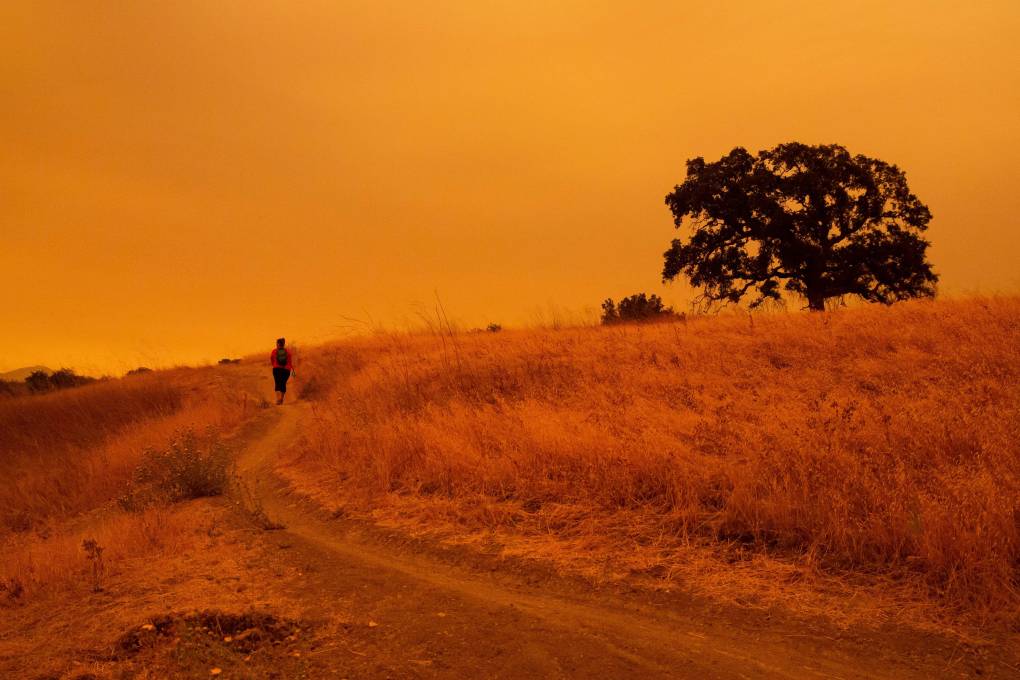
"caption": "A hiker walks below an orange sky filled with wildfire smoke on the Limeridge Open Space hiking trails in Concord, California on September 9, 2020. Dangerous dry winds whipped up California's record-breaking wildfires and ignited new blazes, as hundreds were evacuated by helicopter.",
"description": null,
"title": "US-CALIFORNIA-FIRE",
"credit": "Brittany Hosea-Small/AFP/Getty Images",
"status": "inherit",
"altTag": null,
"isLoading": false,
"fetchFailed": false
},
"science_1975670": {
"type": "attachments",
"id": "science_1975670",
"meta": {
"index": "attachments_1716263798",
"site": "science",
"id": "1975670",
"found": true
},
"parent": 1975668,
"imgSizes": {
"twentyfourteen-full-width": {
"file": "https://ww2.kqed.org/app/uploads/sites/35/2021/07/GettyImages-1233674310-1038x576.jpeg",
"width": 1038,
"mimeType": "image/jpeg",
"height": 576
},
"thumbnail": {
"file": "https://ww2.kqed.org/app/uploads/sites/35/2021/07/GettyImages-1233674310-160x107.jpeg",
"width": 160,
"mimeType": "image/jpeg",
"height": 107
},
"post-thumbnail": {
"file": "https://ww2.kqed.org/app/uploads/sites/35/2021/07/GettyImages-1233674310-672x372.jpeg",
"width": 672,
"mimeType": "image/jpeg",
"height": 372
},
"kqedFullSize": {
"file": "https://ww2.kqed.org/app/uploads/sites/35/2021/07/GettyImages-1233674310.jpeg",
"width": 2000,
"height": 1333
},
"large": {
"file": "https://ww2.kqed.org/app/uploads/sites/35/2021/07/GettyImages-1233674310-1020x680.jpeg",
"width": 1020,
"mimeType": "image/jpeg",
"height": 680
},
"1536x1536": {
"file": "https://ww2.kqed.org/app/uploads/sites/35/2021/07/GettyImages-1233674310-1536x1024.jpeg",
"width": 1536,
"mimeType": "image/jpeg",
"height": 1024
},
"full-width": {
"file": "https://ww2.kqed.org/app/uploads/sites/35/2021/07/GettyImages-1233674310-1920x1280.jpeg",
"width": 1920,
"mimeType": "image/jpeg",
"height": 1280
},
"medium": {
"file": "https://ww2.kqed.org/app/uploads/sites/35/2021/07/GettyImages-1233674310-800x533.jpeg",
"width": 800,
"mimeType": "image/jpeg",
"height": 533
},
"medium_large": {
"file": "https://ww2.kqed.org/app/uploads/sites/35/2021/07/GettyImages-1233674310-768x512.jpeg",
"width": 768,
"mimeType": "image/jpeg",
"height": 512
}
},
"publishDate": 1625600526,
"modified": 1625600559,
"caption": "Residents gather in a public cooling shelter set up at the Oregon Convention Center during a heatwave in Portland, Oregon, U.S., on Saturday, June 26, 2021. ",
"description": null,
"title": "Oregon Braces For Record Heat",
"credit": " Maranie Staab/Bloomberg via Getty Images",
"status": "inherit",
"altTag": null,
"isLoading": false,
"fetchFailed": false
},
"science_1975626": {
"type": "attachments",
"id": "science_1975626",
"meta": {
"index": "attachments_1716263798",
"site": "science",
"id": "1975626",
"found": true
},
"parent": 1975625,
"imgSizes": {
"twentyfourteen-full-width": {
"file": "https://ww2.kqed.org/app/uploads/sites/35/2021/06/ap21155653220453-9282a3d4b169a236e80fee4ad8e5c484d4c9213e-1038x576.jpg",
"width": 1038,
"mimeType": "image/jpeg",
"height": 576
},
"thumbnail": {
"file": "https://ww2.kqed.org/app/uploads/sites/35/2021/06/ap21155653220453-9282a3d4b169a236e80fee4ad8e5c484d4c9213e-160x120.jpg",
"width": 160,
"mimeType": "image/jpeg",
"height": 120
},
"post-thumbnail": {
"file": "https://ww2.kqed.org/app/uploads/sites/35/2021/06/ap21155653220453-9282a3d4b169a236e80fee4ad8e5c484d4c9213e-672x372.jpg",
"width": 672,
"mimeType": "image/jpeg",
"height": 372
},
"kqedFullSize": {
"file": "https://ww2.kqed.org/app/uploads/sites/35/2021/06/ap21155653220453-9282a3d4b169a236e80fee4ad8e5c484d4c9213e-scaled.jpg",
"width": 2560,
"height": 1920
},
"2048x2048": {
"file": "https://ww2.kqed.org/app/uploads/sites/35/2021/06/ap21155653220453-9282a3d4b169a236e80fee4ad8e5c484d4c9213e-2048x1536.jpg",
"width": 2048,
"mimeType": "image/jpeg",
"height": 1536
},
"large": {
"file": "https://ww2.kqed.org/app/uploads/sites/35/2021/06/ap21155653220453-9282a3d4b169a236e80fee4ad8e5c484d4c9213e-1020x765.jpg",
"width": 1020,
"mimeType": "image/jpeg",
"height": 765
},
"1536x1536": {
"file": "https://ww2.kqed.org/app/uploads/sites/35/2021/06/ap21155653220453-9282a3d4b169a236e80fee4ad8e5c484d4c9213e-1536x1152.jpg",
"width": 1536,
"mimeType": "image/jpeg",
"height": 1152
},
"full-width": {
"file": "https://ww2.kqed.org/app/uploads/sites/35/2021/06/ap21155653220453-9282a3d4b169a236e80fee4ad8e5c484d4c9213e-1920x1440.jpg",
"width": 1920,
"mimeType": "image/jpeg",
"height": 1440
},
"medium": {
"file": "https://ww2.kqed.org/app/uploads/sites/35/2021/06/ap21155653220453-9282a3d4b169a236e80fee4ad8e5c484d4c9213e-800x600.jpg",
"width": 800,
"mimeType": "image/jpeg",
"height": 600
},
"medium_large": {
"file": "https://ww2.kqed.org/app/uploads/sites/35/2021/06/ap21155653220453-9282a3d4b169a236e80fee4ad8e5c484d4c9213e-768x576.jpg",
"width": 768,
"mimeType": "image/jpeg",
"height": 576
}
},
"publishDate": 1624980426,
"modified": 1624980903,
"caption": "The draft defines ecocide as \"unlawful or wanton acts committed with knowledge that there is a substantial likelihood of severe and either widespread or long-term damage to the environment being caused by those acts.\"",
"description": "FILE - In this Jan. 10, 2009, file photo, a flock of geese fly past a smokestack at a coal power plant near Emmitt, Kan. The Biden administration said Friday, June 4, 2021, it is canceling or reviewing a host of actions by the Trump administration to roll back protections for endangered or threatened species, with a goal of strengthening a landmark law while addressing climate change. (AP Photo/Charlie Riedel, File)",
"title": "ap21155653220453-9282a3d4b169a236e80fee4ad8e5c484d4c9213e",
"credit": "Charlie Riedel/AP via NPR",
"status": "inherit",
"altTag": null,
"isLoading": false,
"fetchFailed": false
},
"science_1975632": {
"type": "attachments",
"id": "science_1975632",
"meta": {
"index": "attachments_1716263798",
"site": "science",
"id": "1975632",
"found": true
},
"parent": 1975631,
"imgSizes": {
"twentyfourteen-full-width": {
"file": "https://ww2.kqed.org/app/uploads/sites/35/2021/06/portland-heat_nathan-howard-getty-2048x1366-1-1038x576.jpeg",
"width": 1038,
"mimeType": "image/jpeg",
"height": 576
},
"thumbnail": {
"file": "https://ww2.kqed.org/app/uploads/sites/35/2021/06/portland-heat_nathan-howard-getty-2048x1366-1-160x107.jpeg",
"width": 160,
"mimeType": "image/jpeg",
"height": 107
},
"post-thumbnail": {
"file": "https://ww2.kqed.org/app/uploads/sites/35/2021/06/portland-heat_nathan-howard-getty-2048x1366-1-672x372.jpeg",
"width": 672,
"mimeType": "image/jpeg",
"height": 372
},
"kqedFullSize": {
"file": "https://ww2.kqed.org/app/uploads/sites/35/2021/06/portland-heat_nathan-howard-getty-2048x1366-1.jpeg",
"width": 2048,
"height": 1366
},
"large": {
"file": "https://ww2.kqed.org/app/uploads/sites/35/2021/06/portland-heat_nathan-howard-getty-2048x1366-1-1020x680.jpeg",
"width": 1020,
"mimeType": "image/jpeg",
"height": 680
},
"1536x1536": {
"file": "https://ww2.kqed.org/app/uploads/sites/35/2021/06/portland-heat_nathan-howard-getty-2048x1366-1-1536x1025.jpeg",
"width": 1536,
"mimeType": "image/jpeg",
"height": 1025
},
"full-width": {
"file": "https://ww2.kqed.org/app/uploads/sites/35/2021/06/portland-heat_nathan-howard-getty-2048x1366-1-1920x1281.jpeg",
"width": 1920,
"mimeType": "image/jpeg",
"height": 1281
},
"medium": {
"file": "https://ww2.kqed.org/app/uploads/sites/35/2021/06/portland-heat_nathan-howard-getty-2048x1366-1-800x534.jpeg",
"width": 800,
"mimeType": "image/jpeg",
"height": 534
},
"medium_large": {
"file": "https://ww2.kqed.org/app/uploads/sites/35/2021/06/portland-heat_nathan-howard-getty-2048x1366-1-768x512.jpeg",
"width": 768,
"mimeType": "image/jpeg",
"height": 512
}
},
"publishDate": 1624981362,
"modified": 1625333508,
"caption": "Austun Wilde rests with her two dogs, Bird Is The Wurd and Fenrir, at a cooling center in the Oregon Convention Center on June 27, 2021 in Portland, Oregon. ",
"description": null,
"title": "Heat Dome Over Northwest Brings Record Temperatures To Portland",
"credit": "Nathan Howard/Getty Images)",
"status": "inherit",
"altTag": null,
"isLoading": false,
"fetchFailed": false
},
"science_1975558": {
"type": "attachments",
"id": "science_1975558",
"meta": {
"index": "attachments_1716263798",
"site": "science",
"id": "1975558",
"found": true
},
"parent": 1975549,
"imgSizes": {
"twentyfourteen-full-width": {
"file": "https://ww2.kqed.org/app/uploads/sites/35/2021/06/RS49952_056_MendocinoCounty_LakeMendocinoDrought_06112021-qut-1038x576.jpg",
"width": 1038,
"mimeType": "image/jpeg",
"height": 576
},
"thumbnail": {
"file": "https://ww2.kqed.org/app/uploads/sites/35/2021/06/RS49952_056_MendocinoCounty_LakeMendocinoDrought_06112021-qut-160x107.jpg",
"width": 160,
"mimeType": "image/jpeg",
"height": 107
},
"post-thumbnail": {
"file": "https://ww2.kqed.org/app/uploads/sites/35/2021/06/RS49952_056_MendocinoCounty_LakeMendocinoDrought_06112021-qut-672x372.jpg",
"width": 672,
"mimeType": "image/jpeg",
"height": 372
},
"kqedFullSize": {
"file": "https://ww2.kqed.org/app/uploads/sites/35/2021/06/RS49952_056_MendocinoCounty_LakeMendocinoDrought_06112021-qut.jpg",
"width": 1920,
"height": 1278
},
"large": {
"file": "https://ww2.kqed.org/app/uploads/sites/35/2021/06/RS49952_056_MendocinoCounty_LakeMendocinoDrought_06112021-qut-1020x679.jpg",
"width": 1020,
"mimeType": "image/jpeg",
"height": 679
},
"1536x1536": {
"file": "https://ww2.kqed.org/app/uploads/sites/35/2021/06/RS49952_056_MendocinoCounty_LakeMendocinoDrought_06112021-qut-1536x1022.jpg",
"width": 1536,
"mimeType": "image/jpeg",
"height": 1022
},
"medium": {
"file": "https://ww2.kqed.org/app/uploads/sites/35/2021/06/RS49952_056_MendocinoCounty_LakeMendocinoDrought_06112021-qut-800x533.jpg",
"width": 800,
"mimeType": "image/jpeg",
"height": 533
},
"medium_large": {
"file": "https://ww2.kqed.org/app/uploads/sites/35/2021/06/RS49952_056_MendocinoCounty_LakeMendocinoDrought_06112021-qut-768x511.jpg",
"width": 768,
"mimeType": "image/jpeg",
"height": 511
}
},
"publishDate": 1624666103,
"modified": 1624938417,
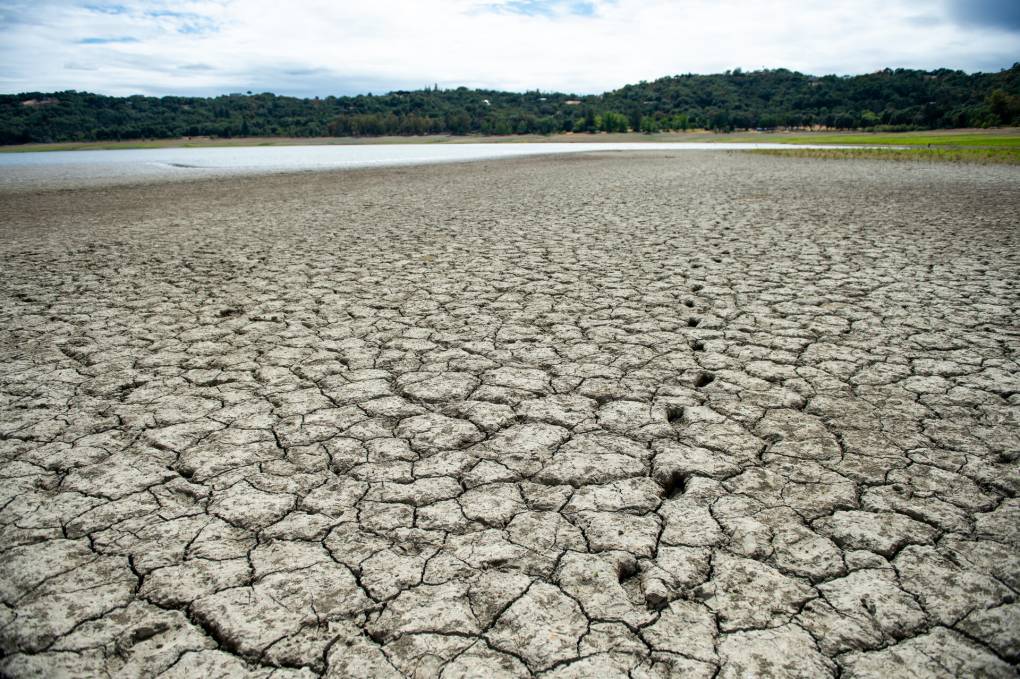
"caption": "Footprints are visible in the dry earth on what once was the lake floor at Lake Mendocino on June 11, 2021.",
"description": null,
"title": "RS49952_056_MendocinoCounty_LakeMendocinoDrought_06112021-qut",
"credit": "Courtesy of Beth LeBerge",
"status": "inherit",
"altTag": null,
"isLoading": false,
"fetchFailed": false
},
"science_1975575": {
"type": "attachments",
"id": "science_1975575",
"meta": {
"index": "attachments_1716263798",
"site": "science",
"id": "1975575",
"found": true
},
"parent": 1975573,
"imgSizes": {
"twentyfourteen-full-width": {
"file": "https://ww2.kqed.org/app/uploads/sites/35/2021/06/RS50174_GettyImages-82038491-qut-1038x576.jpg",
"width": 1038,
"mimeType": "image/jpeg",
"height": 576
},
"thumbnail": {
"file": "https://ww2.kqed.org/app/uploads/sites/35/2021/06/RS50174_GettyImages-82038491-qut-160x107.jpg",
"width": 160,
"mimeType": "image/jpeg",
"height": 107
},
"post-thumbnail": {
"file": "https://ww2.kqed.org/app/uploads/sites/35/2021/06/RS50174_GettyImages-82038491-qut-672x372.jpg",
"width": 672,
"mimeType": "image/jpeg",
"height": 372
},
"kqedFullSize": {
"file": "https://ww2.kqed.org/app/uploads/sites/35/2021/06/RS50174_GettyImages-82038491-qut.jpg",
"width": 1920,
"height": 1280
},
"large": {
"file": "https://ww2.kqed.org/app/uploads/sites/35/2021/06/RS50174_GettyImages-82038491-qut-1020x680.jpg",
"width": 1020,
"mimeType": "image/jpeg",
"height": 680
},
"1536x1536": {
"file": "https://ww2.kqed.org/app/uploads/sites/35/2021/06/RS50174_GettyImages-82038491-qut-1536x1024.jpg",
"width": 1536,
"mimeType": "image/jpeg",
"height": 1024
},
"medium": {
"file": "https://ww2.kqed.org/app/uploads/sites/35/2021/06/RS50174_GettyImages-82038491-qut-800x533.jpg",
"width": 800,
"mimeType": "image/jpeg",
"height": 533
},
"medium_large": {
"file": "https://ww2.kqed.org/app/uploads/sites/35/2021/06/RS50174_GettyImages-82038491-qut-768x512.jpg",
"width": 768,
"mimeType": "image/jpeg",
"height": 512
}
},
"publishDate": 1624902033,
"modified": 1624922686,
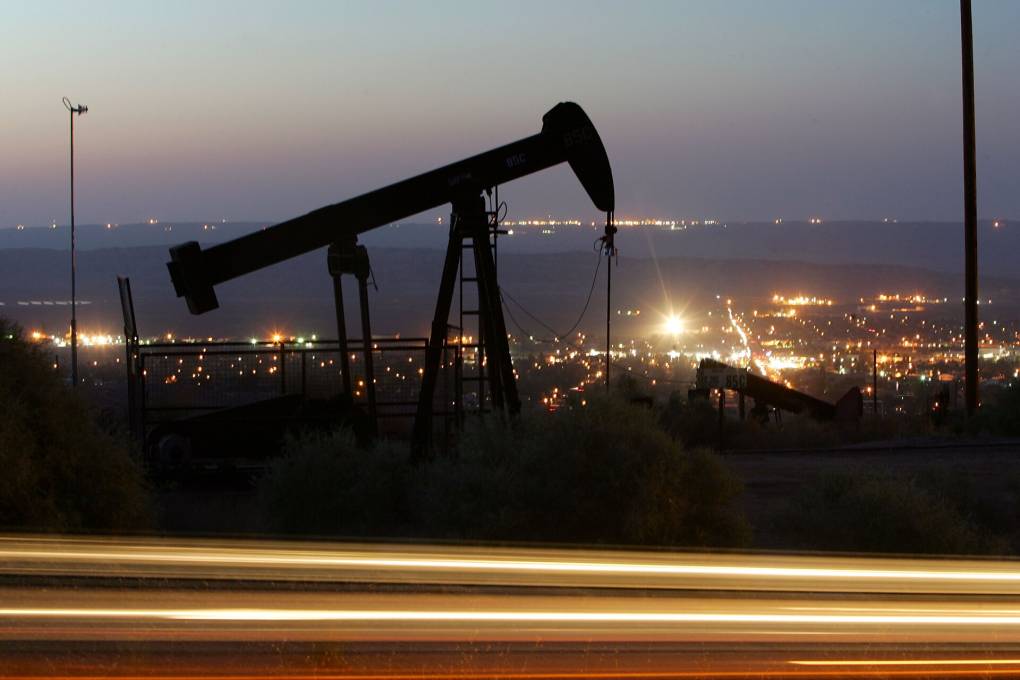
"caption": "An oil rig extracts crude on July 21, 2008 near Taft, California, in Kern County.",
"description": "An oil rig extracts crude on July 21, 2008 near Taft, California, in Kern County.",
"title": "Surging Oil Industry Brings Opportunity To Rural California",
"credit": "David McNew/Getty Images)",
"status": "inherit",
"altTag": null,
"isLoading": false,
"fetchFailed": false
},
"science_1975537": {
"type": "attachments",
"id": "science_1975537",
"meta": {
"index": "attachments_1716263798",
"site": "science",
"id": "1975537",
"found": true
},
"parent": 1975536,
"imgSizes": {
"twentyfourteen-full-width": {
"file": "https://ww2.kqed.org/app/uploads/sites/35/2021/06/GettyImages-1220261444-1038x576.jpg",
"width": 1038,
"mimeType": "image/jpeg",
"height": 576
},
"thumbnail": {
"file": "https://ww2.kqed.org/app/uploads/sites/35/2021/06/GettyImages-1220261444-160x110.jpg",
"width": 160,
"mimeType": "image/jpeg",
"height": 110
},
"post-thumbnail": {
"file": "https://ww2.kqed.org/app/uploads/sites/35/2021/06/GettyImages-1220261444-672x372.jpg",
"width": 672,
"mimeType": "image/jpeg",
"height": 372
},
"kqedFullSize": {
"file": "https://ww2.kqed.org/app/uploads/sites/35/2021/06/GettyImages-1220261444-scaled-e1624571050538.jpg",
"width": 1090,
"height": 748
},
"2048x2048": {
"file": "https://ww2.kqed.org/app/uploads/sites/35/2021/06/GettyImages-1220261444-2048x1405.jpg",
"width": 2048,
"mimeType": "image/jpeg",
"height": 1405
},
"large": {
"file": "https://ww2.kqed.org/app/uploads/sites/35/2021/06/GettyImages-1220261444-1020x700.jpg",
"width": 1020,
"mimeType": "image/jpeg",
"height": 700
},
"1536x1536": {
"file": "https://ww2.kqed.org/app/uploads/sites/35/2021/06/GettyImages-1220261444-1536x1054.jpg",
"width": 1536,
"mimeType": "image/jpeg",
"height": 1054
},
"full-width": {
"file": "https://ww2.kqed.org/app/uploads/sites/35/2021/06/GettyImages-1220261444-1920x1317.jpg",
"width": 1920,
"mimeType": "image/jpeg",
"height": 1317
},
"medium": {
"file": "https://ww2.kqed.org/app/uploads/sites/35/2021/06/GettyImages-1220261444-800x549.jpg",
"width": 800,
"mimeType": "image/jpeg",
"height": 549
},
"medium_large": {
"file": "https://ww2.kqed.org/app/uploads/sites/35/2021/06/GettyImages-1220261444-768x527.jpg",
"width": 768,
"mimeType": "image/jpeg",
"height": 527
}
},
"publishDate": 1624570958,
"modified": 1624642278,
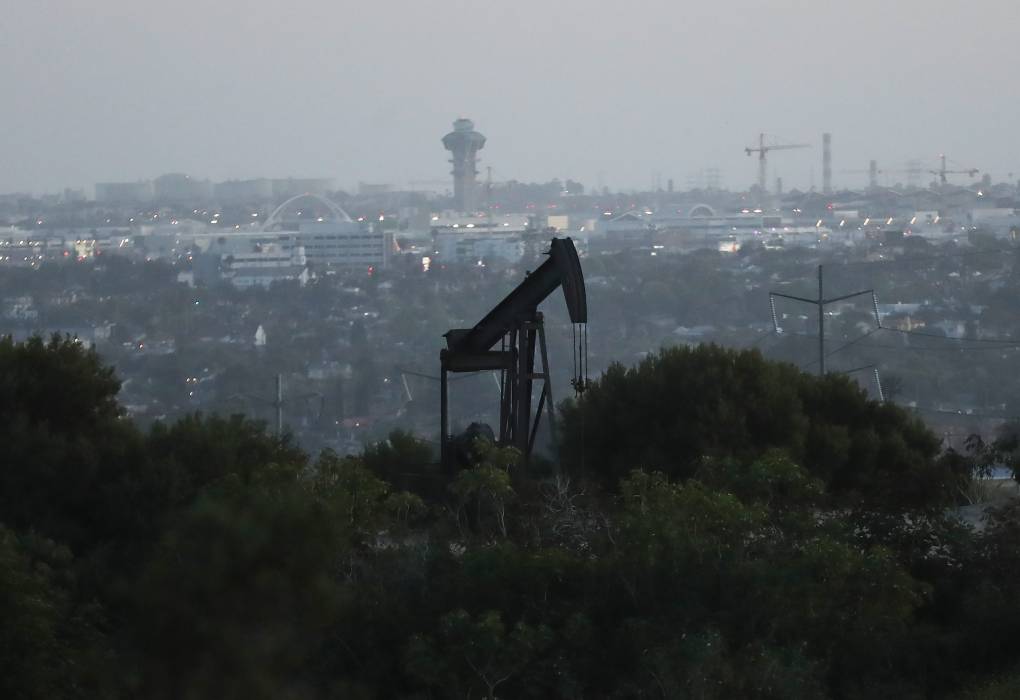
"caption": "An oil pumpjack at the Inglewood Oil Field on April 21, 2020, in Culver City, California. ",
"description": "An oil pumpjack stands in the Inglewood Oil Field amidst the coronavirus pandemic on April 21, 2020 in Culver City, California. Oil prices traded in negative territory for the first time April 20th as the spread of coronavirus (COVID-19) impacts global demand. ",
"title": "Oil Prices Trade In Negative Numbers For First Time Amid Global Oil Glut",
"credit": "Mario Tama/Getty Images",
"status": "inherit",
"altTag": "An oil rig with a city in the background.",
"isLoading": false,
"fetchFailed": false
},
"science_1975528": {
"type": "attachments",
"id": "science_1975528",
"meta": {
"index": "attachments_1716263798",
"site": "science",
"id": "1975528",
"found": true
},
"parent": 1975505,
"imgSizes": {
"twentyfourteen-full-width": {
"file": "https://ww2.kqed.org/app/uploads/sites/35/2021/06/RS50133_GettyImages-610889522-qut-1038x576.jpg",
"width": 1038,
"mimeType": "image/jpeg",
"height": 576
},
"thumbnail": {
"file": "https://ww2.kqed.org/app/uploads/sites/35/2021/06/RS50133_GettyImages-610889522-qut-160x98.jpg",
"width": 160,
"mimeType": "image/jpeg",
"height": 98
},
"post-thumbnail": {
"file": "https://ww2.kqed.org/app/uploads/sites/35/2021/06/RS50133_GettyImages-610889522-qut-672x372.jpg",
"width": 672,
"mimeType": "image/jpeg",
"height": 372
},
"kqedFullSize": {
"file": "https://ww2.kqed.org/app/uploads/sites/35/2021/06/RS50133_GettyImages-610889522-qut.jpg",
"width": 1920,
"height": 1180
},
"large": {
"file": "https://ww2.kqed.org/app/uploads/sites/35/2021/06/RS50133_GettyImages-610889522-qut-1020x627.jpg",
"width": 1020,
"mimeType": "image/jpeg",
"height": 627
},
"1536x1536": {
"file": "https://ww2.kqed.org/app/uploads/sites/35/2021/06/RS50133_GettyImages-610889522-qut-1536x944.jpg",
"width": 1536,
"mimeType": "image/jpeg",
"height": 944
},
"medium": {
"file": "https://ww2.kqed.org/app/uploads/sites/35/2021/06/RS50133_GettyImages-610889522-qut-800x492.jpg",
"width": 800,
"mimeType": "image/jpeg",
"height": 492
},
"medium_large": {
"file": "https://ww2.kqed.org/app/uploads/sites/35/2021/06/RS50133_GettyImages-610889522-qut-768x472.jpg",
"width": 768,
"mimeType": "image/jpeg",
"height": 472
}
},
"publishDate": 1624559134,
"modified": 1624640597,
"caption": "Sampson Spence of the Fremont Fire Department uses a water hose to douse flames in the Santa Cruz Mountains near Loma Prieta, Calif., on Sept. 28, 2016. \n ",
"description": null,
"title": "US-WILDFIRE",
"credit": "Josh Edelson/AFP via Getty Images",
"status": "inherit",
"altTag": null,
"isLoading": false,
"fetchFailed": false
},
"science_1975449": {
"type": "attachments",
"id": "science_1975449",
"meta": {
"index": "attachments_1716263798",
"site": "science",
"id": "1975449",
"found": true
},
"parent": 1975443,
"imgSizes": {
"twentyfourteen-full-width": {
"file": "https://ww2.kqed.org/app/uploads/sites/35/2021/06/RS50018_GettyImages-1229318331-qut-1038x576.jpg",
"width": 1038,
"mimeType": "image/jpeg",
"height": 576
},
"thumbnail": {
"file": "https://ww2.kqed.org/app/uploads/sites/35/2021/06/RS50018_GettyImages-1229318331-qut-160x107.jpg",
"width": 160,
"mimeType": "image/jpeg",
"height": 107
},
"post-thumbnail": {
"file": "https://ww2.kqed.org/app/uploads/sites/35/2021/06/RS50018_GettyImages-1229318331-qut-672x372.jpg",
"width": 672,
"mimeType": "image/jpeg",
"height": 372
},
"kqedFullSize": {
"file": "https://ww2.kqed.org/app/uploads/sites/35/2021/06/RS50018_GettyImages-1229318331-qut.jpg",
"width": 1920,
"height": 1280
},
"large": {
"file": "https://ww2.kqed.org/app/uploads/sites/35/2021/06/RS50018_GettyImages-1229318331-qut-1020x680.jpg",
"width": 1020,
"mimeType": "image/jpeg",
"height": 680
},
"1536x1536": {
"file": "https://ww2.kqed.org/app/uploads/sites/35/2021/06/RS50018_GettyImages-1229318331-qut-1536x1024.jpg",
"width": 1536,
"mimeType": "image/jpeg",
"height": 1024
},
"medium": {
"file": "https://ww2.kqed.org/app/uploads/sites/35/2021/06/RS50018_GettyImages-1229318331-qut-800x533.jpg",
"width": 800,
"mimeType": "image/jpeg",
"height": 533
},
"medium_large": {
"file": "https://ww2.kqed.org/app/uploads/sites/35/2021/06/RS50018_GettyImages-1229318331-qut-768x512.jpg",
"width": 768,
"mimeType": "image/jpeg",
"height": 512
}
},
"publishDate": 1624037543,
"modified": 1624041218,
"caption": "A man evacuates as flames come close to houses during the Blue Ridge Fire on Oct. 27, 2020, in Chino Hills, California. ",
"description": null,
"title": "Silverado Fire In Orange Country, California Forces Evacuations",
"credit": "Photo by David McNew/Getty Images",
"status": "inherit",
"altTag": null,
"isLoading": false,
"fetchFailed": false
},
"science_1975477": {
"type": "attachments",
"id": "science_1975477",
"meta": {
"index": "attachments_1716263798",
"site": "science",
"id": "1975477",
"found": true
},
"parent": 1975476,
"imgSizes": {
"twentyfourteen-full-width": {
"file": "https://ww2.kqed.org/app/uploads/sites/35/2021/06/gettyimages-1233512800-ec5d82bddb20430c17d716d000d2adfa92dcef14-1038x576.jpg",
"width": 1038,
"mimeType": "image/jpeg",
"height": 576
},
"thumbnail": {
"file": "https://ww2.kqed.org/app/uploads/sites/35/2021/06/gettyimages-1233512800-ec5d82bddb20430c17d716d000d2adfa92dcef14-160x120.jpg",
"width": 160,
"mimeType": "image/jpeg",
"height": 120
},
"post-thumbnail": {
"file": "https://ww2.kqed.org/app/uploads/sites/35/2021/06/gettyimages-1233512800-ec5d82bddb20430c17d716d000d2adfa92dcef14-672x372.jpg",
"width": 672,
"mimeType": "image/jpeg",
"height": 372
},
"kqedFullSize": {
"file": "https://ww2.kqed.org/app/uploads/sites/35/2021/06/gettyimages-1233512800-ec5d82bddb20430c17d716d000d2adfa92dcef14-scaled.jpg",
"width": 2560,
"height": 1920
},
"2048x2048": {
"file": "https://ww2.kqed.org/app/uploads/sites/35/2021/06/gettyimages-1233512800-ec5d82bddb20430c17d716d000d2adfa92dcef14-2048x1536.jpg",
"width": 2048,
"mimeType": "image/jpeg",
"height": 1536
},
"large": {
"file": "https://ww2.kqed.org/app/uploads/sites/35/2021/06/gettyimages-1233512800-ec5d82bddb20430c17d716d000d2adfa92dcef14-1020x765.jpg",
"width": 1020,
"mimeType": "image/jpeg",
"height": 765
},
"1536x1536": {
"file": "https://ww2.kqed.org/app/uploads/sites/35/2021/06/gettyimages-1233512800-ec5d82bddb20430c17d716d000d2adfa92dcef14-1536x1152.jpg",
"width": 1536,
"mimeType": "image/jpeg",
"height": 1152
},
"full-width": {
"file": "https://ww2.kqed.org/app/uploads/sites/35/2021/06/gettyimages-1233512800-ec5d82bddb20430c17d716d000d2adfa92dcef14-1920x1440.jpg",
"width": 1920,
"mimeType": "image/jpeg",
"height": 1440
},
"medium": {
"file": "https://ww2.kqed.org/app/uploads/sites/35/2021/06/gettyimages-1233512800-ec5d82bddb20430c17d716d000d2adfa92dcef14-800x600.jpg",
"width": 800,
"mimeType": "image/jpeg",
"height": 600
},
"medium_large": {
"file": "https://ww2.kqed.org/app/uploads/sites/35/2021/06/gettyimages-1233512800-ec5d82bddb20430c17d716d000d2adfa92dcef14-768x576.jpg",
"width": 768,
"mimeType": "image/jpeg",
"height": 576
}
},
"publishDate": 1624297416,
"modified": 1624318648,
"caption": "Visitors feel the heat in California's Death Valley last week. ",
"description": null,
"title": "Visitors feel the heat in California's Death Valley earlier this week. This record-setting heat wave's remarkable power, reach and unusually early appearance is giving meteorologists yet more cause for concern about extreme weather in an era of climate change.",
"credit": "Patrick T. FallonAFP via Getty Images",
"status": "inherit",
"altTag": null,
"isLoading": false,
"fetchFailed": false
},
"science_1975431": {
"type": "attachments",
"id": "science_1975431",
"meta": {
"index": "attachments_1716263798",
"site": "science",
"id": "1975431",
"found": true
},
"parent": 1975422,
"imgSizes": {
"twentyfourteen-full-width": {
"file": "https://ww2.kqed.org/app/uploads/sites/35/2021/06/RS49272_027_NorthFairOaks_ClimateListening_05102021-qut-1038x576.jpg",
"width": 1038,
"mimeType": "image/jpeg",
"height": 576
},
"thumbnail": {
"file": "https://ww2.kqed.org/app/uploads/sites/35/2021/06/RS49272_027_NorthFairOaks_ClimateListening_05102021-qut-160x107.jpg",
"width": 160,
"mimeType": "image/jpeg",
"height": 107
},
"post-thumbnail": {
"file": "https://ww2.kqed.org/app/uploads/sites/35/2021/06/RS49272_027_NorthFairOaks_ClimateListening_05102021-qut-672x372.jpg",
"width": 672,
"mimeType": "image/jpeg",
"height": 372
},
"kqedFullSize": {
"file": "https://ww2.kqed.org/app/uploads/sites/35/2021/06/RS49272_027_NorthFairOaks_ClimateListening_05102021-qut.jpg",
"width": 1920,
"height": 1280
},
"large": {
"file": "https://ww2.kqed.org/app/uploads/sites/35/2021/06/RS49272_027_NorthFairOaks_ClimateListening_05102021-qut-1020x680.jpg",
"width": 1020,
"mimeType": "image/jpeg",
"height": 680
},
"1536x1536": {
"file": "https://ww2.kqed.org/app/uploads/sites/35/2021/06/RS49272_027_NorthFairOaks_ClimateListening_05102021-qut-1536x1024.jpg",
"width": 1536,
"mimeType": "image/jpeg",
"height": 1024
},
"medium": {
"file": "https://ww2.kqed.org/app/uploads/sites/35/2021/06/RS49272_027_NorthFairOaks_ClimateListening_05102021-qut-800x533.jpg",
"width": 800,
"mimeType": "image/jpeg",
"height": 533
},
"medium_large": {
"file": "https://ww2.kqed.org/app/uploads/sites/35/2021/06/RS49272_027_NorthFairOaks_ClimateListening_05102021-qut-768x512.jpg",
"width": 768,
"mimeType": "image/jpeg",
"height": 512
}
},
"publishDate": 1623963446,
"modified": 1624045778,
"caption": "Ever Rodriguez strikes a pose in front of a mural on Middlefield Road in North Fair Oaks on May 10, 2021. The mural was made by artist Jose Castro.",
"description": null,
"title": "RS49272_027_NorthFairOaks_ClimateListening_05102021-qut",
"credit": "Beth LaBerge/KQED",
"status": "inherit",
"altTag": null,
"isLoading": false,
"fetchFailed": false
}
},
"audioPlayerReducer": {
"postId": "stream_live",
"isPaused": true,
"isPlaying": false,
"pfsActive": false,
"pledgeModalIsOpen": true,
"playerDrawerIsOpen": false,
"liveAudioPlayStartedAt": 0,
"liveAudioPlayContext": ""
},
"authorsReducer": {
"byline_science_1975694": {
"type": "authors",
"id": "byline_science_1975694",
"meta": {
"override": true
},
"slug": "byline_science_1975694",
"name": "Liza Gross \u003cbr />InsideClimate News\u003cbr>",
"isLoading": false
},
"byline_science_1975668": {
"type": "authors",
"id": "byline_science_1975668",
"meta": {
"override": true
},
"slug": "byline_science_1975668",
"name": "Bob Berwyn, James Bruggers, Liza Gross \u003cbr />InsideClimate News\u003cbr>",
"isLoading": false
},
"byline_science_1975625": {
"type": "authors",
"id": "byline_science_1975625",
"meta": {
"override": true
},
"slug": "byline_science_1975625",
"name": "Josie Fischels \u003cbr />NPR\u003cbr>",
"isLoading": false
},
"byline_science_1975631": {
"type": "authors",
"id": "byline_science_1975631",
"meta": {
"override": true
},
"slug": "byline_science_1975631",
"name": "Judy Fahys, Bob Berwyn \u003cbr />InsideClimate News\u003cbr>",
"isLoading": false
},
"byline_science_1975538": {
"type": "authors",
"id": "byline_science_1975538",
"meta": {
"override": true
},
"slug": "byline_science_1975538",
"name": "Kathleen Ronayne ",
"isLoading": false
},
"byline_science_1975476": {
"type": "authors",
"id": "byline_science_1975476",
"meta": {
"override": true
},
"slug": "byline_science_1975476",
"name": "Eric Westervelt \u003cbr />NPR\u003cbr>",
"isLoading": false
},
"parcuni": {
"type": "authors",
"id": "11368",
"meta": {
"index": "authors_1716337520",
"id": "11368",
"found": true
},
"name": "Peter Arcuni",
"firstName": "Peter",
"lastName": "Arcuni",
"slug": "parcuni",
"email": "parcuni@KQED.org",
"display_author_email": false,
"staff_mastheads": [
"science"
],
"title": "Reporter",
"bio": "Peter reports radio and online stories for \u003cem>KQED Science\u003c/em>. His work has also appeared on the \u003cem>The California Report\u003c/em> morning show and \u003cem>KQED News\u003c/em>. His production credits include \u003cem>The California Report, The California Report Magazine\u003c/em> and KQED's local news podcast \u003cem>The Bay\u003c/em>. Other credits include NPR's \u003cem>All Things Considered\u003c/em>, WNYC's \u003cem>Science Friday\u003c/em>, WBUR's \u003cem>Here & Now\u003c/em>, WIRED and SFGate. Peter graduated from Brown University and earned a master's degree in journalism from Stanford. He's covered everything from homelessness to wildfires, health, the environment, arts and Thanksgiving in San Quentin prison. In other lives, he played rock n roll music and studied neuroscience. You can email him at: parcuni@kqed.org",
"avatar": "https://secure.gravatar.com/avatar/d5032f6f27199d478af34ad2e1d98732?s=600&d=blank&r=g",
"twitter": "peterarcuni",
"facebook": null,
"instagram": null,
"linkedin": null,
"sites": [
{
"site": "news",
"roles": [
"editor"
]
},
{
"site": "science",
"roles": [
"editor"
]
}
],
"headData": {
"title": "Peter Arcuni | KQED",
"description": "Reporter",
"ogImgSrc": "https://secure.gravatar.com/avatar/d5032f6f27199d478af34ad2e1d98732?s=600&d=blank&r=g",
"twImgSrc": "https://secure.gravatar.com/avatar/d5032f6f27199d478af34ad2e1d98732?s=600&d=blank&r=g"
},
"isLoading": false,
"link": "/author/parcuni"
},
"rdillon": {
"type": "authors",
"id": "11495",
"meta": {
"index": "authors_1716337520",
"id": "11495",
"found": true
},
"name": "Raquel Maria Dillon",
"firstName": "Raquel Maria",
"lastName": "Dillon",
"slug": "rdillon",
"email": "rdillon@kqed.org",
"display_author_email": false,
"staff_mastheads": [],
"title": null,
"bio": "Raquel Maria Dillon was a reporter and host for KQED News. Previously, she produced the daily statewide California Report, edited newscasts, and covered health and education stories. Before returning to the Bay Area in 2016, she worked in Los Angeles as a wire reporter and one-woman-band video journalist for the Associated Press, where she shot, edited and reported breaking news and features across the West. Her work has appeared online and in print around the globe, and also on NPR’s Morning Edition, All Things Considered, Here and Now, Marketplace, On The Media, and Studio 360. She previously edited and mentored up-and-coming reporters at KALW, produced social videos for Timeline.com, and was a local TV news videographer for KTVU and digital producer for KNTV. She got her start as a Radio News Trainee at KQED, produced a weekly public affairs roundtable show for OPB, and covered health and politics at New Hampshire Public Radio. She has a BA in political science from Barnard College and a MA in video journalism from UC Berkeley, where she was awarded the Faith Fancher Scholarship and a Student Emmy. She has received numerous local awards from the Associated Press and the Society of Professional Journalists.",
"avatar": "https://secure.gravatar.com/avatar/b8e02ae982913d0950df605910267c1b?s=600&d=blank&r=g",
"twitter": "RaquelMDillon",
"facebook": null,
"instagram": null,
"linkedin": null,
"sites": [
{
"site": "news",
"roles": [
"subscriber"
]
},
{
"site": "stateofhealth",
"roles": [
"editor"
]
},
{
"site": "science",
"roles": [
"editor"
]
},
{
"site": "forum",
"roles": [
"editor"
]
}
],
"headData": {
"title": "Raquel Maria Dillon | KQED",
"description": null,
"ogImgSrc": "https://secure.gravatar.com/avatar/b8e02ae982913d0950df605910267c1b?s=600&d=blank&r=g",
"twImgSrc": "https://secure.gravatar.com/avatar/b8e02ae982913d0950df605910267c1b?s=600&d=blank&r=g"
},
"isLoading": false,
"link": "/author/rdillon"
},
"kevinstark": {
"type": "authors",
"id": "11608",
"meta": {
"index": "authors_1716337520",
"id": "11608",
"found": true
},
"name": "Kevin Stark",
"firstName": "Kevin",
"lastName": "Stark",
"slug": "kevinstark",
"email": "kstark@kqed.org",
"display_author_email": true,
"staff_mastheads": [
"science"
],
"title": "Senior Editor",
"bio": "Kevin is a senior editor for KQED Science, managing the station's health and climate desks. His journalism career began in the Pacific Northwest, and he later became a lead reporter for the San Francisco Public Press. His work has appeared in Pacific Standard magazine, the Energy News Network, the Center for Investigative Reporting's Reveal and WBEZ in Chicago. Kevin joined KQED in 2019, and has covered issues related to energy, wildfire, climate change and the environment.",
"avatar": "https://secure.gravatar.com/avatar/365aaa4b597d3a8374f67504ff0facd323d7906e8eb4be0a7efd2427408e802c?s=600&d=blank&r=g",
"twitter": "starkkev",
"bluesky": null,
"facebook": null,
"instagram": null,
"linkedin": null,
"sites": [
{
"site": "",
"roles": [
"editor"
]
},
{
"site": "news",
"roles": [
"editor"
]
},
{
"site": "science",
"roles": [
"administrator"
]
}
],
"headData": {
"title": "Kevin Stark | KQED",
"description": "Senior Editor",
"ogImgSrc": "https://secure.gravatar.com/avatar/365aaa4b597d3a8374f67504ff0facd323d7906e8eb4be0a7efd2427408e802c?s=600&d=blank&r=g",
"twImgSrc": "https://secure.gravatar.com/avatar/365aaa4b597d3a8374f67504ff0facd323d7906e8eb4be0a7efd2427408e802c?s=600&d=blank&r=g"
},
"isLoading": false,
"link": "/author/kevinstark"
},
"eromero": {
"type": "authors",
"id": "11746",
"meta": {
"index": "authors_1716337520",
"id": "11746",
"found": true
},
"name": "Ezra David Romero",
"firstName": "Ezra David",
"lastName": "Romero",
"slug": "eromero",
"email": "eromero@kqed.org",
"display_author_email": true,
"staff_mastheads": [
"news",
"science"
],
"title": "Climate Reporter",
"bio": "Ezra David Romero is a climate reporter for KQED News. He covers the absence and excess of water in the Bay Area — think sea level rise, flooding and drought. For nearly a decade he’s covered how warming temperatures are altering the lives of Californians. He’s reported on farmers worried their pistachio trees aren’t getting enough sleep, families desperate for water, scientists studying dying giant sequoias, and alongside firefighters containing wildfires. His work has appeared on local stations across California and nationally on public radio shows like Morning Edition, Here and Now, All Things Considered and Science Friday. ",
"avatar": "https://secure.gravatar.com/avatar/c76404d287c10ed40224227551ac36e24352c7306f106632caf6fead76f8801f?s=600&d=blank&r=g",
"twitter": "ezraromero",
"bluesky": null,
"facebook": null,
"instagram": null,
"linkedin": null,
"sites": [
{
"site": "arts",
"roles": [
"editor"
]
},
{
"site": "news",
"roles": [
"editor"
]
},
{
"site": "science",
"roles": [
"editor"
]
},
{
"site": "liveblog",
"roles": [
"author"
]
}
],
"headData": {
"title": "Ezra David Romero | KQED",
"description": "Climate Reporter",
"ogImgSrc": "https://secure.gravatar.com/avatar/c76404d287c10ed40224227551ac36e24352c7306f106632caf6fead76f8801f?s=600&d=blank&r=g",
"twImgSrc": "https://secure.gravatar.com/avatar/c76404d287c10ed40224227551ac36e24352c7306f106632caf6fead76f8801f?s=600&d=blank&r=g"
},
"isLoading": false,
"link": "/author/eromero"
}
},
"pagesReducer": {
"science_category_environment": {
"type": "terms",
"id": "science_35",
"meta": {
"index": "terms_1716263798",
"site": "science",
"id": "35",
"score": 12.138271
},
"featImg": null,
"name": "Environment",
"description": null,
"taxonomy": "category",
"headData": {
"twImgId": null,
"twTitle": null,
"ogTitle": null,
"ogImgId": null,
"twDescription": null,
"description": null,
"title": "Environment Archives | KQED Science",
"ogDescription": null
},
"ttid": 37,
"slug": "environment",
"isLoading": false,
"title": "Environment",
"pageMeta": {
"site": "science",
"WpPageTemplate": "page-topic-editorial",
"currentPage": 24
},
"blocks": [
{
"blockName": "kqed/post-list",
"attrs": {
"layout": "cardArticle2",
"query": "posts/science?category=environment",
"seeMore": false,
"paginated": true,
"page": 24
}
},
{
"blockName": "kqed/ad"
}
]
}
},
"pfsSessionReducer": {},
"postsReducer": {
"stream_live": {
"type": "live",
"id": "stream_live",
"audioUrl": "https://streams.kqed.org/kqedradio",
"title": "Live Stream",
"excerpt": "Live Stream information currently unavailable.",
"link": "/radio",
"featImg": "",
"label": {
"name": "KQED Live",
"link": "/"
}
},
"stream_kqedNewscast": {
"type": "posts",
"id": "stream_kqedNewscast",
"audioUrl": "https://www.kqed.org/.stream/anon/radio/RDnews/newscast.mp3?_=1",
"title": "KQED Newscast",
"featImg": "",
"label": {
"name": "88.5 FM",
"link": "/"
}
},
"science_1975694": {
"type": "posts",
"id": "science_1975694",
"meta": {
"index": "posts_1716263798",
"site": "science",
"id": "1975694",
"score": null,
"sort": [
1625688552000
]
},
"parent": 0,
"labelTerm": {},
"blocks": [],
"publishDate": 1625688552,
"format": "standard",
"title": "How California's Complex Water Delivery System Robs its 'Rainforests' of Resources",
"headTitle": "How California’s Complex Water Delivery System Robs its ‘Rainforests’ of Resources | KQED",
"content": "\u003cp>California’s perennially drought-parched Central Valley bears little resemblance to the vibrant landscape of the pre-Gold Rush days, when wild rivers sustained lush woodlands and floodplains teeming with life.\u003c/p>\n\u003cp>Trees at the center of these biodiversity hotspots evolved in an arid landscape sculpted by finely tuned exchanges between free-flowing rivers and the shallow aquifers below them. Streamside, or riparian, trees hitched their reproductive cycles to the rhythms of these water bodies, which ebbed and flowed through the seasons and with recurring floods and droughts.\u003c/p>\n\u003cp>But California’s massive system of dams and canals has robbed riparian trees of the resources they need to regenerate, recent research shows.\u003c/p>\n\u003cp>Every chance a tree has to spawn new life is tied to the variable flow of water on the landscape. As late-spring Sierra Nevada snowmelt sends water coursing through rivers, willows, cottonwoods and other riparian species release all their seeds at once. Spring floodwaters deposit their short-lived seeds in shallow bends in rivers or floodplains, where they germinate, and quickly send out roots to follow the water table as it drops over the summer. This reproductive strategy allowed riparian woodlands to propagate and thrive for millennia.\u003c/p>\n\u003cdiv id=\"mc_embed_signup_60e5eb8aaa853\" class=\"icn-newsletter-block icn-block alignwide with-icons hide-email-field\">\n\u003cdiv id=\"mc_embed_signup_scroll_60e5eb8aaa853\">\n\u003cp>In theory, these adaptations should also help riparian woodlands weather unpredictable water access under a changing climate.\u003c/p>\n\u003cp>But some 95% of the Central Valley’s riparian woodlands, along with the conditions they evolved in, have already been sacrificed, mainly to make the Central Valley an agricultural powerhouse. The scattered remnants face multiple threats, including droughts and floods intensified by climate change; manipulated streamflows that favor human over ecological needs; and shrinking aquifers left critically overdrawn by decades of unregulated groundwater pumping.\u003c/p>\n\u003cp>Now, researchers warn, these intensively managed water flows may be undermining the resilience of the state’s remaining riparian forests to both climatic changes and the increasing water demands that will come with a warming world.\u003c/p>\n\u003cp>Their study, \u003ca href=\"https://www.pnas.org/content/118/25/e2026453118\" target=\"_blank\" rel=\"noopener noreferrer\">published earlier this month in PNAS\u003c/a>, showed that managed waterways allowed riparian woodlands to stay greener later into the summer than those along natural rivers. This happened even in the driest parts of the state where groundwater overpumping has depleted aquifers. But that means the trees are relying on unnatural water flows from conveyance structures, said coauthor John Stella, a professor of sustainable resources management at the State University of New York’s College of Environmental Science and Forestry. And that, he added, is a serious problem.\u003c/p>\n\u003cp>“It’s not sustainable,” Stella said. “If we ever have to change the water delivery schedule, these trees are going to be left high and dry.”\u003c/p>\n\u003cp>\u003cstrong>Messing with Evolution\u003c/strong>\u003c/p>\n\u003cp>To understand how managed surface waters affect common riparian species, such as willow, cottonwood and valley oaks, the team drew on five years of groundwater, streamflow and satellite data. Satellite images detect canopy “greenness,” a measure of tree vitality that detects reduced photosynthesis and canopy dieback in response to drought-induced water stress. These datasets allowed the researchers to determine whether greenness varied with groundwater depth across woodlands near natural and managed waterways.\u003c/p>\n\u003cp>Streamside woodlands should be most sensitive to receding groundwater levels in late summer, when soil is drier and rivers low. As expected, the researchers found a tight connection between canopy health and the depth of groundwater along natural streams. All three tree species showed stress responses at greater groundwater depths.\u003c/p>\n\u003cp>To their surprise, the researchers also found that artificial subsidies, from agricultural and municipal water deliveries and treated wastewater discharges, disrupted the dependence on groundwater of riparian forests that had been optimized over evolutionary history.\u003c/p>\n\u003cp>“We didn’t really appreciate how much the altered streams were influencing the seasonal growth of these riparian woodlands,” said coauthor Michael Singer, a researcher at the UC Santa Barbara, and deputy director of the Water Research Institute at Cardiff University in the United Kingdom.\u003c/p>\n\u003cp>“It made us think about what happens to these forest trees over the long term,” Singer said. “Are they at risk because they are defying their natural genetic programming, which was set to respond to a declining water table from spring to summer?”\u003c/p>\n\u003cp>While healthy canopy growth during a drought in regions where groundwater basins are perilously low might seem like a good thing, the implications are ominous.\u003c/p>\n\u003cp>Research indicates that faster annual growth may doom trees to an early death, Singer said. “We suspect this may be the untimely fate for these riparian woodlands along streams with altered flow regimes and along artificial canals.”\u003c/p>\n\u003cp>Even more troubling, decoupling the trees’ ancient reliance on groundwater from their vegetative growth means there will be no way for dying forests to regenerate.\u003c/p>\n\u003cp>The altered flows of water and the channels that straightjacket the rivers limit opportunities for new trees to establish, Singer said. Stream flows are decreased in the spring and elevated in the summer, the opposite of what the trees have adapted to. So when trees release their seeds in the spring, the riverbank lacks the wet sediments they need to germinate in. Plus, structures along riverbanks limit seeds’ access to soil.\u003c/p>\n\u003cp>Once the existing trees die off, Singer explained, they probably will not be replaced because the cycle of flows and the natural features of the landscape won’t support the recruitment of new seedlings.\u003c/p>\n\u003cp>That’s what has happened along the San Joaquin River and its tributaries, said Stella. Canals and other diversion structures have cut off the rivers from their floodplains, leaving nowhere for seedlings to grow.\u003c/p>\n\u003cp>Even when seedlings do manage to get established along the water’s edge during the summer, when water managers deliver high flows to irrigate farms, they die after those deliveries suddenly stop in the fall and the water drops below their roots.\u003c/p>\n\u003cp>Although natural systems can be very resilient, said Stella, we’ve undermined the processes that drive riparian forest regeneration by damming major rivers, altering their flows and shackling their banks. “If the mature trees suffer, there isn’t a backup for them to regenerate.”\u003c/p>\n\u003cp>\u003cstrong>Losing Biodiversity\u003c/strong>\u003c/p>\n\u003cp>Climate change will place even more stress on the few remaining natural woodlands. As the globe warms, earlier snowmelt may disrupt the timing of spring flooding and seed release.\u003c/p>\n\u003cp>And if California loses more riparian woodlands, it will also lose their capacity to absorb carbon emissions.\u003c/p>\n\u003cp>“The Central Valley will sequester a lot less carbon than the Sierras because you don’t have as many trees,” said Stella. “But where you do have trees is in the riparian zone, and they sequester a lot more carbon than the valley’s grasslands and shrublands.”\u003c/p>\n\u003cp>Stella and his colleagues showed in a \u003ca href=\"https://onlinelibrary.wiley.com/doi/abs/10.1111/avsc.12400\" target=\"_blank\" rel=\"noopener noreferrer\">2018 study\u003c/a> that riparian woodlands accumulate carbon faster than most other forest types over 30- and 100-year periods.\u003c/p>\n\u003cdiv class=\"icn-donate-block\">\n\u003cp>But what may be even more important, Stella said, is the role riparian trees like valley oaks, cottonwoods and willows play in the ecosystem. “These are massive trees in an ecosystem that has few species of trees,” he said. “They’re what we call a foundation species. If they’re gone, the whole ecosystem unravels because of the number of functions these trees provide.”\u003c/p>\n\u003cp>California’s remaining riparian woodlands provide critical habitat for scores of the state’s imperiled species, including the red-legged frog, Chinook salmon and Swainson’s hawk. They harbor so much biodiversity they’re known as the rainforests of California.\u003c/p>\n\u003cp>Yet for all the ecosystem services these woodlands provide, no single piece of legislation protects them from the diverse impacts that ultimately threaten their survival.\u003c/p>\n\u003cp>“We protect these areas piecemeal,” Stella said. “But this piecemeal approach is not deliberate nor is it effective in protecting these hotspot ecosystems.”\u003c/p>\n\u003cp>With more than 90% of California’s unique, native freshwater species vulnerable to extinction within the next 100 years, Stella and his colleagues wrote in the PNAS study, “it is imperative that groundwater and surface water are managed to protect the broad ecohydrologic niches within natural riparian environments that support biodiversity and ecosystem function.”\u003c/p>\n\u003cp>That means adjusting water deliveries to better mimic the natural seasonal flows of rivers and their aquifers, Singer said. “Where possible, modifications to river channels could be made to support recruitment of new riparian forests.”\u003c/p>\n\u003cp>And groundwater managers need to make sure water levels stay within nine to 16 feet of the surface so riparian trees survive, Stella said. “If we’re drawing the water down far below the surface, they’re not going to make it.”\u003c/p>\n\u003cp>\u003cem>\u003ca href=\"https://insideclimatenews.org/\" target=\"_blank\" rel=\"noopener noreferrer\">InsideClimate News\u003c/a> is a nonprofit, independent news organization that covers climate, energy and the environment. Sign up for the ICN newsletter \u003ca href=\"https://insideclimatenews.org/newsletter\" target=\"_blank\" rel=\"noopener noreferrer\">here\u003c/a>.\u003c/em>\u003c/p>\n\u003c/div>\n\u003c/div>\n\u003c/div>\n\u003cp>[ad fullwidth]\u003c/p>\u003cp>[ad floatright]\u003c/p>\n",
"stats": {
"hasVideo": false,
"hasChartOrMap": false,
"hasAudio": false,
"hasPolis": false,
"wordCount": 1487,
"hasGoogleForm": false,
"hasGallery": false,
"hasHearkenModule": false,
"iframeSrcs": [],
"paragraphCount": 38
},
"modified": 1704846529,
"excerpt": "The highly engineered rivers that sustain California cities and farms upset streamside woodlands’ relationship with groundwater, a new study finds, jeopardizing their future in a changing climate.",
"headData": {
"twImgId": "",
"twTitle": "",
"ogTitle": "",
"ogImgId": "",
"twDescription": "",
"description": "The highly engineered rivers that sustain California cities and farms upset streamside woodlands’ relationship with groundwater, a new study finds, jeopardizing their future in a changing climate.",
"title": "How California's Complex Water Delivery System Robs its 'Rainforests' of Resources | KQED",
"ogDescription": "",
"schema": {
"@context": "https://schema.org",
"@type": "Article",
"headline": "How California's Complex Water Delivery System Robs its 'Rainforests' of Resources",
"datePublished": "2021-07-07T13:09:12-07:00",
"dateModified": "2024-01-09T16:28:49-08:00",
"image": "https://cdn.kqed.org/wp-content/uploads/2020/02/KQED-OG-Image@1x.png"
}
},
"guestAuthors": [],
"slug": "how-californias-complex-water-delivery-system-robs-its-rainforests-of-resources",
"status": "publish",
"nprByline": "Liza Gross \u003cbr />InsideClimate News\u003cbr>",
"sticky": false,
"source": "InsideClimate News",
"path": "/science/1975694/how-californias-complex-water-delivery-system-robs-its-rainforests-of-resources",
"audioTrackLength": null,
"parsedContent": [
{
"type": "contentString",
"content": "\u003cdiv class=\"post-body\">\u003cp>\u003cp>California’s perennially drought-parched Central Valley bears little resemblance to the vibrant landscape of the pre-Gold Rush days, when wild rivers sustained lush woodlands and floodplains teeming with life.\u003c/p>\n\u003cp>Trees at the center of these biodiversity hotspots evolved in an arid landscape sculpted by finely tuned exchanges between free-flowing rivers and the shallow aquifers below them. Streamside, or riparian, trees hitched their reproductive cycles to the rhythms of these water bodies, which ebbed and flowed through the seasons and with recurring floods and droughts.\u003c/p>\n\u003cp>But California’s massive system of dams and canals has robbed riparian trees of the resources they need to regenerate, recent research shows.\u003c/p>\n\u003cp>Every chance a tree has to spawn new life is tied to the variable flow of water on the landscape. As late-spring Sierra Nevada snowmelt sends water coursing through rivers, willows, cottonwoods and other riparian species release all their seeds at once. Spring floodwaters deposit their short-lived seeds in shallow bends in rivers or floodplains, where they germinate, and quickly send out roots to follow the water table as it drops over the summer. This reproductive strategy allowed riparian woodlands to propagate and thrive for millennia.\u003c/p>\n\u003cdiv id=\"mc_embed_signup_60e5eb8aaa853\" class=\"icn-newsletter-block icn-block alignwide with-icons hide-email-field\">\n\u003cdiv id=\"mc_embed_signup_scroll_60e5eb8aaa853\">\n\u003cp>In theory, these adaptations should also help riparian woodlands weather unpredictable water access under a changing climate.\u003c/p>\n\u003cp>But some 95% of the Central Valley’s riparian woodlands, along with the conditions they evolved in, have already been sacrificed, mainly to make the Central Valley an agricultural powerhouse. The scattered remnants face multiple threats, including droughts and floods intensified by climate change; manipulated streamflows that favor human over ecological needs; and shrinking aquifers left critically overdrawn by decades of unregulated groundwater pumping.\u003c/p>\n\u003cp>Now, researchers warn, these intensively managed water flows may be undermining the resilience of the state’s remaining riparian forests to both climatic changes and the increasing water demands that will come with a warming world.\u003c/p>\n\u003cp>Their study, \u003ca href=\"https://www.pnas.org/content/118/25/e2026453118\" target=\"_blank\" rel=\"noopener noreferrer\">published earlier this month in PNAS\u003c/a>, showed that managed waterways allowed riparian woodlands to stay greener later into the summer than those along natural rivers. This happened even in the driest parts of the state where groundwater overpumping has depleted aquifers. But that means the trees are relying on unnatural water flows from conveyance structures, said coauthor John Stella, a professor of sustainable resources management at the State University of New York’s College of Environmental Science and Forestry. And that, he added, is a serious problem.\u003c/p>\n\u003cp>“It’s not sustainable,” Stella said. “If we ever have to change the water delivery schedule, these trees are going to be left high and dry.”\u003c/p>\n\u003cp>\u003cstrong>Messing with Evolution\u003c/strong>\u003c/p>\n\u003cp>To understand how managed surface waters affect common riparian species, such as willow, cottonwood and valley oaks, the team drew on five years of groundwater, streamflow and satellite data. Satellite images detect canopy “greenness,” a measure of tree vitality that detects reduced photosynthesis and canopy dieback in response to drought-induced water stress. These datasets allowed the researchers to determine whether greenness varied with groundwater depth across woodlands near natural and managed waterways.\u003c/p>\n\u003cp>Streamside woodlands should be most sensitive to receding groundwater levels in late summer, when soil is drier and rivers low. As expected, the researchers found a tight connection between canopy health and the depth of groundwater along natural streams. All three tree species showed stress responses at greater groundwater depths.\u003c/p>\n\u003cp>To their surprise, the researchers also found that artificial subsidies, from agricultural and municipal water deliveries and treated wastewater discharges, disrupted the dependence on groundwater of riparian forests that had been optimized over evolutionary history.\u003c/p>\n\u003cp>“We didn’t really appreciate how much the altered streams were influencing the seasonal growth of these riparian woodlands,” said coauthor Michael Singer, a researcher at the UC Santa Barbara, and deputy director of the Water Research Institute at Cardiff University in the United Kingdom.\u003c/p>\n\u003cp>“It made us think about what happens to these forest trees over the long term,” Singer said. “Are they at risk because they are defying their natural genetic programming, which was set to respond to a declining water table from spring to summer?”\u003c/p>\n\u003cp>While healthy canopy growth during a drought in regions where groundwater basins are perilously low might seem like a good thing, the implications are ominous.\u003c/p>\n\u003cp>Research indicates that faster annual growth may doom trees to an early death, Singer said. “We suspect this may be the untimely fate for these riparian woodlands along streams with altered flow regimes and along artificial canals.”\u003c/p>\n\u003cp>Even more troubling, decoupling the trees’ ancient reliance on groundwater from their vegetative growth means there will be no way for dying forests to regenerate.\u003c/p>\n\u003cp>The altered flows of water and the channels that straightjacket the rivers limit opportunities for new trees to establish, Singer said. Stream flows are decreased in the spring and elevated in the summer, the opposite of what the trees have adapted to. So when trees release their seeds in the spring, the riverbank lacks the wet sediments they need to germinate in. Plus, structures along riverbanks limit seeds’ access to soil.\u003c/p>\n\u003cp>Once the existing trees die off, Singer explained, they probably will not be replaced because the cycle of flows and the natural features of the landscape won’t support the recruitment of new seedlings.\u003c/p>\n\u003cp>That’s what has happened along the San Joaquin River and its tributaries, said Stella. Canals and other diversion structures have cut off the rivers from their floodplains, leaving nowhere for seedlings to grow.\u003c/p>\n\u003cp>Even when seedlings do manage to get established along the water’s edge during the summer, when water managers deliver high flows to irrigate farms, they die after those deliveries suddenly stop in the fall and the water drops below their roots.\u003c/p>\n\u003cp>Although natural systems can be very resilient, said Stella, we’ve undermined the processes that drive riparian forest regeneration by damming major rivers, altering their flows and shackling their banks. “If the mature trees suffer, there isn’t a backup for them to regenerate.”\u003c/p>\n\u003cp>\u003cstrong>Losing Biodiversity\u003c/strong>\u003c/p>\n\u003cp>Climate change will place even more stress on the few remaining natural woodlands. As the globe warms, earlier snowmelt may disrupt the timing of spring flooding and seed release.\u003c/p>\n\u003cp>And if California loses more riparian woodlands, it will also lose their capacity to absorb carbon emissions.\u003c/p>\n\u003cp>“The Central Valley will sequester a lot less carbon than the Sierras because you don’t have as many trees,” said Stella. “But where you do have trees is in the riparian zone, and they sequester a lot more carbon than the valley’s grasslands and shrublands.”\u003c/p>\n\u003cp>Stella and his colleagues showed in a \u003ca href=\"https://onlinelibrary.wiley.com/doi/abs/10.1111/avsc.12400\" target=\"_blank\" rel=\"noopener noreferrer\">2018 study\u003c/a> that riparian woodlands accumulate carbon faster than most other forest types over 30- and 100-year periods.\u003c/p>\n\u003cdiv class=\"icn-donate-block\">\n\u003cp>But what may be even more important, Stella said, is the role riparian trees like valley oaks, cottonwoods and willows play in the ecosystem. “These are massive trees in an ecosystem that has few species of trees,” he said. “They’re what we call a foundation species. If they’re gone, the whole ecosystem unravels because of the number of functions these trees provide.”\u003c/p>\n\u003cp>California’s remaining riparian woodlands provide critical habitat for scores of the state’s imperiled species, including the red-legged frog, Chinook salmon and Swainson’s hawk. They harbor so much biodiversity they’re known as the rainforests of California.\u003c/p>\n\u003cp>Yet for all the ecosystem services these woodlands provide, no single piece of legislation protects them from the diverse impacts that ultimately threaten their survival.\u003c/p>\n\u003cp>“We protect these areas piecemeal,” Stella said. “But this piecemeal approach is not deliberate nor is it effective in protecting these hotspot ecosystems.”\u003c/p>\n\u003cp>With more than 90% of California’s unique, native freshwater species vulnerable to extinction within the next 100 years, Stella and his colleagues wrote in the PNAS study, “it is imperative that groundwater and surface water are managed to protect the broad ecohydrologic niches within natural riparian environments that support biodiversity and ecosystem function.”\u003c/p>\n\u003cp>That means adjusting water deliveries to better mimic the natural seasonal flows of rivers and their aquifers, Singer said. “Where possible, modifications to river channels could be made to support recruitment of new riparian forests.”\u003c/p>\n\u003cp>And groundwater managers need to make sure water levels stay within nine to 16 feet of the surface so riparian trees survive, Stella said. “If we’re drawing the water down far below the surface, they’re not going to make it.”\u003c/p>\n\u003cp>\u003cem>\u003ca href=\"https://insideclimatenews.org/\" target=\"_blank\" rel=\"noopener noreferrer\">InsideClimate News\u003c/a> is a nonprofit, independent news organization that covers climate, energy and the environment. Sign up for the ICN newsletter \u003ca href=\"https://insideclimatenews.org/newsletter\" target=\"_blank\" rel=\"noopener noreferrer\">here\u003c/a>.\u003c/em>\u003c/p>\n\u003c/div>\n\u003c/div>\n\u003c/div>\n\u003cp>\u003c/p>\u003c/div>",
"attributes": {
"named": {},
"numeric": []
}
},
{
"type": "component",
"content": "",
"name": "ad",
"attributes": {
"named": {
"label": "fullwidth"
},
"numeric": [
"fullwidth"
]
}
},
{
"type": "contentString",
"content": "\u003cdiv class=\"post-body\">\u003cp>\u003c/p>\u003cp>\u003c/p>\u003c/div>",
"attributes": {
"named": {},
"numeric": []
}
},
{
"type": "component",
"content": "",
"name": "ad",
"attributes": {
"named": {
"label": "floatright"
},
"numeric": [
"floatright"
]
}
},
{
"type": "contentString",
"content": "\u003cdiv class=\"post-body\">\u003cp>\u003c/p>\n\u003c/div>\u003c/p>",
"attributes": {
"named": {},
"numeric": []
}
}
],
"link": "/science/1975694/how-californias-complex-water-delivery-system-robs-its-rainforests-of-resources",
"authors": [
"byline_science_1975694"
],
"categories": [
"science_31",
"science_35",
"science_40",
"science_4450",
"science_98"
],
"tags": [
"science_572",
"science_4122"
],
"featImg": "science_1975697",
"label": "source_science_1975694"
},
"science_1975665": {
"type": "posts",
"id": "science_1975665",
"meta": {
"index": "posts_1716263798",
"site": "science",
"id": "1975665",
"score": null,
"sort": [
1625662807000
]
},
"guestAuthors": [],
"slug": "camping-this-fire-season-heres-how-to-prepare-and-stay-safe",
"title": "Camping This Fire Season? Here's How to Prepare and Stay Safe",
"publishDate": 1625662807,
"format": "image",
"headTitle": "Camping This Fire Season? Here’s How to Prepare and Stay Safe | KQED",
"labelTerm": {},
"content": "\u003cp>Summertime in California is synonymous with getting outdoors. Campers, hikers and backpackers flock to wilderness areas to disconnect from devices, connect with family and friends, take on new physical challenges, and push beyond mental limits.\u003c/p>\n\u003cp>For people like Brad Branan from Sacramento, this connection with the outdoors is inseparable from their love for the state.\u003c/p>\n\u003cp>“I started backpacking 20 years ago in California,” Branan said, “My love of California, the biggest thing is the outdoors.”\u003c/p>\n\u003cp>But for many, the growing intensity and unpredictability of fires is changing their relationship to California’s vast forests and wilderness. Wildfire season, which doesn’t typically peak in Northern California until the fall, increasingly overlaps with prime months for camping and backpacking.\u003c/p>\n\u003cp>Branan, a former Sacramento Bee reporter who currently works as a data analyst for the state, says he now makes backcountry reservations for three different spots at the same time in case wildfires or smokey air make his plans untenable. Sometimes, Branan says, he’s “been shut out of all of them.”\u003c/p>\n\u003cp>[ad fullwidth]\u003c/p>\n\u003cp>Last August, Branan was backpacking in the Ansel Adams Wilderness, south of Yosemite Valley in the Sierra Nevada, when heavy smoke from fire complexes burning across Northern California rolled in. Not wanting to hike through noxious and potentially dangerous smoke, he bailed on the trip two days early, hurrying back to his car.\u003c/p>\n\u003cp>Roughly a month later, rescue helicopters \u003ca href=\"https://www.sfchronicle.com/california-wildfires/article/Dra\" target=\"_blank\" rel=\"noopener noreferrer\">evacuated hundreds of campers\u003c/a> stranded at nearby Mammoth Pool Reservoir at the start of the Creek Fire. The blaze eventually burned more than 350,000 acres, covering the region in ash.\u003c/p>\n\u003cp>Already this summer, fires have \u003ca href=\"https://www.mercurynews.com/2021/06/22/map-inyo-creek-fire-shuts-mount-whitney-trailhead-hikers-forced-to-abandon-cars/\" target=\"_blank\" rel=\"noopener noreferrer\">led to evacuations\u003c/a> in Inyo National Forest near Mount Whitney and forests around Big Sur, and \u003ca href=\"https://www.visaliatimesdelta.com/story/news/2021/06/09/gold-fire-burns-35-acres-near-millerton-lake-hikers-rescued/7627339002/\" target=\"_blank\" rel=\"noopener noreferrer\">pilots airlifted two hikers\u003c/a> away from the Gold Fire near Fresno.\u003c/p>\n\u003cp>“If I leave California,” Branan said, “it will be because of the wildfire smoke.”\u003c/p>\n\u003cp>https://twitter.com/BradB_Outdoors/status/1407132173828714498\u003c/p>\n\u003cp>Branan says, for now, he’ll continue to get out to the backcountry, even if the danger for wildfires is high. This summer he’s planned trips to California’s Desolation Wilderness near Lake Tahoe, Yosemite and Lassen National Park.\u003c/p>\n\u003cp>Park rangers say there are things you can do to make hiking and camping trips safer during the wildfire season — and that preparation should start before you hit the trail.\u003c/p>\n\u003cp>“In a period of time where we’re clearly seeing more dangerous wildfires,” said Scott Elliott\u003cb>, \u003c/b>an emergency services chief for California State Parks, “Without getting paranoid about it, be mindful of the scenarios and mindful of escape routes and mindful of proper planning and communication.”\u003c/p>\n\u003cp>\u003cb>Check Fire Danger Before Your Trip and ‘Become a Weather Nerd’\u003c/b>\u003c/p>\n\u003cp>Elliott says hikers should be aware of where fires are burning and check park websites for advisories and trail closures before leaving for a trip.\u003c/p>\n\u003cp>“I think anybody who visits a park now, any time anybody goes out camping, really should become a weather nerd,” he added.\u003c/p>\n\u003cp>The old practice of checking the \u003ca href=\"https://apnews.com/article/nm-state-wire-bears-us-news-ap-top-news-wa-state-wire-7c5b8473d3f246ef94c1e5cd1d6ef333\" target=\"_blank\" rel=\"noopener noreferrer\">Smokey Bear\u003c/a> signs, Elliott says, is no longer sufficient. He suggests people visiting parks keep tabs on heat indexes, wind, and red flag warnings.\u003c/p>\n\u003cp>Richard Popchak, communications director for the nonprofit \u003ca href=\"https://www.ventanawild.org/\" target=\"_blank\" rel=\"noopener noreferrer\">Ventana Wilderness Alliance\u003c/a>, advises that when conditions are prime for wildfire, campers should consider postponing or relocating to a less risky area.\u003c/p>\n\u003cp>“We’ve reached that point where when people see red flag warnings and are aware that it’s extreme fire danger, it’s not the time to go camping or backpacking,” Popchak said.\u003c/p>\n\u003cp>When planning a big trip, rangers say people should identify a backup destination or plan to recreate closer to home.\u003c/p>\n\u003cp>\u003cb>Bring an Old Fashioned Paper Map and Have an Escape Route\u003c/b>\u003c/p>\n\u003cp>Many hikers rely on online maps and their cellphones. But paper maps don’t require battery power or reception.\u003c/p>\n\u003cfigure id=\"attachment_1975692\" class=\"wp-caption alignright\" style=\"max-width: 800px\">\u003cimg loading=\"lazy\" decoding=\"async\" class=\"size-medium wp-image-1975692\" src=\"https://ww2.kqed.org/app/uploads/sites/35/2021/07/GettyImages-151210725-800x533.jpg\" alt=\"\" width=\"800\" height=\"533\" srcset=\"https://cdn.kqed.org/wp-content/uploads/sites/35/2021/07/GettyImages-151210725-800x533.jpg 800w, https://cdn.kqed.org/wp-content/uploads/sites/35/2021/07/GettyImages-151210725-1020x680.jpg 1020w, https://cdn.kqed.org/wp-content/uploads/sites/35/2021/07/GettyImages-151210725-160x107.jpg 160w, https://cdn.kqed.org/wp-content/uploads/sites/35/2021/07/GettyImages-151210725-768x512.jpg 768w, https://cdn.kqed.org/wp-content/uploads/sites/35/2021/07/GettyImages-151210725-1536x1024.jpg 1536w, https://cdn.kqed.org/wp-content/uploads/sites/35/2021/07/GettyImages-151210725-2048x1365.jpg 2048w, https://cdn.kqed.org/wp-content/uploads/sites/35/2021/07/GettyImages-151210725-1920x1280.jpg 1920w\" sizes=\"(max-width: 800px) 100vw, 800px\">\u003cfigcaption class=\"wp-caption-text\">The Williams fire spreads in the Angeles National Forest on September 3, 2012. The fire put an early end to Labor Day weekend camping and hiking for vacationers who were evacuated from the area. \u003ccite>(David McNew/Getty Images)\u003c/cite>\u003c/figcaption>\u003c/figure>\n\u003cp>“Always bring a paper map in addition to whatever tech you have, just as a backup.” Elliott said.\u003c/p>\n\u003cp>If you are using digital maps, it’s a good idea to download them onto your device so you’re not reliant on a signal, as remote areas can have spotty reception. (The signal can be even worse during a wildfire.)\u003c/p>\n\u003cp>Before heading out on a trail, study your map to identify possible escape routes in case you need to evacuate. Having options is important for times when your intended route is in the path of flames or heavy smoke.\u003c/p>\n\u003cp>Popchak advises hikers “know which trails go where, even if they’re away from your base camp or your vehicle.”\u003c/p>\n\u003cp>Know that during evacuations, park rangers are often dispatched to help people get out and will post signs around with safe evacuation routes.\u003c/p>\n\u003cp>\u003cb>Consider a GPS Tracker\u003c/b>\u003c/p>\n\u003cp>When heading into the backcountry or other remote areas, consider a GPS tracker, sometimes called an emergency transponder or locator beacon. These satellite devices send out a ping with your location, which rescue crews can use to help find you in an emergency.\u003c/p>\n\u003cp>On his backpacking trips, Branan carries a locator that’s registered with the National Oceanic and Atmospheric Administration. GPS transponders are easily found at REI and other outdoor retailers.\u003c/p>\n\u003cp>“I highly recommend them,” he said. “They’re really easy to use, they last a long time and you don’t have to buy a service for them.”\u003c/p>\n\u003cp>\u003cb>More For the Packing List\u003c/b>\u003c/p>\n\u003cp>Here are a few other items rangers say hikers and campers should consider for wildfire season.\u003c/p>\n\u003cul>\n\u003cli>Plenty of water or a way to filter from streams or lakes.\u003c/li>\n\u003cli>An emergency blanket (made of thin, heat-reflective material and sometimes called “space blankets” or “heat sheets”) in case you have to spend the night somewhere unexpected.\u003c/li>\n\u003cli>A whistle. The universal distress signal is to whistle three times, pause for a few seconds, then repeat.\u003c/li>\n\u003cli>A battery-operated or hand crank emergency radio.\u003c/li>\n\u003c/ul>\n\u003cp>\u003cb>What To Do If You Smell Smoke or See Flames\u003c/b>\u003c/p>\n\u003cp>If you see flames, dense smoke, or hear about a fire in your area, Tina Boehle, a former ranger and current National Park Service spokesperson, says to find a safe escape route and get out of the park.\u003c/p>\n\u003cp>“Don’t lollygag,” she said, “This is not the time for further sightseeing. It’s time to get on the trail. Get out of there.”\u003c/p>\n\u003cp>Boehle notes that fire moves faster uphill than downhill, and recommends finding escape routes that move down away from hillsides. “You’ll also have access to more waterways,” she added.\u003c/p>\n\u003cp>While a fire is spreading, Boehle says less forested areas are generally safer.\u003c/p>\n\u003cp>“Look for clear meadows,” she said, “And areas where it is clear of any dry vegetation where you could wait out a fire if needed.”\u003c/p>\n\u003cp>\u003cb>Let Someone Know Where You’re Going and Sign Up For Alerts\u003c/b>\u003c/p>\n\u003cp>Boehle says when heading into the wilderness it’s important to let someone know where you’re going. It’s always a good idea, she says, to check in with a ranger when you arrive at a park. Registering for a permit and checking in helps park officials know where you’ll be in case of an emergency. Rangers can also help you assess the fire danger and identify evacuation routes.\u003c/p>\n\u003cp>Just like you should register for emergency alerts in your local county, signing up for alerts for the region you’re camping in can help you keep up-to-date with wildfires as you gear up for your trip.\u003c/p>\n\u003cp>\u003cb>Don’t Be the Cause of a Wildfire\u003c/b>\u003c/p>\n\u003cp>Lightning strikes have ignited some catastrophic wildfires in California, but many fires are caused by humans.\u003c/p>\n\u003cp>Parks have restrictions on campfires and stoves during periods of high fire danger. Boehle says to also be aware of cigarette embers or chains dragging from your vehicle, which could spark and potentially touch off a grass fire.\u003c/p>\n\u003cp>“You don’t want to be the cause of that fire,” she said. “Be responsible when you recreate in the outdoors and the wilderness, and keep that frame of mind that fires could happen anywhere if the conditions are right.\u003ci>”\u003c/i>\u003c/p>\n\u003cp>[ad floatright]\u003c/p>\n\u003cp>For more information on how to prepare for spending time outdoors during wildfire season, Boehle recommends people visit the \u003ca href=\"https://www.recreateresponsibly.org/wildfire-resources\" target=\"_blank\" rel=\"noopener noreferrer\">recreateresponsibly.org\u003c/a> website.\u003c/p>\n\n",
"blocks": [],
"excerpt": "Fire unpredictability is changing the relationship that many Californians have with the wilderness. Here are some tips before heading out on trail. ",
"status": "publish",
"parent": 0,
"modified": 1727135397,
"stats": {
"hasAudio": false,
"hasVideo": false,
"hasChartOrMap": false,
"iframeSrcs": [],
"hasGoogleForm": false,
"hasGallery": false,
"hasHearkenModule": false,
"hasPolis": false,
"paragraphCount": 48,
"wordCount": 1464
},
"headData": {
"title": "Camping This Fire Season? Here's How to Prepare and Stay Safe | KQED",
"description": "Fire unpredictability is changing the relationship that many Californians have with the wilderness. Here are some tips before heading out on trail. ",
"ogTitle": "",
"ogDescription": "",
"ogImgId": "",
"twTitle": "",
"twDescription": "",
"twImgId": "",
"schema": {
"@context": "https://schema.org",
"@type": "Article",
"headline": "Camping This Fire Season? Here's How to Prepare and Stay Safe",
"datePublished": "2021-07-07T06:00:07-07:00",
"dateModified": "2024-09-23T16:49:57-07:00",
"image": "https://cdn.kqed.org/wp-content/uploads/2020/02/KQED-OG-Image@1x.png"
}
},
"source": "Wildfire",
"audioUrl": "https://traffic.omny.fm/d/clips/0af137ef-751e-4b19-a055-aaef00d2d578/ffca7e9f-6831-4[…]f-aaef00f5a073/d81f19dc-dab7-449d-bfcb-ad5901257944/audio.mp3",
"sticky": false,
"path": "/science/1975665/camping-this-fire-season-heres-how-to-prepare-and-stay-safe",
"audioTrackLength": null,
"parsedContent": [
{
"type": "contentString",
"content": "\u003cdiv class=\"post-body\">\u003cp>\u003cp>Summertime in California is synonymous with getting outdoors. Campers, hikers and backpackers flock to wilderness areas to disconnect from devices, connect with family and friends, take on new physical challenges, and push beyond mental limits.\u003c/p>\n\u003cp>For people like Brad Branan from Sacramento, this connection with the outdoors is inseparable from their love for the state.\u003c/p>\n\u003cp>“I started backpacking 20 years ago in California,” Branan said, “My love of California, the biggest thing is the outdoors.”\u003c/p>\n\u003cp>But for many, the growing intensity and unpredictability of fires is changing their relationship to California’s vast forests and wilderness. Wildfire season, which doesn’t typically peak in Northern California until the fall, increasingly overlaps with prime months for camping and backpacking.\u003c/p>\n\u003cp>Branan, a former Sacramento Bee reporter who currently works as a data analyst for the state, says he now makes backcountry reservations for three different spots at the same time in case wildfires or smokey air make his plans untenable. Sometimes, Branan says, he’s “been shut out of all of them.”\u003c/p>\n\u003cp>\u003c/p>\u003c/div>",
"attributes": {
"named": {},
"numeric": []
}
},
{
"type": "component",
"content": "",
"name": "ad",
"attributes": {
"named": {
"label": "fullwidth"
},
"numeric": [
"fullwidth"
]
}
},
{
"type": "contentString",
"content": "\u003cdiv class=\"post-body\">\u003cp>\u003c/p>\n\u003cp>Last August, Branan was backpacking in the Ansel Adams Wilderness, south of Yosemite Valley in the Sierra Nevada, when heavy smoke from fire complexes burning across Northern California rolled in. Not wanting to hike through noxious and potentially dangerous smoke, he bailed on the trip two days early, hurrying back to his car.\u003c/p>\n\u003cp>Roughly a month later, rescue helicopters \u003ca href=\"https://www.sfchronicle.com/california-wildfires/article/Dra\" target=\"_blank\" rel=\"noopener noreferrer\">evacuated hundreds of campers\u003c/a> stranded at nearby Mammoth Pool Reservoir at the start of the Creek Fire. The blaze eventually burned more than 350,000 acres, covering the region in ash.\u003c/p>\n\u003cp>Already this summer, fires have \u003ca href=\"https://www.mercurynews.com/2021/06/22/map-inyo-creek-fire-shuts-mount-whitney-trailhead-hikers-forced-to-abandon-cars/\" target=\"_blank\" rel=\"noopener noreferrer\">led to evacuations\u003c/a> in Inyo National Forest near Mount Whitney and forests around Big Sur, and \u003ca href=\"https://www.visaliatimesdelta.com/story/news/2021/06/09/gold-fire-burns-35-acres-near-millerton-lake-hikers-rescued/7627339002/\" target=\"_blank\" rel=\"noopener noreferrer\">pilots airlifted two hikers\u003c/a> away from the Gold Fire near Fresno.\u003c/p>\n\u003cp>“If I leave California,” Branan said, “it will be because of the wildfire smoke.”\u003c/p>\u003c/p>\u003c/div>",
"attributes": {
"named": {},
"numeric": []
}
},
{
"type": "component",
"content": "",
"name": "singleTwitterStatus",
"attributes": {
"named": {
"id": "1407132173828714498"
},
"numeric": []
}
},
{
"type": "contentString",
"content": "\u003cdiv class=\"post-body\">\u003cp>\n\u003cp>Branan says, for now, he’ll continue to get out to the backcountry, even if the danger for wildfires is high. This summer he’s planned trips to California’s Desolation Wilderness near Lake Tahoe, Yosemite and Lassen National Park.\u003c/p>\n\u003cp>Park rangers say there are things you can do to make hiking and camping trips safer during the wildfire season — and that preparation should start before you hit the trail.\u003c/p>\n\u003cp>“In a period of time where we’re clearly seeing more dangerous wildfires,” said Scott Elliott\u003cb>, \u003c/b>an emergency services chief for California State Parks, “Without getting paranoid about it, be mindful of the scenarios and mindful of escape routes and mindful of proper planning and communication.”\u003c/p>\n\u003cp>\u003cb>Check Fire Danger Before Your Trip and ‘Become a Weather Nerd’\u003c/b>\u003c/p>\n\u003cp>Elliott says hikers should be aware of where fires are burning and check park websites for advisories and trail closures before leaving for a trip.\u003c/p>\n\u003cp>“I think anybody who visits a park now, any time anybody goes out camping, really should become a weather nerd,” he added.\u003c/p>\n\u003cp>The old practice of checking the \u003ca href=\"https://apnews.com/article/nm-state-wire-bears-us-news-ap-top-news-wa-state-wire-7c5b8473d3f246ef94c1e5cd1d6ef333\" target=\"_blank\" rel=\"noopener noreferrer\">Smokey Bear\u003c/a> signs, Elliott says, is no longer sufficient. He suggests people visiting parks keep tabs on heat indexes, wind, and red flag warnings.\u003c/p>\n\u003cp>Richard Popchak, communications director for the nonprofit \u003ca href=\"https://www.ventanawild.org/\" target=\"_blank\" rel=\"noopener noreferrer\">Ventana Wilderness Alliance\u003c/a>, advises that when conditions are prime for wildfire, campers should consider postponing or relocating to a less risky area.\u003c/p>\n\u003cp>“We’ve reached that point where when people see red flag warnings and are aware that it’s extreme fire danger, it’s not the time to go camping or backpacking,” Popchak said.\u003c/p>\n\u003cp>When planning a big trip, rangers say people should identify a backup destination or plan to recreate closer to home.\u003c/p>\n\u003cp>\u003cb>Bring an Old Fashioned Paper Map and Have an Escape Route\u003c/b>\u003c/p>\n\u003cp>Many hikers rely on online maps and their cellphones. But paper maps don’t require battery power or reception.\u003c/p>\n\u003cfigure id=\"attachment_1975692\" class=\"wp-caption alignright\" style=\"max-width: 800px\">\u003cimg loading=\"lazy\" decoding=\"async\" class=\"size-medium wp-image-1975692\" src=\"https://ww2.kqed.org/app/uploads/sites/35/2021/07/GettyImages-151210725-800x533.jpg\" alt=\"\" width=\"800\" height=\"533\" srcset=\"https://cdn.kqed.org/wp-content/uploads/sites/35/2021/07/GettyImages-151210725-800x533.jpg 800w, https://cdn.kqed.org/wp-content/uploads/sites/35/2021/07/GettyImages-151210725-1020x680.jpg 1020w, https://cdn.kqed.org/wp-content/uploads/sites/35/2021/07/GettyImages-151210725-160x107.jpg 160w, https://cdn.kqed.org/wp-content/uploads/sites/35/2021/07/GettyImages-151210725-768x512.jpg 768w, https://cdn.kqed.org/wp-content/uploads/sites/35/2021/07/GettyImages-151210725-1536x1024.jpg 1536w, https://cdn.kqed.org/wp-content/uploads/sites/35/2021/07/GettyImages-151210725-2048x1365.jpg 2048w, https://cdn.kqed.org/wp-content/uploads/sites/35/2021/07/GettyImages-151210725-1920x1280.jpg 1920w\" sizes=\"(max-width: 800px) 100vw, 800px\">\u003cfigcaption class=\"wp-caption-text\">The Williams fire spreads in the Angeles National Forest on September 3, 2012. The fire put an early end to Labor Day weekend camping and hiking for vacationers who were evacuated from the area. \u003ccite>(David McNew/Getty Images)\u003c/cite>\u003c/figcaption>\u003c/figure>\n\u003cp>“Always bring a paper map in addition to whatever tech you have, just as a backup.” Elliott said.\u003c/p>\n\u003cp>If you are using digital maps, it’s a good idea to download them onto your device so you’re not reliant on a signal, as remote areas can have spotty reception. (The signal can be even worse during a wildfire.)\u003c/p>\n\u003cp>Before heading out on a trail, study your map to identify possible escape routes in case you need to evacuate. Having options is important for times when your intended route is in the path of flames or heavy smoke.\u003c/p>\n\u003cp>Popchak advises hikers “know which trails go where, even if they’re away from your base camp or your vehicle.”\u003c/p>\n\u003cp>Know that during evacuations, park rangers are often dispatched to help people get out and will post signs around with safe evacuation routes.\u003c/p>\n\u003cp>\u003cb>Consider a GPS Tracker\u003c/b>\u003c/p>\n\u003cp>When heading into the backcountry or other remote areas, consider a GPS tracker, sometimes called an emergency transponder or locator beacon. These satellite devices send out a ping with your location, which rescue crews can use to help find you in an emergency.\u003c/p>\n\u003cp>On his backpacking trips, Branan carries a locator that’s registered with the National Oceanic and Atmospheric Administration. GPS transponders are easily found at REI and other outdoor retailers.\u003c/p>\n\u003cp>“I highly recommend them,” he said. “They’re really easy to use, they last a long time and you don’t have to buy a service for them.”\u003c/p>\n\u003cp>\u003cb>More For the Packing List\u003c/b>\u003c/p>\n\u003cp>Here are a few other items rangers say hikers and campers should consider for wildfire season.\u003c/p>\n\u003cul>\n\u003cli>Plenty of water or a way to filter from streams or lakes.\u003c/li>\n\u003cli>An emergency blanket (made of thin, heat-reflective material and sometimes called “space blankets” or “heat sheets”) in case you have to spend the night somewhere unexpected.\u003c/li>\n\u003cli>A whistle. The universal distress signal is to whistle three times, pause for a few seconds, then repeat.\u003c/li>\n\u003cli>A battery-operated or hand crank emergency radio.\u003c/li>\n\u003c/ul>\n\u003cp>\u003cb>What To Do If You Smell Smoke or See Flames\u003c/b>\u003c/p>\n\u003cp>If you see flames, dense smoke, or hear about a fire in your area, Tina Boehle, a former ranger and current National Park Service spokesperson, says to find a safe escape route and get out of the park.\u003c/p>\n\u003cp>“Don’t lollygag,” she said, “This is not the time for further sightseeing. It’s time to get on the trail. Get out of there.”\u003c/p>\n\u003cp>Boehle notes that fire moves faster uphill than downhill, and recommends finding escape routes that move down away from hillsides. “You’ll also have access to more waterways,” she added.\u003c/p>\n\u003cp>While a fire is spreading, Boehle says less forested areas are generally safer.\u003c/p>\n\u003cp>“Look for clear meadows,” she said, “And areas where it is clear of any dry vegetation where you could wait out a fire if needed.”\u003c/p>\n\u003cp>\u003cb>Let Someone Know Where You’re Going and Sign Up For Alerts\u003c/b>\u003c/p>\n\u003cp>Boehle says when heading into the wilderness it’s important to let someone know where you’re going. It’s always a good idea, she says, to check in with a ranger when you arrive at a park. Registering for a permit and checking in helps park officials know where you’ll be in case of an emergency. Rangers can also help you assess the fire danger and identify evacuation routes.\u003c/p>\n\u003cp>Just like you should register for emergency alerts in your local county, signing up for alerts for the region you’re camping in can help you keep up-to-date with wildfires as you gear up for your trip.\u003c/p>\n\u003cp>\u003cb>Don’t Be the Cause of a Wildfire\u003c/b>\u003c/p>\n\u003cp>Lightning strikes have ignited some catastrophic wildfires in California, but many fires are caused by humans.\u003c/p>\n\u003cp>Parks have restrictions on campfires and stoves during periods of high fire danger. Boehle says to also be aware of cigarette embers or chains dragging from your vehicle, which could spark and potentially touch off a grass fire.\u003c/p>\n\u003cp>“You don’t want to be the cause of that fire,” she said. “Be responsible when you recreate in the outdoors and the wilderness, and keep that frame of mind that fires could happen anywhere if the conditions are right.\u003ci>”\u003c/i>\u003c/p>\n\u003cp>\u003c/p>\u003c/div>",
"attributes": {
"named": {},
"numeric": []
}
},
{
"type": "component",
"content": "",
"name": "ad",
"attributes": {
"named": {
"label": "floatright"
},
"numeric": [
"floatright"
]
}
},
{
"type": "contentString",
"content": "\u003cdiv class=\"post-body\">\u003cp>\u003c/p>\n\u003cp>For more information on how to prepare for spending time outdoors during wildfire season, Boehle recommends people visit the \u003ca href=\"https://www.recreateresponsibly.org/wildfire-resources\" target=\"_blank\" rel=\"noopener noreferrer\">recreateresponsibly.org\u003c/a> website.\u003c/p>\n\n\u003c/div>\u003c/p>",
"attributes": {
"named": {},
"numeric": []
}
}
],
"link": "/science/1975665/camping-this-fire-season-heres-how-to-prepare-and-stay-safe",
"authors": [
"11368"
],
"programs": [
"science_5376"
],
"categories": [
"science_31",
"science_35",
"science_40",
"science_5141",
"science_43",
"science_4450",
"science_3423",
"science_3730"
],
"tags": [
"science_1942",
"science_182",
"science_4417",
"science_254",
"science_4729",
"science_113"
],
"featImg": "science_1975691",
"label": "source_science_1975665"
},
"science_1975668": {
"type": "posts",
"id": "science_1975668",
"meta": {
"index": "posts_1716263798",
"site": "science",
"id": "1975668",
"score": null,
"sort": [
1625605820000
]
},
"parent": 0,
"labelTerm": {},
"blocks": [],
"publishDate": 1625605820,
"format": "standard",
"title": "Heat-Related Deaths Could One Day Match Those of Infectious Diseases",
"headTitle": "Heat-Related Deaths Could One Day Match Those of Infectious Diseases | KQED",
"content": "\u003cp>It was the most extreme heat wave on record in the Pacific Northwest. And as officials count the heat-related deaths over the next weeks, it will almost certainly turn out to be one of the deadliest.\u003c/p>\n\u003cp>In Vancouver, British Columbia, police responded to at least 65 sudden deaths suspected to be heat-related. And the province’s chief coroner said in late June that at least 486 deaths likely linked to the heat. The residents of one British Columbia community, Lytton, where a temperature of 121 degrees Fahrenheit was higher than any ever recorded in Canada, \u003ca href=\"https://twitter.com/EmergencyInfoBC/status/1410414296450748419\" target=\"_blank\" rel=\"noopener noreferrer\">were ordered to evacuate \u003c/a>because of an encroaching wildfire.\u003c/p>\n\u003cp>“We’ve never seen anything like this, and it breaks our hearts,” said Sgt. Steve Addison, a spokesman for the Vancouver police department. He said a lot of calls were coming from family members who checked on a loved one in the morning, only to find that they had died overnight.\u003c/p>\n\u003cp>In Washington State, more than 1,300 people flooded emergency rooms suffering from heat exhaustion, dehydration, dizziness or loss of consciousness. At least three people died of suspected heat-related causes, according to the state health department.\u003c/p>\n\u003cp>And in Oregon, the state medical examiner’s office attributed 63 deaths to the heat wave, with more likely to come. The East Coast was not spared. Newark recorded its hottest ever June day with a high of 103 degrees Fahrenheit, and in New York, thousands of homes were without power and smartphones buzzed with an energy conservation alert from the city.\u003c/p>\n\u003cp>[ad fullwidth]\u003c/p>\n\u003cp>As climate change drives up global temperatures, deaths linked to extreme heat are increasing, with some scientists projecting that by 2100, the number of heat deaths will match those from all infectious diseases.\u003c/p>\n\u003cp>Life-threatening extreme heat linked with global warming has broiled parts of every continent over the last few decades, killing at least \u003ca href=\"https://www.who.int/health-topics/heatwaves#tab=tab_1\" target=\"_blank\" rel=\"noopener noreferrer\">166,000 people from 1998 to 2017\u003c/a>, according to the \u003ca href=\"https://www.who.int/health-topics/heatwaves#tab=tab_1\" target=\"_blank\" rel=\"noopener noreferrer\">World Health Organization\u003c/a>. A \u003ca href=\"https://www.nature.com/articles/s41467-020-16970-7\" target=\"_blank\" rel=\"noopener noreferrer\">2020 heat wave study\u003c/a> found that, since the 1950s, periods of extreme heat have become more frequent, longer-lasting and hotter, matching, and even exceeding climate projections made 20 years ago.\u003c/p>\n\u003cp>\u003ca href=\"https://www.worldweatherattribution.org/analysis/heatwave/\" target=\"_blank\" rel=\"noopener noreferrer\">Research\u003c/a> on links between heat waves and global warming suggests that several of the most recent extreme heat waves would have been all but impossible were the climate not being warmed by greenhouse gases. Based on the studies, the Fourth National Climate Assessment \u003ca href=\"https://nca2018.globalchange.gov/search/index.html?query=heat+waves\" target=\"_blank\" rel=\"noopener noreferrer\">projects\u003c/a> that dangerous heat waves should be expected across much of the U.S., with big impacts to key economic sectors like transportation and agriculture. In the Pacific Northwest, the heatwave buckled numerous roads, melted power lines and caused airport delays, with air travel affected from Canada down through California, as well as Texas and Arizona.\u003c/p>\n\u003cp>“Perhaps the most important thing for everyone to realize is that extreme heatwaves are becoming more frequent and hotter because of human-caused global warming,”said \u003ca href=\"https://twitter.com/umseas\" target=\"_blank\" rel=\"noopener noreferrer\">University of Michigan\u003c/a> climate researcher \u003ca href=\"https://twitter.com/GreatLakesPeck\">Jonathan Overpeck\u003c/a>, who moved from Arizona to the Midwest a few years ago partly based on his concerns about extreme heat and lack of water in the Southwest. “The devastating extremes associated with climate change,” he said, “are only going to get worse and worse until we halt the causes of global warming.”\u003c/p>\n\u003cp>\u003cstrong>A Clear Threat\u003c/strong>\u003c/p>\n\u003cp>While the intensification of heat waves is well documented, it’s harder to pinpoint global mortality trends linked to them, because heat wave deaths are not always accurately counted. This is especially true in developing countries that lack the resources for the sophisticated statistical evaluations commonly used to count heat mortality. That also makes it more challenging to prepare for heat threats, said University of Oxford climate scientist Fredi Otto, who has \u003ca href=\"https://insideclimatenews.org/news/13072020/africa-heat-waves-climate-science/\" target=\"_blank\" rel=\"noopener noreferrer\">studied the data gap\u003c/a>.\u003c/p>\n\u003cp>But from regions where there is data, the threat is clear. A severe and long-lasting 2003 heatwave in Europe killed about 70,000 people, mostly in France. Subsequent \u003ca href=\"https://www.nature.com/articles/news041129-6\" target=\"_blank\" rel=\"noopener noreferrer\">research\u003c/a> showed that climate change made that summer’s extreme heat twice as likely and was \u003ca href=\"https://insideclimatenews.org/news/08072016/climate-change-blame-deadliness-2003-heat-wave-new-study-paris-london/\" target=\"_blank\" rel=\"noopener noreferrer\">responsible for many of the deaths\u003c/a>, because heat-trapping greenhouse gases made the heat wave more intense.\u003c/p>\n\u003cp>According to a 2016 climate monitoring \u003ca href=\"https://www.eea.europa.eu/data-and-maps/indicators/heat-and-health-2/assessment\" target=\"_blank\" rel=\"noopener noreferrer\">report\u003c/a> by the \u003ca href=\"https://twitter.com/EU_ENV\" target=\"_blank\" rel=\"noopener noreferrer\">European Environmental Agency\u003c/a>, the number of heat extremes has substantially increased across Europe in recent decades. “It is virtually certain that the length, frequency and intensity of heat waves will increase in the future,” the report said, leading to a “substantial increase in mortality over the next decades, especially in vulnerable population groups, unless adaptation measures are taken.”\u003c/p>\n\u003cp>Data from the U.S. Global Change Research program show the average number of heatwaves in major cities across the country has risen from two per year during the 1960s to six per year in the 2010s. The average heatwave season across 50 major cities is now 47 days longer than it was in the 1960s, the data show.\u003c/p>\n\u003cp>In the United States, the \u003ca href=\"https://www.cdc.gov/climateandhealth/pubs/climatechangeandextremeheatevents.pdf\" target=\"_blank\" rel=\"noopener noreferrer\">Centers for Disease Control\u003c/a> and Prevention calculated that extreme heat “caused or contributed to more than 7,800 deaths” from 1999 to 2009, while some studies used by the Environmental Protection Agency show an average of 1,300 heat deaths per year.\u003c/p>\n\u003cp>Brian Stone Jr., director of the Urban Climate Lab at the Georgia Institute of Technology, said actual deaths related to excessive heat are much higher, and can only be calculated months after heat waves through statistical analysis. But each heat wave shows the need for more attention to how to adapt to the heat, he said. For all the deserved attention that the Biden administration is putting on reducing greenhouse gas emissions, the federal government should also be doing more to help communities handle the deadly consequences of rising temperatures, he said.\u003c/p>\n\u003cp>Too many people see heat waves as isolated weather events, when they really are a sign of deepening climate change, Stone added. “I try to imagine those current conditions as the normal regime of summer temperatures, because that is where we are headed. We seem to lose sight of the heat once the spiking mercury has subsided.”\u003c/p>\n\u003cp>\u003cstrong>The Deadliest Summer?\u003c/strong>\u003c/p>\n\u003cp>Lisa Lapointe, the chief coroner in British Columbia, said the almost 500 deaths reported there represented a 195% increase over the approximately 165 deaths that would normally occur in the province over a five-day period. She added that she expected the number of deaths to grow, and that the increase was likely to have been caused by extreme heat.\u003c/p>\n\u003cp>The Pacific Northwest heatwave is a major health threat mostly because people who live in the region are not acclimated to extreme heat and are not prepared to deal with it.\u003c/p>\n\u003cp>What could sicken or kill people in Seattle might feel like a nice fall day in the Southeast, said Samatha Scarneo-Miller, a health scientist at the West Virginia University School of Medicine who specializes in heat stroke from exertion. Such strokes can kill athletes, like football players during summer practice sessions, and Scarneo-Miller said she is worried that heat-related deaths across the country could soar this summer.\u003c/p>\n\u003cp>“I think this is about to be the deadliest summer we have ever had with exertion heat stroke,” she said, explaining that student athletes might be overzealous after the pandemic lockdowns and their athletic programs might ignore safety precautions.\u003c/p>\n\u003cp>Rising heat will “test our human physiology,” and also our health care systems and practices, said Rebecca L. Stearns, the chief operating officer at the Korey Stringer Institute at the University of Connecticut. The institute conducts research and education on how to keep athletes, soldiers and laborers safe from extreme heat.\u003c/p>\n\u003cp>[ad floatright]\u003c/p>\n\u003cp>“We are going to see a lot more issues like we see with this heat wave, and we know the climate is just getting hotter,” Stearns said. “The population needs to be aware that it is not an aberrant issue and will only become more predominant.”\u003c/p>\n\u003cdiv class=\"icn-donate-block\">\n\u003cp>Laborers will need more rest and water breaks, and working hours may need to shift away from the hottest hours of the day. People may need to learn how to cool themselves down before going outside and exerting themselves, with techniques like chilling their forearms in cold water, drinking slushy ice water or jumping in a pool.\u003c/p>\n\u003cp>The health care system also will need to be better equipped, Stearns added. Most hospital emergency rooms don’t have cooling tubs, which have been shown to be effective in treating heat stroke from exertion. And many ambulance crews don’t have rectal thermometers, which she said are the most accurate way to determine whether someone has heat stroke.\u003c/p>\n\u003cp>Dr. Elizabeth Haase, chairwoman of the American Psychiatric Association’s climate change committee, said that heat waves also affect mental health.\u003c/p>\n\u003cp>She said that violence goes up by about 4 percent and suicide increases by about 1% per degree Celsius of warming. “The reasons for that probably have to do with neurotransmitters in the brain,” she said. “You know, our blood literally boils, in certain ways, when we are exposed to these high temperatures, and there are changes in [messenger chemicals in the brain like] epinephrine and serotonin and all sorts of other physiological things that make us less emotionally stable.”\u003c/p>\n\u003cp>Extreme heat in general raises levels of unease and depression, Haase said. It also “in a completely linear way, raises the incidence of violence and civic conflict, both interpersonal violence, as well as group-on-group violence of all kinds,” she added.\u003c/p>\n\u003cp>Heat wave threats are widespread and pervasive. For example, according to the \u003ca href=\"https://www.cdc.gov/mmwr/preview/mmwrhtml/mm5724a1.htm\" target=\"_blank\" rel=\"noopener noreferrer\">Centers for Disease Control and Prevention\u003c/a>, farmworkers die from heat stroke at a rate nearly 20 times greater than all other U.S. workers.\u003c/p>\n\u003cp>\u003ca href=\"https://twitter.com/FJED\" target=\"_blank\" rel=\"noopener noreferrer\">Bruce Goldstein\u003c/a>, president of Farmworker Justice, told Congress during a recent hearing on proposed legislation to protect workers from excessive heat exposure, that many employers do not offer reasonable protections against heat stress, and many farmworkers are reluctant to speak up about unsafe conditions due to fear of retaliation.\u003c/p>\n\u003cp>And based on climate projections, it’s reasonable to expect that many other places in the U.S. will experience similar, and worse, heat extremes in the next few decades, said \u003ca href=\"https://twitter.com/MichaelGerrard\" target=\"_blank\" rel=\"noopener noreferrer\">Michael Gerrard\u003c/a>, director of the Sabin Center for Climate Change Law at Columbia University in New York.\u003c/p>\n\u003cp>That means sweeping measures to protect a growing number of vulnerable people are needed. He said a national heat standard for workers from the Occupational Health and Safety Administration would be a good first step.\u003c/p>\n\u003cp>\u003ca href=\"https://twitter.com/Public_Citizen\" target=\"_blank\" rel=\"noopener noreferrer\">Public Citizen\u003c/a>, a nonprofit organization that advocates for the public interest, petitioned the agency for such a safety rule in 2017, but the petition was rejected, he said.\u003c/p>\n\u003cp>In a 2019 working paper, Gerrard outlined other legal tools that communities use to cope with extreme heat, and \u003ca href=\"https://twitter.com/MichaelGerrard/status/1409185156485849089\" target=\"_blank\" rel=\"noopener noreferrer\">posted some of the key points on Twitter\u003c/a> as the Pacific Northwest heat wave peaked.\u003c/p>\n\u003cp>Number one on the list is expanding the implicit habitability requirements for landlords to provide protection against heat, as well as cold. “Almost everyone will need air conditioning,” he said, “but not everyone can afford it. There are government programs that will pay for air conditioners, but they don’t pay for the power. There are a lot of poor people who have air conditioning they can’t afford to run.”\u003c/p>\n\u003cp>Revamping the federal energy assistance program to cover that cost would save lives immediately, he said, adding that, “A large percentage of public housing in the U.S. lacks air conditioning, that needs to be corrected.”\u003c/p>\n\u003c/div>\n\u003cdiv id=\"mc_embed_signup_60e4a63ac4016\" class=\"icn-newsletter-block icn-block alignwide with-icons hide-email-field\">\n\u003cdiv id=\"mc_embed_signup_scroll_60e4a63ac4016\">\u003cem>\u003ca href=\"https://insideclimatenews.org/\" target=\"_blank\" rel=\"noopener noreferrer\">InsideClimate News\u003c/a> is a nonprofit, independent news organization that covers climate, energy and the environment. Sign up for the ICN newsletter \u003ca href=\"https://insideclimatenews.org/newsletter\" target=\"_blank\" rel=\"noopener noreferrer\">here\u003c/a>.\u003c/em>\u003c/div>\n\u003c/div>\n\n",
"stats": {
"hasVideo": false,
"hasChartOrMap": false,
"hasAudio": false,
"hasPolis": false,
"wordCount": 1998,
"hasGoogleForm": false,
"hasGallery": false,
"hasHearkenModule": false,
"iframeSrcs": [],
"paragraphCount": 39
},
"modified": 1704846533,
"excerpt": "A deadly summer in the Pacific Northwest augurs more heat waves, and more deaths to come",
"headData": {
"twImgId": "",
"twTitle": "",
"ogTitle": "",
"ogImgId": "",
"twDescription": "",
"description": "A deadly summer in the Pacific Northwest augurs more heat waves, and more deaths to come",
"title": "Heat-Related Deaths Could One Day Match Those of Infectious Diseases | KQED",
"ogDescription": "",
"schema": {
"@context": "https://schema.org",
"@type": "Article",
"headline": "Heat-Related Deaths Could One Day Match Those of Infectious Diseases",
"datePublished": "2021-07-06T14:10:20-07:00",
"dateModified": "2024-01-09T16:28:53-08:00",
"image": "https://cdn.kqed.org/wp-content/uploads/2020/02/KQED-OG-Image@1x.png"
}
},
"guestAuthors": [],
"slug": "heat-related-deaths-could-one-day-match-those-of-infectious-diseases",
"status": "publish",
"nprByline": "Bob Berwyn, James Bruggers, Liza Gross \u003cbr />InsideClimate News\u003cbr>",
"sticky": false,
"source": "InsideClimate News",
"path": "/science/1975668/heat-related-deaths-could-one-day-match-those-of-infectious-diseases",
"audioTrackLength": null,
"parsedContent": [
{
"type": "contentString",
"content": "\u003cdiv class=\"post-body\">\u003cp>\u003cp>It was the most extreme heat wave on record in the Pacific Northwest. And as officials count the heat-related deaths over the next weeks, it will almost certainly turn out to be one of the deadliest.\u003c/p>\n\u003cp>In Vancouver, British Columbia, police responded to at least 65 sudden deaths suspected to be heat-related. And the province’s chief coroner said in late June that at least 486 deaths likely linked to the heat. The residents of one British Columbia community, Lytton, where a temperature of 121 degrees Fahrenheit was higher than any ever recorded in Canada, \u003ca href=\"https://twitter.com/EmergencyInfoBC/status/1410414296450748419\" target=\"_blank\" rel=\"noopener noreferrer\">were ordered to evacuate \u003c/a>because of an encroaching wildfire.\u003c/p>\n\u003cp>“We’ve never seen anything like this, and it breaks our hearts,” said Sgt. Steve Addison, a spokesman for the Vancouver police department. He said a lot of calls were coming from family members who checked on a loved one in the morning, only to find that they had died overnight.\u003c/p>\n\u003cp>In Washington State, more than 1,300 people flooded emergency rooms suffering from heat exhaustion, dehydration, dizziness or loss of consciousness. At least three people died of suspected heat-related causes, according to the state health department.\u003c/p>\n\u003cp>And in Oregon, the state medical examiner’s office attributed 63 deaths to the heat wave, with more likely to come. The East Coast was not spared. Newark recorded its hottest ever June day with a high of 103 degrees Fahrenheit, and in New York, thousands of homes were without power and smartphones buzzed with an energy conservation alert from the city.\u003c/p>\n\u003cp>\u003c/p>\u003c/div>",
"attributes": {
"named": {},
"numeric": []
}
},
{
"type": "component",
"content": "",
"name": "ad",
"attributes": {
"named": {
"label": "fullwidth"
},
"numeric": [
"fullwidth"
]
}
},
{
"type": "contentString",
"content": "\u003cdiv class=\"post-body\">\u003cp>\u003c/p>\n\u003cp>As climate change drives up global temperatures, deaths linked to extreme heat are increasing, with some scientists projecting that by 2100, the number of heat deaths will match those from all infectious diseases.\u003c/p>\n\u003cp>Life-threatening extreme heat linked with global warming has broiled parts of every continent over the last few decades, killing at least \u003ca href=\"https://www.who.int/health-topics/heatwaves#tab=tab_1\" target=\"_blank\" rel=\"noopener noreferrer\">166,000 people from 1998 to 2017\u003c/a>, according to the \u003ca href=\"https://www.who.int/health-topics/heatwaves#tab=tab_1\" target=\"_blank\" rel=\"noopener noreferrer\">World Health Organization\u003c/a>. A \u003ca href=\"https://www.nature.com/articles/s41467-020-16970-7\" target=\"_blank\" rel=\"noopener noreferrer\">2020 heat wave study\u003c/a> found that, since the 1950s, periods of extreme heat have become more frequent, longer-lasting and hotter, matching, and even exceeding climate projections made 20 years ago.\u003c/p>\n\u003cp>\u003ca href=\"https://www.worldweatherattribution.org/analysis/heatwave/\" target=\"_blank\" rel=\"noopener noreferrer\">Research\u003c/a> on links between heat waves and global warming suggests that several of the most recent extreme heat waves would have been all but impossible were the climate not being warmed by greenhouse gases. Based on the studies, the Fourth National Climate Assessment \u003ca href=\"https://nca2018.globalchange.gov/search/index.html?query=heat+waves\" target=\"_blank\" rel=\"noopener noreferrer\">projects\u003c/a> that dangerous heat waves should be expected across much of the U.S., with big impacts to key economic sectors like transportation and agriculture. In the Pacific Northwest, the heatwave buckled numerous roads, melted power lines and caused airport delays, with air travel affected from Canada down through California, as well as Texas and Arizona.\u003c/p>\n\u003cp>“Perhaps the most important thing for everyone to realize is that extreme heatwaves are becoming more frequent and hotter because of human-caused global warming,”said \u003ca href=\"https://twitter.com/umseas\" target=\"_blank\" rel=\"noopener noreferrer\">University of Michigan\u003c/a> climate researcher \u003ca href=\"https://twitter.com/GreatLakesPeck\">Jonathan Overpeck\u003c/a>, who moved from Arizona to the Midwest a few years ago partly based on his concerns about extreme heat and lack of water in the Southwest. “The devastating extremes associated with climate change,” he said, “are only going to get worse and worse until we halt the causes of global warming.”\u003c/p>\n\u003cp>\u003cstrong>A Clear Threat\u003c/strong>\u003c/p>\n\u003cp>While the intensification of heat waves is well documented, it’s harder to pinpoint global mortality trends linked to them, because heat wave deaths are not always accurately counted. This is especially true in developing countries that lack the resources for the sophisticated statistical evaluations commonly used to count heat mortality. That also makes it more challenging to prepare for heat threats, said University of Oxford climate scientist Fredi Otto, who has \u003ca href=\"https://insideclimatenews.org/news/13072020/africa-heat-waves-climate-science/\" target=\"_blank\" rel=\"noopener noreferrer\">studied the data gap\u003c/a>.\u003c/p>\n\u003cp>But from regions where there is data, the threat is clear. A severe and long-lasting 2003 heatwave in Europe killed about 70,000 people, mostly in France. Subsequent \u003ca href=\"https://www.nature.com/articles/news041129-6\" target=\"_blank\" rel=\"noopener noreferrer\">research\u003c/a> showed that climate change made that summer’s extreme heat twice as likely and was \u003ca href=\"https://insideclimatenews.org/news/08072016/climate-change-blame-deadliness-2003-heat-wave-new-study-paris-london/\" target=\"_blank\" rel=\"noopener noreferrer\">responsible for many of the deaths\u003c/a>, because heat-trapping greenhouse gases made the heat wave more intense.\u003c/p>\n\u003cp>According to a 2016 climate monitoring \u003ca href=\"https://www.eea.europa.eu/data-and-maps/indicators/heat-and-health-2/assessment\" target=\"_blank\" rel=\"noopener noreferrer\">report\u003c/a> by the \u003ca href=\"https://twitter.com/EU_ENV\" target=\"_blank\" rel=\"noopener noreferrer\">European Environmental Agency\u003c/a>, the number of heat extremes has substantially increased across Europe in recent decades. “It is virtually certain that the length, frequency and intensity of heat waves will increase in the future,” the report said, leading to a “substantial increase in mortality over the next decades, especially in vulnerable population groups, unless adaptation measures are taken.”\u003c/p>\n\u003cp>Data from the U.S. Global Change Research program show the average number of heatwaves in major cities across the country has risen from two per year during the 1960s to six per year in the 2010s. The average heatwave season across 50 major cities is now 47 days longer than it was in the 1960s, the data show.\u003c/p>\n\u003cp>In the United States, the \u003ca href=\"https://www.cdc.gov/climateandhealth/pubs/climatechangeandextremeheatevents.pdf\" target=\"_blank\" rel=\"noopener noreferrer\">Centers for Disease Control\u003c/a> and Prevention calculated that extreme heat “caused or contributed to more than 7,800 deaths” from 1999 to 2009, while some studies used by the Environmental Protection Agency show an average of 1,300 heat deaths per year.\u003c/p>\n\u003cp>Brian Stone Jr., director of the Urban Climate Lab at the Georgia Institute of Technology, said actual deaths related to excessive heat are much higher, and can only be calculated months after heat waves through statistical analysis. But each heat wave shows the need for more attention to how to adapt to the heat, he said. For all the deserved attention that the Biden administration is putting on reducing greenhouse gas emissions, the federal government should also be doing more to help communities handle the deadly consequences of rising temperatures, he said.\u003c/p>\n\u003cp>Too many people see heat waves as isolated weather events, when they really are a sign of deepening climate change, Stone added. “I try to imagine those current conditions as the normal regime of summer temperatures, because that is where we are headed. We seem to lose sight of the heat once the spiking mercury has subsided.”\u003c/p>\n\u003cp>\u003cstrong>The Deadliest Summer?\u003c/strong>\u003c/p>\n\u003cp>Lisa Lapointe, the chief coroner in British Columbia, said the almost 500 deaths reported there represented a 195% increase over the approximately 165 deaths that would normally occur in the province over a five-day period. She added that she expected the number of deaths to grow, and that the increase was likely to have been caused by extreme heat.\u003c/p>\n\u003cp>The Pacific Northwest heatwave is a major health threat mostly because people who live in the region are not acclimated to extreme heat and are not prepared to deal with it.\u003c/p>\n\u003cp>What could sicken or kill people in Seattle might feel like a nice fall day in the Southeast, said Samatha Scarneo-Miller, a health scientist at the West Virginia University School of Medicine who specializes in heat stroke from exertion. Such strokes can kill athletes, like football players during summer practice sessions, and Scarneo-Miller said she is worried that heat-related deaths across the country could soar this summer.\u003c/p>\n\u003cp>“I think this is about to be the deadliest summer we have ever had with exertion heat stroke,” she said, explaining that student athletes might be overzealous after the pandemic lockdowns and their athletic programs might ignore safety precautions.\u003c/p>\n\u003cp>Rising heat will “test our human physiology,” and also our health care systems and practices, said Rebecca L. Stearns, the chief operating officer at the Korey Stringer Institute at the University of Connecticut. The institute conducts research and education on how to keep athletes, soldiers and laborers safe from extreme heat.\u003c/p>\n\u003cp>\u003c/p>\u003c/div>",
"attributes": {
"named": {},
"numeric": []
}
},
{
"type": "component",
"content": "",
"name": "ad",
"attributes": {
"named": {
"label": "floatright"
},
"numeric": [
"floatright"
]
}
},
{
"type": "contentString",
"content": "\u003cdiv class=\"post-body\">\u003cp>\u003c/p>\n\u003cp>“We are going to see a lot more issues like we see with this heat wave, and we know the climate is just getting hotter,” Stearns said. “The population needs to be aware that it is not an aberrant issue and will only become more predominant.”\u003c/p>\n\u003cdiv class=\"icn-donate-block\">\n\u003cp>Laborers will need more rest and water breaks, and working hours may need to shift away from the hottest hours of the day. People may need to learn how to cool themselves down before going outside and exerting themselves, with techniques like chilling their forearms in cold water, drinking slushy ice water or jumping in a pool.\u003c/p>\n\u003cp>The health care system also will need to be better equipped, Stearns added. Most hospital emergency rooms don’t have cooling tubs, which have been shown to be effective in treating heat stroke from exertion. And many ambulance crews don’t have rectal thermometers, which she said are the most accurate way to determine whether someone has heat stroke.\u003c/p>\n\u003cp>Dr. Elizabeth Haase, chairwoman of the American Psychiatric Association’s climate change committee, said that heat waves also affect mental health.\u003c/p>\n\u003cp>She said that violence goes up by about 4 percent and suicide increases by about 1% per degree Celsius of warming. “The reasons for that probably have to do with neurotransmitters in the brain,” she said. “You know, our blood literally boils, in certain ways, when we are exposed to these high temperatures, and there are changes in [messenger chemicals in the brain like] epinephrine and serotonin and all sorts of other physiological things that make us less emotionally stable.”\u003c/p>\n\u003cp>Extreme heat in general raises levels of unease and depression, Haase said. It also “in a completely linear way, raises the incidence of violence and civic conflict, both interpersonal violence, as well as group-on-group violence of all kinds,” she added.\u003c/p>\n\u003cp>Heat wave threats are widespread and pervasive. For example, according to the \u003ca href=\"https://www.cdc.gov/mmwr/preview/mmwrhtml/mm5724a1.htm\" target=\"_blank\" rel=\"noopener noreferrer\">Centers for Disease Control and Prevention\u003c/a>, farmworkers die from heat stroke at a rate nearly 20 times greater than all other U.S. workers.\u003c/p>\n\u003cp>\u003ca href=\"https://twitter.com/FJED\" target=\"_blank\" rel=\"noopener noreferrer\">Bruce Goldstein\u003c/a>, president of Farmworker Justice, told Congress during a recent hearing on proposed legislation to protect workers from excessive heat exposure, that many employers do not offer reasonable protections against heat stress, and many farmworkers are reluctant to speak up about unsafe conditions due to fear of retaliation.\u003c/p>\n\u003cp>And based on climate projections, it’s reasonable to expect that many other places in the U.S. will experience similar, and worse, heat extremes in the next few decades, said \u003ca href=\"https://twitter.com/MichaelGerrard\" target=\"_blank\" rel=\"noopener noreferrer\">Michael Gerrard\u003c/a>, director of the Sabin Center for Climate Change Law at Columbia University in New York.\u003c/p>\n\u003cp>That means sweeping measures to protect a growing number of vulnerable people are needed. He said a national heat standard for workers from the Occupational Health and Safety Administration would be a good first step.\u003c/p>\n\u003cp>\u003ca href=\"https://twitter.com/Public_Citizen\" target=\"_blank\" rel=\"noopener noreferrer\">Public Citizen\u003c/a>, a nonprofit organization that advocates for the public interest, petitioned the agency for such a safety rule in 2017, but the petition was rejected, he said.\u003c/p>\n\u003cp>In a 2019 working paper, Gerrard outlined other legal tools that communities use to cope with extreme heat, and \u003ca href=\"https://twitter.com/MichaelGerrard/status/1409185156485849089\" target=\"_blank\" rel=\"noopener noreferrer\">posted some of the key points on Twitter\u003c/a> as the Pacific Northwest heat wave peaked.\u003c/p>\n\u003cp>Number one on the list is expanding the implicit habitability requirements for landlords to provide protection against heat, as well as cold. “Almost everyone will need air conditioning,” he said, “but not everyone can afford it. There are government programs that will pay for air conditioners, but they don’t pay for the power. There are a lot of poor people who have air conditioning they can’t afford to run.”\u003c/p>\n\u003cp>Revamping the federal energy assistance program to cover that cost would save lives immediately, he said, adding that, “A large percentage of public housing in the U.S. lacks air conditioning, that needs to be corrected.”\u003c/p>\n\u003c/div>\n\u003cdiv id=\"mc_embed_signup_60e4a63ac4016\" class=\"icn-newsletter-block icn-block alignwide with-icons hide-email-field\">\n\u003cdiv id=\"mc_embed_signup_scroll_60e4a63ac4016\">\u003cem>\u003ca href=\"https://insideclimatenews.org/\" target=\"_blank\" rel=\"noopener noreferrer\">InsideClimate News\u003c/a> is a nonprofit, independent news organization that covers climate, energy and the environment. Sign up for the ICN newsletter \u003ca href=\"https://insideclimatenews.org/newsletter\" target=\"_blank\" rel=\"noopener noreferrer\">here\u003c/a>.\u003c/em>\u003c/div>\n\u003c/div>\n\n\u003c/div>\u003c/p>",
"attributes": {
"named": {},
"numeric": []
}
}
],
"link": "/science/1975668/heat-related-deaths-could-one-day-match-those-of-infectious-diseases",
"authors": [
"byline_science_1975668"
],
"categories": [
"science_31",
"science_33",
"science_35",
"science_40",
"science_4450"
],
"tags": [
"science_194",
"science_4122"
],
"featImg": "science_1975670",
"label": "source_science_1975668"
},
"science_1975625": {
"type": "posts",
"id": "science_1975625",
"meta": {
"index": "posts_1716263798",
"site": "science",
"id": "1975625",
"score": null,
"sort": [
1625067408000
]
},
"parent": 0,
"labelTerm": {},
"blocks": [],
"publishDate": 1625067408,
"format": "standard",
"title": "Behind the Push to Make Ecocide an International Crime",
"headTitle": "Behind the Push to Make Ecocide an International Crime | KQED",
"content": "\u003cp>Mass environmental destruction, known as ecocide, would become an international crime similar to genocide and war crimes under a proposed new legal definition.\u003c/p>\n\u003cp>The definition’s unveiling last week by a panel of 12 lawyers from around the world marks a big first step in the global campaign’s efforts to prevent future environmental disasters like the \u003ca href=\"https://www.npr.org/2019/11/18/780408594/amazon-rainforest-sees-biggest-spike-in-deforestation-in-over-a-decade\">deforestation of the Amazon\u003c/a> or actions that contribute to \u003ca href=\"https://www.npr.org/tags/125938077/climate-change\">climate change\u003c/a>.\u003c/p>\n\u003cp>There are currently four core international crimes: genocide, war crimes, crimes against humanity, and the crime of aggression. These crimes are dealt with by the Rome Statute of the International Criminal Court (ICC).\u003c/p>\n\u003cp>The Independent Expert Panel for the Legal Definition of Ecocide spent six months preparing the 165-word definition, working with outside experts along the way. In a \u003ca href=\"https://static1.squarespace.com/static/5ca2608ab914493c64ef1f6d/t/60d1e6e604fae2201d03407f/1624368879048/SE+Foundation+Commentary+and+core+text+rev+6.pdf\">draft of the definition\u003c/a> by the Stop Ecocide Foundation, a Netherlands-based coalition, panelists said they hoped the proposed definition could provide a basis for the consideration of a new international crime.\u003c/p>\n\u003cp>\u003cstrong>So, What’s The Proposed Definition?\u003c/strong>\u003c/p>\n\u003cp>[ad fullwidth]\u003c/p>\n\u003cp>The draft defines ecocide as “unlawful or wanton acts committed with knowledge that there is a substantial likelihood of severe and either widespread or long-term damage to the environment being caused by those acts.”\u003c/p>\n\u003cfigure id=\"attachment_1975627\" class=\"wp-caption alignnone\" style=\"max-width: 800px\">\u003cimg loading=\"lazy\" decoding=\"async\" class=\"size-medium wp-image-1975627\" src=\"https://ww2.kqed.org/app/uploads/sites/35/2021/06/ecocide-definition1_enl-c53abe07f93fb94eda0310ad3dfa64f52a8af6b5-800x525.jpg\" alt=\"\" width=\"800\" height=\"525\" srcset=\"https://cdn.kqed.org/wp-content/uploads/sites/35/2021/06/ecocide-definition1_enl-c53abe07f93fb94eda0310ad3dfa64f52a8af6b5-800x525.jpg 800w, https://cdn.kqed.org/wp-content/uploads/sites/35/2021/06/ecocide-definition1_enl-c53abe07f93fb94eda0310ad3dfa64f52a8af6b5-160x105.jpg 160w, https://cdn.kqed.org/wp-content/uploads/sites/35/2021/06/ecocide-definition1_enl-c53abe07f93fb94eda0310ad3dfa64f52a8af6b5-768x504.jpg 768w, https://cdn.kqed.org/wp-content/uploads/sites/35/2021/06/ecocide-definition1_enl-c53abe07f93fb94eda0310ad3dfa64f52a8af6b5.jpg 838w\" sizes=\"(max-width: 800px) 100vw, 800px\">\u003cfigcaption class=\"wp-caption-text\">Proposed definition of ecocide. \u003ccite>(Stop Ecocide Foundation/Screenshot by NPR)\u003c/cite>\u003c/figcaption>\u003c/figure>\n\u003cp>Unlike the existing four international crimes, ecocide would be the only crime in which human harm is not a prerequisite for prosecution.\u003c/p>\n\u003cp>“There are elements of human harm that can be included in (the definition), but it also extends to damage, per se, to ecosystems,” said Jojo Mehta, chair and co-founder of the Stop Ecocide Foundation. “So effectively you’re looking at something that has, at least in part, potential to be a crime against nature, not just a crime against people.”\u003c/p>\n\u003cp>\u003cstrong>The Original Ecocide Proposal is Almost 50 Years Old\u003c/strong>\u003c/p>\n\u003cp>The intent to make ecocide an international crime isn’t new. The idea was brought up by then-\u003ca href=\"https://youtu.be/0dGIsMEQYgI\" target=\"_blank\" rel=\"noopener noreferrer\">Swedish Prime Minister Olof Palme \u003c/a>at the 1972 United Nations Conference on the Human Environment. In his speech, he warned that rapid industrial progress could deplete natural resources at unsustainable levels. But even before that biologist and bioethicist Arthur Galston used the word “ecocide” at the 1970 Conference on War and National Responsibility in Washington, D.C.\u003c/p>\n\u003cp>Several other attempts at formalizing ecocide as an international crime have emerged since then. Ecocide was considered and then dropped during the formal establishment of the ICC in 1998. For 10 years until her death in 2019, Scottish barrister Polly Higgins campaigned for ecocide to be recognized as a crime against humanity. The Stop Ecocide Foundation took up the challenge in 2017.\u003c/p>\n\u003cp>\u003cstrong>A Proposed Definition is Just the Start of a Long Process\u003c/strong>\u003c/p>\n\u003cp>What would it take for the ICC to adopt the ecocide definition and amend the Rome Statute? A lot. Here are the steps that would need to happen:\u003c/p>\n\u003col>\n\u003cli>One of the International Criminal Court’s 123-member countries (which do not include the U.S., China or India) would have to submit a definition to the United Nations secretary-general.\u003c/li>\n\u003cli>The proposal must then be voted on by a majority of members of the ICC at the annual assembly in December in order to be considered.\u003c/li>\n\u003cli>Once the final text for an amendment is discussed and agreed upon, two-thirds of member countries must vote in favor.\u003c/li>\n\u003cli>The vote is ratified and must be enforced in countries a year later. While it will become a criminal offense in the countries where it is ratified, ratifying nations may arrest non-nationals on their own soil for ecocide crimes committed elsewhere. This means citizens of countries that are not members of the ICC could still be affected.\u003c/li>\n\u003c/ol>\n\u003cp>Between the formal proposal of an ecocide crime by a member country and ratification, however, an amendment process could take years to decades. The court would hold a vote at their annual meeting in December to take up the proposal, and after that, debates would begin to finalize the crime’s definition.\u003c/p>\n\u003cp>Despite this, Mehta says that rapidly growing conversations and support around the subject have given the panel confidence.\u003c/p>\n\u003cp>“We don’t see any likelihood of it disappearing. The likelihood is it will actually get proposed,” she said. “However, even if it takes longer than we would like … just the fact that this conversation is happening is already making a difference.”\u003c/p>\n\u003cp>The International Crime Court has not yet commented on the panel’s proposal.\u003c/p>\n\u003cp>\u003c/p>\n\u003cp>\u003cem>Josie Fischels is an intern on NPR’s News Desk. \u003c/em>\u003c/p>\n\u003cdiv class=\"fullattribution\">Copyright 2021 NPR. To see more, visit https://www.npr.org.\u003cimg decoding=\"async\" src=\"https://www.google-analytics.com/__utm.gif?utmac=UA-5828686-4&utmdt=How+165+Words+Could+Make+Mass+Environmental+Destruction+An+International+Crime+&utme=8(APIKey)9(MDAxOTAwOTE4MDEyMTkxMDAzNjczZDljZA004)\">\u003c/div>\n\n",
"stats": {
"hasVideo": false,
"hasChartOrMap": false,
"hasAudio": false,
"hasPolis": false,
"wordCount": 787,
"hasGoogleForm": false,
"hasGallery": false,
"hasHearkenModule": false,
"iframeSrcs": [],
"paragraphCount": 20
},
"modified": 1704846536,
"excerpt": "A panel of lawyers from around the world proposes to make ecocide a crime that can be prosecuted by the International Criminal Court just like genocide and war crimes. ",
"headData": {
"twImgId": "",
"twTitle": "",
"ogTitle": "",
"ogImgId": "",
"twDescription": "",
"description": "A panel of lawyers from around the world proposes to make ecocide a crime that can be prosecuted by the International Criminal Court just like genocide and war crimes. ",
"title": "Behind the Push to Make Ecocide an International Crime | KQED",
"ogDescription": "",
"schema": {
"@context": "https://schema.org",
"@type": "Article",
"headline": "Behind the Push to Make Ecocide an International Crime",
"datePublished": "2021-06-30T08:36:48-07:00",
"dateModified": "2024-01-09T16:28:56-08:00",
"image": "https://cdn.kqed.org/wp-content/uploads/2020/02/KQED-OG-Image@1x.png"
}
},
"guestAuthors": [],
"slug": "behind-the-push-to-make-ecocide-an-international-crime",
"status": "publish",
"nprApiLink": "http://api.npr.org/query?id=1010402568&apiKey=MDAxOTAwOTE4MDEyMTkxMDAzNjczZDljZA004",
"nprByline": "Josie Fischels \u003cbr />NPR\u003cbr>",
"nprStoryDate": "Sun, 27 Jun 2021 08:00:50 -0400",
"nprLastModifiedDate": "Sun, 27 Jun 2021 08:00:50 -0400",
"sticky": false,
"nprHtmlLink": "https://www.npr.org/2021/06/27/1010402568/ecocide-environment-destruction-international-crime-criminal-court?ft=nprml&f=1010402568",
"nprImageAgency": "AP",
"nprImageCredit": "Charlie Riedel",
"source": "NPR",
"nprStoryId": "1010402568",
"nprRetrievedStory": "1",
"nprPubDate": "Sun, 27 Jun 2021 08:00:00 -0400",
"path": "/science/1975625/behind-the-push-to-make-ecocide-an-international-crime",
"audioTrackLength": null,
"parsedContent": [
{
"type": "contentString",
"content": "\u003cdiv class=\"post-body\">\u003cp>\u003cp>Mass environmental destruction, known as ecocide, would become an international crime similar to genocide and war crimes under a proposed new legal definition.\u003c/p>\n\u003cp>The definition’s unveiling last week by a panel of 12 lawyers from around the world marks a big first step in the global campaign’s efforts to prevent future environmental disasters like the \u003ca href=\"https://www.npr.org/2019/11/18/780408594/amazon-rainforest-sees-biggest-spike-in-deforestation-in-over-a-decade\">deforestation of the Amazon\u003c/a> or actions that contribute to \u003ca href=\"https://www.npr.org/tags/125938077/climate-change\">climate change\u003c/a>.\u003c/p>\n\u003cp>There are currently four core international crimes: genocide, war crimes, crimes against humanity, and the crime of aggression. These crimes are dealt with by the Rome Statute of the International Criminal Court (ICC).\u003c/p>\n\u003cp>The Independent Expert Panel for the Legal Definition of Ecocide spent six months preparing the 165-word definition, working with outside experts along the way. In a \u003ca href=\"https://static1.squarespace.com/static/5ca2608ab914493c64ef1f6d/t/60d1e6e604fae2201d03407f/1624368879048/SE+Foundation+Commentary+and+core+text+rev+6.pdf\">draft of the definition\u003c/a> by the Stop Ecocide Foundation, a Netherlands-based coalition, panelists said they hoped the proposed definition could provide a basis for the consideration of a new international crime.\u003c/p>\n\u003cp>\u003cstrong>So, What’s The Proposed Definition?\u003c/strong>\u003c/p>\n\u003cp>\u003c/p>\u003c/div>",
"attributes": {
"named": {},
"numeric": []
}
},
{
"type": "component",
"content": "",
"name": "ad",
"attributes": {
"named": {
"label": "fullwidth"
},
"numeric": [
"fullwidth"
]
}
},
{
"type": "contentString",
"content": "\u003cdiv class=\"post-body\">\u003cp>\u003c/p>\n\u003cp>The draft defines ecocide as “unlawful or wanton acts committed with knowledge that there is a substantial likelihood of severe and either widespread or long-term damage to the environment being caused by those acts.”\u003c/p>\n\u003cfigure id=\"attachment_1975627\" class=\"wp-caption alignnone\" style=\"max-width: 800px\">\u003cimg loading=\"lazy\" decoding=\"async\" class=\"size-medium wp-image-1975627\" src=\"https://ww2.kqed.org/app/uploads/sites/35/2021/06/ecocide-definition1_enl-c53abe07f93fb94eda0310ad3dfa64f52a8af6b5-800x525.jpg\" alt=\"\" width=\"800\" height=\"525\" srcset=\"https://cdn.kqed.org/wp-content/uploads/sites/35/2021/06/ecocide-definition1_enl-c53abe07f93fb94eda0310ad3dfa64f52a8af6b5-800x525.jpg 800w, https://cdn.kqed.org/wp-content/uploads/sites/35/2021/06/ecocide-definition1_enl-c53abe07f93fb94eda0310ad3dfa64f52a8af6b5-160x105.jpg 160w, https://cdn.kqed.org/wp-content/uploads/sites/35/2021/06/ecocide-definition1_enl-c53abe07f93fb94eda0310ad3dfa64f52a8af6b5-768x504.jpg 768w, https://cdn.kqed.org/wp-content/uploads/sites/35/2021/06/ecocide-definition1_enl-c53abe07f93fb94eda0310ad3dfa64f52a8af6b5.jpg 838w\" sizes=\"(max-width: 800px) 100vw, 800px\">\u003cfigcaption class=\"wp-caption-text\">Proposed definition of ecocide. \u003ccite>(Stop Ecocide Foundation/Screenshot by NPR)\u003c/cite>\u003c/figcaption>\u003c/figure>\n\u003cp>Unlike the existing four international crimes, ecocide would be the only crime in which human harm is not a prerequisite for prosecution.\u003c/p>\n\u003cp>“There are elements of human harm that can be included in (the definition), but it also extends to damage, per se, to ecosystems,” said Jojo Mehta, chair and co-founder of the Stop Ecocide Foundation. “So effectively you’re looking at something that has, at least in part, potential to be a crime against nature, not just a crime against people.”\u003c/p>\n\u003cp>\u003cstrong>The Original Ecocide Proposal is Almost 50 Years Old\u003c/strong>\u003c/p>\n\u003cp>The intent to make ecocide an international crime isn’t new. The idea was brought up by then-\u003ca href=\"https://youtu.be/0dGIsMEQYgI\" target=\"_blank\" rel=\"noopener noreferrer\">Swedish Prime Minister Olof Palme \u003c/a>at the 1972 United Nations Conference on the Human Environment. In his speech, he warned that rapid industrial progress could deplete natural resources at unsustainable levels. But even before that biologist and bioethicist Arthur Galston used the word “ecocide” at the 1970 Conference on War and National Responsibility in Washington, D.C.\u003c/p>\n\u003cp>Several other attempts at formalizing ecocide as an international crime have emerged since then. Ecocide was considered and then dropped during the formal establishment of the ICC in 1998. For 10 years until her death in 2019, Scottish barrister Polly Higgins campaigned for ecocide to be recognized as a crime against humanity. The Stop Ecocide Foundation took up the challenge in 2017.\u003c/p>\n\u003cp>\u003cstrong>A Proposed Definition is Just the Start of a Long Process\u003c/strong>\u003c/p>\n\u003cp>What would it take for the ICC to adopt the ecocide definition and amend the Rome Statute? A lot. Here are the steps that would need to happen:\u003c/p>\n\u003col>\n\u003cli>One of the International Criminal Court’s 123-member countries (which do not include the U.S., China or India) would have to submit a definition to the United Nations secretary-general.\u003c/li>\n\u003cli>The proposal must then be voted on by a majority of members of the ICC at the annual assembly in December in order to be considered.\u003c/li>\n\u003cli>Once the final text for an amendment is discussed and agreed upon, two-thirds of member countries must vote in favor.\u003c/li>\n\u003cli>The vote is ratified and must be enforced in countries a year later. While it will become a criminal offense in the countries where it is ratified, ratifying nations may arrest non-nationals on their own soil for ecocide crimes committed elsewhere. This means citizens of countries that are not members of the ICC could still be affected.\u003c/li>\n\u003c/ol>\n\u003cp>Between the formal proposal of an ecocide crime by a member country and ratification, however, an amendment process could take years to decades. The court would hold a vote at their annual meeting in December to take up the proposal, and after that, debates would begin to finalize the crime’s definition.\u003c/p>\n\u003cp>Despite this, Mehta says that rapidly growing conversations and support around the subject have given the panel confidence.\u003c/p>\n\u003cp>“We don’t see any likelihood of it disappearing. The likelihood is it will actually get proposed,” she said. “However, even if it takes longer than we would like … just the fact that this conversation is happening is already making a difference.”\u003c/p>\n\u003cp>The International Crime Court has not yet commented on the panel’s proposal.\u003c/p>\n\u003cp>\u003c/p>\n\u003cp>\u003cem>Josie Fischels is an intern on NPR’s News Desk. \u003c/em>\u003c/p>\n\u003cdiv class=\"fullattribution\">Copyright 2021 NPR. To see more, visit https://www.npr.org.\u003cimg decoding=\"async\" src=\"https://www.google-analytics.com/__utm.gif?utmac=UA-5828686-4&utmdt=How+165+Words+Could+Make+Mass+Environmental+Destruction+An+International+Crime+&utme=8(APIKey)9(MDAxOTAwOTE4MDEyMTkxMDAzNjczZDljZA004)\">\u003c/div>\n\n\u003c/div>\u003c/p>",
"attributes": {
"named": {},
"numeric": []
}
}
],
"link": "/science/1975625/behind-the-push-to-make-ecocide-an-international-crime",
"authors": [
"byline_science_1975625"
],
"categories": [
"science_31",
"science_33",
"science_35",
"science_40",
"science_4450"
],
"tags": [
"science_194",
"science_2936"
],
"featImg": "science_1975626",
"label": "source_science_1975625"
},
"science_1975631": {
"type": "posts",
"id": "science_1975631",
"meta": {
"index": "posts_1716263798",
"site": "science",
"id": "1975631",
"score": null,
"sort": [
1624994984000
]
},
"parent": 0,
"labelTerm": {},
"blocks": [],
"publishDate": 1624994984,
"format": "standard",
"title": "Record-Shattering Heat Waves Are an 'Alarm System for the Climate Emergency'",
"headTitle": "Record-Shattering Heat Waves Are an ‘Alarm System for the Climate Emergency’ | KQED",
"content": "\u003cp>The latest in a seemingly \u003ca href=\"https://insideclimatenews.org/news/29082020/climate-extremes-record-heat-wildfires-hurricane-laura-floods/\" target=\"_blank\" rel=\"noopener noreferrer\">endless series of heat waves\u003c/a> around the world hit the Pacific Northwest last weekend and will continue through the week, showing that even regions with cool coastlines and lush forests cannot avoid the blistering extremes of global warming.\u003c/p>\n\u003cp>Temperatures across most of Oregon and Washington spiked 20 to 30 degrees Celsius above normal, with even hotter conditions expected through Tuesday, driving concerns about impacts to human health, infrastructure and ecosystems.\u003c/p>\n\u003cp>In a \u003ca href=\"https://twitter.com/BenNollWeather/status/1409513163750580229\" target=\"_blank\" rel=\"noopener noreferrer\">Twitter thread\u003c/a> over the weekend, Ben Noll, a meteorologist with the \u003ca href=\"https://twitter.com/niwa_nz\" target=\"_blank\" rel=\"noopener noreferrer\">New Zealand National Institute of Water and Atmospheric Research\u003c/a>, reported that Portland, Oregon, would be hotter than 99.9% of the rest of the planet on Sunday. “The only places expected to be hotter: Africa’s Sahara Desert, Persian Gulf, California’s deserts,” he tweeted.\u003c/p>\n\u003cp>On Sunday, the heat \u003ca href=\"https://twitter.com/wspd7pio/status/1409353691287592970\" target=\"_blank\" rel=\"noopener noreferrer\">buckled roads\u003c/a> as Seattle-Tacoma International Airport in Washington reached a record temperature of 104 degrees Fahrenheit, 12 degrees hotter than its previous record of 92, which was set in 2015. And the western Canadian community of Lytton reached 116 on Sunday, an \u003ca href=\"https://www.bbc.com/news/world-us-canada-57634700\" target=\"_blank\" rel=\"noopener noreferrer\">all-time record\u003c/a> for the nation and one of 40 records set in British Columbia that day, according to the BBC.\u003c/p>\n\u003cp>Meanwhile, in Washington and Oregon east of the Cascade Mountains, the heat was expected to endure through the week, after reaching a projected high of 117 on Tuesday. At least \u003ca href=\"https://twitter.com/NWSPortland/status/1409378393678774274\" target=\"_blank\" rel=\"noopener noreferrer\">11 towns\u003c/a> in northwest Oregon and southwest Washington state recorded all-time high temperatures, many surging past the previous maximums by 4 or 5 degrees Fahrenheit.\u003c/p>\n\u003cp>[ad fullwidth]\u003c/p>\n\u003cp>Excessive heat warnings covered western maps from British Columbia, Canada, to Montana in the east, and south to the U.S.-Mexico border. The heat wave shattered all-time temperature records on Saturday and Sunday with triple-digit temperatures, according to the National Weather Service. But still higher temperatures were forecast for Monday and Tuesday, as the “unprecedented event” continued to scorch the landscape and put health at risk through the week.\u003c/p>\n\u003cp>“Dangerously hot conditions today with temperatures lingering in the upper 90s on Tuesday with potentially dangerously hot heat index values up to 111,” said the NWS excessive heat warning that remained in place \u003ca href=\"https://forecast.weather.gov/wwamap/wwatxtget.php?cwa=pqr&wwa=excessive%20heat%20warning\" target=\"_blank\" rel=\"noopener noreferrer\">through Monday\u003c/a> and, in some areas, extended into \u003ca href=\"https://forecast.weather.gov/showsigwx.php?warnzone=ORZ507&warncounty=ORC059&firewxzone=ORZ641&local_place1=Pendleton%20OR&product1=Excessive+Heat+Warning&lat=45.6722&lon=-118.787\" target=\"_blank\" rel=\"noopener noreferrer\">Thursday\u003c/a>. “Extreme heat and humidity will significantly increase the potential for heat related illnesses, particularly for those working or participating in outdoor activities.” Health officials on Monday advised people to reschedule outdoor activities, The Seattle Times reported.\u003c/p>\n\u003cp>The intensity of the heat wave, measured by how far temperatures are spiking above normal, is among the greatest ever measured globally. The extremes are on par with a 2003 European heat wave that killed about 70,000 people, and a 2013 heat wave in Australia, when meteorologists \u003ca href=\"https://www.smh.com.au/environment/weather/temperatures-off-the-charts-as-australia-turns-deep-purple-20130108-2ce33.html\" target=\"_blank\" rel=\"noopener noreferrer\">added new shades of dark purple\u003c/a> to their maps to show unprecedented temperatures.\u003c/p>\n\u003cp>And the more extreme the temperature records, climate scientists said, the more obvious the fingerprint of global warming will be on the heat wave. But even among climate scientists, the biggest concern was the immediate impacts of the record shattering temperatures.\u003c/p>\n\u003cp>“I shudder to think what the mortality rate will be from this event,” said Phil Mote, a climate scientist with the \u003ca href=\"https://twitter.com/OSUCEOAS\" target=\"_blank\" rel=\"noopener noreferrer\">College of Earth, Ocean and Atmospheric Sciences at Oregon State University\u003c/a>. Research shows that early season heat waves like this one are deadlier than those happening later in the year because people haven’t acclimatized yet, he added.\u003c/p>\n\u003cp>Local weather service offices warned people to cool themselves with a reminder that heat was the leading cause of weather-related fatalities between 1991 and 2020. But experts and officials warned that people in the region, where there are fewer people with air conditioning than without it, are ill-equipped to protect themselves from persistent triple-digit temperatures.\u003c/p>\n\u003cp>In Seattle, University of Washington climate scientist \u003ca href=\"https://twitter.com/huprice\" target=\"_blank\" rel=\"noopener noreferrer\">Heather Price\u003c/a> taped aluminum foil inside her windows to try and protect her family of four as temperatures reached the 90s early Sunday morning. She \u003ca href=\"https://twitter.com/huprice/status/1409302753264824322\" target=\"_blank\" rel=\"noopener noreferrer\">used a handheld thermometer\u003c/a> to check how much it cooled their home.\u003c/p>\n\u003cp>“This really is a public health emergency,” she said. “Of all disasters, heat kills the most people. The data is out there, and it’s worse in cool climates.” Even though Seattle has opened wading pools and spray parks that have been closed since early in the COVID-19 pandemic, some public water fountains are still turned off to prevent spread of the coronavirus.\u003c/p>\n\u003cp>“Residents are not happy about the failure of access to public water with this heat,” she said.\u003c/p>\n\u003cp>\u003cstrong>Where There’s Unprecedented Heat, There’s Fire\u003c/strong>\u003c/p>\n\u003cp>Fire meteorologist John Saltenberger of the Northwest Coordination Center in Portland, keeps an eye on the risk of wildfire across Oregon and Washington.\u003c/p>\n\u003cp>It’s not only the historic temperatures increasing the wildfire potential, but also what might follow, with winds kicking up across the rangelands east of the Cascade Mountains as the heat wave extends for another week, he said. But Saltenberger’s concerns also extend beyond the current weather patterns to some troubling long-term trends that he was following through the spring.\u003c/p>\n\u003cp>Never have the three months from March to May been drier in 125 years of record-keeping, he said. He also recalled a climate study that showed how, over four decades, the number of rainy days during the fire season is declining in the Northwest.\u003c/p>\n\u003cp>“Heat alone isn’t really sufficient to trigger the risk of large costly, fires,” he said. “Heat, overlaid with lightning or heat overlaid with a strong wind event — now that’s a different matter.\u003c/p>\n\u003cp>“Less rain during fire season means more hot, dry days, which means higher fire danger and more fires and more burned areas,” he added. “And 2021 appears to be going right along with that trend.”\u003c/p>\n\u003cp>Oregon had just \u003ca href=\"https://www.nifc.gov/fire-information/nfn#Oregon\" target=\"_blank\" rel=\"noopener noreferrer\">two large fires\u003c/a> burning Monday totaling less than 8,000 acres, and Washington had none, according to the National Interagency Fire Center.\u003c/p>\n\u003cp>But Saltenberger’s latest seven-day outlook for Washington and Oregon projected that wildfire risk is rising for the drier, inland landscapes in both states east of the Cascade Range. Beginning Wednesday, the probability of large fires triggered by lightning and fueled by a “critical burn environment,” rises to high risk levels, his Monday wildfire forecast said.\u003c/p>\n\u003cp>“Fire danger indices continue rising as the heat wave amplifies over the entire region,” it said. “Significant fire potential ramps up starting today due to the combination of heat, rising fire danger indices and easterly winds that will eventually switch as a thermal trough moves across the Cascades.”\u003c/p>\n\u003cp>The U.S. Drought Monitor \u003ca href=\"https://droughtmonitor.unl.edu/CurrentMap/StateDroughtMonitor.aspx?West\" target=\"_blank\" rel=\"noopener noreferrer\">map\u003c/a> showed the entire state of Oregon experiencing some form of dryness last week, with more than three quarters of the state in “extreme” or “exceptional” drought. In Washington state, about one fourth of the land appeared in the “extreme” drought category.\u003c/p>\n\u003cp>Biologists are hoping to protect Snake River \u003ca href=\"https://www.opb.org/article/2021/06/27/hot-salmon-heat-wave-brings-concern-over-river-water-temperatures/\" target=\"_blank\" rel=\"noopener noreferrer\">sockeye salmon\u003c/a>, which are just beginning to head upstream to spawn, by releasing cooler water from the Dworshak Dam, Oregon Public Broadcasting reported.\u003c/p>\n\u003cp>The heat wave, following a year of deadly wildfires and a spring dry enough to put 91% of the West in drought, is triggering conversations about the ways climate change has already set the stage for more record-smashing weather disasters.\u003c/p>\n\u003cp>\u003cstrong>An Underestimated and Underreported Threat\u003c/strong>\u003c/p>\n\u003cp>The current Western heat wave is remarkable by almost any standard, said University of Reading climate scientist \u003ca href=\"https://twitter.com/ChloBrim\" target=\"_blank\" rel=\"noopener noreferrer\">Chloe Brimicombe\u003c/a>. But such events are becoming more common, to a large degree because of the 1.2 degree Celsius global average temperature increase since the industrial revolution has pushed the heat wave needle into the red zone, she said.\u003c/p>\n\u003cp>“Heat waves are our alarm system for the climate emergency,” she said. “If there are more heat waves, our emergency is getting worse.”\u003c/p>\n\u003cp>Some of her recent research shows heat threats are underestimated and underreported, and that poor, vulnerable communities suffer the most, with developing countries taking the biggest hit.\u003c/p>\n\u003cp>The Arizona Republic reported earlier this month on the steep increase in people suffering severe burns from surfaces like pavement during heat waves. Over the summer of 2020, the Arizona Burn Center at Valleywise Health reported 104 people being admitted with burns from hot pavement, almost all of whom required surgery for their injuries, a fact that shocked Brimicombe. “I hadn’t fathomed the idea of (third-degree) burns (during a heat wave),” she said.\u003c/p>\n\u003cp>Globally, extreme heat killed at least \u003ca href=\"https://www.who.int/health-topics/heatwaves#tab=tab_1\" target=\"_blank\" rel=\"noopener noreferrer\">166,000 people between 1998 and 2017\u003c/a>, according to the World Health Organization. In the United States, the EPA cites studies estimating 1,300 heat deaths occurred annually in recent decades. \u003ca href=\"https://www.globalchange.gov/browse/indicators/us-heat-waves\" target=\"_blank\" rel=\"noopener noreferrer\">Federal research shows\u003c/a> the heat wave season in Portland and Seattle is 40 to 60 days longer than in the 1960s.\u003c/p>\n\u003cp>Heat waves threaten food crops and are already triggering mass migration. They also have ecosystem impacts, such as widespread fish die-offs in dried-out streams and potentially harmful algal blooms in lakes and coastal areas. Extreme heat can drive sudden forest mortality, killing trees already weakened by drought.\u003c/p>\n\u003cp>Karin Bumbaco, assistant Washington state climatologist, called climate change attribution “a really great question, and it is one that’s hard to answer.” She said it won’t be possible to tease apart how much natural variability and how much man-made warming can be blamed for the current Northwest heat wave until scientific studies examine what happened, which typically takes months or years.\u003c/p>\n\u003cp>“But, you know, even without that being done, it’s a safe assumption, in my view, to blame increasing greenhouse gases for some portion of this event — Washington state is warming, the Pacific Northwest is warming, globally we’re warming,” she said. “As we shift that baseline, we’re going to see more and more of these extreme events.”\u003c/p>\n\u003cp>For climate scientist Gavin Schmidt, director of the NASA Goddard Institute for Space Studies, the Pacific Northwest extreme heat is shocking. He said on Twitter that scientists will find a clear global warming fingerprint on the heat wave, with the exact influence of global warming linked with how hot it gets.\u003c/p>\n\u003cp>“And the hotter it gets,” he said, “the larger the attribution will be.”\u003c/p>\n\u003cp>Scientists with World Weather Attribution have already launched a study to identify how global warming intensified the Pacific Northwest heat wave, with initial results expected in early July, said \u003ca href=\"https://twitter.com/gjvoldenborgh\" target=\"_blank\" rel=\"noopener noreferrer\">Geert Jan van Oldenborgh\u003c/a>, a climate scientist with the Royal Netherlands Meteorological Institute, who has co-authored several previous \u003ca href=\"https://www.worldweatherattribution.org/analysis/heatwave/\" target=\"_blank\" rel=\"noopener noreferrer\">climate attribution studies\u003c/a>.\u003c/p>\n\u003cp>That research could help explain a worrying trend. In some regions, like northwestern Europe, heat waves in the last 20 years have become warmer about twice as fast\u003cstrong> \u003c/strong>as many climate models project, “and we don’t know why,” he said.\u003c/p>\n\u003cp>Larry O’Neill, Oregon’s state climatologist and associate professor at Oregon State University, agreed the trend in the Northwest is for more extreme heat events and even higher temperatures, based on a growing body of climate research. Temperature records, shorter winters, drought, the doggedness of a heat dome over the West and even tropical cyclone data from the western Pacific — they all point to what’s come to be called the “fingerprint” of global warming on weather, he said.\u003c/p>\n\u003cp>“These are things that were all projected by climate models 20 years ago, and we’re experiencing them now,” O’Neill said.\u003c/p>\n\u003cp>For some climate scientists actually feeling the heat, the fact that climate models have been predicting events like the current heat wave for decades means their discomfort is matched by frustration over the \u003ca href=\"https://insideclimatenews.org/news/05062019/heat-deaths-cities-climate-change-paris-agreement-half-degree/\" target=\"_blank\" rel=\"noopener noreferrer\">unheeded warnings\u003c/a>.\u003c/p>\n\u003cp>“I’m hoping this heat wave is going to wake some folks up,” Price, the University of Washington climate scientist, said. “People think they are living in the climate they grew up in, but it’s gone. The best we can do now is soften our landing in a heated world.”\u003c/p>\n\u003cp>[ad floatright]\u003c/p>\n\u003cp>\u003cem>\u003ca href=\"https://insideclimatenews.org/\" target=\"_blank\" rel=\"noopener noreferrer\">InsideClimate News\u003c/a> is a nonprofit, independent news organization that covers climate, energy and the environment. Sign up for the ICN newsletter \u003ca href=\"https://insideclimatenews.org/newsletter\" target=\"_blank\" rel=\"noopener noreferrer\">here\u003c/a>.\u003c/em>\u003c/p>\n\n",
"stats": {
"hasVideo": false,
"hasChartOrMap": false,
"hasAudio": false,
"hasPolis": false,
"wordCount": 2118,
"hasGoogleForm": false,
"hasGallery": false,
"hasHearkenModule": false,
"iframeSrcs": [],
"paragraphCount": 46
},
"modified": 1704846538,
"excerpt": "Scientists see a heavy climate change fingerprint in a series of recent U.S. heat waves. ",
"headData": {
"twImgId": "",
"twTitle": "",
"ogTitle": "",
"ogImgId": "",
"twDescription": "",
"description": "Scientists see a heavy climate change fingerprint in a series of recent U.S. heat waves. ",
"title": "Record-Shattering Heat Waves Are an 'Alarm System for the Climate Emergency' | KQED",
"ogDescription": "",
"schema": {
"@context": "https://schema.org",
"@type": "Article",
"headline": "Record-Shattering Heat Waves Are an 'Alarm System for the Climate Emergency'",
"datePublished": "2021-06-29T12:29:44-07:00",
"dateModified": "2024-01-09T16:28:58-08:00",
"image": "https://cdn.kqed.org/wp-content/uploads/2020/02/KQED-OG-Image@1x.png"
}
},
"guestAuthors": [],
"slug": "record-shattering-heat-waves-are-an-alarm-system-for-the-climate-emergency",
"status": "publish",
"nprByline": "Judy Fahys, Bob Berwyn \u003cbr />InsideClimate News\u003cbr>",
"sticky": false,
"source": "InsideClimate News",
"path": "/science/1975631/record-shattering-heat-waves-are-an-alarm-system-for-the-climate-emergency",
"audioTrackLength": null,
"parsedContent": [
{
"type": "contentString",
"content": "\u003cdiv class=\"post-body\">\u003cp>\u003cp>The latest in a seemingly \u003ca href=\"https://insideclimatenews.org/news/29082020/climate-extremes-record-heat-wildfires-hurricane-laura-floods/\" target=\"_blank\" rel=\"noopener noreferrer\">endless series of heat waves\u003c/a> around the world hit the Pacific Northwest last weekend and will continue through the week, showing that even regions with cool coastlines and lush forests cannot avoid the blistering extremes of global warming.\u003c/p>\n\u003cp>Temperatures across most of Oregon and Washington spiked 20 to 30 degrees Celsius above normal, with even hotter conditions expected through Tuesday, driving concerns about impacts to human health, infrastructure and ecosystems.\u003c/p>\n\u003cp>In a \u003ca href=\"https://twitter.com/BenNollWeather/status/1409513163750580229\" target=\"_blank\" rel=\"noopener noreferrer\">Twitter thread\u003c/a> over the weekend, Ben Noll, a meteorologist with the \u003ca href=\"https://twitter.com/niwa_nz\" target=\"_blank\" rel=\"noopener noreferrer\">New Zealand National Institute of Water and Atmospheric Research\u003c/a>, reported that Portland, Oregon, would be hotter than 99.9% of the rest of the planet on Sunday. “The only places expected to be hotter: Africa’s Sahara Desert, Persian Gulf, California’s deserts,” he tweeted.\u003c/p>\n\u003cp>On Sunday, the heat \u003ca href=\"https://twitter.com/wspd7pio/status/1409353691287592970\" target=\"_blank\" rel=\"noopener noreferrer\">buckled roads\u003c/a> as Seattle-Tacoma International Airport in Washington reached a record temperature of 104 degrees Fahrenheit, 12 degrees hotter than its previous record of 92, which was set in 2015. And the western Canadian community of Lytton reached 116 on Sunday, an \u003ca href=\"https://www.bbc.com/news/world-us-canada-57634700\" target=\"_blank\" rel=\"noopener noreferrer\">all-time record\u003c/a> for the nation and one of 40 records set in British Columbia that day, according to the BBC.\u003c/p>\n\u003cp>Meanwhile, in Washington and Oregon east of the Cascade Mountains, the heat was expected to endure through the week, after reaching a projected high of 117 on Tuesday. At least \u003ca href=\"https://twitter.com/NWSPortland/status/1409378393678774274\" target=\"_blank\" rel=\"noopener noreferrer\">11 towns\u003c/a> in northwest Oregon and southwest Washington state recorded all-time high temperatures, many surging past the previous maximums by 4 or 5 degrees Fahrenheit.\u003c/p>\n\u003cp>\u003c/p>\u003c/div>",
"attributes": {
"named": {},
"numeric": []
}
},
{
"type": "component",
"content": "",
"name": "ad",
"attributes": {
"named": {
"label": "fullwidth"
},
"numeric": [
"fullwidth"
]
}
},
{
"type": "contentString",
"content": "\u003cdiv class=\"post-body\">\u003cp>\u003c/p>\n\u003cp>Excessive heat warnings covered western maps from British Columbia, Canada, to Montana in the east, and south to the U.S.-Mexico border. The heat wave shattered all-time temperature records on Saturday and Sunday with triple-digit temperatures, according to the National Weather Service. But still higher temperatures were forecast for Monday and Tuesday, as the “unprecedented event” continued to scorch the landscape and put health at risk through the week.\u003c/p>\n\u003cp>“Dangerously hot conditions today with temperatures lingering in the upper 90s on Tuesday with potentially dangerously hot heat index values up to 111,” said the NWS excessive heat warning that remained in place \u003ca href=\"https://forecast.weather.gov/wwamap/wwatxtget.php?cwa=pqr&wwa=excessive%20heat%20warning\" target=\"_blank\" rel=\"noopener noreferrer\">through Monday\u003c/a> and, in some areas, extended into \u003ca href=\"https://forecast.weather.gov/showsigwx.php?warnzone=ORZ507&warncounty=ORC059&firewxzone=ORZ641&local_place1=Pendleton%20OR&product1=Excessive+Heat+Warning&lat=45.6722&lon=-118.787\" target=\"_blank\" rel=\"noopener noreferrer\">Thursday\u003c/a>. “Extreme heat and humidity will significantly increase the potential for heat related illnesses, particularly for those working or participating in outdoor activities.” Health officials on Monday advised people to reschedule outdoor activities, The Seattle Times reported.\u003c/p>\n\u003cp>The intensity of the heat wave, measured by how far temperatures are spiking above normal, is among the greatest ever measured globally. The extremes are on par with a 2003 European heat wave that killed about 70,000 people, and a 2013 heat wave in Australia, when meteorologists \u003ca href=\"https://www.smh.com.au/environment/weather/temperatures-off-the-charts-as-australia-turns-deep-purple-20130108-2ce33.html\" target=\"_blank\" rel=\"noopener noreferrer\">added new shades of dark purple\u003c/a> to their maps to show unprecedented temperatures.\u003c/p>\n\u003cp>And the more extreme the temperature records, climate scientists said, the more obvious the fingerprint of global warming will be on the heat wave. But even among climate scientists, the biggest concern was the immediate impacts of the record shattering temperatures.\u003c/p>\n\u003cp>“I shudder to think what the mortality rate will be from this event,” said Phil Mote, a climate scientist with the \u003ca href=\"https://twitter.com/OSUCEOAS\" target=\"_blank\" rel=\"noopener noreferrer\">College of Earth, Ocean and Atmospheric Sciences at Oregon State University\u003c/a>. Research shows that early season heat waves like this one are deadlier than those happening later in the year because people haven’t acclimatized yet, he added.\u003c/p>\n\u003cp>Local weather service offices warned people to cool themselves with a reminder that heat was the leading cause of weather-related fatalities between 1991 and 2020. But experts and officials warned that people in the region, where there are fewer people with air conditioning than without it, are ill-equipped to protect themselves from persistent triple-digit temperatures.\u003c/p>\n\u003cp>In Seattle, University of Washington climate scientist \u003ca href=\"https://twitter.com/huprice\" target=\"_blank\" rel=\"noopener noreferrer\">Heather Price\u003c/a> taped aluminum foil inside her windows to try and protect her family of four as temperatures reached the 90s early Sunday morning. She \u003ca href=\"https://twitter.com/huprice/status/1409302753264824322\" target=\"_blank\" rel=\"noopener noreferrer\">used a handheld thermometer\u003c/a> to check how much it cooled their home.\u003c/p>\n\u003cp>“This really is a public health emergency,” she said. “Of all disasters, heat kills the most people. The data is out there, and it’s worse in cool climates.” Even though Seattle has opened wading pools and spray parks that have been closed since early in the COVID-19 pandemic, some public water fountains are still turned off to prevent spread of the coronavirus.\u003c/p>\n\u003cp>“Residents are not happy about the failure of access to public water with this heat,” she said.\u003c/p>\n\u003cp>\u003cstrong>Where There’s Unprecedented Heat, There’s Fire\u003c/strong>\u003c/p>\n\u003cp>Fire meteorologist John Saltenberger of the Northwest Coordination Center in Portland, keeps an eye on the risk of wildfire across Oregon and Washington.\u003c/p>\n\u003cp>It’s not only the historic temperatures increasing the wildfire potential, but also what might follow, with winds kicking up across the rangelands east of the Cascade Mountains as the heat wave extends for another week, he said. But Saltenberger’s concerns also extend beyond the current weather patterns to some troubling long-term trends that he was following through the spring.\u003c/p>\n\u003cp>Never have the three months from March to May been drier in 125 years of record-keeping, he said. He also recalled a climate study that showed how, over four decades, the number of rainy days during the fire season is declining in the Northwest.\u003c/p>\n\u003cp>“Heat alone isn’t really sufficient to trigger the risk of large costly, fires,” he said. “Heat, overlaid with lightning or heat overlaid with a strong wind event — now that’s a different matter.\u003c/p>\n\u003cp>“Less rain during fire season means more hot, dry days, which means higher fire danger and more fires and more burned areas,” he added. “And 2021 appears to be going right along with that trend.”\u003c/p>\n\u003cp>Oregon had just \u003ca href=\"https://www.nifc.gov/fire-information/nfn#Oregon\" target=\"_blank\" rel=\"noopener noreferrer\">two large fires\u003c/a> burning Monday totaling less than 8,000 acres, and Washington had none, according to the National Interagency Fire Center.\u003c/p>\n\u003cp>But Saltenberger’s latest seven-day outlook for Washington and Oregon projected that wildfire risk is rising for the drier, inland landscapes in both states east of the Cascade Range. Beginning Wednesday, the probability of large fires triggered by lightning and fueled by a “critical burn environment,” rises to high risk levels, his Monday wildfire forecast said.\u003c/p>\n\u003cp>“Fire danger indices continue rising as the heat wave amplifies over the entire region,” it said. “Significant fire potential ramps up starting today due to the combination of heat, rising fire danger indices and easterly winds that will eventually switch as a thermal trough moves across the Cascades.”\u003c/p>\n\u003cp>The U.S. Drought Monitor \u003ca href=\"https://droughtmonitor.unl.edu/CurrentMap/StateDroughtMonitor.aspx?West\" target=\"_blank\" rel=\"noopener noreferrer\">map\u003c/a> showed the entire state of Oregon experiencing some form of dryness last week, with more than three quarters of the state in “extreme” or “exceptional” drought. In Washington state, about one fourth of the land appeared in the “extreme” drought category.\u003c/p>\n\u003cp>Biologists are hoping to protect Snake River \u003ca href=\"https://www.opb.org/article/2021/06/27/hot-salmon-heat-wave-brings-concern-over-river-water-temperatures/\" target=\"_blank\" rel=\"noopener noreferrer\">sockeye salmon\u003c/a>, which are just beginning to head upstream to spawn, by releasing cooler water from the Dworshak Dam, Oregon Public Broadcasting reported.\u003c/p>\n\u003cp>The heat wave, following a year of deadly wildfires and a spring dry enough to put 91% of the West in drought, is triggering conversations about the ways climate change has already set the stage for more record-smashing weather disasters.\u003c/p>\n\u003cp>\u003cstrong>An Underestimated and Underreported Threat\u003c/strong>\u003c/p>\n\u003cp>The current Western heat wave is remarkable by almost any standard, said University of Reading climate scientist \u003ca href=\"https://twitter.com/ChloBrim\" target=\"_blank\" rel=\"noopener noreferrer\">Chloe Brimicombe\u003c/a>. But such events are becoming more common, to a large degree because of the 1.2 degree Celsius global average temperature increase since the industrial revolution has pushed the heat wave needle into the red zone, she said.\u003c/p>\n\u003cp>“Heat waves are our alarm system for the climate emergency,” she said. “If there are more heat waves, our emergency is getting worse.”\u003c/p>\n\u003cp>Some of her recent research shows heat threats are underestimated and underreported, and that poor, vulnerable communities suffer the most, with developing countries taking the biggest hit.\u003c/p>\n\u003cp>The Arizona Republic reported earlier this month on the steep increase in people suffering severe burns from surfaces like pavement during heat waves. Over the summer of 2020, the Arizona Burn Center at Valleywise Health reported 104 people being admitted with burns from hot pavement, almost all of whom required surgery for their injuries, a fact that shocked Brimicombe. “I hadn’t fathomed the idea of (third-degree) burns (during a heat wave),” she said.\u003c/p>\n\u003cp>Globally, extreme heat killed at least \u003ca href=\"https://www.who.int/health-topics/heatwaves#tab=tab_1\" target=\"_blank\" rel=\"noopener noreferrer\">166,000 people between 1998 and 2017\u003c/a>, according to the World Health Organization. In the United States, the EPA cites studies estimating 1,300 heat deaths occurred annually in recent decades. \u003ca href=\"https://www.globalchange.gov/browse/indicators/us-heat-waves\" target=\"_blank\" rel=\"noopener noreferrer\">Federal research shows\u003c/a> the heat wave season in Portland and Seattle is 40 to 60 days longer than in the 1960s.\u003c/p>\n\u003cp>Heat waves threaten food crops and are already triggering mass migration. They also have ecosystem impacts, such as widespread fish die-offs in dried-out streams and potentially harmful algal blooms in lakes and coastal areas. Extreme heat can drive sudden forest mortality, killing trees already weakened by drought.\u003c/p>\n\u003cp>Karin Bumbaco, assistant Washington state climatologist, called climate change attribution “a really great question, and it is one that’s hard to answer.” She said it won’t be possible to tease apart how much natural variability and how much man-made warming can be blamed for the current Northwest heat wave until scientific studies examine what happened, which typically takes months or years.\u003c/p>\n\u003cp>“But, you know, even without that being done, it’s a safe assumption, in my view, to blame increasing greenhouse gases for some portion of this event — Washington state is warming, the Pacific Northwest is warming, globally we’re warming,” she said. “As we shift that baseline, we’re going to see more and more of these extreme events.”\u003c/p>\n\u003cp>For climate scientist Gavin Schmidt, director of the NASA Goddard Institute for Space Studies, the Pacific Northwest extreme heat is shocking. He said on Twitter that scientists will find a clear global warming fingerprint on the heat wave, with the exact influence of global warming linked with how hot it gets.\u003c/p>\n\u003cp>“And the hotter it gets,” he said, “the larger the attribution will be.”\u003c/p>\n\u003cp>Scientists with World Weather Attribution have already launched a study to identify how global warming intensified the Pacific Northwest heat wave, with initial results expected in early July, said \u003ca href=\"https://twitter.com/gjvoldenborgh\" target=\"_blank\" rel=\"noopener noreferrer\">Geert Jan van Oldenborgh\u003c/a>, a climate scientist with the Royal Netherlands Meteorological Institute, who has co-authored several previous \u003ca href=\"https://www.worldweatherattribution.org/analysis/heatwave/\" target=\"_blank\" rel=\"noopener noreferrer\">climate attribution studies\u003c/a>.\u003c/p>\n\u003cp>That research could help explain a worrying trend. In some regions, like northwestern Europe, heat waves in the last 20 years have become warmer about twice as fast\u003cstrong> \u003c/strong>as many climate models project, “and we don’t know why,” he said.\u003c/p>\n\u003cp>Larry O’Neill, Oregon’s state climatologist and associate professor at Oregon State University, agreed the trend in the Northwest is for more extreme heat events and even higher temperatures, based on a growing body of climate research. Temperature records, shorter winters, drought, the doggedness of a heat dome over the West and even tropical cyclone data from the western Pacific — they all point to what’s come to be called the “fingerprint” of global warming on weather, he said.\u003c/p>\n\u003cp>“These are things that were all projected by climate models 20 years ago, and we’re experiencing them now,” O’Neill said.\u003c/p>\n\u003cp>For some climate scientists actually feeling the heat, the fact that climate models have been predicting events like the current heat wave for decades means their discomfort is matched by frustration over the \u003ca href=\"https://insideclimatenews.org/news/05062019/heat-deaths-cities-climate-change-paris-agreement-half-degree/\" target=\"_blank\" rel=\"noopener noreferrer\">unheeded warnings\u003c/a>.\u003c/p>\n\u003cp>“I’m hoping this heat wave is going to wake some folks up,” Price, the University of Washington climate scientist, said. “People think they are living in the climate they grew up in, but it’s gone. The best we can do now is soften our landing in a heated world.”\u003c/p>\n\u003cp>\u003c/p>\u003c/div>",
"attributes": {
"named": {},
"numeric": []
}
},
{
"type": "component",
"content": "",
"name": "ad",
"attributes": {
"named": {
"label": "floatright"
},
"numeric": [
"floatright"
]
}
},
{
"type": "contentString",
"content": "\u003cdiv class=\"post-body\">\u003cp>\u003c/p>\n\u003cp>\u003cem>\u003ca href=\"https://insideclimatenews.org/\" target=\"_blank\" rel=\"noopener noreferrer\">InsideClimate News\u003c/a> is a nonprofit, independent news organization that covers climate, energy and the environment. Sign up for the ICN newsletter \u003ca href=\"https://insideclimatenews.org/newsletter\" target=\"_blank\" rel=\"noopener noreferrer\">here\u003c/a>.\u003c/em>\u003c/p>\n\n\u003c/div>\u003c/p>",
"attributes": {
"named": {},
"numeric": []
}
}
],
"link": "/science/1975631/record-shattering-heat-waves-are-an-alarm-system-for-the-climate-emergency",
"authors": [
"byline_science_1975631"
],
"categories": [
"science_31",
"science_35",
"science_40",
"science_4450"
],
"tags": [
"science_194",
"science_4414",
"science_2184",
"science_4122"
],
"featImg": "science_1975632",
"label": "source_science_1975631"
},
"science_1975549": {
"type": "posts",
"id": "science_1975549",
"meta": {
"index": "posts_1716263798",
"site": "science",
"id": "1975549",
"score": null,
"sort": [
1624971678000
]
},
"guestAuthors": [],
"slug": "russian-river-drought-sonoma-and-mendocino-residents-save-the-little-water-they-have",
"title": "Russian River Drought: Sonoma and Mendocino Residents Save the Little Water They Have",
"publishDate": 1624971678,
"format": "image",
"headTitle": "Russian River Drought: Sonoma and Mendocino Residents Save the Little Water They Have | KQED",
"labelTerm": {},
"content": "\u003cp>The genesis of the Russian River estuary begins in two coastal range mountain valleys, the heart of Mendocino County. Both basins are known for what they produce — Redwood Valley for its smooth, full-bodied wine and Potter Valley for the sweetness of its pears and round, plump melons. But the current drought, exacerbated by human-caused climate change, is showcasing the region’s precarious water situation.\u003c/p>\n\u003cp>The river, flowing downhill for 110 miles to the ocean, is the lifeblood of farms, and the main source of drinking water for 600,000 people across three counties. But without two reservoirs — Lake Mendocino and Lake Sonoma — and hundreds of water diversions during wet times, the river would be dry.\u003c/p>\n\u003cp>This region is unique in that no water comes from the Sierra Nevada snowmelt. The Russian River watershed sits isolated from the rest of the state, and in dry times, like this second year of drought, communities in the region are on their own.\u003c/p>\n\u003cp>Along this drying watershed are farms, wineries and family homes that rely on water from the managed river. Many of these businesses are concerned that a third year of drought could be in the cards.\u003c/p>\n\u003cp>“[This water] is being used by businesses, anybody who has a hotel or a winery, or a tasting room,” said Janet Pauli, a director with the \u003ca href=\"https://www.pottervalleywater.org/\">\u003cspan style=\"font-weight: 400\">Potter Valley Irrigation District,\u003c/span>\u003c/a>\u003cspan style=\"font-weight: 400\"> on the east fork of the river. “This is it, and this is what is so frightening this year.”\u003c/span>\u003c/p>\n\u003cfigure id=\"attachment_1975556\" class=\"wp-caption alignnone\" style=\"max-width: 800px\">\u003cimg loading=\"lazy\" decoding=\"async\" class=\"size-medium wp-image-1975556\" src=\"https://ww2.kqed.org/app/uploads/sites/35/2021/06/IMG_3530-800x600.jpg\" alt=\"\" width=\"800\" height=\"600\" srcset=\"https://cdn.kqed.org/wp-content/uploads/sites/35/2021/06/IMG_3530-800x600.jpg 800w, https://cdn.kqed.org/wp-content/uploads/sites/35/2021/06/IMG_3530-1020x765.jpg 1020w, https://cdn.kqed.org/wp-content/uploads/sites/35/2021/06/IMG_3530-160x120.jpg 160w, https://cdn.kqed.org/wp-content/uploads/sites/35/2021/06/IMG_3530-768x576.jpg 768w, https://cdn.kqed.org/wp-content/uploads/sites/35/2021/06/IMG_3530-1536x1152.jpg 1536w, https://cdn.kqed.org/wp-content/uploads/sites/35/2021/06/IMG_3530-2048x1536.jpg 2048w, https://cdn.kqed.org/wp-content/uploads/sites/35/2021/06/IMG_3530-1920x1440.jpg 1920w\" sizes=\"(max-width: 800px) 100vw, 800px\">\u003cfigcaption class=\"wp-caption-text\">Janet Pauli directs the Potter Valley Irrigation District. \u003ccite>(Ezra David Romero/KQED)\u003c/cite>\u003c/figcaption>\u003c/figure>\n\u003cp>Official efforts are now underway to preserve what’s left in both Lake Mendocino and Lake Sonoma. Water managers are keeping more water in the reservoirs by cutting flows in half and experimenting with updated weather modeling to guide their decisions. Meanwhile, some communities are rationing water, and others are mandating water restrictions. The goal is to have enough water to weather a third, fourth or even fifth year without significant rain. But even with all that work, wells are dry, showers are short and crop yields may be smaller for the foreseeable future.\u003c/p>\n\u003cp>[ad fullwidth]\u003c/p>\n\u003cp>\u003ca href=\"https://www.sonomawater.org/current-water-supply-levels\" target=\"_blank\" rel=\"noopener noreferrer\">\u003cspan style=\"font-weight: 400\">Lake Mendocino is about 35% full, and Lake Sonoma is around 54% full\u003c/span>\u003c/a>\u003cspan style=\"font-weight: 400\">. \u003c/span>In April, Gov. Gavin Newsom \u003ca href=\"https://www.pressdemocrat.com/article/news/gov-newsom-highlights-water-supply-woes-in-visit-to-lake-mendocino/\" target=\"_blank\" rel=\"noopener noreferrer\">\u003cspan style=\"font-weight: 400\">declared a drought emergency\u003c/span>\u003c/a>\u003cspan style=\"font-weight: 400\"> while standing on the cracked surface of Lake Mendocino, north of the town of Ukiah. \u003c/span>\u003c/p>\n\u003cp>\u003cspan style=\"font-weight: 400\">“I should be standing 40 feet underwater,” he said. “This is a historic moment . The hots are getting hotter, the dries are getting dryer.”\u003c/span>\u003c/p>\n\u003cfigure id=\"attachment_1975557\" class=\"wp-caption alignnone\" style=\"max-width: 800px\">\u003cimg loading=\"lazy\" decoding=\"async\" class=\"wp-image-1975557 size-medium\" src=\"https://ww2.kqed.org/app/uploads/sites/35/2021/06/IMG_4211-800x600.jpg\" alt=\"\" width=\"800\" height=\"600\" srcset=\"https://cdn.kqed.org/wp-content/uploads/sites/35/2021/06/IMG_4211-800x600.jpg 800w, https://cdn.kqed.org/wp-content/uploads/sites/35/2021/06/IMG_4211-1020x765.jpg 1020w, https://cdn.kqed.org/wp-content/uploads/sites/35/2021/06/IMG_4211-160x120.jpg 160w, https://cdn.kqed.org/wp-content/uploads/sites/35/2021/06/IMG_4211-768x576.jpg 768w, https://cdn.kqed.org/wp-content/uploads/sites/35/2021/06/IMG_4211-1536x1152.jpg 1536w, https://cdn.kqed.org/wp-content/uploads/sites/35/2021/06/IMG_4211-2048x1536.jpg 2048w, https://cdn.kqed.org/wp-content/uploads/sites/35/2021/06/IMG_4211-1920x1440.jpg 1920w\" sizes=\"(max-width: 800px) 100vw, 800px\">\u003cfigcaption class=\"wp-caption-text\">The west fork of the Russian River is all but dry. \u003ccite>(Ezra David Romero/KQED)\u003c/cite>\u003c/figcaption>\u003c/figure>\n\u003cp>\u003cb>A New Way To Manage Reservoirs\u003c/b>\u003c/p>\n\u003cp>\u003cspan style=\"font-weight: 400\">Nick Malasavage\u003c/span>\u003cspan style=\"font-weight: 400\">, chief of operations and readiness division for the San Francisco district of the U.S. Army Corps of Engineers, says Lake Mendocino could go dry by the end of the summer. He hopes 20,000 acre feet of water remains in the reservoir when the rainy season begins in October, but that could prove a challenge if people don’t conserve. By comparison, downstream, Lake Sonoma has enough water in it for a few years.\u003cimg loading=\"lazy\" decoding=\"async\" class=\"size-full wp-image-1975611 alignright\" src=\"https://ww2.kqed.org/app/uploads/sites/35/2021/06/KQED_MENDOCINO_TL_B.gif\" alt=\"\" width=\"400\" height=\"715\">\u003c/span>\u003c/p>\n\u003cp>\u003cspan style=\"font-weight: 400\">“With so little rain in this watershed, our lake levels here at Lake Mendocino and Lake Sonoma are the lowest they’ve ever been for this time in the year,” he said. \u003c/span>\u003c/p>\n\u003cp>\u003cspan style=\"font-weight: 400\">Malasavage says his agency is changing how it manages Lake Mendocino. In the past, water was let out of the reservoir whether or not storms were in the forecast to make room for rainwater. The dam was built to help prevent flooding. \u003c/span>\u003c/p>\n\u003cp>\u003cspan style=\"font-weight: 400\">Increasingly, California’s rainy season is more concentrated and its dry season prolonged, a result of climate change. The state now relies on big, soaking atmospheric rivers to make up the difference.\u003c/span>\u003c/p>\n\u003cp>At Lake Mendocino, water managers used to regularly release water, independent of any forecasted storms. Now, they are piloting a new method. Conserve, wait until a major rainstorm is coming, and then let water out of the reservoir.\u003c/p>\n\u003cp>\u003cspan style=\"font-weight: 400\">The Army Corps is experimenting with this program, called \u003c/span>\u003ca href=\"https://www.sonomawater.org/news/post/11357/\">\u003cspan style=\"font-weight: 400\">Forecast-Informed Reservoir Operations,\u003c/span>\u003c/a>\u003cspan style=\"font-weight: 400\"> on other lakes across the West, too.\u003c/span>\u003c/p>\n\u003cp>\u003cspan style=\"font-weight: 400\">“We can sit on this water, watch the forecast and then when we see that big boomer of a storm coming, make the decision to put water into the river,” he said. \u003c/span>\u003c/p>\n\u003cp>It seems simple, hold the water in the lake until a storm is somewhat guaranteed, but the feds will need to change their rule book for reservoir management, updating policies established more than half a century ago.\u003c/p>\n\u003cp>\u003cspan style=\"font-weight: 400\">Malasavage says the program works. A trial run last year allowed the reservoir to hold 20% more water during 2020 than would have previously been allowed. \u003c/span>\u003c/p>\n\u003cp>In an \u003ca href=\"https://cw3e.ucsd.edu/FIRO_docs/LakeMendocino_FIRO_FVA.pdf\" target=\"_blank\" rel=\"noopener noreferrer\">assessment\u003c/a>, Sonoma and other agencies say the FIRO program should also be implemented at Lake Sonoma, too.\u003c/p>\n\u003cp>But funding for revamping water management here depends in part on whether President Biden’s budget proposal passes in September. During an infrastructure committee hearing last week, Lt. Gen. Scott Spellmon, with the U.S. Army Corps of Engineers, indicated it “should be complete within a year.”\u003c/p>\n\u003cp>\u003cspan style=\"font-weight: 400\">Earlier this month, the California State Water Resources Control Board granted a request from \u003ca href=\"https://www.sonomawater.org/\" target=\"_blank\" rel=\"noopener noreferrer\">Sonoma Water\u003c/a> to cut flows out of Lake Sonoma by more than half to preserve water.\u003cimg loading=\"lazy\" decoding=\"async\" class=\"size-full wp-image-1975613 alignright\" src=\"https://ww2.kqed.org/app/uploads/sites/35/2021/06/KQED_SONOMA_TL_B.gif\" alt=\"\" width=\"400\" height=\"715\">\u003c/span>\u003c/p>\n\u003cp>\u003cspan style=\"font-weight: 400\">“We’re not going to run out of water in Lake Sonoma this year,” said \u003c/span>\u003ca href=\"https://www.sonomawater.org/management\">\u003cspan style=\"font-weight: 400\">Jay Jasperse\u003c/span>\u003c/a>\u003cspan style=\"font-weight: 400\">, a chief engineer for Sonoma Water. “But if we don’t watch it, and it’s dry next year, or the year after, it’ll be extremely rough. “\u003c/span>\u003c/p>\n\u003cp>\u003cspan style=\"font-weight: 400\">The board also approved emergency regulations to halt diversions for up to 2,400 ranchers, grape growers and other rural residents who pull water out of the river. \u003c/span>\u003c/p>\n\u003cp>\u003cspan style=\"font-weight: 400\">“F\u003c/span>\u003cspan style=\"font-weight: 400\">armers call me and say, ‘What do I do? I’ve put tens and thousands of dollars into planting this new vineyard last year, and now I’m not going to have water to irrigate it,” \u003c/span>\u003cspan style=\"font-weight: 400\">s\u003c/span>\u003cspan style=\"font-weight: 400\">aid \u003c/span>\u003ca href=\"https://www.rrfc.net/about-us/\" target=\"_blank\" rel=\"noopener noreferrer\">\u003cspan style=\"font-weight: 400\">Elizabeth \u003c/span>\u003cspan style=\"font-weight: 400\">Salomone\u003c/span>\u003c/a>\u003cspan style=\"font-weight: 400\">, general manager for the Russian River Flood Control and Water Conservation Improvement District. \u003c/span>\u003c/p>\n\u003cp>\u003cb>A Valley Adjusts To Drought\u003c/b>\u003c/p>\n\u003cp>\u003cspan style=\"font-weight: 400\">Potter Valley surrounds the eastern fork of the Russian River. The riverbed is all but dry with a 2 to 3 inch dribbling flow — thanks to water piped through a mountain from the Eel River, which is also in drought.\u003c/span>\u003c/p>\n\u003cp>\u003cspan style=\"font-weight: 400\">Pauli, a director for the Potter Valley Irrigation District, says without that water, the riverbed would be nothing but dust. \u003c/span>\u003c/p>\n\u003cp>\u003cspan style=\"font-weight: 400\">“It’s the lifeblood of this valley,” she said. “We couldn’t grow the crops we do without this water supply.\u003c/span>\u003c/p>\n\u003cp>\u003cspan style=\"font-weight: 400\">“This drought is going to stress the system in a way that it has never been stressed before,” she says. \u003c/span>\u003c/p>\n\u003cp>\u003cspan style=\"font-weight: 400\">That stress is being felt in Potter Valley, where businesses, farms, wineries and family homes rely on the managed river. Pauli says everyone is wondering if the drought will persist for another year. \u003c/span>\u003c/p>\n\u003cp>\u003cspan style=\"font-weight: 400\">“If we can’t adjust to a long-term drought, I’m not sure how people will end up thriving here,” she said. “The idea of a long-term drought is really frightening.”\u003c/span>\u003c/p>\n\u003cp>\u003cspan style=\"font-weight: 400\">One solution in Pauli’s district is to ration water for growers, depending on their acreage and crop. \u003c/span>\u003c/p>\n\u003cp>\u003cspan style=\"font-weight: 400\">“When you’ve used it all, you have no more water for this season,” she said. “Does it mean that everybody’s going to have a normal year here in Potter Valley? Absolutely not. There will be long stretches of time in between irrigations depending on where you are in the valley.”\u003c/span>\u003c/p>\n\u003cfigure id=\"attachment_1975559\" class=\"wp-caption alignnone\" style=\"max-width: 800px\">\u003cimg loading=\"lazy\" decoding=\"async\" class=\"size-medium wp-image-1975559\" src=\"https://ww2.kqed.org/app/uploads/sites/35/2021/06/RS49895_011_SonomaCounty_LakeSonomaDrought_06112021-qut-800x533.jpg\" alt=\"\" width=\"800\" height=\"533\" srcset=\"https://cdn.kqed.org/wp-content/uploads/sites/35/2021/06/RS49895_011_SonomaCounty_LakeSonomaDrought_06112021-qut-800x533.jpg 800w, https://cdn.kqed.org/wp-content/uploads/sites/35/2021/06/RS49895_011_SonomaCounty_LakeSonomaDrought_06112021-qut-1020x679.jpg 1020w, https://cdn.kqed.org/wp-content/uploads/sites/35/2021/06/RS49895_011_SonomaCounty_LakeSonomaDrought_06112021-qut-160x107.jpg 160w, https://cdn.kqed.org/wp-content/uploads/sites/35/2021/06/RS49895_011_SonomaCounty_LakeSonomaDrought_06112021-qut-768x511.jpg 768w, https://cdn.kqed.org/wp-content/uploads/sites/35/2021/06/RS49895_011_SonomaCounty_LakeSonomaDrought_06112021-qut-1536x1022.jpg 1536w, https://cdn.kqed.org/wp-content/uploads/sites/35/2021/06/RS49895_011_SonomaCounty_LakeSonomaDrought_06112021-qut.jpg 1920w\" sizes=\"(max-width: 800px) 100vw, 800px\">\u003cfigcaption class=\"wp-caption-text\">A view of the Warm Springs Creek Bridge from the Lake Sonoma overlook on the southeastern coast of the lake on June 11, 2021. \u003ccite>(Courtesy of Beth LeBerge)\u003c/cite>\u003c/figcaption>\u003c/figure>\n\u003cp>\u003cb>The Story in Redwood Valley\u003c/b>\u003c/p>\n\u003cp>\u003cspan style=\"font-weight: 400\">A sign in the middle of the town’s four-way stop reads, if not begs, residents to be on “ALERT! SAVE WATER NOW.”\u003c/span>\u003c/p>\n\u003cp>\u003cspan style=\"font-weight: 400\">The riverbed is dry except for a few lonely ponds. Water is severely limited, and people must rely on a water supply that’s not guaranteed. The Redwood Valley County Water District limits water use to 55 gallons per person, per day — or about two loads of laundry in a new washing machine. \u003c/span>\u003c/p>\n\u003cp>\u003cspan style=\"font-weight: 400\">This is not the first water shortage in the area. The district imposed similar restrictions during the last drought and regularly purchases water from other water agencies, or wherever it’s available and affordable. \u003c/span>\u003c/p>\n\u003cfigure id=\"attachment_1975554\" class=\"wp-caption alignnone\" style=\"max-width: 800px\">\u003cimg loading=\"lazy\" decoding=\"async\" class=\"wp-image-1975554 size-medium\" src=\"https://ww2.kqed.org/app/uploads/sites/35/2021/06/IMG_4177-800x572.jpg\" alt=\"\" width=\"800\" height=\"572\" srcset=\"https://cdn.kqed.org/wp-content/uploads/sites/35/2021/06/IMG_4177-800x572.jpg 800w, https://cdn.kqed.org/wp-content/uploads/sites/35/2021/06/IMG_4177-1020x729.jpg 1020w, https://cdn.kqed.org/wp-content/uploads/sites/35/2021/06/IMG_4177-160x114.jpg 160w, https://cdn.kqed.org/wp-content/uploads/sites/35/2021/06/IMG_4177-768x549.jpg 768w, https://cdn.kqed.org/wp-content/uploads/sites/35/2021/06/IMG_4177-1536x1098.jpg 1536w, https://cdn.kqed.org/wp-content/uploads/sites/35/2021/06/IMG_4177-2048x1464.jpg 2048w, https://cdn.kqed.org/wp-content/uploads/sites/35/2021/06/IMG_4177-1920x1373.jpg 1920w\" sizes=\"(max-width: 800px) 100vw, 800px\">\u003cfigcaption class=\"wp-caption-text\">Last year, dry conditions limited the crop yield at Russian River Vineyards by 20 percent. \u003ccite>(Ezra David Romero/KQED)\u003c/cite>\u003c/figcaption>\u003c/figure>\n\u003cp>\u003cspan style=\"font-weight: 400\">Water rights for many growers who pull from the river have been eliminated this year in the valley, known for its superior wine grapes. \u003c/span>\u003ca href=\"https://www.barraofmendocino.com/Our-Family/Martha\">\u003cspan style=\"font-weight: 400\">Martha Barra\u003c/span>\u003c/a>\u003cspan style=\"font-weight: 400\">, owner of Barra wines is thankful her farm stores rainwater in ponds on her 350 acres, where she grows award-winning wine grapes. The water trickles down the mountains above her property and collects in ponds.\u003c/span>\u003c/p>\n\u003cp>\u003cspan style=\"font-weight: 400\">She says she has enough stored water to irrigate sparingly, but her most-prized Petite Sirah on a mountain nearby has no water. She’s purchasing $14,000 worth of water to be trucked from a nearby mine to water those grapes. \u003c/span>\u003c/p>\n\u003cp>\u003cspan style=\"font-weight: 400\">She’s growing the same variety lower down along the valley floor, but these vines have less fruit because of two years of dry conditions and an untimely frost last fall.\u003c/span>\u003c/p>\n\u003cp>\u003cspan style=\"font-weight: 400\">“[They] just doesn’t look as healthy as all the rest of the ranch,” she said. “There’ll be a crop. It just won’t be four-ton to the acre like it usually is.”\u003c/span>\u003c/p>\n\u003cfigure id=\"attachment_1975555\" class=\"wp-caption alignnone\" style=\"max-width: 800px\">\u003cimg loading=\"lazy\" decoding=\"async\" class=\"size-medium wp-image-1975555\" src=\"https://ww2.kqed.org/app/uploads/sites/35/2021/06/IMG_4093-800x551.jpg\" alt=\"\" width=\"800\" height=\"551\" srcset=\"https://cdn.kqed.org/wp-content/uploads/sites/35/2021/06/IMG_4093-800x551.jpg 800w, https://cdn.kqed.org/wp-content/uploads/sites/35/2021/06/IMG_4093-1020x702.jpg 1020w, https://cdn.kqed.org/wp-content/uploads/sites/35/2021/06/IMG_4093-160x110.jpg 160w, https://cdn.kqed.org/wp-content/uploads/sites/35/2021/06/IMG_4093-768x529.jpg 768w, https://cdn.kqed.org/wp-content/uploads/sites/35/2021/06/IMG_4093-1536x1057.jpg 1536w, https://cdn.kqed.org/wp-content/uploads/sites/35/2021/06/IMG_4093-2048x1410.jpg 2048w, https://cdn.kqed.org/wp-content/uploads/sites/35/2021/06/IMG_4093-1920x1322.jpg 1920w\" sizes=\"(max-width: 800px) 100vw, 800px\">\u003cfigcaption class=\"wp-caption-text\">Martha Barra, 79, says this drought is hotter, drier, and worse than her previous experiences. \u003ccite>(Ezra David Romero/KQED)\u003c/cite>\u003c/figcaption>\u003c/figure>\n\u003cp>\u003cspan style=\"font-weight: 400\">Barra’s family has been making wine since 1999. The little rain last year meant that some of her vines produced fewer grapes. She ended up watering the vines less to stretch out the water in her ponds. As a result, her grape harvest shrunk by 20%.\u003c/span>\u003c/p>\n\u003cp>\u003cspan style=\"font-weight: 400\">“The roots of the vines just didn’t get that good soaking that would make the healthy vines,” she said. “This is a second year. Now, if we go into our third year, it’s gonna be really, really critical.”\u003c/span>\u003c/p>\n\u003cp>\u003cb>An Emotional Roller Coaster\u003c/b>\u003c/p>\n\u003cp>\u003cspan style=\"font-weight: 400\">The Russian River Watershed is stressed. Cities along the river either have mandatory water restrictions or are ramping them up. Healdsburg has a mandatory 40% water restriction, while \u003c/span>\u003ca href=\"https://www.pressdemocrat.com/article/news/mandatory-water-conservation-orders-in-place-across-a-wider-swath-of-sonoma/\" target=\"_blank\" rel=\"noopener noreferrer\">\u003cspan style=\"font-weight: 400\">Petaluma and Sonoma both have a 25% mandatory restriction\u003c/span>\u003c/a>\u003cspan style=\"font-weight: 400\">. Santa Rosa has a voluntary 20% restriction. \u003c/span>\u003c/p>\n\u003cp>\u003cspan style=\"font-weight: 400\">A majority of Santa Rosa’s water comes from the Russian River via Sonoma Water. \u003c/span>\u003ca href=\"https://www.linkedin.com/in/peter-martin-b138b06/\">\u003cspan style=\"font-weight: 400\">Peter Martin\u003c/span>\u003c/a>\u003cspan style=\"font-weight: 400\">, deputy director of water resources for Santa Rosa, says the city’s voluntary restrictions will likely become mandatory as the drought worsens.\u003c/span>\u003c/p>\n\u003cp>\u003cspan style=\"font-weight: 400\">“Certain activities are definitely gonna be prohibited — water upon request at restaurants, requirements on when you can irrigate and we’re going to be out there messaging,” he said.\u003c/span>\u003c/p>\n\u003cp>\u003cspan style=\"font-weight: 400\">With the last drought and deadly wildfires in recent memory, Martin says residents are taking this drought seriously. His department is inundated with requests for help on how to make homes and yards water efficient. \u003c/span>\u003c/p>\n\u003cp>\u003cspan style=\"font-weight: 400\">“Over 500 calls a month for folks requesting services,” he said. “Typically, that’s around 80.”\u003c/span>\u003c/p>\n\u003cfigure id=\"attachment_1975551\" class=\"wp-caption alignnone\" style=\"max-width: 800px\">\u003cimg loading=\"lazy\" decoding=\"async\" class=\"size-medium wp-image-1975551\" src=\"https://ww2.kqed.org/app/uploads/sites/35/2021/06/IMG_3899-800x600.jpg\" alt=\"\" width=\"800\" height=\"600\" srcset=\"https://cdn.kqed.org/wp-content/uploads/sites/35/2021/06/IMG_3899-800x600.jpg 800w, https://cdn.kqed.org/wp-content/uploads/sites/35/2021/06/IMG_3899-1020x765.jpg 1020w, https://cdn.kqed.org/wp-content/uploads/sites/35/2021/06/IMG_3899-160x120.jpg 160w, https://cdn.kqed.org/wp-content/uploads/sites/35/2021/06/IMG_3899-768x576.jpg 768w, https://cdn.kqed.org/wp-content/uploads/sites/35/2021/06/IMG_3899-1536x1152.jpg 1536w, https://cdn.kqed.org/wp-content/uploads/sites/35/2021/06/IMG_3899-2048x1536.jpg 2048w, https://cdn.kqed.org/wp-content/uploads/sites/35/2021/06/IMG_3899-1920x1440.jpg 1920w\" sizes=\"(max-width: 800px) 100vw, 800px\">\u003cfigcaption class=\"wp-caption-text\">Crews go out daily in Santa Rosa looking for people wasting water. The goal is preserve water in case of a third year of drought. \u003ccite>(Ezra David Romero/KQED)\u003c/cite>\u003c/figcaption>\u003c/figure>\n\u003cp>\u003cspan style=\"font-weight: 400\">The city already pays overtime for about 10 staff members, like Jason Leef, to catch water wasters. They drive around looking for oversaturated lawns and water running down streets. \u003c/span>\u003c/p>\n\u003cp>\u003cspan style=\"font-weight: 400\">On a recent shift, Leef spotted five water wasters. So far, he says crews have inspected about 30% of the city.\u003c/span>\u003c/p>\n\u003cp>\u003cspan style=\"font-weight: 400\">“I’m looking for any kind of water running off hard surfaces, coming down the sidewalk into the gutter pan, broken sprinkler heads, just any kind of excessive watering,” he said. \u003c/span>\u003c/p>\n\u003cp>\u003cspan style=\"font-weight: 400\">Every time he spots a water waster, he fills out a warning, what he describes as an “oops ticket.” Later, the city reaches out to the homeowner to help them fix any leaks. But if the homeowner doesn’t respond, as a last resort the city can turn their water off.\u003c/span>\u003c/p>\n\u003cp>\u003cspan style=\"font-weight: 400\">“We don’t want to see that,” Leef said. “We’re just trying to help this customer, because that’s excessive.”\u003c/span>\u003c/p>\n\u003cp>\u003cspan style=\"font-weight: 400\">Preventing water waste is critical because a quarter-inch pipe can leak as much as 30 gallons a minute, he adds. \u003c/span>\u003c/p>\n\u003cp>\u003cspan style=\"font-weight: 400\">“It can add up very quickly, especially if you don’t know about it,” he said. \u003c/span>\u003c/p>\n\u003cp>\u003cspan style=\"font-weight: 400\">Leef says wasting water isn’t an option when what’s being wasted could be saved in case a third year of drought happens. \u003c/span>\u003c/p>\n\u003cfigure id=\"attachment_1975552\" class=\"wp-caption alignnone\" style=\"max-width: 800px\">\u003cimg loading=\"lazy\" decoding=\"async\" class=\"size-medium wp-image-1975552\" src=\"https://ww2.kqed.org/app/uploads/sites/35/2021/06/IMG_3942-800x600.jpg\" alt=\"\" width=\"800\" height=\"600\" srcset=\"https://cdn.kqed.org/wp-content/uploads/sites/35/2021/06/IMG_3942-800x600.jpg 800w, https://cdn.kqed.org/wp-content/uploads/sites/35/2021/06/IMG_3942-1020x765.jpg 1020w, https://cdn.kqed.org/wp-content/uploads/sites/35/2021/06/IMG_3942-160x120.jpg 160w, https://cdn.kqed.org/wp-content/uploads/sites/35/2021/06/IMG_3942-768x576.jpg 768w, https://cdn.kqed.org/wp-content/uploads/sites/35/2021/06/IMG_3942-1536x1152.jpg 1536w, https://cdn.kqed.org/wp-content/uploads/sites/35/2021/06/IMG_3942-2048x1536.jpg 2048w, https://cdn.kqed.org/wp-content/uploads/sites/35/2021/06/IMG_3942-1920x1440.jpg 1920w\" sizes=\"(max-width: 800px) 100vw, 800px\">\u003cfigcaption class=\"wp-caption-text\">Restaurants like Dierk’s Parkside Cafe in Santa Rosa are requiring customers to serve their own water in an effort to save water. (Ezra David Romero/KQED) \u003ccite>(Ezra David Romero/KQED)\u003c/cite>\u003c/figcaption>\u003c/figure>\n\u003cp>\u003cspan style=\"font-weight: 400\">For server Varina Richter, encouraging patrons to save water is now part of her job. Dierk’s Parkside Cafe in Santa Rosa requires customers to fill their own glasses using a water jug in the middle of the restaurant.\u003c/span>\u003c/p>\n\u003cp>\u003cspan style=\"font-weight: 400\">“I’ve noticed a big difference in the water that we’re saving from people getting up to get their own,” she said. “I have had a few people yell at me. One guy thought it was absolutely ridiculous that I could get him a coffee and a mimosa, but not a water.”\u003c/span>\u003c/p>\n\u003cp>\u003cspan style=\"font-weight: 400\">Richter has lived in the area her whole life and says she is doing as much as she can to conserve because dry times aren’t just about less water, it’s also about the risk of fires.\u003c/span>\u003c/p>\n\u003cp>\u003cspan style=\"font-weight: 400\">“Last year, my dad almost lost his home four times,” she said. “It’s definitely like an emotional roller coaster, and seeing how bad things are right now is very scary.”\u003c/span>\u003c/p>\n\u003cp>[ad floatright]\u003c/p>\n\u003cp> \u003c/p>\n\n",
"blocks": [],
"excerpt": "The river is the lifeblood of farms, and the main source of drinking water for 600,000 people.",
"status": "publish",
"parent": 0,
"modified": 1725577042,
"stats": {
"hasAudio": false,
"hasVideo": false,
"hasChartOrMap": false,
"iframeSrcs": [],
"hasGoogleForm": false,
"hasGallery": false,
"hasHearkenModule": false,
"hasPolis": false,
"paragraphCount": 63,
"wordCount": 2429
},
"headData": {
"title": "Russian River Drought: Sonoma and Mendocino Residents Save the Little Water They Have | KQED",
"description": "The river is the lifeblood of farms, and the main source of drinking water for 600,000 people.",
"ogTitle": "",
"ogDescription": "",
"ogImgId": "",
"twTitle": "",
"twDescription": "",
"twImgId": "",
"schema": {
"@context": "https://schema.org",
"@type": "Article",
"headline": "Russian River Drought: Sonoma and Mendocino Residents Save the Little Water They Have",
"datePublished": "2021-06-29T06:01:18-07:00",
"dateModified": "2024-09-05T15:57:22-07:00",
"image": "https://cdn.kqed.org/wp-content/uploads/2020/02/KQED-OG-Image@1x.png"
}
},
"source": "Drought",
"audioUrl": "https://traffic.omny.fm/d/clips/0af137ef-751e-4b19-a055-aaef00d2d578/ffca7e9f-6831-41c5-bcaf-aaef00f5a073/a8e1849b-dd59-43b6-95ae-ad560118515f/audio.mp3",
"sticky": false,
"path": "/science/1975549/russian-river-drought-sonoma-and-mendocino-residents-save-the-little-water-they-have",
"audioTrackLength": null,
"parsedContent": [
{
"type": "contentString",
"content": "\u003cdiv class=\"post-body\">\u003cp>\u003cp>The genesis of the Russian River estuary begins in two coastal range mountain valleys, the heart of Mendocino County. Both basins are known for what they produce — Redwood Valley for its smooth, full-bodied wine and Potter Valley for the sweetness of its pears and round, plump melons. But the current drought, exacerbated by human-caused climate change, is showcasing the region’s precarious water situation.\u003c/p>\n\u003cp>The river, flowing downhill for 110 miles to the ocean, is the lifeblood of farms, and the main source of drinking water for 600,000 people across three counties. But without two reservoirs — Lake Mendocino and Lake Sonoma — and hundreds of water diversions during wet times, the river would be dry.\u003c/p>\n\u003cp>This region is unique in that no water comes from the Sierra Nevada snowmelt. The Russian River watershed sits isolated from the rest of the state, and in dry times, like this second year of drought, communities in the region are on their own.\u003c/p>\n\u003cp>Along this drying watershed are farms, wineries and family homes that rely on water from the managed river. Many of these businesses are concerned that a third year of drought could be in the cards.\u003c/p>\n\u003cp>“[This water] is being used by businesses, anybody who has a hotel or a winery, or a tasting room,” said Janet Pauli, a director with the \u003ca href=\"https://www.pottervalleywater.org/\">\u003cspan style=\"font-weight: 400\">Potter Valley Irrigation District,\u003c/span>\u003c/a>\u003cspan style=\"font-weight: 400\"> on the east fork of the river. “This is it, and this is what is so frightening this year.”\u003c/span>\u003c/p>\n\u003cfigure id=\"attachment_1975556\" class=\"wp-caption alignnone\" style=\"max-width: 800px\">\u003cimg loading=\"lazy\" decoding=\"async\" class=\"size-medium wp-image-1975556\" src=\"https://ww2.kqed.org/app/uploads/sites/35/2021/06/IMG_3530-800x600.jpg\" alt=\"\" width=\"800\" height=\"600\" srcset=\"https://cdn.kqed.org/wp-content/uploads/sites/35/2021/06/IMG_3530-800x600.jpg 800w, https://cdn.kqed.org/wp-content/uploads/sites/35/2021/06/IMG_3530-1020x765.jpg 1020w, https://cdn.kqed.org/wp-content/uploads/sites/35/2021/06/IMG_3530-160x120.jpg 160w, https://cdn.kqed.org/wp-content/uploads/sites/35/2021/06/IMG_3530-768x576.jpg 768w, https://cdn.kqed.org/wp-content/uploads/sites/35/2021/06/IMG_3530-1536x1152.jpg 1536w, https://cdn.kqed.org/wp-content/uploads/sites/35/2021/06/IMG_3530-2048x1536.jpg 2048w, https://cdn.kqed.org/wp-content/uploads/sites/35/2021/06/IMG_3530-1920x1440.jpg 1920w\" sizes=\"(max-width: 800px) 100vw, 800px\">\u003cfigcaption class=\"wp-caption-text\">Janet Pauli directs the Potter Valley Irrigation District. \u003ccite>(Ezra David Romero/KQED)\u003c/cite>\u003c/figcaption>\u003c/figure>\n\u003cp>Official efforts are now underway to preserve what’s left in both Lake Mendocino and Lake Sonoma. Water managers are keeping more water in the reservoirs by cutting flows in half and experimenting with updated weather modeling to guide their decisions. Meanwhile, some communities are rationing water, and others are mandating water restrictions. The goal is to have enough water to weather a third, fourth or even fifth year without significant rain. But even with all that work, wells are dry, showers are short and crop yields may be smaller for the foreseeable future.\u003c/p>\n\u003cp>\u003c/p>\u003c/div>",
"attributes": {
"named": {},
"numeric": []
}
},
{
"type": "component",
"content": "",
"name": "ad",
"attributes": {
"named": {
"label": "fullwidth"
},
"numeric": [
"fullwidth"
]
}
},
{
"type": "contentString",
"content": "\u003cdiv class=\"post-body\">\u003cp>\u003c/p>\n\u003cp>\u003ca href=\"https://www.sonomawater.org/current-water-supply-levels\" target=\"_blank\" rel=\"noopener noreferrer\">\u003cspan style=\"font-weight: 400\">Lake Mendocino is about 35% full, and Lake Sonoma is around 54% full\u003c/span>\u003c/a>\u003cspan style=\"font-weight: 400\">. \u003c/span>In April, Gov. Gavin Newsom \u003ca href=\"https://www.pressdemocrat.com/article/news/gov-newsom-highlights-water-supply-woes-in-visit-to-lake-mendocino/\" target=\"_blank\" rel=\"noopener noreferrer\">\u003cspan style=\"font-weight: 400\">declared a drought emergency\u003c/span>\u003c/a>\u003cspan style=\"font-weight: 400\"> while standing on the cracked surface of Lake Mendocino, north of the town of Ukiah. \u003c/span>\u003c/p>\n\u003cp>\u003cspan style=\"font-weight: 400\">“I should be standing 40 feet underwater,” he said. “This is a historic moment . The hots are getting hotter, the dries are getting dryer.”\u003c/span>\u003c/p>\n\u003cfigure id=\"attachment_1975557\" class=\"wp-caption alignnone\" style=\"max-width: 800px\">\u003cimg loading=\"lazy\" decoding=\"async\" class=\"wp-image-1975557 size-medium\" src=\"https://ww2.kqed.org/app/uploads/sites/35/2021/06/IMG_4211-800x600.jpg\" alt=\"\" width=\"800\" height=\"600\" srcset=\"https://cdn.kqed.org/wp-content/uploads/sites/35/2021/06/IMG_4211-800x600.jpg 800w, https://cdn.kqed.org/wp-content/uploads/sites/35/2021/06/IMG_4211-1020x765.jpg 1020w, https://cdn.kqed.org/wp-content/uploads/sites/35/2021/06/IMG_4211-160x120.jpg 160w, https://cdn.kqed.org/wp-content/uploads/sites/35/2021/06/IMG_4211-768x576.jpg 768w, https://cdn.kqed.org/wp-content/uploads/sites/35/2021/06/IMG_4211-1536x1152.jpg 1536w, https://cdn.kqed.org/wp-content/uploads/sites/35/2021/06/IMG_4211-2048x1536.jpg 2048w, https://cdn.kqed.org/wp-content/uploads/sites/35/2021/06/IMG_4211-1920x1440.jpg 1920w\" sizes=\"(max-width: 800px) 100vw, 800px\">\u003cfigcaption class=\"wp-caption-text\">The west fork of the Russian River is all but dry. \u003ccite>(Ezra David Romero/KQED)\u003c/cite>\u003c/figcaption>\u003c/figure>\n\u003cp>\u003cb>A New Way To Manage Reservoirs\u003c/b>\u003c/p>\n\u003cp>\u003cspan style=\"font-weight: 400\">Nick Malasavage\u003c/span>\u003cspan style=\"font-weight: 400\">, chief of operations and readiness division for the San Francisco district of the U.S. Army Corps of Engineers, says Lake Mendocino could go dry by the end of the summer. He hopes 20,000 acre feet of water remains in the reservoir when the rainy season begins in October, but that could prove a challenge if people don’t conserve. By comparison, downstream, Lake Sonoma has enough water in it for a few years.\u003cimg loading=\"lazy\" decoding=\"async\" class=\"size-full wp-image-1975611 alignright\" src=\"https://ww2.kqed.org/app/uploads/sites/35/2021/06/KQED_MENDOCINO_TL_B.gif\" alt=\"\" width=\"400\" height=\"715\">\u003c/span>\u003c/p>\n\u003cp>\u003cspan style=\"font-weight: 400\">“With so little rain in this watershed, our lake levels here at Lake Mendocino and Lake Sonoma are the lowest they’ve ever been for this time in the year,” he said. \u003c/span>\u003c/p>\n\u003cp>\u003cspan style=\"font-weight: 400\">Malasavage says his agency is changing how it manages Lake Mendocino. In the past, water was let out of the reservoir whether or not storms were in the forecast to make room for rainwater. The dam was built to help prevent flooding. \u003c/span>\u003c/p>\n\u003cp>\u003cspan style=\"font-weight: 400\">Increasingly, California’s rainy season is more concentrated and its dry season prolonged, a result of climate change. The state now relies on big, soaking atmospheric rivers to make up the difference.\u003c/span>\u003c/p>\n\u003cp>At Lake Mendocino, water managers used to regularly release water, independent of any forecasted storms. Now, they are piloting a new method. Conserve, wait until a major rainstorm is coming, and then let water out of the reservoir.\u003c/p>\n\u003cp>\u003cspan style=\"font-weight: 400\">The Army Corps is experimenting with this program, called \u003c/span>\u003ca href=\"https://www.sonomawater.org/news/post/11357/\">\u003cspan style=\"font-weight: 400\">Forecast-Informed Reservoir Operations,\u003c/span>\u003c/a>\u003cspan style=\"font-weight: 400\"> on other lakes across the West, too.\u003c/span>\u003c/p>\n\u003cp>\u003cspan style=\"font-weight: 400\">“We can sit on this water, watch the forecast and then when we see that big boomer of a storm coming, make the decision to put water into the river,” he said. \u003c/span>\u003c/p>\n\u003cp>It seems simple, hold the water in the lake until a storm is somewhat guaranteed, but the feds will need to change their rule book for reservoir management, updating policies established more than half a century ago.\u003c/p>\n\u003cp>\u003cspan style=\"font-weight: 400\">Malasavage says the program works. A trial run last year allowed the reservoir to hold 20% more water during 2020 than would have previously been allowed. \u003c/span>\u003c/p>\n\u003cp>In an \u003ca href=\"https://cw3e.ucsd.edu/FIRO_docs/LakeMendocino_FIRO_FVA.pdf\" target=\"_blank\" rel=\"noopener noreferrer\">assessment\u003c/a>, Sonoma and other agencies say the FIRO program should also be implemented at Lake Sonoma, too.\u003c/p>\n\u003cp>But funding for revamping water management here depends in part on whether President Biden’s budget proposal passes in September. During an infrastructure committee hearing last week, Lt. Gen. Scott Spellmon, with the U.S. Army Corps of Engineers, indicated it “should be complete within a year.”\u003c/p>\n\u003cp>\u003cspan style=\"font-weight: 400\">Earlier this month, the California State Water Resources Control Board granted a request from \u003ca href=\"https://www.sonomawater.org/\" target=\"_blank\" rel=\"noopener noreferrer\">Sonoma Water\u003c/a> to cut flows out of Lake Sonoma by more than half to preserve water.\u003cimg loading=\"lazy\" decoding=\"async\" class=\"size-full wp-image-1975613 alignright\" src=\"https://ww2.kqed.org/app/uploads/sites/35/2021/06/KQED_SONOMA_TL_B.gif\" alt=\"\" width=\"400\" height=\"715\">\u003c/span>\u003c/p>\n\u003cp>\u003cspan style=\"font-weight: 400\">“We’re not going to run out of water in Lake Sonoma this year,” said \u003c/span>\u003ca href=\"https://www.sonomawater.org/management\">\u003cspan style=\"font-weight: 400\">Jay Jasperse\u003c/span>\u003c/a>\u003cspan style=\"font-weight: 400\">, a chief engineer for Sonoma Water. “But if we don’t watch it, and it’s dry next year, or the year after, it’ll be extremely rough. “\u003c/span>\u003c/p>\n\u003cp>\u003cspan style=\"font-weight: 400\">The board also approved emergency regulations to halt diversions for up to 2,400 ranchers, grape growers and other rural residents who pull water out of the river. \u003c/span>\u003c/p>\n\u003cp>\u003cspan style=\"font-weight: 400\">“F\u003c/span>\u003cspan style=\"font-weight: 400\">armers call me and say, ‘What do I do? I’ve put tens and thousands of dollars into planting this new vineyard last year, and now I’m not going to have water to irrigate it,” \u003c/span>\u003cspan style=\"font-weight: 400\">s\u003c/span>\u003cspan style=\"font-weight: 400\">aid \u003c/span>\u003ca href=\"https://www.rrfc.net/about-us/\" target=\"_blank\" rel=\"noopener noreferrer\">\u003cspan style=\"font-weight: 400\">Elizabeth \u003c/span>\u003cspan style=\"font-weight: 400\">Salomone\u003c/span>\u003c/a>\u003cspan style=\"font-weight: 400\">, general manager for the Russian River Flood Control and Water Conservation Improvement District. \u003c/span>\u003c/p>\n\u003cp>\u003cb>A Valley Adjusts To Drought\u003c/b>\u003c/p>\n\u003cp>\u003cspan style=\"font-weight: 400\">Potter Valley surrounds the eastern fork of the Russian River. The riverbed is all but dry with a 2 to 3 inch dribbling flow — thanks to water piped through a mountain from the Eel River, which is also in drought.\u003c/span>\u003c/p>\n\u003cp>\u003cspan style=\"font-weight: 400\">Pauli, a director for the Potter Valley Irrigation District, says without that water, the riverbed would be nothing but dust. \u003c/span>\u003c/p>\n\u003cp>\u003cspan style=\"font-weight: 400\">“It’s the lifeblood of this valley,” she said. “We couldn’t grow the crops we do without this water supply.\u003c/span>\u003c/p>\n\u003cp>\u003cspan style=\"font-weight: 400\">“This drought is going to stress the system in a way that it has never been stressed before,” she says. \u003c/span>\u003c/p>\n\u003cp>\u003cspan style=\"font-weight: 400\">That stress is being felt in Potter Valley, where businesses, farms, wineries and family homes rely on the managed river. Pauli says everyone is wondering if the drought will persist for another year. \u003c/span>\u003c/p>\n\u003cp>\u003cspan style=\"font-weight: 400\">“If we can’t adjust to a long-term drought, I’m not sure how people will end up thriving here,” she said. “The idea of a long-term drought is really frightening.”\u003c/span>\u003c/p>\n\u003cp>\u003cspan style=\"font-weight: 400\">One solution in Pauli’s district is to ration water for growers, depending on their acreage and crop. \u003c/span>\u003c/p>\n\u003cp>\u003cspan style=\"font-weight: 400\">“When you’ve used it all, you have no more water for this season,” she said. “Does it mean that everybody’s going to have a normal year here in Potter Valley? Absolutely not. There will be long stretches of time in between irrigations depending on where you are in the valley.”\u003c/span>\u003c/p>\n\u003cfigure id=\"attachment_1975559\" class=\"wp-caption alignnone\" style=\"max-width: 800px\">\u003cimg loading=\"lazy\" decoding=\"async\" class=\"size-medium wp-image-1975559\" src=\"https://ww2.kqed.org/app/uploads/sites/35/2021/06/RS49895_011_SonomaCounty_LakeSonomaDrought_06112021-qut-800x533.jpg\" alt=\"\" width=\"800\" height=\"533\" srcset=\"https://cdn.kqed.org/wp-content/uploads/sites/35/2021/06/RS49895_011_SonomaCounty_LakeSonomaDrought_06112021-qut-800x533.jpg 800w, https://cdn.kqed.org/wp-content/uploads/sites/35/2021/06/RS49895_011_SonomaCounty_LakeSonomaDrought_06112021-qut-1020x679.jpg 1020w, https://cdn.kqed.org/wp-content/uploads/sites/35/2021/06/RS49895_011_SonomaCounty_LakeSonomaDrought_06112021-qut-160x107.jpg 160w, https://cdn.kqed.org/wp-content/uploads/sites/35/2021/06/RS49895_011_SonomaCounty_LakeSonomaDrought_06112021-qut-768x511.jpg 768w, https://cdn.kqed.org/wp-content/uploads/sites/35/2021/06/RS49895_011_SonomaCounty_LakeSonomaDrought_06112021-qut-1536x1022.jpg 1536w, https://cdn.kqed.org/wp-content/uploads/sites/35/2021/06/RS49895_011_SonomaCounty_LakeSonomaDrought_06112021-qut.jpg 1920w\" sizes=\"(max-width: 800px) 100vw, 800px\">\u003cfigcaption class=\"wp-caption-text\">A view of the Warm Springs Creek Bridge from the Lake Sonoma overlook on the southeastern coast of the lake on June 11, 2021. \u003ccite>(Courtesy of Beth LeBerge)\u003c/cite>\u003c/figcaption>\u003c/figure>\n\u003cp>\u003cb>The Story in Redwood Valley\u003c/b>\u003c/p>\n\u003cp>\u003cspan style=\"font-weight: 400\">A sign in the middle of the town’s four-way stop reads, if not begs, residents to be on “ALERT! SAVE WATER NOW.”\u003c/span>\u003c/p>\n\u003cp>\u003cspan style=\"font-weight: 400\">The riverbed is dry except for a few lonely ponds. Water is severely limited, and people must rely on a water supply that’s not guaranteed. The Redwood Valley County Water District limits water use to 55 gallons per person, per day — or about two loads of laundry in a new washing machine. \u003c/span>\u003c/p>\n\u003cp>\u003cspan style=\"font-weight: 400\">This is not the first water shortage in the area. The district imposed similar restrictions during the last drought and regularly purchases water from other water agencies, or wherever it’s available and affordable. \u003c/span>\u003c/p>\n\u003cfigure id=\"attachment_1975554\" class=\"wp-caption alignnone\" style=\"max-width: 800px\">\u003cimg loading=\"lazy\" decoding=\"async\" class=\"wp-image-1975554 size-medium\" src=\"https://ww2.kqed.org/app/uploads/sites/35/2021/06/IMG_4177-800x572.jpg\" alt=\"\" width=\"800\" height=\"572\" srcset=\"https://cdn.kqed.org/wp-content/uploads/sites/35/2021/06/IMG_4177-800x572.jpg 800w, https://cdn.kqed.org/wp-content/uploads/sites/35/2021/06/IMG_4177-1020x729.jpg 1020w, https://cdn.kqed.org/wp-content/uploads/sites/35/2021/06/IMG_4177-160x114.jpg 160w, https://cdn.kqed.org/wp-content/uploads/sites/35/2021/06/IMG_4177-768x549.jpg 768w, https://cdn.kqed.org/wp-content/uploads/sites/35/2021/06/IMG_4177-1536x1098.jpg 1536w, https://cdn.kqed.org/wp-content/uploads/sites/35/2021/06/IMG_4177-2048x1464.jpg 2048w, https://cdn.kqed.org/wp-content/uploads/sites/35/2021/06/IMG_4177-1920x1373.jpg 1920w\" sizes=\"(max-width: 800px) 100vw, 800px\">\u003cfigcaption class=\"wp-caption-text\">Last year, dry conditions limited the crop yield at Russian River Vineyards by 20 percent. \u003ccite>(Ezra David Romero/KQED)\u003c/cite>\u003c/figcaption>\u003c/figure>\n\u003cp>\u003cspan style=\"font-weight: 400\">Water rights for many growers who pull from the river have been eliminated this year in the valley, known for its superior wine grapes. \u003c/span>\u003ca href=\"https://www.barraofmendocino.com/Our-Family/Martha\">\u003cspan style=\"font-weight: 400\">Martha Barra\u003c/span>\u003c/a>\u003cspan style=\"font-weight: 400\">, owner of Barra wines is thankful her farm stores rainwater in ponds on her 350 acres, where she grows award-winning wine grapes. The water trickles down the mountains above her property and collects in ponds.\u003c/span>\u003c/p>\n\u003cp>\u003cspan style=\"font-weight: 400\">She says she has enough stored water to irrigate sparingly, but her most-prized Petite Sirah on a mountain nearby has no water. She’s purchasing $14,000 worth of water to be trucked from a nearby mine to water those grapes. \u003c/span>\u003c/p>\n\u003cp>\u003cspan style=\"font-weight: 400\">She’s growing the same variety lower down along the valley floor, but these vines have less fruit because of two years of dry conditions and an untimely frost last fall.\u003c/span>\u003c/p>\n\u003cp>\u003cspan style=\"font-weight: 400\">“[They] just doesn’t look as healthy as all the rest of the ranch,” she said. “There’ll be a crop. It just won’t be four-ton to the acre like it usually is.”\u003c/span>\u003c/p>\n\u003cfigure id=\"attachment_1975555\" class=\"wp-caption alignnone\" style=\"max-width: 800px\">\u003cimg loading=\"lazy\" decoding=\"async\" class=\"size-medium wp-image-1975555\" src=\"https://ww2.kqed.org/app/uploads/sites/35/2021/06/IMG_4093-800x551.jpg\" alt=\"\" width=\"800\" height=\"551\" srcset=\"https://cdn.kqed.org/wp-content/uploads/sites/35/2021/06/IMG_4093-800x551.jpg 800w, https://cdn.kqed.org/wp-content/uploads/sites/35/2021/06/IMG_4093-1020x702.jpg 1020w, https://cdn.kqed.org/wp-content/uploads/sites/35/2021/06/IMG_4093-160x110.jpg 160w, https://cdn.kqed.org/wp-content/uploads/sites/35/2021/06/IMG_4093-768x529.jpg 768w, https://cdn.kqed.org/wp-content/uploads/sites/35/2021/06/IMG_4093-1536x1057.jpg 1536w, https://cdn.kqed.org/wp-content/uploads/sites/35/2021/06/IMG_4093-2048x1410.jpg 2048w, https://cdn.kqed.org/wp-content/uploads/sites/35/2021/06/IMG_4093-1920x1322.jpg 1920w\" sizes=\"(max-width: 800px) 100vw, 800px\">\u003cfigcaption class=\"wp-caption-text\">Martha Barra, 79, says this drought is hotter, drier, and worse than her previous experiences. \u003ccite>(Ezra David Romero/KQED)\u003c/cite>\u003c/figcaption>\u003c/figure>\n\u003cp>\u003cspan style=\"font-weight: 400\">Barra’s family has been making wine since 1999. The little rain last year meant that some of her vines produced fewer grapes. She ended up watering the vines less to stretch out the water in her ponds. As a result, her grape harvest shrunk by 20%.\u003c/span>\u003c/p>\n\u003cp>\u003cspan style=\"font-weight: 400\">“The roots of the vines just didn’t get that good soaking that would make the healthy vines,” she said. “This is a second year. Now, if we go into our third year, it’s gonna be really, really critical.”\u003c/span>\u003c/p>\n\u003cp>\u003cb>An Emotional Roller Coaster\u003c/b>\u003c/p>\n\u003cp>\u003cspan style=\"font-weight: 400\">The Russian River Watershed is stressed. Cities along the river either have mandatory water restrictions or are ramping them up. Healdsburg has a mandatory 40% water restriction, while \u003c/span>\u003ca href=\"https://www.pressdemocrat.com/article/news/mandatory-water-conservation-orders-in-place-across-a-wider-swath-of-sonoma/\" target=\"_blank\" rel=\"noopener noreferrer\">\u003cspan style=\"font-weight: 400\">Petaluma and Sonoma both have a 25% mandatory restriction\u003c/span>\u003c/a>\u003cspan style=\"font-weight: 400\">. Santa Rosa has a voluntary 20% restriction. \u003c/span>\u003c/p>\n\u003cp>\u003cspan style=\"font-weight: 400\">A majority of Santa Rosa’s water comes from the Russian River via Sonoma Water. \u003c/span>\u003ca href=\"https://www.linkedin.com/in/peter-martin-b138b06/\">\u003cspan style=\"font-weight: 400\">Peter Martin\u003c/span>\u003c/a>\u003cspan style=\"font-weight: 400\">, deputy director of water resources for Santa Rosa, says the city’s voluntary restrictions will likely become mandatory as the drought worsens.\u003c/span>\u003c/p>\n\u003cp>\u003cspan style=\"font-weight: 400\">“Certain activities are definitely gonna be prohibited — water upon request at restaurants, requirements on when you can irrigate and we’re going to be out there messaging,” he said.\u003c/span>\u003c/p>\n\u003cp>\u003cspan style=\"font-weight: 400\">With the last drought and deadly wildfires in recent memory, Martin says residents are taking this drought seriously. His department is inundated with requests for help on how to make homes and yards water efficient. \u003c/span>\u003c/p>\n\u003cp>\u003cspan style=\"font-weight: 400\">“Over 500 calls a month for folks requesting services,” he said. “Typically, that’s around 80.”\u003c/span>\u003c/p>\n\u003cfigure id=\"attachment_1975551\" class=\"wp-caption alignnone\" style=\"max-width: 800px\">\u003cimg loading=\"lazy\" decoding=\"async\" class=\"size-medium wp-image-1975551\" src=\"https://ww2.kqed.org/app/uploads/sites/35/2021/06/IMG_3899-800x600.jpg\" alt=\"\" width=\"800\" height=\"600\" srcset=\"https://cdn.kqed.org/wp-content/uploads/sites/35/2021/06/IMG_3899-800x600.jpg 800w, https://cdn.kqed.org/wp-content/uploads/sites/35/2021/06/IMG_3899-1020x765.jpg 1020w, https://cdn.kqed.org/wp-content/uploads/sites/35/2021/06/IMG_3899-160x120.jpg 160w, https://cdn.kqed.org/wp-content/uploads/sites/35/2021/06/IMG_3899-768x576.jpg 768w, https://cdn.kqed.org/wp-content/uploads/sites/35/2021/06/IMG_3899-1536x1152.jpg 1536w, https://cdn.kqed.org/wp-content/uploads/sites/35/2021/06/IMG_3899-2048x1536.jpg 2048w, https://cdn.kqed.org/wp-content/uploads/sites/35/2021/06/IMG_3899-1920x1440.jpg 1920w\" sizes=\"(max-width: 800px) 100vw, 800px\">\u003cfigcaption class=\"wp-caption-text\">Crews go out daily in Santa Rosa looking for people wasting water. The goal is preserve water in case of a third year of drought. \u003ccite>(Ezra David Romero/KQED)\u003c/cite>\u003c/figcaption>\u003c/figure>\n\u003cp>\u003cspan style=\"font-weight: 400\">The city already pays overtime for about 10 staff members, like Jason Leef, to catch water wasters. They drive around looking for oversaturated lawns and water running down streets. \u003c/span>\u003c/p>\n\u003cp>\u003cspan style=\"font-weight: 400\">On a recent shift, Leef spotted five water wasters. So far, he says crews have inspected about 30% of the city.\u003c/span>\u003c/p>\n\u003cp>\u003cspan style=\"font-weight: 400\">“I’m looking for any kind of water running off hard surfaces, coming down the sidewalk into the gutter pan, broken sprinkler heads, just any kind of excessive watering,” he said. \u003c/span>\u003c/p>\n\u003cp>\u003cspan style=\"font-weight: 400\">Every time he spots a water waster, he fills out a warning, what he describes as an “oops ticket.” Later, the city reaches out to the homeowner to help them fix any leaks. But if the homeowner doesn’t respond, as a last resort the city can turn their water off.\u003c/span>\u003c/p>\n\u003cp>\u003cspan style=\"font-weight: 400\">“We don’t want to see that,” Leef said. “We’re just trying to help this customer, because that’s excessive.”\u003c/span>\u003c/p>\n\u003cp>\u003cspan style=\"font-weight: 400\">Preventing water waste is critical because a quarter-inch pipe can leak as much as 30 gallons a minute, he adds. \u003c/span>\u003c/p>\n\u003cp>\u003cspan style=\"font-weight: 400\">“It can add up very quickly, especially if you don’t know about it,” he said. \u003c/span>\u003c/p>\n\u003cp>\u003cspan style=\"font-weight: 400\">Leef says wasting water isn’t an option when what’s being wasted could be saved in case a third year of drought happens. \u003c/span>\u003c/p>\n\u003cfigure id=\"attachment_1975552\" class=\"wp-caption alignnone\" style=\"max-width: 800px\">\u003cimg loading=\"lazy\" decoding=\"async\" class=\"size-medium wp-image-1975552\" src=\"https://ww2.kqed.org/app/uploads/sites/35/2021/06/IMG_3942-800x600.jpg\" alt=\"\" width=\"800\" height=\"600\" srcset=\"https://cdn.kqed.org/wp-content/uploads/sites/35/2021/06/IMG_3942-800x600.jpg 800w, https://cdn.kqed.org/wp-content/uploads/sites/35/2021/06/IMG_3942-1020x765.jpg 1020w, https://cdn.kqed.org/wp-content/uploads/sites/35/2021/06/IMG_3942-160x120.jpg 160w, https://cdn.kqed.org/wp-content/uploads/sites/35/2021/06/IMG_3942-768x576.jpg 768w, https://cdn.kqed.org/wp-content/uploads/sites/35/2021/06/IMG_3942-1536x1152.jpg 1536w, https://cdn.kqed.org/wp-content/uploads/sites/35/2021/06/IMG_3942-2048x1536.jpg 2048w, https://cdn.kqed.org/wp-content/uploads/sites/35/2021/06/IMG_3942-1920x1440.jpg 1920w\" sizes=\"(max-width: 800px) 100vw, 800px\">\u003cfigcaption class=\"wp-caption-text\">Restaurants like Dierk’s Parkside Cafe in Santa Rosa are requiring customers to serve their own water in an effort to save water. (Ezra David Romero/KQED) \u003ccite>(Ezra David Romero/KQED)\u003c/cite>\u003c/figcaption>\u003c/figure>\n\u003cp>\u003cspan style=\"font-weight: 400\">For server Varina Richter, encouraging patrons to save water is now part of her job. Dierk’s Parkside Cafe in Santa Rosa requires customers to fill their own glasses using a water jug in the middle of the restaurant.\u003c/span>\u003c/p>\n\u003cp>\u003cspan style=\"font-weight: 400\">“I’ve noticed a big difference in the water that we’re saving from people getting up to get their own,” she said. “I have had a few people yell at me. One guy thought it was absolutely ridiculous that I could get him a coffee and a mimosa, but not a water.”\u003c/span>\u003c/p>\n\u003cp>\u003cspan style=\"font-weight: 400\">Richter has lived in the area her whole life and says she is doing as much as she can to conserve because dry times aren’t just about less water, it’s also about the risk of fires.\u003c/span>\u003c/p>\n\u003cp>\u003cspan style=\"font-weight: 400\">“Last year, my dad almost lost his home four times,” she said. “It’s definitely like an emotional roller coaster, and seeing how bad things are right now is very scary.”\u003c/span>\u003c/p>\n\u003cp>\u003c/p>\u003c/div>",
"attributes": {
"named": {},
"numeric": []
}
},
{
"type": "component",
"content": "",
"name": "ad",
"attributes": {
"named": {
"label": "floatright"
},
"numeric": [
"floatright"
]
}
},
{
"type": "contentString",
"content": "\u003cdiv class=\"post-body\">\u003cp>\u003c/p>\n\u003cp> \u003c/p>\n\n\u003c/div>\u003c/p>",
"attributes": {
"named": {},
"numeric": []
}
}
],
"link": "/science/1975549/russian-river-drought-sonoma-and-mendocino-residents-save-the-little-water-they-have",
"authors": [
"11746"
],
"categories": [
"science_31",
"science_35",
"science_40",
"science_4450",
"science_98",
"science_3730"
],
"tags": [
"science_194",
"science_572",
"science_4417",
"science_4414",
"science_201"
],
"featImg": "science_1975558",
"label": "source_science_1975549"
},
"science_1975573": {
"type": "posts",
"id": "science_1975573",
"meta": {
"index": "posts_1716263798",
"site": "science",
"id": "1975573",
"score": null,
"sort": [
1624923934000
]
},
"parent": 0,
"labelTerm": {
"site": "science"
},
"blocks": [],
"publishDate": 1624923934,
"format": "standard",
"title": "'Bottom of the Barrel' California Oil Can Be Far More Carbon Intensive Than What State Imports",
"headTitle": "‘Bottom of the Barrel’ California Oil Can Be Far More Carbon Intensive Than What State Imports | KQED",
"content": "\u003cp>A new analysis from an environmental advocacy group highlights a dirty secret about California-produced oil: It is responsible for higher carbon emissions than the oil the state imports.\u003c/p>\n\u003cp>Scientists with the Center for Biological Diversity examined the carbon intensity of the crude oil supplied to California refineries and released their \u003ca href=\"https://www.biologicaldiversity.org/programs/climate_law_institute/pdfs/June-2021-Killer-Crude-Rpt.pdf\">\u003cspan class=\"s2\">analysis\u003c/span>\u003c/a> on Monday, which shows that producing gasoline from heavy crude oil drilled in places like Kern County takes a lot of energy and creates tons of pollution.\u003c/p>\n\u003cp>They found that the carbon intensity of oil produced in California has climbed by 22% since 2012.\u003c/p>\n\u003cp>“California’s oil is getting dirtier and heavier, heating the planet more and requiring more polluting methods to extract it,” said John Fleming, the report’s lead author, in a statement. “The idea that California oil is somehow cleaner or climate-friendly is ludicrous.”\u003c/p>\n\u003cp>[ad fullwidth]\u003c/p>\n\u003cp>The report \u003ca href=\"https://ww2.arb.ca.gov/sites/default/files/classic//fuels/lcfs/crude-oil/2019_crude_average_ci_value_final.pdf\" target=\"_blank\" rel=\"noopener noreferrer\">tracks\u003c/a> with similar statistics released by California regulators.\u003c/p>\n\u003cp>Dave Clegern, a spokesperson for the California Air Resources Board, said agency staff haven’t yet read the environmentalists’ report.\u003c/p>\n\u003cp>But he said California and its regulators are working to drive down consumer demand for gasoline with its policies, like incentivizing the use of electric vehicles. Gov. Gavin Newsom \u003ca href=\"https://www.kqed.org/science/1969807/california-to-halt-sales-of-new-gas-cars-by-2035\">announced\u003c/a> last September that California will ban the sale of new gasoline-powered cars by the year 2035.\u003c/p>\n\u003cp>[pullquote size=\"medium\" align=\"right\" citation=\"John Fleming, Center for Biological Diversity\"]‘The idea that California oil is somehow cleaner or climate-friendly is ludicrous.’[/pullquote]“We know that as you get to the bottom of the barrel, more and more unconventional fuels, from light sweet crude to heavy crude — which California produces a lot off — to tar sands, it takes more effort to make gasoline,” said Dan Kammen, an energy professor at UC Berkeley who helped the state craft its fuel standard more than a decade ago.\u003c/p>\n\u003cp>“More effort means more energy. It means more pollution. It also typically means removing more impurities, all of that adds up to a dirtier and dirtier product,” he said. “This report really calls that out. California produces in Kern County some very sour, high-toxics fuels. It is not a surprise.”\u003c/p>\n\u003cp>Kammen was not involved in the center’s report, but he helped design the methodology behind California’s Low Carbon Fuel Standard. The environmentalists used equations from that state regulation in their report.\u003c/p>\n\u003cp>Proponents of California oil drilling have \u003ca href=\"https://www.desertsun.com/story/news/environment/2021/03/08/californias-big-oil-wins-okay-40-500-wells-farmer-vows-sue/4629935001/\">\u003cspan class=\"s2\">argued\u003c/span>\u003c/a> that California-produced oil products are cleaner than the imported alternatives. These statistics undercut that argument — at least, in part.\u003c/p>\n\u003cp>While the production of California oil could contribute more planet-warming gas emissions, industry groups and labor groups have \u003ca href=\"https://www.latimes.com/california/story/2021-04-04/newsom-california-fracking-ban-vision-exceeds-original-scope\">argued\u003c/a> that California oil is preferable to imported alternatives because it is produced under strict environmental and labor regulations. Limiting drilling here could hurt jobs, they say.\u003c/p>\n\u003cp>[aside label='Related Coverage' tag='oil-drilling']“Foreign oil is not produced with the same environmental protections or humanitarian values that we have here in California; nor do they pay billions in California taxes or hundreds of millions of dollars in fees that are reinvested to advance California’s climate goals,” Rock Zierman, CEO of the California Independent Petroleum Association, told the \u003ca href=\"https://www.latimes.com/california/story/2021-04-04/newsom-california-fracking-ban-vision-exceeds-original-scope\" target=\"_blank\" rel=\"noopener noreferrer\">Los Angeles Times\u003c/a>.\u003c/p>\n\u003cp>The environmentalists are using the report to call on California to swiftly stop approving new oil and gas wells, ban fracking and “immediately implement a health-and-safety buffer to prevent oil and gas drilling in communities and protect public health and safety from the air pollution and other harms of oil and gas extraction,” they wrote.\u003c/p>\n\u003cp>Regulators with the California Geologic Energy Management Division, known as CalGEM, have \u003ca href=\"https://www.kqed.org/science/1975538/california-oil-regulators-delay-health-safety-rules-again\" target=\"_blank\" rel=\"noopener noreferrer\">delayed\u003c/a>, for the second time, the release of draft rules that could require oil and gas drilling sites be set back from homes and schools in the state.\u003c/p>\n\u003cp>\u003c/p>\n",
"stats": {
"hasVideo": false,
"hasChartOrMap": false,
"hasAudio": false,
"hasPolis": false,
"wordCount": 652,
"hasGoogleForm": false,
"hasGallery": false,
"hasHearkenModule": false,
"iframeSrcs": [],
"paragraphCount": 17
},
"modified": 1704846541,
"excerpt": "A new analysis from an environmental advocacy group suggests some California-produced oil is responsible for higher carbon emissions than the oil the state imports.",
"headData": {
"twImgId": "",
"twTitle": "",
"ogTitle": "",
"ogImgId": "",
"twDescription": "",
"description": "A new analysis from an environmental advocacy group suggests some California-produced oil is responsible for higher carbon emissions than the oil the state imports.",
"title": "'Bottom of the Barrel' California Oil Can Be Far More Carbon Intensive Than What State Imports | KQED",
"ogDescription": "",
"schema": {
"@context": "https://schema.org",
"@type": "Article",
"headline": "'Bottom of the Barrel' California Oil Can Be Far More Carbon Intensive Than What State Imports",
"datePublished": "2021-06-28T16:45:34-07:00",
"dateModified": "2024-01-09T16:29:01-08:00",
"image": "https://cdn.kqed.org/wp-content/uploads/2020/02/KQED-OG-Image@1x.png"
}
},
"guestAuthors": [],
"slug": "bottom-of-the-barrel-california-oil-can-be-far-more-carbon-intensive-than-what-state-imports",
"status": "publish",
"sticky": false,
"path": "/science/1975573/bottom-of-the-barrel-california-oil-can-be-far-more-carbon-intensive-than-what-state-imports",
"audioTrackLength": null,
"parsedContent": [
{
"type": "contentString",
"content": "\u003cdiv class=\"post-body\">\u003cp>\u003cp>A new analysis from an environmental advocacy group highlights a dirty secret about California-produced oil: It is responsible for higher carbon emissions than the oil the state imports.\u003c/p>\n\u003cp>Scientists with the Center for Biological Diversity examined the carbon intensity of the crude oil supplied to California refineries and released their \u003ca href=\"https://www.biologicaldiversity.org/programs/climate_law_institute/pdfs/June-2021-Killer-Crude-Rpt.pdf\">\u003cspan class=\"s2\">analysis\u003c/span>\u003c/a> on Monday, which shows that producing gasoline from heavy crude oil drilled in places like Kern County takes a lot of energy and creates tons of pollution.\u003c/p>\n\u003cp>They found that the carbon intensity of oil produced in California has climbed by 22% since 2012.\u003c/p>\n\u003cp>“California’s oil is getting dirtier and heavier, heating the planet more and requiring more polluting methods to extract it,” said John Fleming, the report’s lead author, in a statement. “The idea that California oil is somehow cleaner or climate-friendly is ludicrous.”\u003c/p>\n\u003cp>\u003c/p>\u003c/div>",
"attributes": {
"named": {},
"numeric": []
}
},
{
"type": "component",
"content": "",
"name": "ad",
"attributes": {
"named": {
"label": "fullwidth"
},
"numeric": [
"fullwidth"
]
}
},
{
"type": "contentString",
"content": "\u003cdiv class=\"post-body\">\u003cp>\u003c/p>\n\u003cp>The report \u003ca href=\"https://ww2.arb.ca.gov/sites/default/files/classic//fuels/lcfs/crude-oil/2019_crude_average_ci_value_final.pdf\" target=\"_blank\" rel=\"noopener noreferrer\">tracks\u003c/a> with similar statistics released by California regulators.\u003c/p>\n\u003cp>Dave Clegern, a spokesperson for the California Air Resources Board, said agency staff haven’t yet read the environmentalists’ report.\u003c/p>\n\u003cp>But he said California and its regulators are working to drive down consumer demand for gasoline with its policies, like incentivizing the use of electric vehicles. Gov. Gavin Newsom \u003ca href=\"https://www.kqed.org/science/1969807/california-to-halt-sales-of-new-gas-cars-by-2035\">announced\u003c/a> last September that California will ban the sale of new gasoline-powered cars by the year 2035.\u003c/p>\n\u003cp>\u003c/p>\u003c/div>",
"attributes": {
"named": {},
"numeric": []
}
},
{
"type": "component",
"content": "‘The idea that California oil is somehow cleaner or climate-friendly is ludicrous.’",
"name": "pullquote",
"attributes": {
"named": {
"size": "medium",
"align": "right",
"citation": "John Fleming, Center for Biological Diversity",
"label": ""
},
"numeric": []
}
},
{
"type": "contentString",
"content": "\u003cdiv class=\"post-body\">\u003cp>“We know that as you get to the bottom of the barrel, more and more unconventional fuels, from light sweet crude to heavy crude — which California produces a lot off — to tar sands, it takes more effort to make gasoline,” said Dan Kammen, an energy professor at UC Berkeley who helped the state craft its fuel standard more than a decade ago.\u003c/p>\n\u003cp>“More effort means more energy. It means more pollution. It also typically means removing more impurities, all of that adds up to a dirtier and dirtier product,” he said. “This report really calls that out. California produces in Kern County some very sour, high-toxics fuels. It is not a surprise.”\u003c/p>\n\u003cp>Kammen was not involved in the center’s report, but he helped design the methodology behind California’s Low Carbon Fuel Standard. The environmentalists used equations from that state regulation in their report.\u003c/p>\n\u003cp>Proponents of California oil drilling have \u003ca href=\"https://www.desertsun.com/story/news/environment/2021/03/08/californias-big-oil-wins-okay-40-500-wells-farmer-vows-sue/4629935001/\">\u003cspan class=\"s2\">argued\u003c/span>\u003c/a> that California-produced oil products are cleaner than the imported alternatives. These statistics undercut that argument — at least, in part.\u003c/p>\n\u003cp>While the production of California oil could contribute more planet-warming gas emissions, industry groups and labor groups have \u003ca href=\"https://www.latimes.com/california/story/2021-04-04/newsom-california-fracking-ban-vision-exceeds-original-scope\">argued\u003c/a> that California oil is preferable to imported alternatives because it is produced under strict environmental and labor regulations. Limiting drilling here could hurt jobs, they say.\u003c/p>\n\u003cp>\u003c/p>\u003c/div>",
"attributes": {
"named": {},
"numeric": []
}
},
{
"type": "component",
"content": "",
"name": "aside",
"attributes": {
"named": {
"label": "Related Coverage ",
"tag": "oil-drilling"
},
"numeric": []
}
},
{
"type": "contentString",
"content": "\u003cdiv class=\"post-body\">\u003cp>“Foreign oil is not produced with the same environmental protections or humanitarian values that we have here in California; nor do they pay billions in California taxes or hundreds of millions of dollars in fees that are reinvested to advance California’s climate goals,” Rock Zierman, CEO of the California Independent Petroleum Association, told the \u003ca href=\"https://www.latimes.com/california/story/2021-04-04/newsom-california-fracking-ban-vision-exceeds-original-scope\" target=\"_blank\" rel=\"noopener noreferrer\">Los Angeles Times\u003c/a>.\u003c/p>\n\u003cp>The environmentalists are using the report to call on California to swiftly stop approving new oil and gas wells, ban fracking and “immediately implement a health-and-safety buffer to prevent oil and gas drilling in communities and protect public health and safety from the air pollution and other harms of oil and gas extraction,” they wrote.\u003c/p>\n\u003cp>Regulators with the California Geologic Energy Management Division, known as CalGEM, have \u003ca href=\"https://www.kqed.org/science/1975538/california-oil-regulators-delay-health-safety-rules-again\" target=\"_blank\" rel=\"noopener noreferrer\">delayed\u003c/a>, for the second time, the release of draft rules that could require oil and gas drilling sites be set back from homes and schools in the state.\u003c/p>\n\u003cp>\u003c/p>\n\u003c/div>\u003c/p>",
"attributes": {
"named": {},
"numeric": []
}
}
],
"link": "/science/1975573/bottom-of-the-barrel-california-oil-can-be-far-more-carbon-intensive-than-what-state-imports",
"authors": [
"11608"
],
"categories": [
"science_31",
"science_33",
"science_35",
"science_40",
"science_4450"
],
"tags": [
"science_194",
"science_552",
"science_134",
"science_4414",
"science_3301",
"science_2541"
],
"featImg": "science_1975575",
"label": "science"
},
"science_1975538": {
"type": "posts",
"id": "science_1975538",
"meta": {
"index": "posts_1716263798",
"site": "science",
"id": "1975538",
"score": null,
"sort": [
1624580701000
]
},
"parent": 0,
"labelTerm": {},
"blocks": [],
"publishDate": 1624580701,
"format": "standard",
"title": "California Oil Regulators Delay Health, Safety Rules Again",
"headTitle": "California Oil Regulators Delay Health, Safety Rules Again | KQED",
"content": "\u003cp>It’s been a year and a half since California Gov. Gavin Newsom directed oil regulators to consider new health and safety measures to protect people living near oil and gas drilling sites.\u003c/p>\n\u003cp>But those regulators missed another deadline Monday for releasing the rules, frustrating environmental advocates who say communities can’t wait any longer for change. The California Geologic Energy Management Division, known as CalGEM, hasn’t set a new timeline for the rules, which Newsom originally mandated be out last December. Regulators delayed, but said they would come out in the spring.\u003c/p>\n\u003cp>California is the nation’s seventh-largest oil-producing state and has no statewide rules on how far oil and gas wells must be from where people live, work or go to school. While it has a reputation as a climate leader, other oil-producing states, including Pennsylvania and Colorado, already have such regulations. Even Texas bans wells within 467 feet of a property line.\u003c/p>\n\u003cp>Advocacy groups point to studies that show living near drilling sites can worsen a slew of health risks, including respiratory problems and birth defects.\u003c/p>\n\u003cp>“It is clear CalGEM does not respect the urgency needed to prevent further damage and inequity in our communities,” Cesar Aguirre, a community organizer with Central California Environmental Justice Network, said in a statement.\u003c/p>\n\u003cp>[ad fullwidth]\u003c/p>\n\u003cp>The group is one of dozens in the Last Chance Alliance that sent Newsom an open letter calling for him to immediately mandate a 2,500-foot buffer zone between wells and places like homes and schools and to issue a moratorium on all new drilling permits in those zones. Newsom has previously declined to impose such a mandate in favor of the agency rule-making process.\u003c/p>\n\u003cp>“Your leadership can deliver equitable and effective relief today,” the letter says.\u003c/p>\n\u003cp>Uduak-Joe Ntuk, the state’s oil and gas supervisor, was not made available for an interview Tuesday to discuss the delay.\u003c/p>\n\u003cp>The process is taking longer than expected because of “complex subject matter within and beyond our previous regulatory experience,” David Shabazian, director of the California Department of Conservation, said in a statement. His department oversees CalGEM.\u003c/p>\n\u003cp>“We continue to work closely with our state partners and the public health experts panel to thoroughly examine and assess impacts across the board so that we develop the most well-informed, legally durable rule possible to protect communities and workers from the impacts of oil extraction activities,” he said.\u003c/p>\n\u003cp>Spokespeople for Newsom didn’t comment on whether he would communicate with regulators about the delay or respond to advocates’ call for him to take immediate action.\u003c/p>\n\u003cp>But as he faces an expected recall election later this year, the regulation of the oil industry places him between two powerful constituencies: environmentalists and some labor unions aligned with the oil industry. Democrats, who control state government, are divided on how much to regulate the industry.\u003c/p>\n\u003cp>The Western States Petroleum Association and the State Building and Construction Trades Council oppose a statewide mandate on buffer zones, saying such a rule would hurt workers and raise the cost of fuel.\u003c/p>\n\u003cp>Meanwhile, environmentalists have long been frustrated by the state’s oil regulator, saying the agency is too close with the companies it oversees.\u003c/p>\n\u003cp>Kobi Naseck, who is a coordinator with VISION Coalition, says the delay is unacceptable.\u003c/p>\n\u003cp>“It’s pretty urgent,” said Naseck. “For the past year, we’ve had folks sheltering in their houses while noxious fumes and byproducts from oil and gas wells waft through their bedroom windows.”\u003c/p>\n\u003cp>Newsom pledged to reform CalGEM in 2019 by renaming it and directing it to focus on health and safety. He told the agency to consider prohibiting drilling within certain distances of homes, schools, hospitals and parks.\u003c/p>\n\u003cp>Last year, he used executive powers to mandate the draft regulations come out by December. But the agency punted to the spring, saying it needed more time to take feedback from public health experts. Advocates took note when summer began on Monday without the new rules.\u003c/p>\n\u003cp>“It’s astounding that the state has failed to develop a draft public health and safety rule in over a year and a half,” said Gladys Limon, executive director of the California Environmental Justice Alliance.\u003c/p>\n\u003cp>\u003c/p>\n\u003cp>\u003cem>KQED’s Kevin Stark contributed to this report.\u003c/em>\u003c/p>\n\n",
"stats": {
"hasVideo": false,
"hasChartOrMap": false,
"hasAudio": false,
"hasPolis": false,
"wordCount": 734,
"hasGoogleForm": false,
"hasGallery": false,
"hasHearkenModule": false,
"iframeSrcs": [],
"paragraphCount": 22
},
"modified": 1704846543,
"excerpt": "California regulators missed another deadline Monday for releasing new health and safety measures to protect people living near oil and gas drilling sites, frustrating environmental advocates who say communities can’t wait any longer for change.",
"headData": {
"twImgId": "",
"twTitle": "",
"ogTitle": "",
"ogImgId": "",
"twDescription": "",
"description": "California regulators missed another deadline Monday for releasing new health and safety measures to protect people living near oil and gas drilling sites, frustrating environmental advocates who say communities can’t wait any longer for change.",
"title": "California Oil Regulators Delay Health, Safety Rules Again | KQED",
"ogDescription": "",
"schema": {
"@context": "https://schema.org",
"@type": "Article",
"headline": "California Oil Regulators Delay Health, Safety Rules Again",
"datePublished": "2021-06-24T17:25:01-07:00",
"dateModified": "2024-01-09T16:29:03-08:00",
"image": "https://cdn.kqed.org/wp-content/uploads/2020/02/KQED-OG-Image@1x.png"
}
},
"guestAuthors": [],
"slug": "california-oil-regulators-delay-health-safety-rules-again",
"status": "publish",
"sourceUrl": "https://apnews.com/article/california-business-health-environment-and-nature-government-and-politics-df903b57964e2da4f1fe00addc34bc1e",
"nprByline": "Kathleen Ronayne ",
"sticky": false,
"source": "The Associated Press",
"path": "/science/1975538/california-oil-regulators-delay-health-safety-rules-again",
"audioTrackLength": null,
"parsedContent": [
{
"type": "contentString",
"content": "\u003cdiv class=\"post-body\">\u003cp>\u003cp>It’s been a year and a half since California Gov. Gavin Newsom directed oil regulators to consider new health and safety measures to protect people living near oil and gas drilling sites.\u003c/p>\n\u003cp>But those regulators missed another deadline Monday for releasing the rules, frustrating environmental advocates who say communities can’t wait any longer for change. The California Geologic Energy Management Division, known as CalGEM, hasn’t set a new timeline for the rules, which Newsom originally mandated be out last December. Regulators delayed, but said they would come out in the spring.\u003c/p>\n\u003cp>California is the nation’s seventh-largest oil-producing state and has no statewide rules on how far oil and gas wells must be from where people live, work or go to school. While it has a reputation as a climate leader, other oil-producing states, including Pennsylvania and Colorado, already have such regulations. Even Texas bans wells within 467 feet of a property line.\u003c/p>\n\u003cp>Advocacy groups point to studies that show living near drilling sites can worsen a slew of health risks, including respiratory problems and birth defects.\u003c/p>\n\u003cp>“It is clear CalGEM does not respect the urgency needed to prevent further damage and inequity in our communities,” Cesar Aguirre, a community organizer with Central California Environmental Justice Network, said in a statement.\u003c/p>\n\u003cp>\u003c/p>\u003c/div>",
"attributes": {
"named": {},
"numeric": []
}
},
{
"type": "component",
"content": "",
"name": "ad",
"attributes": {
"named": {
"label": "fullwidth"
},
"numeric": [
"fullwidth"
]
}
},
{
"type": "contentString",
"content": "\u003cdiv class=\"post-body\">\u003cp>\u003c/p>\n\u003cp>The group is one of dozens in the Last Chance Alliance that sent Newsom an open letter calling for him to immediately mandate a 2,500-foot buffer zone between wells and places like homes and schools and to issue a moratorium on all new drilling permits in those zones. Newsom has previously declined to impose such a mandate in favor of the agency rule-making process.\u003c/p>\n\u003cp>“Your leadership can deliver equitable and effective relief today,” the letter says.\u003c/p>\n\u003cp>Uduak-Joe Ntuk, the state’s oil and gas supervisor, was not made available for an interview Tuesday to discuss the delay.\u003c/p>\n\u003cp>The process is taking longer than expected because of “complex subject matter within and beyond our previous regulatory experience,” David Shabazian, director of the California Department of Conservation, said in a statement. His department oversees CalGEM.\u003c/p>\n\u003cp>“We continue to work closely with our state partners and the public health experts panel to thoroughly examine and assess impacts across the board so that we develop the most well-informed, legally durable rule possible to protect communities and workers from the impacts of oil extraction activities,” he said.\u003c/p>\n\u003cp>Spokespeople for Newsom didn’t comment on whether he would communicate with regulators about the delay or respond to advocates’ call for him to take immediate action.\u003c/p>\n\u003cp>But as he faces an expected recall election later this year, the regulation of the oil industry places him between two powerful constituencies: environmentalists and some labor unions aligned with the oil industry. Democrats, who control state government, are divided on how much to regulate the industry.\u003c/p>\n\u003cp>The Western States Petroleum Association and the State Building and Construction Trades Council oppose a statewide mandate on buffer zones, saying such a rule would hurt workers and raise the cost of fuel.\u003c/p>\n\u003cp>Meanwhile, environmentalists have long been frustrated by the state’s oil regulator, saying the agency is too close with the companies it oversees.\u003c/p>\n\u003cp>Kobi Naseck, who is a coordinator with VISION Coalition, says the delay is unacceptable.\u003c/p>\n\u003cp>“It’s pretty urgent,” said Naseck. “For the past year, we’ve had folks sheltering in their houses while noxious fumes and byproducts from oil and gas wells waft through their bedroom windows.”\u003c/p>\n\u003cp>Newsom pledged to reform CalGEM in 2019 by renaming it and directing it to focus on health and safety. He told the agency to consider prohibiting drilling within certain distances of homes, schools, hospitals and parks.\u003c/p>\n\u003cp>Last year, he used executive powers to mandate the draft regulations come out by December. But the agency punted to the spring, saying it needed more time to take feedback from public health experts. Advocates took note when summer began on Monday without the new rules.\u003c/p>\n\u003cp>“It’s astounding that the state has failed to develop a draft public health and safety rule in over a year and a half,” said Gladys Limon, executive director of the California Environmental Justice Alliance.\u003c/p>\n\u003cp>\u003c/p>\n\u003cp>\u003cem>KQED’s Kevin Stark contributed to this report.\u003c/em>\u003c/p>\n\n\u003c/div>\u003c/p>",
"attributes": {
"named": {},
"numeric": []
}
}
],
"link": "/science/1975538/california-oil-regulators-delay-health-safety-rules-again",
"authors": [
"byline_science_1975538"
],
"categories": [
"science_35",
"science_4450"
],
"tags": [
"science_4008",
"science_2541"
],
"featImg": "science_1975537",
"label": "source_science_1975538"
},
"science_1975505": {
"type": "posts",
"id": "science_1975505",
"meta": {
"index": "posts_1716263798",
"site": "science",
"id": "1975505",
"score": null,
"sort": [
1624562618000
]
},
"parent": 0,
"labelTerm": {},
"blocks": [],
"publishDate": 1624562618,
"format": "audio",
"title": "Bone Dry Bay Area Forests Portend Fierce Fire Season",
"headTitle": "Bone Dry Bay Area Forests Portend Fierce Fire Season | KQED",
"content": "\u003cp>Blackberry Hill has a panoramic vista of the South Bay, the stuff of bucolic, real estate fantasies. Serene, nothing but birds and chaparral and oaks.\u003c/p>\n\u003cp>Alan Huston appreciates the view, but he’s much more interested in the chamise bushes that dot the sun-drenched hillside above Los Gatos.\u003c/p>\n\u003cp>Twice a month, Huston, a meteorology grad student at San Jose State University, comes here, snipping new growth off of the native chamise plant. On a sunny afternoon, he took part in a data collection project to measure how much water plants have lost to heat and drought.\u003c/p>\n\u003cp>“Up here at \u003ca href=\"https://www.wfas.net/nfmd/public/site.php?site_fuel=Blackberry%20Hill&gacc=NOCC&state=CA&grup=CalFire%20Santa%20Clara%20Unit&sitefuel=site&display_type=Graph%20With%20Tables%20Bi\">\u003cspan style=\"font-weight: 400\">Blackberry Hill\u003c/span>\u003c/a>\u003cspan style=\"font-weight: 400\">, you can tell the plants are struggling,” Huston said, pruning twigs off the bushes and placing them in tin cans. “A ton of chaparral, chamise plants that are just dead.”\u003c/span>\u003c/p>\n\u003cfigure id=\"attachment_1975518\" class=\"wp-caption aligncenter\" style=\"max-width: 800px\">\u003cimg loading=\"lazy\" decoding=\"async\" class=\"wp-image-1975518 size-medium\" src=\"https://ww2.kqed.org/app/uploads/sites/35/2021/06/RS50131_Huston-qut-800x600.jpg\" alt=\"\" width=\"800\" height=\"600\" srcset=\"https://cdn.kqed.org/wp-content/uploads/sites/35/2021/06/RS50131_Huston-qut-800x600.jpg 800w, https://cdn.kqed.org/wp-content/uploads/sites/35/2021/06/RS50131_Huston-qut-1020x765.jpg 1020w, https://cdn.kqed.org/wp-content/uploads/sites/35/2021/06/RS50131_Huston-qut-160x120.jpg 160w, https://cdn.kqed.org/wp-content/uploads/sites/35/2021/06/RS50131_Huston-qut-768x576.jpg 768w, https://cdn.kqed.org/wp-content/uploads/sites/35/2021/06/RS50131_Huston-qut-1536x1152.jpg 1536w, https://cdn.kqed.org/wp-content/uploads/sites/35/2021/06/RS50131_Huston-qut.jpg 1920w\" sizes=\"(max-width: 800px) 100vw, 800px\">\u003cfigcaption class=\"wp-caption-text\">San Jose State’s Alan Huston, a grad student studying meteorology, snips new growth from a chamise bush on a hill outside of Los Gatos on May 14, 2021. (Raquel Maria Dillon/KQED)\u003c/figcaption>\u003c/figure>\n\u003cp>In mid-May, the chamise had taken advantage of a late spring sprinkle of rain to send out tender new shoots in between gray, dead branches — a valiant, last-ditch attempt to grow during a dry winter.\u003c/p>\n\u003cp>[ad fullwidth]\u003c/p>\n\u003cp>“Seeing the plants slowly creep out of winter when we didn’t have a lot of rain — it’s the most hopeful time because you see the new growth come out. This is supposed to be the brightest point of the year in terms of fuel moisture.”\u003c/p>\n\u003cp>But not this year. Researchers started tracking vegetation moisture at the Blackberry Hill site eight years ago. This year, fuel moisture levels in the forest and chaparral of the Santa Cruz Mountains are lower than they’ve ever seen. That means trees and shrubs of the Santa Cruz Mountains are drier than the peak of the last major California drought, and any other moment since researchers began collecting records about a decade ago.\u003c/p>\n\u003cp>Research \u003ca class=\"c-link\" href=\"https://www.kqed.org/science/22106/the-connection-between-californias-drought-and-climate-change\" target=\"_blank\" rel=\"noopener noreferrer\" data-stringify-link=\"https://www.kqed.org/science/22106/the-connection-between-californias-drought-and-climate-change\" data-sk=\"tooltip_parent\">suggests\u003c/a> that climate change is making weather patterns responsible for drought conditions in California more likely. Warming is also a \u003ca class=\"c-link\" href=\"https://www.kqed.org/science/1944993/study-climate-change-a-leading-driver-of-californias-wildfires\" target=\"_blank\" rel=\"noopener noreferrer\" data-stringify-link=\"https://www.kqed.org/science/1944993/study-climate-change-a-leading-driver-of-californias-wildfires\" data-sk=\"tooltip_parent\">key driver\u003c/a> of more frequent wildfires in the state. One \u003ca class=\"c-link\" href=\"https://iopscience.iop.org/article/10.1088/1748-9326/ab83a7\" target=\"_blank\" rel=\"noopener noreferrer\" data-stringify-link=\"https://iopscience.iop.org/article/10.1088/1748-9326/ab83a7\" data-sk=\"tooltip_parent\">study \u003c/a>found the number of extreme fire-weather days has already doubled due to rising temperatures and will continue to increase.\u003c/p>\n\u003cp>Huston collects enough tiny twigs to add up to about 30 grams. Later, he’ll analyze the samples in the lab by baking them in tin containers for 24 hours in an oven and measuring how much moisture is lost to determine the precise moisture content of the chamise.\u003c/p>\n\u003cp>Huston’s boss, professor Craig Clements, summed up these findings in April, when he posted a line graph of the fuel moisture content at this monitoring site, along with a rough prediction about this fire season.\u003c/p>\n\u003cp>https://twitter.com/FireWeatherLab/status/1379117042897391621\u003c/p>\n\u003cp>The tweet caught on well beyond his usual followers in the fire and weather research community.\u003c/p>\n\u003cp>Clements regularly posts wonky, data-rich tweets about vegetation moisture, as part of his job as the director of San Jose State’s \u003ca href=\"https://www.sjsu.edu/wildfire/\">\u003cspan style=\"font-weight: 400\">Wildfire Interdisciplinary Research Center\u003c/span>\u003c/a>\u003cspan style=\"font-weight: 400\">. But until this spring, only scientists and firefighters seemed to notice. \u003c/span>\u003c/p>\n\u003cp>The “fuel” in what academics like Clements call “fuel moisture” is basically just plants or buildings that could burn in a wildfire. Fuel moisture content is a measure of how much moisture is in the vegetation, which influences how fast it can ignite and burn. (It’s expressed as percentage, which indicates the ratio of moisture to combustible plant material.)\u003c/p>\n\u003cp>“It was shocking because usually when we go up in April to these sites, it’s full of new growth and the plants are growing,” Clements said. “I tweet out fuel moistures all the time, nobody really cared until this year.”\u003c/p>\n\u003cp>This year is different because Northern California is in the second year of a punishing drought that’s hurt even native plants like chamise and manzanita, which are adapted to thrive in the Bay Area with winter rain and almost no moisture during summer months. But the low vegetation moisture is another data point reminding researchers and the public that the forests around the Bay Area are bone dry. These graphs indicate precisely how dangerous wildfire conditions are right now along the coastal mountains in the South Bay.\u003c/p>\n\u003cp>Measurements are collected at \u003ca href=\"http://www.wfas.net/nfmd/public/states_map.php?state=CA\">\u003cspan style=\"font-weight: 400\">more than a hundred sites\u003c/span>\u003c/a>\u003cspan style=\"font-weight: 400\"> across California. San Jose State’s \u003c/span>\u003ca href=\"https://www.fireweather.org/\">\u003cspan style=\"font-weight: 400\">Fire Weather Research Lab\u003c/span>\u003c/a>\u003cspan style=\"font-weight: 400\">, which is part of the Wildfire Interdisciplinary Research Center, manages three sampling sites in the hills around the South Bay. Cal Fire and other agencies and researchers manage \u003c/span>\u003ca href=\"http://www.wfas.net/nfmd/public/\">\u003cspan style=\"font-weight: 400\">others\u003c/span>\u003c/a>\u003cspan style=\"font-weight: 400\">. The data informs a \u003c/span>\u003ca href=\"http://www.wfas.net/nfmd/public/\">\u003cspan style=\"font-weight: 400\">national database\u003c/span>\u003c/a>\u003cspan style=\"font-weight: 400\"> that helps scientists understand how wildfires burn, along with topography and weather, the other two factors that determine fire behavior.\u003c/span>\u003c/p>\n\u003cp>The chamise and other native chaparral plants have evolved to go without water for months through hot summers, but they still are ignitable, Clements said. Later in the season as the soil dries out, the plant moisture content falls, and the fuel becomes easier to burn.\u003c/p>\n\u003cp>Low fuel moisture content “sets the stage for fires being able to spread a lot easier and earlier in the season than [is typical],” Clements said. “These data are really critical [to our understanding of wildfire] because of the new modeling and forecasting tools that we’re developing at San Jose State, where we’re actually developing very high-resolution prediction systems.”\u003c/p>\n\u003cp>Vegetation moisture is one parameter that goes into the fire danger rating system. Think of those Smokey the Bear signs, with colors that indicate fire danger. Predictions based on this vegetation moisture data allow fire officials to pre-position crews and allocate resources to respond quickly and put out fires while they’re still small. The information also helps park officials and land managers decide whether or not to keep a park open or close it during hot, windy weather.\u003c/p>\n\u003cp>Patrick McIntyre, a fire captain with the East Bay Regional Park District, is one of those decision-makers. The park district samples for fuel moisture at four remote weather stations around the East Bay.\u003c/p>\n\u003cfigure id=\"attachment_1975519\" class=\"wp-caption aligncenter\" style=\"max-width: 800px\">\u003cimg loading=\"lazy\" decoding=\"async\" class=\"wp-image-1975519 size-medium\" src=\"https://ww2.kqed.org/app/uploads/sites/35/2021/06/RS50128_McIntyre-tight-1-qut-800x600.jpg\" alt=\"\" width=\"800\" height=\"600\" srcset=\"https://cdn.kqed.org/wp-content/uploads/sites/35/2021/06/RS50128_McIntyre-tight-1-qut-800x600.jpg 800w, https://cdn.kqed.org/wp-content/uploads/sites/35/2021/06/RS50128_McIntyre-tight-1-qut-1020x765.jpg 1020w, https://cdn.kqed.org/wp-content/uploads/sites/35/2021/06/RS50128_McIntyre-tight-1-qut-160x120.jpg 160w, https://cdn.kqed.org/wp-content/uploads/sites/35/2021/06/RS50128_McIntyre-tight-1-qut-768x576.jpg 768w, https://cdn.kqed.org/wp-content/uploads/sites/35/2021/06/RS50128_McIntyre-tight-1-qut-1536x1152.jpg 1536w, https://cdn.kqed.org/wp-content/uploads/sites/35/2021/06/RS50128_McIntyre-tight-1-qut.jpg 1920w\" sizes=\"(max-width: 800px) 100vw, 800px\">\u003cfigcaption class=\"wp-caption-text\">Patrick McIntyre, a fire captain with the East Bay Regional Parks District, points out signs of drought stress in a cluster of Monterey pines in Tilden Park on May 17, 2021. (Raquel Maria Dillon/KQED)\u003c/figcaption>\u003c/figure>\n\u003cp>But for him — a trained forester, outdoorsman, and veteran firefighter — vegetation moisture isn’t just a number. His senses provide other data points that tell the story without graphs or charts. The foliage in the parks he patrolled last spring looked more washed out instead of brilliant green.\u003c/p>\n\u003cp>Brush crunched underfoot earlier this year because it dried out sooner. As he drives through Tilden Park, he points out trees — eucalyptus from Australia, Monterey pines from just across the bay, Ponderosa pines from the Sierra — native and non-native alike, all showing signs of drought stress.\u003c/p>\n\u003cp>Leaning out his department-issued pickup truck, he points across a grassy swale at a copse of majestic redwoods. “The health of these giant sequoias is definitely declining,” he said. “Some of them might not even make it. The plants that look the healthiest are the native trees: coast live oaks, California bays, poison oak.”\u003c/p>\n\u003cp>He sees signs of drought and the ominous wildfire season all over: a pine tree “flagging” a branch of dead needles, eucalyptus bark peeling more than usual, a hardy bay laurel dropping yellow leaves, or the puffs of dry dirt and brittleness of the brush underfoot. He says those symptoms are shocking.\u003c/p>\n\u003cp>“Everywhere — freeway, roadside trees, up in Oakland Hills there’s just massive swaths [of forest] that’re just looking peakish,” he said, describing it as a “visible kind of sadness.”\u003c/p>\n\u003cp>“It doesn’t seem as though there’s enough soil moisture to keep the trees happy and alive right now,” he said. “It’s worrisome.”\u003c/p>\n\u003cp>The district is working to clear the brush, especially the fallen bark and leaves in eucalyptus groves near buildings and infrastructure. McIntyre surveyed a crew from the Conservation Corps clearing a small grove of trees.\u003c/p>\n\u003cfigure id=\"attachment_1975520\" class=\"wp-caption aligncenter\" style=\"max-width: 800px\">\u003cimg loading=\"lazy\" decoding=\"async\" class=\"wp-image-1975520 size-medium\" src=\"https://ww2.kqed.org/app/uploads/sites/35/2021/06/RS50130_ThinningEBRPD-qut-800x600.jpg\" alt=\"\" width=\"800\" height=\"600\" srcset=\"https://cdn.kqed.org/wp-content/uploads/sites/35/2021/06/RS50130_ThinningEBRPD-qut-800x600.jpg 800w, https://cdn.kqed.org/wp-content/uploads/sites/35/2021/06/RS50130_ThinningEBRPD-qut-1020x765.jpg 1020w, https://cdn.kqed.org/wp-content/uploads/sites/35/2021/06/RS50130_ThinningEBRPD-qut-160x120.jpg 160w, https://cdn.kqed.org/wp-content/uploads/sites/35/2021/06/RS50130_ThinningEBRPD-qut-768x576.jpg 768w, https://cdn.kqed.org/wp-content/uploads/sites/35/2021/06/RS50130_ThinningEBRPD-qut-1536x1152.jpg 1536w, https://cdn.kqed.org/wp-content/uploads/sites/35/2021/06/RS50130_ThinningEBRPD-qut.jpg 1920w\" sizes=\"(max-width: 800px) 100vw, 800px\">\u003cfigcaption class=\"wp-caption-text\">A work crew builds a fire break by clearing overgrown eucalyptus saplings from along a trail in Tilden Park on May 17, 2021. (Raquel Maria Dillon/KQED)\u003c/figcaption>\u003c/figure>\n\u003cp>“A lot of the smaller diameter eucalyptus, less than 8 to 12 inches, we’ll remove and get out of there and then we’ll leave the larger diameter to still provide shade habitat,” he said.\u003c/p>\n\u003cp>The winding trail by Tilden Park’s public golf course will still be shady and cool, but there will be less dry fuels — vegetation that could catch and spread fire.\u003c/p>\n\u003cp>These symptoms of drought won’t go away until rain returns in the fall — if it returns. Those record low vegetation moisture readings aren’t likely to get any better until then either.\u003c/p>\n\u003cp>[ad floatright]\u003c/p>\n\u003cp>Firefighters and scientists agree: this kind of dryness sets the table for earlier, bigger wildfires this season. One errant firecracker, one spark from an unlucky vehicle, is all it takes. The data and the look of the landscape point in the same, grim direction.\u003c/p>\n\n",
"stats": {
"hasVideo": false,
"hasChartOrMap": false,
"hasAudio": false,
"hasPolis": false,
"wordCount": 1582,
"hasGoogleForm": false,
"hasGallery": false,
"hasHearkenModule": false,
"iframeSrcs": [],
"paragraphCount": 33
},
"modified": 1704846545,
"excerpt": "It’s dry, but how dry? Fire researchers say some vegetation is drier now than at the peak of California's last major drought.",
"headData": {
"twImgId": "",
"twTitle": "",
"ogTitle": "",
"ogImgId": "",
"twDescription": "",
"description": "It’s dry, but how dry? Fire researchers say some vegetation is drier now than at the peak of California's last major drought.",
"title": "Bone Dry Bay Area Forests Portend Fierce Fire Season | KQED",
"ogDescription": "",
"schema": {
"@context": "https://schema.org",
"@type": "Article",
"headline": "Bone Dry Bay Area Forests Portend Fierce Fire Season",
"datePublished": "2021-06-24T12:23:38-07:00",
"dateModified": "2024-01-09T16:29:05-08:00",
"image": "https://cdn.kqed.org/wp-content/uploads/2020/02/KQED-OG-Image@1x.png"
}
},
"guestAuthors": [],
"slug": "bone-dry-bay-area-forests-portend-fierce-fire-season",
"status": "publish",
"audioUrl": "https://www.kqed.org/.stream/anon/radio/science/2021/06/VegMoistureKQED210614.mp3",
"sticky": false,
"source": "Climate Change",
"path": "/science/1975505/bone-dry-bay-area-forests-portend-fierce-fire-season",
"audioTrackLength": null,
"parsedContent": [
{
"type": "contentString",
"content": "\u003cdiv class=\"post-body\">\u003cp>\u003cp>Blackberry Hill has a panoramic vista of the South Bay, the stuff of bucolic, real estate fantasies. Serene, nothing but birds and chaparral and oaks.\u003c/p>\n\u003cp>Alan Huston appreciates the view, but he’s much more interested in the chamise bushes that dot the sun-drenched hillside above Los Gatos.\u003c/p>\n\u003cp>Twice a month, Huston, a meteorology grad student at San Jose State University, comes here, snipping new growth off of the native chamise plant. On a sunny afternoon, he took part in a data collection project to measure how much water plants have lost to heat and drought.\u003c/p>\n\u003cp>“Up here at \u003ca href=\"https://www.wfas.net/nfmd/public/site.php?site_fuel=Blackberry%20Hill&gacc=NOCC&state=CA&grup=CalFire%20Santa%20Clara%20Unit&sitefuel=site&display_type=Graph%20With%20Tables%20Bi\">\u003cspan style=\"font-weight: 400\">Blackberry Hill\u003c/span>\u003c/a>\u003cspan style=\"font-weight: 400\">, you can tell the plants are struggling,” Huston said, pruning twigs off the bushes and placing them in tin cans. “A ton of chaparral, chamise plants that are just dead.”\u003c/span>\u003c/p>\n\u003cfigure id=\"attachment_1975518\" class=\"wp-caption aligncenter\" style=\"max-width: 800px\">\u003cimg loading=\"lazy\" decoding=\"async\" class=\"wp-image-1975518 size-medium\" src=\"https://ww2.kqed.org/app/uploads/sites/35/2021/06/RS50131_Huston-qut-800x600.jpg\" alt=\"\" width=\"800\" height=\"600\" srcset=\"https://cdn.kqed.org/wp-content/uploads/sites/35/2021/06/RS50131_Huston-qut-800x600.jpg 800w, https://cdn.kqed.org/wp-content/uploads/sites/35/2021/06/RS50131_Huston-qut-1020x765.jpg 1020w, https://cdn.kqed.org/wp-content/uploads/sites/35/2021/06/RS50131_Huston-qut-160x120.jpg 160w, https://cdn.kqed.org/wp-content/uploads/sites/35/2021/06/RS50131_Huston-qut-768x576.jpg 768w, https://cdn.kqed.org/wp-content/uploads/sites/35/2021/06/RS50131_Huston-qut-1536x1152.jpg 1536w, https://cdn.kqed.org/wp-content/uploads/sites/35/2021/06/RS50131_Huston-qut.jpg 1920w\" sizes=\"(max-width: 800px) 100vw, 800px\">\u003cfigcaption class=\"wp-caption-text\">San Jose State’s Alan Huston, a grad student studying meteorology, snips new growth from a chamise bush on a hill outside of Los Gatos on May 14, 2021. (Raquel Maria Dillon/KQED)\u003c/figcaption>\u003c/figure>\n\u003cp>In mid-May, the chamise had taken advantage of a late spring sprinkle of rain to send out tender new shoots in between gray, dead branches — a valiant, last-ditch attempt to grow during a dry winter.\u003c/p>\n\u003cp>\u003c/p>\u003c/div>",
"attributes": {
"named": {},
"numeric": []
}
},
{
"type": "component",
"content": "",
"name": "ad",
"attributes": {
"named": {
"label": "fullwidth"
},
"numeric": [
"fullwidth"
]
}
},
{
"type": "contentString",
"content": "\u003cdiv class=\"post-body\">\u003cp>\u003c/p>\n\u003cp>“Seeing the plants slowly creep out of winter when we didn’t have a lot of rain — it’s the most hopeful time because you see the new growth come out. This is supposed to be the brightest point of the year in terms of fuel moisture.”\u003c/p>\n\u003cp>But not this year. Researchers started tracking vegetation moisture at the Blackberry Hill site eight years ago. This year, fuel moisture levels in the forest and chaparral of the Santa Cruz Mountains are lower than they’ve ever seen. That means trees and shrubs of the Santa Cruz Mountains are drier than the peak of the last major California drought, and any other moment since researchers began collecting records about a decade ago.\u003c/p>\n\u003cp>Research \u003ca class=\"c-link\" href=\"https://www.kqed.org/science/22106/the-connection-between-californias-drought-and-climate-change\" target=\"_blank\" rel=\"noopener noreferrer\" data-stringify-link=\"https://www.kqed.org/science/22106/the-connection-between-californias-drought-and-climate-change\" data-sk=\"tooltip_parent\">suggests\u003c/a> that climate change is making weather patterns responsible for drought conditions in California more likely. Warming is also a \u003ca class=\"c-link\" href=\"https://www.kqed.org/science/1944993/study-climate-change-a-leading-driver-of-californias-wildfires\" target=\"_blank\" rel=\"noopener noreferrer\" data-stringify-link=\"https://www.kqed.org/science/1944993/study-climate-change-a-leading-driver-of-californias-wildfires\" data-sk=\"tooltip_parent\">key driver\u003c/a> of more frequent wildfires in the state. One \u003ca class=\"c-link\" href=\"https://iopscience.iop.org/article/10.1088/1748-9326/ab83a7\" target=\"_blank\" rel=\"noopener noreferrer\" data-stringify-link=\"https://iopscience.iop.org/article/10.1088/1748-9326/ab83a7\" data-sk=\"tooltip_parent\">study \u003c/a>found the number of extreme fire-weather days has already doubled due to rising temperatures and will continue to increase.\u003c/p>\n\u003cp>Huston collects enough tiny twigs to add up to about 30 grams. Later, he’ll analyze the samples in the lab by baking them in tin containers for 24 hours in an oven and measuring how much moisture is lost to determine the precise moisture content of the chamise.\u003c/p>\n\u003cp>Huston’s boss, professor Craig Clements, summed up these findings in April, when he posted a line graph of the fuel moisture content at this monitoring site, along with a rough prediction about this fire season.\u003c/p>\u003c/p>\u003c/div>",
"attributes": {
"named": {},
"numeric": []
}
},
{
"type": "component",
"content": "",
"name": "singleTwitterStatus",
"attributes": {
"named": {
"id": "1379117042897391621"
},
"numeric": []
}
},
{
"type": "contentString",
"content": "\u003cdiv class=\"post-body\">\u003cp>\n\u003cp>The tweet caught on well beyond his usual followers in the fire and weather research community.\u003c/p>\n\u003cp>Clements regularly posts wonky, data-rich tweets about vegetation moisture, as part of his job as the director of San Jose State’s \u003ca href=\"https://www.sjsu.edu/wildfire/\">\u003cspan style=\"font-weight: 400\">Wildfire Interdisciplinary Research Center\u003c/span>\u003c/a>\u003cspan style=\"font-weight: 400\">. But until this spring, only scientists and firefighters seemed to notice. \u003c/span>\u003c/p>\n\u003cp>The “fuel” in what academics like Clements call “fuel moisture” is basically just plants or buildings that could burn in a wildfire. Fuel moisture content is a measure of how much moisture is in the vegetation, which influences how fast it can ignite and burn. (It’s expressed as percentage, which indicates the ratio of moisture to combustible plant material.)\u003c/p>\n\u003cp>“It was shocking because usually when we go up in April to these sites, it’s full of new growth and the plants are growing,” Clements said. “I tweet out fuel moistures all the time, nobody really cared until this year.”\u003c/p>\n\u003cp>This year is different because Northern California is in the second year of a punishing drought that’s hurt even native plants like chamise and manzanita, which are adapted to thrive in the Bay Area with winter rain and almost no moisture during summer months. But the low vegetation moisture is another data point reminding researchers and the public that the forests around the Bay Area are bone dry. These graphs indicate precisely how dangerous wildfire conditions are right now along the coastal mountains in the South Bay.\u003c/p>\n\u003cp>Measurements are collected at \u003ca href=\"http://www.wfas.net/nfmd/public/states_map.php?state=CA\">\u003cspan style=\"font-weight: 400\">more than a hundred sites\u003c/span>\u003c/a>\u003cspan style=\"font-weight: 400\"> across California. San Jose State’s \u003c/span>\u003ca href=\"https://www.fireweather.org/\">\u003cspan style=\"font-weight: 400\">Fire Weather Research Lab\u003c/span>\u003c/a>\u003cspan style=\"font-weight: 400\">, which is part of the Wildfire Interdisciplinary Research Center, manages three sampling sites in the hills around the South Bay. Cal Fire and other agencies and researchers manage \u003c/span>\u003ca href=\"http://www.wfas.net/nfmd/public/\">\u003cspan style=\"font-weight: 400\">others\u003c/span>\u003c/a>\u003cspan style=\"font-weight: 400\">. The data informs a \u003c/span>\u003ca href=\"http://www.wfas.net/nfmd/public/\">\u003cspan style=\"font-weight: 400\">national database\u003c/span>\u003c/a>\u003cspan style=\"font-weight: 400\"> that helps scientists understand how wildfires burn, along with topography and weather, the other two factors that determine fire behavior.\u003c/span>\u003c/p>\n\u003cp>The chamise and other native chaparral plants have evolved to go without water for months through hot summers, but they still are ignitable, Clements said. Later in the season as the soil dries out, the plant moisture content falls, and the fuel becomes easier to burn.\u003c/p>\n\u003cp>Low fuel moisture content “sets the stage for fires being able to spread a lot easier and earlier in the season than [is typical],” Clements said. “These data are really critical [to our understanding of wildfire] because of the new modeling and forecasting tools that we’re developing at San Jose State, where we’re actually developing very high-resolution prediction systems.”\u003c/p>\n\u003cp>Vegetation moisture is one parameter that goes into the fire danger rating system. Think of those Smokey the Bear signs, with colors that indicate fire danger. Predictions based on this vegetation moisture data allow fire officials to pre-position crews and allocate resources to respond quickly and put out fires while they’re still small. The information also helps park officials and land managers decide whether or not to keep a park open or close it during hot, windy weather.\u003c/p>\n\u003cp>Patrick McIntyre, a fire captain with the East Bay Regional Park District, is one of those decision-makers. The park district samples for fuel moisture at four remote weather stations around the East Bay.\u003c/p>\n\u003cfigure id=\"attachment_1975519\" class=\"wp-caption aligncenter\" style=\"max-width: 800px\">\u003cimg loading=\"lazy\" decoding=\"async\" class=\"wp-image-1975519 size-medium\" src=\"https://ww2.kqed.org/app/uploads/sites/35/2021/06/RS50128_McIntyre-tight-1-qut-800x600.jpg\" alt=\"\" width=\"800\" height=\"600\" srcset=\"https://cdn.kqed.org/wp-content/uploads/sites/35/2021/06/RS50128_McIntyre-tight-1-qut-800x600.jpg 800w, https://cdn.kqed.org/wp-content/uploads/sites/35/2021/06/RS50128_McIntyre-tight-1-qut-1020x765.jpg 1020w, https://cdn.kqed.org/wp-content/uploads/sites/35/2021/06/RS50128_McIntyre-tight-1-qut-160x120.jpg 160w, https://cdn.kqed.org/wp-content/uploads/sites/35/2021/06/RS50128_McIntyre-tight-1-qut-768x576.jpg 768w, https://cdn.kqed.org/wp-content/uploads/sites/35/2021/06/RS50128_McIntyre-tight-1-qut-1536x1152.jpg 1536w, https://cdn.kqed.org/wp-content/uploads/sites/35/2021/06/RS50128_McIntyre-tight-1-qut.jpg 1920w\" sizes=\"(max-width: 800px) 100vw, 800px\">\u003cfigcaption class=\"wp-caption-text\">Patrick McIntyre, a fire captain with the East Bay Regional Parks District, points out signs of drought stress in a cluster of Monterey pines in Tilden Park on May 17, 2021. (Raquel Maria Dillon/KQED)\u003c/figcaption>\u003c/figure>\n\u003cp>But for him — a trained forester, outdoorsman, and veteran firefighter — vegetation moisture isn’t just a number. His senses provide other data points that tell the story without graphs or charts. The foliage in the parks he patrolled last spring looked more washed out instead of brilliant green.\u003c/p>\n\u003cp>Brush crunched underfoot earlier this year because it dried out sooner. As he drives through Tilden Park, he points out trees — eucalyptus from Australia, Monterey pines from just across the bay, Ponderosa pines from the Sierra — native and non-native alike, all showing signs of drought stress.\u003c/p>\n\u003cp>Leaning out his department-issued pickup truck, he points across a grassy swale at a copse of majestic redwoods. “The health of these giant sequoias is definitely declining,” he said. “Some of them might not even make it. The plants that look the healthiest are the native trees: coast live oaks, California bays, poison oak.”\u003c/p>\n\u003cp>He sees signs of drought and the ominous wildfire season all over: a pine tree “flagging” a branch of dead needles, eucalyptus bark peeling more than usual, a hardy bay laurel dropping yellow leaves, or the puffs of dry dirt and brittleness of the brush underfoot. He says those symptoms are shocking.\u003c/p>\n\u003cp>“Everywhere — freeway, roadside trees, up in Oakland Hills there’s just massive swaths [of forest] that’re just looking peakish,” he said, describing it as a “visible kind of sadness.”\u003c/p>\n\u003cp>“It doesn’t seem as though there’s enough soil moisture to keep the trees happy and alive right now,” he said. “It’s worrisome.”\u003c/p>\n\u003cp>The district is working to clear the brush, especially the fallen bark and leaves in eucalyptus groves near buildings and infrastructure. McIntyre surveyed a crew from the Conservation Corps clearing a small grove of trees.\u003c/p>\n\u003cfigure id=\"attachment_1975520\" class=\"wp-caption aligncenter\" style=\"max-width: 800px\">\u003cimg loading=\"lazy\" decoding=\"async\" class=\"wp-image-1975520 size-medium\" src=\"https://ww2.kqed.org/app/uploads/sites/35/2021/06/RS50130_ThinningEBRPD-qut-800x600.jpg\" alt=\"\" width=\"800\" height=\"600\" srcset=\"https://cdn.kqed.org/wp-content/uploads/sites/35/2021/06/RS50130_ThinningEBRPD-qut-800x600.jpg 800w, https://cdn.kqed.org/wp-content/uploads/sites/35/2021/06/RS50130_ThinningEBRPD-qut-1020x765.jpg 1020w, https://cdn.kqed.org/wp-content/uploads/sites/35/2021/06/RS50130_ThinningEBRPD-qut-160x120.jpg 160w, https://cdn.kqed.org/wp-content/uploads/sites/35/2021/06/RS50130_ThinningEBRPD-qut-768x576.jpg 768w, https://cdn.kqed.org/wp-content/uploads/sites/35/2021/06/RS50130_ThinningEBRPD-qut-1536x1152.jpg 1536w, https://cdn.kqed.org/wp-content/uploads/sites/35/2021/06/RS50130_ThinningEBRPD-qut.jpg 1920w\" sizes=\"(max-width: 800px) 100vw, 800px\">\u003cfigcaption class=\"wp-caption-text\">A work crew builds a fire break by clearing overgrown eucalyptus saplings from along a trail in Tilden Park on May 17, 2021. (Raquel Maria Dillon/KQED)\u003c/figcaption>\u003c/figure>\n\u003cp>“A lot of the smaller diameter eucalyptus, less than 8 to 12 inches, we’ll remove and get out of there and then we’ll leave the larger diameter to still provide shade habitat,” he said.\u003c/p>\n\u003cp>The winding trail by Tilden Park’s public golf course will still be shady and cool, but there will be less dry fuels — vegetation that could catch and spread fire.\u003c/p>\n\u003cp>These symptoms of drought won’t go away until rain returns in the fall — if it returns. Those record low vegetation moisture readings aren’t likely to get any better until then either.\u003c/p>\n\u003cp>\u003c/p>\u003c/div>",
"attributes": {
"named": {},
"numeric": []
}
},
{
"type": "component",
"content": "",
"name": "ad",
"attributes": {
"named": {
"label": "floatright"
},
"numeric": [
"floatright"
]
}
},
{
"type": "contentString",
"content": "\u003cdiv class=\"post-body\">\u003cp>\u003c/p>\n\u003cp>Firefighters and scientists agree: this kind of dryness sets the table for earlier, bigger wildfires this season. One errant firecracker, one spark from an unlucky vehicle, is all it takes. The data and the look of the landscape point in the same, grim direction.\u003c/p>\n\n\u003c/div>\u003c/p>",
"attributes": {
"named": {},
"numeric": []
}
}
],
"link": "/science/1975505/bone-dry-bay-area-forests-portend-fierce-fire-season",
"authors": [
"11495"
],
"categories": [
"science_31",
"science_35",
"science_40",
"science_4450"
],
"tags": [
"science_194",
"science_4414",
"science_113"
],
"featImg": "science_1975528",
"label": "source_science_1975505"
},
"science_1975443": {
"type": "posts",
"id": "science_1975443",
"meta": {
"index": "posts_1716263798",
"site": "science",
"id": "1975443",
"score": null,
"sort": [
1624366875000
]
},
"guestAuthors": [],
"slug": "millions-of-calif-homes-are-in-fire-prone-areas-researchers-say-its-time-to-reimagine-where-they-live",
"title": "Millions of Calif. Homes Are in Fire-Prone Areas. Researchers Say It's Time To Reimagine Where People Live",
"publishDate": 1624366875,
"format": "standard",
"headTitle": "Millions of Calif. Homes Are in Fire-Prone Areas. Researchers Say It’s Time To Reimagine Where People Live | KQED",
"labelTerm": {},
"content": "\u003cp class=\"p1\">Millions of Californians are at risk of losing their homes to wildfire.\u003c/p>\n\u003cp>When tragedy strikes, people often rebuild in the same risky places, according to researchers at UC Berkeley and \u003ca href=\"https://www.next10.org/about\">\u003cspan class=\"s1\">Next 10,\u003c/span>\u003c/a> a nonprofit think tank, who are urging California policymakers to rethink how communities are rebuilt after destructive wildfires.\u003c/p>\n\u003cp>The academics want state policymakers to encourage rebuilding efforts away from fire-prone areas, many of which are increasingly risky places to live as warming temperatures bake forests across California, priming them to burn. \u003cspan class=\"Apple-converted-space\"> \u003c/span>\u003c/p>\n\u003cp class=\"p2\">“This is really important in a state where the focus has been on specific [wildfire] mitigation measures such as hardening homes, prescribed burns, fuel breaks, and not on land use planning, not on making more sustainable settlement patterns around the state,” said report co-author Karen Chapple, an \u003cspan class=\"s2\">urban planning professor and \u003c/span>director of UC Berkeley’s \u003ca href=\"https://communityinnovation.berkeley.edu/\">\u003cspan class=\"s1\">Center for Community Innovation\u003c/span>\u003c/a>. “It’s about thinking about what our post-fire communities look like before the fire happens.”\u003c/p>\n\u003cp class=\"p2\">More than 11 million Californians, roughly a quarter of the state’s population, live in high-risk wildfire areas known as the wildland-urban interface, or as its often referred to in academic circles, the WUI (pronounced woo-eee). Chapple says California’s housing crisis threatens to drive that number even higher.\u003c/p>\n\u003cp>[ad fullwidth]\u003c/p>\n\u003cp class=\"p2\">“We have a housing crisis that is pushing housing out to the periphery of our urban areas. We’re building on peripheral land, on exurban land,” she said, “And that’s putting much more housing at risk than we’ve ever had before.”\u003c/p>\n\u003cp class=\"p2\">Chapple adds that when wildfire hits, the state loses a portion of that housing stock, putting more pressure on the system.\u003c/p>\n\u003cp class=\"p2\">\u003cb>Alternatives to ‘Rebuilding as Usual’\u003c/b>\u003c/p>\n\u003cp class=\"p2\">\u003cspan class=\"Apple-converted-space\">In a \u003ca href=\"https://www.next10.org/publications/rebuilding-resilient\" target=\"_blank\" rel=\"noopener noreferrer\">\u003cspan class=\"s1\">new report\u003c/span>\u003c/a>, \u003c/span>Chapple and a group of Berkeley graduate students looked at rebuilding alternatives for three California communities that were hit hard by catastrophic fires over the last five years: Santa Rosa, Ventura and Paradise.\u003c/p>\n\u003cp class=\"p2\">Following the Tubbs Fire in 2017, Chapple says, Santa Rosa’s planning division mobilized to help homeowners rebuild the homes they lost. But, she said, “They helped them rebuild right in place, right back in the wildland-urban interface. And what if they had instead looked at building in an alternative way?”\u003c/p>\n\u003cp class=\"p2\">In one scenario, fire survivors would be given incentives to relocate to cities and other lower-risk areas (researchers call this “managed retreat”) and found it was the most effective way to pull people out of the path of destructive wildfires, potentially reducing the number of housing units in fire zones by more than 50% in Santa Rosa and Ventura, and to a lesser extent, Paradise.\u003c/p>\n\u003cp>A second scenario drives survivors toward\u003cspan class=\"Apple-converted-space\"> \u003c/span>pockets of development in rural areas with robust wildfire mitigation features, neighborhoods surrounded by defensible space to act as a fire break. Chapple describes these communities — what she calls “resilience nodes” — as mini villages or stand alone neighborhoods.\u003c/p>\n\u003cp class=\"p2\">“This is a scenario where you would rebuild partly in the exurban areas or in the suburban areas, in the wildland-urban interface. But you would build with more density,” she said. “You would create dense, walkable nodes with small protective green buffers around them so people wouldn’t have to move totally out of their areas and into downtown, which a lot of people don’t want to do.”\u003c/p>\n\u003cp class=\"p2\">Researchers compared these scenarios against what it labeled the typical “rebuilding as usual” strategy, noting that encouraging people to relocate to cities has added climate benefits.\u003cspan class=\"Apple-converted-space\"> \u003c/span>Urbanites typically drive less and consume less energy (not to mention, have lower costs for transportation, power and water).\u003c/p>\n\u003cp>Conserving forested areas is beneficial, too. Trees sequester carbon dioxide, a planet warming gas contributing to climate change, which is a \u003ca href=\"https://iopscience.iop.org/article/10.1088/1748-9326/ab83a7?ftag=MSF0951a18\" target=\"_blank\" rel=\"noopener noreferrer\">\u003cspan class=\"s1\">driver of extreme wildfire\u003c/span>\u003c/a>\u003cb>.\u003c/b>\u003c/p>\n\u003cp class=\"p2\">\u003cb>A Costly Problem\u003c/b>\u003c/p>\n\u003cp class=\"p2\">Building in fire-prone regions comes with financial risk. An analysis from \u003ca href=\"https://urbanfootprint.com/\">\u003cspan class=\"s1\">Urban Footprint\u003c/span>\u003c/a> , a sustainability-focussed urban planning site, estimates the cost of rebuilding all of the 1.4 million homes located in California’s highest-risk fire zones to be around $600 billion.\u003c/p>\n\u003cp class=\"p2\">These costs threaten to send insurance rates skyrocketing.\u003cspan class=\"Apple-converted-space\"> \u003c/span>\u003c/p>\n\u003cp class=\"p2\">“Ultimately, rates that adequately insure property that is endangered by wildfire will simply be too high for customers to pay, which means insurers may choose to get out of the market entirely, leaving homes in the WUI uninsurable,” Robert Olshansky, an urban and regional planning researcher at University of Illinois Urbana-Champaign, wrote in a statement. “If we continue with rebuilding as usual, it’s almost inevitable that a major insurance crisis lies ahead.”\u003c/p>\n\u003cp class=\"p3\">\u003cspan class=\"s3\">The \u003ca href=\"https://www.nytimes.com/2021/06/04/climate/climate-California-wildfires-insurance.html#click=https://t.co/JilE2jWg19\">\u003cspan class=\"s1\">New York Times\u003c/span>\u003c/a> reported earlier this month that California Insurance Commissioner Ricardo Lara \u003c/span>endorsed a list of \u003ca href=\"http://www.insurance.ca.gov/01-consumers/180-climate-change/upload/Draft-Climate-Insurance-Recommendations.pdf\">\u003cspan class=\"s1\">policy recommendations\u003c/span>\u003c/a>, floated by a state working group,\u003cbr>\naimed at curtailing development in wildfire hazard zones. Some insurers have already pulled out of regions prone to wildfire, making it harder for Californians to secure financial protection from potential home damage or loss.\u003c/p>\n\u003cp class=\"p2\">\u003cb>Rebuilding Safer With ‘Carrots and Sticks’\u003c/b>\u003c/p>\n\u003cp class=\"p2\">Imagining what alternative rebuilding strategies could look like is one thing, finding feasible ways to implement them is another. Officials also have to ask people who’ve just endured the trauma of losing their homes and possessions to move away from their communities, potentially disrupting jobs, school and family — and that’s all the more difficult if a person lost a childhood home or their dream house.\u003c/p>\n\u003cp class=\"p2\">Chapple says a couple solutions that might work could be a combination of new local zoning policies that would enable denser housing and statewide financial incentives to encourage residents to relocate. The state could also reserve funds to support subsidized housing when disaster strikes.\u003cspan class=\"Apple-converted-space\"> \u003c/span>\u003c/p>\n\u003cp class=\"p2\">She notes that renters, disadvantaged communities, communities of color and immigrants are more vulnerable to the displacement caused by wildfire; another set of policies could be necessary to support these people.\u003c/p>\n\u003cp class=\"p2\">“How do you rethink your hazard mitigation and fire recovery policies to help people so they’re not doubly vulnerable?” she said.\u003c/p>\n\u003cp class=\"p2\">The report recommends California policymakers discourage risky development, while incentivizing the development of more affordable housing in lower-risk areas. Prohibitively expensive fire insurance rates may also drive an exodus of people leaving forested, fire-prone areas.\u003c/p>\n\u003cp class=\"p2\">Jim Thorne, a UC Davis landscape ecologist with no connection to the new report, says the idea of managed retreat is gaining traction for another climate-related crisis the state is facing: sea level rise.\u003c/p>\n\u003cp class=\"p2\">“Many California cities are looking at that,” he said. “But this report is talking about managed retreat from areas in the WUI.”\u003c/p>\n\u003cp>He says the study could capture the attention of people who are living in these areas and “grappling with that insecurity of, ‘Wow, it’s really difficult to be sure that we’re going to be able maintain things here\u003ci>.’” \u003c/i>\u003c/p>\n\u003cp class=\"p2\">Incentivizing residents to relocate away from wildfire-prone areas could help, Thorne adds, but the lack of affordable housing in urban areas is still a concern.\u003c/p>\n\u003cp class=\"p2\">“If you moved 500,000 units out of the WUI, where are you going to move them?” he said. Some research suggests the most effective strategy would be the creation of more \u003ca href=\"https://www.sciencedirect.com/science/article/abs/pii/S0169204616301669\">\u003cspan class=\"s1\">infill housing\u003c/span>\u003c/a> units in urban areas around existing housing developments.\u003c/p>\n\u003cp class=\"p2\">Thorne calls resilience nodes a “great idea,” even if it might not be all together practical\u003cstrong>.\u003c/strong> A more realistic idea might be more akin to the ways in which the \u003cspan class=\"s4\">California Department of Forestry and Fire Protection\u003c/span> has begun prioritizing wildfire-prone communities for vegetation removal and fire breaks.\u003c/p>\n\u003cp class=\"p2\">“Even though those [areas] might not be planned as urban pods,” he said, “There’s already a recognition of, ‘hey, we need to do that.'”\u003c/p>\n\u003cp class=\"p2\">Thorne says there is no single, magic solution. Solving this problem will be a process, a policy combination of “some carrots and sticks” along with “some ways of moving people around.”\u003c/p>\n\u003cp>[ad floatright]\u003c/p>\n\u003cp class=\"p2\">“It won’t be a clean break where you just go, ‘Okay, now from here on out all the housing is going to go over here,'” he said. “We need to implement these types of resiliency measures, but how we go about it? That’s one of the current challenges.”\u003c/p>\n\n",
"blocks": [],
"excerpt": "More than 11 million Californians, roughly a quarter the state’s population, live in high-risk wildfire areas known as the wildland-urban interface.",
"status": "publish",
"parent": 0,
"modified": 1725577045,
"stats": {
"hasAudio": false,
"hasVideo": false,
"hasChartOrMap": false,
"iframeSrcs": [],
"hasGoogleForm": false,
"hasGallery": false,
"hasHearkenModule": false,
"hasPolis": false,
"paragraphCount": 7,
"wordCount": 1429
},
"headData": {
"title": "Millions of Calif. Homes Are in Fire-Prone Areas. Researchers Say It's Time To Reimagine Where People Live | KQED",
"description": "More than 11 million Californians, roughly a quarter the state’s population, live in high-risk wildfire areas known as the wildland-urban interface.",
"ogTitle": "",
"ogDescription": "",
"ogImgId": "",
"twTitle": "",
"twDescription": "",
"twImgId": "",
"schema": {
"@context": "https://schema.org",
"@type": "Article",
"headline": "Millions of Calif. Homes Are in Fire-Prone Areas. Researchers Say It's Time To Reimagine Where People Live",
"datePublished": "2021-06-22T06:01:15-07:00",
"dateModified": "2024-09-05T15:57:25-07:00",
"image": "https://cdn.kqed.org/wp-content/uploads/2020/02/KQED-OG-Image@1x.png"
}
},
"source": "Climate Change",
"sticky": false,
"path": "/science/1975443/millions-of-calif-homes-are-in-fire-prone-areas-researchers-say-its-time-to-reimagine-where-they-live",
"audioTrackLength": null,
"parsedContent": [
{
"type": "contentString",
"content": "\u003cdiv class=\"post-body\">\u003cp>\u003cp class=\"p1\">Millions of Californians are at risk of losing their homes to wildfire.\u003c/p>\n\u003cp>When tragedy strikes, people often rebuild in the same risky places, according to researchers at UC Berkeley and \u003ca href=\"https://www.next10.org/about\">\u003cspan class=\"s1\">Next 10,\u003c/span>\u003c/a> a nonprofit think tank, who are urging California policymakers to rethink how communities are rebuilt after destructive wildfires.\u003c/p>\n\u003cp>The academics want state policymakers to encourage rebuilding efforts away from fire-prone areas, many of which are increasingly risky places to live as warming temperatures bake forests across California, priming them to burn. \u003cspan class=\"Apple-converted-space\"> \u003c/span>\u003c/p>\n\u003cp class=\"p2\">“This is really important in a state where the focus has been on specific [wildfire] mitigation measures such as hardening homes, prescribed burns, fuel breaks, and not on land use planning, not on making more sustainable settlement patterns around the state,” said report co-author Karen Chapple, an \u003cspan class=\"s2\">urban planning professor and \u003c/span>director of UC Berkeley’s \u003ca href=\"https://communityinnovation.berkeley.edu/\">\u003cspan class=\"s1\">Center for Community Innovation\u003c/span>\u003c/a>. “It’s about thinking about what our post-fire communities look like before the fire happens.”\u003c/p>\n\u003cp class=\"p2\">More than 11 million Californians, roughly a quarter of the state’s population, live in high-risk wildfire areas known as the wildland-urban interface, or as its often referred to in academic circles, the WUI (pronounced woo-eee). Chapple says California’s housing crisis threatens to drive that number even higher.\u003c/p>\n\u003cp>\u003c/p>\u003c/div>",
"attributes": {
"named": {},
"numeric": []
}
},
{
"type": "component",
"content": "",
"name": "ad",
"attributes": {
"named": {
"label": "fullwidth"
},
"numeric": [
"fullwidth"
]
}
},
{
"type": "contentString",
"content": "\u003cdiv class=\"post-body\">\u003cp>\u003c/p>\n\u003cp class=\"p2\">“We have a housing crisis that is pushing housing out to the periphery of our urban areas. We’re building on peripheral land, on exurban land,” she said, “And that’s putting much more housing at risk than we’ve ever had before.”\u003c/p>\n\u003cp class=\"p2\">Chapple adds that when wildfire hits, the state loses a portion of that housing stock, putting more pressure on the system.\u003c/p>\n\u003cp class=\"p2\">\u003cb>Alternatives to ‘Rebuilding as Usual’\u003c/b>\u003c/p>\n\u003cp class=\"p2\">\u003cspan class=\"Apple-converted-space\">In a \u003ca href=\"https://www.next10.org/publications/rebuilding-resilient\" target=\"_blank\" rel=\"noopener noreferrer\">\u003cspan class=\"s1\">new report\u003c/span>\u003c/a>, \u003c/span>Chapple and a group of Berkeley graduate students looked at rebuilding alternatives for three California communities that were hit hard by catastrophic fires over the last five years: Santa Rosa, Ventura and Paradise.\u003c/p>\n\u003cp class=\"p2\">Following the Tubbs Fire in 2017, Chapple says, Santa Rosa’s planning division mobilized to help homeowners rebuild the homes they lost. But, she said, “They helped them rebuild right in place, right back in the wildland-urban interface. And what if they had instead looked at building in an alternative way?”\u003c/p>\n\u003cp class=\"p2\">In one scenario, fire survivors would be given incentives to relocate to cities and other lower-risk areas (researchers call this “managed retreat”) and found it was the most effective way to pull people out of the path of destructive wildfires, potentially reducing the number of housing units in fire zones by more than 50% in Santa Rosa and Ventura, and to a lesser extent, Paradise.\u003c/p>\n\u003cp>A second scenario drives survivors toward\u003cspan class=\"Apple-converted-space\"> \u003c/span>pockets of development in rural areas with robust wildfire mitigation features, neighborhoods surrounded by defensible space to act as a fire break. Chapple describes these communities — what she calls “resilience nodes” — as mini villages or stand alone neighborhoods.\u003c/p>\n\u003cp class=\"p2\">“This is a scenario where you would rebuild partly in the exurban areas or in the suburban areas, in the wildland-urban interface. But you would build with more density,” she said. “You would create dense, walkable nodes with small protective green buffers around them so people wouldn’t have to move totally out of their areas and into downtown, which a lot of people don’t want to do.”\u003c/p>\n\u003cp class=\"p2\">Researchers compared these scenarios against what it labeled the typical “rebuilding as usual” strategy, noting that encouraging people to relocate to cities has added climate benefits.\u003cspan class=\"Apple-converted-space\"> \u003c/span>Urbanites typically drive less and consume less energy (not to mention, have lower costs for transportation, power and water).\u003c/p>\n\u003cp>Conserving forested areas is beneficial, too. Trees sequester carbon dioxide, a planet warming gas contributing to climate change, which is a \u003ca href=\"https://iopscience.iop.org/article/10.1088/1748-9326/ab83a7?ftag=MSF0951a18\" target=\"_blank\" rel=\"noopener noreferrer\">\u003cspan class=\"s1\">driver of extreme wildfire\u003c/span>\u003c/a>\u003cb>.\u003c/b>\u003c/p>\n\u003cp class=\"p2\">\u003cb>A Costly Problem\u003c/b>\u003c/p>\n\u003cp class=\"p2\">Building in fire-prone regions comes with financial risk. An analysis from \u003ca href=\"https://urbanfootprint.com/\">\u003cspan class=\"s1\">Urban Footprint\u003c/span>\u003c/a> , a sustainability-focussed urban planning site, estimates the cost of rebuilding all of the 1.4 million homes located in California’s highest-risk fire zones to be around $600 billion.\u003c/p>\n\u003cp class=\"p2\">These costs threaten to send insurance rates skyrocketing.\u003cspan class=\"Apple-converted-space\"> \u003c/span>\u003c/p>\n\u003cp class=\"p2\">“Ultimately, rates that adequately insure property that is endangered by wildfire will simply be too high for customers to pay, which means insurers may choose to get out of the market entirely, leaving homes in the WUI uninsurable,” Robert Olshansky, an urban and regional planning researcher at University of Illinois Urbana-Champaign, wrote in a statement. “If we continue with rebuilding as usual, it’s almost inevitable that a major insurance crisis lies ahead.”\u003c/p>\n\u003cp class=\"p3\">\u003cspan class=\"s3\">The \u003ca href=\"https://www.nytimes.com/2021/06/04/climate/climate-California-wildfires-insurance.html#click=https://t.co/JilE2jWg19\">\u003cspan class=\"s1\">New York Times\u003c/span>\u003c/a> reported earlier this month that California Insurance Commissioner Ricardo Lara \u003c/span>endorsed a list of \u003ca href=\"http://www.insurance.ca.gov/01-consumers/180-climate-change/upload/Draft-Climate-Insurance-Recommendations.pdf\">\u003cspan class=\"s1\">policy recommendations\u003c/span>\u003c/a>, floated by a state working group,\u003cbr>\naimed at curtailing development in wildfire hazard zones. Some insurers have already pulled out of regions prone to wildfire, making it harder for Californians to secure financial protection from potential home damage or loss.\u003c/p>\n\u003cp class=\"p2\">\u003cb>Rebuilding Safer With ‘Carrots and Sticks’\u003c/b>\u003c/p>\n\u003cp class=\"p2\">Imagining what alternative rebuilding strategies could look like is one thing, finding feasible ways to implement them is another. Officials also have to ask people who’ve just endured the trauma of losing their homes and possessions to move away from their communities, potentially disrupting jobs, school and family — and that’s all the more difficult if a person lost a childhood home or their dream house.\u003c/p>\n\u003cp class=\"p2\">Chapple says a couple solutions that might work could be a combination of new local zoning policies that would enable denser housing and statewide financial incentives to encourage residents to relocate. The state could also reserve funds to support subsidized housing when disaster strikes.\u003cspan class=\"Apple-converted-space\"> \u003c/span>\u003c/p>\n\u003cp class=\"p2\">She notes that renters, disadvantaged communities, communities of color and immigrants are more vulnerable to the displacement caused by wildfire; another set of policies could be necessary to support these people.\u003c/p>\n\u003cp class=\"p2\">“How do you rethink your hazard mitigation and fire recovery policies to help people so they’re not doubly vulnerable?” she said.\u003c/p>\n\u003cp class=\"p2\">The report recommends California policymakers discourage risky development, while incentivizing the development of more affordable housing in lower-risk areas. Prohibitively expensive fire insurance rates may also drive an exodus of people leaving forested, fire-prone areas.\u003c/p>\n\u003cp class=\"p2\">Jim Thorne, a UC Davis landscape ecologist with no connection to the new report, says the idea of managed retreat is gaining traction for another climate-related crisis the state is facing: sea level rise.\u003c/p>\n\u003cp class=\"p2\">“Many California cities are looking at that,” he said. “But this report is talking about managed retreat from areas in the WUI.”\u003c/p>\n\u003cp>He says the study could capture the attention of people who are living in these areas and “grappling with that insecurity of, ‘Wow, it’s really difficult to be sure that we’re going to be able maintain things here\u003ci>.’” \u003c/i>\u003c/p>\n\u003cp class=\"p2\">Incentivizing residents to relocate away from wildfire-prone areas could help, Thorne adds, but the lack of affordable housing in urban areas is still a concern.\u003c/p>\n\u003cp class=\"p2\">“If you moved 500,000 units out of the WUI, where are you going to move them?” he said. Some research suggests the most effective strategy would be the creation of more \u003ca href=\"https://www.sciencedirect.com/science/article/abs/pii/S0169204616301669\">\u003cspan class=\"s1\">infill housing\u003c/span>\u003c/a> units in urban areas around existing housing developments.\u003c/p>\n\u003cp class=\"p2\">Thorne calls resilience nodes a “great idea,” even if it might not be all together practical\u003cstrong>.\u003c/strong> A more realistic idea might be more akin to the ways in which the \u003cspan class=\"s4\">California Department of Forestry and Fire Protection\u003c/span> has begun prioritizing wildfire-prone communities for vegetation removal and fire breaks.\u003c/p>\n\u003cp class=\"p2\">“Even though those [areas] might not be planned as urban pods,” he said, “There’s already a recognition of, ‘hey, we need to do that.'”\u003c/p>\n\u003cp class=\"p2\">Thorne says there is no single, magic solution. Solving this problem will be a process, a policy combination of “some carrots and sticks” along with “some ways of moving people around.”\u003c/p>\n\u003cp>\u003c/p>\u003c/div>",
"attributes": {
"named": {},
"numeric": []
}
},
{
"type": "component",
"content": "",
"name": "ad",
"attributes": {
"named": {
"label": "floatright"
},
"numeric": [
"floatright"
]
}
},
{
"type": "contentString",
"content": "\u003cdiv class=\"post-body\">\u003cp>\u003c/p>\n\u003cp class=\"p2\">“It won’t be a clean break where you just go, ‘Okay, now from here on out all the housing is going to go over here,'” he said. “We need to implement these types of resiliency measures, but how we go about it? That’s one of the current challenges.”\u003c/p>\n\n\u003c/div>\u003c/p>",
"attributes": {
"named": {},
"numeric": []
}
}
],
"link": "/science/1975443/millions-of-calif-homes-are-in-fire-prone-areas-researchers-say-its-time-to-reimagine-where-they-live",
"authors": [
"11368"
],
"categories": [
"science_31",
"science_35",
"science_40",
"science_4450",
"science_3730"
],
"tags": [
"science_194",
"science_4417",
"science_4414",
"science_113"
],
"featImg": "science_1975449",
"label": "source_science_1975443"
},
"science_1975476": {
"type": "posts",
"id": "science_1975476",
"meta": {
"index": "posts_1716263798",
"site": "science",
"id": "1975476",
"score": null,
"sort": [
1624308502000
]
},
"parent": 0,
"labelTerm": {},
"blocks": [],
"publishDate": 1624308502,
"format": "standard",
"title": "Sizzling June Heat Wave Raises Concern About Climate Change-Driven Extreme Weather",
"headTitle": "Sizzling June Heat Wave Raises Concern About Climate Change-Driven Extreme Weather | KQED",
"content": "\u003cp>It might be tempting to shrug at the scorching weather across large swaths of the West. This just in: It gets hot in the summer.\u003c/p>\n\u003cp>But this record-setting heat wave’s remarkable power, size and unusually early appearance is giving meteorologists and climate experts yet more cause for concern about the routinization of extreme weather in an era of climate change.\u003c/p>\n\u003cp>These sprawling, persistent high-pressure zones popularly called “heat domes” are relatively common in later summer months. This current system is different.\u003c/p>\n\u003cp>“It’s not only unusual for June, but it is pretty extreme even in absolute terms,” said Daniel Swain, climate scientist at the UCLA Institute of the Environment and Sustainability. “It would be a pretty extreme event for August,” Swain says, when these typically occur.\u003c/p>\n\u003cp>\u003cstrong>Even in Coastal California, Cities Are Setting Record Temps\u003c/strong>\u003c/p>\n\u003cp>[ad fullwidth]\u003c/p>\n\u003cp>This heat dome’s reach is remarkable, too: It has set record highs stretching from the Great Plains to coastal California. And these aren’t just records for that specific date or month, but in a few spots, they are records for the singularly hottest day in the entire period of record, sometimes stretching back 100 to 150 years. “That’s a pretty big deal,” Swain says.\u003c/p>\n\u003cp>“It’s unusual in that it’s more intense in terms of the maximum temperature,” said Alison Bridger, a professor in the Meteorology and Climate Science Department at San Jose State University. “And how widespread the impact is.”\u003c/p>\n\u003cp>For example, Palm Springs, California, recently hit 123 degrees, equaling its highest recorded temperature.\u003c/p>\n\u003cp>Las Vegas set a daily record of 114 degrees. Phoenix \u003ca href=\"https://twitter.com/NWSPhoenix/status/1405654514141589505\">reached a record 118\u003c/a> degrees, the earliest the city has hit that high a mark. It broke the previous record of 114 set in 2015.\u003c/p>\n\u003cp>Sacramento, California, set a new daily record of 109 degrees. The National Weather Service \u003ca href=\"https://twitter.com/NWSSacramento/status/1405989947912376326/photo/1\">extended its excessive heat warning through Sunday\u003c/a> night in the Central Valley and parts of Northern California.\u003c/p>\n\u003cp>Denver this week hit 100 for three straight days, the earliest date of such a streak on record, \u003ca href=\"https://twitter.com/bhensonweather/status/1405619186538139649\">tweeted meteorologist Bob Henson. \u003c/a>He noted that all of the 100-degree streaks in Denver’s 150 years of climate record keeping have occurred in the last three decades.\u003c/p>\n\u003cp>And in the Great Plains, several cities including Omaha, Nebraska, set records, including a daily \u003ca href=\"https://twitter.com/NWSOmaha/status/1405679809053614080\">record high of 105 degrees\u003c/a>. That breaks an Omaha daily record set in 1918.\u003c/p>\n\u003cp>Just last year, several cities in the West also hit record highs.\u003c/p>\n\u003cp>This current heat dome “fits with climate change ideas, global warming, meaning that it’s just a little bit warmer than it would have been last year,” Bridger says. “And if we have this next year, it’ll be just a little bit warmer again.”\u003c/p>\n\u003cp>\u003cstrong>The ‘Heat Dome’ is Making Droughts Even Worse\u003c/strong>\u003c/p>\n\u003cp>It’s also coinciding with and worsening record drought across big parts of the West. These two things, Swain says, are now making each other worse.\u003c/p>\n\u003cp>“The drought is leading to extremely low soil moisture, which is making it easier for these high pressure systems to generate extreme heat waves because more of the sun’s energy is going into heating the atmosphere rather than evaporating nonexistent water in the soil.”\u003c/p>\n\u003cp>And that is only making things hotter and drier.\u003c/p>\n\u003cp>“That’s sort of the vicious cycle of drought and extreme heat in a warming climate,” he says.\u003c/p>\n\u003cp>\u003cstrong>It’s More Evidence of Human-Caused Climate Change\u003c/strong>\u003c/p>\n\u003cp>The excessive heat and widening drought continues to \u003ca href=\"https://www.npr.org/2021/05/06/993172298/deepening-drought-holds-ominous-signs-for-wildfire-threat-in-the-west\">elevate wildfire risk across\u003c/a> much of the West. New federal data show that the number of new wildfires in the U.S. so far this year is at \u003ca href=\"https://www.nifc.gov/fire-information/nfn\">a 10-year high\u003c/a>, signaling a long, \u003ca href=\"https://www.npr.org/2021/06/17/1007784176/new-wildfires-10-year-high-western-u-s\">potentially dangerous summer and fall for wildfires.\u003c/a>\u003c/p>\n\u003cp>Experts say this current heat dome is yet more evidence of the impact of human-caused climate change.\u003c/p>\n\u003cp>Bridger at San Jose State says while that is most likely the case, “it takes a lot of work to figure that out. A lot of hard scientific work in order to be statistically sure that it’s associated with climate change,” she says.\u003c/p>\n\u003cp>Others are more certain.\u003c/p>\n\u003cp>“It’s just so clear at this point,” says climate scientist Swain, “when it comes to record-breaking heat events, the study has been run for event after event after event in region after region after region in year after year.”\u003c/p>\n\u003cp>And the answer is almost always the same, he says: “There’s a crystal clear human fingerprint on extreme heat and extreme heat events … climate change is making these sorts of things worse.”\u003c/p>\n\u003cp>And what was historically rare is now becoming almost commonplace: Forecasters say there’s a chance of yet another heat wave of similar magnitude in the West about 10 days from now.\u003c/p>\n\u003cp>\u003c/p>\n\u003cp>“That sounds crazy, except that last summer we saw like three to five of these, you know, ‘unprecedented events’ in different regions of the West,” Swain points out.\u003c/p>\n\u003cdiv class=\"fullattribution\">Copyright 2021 NPR. To see more, visit https://www.npr.org.\u003cimg decoding=\"async\" src=\"https://www.google-analytics.com/__utm.gif?utmac=UA-5828686-4&utmdt=The+Record+Temperatures+Enveloping+The+West+Are+Not+Your+Average+Heat+Wave&utme=8(APIKey)9(MDAxOTAwOTE4MDEyMTkxMDAzNjczZDljZA004)\">\u003c/div>\n\n",
"stats": {
"hasVideo": false,
"hasChartOrMap": false,
"hasAudio": false,
"hasPolis": false,
"wordCount": 887,
"hasGoogleForm": false,
"hasGallery": false,
"hasHearkenModule": false,
"iframeSrcs": [],
"paragraphCount": 30
},
"modified": 1704846550,
"excerpt": "From the Great Plains to the California coast, a powerful \"heat dome\" has set records. ",
"headData": {
"twImgId": "",
"twTitle": "",
"ogTitle": "",
"ogImgId": "",
"twDescription": "",
"description": "From the Great Plains to the California coast, a powerful "heat dome" has set records. ",
"title": "Sizzling June Heat Wave Raises Concern About Climate Change-Driven Extreme Weather | KQED",
"ogDescription": "",
"schema": {
"@context": "https://schema.org",
"@type": "Article",
"headline": "Sizzling June Heat Wave Raises Concern About Climate Change-Driven Extreme Weather",
"datePublished": "2021-06-21T13:48:22-07:00",
"dateModified": "2024-01-09T16:29:10-08:00",
"image": "https://cdn.kqed.org/wp-content/uploads/2020/02/KQED-OG-Image@1x.png"
}
},
"guestAuthors": [],
"slug": "sizzling-june-heat-wave-raises-concern-about-climate-change-driven-extreme-weather",
"status": "publish",
"nprApiLink": "http://api.npr.org/query?id=1008248475&apiKey=MDAxOTAwOTE4MDEyMTkxMDAzNjczZDljZA004",
"nprByline": "Eric Westervelt \u003cbr />NPR\u003cbr>",
"nprStoryDate": "Sat, 19 Jun 2021 06:01:11 -0400",
"nprLastModifiedDate": "Sat, 19 Jun 2021 13:48:10 -0400",
"sticky": false,
"nprHtmlLink": "https://www.npr.org/2021/06/19/1008248475/the-record-temperatures-enveloping-the-west-is-not-your-average-heat-wave?ft=nprml&f=1008248475",
"nprImageAgency": "AFP via Getty Images",
"nprImageCredit": "Patrick T. Fallon",
"source": "NPR",
"nprStoryId": "1008248475",
"nprRetrievedStory": "1",
"nprPubDate": "Sat, 19 Jun 2021 13:48:00 -0400",
"path": "/science/1975476/sizzling-june-heat-wave-raises-concern-about-climate-change-driven-extreme-weather",
"audioTrackLength": null,
"parsedContent": [
{
"type": "contentString",
"content": "\u003cdiv class=\"post-body\">\u003cp>\u003cp>It might be tempting to shrug at the scorching weather across large swaths of the West. This just in: It gets hot in the summer.\u003c/p>\n\u003cp>But this record-setting heat wave’s remarkable power, size and unusually early appearance is giving meteorologists and climate experts yet more cause for concern about the routinization of extreme weather in an era of climate change.\u003c/p>\n\u003cp>These sprawling, persistent high-pressure zones popularly called “heat domes” are relatively common in later summer months. This current system is different.\u003c/p>\n\u003cp>“It’s not only unusual for June, but it is pretty extreme even in absolute terms,” said Daniel Swain, climate scientist at the UCLA Institute of the Environment and Sustainability. “It would be a pretty extreme event for August,” Swain says, when these typically occur.\u003c/p>\n\u003cp>\u003cstrong>Even in Coastal California, Cities Are Setting Record Temps\u003c/strong>\u003c/p>\n\u003cp>\u003c/p>\u003c/div>",
"attributes": {
"named": {},
"numeric": []
}
},
{
"type": "component",
"content": "",
"name": "ad",
"attributes": {
"named": {
"label": "fullwidth"
},
"numeric": [
"fullwidth"
]
}
},
{
"type": "contentString",
"content": "\u003cdiv class=\"post-body\">\u003cp>\u003c/p>\n\u003cp>This heat dome’s reach is remarkable, too: It has set record highs stretching from the Great Plains to coastal California. And these aren’t just records for that specific date or month, but in a few spots, they are records for the singularly hottest day in the entire period of record, sometimes stretching back 100 to 150 years. “That’s a pretty big deal,” Swain says.\u003c/p>\n\u003cp>“It’s unusual in that it’s more intense in terms of the maximum temperature,” said Alison Bridger, a professor in the Meteorology and Climate Science Department at San Jose State University. “And how widespread the impact is.”\u003c/p>\n\u003cp>For example, Palm Springs, California, recently hit 123 degrees, equaling its highest recorded temperature.\u003c/p>\n\u003cp>Las Vegas set a daily record of 114 degrees. Phoenix \u003ca href=\"https://twitter.com/NWSPhoenix/status/1405654514141589505\">reached a record 118\u003c/a> degrees, the earliest the city has hit that high a mark. It broke the previous record of 114 set in 2015.\u003c/p>\n\u003cp>Sacramento, California, set a new daily record of 109 degrees. The National Weather Service \u003ca href=\"https://twitter.com/NWSSacramento/status/1405989947912376326/photo/1\">extended its excessive heat warning through Sunday\u003c/a> night in the Central Valley and parts of Northern California.\u003c/p>\n\u003cp>Denver this week hit 100 for three straight days, the earliest date of such a streak on record, \u003ca href=\"https://twitter.com/bhensonweather/status/1405619186538139649\">tweeted meteorologist Bob Henson. \u003c/a>He noted that all of the 100-degree streaks in Denver’s 150 years of climate record keeping have occurred in the last three decades.\u003c/p>\n\u003cp>And in the Great Plains, several cities including Omaha, Nebraska, set records, including a daily \u003ca href=\"https://twitter.com/NWSOmaha/status/1405679809053614080\">record high of 105 degrees\u003c/a>. That breaks an Omaha daily record set in 1918.\u003c/p>\n\u003cp>Just last year, several cities in the West also hit record highs.\u003c/p>\n\u003cp>This current heat dome “fits with climate change ideas, global warming, meaning that it’s just a little bit warmer than it would have been last year,” Bridger says. “And if we have this next year, it’ll be just a little bit warmer again.”\u003c/p>\n\u003cp>\u003cstrong>The ‘Heat Dome’ is Making Droughts Even Worse\u003c/strong>\u003c/p>\n\u003cp>It’s also coinciding with and worsening record drought across big parts of the West. These two things, Swain says, are now making each other worse.\u003c/p>\n\u003cp>“The drought is leading to extremely low soil moisture, which is making it easier for these high pressure systems to generate extreme heat waves because more of the sun’s energy is going into heating the atmosphere rather than evaporating nonexistent water in the soil.”\u003c/p>\n\u003cp>And that is only making things hotter and drier.\u003c/p>\n\u003cp>“That’s sort of the vicious cycle of drought and extreme heat in a warming climate,” he says.\u003c/p>\n\u003cp>\u003cstrong>It’s More Evidence of Human-Caused Climate Change\u003c/strong>\u003c/p>\n\u003cp>The excessive heat and widening drought continues to \u003ca href=\"https://www.npr.org/2021/05/06/993172298/deepening-drought-holds-ominous-signs-for-wildfire-threat-in-the-west\">elevate wildfire risk across\u003c/a> much of the West. New federal data show that the number of new wildfires in the U.S. so far this year is at \u003ca href=\"https://www.nifc.gov/fire-information/nfn\">a 10-year high\u003c/a>, signaling a long, \u003ca href=\"https://www.npr.org/2021/06/17/1007784176/new-wildfires-10-year-high-western-u-s\">potentially dangerous summer and fall for wildfires.\u003c/a>\u003c/p>\n\u003cp>Experts say this current heat dome is yet more evidence of the impact of human-caused climate change.\u003c/p>\n\u003cp>Bridger at San Jose State says while that is most likely the case, “it takes a lot of work to figure that out. A lot of hard scientific work in order to be statistically sure that it’s associated with climate change,” she says.\u003c/p>\n\u003cp>Others are more certain.\u003c/p>\n\u003cp>“It’s just so clear at this point,” says climate scientist Swain, “when it comes to record-breaking heat events, the study has been run for event after event after event in region after region after region in year after year.”\u003c/p>\n\u003cp>And the answer is almost always the same, he says: “There’s a crystal clear human fingerprint on extreme heat and extreme heat events … climate change is making these sorts of things worse.”\u003c/p>\n\u003cp>And what was historically rare is now becoming almost commonplace: Forecasters say there’s a chance of yet another heat wave of similar magnitude in the West about 10 days from now.\u003c/p>\n\u003cp>\u003c/p>\n\u003cp>“That sounds crazy, except that last summer we saw like three to five of these, you know, ‘unprecedented events’ in different regions of the West,” Swain points out.\u003c/p>\n\u003cdiv class=\"fullattribution\">Copyright 2021 NPR. To see more, visit https://www.npr.org.\u003cimg decoding=\"async\" src=\"https://www.google-analytics.com/__utm.gif?utmac=UA-5828686-4&utmdt=The+Record+Temperatures+Enveloping+The+West+Are+Not+Your+Average+Heat+Wave&utme=8(APIKey)9(MDAxOTAwOTE4MDEyMTkxMDAzNjczZDljZA004)\">\u003c/div>\n\n\u003c/div>\u003c/p>",
"attributes": {
"named": {},
"numeric": []
}
}
],
"link": "/science/1975476/sizzling-june-heat-wave-raises-concern-about-climate-change-driven-extreme-weather",
"authors": [
"byline_science_1975476"
],
"categories": [
"science_31",
"science_35",
"science_40",
"science_4450"
],
"tags": [
"science_194",
"science_572",
"science_2936"
],
"featImg": "science_1975477",
"label": "source_science_1975476"
},
"science_1975422": {
"type": "posts",
"id": "science_1975422",
"meta": {
"index": "posts_1716263798",
"site": "science",
"id": "1975422",
"score": null,
"sort": [
1624273256000
]
},
"parent": 0,
"labelTerm": {},
"blocks": [],
"publishDate": 1624273256,
"format": "standard",
"title": "'Communities Know Best': Climate Solutions in The South Bay Start With Listening",
"headTitle": "‘Communities Know Best’: Climate Solutions in The South Bay Start With Listening | KQED",
"content": "\u003cp>\u003cspan style=\"font-weight: 400\">As the South Bay grapples with the impacts of climate change, people there are creating solutions by relying on arguably the most fundamental element of conversation: listening.\u003cbr>\n\u003c/span>\u003c/p>\n\u003cp>\u003cspan style=\"font-weight: 400\">This process began in East Palo Alto, where community groups and scientists are helping residents understand how warming temperatures are raising water levels in the bay — already half the city lies in a federal flood zone. And the idea is now spreading to nearby communities like North Fair Oaks, a small unincorporated area of mostly neighborhoods. Soon, it will expand into a regional science project where hundreds of residents will document how climate change is altering their lives over the next five years. \u003c/span>\u003c/p>\n\u003cp>\u003cspan style=\"font-weight: 400\">The listening project is led by \u003c/span>\u003ca href=\"https://www.climatercommunities.org/staff\" target=\"_blank\" rel=\"noopener noreferrer\">\u003cspan style=\"font-weight: 400\">Violet Wulf-Saena,\u003c/span>\u003c/a> founder and executive director of the\u003cspan style=\"font-weight: 400\"> nonprofit \u003c/span>\u003ca href=\"https://www.climatercommunities.org/\">\u003cspan style=\"font-weight: 400\">Climate Resilient Communities\u003c/span>\u003c/a>\u003cspan style=\"font-weight: 400\">. Her group advocates for climate change solutions that integrate the communities most affected by warming temperatures in the Bay Area. \u003c/span>\u003c/p>\n\u003cp>\u003cspan style=\"font-weight: 400\">“There’s a lot of power in the community,” she said. “They are the ones who are being impacted. They’re the ones who live in East Palo Alto, they know more than me. They are the experts. … Success is really about bringing the community together and finding ways where they can also be part of the process.”\u003c/span>\u003c/p>\n\u003cp>\u003cspan style=\"font-weight: 400\">Too often, she says, climate change policies are top-down approaches that forgo meaningful exchanges with the people who are going to have to live with solutions created for \u003c/span>\u003cspan style=\"font-weight: 400\">them\u003c/span>\u003cspan style=\"font-weight: 400\">.\u003c/span>\u003c/p>\n\u003cp>[ad fullwidth]\u003c/p>\n\u003cp>\u003cspan style=\"font-weight: 400\">Wulf-Saena’s primary mode for closing that gap is conversation. It works, she says, because her team looks like the communities they work with. She’s from Samoa and emigrated to the U.S. to be closer to her husband’s family nearly two decades ago.\u003c/span>\u003c/p>\n\u003cp>\u003cspan style=\"font-weight: 400\">“It’s easier for me, because I’m a person of color and I do come from the island,” she said. “They see that: ‘Oh, yeah, she’s part of us.’”\u003c/span>\u003cspan style=\"font-weight: 400\">\u003cbr>\n\u003c/span>\u003c/p>\n\u003cp>\u003cspan style=\"font-weight: 400\">Last April, \u003ca href=\"https://www.kqed.org/science/1973805/climate-solutions-in-east-palo-alto\" target=\"_blank\" rel=\"noopener noreferrer\">I met Wulf-Saena while speaking with residents who came to East Palo Alto after fleeing flooding and sea level rise back home in the Pacific Islands\u003c/a>, only to find that in the coming decades they could be climate migrants for a second time. One of those residents is Appollonia Grey ‘Uhilamoelangi, known as Mama Dee.\u003c/span>\u003c/p>\n\u003cp>\u003cspan style=\"font-weight: 400\">“The last two floods over here, the question is, where was God?’ she said. “Don’t get me wrong. I believe in prayers. But I lived through so many disasters.”\u003c/span>\u003c/p>\n\u003cp>\u003cspan style=\"font-weight: 400\">I learned East Palo Alto is ahead of some other Bay Area cities in planning for rising tides — thanks in large part to the community activism of those who emigrated to this small city along the bay.\u003c/span>\u003c/p>\n\u003cfigure id=\"attachment_1975434\" class=\"wp-caption alignnone\" style=\"max-width: 800px\">\u003cimg loading=\"lazy\" decoding=\"async\" class=\"size-medium wp-image-1975434\" src=\"https://ww2.kqed.org/app/uploads/sites/35/2021/06/RS48316_043_EastPaloAlto_SeaLevelRise_03292021-qut-800x533.jpg\" alt=\"\" width=\"800\" height=\"533\" srcset=\"https://cdn.kqed.org/wp-content/uploads/sites/35/2021/06/RS48316_043_EastPaloAlto_SeaLevelRise_03292021-qut-800x533.jpg 800w, https://cdn.kqed.org/wp-content/uploads/sites/35/2021/06/RS48316_043_EastPaloAlto_SeaLevelRise_03292021-qut-1020x680.jpg 1020w, https://cdn.kqed.org/wp-content/uploads/sites/35/2021/06/RS48316_043_EastPaloAlto_SeaLevelRise_03292021-qut-160x107.jpg 160w, https://cdn.kqed.org/wp-content/uploads/sites/35/2021/06/RS48316_043_EastPaloAlto_SeaLevelRise_03292021-qut-768x512.jpg 768w, https://cdn.kqed.org/wp-content/uploads/sites/35/2021/06/RS48316_043_EastPaloAlto_SeaLevelRise_03292021-qut-1536x1024.jpg 1536w, https://cdn.kqed.org/wp-content/uploads/sites/35/2021/06/RS48316_043_EastPaloAlto_SeaLevelRise_03292021-qut.jpg 1920w\" sizes=\"(max-width: 800px) 100vw, 800px\">\u003cfigcaption class=\"wp-caption-text\">Appollonia Grey ‘Uhilamoelangi, known as “Mama Dee,” and her husband, Senita Uhila, at their home in East Palo Alto on March 29, 2021. \u003ccite>(Beth LaBerge/KQED)\u003c/cite>\u003c/figcaption>\u003c/figure>\n\u003cp>\u003cb>It Began in Samoa\u003c/b>\u003c/p>\n\u003cp>\u003cspan style=\"font-weight: 400\">This idea of listening isn’t new. People likely listened (or, \u003cem>didn’t\u003c/em> listen) \u003c/span>\u003cspan style=\"font-weight: 400\">before they even learned to write.\u003c/span>\u003cspan style=\"font-weight: 400\"> But Wulf-Saena experienced an epiphany about the power of listening when she was Samoa’s first climate change officer in the early 2000s.\u003c/span>\u003c/p>\n\u003cp>\u003cspan style=\"font-weight: 400\">The government she represented wanted to move the village of Saoluafata, located on the north side of the island Upolu, upland and away from an eroding shoreline — a problem that would be exacerbated as climate change pushed tide levels even higher. Already, residents reported waves washing away the land and encroaching on homes, according to a study titled \u003ca href=\"https://digitalcollections.sit.edu/cgi/viewcontent.cgi?article=2084&context=isp_collection\">“Seawalls in Samoa\u003c/a>.”\u003c/span>\u003c/p>\n\u003cp>\u003cspan style=\"font-weight: 400\">While drinking kava — usually sipped to mark important occasions within Samoan society — with elders of the village in Saoluafata, Wulf-Saena quickly learned they didn’t want to move inland.\u003c/span>\u003c/p>\n\u003cp>“Being able to stay on their ancestral land is more important than adapting or moving to another place where their families can be safe,” she explained. “In the end, we compromised.”\u003cspan style=\"font-weight: 400\">\u003cbr>\n\u003c/span>\u003cspan style=\"font-weight: 400\">\u003cbr>\n\u003c/span>\u003cspan style=\"font-weight: 400\">The solution? A \u003ca href=\"https://youtu.be/k9WcaStolhY\" target=\"_blank\" rel=\"noopener noreferrer\">seawall the length of 22 San Francisco city blocks constructed of boulders\u003c/a> piled on top of sand that allowed the villagers to stay. The coastline was revegetated, the village water tank was upgraded and residents were taught about coral gardening and how to protect the reef. Residents said in the survey that the seawall solved the erosion problem, and a study suggests it was a success because the “villagers made all of the decisions.”\u003c/span>\u003cspan style=\"font-weight: 400\">\u003cbr>\n\u003c/span>\u003cspan style=\"font-weight: 400\">\u003cbr>\n\u003c/span>\u003cspan style=\"font-weight: 400\">The big lesson for Wulf-Saena in Saoluafata was that engaging residents in climate change solutions opens the opportunity for them to thrive despite the ever-increasing climate emergency. \u003c/span>\u003c/p>\n\u003cp>\u003cspan style=\"font-weight: 400\">“It’s really about being in their shoes … trying to understand their situations, the conflicts, and the barriers that they’re facing. And also working with them to find a way forward,” she said. \u003c/span>\u003c/p>\n\u003cfigure id=\"attachment_1975435\" class=\"wp-caption alignnone\" style=\"max-width: 800px\">\u003cimg loading=\"lazy\" decoding=\"async\" class=\"size-medium wp-image-1975435\" src=\"https://ww2.kqed.org/app/uploads/sites/35/2021/06/RS48287_013_EastPaloAlto_SeaLevelRise_03292021-qut-800x533.jpg\" alt=\"\" width=\"800\" height=\"533\" srcset=\"https://cdn.kqed.org/wp-content/uploads/sites/35/2021/06/RS48287_013_EastPaloAlto_SeaLevelRise_03292021-qut-800x533.jpg 800w, https://cdn.kqed.org/wp-content/uploads/sites/35/2021/06/RS48287_013_EastPaloAlto_SeaLevelRise_03292021-qut-1020x680.jpg 1020w, https://cdn.kqed.org/wp-content/uploads/sites/35/2021/06/RS48287_013_EastPaloAlto_SeaLevelRise_03292021-qut-160x107.jpg 160w, https://cdn.kqed.org/wp-content/uploads/sites/35/2021/06/RS48287_013_EastPaloAlto_SeaLevelRise_03292021-qut-768x512.jpg 768w, https://cdn.kqed.org/wp-content/uploads/sites/35/2021/06/RS48287_013_EastPaloAlto_SeaLevelRise_03292021-qut-1536x1024.jpg 1536w, https://cdn.kqed.org/wp-content/uploads/sites/35/2021/06/RS48287_013_EastPaloAlto_SeaLevelRise_03292021-qut.jpg 1920w\" sizes=\"(max-width: 800px) 100vw, 800px\">\u003cfigcaption class=\"wp-caption-text\">Climate Resilient Communities Executive Director Violet Wulf-Saena at Cooley Landing Park in East Palo Alto on March 29, 2021. \u003ccite>(Beth LaBerge/KQED)\u003c/cite>\u003c/figcaption>\u003c/figure>\n\u003cp>\u003cb>Listening to People Around the Bay\u003c/b>\u003c/p>\n\u003cp>\u003cspan style=\"font-weight: 400\">Wulf-Saena moved to California in 2005. Shortly after she took what she learned in Samoa and began applying it to the community of East Palo Alto in San Mateo County, which out of all the Bay Area counties, is the most at risk from sea level rise. The city is one of the most vulnerable to climate-driven inundation. \u003c/span>\u003c/p>\n\u003cp>\u003cspan style=\"font-weight: 400\">About 2.5 square miles, the city is made up of mostly one-story homes. Scientists say in about a decade two-thirds of the city may regularly flood, and by 2050, those areas could be frequently underwater during high tides.\u003c/span>\u003c/p>\n\u003cp>\u003cspan style=\"font-weight: 400\">Wulf-Saena partnered with Stanford students on a door-to-door climate survey, and she learned that the community did not understand the link between increased flooding and warming temperatures. \u003c/span>\u003c/p>\n\u003cp>\u003cspan style=\"font-weight: 400\">“What I found was a lot of the community members didn’t know what climate change was,” she said. \u003c/span>\u003c/p>\n\u003cp>\u003cspan style=\"font-weight: 400\">Through community meetings and one-on-one peer counseling, local organizations and the county worked to help residents connect the dots. Her team fostered community buy-in for a levee project to protect against future flooding as the bay rises, much like the sea wall in Samoa. \u003c/span>\u003cspan style=\"font-weight: 400\">\u003cbr>\n\u003c/span>\u003cspan style=\"font-weight: 400\">\u003cbr>\n\u003c/span>\u003cspan style=\"font-weight: 400\">Still, she understands that there’s a large percentage of the population she hasn’t reached; working with other nonprofit groups, she hopes to “help residents plan and respond [to climate change].”\u003c/span>\u003c/p>\n\u003cfigure id=\"attachment_1975432\" class=\"wp-caption alignnone\" style=\"max-width: 800px\">\u003cimg loading=\"lazy\" decoding=\"async\" class=\"size-medium wp-image-1975432\" src=\"https://ww2.kqed.org/app/uploads/sites/35/2021/06/RS49260_015_NorthFairOaks_ClimateListening_05102021-qut-800x533.jpg\" alt=\"\" width=\"800\" height=\"533\" srcset=\"https://cdn.kqed.org/wp-content/uploads/sites/35/2021/06/RS49260_015_NorthFairOaks_ClimateListening_05102021-qut-800x533.jpg 800w, https://cdn.kqed.org/wp-content/uploads/sites/35/2021/06/RS49260_015_NorthFairOaks_ClimateListening_05102021-qut-1020x680.jpg 1020w, https://cdn.kqed.org/wp-content/uploads/sites/35/2021/06/RS49260_015_NorthFairOaks_ClimateListening_05102021-qut-160x107.jpg 160w, https://cdn.kqed.org/wp-content/uploads/sites/35/2021/06/RS49260_015_NorthFairOaks_ClimateListening_05102021-qut-768x512.jpg 768w, https://cdn.kqed.org/wp-content/uploads/sites/35/2021/06/RS49260_015_NorthFairOaks_ClimateListening_05102021-qut-1536x1024.jpg 1536w, https://cdn.kqed.org/wp-content/uploads/sites/35/2021/06/RS49260_015_NorthFairOaks_ClimateListening_05102021-qut.jpg 1920w\" sizes=\"(max-width: 800px) 100vw, 800px\">\u003cfigcaption class=\"wp-caption-text\">An apartment building in North Fair Oaks on May 10, 2021. \u003ccite>(Beth LaBerge/KQED)\u003c/cite>\u003c/figcaption>\u003c/figure>\n\u003cp>\u003cb>‘The Community Knows Best’\u003c/b>\u003c/p>\n\u003cp>\u003cspan style=\"font-weight: 400\">A similar listening session occurred 15 minutes north of East Palo Alto in the community of North Fair Oaks. In 2018, San Mateo County announced the community would receive a $50,000 grant to study climate change-related flooding impacts. The contract was finalized in 2019. \u003c/span>\u003c/p>\n\u003cp>\u003cspan style=\"font-weight: 400\">But when advocates and Stanford students once again went door to door, they were surprised with what residents like Linda Lopez, who moved to the community in 1959 when she was 9 years old, told them. \u003c/span>\u003cspan style=\"font-weight: 400\">\u003cbr>\n\u003c/span>\u003cspan style=\"font-weight: 400\">\u003cbr>\n\u003c/span>\u003cspan style=\"font-weight: 400\">Their climate concern? Heat and smoke from wildfires, not flooding.\u003c/span>\u003cspan style=\"font-weight: 400\">\u003cbr>\n\u003c/span>\u003c/p>\n\u003cp>\u003cspan style=\"font-weight: 400\">“I just wasn’t thinking about [sea level rise] because we’ve never had any degree of flooding,” she said. “We think we live far enough from the (San Francisco) Bay that if it did rise, it’s not going to affect us.”\u003c/span>\u003c/p>\n\u003cp>\u003cspan style=\"font-weight: 400\">Climate models show water encroaching only on the eastern edge of North Fair Oaks as the seas rise by mid-century. (Although, flooding could block roads and create other transportation problems, cutting off access to food.) \u003c/span>\u003c/p>\n\u003cp>\u003cspan style=\"font-weight: 400\">Smaller than a couple square miles and home to roughly 15,000 people, the main drag of North Fair Oaks is a predominantly Latino area, lined with taquerias, paleterias and joyerias. But what’s noticeably missing are trees, says Ever Rodriguez, chair of the volunteer \u003c/span>\u003ca href=\"http://dev.nfoc.nimbusdesign.com/about-north-fair-oaks/north-fair-oaks-community-council\">\u003cspan style=\"font-weight: 400\">North Fair Oaks Community Council.\u003c/span>\u003c/a>\u003cspan style=\"font-weight: 400\"> \u003c/span>\u003c/p>\n\u003cp>\u003cspan style=\"font-weight: 400\">North Fair Oaks borders Menlo Park to the south, which he describes as a “more affluent area” with many “beautiful oaks” and other trees.\u003c/span>\u003c/p>\n\u003cp>“Here on this side, there aren’t any trees, really. Just all cement and asphalt,” he said.\u003c/p>\n\u003cp>\u003cspan style=\"font-weight: 400\">This is where that fundamental part of conversation comes in again. The organizers realized they had to listen. \u003c/span>\u003c/p>\n\u003cp>\u003cspan style=\"font-weight: 400\">Early research questions were centered around flooding, but the community insisted that the blistering heat was the more imminent problem. Organizers say the community feedback helped them convince the county that the most immediate climate risk for North Fair Oaks was heat. \u003c/span>\u003c/p>\n\u003cp>\u003cspan style=\"font-weight: 400\">Community leaders and the county began working with \u003c/span>\u003ca href=\"https://canopy.org/\">\u003cspan style=\"font-weight: 400\">Canopy\u003c/span>\u003c/a>\u003cspan style=\"font-weight: 400\">, a nonprofit, to reduce temperatures by planting free trees in people’s yards. Temps in North Fair Oaks, a heat island, are higher than surrounding areas.\u003c/span>\u003c/p>\n\u003cp>\u003cspan style=\"font-weight: 400\">With little shade from sparse greenery, black asphalt streets and cement sidewalks absorb sunlight, radiating heat out into the neighborhoods.\u003cbr>\n\u003c/span>\u003c/p>\n\u003cp>\u003cspan style=\"font-weight: 400\">“The community knows best and I think all public servants need to be guided by listening,” Rodriguez said. \u003c/span>\u003c/p>\n\u003cp>\u003cspan style=\"font-weight: 400\">Rodriguez is in the process of helping organize climate change ambassadors on each block of North Fair Oaks. He wants every resident to be prepared for when the effects of climate change — fire, floods, drought, smoke — inevitably worsen. \u003c/span>\u003c/p>\n\u003cfigure id=\"attachment_1975438\" class=\"wp-caption alignnone\" style=\"max-width: 800px\">\u003cimg loading=\"lazy\" decoding=\"async\" class=\"wp-image-1975438 size-medium\" src=\"https://ww2.kqed.org/app/uploads/sites/35/2021/06/RS49270_025_NorthFairOaks_ClimateListening_05102021-qut-800x533.jpg\" alt=\"\" width=\"800\" height=\"533\" srcset=\"https://cdn.kqed.org/wp-content/uploads/sites/35/2021/06/RS49270_025_NorthFairOaks_ClimateListening_05102021-qut-800x533.jpg 800w, https://cdn.kqed.org/wp-content/uploads/sites/35/2021/06/RS49270_025_NorthFairOaks_ClimateListening_05102021-qut-1020x680.jpg 1020w, https://cdn.kqed.org/wp-content/uploads/sites/35/2021/06/RS49270_025_NorthFairOaks_ClimateListening_05102021-qut-160x107.jpg 160w, https://cdn.kqed.org/wp-content/uploads/sites/35/2021/06/RS49270_025_NorthFairOaks_ClimateListening_05102021-qut-768x512.jpg 768w, https://cdn.kqed.org/wp-content/uploads/sites/35/2021/06/RS49270_025_NorthFairOaks_ClimateListening_05102021-qut-1536x1024.jpg 1536w, https://cdn.kqed.org/wp-content/uploads/sites/35/2021/06/RS49270_025_NorthFairOaks_ClimateListening_05102021-qut.jpg 1920w\" sizes=\"(max-width: 800px) 100vw, 800px\">\u003cfigcaption class=\"wp-caption-text\">A new tree planted in front of a home in North Fair Oaks on May 10, 2021. The tree was provided by the not-for-profit Canopy, which plants trees in urban environments in the mid-Peninsula region. (Beth LeBerge/KQED)\u003c/figcaption>\u003c/figure>\n\u003cp>\u003cb>‘Partly a Problem of Consent’\u003c/b>\u003c/p>\n\u003cp>\u003cspan style=\"font-weight: 400\">But why is it important for scientists and government leaders to listen to communities while creating climate solutions? \u003c/span>\u003c/p>\n\u003cp>\u003ca href=\"https://www.brittwray.com/\">\u003cspan style=\"font-weight: 400\">Britt Wray\u003c/span>\u003c/a>\u003cspan style=\"font-weight: 400\"> says listening replaces the mindset that the government or scientists know best. She studies the mental health impacts of climate change as a postdoc at Stanford University and the London School of Hygiene & Tropical Medicine. \u003c/span>\u003c/p>\n\u003cp>\u003cspan style=\"font-weight: 400\">Wray says listening to people is about moving past the “dark legacies” that have shaped the climate crisis and figuring out “why it hurts some people more than others,” referring to the world’s dependence on fossil fuels, corporations valuing wealth over people’s health, and how \u003ca href=\"https://www.nationalgeographic.com/environment/article/-in-california-extreme-heat-and-ozone-pollution-hit-poor-communities-hardest\">low-income people are more negatively affected by a changing climate\u003c/a>. \u003c/span>\u003c/p>\n\u003cp>“Domination is the predominant force in this crisis, as compared with true partnership that centers around human values like reciprocity, trust, dignity and respect,” she said.\u003c/p>\n\u003cp>\u003cspan style=\"font-weight: 400\">Wray says listening empowers people to come up with climate solutions that better life at the neighborhood level. \u003c/span>\u003c/p>\n\u003cp>\u003cspan style=\"font-weight: 400\">“We can actually start moving towards the world that isn’t the one we’ve been living in, but the one that we want to live in,” she said. “We can’t do that without listening deeply to the people who are most affected.”\u003c/span>\u003cspan style=\"font-weight: 400\">\u003cbr>\n\u003c/span>\u003c/p>\n\u003cp>\u003cspan style=\"font-weight: 400\">For \u003c/span>\u003ca href=\"https://seas.umich.edu/research/faculty/kyle-whyte\">\u003cspan style=\"font-weight: 400\">Kyle Powys Whyte\u003c/span>\u003c/a>\u003cspan style=\"font-weight: 400\">, listening to people is about restoring consent. He’s an \u003c/span>\u003cspan style=\"font-weight: 400\">enrolled member of the Citizen Potawatomi Nation in Oklahoma, and \u003c/span>\u003cspan style=\"font-weight: 400\">as a University of Michigan professor, he studies the moral and political issues around climate policy, and Indigenous people.\u003c/span>\u003c/p>\n\u003cp>\u003cspan style=\"font-weight: 400\">He says the issue of climate change in the country’s history “was created not just because people were addicted to the benefits of fossil fuels, but they were also addicted to getting away with taking advantage of Indigenous people and other groups without those people’s consent.”\u003c/span>\u003c/p>\n\u003cp>\u003cspan style=\"font-weight: 400\">He says the consent issue hasn’t improved and he’s concerned “that we actually haven’t gotten out of the situation that got us into the climate crisis, and it’s partly a problem of consent,” he said. \u003c/span>\u003c/p>\n\u003cp>\u003cspan style=\"font-weight: 400\">Whyte is on the \u003c/span>\u003ca href=\"https://www.whitehouse.gov/ceq/news-updates/2021/03/29/white-house-announces-environmental-justice-advisory-council-members/\" target=\"_blank\" rel=\"noopener noreferrer\">\u003cspan style=\"font-weight: 400\">White House Environmental Justice Advisory Council\u003c/span>\u003c/a>\u003cspan style=\"font-weight: 400\"> advising the administration on the \u003c/span>\u003ca href=\"https://www.whitehouse.gov/briefing-room/statements-releases/2021/03/31/fact-sheet-the-american-jobs-plan/\" target=\"_blank\" rel=\"noopener noreferrer\">\u003cspan style=\"font-weight: 400\">American Jobs Plan\u003c/span>\u003c/a>\u003cspan style=\"font-weight: 400\">, which calls for 40% of the proposal’s benefits to go to communities affected by environmental justice. He says his role is to remind the team that these projects will take longer to implement because these communities already have an infrastructure deficit because of a lack of federal investment — like, inadequate roads, housing and transmission lines. \u003c/span>\u003c/p>\n\u003cp>\u003cspan style=\"font-weight: 400\">“People haven’t listened to tribes for years and they don’t understand the current infrastructure situation that tribes are in,” he said. “They’re about to consider spending billions of dollars and it could just be wasted if our policymakers and legislators aren’t listening to what tribes are going to actually need to be able to use and benefit from the renewable energy and clean water infrastructure being advocated for right now in Washington.”\u003c/span>\u003c/p>\n\u003cfigure id=\"attachment_1975436\" class=\"wp-caption alignnone\" style=\"max-width: 800px\">\u003cimg loading=\"lazy\" decoding=\"async\" class=\"size-medium wp-image-1975436\" src=\"https://ww2.kqed.org/app/uploads/sites/35/2021/06/RS48282_008_EastPaloAlto_SeaLevelRise_03292021-qut-800x533.jpg\" alt=\"\" width=\"800\" height=\"533\" srcset=\"https://cdn.kqed.org/wp-content/uploads/sites/35/2021/06/RS48282_008_EastPaloAlto_SeaLevelRise_03292021-qut-800x533.jpg 800w, https://cdn.kqed.org/wp-content/uploads/sites/35/2021/06/RS48282_008_EastPaloAlto_SeaLevelRise_03292021-qut-1020x680.jpg 1020w, https://cdn.kqed.org/wp-content/uploads/sites/35/2021/06/RS48282_008_EastPaloAlto_SeaLevelRise_03292021-qut-160x107.jpg 160w, https://cdn.kqed.org/wp-content/uploads/sites/35/2021/06/RS48282_008_EastPaloAlto_SeaLevelRise_03292021-qut-768x512.jpg 768w, https://cdn.kqed.org/wp-content/uploads/sites/35/2021/06/RS48282_008_EastPaloAlto_SeaLevelRise_03292021-qut-1536x1024.jpg 1536w, https://cdn.kqed.org/wp-content/uploads/sites/35/2021/06/RS48282_008_EastPaloAlto_SeaLevelRise_03292021-qut.jpg 1920w\" sizes=\"(max-width: 800px) 100vw, 800px\">\u003cfigcaption class=\"wp-caption-text\">A family looks out into the bay from Cooley Landing Park in East Palo Alto on March 29, 2021. \u003ccite>(Beth LaBerge/KQED)\u003c/cite>\u003c/figcaption>\u003c/figure>\n\u003cp>\u003cb>The Wake-Up Call\u003c/b>\u003c/p>\n\u003cp>\u003cspan style=\"font-weight: 400\">Wulf-Saena and Stanford lecturer \u003c/span>\u003ca href=\"https://profiles.stanford.edu/derek-ouyang\">\u003cspan style=\"font-weight: 400\">Derek Ouyang\u003c/span>\u003c/a>\u003cspan style=\"font-weight: 400\"> will soon start recruiting 500 families for a big listening project over the next five years in Redwood City, East Palo Alto, Palo Alto, and Alviso in San Jose. They’ll routinely check in with participants to see how climate change is challenging their lives. Participants have the option to be contacted through an app, over the phone or in-person. \u003c/span>\u003c/p>\n\u003cp>\u003cspan style=\"font-weight: 400\">Ouyang had a major realization several years ago that if his research doesn’t help regular people he feels like it’s worthless. \u003c/span>\u003c/p>\n\u003cp>\u003cspan style=\"font-weight: 400\">“Listening from the bottom up ensures that you’re identifying the most important challenges that communities are facing and the most feasible, and holistic solution,” he said. \u003c/span>\u003c/p>\n\u003cp>\u003cspan style=\"font-weight: 400\">He hopes the study illuminates blind spots to exactly what impacts floods, heat waves and wildfires can have on the most housing insecure.\u003c/span>\u003c/p>\n\u003cp>\u003cspan style=\"font-weight: 400\">“The only way to really understand the deep underlying challenges households face is if you can really follow them for the next few years, until those events inevitably occur,” he said.\u003c/span>\u003c/p>\n\u003cp>\u003cspan style=\"font-weight: 400\">The team of scientists, students and community organizers will lead the five-year study to examine the social and psychological effects of climate exposure, while building relationships with the families as warming alters their lives. The goal is to come up with the best solutions with the families involved.\u003c/span>\u003cspan style=\"font-weight: 400\">\u003cbr>\n\u003c/span>\u003cspan style=\"font-weight: 400\">\u003cbr>\n\u003c/span>\u003cspan style=\"font-weight: 400\">“Our hypothesis is that we’ll find that the things that work are exactly the kinds of things that organizations like Climate Resilient Communities are best poised to offer,” he said. “Because they look like the neighborhood, they’re more trusted and have built those networks already.”\u003c/span>\u003cspan style=\"font-weight: 400\">\u003cbr>\n\u003c/span>\u003cspan style=\"font-weight: 400\">\u003cbr>\n\u003c/span>\u003cspan style=\"font-weight: 400\">He thinks that the impacts of climate change are being felt “much deeper than we like to admit right now” and could “look like [families] increasingly foregoing healthy food and the kinds of care you want to provide for your children,” he said. \u003c/span>\u003cspan style=\"font-weight: 400\">\u003cbr>\n\u003c/span>\u003cspan style=\"font-weight: 400\">\u003cbr>\n\u003c/span>\u003cspan style=\"font-weight: 400\">Ouyang wants to examine how vulnerable communities in the South Bay really are, and if they need greater access to mental health services, sandbags for flood times, ventilators for smoky times, and cooling centers for hot times. \u003c/span>\u003cspan style=\"font-weight: 400\">\u003cbr>\n\u003c/span>\u003cspan style=\"font-weight: 400\">\u003cbr>\n\u003c/span>\u003cspan style=\"font-weight: 400\">Wulf-Saena says that she’s involved because she believes it will lead to solutions for people.\u003c/span>\u003c/p>\n\u003cp>“I’m also on the other side protecting the interests of the communities,” she said. “I’m there thinking, ‘Okay, Stanford, this is not just a study.’ Whatever the outcome of this project will be, let’s have something that will give back to the communities that we’re going to work with.”\u003c/p>\n\u003cp>[ad floatright]\u003c/p>\n\u003cp> \u003c/p>\n\n",
"stats": {
"hasVideo": false,
"hasChartOrMap": false,
"hasAudio": false,
"hasPolis": false,
"wordCount": 2637,
"hasGoogleForm": false,
"hasGallery": false,
"hasHearkenModule": false,
"iframeSrcs": [],
"paragraphCount": 58
},
"modified": 1704846552,
"excerpt": "Leaders in the South Bay are trying out a radical new approach to designing climate solutions. ",
"headData": {
"twImgId": "",
"twTitle": "",
"ogTitle": "",
"ogImgId": "",
"twDescription": "",
"description": "Leaders in the South Bay are trying out a radical new approach to designing climate solutions. ",
"title": "'Communities Know Best': Climate Solutions in The South Bay Start With Listening | KQED",
"ogDescription": "",
"schema": {
"@context": "https://schema.org",
"@type": "Article",
"headline": "'Communities Know Best': Climate Solutions in The South Bay Start With Listening",
"datePublished": "2021-06-21T04:00:56-07:00",
"dateModified": "2024-01-09T16:29:12-08:00",
"image": "https://cdn.kqed.org/wp-content/uploads/2020/02/KQED-OG-Image@1x.png"
}
},
"guestAuthors": [],
"slug": "communities-know-best-climate-solutions-in-the-south-bay-start-with-listening",
"status": "publish",
"audioUrl": "https://traffic.omny.fm/d/clips/0af137ef-751e-4b19-a055-aaef00d2d578/ffca7e9f-6831-41c5-bcaf-aaef00f5a073/d9e30b76-8ac0-4495-8134-ad4e01292d89/audio.mp3",
"sticky": false,
"source": "Climate Change",
"path": "/science/1975422/communities-know-best-climate-solutions-in-the-south-bay-start-with-listening",
"audioTrackLength": null,
"parsedContent": [
{
"type": "contentString",
"content": "\u003cdiv class=\"post-body\">\u003cp>\u003cp>\u003cspan style=\"font-weight: 400\">As the South Bay grapples with the impacts of climate change, people there are creating solutions by relying on arguably the most fundamental element of conversation: listening.\u003cbr>\n\u003c/span>\u003c/p>\n\u003cp>\u003cspan style=\"font-weight: 400\">This process began in East Palo Alto, where community groups and scientists are helping residents understand how warming temperatures are raising water levels in the bay — already half the city lies in a federal flood zone. And the idea is now spreading to nearby communities like North Fair Oaks, a small unincorporated area of mostly neighborhoods. Soon, it will expand into a regional science project where hundreds of residents will document how climate change is altering their lives over the next five years. \u003c/span>\u003c/p>\n\u003cp>\u003cspan style=\"font-weight: 400\">The listening project is led by \u003c/span>\u003ca href=\"https://www.climatercommunities.org/staff\" target=\"_blank\" rel=\"noopener noreferrer\">\u003cspan style=\"font-weight: 400\">Violet Wulf-Saena,\u003c/span>\u003c/a> founder and executive director of the\u003cspan style=\"font-weight: 400\"> nonprofit \u003c/span>\u003ca href=\"https://www.climatercommunities.org/\">\u003cspan style=\"font-weight: 400\">Climate Resilient Communities\u003c/span>\u003c/a>\u003cspan style=\"font-weight: 400\">. Her group advocates for climate change solutions that integrate the communities most affected by warming temperatures in the Bay Area. \u003c/span>\u003c/p>\n\u003cp>\u003cspan style=\"font-weight: 400\">“There’s a lot of power in the community,” she said. “They are the ones who are being impacted. They’re the ones who live in East Palo Alto, they know more than me. They are the experts. … Success is really about bringing the community together and finding ways where they can also be part of the process.”\u003c/span>\u003c/p>\n\u003cp>\u003cspan style=\"font-weight: 400\">Too often, she says, climate change policies are top-down approaches that forgo meaningful exchanges with the people who are going to have to live with solutions created for \u003c/span>\u003cspan style=\"font-weight: 400\">them\u003c/span>\u003cspan style=\"font-weight: 400\">.\u003c/span>\u003c/p>\n\u003cp>\u003c/p>\u003c/div>",
"attributes": {
"named": {},
"numeric": []
}
},
{
"type": "component",
"content": "",
"name": "ad",
"attributes": {
"named": {
"label": "fullwidth"
},
"numeric": [
"fullwidth"
]
}
},
{
"type": "contentString",
"content": "\u003cdiv class=\"post-body\">\u003cp>\u003c/p>\n\u003cp>\u003cspan style=\"font-weight: 400\">Wulf-Saena’s primary mode for closing that gap is conversation. It works, she says, because her team looks like the communities they work with. She’s from Samoa and emigrated to the U.S. to be closer to her husband’s family nearly two decades ago.\u003c/span>\u003c/p>\n\u003cp>\u003cspan style=\"font-weight: 400\">“It’s easier for me, because I’m a person of color and I do come from the island,” she said. “They see that: ‘Oh, yeah, she’s part of us.’”\u003c/span>\u003cspan style=\"font-weight: 400\">\u003cbr>\n\u003c/span>\u003c/p>\n\u003cp>\u003cspan style=\"font-weight: 400\">Last April, \u003ca href=\"https://www.kqed.org/science/1973805/climate-solutions-in-east-palo-alto\" target=\"_blank\" rel=\"noopener noreferrer\">I met Wulf-Saena while speaking with residents who came to East Palo Alto after fleeing flooding and sea level rise back home in the Pacific Islands\u003c/a>, only to find that in the coming decades they could be climate migrants for a second time. One of those residents is Appollonia Grey ‘Uhilamoelangi, known as Mama Dee.\u003c/span>\u003c/p>\n\u003cp>\u003cspan style=\"font-weight: 400\">“The last two floods over here, the question is, where was God?’ she said. “Don’t get me wrong. I believe in prayers. But I lived through so many disasters.”\u003c/span>\u003c/p>\n\u003cp>\u003cspan style=\"font-weight: 400\">I learned East Palo Alto is ahead of some other Bay Area cities in planning for rising tides — thanks in large part to the community activism of those who emigrated to this small city along the bay.\u003c/span>\u003c/p>\n\u003cfigure id=\"attachment_1975434\" class=\"wp-caption alignnone\" style=\"max-width: 800px\">\u003cimg loading=\"lazy\" decoding=\"async\" class=\"size-medium wp-image-1975434\" src=\"https://ww2.kqed.org/app/uploads/sites/35/2021/06/RS48316_043_EastPaloAlto_SeaLevelRise_03292021-qut-800x533.jpg\" alt=\"\" width=\"800\" height=\"533\" srcset=\"https://cdn.kqed.org/wp-content/uploads/sites/35/2021/06/RS48316_043_EastPaloAlto_SeaLevelRise_03292021-qut-800x533.jpg 800w, https://cdn.kqed.org/wp-content/uploads/sites/35/2021/06/RS48316_043_EastPaloAlto_SeaLevelRise_03292021-qut-1020x680.jpg 1020w, https://cdn.kqed.org/wp-content/uploads/sites/35/2021/06/RS48316_043_EastPaloAlto_SeaLevelRise_03292021-qut-160x107.jpg 160w, https://cdn.kqed.org/wp-content/uploads/sites/35/2021/06/RS48316_043_EastPaloAlto_SeaLevelRise_03292021-qut-768x512.jpg 768w, https://cdn.kqed.org/wp-content/uploads/sites/35/2021/06/RS48316_043_EastPaloAlto_SeaLevelRise_03292021-qut-1536x1024.jpg 1536w, https://cdn.kqed.org/wp-content/uploads/sites/35/2021/06/RS48316_043_EastPaloAlto_SeaLevelRise_03292021-qut.jpg 1920w\" sizes=\"(max-width: 800px) 100vw, 800px\">\u003cfigcaption class=\"wp-caption-text\">Appollonia Grey ‘Uhilamoelangi, known as “Mama Dee,” and her husband, Senita Uhila, at their home in East Palo Alto on March 29, 2021. \u003ccite>(Beth LaBerge/KQED)\u003c/cite>\u003c/figcaption>\u003c/figure>\n\u003cp>\u003cb>It Began in Samoa\u003c/b>\u003c/p>\n\u003cp>\u003cspan style=\"font-weight: 400\">This idea of listening isn’t new. People likely listened (or, \u003cem>didn’t\u003c/em> listen) \u003c/span>\u003cspan style=\"font-weight: 400\">before they even learned to write.\u003c/span>\u003cspan style=\"font-weight: 400\"> But Wulf-Saena experienced an epiphany about the power of listening when she was Samoa’s first climate change officer in the early 2000s.\u003c/span>\u003c/p>\n\u003cp>\u003cspan style=\"font-weight: 400\">The government she represented wanted to move the village of Saoluafata, located on the north side of the island Upolu, upland and away from an eroding shoreline — a problem that would be exacerbated as climate change pushed tide levels even higher. Already, residents reported waves washing away the land and encroaching on homes, according to a study titled \u003ca href=\"https://digitalcollections.sit.edu/cgi/viewcontent.cgi?article=2084&context=isp_collection\">“Seawalls in Samoa\u003c/a>.”\u003c/span>\u003c/p>\n\u003cp>\u003cspan style=\"font-weight: 400\">While drinking kava — usually sipped to mark important occasions within Samoan society — with elders of the village in Saoluafata, Wulf-Saena quickly learned they didn’t want to move inland.\u003c/span>\u003c/p>\n\u003cp>“Being able to stay on their ancestral land is more important than adapting or moving to another place where their families can be safe,” she explained. “In the end, we compromised.”\u003cspan style=\"font-weight: 400\">\u003cbr>\n\u003c/span>\u003cspan style=\"font-weight: 400\">\u003cbr>\n\u003c/span>\u003cspan style=\"font-weight: 400\">The solution? A \u003ca href=\"https://youtu.be/k9WcaStolhY\" target=\"_blank\" rel=\"noopener noreferrer\">seawall the length of 22 San Francisco city blocks constructed of boulders\u003c/a> piled on top of sand that allowed the villagers to stay. The coastline was revegetated, the village water tank was upgraded and residents were taught about coral gardening and how to protect the reef. Residents said in the survey that the seawall solved the erosion problem, and a study suggests it was a success because the “villagers made all of the decisions.”\u003c/span>\u003cspan style=\"font-weight: 400\">\u003cbr>\n\u003c/span>\u003cspan style=\"font-weight: 400\">\u003cbr>\n\u003c/span>\u003cspan style=\"font-weight: 400\">The big lesson for Wulf-Saena in Saoluafata was that engaging residents in climate change solutions opens the opportunity for them to thrive despite the ever-increasing climate emergency. \u003c/span>\u003c/p>\n\u003cp>\u003cspan style=\"font-weight: 400\">“It’s really about being in their shoes … trying to understand their situations, the conflicts, and the barriers that they’re facing. And also working with them to find a way forward,” she said. \u003c/span>\u003c/p>\n\u003cfigure id=\"attachment_1975435\" class=\"wp-caption alignnone\" style=\"max-width: 800px\">\u003cimg loading=\"lazy\" decoding=\"async\" class=\"size-medium wp-image-1975435\" src=\"https://ww2.kqed.org/app/uploads/sites/35/2021/06/RS48287_013_EastPaloAlto_SeaLevelRise_03292021-qut-800x533.jpg\" alt=\"\" width=\"800\" height=\"533\" srcset=\"https://cdn.kqed.org/wp-content/uploads/sites/35/2021/06/RS48287_013_EastPaloAlto_SeaLevelRise_03292021-qut-800x533.jpg 800w, https://cdn.kqed.org/wp-content/uploads/sites/35/2021/06/RS48287_013_EastPaloAlto_SeaLevelRise_03292021-qut-1020x680.jpg 1020w, https://cdn.kqed.org/wp-content/uploads/sites/35/2021/06/RS48287_013_EastPaloAlto_SeaLevelRise_03292021-qut-160x107.jpg 160w, https://cdn.kqed.org/wp-content/uploads/sites/35/2021/06/RS48287_013_EastPaloAlto_SeaLevelRise_03292021-qut-768x512.jpg 768w, https://cdn.kqed.org/wp-content/uploads/sites/35/2021/06/RS48287_013_EastPaloAlto_SeaLevelRise_03292021-qut-1536x1024.jpg 1536w, https://cdn.kqed.org/wp-content/uploads/sites/35/2021/06/RS48287_013_EastPaloAlto_SeaLevelRise_03292021-qut.jpg 1920w\" sizes=\"(max-width: 800px) 100vw, 800px\">\u003cfigcaption class=\"wp-caption-text\">Climate Resilient Communities Executive Director Violet Wulf-Saena at Cooley Landing Park in East Palo Alto on March 29, 2021. \u003ccite>(Beth LaBerge/KQED)\u003c/cite>\u003c/figcaption>\u003c/figure>\n\u003cp>\u003cb>Listening to People Around the Bay\u003c/b>\u003c/p>\n\u003cp>\u003cspan style=\"font-weight: 400\">Wulf-Saena moved to California in 2005. Shortly after she took what she learned in Samoa and began applying it to the community of East Palo Alto in San Mateo County, which out of all the Bay Area counties, is the most at risk from sea level rise. The city is one of the most vulnerable to climate-driven inundation. \u003c/span>\u003c/p>\n\u003cp>\u003cspan style=\"font-weight: 400\">About 2.5 square miles, the city is made up of mostly one-story homes. Scientists say in about a decade two-thirds of the city may regularly flood, and by 2050, those areas could be frequently underwater during high tides.\u003c/span>\u003c/p>\n\u003cp>\u003cspan style=\"font-weight: 400\">Wulf-Saena partnered with Stanford students on a door-to-door climate survey, and she learned that the community did not understand the link between increased flooding and warming temperatures. \u003c/span>\u003c/p>\n\u003cp>\u003cspan style=\"font-weight: 400\">“What I found was a lot of the community members didn’t know what climate change was,” she said. \u003c/span>\u003c/p>\n\u003cp>\u003cspan style=\"font-weight: 400\">Through community meetings and one-on-one peer counseling, local organizations and the county worked to help residents connect the dots. Her team fostered community buy-in for a levee project to protect against future flooding as the bay rises, much like the sea wall in Samoa. \u003c/span>\u003cspan style=\"font-weight: 400\">\u003cbr>\n\u003c/span>\u003cspan style=\"font-weight: 400\">\u003cbr>\n\u003c/span>\u003cspan style=\"font-weight: 400\">Still, she understands that there’s a large percentage of the population she hasn’t reached; working with other nonprofit groups, she hopes to “help residents plan and respond [to climate change].”\u003c/span>\u003c/p>\n\u003cfigure id=\"attachment_1975432\" class=\"wp-caption alignnone\" style=\"max-width: 800px\">\u003cimg loading=\"lazy\" decoding=\"async\" class=\"size-medium wp-image-1975432\" src=\"https://ww2.kqed.org/app/uploads/sites/35/2021/06/RS49260_015_NorthFairOaks_ClimateListening_05102021-qut-800x533.jpg\" alt=\"\" width=\"800\" height=\"533\" srcset=\"https://cdn.kqed.org/wp-content/uploads/sites/35/2021/06/RS49260_015_NorthFairOaks_ClimateListening_05102021-qut-800x533.jpg 800w, https://cdn.kqed.org/wp-content/uploads/sites/35/2021/06/RS49260_015_NorthFairOaks_ClimateListening_05102021-qut-1020x680.jpg 1020w, https://cdn.kqed.org/wp-content/uploads/sites/35/2021/06/RS49260_015_NorthFairOaks_ClimateListening_05102021-qut-160x107.jpg 160w, https://cdn.kqed.org/wp-content/uploads/sites/35/2021/06/RS49260_015_NorthFairOaks_ClimateListening_05102021-qut-768x512.jpg 768w, https://cdn.kqed.org/wp-content/uploads/sites/35/2021/06/RS49260_015_NorthFairOaks_ClimateListening_05102021-qut-1536x1024.jpg 1536w, https://cdn.kqed.org/wp-content/uploads/sites/35/2021/06/RS49260_015_NorthFairOaks_ClimateListening_05102021-qut.jpg 1920w\" sizes=\"(max-width: 800px) 100vw, 800px\">\u003cfigcaption class=\"wp-caption-text\">An apartment building in North Fair Oaks on May 10, 2021. \u003ccite>(Beth LaBerge/KQED)\u003c/cite>\u003c/figcaption>\u003c/figure>\n\u003cp>\u003cb>‘The Community Knows Best’\u003c/b>\u003c/p>\n\u003cp>\u003cspan style=\"font-weight: 400\">A similar listening session occurred 15 minutes north of East Palo Alto in the community of North Fair Oaks. In 2018, San Mateo County announced the community would receive a $50,000 grant to study climate change-related flooding impacts. The contract was finalized in 2019. \u003c/span>\u003c/p>\n\u003cp>\u003cspan style=\"font-weight: 400\">But when advocates and Stanford students once again went door to door, they were surprised with what residents like Linda Lopez, who moved to the community in 1959 when she was 9 years old, told them. \u003c/span>\u003cspan style=\"font-weight: 400\">\u003cbr>\n\u003c/span>\u003cspan style=\"font-weight: 400\">\u003cbr>\n\u003c/span>\u003cspan style=\"font-weight: 400\">Their climate concern? Heat and smoke from wildfires, not flooding.\u003c/span>\u003cspan style=\"font-weight: 400\">\u003cbr>\n\u003c/span>\u003c/p>\n\u003cp>\u003cspan style=\"font-weight: 400\">“I just wasn’t thinking about [sea level rise] because we’ve never had any degree of flooding,” she said. “We think we live far enough from the (San Francisco) Bay that if it did rise, it’s not going to affect us.”\u003c/span>\u003c/p>\n\u003cp>\u003cspan style=\"font-weight: 400\">Climate models show water encroaching only on the eastern edge of North Fair Oaks as the seas rise by mid-century. (Although, flooding could block roads and create other transportation problems, cutting off access to food.) \u003c/span>\u003c/p>\n\u003cp>\u003cspan style=\"font-weight: 400\">Smaller than a couple square miles and home to roughly 15,000 people, the main drag of North Fair Oaks is a predominantly Latino area, lined with taquerias, paleterias and joyerias. But what’s noticeably missing are trees, says Ever Rodriguez, chair of the volunteer \u003c/span>\u003ca href=\"http://dev.nfoc.nimbusdesign.com/about-north-fair-oaks/north-fair-oaks-community-council\">\u003cspan style=\"font-weight: 400\">North Fair Oaks Community Council.\u003c/span>\u003c/a>\u003cspan style=\"font-weight: 400\"> \u003c/span>\u003c/p>\n\u003cp>\u003cspan style=\"font-weight: 400\">North Fair Oaks borders Menlo Park to the south, which he describes as a “more affluent area” with many “beautiful oaks” and other trees.\u003c/span>\u003c/p>\n\u003cp>“Here on this side, there aren’t any trees, really. Just all cement and asphalt,” he said.\u003c/p>\n\u003cp>\u003cspan style=\"font-weight: 400\">This is where that fundamental part of conversation comes in again. The organizers realized they had to listen. \u003c/span>\u003c/p>\n\u003cp>\u003cspan style=\"font-weight: 400\">Early research questions were centered around flooding, but the community insisted that the blistering heat was the more imminent problem. Organizers say the community feedback helped them convince the county that the most immediate climate risk for North Fair Oaks was heat. \u003c/span>\u003c/p>\n\u003cp>\u003cspan style=\"font-weight: 400\">Community leaders and the county began working with \u003c/span>\u003ca href=\"https://canopy.org/\">\u003cspan style=\"font-weight: 400\">Canopy\u003c/span>\u003c/a>\u003cspan style=\"font-weight: 400\">, a nonprofit, to reduce temperatures by planting free trees in people’s yards. Temps in North Fair Oaks, a heat island, are higher than surrounding areas.\u003c/span>\u003c/p>\n\u003cp>\u003cspan style=\"font-weight: 400\">With little shade from sparse greenery, black asphalt streets and cement sidewalks absorb sunlight, radiating heat out into the neighborhoods.\u003cbr>\n\u003c/span>\u003c/p>\n\u003cp>\u003cspan style=\"font-weight: 400\">“The community knows best and I think all public servants need to be guided by listening,” Rodriguez said. \u003c/span>\u003c/p>\n\u003cp>\u003cspan style=\"font-weight: 400\">Rodriguez is in the process of helping organize climate change ambassadors on each block of North Fair Oaks. He wants every resident to be prepared for when the effects of climate change — fire, floods, drought, smoke — inevitably worsen. \u003c/span>\u003c/p>\n\u003cfigure id=\"attachment_1975438\" class=\"wp-caption alignnone\" style=\"max-width: 800px\">\u003cimg loading=\"lazy\" decoding=\"async\" class=\"wp-image-1975438 size-medium\" src=\"https://ww2.kqed.org/app/uploads/sites/35/2021/06/RS49270_025_NorthFairOaks_ClimateListening_05102021-qut-800x533.jpg\" alt=\"\" width=\"800\" height=\"533\" srcset=\"https://cdn.kqed.org/wp-content/uploads/sites/35/2021/06/RS49270_025_NorthFairOaks_ClimateListening_05102021-qut-800x533.jpg 800w, https://cdn.kqed.org/wp-content/uploads/sites/35/2021/06/RS49270_025_NorthFairOaks_ClimateListening_05102021-qut-1020x680.jpg 1020w, https://cdn.kqed.org/wp-content/uploads/sites/35/2021/06/RS49270_025_NorthFairOaks_ClimateListening_05102021-qut-160x107.jpg 160w, https://cdn.kqed.org/wp-content/uploads/sites/35/2021/06/RS49270_025_NorthFairOaks_ClimateListening_05102021-qut-768x512.jpg 768w, https://cdn.kqed.org/wp-content/uploads/sites/35/2021/06/RS49270_025_NorthFairOaks_ClimateListening_05102021-qut-1536x1024.jpg 1536w, https://cdn.kqed.org/wp-content/uploads/sites/35/2021/06/RS49270_025_NorthFairOaks_ClimateListening_05102021-qut.jpg 1920w\" sizes=\"(max-width: 800px) 100vw, 800px\">\u003cfigcaption class=\"wp-caption-text\">A new tree planted in front of a home in North Fair Oaks on May 10, 2021. The tree was provided by the not-for-profit Canopy, which plants trees in urban environments in the mid-Peninsula region. (Beth LeBerge/KQED)\u003c/figcaption>\u003c/figure>\n\u003cp>\u003cb>‘Partly a Problem of Consent’\u003c/b>\u003c/p>\n\u003cp>\u003cspan style=\"font-weight: 400\">But why is it important for scientists and government leaders to listen to communities while creating climate solutions? \u003c/span>\u003c/p>\n\u003cp>\u003ca href=\"https://www.brittwray.com/\">\u003cspan style=\"font-weight: 400\">Britt Wray\u003c/span>\u003c/a>\u003cspan style=\"font-weight: 400\"> says listening replaces the mindset that the government or scientists know best. She studies the mental health impacts of climate change as a postdoc at Stanford University and the London School of Hygiene & Tropical Medicine. \u003c/span>\u003c/p>\n\u003cp>\u003cspan style=\"font-weight: 400\">Wray says listening to people is about moving past the “dark legacies” that have shaped the climate crisis and figuring out “why it hurts some people more than others,” referring to the world’s dependence on fossil fuels, corporations valuing wealth over people’s health, and how \u003ca href=\"https://www.nationalgeographic.com/environment/article/-in-california-extreme-heat-and-ozone-pollution-hit-poor-communities-hardest\">low-income people are more negatively affected by a changing climate\u003c/a>. \u003c/span>\u003c/p>\n\u003cp>“Domination is the predominant force in this crisis, as compared with true partnership that centers around human values like reciprocity, trust, dignity and respect,” she said.\u003c/p>\n\u003cp>\u003cspan style=\"font-weight: 400\">Wray says listening empowers people to come up with climate solutions that better life at the neighborhood level. \u003c/span>\u003c/p>\n\u003cp>\u003cspan style=\"font-weight: 400\">“We can actually start moving towards the world that isn’t the one we’ve been living in, but the one that we want to live in,” she said. “We can’t do that without listening deeply to the people who are most affected.”\u003c/span>\u003cspan style=\"font-weight: 400\">\u003cbr>\n\u003c/span>\u003c/p>\n\u003cp>\u003cspan style=\"font-weight: 400\">For \u003c/span>\u003ca href=\"https://seas.umich.edu/research/faculty/kyle-whyte\">\u003cspan style=\"font-weight: 400\">Kyle Powys Whyte\u003c/span>\u003c/a>\u003cspan style=\"font-weight: 400\">, listening to people is about restoring consent. He’s an \u003c/span>\u003cspan style=\"font-weight: 400\">enrolled member of the Citizen Potawatomi Nation in Oklahoma, and \u003c/span>\u003cspan style=\"font-weight: 400\">as a University of Michigan professor, he studies the moral and political issues around climate policy, and Indigenous people.\u003c/span>\u003c/p>\n\u003cp>\u003cspan style=\"font-weight: 400\">He says the issue of climate change in the country’s history “was created not just because people were addicted to the benefits of fossil fuels, but they were also addicted to getting away with taking advantage of Indigenous people and other groups without those people’s consent.”\u003c/span>\u003c/p>\n\u003cp>\u003cspan style=\"font-weight: 400\">He says the consent issue hasn’t improved and he’s concerned “that we actually haven’t gotten out of the situation that got us into the climate crisis, and it’s partly a problem of consent,” he said. \u003c/span>\u003c/p>\n\u003cp>\u003cspan style=\"font-weight: 400\">Whyte is on the \u003c/span>\u003ca href=\"https://www.whitehouse.gov/ceq/news-updates/2021/03/29/white-house-announces-environmental-justice-advisory-council-members/\" target=\"_blank\" rel=\"noopener noreferrer\">\u003cspan style=\"font-weight: 400\">White House Environmental Justice Advisory Council\u003c/span>\u003c/a>\u003cspan style=\"font-weight: 400\"> advising the administration on the \u003c/span>\u003ca href=\"https://www.whitehouse.gov/briefing-room/statements-releases/2021/03/31/fact-sheet-the-american-jobs-plan/\" target=\"_blank\" rel=\"noopener noreferrer\">\u003cspan style=\"font-weight: 400\">American Jobs Plan\u003c/span>\u003c/a>\u003cspan style=\"font-weight: 400\">, which calls for 40% of the proposal’s benefits to go to communities affected by environmental justice. He says his role is to remind the team that these projects will take longer to implement because these communities already have an infrastructure deficit because of a lack of federal investment — like, inadequate roads, housing and transmission lines. \u003c/span>\u003c/p>\n\u003cp>\u003cspan style=\"font-weight: 400\">“People haven’t listened to tribes for years and they don’t understand the current infrastructure situation that tribes are in,” he said. “They’re about to consider spending billions of dollars and it could just be wasted if our policymakers and legislators aren’t listening to what tribes are going to actually need to be able to use and benefit from the renewable energy and clean water infrastructure being advocated for right now in Washington.”\u003c/span>\u003c/p>\n\u003cfigure id=\"attachment_1975436\" class=\"wp-caption alignnone\" style=\"max-width: 800px\">\u003cimg loading=\"lazy\" decoding=\"async\" class=\"size-medium wp-image-1975436\" src=\"https://ww2.kqed.org/app/uploads/sites/35/2021/06/RS48282_008_EastPaloAlto_SeaLevelRise_03292021-qut-800x533.jpg\" alt=\"\" width=\"800\" height=\"533\" srcset=\"https://cdn.kqed.org/wp-content/uploads/sites/35/2021/06/RS48282_008_EastPaloAlto_SeaLevelRise_03292021-qut-800x533.jpg 800w, https://cdn.kqed.org/wp-content/uploads/sites/35/2021/06/RS48282_008_EastPaloAlto_SeaLevelRise_03292021-qut-1020x680.jpg 1020w, https://cdn.kqed.org/wp-content/uploads/sites/35/2021/06/RS48282_008_EastPaloAlto_SeaLevelRise_03292021-qut-160x107.jpg 160w, https://cdn.kqed.org/wp-content/uploads/sites/35/2021/06/RS48282_008_EastPaloAlto_SeaLevelRise_03292021-qut-768x512.jpg 768w, https://cdn.kqed.org/wp-content/uploads/sites/35/2021/06/RS48282_008_EastPaloAlto_SeaLevelRise_03292021-qut-1536x1024.jpg 1536w, https://cdn.kqed.org/wp-content/uploads/sites/35/2021/06/RS48282_008_EastPaloAlto_SeaLevelRise_03292021-qut.jpg 1920w\" sizes=\"(max-width: 800px) 100vw, 800px\">\u003cfigcaption class=\"wp-caption-text\">A family looks out into the bay from Cooley Landing Park in East Palo Alto on March 29, 2021. \u003ccite>(Beth LaBerge/KQED)\u003c/cite>\u003c/figcaption>\u003c/figure>\n\u003cp>\u003cb>The Wake-Up Call\u003c/b>\u003c/p>\n\u003cp>\u003cspan style=\"font-weight: 400\">Wulf-Saena and Stanford lecturer \u003c/span>\u003ca href=\"https://profiles.stanford.edu/derek-ouyang\">\u003cspan style=\"font-weight: 400\">Derek Ouyang\u003c/span>\u003c/a>\u003cspan style=\"font-weight: 400\"> will soon start recruiting 500 families for a big listening project over the next five years in Redwood City, East Palo Alto, Palo Alto, and Alviso in San Jose. They’ll routinely check in with participants to see how climate change is challenging their lives. Participants have the option to be contacted through an app, over the phone or in-person. \u003c/span>\u003c/p>\n\u003cp>\u003cspan style=\"font-weight: 400\">Ouyang had a major realization several years ago that if his research doesn’t help regular people he feels like it’s worthless. \u003c/span>\u003c/p>\n\u003cp>\u003cspan style=\"font-weight: 400\">“Listening from the bottom up ensures that you’re identifying the most important challenges that communities are facing and the most feasible, and holistic solution,” he said. \u003c/span>\u003c/p>\n\u003cp>\u003cspan style=\"font-weight: 400\">He hopes the study illuminates blind spots to exactly what impacts floods, heat waves and wildfires can have on the most housing insecure.\u003c/span>\u003c/p>\n\u003cp>\u003cspan style=\"font-weight: 400\">“The only way to really understand the deep underlying challenges households face is if you can really follow them for the next few years, until those events inevitably occur,” he said.\u003c/span>\u003c/p>\n\u003cp>\u003cspan style=\"font-weight: 400\">The team of scientists, students and community organizers will lead the five-year study to examine the social and psychological effects of climate exposure, while building relationships with the families as warming alters their lives. The goal is to come up with the best solutions with the families involved.\u003c/span>\u003cspan style=\"font-weight: 400\">\u003cbr>\n\u003c/span>\u003cspan style=\"font-weight: 400\">\u003cbr>\n\u003c/span>\u003cspan style=\"font-weight: 400\">“Our hypothesis is that we’ll find that the things that work are exactly the kinds of things that organizations like Climate Resilient Communities are best poised to offer,” he said. “Because they look like the neighborhood, they’re more trusted and have built those networks already.”\u003c/span>\u003cspan style=\"font-weight: 400\">\u003cbr>\n\u003c/span>\u003cspan style=\"font-weight: 400\">\u003cbr>\n\u003c/span>\u003cspan style=\"font-weight: 400\">He thinks that the impacts of climate change are being felt “much deeper than we like to admit right now” and could “look like [families] increasingly foregoing healthy food and the kinds of care you want to provide for your children,” he said. \u003c/span>\u003cspan style=\"font-weight: 400\">\u003cbr>\n\u003c/span>\u003cspan style=\"font-weight: 400\">\u003cbr>\n\u003c/span>\u003cspan style=\"font-weight: 400\">Ouyang wants to examine how vulnerable communities in the South Bay really are, and if they need greater access to mental health services, sandbags for flood times, ventilators for smoky times, and cooling centers for hot times. \u003c/span>\u003cspan style=\"font-weight: 400\">\u003cbr>\n\u003c/span>\u003cspan style=\"font-weight: 400\">\u003cbr>\n\u003c/span>\u003cspan style=\"font-weight: 400\">Wulf-Saena says that she’s involved because she believes it will lead to solutions for people.\u003c/span>\u003c/p>\n\u003cp>“I’m also on the other side protecting the interests of the communities,” she said. “I’m there thinking, ‘Okay, Stanford, this is not just a study.’ Whatever the outcome of this project will be, let’s have something that will give back to the communities that we’re going to work with.”\u003c/p>\n\u003cp>\u003c/p>\u003c/div>",
"attributes": {
"named": {},
"numeric": []
}
},
{
"type": "component",
"content": "",
"name": "ad",
"attributes": {
"named": {
"label": "floatright"
},
"numeric": [
"floatright"
]
}
},
{
"type": "contentString",
"content": "\u003cdiv class=\"post-body\">\u003cp>\u003c/p>\n\u003cp> \u003c/p>\n\n\u003c/div>\u003c/p>",
"attributes": {
"named": {},
"numeric": []
}
}
],
"link": "/science/1975422/communities-know-best-climate-solutions-in-the-south-bay-start-with-listening",
"authors": [
"11746"
],
"categories": [
"science_31",
"science_35",
"science_40",
"science_4450",
"science_98"
],
"tags": [
"science_194",
"science_4417",
"science_4414"
],
"featImg": "science_1975431",
"label": "source_science_1975422"
}
},
"podcastsReducer": {
"isFetching": false,
"fetchFailed": false,
"hasFetched": false,
"podcasts": {}
},
"radioProgramsReducer": {
"isFetching": false,
"fetchFailed": false,
"hasFetched": false,
"radioPrograms": {}
},
"radioSearchSegmentsReducer": {},
"programsReducer": {
"all-things-considered": {
"id": "all-things-considered",
"title": "All Things Considered",
"info": "Every weekday, \u003cem>All Things Considered\u003c/em> hosts Robert Siegel, Audie Cornish, Ari Shapiro, and Kelly McEvers present the program's trademark mix of news, interviews, commentaries, reviews, and offbeat features. Michel Martin hosts on the weekends.",
"airtime": "MON-FRI 1pm-2pm, 4:30pm-6:30pm\u003cbr />SAT-SUN 5pm-6pm",
"imageSrc": "https://cdn.kqed.org/wp-content/uploads/2024/04/All-Things-Considered-Podcast-Tile-360x360-1.jpg",
"officialWebsiteLink": "https://www.npr.org/programs/all-things-considered/",
"meta": {
"site": "news",
"source": "npr"
},
"link": "/radio/program/all-things-considered"
},
"american-suburb-podcast": {
"id": "american-suburb-podcast",
"title": "American Suburb: The Podcast",
"tagline": "The flip side of gentrification, told through one town",
"info": "Gentrification is changing cities across America, forcing people from neighborhoods they have long called home. Call them the displaced. Now those priced out of the Bay Area are looking for a better life in an unlikely place. American Suburb follows this migration to one California town along the Delta, 45 miles from San Francisco. But is this once sleepy suburb ready for them?",
"imageSrc": "https://cdn.kqed.org/wp-content/uploads/2024/04/American-Suburb-Podcast-Tile-703x703-1.jpg",
"officialWebsiteLink": "/news/series/american-suburb-podcast",
"meta": {
"site": "news",
"source": "kqed",
"order": 19
},
"link": "/news/series/american-suburb-podcast/",
"subscribe": {
"npr": "https://rpb3r.app.goo.gl/RBrW",
"apple": "https://itunes.apple.com/WebObjects/MZStore.woa/wa/viewPodcast?mt=2&id=1287748328",
"tuneIn": "https://tunein.com/radio/American-Suburb-p1086805/",
"rss": "https://ww2.kqed.org/news/series/american-suburb-podcast/feed/podcast",
"google": "https://podcasts.google.com/feed/aHR0cHM6Ly9mZWVkcy5tZWdhcGhvbmUuZm0vS1FJTkMzMDExODgxNjA5"
}
},
"baycurious": {
"id": "baycurious",
"title": "Bay Curious",
"tagline": "Exploring the Bay Area, one question at a time",
"info": "KQED’s new podcast, Bay Curious, gets to the bottom of the mysteries — both profound and peculiar — that give the Bay Area its unique identity. And we’ll do it with your help! You ask the questions. You decide what Bay Curious investigates. And you join us on the journey to find the answers.",
"imageSrc": "https://cdn.kqed.org/wp-content/uploads/2024/04/Bay-Curious-Podcast-Tile-703x703-1.jpg",
"imageAlt": "KQED Bay Curious",
"officialWebsiteLink": "/news/series/baycurious",
"meta": {
"site": "news",
"source": "kqed",
"order": 3
},
"link": "/podcasts/baycurious",
"subscribe": {
"apple": "https://podcasts.apple.com/us/podcast/bay-curious/id1172473406",
"npr": "https://www.npr.org/podcasts/500557090/bay-curious",
"rss": "https://ww2.kqed.org/news/category/bay-curious-podcast/feed/podcast",
"amazon": "https://music.amazon.com/podcasts/9a90d476-aa04-455d-9a4c-0871ed6216d4/bay-curious",
"stitcher": "https://www.stitcher.com/podcast/kqed/bay-curious",
"spotify": "https://open.spotify.com/show/6O76IdmhixfijmhTZLIJ8k"
}
},
"bbc-world-service": {
"id": "bbc-world-service",
"title": "BBC World Service",
"info": "The day's top stories from BBC News compiled twice daily in the week, once at weekends.",
"airtime": "MON-FRI 9pm-10pm, TUE-FRI 1am-2am",
"imageSrc": "https://cdn.kqed.org/wp-content/uploads/2024/04/BBC-World-Service-Podcast-Tile-360x360-1.jpg",
"officialWebsiteLink": "https://www.bbc.co.uk/sounds/play/live:bbc_world_service",
"meta": {
"site": "news",
"source": "BBC World Service"
},
"link": "/radio/program/bbc-world-service",
"subscribe": {
"apple": "https://itunes.apple.com/us/podcast/global-news-podcast/id135067274?mt=2",
"tuneIn": "https://tunein.com/radio/BBC-World-Service-p455581/",
"rss": "https://podcasts.files.bbci.co.uk/p02nq0gn.rss"
}
},
"californiareport": {
"id": "californiareport",
"title": "The California Report",
"tagline": "California, day by day",
"info": "KQED’s statewide radio news program providing daily coverage of issues, trends and public policy decisions.",
"imageSrc": "https://cdn.kqed.org/wp-content/uploads/2024/04/The-California-Report-Podcast-Tile-703x703-1.jpg",
"imageAlt": "KQED The California Report",
"officialWebsiteLink": "/californiareport",
"meta": {
"site": "news",
"source": "kqed",
"order": 8
},
"link": "/californiareport",
"subscribe": {
"apple": "https://podcasts.apple.com/us/podcast/kqeds-the-california-report/id79681292",
"amazon": "https://music.amazon.com/podcasts/26099305-72af-4542-9dde-ac1807fe36d5/kqed-s-the-california-report",
"npr": "https://www.npr.org/podcasts/432285393/the-california-report",
"stitcher": "https://www.stitcher.com/podcast/kqedfm-kqeds-the-california-report-podcast-8838",
"rss": "https://ww2.kqed.org/news/tag/tcram/feed/podcast"
}
},
"californiareportmagazine": {
"id": "californiareportmagazine",
"title": "The California Report Magazine",
"tagline": "Your state, your stories",
"info": "Every week, The California Report Magazine takes you on a road trip for the ears: to visit the places and meet the people who make California unique. The in-depth storytelling podcast from the California Report.",
"airtime": "FRI 4:30pm-5pm, 6:30pm-7pm, 11pm-11:30pm",
"imageSrc": "https://cdn.kqed.org/wp-content/uploads/2024/04/The-California-Report-Magazine-Podcast-Tile-703x703-1.jpg",
"imageAlt": "KQED The California Report Magazine",
"officialWebsiteLink": "/californiareportmagazine",
"meta": {
"site": "news",
"source": "kqed",
"order": 10
},
"link": "/californiareportmagazine",
"subscribe": {
"apple": "https://podcasts.apple.com/us/podcast/the-california-report-magazine/id1314750545",
"google": "https://podcasts.google.com/feed/aHR0cHM6Ly9mZWVkcy5tZWdhcGhvbmUuZm0vS1FJTkM3NjkwNjk1OTAz",
"npr": "https://www.npr.org/podcasts/564733126/the-california-report-magazine",
"stitcher": "https://www.stitcher.com/podcast/kqed/the-california-report-magazine",
"rss": "https://ww2.kqed.org/news/tag/tcrmag/feed/podcast"
}
},
"city-arts": {
"id": "city-arts",
"title": "City Arts & Lectures",
"info": "A one-hour radio program to hear celebrated writers, artists and thinkers address contemporary ideas and values, often discussing the creative process. Please note: tapes or transcripts are not available",
"imageSrc": "https://ww2.kqed.org/radio/wp-content/uploads/sites/50/2018/05/cityartsandlecture-300x300.jpg",
"officialWebsiteLink": "https://www.cityarts.net/",
"airtime": "SUN 1pm-2pm, TUE 10pm, WED 1am",
"meta": {
"site": "news",
"source": "City Arts & Lectures"
},
"link": "https://www.cityarts.net",
"subscribe": {
"tuneIn": "https://tunein.com/radio/City-Arts-and-Lectures-p692/",
"rss": "https://www.cityarts.net/feed/"
}
},
"closealltabs": {
"id": "closealltabs",
"title": "Close All Tabs",
"tagline": "Your irreverent guide to the trends redefining our world",
"info": "Close All Tabs breaks down how digital culture shapes our world through thoughtful insights and irreverent humor.",
"imageSrc": "https://cdn.kqed.org/wp-content/uploads/2025/02/CAT_2_Tile-scaled.jpg",
"imageAlt": "KQED Close All Tabs",
"officialWebsiteLink": "/podcasts/closealltabs",
"meta": {
"site": "news",
"source": "kqed",
"order": 1
},
"link": "/podcasts/closealltabs",
"subscribe": {
"apple": "https://podcasts.apple.com/us/podcast/close-all-tabs/id214663465",
"rss": "https://feeds.megaphone.fm/KQINC6993880386",
"amazon": "https://music.amazon.com/podcasts/92d9d4ac-67a3-4eed-b10a-fb45d45b1ef2/close-all-tabs",
"spotify": "https://open.spotify.com/show/6LAJFHnGK1pYXYzv6SIol6?si=deb0cae19813417c"
}
},
"code-switch-life-kit": {
"id": "code-switch-life-kit",
"title": "Code Switch / Life Kit",
"info": "\u003cem>Code Switch\u003c/em>, which listeners will hear in the first part of the hour, has fearless and much-needed conversations about race. Hosted by journalists of color, the show tackles the subject of race head-on, exploring how it impacts every part of society — from politics and pop culture to history, sports and more.\u003cbr />\u003cbr />\u003cem>Life Kit\u003c/em>, which will be in the second part of the hour, guides you through spaces and feelings no one prepares you for — from finances to mental health, from workplace microaggressions to imposter syndrome, from relationships to parenting. The show features experts with real world experience and shares their knowledge. Because everyone needs a little help being human.\u003cbr />\u003cbr />\u003ca href=\"https://www.npr.org/podcasts/510312/codeswitch\">\u003cem>Code Switch\u003c/em> offical site and podcast\u003c/a>\u003cbr />\u003ca href=\"https://www.npr.org/lifekit\">\u003cem>Life Kit\u003c/em> offical site and podcast\u003c/a>\u003cbr />",
"airtime": "SUN 9pm-10pm",
"imageSrc": "https://cdn.kqed.org/wp-content/uploads/2024/04/Code-Switch-Life-Kit-Podcast-Tile-360x360-1.jpg",
"meta": {
"site": "radio",
"source": "npr"
},
"link": "/radio/program/code-switch-life-kit",
"subscribe": {
"apple": "https://podcasts.apple.com/podcast/1112190608?mt=2&at=11l79Y&ct=nprdirectory",
"google": "https://podcasts.google.com/feed/aHR0cHM6Ly93d3cubnByLm9yZy9yc3MvcG9kY2FzdC5waHA_aWQ9NTEwMzEy",
"spotify": "https://open.spotify.com/show/3bExJ9JQpkwNhoHvaIIuyV",
"rss": "https://feeds.npr.org/510312/podcast.xml"
}
},
"commonwealth-club": {
"id": "commonwealth-club",
"title": "Commonwealth Club of California Podcast",
"info": "The Commonwealth Club of California is the nation's oldest and largest public affairs forum. As a non-partisan forum, The Club brings to the public airwaves diverse viewpoints on important topics. The Club's weekly radio broadcast - the oldest in the U.S., dating back to 1924 - is carried across the nation on public radio stations and is now podcasting. Our website archive features audio of our recent programs, as well as selected speeches from our long and distinguished history. This podcast feed is usually updated twice a week and is always un-edited.",
"airtime": "THU 10pm, FRI 1am",
"imageSrc": "https://cdn.kqed.org/wp-content/uploads/2024/04/Commonwealth-Club-Podcast-Tile-360x360-1.jpg",
"officialWebsiteLink": "https://www.commonwealthclub.org/podcasts",
"meta": {
"site": "news",
"source": "Commonwealth Club of California"
},
"link": "/radio/program/commonwealth-club",
"subscribe": {
"apple": "https://itunes.apple.com/us/podcast/commonwealth-club-of-california-podcast/id976334034?mt=2",
"google": "https://podcasts.google.com/feed/aHR0cDovL3d3dy5jb21tb253ZWFsdGhjbHViLm9yZy9hdWRpby9wb2RjYXN0L3dlZWtseS54bWw",
"tuneIn": "https://tunein.com/radio/Commonwealth-Club-of-California-p1060/"
}
},
"forum": {
"id": "forum",
"title": "Forum",
"tagline": "The conversation starts here",
"info": "KQED’s live call-in program discussing local, state, national and international issues, as well as in-depth interviews.",
"airtime": "MON-FRI 9am-11am, 10pm-11pm",
"imageSrc": "https://cdn.kqed.org/wp-content/uploads/2024/04/Forum-Podcast-Tile-703x703-1.jpg",
"imageAlt": "KQED Forum with Mina Kim and Alexis Madrigal",
"officialWebsiteLink": "/forum",
"meta": {
"site": "news",
"source": "kqed",
"order": 9
},
"link": "/forum",
"subscribe": {
"apple": "https://podcasts.apple.com/us/podcast/kqeds-forum/id73329719",
"google": "https://podcasts.google.com/feed/aHR0cHM6Ly9mZWVkcy5tZWdhcGhvbmUuZm0vS1FJTkM5NTU3MzgxNjMz",
"npr": "https://www.npr.org/podcasts/432307980/forum",
"stitcher": "https://www.stitcher.com/podcast/kqedfm-kqeds-forum-podcast",
"rss": "https://feeds.megaphone.fm/KQINC9557381633"
}
},
"freakonomics-radio": {
"id": "freakonomics-radio",
"title": "Freakonomics Radio",
"info": "Freakonomics Radio is a one-hour award-winning podcast and public-radio project hosted by Stephen Dubner, with co-author Steve Levitt as a regular guest. It is produced in partnership with WNYC.",
"imageSrc": "https://ww2.kqed.org/news/wp-content/uploads/sites/10/2018/05/freakonomicsRadio.png",
"officialWebsiteLink": "http://freakonomics.com/",
"airtime": "SUN 1am-2am, SAT 3pm-4pm",
"meta": {
"site": "radio",
"source": "WNYC"
},
"link": "/radio/program/freakonomics-radio",
"subscribe": {
"npr": "https://rpb3r.app.goo.gl/4s8b",
"apple": "https://itunes.apple.com/us/podcast/freakonomics-radio/id354668519",
"tuneIn": "https://tunein.com/podcasts/WNYC-Podcasts/Freakonomics-Radio-p272293/",
"rss": "https://feeds.feedburner.com/freakonomicsradio"
}
},
"fresh-air": {
"id": "fresh-air",
"title": "Fresh Air",
"info": "Hosted by Terry Gross, \u003cem>Fresh Air from WHYY\u003c/em> is the Peabody Award-winning weekday magazine of contemporary arts and issues. One of public radio's most popular programs, Fresh Air features intimate conversations with today's biggest luminaries.",
"airtime": "MON-FRI 7pm-8pm",
"imageSrc": "https://cdn.kqed.org/wp-content/uploads/2024/04/Fresh-Air-Podcast-Tile-360x360-1.jpg",
"officialWebsiteLink": "https://www.npr.org/programs/fresh-air/",
"meta": {
"site": "radio",
"source": "npr"
},
"link": "/radio/program/fresh-air",
"subscribe": {
"npr": "https://rpb3r.app.goo.gl/4s8b",
"apple": "https://itunes.apple.com/WebObjects/MZStore.woa/wa/viewPodcast?s=143441&mt=2&id=214089682&at=11l79Y&ct=nprdirectory",
"tuneIn": "https://tunein.com/radio/Fresh-Air-p17/",
"rss": "https://feeds.npr.org/381444908/podcast.xml"
}
},
"here-and-now": {
"id": "here-and-now",
"title": "Here & Now",
"info": "A live production of NPR and WBUR Boston, in collaboration with stations across the country, Here & Now reflects the fluid world of news as it's happening in the middle of the day, with timely, in-depth news, interviews and conversation. Hosted by Robin Young, Jeremy Hobson and Tonya Mosley.",
"airtime": "MON-THU 11am-12pm",
"imageSrc": "https://cdn.kqed.org/wp-content/uploads/2024/04/Here-And-Now-Podcast-Tile-360x360-1.jpg",
"officialWebsiteLink": "http://www.wbur.org/hereandnow",
"meta": {
"site": "news",
"source": "npr"
},
"link": "/radio/program/here-and-now",
"subsdcribe": {
"apple": "https://itunes.apple.com/WebObjects/MZStore.woa/wa/viewPodcast?mt=2&id=426698661",
"tuneIn": "https://tunein.com/radio/Here--Now-p211/",
"rss": "https://feeds.npr.org/510051/podcast.xml"
}
},
"hidden-brain": {
"id": "hidden-brain",
"title": "Hidden Brain",
"info": "Shankar Vedantam uses science and storytelling to reveal the unconscious patterns that drive human behavior, shape our choices and direct our relationships.",
"imageSrc": "https://ww2.kqed.org/radio/wp-content/uploads/sites/50/2018/05/hiddenbrain.jpg",
"officialWebsiteLink": "https://www.npr.org/series/423302056/hidden-brain",
"airtime": "SUN 7pm-8pm",
"meta": {
"site": "news",
"source": "NPR"
},
"link": "/radio/program/hidden-brain",
"subscribe": {
"apple": "https://itunes.apple.com/us/podcast/hidden-brain/id1028908750?mt=2",
"tuneIn": "https://tunein.com/podcasts/Science-Podcasts/Hidden-Brain-p787503/",
"rss": "https://feeds.npr.org/510308/podcast.xml"
}
},
"how-i-built-this": {
"id": "how-i-built-this",
"title": "How I Built This with Guy Raz",
"info": "Guy Raz dives into the stories behind some of the world's best known companies. How I Built This weaves a narrative journey about innovators, entrepreneurs and idealists—and the movements they built.",
"imageSrc": "https://ww2.kqed.org/news/wp-content/uploads/sites/10/2018/05/howIBuiltThis.png",
"officialWebsiteLink": "https://www.npr.org/podcasts/510313/how-i-built-this",
"airtime": "SUN 7:30pm-8pm",
"meta": {
"site": "news",
"source": "npr"
},
"link": "/radio/program/how-i-built-this",
"subscribe": {
"npr": "https://rpb3r.app.goo.gl/3zxy",
"apple": "https://itunes.apple.com/us/podcast/how-i-built-this-with-guy-raz/id1150510297?mt=2",
"tuneIn": "https://tunein.com/podcasts/Arts--Culture-Podcasts/How-I-Built-This-p910896/",
"rss": "https://feeds.npr.org/510313/podcast.xml"
}
},
"hyphenacion": {
"id": "hyphenacion",
"title": "Hyphenación",
"tagline": "Where conversation and cultura meet",
"info": "What kind of no sabo word is Hyphenación? For us, it’s about living within a hyphenation. Like being a third-gen Mexican-American from the Texas border now living that Bay Area Chicano life. Like Xorje! Each week we bring together a couple of hyphenated Latinos to talk all about personal life choices: family, careers, relationships, belonging … everything is on the table. ",
"imageSrc": "https://cdn.kqed.org/wp-content/uploads/2025/03/Hyphenacion_FinalAssets_PodcastTile.png",
"imageAlt": "KQED Hyphenación",
"officialWebsiteLink": "/podcasts/hyphenacion",
"meta": {
"site": "news",
"source": "kqed",
"order": 15
},
"link": "/podcasts/hyphenacion",
"subscribe": {
"apple": "https://podcasts.apple.com/us/podcast/hyphenaci%C3%B3n/id1191591838",
"spotify": "https://open.spotify.com/show/2p3Fifq96nw9BPcmFdIq0o?si=39209f7b25774f38",
"youtube": "https://www.youtube.com/c/kqedarts",
"amazon": "https://music.amazon.com/podcasts/6c3dd23c-93fb-4aab-97ba-1725fa6315f1/hyphenaci%C3%B3n",
"rss": "https://feeds.megaphone.fm/KQINC2275451163"
}
},
"jerrybrown": {
"id": "jerrybrown",
"title": "The Political Mind of Jerry Brown",
"tagline": "Lessons from a lifetime in politics",
"info": "The Political Mind of Jerry Brown brings listeners the wisdom of the former Governor, Mayor, and presidential candidate. Scott Shafer interviewed Brown for more than 40 hours, covering the former governor's life and half-century in the political game – and Brown has some lessons he'd like to share. ",
"imageSrc": "https://cdn.kqed.org/wp-content/uploads/2024/04/The-Political-Mind-of-Jerry-Brown-Podcast-Tile-703x703-1.jpg",
"imageAlt": "KQED The Political Mind of Jerry Brown",
"officialWebsiteLink": "/podcasts/jerrybrown",
"meta": {
"site": "news",
"source": "kqed",
"order": 18
},
"link": "/podcasts/jerrybrown",
"subscribe": {
"npr": "https://www.npr.org/podcasts/790253322/the-political-mind-of-jerry-brown",
"apple": "https://itunes.apple.com/us/podcast/id1492194549",
"rss": "https://ww2.kqed.org/news/series/jerrybrown/feed/podcast/",
"tuneIn": "http://tun.in/pjGcK",
"stitcher": "https://www.stitcher.com/podcast/kqed/the-political-mind-of-jerry-brown",
"spotify": "https://open.spotify.com/show/54C1dmuyFyKMFttY6X2j6r?si=K8SgRCoISNK6ZbjpXrX5-w",
"amazon": "https://music.amazon.com/podcasts/44420f75-3b0e-4301-ab3b-16da6b09e543/the-political-mind-of-jerry-brown"
}
},
"latino-usa": {
"id": "latino-usa",
"title": "Latino USA",
"airtime": "MON 1am-2am, SUN 6pm-7pm",
"info": "Latino USA, the radio journal of news and culture, is the only national, English-language radio program produced from a Latino perspective.",
"imageSrc": "https://ww2.kqed.org/radio/wp-content/uploads/sites/50/2018/04/latinoUsa.jpg",
"officialWebsiteLink": "http://latinousa.org/",
"meta": {
"site": "news",
"source": "npr"
},
"link": "/radio/program/latino-usa",
"subscribe": {
"npr": "https://rpb3r.app.goo.gl/xtTd",
"apple": "https://itunes.apple.com/WebObjects/MZStore.woa/wa/viewPodcast?s=143441&mt=2&id=79681317&at=11l79Y&ct=nprdirectory",
"tuneIn": "https://tunein.com/radio/Latino-USA-p621/",
"rss": "https://feeds.npr.org/510016/podcast.xml"
}
},
"marketplace": {
"id": "marketplace",
"title": "Marketplace",
"info": "Our flagship program, helmed by Kai Ryssdal, examines what the day in money delivered, through stories, conversations, newsworthy numbers and more. Updated Monday through Friday at about 3:30 p.m. PT.",
"airtime": "MON-FRI 4pm-4:30pm, MON-WED 6:30pm-7pm",
"imageSrc": "https://cdn.kqed.org/wp-content/uploads/2024/04/Marketplace-Podcast-Tile-360x360-1.jpg",
"officialWebsiteLink": "https://www.marketplace.org/",
"meta": {
"site": "news",
"source": "American Public Media"
},
"link": "/radio/program/marketplace",
"subscribe": {
"apple": "https://itunes.apple.com/WebObjects/MZStore.woa/wa/viewPodcast?s=143441&mt=2&id=201853034&at=11l79Y&ct=nprdirectory",
"tuneIn": "https://tunein.com/radio/APM-Marketplace-p88/",
"rss": "https://feeds.publicradio.org/public_feeds/marketplace-pm/rss/rss"
}
},
"masters-of-scale": {
"id": "masters-of-scale",
"title": "Masters of Scale",
"info": "Masters of Scale is an original podcast in which LinkedIn co-founder and Greylock Partner Reid Hoffman sets out to describe and prove theories that explain how great entrepreneurs take their companies from zero to a gazillion in ingenious fashion.",
"airtime": "Every other Wednesday June 12 through October 16 at 8pm (repeats Thursdays at 2am)",
"imageSrc": "https://cdn.kqed.org/wp-content/uploads/2024/04/Masters-of-Scale-Podcast-Tile-360x360-1.jpg",
"officialWebsiteLink": "https://mastersofscale.com/",
"meta": {
"site": "radio",
"source": "WaitWhat"
},
"link": "/radio/program/masters-of-scale",
"subscribe": {
"apple": "http://mastersofscale.app.link/",
"rss": "https://rss.art19.com/masters-of-scale"
}
},
"mindshift": {
"id": "mindshift",
"title": "MindShift",
"tagline": "A podcast about the future of learning and how we raise our kids",
"info": "The MindShift podcast explores the innovations in education that are shaping how kids learn. Hosts Ki Sung and Katrina Schwartz introduce listeners to educators, researchers, parents and students who are developing effective ways to improve how kids learn. We cover topics like how fed-up administrators are developing surprising tactics to deal with classroom disruptions; how listening to podcasts are helping kids develop reading skills; the consequences of overparenting; and why interdisciplinary learning can engage students on all ends of the traditional achievement spectrum. This podcast is part of the MindShift education site, a division of KQED News. KQED is an NPR/PBS member station based in San Francisco. You can also visit the MindShift website for episodes and supplemental blog posts or tweet us \u003ca href=\"https://twitter.com/MindShiftKQED\">@MindShiftKQED\u003c/a> or visit us at \u003ca href=\"/mindshift\">MindShift.KQED.org\u003c/a>",
"imageSrc": "https://cdn.kqed.org/wp-content/uploads/2024/04/Mindshift-Podcast-Tile-703x703-1.jpg",
"imageAlt": "KQED MindShift: How We Will Learn",
"officialWebsiteLink": "/mindshift/",
"meta": {
"site": "news",
"source": "kqed",
"order": 12
},
"link": "/podcasts/mindshift",
"subscribe": {
"apple": "https://podcasts.apple.com/us/podcast/mindshift-podcast/id1078765985",
"google": "https://podcasts.google.com/feed/aHR0cHM6Ly9mZWVkcy5tZWdhcGhvbmUuZm0vS1FJTkM1NzY0NjAwNDI5",
"npr": "https://www.npr.org/podcasts/464615685/mind-shift-podcast",
"stitcher": "https://www.stitcher.com/podcast/kqed/stories-teachers-share",
"spotify": "https://open.spotify.com/show/0MxSpNYZKNprFLCl7eEtyx"
}
},
"morning-edition": {
"id": "morning-edition",
"title": "Morning Edition",
"info": "\u003cem>Morning Edition\u003c/em> takes listeners around the country and the world with multi-faceted stories and commentaries every weekday. Hosts Steve Inskeep, David Greene and Rachel Martin bring you the latest breaking news and features to prepare you for the day.",
"airtime": "MON-FRI 3am-9am",
"imageSrc": "https://cdn.kqed.org/wp-content/uploads/2024/04/Morning-Edition-Podcast-Tile-360x360-1.jpg",
"officialWebsiteLink": "https://www.npr.org/programs/morning-edition/",
"meta": {
"site": "news",
"source": "npr"
},
"link": "/radio/program/morning-edition"
},
"onourwatch": {
"id": "onourwatch",
"title": "On Our Watch",
"tagline": "Deeply-reported investigative journalism",
"info": "For decades, the process for how police police themselves has been inconsistent – if not opaque. In some states, like California, these proceedings were completely hidden. After a new police transparency law unsealed scores of internal affairs files, our reporters set out to examine these cases and the shadow world of police discipline. On Our Watch brings listeners into the rooms where officers are questioned and witnesses are interrogated to find out who this system is really protecting. Is it the officers, or the public they've sworn to serve?",
"imageSrc": "https://cdn.kqed.org/wp-content/uploads/2024/04/On-Our-Watch-Podcast-Tile-703x703-1.jpg",
"imageAlt": "On Our Watch from NPR and KQED",
"officialWebsiteLink": "/podcasts/onourwatch",
"meta": {
"site": "news",
"source": "kqed",
"order": 11
},
"link": "/podcasts/onourwatch",
"subscribe": {
"apple": "https://podcasts.apple.com/podcast/id1567098962",
"google": "https://podcasts.google.com/feed/aHR0cHM6Ly9mZWVkcy5ucHIub3JnLzUxMDM2MC9wb2RjYXN0LnhtbD9zYz1nb29nbGVwb2RjYXN0cw",
"npr": "https://rpb3r.app.goo.gl/onourwatch",
"spotify": "https://open.spotify.com/show/0OLWoyizopu6tY1XiuX70x",
"tuneIn": "https://tunein.com/radio/On-Our-Watch-p1436229/",
"stitcher": "https://www.stitcher.com/show/on-our-watch",
"rss": "https://feeds.npr.org/510360/podcast.xml"
}
},
"on-the-media": {
"id": "on-the-media",
"title": "On The Media",
"info": "Our weekly podcast explores how the media 'sausage' is made, casts an incisive eye on fluctuations in the marketplace of ideas, and examines threats to the freedom of information and expression in America and abroad. For one hour a week, the show tries to lift the veil from the process of \"making media,\" especially news media, because it's through that lens that we see the world and the world sees us",
"airtime": "SUN 2pm-3pm, MON 12am-1am",
"imageSrc": "https://ww2.kqed.org/radio/wp-content/uploads/sites/50/2018/04/onTheMedia.png",
"officialWebsiteLink": "https://www.wnycstudios.org/shows/otm",
"meta": {
"site": "news",
"source": "wnyc"
},
"link": "/radio/program/on-the-media",
"subscribe": {
"apple": "https://itunes.apple.com/us/podcast/on-the-media/id73330715?mt=2",
"tuneIn": "https://tunein.com/radio/On-the-Media-p69/",
"rss": "http://feeds.wnyc.org/onthemedia"
}
},
"pbs-newshour": {
"id": "pbs-newshour",
"title": "PBS NewsHour",
"info": "Analysis, background reports and updates from the PBS NewsHour putting today's news in context.",
"airtime": "MON-FRI 3pm-4pm",
"imageSrc": "https://cdn.kqed.org/wp-content/uploads/2024/04/PBS-News-Hour-Podcast-Tile-360x360-1.jpg",
"officialWebsiteLink": "https://www.pbs.org/newshour/",
"meta": {
"site": "news",
"source": "pbs"
},
"link": "/radio/program/pbs-newshour",
"subscribe": {
"apple": "https://itunes.apple.com/us/podcast/pbs-newshour-full-show/id394432287?mt=2",
"tuneIn": "https://tunein.com/radio/PBS-NewsHour---Full-Show-p425698/",
"rss": "https://www.pbs.org/newshour/feeds/rss/podcasts/show"
}
},
"perspectives": {
"id": "perspectives",
"title": "Perspectives",
"tagline": "KQED's series of daily listener commentaries since 1991",
"info": "KQED's series of daily listener commentaries since 1991.",
"imageSrc": "https://cdn.kqed.org/wp-content/uploads/2025/01/Perspectives_Tile_Final.jpg",
"imageAlt": "KQED Perspectives",
"officialWebsiteLink": "/perspectives/",
"meta": {
"site": "radio",
"source": "kqed",
"order": 14
},
"link": "/perspectives",
"subscribe": {
"apple": "https://podcasts.apple.com/us/podcast/id73801135",
"npr": "https://www.npr.org/podcasts/432309616/perspectives",
"rss": "https://ww2.kqed.org/perspectives/category/perspectives/feed/",
"google": "https://podcasts.google.com/feed/aHR0cHM6Ly93dzIua3FlZC5vcmcvcGVyc3BlY3RpdmVzL2NhdGVnb3J5L3BlcnNwZWN0aXZlcy9mZWVkLw"
}
},
"planet-money": {
"id": "planet-money",
"title": "Planet Money",
"info": "The economy explained. Imagine you could call up a friend and say, Meet me at the bar and tell me what's going on with the economy. Now imagine that's actually a fun evening.",
"airtime": "SUN 3pm-4pm",
"imageSrc": "https://ww2.kqed.org/radio/wp-content/uploads/sites/50/2018/04/planetmoney.jpg",
"officialWebsiteLink": "https://www.npr.org/sections/money/",
"meta": {
"site": "news",
"source": "npr"
},
"link": "/radio/program/planet-money",
"subscribe": {
"npr": "https://rpb3r.app.goo.gl/M4f5",
"apple": "https://itunes.apple.com/us/podcast/planet-money/id290783428?mt=2",
"tuneIn": "https://tunein.com/podcasts/Business--Economics-Podcasts/Planet-Money-p164680/",
"rss": "https://feeds.npr.org/510289/podcast.xml"
}
},
"politicalbreakdown": {
"id": "politicalbreakdown",
"title": "Political Breakdown",
"tagline": "Politics from a personal perspective",
"info": "Political Breakdown is a new series that explores the political intersection of California and the nation. Each week hosts Scott Shafer and Marisa Lagos are joined with a new special guest to unpack politics -- with personality — and offer an insider’s glimpse at how politics happens.",
"airtime": "THU 6:30pm-7pm",
"imageSrc": "https://cdn.kqed.org/wp-content/uploads/2024/04/Political-Breakdown-2024-Podcast-Tile-703x703-1.jpg",
"imageAlt": "KQED Political Breakdown",
"officialWebsiteLink": "/podcasts/politicalbreakdown",
"meta": {
"site": "radio",
"source": "kqed",
"order": 5
},
"link": "/podcasts/politicalbreakdown",
"subscribe": {
"apple": "https://podcasts.apple.com/us/podcast/political-breakdown/id1327641087",
"amazon": "https://music.amazon.com/podcasts/e0c2d153-ad36-4c8d-901d-f1da6a724824/political-breakdown",
"npr": "https://www.npr.org/podcasts/572155894/political-breakdown",
"stitcher": "https://www.stitcher.com/podcast/kqed/political-breakdown",
"spotify": "https://open.spotify.com/show/07RVyIjIdk2WDuVehvBMoN",
"rss": "https://ww2.kqed.org/news/tag/political-breakdown/feed/podcast"
}
},
"possible": {
"id": "possible",
"title": "Possible",
"info": "Possible is hosted by entrepreneur Reid Hoffman and writer Aria Finger. Together in Possible, Hoffman and Finger lead enlightening discussions about building a brighter collective future. The show features interviews with visionary guests like Trevor Noah, Sam Altman and Janette Sadik-Khan. Possible paints an optimistic portrait of the world we can create through science, policy, business, art and our shared humanity. It asks: What if everything goes right for once? How can we get there? Each episode also includes a short fiction story generated by advanced AI GPT-4, serving as a thought-provoking springboard to speculate how humanity could leverage technology for good.",
"airtime": "SUN 2pm",
"imageSrc": "https://cdn.kqed.org/wp-content/uploads/2024/04/Possible-Podcast-Tile-360x360-1.jpg",
"officialWebsiteLink": "https://www.possible.fm/",
"meta": {
"site": "news",
"source": "Possible"
},
"link": "/radio/program/possible",
"subscribe": {
"apple": "https://podcasts.apple.com/us/podcast/possible/id1677184070",
"spotify": "https://open.spotify.com/show/730YpdUSNlMyPQwNnyjp4k"
}
},
"pri-the-world": {
"id": "pri-the-world",
"title": "PRI's The World: Latest Edition",
"info": "Each weekday, host Marco Werman and his team of producers bring you the world's most interesting stories in an hour of radio that reminds us just how small our planet really is.",
"airtime": "MON-FRI 2pm-3pm",
"imageSrc": "https://cdn.kqed.org/wp-content/uploads/2024/04/The-World-Podcast-Tile-360x360-1.jpg",
"officialWebsiteLink": "https://www.pri.org/programs/the-world",
"meta": {
"site": "news",
"source": "PRI"
},
"link": "/radio/program/pri-the-world",
"subscribe": {
"apple": "https://itunes.apple.com/us/podcast/pris-the-world-latest-edition/id278196007?mt=2",
"tuneIn": "https://tunein.com/podcasts/News--Politics-Podcasts/PRIs-The-World-p24/",
"rss": "http://feeds.feedburner.com/pri/theworld"
}
},
"radiolab": {
"id": "radiolab",
"title": "Radiolab",
"info": "A two-time Peabody Award-winner, Radiolab is an investigation told through sounds and stories, and centered around one big idea. In the Radiolab world, information sounds like music and science and culture collide. Hosted by Jad Abumrad and Robert Krulwich, the show is designed for listeners who demand skepticism, but appreciate wonder. WNYC Studios is the producer of other leading podcasts including Freakonomics Radio, Death, Sex & Money, On the Media and many more.",
"airtime": "SUN 12am-1am, SAT 2pm-3pm",
"imageSrc": "https://ww2.kqed.org/radio/wp-content/uploads/sites/50/2018/04/radiolab1400.png",
"officialWebsiteLink": "https://www.wnycstudios.org/shows/radiolab/",
"meta": {
"site": "science",
"source": "WNYC"
},
"link": "/radio/program/radiolab",
"subscribe": {
"apple": "https://itunes.apple.com/us/podcast/radiolab/id152249110?mt=2",
"tuneIn": "https://tunein.com/radio/RadioLab-p68032/",
"rss": "https://feeds.wnyc.org/radiolab"
}
},
"reveal": {
"id": "reveal",
"title": "Reveal",
"info": "Created by The Center for Investigative Reporting and PRX, Reveal is public radios first one-hour weekly radio show and podcast dedicated to investigative reporting. Credible, fact based and without a partisan agenda, Reveal combines the power and artistry of driveway moment storytelling with data-rich reporting on critically important issues. The result is stories that inform and inspire, arming our listeners with information to right injustices, hold the powerful accountable and improve lives.Reveal is hosted by Al Letson and showcases the award-winning work of CIR and newsrooms large and small across the nation. In a radio and podcast market crowded with choices, Reveal focuses on important and often surprising stories that illuminate the world for our listeners.",
"airtime": "SAT 4pm-5pm",
"imageSrc": "https://ww2.kqed.org/radio/wp-content/uploads/sites/50/2018/04/reveal300px.png",
"officialWebsiteLink": "https://www.revealnews.org/episodes/",
"meta": {
"site": "news",
"source": "npr"
},
"link": "/radio/program/reveal",
"subscribe": {
"apple": "https://itunes.apple.com/us/podcast/reveal/id886009669",
"tuneIn": "https://tunein.com/radio/Reveal-p679597/",
"rss": "http://feeds.revealradio.org/revealpodcast"
}
},
"rightnowish": {
"id": "rightnowish",
"title": "Rightnowish",
"tagline": "Art is where you find it",
"info": "Rightnowish digs into life in the Bay Area right now… ish. Journalist Pendarvis Harshaw takes us to galleries painted on the sides of liquor stores in West Oakland. We'll dance in warehouses in the Bayview, make smoothies with kids in South Berkeley, and listen to classical music in a 1984 Cutlass Supreme in Richmond. Every week, Pen talks to movers and shakers about how the Bay Area shapes what they create, and how they shape the place we call home.",
"imageSrc": "https://cdn.kqed.org/wp-content/uploads/2024/04/Rightnowish-Podcast-Tile-500x500-1.jpg",
"imageAlt": "KQED Rightnowish with Pendarvis Harshaw",
"officialWebsiteLink": "/podcasts/rightnowish",
"meta": {
"site": "arts",
"source": "kqed",
"order": 16
},
"link": "/podcasts/rightnowish",
"subscribe": {
"npr": "https://www.npr.org/podcasts/721590300/rightnowish",
"rss": "https://ww2.kqed.org/arts/programs/rightnowish/feed/podcast",
"apple": "https://podcasts.apple.com/us/podcast/rightnowish/id1482187648",
"stitcher": "https://www.stitcher.com/podcast/kqed/rightnowish",
"google": "https://podcasts.google.com/feed/aHR0cHM6Ly9mZWVkcy5tZWdhcGhvbmUuZm0vS1FJTkMxMjU5MTY3NDc4",
"spotify": "https://open.spotify.com/show/7kEJuafTzTVan7B78ttz1I"
}
},
"science-friday": {
"id": "science-friday",
"title": "Science Friday",
"info": "Science Friday is a weekly science talk show, broadcast live over public radio stations nationwide. Each week, the show focuses on science topics that are in the news and tries to bring an educated, balanced discussion to bear on the scientific issues at hand. Panels of expert guests join host Ira Flatow, a veteran science journalist, to discuss science and to take questions from listeners during the call-in portion of the program.",
"airtime": "FRI 11am-1pm",
"imageSrc": "https://cdn.kqed.org/wp-content/uploads/2024/04/Science-Friday-Podcast-Tile-360x360-1.jpg",
"officialWebsiteLink": "https://www.wnycstudios.org/shows/science-friday",
"meta": {
"site": "news",
"source": "npr"
},
"link": "/radio/program/science-friday",
"subscribe": {
"apple": "https://itunes.apple.com/WebObjects/MZStore.woa/wa/viewPodcast?s=143441&mt=2&id=73329284&at=11l79Y&ct=nprdirectory",
"tuneIn": "https://tunein.com/radio/Science-Friday-p394/",
"rss": "http://feeds.wnyc.org/science-friday"
}
},
"snap-judgment": {
"id": "snap-judgment",
"title": "Snap Judgment",
"tagline": "Real stories with killer beats",
"info": "The Snap Judgment radio show and podcast mixes real stories with killer beats to produce cinematic, dramatic radio. Snap's musical brand of storytelling dares listeners to see the world through the eyes of another. This is storytelling... with a BEAT!! Snap first aired on public radio stations nationwide in July 2010. Today, Snap Judgment airs on over 450 public radio stations and is brought to the airwaves by KQED & PRX.",
"airtime": "SAT 1pm-2pm, 9pm-10pm",
"imageSrc": "https://cdn.kqed.org/wp-content/uploads/2024/05/Snap-Judgment-Podcast-Tile-703x703-1.jpg",
"imageAlt": "KQED Snap Judgment",
"officialWebsiteLink": "https://snapjudgment.org",
"meta": {
"site": "arts",
"source": "kqed",
"order": 4
},
"link": "https://snapjudgment.org",
"subscribe": {
"apple": "https://podcasts.apple.com/us/podcast/snap-judgment/id283657561",
"npr": "https://www.npr.org/podcasts/449018144/snap-judgment",
"stitcher": "https://www.pandora.com/podcast/snap-judgment/PC:241?source=stitcher-sunset",
"spotify": "https://open.spotify.com/show/3Cct7ZWmxHNAtLgBTqjC5v",
"rss": "https://snap.feed.snapjudgment.org/"
}
},
"soldout": {
"id": "soldout",
"title": "SOLD OUT: Rethinking Housing in America",
"tagline": "A new future for housing",
"info": "Sold Out: Rethinking Housing in America",
"imageSrc": "https://cdn.kqed.org/wp-content/uploads/2024/04/Sold-Out-Podcast-Tile-703x703-1.jpg",
"imageAlt": "KQED Sold Out: Rethinking Housing in America",
"officialWebsiteLink": "/podcasts/soldout",
"meta": {
"site": "news",
"source": "kqed",
"order": 13
},
"link": "/podcasts/soldout",
"subscribe": {
"npr": "https://www.npr.org/podcasts/911586047/s-o-l-d-o-u-t-a-new-future-for-housing",
"apple": "https://podcasts.apple.com/us/podcast/introducing-sold-out-rethinking-housing-in-america/id1531354937",
"rss": "https://feeds.megaphone.fm/soldout",
"spotify": "https://open.spotify.com/show/38dTBSk2ISFoPiyYNoKn1X",
"stitcher": "https://www.stitcher.com/podcast/kqed/sold-out-rethinking-housing-in-america",
"tunein": "https://tunein.com/radio/SOLD-OUT-Rethinking-Housing-in-America-p1365871/"
}
},
"spooked": {
"id": "spooked",
"title": "Spooked",
"tagline": "True-life supernatural stories",
"info": "",
"imageSrc": "https://cdn.kqed.org/wp-content/uploads/2024/10/Spooked-Podcast-Tile-703x703-1.jpg",
"imageAlt": "KQED Spooked",
"officialWebsiteLink": "https://spookedpodcast.org/",
"meta": {
"site": "news",
"source": "kqed",
"order": 7
},
"link": "https://spookedpodcast.org/",
"subscribe": {
"apple": "https://podcasts.apple.com/us/podcast/spooked/id1279361017",
"npr": "https://www.npr.org/podcasts/549547848/snap-judgment-presents-spooked",
"spotify": "https://open.spotify.com/show/76571Rfl3m7PLJQZKQIGCT",
"rss": "https://feeds.simplecast.com/TBotaapn"
}
},
"tech-nation": {
"id": "tech-nation",
"title": "Tech Nation Radio Podcast",
"info": "Tech Nation is a weekly public radio program, hosted by Dr. Moira Gunn. Founded in 1993, it has grown from a simple interview show to a multi-faceted production, featuring conversations with noted technology and science leaders, and a weekly science and technology-related commentary.",
"airtime": "FRI 10pm",
"imageSrc": "https://cdn.kqed.org/wp-content/uploads/2024/04/Tech-Nation-Radio-Podcast-Tile-360x360-1.jpg",
"officialWebsiteLink": "http://technation.podomatic.com/",
"meta": {
"site": "science",
"source": "Tech Nation Media"
},
"link": "/radio/program/tech-nation",
"subscribe": {
"rss": "https://technation.podomatic.com/rss2.xml"
}
},
"ted-radio-hour": {
"id": "ted-radio-hour",
"title": "TED Radio Hour",
"info": "The TED Radio Hour is a journey through fascinating ideas, astonishing inventions, fresh approaches to old problems, and new ways to think and create.",
"airtime": "SUN 3pm-4pm, SAT 10pm-11pm",
"imageSrc": "https://ww2.kqed.org/radio/wp-content/uploads/sites/50/2018/04/tedRadioHour.jpg",
"officialWebsiteLink": "https://www.npr.org/programs/ted-radio-hour/?showDate=2018-06-22",
"meta": {
"site": "news",
"source": "npr"
},
"link": "/radio/program/ted-radio-hour",
"subscribe": {
"npr": "https://rpb3r.app.goo.gl/8vsS",
"apple": "https://itunes.apple.com/WebObjects/MZStore.woa/wa/viewPodcast?s=143441&mt=2&id=523121474&at=11l79Y&ct=nprdirectory",
"tuneIn": "https://tunein.com/radio/TED-Radio-Hour-p418021/",
"rss": "https://feeds.npr.org/510298/podcast.xml"
}
},
"thebay": {
"id": "thebay",
"title": "The Bay",
"tagline": "Local news to keep you rooted",
"info": "Host Devin Katayama walks you through the biggest story of the day with reporters and newsmakers.",
"imageSrc": "https://cdn.kqed.org/wp-content/uploads/2024/04/The-Bay-Podcast-Tile-703x703-1.jpg",
"imageAlt": "KQED The Bay",
"officialWebsiteLink": "/podcasts/thebay",
"meta": {
"site": "radio",
"source": "kqed",
"order": 2
},
"link": "/podcasts/thebay",
"subscribe": {
"apple": "https://podcasts.apple.com/us/podcast/the-bay/id1350043452",
"amazon": "https://music.amazon.com/podcasts/d800ea4c-7a2c-42f2-b861-edaf78a5db0b/the-bay",
"npr": "https://www.npr.org/podcasts/586725995/the-bay",
"stitcher": "https://www.stitcher.com/podcast/kqed/the-bay",
"spotify": "https://open.spotify.com/show/4BIKBKIujizLHlIlBNaAqQ",
"rss": "https://feeds.megaphone.fm/KQINC8259786327"
}
},
"thelatest": {
"id": "thelatest",
"title": "The Latest",
"tagline": "Trusted local news in real time",
"info": "",
"imageSrc": "https://cdn.kqed.org/wp-content/uploads/2025/05/The-Latest-2025-Podcast-Tile-703x703-1.jpg",
"imageAlt": "KQED The Latest",
"officialWebsiteLink": "/thelatest",
"meta": {
"site": "news",
"source": "kqed",
"order": 6
},
"link": "/thelatest",
"subscribe": {
"apple": "https://podcasts.apple.com/us/podcast/the-latest-from-kqed/id1197721799",
"npr": "https://www.npr.org/podcasts/1257949365/the-latest-from-k-q-e-d",
"spotify": "https://open.spotify.com/show/5KIIXMgM9GTi5AepwOYvIZ?si=bd3053fec7244dba",
"rss": "https://feeds.megaphone.fm/KQINC9137121918"
}
},
"theleap": {
"id": "theleap",
"title": "The Leap",
"tagline": "What if you closed your eyes, and jumped?",
"info": "Stories about people making dramatic, risky changes, told by award-winning public radio reporter Judy Campbell.",
"imageSrc": "https://cdn.kqed.org/wp-content/uploads/2024/04/The-Leap-Podcast-Tile-703x703-1.jpg",
"imageAlt": "KQED The Leap",
"officialWebsiteLink": "/podcasts/theleap",
"meta": {
"site": "news",
"source": "kqed",
"order": 17
},
"link": "/podcasts/theleap",
"subscribe": {
"apple": "https://podcasts.apple.com/us/podcast/the-leap/id1046668171",
"npr": "https://www.npr.org/podcasts/447248267/the-leap",
"stitcher": "https://www.stitcher.com/podcast/kqed/the-leap",
"spotify": "https://open.spotify.com/show/3sSlVHHzU0ytLwuGs1SD1U",
"rss": "https://ww2.kqed.org/news/programs/the-leap/feed/podcast"
}
},
"the-moth-radio-hour": {
"id": "the-moth-radio-hour",
"title": "The Moth Radio Hour",
"info": "Since its launch in 1997, The Moth has presented thousands of true stories, told live and without notes, to standing-room-only crowds worldwide. Moth storytellers stand alone, under a spotlight, with only a microphone and a roomful of strangers. The storyteller and the audience embark on a high-wire act of shared experience which is both terrifying and exhilarating. Since 2008, The Moth podcast has featured many of our favorite stories told live on Moth stages around the country. For information on all of our programs and live events, visit themoth.org.",
"airtime": "SAT 8pm-9pm and SUN 11am-12pm",
"imageSrc": "https://ww2.kqed.org/radio/wp-content/uploads/sites/50/2018/04/theMoth.jpg",
"officialWebsiteLink": "https://themoth.org/",
"meta": {
"site": "arts",
"source": "prx"
},
"link": "/radio/program/the-moth-radio-hour",
"subscribe": {
"apple": "https://itunes.apple.com/us/podcast/the-moth-podcast/id275699983?mt=2",
"tuneIn": "https://tunein.com/radio/The-Moth-p273888/",
"rss": "http://feeds.themoth.org/themothpodcast"
}
},
"the-new-yorker-radio-hour": {
"id": "the-new-yorker-radio-hour",
"title": "The New Yorker Radio Hour",
"info": "The New Yorker Radio Hour is a weekly program presented by the magazine's editor, David Remnick, and produced by WNYC Studios and The New Yorker. Each episode features a diverse mix of interviews, profiles, storytelling, and an occasional burst of humor inspired by the magazine, and shaped by its writers, artists, and editors. This isn't a radio version of a magazine, but something all its own, reflecting the rich possibilities of audio storytelling and conversation. Theme music for the show was composed and performed by Merrill Garbus of tUnE-YArDs.",
"airtime": "SAT 10am-11am",
"imageSrc": "https://cdn.kqed.org/wp-content/uploads/2024/04/The-New-Yorker-Podcast-Tile-360x360-1.jpg",
"officialWebsiteLink": "https://www.wnycstudios.org/shows/tnyradiohour",
"meta": {
"site": "arts",
"source": "WNYC"
},
"link": "/radio/program/the-new-yorker-radio-hour",
"subscribe": {
"apple": "https://itunes.apple.com/us/podcast/id1050430296",
"tuneIn": "https://tunein.com/podcasts/WNYC-Podcasts/New-Yorker-Radio-Hour-p803804/",
"rss": "https://feeds.feedburner.com/newyorkerradiohour"
}
},
"the-sam-sanders-show": {
"id": "the-sam-sanders-show",
"title": "The Sam Sanders Show",
"info": "One of public radio's most dynamic voices, Sam Sanders helped launch The NPR Politics Podcast and hosted NPR's hit show It's Been A Minute. Now, the award-winning host returns with something brand new, The Sam Sanders Show. Every week, Sam Sanders and friends dig into the culture that shapes our lives: what's driving the biggest trends, how artists really think, and even the memes you can't stop scrolling past. Sam is beloved for his way of unpacking the world and bringing you up close to fresh currents and engaging conversations. The Sam Sanders Show is smart, funny and always a good time.",
"airtime": "FRI 12-1pm AND SAT 11am-12pm",
"imageSrc": "https://cdn.kqed.org/wp-content/uploads/2025/11/The-Sam-Sanders-Show-Podcast-Tile-400x400-1.jpg",
"officialWebsiteLink": "https://www.kcrw.com/shows/the-sam-sanders-show/latest",
"meta": {
"site": "arts",
"source": "KCRW"
},
"link": "https://www.kcrw.com/shows/the-sam-sanders-show/latest",
"subscribe": {
"rss": "https://feed.cdnstream1.com/zjb/feed/download/ac/28/59/ac28594c-e1d0-4231-8728-61865cdc80e8.xml"
}
},
"the-splendid-table": {
"id": "the-splendid-table",
"title": "The Splendid Table",
"info": "\u003cem>The Splendid Table\u003c/em> hosts our nation's conversations about cooking, sustainability and food culture.",
"imageSrc": "https://cdn.kqed.org/wp-content/uploads/2024/04/The-Splendid-Table-Podcast-Tile-360x360-1.jpg",
"officialWebsiteLink": "https://www.splendidtable.org/",
"airtime": "SUN 10-11 pm",
"meta": {
"site": "radio",
"source": "npr"
},
"link": "/radio/program/the-splendid-table"
},
"this-american-life": {
"id": "this-american-life",
"title": "This American Life",
"info": "This American Life is a weekly public radio show, heard by 2.2 million people on more than 500 stations. Another 2.5 million people download the weekly podcast. It is hosted by Ira Glass, produced in collaboration with Chicago Public Media, delivered to stations by PRX The Public Radio Exchange, and has won all of the major broadcasting awards.",
"airtime": "SAT 12pm-1pm, 7pm-8pm",
"imageSrc": "https://ww2.kqed.org/radio/wp-content/uploads/sites/50/2018/04/thisAmericanLife.png",
"officialWebsiteLink": "https://www.thisamericanlife.org/",
"meta": {
"site": "news",
"source": "wbez"
},
"link": "/radio/program/this-american-life",
"subscribe": {
"apple": "https://itunes.apple.com/WebObjects/MZStore.woa/wa/viewPodcast?s=143441&mt=2&id=201671138&at=11l79Y&ct=nprdirectory",
"rss": "https://www.thisamericanlife.org/podcast/rss.xml"
}
},
"tinydeskradio": {
"id": "tinydeskradio",
"title": "Tiny Desk Radio",
"info": "We're bringing the best of Tiny Desk to the airwaves, only on public radio.",
"airtime": "SUN 8pm and SAT 9pm",
"imageSrc": "https://cdn.kqed.org/wp-content/uploads/2025/04/300x300-For-Member-Station-Logo-Tiny-Desk-Radio-@2x.png",
"officialWebsiteLink": "https://www.npr.org/series/g-s1-52030/tiny-desk-radio",
"meta": {
"site": "news",
"source": "npr"
},
"link": "/radio/program/tinydeskradio",
"subscribe": {
"rss": "https://feeds.npr.org/g-s1-52030/rss.xml"
}
},
"wait-wait-dont-tell-me": {
"id": "wait-wait-dont-tell-me",
"title": "Wait Wait... Don't Tell Me!",
"info": "Peter Sagal and Bill Kurtis host the weekly NPR News quiz show alongside some of the best and brightest news and entertainment personalities.",
"airtime": "SUN 10am-11am, SAT 11am-12pm, SAT 6pm-7pm",
"imageSrc": "https://cdn.kqed.org/wp-content/uploads/2024/04/Wait-Wait-Podcast-Tile-300x300-1.jpg",
"officialWebsiteLink": "https://www.npr.org/programs/wait-wait-dont-tell-me/",
"meta": {
"site": "news",
"source": "npr"
},
"link": "/radio/program/wait-wait-dont-tell-me",
"subscribe": {
"npr": "https://rpb3r.app.goo.gl/Xogv",
"apple": "https://itunes.apple.com/WebObjects/MZStore.woa/wa/viewPodcast?s=143441&mt=2&id=121493804&at=11l79Y&ct=nprdirectory",
"tuneIn": "https://tunein.com/radio/Wait-Wait-Dont-Tell-Me-p46/",
"rss": "https://feeds.npr.org/344098539/podcast.xml"
}
},
"weekend-edition-saturday": {
"id": "weekend-edition-saturday",
"title": "Weekend Edition Saturday",
"info": "Weekend Edition Saturday wraps up the week's news and offers a mix of analysis and features on a wide range of topics, including arts, sports, entertainment, and human interest stories. The two-hour program is hosted by NPR's Peabody Award-winning Scott Simon.",
"airtime": "SAT 5am-10am",
"imageSrc": "https://cdn.kqed.org/wp-content/uploads/2024/04/Weekend-Edition-Podcast-Tile-360x360-1.jpg",
"officialWebsiteLink": "https://www.npr.org/programs/weekend-edition-saturday/",
"meta": {
"site": "news",
"source": "npr"
},
"link": "/radio/program/weekend-edition-saturday"
},
"weekend-edition-sunday": {
"id": "weekend-edition-sunday",
"title": "Weekend Edition Sunday",
"info": "Weekend Edition Sunday features interviews with newsmakers, artists, scientists, politicians, musicians, writers, theologians and historians. The program has covered news events from Nelson Mandela's 1990 release from a South African prison to the capture of Saddam Hussein.",
"airtime": "SUN 5am-10am",
"imageSrc": "https://cdn.kqed.org/wp-content/uploads/2024/04/Weekend-Edition-Podcast-Tile-360x360-1.jpg",
"officialWebsiteLink": "https://www.npr.org/programs/weekend-edition-sunday/",
"meta": {
"site": "news",
"source": "npr"
},
"link": "/radio/program/weekend-edition-sunday"
}
},
"racesReducer": {},
"racesGenElectionReducer": {},
"racesGenElection2026Reducer": {},
"racesGenElection2026PresidentialReducer": {},
"radioSchedulesReducer": {},
"listsReducer": {
"posts/science?category=environment": {
"isFetching": false,
"latestQuery": {
"from": 276,
"size": 12
},
"vitalsOnly": false,
"totalRequested": 12,
"isLoading": false,
"isLoadingMore": true,
"total": {
"value": 2654,
"relation": "eq"
},
"items": [
"science_1975694",
"science_1975665",
"science_1975668",
"science_1975625",
"science_1975631",
"science_1975549",
"science_1975573",
"science_1975538",
"science_1975505",
"science_1975443",
"science_1975476",
"science_1975422"
],
"complete": true
}
},
"recallGuideReducer": {
"intros": {},
"policy": {},
"candidates": {}
},
"savedArticleReducer": {
"articles": [],
"status": {}
},
"newslettersReducer": {
"isFetching": false,
"fetchFailed": false,
"hasFetched": false,
"newsletters": {},
"isSubscribing": false,
"isUnsubscribing": false,
"subscribedNewsletters": {}
},
"termsReducer": {
"about": {
"name": "About",
"type": "terms",
"id": "about",
"slug": "about",
"link": "/about",
"taxonomy": "site"
},
"arts": {
"name": "Arts & Culture",
"grouping": [
"arts",
"pop",
"trulyca"
],
"description": "KQED Arts provides daily in-depth coverage of the Bay Area's music, art, film, performing arts, literature and arts news, as well as cultural commentary and criticism.",
"type": "terms",
"id": "arts",
"slug": "arts",
"link": "/arts",
"taxonomy": "site"
},
"artschool": {
"name": "Art School",
"parent": "arts",
"type": "terms",
"id": "artschool",
"slug": "artschool",
"link": "/artschool",
"taxonomy": "site"
},
"bayareabites": {
"name": "KQED food",
"grouping": [
"food",
"bayareabites",
"checkplease"
],
"parent": "food",
"type": "terms",
"id": "bayareabites",
"slug": "bayareabites",
"link": "/food",
"taxonomy": "site"
},
"bayareahiphop": {
"name": "Bay Area Hiphop",
"type": "terms",
"id": "bayareahiphop",
"slug": "bayareahiphop",
"link": "/bayareahiphop",
"taxonomy": "site"
},
"campaign21": {
"name": "Campaign 21",
"type": "terms",
"id": "campaign21",
"slug": "campaign21",
"link": "/campaign21",
"taxonomy": "site"
},
"careers": {
"name": "Careers",
"type": "terms",
"id": "careers",
"slug": "careers",
"link": "/careers",
"taxonomy": "site"
},
"checkplease": {
"name": "KQED food",
"grouping": [
"food",
"bayareabites",
"checkplease"
],
"parent": "food",
"type": "terms",
"id": "checkplease",
"slug": "checkplease",
"link": "/food",
"taxonomy": "site"
},
"education": {
"name": "Education",
"grouping": [
"education"
],
"type": "terms",
"id": "education",
"slug": "education",
"link": "/education",
"taxonomy": "site"
},
"elections": {
"name": "Elections",
"type": "terms",
"id": "elections",
"slug": "elections",
"link": "/elections",
"taxonomy": "site"
},
"events": {
"name": "Events",
"type": "terms",
"id": "events",
"slug": "events",
"link": "/events",
"taxonomy": "site"
},
"event": {
"name": "Event",
"alias": "events",
"type": "terms",
"id": "event",
"slug": "event",
"link": "/event",
"taxonomy": "site"
},
"filmschoolshorts": {
"name": "Film School Shorts",
"type": "terms",
"id": "filmschoolshorts",
"slug": "filmschoolshorts",
"link": "/filmschoolshorts",
"taxonomy": "site"
},
"food": {
"name": "KQED food",
"grouping": [
"food",
"bayareabites",
"checkplease"
],
"type": "terms",
"id": "food",
"slug": "food",
"link": "/food",
"taxonomy": "site"
},
"forum": {
"name": "Forum",
"relatedContentQuery": "posts/forum?",
"parent": "news",
"type": "terms",
"id": "forum",
"slug": "forum",
"link": "/forum",
"taxonomy": "site"
},
"futureofyou": {
"name": "Future of You",
"grouping": [
"science",
"futureofyou"
],
"parent": "science",
"type": "terms",
"id": "futureofyou",
"slug": "futureofyou",
"link": "/futureofyou",
"taxonomy": "site"
},
"jpepinheart": {
"name": "KQED food",
"relatedContentQuery": "posts/food,bayareabites,checkplease",
"parent": "food",
"type": "terms",
"id": "jpepinheart",
"slug": "jpepinheart",
"link": "/food",
"taxonomy": "site"
},
"liveblog": {
"name": "Live Blog",
"type": "terms",
"id": "liveblog",
"slug": "liveblog",
"link": "/liveblog",
"taxonomy": "site"
},
"livetv": {
"name": "Live TV",
"parent": "tv",
"type": "terms",
"id": "livetv",
"slug": "livetv",
"link": "/livetv",
"taxonomy": "site"
},
"lowdown": {
"name": "The Lowdown",
"relatedContentQuery": "posts/lowdown?",
"parent": "news",
"type": "terms",
"id": "lowdown",
"slug": "lowdown",
"link": "/lowdown",
"taxonomy": "site"
},
"mindshift": {
"name": "Mindshift",
"parent": "news",
"description": "MindShift explores the future of education by highlighting the innovative – and sometimes counterintuitive – ways educators and parents are helping all children succeed.",
"type": "terms",
"id": "mindshift",
"slug": "mindshift",
"link": "/mindshift",
"taxonomy": "site"
},
"news": {
"name": "News",
"grouping": [
"news",
"forum"
],
"type": "terms",
"id": "news",
"slug": "news",
"link": "/news",
"taxonomy": "site"
},
"newsletters": {
"name": "newsletters",
"type": "terms",
"id": "newsletters",
"slug": "newsletters",
"link": "/newsletters",
"taxonomy": "site"
},
"perspectives": {
"name": "Perspectives",
"parent": "radio",
"type": "terms",
"id": "perspectives",
"slug": "perspectives",
"link": "/perspectives",
"taxonomy": "site"
},
"podcasts": {
"name": "Podcasts",
"type": "terms",
"id": "podcasts",
"slug": "podcasts",
"link": "/podcasts",
"taxonomy": "site"
},
"pop": {
"name": "Pop",
"parent": "arts",
"type": "terms",
"id": "pop",
"slug": "pop",
"link": "/pop",
"taxonomy": "site"
},
"pressroom": {
"name": "Pressroom",
"type": "terms",
"id": "pressroom",
"slug": "pressroom",
"link": "/pressroom",
"taxonomy": "site"
},
"quest": {
"name": "Quest",
"parent": "science",
"type": "terms",
"id": "quest",
"slug": "quest",
"link": "/quest",
"taxonomy": "site"
},
"radio": {
"name": "Radio",
"grouping": [
"forum",
"perspectives"
],
"description": "Listen to KQED Public Radio – home of Forum and The California Report – on 88.5 FM in San Francisco, 89.3 FM in Sacramento, 88.3 FM in Santa Rosa and 88.1 FM in Martinez.",
"type": "terms",
"id": "radio",
"slug": "radio",
"link": "/radio",
"taxonomy": "site"
},
"root": {
"name": "KQED",
"image": "https://ww2.kqed.org/app/uploads/2020/02/KQED-OG-Image@1x.png",
"imageWidth": 1200,
"imageHeight": 630,
"headData": {
"title": "KQED | News, Radio, Podcasts, TV | Public Media for Northern California",
"description": "KQED provides public radio, television, and independent reporting on issues that matter to the Bay Area. We’re the NPR and PBS member station for Northern California."
},
"type": "terms",
"id": "root",
"slug": "root",
"link": "/root",
"taxonomy": "site"
},
"science": {
"name": "Science",
"grouping": [
"science",
"futureofyou"
],
"description": "KQED Science brings you award-winning science and environment coverage from the Bay Area and beyond.",
"type": "terms",
"id": "science",
"slug": "science",
"link": "/science",
"taxonomy": "site"
},
"stateofhealth": {
"name": "State of Health",
"parent": "science",
"type": "terms",
"id": "stateofhealth",
"slug": "stateofhealth",
"link": "/stateofhealth",
"taxonomy": "site"
},
"support": {
"name": "Support",
"type": "terms",
"id": "support",
"slug": "support",
"link": "/support",
"taxonomy": "site"
},
"thedolist": {
"name": "The Do List",
"parent": "arts",
"type": "terms",
"id": "thedolist",
"slug": "thedolist",
"link": "/thedolist",
"taxonomy": "site"
},
"trulyca": {
"name": "Truly CA",
"grouping": [
"arts",
"pop",
"trulyca"
],
"parent": "arts",
"type": "terms",
"id": "trulyca",
"slug": "trulyca",
"link": "/trulyca",
"taxonomy": "site"
},
"tv": {
"name": "TV",
"type": "terms",
"id": "tv",
"slug": "tv",
"link": "/tv",
"taxonomy": "site"
},
"voterguide": {
"name": "Voter Guide",
"parent": "elections",
"alias": "elections",
"type": "terms",
"id": "voterguide",
"slug": "voterguide",
"link": "/voterguide",
"taxonomy": "site"
},
"guiaelectoral": {
"name": "Guia Electoral",
"parent": "elections",
"alias": "elections",
"type": "terms",
"id": "guiaelectoral",
"slug": "guiaelectoral",
"link": "/guiaelectoral",
"taxonomy": "site"
},
"science_category_environment": {
"isLoading": true
},
"science_35": {
"type": "terms",
"id": "science_35",
"meta": {
"index": "terms_1716263798",
"site": "science",
"id": "35",
"found": true
},
"relationships": {},
"featImg": null,
"name": "Environment",
"description": null,
"taxonomy": "category",
"headData": {
"twImgId": null,
"twTitle": null,
"ogTitle": null,
"ogImgId": null,
"twDescription": null,
"description": null,
"title": "Environment Archives | KQED Science",
"ogDescription": null
},
"ttid": 37,
"slug": "environment",
"isLoading": false,
"link": "/science/category/environment"
},
"source_science_1975694": {
"type": "terms",
"id": "source_science_1975694",
"meta": {
"override": true
},
"name": "InsideClimate News",
"isLoading": false
},
"source_science_1975665": {
"type": "terms",
"id": "source_science_1975665",
"meta": {
"override": true
},
"name": "Wildfire",
"isLoading": false
},
"source_science_1975668": {
"type": "terms",
"id": "source_science_1975668",
"meta": {
"override": true
},
"name": "InsideClimate News",
"isLoading": false
},
"source_science_1975625": {
"type": "terms",
"id": "source_science_1975625",
"meta": {
"override": true
},
"name": "NPR",
"isLoading": false
},
"source_science_1975631": {
"type": "terms",
"id": "source_science_1975631",
"meta": {
"override": true
},
"name": "InsideClimate News",
"isLoading": false
},
"source_science_1975549": {
"type": "terms",
"id": "source_science_1975549",
"meta": {
"override": true
},
"name": "Drought",
"isLoading": false
},
"source_science_1975538": {
"type": "terms",
"id": "source_science_1975538",
"meta": {
"override": true
},
"name": "The Associated Press",
"link": "https://apnews.com/article/california-business-health-environment-and-nature-government-and-politics-df903b57964e2da4f1fe00addc34bc1e",
"isLoading": false
},
"source_science_1975505": {
"type": "terms",
"id": "source_science_1975505",
"meta": {
"override": true
},
"name": "Climate Change",
"isLoading": false
},
"source_science_1975443": {
"type": "terms",
"id": "source_science_1975443",
"meta": {
"override": true
},
"name": "Climate Change",
"isLoading": false
},
"source_science_1975476": {
"type": "terms",
"id": "source_science_1975476",
"meta": {
"override": true
},
"name": "NPR",
"isLoading": false
},
"source_science_1975422": {
"type": "terms",
"id": "source_science_1975422",
"meta": {
"override": true
},
"name": "Climate Change",
"isLoading": false
},
"science_31": {
"type": "terms",
"id": "science_31",
"meta": {
"index": "terms_1716263798",
"site": "science",
"id": "31",
"found": true
},
"relationships": {},
"featImg": null,
"name": "Climate",
"description": null,
"taxonomy": "category",
"headData": {
"twImgId": null,
"twTitle": null,
"ogTitle": null,
"ogImgId": null,
"twDescription": null,
"description": null,
"title": "Climate Archives | KQED Science",
"ogDescription": null
},
"ttid": 33,
"slug": "climate",
"isLoading": false,
"link": "/science/category/climate"
},
"science_40": {
"type": "terms",
"id": "science_40",
"meta": {
"index": "terms_1716263798",
"site": "science",
"id": "40",
"found": true
},
"relationships": {},
"featImg": null,
"name": "News",
"description": null,
"taxonomy": "category",
"headData": {
"twImgId": null,
"twTitle": null,
"ogTitle": null,
"ogImgId": null,
"twDescription": null,
"description": null,
"title": "News Archives | KQED Science",
"ogDescription": null
},
"ttid": 42,
"slug": "news",
"isLoading": false,
"link": "/science/category/news"
},
"science_4450": {
"type": "terms",
"id": "science_4450",
"meta": {
"index": "terms_1716263798",
"site": "science",
"id": "4450",
"found": true
},
"relationships": {},
"featImg": null,
"name": "Science",
"description": null,
"taxonomy": "category",
"headData": {
"twImgId": null,
"twTitle": null,
"ogTitle": null,
"ogImgId": null,
"twDescription": null,
"description": null,
"title": "Science Archives | KQED Science",
"ogDescription": null
},
"ttid": 4450,
"slug": "science",
"isLoading": false,
"link": "/science/category/science"
},
"science_98": {
"type": "terms",
"id": "science_98",
"meta": {
"index": "terms_1716263798",
"site": "science",
"id": "98",
"found": true
},
"relationships": {},
"featImg": null,
"name": "Water",
"description": null,
"taxonomy": "category",
"headData": {
"twImgId": null,
"twTitle": null,
"ogTitle": null,
"ogImgId": null,
"twDescription": null,
"description": null,
"title": "Water Archives | KQED Science",
"ogDescription": null
},
"ttid": 102,
"slug": "water",
"isLoading": false,
"link": "/science/category/water"
},
"science_572": {
"type": "terms",
"id": "science_572",
"meta": {
"index": "terms_1716263798",
"site": "science",
"id": "572",
"found": true
},
"relationships": {},
"featImg": null,
"name": "drought",
"description": null,
"taxonomy": "tag",
"headData": {
"twImgId": null,
"twTitle": null,
"ogTitle": null,
"ogImgId": null,
"twDescription": null,
"description": null,
"title": "drought Archives | KQED Science",
"ogDescription": null
},
"ttid": 578,
"slug": "drought",
"isLoading": false,
"link": "/science/tag/drought"
},
"science_4122": {
"type": "terms",
"id": "science_4122",
"meta": {
"index": "terms_1716263798",
"site": "science",
"id": "4122",
"found": true
},
"relationships": {},
"featImg": null,
"name": "InsideClimate News",
"description": null,
"taxonomy": "tag",
"headData": {
"twImgId": null,
"twTitle": null,
"ogTitle": null,
"ogImgId": null,
"twDescription": null,
"description": null,
"title": "InsideClimate News Archives | KQED Science",
"ogDescription": null
},
"ttid": 4122,
"slug": "insideclimate-news",
"isLoading": false,
"link": "/science/tag/insideclimate-news"
},
"science_5376": {
"type": "terms",
"id": "science_5376",
"meta": {
"index": "terms_1716263798",
"site": "science",
"id": "5376",
"found": true
},
"relationships": {},
"name": "Science Podcast",
"slug": "science-podcast",
"taxonomy": "program",
"description": null,
"featImg": null,
"headData": {
"title": "Science Podcast | KQED Science",
"description": null,
"ogTitle": null,
"ogDescription": null,
"ogImgId": null,
"twTitle": null,
"twDescription": null,
"twImgId": null
},
"ttid": 5376,
"isLoading": false,
"link": "/science/program/science-podcast"
},
"science_5141": {
"type": "terms",
"id": "science_5141",
"meta": {
"index": "terms_1716263798",
"site": "science",
"id": "5141",
"found": true
},
"relationships": {},
"featImg": null,
"name": "Podcast",
"description": null,
"taxonomy": "category",
"headData": {
"twImgId": null,
"twTitle": null,
"ogTitle": null,
"ogImgId": null,
"twDescription": null,
"description": null,
"title": "Podcast Archives | KQED Science",
"ogDescription": null
},
"ttid": 5141,
"slug": "podcast",
"isLoading": false,
"link": "/science/category/podcast"
},
"science_43": {
"type": "terms",
"id": "science_43",
"meta": {
"index": "terms_1716263798",
"site": "science",
"id": "43",
"found": true
},
"relationships": {},
"featImg": null,
"name": "Radio",
"description": null,
"taxonomy": "category",
"headData": {
"twImgId": null,
"twTitle": null,
"ogTitle": null,
"ogImgId": null,
"twDescription": null,
"description": null,
"title": "Radio Archives | KQED Science",
"ogDescription": null
},
"ttid": 45,
"slug": "radio",
"isLoading": false,
"link": "/science/category/radio"
},
"science_3423": {
"type": "terms",
"id": "science_3423",
"meta": {
"index": "terms_1716263798",
"site": "science",
"id": "3423",
"found": true
},
"relationships": {},
"featImg": null,
"name": "Science Podcast",
"description": null,
"taxonomy": "category",
"headData": {
"twImgId": null,
"twTitle": null,
"socialTitle": "Bay Area Science: Stories & Insights with KQED's Science Podcasts",
"ogTitle": null,
"ogImgId": null,
"twDescription": null,
"description": "Our captivating podcasts take you on a journey through the Bay Area's vibrant scientific landscape. Discover groundbreaking research & hear expert insights.",
"title": "Bay Area Science: Stories & Insights with KQED's Science Podcasts",
"ogDescription": null
},
"ttid": 3423,
"slug": "science-podcast",
"isLoading": false,
"link": "/science/category/science-podcast"
},
"science_3730": {
"type": "terms",
"id": "science_3730",
"meta": {
"index": "terms_1716263798",
"site": "science",
"id": "3730",
"found": true
},
"relationships": {},
"featImg": null,
"name": "Wildfires",
"description": null,
"taxonomy": "category",
"headData": {
"twImgId": null,
"twTitle": null,
"ogTitle": null,
"ogImgId": null,
"twDescription": null,
"description": null,
"title": "Wildfires Archives | KQED Science",
"ogDescription": null
},
"ttid": 3730,
"slug": "wildfires",
"isLoading": false,
"link": "/science/category/wildfires"
},
"science_1942": {
"type": "terms",
"id": "science_1942",
"meta": {
"index": "terms_1716263798",
"site": "science",
"id": "1942",
"found": true
},
"relationships": {},
"featImg": null,
"name": "California State Parks",
"description": null,
"taxonomy": "tag",
"headData": {
"twImgId": null,
"twTitle": null,
"ogTitle": null,
"ogImgId": null,
"twDescription": null,
"description": null,
"title": "California State Parks Archives | KQED Science",
"ogDescription": null
},
"ttid": 1953,
"slug": "california-state-parks",
"isLoading": false,
"link": "/science/tag/california-state-parks"
},
"science_182": {
"type": "terms",
"id": "science_182",
"meta": {
"index": "terms_1716263798",
"site": "science",
"id": "182",
"found": true
},
"relationships": {},
"featImg": null,
"name": "climate",
"description": null,
"taxonomy": "tag",
"headData": {
"twImgId": null,
"twTitle": null,
"ogTitle": null,
"ogImgId": null,
"twDescription": null,
"description": null,
"title": "climate Archives | KQED Science",
"ogDescription": null
},
"ttid": 186,
"slug": "climate-2",
"isLoading": false,
"link": "/science/tag/climate-2"
},
"science_4417": {
"type": "terms",
"id": "science_4417",
"meta": {
"index": "terms_1716263798",
"site": "science",
"id": "4417",
"found": true
},
"relationships": {},
"featImg": null,
"name": "featured-news",
"description": null,
"taxonomy": "tag",
"headData": {
"twImgId": null,
"twTitle": null,
"ogTitle": null,
"ogImgId": null,
"twDescription": null,
"description": null,
"title": "featured-news Archives | KQED Science",
"ogDescription": null
},
"ttid": 4417,
"slug": "featured-news",
"isLoading": false,
"link": "/science/tag/featured-news"
},
"science_254": {
"type": "terms",
"id": "science_254",
"meta": {
"index": "terms_1716263798",
"site": "science",
"id": "254",
"found": true
},
"relationships": {},
"featImg": null,
"name": "hiking",
"description": null,
"taxonomy": "tag",
"headData": {
"twImgId": null,
"twTitle": null,
"ogTitle": null,
"ogImgId": null,
"twDescription": null,
"description": null,
"title": "hiking Archives | KQED Science",
"ogDescription": null
},
"ttid": 258,
"slug": "hiking",
"isLoading": false,
"link": "/science/tag/hiking"
},
"science_4729": {
"type": "terms",
"id": "science_4729",
"meta": {
"index": "terms_1716263798",
"site": "science",
"id": "4729",
"found": true
},
"relationships": {},
"featImg": null,
"name": "outdoors",
"description": null,
"taxonomy": "tag",
"headData": {
"twImgId": null,
"twTitle": null,
"ogTitle": null,
"ogImgId": null,
"twDescription": null,
"description": null,
"title": "outdoors Archives | KQED Science",
"ogDescription": null
},
"ttid": 4729,
"slug": "outdoors",
"isLoading": false,
"link": "/science/tag/outdoors"
},
"science_113": {
"type": "terms",
"id": "science_113",
"meta": {
"index": "terms_1716263798",
"site": "science",
"id": "113",
"found": true
},
"relationships": {},
"featImg": null,
"name": "wildfire",
"description": null,
"taxonomy": "tag",
"headData": {
"twImgId": null,
"twTitle": null,
"ogTitle": null,
"ogImgId": null,
"twDescription": null,
"description": null,
"title": "wildfire Archives | KQED Science",
"ogDescription": null
},
"ttid": 117,
"slug": "wildfire",
"isLoading": false,
"link": "/science/tag/wildfire"
},
"science_33": {
"type": "terms",
"id": "science_33",
"meta": {
"index": "terms_1716263798",
"site": "science",
"id": "33",
"found": true
},
"relationships": {},
"featImg": null,
"name": "Energy",
"description": null,
"taxonomy": "category",
"headData": {
"twImgId": null,
"twTitle": null,
"ogTitle": null,
"ogImgId": null,
"twDescription": null,
"description": null,
"title": "Energy Archives | KQED Science",
"ogDescription": null
},
"ttid": 35,
"slug": "energy",
"isLoading": false,
"link": "/science/category/energy"
},
"science_194": {
"type": "terms",
"id": "science_194",
"meta": {
"index": "terms_1716263798",
"site": "science",
"id": "194",
"found": true
},
"relationships": {},
"featImg": null,
"name": "climate change",
"description": null,
"taxonomy": "tag",
"headData": {
"twImgId": null,
"twTitle": null,
"ogTitle": null,
"ogImgId": null,
"twDescription": null,
"description": null,
"title": "climate change Archives | KQED Science",
"ogDescription": null
},
"ttid": 198,
"slug": "climate-change",
"isLoading": false,
"link": "/science/tag/climate-change"
},
"science_2936": {
"type": "terms",
"id": "science_2936",
"meta": {
"index": "terms_1716263798",
"site": "science",
"id": "2936",
"found": true
},
"relationships": {},
"featImg": null,
"name": "NPR",
"description": null,
"taxonomy": "tag",
"headData": {
"twImgId": null,
"twTitle": null,
"ogTitle": null,
"ogImgId": null,
"twDescription": null,
"description": null,
"title": "NPR Archives | KQED Science",
"ogDescription": null
},
"ttid": 2936,
"slug": "npr",
"isLoading": false,
"link": "/science/tag/npr"
},
"science_4414": {
"type": "terms",
"id": "science_4414",
"meta": {
"index": "terms_1716263798",
"site": "science",
"id": "4414",
"found": true
},
"relationships": {},
"featImg": null,
"name": "featured-science",
"description": null,
"taxonomy": "tag",
"headData": {
"twImgId": null,
"twTitle": null,
"ogTitle": null,
"ogImgId": null,
"twDescription": null,
"description": null,
"title": "featured-science Archives | KQED Science",
"ogDescription": null
},
"ttid": 4414,
"slug": "featured-science",
"isLoading": false,
"link": "/science/tag/featured-science"
},
"science_2184": {
"type": "terms",
"id": "science_2184",
"meta": {
"index": "terms_1716263798",
"site": "science",
"id": "2184",
"found": true
},
"relationships": {},
"featImg": null,
"name": "heat",
"description": null,
"taxonomy": "tag",
"headData": {
"twImgId": null,
"twTitle": null,
"ogTitle": null,
"ogImgId": null,
"twDescription": null,
"description": null,
"title": "heat Archives | KQED Science",
"ogDescription": null
},
"ttid": 2196,
"slug": "heat",
"isLoading": false,
"link": "/science/tag/heat"
},
"science_201": {
"type": "terms",
"id": "science_201",
"meta": {
"index": "terms_1716263798",
"site": "science",
"id": "201",
"found": true
},
"relationships": {},
"featImg": null,
"name": "water",
"description": null,
"taxonomy": "tag",
"headData": {
"twImgId": null,
"twTitle": null,
"ogTitle": null,
"ogImgId": null,
"twDescription": null,
"description": null,
"title": "water Archives | KQED Science",
"ogDescription": null
},
"ttid": 205,
"slug": "water-2",
"isLoading": false,
"link": "/science/tag/water-2"
},
"science_552": {
"type": "terms",
"id": "science_552",
"meta": {
"index": "terms_1716263798",
"site": "science",
"id": "552",
"found": true
},
"relationships": {},
"featImg": null,
"name": "crude oil",
"description": null,
"taxonomy": "tag",
"headData": {
"twImgId": null,
"twTitle": null,
"ogTitle": null,
"ogImgId": null,
"twDescription": null,
"description": null,
"title": "crude oil Archives | KQED Science",
"ogDescription": null
},
"ttid": 558,
"slug": "crude-oil",
"isLoading": false,
"link": "/science/tag/crude-oil"
},
"science_134": {
"type": "terms",
"id": "science_134",
"meta": {
"index": "terms_1716263798",
"site": "science",
"id": "134",
"found": true
},
"relationships": {},
"featImg": null,
"name": "energy",
"description": null,
"taxonomy": "tag",
"headData": {
"twImgId": null,
"twTitle": null,
"ogTitle": null,
"ogImgId": null,
"twDescription": null,
"description": null,
"title": "energy Archives | KQED Science",
"ogDescription": null
},
"ttid": 138,
"slug": "energy-2",
"isLoading": false,
"link": "/science/tag/energy-2"
},
"science_3301": {
"type": "terms",
"id": "science_3301",
"meta": {
"index": "terms_1716263798",
"site": "science",
"id": "3301",
"found": true
},
"relationships": {},
"featImg": null,
"name": "fossil fuels",
"description": null,
"taxonomy": "tag",
"headData": {
"twImgId": null,
"twTitle": null,
"ogTitle": null,
"ogImgId": null,
"twDescription": null,
"description": null,
"title": "fossil fuels Archives | KQED Science",
"ogDescription": null
},
"ttid": 3301,
"slug": "fossil-fuels",
"isLoading": false,
"link": "/science/tag/fossil-fuels"
},
"science_2541": {
"type": "terms",
"id": "science_2541",
"meta": {
"index": "terms_1716263798",
"site": "science",
"id": "2541",
"found": true
},
"relationships": {},
"featImg": null,
"name": "oil drilling",
"description": null,
"taxonomy": "tag",
"headData": {
"twImgId": null,
"twTitle": null,
"ogTitle": null,
"ogImgId": null,
"twDescription": null,
"description": null,
"title": "oil drilling Archives | KQED Science",
"ogDescription": null
},
"ttid": 2553,
"slug": "oil-drilling",
"isLoading": false,
"link": "/science/tag/oil-drilling"
},
"science_4008": {
"type": "terms",
"id": "science_4008",
"meta": {
"index": "terms_1716263798",
"site": "science",
"id": "4008",
"found": true
},
"relationships": {},
"featImg": null,
"name": "Gov. Gavin Newsom",
"description": null,
"taxonomy": "tag",
"headData": {
"twImgId": null,
"twTitle": null,
"ogTitle": null,
"ogImgId": null,
"twDescription": null,
"description": null,
"title": "Gov. Gavin Newsom Archives | KQED Science",
"ogDescription": null
},
"ttid": 4008,
"slug": "gov-gavin-newsom",
"isLoading": false,
"link": "/science/tag/gov-gavin-newsom"
}
},
"userPermissionsReducer": {
"wpLoggedIn": false
},
"eventsReducer": {},
"fssReducer": {},
"tvDailyScheduleReducer": {},
"tvWeeklyScheduleReducer": {},
"tvPrimetimeScheduleReducer": {},
"tvMonthlyScheduleReducer": {},
"userAccountReducer": {
"user": {
"email": null,
"emailStatus": "EMAIL_UNVALIDATED",
"loggedStatus": "LOGGED_OUT",
"loggingChecked": false,
"articles": [],
"firstName": null,
"lastName": null,
"phoneNumber": null,
"fetchingMembership": false,
"membershipError": false,
"memberships": [
{
"id": null,
"startDate": null,
"firstName": null,
"lastName": null,
"familyNumber": null,
"memberNumber": null,
"memberSince": null,
"expirationDate": null,
"pfsEligible": false,
"isSustaining": false,
"membershipLevel": "Prospect",
"membershipStatus": "Non Member",
"lastGiftDate": null,
"renewalDate": null,
"lastDonationAmount": null
}
]
},
"authModal": {
"isOpen": false,
"view": "LANDING_VIEW"
},
"error": null
},
"youthMediaReducer": {},
"checkPleaseReducer": {
"filterData": {
"region": {
"key": "Restaurant Region",
"filters": [
"Any Region"
]
},
"cuisine": {
"key": "Restaurant Cuisine",
"filters": [
"Any Cuisine"
]
}
},
"restaurantDataById": {},
"restaurantIdsSorted": [],
"error": null
},
"userAgentReducer": {
"userAgent": "Mozilla/5.0 AppleWebKit/537.36 (KHTML, like Gecko; compatible; ClaudeBot/1.0; +claudebot@anthropic.com)",
"isBot": true
},
"requestOutcomesReducer": {
"notFound": []
}
}