window.__IS_SSR__=true
window.__INITIAL_STATE__={
"attachmentsReducer": {
"audio_0": {
"type": "attachments",
"id": "audio_0",
"imgSizes": {
"kqedFullSize": {
"file": "https://ww2.kqed.org/news/wp-content/themes/KQED-unified/img/audio_bgs/background0.jpg"
}
}
},
"audio_1": {
"type": "attachments",
"id": "audio_1",
"imgSizes": {
"kqedFullSize": {
"file": "https://ww2.kqed.org/news/wp-content/themes/KQED-unified/img/audio_bgs/background1.jpg"
}
}
},
"audio_2": {
"type": "attachments",
"id": "audio_2",
"imgSizes": {
"kqedFullSize": {
"file": "https://ww2.kqed.org/news/wp-content/themes/KQED-unified/img/audio_bgs/background2.jpg"
}
}
},
"audio_3": {
"type": "attachments",
"id": "audio_3",
"imgSizes": {
"kqedFullSize": {
"file": "https://ww2.kqed.org/news/wp-content/themes/KQED-unified/img/audio_bgs/background3.jpg"
}
}
},
"audio_4": {
"type": "attachments",
"id": "audio_4",
"imgSizes": {
"kqedFullSize": {
"file": "https://ww2.kqed.org/news/wp-content/themes/KQED-unified/img/audio_bgs/background4.jpg"
}
}
},
"placeholder": {
"type": "attachments",
"id": "placeholder",
"imgSizes": {
"thumbnail": {
"file": "https://cdn.kqed.org/wp-content/uploads/2024/12/KQED-Default-Image-816638274-2000x1333-1-160x107.jpg",
"width": 160,
"height": 107,
"mimeType": "image/jpeg"
},
"medium": {
"file": "https://cdn.kqed.org/wp-content/uploads/2024/12/KQED-Default-Image-816638274-2000x1333-1-800x533.jpg",
"width": 800,
"height": 533,
"mimeType": "image/jpeg"
},
"medium_large": {
"file": "https://cdn.kqed.org/wp-content/uploads/2024/12/KQED-Default-Image-816638274-2000x1333-1-768x512.jpg",
"width": 768,
"height": 512,
"mimeType": "image/jpeg"
},
"large": {
"file": "https://cdn.kqed.org/wp-content/uploads/2024/12/KQED-Default-Image-816638274-2000x1333-1-1020x680.jpg",
"width": 1020,
"height": 680,
"mimeType": "image/jpeg"
},
"1536x1536": {
"file": "https://cdn.kqed.org/wp-content/uploads/2024/12/KQED-Default-Image-816638274-2000x1333-1-1536x1024.jpg",
"width": 1536,
"height": 1024,
"mimeType": "image/jpeg"
},
"fd-lrg": {
"file": "https://cdn.kqed.org/wp-content/uploads/2024/12/KQED-Default-Image-816638274-2000x1333-1-1536x1024.jpg",
"width": 1536,
"height": 1024,
"mimeType": "image/jpeg"
},
"fd-med": {
"file": "https://cdn.kqed.org/wp-content/uploads/2024/12/KQED-Default-Image-816638274-2000x1333-1-1020x680.jpg",
"width": 1020,
"height": 680,
"mimeType": "image/jpeg"
},
"fd-sm": {
"file": "https://cdn.kqed.org/wp-content/uploads/2024/12/KQED-Default-Image-816638274-2000x1333-1-800x533.jpg",
"width": 800,
"height": 533,
"mimeType": "image/jpeg"
},
"post-thumbnail": {
"file": "https://cdn.kqed.org/wp-content/uploads/2024/12/KQED-Default-Image-816638274-2000x1333-1-672x372.jpg",
"width": 672,
"height": 372,
"mimeType": "image/jpeg"
},
"twentyfourteen-full-width": {
"file": "https://cdn.kqed.org/wp-content/uploads/2024/12/KQED-Default-Image-816638274-2000x1333-1-1038x576.jpg",
"width": 1038,
"height": 576,
"mimeType": "image/jpeg"
},
"xxsmall": {
"file": "https://cdn.kqed.org/wp-content/uploads/2024/12/KQED-Default-Image-816638274-2000x1333-1-160x107.jpg",
"width": 160,
"height": 107,
"mimeType": "image/jpeg"
},
"xsmall": {
"file": "https://cdn.kqed.org/wp-content/uploads/2024/12/KQED-Default-Image-816638274-2000x1333-1-672x372.jpg",
"width": 672,
"height": 372,
"mimeType": "image/jpeg"
},
"small": {
"file": "https://cdn.kqed.org/wp-content/uploads/2024/12/KQED-Default-Image-816638274-2000x1333-1-672x372.jpg",
"width": 672,
"height": 372,
"mimeType": "image/jpeg"
},
"xlarge": {
"file": "https://cdn.kqed.org/wp-content/uploads/2024/12/KQED-Default-Image-816638274-2000x1333-1-1020x680.jpg",
"width": 1020,
"height": 680,
"mimeType": "image/jpeg"
},
"full-width": {
"file": "https://cdn.kqed.org/wp-content/uploads/2024/12/KQED-Default-Image-816638274-2000x1333-1-1920x1280.jpg",
"width": 1920,
"height": 1280,
"mimeType": "image/jpeg"
},
"guest-author-32": {
"file": "https://cdn.kqed.org/wp-content/uploads/2025/01/KQED-Default-Image-816638274-1333x1333-1-160x160.jpg",
"width": 32,
"height": 32,
"mimeType": "image/jpeg"
},
"guest-author-50": {
"file": "https://cdn.kqed.org/wp-content/uploads/2025/01/KQED-Default-Image-816638274-1333x1333-1-160x160.jpg",
"width": 50,
"height": 50,
"mimeType": "image/jpeg"
},
"guest-author-64": {
"file": "https://cdn.kqed.org/wp-content/uploads/2025/01/KQED-Default-Image-816638274-1333x1333-1-160x160.jpg",
"width": 64,
"height": 64,
"mimeType": "image/jpeg"
},
"guest-author-96": {
"file": "https://cdn.kqed.org/wp-content/uploads/2025/01/KQED-Default-Image-816638274-1333x1333-1-160x160.jpg",
"width": 96,
"height": 96,
"mimeType": "image/jpeg"
},
"guest-author-128": {
"file": "https://cdn.kqed.org/wp-content/uploads/2025/01/KQED-Default-Image-816638274-1333x1333-1-160x160.jpg",
"width": 128,
"height": 128,
"mimeType": "image/jpeg"
},
"detail": {
"file": "https://cdn.kqed.org/wp-content/uploads/2025/01/KQED-Default-Image-816638274-1333x1333-1-160x160.jpg",
"width": 160,
"height": 160,
"mimeType": "image/jpeg"
},
"kqedFullSize": {
"file": "https://cdn.kqed.org/wp-content/uploads/2024/12/KQED-Default-Image-816638274-2000x1333-1.jpg",
"width": 2000,
"height": 1333
}
}
},
"science_1991213": {
"type": "attachments",
"id": "science_1991213",
"meta": {
"index": "attachments_1716263798",
"site": "science",
"id": "1991213",
"found": true
},
"parent": 1991212,
"imgSizes": {
"thumbnail": {
"file": "https://cdn.kqed.org/wp-content/uploads/sites/35/2024/01/26972424160_9285ef31ed_b_custom-c1c4497b82e8dcdad49474b35457fd4b1600ac98-160x63.jpg",
"width": 160,
"mimeType": "image/jpeg",
"height": 63
},
"post-thumbnail": {
"file": "https://cdn.kqed.org/wp-content/uploads/sites/35/2024/01/26972424160_9285ef31ed_b_custom-c1c4497b82e8dcdad49474b35457fd4b1600ac98-672x372.jpg",
"width": 672,
"mimeType": "image/jpeg",
"height": 372
},
"kqedFullSize": {
"file": "https://cdn.kqed.org/wp-content/uploads/sites/35/2024/01/26972424160_9285ef31ed_b_custom-c1c4497b82e8dcdad49474b35457fd4b1600ac98.jpg",
"width": 960,
"height": 375
},
"medium": {
"file": "https://cdn.kqed.org/wp-content/uploads/sites/35/2024/01/26972424160_9285ef31ed_b_custom-c1c4497b82e8dcdad49474b35457fd4b1600ac98-800x313.jpg",
"width": 800,
"mimeType": "image/jpeg",
"height": 313
},
"medium_large": {
"file": "https://cdn.kqed.org/wp-content/uploads/sites/35/2024/01/26972424160_9285ef31ed_b_custom-c1c4497b82e8dcdad49474b35457fd4b1600ac98-768x300.jpg",
"width": 768,
"mimeType": "image/jpeg",
"height": 300
}
},
"publishDate": 1706031321,
"modified": 1706031446,
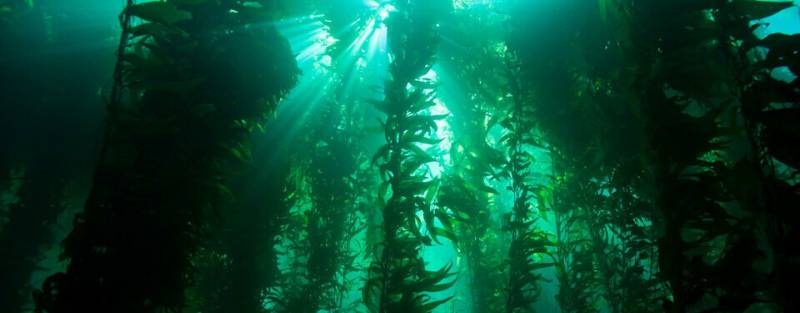
"caption": "Kelp forests are tiered like terrestrial rainforests and serve as key habitats for many marine animals.",
"description": null,
"title": "Kelp forests",
"credit": "NOAA",
"status": "inherit",
"altTag": null,
"isLoading": false,
"fetchFailed": false
},
"science_1991161": {
"type": "attachments",
"id": "science_1991161",
"meta": {
"index": "attachments_1716263798",
"site": "science",
"id": "1991161",
"found": true
},
"parent": 1991160,
"imgSizes": {
"twentyfourteen-full-width": {
"file": "https://cdn.kqed.org/wp-content/uploads/sites/35/2024/01/Oil-Pump-2048x1366-1-1038x576.jpg",
"width": 1038,
"mimeType": "image/jpeg",
"height": 576
},
"thumbnail": {
"file": "https://cdn.kqed.org/wp-content/uploads/sites/35/2024/01/Oil-Pump-2048x1366-1-160x107.jpg",
"width": 160,
"mimeType": "image/jpeg",
"height": 107
},
"post-thumbnail": {
"file": "https://cdn.kqed.org/wp-content/uploads/sites/35/2024/01/Oil-Pump-2048x1366-1-672x372.jpg",
"width": 672,
"mimeType": "image/jpeg",
"height": 372
},
"kqedFullSize": {
"file": "https://cdn.kqed.org/wp-content/uploads/sites/35/2024/01/Oil-Pump-2048x1366-1.jpg",
"width": 2048,
"height": 1366
},
"large": {
"file": "https://cdn.kqed.org/wp-content/uploads/sites/35/2024/01/Oil-Pump-2048x1366-1-1020x680.jpg",
"width": 1020,
"mimeType": "image/jpeg",
"height": 680
},
"1536x1536": {
"file": "https://cdn.kqed.org/wp-content/uploads/sites/35/2024/01/Oil-Pump-2048x1366-1-1536x1025.jpg",
"width": 1536,
"mimeType": "image/jpeg",
"height": 1025
},
"full-width": {
"file": "https://cdn.kqed.org/wp-content/uploads/sites/35/2024/01/Oil-Pump-2048x1366-1-1920x1281.jpg",
"width": 1920,
"mimeType": "image/jpeg",
"height": 1281
},
"medium": {
"file": "https://cdn.kqed.org/wp-content/uploads/sites/35/2024/01/Oil-Pump-2048x1366-1-800x534.jpg",
"width": 800,
"mimeType": "image/jpeg",
"height": 534
},
"medium_large": {
"file": "https://cdn.kqed.org/wp-content/uploads/sites/35/2024/01/Oil-Pump-2048x1366-1-768x512.jpg",
"width": 768,
"mimeType": "image/jpeg",
"height": 512
}
},
"publishDate": 1705605897,
"modified": 1705613742,
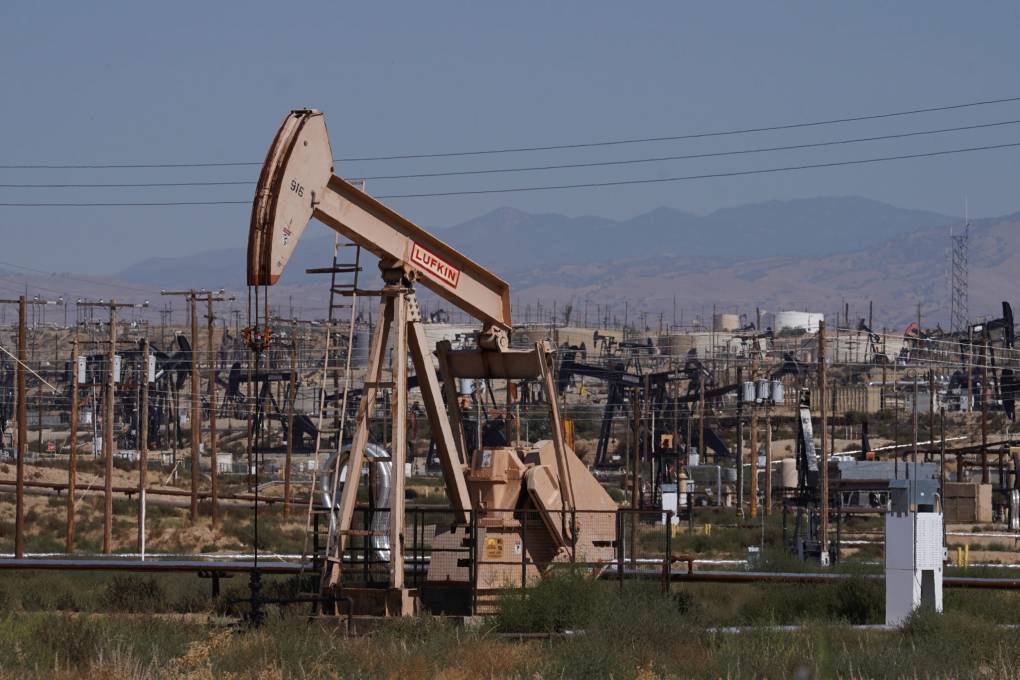
"caption": "An oil pumpjack in Kern County, California.",
"description": null,
"title": "Oil pumpjack",
"credit": "Harika Maddala",
"status": "inherit",
"altTag": "An oil pump is shown beneath a dusty sky.",
"isLoading": false,
"fetchFailed": false
},
"science_1985896": {
"type": "attachments",
"id": "science_1985896",
"meta": {
"index": "attachments_1716263798",
"site": "science",
"id": "1985896",
"found": true
},
"parent": 1985893,
"imgSizes": {
"twentyfourteen-full-width": {
"file": "https://cdn.kqed.org/wp-content/uploads/sites/35/2023/12/03292023_kqed_marchrain-074-qut-1038x576.jpg",
"width": 1038,
"mimeType": "image/jpeg",
"height": 576
},
"thumbnail": {
"file": "https://cdn.kqed.org/wp-content/uploads/sites/35/2023/12/03292023_kqed_marchrain-074-qut-160x106.jpg",
"width": 160,
"mimeType": "image/jpeg",
"height": 106
},
"post-thumbnail": {
"file": "https://cdn.kqed.org/wp-content/uploads/sites/35/2023/12/03292023_kqed_marchrain-074-qut-672x372.jpg",
"width": 672,
"mimeType": "image/jpeg",
"height": 372
},
"kqedFullSize": {
"file": "https://cdn.kqed.org/wp-content/uploads/sites/35/2023/12/03292023_kqed_marchrain-074-qut.jpg",
"width": 1920,
"height": 1277
},
"large": {
"file": "https://cdn.kqed.org/wp-content/uploads/sites/35/2023/12/03292023_kqed_marchrain-074-qut-1020x678.jpg",
"width": 1020,
"mimeType": "image/jpeg",
"height": 678
},
"1536x1536": {
"file": "https://cdn.kqed.org/wp-content/uploads/sites/35/2023/12/03292023_kqed_marchrain-074-qut-1536x1022.jpg",
"width": 1536,
"mimeType": "image/jpeg",
"height": 1022
},
"medium": {
"file": "https://cdn.kqed.org/wp-content/uploads/sites/35/2023/12/03292023_kqed_marchrain-074-qut-800x532.jpg",
"width": 800,
"mimeType": "image/jpeg",
"height": 532
},
"medium_large": {
"file": "https://cdn.kqed.org/wp-content/uploads/sites/35/2023/12/03292023_kqed_marchrain-074-qut-768x511.jpg",
"width": 768,
"mimeType": "image/jpeg",
"height": 511
}
},
"publishDate": 1702910152,
"modified": 1702943469,
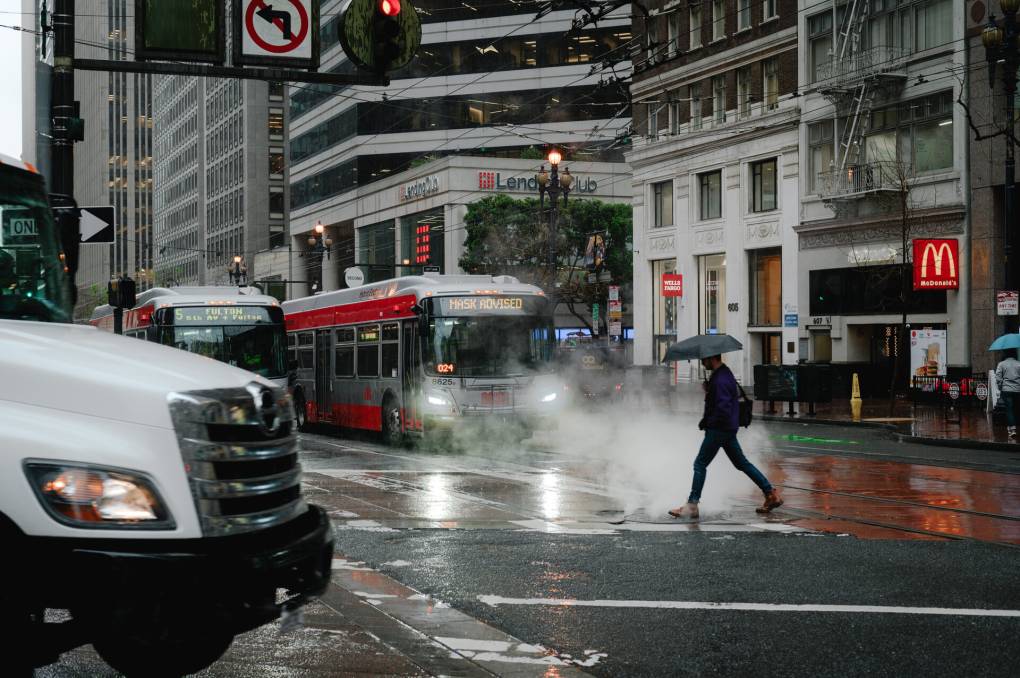
"caption": "A pedestrian walks through a pillar of steam while crossing the street in downtown San Francisco on March 29, 2023. ",
"description": null,
"title": "03292023_kqed_marchrain 074-qut",
"credit": "Kori Suzuki / KQED News",
"status": "inherit",
"altTag": "Rain falls on a red and gray bus.",
"isLoading": false,
"fetchFailed": false
},
"science_1985854": {
"type": "attachments",
"id": "science_1985854",
"meta": {
"index": "attachments_1716263798",
"site": "science",
"id": "1985854",
"found": true
},
"title": "002_KQED_AtmosphericRiver_03142023-qut",
"publishDate": 1702591654,
"status": "inherit",
"parent": 0,
"modified": 1762209865,
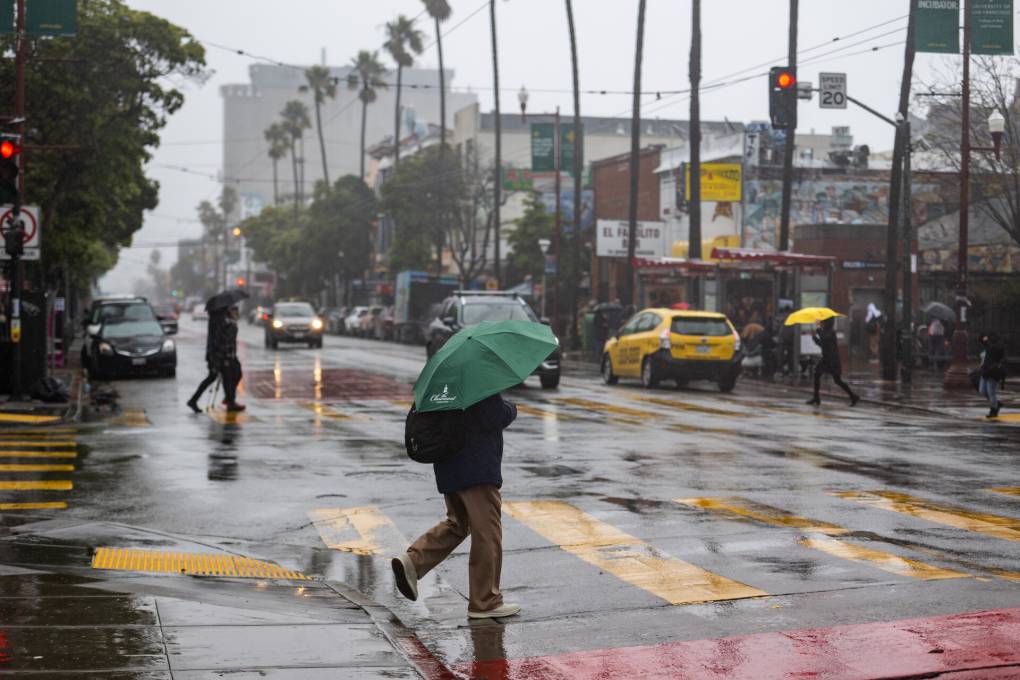
"caption": "A storm moves through San Francisco in the afternoon of March 14, 2023, bringing high winds and rain.",
"credit": "Beth LaBerge/KQED",
"altTag": "A person with a green umbrella crosses a rain-soaked street.",
"description": null,
"imgSizes": {
"medium": {
"file": "https://cdn.kqed.org/wp-content/uploads/sites/35/2023/12/002_KQED_AtmosphericRiver_03142023-qut-800x533.jpg",
"width": 800,
"height": 533,
"mimeType": "image/jpeg"
},
"large": {
"file": "https://cdn.kqed.org/wp-content/uploads/sites/35/2023/12/002_KQED_AtmosphericRiver_03142023-qut-1020x680.jpg",
"width": 1020,
"height": 680,
"mimeType": "image/jpeg"
},
"thumbnail": {
"file": "https://cdn.kqed.org/wp-content/uploads/sites/35/2023/12/002_KQED_AtmosphericRiver_03142023-qut-160x107.jpg",
"width": 160,
"height": 107,
"mimeType": "image/jpeg"
},
"medium_large": {
"file": "https://cdn.kqed.org/wp-content/uploads/sites/35/2023/12/002_KQED_AtmosphericRiver_03142023-qut-768x512.jpg",
"width": 768,
"height": 512,
"mimeType": "image/jpeg"
},
"1536x1536": {
"file": "https://cdn.kqed.org/wp-content/uploads/sites/35/2023/12/002_KQED_AtmosphericRiver_03142023-qut-1536x1024.jpg",
"width": 1536,
"height": 1024,
"mimeType": "image/jpeg"
},
"post-thumbnail": {
"file": "https://cdn.kqed.org/wp-content/uploads/sites/35/2023/12/002_KQED_AtmosphericRiver_03142023-qut-672x372.jpg",
"width": 672,
"height": 372,
"mimeType": "image/jpeg"
},
"twentyfourteen-full-width": {
"file": "https://cdn.kqed.org/wp-content/uploads/sites/35/2023/12/002_KQED_AtmosphericRiver_03142023-qut-1038x576.jpg",
"width": 1038,
"height": 576,
"mimeType": "image/jpeg"
},
"kqedFullSize": {
"file": "https://cdn.kqed.org/wp-content/uploads/sites/35/2023/12/002_KQED_AtmosphericRiver_03142023-qut.jpg",
"width": 1920,
"height": 1280
}
},
"isLoading": false,
"fetchFailed": false
},
"science_1985698": {
"type": "attachments",
"id": "science_1985698",
"meta": {
"index": "attachments_1716263798",
"site": "science",
"id": "1985698",
"found": true
},
"parent": 1985646,
"imgSizes": {
"twentyfourteen-full-width": {
"file": "https://cdn.kqed.org/wp-content/uploads/sites/35/2023/12/20231207-Bayview-Presser-020-JY-qut-1038x576.jpg",
"width": 1038,
"mimeType": "image/jpeg",
"height": 576
},
"thumbnail": {
"file": "https://cdn.kqed.org/wp-content/uploads/sites/35/2023/12/20231207-Bayview-Presser-020-JY-qut-160x107.jpg",
"width": 160,
"mimeType": "image/jpeg",
"height": 107
},
"post-thumbnail": {
"file": "https://cdn.kqed.org/wp-content/uploads/sites/35/2023/12/20231207-Bayview-Presser-020-JY-qut-672x372.jpg",
"width": 672,
"mimeType": "image/jpeg",
"height": 372
},
"kqedFullSize": {
"file": "https://cdn.kqed.org/wp-content/uploads/sites/35/2023/12/20231207-Bayview-Presser-020-JY-qut.jpg",
"width": 1920,
"height": 1280
},
"large": {
"file": "https://cdn.kqed.org/wp-content/uploads/sites/35/2023/12/20231207-Bayview-Presser-020-JY-qut-1020x680.jpg",
"width": 1020,
"mimeType": "image/jpeg",
"height": 680
},
"1536x1536": {
"file": "https://cdn.kqed.org/wp-content/uploads/sites/35/2023/12/20231207-Bayview-Presser-020-JY-qut-1536x1024.jpg",
"width": 1536,
"mimeType": "image/jpeg",
"height": 1024
},
"medium": {
"file": "https://cdn.kqed.org/wp-content/uploads/sites/35/2023/12/20231207-Bayview-Presser-020-JY-qut-800x533.jpg",
"width": 800,
"mimeType": "image/jpeg",
"height": 533
},
"medium_large": {
"file": "https://cdn.kqed.org/wp-content/uploads/sites/35/2023/12/20231207-Bayview-Presser-020-JY-qut-768x512.jpg",
"width": 768,
"mimeType": "image/jpeg",
"height": 512
}
},
"publishDate": 1701987738,
"modified": 1702158004,
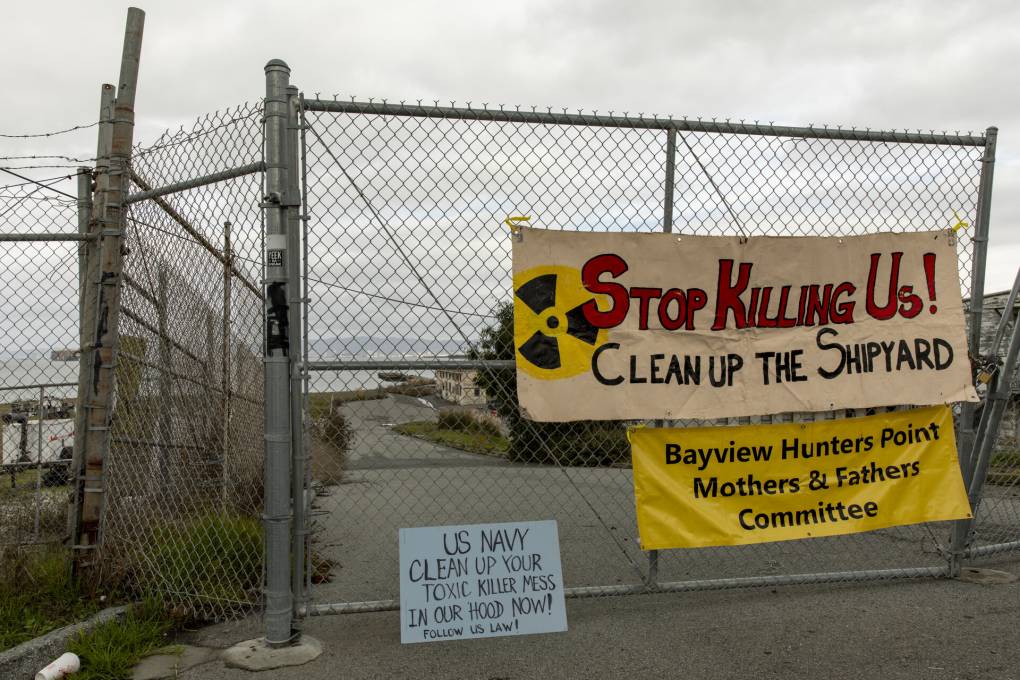
"caption": "Signs directed at the US Navy are posted on the gate of the former Hunters Point Naval Shipyard in San Francisco on Dec. 7, 2023.",
"description": null,
"title": "Bayview Presser",
"credit": "Juliana Yamada/KQED",
"status": "inherit",
"altTag": "'Stop killing us. Clean up the shipyard.'",
"isLoading": false,
"fetchFailed": false
},
"science_1985612": {
"type": "attachments",
"id": "science_1985612",
"meta": {
"index": "attachments_1716263798",
"site": "science",
"id": "1985612",
"found": true
},
"parent": 1985611,
"imgSizes": {
"twentyfourteen-full-width": {
"file": "https://cdn.kqed.org/wp-content/uploads/sites/35/2023/12/GettyImages-812546100-1038x576.jpeg",
"width": 1038,
"mimeType": "image/jpeg",
"height": 576
},
"thumbnail": {
"file": "https://cdn.kqed.org/wp-content/uploads/sites/35/2023/12/GettyImages-812546100-160x121.jpeg",
"width": 160,
"mimeType": "image/jpeg",
"height": 121
},
"post-thumbnail": {
"file": "https://cdn.kqed.org/wp-content/uploads/sites/35/2023/12/GettyImages-812546100-672x372.jpeg",
"width": 672,
"mimeType": "image/jpeg",
"height": 372
},
"kqedFullSize": {
"file": "https://cdn.kqed.org/wp-content/uploads/sites/35/2023/12/GettyImages-812546100.jpeg",
"width": 1992,
"height": 1504
},
"large": {
"file": "https://cdn.kqed.org/wp-content/uploads/sites/35/2023/12/GettyImages-812546100-1020x770.jpeg",
"width": 1020,
"mimeType": "image/jpeg",
"height": 770
},
"1536x1536": {
"file": "https://cdn.kqed.org/wp-content/uploads/sites/35/2023/12/GettyImages-812546100-1536x1160.jpeg",
"width": 1536,
"mimeType": "image/jpeg",
"height": 1160
},
"full-width": {
"file": "https://cdn.kqed.org/wp-content/uploads/sites/35/2023/12/GettyImages-812546100-1920x1450.jpeg",
"width": 1920,
"mimeType": "image/jpeg",
"height": 1450
},
"medium": {
"file": "https://cdn.kqed.org/wp-content/uploads/sites/35/2023/12/GettyImages-812546100-800x604.jpeg",
"width": 800,
"mimeType": "image/jpeg",
"height": 604
},
"medium_large": {
"file": "https://cdn.kqed.org/wp-content/uploads/sites/35/2023/12/GettyImages-812546100-768x580.jpeg",
"width": 768,
"mimeType": "image/jpeg",
"height": 580
}
},
"publishDate": 1701901535,
"modified": 1701901741,
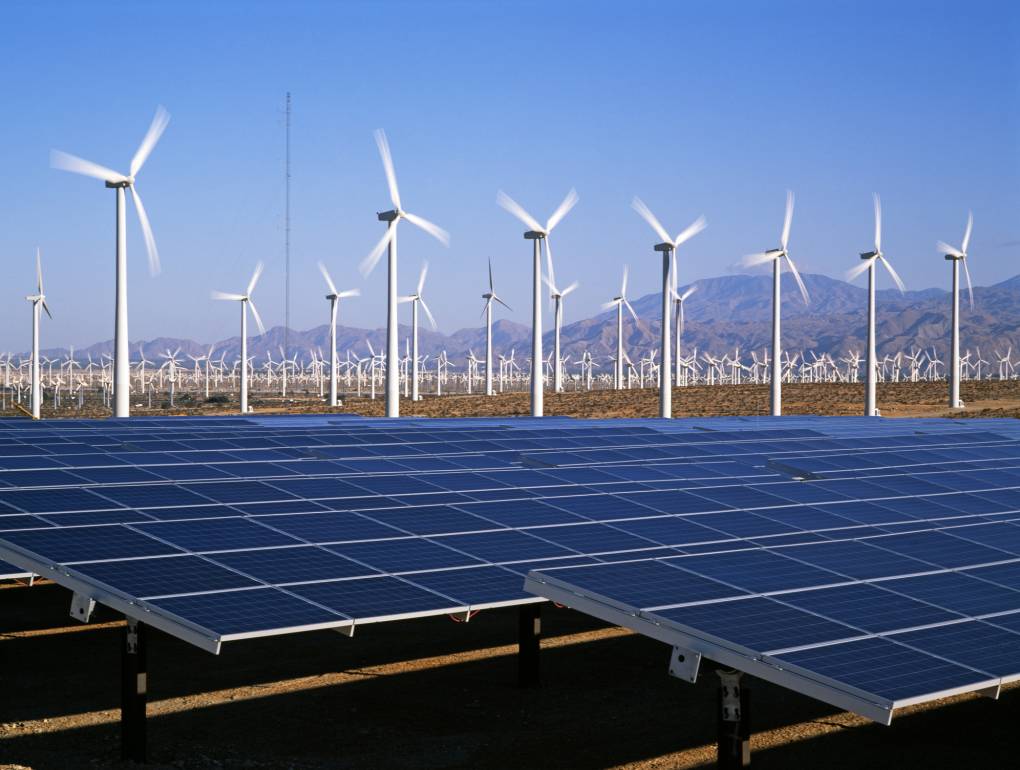
"caption": "A solar and wind farm in Palm Springs that generates 100% renewable energy. ",
"description": null,
"title": "Wind turbines and solar panels",
"credit": "Murat Taner/Getty Images",
"status": "inherit",
"altTag": "Solar panels and wind turbines in desert with mountains in the distance.",
"isLoading": false,
"fetchFailed": false
},
"science_1985593": {
"type": "attachments",
"id": "science_1985593",
"meta": {
"index": "attachments_1716263798",
"site": "science",
"id": "1985593",
"found": true
},
"parent": 1985591,
"imgSizes": {
"twentyfourteen-full-width": {
"file": "https://ww2.kqed.org/app/uploads/sites/35/2023/12/portofoakland-qut-1038x576.jpg",
"width": 1038,
"mimeType": "image/jpeg",
"height": 576
},
"thumbnail": {
"file": "https://ww2.kqed.org/app/uploads/sites/35/2023/12/portofoakland-qut-160x106.jpg",
"width": 160,
"mimeType": "image/jpeg",
"height": 106
},
"post-thumbnail": {
"file": "https://ww2.kqed.org/app/uploads/sites/35/2023/12/portofoakland-qut-672x372.jpg",
"width": 672,
"mimeType": "image/jpeg",
"height": 372
},
"kqedFullSize": {
"file": "https://ww2.kqed.org/app/uploads/sites/35/2023/12/portofoakland-qut.jpg",
"width": 1440,
"height": 953
},
"large": {
"file": "https://ww2.kqed.org/app/uploads/sites/35/2023/12/portofoakland-qut-1020x675.jpg",
"width": 1020,
"mimeType": "image/jpeg",
"height": 675
},
"medium": {
"file": "https://ww2.kqed.org/app/uploads/sites/35/2023/12/portofoakland-qut-800x529.jpg",
"width": 800,
"mimeType": "image/jpeg",
"height": 529
},
"medium_large": {
"file": "https://ww2.kqed.org/app/uploads/sites/35/2023/12/portofoakland-qut-768x508.jpg",
"width": 768,
"mimeType": "image/jpeg",
"height": 508
}
},
"publishDate": 1701472402,
"modified": 1701478068,
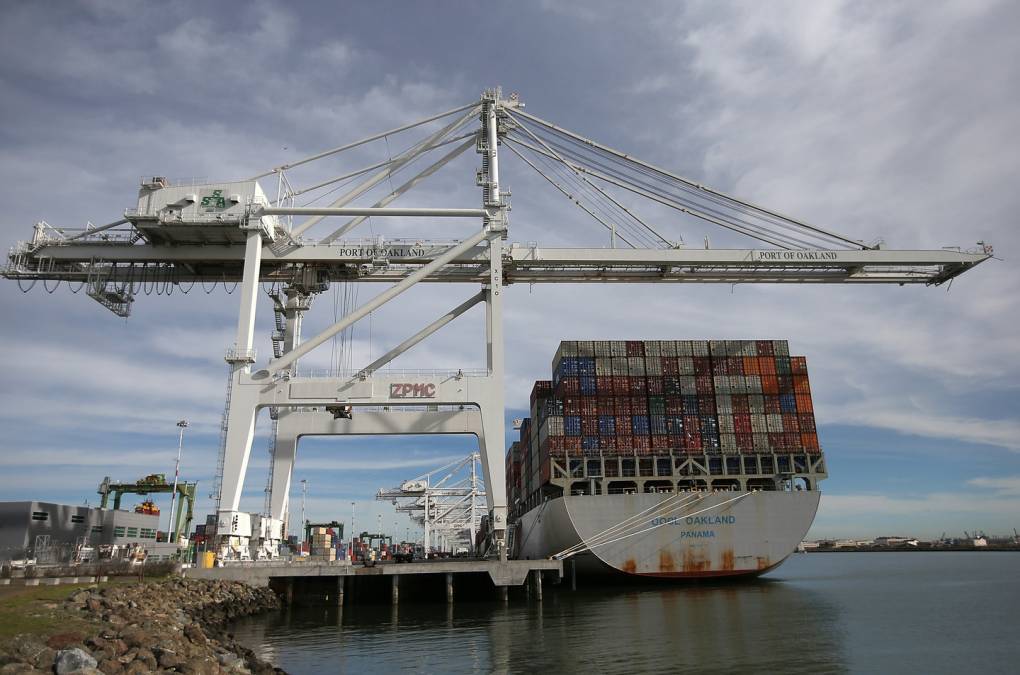
"caption": "A container ship docked in a berth at the Port of Oakland on Feb. 11, 2015, in Oakland.",
"description": null,
"title": "portofoakland-qut",
"credit": "Justin Sullivan/Getty Images",
"status": "inherit",
"altTag": "A white crane sits above a container ship with colorful boxes.",
"isLoading": false,
"fetchFailed": false
},
"science_1985664": {
"type": "attachments",
"id": "science_1985664",
"meta": {
"index": "attachments_1716263798",
"site": "science",
"id": "1985664",
"found": true
},
"parent": 1985663,
"imgSizes": {
"twentyfourteen-full-width": {
"file": "https://cdn.kqed.org/wp-content/uploads/sites/35/2023/12/ap23087720134805-d7afab77702082d1ab4f24b478f1b07557548dea-1038x576.jpg",
"width": 1038,
"mimeType": "image/jpeg",
"height": 576
},
"thumbnail": {
"file": "https://cdn.kqed.org/wp-content/uploads/sites/35/2023/12/ap23087720134805-d7afab77702082d1ab4f24b478f1b07557548dea-160x120.jpg",
"width": 160,
"mimeType": "image/jpeg",
"height": 120
},
"post-thumbnail": {
"file": "https://cdn.kqed.org/wp-content/uploads/sites/35/2023/12/ap23087720134805-d7afab77702082d1ab4f24b478f1b07557548dea-672x372.jpg",
"width": 672,
"mimeType": "image/jpeg",
"height": 372
},
"kqedFullSize": {
"file": "https://cdn.kqed.org/wp-content/uploads/sites/35/2023/12/ap23087720134805-d7afab77702082d1ab4f24b478f1b07557548dea-scaled.jpg",
"width": 2560,
"height": 1920
},
"2048x2048": {
"file": "https://cdn.kqed.org/wp-content/uploads/sites/35/2023/12/ap23087720134805-d7afab77702082d1ab4f24b478f1b07557548dea-2048x1536.jpg",
"width": 2048,
"mimeType": "image/jpeg",
"height": 1536
},
"large": {
"file": "https://cdn.kqed.org/wp-content/uploads/sites/35/2023/12/ap23087720134805-d7afab77702082d1ab4f24b478f1b07557548dea-1020x765.jpg",
"width": 1020,
"mimeType": "image/jpeg",
"height": 765
},
"1536x1536": {
"file": "https://cdn.kqed.org/wp-content/uploads/sites/35/2023/12/ap23087720134805-d7afab77702082d1ab4f24b478f1b07557548dea-1536x1152.jpg",
"width": 1536,
"mimeType": "image/jpeg",
"height": 1152
},
"full-width": {
"file": "https://cdn.kqed.org/wp-content/uploads/sites/35/2023/12/ap23087720134805-d7afab77702082d1ab4f24b478f1b07557548dea-1920x1440.jpg",
"width": 1920,
"mimeType": "image/jpeg",
"height": 1440
},
"medium": {
"file": "https://cdn.kqed.org/wp-content/uploads/sites/35/2023/12/ap23087720134805-d7afab77702082d1ab4f24b478f1b07557548dea-800x600.jpg",
"width": 800,
"mimeType": "image/jpeg",
"height": 600
},
"medium_large": {
"file": "https://cdn.kqed.org/wp-content/uploads/sites/35/2023/12/ap23087720134805-d7afab77702082d1ab4f24b478f1b07557548dea-768x576.jpg",
"width": 768,
"mimeType": "image/jpeg",
"height": 576
}
},
"publishDate": 1701970488,
"modified": 1701974740,
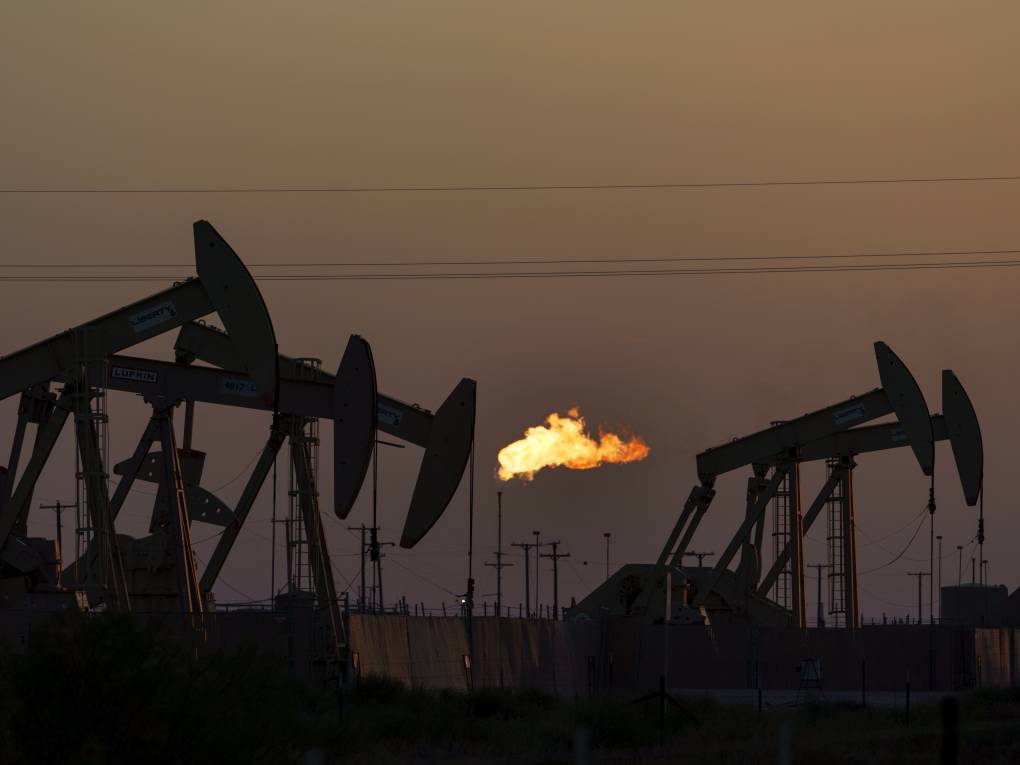
"caption": "A flare burns off methane and other hydrocarbons as oil pumpjacks operate in the Permian Basin in Midland, Texas, Oct. 12, 2021.",
"description": null,
"title": "EPA",
"credit": "David Goldman/AP",
"status": "inherit",
"altTag": "Oil pumps work in the foreground as an open flame burns in the distance beneath a smoky orange sky.",
"isLoading": false,
"fetchFailed": false
},
"science_1994141": {
"type": "attachments",
"id": "science_1994141",
"meta": {
"index": "attachments_1716263798",
"site": "science",
"id": "1994141",
"found": true
},
"title": "DL1016_Dog-Ticks-Are-Changing-Their-Diet-Youre-On-The-Menu-KQED-C",
"publishDate": 1725490991,
"status": "inherit",
"parent": 1985541,
"modified": 1725490991,
"caption": null,
"credit": null,
"altTag": null,
"description": null,
"imgSizes": {
"medium": {
"file": "https://cdn.kqed.org/wp-content/uploads/sites/35/2023/11/DL1016_Dog-Ticks-Are-Changing-Their-Diet-Youre-On-The-Menu-KQED-C-800x450.jpg",
"width": 800,
"height": 450,
"mimeType": "image/jpeg"
},
"large": {
"file": "https://cdn.kqed.org/wp-content/uploads/sites/35/2023/11/DL1016_Dog-Ticks-Are-Changing-Their-Diet-Youre-On-The-Menu-KQED-C-1020x574.jpg",
"width": 1020,
"height": 574,
"mimeType": "image/jpeg"
},
"thumbnail": {
"file": "https://cdn.kqed.org/wp-content/uploads/sites/35/2023/11/DL1016_Dog-Ticks-Are-Changing-Their-Diet-Youre-On-The-Menu-KQED-C-160x90.jpg",
"width": 160,
"height": 90,
"mimeType": "image/jpeg"
},
"medium_large": {
"file": "https://cdn.kqed.org/wp-content/uploads/sites/35/2023/11/DL1016_Dog-Ticks-Are-Changing-Their-Diet-Youre-On-The-Menu-KQED-C-768x432.jpg",
"width": 768,
"height": 432,
"mimeType": "image/jpeg"
},
"1536x1536": {
"file": "https://cdn.kqed.org/wp-content/uploads/sites/35/2023/11/DL1016_Dog-Ticks-Are-Changing-Their-Diet-Youre-On-The-Menu-KQED-C-1536x864.jpg",
"width": 1536,
"height": 864,
"mimeType": "image/jpeg"
},
"post-thumbnail": {
"file": "https://cdn.kqed.org/wp-content/uploads/sites/35/2023/11/DL1016_Dog-Ticks-Are-Changing-Their-Diet-Youre-On-The-Menu-KQED-C-672x372.jpg",
"width": 672,
"height": 372,
"mimeType": "image/jpeg"
},
"twentyfourteen-full-width": {
"file": "https://cdn.kqed.org/wp-content/uploads/sites/35/2023/11/DL1016_Dog-Ticks-Are-Changing-Their-Diet-Youre-On-The-Menu-KQED-C-1038x576.jpg",
"width": 1038,
"height": 576,
"mimeType": "image/jpeg"
},
"kqedFullSize": {
"file": "https://cdn.kqed.org/wp-content/uploads/sites/35/2023/11/DL1016_Dog-Ticks-Are-Changing-Their-Diet-Youre-On-The-Menu-KQED-C.jpg",
"width": 1920,
"height": 1080
}
},
"isLoading": false,
"fetchFailed": false
},
"science_1985357": {
"type": "attachments",
"id": "science_1985357",
"meta": {
"index": "attachments_1716263798",
"site": "science",
"id": "1985357",
"found": true
},
"parent": 0,
"imgSizes": {
"twentyfourteen-full-width": {
"file": "https://ww2.kqed.org/app/uploads/sites/35/2023/11/1999-462_leonids_main-800x600-1-NASA-Ames-Research-Center-ISAS-Shinsuke-Abe-and-Hajime-Yano-800x576.jpg",
"width": 800,
"mimeType": "image/jpeg",
"height": 576
},
"thumbnail": {
"file": "https://ww2.kqed.org/app/uploads/sites/35/2023/11/1999-462_leonids_main-800x600-1-NASA-Ames-Research-Center-ISAS-Shinsuke-Abe-and-Hajime-Yano-160x120.jpg",
"width": 160,
"mimeType": "image/jpeg",
"height": 120
},
"post-thumbnail": {
"file": "https://ww2.kqed.org/app/uploads/sites/35/2023/11/1999-462_leonids_main-800x600-1-NASA-Ames-Research-Center-ISAS-Shinsuke-Abe-and-Hajime-Yano-672x372.jpg",
"width": 672,
"mimeType": "image/jpeg",
"height": 372
},
"kqedFullSize": {
"file": "https://ww2.kqed.org/app/uploads/sites/35/2023/11/1999-462_leonids_main-800x600-1-NASA-Ames-Research-Center-ISAS-Shinsuke-Abe-and-Hajime-Yano.jpg",
"width": 800,
"height": 600
},
"medium_large": {
"file": "https://ww2.kqed.org/app/uploads/sites/35/2023/11/1999-462_leonids_main-800x600-1-NASA-Ames-Research-Center-ISAS-Shinsuke-Abe-and-Hajime-Yano-768x576.jpg",
"width": 768,
"mimeType": "image/jpeg",
"height": 576
}
},
"publishDate": 1700064672,
"modified": 1700078759,
"caption": "Outburst of Leonids meteors during a time of increased activity in 1999",
"description": "Outburst of Leonids meteors during a time of increased activity in 1999",
"title": "1999-462_leonids_main-800x600-1-NASA-Ames Research Center-ISAS-Shinsuke Abe and Hajime Yano",
"credit": "NASA/Ames Research Center/ISAS/Shinsuke Abe and Hajime Yano",
"status": "inherit",
"altTag": "Meteors flash as white lights on a black background in the sky.",
"isLoading": false,
"fetchFailed": false
},
"science_1985374": {
"type": "attachments",
"id": "science_1985374",
"meta": {
"index": "attachments_1716263798",
"site": "science",
"id": "1985374",
"found": true
},
"parent": 0,
"imgSizes": {
"twentyfourteen-full-width": {
"file": "https://ww2.kqed.org/app/uploads/sites/35/2023/11/231115-APECClimateProtest-07-BL-1038x576.jpg",
"width": 1038,
"mimeType": "image/jpeg",
"height": 576
},
"thumbnail": {
"file": "https://ww2.kqed.org/app/uploads/sites/35/2023/11/231115-APECClimateProtest-07-BL-160x107.jpg",
"width": 160,
"mimeType": "image/jpeg",
"height": 107
},
"post-thumbnail": {
"file": "https://ww2.kqed.org/app/uploads/sites/35/2023/11/231115-APECClimateProtest-07-BL-672x372.jpg",
"width": 672,
"mimeType": "image/jpeg",
"height": 372
},
"kqedFullSize": {
"file": "https://ww2.kqed.org/app/uploads/sites/35/2023/11/231115-APECClimateProtest-07-BL.jpg",
"width": 1920,
"height": 1280
},
"large": {
"file": "https://ww2.kqed.org/app/uploads/sites/35/2023/11/231115-APECClimateProtest-07-BL-1020x680.jpg",
"width": 1020,
"mimeType": "image/jpeg",
"height": 680
},
"1536x1536": {
"file": "https://ww2.kqed.org/app/uploads/sites/35/2023/11/231115-APECClimateProtest-07-BL-1536x1024.jpg",
"width": 1536,
"mimeType": "image/jpeg",
"height": 1024
},
"medium": {
"file": "https://ww2.kqed.org/app/uploads/sites/35/2023/11/231115-APECClimateProtest-07-BL-800x533.jpg",
"width": 800,
"mimeType": "image/jpeg",
"height": 533
},
"medium_large": {
"file": "https://ww2.kqed.org/app/uploads/sites/35/2023/11/231115-APECClimateProtest-07-BL-768x512.jpg",
"width": 768,
"mimeType": "image/jpeg",
"height": 512
}
},
"publishDate": 1700072714,
"modified": 1700073352,
"caption": "Climate demonstrators hold a symbolic wedding to denounce the recent union between ExxonMobil and Citibank during the APEC summit in San Francisco on Nov. 15, 2023.",
"description": null,
"title": "231115-APECClimateProtest-07-BL",
"credit": "Beth LaBerge/KQED",
"status": "inherit",
"altTag": "A group of protesters chant. One person is wearing a wedding dress covered with red paint.",
"isLoading": false,
"fetchFailed": false
},
"science_1994142": {
"type": "attachments",
"id": "science_1994142",
"meta": {
"index": "attachments_1716263798",
"site": "science",
"id": "1994142",
"found": true
},
"title": "DL1015_This-Weevil-Has-Puppet-Vibes-But-Drills-Like-a-Power-Tool-B",
"publishDate": 1725491055,
"status": "inherit",
"parent": 1985068,
"modified": 1725491055,
"caption": null,
"credit": null,
"altTag": null,
"description": null,
"imgSizes": {
"medium": {
"file": "https://cdn.kqed.org/wp-content/uploads/sites/35/2023/11/DL1015_This-Weevil-Has-Puppet-Vibes-But-Drills-Like-a-Power-Tool-B-800x450.jpg",
"width": 800,
"height": 450,
"mimeType": "image/jpeg"
},
"large": {
"file": "https://cdn.kqed.org/wp-content/uploads/sites/35/2023/11/DL1015_This-Weevil-Has-Puppet-Vibes-But-Drills-Like-a-Power-Tool-B-1020x574.jpg",
"width": 1020,
"height": 574,
"mimeType": "image/jpeg"
},
"thumbnail": {
"file": "https://cdn.kqed.org/wp-content/uploads/sites/35/2023/11/DL1015_This-Weevil-Has-Puppet-Vibes-But-Drills-Like-a-Power-Tool-B-160x90.jpg",
"width": 160,
"height": 90,
"mimeType": "image/jpeg"
},
"medium_large": {
"file": "https://cdn.kqed.org/wp-content/uploads/sites/35/2023/11/DL1015_This-Weevil-Has-Puppet-Vibes-But-Drills-Like-a-Power-Tool-B-768x432.jpg",
"width": 768,
"height": 432,
"mimeType": "image/jpeg"
},
"1536x1536": {
"file": "https://cdn.kqed.org/wp-content/uploads/sites/35/2023/11/DL1015_This-Weevil-Has-Puppet-Vibes-But-Drills-Like-a-Power-Tool-B-1536x864.jpg",
"width": 1536,
"height": 864,
"mimeType": "image/jpeg"
},
"2048x2048": {
"file": "https://cdn.kqed.org/wp-content/uploads/sites/35/2023/11/DL1015_This-Weevil-Has-Puppet-Vibes-But-Drills-Like-a-Power-Tool-B-2048x1152.jpg",
"width": 2048,
"height": 1152,
"mimeType": "image/jpeg"
},
"post-thumbnail": {
"file": "https://cdn.kqed.org/wp-content/uploads/sites/35/2023/11/DL1015_This-Weevil-Has-Puppet-Vibes-But-Drills-Like-a-Power-Tool-B-672x372.jpg",
"width": 672,
"height": 372,
"mimeType": "image/jpeg"
},
"twentyfourteen-full-width": {
"file": "https://cdn.kqed.org/wp-content/uploads/sites/35/2023/11/DL1015_This-Weevil-Has-Puppet-Vibes-But-Drills-Like-a-Power-Tool-B-1038x576.jpg",
"width": 1038,
"height": 576,
"mimeType": "image/jpeg"
},
"full-width": {
"file": "https://cdn.kqed.org/wp-content/uploads/sites/35/2023/11/DL1015_This-Weevil-Has-Puppet-Vibes-But-Drills-Like-a-Power-Tool-B-1920x1080.jpg",
"width": 1920,
"height": 1080,
"mimeType": "image/jpeg"
},
"kqedFullSize": {
"file": "https://cdn.kqed.org/wp-content/uploads/sites/35/2023/11/DL1015_This-Weevil-Has-Puppet-Vibes-But-Drills-Like-a-Power-Tool-B-scaled.jpg",
"width": 2560,
"height": 1440
}
},
"isLoading": false,
"fetchFailed": false
}
},
"audioPlayerReducer": {
"postId": "stream_live",
"isPaused": true,
"isPlaying": false,
"pfsActive": false,
"pledgeModalIsOpen": true,
"playerDrawerIsOpen": false,
"liveAudioPlayStartedAt": 0,
"liveAudioPlayContext": ""
},
"authorsReducer": {
"byline_science_1991212": {
"type": "authors",
"id": "byline_science_1991212",
"meta": {
"override": true
},
"slug": "byline_science_1991212",
"name": "\u003ca href=\"https://www.npr.org/people/297147967/ari-daniel\">Ari Daniel\u003c/a>",
"isLoading": false
},
"byline_science_1991160": {
"type": "authors",
"id": "byline_science_1991160",
"meta": {
"override": true
},
"slug": "byline_science_1991160",
"name": "\u003ca href=\"https://insideclimatenews.org/profile/emma-foehringer-merchant/\"> Emma Foehringer Merchant, Inside Climate News\u003c/a>\u003cbr>\u003ca href=\"https://www.kvpr.org/people/joshua-yeager/\">Joshua Yeager, KVPR\u003c/a>",
"isLoading": false
},
"byline_science_1985663": {
"type": "authors",
"id": "byline_science_1985663",
"meta": {
"override": true
},
"slug": "byline_science_1985663",
"name": "\u003ca href=\"https://www.npr.org/people/4127076/jeff-brady\">Jeff Brady\u003c/a>",
"isLoading": false
},
"tgoldberg": {
"type": "authors",
"id": "258",
"meta": {
"index": "authors_1716337520",
"id": "258",
"found": true
},
"name": "Ted Goldberg",
"firstName": "Ted",
"lastName": "Goldberg",
"slug": "tgoldberg",
"email": "tgoldberg@kqed.org",
"display_author_email": true,
"staff_mastheads": [
"news"
],
"title": "KQED Managing Editor, News and Newscasts",
"bio": "Ted Goldberg is Managing Editor of News and Newscasts at KQED. His main reporting beat is the Bay Area's oil refining industry.\r\n\r\nPrior to joining KQED in 2014, Ted worked at CBS News and WCBS AM in New York and Bay City News and KCBS Radio in San Francisco. He graduated from Oberlin College in Ohio in 1998.",
"avatar": "https://secure.gravatar.com/avatar/30ce2e4fe89135e104f89be2394d16225b9d36c121b5b3cb7651ce642978b96f?s=600&d=blank&r=g",
"twitter": "TedrickG",
"bluesky": null,
"facebook": null,
"instagram": null,
"linkedin": null,
"sites": [
{
"site": "news",
"roles": [
"editor"
]
},
{
"site": "science",
"roles": [
"editor"
]
}
],
"headData": {
"title": "Ted Goldberg | KQED",
"description": "KQED Managing Editor, News and Newscasts",
"ogImgSrc": "https://secure.gravatar.com/avatar/30ce2e4fe89135e104f89be2394d16225b9d36c121b5b3cb7651ce642978b96f?s=600&d=blank&r=g",
"twImgSrc": "https://secure.gravatar.com/avatar/30ce2e4fe89135e104f89be2394d16225b9d36c121b5b3cb7651ce642978b96f?s=600&d=blank&r=g"
},
"isLoading": false,
"link": "/author/tgoldberg"
},
"ben-burress": {
"type": "authors",
"id": "6180",
"meta": {
"index": "authors_1716337520",
"id": "6180",
"found": true
},
"name": "Ben Burress",
"firstName": "Ben",
"lastName": "Burress",
"slug": "ben-burress",
"email": "bburress@chabotspace.org",
"display_author_email": false,
"staff_mastheads": [],
"title": null,
"bio": "\u003cstrong>Benjamin Burress\u003c/strong> has been a staff astronomer at Chabot Space & Science Center since July 1999. He graduated from Sonoma State University in 1985 with a bachelor’s degree in physics (and minor in astronomy), after which he signed on for a two-year stint in the Peace Corps, where he taught physics and mathematics in the African nation of Cameroon. From 1989-96 he served on the crew of NASA’s Kuiper Airborne Observatory at Ames Research Center in Mountain View, CA. From 1996-99, he was Head Observer at the Naval Prototype Optical Interferometer program at Lowell Observatory in Flagstaff, AZ.\r\n\r\nRead his \u003ca href=\"http://science.kqed.org/quest/author/ben-burress/\">previous contributions\u003c/a> to \u003ca href=\"http://science.kqed.org/quest/\">QUEST\u003c/a>, a project dedicated to exploring the Science of Sustainability.",
"avatar": "https://secure.gravatar.com/avatar/8263bffa345b7e4923a0b8b9f0f6a161?s=600&d=blank&r=g",
"twitter": null,
"facebook": null,
"instagram": null,
"linkedin": null,
"sites": [
{
"site": "science",
"roles": [
"editor"
]
},
{
"site": "quest",
"roles": [
"subscriber"
]
}
],
"headData": {
"title": "Ben Burress | KQED",
"description": null,
"ogImgSrc": "https://secure.gravatar.com/avatar/8263bffa345b7e4923a0b8b9f0f6a161?s=600&d=blank&r=g",
"twImgSrc": "https://secure.gravatar.com/avatar/8263bffa345b7e4923a0b8b9f0f6a161?s=600&d=blank&r=g"
},
"isLoading": false,
"link": "/author/ben-burress"
},
"lklivans": {
"type": "authors",
"id": "8648",
"meta": {
"index": "authors_1716337520",
"id": "8648",
"found": true
},
"name": "Laura Klivans",
"firstName": "Laura",
"lastName": "Klivans",
"slug": "lklivans",
"email": "lklivans@kqed.org",
"display_author_email": true,
"staff_mastheads": [
"news",
"science"
],
"title": "Reporter",
"bio": "Laura Klivans is an award-winning science reporter for KQED News, where she covers climate change with an eye on both groundbreaking progress and gaps in action. She is the former host of KQED's blockbuster video series about tiny, amazing animals, \u003cem>Deep Look\u003c/em>. Her work reaches national audiences through NPR, \u003cem>Here & Now, \u003c/em>PRI, and other major outlets. \r\n\r\nLaura’s won five Northern California Area Emmy Awards for Deep Look and First Place in the Greater Bay Area Journalism Awards for a podcast exploring how one Oakland neighborhood teamed up to reduce planet-heating pollution.\r\n\r\nBeyond her reporting, she hosts and moderates events. In the past, she taught audio storytelling at the UC Berkeley Graduate School of Journalism, led international education programs, worked with immigrants and refugees along the Thai-Burmese border, taught high schoolers sex ed, and was an actress. \r\n\r\nShe's a former UC Berkeley Human Rights Fellow, USC Center for Health Journalism's California Fellow and Coro Fellow in Public Affairs. Laura has a master’s in journalism from UC Berkeley, a master’s in education from Harvard, and an undergraduate degree from Northwestern University.\r\n\r\nShe loves trying to riddle the meaning out of vanity license plates.",
"avatar": "https://secure.gravatar.com/avatar/2d2ecd1550a494cc10ad4a503406965585902124739e775a9b3817eebf1d88be?s=600&d=blank&r=g",
"twitter": "lauraklivans",
"bluesky": null,
"facebook": null,
"instagram": null,
"linkedin": null,
"sites": [
{
"site": "news",
"roles": [
"editor"
]
},
{
"site": "stateofhealth",
"roles": [
"contributor",
"editor"
]
},
{
"site": "science",
"roles": [
"editor"
]
},
{
"site": "forum",
"roles": [
"editor"
]
}
],
"headData": {
"title": "Laura Klivans | KQED",
"description": "Reporter",
"ogImgSrc": "https://secure.gravatar.com/avatar/2d2ecd1550a494cc10ad4a503406965585902124739e775a9b3817eebf1d88be?s=600&d=blank&r=g",
"twImgSrc": "https://secure.gravatar.com/avatar/2d2ecd1550a494cc10ad4a503406965585902124739e775a9b3817eebf1d88be?s=600&d=blank&r=g"
},
"isLoading": false,
"link": "/author/lklivans"
},
"kevinstark": {
"type": "authors",
"id": "11608",
"meta": {
"index": "authors_1716337520",
"id": "11608",
"found": true
},
"name": "Kevin Stark",
"firstName": "Kevin",
"lastName": "Stark",
"slug": "kevinstark",
"email": "kstark@kqed.org",
"display_author_email": true,
"staff_mastheads": [
"science"
],
"title": "Senior Editor",
"bio": "Kevin is a senior editor for KQED Science, managing the station's health and climate desks. His journalism career began in the Pacific Northwest, and he later became a lead reporter for the San Francisco Public Press. His work has appeared in Pacific Standard magazine, the Energy News Network, the Center for Investigative Reporting's Reveal and WBEZ in Chicago. Kevin joined KQED in 2019, and has covered issues related to energy, wildfire, climate change and the environment.",
"avatar": "https://secure.gravatar.com/avatar/365aaa4b597d3a8374f67504ff0facd323d7906e8eb4be0a7efd2427408e802c?s=600&d=blank&r=g",
"twitter": "starkkev",
"bluesky": null,
"facebook": null,
"instagram": null,
"linkedin": null,
"sites": [
{
"site": "",
"roles": [
"editor"
]
},
{
"site": "news",
"roles": [
"editor"
]
},
{
"site": "science",
"roles": [
"administrator"
]
}
],
"headData": {
"title": "Kevin Stark | KQED",
"description": "Senior Editor",
"ogImgSrc": "https://secure.gravatar.com/avatar/365aaa4b597d3a8374f67504ff0facd323d7906e8eb4be0a7efd2427408e802c?s=600&d=blank&r=g",
"twImgSrc": "https://secure.gravatar.com/avatar/365aaa4b597d3a8374f67504ff0facd323d7906e8eb4be0a7efd2427408e802c?s=600&d=blank&r=g"
},
"isLoading": false,
"link": "/author/kevinstark"
},
"eromero": {
"type": "authors",
"id": "11746",
"meta": {
"index": "authors_1716337520",
"id": "11746",
"found": true
},
"name": "Ezra David Romero",
"firstName": "Ezra David",
"lastName": "Romero",
"slug": "eromero",
"email": "eromero@kqed.org",
"display_author_email": true,
"staff_mastheads": [
"news",
"science"
],
"title": "Climate Reporter",
"bio": "Ezra David Romero is a climate reporter for KQED News. He covers the absence and excess of water in the Bay Area — think sea level rise, flooding and drought. For nearly a decade he’s covered how warming temperatures are altering the lives of Californians. He’s reported on farmers worried their pistachio trees aren’t getting enough sleep, families desperate for water, scientists studying dying giant sequoias, and alongside firefighters containing wildfires. His work has appeared on local stations across California and nationally on public radio shows like Morning Edition, Here and Now, All Things Considered and Science Friday. ",
"avatar": "https://secure.gravatar.com/avatar/c76404d287c10ed40224227551ac36e24352c7306f106632caf6fead76f8801f?s=600&d=blank&r=g",
"twitter": "ezraromero",
"bluesky": null,
"facebook": null,
"instagram": null,
"linkedin": null,
"sites": [
{
"site": "arts",
"roles": [
"editor"
]
},
{
"site": "news",
"roles": [
"editor"
]
},
{
"site": "science",
"roles": [
"editor"
]
},
{
"site": "liveblog",
"roles": [
"author"
]
}
],
"headData": {
"title": "Ezra David Romero | KQED",
"description": "Climate Reporter",
"ogImgSrc": "https://secure.gravatar.com/avatar/c76404d287c10ed40224227551ac36e24352c7306f106632caf6fead76f8801f?s=600&d=blank&r=g",
"twImgSrc": "https://secure.gravatar.com/avatar/c76404d287c10ed40224227551ac36e24352c7306f106632caf6fead76f8801f?s=600&d=blank&r=g"
},
"isLoading": false,
"link": "/author/eromero"
},
"mschiffman": {
"type": "authors",
"id": "11833",
"meta": {
"index": "authors_1716337520",
"id": "11833",
"found": true
},
"name": "Mimi Schiffman",
"firstName": "Mimi",
"lastName": "Schiffman",
"slug": "mschiffman",
"email": "mschiffman@kqed.org",
"display_author_email": false,
"staff_mastheads": [],
"title": "KQED Contributor",
"bio": "Mimi Schiffman is a producer for Deep Look.\r\n\r\nPrior to joining the Deep Look team she made hundreds of stories over more than a decade as a producer, director of photography and/or editor. \r\n\r\nShe's filmed lemurs finger painting (a favorite pastime of the amazing Duke Lemur Center inhabitants), stayed awake for 36 hours while trailing the first person with dwarfism to complete an Ironman (shout out to John Young, aka \"The Hammer\") and got to interview the late, great Anthony Bourdain.\r\n \r\nFun facts: Mimi's first job was weighing foraminifera - single cell organisms - in tiny foil cups, and she once got a river designated as “Wild and scenic.” She’s passionate about animals in general but very specifically her rescue dog, Henry. And her kid, Sierra and husband, Peter.",
"avatar": "https://secure.gravatar.com/avatar/e8b898539bc6a47f47f94992f0f17948?s=600&d=blank&r=g",
"twitter": null,
"facebook": null,
"instagram": null,
"linkedin": null,
"sites": [
{
"site": "science",
"roles": [
"editor"
]
}
],
"headData": {
"title": "Mimi Schiffman | KQED",
"description": "KQED Contributor",
"ogImgSrc": "https://secure.gravatar.com/avatar/e8b898539bc6a47f47f94992f0f17948?s=600&d=blank&r=g",
"twImgSrc": "https://secure.gravatar.com/avatar/e8b898539bc6a47f47f94992f0f17948?s=600&d=blank&r=g"
},
"isLoading": false,
"link": "/author/mschiffman"
},
"sjohnson": {
"type": "authors",
"id": "11840",
"meta": {
"index": "authors_1716337520",
"id": "11840",
"found": true
},
"name": "Sydney Johnson",
"firstName": "Sydney",
"lastName": "Johnson",
"slug": "sjohnson",
"email": "sjohnson@kqed.org",
"display_author_email": false,
"staff_mastheads": [
"news"
],
"title": "KQED Reporter",
"bio": "Sydney Johnson is a general assignment reporter at KQED. She previously reported on public health and city government at the San Francisco Examiner, and before that, she covered statewide education policy for EdSource. Her reporting has won multiple local, state and national awards. Sydney is a graduate of the University of California, Berkeley and lives in San Francisco.",
"avatar": "https://secure.gravatar.com/avatar/97855f2719b72ad6190b7c535fe642c8?s=600&d=blank&r=g",
"twitter": "sydneyfjohnson",
"facebook": null,
"instagram": null,
"linkedin": null,
"sites": [
{
"site": "news",
"roles": [
"editor"
]
}
],
"headData": {
"title": "Sydney Johnson | KQED",
"description": "KQED Reporter",
"ogImgSrc": "https://secure.gravatar.com/avatar/97855f2719b72ad6190b7c535fe642c8?s=600&d=blank&r=g",
"twImgSrc": "https://secure.gravatar.com/avatar/97855f2719b72ad6190b7c535fe642c8?s=600&d=blank&r=g"
},
"isLoading": false,
"link": "/author/sjohnson"
},
"rtuiran": {
"type": "authors",
"id": "11858",
"meta": {
"index": "authors_1716337520",
"id": "11858",
"found": true
},
"name": "Rosa Tuirán",
"firstName": "Rosa",
"lastName": "Tuirán",
"slug": "rtuiran",
"email": "rtuiran@kqed.org",
"display_author_email": false,
"staff_mastheads": [
"science"
],
"title": "Digital Video Producer ",
"bio": "Rosa Tuirán is a PBS Accelerator Fellow for Diverse Voices and a video producer for KQED's web science video series, Deep Look. Originally from Mexico City, she studied International Relations for her B.A. After graduating, she pursued her passion for underwater photography in South Africa and later worked as a video journalist for BuzzFeed News in New York City.\r\n\r\nIn 2020, she received her Master of Journalism from the University of California, Berkeley with a focus on documentary filmmaking. During the pandemic's early stages, she was a part of the COVID-19 California reporting initiative with The New York Times and the Investigative Reporting Program. \r\n\r\nHer work has been featured on PBS Frontline, PBS NOVA, CBS News, National Geographic, The Guardian and The New York Times.",
"avatar": "https://secure.gravatar.com/avatar/192c377dfd982c86993f2351bc0d6fb2?s=600&d=blank&r=g",
"twitter": null,
"facebook": null,
"instagram": null,
"linkedin": null,
"sites": [
{
"site": "science",
"roles": [
"editor"
]
}
],
"headData": {
"title": "Rosa Tuirán | KQED",
"description": "Digital Video Producer ",
"ogImgSrc": "https://secure.gravatar.com/avatar/192c377dfd982c86993f2351bc0d6fb2?s=600&d=blank&r=g",
"twImgSrc": "https://secure.gravatar.com/avatar/192c377dfd982c86993f2351bc0d6fb2?s=600&d=blank&r=g"
},
"isLoading": false,
"link": "/author/rtuiran"
}
},
"pagesReducer": {
"science_category_environment": {
"type": "terms",
"id": "science_35",
"meta": {
"index": "terms_1716263798",
"site": "science",
"id": "35",
"score": 12.138271
},
"featImg": null,
"name": "Environment",
"description": null,
"taxonomy": "category",
"headData": {
"twImgId": null,
"twTitle": null,
"ogTitle": null,
"ogImgId": null,
"twDescription": null,
"description": null,
"title": "Environment Archives | KQED Science",
"ogDescription": null
},
"ttid": 37,
"slug": "environment",
"isLoading": false,
"title": "Environment",
"pageMeta": {
"site": "science",
"WpPageTemplate": "page-topic-editorial",
"currentPage": 12
},
"blocks": [
{
"blockName": "kqed/post-list",
"attrs": {
"layout": "cardArticle2",
"query": "posts/science?category=environment",
"seeMore": false,
"paginated": true,
"page": 12
}
},
{
"blockName": "kqed/ad"
}
]
}
},
"pfsSessionReducer": {},
"postsReducer": {
"stream_live": {
"type": "live",
"id": "stream_live",
"audioUrl": "https://streams.kqed.org/kqedradio",
"title": "Live Stream",
"excerpt": "Live Stream information currently unavailable.",
"link": "/radio",
"featImg": "",
"label": {
"name": "KQED Live",
"link": "/"
}
},
"stream_kqedNewscast": {
"type": "posts",
"id": "stream_kqedNewscast",
"audioUrl": "https://www.kqed.org/.stream/anon/radio/RDnews/newscast.mp3?_=1",
"title": "KQED Newscast",
"featImg": "",
"label": {
"name": "88.5 FM",
"link": "/"
}
},
"science_1991212": {
"type": "posts",
"id": "science_1991212",
"meta": {
"index": "posts_1716263798",
"site": "science",
"id": "1991212",
"score": null,
"sort": [
1706040351000
]
},
"parent": 0,
"labelTerm": {},
"blocks": [],
"publishDate": 1706040351,
"format": "standard",
"title": "New Fossils Suggest Kelp Forests Have Swayed in the Seas for at Least 32 Million Years",
"headTitle": "New Fossils Suggest Kelp Forests Have Swayed in the Seas for at Least 32 Million Years | KQED",
"content": "\u003cp>The kelp forests that hug the Pacific coastline are an underwater jungle. They’re a thicket of colossal algae intermixed with a pageant of life that includes snails, urchins, sea lions, sea otters, and a host of seabirds.\u003c/p>\n\u003cp>“The current Pacific kelp forests are the base of very rich shallow marine ecosystems,” says \u003ca href=\"https://ib.berkeley.edu/labs/looy/\">Cindy Looy\u003c/a>, a paleobotanist at the University of California at Berkeley.\u003c/p>\n\u003cp>A study published in \u003ca href=\"https://www.pnas.org/doi/10.1073/pnas.2317054121\">\u003cem>PNAS\u003c/em>\u003c/a> presents new evidence that the first kelps were much older than we once suspected, dating back 32 million years — well before the arrival of many of their present-day animal inhabitants.[aside postID='science_1973217,science_1976045,science_1952335' label='Related coverage']\u003c/p>\n\u003cp>This means that kelp was likely available as a food source for ancient marine mammals. And that the foundation of the ecosystem was already in place when kelp later evolved and grew dramatically in height, providing an even greater range of habitats to the ancestors of the animals we associate with them today.\u003c/p>\n\u003cp>When Looy gazes out at the Pacific Ocean from Point Lobos State Natural Reserve in Monterey, California, she knows the kelp forest with all its attendant species pulsates just below the surface.\u003c/p>\n\u003cp>“Just to think,” she says, “that we now added a little tiny piece of the puzzle of when [the kelps] started and how the ecosystem diversified — that makes me very proud.”\u003c/p>\n\u003ch2>A lucky find at the beach\u003c/h2>\n\u003cp>Jim Goedert is a retired railroad signal inspector. He lives outside of Tacoma, Washington where, for years, he’s regularly driven up to the north side of the Olympic Peninsula to walk along the rocky shoreline.\u003c/p>\n\u003cp>“Gray whales and seals come in, and occasionally orcas,” he says. “There are kelp beds offshore.” At low tide, when large swaths of the beach become exposed, Goedert goes in search of fossils including hard, round masses called concretions.\u003c/p>\n\u003cp>“We would crack these open,” he says. “And sometimes there’s a crab or some other fossil in these rocks. But I would find these little squiggly veins or roots. I couldn’t really tell what they were.”\u003c/p>\n\u003cp>One day, during a break on one of his beach walks, Goedert came across a mound that had washed ashore of kelp holdfasts — the root-like structures that fasten the towering algae to the seafloor.\u003c/p>\n\u003cp>“And I thought, ‘That’s what that thing is — kelp,'” he says. “It was just an aha moment.”\u003c/p>\n\u003cp>Goedert packed up some of his best specimens, drove to the post office, and shipped them to Stockholm to a professional.\u003c/p>\n\u003cp>“He just kept sending me holdfasts,” recounts \u003ca href=\"https://www.nrm.se/english/researchandcollections/palaeobiology/staffandcontacts/steffenkiel.9003235.html\">Steffen Kiel\u003c/a>, a senior curator at the Swedish Museum of Natural History and a collaborator and friend of Goedert’s. Some of the fossils weren’t that impressive but “sometimes they were, like, wow,” he says. Still, “I just left it alone for a few years because, as usual, I had other things to do.”\u003c/p>\n\u003cfigure id=\"attachment_1991214\" class=\"wp-caption alignnone\" style=\"max-width: 2288px\">\u003cimg loading=\"lazy\" decoding=\"async\" class=\"size-full wp-image-1991214\" src=\"https://cdn.kqed.org/wp-content/uploads/sites/35/2024/01/s169277_fossil_kelp_holdfast_custom-de5c315f6055f703f989b0c2da4d52bba05252a2.jpg\" alt=\"\" width=\"2288\" height=\"1626\" srcset=\"https://cdn.kqed.org/wp-content/uploads/sites/35/2024/01/s169277_fossil_kelp_holdfast_custom-de5c315f6055f703f989b0c2da4d52bba05252a2.jpg 2288w, https://cdn.kqed.org/wp-content/uploads/sites/35/2024/01/s169277_fossil_kelp_holdfast_custom-de5c315f6055f703f989b0c2da4d52bba05252a2-800x569.jpg 800w, https://cdn.kqed.org/wp-content/uploads/sites/35/2024/01/s169277_fossil_kelp_holdfast_custom-de5c315f6055f703f989b0c2da4d52bba05252a2-1020x725.jpg 1020w, https://cdn.kqed.org/wp-content/uploads/sites/35/2024/01/s169277_fossil_kelp_holdfast_custom-de5c315f6055f703f989b0c2da4d52bba05252a2-160x114.jpg 160w, https://cdn.kqed.org/wp-content/uploads/sites/35/2024/01/s169277_fossil_kelp_holdfast_custom-de5c315f6055f703f989b0c2da4d52bba05252a2-768x546.jpg 768w, https://cdn.kqed.org/wp-content/uploads/sites/35/2024/01/s169277_fossil_kelp_holdfast_custom-de5c315f6055f703f989b0c2da4d52bba05252a2-1536x1092.jpg 1536w, https://cdn.kqed.org/wp-content/uploads/sites/35/2024/01/s169277_fossil_kelp_holdfast_custom-de5c315f6055f703f989b0c2da4d52bba05252a2-2048x1455.jpg 2048w, https://cdn.kqed.org/wp-content/uploads/sites/35/2024/01/s169277_fossil_kelp_holdfast_custom-de5c315f6055f703f989b0c2da4d52bba05252a2-1920x1364.jpg 1920w\" sizes=\"(max-width: 2288px) 100vw, 2288px\">\u003cfigcaption class=\"wp-caption-text\">A fossil showing kelp ‘holdfasts,’ the root-like structures that serve to tether the algae to the seafloor. \u003ccite>(Steffen Kiel)\u003c/cite>\u003c/figcaption>\u003c/figure>\n\u003ch2>Asking a fossil how old it is\u003c/h2>\n\u003cp>Kelp fossils are exceedingly rare. “We all know things fossilize — big vertebrates, dinosaurs, things with bones and hard parts,” says \u003ca href=\"https://www.ceridwenfraser.com/\">Ceridwyn Fraser\u003c/a>, a marine scientist at the University of Otago in New Zealand. “But kelp is a very squidgy organism.” Plus, says Kiel, “they quickly rot away because they are eaten up by microbes and various animals. Kelps are essential[ly] edible, nutritious soft tissue.” It all adds up to very little kelp making it into the fossil record.\u003c/p>\n\u003cp>Years ago, researchers used a single specimen from California to estimate that complex kelps emerged at least 13 or 14 million years ago. (Complex kelps differ from simple kelps in a few ways, including that they have distinct stems and leaves.) More recently, genetics helped push that date back to at least \u003ca href=\"https://www.sciencedirect.com/science/article/abs/pii/S1055790319300892\">30 million years\u003c/a>. But there was no fossil evidence to back that number up, which made Kiel wonder whether the samples he’d received from Goedert might offer some insight. So eventually, he took a closer look, cutting into them and polishing their surfaces.\u003c/p>\n\u003cp>On one, a splotch of root-like tendrils appears to be draped across the rock. “That’s the holdfast,” Kiel says, pointing. “I have various specimens where they were sitting on a bivalve shell, on a clamshell or especially often on barnacles.”\u003c/p>\n\u003cp>He took one of those fossilized shells that the kelp had glued itself to and performed a chemical analysis involving strontium isotopes to determine its age.\u003c/p>\n\u003cp>“We then knew exactly, pretty much exactly, that these fossils were 32 million years old,” Kiel says. “No doubt about it.”\u003c/p>\n\u003cp>This result confirms the earlier genetics work, but the fossils are stronger proof that complex kelp dates back to the early Oligocene, a time of dramatic global cooling.\u003c/p>\n\u003cp>“The whole world’s oceans got a hell [of a] lot colder right at that time,” Kiel says. “Kelp like it cold. So that was a perfect fit.”\u003c/p>\n\u003cp>[ad fullwidth]\u003c/p>\n\u003ch2>Why the earlier arrival of kelp matters\u003c/h2>\n\u003cp>The fact that complex kelp has been around for so long means a couple of things. First, it helps resolve a puzzle about an ancient vegetarian marine mammal related to today’s manatees called the desmostylian.\u003c/p>\n\u003cp>“People were wondering what they were actually feeding on 30 million years ago,” Kiel says. “What kind of green fresh food would there be? And now, our kelp fossils show, yeah, hippo-sized desmostylians most likely were happily feeding on this kelp.”\u003c/p>\n\u003cp>It’s logical, Looy says: “Kelps can grow incredibly fast, and those desmostylians are relatively big, and they have to eat a lot to stay alive.” Now that the researchers know that both kelp and desmostylians were alive at the same time, “we can more or less rewrite the history of the kelp ecosystems,” she says.\u003c/p>\n\u003cp>Here’s the second insight: “This whole rich ecosystem that we know now must have gradually evolved,” Looy says.\u003c/p>\n\u003cp>That is, for millions of years, the kelp ecosystem was quite simple, with the kelps themselves being somewhat short, maybe a few feet tall. Then, around 14 million years ago, much taller kelps evolved, forming the underwater forests we know today. And that’s when a thriving hub of biodiversity slowly began to materialize in this new wealth of vertical habitat — “all these animals that characterize modern kelp ecosystems — full with all sorts of life,” says Kiel, from invertebrates to larger grazers.\u003c/p>\n\u003cp>Fraser, the marine scientist, says the findings are exciting.\u003c/p>\n\u003cp>“I have been approached before by people who thought they had kelp fossils, and I wasn’t convinced,” says Fraser, who wasn’t involved in the study. “But what we’re looking at are very clearly kelp.”\u003c/p>\n\u003cp>Fraser studies kelp evolution and how its DNA mutates, something she anchors in time using the fossil record.\u003c/p>\n\u003cp>“And the annoying thing about kelp is there’s hardly anything known from the fossil record,” Fraser says. “So this will be a tool that I can use now to better understand how kelps are evolving and what’s happened through time.”\u003c/p>\n\u003cp>Kiel says he’s delighted that, once again, fossils have taught him a familiar yet fundamental lesson about our world.\u003c/p>\n\u003cp>To him, they’re an archive of life throughout Earth’s history — an archive that sometimes washes ashore where all you have to do is look for it.\u003c/p>\n\u003cdiv class=\"fullattribution\">\u003cem>Copyright 2024 NPR. To see more, visit https://www.npr.org.\u003cimg decoding=\"async\" src=\"https://www.google-analytics.com/__utm.gif?utmac=UA-5828686-4&utmdt=New+fossils+suggest+kelp+forests+have+swayed+in+the+seas+for+at+least+32+million+years&utme=8(APIKey)9(MDAxOTAwOTE4MDEyMTkxMDAzNjczZDljZA004)\">\u003c/em>\u003c/div>\n\u003cp>[ad floatright]\u003c/p>\n",
"stats": {
"hasVideo": false,
"hasChartOrMap": false,
"hasAudio": false,
"hasPolis": false,
"wordCount": 1332,
"hasGoogleForm": false,
"hasGallery": false,
"hasHearkenModule": false,
"iframeSrcs": [],
"paragraphCount": 33
},
"modified": 1706040142,
"excerpt": "A new study of kelp forests from the coast of Washington state show that kelp forests, which host all manner of marine life, developed tens of millions of years ago. ",
"headData": {
"twImgId": "",
"twTitle": "",
"ogTitle": "",
"ogImgId": "",
"twDescription": "",
"description": "A new study of kelp forests from the coast of Washington state show that kelp forests, which host all manner of marine life, developed tens of millions of years ago. ",
"title": "New Fossils Suggest Kelp Forests Have Swayed in the Seas for at Least 32 Million Years | KQED",
"ogDescription": "",
"schema": {
"@context": "https://schema.org",
"@type": "Article",
"headline": "New Fossils Suggest Kelp Forests Have Swayed in the Seas for at Least 32 Million Years",
"datePublished": "2024-01-23T12:05:51-08:00",
"dateModified": "2024-01-23T12:02:22-08:00",
"image": "https://cdn.kqed.org/wp-content/uploads/2020/02/KQED-OG-Image@1x.png"
}
},
"guestAuthors": [],
"slug": "new-fossils-suggest-kelp-forests-have-swayed-in-the-seas-for-at-least-32-million-years",
"status": "publish",
"nprApiLink": "http://api.npr.org/query?id=1226146217&apiKey=MDAxOTAwOTE4MDEyMTkxMDAzNjczZDljZA004",
"nprStoryDate": "Tue, 23 Jan 2024 05:00:13 -0500",
"excludeFromSiteSearch": "Include",
"nprLastModifiedDate": "Tue, 23 Jan 2024 05:00:13 -0500",
"nprHtmlLink": "https://www.npr.org/2024/01/23/1226146217/new-fossils-suggest-kelp-forests-have-swayed-in-the-seas-for-at-least-32-million?ft=nprml&f=1226146217",
"nprImageAgency": "NOAA",
"source": "NPR",
"nprStoryId": "1226146217",
"nprByline": "\u003ca href=\"https://www.npr.org/people/297147967/ari-daniel\">Ari Daniel\u003c/a>",
"sticky": false,
"showOnAuthorArchivePages": "No",
"articleAge": "0",
"nprRetrievedStory": "1",
"nprPubDate": "Tue, 23 Jan 2024 05:00:00 -0500",
"path": "/science/1991212/new-fossils-suggest-kelp-forests-have-swayed-in-the-seas-for-at-least-32-million-years",
"audioTrackLength": null,
"parsedContent": [
{
"type": "contentString",
"content": "\u003cdiv class=\"post-body\">\u003cp>\u003cp>The kelp forests that hug the Pacific coastline are an underwater jungle. They’re a thicket of colossal algae intermixed with a pageant of life that includes snails, urchins, sea lions, sea otters, and a host of seabirds.\u003c/p>\n\u003cp>“The current Pacific kelp forests are the base of very rich shallow marine ecosystems,” says \u003ca href=\"https://ib.berkeley.edu/labs/looy/\">Cindy Looy\u003c/a>, a paleobotanist at the University of California at Berkeley.\u003c/p>\n\u003cp>A study published in \u003ca href=\"https://www.pnas.org/doi/10.1073/pnas.2317054121\">\u003cem>PNAS\u003c/em>\u003c/a> presents new evidence that the first kelps were much older than we once suspected, dating back 32 million years — well before the arrival of many of their present-day animal inhabitants.\u003c/p>\u003c/div>",
"attributes": {
"named": {},
"numeric": []
}
},
{
"type": "component",
"content": "",
"name": "aside",
"attributes": {
"named": {
"postid": "science_1973217,science_1976045,science_1952335",
"label": "Related coverage "
},
"numeric": []
}
},
{
"type": "contentString",
"content": "\u003cdiv class=\"post-body\">\u003cp>\u003c/p>\n\u003cp>This means that kelp was likely available as a food source for ancient marine mammals. And that the foundation of the ecosystem was already in place when kelp later evolved and grew dramatically in height, providing an even greater range of habitats to the ancestors of the animals we associate with them today.\u003c/p>\n\u003cp>When Looy gazes out at the Pacific Ocean from Point Lobos State Natural Reserve in Monterey, California, she knows the kelp forest with all its attendant species pulsates just below the surface.\u003c/p>\n\u003cp>“Just to think,” she says, “that we now added a little tiny piece of the puzzle of when [the kelps] started and how the ecosystem diversified — that makes me very proud.”\u003c/p>\n\u003ch2>A lucky find at the beach\u003c/h2>\n\u003cp>Jim Goedert is a retired railroad signal inspector. He lives outside of Tacoma, Washington where, for years, he’s regularly driven up to the north side of the Olympic Peninsula to walk along the rocky shoreline.\u003c/p>\n\u003cp>“Gray whales and seals come in, and occasionally orcas,” he says. “There are kelp beds offshore.” At low tide, when large swaths of the beach become exposed, Goedert goes in search of fossils including hard, round masses called concretions.\u003c/p>\n\u003cp>“We would crack these open,” he says. “And sometimes there’s a crab or some other fossil in these rocks. But I would find these little squiggly veins or roots. I couldn’t really tell what they were.”\u003c/p>\n\u003cp>One day, during a break on one of his beach walks, Goedert came across a mound that had washed ashore of kelp holdfasts — the root-like structures that fasten the towering algae to the seafloor.\u003c/p>\n\u003cp>“And I thought, ‘That’s what that thing is — kelp,'” he says. “It was just an aha moment.”\u003c/p>\n\u003cp>Goedert packed up some of his best specimens, drove to the post office, and shipped them to Stockholm to a professional.\u003c/p>\n\u003cp>“He just kept sending me holdfasts,” recounts \u003ca href=\"https://www.nrm.se/english/researchandcollections/palaeobiology/staffandcontacts/steffenkiel.9003235.html\">Steffen Kiel\u003c/a>, a senior curator at the Swedish Museum of Natural History and a collaborator and friend of Goedert’s. Some of the fossils weren’t that impressive but “sometimes they were, like, wow,” he says. Still, “I just left it alone for a few years because, as usual, I had other things to do.”\u003c/p>\n\u003cfigure id=\"attachment_1991214\" class=\"wp-caption alignnone\" style=\"max-width: 2288px\">\u003cimg loading=\"lazy\" decoding=\"async\" class=\"size-full wp-image-1991214\" src=\"https://cdn.kqed.org/wp-content/uploads/sites/35/2024/01/s169277_fossil_kelp_holdfast_custom-de5c315f6055f703f989b0c2da4d52bba05252a2.jpg\" alt=\"\" width=\"2288\" height=\"1626\" srcset=\"https://cdn.kqed.org/wp-content/uploads/sites/35/2024/01/s169277_fossil_kelp_holdfast_custom-de5c315f6055f703f989b0c2da4d52bba05252a2.jpg 2288w, https://cdn.kqed.org/wp-content/uploads/sites/35/2024/01/s169277_fossil_kelp_holdfast_custom-de5c315f6055f703f989b0c2da4d52bba05252a2-800x569.jpg 800w, https://cdn.kqed.org/wp-content/uploads/sites/35/2024/01/s169277_fossil_kelp_holdfast_custom-de5c315f6055f703f989b0c2da4d52bba05252a2-1020x725.jpg 1020w, https://cdn.kqed.org/wp-content/uploads/sites/35/2024/01/s169277_fossil_kelp_holdfast_custom-de5c315f6055f703f989b0c2da4d52bba05252a2-160x114.jpg 160w, https://cdn.kqed.org/wp-content/uploads/sites/35/2024/01/s169277_fossil_kelp_holdfast_custom-de5c315f6055f703f989b0c2da4d52bba05252a2-768x546.jpg 768w, https://cdn.kqed.org/wp-content/uploads/sites/35/2024/01/s169277_fossil_kelp_holdfast_custom-de5c315f6055f703f989b0c2da4d52bba05252a2-1536x1092.jpg 1536w, https://cdn.kqed.org/wp-content/uploads/sites/35/2024/01/s169277_fossil_kelp_holdfast_custom-de5c315f6055f703f989b0c2da4d52bba05252a2-2048x1455.jpg 2048w, https://cdn.kqed.org/wp-content/uploads/sites/35/2024/01/s169277_fossil_kelp_holdfast_custom-de5c315f6055f703f989b0c2da4d52bba05252a2-1920x1364.jpg 1920w\" sizes=\"(max-width: 2288px) 100vw, 2288px\">\u003cfigcaption class=\"wp-caption-text\">A fossil showing kelp ‘holdfasts,’ the root-like structures that serve to tether the algae to the seafloor. \u003ccite>(Steffen Kiel)\u003c/cite>\u003c/figcaption>\u003c/figure>\n\u003ch2>Asking a fossil how old it is\u003c/h2>\n\u003cp>Kelp fossils are exceedingly rare. “We all know things fossilize — big vertebrates, dinosaurs, things with bones and hard parts,” says \u003ca href=\"https://www.ceridwenfraser.com/\">Ceridwyn Fraser\u003c/a>, a marine scientist at the University of Otago in New Zealand. “But kelp is a very squidgy organism.” Plus, says Kiel, “they quickly rot away because they are eaten up by microbes and various animals. Kelps are essential[ly] edible, nutritious soft tissue.” It all adds up to very little kelp making it into the fossil record.\u003c/p>\n\u003cp>Years ago, researchers used a single specimen from California to estimate that complex kelps emerged at least 13 or 14 million years ago. (Complex kelps differ from simple kelps in a few ways, including that they have distinct stems and leaves.) More recently, genetics helped push that date back to at least \u003ca href=\"https://www.sciencedirect.com/science/article/abs/pii/S1055790319300892\">30 million years\u003c/a>. But there was no fossil evidence to back that number up, which made Kiel wonder whether the samples he’d received from Goedert might offer some insight. So eventually, he took a closer look, cutting into them and polishing their surfaces.\u003c/p>\n\u003cp>On one, a splotch of root-like tendrils appears to be draped across the rock. “That’s the holdfast,” Kiel says, pointing. “I have various specimens where they were sitting on a bivalve shell, on a clamshell or especially often on barnacles.”\u003c/p>\n\u003cp>He took one of those fossilized shells that the kelp had glued itself to and performed a chemical analysis involving strontium isotopes to determine its age.\u003c/p>\n\u003cp>“We then knew exactly, pretty much exactly, that these fossils were 32 million years old,” Kiel says. “No doubt about it.”\u003c/p>\n\u003cp>This result confirms the earlier genetics work, but the fossils are stronger proof that complex kelp dates back to the early Oligocene, a time of dramatic global cooling.\u003c/p>\n\u003cp>“The whole world’s oceans got a hell [of a] lot colder right at that time,” Kiel says. “Kelp like it cold. So that was a perfect fit.”\u003c/p>\n\u003cp>\u003c/p>\u003c/div>",
"attributes": {
"named": {},
"numeric": []
}
},
{
"type": "component",
"content": "",
"name": "ad",
"attributes": {
"named": {
"label": "fullwidth"
},
"numeric": [
"fullwidth"
]
}
},
{
"type": "contentString",
"content": "\u003cdiv class=\"post-body\">\u003cp>\u003c/p>\n\u003ch2>Why the earlier arrival of kelp matters\u003c/h2>\n\u003cp>The fact that complex kelp has been around for so long means a couple of things. First, it helps resolve a puzzle about an ancient vegetarian marine mammal related to today’s manatees called the desmostylian.\u003c/p>\n\u003cp>“People were wondering what they were actually feeding on 30 million years ago,” Kiel says. “What kind of green fresh food would there be? And now, our kelp fossils show, yeah, hippo-sized desmostylians most likely were happily feeding on this kelp.”\u003c/p>\n\u003cp>It’s logical, Looy says: “Kelps can grow incredibly fast, and those desmostylians are relatively big, and they have to eat a lot to stay alive.” Now that the researchers know that both kelp and desmostylians were alive at the same time, “we can more or less rewrite the history of the kelp ecosystems,” she says.\u003c/p>\n\u003cp>Here’s the second insight: “This whole rich ecosystem that we know now must have gradually evolved,” Looy says.\u003c/p>\n\u003cp>That is, for millions of years, the kelp ecosystem was quite simple, with the kelps themselves being somewhat short, maybe a few feet tall. Then, around 14 million years ago, much taller kelps evolved, forming the underwater forests we know today. And that’s when a thriving hub of biodiversity slowly began to materialize in this new wealth of vertical habitat — “all these animals that characterize modern kelp ecosystems — full with all sorts of life,” says Kiel, from invertebrates to larger grazers.\u003c/p>\n\u003cp>Fraser, the marine scientist, says the findings are exciting.\u003c/p>\n\u003cp>“I have been approached before by people who thought they had kelp fossils, and I wasn’t convinced,” says Fraser, who wasn’t involved in the study. “But what we’re looking at are very clearly kelp.”\u003c/p>\n\u003cp>Fraser studies kelp evolution and how its DNA mutates, something she anchors in time using the fossil record.\u003c/p>\n\u003cp>“And the annoying thing about kelp is there’s hardly anything known from the fossil record,” Fraser says. “So this will be a tool that I can use now to better understand how kelps are evolving and what’s happened through time.”\u003c/p>\n\u003cp>Kiel says he’s delighted that, once again, fossils have taught him a familiar yet fundamental lesson about our world.\u003c/p>\n\u003cp>To him, they’re an archive of life throughout Earth’s history — an archive that sometimes washes ashore where all you have to do is look for it.\u003c/p>\n\u003cdiv class=\"fullattribution\">\u003cem>Copyright 2024 NPR. To see more, visit https://www.npr.org.\u003cimg decoding=\"async\" src=\"https://www.google-analytics.com/__utm.gif?utmac=UA-5828686-4&utmdt=New+fossils+suggest+kelp+forests+have+swayed+in+the+seas+for+at+least+32+million+years&utme=8(APIKey)9(MDAxOTAwOTE4MDEyMTkxMDAzNjczZDljZA004)\">\u003c/em>\u003c/div>\n\u003cp>\u003c/p>\u003c/div>",
"attributes": {
"named": {},
"numeric": []
}
},
{
"type": "component",
"content": "",
"name": "ad",
"attributes": {
"named": {
"label": "floatright"
},
"numeric": [
"floatright"
]
}
},
{
"type": "contentString",
"content": "\u003cdiv class=\"post-body\">\u003cp>\u003c/p>\n\u003c/div>\u003c/p>",
"attributes": {
"named": {},
"numeric": []
}
}
],
"link": "/science/1991212/new-fossils-suggest-kelp-forests-have-swayed-in-the-seas-for-at-least-32-million-years",
"authors": [
"byline_science_1991212"
],
"categories": [
"science_2874",
"science_31",
"science_35",
"science_40",
"science_4450"
],
"tags": [
"science_323",
"science_5196",
"science_349",
"science_3265",
"science_2549",
"science_843",
"science_1155"
],
"featImg": "science_1991213",
"label": "source_science_1991212"
},
"science_1991160": {
"type": "posts",
"id": "science_1991160",
"meta": {
"index": "posts_1716263798",
"site": "science",
"id": "1991160",
"score": null,
"sort": [
1705615482000
]
},
"parent": 0,
"labelTerm": {},
"blocks": [],
"publishDate": 1705615482,
"format": "standard",
"title": "How Kern County's Carbon Removal Industry Can Save California's Oil Country",
"headTitle": "How Kern County’s Carbon Removal Industry Can Save California’s Oil Country | KQED",
"content": "\u003cp>Omar Hayat sees the future in a patch of dirt near Bakersfield, California, where oil was discovered more than a century ago. That discovery paved the way for Kern County’s lucrative petroleum industry. Now, Hayat hopes to use the same dirt patch to launch a new business — one that may help California reach its ambitious climate goals.\u003c/p>\n\u003cp>“We want to be accepted as a solution,” said Hayat, the executive vice president of operations at California Resources Corporation, one of the state’s leading oil producers.\u003c/p>\n\u003cp>Hayat is leading the company’s push to store climate-warming carbon more than a mile underground in the cracks and crevices of ancient rock formations. The firm is one of several companies developing plans to capture carbon from oil and gas plants and the air and store it deep beneath California’s oil country at the foot of the San Joaquin Valley.\u003c/p>\n\u003cp>Kern County is betting those projects will make it the center of California’s nascent carbon removal and storage industry. The county is already the state’s largest oil producer and a top producer of agricultural products, but climate change — and the state’s effort to mitigate it — threatens those economic mainstays. The county hopes the new carbon management industry will help make up for the hundreds of millions in tax revenue it anticipates losing by 2045 when California plans to phase out all oil drilling and eliminate most carbon emissions.\u003c/p>\n\u003cp>“Our economy is built on oil and agriculture. This is how we keep our libraries open. This is how we provide Meals on Wheels. This is how we provide our services to the million people here,” said Lorelei Oviatt, the county’s director of planning and natural resources.\u003c/p>\n\u003cp>[ad fullwidth]\u003c/p>\n\u003cp>In late December, Kern and the federal government took steps that could allow CRC to begin capturing and storing carbon next year. The county published its draft environmental review of the company’s project, and the U.S. \u003ca href=\"https://www.epa.gov/publicnotices/intent-issue-class-vi-underground-injection-control-permits-carbon-terravault-jv\">Environmental Protection Agency said it plans to approve\u003c/a> permits to allow CRC to inject carbon under an oil field.\u003c/p>\n\u003cp>Kern has found opportunity in renewable energy, becoming the state’s biggest producer of solar and wind energy. But the county’s push for carbon management amounts to a huge experiment — with its economy and community, as well as California’s climate commitments, hanging in the balance.\u003c/p>\n\u003cp>In the \u003ca href=\"https://psbweb.kerncounty.com/planning/pdfs/eirs/ctv1/CTV1_DEIR_Vol_1_Ch_1-12_upd.pdf\">900-page environmental assessment (PDF)\u003c/a>, Kern officials determined that CRC’s project is likely to have “significant and unavoidable” impacts on local air quality, even with measures taken to curb emissions. The report also notes the proximity of proposed pipelines to schools and neighborhoods. Those are among several issues likely to be contested when the public begins weighing in on the project this week.\u003c/p>\n\u003cp>Still, the county sees carbon management as critical to its future.\u003c/p>\n\u003cp>“It’s existential,” Oviatt said. “What is this place going to look like in 30 years? What’s it going to look like in five?”\u003c/p>\n\u003ch2>‘Enormous Numbers’\u003c/h2>\n\u003cp>In addition to moving quickly towards clean sources of energy, countries \u003ca href=\"https://www.ipcc.ch/report/ar6/syr/downloads/report/IPCC_AR6_SYR_LongerReport.pdf\">will need to remove carbon from the air (PDF)\u003c/a> in order to avoid the worst effects of climate change, according to the IPCC, the United Nations panel that assesses the science of climate change.\u003c/p>\n\u003cp>Today, \u003ca href=\"https://res.cloudinary.com/dbtfcnfij/images/v1700717007/Global-Status-of-CCS-Report-Update-23-Nov/Global-Status-of-CCS-Report-Update-23-Nov.pdf?_i=AA\">41 commercial carbon capture facilities (PDF)\u003c/a> are \u003ca href=\"https://www.iea.org/energy-system/carbon-capture-utilisation-and-storage/direct-air-capture\">operating worldwide\u003c/a>. Together, they have the capacity to capture much less than 1% of the emissions that countries produce every year — negating annual emissions equivalent to 49 million metric tons of carbon per year.\u003c/p>\n\u003cp>California, which has positioned itself as a global leader in climate action, wants to pull an unprecedented amount of carbon from the air — 100 million metric tons — by 2045. That represents nearly a quarter of the emissions the state produces today.\u003c/p>\n\u003cp>“Those are enormous numbers, relative to where not just California is today, but where the world is today,” said Michael Wara, director of the climate and energy policy program at Stanford University.\u003c/p>\n\u003cp>Still, the Biden administration is pouring billions into the carbon capture and storage industry, and Kern is racing to get a piece of it. Much of that money goes to regions led by Republican lawmakers who support boosting domestic energy production. Until he resigned from Congress last month, Bakersfield Republican and former House Speaker Kevin McCarthy represented much of Kern County.\u003c/p>\n\u003cp>Last year, the U.S. Department of Energy announced it would offer $3.5 billion for companies to demonstrate direct air capture, a process that sucks carbon from the air so that it can be stowed underground. The department recently said it would give $1.2 billion in grants for “Direct Air Capture hubs” in Louisiana and Texas.\u003c/p>\n\u003cp>Carbon removal projects proposed in California, all located in the conservative-leaning Central Valley, earned more than $20 million from the pool of federal funding for feasibility and planning studies, including roughly $12 million to a group led in part by CRC, Hayat’s company, and the city of Bakersfield. The amount is small compared to the billions to be disbursed elsewhere but significant enough to continue fueling ambitions in Kern.\u003c/p>\n\u003cfigure id=\"attachment_1991162\" class=\"wp-caption alignnone\" style=\"max-width: 1536px\">\u003cimg loading=\"lazy\" decoding=\"async\" class=\"size-full wp-image-1991162\" src=\"https://cdn.kqed.org/wp-content/uploads/sites/35/2024/01/Omar-Hayat-1536x1024-1.jpg\" alt=\"\" width=\"1536\" height=\"1024\" srcset=\"https://cdn.kqed.org/wp-content/uploads/sites/35/2024/01/Omar-Hayat-1536x1024-1.jpg 1536w, https://cdn.kqed.org/wp-content/uploads/sites/35/2024/01/Omar-Hayat-1536x1024-1-800x533.jpg 800w, https://cdn.kqed.org/wp-content/uploads/sites/35/2024/01/Omar-Hayat-1536x1024-1-1020x680.jpg 1020w, https://cdn.kqed.org/wp-content/uploads/sites/35/2024/01/Omar-Hayat-1536x1024-1-160x107.jpg 160w, https://cdn.kqed.org/wp-content/uploads/sites/35/2024/01/Omar-Hayat-1536x1024-1-768x512.jpg 768w\" sizes=\"(max-width: 1536px) 100vw, 1536px\">\u003cfigcaption class=\"wp-caption-text\">Omar Hayat, executive vice president of operations at California Resources Corporation. \u003ccite>(Harika Maddala)\u003c/cite>\u003c/figcaption>\u003c/figure>\n\u003cp>Several other major oil and gas companies are also racing to launch their own carbon capture facilities in Kern, including Chevron and \u003ca href=\"https://www.aeraenergy.com/responsibility/carbon-frontier/\">Aera Energy\u003c/a>. Though certain details of CRC’s carbon removal proposal have not been made public, its ambitions center on a project called “Carbon TerraVault 1.” The project would be located in the Elk Hills Oil Field, one of the most productive in the nation, near the site where oil was discovered in 1911. The company wants to inject millions of tons of liquefied carbon a mile underground, beginning with carbon dioxide from the oilfield.\u003c/p>\n\u003ch2>‘Looking for Hope’\u003c/h2>\n\u003cp>If all of the projects proposed for the county come online, planning director Oviatt said Kern could be home to most of the storage required to achieve the state’s carbon removal goals. Oviatt frames the growth of this industry as inevitable. Even if the projects currently proposed don’t win regulatory approval, she’s confident that more proposals will follow them, she said at a recent public forum.\u003c/p>\n\u003cp>The county estimates that the carbon removal industry could generate as much as $64 million per year in tax revenues and create thousands of jobs. Kern envisions much of that money coming from a proposed \u003ca href=\"https://cmbp.kernplanning.com/\">Carbon Management Business Park\u003c/a>, which it sees as a way to bring in emerging climate-friendly industries — including future direct air capture projects.\u003c/p>\n\u003cp>If the oil industry leaves Kern, more than 16,000 jobs could disappear, and the area’s already-high poverty and unemployment rates could climb. A county-commissioned study estimates the business park could support up to 22,000 permanent jobs, both in carbon removal and adjacent industries.\u003c/p>\n\u003cp>“That’s encouraging,” Oviatt said. “We are looking for hope.”\u003c/p>\n\u003cp>But realizing that vision is dependent on buy-in from the private sector. Oviatt said a handful of companies have expressed interest in the idea, but so far, none have submitted formal applications.\u003c/p>\n\u003cp>And community support for the county’s vision is hardly unanimous. At an October county Board of Supervisors meeting, residents and environmental activists expressed concerns about the need for pipelines to carry carbon across the state, which could rupture or leak.\u003c/p>\n\u003cp>They also questioned whether the proposed TerraVault and business park would worsen air quality. The American Lung Association consistently ranks Kern County’s air as among the most polluted in the country.\u003c/p>\n\u003cp>“It does not make sense to proceed with this park given the current health and air quality conditions in Kern County,” said Emma De La Rosa, an advocate with the Leadership Counsel for Justice and Accountability.\u003c/p>\n\u003cp>Other community organizers like Ileana Navarro with the Central California Environmental Justice Network called for greater transparency and questioned the technology’s track record.\u003c/p>\n\u003cp>“Projects worldwide have failed to live up to their promise on climate benefits, so why take the risk here in our backyards and in the backyards of already overburdened communities?” the Bakersfield resident asked.\u003c/p>\n\u003cfigure id=\"attachment_1991163\" class=\"wp-caption alignnone\" style=\"max-width: 1536px\">\u003cimg loading=\"lazy\" decoding=\"async\" class=\"size-full wp-image-1991163\" src=\"https://cdn.kqed.org/wp-content/uploads/sites/35/2024/01/Oil-Pumps-1536x1024-1.jpg\" alt=\"\" width=\"1536\" height=\"1024\" srcset=\"https://cdn.kqed.org/wp-content/uploads/sites/35/2024/01/Oil-Pumps-1536x1024-1.jpg 1536w, https://cdn.kqed.org/wp-content/uploads/sites/35/2024/01/Oil-Pumps-1536x1024-1-800x533.jpg 800w, https://cdn.kqed.org/wp-content/uploads/sites/35/2024/01/Oil-Pumps-1536x1024-1-1020x680.jpg 1020w, https://cdn.kqed.org/wp-content/uploads/sites/35/2024/01/Oil-Pumps-1536x1024-1-160x107.jpg 160w, https://cdn.kqed.org/wp-content/uploads/sites/35/2024/01/Oil-Pumps-1536x1024-1-768x512.jpg 768w\" sizes=\"(max-width: 1536px) 100vw, 1536px\">\u003cfigcaption class=\"wp-caption-text\">Pumping jacks spread throughout an oilfield in Kern County, California.\u003c/figcaption>\u003c/figure>\n\u003cp>The county’s environmental review shows that pipelines carrying carbon dioxide and injection sites are slated to sit within a few miles of a handful of elementary schools and a couple of towns.\u003c/p>\n\u003cp>Oviatt said that any future project would be located far away from neighborhoods to reduce the health risks to residents. But she was frank about the county’s prospects if a thriving carbon removal industry fails to take off in the region.\u003c/p>\n\u003cp>“I think we’re all concerned about our health, but we’re also concerned: Will Kern County survive these policies of the state of California?” Oviatt told the meeting. “I wanted to make sure the community understands that we are at a very, very difficult crossroads.”\u003c/p>\n\u003ch2>Kern County’s ‘Gift From God’\u003c/h2>\n\u003cp>Carbon can’t be injected and permanently stowed underground just anywhere, but the storage potential in the Central Valley is “a gift from God,” George Peridas, the energy program director at Lawrence Livermore National Laboratory, said at an April symposium on carbon management. The San Joaquin Valley is one of about three dozen areas nationwide with the potential to store the climate pollutant, according to assessments by the U.S. Geological Survey. That’s because, in theory, depleted oil and gas fields can make ideal reservoirs for captured carbon.\u003c/p>\n\u003cp>For decades, petroleum companies operating in the region have made billions pumping fossil fuels out of the ground. Now, these same corporations hope to also make money by pumping liquefied carbon back underground.\u003c/p>\n\u003cp>“It’s just like reconfiguring a Lego set,” Hayat, the oil executive, said. “Instead of using that CO2, for example, for increasing oil and gas production, we’re just putting it away for storage.”\u003c/p>\n\u003cp>But critics say it’s not so simple.\u003c/p>\n\u003cp>Storing carbon permanently and safely remains a complex technological challenge full of potential pitfalls. Extracting oil is different than ensuring carbon stays buried for thousands of years without leaking, according to Daniel Ress, a staff attorney at the Center on Race, Poverty and the Environment. California already has \u003ca href=\"https://www.kvpr.org/local-news/2023-07-21/state-releases-draft-plan-to-plug-leaky-oil-wells-many-of-them-in-kern-county\">thousands of uncapped oil wells\u003c/a>, many of which are leaking greenhouse gasses and other pollutants into the air. Ress is concerned that carbon stored underground could escape.\u003c/p>\n\u003cp>“I’m skeptical that this can be done well in this area where there’s so much oil and gas exploration,” Ress said.\u003c/p>\n\u003cp>Until now, oil companies have almost exclusively injected carbon to extract more oil from the earth. The CEO of Occidental Petroleum — CRC’s former parent company — \u003ca href=\"https://www.politico.com/newsletters/power-switch/2023/12/18/carbon-removal-climate-savior-or-distraction-00132266\">said last year\u003c/a> that carbon removal could give the petroleum industry “a license to continue to operate for the next 60, 70, 80 years.” California law prohibits companies from using captured carbon to enhance drilling in the state. Still, some environmentalists like Ress worry that injecting carbon could be used to extend the life of fossil fuels.\u003c/p>\n\u003cp>Several major obstacles remain on the path to building and operating carbon capture and storage plants. California has just \u003ca href=\"https://www.reuters.com/sustainability/climate-energy/climate-tech-company-heirloom-opens-us-commercial-carbon-capture-plant-2023-11-09/\">one commercial carbon removal project\u003c/a> in operation. The state has also banned new carbon pipelines until federal regulations are put in place, which could challenge CRC’s ambitious plans. Without pipelines to move the carbon from industrial centers to the vault, the company’s potential customer base is limited.\u003c/p>\n\u003cp>But last month, the county and the EPA’s actions boosted CRC’s hope for its TerraVault project. Company president and CEO Francisco Leon called the moves a “significant milestone” in attaining California’s “ambitious climate goals.”\u003c/p>\n\u003cp>Kern is the first county in the state to assess the environmental risks of a carbon storage project, working on the draft for about a year. Still, CRC’s project is facing a potentially lengthy approval process. The planning commission is expected to vote on the project in March, with a vote from county supervisors likely this summer.\u003c/p>\n\u003cp>\u003cem>This story is a collaboration between \u003ca href=\"https://www.kvpr.org/\">KVPR\u003c/a>, Inside Climate News, the Investigative Editing Corps and Report for America.\u003c/em>\u003c/p>\n\u003cp>[ad floatright]\u003c/p>\n\u003cp>\u003cem>\u003ca href=\"https://insideclimatenews.org/\">Inside Climate News\u003c/a> is a nonprofit, independent news organization that covers climate, energy and the environment. Sign up for the ICN newsletter \u003ca href=\"https://insideclimatenews.org/newsletter/\">here\u003c/a>.\u003c/em>\u003c/p>\n\n",
"stats": {
"hasVideo": false,
"hasChartOrMap": false,
"hasAudio": false,
"hasPolis": false,
"wordCount": 2136,
"hasGoogleForm": false,
"hasGallery": false,
"hasHearkenModule": false,
"iframeSrcs": [],
"paragraphCount": 45
},
"modified": 1705621077,
"excerpt": "The county is already the state’s largest oil producer and a top producer of agricultural products, but climate change — and the state’s effort to mitigate it — threatens those economic mainstays.",
"headData": {
"twImgId": "",
"twTitle": "",
"ogTitle": "",
"ogImgId": "",
"twDescription": "",
"description": "The county is already the state’s largest oil producer and a top producer of agricultural products, but climate change — and the state’s effort to mitigate it — threatens those economic mainstays.",
"title": "How Kern County's Carbon Removal Industry Can Save California's Oil Country | KQED",
"ogDescription": "",
"schema": {
"@context": "https://schema.org",
"@type": "Article",
"headline": "How Kern County's Carbon Removal Industry Can Save California's Oil Country",
"datePublished": "2024-01-18T14:04:42-08:00",
"dateModified": "2024-01-18T15:37:57-08:00",
"image": "https://cdn.kqed.org/wp-content/uploads/2020/02/KQED-OG-Image@1x.png"
}
},
"guestAuthors": [],
"slug": "how-kern-countys-carbon-removal-industry-can-save-californias-oil-country",
"status": "publish",
"nprByline": "\u003ca href=\"https://insideclimatenews.org/profile/emma-foehringer-merchant/\"> Emma Foehringer Merchant, Inside Climate News\u003c/a>\u003cbr>\u003ca href=\"https://www.kvpr.org/people/joshua-yeager/\">Joshua Yeager, KVPR\u003c/a>",
"excludeFromSiteSearch": "Include",
"sticky": false,
"source": "Inside Climate News",
"showOnAuthorArchivePages": "No",
"articleAge": "0",
"path": "/science/1991160/how-kern-countys-carbon-removal-industry-can-save-californias-oil-country",
"audioTrackLength": null,
"parsedContent": [
{
"type": "contentString",
"content": "\u003cdiv class=\"post-body\">\u003cp>\u003cp>Omar Hayat sees the future in a patch of dirt near Bakersfield, California, where oil was discovered more than a century ago. That discovery paved the way for Kern County’s lucrative petroleum industry. Now, Hayat hopes to use the same dirt patch to launch a new business — one that may help California reach its ambitious climate goals.\u003c/p>\n\u003cp>“We want to be accepted as a solution,” said Hayat, the executive vice president of operations at California Resources Corporation, one of the state’s leading oil producers.\u003c/p>\n\u003cp>Hayat is leading the company’s push to store climate-warming carbon more than a mile underground in the cracks and crevices of ancient rock formations. The firm is one of several companies developing plans to capture carbon from oil and gas plants and the air and store it deep beneath California’s oil country at the foot of the San Joaquin Valley.\u003c/p>\n\u003cp>Kern County is betting those projects will make it the center of California’s nascent carbon removal and storage industry. The county is already the state’s largest oil producer and a top producer of agricultural products, but climate change — and the state’s effort to mitigate it — threatens those economic mainstays. The county hopes the new carbon management industry will help make up for the hundreds of millions in tax revenue it anticipates losing by 2045 when California plans to phase out all oil drilling and eliminate most carbon emissions.\u003c/p>\n\u003cp>“Our economy is built on oil and agriculture. This is how we keep our libraries open. This is how we provide Meals on Wheels. This is how we provide our services to the million people here,” said Lorelei Oviatt, the county’s director of planning and natural resources.\u003c/p>\n\u003cp>\u003c/p>\u003c/div>",
"attributes": {
"named": {},
"numeric": []
}
},
{
"type": "component",
"content": "",
"name": "ad",
"attributes": {
"named": {
"label": "fullwidth"
},
"numeric": [
"fullwidth"
]
}
},
{
"type": "contentString",
"content": "\u003cdiv class=\"post-body\">\u003cp>\u003c/p>\n\u003cp>In late December, Kern and the federal government took steps that could allow CRC to begin capturing and storing carbon next year. The county published its draft environmental review of the company’s project, and the U.S. \u003ca href=\"https://www.epa.gov/publicnotices/intent-issue-class-vi-underground-injection-control-permits-carbon-terravault-jv\">Environmental Protection Agency said it plans to approve\u003c/a> permits to allow CRC to inject carbon under an oil field.\u003c/p>\n\u003cp>Kern has found opportunity in renewable energy, becoming the state’s biggest producer of solar and wind energy. But the county’s push for carbon management amounts to a huge experiment — with its economy and community, as well as California’s climate commitments, hanging in the balance.\u003c/p>\n\u003cp>In the \u003ca href=\"https://psbweb.kerncounty.com/planning/pdfs/eirs/ctv1/CTV1_DEIR_Vol_1_Ch_1-12_upd.pdf\">900-page environmental assessment (PDF)\u003c/a>, Kern officials determined that CRC’s project is likely to have “significant and unavoidable” impacts on local air quality, even with measures taken to curb emissions. The report also notes the proximity of proposed pipelines to schools and neighborhoods. Those are among several issues likely to be contested when the public begins weighing in on the project this week.\u003c/p>\n\u003cp>Still, the county sees carbon management as critical to its future.\u003c/p>\n\u003cp>“It’s existential,” Oviatt said. “What is this place going to look like in 30 years? What’s it going to look like in five?”\u003c/p>\n\u003ch2>‘Enormous Numbers’\u003c/h2>\n\u003cp>In addition to moving quickly towards clean sources of energy, countries \u003ca href=\"https://www.ipcc.ch/report/ar6/syr/downloads/report/IPCC_AR6_SYR_LongerReport.pdf\">will need to remove carbon from the air (PDF)\u003c/a> in order to avoid the worst effects of climate change, according to the IPCC, the United Nations panel that assesses the science of climate change.\u003c/p>\n\u003cp>Today, \u003ca href=\"https://res.cloudinary.com/dbtfcnfij/images/v1700717007/Global-Status-of-CCS-Report-Update-23-Nov/Global-Status-of-CCS-Report-Update-23-Nov.pdf?_i=AA\">41 commercial carbon capture facilities (PDF)\u003c/a> are \u003ca href=\"https://www.iea.org/energy-system/carbon-capture-utilisation-and-storage/direct-air-capture\">operating worldwide\u003c/a>. Together, they have the capacity to capture much less than 1% of the emissions that countries produce every year — negating annual emissions equivalent to 49 million metric tons of carbon per year.\u003c/p>\n\u003cp>California, which has positioned itself as a global leader in climate action, wants to pull an unprecedented amount of carbon from the air — 100 million metric tons — by 2045. That represents nearly a quarter of the emissions the state produces today.\u003c/p>\n\u003cp>“Those are enormous numbers, relative to where not just California is today, but where the world is today,” said Michael Wara, director of the climate and energy policy program at Stanford University.\u003c/p>\n\u003cp>Still, the Biden administration is pouring billions into the carbon capture and storage industry, and Kern is racing to get a piece of it. Much of that money goes to regions led by Republican lawmakers who support boosting domestic energy production. Until he resigned from Congress last month, Bakersfield Republican and former House Speaker Kevin McCarthy represented much of Kern County.\u003c/p>\n\u003cp>Last year, the U.S. Department of Energy announced it would offer $3.5 billion for companies to demonstrate direct air capture, a process that sucks carbon from the air so that it can be stowed underground. The department recently said it would give $1.2 billion in grants for “Direct Air Capture hubs” in Louisiana and Texas.\u003c/p>\n\u003cp>Carbon removal projects proposed in California, all located in the conservative-leaning Central Valley, earned more than $20 million from the pool of federal funding for feasibility and planning studies, including roughly $12 million to a group led in part by CRC, Hayat’s company, and the city of Bakersfield. The amount is small compared to the billions to be disbursed elsewhere but significant enough to continue fueling ambitions in Kern.\u003c/p>\n\u003cfigure id=\"attachment_1991162\" class=\"wp-caption alignnone\" style=\"max-width: 1536px\">\u003cimg loading=\"lazy\" decoding=\"async\" class=\"size-full wp-image-1991162\" src=\"https://cdn.kqed.org/wp-content/uploads/sites/35/2024/01/Omar-Hayat-1536x1024-1.jpg\" alt=\"\" width=\"1536\" height=\"1024\" srcset=\"https://cdn.kqed.org/wp-content/uploads/sites/35/2024/01/Omar-Hayat-1536x1024-1.jpg 1536w, https://cdn.kqed.org/wp-content/uploads/sites/35/2024/01/Omar-Hayat-1536x1024-1-800x533.jpg 800w, https://cdn.kqed.org/wp-content/uploads/sites/35/2024/01/Omar-Hayat-1536x1024-1-1020x680.jpg 1020w, https://cdn.kqed.org/wp-content/uploads/sites/35/2024/01/Omar-Hayat-1536x1024-1-160x107.jpg 160w, https://cdn.kqed.org/wp-content/uploads/sites/35/2024/01/Omar-Hayat-1536x1024-1-768x512.jpg 768w\" sizes=\"(max-width: 1536px) 100vw, 1536px\">\u003cfigcaption class=\"wp-caption-text\">Omar Hayat, executive vice president of operations at California Resources Corporation. \u003ccite>(Harika Maddala)\u003c/cite>\u003c/figcaption>\u003c/figure>\n\u003cp>Several other major oil and gas companies are also racing to launch their own carbon capture facilities in Kern, including Chevron and \u003ca href=\"https://www.aeraenergy.com/responsibility/carbon-frontier/\">Aera Energy\u003c/a>. Though certain details of CRC’s carbon removal proposal have not been made public, its ambitions center on a project called “Carbon TerraVault 1.” The project would be located in the Elk Hills Oil Field, one of the most productive in the nation, near the site where oil was discovered in 1911. The company wants to inject millions of tons of liquefied carbon a mile underground, beginning with carbon dioxide from the oilfield.\u003c/p>\n\u003ch2>‘Looking for Hope’\u003c/h2>\n\u003cp>If all of the projects proposed for the county come online, planning director Oviatt said Kern could be home to most of the storage required to achieve the state’s carbon removal goals. Oviatt frames the growth of this industry as inevitable. Even if the projects currently proposed don’t win regulatory approval, she’s confident that more proposals will follow them, she said at a recent public forum.\u003c/p>\n\u003cp>The county estimates that the carbon removal industry could generate as much as $64 million per year in tax revenues and create thousands of jobs. Kern envisions much of that money coming from a proposed \u003ca href=\"https://cmbp.kernplanning.com/\">Carbon Management Business Park\u003c/a>, which it sees as a way to bring in emerging climate-friendly industries — including future direct air capture projects.\u003c/p>\n\u003cp>If the oil industry leaves Kern, more than 16,000 jobs could disappear, and the area’s already-high poverty and unemployment rates could climb. A county-commissioned study estimates the business park could support up to 22,000 permanent jobs, both in carbon removal and adjacent industries.\u003c/p>\n\u003cp>“That’s encouraging,” Oviatt said. “We are looking for hope.”\u003c/p>\n\u003cp>But realizing that vision is dependent on buy-in from the private sector. Oviatt said a handful of companies have expressed interest in the idea, but so far, none have submitted formal applications.\u003c/p>\n\u003cp>And community support for the county’s vision is hardly unanimous. At an October county Board of Supervisors meeting, residents and environmental activists expressed concerns about the need for pipelines to carry carbon across the state, which could rupture or leak.\u003c/p>\n\u003cp>They also questioned whether the proposed TerraVault and business park would worsen air quality. The American Lung Association consistently ranks Kern County’s air as among the most polluted in the country.\u003c/p>\n\u003cp>“It does not make sense to proceed with this park given the current health and air quality conditions in Kern County,” said Emma De La Rosa, an advocate with the Leadership Counsel for Justice and Accountability.\u003c/p>\n\u003cp>Other community organizers like Ileana Navarro with the Central California Environmental Justice Network called for greater transparency and questioned the technology’s track record.\u003c/p>\n\u003cp>“Projects worldwide have failed to live up to their promise on climate benefits, so why take the risk here in our backyards and in the backyards of already overburdened communities?” the Bakersfield resident asked.\u003c/p>\n\u003cfigure id=\"attachment_1991163\" class=\"wp-caption alignnone\" style=\"max-width: 1536px\">\u003cimg loading=\"lazy\" decoding=\"async\" class=\"size-full wp-image-1991163\" src=\"https://cdn.kqed.org/wp-content/uploads/sites/35/2024/01/Oil-Pumps-1536x1024-1.jpg\" alt=\"\" width=\"1536\" height=\"1024\" srcset=\"https://cdn.kqed.org/wp-content/uploads/sites/35/2024/01/Oil-Pumps-1536x1024-1.jpg 1536w, https://cdn.kqed.org/wp-content/uploads/sites/35/2024/01/Oil-Pumps-1536x1024-1-800x533.jpg 800w, https://cdn.kqed.org/wp-content/uploads/sites/35/2024/01/Oil-Pumps-1536x1024-1-1020x680.jpg 1020w, https://cdn.kqed.org/wp-content/uploads/sites/35/2024/01/Oil-Pumps-1536x1024-1-160x107.jpg 160w, https://cdn.kqed.org/wp-content/uploads/sites/35/2024/01/Oil-Pumps-1536x1024-1-768x512.jpg 768w\" sizes=\"(max-width: 1536px) 100vw, 1536px\">\u003cfigcaption class=\"wp-caption-text\">Pumping jacks spread throughout an oilfield in Kern County, California.\u003c/figcaption>\u003c/figure>\n\u003cp>The county’s environmental review shows that pipelines carrying carbon dioxide and injection sites are slated to sit within a few miles of a handful of elementary schools and a couple of towns.\u003c/p>\n\u003cp>Oviatt said that any future project would be located far away from neighborhoods to reduce the health risks to residents. But she was frank about the county’s prospects if a thriving carbon removal industry fails to take off in the region.\u003c/p>\n\u003cp>“I think we’re all concerned about our health, but we’re also concerned: Will Kern County survive these policies of the state of California?” Oviatt told the meeting. “I wanted to make sure the community understands that we are at a very, very difficult crossroads.”\u003c/p>\n\u003ch2>Kern County’s ‘Gift From God’\u003c/h2>\n\u003cp>Carbon can’t be injected and permanently stowed underground just anywhere, but the storage potential in the Central Valley is “a gift from God,” George Peridas, the energy program director at Lawrence Livermore National Laboratory, said at an April symposium on carbon management. The San Joaquin Valley is one of about three dozen areas nationwide with the potential to store the climate pollutant, according to assessments by the U.S. Geological Survey. That’s because, in theory, depleted oil and gas fields can make ideal reservoirs for captured carbon.\u003c/p>\n\u003cp>For decades, petroleum companies operating in the region have made billions pumping fossil fuels out of the ground. Now, these same corporations hope to also make money by pumping liquefied carbon back underground.\u003c/p>\n\u003cp>“It’s just like reconfiguring a Lego set,” Hayat, the oil executive, said. “Instead of using that CO2, for example, for increasing oil and gas production, we’re just putting it away for storage.”\u003c/p>\n\u003cp>But critics say it’s not so simple.\u003c/p>\n\u003cp>Storing carbon permanently and safely remains a complex technological challenge full of potential pitfalls. Extracting oil is different than ensuring carbon stays buried for thousands of years without leaking, according to Daniel Ress, a staff attorney at the Center on Race, Poverty and the Environment. California already has \u003ca href=\"https://www.kvpr.org/local-news/2023-07-21/state-releases-draft-plan-to-plug-leaky-oil-wells-many-of-them-in-kern-county\">thousands of uncapped oil wells\u003c/a>, many of which are leaking greenhouse gasses and other pollutants into the air. Ress is concerned that carbon stored underground could escape.\u003c/p>\n\u003cp>“I’m skeptical that this can be done well in this area where there’s so much oil and gas exploration,” Ress said.\u003c/p>\n\u003cp>Until now, oil companies have almost exclusively injected carbon to extract more oil from the earth. The CEO of Occidental Petroleum — CRC’s former parent company — \u003ca href=\"https://www.politico.com/newsletters/power-switch/2023/12/18/carbon-removal-climate-savior-or-distraction-00132266\">said last year\u003c/a> that carbon removal could give the petroleum industry “a license to continue to operate for the next 60, 70, 80 years.” California law prohibits companies from using captured carbon to enhance drilling in the state. Still, some environmentalists like Ress worry that injecting carbon could be used to extend the life of fossil fuels.\u003c/p>\n\u003cp>Several major obstacles remain on the path to building and operating carbon capture and storage plants. California has just \u003ca href=\"https://www.reuters.com/sustainability/climate-energy/climate-tech-company-heirloom-opens-us-commercial-carbon-capture-plant-2023-11-09/\">one commercial carbon removal project\u003c/a> in operation. The state has also banned new carbon pipelines until federal regulations are put in place, which could challenge CRC’s ambitious plans. Without pipelines to move the carbon from industrial centers to the vault, the company’s potential customer base is limited.\u003c/p>\n\u003cp>But last month, the county and the EPA’s actions boosted CRC’s hope for its TerraVault project. Company president and CEO Francisco Leon called the moves a “significant milestone” in attaining California’s “ambitious climate goals.”\u003c/p>\n\u003cp>Kern is the first county in the state to assess the environmental risks of a carbon storage project, working on the draft for about a year. Still, CRC’s project is facing a potentially lengthy approval process. The planning commission is expected to vote on the project in March, with a vote from county supervisors likely this summer.\u003c/p>\n\u003cp>\u003cem>This story is a collaboration between \u003ca href=\"https://www.kvpr.org/\">KVPR\u003c/a>, Inside Climate News, the Investigative Editing Corps and Report for America.\u003c/em>\u003c/p>\n\u003cp>\u003c/p>\u003c/div>",
"attributes": {
"named": {},
"numeric": []
}
},
{
"type": "component",
"content": "",
"name": "ad",
"attributes": {
"named": {
"label": "floatright"
},
"numeric": [
"floatright"
]
}
},
{
"type": "contentString",
"content": "\u003cdiv class=\"post-body\">\u003cp>\u003c/p>\n\u003cp>\u003cem>\u003ca href=\"https://insideclimatenews.org/\">Inside Climate News\u003c/a> is a nonprofit, independent news organization that covers climate, energy and the environment. Sign up for the ICN newsletter \u003ca href=\"https://insideclimatenews.org/newsletter/\">here\u003c/a>.\u003c/em>\u003c/p>\n\n\u003c/div>\u003c/p>",
"attributes": {
"named": {},
"numeric": []
}
}
],
"link": "/science/1991160/how-kern-countys-carbon-removal-industry-can-save-californias-oil-country",
"authors": [
"byline_science_1991160"
],
"categories": [
"science_31",
"science_35",
"science_39",
"science_40",
"science_4450"
],
"tags": [
"science_182",
"science_194",
"science_192",
"science_952"
],
"featImg": "science_1991161",
"label": "source_science_1991160"
},
"science_1985893": {
"type": "posts",
"id": "science_1985893",
"meta": {
"index": "posts_1716263798",
"site": "science",
"id": "1985893",
"score": null,
"sort": [
1702910989000
]
},
"parent": 0,
"labelTerm": {
"site": "science"
},
"blocks": [],
"publishDate": 1702910989,
"format": "standard",
"title": "Heavy Rain Showers Move Across the Bay Area",
"headTitle": "Heavy Rain Showers Move Across the Bay Area | KQED",
"content": "\u003cp>Strong bands of rain showers are falling on the Bay Area this morning. Wind gusts will increase this afternoon — reaching over 20 miles an hour in coastal areas and some valleys.\u003c/p>\n\u003cp>The National Weather Service said Monday will be day the region is hit hardest by the stormy weather expected to last through Thursday.\u003c/p>\n\u003cp>Two low pressure systems are forecast to bring between one and five inches of rain to most of the region through Thursday.\u003c/p>\n\u003cp>https://twitter.com/NWSBayArea/status/1736720549722915267\u003c/p>\n\u003cp> \u003c/p>\n\u003cp>[ad fullwidth]\u003c/p>\n\u003cp>“First part of Monday is probably gonna have some more moderate to maybe in some areas locally heavy rainfall,” Brayden Murdock, a meteologist with the weather service’s Bay Area office, told KQED.\u003c/p>\n\u003cp>The weather service has issued a flood advisory for parts of the North and East Bay, where urban and small stream flooding caused by excessive rainfall is expected.\u003c/p>\n\u003cp>The storm has caused some minor highway and roadway flooding so far.\u003c/p>\n\u003cp>Over the week, the North Bay and Big Sur Coast are expected to get the most rain. San Francisco is set to get around two or three inches, and the East and South Bay are expected to get less.\u003c/p>\n\u003cp>\u003c/p>\n\u003cp> \u003c/p>\n\n",
"stats": {
"hasVideo": false,
"hasChartOrMap": false,
"hasAudio": false,
"hasPolis": false,
"wordCount": 203,
"hasGoogleForm": false,
"hasGallery": false,
"hasHearkenModule": false,
"iframeSrcs": [],
"paragraphCount": 9
},
"modified": 1704845794,
"excerpt": "Two low pressure systems are forecast to bring between one and five inches of rain to most of the region through Thursday.",
"headData": {
"twImgId": "",
"twTitle": "",
"ogTitle": "",
"ogImgId": "",
"twDescription": "",
"description": "Two low pressure systems are forecast to bring between one and five inches of rain to most of the region through Thursday.",
"title": "Heavy Rain Showers Move Across the Bay Area | KQED",
"ogDescription": "",
"schema": {
"@context": "https://schema.org",
"@type": "Article",
"headline": "Heavy Rain Showers Move Across the Bay Area",
"datePublished": "2023-12-18T06:49:49-08:00",
"dateModified": "2024-01-09T16:16:34-08:00",
"image": "https://cdn.kqed.org/wp-content/uploads/2020/02/KQED-OG-Image@1x.png"
}
},
"guestAuthors": [],
"slug": "heavy-rain-showers-move-across-the-bay-area",
"status": "publish",
"excludeFromSiteSearch": "Include",
"sticky": false,
"articleAge": "0",
"path": "/science/1985893/heavy-rain-showers-move-across-the-bay-area",
"audioTrackLength": null,
"parsedContent": [
{
"type": "contentString",
"content": "\u003cdiv class=\"post-body\">\u003cp>\u003cp>Strong bands of rain showers are falling on the Bay Area this morning. Wind gusts will increase this afternoon — reaching over 20 miles an hour in coastal areas and some valleys.\u003c/p>\n\u003cp>The National Weather Service said Monday will be day the region is hit hardest by the stormy weather expected to last through Thursday.\u003c/p>\n\u003cp>Two low pressure systems are forecast to bring between one and five inches of rain to most of the region through Thursday.\u003c/p>\u003c/p>\u003c/div>",
"attributes": {
"named": {},
"numeric": []
}
},
{
"type": "component",
"content": "",
"name": "singleTwitterStatus",
"attributes": {
"named": {
"id": "1736720549722915267"
},
"numeric": []
}
},
{
"type": "contentString",
"content": "\u003cdiv class=\"post-body\">\u003cp>\n\u003cp> \u003c/p>\n\u003cp>\u003c/p>\u003c/div>",
"attributes": {
"named": {},
"numeric": []
}
},
{
"type": "component",
"content": "",
"name": "ad",
"attributes": {
"named": {
"label": "fullwidth"
},
"numeric": [
"fullwidth"
]
}
},
{
"type": "contentString",
"content": "\u003cdiv class=\"post-body\">\u003cp>\u003c/p>\n\u003cp>“First part of Monday is probably gonna have some more moderate to maybe in some areas locally heavy rainfall,” Brayden Murdock, a meteologist with the weather service’s Bay Area office, told KQED.\u003c/p>\n\u003cp>The weather service has issued a flood advisory for parts of the North and East Bay, where urban and small stream flooding caused by excessive rainfall is expected.\u003c/p>\n\u003cp>The storm has caused some minor highway and roadway flooding so far.\u003c/p>\n\u003cp>Over the week, the North Bay and Big Sur Coast are expected to get the most rain. San Francisco is set to get around two or three inches, and the East and South Bay are expected to get less.\u003c/p>\n\u003cp>\u003c/p>\n\u003cp> \u003c/p>\n\n\u003c/div>\u003c/p>",
"attributes": {
"named": {},
"numeric": []
}
}
],
"link": "/science/1985893/heavy-rain-showers-move-across-the-bay-area",
"authors": [
"11608",
"258"
],
"categories": [
"science_31",
"science_35",
"science_40",
"science_4450"
],
"tags": [
"science_365"
],
"featImg": "science_1985896",
"label": "science"
},
"science_1985890": {
"type": "posts",
"id": "science_1985890",
"meta": {
"index": "posts_1716263798",
"site": "science",
"id": "1985890",
"score": null,
"sort": [
1702858053000
]
},
"guestAuthors": [],
"slug": "bay-area-rain-on-tap-through-much-of-next-week",
"title": "Stormy Weather Returns: What to Expect in the Bay Area",
"publishDate": 1702858053,
"format": "standard",
"headTitle": "Stormy Weather Returns: What to Expect in the Bay Area | KQED",
"labelTerm": {
"site": "science"
},
"content": "\u003cp>\u003cem>Updated 2:15 p.m. Sunday\u003c/em>\u003c/p>\n\u003cp>The National Weather Service said two low-pressure systems are expected to bring one to five inches of \u003ca href=\"https://www.weather.gov/mtr//#\">light to moderate rainfall\u003c/a> to the Bay Area between Sunday and Thursday. The main rain band will move inland early Monday, bringing moderate rain with gusty southwest winds.\u003c/p>\n\u003cp>https://twitter.com/NWSBayArea/status/1736417799101432163\u003c/p>\n\u003cp>“Our rainfall rates aren’t looking strong enough for us to be worried about widespread flooding,” said Brayden Murdock, a meteorologist with the weather service.\u003c/p>\n\u003cp>Murdock said the North Bay and Big Sur are expected to get the most rain. The Bay Area will start to dry up after Thursday as the storm moves south toward Los Angeles and San Diego.\u003c/p>\n\u003cp>[ad fullwidth]\u003c/p>\n\u003cp>\u003cem>Updated 12:40 p.m. Friday\u003c/em>\u003c/p>\n\u003cp>The National Weather Service said a low-pressure system moving over the East Pacific could bring \u003ca href=\"https://www.kqed.org/news/11936674/how-to-prepare-for-this-weeks-atmospheric-river-storm-sandbags-emergency-kits-and-more\">rainfall across the Bay Area\u003c/a> starting Sunday — followed by snow in Tahoe next week.\u003c/p>\n\u003cp>\u003ca href=\"https://www.weather.gov/wrh/TextProduct?product=afdmtr\">The weather service’s latest forecast issued Friday morning\u003c/a> indicated a 20% to 30% chance of thunderstorms late Sunday into Monday.\u003c/p>\n\u003cp>https://twitter.com/NWSBayArea/status/1735659641260941603?s=20\u003c/p>\n\u003cp>“This could wind up also being a windy setup,” said Brayden Murdock, a meteorologist with the weather service. “This might be the time to secure some of those holiday decorations as well as trash cans, trampolines, anything that can blow away.”\u003c/p>\n\u003cp>Murdock said the agency knows rain is coming but is still determining where the largest amounts of rain will fall. “We are looking at great chances for rain going into the weekend going into next week,” he said.\u003c/p>\n\u003ch3>An atmospheric river boost\u003c/h3>\n\u003cp>Scripps Center for Western Weather and Water Extremes at UC San Diego forecasts that the storm will be boosted by \u003ca href=\"https://www.kqed.org/science/1935067/rivers-in-the-sky-what-you-need-to-know-about-atmospheric-river-storms#:~:text=Atmospheric%20rivers%20commonly%20begin%20as,fire%20hose%2C%20pointed%20at%20California.\">atmospheric river conditions\u003c/a> beginning on Sunday.\u003c/p>\n\u003cp>https://twitter.com/CW3E_Scripps/status/1735071319392391627?s=20\u003c/p>\n\u003cp>Southern California could get the brunt of the storm, depending on how slow or fast the storm moves, Murdock said. The forecast indicates it could park over that region, dumping rain over that area.\u003c/p>\n\u003cp>In the Bay Area, the rain could last several days and drop multiple inches of rain.\u003c/p>\n\u003cp>“If the system continues to slow down, then it’s going to be fine-tuning on top of the fine-tuning,” Murdock said. “It’s one of those setups where we’ll have to keep an eye on it.”\u003c/p>\n\u003cp>\u003ca href=\"https://www.kqed.org/science/1985131/bay-area-weather-atmospheric-river-storm-nov-2023-snow-forecast-sierra\">A similar weather event that passed over the region last month\u003c/a> promised strong rainfall across the area but weakened as it approached. Murdock said like the storm last month, this storm could lose steam as it barrels toward the Bay Area.\u003c/p>\n\u003cp>“[If there] is a very steep trough, we could actually wind up getting that low cut off, and then it just loses momentum,” he said.\u003c/p>\n\u003ch3>Snowfall in the Sierra\u003c/h3>\n\u003cp>Forecasters don’t expect heavy snow in the Sierra until Monday.\u003c/p>\n\u003cp>The weather service in Sacramento predicts periods of rain, mountain snow and gusty wind, with several feet of snow possible over higher elevations.\u003c/p>\n\u003cp>https://twitter.com/NWSSacramento/status/1735743210738291094\u003c/p>\n\u003cp>“This storm will likely lead to things like chain controls and transportation problems across Donner Pass,” said Chad Hecht, a meteorologist with the Scripps weather lab. “With that being said, it is kind of on the weaker end [of atmospheric rivers], and I think the main takeaway here is that it’s a longer-duration event. It’s going to snow for a longer period.”\u003c/p>\n\u003cp>Hecht said climate models show a potentially wet pattern for the rest of the month.\u003c/p>\n\u003cp>“There’s definitely a signal out in the longer range forecast for a wet pattern for California,” he said. “Sometimes, these long lead times for those signals can go away. This is a piece of information that you can use for situational awareness that the potential for an active pattern is there.”\u003c/p>\n\u003cp>UCLA climate scientist Daniel Swain wrote on X, formerly known as Twitter, that \u003ca href=\"https://twitter.com/Weather_West/status/1735354001669955813?s=20\">a wet pattern across the entire state “will likely” continue for the next two weeks\u003c/a>.\u003c/p>\n\u003cp>A factor this year is \u003ca href=\"https://www.kqed.org/science/1984737/el-nino-is-back-will-that-mean-rain-and-snow-for-californias-2023-winter\">the potential effects of a strong or super El Niño\u003c/a>, which historically can mean a propensity for a wet winter. Although \u003ca href=\"https://www.kqed.org/science/1982822/6-common-misconceptions-about-el-nino-and-its-impact-on-california-weather\">not all El Niño years mean storms bombard California.\u003c/a>\u003c/p>\n\u003cp>https://twitter.com/Weather_West/status/1735354001669955813?s=20\u003c/p>\n\u003cp>“Sometimes we get a really strong storm, and then nothing after that,” Hecht said. “In the past ten years, we’ve seen several examples that contradict what [climate models] suggest is going to happen across the western United States.”\u003c/p>\n\u003cp>\u003c/p>\n\u003cp>\u003cem>KQED’s Kevin Stark and Natalia Navarro contributed to this story.\u003c/em>\u003c/p>\n\n",
"blocks": [],
"excerpt": "Two low pressure systems are expected to bring one to five inches of light to moderate rainfall to the Bay Area between Sunday and Thursday.",
"status": "publish",
"parent": 0,
"modified": 1749129343,
"stats": {
"hasAudio": false,
"hasVideo": false,
"hasChartOrMap": false,
"iframeSrcs": [],
"hasGoogleForm": false,
"hasGallery": false,
"hasHearkenModule": false,
"hasPolis": false,
"paragraphCount": 26,
"wordCount": 800
},
"headData": {
"title": "Rainy Season Ahead for the Bay Area | KQED",
"description": "Prepare for a wet week as the Bay Area faces multiple storms bringing rain and gusty winds. Stay updated on forecasts and safety tips.",
"ogTitle": "",
"ogDescription": "",
"ogImgId": "",
"twTitle": "",
"twDescription": "",
"twImgId": "",
"socialTitle": "Rainy Season Ahead for the Bay Area | KQED",
"socialDescription": "Prepare for a wet week as the Bay Area faces multiple storms bringing rain and gusty winds. Stay updated on forecasts and safety tips.",
"schema": {
"@context": "https://schema.org",
"@type": "Article",
"headline": "Stormy Weather Returns: What to Expect in the Bay Area",
"datePublished": "2023-12-17T16:07:33-08:00",
"dateModified": "2025-06-05T06:15:43-07:00",
"image": "https://cdn.kqed.org/wp-content/uploads/2020/02/KQED-OG-Image@1x.png"
}
},
"sticky": false,
"WpOldSlug": "incoming-atmospheric-river-could-bring-bay-area-rain-and-snow-to-tahoe",
"templateType": "standard",
"featuredImageType": "standard",
"excludeFromSiteSearch": "Include",
"articleAge": "0",
"path": "/science/1985890/bay-area-rain-on-tap-through-much-of-next-week",
"audioTrackLength": null,
"parsedContent": [
{
"type": "contentString",
"content": "\u003cdiv class=\"post-body\">\u003cp>\u003cp>\u003cem>Updated 2:15 p.m. Sunday\u003c/em>\u003c/p>\n\u003cp>The National Weather Service said two low-pressure systems are expected to bring one to five inches of \u003ca href=\"https://www.weather.gov/mtr//#\">light to moderate rainfall\u003c/a> to the Bay Area between Sunday and Thursday. The main rain band will move inland early Monday, bringing moderate rain with gusty southwest winds.\u003c/p>\u003c/p>\u003c/div>",
"attributes": {
"named": {},
"numeric": []
}
},
{
"type": "component",
"content": "",
"name": "singleTwitterStatus",
"attributes": {
"named": {
"id": "1736417799101432163"
},
"numeric": []
}
},
{
"type": "contentString",
"content": "\u003cdiv class=\"post-body\">\u003cp>\n\u003cp>“Our rainfall rates aren’t looking strong enough for us to be worried about widespread flooding,” said Brayden Murdock, a meteorologist with the weather service.\u003c/p>\n\u003cp>Murdock said the North Bay and Big Sur are expected to get the most rain. The Bay Area will start to dry up after Thursday as the storm moves south toward Los Angeles and San Diego.\u003c/p>\n\u003cp>\u003c/p>\u003c/div>",
"attributes": {
"named": {},
"numeric": []
}
},
{
"type": "component",
"content": "",
"name": "ad",
"attributes": {
"named": {
"label": "fullwidth"
},
"numeric": [
"fullwidth"
]
}
},
{
"type": "contentString",
"content": "\u003cdiv class=\"post-body\">\u003cp>\u003c/p>\n\u003cp>\u003cem>Updated 12:40 p.m. Friday\u003c/em>\u003c/p>\n\u003cp>The National Weather Service said a low-pressure system moving over the East Pacific could bring \u003ca href=\"https://www.kqed.org/news/11936674/how-to-prepare-for-this-weeks-atmospheric-river-storm-sandbags-emergency-kits-and-more\">rainfall across the Bay Area\u003c/a> starting Sunday — followed by snow in Tahoe next week.\u003c/p>\n\u003cp>\u003ca href=\"https://www.weather.gov/wrh/TextProduct?product=afdmtr\">The weather service’s latest forecast issued Friday morning\u003c/a> indicated a 20% to 30% chance of thunderstorms late Sunday into Monday.\u003c/p>\u003c/p>\u003c/div>",
"attributes": {
"named": {},
"numeric": []
}
},
{
"type": "component",
"content": "",
"name": "singleTwitterStatus",
"attributes": {
"named": {
"id": "1735659641260941603"
},
"numeric": []
}
},
{
"type": "contentString",
"content": "\u003cdiv class=\"post-body\">\u003cp>\n\u003cp>“This could wind up also being a windy setup,” said Brayden Murdock, a meteorologist with the weather service. “This might be the time to secure some of those holiday decorations as well as trash cans, trampolines, anything that can blow away.”\u003c/p>\n\u003cp>Murdock said the agency knows rain is coming but is still determining where the largest amounts of rain will fall. “We are looking at great chances for rain going into the weekend going into next week,” he said.\u003c/p>\n\u003ch3>An atmospheric river boost\u003c/h3>\n\u003cp>Scripps Center for Western Weather and Water Extremes at UC San Diego forecasts that the storm will be boosted by \u003ca href=\"https://www.kqed.org/science/1935067/rivers-in-the-sky-what-you-need-to-know-about-atmospheric-river-storms#:~:text=Atmospheric%20rivers%20commonly%20begin%20as,fire%20hose%2C%20pointed%20at%20California.\">atmospheric river conditions\u003c/a> beginning on Sunday.\u003c/p>\u003c/p>\u003c/div>",
"attributes": {
"named": {},
"numeric": []
}
},
{
"type": "component",
"content": "",
"name": "singleTwitterStatus",
"attributes": {
"named": {
"id": "1735071319392391627"
},
"numeric": []
}
},
{
"type": "contentString",
"content": "\u003cdiv class=\"post-body\">\u003cp>\n\u003cp>Southern California could get the brunt of the storm, depending on how slow or fast the storm moves, Murdock said. The forecast indicates it could park over that region, dumping rain over that area.\u003c/p>\n\u003cp>In the Bay Area, the rain could last several days and drop multiple inches of rain.\u003c/p>\n\u003cp>“If the system continues to slow down, then it’s going to be fine-tuning on top of the fine-tuning,” Murdock said. “It’s one of those setups where we’ll have to keep an eye on it.”\u003c/p>\n\u003cp>\u003ca href=\"https://www.kqed.org/science/1985131/bay-area-weather-atmospheric-river-storm-nov-2023-snow-forecast-sierra\">A similar weather event that passed over the region last month\u003c/a> promised strong rainfall across the area but weakened as it approached. Murdock said like the storm last month, this storm could lose steam as it barrels toward the Bay Area.\u003c/p>\n\u003cp>“[If there] is a very steep trough, we could actually wind up getting that low cut off, and then it just loses momentum,” he said.\u003c/p>\n\u003ch3>Snowfall in the Sierra\u003c/h3>\n\u003cp>Forecasters don’t expect heavy snow in the Sierra until Monday.\u003c/p>\n\u003cp>The weather service in Sacramento predicts periods of rain, mountain snow and gusty wind, with several feet of snow possible over higher elevations.\u003c/p>\u003c/p>\u003c/div>",
"attributes": {
"named": {},
"numeric": []
}
},
{
"type": "component",
"content": "",
"name": "singleTwitterStatus",
"attributes": {
"named": {
"id": "1735743210738291094"
},
"numeric": []
}
},
{
"type": "contentString",
"content": "\u003cdiv class=\"post-body\">\u003cp>\n\u003cp>“This storm will likely lead to things like chain controls and transportation problems across Donner Pass,” said Chad Hecht, a meteorologist with the Scripps weather lab. “With that being said, it is kind of on the weaker end [of atmospheric rivers], and I think the main takeaway here is that it’s a longer-duration event. It’s going to snow for a longer period.”\u003c/p>\n\u003cp>Hecht said climate models show a potentially wet pattern for the rest of the month.\u003c/p>\n\u003cp>“There’s definitely a signal out in the longer range forecast for a wet pattern for California,” he said. “Sometimes, these long lead times for those signals can go away. This is a piece of information that you can use for situational awareness that the potential for an active pattern is there.”\u003c/p>\n\u003cp>UCLA climate scientist Daniel Swain wrote on X, formerly known as Twitter, that \u003ca href=\"https://twitter.com/Weather_West/status/1735354001669955813?s=20\">a wet pattern across the entire state “will likely” continue for the next two weeks\u003c/a>.\u003c/p>\n\u003cp>A factor this year is \u003ca href=\"https://www.kqed.org/science/1984737/el-nino-is-back-will-that-mean-rain-and-snow-for-californias-2023-winter\">the potential effects of a strong or super El Niño\u003c/a>, which historically can mean a propensity for a wet winter. Although \u003ca href=\"https://www.kqed.org/science/1982822/6-common-misconceptions-about-el-nino-and-its-impact-on-california-weather\">not all El Niño years mean storms bombard California.\u003c/a>\u003c/p>\u003c/p>\u003c/div>",
"attributes": {
"named": {},
"numeric": []
}
},
{
"type": "component",
"content": "",
"name": "singleTwitterStatus",
"attributes": {
"named": {
"id": "1735354001669955813"
},
"numeric": []
}
},
{
"type": "contentString",
"content": "\u003cdiv class=\"post-body\">\u003cp>\n\u003cp>“Sometimes we get a really strong storm, and then nothing after that,” Hecht said. “In the past ten years, we’ve seen several examples that contradict what [climate models] suggest is going to happen across the western United States.”\u003c/p>\n\u003cp>\u003c/p>\n\u003cp>\u003cem>KQED’s Kevin Stark and Natalia Navarro contributed to this story.\u003c/em>\u003c/p>\n\n\u003c/div>\u003c/p>",
"attributes": {
"named": {},
"numeric": []
}
}
],
"link": "/science/1985890/bay-area-rain-on-tap-through-much-of-next-week",
"authors": [
"11746"
],
"categories": [
"science_31",
"science_35",
"science_40",
"science_4450",
"science_98"
],
"tags": [
"science_4992",
"science_856",
"science_182",
"science_4417",
"science_365"
],
"featImg": "science_1985854",
"label": "science"
},
"science_1985646": {
"type": "posts",
"id": "science_1985646",
"meta": {
"index": "posts_1716263798",
"site": "science",
"id": "1985646",
"score": null,
"sort": [
1701965383000
]
},
"parent": 0,
"labelTerm": {
"site": "science"
},
"blocks": [],
"publishDate": 1701965383,
"format": "standard",
"title": "Radioactive Objects Found at San Francisco's Hunters Point Naval Shipyard Raise New Concerns",
"headTitle": "Radioactive Objects Found at San Francisco’s Hunters Point Naval Shipyard Raise New Concerns | KQED",
"content": "\u003cp>\u003cem>Updated 1:30 p.m. Thursday\u003c/em>\u003c/p>\n\u003cp>The U.S. Navy said it detected another piece of radioactive material — a chip of glass smaller than a dime — during recent routine testing at the former Hunters Point Naval Shipyard in San Francisco.\u003c/p>\n\u003cp>The discovery, announced this week, is the latest in a steady drip of troubling findings at one of the city’s most ambitious redevelopment projects. It comes just months after the Navy reported finding a radioactive deck marker, the size of a silver dollar, that once guided ships at night.\u003c/p>\n\u003cp>The discoveries raise fresh questions about the city’s plans to build thousands of homes on one of the nation’s largest and most polluted Superfund sites amid ongoing cleanup efforts.\u003c/p>\n\u003cp>In response, community members with Greenaction for Health and Environmental Justice and attorneys with UC Berkeley’s Environmental Law Clinic on Thursday announced their intention to sue the Navy and the U.S. Environmental Protection Agency for failing to properly clean up toxic and radioactive waste at the shipyard.[pullquote align-\"right\" size=\"medium\" citation=\"Kamillah Ealom, community organizer, Greenaction for Health and Environmental Justice\"]‘The Navy owes it to us to clean up the toxic and radioactive nightmare of a mess it made over half a century ago.’[/pullquote]“The Navy owes it to us to clean up the toxic and radioactive nightmare of a mess it made over half a century ago. We will keep fighting for health and justice,” said Kamillah Ealom, a community organizer with Greenaction and longtime resident of the nearby Bayview-Hunters Point neighborhood, in a statement announcing the lawsuit.\u003c/p>\n\u003cp>The Navy said it found the “pea-sized” shard of glass last April, buried half a foot in the soil at Parcel B of the site, several hundred feet from the bay, and within half a mile of homes.\u003c/p>\n\u003cp>It sent the radioactive shard and surrounding soil to a laboratory for further analysis to determine specific contaminants but has not yet released those findings, Navy officials told the Hunters Point Shipyard Citizens Advisory Committee this week. \u003ca href=\"https://hpscac.net/wp-content/uploads/2023/12/HPNS-Fieldwork-Update_HPSCAC_04Dec2023.pdf\">Slides from the Navy’s briefing (PDF)\u003c/a> indicate that it believes the community and on-site personnel are not at risk and “the relative dose of radiation from the object is low.”\u003c/p>\n\u003cp>Months later, in August, the Navy found the radioactive deck marker, still intact, a couple of inches below the ground in loose soil at nearby Parcel C.\u003c/p>\n\u003cp>The Navy did not comment for this story but confirmed the discovery of the two objects.\u003c/p>\n\u003cp>Arieann Harrison, founder and CEO of the Marie Harrison Community Foundation, an environmental justice group serving the Bayview community, said the Navy’s most recent radioactive discoveries are hardly surprising and correlate with the results of independent testing done on nearby residents.\u003c/p>\n\u003cp>“The things that we have been complaining about and telling them about, about the high rates of cancer and also respiratory lung disease, is actually obvious,” said Harrison, a fifth-generation Bayview resident, after participating in a press conference on Thursday at the site. “So when is there going to be some form of humanity where they actually admit that there’s been some human harm? That it’s been harmful and impactful on the community in a negative way?”\u003c/p>\n\u003cfigure id=\"attachment_1985697\" class=\"wp-caption alignnone\" style=\"max-width: 1920px\">\u003ca href=\"https://cdn.kqed.org/wp-content/uploads/sites/35/2023/12/20231207-Bayview-Presser-015-JY-qut.jpg\">\u003cimg loading=\"lazy\" decoding=\"async\" class=\"size-full wp-image-1985697\" src=\"https://cdn.kqed.org/wp-content/uploads/sites/35/2023/12/20231207-Bayview-Presser-015-JY-qut.jpg\" alt=\"A Black woman standing outside between several other people speaks into microphones. \" width=\"1920\" height=\"1280\" srcset=\"https://cdn.kqed.org/wp-content/uploads/sites/35/2023/12/20231207-Bayview-Presser-015-JY-qut.jpg 1920w, https://cdn.kqed.org/wp-content/uploads/sites/35/2023/12/20231207-Bayview-Presser-015-JY-qut-800x533.jpg 800w, https://cdn.kqed.org/wp-content/uploads/sites/35/2023/12/20231207-Bayview-Presser-015-JY-qut-1020x680.jpg 1020w, https://cdn.kqed.org/wp-content/uploads/sites/35/2023/12/20231207-Bayview-Presser-015-JY-qut-160x107.jpg 160w, https://cdn.kqed.org/wp-content/uploads/sites/35/2023/12/20231207-Bayview-Presser-015-JY-qut-768x512.jpg 768w, https://cdn.kqed.org/wp-content/uploads/sites/35/2023/12/20231207-Bayview-Presser-015-JY-qut-1536x1024.jpg 1536w\" sizes=\"(max-width: 1920px) 100vw, 1920px\">\u003c/a>\u003cfigcaption class=\"wp-caption-text\">Arieann Harrison (center), founder and CEO of the Marie Harrison Community Foundation, speaks to reporters on Thursday at the former Hunters Point Naval Shipyard, detailing a lawsuit she and other community activists plan to file against the Navy and US Environmental Protection Agency. \u003ccite>(Juliana Yamada/KQED)\u003c/cite>\u003c/figcaption>\u003c/figure>\n\u003cp>Retired nuclear policy expert Daniel Hirsch, the former director of the Environmental and Nuclear Policy Program at UC Santa Cruz, said the most recent revelation — about the glass shard — is concerning because the Navy intends to eventually release the property to San Francisco and allow a developer to build over 10,000 homes there.\u003c/p>\n\u003cp>“You don’t just have a single piece of small glass that’s radioactive; this is part of a much larger piece of glass,” said Hirsch, who has provided technical assistance to the nearby community. “I think this is indicative of a reason for the community to be concerned.”\u003c/p>\n\u003cp>Hirsch added, “It’s very puzzling that measurements [on the glass shard] were made half a year ago, and they’ve only now announced that they had found radiation.”\u003c/p>\n\u003cp>Located next to a historically Black neighborhood where more than 35,000 people live, the Tetris-shaped 866-acre shipyard comprises concrete docking bays and abandoned buildings that jut out of San Francisco’s southeast shoreline.\u003c/p>\n\u003cp>In the middle of the last century, the Navy used the site to decontaminate ships after atomic bomb tests, a process that contaminated the soil with radionuclides, heavy metals and petroleum fuels, among other toxic compounds.\u003c/p>\n\u003cp>In 2021, the Navy found nearly two dozen samples at the site contaminated by Strontium-90, a radioactive isotope that can cause cancer. In September 2018, the agency recovered another radioactive deck marker, more than a decade after the federal government \u003ca href=\"https://www.sfchronicle.com/bayarea/article/Radioactive-object-found-near-homes-at-Hunters-13228476.php\">declared the area safe and free of radioactive waste\u003c/a>.[aside label=\"related coverage\" tag=\"bayview-hunters-point\"]Environmental advocates believe these instances should have triggered a complete retesting of the site.\u003c/p>\n\u003cp>The EPA has alleged that Tetra Tech EC, a contractor hired by the Navy to conduct remediation activities at the site, falsified reports during the cleanup project.\u003c/p>\n\u003cp>In 2018, two former Tetra Tech supervisors \u003ca href=\"https://www.justice.gov/usao-ndca/pr/radiation-control-technician-supervisors-sentenced-falsifying-former-hunter-s-point\">pleaded guilty to federal fraud charges\u003c/a> for falsifying records, and a federal judge sentenced them to prison. The company has denied wrongdoing and said the two employees were solely responsible for the fraudulent actions.\u003c/p>\n\u003cp>“One of our primary concerns is that the Navy is not living up to the agreement that they made with the regulators about how they’re going to handle the Tetra Tech radiological fraud,” said Steve Castleman, an attorney with UC Berkeley’s Environmental Law Clinic.\u003c/p>\n\u003cp>Castleman said his group plans to file its lawsuit in 60 days to compel the Navy and EPA to address radioactive and toxic contamination at the site, arguing that the cleanup standards adopted in 2006 were too lenient.\u003c/p>\n\u003cp>“If they’re going to build housing that’s going to be lived in for 100 years or more, we want to make sure that all of the contamination that they can remove is removed,” he said. “And that will require the Navy to tighten up their cleanup standards and to retest 100% of the work that Tetra Tech did because they did it fraudulently.”\u003c/p>\n\u003cp>Otherwise, the health and safety of construction workers on the site and its future residents will be “endangered significantly,” he said.\u003c/p>\n\u003cp>Castleman also noted the increased risks due to sea-level rise, brought on by human-caused climate change.\u003c/p>\n\u003cp>“First of all, the bay will rise, so that is dangerous to the surface of the shipyard. But also, the groundwater is going to rise with the bay,” he said. “And the danger is that the groundwater will inundate the landfill and then the contamination will spread with the groundwater. And that is a very dangerous thing.”\u003cbr>\n[ad fullwidth]\u003c/p>\n\u003cp>[ad floatright]\u003c/p>\n",
"stats": {
"hasVideo": false,
"hasChartOrMap": false,
"hasAudio": false,
"hasPolis": false,
"wordCount": 1230,
"hasGoogleForm": false,
"hasGallery": false,
"hasHearkenModule": false,
"iframeSrcs": [],
"paragraphCount": 26
},
"modified": 1704845809,
"excerpt": "Community advocates intend to sue the Navy and US EPA, alleging they failed to properly clean up radioactive waste at the site, where there are now plans for a sweeping new housing development.",
"headData": {
"twImgId": "",
"twTitle": "",
"ogTitle": "",
"ogImgId": "",
"twDescription": "",
"description": "Community advocates intend to sue the Navy and US EPA, alleging they failed to properly clean up radioactive waste at the site, where there are now plans for a sweeping new housing development.",
"title": "Radioactive Objects Found at San Francisco's Hunters Point Naval Shipyard Raise New Concerns | KQED",
"ogDescription": "",
"schema": {
"@context": "https://schema.org",
"@type": "Article",
"headline": "Radioactive Objects Found at San Francisco's Hunters Point Naval Shipyard Raise New Concerns",
"datePublished": "2023-12-07T08:09:43-08:00",
"dateModified": "2024-01-09T16:16:49-08:00",
"image": "https://cdn.kqed.org/wp-content/uploads/2020/02/KQED-OG-Image@1x.png"
}
},
"guestAuthors": [],
"slug": "radioactive-object-found-at-san-franciscos-hunters-point-naval-shipyard-raises-new-concerns",
"status": "publish",
"excludeFromSiteSearch": "Include",
"sticky": false,
"articleAge": "0",
"path": "/science/1985646/radioactive-object-found-at-san-franciscos-hunters-point-naval-shipyard-raises-new-concerns",
"audioTrackLength": null,
"parsedContent": [
{
"type": "contentString",
"content": "\u003cdiv class=\"post-body\">\u003cp>\u003cp>\u003cem>Updated 1:30 p.m. Thursday\u003c/em>\u003c/p>\n\u003cp>The U.S. Navy said it detected another piece of radioactive material — a chip of glass smaller than a dime — during recent routine testing at the former Hunters Point Naval Shipyard in San Francisco.\u003c/p>\n\u003cp>The discovery, announced this week, is the latest in a steady drip of troubling findings at one of the city’s most ambitious redevelopment projects. It comes just months after the Navy reported finding a radioactive deck marker, the size of a silver dollar, that once guided ships at night.\u003c/p>\n\u003cp>The discoveries raise fresh questions about the city’s plans to build thousands of homes on one of the nation’s largest and most polluted Superfund sites amid ongoing cleanup efforts.\u003c/p>\n\u003cp>In response, community members with Greenaction for Health and Environmental Justice and attorneys with UC Berkeley’s Environmental Law Clinic on Thursday announced their intention to sue the Navy and the U.S. Environmental Protection Agency for failing to properly clean up toxic and radioactive waste at the shipyard.\u003c/p>\u003c/div>",
"attributes": {
"named": {},
"numeric": []
}
},
{
"type": "component",
"content": "‘The Navy owes it to us to clean up the toxic and radioactive nightmare of a mess it made over half a century ago.’",
"name": "pullquote",
"attributes": {
"named": {
"size": "medium",
"citation": "Kamillah Ealom, community organizer, Greenaction for Health and Environmental Justice",
"label": "align-\"right\""
},
"numeric": [
"align-\"right\""
]
}
},
{
"type": "contentString",
"content": "\u003cdiv class=\"post-body\">\u003cp>“The Navy owes it to us to clean up the toxic and radioactive nightmare of a mess it made over half a century ago. We will keep fighting for health and justice,” said Kamillah Ealom, a community organizer with Greenaction and longtime resident of the nearby Bayview-Hunters Point neighborhood, in a statement announcing the lawsuit.\u003c/p>\n\u003cp>The Navy said it found the “pea-sized” shard of glass last April, buried half a foot in the soil at Parcel B of the site, several hundred feet from the bay, and within half a mile of homes.\u003c/p>\n\u003cp>It sent the radioactive shard and surrounding soil to a laboratory for further analysis to determine specific contaminants but has not yet released those findings, Navy officials told the Hunters Point Shipyard Citizens Advisory Committee this week. \u003ca href=\"https://hpscac.net/wp-content/uploads/2023/12/HPNS-Fieldwork-Update_HPSCAC_04Dec2023.pdf\">Slides from the Navy’s briefing (PDF)\u003c/a> indicate that it believes the community and on-site personnel are not at risk and “the relative dose of radiation from the object is low.”\u003c/p>\n\u003cp>Months later, in August, the Navy found the radioactive deck marker, still intact, a couple of inches below the ground in loose soil at nearby Parcel C.\u003c/p>\n\u003cp>The Navy did not comment for this story but confirmed the discovery of the two objects.\u003c/p>\n\u003cp>Arieann Harrison, founder and CEO of the Marie Harrison Community Foundation, an environmental justice group serving the Bayview community, said the Navy’s most recent radioactive discoveries are hardly surprising and correlate with the results of independent testing done on nearby residents.\u003c/p>\n\u003cp>“The things that we have been complaining about and telling them about, about the high rates of cancer and also respiratory lung disease, is actually obvious,” said Harrison, a fifth-generation Bayview resident, after participating in a press conference on Thursday at the site. “So when is there going to be some form of humanity where they actually admit that there’s been some human harm? That it’s been harmful and impactful on the community in a negative way?”\u003c/p>\n\u003cfigure id=\"attachment_1985697\" class=\"wp-caption alignnone\" style=\"max-width: 1920px\">\u003ca href=\"https://cdn.kqed.org/wp-content/uploads/sites/35/2023/12/20231207-Bayview-Presser-015-JY-qut.jpg\">\u003cimg loading=\"lazy\" decoding=\"async\" class=\"size-full wp-image-1985697\" src=\"https://cdn.kqed.org/wp-content/uploads/sites/35/2023/12/20231207-Bayview-Presser-015-JY-qut.jpg\" alt=\"A Black woman standing outside between several other people speaks into microphones. \" width=\"1920\" height=\"1280\" srcset=\"https://cdn.kqed.org/wp-content/uploads/sites/35/2023/12/20231207-Bayview-Presser-015-JY-qut.jpg 1920w, https://cdn.kqed.org/wp-content/uploads/sites/35/2023/12/20231207-Bayview-Presser-015-JY-qut-800x533.jpg 800w, https://cdn.kqed.org/wp-content/uploads/sites/35/2023/12/20231207-Bayview-Presser-015-JY-qut-1020x680.jpg 1020w, https://cdn.kqed.org/wp-content/uploads/sites/35/2023/12/20231207-Bayview-Presser-015-JY-qut-160x107.jpg 160w, https://cdn.kqed.org/wp-content/uploads/sites/35/2023/12/20231207-Bayview-Presser-015-JY-qut-768x512.jpg 768w, https://cdn.kqed.org/wp-content/uploads/sites/35/2023/12/20231207-Bayview-Presser-015-JY-qut-1536x1024.jpg 1536w\" sizes=\"(max-width: 1920px) 100vw, 1920px\">\u003c/a>\u003cfigcaption class=\"wp-caption-text\">Arieann Harrison (center), founder and CEO of the Marie Harrison Community Foundation, speaks to reporters on Thursday at the former Hunters Point Naval Shipyard, detailing a lawsuit she and other community activists plan to file against the Navy and US Environmental Protection Agency. \u003ccite>(Juliana Yamada/KQED)\u003c/cite>\u003c/figcaption>\u003c/figure>\n\u003cp>Retired nuclear policy expert Daniel Hirsch, the former director of the Environmental and Nuclear Policy Program at UC Santa Cruz, said the most recent revelation — about the glass shard — is concerning because the Navy intends to eventually release the property to San Francisco and allow a developer to build over 10,000 homes there.\u003c/p>\n\u003cp>“You don’t just have a single piece of small glass that’s radioactive; this is part of a much larger piece of glass,” said Hirsch, who has provided technical assistance to the nearby community. “I think this is indicative of a reason for the community to be concerned.”\u003c/p>\n\u003cp>Hirsch added, “It’s very puzzling that measurements [on the glass shard] were made half a year ago, and they’ve only now announced that they had found radiation.”\u003c/p>\n\u003cp>Located next to a historically Black neighborhood where more than 35,000 people live, the Tetris-shaped 866-acre shipyard comprises concrete docking bays and abandoned buildings that jut out of San Francisco’s southeast shoreline.\u003c/p>\n\u003cp>In the middle of the last century, the Navy used the site to decontaminate ships after atomic bomb tests, a process that contaminated the soil with radionuclides, heavy metals and petroleum fuels, among other toxic compounds.\u003c/p>\n\u003cp>In 2021, the Navy found nearly two dozen samples at the site contaminated by Strontium-90, a radioactive isotope that can cause cancer. In September 2018, the agency recovered another radioactive deck marker, more than a decade after the federal government \u003ca href=\"https://www.sfchronicle.com/bayarea/article/Radioactive-object-found-near-homes-at-Hunters-13228476.php\">declared the area safe and free of radioactive waste\u003c/a>.\u003c/p>\u003c/div>",
"attributes": {
"named": {},
"numeric": []
}
},
{
"type": "component",
"content": "",
"name": "aside",
"attributes": {
"named": {
"label": "related coverage ",
"tag": "bayview-hunters-point"
},
"numeric": []
}
},
{
"type": "contentString",
"content": "\u003cdiv class=\"post-body\">\u003cp>Environmental advocates believe these instances should have triggered a complete retesting of the site.\u003c/p>\n\u003cp>The EPA has alleged that Tetra Tech EC, a contractor hired by the Navy to conduct remediation activities at the site, falsified reports during the cleanup project.\u003c/p>\n\u003cp>In 2018, two former Tetra Tech supervisors \u003ca href=\"https://www.justice.gov/usao-ndca/pr/radiation-control-technician-supervisors-sentenced-falsifying-former-hunter-s-point\">pleaded guilty to federal fraud charges\u003c/a> for falsifying records, and a federal judge sentenced them to prison. The company has denied wrongdoing and said the two employees were solely responsible for the fraudulent actions.\u003c/p>\n\u003cp>“One of our primary concerns is that the Navy is not living up to the agreement that they made with the regulators about how they’re going to handle the Tetra Tech radiological fraud,” said Steve Castleman, an attorney with UC Berkeley’s Environmental Law Clinic.\u003c/p>\n\u003cp>Castleman said his group plans to file its lawsuit in 60 days to compel the Navy and EPA to address radioactive and toxic contamination at the site, arguing that the cleanup standards adopted in 2006 were too lenient.\u003c/p>\n\u003cp>“If they’re going to build housing that’s going to be lived in for 100 years or more, we want to make sure that all of the contamination that they can remove is removed,” he said. “And that will require the Navy to tighten up their cleanup standards and to retest 100% of the work that Tetra Tech did because they did it fraudulently.”\u003c/p>\n\u003cp>Otherwise, the health and safety of construction workers on the site and its future residents will be “endangered significantly,” he said.\u003c/p>\n\u003cp>Castleman also noted the increased risks due to sea-level rise, brought on by human-caused climate change.\u003c/p>\n\u003cp>“First of all, the bay will rise, so that is dangerous to the surface of the shipyard. But also, the groundwater is going to rise with the bay,” he said. “And the danger is that the groundwater will inundate the landfill and then the contamination will spread with the groundwater. And that is a very dangerous thing.”\u003cbr>\n\u003c/p>\u003c/div>",
"attributes": {
"named": {},
"numeric": []
}
},
{
"type": "component",
"content": "",
"name": "ad",
"attributes": {
"named": {
"label": "fullwidth"
},
"numeric": [
"fullwidth"
]
}
},
{
"type": "contentString",
"content": "\u003cdiv class=\"post-body\">\u003cp>\u003c/p>\n\u003cp>\u003c/p>\u003c/div>",
"attributes": {
"named": {},
"numeric": []
}
},
{
"type": "component",
"content": "",
"name": "ad",
"attributes": {
"named": {
"label": "floatright"
},
"numeric": [
"floatright"
]
}
},
{
"type": "contentString",
"content": "\u003cdiv class=\"post-body\">\u003cp>\u003c/p>\n\u003c/div>\u003c/p>",
"attributes": {
"named": {},
"numeric": []
}
}
],
"link": "/science/1985646/radioactive-object-found-at-san-franciscos-hunters-point-naval-shipyard-raises-new-concerns",
"authors": [
"11746"
],
"categories": [
"science_35",
"science_40",
"science_4450"
],
"tags": [
"science_192",
"science_1754",
"science_4417",
"science_4414"
],
"featImg": "science_1985698",
"label": "science"
},
"science_1985611": {
"type": "posts",
"id": "science_1985611",
"meta": {
"index": "posts_1716263798",
"site": "science",
"id": "1985611",
"score": null,
"sort": [
1701903992000
]
},
"parent": 0,
"labelTerm": {
"site": "science"
},
"blocks": [],
"publishDate": 1701903992,
"format": "standard",
"title": "Is California Still on Track to Meet Its Goal of 100% Clean Power by 2045?",
"headTitle": "Is California Still on Track to Meet Its Goal of 100% Clean Power by 2045? | KQED",
"content": "\u003cp>California leaders have been busy of late making their climate case on the international conference circuit. State delegates are currently at the 28th Conference of Parties, or COP28, an international climate meeting held this year in Dubai, and many also attended the Asia-Pacific Economic Cooperation, or APEC, hosted in San Francisco last month.\u003c/p>\n\u003cp>The message from California’s leaders is that the state is achieving its ambitious climate goals while also growing its massive economy.\u003c/p>\n\u003cp>At a sustainable development forum at APEC last month, California Energy Commission Chair David Hochschild, the state’s top energy official, called the state “a postcard from the future” that will run “through electric wires, not through pipes.”[pullquote align=\"right\" size=\"medium\" citation=\"Danny Cullenward, University of Pennsylvania's Kleinman Center for Energy Policy\"]‘You can be really excited about the future while also being kind of sober about where we are and the scale of what needs to happen in the future, none of which is ordained. It’s going to take a lot of work to get where we want to go.’[/pullquote]But serious challenges remain. California reports its emissions over the past two years\u003ca href=\"https://ww2.arb.ca.gov/sites/default/files/2023-05/2022%20GHG%20Estimates%20Report%20for%20Item%203900-001-3237.pdf\"> have gone up when they should be going down\u003c/a>.\u003c/p>\n\u003cp>“They need to be going down by about 15 or 16 million tons a year every year through 2030 for us to hit our minimum statutory target,” said Danny Cullenward, a senior fellow at the Kleinman Center for Energy Policy at the University of Pennsylvania.\u003c/p>\n\u003cp>That minimum 2030 target stipulates that statewide emissions drop below 40% of what they were in 1990.\u003c/p>\n\u003cp>Moreover, California does not include the harmful greenhouse gasses released from major wildfires in its emissions accounting. Researchers estimate that the state’s devastating 2020 wildfire year \u003ca href=\"https://www.latimes.com/california/story/2022-10-20/california-wildfires-offset-greenhouse-gas-reductions\">erased two decades’ worth of gains\u003c/a> Californians have made in emission cuts.\u003c/p>\n\u003cp>KQED recently spoke with a handful of climate scientists to get their take on California’s energy trajectory. Most agreed that the state has a strong chance of delivering on its \u003ca href=\"https://leginfo.legislature.ca.gov/faces/billCompareClient.xhtml?bill_id=202120220SB1020&showamends=false\">100% clean power mandate by 2045\u003c/a>, offering a bright spot in humanity’s race to eliminate the root causes of climate change: burning fossil fuels.\u003c/p>\n\u003cp>Below are different aspects of the clean energy transition that California leaders and outside experts consider crucial to effectively transitioning to a carbon-free system. Overall, they said, there was much to celebrate — like the meteoric rise of battery storage — as California races toward its energy targets.\u003c/p>\n\u003cp>\u003cb>Jump straight to:\u003c/b>\u003c/p>\n\u003cp>\u003cb>\u003ca href=\"#anchor1\">Carbon-free electricity\u003c/a>\u003c/b>\u003c/p>\n\u003cp>\u003cb>\u003ca href=\"#anchor2\">Storage\u003c/a>\u003c/b>\u003c/p>\n\u003cp>\u003cb>\u003ca href=\"#anchor3\">Electric vehicles\u003c/a>\u003c/b>\u003c/p>\n\u003cp>\u003cb>\u003ca href=\"#anchor4\">Offshore wind\u003c/a>\u003c/b>\u003c/p>\n\u003cp>\u003cb>\u003ca href=\"#anchor5\">Environmental justice\u003c/a>\u003c/b>\u003c/p>\n\u003cp>\u003cb>\u003ca href=\"#anchor6\">Electricity prices\u003c/a>\u003c/b>\u003cbr>\n\u003ca id=\"anchor1\">\u003c/a>\u003c/p>\n\u003ch2>Carbon-free electricity\u003c/h2>\n\u003cfigure id=\"attachment_1931649\" class=\"wp-caption alignnone\" style=\"max-width: 5472px\">\u003ca href=\"https://cdn.kqed.org/wp-content/uploads/sites/35/2018/09/GettyImages-1027371114.jpg\">\u003cimg loading=\"lazy\" decoding=\"async\" class=\"size-full wp-image-1931649\" src=\"https://cdn.kqed.org/wp-content/uploads/sites/35/2018/09/GettyImages-1027371114.jpg\" alt=\"A large solar panel array, with a city skyline in the background.\" width=\"5472\" height=\"3648\" srcset=\"https://cdn.kqed.org/wp-content/uploads/sites/35/2018/09/GettyImages-1027371114.jpg 5472w, https://cdn.kqed.org/wp-content/uploads/sites/35/2018/09/GettyImages-1027371114-160x107.jpg 160w, https://cdn.kqed.org/wp-content/uploads/sites/35/2018/09/GettyImages-1027371114-800x533.jpg 800w, https://cdn.kqed.org/wp-content/uploads/sites/35/2018/09/GettyImages-1027371114-768x512.jpg 768w, https://cdn.kqed.org/wp-content/uploads/sites/35/2018/09/GettyImages-1027371114-1020x680.jpg 1020w, https://cdn.kqed.org/wp-content/uploads/sites/35/2018/09/GettyImages-1027371114-1200x800.jpg 1200w, https://cdn.kqed.org/wp-content/uploads/sites/35/2018/09/GettyImages-1027371114-1920x1280.jpg 1920w, https://cdn.kqed.org/wp-content/uploads/sites/35/2018/09/GettyImages-1027371114-1180x787.jpg 1180w, https://cdn.kqed.org/wp-content/uploads/sites/35/2018/09/GettyImages-1027371114-960x640.jpg 960w, https://cdn.kqed.org/wp-content/uploads/sites/35/2018/09/GettyImages-1027371114-240x160.jpg 240w, https://cdn.kqed.org/wp-content/uploads/sites/35/2018/09/GettyImages-1027371114-375x250.jpg 375w, https://cdn.kqed.org/wp-content/uploads/sites/35/2018/09/GettyImages-1027371114-520x347.jpg 520w\" sizes=\"(max-width: 5472px) 100vw, 5472px\">\u003c/a>\u003cfigcaption class=\"wp-caption-text\">Solar panels are mounted atop the roof of the Los Angeles Convention Center on Sept. 5, 2018, in Los Angeles. The solar array of 6,228 panels is expected to generate 3.4 million kilowatt hours of electricity annually. \u003ccite>(Mario Tama/Getty Images)\u003c/cite>\u003c/figcaption>\u003c/figure>\n\u003cp>\u003cb>Where we are now: \u003c/b>The energy pulsing through California’s grid is 60% clean and carbon-free overall, meaning it comes from renewable sources like solar and wind and zero-carbon sources like hydropower and nuclear. The state’s energy commission anticipates carbon-free energy will comprise two-thirds of retail sales in 2024.\u003c/p>\n\u003cp>“Alternative energy is the wrong word to use today to describe renewables,” Hochschild said at his APEC talk last month. They are not alternative because they comprise the majority of the state’s energy sources.\u003c/p>\n\u003cp>Last year, Gov. Gavin Newsom \u003ca href=\"https://leginfo.legislature.ca.gov/faces/billCompareClient.xhtml?bill_id=202120220SB1020&showamends=false\">set benchmarks\u003c/a> for the state to reach 90% clean electricity by 2035 and 95% by 2040, moving toward California’s previously established goal of 100% by 2045. This means energy would come from renewable sources, like solar and wind and zero-carbon sources like nuclear.\u003c/p>\n\u003cp>[ad fullwidth]\u003c/p>\n\u003cp>Recently, the California Public Utilities Commission approved plans to \u003ca href=\"https://docs.cpuc.ca.gov/PublishedDocs/Published/G000/M502/K651/502651263.PDF\">add 86,000 megawatts (PDF)\u003c/a> of energy to the grid by 2035 to allow for more room as the state electrifies. That would more than double what is currently available.\u003c/p>\n\u003cp>\u003ci>What the experts are saying\u003c/i>\u003c/p>\n\u003cp>\u003cb>Dan Kammen, UC Berkeley energy professor: \u003c/b>The state has produced\u003ca href=\"https://www.npr.org/2022/05/07/1097376890/for-a-brief-moment-calif-fully-powered-itself-with-renewable-energy\"> more than 100%\u003c/a> of its energy from renewables for brief periods during the last few spring seasons. “Where California is today is remarkable,” he said.\u003c/p>\n\u003cp>\u003cb>Merrian Borgeson, California climate and clean energy policy director at the Natural Resources Defense Council (NRDC): \u003c/b>The state is moving in the right direction toward meeting these goals but faces challenges connecting all the new renewable projects to the grid. Those projects must submit an application to the state’s grid managers at the California Independent System Operator, known as CAISO, before connecting to the grid. And the approval queue is very backlogged.[aside label=\"related coverage\" tag=\"clean-energy\"]“California’s in this place where we don’t need new goals. We just need to implement like crazy,” Borgeson said.\u003c/p>\n\u003cp>\u003cb>James Bushnell, UC Davis energy economist: \u003c/b>California is an incubator for climate ideas. As the state moves toward its goals, it can share lessons learned with other governments.\u003c/p>\n\u003cp>“The way I think about it is not in terms of make or break targets, but what we’re trying to do is rapidly expand zero-carbon energy and get a sense of what the implications and costs and challenges are,” Bushnell said.\u003c/p>\n\u003cp>The state’s progress in adding renewables to the grid in the last decade has been rapid, but currently, California is “bumping up against a bunch of different constraints” that may be transitory or signs that we’re “reaching a plateau where further reductions are just more difficult,” he said.\u003c/p>\n\u003cp>\u003cb>Ranjit Deshmukh, UC Santa Barbara environmental studies professor: \u003c/b>California’s growth in clean energy is non-linear, and the state might have picked through the low-hanging fruit.\u003c/p>\n\u003cp>“As you get closer to that [100% clean energy] goal, it gets harder and harder to manage your system,” Deshmukh said, given the variability of wind and solar. “We have to introduce more energy storage to manage that variability and shift our generation to times when the sun doesn’t shine or the wind doesn’t blow. So the challenge is going to get harder and harder.”\u003cbr>\n\u003ca id=\"anchor2\">\u003c/a>\u003c/p>\n\u003ch2>Storage\u003c/h2>\n\u003cfigure id=\"attachment_1985631\" class=\"wp-caption alignnone\" style=\"max-width: 1240px\">\u003ca href=\"https://cdn.kqed.org/wp-content/uploads/sites/35/2023/12/pge_tesla_elkhorn_battery_1237809909.jpeg\">\u003cimg loading=\"lazy\" decoding=\"async\" class=\"wp-image-1985631 size-full\" src=\"https://cdn.kqed.org/wp-content/uploads/sites/35/2023/12/pge_tesla_elkhorn_battery_1237809909.jpeg\" alt=\"A large outdoor battery-storage facility next to a power plant with a large smokestack.\" width=\"1240\" height=\"698\" srcset=\"https://cdn.kqed.org/wp-content/uploads/sites/35/2023/12/pge_tesla_elkhorn_battery_1237809909.jpeg 1240w, https://cdn.kqed.org/wp-content/uploads/sites/35/2023/12/pge_tesla_elkhorn_battery_1237809909-800x450.jpeg 800w, https://cdn.kqed.org/wp-content/uploads/sites/35/2023/12/pge_tesla_elkhorn_battery_1237809909-1020x574.jpeg 1020w, https://cdn.kqed.org/wp-content/uploads/sites/35/2023/12/pge_tesla_elkhorn_battery_1237809909-160x90.jpeg 160w, https://cdn.kqed.org/wp-content/uploads/sites/35/2023/12/pge_tesla_elkhorn_battery_1237809909-768x432.jpeg 768w\" sizes=\"(max-width: 1240px) 100vw, 1240px\">\u003c/a>\u003cfigcaption class=\"wp-caption-text\">Tesla Megapack batteries at the Elkhorn Battery Energy Storage System next to the Vistra Moss Landing natural gas-fired power plant in Moss Landing on California’s central coast. \u003ccite>(David Paul Morris/Bloomberg via Getty Images)\u003c/cite>\u003c/figcaption>\u003c/figure>\n\u003cp>\u003cb>Where we are now: \u003c/b>The state’s ability to store energy through large-scale batteries has grown more than \u003ca href=\"https://www.energy.ca.gov/news/2023-10/california-sees-unprecedented-growth-energy-storage-key-component-states-clean\">sevenfold \u003c/a>in the past four years. The batteries can store enough energy to power 6.6 million homes for up to four hours and helped the state avert blackouts during a September 2022 10-day heat wave.\u003c/p>\n\u003cp>\u003ci>\u003ca href=\"https://cdn.kqed.org/wp-content/uploads/sites/35/2023/12/Battery_graphic.jpeg\">\u003cimg loading=\"lazy\" decoding=\"async\" class=\"wp-image-1985632 alignright\" src=\"https://cdn.kqed.org/wp-content/uploads/sites/35/2023/12/Battery_graphic.jpeg\" alt=\"A charge showing the increase in California's energy storage resources between 2019 and 2023,\" width=\"228\" height=\"228\" srcset=\"https://cdn.kqed.org/wp-content/uploads/sites/35/2023/12/Battery_graphic.jpeg 810w, https://cdn.kqed.org/wp-content/uploads/sites/35/2023/12/Battery_graphic-800x800.jpeg 800w, https://cdn.kqed.org/wp-content/uploads/sites/35/2023/12/Battery_graphic-160x160.jpeg 160w, https://cdn.kqed.org/wp-content/uploads/sites/35/2023/12/Battery_graphic-768x768.jpeg 768w\" sizes=\"(max-width: 228px) 100vw, 228px\">\u003c/a>What the experts are saying\u003c/i>\u003c/p>\n\u003cp>\u003cb>NRDC’s Borgeson: \u003c/b>Battery storage is one of the main resources needed to shut down fossil-fuel-powered plants, and storage must keep growing.\u003c/p>\n\u003cp>“The storage story has been really, really amazing,” Borgeson said.\u003c/p>\n\u003cp>\u003cb>UCSB’s Deshmukh\u003c/b>\u003cb>: \u003c/b>The costs of storage are dropping. “The question is how fast we put storage on the ground,” Deshmukh said.\u003c/p>\n\u003cp>If you install storage earlier, prices are higher, but adding the storage increases understanding of how to add storage and will help bring costs down. Ultimately, he said, we must remember that ratepayers will pay those costs.\u003c/p>\n\u003cp>\u003cb>UC Davis’ Bushnell: \u003c/b>There is some resource competition, both in terms of materials and production capacity, as demand for electric-vehicle batteries and storage batteries both surge.\u003cbr>\n\u003ca id=\"anchor3\">\u003c/a>\u003c/p>\n\u003ch2>Electric vehicles\u003c/h2>\n\u003cfigure id=\"attachment_1985634\" class=\"wp-caption alignnone\" style=\"max-width: 1024px\">\u003ca href=\"https://cdn.kqed.org/wp-content/uploads/sites/35/2023/12/GettyImages-1405480915.jpeg\">\u003cimg loading=\"lazy\" decoding=\"async\" class=\"wp-image-1985634 size-full\" src=\"https://cdn.kqed.org/wp-content/uploads/sites/35/2023/12/GettyImages-1405480915.jpeg\" alt=\"A white electric car getting charged.\" width=\"1024\" height=\"701\" srcset=\"https://cdn.kqed.org/wp-content/uploads/sites/35/2023/12/GettyImages-1405480915.jpeg 1024w, https://cdn.kqed.org/wp-content/uploads/sites/35/2023/12/GettyImages-1405480915-800x548.jpeg 800w, https://cdn.kqed.org/wp-content/uploads/sites/35/2023/12/GettyImages-1405480915-1020x698.jpeg 1020w, https://cdn.kqed.org/wp-content/uploads/sites/35/2023/12/GettyImages-1405480915-160x110.jpeg 160w, https://cdn.kqed.org/wp-content/uploads/sites/35/2023/12/GettyImages-1405480915-768x526.jpeg 768w\" sizes=\"(max-width: 1024px) 100vw, 1024px\">\u003c/a>\u003cfigcaption class=\"wp-caption-text\">An electric car charges at a mall parking lot on June 27, 2022, in Corte Madera, Marin County. \u003ccite>(Justin Sullivan/Getty Images)\u003c/cite>\u003c/figcaption>\u003c/figure>\n\u003cp>\u003cb>Where we are now: \u003c/b>In 2018, 5% of California’s new vehicle sales were zero-emission vehicles. According to the state’s energy commission, that figure was 27% this month. California mandates that all new cars sold by 2035 be hybrid or electric.\u003c/p>\n\u003cp>“This is really indicative that EVs are going to win,” Hochschild of the state’s Energy Commission said. California’s current top-selling car is electric: a Tesla.\u003c/p>\n\u003cp>\u003ci>What the experts are saying\u003c/i>\u003c/p>\n\u003cp>\u003cb>NRDC’s Borgeson: \u003c/b>Californians are buoyed by the state goal to get off internal combustion vehicles. But, Borgeson said, “People are buying them because the cars are working for people in their daily lives.”\u003c/p>\n\u003cp>\u003cb>UC Berkeley’s Kammen: \u003c/b>California’s 2035 goal is too lax.\u003c/p>\n\u003cp>“We should be moving that date forward, that looks way too conservative now. That number should be 2030. I would argue we could do it in 2028,” Kammen said.\u003c/p>\n\u003cp>\u003cb>UCSB’s Deshmukh:\u003c/b> Increased EV sales will lead to emissions reductions. “But there’s evidence that people use EVs as their secondary vehicles, and they still keep gasoline cars for the long drives,” Deshmukh said.\u003c/p>\n\u003cp>As EVs get better and even more popular, California must keep pace by growing public-charging infrastructure. “If folks start thinking that public charging is going to be a constraint, vehicles won’t grow as quickly as we hope they would,” Deshmukh said.\u003cbr>\n\u003ca id=\"anchor4\">\u003c/a>\u003c/p>\n\u003ch2>Offshore wind\u003c/h2>\n\u003cfigure id=\"attachment_1980916\" class=\"wp-caption alignnone\" style=\"max-width: 1024px\">\u003ca href=\"https://cdn.kqed.org/wp-content/uploads/sites/35/2022/12/GettyImages-1407548832.jpg\">\u003cimg loading=\"lazy\" decoding=\"async\" class=\"size-full wp-image-1980916\" src=\"https://cdn.kqed.org/wp-content/uploads/sites/35/2022/12/GettyImages-1407548832.jpg\" alt=\"Wind turbines at sea.\" width=\"1024\" height=\"736\" srcset=\"https://cdn.kqed.org/wp-content/uploads/sites/35/2022/12/GettyImages-1407548832.jpg 1024w, https://cdn.kqed.org/wp-content/uploads/sites/35/2022/12/GettyImages-1407548832-800x575.jpg 800w, https://cdn.kqed.org/wp-content/uploads/sites/35/2022/12/GettyImages-1407548832-1020x733.jpg 1020w, https://cdn.kqed.org/wp-content/uploads/sites/35/2022/12/GettyImages-1407548832-160x115.jpg 160w, https://cdn.kqed.org/wp-content/uploads/sites/35/2022/12/GettyImages-1407548832-768x552.jpg 768w\" sizes=\"(max-width: 1024px) 100vw, 1024px\">\u003c/a>\u003cfigcaption class=\"wp-caption-text\">Wind turbines generate electricity at the Block Island Wind Farm, the first commercial offshore wind farm in the United States, on July 7, 2022, near Block Island, Rhode Island. \u003ccite>(John Moore/Getty Images)\u003c/cite>\u003c/figcaption>\u003c/figure>\n\u003cp>\u003cb>Where we are now: \u003c/b>California’s goals partly depend on \u003ca href=\"https://www.energy.ca.gov/filebrowser/download/4361\">producing 25 gigawatts of electricity by 2045\u003c/a> from offshore wind. That would be enough energy to power 25 million homes. Officials plan to install floating wind turbines in two locations: one off Humboldt Bay in Northern California and another near Morro Bay off the state’s central coast. The federal government auctioned off 583 square miles of ocean waters for the job.\u003c/p>\n\u003cp>\u003ci>What the experts are saying\u003c/i>\u003c/p>\n\u003cp>\u003cb>UC Berkeley’s Kammen: \u003c/b>“We’re way behind on building offshore wind,” Kammen said. He called the resource the “ultimate battery” because it is available when solar and onshore wind are often unavailable and can be used to make hydrogen, which can store energy later.\u003c/p>\n\u003cp>\u003cb>NRDC’s Borgeson: \u003c/b>“The goals that the state has set are directionally right and very, very aggressive, appropriately so,” Borgeson said. “The state has been setting all the right signals for offshore wind to be viable in California.”\u003c/p>\n\u003cp>\u003cb>UCSB’s Deshmukh: \u003c/b>“Offshore wind progress is always slow because just to get the industry off the ground requires a lot of effort and investment,” Deshmukh said. It requires building infrastructure like ports, specialized vessels and transmission lines.\u003cbr>\n\u003ca id=\"anchor5\">\u003c/a>\u003c/p>\n\u003ch2>Environmental justice\u003c/h2>\n\u003cfigure id=\"attachment_1985635\" class=\"wp-caption alignnone\" style=\"max-width: 1920px\">\u003ca href=\"https://cdn.kqed.org/wp-content/uploads/sites/35/2023/12/RS29464_SOLAR_021318_429-qut.jpeg\">\u003cimg loading=\"lazy\" decoding=\"async\" class=\"size-full wp-image-1985635\" src=\"https://cdn.kqed.org/wp-content/uploads/sites/35/2023/12/RS29464_SOLAR_021318_429-qut.jpeg\" alt=\"A man in a hard hat installs solar panels on the roof of a house.\" width=\"1920\" height=\"1282\" srcset=\"https://cdn.kqed.org/wp-content/uploads/sites/35/2023/12/RS29464_SOLAR_021318_429-qut.jpeg 1920w, https://cdn.kqed.org/wp-content/uploads/sites/35/2023/12/RS29464_SOLAR_021318_429-qut-800x534.jpeg 800w, https://cdn.kqed.org/wp-content/uploads/sites/35/2023/12/RS29464_SOLAR_021318_429-qut-1020x681.jpeg 1020w, https://cdn.kqed.org/wp-content/uploads/sites/35/2023/12/RS29464_SOLAR_021318_429-qut-160x107.jpeg 160w, https://cdn.kqed.org/wp-content/uploads/sites/35/2023/12/RS29464_SOLAR_021318_429-qut-768x513.jpeg 768w, https://cdn.kqed.org/wp-content/uploads/sites/35/2023/12/RS29464_SOLAR_021318_429-qut-1536x1026.jpeg 1536w\" sizes=\"(max-width: 1920px) 100vw, 1920px\">\u003c/a>\u003cfigcaption class=\"wp-caption-text\">Andrew Hayes, with Grid Alternatives, helps install solar panels on the roof of a home in a lower-income neighborhood in Vallejo, Solano County, on Feb. 13, 2018. \u003ccite>(Lauren Hanussak/KQED)\u003c/cite>\u003c/figcaption>\u003c/figure>\n\u003cp>\u003cb>Where we are now: \u003c/b>California’s landmark environmental justice law, \u003ca href=\"https://leginfo.legislature.ca.gov/faces/billNavClient.xhtml?bill_id=201720180AB617\">AB 617\u003c/a>, is intended to clear up dirty air for Richmond, West Oakland and other industrial communities across the state, in part through the use of clean energy.\u003c/p>\n\u003cp>The law has been heralded by some as groundbreaking and derided by others as toothless. Experts say \u003ca href=\"https://calmatters.org/environment/2022/01/california-air-quality-environmental-justice-law/?series=california-environmental-justice\">it’s unclear if it is working\u003c/a>.\u003c/p>\n\u003cp>The state also has other initiatives, like those aimed at \u003ca href=\"https://www.energy.ca.gov/news/2023-09/california-energy-commission-launches-38-million-project-ev-charging-low-income\">bringing EV charging to lower-income and disadvantaged communities\u003c/a>.\u003c/p>\n\u003cp>However, many experts and advocates feel the state is failing to meet environmental justice goals.\u003c/p>\n\u003cp>\u003ci>What the experts are saying\u003c/i>\u003c/p>\n\u003cp>\u003cb>UC Berkeley’s Kammen: \u003c/b>The state should be installing solar and storage on affordable housing and co-locating transit hubs where people with lower-income live, he said. “We are way behind on environmental justice.”\u003c/p>\n\u003cp>\u003cb>UCSB’s Deshmukh: \u003c/b>As California decarbonizes, we have to make sure disadvantaged and minority communities receive their fair share of benefits “whether they are health benefits from reduced air pollution by retiring fossil fuel plants, or receiving incentives for clean energy technologies, or the share of jobs in the clean energy technologies,” Deshmukh said.\u003c/p>\n\u003cp>The state must also work to make sure lower-income and minority communities are not unfairly burdened by increases in costs for both electricity or natural gas, especially as the state works to cut natural gas from our energy mix.\u003cbr>\n\u003ca id=\"anchor6\">\u003c/a>\u003c/p>\n\u003ch2>Electricity prices\u003c/h2>\n\u003cfigure id=\"attachment_1985636\" class=\"wp-caption alignnone\" style=\"max-width: 1920px\">\u003ca href=\"https://cdn.kqed.org/wp-content/uploads/sites/35/2023/12/04262023_ksuzuki_warmweather-426-qut.jpg\">\u003cimg loading=\"lazy\" decoding=\"async\" class=\"size-full wp-image-1985636\" src=\"https://cdn.kqed.org/wp-content/uploads/sites/35/2023/12/04262023_ksuzuki_warmweather-426-qut.jpg\" alt=\"A utility meter.\" width=\"1920\" height=\"1277\" srcset=\"https://cdn.kqed.org/wp-content/uploads/sites/35/2023/12/04262023_ksuzuki_warmweather-426-qut.jpg 1920w, https://cdn.kqed.org/wp-content/uploads/sites/35/2023/12/04262023_ksuzuki_warmweather-426-qut-800x532.jpg 800w, https://cdn.kqed.org/wp-content/uploads/sites/35/2023/12/04262023_ksuzuki_warmweather-426-qut-1020x678.jpg 1020w, https://cdn.kqed.org/wp-content/uploads/sites/35/2023/12/04262023_ksuzuki_warmweather-426-qut-160x106.jpg 160w, https://cdn.kqed.org/wp-content/uploads/sites/35/2023/12/04262023_ksuzuki_warmweather-426-qut-768x511.jpg 768w, https://cdn.kqed.org/wp-content/uploads/sites/35/2023/12/04262023_ksuzuki_warmweather-426-qut-1536x1022.jpg 1536w\" sizes=\"(max-width: 1920px) 100vw, 1920px\">\u003c/a>\u003cfigcaption class=\"wp-caption-text\">A PG&E electricity meter on a residential building in Berkeley on April 26, 2023. \u003ccite>(Kori Suzuki/KQED)\u003c/cite>\u003c/figcaption>\u003c/figure>\n\u003cp>\u003cb>Where we are now: \u003c/b>Californians pay \u003ca href=\"https://www.statista.com/statistics/630090/states-with-the-average-electricity-price-for-the-residential-sector-in-the-us/\">one of the highest retail electricity rates\u003c/a> in the United States. That’s a problem for a state pushing people to go all-electric.\u003c/p>\n\u003cp>\u003ci>What the experts are saying\u003c/i>\u003c/p>\n\u003cp>\u003cb>UC Davis’ Bushnell: \u003c/b>“Electricity prices are extremely high in California,” Bushnell said, which puts a headwind in front of California’s momentum on everything from transportation to home electricity.\u003c/p>\n\u003cp>\u003cb>NRDC’s Borgeson: \u003c/b>It’s much cheaper to power things with clean power than customers’ current rates. “This really, really, really vital price signal is currently, in my view, wrong,” she said. The state should be focusing on how to change this.\u003c/p>\n\u003cp>\u003cb>UCSB’s Deshmukh: \u003c/b>How the state achieves clean electricity in a cost-effective way to ratepayers is crucial, especially given other considerations like conservation.\u003c/p>\n\u003cp>While solar farms in the desert may provide less expensive energy, they can hurt the plants and animals that live there. Putting solar panels on the built environment decreases this drawback but is more expensive.\u003c/p>\n\u003cp>[ad floatright]\u003c/p>\n",
"stats": {
"hasVideo": false,
"hasChartOrMap": false,
"hasAudio": false,
"hasPolis": false,
"wordCount": 2270,
"hasGoogleForm": false,
"hasGallery": false,
"hasHearkenModule": false,
"iframeSrcs": [],
"paragraphCount": 63
},
"modified": 1704845811,
"excerpt": "California's leaders are busy making the case that the state is on track to meet its ambitious clean energy mandate, while also growing its economy. But major challenges remain in the nation's largest state, where carbon emissions continued to increase over the last 2 years.",
"headData": {
"twImgId": "",
"twTitle": "",
"ogTitle": "",
"ogImgId": "",
"twDescription": "",
"description": "California's leaders are busy making the case that the state is on track to meet its ambitious clean energy mandate, while also growing its economy. But major challenges remain in the nation's largest state, where carbon emissions continued to increase over the last 2 years.",
"title": "Is California Still on Track to Meet Its Goal of 100% Clean Power by 2045? | KQED",
"ogDescription": "",
"schema": {
"@context": "https://schema.org",
"@type": "Article",
"headline": "Is California Still on Track to Meet Its Goal of 100% Clean Power by 2045?",
"datePublished": "2023-12-06T15:06:32-08:00",
"dateModified": "2024-01-09T16:16:51-08:00",
"image": "https://cdn.kqed.org/wp-content/uploads/2020/02/KQED-OG-Image@1x.png"
}
},
"guestAuthors": [],
"slug": "is-california-still-on-track-to-meet-its-goal-of-100-clean-power-by-2045",
"status": "publish",
"excludeFromSiteSearch": "Include",
"sticky": false,
"articleAge": "0",
"path": "/science/1985611/is-california-still-on-track-to-meet-its-goal-of-100-clean-power-by-2045",
"audioTrackLength": null,
"parsedContent": [
{
"type": "contentString",
"content": "\u003cdiv class=\"post-body\">\u003cp>\u003cp>California leaders have been busy of late making their climate case on the international conference circuit. State delegates are currently at the 28th Conference of Parties, or COP28, an international climate meeting held this year in Dubai, and many also attended the Asia-Pacific Economic Cooperation, or APEC, hosted in San Francisco last month.\u003c/p>\n\u003cp>The message from California’s leaders is that the state is achieving its ambitious climate goals while also growing its massive economy.\u003c/p>\n\u003cp>At a sustainable development forum at APEC last month, California Energy Commission Chair David Hochschild, the state’s top energy official, called the state “a postcard from the future” that will run “through electric wires, not through pipes.”\u003c/p>\u003c/div>",
"attributes": {
"named": {},
"numeric": []
}
},
{
"type": "component",
"content": "‘You can be really excited about the future while also being kind of sober about where we are and the scale of what needs to happen in the future, none of which is ordained. It’s going to take a lot of work to get where we want to go.’",
"name": "pullquote",
"attributes": {
"named": {
"align": "right",
"size": "medium",
"citation": "Danny Cullenward, University of Pennsylvania's Kleinman Center for Energy Policy",
"label": ""
},
"numeric": []
}
},
{
"type": "contentString",
"content": "\u003cdiv class=\"post-body\">\u003cp>But serious challenges remain. California reports its emissions over the past two years\u003ca href=\"https://ww2.arb.ca.gov/sites/default/files/2023-05/2022%20GHG%20Estimates%20Report%20for%20Item%203900-001-3237.pdf\"> have gone up when they should be going down\u003c/a>.\u003c/p>\n\u003cp>“They need to be going down by about 15 or 16 million tons a year every year through 2030 for us to hit our minimum statutory target,” said Danny Cullenward, a senior fellow at the Kleinman Center for Energy Policy at the University of Pennsylvania.\u003c/p>\n\u003cp>That minimum 2030 target stipulates that statewide emissions drop below 40% of what they were in 1990.\u003c/p>\n\u003cp>Moreover, California does not include the harmful greenhouse gasses released from major wildfires in its emissions accounting. Researchers estimate that the state’s devastating 2020 wildfire year \u003ca href=\"https://www.latimes.com/california/story/2022-10-20/california-wildfires-offset-greenhouse-gas-reductions\">erased two decades’ worth of gains\u003c/a> Californians have made in emission cuts.\u003c/p>\n\u003cp>KQED recently spoke with a handful of climate scientists to get their take on California’s energy trajectory. Most agreed that the state has a strong chance of delivering on its \u003ca href=\"https://leginfo.legislature.ca.gov/faces/billCompareClient.xhtml?bill_id=202120220SB1020&showamends=false\">100% clean power mandate by 2045\u003c/a>, offering a bright spot in humanity’s race to eliminate the root causes of climate change: burning fossil fuels.\u003c/p>\n\u003cp>Below are different aspects of the clean energy transition that California leaders and outside experts consider crucial to effectively transitioning to a carbon-free system. Overall, they said, there was much to celebrate — like the meteoric rise of battery storage — as California races toward its energy targets.\u003c/p>\n\u003cp>\u003cb>Jump straight to:\u003c/b>\u003c/p>\n\u003cp>\u003cb>\u003ca href=\"#anchor1\">Carbon-free electricity\u003c/a>\u003c/b>\u003c/p>\n\u003cp>\u003cb>\u003ca href=\"#anchor2\">Storage\u003c/a>\u003c/b>\u003c/p>\n\u003cp>\u003cb>\u003ca href=\"#anchor3\">Electric vehicles\u003c/a>\u003c/b>\u003c/p>\n\u003cp>\u003cb>\u003ca href=\"#anchor4\">Offshore wind\u003c/a>\u003c/b>\u003c/p>\n\u003cp>\u003cb>\u003ca href=\"#anchor5\">Environmental justice\u003c/a>\u003c/b>\u003c/p>\n\u003cp>\u003cb>\u003ca href=\"#anchor6\">Electricity prices\u003c/a>\u003c/b>\u003cbr>\n\u003ca id=\"anchor1\">\u003c/a>\u003c/p>\n\u003ch2>Carbon-free electricity\u003c/h2>\n\u003cfigure id=\"attachment_1931649\" class=\"wp-caption alignnone\" style=\"max-width: 5472px\">\u003ca href=\"https://cdn.kqed.org/wp-content/uploads/sites/35/2018/09/GettyImages-1027371114.jpg\">\u003cimg loading=\"lazy\" decoding=\"async\" class=\"size-full wp-image-1931649\" src=\"https://cdn.kqed.org/wp-content/uploads/sites/35/2018/09/GettyImages-1027371114.jpg\" alt=\"A large solar panel array, with a city skyline in the background.\" width=\"5472\" height=\"3648\" srcset=\"https://cdn.kqed.org/wp-content/uploads/sites/35/2018/09/GettyImages-1027371114.jpg 5472w, https://cdn.kqed.org/wp-content/uploads/sites/35/2018/09/GettyImages-1027371114-160x107.jpg 160w, https://cdn.kqed.org/wp-content/uploads/sites/35/2018/09/GettyImages-1027371114-800x533.jpg 800w, https://cdn.kqed.org/wp-content/uploads/sites/35/2018/09/GettyImages-1027371114-768x512.jpg 768w, https://cdn.kqed.org/wp-content/uploads/sites/35/2018/09/GettyImages-1027371114-1020x680.jpg 1020w, https://cdn.kqed.org/wp-content/uploads/sites/35/2018/09/GettyImages-1027371114-1200x800.jpg 1200w, https://cdn.kqed.org/wp-content/uploads/sites/35/2018/09/GettyImages-1027371114-1920x1280.jpg 1920w, https://cdn.kqed.org/wp-content/uploads/sites/35/2018/09/GettyImages-1027371114-1180x787.jpg 1180w, https://cdn.kqed.org/wp-content/uploads/sites/35/2018/09/GettyImages-1027371114-960x640.jpg 960w, https://cdn.kqed.org/wp-content/uploads/sites/35/2018/09/GettyImages-1027371114-240x160.jpg 240w, https://cdn.kqed.org/wp-content/uploads/sites/35/2018/09/GettyImages-1027371114-375x250.jpg 375w, https://cdn.kqed.org/wp-content/uploads/sites/35/2018/09/GettyImages-1027371114-520x347.jpg 520w\" sizes=\"(max-width: 5472px) 100vw, 5472px\">\u003c/a>\u003cfigcaption class=\"wp-caption-text\">Solar panels are mounted atop the roof of the Los Angeles Convention Center on Sept. 5, 2018, in Los Angeles. The solar array of 6,228 panels is expected to generate 3.4 million kilowatt hours of electricity annually. \u003ccite>(Mario Tama/Getty Images)\u003c/cite>\u003c/figcaption>\u003c/figure>\n\u003cp>\u003cb>Where we are now: \u003c/b>The energy pulsing through California’s grid is 60% clean and carbon-free overall, meaning it comes from renewable sources like solar and wind and zero-carbon sources like hydropower and nuclear. The state’s energy commission anticipates carbon-free energy will comprise two-thirds of retail sales in 2024.\u003c/p>\n\u003cp>“Alternative energy is the wrong word to use today to describe renewables,” Hochschild said at his APEC talk last month. They are not alternative because they comprise the majority of the state’s energy sources.\u003c/p>\n\u003cp>Last year, Gov. Gavin Newsom \u003ca href=\"https://leginfo.legislature.ca.gov/faces/billCompareClient.xhtml?bill_id=202120220SB1020&showamends=false\">set benchmarks\u003c/a> for the state to reach 90% clean electricity by 2035 and 95% by 2040, moving toward California’s previously established goal of 100% by 2045. This means energy would come from renewable sources, like solar and wind and zero-carbon sources like nuclear.\u003c/p>\n\u003cp>\u003c/p>\u003c/div>",
"attributes": {
"named": {},
"numeric": []
}
},
{
"type": "component",
"content": "",
"name": "ad",
"attributes": {
"named": {
"label": "fullwidth"
},
"numeric": [
"fullwidth"
]
}
},
{
"type": "contentString",
"content": "\u003cdiv class=\"post-body\">\u003cp>\u003c/p>\n\u003cp>Recently, the California Public Utilities Commission approved plans to \u003ca href=\"https://docs.cpuc.ca.gov/PublishedDocs/Published/G000/M502/K651/502651263.PDF\">add 86,000 megawatts (PDF)\u003c/a> of energy to the grid by 2035 to allow for more room as the state electrifies. That would more than double what is currently available.\u003c/p>\n\u003cp>\u003ci>What the experts are saying\u003c/i>\u003c/p>\n\u003cp>\u003cb>Dan Kammen, UC Berkeley energy professor: \u003c/b>The state has produced\u003ca href=\"https://www.npr.org/2022/05/07/1097376890/for-a-brief-moment-calif-fully-powered-itself-with-renewable-energy\"> more than 100%\u003c/a> of its energy from renewables for brief periods during the last few spring seasons. “Where California is today is remarkable,” he said.\u003c/p>\n\u003cp>\u003cb>Merrian Borgeson, California climate and clean energy policy director at the Natural Resources Defense Council (NRDC): \u003c/b>The state is moving in the right direction toward meeting these goals but faces challenges connecting all the new renewable projects to the grid. Those projects must submit an application to the state’s grid managers at the California Independent System Operator, known as CAISO, before connecting to the grid. And the approval queue is very backlogged.\u003c/p>\u003c/div>",
"attributes": {
"named": {},
"numeric": []
}
},
{
"type": "component",
"content": "",
"name": "aside",
"attributes": {
"named": {
"label": "related coverage ",
"tag": "clean-energy"
},
"numeric": []
}
},
{
"type": "contentString",
"content": "\u003cdiv class=\"post-body\">\u003cp>“California’s in this place where we don’t need new goals. We just need to implement like crazy,” Borgeson said.\u003c/p>\n\u003cp>\u003cb>James Bushnell, UC Davis energy economist: \u003c/b>California is an incubator for climate ideas. As the state moves toward its goals, it can share lessons learned with other governments.\u003c/p>\n\u003cp>“The way I think about it is not in terms of make or break targets, but what we’re trying to do is rapidly expand zero-carbon energy and get a sense of what the implications and costs and challenges are,” Bushnell said.\u003c/p>\n\u003cp>The state’s progress in adding renewables to the grid in the last decade has been rapid, but currently, California is “bumping up against a bunch of different constraints” that may be transitory or signs that we’re “reaching a plateau where further reductions are just more difficult,” he said.\u003c/p>\n\u003cp>\u003cb>Ranjit Deshmukh, UC Santa Barbara environmental studies professor: \u003c/b>California’s growth in clean energy is non-linear, and the state might have picked through the low-hanging fruit.\u003c/p>\n\u003cp>“As you get closer to that [100% clean energy] goal, it gets harder and harder to manage your system,” Deshmukh said, given the variability of wind and solar. “We have to introduce more energy storage to manage that variability and shift our generation to times when the sun doesn’t shine or the wind doesn’t blow. So the challenge is going to get harder and harder.”\u003cbr>\n\u003ca id=\"anchor2\">\u003c/a>\u003c/p>\n\u003ch2>Storage\u003c/h2>\n\u003cfigure id=\"attachment_1985631\" class=\"wp-caption alignnone\" style=\"max-width: 1240px\">\u003ca href=\"https://cdn.kqed.org/wp-content/uploads/sites/35/2023/12/pge_tesla_elkhorn_battery_1237809909.jpeg\">\u003cimg loading=\"lazy\" decoding=\"async\" class=\"wp-image-1985631 size-full\" src=\"https://cdn.kqed.org/wp-content/uploads/sites/35/2023/12/pge_tesla_elkhorn_battery_1237809909.jpeg\" alt=\"A large outdoor battery-storage facility next to a power plant with a large smokestack.\" width=\"1240\" height=\"698\" srcset=\"https://cdn.kqed.org/wp-content/uploads/sites/35/2023/12/pge_tesla_elkhorn_battery_1237809909.jpeg 1240w, https://cdn.kqed.org/wp-content/uploads/sites/35/2023/12/pge_tesla_elkhorn_battery_1237809909-800x450.jpeg 800w, https://cdn.kqed.org/wp-content/uploads/sites/35/2023/12/pge_tesla_elkhorn_battery_1237809909-1020x574.jpeg 1020w, https://cdn.kqed.org/wp-content/uploads/sites/35/2023/12/pge_tesla_elkhorn_battery_1237809909-160x90.jpeg 160w, https://cdn.kqed.org/wp-content/uploads/sites/35/2023/12/pge_tesla_elkhorn_battery_1237809909-768x432.jpeg 768w\" sizes=\"(max-width: 1240px) 100vw, 1240px\">\u003c/a>\u003cfigcaption class=\"wp-caption-text\">Tesla Megapack batteries at the Elkhorn Battery Energy Storage System next to the Vistra Moss Landing natural gas-fired power plant in Moss Landing on California’s central coast. \u003ccite>(David Paul Morris/Bloomberg via Getty Images)\u003c/cite>\u003c/figcaption>\u003c/figure>\n\u003cp>\u003cb>Where we are now: \u003c/b>The state’s ability to store energy through large-scale batteries has grown more than \u003ca href=\"https://www.energy.ca.gov/news/2023-10/california-sees-unprecedented-growth-energy-storage-key-component-states-clean\">sevenfold \u003c/a>in the past four years. The batteries can store enough energy to power 6.6 million homes for up to four hours and helped the state avert blackouts during a September 2022 10-day heat wave.\u003c/p>\n\u003cp>\u003ci>\u003ca href=\"https://cdn.kqed.org/wp-content/uploads/sites/35/2023/12/Battery_graphic.jpeg\">\u003cimg loading=\"lazy\" decoding=\"async\" class=\"wp-image-1985632 alignright\" src=\"https://cdn.kqed.org/wp-content/uploads/sites/35/2023/12/Battery_graphic.jpeg\" alt=\"A charge showing the increase in California's energy storage resources between 2019 and 2023,\" width=\"228\" height=\"228\" srcset=\"https://cdn.kqed.org/wp-content/uploads/sites/35/2023/12/Battery_graphic.jpeg 810w, https://cdn.kqed.org/wp-content/uploads/sites/35/2023/12/Battery_graphic-800x800.jpeg 800w, https://cdn.kqed.org/wp-content/uploads/sites/35/2023/12/Battery_graphic-160x160.jpeg 160w, https://cdn.kqed.org/wp-content/uploads/sites/35/2023/12/Battery_graphic-768x768.jpeg 768w\" sizes=\"(max-width: 228px) 100vw, 228px\">\u003c/a>What the experts are saying\u003c/i>\u003c/p>\n\u003cp>\u003cb>NRDC’s Borgeson: \u003c/b>Battery storage is one of the main resources needed to shut down fossil-fuel-powered plants, and storage must keep growing.\u003c/p>\n\u003cp>“The storage story has been really, really amazing,” Borgeson said.\u003c/p>\n\u003cp>\u003cb>UCSB’s Deshmukh\u003c/b>\u003cb>: \u003c/b>The costs of storage are dropping. “The question is how fast we put storage on the ground,” Deshmukh said.\u003c/p>\n\u003cp>If you install storage earlier, prices are higher, but adding the storage increases understanding of how to add storage and will help bring costs down. Ultimately, he said, we must remember that ratepayers will pay those costs.\u003c/p>\n\u003cp>\u003cb>UC Davis’ Bushnell: \u003c/b>There is some resource competition, both in terms of materials and production capacity, as demand for electric-vehicle batteries and storage batteries both surge.\u003cbr>\n\u003ca id=\"anchor3\">\u003c/a>\u003c/p>\n\u003ch2>Electric vehicles\u003c/h2>\n\u003cfigure id=\"attachment_1985634\" class=\"wp-caption alignnone\" style=\"max-width: 1024px\">\u003ca href=\"https://cdn.kqed.org/wp-content/uploads/sites/35/2023/12/GettyImages-1405480915.jpeg\">\u003cimg loading=\"lazy\" decoding=\"async\" class=\"wp-image-1985634 size-full\" src=\"https://cdn.kqed.org/wp-content/uploads/sites/35/2023/12/GettyImages-1405480915.jpeg\" alt=\"A white electric car getting charged.\" width=\"1024\" height=\"701\" srcset=\"https://cdn.kqed.org/wp-content/uploads/sites/35/2023/12/GettyImages-1405480915.jpeg 1024w, https://cdn.kqed.org/wp-content/uploads/sites/35/2023/12/GettyImages-1405480915-800x548.jpeg 800w, https://cdn.kqed.org/wp-content/uploads/sites/35/2023/12/GettyImages-1405480915-1020x698.jpeg 1020w, https://cdn.kqed.org/wp-content/uploads/sites/35/2023/12/GettyImages-1405480915-160x110.jpeg 160w, https://cdn.kqed.org/wp-content/uploads/sites/35/2023/12/GettyImages-1405480915-768x526.jpeg 768w\" sizes=\"(max-width: 1024px) 100vw, 1024px\">\u003c/a>\u003cfigcaption class=\"wp-caption-text\">An electric car charges at a mall parking lot on June 27, 2022, in Corte Madera, Marin County. \u003ccite>(Justin Sullivan/Getty Images)\u003c/cite>\u003c/figcaption>\u003c/figure>\n\u003cp>\u003cb>Where we are now: \u003c/b>In 2018, 5% of California’s new vehicle sales were zero-emission vehicles. According to the state’s energy commission, that figure was 27% this month. California mandates that all new cars sold by 2035 be hybrid or electric.\u003c/p>\n\u003cp>“This is really indicative that EVs are going to win,” Hochschild of the state’s Energy Commission said. California’s current top-selling car is electric: a Tesla.\u003c/p>\n\u003cp>\u003ci>What the experts are saying\u003c/i>\u003c/p>\n\u003cp>\u003cb>NRDC’s Borgeson: \u003c/b>Californians are buoyed by the state goal to get off internal combustion vehicles. But, Borgeson said, “People are buying them because the cars are working for people in their daily lives.”\u003c/p>\n\u003cp>\u003cb>UC Berkeley’s Kammen: \u003c/b>California’s 2035 goal is too lax.\u003c/p>\n\u003cp>“We should be moving that date forward, that looks way too conservative now. That number should be 2030. I would argue we could do it in 2028,” Kammen said.\u003c/p>\n\u003cp>\u003cb>UCSB’s Deshmukh:\u003c/b> Increased EV sales will lead to emissions reductions. “But there’s evidence that people use EVs as their secondary vehicles, and they still keep gasoline cars for the long drives,” Deshmukh said.\u003c/p>\n\u003cp>As EVs get better and even more popular, California must keep pace by growing public-charging infrastructure. “If folks start thinking that public charging is going to be a constraint, vehicles won’t grow as quickly as we hope they would,” Deshmukh said.\u003cbr>\n\u003ca id=\"anchor4\">\u003c/a>\u003c/p>\n\u003ch2>Offshore wind\u003c/h2>\n\u003cfigure id=\"attachment_1980916\" class=\"wp-caption alignnone\" style=\"max-width: 1024px\">\u003ca href=\"https://cdn.kqed.org/wp-content/uploads/sites/35/2022/12/GettyImages-1407548832.jpg\">\u003cimg loading=\"lazy\" decoding=\"async\" class=\"size-full wp-image-1980916\" src=\"https://cdn.kqed.org/wp-content/uploads/sites/35/2022/12/GettyImages-1407548832.jpg\" alt=\"Wind turbines at sea.\" width=\"1024\" height=\"736\" srcset=\"https://cdn.kqed.org/wp-content/uploads/sites/35/2022/12/GettyImages-1407548832.jpg 1024w, https://cdn.kqed.org/wp-content/uploads/sites/35/2022/12/GettyImages-1407548832-800x575.jpg 800w, https://cdn.kqed.org/wp-content/uploads/sites/35/2022/12/GettyImages-1407548832-1020x733.jpg 1020w, https://cdn.kqed.org/wp-content/uploads/sites/35/2022/12/GettyImages-1407548832-160x115.jpg 160w, https://cdn.kqed.org/wp-content/uploads/sites/35/2022/12/GettyImages-1407548832-768x552.jpg 768w\" sizes=\"(max-width: 1024px) 100vw, 1024px\">\u003c/a>\u003cfigcaption class=\"wp-caption-text\">Wind turbines generate electricity at the Block Island Wind Farm, the first commercial offshore wind farm in the United States, on July 7, 2022, near Block Island, Rhode Island. \u003ccite>(John Moore/Getty Images)\u003c/cite>\u003c/figcaption>\u003c/figure>\n\u003cp>\u003cb>Where we are now: \u003c/b>California’s goals partly depend on \u003ca href=\"https://www.energy.ca.gov/filebrowser/download/4361\">producing 25 gigawatts of electricity by 2045\u003c/a> from offshore wind. That would be enough energy to power 25 million homes. Officials plan to install floating wind turbines in two locations: one off Humboldt Bay in Northern California and another near Morro Bay off the state’s central coast. The federal government auctioned off 583 square miles of ocean waters for the job.\u003c/p>\n\u003cp>\u003ci>What the experts are saying\u003c/i>\u003c/p>\n\u003cp>\u003cb>UC Berkeley’s Kammen: \u003c/b>“We’re way behind on building offshore wind,” Kammen said. He called the resource the “ultimate battery” because it is available when solar and onshore wind are often unavailable and can be used to make hydrogen, which can store energy later.\u003c/p>\n\u003cp>\u003cb>NRDC’s Borgeson: \u003c/b>“The goals that the state has set are directionally right and very, very aggressive, appropriately so,” Borgeson said. “The state has been setting all the right signals for offshore wind to be viable in California.”\u003c/p>\n\u003cp>\u003cb>UCSB’s Deshmukh: \u003c/b>“Offshore wind progress is always slow because just to get the industry off the ground requires a lot of effort and investment,” Deshmukh said. It requires building infrastructure like ports, specialized vessels and transmission lines.\u003cbr>\n\u003ca id=\"anchor5\">\u003c/a>\u003c/p>\n\u003ch2>Environmental justice\u003c/h2>\n\u003cfigure id=\"attachment_1985635\" class=\"wp-caption alignnone\" style=\"max-width: 1920px\">\u003ca href=\"https://cdn.kqed.org/wp-content/uploads/sites/35/2023/12/RS29464_SOLAR_021318_429-qut.jpeg\">\u003cimg loading=\"lazy\" decoding=\"async\" class=\"size-full wp-image-1985635\" src=\"https://cdn.kqed.org/wp-content/uploads/sites/35/2023/12/RS29464_SOLAR_021318_429-qut.jpeg\" alt=\"A man in a hard hat installs solar panels on the roof of a house.\" width=\"1920\" height=\"1282\" srcset=\"https://cdn.kqed.org/wp-content/uploads/sites/35/2023/12/RS29464_SOLAR_021318_429-qut.jpeg 1920w, https://cdn.kqed.org/wp-content/uploads/sites/35/2023/12/RS29464_SOLAR_021318_429-qut-800x534.jpeg 800w, https://cdn.kqed.org/wp-content/uploads/sites/35/2023/12/RS29464_SOLAR_021318_429-qut-1020x681.jpeg 1020w, https://cdn.kqed.org/wp-content/uploads/sites/35/2023/12/RS29464_SOLAR_021318_429-qut-160x107.jpeg 160w, https://cdn.kqed.org/wp-content/uploads/sites/35/2023/12/RS29464_SOLAR_021318_429-qut-768x513.jpeg 768w, https://cdn.kqed.org/wp-content/uploads/sites/35/2023/12/RS29464_SOLAR_021318_429-qut-1536x1026.jpeg 1536w\" sizes=\"(max-width: 1920px) 100vw, 1920px\">\u003c/a>\u003cfigcaption class=\"wp-caption-text\">Andrew Hayes, with Grid Alternatives, helps install solar panels on the roof of a home in a lower-income neighborhood in Vallejo, Solano County, on Feb. 13, 2018. \u003ccite>(Lauren Hanussak/KQED)\u003c/cite>\u003c/figcaption>\u003c/figure>\n\u003cp>\u003cb>Where we are now: \u003c/b>California’s landmark environmental justice law, \u003ca href=\"https://leginfo.legislature.ca.gov/faces/billNavClient.xhtml?bill_id=201720180AB617\">AB 617\u003c/a>, is intended to clear up dirty air for Richmond, West Oakland and other industrial communities across the state, in part through the use of clean energy.\u003c/p>\n\u003cp>The law has been heralded by some as groundbreaking and derided by others as toothless. Experts say \u003ca href=\"https://calmatters.org/environment/2022/01/california-air-quality-environmental-justice-law/?series=california-environmental-justice\">it’s unclear if it is working\u003c/a>.\u003c/p>\n\u003cp>The state also has other initiatives, like those aimed at \u003ca href=\"https://www.energy.ca.gov/news/2023-09/california-energy-commission-launches-38-million-project-ev-charging-low-income\">bringing EV charging to lower-income and disadvantaged communities\u003c/a>.\u003c/p>\n\u003cp>However, many experts and advocates feel the state is failing to meet environmental justice goals.\u003c/p>\n\u003cp>\u003ci>What the experts are saying\u003c/i>\u003c/p>\n\u003cp>\u003cb>UC Berkeley’s Kammen: \u003c/b>The state should be installing solar and storage on affordable housing and co-locating transit hubs where people with lower-income live, he said. “We are way behind on environmental justice.”\u003c/p>\n\u003cp>\u003cb>UCSB’s Deshmukh: \u003c/b>As California decarbonizes, we have to make sure disadvantaged and minority communities receive their fair share of benefits “whether they are health benefits from reduced air pollution by retiring fossil fuel plants, or receiving incentives for clean energy technologies, or the share of jobs in the clean energy technologies,” Deshmukh said.\u003c/p>\n\u003cp>The state must also work to make sure lower-income and minority communities are not unfairly burdened by increases in costs for both electricity or natural gas, especially as the state works to cut natural gas from our energy mix.\u003cbr>\n\u003ca id=\"anchor6\">\u003c/a>\u003c/p>\n\u003ch2>Electricity prices\u003c/h2>\n\u003cfigure id=\"attachment_1985636\" class=\"wp-caption alignnone\" style=\"max-width: 1920px\">\u003ca href=\"https://cdn.kqed.org/wp-content/uploads/sites/35/2023/12/04262023_ksuzuki_warmweather-426-qut.jpg\">\u003cimg loading=\"lazy\" decoding=\"async\" class=\"size-full wp-image-1985636\" src=\"https://cdn.kqed.org/wp-content/uploads/sites/35/2023/12/04262023_ksuzuki_warmweather-426-qut.jpg\" alt=\"A utility meter.\" width=\"1920\" height=\"1277\" srcset=\"https://cdn.kqed.org/wp-content/uploads/sites/35/2023/12/04262023_ksuzuki_warmweather-426-qut.jpg 1920w, https://cdn.kqed.org/wp-content/uploads/sites/35/2023/12/04262023_ksuzuki_warmweather-426-qut-800x532.jpg 800w, https://cdn.kqed.org/wp-content/uploads/sites/35/2023/12/04262023_ksuzuki_warmweather-426-qut-1020x678.jpg 1020w, https://cdn.kqed.org/wp-content/uploads/sites/35/2023/12/04262023_ksuzuki_warmweather-426-qut-160x106.jpg 160w, https://cdn.kqed.org/wp-content/uploads/sites/35/2023/12/04262023_ksuzuki_warmweather-426-qut-768x511.jpg 768w, https://cdn.kqed.org/wp-content/uploads/sites/35/2023/12/04262023_ksuzuki_warmweather-426-qut-1536x1022.jpg 1536w\" sizes=\"(max-width: 1920px) 100vw, 1920px\">\u003c/a>\u003cfigcaption class=\"wp-caption-text\">A PG&E electricity meter on a residential building in Berkeley on April 26, 2023. \u003ccite>(Kori Suzuki/KQED)\u003c/cite>\u003c/figcaption>\u003c/figure>\n\u003cp>\u003cb>Where we are now: \u003c/b>Californians pay \u003ca href=\"https://www.statista.com/statistics/630090/states-with-the-average-electricity-price-for-the-residential-sector-in-the-us/\">one of the highest retail electricity rates\u003c/a> in the United States. That’s a problem for a state pushing people to go all-electric.\u003c/p>\n\u003cp>\u003ci>What the experts are saying\u003c/i>\u003c/p>\n\u003cp>\u003cb>UC Davis’ Bushnell: \u003c/b>“Electricity prices are extremely high in California,” Bushnell said, which puts a headwind in front of California’s momentum on everything from transportation to home electricity.\u003c/p>\n\u003cp>\u003cb>NRDC’s Borgeson: \u003c/b>It’s much cheaper to power things with clean power than customers’ current rates. “This really, really, really vital price signal is currently, in my view, wrong,” she said. The state should be focusing on how to change this.\u003c/p>\n\u003cp>\u003cb>UCSB’s Deshmukh: \u003c/b>How the state achieves clean electricity in a cost-effective way to ratepayers is crucial, especially given other considerations like conservation.\u003c/p>\n\u003cp>While solar farms in the desert may provide less expensive energy, they can hurt the plants and animals that live there. Putting solar panels on the built environment decreases this drawback but is more expensive.\u003c/p>\n\u003cp>\u003c/p>\u003c/div>",
"attributes": {
"named": {},
"numeric": []
}
},
{
"type": "component",
"content": "",
"name": "ad",
"attributes": {
"named": {
"label": "floatright"
},
"numeric": [
"floatright"
]
}
},
{
"type": "contentString",
"content": "\u003cdiv class=\"post-body\">\u003cp>\u003c/p>\n\u003c/div>\u003c/p>",
"attributes": {
"named": {},
"numeric": []
}
}
],
"link": "/science/1985611/is-california-still-on-track-to-meet-its-goal-of-100-clean-power-by-2045",
"authors": [
"8648"
],
"categories": [
"science_31",
"science_35",
"science_40",
"science_4450"
],
"tags": [
"science_1845",
"science_1627",
"science_2889",
"science_4417",
"science_4414",
"science_2164",
"science_1066"
],
"featImg": "science_1985612",
"label": "science"
},
"science_1985591": {
"type": "posts",
"id": "science_1985591",
"meta": {
"index": "posts_1716263798",
"site": "science",
"id": "1985591",
"score": null,
"sort": [
1701691204000
]
},
"parent": 0,
"labelTerm": {},
"blocks": [],
"publishDate": 1701691204,
"format": "standard",
"title": "Oakland Might Have Lost Its 'Coal War' — and Could Have to Pay Millions",
"headTitle": "Oakland Might Have Lost Its ‘Coal War’ — and Could Have to Pay Millions | KQED",
"content": "\u003cp>A \u003ca href=\"https://www.kqed.org/news/11641853/oakland-heads-to-trial-over-coal-ban\">years-long battle over a plan to build a terminal for exporting coal\u003c/a> near the Port of Oakland is now in the hands of an Alameda County Superior Court judge, who will decide whether the project can move forward or if Oakland will have to pay millions for developers’ lost profits.\u003c/p>\n\u003cp>The day before Thanksgiving, Judge Noël Wise ruled that the city thwarted the project, siding with developers including Phil Tagami, who wants to build the export terminal at the West Oakland Army Base. Tagami runs companies affiliated with the project, including Oakland Bulk and Oversized Terminal, or OBOT.\u003c/p>\n\u003cp>Meanwhile, local environmental justice advocates continue to push back against it over concerns that the project would further degrade air quality for the community of West Oakland.\u003c/p>\n\u003cp>Tagami has said Oakland breached its contract with him and previously sued the city for allegedly blocking necessary documents related to the project from moving forward, which created delays that caused him to miss key construction milestones.\u003c/p>\n\u003cp>[ad fullwidth]\u003c/p>\n\u003cp>“The terminal would be unique and the preferred terminal on the West Coast to transfer coal from Utah to Japan,” Barry Lee, the attorney representing the developers, said in court on Friday. He claimed that the city “did everything it could to interfere” with the project.\u003c/p>\n\u003cp>Attorneys representing the city of Oakland said that Tagami missed key deadlines and failed to uphold his end of the lease. “They have utterly failed to meet their burdens” of the contract, attorney Danielle Leonard said.\u003c/p>\n\u003ch2>Oakland could pay millions of dollars in damages\u003c/h2>\n\u003cp>In total, Tagami is asking for $159 million in damages or, alternatively, the chance to move forward with the project by receiving an extension to complete construction milestones.\u003c/p>\n\u003cp>According to a \u003ca href=\"https://nocoalinoakland.info/wp-content/uploads/2023/11/2023-11-22-Pltfs-Remedy-Phase-Trial-Brief.pdf\">pretrial brief (PDF),\u003c/a> OBOT is seeking an extension of at least two years and five months to meet its construction requirements.\u003c/p>\n\u003cp>James Wolff, CEO of Enchant Energy, who was previously involved with the project, said in witness testimony this week that he believes “there were billions of tons of coal to export through this facility” and that the coal prospects “encouraged us to move forward and we secured customers.”\u003c/p>\n\u003cp>The city countered that the developers’ projected profits are speculative and unreliable.\u003c/p>\n\u003cp>“This court has no discretion to award any damages at all,” Leonard said on Friday during closing arguments for the trial.\u003c/p>\n\u003cp>“California law is clear that lost profits from a future third-party business relationship are typically consequential, not actual damages,” the city wrote in \u003ca href=\"https://nocoalinoakland.info/wp-content/uploads/2023/11/2023-11-27-City-Pretrial-Brief-4-re-Availability-of-Legal-Damages.pdf\">pretrial filings (PDF)\u003c/a>. “It is not enough to say, for example, that this was a development contract and the City has interfered with that development, therefore, OBOT should get its estimated lost future profits.”\u003c/p>\n\u003cp>The judge ultimately found that the city breached its contract with Tagami, who argued officials blocked him from executing his plans.\u003c/p>\n\u003cp>Her decision over whether Oakland — and, by extension, taxpayers — will have to pay Tagami back millions or let the project move forward is expected in the coming weeks.\u003c/p>\n\u003ch2>West Oakland pushes back\u003c/h2>\n\u003cp>Environmental groups continue to oppose the coal terminal project for its potential to increase pollution in West Oakland.\u003c/p>\n\u003cp>A 2016 \u003ca href=\"https://www.kqed.org/news/11000374/study-backs-oaklands-case-for-blocking-coal-terminal#coalanalysis\">report by Environmental Science Associates\u003c/a> found that coal flowing through the ship-to-rail terminal would largely impact lower-income communities near the port, including in West Oakland, western San Leandro and Emeryville.\u003c/p>\n\u003cp>[pullquote align=\"right\" size=\"medium\" citation=\"Environmental Science Associates 2016 report\"]‘This increase in [greenhouse gas] emissions would contribute incrementally to global climate change along with sea-level rise that would be experienced locally in Oakland.’[/pullquote]Coal dust from the millions of tons of fossil fuels that could pass through the terminal could worsen air pollution, increasing the risk of respiratory and heart disease for those living near the export terminal.\u003c/p>\n\u003cp>The neighborhoods surrounding the heavily industrialized port are already choked by some of the state’s dirtiest air, largely from a near-constant stream of semi-trucks moving goods in and out. Coal transported through the terminal to later burn overseas would add to greenhouse gas emissions globally.\u003c/p>\n\u003cp>“This increase in [greenhouse gas] emissions would contribute incrementally to global climate change along with sea-level rise that would be experienced locally in Oakland,” the report reads.\u003c/p>\n\u003cp>Steve Masover has been working since about 2016 with the community group No Coal in Oakland, coordinating opposition to the project and raising awareness of how it could cause environmental harm.\u003c/p>\n\u003cp>“As an East Bay resident, there can’t be a coal terminal in Oakland,” Masover said. “The outcome of this case notwithstanding, there are many options available for how we might see that it never comes to pass that coal is shipped through Oakland.”\u003c/p>\n\u003cp>The city could appeal the judge’s decision if the project is allowed to move forward.\u003c/p>\n\u003cp>\u003c/p>\n",
"stats": {
"hasVideo": false,
"hasChartOrMap": false,
"hasAudio": false,
"hasPolis": false,
"wordCount": 825,
"hasGoogleForm": false,
"hasGallery": false,
"hasHearkenModule": false,
"iframeSrcs": [],
"paragraphCount": 24
},
"modified": 1704845813,
"excerpt": "An Alameda County Superior Court judge may also determine if the project could move forward with an extension. ",
"headData": {
"twImgId": "",
"twTitle": "",
"ogTitle": "",
"ogImgId": "",
"twDescription": "",
"description": "An Alameda County Superior Court judge may also determine if the project could move forward with an extension. ",
"title": "Oakland Might Have Lost Its 'Coal War' — and Could Have to Pay Millions | KQED",
"ogDescription": "",
"schema": {
"@context": "https://schema.org",
"@type": "Article",
"headline": "Oakland Might Have Lost Its 'Coal War' — and Could Have to Pay Millions",
"datePublished": "2023-12-04T04:00:04-08:00",
"dateModified": "2024-01-09T16:16:53-08:00",
"image": "https://cdn.kqed.org/wp-content/uploads/2020/02/KQED-OG-Image@1x.png"
}
},
"guestAuthors": [],
"slug": "oakland-might-have-lost-its-coal-war-and-could-have-to-pay-millions",
"status": "publish",
"excludeFromSiteSearch": "Include",
"sticky": false,
"source": "Climate Change",
"articleAge": "0",
"path": "/science/1985591/oakland-might-have-lost-its-coal-war-and-could-have-to-pay-millions",
"audioTrackLength": null,
"parsedContent": [
{
"type": "contentString",
"content": "\u003cdiv class=\"post-body\">\u003cp>\u003cp>A \u003ca href=\"https://www.kqed.org/news/11641853/oakland-heads-to-trial-over-coal-ban\">years-long battle over a plan to build a terminal for exporting coal\u003c/a> near the Port of Oakland is now in the hands of an Alameda County Superior Court judge, who will decide whether the project can move forward or if Oakland will have to pay millions for developers’ lost profits.\u003c/p>\n\u003cp>The day before Thanksgiving, Judge Noël Wise ruled that the city thwarted the project, siding with developers including Phil Tagami, who wants to build the export terminal at the West Oakland Army Base. Tagami runs companies affiliated with the project, including Oakland Bulk and Oversized Terminal, or OBOT.\u003c/p>\n\u003cp>Meanwhile, local environmental justice advocates continue to push back against it over concerns that the project would further degrade air quality for the community of West Oakland.\u003c/p>\n\u003cp>Tagami has said Oakland breached its contract with him and previously sued the city for allegedly blocking necessary documents related to the project from moving forward, which created delays that caused him to miss key construction milestones.\u003c/p>\n\u003cp>\u003c/p>\u003c/div>",
"attributes": {
"named": {},
"numeric": []
}
},
{
"type": "component",
"content": "",
"name": "ad",
"attributes": {
"named": {
"label": "fullwidth"
},
"numeric": [
"fullwidth"
]
}
},
{
"type": "contentString",
"content": "\u003cdiv class=\"post-body\">\u003cp>\u003c/p>\n\u003cp>“The terminal would be unique and the preferred terminal on the West Coast to transfer coal from Utah to Japan,” Barry Lee, the attorney representing the developers, said in court on Friday. He claimed that the city “did everything it could to interfere” with the project.\u003c/p>\n\u003cp>Attorneys representing the city of Oakland said that Tagami missed key deadlines and failed to uphold his end of the lease. “They have utterly failed to meet their burdens” of the contract, attorney Danielle Leonard said.\u003c/p>\n\u003ch2>Oakland could pay millions of dollars in damages\u003c/h2>\n\u003cp>In total, Tagami is asking for $159 million in damages or, alternatively, the chance to move forward with the project by receiving an extension to complete construction milestones.\u003c/p>\n\u003cp>According to a \u003ca href=\"https://nocoalinoakland.info/wp-content/uploads/2023/11/2023-11-22-Pltfs-Remedy-Phase-Trial-Brief.pdf\">pretrial brief (PDF),\u003c/a> OBOT is seeking an extension of at least two years and five months to meet its construction requirements.\u003c/p>\n\u003cp>James Wolff, CEO of Enchant Energy, who was previously involved with the project, said in witness testimony this week that he believes “there were billions of tons of coal to export through this facility” and that the coal prospects “encouraged us to move forward and we secured customers.”\u003c/p>\n\u003cp>The city countered that the developers’ projected profits are speculative and unreliable.\u003c/p>\n\u003cp>“This court has no discretion to award any damages at all,” Leonard said on Friday during closing arguments for the trial.\u003c/p>\n\u003cp>“California law is clear that lost profits from a future third-party business relationship are typically consequential, not actual damages,” the city wrote in \u003ca href=\"https://nocoalinoakland.info/wp-content/uploads/2023/11/2023-11-27-City-Pretrial-Brief-4-re-Availability-of-Legal-Damages.pdf\">pretrial filings (PDF)\u003c/a>. “It is not enough to say, for example, that this was a development contract and the City has interfered with that development, therefore, OBOT should get its estimated lost future profits.”\u003c/p>\n\u003cp>The judge ultimately found that the city breached its contract with Tagami, who argued officials blocked him from executing his plans.\u003c/p>\n\u003cp>Her decision over whether Oakland — and, by extension, taxpayers — will have to pay Tagami back millions or let the project move forward is expected in the coming weeks.\u003c/p>\n\u003ch2>West Oakland pushes back\u003c/h2>\n\u003cp>Environmental groups continue to oppose the coal terminal project for its potential to increase pollution in West Oakland.\u003c/p>\n\u003cp>A 2016 \u003ca href=\"https://www.kqed.org/news/11000374/study-backs-oaklands-case-for-blocking-coal-terminal#coalanalysis\">report by Environmental Science Associates\u003c/a> found that coal flowing through the ship-to-rail terminal would largely impact lower-income communities near the port, including in West Oakland, western San Leandro and Emeryville.\u003c/p>\n\u003cp>\u003c/p>\u003c/div>",
"attributes": {
"named": {},
"numeric": []
}
},
{
"type": "component",
"content": "‘This increase in [greenhouse gas] emissions would contribute incrementally to global climate change along with sea-level rise that would be experienced locally in Oakland.’",
"name": "pullquote",
"attributes": {
"named": {
"align": "right",
"size": "medium",
"citation": "Environmental Science Associates 2016 report",
"label": ""
},
"numeric": []
}
},
{
"type": "contentString",
"content": "\u003cdiv class=\"post-body\">\u003cp>Coal dust from the millions of tons of fossil fuels that could pass through the terminal could worsen air pollution, increasing the risk of respiratory and heart disease for those living near the export terminal.\u003c/p>\n\u003cp>The neighborhoods surrounding the heavily industrialized port are already choked by some of the state’s dirtiest air, largely from a near-constant stream of semi-trucks moving goods in and out. Coal transported through the terminal to later burn overseas would add to greenhouse gas emissions globally.\u003c/p>\n\u003cp>“This increase in [greenhouse gas] emissions would contribute incrementally to global climate change along with sea-level rise that would be experienced locally in Oakland,” the report reads.\u003c/p>\n\u003cp>Steve Masover has been working since about 2016 with the community group No Coal in Oakland, coordinating opposition to the project and raising awareness of how it could cause environmental harm.\u003c/p>\n\u003cp>“As an East Bay resident, there can’t be a coal terminal in Oakland,” Masover said. “The outcome of this case notwithstanding, there are many options available for how we might see that it never comes to pass that coal is shipped through Oakland.”\u003c/p>\n\u003cp>The city could appeal the judge’s decision if the project is allowed to move forward.\u003c/p>\n\u003cp>\u003c/p>\n\u003c/div>\u003c/p>",
"attributes": {
"named": {},
"numeric": []
}
}
],
"link": "/science/1985591/oakland-might-have-lost-its-coal-war-and-could-have-to-pay-millions",
"authors": [
"11840"
],
"categories": [
"science_31",
"science_35",
"science_40",
"science_4450"
],
"tags": [
"science_194",
"science_192",
"science_4417"
],
"featImg": "science_1985593",
"label": "source_science_1985591"
},
"science_1985663": {
"type": "posts",
"id": "science_1985663",
"meta": {
"index": "posts_1716263798",
"site": "science",
"id": "1985663",
"score": null,
"sort": [
1701547223000
]
},
"parent": 0,
"labelTerm": {},
"blocks": [],
"publishDate": 1701547223,
"format": "standard",
"title": "EPA Aims to Combat Climate Change With New Methane Reduction Rules",
"headTitle": "EPA Aims to Combat Climate Change With New Methane Reduction Rules | KQED",
"content": "\u003cp>The oil industry has long leaked methane into the atmosphere, contributing to the greenhouse gasses that are warming the planet. Now, new federal rules aim to dramatically reduce that pollution in the next 15 years.\u003c/p>\n\u003cp>The Biden administration has issued strict new regulations to reduce methane from oil and gas industry operations. The announcement from the Environmental Protection Agency comes as world leaders are in Dubai for the annual United Nations climate meeting, where \u003ca href=\"https://www.globalmethanepledge.org/events/methane-cop28\">controlling methane is a big focus\u003c/a>.\u003c/p>\n\u003cp>Methane is the main ingredient in natural gas. It stays in the atmosphere for a shorter time than carbon dioxide — the most abundant greenhouse gas from humans. But methane is a \u003ca href=\"https://www.epa.gov/gmi/importance-methane\">much more potent climate-warming gas\u003c/a>. Research shows that even small amounts of methane escaping into the atmosphere can \u003ca href=\"https://www.npr.org/2023/07/14/1187648553/natural-gas-can-rival-coals-climate-warming-potential-when-leaks-are-counted\">equal the climate-warming effects of burning coal\u003c/a>.\u003c/p>\n\u003cp>EPA Administrator Michael Regan, in a written statement, called the new final rule an “historic action to reduce climate pollution, protecting people and the planet.” He says the regulation is part of President Biden’s ambitious climate change efforts to zero out the country’s greenhouse gasses by 2050 and meet goals in the landmark Paris climate agreement.\u003c/p>\n\u003cp>The EPA estimates the new rule will reduce methane emissions nearly 80% below what they were projected to be, and that will “prevent an estimated 58 million tons of methane emissions from 2024 to 2038.” The agency says that’s the equivalent climate warming power “as all the carbon dioxide emitted by the power sector in 2021.”\u003c/p>\n\u003cp>[ad fullwidth]\u003c/p>\n\u003cp>The EPA says that over that period, the amount of methane that will be captured or leaks avoided would be enough to heat nearly 8 million American homes for a winter.\u003c/p>\n\u003cp>The agency also estimates the final rule will have net financial benefits of at least $7.3 billion a year from 2024 to 2038. Included in that accounting are the cost of deploying new technologies, climate savings, and health benefits.\u003c/p>\n\u003cp>Human-caused methane emissions are responsible for about 30% of global warming today, according to the \u003ca href=\"https://wedocs.unep.org/bitstream/handle/20.500.11822/44216/eye_on_methane_summary.pdf?sequence=3\">United Nations Environment Programme\u003c/a>. Most of the methane emitted by humans comes from the energy sector, agriculture and landfills.\u003c/p>\n\u003cp>The new rule includes a “Super Emitter Program” that allows third parties, including environmental groups, to detect and report large methane releases from oil and gas sites. The EPA says studies show these large emitters account for almost half the methane emissions from the oil and gas industry.\u003c/p>\n\u003cp>The industry is also required to phase out routine natural gas flaring at new oil wells. Drillers often flare or burn gas from the ground with more valuable oil when there isn’t a pipeline nearby to transport the gas to buyers.\u003c/p>\n\u003cp>The new rule also requires “comprehensive monitoring” for methane leaks from well sites and compressor stations. In addition to regularly inspecting sites, the EPA says oil and gas companies must choose “low-cost and innovative methane monitoring technologies” to detect leaks.\u003c/p>\n\u003cp>And the rule creates standards for reducing emissions from equipment, such as controllers, pumps and storage tanks.\u003c/p>\n\u003cp>Some states already have methane emissions programs. They will now have two years to submit them to EPA for approval to ensure they comply with the new federal regulation.\u003c/p>\n\u003cp>“With other countries also zeroing in on methane as a key climate risk, it’s a signal to operators worldwide that clean-up time is here,” says Fred Krupp, Environmental Defense Fund president, in a statement. EDF is among groups that have established methane monitoring programs, including plans to \u003ca href=\"https://www.cpr.org/2023/08/17/methane-satellite-ball-aerospace-boulder/\">launch a $90 million satellite\u003c/a> to detect methane from oil and gas fields.\u003c/p>\n\u003cp>Even though the new rules are aimed at the oil industry, they’re getting praise from some larger companies.\u003c/p>\n\u003cp>“BP welcomes the finalization of a federal methane rule for new, modified and — for the first time — existing sources,” Orlando Alvarez, chairman and president of BP America, says in a statement.\u003c/p>\n\u003cp>But smaller companies have been critical, fearing increased costs that could make some wells unprofitable.\u003c/p>\n\u003cp>The industry’s largest trade group, the American Petroleum Institute, says it’s still reviewing the final rule. Earlier this year, API detailed its concerns in \u003ca href=\"https://www.api.org/~/media/files/news/2023/02/13/api-comments-epa-supplemental-proposed-methane-rule\">comments submitted to the EPA\u003c/a>. Among them, API mentioned potential legal issues with using third-party monitors for the “Super Emitter Program.” The group says the EPA “must establish requirements for monitoring of third-party data” and provide limits on how that information is released to the public.\u003c/p>\n\u003cp>A senior EPA official says the agency made changes based on such comments. The official says now the EPA will certify groups with methane monitoring expertise, assess reports of releases for accuracy, and then notify a responsible company of the release so they can fix it.\u003c/p>\n\u003cp>\u003c/p>\n\u003cp>It’s unclear whether that will satisfy API’s concerns, but the comments highlight something many people involved in this rulemaking process assume: the new regulations will likely be challenged in court.\u003c/p>\n\u003cdiv class=\"fullattribution\">\u003cem>Copyright 2023 NPR. To see more, visit https://www.npr.org.\u003cimg decoding=\"async\" src=\"https://www.google-analytics.com/__utm.gif?utmac=UA-5828686-4&utmdt=EPA+aims+to+slash+the+oil+industry%27s+climate-warming+methane+pollution&utme=8(APIKey)9(MDAxOTAwOTE4MDEyMTkxMDAzNjczZDljZA004)\">\u003c/em>\u003c/div>\n\n",
"stats": {
"hasVideo": false,
"hasChartOrMap": false,
"hasAudio": false,
"hasPolis": false,
"wordCount": 861,
"hasGoogleForm": false,
"hasGallery": false,
"hasHearkenModule": false,
"iframeSrcs": [],
"paragraphCount": 22
},
"modified": 1711154013,
"excerpt": "New EPA rules require oil and gas companies to slash climate-changing methane from their operations. ",
"headData": {
"twImgId": "",
"twTitle": "",
"ogTitle": "",
"ogImgId": "",
"twDescription": "",
"description": "New EPA rules require oil and gas companies to slash climate-changing methane from their operations. ",
"title": "EPA Aims to Combat Climate Change With New Methane Reduction Rules | KQED",
"ogDescription": "",
"schema": {
"@context": "https://schema.org",
"@type": "Article",
"headline": "EPA Aims to Combat Climate Change With New Methane Reduction Rules",
"datePublished": "2023-12-02T12:00:23-08:00",
"dateModified": "2024-03-22T17:33:33-07:00",
"image": "https://cdn.kqed.org/wp-content/uploads/2020/02/KQED-OG-Image@1x.png"
}
},
"guestAuthors": [],
"slug": "epa-aims-to-combat-climate-change-with-new-methane-reduction-rules",
"status": "publish",
"nprApiLink": "http://api.npr.org/query?id=1216401828&apiKey=MDAxOTAwOTE4MDEyMTkxMDAzNjczZDljZA004",
"nprStoryDate": "Sat, 02 Dec 2023 03:00:25 -0500",
"excludeFromSiteSearch": "Include",
"nprLastModifiedDate": "Sat, 02 Dec 2023 07:10:59 -0500",
"nprHtmlLink": "https://www.npr.org/2023/12/02/1216401828/epa-aims-to-slash-the-oil-industrys-climate-warming-methane-pollution?ft=nprml&f=1216401828",
"nprImageAgency": "AP",
"source": "NPR",
"nprStoryId": "1216401828",
"nprByline": "\u003ca href=\"https://www.npr.org/people/4127076/jeff-brady\">Jeff Brady\u003c/a>",
"sticky": false,
"nprImageCredit": "David Goldman",
"showOnAuthorArchivePages": "No",
"articleAge": "0",
"nprRetrievedStory": "1",
"nprPubDate": "Sat, 02 Dec 2023 07:10:00 -0500",
"path": "/science/1985663/epa-aims-to-combat-climate-change-with-new-methane-reduction-rules",
"audioTrackLength": null,
"parsedContent": [
{
"type": "contentString",
"content": "\u003cdiv class=\"post-body\">\u003cp>\u003cp>The oil industry has long leaked methane into the atmosphere, contributing to the greenhouse gasses that are warming the planet. Now, new federal rules aim to dramatically reduce that pollution in the next 15 years.\u003c/p>\n\u003cp>The Biden administration has issued strict new regulations to reduce methane from oil and gas industry operations. The announcement from the Environmental Protection Agency comes as world leaders are in Dubai for the annual United Nations climate meeting, where \u003ca href=\"https://www.globalmethanepledge.org/events/methane-cop28\">controlling methane is a big focus\u003c/a>.\u003c/p>\n\u003cp>Methane is the main ingredient in natural gas. It stays in the atmosphere for a shorter time than carbon dioxide — the most abundant greenhouse gas from humans. But methane is a \u003ca href=\"https://www.epa.gov/gmi/importance-methane\">much more potent climate-warming gas\u003c/a>. Research shows that even small amounts of methane escaping into the atmosphere can \u003ca href=\"https://www.npr.org/2023/07/14/1187648553/natural-gas-can-rival-coals-climate-warming-potential-when-leaks-are-counted\">equal the climate-warming effects of burning coal\u003c/a>.\u003c/p>\n\u003cp>EPA Administrator Michael Regan, in a written statement, called the new final rule an “historic action to reduce climate pollution, protecting people and the planet.” He says the regulation is part of President Biden’s ambitious climate change efforts to zero out the country’s greenhouse gasses by 2050 and meet goals in the landmark Paris climate agreement.\u003c/p>\n\u003cp>The EPA estimates the new rule will reduce methane emissions nearly 80% below what they were projected to be, and that will “prevent an estimated 58 million tons of methane emissions from 2024 to 2038.” The agency says that’s the equivalent climate warming power “as all the carbon dioxide emitted by the power sector in 2021.”\u003c/p>\n\u003cp>\u003c/p>\u003c/div>",
"attributes": {
"named": {},
"numeric": []
}
},
{
"type": "component",
"content": "",
"name": "ad",
"attributes": {
"named": {
"label": "fullwidth"
},
"numeric": [
"fullwidth"
]
}
},
{
"type": "contentString",
"content": "\u003cdiv class=\"post-body\">\u003cp>\u003c/p>\n\u003cp>The EPA says that over that period, the amount of methane that will be captured or leaks avoided would be enough to heat nearly 8 million American homes for a winter.\u003c/p>\n\u003cp>The agency also estimates the final rule will have net financial benefits of at least $7.3 billion a year from 2024 to 2038. Included in that accounting are the cost of deploying new technologies, climate savings, and health benefits.\u003c/p>\n\u003cp>Human-caused methane emissions are responsible for about 30% of global warming today, according to the \u003ca href=\"https://wedocs.unep.org/bitstream/handle/20.500.11822/44216/eye_on_methane_summary.pdf?sequence=3\">United Nations Environment Programme\u003c/a>. Most of the methane emitted by humans comes from the energy sector, agriculture and landfills.\u003c/p>\n\u003cp>The new rule includes a “Super Emitter Program” that allows third parties, including environmental groups, to detect and report large methane releases from oil and gas sites. The EPA says studies show these large emitters account for almost half the methane emissions from the oil and gas industry.\u003c/p>\n\u003cp>The industry is also required to phase out routine natural gas flaring at new oil wells. Drillers often flare or burn gas from the ground with more valuable oil when there isn’t a pipeline nearby to transport the gas to buyers.\u003c/p>\n\u003cp>The new rule also requires “comprehensive monitoring” for methane leaks from well sites and compressor stations. In addition to regularly inspecting sites, the EPA says oil and gas companies must choose “low-cost and innovative methane monitoring technologies” to detect leaks.\u003c/p>\n\u003cp>And the rule creates standards for reducing emissions from equipment, such as controllers, pumps and storage tanks.\u003c/p>\n\u003cp>Some states already have methane emissions programs. They will now have two years to submit them to EPA for approval to ensure they comply with the new federal regulation.\u003c/p>\n\u003cp>“With other countries also zeroing in on methane as a key climate risk, it’s a signal to operators worldwide that clean-up time is here,” says Fred Krupp, Environmental Defense Fund president, in a statement. EDF is among groups that have established methane monitoring programs, including plans to \u003ca href=\"https://www.cpr.org/2023/08/17/methane-satellite-ball-aerospace-boulder/\">launch a $90 million satellite\u003c/a> to detect methane from oil and gas fields.\u003c/p>\n\u003cp>Even though the new rules are aimed at the oil industry, they’re getting praise from some larger companies.\u003c/p>\n\u003cp>“BP welcomes the finalization of a federal methane rule for new, modified and — for the first time — existing sources,” Orlando Alvarez, chairman and president of BP America, says in a statement.\u003c/p>\n\u003cp>But smaller companies have been critical, fearing increased costs that could make some wells unprofitable.\u003c/p>\n\u003cp>The industry’s largest trade group, the American Petroleum Institute, says it’s still reviewing the final rule. Earlier this year, API detailed its concerns in \u003ca href=\"https://www.api.org/~/media/files/news/2023/02/13/api-comments-epa-supplemental-proposed-methane-rule\">comments submitted to the EPA\u003c/a>. Among them, API mentioned potential legal issues with using third-party monitors for the “Super Emitter Program.” The group says the EPA “must establish requirements for monitoring of third-party data” and provide limits on how that information is released to the public.\u003c/p>\n\u003cp>A senior EPA official says the agency made changes based on such comments. The official says now the EPA will certify groups with methane monitoring expertise, assess reports of releases for accuracy, and then notify a responsible company of the release so they can fix it.\u003c/p>\n\u003cp>\u003c/p>\n\u003cp>It’s unclear whether that will satisfy API’s concerns, but the comments highlight something many people involved in this rulemaking process assume: the new regulations will likely be challenged in court.\u003c/p>\n\u003cdiv class=\"fullattribution\">\u003cem>Copyright 2023 NPR. To see more, visit https://www.npr.org.\u003cimg decoding=\"async\" src=\"https://www.google-analytics.com/__utm.gif?utmac=UA-5828686-4&utmdt=EPA+aims+to+slash+the+oil+industry%27s+climate-warming+methane+pollution&utme=8(APIKey)9(MDAxOTAwOTE4MDEyMTkxMDAzNjczZDljZA004)\">\u003c/em>\u003c/div>\n\n\u003c/div>\u003c/p>",
"attributes": {
"named": {},
"numeric": []
}
}
],
"link": "/science/1985663/epa-aims-to-combat-climate-change-with-new-methane-reduction-rules",
"authors": [
"byline_science_1985663"
],
"categories": [
"science_31",
"science_35",
"science_40",
"science_4450"
],
"tags": [
"science_194",
"science_2080",
"science_556",
"science_452",
"science_784",
"science_952"
],
"featImg": "science_1985664",
"label": "source_science_1985663"
},
"science_1985541": {
"type": "posts",
"id": "science_1985541",
"meta": {
"index": "posts_1716263798",
"site": "science",
"id": "1985541",
"score": null,
"sort": [
1701184594000
]
},
"guestAuthors": [],
"slug": "dog-ticks-are-changing-their-diet-youre-on-the-menu",
"title": "Dog Ticks Are Changing Their Diet. You’re on the Menu",
"publishDate": 1701184594,
"format": "video",
"headTitle": "Dog Ticks Are Changing Their Diet. You’re on the Menu | KQED",
"labelTerm": {
"term": 1935,
"site": "science"
},
"content": "\u003cp>[dl_subscribe]\u003c/p>\n\u003cp>\u003cem>Like its name suggests, the brown dog tick dines on dog blood. But as temperatures rise, they’re more likely to feast on you, too. That’s a problem, because the brown dog tick is a vector for Rocky Mountain spotted fever, a disease that’s deadly to both dogs and humans.\u003c/em>\u003c/p>\n\u003ch3>TRANSCRIPT\u003c/h3>\n\u003cp>To pet a dog is to know peace.\u003c/p>\n\u003cp>But who’s this interloper? \u003c/p>\n\u003cp>That’s a brown dog tick.\u003c/p>\n\u003cp>[ad fullwidth]\u003c/p>\n\u003cp>They’re the most widespread tick in the world, and the most adapted to living among us.\u003c/p>\n\u003cp>Brown dog ticks are thought to have evolved alongside burrowing carnivores like foxes and weasels – and came indoors when we domesticated dogs.\u003c/p>\n\u003cp>They can be found in and around homes.\u003c/p>\n\u003cp>And what’s worse, they spread bacteria that can be deadly.\u003c/p>\n\u003cp>They aren’t the ticks known for carrying Lyme disease. Those are blacklegged ticks.\u003c/p>\n\u003cp>The brown dog tick has grooves along its back, and they’re a solid, reddish brown. See the difference?\u003c/p>\n\u003cp>[pullquote]\u003cbr>\nADDITIONAL RESOURCES\u003cbr>\n\u003ca href=\"https://doi.org/10.1093/jme/tjad085\">Assistant professor of animal science at Cal Poly San Luis Obispo Laura Backus, whose research on the brown dog tick we explored in this episode, has spent a lot of time looking into tick populations in California and Mexico during her Ph.D. and postdoc at the University of California, Davis. Check out her team’s work exploring the role of wildlife in tick-borne diseases in this paper!\u003c/a>\u003c/p>\n\u003cp>\u003ca href=\"https://bugscope.beckman.illinois.edu/\">Microscopist T Josek took the incredible pictures of the brown dog tick’s Haller’s organ you saw in this episode. Learn more about their organization, Bugscope at the University of Illinois’s Beckman Institute here.\u003cbr>\n[/pullquote]\u003c/a>\u003c/p>\n\u003cp>No matter what kind of tick they are, they want one thing: blood.\u003c/p>\n\u003cp>And to find that blood, they use what’s called the Haller’s organ, one near the tip of each foreleg.\u003c/p>\n\u003cp>Ticks use them to pick up chemical signals from the air: carbon dioxide, pheromones and humidity.\u003c/p>\n\u003cp>Scientists believe the Haller’s organ even lets ticks detect the body heat of their prey.\u003c/p>\n\u003cp>All ticks have them, but they use them differently.\u003c/p>\n\u003cp>The blacklegged tick “quests” – it stays put, waving its forelegs to sense when it can hop aboard a host.\u003c/p>\n\u003cp>The brown dog tick hunts, using that Haller’s organ to home in on a potential target.\u003c/p>\n\u003cp>As its name suggests, a brown dog tick is happy to take all its meals from dogs.\u003c/p>\n\u003cp>But in the right conditions, the brown dog tick will dine on you, too.\u003c/p>\n\u003cp>That’s a problem, because they can transmit bacteria that cause Rocky Mountain spotted fever, a terrible disease that can kill both dogs and humans.\u003c/p>\n\u003cp>Rocky Mountain spotted fever usually occurs in small clusters in the United States and is relatively rare. But outbreaks in northern Mexico have killed hundreds of people.\u003c/p>\n\u003cp>And rising temperatures due to climate change are sparking some troubling tick behavior.\u003c/p>\n\u003cp>When it’s particularly hot out, brown dog ticks start craving human blood.\u003c/p>\n\u003cp>To investigate this, University of California, Davis researchers put a very good dog in a box and a very good human in another, connected by a plastic tube with hungry brown dog ticks inside.\u003c/p>\n\u003cp>Don’t worry – there’s a screen here and here. The ticks can’t actually get them.\u003c/p>\n\u003cp>At room temperature, the ticks preferred dogs. But when researchers heated up the tube, to 100 degrees Fahrenheit, brown dog ticks preferred – you guessed it – us.\u003c/p>\n\u003cp>Scientists are still trying to determine why. In the meantime, researchers are developing vaccines to protect us from the disease.\u003c/p>\n\u003cp>Tick treatments can keep the pests off of dogs. But they’re expensive.\u003c/p>\n\u003cp>In the Sonoran Desert, in Southern California, volunteers remove ticks by putting their tweezers right up against a dog’s skin and pulling straight up.\u003c/p>\n\u003cp>This one is full of dog blood.\u003c/p>\n\u003cp>And they give the dogs oral medicine for free.\u003c/p>\n\u003cp>Look at these happy pals!\u003c/p>\n\u003cp>\u003c/p>\n\u003cp>And then it’s back to the petting frenzy you both deserve.\u003c/p>\n\n",
"blocks": [],
"excerpt": "Like its name suggests, the brown dog tick dines on dog blood. But as temperatures rise, they're more likely to feast on you, too. That's a problem, because the brown dog tick is a vector for Rocky Mountain spotted fever, a disease that's deadly to both dogs and humans.",
"status": "publish",
"parent": 0,
"modified": 1738871956,
"stats": {
"hasAudio": false,
"hasVideo": false,
"hasChartOrMap": false,
"iframeSrcs": [],
"hasGoogleForm": false,
"hasGallery": false,
"hasHearkenModule": false,
"hasPolis": false,
"paragraphCount": 38,
"wordCount": 695
},
"headData": {
"title": "Dog Ticks Are Changing Their Diet. You’re on the Menu | KQED",
"description": "Like its name suggests, the brown dog tick dines on dog blood. But as temperatures rise, they're more likely to feast on you, too. That's a problem, because the brown dog tick is a vector for Rocky Mountain spotted fever, a disease that's deadly to both dogs and humans.",
"ogTitle": "",
"ogDescription": "",
"ogImgId": "",
"twTitle": "",
"twDescription": "",
"twImgId": "",
"schema": {
"@context": "https://schema.org",
"@type": "Article",
"headline": "Dog Ticks Are Changing Their Diet. You’re on the Menu",
"datePublished": "2023-11-28T07:16:34-08:00",
"dateModified": "2025-02-06T11:59:16-08:00",
"image": "https://cdn.kqed.org/wp-content/uploads/2020/02/KQED-OG-Image@1x.png"
}
},
"videoEmbed": "https://youtu.be/ZAcVQQWa9Pw",
"pbsMediaId": "3086483902",
"sticky": false,
"excludeFromSiteSearch": "Include",
"articleAge": "0",
"path": "/science/1985541/dog-ticks-are-changing-their-diet-youre-on-the-menu",
"audioTrackLength": null,
"parsedContent": [
{
"type": "contentString",
"content": "\u003cdiv class=\"post-body\">\u003cp>\u003cp>\u003c/p>\u003c/div>",
"attributes": {
"named": {},
"numeric": []
}
},
{
"type": "component",
"content": "",
"name": "dl_subscribe",
"attributes": {
"named": {
"label": ""
},
"numeric": []
}
},
{
"type": "contentString",
"content": "\u003cdiv class=\"post-body\">\u003cp>\u003c/p>\n\u003cp>\u003cem>Like its name suggests, the brown dog tick dines on dog blood. But as temperatures rise, they’re more likely to feast on you, too. That’s a problem, because the brown dog tick is a vector for Rocky Mountain spotted fever, a disease that’s deadly to both dogs and humans.\u003c/em>\u003c/p>\n\u003ch3>TRANSCRIPT\u003c/h3>\n\u003cp>To pet a dog is to know peace.\u003c/p>\n\u003cp>But who’s this interloper? \u003c/p>\n\u003cp>That’s a brown dog tick.\u003c/p>\n\u003cp>\u003c/p>\u003c/div>",
"attributes": {
"named": {},
"numeric": []
}
},
{
"type": "component",
"content": "",
"name": "ad",
"attributes": {
"named": {
"label": "fullwidth"
},
"numeric": [
"fullwidth"
]
}
},
{
"type": "contentString",
"content": "\u003cdiv class=\"post-body\">\u003cp>\u003c/p>\n\u003cp>They’re the most widespread tick in the world, and the most adapted to living among us.\u003c/p>\n\u003cp>Brown dog ticks are thought to have evolved alongside burrowing carnivores like foxes and weasels – and came indoors when we domesticated dogs.\u003c/p>\n\u003cp>They can be found in and around homes.\u003c/p>\n\u003cp>And what’s worse, they spread bacteria that can be deadly.\u003c/p>\n\u003cp>They aren’t the ticks known for carrying Lyme disease. Those are blacklegged ticks.\u003c/p>\n\u003cp>The brown dog tick has grooves along its back, and they’re a solid, reddish brown. See the difference?\u003c/p>\n\u003cp>\u003c/p>\u003c/div>",
"attributes": {
"named": {},
"numeric": []
}
},
{
"type": "component",
"content": "\u003cbr>\nADDITIONAL RESOURCES\u003cbr>\n\u003ca href=\"https://doi.org/10.1093/jme/tjad085\">Assistant professor of animal science at Cal Poly San Luis Obispo Laura Backus, whose research on the brown dog tick we explored in this episode, has spent a lot of time looking into tick populations in California and Mexico during her Ph.D. and postdoc at the University of California, Davis. Check out her team’s work exploring the role of wildlife in tick-borne diseases in this paper!\u003c/a>\u003c/p>\n\u003cp>\u003ca href=\"https://bugscope.beckman.illinois.edu/\">Microscopist T Josek took the incredible pictures of the brown dog tick’s Haller’s organ you saw in this episode. Learn more about their organization, Bugscope at the University of Illinois’s Beckman Institute here.\u003cbr>\n",
"name": "pullquote",
"attributes": {
"named": {
"label": ""
},
"numeric": []
}
},
{
"type": "contentString",
"content": "\u003cdiv class=\"post-body\">\u003cp>\u003c/a>\u003c/p>\n\u003cp>No matter what kind of tick they are, they want one thing: blood.\u003c/p>\n\u003cp>And to find that blood, they use what’s called the Haller’s organ, one near the tip of each foreleg.\u003c/p>\n\u003cp>Ticks use them to pick up chemical signals from the air: carbon dioxide, pheromones and humidity.\u003c/p>\n\u003cp>Scientists believe the Haller’s organ even lets ticks detect the body heat of their prey.\u003c/p>\n\u003cp>All ticks have them, but they use them differently.\u003c/p>\n\u003cp>The blacklegged tick “quests” – it stays put, waving its forelegs to sense when it can hop aboard a host.\u003c/p>\n\u003cp>The brown dog tick hunts, using that Haller’s organ to home in on a potential target.\u003c/p>\n\u003cp>As its name suggests, a brown dog tick is happy to take all its meals from dogs.\u003c/p>\n\u003cp>But in the right conditions, the brown dog tick will dine on you, too.\u003c/p>\n\u003cp>That’s a problem, because they can transmit bacteria that cause Rocky Mountain spotted fever, a terrible disease that can kill both dogs and humans.\u003c/p>\n\u003cp>Rocky Mountain spotted fever usually occurs in small clusters in the United States and is relatively rare. But outbreaks in northern Mexico have killed hundreds of people.\u003c/p>\n\u003cp>And rising temperatures due to climate change are sparking some troubling tick behavior.\u003c/p>\n\u003cp>When it’s particularly hot out, brown dog ticks start craving human blood.\u003c/p>\n\u003cp>To investigate this, University of California, Davis researchers put a very good dog in a box and a very good human in another, connected by a plastic tube with hungry brown dog ticks inside.\u003c/p>\n\u003cp>Don’t worry – there’s a screen here and here. The ticks can’t actually get them.\u003c/p>\n\u003cp>At room temperature, the ticks preferred dogs. But when researchers heated up the tube, to 100 degrees Fahrenheit, brown dog ticks preferred – you guessed it – us.\u003c/p>\n\u003cp>Scientists are still trying to determine why. In the meantime, researchers are developing vaccines to protect us from the disease.\u003c/p>\n\u003cp>Tick treatments can keep the pests off of dogs. But they’re expensive.\u003c/p>\n\u003cp>In the Sonoran Desert, in Southern California, volunteers remove ticks by putting their tweezers right up against a dog’s skin and pulling straight up.\u003c/p>\n\u003cp>This one is full of dog blood.\u003c/p>\n\u003cp>And they give the dogs oral medicine for free.\u003c/p>\n\u003cp>Look at these happy pals!\u003c/p>\n\u003cp>\u003c/p>\n\u003cp>And then it’s back to the petting frenzy you both deserve.\u003c/p>\n\n\u003c/div>\u003c/p>",
"attributes": {
"named": {},
"numeric": []
}
}
],
"link": "/science/1985541/dog-ticks-are-changing-their-diet-youre-on-the-menu",
"authors": [
"11833"
],
"series": [
"science_1935"
],
"categories": [
"science_2874",
"science_30",
"science_31",
"science_32",
"science_35",
"science_40",
"science_4450",
"science_86"
],
"tags": [
"science_2266",
"science_4414",
"science_83",
"science_157"
],
"featImg": "science_1994141",
"label": "science_1935"
},
"science_1985354": {
"type": "posts",
"id": "science_1985354",
"meta": {
"index": "posts_1716263798",
"site": "science",
"id": "1985354",
"score": null,
"sort": [
1700078406000
]
},
"guestAuthors": [],
"slug": "bay-area-how-to-see-the-leonids-meteor-shower-this-weekend",
"title": "Where to Watch the Leonid Meteor Shower in the Bay Area",
"publishDate": 1700078406,
"format": "standard",
"headTitle": "Where to Watch the Leonid Meteor Shower in the Bay Area | KQED",
"labelTerm": {},
"content": "\u003cp>The annual \u003ca href=\"https://science.nasa.gov/solar-system/meteors-meteorites/leonids/\">Leonids meteor shower\u003c/a> will reach peak activity on the morning of Nov. 18 this year, when it is expected to produce 10-15 meteors per hour under good weather conditions and dark skies.\u003c/p>\n\u003cp>If you want to see them, target your viewing hours anytime from midnight to dawn on Saturday morning — though meteor activity may increase as the morning hours grow later.\u003c/p>\n\u003cfigure id=\"attachment_1985364\" class=\"wp-caption aligncenter\" style=\"max-width: 640px\">\u003cimg loading=\"lazy\" decoding=\"async\" class=\"wp-image-1985364 size-full\" src=\"https://ww2.kqed.org/app/uploads/sites/35/2023/11/meteors-leonids-carter-roberts-2.jpg\" alt=\"Blue and yellow streaks across the star-filled night sky. \" width=\"640\" height=\"360\" srcset=\"https://cdn.kqed.org/wp-content/uploads/sites/35/2023/11/meteors-leonids-carter-roberts-2.jpg 640w, https://cdn.kqed.org/wp-content/uploads/sites/35/2023/11/meteors-leonids-carter-roberts-2-160x90.jpg 160w\" sizes=\"auto, (max-width: 640px) 100vw, 640px\">\u003cfigcaption class=\"wp-caption-text\">Timed exposure capturing several luminous trails of the Leonids meteor shower \u003ccite>(Eastbay Astronomical Society/Carter Roberts)\u003c/cite>\u003c/figcaption>\u003c/figure>\n\u003ch3>\u003cb>How to watch, what to look for\u003c/b>\u003c/h3>\n\u003cp>The key to a good meteor viewing experience is timing and location. Timing-wise, the best hours are after midnight, in the early morning, between 2–4 a.m.\u003c/p>\n\u003cp>As for location, your two watchwords should be safe and dark, as far from sources of urban light pollution as possible.\u003c/p>\n\u003cp>A clear view of the eastern sky, without obstructions like trees, hills or buildings, is also important. The sky is the canvas on which the meteor shower paints its luminous streaks, so like any art gallery experience, there should be nothing blocking your line of sight to this work of art.\u003c/p>\n\u003cp>[ad fullwidth]\u003c/p>\n\u003cp>The Leonids’ “radiant” point — the spot in the sky the meteors appear to streak from — is in the\u003ca href=\"https://earthsky.org/constellations/leo-heres-your-constellation/\"> constellation Leo\u003c/a>, the Lion, recognizable by the backward question mark formed by some of its stars. The bright star Regulus punctuates the dot of the question mark.\u003c/p>\n\u003cfigure id=\"attachment_1985363\" class=\"wp-caption aligncenter\" style=\"max-width: 1101px\">\u003cimg loading=\"lazy\" decoding=\"async\" class=\"wp-image-1985363 size-full\" src=\"https://ww2.kqed.org/app/uploads/sites/35/2023/11/stellarium-leo-nov18.jpg\" alt=\"Constelations of ranging shapes and sizes. \" width=\"1101\" height=\"802\" srcset=\"https://cdn.kqed.org/wp-content/uploads/sites/35/2023/11/stellarium-leo-nov18.jpg 1101w, https://cdn.kqed.org/wp-content/uploads/sites/35/2023/11/stellarium-leo-nov18-800x583.jpg 800w, https://cdn.kqed.org/wp-content/uploads/sites/35/2023/11/stellarium-leo-nov18-1020x743.jpg 1020w, https://cdn.kqed.org/wp-content/uploads/sites/35/2023/11/stellarium-leo-nov18-160x117.jpg 160w, https://cdn.kqed.org/wp-content/uploads/sites/35/2023/11/stellarium-leo-nov18-768x559.jpg 768w\" sizes=\"auto, (max-width: 1101px) 100vw, 1101px\">\u003cfigcaption class=\"wp-caption-text\">An eastward view of the sky at 3 a.m. on Nov. 18, centered on the constellation Leo, the radiant point of the Leonids meteor shower. \u003ccite>(Ben Burress/Made using Stellarium)\u003c/cite>\u003c/figcaption>\u003c/figure>\n\u003cp>Leo rises on the eastern horizon around midnight and spends the rest of the morning climbing higher into the sky. By dawn, it is high above the southeastern horizon.\u003c/p>\n\u003cp>Get comfortable. Bring a chair or a blanket to roll out on the ground. Meteor hunting takes patience, and you’ll have the best experience if you spend at least an hour, preferably more, under the stars. Gaze eastward, taking in as much of the sky as you can. Though meteors will appear to streak from Leo, they can appear anywhere in the sky anytime.\u003c/p>\n\u003ch3>\u003cb>Dark skies\u003c/b>\u003c/h3>\n\u003cp>Though we live in a sprawling metropolitan area and the skies are inundated by urban light pollution, there are \u003ca href=\"https://www.kqed.org/quest/155/dark-secrets\">plenty of spots\u003c/a> fringing the Bay Area where the sky is partially shielded and relatively darker — or, at least, less bright — conditions can be found. In the South Bay, Henry Coe State Park is a good location. There are some roadside opportunities on the peninsula east of Skyline Blvd. In the East Bay, the Sunol area, Mount Diablo, the East Bay hills and Tilden Park are places to consider. And northward toward Sonoma and Napa counties provide plenty of rural back roads that offer dark promise.\u003c/p>\n\u003cp>Just check the weather to gauge how clouds or fog might impact viewing.\u003c/p>\n\u003cp>The good news is that the waxing crescent moon sets early, leaving meteor-watching hours unimpacted by moonlight.\u003c/p>\n\u003ch3>\u003cb>What is a meteor shower?\u003c/b>\u003c/h3>\n\u003cp>A \u003ca href=\"https://leonid.arc.nasa.gov/meteor.html\">meteor\u003c/a>, or “shooting star,” is a tiny speck of rock or metal that hits Earth’s atmosphere at high speed and burns up in a fiery flash. If you’ve watched a video of a spacecraft reentering Earth’s atmosphere on its way home and falling in a bright streaking shroud, then you’ve seen the phenomenon that produces a meteor. In the case of the spacecraft, its speed is a mere few thousand miles per hour, while a typical meteor hits the atmosphere, moving tens of miles per second, making it fall fast and furious.\u003c/p>\n\u003cfigure id=\"attachment_1985358\" class=\"wp-caption aligncenter\" style=\"max-width: 483px\">\u003cimg loading=\"lazy\" decoding=\"async\" class=\"wp-image-1985358 size-full\" src=\"https://ww2.kqed.org/app/uploads/sites/35/2023/11/1036624main_leonid-1999-nasa.jpg\" alt=\"Streaking white lines across a dark night sky. \" width=\"483\" height=\"283\" srcset=\"https://cdn.kqed.org/wp-content/uploads/sites/35/2023/11/1036624main_leonid-1999-nasa.jpg 483w, https://cdn.kqed.org/wp-content/uploads/sites/35/2023/11/1036624main_leonid-1999-nasa-160x94.jpg 160w\" sizes=\"auto, (max-width: 483px) 100vw, 483px\">\u003cfigcaption class=\"wp-caption-text\">Leonids meteor “storm” during increased activity in 1999 \u003ccite>(NASA)\u003c/cite>\u003c/figcaption>\u003c/figure>\n\u003cp>A \u003ca href=\"https://www.amsmeteors.org/meteor-showers/meteor-shower-calendar/\">meteor shower\u003c/a> happens when the Earth moves through a trail of dust left behind by a comet sometime in the past. A comet is like a big, dirty snowball, and when it gets close to the sun, some of its ice is heated and evaporates, carrying into space dust that scatters in the comet’s trail.\u003c/p>\n\u003cp>The Earth itself moves around the sun at a speed of 18 miles per second, and when combined with the orbital velocity of the dust stream, meteor entry speeds can reach 20 or 30 miles per second. The result here on the ground is a meteor shower, with individual meteors appearing to fall from the direction the Earth is moving through space — the shower’s radiant point. This is why we typically only see a meteor shower in the morning hours when our location is on the side of the Earth moving forward into the dust stream.\u003c/p>\n\u003cp>Meteors you see burn up high in the atmosphere, at altitudes of 40 to 50 miles.\u003c/p>\n\u003cp>\u003cb>Cometary Origin\u003c/b>\u003c/p>\n\u003cp>The comet that left behind the stream of dust that is the source of Leonids meteors is called 55\u003ca href=\"https://science.nasa.gov/solar-system/comets/55p-tempel-tuttle/\">/Temple-Tuttle\u003c/a>. Temple-Tuttle orbits the sun once every 33 years and was last seen in our part of the solar system back in 1998. The comet will return in 2031, adding more dust to its orbital trail and potentially boosting future Leonids activity.\u003c/p>\n\u003cfigure id=\"attachment_1985359\" class=\"wp-caption aligncenter\" style=\"max-width: 683px\">\u003cimg loading=\"lazy\" decoding=\"async\" class=\"size-full wp-image-1985359\" src=\"https://ww2.kqed.org/app/uploads/sites/35/2023/11/anatomy-of-a-comet.en_.jpg\" alt=\"\" width=\"683\" height=\"482\" srcset=\"https://cdn.kqed.org/wp-content/uploads/sites/35/2023/11/anatomy-of-a-comet.en_.jpg 683w, https://cdn.kqed.org/wp-content/uploads/sites/35/2023/11/anatomy-of-a-comet.en_-160x113.jpg 160w\" sizes=\"auto, (max-width: 683px) 100vw, 683px\">\u003cfigcaption class=\"wp-caption-text\">Anatomy of a comet. The dust trail left behind by a comet as it passes near the sun is the source of meteor showers. When the Earth moves through the dust tail, bits of dust are incinerated by friction in the atmosphere.\u003c/figcaption>\u003c/figure>\n\u003cp>\u003c/p>\n\u003cp>In fact, the Leonids have been known to produce meteor storms following the close passage of Temple-Tuttle. In 1966, Leonids fell at a breathtaking rate of thousands of meteors per minute for some observers. Following its 1998 passage, Leonids’ activity increased impressively over the next two or three years — though nothing like the storm of 1966.\u003c/p>\n\n",
"blocks": [],
"excerpt": "The annual Leonids meteor shower takes place in the early morning of Saturday, Nov. 18, and is expected to produce 10-15 meteors per hour. ",
"status": "publish",
"parent": 0,
"modified": 1749127104,
"stats": {
"hasAudio": false,
"hasVideo": false,
"hasChartOrMap": false,
"iframeSrcs": [],
"hasGoogleForm": false,
"hasGallery": false,
"hasHearkenModule": false,
"hasPolis": false,
"paragraphCount": 20,
"wordCount": 966
},
"headData": {
"title": "See the Leonid Meteor Shower in the Bay Area | KQED",
"description": "Catch the Leonid meteor shower from top Bay Area spots. Find out when and where to look for the best views of this dazzling sky show.",
"ogTitle": "",
"ogDescription": "",
"ogImgId": "",
"twTitle": "",
"twDescription": "",
"twImgId": "",
"socialTitle": "See the Leonid Meteor Shower in the Bay Area | KQED",
"socialDescription": "Catch the Leonid meteor shower from top Bay Area spots. Find out when and where to look for the best views of this dazzling sky show.",
"schema": {
"@context": "https://schema.org",
"@type": "Article",
"headline": "Where to Watch the Leonid Meteor Shower in the Bay Area",
"datePublished": "2023-11-15T12:00:06-08:00",
"dateModified": "2025-06-05T05:38:24-07:00",
"image": "https://cdn.kqed.org/wp-content/uploads/2020/02/KQED-OG-Image@1x.png"
}
},
"source": "Astronomy",
"sticky": false,
"templateType": "standard",
"featuredImageType": "standard",
"excludeFromSiteSearch": "Include",
"articleAge": "0",
"path": "/science/1985354/bay-area-how-to-see-the-leonids-meteor-shower-this-weekend",
"audioTrackLength": null,
"parsedContent": [
{
"type": "contentString",
"content": "\u003cdiv class=\"post-body\">\u003cp>\u003cp>The annual \u003ca href=\"https://science.nasa.gov/solar-system/meteors-meteorites/leonids/\">Leonids meteor shower\u003c/a> will reach peak activity on the morning of Nov. 18 this year, when it is expected to produce 10-15 meteors per hour under good weather conditions and dark skies.\u003c/p>\n\u003cp>If you want to see them, target your viewing hours anytime from midnight to dawn on Saturday morning — though meteor activity may increase as the morning hours grow later.\u003c/p>\n\u003cfigure id=\"attachment_1985364\" class=\"wp-caption aligncenter\" style=\"max-width: 640px\">\u003cimg loading=\"lazy\" decoding=\"async\" class=\"wp-image-1985364 size-full\" src=\"https://ww2.kqed.org/app/uploads/sites/35/2023/11/meteors-leonids-carter-roberts-2.jpg\" alt=\"Blue and yellow streaks across the star-filled night sky. \" width=\"640\" height=\"360\" srcset=\"https://cdn.kqed.org/wp-content/uploads/sites/35/2023/11/meteors-leonids-carter-roberts-2.jpg 640w, https://cdn.kqed.org/wp-content/uploads/sites/35/2023/11/meteors-leonids-carter-roberts-2-160x90.jpg 160w\" sizes=\"auto, (max-width: 640px) 100vw, 640px\">\u003cfigcaption class=\"wp-caption-text\">Timed exposure capturing several luminous trails of the Leonids meteor shower \u003ccite>(Eastbay Astronomical Society/Carter Roberts)\u003c/cite>\u003c/figcaption>\u003c/figure>\n\u003ch3>\u003cb>How to watch, what to look for\u003c/b>\u003c/h3>\n\u003cp>The key to a good meteor viewing experience is timing and location. Timing-wise, the best hours are after midnight, in the early morning, between 2–4 a.m.\u003c/p>\n\u003cp>As for location, your two watchwords should be safe and dark, as far from sources of urban light pollution as possible.\u003c/p>\n\u003cp>A clear view of the eastern sky, without obstructions like trees, hills or buildings, is also important. The sky is the canvas on which the meteor shower paints its luminous streaks, so like any art gallery experience, there should be nothing blocking your line of sight to this work of art.\u003c/p>\n\u003cp>\u003c/p>\u003c/div>",
"attributes": {
"named": {},
"numeric": []
}
},
{
"type": "component",
"content": "",
"name": "ad",
"attributes": {
"named": {
"label": "fullwidth"
},
"numeric": [
"fullwidth"
]
}
},
{
"type": "contentString",
"content": "\u003cdiv class=\"post-body\">\u003cp>\u003c/p>\n\u003cp>The Leonids’ “radiant” point — the spot in the sky the meteors appear to streak from — is in the\u003ca href=\"https://earthsky.org/constellations/leo-heres-your-constellation/\"> constellation Leo\u003c/a>, the Lion, recognizable by the backward question mark formed by some of its stars. The bright star Regulus punctuates the dot of the question mark.\u003c/p>\n\u003cfigure id=\"attachment_1985363\" class=\"wp-caption aligncenter\" style=\"max-width: 1101px\">\u003cimg loading=\"lazy\" decoding=\"async\" class=\"wp-image-1985363 size-full\" src=\"https://ww2.kqed.org/app/uploads/sites/35/2023/11/stellarium-leo-nov18.jpg\" alt=\"Constelations of ranging shapes and sizes. \" width=\"1101\" height=\"802\" srcset=\"https://cdn.kqed.org/wp-content/uploads/sites/35/2023/11/stellarium-leo-nov18.jpg 1101w, https://cdn.kqed.org/wp-content/uploads/sites/35/2023/11/stellarium-leo-nov18-800x583.jpg 800w, https://cdn.kqed.org/wp-content/uploads/sites/35/2023/11/stellarium-leo-nov18-1020x743.jpg 1020w, https://cdn.kqed.org/wp-content/uploads/sites/35/2023/11/stellarium-leo-nov18-160x117.jpg 160w, https://cdn.kqed.org/wp-content/uploads/sites/35/2023/11/stellarium-leo-nov18-768x559.jpg 768w\" sizes=\"auto, (max-width: 1101px) 100vw, 1101px\">\u003cfigcaption class=\"wp-caption-text\">An eastward view of the sky at 3 a.m. on Nov. 18, centered on the constellation Leo, the radiant point of the Leonids meteor shower. \u003ccite>(Ben Burress/Made using Stellarium)\u003c/cite>\u003c/figcaption>\u003c/figure>\n\u003cp>Leo rises on the eastern horizon around midnight and spends the rest of the morning climbing higher into the sky. By dawn, it is high above the southeastern horizon.\u003c/p>\n\u003cp>Get comfortable. Bring a chair or a blanket to roll out on the ground. Meteor hunting takes patience, and you’ll have the best experience if you spend at least an hour, preferably more, under the stars. Gaze eastward, taking in as much of the sky as you can. Though meteors will appear to streak from Leo, they can appear anywhere in the sky anytime.\u003c/p>\n\u003ch3>\u003cb>Dark skies\u003c/b>\u003c/h3>\n\u003cp>Though we live in a sprawling metropolitan area and the skies are inundated by urban light pollution, there are \u003ca href=\"https://www.kqed.org/quest/155/dark-secrets\">plenty of spots\u003c/a> fringing the Bay Area where the sky is partially shielded and relatively darker — or, at least, less bright — conditions can be found. In the South Bay, Henry Coe State Park is a good location. There are some roadside opportunities on the peninsula east of Skyline Blvd. In the East Bay, the Sunol area, Mount Diablo, the East Bay hills and Tilden Park are places to consider. And northward toward Sonoma and Napa counties provide plenty of rural back roads that offer dark promise.\u003c/p>\n\u003cp>Just check the weather to gauge how clouds or fog might impact viewing.\u003c/p>\n\u003cp>The good news is that the waxing crescent moon sets early, leaving meteor-watching hours unimpacted by moonlight.\u003c/p>\n\u003ch3>\u003cb>What is a meteor shower?\u003c/b>\u003c/h3>\n\u003cp>A \u003ca href=\"https://leonid.arc.nasa.gov/meteor.html\">meteor\u003c/a>, or “shooting star,” is a tiny speck of rock or metal that hits Earth’s atmosphere at high speed and burns up in a fiery flash. If you’ve watched a video of a spacecraft reentering Earth’s atmosphere on its way home and falling in a bright streaking shroud, then you’ve seen the phenomenon that produces a meteor. In the case of the spacecraft, its speed is a mere few thousand miles per hour, while a typical meteor hits the atmosphere, moving tens of miles per second, making it fall fast and furious.\u003c/p>\n\u003cfigure id=\"attachment_1985358\" class=\"wp-caption aligncenter\" style=\"max-width: 483px\">\u003cimg loading=\"lazy\" decoding=\"async\" class=\"wp-image-1985358 size-full\" src=\"https://ww2.kqed.org/app/uploads/sites/35/2023/11/1036624main_leonid-1999-nasa.jpg\" alt=\"Streaking white lines across a dark night sky. \" width=\"483\" height=\"283\" srcset=\"https://cdn.kqed.org/wp-content/uploads/sites/35/2023/11/1036624main_leonid-1999-nasa.jpg 483w, https://cdn.kqed.org/wp-content/uploads/sites/35/2023/11/1036624main_leonid-1999-nasa-160x94.jpg 160w\" sizes=\"auto, (max-width: 483px) 100vw, 483px\">\u003cfigcaption class=\"wp-caption-text\">Leonids meteor “storm” during increased activity in 1999 \u003ccite>(NASA)\u003c/cite>\u003c/figcaption>\u003c/figure>\n\u003cp>A \u003ca href=\"https://www.amsmeteors.org/meteor-showers/meteor-shower-calendar/\">meteor shower\u003c/a> happens when the Earth moves through a trail of dust left behind by a comet sometime in the past. A comet is like a big, dirty snowball, and when it gets close to the sun, some of its ice is heated and evaporates, carrying into space dust that scatters in the comet’s trail.\u003c/p>\n\u003cp>The Earth itself moves around the sun at a speed of 18 miles per second, and when combined with the orbital velocity of the dust stream, meteor entry speeds can reach 20 or 30 miles per second. The result here on the ground is a meteor shower, with individual meteors appearing to fall from the direction the Earth is moving through space — the shower’s radiant point. This is why we typically only see a meteor shower in the morning hours when our location is on the side of the Earth moving forward into the dust stream.\u003c/p>\n\u003cp>Meteors you see burn up high in the atmosphere, at altitudes of 40 to 50 miles.\u003c/p>\n\u003cp>\u003cb>Cometary Origin\u003c/b>\u003c/p>\n\u003cp>The comet that left behind the stream of dust that is the source of Leonids meteors is called 55\u003ca href=\"https://science.nasa.gov/solar-system/comets/55p-tempel-tuttle/\">/Temple-Tuttle\u003c/a>. Temple-Tuttle orbits the sun once every 33 years and was last seen in our part of the solar system back in 1998. The comet will return in 2031, adding more dust to its orbital trail and potentially boosting future Leonids activity.\u003c/p>\n\u003cfigure id=\"attachment_1985359\" class=\"wp-caption aligncenter\" style=\"max-width: 683px\">\u003cimg loading=\"lazy\" decoding=\"async\" class=\"size-full wp-image-1985359\" src=\"https://ww2.kqed.org/app/uploads/sites/35/2023/11/anatomy-of-a-comet.en_.jpg\" alt=\"\" width=\"683\" height=\"482\" srcset=\"https://cdn.kqed.org/wp-content/uploads/sites/35/2023/11/anatomy-of-a-comet.en_.jpg 683w, https://cdn.kqed.org/wp-content/uploads/sites/35/2023/11/anatomy-of-a-comet.en_-160x113.jpg 160w\" sizes=\"auto, (max-width: 683px) 100vw, 683px\">\u003cfigcaption class=\"wp-caption-text\">Anatomy of a comet. The dust trail left behind by a comet as it passes near the sun is the source of meteor showers. When the Earth moves through the dust tail, bits of dust are incinerated by friction in the atmosphere.\u003c/figcaption>\u003c/figure>\n\u003cp>\u003c/p>\n\u003cp>In fact, the Leonids have been known to produce meteor storms following the close passage of Temple-Tuttle. In 1966, Leonids fell at a breathtaking rate of thousands of meteors per minute for some observers. Following its 1998 passage, Leonids’ activity increased impressively over the next two or three years — though nothing like the storm of 1966.\u003c/p>\n\n\u003c/div>\u003c/p>",
"attributes": {
"named": {},
"numeric": []
}
}
],
"link": "/science/1985354/bay-area-how-to-see-the-leonids-meteor-shower-this-weekend",
"authors": [
"6180"
],
"categories": [
"science_28",
"science_35",
"science_40",
"science_4450"
],
"tags": [
"science_4992",
"science_4417",
"science_4414",
"science_541",
"science_2648"
],
"featImg": "science_1985357",
"label": "source_science_1985354"
},
"science_1985321": {
"type": "posts",
"id": "science_1985321",
"meta": {
"index": "posts_1716263798",
"site": "science",
"id": "1985321",
"score": null,
"sort": [
1700062218000
]
},
"parent": 0,
"labelTerm": {},
"blocks": [],
"publishDate": 1700062218,
"format": "standard",
"title": "Bay Area Climate Activists Rally Against Exxon Mobil CEO's APEC Speech",
"headTitle": "Bay Area Climate Activists Rally Against Exxon Mobil CEO’s APEC Speech | KQED",
"content": "\u003cp>\u003cem>Updated 2:20 p.m. Wednesday\u003c/em>\u003c/p>\n\u003cp>Exxon Mobil’s CEO Darren Woods spoke to leaders gathered in San Francisco for the Asia-Pacific Economic Cooperative summit today and said his company and the oil industry can be part of the solution to reduce emissions.\u003c/p>\n\u003cp>As he spoke, hundreds protested outside, marching across San Francisco and, at times, attempting to prevent attendees from entering the summit by blocking entrances.\u003c/p>\n\u003cp>The advocates pressed the oil company to stop its business with fossil fuels and criticized APEC summit leaders for providing the energy giant with an international platform.\u003c/p>\n\u003cp>A few of the activists staged a “symbolic wedding,” officiated by a person dressed up as a devil, denouncing Citi’s financial assistance for \u003ca href=\"https://www.npr.org/2023/10/12/1205357429/exxonmobil-makes-a-60-billion-oil-deal-doubling-down-on-fossil-fuels\">Exxon Mobil’s $60 billion deal to acquire one of the country’s biggest oil fields in Texas\u003c/a>.\u003c/p>\n\u003cfigure id=\"attachment_1985379\" class=\"wp-caption aligncenter\" style=\"max-width: 1920px\">\u003ca href=\"https://ww2.kqed.org/app/uploads/sites/35/2023/11/231115-APECClimateProtest-18-BL.jpg\">\u003cimg loading=\"lazy\" decoding=\"async\" class=\"wp-image-1985379 size-full\" src=\"https://ww2.kqed.org/app/uploads/sites/35/2023/11/231115-APECClimateProtest-18-BL.jpg\" alt=\"A theatrical performance of a devil as an officiant during a protest wedding.\" width=\"1920\" height=\"1280\" srcset=\"https://cdn.kqed.org/wp-content/uploads/sites/35/2023/11/231115-APECClimateProtest-18-BL.jpg 1920w, https://cdn.kqed.org/wp-content/uploads/sites/35/2023/11/231115-APECClimateProtest-18-BL-800x533.jpg 800w, https://cdn.kqed.org/wp-content/uploads/sites/35/2023/11/231115-APECClimateProtest-18-BL-1020x680.jpg 1020w, https://cdn.kqed.org/wp-content/uploads/sites/35/2023/11/231115-APECClimateProtest-18-BL-160x107.jpg 160w, https://cdn.kqed.org/wp-content/uploads/sites/35/2023/11/231115-APECClimateProtest-18-BL-768x512.jpg 768w, https://cdn.kqed.org/wp-content/uploads/sites/35/2023/11/231115-APECClimateProtest-18-BL-1536x1024.jpg 1536w\" sizes=\"(max-width: 1920px) 100vw, 1920px\">\u003c/a>\u003cfigcaption class=\"wp-caption-text\">Climate demonstrators block Market Street to hold a symbolic wedding to denounce the recent union between Exxon Mobil and Citibank during the APEC summit in San Francisco on Nov. 15, 2023. \u003ccite>(Beth LaBerge/KQED)\u003c/cite>\u003c/figcaption>\u003c/figure>\n\u003cp>“We’re just highlighting how these mergers and the union between these corporations continue to extract from communities and [are] destroying our planet and causing the climate chaos that is affecting people everywhere,” said climate activist Renata Pumarol, an organizer with Climate Defenders.\u003c/p>\n\u003cfigure id=\"attachment_1985375\" class=\"wp-caption aligncenter\" style=\"max-width: 1920px\">\u003ca href=\"https://ww2.kqed.org/app/uploads/sites/35/2023/11/231115-APECClimateProtest-15-BL.jpg\">\u003cimg loading=\"lazy\" decoding=\"async\" class=\"wp-image-1985375 size-full\" src=\"https://ww2.kqed.org/app/uploads/sites/35/2023/11/231115-APECClimateProtest-15-BL.jpg\" alt=\"A protester carries a sign.\" width=\"1920\" height=\"1280\" srcset=\"https://cdn.kqed.org/wp-content/uploads/sites/35/2023/11/231115-APECClimateProtest-15-BL.jpg 1920w, https://cdn.kqed.org/wp-content/uploads/sites/35/2023/11/231115-APECClimateProtest-15-BL-800x533.jpg 800w, https://cdn.kqed.org/wp-content/uploads/sites/35/2023/11/231115-APECClimateProtest-15-BL-1020x680.jpg 1020w, https://cdn.kqed.org/wp-content/uploads/sites/35/2023/11/231115-APECClimateProtest-15-BL-160x107.jpg 160w, https://cdn.kqed.org/wp-content/uploads/sites/35/2023/11/231115-APECClimateProtest-15-BL-768x512.jpg 768w, https://cdn.kqed.org/wp-content/uploads/sites/35/2023/11/231115-APECClimateProtest-15-BL-1536x1024.jpg 1536w\" sizes=\"(max-width: 1920px) 100vw, 1920px\">\u003c/a>\u003cfigcaption class=\"wp-caption-text\">Kurtis Lamore holds a sign that says, ‘Exxon Mobil Darren Wood’ with red hand prints during a protest against the APEC summit in San Francisco on Nov. 15, 2023. \u003ccite>(Beth LaBerge/KQED)\u003c/cite>\u003c/figcaption>\u003c/figure>\n\u003cp>C.J. Acevedo attended the rally in drag, wearing a bloody wedding dress representing the CEO of Citi Jane Fraser.\u003c/p>\n\u003cp>[ad fullwidth]\u003c/p>\n\u003cp>“We created this little performance art piece with Jane and Darren getting married because they are doing a merger right now worth over $59 billion,” Acevedo said. “I really think that it’s important to kind of integrate art and social justice issues. I feel like that’s been done like since the beginning, especially when it comes to drag as a form of protest, and what better way to make a statement and entertain and also educate at the same time.”\u003c/p>\n\u003cp>https://twitter.com/ezraromero/status/1724810064970834242\u003c/p>\n\u003cp>Woods delivered a speech in the summit’s main hall titled “Reframing the Climate Challenge: Keep the Energy, Reduce the Emissions” and highlighted how the company is investing in technology to capture carbon and slash its emissions.\u003c/p>\n\u003cfigure id=\"attachment_1985393\" class=\"wp-caption aligncenter\" style=\"max-width: 2560px\">\u003ca href=\"https://ww2.kqed.org/app/uploads/sites/35/2023/11/SF701419-scaled.jpg\">\u003cimg loading=\"lazy\" decoding=\"async\" class=\"wp-image-1985393 size-full\" src=\"https://ww2.kqed.org/app/uploads/sites/35/2023/11/SF701419-scaled.jpg\" alt='A man wearing glasses and business suit stands at a podium with the words \"APEC CEO SUMMIT USA 2023\" in the background.' width=\"2560\" height=\"1707\" srcset=\"https://cdn.kqed.org/wp-content/uploads/sites/35/2023/11/SF701419-scaled.jpg 2560w, https://cdn.kqed.org/wp-content/uploads/sites/35/2023/11/SF701419-800x533.jpg 800w, https://cdn.kqed.org/wp-content/uploads/sites/35/2023/11/SF701419-1020x680.jpg 1020w, https://cdn.kqed.org/wp-content/uploads/sites/35/2023/11/SF701419-160x107.jpg 160w, https://cdn.kqed.org/wp-content/uploads/sites/35/2023/11/SF701419-768x512.jpg 768w, https://cdn.kqed.org/wp-content/uploads/sites/35/2023/11/SF701419-1536x1024.jpg 1536w, https://cdn.kqed.org/wp-content/uploads/sites/35/2023/11/SF701419-2048x1365.jpg 2048w, https://cdn.kqed.org/wp-content/uploads/sites/35/2023/11/SF701419-1920x1280.jpg 1920w\" sizes=\"(max-width: 2560px) 100vw, 2560px\">\u003c/a>\u003cfigcaption class=\"wp-caption-text\">Exxon Mobil CEO Darren Woods speaks at the Asia Pacific Economic Cooperation CEO Summit in San Francisco on Nov. 15, 2023. \u003ccite>(Photo Courtesy of APEC)\u003c/cite>\u003c/figcaption>\u003c/figure>\n\u003cp>“Oil and gas companies reliably provide affordable products essential to modern life,” Woods said. “Making them into villains is easy, but it does nothing, absolutely nothing, to accomplish the goal of reducing emissions. In fact, it puts the reliable supply of energy at risk, destabilizing global economies, degrading people’s standards of living. And as we saw in Europe, actually raising emissions.”\u003c/p>\n\u003cp>“The better approach, constructive approach, is to harness the industry’s capabilities for change, put us to work,” he continued. “We’ve got the tools, the skills, the size, and the intellectual and financial resources to bend the curve on emissions.”\u003c/p>\n\u003cp>He added that the company will work to drive down emissions and produce lower carbon-intensity oil and gas.\u003c/p>\n\u003cp>Nik Vasco, a climate organizer with the No to APEC Coalition, called the speech “greenwashing” and an attempt to mislead the public about the consequences of oil extraction.\u003c/p>\n\u003cp>“The fact that Darren Woods gets to be front and center during this conference is a major red flag for climate-concerned folks,” Vasco said in an interview with KQED. “When we think about Exxon, they’re one of the biggest polluters, one of the largest climate criminals that we’ve ever had.”\u003c/p>\n\u003cp>There is significance behind Woods speaking in California. State officials \u003ca href=\"https://www.npr.org/2023/09/16/1199974919/california-oil-lawsuit-climate-change\">filed a lawsuit earlier this year against Exxon Mobil and other oil companies\u003c/a>, alleging that they knew they were causing climate change and lied to cover it up. California Attorney General Rob Bonta filed the \u003ca href=\"https://www.gov.ca.gov/wp-content/uploads/2023/09/FINAL-9-15-COMPLAINT.pdf\">suit\u003c/a> in September with the San Francisco Superior Court, just over a mile from the conference.\u003c/p>\n\u003cp>“Oil and gas companies have privately known the truth for decades — that the burning of fossil fuels leads to climate change — but have fed us lies and mistruths to further their record-breaking profits at the expense of our environment. Enough is enough,” Bonta said in a \u003ca href=\"https://www.gov.ca.gov/2023/09/16/people-of-the-state-of-california-v-big-oil/\">statement\u003c/a> at the time.\u003c/p>\n\u003cp>The suit demands that these oil companies pay for recovery efforts related to climate-fueled weather events like drought, wildfires or flooding.\u003c/p>\n\u003cp>Woods also talked about lithium, a significant component in the batteries that power electric cars. \u003ca href=\"https://corporate.exxonmobil.com/news/news-releases/2023/1113_exxonmobil-drilling-first-lithium-well-in-arkansas\">Just this week, Exxon Mobil announced its plans to become a leading lithium producer by 2030\u003c/a>, beginning with a project in southwest Arkansas.\u003c/p>\n\u003cp>Company executives have described the project as a “win-win-win” and an example of how Exxon Mobil can expand the supply of a critical industrial material while reducing the emissions associated with transportation.\u003c/p>\n\u003cp>[aside postID=science_1985281,news_11967349 label='Related Coverage']The company plans to use traditional oil and gas drilling methods to reach lithium-rich deposits deep underground, extract it, and separate it from saltwater.\u003c/p>\n\u003cp>\u003c/p>\n\u003cp> \u003c/p>\n\n",
"stats": {
"hasVideo": false,
"hasChartOrMap": false,
"hasAudio": false,
"hasPolis": false,
"wordCount": 905,
"hasGoogleForm": false,
"hasGallery": false,
"hasHearkenModule": false,
"iframeSrcs": [],
"paragraphCount": 22
},
"modified": 1704845825,
"excerpt": "An advocate dressed as a devil will preside over a symbolic wedding outside Moscone Center, symbolizing Citi’s financial assistance for an ExxonMobil deal to create a large fracking operation in Texas.",
"headData": {
"twImgId": "",
"twTitle": "",
"ogTitle": "",
"ogImgId": "",
"twDescription": "",
"description": "An advocate dressed as a devil will preside over a symbolic wedding outside Moscone Center, symbolizing Citi’s financial assistance for an ExxonMobil deal to create a large fracking operation in Texas.",
"title": "Bay Area Climate Activists Rally Against Exxon Mobil CEO's APEC Speech | KQED",
"ogDescription": "",
"schema": {
"@context": "https://schema.org",
"@type": "Article",
"headline": "Bay Area Climate Activists Rally Against Exxon Mobil CEO's APEC Speech",
"datePublished": "2023-11-15T07:30:18-08:00",
"dateModified": "2024-01-09T16:17:05-08:00",
"image": "https://cdn.kqed.org/wp-content/uploads/2020/02/KQED-OG-Image@1x.png"
}
},
"guestAuthors": [],
"slug": "bay-area-climate-activists-rally-against-exxon-mobil-ceos-apec-speech",
"status": "publish",
"excludeFromSiteSearch": "Include",
"sticky": false,
"source": "Climate Change",
"articleAge": "0",
"path": "/science/1985321/bay-area-climate-activists-rally-against-exxon-mobil-ceos-apec-speech",
"audioTrackLength": null,
"parsedContent": [
{
"type": "contentString",
"content": "\u003cdiv class=\"post-body\">\u003cp>\u003cp>\u003cem>Updated 2:20 p.m. Wednesday\u003c/em>\u003c/p>\n\u003cp>Exxon Mobil’s CEO Darren Woods spoke to leaders gathered in San Francisco for the Asia-Pacific Economic Cooperative summit today and said his company and the oil industry can be part of the solution to reduce emissions.\u003c/p>\n\u003cp>As he spoke, hundreds protested outside, marching across San Francisco and, at times, attempting to prevent attendees from entering the summit by blocking entrances.\u003c/p>\n\u003cp>The advocates pressed the oil company to stop its business with fossil fuels and criticized APEC summit leaders for providing the energy giant with an international platform.\u003c/p>\n\u003cp>A few of the activists staged a “symbolic wedding,” officiated by a person dressed up as a devil, denouncing Citi’s financial assistance for \u003ca href=\"https://www.npr.org/2023/10/12/1205357429/exxonmobil-makes-a-60-billion-oil-deal-doubling-down-on-fossil-fuels\">Exxon Mobil’s $60 billion deal to acquire one of the country’s biggest oil fields in Texas\u003c/a>.\u003c/p>\n\u003cfigure id=\"attachment_1985379\" class=\"wp-caption aligncenter\" style=\"max-width: 1920px\">\u003ca href=\"https://ww2.kqed.org/app/uploads/sites/35/2023/11/231115-APECClimateProtest-18-BL.jpg\">\u003cimg loading=\"lazy\" decoding=\"async\" class=\"wp-image-1985379 size-full\" src=\"https://ww2.kqed.org/app/uploads/sites/35/2023/11/231115-APECClimateProtest-18-BL.jpg\" alt=\"A theatrical performance of a devil as an officiant during a protest wedding.\" width=\"1920\" height=\"1280\" srcset=\"https://cdn.kqed.org/wp-content/uploads/sites/35/2023/11/231115-APECClimateProtest-18-BL.jpg 1920w, https://cdn.kqed.org/wp-content/uploads/sites/35/2023/11/231115-APECClimateProtest-18-BL-800x533.jpg 800w, https://cdn.kqed.org/wp-content/uploads/sites/35/2023/11/231115-APECClimateProtest-18-BL-1020x680.jpg 1020w, https://cdn.kqed.org/wp-content/uploads/sites/35/2023/11/231115-APECClimateProtest-18-BL-160x107.jpg 160w, https://cdn.kqed.org/wp-content/uploads/sites/35/2023/11/231115-APECClimateProtest-18-BL-768x512.jpg 768w, https://cdn.kqed.org/wp-content/uploads/sites/35/2023/11/231115-APECClimateProtest-18-BL-1536x1024.jpg 1536w\" sizes=\"(max-width: 1920px) 100vw, 1920px\">\u003c/a>\u003cfigcaption class=\"wp-caption-text\">Climate demonstrators block Market Street to hold a symbolic wedding to denounce the recent union between Exxon Mobil and Citibank during the APEC summit in San Francisco on Nov. 15, 2023. \u003ccite>(Beth LaBerge/KQED)\u003c/cite>\u003c/figcaption>\u003c/figure>\n\u003cp>“We’re just highlighting how these mergers and the union between these corporations continue to extract from communities and [are] destroying our planet and causing the climate chaos that is affecting people everywhere,” said climate activist Renata Pumarol, an organizer with Climate Defenders.\u003c/p>\n\u003cfigure id=\"attachment_1985375\" class=\"wp-caption aligncenter\" style=\"max-width: 1920px\">\u003ca href=\"https://ww2.kqed.org/app/uploads/sites/35/2023/11/231115-APECClimateProtest-15-BL.jpg\">\u003cimg loading=\"lazy\" decoding=\"async\" class=\"wp-image-1985375 size-full\" src=\"https://ww2.kqed.org/app/uploads/sites/35/2023/11/231115-APECClimateProtest-15-BL.jpg\" alt=\"A protester carries a sign.\" width=\"1920\" height=\"1280\" srcset=\"https://cdn.kqed.org/wp-content/uploads/sites/35/2023/11/231115-APECClimateProtest-15-BL.jpg 1920w, https://cdn.kqed.org/wp-content/uploads/sites/35/2023/11/231115-APECClimateProtest-15-BL-800x533.jpg 800w, https://cdn.kqed.org/wp-content/uploads/sites/35/2023/11/231115-APECClimateProtest-15-BL-1020x680.jpg 1020w, https://cdn.kqed.org/wp-content/uploads/sites/35/2023/11/231115-APECClimateProtest-15-BL-160x107.jpg 160w, https://cdn.kqed.org/wp-content/uploads/sites/35/2023/11/231115-APECClimateProtest-15-BL-768x512.jpg 768w, https://cdn.kqed.org/wp-content/uploads/sites/35/2023/11/231115-APECClimateProtest-15-BL-1536x1024.jpg 1536w\" sizes=\"(max-width: 1920px) 100vw, 1920px\">\u003c/a>\u003cfigcaption class=\"wp-caption-text\">Kurtis Lamore holds a sign that says, ‘Exxon Mobil Darren Wood’ with red hand prints during a protest against the APEC summit in San Francisco on Nov. 15, 2023. \u003ccite>(Beth LaBerge/KQED)\u003c/cite>\u003c/figcaption>\u003c/figure>\n\u003cp>C.J. Acevedo attended the rally in drag, wearing a bloody wedding dress representing the CEO of Citi Jane Fraser.\u003c/p>\n\u003cp>\u003c/p>\u003c/div>",
"attributes": {
"named": {},
"numeric": []
}
},
{
"type": "component",
"content": "",
"name": "ad",
"attributes": {
"named": {
"label": "fullwidth"
},
"numeric": [
"fullwidth"
]
}
},
{
"type": "contentString",
"content": "\u003cdiv class=\"post-body\">\u003cp>\u003c/p>\n\u003cp>“We created this little performance art piece with Jane and Darren getting married because they are doing a merger right now worth over $59 billion,” Acevedo said. “I really think that it’s important to kind of integrate art and social justice issues. I feel like that’s been done like since the beginning, especially when it comes to drag as a form of protest, and what better way to make a statement and entertain and also educate at the same time.”\u003c/p>\u003c/p>\u003c/div>",
"attributes": {
"named": {},
"numeric": []
}
},
{
"type": "component",
"content": "",
"name": "singleTwitterStatus",
"attributes": {
"named": {
"id": "1724810064970834242"
},
"numeric": []
}
},
{
"type": "contentString",
"content": "\u003cdiv class=\"post-body\">\u003cp>\n\u003cp>Woods delivered a speech in the summit’s main hall titled “Reframing the Climate Challenge: Keep the Energy, Reduce the Emissions” and highlighted how the company is investing in technology to capture carbon and slash its emissions.\u003c/p>\n\u003cfigure id=\"attachment_1985393\" class=\"wp-caption aligncenter\" style=\"max-width: 2560px\">\u003ca href=\"https://ww2.kqed.org/app/uploads/sites/35/2023/11/SF701419-scaled.jpg\">\u003cimg loading=\"lazy\" decoding=\"async\" class=\"wp-image-1985393 size-full\" src=\"https://ww2.kqed.org/app/uploads/sites/35/2023/11/SF701419-scaled.jpg\" alt='A man wearing glasses and business suit stands at a podium with the words \"APEC CEO SUMMIT USA 2023\" in the background.' width=\"2560\" height=\"1707\" srcset=\"https://cdn.kqed.org/wp-content/uploads/sites/35/2023/11/SF701419-scaled.jpg 2560w, https://cdn.kqed.org/wp-content/uploads/sites/35/2023/11/SF701419-800x533.jpg 800w, https://cdn.kqed.org/wp-content/uploads/sites/35/2023/11/SF701419-1020x680.jpg 1020w, https://cdn.kqed.org/wp-content/uploads/sites/35/2023/11/SF701419-160x107.jpg 160w, https://cdn.kqed.org/wp-content/uploads/sites/35/2023/11/SF701419-768x512.jpg 768w, https://cdn.kqed.org/wp-content/uploads/sites/35/2023/11/SF701419-1536x1024.jpg 1536w, https://cdn.kqed.org/wp-content/uploads/sites/35/2023/11/SF701419-2048x1365.jpg 2048w, https://cdn.kqed.org/wp-content/uploads/sites/35/2023/11/SF701419-1920x1280.jpg 1920w\" sizes=\"(max-width: 2560px) 100vw, 2560px\">\u003c/a>\u003cfigcaption class=\"wp-caption-text\">Exxon Mobil CEO Darren Woods speaks at the Asia Pacific Economic Cooperation CEO Summit in San Francisco on Nov. 15, 2023. \u003ccite>(Photo Courtesy of APEC)\u003c/cite>\u003c/figcaption>\u003c/figure>\n\u003cp>“Oil and gas companies reliably provide affordable products essential to modern life,” Woods said. “Making them into villains is easy, but it does nothing, absolutely nothing, to accomplish the goal of reducing emissions. In fact, it puts the reliable supply of energy at risk, destabilizing global economies, degrading people’s standards of living. And as we saw in Europe, actually raising emissions.”\u003c/p>\n\u003cp>“The better approach, constructive approach, is to harness the industry’s capabilities for change, put us to work,” he continued. “We’ve got the tools, the skills, the size, and the intellectual and financial resources to bend the curve on emissions.”\u003c/p>\n\u003cp>He added that the company will work to drive down emissions and produce lower carbon-intensity oil and gas.\u003c/p>\n\u003cp>Nik Vasco, a climate organizer with the No to APEC Coalition, called the speech “greenwashing” and an attempt to mislead the public about the consequences of oil extraction.\u003c/p>\n\u003cp>“The fact that Darren Woods gets to be front and center during this conference is a major red flag for climate-concerned folks,” Vasco said in an interview with KQED. “When we think about Exxon, they’re one of the biggest polluters, one of the largest climate criminals that we’ve ever had.”\u003c/p>\n\u003cp>There is significance behind Woods speaking in California. State officials \u003ca href=\"https://www.npr.org/2023/09/16/1199974919/california-oil-lawsuit-climate-change\">filed a lawsuit earlier this year against Exxon Mobil and other oil companies\u003c/a>, alleging that they knew they were causing climate change and lied to cover it up. California Attorney General Rob Bonta filed the \u003ca href=\"https://www.gov.ca.gov/wp-content/uploads/2023/09/FINAL-9-15-COMPLAINT.pdf\">suit\u003c/a> in September with the San Francisco Superior Court, just over a mile from the conference.\u003c/p>\n\u003cp>“Oil and gas companies have privately known the truth for decades — that the burning of fossil fuels leads to climate change — but have fed us lies and mistruths to further their record-breaking profits at the expense of our environment. Enough is enough,” Bonta said in a \u003ca href=\"https://www.gov.ca.gov/2023/09/16/people-of-the-state-of-california-v-big-oil/\">statement\u003c/a> at the time.\u003c/p>\n\u003cp>The suit demands that these oil companies pay for recovery efforts related to climate-fueled weather events like drought, wildfires or flooding.\u003c/p>\n\u003cp>Woods also talked about lithium, a significant component in the batteries that power electric cars. \u003ca href=\"https://corporate.exxonmobil.com/news/news-releases/2023/1113_exxonmobil-drilling-first-lithium-well-in-arkansas\">Just this week, Exxon Mobil announced its plans to become a leading lithium producer by 2030\u003c/a>, beginning with a project in southwest Arkansas.\u003c/p>\n\u003cp>Company executives have described the project as a “win-win-win” and an example of how Exxon Mobil can expand the supply of a critical industrial material while reducing the emissions associated with transportation.\u003c/p>\n\u003cp>\u003c/p>\u003c/div>",
"attributes": {
"named": {},
"numeric": []
}
},
{
"type": "component",
"content": "",
"name": "aside",
"attributes": {
"named": {
"postid": "science_1985281,news_11967349",
"label": "Related Coverage "
},
"numeric": []
}
},
{
"type": "contentString",
"content": "\u003cdiv class=\"post-body\">\u003cp>The company plans to use traditional oil and gas drilling methods to reach lithium-rich deposits deep underground, extract it, and separate it from saltwater.\u003c/p>\n\u003cp>\u003c/p>\n\u003cp> \u003c/p>\n\n\u003c/div>\u003c/p>",
"attributes": {
"named": {},
"numeric": []
}
}
],
"link": "/science/1985321/bay-area-climate-activists-rally-against-exxon-mobil-ceos-apec-speech",
"authors": [
"11746"
],
"categories": [
"science_31",
"science_35",
"science_40",
"science_4450"
],
"tags": [
"science_194",
"science_134",
"science_4417",
"science_4414"
],
"featImg": "science_1985374",
"label": "source_science_1985321"
},
"science_1985068": {
"type": "posts",
"id": "science_1985068",
"meta": {
"index": "posts_1716263798",
"site": "science",
"id": "1985068",
"score": null,
"sort": [
1699977606000
]
},
"guestAuthors": [],
"slug": "this-weevil-has-puppet-vibes-but-drills-like-a-power-tool",
"title": "This Weevil Has Puppet Vibes But Drills Like a Power Tool",
"publishDate": 1699977606,
"format": "video",
"headTitle": "This Weevil Has Puppet Vibes But Drills Like a Power Tool | KQED",
"labelTerm": {
"term": 1935,
"site": "science"
},
"content": "\u003cp>[dl_subscribe]\u003c/p>\n\u003cp>\u003cem>This fuzzy acorn weevil can’t crack open acorns like a woodpecker or chomp through them like a squirrel. Instead, she uses her incredibly long snout, called a rostrum, to power-drill through an acorn’s tough and resilient shell. And it’s not just lunch on her mind – she’s also making a nursery for her babies.\u003c/em>\u003c/p>\n\u003ch3>TRANSCRIPT\u003c/h3>\n\u003cp>The acorn weevil is fuzzy, tenacious and hungry. But what stands out the most is its supersized, skillful snout.\u003c/p>\n\u003cp>It’s called a rostrum, and it’s perfect for digging into the acorns brimming from these California oak trees. \u003c/p>\n\u003cp>See the acorn weevil right there? It blends right in. \u003c/p>\n\u003cp>[ad fullwidth]\u003c/p>\n\u003cp>She uses her sensitive antennae to sniff and taste her way to the perfect acorn. \u003c/p>\n\u003cp>She goes for the soft green ones. This one is too hard. This one’s too bitter! This one’s just right. \u003c/p>\n\u003cp>Her antennae don’t stick out right from her head; they would never reach the acorn. Instead they’re down here.\u003c/p>\n\u003cp>Her razor-sharp mouth sits at the very tip. She makes tiny cuts in the acorn’s surface to break through the hardest part of the nut. Once it’s weakened, she punches through.\u003c/p>\n\u003cp>The rostrum’s downward curve lets her bite into the acorn directly beneath her. She often digs in under the cap. Maybe it’s easier to grab on there, or softer underneath it. \u003c/p>\n\u003cp>Then, she bores in. Rotating her head and using her snout as a drill. She chows down as she goes.\u003c/p>\n\u003cp>When her antennae start to get in the way, no problem. She just tucks half of each one into these side channels called scrobes.\u003c/p>\n\u003cp>Inside, she creates an arrow-straight tunnel. The naturally arched rostrum straightens as it drills.\u003c/p>\n\u003cp>It can do this because the rostrum has two layers: a hard and thin outer cover, called the exocuticle, and a flexible and thick inside, the endocuticle. \u003c/p>\n\u003cp>You might be wondering: Where are the males? They’re here too. You’ll know them by their short rostrum. But that’s OK. They’re only tunneling into acorns for food. A female sports a rostrum as long as her body. Because she isn’t just eating. She’s building a nursery. \u003c/p>\n\u003cp>The deeper she digs, the safer her babies will be. After she’s done carving, she turns around and extends an egg-laying organ, her ovipositor. But it doesn’t just drop eggs. Its tip can smell and taste to make sure the environment will be suitable for her growing babies. Once she’s convinced, she deposits her eggs one by one. \u003c/p>\n\u003cp>But she still has more eggs to lay. And she can’t put them all in one basket. She lays her eggs all over the oak to increase the chance they’ll survive, drilling into dozens of acorns. But that’s exhausting. So sometimes, she tries to nab another weevil’s tunnel for her own babies. \u003c/p>\n\u003cp>This is mom vs. mom! Not this time! Go find your own acorn!\u003c/p>\n\u003cp>Over the next few weeks, the larva eats and grows. Once the acorns have darkened and matured, they fall to the ground. Using its powerful mandibles, the larva chews its way out of its safe home. That’s a tight squeeze!\u003c/p>\n\u003cp>Immediately, it burrows into the soil for protection. It will emerge in a coming season, waking up just as the new green acorns grow in the canopy above.\u003c/p>\n\u003cp>\u003c/p>\n\u003cp>And then, the weevil will travel up the tree in search of its own perfect acorn, one that’s just right for its growing family.\u003c/p>\n\n",
"blocks": [],
"excerpt": "This fuzzy acorn weevil can’t crack open acorns like a woodpecker or chomp through them like a squirrel. Instead, she uses her incredibly long snout, called a rostrum, to power-drill through an acorn's tough and resilient shell. And it's not just lunch on her mind – she's also making a nursery for her babies.",
"status": "publish",
"parent": 0,
"modified": 1738871914,
"stats": {
"hasAudio": false,
"hasVideo": false,
"hasChartOrMap": false,
"iframeSrcs": [],
"hasGoogleForm": false,
"hasGallery": false,
"hasHearkenModule": false,
"hasPolis": false,
"paragraphCount": 23,
"wordCount": 630
},
"headData": {
"title": "This Weevil Has Puppet Vibes But Drills Like a Power Tool | KQED",
"description": "This fuzzy acorn weevil can’t crack open acorns like a woodpecker or chomp through them like a squirrel. Instead, she uses her incredibly long snout, called a rostrum, to power-drill through an acorn's tough and resilient shell. And it's not just lunch on her mind – she's also making a nursery for her babies.",
"ogTitle": "",
"ogDescription": "",
"ogImgId": "",
"twTitle": "",
"twDescription": "",
"twImgId": "",
"schema": {
"@context": "https://schema.org",
"@type": "Article",
"headline": "This Weevil Has Puppet Vibes But Drills Like a Power Tool",
"datePublished": "2023-11-14T08:00:06-08:00",
"dateModified": "2025-02-06T11:58:34-08:00",
"image": "https://cdn.kqed.org/wp-content/uploads/2020/02/KQED-OG-Image@1x.png"
}
},
"videoEmbed": "https://www.youtube.com/watch?v=rVYlWiFKXEg",
"pbsMediaId": "3086187156",
"sticky": false,
"excludeFromSiteSearch": "Include",
"articleAge": "0",
"path": "/science/1985068/this-weevil-has-puppet-vibes-but-drills-like-a-power-tool",
"audioTrackLength": null,
"parsedContent": [
{
"type": "contentString",
"content": "\u003cdiv class=\"post-body\">\u003cp>\u003cp>\u003c/p>\u003c/div>",
"attributes": {
"named": {},
"numeric": []
}
},
{
"type": "component",
"content": "",
"name": "dl_subscribe",
"attributes": {
"named": {
"label": ""
},
"numeric": []
}
},
{
"type": "contentString",
"content": "\u003cdiv class=\"post-body\">\u003cp>\u003c/p>\n\u003cp>\u003cem>This fuzzy acorn weevil can’t crack open acorns like a woodpecker or chomp through them like a squirrel. Instead, she uses her incredibly long snout, called a rostrum, to power-drill through an acorn’s tough and resilient shell. And it’s not just lunch on her mind – she’s also making a nursery for her babies.\u003c/em>\u003c/p>\n\u003ch3>TRANSCRIPT\u003c/h3>\n\u003cp>The acorn weevil is fuzzy, tenacious and hungry. But what stands out the most is its supersized, skillful snout.\u003c/p>\n\u003cp>It’s called a rostrum, and it’s perfect for digging into the acorns brimming from these California oak trees. \u003c/p>\n\u003cp>See the acorn weevil right there? It blends right in. \u003c/p>\n\u003cp>\u003c/p>\u003c/div>",
"attributes": {
"named": {},
"numeric": []
}
},
{
"type": "component",
"content": "",
"name": "ad",
"attributes": {
"named": {
"label": "fullwidth"
},
"numeric": [
"fullwidth"
]
}
},
{
"type": "contentString",
"content": "\u003cdiv class=\"post-body\">\u003cp>\u003c/p>\n\u003cp>She uses her sensitive antennae to sniff and taste her way to the perfect acorn. \u003c/p>\n\u003cp>She goes for the soft green ones. This one is too hard. This one’s too bitter! This one’s just right. \u003c/p>\n\u003cp>Her antennae don’t stick out right from her head; they would never reach the acorn. Instead they’re down here.\u003c/p>\n\u003cp>Her razor-sharp mouth sits at the very tip. She makes tiny cuts in the acorn’s surface to break through the hardest part of the nut. Once it’s weakened, she punches through.\u003c/p>\n\u003cp>The rostrum’s downward curve lets her bite into the acorn directly beneath her. She often digs in under the cap. Maybe it’s easier to grab on there, or softer underneath it. \u003c/p>\n\u003cp>Then, she bores in. Rotating her head and using her snout as a drill. She chows down as she goes.\u003c/p>\n\u003cp>When her antennae start to get in the way, no problem. She just tucks half of each one into these side channels called scrobes.\u003c/p>\n\u003cp>Inside, she creates an arrow-straight tunnel. The naturally arched rostrum straightens as it drills.\u003c/p>\n\u003cp>It can do this because the rostrum has two layers: a hard and thin outer cover, called the exocuticle, and a flexible and thick inside, the endocuticle. \u003c/p>\n\u003cp>You might be wondering: Where are the males? They’re here too. You’ll know them by their short rostrum. But that’s OK. They’re only tunneling into acorns for food. A female sports a rostrum as long as her body. Because she isn’t just eating. She’s building a nursery. \u003c/p>\n\u003cp>The deeper she digs, the safer her babies will be. After she’s done carving, she turns around and extends an egg-laying organ, her ovipositor. But it doesn’t just drop eggs. Its tip can smell and taste to make sure the environment will be suitable for her growing babies. Once she’s convinced, she deposits her eggs one by one. \u003c/p>\n\u003cp>But she still has more eggs to lay. And she can’t put them all in one basket. She lays her eggs all over the oak to increase the chance they’ll survive, drilling into dozens of acorns. But that’s exhausting. So sometimes, she tries to nab another weevil’s tunnel for her own babies. \u003c/p>\n\u003cp>This is mom vs. mom! Not this time! Go find your own acorn!\u003c/p>\n\u003cp>Over the next few weeks, the larva eats and grows. Once the acorns have darkened and matured, they fall to the ground. Using its powerful mandibles, the larva chews its way out of its safe home. That’s a tight squeeze!\u003c/p>\n\u003cp>Immediately, it burrows into the soil for protection. It will emerge in a coming season, waking up just as the new green acorns grow in the canopy above.\u003c/p>\n\u003cp>\u003c/p>\n\u003cp>And then, the weevil will travel up the tree in search of its own perfect acorn, one that’s just right for its growing family.\u003c/p>\n\n\u003c/div>\u003c/p>",
"attributes": {
"named": {},
"numeric": []
}
}
],
"link": "/science/1985068/this-weevil-has-puppet-vibes-but-drills-like-a-power-tool",
"authors": [
"11858"
],
"series": [
"science_1935"
],
"categories": [
"science_2874",
"science_30",
"science_35",
"science_40",
"science_4450",
"science_86"
],
"tags": [
"science_312"
],
"featImg": "science_1994142",
"label": "science_1935"
}
},
"podcastsReducer": {
"isFetching": false,
"fetchFailed": false,
"hasFetched": false,
"podcasts": {}
},
"radioProgramsReducer": {
"isFetching": false,
"fetchFailed": false,
"hasFetched": false,
"radioPrograms": {}
},
"radioSearchSegmentsReducer": {},
"programsReducer": {
"all-things-considered": {
"id": "all-things-considered",
"title": "All Things Considered",
"info": "Every weekday, \u003cem>All Things Considered\u003c/em> hosts Robert Siegel, Audie Cornish, Ari Shapiro, and Kelly McEvers present the program's trademark mix of news, interviews, commentaries, reviews, and offbeat features. Michel Martin hosts on the weekends.",
"airtime": "MON-FRI 1pm-2pm, 4:30pm-6:30pm\u003cbr />SAT-SUN 5pm-6pm",
"imageSrc": "https://cdn.kqed.org/wp-content/uploads/2024/04/All-Things-Considered-Podcast-Tile-360x360-1.jpg",
"officialWebsiteLink": "https://www.npr.org/programs/all-things-considered/",
"meta": {
"site": "news",
"source": "npr"
},
"link": "/radio/program/all-things-considered"
},
"american-suburb-podcast": {
"id": "american-suburb-podcast",
"title": "American Suburb: The Podcast",
"tagline": "The flip side of gentrification, told through one town",
"info": "Gentrification is changing cities across America, forcing people from neighborhoods they have long called home. Call them the displaced. Now those priced out of the Bay Area are looking for a better life in an unlikely place. American Suburb follows this migration to one California town along the Delta, 45 miles from San Francisco. But is this once sleepy suburb ready for them?",
"imageSrc": "https://cdn.kqed.org/wp-content/uploads/2024/04/American-Suburb-Podcast-Tile-703x703-1.jpg",
"officialWebsiteLink": "/news/series/american-suburb-podcast",
"meta": {
"site": "news",
"source": "kqed",
"order": 19
},
"link": "/news/series/american-suburb-podcast/",
"subscribe": {
"npr": "https://rpb3r.app.goo.gl/RBrW",
"apple": "https://itunes.apple.com/WebObjects/MZStore.woa/wa/viewPodcast?mt=2&id=1287748328",
"tuneIn": "https://tunein.com/radio/American-Suburb-p1086805/",
"rss": "https://ww2.kqed.org/news/series/american-suburb-podcast/feed/podcast",
"google": "https://podcasts.google.com/feed/aHR0cHM6Ly9mZWVkcy5tZWdhcGhvbmUuZm0vS1FJTkMzMDExODgxNjA5"
}
},
"baycurious": {
"id": "baycurious",
"title": "Bay Curious",
"tagline": "Exploring the Bay Area, one question at a time",
"info": "KQED’s new podcast, Bay Curious, gets to the bottom of the mysteries — both profound and peculiar — that give the Bay Area its unique identity. And we’ll do it with your help! You ask the questions. You decide what Bay Curious investigates. And you join us on the journey to find the answers.",
"imageSrc": "https://cdn.kqed.org/wp-content/uploads/2024/04/Bay-Curious-Podcast-Tile-703x703-1.jpg",
"imageAlt": "KQED Bay Curious",
"officialWebsiteLink": "/news/series/baycurious",
"meta": {
"site": "news",
"source": "kqed",
"order": 3
},
"link": "/podcasts/baycurious",
"subscribe": {
"apple": "https://podcasts.apple.com/us/podcast/bay-curious/id1172473406",
"npr": "https://www.npr.org/podcasts/500557090/bay-curious",
"rss": "https://ww2.kqed.org/news/category/bay-curious-podcast/feed/podcast",
"amazon": "https://music.amazon.com/podcasts/9a90d476-aa04-455d-9a4c-0871ed6216d4/bay-curious",
"stitcher": "https://www.stitcher.com/podcast/kqed/bay-curious",
"spotify": "https://open.spotify.com/show/6O76IdmhixfijmhTZLIJ8k"
}
},
"bbc-world-service": {
"id": "bbc-world-service",
"title": "BBC World Service",
"info": "The day's top stories from BBC News compiled twice daily in the week, once at weekends.",
"airtime": "MON-FRI 9pm-10pm, TUE-FRI 1am-2am",
"imageSrc": "https://cdn.kqed.org/wp-content/uploads/2024/04/BBC-World-Service-Podcast-Tile-360x360-1.jpg",
"officialWebsiteLink": "https://www.bbc.co.uk/sounds/play/live:bbc_world_service",
"meta": {
"site": "news",
"source": "BBC World Service"
},
"link": "/radio/program/bbc-world-service",
"subscribe": {
"apple": "https://itunes.apple.com/us/podcast/global-news-podcast/id135067274?mt=2",
"tuneIn": "https://tunein.com/radio/BBC-World-Service-p455581/",
"rss": "https://podcasts.files.bbci.co.uk/p02nq0gn.rss"
}
},
"californiareport": {
"id": "californiareport",
"title": "The California Report",
"tagline": "California, day by day",
"info": "KQED’s statewide radio news program providing daily coverage of issues, trends and public policy decisions.",
"imageSrc": "https://cdn.kqed.org/wp-content/uploads/2024/04/The-California-Report-Podcast-Tile-703x703-1.jpg",
"imageAlt": "KQED The California Report",
"officialWebsiteLink": "/californiareport",
"meta": {
"site": "news",
"source": "kqed",
"order": 8
},
"link": "/californiareport",
"subscribe": {
"apple": "https://podcasts.apple.com/us/podcast/kqeds-the-california-report/id79681292",
"amazon": "https://music.amazon.com/podcasts/26099305-72af-4542-9dde-ac1807fe36d5/kqed-s-the-california-report",
"npr": "https://www.npr.org/podcasts/432285393/the-california-report",
"stitcher": "https://www.stitcher.com/podcast/kqedfm-kqeds-the-california-report-podcast-8838",
"rss": "https://ww2.kqed.org/news/tag/tcram/feed/podcast"
}
},
"californiareportmagazine": {
"id": "californiareportmagazine",
"title": "The California Report Magazine",
"tagline": "Your state, your stories",
"info": "Every week, The California Report Magazine takes you on a road trip for the ears: to visit the places and meet the people who make California unique. The in-depth storytelling podcast from the California Report.",
"airtime": "FRI 4:30pm-5pm, 6:30pm-7pm, 11pm-11:30pm",
"imageSrc": "https://cdn.kqed.org/wp-content/uploads/2024/04/The-California-Report-Magazine-Podcast-Tile-703x703-1.jpg",
"imageAlt": "KQED The California Report Magazine",
"officialWebsiteLink": "/californiareportmagazine",
"meta": {
"site": "news",
"source": "kqed",
"order": 10
},
"link": "/californiareportmagazine",
"subscribe": {
"apple": "https://podcasts.apple.com/us/podcast/the-california-report-magazine/id1314750545",
"google": "https://podcasts.google.com/feed/aHR0cHM6Ly9mZWVkcy5tZWdhcGhvbmUuZm0vS1FJTkM3NjkwNjk1OTAz",
"npr": "https://www.npr.org/podcasts/564733126/the-california-report-magazine",
"stitcher": "https://www.stitcher.com/podcast/kqed/the-california-report-magazine",
"rss": "https://ww2.kqed.org/news/tag/tcrmag/feed/podcast"
}
},
"city-arts": {
"id": "city-arts",
"title": "City Arts & Lectures",
"info": "A one-hour radio program to hear celebrated writers, artists and thinkers address contemporary ideas and values, often discussing the creative process. Please note: tapes or transcripts are not available",
"imageSrc": "https://ww2.kqed.org/radio/wp-content/uploads/sites/50/2018/05/cityartsandlecture-300x300.jpg",
"officialWebsiteLink": "https://www.cityarts.net/",
"airtime": "SUN 1pm-2pm, TUE 10pm, WED 1am",
"meta": {
"site": "news",
"source": "City Arts & Lectures"
},
"link": "https://www.cityarts.net",
"subscribe": {
"tuneIn": "https://tunein.com/radio/City-Arts-and-Lectures-p692/",
"rss": "https://www.cityarts.net/feed/"
}
},
"closealltabs": {
"id": "closealltabs",
"title": "Close All Tabs",
"tagline": "Your irreverent guide to the trends redefining our world",
"info": "Close All Tabs breaks down how digital culture shapes our world through thoughtful insights and irreverent humor.",
"imageSrc": "https://cdn.kqed.org/wp-content/uploads/2025/02/CAT_2_Tile-scaled.jpg",
"imageAlt": "KQED Close All Tabs",
"officialWebsiteLink": "/podcasts/closealltabs",
"meta": {
"site": "news",
"source": "kqed",
"order": 1
},
"link": "/podcasts/closealltabs",
"subscribe": {
"apple": "https://podcasts.apple.com/us/podcast/close-all-tabs/id214663465",
"rss": "https://feeds.megaphone.fm/KQINC6993880386",
"amazon": "https://music.amazon.com/podcasts/92d9d4ac-67a3-4eed-b10a-fb45d45b1ef2/close-all-tabs",
"spotify": "https://open.spotify.com/show/6LAJFHnGK1pYXYzv6SIol6?si=deb0cae19813417c"
}
},
"code-switch-life-kit": {
"id": "code-switch-life-kit",
"title": "Code Switch / Life Kit",
"info": "\u003cem>Code Switch\u003c/em>, which listeners will hear in the first part of the hour, has fearless and much-needed conversations about race. Hosted by journalists of color, the show tackles the subject of race head-on, exploring how it impacts every part of society — from politics and pop culture to history, sports and more.\u003cbr />\u003cbr />\u003cem>Life Kit\u003c/em>, which will be in the second part of the hour, guides you through spaces and feelings no one prepares you for — from finances to mental health, from workplace microaggressions to imposter syndrome, from relationships to parenting. The show features experts with real world experience and shares their knowledge. Because everyone needs a little help being human.\u003cbr />\u003cbr />\u003ca href=\"https://www.npr.org/podcasts/510312/codeswitch\">\u003cem>Code Switch\u003c/em> offical site and podcast\u003c/a>\u003cbr />\u003ca href=\"https://www.npr.org/lifekit\">\u003cem>Life Kit\u003c/em> offical site and podcast\u003c/a>\u003cbr />",
"airtime": "SUN 9pm-10pm",
"imageSrc": "https://cdn.kqed.org/wp-content/uploads/2024/04/Code-Switch-Life-Kit-Podcast-Tile-360x360-1.jpg",
"meta": {
"site": "radio",
"source": "npr"
},
"link": "/radio/program/code-switch-life-kit",
"subscribe": {
"apple": "https://podcasts.apple.com/podcast/1112190608?mt=2&at=11l79Y&ct=nprdirectory",
"google": "https://podcasts.google.com/feed/aHR0cHM6Ly93d3cubnByLm9yZy9yc3MvcG9kY2FzdC5waHA_aWQ9NTEwMzEy",
"spotify": "https://open.spotify.com/show/3bExJ9JQpkwNhoHvaIIuyV",
"rss": "https://feeds.npr.org/510312/podcast.xml"
}
},
"commonwealth-club": {
"id": "commonwealth-club",
"title": "Commonwealth Club of California Podcast",
"info": "The Commonwealth Club of California is the nation's oldest and largest public affairs forum. As a non-partisan forum, The Club brings to the public airwaves diverse viewpoints on important topics. The Club's weekly radio broadcast - the oldest in the U.S., dating back to 1924 - is carried across the nation on public radio stations and is now podcasting. Our website archive features audio of our recent programs, as well as selected speeches from our long and distinguished history. This podcast feed is usually updated twice a week and is always un-edited.",
"airtime": "THU 10pm, FRI 1am",
"imageSrc": "https://cdn.kqed.org/wp-content/uploads/2024/04/Commonwealth-Club-Podcast-Tile-360x360-1.jpg",
"officialWebsiteLink": "https://www.commonwealthclub.org/podcasts",
"meta": {
"site": "news",
"source": "Commonwealth Club of California"
},
"link": "/radio/program/commonwealth-club",
"subscribe": {
"apple": "https://itunes.apple.com/us/podcast/commonwealth-club-of-california-podcast/id976334034?mt=2",
"google": "https://podcasts.google.com/feed/aHR0cDovL3d3dy5jb21tb253ZWFsdGhjbHViLm9yZy9hdWRpby9wb2RjYXN0L3dlZWtseS54bWw",
"tuneIn": "https://tunein.com/radio/Commonwealth-Club-of-California-p1060/"
}
},
"forum": {
"id": "forum",
"title": "Forum",
"tagline": "The conversation starts here",
"info": "KQED’s live call-in program discussing local, state, national and international issues, as well as in-depth interviews.",
"airtime": "MON-FRI 9am-11am, 10pm-11pm",
"imageSrc": "https://cdn.kqed.org/wp-content/uploads/2024/04/Forum-Podcast-Tile-703x703-1.jpg",
"imageAlt": "KQED Forum with Mina Kim and Alexis Madrigal",
"officialWebsiteLink": "/forum",
"meta": {
"site": "news",
"source": "kqed",
"order": 9
},
"link": "/forum",
"subscribe": {
"apple": "https://podcasts.apple.com/us/podcast/kqeds-forum/id73329719",
"google": "https://podcasts.google.com/feed/aHR0cHM6Ly9mZWVkcy5tZWdhcGhvbmUuZm0vS1FJTkM5NTU3MzgxNjMz",
"npr": "https://www.npr.org/podcasts/432307980/forum",
"stitcher": "https://www.stitcher.com/podcast/kqedfm-kqeds-forum-podcast",
"rss": "https://feeds.megaphone.fm/KQINC9557381633"
}
},
"freakonomics-radio": {
"id": "freakonomics-radio",
"title": "Freakonomics Radio",
"info": "Freakonomics Radio is a one-hour award-winning podcast and public-radio project hosted by Stephen Dubner, with co-author Steve Levitt as a regular guest. It is produced in partnership with WNYC.",
"imageSrc": "https://ww2.kqed.org/news/wp-content/uploads/sites/10/2018/05/freakonomicsRadio.png",
"officialWebsiteLink": "http://freakonomics.com/",
"airtime": "SUN 1am-2am, SAT 3pm-4pm",
"meta": {
"site": "radio",
"source": "WNYC"
},
"link": "/radio/program/freakonomics-radio",
"subscribe": {
"npr": "https://rpb3r.app.goo.gl/4s8b",
"apple": "https://itunes.apple.com/us/podcast/freakonomics-radio/id354668519",
"tuneIn": "https://tunein.com/podcasts/WNYC-Podcasts/Freakonomics-Radio-p272293/",
"rss": "https://feeds.feedburner.com/freakonomicsradio"
}
},
"fresh-air": {
"id": "fresh-air",
"title": "Fresh Air",
"info": "Hosted by Terry Gross, \u003cem>Fresh Air from WHYY\u003c/em> is the Peabody Award-winning weekday magazine of contemporary arts and issues. One of public radio's most popular programs, Fresh Air features intimate conversations with today's biggest luminaries.",
"airtime": "MON-FRI 7pm-8pm",
"imageSrc": "https://cdn.kqed.org/wp-content/uploads/2024/04/Fresh-Air-Podcast-Tile-360x360-1.jpg",
"officialWebsiteLink": "https://www.npr.org/programs/fresh-air/",
"meta": {
"site": "radio",
"source": "npr"
},
"link": "/radio/program/fresh-air",
"subscribe": {
"npr": "https://rpb3r.app.goo.gl/4s8b",
"apple": "https://itunes.apple.com/WebObjects/MZStore.woa/wa/viewPodcast?s=143441&mt=2&id=214089682&at=11l79Y&ct=nprdirectory",
"tuneIn": "https://tunein.com/radio/Fresh-Air-p17/",
"rss": "https://feeds.npr.org/381444908/podcast.xml"
}
},
"here-and-now": {
"id": "here-and-now",
"title": "Here & Now",
"info": "A live production of NPR and WBUR Boston, in collaboration with stations across the country, Here & Now reflects the fluid world of news as it's happening in the middle of the day, with timely, in-depth news, interviews and conversation. Hosted by Robin Young, Jeremy Hobson and Tonya Mosley.",
"airtime": "MON-THU 11am-12pm",
"imageSrc": "https://cdn.kqed.org/wp-content/uploads/2024/04/Here-And-Now-Podcast-Tile-360x360-1.jpg",
"officialWebsiteLink": "http://www.wbur.org/hereandnow",
"meta": {
"site": "news",
"source": "npr"
},
"link": "/radio/program/here-and-now",
"subsdcribe": {
"apple": "https://itunes.apple.com/WebObjects/MZStore.woa/wa/viewPodcast?mt=2&id=426698661",
"tuneIn": "https://tunein.com/radio/Here--Now-p211/",
"rss": "https://feeds.npr.org/510051/podcast.xml"
}
},
"hidden-brain": {
"id": "hidden-brain",
"title": "Hidden Brain",
"info": "Shankar Vedantam uses science and storytelling to reveal the unconscious patterns that drive human behavior, shape our choices and direct our relationships.",
"imageSrc": "https://ww2.kqed.org/radio/wp-content/uploads/sites/50/2018/05/hiddenbrain.jpg",
"officialWebsiteLink": "https://www.npr.org/series/423302056/hidden-brain",
"airtime": "SUN 7pm-8pm",
"meta": {
"site": "news",
"source": "NPR"
},
"link": "/radio/program/hidden-brain",
"subscribe": {
"apple": "https://itunes.apple.com/us/podcast/hidden-brain/id1028908750?mt=2",
"tuneIn": "https://tunein.com/podcasts/Science-Podcasts/Hidden-Brain-p787503/",
"rss": "https://feeds.npr.org/510308/podcast.xml"
}
},
"how-i-built-this": {
"id": "how-i-built-this",
"title": "How I Built This with Guy Raz",
"info": "Guy Raz dives into the stories behind some of the world's best known companies. How I Built This weaves a narrative journey about innovators, entrepreneurs and idealists—and the movements they built.",
"imageSrc": "https://ww2.kqed.org/news/wp-content/uploads/sites/10/2018/05/howIBuiltThis.png",
"officialWebsiteLink": "https://www.npr.org/podcasts/510313/how-i-built-this",
"airtime": "SUN 7:30pm-8pm",
"meta": {
"site": "news",
"source": "npr"
},
"link": "/radio/program/how-i-built-this",
"subscribe": {
"npr": "https://rpb3r.app.goo.gl/3zxy",
"apple": "https://itunes.apple.com/us/podcast/how-i-built-this-with-guy-raz/id1150510297?mt=2",
"tuneIn": "https://tunein.com/podcasts/Arts--Culture-Podcasts/How-I-Built-This-p910896/",
"rss": "https://feeds.npr.org/510313/podcast.xml"
}
},
"hyphenacion": {
"id": "hyphenacion",
"title": "Hyphenación",
"tagline": "Where conversation and cultura meet",
"info": "What kind of no sabo word is Hyphenación? For us, it’s about living within a hyphenation. Like being a third-gen Mexican-American from the Texas border now living that Bay Area Chicano life. Like Xorje! Each week we bring together a couple of hyphenated Latinos to talk all about personal life choices: family, careers, relationships, belonging … everything is on the table. ",
"imageSrc": "https://cdn.kqed.org/wp-content/uploads/2025/03/Hyphenacion_FinalAssets_PodcastTile.png",
"imageAlt": "KQED Hyphenación",
"officialWebsiteLink": "/podcasts/hyphenacion",
"meta": {
"site": "news",
"source": "kqed",
"order": 15
},
"link": "/podcasts/hyphenacion",
"subscribe": {
"apple": "https://podcasts.apple.com/us/podcast/hyphenaci%C3%B3n/id1191591838",
"spotify": "https://open.spotify.com/show/2p3Fifq96nw9BPcmFdIq0o?si=39209f7b25774f38",
"youtube": "https://www.youtube.com/c/kqedarts",
"amazon": "https://music.amazon.com/podcasts/6c3dd23c-93fb-4aab-97ba-1725fa6315f1/hyphenaci%C3%B3n",
"rss": "https://feeds.megaphone.fm/KQINC2275451163"
}
},
"jerrybrown": {
"id": "jerrybrown",
"title": "The Political Mind of Jerry Brown",
"tagline": "Lessons from a lifetime in politics",
"info": "The Political Mind of Jerry Brown brings listeners the wisdom of the former Governor, Mayor, and presidential candidate. Scott Shafer interviewed Brown for more than 40 hours, covering the former governor's life and half-century in the political game – and Brown has some lessons he'd like to share. ",
"imageSrc": "https://cdn.kqed.org/wp-content/uploads/2024/04/The-Political-Mind-of-Jerry-Brown-Podcast-Tile-703x703-1.jpg",
"imageAlt": "KQED The Political Mind of Jerry Brown",
"officialWebsiteLink": "/podcasts/jerrybrown",
"meta": {
"site": "news",
"source": "kqed",
"order": 18
},
"link": "/podcasts/jerrybrown",
"subscribe": {
"npr": "https://www.npr.org/podcasts/790253322/the-political-mind-of-jerry-brown",
"apple": "https://itunes.apple.com/us/podcast/id1492194549",
"rss": "https://ww2.kqed.org/news/series/jerrybrown/feed/podcast/",
"tuneIn": "http://tun.in/pjGcK",
"stitcher": "https://www.stitcher.com/podcast/kqed/the-political-mind-of-jerry-brown",
"spotify": "https://open.spotify.com/show/54C1dmuyFyKMFttY6X2j6r?si=K8SgRCoISNK6ZbjpXrX5-w",
"amazon": "https://music.amazon.com/podcasts/44420f75-3b0e-4301-ab3b-16da6b09e543/the-political-mind-of-jerry-brown"
}
},
"latino-usa": {
"id": "latino-usa",
"title": "Latino USA",
"airtime": "MON 1am-2am, SUN 6pm-7pm",
"info": "Latino USA, the radio journal of news and culture, is the only national, English-language radio program produced from a Latino perspective.",
"imageSrc": "https://ww2.kqed.org/radio/wp-content/uploads/sites/50/2018/04/latinoUsa.jpg",
"officialWebsiteLink": "http://latinousa.org/",
"meta": {
"site": "news",
"source": "npr"
},
"link": "/radio/program/latino-usa",
"subscribe": {
"npr": "https://rpb3r.app.goo.gl/xtTd",
"apple": "https://itunes.apple.com/WebObjects/MZStore.woa/wa/viewPodcast?s=143441&mt=2&id=79681317&at=11l79Y&ct=nprdirectory",
"tuneIn": "https://tunein.com/radio/Latino-USA-p621/",
"rss": "https://feeds.npr.org/510016/podcast.xml"
}
},
"marketplace": {
"id": "marketplace",
"title": "Marketplace",
"info": "Our flagship program, helmed by Kai Ryssdal, examines what the day in money delivered, through stories, conversations, newsworthy numbers and more. Updated Monday through Friday at about 3:30 p.m. PT.",
"airtime": "MON-FRI 4pm-4:30pm, MON-WED 6:30pm-7pm",
"imageSrc": "https://cdn.kqed.org/wp-content/uploads/2024/04/Marketplace-Podcast-Tile-360x360-1.jpg",
"officialWebsiteLink": "https://www.marketplace.org/",
"meta": {
"site": "news",
"source": "American Public Media"
},
"link": "/radio/program/marketplace",
"subscribe": {
"apple": "https://itunes.apple.com/WebObjects/MZStore.woa/wa/viewPodcast?s=143441&mt=2&id=201853034&at=11l79Y&ct=nprdirectory",
"tuneIn": "https://tunein.com/radio/APM-Marketplace-p88/",
"rss": "https://feeds.publicradio.org/public_feeds/marketplace-pm/rss/rss"
}
},
"masters-of-scale": {
"id": "masters-of-scale",
"title": "Masters of Scale",
"info": "Masters of Scale is an original podcast in which LinkedIn co-founder and Greylock Partner Reid Hoffman sets out to describe and prove theories that explain how great entrepreneurs take their companies from zero to a gazillion in ingenious fashion.",
"airtime": "Every other Wednesday June 12 through October 16 at 8pm (repeats Thursdays at 2am)",
"imageSrc": "https://cdn.kqed.org/wp-content/uploads/2024/04/Masters-of-Scale-Podcast-Tile-360x360-1.jpg",
"officialWebsiteLink": "https://mastersofscale.com/",
"meta": {
"site": "radio",
"source": "WaitWhat"
},
"link": "/radio/program/masters-of-scale",
"subscribe": {
"apple": "http://mastersofscale.app.link/",
"rss": "https://rss.art19.com/masters-of-scale"
}
},
"mindshift": {
"id": "mindshift",
"title": "MindShift",
"tagline": "A podcast about the future of learning and how we raise our kids",
"info": "The MindShift podcast explores the innovations in education that are shaping how kids learn. Hosts Ki Sung and Katrina Schwartz introduce listeners to educators, researchers, parents and students who are developing effective ways to improve how kids learn. We cover topics like how fed-up administrators are developing surprising tactics to deal with classroom disruptions; how listening to podcasts are helping kids develop reading skills; the consequences of overparenting; and why interdisciplinary learning can engage students on all ends of the traditional achievement spectrum. This podcast is part of the MindShift education site, a division of KQED News. KQED is an NPR/PBS member station based in San Francisco. You can also visit the MindShift website for episodes and supplemental blog posts or tweet us \u003ca href=\"https://twitter.com/MindShiftKQED\">@MindShiftKQED\u003c/a> or visit us at \u003ca href=\"/mindshift\">MindShift.KQED.org\u003c/a>",
"imageSrc": "https://cdn.kqed.org/wp-content/uploads/2024/04/Mindshift-Podcast-Tile-703x703-1.jpg",
"imageAlt": "KQED MindShift: How We Will Learn",
"officialWebsiteLink": "/mindshift/",
"meta": {
"site": "news",
"source": "kqed",
"order": 12
},
"link": "/podcasts/mindshift",
"subscribe": {
"apple": "https://podcasts.apple.com/us/podcast/mindshift-podcast/id1078765985",
"google": "https://podcasts.google.com/feed/aHR0cHM6Ly9mZWVkcy5tZWdhcGhvbmUuZm0vS1FJTkM1NzY0NjAwNDI5",
"npr": "https://www.npr.org/podcasts/464615685/mind-shift-podcast",
"stitcher": "https://www.stitcher.com/podcast/kqed/stories-teachers-share",
"spotify": "https://open.spotify.com/show/0MxSpNYZKNprFLCl7eEtyx"
}
},
"morning-edition": {
"id": "morning-edition",
"title": "Morning Edition",
"info": "\u003cem>Morning Edition\u003c/em> takes listeners around the country and the world with multi-faceted stories and commentaries every weekday. Hosts Steve Inskeep, David Greene and Rachel Martin bring you the latest breaking news and features to prepare you for the day.",
"airtime": "MON-FRI 3am-9am",
"imageSrc": "https://cdn.kqed.org/wp-content/uploads/2024/04/Morning-Edition-Podcast-Tile-360x360-1.jpg",
"officialWebsiteLink": "https://www.npr.org/programs/morning-edition/",
"meta": {
"site": "news",
"source": "npr"
},
"link": "/radio/program/morning-edition"
},
"onourwatch": {
"id": "onourwatch",
"title": "On Our Watch",
"tagline": "Deeply-reported investigative journalism",
"info": "For decades, the process for how police police themselves has been inconsistent – if not opaque. In some states, like California, these proceedings were completely hidden. After a new police transparency law unsealed scores of internal affairs files, our reporters set out to examine these cases and the shadow world of police discipline. On Our Watch brings listeners into the rooms where officers are questioned and witnesses are interrogated to find out who this system is really protecting. Is it the officers, or the public they've sworn to serve?",
"imageSrc": "https://cdn.kqed.org/wp-content/uploads/2024/04/On-Our-Watch-Podcast-Tile-703x703-1.jpg",
"imageAlt": "On Our Watch from NPR and KQED",
"officialWebsiteLink": "/podcasts/onourwatch",
"meta": {
"site": "news",
"source": "kqed",
"order": 11
},
"link": "/podcasts/onourwatch",
"subscribe": {
"apple": "https://podcasts.apple.com/podcast/id1567098962",
"google": "https://podcasts.google.com/feed/aHR0cHM6Ly9mZWVkcy5ucHIub3JnLzUxMDM2MC9wb2RjYXN0LnhtbD9zYz1nb29nbGVwb2RjYXN0cw",
"npr": "https://rpb3r.app.goo.gl/onourwatch",
"spotify": "https://open.spotify.com/show/0OLWoyizopu6tY1XiuX70x",
"tuneIn": "https://tunein.com/radio/On-Our-Watch-p1436229/",
"stitcher": "https://www.stitcher.com/show/on-our-watch",
"rss": "https://feeds.npr.org/510360/podcast.xml"
}
},
"on-the-media": {
"id": "on-the-media",
"title": "On The Media",
"info": "Our weekly podcast explores how the media 'sausage' is made, casts an incisive eye on fluctuations in the marketplace of ideas, and examines threats to the freedom of information and expression in America and abroad. For one hour a week, the show tries to lift the veil from the process of \"making media,\" especially news media, because it's through that lens that we see the world and the world sees us",
"airtime": "SUN 2pm-3pm, MON 12am-1am",
"imageSrc": "https://ww2.kqed.org/radio/wp-content/uploads/sites/50/2018/04/onTheMedia.png",
"officialWebsiteLink": "https://www.wnycstudios.org/shows/otm",
"meta": {
"site": "news",
"source": "wnyc"
},
"link": "/radio/program/on-the-media",
"subscribe": {
"apple": "https://itunes.apple.com/us/podcast/on-the-media/id73330715?mt=2",
"tuneIn": "https://tunein.com/radio/On-the-Media-p69/",
"rss": "http://feeds.wnyc.org/onthemedia"
}
},
"pbs-newshour": {
"id": "pbs-newshour",
"title": "PBS NewsHour",
"info": "Analysis, background reports and updates from the PBS NewsHour putting today's news in context.",
"airtime": "MON-FRI 3pm-4pm",
"imageSrc": "https://cdn.kqed.org/wp-content/uploads/2024/04/PBS-News-Hour-Podcast-Tile-360x360-1.jpg",
"officialWebsiteLink": "https://www.pbs.org/newshour/",
"meta": {
"site": "news",
"source": "pbs"
},
"link": "/radio/program/pbs-newshour",
"subscribe": {
"apple": "https://itunes.apple.com/us/podcast/pbs-newshour-full-show/id394432287?mt=2",
"tuneIn": "https://tunein.com/radio/PBS-NewsHour---Full-Show-p425698/",
"rss": "https://www.pbs.org/newshour/feeds/rss/podcasts/show"
}
},
"perspectives": {
"id": "perspectives",
"title": "Perspectives",
"tagline": "KQED's series of daily listener commentaries since 1991",
"info": "KQED's series of daily listener commentaries since 1991.",
"imageSrc": "https://cdn.kqed.org/wp-content/uploads/2025/01/Perspectives_Tile_Final.jpg",
"imageAlt": "KQED Perspectives",
"officialWebsiteLink": "/perspectives/",
"meta": {
"site": "radio",
"source": "kqed",
"order": 14
},
"link": "/perspectives",
"subscribe": {
"apple": "https://podcasts.apple.com/us/podcast/id73801135",
"npr": "https://www.npr.org/podcasts/432309616/perspectives",
"rss": "https://ww2.kqed.org/perspectives/category/perspectives/feed/",
"google": "https://podcasts.google.com/feed/aHR0cHM6Ly93dzIua3FlZC5vcmcvcGVyc3BlY3RpdmVzL2NhdGVnb3J5L3BlcnNwZWN0aXZlcy9mZWVkLw"
}
},
"planet-money": {
"id": "planet-money",
"title": "Planet Money",
"info": "The economy explained. Imagine you could call up a friend and say, Meet me at the bar and tell me what's going on with the economy. Now imagine that's actually a fun evening.",
"airtime": "SUN 3pm-4pm",
"imageSrc": "https://ww2.kqed.org/radio/wp-content/uploads/sites/50/2018/04/planetmoney.jpg",
"officialWebsiteLink": "https://www.npr.org/sections/money/",
"meta": {
"site": "news",
"source": "npr"
},
"link": "/radio/program/planet-money",
"subscribe": {
"npr": "https://rpb3r.app.goo.gl/M4f5",
"apple": "https://itunes.apple.com/us/podcast/planet-money/id290783428?mt=2",
"tuneIn": "https://tunein.com/podcasts/Business--Economics-Podcasts/Planet-Money-p164680/",
"rss": "https://feeds.npr.org/510289/podcast.xml"
}
},
"politicalbreakdown": {
"id": "politicalbreakdown",
"title": "Political Breakdown",
"tagline": "Politics from a personal perspective",
"info": "Political Breakdown is a new series that explores the political intersection of California and the nation. Each week hosts Scott Shafer and Marisa Lagos are joined with a new special guest to unpack politics -- with personality — and offer an insider’s glimpse at how politics happens.",
"airtime": "THU 6:30pm-7pm",
"imageSrc": "https://cdn.kqed.org/wp-content/uploads/2024/04/Political-Breakdown-2024-Podcast-Tile-703x703-1.jpg",
"imageAlt": "KQED Political Breakdown",
"officialWebsiteLink": "/podcasts/politicalbreakdown",
"meta": {
"site": "radio",
"source": "kqed",
"order": 5
},
"link": "/podcasts/politicalbreakdown",
"subscribe": {
"apple": "https://podcasts.apple.com/us/podcast/political-breakdown/id1327641087",
"amazon": "https://music.amazon.com/podcasts/e0c2d153-ad36-4c8d-901d-f1da6a724824/political-breakdown",
"npr": "https://www.npr.org/podcasts/572155894/political-breakdown",
"stitcher": "https://www.stitcher.com/podcast/kqed/political-breakdown",
"spotify": "https://open.spotify.com/show/07RVyIjIdk2WDuVehvBMoN",
"rss": "https://ww2.kqed.org/news/tag/political-breakdown/feed/podcast"
}
},
"possible": {
"id": "possible",
"title": "Possible",
"info": "Possible is hosted by entrepreneur Reid Hoffman and writer Aria Finger. Together in Possible, Hoffman and Finger lead enlightening discussions about building a brighter collective future. The show features interviews with visionary guests like Trevor Noah, Sam Altman and Janette Sadik-Khan. Possible paints an optimistic portrait of the world we can create through science, policy, business, art and our shared humanity. It asks: What if everything goes right for once? How can we get there? Each episode also includes a short fiction story generated by advanced AI GPT-4, serving as a thought-provoking springboard to speculate how humanity could leverage technology for good.",
"airtime": "SUN 2pm",
"imageSrc": "https://cdn.kqed.org/wp-content/uploads/2024/04/Possible-Podcast-Tile-360x360-1.jpg",
"officialWebsiteLink": "https://www.possible.fm/",
"meta": {
"site": "news",
"source": "Possible"
},
"link": "/radio/program/possible",
"subscribe": {
"apple": "https://podcasts.apple.com/us/podcast/possible/id1677184070",
"spotify": "https://open.spotify.com/show/730YpdUSNlMyPQwNnyjp4k"
}
},
"pri-the-world": {
"id": "pri-the-world",
"title": "PRI's The World: Latest Edition",
"info": "Each weekday, host Marco Werman and his team of producers bring you the world's most interesting stories in an hour of radio that reminds us just how small our planet really is.",
"airtime": "MON-FRI 2pm-3pm",
"imageSrc": "https://cdn.kqed.org/wp-content/uploads/2024/04/The-World-Podcast-Tile-360x360-1.jpg",
"officialWebsiteLink": "https://www.pri.org/programs/the-world",
"meta": {
"site": "news",
"source": "PRI"
},
"link": "/radio/program/pri-the-world",
"subscribe": {
"apple": "https://itunes.apple.com/us/podcast/pris-the-world-latest-edition/id278196007?mt=2",
"tuneIn": "https://tunein.com/podcasts/News--Politics-Podcasts/PRIs-The-World-p24/",
"rss": "http://feeds.feedburner.com/pri/theworld"
}
},
"radiolab": {
"id": "radiolab",
"title": "Radiolab",
"info": "A two-time Peabody Award-winner, Radiolab is an investigation told through sounds and stories, and centered around one big idea. In the Radiolab world, information sounds like music and science and culture collide. Hosted by Jad Abumrad and Robert Krulwich, the show is designed for listeners who demand skepticism, but appreciate wonder. WNYC Studios is the producer of other leading podcasts including Freakonomics Radio, Death, Sex & Money, On the Media and many more.",
"airtime": "SUN 12am-1am, SAT 2pm-3pm",
"imageSrc": "https://ww2.kqed.org/radio/wp-content/uploads/sites/50/2018/04/radiolab1400.png",
"officialWebsiteLink": "https://www.wnycstudios.org/shows/radiolab/",
"meta": {
"site": "science",
"source": "WNYC"
},
"link": "/radio/program/radiolab",
"subscribe": {
"apple": "https://itunes.apple.com/us/podcast/radiolab/id152249110?mt=2",
"tuneIn": "https://tunein.com/radio/RadioLab-p68032/",
"rss": "https://feeds.wnyc.org/radiolab"
}
},
"reveal": {
"id": "reveal",
"title": "Reveal",
"info": "Created by The Center for Investigative Reporting and PRX, Reveal is public radios first one-hour weekly radio show and podcast dedicated to investigative reporting. Credible, fact based and without a partisan agenda, Reveal combines the power and artistry of driveway moment storytelling with data-rich reporting on critically important issues. The result is stories that inform and inspire, arming our listeners with information to right injustices, hold the powerful accountable and improve lives.Reveal is hosted by Al Letson and showcases the award-winning work of CIR and newsrooms large and small across the nation. In a radio and podcast market crowded with choices, Reveal focuses on important and often surprising stories that illuminate the world for our listeners.",
"airtime": "SAT 4pm-5pm",
"imageSrc": "https://ww2.kqed.org/radio/wp-content/uploads/sites/50/2018/04/reveal300px.png",
"officialWebsiteLink": "https://www.revealnews.org/episodes/",
"meta": {
"site": "news",
"source": "npr"
},
"link": "/radio/program/reveal",
"subscribe": {
"apple": "https://itunes.apple.com/us/podcast/reveal/id886009669",
"tuneIn": "https://tunein.com/radio/Reveal-p679597/",
"rss": "http://feeds.revealradio.org/revealpodcast"
}
},
"rightnowish": {
"id": "rightnowish",
"title": "Rightnowish",
"tagline": "Art is where you find it",
"info": "Rightnowish digs into life in the Bay Area right now… ish. Journalist Pendarvis Harshaw takes us to galleries painted on the sides of liquor stores in West Oakland. We'll dance in warehouses in the Bayview, make smoothies with kids in South Berkeley, and listen to classical music in a 1984 Cutlass Supreme in Richmond. Every week, Pen talks to movers and shakers about how the Bay Area shapes what they create, and how they shape the place we call home.",
"imageSrc": "https://cdn.kqed.org/wp-content/uploads/2024/04/Rightnowish-Podcast-Tile-500x500-1.jpg",
"imageAlt": "KQED Rightnowish with Pendarvis Harshaw",
"officialWebsiteLink": "/podcasts/rightnowish",
"meta": {
"site": "arts",
"source": "kqed",
"order": 16
},
"link": "/podcasts/rightnowish",
"subscribe": {
"npr": "https://www.npr.org/podcasts/721590300/rightnowish",
"rss": "https://ww2.kqed.org/arts/programs/rightnowish/feed/podcast",
"apple": "https://podcasts.apple.com/us/podcast/rightnowish/id1482187648",
"stitcher": "https://www.stitcher.com/podcast/kqed/rightnowish",
"google": "https://podcasts.google.com/feed/aHR0cHM6Ly9mZWVkcy5tZWdhcGhvbmUuZm0vS1FJTkMxMjU5MTY3NDc4",
"spotify": "https://open.spotify.com/show/7kEJuafTzTVan7B78ttz1I"
}
},
"science-friday": {
"id": "science-friday",
"title": "Science Friday",
"info": "Science Friday is a weekly science talk show, broadcast live over public radio stations nationwide. Each week, the show focuses on science topics that are in the news and tries to bring an educated, balanced discussion to bear on the scientific issues at hand. Panels of expert guests join host Ira Flatow, a veteran science journalist, to discuss science and to take questions from listeners during the call-in portion of the program.",
"airtime": "FRI 11am-1pm",
"imageSrc": "https://cdn.kqed.org/wp-content/uploads/2024/04/Science-Friday-Podcast-Tile-360x360-1.jpg",
"officialWebsiteLink": "https://www.wnycstudios.org/shows/science-friday",
"meta": {
"site": "news",
"source": "npr"
},
"link": "/radio/program/science-friday",
"subscribe": {
"apple": "https://itunes.apple.com/WebObjects/MZStore.woa/wa/viewPodcast?s=143441&mt=2&id=73329284&at=11l79Y&ct=nprdirectory",
"tuneIn": "https://tunein.com/radio/Science-Friday-p394/",
"rss": "http://feeds.wnyc.org/science-friday"
}
},
"snap-judgment": {
"id": "snap-judgment",
"title": "Snap Judgment",
"tagline": "Real stories with killer beats",
"info": "The Snap Judgment radio show and podcast mixes real stories with killer beats to produce cinematic, dramatic radio. Snap's musical brand of storytelling dares listeners to see the world through the eyes of another. This is storytelling... with a BEAT!! Snap first aired on public radio stations nationwide in July 2010. Today, Snap Judgment airs on over 450 public radio stations and is brought to the airwaves by KQED & PRX.",
"airtime": "SAT 1pm-2pm, 9pm-10pm",
"imageSrc": "https://cdn.kqed.org/wp-content/uploads/2024/05/Snap-Judgment-Podcast-Tile-703x703-1.jpg",
"imageAlt": "KQED Snap Judgment",
"officialWebsiteLink": "https://snapjudgment.org",
"meta": {
"site": "arts",
"source": "kqed",
"order": 4
},
"link": "https://snapjudgment.org",
"subscribe": {
"apple": "https://podcasts.apple.com/us/podcast/snap-judgment/id283657561",
"npr": "https://www.npr.org/podcasts/449018144/snap-judgment",
"stitcher": "https://www.pandora.com/podcast/snap-judgment/PC:241?source=stitcher-sunset",
"spotify": "https://open.spotify.com/show/3Cct7ZWmxHNAtLgBTqjC5v",
"rss": "https://snap.feed.snapjudgment.org/"
}
},
"soldout": {
"id": "soldout",
"title": "SOLD OUT: Rethinking Housing in America",
"tagline": "A new future for housing",
"info": "Sold Out: Rethinking Housing in America",
"imageSrc": "https://cdn.kqed.org/wp-content/uploads/2024/04/Sold-Out-Podcast-Tile-703x703-1.jpg",
"imageAlt": "KQED Sold Out: Rethinking Housing in America",
"officialWebsiteLink": "/podcasts/soldout",
"meta": {
"site": "news",
"source": "kqed",
"order": 13
},
"link": "/podcasts/soldout",
"subscribe": {
"npr": "https://www.npr.org/podcasts/911586047/s-o-l-d-o-u-t-a-new-future-for-housing",
"apple": "https://podcasts.apple.com/us/podcast/introducing-sold-out-rethinking-housing-in-america/id1531354937",
"rss": "https://feeds.megaphone.fm/soldout",
"spotify": "https://open.spotify.com/show/38dTBSk2ISFoPiyYNoKn1X",
"stitcher": "https://www.stitcher.com/podcast/kqed/sold-out-rethinking-housing-in-america",
"tunein": "https://tunein.com/radio/SOLD-OUT-Rethinking-Housing-in-America-p1365871/"
}
},
"spooked": {
"id": "spooked",
"title": "Spooked",
"tagline": "True-life supernatural stories",
"info": "",
"imageSrc": "https://cdn.kqed.org/wp-content/uploads/2024/10/Spooked-Podcast-Tile-703x703-1.jpg",
"imageAlt": "KQED Spooked",
"officialWebsiteLink": "https://spookedpodcast.org/",
"meta": {
"site": "news",
"source": "kqed",
"order": 7
},
"link": "https://spookedpodcast.org/",
"subscribe": {
"apple": "https://podcasts.apple.com/us/podcast/spooked/id1279361017",
"npr": "https://www.npr.org/podcasts/549547848/snap-judgment-presents-spooked",
"spotify": "https://open.spotify.com/show/76571Rfl3m7PLJQZKQIGCT",
"rss": "https://feeds.simplecast.com/TBotaapn"
}
},
"tech-nation": {
"id": "tech-nation",
"title": "Tech Nation Radio Podcast",
"info": "Tech Nation is a weekly public radio program, hosted by Dr. Moira Gunn. Founded in 1993, it has grown from a simple interview show to a multi-faceted production, featuring conversations with noted technology and science leaders, and a weekly science and technology-related commentary.",
"airtime": "FRI 10pm",
"imageSrc": "https://cdn.kqed.org/wp-content/uploads/2024/04/Tech-Nation-Radio-Podcast-Tile-360x360-1.jpg",
"officialWebsiteLink": "http://technation.podomatic.com/",
"meta": {
"site": "science",
"source": "Tech Nation Media"
},
"link": "/radio/program/tech-nation",
"subscribe": {
"rss": "https://technation.podomatic.com/rss2.xml"
}
},
"ted-radio-hour": {
"id": "ted-radio-hour",
"title": "TED Radio Hour",
"info": "The TED Radio Hour is a journey through fascinating ideas, astonishing inventions, fresh approaches to old problems, and new ways to think and create.",
"airtime": "SUN 3pm-4pm, SAT 10pm-11pm",
"imageSrc": "https://ww2.kqed.org/radio/wp-content/uploads/sites/50/2018/04/tedRadioHour.jpg",
"officialWebsiteLink": "https://www.npr.org/programs/ted-radio-hour/?showDate=2018-06-22",
"meta": {
"site": "news",
"source": "npr"
},
"link": "/radio/program/ted-radio-hour",
"subscribe": {
"npr": "https://rpb3r.app.goo.gl/8vsS",
"apple": "https://itunes.apple.com/WebObjects/MZStore.woa/wa/viewPodcast?s=143441&mt=2&id=523121474&at=11l79Y&ct=nprdirectory",
"tuneIn": "https://tunein.com/radio/TED-Radio-Hour-p418021/",
"rss": "https://feeds.npr.org/510298/podcast.xml"
}
},
"thebay": {
"id": "thebay",
"title": "The Bay",
"tagline": "Local news to keep you rooted",
"info": "Host Devin Katayama walks you through the biggest story of the day with reporters and newsmakers.",
"imageSrc": "https://cdn.kqed.org/wp-content/uploads/2024/04/The-Bay-Podcast-Tile-703x703-1.jpg",
"imageAlt": "KQED The Bay",
"officialWebsiteLink": "/podcasts/thebay",
"meta": {
"site": "radio",
"source": "kqed",
"order": 2
},
"link": "/podcasts/thebay",
"subscribe": {
"apple": "https://podcasts.apple.com/us/podcast/the-bay/id1350043452",
"amazon": "https://music.amazon.com/podcasts/d800ea4c-7a2c-42f2-b861-edaf78a5db0b/the-bay",
"npr": "https://www.npr.org/podcasts/586725995/the-bay",
"stitcher": "https://www.stitcher.com/podcast/kqed/the-bay",
"spotify": "https://open.spotify.com/show/4BIKBKIujizLHlIlBNaAqQ",
"rss": "https://feeds.megaphone.fm/KQINC8259786327"
}
},
"thelatest": {
"id": "thelatest",
"title": "The Latest",
"tagline": "Trusted local news in real time",
"info": "",
"imageSrc": "https://cdn.kqed.org/wp-content/uploads/2025/05/The-Latest-2025-Podcast-Tile-703x703-1.jpg",
"imageAlt": "KQED The Latest",
"officialWebsiteLink": "/thelatest",
"meta": {
"site": "news",
"source": "kqed",
"order": 6
},
"link": "/thelatest",
"subscribe": {
"apple": "https://podcasts.apple.com/us/podcast/the-latest-from-kqed/id1197721799",
"npr": "https://www.npr.org/podcasts/1257949365/the-latest-from-k-q-e-d",
"spotify": "https://open.spotify.com/show/5KIIXMgM9GTi5AepwOYvIZ?si=bd3053fec7244dba",
"rss": "https://feeds.megaphone.fm/KQINC9137121918"
}
},
"theleap": {
"id": "theleap",
"title": "The Leap",
"tagline": "What if you closed your eyes, and jumped?",
"info": "Stories about people making dramatic, risky changes, told by award-winning public radio reporter Judy Campbell.",
"imageSrc": "https://cdn.kqed.org/wp-content/uploads/2024/04/The-Leap-Podcast-Tile-703x703-1.jpg",
"imageAlt": "KQED The Leap",
"officialWebsiteLink": "/podcasts/theleap",
"meta": {
"site": "news",
"source": "kqed",
"order": 17
},
"link": "/podcasts/theleap",
"subscribe": {
"apple": "https://podcasts.apple.com/us/podcast/the-leap/id1046668171",
"npr": "https://www.npr.org/podcasts/447248267/the-leap",
"stitcher": "https://www.stitcher.com/podcast/kqed/the-leap",
"spotify": "https://open.spotify.com/show/3sSlVHHzU0ytLwuGs1SD1U",
"rss": "https://ww2.kqed.org/news/programs/the-leap/feed/podcast"
}
},
"the-moth-radio-hour": {
"id": "the-moth-radio-hour",
"title": "The Moth Radio Hour",
"info": "Since its launch in 1997, The Moth has presented thousands of true stories, told live and without notes, to standing-room-only crowds worldwide. Moth storytellers stand alone, under a spotlight, with only a microphone and a roomful of strangers. The storyteller and the audience embark on a high-wire act of shared experience which is both terrifying and exhilarating. Since 2008, The Moth podcast has featured many of our favorite stories told live on Moth stages around the country. For information on all of our programs and live events, visit themoth.org.",
"airtime": "SAT 8pm-9pm and SUN 11am-12pm",
"imageSrc": "https://ww2.kqed.org/radio/wp-content/uploads/sites/50/2018/04/theMoth.jpg",
"officialWebsiteLink": "https://themoth.org/",
"meta": {
"site": "arts",
"source": "prx"
},
"link": "/radio/program/the-moth-radio-hour",
"subscribe": {
"apple": "https://itunes.apple.com/us/podcast/the-moth-podcast/id275699983?mt=2",
"tuneIn": "https://tunein.com/radio/The-Moth-p273888/",
"rss": "http://feeds.themoth.org/themothpodcast"
}
},
"the-new-yorker-radio-hour": {
"id": "the-new-yorker-radio-hour",
"title": "The New Yorker Radio Hour",
"info": "The New Yorker Radio Hour is a weekly program presented by the magazine's editor, David Remnick, and produced by WNYC Studios and The New Yorker. Each episode features a diverse mix of interviews, profiles, storytelling, and an occasional burst of humor inspired by the magazine, and shaped by its writers, artists, and editors. This isn't a radio version of a magazine, but something all its own, reflecting the rich possibilities of audio storytelling and conversation. Theme music for the show was composed and performed by Merrill Garbus of tUnE-YArDs.",
"airtime": "SAT 10am-11am",
"imageSrc": "https://cdn.kqed.org/wp-content/uploads/2024/04/The-New-Yorker-Podcast-Tile-360x360-1.jpg",
"officialWebsiteLink": "https://www.wnycstudios.org/shows/tnyradiohour",
"meta": {
"site": "arts",
"source": "WNYC"
},
"link": "/radio/program/the-new-yorker-radio-hour",
"subscribe": {
"apple": "https://itunes.apple.com/us/podcast/id1050430296",
"tuneIn": "https://tunein.com/podcasts/WNYC-Podcasts/New-Yorker-Radio-Hour-p803804/",
"rss": "https://feeds.feedburner.com/newyorkerradiohour"
}
},
"the-sam-sanders-show": {
"id": "the-sam-sanders-show",
"title": "The Sam Sanders Show",
"info": "One of public radio's most dynamic voices, Sam Sanders helped launch The NPR Politics Podcast and hosted NPR's hit show It's Been A Minute. Now, the award-winning host returns with something brand new, The Sam Sanders Show. Every week, Sam Sanders and friends dig into the culture that shapes our lives: what's driving the biggest trends, how artists really think, and even the memes you can't stop scrolling past. Sam is beloved for his way of unpacking the world and bringing you up close to fresh currents and engaging conversations. The Sam Sanders Show is smart, funny and always a good time.",
"airtime": "FRI 12-1pm AND SAT 11am-12pm",
"imageSrc": "https://cdn.kqed.org/wp-content/uploads/2025/11/The-Sam-Sanders-Show-Podcast-Tile-400x400-1.jpg",
"officialWebsiteLink": "https://www.kcrw.com/shows/the-sam-sanders-show/latest",
"meta": {
"site": "arts",
"source": "KCRW"
},
"link": "https://www.kcrw.com/shows/the-sam-sanders-show/latest",
"subscribe": {
"rss": "https://feed.cdnstream1.com/zjb/feed/download/ac/28/59/ac28594c-e1d0-4231-8728-61865cdc80e8.xml"
}
},
"the-splendid-table": {
"id": "the-splendid-table",
"title": "The Splendid Table",
"info": "\u003cem>The Splendid Table\u003c/em> hosts our nation's conversations about cooking, sustainability and food culture.",
"imageSrc": "https://cdn.kqed.org/wp-content/uploads/2024/04/The-Splendid-Table-Podcast-Tile-360x360-1.jpg",
"officialWebsiteLink": "https://www.splendidtable.org/",
"airtime": "SUN 10-11 pm",
"meta": {
"site": "radio",
"source": "npr"
},
"link": "/radio/program/the-splendid-table"
},
"this-american-life": {
"id": "this-american-life",
"title": "This American Life",
"info": "This American Life is a weekly public radio show, heard by 2.2 million people on more than 500 stations. Another 2.5 million people download the weekly podcast. It is hosted by Ira Glass, produced in collaboration with Chicago Public Media, delivered to stations by PRX The Public Radio Exchange, and has won all of the major broadcasting awards.",
"airtime": "SAT 12pm-1pm, 7pm-8pm",
"imageSrc": "https://ww2.kqed.org/radio/wp-content/uploads/sites/50/2018/04/thisAmericanLife.png",
"officialWebsiteLink": "https://www.thisamericanlife.org/",
"meta": {
"site": "news",
"source": "wbez"
},
"link": "/radio/program/this-american-life",
"subscribe": {
"apple": "https://itunes.apple.com/WebObjects/MZStore.woa/wa/viewPodcast?s=143441&mt=2&id=201671138&at=11l79Y&ct=nprdirectory",
"rss": "https://www.thisamericanlife.org/podcast/rss.xml"
}
},
"tinydeskradio": {
"id": "tinydeskradio",
"title": "Tiny Desk Radio",
"info": "We're bringing the best of Tiny Desk to the airwaves, only on public radio.",
"airtime": "SUN 8pm and SAT 9pm",
"imageSrc": "https://cdn.kqed.org/wp-content/uploads/2025/04/300x300-For-Member-Station-Logo-Tiny-Desk-Radio-@2x.png",
"officialWebsiteLink": "https://www.npr.org/series/g-s1-52030/tiny-desk-radio",
"meta": {
"site": "news",
"source": "npr"
},
"link": "/radio/program/tinydeskradio",
"subscribe": {
"rss": "https://feeds.npr.org/g-s1-52030/rss.xml"
}
},
"wait-wait-dont-tell-me": {
"id": "wait-wait-dont-tell-me",
"title": "Wait Wait... Don't Tell Me!",
"info": "Peter Sagal and Bill Kurtis host the weekly NPR News quiz show alongside some of the best and brightest news and entertainment personalities.",
"airtime": "SUN 10am-11am, SAT 11am-12pm, SAT 6pm-7pm",
"imageSrc": "https://cdn.kqed.org/wp-content/uploads/2024/04/Wait-Wait-Podcast-Tile-300x300-1.jpg",
"officialWebsiteLink": "https://www.npr.org/programs/wait-wait-dont-tell-me/",
"meta": {
"site": "news",
"source": "npr"
},
"link": "/radio/program/wait-wait-dont-tell-me",
"subscribe": {
"npr": "https://rpb3r.app.goo.gl/Xogv",
"apple": "https://itunes.apple.com/WebObjects/MZStore.woa/wa/viewPodcast?s=143441&mt=2&id=121493804&at=11l79Y&ct=nprdirectory",
"tuneIn": "https://tunein.com/radio/Wait-Wait-Dont-Tell-Me-p46/",
"rss": "https://feeds.npr.org/344098539/podcast.xml"
}
},
"weekend-edition-saturday": {
"id": "weekend-edition-saturday",
"title": "Weekend Edition Saturday",
"info": "Weekend Edition Saturday wraps up the week's news and offers a mix of analysis and features on a wide range of topics, including arts, sports, entertainment, and human interest stories. The two-hour program is hosted by NPR's Peabody Award-winning Scott Simon.",
"airtime": "SAT 5am-10am",
"imageSrc": "https://cdn.kqed.org/wp-content/uploads/2024/04/Weekend-Edition-Podcast-Tile-360x360-1.jpg",
"officialWebsiteLink": "https://www.npr.org/programs/weekend-edition-saturday/",
"meta": {
"site": "news",
"source": "npr"
},
"link": "/radio/program/weekend-edition-saturday"
},
"weekend-edition-sunday": {
"id": "weekend-edition-sunday",
"title": "Weekend Edition Sunday",
"info": "Weekend Edition Sunday features interviews with newsmakers, artists, scientists, politicians, musicians, writers, theologians and historians. The program has covered news events from Nelson Mandela's 1990 release from a South African prison to the capture of Saddam Hussein.",
"airtime": "SUN 5am-10am",
"imageSrc": "https://cdn.kqed.org/wp-content/uploads/2024/04/Weekend-Edition-Podcast-Tile-360x360-1.jpg",
"officialWebsiteLink": "https://www.npr.org/programs/weekend-edition-sunday/",
"meta": {
"site": "news",
"source": "npr"
},
"link": "/radio/program/weekend-edition-sunday"
}
},
"racesReducer": {},
"racesGenElectionReducer": {},
"racesGenElection2026Reducer": {},
"racesGenElection2026PresidentialReducer": {},
"radioSchedulesReducer": {},
"listsReducer": {
"posts/science?category=environment": {
"isFetching": false,
"latestQuery": {
"from": 132,
"size": 12
},
"vitalsOnly": false,
"totalRequested": 12,
"isLoading": false,
"isLoadingMore": true,
"total": {
"value": 2653,
"relation": "eq"
},
"items": [
"science_1991212",
"science_1991160",
"science_1985893",
"science_1985890",
"science_1985646",
"science_1985611",
"science_1985591",
"science_1985663",
"science_1985541",
"science_1985354",
"science_1985321",
"science_1985068"
],
"complete": true
}
},
"recallGuideReducer": {
"intros": {},
"policy": {},
"candidates": {}
},
"savedArticleReducer": {
"articles": [],
"status": {}
},
"newslettersReducer": {
"isFetching": false,
"fetchFailed": false,
"hasFetched": false,
"newsletters": {},
"isSubscribing": false,
"isUnsubscribing": false,
"subscribedNewsletters": {}
},
"termsReducer": {
"about": {
"name": "About",
"type": "terms",
"id": "about",
"slug": "about",
"link": "/about",
"taxonomy": "site"
},
"arts": {
"name": "Arts & Culture",
"grouping": [
"arts",
"pop",
"trulyca"
],
"description": "KQED Arts provides daily in-depth coverage of the Bay Area's music, art, film, performing arts, literature and arts news, as well as cultural commentary and criticism.",
"type": "terms",
"id": "arts",
"slug": "arts",
"link": "/arts",
"taxonomy": "site"
},
"artschool": {
"name": "Art School",
"parent": "arts",
"type": "terms",
"id": "artschool",
"slug": "artschool",
"link": "/artschool",
"taxonomy": "site"
},
"bayareabites": {
"name": "KQED food",
"grouping": [
"food",
"bayareabites",
"checkplease"
],
"parent": "food",
"type": "terms",
"id": "bayareabites",
"slug": "bayareabites",
"link": "/food",
"taxonomy": "site"
},
"bayareahiphop": {
"name": "Bay Area Hiphop",
"type": "terms",
"id": "bayareahiphop",
"slug": "bayareahiphop",
"link": "/bayareahiphop",
"taxonomy": "site"
},
"campaign21": {
"name": "Campaign 21",
"type": "terms",
"id": "campaign21",
"slug": "campaign21",
"link": "/campaign21",
"taxonomy": "site"
},
"careers": {
"name": "Careers",
"type": "terms",
"id": "careers",
"slug": "careers",
"link": "/careers",
"taxonomy": "site"
},
"checkplease": {
"name": "KQED food",
"grouping": [
"food",
"bayareabites",
"checkplease"
],
"parent": "food",
"type": "terms",
"id": "checkplease",
"slug": "checkplease",
"link": "/food",
"taxonomy": "site"
},
"education": {
"name": "Education",
"grouping": [
"education"
],
"type": "terms",
"id": "education",
"slug": "education",
"link": "/education",
"taxonomy": "site"
},
"elections": {
"name": "Elections",
"type": "terms",
"id": "elections",
"slug": "elections",
"link": "/elections",
"taxonomy": "site"
},
"events": {
"name": "Events",
"type": "terms",
"id": "events",
"slug": "events",
"link": "/events",
"taxonomy": "site"
},
"event": {
"name": "Event",
"alias": "events",
"type": "terms",
"id": "event",
"slug": "event",
"link": "/event",
"taxonomy": "site"
},
"filmschoolshorts": {
"name": "Film School Shorts",
"type": "terms",
"id": "filmschoolshorts",
"slug": "filmschoolshorts",
"link": "/filmschoolshorts",
"taxonomy": "site"
},
"food": {
"name": "KQED food",
"grouping": [
"food",
"bayareabites",
"checkplease"
],
"type": "terms",
"id": "food",
"slug": "food",
"link": "/food",
"taxonomy": "site"
},
"forum": {
"name": "Forum",
"relatedContentQuery": "posts/forum?",
"parent": "news",
"type": "terms",
"id": "forum",
"slug": "forum",
"link": "/forum",
"taxonomy": "site"
},
"futureofyou": {
"name": "Future of You",
"grouping": [
"science",
"futureofyou"
],
"parent": "science",
"type": "terms",
"id": "futureofyou",
"slug": "futureofyou",
"link": "/futureofyou",
"taxonomy": "site"
},
"jpepinheart": {
"name": "KQED food",
"relatedContentQuery": "posts/food,bayareabites,checkplease",
"parent": "food",
"type": "terms",
"id": "jpepinheart",
"slug": "jpepinheart",
"link": "/food",
"taxonomy": "site"
},
"liveblog": {
"name": "Live Blog",
"type": "terms",
"id": "liveblog",
"slug": "liveblog",
"link": "/liveblog",
"taxonomy": "site"
},
"livetv": {
"name": "Live TV",
"parent": "tv",
"type": "terms",
"id": "livetv",
"slug": "livetv",
"link": "/livetv",
"taxonomy": "site"
},
"lowdown": {
"name": "The Lowdown",
"relatedContentQuery": "posts/lowdown?",
"parent": "news",
"type": "terms",
"id": "lowdown",
"slug": "lowdown",
"link": "/lowdown",
"taxonomy": "site"
},
"mindshift": {
"name": "Mindshift",
"parent": "news",
"description": "MindShift explores the future of education by highlighting the innovative – and sometimes counterintuitive – ways educators and parents are helping all children succeed.",
"type": "terms",
"id": "mindshift",
"slug": "mindshift",
"link": "/mindshift",
"taxonomy": "site"
},
"news": {
"name": "News",
"grouping": [
"news",
"forum"
],
"type": "terms",
"id": "news",
"slug": "news",
"link": "/news",
"taxonomy": "site"
},
"newsletters": {
"name": "newsletters",
"type": "terms",
"id": "newsletters",
"slug": "newsletters",
"link": "/newsletters",
"taxonomy": "site"
},
"perspectives": {
"name": "Perspectives",
"parent": "radio",
"type": "terms",
"id": "perspectives",
"slug": "perspectives",
"link": "/perspectives",
"taxonomy": "site"
},
"podcasts": {
"name": "Podcasts",
"type": "terms",
"id": "podcasts",
"slug": "podcasts",
"link": "/podcasts",
"taxonomy": "site"
},
"pop": {
"name": "Pop",
"parent": "arts",
"type": "terms",
"id": "pop",
"slug": "pop",
"link": "/pop",
"taxonomy": "site"
},
"pressroom": {
"name": "Pressroom",
"type": "terms",
"id": "pressroom",
"slug": "pressroom",
"link": "/pressroom",
"taxonomy": "site"
},
"quest": {
"name": "Quest",
"parent": "science",
"type": "terms",
"id": "quest",
"slug": "quest",
"link": "/quest",
"taxonomy": "site"
},
"radio": {
"name": "Radio",
"grouping": [
"forum",
"perspectives"
],
"description": "Listen to KQED Public Radio – home of Forum and The California Report – on 88.5 FM in San Francisco, 89.3 FM in Sacramento, 88.3 FM in Santa Rosa and 88.1 FM in Martinez.",
"type": "terms",
"id": "radio",
"slug": "radio",
"link": "/radio",
"taxonomy": "site"
},
"root": {
"name": "KQED",
"image": "https://ww2.kqed.org/app/uploads/2020/02/KQED-OG-Image@1x.png",
"imageWidth": 1200,
"imageHeight": 630,
"headData": {
"title": "KQED | News, Radio, Podcasts, TV | Public Media for Northern California",
"description": "KQED provides public radio, television, and independent reporting on issues that matter to the Bay Area. We’re the NPR and PBS member station for Northern California."
},
"type": "terms",
"id": "root",
"slug": "root",
"link": "/root",
"taxonomy": "site"
},
"science": {
"name": "Science",
"grouping": [
"science",
"futureofyou"
],
"description": "KQED Science brings you award-winning science and environment coverage from the Bay Area and beyond.",
"type": "terms",
"id": "science",
"slug": "science",
"link": "/science",
"taxonomy": "site"
},
"stateofhealth": {
"name": "State of Health",
"parent": "science",
"type": "terms",
"id": "stateofhealth",
"slug": "stateofhealth",
"link": "/stateofhealth",
"taxonomy": "site"
},
"support": {
"name": "Support",
"type": "terms",
"id": "support",
"slug": "support",
"link": "/support",
"taxonomy": "site"
},
"thedolist": {
"name": "The Do List",
"parent": "arts",
"type": "terms",
"id": "thedolist",
"slug": "thedolist",
"link": "/thedolist",
"taxonomy": "site"
},
"trulyca": {
"name": "Truly CA",
"grouping": [
"arts",
"pop",
"trulyca"
],
"parent": "arts",
"type": "terms",
"id": "trulyca",
"slug": "trulyca",
"link": "/trulyca",
"taxonomy": "site"
},
"tv": {
"name": "TV",
"type": "terms",
"id": "tv",
"slug": "tv",
"link": "/tv",
"taxonomy": "site"
},
"voterguide": {
"name": "Voter Guide",
"parent": "elections",
"alias": "elections",
"type": "terms",
"id": "voterguide",
"slug": "voterguide",
"link": "/voterguide",
"taxonomy": "site"
},
"guiaelectoral": {
"name": "Guia Electoral",
"parent": "elections",
"alias": "elections",
"type": "terms",
"id": "guiaelectoral",
"slug": "guiaelectoral",
"link": "/guiaelectoral",
"taxonomy": "site"
},
"science_category_environment": {
"isLoading": true
},
"science_35": {
"type": "terms",
"id": "science_35",
"meta": {
"index": "terms_1716263798",
"site": "science",
"id": "35",
"found": true
},
"relationships": {},
"featImg": null,
"name": "Environment",
"description": null,
"taxonomy": "category",
"headData": {
"twImgId": null,
"twTitle": null,
"ogTitle": null,
"ogImgId": null,
"twDescription": null,
"description": null,
"title": "Environment Archives | KQED Science",
"ogDescription": null
},
"ttid": 37,
"slug": "environment",
"isLoading": false,
"link": "/science/category/environment"
},
"source_science_1991212": {
"type": "terms",
"id": "source_science_1991212",
"meta": {
"override": true
},
"name": "NPR",
"isLoading": false
},
"source_science_1991160": {
"type": "terms",
"id": "source_science_1991160",
"meta": {
"override": true
},
"name": "Inside Climate News",
"isLoading": false
},
"source_science_1985591": {
"type": "terms",
"id": "source_science_1985591",
"meta": {
"override": true
},
"name": "Climate Change",
"isLoading": false
},
"source_science_1985663": {
"type": "terms",
"id": "source_science_1985663",
"meta": {
"override": true
},
"name": "NPR",
"isLoading": false
},
"source_science_1985354": {
"type": "terms",
"id": "source_science_1985354",
"meta": {
"override": true
},
"name": "Astronomy",
"isLoading": false
},
"source_science_1985321": {
"type": "terms",
"id": "source_science_1985321",
"meta": {
"override": true
},
"name": "Climate Change",
"isLoading": false
},
"science_2874": {
"type": "terms",
"id": "science_2874",
"meta": {
"index": "terms_1716263798",
"site": "science",
"id": "2874",
"found": true
},
"relationships": {},
"featImg": null,
"name": "Animals",
"description": null,
"taxonomy": "category",
"headData": {
"twImgId": null,
"twTitle": null,
"ogTitle": null,
"ogImgId": null,
"twDescription": null,
"description": null,
"title": "Animals Archives | KQED Science",
"ogDescription": null
},
"ttid": 2874,
"slug": "animals",
"isLoading": false,
"link": "/science/category/animals"
},
"science_31": {
"type": "terms",
"id": "science_31",
"meta": {
"index": "terms_1716263798",
"site": "science",
"id": "31",
"found": true
},
"relationships": {},
"featImg": null,
"name": "Climate",
"description": null,
"taxonomy": "category",
"headData": {
"twImgId": null,
"twTitle": null,
"ogTitle": null,
"ogImgId": null,
"twDescription": null,
"description": null,
"title": "Climate Archives | KQED Science",
"ogDescription": null
},
"ttid": 33,
"slug": "climate",
"isLoading": false,
"link": "/science/category/climate"
},
"science_40": {
"type": "terms",
"id": "science_40",
"meta": {
"index": "terms_1716263798",
"site": "science",
"id": "40",
"found": true
},
"relationships": {},
"featImg": null,
"name": "News",
"description": null,
"taxonomy": "category",
"headData": {
"twImgId": null,
"twTitle": null,
"ogTitle": null,
"ogImgId": null,
"twDescription": null,
"description": null,
"title": "News Archives | KQED Science",
"ogDescription": null
},
"ttid": 42,
"slug": "news",
"isLoading": false,
"link": "/science/category/news"
},
"science_4450": {
"type": "terms",
"id": "science_4450",
"meta": {
"index": "terms_1716263798",
"site": "science",
"id": "4450",
"found": true
},
"relationships": {},
"featImg": null,
"name": "Science",
"description": null,
"taxonomy": "category",
"headData": {
"twImgId": null,
"twTitle": null,
"ogTitle": null,
"ogImgId": null,
"twDescription": null,
"description": null,
"title": "Science Archives | KQED Science",
"ogDescription": null
},
"ttid": 4450,
"slug": "science",
"isLoading": false,
"link": "/science/category/science"
},
"science_323": {
"type": "terms",
"id": "science_323",
"meta": {
"index": "terms_1716263798",
"site": "science",
"id": "323",
"found": true
},
"relationships": {},
"featImg": null,
"name": "algae",
"description": null,
"taxonomy": "tag",
"headData": {
"twImgId": null,
"twTitle": null,
"ogTitle": null,
"ogImgId": null,
"twDescription": null,
"description": null,
"title": "algae Archives | KQED Science",
"ogDescription": null
},
"ttid": 329,
"slug": "algae",
"isLoading": false,
"link": "/science/tag/algae"
},
"science_5196": {
"type": "terms",
"id": "science_5196",
"meta": {
"index": "terms_1716263798",
"site": "science",
"id": "5196",
"found": true
},
"relationships": {},
"featImg": null,
"name": "biology",
"description": null,
"taxonomy": "tag",
"headData": {
"twImgId": null,
"twTitle": null,
"ogTitle": null,
"ogImgId": null,
"twDescription": null,
"description": null,
"title": "biology Archives | KQED Science",
"ogDescription": null
},
"ttid": 5196,
"slug": "biology",
"isLoading": false,
"link": "/science/tag/biology"
},
"science_349": {
"type": "terms",
"id": "science_349",
"meta": {
"index": "terms_1716263798",
"site": "science",
"id": "349",
"found": true
},
"relationships": {},
"featImg": null,
"name": "fossils",
"description": null,
"taxonomy": "tag",
"headData": {
"twImgId": null,
"twTitle": null,
"ogTitle": null,
"ogImgId": null,
"twDescription": null,
"description": null,
"title": "fossils Archives | KQED Science",
"ogDescription": null
},
"ttid": 355,
"slug": "fossils",
"isLoading": false,
"link": "/science/tag/fossils"
},
"science_3265": {
"type": "terms",
"id": "science_3265",
"meta": {
"index": "terms_1716263798",
"site": "science",
"id": "3265",
"found": true
},
"relationships": {},
"featImg": null,
"name": "kelp forest",
"description": null,
"taxonomy": "tag",
"headData": {
"twImgId": null,
"twTitle": null,
"ogTitle": null,
"ogImgId": null,
"twDescription": null,
"description": null,
"title": "kelp forest Archives | KQED Science",
"ogDescription": null
},
"ttid": 3265,
"slug": "kelp-forest",
"isLoading": false,
"link": "/science/tag/kelp-forest"
},
"science_2549": {
"type": "terms",
"id": "science_2549",
"meta": {
"index": "terms_1716263798",
"site": "science",
"id": "2549",
"found": true
},
"relationships": {},
"featImg": null,
"name": "marine animals",
"description": null,
"taxonomy": "tag",
"headData": {
"twImgId": null,
"twTitle": null,
"ogTitle": null,
"ogImgId": null,
"twDescription": null,
"description": null,
"title": "marine animals Archives | KQED Science",
"ogDescription": null
},
"ttid": 2561,
"slug": "marine-animals",
"isLoading": false,
"link": "/science/tag/marine-animals"
},
"science_843": {
"type": "terms",
"id": "science_843",
"meta": {
"index": "terms_1716263798",
"site": "science",
"id": "843",
"found": true
},
"relationships": {},
"featImg": null,
"name": "ocean",
"description": null,
"taxonomy": "tag",
"headData": {
"twImgId": null,
"twTitle": null,
"ogTitle": null,
"ogImgId": null,
"twDescription": null,
"description": null,
"title": "ocean Archives | KQED Science",
"ogDescription": null
},
"ttid": 849,
"slug": "ocean",
"isLoading": false,
"link": "/science/tag/ocean"
},
"science_1155": {
"type": "terms",
"id": "science_1155",
"meta": {
"index": "terms_1716263798",
"site": "science",
"id": "1155",
"found": true
},
"relationships": {},
"featImg": null,
"name": "pacific ocean",
"description": null,
"taxonomy": "tag",
"headData": {
"twImgId": null,
"twTitle": null,
"ogTitle": null,
"ogImgId": null,
"twDescription": null,
"description": null,
"title": "pacific ocean Archives | KQED Science",
"ogDescription": null
},
"ttid": 1164,
"slug": "pacific-ocean",
"isLoading": false,
"link": "/science/tag/pacific-ocean"
},
"science_39": {
"type": "terms",
"id": "science_39",
"meta": {
"index": "terms_1716263798",
"site": "science",
"id": "39",
"found": true
},
"relationships": {},
"featImg": null,
"name": "Health",
"description": null,
"taxonomy": "category",
"headData": {
"twImgId": null,
"twTitle": null,
"ogTitle": null,
"ogImgId": null,
"twDescription": null,
"description": null,
"title": "Health Archives | KQED Science",
"ogDescription": null
},
"ttid": 41,
"slug": "health",
"isLoading": false,
"link": "/science/category/health"
},
"science_182": {
"type": "terms",
"id": "science_182",
"meta": {
"index": "terms_1716263798",
"site": "science",
"id": "182",
"found": true
},
"relationships": {},
"featImg": null,
"name": "climate",
"description": null,
"taxonomy": "tag",
"headData": {
"twImgId": null,
"twTitle": null,
"ogTitle": null,
"ogImgId": null,
"twDescription": null,
"description": null,
"title": "climate Archives | KQED Science",
"ogDescription": null
},
"ttid": 186,
"slug": "climate-2",
"isLoading": false,
"link": "/science/tag/climate-2"
},
"science_194": {
"type": "terms",
"id": "science_194",
"meta": {
"index": "terms_1716263798",
"site": "science",
"id": "194",
"found": true
},
"relationships": {},
"featImg": null,
"name": "climate change",
"description": null,
"taxonomy": "tag",
"headData": {
"twImgId": null,
"twTitle": null,
"ogTitle": null,
"ogImgId": null,
"twDescription": null,
"description": null,
"title": "climate change Archives | KQED Science",
"ogDescription": null
},
"ttid": 198,
"slug": "climate-change",
"isLoading": false,
"link": "/science/tag/climate-change"
},
"science_192": {
"type": "terms",
"id": "science_192",
"meta": {
"index": "terms_1716263798",
"site": "science",
"id": "192",
"found": true
},
"relationships": {},
"featImg": null,
"name": "environment",
"description": null,
"taxonomy": "tag",
"headData": {
"twImgId": null,
"twTitle": null,
"ogTitle": null,
"ogImgId": null,
"twDescription": null,
"description": null,
"title": "environment Archives | KQED Science",
"ogDescription": null
},
"ttid": 196,
"slug": "environment-2",
"isLoading": false,
"link": "/science/tag/environment-2"
},
"science_952": {
"type": "terms",
"id": "science_952",
"meta": {
"index": "terms_1716263798",
"site": "science",
"id": "952",
"found": true
},
"relationships": {},
"featImg": null,
"name": "oil",
"description": null,
"taxonomy": "tag",
"headData": {
"twImgId": null,
"twTitle": null,
"ogTitle": null,
"ogImgId": null,
"twDescription": null,
"description": null,
"title": "oil Archives | KQED Science",
"ogDescription": null
},
"ttid": 959,
"slug": "oil",
"isLoading": false,
"link": "/science/tag/oil"
},
"science_365": {
"type": "terms",
"id": "science_365",
"meta": {
"index": "terms_1716263798",
"site": "science",
"id": "365",
"found": true
},
"relationships": {},
"featImg": null,
"name": "weather",
"description": null,
"taxonomy": "tag",
"headData": {
"twImgId": null,
"twTitle": null,
"ogTitle": null,
"ogImgId": null,
"twDescription": null,
"description": null,
"title": "weather Archives | KQED Science",
"ogDescription": null
},
"ttid": 371,
"slug": "weather",
"isLoading": false,
"link": "/science/tag/weather"
},
"science_98": {
"type": "terms",
"id": "science_98",
"meta": {
"index": "terms_1716263798",
"site": "science",
"id": "98",
"found": true
},
"relationships": {},
"featImg": null,
"name": "Water",
"description": null,
"taxonomy": "category",
"headData": {
"twImgId": null,
"twTitle": null,
"ogTitle": null,
"ogImgId": null,
"twDescription": null,
"description": null,
"title": "Water Archives | KQED Science",
"ogDescription": null
},
"ttid": 102,
"slug": "water",
"isLoading": false,
"link": "/science/category/water"
},
"science_4992": {
"type": "terms",
"id": "science_4992",
"meta": {
"index": "terms_1716263798",
"site": "science",
"id": "4992",
"found": true
},
"relationships": {},
"featImg": null,
"name": "audience-news",
"description": null,
"taxonomy": "tag",
"headData": {
"twImgId": null,
"twTitle": null,
"ogTitle": null,
"ogImgId": null,
"twDescription": null,
"description": null,
"title": "audience-news Archives | KQED Science",
"ogDescription": null
},
"ttid": 4992,
"slug": "audience-news",
"isLoading": false,
"link": "/science/tag/audience-news"
},
"science_856": {
"type": "terms",
"id": "science_856",
"meta": {
"index": "terms_1716263798",
"site": "science",
"id": "856",
"found": true
},
"relationships": {},
"featImg": null,
"name": "bay area",
"description": null,
"taxonomy": "tag",
"headData": {
"twImgId": null,
"twTitle": null,
"ogTitle": null,
"ogImgId": null,
"twDescription": null,
"description": null,
"title": "bay area Archives | KQED Science",
"ogDescription": null
},
"ttid": 862,
"slug": "bay-area",
"isLoading": false,
"link": "/science/tag/bay-area"
},
"science_4417": {
"type": "terms",
"id": "science_4417",
"meta": {
"index": "terms_1716263798",
"site": "science",
"id": "4417",
"found": true
},
"relationships": {},
"featImg": null,
"name": "featured-news",
"description": null,
"taxonomy": "tag",
"headData": {
"twImgId": null,
"twTitle": null,
"ogTitle": null,
"ogImgId": null,
"twDescription": null,
"description": null,
"title": "featured-news Archives | KQED Science",
"ogDescription": null
},
"ttid": 4417,
"slug": "featured-news",
"isLoading": false,
"link": "/science/tag/featured-news"
},
"science_1754": {
"type": "terms",
"id": "science_1754",
"meta": {
"index": "terms_1716263798",
"site": "science",
"id": "1754",
"found": true
},
"relationships": {},
"featImg": null,
"name": "environmental justice",
"description": null,
"taxonomy": "tag",
"headData": {
"twImgId": null,
"twTitle": null,
"ogTitle": null,
"ogImgId": null,
"twDescription": null,
"description": null,
"title": "environmental justice Archives | KQED Science",
"ogDescription": null
},
"ttid": 1764,
"slug": "environmental-justice",
"isLoading": false,
"link": "/science/tag/environmental-justice"
},
"science_4414": {
"type": "terms",
"id": "science_4414",
"meta": {
"index": "terms_1716263798",
"site": "science",
"id": "4414",
"found": true
},
"relationships": {},
"featImg": null,
"name": "featured-science",
"description": null,
"taxonomy": "tag",
"headData": {
"twImgId": null,
"twTitle": null,
"ogTitle": null,
"ogImgId": null,
"twDescription": null,
"description": null,
"title": "featured-science Archives | KQED Science",
"ogDescription": null
},
"ttid": 4414,
"slug": "featured-science",
"isLoading": false,
"link": "/science/tag/featured-science"
},
"science_1845": {
"type": "terms",
"id": "science_1845",
"meta": {
"index": "terms_1716263798",
"site": "science",
"id": "1845",
"found": true
},
"relationships": {},
"featImg": null,
"name": "california energy commission",
"description": null,
"taxonomy": "tag",
"headData": {
"twImgId": null,
"twTitle": null,
"ogTitle": null,
"ogImgId": null,
"twDescription": null,
"description": null,
"title": "california energy commission Archives | KQED Science",
"ogDescription": null
},
"ttid": 1856,
"slug": "california-energy-commission",
"isLoading": false,
"link": "/science/tag/california-energy-commission"
},
"science_1627": {
"type": "terms",
"id": "science_1627",
"meta": {
"index": "terms_1716263798",
"site": "science",
"id": "1627",
"found": true
},
"relationships": {},
"featImg": null,
"name": "carbon emissions",
"description": null,
"taxonomy": "tag",
"headData": {
"twImgId": null,
"twTitle": null,
"ogTitle": null,
"ogImgId": null,
"twDescription": null,
"description": null,
"title": "carbon emissions Archives | KQED Science",
"ogDescription": null
},
"ttid": 1636,
"slug": "carbon-emissions",
"isLoading": false,
"link": "/science/tag/carbon-emissions"
},
"science_2889": {
"type": "terms",
"id": "science_2889",
"meta": {
"index": "terms_1716263798",
"site": "science",
"id": "2889",
"found": true
},
"relationships": {},
"featImg": null,
"name": "clean energy",
"description": null,
"taxonomy": "tag",
"headData": {
"twImgId": null,
"twTitle": null,
"ogTitle": null,
"ogImgId": null,
"twDescription": null,
"description": null,
"title": "clean energy Archives | KQED Science",
"ogDescription": null
},
"ttid": 2889,
"slug": "clean-energy",
"isLoading": false,
"link": "/science/tag/clean-energy"
},
"science_2164": {
"type": "terms",
"id": "science_2164",
"meta": {
"index": "terms_1716263798",
"site": "science",
"id": "2164",
"found": true
},
"relationships": {},
"featImg": null,
"name": "greenhouse gas emissions",
"description": null,
"taxonomy": "tag",
"headData": {
"twImgId": null,
"twTitle": null,
"ogTitle": null,
"ogImgId": null,
"twDescription": null,
"description": null,
"title": "greenhouse gas emissions Archives | KQED Science",
"ogDescription": null
},
"ttid": 2175,
"slug": "greenhouse-gas-emissions",
"isLoading": false,
"link": "/science/tag/greenhouse-gas-emissions"
},
"science_1066": {
"type": "terms",
"id": "science_1066",
"meta": {
"index": "terms_1716263798",
"site": "science",
"id": "1066",
"found": true
},
"relationships": {},
"featImg": null,
"name": "solar energy",
"description": null,
"taxonomy": "tag",
"headData": {
"twImgId": null,
"twTitle": null,
"ogTitle": null,
"ogImgId": null,
"twDescription": null,
"description": null,
"title": "solar energy Archives | KQED Science",
"ogDescription": null
},
"ttid": 1074,
"slug": "solar-energy",
"isLoading": false,
"link": "/science/tag/solar-energy"
},
"science_2080": {
"type": "terms",
"id": "science_2080",
"meta": {
"index": "terms_1716263798",
"site": "science",
"id": "2080",
"found": true
},
"relationships": {},
"featImg": null,
"name": "EPA",
"description": null,
"taxonomy": "tag",
"headData": {
"twImgId": null,
"twTitle": null,
"ogTitle": null,
"ogImgId": null,
"twDescription": null,
"description": null,
"title": "EPA Archives | KQED Science",
"ogDescription": null
},
"ttid": 2091,
"slug": "epa",
"isLoading": false,
"link": "/science/tag/epa"
},
"science_556": {
"type": "terms",
"id": "science_556",
"meta": {
"index": "terms_1716263798",
"site": "science",
"id": "556",
"found": true
},
"relationships": {},
"featImg": null,
"name": "global warming",
"description": null,
"taxonomy": "tag",
"headData": {
"twImgId": null,
"twTitle": null,
"ogTitle": null,
"ogImgId": null,
"twDescription": null,
"description": null,
"title": "global warming Archives | KQED Science",
"ogDescription": null
},
"ttid": 562,
"slug": "global-warming",
"isLoading": false,
"link": "/science/tag/global-warming"
},
"science_452": {
"type": "terms",
"id": "science_452",
"meta": {
"index": "terms_1716263798",
"site": "science",
"id": "452",
"found": true
},
"relationships": {},
"featImg": null,
"name": "greenhouse gas",
"description": null,
"taxonomy": "tag",
"headData": {
"twImgId": null,
"twTitle": null,
"ogTitle": null,
"ogImgId": null,
"twDescription": null,
"description": null,
"title": "greenhouse gas Archives | KQED Science",
"ogDescription": null
},
"ttid": 458,
"slug": "greenhouse-gas",
"isLoading": false,
"link": "/science/tag/greenhouse-gas"
},
"science_784": {
"type": "terms",
"id": "science_784",
"meta": {
"index": "terms_1716263798",
"site": "science",
"id": "784",
"found": true
},
"relationships": {},
"featImg": null,
"name": "methane",
"description": null,
"taxonomy": "tag",
"headData": {
"twImgId": null,
"twTitle": null,
"ogTitle": null,
"ogImgId": null,
"twDescription": null,
"description": null,
"title": "methane Archives | KQED Science",
"ogDescription": null
},
"ttid": 791,
"slug": "methane",
"isLoading": false,
"link": "/science/tag/methane"
},
"science_1935": {
"type": "terms",
"id": "science_1935",
"meta": {
"index": "terms_1716263798",
"site": "science",
"id": "1935",
"found": true
},
"relationships": {},
"featImg": null,
"name": "Deep Look",
"description": "[youtube https://www.youtube.com/watch?v=mpAc7SyETD4?rel=0&w=640&h=360]\r\n\r\n\u003cbr/>\r\n\r\n\u003ch2>About Deep Look\u003c/h2>\r\n\r\n[dl_subscribe]\r\n\r\n\u003cp>See the unseen at the very edge of our visible world. Get a new perspective on our place in the universe and meet extraordinary new friends. Explore big scientific mysteries by going incredibly small with Deep Look, a new ultra-HD (4K) short video series created by KQED San Francisco and presented by PBS Digital Studios.\u003c/p>\r\n\r\n\u003cp>Don't miss an episode! \u003ca href=\"http://goo.gl/8NwXqt\">SUBSCRIBE to Deep Look on YouTube.\u003c/a>\u003c/p>\r\n",
"taxonomy": "series",
"headData": {
"twImgId": null,
"twTitle": null,
"ogTitle": null,
"ogImgId": null,
"twDescription": null,
"description": "[youtube https://www.youtube.com/watch?v=mpAc7SyETD4?rel=0&w=640&h=360] About Deep Look [dl_subscribe] See the unseen at the very edge of our visible world. Get a new perspective on our place in the universe and meet extraordinary new friends. Explore big scientific mysteries by going incredibly small with Deep Look, a new ultra-HD (4K) short video series created by KQED San Francisco and presented by PBS Digital Studios. Don't miss an episode! SUBSCRIBE to Deep Look on YouTube.",
"title": "Deep Look Archives | KQED Science",
"ogDescription": null
},
"ttid": 1946,
"slug": "deep-look",
"isLoading": false,
"link": "/science/series/deep-look"
},
"science_30": {
"type": "terms",
"id": "science_30",
"meta": {
"index": "terms_1716263798",
"site": "science",
"id": "30",
"found": true
},
"relationships": {},
"featImg": null,
"name": "Biology",
"description": null,
"taxonomy": "category",
"headData": {
"twImgId": null,
"twTitle": null,
"ogTitle": null,
"ogImgId": null,
"twDescription": null,
"description": null,
"title": "Biology Archives | KQED Science",
"ogDescription": null
},
"ttid": 32,
"slug": "biology",
"isLoading": false,
"link": "/science/category/biology"
},
"science_32": {
"type": "terms",
"id": "science_32",
"meta": {
"index": "terms_1716263798",
"site": "science",
"id": "32",
"found": true
},
"relationships": {},
"featImg": null,
"name": "Education",
"description": null,
"taxonomy": "category",
"headData": {
"twImgId": null,
"twTitle": null,
"ogTitle": null,
"ogImgId": null,
"twDescription": null,
"description": null,
"title": "Education Archives | KQED Science",
"ogDescription": null
},
"ttid": 34,
"slug": "education",
"isLoading": false,
"link": "/science/category/education"
},
"science_86": {
"type": "terms",
"id": "science_86",
"meta": {
"index": "terms_1716263798",
"site": "science",
"id": "86",
"found": true
},
"relationships": {},
"featImg": null,
"name": "Video",
"description": null,
"taxonomy": "category",
"headData": {
"twImgId": null,
"twTitle": null,
"ogTitle": null,
"ogImgId": null,
"twDescription": null,
"description": null,
"title": "Video Archives | KQED Science",
"ogDescription": null
},
"ttid": 89,
"slug": "video",
"isLoading": false,
"link": "/science/category/video"
},
"science_2266": {
"type": "terms",
"id": "science_2266",
"meta": {
"index": "terms_1716263798",
"site": "science",
"id": "2266",
"found": true
},
"relationships": {},
"featImg": null,
"name": "dogs",
"description": null,
"taxonomy": "tag",
"headData": {
"twImgId": null,
"twTitle": null,
"ogTitle": null,
"ogImgId": null,
"twDescription": null,
"description": null,
"title": "dogs Archives | KQED Science",
"ogDescription": null
},
"ttid": 2278,
"slug": "dogs",
"isLoading": false,
"link": "/science/tag/dogs"
},
"science_83": {
"type": "terms",
"id": "science_83",
"meta": {
"index": "terms_1716263798",
"site": "science",
"id": "83",
"found": true
},
"relationships": {},
"featImg": null,
"name": "insect",
"description": null,
"taxonomy": "tag",
"headData": {
"twImgId": null,
"twTitle": null,
"ogTitle": null,
"ogImgId": null,
"twDescription": null,
"description": null,
"title": "insect Archives | KQED Science",
"ogDescription": null
},
"ttid": 86,
"slug": "insect",
"isLoading": false,
"link": "/science/tag/insect"
},
"science_157": {
"type": "terms",
"id": "science_157",
"meta": {
"index": "terms_1716263798",
"site": "science",
"id": "157",
"found": true
},
"relationships": {},
"featImg": null,
"name": "insects",
"description": null,
"taxonomy": "tag",
"headData": {
"twImgId": null,
"twTitle": null,
"ogTitle": null,
"ogImgId": null,
"twDescription": null,
"description": null,
"title": "insects Archives | KQED Science",
"ogDescription": null
},
"ttid": 161,
"slug": "insects",
"isLoading": false,
"link": "/science/tag/insects"
},
"science_28": {
"type": "terms",
"id": "science_28",
"meta": {
"index": "terms_1716263798",
"site": "science",
"id": "28",
"found": true
},
"relationships": {},
"featImg": null,
"name": "Astronomy",
"description": "Explore the universe with KQED Science! Dive into the latest astronomy news, discover celestial events, and unravel the mysteries of outer space.",
"taxonomy": "category",
"headData": {
"twImgId": null,
"twTitle": null,
"ogTitle": null,
"ogImgId": null,
"twDescription": null,
"description": "Explore the universe with KQED Science! Dive into the latest astronomy news, discover celestial events, and unravel the mysteries of outer space.",
"title": "Astronomy Articles | KQED Science",
"ogDescription": null
},
"ttid": 30,
"slug": "astronomy",
"isLoading": false,
"link": "/science/category/astronomy"
},
"science_541": {
"type": "terms",
"id": "science_541",
"meta": {
"index": "terms_1716263798",
"site": "science",
"id": "541",
"found": true
},
"relationships": {},
"featImg": null,
"name": "meteor",
"description": null,
"taxonomy": "tag",
"headData": {
"twImgId": null,
"twTitle": null,
"ogTitle": null,
"ogImgId": null,
"twDescription": null,
"description": null,
"title": "meteor Archives | KQED Science",
"ogDescription": null
},
"ttid": 547,
"slug": "meteor",
"isLoading": false,
"link": "/science/tag/meteor"
},
"science_2648": {
"type": "terms",
"id": "science_2648",
"meta": {
"index": "terms_1716263798",
"site": "science",
"id": "2648",
"found": true
},
"relationships": {},
"featImg": null,
"name": "meteor shower",
"description": null,
"taxonomy": "tag",
"headData": {
"twImgId": null,
"twTitle": null,
"ogTitle": null,
"ogImgId": null,
"twDescription": null,
"description": null,
"title": "meteor shower Archives | KQED Science",
"ogDescription": null
},
"ttid": 2660,
"slug": "meteor-shower",
"isLoading": false,
"link": "/science/tag/meteor-shower"
},
"science_134": {
"type": "terms",
"id": "science_134",
"meta": {
"index": "terms_1716263798",
"site": "science",
"id": "134",
"found": true
},
"relationships": {},
"featImg": null,
"name": "energy",
"description": null,
"taxonomy": "tag",
"headData": {
"twImgId": null,
"twTitle": null,
"ogTitle": null,
"ogImgId": null,
"twDescription": null,
"description": null,
"title": "energy Archives | KQED Science",
"ogDescription": null
},
"ttid": 138,
"slug": "energy-2",
"isLoading": false,
"link": "/science/tag/energy-2"
},
"science_312": {
"type": "terms",
"id": "science_312",
"meta": {
"index": "terms_1716263798",
"site": "science",
"id": "312",
"found": true
},
"relationships": {},
"featImg": null,
"name": "oak",
"description": null,
"taxonomy": "tag",
"headData": {
"twImgId": null,
"twTitle": null,
"ogTitle": null,
"ogImgId": null,
"twDescription": null,
"description": null,
"title": "oak Archives | KQED Science",
"ogDescription": null
},
"ttid": 318,
"slug": "oak",
"isLoading": false,
"link": "/science/tag/oak"
}
},
"userPermissionsReducer": {
"wpLoggedIn": false
},
"eventsReducer": {},
"fssReducer": {},
"tvDailyScheduleReducer": {},
"tvWeeklyScheduleReducer": {},
"tvPrimetimeScheduleReducer": {},
"tvMonthlyScheduleReducer": {},
"userAccountReducer": {
"user": {
"email": null,
"emailStatus": "EMAIL_UNVALIDATED",
"loggedStatus": "LOGGED_OUT",
"loggingChecked": false,
"articles": [],
"firstName": null,
"lastName": null,
"phoneNumber": null,
"fetchingMembership": false,
"membershipError": false,
"memberships": [
{
"id": null,
"startDate": null,
"firstName": null,
"lastName": null,
"familyNumber": null,
"memberNumber": null,
"memberSince": null,
"expirationDate": null,
"pfsEligible": false,
"isSustaining": false,
"membershipLevel": "Prospect",
"membershipStatus": "Non Member",
"lastGiftDate": null,
"renewalDate": null,
"lastDonationAmount": null
}
]
},
"authModal": {
"isOpen": false,
"view": "LANDING_VIEW"
},
"error": null
},
"youthMediaReducer": {},
"checkPleaseReducer": {
"filterData": {
"region": {
"key": "Restaurant Region",
"filters": [
"Any Region"
]
},
"cuisine": {
"key": "Restaurant Cuisine",
"filters": [
"Any Cuisine"
]
}
},
"restaurantDataById": {},
"restaurantIdsSorted": [],
"error": null
},
"userAgentReducer": {
"userAgent": "Mozilla/5.0 AppleWebKit/537.36 (KHTML, like Gecko; compatible; ClaudeBot/1.0; +claudebot@anthropic.com)",
"isBot": true
},
"requestOutcomesReducer": {
"notFound": []
}
}