What Will It Take for California to Meet Its 100% Green Energy Goal?
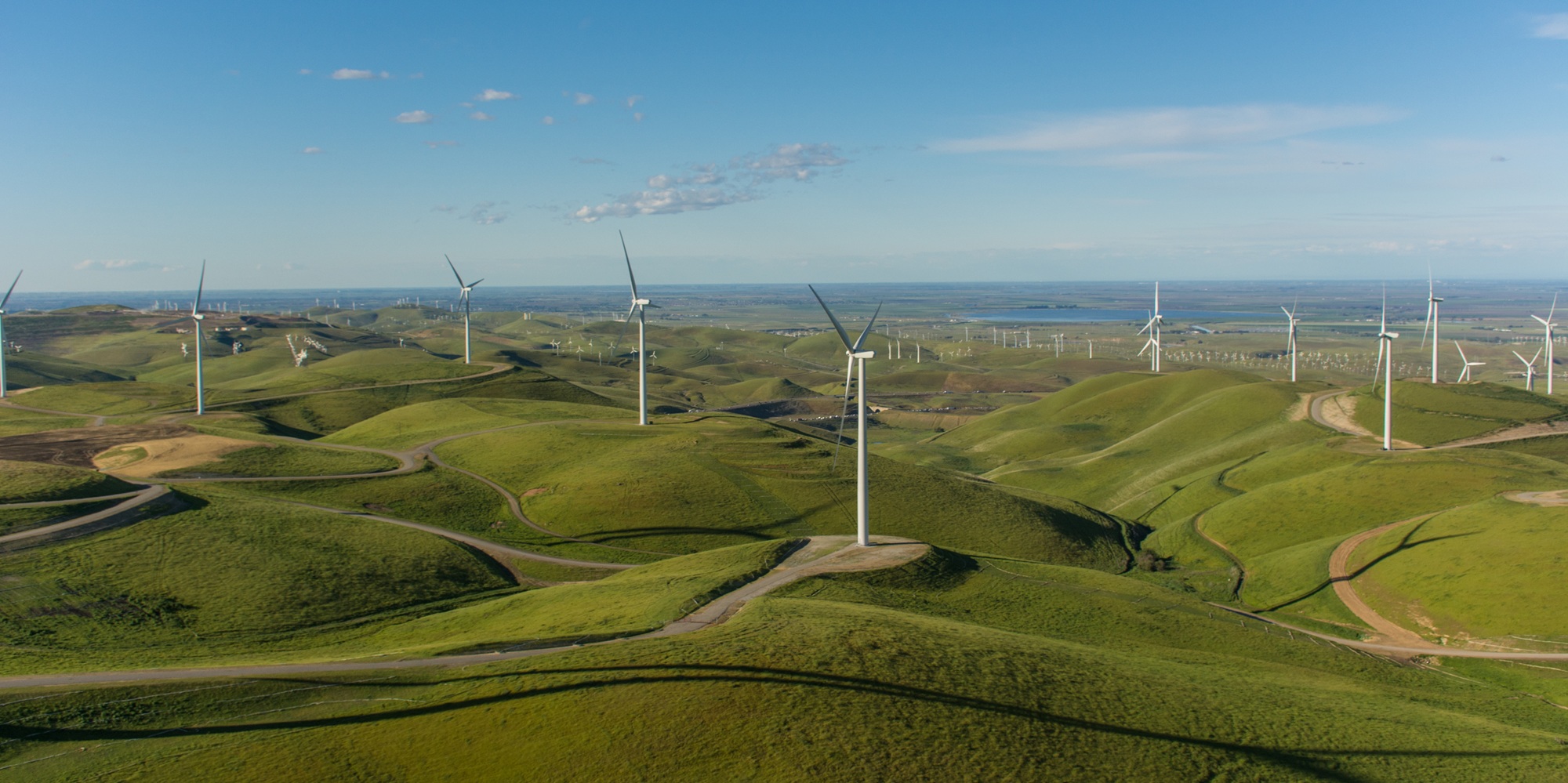
California is transitioning to clean energy. KQED is reporting on what that means for you. What works? What doesn’t? How much does it cost? Help us find these answers and more by donating today.
California’s transition away from fossil fuels is no longer just about building more solar panels and batteries. The state is also changing how Californians heat their homes, drive their cars and power their businesses.
California set a goal of achieving 100% clean energy by 2045, as part of its broader effort to reach carbon neutrality.
That transition is already underway, but it’s happening at different speeds across the state’s energy systems. And while cleaner technologies are becoming more common, Californians are also facing high electricity bills, expensive home upgrades and questions about how low-income communities that can’t afford to go fully electric will be affected.
On a recent episode of KQED Forum, state and local leaders discussed where California is making real progress toward its green energy goal and where it’s falling short.
What does California’s energy transition actually involve?
California is midway through a transition away from its old fossil-fuel system, which remains substantial, while building a new future powered by a clean energy system that is still growing. Experts call it “midtransition.”
California Energy Commission Vice Chair Siva Gunda said the state is essentially trying to coordinate three transitions at once: cleaning up the electric grid, reducing petroleum use and beginning to reduce natural gas use.
“You have the electric system and petroleum entering midtransition. And natural gas hasn’t really come into midtransition yet. So how do you harmonize the timing of those three systems?” he asked. “And that’s the complexity we face.”
Electricity generation is one sector that is furthest along this bridge. But it is also happening in vehicle transportation and the heating and cooling of buildings.
More Californians are driving electric vehicles, while homes and businesses are increasingly switching from gas furnaces and water heaters to electric heat pumps.
Gasoline sales have declined, while natural gas use has fallen about 12% over the past five years, said Merrian Borgeson, the California climate and energy policy director for the Natural Resources Defense Council.
Are Californians actually using less fossil fuel?
Borgeson said California is running gas power plants less frequently as clean energy resources expand and the state becomes more connected to neighboring electricity markets. Some older gas plants could eventually be retired, she said.
Meanwhile, electrification is reshaping homes. Heat pumps can both heat and cool a home without burning fuel. In the first quarter of 2026, about 70% of new California homes were being built with electric space and water heating, Borgeson said.
Electric vehicle adoption is also growing. In San José, more than 10% of cars are electric, according to Lori Mitchell, director of San José Clean Energy, and more than half of new car sales in recent years have been electric.
San José has moved particularly quickly on clean energy. Through San José Clean Energy, its community choice energy provider, it now offers electricity that is more than 90% carbon-free, Mitchell said.
But getting people to adopt these technologies depends on more than functionality. It also depends on whether people can afford them.
Does going electric actually save people money?
This is one of the biggest questions facing Californians as the state asks households to switch from fossil fuels to electricity.
Electricity rates have risen substantially in recent years, in part because utilities are spending more on wildfire prevention, including vegetation management and, in some areas, paying to put power lines underground.
At the same time, the economics of electrification vary depending on households’ existing appliances, energy use and income.
State programs tracking tens of thousands of heat-pump installations have found that many households save money after switching, Borgeson said.
For people who are replacing an existing air conditioner and gas furnace with a heat pump, the average savings are about $300 a year. Households without air conditioning that add a heat pump may instead save an average of about $80 a year.
But even when a technology saves money over time, the up-front cost can be difficult to afford.
In San José, a heat pump water heater typically costs about $6,500 to $8,500, Mitchell said. Rebates from community choice energy programs and the state can help offset that expense.
Who gets left behind?
Affordability is one of the biggest equity challenges in California’s energy transition.
The California Energy Commission’s Gunda recalled visiting a household in Imperial Valley where someone earning $1,200 a month was spending $500 on energy. “That is not an example we want to create in California,” the vice chair said.
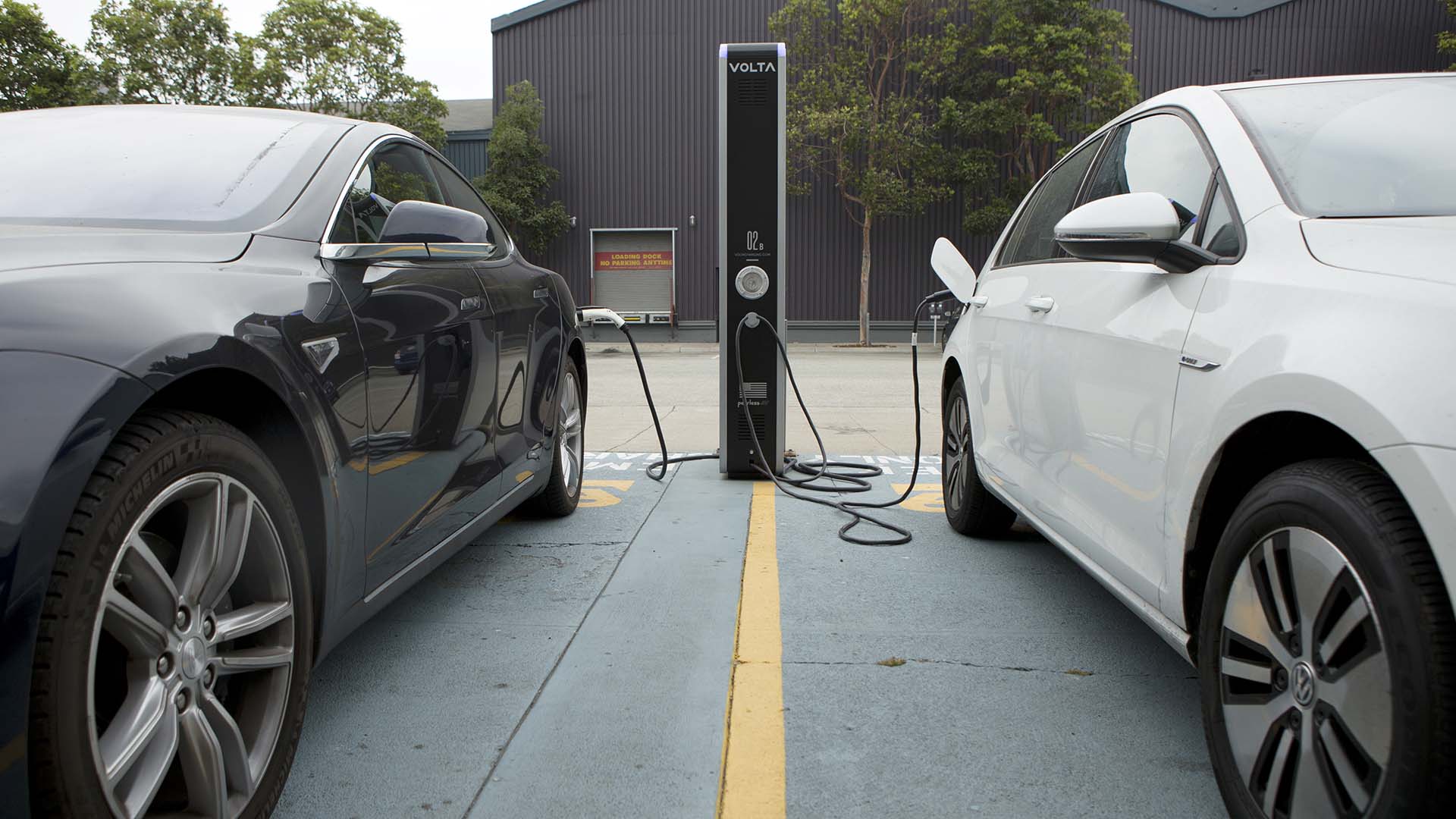
Not everyone can transition at the same pace. A homeowner with money to spend can install solar panels, buy an electric vehicle and replace a gas furnace with a heat pump. A renter may not be able to make those decisions at all. And a lower-income household may not have thousands of dollars available for an appliance upgrade.
Mitchell said San José has tried to address that gap with larger incentives for lower-income residents, as well as discounts through the state’s utility programs that help reduce monthly energy costs for income-qualified households.
The goal is to ensure customers can afford both the new technology and the electricity required to operate it.
What happens to the natural gas system as people electrify?
There is another, less visible problem that could become increasingly important: What happens to California’s natural gas infrastructure as fewer people use it?
Gas utilities continue to maintain and replace pipelines that serve homes and businesses. But if more customers leave the gas system, those costs could increasingly fall on a smaller group of remaining customers.
Borgeson gave an example from her own home. Her gas utility was preparing to replace the service line to her house while her family was in the process of electrifying their home. “What happened with me is, they redid our pipe,” she said. “And now, next month, I’m leaving the gas system. And every other customer is left holding the bag.”
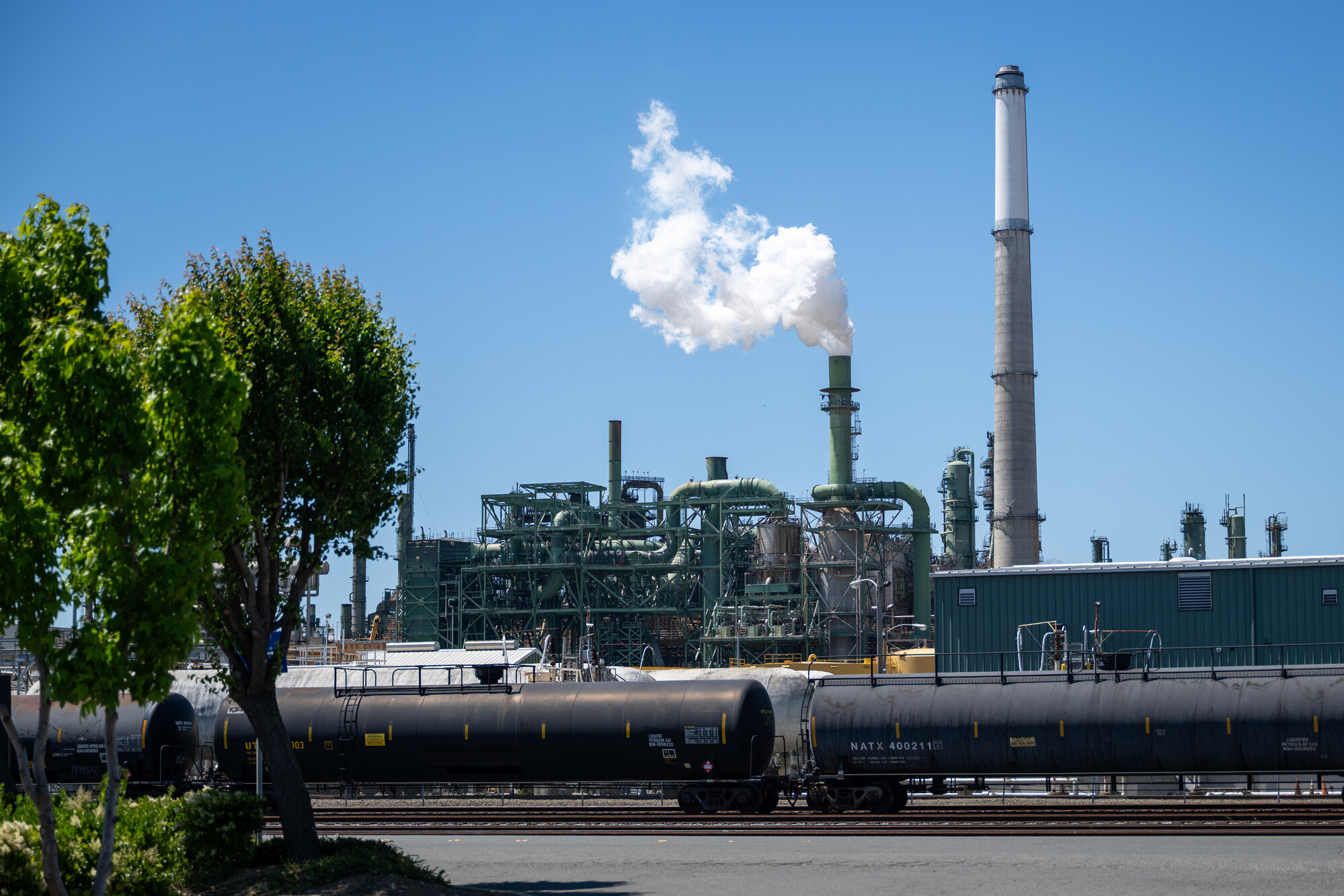
Utilities can spend $15,000 to $20,000 replacing a gas service line, she said, with those costs ultimately shared among customers.
Her concern was that the investment would become unnecessary almost immediately if a household switches entirely to electricity.
Gunda said this illustrates why California’s energy transition needs to be better coordinated.
“Much of our early work was very gadget-by-gadget replacement. But now the work is more integrated across energy systems, and it has to be really well coordinated,” he said.
What options do people have if they can’t afford a major upgrade?
Electrification doesn’t always require a person to renovate their house.
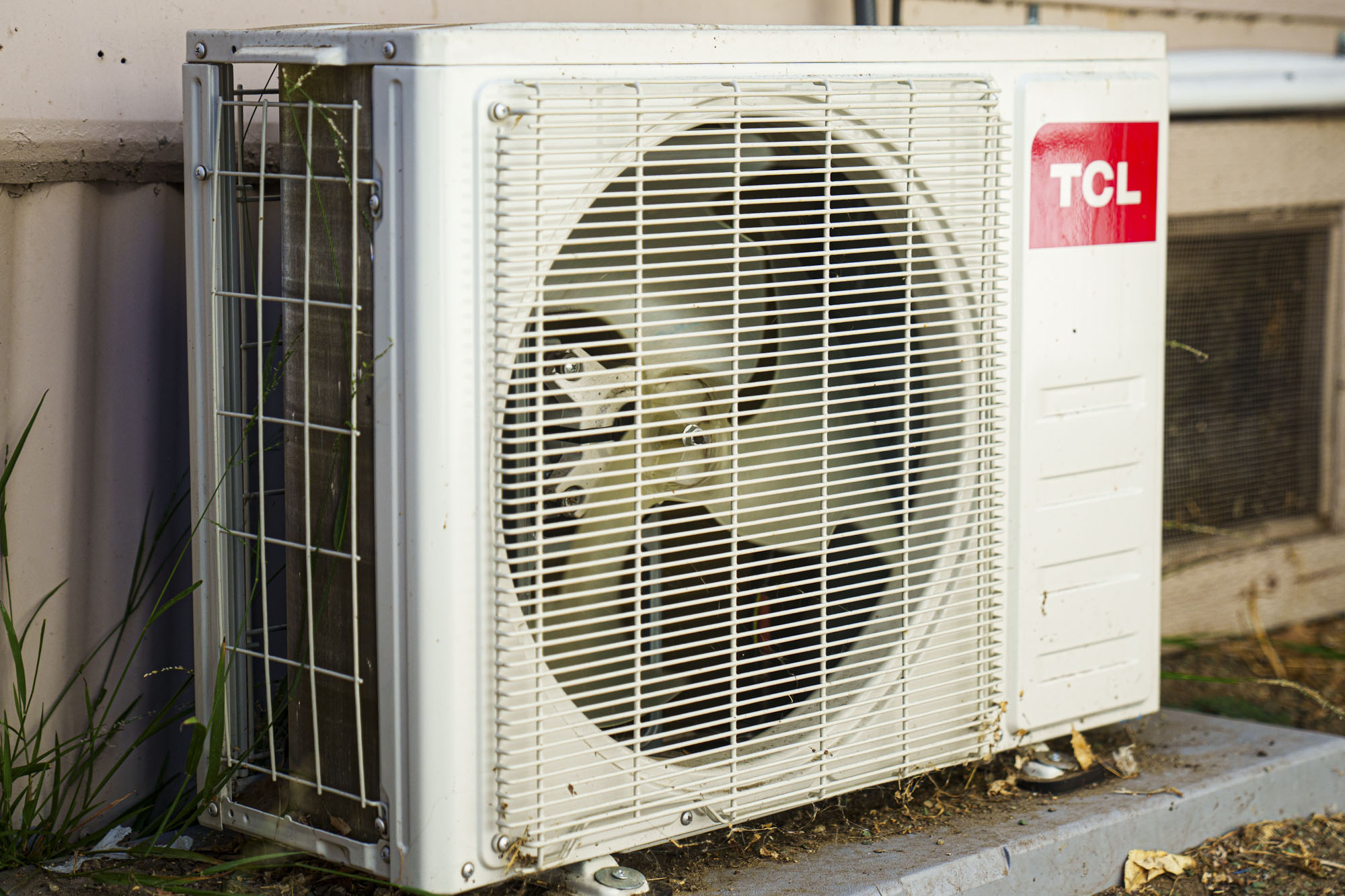
Smaller heat-pump units can help people who rarely turn on their gas furnaces to heat their homes. They can cost substantially less than installing a central system, and some can be installed in a window or through a wall to heat a single room.
Renters face another challenge because they generally can’t install rooftop solar or replace major appliances themselves.
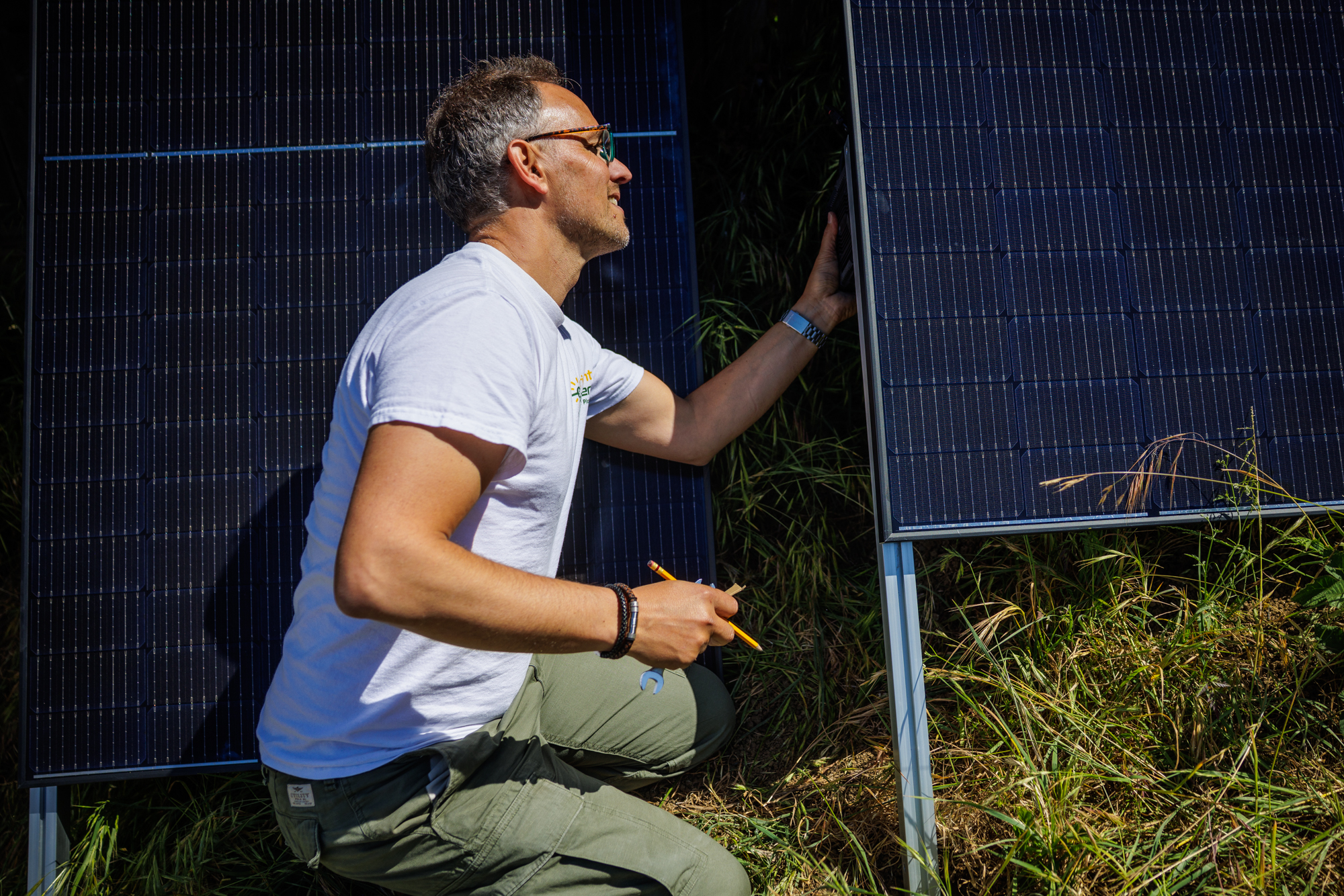
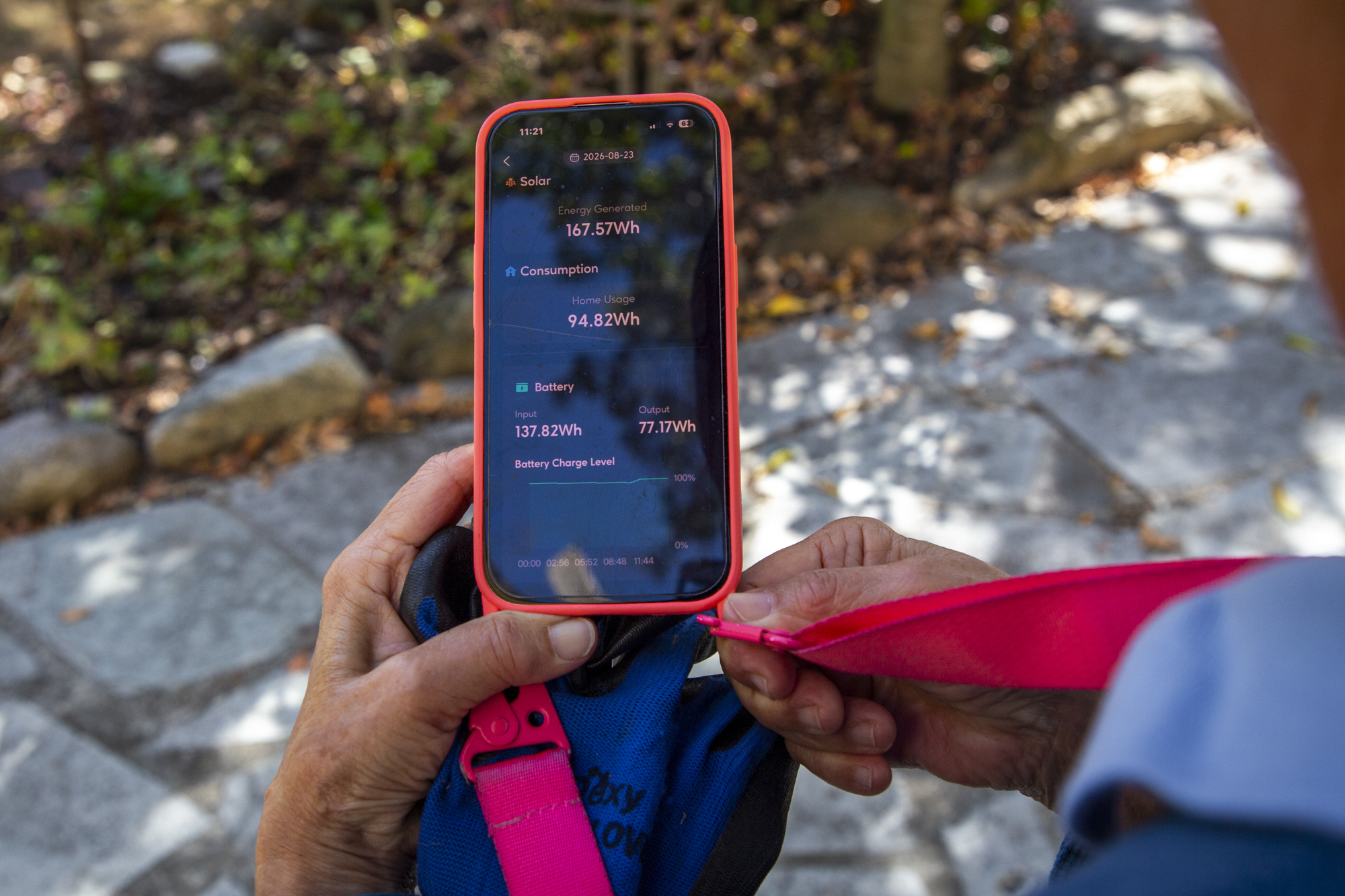
One potential solution is plug-in or balcony solar, which lawmakers just voted to formally legalize in California. Plug-in solar connects to a standard electrical outlet.
Community choice aggregators can also provide assistance. These local agencies purchase electricity and often offer rebates and technical assistance to help residents electrify.
Can California make the transition affordable and reliable?
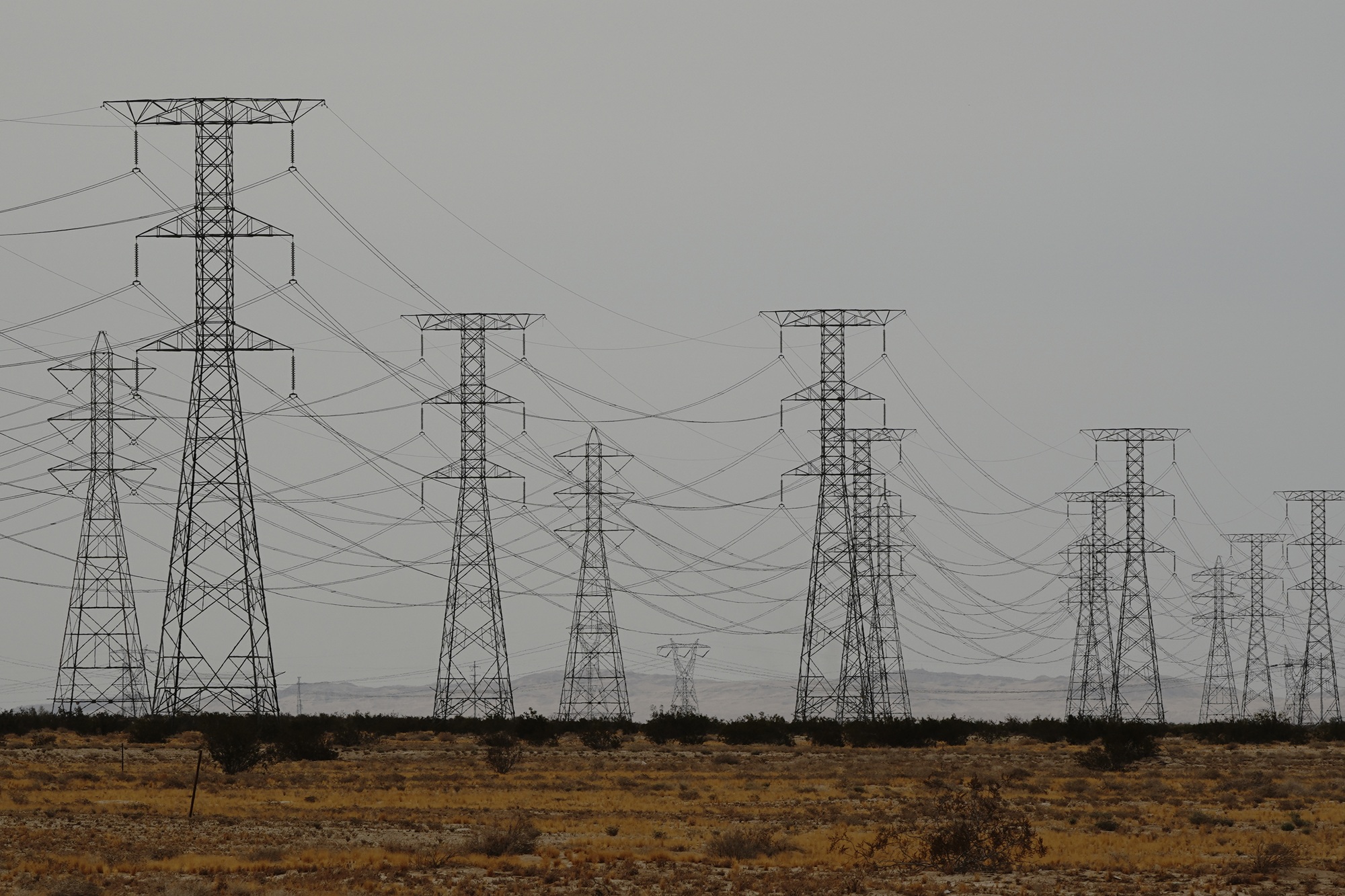
Gunda is cautiously optimistic about the grid’s ability to support the transition. But electricity demand is expected to grow as more vehicles, buildings and other parts of the economy become electrified. Large new electricity users, including data centers, could add another challenge.
Gunda said California needs to make sure the costs of that new demand don’t fall unfairly on existing ratepayers.
The state’s clean energy system has been decades in the making. California has built it while trying to keep energy reliable, affordable and accessible to people who don’t have the same resources to make the switch.
 From KQED’s Climate desk, “Flipping the Switch” documents California’s transition to clean energy and what it means for you. What works? What doesn’t? How much does it cost? Help us find these answers and more by donating today.