California Teens Don’t Want to Hide Behind Screens. They Want More Places to Belong
For years, parents have watched their teenagers disappear behind glowing screens, texting more than talking, and asking chatbots the kinds of questions they used to ask a friend.
New research suggests the fix may not be prying phones out of teenagers’ hands, but instead, giving them somewhere to go once they put them down.
A new statewide survey, released by the nonprofit California Partners Project, co-founded by First Partner Jennifer Siebel Newsom, found teens need more places where they feel like they belong.
Nearly nine in 10 teens say being with friends in person matters to them, and more than half wish they saw friends in person more often. And among teens who lean on artificial intelligence for friendship or advice, nearly half say they’d use them less if they had more chances to connect with peers face to face.
Sociologists call these spaces for connection “third places” or places that are neither home nor school, but somewhere else to exist without a specific purpose.
The kind of aimless afternoons spent in a 7-Eleven parking lot many adults may remember from their own adolescence have become less acceptable. Parents are more reluctant to let teens roam, and teens say that when they do gather in public, they often feel like they’re being watched instead of welcomed. Whether they’re browsing in a bookstore or lingering in a coffee shop, many say adults treat them like they’re loitering rather than simply spending time together.
“The teens are sending us a clear signal,” said Jennifer Heifferon, the survey’s lead. “Teens are wanting more places to connect with their peers in person. And when they don’t find those places, many of them are defaulting to digital alternatives.”
ZIP codes tend to influence why teens say they can’t find places to hang out, according to the study, based on responses from more than 1,000 California teens, ages 13-18. Suburban teens say they don’t have enough free time between school, sports, jobs and college preparation. Urban teens point to cost, saying even casual outings often come with an expectation to buy coffee or shop. Rural teens are more likely to say they didn’t feel welcome in the places available to them.
But underneath those differences, teens across the state wanted the same basic thing: somewhere affordable to gather with friends, without fear of being judged or left out, and where cheap food is available.
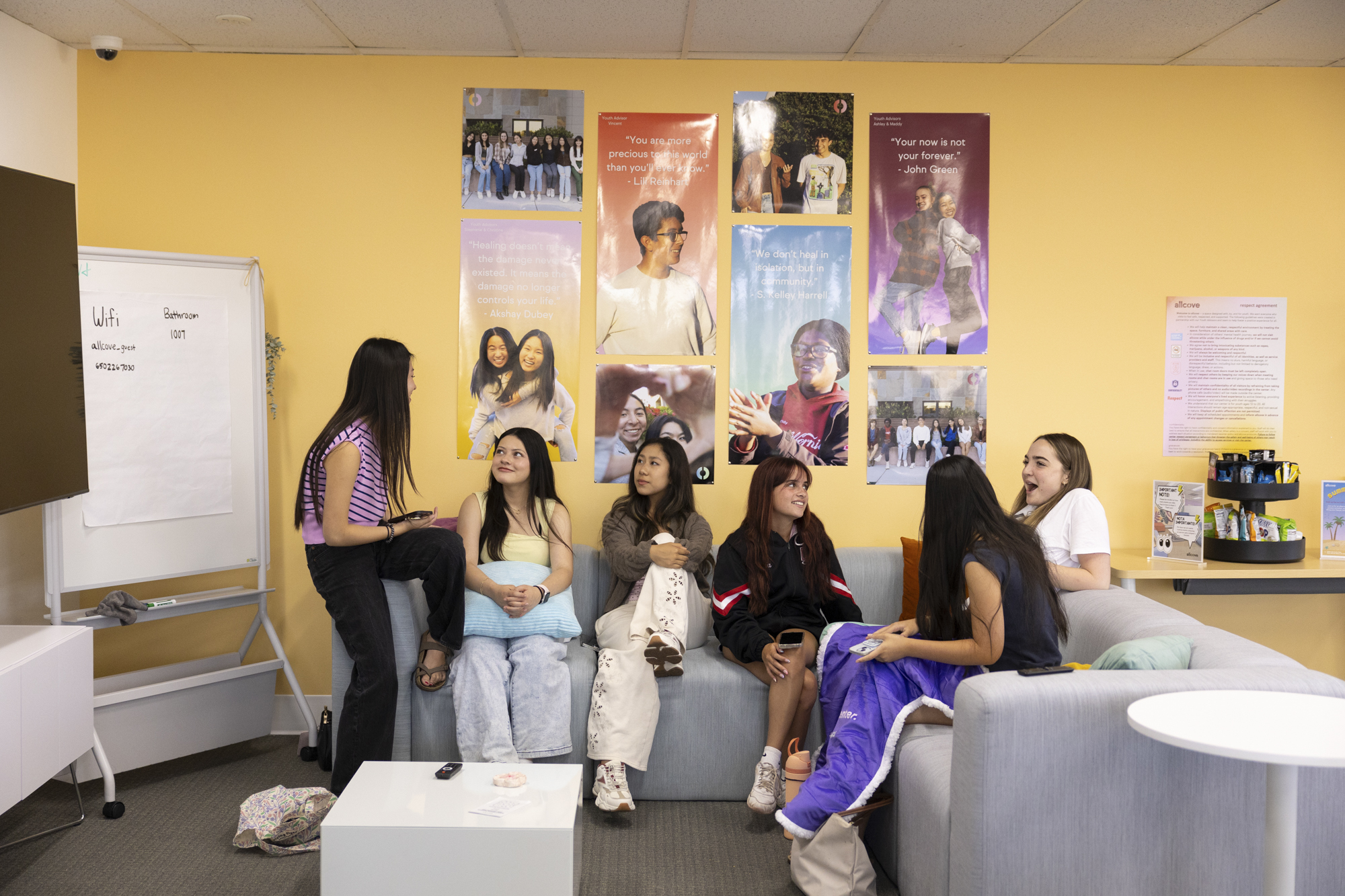
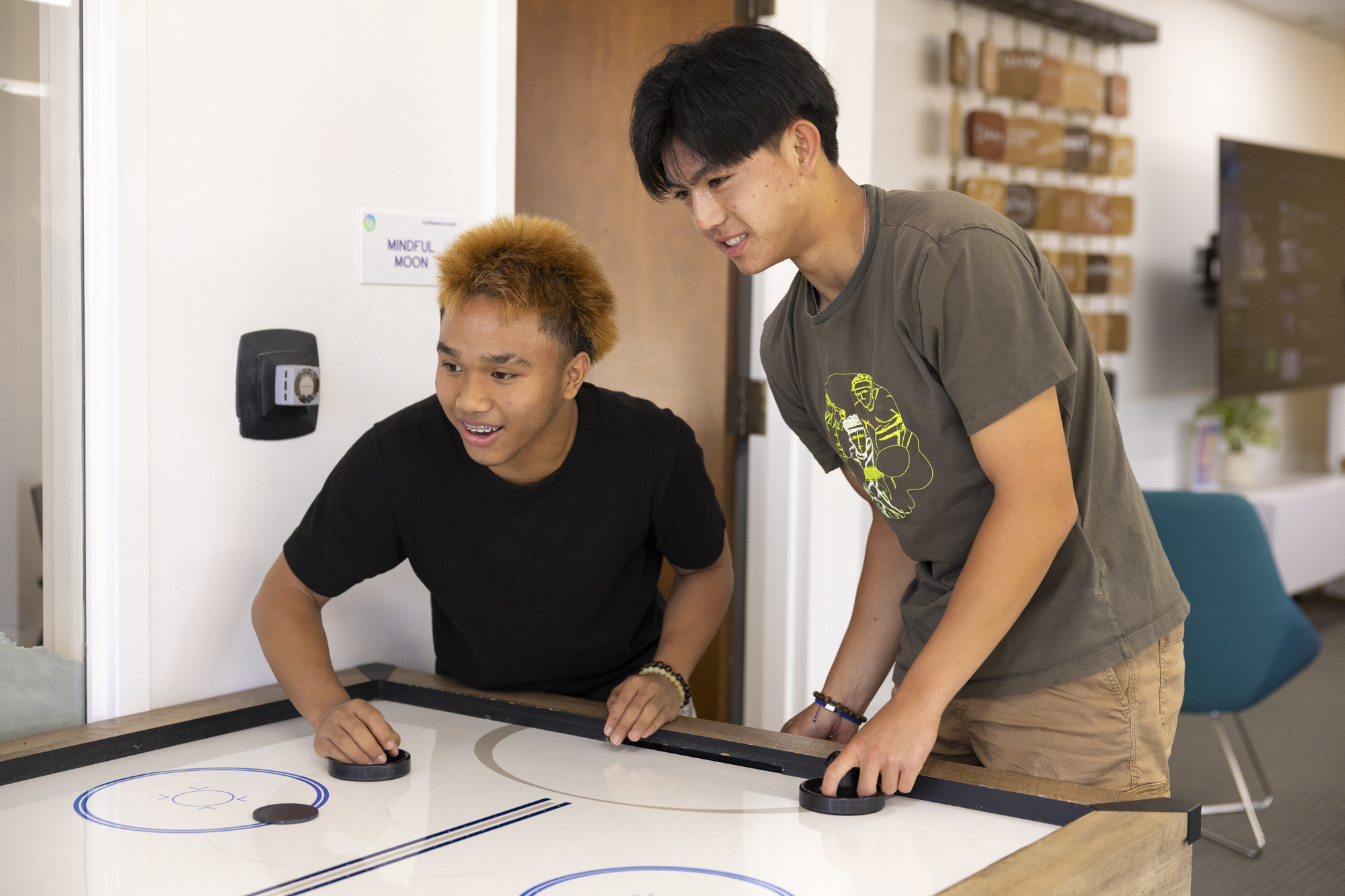
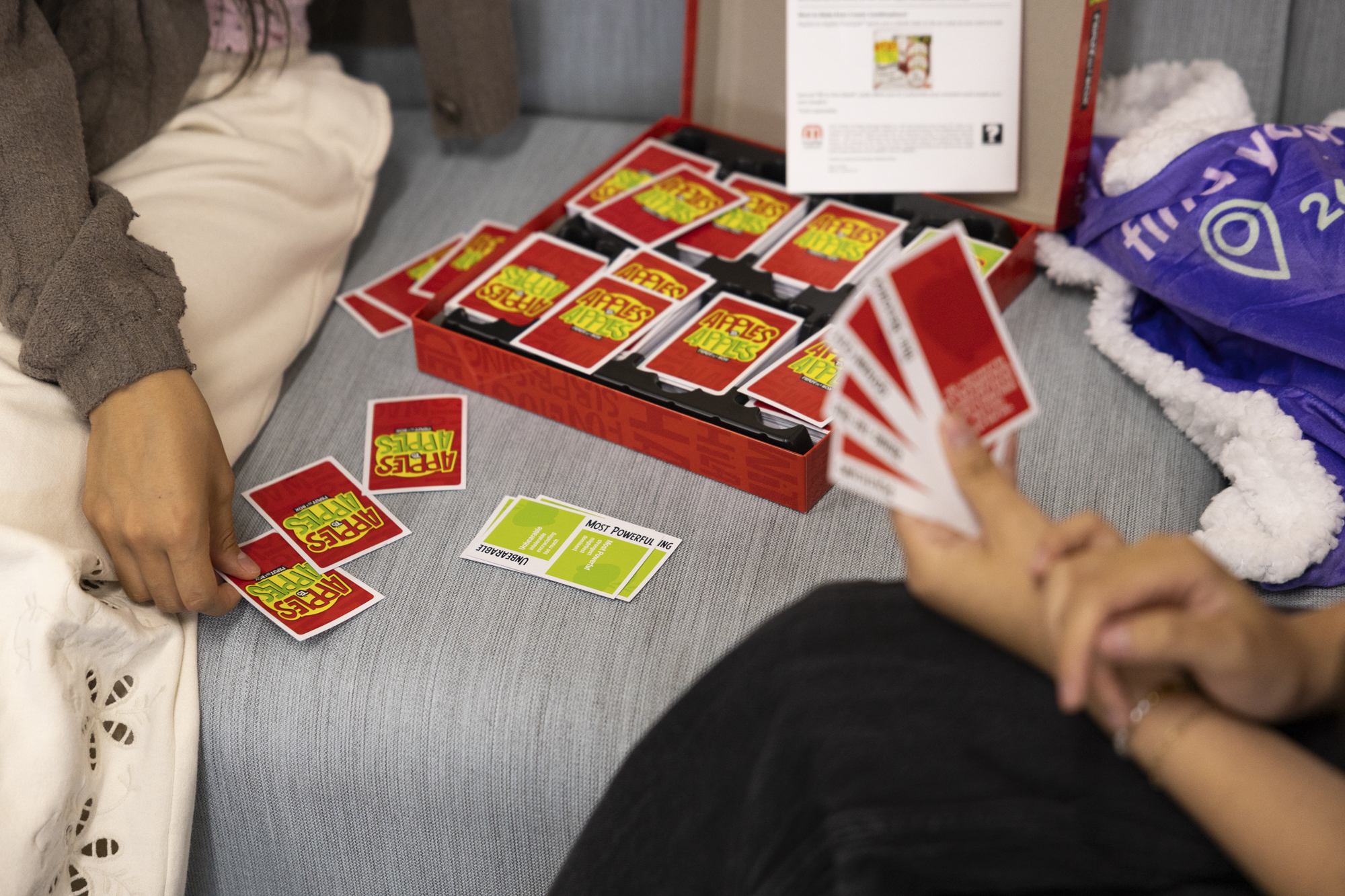
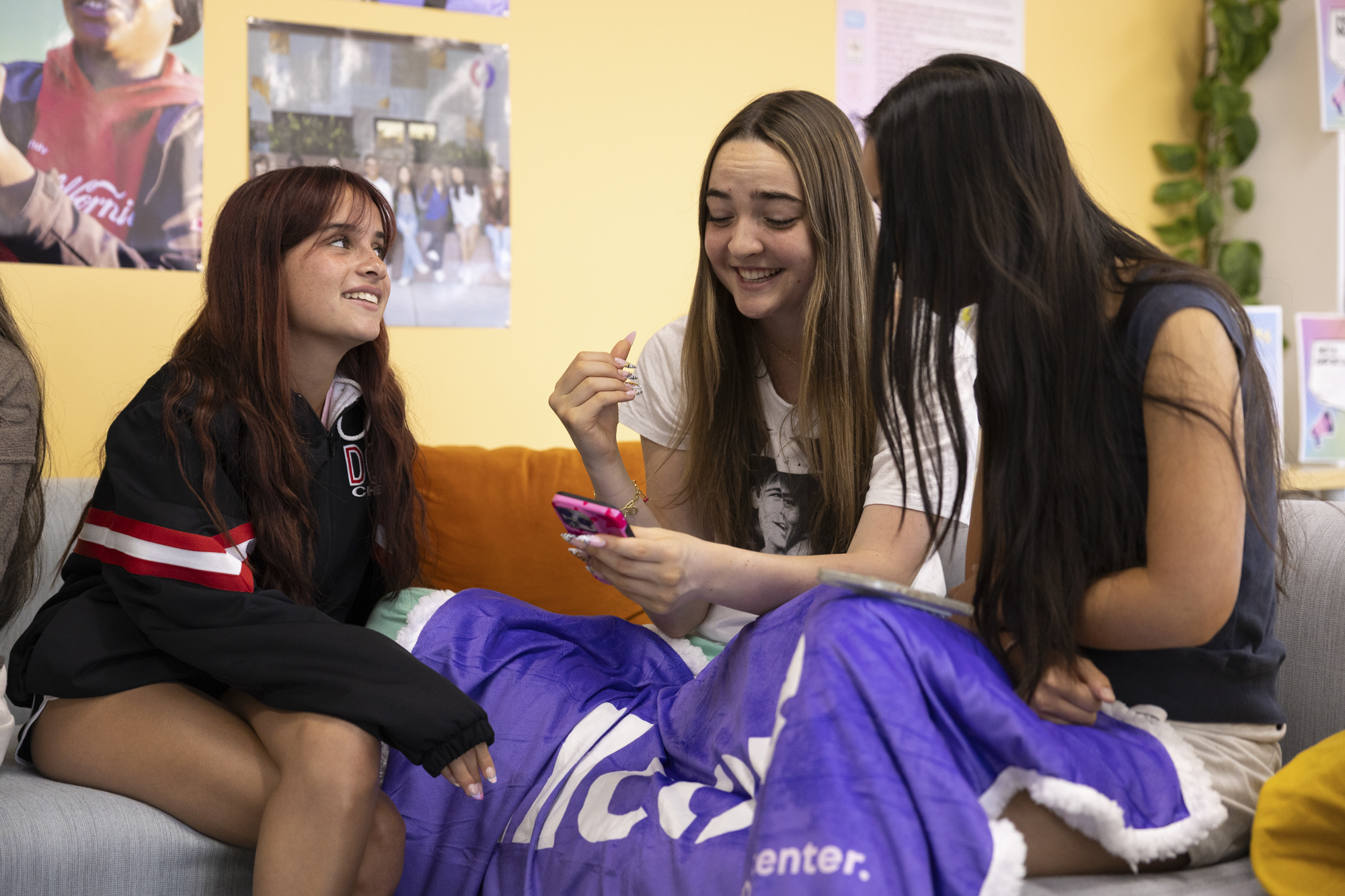
That’s exactly what allcove Youth Center in San Mateo is trying to be. On a warm summer afternoon, teenagers painted flowers by number, battled it out over foosball, and sipped free boba while music videos played overhead. The teens themselves painted the murals on the walls.
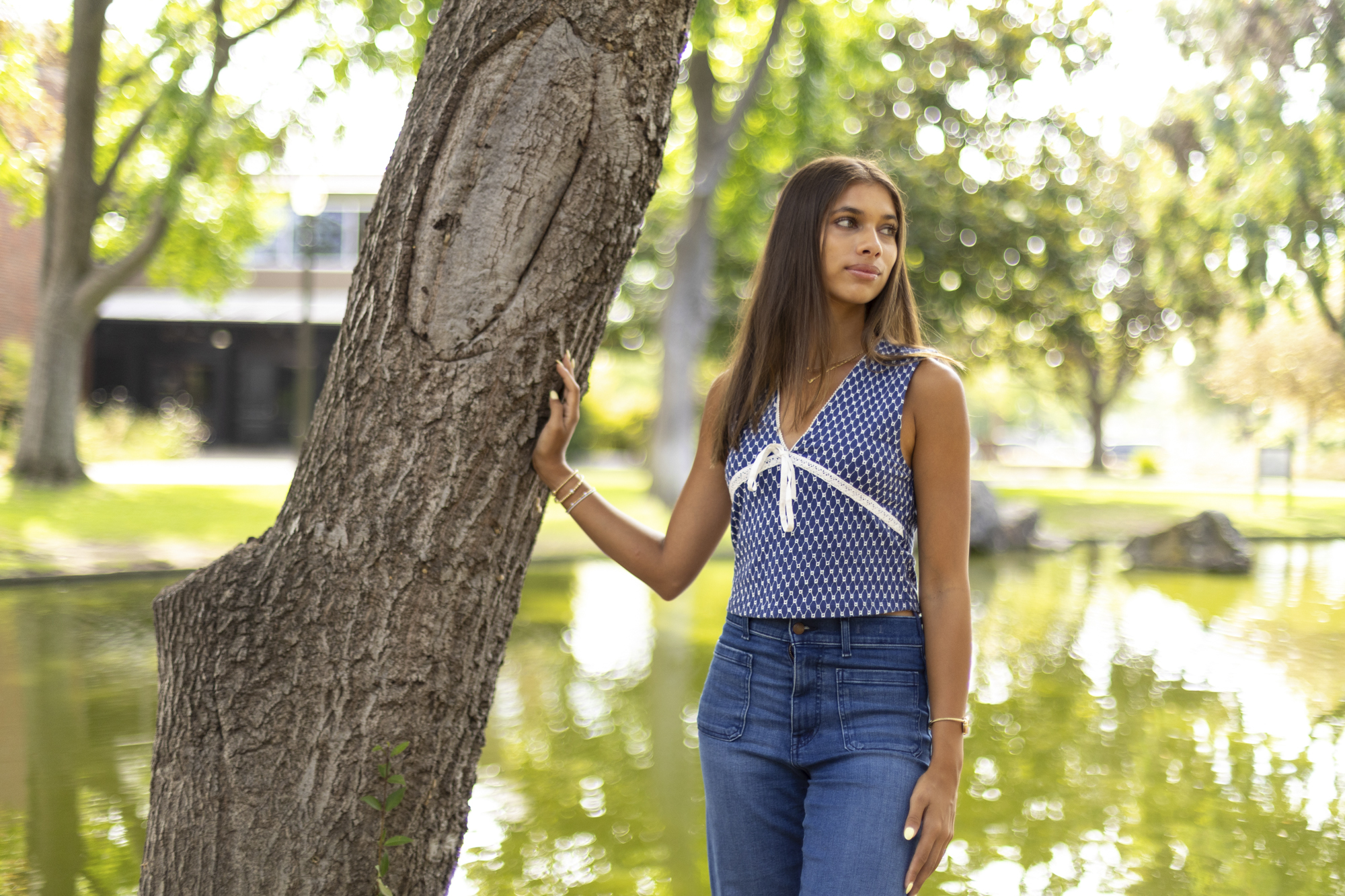
It’s one of 18-year-old Ariya Kaushek’s favorite places. Her anxiety and isolation started in middle school, right around when she started scrolling. She said TikTok, Instagram and Snapchat fed an endless inner critic.
“I think it’s really hard navigating the digital world,” Kaushek said, describing “this kind of sense of constant comparison and worthlessness.”
More than half of California teens reported experiencing some degree of loneliness, even if they regularly spent time with friends. Kaushek said that’s because relationships aren’t just about being together, but about feeling safe enough to be yourself.
Instead, many teens are navigating a never-ending stream of messages about how they should look, dress, speak and even how wealthy they should appear. That pressure, she said, chips away at kids’ confidence and makes authentic connection harder to find.
Things started to shift for Kaushek after she joined SafeSpace, a youth mental health nonprofit in Redwood City. Over casual meals with other teens, she began talking, really talking, about how hollow she felt on the inside.
“Being present was such a rare feeling that it almost felt like I could unmask and take off this cloak of anxiety and just be.”
For 17-year-old Vihaan Bhardwaj, that place is a small public library overlooking the ocean in Del Mar. He’s not necessarily going there to make friends.
“I think that just being around other people can be super helpful,” he said. “Just hearing other people talk, hearing other people play is very healing, especially when we spend most of our time in our rooms and on our screens.”
Public libraries have the “highest unused potential” to connect young people, according to the study, with 43% of teens having access to one but not visiting in the past month.
Bhardwaj lives on the outskirts of San Diego County, where homes are a half-mile apart, and his high school is a 30-minute drive away. His surroundings can lead him to reach for a phone, but after realizing social media consistently left him feeling angry and insecure, Bhardwaj deleted his accounts.
“Now, I’m seeing exactly what I want to see, when I want to see it, where I want to see it,” he said.
Bhardwaj still texts to stay in touch with friends, but said he’d rather spend his afternoons running through a park. After the library, that’s where he feels most like himself.
“Seeing other people doing the same thing as you, putting in the same effort, can be super motivating, especially when we’re doing so much of our daily lives in isolation,” he said.