window.__IS_SSR__=true
window.__INITIAL_STATE__={
"attachmentsReducer": {
"audio_0": {
"type": "attachments",
"id": "audio_0",
"imgSizes": {
"kqedFullSize": {
"file": "https://ww2.kqed.org/news/wp-content/themes/KQED-unified/img/audio_bgs/background0.jpg"
}
}
},
"audio_1": {
"type": "attachments",
"id": "audio_1",
"imgSizes": {
"kqedFullSize": {
"file": "https://ww2.kqed.org/news/wp-content/themes/KQED-unified/img/audio_bgs/background1.jpg"
}
}
},
"audio_2": {
"type": "attachments",
"id": "audio_2",
"imgSizes": {
"kqedFullSize": {
"file": "https://ww2.kqed.org/news/wp-content/themes/KQED-unified/img/audio_bgs/background2.jpg"
}
}
},
"audio_3": {
"type": "attachments",
"id": "audio_3",
"imgSizes": {
"kqedFullSize": {
"file": "https://ww2.kqed.org/news/wp-content/themes/KQED-unified/img/audio_bgs/background3.jpg"
}
}
},
"audio_4": {
"type": "attachments",
"id": "audio_4",
"imgSizes": {
"kqedFullSize": {
"file": "https://ww2.kqed.org/news/wp-content/themes/KQED-unified/img/audio_bgs/background4.jpg"
}
}
},
"placeholder": {
"type": "attachments",
"id": "placeholder",
"imgSizes": {
"thumbnail": {
"file": "https://cdn.kqed.org/wp-content/uploads/2024/12/KQED-Default-Image-816638274-2000x1333-1-160x107.jpg",
"width": 160,
"height": 107,
"mimeType": "image/jpeg"
},
"medium": {
"file": "https://cdn.kqed.org/wp-content/uploads/2024/12/KQED-Default-Image-816638274-2000x1333-1-800x533.jpg",
"width": 800,
"height": 533,
"mimeType": "image/jpeg"
},
"medium_large": {
"file": "https://cdn.kqed.org/wp-content/uploads/2024/12/KQED-Default-Image-816638274-2000x1333-1-768x512.jpg",
"width": 768,
"height": 512,
"mimeType": "image/jpeg"
},
"large": {
"file": "https://cdn.kqed.org/wp-content/uploads/2024/12/KQED-Default-Image-816638274-2000x1333-1-1020x680.jpg",
"width": 1020,
"height": 680,
"mimeType": "image/jpeg"
},
"1536x1536": {
"file": "https://cdn.kqed.org/wp-content/uploads/2024/12/KQED-Default-Image-816638274-2000x1333-1-1536x1024.jpg",
"width": 1536,
"height": 1024,
"mimeType": "image/jpeg"
},
"fd-lrg": {
"file": "https://cdn.kqed.org/wp-content/uploads/2024/12/KQED-Default-Image-816638274-2000x1333-1-1536x1024.jpg",
"width": 1536,
"height": 1024,
"mimeType": "image/jpeg"
},
"fd-med": {
"file": "https://cdn.kqed.org/wp-content/uploads/2024/12/KQED-Default-Image-816638274-2000x1333-1-1020x680.jpg",
"width": 1020,
"height": 680,
"mimeType": "image/jpeg"
},
"fd-sm": {
"file": "https://cdn.kqed.org/wp-content/uploads/2024/12/KQED-Default-Image-816638274-2000x1333-1-800x533.jpg",
"width": 800,
"height": 533,
"mimeType": "image/jpeg"
},
"post-thumbnail": {
"file": "https://cdn.kqed.org/wp-content/uploads/2024/12/KQED-Default-Image-816638274-2000x1333-1-672x372.jpg",
"width": 672,
"height": 372,
"mimeType": "image/jpeg"
},
"twentyfourteen-full-width": {
"file": "https://cdn.kqed.org/wp-content/uploads/2024/12/KQED-Default-Image-816638274-2000x1333-1-1038x576.jpg",
"width": 1038,
"height": 576,
"mimeType": "image/jpeg"
},
"xxsmall": {
"file": "https://cdn.kqed.org/wp-content/uploads/2024/12/KQED-Default-Image-816638274-2000x1333-1-160x107.jpg",
"width": 160,
"height": 107,
"mimeType": "image/jpeg"
},
"xsmall": {
"file": "https://cdn.kqed.org/wp-content/uploads/2024/12/KQED-Default-Image-816638274-2000x1333-1-672x372.jpg",
"width": 672,
"height": 372,
"mimeType": "image/jpeg"
},
"small": {
"file": "https://cdn.kqed.org/wp-content/uploads/2024/12/KQED-Default-Image-816638274-2000x1333-1-672x372.jpg",
"width": 672,
"height": 372,
"mimeType": "image/jpeg"
},
"xlarge": {
"file": "https://cdn.kqed.org/wp-content/uploads/2024/12/KQED-Default-Image-816638274-2000x1333-1-1020x680.jpg",
"width": 1020,
"height": 680,
"mimeType": "image/jpeg"
},
"full-width": {
"file": "https://cdn.kqed.org/wp-content/uploads/2024/12/KQED-Default-Image-816638274-2000x1333-1-1920x1280.jpg",
"width": 1920,
"height": 1280,
"mimeType": "image/jpeg"
},
"guest-author-32": {
"file": "https://cdn.kqed.org/wp-content/uploads/2025/01/KQED-Default-Image-816638274-1333x1333-1-160x160.jpg",
"width": 32,
"height": 32,
"mimeType": "image/jpeg"
},
"guest-author-50": {
"file": "https://cdn.kqed.org/wp-content/uploads/2025/01/KQED-Default-Image-816638274-1333x1333-1-160x160.jpg",
"width": 50,
"height": 50,
"mimeType": "image/jpeg"
},
"guest-author-64": {
"file": "https://cdn.kqed.org/wp-content/uploads/2025/01/KQED-Default-Image-816638274-1333x1333-1-160x160.jpg",
"width": 64,
"height": 64,
"mimeType": "image/jpeg"
},
"guest-author-96": {
"file": "https://cdn.kqed.org/wp-content/uploads/2025/01/KQED-Default-Image-816638274-1333x1333-1-160x160.jpg",
"width": 96,
"height": 96,
"mimeType": "image/jpeg"
},
"guest-author-128": {
"file": "https://cdn.kqed.org/wp-content/uploads/2025/01/KQED-Default-Image-816638274-1333x1333-1-160x160.jpg",
"width": 128,
"height": 128,
"mimeType": "image/jpeg"
},
"detail": {
"file": "https://cdn.kqed.org/wp-content/uploads/2025/01/KQED-Default-Image-816638274-1333x1333-1-160x160.jpg",
"width": 160,
"height": 160,
"mimeType": "image/jpeg"
},
"kqedFullSize": {
"file": "https://cdn.kqed.org/wp-content/uploads/2024/12/KQED-Default-Image-816638274-2000x1333-1.jpg",
"width": 2000,
"height": 1333
}
}
},
"perspectives_201601146300": {
"type": "attachments",
"id": "perspectives_201601146300",
"meta": {
"index": "attachments_1716263798",
"site": "perspectives",
"id": "201601146300",
"found": true
},
"title": "Lakshmi Nakka at KQED in San Francisco on July 29, 2025.",
"publishDate": 1753814011,
"status": "inherit",
"parent": 0,
"modified": 1753814022,
"caption": "Lakshmi Nakka at KQED in San Francisco on July 29, 2025.",
"credit": "Spencer Whitney/KQED",
"altTag": null,
"description": null,
"imgSizes": {
"thumbnail": {
"file": "https://cdn.kqed.org/wp-content/uploads/sites/44/2025/07/250729-LAKSHMI-NAKKA-PERSPECTIVES-SW-01-KQED-160x107.jpg",
"width": 160,
"height": 107,
"mimeType": "image/jpeg"
},
"medium_large": {
"file": "https://cdn.kqed.org/wp-content/uploads/sites/44/2025/07/250729-LAKSHMI-NAKKA-PERSPECTIVES-SW-01-KQED-768x512.jpg",
"width": 768,
"height": 512,
"mimeType": "image/jpeg"
},
"1536x1536": {
"file": "https://cdn.kqed.org/wp-content/uploads/sites/44/2025/07/250729-LAKSHMI-NAKKA-PERSPECTIVES-SW-01-KQED-1536x1025.jpg",
"width": 1536,
"height": 1025,
"mimeType": "image/jpeg"
},
"post-thumbnail": {
"file": "https://cdn.kqed.org/wp-content/uploads/sites/44/2025/07/250729-LAKSHMI-NAKKA-PERSPECTIVES-SW-01-KQED-672x372.jpg",
"width": 672,
"height": 372,
"mimeType": "image/jpeg"
},
"twentyfourteen-full-width": {
"file": "https://cdn.kqed.org/wp-content/uploads/sites/44/2025/07/250729-LAKSHMI-NAKKA-PERSPECTIVES-SW-01-KQED-1038x576.jpg",
"width": 1038,
"height": 576,
"mimeType": "image/jpeg"
},
"kqedFullSize": {
"file": "https://cdn.kqed.org/wp-content/uploads/sites/44/2025/07/250729-LAKSHMI-NAKKA-PERSPECTIVES-SW-01-KQED.jpg",
"width": 2000,
"height": 1334
}
},
"isLoading": false,
"fetchFailed": false
},
"perspectives_201601146316": {
"type": "attachments",
"id": "perspectives_201601146316",
"meta": {
"index": "attachments_1716263798",
"site": "perspectives",
"id": "201601146316",
"found": true
},
"title": "Geri Spieler",
"publishDate": 1754501252,
"status": "inherit",
"parent": 201601146315,
"modified": 1754501264,
"caption": null,
"credit": null,
"altTag": null,
"description": null,
"imgSizes": {
"thumbnail": {
"file": "https://cdn.kqed.org/wp-content/uploads/sites/44/2025/08/Geri.2-160x214.jpg",
"width": 160,
"height": 214,
"mimeType": "image/jpeg"
},
"medium_large": {
"file": "https://cdn.kqed.org/wp-content/uploads/sites/44/2025/08/Geri.2-768x1027.jpg",
"width": 768,
"height": 1027,
"mimeType": "image/jpeg"
},
"1536x1536": {
"file": "https://cdn.kqed.org/wp-content/uploads/sites/44/2025/08/Geri.2-1149x1536.jpg",
"width": 1149,
"height": 1536,
"mimeType": "image/jpeg"
},
"2048x2048": {
"file": "https://cdn.kqed.org/wp-content/uploads/sites/44/2025/08/Geri.2-1532x2048.jpg",
"width": 1532,
"height": 2048,
"mimeType": "image/jpeg"
},
"post-thumbnail": {
"file": "https://cdn.kqed.org/wp-content/uploads/sites/44/2025/08/Geri.2-672x372.jpg",
"width": 672,
"height": 372,
"mimeType": "image/jpeg"
},
"twentyfourteen-full-width": {
"file": "https://cdn.kqed.org/wp-content/uploads/sites/44/2025/08/Geri.2-1038x576.jpg",
"width": 1038,
"height": 576,
"mimeType": "image/jpeg"
},
"kqedFullSize": {
"file": "https://cdn.kqed.org/wp-content/uploads/sites/44/2025/08/Geri.2.jpg",
"width": 1620,
"height": 2166
}
},
"isLoading": false,
"fetchFailed": false
},
"perspectives_201601146311": {
"type": "attachments",
"id": "perspectives_201601146311",
"meta": {
"index": "attachments_1716263798",
"site": "perspectives",
"id": "201601146311",
"found": true
},
"title": "Andrew Crispin",
"publishDate": 1754418402,
"status": "inherit",
"parent": 201601146309,
"modified": 1754418410,
"caption": null,
"credit": null,
"altTag": null,
"description": null,
"imgSizes": {
"thumbnail": {
"file": "https://cdn.kqed.org/wp-content/uploads/sites/44/2025/08/crispin-photo-160x120.jpg",
"width": 160,
"height": 120,
"mimeType": "image/jpeg"
},
"medium_large": {
"file": "https://cdn.kqed.org/wp-content/uploads/sites/44/2025/08/crispin-photo-768x578.jpg",
"width": 768,
"height": 578,
"mimeType": "image/jpeg"
},
"1536x1536": {
"file": "https://cdn.kqed.org/wp-content/uploads/sites/44/2025/08/crispin-photo-1536x1157.jpg",
"width": 1536,
"height": 1157,
"mimeType": "image/jpeg"
},
"post-thumbnail": {
"file": "https://cdn.kqed.org/wp-content/uploads/sites/44/2025/08/crispin-photo-672x372.jpg",
"width": 672,
"height": 372,
"mimeType": "image/jpeg"
},
"twentyfourteen-full-width": {
"file": "https://cdn.kqed.org/wp-content/uploads/sites/44/2025/08/crispin-photo-1038x576.jpg",
"width": 1038,
"height": 576,
"mimeType": "image/jpeg"
},
"kqedFullSize": {
"file": "https://cdn.kqed.org/wp-content/uploads/sites/44/2025/08/crispin-photo.jpg",
"width": 1599,
"height": 1204
}
},
"isLoading": false,
"fetchFailed": false
},
"perspectives_201601144790": {
"type": "attachments",
"id": "perspectives_201601144790",
"meta": {
"index": "attachments_1716263798",
"site": "perspectives",
"id": "201601144790",
"found": true
},
"title": "Max Gutmann",
"publishDate": 1724179050,
"status": "inherit",
"parent": 201601144786,
"modified": 1733767754,
"caption": null,
"credit": null,
"altTag": null,
"description": null,
"imgSizes": {
"medium": {
"file": "https://cdn.kqed.org/wp-content/uploads/sites/44/2024/08/Todd-Gutmann-scaled-e1724179243357-800x969.jpg",
"width": 800,
"height": 969,
"mimeType": "image/jpeg"
},
"large": {
"file": "https://cdn.kqed.org/wp-content/uploads/sites/44/2024/08/Todd-Gutmann-scaled-e1724179243357-1020x1235.jpg",
"width": 1020,
"height": 1235,
"mimeType": "image/jpeg"
},
"thumbnail": {
"file": "https://cdn.kqed.org/wp-content/uploads/sites/44/2024/08/Todd-Gutmann-scaled-e1724179243357-160x194.jpg",
"width": 160,
"height": 194,
"mimeType": "image/jpeg"
},
"medium_large": {
"file": "https://cdn.kqed.org/wp-content/uploads/sites/44/2024/08/Todd-Gutmann-scaled-e1724179243357-768x930.jpg",
"width": 768,
"height": 930,
"mimeType": "image/jpeg"
},
"1536x1536": {
"file": "https://cdn.kqed.org/wp-content/uploads/sites/44/2024/08/Todd-Gutmann-scaled-e1724179243357-1268x1536.jpg",
"width": 1268,
"height": 1536,
"mimeType": "image/jpeg"
},
"2048x2048": {
"file": "https://cdn.kqed.org/wp-content/uploads/sites/44/2024/08/Todd-Gutmann-scaled-e1724179243357-1691x2048.jpg",
"width": 1691,
"height": 2048,
"mimeType": "image/jpeg"
},
"post-thumbnail": {
"file": "https://cdn.kqed.org/wp-content/uploads/sites/44/2024/08/Todd-Gutmann-scaled-e1724179243357-672x372.jpg",
"width": 672,
"height": 372,
"mimeType": "image/jpeg"
},
"twentyfourteen-full-width": {
"file": "https://cdn.kqed.org/wp-content/uploads/sites/44/2024/08/Todd-Gutmann-scaled-e1724179243357-1038x576.jpg",
"width": 1038,
"height": 576,
"mimeType": "image/jpeg"
},
"full-width": {
"file": "https://cdn.kqed.org/wp-content/uploads/sites/44/2024/08/Todd-Gutmann-1920x1440.jpg",
"width": 1920,
"height": 1440,
"mimeType": "image/jpeg"
},
"kqedFullSize": {
"file": "https://cdn.kqed.org/wp-content/uploads/sites/44/2024/08/Todd-Gutmann-scaled-e1724179243357.jpg",
"width": 1920,
"height": 2325
}
},
"isLoading": false,
"fetchFailed": false
},
"perspectives_201601142342": {
"type": "attachments",
"id": "perspectives_201601142342",
"meta": {
"index": "attachments_1716263798",
"site": "perspectives",
"id": "201601142342",
"found": true
},
"parent": 201601142338,
"imgSizes": {
"twentyfourteen-full-width": {
"file": "https://ww2.kqed.org/app/uploads/sites/44/2022/07/Keith-Humphreys-1038x576.jpg",
"width": 1038,
"mimeType": "image/jpeg",
"height": 576
},
"thumbnail": {
"file": "https://ww2.kqed.org/app/uploads/sites/44/2022/07/Keith-Humphreys-160x161.jpg",
"width": 160,
"mimeType": "image/jpeg",
"height": 161
},
"post-thumbnail": {
"file": "https://ww2.kqed.org/app/uploads/sites/44/2022/07/Keith-Humphreys-672x372.jpg",
"width": 672,
"mimeType": "image/jpeg",
"height": 372
},
"kqedFullSize": {
"file": "https://ww2.kqed.org/app/uploads/sites/44/2022/07/Keith-Humphreys.jpg",
"width": 1920,
"height": 1937
},
"large": {
"file": "https://ww2.kqed.org/app/uploads/sites/44/2022/07/Keith-Humphreys-1020x1029.jpg",
"width": 1020,
"mimeType": "image/jpeg",
"height": 1029
},
"1536x1536": {
"file": "https://ww2.kqed.org/app/uploads/sites/44/2022/07/Keith-Humphreys-1523x1536.jpg",
"width": 1523,
"mimeType": "image/jpeg",
"height": 1536
},
"medium": {
"file": "https://ww2.kqed.org/app/uploads/sites/44/2022/07/Keith-Humphreys-800x807.jpg",
"width": 800,
"mimeType": "image/jpeg",
"height": 807
},
"medium_large": {
"file": "https://ww2.kqed.org/app/uploads/sites/44/2022/07/Keith-Humphreys-768x775.jpg",
"width": 768,
"mimeType": "image/jpeg",
"height": 775
}
},
"publishDate": 1657926934,
"modified": 1657926934,
"caption": null,
"description": null,
"title": "Keith Humphreys",
"credit": null,
"status": "inherit",
"altTag": null,
"isLoading": false,
"fetchFailed": false
},
"perspectives_201601146294": {
"type": "attachments",
"id": "perspectives_201601146294",
"meta": {
"index": "attachments_1716263798",
"site": "perspectives",
"id": "201601146294",
"found": true
},
"title": "Zayden Bronson",
"publishDate": 1753728455,
"status": "inherit",
"parent": 201601146292,
"modified": 1753728478,
"caption": null,
"credit": null,
"altTag": null,
"description": null,
"imgSizes": {
"medium": {
"file": "https://cdn.kqed.org/wp-content/uploads/sites/44/2025/07/image-2-2000x2751.png",
"width": 2000,
"height": 2751,
"mimeType": "image/png"
},
"large": {
"file": "https://cdn.kqed.org/wp-content/uploads/sites/44/2025/07/image-2-2000x2751.png",
"width": 2000,
"height": 2751,
"mimeType": "image/png"
},
"thumbnail": {
"file": "https://cdn.kqed.org/wp-content/uploads/sites/44/2025/07/image-2-160x220.png",
"width": 160,
"height": 220,
"mimeType": "image/png"
},
"medium_large": {
"file": "https://cdn.kqed.org/wp-content/uploads/sites/44/2025/07/image-2-768x1056.png",
"width": 768,
"height": 1056,
"mimeType": "image/png"
},
"1536x1536": {
"file": "https://cdn.kqed.org/wp-content/uploads/sites/44/2025/07/image-2-1117x1536.png",
"width": 1117,
"height": 1536,
"mimeType": "image/png"
},
"2048x2048": {
"file": "https://cdn.kqed.org/wp-content/uploads/sites/44/2025/07/image-2-1489x2048.png",
"width": 1489,
"height": 2048,
"mimeType": "image/png"
},
"post-thumbnail": {
"file": "https://cdn.kqed.org/wp-content/uploads/sites/44/2025/07/image-2-672x372.png",
"width": 672,
"height": 372,
"mimeType": "image/png"
},
"twentyfourteen-full-width": {
"file": "https://cdn.kqed.org/wp-content/uploads/sites/44/2025/07/image-2-1038x576.png",
"width": 1038,
"height": 576,
"mimeType": "image/png"
},
"full-width": {
"file": "https://cdn.kqed.org/wp-content/uploads/sites/44/2025/07/image-2-2000x2751.png",
"width": 2000,
"height": 2751,
"mimeType": "image/png"
},
"kqedFullSize": {
"file": "https://cdn.kqed.org/wp-content/uploads/sites/44/2025/07/image-2.png",
"width": 2860,
"height": 3934
}
},
"isLoading": false,
"fetchFailed": false
},
"perspectives_201601146243": {
"type": "attachments",
"id": "perspectives_201601146243",
"meta": {
"index": "attachments_1716263798",
"site": "perspectives",
"id": "201601146243",
"found": true
},
"title": "Vien Nguyen at KQED in San Francisco on July 16, 2025.",
"publishDate": 1752764049,
"status": "inherit",
"parent": 0,
"modified": 1753385923,
"caption": "Vien Nguyen at KQED in San Francisco on July 16, 2025.",
"credit": "Spencer Whitney/KQED",
"altTag": null,
"description": null,
"imgSizes": {
"thumbnail": {
"file": "https://cdn.kqed.org/wp-content/uploads/sites/44/2025/07/250716-VIÊN-NGUYỄN-PERSPECTIVES-SW-02-KQED-160x107.jpg",
"width": 160,
"height": 107,
"mimeType": "image/jpeg"
},
"medium_large": {
"file": "https://cdn.kqed.org/wp-content/uploads/sites/44/2025/07/250716-VIÊN-NGUYỄN-PERSPECTIVES-SW-02-KQED-768x512.jpg",
"width": 768,
"height": 512,
"mimeType": "image/jpeg"
},
"1536x1536": {
"file": "https://cdn.kqed.org/wp-content/uploads/sites/44/2025/07/250716-VIÊN-NGUYỄN-PERSPECTIVES-SW-02-KQED-1536x1025.jpg",
"width": 1536,
"height": 1025,
"mimeType": "image/jpeg"
},
"post-thumbnail": {
"file": "https://cdn.kqed.org/wp-content/uploads/sites/44/2025/07/250716-VIÊN-NGUYỄN-PERSPECTIVES-SW-02-KQED-672x372.jpg",
"width": 672,
"height": 372,
"mimeType": "image/jpeg"
},
"twentyfourteen-full-width": {
"file": "https://cdn.kqed.org/wp-content/uploads/sites/44/2025/07/250716-VIÊN-NGUYỄN-PERSPECTIVES-SW-02-KQED-1038x576.jpg",
"width": 1038,
"height": 576,
"mimeType": "image/jpeg"
},
"kqedFullSize": {
"file": "https://cdn.kqed.org/wp-content/uploads/sites/44/2025/07/250716-VIÊN-NGUYỄN-PERSPECTIVES-SW-02-KQED.jpg",
"width": 2000,
"height": 1334
}
},
"isLoading": false,
"fetchFailed": false
},
"perspectives_201601146281": {
"type": "attachments",
"id": "perspectives_201601146281",
"meta": {
"index": "attachments_1716263798",
"site": "perspectives",
"id": "201601146281",
"found": true
},
"title": "Scott McMorrow",
"publishDate": 1753384358,
"status": "inherit",
"parent": 201601146279,
"modified": 1753384372,
"caption": null,
"credit": null,
"altTag": null,
"description": null,
"imgSizes": {
"thumbnail": {
"file": "https://cdn.kqed.org/wp-content/uploads/sites/44/2025/07/Screenshot-2025-07-24-at-12.12.21 PM-160x149.png",
"width": 160,
"height": 149,
"mimeType": "image/png"
},
"medium_large": {
"file": "https://cdn.kqed.org/wp-content/uploads/sites/44/2025/07/Screenshot-2025-07-24-at-12.12.21 PM-768x716.png",
"width": 768,
"height": 716,
"mimeType": "image/png"
},
"post-thumbnail": {
"file": "https://cdn.kqed.org/wp-content/uploads/sites/44/2025/07/Screenshot-2025-07-24-at-12.12.21 PM-672x372.png",
"width": 672,
"height": 372,
"mimeType": "image/png"
},
"twentyfourteen-full-width": {
"file": "https://cdn.kqed.org/wp-content/uploads/sites/44/2025/07/Screenshot-2025-07-24-at-12.12.21 PM-1038x576.png",
"width": 1038,
"height": 576,
"mimeType": "image/png"
},
"kqedFullSize": {
"file": "https://cdn.kqed.org/wp-content/uploads/sites/44/2025/07/Screenshot-2025-07-24-at-12.12.21 PM.png",
"width": 1190,
"height": 1110
}
},
"isLoading": false,
"fetchFailed": false
},
"perspectives_201601146229": {
"type": "attachments",
"id": "perspectives_201601146229",
"meta": {
"index": "attachments_1716263798",
"site": "perspectives",
"id": "201601146229",
"found": true
},
"title": "Christine McQueen at KQED in San Francisco on July 14, 2025.",
"publishDate": 1752549162,
"status": "inherit",
"parent": 0,
"modified": 1752549186,
"caption": "Christine McQueen at KQED in San Francisco on July 14, 2025.",
"credit": "Spencer Whitney/KQED",
"altTag": null,
"description": null,
"imgSizes": {
"thumbnail": {
"file": "https://cdn.kqed.org/wp-content/uploads/sites/44/2025/07/250714-CHRISTINE-MCQUEEN-PERSPECTIVES-SW-01-KQED-160x107.jpg",
"width": 160,
"height": 107,
"mimeType": "image/jpeg"
},
"medium_large": {
"file": "https://cdn.kqed.org/wp-content/uploads/sites/44/2025/07/250714-CHRISTINE-MCQUEEN-PERSPECTIVES-SW-01-KQED-768x512.jpg",
"width": 768,
"height": 512,
"mimeType": "image/jpeg"
},
"1536x1536": {
"file": "https://cdn.kqed.org/wp-content/uploads/sites/44/2025/07/250714-CHRISTINE-MCQUEEN-PERSPECTIVES-SW-01-KQED-1536x1025.jpg",
"width": 1536,
"height": 1025,
"mimeType": "image/jpeg"
},
"post-thumbnail": {
"file": "https://cdn.kqed.org/wp-content/uploads/sites/44/2025/07/250714-CHRISTINE-MCQUEEN-PERSPECTIVES-SW-01-KQED-672x372.jpg",
"width": 672,
"height": 372,
"mimeType": "image/jpeg"
},
"twentyfourteen-full-width": {
"file": "https://cdn.kqed.org/wp-content/uploads/sites/44/2025/07/250714-CHRISTINE-MCQUEEN-PERSPECTIVES-SW-01-KQED-1038x576.jpg",
"width": 1038,
"height": 576,
"mimeType": "image/jpeg"
},
"kqedFullSize": {
"file": "https://cdn.kqed.org/wp-content/uploads/sites/44/2025/07/250714-CHRISTINE-MCQUEEN-PERSPECTIVES-SW-01-KQED.jpg",
"width": 2000,
"height": 1334
}
},
"isLoading": false,
"fetchFailed": false
},
"perspectives_201601146227": {
"type": "attachments",
"id": "perspectives_201601146227",
"meta": {
"index": "attachments_1716263798",
"site": "perspectives",
"id": "201601146227",
"found": true
},
"title": "Adeline Jones at KQED in San Francisco on July 14, 2025.",
"publishDate": 1752548826,
"status": "inherit",
"parent": 0,
"modified": 1752548847,
"caption": "Adeline Jones at KQED in San Francisco on July 14, 2025.",
"credit": "Spencer Whitney/KQED",
"altTag": null,
"description": null,
"imgSizes": {
"thumbnail": {
"file": "https://cdn.kqed.org/wp-content/uploads/sites/44/2025/07/250714-ADELINE-JONES-PERSPECTIVES-SW-01-KQED-160x107.jpg",
"width": 160,
"height": 107,
"mimeType": "image/jpeg"
},
"medium_large": {
"file": "https://cdn.kqed.org/wp-content/uploads/sites/44/2025/07/250714-ADELINE-JONES-PERSPECTIVES-SW-01-KQED-768x512.jpg",
"width": 768,
"height": 512,
"mimeType": "image/jpeg"
},
"1536x1536": {
"file": "https://cdn.kqed.org/wp-content/uploads/sites/44/2025/07/250714-ADELINE-JONES-PERSPECTIVES-SW-01-KQED-1536x1025.jpg",
"width": 1536,
"height": 1025,
"mimeType": "image/jpeg"
},
"post-thumbnail": {
"file": "https://cdn.kqed.org/wp-content/uploads/sites/44/2025/07/250714-ADELINE-JONES-PERSPECTIVES-SW-01-KQED-672x372.jpg",
"width": 672,
"height": 372,
"mimeType": "image/jpeg"
},
"twentyfourteen-full-width": {
"file": "https://cdn.kqed.org/wp-content/uploads/sites/44/2025/07/250714-ADELINE-JONES-PERSPECTIVES-SW-01-KQED-1038x576.jpg",
"width": 1038,
"height": 576,
"mimeType": "image/jpeg"
},
"kqedFullSize": {
"file": "https://cdn.kqed.org/wp-content/uploads/sites/44/2025/07/250714-ADELINE-JONES-PERSPECTIVES-SW-01-KQED.jpg",
"width": 2000,
"height": 1334
}
},
"isLoading": false,
"fetchFailed": false
},
"perspectives_201601145805": {
"type": "attachments",
"id": "perspectives_201601145805",
"meta": {
"index": "attachments_1716263798",
"site": "perspectives",
"id": "201601145805",
"found": true
},
"title": "Guleed Allen",
"publishDate": 1744920691,
"status": "inherit",
"parent": 201601145804,
"modified": 1744920701,
"caption": null,
"credit": null,
"altTag": null,
"description": null,
"imgSizes": {
"medium": {
"file": "https://cdn.kqed.org/wp-content/uploads/sites/44/2025/04/Guleed-Allen-Headshot-800x774.jpg",
"width": 800,
"height": 774,
"mimeType": "image/jpeg"
},
"large": {
"file": "https://cdn.kqed.org/wp-content/uploads/sites/44/2025/04/Guleed-Allen-Headshot-1020x987.jpg",
"width": 1020,
"height": 987,
"mimeType": "image/jpeg"
},
"thumbnail": {
"file": "https://cdn.kqed.org/wp-content/uploads/sites/44/2025/04/Guleed-Allen-Headshot-160x155.jpg",
"width": 160,
"height": 155,
"mimeType": "image/jpeg"
},
"medium_large": {
"file": "https://cdn.kqed.org/wp-content/uploads/sites/44/2025/04/Guleed-Allen-Headshot-768x743.jpg",
"width": 768,
"height": 743,
"mimeType": "image/jpeg"
},
"1536x1536": {
"file": "https://cdn.kqed.org/wp-content/uploads/sites/44/2025/04/Guleed-Allen-Headshot-1536x1486.jpg",
"width": 1536,
"height": 1486,
"mimeType": "image/jpeg"
},
"post-thumbnail": {
"file": "https://cdn.kqed.org/wp-content/uploads/sites/44/2025/04/Guleed-Allen-Headshot-672x372.jpg",
"width": 672,
"height": 372,
"mimeType": "image/jpeg"
},
"twentyfourteen-full-width": {
"file": "https://cdn.kqed.org/wp-content/uploads/sites/44/2025/04/Guleed-Allen-Headshot-1038x576.jpg",
"width": 1038,
"height": 576,
"mimeType": "image/jpeg"
},
"kqedFullSize": {
"file": "https://cdn.kqed.org/wp-content/uploads/sites/44/2025/04/Guleed-Allen-Headshot.jpg",
"width": 1587,
"height": 1535
}
},
"isLoading": false,
"fetchFailed": false
},
"perspectives_201601146252": {
"type": "attachments",
"id": "perspectives_201601146252",
"meta": {
"index": "attachments_1716263798",
"site": "perspectives",
"id": "201601146252",
"found": true
},
"title": "Christine Junge",
"publishDate": 1752769959,
"status": "inherit",
"parent": 201601146250,
"modified": 1752769959,
"caption": null,
"credit": null,
"altTag": null,
"description": null,
"imgSizes": {
"thumbnail": {
"file": "https://cdn.kqed.org/wp-content/uploads/sites/44/2025/07/Christine-Junge-160x342.jpg",
"width": 160,
"height": 342,
"mimeType": "image/jpeg"
},
"medium_large": {
"file": "https://cdn.kqed.org/wp-content/uploads/sites/44/2025/07/Christine-Junge-768x1642.jpg",
"width": 768,
"height": 1642,
"mimeType": "image/jpeg"
},
"1536x1536": {
"file": "https://cdn.kqed.org/wp-content/uploads/sites/44/2025/07/Christine-Junge-719x1536.jpg",
"width": 719,
"height": 1536,
"mimeType": "image/jpeg"
},
"2048x2048": {
"file": "https://cdn.kqed.org/wp-content/uploads/sites/44/2025/07/Christine-Junge-958x2048.jpg",
"width": 958,
"height": 2048,
"mimeType": "image/jpeg"
},
"post-thumbnail": {
"file": "https://cdn.kqed.org/wp-content/uploads/sites/44/2025/07/Christine-Junge-672x372.jpg",
"width": 672,
"height": 372,
"mimeType": "image/jpeg"
},
"twentyfourteen-full-width": {
"file": "https://cdn.kqed.org/wp-content/uploads/sites/44/2025/07/Christine-Junge-1038x576.jpg",
"width": 1038,
"height": 576,
"mimeType": "image/jpeg"
},
"kqedFullSize": {
"file": "https://cdn.kqed.org/wp-content/uploads/sites/44/2025/07/Christine-Junge-scaled.jpg",
"width": 1198,
"height": 2560
}
},
"isLoading": false,
"fetchFailed": false
}
},
"audioPlayerReducer": {
"postId": "stream_live",
"isPaused": true,
"isPlaying": false,
"pfsActive": false,
"pledgeModalIsOpen": true,
"playerDrawerIsOpen": false,
"liveAudioPlayStartedAt": 0,
"liveAudioPlayContext": ""
},
"authorsReducer": {
"byline_perspectives_201601146321": {
"type": "authors",
"id": "byline_perspectives_201601146321",
"meta": {
"override": true
},
"slug": "byline_perspectives_201601146321",
"name": "Lakshmi Nakka",
"isLoading": false
},
"byline_perspectives_201601146315": {
"type": "authors",
"id": "byline_perspectives_201601146315",
"meta": {
"override": true
},
"slug": "byline_perspectives_201601146315",
"name": "Geri Spieler",
"isLoading": false
},
"byline_perspectives_201601146309": {
"type": "authors",
"id": "byline_perspectives_201601146309",
"meta": {
"override": true
},
"slug": "byline_perspectives_201601146309",
"name": "Andrew Crispin",
"isLoading": false
},
"byline_perspectives_201601146306": {
"type": "authors",
"id": "byline_perspectives_201601146306",
"meta": {
"override": true
},
"slug": "byline_perspectives_201601146306",
"name": "Max Gutmann",
"isLoading": false
},
"byline_perspectives_201601146301": {
"type": "authors",
"id": "byline_perspectives_201601146301",
"meta": {
"override": true
},
"slug": "byline_perspectives_201601146301",
"name": "Keith Humphreys",
"isLoading": false
},
"byline_perspectives_201601146292": {
"type": "authors",
"id": "byline_perspectives_201601146292",
"meta": {
"override": true
},
"slug": "byline_perspectives_201601146292",
"name": "Zayden Bronson",
"isLoading": false
},
"byline_perspectives_201601146285": {
"type": "authors",
"id": "byline_perspectives_201601146285",
"meta": {
"override": true
},
"slug": "byline_perspectives_201601146285",
"name": "Vien Nguyen",
"isLoading": false
},
"byline_perspectives_201601146279": {
"type": "authors",
"id": "byline_perspectives_201601146279",
"meta": {
"override": true
},
"slug": "byline_perspectives_201601146279",
"name": "Scott McMorrow",
"isLoading": false
},
"byline_perspectives_201601146273": {
"type": "authors",
"id": "byline_perspectives_201601146273",
"meta": {
"override": true
},
"slug": "byline_perspectives_201601146273",
"name": "Christine McQueen",
"isLoading": false
},
"byline_perspectives_201601146263": {
"type": "authors",
"id": "byline_perspectives_201601146263",
"meta": {
"override": true
},
"slug": "byline_perspectives_201601146263",
"name": "Adeline Jones",
"isLoading": false
},
"byline_perspectives_201601146259": {
"type": "authors",
"id": "byline_perspectives_201601146259",
"meta": {
"override": true
},
"slug": "byline_perspectives_201601146259",
"name": "Guleed Allen",
"isLoading": false
},
"byline_perspectives_201601146250": {
"type": "authors",
"id": "byline_perspectives_201601146250",
"meta": {
"override": true
},
"slug": "byline_perspectives_201601146250",
"name": "Christine Junge",
"isLoading": false
}
},
"pagesReducer": {
"perspectives_category_podcast": {
"type": "terms",
"id": "perspectives_2052",
"meta": {
"index": "terms_1716263798",
"site": "perspectives",
"id": "2052",
"score": 12.071791
},
"name": "podcast",
"slug": "podcast",
"taxonomy": "category",
"description": null,
"featImg": null,
"headData": {
"title": "podcast - Perspectives",
"description": null,
"ogTitle": null,
"ogDescription": null,
"ogImgId": null,
"twTitle": null,
"twDescription": null,
"twImgId": null
},
"ttid": 2052,
"isLoading": false,
"title": "podcast",
"pageMeta": {
"site": "perspectives",
"WpPageTemplate": "page-topic-editorial",
"currentPage": 23
},
"blocks": [
{
"blockName": "kqed/post-list",
"attrs": {
"layout": "cardArticle2",
"query": "posts/perspectives?category=podcast",
"seeMore": false,
"paginated": true,
"page": 23
}
},
{
"blockName": "kqed/ad"
}
]
}
},
"pfsSessionReducer": {},
"postsReducer": {
"stream_live": {
"type": "live",
"id": "stream_live",
"audioUrl": "https://streams.kqed.org/kqedradio",
"title": "Live Stream",
"excerpt": "Live Stream information currently unavailable.",
"link": "/radio",
"featImg": "",
"label": {
"name": "KQED Live",
"link": "/"
}
},
"stream_kqedNewscast": {
"type": "posts",
"id": "stream_kqedNewscast",
"audioUrl": "https://www.kqed.org/.stream/anon/radio/RDnews/newscast.mp3?_=1",
"title": "KQED Newscast",
"featImg": "",
"label": {
"name": "88.5 FM",
"link": "/"
}
},
"perspectives_201601146321": {
"type": "posts",
"id": "perspectives_201601146321",
"meta": {
"index": "posts_1716263798",
"site": "perspectives",
"id": "201601146321",
"score": null,
"sort": [
1754636479000
]
},
"guestAuthors": [],
"slug": "lakshmi-nakka-spread-the-word",
"title": "Lakshmi Nakka: Spread the Word",
"publishDate": 1754636479,
"format": "standard",
"headTitle": "Lakshmi Nakka: Spread the Word | KQED",
"labelTerm": {
"term": 3,
"site": "perspectives"
},
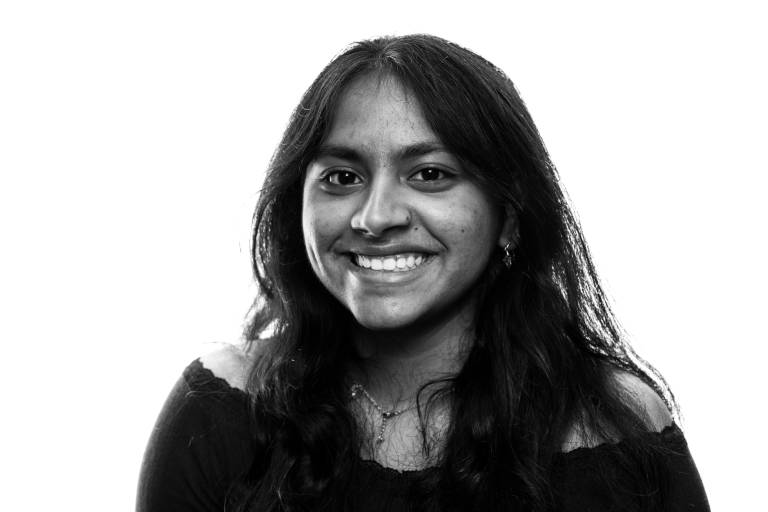
"content": "\u003cp>\u003cem>Lakshmi Nakka shares why it’s important to clear up misconceptions on sexual health equity for young adults.\u003c/em>\u003c/p>\n\u003cp>I crack a smile and fake a laugh as best as I can, pretending to understand what’s happening when I hear sexual innuendos flung across the lunch table. My thought process is almost the same every time: How come I’ve never heard of this? We were all forced to take the freshman health class … right? I find myself going down rabbit holes online, discovering thousands of words I’d never heard of. \u003c/p>\n\u003cp>Admittedly, I don’t think I should have been disappointed for not knowing a couple of them. Then, I wonder: Which words accurately describe real-life scenarios? And how do I find out? What else am I still missing? Clearly, school sex-ed wasn’t in depth enough, but it’s awkward to talk to parents (or any other adult for that matter), and I don’t have older siblings. So, the only place I had to turn was the internet.\u003c/p>\n\u003cp>In an attempt to educate myself, I spent hours digging through blogs written by doctors, read strange books that attempted to make sexual health relatable to teenagers, and filled in the gaps of my knowledge as best I could. I even worked up the courage to ask a couple trusted friends questions, to which they blankly stared at me and said “I don’t know I kinda just say it because it’s funny.”\u003c/p>\n\u003cp>I, like many young adults, live in the gray area between “sex is only a joke, not a serious discussion,” “sex is taboo” and “the only prevention is abstinence.” All these worlds clash, leaving me and countless others confused. Yet, with global STI rates rising, I knew it was unsafe for me and the communities around me to stay silent, and make uninformed choices based on inaccurate information. What once felt like a deep, dark secret, I now preach proudly, encouraging the communities and systems around me to “pull out” of their incorrect perceptions of sex, pushing reform to make talking about sexual health more comfortable, to build safer, healthier communities. With a Perspective, I’m Lakshmi Nakka.\u003c/p>\n\u003cp>[ad fullwidth]\u003c/p>\n\u003cp>\u003c/p>\n\u003cp>\u003cem>Lakshmi Ananya Nakka is a senior at Dublin High School who can be found curled up with a mystery novel when she isn’t speaking about sexual health equity.\u003c/em>\u003c/p>\n\n",
"blocks": [],
"excerpt": "Lakshmi Nakka shares why it's important to clear up misconceptions on sexual health equity for young adults.",
"status": "publish",
"parent": 0,
"modified": 1754596916,
"stats": {
"hasAudio": false,
"hasVideo": false,
"hasChartOrMap": false,
"iframeSrcs": [],
"hasGoogleForm": false,
"hasGallery": false,
"hasHearkenModule": false,
"hasPolis": false,
"paragraphCount": 8,
"wordCount": 419
},
"headData": {
"title": "Lakshmi Nakka: Spread the Word | KQED",
"description": "Lakshmi Nakka shares why it's important to clear up misconceptions on sexual health equity for young adults.",
"ogTitle": "",
"ogDescription": "",
"ogImgId": "",
"twTitle": "",
"twDescription": "",
"twImgId": "",
"schema": {
"@context": "https://schema.org",
"@type": "Article",
"headline": "Lakshmi Nakka: Spread the Word",
"datePublished": "2025-08-08T00:01:19-07:00",
"dateModified": "2025-08-07T13:01:56-07:00",
"image": "https://cdn.kqed.org/wp-content/uploads/2020/02/KQED-OG-Image@1x.png"
}
},
"primaryCategory": {
"termId": 2052,
"slug": "podcast",
"name": "podcast"
},
"audioUrl": "https://www.podtrac.com/pts/redirect.mp3/pdst.fm/e/chrt.fm/track/G6C7C3/traffic.megaphone.fm/KQINC5227366370.mp3",
"sticky": false,
"nprByline": "Lakshmi Nakka",
"templateType": "standard",
"featuredImageType": "standard",
"excludeFromSiteSearch": "Include",
"showOnAuthorArchivePages": "No",
"articleAge": "0",
"path": "/perspectives/201601146321/lakshmi-nakka-spread-the-word",
"audioTrackLength": null,
"parsedContent": [
{
"type": "contentString",
"content": "\u003cdiv class=\"post-body\">\u003cp>\u003cp>\u003cem>Lakshmi Nakka shares why it’s important to clear up misconceptions on sexual health equity for young adults.\u003c/em>\u003c/p>\n\u003cp>I crack a smile and fake a laugh as best as I can, pretending to understand what’s happening when I hear sexual innuendos flung across the lunch table. My thought process is almost the same every time: How come I’ve never heard of this? We were all forced to take the freshman health class … right? I find myself going down rabbit holes online, discovering thousands of words I’d never heard of. \u003c/p>\n\u003cp>Admittedly, I don’t think I should have been disappointed for not knowing a couple of them. Then, I wonder: Which words accurately describe real-life scenarios? And how do I find out? What else am I still missing? Clearly, school sex-ed wasn’t in depth enough, but it’s awkward to talk to parents (or any other adult for that matter), and I don’t have older siblings. So, the only place I had to turn was the internet.\u003c/p>\n\u003cp>In an attempt to educate myself, I spent hours digging through blogs written by doctors, read strange books that attempted to make sexual health relatable to teenagers, and filled in the gaps of my knowledge as best I could. I even worked up the courage to ask a couple trusted friends questions, to which they blankly stared at me and said “I don’t know I kinda just say it because it’s funny.”\u003c/p>\n\u003cp>I, like many young adults, live in the gray area between “sex is only a joke, not a serious discussion,” “sex is taboo” and “the only prevention is abstinence.” All these worlds clash, leaving me and countless others confused. Yet, with global STI rates rising, I knew it was unsafe for me and the communities around me to stay silent, and make uninformed choices based on inaccurate information. What once felt like a deep, dark secret, I now preach proudly, encouraging the communities and systems around me to “pull out” of their incorrect perceptions of sex, pushing reform to make talking about sexual health more comfortable, to build safer, healthier communities. With a Perspective, I’m Lakshmi Nakka.\u003c/p>\n\u003cp>\u003c/p>\u003c/div>",
"attributes": {
"named": {},
"numeric": []
}
},
{
"type": "component",
"content": "",
"name": "ad",
"attributes": {
"named": {
"label": "fullwidth"
},
"numeric": [
"fullwidth"
]
}
},
{
"type": "contentString",
"content": "\u003cdiv class=\"post-body\">\u003cp>\u003c/p>\n\u003cp>\u003c/p>\n\u003cp>\u003cem>Lakshmi Ananya Nakka is a senior at Dublin High School who can be found curled up with a mystery novel when she isn’t speaking about sexual health equity.\u003c/em>\u003c/p>\n\n\u003c/div>\u003c/p>",
"attributes": {
"named": {},
"numeric": []
}
}
],
"link": "/perspectives/201601146321/lakshmi-nakka-spread-the-word",
"authors": [
"byline_perspectives_201601146321"
],
"programs": [
"perspectives_3"
],
"series": [
"perspectives_2023"
],
"categories": [
"perspectives_2",
"perspectives_2052"
],
"featImg": "perspectives_201601146300",
"label": "perspectives_3"
},
"perspectives_201601146315": {
"type": "posts",
"id": "perspectives_201601146315",
"meta": {
"index": "posts_1716263798",
"site": "perspectives",
"id": "201601146315",
"score": null,
"sort": [
1754550112000
]
},
"guestAuthors": [],
"slug": "geri-spieler-stretched-thin",
"title": "Geri Spieler: Stretched Thin",
"publishDate": 1754550112,
"format": "standard",
"headTitle": "Geri Spieler: Stretched Thin | KQED",
"labelTerm": {
"term": 3,
"site": "perspectives"
},
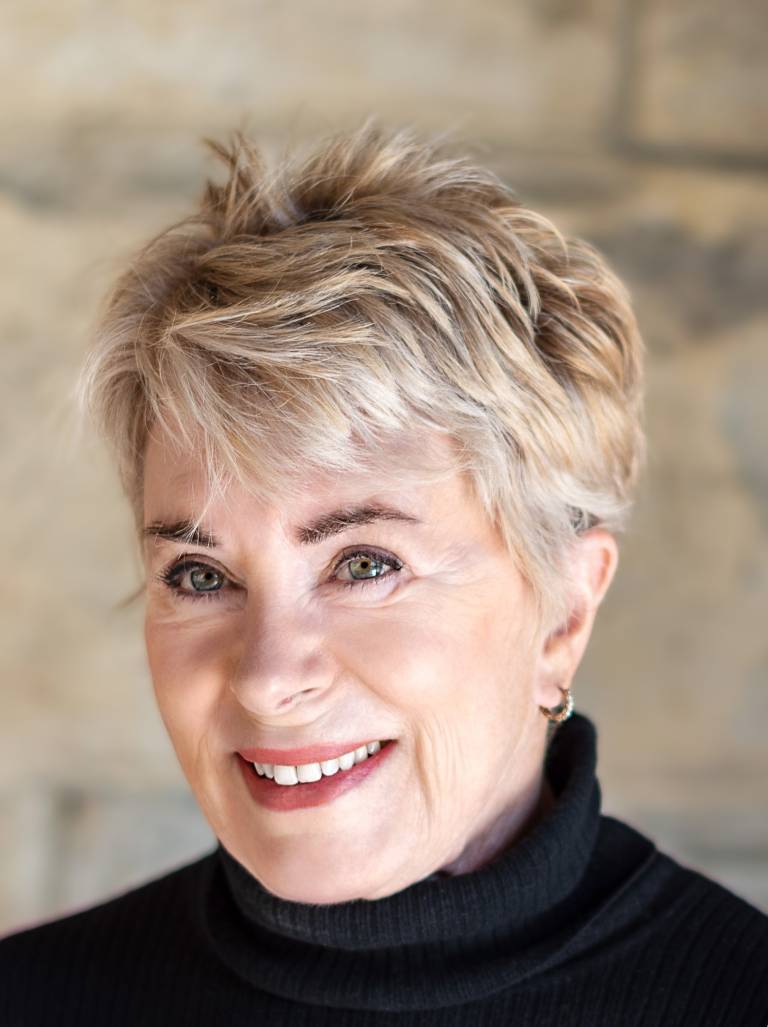
"content": "\u003cp>\u003cem>After volunteering at a food bank, Geri Spieler explains why support is so necessary.\u003c/em>\u003c/p>\n\u003cp>Volunteering at my local food bank has always been one of the most grounding and rewarding parts of my week. I see people — mothers, seniors, veterans and families — come to our facility every day with quiet dignity, doing what they can to get by. The shelves we stock, the produce we sort, the boxes we fill — it’s all part of a system that, at its best, provides not just meals, but relief, hope and a sense of being seen. \u003c/p>\n\u003cp>But lately, everything has changed. Federal funding cuts have dealt a devastating blow. It’s not just numbers on a spreadsheet — it’s less milk for children, fewer canned goods on our shelves and more empty boxes turned away at the end of the day. The impact is heartbreaking. I’ve had to look people in the eye and tell them we’re out of basics like rice or peanut butter — items that used to be a given. The food bank has always stretched to meet the need, but now we’re breaking. What’s worse is that the demand has grown as costs rise and safety nets vanish.\u003c/p>\n\u003cp>I’ve seen seniors skip meals to save food for their grandchildren. I’ve watched single parents ration supplies that used to be enough for the week. And through it all, we volunteers do our best — but we’re running out of options. These cuts are not abstract policy changes. They are real, tangible losses that affect people’s ability to live with dignity. Volunteering here now feels like triage. We’re no longer meeting needs — we’re managing desperation. And I worry deeply about the long-term damage — not just to nutrition and health, but to the very idea that our community, our country, takes care of its own. We can and must do better. With a Perspective, I’m Geri Spieler.\u003c/p>\n\u003cp>\u003cem>Geri Spieler is a writer, grows fruit trees and is a chicken wrangler in Palo Alto.\u003c/em>\u003c/p>\n\u003cp>[ad fullwidth]\u003c/p>\u003cp>\u003c/p>\n",
"blocks": [],
"excerpt": "After volunteering at a food bank, Geri Spieler explains why support is so necessary.",
"status": "publish",
"parent": 0,
"modified": 1754504203,
"stats": {
"hasAudio": false,
"hasVideo": false,
"hasChartOrMap": false,
"iframeSrcs": [],
"hasGoogleForm": false,
"hasGallery": false,
"hasHearkenModule": false,
"hasPolis": false,
"paragraphCount": 7,
"wordCount": 366
},
"headData": {
"title": "Geri Spieler: Stretched Thin | KQED",
"description": "After volunteering at a food bank, Geri Spieler explains why support is so necessary.",
"ogTitle": "",
"ogDescription": "",
"ogImgId": "",
"twTitle": "",
"twDescription": "",
"twImgId": "",
"schema": {
"@context": "https://schema.org",
"@type": "Article",
"headline": "Geri Spieler: Stretched Thin",
"datePublished": "2025-08-07T00:01:52-07:00",
"dateModified": "2025-08-06T11:16:43-07:00",
"image": "https://cdn.kqed.org/wp-content/uploads/2020/02/KQED-OG-Image@1x.png"
}
},
"primaryCategory": {
"termId": 2052,
"slug": "podcast",
"name": "podcast"
},
"audioUrl": "https://www.podtrac.com/pts/redirect.mp3/pdst.fm/e/chrt.fm/track/G6C7C3/traffic.megaphone.fm/KQINC8737504816.mp3",
"sticky": false,
"nprByline": "Geri Spieler",
"templateType": "standard",
"featuredImageType": "standard",
"excludeFromSiteSearch": "Include",
"showOnAuthorArchivePages": "No",
"articleAge": "0",
"path": "/perspectives/201601146315/geri-spieler-stretched-thin",
"audioTrackLength": null,
"parsedContent": [
{
"type": "contentString",
"content": "\u003cdiv class=\"post-body\">\u003cp>\u003cp>\u003cem>After volunteering at a food bank, Geri Spieler explains why support is so necessary.\u003c/em>\u003c/p>\n\u003cp>Volunteering at my local food bank has always been one of the most grounding and rewarding parts of my week. I see people — mothers, seniors, veterans and families — come to our facility every day with quiet dignity, doing what they can to get by. The shelves we stock, the produce we sort, the boxes we fill — it’s all part of a system that, at its best, provides not just meals, but relief, hope and a sense of being seen. \u003c/p>\n\u003cp>But lately, everything has changed. Federal funding cuts have dealt a devastating blow. It’s not just numbers on a spreadsheet — it’s less milk for children, fewer canned goods on our shelves and more empty boxes turned away at the end of the day. The impact is heartbreaking. I’ve had to look people in the eye and tell them we’re out of basics like rice or peanut butter — items that used to be a given. The food bank has always stretched to meet the need, but now we’re breaking. What’s worse is that the demand has grown as costs rise and safety nets vanish.\u003c/p>\n\u003cp>I’ve seen seniors skip meals to save food for their grandchildren. I’ve watched single parents ration supplies that used to be enough for the week. And through it all, we volunteers do our best — but we’re running out of options. These cuts are not abstract policy changes. They are real, tangible losses that affect people’s ability to live with dignity. Volunteering here now feels like triage. We’re no longer meeting needs — we’re managing desperation. And I worry deeply about the long-term damage — not just to nutrition and health, but to the very idea that our community, our country, takes care of its own. We can and must do better. With a Perspective, I’m Geri Spieler.\u003c/p>\n\u003cp>\u003cem>Geri Spieler is a writer, grows fruit trees and is a chicken wrangler in Palo Alto.\u003c/em>\u003c/p>\n\u003cp>\u003c/p>\u003c/div>",
"attributes": {
"named": {},
"numeric": []
}
},
{
"type": "component",
"content": "",
"name": "ad",
"attributes": {
"named": {
"label": "fullwidth"
},
"numeric": [
"fullwidth"
]
}
},
{
"type": "contentString",
"content": "\u003cdiv class=\"post-body\">\u003cp>\u003c/p>\u003cp>\u003c/p>\n\u003c/div>\u003c/p>",
"attributes": {
"named": {},
"numeric": []
}
}
],
"link": "/perspectives/201601146315/geri-spieler-stretched-thin",
"authors": [
"byline_perspectives_201601146315"
],
"programs": [
"perspectives_3"
],
"series": [
"perspectives_2023"
],
"categories": [
"perspectives_2",
"perspectives_2052"
],
"featImg": "perspectives_201601146316",
"label": "perspectives_3"
},
"perspectives_201601146309": {
"type": "posts",
"id": "perspectives_201601146309",
"meta": {
"index": "posts_1716263798",
"site": "perspectives",
"id": "201601146309",
"score": null,
"sort": [
1754463689000
]
},
"guestAuthors": [],
"slug": "andrew-crispin-more-than-a-box-of-food",
"title": "Andrew Crispin: More Than a Box of Food",
"publishDate": 1754463689,
"format": "standard",
"headTitle": "Andrew Crispin: More Than a Box of Food | KQED",
"labelTerm": {
"term": 3,
"site": "perspectives"
},
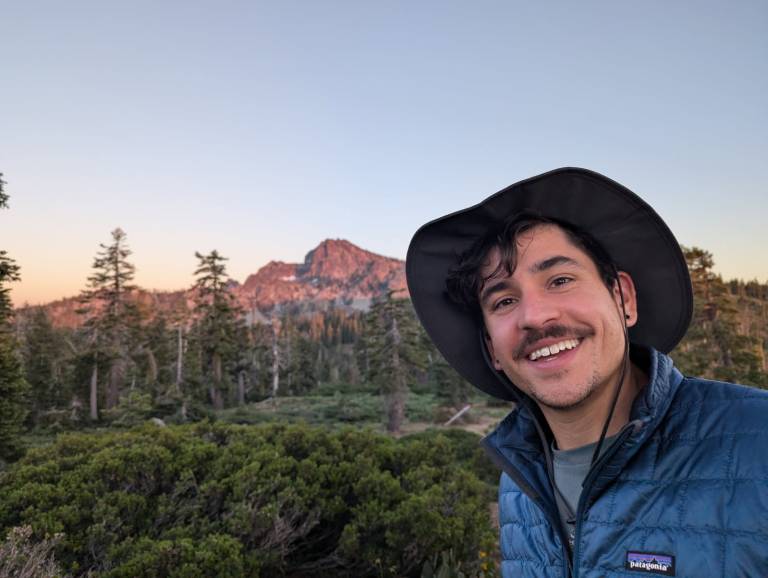
"content": "\u003cp>\u003cem>Andrew Crispin shares what it was like to rely on food banks when he was a child.\u003c/em>\u003c/p>\n\u003cp>When I was in elementary school, I didn’t think it was unusual to have groceries delivered to your home by local church groups. It was exciting to come home from school and see a box of food at my front door that my mom would never buy at the store – some of it was even name brand! \u003c/p>\n\u003cp>But my mom wasn’t OK with it. She said we were on a “list” of poor people that needed help. And it was true, we did. My single mom worked two jobs to ensure we had enough food on the table for my siblings and me. Growing up poor and herself, my mom felt a deep sense of shame and failing. For me, being “poor” became part of my accepted identity. For a long time, I didn’t think I would be anything other than that. \u003c/p>\n\u003cp>There is a deep-rooted sense of shame in being poor in America with a consistent pointing of the finger at the individual – at my mom – for being poor rather than a societal failing due to lack of investment in social safety nets. \u003c/p>\n\u003cp>Now that I’m on the other side, my family couldn’t have done it without food from our neighbors, my grandparents, local church groups or the food pantries we visited. It meant we had school lunches, dinners, and holiday meals, even if we couldn’t choose the food we were getting from charity. The kindness and support from our community ensured we were fed.\u003c/p>\n\u003cp>[ad fullwidth]\u003c/p>\n\u003cp>My personal experience with food insecurity has been a guiding principle. I was the first in my family to graduate college. It’s impossible for me to imagine that being possible without the support from my community.\u003c/p>\n\u003cp>Now, I’m the executive director of a Berkeley-based food bank that provides food and groceries to folks from the Bay Area. For me, that shame my mom felt when I was a kid is motivation to destigmatize food assistance, especially now, and ensure future generations get the support they need to thrive. Afterall, we all need help from our community to get by. With a Perspective, I’m Andrew Crispin.\u003c/p>\n\u003cp>\u003c/p>\n\u003cp>\u003cem>Andrew Crispin is the executive director of a Bay Area food bank. He lives in Berkeley with his wife and two cats, and can be found trail running in the East Bay parks.\u003c/em>\u003c/p>\n\n",
"blocks": [],
"excerpt": "Andrew Crispin shares what it was like to rely on food banks when he was a child.",
"status": "publish",
"parent": 0,
"modified": 1754422876,
"stats": {
"hasAudio": false,
"hasVideo": false,
"hasChartOrMap": false,
"iframeSrcs": [],
"hasGoogleForm": false,
"hasGallery": false,
"hasHearkenModule": false,
"hasPolis": false,
"paragraphCount": 10,
"wordCount": 430
},
"headData": {
"title": "Andrew Crispin: More Than a Box of Food | KQED",
"description": "Andrew Crispin shares what it was like to rely on food banks when he was a child.",
"ogTitle": "",
"ogDescription": "",
"ogImgId": "",
"twTitle": "",
"twDescription": "",
"twImgId": "",
"schema": {
"@context": "https://schema.org",
"@type": "Article",
"headline": "Andrew Crispin: More Than a Box of Food",
"datePublished": "2025-08-06T00:01:29-07:00",
"dateModified": "2025-08-05T12:41:16-07:00",
"image": "https://cdn.kqed.org/wp-content/uploads/2020/02/KQED-OG-Image@1x.png"
}
},
"primaryCategory": {
"termId": 2052,
"slug": "podcast",
"name": "podcast"
},
"audioUrl": "https://www.podtrac.com/pts/redirect.mp3/pdst.fm/e/chrt.fm/track/G6C7C3/traffic.megaphone.fm/KQINC2372020609.mp3",
"sticky": false,
"nprByline": "Andrew Crispin",
"templateType": "standard",
"featuredImageType": "standard",
"excludeFromSiteSearch": "Include",
"showOnAuthorArchivePages": "No",
"articleAge": "0",
"path": "/perspectives/201601146309/andrew-crispin-more-than-a-box-of-food",
"audioTrackLength": null,
"parsedContent": [
{
"type": "contentString",
"content": "\u003cdiv class=\"post-body\">\u003cp>\u003cp>\u003cem>Andrew Crispin shares what it was like to rely on food banks when he was a child.\u003c/em>\u003c/p>\n\u003cp>When I was in elementary school, I didn’t think it was unusual to have groceries delivered to your home by local church groups. It was exciting to come home from school and see a box of food at my front door that my mom would never buy at the store – some of it was even name brand! \u003c/p>\n\u003cp>But my mom wasn’t OK with it. She said we were on a “list” of poor people that needed help. And it was true, we did. My single mom worked two jobs to ensure we had enough food on the table for my siblings and me. Growing up poor and herself, my mom felt a deep sense of shame and failing. For me, being “poor” became part of my accepted identity. For a long time, I didn’t think I would be anything other than that. \u003c/p>\n\u003cp>There is a deep-rooted sense of shame in being poor in America with a consistent pointing of the finger at the individual – at my mom – for being poor rather than a societal failing due to lack of investment in social safety nets. \u003c/p>\n\u003cp>Now that I’m on the other side, my family couldn’t have done it without food from our neighbors, my grandparents, local church groups or the food pantries we visited. It meant we had school lunches, dinners, and holiday meals, even if we couldn’t choose the food we were getting from charity. The kindness and support from our community ensured we were fed.\u003c/p>\n\u003cp>\u003c/p>\u003c/div>",
"attributes": {
"named": {},
"numeric": []
}
},
{
"type": "component",
"content": "",
"name": "ad",
"attributes": {
"named": {
"label": "fullwidth"
},
"numeric": [
"fullwidth"
]
}
},
{
"type": "contentString",
"content": "\u003cdiv class=\"post-body\">\u003cp>\u003c/p>\n\u003cp>My personal experience with food insecurity has been a guiding principle. I was the first in my family to graduate college. It’s impossible for me to imagine that being possible without the support from my community.\u003c/p>\n\u003cp>Now, I’m the executive director of a Berkeley-based food bank that provides food and groceries to folks from the Bay Area. For me, that shame my mom felt when I was a kid is motivation to destigmatize food assistance, especially now, and ensure future generations get the support they need to thrive. Afterall, we all need help from our community to get by. With a Perspective, I’m Andrew Crispin.\u003c/p>\n\u003cp>\u003c/p>\n\u003cp>\u003cem>Andrew Crispin is the executive director of a Bay Area food bank. He lives in Berkeley with his wife and two cats, and can be found trail running in the East Bay parks.\u003c/em>\u003c/p>\n\n\u003c/div>\u003c/p>",
"attributes": {
"named": {},
"numeric": []
}
}
],
"link": "/perspectives/201601146309/andrew-crispin-more-than-a-box-of-food",
"authors": [
"byline_perspectives_201601146309"
],
"programs": [
"perspectives_3"
],
"series": [
"perspectives_2023"
],
"categories": [
"perspectives_2",
"perspectives_2052"
],
"featImg": "perspectives_201601146311",
"label": "perspectives_3"
},
"perspectives_201601146306": {
"type": "posts",
"id": "perspectives_201601146306",
"meta": {
"index": "posts_1716263798",
"site": "perspectives",
"id": "201601146306",
"score": null,
"sort": [
1754377297000
]
},
"guestAuthors": [],
"slug": "max-gutmann-steak-and-artichokes",
"title": "Max Gutmann: Steak and Artichokes",
"publishDate": 1754377297,
"format": "standard",
"headTitle": "Max Gutmann: Steak and Artichokes | KQED",
"labelTerm": {
"term": 3,
"site": "perspectives"
},
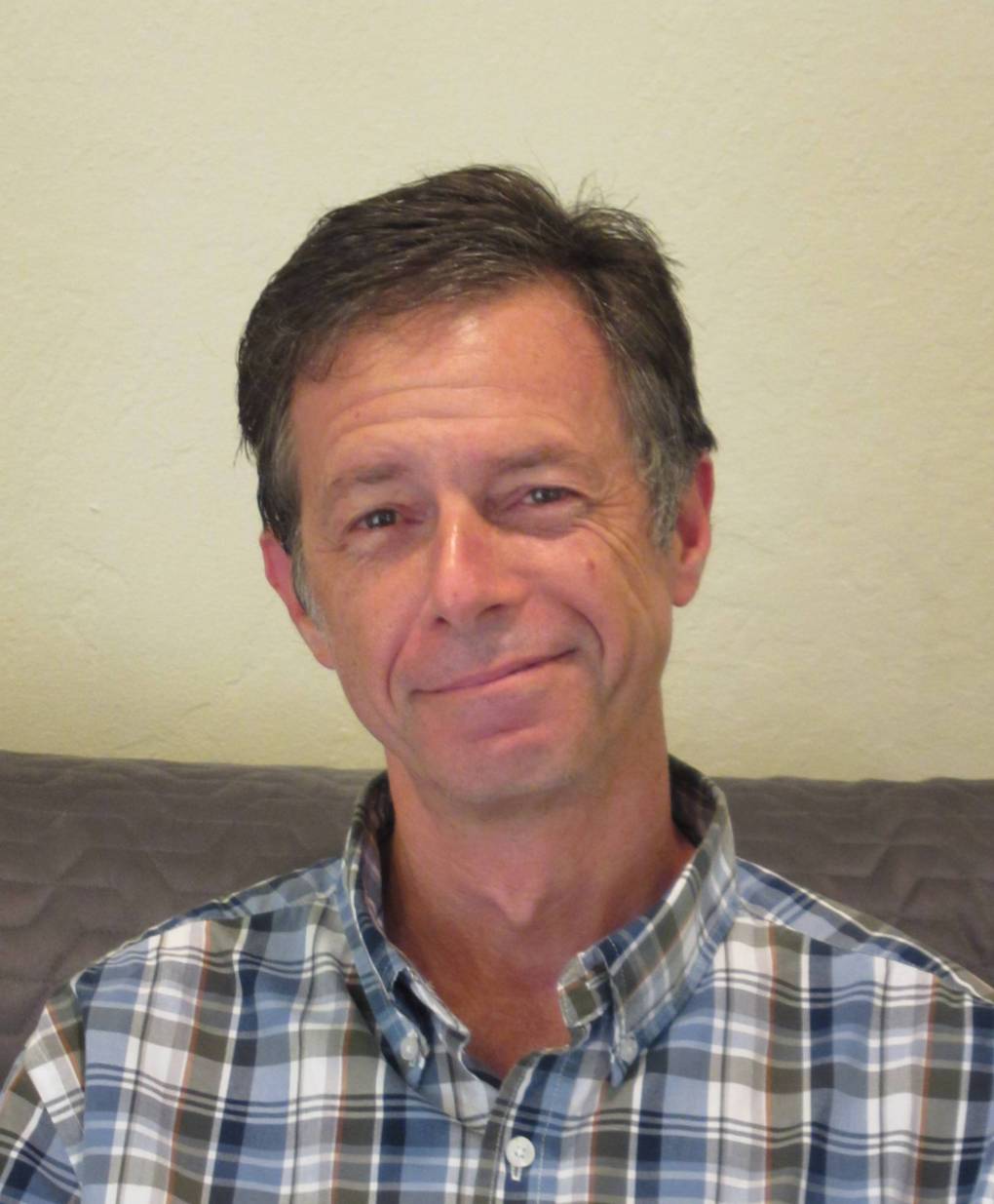
"content": "\u003cp>\u003cem>Max Gutmann explains why we should be paying more attention to having experiences.\u003c/em>\u003c/p>\n\u003cp>I like artichokes. Scraping each leaf against my bottom teeth is a tasty, healthy-feeling chore, an enjoyable way to earn the reward of the subtly delicious heart underneath. The heart without the chore feels like an extravagant treat, and I’d indulge frequently except that artichoke hearts sold or served without the leaves and stem tend to be pickled, which dulls and disguises the flavor. When artichoke hearts began appearing on pizza, I was enthusiastic.\u003c/p>\n\u003cp>I so loved the idea of combining these two favorites that I ordered the topping several times before realizing that what was on the pizza didn’t have that artichoke flavor I loved, that artichoke hearts on pizza were, back then at least, usually pickled. Recognizing this error made me feel unusually stupid. How could I have failed to taste what I had been eating?\u003c/p>\n\u003cp>But I’ve come to realize that allowing an idea to blot out an experience is fairly common. We stay in unfulfilling jobs and relationships; we spend lots of time online, doom scrolling, playing games and doing other unrewarding things; we continue to support politicians who forget their campaign promises until they’re running again for re-election. And part of the reason for each of these life-diminishing behaviors, I’m convinced, is being so attached to an idea—the job title, clickbait’s promise, what the politician claims to represent—that we don’t pay enough attention to our actual experience. \u003c/p>\n\u003cp>Advertisers understand and exploit this. “Don’t sell the steak,” their mantra goes, “sell the sizzle.” They know that if the sizzle captures our imagination, a lot of us won’t bother to notice whether the steak is any good at all.\u003c/p>\n\u003cp>[ad fullwidth]\u003c/p>\n\u003cp>I want to stop being an easy mark. I want to pay attention to the heart of everything I experience. That’s where the flavor is. Or should be. With a Perspective, I’m Max Gutmann.\u003c/p>\n\u003cp>\u003c/p>\n\u003cp>\u003cem>Max Gutmann writes plays and other things. He lives with his wife and two kids.\u003c/em>\u003c/p>\n\n",
"blocks": [],
"excerpt": "Max Gutmann explains why we should be paying more attention to having experiences.",
"status": "publish",
"parent": 0,
"modified": 1753897838,
"stats": {
"hasAudio": false,
"hasVideo": false,
"hasChartOrMap": false,
"iframeSrcs": [],
"hasGoogleForm": false,
"hasGallery": false,
"hasHearkenModule": false,
"hasPolis": false,
"paragraphCount": 9,
"wordCount": 369
},
"headData": {
"title": "Max Gutmann: Steak and Artichokes | KQED",
"description": "Max Gutmann explains why we should be paying more attention to having experiences.",
"ogTitle": "",
"ogDescription": "",
"ogImgId": "",
"twTitle": "",
"twDescription": "",
"twImgId": "",
"schema": {
"@context": "https://schema.org",
"@type": "Article",
"headline": "Max Gutmann: Steak and Artichokes",
"datePublished": "2025-08-05T00:01:37-07:00",
"dateModified": "2025-07-30T10:50:38-07:00",
"image": "https://cdn.kqed.org/wp-content/uploads/2020/02/KQED-OG-Image@1x.png"
}
},
"primaryCategory": {
"termId": 2052,
"slug": "podcast",
"name": "podcast"
},
"audioUrl": "https://www.podtrac.com/pts/redirect.mp3/pdst.fm/e/chrt.fm/track/G6C7C3/traffic.megaphone.fm/KQINC3790074520.mp3?updated=1753898104",
"sticky": false,
"nprByline": "Max Gutmann",
"templateType": "standard",
"featuredImageType": "standard",
"excludeFromSiteSearch": "Include",
"showOnAuthorArchivePages": "No",
"articleAge": "0",
"path": "/perspectives/201601146306/max-gutmann-steak-and-artichokes",
"audioTrackLength": null,
"parsedContent": [
{
"type": "contentString",
"content": "\u003cdiv class=\"post-body\">\u003cp>\u003cp>\u003cem>Max Gutmann explains why we should be paying more attention to having experiences.\u003c/em>\u003c/p>\n\u003cp>I like artichokes. Scraping each leaf against my bottom teeth is a tasty, healthy-feeling chore, an enjoyable way to earn the reward of the subtly delicious heart underneath. The heart without the chore feels like an extravagant treat, and I’d indulge frequently except that artichoke hearts sold or served without the leaves and stem tend to be pickled, which dulls and disguises the flavor. When artichoke hearts began appearing on pizza, I was enthusiastic.\u003c/p>\n\u003cp>I so loved the idea of combining these two favorites that I ordered the topping several times before realizing that what was on the pizza didn’t have that artichoke flavor I loved, that artichoke hearts on pizza were, back then at least, usually pickled. Recognizing this error made me feel unusually stupid. How could I have failed to taste what I had been eating?\u003c/p>\n\u003cp>But I’ve come to realize that allowing an idea to blot out an experience is fairly common. We stay in unfulfilling jobs and relationships; we spend lots of time online, doom scrolling, playing games and doing other unrewarding things; we continue to support politicians who forget their campaign promises until they’re running again for re-election. And part of the reason for each of these life-diminishing behaviors, I’m convinced, is being so attached to an idea—the job title, clickbait’s promise, what the politician claims to represent—that we don’t pay enough attention to our actual experience. \u003c/p>\n\u003cp>Advertisers understand and exploit this. “Don’t sell the steak,” their mantra goes, “sell the sizzle.” They know that if the sizzle captures our imagination, a lot of us won’t bother to notice whether the steak is any good at all.\u003c/p>\n\u003cp>\u003c/p>\u003c/div>",
"attributes": {
"named": {},
"numeric": []
}
},
{
"type": "component",
"content": "",
"name": "ad",
"attributes": {
"named": {
"label": "fullwidth"
},
"numeric": [
"fullwidth"
]
}
},
{
"type": "contentString",
"content": "\u003cdiv class=\"post-body\">\u003cp>\u003c/p>\n\u003cp>I want to stop being an easy mark. I want to pay attention to the heart of everything I experience. That’s where the flavor is. Or should be. With a Perspective, I’m Max Gutmann.\u003c/p>\n\u003cp>\u003c/p>\n\u003cp>\u003cem>Max Gutmann writes plays and other things. He lives with his wife and two kids.\u003c/em>\u003c/p>\n\n\u003c/div>\u003c/p>",
"attributes": {
"named": {},
"numeric": []
}
}
],
"link": "/perspectives/201601146306/max-gutmann-steak-and-artichokes",
"authors": [
"byline_perspectives_201601146306"
],
"programs": [
"perspectives_3"
],
"series": [
"perspectives_2023"
],
"categories": [
"perspectives_2",
"perspectives_2052"
],
"featImg": "perspectives_201601144790",
"label": "perspectives_3"
},
"perspectives_201601146301": {
"type": "posts",
"id": "perspectives_201601146301",
"meta": {
"index": "posts_1716263798",
"site": "perspectives",
"id": "201601146301",
"score": null,
"sort": [
1753858868000
]
},
"guestAuthors": [],
"slug": "keith-humphreys-caring-for-parents",
"title": "Keith Humphreys: Caring For Parents",
"publishDate": 1753858868,
"format": "standard",
"headTitle": "Keith Humphreys: Caring For Parents | KQED",
"labelTerm": {
"term": 3,
"site": "perspectives"
},
"content": "\u003cp>\u003cem>Taking care of parents is never easy and Keith Humphreys shares why a robot can’t replace that support.\u003c/em>\u003c/p>\n\u003cp>Over the last eight months of my dad’s dwindling health, my three siblings and I provided love to my parents. However, they understandably needed much more than that. We collectively put in hundreds of hours assisting with physical tasks, sorting out logistics, managing bills and tax forms, advising on tough decisions and other forms of amateur social work.\u003c/p>\n\u003cp>We also shielded them from the scammers who contact older people pretending to be health care administrators demanding payment on a supposedly overdue bill or stating that they “just need to confirm” their social security number and banking details.\u003c/p>\n\u003cp>My parents’ situation was challenging but manageable because there were four of us kids and only two of them. But between us four, we have only five of our own children to look after us when our time of great need arrives. Population research indicates that many other adults our age and younger will have even fewer children still, or none at all.\u003c/p>\n\u003cp>A massive expansion of Medicare’s benefits could theoretically be used to hire people to do what adult children now do for their aging and ill parents. But the decline in generational size that is creating the shortfall in “amateur social work” makes that solution unattainable: Medicare is already groaning in part because of the weight of an unprecedented number of old people relying on a relatively small number of working age taxpayers to finance it.\u003c/p>\n\u003cp>[ad fullwidth]\u003c/p>\n\u003cp>Technology may help bridge the caregiving gap. Artificial intelligence programs could remind seriously ill seniors to take their medications and possibly detect when someone is trying to scam them … although the scammers will have AI too. Robots may eventually be able to cook and clean and also help someone get in and out of bed.\u003c/p>\n\u003cp>But no AI or robot can do what a child can do: hold a dying parents’ hand and comfort them by expressing gratitude for the gift of their own existence. With a Perspective, I’m Keith Humphreys.\u003c/p>\n\u003cp>\u003c/p>\n\u003cp>\u003cem>Keith Humphreys is a Stanford University Professor who lives in Palo Alto.\u003c/em>\u003c/p>\n\n",
"blocks": [],
"excerpt": "Taking care of parents is never easy and Keith Humphreys shares why a robot can't replace that support.",
"status": "publish",
"parent": 0,
"modified": 1753816587,
"stats": {
"hasAudio": false,
"hasVideo": false,
"hasChartOrMap": false,
"iframeSrcs": [],
"hasGoogleForm": false,
"hasGallery": false,
"hasHearkenModule": false,
"hasPolis": false,
"paragraphCount": 10,
"wordCount": 373
},
"headData": {
"title": "Keith Humphreys: Caring For Parents | KQED",
"description": "Taking care of parents is never easy and Keith Humphreys shares why a robot can't replace that support.",
"ogTitle": "",
"ogDescription": "",
"ogImgId": "",
"twTitle": "",
"twDescription": "",
"twImgId": "",
"schema": {
"@context": "https://schema.org",
"@type": "Article",
"headline": "Keith Humphreys: Caring For Parents",
"datePublished": "2025-07-30T00:01:08-07:00",
"dateModified": "2025-07-29T12:16:27-07:00",
"image": "https://cdn.kqed.org/wp-content/uploads/2020/02/KQED-OG-Image@1x.png"
}
},
"primaryCategory": {
"termId": 2052,
"slug": "podcast",
"name": "podcast"
},
"audioUrl": "https://www.podtrac.com/pts/redirect.mp3/pdst.fm/e/chrt.fm/track/G6C7C3/traffic.megaphone.fm/KQINC5929209464.mp3?updated=1753816856",
"sticky": false,
"nprByline": "Keith Humphreys",
"templateType": "standard",
"featuredImageType": "standard",
"excludeFromSiteSearch": "Include",
"showOnAuthorArchivePages": "No",
"articleAge": "0",
"path": "/perspectives/201601146301/keith-humphreys-caring-for-parents",
"audioTrackLength": null,
"parsedContent": [
{
"type": "contentString",
"content": "\u003cdiv class=\"post-body\">\u003cp>\u003cp>\u003cem>Taking care of parents is never easy and Keith Humphreys shares why a robot can’t replace that support.\u003c/em>\u003c/p>\n\u003cp>Over the last eight months of my dad’s dwindling health, my three siblings and I provided love to my parents. However, they understandably needed much more than that. We collectively put in hundreds of hours assisting with physical tasks, sorting out logistics, managing bills and tax forms, advising on tough decisions and other forms of amateur social work.\u003c/p>\n\u003cp>We also shielded them from the scammers who contact older people pretending to be health care administrators demanding payment on a supposedly overdue bill or stating that they “just need to confirm” their social security number and banking details.\u003c/p>\n\u003cp>My parents’ situation was challenging but manageable because there were four of us kids and only two of them. But between us four, we have only five of our own children to look after us when our time of great need arrives. Population research indicates that many other adults our age and younger will have even fewer children still, or none at all.\u003c/p>\n\u003cp>A massive expansion of Medicare’s benefits could theoretically be used to hire people to do what adult children now do for their aging and ill parents. But the decline in generational size that is creating the shortfall in “amateur social work” makes that solution unattainable: Medicare is already groaning in part because of the weight of an unprecedented number of old people relying on a relatively small number of working age taxpayers to finance it.\u003c/p>\n\u003cp>\u003c/p>\u003c/div>",
"attributes": {
"named": {},
"numeric": []
}
},
{
"type": "component",
"content": "",
"name": "ad",
"attributes": {
"named": {
"label": "fullwidth"
},
"numeric": [
"fullwidth"
]
}
},
{
"type": "contentString",
"content": "\u003cdiv class=\"post-body\">\u003cp>\u003c/p>\n\u003cp>Technology may help bridge the caregiving gap. Artificial intelligence programs could remind seriously ill seniors to take their medications and possibly detect when someone is trying to scam them … although the scammers will have AI too. Robots may eventually be able to cook and clean and also help someone get in and out of bed.\u003c/p>\n\u003cp>But no AI or robot can do what a child can do: hold a dying parents’ hand and comfort them by expressing gratitude for the gift of their own existence. With a Perspective, I’m Keith Humphreys.\u003c/p>\n\u003cp>\u003c/p>\n\u003cp>\u003cem>Keith Humphreys is a Stanford University Professor who lives in Palo Alto.\u003c/em>\u003c/p>\n\n\u003c/div>\u003c/p>",
"attributes": {
"named": {},
"numeric": []
}
}
],
"link": "/perspectives/201601146301/keith-humphreys-caring-for-parents",
"authors": [
"byline_perspectives_201601146301"
],
"programs": [
"perspectives_3"
],
"series": [
"perspectives_2023"
],
"categories": [
"perspectives_2",
"perspectives_2052"
],
"featImg": "perspectives_201601142342",
"label": "perspectives_3"
},
"perspectives_201601146292": {
"type": "posts",
"id": "perspectives_201601146292",
"meta": {
"index": "posts_1716263798",
"site": "perspectives",
"id": "201601146292",
"score": null,
"sort": [
1753772505000
]
},
"guestAuthors": [],
"slug": "zayden-bronson-its-all-about-belief",
"title": "Zayden Bronson: It's All About Belief",
"publishDate": 1753772505,
"format": "standard",
"headTitle": "Zayden Bronson: It’s All About Belief | KQED",
"labelTerm": {
"term": 3,
"site": "perspectives"
},
"content": "\u003cp>\u003cem>Zayden Bronson shares the inspiring message he creates using rocks.\u003c/em>\u003c/p>\n\u003cp>My sister has looked at the rock almost every day for years. A beautifully painted rock with the word “believe” etched on. She was given the rock by state police officers who had helped her after she’d been attacked by a coyote walking in our suburban neighborhood a few years ago. When my brother suffered an unimaginable medical tragedy a little over a year ago, I brought the rock to his bedside while he lay intubated in the ICU. He kept it by his bed while he remained hospitalized for months. He still hasn’t recovered, but he looks to the rock for courage. \u003c/p>\n\u003cp>So impressed by the power of a daily reminder to believe, I started taking hundreds of rocks and paints to festivals and youth events throughout the Bay Area, encouraging others to paint their own inspirational rock and look to it often. The feedback has been overwhelmingly positive. I run into people months later who convey stories of gratitude. They were scared, nervous, going through a difficult time and that simple reminder to believe made a difference. \u003c/p>\n\u003cp>Everyone goes through hard times, whether financial, health-related, relationship-related or some other aspect of life. Whatever it is, just reminding yourself to believe matters. Reminding yourself that you matter, that things will be better, that you can succeed, and that you can make a positive difference is powerful.\u003c/p>\n\u003cp>Reminding yourself to believe in others, to believe in the good of humankind and to believe in the power of kindness matters. I’ve found that there’s no better way to remind yourself of this powerful idea than through the simplicity of a rock. I’d also like to fill neighborhoods and schools with belief rocks. Believing really does matter and is the foundation for good things to come. So, let’s remind ourselves of that every day. With a Perspective, I’m Zayden Bronson. \u003c/p>\n\u003cp>[ad fullwidth]\u003c/p>\n\u003cp>\u003c/p>\n\u003cp>\u003cem>Zayden Bronson will be entering his junior year of high school in August. He lives in the East Bay.\u003c/em>\u003c/p>\n\n",
"blocks": [],
"excerpt": "Zayden Bronson shares the inspiring message he creates using rocks.",
"status": "publish",
"parent": 0,
"modified": 1753732287,
"stats": {
"hasAudio": false,
"hasVideo": false,
"hasChartOrMap": false,
"iframeSrcs": [],
"hasGoogleForm": false,
"hasGallery": false,
"hasHearkenModule": false,
"hasPolis": false,
"paragraphCount": 8,
"wordCount": 357
},
"headData": {
"title": "Zayden Bronson: It's All About Belief | KQED",
"description": "Zayden Bronson shares the inspiring message he creates using rocks.",
"ogTitle": "",
"ogDescription": "",
"ogImgId": "",
"twTitle": "",
"twDescription": "",
"twImgId": "",
"schema": {
"@context": "https://schema.org",
"@type": "Article",
"headline": "Zayden Bronson: It's All About Belief",
"datePublished": "2025-07-29T00:01:45-07:00",
"dateModified": "2025-07-28T12:51:27-07:00",
"image": "https://cdn.kqed.org/wp-content/uploads/2020/02/KQED-OG-Image@1x.png"
}
},
"primaryCategory": {
"termId": 2052,
"slug": "podcast",
"name": "podcast"
},
"audioUrl": "https://www.podtrac.com/pts/redirect.mp3/pdst.fm/e/chrt.fm/track/G6C7C3/traffic.megaphone.fm/KQINC5943324155.mp3?updated=1753729582",
"sticky": false,
"nprByline": "Zayden Bronson",
"templateType": "standard",
"featuredImageType": "standard",
"excludeFromSiteSearch": "Include",
"showOnAuthorArchivePages": "No",
"articleAge": "0",
"path": "/perspectives/201601146292/zayden-bronson-its-all-about-belief",
"audioTrackLength": null,
"parsedContent": [
{
"type": "contentString",
"content": "\u003cdiv class=\"post-body\">\u003cp>\u003cp>\u003cem>Zayden Bronson shares the inspiring message he creates using rocks.\u003c/em>\u003c/p>\n\u003cp>My sister has looked at the rock almost every day for years. A beautifully painted rock with the word “believe” etched on. She was given the rock by state police officers who had helped her after she’d been attacked by a coyote walking in our suburban neighborhood a few years ago. When my brother suffered an unimaginable medical tragedy a little over a year ago, I brought the rock to his bedside while he lay intubated in the ICU. He kept it by his bed while he remained hospitalized for months. He still hasn’t recovered, but he looks to the rock for courage. \u003c/p>\n\u003cp>So impressed by the power of a daily reminder to believe, I started taking hundreds of rocks and paints to festivals and youth events throughout the Bay Area, encouraging others to paint their own inspirational rock and look to it often. The feedback has been overwhelmingly positive. I run into people months later who convey stories of gratitude. They were scared, nervous, going through a difficult time and that simple reminder to believe made a difference. \u003c/p>\n\u003cp>Everyone goes through hard times, whether financial, health-related, relationship-related or some other aspect of life. Whatever it is, just reminding yourself to believe matters. Reminding yourself that you matter, that things will be better, that you can succeed, and that you can make a positive difference is powerful.\u003c/p>\n\u003cp>Reminding yourself to believe in others, to believe in the good of humankind and to believe in the power of kindness matters. I’ve found that there’s no better way to remind yourself of this powerful idea than through the simplicity of a rock. I’d also like to fill neighborhoods and schools with belief rocks. Believing really does matter and is the foundation for good things to come. So, let’s remind ourselves of that every day. With a Perspective, I’m Zayden Bronson. \u003c/p>\n\u003cp>\u003c/p>\u003c/div>",
"attributes": {
"named": {},
"numeric": []
}
},
{
"type": "component",
"content": "",
"name": "ad",
"attributes": {
"named": {
"label": "fullwidth"
},
"numeric": [
"fullwidth"
]
}
},
{
"type": "contentString",
"content": "\u003cdiv class=\"post-body\">\u003cp>\u003c/p>\n\u003cp>\u003c/p>\n\u003cp>\u003cem>Zayden Bronson will be entering his junior year of high school in August. He lives in the East Bay.\u003c/em>\u003c/p>\n\n\u003c/div>\u003c/p>",
"attributes": {
"named": {},
"numeric": []
}
}
],
"link": "/perspectives/201601146292/zayden-bronson-its-all-about-belief",
"authors": [
"byline_perspectives_201601146292"
],
"programs": [
"perspectives_3"
],
"series": [
"perspectives_2023"
],
"categories": [
"perspectives_2",
"perspectives_2052"
],
"featImg": "perspectives_201601146294",
"label": "perspectives_3"
},
"perspectives_201601146285": {
"type": "posts",
"id": "perspectives_201601146285",
"meta": {
"index": "posts_1716263798",
"site": "perspectives",
"id": "201601146285",
"score": null,
"sort": [
1753686075000
]
},
"guestAuthors": [],
"slug": "vien-nguyen-a-beloved-pet",
"title": "Vien Nguyen: A Beloved Pet",
"publishDate": 1753686075,
"format": "standard",
"headTitle": "Vien Nguyen: A Beloved Pet | KQED",
"labelTerm": {
"term": 3,
"site": "perspectives"
},
"content": "\u003cp>\u003cem>Vien Nguyen mourns the loss of his pet chinchilla, Rice Boy and how the memories will stay with him.\u003c/em>\u003c/p>\n\u003cp>My chinchilla named Rice Boy wasn’t the cuddly type. He didn’t like being held. He preferred his cage, mushroom house, exercise wheel and keeping his distance. But he had his own ways of showing up. Most days when I came home from work, he’d wake up and turn slowly, grab the bars of his cave, and let out a giant yawn. \u003c/p>\n\u003cp>When I offered him hay, he’d pick up each straw with great fervor, nibble it, then drop it on the floor. He was picky. Ten years ago, right around the time the Outside Lands Music Festival was flooding San Francisco with sound and color, he unfortunately got sick. I never learned the diagnosis, but knew something was off that day. He wasn’t eating much and was lethargic. \u003c/p>\n\u003cp>A part of me sensed he wouldn’t make it. At the vet, I let him roam on the exam table. After a quick checkup, we waited for the tech to come take him inside. And then, something happened. For the first and only time, he crawled into my hands. As if it was his way of saying goodbye. I held him gently, kissed the top of his head like I did many times before and soon enough, they brought him inside. That would be the last time I saw him conscious.\u003c/p>\n\u003cp>Driving home, I cried. It wasn’t just grief—it was the weight of a connection I didn’t have words for. I understand how memories are made. I also know what neurodegeneration can erase. And yet, I believe this bond with this little creature will outlast all of that. \u003c/p>\n\u003cp>[ad fullwidth]\u003c/p>\n\u003cp>Even if someday, I forget names, places, or people, I feel like our bond will remain. Because what we shared wasn’t just electrical signals in the brain. It resonated beyond the physical. It’s been a decade, but I still whisper it sometimes randomly: “Papa loves you the most, Rice Boy.” And I think – somehow, wherever he is — he knows. With a Perspective, I’m Vien Nguyen.\u003c/p>\n\u003cp>\u003c/p>\n\u003cp>\u003cem>Vien Nguyen is a neuroscientist who lives in San Francisco. He enjoys spending time with his wife, son and dog.\u003c/em>\u003c/p>\n\n",
"blocks": [],
"excerpt": "Vien Nguyen mourns the loss of his pet chinchilla, Rice Boy and how the memories will stay with him.",
"status": "publish",
"parent": 0,
"modified": 1753386518,
"stats": {
"hasAudio": false,
"hasVideo": false,
"hasChartOrMap": false,
"iframeSrcs": [],
"hasGoogleForm": false,
"hasGallery": false,
"hasHearkenModule": false,
"hasPolis": false,
"paragraphCount": 9,
"wordCount": 401
},
"headData": {
"title": "Vien Nguyen: A Beloved Pet | KQED",
"description": "Vien Nguyen mourns the loss of his pet chinchilla, Rice Boy and how the memories will stay with him.",
"ogTitle": "",
"ogDescription": "",
"ogImgId": "",
"twTitle": "",
"twDescription": "",
"twImgId": "",
"schema": {
"@context": "https://schema.org",
"@type": "Article",
"headline": "Vien Nguyen: A Beloved Pet",
"datePublished": "2025-07-28T00:01:15-07:00",
"dateModified": "2025-07-24T12:48:38-07:00",
"image": "https://cdn.kqed.org/wp-content/uploads/2020/02/KQED-OG-Image@1x.png"
}
},
"primaryCategory": {
"termId": 2052,
"slug": "podcast",
"name": "podcast"
},
"audioUrl": "https://www.podtrac.com/pts/redirect.mp3/pdst.fm/e/chrt.fm/track/G6C7C3/traffic.megaphone.fm/KQINC7209651184.mp3?updated=1753386730",
"sticky": false,
"nprByline": "Vien Nguyen",
"templateType": "standard",
"featuredImageType": "standard",
"excludeFromSiteSearch": "Include",
"showOnAuthorArchivePages": "No",
"articleAge": "0",
"path": "/perspectives/201601146285/vien-nguyen-a-beloved-pet",
"audioTrackLength": null,
"parsedContent": [
{
"type": "contentString",
"content": "\u003cdiv class=\"post-body\">\u003cp>\u003cp>\u003cem>Vien Nguyen mourns the loss of his pet chinchilla, Rice Boy and how the memories will stay with him.\u003c/em>\u003c/p>\n\u003cp>My chinchilla named Rice Boy wasn’t the cuddly type. He didn’t like being held. He preferred his cage, mushroom house, exercise wheel and keeping his distance. But he had his own ways of showing up. Most days when I came home from work, he’d wake up and turn slowly, grab the bars of his cave, and let out a giant yawn. \u003c/p>\n\u003cp>When I offered him hay, he’d pick up each straw with great fervor, nibble it, then drop it on the floor. He was picky. Ten years ago, right around the time the Outside Lands Music Festival was flooding San Francisco with sound and color, he unfortunately got sick. I never learned the diagnosis, but knew something was off that day. He wasn’t eating much and was lethargic. \u003c/p>\n\u003cp>A part of me sensed he wouldn’t make it. At the vet, I let him roam on the exam table. After a quick checkup, we waited for the tech to come take him inside. And then, something happened. For the first and only time, he crawled into my hands. As if it was his way of saying goodbye. I held him gently, kissed the top of his head like I did many times before and soon enough, they brought him inside. That would be the last time I saw him conscious.\u003c/p>\n\u003cp>Driving home, I cried. It wasn’t just grief—it was the weight of a connection I didn’t have words for. I understand how memories are made. I also know what neurodegeneration can erase. And yet, I believe this bond with this little creature will outlast all of that. \u003c/p>\n\u003cp>\u003c/p>\u003c/div>",
"attributes": {
"named": {},
"numeric": []
}
},
{
"type": "component",
"content": "",
"name": "ad",
"attributes": {
"named": {
"label": "fullwidth"
},
"numeric": [
"fullwidth"
]
}
},
{
"type": "contentString",
"content": "\u003cdiv class=\"post-body\">\u003cp>\u003c/p>\n\u003cp>Even if someday, I forget names, places, or people, I feel like our bond will remain. Because what we shared wasn’t just electrical signals in the brain. It resonated beyond the physical. It’s been a decade, but I still whisper it sometimes randomly: “Papa loves you the most, Rice Boy.” And I think – somehow, wherever he is — he knows. With a Perspective, I’m Vien Nguyen.\u003c/p>\n\u003cp>\u003c/p>\n\u003cp>\u003cem>Vien Nguyen is a neuroscientist who lives in San Francisco. He enjoys spending time with his wife, son and dog.\u003c/em>\u003c/p>\n\n\u003c/div>\u003c/p>",
"attributes": {
"named": {},
"numeric": []
}
}
],
"link": "/perspectives/201601146285/vien-nguyen-a-beloved-pet",
"authors": [
"byline_perspectives_201601146285"
],
"programs": [
"perspectives_3"
],
"series": [
"perspectives_2023"
],
"categories": [
"perspectives_2",
"perspectives_2052"
],
"featImg": "perspectives_201601146243",
"label": "perspectives_3"
},
"perspectives_201601146279": {
"type": "posts",
"id": "perspectives_201601146279",
"meta": {
"index": "posts_1716263798",
"site": "perspectives",
"id": "201601146279",
"score": null,
"sort": [
1753426905000
]
},
"guestAuthors": [],
"slug": "scott-mcmorrow-not-the-enemy",
"title": "Scott McMorrow: Not the Enemy",
"publishDate": 1753426905,
"format": "standard",
"headTitle": "Scott McMorrow: Not the Enemy | KQED",
"labelTerm": {
"term": 3,
"site": "perspectives"
},
"content": "\u003cp>\u003cem>Scott McMorrow shares about being mobility-impaired and ending the stigma associated with it.\u003c/em>\u003c/p>\n\u003cp>July 26 is National Disability Independence Day, commemorating the signing of the Americans with Disabilities Act in 1990. For the past six years, I have been a beneficiary of this act as I am confined to a wheelchair, due to a traumatic brain injury. I’m not complaining, just explaining that people with mobility impairment are not the enemy.\u003c/p>\n\u003cp>I get the feeling I am often received as a rolling lawsuit. Looking for legal action. This could not be further from the truth of who and what I am. To put it bluntly, my time and energy are too precious to waste on trying to seek revenge and retribution on anyone. My focus is to recover. \u003c/p>\n\u003cp>I’m just like everyone else minus the walking bit. I would like to be able to enjoy some of the simple things such as shopping and dining in restaurants. I ask that you also bear in mind what may be a temporary inconvenience for you is a 24/7 ordeal for us.\u003c/p>\n\u003cp>While I am sure there are cases of mobility-impaired persons trying to make a living off their infirmity, that is so not me and not most of us. If I’m in your business establishment, it’s because I am there as a consumer looking to feel more normal and function in a world that is fairly unfriendly toward me. I simply ask that you look beyond the wheels and metal and recognize that we are individuals with our own dreams and desires. We are not the enemy. With a Perspective, I am Scott McMorrow. \u003c/p>\n\u003cp>[ad fullwidth]\u003c/p>\n\u003cp>\u003c/p>\n\u003cp>\u003cem>Scott McMorrow is a former fire fighter, civil engineer and commercial fisherman, as well as a proud father of three.\u003c/em>\u003c/p>\n\n",
"blocks": [],
"excerpt": "Scott McMorrow shares about being mobility-impaired and ending the stigma associated with it.",
"status": "publish",
"parent": 0,
"modified": 1753385032,
"stats": {
"hasAudio": false,
"hasVideo": false,
"hasChartOrMap": false,
"iframeSrcs": [],
"hasGoogleForm": false,
"hasGallery": false,
"hasHearkenModule": false,
"hasPolis": false,
"paragraphCount": 8,
"wordCount": 305
},
"headData": {
"title": "Scott McMorrow: Not the Enemy | KQED",
"description": "Scott McMorrow shares about being mobility-impaired and ending the stigma associated with it.",
"ogTitle": "",
"ogDescription": "",
"ogImgId": "",
"twTitle": "",
"twDescription": "",
"twImgId": "",
"schema": {
"@context": "https://schema.org",
"@type": "Article",
"headline": "Scott McMorrow: Not the Enemy",
"datePublished": "2025-07-25T00:01:45-07:00",
"dateModified": "2025-07-24T12:23:52-07:00",
"image": "https://cdn.kqed.org/wp-content/uploads/2020/02/KQED-OG-Image@1x.png"
}
},
"primaryCategory": {
"termId": 2052,
"slug": "podcast",
"name": "podcast"
},
"audioUrl": "https://www.podtrac.com/pts/redirect.mp3/pdst.fm/e/chrt.fm/track/G6C7C3/traffic.megaphone.fm/KQINC3884537851.mp3?updated=1753385294",
"sticky": false,
"nprByline": "Scott McMorrow",
"templateType": "standard",
"featuredImageType": "standard",
"excludeFromSiteSearch": "Include",
"showOnAuthorArchivePages": "No",
"articleAge": "0",
"path": "/perspectives/201601146279/scott-mcmorrow-not-the-enemy",
"audioTrackLength": null,
"parsedContent": [
{
"type": "contentString",
"content": "\u003cdiv class=\"post-body\">\u003cp>\u003cp>\u003cem>Scott McMorrow shares about being mobility-impaired and ending the stigma associated with it.\u003c/em>\u003c/p>\n\u003cp>July 26 is National Disability Independence Day, commemorating the signing of the Americans with Disabilities Act in 1990. For the past six years, I have been a beneficiary of this act as I am confined to a wheelchair, due to a traumatic brain injury. I’m not complaining, just explaining that people with mobility impairment are not the enemy.\u003c/p>\n\u003cp>I get the feeling I am often received as a rolling lawsuit. Looking for legal action. This could not be further from the truth of who and what I am. To put it bluntly, my time and energy are too precious to waste on trying to seek revenge and retribution on anyone. My focus is to recover. \u003c/p>\n\u003cp>I’m just like everyone else minus the walking bit. I would like to be able to enjoy some of the simple things such as shopping and dining in restaurants. I ask that you also bear in mind what may be a temporary inconvenience for you is a 24/7 ordeal for us.\u003c/p>\n\u003cp>While I am sure there are cases of mobility-impaired persons trying to make a living off their infirmity, that is so not me and not most of us. If I’m in your business establishment, it’s because I am there as a consumer looking to feel more normal and function in a world that is fairly unfriendly toward me. I simply ask that you look beyond the wheels and metal and recognize that we are individuals with our own dreams and desires. We are not the enemy. With a Perspective, I am Scott McMorrow. \u003c/p>\n\u003cp>\u003c/p>\u003c/div>",
"attributes": {
"named": {},
"numeric": []
}
},
{
"type": "component",
"content": "",
"name": "ad",
"attributes": {
"named": {
"label": "fullwidth"
},
"numeric": [
"fullwidth"
]
}
},
{
"type": "contentString",
"content": "\u003cdiv class=\"post-body\">\u003cp>\u003c/p>\n\u003cp>\u003c/p>\n\u003cp>\u003cem>Scott McMorrow is a former fire fighter, civil engineer and commercial fisherman, as well as a proud father of three.\u003c/em>\u003c/p>\n\n\u003c/div>\u003c/p>",
"attributes": {
"named": {},
"numeric": []
}
}
],
"link": "/perspectives/201601146279/scott-mcmorrow-not-the-enemy",
"authors": [
"byline_perspectives_201601146279"
],
"programs": [
"perspectives_3"
],
"series": [
"perspectives_2023"
],
"categories": [
"perspectives_2",
"perspectives_2052"
],
"featImg": "perspectives_201601146281",
"label": "perspectives_3"
},
"perspectives_201601146273": {
"type": "posts",
"id": "perspectives_201601146273",
"meta": {
"index": "posts_1716263798",
"site": "perspectives",
"id": "201601146273",
"score": null,
"sort": [
1753340485000
]
},
"guestAuthors": [],
"slug": "christine-mcqueen-short-order-summer-job",
"title": "Christine McQueen: Short Order Summer Job",
"publishDate": 1753340485,
"format": "standard",
"headTitle": "Christine McQueen: Short Order Summer Job | KQED",
"labelTerm": {
"term": 3,
"site": "perspectives"
},
"content": "\u003cp>\u003cem>Christine McQueen shares about her summer job experiences working at a restaurant.\u003c/em>\u003c/p>\n\u003cp>Way back in June of 1972, when I was just graduating from high school, I started hitting the pavement to find a summer job. I desperately needed money to pay for my college education! A new A&W restaurant was opening in my hometown, of Salinas, so I applied there and was hired. The salary was $1.65 an hour. On opening day, a whole crew of new hires showed up for a training before the actual doors opened to allow the stream of customers to enter. \u003c/p>\n\u003cp>There were few fast-food restaurants on that side of town, so the opening of an A&W was a huge deal. At the training, the crew was divided in half, and I was relegated to the group sent to the back of the restaurant to do the frying of the burgers and French fries. I wound up working side-by-side with the most amusing group of teenage guys you could imagine. We were the “fun group”! \u003c/p>\n\u003cp>Since the customers couldn’t really see us, we could crack jokes all shift long and get away with it! Most of the other girls had to wait on customers at the counter up front, and they were super jealous of me and the few other women working in the back. \u003c/p>\n\u003cp>I graduated in 1976 from San Diego State University with a degree in journalism, and I needed a reference for my first newspaper job. My manager from A&W wrote me a letter of recommendation. I got hired at the newspaper, having no experience as a reporter. Months later, my editor told me the reason I got the job was because of the glowing letter I got from the manager of the A&W. Looking back, I realize that position as a short-order cook was the most fun job I ever had! With a Perspective, I’m Christine McQueen.\u003c/p>\n\u003cp>[ad fullwidth]\u003c/p>\n\u003cp>\u003c/p>\n\u003cp>\u003cem>Christine McQueen is a retired first grade teacher with Oakland Unified School District. She lives in Oakland.\u003c/em>\u003c/p>\n\n",
"blocks": [],
"excerpt": "Christine McQueen shares about her summer job experiences working at a restaurant.",
"status": "publish",
"parent": 0,
"modified": 1753303200,
"stats": {
"hasAudio": false,
"hasVideo": false,
"hasChartOrMap": false,
"iframeSrcs": [],
"hasGoogleForm": false,
"hasGallery": false,
"hasHearkenModule": false,
"hasPolis": false,
"paragraphCount": 8,
"wordCount": 355
},
"headData": {
"title": "Christine McQueen: Short Order Summer Job | KQED",
"description": "Christine McQueen shares about her summer job experiences working at a restaurant.",
"ogTitle": "",
"ogDescription": "",
"ogImgId": "",
"twTitle": "",
"twDescription": "",
"twImgId": "",
"schema": {
"@context": "https://schema.org",
"@type": "Article",
"headline": "Christine McQueen: Short Order Summer Job",
"datePublished": "2025-07-24T00:01:25-07:00",
"dateModified": "2025-07-23T13:40:00-07:00",
"image": "https://cdn.kqed.org/wp-content/uploads/2020/02/KQED-OG-Image@1x.png"
}
},
"primaryCategory": {
"termId": 2052,
"slug": "podcast",
"name": "podcast"
},
"audioUrl": "https://www.podtrac.com/pts/redirect.mp3/pdst.fm/e/chrt.fm/track/G6C7C3/traffic.megaphone.fm/KQINC1633590332.mp3?updated=1753303445",
"sticky": false,
"nprByline": "Christine McQueen",
"templateType": "standard",
"featuredImageType": "standard",
"excludeFromSiteSearch": "Include",
"showOnAuthorArchivePages": "No",
"articleAge": "0",
"path": "/perspectives/201601146273/christine-mcqueen-short-order-summer-job",
"audioTrackLength": null,
"parsedContent": [
{
"type": "contentString",
"content": "\u003cdiv class=\"post-body\">\u003cp>\u003cp>\u003cem>Christine McQueen shares about her summer job experiences working at a restaurant.\u003c/em>\u003c/p>\n\u003cp>Way back in June of 1972, when I was just graduating from high school, I started hitting the pavement to find a summer job. I desperately needed money to pay for my college education! A new A&W restaurant was opening in my hometown, of Salinas, so I applied there and was hired. The salary was $1.65 an hour. On opening day, a whole crew of new hires showed up for a training before the actual doors opened to allow the stream of customers to enter. \u003c/p>\n\u003cp>There were few fast-food restaurants on that side of town, so the opening of an A&W was a huge deal. At the training, the crew was divided in half, and I was relegated to the group sent to the back of the restaurant to do the frying of the burgers and French fries. I wound up working side-by-side with the most amusing group of teenage guys you could imagine. We were the “fun group”! \u003c/p>\n\u003cp>Since the customers couldn’t really see us, we could crack jokes all shift long and get away with it! Most of the other girls had to wait on customers at the counter up front, and they were super jealous of me and the few other women working in the back. \u003c/p>\n\u003cp>I graduated in 1976 from San Diego State University with a degree in journalism, and I needed a reference for my first newspaper job. My manager from A&W wrote me a letter of recommendation. I got hired at the newspaper, having no experience as a reporter. Months later, my editor told me the reason I got the job was because of the glowing letter I got from the manager of the A&W. Looking back, I realize that position as a short-order cook was the most fun job I ever had! With a Perspective, I’m Christine McQueen.\u003c/p>\n\u003cp>\u003c/p>\u003c/div>",
"attributes": {
"named": {},
"numeric": []
}
},
{
"type": "component",
"content": "",
"name": "ad",
"attributes": {
"named": {
"label": "fullwidth"
},
"numeric": [
"fullwidth"
]
}
},
{
"type": "contentString",
"content": "\u003cdiv class=\"post-body\">\u003cp>\u003c/p>\n\u003cp>\u003c/p>\n\u003cp>\u003cem>Christine McQueen is a retired first grade teacher with Oakland Unified School District. She lives in Oakland.\u003c/em>\u003c/p>\n\n\u003c/div>\u003c/p>",
"attributes": {
"named": {},
"numeric": []
}
}
],
"link": "/perspectives/201601146273/christine-mcqueen-short-order-summer-job",
"authors": [
"byline_perspectives_201601146273"
],
"programs": [
"perspectives_3"
],
"series": [
"perspectives_2023"
],
"categories": [
"perspectives_2",
"perspectives_2052"
],
"featImg": "perspectives_201601146229",
"label": "perspectives_3"
},
"perspectives_201601146263": {
"type": "posts",
"id": "perspectives_201601146263",
"meta": {
"index": "posts_1716263798",
"site": "perspectives",
"id": "201601146263",
"score": null,
"sort": [
1753254112000
]
},
"guestAuthors": [],
"slug": "adeline-jones-moving-with-confidence",
"title": "Adeline Jones: Moving With Confidence",
"publishDate": 1753254112,
"format": "standard",
"headTitle": "Adeline Jones: Moving With Confidence | KQED",
"labelTerm": {
"term": 3,
"site": "perspectives"
},
"content": "\u003cp>\u003cem>Adeline Jones shares about an impactful experience she had at a summer camp.\u003c/em>\u003c/p>\n\u003cp>From elementary through middle school, I was known as the horse girl. I grew up in a small town on the coast with a graduating class of 40 people, so if there was a birthday party, everyone was invited. At least until we got to middle school. I was often bullied and like many others, it only got worse for me over time. \u003c/p>\n\u003cp>My 8th grade classmates wrote in my graduation notes that “you’re happy no matter what others thought of you” which wasn’t really true… But then I went to summer camp. There, my confidence in myself, horses and nature was seen as positive. So many other teens were so uncomfortable, but I knew who I was. I ended up being the “cool kid” of the camp that week.\u003c/p>\n\u003cp>It was then I realized it wasn’t me, but an inability of my classmates to see anything other than the “horse girl” they grew up with and the lack of other teens for me click with. After that summer, I finally felt comfortable enough to have a conversation with my parents knowing there might be other schooling options for me.\u003c/p>\n\u003cp>Luckily, we lived on the county border between San Mateo and Santa Cruz. My parents helped me switch schools, and I found more of my people that were not the “norm” at Santa Cruz High School. A larger graduating class of 300 people also helped. I later found my life partner and the perfect college at California State University Monterey Bay where I became the Equestrian Club President.\u003c/p>\n\u003cp>[ad fullwidth]\u003c/p>\n\u003cp>Now, I work in Parks and Recreation, and have done so for over a decade. Without that camp, I would not be where I am today, supporting other youth and people who may not have always clicked with those around them. Passing it forward has been important to me in my career ever since. To all those looking for their herd, with a Perspective, I’m Adeline Jones.\u003c/p>\n\u003cp>\u003c/p>\n\u003cp>\u003cem>Adeline Jones is a Recreation Coordinator living in Redwood City with her partner and their dog Rufus. She is still a horse girl, regularly taking lessons, but no longer has her mule, which she grew up riding.\u003c/em>\u003c/p>\n\n",
"blocks": [],
"excerpt": "Adeline Jones shares about an impactful experience she had at a summer camp.",
"status": "publish",
"parent": 0,
"modified": 1753214481,
"stats": {
"hasAudio": false,
"hasVideo": false,
"hasChartOrMap": false,
"iframeSrcs": [],
"hasGoogleForm": false,
"hasGallery": false,
"hasHearkenModule": false,
"hasPolis": false,
"paragraphCount": 9,
"wordCount": 394
},
"headData": {
"title": "Adeline Jones: Moving With Confidence | KQED",
"description": "Adeline Jones shares about an impactful experience she had at a summer camp.",
"ogTitle": "",
"ogDescription": "",
"ogImgId": "",
"twTitle": "",
"twDescription": "",
"twImgId": "",
"schema": {
"@context": "https://schema.org",
"@type": "Article",
"headline": "Adeline Jones: Moving With Confidence",
"datePublished": "2025-07-23T00:01:52-07:00",
"dateModified": "2025-07-22T13:01:21-07:00",
"image": "https://cdn.kqed.org/wp-content/uploads/2020/02/KQED-OG-Image@1x.png"
}
},
"primaryCategory": {
"termId": 2052,
"slug": "podcast",
"name": "podcast"
},
"audioUrl": "https://www.podtrac.com/pts/redirect.mp3/pdst.fm/e/chrt.fm/track/G6C7C3/traffic.megaphone.fm/KQINC5490007752.mp3?updated=1753214547",
"sticky": false,
"nprByline": "Adeline Jones",
"templateType": "standard",
"featuredImageType": "standard",
"excludeFromSiteSearch": "Include",
"showOnAuthorArchivePages": "No",
"articleAge": "0",
"path": "/perspectives/201601146263/adeline-jones-moving-with-confidence",
"audioTrackLength": null,
"parsedContent": [
{
"type": "contentString",
"content": "\u003cdiv class=\"post-body\">\u003cp>\u003cp>\u003cem>Adeline Jones shares about an impactful experience she had at a summer camp.\u003c/em>\u003c/p>\n\u003cp>From elementary through middle school, I was known as the horse girl. I grew up in a small town on the coast with a graduating class of 40 people, so if there was a birthday party, everyone was invited. At least until we got to middle school. I was often bullied and like many others, it only got worse for me over time. \u003c/p>\n\u003cp>My 8th grade classmates wrote in my graduation notes that “you’re happy no matter what others thought of you” which wasn’t really true… But then I went to summer camp. There, my confidence in myself, horses and nature was seen as positive. So many other teens were so uncomfortable, but I knew who I was. I ended up being the “cool kid” of the camp that week.\u003c/p>\n\u003cp>It was then I realized it wasn’t me, but an inability of my classmates to see anything other than the “horse girl” they grew up with and the lack of other teens for me click with. After that summer, I finally felt comfortable enough to have a conversation with my parents knowing there might be other schooling options for me.\u003c/p>\n\u003cp>Luckily, we lived on the county border between San Mateo and Santa Cruz. My parents helped me switch schools, and I found more of my people that were not the “norm” at Santa Cruz High School. A larger graduating class of 300 people also helped. I later found my life partner and the perfect college at California State University Monterey Bay where I became the Equestrian Club President.\u003c/p>\n\u003cp>\u003c/p>\u003c/div>",
"attributes": {
"named": {},
"numeric": []
}
},
{
"type": "component",
"content": "",
"name": "ad",
"attributes": {
"named": {
"label": "fullwidth"
},
"numeric": [
"fullwidth"
]
}
},
{
"type": "contentString",
"content": "\u003cdiv class=\"post-body\">\u003cp>\u003c/p>\n\u003cp>Now, I work in Parks and Recreation, and have done so for over a decade. Without that camp, I would not be where I am today, supporting other youth and people who may not have always clicked with those around them. Passing it forward has been important to me in my career ever since. To all those looking for their herd, with a Perspective, I’m Adeline Jones.\u003c/p>\n\u003cp>\u003c/p>\n\u003cp>\u003cem>Adeline Jones is a Recreation Coordinator living in Redwood City with her partner and their dog Rufus. She is still a horse girl, regularly taking lessons, but no longer has her mule, which she grew up riding.\u003c/em>\u003c/p>\n\n\u003c/div>\u003c/p>",
"attributes": {
"named": {},
"numeric": []
}
}
],
"link": "/perspectives/201601146263/adeline-jones-moving-with-confidence",
"authors": [
"byline_perspectives_201601146263"
],
"programs": [
"perspectives_3"
],
"series": [
"perspectives_2023"
],
"categories": [
"perspectives_2",
"perspectives_2052"
],
"featImg": "perspectives_201601146227",
"label": "perspectives_3"
},
"perspectives_201601146259": {
"type": "posts",
"id": "perspectives_201601146259",
"meta": {
"index": "posts_1716263798",
"site": "perspectives",
"id": "201601146259",
"score": null,
"sort": [
1753167718000
]
},
"guestAuthors": [],
"slug": "guleed-allen-appreciate-the-culture",
"title": "Guleed Allen: Appreciate the Culture",
"publishDate": 1753167718,
"format": "standard",
"headTitle": "Guleed Allen: Appreciate the Culture | KQED",
"labelTerm": {
"term": 3,
"site": "perspectives"
},
"content": "\u003cp>\u003cem>Guleed Allen explains the differences between cultural appreciation and cultural appropriation.\u003c/em>\u003c/p>\n\u003cp>Oakland is a city rich in culture, history and activism. From the Black Panther party to beautiful murals in the Fruitvale District, many cultures are represented. But in a diverse place like this, it’s important to know the difference between culture appropriation and culture appreciation.\u003c/p>\n\u003cp>Culture appreciation is when someone engages with another culture respectfully, like learning its history, acknowledging its importance, and giving credit where it’s due. On the other hand, culture appropriation happens when someone takes things from a culture, especially from a marginalized group and without understanding or respecting its origins, more or less for personal gain.\u003c/p>\n\u003cp>This conversation becomes even more urgent when looking at debates like one I recently encountered at school: Should people be able to say the n-word when it is part of a song? This question made me reflect on how people often embrace the aesthetics of Black culture while disregarding the lived experiences and struggles of Black people.\u003c/p>\n\u003cp>Historically, the n-word has been used as a tool of dehumanization and oppression. Some members of the Black community have reclaimed the term as a form of empowerment, but at the end of the day it is still a painful reminder of systemic racism. When non-Black people casually use the word under the disguise of it being “just a lyric,” it disregards this painful legacy. It reinforces the idea that people love everything about a culture except the people themselves.\u003c/p>\n\u003cp>[ad fullwidth]\u003c/p>\n\u003cp>Respect. Learn. Uplift. True culture appreciation requires more than enjoying the surface; it demands a willingness to understand the history and support the communities that live that reality every day. With a Perspective, I’m Guleed Allen.\u003c/p>\n\u003cp>\u003c/p>\n\u003cp>\u003cem>Guleed Allen is a high school junior who enjoys hiking and playing basketball for fun. He attends a public charter school in the Bay Area.\u003c/em>\u003c/p>\n\n",
"blocks": [],
"excerpt": "Guleed Allen explains the differences between cultural appreciation and cultural appropriation.",
"status": "publish",
"parent": 0,
"modified": 1753123302,
"stats": {
"hasAudio": false,
"hasVideo": false,
"hasChartOrMap": false,
"iframeSrcs": [],
"hasGoogleForm": false,
"hasGallery": false,
"hasHearkenModule": false,
"hasPolis": false,
"paragraphCount": 9,
"wordCount": 322
},
"headData": {
"title": "Guleed Allen: Appreciate the Culture | KQED",
"description": "Guleed Allen explains the differences between cultural appreciation and cultural appropriation.",
"ogTitle": "",
"ogDescription": "",
"ogImgId": "",
"twTitle": "",
"twDescription": "",
"twImgId": "",
"schema": {
"@context": "https://schema.org",
"@type": "Article",
"headline": "Guleed Allen: Appreciate the Culture",
"datePublished": "2025-07-22T00:01:58-07:00",
"dateModified": "2025-07-21T11:41:42-07:00",
"image": "https://cdn.kqed.org/wp-content/uploads/2020/02/KQED-OG-Image@1x.png"
}
},
"primaryCategory": {
"termId": 2052,
"slug": "podcast",
"name": "podcast"
},
"audioUrl": "https://www.podtrac.com/pts/redirect.mp3/pdst.fm/e/chrt.fm/track/G6C7C3/traffic.megaphone.fm/KQINC3472058707.mp3?updated=1753123579",
"sticky": false,
"nprByline": "Guleed Allen",
"templateType": "standard",
"featuredImageType": "standard",
"excludeFromSiteSearch": "Include",
"showOnAuthorArchivePages": "No",
"articleAge": "0",
"path": "/perspectives/201601146259/guleed-allen-appreciate-the-culture",
"audioTrackLength": null,
"parsedContent": [
{
"type": "contentString",
"content": "\u003cdiv class=\"post-body\">\u003cp>\u003cp>\u003cem>Guleed Allen explains the differences between cultural appreciation and cultural appropriation.\u003c/em>\u003c/p>\n\u003cp>Oakland is a city rich in culture, history and activism. From the Black Panther party to beautiful murals in the Fruitvale District, many cultures are represented. But in a diverse place like this, it’s important to know the difference between culture appropriation and culture appreciation.\u003c/p>\n\u003cp>Culture appreciation is when someone engages with another culture respectfully, like learning its history, acknowledging its importance, and giving credit where it’s due. On the other hand, culture appropriation happens when someone takes things from a culture, especially from a marginalized group and without understanding or respecting its origins, more or less for personal gain.\u003c/p>\n\u003cp>This conversation becomes even more urgent when looking at debates like one I recently encountered at school: Should people be able to say the n-word when it is part of a song? This question made me reflect on how people often embrace the aesthetics of Black culture while disregarding the lived experiences and struggles of Black people.\u003c/p>\n\u003cp>Historically, the n-word has been used as a tool of dehumanization and oppression. Some members of the Black community have reclaimed the term as a form of empowerment, but at the end of the day it is still a painful reminder of systemic racism. When non-Black people casually use the word under the disguise of it being “just a lyric,” it disregards this painful legacy. It reinforces the idea that people love everything about a culture except the people themselves.\u003c/p>\n\u003cp>\u003c/p>\u003c/div>",
"attributes": {
"named": {},
"numeric": []
}
},
{
"type": "component",
"content": "",
"name": "ad",
"attributes": {
"named": {
"label": "fullwidth"
},
"numeric": [
"fullwidth"
]
}
},
{
"type": "contentString",
"content": "\u003cdiv class=\"post-body\">\u003cp>\u003c/p>\n\u003cp>Respect. Learn. Uplift. True culture appreciation requires more than enjoying the surface; it demands a willingness to understand the history and support the communities that live that reality every day. With a Perspective, I’m Guleed Allen.\u003c/p>\n\u003cp>\u003c/p>\n\u003cp>\u003cem>Guleed Allen is a high school junior who enjoys hiking and playing basketball for fun. He attends a public charter school in the Bay Area.\u003c/em>\u003c/p>\n\n\u003c/div>\u003c/p>",
"attributes": {
"named": {},
"numeric": []
}
}
],
"link": "/perspectives/201601146259/guleed-allen-appreciate-the-culture",
"authors": [
"byline_perspectives_201601146259"
],
"programs": [
"perspectives_3"
],
"series": [
"perspectives_2023"
],
"categories": [
"perspectives_2",
"perspectives_2052"
],
"tags": [
"perspectives_1832",
"perspectives_1648"
],
"featImg": "perspectives_201601145805",
"label": "perspectives_3"
},
"perspectives_201601146250": {
"type": "posts",
"id": "perspectives_201601146250",
"meta": {
"index": "posts_1716263798",
"site": "perspectives",
"id": "201601146250",
"score": null,
"sort": [
1753081315000
]
},
"guestAuthors": [],
"slug": "christine-junge-one-scoop-at-a-time",
"title": "Christine Junge: One Scoop at a Time",
"publishDate": 1753081315,
"format": "standard",
"headTitle": "Christine Junge: One Scoop at a Time | KQED",
"labelTerm": {
"term": 3,
"site": "perspectives"
},
"content": "\u003cp>\u003cem>Christine Junge shares about her summer job experience working at an ice cream shop.\u003c/em>\u003c/p>\n\u003cp>I took an improv class at Stanford’s adult education program a few years back, and one of the exercises was to talk off-the-cuff about our favorite job. Since this was Silicon Valley, many of the students discussed their work as tech execs or corporate lawyers. I could have spoken about my job as a writer for Stanford, but I went in another direction. \u003c/p>\n\u003cp>Instead, I spoke about my job scooping ice cream as a teenager at a Carvel on Long Island, New York. My best friend and I worked there together, so on slow days I basically got paid to eat ice cream and hang out with my favorite person — what was not to love? \u003c/p>\n\u003cp>I also worked with a rag-tag bunch of people I never would have met if it weren’t for Carvel: There was a formerly incarcerated man with perennially greasy hair who gave me car advice, and a college grad who hadn’t yet figured out what he wanted to do with himself at age twenty-seven — which he and I both agreed was incredibly old. There was also the cake decorator working not for the money but because it got her out and about. I spent a dozen hours a week with these people, and I got to know them better than any other adults in my life, save my parents. \u003c/p>\n\u003cp>They talked to me like a peer, and I heard about their marriages, mistakes and memories. I learned from them how to take it one scoop at a time as the line stretched out the door on hot summer nights, how to keep smiling when customers changed their minds — twice! — after you made up their order, and the importance of coming to work on time every day. \u003c/p>\n\u003cp>[ad fullwidth]\u003c/p>\n\u003cp>I’ve forgotten these co-workers’ names, but they themselves have never melted from my mind. I think of them when I pump gas, when I talk to younger friends figuring out their lives, and, of course, on my birthday, which I always celebrate with an ice cream cake. With a Perspective, I’m Christine Junge.\u003c/p>\n\u003cp>\u003c/p>\n\u003cp>\u003cem>Christine Junge is a writer living in San Jose. \u003c/em>\u003c/p>\n\n",
"blocks": [],
"excerpt": "Christine Junge shares about her summer job experience working at an ice cream shop.",
"status": "publish",
"parent": 0,
"modified": 1752774923,
"stats": {
"hasAudio": false,
"hasVideo": false,
"hasChartOrMap": false,
"iframeSrcs": [],
"hasGoogleForm": false,
"hasGallery": false,
"hasHearkenModule": false,
"hasPolis": false,
"paragraphCount": 9,
"wordCount": 388
},
"headData": {
"title": "Christine Junge: One Scoop at a Time | KQED",
"description": "Christine Junge shares about her summer job experience working at an ice cream shop.",
"ogTitle": "",
"ogDescription": "",
"ogImgId": "",
"twTitle": "",
"twDescription": "",
"twImgId": "",
"schema": {
"@context": "https://schema.org",
"@type": "Article",
"headline": "Christine Junge: One Scoop at a Time",
"datePublished": "2025-07-21T00:01:55-07:00",
"dateModified": "2025-07-17T10:55:23-07:00",
"image": "https://cdn.kqed.org/wp-content/uploads/2020/02/KQED-OG-Image@1x.png"
}
},
"primaryCategory": {
"termId": 2052,
"slug": "podcast",
"name": "podcast"
},
"audioUrl": "https://www.podtrac.com/pts/redirect.mp3/pdst.fm/e/chrt.fm/track/G6C7C3/traffic.megaphone.fm/KQINC3667688872.mp3?updated=1752770435",
"sticky": false,
"nprByline": "Christine Junge",
"templateType": "standard",
"featuredImageType": "standard",
"excludeFromSiteSearch": "Include",
"showOnAuthorArchivePages": "No",
"articleAge": "0",
"path": "/perspectives/201601146250/christine-junge-one-scoop-at-a-time",
"audioTrackLength": null,
"parsedContent": [
{
"type": "contentString",
"content": "\u003cdiv class=\"post-body\">\u003cp>\u003cp>\u003cem>Christine Junge shares about her summer job experience working at an ice cream shop.\u003c/em>\u003c/p>\n\u003cp>I took an improv class at Stanford’s adult education program a few years back, and one of the exercises was to talk off-the-cuff about our favorite job. Since this was Silicon Valley, many of the students discussed their work as tech execs or corporate lawyers. I could have spoken about my job as a writer for Stanford, but I went in another direction. \u003c/p>\n\u003cp>Instead, I spoke about my job scooping ice cream as a teenager at a Carvel on Long Island, New York. My best friend and I worked there together, so on slow days I basically got paid to eat ice cream and hang out with my favorite person — what was not to love? \u003c/p>\n\u003cp>I also worked with a rag-tag bunch of people I never would have met if it weren’t for Carvel: There was a formerly incarcerated man with perennially greasy hair who gave me car advice, and a college grad who hadn’t yet figured out what he wanted to do with himself at age twenty-seven — which he and I both agreed was incredibly old. There was also the cake decorator working not for the money but because it got her out and about. I spent a dozen hours a week with these people, and I got to know them better than any other adults in my life, save my parents. \u003c/p>\n\u003cp>They talked to me like a peer, and I heard about their marriages, mistakes and memories. I learned from them how to take it one scoop at a time as the line stretched out the door on hot summer nights, how to keep smiling when customers changed their minds — twice! — after you made up their order, and the importance of coming to work on time every day. \u003c/p>\n\u003cp>\u003c/p>\u003c/div>",
"attributes": {
"named": {},
"numeric": []
}
},
{
"type": "component",
"content": "",
"name": "ad",
"attributes": {
"named": {
"label": "fullwidth"
},
"numeric": [
"fullwidth"
]
}
},
{
"type": "contentString",
"content": "\u003cdiv class=\"post-body\">\u003cp>\u003c/p>\n\u003cp>I’ve forgotten these co-workers’ names, but they themselves have never melted from my mind. I think of them when I pump gas, when I talk to younger friends figuring out their lives, and, of course, on my birthday, which I always celebrate with an ice cream cake. With a Perspective, I’m Christine Junge.\u003c/p>\n\u003cp>\u003c/p>\n\u003cp>\u003cem>Christine Junge is a writer living in San Jose. \u003c/em>\u003c/p>\n\n\u003c/div>\u003c/p>",
"attributes": {
"named": {},
"numeric": []
}
}
],
"link": "/perspectives/201601146250/christine-junge-one-scoop-at-a-time",
"authors": [
"byline_perspectives_201601146250"
],
"programs": [
"perspectives_3"
],
"series": [
"perspectives_2023"
],
"categories": [
"perspectives_2",
"perspectives_2052"
],
"featImg": "perspectives_201601146252",
"label": "perspectives_3"
}
},
"podcastsReducer": {
"isFetching": false,
"fetchFailed": false,
"hasFetched": false,
"podcasts": {}
},
"radioProgramsReducer": {
"isFetching": false,
"fetchFailed": false,
"hasFetched": false,
"radioPrograms": {}
},
"radioSearchSegmentsReducer": {},
"programsReducer": {
"all-things-considered": {
"id": "all-things-considered",
"title": "All Things Considered",
"info": "Every weekday, \u003cem>All Things Considered\u003c/em> hosts Robert Siegel, Audie Cornish, Ari Shapiro, and Kelly McEvers present the program's trademark mix of news, interviews, commentaries, reviews, and offbeat features. Michel Martin hosts on the weekends.",
"airtime": "MON-FRI 1pm-2pm, 4:30pm-6:30pm\u003cbr />SAT-SUN 5pm-6pm",
"imageSrc": "https://cdn.kqed.org/wp-content/uploads/2024/04/All-Things-Considered-Podcast-Tile-360x360-1.jpg",
"officialWebsiteLink": "https://www.npr.org/programs/all-things-considered/",
"meta": {
"site": "news",
"source": "npr"
},
"link": "/radio/program/all-things-considered"
},
"american-suburb-podcast": {
"id": "american-suburb-podcast",
"title": "American Suburb: The Podcast",
"tagline": "The flip side of gentrification, told through one town",
"info": "Gentrification is changing cities across America, forcing people from neighborhoods they have long called home. Call them the displaced. Now those priced out of the Bay Area are looking for a better life in an unlikely place. American Suburb follows this migration to one California town along the Delta, 45 miles from San Francisco. But is this once sleepy suburb ready for them?",
"imageSrc": "https://cdn.kqed.org/wp-content/uploads/2024/04/American-Suburb-Podcast-Tile-703x703-1.jpg",
"officialWebsiteLink": "/news/series/american-suburb-podcast",
"meta": {
"site": "news",
"source": "kqed",
"order": 19
},
"link": "/news/series/american-suburb-podcast/",
"subscribe": {
"npr": "https://rpb3r.app.goo.gl/RBrW",
"apple": "https://itunes.apple.com/WebObjects/MZStore.woa/wa/viewPodcast?mt=2&id=1287748328",
"tuneIn": "https://tunein.com/radio/American-Suburb-p1086805/",
"rss": "https://ww2.kqed.org/news/series/american-suburb-podcast/feed/podcast",
"google": "https://podcasts.google.com/feed/aHR0cHM6Ly9mZWVkcy5tZWdhcGhvbmUuZm0vS1FJTkMzMDExODgxNjA5"
}
},
"baycurious": {
"id": "baycurious",
"title": "Bay Curious",
"tagline": "Exploring the Bay Area, one question at a time",
"info": "KQED’s new podcast, Bay Curious, gets to the bottom of the mysteries — both profound and peculiar — that give the Bay Area its unique identity. And we’ll do it with your help! You ask the questions. You decide what Bay Curious investigates. And you join us on the journey to find the answers.",
"imageSrc": "https://cdn.kqed.org/wp-content/uploads/2024/04/Bay-Curious-Podcast-Tile-703x703-1.jpg",
"imageAlt": "KQED Bay Curious",
"officialWebsiteLink": "/news/series/baycurious",
"meta": {
"site": "news",
"source": "kqed",
"order": 3
},
"link": "/podcasts/baycurious",
"subscribe": {
"apple": "https://podcasts.apple.com/us/podcast/bay-curious/id1172473406",
"npr": "https://www.npr.org/podcasts/500557090/bay-curious",
"rss": "https://ww2.kqed.org/news/category/bay-curious-podcast/feed/podcast",
"amazon": "https://music.amazon.com/podcasts/9a90d476-aa04-455d-9a4c-0871ed6216d4/bay-curious",
"stitcher": "https://www.stitcher.com/podcast/kqed/bay-curious",
"spotify": "https://open.spotify.com/show/6O76IdmhixfijmhTZLIJ8k"
}
},
"bbc-world-service": {
"id": "bbc-world-service",
"title": "BBC World Service",
"info": "The day's top stories from BBC News compiled twice daily in the week, once at weekends.",
"airtime": "MON-FRI 9pm-10pm, TUE-FRI 1am-2am",
"imageSrc": "https://cdn.kqed.org/wp-content/uploads/2024/04/BBC-World-Service-Podcast-Tile-360x360-1.jpg",
"officialWebsiteLink": "https://www.bbc.co.uk/sounds/play/live:bbc_world_service",
"meta": {
"site": "news",
"source": "BBC World Service"
},
"link": "/radio/program/bbc-world-service",
"subscribe": {
"apple": "https://itunes.apple.com/us/podcast/global-news-podcast/id135067274?mt=2",
"tuneIn": "https://tunein.com/radio/BBC-World-Service-p455581/",
"rss": "https://podcasts.files.bbci.co.uk/p02nq0gn.rss"
}
},
"californiareport": {
"id": "californiareport",
"title": "The California Report",
"tagline": "California, day by day",
"info": "KQED’s statewide radio news program providing daily coverage of issues, trends and public policy decisions.",
"imageSrc": "https://cdn.kqed.org/wp-content/uploads/2024/04/The-California-Report-Podcast-Tile-703x703-1.jpg",
"imageAlt": "KQED The California Report",
"officialWebsiteLink": "/californiareport",
"meta": {
"site": "news",
"source": "kqed",
"order": 8
},
"link": "/californiareport",
"subscribe": {
"apple": "https://podcasts.apple.com/us/podcast/kqeds-the-california-report/id79681292",
"amazon": "https://music.amazon.com/podcasts/26099305-72af-4542-9dde-ac1807fe36d5/kqed-s-the-california-report",
"npr": "https://www.npr.org/podcasts/432285393/the-california-report",
"stitcher": "https://www.stitcher.com/podcast/kqedfm-kqeds-the-california-report-podcast-8838",
"rss": "https://ww2.kqed.org/news/tag/tcram/feed/podcast"
}
},
"californiareportmagazine": {
"id": "californiareportmagazine",
"title": "The California Report Magazine",
"tagline": "Your state, your stories",
"info": "Every week, The California Report Magazine takes you on a road trip for the ears: to visit the places and meet the people who make California unique. The in-depth storytelling podcast from the California Report.",
"airtime": "FRI 4:30pm-5pm, 6:30pm-7pm, 11pm-11:30pm",
"imageSrc": "https://cdn.kqed.org/wp-content/uploads/2024/04/The-California-Report-Magazine-Podcast-Tile-703x703-1.jpg",
"imageAlt": "KQED The California Report Magazine",
"officialWebsiteLink": "/californiareportmagazine",
"meta": {
"site": "news",
"source": "kqed",
"order": 10
},
"link": "/californiareportmagazine",
"subscribe": {
"apple": "https://podcasts.apple.com/us/podcast/the-california-report-magazine/id1314750545",
"google": "https://podcasts.google.com/feed/aHR0cHM6Ly9mZWVkcy5tZWdhcGhvbmUuZm0vS1FJTkM3NjkwNjk1OTAz",
"npr": "https://www.npr.org/podcasts/564733126/the-california-report-magazine",
"stitcher": "https://www.stitcher.com/podcast/kqed/the-california-report-magazine",
"rss": "https://ww2.kqed.org/news/tag/tcrmag/feed/podcast"
}
},
"city-arts": {
"id": "city-arts",
"title": "City Arts & Lectures",
"info": "A one-hour radio program to hear celebrated writers, artists and thinkers address contemporary ideas and values, often discussing the creative process. Please note: tapes or transcripts are not available",
"imageSrc": "https://ww2.kqed.org/radio/wp-content/uploads/sites/50/2018/05/cityartsandlecture-300x300.jpg",
"officialWebsiteLink": "https://www.cityarts.net/",
"airtime": "SUN 1pm-2pm, TUE 10pm, WED 1am",
"meta": {
"site": "news",
"source": "City Arts & Lectures"
},
"link": "https://www.cityarts.net",
"subscribe": {
"tuneIn": "https://tunein.com/radio/City-Arts-and-Lectures-p692/",
"rss": "https://www.cityarts.net/feed/"
}
},
"closealltabs": {
"id": "closealltabs",
"title": "Close All Tabs",
"tagline": "Your irreverent guide to the trends redefining our world",
"info": "Close All Tabs breaks down how digital culture shapes our world through thoughtful insights and irreverent humor.",
"imageSrc": "https://cdn.kqed.org/wp-content/uploads/2025/02/CAT_2_Tile-scaled.jpg",
"imageAlt": "KQED Close All Tabs",
"officialWebsiteLink": "/podcasts/closealltabs",
"meta": {
"site": "news",
"source": "kqed",
"order": 1
},
"link": "/podcasts/closealltabs",
"subscribe": {
"apple": "https://podcasts.apple.com/us/podcast/close-all-tabs/id214663465",
"rss": "https://feeds.megaphone.fm/KQINC6993880386",
"amazon": "https://music.amazon.com/podcasts/92d9d4ac-67a3-4eed-b10a-fb45d45b1ef2/close-all-tabs",
"spotify": "https://open.spotify.com/show/6LAJFHnGK1pYXYzv6SIol6?si=deb0cae19813417c"
}
},
"code-switch-life-kit": {
"id": "code-switch-life-kit",
"title": "Code Switch / Life Kit",
"info": "\u003cem>Code Switch\u003c/em>, which listeners will hear in the first part of the hour, has fearless and much-needed conversations about race. Hosted by journalists of color, the show tackles the subject of race head-on, exploring how it impacts every part of society — from politics and pop culture to history, sports and more.\u003cbr />\u003cbr />\u003cem>Life Kit\u003c/em>, which will be in the second part of the hour, guides you through spaces and feelings no one prepares you for — from finances to mental health, from workplace microaggressions to imposter syndrome, from relationships to parenting. The show features experts with real world experience and shares their knowledge. Because everyone needs a little help being human.\u003cbr />\u003cbr />\u003ca href=\"https://www.npr.org/podcasts/510312/codeswitch\">\u003cem>Code Switch\u003c/em> offical site and podcast\u003c/a>\u003cbr />\u003ca href=\"https://www.npr.org/lifekit\">\u003cem>Life Kit\u003c/em> offical site and podcast\u003c/a>\u003cbr />",
"airtime": "SUN 9pm-10pm",
"imageSrc": "https://cdn.kqed.org/wp-content/uploads/2024/04/Code-Switch-Life-Kit-Podcast-Tile-360x360-1.jpg",
"meta": {
"site": "radio",
"source": "npr"
},
"link": "/radio/program/code-switch-life-kit",
"subscribe": {
"apple": "https://podcasts.apple.com/podcast/1112190608?mt=2&at=11l79Y&ct=nprdirectory",
"google": "https://podcasts.google.com/feed/aHR0cHM6Ly93d3cubnByLm9yZy9yc3MvcG9kY2FzdC5waHA_aWQ9NTEwMzEy",
"spotify": "https://open.spotify.com/show/3bExJ9JQpkwNhoHvaIIuyV",
"rss": "https://feeds.npr.org/510312/podcast.xml"
}
},
"commonwealth-club": {
"id": "commonwealth-club",
"title": "Commonwealth Club of California Podcast",
"info": "The Commonwealth Club of California is the nation's oldest and largest public affairs forum. As a non-partisan forum, The Club brings to the public airwaves diverse viewpoints on important topics. The Club's weekly radio broadcast - the oldest in the U.S., dating back to 1924 - is carried across the nation on public radio stations and is now podcasting. Our website archive features audio of our recent programs, as well as selected speeches from our long and distinguished history. This podcast feed is usually updated twice a week and is always un-edited.",
"airtime": "THU 10pm, FRI 1am",
"imageSrc": "https://cdn.kqed.org/wp-content/uploads/2024/04/Commonwealth-Club-Podcast-Tile-360x360-1.jpg",
"officialWebsiteLink": "https://www.commonwealthclub.org/podcasts",
"meta": {
"site": "news",
"source": "Commonwealth Club of California"
},
"link": "/radio/program/commonwealth-club",
"subscribe": {
"apple": "https://itunes.apple.com/us/podcast/commonwealth-club-of-california-podcast/id976334034?mt=2",
"google": "https://podcasts.google.com/feed/aHR0cDovL3d3dy5jb21tb253ZWFsdGhjbHViLm9yZy9hdWRpby9wb2RjYXN0L3dlZWtseS54bWw",
"tuneIn": "https://tunein.com/radio/Commonwealth-Club-of-California-p1060/"
}
},
"forum": {
"id": "forum",
"title": "Forum",
"tagline": "The conversation starts here",
"info": "KQED’s live call-in program discussing local, state, national and international issues, as well as in-depth interviews.",
"airtime": "MON-FRI 9am-11am, 10pm-11pm",
"imageSrc": "https://cdn.kqed.org/wp-content/uploads/2024/04/Forum-Podcast-Tile-703x703-1.jpg",
"imageAlt": "KQED Forum with Mina Kim and Alexis Madrigal",
"officialWebsiteLink": "/forum",
"meta": {
"site": "news",
"source": "kqed",
"order": 9
},
"link": "/forum",
"subscribe": {
"apple": "https://podcasts.apple.com/us/podcast/kqeds-forum/id73329719",
"google": "https://podcasts.google.com/feed/aHR0cHM6Ly9mZWVkcy5tZWdhcGhvbmUuZm0vS1FJTkM5NTU3MzgxNjMz",
"npr": "https://www.npr.org/podcasts/432307980/forum",
"stitcher": "https://www.stitcher.com/podcast/kqedfm-kqeds-forum-podcast",
"rss": "https://feeds.megaphone.fm/KQINC9557381633"
}
},
"freakonomics-radio": {
"id": "freakonomics-radio",
"title": "Freakonomics Radio",
"info": "Freakonomics Radio is a one-hour award-winning podcast and public-radio project hosted by Stephen Dubner, with co-author Steve Levitt as a regular guest. It is produced in partnership with WNYC.",
"imageSrc": "https://ww2.kqed.org/news/wp-content/uploads/sites/10/2018/05/freakonomicsRadio.png",
"officialWebsiteLink": "http://freakonomics.com/",
"airtime": "SUN 1am-2am, SAT 3pm-4pm",
"meta": {
"site": "radio",
"source": "WNYC"
},
"link": "/radio/program/freakonomics-radio",
"subscribe": {
"npr": "https://rpb3r.app.goo.gl/4s8b",
"apple": "https://itunes.apple.com/us/podcast/freakonomics-radio/id354668519",
"tuneIn": "https://tunein.com/podcasts/WNYC-Podcasts/Freakonomics-Radio-p272293/",
"rss": "https://feeds.feedburner.com/freakonomicsradio"
}
},
"fresh-air": {
"id": "fresh-air",
"title": "Fresh Air",
"info": "Hosted by Terry Gross, \u003cem>Fresh Air from WHYY\u003c/em> is the Peabody Award-winning weekday magazine of contemporary arts and issues. One of public radio's most popular programs, Fresh Air features intimate conversations with today's biggest luminaries.",
"airtime": "MON-FRI 7pm-8pm",
"imageSrc": "https://cdn.kqed.org/wp-content/uploads/2024/04/Fresh-Air-Podcast-Tile-360x360-1.jpg",
"officialWebsiteLink": "https://www.npr.org/programs/fresh-air/",
"meta": {
"site": "radio",
"source": "npr"
},
"link": "/radio/program/fresh-air",
"subscribe": {
"npr": "https://rpb3r.app.goo.gl/4s8b",
"apple": "https://itunes.apple.com/WebObjects/MZStore.woa/wa/viewPodcast?s=143441&mt=2&id=214089682&at=11l79Y&ct=nprdirectory",
"tuneIn": "https://tunein.com/radio/Fresh-Air-p17/",
"rss": "https://feeds.npr.org/381444908/podcast.xml"
}
},
"here-and-now": {
"id": "here-and-now",
"title": "Here & Now",
"info": "A live production of NPR and WBUR Boston, in collaboration with stations across the country, Here & Now reflects the fluid world of news as it's happening in the middle of the day, with timely, in-depth news, interviews and conversation. Hosted by Robin Young, Jeremy Hobson and Tonya Mosley.",
"airtime": "MON-THU 11am-12pm",
"imageSrc": "https://cdn.kqed.org/wp-content/uploads/2024/04/Here-And-Now-Podcast-Tile-360x360-1.jpg",
"officialWebsiteLink": "http://www.wbur.org/hereandnow",
"meta": {
"site": "news",
"source": "npr"
},
"link": "/radio/program/here-and-now",
"subsdcribe": {
"apple": "https://itunes.apple.com/WebObjects/MZStore.woa/wa/viewPodcast?mt=2&id=426698661",
"tuneIn": "https://tunein.com/radio/Here--Now-p211/",
"rss": "https://feeds.npr.org/510051/podcast.xml"
}
},
"hidden-brain": {
"id": "hidden-brain",
"title": "Hidden Brain",
"info": "Shankar Vedantam uses science and storytelling to reveal the unconscious patterns that drive human behavior, shape our choices and direct our relationships.",
"imageSrc": "https://ww2.kqed.org/radio/wp-content/uploads/sites/50/2018/05/hiddenbrain.jpg",
"officialWebsiteLink": "https://www.npr.org/series/423302056/hidden-brain",
"airtime": "SUN 7pm-8pm",
"meta": {
"site": "news",
"source": "NPR"
},
"link": "/radio/program/hidden-brain",
"subscribe": {
"apple": "https://itunes.apple.com/us/podcast/hidden-brain/id1028908750?mt=2",
"tuneIn": "https://tunein.com/podcasts/Science-Podcasts/Hidden-Brain-p787503/",
"rss": "https://feeds.npr.org/510308/podcast.xml"
}
},
"how-i-built-this": {
"id": "how-i-built-this",
"title": "How I Built This with Guy Raz",
"info": "Guy Raz dives into the stories behind some of the world's best known companies. How I Built This weaves a narrative journey about innovators, entrepreneurs and idealists—and the movements they built.",
"imageSrc": "https://ww2.kqed.org/news/wp-content/uploads/sites/10/2018/05/howIBuiltThis.png",
"officialWebsiteLink": "https://www.npr.org/podcasts/510313/how-i-built-this",
"airtime": "SUN 7:30pm-8pm",
"meta": {
"site": "news",
"source": "npr"
},
"link": "/radio/program/how-i-built-this",
"subscribe": {
"npr": "https://rpb3r.app.goo.gl/3zxy",
"apple": "https://itunes.apple.com/us/podcast/how-i-built-this-with-guy-raz/id1150510297?mt=2",
"tuneIn": "https://tunein.com/podcasts/Arts--Culture-Podcasts/How-I-Built-This-p910896/",
"rss": "https://feeds.npr.org/510313/podcast.xml"
}
},
"hyphenacion": {
"id": "hyphenacion",
"title": "Hyphenación",
"tagline": "Where conversation and cultura meet",
"info": "What kind of no sabo word is Hyphenación? For us, it’s about living within a hyphenation. Like being a third-gen Mexican-American from the Texas border now living that Bay Area Chicano life. Like Xorje! Each week we bring together a couple of hyphenated Latinos to talk all about personal life choices: family, careers, relationships, belonging … everything is on the table. ",
"imageSrc": "https://cdn.kqed.org/wp-content/uploads/2025/03/Hyphenacion_FinalAssets_PodcastTile.png",
"imageAlt": "KQED Hyphenación",
"officialWebsiteLink": "/podcasts/hyphenacion",
"meta": {
"site": "news",
"source": "kqed",
"order": 15
},
"link": "/podcasts/hyphenacion",
"subscribe": {
"apple": "https://podcasts.apple.com/us/podcast/hyphenaci%C3%B3n/id1191591838",
"spotify": "https://open.spotify.com/show/2p3Fifq96nw9BPcmFdIq0o?si=39209f7b25774f38",
"youtube": "https://www.youtube.com/c/kqedarts",
"amazon": "https://music.amazon.com/podcasts/6c3dd23c-93fb-4aab-97ba-1725fa6315f1/hyphenaci%C3%B3n",
"rss": "https://feeds.megaphone.fm/KQINC2275451163"
}
},
"jerrybrown": {
"id": "jerrybrown",
"title": "The Political Mind of Jerry Brown",
"tagline": "Lessons from a lifetime in politics",
"info": "The Political Mind of Jerry Brown brings listeners the wisdom of the former Governor, Mayor, and presidential candidate. Scott Shafer interviewed Brown for more than 40 hours, covering the former governor's life and half-century in the political game – and Brown has some lessons he'd like to share. ",
"imageSrc": "https://cdn.kqed.org/wp-content/uploads/2024/04/The-Political-Mind-of-Jerry-Brown-Podcast-Tile-703x703-1.jpg",
"imageAlt": "KQED The Political Mind of Jerry Brown",
"officialWebsiteLink": "/podcasts/jerrybrown",
"meta": {
"site": "news",
"source": "kqed",
"order": 18
},
"link": "/podcasts/jerrybrown",
"subscribe": {
"npr": "https://www.npr.org/podcasts/790253322/the-political-mind-of-jerry-brown",
"apple": "https://itunes.apple.com/us/podcast/id1492194549",
"rss": "https://ww2.kqed.org/news/series/jerrybrown/feed/podcast/",
"tuneIn": "http://tun.in/pjGcK",
"stitcher": "https://www.stitcher.com/podcast/kqed/the-political-mind-of-jerry-brown",
"spotify": "https://open.spotify.com/show/54C1dmuyFyKMFttY6X2j6r?si=K8SgRCoISNK6ZbjpXrX5-w",
"amazon": "https://music.amazon.com/podcasts/44420f75-3b0e-4301-ab3b-16da6b09e543/the-political-mind-of-jerry-brown"
}
},
"latino-usa": {
"id": "latino-usa",
"title": "Latino USA",
"airtime": "MON 1am-2am, SUN 6pm-7pm",
"info": "Latino USA, the radio journal of news and culture, is the only national, English-language radio program produced from a Latino perspective.",
"imageSrc": "https://ww2.kqed.org/radio/wp-content/uploads/sites/50/2018/04/latinoUsa.jpg",
"officialWebsiteLink": "http://latinousa.org/",
"meta": {
"site": "news",
"source": "npr"
},
"link": "/radio/program/latino-usa",
"subscribe": {
"npr": "https://rpb3r.app.goo.gl/xtTd",
"apple": "https://itunes.apple.com/WebObjects/MZStore.woa/wa/viewPodcast?s=143441&mt=2&id=79681317&at=11l79Y&ct=nprdirectory",
"tuneIn": "https://tunein.com/radio/Latino-USA-p621/",
"rss": "https://feeds.npr.org/510016/podcast.xml"
}
},
"marketplace": {
"id": "marketplace",
"title": "Marketplace",
"info": "Our flagship program, helmed by Kai Ryssdal, examines what the day in money delivered, through stories, conversations, newsworthy numbers and more. Updated Monday through Friday at about 3:30 p.m. PT.",
"airtime": "MON-FRI 4pm-4:30pm, MON-WED 6:30pm-7pm",
"imageSrc": "https://cdn.kqed.org/wp-content/uploads/2024/04/Marketplace-Podcast-Tile-360x360-1.jpg",
"officialWebsiteLink": "https://www.marketplace.org/",
"meta": {
"site": "news",
"source": "American Public Media"
},
"link": "/radio/program/marketplace",
"subscribe": {
"apple": "https://itunes.apple.com/WebObjects/MZStore.woa/wa/viewPodcast?s=143441&mt=2&id=201853034&at=11l79Y&ct=nprdirectory",
"tuneIn": "https://tunein.com/radio/APM-Marketplace-p88/",
"rss": "https://feeds.publicradio.org/public_feeds/marketplace-pm/rss/rss"
}
},
"masters-of-scale": {
"id": "masters-of-scale",
"title": "Masters of Scale",
"info": "Masters of Scale is an original podcast in which LinkedIn co-founder and Greylock Partner Reid Hoffman sets out to describe and prove theories that explain how great entrepreneurs take their companies from zero to a gazillion in ingenious fashion.",
"airtime": "Every other Wednesday June 12 through October 16 at 8pm (repeats Thursdays at 2am)",
"imageSrc": "https://cdn.kqed.org/wp-content/uploads/2024/04/Masters-of-Scale-Podcast-Tile-360x360-1.jpg",
"officialWebsiteLink": "https://mastersofscale.com/",
"meta": {
"site": "radio",
"source": "WaitWhat"
},
"link": "/radio/program/masters-of-scale",
"subscribe": {
"apple": "http://mastersofscale.app.link/",
"rss": "https://rss.art19.com/masters-of-scale"
}
},
"mindshift": {
"id": "mindshift",
"title": "MindShift",
"tagline": "A podcast about the future of learning and how we raise our kids",
"info": "The MindShift podcast explores the innovations in education that are shaping how kids learn. Hosts Ki Sung and Katrina Schwartz introduce listeners to educators, researchers, parents and students who are developing effective ways to improve how kids learn. We cover topics like how fed-up administrators are developing surprising tactics to deal with classroom disruptions; how listening to podcasts are helping kids develop reading skills; the consequences of overparenting; and why interdisciplinary learning can engage students on all ends of the traditional achievement spectrum. This podcast is part of the MindShift education site, a division of KQED News. KQED is an NPR/PBS member station based in San Francisco. You can also visit the MindShift website for episodes and supplemental blog posts or tweet us \u003ca href=\"https://twitter.com/MindShiftKQED\">@MindShiftKQED\u003c/a> or visit us at \u003ca href=\"/mindshift\">MindShift.KQED.org\u003c/a>",
"imageSrc": "https://cdn.kqed.org/wp-content/uploads/2024/04/Mindshift-Podcast-Tile-703x703-1.jpg",
"imageAlt": "KQED MindShift: How We Will Learn",
"officialWebsiteLink": "/mindshift/",
"meta": {
"site": "news",
"source": "kqed",
"order": 12
},
"link": "/podcasts/mindshift",
"subscribe": {
"apple": "https://podcasts.apple.com/us/podcast/mindshift-podcast/id1078765985",
"google": "https://podcasts.google.com/feed/aHR0cHM6Ly9mZWVkcy5tZWdhcGhvbmUuZm0vS1FJTkM1NzY0NjAwNDI5",
"npr": "https://www.npr.org/podcasts/464615685/mind-shift-podcast",
"stitcher": "https://www.stitcher.com/podcast/kqed/stories-teachers-share",
"spotify": "https://open.spotify.com/show/0MxSpNYZKNprFLCl7eEtyx"
}
},
"morning-edition": {
"id": "morning-edition",
"title": "Morning Edition",
"info": "\u003cem>Morning Edition\u003c/em> takes listeners around the country and the world with multi-faceted stories and commentaries every weekday. Hosts Steve Inskeep, David Greene and Rachel Martin bring you the latest breaking news and features to prepare you for the day.",
"airtime": "MON-FRI 3am-9am",
"imageSrc": "https://cdn.kqed.org/wp-content/uploads/2024/04/Morning-Edition-Podcast-Tile-360x360-1.jpg",
"officialWebsiteLink": "https://www.npr.org/programs/morning-edition/",
"meta": {
"site": "news",
"source": "npr"
},
"link": "/radio/program/morning-edition"
},
"onourwatch": {
"id": "onourwatch",
"title": "On Our Watch",
"tagline": "Deeply-reported investigative journalism",
"info": "For decades, the process for how police police themselves has been inconsistent – if not opaque. In some states, like California, these proceedings were completely hidden. After a new police transparency law unsealed scores of internal affairs files, our reporters set out to examine these cases and the shadow world of police discipline. On Our Watch brings listeners into the rooms where officers are questioned and witnesses are interrogated to find out who this system is really protecting. Is it the officers, or the public they've sworn to serve?",
"imageSrc": "https://cdn.kqed.org/wp-content/uploads/2024/04/On-Our-Watch-Podcast-Tile-703x703-1.jpg",
"imageAlt": "On Our Watch from NPR and KQED",
"officialWebsiteLink": "/podcasts/onourwatch",
"meta": {
"site": "news",
"source": "kqed",
"order": 11
},
"link": "/podcasts/onourwatch",
"subscribe": {
"apple": "https://podcasts.apple.com/podcast/id1567098962",
"google": "https://podcasts.google.com/feed/aHR0cHM6Ly9mZWVkcy5ucHIub3JnLzUxMDM2MC9wb2RjYXN0LnhtbD9zYz1nb29nbGVwb2RjYXN0cw",
"npr": "https://rpb3r.app.goo.gl/onourwatch",
"spotify": "https://open.spotify.com/show/0OLWoyizopu6tY1XiuX70x",
"tuneIn": "https://tunein.com/radio/On-Our-Watch-p1436229/",
"stitcher": "https://www.stitcher.com/show/on-our-watch",
"rss": "https://feeds.npr.org/510360/podcast.xml"
}
},
"on-the-media": {
"id": "on-the-media",
"title": "On The Media",
"info": "Our weekly podcast explores how the media 'sausage' is made, casts an incisive eye on fluctuations in the marketplace of ideas, and examines threats to the freedom of information and expression in America and abroad. For one hour a week, the show tries to lift the veil from the process of \"making media,\" especially news media, because it's through that lens that we see the world and the world sees us",
"airtime": "SUN 2pm-3pm, MON 12am-1am",
"imageSrc": "https://ww2.kqed.org/radio/wp-content/uploads/sites/50/2018/04/onTheMedia.png",
"officialWebsiteLink": "https://www.wnycstudios.org/shows/otm",
"meta": {
"site": "news",
"source": "wnyc"
},
"link": "/radio/program/on-the-media",
"subscribe": {
"apple": "https://itunes.apple.com/us/podcast/on-the-media/id73330715?mt=2",
"tuneIn": "https://tunein.com/radio/On-the-Media-p69/",
"rss": "http://feeds.wnyc.org/onthemedia"
}
},
"pbs-newshour": {
"id": "pbs-newshour",
"title": "PBS NewsHour",
"info": "Analysis, background reports and updates from the PBS NewsHour putting today's news in context.",
"airtime": "MON-FRI 3pm-4pm",
"imageSrc": "https://cdn.kqed.org/wp-content/uploads/2024/04/PBS-News-Hour-Podcast-Tile-360x360-1.jpg",
"officialWebsiteLink": "https://www.pbs.org/newshour/",
"meta": {
"site": "news",
"source": "pbs"
},
"link": "/radio/program/pbs-newshour",
"subscribe": {
"apple": "https://itunes.apple.com/us/podcast/pbs-newshour-full-show/id394432287?mt=2",
"tuneIn": "https://tunein.com/radio/PBS-NewsHour---Full-Show-p425698/",
"rss": "https://www.pbs.org/newshour/feeds/rss/podcasts/show"
}
},
"perspectives": {
"id": "perspectives",
"title": "Perspectives",
"tagline": "KQED's series of daily listener commentaries since 1991",
"info": "KQED's series of daily listener commentaries since 1991.",
"imageSrc": "https://cdn.kqed.org/wp-content/uploads/2025/01/Perspectives_Tile_Final.jpg",
"imageAlt": "KQED Perspectives",
"officialWebsiteLink": "/perspectives/",
"meta": {
"site": "radio",
"source": "kqed",
"order": 14
},
"link": "/perspectives",
"subscribe": {
"apple": "https://podcasts.apple.com/us/podcast/id73801135",
"npr": "https://www.npr.org/podcasts/432309616/perspectives",
"rss": "https://ww2.kqed.org/perspectives/category/perspectives/feed/",
"google": "https://podcasts.google.com/feed/aHR0cHM6Ly93dzIua3FlZC5vcmcvcGVyc3BlY3RpdmVzL2NhdGVnb3J5L3BlcnNwZWN0aXZlcy9mZWVkLw"
}
},
"planet-money": {
"id": "planet-money",
"title": "Planet Money",
"info": "The economy explained. Imagine you could call up a friend and say, Meet me at the bar and tell me what's going on with the economy. Now imagine that's actually a fun evening.",
"airtime": "SUN 3pm-4pm",
"imageSrc": "https://ww2.kqed.org/radio/wp-content/uploads/sites/50/2018/04/planetmoney.jpg",
"officialWebsiteLink": "https://www.npr.org/sections/money/",
"meta": {
"site": "news",
"source": "npr"
},
"link": "/radio/program/planet-money",
"subscribe": {
"npr": "https://rpb3r.app.goo.gl/M4f5",
"apple": "https://itunes.apple.com/us/podcast/planet-money/id290783428?mt=2",
"tuneIn": "https://tunein.com/podcasts/Business--Economics-Podcasts/Planet-Money-p164680/",
"rss": "https://feeds.npr.org/510289/podcast.xml"
}
},
"politicalbreakdown": {
"id": "politicalbreakdown",
"title": "Political Breakdown",
"tagline": "Politics from a personal perspective",
"info": "Political Breakdown is a new series that explores the political intersection of California and the nation. Each week hosts Scott Shafer and Marisa Lagos are joined with a new special guest to unpack politics -- with personality — and offer an insider’s glimpse at how politics happens.",
"airtime": "THU 6:30pm-7pm",
"imageSrc": "https://cdn.kqed.org/wp-content/uploads/2024/04/Political-Breakdown-2024-Podcast-Tile-703x703-1.jpg",
"imageAlt": "KQED Political Breakdown",
"officialWebsiteLink": "/podcasts/politicalbreakdown",
"meta": {
"site": "radio",
"source": "kqed",
"order": 5
},
"link": "/podcasts/politicalbreakdown",
"subscribe": {
"apple": "https://podcasts.apple.com/us/podcast/political-breakdown/id1327641087",
"amazon": "https://music.amazon.com/podcasts/e0c2d153-ad36-4c8d-901d-f1da6a724824/political-breakdown",
"npr": "https://www.npr.org/podcasts/572155894/political-breakdown",
"stitcher": "https://www.stitcher.com/podcast/kqed/political-breakdown",
"spotify": "https://open.spotify.com/show/07RVyIjIdk2WDuVehvBMoN",
"rss": "https://ww2.kqed.org/news/tag/political-breakdown/feed/podcast"
}
},
"possible": {
"id": "possible",
"title": "Possible",
"info": "Possible is hosted by entrepreneur Reid Hoffman and writer Aria Finger. Together in Possible, Hoffman and Finger lead enlightening discussions about building a brighter collective future. The show features interviews with visionary guests like Trevor Noah, Sam Altman and Janette Sadik-Khan. Possible paints an optimistic portrait of the world we can create through science, policy, business, art and our shared humanity. It asks: What if everything goes right for once? How can we get there? Each episode also includes a short fiction story generated by advanced AI GPT-4, serving as a thought-provoking springboard to speculate how humanity could leverage technology for good.",
"airtime": "SUN 2pm",
"imageSrc": "https://cdn.kqed.org/wp-content/uploads/2024/04/Possible-Podcast-Tile-360x360-1.jpg",
"officialWebsiteLink": "https://www.possible.fm/",
"meta": {
"site": "news",
"source": "Possible"
},
"link": "/radio/program/possible",
"subscribe": {
"apple": "https://podcasts.apple.com/us/podcast/possible/id1677184070",
"spotify": "https://open.spotify.com/show/730YpdUSNlMyPQwNnyjp4k"
}
},
"pri-the-world": {
"id": "pri-the-world",
"title": "PRI's The World: Latest Edition",
"info": "Each weekday, host Marco Werman and his team of producers bring you the world's most interesting stories in an hour of radio that reminds us just how small our planet really is.",
"airtime": "MON-FRI 2pm-3pm",
"imageSrc": "https://cdn.kqed.org/wp-content/uploads/2024/04/The-World-Podcast-Tile-360x360-1.jpg",
"officialWebsiteLink": "https://www.pri.org/programs/the-world",
"meta": {
"site": "news",
"source": "PRI"
},
"link": "/radio/program/pri-the-world",
"subscribe": {
"apple": "https://itunes.apple.com/us/podcast/pris-the-world-latest-edition/id278196007?mt=2",
"tuneIn": "https://tunein.com/podcasts/News--Politics-Podcasts/PRIs-The-World-p24/",
"rss": "http://feeds.feedburner.com/pri/theworld"
}
},
"radiolab": {
"id": "radiolab",
"title": "Radiolab",
"info": "A two-time Peabody Award-winner, Radiolab is an investigation told through sounds and stories, and centered around one big idea. In the Radiolab world, information sounds like music and science and culture collide. Hosted by Jad Abumrad and Robert Krulwich, the show is designed for listeners who demand skepticism, but appreciate wonder. WNYC Studios is the producer of other leading podcasts including Freakonomics Radio, Death, Sex & Money, On the Media and many more.",
"airtime": "SUN 12am-1am, SAT 2pm-3pm",
"imageSrc": "https://ww2.kqed.org/radio/wp-content/uploads/sites/50/2018/04/radiolab1400.png",
"officialWebsiteLink": "https://www.wnycstudios.org/shows/radiolab/",
"meta": {
"site": "science",
"source": "WNYC"
},
"link": "/radio/program/radiolab",
"subscribe": {
"apple": "https://itunes.apple.com/us/podcast/radiolab/id152249110?mt=2",
"tuneIn": "https://tunein.com/radio/RadioLab-p68032/",
"rss": "https://feeds.wnyc.org/radiolab"
}
},
"reveal": {
"id": "reveal",
"title": "Reveal",
"info": "Created by The Center for Investigative Reporting and PRX, Reveal is public radios first one-hour weekly radio show and podcast dedicated to investigative reporting. Credible, fact based and without a partisan agenda, Reveal combines the power and artistry of driveway moment storytelling with data-rich reporting on critically important issues. The result is stories that inform and inspire, arming our listeners with information to right injustices, hold the powerful accountable and improve lives.Reveal is hosted by Al Letson and showcases the award-winning work of CIR and newsrooms large and small across the nation. In a radio and podcast market crowded with choices, Reveal focuses on important and often surprising stories that illuminate the world for our listeners.",
"airtime": "SAT 4pm-5pm",
"imageSrc": "https://ww2.kqed.org/radio/wp-content/uploads/sites/50/2018/04/reveal300px.png",
"officialWebsiteLink": "https://www.revealnews.org/episodes/",
"meta": {
"site": "news",
"source": "npr"
},
"link": "/radio/program/reveal",
"subscribe": {
"apple": "https://itunes.apple.com/us/podcast/reveal/id886009669",
"tuneIn": "https://tunein.com/radio/Reveal-p679597/",
"rss": "http://feeds.revealradio.org/revealpodcast"
}
},
"rightnowish": {
"id": "rightnowish",
"title": "Rightnowish",
"tagline": "Art is where you find it",
"info": "Rightnowish digs into life in the Bay Area right now… ish. Journalist Pendarvis Harshaw takes us to galleries painted on the sides of liquor stores in West Oakland. We'll dance in warehouses in the Bayview, make smoothies with kids in South Berkeley, and listen to classical music in a 1984 Cutlass Supreme in Richmond. Every week, Pen talks to movers and shakers about how the Bay Area shapes what they create, and how they shape the place we call home.",
"imageSrc": "https://cdn.kqed.org/wp-content/uploads/2024/04/Rightnowish-Podcast-Tile-500x500-1.jpg",
"imageAlt": "KQED Rightnowish with Pendarvis Harshaw",
"officialWebsiteLink": "/podcasts/rightnowish",
"meta": {
"site": "arts",
"source": "kqed",
"order": 16
},
"link": "/podcasts/rightnowish",
"subscribe": {
"npr": "https://www.npr.org/podcasts/721590300/rightnowish",
"rss": "https://ww2.kqed.org/arts/programs/rightnowish/feed/podcast",
"apple": "https://podcasts.apple.com/us/podcast/rightnowish/id1482187648",
"stitcher": "https://www.stitcher.com/podcast/kqed/rightnowish",
"google": "https://podcasts.google.com/feed/aHR0cHM6Ly9mZWVkcy5tZWdhcGhvbmUuZm0vS1FJTkMxMjU5MTY3NDc4",
"spotify": "https://open.spotify.com/show/7kEJuafTzTVan7B78ttz1I"
}
},
"science-friday": {
"id": "science-friday",
"title": "Science Friday",
"info": "Science Friday is a weekly science talk show, broadcast live over public radio stations nationwide. Each week, the show focuses on science topics that are in the news and tries to bring an educated, balanced discussion to bear on the scientific issues at hand. Panels of expert guests join host Ira Flatow, a veteran science journalist, to discuss science and to take questions from listeners during the call-in portion of the program.",
"airtime": "FRI 11am-1pm",
"imageSrc": "https://cdn.kqed.org/wp-content/uploads/2024/04/Science-Friday-Podcast-Tile-360x360-1.jpg",
"officialWebsiteLink": "https://www.wnycstudios.org/shows/science-friday",
"meta": {
"site": "news",
"source": "npr"
},
"link": "/radio/program/science-friday",
"subscribe": {
"apple": "https://itunes.apple.com/WebObjects/MZStore.woa/wa/viewPodcast?s=143441&mt=2&id=73329284&at=11l79Y&ct=nprdirectory",
"tuneIn": "https://tunein.com/radio/Science-Friday-p394/",
"rss": "http://feeds.wnyc.org/science-friday"
}
},
"snap-judgment": {
"id": "snap-judgment",
"title": "Snap Judgment",
"tagline": "Real stories with killer beats",
"info": "The Snap Judgment radio show and podcast mixes real stories with killer beats to produce cinematic, dramatic radio. Snap's musical brand of storytelling dares listeners to see the world through the eyes of another. This is storytelling... with a BEAT!! Snap first aired on public radio stations nationwide in July 2010. Today, Snap Judgment airs on over 450 public radio stations and is brought to the airwaves by KQED & PRX.",
"airtime": "SAT 1pm-2pm, 9pm-10pm",
"imageSrc": "https://cdn.kqed.org/wp-content/uploads/2024/05/Snap-Judgment-Podcast-Tile-703x703-1.jpg",
"imageAlt": "KQED Snap Judgment",
"officialWebsiteLink": "https://snapjudgment.org",
"meta": {
"site": "arts",
"source": "kqed",
"order": 4
},
"link": "https://snapjudgment.org",
"subscribe": {
"apple": "https://podcasts.apple.com/us/podcast/snap-judgment/id283657561",
"npr": "https://www.npr.org/podcasts/449018144/snap-judgment",
"stitcher": "https://www.pandora.com/podcast/snap-judgment/PC:241?source=stitcher-sunset",
"spotify": "https://open.spotify.com/show/3Cct7ZWmxHNAtLgBTqjC5v",
"rss": "https://snap.feed.snapjudgment.org/"
}
},
"soldout": {
"id": "soldout",
"title": "SOLD OUT: Rethinking Housing in America",
"tagline": "A new future for housing",
"info": "Sold Out: Rethinking Housing in America",
"imageSrc": "https://cdn.kqed.org/wp-content/uploads/2024/04/Sold-Out-Podcast-Tile-703x703-1.jpg",
"imageAlt": "KQED Sold Out: Rethinking Housing in America",
"officialWebsiteLink": "/podcasts/soldout",
"meta": {
"site": "news",
"source": "kqed",
"order": 13
},
"link": "/podcasts/soldout",
"subscribe": {
"npr": "https://www.npr.org/podcasts/911586047/s-o-l-d-o-u-t-a-new-future-for-housing",
"apple": "https://podcasts.apple.com/us/podcast/introducing-sold-out-rethinking-housing-in-america/id1531354937",
"rss": "https://feeds.megaphone.fm/soldout",
"spotify": "https://open.spotify.com/show/38dTBSk2ISFoPiyYNoKn1X",
"stitcher": "https://www.stitcher.com/podcast/kqed/sold-out-rethinking-housing-in-america",
"tunein": "https://tunein.com/radio/SOLD-OUT-Rethinking-Housing-in-America-p1365871/"
}
},
"spooked": {
"id": "spooked",
"title": "Spooked",
"tagline": "True-life supernatural stories",
"info": "",
"imageSrc": "https://cdn.kqed.org/wp-content/uploads/2024/10/Spooked-Podcast-Tile-703x703-1.jpg",
"imageAlt": "KQED Spooked",
"officialWebsiteLink": "https://spookedpodcast.org/",
"meta": {
"site": "news",
"source": "kqed",
"order": 7
},
"link": "https://spookedpodcast.org/",
"subscribe": {
"apple": "https://podcasts.apple.com/us/podcast/spooked/id1279361017",
"npr": "https://www.npr.org/podcasts/549547848/snap-judgment-presents-spooked",
"spotify": "https://open.spotify.com/show/76571Rfl3m7PLJQZKQIGCT",
"rss": "https://feeds.simplecast.com/TBotaapn"
}
},
"tech-nation": {
"id": "tech-nation",
"title": "Tech Nation Radio Podcast",
"info": "Tech Nation is a weekly public radio program, hosted by Dr. Moira Gunn. Founded in 1993, it has grown from a simple interview show to a multi-faceted production, featuring conversations with noted technology and science leaders, and a weekly science and technology-related commentary.",
"airtime": "FRI 10pm",
"imageSrc": "https://cdn.kqed.org/wp-content/uploads/2024/04/Tech-Nation-Radio-Podcast-Tile-360x360-1.jpg",
"officialWebsiteLink": "http://technation.podomatic.com/",
"meta": {
"site": "science",
"source": "Tech Nation Media"
},
"link": "/radio/program/tech-nation",
"subscribe": {
"rss": "https://technation.podomatic.com/rss2.xml"
}
},
"ted-radio-hour": {
"id": "ted-radio-hour",
"title": "TED Radio Hour",
"info": "The TED Radio Hour is a journey through fascinating ideas, astonishing inventions, fresh approaches to old problems, and new ways to think and create.",
"airtime": "SUN 3pm-4pm, SAT 10pm-11pm",
"imageSrc": "https://ww2.kqed.org/radio/wp-content/uploads/sites/50/2018/04/tedRadioHour.jpg",
"officialWebsiteLink": "https://www.npr.org/programs/ted-radio-hour/?showDate=2018-06-22",
"meta": {
"site": "news",
"source": "npr"
},
"link": "/radio/program/ted-radio-hour",
"subscribe": {
"npr": "https://rpb3r.app.goo.gl/8vsS",
"apple": "https://itunes.apple.com/WebObjects/MZStore.woa/wa/viewPodcast?s=143441&mt=2&id=523121474&at=11l79Y&ct=nprdirectory",
"tuneIn": "https://tunein.com/radio/TED-Radio-Hour-p418021/",
"rss": "https://feeds.npr.org/510298/podcast.xml"
}
},
"thebay": {
"id": "thebay",
"title": "The Bay",
"tagline": "Local news to keep you rooted",
"info": "Host Devin Katayama walks you through the biggest story of the day with reporters and newsmakers.",
"imageSrc": "https://cdn.kqed.org/wp-content/uploads/2024/04/The-Bay-Podcast-Tile-703x703-1.jpg",
"imageAlt": "KQED The Bay",
"officialWebsiteLink": "/podcasts/thebay",
"meta": {
"site": "radio",
"source": "kqed",
"order": 2
},
"link": "/podcasts/thebay",
"subscribe": {
"apple": "https://podcasts.apple.com/us/podcast/the-bay/id1350043452",
"amazon": "https://music.amazon.com/podcasts/d800ea4c-7a2c-42f2-b861-edaf78a5db0b/the-bay",
"npr": "https://www.npr.org/podcasts/586725995/the-bay",
"stitcher": "https://www.stitcher.com/podcast/kqed/the-bay",
"spotify": "https://open.spotify.com/show/4BIKBKIujizLHlIlBNaAqQ",
"rss": "https://feeds.megaphone.fm/KQINC8259786327"
}
},
"thelatest": {
"id": "thelatest",
"title": "The Latest",
"tagline": "Trusted local news in real time",
"info": "",
"imageSrc": "https://cdn.kqed.org/wp-content/uploads/2025/05/The-Latest-2025-Podcast-Tile-703x703-1.jpg",
"imageAlt": "KQED The Latest",
"officialWebsiteLink": "/thelatest",
"meta": {
"site": "news",
"source": "kqed",
"order": 6
},
"link": "/thelatest",
"subscribe": {
"apple": "https://podcasts.apple.com/us/podcast/the-latest-from-kqed/id1197721799",
"npr": "https://www.npr.org/podcasts/1257949365/the-latest-from-k-q-e-d",
"spotify": "https://open.spotify.com/show/5KIIXMgM9GTi5AepwOYvIZ?si=bd3053fec7244dba",
"rss": "https://feeds.megaphone.fm/KQINC9137121918"
}
},
"theleap": {
"id": "theleap",
"title": "The Leap",
"tagline": "What if you closed your eyes, and jumped?",
"info": "Stories about people making dramatic, risky changes, told by award-winning public radio reporter Judy Campbell.",
"imageSrc": "https://cdn.kqed.org/wp-content/uploads/2024/04/The-Leap-Podcast-Tile-703x703-1.jpg",
"imageAlt": "KQED The Leap",
"officialWebsiteLink": "/podcasts/theleap",
"meta": {
"site": "news",
"source": "kqed",
"order": 17
},
"link": "/podcasts/theleap",
"subscribe": {
"apple": "https://podcasts.apple.com/us/podcast/the-leap/id1046668171",
"npr": "https://www.npr.org/podcasts/447248267/the-leap",
"stitcher": "https://www.stitcher.com/podcast/kqed/the-leap",
"spotify": "https://open.spotify.com/show/3sSlVHHzU0ytLwuGs1SD1U",
"rss": "https://ww2.kqed.org/news/programs/the-leap/feed/podcast"
}
},
"the-moth-radio-hour": {
"id": "the-moth-radio-hour",
"title": "The Moth Radio Hour",
"info": "Since its launch in 1997, The Moth has presented thousands of true stories, told live and without notes, to standing-room-only crowds worldwide. Moth storytellers stand alone, under a spotlight, with only a microphone and a roomful of strangers. The storyteller and the audience embark on a high-wire act of shared experience which is both terrifying and exhilarating. Since 2008, The Moth podcast has featured many of our favorite stories told live on Moth stages around the country. For information on all of our programs and live events, visit themoth.org.",
"airtime": "SAT 8pm-9pm and SUN 11am-12pm",
"imageSrc": "https://ww2.kqed.org/radio/wp-content/uploads/sites/50/2018/04/theMoth.jpg",
"officialWebsiteLink": "https://themoth.org/",
"meta": {
"site": "arts",
"source": "prx"
},
"link": "/radio/program/the-moth-radio-hour",
"subscribe": {
"apple": "https://itunes.apple.com/us/podcast/the-moth-podcast/id275699983?mt=2",
"tuneIn": "https://tunein.com/radio/The-Moth-p273888/",
"rss": "http://feeds.themoth.org/themothpodcast"
}
},
"the-new-yorker-radio-hour": {
"id": "the-new-yorker-radio-hour",
"title": "The New Yorker Radio Hour",
"info": "The New Yorker Radio Hour is a weekly program presented by the magazine's editor, David Remnick, and produced by WNYC Studios and The New Yorker. Each episode features a diverse mix of interviews, profiles, storytelling, and an occasional burst of humor inspired by the magazine, and shaped by its writers, artists, and editors. This isn't a radio version of a magazine, but something all its own, reflecting the rich possibilities of audio storytelling and conversation. Theme music for the show was composed and performed by Merrill Garbus of tUnE-YArDs.",
"airtime": "SAT 10am-11am",
"imageSrc": "https://cdn.kqed.org/wp-content/uploads/2024/04/The-New-Yorker-Podcast-Tile-360x360-1.jpg",
"officialWebsiteLink": "https://www.wnycstudios.org/shows/tnyradiohour",
"meta": {
"site": "arts",
"source": "WNYC"
},
"link": "/radio/program/the-new-yorker-radio-hour",
"subscribe": {
"apple": "https://itunes.apple.com/us/podcast/id1050430296",
"tuneIn": "https://tunein.com/podcasts/WNYC-Podcasts/New-Yorker-Radio-Hour-p803804/",
"rss": "https://feeds.feedburner.com/newyorkerradiohour"
}
},
"the-sam-sanders-show": {
"id": "the-sam-sanders-show",
"title": "The Sam Sanders Show",
"info": "One of public radio's most dynamic voices, Sam Sanders helped launch The NPR Politics Podcast and hosted NPR's hit show It's Been A Minute. Now, the award-winning host returns with something brand new, The Sam Sanders Show. Every week, Sam Sanders and friends dig into the culture that shapes our lives: what's driving the biggest trends, how artists really think, and even the memes you can't stop scrolling past. Sam is beloved for his way of unpacking the world and bringing you up close to fresh currents and engaging conversations. The Sam Sanders Show is smart, funny and always a good time.",
"airtime": "FRI 12-1pm AND SAT 11am-12pm",
"imageSrc": "https://cdn.kqed.org/wp-content/uploads/2025/11/The-Sam-Sanders-Show-Podcast-Tile-400x400-1.jpg",
"officialWebsiteLink": "https://www.kcrw.com/shows/the-sam-sanders-show/latest",
"meta": {
"site": "arts",
"source": "KCRW"
},
"link": "https://www.kcrw.com/shows/the-sam-sanders-show/latest",
"subscribe": {
"rss": "https://feed.cdnstream1.com/zjb/feed/download/ac/28/59/ac28594c-e1d0-4231-8728-61865cdc80e8.xml"
}
},
"the-splendid-table": {
"id": "the-splendid-table",
"title": "The Splendid Table",
"info": "\u003cem>The Splendid Table\u003c/em> hosts our nation's conversations about cooking, sustainability and food culture.",
"imageSrc": "https://cdn.kqed.org/wp-content/uploads/2024/04/The-Splendid-Table-Podcast-Tile-360x360-1.jpg",
"officialWebsiteLink": "https://www.splendidtable.org/",
"airtime": "SUN 10-11 pm",
"meta": {
"site": "radio",
"source": "npr"
},
"link": "/radio/program/the-splendid-table"
},
"this-american-life": {
"id": "this-american-life",
"title": "This American Life",
"info": "This American Life is a weekly public radio show, heard by 2.2 million people on more than 500 stations. Another 2.5 million people download the weekly podcast. It is hosted by Ira Glass, produced in collaboration with Chicago Public Media, delivered to stations by PRX The Public Radio Exchange, and has won all of the major broadcasting awards.",
"airtime": "SAT 12pm-1pm, 7pm-8pm",
"imageSrc": "https://ww2.kqed.org/radio/wp-content/uploads/sites/50/2018/04/thisAmericanLife.png",
"officialWebsiteLink": "https://www.thisamericanlife.org/",
"meta": {
"site": "news",
"source": "wbez"
},
"link": "/radio/program/this-american-life",
"subscribe": {
"apple": "https://itunes.apple.com/WebObjects/MZStore.woa/wa/viewPodcast?s=143441&mt=2&id=201671138&at=11l79Y&ct=nprdirectory",
"rss": "https://www.thisamericanlife.org/podcast/rss.xml"
}
},
"tinydeskradio": {
"id": "tinydeskradio",
"title": "Tiny Desk Radio",
"info": "We're bringing the best of Tiny Desk to the airwaves, only on public radio.",
"airtime": "SUN 8pm and SAT 9pm",
"imageSrc": "https://cdn.kqed.org/wp-content/uploads/2025/04/300x300-For-Member-Station-Logo-Tiny-Desk-Radio-@2x.png",
"officialWebsiteLink": "https://www.npr.org/series/g-s1-52030/tiny-desk-radio",
"meta": {
"site": "news",
"source": "npr"
},
"link": "/radio/program/tinydeskradio",
"subscribe": {
"rss": "https://feeds.npr.org/g-s1-52030/rss.xml"
}
},
"wait-wait-dont-tell-me": {
"id": "wait-wait-dont-tell-me",
"title": "Wait Wait... Don't Tell Me!",
"info": "Peter Sagal and Bill Kurtis host the weekly NPR News quiz show alongside some of the best and brightest news and entertainment personalities.",
"airtime": "SUN 10am-11am, SAT 11am-12pm, SAT 6pm-7pm",
"imageSrc": "https://cdn.kqed.org/wp-content/uploads/2024/04/Wait-Wait-Podcast-Tile-300x300-1.jpg",
"officialWebsiteLink": "https://www.npr.org/programs/wait-wait-dont-tell-me/",
"meta": {
"site": "news",
"source": "npr"
},
"link": "/radio/program/wait-wait-dont-tell-me",
"subscribe": {
"npr": "https://rpb3r.app.goo.gl/Xogv",
"apple": "https://itunes.apple.com/WebObjects/MZStore.woa/wa/viewPodcast?s=143441&mt=2&id=121493804&at=11l79Y&ct=nprdirectory",
"tuneIn": "https://tunein.com/radio/Wait-Wait-Dont-Tell-Me-p46/",
"rss": "https://feeds.npr.org/344098539/podcast.xml"
}
},
"weekend-edition-saturday": {
"id": "weekend-edition-saturday",
"title": "Weekend Edition Saturday",
"info": "Weekend Edition Saturday wraps up the week's news and offers a mix of analysis and features on a wide range of topics, including arts, sports, entertainment, and human interest stories. The two-hour program is hosted by NPR's Peabody Award-winning Scott Simon.",
"airtime": "SAT 5am-10am",
"imageSrc": "https://cdn.kqed.org/wp-content/uploads/2024/04/Weekend-Edition-Podcast-Tile-360x360-1.jpg",
"officialWebsiteLink": "https://www.npr.org/programs/weekend-edition-saturday/",
"meta": {
"site": "news",
"source": "npr"
},
"link": "/radio/program/weekend-edition-saturday"
},
"weekend-edition-sunday": {
"id": "weekend-edition-sunday",
"title": "Weekend Edition Sunday",
"info": "Weekend Edition Sunday features interviews with newsmakers, artists, scientists, politicians, musicians, writers, theologians and historians. The program has covered news events from Nelson Mandela's 1990 release from a South African prison to the capture of Saddam Hussein.",
"airtime": "SUN 5am-10am",
"imageSrc": "https://cdn.kqed.org/wp-content/uploads/2024/04/Weekend-Edition-Podcast-Tile-360x360-1.jpg",
"officialWebsiteLink": "https://www.npr.org/programs/weekend-edition-sunday/",
"meta": {
"site": "news",
"source": "npr"
},
"link": "/radio/program/weekend-edition-sunday"
}
},
"racesReducer": {},
"racesGenElectionReducer": {},
"racesGenElection2026Reducer": {},
"racesGenElection2026PresidentialReducer": {},
"radioSchedulesReducer": {},
"listsReducer": {
"posts/perspectives?category=podcast": {
"isFetching": false,
"latestQuery": {
"from": 264,
"size": 12
},
"vitalsOnly": false,
"totalRequested": 12,
"isLoading": false,
"isLoadingMore": true,
"total": {
"value": 492,
"relation": "eq"
},
"items": [
"perspectives_201601146321",
"perspectives_201601146315",
"perspectives_201601146309",
"perspectives_201601146306",
"perspectives_201601146301",
"perspectives_201601146292",
"perspectives_201601146285",
"perspectives_201601146279",
"perspectives_201601146273",
"perspectives_201601146263",
"perspectives_201601146259",
"perspectives_201601146250"
],
"complete": true
}
},
"recallGuideReducer": {
"intros": {},
"policy": {},
"candidates": {}
},
"savedArticleReducer": {
"articles": [],
"status": {}
},
"newslettersReducer": {
"isFetching": false,
"fetchFailed": false,
"hasFetched": false,
"newsletters": {},
"isSubscribing": false,
"isUnsubscribing": false,
"subscribedNewsletters": {}
},
"termsReducer": {
"about": {
"name": "About",
"type": "terms",
"id": "about",
"slug": "about",
"link": "/about",
"taxonomy": "site"
},
"arts": {
"name": "Arts & Culture",
"grouping": [
"arts",
"pop",
"trulyca"
],
"description": "KQED Arts provides daily in-depth coverage of the Bay Area's music, art, film, performing arts, literature and arts news, as well as cultural commentary and criticism.",
"type": "terms",
"id": "arts",
"slug": "arts",
"link": "/arts",
"taxonomy": "site"
},
"artschool": {
"name": "Art School",
"parent": "arts",
"type": "terms",
"id": "artschool",
"slug": "artschool",
"link": "/artschool",
"taxonomy": "site"
},
"bayareabites": {
"name": "KQED food",
"grouping": [
"food",
"bayareabites",
"checkplease"
],
"parent": "food",
"type": "terms",
"id": "bayareabites",
"slug": "bayareabites",
"link": "/food",
"taxonomy": "site"
},
"bayareahiphop": {
"name": "Bay Area Hiphop",
"type": "terms",
"id": "bayareahiphop",
"slug": "bayareahiphop",
"link": "/bayareahiphop",
"taxonomy": "site"
},
"campaign21": {
"name": "Campaign 21",
"type": "terms",
"id": "campaign21",
"slug": "campaign21",
"link": "/campaign21",
"taxonomy": "site"
},
"careers": {
"name": "Careers",
"type": "terms",
"id": "careers",
"slug": "careers",
"link": "/careers",
"taxonomy": "site"
},
"checkplease": {
"name": "KQED food",
"grouping": [
"food",
"bayareabites",
"checkplease"
],
"parent": "food",
"type": "terms",
"id": "checkplease",
"slug": "checkplease",
"link": "/food",
"taxonomy": "site"
},
"education": {
"name": "Education",
"grouping": [
"education"
],
"type": "terms",
"id": "education",
"slug": "education",
"link": "/education",
"taxonomy": "site"
},
"elections": {
"name": "Elections",
"type": "terms",
"id": "elections",
"slug": "elections",
"link": "/elections",
"taxonomy": "site"
},
"events": {
"name": "Events",
"type": "terms",
"id": "events",
"slug": "events",
"link": "/events",
"taxonomy": "site"
},
"event": {
"name": "Event",
"alias": "events",
"type": "terms",
"id": "event",
"slug": "event",
"link": "/event",
"taxonomy": "site"
},
"filmschoolshorts": {
"name": "Film School Shorts",
"type": "terms",
"id": "filmschoolshorts",
"slug": "filmschoolshorts",
"link": "/filmschoolshorts",
"taxonomy": "site"
},
"food": {
"name": "KQED food",
"grouping": [
"food",
"bayareabites",
"checkplease"
],
"type": "terms",
"id": "food",
"slug": "food",
"link": "/food",
"taxonomy": "site"
},
"forum": {
"name": "Forum",
"relatedContentQuery": "posts/forum?",
"parent": "news",
"type": "terms",
"id": "forum",
"slug": "forum",
"link": "/forum",
"taxonomy": "site"
},
"futureofyou": {
"name": "Future of You",
"grouping": [
"science",
"futureofyou"
],
"parent": "science",
"type": "terms",
"id": "futureofyou",
"slug": "futureofyou",
"link": "/futureofyou",
"taxonomy": "site"
},
"jpepinheart": {
"name": "KQED food",
"relatedContentQuery": "posts/food,bayareabites,checkplease",
"parent": "food",
"type": "terms",
"id": "jpepinheart",
"slug": "jpepinheart",
"link": "/food",
"taxonomy": "site"
},
"liveblog": {
"name": "Live Blog",
"type": "terms",
"id": "liveblog",
"slug": "liveblog",
"link": "/liveblog",
"taxonomy": "site"
},
"livetv": {
"name": "Live TV",
"parent": "tv",
"type": "terms",
"id": "livetv",
"slug": "livetv",
"link": "/livetv",
"taxonomy": "site"
},
"lowdown": {
"name": "The Lowdown",
"relatedContentQuery": "posts/lowdown?",
"parent": "news",
"type": "terms",
"id": "lowdown",
"slug": "lowdown",
"link": "/lowdown",
"taxonomy": "site"
},
"mindshift": {
"name": "Mindshift",
"parent": "news",
"description": "MindShift explores the future of education by highlighting the innovative – and sometimes counterintuitive – ways educators and parents are helping all children succeed.",
"type": "terms",
"id": "mindshift",
"slug": "mindshift",
"link": "/mindshift",
"taxonomy": "site"
},
"news": {
"name": "News",
"grouping": [
"news",
"forum"
],
"type": "terms",
"id": "news",
"slug": "news",
"link": "/news",
"taxonomy": "site"
},
"newsletters": {
"name": "newsletters",
"type": "terms",
"id": "newsletters",
"slug": "newsletters",
"link": "/newsletters",
"taxonomy": "site"
},
"perspectives": {
"name": "Perspectives",
"parent": "radio",
"type": "terms",
"id": "perspectives",
"slug": "perspectives",
"link": "/perspectives",
"taxonomy": "site"
},
"podcasts": {
"name": "Podcasts",
"type": "terms",
"id": "podcasts",
"slug": "podcasts",
"link": "/podcasts",
"taxonomy": "site"
},
"pop": {
"name": "Pop",
"parent": "arts",
"type": "terms",
"id": "pop",
"slug": "pop",
"link": "/pop",
"taxonomy": "site"
},
"pressroom": {
"name": "Pressroom",
"type": "terms",
"id": "pressroom",
"slug": "pressroom",
"link": "/pressroom",
"taxonomy": "site"
},
"quest": {
"name": "Quest",
"parent": "science",
"type": "terms",
"id": "quest",
"slug": "quest",
"link": "/quest",
"taxonomy": "site"
},
"radio": {
"name": "Radio",
"grouping": [
"forum",
"perspectives"
],
"description": "Listen to KQED Public Radio – home of Forum and The California Report – on 88.5 FM in San Francisco, 89.3 FM in Sacramento, 88.3 FM in Santa Rosa and 88.1 FM in Martinez.",
"type": "terms",
"id": "radio",
"slug": "radio",
"link": "/radio",
"taxonomy": "site"
},
"root": {
"name": "KQED",
"image": "https://ww2.kqed.org/app/uploads/2020/02/KQED-OG-Image@1x.png",
"imageWidth": 1200,
"imageHeight": 630,
"headData": {
"title": "KQED | News, Radio, Podcasts, TV | Public Media for Northern California",
"description": "KQED provides public radio, television, and independent reporting on issues that matter to the Bay Area. We’re the NPR and PBS member station for Northern California."
},
"type": "terms",
"id": "root",
"slug": "root",
"link": "/root",
"taxonomy": "site"
},
"science": {
"name": "Science",
"grouping": [
"science",
"futureofyou"
],
"description": "KQED Science brings you award-winning science and environment coverage from the Bay Area and beyond.",
"type": "terms",
"id": "science",
"slug": "science",
"link": "/science",
"taxonomy": "site"
},
"stateofhealth": {
"name": "State of Health",
"parent": "science",
"type": "terms",
"id": "stateofhealth",
"slug": "stateofhealth",
"link": "/stateofhealth",
"taxonomy": "site"
},
"support": {
"name": "Support",
"type": "terms",
"id": "support",
"slug": "support",
"link": "/support",
"taxonomy": "site"
},
"thedolist": {
"name": "The Do List",
"parent": "arts",
"type": "terms",
"id": "thedolist",
"slug": "thedolist",
"link": "/thedolist",
"taxonomy": "site"
},
"trulyca": {
"name": "Truly CA",
"grouping": [
"arts",
"pop",
"trulyca"
],
"parent": "arts",
"type": "terms",
"id": "trulyca",
"slug": "trulyca",
"link": "/trulyca",
"taxonomy": "site"
},
"tv": {
"name": "TV",
"type": "terms",
"id": "tv",
"slug": "tv",
"link": "/tv",
"taxonomy": "site"
},
"voterguide": {
"name": "Voter Guide",
"parent": "elections",
"alias": "elections",
"type": "terms",
"id": "voterguide",
"slug": "voterguide",
"link": "/voterguide",
"taxonomy": "site"
},
"guiaelectoral": {
"name": "Guia Electoral",
"parent": "elections",
"alias": "elections",
"type": "terms",
"id": "guiaelectoral",
"slug": "guiaelectoral",
"link": "/guiaelectoral",
"taxonomy": "site"
},
"perspectives_category_podcast": {
"isLoading": true
},
"perspectives_2052": {
"type": "terms",
"id": "perspectives_2052",
"meta": {
"index": "terms_1716263798",
"site": "perspectives",
"id": "2052",
"found": true
},
"relationships": {},
"name": "podcast",
"slug": "podcast",
"taxonomy": "category",
"description": null,
"featImg": null,
"headData": {
"title": "podcast - Perspectives",
"description": null,
"ogTitle": null,
"ogDescription": null,
"ogImgId": null,
"twTitle": null,
"twDescription": null,
"twImgId": null
},
"ttid": 2052,
"isLoading": false,
"link": "/perspectives/category/podcast"
},
"perspectives_3": {
"type": "terms",
"id": "perspectives_3",
"meta": {
"index": "terms_1716263798",
"site": "perspectives",
"id": "3",
"found": true
},
"relationships": {},
"featImg": null,
"name": "Perspectives",
"description": null,
"taxonomy": "program",
"headData": {
"twImgId": null,
"twTitle": null,
"ogTitle": null,
"ogImgId": null,
"twDescription": null,
"description": "Read through KQED's Perspectives archives of essays, interviews, and videos from people from all walks of life, as we explore the different ways that people see the world.",
"title": "Perspectives - Archive | KQED",
"ogDescription": null
},
"ttid": 3,
"slug": "perspectives",
"isLoading": false,
"link": "/perspectives/program/perspectives"
},
"perspectives_2023": {
"type": "terms",
"id": "perspectives_2023",
"meta": {
"index": "terms_1716263798",
"site": "perspectives",
"id": "2023",
"found": true
},
"relationships": {},
"featImg": null,
"name": "Perspectives",
"description": null,
"taxonomy": "series",
"headData": {
"twImgId": null,
"twTitle": null,
"ogTitle": null,
"ogImgId": null,
"twDescription": null,
"description": null,
"title": "Perspectives Archives - Perspectives",
"ogDescription": null
},
"ttid": 2023,
"slug": "perspectives",
"isLoading": false,
"link": "/perspectives/series/perspectives"
},
"perspectives_2": {
"type": "terms",
"id": "perspectives_2",
"meta": {
"index": "terms_1716263798",
"site": "perspectives",
"id": "2",
"found": true
},
"relationships": {},
"featImg": null,
"name": "Perspectives",
"description": null,
"taxonomy": "category",
"headData": {
"twImgId": null,
"twTitle": null,
"ogTitle": null,
"ogImgId": null,
"twDescription": null,
"description": null,
"title": "Perspectives Archives | KQED Arts",
"ogDescription": null
},
"ttid": 2,
"slug": "perspectives",
"isLoading": false,
"link": "/perspectives/category/perspectives"
},
"perspectives_1832": {
"type": "terms",
"id": "perspectives_1832",
"meta": {
"index": "terms_1716263798",
"site": "perspectives",
"id": "1832",
"found": true
},
"relationships": {},
"featImg": null,
"name": "Youth Perspectives",
"description": "Hear what the next generation has to say about our world.",
"taxonomy": "tag",
"headData": {
"twImgId": null,
"twTitle": null,
"ogTitle": null,
"ogImgId": null,
"twDescription": null,
"description": "Hear what the next generation has to say about our world.",
"title": "Youth Perspectives Archives | KQED Arts",
"ogDescription": null
},
"ttid": 1832,
"slug": "youthperspectives",
"isLoading": false,
"link": "/perspectives/tag/youthperspectives"
},
"perspectives_1648": {
"type": "terms",
"id": "perspectives_1648",
"meta": {
"index": "terms_1716263798",
"site": "perspectives",
"id": "1648",
"found": true
},
"relationships": {},
"featImg": null,
"name": "Youth Takeover",
"description": null,
"taxonomy": "tag",
"headData": {
"twImgId": null,
"twTitle": null,
"ogTitle": null,
"ogImgId": null,
"twDescription": null,
"description": null,
"title": "Youth Takeover Archives | KQED Arts",
"ogDescription": null
},
"ttid": 1648,
"slug": "youth-takeover",
"isLoading": false,
"link": "/perspectives/tag/youth-takeover"
}
},
"userPermissionsReducer": {
"wpLoggedIn": false
},
"eventsReducer": {},
"fssReducer": {},
"tvDailyScheduleReducer": {},
"tvWeeklyScheduleReducer": {},
"tvPrimetimeScheduleReducer": {},
"tvMonthlyScheduleReducer": {},
"userAccountReducer": {
"user": {
"email": null,
"emailStatus": "EMAIL_UNVALIDATED",
"loggedStatus": "LOGGED_OUT",
"loggingChecked": false,
"articles": [],
"firstName": null,
"lastName": null,
"phoneNumber": null,
"fetchingMembership": false,
"membershipError": false,
"memberships": [
{
"id": null,
"startDate": null,
"firstName": null,
"lastName": null,
"familyNumber": null,
"memberNumber": null,
"memberSince": null,
"expirationDate": null,
"pfsEligible": false,
"isSustaining": false,
"membershipLevel": "Prospect",
"membershipStatus": "Non Member",
"lastGiftDate": null,
"renewalDate": null,
"lastDonationAmount": null
}
]
},
"authModal": {
"isOpen": false,
"view": "LANDING_VIEW"
},
"error": null
},
"youthMediaReducer": {},
"checkPleaseReducer": {
"filterData": {
"region": {
"key": "Restaurant Region",
"filters": [
"Any Region"
]
},
"cuisine": {
"key": "Restaurant Cuisine",
"filters": [
"Any Cuisine"
]
}
},
"restaurantDataById": {},
"restaurantIdsSorted": [],
"error": null
},
"userAgentReducer": {
"userAgent": "Mozilla/5.0 AppleWebKit/537.36 (KHTML, like Gecko; compatible; ClaudeBot/1.0; +claudebot@anthropic.com)",
"isBot": true
},
"requestOutcomesReducer": {
"notFound": []
}
}