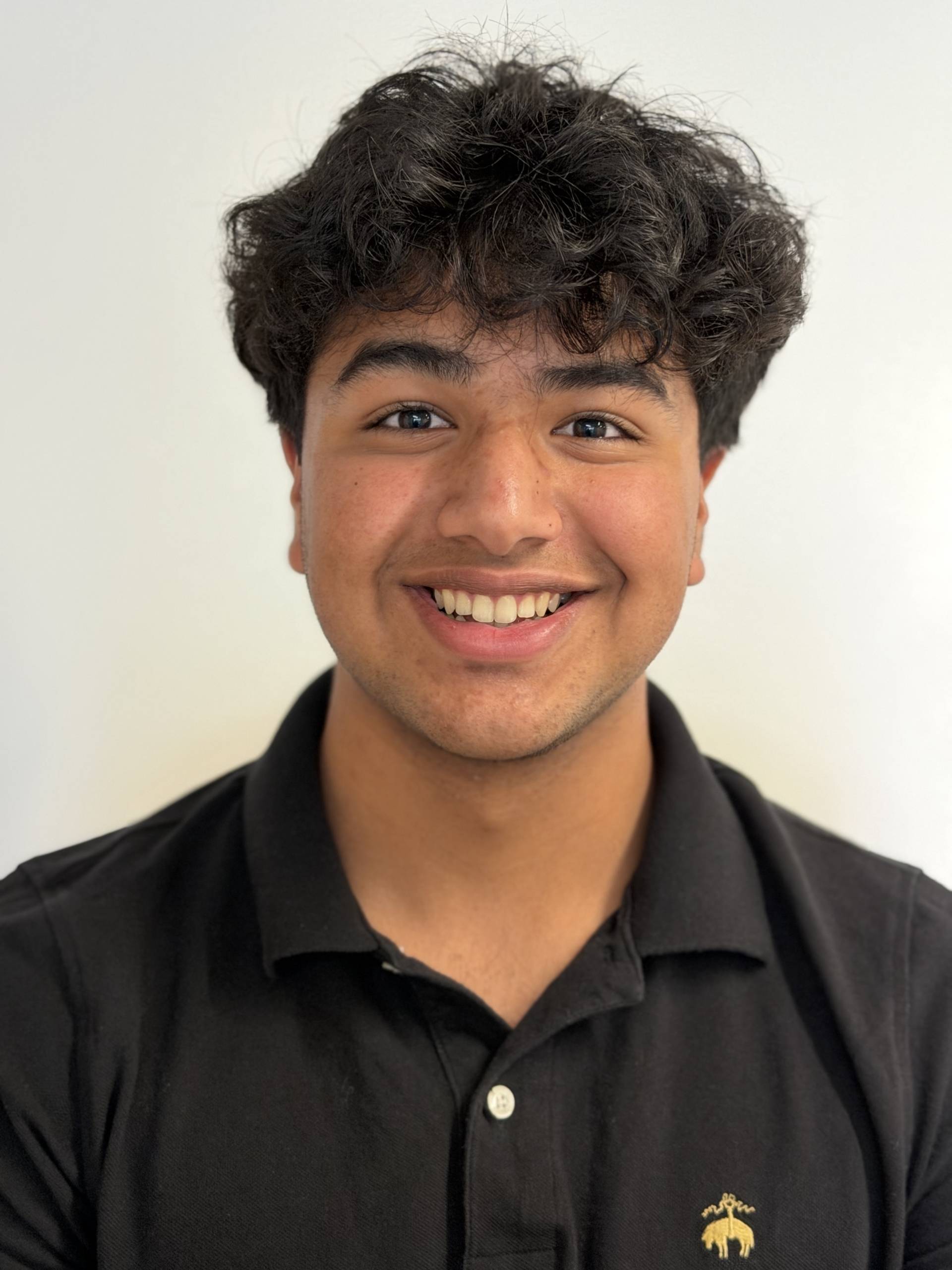
Aayush Hegde shares how he teaches students to solve engineering problems.
Every Thursday, I take Amazon boxes from our recycling bin. I started during the pandemic, when I was trying to build a Spider-Man web shooter. My first version was cardboard, a rubber band and a binder clip. It didn’t work. Neither did the second. By the sixth, one finally fired across my bedroom and hit the wall.
I was hooked. Cardboard became my testing ground. If a mechanism failed, I could cut another piece, move a hinge, try again. There was no grade attached and nothing expensive to ruin. A box could become a helmet, a grappling hook or simply proof that an idea in my head did not work yet.
Years later, I began teaching robotics and prop-building to younger students. One afternoon, a nine-year-old’s mechanism kept jamming. I knew exactly what was wrong. I almost told her. Instead, I watched her turn it over, tug at one piece, remove another and stare at it in silence.
Then, she tweaked the hinge and it worked! That moment changed what I thought I was teaching. The important part wasn’t showing kids how to build my design. It was giving them something cheap enough, familiar enough and forgiving enough that they felt allowed to experiment with their own. And in the Bay Area, that matters to me. We live surrounded by companies building rockets, robots and artificial intelligence.
It can make engineering seem like something that begins in a polished lab, with expensive equipment and people who already know what they’re doing. Mine began in a recycling bin. So, when I teach a build now, I stop before the last step and leave one problem unresolved.
Cardboard taught me that the value of a material isn’t just what it is. It’s what someone can imagine it becoming. Sometimes the distance between a kid and engineering is just being handed a box and permission to ruin it. With a Perspective, I’m Aayush Hegde.
Aayush Hegde is an aspiring robotics engineer who has spent years in competitive robotics. Outside of robotics, he enjoys building things out of cardboard and going on food crawls around the Bay Area understanding the culture and history behind food.