window.__IS_SSR__=true
window.__INITIAL_STATE__={
"attachmentsReducer": {
"audio_0": {
"type": "attachments",
"id": "audio_0",
"imgSizes": {
"kqedFullSize": {
"file": "https://ww2.kqed.org/news/wp-content/themes/KQED-unified/img/audio_bgs/background0.jpg"
}
}
},
"audio_1": {
"type": "attachments",
"id": "audio_1",
"imgSizes": {
"kqedFullSize": {
"file": "https://ww2.kqed.org/news/wp-content/themes/KQED-unified/img/audio_bgs/background1.jpg"
}
}
},
"audio_2": {
"type": "attachments",
"id": "audio_2",
"imgSizes": {
"kqedFullSize": {
"file": "https://ww2.kqed.org/news/wp-content/themes/KQED-unified/img/audio_bgs/background2.jpg"
}
}
},
"audio_3": {
"type": "attachments",
"id": "audio_3",
"imgSizes": {
"kqedFullSize": {
"file": "https://ww2.kqed.org/news/wp-content/themes/KQED-unified/img/audio_bgs/background3.jpg"
}
}
},
"audio_4": {
"type": "attachments",
"id": "audio_4",
"imgSizes": {
"kqedFullSize": {
"file": "https://ww2.kqed.org/news/wp-content/themes/KQED-unified/img/audio_bgs/background4.jpg"
}
}
},
"placeholder": {
"type": "attachments",
"id": "placeholder",
"imgSizes": {
"thumbnail": {
"file": "https://cdn.kqed.org/wp-content/uploads/2024/12/KQED-Default-Image-816638274-2000x1333-1-160x107.jpg",
"width": 160,
"height": 107,
"mimeType": "image/jpeg"
},
"medium": {
"file": "https://cdn.kqed.org/wp-content/uploads/2024/12/KQED-Default-Image-816638274-2000x1333-1-800x533.jpg",
"width": 800,
"height": 533,
"mimeType": "image/jpeg"
},
"medium_large": {
"file": "https://cdn.kqed.org/wp-content/uploads/2024/12/KQED-Default-Image-816638274-2000x1333-1-768x512.jpg",
"width": 768,
"height": 512,
"mimeType": "image/jpeg"
},
"large": {
"file": "https://cdn.kqed.org/wp-content/uploads/2024/12/KQED-Default-Image-816638274-2000x1333-1-1020x680.jpg",
"width": 1020,
"height": 680,
"mimeType": "image/jpeg"
},
"1536x1536": {
"file": "https://cdn.kqed.org/wp-content/uploads/2024/12/KQED-Default-Image-816638274-2000x1333-1-1536x1024.jpg",
"width": 1536,
"height": 1024,
"mimeType": "image/jpeg"
},
"fd-lrg": {
"file": "https://cdn.kqed.org/wp-content/uploads/2024/12/KQED-Default-Image-816638274-2000x1333-1-1536x1024.jpg",
"width": 1536,
"height": 1024,
"mimeType": "image/jpeg"
},
"fd-med": {
"file": "https://cdn.kqed.org/wp-content/uploads/2024/12/KQED-Default-Image-816638274-2000x1333-1-1020x680.jpg",
"width": 1020,
"height": 680,
"mimeType": "image/jpeg"
},
"fd-sm": {
"file": "https://cdn.kqed.org/wp-content/uploads/2024/12/KQED-Default-Image-816638274-2000x1333-1-800x533.jpg",
"width": 800,
"height": 533,
"mimeType": "image/jpeg"
},
"post-thumbnail": {
"file": "https://cdn.kqed.org/wp-content/uploads/2024/12/KQED-Default-Image-816638274-2000x1333-1-672x372.jpg",
"width": 672,
"height": 372,
"mimeType": "image/jpeg"
},
"twentyfourteen-full-width": {
"file": "https://cdn.kqed.org/wp-content/uploads/2024/12/KQED-Default-Image-816638274-2000x1333-1-1038x576.jpg",
"width": 1038,
"height": 576,
"mimeType": "image/jpeg"
},
"xxsmall": {
"file": "https://cdn.kqed.org/wp-content/uploads/2024/12/KQED-Default-Image-816638274-2000x1333-1-160x107.jpg",
"width": 160,
"height": 107,
"mimeType": "image/jpeg"
},
"xsmall": {
"file": "https://cdn.kqed.org/wp-content/uploads/2024/12/KQED-Default-Image-816638274-2000x1333-1-672x372.jpg",
"width": 672,
"height": 372,
"mimeType": "image/jpeg"
},
"small": {
"file": "https://cdn.kqed.org/wp-content/uploads/2024/12/KQED-Default-Image-816638274-2000x1333-1-672x372.jpg",
"width": 672,
"height": 372,
"mimeType": "image/jpeg"
},
"xlarge": {
"file": "https://cdn.kqed.org/wp-content/uploads/2024/12/KQED-Default-Image-816638274-2000x1333-1-1020x680.jpg",
"width": 1020,
"height": 680,
"mimeType": "image/jpeg"
},
"full-width": {
"file": "https://cdn.kqed.org/wp-content/uploads/2024/12/KQED-Default-Image-816638274-2000x1333-1-1920x1280.jpg",
"width": 1920,
"height": 1280,
"mimeType": "image/jpeg"
},
"guest-author-32": {
"file": "https://cdn.kqed.org/wp-content/uploads/2025/01/KQED-Default-Image-816638274-1333x1333-1-160x160.jpg",
"width": 32,
"height": 32,
"mimeType": "image/jpeg"
},
"guest-author-50": {
"file": "https://cdn.kqed.org/wp-content/uploads/2025/01/KQED-Default-Image-816638274-1333x1333-1-160x160.jpg",
"width": 50,
"height": 50,
"mimeType": "image/jpeg"
},
"guest-author-64": {
"file": "https://cdn.kqed.org/wp-content/uploads/2025/01/KQED-Default-Image-816638274-1333x1333-1-160x160.jpg",
"width": 64,
"height": 64,
"mimeType": "image/jpeg"
},
"guest-author-96": {
"file": "https://cdn.kqed.org/wp-content/uploads/2025/01/KQED-Default-Image-816638274-1333x1333-1-160x160.jpg",
"width": 96,
"height": 96,
"mimeType": "image/jpeg"
},
"guest-author-128": {
"file": "https://cdn.kqed.org/wp-content/uploads/2025/01/KQED-Default-Image-816638274-1333x1333-1-160x160.jpg",
"width": 128,
"height": 128,
"mimeType": "image/jpeg"
},
"detail": {
"file": "https://cdn.kqed.org/wp-content/uploads/2025/01/KQED-Default-Image-816638274-1333x1333-1-160x160.jpg",
"width": 160,
"height": 160,
"mimeType": "image/jpeg"
},
"kqedFullSize": {
"file": "https://cdn.kqed.org/wp-content/uploads/2024/12/KQED-Default-Image-816638274-2000x1333-1.jpg",
"width": 2000,
"height": 1333
}
}
},
"news_11418758": {
"type": "attachments",
"id": "news_11418758",
"meta": {
"index": "attachments_1716263798",
"site": "news",
"id": "11418758",
"found": true
},
"parent": 11418746,
"imgSizes": {
"small": {
"file": "https://ww2.kqed.org/app/uploads/sites/10/2017/04/YosemiteBears-520x339.jpg",
"width": 520,
"mimeType": "image/jpeg",
"height": 339
},
"twentyfourteen-full-width": {
"file": "https://ww2.kqed.org/app/uploads/sites/10/2017/04/YosemiteBears-1038x576.jpg",
"width": 1038,
"mimeType": "image/jpeg",
"height": 576
},
"thumbnail": {
"file": "https://ww2.kqed.org/app/uploads/sites/10/2017/04/YosemiteBears-160x104.jpg",
"width": 160,
"mimeType": "image/jpeg",
"height": 104
},
"fd-sm": {
"file": "https://ww2.kqed.org/app/uploads/sites/10/2017/04/YosemiteBears-960x626.jpg",
"width": 960,
"mimeType": "image/jpeg",
"height": 626
},
"post-thumbnail": {
"file": "https://ww2.kqed.org/app/uploads/sites/10/2017/04/YosemiteBears-672x372.jpg",
"width": 672,
"mimeType": "image/jpeg",
"height": 372
},
"xsmall": {
"file": "https://ww2.kqed.org/app/uploads/sites/10/2017/04/YosemiteBears-375x245.jpg",
"width": 375,
"mimeType": "image/jpeg",
"height": 245
},
"kqedFullSize": {
"file": "https://ww2.kqed.org/app/uploads/sites/10/2017/04/YosemiteBears.jpg",
"width": 1920,
"height": 1252
},
"large": {
"file": "https://ww2.kqed.org/app/uploads/sites/10/2017/04/YosemiteBears-1020x665.jpg",
"width": 1020,
"mimeType": "image/jpeg",
"height": 665
},
"xlarge": {
"file": "https://ww2.kqed.org/app/uploads/sites/10/2017/04/YosemiteBears-1180x769.jpg",
"width": 1180,
"mimeType": "image/jpeg",
"height": 769
},
"guest-author-50": {
"file": "https://ww2.kqed.org/app/uploads/sites/10/2017/04/YosemiteBears-50x50.jpg",
"width": 50,
"mimeType": "image/jpeg",
"height": 50
},
"guest-author-96": {
"file": "https://ww2.kqed.org/app/uploads/sites/10/2017/04/YosemiteBears-96x96.jpg",
"width": 96,
"mimeType": "image/jpeg",
"height": 96
},
"medium": {
"file": "https://ww2.kqed.org/app/uploads/sites/10/2017/04/YosemiteBears-800x522.jpg",
"width": 800,
"mimeType": "image/jpeg",
"height": 522
},
"guest-author-64": {
"file": "https://ww2.kqed.org/app/uploads/sites/10/2017/04/YosemiteBears-64x64.jpg",
"width": 64,
"mimeType": "image/jpeg",
"height": 64
},
"guest-author-32": {
"file": "https://ww2.kqed.org/app/uploads/sites/10/2017/04/YosemiteBears-32x32.jpg",
"width": 32,
"mimeType": "image/jpeg",
"height": 32
},
"fd-lrg": {
"file": "https://ww2.kqed.org/app/uploads/sites/10/2017/04/YosemiteBears-1920x1252.jpg",
"width": 1920,
"mimeType": "image/jpeg",
"height": 1252
},
"fd-med": {
"file": "https://ww2.kqed.org/app/uploads/sites/10/2017/04/YosemiteBears-1180x769.jpg",
"width": 1180,
"mimeType": "image/jpeg",
"height": 769
},
"full-width": {
"file": "https://ww2.kqed.org/app/uploads/sites/10/2017/04/YosemiteBears-1920x1252.jpg",
"width": 1920,
"mimeType": "image/jpeg",
"height": 1252
},
"detail": {
"file": "https://ww2.kqed.org/app/uploads/sites/10/2017/04/YosemiteBears-150x150.jpg",
"width": 150,
"mimeType": "image/jpeg",
"height": 150
},
"guest-author-128": {
"file": "https://ww2.kqed.org/app/uploads/sites/10/2017/04/YosemiteBears-128x128.jpg",
"width": 128,
"mimeType": "image/jpeg",
"height": 128
},
"xxsmall": {
"file": "https://ww2.kqed.org/app/uploads/sites/10/2017/04/YosemiteBears-240x157.jpg",
"width": 240,
"mimeType": "image/jpeg",
"height": 157
}
},
"publishDate": 1492723183,
"modified": 1492723218,
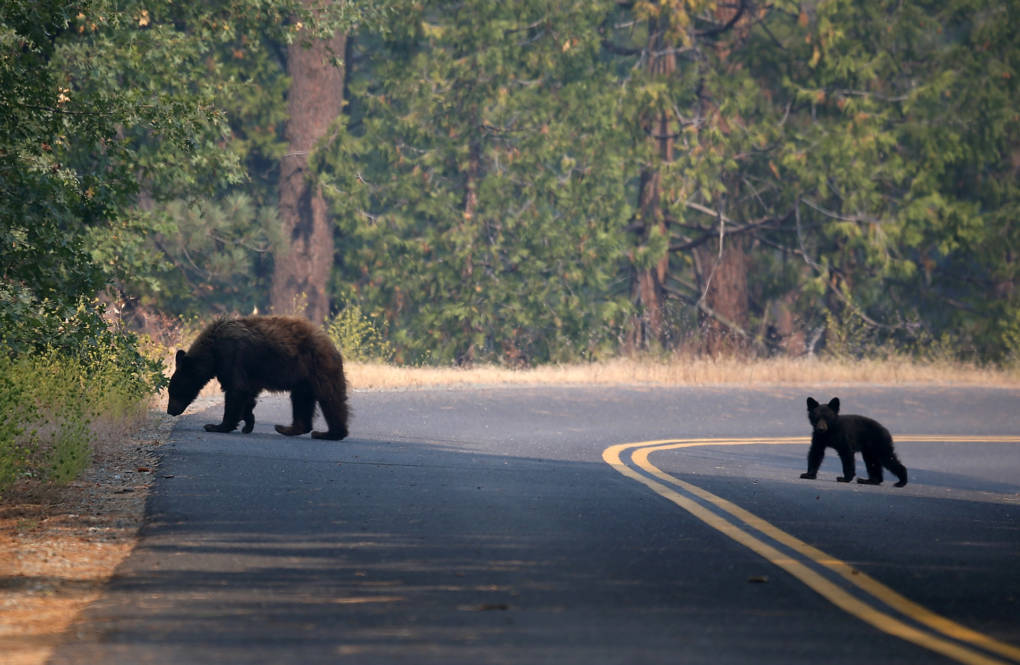
"caption": "A bear and cub cross a road in Yosemite National Park in 2013.",
"description": "A bear and cub cross a road in Yosemite National Park in 2013.",
"title": "YosemiteBears",
"credit": "Justin Sullivan/Getty Images",
"status": "inherit",
"isLoading": false,
"fetchFailed": false
},
"news_11403544": {
"type": "attachments",
"id": "news_11403544",
"meta": {
"index": "attachments_1716263798",
"site": "news",
"id": "11403544",
"found": true
},
"parent": 11402188,
"imgSizes": {
"small": {
"file": "https://ww2.kqed.org/app/uploads/sites/10/2017/04/DonN-520x301.jpg",
"width": 520,
"mimeType": "image/jpeg",
"height": 301
},
"thumbnail": {
"file": "https://ww2.kqed.org/app/uploads/sites/10/2017/04/DonN-160x93.jpg",
"width": 160,
"mimeType": "image/jpeg",
"height": 93
},
"post-thumbnail": {
"file": "https://ww2.kqed.org/app/uploads/sites/10/2017/04/DonN-672x372.jpg",
"width": 672,
"mimeType": "image/jpeg",
"height": 372
},
"xsmall": {
"file": "https://ww2.kqed.org/app/uploads/sites/10/2017/04/DonN-375x217.jpg",
"width": 375,
"mimeType": "image/jpeg",
"height": 217
},
"kqedFullSize": {
"file": "https://ww2.kqed.org/app/uploads/sites/10/2017/04/DonN.jpg",
"width": 800,
"height": 463
},
"guest-author-50": {
"file": "https://ww2.kqed.org/app/uploads/sites/10/2017/04/DonN-50x50.jpg",
"width": 50,
"mimeType": "image/jpeg",
"height": 50
},
"guest-author-96": {
"file": "https://ww2.kqed.org/app/uploads/sites/10/2017/04/DonN-96x96.jpg",
"width": 96,
"mimeType": "image/jpeg",
"height": 96
},
"medium": {
"file": "https://ww2.kqed.org/app/uploads/sites/10/2017/04/DonN-800x463.jpg",
"width": 800,
"mimeType": "image/jpeg",
"height": 463
},
"guest-author-64": {
"file": "https://ww2.kqed.org/app/uploads/sites/10/2017/04/DonN-64x64.jpg",
"width": 64,
"mimeType": "image/jpeg",
"height": 64
},
"guest-author-32": {
"file": "https://ww2.kqed.org/app/uploads/sites/10/2017/04/DonN-32x32.jpg",
"width": 32,
"mimeType": "image/jpeg",
"height": 32
},
"detail": {
"file": "https://ww2.kqed.org/app/uploads/sites/10/2017/04/DonN-150x150.jpg",
"width": 150,
"mimeType": "image/jpeg",
"height": 150
},
"guest-author-128": {
"file": "https://ww2.kqed.org/app/uploads/sites/10/2017/04/DonN-128x128.jpg",
"width": 128,
"mimeType": "image/jpeg",
"height": 128
},
"xxsmall": {
"file": "https://ww2.kqed.org/app/uploads/sites/10/2017/04/DonN-240x139.jpg",
"width": 240,
"mimeType": "image/jpeg",
"height": 139
}
},
"publishDate": 1491936863,
"modified": 1491936933,
"caption": "Former Yosemite National Park Superintendent Don Neubacher.",
"description": "Former Yosemite National Park Superintendent Don Neubacher.",
"title": "DonN",
"credit": "National Park Service",
"status": "inherit",
"isLoading": false,
"fetchFailed": false
},
"news_11390219": {
"type": "attachments",
"id": "news_11390219",
"meta": {
"index": "attachments_1716263798",
"site": "news",
"id": "11390219",
"found": true
},
"parent": 11390213,
"imgSizes": {
"small": {
"file": "https://ww2.kqed.org/app/uploads/sites/10/2017/04/bears_1-520x355.jpg",
"width": 520,
"mimeType": "image/jpeg",
"height": 355
},
"thumbnail": {
"file": "https://ww2.kqed.org/app/uploads/sites/10/2017/04/bears_1-160x109.jpg",
"width": 160,
"mimeType": "image/jpeg",
"height": 109
},
"post-thumbnail": {
"file": "https://ww2.kqed.org/app/uploads/sites/10/2017/04/bears_1-672x372.jpg",
"width": 672,
"mimeType": "image/jpeg",
"height": 372
},
"xsmall": {
"file": "https://ww2.kqed.org/app/uploads/sites/10/2017/04/bears_1-375x256.jpg",
"width": 375,
"mimeType": "image/jpeg",
"height": 256
},
"kqedFullSize": {
"file": "https://ww2.kqed.org/app/uploads/sites/10/2017/04/bears_1.jpg",
"width": 800,
"height": 546
},
"guest-author-50": {
"file": "https://ww2.kqed.org/app/uploads/sites/10/2017/04/bears_1-50x50.jpg",
"width": 50,
"mimeType": "image/jpeg",
"height": 50
},
"guest-author-96": {
"file": "https://ww2.kqed.org/app/uploads/sites/10/2017/04/bears_1-96x96.jpg",
"width": 96,
"mimeType": "image/jpeg",
"height": 96
},
"medium": {
"file": "https://ww2.kqed.org/app/uploads/sites/10/2017/04/bears_1-800x546.jpg",
"width": 800,
"mimeType": "image/jpeg",
"height": 546
},
"guest-author-64": {
"file": "https://ww2.kqed.org/app/uploads/sites/10/2017/04/bears_1-64x64.jpg",
"width": 64,
"mimeType": "image/jpeg",
"height": 64
},
"guest-author-32": {
"file": "https://ww2.kqed.org/app/uploads/sites/10/2017/04/bears_1-32x32.jpg",
"width": 32,
"mimeType": "image/jpeg",
"height": 32
},
"detail": {
"file": "https://ww2.kqed.org/app/uploads/sites/10/2017/04/bears_1-150x150.jpg",
"width": 150,
"mimeType": "image/jpeg",
"height": 150
},
"guest-author-128": {
"file": "https://ww2.kqed.org/app/uploads/sites/10/2017/04/bears_1-128x128.jpg",
"width": 128,
"mimeType": "image/jpeg",
"height": 128
},
"xxsmall": {
"file": "https://ww2.kqed.org/app/uploads/sites/10/2017/04/bears_1-240x164.jpg",
"width": 240,
"mimeType": "image/jpeg",
"height": 164
}
},
"publishDate": 1491262541,
"modified": 1491262808,
"caption": "Yosemite National Park has worked for almost 20 years to curb human contact with bears in the park.",
"description": null,
"title": "bears_1",
"credit": "Ezra David Romero/Valley Public Radio",
"status": "inherit",
"isLoading": false,
"fetchFailed": false
},
"arts_12939899": {
"type": "attachments",
"id": "arts_12939899",
"meta": {
"index": "attachments_1716263798",
"site": "arts",
"id": "12939899",
"found": true
},
"parent": 12933723,
"imgSizes": {
"small": {
"file": "https://ww2.kqed.org/app/uploads/sites/2/2017/03/Untitled.Yosemite-520x292.jpg",
"width": 520,
"mimeType": "image/jpeg",
"height": 292
},
"twentyfourteen-full-width": {
"file": "https://ww2.kqed.org/app/uploads/sites/2/2017/03/Untitled.Yosemite-1038x576.jpg",
"width": 1038,
"mimeType": "image/jpeg",
"height": 576
},
"thumbnail": {
"file": "https://ww2.kqed.org/app/uploads/sites/2/2017/03/Untitled.Yosemite-160x90.jpg",
"width": 160,
"mimeType": "image/jpeg",
"height": 90
},
"fd-sm": {
"file": "https://ww2.kqed.org/app/uploads/sites/2/2017/03/Untitled.Yosemite-960x540.jpg",
"width": 960,
"mimeType": "image/jpeg",
"height": 540
},
"post-thumbnail": {
"file": "https://ww2.kqed.org/app/uploads/sites/2/2017/03/Untitled.Yosemite-672x372.jpg",
"width": 672,
"mimeType": "image/jpeg",
"height": 372
},
"xsmall": {
"file": "https://ww2.kqed.org/app/uploads/sites/2/2017/03/Untitled.Yosemite-375x211.jpg",
"width": 375,
"mimeType": "image/jpeg",
"height": 211
},
"kqedFullSize": {
"file": "https://ww2.kqed.org/app/uploads/sites/2/2017/03/Untitled.Yosemite.jpg",
"width": 1920,
"height": 1079
},
"large": {
"file": "https://ww2.kqed.org/app/uploads/sites/2/2017/03/Untitled.Yosemite-1020x573.jpg",
"width": 1020,
"mimeType": "image/jpeg",
"height": 573
},
"xlarge": {
"file": "https://ww2.kqed.org/app/uploads/sites/2/2017/03/Untitled.Yosemite-1180x663.jpg",
"width": 1180,
"mimeType": "image/jpeg",
"height": 663
},
"guest-author-50": {
"file": "https://ww2.kqed.org/app/uploads/sites/2/2017/03/Untitled.Yosemite-50x50.jpg",
"width": 50,
"mimeType": "image/jpeg",
"height": 50
},
"guest-author-96": {
"file": "https://ww2.kqed.org/app/uploads/sites/2/2017/03/Untitled.Yosemite-96x96.jpg",
"width": 96,
"mimeType": "image/jpeg",
"height": 96
},
"medium": {
"file": "https://ww2.kqed.org/app/uploads/sites/2/2017/03/Untitled.Yosemite-800x450.jpg",
"width": 800,
"mimeType": "image/jpeg",
"height": 450
},
"guest-author-64": {
"file": "https://ww2.kqed.org/app/uploads/sites/2/2017/03/Untitled.Yosemite-64x64.jpg",
"width": 64,
"mimeType": "image/jpeg",
"height": 64
},
"guest-author-32": {
"file": "https://ww2.kqed.org/app/uploads/sites/2/2017/03/Untitled.Yosemite-32x32.jpg",
"width": 32,
"mimeType": "image/jpeg",
"height": 32
},
"fd-lrg": {
"file": "https://ww2.kqed.org/app/uploads/sites/2/2017/03/Untitled.Yosemite-1920x1079.jpg",
"width": 1920,
"mimeType": "image/jpeg",
"height": 1079
},
"fd-med": {
"file": "https://ww2.kqed.org/app/uploads/sites/2/2017/03/Untitled.Yosemite-1180x663.jpg",
"width": 1180,
"mimeType": "image/jpeg",
"height": 663
},
"full-width": {
"file": "https://ww2.kqed.org/app/uploads/sites/2/2017/03/Untitled.Yosemite-1920x1079.jpg",
"width": 1920,
"mimeType": "image/jpeg",
"height": 1079
},
"detail": {
"file": "https://ww2.kqed.org/app/uploads/sites/2/2017/03/Untitled.Yosemite-150x150.jpg",
"width": 150,
"mimeType": "image/jpeg",
"height": 150
},
"medium_large": {
"file": "https://ww2.kqed.org/app/uploads/sites/2/2017/03/Untitled.Yosemite-768x432.jpg",
"width": 768,
"mimeType": "image/jpeg",
"height": 432
},
"guest-author-128": {
"file": "https://ww2.kqed.org/app/uploads/sites/2/2017/03/Untitled.Yosemite-128x128.jpg",
"width": 128,
"mimeType": "image/jpeg",
"height": 128
},
"xxsmall": {
"file": "https://ww2.kqed.org/app/uploads/sites/2/2017/03/Untitled.Yosemite-240x135.jpg",
"width": 240,
"mimeType": "image/jpeg",
"height": 135
}
},
"publishDate": 1490230904,
"modified": 1490230929,
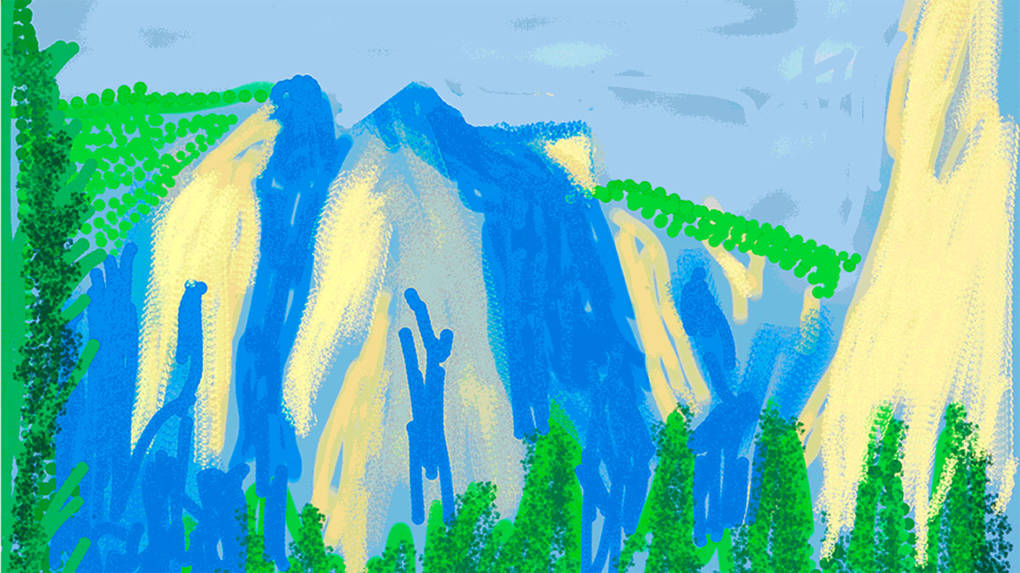
"caption": "Detail from \"Untitled No. 2\" from The Yosemite Suite, 2010, by David Hockney. ",
"description": "Detail from \"Untitled No. 2\" from The Yosemite Suite, 2010, by David Hockney. ",
"title": "Untitled.Yosemite",
"credit": "Photo: Courtesy of David Hockney",
"status": "inherit",
"isLoading": false,
"fetchFailed": false
},
"news_11348598": {
"type": "attachments",
"id": "news_11348598",
"meta": {
"index": "attachments_1716263798",
"site": "news",
"id": "11348598",
"found": true
},
"parent": 11348597,
"imgSizes": {
"small": {
"file": "https://ww2.kqed.org/app/uploads/sites/10/2017/03/RS1447_IMG_0627-520x390.jpg",
"width": 520,
"mimeType": "image/jpeg",
"height": 390
},
"twentyfourteen-full-width": {
"file": "https://ww2.kqed.org/app/uploads/sites/10/2017/03/RS1447_IMG_0627-1038x576.jpg",
"width": 1038,
"mimeType": "image/jpeg",
"height": 576
},
"thumbnail": {
"file": "https://ww2.kqed.org/app/uploads/sites/10/2017/03/RS1447_IMG_0627-160x120.jpg",
"width": 160,
"mimeType": "image/jpeg",
"height": 120
},
"fd-sm": {
"file": "https://ww2.kqed.org/app/uploads/sites/10/2017/03/RS1447_IMG_0627-960x720.jpg",
"width": 960,
"mimeType": "image/jpeg",
"height": 720
},
"post-thumbnail": {
"file": "https://ww2.kqed.org/app/uploads/sites/10/2017/03/RS1447_IMG_0627-672x372.jpg",
"width": 672,
"mimeType": "image/jpeg",
"height": 372
},
"xsmall": {
"file": "https://ww2.kqed.org/app/uploads/sites/10/2017/03/RS1447_IMG_0627-375x281.jpg",
"width": 375,
"mimeType": "image/jpeg",
"height": 281
},
"kqedFullSize": {
"file": "https://ww2.kqed.org/app/uploads/sites/10/2017/03/RS1447_IMG_0627.jpg",
"width": 1600,
"height": 1200
},
"large": {
"file": "https://ww2.kqed.org/app/uploads/sites/10/2017/03/RS1447_IMG_0627-1020x765.jpg",
"width": 1020,
"mimeType": "image/jpeg",
"height": 765
},
"xlarge": {
"file": "https://ww2.kqed.org/app/uploads/sites/10/2017/03/RS1447_IMG_0627-1180x885.jpg",
"width": 1180,
"mimeType": "image/jpeg",
"height": 885
},
"guest-author-50": {
"file": "https://ww2.kqed.org/app/uploads/sites/10/2017/03/RS1447_IMG_0627-50x50.jpg",
"width": 50,
"mimeType": "image/jpeg",
"height": 50
},
"guest-author-96": {
"file": "https://ww2.kqed.org/app/uploads/sites/10/2017/03/RS1447_IMG_0627-96x96.jpg",
"width": 96,
"mimeType": "image/jpeg",
"height": 96
},
"medium": {
"file": "https://ww2.kqed.org/app/uploads/sites/10/2017/03/RS1447_IMG_0627-800x600.jpg",
"width": 800,
"mimeType": "image/jpeg",
"height": 600
},
"guest-author-64": {
"file": "https://ww2.kqed.org/app/uploads/sites/10/2017/03/RS1447_IMG_0627-64x64.jpg",
"width": 64,
"mimeType": "image/jpeg",
"height": 64
},
"guest-author-32": {
"file": "https://ww2.kqed.org/app/uploads/sites/10/2017/03/RS1447_IMG_0627-32x32.jpg",
"width": 32,
"mimeType": "image/jpeg",
"height": 32
},
"fd-med": {
"file": "https://ww2.kqed.org/app/uploads/sites/10/2017/03/RS1447_IMG_0627-1180x885.jpg",
"width": 1180,
"mimeType": "image/jpeg",
"height": 885
},
"detail": {
"file": "https://ww2.kqed.org/app/uploads/sites/10/2017/03/RS1447_IMG_0627-150x150.jpg",
"width": 150,
"mimeType": "image/jpeg",
"height": 150
},
"guest-author-128": {
"file": "https://ww2.kqed.org/app/uploads/sites/10/2017/03/RS1447_IMG_0627-128x128.jpg",
"width": 128,
"mimeType": "image/jpeg",
"height": 128
},
"xxsmall": {
"file": "https://ww2.kqed.org/app/uploads/sites/10/2017/03/RS1447_IMG_0627-240x180.jpg",
"width": 240,
"mimeType": "image/jpeg",
"height": 180
}
},
"publishDate": 1488908081,
"modified": 1488908112,
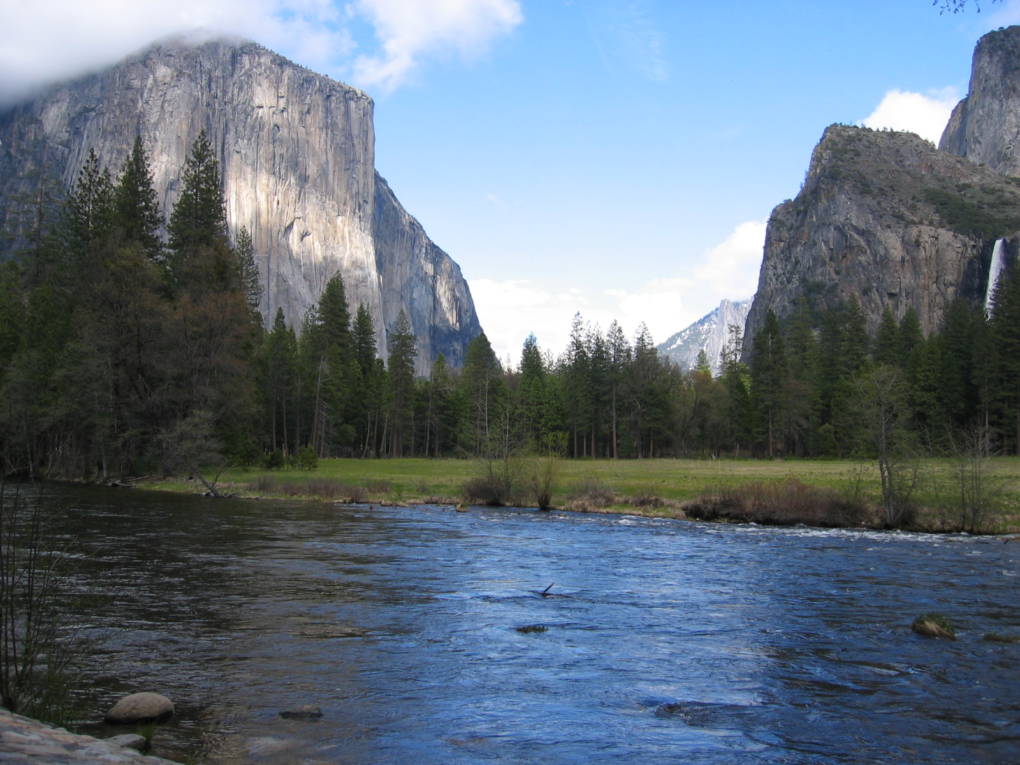
"caption": "El Capitan in Yosemite National Park.\n",
"description": null,
"title": "RS1447_IMG_0627",
"credit": "Craig Miller/KQED",
"status": "inherit",
"isLoading": false,
"fetchFailed": false
},
"news_11321296": {
"type": "attachments",
"id": "news_11321296",
"meta": {
"index": "attachments_1716263798",
"site": "news",
"id": "11321296",
"found": true
},
"parent": 11321289,
"imgSizes": {
"small": {
"file": "https://ww2.kqed.org/app/uploads/sites/10/2017/02/Firefall-520x351.jpg",
"width": 520,
"mimeType": "image/jpeg",
"height": 351
},
"twentyfourteen-full-width": {
"file": "https://ww2.kqed.org/app/uploads/sites/10/2017/02/Firefall-1038x576.jpg",
"width": 1038,
"mimeType": "image/jpeg",
"height": 576
},
"thumbnail": {
"file": "https://ww2.kqed.org/app/uploads/sites/10/2017/02/Firefall-160x108.jpg",
"width": 160,
"mimeType": "image/jpeg",
"height": 108
},
"fd-sm": {
"file": "https://ww2.kqed.org/app/uploads/sites/10/2017/02/Firefall-960x648.jpg",
"width": 960,
"mimeType": "image/jpeg",
"height": 648
},
"post-thumbnail": {
"file": "https://ww2.kqed.org/app/uploads/sites/10/2017/02/Firefall-672x372.jpg",
"width": 672,
"mimeType": "image/jpeg",
"height": 372
},
"xsmall": {
"file": "https://ww2.kqed.org/app/uploads/sites/10/2017/02/Firefall-375x253.jpg",
"width": 375,
"mimeType": "image/jpeg",
"height": 253
},
"kqedFullSize": {
"file": "https://ww2.kqed.org/app/uploads/sites/10/2017/02/Firefall.jpg",
"width": 1920,
"height": 1296
},
"large": {
"file": "https://ww2.kqed.org/app/uploads/sites/10/2017/02/Firefall-1020x689.jpg",
"width": 1020,
"mimeType": "image/jpeg",
"height": 689
},
"xlarge": {
"file": "https://ww2.kqed.org/app/uploads/sites/10/2017/02/Firefall-1180x797.jpg",
"width": 1180,
"mimeType": "image/jpeg",
"height": 797
},
"guest-author-50": {
"file": "https://ww2.kqed.org/app/uploads/sites/10/2017/02/Firefall-50x50.jpg",
"width": 50,
"mimeType": "image/jpeg",
"height": 50
},
"guest-author-96": {
"file": "https://ww2.kqed.org/app/uploads/sites/10/2017/02/Firefall-96x96.jpg",
"width": 96,
"mimeType": "image/jpeg",
"height": 96
},
"medium": {
"file": "https://ww2.kqed.org/app/uploads/sites/10/2017/02/Firefall-800x540.jpg",
"width": 800,
"mimeType": "image/jpeg",
"height": 540
},
"guest-author-64": {
"file": "https://ww2.kqed.org/app/uploads/sites/10/2017/02/Firefall-64x64.jpg",
"width": 64,
"mimeType": "image/jpeg",
"height": 64
},
"guest-author-32": {
"file": "https://ww2.kqed.org/app/uploads/sites/10/2017/02/Firefall-32x32.jpg",
"width": 32,
"mimeType": "image/jpeg",
"height": 32
},
"fd-lrg": {
"file": "https://ww2.kqed.org/app/uploads/sites/10/2017/02/Firefall-1920x1296.jpg",
"width": 1920,
"mimeType": "image/jpeg",
"height": 1296
},
"fd-med": {
"file": "https://ww2.kqed.org/app/uploads/sites/10/2017/02/Firefall-1180x797.jpg",
"width": 1180,
"mimeType": "image/jpeg",
"height": 797
},
"full-width": {
"file": "https://ww2.kqed.org/app/uploads/sites/10/2017/02/Firefall-1920x1296.jpg",
"width": 1920,
"mimeType": "image/jpeg",
"height": 1296
},
"detail": {
"file": "https://ww2.kqed.org/app/uploads/sites/10/2017/02/Firefall-150x150.jpg",
"width": 150,
"mimeType": "image/jpeg",
"height": 150
},
"guest-author-128": {
"file": "https://ww2.kqed.org/app/uploads/sites/10/2017/02/Firefall-128x128.jpg",
"width": 128,
"mimeType": "image/jpeg",
"height": 128
},
"xxsmall": {
"file": "https://ww2.kqed.org/app/uploads/sites/10/2017/02/Firefall-240x162.jpg",
"width": 240,
"mimeType": "image/jpeg",
"height": 162
}
},
"publishDate": 1487360800,
"modified": 1487374719,
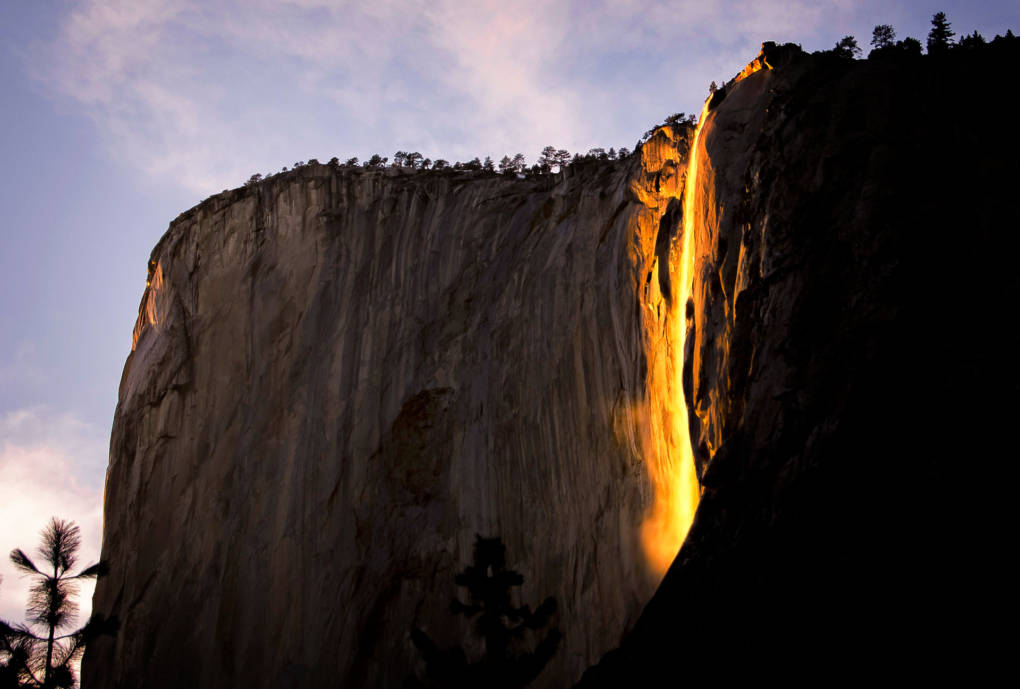
"caption": "Around the third week of February each year, Horsetail Fall lights up Yosemite National Park with a spectacle of orange and red.",
"description": null,
"title": "Firefall",
"credit": "Steve Corey/Flickr",
"status": "inherit",
"isLoading": false,
"fetchFailed": false
},
"news_10892896": {
"type": "attachments",
"id": "news_10892896",
"meta": {
"index": "attachments_1716263798",
"site": "news",
"id": "10892896",
"found": true
},
"parent": 10892655,
"imgSizes": {
"twentyfourteen-full-width": {
"file": "https://ww2.kqed.org/app/uploads/sites/10/2016/03/YosemiteNativeAmericanMother-1038x576.jpg",
"width": 1038,
"mimeType": "image/jpeg",
"height": 576
},
"thumbnail": {
"file": "https://ww2.kqed.org/app/uploads/sites/10/2016/03/YosemiteNativeAmericanMother-400x318.jpg",
"width": 400,
"mimeType": "image/jpeg",
"height": 318
},
"fd-sm": {
"file": "https://ww2.kqed.org/app/uploads/sites/10/2016/03/YosemiteNativeAmericanMother-960x764.jpg",
"width": 960,
"mimeType": "image/jpeg",
"height": 764
},
"post-thumbnail": {
"file": "https://ww2.kqed.org/app/uploads/sites/10/2016/03/YosemiteNativeAmericanMother-672x372.jpg",
"width": 672,
"mimeType": "image/jpeg",
"height": 372
},
"kqedFullSize": {
"file": "https://ww2.kqed.org/app/uploads/sites/10/2016/03/YosemiteNativeAmericanMother.jpg",
"width": 1920,
"height": 1527
},
"large": {
"file": "https://ww2.kqed.org/app/uploads/sites/10/2016/03/YosemiteNativeAmericanMother-1920x1527.jpg",
"width": 1920,
"mimeType": "image/jpeg",
"height": 1527
},
"guest-author-96": {
"file": "https://ww2.kqed.org/app/uploads/sites/10/2016/03/YosemiteNativeAmericanMother-96x96.jpg",
"width": 96,
"mimeType": "image/jpeg",
"height": 96
},
"medium": {
"file": "https://ww2.kqed.org/app/uploads/sites/10/2016/03/YosemiteNativeAmericanMother-800x636.jpg",
"width": 800,
"mimeType": "image/jpeg",
"height": 636
},
"guest-author-64": {
"file": "https://ww2.kqed.org/app/uploads/sites/10/2016/03/YosemiteNativeAmericanMother-64x64.jpg",
"width": 64,
"mimeType": "image/jpeg",
"height": 64
},
"guest-author-32": {
"file": "https://ww2.kqed.org/app/uploads/sites/10/2016/03/YosemiteNativeAmericanMother-32x32.jpg",
"width": 32,
"mimeType": "image/jpeg",
"height": 32
},
"jmtc-small-thumb": {
"file": "https://ww2.kqed.org/app/uploads/sites/10/2016/03/YosemiteNativeAmericanMother-280x150.jpg",
"width": 280,
"mimeType": "image/jpeg",
"height": 150
},
"fd-lrg": {
"file": "https://ww2.kqed.org/app/uploads/sites/10/2016/03/YosemiteNativeAmericanMother-1920x1527.jpg",
"width": 1920,
"mimeType": "image/jpeg",
"height": 1527
},
"fd-med": {
"file": "https://ww2.kqed.org/app/uploads/sites/10/2016/03/YosemiteNativeAmericanMother-1180x938.jpg",
"width": 1180,
"mimeType": "image/jpeg",
"height": 938
},
"detail": {
"file": "https://ww2.kqed.org/app/uploads/sites/10/2016/03/YosemiteNativeAmericanMother-75x75.jpg",
"width": 75,
"mimeType": "image/jpeg",
"height": 75
},
"guest-author-128": {
"file": "https://ww2.kqed.org/app/uploads/sites/10/2016/03/YosemiteNativeAmericanMother-128x128.jpg",
"width": 128,
"mimeType": "image/jpeg",
"height": 128
}
},
"publishDate": 1457740062,
"modified": 1457979288,
"caption": "A young Paiute mother carries her child in a cradleboard in Yosemite Valley.",
"description": "A young Paiute mother carries her child in a cradleboard in Yosemite Valley.",
"title": "YosemiteNativeAmericanMother",
"credit": null,
"status": "inherit",
"isLoading": false,
"fetchFailed": false
},
"news_10882199": {
"type": "attachments",
"id": "news_10882199",
"meta": {
"index": "attachments_1716263798",
"site": "news",
"id": "10882199",
"found": true
},
"parent": 10882147,
"imgSizes": {
"twentyfourteen-full-width": {
"file": "https://ww2.kqed.org/app/uploads/sites/10/2016/02/Ahwahnee-1038x576.jpg",
"width": 1038,
"mimeType": "image/jpeg",
"height": 576
},
"thumbnail": {
"file": "https://ww2.kqed.org/app/uploads/sites/10/2016/02/Ahwahnee-400x280.jpg",
"width": 400,
"mimeType": "image/jpeg",
"height": 280
},
"fd-sm": {
"file": "https://ww2.kqed.org/app/uploads/sites/10/2016/02/Ahwahnee-960x673.jpg",
"width": 960,
"mimeType": "image/jpeg",
"height": 673
},
"post-thumbnail": {
"file": "https://ww2.kqed.org/app/uploads/sites/10/2016/02/Ahwahnee-672x372.jpg",
"width": 672,
"mimeType": "image/jpeg",
"height": 372
},
"kqedFullSize": {
"file": "https://ww2.kqed.org/app/uploads/sites/10/2016/02/Ahwahnee.jpg",
"width": 1920,
"height": 1346
},
"large": {
"file": "https://ww2.kqed.org/app/uploads/sites/10/2016/02/Ahwahnee-1920x1346.jpg",
"width": 1920,
"mimeType": "image/jpeg",
"height": 1346
},
"guest-author-96": {
"file": "https://ww2.kqed.org/app/uploads/sites/10/2016/02/Ahwahnee-96x96.jpg",
"width": 96,
"mimeType": "image/jpeg",
"height": 96
},
"medium": {
"file": "https://ww2.kqed.org/app/uploads/sites/10/2016/02/Ahwahnee-800x561.jpg",
"width": 800,
"mimeType": "image/jpeg",
"height": 561
},
"guest-author-64": {
"file": "https://ww2.kqed.org/app/uploads/sites/10/2016/02/Ahwahnee-64x64.jpg",
"width": 64,
"mimeType": "image/jpeg",
"height": 64
},
"guest-author-32": {
"file": "https://ww2.kqed.org/app/uploads/sites/10/2016/02/Ahwahnee-32x32.jpg",
"width": 32,
"mimeType": "image/jpeg",
"height": 32
},
"jmtc-small-thumb": {
"file": "https://ww2.kqed.org/app/uploads/sites/10/2016/02/Ahwahnee-280x150.jpg",
"width": 280,
"mimeType": "image/jpeg",
"height": 150
},
"fd-lrg": {
"file": "https://ww2.kqed.org/app/uploads/sites/10/2016/02/Ahwahnee-1920x1346.jpg",
"width": 1920,
"mimeType": "image/jpeg",
"height": 1346
},
"fd-med": {
"file": "https://ww2.kqed.org/app/uploads/sites/10/2016/02/Ahwahnee-1180x827.jpg",
"width": 1180,
"mimeType": "image/jpeg",
"height": 827
},
"detail": {
"file": "https://ww2.kqed.org/app/uploads/sites/10/2016/02/Ahwahnee-75x75.jpg",
"width": 75,
"mimeType": "image/jpeg",
"height": 75
},
"guest-author-128": {
"file": "https://ww2.kqed.org/app/uploads/sites/10/2016/02/Ahwahnee-128x128.jpg",
"width": 128,
"mimeType": "image/jpeg",
"height": 128
}
},
"publishDate": 1456798891,
"modified": 1456798930,
"caption": "Yosemite's historic Ahwahnee Hotel, now to be called the Majestic Yosemite Hotel.",
"description": "Yosemite's historic Ahwahnee Hotel, now to be called the Majestic Yosemite Hotel.",
"title": "Ahwahnee",
"credit": "Teddy Llovet/Flickr",
"status": "inherit",
"isLoading": false,
"fetchFailed": false
},
"news_10832704": {
"type": "attachments",
"id": "news_10832704",
"meta": {
"index": "attachments_1716263798",
"site": "news",
"id": "10832704",
"found": true
},
"parent": 10832701,
"imgSizes": {
"twentyfourteen-full-width": {
"file": "https://ww2.kqed.org/app/uploads/sites/10/2016/01/AhwahneeHotel-1038x576.jpg",
"width": 1038,
"mimeType": "image/jpeg",
"height": 576
},
"thumbnail": {
"file": "https://ww2.kqed.org/app/uploads/sites/10/2016/01/AhwahneeHotel-400x269.jpg",
"width": 400,
"mimeType": "image/jpeg",
"height": 269
},
"fd-sm": {
"file": "https://ww2.kqed.org/app/uploads/sites/10/2016/01/AhwahneeHotel-960x645.jpg",
"width": 960,
"mimeType": "image/jpeg",
"height": 645
},
"post-thumbnail": {
"file": "https://ww2.kqed.org/app/uploads/sites/10/2016/01/AhwahneeHotel-672x372.jpg",
"width": 672,
"mimeType": "image/jpeg",
"height": 372
},
"kqedFullSize": {
"file": "https://ww2.kqed.org/app/uploads/sites/10/2016/01/AhwahneeHotel.jpg",
"width": 1920,
"height": 1290
},
"large": {
"file": "https://ww2.kqed.org/app/uploads/sites/10/2016/01/AhwahneeHotel-1440x968.jpg",
"width": 1440,
"mimeType": "image/jpeg",
"height": 968
},
"guest-author-96": {
"file": "https://ww2.kqed.org/app/uploads/sites/10/2016/01/AhwahneeHotel-96x96.jpg",
"width": 96,
"mimeType": "image/jpeg",
"height": 96
},
"medium": {
"file": "https://ww2.kqed.org/app/uploads/sites/10/2016/01/AhwahneeHotel-800x538.jpg",
"width": 800,
"mimeType": "image/jpeg",
"height": 538
},
"guest-author-64": {
"file": "https://ww2.kqed.org/app/uploads/sites/10/2016/01/AhwahneeHotel-64x64.jpg",
"width": 64,
"mimeType": "image/jpeg",
"height": 64
},
"guest-author-32": {
"file": "https://ww2.kqed.org/app/uploads/sites/10/2016/01/AhwahneeHotel-32x32.jpg",
"width": 32,
"mimeType": "image/jpeg",
"height": 32
},
"jmtc-small-thumb": {
"file": "https://ww2.kqed.org/app/uploads/sites/10/2016/01/AhwahneeHotel-280x150.jpg",
"width": 280,
"mimeType": "image/jpeg",
"height": 150
},
"fd-lrg": {
"file": "https://ww2.kqed.org/app/uploads/sites/10/2016/01/AhwahneeHotel-1920x1290.jpg",
"width": 1920,
"mimeType": "image/jpeg",
"height": 1290
},
"fd-med": {
"file": "https://ww2.kqed.org/app/uploads/sites/10/2016/01/AhwahneeHotel-1180x793.jpg",
"width": 1180,
"mimeType": "image/jpeg",
"height": 793
},
"detail": {
"file": "https://ww2.kqed.org/app/uploads/sites/10/2016/01/AhwahneeHotel-75x75.jpg",
"width": 75,
"mimeType": "image/jpeg",
"height": 75
},
"medium_large": {
"file": "https://ww2.kqed.org/app/uploads/sites/10/2016/01/AhwahneeHotel-768x516.jpg",
"width": 768,
"mimeType": "image/jpeg",
"height": 516
},
"guest-author-128": {
"file": "https://ww2.kqed.org/app/uploads/sites/10/2016/01/AhwahneeHotel-128x128.jpg",
"width": 128,
"mimeType": "image/jpeg",
"height": 128
}
},
"publishDate": 1452814556,
"modified": 1452814819,
"caption": "Park visitors sit outside the historic Ahwahnee Hotel, now to be called the Majestic Yosemite Hotel.",
"description": "Park visitors sit outside the historic Ahwahnee Hotel, now to be called the Majestic Yosemite Hotel.",
"title": "AhwahneeHotel",
"credit": "Justin Sullivan/Getty Images",
"status": "inherit",
"isLoading": false,
"fetchFailed": false
},
"news_10643433": {
"type": "attachments",
"id": "news_10643433",
"meta": {
"index": "attachments_1716263798",
"site": "news",
"id": "10643433",
"found": true
},
"parent": 10642434,
"imgSizes": {
"twentyfourteen-full-width": {
"file": "https://ww2.kqed.org/app/uploads/sites/10/2015/08/Jorgesonstudio-1038x576.jpg",
"width": 1038,
"mimeType": "image/jpeg",
"height": 576
},
"thumbnail": {
"file": "https://ww2.kqed.org/app/uploads/sites/10/2015/08/Jorgesonstudio-400x267.jpg",
"width": 400,
"mimeType": "image/jpeg",
"height": 267
},
"fd-sm": {
"file": "https://ww2.kqed.org/app/uploads/sites/10/2015/08/Jorgesonstudio-960x640.jpg",
"width": 960,
"mimeType": "image/jpeg",
"height": 640
},
"post-thumbnail": {
"file": "https://ww2.kqed.org/app/uploads/sites/10/2015/08/Jorgesonstudio-672x372.jpg",
"width": 672,
"mimeType": "image/jpeg",
"height": 372
},
"kqedFullSize": {
"file": "https://ww2.kqed.org/app/uploads/sites/10/2015/08/Jorgesonstudio-e1439594040670.jpg",
"width": 1920,
"height": 1280
},
"large": {
"file": "https://ww2.kqed.org/app/uploads/sites/10/2015/08/Jorgesonstudio-1440x960.jpg",
"width": 1440,
"mimeType": "image/jpeg",
"height": 960
},
"guest-author-96": {
"file": "https://ww2.kqed.org/app/uploads/sites/10/2015/08/Jorgesonstudio-96x96.jpg",
"width": 96,
"mimeType": "image/jpeg",
"height": 96
},
"medium": {
"file": "https://ww2.kqed.org/app/uploads/sites/10/2015/08/Jorgesonstudio-800x533.jpg",
"width": 800,
"mimeType": "image/jpeg",
"height": 533
},
"guest-author-64": {
"file": "https://ww2.kqed.org/app/uploads/sites/10/2015/08/Jorgesonstudio-64x64.jpg",
"width": 64,
"mimeType": "image/jpeg",
"height": 64
},
"guest-author-32": {
"file": "https://ww2.kqed.org/app/uploads/sites/10/2015/08/Jorgesonstudio-32x32.jpg",
"width": 32,
"mimeType": "image/jpeg",
"height": 32
},
"jmtc-small-thumb": {
"file": "https://ww2.kqed.org/app/uploads/sites/10/2015/08/Jorgesonstudio-280x150.jpg",
"width": 280,
"mimeType": "image/jpeg",
"height": 150
},
"fd-lrg": {
"file": "https://ww2.kqed.org/app/uploads/sites/10/2015/08/Jorgesonstudio-1920x1280.jpg",
"width": 1920,
"mimeType": "image/jpeg",
"height": 1280
},
"fd-med": {
"file": "https://ww2.kqed.org/app/uploads/sites/10/2015/08/Jorgesonstudio-1180x787.jpg",
"width": 1180,
"mimeType": "image/jpeg",
"height": 787
},
"detail": {
"file": "https://ww2.kqed.org/app/uploads/sites/10/2015/08/Jorgesonstudio-75x75.jpg",
"width": 75,
"mimeType": "image/jpeg",
"height": 75
},
"guest-author-128": {
"file": "https://ww2.kqed.org/app/uploads/sites/10/2015/08/Jorgesonstudio-128x128.jpg",
"width": 128,
"mimeType": "image/jpeg",
"height": 128
}
},
"publishDate": 1439594026,
"modified": 1439594154,
"caption": "Dawn Wall free-climber Kevin Jorgeson.",
"description": "Dawn Wall free-climber Kevin Jorgeson.",
"title": "Jorgesonstudio",
"credit": "Amanda Stupi",
"status": "inherit",
"isLoading": false,
"fetchFailed": false
},
"news_10643237": {
"type": "attachments",
"id": "news_10643237",
"meta": {
"index": "attachments_1716263798",
"site": "news",
"id": "10643237",
"found": true
},
"parent": 10643089,
"imgSizes": {
"twentyfourteen-full-width": {
"file": "https://ww2.kqed.org/app/uploads/sites/10/2015/08/RS634_IMG_1278.JPG-alt_317-1038x576.jpg",
"width": 1038,
"mimeType": "image/jpeg",
"height": 576
},
"thumbnail": {
"file": "https://ww2.kqed.org/app/uploads/sites/10/2015/08/RS634_IMG_1278.JPG-alt_317-400x300.jpg",
"width": 400,
"mimeType": "image/jpeg",
"height": 300
},
"fd-sm": {
"file": "https://ww2.kqed.org/app/uploads/sites/10/2015/08/RS634_IMG_1278.JPG-alt_317-960x720.jpg",
"width": 960,
"mimeType": "image/jpeg",
"height": 720
},
"post-thumbnail": {
"file": "https://ww2.kqed.org/app/uploads/sites/10/2015/08/RS634_IMG_1278.JPG-alt_317-672x372.jpg",
"width": 672,
"mimeType": "image/jpeg",
"height": 372
},
"kqedFullSize": {
"file": "https://ww2.kqed.org/app/uploads/sites/10/2015/08/RS634_IMG_1278.JPG-alt_317.jpg",
"width": 1920,
"height": 1440
},
"large": {
"file": "https://ww2.kqed.org/app/uploads/sites/10/2015/08/RS634_IMG_1278.JPG-alt_317-1440x1080.jpg",
"width": 1440,
"mimeType": "image/jpeg",
"height": 1080
},
"guest-author-96": {
"file": "https://ww2.kqed.org/app/uploads/sites/10/2015/08/RS634_IMG_1278.JPG-alt_317-96x96.jpg",
"width": 96,
"mimeType": "image/jpeg",
"height": 96
},
"medium": {
"file": "https://ww2.kqed.org/app/uploads/sites/10/2015/08/RS634_IMG_1278.JPG-alt_317-800x600.jpg",
"width": 800,
"mimeType": "image/jpeg",
"height": 600
},
"guest-author-64": {
"file": "https://ww2.kqed.org/app/uploads/sites/10/2015/08/RS634_IMG_1278.JPG-alt_317-64x64.jpg",
"width": 64,
"mimeType": "image/jpeg",
"height": 64
},
"guest-author-32": {
"file": "https://ww2.kqed.org/app/uploads/sites/10/2015/08/RS634_IMG_1278.JPG-alt_317-32x32.jpg",
"width": 32,
"mimeType": "image/jpeg",
"height": 32
},
"jmtc-small-thumb": {
"file": "https://ww2.kqed.org/app/uploads/sites/10/2015/08/RS634_IMG_1278.JPG-alt_317-280x150.jpg",
"width": 280,
"mimeType": "image/jpeg",
"height": 150
},
"fd-lrg": {
"file": "https://ww2.kqed.org/app/uploads/sites/10/2015/08/RS634_IMG_1278.JPG-alt_317-1920x1440.jpg",
"width": 1920,
"mimeType": "image/jpeg",
"height": 1440
},
"fd-med": {
"file": "https://ww2.kqed.org/app/uploads/sites/10/2015/08/RS634_IMG_1278.JPG-alt_317-1180x885.jpg",
"width": 1180,
"mimeType": "image/jpeg",
"height": 885
},
"detail": {
"file": "https://ww2.kqed.org/app/uploads/sites/10/2015/08/RS634_IMG_1278.JPG-alt_317-75x75.jpg",
"width": 75,
"mimeType": "image/jpeg",
"height": 75
},
"guest-author-128": {
"file": "https://ww2.kqed.org/app/uploads/sites/10/2015/08/RS634_IMG_1278.JPG-alt_317-128x128.jpg",
"width": 128,
"mimeType": "image/jpeg",
"height": 128
}
},
"publishDate": 1439584089,
"modified": 1439584159,
"caption": "File photo of Yosemite National Park wilderness.",
"description": "File photo of Yosemite National Park wilderness.",
"title": "RS634_IMG_1278.JPG-alt_317",
"credit": "Craig Miller/KQED",
"status": "inherit",
"isLoading": false,
"fetchFailed": false
},
"news_10509471": {
"type": "attachments",
"id": "news_10509471",
"meta": {
"index": "attachments_1716263798",
"site": "news",
"id": "10509471",
"found": true
},
"parent": 10509464,
"imgSizes": {
"twentyfourteen-full-width": {
"file": "https://ww2.kqed.org/app/uploads/sites/10/2015/05/RS6503_177315231-1038x576.jpg",
"width": 1038,
"mimeType": "image/jpeg",
"height": 576
},
"thumbnail": {
"file": "https://ww2.kqed.org/app/uploads/sites/10/2015/05/RS6503_177315231-400x267.jpg",
"width": 400,
"mimeType": "image/jpeg",
"height": 267
},
"fd-sm": {
"file": "https://ww2.kqed.org/app/uploads/sites/10/2015/05/RS6503_177315231-960x640.jpg",
"width": 960,
"mimeType": "image/jpeg",
"height": 640
},
"post-thumbnail": {
"file": "https://ww2.kqed.org/app/uploads/sites/10/2015/05/RS6503_177315231-672x372.jpg",
"width": 672,
"mimeType": "image/jpeg",
"height": 372
},
"kqedFullSize": {
"file": "https://ww2.kqed.org/app/uploads/sites/10/2015/05/RS6503_177315231-e1430518532266.jpg",
"width": 1920,
"height": 1281
},
"large": {
"file": "https://ww2.kqed.org/app/uploads/sites/10/2015/05/RS6503_177315231-1440x960.jpg",
"width": 1440,
"mimeType": "image/jpeg",
"height": 960
},
"guest-author-96": {
"file": "https://ww2.kqed.org/app/uploads/sites/10/2015/05/RS6503_177315231-96x96.jpg",
"width": 96,
"mimeType": "image/jpeg",
"height": 96
},
"medium": {
"file": "https://ww2.kqed.org/app/uploads/sites/10/2015/05/RS6503_177315231-800x534.jpg",
"width": 800,
"mimeType": "image/jpeg",
"height": 534
},
"guest-author-64": {
"file": "https://ww2.kqed.org/app/uploads/sites/10/2015/05/RS6503_177315231-64x64.jpg",
"width": 64,
"mimeType": "image/jpeg",
"height": 64
},
"guest-author-32": {
"file": "https://ww2.kqed.org/app/uploads/sites/10/2015/05/RS6503_177315231-32x32.jpg",
"width": 32,
"mimeType": "image/jpeg",
"height": 32
},
"fd-med": {
"file": "https://ww2.kqed.org/app/uploads/sites/10/2015/05/RS6503_177315231-1180x787.jpg",
"width": 1180,
"mimeType": "image/jpeg",
"height": 787
},
"detail": {
"file": "https://ww2.kqed.org/app/uploads/sites/10/2015/05/RS6503_177315231-75x75.jpg",
"width": 75,
"mimeType": "image/jpeg",
"height": 75
},
"guest-author-128": {
"file": "https://ww2.kqed.org/app/uploads/sites/10/2015/05/RS6503_177315231-128x128.jpg",
"width": 128,
"mimeType": "image/jpeg",
"height": 128
}
},
"publishDate": 1430518297,
"modified": 1430518523,
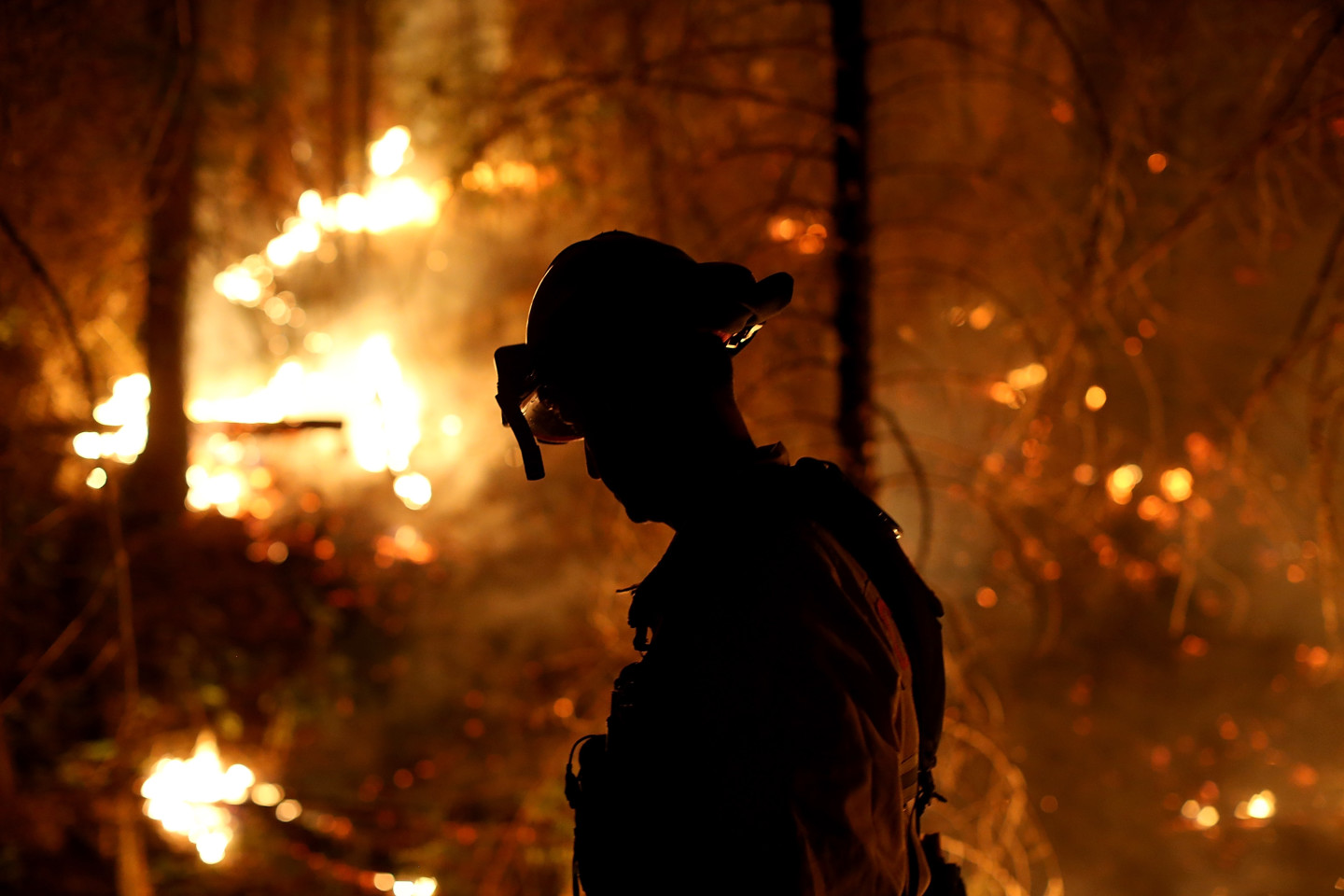
"caption": "A firefighter on the lines of the Rim Fire near Yosemite National Park in August 2013.",
"description": "GROVELAND, CA - AUGUST 22: A firefighter from Cosumnes Fire Department monitors a back fire while battling the Rim Fire on August 22, 2013 in Groveland, California. The Rim Fire continues to burn out of control and threatens 2,500 homes outside of Yosemite National Park. Over 1,000 firefighters are battling the blaze that was reduced to only 2 percent containment after it nearly tripled in size overnight. (Photo by Justin Sullivan/Getty Images)",
"title": "Rim Fire-Yosemite",
"credit": "Justin Sullivan/Getty Images",
"status": "inherit",
"isLoading": false,
"fetchFailed": false
}
},
"audioPlayerReducer": {
"postId": "stream_live",
"isPaused": true,
"isPlaying": false,
"pfsActive": false,
"pledgeModalIsOpen": true,
"playerDrawerIsOpen": false,
"liveAudioPlayStartedAt": 0,
"liveAudioPlayContext": ""
},
"authorsReducer": {
"byline_news_11418746": {
"type": "authors",
"id": "byline_news_11418746",
"meta": {
"override": true
},
"slug": "byline_news_11418746",
"name": "Ezra David Romero \u003cbr> Valley Public Radio",
"isLoading": false
},
"byline_news_11402188": {
"type": "authors",
"id": "byline_news_11402188",
"meta": {
"override": true
},
"slug": "byline_news_11402188",
"name": "KQED News Staff and Wires",
"isLoading": false
},
"byline_news_11390213": {
"type": "authors",
"id": "byline_news_11390213",
"meta": {
"override": true
},
"slug": "byline_news_11390213",
"name": "Ezra David Romero, \u003cstrong>\u003ca href=\"http://kvpr.org/post/tech-saving-bears-yosemite-speeding-cars-are-still-killing-them#stream/0\">KVPR\u003c/strong>\u003c/a> \u003cbr> and Scott Smith, \u003cstrong>Associated Press\u003c/strong>",
"isLoading": false
},
"byline_news_11348597": {
"type": "authors",
"id": "byline_news_11348597",
"meta": {
"override": true
},
"slug": "byline_news_11348597",
"name": "\u003cstrong>The Associated Press\u003c/strong>",
"isLoading": false
},
"byline_news_11321289": {
"type": "authors",
"id": "byline_news_11321289",
"meta": {
"override": true
},
"slug": "byline_news_11321289",
"name": "Colin Dwyer",
"isLoading": false
},
"byline_news_10832701": {
"type": "authors",
"id": "byline_news_10832701",
"meta": {
"override": true
},
"slug": "byline_news_10832701",
"name": "\u003cstrong>Scott Smith\u003cbr>Associated Press\u003c/strong>",
"isLoading": false
},
"byline_news_10509464": {
"type": "authors",
"id": "byline_news_10509464",
"meta": {
"override": true
},
"slug": "byline_news_10509464",
"name": "\u003cstrong>\u003ca href=\"https://twitter.com/ScottSmithAP\" target=\"_blank\">Scott Smith\u003c/a> and \u003ca href=\"https://twitter.com/SudhinT\" target=\"_blank\">Sudhin Thanawala\u003c/a>\u003cbr /> Associated Press\u003c/strong>",
"isLoading": false
},
"astupi": {
"type": "authors",
"id": "70",
"meta": {
"index": "authors_1716337520",
"id": "70",
"found": true
},
"name": "Amanda Stupi",
"firstName": "Amanda",
"lastName": "Stupi",
"slug": "astupi",
"email": "astupi@kqed.org",
"display_author_email": false,
"staff_mastheads": [],
"title": "Senior Engagement Producer",
"bio": "Amanda joined KQED Science’s engagement team as a Senior Audience Engagement Strategist in the spring of 2019. She has helped craft messaging around wildfires, the coronavirus pandemic, climate change and many other stories. She has also brought KQED Science to new platforms such as Reddit’s Ask Me Anything series. Prior to joining KQED Science, Amanda spent seven years as an engagement producer with Forum, KQED’s daily live call-in show. She got her start in radio at KALW's weekly call in show, City Visions, before going on to an internship and stint at NPR's Talk of the Nation.\r\n\r\nPrior to journalism, Amanda taught English at Lowell High School. She's a native of Petaluma and currently lives under the \"South San Francisco the Industrial City\" sign in South City. She believes that engagement is vital to news’s future and that good journalism listens as much as it asks questions.",
"avatar": "https://secure.gravatar.com/avatar/e981c503e5c162da701dcaccfbf87e35?s=600&d=blank&r=g",
"twitter": null,
"facebook": null,
"instagram": null,
"linkedin": null,
"sites": [
{
"site": "arts",
"roles": [
"Contributor"
]
},
{
"site": "news",
"roles": [
"editor"
]
},
{
"site": "pop",
"roles": [
"contributor"
]
},
{
"site": "stateofhealth",
"roles": [
"editor"
]
},
{
"site": "science",
"roles": []
},
{
"site": "perspectives",
"roles": [
"editor"
]
}
],
"headData": {
"title": "Amanda Stupi | KQED",
"description": "Senior Engagement Producer",
"ogImgSrc": "https://secure.gravatar.com/avatar/e981c503e5c162da701dcaccfbf87e35?s=600&d=blank&r=g",
"twImgSrc": "https://secure.gravatar.com/avatar/e981c503e5c162da701dcaccfbf87e35?s=600&d=blank&r=g"
},
"isLoading": false,
"link": "/author/astupi"
},
"dmarks": {
"type": "authors",
"id": "182",
"meta": {
"index": "authors_1716337520",
"id": "182",
"found": true
},
"name": "David Marks",
"firstName": "David",
"lastName": "Marks",
"slug": "dmarks",
"email": "dmarks@kqed.org",
"display_author_email": false,
"staff_mastheads": [],
"title": "KQED Editor",
"bio": "David Marks is a senior digital editor for KQED News. \u003c/a>Reach him at dmarks@kqed.org.",
"avatar": "https://secure.gravatar.com/avatar/b88bd6227ce6cb96ae33fefaf42b2a29?s=600&d=mm&r=g",
"twitter": "divadskram",
"facebook": null,
"instagram": null,
"linkedin": null,
"sites": [
{
"site": "news",
"roles": []
},
{
"site": "science",
"roles": []
},
{
"site": "perspectives",
"roles": []
},
{
"site": "liveblog",
"roles": []
}
],
"headData": {
"title": "David Marks | KQED",
"description": "KQED Editor",
"ogImgSrc": "https://secure.gravatar.com/avatar/b88bd6227ce6cb96ae33fefaf42b2a29?s=600&d=mm&r=g",
"twImgSrc": "https://secure.gravatar.com/avatar/b88bd6227ce6cb96ae33fefaf42b2a29?s=600&d=mm&r=g"
},
"isLoading": false,
"link": "/author/dmarks"
},
"aliceldaniel": {
"type": "authors",
"id": "208",
"meta": {
"index": "authors_1716337520",
"id": "208",
"found": true
},
"name": "Alice Daniel",
"firstName": "Alice",
"lastName": "Daniel",
"slug": "aliceldaniel",
"email": "adaniel@kqed.org",
"display_author_email": false,
"staff_mastheads": [],
"title": null,
"bio": "Alice Daniel loves the listening aspect of reporting because she gets to briefly walk in other people’s shoes. She has rappelled down into caves and gone up in helicopters for KQED’s The California Report but her favorite place to pursue a story is the High Sierra or any family-run bakery, of course. Alice has a masters in journalism from Columbia University and teaches at Fresno State. She is a California Healthline Regional Correspondent and a frequent contributor to Success magazine. In her free time, she skis and hikes, throws pottery, practices piano and looks out the window.",
"avatar": "https://secure.gravatar.com/avatar/e611aa06593b114a67f9f123a8e875ad?s=600&d=blank&r=g",
"twitter": null,
"facebook": null,
"instagram": null,
"linkedin": null,
"sites": [
{
"site": "news",
"roles": [
"author"
]
},
{
"site": "stateofhealth",
"roles": [
"author"
]
}
],
"headData": {
"title": "Alice Daniel | KQED",
"description": null,
"ogImgSrc": "https://secure.gravatar.com/avatar/e611aa06593b114a67f9f123a8e875ad?s=600&d=blank&r=g",
"twImgSrc": "https://secure.gravatar.com/avatar/e611aa06593b114a67f9f123a8e875ad?s=600&d=blank&r=g"
},
"isLoading": false,
"link": "/author/aliceldaniel"
},
"rachael-myrow": {
"type": "authors",
"id": "251",
"meta": {
"index": "authors_1716337520",
"id": "251",
"found": true
},
"name": "Rachael Myrow",
"firstName": "Rachael",
"lastName": "Myrow",
"slug": "rachael-myrow",
"email": "rmyrow@kqed.org",
"display_author_email": true,
"staff_mastheads": [
"news"
],
"title": "Senior Editor of KQED's Silicon Valley News Desk",
"bio": "• I write and edit stories about how Silicon Valley power and policies shape everyday life in California. I’m also passionate about making Bay Area history and culture more accessible to a broad public. • I’ve been a journalist for most of my life, starting in high school with The Franklin Press in Los Angeles, where I grew up. While earning my first degree in English at UC Berkeley, I got my start in public radio at KALX-FM. After completing a second degree in journalism at Cal, I landed my first professional job at Marketplace, then moved on to KPCC (now LAist), and then KQED, where I hosted The California Report for more than seven years. • My reporting has appeared on NPR, The World, WBUR’s \u003ci>Here & Now\u003c/i>, and the BBC. I also guest host for KQED’s \u003ci>Forum\u003c/i>, as well as the Commonwealth Club in San Francisco. • I speak periodically on media, democracy and technology issues, and do voiceover work for documentaries and educational video projects. • Outside of the studio, you'll find me hiking Bay Area trails and whipping up Insta-ready meals in my kitchen. • I do not accept gifts, money, or favors from anyone connected to my reporting, I don't pay people for information, and I do not support or donate to political causes. • I strive to treat the people I report on with fairness, honesty, and respect. I also recognize there are often multiple sides to a story and work to verify information through multiple sources and documentation. If I get something wrong, I correct it.",
"avatar": "https://secure.gravatar.com/avatar/3ed8a3c5f26025e4a805ba634cda8cd764906b97438a6d9ce216b044e340da4e?s=600&d=blank&r=g",
"twitter": "rachaelmyrow",
"bluesky": null,
"facebook": null,
"instagram": null,
"linkedin": "https://www.linkedin.com/in/rachaelmyrow/",
"sites": [
{
"site": "arts",
"roles": [
"administrator"
]
},
{
"site": "news",
"roles": [
"edit_others_posts",
"editor"
]
},
{
"site": "futureofyou",
"roles": [
"editor"
]
},
{
"site": "bayareabites",
"roles": [
"editor"
]
},
{
"site": "stateofhealth",
"roles": [
"editor"
]
},
{
"site": "science",
"roles": [
"editor"
]
},
{
"site": "food",
"roles": [
"editor"
]
},
{
"site": "forum",
"roles": [
"editor"
]
},
{
"site": "liveblog",
"roles": [
"author"
]
}
],
"headData": {
"title": "Rachael Myrow | KQED",
"description": "Senior Editor of KQED's Silicon Valley News Desk",
"ogImgSrc": "https://secure.gravatar.com/avatar/3ed8a3c5f26025e4a805ba634cda8cd764906b97438a6d9ce216b044e340da4e?s=600&d=blank&r=g",
"twImgSrc": "https://secure.gravatar.com/avatar/3ed8a3c5f26025e4a805ba634cda8cd764906b97438a6d9ce216b044e340da4e?s=600&d=blank&r=g"
},
"isLoading": false,
"link": "/author/rachael-myrow"
},
"sasha-khokha": {
"type": "authors",
"id": "254",
"meta": {
"index": "authors_1716337520",
"id": "254",
"found": true
},
"name": "Sasha Khokha",
"firstName": "Sasha",
"lastName": "Khokha",
"slug": "sasha-khokha",
"email": "skhokha@kqed.org",
"display_author_email": true,
"staff_mastheads": [
"news"
],
"title": "Host, The California Report Magazine",
"bio": "Sasha Khokha is the host of \u003cem>The California Report's \u003c/em> weekly magazine program, which takes listeners on sound-rich excursions to meet the people that make the Golden State unique -- through audio documentaries and long-form stories. As \u003cem>The California Report's\u003c/em> Central Valley Bureau Chief based in Fresno for nearly a dozen years, Sasha brought the lives and concerns of rural Californians to listeners around the state. Her reporting helped expose the hidden price immigrant women janitors and farmworkers may pay to keep their jobs: sexual assault at work. It inspired two new California laws to protect them from sexual harassment. She was a key member of the reporting team for the Frontline film \u003cem>Rape on the Night Shift, \u003c/em>which was nominated for two national Emmys. Sasha has also won a national Edward R. Murrow and a national PRNDI award for investigative reporting, as well as multiple prizes from the Society for Professional Journalists. Sasha is a proud alum of the UC Berkeley Graduate School of Journalism and Brown University and a member of the South Asian Journalists Association.",
"avatar": "https://secure.gravatar.com/avatar/e4b5e1541aaeea2aa356aa1fb2a68950?s=600&d=blank&r=g",
"twitter": "KQEDSashaKhokha",
"facebook": null,
"instagram": null,
"linkedin": null,
"sites": [
{
"site": "news",
"roles": [
"editor"
]
},
{
"site": "stateofhealth",
"roles": [
"author"
]
},
{
"site": "science",
"roles": [
"author"
]
},
{
"site": "quest",
"roles": [
"subscriber"
]
}
],
"headData": {
"title": "Sasha Khokha | KQED",
"description": "Host, The California Report Magazine",
"ogImgSrc": "https://secure.gravatar.com/avatar/e4b5e1541aaeea2aa356aa1fb2a68950?s=600&d=blank&r=g",
"twImgSrc": "https://secure.gravatar.com/avatar/e4b5e1541aaeea2aa356aa1fb2a68950?s=600&d=blank&r=g"
},
"isLoading": false,
"link": "/author/sasha-khokha"
}
},
"pagesReducer": {
"news_tag_yosemite-national-park": {
"type": "terms",
"id": "news_4746",
"meta": {
"index": "terms_1716263798",
"site": "news",
"id": "4746",
"score": 10.403188
},
"featImg": null,
"name": "Yosemite National Park",
"description": null,
"taxonomy": "tag",
"headData": {
"twImgId": null,
"twTitle": null,
"ogTitle": null,
"ogImgId": null,
"twDescription": null,
"description": null,
"title": "Yosemite National Park Archives | KQED News",
"ogDescription": null
},
"ttid": 4765,
"slug": "yosemite-national-park",
"isLoading": false,
"title": "Yosemite National Park",
"pageMeta": {
"site": "news",
"WpPageTemplate": "page-topic-editorial",
"currentPage": 6
},
"blocks": [
{
"blockName": "kqed/post-list",
"attrs": {
"layout": "cardArticle2",
"query": "posts/news?tag=yosemite-national-park",
"seeMore": false,
"paginated": true,
"page": 6
}
},
{
"blockName": "kqed/ad"
}
]
}
},
"pfsSessionReducer": {},
"postsReducer": {
"stream_live": {
"type": "live",
"id": "stream_live",
"audioUrl": "https://streams.kqed.org/kqedradio",
"title": "Live Stream",
"excerpt": "Live Stream information currently unavailable.",
"link": "/radio",
"featImg": "",
"label": {
"name": "KQED Live",
"link": "/"
}
},
"stream_kqedNewscast": {
"type": "posts",
"id": "stream_kqedNewscast",
"audioUrl": "https://www.kqed.org/.stream/anon/radio/RDnews/newscast.mp3?_=1",
"title": "KQED Newscast",
"featImg": "",
"label": {
"name": "88.5 FM",
"link": "/"
}
},
"news_11418746": {
"type": "posts",
"id": "news_11418746",
"meta": {
"index": "posts_1716263798",
"site": "news",
"id": "11418746",
"score": null,
"sort": [
1492723577000
]
},
"parent": 0,
"labelTerm": {},
"blocks": [],
"publishDate": 1492723577,
"format": "standard",
"disqusTitle": "Yosemite Rangers Use GPS to Save Bears From Cars",
"title": "Yosemite Rangers Use GPS to Save Bears From Cars",
"headTitle": "The California Report | KQED News",
"content": "\u003cp>People love seeing \u003ca href=\"https://www.nps.gov/yose/learn/nature/bears.htm\">black bears\u003c/a> when they visit Yosemite National Park. But encounters don't always go well. The park has come up with a new way to keep humans and bears safe.\u003c/p>\n\u003cp>Fresno State University student Quiang Chang was walking recently with his friends along the rushing Merced River. It was his fifth time visiting Yosemite National Park, and he hadn't seen a bear.\u003c/p>\n\u003cp>But if they appear, Chang said, \"I probably would just quietly ... just observe them and take a picture.\"\u003c/p>\n\u003cp>\u003c!-- iframe plugin v.4.3 wordpress.org/plugins/iframe/ -->\u003cbr>\n\u003ciframe src=\"https://www.npr.org/player/embed/524409047/524936093\" width=\"100%\" height=\"290\" frameborder=\"0\" scrolling=\"no\" title=\"NPR embedded audio player\" class=\"iframe-class\">\u003c/iframe>\u003c/p>\n\u003cp>\u003ca href=\"http://keepbearswild.org/bear-encounters/\">Keeping a healthy distance\u003c/a> from bears is exactly what park officials want people to do. But training the public to think this way hasn't been easy, says National Park Service spokesman Scott Gediman. Twenty years ago, human-bear encounters in Yosemite were very common.\u003c/p>\n\u003cp>[ad fullwidth]\u003c/p>\n\u003cp>\"It was not atypical to have three or four vehicles broken into every night,\" he says.\u003c/p>\n\u003cp>Bears would rip open car doors or smash windows \u003ca href=\"http://www.nytimes.com/1997/11/30/us/to-bears-in-yosemite-cars-are-like-cookie-jars.html\">in search of food\u003c/a>. But others are craftier. One park visitor even took a video of a bear opening a car door with its paws.\u003c/p>\n\u003cfigure id=\"attachment_11418747\" class=\"wp-caption aligncenter\" style=\"max-width: 800px\">\u003cimg class=\"size-medium wp-image-11418747\" src=\"https://ww2.kqed.org/news/wp-content/uploads/sites/10/2017/04/248424-photo-4-7cd4d9e51fe5551ebbb2cbe1f8553e25fa59b56f-800x600.jpg\" alt=\"Yosemite National Park wildlife biologist Ryan Leahy says he hopes the website keeps both people and bears safe.\" width=\"800\" height=\"600\">\u003cfigcaption class=\"wp-caption-text\">Yosemite National Park wildlife biologist Ryan Leahy says he hopes the website keeps both people and bears safe. \u003ccite>(Ezra David Romero/Valley Public Radio)\u003c/cite>\u003c/figcaption>\u003c/figure>\n\u003cp>In 1998, there were 1,600 encounters with bears. Now, there are fewer than 100 every year, says Yosemite National Park wildlife biologist Ryan Leahy. That's because park rangers have worked to educate the public on \u003ca href=\"https://www.nps.gov/yose/planyourvisit/bears.htm\">storing food properly\u003c/a>, and Leahy says they now use technology to track the bears.\u003c/p>\n\u003cp>Leahy works in a cabin on the edge of Yosemite Valley. He's tracking bears online in real time using the GPS collars the animals wear.\u003c/p>\n\u003cp>In the past, he says, human interaction with bears often resulted in having to kill the animals. By using these tracking tools, fewer and fewer bears are killed. If a bear gets too close to people, Leahy's team can scare it away, catch it or relocate it.\u003c/p>\n\u003cp>Tracking data from the past few years points to another trend: Bears are being hit by cars, and speeding is now their biggest threat. Leahy says 28 were hit last year, and many of them died.\u003c/p>\n\u003cp>\"You're talking about 10 percent of our bears potentially being hit by vehicles each year,\" he says. \"Just slowing down a little bit will give you that stopping distance required to prevent a collision.\"\u003c/p>\n\u003cfigure id=\"attachment_11418748\" class=\"wp-caption aligncenter\" style=\"max-width: 800px\">\u003cimg class=\"size-medium wp-image-11418748\" src=\"https://ww2.kqed.org/news/wp-content/uploads/sites/10/2017/04/248424-photo-3-577eedb4615d69db7fa31c13313bd910f0acb832-800x600.jpg\" alt=\"Black bears are tracked in Yosemite using telemetry and GPS collars.\" width=\"800\" height=\"600\" srcset=\"https://ww2.kqed.org/app/uploads/sites/10/2017/04/248424-photo-3-577eedb4615d69db7fa31c13313bd910f0acb832-800x600.jpg 800w, https://ww2.kqed.org/app/uploads/sites/10/2017/04/248424-photo-3-577eedb4615d69db7fa31c13313bd910f0acb832-160x120.jpg 160w, https://ww2.kqed.org/app/uploads/sites/10/2017/04/248424-photo-3-577eedb4615d69db7fa31c13313bd910f0acb832-1020x765.jpg 1020w, https://ww2.kqed.org/app/uploads/sites/10/2017/04/248424-photo-3-577eedb4615d69db7fa31c13313bd910f0acb832-1920x1440.jpg 1920w, https://ww2.kqed.org/app/uploads/sites/10/2017/04/248424-photo-3-577eedb4615d69db7fa31c13313bd910f0acb832-1180x885.jpg 1180w, https://ww2.kqed.org/app/uploads/sites/10/2017/04/248424-photo-3-577eedb4615d69db7fa31c13313bd910f0acb832-960x720.jpg 960w, https://ww2.kqed.org/app/uploads/sites/10/2017/04/248424-photo-3-577eedb4615d69db7fa31c13313bd910f0acb832-240x180.jpg 240w, https://ww2.kqed.org/app/uploads/sites/10/2017/04/248424-photo-3-577eedb4615d69db7fa31c13313bd910f0acb832-375x281.jpg 375w, https://ww2.kqed.org/app/uploads/sites/10/2017/04/248424-photo-3-577eedb4615d69db7fa31c13313bd910f0acb832-520x390.jpg 520w, https://ww2.kqed.org/app/uploads/sites/10/2017/04/248424-photo-3-577eedb4615d69db7fa31c13313bd910f0acb832.jpg 1998w\" sizes=\"(max-width: 800px) 100vw, 800px\">\u003cfigcaption class=\"wp-caption-text\">Black bears are tracked in Yosemite using telemetry and GPS collars. \u003ccite>(Ezra David Romero/Valley Public Radio)\u003c/cite>\u003c/figcaption>\u003c/figure>\n\u003cp>The key, he says, is education. His team has created an \u003ca href=\"http://keepbearswild.org/bear-tracker/\">interactive map-based website\u003c/a> where the public can track the lives of selected bears and see general areas where they're hit most often.\u003c/p>\n\u003cp>Leahy says the bears' locations are delayed on the site so people aren't able to track them in real time. On the site, park visitors can also learn about how to be safe if a bear is around.\u003c/p>\n\u003cp>\"So what we want to do with this website in a positive way is engage people before they get here: 'Hey, here's the real story about black bears in Yosemite National Park,' \" Leahy says.\u003c/p>\n\u003cp>He hopes the site means fewer midnight calls with a dented car and either a dead or wounded bear.\u003c/p>\n\u003cp>\u003c/p>\n\u003cp>\u003ca href=\"http://kvpr.org/people/ezra-david-romero#stream/0\">Ezra David Romero\u003c/a>\u003cem> is a reporter with NPR member station Valley Public Radio. You can follow him\u003c/em> \u003ca href=\"https://twitter.com/ezraromero\">@ezraromero\u003c/a>.\u003c/p>\n\u003cdiv class=\"fullattribution\">Copyright 2017 Valley Public Radio. To see more, visit \u003ca href=\"http://www.kvpr.org/\">Valley Public Radio\u003c/a>.\u003cimg src=\"https://www.google-analytics.com/__utm.gif?utmac=UA-5828686-4&utmdt=Yosemite+Rangers+Use+Technology+To+Save+Bears+From+Cars&utme=8(APIKey)9(MDAxOTAwOTE4MDEyMTkxMDAzNjczZDljZA004)\">\u003c/div>\n\n",
"disqusIdentifier": "11418746 https://ww2.kqed.org/news/?p=11418746",
"disqusUrl": "https://ww2.kqed.org/news/2017/04/20/yosemite-rangers-use-technology-to-save-bears-from-cars/",
"stats": {
"hasVideo": false,
"hasChartOrMap": false,
"hasAudio": false,
"hasPolis": false,
"wordCount": 576,
"hasGoogleForm": false,
"hasGallery": false,
"hasHearkenModule": false,
"iframeSrcs": [],
"paragraphCount": 19
},
"modified": 1492817309,
"excerpt": "Speeding cars have become the biggest threat for bears in Yosemite. But rangers hope tracking tools, including a website, will help keep both humans and bears safe.",
"headData": {
"twImgId": "",
"twTitle": "",
"ogTitle": "",
"ogImgId": "",
"twDescription": "",
"description": "Speeding cars have become the biggest threat for bears in Yosemite. But rangers hope tracking tools, including a website, will help keep both humans and bears safe.",
"title": "Yosemite Rangers Use GPS to Save Bears From Cars | KQED",
"ogDescription": "",
"schema": {
"@context": "https://schema.org",
"@type": "NewsArticle",
"headline": "Yosemite Rangers Use GPS to Save Bears From Cars",
"datePublished": "2017-04-20T14:26:17-07:00",
"dateModified": "2017-04-21T16:28:29-07:00",
"image": "https://cdn.kqed.org/wp-content/uploads/2020/02/KQED-OG-Image@1x.png",
"isAccessibleForFree": "True",
"publisher": {
"@type": "NewsMediaOrganization",
"@id": "https://www.kqed.org/#organization",
"name": "KQED",
"logo": "https://cdn.kqed.org/wp-content/uploads/2020/02/KQED-OG-Image@1x.png",
"url": "https://www.kqed.org",
"sameAs": [
"https://www.facebook.com/KQED",
"https://twitter.com/KQED",
"https://www.instagram.com/kqed/",
"https://www.tiktok.com/@kqedofficial",
"https://www.linkedin.com/company/kqed",
"https://www.youtube.com/channel/UCeC0IOo7i1P_61zVUWbJ4nw"
]
}
}
},
"guestAuthors": [],
"slug": "yosemite-rangers-use-technology-to-save-bears-from-cars",
"status": "publish",
"sourceUrl": "http://www.npr.org/",
"nprApiLink": "http://api.npr.org/query?id=524409047&apiKey=MDAxOTAwOTE4MDEyMTkxMDAzNjczZDljZA004",
"nprByline": "Ezra David Romero \u003cbr> Valley Public Radio",
"nprStoryDate": "Thu, 20 Apr 2017 10:22:00 -0400",
"nprLastModifiedDate": "Thu, 20 Apr 2017 11:32:14 -0400",
"nprHtmlLink": "http://www.npr.org/sections/alltechconsidered/2017/04/20/524409047/yosemite-rangers-use-technology-to-save-bears-from-cars?ft=nprml&f=524409047",
"nprAudio": "https://ondemand.npr.org/anon.npr-mp3/npr/atc/2017/04/20170420_atc_yosemite_rangers_use_technology_to_save_bears_from_cars.mp3?orgId=272&topicId=1132&d=233&p=2&story=524409047&t=progseg&e=524838907&seg=8&ft=nprml&f=524409047",
"source": "NPR",
"nprAudioM3u": "http://api.npr.org/m3u/1524936093-37cb85.m3u?orgId=272&topicId=1132&d=233&p=2&story=524409047&t=progseg&e=524838907&seg=8&ft=nprml&f=524409047",
"nprStoryId": "524409047",
"nprRetrievedStory": "1",
"nprPubDate": "Thu, 20 Apr 2017 17:09:00 -0400",
"path": "/news/11418746/yosemite-rangers-use-technology-to-save-bears-from-cars",
"audioUrl": "https://ondemand.npr.org/anon.npr-mp3/npr/atc/2017/04/20170420_atc_yosemite_rangers_use_technology_to_save_bears_from_cars.mp3?orgId=272&topicId=1132&d=233&p=2&story=524409047&t=progseg&e=524838907&seg=8&ft=nprml&f=524409047",
"audioTrackLength": null,
"parsedContent": [
{
"type": "contentString",
"content": "\u003cdiv class=\"post-body\">\u003cp>\u003cp>People love seeing \u003ca href=\"https://www.nps.gov/yose/learn/nature/bears.htm\">black bears\u003c/a> when they visit Yosemite National Park. But encounters don't always go well. The park has come up with a new way to keep humans and bears safe.\u003c/p>\n\u003cp>Fresno State University student Quiang Chang was walking recently with his friends along the rushing Merced River. It was his fifth time visiting Yosemite National Park, and he hadn't seen a bear.\u003c/p>\n\u003cp>But if they appear, Chang said, \"I probably would just quietly ... just observe them and take a picture.\"\u003c/p>\n\u003cp>\u003c!-- iframe plugin v.4.3 wordpress.org/plugins/iframe/ -->\u003cbr>\n\u003ciframe src=\"https://www.npr.org/player/embed/524409047/524936093\" width=\"100%\" height=\"290\" frameborder=\"0\" scrolling=\"no\" title=\"NPR embedded audio player\" class=\"iframe-class\">\u003c/iframe>\u003c/p>\n\u003cp>\u003ca href=\"http://keepbearswild.org/bear-encounters/\">Keeping a healthy distance\u003c/a> from bears is exactly what park officials want people to do. But training the public to think this way hasn't been easy, says National Park Service spokesman Scott Gediman. Twenty years ago, human-bear encounters in Yosemite were very common.\u003c/p>\n\u003cp>\u003c/p>\u003c/div>",
"attributes": {
"named": {},
"numeric": []
}
},
{
"type": "component",
"content": "",
"name": "ad",
"attributes": {
"named": {
"label": "fullwidth"
},
"numeric": [
"fullwidth"
]
}
},
{
"type": "contentString",
"content": "\u003cdiv class=\"post-body\">\u003cp>\u003c/p>\n\u003cp>\"It was not atypical to have three or four vehicles broken into every night,\" he says.\u003c/p>\n\u003cp>Bears would rip open car doors or smash windows \u003ca href=\"http://www.nytimes.com/1997/11/30/us/to-bears-in-yosemite-cars-are-like-cookie-jars.html\">in search of food\u003c/a>. But others are craftier. One park visitor even took a video of a bear opening a car door with its paws.\u003c/p>\n\u003cfigure id=\"attachment_11418747\" class=\"wp-caption aligncenter\" style=\"max-width: 800px\">\u003cimg class=\"size-medium wp-image-11418747\" src=\"https://ww2.kqed.org/news/wp-content/uploads/sites/10/2017/04/248424-photo-4-7cd4d9e51fe5551ebbb2cbe1f8553e25fa59b56f-800x600.jpg\" alt=\"Yosemite National Park wildlife biologist Ryan Leahy says he hopes the website keeps both people and bears safe.\" width=\"800\" height=\"600\">\u003cfigcaption class=\"wp-caption-text\">Yosemite National Park wildlife biologist Ryan Leahy says he hopes the website keeps both people and bears safe. \u003ccite>(Ezra David Romero/Valley Public Radio)\u003c/cite>\u003c/figcaption>\u003c/figure>\n\u003cp>In 1998, there were 1,600 encounters with bears. Now, there are fewer than 100 every year, says Yosemite National Park wildlife biologist Ryan Leahy. That's because park rangers have worked to educate the public on \u003ca href=\"https://www.nps.gov/yose/planyourvisit/bears.htm\">storing food properly\u003c/a>, and Leahy says they now use technology to track the bears.\u003c/p>\n\u003cp>Leahy works in a cabin on the edge of Yosemite Valley. He's tracking bears online in real time using the GPS collars the animals wear.\u003c/p>\n\u003cp>In the past, he says, human interaction with bears often resulted in having to kill the animals. By using these tracking tools, fewer and fewer bears are killed. If a bear gets too close to people, Leahy's team can scare it away, catch it or relocate it.\u003c/p>\n\u003cp>Tracking data from the past few years points to another trend: Bears are being hit by cars, and speeding is now their biggest threat. Leahy says 28 were hit last year, and many of them died.\u003c/p>\n\u003cp>\"You're talking about 10 percent of our bears potentially being hit by vehicles each year,\" he says. \"Just slowing down a little bit will give you that stopping distance required to prevent a collision.\"\u003c/p>\n\u003cfigure id=\"attachment_11418748\" class=\"wp-caption aligncenter\" style=\"max-width: 800px\">\u003cimg class=\"size-medium wp-image-11418748\" src=\"https://ww2.kqed.org/news/wp-content/uploads/sites/10/2017/04/248424-photo-3-577eedb4615d69db7fa31c13313bd910f0acb832-800x600.jpg\" alt=\"Black bears are tracked in Yosemite using telemetry and GPS collars.\" width=\"800\" height=\"600\" srcset=\"https://ww2.kqed.org/app/uploads/sites/10/2017/04/248424-photo-3-577eedb4615d69db7fa31c13313bd910f0acb832-800x600.jpg 800w, https://ww2.kqed.org/app/uploads/sites/10/2017/04/248424-photo-3-577eedb4615d69db7fa31c13313bd910f0acb832-160x120.jpg 160w, https://ww2.kqed.org/app/uploads/sites/10/2017/04/248424-photo-3-577eedb4615d69db7fa31c13313bd910f0acb832-1020x765.jpg 1020w, https://ww2.kqed.org/app/uploads/sites/10/2017/04/248424-photo-3-577eedb4615d69db7fa31c13313bd910f0acb832-1920x1440.jpg 1920w, https://ww2.kqed.org/app/uploads/sites/10/2017/04/248424-photo-3-577eedb4615d69db7fa31c13313bd910f0acb832-1180x885.jpg 1180w, https://ww2.kqed.org/app/uploads/sites/10/2017/04/248424-photo-3-577eedb4615d69db7fa31c13313bd910f0acb832-960x720.jpg 960w, https://ww2.kqed.org/app/uploads/sites/10/2017/04/248424-photo-3-577eedb4615d69db7fa31c13313bd910f0acb832-240x180.jpg 240w, https://ww2.kqed.org/app/uploads/sites/10/2017/04/248424-photo-3-577eedb4615d69db7fa31c13313bd910f0acb832-375x281.jpg 375w, https://ww2.kqed.org/app/uploads/sites/10/2017/04/248424-photo-3-577eedb4615d69db7fa31c13313bd910f0acb832-520x390.jpg 520w, https://ww2.kqed.org/app/uploads/sites/10/2017/04/248424-photo-3-577eedb4615d69db7fa31c13313bd910f0acb832.jpg 1998w\" sizes=\"(max-width: 800px) 100vw, 800px\">\u003cfigcaption class=\"wp-caption-text\">Black bears are tracked in Yosemite using telemetry and GPS collars. \u003ccite>(Ezra David Romero/Valley Public Radio)\u003c/cite>\u003c/figcaption>\u003c/figure>\n\u003cp>The key, he says, is education. His team has created an \u003ca href=\"http://keepbearswild.org/bear-tracker/\">interactive map-based website\u003c/a> where the public can track the lives of selected bears and see general areas where they're hit most often.\u003c/p>\n\u003cp>Leahy says the bears' locations are delayed on the site so people aren't able to track them in real time. On the site, park visitors can also learn about how to be safe if a bear is around.\u003c/p>\n\u003cp>\"So what we want to do with this website in a positive way is engage people before they get here: 'Hey, here's the real story about black bears in Yosemite National Park,' \" Leahy says.\u003c/p>\n\u003cp>He hopes the site means fewer midnight calls with a dented car and either a dead or wounded bear.\u003c/p>\n\u003cp>\u003c/p>\n\u003cp>\u003ca href=\"http://kvpr.org/people/ezra-david-romero#stream/0\">Ezra David Romero\u003c/a>\u003cem> is a reporter with NPR member station Valley Public Radio. You can follow him\u003c/em> \u003ca href=\"https://twitter.com/ezraromero\">@ezraromero\u003c/a>.\u003c/p>\n\u003cdiv class=\"fullattribution\">Copyright 2017 Valley Public Radio. To see more, visit \u003ca href=\"http://www.kvpr.org/\">Valley Public Radio\u003c/a>.\u003cimg src=\"https://www.google-analytics.com/__utm.gif?utmac=UA-5828686-4&utmdt=Yosemite+Rangers+Use+Technology+To+Save+Bears+From+Cars&utme=8(APIKey)9(MDAxOTAwOTE4MDEyMTkxMDAzNjczZDljZA004)\">\u003c/div>\n\n\u003c/div>\u003c/p>",
"attributes": {
"named": {},
"numeric": []
}
}
],
"link": "/news/11418746/yosemite-rangers-use-technology-to-save-bears-from-cars",
"authors": [
"byline_news_11418746"
],
"programs": [
"news_6944",
"news_72"
],
"categories": [
"news_19906",
"news_8",
"news_356",
"news_248"
],
"tags": [
"news_18132",
"news_19757",
"news_17286",
"news_4746"
],
"affiliates": [
"news_253"
],
"featImg": "news_11418758",
"label": "source_news_11418746"
},
"news_11402188": {
"type": "posts",
"id": "news_11402188",
"meta": {
"index": "posts_1716263798",
"site": "news",
"id": "11402188",
"score": null,
"sort": [
1491935798000
]
},
"parent": 0,
"labelTerm": {
"site": "news",
"term": 72
},
"blocks": [],
"publishDate": 1491935798,
"format": "standard",
"disqusTitle": "Probe Criticizes Management Style of Former Head of Yosemite",
"title": "Probe Criticizes Management Style of Former Head of Yosemite",
"headTitle": "The California Report | KQED News",
"content": "\u003cp>The former superintendent of Yosemite National Park, accused of creating a hostile work environment and discriminating against female employees, has been faulted by federal investigators for his management style and behavior.\u003c/p>\n\u003cp>The \u003ca href=\"https://www.doioig.gov/sites/doioig.gov/files/HostileWorkEnvironmentYosemite_Public.pdf\">report\u003c/a>, released Monday by the Interior Department's inspector general, focused on Don Neubacher, who was Yosemite's top official for nearly seven years and a part of the National Park Service for 37 years.\u003c/p>\n\u003cp>It included interviews with 71 park staff members, some of whom said they witnessed Neubacher belittling staff and their abilities. According to their statements, Neubacher called employees “stupid,” “lazy” and “bozo,” and directed most of his comments at women.\u003c/p>\n\u003cp>The 24-page report, however, found no evidence that Neubacher's decisions were motivated by favoritism or bias. Overall, he got mixed reviews.\u003c/p>\n\u003cp>\"Of the 71 employees we interviewed regarding the allegations against the official, 42 spoke highly of him as a manager,\" the report said. \"The remaining either had no opinion, vacillated in their opinion, or said that he sometimes communicated poorly; that he could be dismissive, abrupt, or overly critical; and that he would often publicly criticize and undermine employees after he lost confidence in them.\"\u003c/p>\n\u003cp>[ad fullwidth]\u003c/p>\n\u003cp>[contextly_sidebar id=\"yA4EcjpORzJ9rZumYxYTB2CwWG9l4U9K\"]\u003c/p>\n\u003cp>Neubacher, who managed Point Reyes National Seashore for 15 years before taking the Yosemite job, denied the allegations and claimed he had not intentionally insulted or belittled anyone. \"I don't yell. I don't scream,\" he said. But he announced his retirement in September 2016, after the accusations of harassment were made public during a hearing of the House Oversight and Government Reform Committee.\u003c/p>\n\u003cp>The report also details other allegations of inappropriate behavior, including one case in which he gave a female employee preferential treatment. Neubacher allegedly promoted the woman by two grade levels in three years, gave her a Fitbit for her birthday, and when she left Yosemite for another job, he gave her a going-away gift that cost him $700.\u003c/p>\n\u003cp>“It’s appalling that this level of sexual harassment and bullying has persisted in this workplace for so many years. And that so many individuals were unable to complain,\" said Deborah Rhode, a Stanford Law professor and legal ethics scholar. She added that the allegations indicate there was a \"corrosive culture\" under Neubacher's leadership.\u003c/p>\n\u003cp>Rhode thinks the publicity could encourage other parks to re-examine their workplace culture at a time when several other national parks are facing similar allegations of workplace abuse, including at Yellowstone and the Grand Canyon.\u003c/p>\n\u003cp>“With crisis comes opportunity. And cultures that have long tolerated abusive practices, when they are publicly exposed, suddenly have gotten the message,” Rhode said. “What’s really important to focus on here is how do you prevent this kind of toxic work environment from persisting for so long.\"\u003c/p>\n\u003cp>\u003c/p>\n\u003cp>\u003cem>Reporting for this post comes from the Associated Press and KQED's Mariana Urban and Bert Johnson.\u003c/em>\u003c/p>\n\n",
"disqusIdentifier": "11402188 https://ww2.kqed.org/news/?p=11402188",
"disqusUrl": "https://ww2.kqed.org/news/2017/04/11/new-report-accuses-former-yosemite-head-of-harassment/",
"stats": {
"hasVideo": false,
"hasChartOrMap": false,
"hasAudio": false,
"hasPolis": false,
"wordCount": 491,
"hasGoogleForm": false,
"hasGallery": false,
"hasHearkenModule": false,
"iframeSrcs": [],
"paragraphCount": 14
},
"modified": 1491952005,
"excerpt": "Park staff said ex-superintendent called employees 'stupid,' 'lazy' and 'bozo,' but report finds no gender bias.",
"headData": {
"twImgId": "",
"twTitle": "",
"ogTitle": "",
"ogImgId": "",
"twDescription": "",
"description": "Park staff said ex-superintendent called employees 'stupid,' 'lazy' and 'bozo,' but report finds no gender bias.",
"title": "Probe Criticizes Management Style of Former Head of Yosemite | KQED",
"ogDescription": "",
"schema": {
"@context": "https://schema.org",
"@type": "NewsArticle",
"headline": "Probe Criticizes Management Style of Former Head of Yosemite",
"datePublished": "2017-04-11T11:36:38-07:00",
"dateModified": "2017-04-11T16:06:45-07:00",
"image": "https://cdn.kqed.org/wp-content/uploads/2020/02/KQED-OG-Image@1x.png",
"isAccessibleForFree": "True",
"publisher": {
"@type": "NewsMediaOrganization",
"@id": "https://www.kqed.org/#organization",
"name": "KQED",
"logo": "https://cdn.kqed.org/wp-content/uploads/2020/02/KQED-OG-Image@1x.png",
"url": "https://www.kqed.org",
"sameAs": [
"https://www.facebook.com/KQED",
"https://twitter.com/KQED",
"https://www.instagram.com/kqed/",
"https://www.tiktok.com/@kqedofficial",
"https://www.linkedin.com/company/kqed",
"https://www.youtube.com/channel/UCeC0IOo7i1P_61zVUWbJ4nw"
]
}
}
},
"guestAuthors": [],
"slug": "new-report-accuses-former-yosemite-head-of-harassment",
"status": "publish",
"nprByline": "KQED News Staff and Wires",
"path": "/news/11402188/new-report-accuses-former-yosemite-head-of-harassment",
"audioTrackLength": null,
"parsedContent": [
{
"type": "contentString",
"content": "\u003cdiv class=\"post-body\">\u003cp>\u003cp>The former superintendent of Yosemite National Park, accused of creating a hostile work environment and discriminating against female employees, has been faulted by federal investigators for his management style and behavior.\u003c/p>\n\u003cp>The \u003ca href=\"https://www.doioig.gov/sites/doioig.gov/files/HostileWorkEnvironmentYosemite_Public.pdf\">report\u003c/a>, released Monday by the Interior Department's inspector general, focused on Don Neubacher, who was Yosemite's top official for nearly seven years and a part of the National Park Service for 37 years.\u003c/p>\n\u003cp>It included interviews with 71 park staff members, some of whom said they witnessed Neubacher belittling staff and their abilities. According to their statements, Neubacher called employees “stupid,” “lazy” and “bozo,” and directed most of his comments at women.\u003c/p>\n\u003cp>The 24-page report, however, found no evidence that Neubacher's decisions were motivated by favoritism or bias. Overall, he got mixed reviews.\u003c/p>\n\u003cp>\"Of the 71 employees we interviewed regarding the allegations against the official, 42 spoke highly of him as a manager,\" the report said. \"The remaining either had no opinion, vacillated in their opinion, or said that he sometimes communicated poorly; that he could be dismissive, abrupt, or overly critical; and that he would often publicly criticize and undermine employees after he lost confidence in them.\"\u003c/p>\n\u003cp>\u003c/p>\u003c/div>",
"attributes": {
"named": {},
"numeric": []
}
},
{
"type": "component",
"content": "",
"name": "ad",
"attributes": {
"named": {
"label": "fullwidth"
},
"numeric": [
"fullwidth"
]
}
},
{
"type": "contentString",
"content": "\u003cdiv class=\"post-body\">\u003cp>\u003c/p>\n\u003cp>\u003c/p>\u003cp>\u003c/p>\u003cp>\u003c/p>\n\u003cp>Neubacher, who managed Point Reyes National Seashore for 15 years before taking the Yosemite job, denied the allegations and claimed he had not intentionally insulted or belittled anyone. \"I don't yell. I don't scream,\" he said. But he announced his retirement in September 2016, after the accusations of harassment were made public during a hearing of the House Oversight and Government Reform Committee.\u003c/p>\n\u003cp>The report also details other allegations of inappropriate behavior, including one case in which he gave a female employee preferential treatment. Neubacher allegedly promoted the woman by two grade levels in three years, gave her a Fitbit for her birthday, and when she left Yosemite for another job, he gave her a going-away gift that cost him $700.\u003c/p>\n\u003cp>“It’s appalling that this level of sexual harassment and bullying has persisted in this workplace for so many years. And that so many individuals were unable to complain,\" said Deborah Rhode, a Stanford Law professor and legal ethics scholar. She added that the allegations indicate there was a \"corrosive culture\" under Neubacher's leadership.\u003c/p>\n\u003cp>Rhode thinks the publicity could encourage other parks to re-examine their workplace culture at a time when several other national parks are facing similar allegations of workplace abuse, including at Yellowstone and the Grand Canyon.\u003c/p>\n\u003cp>“With crisis comes opportunity. And cultures that have long tolerated abusive practices, when they are publicly exposed, suddenly have gotten the message,” Rhode said. “What’s really important to focus on here is how do you prevent this kind of toxic work environment from persisting for so long.\"\u003c/p>\n\u003cp>\u003c/p>\n\u003cp>\u003cem>Reporting for this post comes from the Associated Press and KQED's Mariana Urban and Bert Johnson.\u003c/em>\u003c/p>\n\n\u003c/div>\u003c/p>",
"attributes": {
"named": {},
"numeric": []
}
}
],
"link": "/news/11402188/new-report-accuses-former-yosemite-head-of-harassment",
"authors": [
"byline_news_11402188"
],
"programs": [
"news_6944",
"news_72"
],
"categories": [
"news_19906",
"news_8",
"news_356"
],
"tags": [
"news_17041",
"news_4746"
],
"featImg": "news_11403544",
"label": "news_72"
},
"news_11390213": {
"type": "posts",
"id": "news_11390213",
"meta": {
"index": "posts_1716263798",
"site": "news",
"id": "11390213",
"score": null,
"sort": [
1491265170000
]
},
"parent": 0,
"labelTerm": {},
"blocks": [],
"publishDate": 1491265170,
"format": "standard",
"disqusTitle": "Track a Yosemite Black Bear Online? Yes, Now You Can.",
"title": "Track a Yosemite Black Bear Online? Yes, Now You Can.",
"headTitle": "The California Report | KQED News",
"content": "\u003cp>Rangers at Yosemite National Park on Monday unveiled a unique tool aimed at reducing interactions between its population of black bears and people: a website where fans of the animals can follow their every step -- from a distance.\u003c/p>\n\u003cp>That’s possible because select bears are fitted with GPS collars showing where the animals are heading. The tracking tool pings the bears' steps from satellites, which can be followed on an interactive map on a new website, \u003ca href=\"http://keepbearswild.org/\">keepbearswild.org\u003c/a>.\u003c/p>\n\u003cp>\"I think people are going to be blown away,\" said Ryan Leahy, a wildlife biologist at Yosemite National Park who leads the project. \"It's our responsibility to keep bears wild.\"\u003c/p>\n\u003cfigure id=\"attachment_11390223\" class=\"wp-caption alignnone\" style=\"max-width: 800px\">\u003cimg class=\"size-medium wp-image-11390223\" src=\"https://ww2.kqed.org/news/wp-content/uploads/sites/10/2017/04/bears_6-800x600.jpg\" alt=\"Rangers have already been using the data collected from the GPS tracking.\" width=\"800\" height=\"600\" srcset=\"https://ww2.kqed.org/app/uploads/sites/10/2017/04/bears_6-800x600.jpg 800w, https://ww2.kqed.org/app/uploads/sites/10/2017/04/bears_6-160x120.jpg 160w, https://ww2.kqed.org/app/uploads/sites/10/2017/04/bears_6-1020x765.jpg 1020w, https://ww2.kqed.org/app/uploads/sites/10/2017/04/bears_6-1180x885.jpg 1180w, https://ww2.kqed.org/app/uploads/sites/10/2017/04/bears_6-960x720.jpg 960w, https://ww2.kqed.org/app/uploads/sites/10/2017/04/bears_6-240x180.jpg 240w, https://ww2.kqed.org/app/uploads/sites/10/2017/04/bears_6-375x281.jpg 375w, https://ww2.kqed.org/app/uploads/sites/10/2017/04/bears_6-520x390.jpg 520w, https://ww2.kqed.org/app/uploads/sites/10/2017/04/bears_6.jpg 1200w\" sizes=\"(max-width: 800px) 100vw, 800px\">\u003cfigcaption class=\"wp-caption-text\">Rangers have already been using the data collected from the GPS tracking. \u003ccite>(Ezra David Romero/Valley Public Radio)\u003c/cite>\u003c/figcaption>\u003c/figure>\n\u003cp>Park staff had already been using up to 20 collars on the bears, coming up with some surprising findings: They learned that the animals begin mating in May, more than a month earlier than previously thought, rangers said. And, the devices revealed that the bears travel more than 30 miles in a day or two, moving with ease up 5,000-foot canyon walls, Leahy said.\u003c/p>\n\u003cp>The goal of the website is to draw in the public so they know to slow down while driving and properly store food when they visit the park's towering granite cliffs, charging waterfalls and abundant wildlife, including up to 500 black bears.\u003c/p>\n\u003cfigure id=\"attachment_11390305\" class=\"wp-caption alignnone\" style=\"max-width: 800px\">\u003cimg class=\"size-medium wp-image-11390305\" src=\"https://ww2.kqed.org/news/wp-content/uploads/sites/10/2017/04/Screen-Shot-2017-04-03-at-5.15.06-PM-800x466.png\" alt=\"A screengrab of the interactive map on keepbearswild.org is shown on April 3, 2017. Yosemite National Park debuted the service to help educate the public about black bears and threats to the animals.\" width=\"800\" height=\"466\" srcset=\"https://ww2.kqed.org/app/uploads/sites/10/2017/04/Screen-Shot-2017-04-03-at-5.15.06-PM-800x466.png 800w, https://ww2.kqed.org/app/uploads/sites/10/2017/04/Screen-Shot-2017-04-03-at-5.15.06-PM-160x93.png 160w, https://ww2.kqed.org/app/uploads/sites/10/2017/04/Screen-Shot-2017-04-03-at-5.15.06-PM-1020x594.png 1020w, https://ww2.kqed.org/app/uploads/sites/10/2017/04/Screen-Shot-2017-04-03-at-5.15.06-PM-1920x1118.png 1920w, https://ww2.kqed.org/app/uploads/sites/10/2017/04/Screen-Shot-2017-04-03-at-5.15.06-PM-1180x687.png 1180w, https://ww2.kqed.org/app/uploads/sites/10/2017/04/Screen-Shot-2017-04-03-at-5.15.06-PM-960x559.png 960w, https://ww2.kqed.org/app/uploads/sites/10/2017/04/Screen-Shot-2017-04-03-at-5.15.06-PM-240x140.png 240w, https://ww2.kqed.org/app/uploads/sites/10/2017/04/Screen-Shot-2017-04-03-at-5.15.06-PM-375x218.png 375w, https://ww2.kqed.org/app/uploads/sites/10/2017/04/Screen-Shot-2017-04-03-at-5.15.06-PM-520x303.png 520w\" sizes=\"(max-width: 800px) 100vw, 800px\">\u003cfigcaption class=\"wp-caption-text\">A screen grab of the interactive map on keepbearswild.org is shown on April 3, 2017. Yosemite National Park debuted the service to help educate the public about black bears and threats to the animals. \u003ccite>(keepbearswild.org)\u003c/cite>\u003c/figcaption>\u003c/figure>\n\u003cp>Too often, black bears — many of which are actually brown in Yosemite — are hit and killed by drivers on Yosemite's winding roads. The website shows where 28 bears were struck by cars last year, many fatally.\u003c/p>\n\u003cp>[ad fullwidth]\u003c/p>\n\u003cp>“You’re talking about 10 percent of our bears potentially being hit by vehicles each year,” said Leahy. “Just slowing down a little bit will give you that stopping distance required to prevent a collision.”\u003c/p>\n\u003cfigure id=\"attachment_11390224\" class=\"wp-caption alignnone\" style=\"max-width: 800px\">\u003cimg class=\"size-medium wp-image-11390224\" src=\"https://ww2.kqed.org/news/wp-content/uploads/sites/10/2017/04/bears_7-800x600.jpg\" alt=\"Bears are tracked using telemetry collars as well as GPS collars in Yosemite National Park.\" width=\"800\" height=\"600\" srcset=\"https://ww2.kqed.org/app/uploads/sites/10/2017/04/bears_7-800x600.jpg 800w, https://ww2.kqed.org/app/uploads/sites/10/2017/04/bears_7-160x120.jpg 160w, https://ww2.kqed.org/app/uploads/sites/10/2017/04/bears_7-1020x765.jpg 1020w, https://ww2.kqed.org/app/uploads/sites/10/2017/04/bears_7-1180x885.jpg 1180w, https://ww2.kqed.org/app/uploads/sites/10/2017/04/bears_7-960x720.jpg 960w, https://ww2.kqed.org/app/uploads/sites/10/2017/04/bears_7-240x180.jpg 240w, https://ww2.kqed.org/app/uploads/sites/10/2017/04/bears_7-375x281.jpg 375w, https://ww2.kqed.org/app/uploads/sites/10/2017/04/bears_7-520x390.jpg 520w, https://ww2.kqed.org/app/uploads/sites/10/2017/04/bears_7.jpg 1200w\" sizes=\"(max-width: 800px) 100vw, 800px\">\u003cfigcaption class=\"wp-caption-text\">Bears are tracked using telemetry collars as well as GPS collars in Yosemite National Park. \u003ccite>(Ezra David Romero/Valley Public Radio)\u003c/cite>\u003c/figcaption>\u003c/figure>\n\u003cp>While the new website is designed to give the public extra insight into bears' lives without interfering with them, training visitors to think this way hasn’t always been easy, said National Park Service (NPS) spokesman Scott Gediman.\u003c/p>\n\u003cp>In 1998, there were nearly 1,600 bear encounters where people were injured or property was damaged. Today, there are fewer than 100 such encounters each year, thanks to the \u003ca href=\"https://www.yosemiteconservancy.org/wildlife-management/keep-bears-wild-GPS-tracking-2016\">Keep Bears Wild program\u003c/a> launched almost two decades ago.\u003c/p>\n\u003cp>Gediman said there were so many encounters with bears because, in the park's early history, rangers managed bears very differently from today. There used to be bear feeding areas and dumps in the park where people watched bears devour piles of trash and food.\u003c/p>\n\u003cp>“Bleachers were even set up,” said Leahy. “Meanwhile, during this whole thing, bear conflict was starting to occur outside of these feeding shows. You’re starting to have habituating bears, bears that have lost their natural fear.”\u003c/p>\n\u003cfigure id=\"attachment_11390221\" class=\"wp-caption alignnone\" style=\"max-width: 800px\">\u003cimg class=\"size-medium wp-image-11390221\" src=\"https://ww2.kqed.org/news/wp-content/uploads/sites/10/2017/04/bears_3-800x533.jpg\" alt=\"A bear cub in Yosemite National Park.\" width=\"800\" height=\"533\" srcset=\"https://ww2.kqed.org/app/uploads/sites/10/2017/04/bears_3-800x533.jpg 800w, https://ww2.kqed.org/app/uploads/sites/10/2017/04/bears_3-160x107.jpg 160w, https://ww2.kqed.org/app/uploads/sites/10/2017/04/bears_3-1020x680.jpg 1020w, https://ww2.kqed.org/app/uploads/sites/10/2017/04/bears_3-1180x787.jpg 1180w, https://ww2.kqed.org/app/uploads/sites/10/2017/04/bears_3-960x640.jpg 960w, https://ww2.kqed.org/app/uploads/sites/10/2017/04/bears_3-240x160.jpg 240w, https://ww2.kqed.org/app/uploads/sites/10/2017/04/bears_3-375x250.jpg 375w, https://ww2.kqed.org/app/uploads/sites/10/2017/04/bears_3-520x347.jpg 520w, https://ww2.kqed.org/app/uploads/sites/10/2017/04/bears_3.jpg 1200w\" sizes=\"(max-width: 800px) 100vw, 800px\">\u003cfigcaption class=\"wp-caption-text\">A bear cub in Yosemite National Park. \u003ccite>(National Park Service)\u003c/cite>\u003c/figcaption>\u003c/figure>\n\u003cp>All of that human interaction taught bears to gorge on chips and trash. In turn, the adults taught their cubs to do the same. Decades later, bears still crave human food, said Leahy.\u003c/p>\n\u003cp>Managing the park’s current population has improved, partially thanks to technology — from the simple bear box, where you can store food, to radio telemetry collars and tags, which alert park staff when a bear is nearby.\u003c/p>\n\u003cfigure id=\"attachment_11390222\" class=\"wp-caption alignnone\" style=\"max-width: 800px\">\u003cimg class=\"size-medium wp-image-11390222\" src=\"https://ww2.kqed.org/news/wp-content/uploads/sites/10/2017/04/bears_4-800x600.jpg\" alt=\"Bear tech: From bear boxes to GPS collars.\" width=\"800\" height=\"600\" srcset=\"https://ww2.kqed.org/app/uploads/sites/10/2017/04/bears_4-800x600.jpg 800w, https://ww2.kqed.org/app/uploads/sites/10/2017/04/bears_4-160x120.jpg 160w, https://ww2.kqed.org/app/uploads/sites/10/2017/04/bears_4-1020x765.jpg 1020w, https://ww2.kqed.org/app/uploads/sites/10/2017/04/bears_4-1180x885.jpg 1180w, https://ww2.kqed.org/app/uploads/sites/10/2017/04/bears_4-960x720.jpg 960w, https://ww2.kqed.org/app/uploads/sites/10/2017/04/bears_4-240x180.jpg 240w, https://ww2.kqed.org/app/uploads/sites/10/2017/04/bears_4-375x281.jpg 375w, https://ww2.kqed.org/app/uploads/sites/10/2017/04/bears_4-520x390.jpg 520w, https://ww2.kqed.org/app/uploads/sites/10/2017/04/bears_4.jpg 1200w\" sizes=\"(max-width: 800px) 100vw, 800px\">\u003cfigcaption class=\"wp-caption-text\">Bear tech: From bear boxes to GPS collars. \u003ccite>(Ezra David Romero/Valley Public Radio)\u003c/cite>\u003c/figcaption>\u003c/figure>\n\u003cp>Fast forward to the GPS collars and the pilot project, which Leahy’s team has been working on for the last year to track the bears in real time on an iPad or a computer, using frequencies from the GPS-collared animals.\u003c/p>\n\u003cp>“Yeah, it looks like all the bears have gone into their dens,” Leahy recently said, looking at a screen showing locations of the animals. “Apparently, that last storm pushed them in.”\u003c/p>\n\u003cp>With the new website and map, a bear's location is delayed so people aren't tempted to track it down in real time, rangers said.\u003c/p>\n\u003cp>“What we want to do with this website – in a positive way before they get here – is engage people, ‘Hey, here is the real story about black bears in Yosemite National Park,’ ” Leahy said.\u003c/p>\n\u003cp>\u003c/p>\n\u003cp>\u003cem>The Associated Press contributed to this story.\u003c/em>\u003c/p>\n\n",
"disqusIdentifier": "11390213 https://ww2.kqed.org/news/?p=11390213",
"disqusUrl": "https://ww2.kqed.org/news/2017/04/03/in-effort-to-preserve-yosemites-bears-you-can-now-follow-them-online/",
"stats": {
"hasVideo": false,
"hasChartOrMap": false,
"hasAudio": false,
"hasPolis": false,
"wordCount": 801,
"hasGoogleForm": false,
"hasGallery": false,
"hasHearkenModule": false,
"iframeSrcs": [],
"paragraphCount": 20
},
"modified": 1491353976,
"excerpt": "In a highly visited place like Yosemite, incidents with bears are bound to happen, so the park has come up with a new plan to keep both bears and people safe.",
"headData": {
"twImgId": "",
"twTitle": "",
"ogTitle": "",
"ogImgId": "",
"twDescription": "",
"description": "In a highly visited place like Yosemite, incidents with bears are bound to happen, so the park has come up with a new plan to keep both bears and people safe.",
"title": "Track a Yosemite Black Bear Online? Yes, Now You Can. | KQED",
"ogDescription": "",
"schema": {
"@context": "https://schema.org",
"@type": "NewsArticle",
"headline": "Track a Yosemite Black Bear Online? Yes, Now You Can.",
"datePublished": "2017-04-03T17:19:30-07:00",
"dateModified": "2017-04-04T17:59:36-07:00",
"image": "https://cdn.kqed.org/wp-content/uploads/2020/02/KQED-OG-Image@1x.png",
"isAccessibleForFree": "True",
"publisher": {
"@type": "NewsMediaOrganization",
"@id": "https://www.kqed.org/#organization",
"name": "KQED",
"logo": "https://cdn.kqed.org/wp-content/uploads/2020/02/KQED-OG-Image@1x.png",
"url": "https://www.kqed.org",
"sameAs": [
"https://www.facebook.com/KQED",
"https://twitter.com/KQED",
"https://www.instagram.com/kqed/",
"https://www.tiktok.com/@kqedofficial",
"https://www.linkedin.com/company/kqed",
"https://www.youtube.com/channel/UCeC0IOo7i1P_61zVUWbJ4nw"
]
}
}
},
"guestAuthors": [],
"slug": "in-effort-to-preserve-yosemites-bears-you-can-now-follow-them-online",
"status": "publish",
"sourceUrl": "http://kvpr.org/post/tech-saving-bears-yosemite-speeding-cars-are-still-killing-them#stream/0",
"nprByline": "Ezra David Romero, \u003cstrong>\u003ca href=\"http://kvpr.org/post/tech-saving-bears-yosemite-speeding-cars-are-still-killing-them#stream/0\">KVPR\u003c/strong>\u003c/a> \u003cbr> and Scott Smith, \u003cstrong>Associated Press\u003c/strong>",
"source": "Valley Public Radio",
"path": "/news/11390213/in-effort-to-preserve-yosemites-bears-you-can-now-follow-them-online",
"audioTrackLength": null,
"parsedContent": [
{
"type": "contentString",
"content": "\u003cdiv class=\"post-body\">\u003cp>\u003cp>Rangers at Yosemite National Park on Monday unveiled a unique tool aimed at reducing interactions between its population of black bears and people: a website where fans of the animals can follow their every step -- from a distance.\u003c/p>\n\u003cp>That’s possible because select bears are fitted with GPS collars showing where the animals are heading. The tracking tool pings the bears' steps from satellites, which can be followed on an interactive map on a new website, \u003ca href=\"http://keepbearswild.org/\">keepbearswild.org\u003c/a>.\u003c/p>\n\u003cp>\"I think people are going to be blown away,\" said Ryan Leahy, a wildlife biologist at Yosemite National Park who leads the project. \"It's our responsibility to keep bears wild.\"\u003c/p>\n\u003cfigure id=\"attachment_11390223\" class=\"wp-caption alignnone\" style=\"max-width: 800px\">\u003cimg class=\"size-medium wp-image-11390223\" src=\"https://ww2.kqed.org/news/wp-content/uploads/sites/10/2017/04/bears_6-800x600.jpg\" alt=\"Rangers have already been using the data collected from the GPS tracking.\" width=\"800\" height=\"600\" srcset=\"https://ww2.kqed.org/app/uploads/sites/10/2017/04/bears_6-800x600.jpg 800w, https://ww2.kqed.org/app/uploads/sites/10/2017/04/bears_6-160x120.jpg 160w, https://ww2.kqed.org/app/uploads/sites/10/2017/04/bears_6-1020x765.jpg 1020w, https://ww2.kqed.org/app/uploads/sites/10/2017/04/bears_6-1180x885.jpg 1180w, https://ww2.kqed.org/app/uploads/sites/10/2017/04/bears_6-960x720.jpg 960w, https://ww2.kqed.org/app/uploads/sites/10/2017/04/bears_6-240x180.jpg 240w, https://ww2.kqed.org/app/uploads/sites/10/2017/04/bears_6-375x281.jpg 375w, https://ww2.kqed.org/app/uploads/sites/10/2017/04/bears_6-520x390.jpg 520w, https://ww2.kqed.org/app/uploads/sites/10/2017/04/bears_6.jpg 1200w\" sizes=\"(max-width: 800px) 100vw, 800px\">\u003cfigcaption class=\"wp-caption-text\">Rangers have already been using the data collected from the GPS tracking. \u003ccite>(Ezra David Romero/Valley Public Radio)\u003c/cite>\u003c/figcaption>\u003c/figure>\n\u003cp>Park staff had already been using up to 20 collars on the bears, coming up with some surprising findings: They learned that the animals begin mating in May, more than a month earlier than previously thought, rangers said. And, the devices revealed that the bears travel more than 30 miles in a day or two, moving with ease up 5,000-foot canyon walls, Leahy said.\u003c/p>\n\u003cp>The goal of the website is to draw in the public so they know to slow down while driving and properly store food when they visit the park's towering granite cliffs, charging waterfalls and abundant wildlife, including up to 500 black bears.\u003c/p>\n\u003cfigure id=\"attachment_11390305\" class=\"wp-caption alignnone\" style=\"max-width: 800px\">\u003cimg class=\"size-medium wp-image-11390305\" src=\"https://ww2.kqed.org/news/wp-content/uploads/sites/10/2017/04/Screen-Shot-2017-04-03-at-5.15.06-PM-800x466.png\" alt=\"A screengrab of the interactive map on keepbearswild.org is shown on April 3, 2017. Yosemite National Park debuted the service to help educate the public about black bears and threats to the animals.\" width=\"800\" height=\"466\" srcset=\"https://ww2.kqed.org/app/uploads/sites/10/2017/04/Screen-Shot-2017-04-03-at-5.15.06-PM-800x466.png 800w, https://ww2.kqed.org/app/uploads/sites/10/2017/04/Screen-Shot-2017-04-03-at-5.15.06-PM-160x93.png 160w, https://ww2.kqed.org/app/uploads/sites/10/2017/04/Screen-Shot-2017-04-03-at-5.15.06-PM-1020x594.png 1020w, https://ww2.kqed.org/app/uploads/sites/10/2017/04/Screen-Shot-2017-04-03-at-5.15.06-PM-1920x1118.png 1920w, https://ww2.kqed.org/app/uploads/sites/10/2017/04/Screen-Shot-2017-04-03-at-5.15.06-PM-1180x687.png 1180w, https://ww2.kqed.org/app/uploads/sites/10/2017/04/Screen-Shot-2017-04-03-at-5.15.06-PM-960x559.png 960w, https://ww2.kqed.org/app/uploads/sites/10/2017/04/Screen-Shot-2017-04-03-at-5.15.06-PM-240x140.png 240w, https://ww2.kqed.org/app/uploads/sites/10/2017/04/Screen-Shot-2017-04-03-at-5.15.06-PM-375x218.png 375w, https://ww2.kqed.org/app/uploads/sites/10/2017/04/Screen-Shot-2017-04-03-at-5.15.06-PM-520x303.png 520w\" sizes=\"(max-width: 800px) 100vw, 800px\">\u003cfigcaption class=\"wp-caption-text\">A screen grab of the interactive map on keepbearswild.org is shown on April 3, 2017. Yosemite National Park debuted the service to help educate the public about black bears and threats to the animals. \u003ccite>(keepbearswild.org)\u003c/cite>\u003c/figcaption>\u003c/figure>\n\u003cp>Too often, black bears — many of which are actually brown in Yosemite — are hit and killed by drivers on Yosemite's winding roads. The website shows where 28 bears were struck by cars last year, many fatally.\u003c/p>\n\u003cp>\u003c/p>\u003c/div>",
"attributes": {
"named": {},
"numeric": []
}
},
{
"type": "component",
"content": "",
"name": "ad",
"attributes": {
"named": {
"label": "fullwidth"
},
"numeric": [
"fullwidth"
]
}
},
{
"type": "contentString",
"content": "\u003cdiv class=\"post-body\">\u003cp>\u003c/p>\n\u003cp>“You’re talking about 10 percent of our bears potentially being hit by vehicles each year,” said Leahy. “Just slowing down a little bit will give you that stopping distance required to prevent a collision.”\u003c/p>\n\u003cfigure id=\"attachment_11390224\" class=\"wp-caption alignnone\" style=\"max-width: 800px\">\u003cimg class=\"size-medium wp-image-11390224\" src=\"https://ww2.kqed.org/news/wp-content/uploads/sites/10/2017/04/bears_7-800x600.jpg\" alt=\"Bears are tracked using telemetry collars as well as GPS collars in Yosemite National Park.\" width=\"800\" height=\"600\" srcset=\"https://ww2.kqed.org/app/uploads/sites/10/2017/04/bears_7-800x600.jpg 800w, https://ww2.kqed.org/app/uploads/sites/10/2017/04/bears_7-160x120.jpg 160w, https://ww2.kqed.org/app/uploads/sites/10/2017/04/bears_7-1020x765.jpg 1020w, https://ww2.kqed.org/app/uploads/sites/10/2017/04/bears_7-1180x885.jpg 1180w, https://ww2.kqed.org/app/uploads/sites/10/2017/04/bears_7-960x720.jpg 960w, https://ww2.kqed.org/app/uploads/sites/10/2017/04/bears_7-240x180.jpg 240w, https://ww2.kqed.org/app/uploads/sites/10/2017/04/bears_7-375x281.jpg 375w, https://ww2.kqed.org/app/uploads/sites/10/2017/04/bears_7-520x390.jpg 520w, https://ww2.kqed.org/app/uploads/sites/10/2017/04/bears_7.jpg 1200w\" sizes=\"(max-width: 800px) 100vw, 800px\">\u003cfigcaption class=\"wp-caption-text\">Bears are tracked using telemetry collars as well as GPS collars in Yosemite National Park. \u003ccite>(Ezra David Romero/Valley Public Radio)\u003c/cite>\u003c/figcaption>\u003c/figure>\n\u003cp>While the new website is designed to give the public extra insight into bears' lives without interfering with them, training visitors to think this way hasn’t always been easy, said National Park Service (NPS) spokesman Scott Gediman.\u003c/p>\n\u003cp>In 1998, there were nearly 1,600 bear encounters where people were injured or property was damaged. Today, there are fewer than 100 such encounters each year, thanks to the \u003ca href=\"https://www.yosemiteconservancy.org/wildlife-management/keep-bears-wild-GPS-tracking-2016\">Keep Bears Wild program\u003c/a> launched almost two decades ago.\u003c/p>\n\u003cp>Gediman said there were so many encounters with bears because, in the park's early history, rangers managed bears very differently from today. There used to be bear feeding areas and dumps in the park where people watched bears devour piles of trash and food.\u003c/p>\n\u003cp>“Bleachers were even set up,” said Leahy. “Meanwhile, during this whole thing, bear conflict was starting to occur outside of these feeding shows. You’re starting to have habituating bears, bears that have lost their natural fear.”\u003c/p>\n\u003cfigure id=\"attachment_11390221\" class=\"wp-caption alignnone\" style=\"max-width: 800px\">\u003cimg class=\"size-medium wp-image-11390221\" src=\"https://ww2.kqed.org/news/wp-content/uploads/sites/10/2017/04/bears_3-800x533.jpg\" alt=\"A bear cub in Yosemite National Park.\" width=\"800\" height=\"533\" srcset=\"https://ww2.kqed.org/app/uploads/sites/10/2017/04/bears_3-800x533.jpg 800w, https://ww2.kqed.org/app/uploads/sites/10/2017/04/bears_3-160x107.jpg 160w, https://ww2.kqed.org/app/uploads/sites/10/2017/04/bears_3-1020x680.jpg 1020w, https://ww2.kqed.org/app/uploads/sites/10/2017/04/bears_3-1180x787.jpg 1180w, https://ww2.kqed.org/app/uploads/sites/10/2017/04/bears_3-960x640.jpg 960w, https://ww2.kqed.org/app/uploads/sites/10/2017/04/bears_3-240x160.jpg 240w, https://ww2.kqed.org/app/uploads/sites/10/2017/04/bears_3-375x250.jpg 375w, https://ww2.kqed.org/app/uploads/sites/10/2017/04/bears_3-520x347.jpg 520w, https://ww2.kqed.org/app/uploads/sites/10/2017/04/bears_3.jpg 1200w\" sizes=\"(max-width: 800px) 100vw, 800px\">\u003cfigcaption class=\"wp-caption-text\">A bear cub in Yosemite National Park. \u003ccite>(National Park Service)\u003c/cite>\u003c/figcaption>\u003c/figure>\n\u003cp>All of that human interaction taught bears to gorge on chips and trash. In turn, the adults taught their cubs to do the same. Decades later, bears still crave human food, said Leahy.\u003c/p>\n\u003cp>Managing the park’s current population has improved, partially thanks to technology — from the simple bear box, where you can store food, to radio telemetry collars and tags, which alert park staff when a bear is nearby.\u003c/p>\n\u003cfigure id=\"attachment_11390222\" class=\"wp-caption alignnone\" style=\"max-width: 800px\">\u003cimg class=\"size-medium wp-image-11390222\" src=\"https://ww2.kqed.org/news/wp-content/uploads/sites/10/2017/04/bears_4-800x600.jpg\" alt=\"Bear tech: From bear boxes to GPS collars.\" width=\"800\" height=\"600\" srcset=\"https://ww2.kqed.org/app/uploads/sites/10/2017/04/bears_4-800x600.jpg 800w, https://ww2.kqed.org/app/uploads/sites/10/2017/04/bears_4-160x120.jpg 160w, https://ww2.kqed.org/app/uploads/sites/10/2017/04/bears_4-1020x765.jpg 1020w, https://ww2.kqed.org/app/uploads/sites/10/2017/04/bears_4-1180x885.jpg 1180w, https://ww2.kqed.org/app/uploads/sites/10/2017/04/bears_4-960x720.jpg 960w, https://ww2.kqed.org/app/uploads/sites/10/2017/04/bears_4-240x180.jpg 240w, https://ww2.kqed.org/app/uploads/sites/10/2017/04/bears_4-375x281.jpg 375w, https://ww2.kqed.org/app/uploads/sites/10/2017/04/bears_4-520x390.jpg 520w, https://ww2.kqed.org/app/uploads/sites/10/2017/04/bears_4.jpg 1200w\" sizes=\"(max-width: 800px) 100vw, 800px\">\u003cfigcaption class=\"wp-caption-text\">Bear tech: From bear boxes to GPS collars. \u003ccite>(Ezra David Romero/Valley Public Radio)\u003c/cite>\u003c/figcaption>\u003c/figure>\n\u003cp>Fast forward to the GPS collars and the pilot project, which Leahy’s team has been working on for the last year to track the bears in real time on an iPad or a computer, using frequencies from the GPS-collared animals.\u003c/p>\n\u003cp>“Yeah, it looks like all the bears have gone into their dens,” Leahy recently said, looking at a screen showing locations of the animals. “Apparently, that last storm pushed them in.”\u003c/p>\n\u003cp>With the new website and map, a bear's location is delayed so people aren't tempted to track it down in real time, rangers said.\u003c/p>\n\u003cp>“What we want to do with this website – in a positive way before they get here – is engage people, ‘Hey, here is the real story about black bears in Yosemite National Park,’ ” Leahy said.\u003c/p>\n\u003cp>\u003c/p>\n\u003cp>\u003cem>The Associated Press contributed to this story.\u003c/em>\u003c/p>\n\n\u003c/div>\u003c/p>",
"attributes": {
"named": {},
"numeric": []
}
}
],
"link": "/news/11390213/in-effort-to-preserve-yosemites-bears-you-can-now-follow-them-online",
"authors": [
"byline_news_11390213"
],
"programs": [
"news_72"
],
"categories": [
"news_19906",
"news_8"
],
"tags": [
"news_19757",
"news_17286",
"news_4746"
],
"featImg": "news_11390219",
"label": "source_news_11390213"
},
"arts_12933723": {
"type": "posts",
"id": "arts_12933723",
"meta": {
"index": "posts_1716263798",
"site": "arts",
"id": "12933723",
"score": null,
"sort": [
1490738426000
]
},
"guestAuthors": [],
"slug": "david-hockneys-yosemite-california-at-its-sun-saturated-colorful-best",
"title": "David Hockney Captures Yosemite with iPad Art",
"publishDate": 1490738426,
"format": "image",
"headTitle": "David Hockney Captures Yosemite with iPad Art | KQED",
"labelTerm": {
"term": 140,
"site": "arts"
},
"content": "\u003cp>David Hockney has been the subject of more than 400 solo exhibitions over his long career. The British-born artist is such a rock star, \u003cem>The Guardian\u003c/em> reports \u003ca class=\"u-underline\" href=\"http://www.tate.org.uk/whats-on/tate-britain/exhibition/david-hockney\" target=\"_blank\" rel=\"noopener\">Tate Britain\u003c/a> will be \u003ca href=\"https://www.theguardian.com/artanddesign/2017/mar/24/tate-britain-to-open-till-midnight-to-cope-with-hockney-show-demand\" target=\"_blank\" rel=\"noopener\">opening its doors until midnight\u003c/a> for the first time to cope with demand for its current major retrospective of Hockney’s work.\u003c/p>\n\u003cp>At a point in his life when major world museums are presenting big Hockney shows, the artist could easily retire. But\u003cem> \u003c/em>an exhibition of 28 images he created of Yosemite National Park, \u003cem>Yosemite Suite,\u003c/em> shows how Hockney continues to reassess familiar territory in new ways. After being shown in London, New York and Venice, CA, \u003cem>Yosemite Suite\u003c/em> has arrived in the Bay Area. The works are on view at the \u003ca href=\"http://www.pacegallery.com/exhibitions/12858/the-yosemite-suite\" target=\"_blank\" rel=\"noopener\">Pace Gallery in Palo Alto\u003c/a> through May 7.\u003c/p>\n\u003cp>[soundcloud url=”https://api.soundcloud.com/tracks/315264550″ params=”color=ff5500&auto_play=false&hide_related=false&show_comments=true&show_user=true&show_reposts=false” width=”100%” height=”166″ iframe=”true” /]\u003c/p>\n\u003cp>The Los Angeles-based visual artist visited Yosemite in 2010 and 2011. Instead of an easel or medium-format camera, he brought his iPad along. The digital drawings he created using the software Brushes have been reproduced as large prints for display, four of them stretching to nearly eight feet in height.\u003c/p>\n\u003cp>Some of the resulting images have been tucked into bigger shows, like \u003ca href=\"http://deyoung.famsf.org/archive/hockney/hockney-about.html\" target=\"_blank\" rel=\"noopener\">\u003cem>David Hockney: A Bigger Exhibition\u003c/em>\u003c/a> at San Francisco’s de Young Museum in 2013. But seeing all 28 images assembled together in a dedicated exhibition immerses the visitor into Hockney’s vision of Yosemite. It’s a vision that is at once sunny and riotously colorful.\u003c/p>\n\u003cfigure id=\"attachment_12938826\" class=\"wp-caption aligncenter\" style=\"max-width: 800px\">\u003cimg loading=\"lazy\" decoding=\"async\" class=\"size-medium wp-image-12938826\" src=\"https://ww2.kqed.org/arts/wp-content/uploads/sites/2/2017/03/62628_06_HOCKNEY-800x1085.jpg\" alt='\"Untitled No. 21\" from The Yosemite Suite, 2010, by David Hockney.' width=\"800\" height=\"1085\" srcset=\"https://cdn.kqed.org/wp-content/uploads/sites/2/2017/03/62628_06_HOCKNEY-800x1085.jpg 800w, https://cdn.kqed.org/wp-content/uploads/sites/2/2017/03/62628_06_HOCKNEY-160x217.jpg 160w, https://cdn.kqed.org/wp-content/uploads/sites/2/2017/03/62628_06_HOCKNEY-768x1042.jpg 768w, https://cdn.kqed.org/wp-content/uploads/sites/2/2017/03/62628_06_HOCKNEY-1020x1384.jpg 1020w, https://cdn.kqed.org/wp-content/uploads/sites/2/2017/03/62628_06_HOCKNEY-1920x2605.jpg 1920w, https://cdn.kqed.org/wp-content/uploads/sites/2/2017/03/62628_06_HOCKNEY-1180x1601.jpg 1180w, https://cdn.kqed.org/wp-content/uploads/sites/2/2017/03/62628_06_HOCKNEY-960x1303.jpg 960w, https://cdn.kqed.org/wp-content/uploads/sites/2/2017/03/62628_06_HOCKNEY-240x326.jpg 240w, https://cdn.kqed.org/wp-content/uploads/sites/2/2017/03/62628_06_HOCKNEY-375x509.jpg 375w, https://cdn.kqed.org/wp-content/uploads/sites/2/2017/03/62628_06_HOCKNEY-520x706.jpg 520w, https://cdn.kqed.org/wp-content/uploads/sites/2/2017/03/62628_06_HOCKNEY.jpg 1509w\" sizes=\"(max-width: 800px) 100vw, 800px\">\u003cfigcaption class=\"wp-caption-text\">“Untitled No. 21” from The Yosemite Suite, 2010, by David Hockney. \u003ccite>(Photo: Courtesy of David Hockney)\u003c/cite>\u003c/figcaption>\u003c/figure>\n\u003cp>Trees rise up like the columns of an open, sunlit Gothic cathedral. You feel like you could face-plant into the fluffy, flower-covered mountainsides.\u003c/p>\n\u003ch3>Hockney’s digital space\u003c/h3>\n\u003cp>Over the course of his long career, Hockney has embraced all sorts of technologies, from Polaroid photographs to fax machines. Yet his work always remains rooted in painting.\u003c/p>\n\u003cp>[ad fullwidth]\u003c/p>\n\u003cp>“The technology is not the end in itself, but rather, a tool,” says Douglas Baxter, president of Pace Gallery in New York, and Hockney’s longtime friend. With \u003cem>Yosemite Suite\u003c/em>, Baxter says, Hockney responds to the park with an Impressionist’s eye and then “translates it to the iPad.”\u003c/p>\n\u003cp>Not for Hockney the sedate earth tones of artists past. \u003ca href=\"https://www.scu.edu/art/faculty-and-staff/ryan-reynolds/\" target=\"_blank\" rel=\"noopener\">Ryan Reynolds\u003c/a>, an assistant professor of art at Santa Clara University, says the artist translates the language of the landscape into his own patois of color, line and texture. “He takes what could be seen as these postcard views, and turns them into something that you want to contemplate and think about,” Reynolds says.\u003c/p>\n\u003cfigure id=\"attachment_12963302\" class=\"wp-caption aligncenter\" style=\"max-width: 800px\">\u003cimg loading=\"lazy\" decoding=\"async\" class=\"size-medium wp-image-12963302\" src=\"https://ww2.kqed.org/arts/wp-content/uploads/sites/2/2017/03/RS24690_62610_06_HOCKNEY-qut-800x1060.jpg\" alt='\"Untitled No. 3\" from The Yosemite Suite, 2010, by David Hockney. ' width=\"800\" height=\"1060\" srcset=\"https://cdn.kqed.org/wp-content/uploads/sites/2/2017/03/RS24690_62610_06_HOCKNEY-qut-800x1060.jpg 800w, https://cdn.kqed.org/wp-content/uploads/sites/2/2017/03/RS24690_62610_06_HOCKNEY-qut-160x212.jpg 160w, https://cdn.kqed.org/wp-content/uploads/sites/2/2017/03/RS24690_62610_06_HOCKNEY-qut-768x1017.jpg 768w, https://cdn.kqed.org/wp-content/uploads/sites/2/2017/03/RS24690_62610_06_HOCKNEY-qut-1020x1351.jpg 1020w, https://cdn.kqed.org/wp-content/uploads/sites/2/2017/03/RS24690_62610_06_HOCKNEY-qut-1920x2543.jpg 1920w, https://cdn.kqed.org/wp-content/uploads/sites/2/2017/03/RS24690_62610_06_HOCKNEY-qut-1180x1563.jpg 1180w, https://cdn.kqed.org/wp-content/uploads/sites/2/2017/03/RS24690_62610_06_HOCKNEY-qut-960x1272.jpg 960w, https://cdn.kqed.org/wp-content/uploads/sites/2/2017/03/RS24690_62610_06_HOCKNEY-qut-240x318.jpg 240w, https://cdn.kqed.org/wp-content/uploads/sites/2/2017/03/RS24690_62610_06_HOCKNEY-qut-375x497.jpg 375w, https://cdn.kqed.org/wp-content/uploads/sites/2/2017/03/RS24690_62610_06_HOCKNEY-qut-520x689.jpg 520w, https://cdn.kqed.org/wp-content/uploads/sites/2/2017/03/RS24690_62610_06_HOCKNEY-qut.jpg 1546w\" sizes=\"(max-width: 800px) 100vw, 800px\">\u003cfigcaption class=\"wp-caption-text\">“Untitled No. 3” from The Yosemite Suite, 2010, by David Hockney. \u003ccite>(Photo: Courtesy of David Hockney)\u003c/cite>\u003c/figcaption>\u003c/figure>\n\u003cp>For instance, Reynolds says that Hockney is a master of texture, regardless of whether the work is produced with paint and brushes or a finger on a screen. “Dots, lines, scribbles, are used to mimic texture,” Reynolds says. “He’s studied artists like Matisse and Picasso quite thoroughly, and you can see those influences in his work and especially in these Yosemite paintings.”\u003c/p>\n\u003ch3> Long legacy of Yosemite art\u003c/h3>\n\u003cp>Hockney comes from a long line of artists inspired by Yosemite. In the mid-19th century, \u003ca href=\"http://www.mfa.org/collections/object/valley-of-the-yosemite-33107\" target=\"_blank\" rel=\"noopener\">Albert Bierstadt\u003c/a>’s oil paintings first established the landscape in the American imagination, as did the work of William Kieth and Thomas Hill. “As part the Hudson River School era, they were interested in the epic landscape infused with majestic light,” Reynolds says.\u003c/p>\n\u003cp>Then came photography, epitomized by the work of Ansel Adams, Carleton Watkins and Celia Crocker Thompson. In more recent years, a host of photographers have continued to tackle Yosemite afresh: \u003ca href=\"http://www.matthewbrandt.com/works/taste-tests-in-color/\" target=\"_blank\" rel=\"noopener\">Matthew Brandt\u003c/a>, \u003ca href=\"http://binhdanh.com/Projects/Yosemite/yosemite.html\" target=\"_blank\" rel=\"noopener\">Binh Danh\u003c/a>, \u003ca href=\"http://judydater.com/nudes/pzo007y7y85t95guktxobndyqw7zvg\" target=\"_blank\" rel=\"noopener\">Judy Dater\u003c/a>, \u003ca href=\"http://www.adamkatseff.com/landscapes\" target=\"_blank\" rel=\"noopener\">Adam Katseff\u003c/a>, \u003ca href=\"http://www.americansuburbx.com/2015/07/roger-minick-sightseer.html\" target=\"_blank\" rel=\"noopener\">Roger Minick\u003c/a>, \u003ca href=\"http://lacmaonfire.blogspot.com/2015/11/opies-yosemite-for-la-courthouse.html\" target=\"_blank\" rel=\"noopener\">Catherine Opie\u003c/a> and \u003ca href=\"http://www.milleetibbs.com/mountains_valleys1.html\" target=\"_blank\" rel=\"noopener\">Millee Tibbs\u003c/a>.\u003c/p>\n\u003cp>But relatively few artists are drawn to the park these days. “Yosemite lost the intellectual excitement that it once held to many painters, probably due to how well Yosemite is known and how often it has been depicted,” Reynolds says. “Maybe also because no one had an idea of how to do it differently. How to deal with those impossibly grand views and angles of monumental granite.”\u003c/p>\n\u003cfigure id=\"attachment_12938823\" class=\"wp-caption aligncenter\" style=\"max-width: 800px\">\u003cimg loading=\"lazy\" decoding=\"async\" class=\"size-medium wp-image-12938823\" src=\"https://ww2.kqed.org/arts/wp-content/uploads/sites/2/2017/03/RS24691_62615_06_HOCKNEY-qut-800x1077.jpg\" alt='\"Untitled No. 8\" from The Yosemite Suite, 2010, by David Hockney.' width=\"800\" height=\"1077\" srcset=\"https://cdn.kqed.org/wp-content/uploads/sites/2/2017/03/RS24691_62615_06_HOCKNEY-qut-800x1077.jpg 800w, https://cdn.kqed.org/wp-content/uploads/sites/2/2017/03/RS24691_62615_06_HOCKNEY-qut-160x215.jpg 160w, https://cdn.kqed.org/wp-content/uploads/sites/2/2017/03/RS24691_62615_06_HOCKNEY-qut-768x1034.jpg 768w, https://cdn.kqed.org/wp-content/uploads/sites/2/2017/03/RS24691_62615_06_HOCKNEY-qut-1020x1373.jpg 1020w, https://cdn.kqed.org/wp-content/uploads/sites/2/2017/03/RS24691_62615_06_HOCKNEY-qut-1920x2584.jpg 1920w, https://cdn.kqed.org/wp-content/uploads/sites/2/2017/03/RS24691_62615_06_HOCKNEY-qut-1180x1588.jpg 1180w, https://cdn.kqed.org/wp-content/uploads/sites/2/2017/03/RS24691_62615_06_HOCKNEY-qut-960x1292.jpg 960w, https://cdn.kqed.org/wp-content/uploads/sites/2/2017/03/RS24691_62615_06_HOCKNEY-qut-240x323.jpg 240w, https://cdn.kqed.org/wp-content/uploads/sites/2/2017/03/RS24691_62615_06_HOCKNEY-qut-375x505.jpg 375w, https://cdn.kqed.org/wp-content/uploads/sites/2/2017/03/RS24691_62615_06_HOCKNEY-qut-520x700.jpg 520w, https://cdn.kqed.org/wp-content/uploads/sites/2/2017/03/RS24691_62615_06_HOCKNEY-qut.jpg 1522w\" sizes=\"(max-width: 800px) 100vw, 800px\">\u003cfigcaption class=\"wp-caption-text\">“Untitled No. 8” from The Yosemite Suite, 2010, by David Hockney. \u003ccite>(Photo: Courtesy of David Hockney)\u003c/cite>\u003c/figcaption>\u003c/figure>\n\u003cp>Hockney clearly isn’t intimidated by Yosemite or its legacy on canvas or photo stock. “He’s not afraid to play with places that are very familiar to us,” says \u003ca href=\"http://art.sdsu.edu/profiles/bridget-gilman/\" target=\"_blank\" rel=\"noopener\">Bridget Gilman\u003c/a>, an assistant professor of art history at San Diego State University. “There are all these ways in which a place that’s familiar could be a launching point for some kind of experimentation with materials.”\u003c/p>\n\u003cp>Hockney’s application of iPad painting to one of the nation’s most iconic landmarks ultimately recalls John Muir’s description of the park in \u003cem>The Yosemite\u003c/em>: “From the eastern boundary of this vast golden flower-bed rose the mighty Sierra, miles in height, and so gloriously colored and so radiant, it seemed not clothed with light but wholly composed of it, like the wall of some celestial city.”\u003c/p>\n\u003cp>\u003cimg loading=\"lazy\" decoding=\"async\" class=\"aligncenter size-medium wp-image-12127869\" src=\"https://ww2.kqed.org/arts/wp-content/uploads/sites/2/2016/09/Q.Logo_.Break_-800x78.jpg\" alt=\"Q.Logo.Break\" width=\"800\" height=\"78\" srcset=\"https://cdn.kqed.org/wp-content/uploads/sites/2/2016/09/Q.Logo_.Break_.jpg 800w, https://cdn.kqed.org/wp-content/uploads/sites/2/2016/09/Q.Logo_.Break_-400x39.jpg 400w, https://cdn.kqed.org/wp-content/uploads/sites/2/2016/09/Q.Logo_.Break_-768x75.jpg 768w\" sizes=\"(max-width: 800px) 100vw, 800px\">\u003c/p>\n\u003cp>\u003c/p>\n\u003cp>\u003cem>David Hockey’s ‘Yosemite Suite’ is on view at the Pace Gallery in Palo Alto through Sunday, May 7. More information \u003ca href=\"http://www.pacegallery.com/exhibitions/12797/david-hockney\" target=\"_blank\" rel=\"noopener\">here\u003c/a>.\u003c/em>\u003c/p>\n\n",
"blocks": [],
"excerpt": "A traveling exhibition at Pace Gallery in Palo Alto of 28 images the British-born, Los Angeles-based artist created of the iconic national park shows how Hockney continues to reassess familiar territory in new ways. ",
"status": "publish",
"parent": 0,
"modified": 1726770922,
"stats": {
"hasAudio": false,
"hasVideo": false,
"hasChartOrMap": false,
"iframeSrcs": [],
"hasGoogleForm": false,
"hasGallery": false,
"hasHearkenModule": false,
"hasPolis": false,
"paragraphCount": 19,
"wordCount": 983
},
"headData": {
"title": "David Hockney Captures Yosemite with iPad Art | KQED",
"description": "A traveling exhibition at Pace Gallery in Palo Alto of 28 images the British-born, Los Angeles-based artist created of the iconic national park shows how Hockney continues to reassess familiar territory in new ways. ",
"ogTitle": "",
"ogDescription": "",
"ogImgId": "",
"twTitle": "",
"twDescription": "",
"twImgId": "",
"schema": {
"@context": "https://schema.org",
"@type": "Article",
"headline": "David Hockney Captures Yosemite with iPad Art",
"datePublished": "2017-03-28T15:00:26-07:00",
"dateModified": "2024-09-19T11:35:22-07:00",
"image": "https://cdn.kqed.org/wp-content/uploads/2020/02/KQED-OG-Image@1x.png"
}
},
"sticky": false,
"path": "/arts/12933723/david-hockneys-yosemite-california-at-its-sun-saturated-colorful-best",
"audioTrackLength": null,
"parsedContent": [
{
"type": "contentString",
"content": "\u003cdiv class=\"post-body\">\u003cp>\u003cp>David Hockney has been the subject of more than 400 solo exhibitions over his long career. The British-born artist is such a rock star, \u003cem>The Guardian\u003c/em> reports \u003ca class=\"u-underline\" href=\"http://www.tate.org.uk/whats-on/tate-britain/exhibition/david-hockney\" target=\"_blank\" rel=\"noopener\">Tate Britain\u003c/a> will be \u003ca href=\"https://www.theguardian.com/artanddesign/2017/mar/24/tate-britain-to-open-till-midnight-to-cope-with-hockney-show-demand\" target=\"_blank\" rel=\"noopener\">opening its doors until midnight\u003c/a> for the first time to cope with demand for its current major retrospective of Hockney’s work.\u003c/p>\n\u003cp>At a point in his life when major world museums are presenting big Hockney shows, the artist could easily retire. But\u003cem> \u003c/em>an exhibition of 28 images he created of Yosemite National Park, \u003cem>Yosemite Suite,\u003c/em> shows how Hockney continues to reassess familiar territory in new ways. After being shown in London, New York and Venice, CA, \u003cem>Yosemite Suite\u003c/em> has arrived in the Bay Area. The works are on view at the \u003ca href=\"http://www.pacegallery.com/exhibitions/12858/the-yosemite-suite\" target=\"_blank\" rel=\"noopener\">Pace Gallery in Palo Alto\u003c/a> through May 7.\u003c/p>\n\u003cp>\u003c/p>\u003cp>\u003cdiv class='utils-parseShortcode-shortcodes-__shortcodes__shortcodeWrapper'>\n \u003ciframe width='”100%”' height='”166″'\n scrolling='no' frameborder='no'\n src='https://w.soundcloud.com/player/?url=”https://api.soundcloud.com/tracks/315264550″&visual=true&”color=ff5500&auto_play=false&hide_related=false&show_comments=true&show_user=true&show_reposts=false”'\n title='”https://api.soundcloud.com/tracks/315264550″'>\n \u003c/iframe>\n \u003c/div>\u003c/p>\u003cp>\u003c/p>\n\u003cp>The Los Angeles-based visual artist visited Yosemite in 2010 and 2011. Instead of an easel or medium-format camera, he brought his iPad along. The digital drawings he created using the software Brushes have been reproduced as large prints for display, four of them stretching to nearly eight feet in height.\u003c/p>\n\u003cp>Some of the resulting images have been tucked into bigger shows, like \u003ca href=\"http://deyoung.famsf.org/archive/hockney/hockney-about.html\" target=\"_blank\" rel=\"noopener\">\u003cem>David Hockney: A Bigger Exhibition\u003c/em>\u003c/a> at San Francisco’s de Young Museum in 2013. But seeing all 28 images assembled together in a dedicated exhibition immerses the visitor into Hockney’s vision of Yosemite. It’s a vision that is at once sunny and riotously colorful.\u003c/p>\n\u003cfigure id=\"attachment_12938826\" class=\"wp-caption aligncenter\" style=\"max-width: 800px\">\u003cimg loading=\"lazy\" decoding=\"async\" class=\"size-medium wp-image-12938826\" src=\"https://ww2.kqed.org/arts/wp-content/uploads/sites/2/2017/03/62628_06_HOCKNEY-800x1085.jpg\" alt='\"Untitled No. 21\" from The Yosemite Suite, 2010, by David Hockney.' width=\"800\" height=\"1085\" srcset=\"https://cdn.kqed.org/wp-content/uploads/sites/2/2017/03/62628_06_HOCKNEY-800x1085.jpg 800w, https://cdn.kqed.org/wp-content/uploads/sites/2/2017/03/62628_06_HOCKNEY-160x217.jpg 160w, https://cdn.kqed.org/wp-content/uploads/sites/2/2017/03/62628_06_HOCKNEY-768x1042.jpg 768w, https://cdn.kqed.org/wp-content/uploads/sites/2/2017/03/62628_06_HOCKNEY-1020x1384.jpg 1020w, https://cdn.kqed.org/wp-content/uploads/sites/2/2017/03/62628_06_HOCKNEY-1920x2605.jpg 1920w, https://cdn.kqed.org/wp-content/uploads/sites/2/2017/03/62628_06_HOCKNEY-1180x1601.jpg 1180w, https://cdn.kqed.org/wp-content/uploads/sites/2/2017/03/62628_06_HOCKNEY-960x1303.jpg 960w, https://cdn.kqed.org/wp-content/uploads/sites/2/2017/03/62628_06_HOCKNEY-240x326.jpg 240w, https://cdn.kqed.org/wp-content/uploads/sites/2/2017/03/62628_06_HOCKNEY-375x509.jpg 375w, https://cdn.kqed.org/wp-content/uploads/sites/2/2017/03/62628_06_HOCKNEY-520x706.jpg 520w, https://cdn.kqed.org/wp-content/uploads/sites/2/2017/03/62628_06_HOCKNEY.jpg 1509w\" sizes=\"(max-width: 800px) 100vw, 800px\">\u003cfigcaption class=\"wp-caption-text\">“Untitled No. 21” from The Yosemite Suite, 2010, by David Hockney. \u003ccite>(Photo: Courtesy of David Hockney)\u003c/cite>\u003c/figcaption>\u003c/figure>\n\u003cp>Trees rise up like the columns of an open, sunlit Gothic cathedral. You feel like you could face-plant into the fluffy, flower-covered mountainsides.\u003c/p>\n\u003ch3>Hockney’s digital space\u003c/h3>\n\u003cp>Over the course of his long career, Hockney has embraced all sorts of technologies, from Polaroid photographs to fax machines. Yet his work always remains rooted in painting.\u003c/p>\n\u003cp>\u003c/p>\u003c/div>",
"attributes": {
"named": {},
"numeric": []
}
},
{
"type": "component",
"content": "",
"name": "ad",
"attributes": {
"named": {
"label": "fullwidth"
},
"numeric": [
"fullwidth"
]
}
},
{
"type": "contentString",
"content": "\u003cdiv class=\"post-body\">\u003cp>\u003c/p>\n\u003cp>“The technology is not the end in itself, but rather, a tool,” says Douglas Baxter, president of Pace Gallery in New York, and Hockney’s longtime friend. With \u003cem>Yosemite Suite\u003c/em>, Baxter says, Hockney responds to the park with an Impressionist’s eye and then “translates it to the iPad.”\u003c/p>\n\u003cp>Not for Hockney the sedate earth tones of artists past. \u003ca href=\"https://www.scu.edu/art/faculty-and-staff/ryan-reynolds/\" target=\"_blank\" rel=\"noopener\">Ryan Reynolds\u003c/a>, an assistant professor of art at Santa Clara University, says the artist translates the language of the landscape into his own patois of color, line and texture. “He takes what could be seen as these postcard views, and turns them into something that you want to contemplate and think about,” Reynolds says.\u003c/p>\n\u003cfigure id=\"attachment_12963302\" class=\"wp-caption aligncenter\" style=\"max-width: 800px\">\u003cimg loading=\"lazy\" decoding=\"async\" class=\"size-medium wp-image-12963302\" src=\"https://ww2.kqed.org/arts/wp-content/uploads/sites/2/2017/03/RS24690_62610_06_HOCKNEY-qut-800x1060.jpg\" alt='\"Untitled No. 3\" from The Yosemite Suite, 2010, by David Hockney. ' width=\"800\" height=\"1060\" srcset=\"https://cdn.kqed.org/wp-content/uploads/sites/2/2017/03/RS24690_62610_06_HOCKNEY-qut-800x1060.jpg 800w, https://cdn.kqed.org/wp-content/uploads/sites/2/2017/03/RS24690_62610_06_HOCKNEY-qut-160x212.jpg 160w, https://cdn.kqed.org/wp-content/uploads/sites/2/2017/03/RS24690_62610_06_HOCKNEY-qut-768x1017.jpg 768w, https://cdn.kqed.org/wp-content/uploads/sites/2/2017/03/RS24690_62610_06_HOCKNEY-qut-1020x1351.jpg 1020w, https://cdn.kqed.org/wp-content/uploads/sites/2/2017/03/RS24690_62610_06_HOCKNEY-qut-1920x2543.jpg 1920w, https://cdn.kqed.org/wp-content/uploads/sites/2/2017/03/RS24690_62610_06_HOCKNEY-qut-1180x1563.jpg 1180w, https://cdn.kqed.org/wp-content/uploads/sites/2/2017/03/RS24690_62610_06_HOCKNEY-qut-960x1272.jpg 960w, https://cdn.kqed.org/wp-content/uploads/sites/2/2017/03/RS24690_62610_06_HOCKNEY-qut-240x318.jpg 240w, https://cdn.kqed.org/wp-content/uploads/sites/2/2017/03/RS24690_62610_06_HOCKNEY-qut-375x497.jpg 375w, https://cdn.kqed.org/wp-content/uploads/sites/2/2017/03/RS24690_62610_06_HOCKNEY-qut-520x689.jpg 520w, https://cdn.kqed.org/wp-content/uploads/sites/2/2017/03/RS24690_62610_06_HOCKNEY-qut.jpg 1546w\" sizes=\"(max-width: 800px) 100vw, 800px\">\u003cfigcaption class=\"wp-caption-text\">“Untitled No. 3” from The Yosemite Suite, 2010, by David Hockney. \u003ccite>(Photo: Courtesy of David Hockney)\u003c/cite>\u003c/figcaption>\u003c/figure>\n\u003cp>For instance, Reynolds says that Hockney is a master of texture, regardless of whether the work is produced with paint and brushes or a finger on a screen. “Dots, lines, scribbles, are used to mimic texture,” Reynolds says. “He’s studied artists like Matisse and Picasso quite thoroughly, and you can see those influences in his work and especially in these Yosemite paintings.”\u003c/p>\n\u003ch3> Long legacy of Yosemite art\u003c/h3>\n\u003cp>Hockney comes from a long line of artists inspired by Yosemite. In the mid-19th century, \u003ca href=\"http://www.mfa.org/collections/object/valley-of-the-yosemite-33107\" target=\"_blank\" rel=\"noopener\">Albert Bierstadt\u003c/a>’s oil paintings first established the landscape in the American imagination, as did the work of William Kieth and Thomas Hill. “As part the Hudson River School era, they were interested in the epic landscape infused with majestic light,” Reynolds says.\u003c/p>\n\u003cp>Then came photography, epitomized by the work of Ansel Adams, Carleton Watkins and Celia Crocker Thompson. In more recent years, a host of photographers have continued to tackle Yosemite afresh: \u003ca href=\"http://www.matthewbrandt.com/works/taste-tests-in-color/\" target=\"_blank\" rel=\"noopener\">Matthew Brandt\u003c/a>, \u003ca href=\"http://binhdanh.com/Projects/Yosemite/yosemite.html\" target=\"_blank\" rel=\"noopener\">Binh Danh\u003c/a>, \u003ca href=\"http://judydater.com/nudes/pzo007y7y85t95guktxobndyqw7zvg\" target=\"_blank\" rel=\"noopener\">Judy Dater\u003c/a>, \u003ca href=\"http://www.adamkatseff.com/landscapes\" target=\"_blank\" rel=\"noopener\">Adam Katseff\u003c/a>, \u003ca href=\"http://www.americansuburbx.com/2015/07/roger-minick-sightseer.html\" target=\"_blank\" rel=\"noopener\">Roger Minick\u003c/a>, \u003ca href=\"http://lacmaonfire.blogspot.com/2015/11/opies-yosemite-for-la-courthouse.html\" target=\"_blank\" rel=\"noopener\">Catherine Opie\u003c/a> and \u003ca href=\"http://www.milleetibbs.com/mountains_valleys1.html\" target=\"_blank\" rel=\"noopener\">Millee Tibbs\u003c/a>.\u003c/p>\n\u003cp>But relatively few artists are drawn to the park these days. “Yosemite lost the intellectual excitement that it once held to many painters, probably due to how well Yosemite is known and how often it has been depicted,” Reynolds says. “Maybe also because no one had an idea of how to do it differently. How to deal with those impossibly grand views and angles of monumental granite.”\u003c/p>\n\u003cfigure id=\"attachment_12938823\" class=\"wp-caption aligncenter\" style=\"max-width: 800px\">\u003cimg loading=\"lazy\" decoding=\"async\" class=\"size-medium wp-image-12938823\" src=\"https://ww2.kqed.org/arts/wp-content/uploads/sites/2/2017/03/RS24691_62615_06_HOCKNEY-qut-800x1077.jpg\" alt='\"Untitled No. 8\" from The Yosemite Suite, 2010, by David Hockney.' width=\"800\" height=\"1077\" srcset=\"https://cdn.kqed.org/wp-content/uploads/sites/2/2017/03/RS24691_62615_06_HOCKNEY-qut-800x1077.jpg 800w, https://cdn.kqed.org/wp-content/uploads/sites/2/2017/03/RS24691_62615_06_HOCKNEY-qut-160x215.jpg 160w, https://cdn.kqed.org/wp-content/uploads/sites/2/2017/03/RS24691_62615_06_HOCKNEY-qut-768x1034.jpg 768w, https://cdn.kqed.org/wp-content/uploads/sites/2/2017/03/RS24691_62615_06_HOCKNEY-qut-1020x1373.jpg 1020w, https://cdn.kqed.org/wp-content/uploads/sites/2/2017/03/RS24691_62615_06_HOCKNEY-qut-1920x2584.jpg 1920w, https://cdn.kqed.org/wp-content/uploads/sites/2/2017/03/RS24691_62615_06_HOCKNEY-qut-1180x1588.jpg 1180w, https://cdn.kqed.org/wp-content/uploads/sites/2/2017/03/RS24691_62615_06_HOCKNEY-qut-960x1292.jpg 960w, https://cdn.kqed.org/wp-content/uploads/sites/2/2017/03/RS24691_62615_06_HOCKNEY-qut-240x323.jpg 240w, https://cdn.kqed.org/wp-content/uploads/sites/2/2017/03/RS24691_62615_06_HOCKNEY-qut-375x505.jpg 375w, https://cdn.kqed.org/wp-content/uploads/sites/2/2017/03/RS24691_62615_06_HOCKNEY-qut-520x700.jpg 520w, https://cdn.kqed.org/wp-content/uploads/sites/2/2017/03/RS24691_62615_06_HOCKNEY-qut.jpg 1522w\" sizes=\"(max-width: 800px) 100vw, 800px\">\u003cfigcaption class=\"wp-caption-text\">“Untitled No. 8” from The Yosemite Suite, 2010, by David Hockney. \u003ccite>(Photo: Courtesy of David Hockney)\u003c/cite>\u003c/figcaption>\u003c/figure>\n\u003cp>Hockney clearly isn’t intimidated by Yosemite or its legacy on canvas or photo stock. “He’s not afraid to play with places that are very familiar to us,” says \u003ca href=\"http://art.sdsu.edu/profiles/bridget-gilman/\" target=\"_blank\" rel=\"noopener\">Bridget Gilman\u003c/a>, an assistant professor of art history at San Diego State University. “There are all these ways in which a place that’s familiar could be a launching point for some kind of experimentation with materials.”\u003c/p>\n\u003cp>Hockney’s application of iPad painting to one of the nation’s most iconic landmarks ultimately recalls John Muir’s description of the park in \u003cem>The Yosemite\u003c/em>: “From the eastern boundary of this vast golden flower-bed rose the mighty Sierra, miles in height, and so gloriously colored and so radiant, it seemed not clothed with light but wholly composed of it, like the wall of some celestial city.”\u003c/p>\n\u003cp>\u003cimg loading=\"lazy\" decoding=\"async\" class=\"aligncenter size-medium wp-image-12127869\" src=\"https://ww2.kqed.org/arts/wp-content/uploads/sites/2/2016/09/Q.Logo_.Break_-800x78.jpg\" alt=\"Q.Logo.Break\" width=\"800\" height=\"78\" srcset=\"https://cdn.kqed.org/wp-content/uploads/sites/2/2016/09/Q.Logo_.Break_.jpg 800w, https://cdn.kqed.org/wp-content/uploads/sites/2/2016/09/Q.Logo_.Break_-400x39.jpg 400w, https://cdn.kqed.org/wp-content/uploads/sites/2/2016/09/Q.Logo_.Break_-768x75.jpg 768w\" sizes=\"(max-width: 800px) 100vw, 800px\">\u003c/p>\n\u003cp>\u003c/p>\n\u003cp>\u003cem>David Hockey’s ‘Yosemite Suite’ is on view at the Pace Gallery in Palo Alto through Sunday, May 7. More information \u003ca href=\"http://www.pacegallery.com/exhibitions/12797/david-hockney\" target=\"_blank\" rel=\"noopener\">here\u003c/a>.\u003c/em>\u003c/p>\n\n\u003c/div>\u003c/p>",
"attributes": {
"named": {},
"numeric": []
}
}
],
"link": "/arts/12933723/david-hockneys-yosemite-california-at-its-sun-saturated-colorful-best",
"authors": [
"251"
],
"programs": [
"arts_140"
],
"categories": [
"arts_235",
"arts_70"
],
"tags": [
"arts_1119",
"arts_1118",
"arts_596"
],
"featImg": "arts_12939899",
"label": "arts_140"
},
"news_11348597": {
"type": "posts",
"id": "news_11348597",
"meta": {
"index": "posts_1716263798",
"site": "news",
"id": "11348597",
"score": null,
"sort": [
1488908779000
]
},
"parent": 0,
"labelTerm": {
"site": "news",
"term": 72
},
"blocks": [],
"publishDate": 1488908779,
"format": "standard",
"disqusTitle": "Falling Tree Kills Woman at Yosemite National Park",
"title": "Falling Tree Kills Woman at Yosemite National Park",
"headTitle": "The California Report | KQED News",
"content": "\u003cp>YOSEMITE NATIONAL PARK — A woman has been killed by a falling ponderosa pine tree at Half Dome Village in Yosemite National Park, officials said.\u003c/p>\n\u003cp>The accident happened Sunday in the area formerly known as Curry Village, park spokesman Scott Gediman told Sacramento television station \u003ca href=\"http://bit.ly/2lMl1gA\">KCRA\u003c/a>.\u003c/p>\n\u003cp>The victim, Destiny Rose Texeira Borges of Ceres (Stanislaus County), had been in Yosemite working for a company contracted by the park concessioner amid heavy snow and high winds sweeping through the area over the weekend.\u003c/p>\n\u003cp>Rangers closed the village and had visitors leave the area after the accident, Gediman said. The area was reopened Monday.\u003c/p>\n\u003cp>[ad fullwidth]\u003c/p>\u003cp>\u003c/p>\n",
"disqusIdentifier": "11348597 https://ww2.kqed.org/news/?p=11348597",
"disqusUrl": "https://ww2.kqed.org/news/2017/03/07/falling-tree-kills-woman-at-yosemite-national-park/",
"stats": {
"hasVideo": false,
"hasChartOrMap": false,
"hasAudio": false,
"hasPolis": false,
"wordCount": 106,
"hasGoogleForm": false,
"hasGallery": false,
"hasHearkenModule": false,
"iframeSrcs": [],
"paragraphCount": 6
},
"modified": 1488936801,
"excerpt": "Ponderosa pine accident occurred at Half Dome Village, formerly known as Curry Village. Victim had been working in the park.",
"headData": {
"twImgId": "",
"twTitle": "",
"ogTitle": "",
"ogImgId": "",
"twDescription": "",
"description": "Ponderosa pine accident occurred at Half Dome Village, formerly known as Curry Village. Victim had been working in the park.",
"title": "Falling Tree Kills Woman at Yosemite National Park | KQED",
"ogDescription": "",
"schema": {
"@context": "https://schema.org",
"@type": "NewsArticle",
"headline": "Falling Tree Kills Woman at Yosemite National Park",
"datePublished": "2017-03-07T09:46:19-08:00",
"dateModified": "2017-03-07T17:33:21-08:00",
"image": "https://cdn.kqed.org/wp-content/uploads/2020/02/KQED-OG-Image@1x.png",
"isAccessibleForFree": "True",
"publisher": {
"@type": "NewsMediaOrganization",
"@id": "https://www.kqed.org/#organization",
"name": "KQED",
"logo": "https://cdn.kqed.org/wp-content/uploads/2020/02/KQED-OG-Image@1x.png",
"url": "https://www.kqed.org",
"sameAs": [
"https://www.facebook.com/KQED",
"https://twitter.com/KQED",
"https://www.instagram.com/kqed/",
"https://www.tiktok.com/@kqedofficial",
"https://www.linkedin.com/company/kqed",
"https://www.youtube.com/channel/UCeC0IOo7i1P_61zVUWbJ4nw"
]
}
}
},
"guestAuthors": [],
"slug": "falling-tree-kills-woman-at-yosemite-national-park",
"status": "publish",
"nprByline": "\u003cstrong>The Associated Press\u003c/strong>",
"path": "/news/11348597/falling-tree-kills-woman-at-yosemite-national-park",
"audioTrackLength": null,
"parsedContent": [
{
"type": "contentString",
"content": "\u003cdiv class=\"post-body\">\u003cp>\u003cp>YOSEMITE NATIONAL PARK — A woman has been killed by a falling ponderosa pine tree at Half Dome Village in Yosemite National Park, officials said.\u003c/p>\n\u003cp>The accident happened Sunday in the area formerly known as Curry Village, park spokesman Scott Gediman told Sacramento television station \u003ca href=\"http://bit.ly/2lMl1gA\">KCRA\u003c/a>.\u003c/p>\n\u003cp>The victim, Destiny Rose Texeira Borges of Ceres (Stanislaus County), had been in Yosemite working for a company contracted by the park concessioner amid heavy snow and high winds sweeping through the area over the weekend.\u003c/p>\n\u003cp>Rangers closed the village and had visitors leave the area after the accident, Gediman said. The area was reopened Monday.\u003c/p>\n\u003cp>\u003c/p>\u003c/div>",
"attributes": {
"named": {},
"numeric": []
}
},
{
"type": "component",
"content": "",
"name": "ad",
"attributes": {
"named": {
"label": "fullwidth"
},
"numeric": [
"fullwidth"
]
}
},
{
"type": "contentString",
"content": "\u003cdiv class=\"post-body\">\u003cp>\u003c/p>\u003cp>\u003c/p>\n\u003c/div>\u003c/p>",
"attributes": {
"named": {},
"numeric": []
}
}
],
"link": "/news/11348597/falling-tree-kills-woman-at-yosemite-national-park",
"authors": [
"byline_news_11348597"
],
"programs": [
"news_72"
],
"categories": [
"news_19906",
"news_8",
"news_356"
],
"tags": [
"news_18538",
"news_4746"
],
"featImg": "news_11348598",
"label": "news_72"
},
"news_11321289": {
"type": "posts",
"id": "news_11321289",
"meta": {
"index": "posts_1716263798",
"site": "news",
"id": "11321289",
"score": null,
"sort": [
1487520051000
]
},
"parent": 0,
"labelTerm": {},
"blocks": [],
"publishDate": 1487520051,
"format": "video",
"disqusTitle": "WATCH: Window Opens for Yosemite's 'Firefall' to Dazzle",
"title": "WATCH: Window Opens for Yosemite's 'Firefall' to Dazzle",
"headTitle": "The California Report | KQED News",
"content": "\u003cp>It's been a long week. Take a moment — \u003cem>or even a minute!\u003c/em> — to watch something beautiful.\u003c/p>\n\u003cp>Around the third week of February each year, Horsetail Fall lights up Yosemite National Park with a spectacle of orange and red. The phenomenon, which has taken on the decidedly majestic nickname \"firefall,\" is an optical trick of the sunset when a host of conditions are just right.\u003c/p>\n\u003cp>If the waterfall is flowing with snowmelt, if Earth is aligned with the sun just so — as it is this time of year — and if the skies are clear enough to let that sunlight through, the fall appears to flare with the fiery glow of lava.\u003c/p>\n\u003cp>https://twitter.com/Interior/status/831299773944717312\u003c/p>\n\u003cp>It kindles into life for just about 10 minutes a day.\u003c/p>\n\u003cp>[ad fullwidth]\u003c/p>\n\u003cp>The tiny window doesn't dissuade the swarm of zoom lens-toting photographers from descending on the spot each year -- photographers such as Michael Frye, who \u003ca href=\"http://www.npr.org/sections/pictureshow/2012/02/21/147206195/from-waterfall-to-lavafall-yosemites-fleeting-phenomenon\">spoke with NPR's Audie Cornish\u003c/a> about the sight in 2012.\u003c/p>\n\u003cp>[contextly_sidebar id=\"QOAyp7OEdTd4XV1LC4RggGTj0d2bwqws\"]\u003c/p>\n\u003cp>\"It's this narrow ribbon of water falling from this high cliff, the eastern buttress of [the El Capitan rock formation],\" he says. \"Just that narrow little ribbon of water is lit and everything else around it is dark. And with the right light, that water can turn orange or even red.\"\u003c/p>\n\u003cp>Thankfully, Frye and his fellow photographers — and videographers — have taken the trouble to send back dispatches of these glowing minutes.\u003c/p>\n\u003cp>\u003c/p>\n\u003cp>Copyright 2017 NPR. To see more, visit \u003ca href=\"http://www.npr.org/\" target=\"_blank\">NPR.org\u003c/a>.\u003c/p>\n\n",
"disqusIdentifier": "11321289 https://ww2.kqed.org/news/?p=11321289",
"disqusUrl": "https://ww2.kqed.org/news/2017/02/19/watch-window-opens-for-yosemites-firefall-to-dazzle/",
"stats": {
"hasVideo": false,
"hasChartOrMap": false,
"hasAudio": false,
"hasPolis": false,
"wordCount": 257,
"hasGoogleForm": false,
"hasGallery": false,
"hasHearkenModule": false,
"iframeSrcs": [],
"paragraphCount": 11
},
"modified": 1487374753,
"excerpt": "Once a year around this time, when conditions are just right, Horsetail Fall in Yosemite National Park lights up at sunset with a majestic spectacle of orange and yellow.",
"headData": {
"twImgId": "",
"twTitle": "",
"ogTitle": "",
"ogImgId": "",
"twDescription": "",
"description": "Once a year around this time, when conditions are just right, Horsetail Fall in Yosemite National Park lights up at sunset with a majestic spectacle of orange and yellow.",
"title": "WATCH: Window Opens for Yosemite's 'Firefall' to Dazzle | KQED",
"ogDescription": "",
"schema": {
"@context": "https://schema.org",
"@type": "NewsArticle",
"headline": "WATCH: Window Opens for Yosemite's 'Firefall' to Dazzle",
"datePublished": "2017-02-19T08:00:51-08:00",
"dateModified": "2017-02-17T15:39:13-08:00",
"image": "https://cdn.kqed.org/wp-content/uploads/2020/02/KQED-OG-Image@1x.png",
"isAccessibleForFree": "True",
"publisher": {
"@type": "NewsMediaOrganization",
"@id": "https://www.kqed.org/#organization",
"name": "KQED",
"logo": "https://cdn.kqed.org/wp-content/uploads/2020/02/KQED-OG-Image@1x.png",
"url": "https://www.kqed.org",
"sameAs": [
"https://www.facebook.com/KQED",
"https://twitter.com/KQED",
"https://www.instagram.com/kqed/",
"https://www.tiktok.com/@kqedofficial",
"https://www.linkedin.com/company/kqed",
"https://www.youtube.com/channel/UCeC0IOo7i1P_61zVUWbJ4nw"
]
}
}
},
"guestAuthors": [],
"slug": "watch-window-opens-for-yosemites-firefall-to-dazzle",
"status": "publish",
"sourceUrl": "http://www.npr.org/",
"nprApiLink": "http://api.npr.org/query?id=515767853&apiKey=MDAxOTAwOTE4MDEyMTkxMDAzNjczZDljZA004",
"videoEmbed": "https://www.youtube.com/watch?v=kIUcuLqakgA",
"nprByline": "Colin Dwyer",
"nprStoryDate": "Fri, 17 Feb 2017 12:25:00 -0500",
"nprLastModifiedDate": "Fri, 17 Feb 2017 14:09:08 -0500",
"nprHtmlLink": "http://www.npr.org/sections/thetwo-way/2017/02/17/515767853/watch-the-firefall-offers-a-grand-glimpse-of-a-glow-in-flow?ft=nprml&f=515767853",
"source": "NPR",
"nprStoryId": "515767853",
"nprRetrievedStory": "1",
"nprPubDate": "Fri, 17 Feb 2017 14:09:00 -0500",
"path": "/news/11321289/watch-window-opens-for-yosemites-firefall-to-dazzle",
"audioTrackLength": null,
"parsedContent": [
{
"type": "contentString",
"content": "\u003cdiv class=\"post-body\">\u003cp>\u003cp>It's been a long week. Take a moment — \u003cem>or even a minute!\u003c/em> — to watch something beautiful.\u003c/p>\n\u003cp>Around the third week of February each year, Horsetail Fall lights up Yosemite National Park with a spectacle of orange and red. The phenomenon, which has taken on the decidedly majestic nickname \"firefall,\" is an optical trick of the sunset when a host of conditions are just right.\u003c/p>\n\u003cp>If the waterfall is flowing with snowmelt, if Earth is aligned with the sun just so — as it is this time of year — and if the skies are clear enough to let that sunlight through, the fall appears to flare with the fiery glow of lava.\u003c/p>\u003c/p>\u003c/div>",
"attributes": {
"named": {},
"numeric": []
}
},
{
"type": "component",
"content": "",
"name": "singleTwitterStatus",
"attributes": {
"named": {
"id": "831299773944717312"
},
"numeric": []
}
},
{
"type": "contentString",
"content": "\u003cdiv class=\"post-body\">\u003cp>\n\u003cp>It kindles into life for just about 10 minutes a day.\u003c/p>\n\u003cp>\u003c/p>\u003c/div>",
"attributes": {
"named": {},
"numeric": []
}
},
{
"type": "component",
"content": "",
"name": "ad",
"attributes": {
"named": {
"label": "fullwidth"
},
"numeric": [
"fullwidth"
]
}
},
{
"type": "contentString",
"content": "\u003cdiv class=\"post-body\">\u003cp>\u003c/p>\n\u003cp>The tiny window doesn't dissuade the swarm of zoom lens-toting photographers from descending on the spot each year -- photographers such as Michael Frye, who \u003ca href=\"http://www.npr.org/sections/pictureshow/2012/02/21/147206195/from-waterfall-to-lavafall-yosemites-fleeting-phenomenon\">spoke with NPR's Audie Cornish\u003c/a> about the sight in 2012.\u003c/p>\n\u003cp>\u003c/p>\u003cp>\u003c/p>\u003cp>\u003c/p>\n\u003cp>\"It's this narrow ribbon of water falling from this high cliff, the eastern buttress of [the El Capitan rock formation],\" he says. \"Just that narrow little ribbon of water is lit and everything else around it is dark. And with the right light, that water can turn orange or even red.\"\u003c/p>\n\u003cp>Thankfully, Frye and his fellow photographers — and videographers — have taken the trouble to send back dispatches of these glowing minutes.\u003c/p>\n\u003cp>\u003c/p>\n\u003cp>Copyright 2017 NPR. To see more, visit \u003ca href=\"http://www.npr.org/\" target=\"_blank\">NPR.org\u003c/a>.\u003c/p>\n\n\u003c/div>\u003c/p>",
"attributes": {
"named": {},
"numeric": []
}
}
],
"link": "/news/11321289/watch-window-opens-for-yosemites-firefall-to-dazzle",
"authors": [
"byline_news_11321289"
],
"programs": [
"news_6944",
"news_72"
],
"categories": [
"news_19906",
"news_8",
"news_356"
],
"tags": [
"news_17286",
"news_4746"
],
"affiliates": [
"news_253"
],
"featImg": "news_11321296",
"label": "source_news_11321289"
},
"news_10892655": {
"type": "posts",
"id": "news_10892655",
"meta": {
"index": "posts_1716263798",
"site": "news",
"id": "10892655",
"score": null,
"sort": [
1457771430000
]
},
"parent": 0,
"labelTerm": {
"site": "news",
"term": 72
},
"blocks": [],
"publishDate": 1457771430,
"format": "audio",
"disqusTitle": "In Yosemite, Native Americans Ask, 'Whose Names Are They, Anyway?'",
"title": "In Yosemite, Native Americans Ask, 'Whose Names Are They, Anyway?'",
"headTitle": "The California Report | KQED News",
"content": "\u003cp>\u003ca href=\"https://www.youtube.com/watch?v=JggvenDPcuc\">Helen Coats\u003c/a> stands at her kitchen sink, letting it fill with water for the breakfast dishes. “On with the chores,” says the 88-year-old. “I’m always doing something around the house when I have time.”\u003c/p>\n\u003cp>Outside her window, she notices a Subaru wagon pulling up her driveway. Her daughter’s dog starts barking.\u003c/p>\n\u003cp>“Oh, it’s Seventh-day Adventists, I mean Jehovah’s Witnesses. They’re coming to preach,” she says, as she opens the door leading to her screened-in front porch.\u003c/p>\n\u003cp>“Finally, you find me home, huh?” she yells out to them. Two young women come up the stairs and one of them tells her they’ll be brief. “I don’t want to bother you guys,” she adds.\u003c/p>\n\u003cp>She hands Coats some religious pamphlets and they make small talk. Coats is friendly and gracious. These aren’t the first proselytizers she’s met.\u003c/p>\n\u003cp>Coats was born in Yosemite in 1927 in what was called the old Indian Village.\u003c/p>\n\u003cp>“We lived in tents then,” she says. “I was born in a tent and my aunt Alice was the one who delivered me there.”\u003c/p>\n\u003cfigure id=\"attachment_10892887\" class=\"wp-caption alignright\" style=\"max-width: 800px\">\u003cimg class=\"size-medium wp-image-10892887\" src=\"http://ww2.kqed.org/news/wp-content/uploads/sites/10/2016/03/Helen-800x1066.jpg\" alt=\"At 88, Helen Coats remains active in her Native American community.\" width=\"800\" height=\"1066\" srcset=\"https://ww2.kqed.org/app/uploads/sites/10/2016/03/Helen-800x1066.jpg 800w, https://ww2.kqed.org/app/uploads/sites/10/2016/03/Helen-400x533.jpg 400w, https://ww2.kqed.org/app/uploads/sites/10/2016/03/Helen.jpg 1920w, https://ww2.kqed.org/app/uploads/sites/10/2016/03/Helen-1180x1572.jpg 1180w, https://ww2.kqed.org/app/uploads/sites/10/2016/03/Helen-960x1279.jpg 960w\" sizes=\"(max-width: 800px) 100vw, 800px\">\u003cfigcaption class=\"wp-caption-text\">At 88, Helen Coats remains active in her Native American community. \u003ccite>(Alice Daniel/KQED)\u003c/cite>\u003c/figcaption>\u003c/figure>\n\u003cp>In third grade, Coats went to a boarding school at the Presbyterian Mission in North Fork outside of Yosemite.\u003c/p>\n\u003cp>Later, she worked for the park’s first concessionaire, the Curry Company -- in the laundry.\u003c/p>\n\u003cp>“In those days, the natives all worked as manual labor,” says Coats, whose mother was a Paiute and father a Miwok.\u003c/p>\n\u003cp>She met her husband, Jack, there. They married in the Yosemite Valley Chapel.\u003c/p>\n\u003cp>“I think that’s the first time they ever had that many Native Americans in that church,” Coats says. “We had our ceremony there. Mrs. Adams sang at our wedding.”\u003c/p>\n\u003cp>That’s photographer Ansel Adams’ wife, Virginia Best. Coats baby-sat their children as a teenager.\u003c/p>\n\u003cp>Coats and her husband have now been married almost 65 years. They live in a small beige house perched on a hillside off a highway that leads into Yosemite Valley.\u003c/p>\n\u003cp>But, Coats says, she rarely takes the road into the park. “Everything in the Valley has changed so much,” she says. “It doesn’t feel like home anymore. Nope it doesn’t feel like home. I’d say if they could change the mountains, they’d probably do that, too.”\u003c/p>\n\u003cp>https://www.youtube.com/watch?v=JggvenDPcuc\u003c/p>\n\u003cp>All the landmarks she knew as a child are gone: the old Indian Village where she was born, the new Indian Village where she lived as an adult, even some of the trees she used as markers.\u003c/p>\n\u003cp>“I have to visualize everything in my head,” she says. “It’s the rocks that I really go by now 'cause the rocks never change.”\u003c/p>\n\u003cp>And now, even new landmarks have disappeared, signs with names derived from Native American words. Ahwahnee, the word for the Valley, comes from Awhaneechee, Coats says -- the name for the Miwoks who lived there.\u003c/p>\n\u003cp>“Originally those were native names,” she says. “So if you really want to get technical, who really put the names there to begin with, you know?”\u003c/p>\n\u003cp>But names like the Ahwahnee and the Wawona are gone, at least for now, while the park service and its former concessionaire, Delaware North, battle out the cost of these trademarks in court. Now there are new signs directing visitors to the Majestic Yosemite Hotel and the Big Trees Lodge.\u003c/p>\n\u003cfigure id=\"attachment_10892899\" class=\"wp-caption alignright\" style=\"max-width: 800px\">\u003cimg class=\"wp-image-10892899 size-medium\" src=\"http://ww2.kqed.org/news/wp-content/uploads/sites/10/2016/03/YosemitePetition-800x1023.jpg\" alt=\"Laurie Sylvester holds petitions asking Delaware North to release the trademarks. \" width=\"800\" height=\"1023\" srcset=\"https://ww2.kqed.org/app/uploads/sites/10/2016/03/YosemitePetition-800x1023.jpg 800w, https://ww2.kqed.org/app/uploads/sites/10/2016/03/YosemitePetition-400x512.jpg 400w, https://ww2.kqed.org/app/uploads/sites/10/2016/03/YosemitePetition.jpg 1920w, https://ww2.kqed.org/app/uploads/sites/10/2016/03/YosemitePetition-1180x1509.jpg 1180w, https://ww2.kqed.org/app/uploads/sites/10/2016/03/YosemitePetition-960x1228.jpg 960w\" sizes=\"(max-width: 800px) 100vw, 800px\">\u003cfigcaption class=\"wp-caption-text\">Laurie Sylvester holds petitions asking Delaware North to release the trademarks. \u003ccite>(Alice Daniel/KQED)\u003c/cite>\u003c/figcaption>\u003c/figure>\n\u003cp>Laurie Sylvester, a former Tuolumne County supervisor, says the loss of these iconic names makes her livid.\u003c/p>\n\u003cp>“The names that humankind has attached to this natural beauty ring in our hearts,” she says. “You say the Ahwahnee and it pulls up memories, but it’s mercifully a nod to the Native Americans and the first people that were here to witness this incredible sight long before the kind of commercial endeavor it is today.”\u003c/p>\n\u003cp>Sylvester, who is not a Native American, stands in the lobby of the newly named Majestic Yosemite Hotel. The word Ahwahnee is covered up with black tape on the Historic Register wall plaque.\u003c/p>\n\u003cp>“Just as we’re walking in today and we come down the hallway, I turn around to look at the historical sign and see black tape,” she says. “So it now reads the “black tape” first opened its doors to park visitors on July 14, 1927.”\u003c/p>\n\u003cp>Sylvester says she was so angry, she decided to start a \u003ca href=\"http://petitions.moveon.org/sign/delaware-north-release\">petition\u003c/a> on \u003ca href=\"http://front.moveon.org/\">MoveOn.Org \u003c/a>asking for the names to be released to the public. So far, the petition has more than 7,500 signatures, but it’s the comments that really get to Sylvester. Many are from people who lived in or grew up around Yosemite and feel an emotional attachment to the names.\u003c/p>\n\u003cp>[contextly_sidebar id=\"TIR0W4YjbGKw4GPexs3KCPn74XuqQ104\"]\u003c/p>\n\u003cp>“These names belong to the Native Americans,” Sylvester says. “I think that’s what really got me roiled up. No, no one can own those. Just because you can doesn’t mean you have to.”\u003c/p>\n\u003cp>In a statement, Delaware North, the former concessionaire, agrees that the names do hold a special place in the nation’s cultural history, but this is a contract dispute. And, the company says, it was willing to let the park service use the names for free while the issue gets resolved.\u003c/p>\n\u003cfigure id=\"attachment_10892905\" class=\"wp-caption alignright\" style=\"max-width: 800px\">\u003cimg class=\"size-medium wp-image-10892905\" src=\"http://ww2.kqed.org/news/wp-content/uploads/sites/10/2016/03/BillTucker-800x836.jpg\" alt=\"Southern Sierra Miwok elder Bill Tucker stands outside the Mariposa Museum and History Center. \" width=\"800\" height=\"836\" srcset=\"https://ww2.kqed.org/app/uploads/sites/10/2016/03/BillTucker-800x836.jpg 800w, https://ww2.kqed.org/app/uploads/sites/10/2016/03/BillTucker-400x418.jpg 400w, https://ww2.kqed.org/app/uploads/sites/10/2016/03/BillTucker.jpg 1920w, https://ww2.kqed.org/app/uploads/sites/10/2016/03/BillTucker-1180x1233.jpg 1180w, https://ww2.kqed.org/app/uploads/sites/10/2016/03/BillTucker-960x1003.jpg 960w, https://ww2.kqed.org/app/uploads/sites/10/2016/03/BillTucker-32x32.jpg 32w\" sizes=\"(max-width: 800px) 100vw, 800px\">\u003cfigcaption class=\"wp-caption-text\">Southern Sierra Miwok elder Bill Tucker stands outside the Mariposa Museum and History Center. \u003ccite>(Alice Daniel/KQED)\u003c/cite>\u003c/figcaption>\u003c/figure>\n\u003cp>Southern Sierra Miwok elder Bill Tucker also grew up in Yosemite. He now lives outside of Mariposa. Tucker says names like the Ahwahnee were likely an acknowledgement to the Native Americans who once lived in Yosemite. But he doesn’t see it that way now.\u003c/p>\n\u003cp>“Now it’s like a money market, trademarks here and there,” he says.\u003c/p>\n\u003cp>Lois Hogan Martin is Tucker’s cousin. She also grew up in Yosemite and now lives in Mariposa. “This is part of my generation, part of what I remember about Yosemite, thinking of those names,” she says. “Those structures have been there as long as I can remember.”\u003c/p>\n\u003cp>Names like Wawona probably came from native root words, Martin says. They get interpreted in many ways. “You know, depending on who they told them to, how they spell them and the meaning,” she says.\u003c/p>\n\u003cp>Ahwahnee is also spelled A-W-A-N-I, Martin says. And she can’t help but wonder: What if the hotel’s name stayed the same, but the spelling was changed?\u003c/p>\n\u003cp>[ad fullwidth]\u003c/p>\n\u003cp>[ad floatright]\u003c/p>\n",
"disqusIdentifier": "10892655 http://ww2.kqed.org/news/?p=10892655",
"disqusUrl": "https://ww2.kqed.org/news/2016/03/12/in-yosemite-native-americans-ask-whose-names-are-they-anyway/",
"stats": {
"hasVideo": true,
"hasChartOrMap": false,
"hasAudio": false,
"hasPolis": false,
"wordCount": 1174,
"hasGoogleForm": false,
"hasGallery": false,
"hasHearkenModule": false,
"iframeSrcs": [],
"paragraphCount": 35
},
"modified": 1574104434,
"excerpt": "Even as trademark names are battled out in court, Native Americans ask if Yosemite is being oversold.",
"headData": {
"twImgId": "",
"twTitle": "",
"ogTitle": "",
"ogImgId": "",
"twDescription": "",
"description": "Even as trademark names are battled out in court, Native Americans ask if Yosemite is being oversold.",
"title": "In Yosemite, Native Americans Ask, 'Whose Names Are They, Anyway?' | KQED",
"ogDescription": "",
"schema": {
"@context": "https://schema.org",
"@type": "NewsArticle",
"headline": "In Yosemite, Native Americans Ask, 'Whose Names Are They, Anyway?'",
"datePublished": "2016-03-12T00:30:30-08:00",
"dateModified": "2019-11-18T11:13:54-08:00",
"image": "https://cdn.kqed.org/wp-content/uploads/2020/02/KQED-OG-Image@1x.png",
"isAccessibleForFree": "True",
"publisher": {
"@type": "NewsMediaOrganization",
"@id": "https://www.kqed.org/#organization",
"name": "KQED",
"logo": "https://cdn.kqed.org/wp-content/uploads/2020/02/KQED-OG-Image@1x.png",
"url": "https://www.kqed.org",
"sameAs": [
"https://www.facebook.com/KQED",
"https://twitter.com/KQED",
"https://www.instagram.com/kqed/",
"https://www.tiktok.com/@kqedofficial",
"https://www.linkedin.com/company/kqed",
"https://www.youtube.com/channel/UCeC0IOo7i1P_61zVUWbJ4nw"
]
}
}
},
"guestAuthors": [],
"slug": "in-yosemite-native-americans-ask-whose-names-are-they-anyway",
"status": "publish",
"audioUrl": "https://www.kqed.org/.stream/anon/radio/tcrmag/2019/11/DanielYosemiteNativeNamesTCRPM2016.mp3",
"path": "/news/10892655/in-yosemite-native-americans-ask-whose-names-are-they-anyway",
"audioTrackLength": null,
"parsedContent": [
{
"type": "contentString",
"content": "\u003cdiv class=\"post-body\">\u003cp>\u003cp>\u003ca href=\"https://www.youtube.com/watch?v=JggvenDPcuc\">Helen Coats\u003c/a> stands at her kitchen sink, letting it fill with water for the breakfast dishes. “On with the chores,” says the 88-year-old. “I’m always doing something around the house when I have time.”\u003c/p>\n\u003cp>Outside her window, she notices a Subaru wagon pulling up her driveway. Her daughter’s dog starts barking.\u003c/p>\n\u003cp>“Oh, it’s Seventh-day Adventists, I mean Jehovah’s Witnesses. They’re coming to preach,” she says, as she opens the door leading to her screened-in front porch.\u003c/p>\n\u003cp>“Finally, you find me home, huh?” she yells out to them. Two young women come up the stairs and one of them tells her they’ll be brief. “I don’t want to bother you guys,” she adds.\u003c/p>\n\u003cp>She hands Coats some religious pamphlets and they make small talk. Coats is friendly and gracious. These aren’t the first proselytizers she’s met.\u003c/p>\n\u003cp>Coats was born in Yosemite in 1927 in what was called the old Indian Village.\u003c/p>\n\u003cp>“We lived in tents then,” she says. “I was born in a tent and my aunt Alice was the one who delivered me there.”\u003c/p>\n\u003cfigure id=\"attachment_10892887\" class=\"wp-caption alignright\" style=\"max-width: 800px\">\u003cimg class=\"size-medium wp-image-10892887\" src=\"http://ww2.kqed.org/news/wp-content/uploads/sites/10/2016/03/Helen-800x1066.jpg\" alt=\"At 88, Helen Coats remains active in her Native American community.\" width=\"800\" height=\"1066\" srcset=\"https://ww2.kqed.org/app/uploads/sites/10/2016/03/Helen-800x1066.jpg 800w, https://ww2.kqed.org/app/uploads/sites/10/2016/03/Helen-400x533.jpg 400w, https://ww2.kqed.org/app/uploads/sites/10/2016/03/Helen.jpg 1920w, https://ww2.kqed.org/app/uploads/sites/10/2016/03/Helen-1180x1572.jpg 1180w, https://ww2.kqed.org/app/uploads/sites/10/2016/03/Helen-960x1279.jpg 960w\" sizes=\"(max-width: 800px) 100vw, 800px\">\u003cfigcaption class=\"wp-caption-text\">At 88, Helen Coats remains active in her Native American community. \u003ccite>(Alice Daniel/KQED)\u003c/cite>\u003c/figcaption>\u003c/figure>\n\u003cp>In third grade, Coats went to a boarding school at the Presbyterian Mission in North Fork outside of Yosemite.\u003c/p>\n\u003cp>Later, she worked for the park’s first concessionaire, the Curry Company -- in the laundry.\u003c/p>\n\u003cp>“In those days, the natives all worked as manual labor,” says Coats, whose mother was a Paiute and father a Miwok.\u003c/p>\n\u003cp>She met her husband, Jack, there. They married in the Yosemite Valley Chapel.\u003c/p>\n\u003cp>“I think that’s the first time they ever had that many Native Americans in that church,” Coats says. “We had our ceremony there. Mrs. Adams sang at our wedding.”\u003c/p>\n\u003cp>That’s photographer Ansel Adams’ wife, Virginia Best. Coats baby-sat their children as a teenager.\u003c/p>\n\u003cp>Coats and her husband have now been married almost 65 years. They live in a small beige house perched on a hillside off a highway that leads into Yosemite Valley.\u003c/p>\n\u003cp>But, Coats says, she rarely takes the road into the park. “Everything in the Valley has changed so much,” she says. “It doesn’t feel like home anymore. Nope it doesn’t feel like home. I’d say if they could change the mountains, they’d probably do that, too.”\u003c/p>\u003c/p>\u003cp>\u003cspan class='utils-parseShortcode-shortcodes-__youtubeShortcode__embedYoutube'>\n \u003cspan class='utils-parseShortcode-shortcodes-__youtubeShortcode__embedYoutubeInside'>\n \u003ciframe\n loading='lazy'\n class='utils-parseShortcode-shortcodes-__youtubeShortcode__youtubePlayer'\n type='text/html'\n src='//www.youtube.com/embed/JggvenDPcuc'\n title='//www.youtube.com/embed/JggvenDPcuc'\n allowfullscreen='true'\n style='border:0;'>\u003c/iframe>\n \u003c/span>\n \u003c/span>\u003c/p>\u003cp>\u003cp>All the landmarks she knew as a child are gone: the old Indian Village where she was born, the new Indian Village where she lived as an adult, even some of the trees she used as markers.\u003c/p>\n\u003cp>“I have to visualize everything in my head,” she says. “It’s the rocks that I really go by now 'cause the rocks never change.”\u003c/p>\n\u003cp>And now, even new landmarks have disappeared, signs with names derived from Native American words. Ahwahnee, the word for the Valley, comes from Awhaneechee, Coats says -- the name for the Miwoks who lived there.\u003c/p>\n\u003cp>“Originally those were native names,” she says. “So if you really want to get technical, who really put the names there to begin with, you know?”\u003c/p>\n\u003cp>But names like the Ahwahnee and the Wawona are gone, at least for now, while the park service and its former concessionaire, Delaware North, battle out the cost of these trademarks in court. Now there are new signs directing visitors to the Majestic Yosemite Hotel and the Big Trees Lodge.\u003c/p>\n\u003cfigure id=\"attachment_10892899\" class=\"wp-caption alignright\" style=\"max-width: 800px\">\u003cimg class=\"wp-image-10892899 size-medium\" src=\"http://ww2.kqed.org/news/wp-content/uploads/sites/10/2016/03/YosemitePetition-800x1023.jpg\" alt=\"Laurie Sylvester holds petitions asking Delaware North to release the trademarks. \" width=\"800\" height=\"1023\" srcset=\"https://ww2.kqed.org/app/uploads/sites/10/2016/03/YosemitePetition-800x1023.jpg 800w, https://ww2.kqed.org/app/uploads/sites/10/2016/03/YosemitePetition-400x512.jpg 400w, https://ww2.kqed.org/app/uploads/sites/10/2016/03/YosemitePetition.jpg 1920w, https://ww2.kqed.org/app/uploads/sites/10/2016/03/YosemitePetition-1180x1509.jpg 1180w, https://ww2.kqed.org/app/uploads/sites/10/2016/03/YosemitePetition-960x1228.jpg 960w\" sizes=\"(max-width: 800px) 100vw, 800px\">\u003cfigcaption class=\"wp-caption-text\">Laurie Sylvester holds petitions asking Delaware North to release the trademarks. \u003ccite>(Alice Daniel/KQED)\u003c/cite>\u003c/figcaption>\u003c/figure>\n\u003cp>Laurie Sylvester, a former Tuolumne County supervisor, says the loss of these iconic names makes her livid.\u003c/p>\n\u003cp>“The names that humankind has attached to this natural beauty ring in our hearts,” she says. “You say the Ahwahnee and it pulls up memories, but it’s mercifully a nod to the Native Americans and the first people that were here to witness this incredible sight long before the kind of commercial endeavor it is today.”\u003c/p>\n\u003cp>Sylvester, who is not a Native American, stands in the lobby of the newly named Majestic Yosemite Hotel. The word Ahwahnee is covered up with black tape on the Historic Register wall plaque.\u003c/p>\n\u003cp>“Just as we’re walking in today and we come down the hallway, I turn around to look at the historical sign and see black tape,” she says. “So it now reads the “black tape” first opened its doors to park visitors on July 14, 1927.”\u003c/p>\n\u003cp>Sylvester says she was so angry, she decided to start a \u003ca href=\"http://petitions.moveon.org/sign/delaware-north-release\">petition\u003c/a> on \u003ca href=\"http://front.moveon.org/\">MoveOn.Org \u003c/a>asking for the names to be released to the public. So far, the petition has more than 7,500 signatures, but it’s the comments that really get to Sylvester. Many are from people who lived in or grew up around Yosemite and feel an emotional attachment to the names.\u003c/p>\n\u003cp>\u003c/p>\u003cp>\u003c/p>\u003cp>\u003c/p>\n\u003cp>“These names belong to the Native Americans,” Sylvester says. “I think that’s what really got me roiled up. No, no one can own those. Just because you can doesn’t mean you have to.”\u003c/p>\n\u003cp>In a statement, Delaware North, the former concessionaire, agrees that the names do hold a special place in the nation’s cultural history, but this is a contract dispute. And, the company says, it was willing to let the park service use the names for free while the issue gets resolved.\u003c/p>\n\u003cfigure id=\"attachment_10892905\" class=\"wp-caption alignright\" style=\"max-width: 800px\">\u003cimg class=\"size-medium wp-image-10892905\" src=\"http://ww2.kqed.org/news/wp-content/uploads/sites/10/2016/03/BillTucker-800x836.jpg\" alt=\"Southern Sierra Miwok elder Bill Tucker stands outside the Mariposa Museum and History Center. \" width=\"800\" height=\"836\" srcset=\"https://ww2.kqed.org/app/uploads/sites/10/2016/03/BillTucker-800x836.jpg 800w, https://ww2.kqed.org/app/uploads/sites/10/2016/03/BillTucker-400x418.jpg 400w, https://ww2.kqed.org/app/uploads/sites/10/2016/03/BillTucker.jpg 1920w, https://ww2.kqed.org/app/uploads/sites/10/2016/03/BillTucker-1180x1233.jpg 1180w, https://ww2.kqed.org/app/uploads/sites/10/2016/03/BillTucker-960x1003.jpg 960w, https://ww2.kqed.org/app/uploads/sites/10/2016/03/BillTucker-32x32.jpg 32w\" sizes=\"(max-width: 800px) 100vw, 800px\">\u003cfigcaption class=\"wp-caption-text\">Southern Sierra Miwok elder Bill Tucker stands outside the Mariposa Museum and History Center. \u003ccite>(Alice Daniel/KQED)\u003c/cite>\u003c/figcaption>\u003c/figure>\n\u003cp>Southern Sierra Miwok elder Bill Tucker also grew up in Yosemite. He now lives outside of Mariposa. Tucker says names like the Ahwahnee were likely an acknowledgement to the Native Americans who once lived in Yosemite. But he doesn’t see it that way now.\u003c/p>\n\u003cp>“Now it’s like a money market, trademarks here and there,” he says.\u003c/p>\n\u003cp>Lois Hogan Martin is Tucker’s cousin. She also grew up in Yosemite and now lives in Mariposa. “This is part of my generation, part of what I remember about Yosemite, thinking of those names,” she says. “Those structures have been there as long as I can remember.”\u003c/p>\n\u003cp>Names like Wawona probably came from native root words, Martin says. They get interpreted in many ways. “You know, depending on who they told them to, how they spell them and the meaning,” she says.\u003c/p>\n\u003cp>Ahwahnee is also spelled A-W-A-N-I, Martin says. And she can’t help but wonder: What if the hotel’s name stayed the same, but the spelling was changed?\u003c/p>\n\u003cp>\u003c/p>\u003c/div>",
"attributes": {
"named": {},
"numeric": []
}
},
{
"type": "component",
"content": "",
"name": "ad",
"attributes": {
"named": {
"label": "fullwidth"
},
"numeric": [
"fullwidth"
]
}
},
{
"type": "contentString",
"content": "\u003cdiv class=\"post-body\">\u003cp>\u003c/p>\n\u003cp>\u003c/p>\u003c/div>",
"attributes": {
"named": {},
"numeric": []
}
},
{
"type": "component",
"content": "",
"name": "ad",
"attributes": {
"named": {
"label": "floatright"
},
"numeric": [
"floatright"
]
}
},
{
"type": "contentString",
"content": "\u003cdiv class=\"post-body\">\u003cp>\u003c/p>\n\u003c/div>\u003c/p>",
"attributes": {
"named": {},
"numeric": []
}
}
],
"link": "/news/10892655/in-yosemite-native-americans-ask-whose-names-are-they-anyway",
"authors": [
"208"
],
"programs": [
"news_72"
],
"categories": [
"news_19906",
"news_6188",
"news_8",
"news_356"
],
"tags": [
"news_160",
"news_1262",
"news_18743",
"news_17286",
"news_17041",
"news_4746"
],
"featImg": "news_10892896",
"label": "news_72"
},
"news_10882147": {
"type": "posts",
"id": "news_10882147",
"meta": {
"index": "posts_1716263798",
"site": "news",
"id": "10882147",
"score": null,
"sort": [
1456801744000
]
},
"parent": 0,
"labelTerm": {
"site": "news",
"term": 72
},
"blocks": [],
"publishDate": 1456801744,
"format": "standard",
"disqusTitle": "Yosemite Name Changes Take Effect",
"title": "Yosemite Name Changes Take Effect",
"headTitle": "The California Report | KQED News",
"content": "\u003cp>The names of some of Yosemite National Park's most iconic attractions are changing Tuesday.\u003c/p>\n\u003cp>The National Park Service \u003ca href=\"http://ww2.kqed.org/news/2016/01/14/yosemite-to-change-historic-names-in-trademark-dispute\" target=\"_blank\">announced that it would change the names\u003c/a> of Curry Village, the Ahwahnee Hotel, Badger Pass Ski Resort and other attractions after failing to reach an agreement with the company that says it owns the trademarks to those attractions. The company -- \u003ca href=\"http://www.delawarenorth.com/\" target=\"_blank\">Delaware North\u003c/a> -- has served as the park's concessionaire since 1993, running numerous operations until losing the contract to Aramark, which takes over on Tuesday.\u003c/p>\n\u003cp>[soundcloud url=\"https://api.soundcloud.com/tracks/249672184\" params=\"color=ff5500&auto_play=false&hide_related=false&show_comments=true&show_user=true&show_reposts=false\" width=\"100%\" height=\"166\" iframe=\"true\" /]\u003c/p>\n\u003cp>These name changes took effect at midnight:\u003c/p>\n\u003cblockquote>\u003cp>● \u003cstrong>Yosemite Lodge\u003c/strong> at the Falls becomes: \u003cstrong>Yosemite Valley Lodge\u003c/strong>\u003cbr>\n● \u003cstrong>The Ahwahnee\u003c/strong> becomes: \u003cstrong>The Majestic Yosemite Hotel\u003c/strong>\u003cbr>\n● \u003cstrong>Curry Village\u003c/strong> becomes: \u003cstrong>Half Dome Village\u003c/strong>\u003cbr>\n● \u003cstrong>Wawona Hotel\u003c/strong> becomes: \u003cstrong>Big Trees Lodge\u003c/strong>\u003cbr>\n● \u003cstrong>Badger Pass Ski Area\u003c/strong> becomes: \u003cstrong>Yosemite Ski & Snowboard Area\u003c/strong>\u003c/p>\u003c/blockquote>\n\u003cp>Park Service employees will start placing temporary signs over road signs directing visitors to the attractions.\u003c/p>\n\u003cp>[ad fullwidth]\u003c/p>\n\u003cp>Park Service spokesman Scott Gediman said they're using the temporary signs in the hope that a settlement will be reached. Just before it was due to be covered up, a historic sign welcoming visitors to the park's Ahwahnee Hotel was stolen over the weekend, Gediman said.\u003c/p>\n\u003cp>\"It's part of the park's historic fabric,\" Gediman said. \"And we are taking this seriously.\"\u003c/p>\n\u003cp>https://twitter.com/FresnoBee/status/704468156274728960\u003c/p>\n\u003cp>Delaware North spokesman Glen White said Park Service officials turned down the company's offer to let the park continue using the trademark names until the legal dispute was resolved.\u003c/p>\n\u003cp>Gediman said the Park Service turned down the offer made Friday because that would \"acknowledge they own the names.\"\u003c/p>\n\u003cp>The names of Yosemite attractions aren't the only iconic names to which Delaware North has staked a claim.\u003c/p>\n\u003cp>[contextly_sidebar id=\"b2suU5WJWlXK9rk40GuO9ha8EFmDuIss\"]\u003c/p>\n\u003cp>The company also runs concessions at the Kennedy Space Center, and has a trademark application for “Space Shuttle Atlantis,” government court papers say.\u003c/p>\n\u003cp>Delaware North “apparently embarked on a business model whereby it collects trademarks to the names of iconic property owned by the United States,” wrote Justice Department attorney John Robertson in the court papers.\u003c/p>\n\u003cp>\u003cstrong>Yosemite Visitors Bemoan Name Changes\u003c/strong>\u003c/p>\n\u003cp>“Yeah, changing the name of the Ahwahnee, that’s just absurd,” said Loren Haas, visiting from Napa. “And the name precedes the company that’s trying to maintain the rights to the name.”\u003c/p>\n\u003cp>[gallery type=\"rectangular\" link=\"none\" ids=\"10882268,10882220\"]\u003c/p>\n\u003cp>Bill King from Tracy wasn’t crazy about the name changes either. But he doubted the transition from one concessionaire to another would have much overall impact.\u003c/p>\n\u003cp>\"My opinion is the current transition is very smooth from a customer’s perspective,\" King said.\u003c/p>\n\u003cp>Visitor Robert Franco wonders what the company will do with the names if it doesn’t get the tens of millions of dollars it’s asking for.\u003c/p>\n\u003cp>\"What are they gonna do with those names? Are they gonna try and profit from those names? I don't think it's the right thing to do.\"\u003c/p>\n\u003cp>Court filings show the National Park Service values the trademark names at $3.5 million. Delaware North puts their worth at $51 million.\u003c/p>\n\u003cp>\u003c/p>\n\u003cp>\u003cem>This post includes reporting from The Associated Press.\u003c/em>\u003c/p>\n\n",
"disqusIdentifier": "10882147 http://ww2.kqed.org/news/?p=10882147",
"disqusUrl": "https://ww2.kqed.org/news/2016/02/29/yosemite-name-changes-about-to-take-effect/",
"stats": {
"hasVideo": false,
"hasChartOrMap": false,
"hasAudio": false,
"hasPolis": false,
"wordCount": 571,
"hasGoogleForm": false,
"hasGallery": true,
"hasHearkenModule": false,
"iframeSrcs": [],
"paragraphCount": 25
},
"modified": 1456872859,
"excerpt": "Beginning Tuesday, the names of some of Yosemite's iconic attractions are changing as part of a bitter legal dispute.",
"headData": {
"twImgId": "",
"twTitle": "",
"ogTitle": "",
"ogImgId": "",
"twDescription": "",
"description": "Beginning Tuesday, the names of some of Yosemite's iconic attractions are changing as part of a bitter legal dispute.",
"title": "Yosemite Name Changes Take Effect | KQED",
"ogDescription": "",
"schema": {
"@context": "https://schema.org",
"@type": "NewsArticle",
"headline": "Yosemite Name Changes Take Effect",
"datePublished": "2016-02-29T19:09:04-08:00",
"dateModified": "2016-03-01T14:54:19-08:00",
"image": "https://cdn.kqed.org/wp-content/uploads/2020/02/KQED-OG-Image@1x.png",
"isAccessibleForFree": "True",
"publisher": {
"@type": "NewsMediaOrganization",
"@id": "https://www.kqed.org/#organization",
"name": "KQED",
"logo": "https://cdn.kqed.org/wp-content/uploads/2020/02/KQED-OG-Image@1x.png",
"url": "https://www.kqed.org",
"sameAs": [
"https://www.facebook.com/KQED",
"https://twitter.com/KQED",
"https://www.instagram.com/kqed/",
"https://www.tiktok.com/@kqedofficial",
"https://www.linkedin.com/company/kqed",
"https://www.youtube.com/channel/UCeC0IOo7i1P_61zVUWbJ4nw"
]
}
}
},
"guestAuthors": [],
"slug": "yosemite-name-changes-about-to-take-effect",
"status": "publish",
"path": "/news/10882147/yosemite-name-changes-about-to-take-effect",
"audioTrackLength": null,
"parsedContent": [
{
"type": "contentString",
"content": "\u003cdiv class=\"post-body\">\u003cp>\u003cp>The names of some of Yosemite National Park's most iconic attractions are changing Tuesday.\u003c/p>\n\u003cp>The National Park Service \u003ca href=\"http://ww2.kqed.org/news/2016/01/14/yosemite-to-change-historic-names-in-trademark-dispute\" target=\"_blank\">announced that it would change the names\u003c/a> of Curry Village, the Ahwahnee Hotel, Badger Pass Ski Resort and other attractions after failing to reach an agreement with the company that says it owns the trademarks to those attractions. The company -- \u003ca href=\"http://www.delawarenorth.com/\" target=\"_blank\">Delaware North\u003c/a> -- has served as the park's concessionaire since 1993, running numerous operations until losing the contract to Aramark, which takes over on Tuesday.\u003c/p>\n\u003cp>\u003c/p>\u003cp>\u003cdiv class='utils-parseShortcode-shortcodes-__shortcodes__shortcodeWrapper'>\n \u003ciframe width='100%' height='166'\n scrolling='no' frameborder='no'\n src='https://w.soundcloud.com/player/?url=https://api.soundcloud.com/tracks/249672184&visual=true&color=ff5500&auto_play=false&hide_related=false&show_comments=true&show_user=true&show_reposts=false'\n title='https://api.soundcloud.com/tracks/249672184'>\n \u003c/iframe>\n \u003c/div>\u003c/p>\u003cp>\u003c/p>\n\u003cp>These name changes took effect at midnight:\u003c/p>\n\u003cblockquote>\u003cp>● \u003cstrong>Yosemite Lodge\u003c/strong> at the Falls becomes: \u003cstrong>Yosemite Valley Lodge\u003c/strong>\u003cbr>\n● \u003cstrong>The Ahwahnee\u003c/strong> becomes: \u003cstrong>The Majestic Yosemite Hotel\u003c/strong>\u003cbr>\n● \u003cstrong>Curry Village\u003c/strong> becomes: \u003cstrong>Half Dome Village\u003c/strong>\u003cbr>\n● \u003cstrong>Wawona Hotel\u003c/strong> becomes: \u003cstrong>Big Trees Lodge\u003c/strong>\u003cbr>\n● \u003cstrong>Badger Pass Ski Area\u003c/strong> becomes: \u003cstrong>Yosemite Ski & Snowboard Area\u003c/strong>\u003c/p>\u003c/blockquote>\n\u003cp>Park Service employees will start placing temporary signs over road signs directing visitors to the attractions.\u003c/p>\n\u003cp>\u003c/p>\u003c/div>",
"attributes": {
"named": {},
"numeric": []
}
},
{
"type": "component",
"content": "",
"name": "ad",
"attributes": {
"named": {
"label": "fullwidth"
},
"numeric": [
"fullwidth"
]
}
},
{
"type": "contentString",
"content": "\u003cdiv class=\"post-body\">\u003cp>\u003c/p>\n\u003cp>Park Service spokesman Scott Gediman said they're using the temporary signs in the hope that a settlement will be reached. Just before it was due to be covered up, a historic sign welcoming visitors to the park's Ahwahnee Hotel was stolen over the weekend, Gediman said.\u003c/p>\n\u003cp>\"It's part of the park's historic fabric,\" Gediman said. \"And we are taking this seriously.\"\u003c/p>\u003c/p>\u003c/div>",
"attributes": {
"named": {},
"numeric": []
}
},
{
"type": "component",
"content": "",
"name": "singleTwitterStatus",
"attributes": {
"named": {
"id": "704468156274728960"
},
"numeric": []
}
},
{
"type": "contentString",
"content": "\u003cdiv class=\"post-body\">\u003cp>\n\u003cp>Delaware North spokesman Glen White said Park Service officials turned down the company's offer to let the park continue using the trademark names until the legal dispute was resolved.\u003c/p>\n\u003cp>Gediman said the Park Service turned down the offer made Friday because that would \"acknowledge they own the names.\"\u003c/p>\n\u003cp>The names of Yosemite attractions aren't the only iconic names to which Delaware North has staked a claim.\u003c/p>\n\u003cp>\u003c/p>\u003cp>\u003c/p>\u003cp>\u003c/p>\n\u003cp>The company also runs concessions at the Kennedy Space Center, and has a trademark application for “Space Shuttle Atlantis,” government court papers say.\u003c/p>\n\u003cp>Delaware North “apparently embarked on a business model whereby it collects trademarks to the names of iconic property owned by the United States,” wrote Justice Department attorney John Robertson in the court papers.\u003c/p>\n\u003cp>\u003cstrong>Yosemite Visitors Bemoan Name Changes\u003c/strong>\u003c/p>\n\u003cp>“Yeah, changing the name of the Ahwahnee, that’s just absurd,” said Loren Haas, visiting from Napa. “And the name precedes the company that’s trying to maintain the rights to the name.”\u003c/p>\n\u003cp>\u003c/p>\u003c/div>",
"attributes": {
"named": {},
"numeric": []
}
},
{
"type": "component",
"content": "",
"name": "gallery",
"attributes": {
"named": {
"type": "rectangular",
"link": "none",
"ids": "10882268,10882220",
"label": ""
},
"numeric": []
}
},
{
"type": "contentString",
"content": "\u003cdiv class=\"post-body\">\u003cp>\u003c/p>\n\u003cp>Bill King from Tracy wasn’t crazy about the name changes either. But he doubted the transition from one concessionaire to another would have much overall impact.\u003c/p>\n\u003cp>\"My opinion is the current transition is very smooth from a customer’s perspective,\" King said.\u003c/p>\n\u003cp>Visitor Robert Franco wonders what the company will do with the names if it doesn’t get the tens of millions of dollars it’s asking for.\u003c/p>\n\u003cp>\"What are they gonna do with those names? Are they gonna try and profit from those names? I don't think it's the right thing to do.\"\u003c/p>\n\u003cp>Court filings show the National Park Service values the trademark names at $3.5 million. Delaware North puts their worth at $51 million.\u003c/p>\n\u003cp>\u003c/p>\n\u003cp>\u003cem>This post includes reporting from The Associated Press.\u003c/em>\u003c/p>\n\n\u003c/div>\u003c/p>",
"attributes": {
"named": {},
"numeric": []
}
}
],
"link": "/news/10882147/yosemite-name-changes-about-to-take-effect",
"authors": [
"182"
],
"programs": [
"news_72"
],
"categories": [
"news_19906",
"news_6188",
"news_8",
"news_356"
],
"tags": [
"news_18743",
"news_17286",
"news_17041",
"news_17603",
"news_4746"
],
"featImg": "news_10882199",
"label": "news_72"
},
"news_10832701": {
"type": "posts",
"id": "news_10832701",
"meta": {
"index": "posts_1716263798",
"site": "news",
"id": "10832701",
"score": null,
"sort": [
1452815869000
]
},
"parent": 0,
"labelTerm": {
"site": "news",
"term": 72
},
"blocks": [],
"publishDate": 1452815869,
"format": "standard",
"disqusTitle": "Yosemite to Change Historic Names in Trademark Dispute",
"title": "Yosemite to Change Historic Names in Trademark Dispute",
"headTitle": "The California Report | KQED News",
"content": "\u003cp>The names of iconic hotels and other landmarks in Yosemite National Park will soon change in an ongoing battle over who owns the intellectual property, park officials said Thursday.\u003c/p>\n\u003cp>The luxurious Ahwahnee Hotel will become the Majestic Yosemite Hotel, and Curry Village will become Half Dome Village, said park spokesman Scott Gediman.\u003c/p>\n\u003cp>The move comes in an ongoing dispute with Delaware North, the company that recently lost a $2 billion bid — the National Park Service's largest single contract — to run Yosemite's hotels, restaurants and outdoor activities.\u003c/p>\n\u003cp>Delaware North demands to be paid $51 million for the names and other intellectual property. The New York-based firm filed a lawsuit last year, saying that when it won the contract in 1993, the park service required the company to buy the former concessionaire's assets.\u003c/p>\n\u003caside class=\"pullquote alignright\">'[Delaware North] apparently embarked on a business model whereby it collects trademarks to the names of iconic property owned by the United States.'\u003ccite>Justice Department attorney John Robertson\u003c/cite>\u003c/aside>\n\u003cp>Park officials are making the name changes to avoid any disruptions to visitors with hotel reservations during the transition to a new concessionaire on March 1, Gediman said. He said the park service is fighting for the rights to the original names.\u003c/p>\n\u003cp>[ad fullwidth]\u003c/p>\n\u003cp>\"We're clearly in disagreement with Delaware North,\" he said. \"We're taking this action to ensure the seamless transition.\"\u003c/p>\n\u003cp>Yosemite National Park \u003ca href=\"http://www.nps.gov/yose/learn/news/yosemite-national-park-to-change-historic-property-names.htm\" target=\"_blank\">outlined the five name changes in a press release\u003c/a>:\u003c/p>\n\u003cblockquote>\u003cp>● Yosemite Lodge at the Falls to become: \u003cstrong>Yosemite Valley Lodge\u003c/strong>\u003cbr>\n● The Ahwahnee to become: \u003cstrong>The Majestic Yosemite Hotel\u003c/strong>\u003cbr>\n● Curry Village to become: \u003cstrong>Half Dome Village\u003c/strong>\u003cbr>\n● Wawona Hotel to become: \u003cstrong>Big Trees Lodge\u003c/strong>\u003cbr>\n● Badger Pass Ski Area to become: \u003cstrong>Yosemite Ski & Snowboard Area\u003c/strong>\u003c/p>\u003c/blockquote>\n\u003cp>Yosemite National Park — another name which is also claimed by Delaware North and remains in dispute — will stay put, Gediman said.\u003c/p>\n\u003cfigure id=\"attachment_10832725\" class=\"wp-caption aligncenter\" style=\"max-width: 640px\">\u003cimg class=\"size-large wp-image-10832725\" src=\"http://ww2.kqed.org/news/wp-content/uploads/sites/10/2016/01/CurryVillage-1440x1053.jpg\" alt=\"Tent cabins at Yosemite's Curry Village, now to be called Half Dome Village.\" width=\"640\" height=\"468\" srcset=\"https://ww2.kqed.org/app/uploads/sites/10/2016/01/CurryVillage-1440x1053.jpg 1440w, https://ww2.kqed.org/app/uploads/sites/10/2016/01/CurryVillage-400x293.jpg 400w, https://ww2.kqed.org/app/uploads/sites/10/2016/01/CurryVillage-800x585.jpg 800w, https://ww2.kqed.org/app/uploads/sites/10/2016/01/CurryVillage-768x562.jpg 768w, https://ww2.kqed.org/app/uploads/sites/10/2016/01/CurryVillage.jpg 1920w, https://ww2.kqed.org/app/uploads/sites/10/2016/01/CurryVillage-1180x863.jpg 1180w, https://ww2.kqed.org/app/uploads/sites/10/2016/01/CurryVillage-960x702.jpg 960w\" sizes=\"(max-width: 640px) 100vw, 640px\">\u003cfigcaption class=\"wp-caption-text\">Tent cabins at Yosemite's Curry Village, now to be called Half Dome Village. \u003ccite>(pshab/Flickr)\u003c/cite>\u003c/figcaption>\u003c/figure>\n\u003cp>The National Park Service says the names and other intellectual property are worth about $3.5 million, according to the government's response to a lawsuit that Delaware North filed with the U.S. Court of Federal Claims.\u003c/p>\n\u003cp>DNC Parks & Resorts at Yosemite Inc., a subsidiary of Delaware North, said in a written statement that it was \"shocked and disappointed\" that the park service is using the beloved names as a \"bargaining chip.\"\u003c/p>\n\u003cp>The company defended its demands, saying that it hopes Yosemite and the new concessionaire decide not to change the names. \"All we want in this is fair and just treatment,\" the company said.\u003c/p>\n\u003cp>Justice Department attorney John Robertson wrote in court papers that the company \"wildly inflated\" the value of the trademark names. He added that Delaware North has \"breached its duty of good faith and fair dealing.\"\u003c/p>\n\u003cp>The trademark dispute at Yosemite is similar to disputes at Hot Springs National Park in Arkansas and the Grand Canyon in Arizona, and with other iconic pieces of Americana owned by the U.S. government.\u003c/p>\n\u003cp>[contextly_sidebar id=\"fPpJiZlZNGkUS9yfRMptsuAI1Kfn6xUG\"]\u003c/p>\n\u003cp>The park service belatedly learned of the trademark issue when it prepared to open bids for the concessionary operation. Yosemite awarded a 15-year contract to Aramark last year.\u003c/p>\n\u003cp>Delaware North also runs concessions at the Kennedy Space Center and has a trademark application for \"Space Shuttle Atlantis,\" government court papers say.\u003c/p>\n\u003cp>Delaware North \"apparently embarked on a business model whereby it collects trademarks to the names of iconic property owned by the United States,\" Robertson wrote.\u003c/p>\n\u003cp>The name changes don't sit well with park admirers like John Lenau, an amateur historian and president of the Conference of California Historical Societies.\u003c/p>\n\u003cp>Now 76, he's visited Yosemite since childhood and says when somebody mentions Curry Village he can picture it in his head. That will be lost with the change, he said.\u003c/p>\n\u003cp>He also worries about stripping away the Native American heritage by turning the Ahwahnee to the Majestic Yosemite Hotel and the Wawona Hotel to Big Trees Lodge.\u003c/p>\n\u003cp>\u003c/p>\n\u003cp>\"I don't see the advantage of doing that,\" Lenau said, speaking for himself rather than the society. \"I'm just a little bit against changing something that has been around for so many years.\"\u003c/p>\n\n",
"disqusIdentifier": "10832701 http://ww2.kqed.org/news/?p=10832701",
"disqusUrl": "https://ww2.kqed.org/news/2016/01/14/yosemite-to-change-historic-names-in-trademark-dispute/",
"stats": {
"hasVideo": false,
"hasChartOrMap": false,
"hasAudio": false,
"hasPolis": false,
"wordCount": 703,
"hasGoogleForm": false,
"hasGallery": false,
"hasHearkenModule": false,
"iframeSrcs": [],
"paragraphCount": 24
},
"modified": 1452902665,
"excerpt": "The name changes include the famed Ahwahnee Hotel, which will become the Majestic Yosemite Hotel.",
"headData": {
"twImgId": "",
"twTitle": "",
"ogTitle": "",
"ogImgId": "",
"twDescription": "",
"description": "The name changes include the famed Ahwahnee Hotel, which will become the Majestic Yosemite Hotel.",
"title": "Yosemite to Change Historic Names in Trademark Dispute | KQED",
"ogDescription": "",
"schema": {
"@context": "https://schema.org",
"@type": "NewsArticle",
"headline": "Yosemite to Change Historic Names in Trademark Dispute",
"datePublished": "2016-01-14T15:57:49-08:00",
"dateModified": "2016-01-15T16:04:25-08:00",
"image": "https://cdn.kqed.org/wp-content/uploads/2020/02/KQED-OG-Image@1x.png",
"isAccessibleForFree": "True",
"publisher": {
"@type": "NewsMediaOrganization",
"@id": "https://www.kqed.org/#organization",
"name": "KQED",
"logo": "https://cdn.kqed.org/wp-content/uploads/2020/02/KQED-OG-Image@1x.png",
"url": "https://www.kqed.org",
"sameAs": [
"https://www.facebook.com/KQED",
"https://twitter.com/KQED",
"https://www.instagram.com/kqed/",
"https://www.tiktok.com/@kqedofficial",
"https://www.linkedin.com/company/kqed",
"https://www.youtube.com/channel/UCeC0IOo7i1P_61zVUWbJ4nw"
]
}
}
},
"guestAuthors": [],
"slug": "yosemite-to-change-historic-names-in-trademark-dispute",
"status": "publish",
"nprByline": "\u003cstrong>Scott Smith\u003cbr>Associated Press\u003c/strong>",
"nprStoryId": "463112003",
"path": "/news/10832701/yosemite-to-change-historic-names-in-trademark-dispute",
"audioTrackLength": null,
"parsedContent": [
{
"type": "contentString",
"content": "\u003cdiv class=\"post-body\">\u003cp>\u003cp>The names of iconic hotels and other landmarks in Yosemite National Park will soon change in an ongoing battle over who owns the intellectual property, park officials said Thursday.\u003c/p>\n\u003cp>The luxurious Ahwahnee Hotel will become the Majestic Yosemite Hotel, and Curry Village will become Half Dome Village, said park spokesman Scott Gediman.\u003c/p>\n\u003cp>The move comes in an ongoing dispute with Delaware North, the company that recently lost a $2 billion bid — the National Park Service's largest single contract — to run Yosemite's hotels, restaurants and outdoor activities.\u003c/p>\n\u003cp>Delaware North demands to be paid $51 million for the names and other intellectual property. The New York-based firm filed a lawsuit last year, saying that when it won the contract in 1993, the park service required the company to buy the former concessionaire's assets.\u003c/p>\n\u003caside class=\"pullquote alignright\">'[Delaware North] apparently embarked on a business model whereby it collects trademarks to the names of iconic property owned by the United States.'\u003ccite>Justice Department attorney John Robertson\u003c/cite>\u003c/aside>\n\u003cp>Park officials are making the name changes to avoid any disruptions to visitors with hotel reservations during the transition to a new concessionaire on March 1, Gediman said. He said the park service is fighting for the rights to the original names.\u003c/p>\n\u003cp>\u003c/p>\u003c/div>",
"attributes": {
"named": {},
"numeric": []
}
},
{
"type": "component",
"content": "",
"name": "ad",
"attributes": {
"named": {
"label": "fullwidth"
},
"numeric": [
"fullwidth"
]
}
},
{
"type": "contentString",
"content": "\u003cdiv class=\"post-body\">\u003cp>\u003c/p>\n\u003cp>\"We're clearly in disagreement with Delaware North,\" he said. \"We're taking this action to ensure the seamless transition.\"\u003c/p>\n\u003cp>Yosemite National Park \u003ca href=\"http://www.nps.gov/yose/learn/news/yosemite-national-park-to-change-historic-property-names.htm\" target=\"_blank\">outlined the five name changes in a press release\u003c/a>:\u003c/p>\n\u003cblockquote>\u003cp>● Yosemite Lodge at the Falls to become: \u003cstrong>Yosemite Valley Lodge\u003c/strong>\u003cbr>\n● The Ahwahnee to become: \u003cstrong>The Majestic Yosemite Hotel\u003c/strong>\u003cbr>\n● Curry Village to become: \u003cstrong>Half Dome Village\u003c/strong>\u003cbr>\n● Wawona Hotel to become: \u003cstrong>Big Trees Lodge\u003c/strong>\u003cbr>\n● Badger Pass Ski Area to become: \u003cstrong>Yosemite Ski & Snowboard Area\u003c/strong>\u003c/p>\u003c/blockquote>\n\u003cp>Yosemite National Park — another name which is also claimed by Delaware North and remains in dispute — will stay put, Gediman said.\u003c/p>\n\u003cfigure id=\"attachment_10832725\" class=\"wp-caption aligncenter\" style=\"max-width: 640px\">\u003cimg class=\"size-large wp-image-10832725\" src=\"http://ww2.kqed.org/news/wp-content/uploads/sites/10/2016/01/CurryVillage-1440x1053.jpg\" alt=\"Tent cabins at Yosemite's Curry Village, now to be called Half Dome Village.\" width=\"640\" height=\"468\" srcset=\"https://ww2.kqed.org/app/uploads/sites/10/2016/01/CurryVillage-1440x1053.jpg 1440w, https://ww2.kqed.org/app/uploads/sites/10/2016/01/CurryVillage-400x293.jpg 400w, https://ww2.kqed.org/app/uploads/sites/10/2016/01/CurryVillage-800x585.jpg 800w, https://ww2.kqed.org/app/uploads/sites/10/2016/01/CurryVillage-768x562.jpg 768w, https://ww2.kqed.org/app/uploads/sites/10/2016/01/CurryVillage.jpg 1920w, https://ww2.kqed.org/app/uploads/sites/10/2016/01/CurryVillage-1180x863.jpg 1180w, https://ww2.kqed.org/app/uploads/sites/10/2016/01/CurryVillage-960x702.jpg 960w\" sizes=\"(max-width: 640px) 100vw, 640px\">\u003cfigcaption class=\"wp-caption-text\">Tent cabins at Yosemite's Curry Village, now to be called Half Dome Village. \u003ccite>(pshab/Flickr)\u003c/cite>\u003c/figcaption>\u003c/figure>\n\u003cp>The National Park Service says the names and other intellectual property are worth about $3.5 million, according to the government's response to a lawsuit that Delaware North filed with the U.S. Court of Federal Claims.\u003c/p>\n\u003cp>DNC Parks & Resorts at Yosemite Inc., a subsidiary of Delaware North, said in a written statement that it was \"shocked and disappointed\" that the park service is using the beloved names as a \"bargaining chip.\"\u003c/p>\n\u003cp>The company defended its demands, saying that it hopes Yosemite and the new concessionaire decide not to change the names. \"All we want in this is fair and just treatment,\" the company said.\u003c/p>\n\u003cp>Justice Department attorney John Robertson wrote in court papers that the company \"wildly inflated\" the value of the trademark names. He added that Delaware North has \"breached its duty of good faith and fair dealing.\"\u003c/p>\n\u003cp>The trademark dispute at Yosemite is similar to disputes at Hot Springs National Park in Arkansas and the Grand Canyon in Arizona, and with other iconic pieces of Americana owned by the U.S. government.\u003c/p>\n\u003cp>\u003c/p>\u003cp>\u003c/p>\u003cp>\u003c/p>\n\u003cp>The park service belatedly learned of the trademark issue when it prepared to open bids for the concessionary operation. Yosemite awarded a 15-year contract to Aramark last year.\u003c/p>\n\u003cp>Delaware North also runs concessions at the Kennedy Space Center and has a trademark application for \"Space Shuttle Atlantis,\" government court papers say.\u003c/p>\n\u003cp>Delaware North \"apparently embarked on a business model whereby it collects trademarks to the names of iconic property owned by the United States,\" Robertson wrote.\u003c/p>\n\u003cp>The name changes don't sit well with park admirers like John Lenau, an amateur historian and president of the Conference of California Historical Societies.\u003c/p>\n\u003cp>Now 76, he's visited Yosemite since childhood and says when somebody mentions Curry Village he can picture it in his head. That will be lost with the change, he said.\u003c/p>\n\u003cp>He also worries about stripping away the Native American heritage by turning the Ahwahnee to the Majestic Yosemite Hotel and the Wawona Hotel to Big Trees Lodge.\u003c/p>\n\u003cp>\u003c/p>\n\u003cp>\"I don't see the advantage of doing that,\" Lenau said, speaking for himself rather than the society. \"I'm just a little bit against changing something that has been around for so many years.\"\u003c/p>\n\n\u003c/div>\u003c/p>",
"attributes": {
"named": {},
"numeric": []
}
}
],
"link": "/news/10832701/yosemite-to-change-historic-names-in-trademark-dispute",
"authors": [
"byline_news_10832701"
],
"programs": [
"news_72"
],
"categories": [
"news_19906",
"news_8",
"news_356"
],
"tags": [
"news_18743",
"news_17286",
"news_17041",
"news_17603",
"news_4746"
],
"featImg": "news_10832704",
"label": "news_72"
},
"news_10642434": {
"type": "posts",
"id": "news_10642434",
"meta": {
"index": "posts_1716263798",
"site": "news",
"id": "10642434",
"score": null,
"sort": [
1439737202000
]
},
"parent": 0,
"labelTerm": {
"site": "news",
"term": 6944
},
"blocks": [],
"publishDate": 1439737202,
"format": "standard",
"disqusTitle": "El Capitan Climbers Share Stories From the Edge",
"title": "El Capitan Climbers Share Stories From the Edge",
"headTitle": "News Fix | KQED News",
"content": "\u003cp>Forum host \u003ca href=\"http://www.kqed.org/radio/about/staff/michael-krasny.jsp\" target=\"_blank\">Michael Krasny\u003c/a> usually breaks the ice with guests by joking or making an observation about their work. With Kevin Jorgeson, Krasny asked to see his hands. Jorgeson laughed nervously and simultaneously obliged. It wasn't the first time his hands have been a topic of conversation.\u003c/p>\n\u003cp>Jorgeson and Tommy Caldwell created a bit of \u003ca href=\"http://ww2.kqed.org/news/2015/01/14/yosemite-dawn-wall-climb-almost-as-tough-as-blogging-about-it\" target=\"_blank\">a media storm\u003c/a> in January, \u003ca href=\"https://twitter.com/kjorgeson\" target=\"_blank\">tweeting\u003c/a>, \u003ca href=\"https://instagram.com/tommycaldwell/\" target=\"_blank\">Instagramming\u003c/a> and even conducting \u003ca href=\"http://www.npr.org/2015/01/06/375357301/free-climbing-yosemites-el-capitan-takes-a-team-and-time\" target=\"_blank\"> an interview with NPR\u003c/a> during their 19-day ascent of El Capitan's Dawn Wall, in Yosemite National Park. The two are the first to free-climb the 3,000-foot monolith, meaning they only relied on ropes to catch them if they fell.\u003c/p>\n\u003cfigure id=\"attachment_10643344\" class=\"wp-caption alignright\" style=\"max-width: 400px\">\u003ca href=\"http://ww2.kqed.org/news/wp-content/uploads/sites/10/2015/08/Kevonn-Jorgeson-climbing-wa.jpg\">\u003cimg class=\"size-thumbnail wp-image-10643344\" src=\"http://ww2.kqed.org/news/wp-content/uploads/sites/10/2015/08/Kevonn-Jorgeson-climbing-wa-400x335.jpg\" alt=\"Rock climber Kevin Jorgeson at the KQED studios in San Francisco.\" width=\"400\" height=\"335\" srcset=\"https://ww2.kqed.org/app/uploads/sites/10/2015/08/Kevonn-Jorgeson-climbing-wa-400x335.jpg 400w, https://ww2.kqed.org/app/uploads/sites/10/2015/08/Kevonn-Jorgeson-climbing-wa.jpg 460w\" sizes=\"(max-width: 400px) 100vw, 400px\">\u003c/a>\u003cfigcaption class=\"wp-caption-text\">Kevin Jorgeson (pictured) and his partner Tommy Caldwell became the first people to free climb El Capitan's Dawn Wall. \u003ccite>(Amanda Stupi/KQED)\u003c/cite>\u003c/figcaption>\u003c/figure>\n\u003cp>During \u003ca href=\"http://www.kqed.org/a/forum/R201508130930\" target=\"_blank\">the Forum interview\u003c/a>, Jorgeseon and Caldwell spoke with candor about the difficulty of the climb (at one point Jorgeson thought Caldwell would have to finish without him), the feelings of relief and loss after reaching the top, and in Caldwell's case, rock climbing with third-graders. Below are some highlights from the interview. Or you can \u003ca href=\"http://www.kqed.org/a/forum/R201508130930\" target=\"_blank\">listen to the complete interview here\u003c/a>.\u003c/p>\n\u003cp>\u003cstrong>How did you feel when you reached the top of El Cap?\u003c/strong>\u003c/p>\n\u003cp>\"For me it was relief. It was like taking off a weight vest. When I stood on top I felt weightless because for me the battle wasn't complete until I stood on top. That was kind of my mentality throughout the entire climb -- it wasn't over till it's over. So when I stood on top, it really was symbolic and it was literal. It was the end of the battle.\" - Jorgeson\u003c/p>\n\u003cp>[ad fullwidth]\u003c/p>\n\u003cp>\"I think my predominant sense is that of loss. Honestly, I mean, it was a seven-year relationship, the Dawn Wall. I knew this route longer than I've known my wife and my child. I knew that it was coming to an end and that was disorienting in a way.\" - Caldwell\u003c/p>\n\u003cp>\u003cstrong>Did you enjoy the climb?\u003c/strong>\u003c/p>\n\u003cp>\"I go back to this quote from the old British philosopher Jerry Bentham, saying that nature has placed mankind under the governance of these two sovereign masters -- pain and pleasure. But I think the really rich experiences where you really figure out what you're capable of happen when those two worlds overlap.\u003c/p>\n\u003cp>\"What it takes for those two worlds to overlap is ... a big dream to apply pressure on those two things that really want to be separate from one another. We want to avoid pain, we want to seek pleasure, but when it comes to really seeing what you're capable of and realizing a huge dream, you have to be okay with the fact that those two things are going to overlap. And as climbers we call that Type 2 fun. It's the kind of thing that's maybe really challenging or scary in the moment, but in retrospect you look back and you're satisfied and you're happy and you call it fun.\" - Jorgeson\u003c/p>\n\u003cp>\u003cstrong>Why didn't Tommy do the \u003ca href=\"http://www.climbing.com/skill/climbing-dictionary/\" target=\"_blank\">dyno pitch\u003c/a>?\u003c/strong>\u003c/p>\n\u003cp>\"The dyno is a large leap from one hold to another. In the case of the Dawn Wall, it was an eight-foot sideways jump. I didn't do it because I couldn't do it. I mean, I worked on it for seven years. I rebuilt a simulator on my house at home; I tried it thousands of times; I injured my shoulder by just trying to rehearse this move. Luckily, just a few weeks before our final ascent, I found a way around it, so that's the way I ended up having to go.\" - Caldwell\u003c/p>\n\u003cp>\u003cstrong>How did you prepare?\u003c/strong>\u003c/p>\n\u003cp>\"For me the majority of my training was spent on the wall. You know I trained in the offseason, but where I made the most strides was every season spending that time on the wall because again I had no experience with El Cap prior to joining Tommy on this. ... Learning that new language on the University of El Cap is the only place you can make that progress for you.\u003c/p>\n\u003cp>\"It was a huge learning curve. I don't think I could have done the Dawn Wall any sooner than when we did physically, because it's not just a physical thing . ... There's this whole mental element of composure and confidence and belief that takes time to be built, and I think that's the most important part of my training in the process of getting ready for them all.\" - Jorgeson\u003c/p>\n\u003cp>\u003c/p>\n\u003cp>[soundcloud url=\"https://api.soundcloud.com/tracks/219122274\" params=\"color=ff5500&auto_play=false&hide_related=false&show_comments=true&show_user=true&show_reposts=false\" width=\"100%\" height=\"166\" iframe=\"true\" /]\u003c/p>\n\n",
"disqusIdentifier": "10642434 http://ww2.kqed.org/news/?p=10642434",
"disqusUrl": "https://ww2.kqed.org/news/2015/08/16/el-capitan-climbers-share-stories-from-the-edge/",
"stats": {
"hasVideo": false,
"hasChartOrMap": false,
"hasAudio": false,
"hasPolis": false,
"wordCount": 810,
"hasGoogleForm": false,
"hasGallery": false,
"hasHearkenModule": false,
"iframeSrcs": [],
"paragraphCount": 17
},
"modified": 1439594157,
"excerpt": "Kevin Jorgeson and Tommy Caldwell discuss their epic 19-day ascent of El Capitan's Dawn Wall, in Yosemite National Park.",
"headData": {
"twImgId": "",
"twTitle": "",
"ogTitle": "",
"ogImgId": "",
"twDescription": "",
"description": "Kevin Jorgeson and Tommy Caldwell discuss their epic 19-day ascent of El Capitan's Dawn Wall, in Yosemite National Park.",
"title": "El Capitan Climbers Share Stories From the Edge | KQED",
"ogDescription": "",
"schema": {
"@context": "https://schema.org",
"@type": "NewsArticle",
"headline": "El Capitan Climbers Share Stories From the Edge",
"datePublished": "2015-08-16T08:00:02-07:00",
"dateModified": "2015-08-14T16:15:57-07:00",
"image": "https://cdn.kqed.org/wp-content/uploads/2020/02/KQED-OG-Image@1x.png",
"isAccessibleForFree": "True",
"publisher": {
"@type": "NewsMediaOrganization",
"@id": "https://www.kqed.org/#organization",
"name": "KQED",
"logo": "https://cdn.kqed.org/wp-content/uploads/2020/02/KQED-OG-Image@1x.png",
"url": "https://www.kqed.org",
"sameAs": [
"https://www.facebook.com/KQED",
"https://twitter.com/KQED",
"https://www.instagram.com/kqed/",
"https://www.tiktok.com/@kqedofficial",
"https://www.linkedin.com/company/kqed",
"https://www.youtube.com/channel/UCeC0IOo7i1P_61zVUWbJ4nw"
]
}
}
},
"guestAuthors": [],
"slug": "el-capitan-climbers-share-stories-from-the-edge",
"status": "publish",
"path": "/news/10642434/el-capitan-climbers-share-stories-from-the-edge",
"audioTrackLength": null,
"parsedContent": [
{
"type": "contentString",
"content": "\u003cdiv class=\"post-body\">\u003cp>\u003cp>Forum host \u003ca href=\"http://www.kqed.org/radio/about/staff/michael-krasny.jsp\" target=\"_blank\">Michael Krasny\u003c/a> usually breaks the ice with guests by joking or making an observation about their work. With Kevin Jorgeson, Krasny asked to see his hands. Jorgeson laughed nervously and simultaneously obliged. It wasn't the first time his hands have been a topic of conversation.\u003c/p>\n\u003cp>Jorgeson and Tommy Caldwell created a bit of \u003ca href=\"http://ww2.kqed.org/news/2015/01/14/yosemite-dawn-wall-climb-almost-as-tough-as-blogging-about-it\" target=\"_blank\">a media storm\u003c/a> in January, \u003ca href=\"https://twitter.com/kjorgeson\" target=\"_blank\">tweeting\u003c/a>, \u003ca href=\"https://instagram.com/tommycaldwell/\" target=\"_blank\">Instagramming\u003c/a> and even conducting \u003ca href=\"http://www.npr.org/2015/01/06/375357301/free-climbing-yosemites-el-capitan-takes-a-team-and-time\" target=\"_blank\"> an interview with NPR\u003c/a> during their 19-day ascent of El Capitan's Dawn Wall, in Yosemite National Park. The two are the first to free-climb the 3,000-foot monolith, meaning they only relied on ropes to catch them if they fell.\u003c/p>\n\u003cfigure id=\"attachment_10643344\" class=\"wp-caption alignright\" style=\"max-width: 400px\">\u003ca href=\"http://ww2.kqed.org/news/wp-content/uploads/sites/10/2015/08/Kevonn-Jorgeson-climbing-wa.jpg\">\u003cimg class=\"size-thumbnail wp-image-10643344\" src=\"http://ww2.kqed.org/news/wp-content/uploads/sites/10/2015/08/Kevonn-Jorgeson-climbing-wa-400x335.jpg\" alt=\"Rock climber Kevin Jorgeson at the KQED studios in San Francisco.\" width=\"400\" height=\"335\" srcset=\"https://ww2.kqed.org/app/uploads/sites/10/2015/08/Kevonn-Jorgeson-climbing-wa-400x335.jpg 400w, https://ww2.kqed.org/app/uploads/sites/10/2015/08/Kevonn-Jorgeson-climbing-wa.jpg 460w\" sizes=\"(max-width: 400px) 100vw, 400px\">\u003c/a>\u003cfigcaption class=\"wp-caption-text\">Kevin Jorgeson (pictured) and his partner Tommy Caldwell became the first people to free climb El Capitan's Dawn Wall. \u003ccite>(Amanda Stupi/KQED)\u003c/cite>\u003c/figcaption>\u003c/figure>\n\u003cp>During \u003ca href=\"http://www.kqed.org/a/forum/R201508130930\" target=\"_blank\">the Forum interview\u003c/a>, Jorgeseon and Caldwell spoke with candor about the difficulty of the climb (at one point Jorgeson thought Caldwell would have to finish without him), the feelings of relief and loss after reaching the top, and in Caldwell's case, rock climbing with third-graders. Below are some highlights from the interview. Or you can \u003ca href=\"http://www.kqed.org/a/forum/R201508130930\" target=\"_blank\">listen to the complete interview here\u003c/a>.\u003c/p>\n\u003cp>\u003cstrong>How did you feel when you reached the top of El Cap?\u003c/strong>\u003c/p>\n\u003cp>\"For me it was relief. It was like taking off a weight vest. When I stood on top I felt weightless because for me the battle wasn't complete until I stood on top. That was kind of my mentality throughout the entire climb -- it wasn't over till it's over. So when I stood on top, it really was symbolic and it was literal. It was the end of the battle.\" - Jorgeson\u003c/p>\n\u003cp>\u003c/p>\u003c/div>",
"attributes": {
"named": {},
"numeric": []
}
},
{
"type": "component",
"content": "",
"name": "ad",
"attributes": {
"named": {
"label": "fullwidth"
},
"numeric": [
"fullwidth"
]
}
},
{
"type": "contentString",
"content": "\u003cdiv class=\"post-body\">\u003cp>\u003c/p>\n\u003cp>\"I think my predominant sense is that of loss. Honestly, I mean, it was a seven-year relationship, the Dawn Wall. I knew this route longer than I've known my wife and my child. I knew that it was coming to an end and that was disorienting in a way.\" - Caldwell\u003c/p>\n\u003cp>\u003cstrong>Did you enjoy the climb?\u003c/strong>\u003c/p>\n\u003cp>\"I go back to this quote from the old British philosopher Jerry Bentham, saying that nature has placed mankind under the governance of these two sovereign masters -- pain and pleasure. But I think the really rich experiences where you really figure out what you're capable of happen when those two worlds overlap.\u003c/p>\n\u003cp>\"What it takes for those two worlds to overlap is ... a big dream to apply pressure on those two things that really want to be separate from one another. We want to avoid pain, we want to seek pleasure, but when it comes to really seeing what you're capable of and realizing a huge dream, you have to be okay with the fact that those two things are going to overlap. And as climbers we call that Type 2 fun. It's the kind of thing that's maybe really challenging or scary in the moment, but in retrospect you look back and you're satisfied and you're happy and you call it fun.\" - Jorgeson\u003c/p>\n\u003cp>\u003cstrong>Why didn't Tommy do the \u003ca href=\"http://www.climbing.com/skill/climbing-dictionary/\" target=\"_blank\">dyno pitch\u003c/a>?\u003c/strong>\u003c/p>\n\u003cp>\"The dyno is a large leap from one hold to another. In the case of the Dawn Wall, it was an eight-foot sideways jump. I didn't do it because I couldn't do it. I mean, I worked on it for seven years. I rebuilt a simulator on my house at home; I tried it thousands of times; I injured my shoulder by just trying to rehearse this move. Luckily, just a few weeks before our final ascent, I found a way around it, so that's the way I ended up having to go.\" - Caldwell\u003c/p>\n\u003cp>\u003cstrong>How did you prepare?\u003c/strong>\u003c/p>\n\u003cp>\"For me the majority of my training was spent on the wall. You know I trained in the offseason, but where I made the most strides was every season spending that time on the wall because again I had no experience with El Cap prior to joining Tommy on this. ... Learning that new language on the University of El Cap is the only place you can make that progress for you.\u003c/p>\n\u003cp>\"It was a huge learning curve. I don't think I could have done the Dawn Wall any sooner than when we did physically, because it's not just a physical thing . ... There's this whole mental element of composure and confidence and belief that takes time to be built, and I think that's the most important part of my training in the process of getting ready for them all.\" - Jorgeson\u003c/p>\n\u003cp>\u003c/p>\n\u003cp>\u003c/p>\u003cp>\u003cdiv class='utils-parseShortcode-shortcodes-__shortcodes__shortcodeWrapper'>\n \u003ciframe width='100%' height='166'\n scrolling='no' frameborder='no'\n src='https://w.soundcloud.com/player/?url=https://api.soundcloud.com/tracks/219122274&visual=true&color=ff5500&auto_play=false&hide_related=false&show_comments=true&show_user=true&show_reposts=false'\n title='https://api.soundcloud.com/tracks/219122274'>\n \u003c/iframe>\n \u003c/div>\u003c/p>\u003cp>\u003c/p>\n\n\u003c/div>\u003c/p>",
"attributes": {
"named": {},
"numeric": []
}
}
],
"link": "/news/10642434/el-capitan-climbers-share-stories-from-the-edge",
"authors": [
"70"
],
"programs": [
"news_18537",
"news_6944"
],
"categories": [
"news_8",
"news_10"
],
"tags": [
"news_4746"
],
"featImg": "news_10643433",
"label": "news_6944"
},
"news_10643089": {
"type": "posts",
"id": "news_10643089",
"meta": {
"index": "posts_1716263798",
"site": "news",
"id": "10643089",
"score": null,
"sort": [
1439584248000
]
},
"parent": 0,
"labelTerm": {
"site": "news",
"term": 6944
},
"blocks": [],
"publishDate": 1439584248,
"format": "standard",
"disqusTitle": "Falling Tree Limb Kills Two Children in Yosemite",
"title": "Falling Tree Limb Kills Two Children in Yosemite",
"headTitle": "News Fix | KQED News",
"content": "\u003cp>Two children camping in Yosemite were killed early Friday morning when a falling limb from an oak tree fell on the tent where they were sleeping, the National Park Service announced Friday.\u003c/p>\n\u003cp>The minors were camping with their families in Yosemite Valley's popular Upper Pines Campground. Park rangers responded to provide medical assistance but found both children dead.\u003c/p>\n\u003cp>\"Our thoughts are with the families as they grieve this tragedy,\" Yosemite Superintendent Don Neubacher said.\u003c/p>\n\u003cp>The park service is not releasing the names, ages or places of residence of the victims while the incident is being investigated. Officials will be examining the scene and assessing things like wind and weather conditions that may have affected the tree.\u003c/p>\n\u003cp>\"This is of course a horrible tragedy, but right now there's nothing standing out about why this particular limb fell,\" said park spokesman Scott Gediman. \"Yosemite is a wild place and for tree limbs to fall is a common occurrence.\"\u003c/p>\n\u003cp>[ad fullwidth]\u003c/p>\n\u003cp>\u003c/p>\n\u003cp>Yosemite also announced today that Tuolumne Meadows campground will be closed next week while rodent burrows are treated for fleas. Several dead animals at the campground recently tested positive for the plague, which can be transmitted by fleas. Last week, \u003ca href=\"http://ww2.kqed.org/stateofhealth/2015/08/06/los-angeles-child-recovering-from-the-plague-yosemite/\">state health officials announced\u003c/a> that a child who had recently visited the park was hospitalized after coming down with the plague.\u003c/p>\n\n",
"disqusIdentifier": "10643089 http://ww2.kqed.org/news/?p=10643089",
"disqusUrl": "https://ww2.kqed.org/news/2015/08/14/falling-tree-limb-kills-two-children-in-yosemite/",
"stats": {
"hasVideo": false,
"hasChartOrMap": false,
"hasAudio": false,
"hasPolis": false,
"wordCount": 229,
"hasGoogleForm": false,
"hasGallery": false,
"hasHearkenModule": false,
"iframeSrcs": [],
"paragraphCount": 8
},
"modified": 1439590498,
"excerpt": "Oak limb fell on tent in which two minors were sleeping, National Park Service reports.",
"headData": {
"twImgId": "",
"twTitle": "",
"ogTitle": "",
"ogImgId": "",
"twDescription": "",
"description": "Oak limb fell on tent in which two minors were sleeping, National Park Service reports.",
"title": "Falling Tree Limb Kills Two Children in Yosemite | KQED",
"ogDescription": "",
"schema": {
"@context": "https://schema.org",
"@type": "NewsArticle",
"headline": "Falling Tree Limb Kills Two Children in Yosemite",
"datePublished": "2015-08-14T13:30:48-07:00",
"dateModified": "2015-08-14T15:14:58-07:00",
"image": "https://cdn.kqed.org/wp-content/uploads/2020/02/KQED-OG-Image@1x.png",
"isAccessibleForFree": "True",
"publisher": {
"@type": "NewsMediaOrganization",
"@id": "https://www.kqed.org/#organization",
"name": "KQED",
"logo": "https://cdn.kqed.org/wp-content/uploads/2020/02/KQED-OG-Image@1x.png",
"url": "https://www.kqed.org",
"sameAs": [
"https://www.facebook.com/KQED",
"https://twitter.com/KQED",
"https://www.instagram.com/kqed/",
"https://www.tiktok.com/@kqedofficial",
"https://www.linkedin.com/company/kqed",
"https://www.youtube.com/channel/UCeC0IOo7i1P_61zVUWbJ4nw"
]
}
}
},
"guestAuthors": [],
"slug": "falling-tree-limb-kills-two-children-in-yosemite",
"status": "publish",
"path": "/news/10643089/falling-tree-limb-kills-two-children-in-yosemite",
"audioTrackLength": null,
"parsedContent": [
{
"type": "contentString",
"content": "\u003cdiv class=\"post-body\">\u003cp>\u003cp>Two children camping in Yosemite were killed early Friday morning when a falling limb from an oak tree fell on the tent where they were sleeping, the National Park Service announced Friday.\u003c/p>\n\u003cp>The minors were camping with their families in Yosemite Valley's popular Upper Pines Campground. Park rangers responded to provide medical assistance but found both children dead.\u003c/p>\n\u003cp>\"Our thoughts are with the families as they grieve this tragedy,\" Yosemite Superintendent Don Neubacher said.\u003c/p>\n\u003cp>The park service is not releasing the names, ages or places of residence of the victims while the incident is being investigated. Officials will be examining the scene and assessing things like wind and weather conditions that may have affected the tree.\u003c/p>\n\u003cp>\"This is of course a horrible tragedy, but right now there's nothing standing out about why this particular limb fell,\" said park spokesman Scott Gediman. \"Yosemite is a wild place and for tree limbs to fall is a common occurrence.\"\u003c/p>\n\u003cp>\u003c/p>\u003c/div>",
"attributes": {
"named": {},
"numeric": []
}
},
{
"type": "component",
"content": "",
"name": "ad",
"attributes": {
"named": {
"label": "fullwidth"
},
"numeric": [
"fullwidth"
]
}
},
{
"type": "contentString",
"content": "\u003cdiv class=\"post-body\">\u003cp>\u003c/p>\n\u003cp>\u003c/p>\n\u003cp>Yosemite also announced today that Tuolumne Meadows campground will be closed next week while rodent burrows are treated for fleas. Several dead animals at the campground recently tested positive for the plague, which can be transmitted by fleas. Last week, \u003ca href=\"http://ww2.kqed.org/stateofhealth/2015/08/06/los-angeles-child-recovering-from-the-plague-yosemite/\">state health officials announced\u003c/a> that a child who had recently visited the park was hospitalized after coming down with the plague.\u003c/p>\n\n\u003c/div>\u003c/p>",
"attributes": {
"named": {},
"numeric": []
}
}
],
"link": "/news/10643089/falling-tree-limb-kills-two-children-in-yosemite",
"authors": [
"254"
],
"programs": [
"news_6944"
],
"categories": [
"news_8"
],
"tags": [
"news_4746"
],
"featImg": "news_10643237",
"label": "news_6944"
},
"news_10509464": {
"type": "posts",
"id": "news_10509464",
"meta": {
"index": "posts_1716263798",
"site": "news",
"id": "10509464",
"score": null,
"sort": [
1430519369000
]
},
"parent": 0,
"labelTerm": {
"site": "news",
"term": 72
},
"blocks": [],
"publishDate": 1430519369,
"format": "standard",
"disqusTitle": "With Witnesses Dead, Charges Dropped Against Rim Fire Suspect",
"title": "With Witnesses Dead, Charges Dropped Against Rim Fire Suspect",
"headTitle": "The California Report | KQED News",
"content": "\u003cp>FRESNO — Criminal charges were dropped against a bow hunter accused of starting one of California's largest wildfires, a blaze that burned parts of Yosemite National Park, federal prosecutors said Friday.\u003c/p>\n\u003cp>The decision came after two key witnesses unexpectedly died within months of an indictment that was handed down last year against Matthew Emerald, prosecutors said.\u003c/p>\n\u003cp>The 33-year-old California man was accused of starting the Rim Fire in August 2013. The blaze burned for two months, scorching 400 square miles, destroying 11 homes and costing $125 million to fight. It ranks as California's third-largest wildfire and the largest in the recorded history of the Sierra Nevada.\u003c/p>\n\u003cp>Prosecutors said that without testimony from the two witnesses, they did not believe they could prove the allegations to jurors beyond a reasonable doubt. Previous statements made by the two witnesses can't be used in court, prosecutors said.\u003c/p>\n\u003cp>\"I understand that the government's motion to dismiss will be frustrating to some,\" U.S. Attorney Benjamin Wagner said in a statement, thanking U.S. Forest Service investigators for their work. \"It is our obligation to the defendant and to the court to dismiss that case.\"\u003c/p>\n\u003cp>[ad fullwidth]\u003c/p>\n\u003cp>Emerald, a resident of the Mother Lode town of Columbia (Tuolumne County), had been bow hunting for deer when he was rescued near the site of the fire's origin by a California Department of Forestry and Fire Protection helicopter crew. Investigators had said that in several interviews, Emerald gave them inconsistent stories about how the fire started and once acknowledged starting a campfire that got out of control.\u003c/p>\n\u003cp>Other times, they said, Emerald described causing a rockslide that sparked the flames, and he also blamed the fire on illegal marijuana growers.\u003c/p>\n\u003cp>A grand jury handed down a four-count indictment nearly a year after the fire that included charges of lying to investigators and starting a forest fire.\u003c/p>\n\u003cp>Emerald's defense team had sought to suppress his statements, saying they were coerced. A message requesting comment from Emerald's public defender, Janet Bateman, was not immediately returned. Colleagues said she was not in the office on Friday. Emerald and his parents could not be reached for comment.\u003c/p>\n\u003cp>One of the prosecution's key witnesses unexpectedly died in a workplace accident in February. He had talked with Emerald shortly after being rescued.\u003c/p>\n\u003cp>The second witness — the helicopter pilot — died in March of a heart attack, authorities said.\u003c/p>\n\u003cp>If convicted, Emerald could have spent five years in prison. He has been free since posting a $60,000 bond.\u003c/p>\n\u003cp>McGregor Scott, a former U.S. attorney in Sacramento who is now in private practice, said it is rare for federal prosecutors to dismiss any indictment because they are generally supported by lengthy investigations.\u003c/p>\n\u003cp>\"They have lots of time to talk to everybody and get all of the relevant information, so once that decision is brought, they're feeling very strong and comfortable about their case,\" he said.\u003c/p>\n\u003cp>Scott said during his six years as U.S. attorney, he never encountered a case that was dismissed because two witnesses died. But if the two witnesses were key to the fire case, then prosecutors would be left with no choice but to dismiss the indictment, absent a confession or physical evidence, he said.\u003c/p>\n\u003cp>Since defense attorneys will not be able to cross-examine the witnesses in this case, their statements cannot be admitted, Scott said.\u003c/p>\n\u003cp>\u003c/p>\n\u003cp>\u003cem>Thanawala reported from San Francisco. Associated Press writer Kristin J. Bender in San Francisco contributed to this report.\u003c/em>\u003c/p>\n\n",
"disqusIdentifier": "10509464 http://ww2.kqed.org/news/?p=10509464",
"disqusUrl": "https://ww2.kqed.org/news/2015/05/01/with-witnesses-dead-charges-dropped-against-rim-fire-suspect/",
"stats": {
"hasVideo": false,
"hasChartOrMap": false,
"hasAudio": false,
"hasPolis": false,
"wordCount": 590,
"hasGoogleForm": false,
"hasGallery": false,
"hasHearkenModule": false,
"iframeSrcs": [],
"paragraphCount": 19
},
"modified": 1430523652,
"excerpt": "Two men who provided key evidence die in separate incidents, blocking prosecution of the suspect.",
"headData": {
"twImgId": "",
"twTitle": "",
"ogTitle": "",
"ogImgId": "",
"twDescription": "",
"description": "Two men who provided key evidence die in separate incidents, blocking prosecution of the suspect.",
"title": "With Witnesses Dead, Charges Dropped Against Rim Fire Suspect | KQED",
"ogDescription": "",
"schema": {
"@context": "https://schema.org",
"@type": "NewsArticle",
"headline": "With Witnesses Dead, Charges Dropped Against Rim Fire Suspect",
"datePublished": "2015-05-01T15:29:29-07:00",
"dateModified": "2015-05-01T16:40:52-07:00",
"image": "https://cdn.kqed.org/wp-content/uploads/2020/02/KQED-OG-Image@1x.png",
"isAccessibleForFree": "True",
"publisher": {
"@type": "NewsMediaOrganization",
"@id": "https://www.kqed.org/#organization",
"name": "KQED",
"logo": "https://cdn.kqed.org/wp-content/uploads/2020/02/KQED-OG-Image@1x.png",
"url": "https://www.kqed.org",
"sameAs": [
"https://www.facebook.com/KQED",
"https://twitter.com/KQED",
"https://www.instagram.com/kqed/",
"https://www.tiktok.com/@kqedofficial",
"https://www.linkedin.com/company/kqed",
"https://www.youtube.com/channel/UCeC0IOo7i1P_61zVUWbJ4nw"
]
}
}
},
"guestAuthors": [],
"slug": "with-witnesses-dead-charges-dropped-against-rim-fire-suspect",
"status": "publish",
"customPermalink": "2015/05/01/rim-fire-suspect-charges-dropped/",
"nprByline": "\u003cstrong>\u003ca href=\"https://twitter.com/ScottSmithAP\" target=\"_blank\">Scott Smith\u003c/a> and \u003ca href=\"https://twitter.com/SudhinT\" target=\"_blank\">Sudhin Thanawala\u003c/a>\u003cbr /> Associated Press\u003c/strong>",
"path": "/news/10509464/with-witnesses-dead-charges-dropped-against-rim-fire-suspect",
"audioTrackLength": null,
"parsedContent": [
{
"type": "contentString",
"content": "\u003cdiv class=\"post-body\">\u003cp>\u003cp>FRESNO — Criminal charges were dropped against a bow hunter accused of starting one of California's largest wildfires, a blaze that burned parts of Yosemite National Park, federal prosecutors said Friday.\u003c/p>\n\u003cp>The decision came after two key witnesses unexpectedly died within months of an indictment that was handed down last year against Matthew Emerald, prosecutors said.\u003c/p>\n\u003cp>The 33-year-old California man was accused of starting the Rim Fire in August 2013. The blaze burned for two months, scorching 400 square miles, destroying 11 homes and costing $125 million to fight. It ranks as California's third-largest wildfire and the largest in the recorded history of the Sierra Nevada.\u003c/p>\n\u003cp>Prosecutors said that without testimony from the two witnesses, they did not believe they could prove the allegations to jurors beyond a reasonable doubt. Previous statements made by the two witnesses can't be used in court, prosecutors said.\u003c/p>\n\u003cp>\"I understand that the government's motion to dismiss will be frustrating to some,\" U.S. Attorney Benjamin Wagner said in a statement, thanking U.S. Forest Service investigators for their work. \"It is our obligation to the defendant and to the court to dismiss that case.\"\u003c/p>\n\u003cp>\u003c/p>\u003c/div>",
"attributes": {
"named": {},
"numeric": []
}
},
{
"type": "component",
"content": "",
"name": "ad",
"attributes": {
"named": {
"label": "fullwidth"
},
"numeric": [
"fullwidth"
]
}
},
{
"type": "contentString",
"content": "\u003cdiv class=\"post-body\">\u003cp>\u003c/p>\n\u003cp>Emerald, a resident of the Mother Lode town of Columbia (Tuolumne County), had been bow hunting for deer when he was rescued near the site of the fire's origin by a California Department of Forestry and Fire Protection helicopter crew. Investigators had said that in several interviews, Emerald gave them inconsistent stories about how the fire started and once acknowledged starting a campfire that got out of control.\u003c/p>\n\u003cp>Other times, they said, Emerald described causing a rockslide that sparked the flames, and he also blamed the fire on illegal marijuana growers.\u003c/p>\n\u003cp>A grand jury handed down a four-count indictment nearly a year after the fire that included charges of lying to investigators and starting a forest fire.\u003c/p>\n\u003cp>Emerald's defense team had sought to suppress his statements, saying they were coerced. A message requesting comment from Emerald's public defender, Janet Bateman, was not immediately returned. Colleagues said she was not in the office on Friday. Emerald and his parents could not be reached for comment.\u003c/p>\n\u003cp>One of the prosecution's key witnesses unexpectedly died in a workplace accident in February. He had talked with Emerald shortly after being rescued.\u003c/p>\n\u003cp>The second witness — the helicopter pilot — died in March of a heart attack, authorities said.\u003c/p>\n\u003cp>If convicted, Emerald could have spent five years in prison. He has been free since posting a $60,000 bond.\u003c/p>\n\u003cp>McGregor Scott, a former U.S. attorney in Sacramento who is now in private practice, said it is rare for federal prosecutors to dismiss any indictment because they are generally supported by lengthy investigations.\u003c/p>\n\u003cp>\"They have lots of time to talk to everybody and get all of the relevant information, so once that decision is brought, they're feeling very strong and comfortable about their case,\" he said.\u003c/p>\n\u003cp>Scott said during his six years as U.S. attorney, he never encountered a case that was dismissed because two witnesses died. But if the two witnesses were key to the fire case, then prosecutors would be left with no choice but to dismiss the indictment, absent a confession or physical evidence, he said.\u003c/p>\n\u003cp>Since defense attorneys will not be able to cross-examine the witnesses in this case, their statements cannot be admitted, Scott said.\u003c/p>\n\u003cp>\u003c/p>\n\u003cp>\u003cem>Thanawala reported from San Francisco. Associated Press writer Kristin J. Bender in San Francisco contributed to this report.\u003c/em>\u003c/p>\n\n\u003c/div>\u003c/p>",
"attributes": {
"named": {},
"numeric": []
}
}
],
"link": "/news/10509464/with-witnesses-dead-charges-dropped-against-rim-fire-suspect",
"authors": [
"byline_news_10509464"
],
"programs": [
"news_6944",
"news_72"
],
"categories": [
"news_6188",
"news_356"
],
"tags": [
"news_4745",
"news_17286",
"news_17041",
"news_4746"
],
"featImg": "news_10509471",
"label": "news_72"
}
},
"podcastsReducer": {
"isFetching": false,
"fetchFailed": false,
"hasFetched": false,
"podcasts": {}
},
"radioProgramsReducer": {
"isFetching": false,
"fetchFailed": false,
"hasFetched": false,
"radioPrograms": {}
},
"radioSearchSegmentsReducer": {},
"programsReducer": {
"all-things-considered": {
"id": "all-things-considered",
"title": "All Things Considered",
"info": "Every weekday, \u003cem>All Things Considered\u003c/em> hosts Robert Siegel, Audie Cornish, Ari Shapiro, and Kelly McEvers present the program's trademark mix of news, interviews, commentaries, reviews, and offbeat features. Michel Martin hosts on the weekends.",
"airtime": "MON-FRI 1pm-2pm, 4:30pm-6:30pm\u003cbr />SAT-SUN 5pm-6pm",
"imageSrc": "https://cdn.kqed.org/wp-content/uploads/2024/04/All-Things-Considered-Podcast-Tile-360x360-1.jpg",
"officialWebsiteLink": "https://www.npr.org/programs/all-things-considered/",
"meta": {
"site": "news",
"source": "npr"
},
"link": "/radio/program/all-things-considered"
},
"american-suburb-podcast": {
"id": "american-suburb-podcast",
"title": "American Suburb: The Podcast",
"tagline": "The flip side of gentrification, told through one town",
"info": "Gentrification is changing cities across America, forcing people from neighborhoods they have long called home. Call them the displaced. Now those priced out of the Bay Area are looking for a better life in an unlikely place. American Suburb follows this migration to one California town along the Delta, 45 miles from San Francisco. But is this once sleepy suburb ready for them?",
"imageSrc": "https://cdn.kqed.org/wp-content/uploads/2024/04/American-Suburb-Podcast-Tile-703x703-1.jpg",
"officialWebsiteLink": "/news/series/american-suburb-podcast",
"meta": {
"site": "news",
"source": "kqed",
"order": 19
},
"link": "/news/series/american-suburb-podcast/",
"subscribe": {
"npr": "https://rpb3r.app.goo.gl/RBrW",
"apple": "https://itunes.apple.com/WebObjects/MZStore.woa/wa/viewPodcast?mt=2&id=1287748328",
"tuneIn": "https://tunein.com/radio/American-Suburb-p1086805/",
"rss": "https://ww2.kqed.org/news/series/american-suburb-podcast/feed/podcast",
"google": "https://podcasts.google.com/feed/aHR0cHM6Ly9mZWVkcy5tZWdhcGhvbmUuZm0vS1FJTkMzMDExODgxNjA5"
}
},
"baycurious": {
"id": "baycurious",
"title": "Bay Curious",
"tagline": "Exploring the Bay Area, one question at a time",
"info": "KQED’s new podcast, Bay Curious, gets to the bottom of the mysteries — both profound and peculiar — that give the Bay Area its unique identity. And we’ll do it with your help! You ask the questions. You decide what Bay Curious investigates. And you join us on the journey to find the answers.",
"imageSrc": "https://cdn.kqed.org/wp-content/uploads/2024/04/Bay-Curious-Podcast-Tile-703x703-1.jpg",
"imageAlt": "KQED Bay Curious",
"officialWebsiteLink": "/news/series/baycurious",
"meta": {
"site": "news",
"source": "kqed",
"order": 3
},
"link": "/podcasts/baycurious",
"subscribe": {
"apple": "https://podcasts.apple.com/us/podcast/bay-curious/id1172473406",
"npr": "https://www.npr.org/podcasts/500557090/bay-curious",
"rss": "https://ww2.kqed.org/news/category/bay-curious-podcast/feed/podcast",
"amazon": "https://music.amazon.com/podcasts/9a90d476-aa04-455d-9a4c-0871ed6216d4/bay-curious",
"stitcher": "https://www.stitcher.com/podcast/kqed/bay-curious",
"spotify": "https://open.spotify.com/show/6O76IdmhixfijmhTZLIJ8k"
}
},
"bbc-world-service": {
"id": "bbc-world-service",
"title": "BBC World Service",
"info": "The day's top stories from BBC News compiled twice daily in the week, once at weekends.",
"airtime": "MON-FRI 9pm-10pm, TUE-FRI 1am-2am",
"imageSrc": "https://cdn.kqed.org/wp-content/uploads/2024/04/BBC-World-Service-Podcast-Tile-360x360-1.jpg",
"officialWebsiteLink": "https://www.bbc.co.uk/sounds/play/live:bbc_world_service",
"meta": {
"site": "news",
"source": "BBC World Service"
},
"link": "/radio/program/bbc-world-service",
"subscribe": {
"apple": "https://itunes.apple.com/us/podcast/global-news-podcast/id135067274?mt=2",
"tuneIn": "https://tunein.com/radio/BBC-World-Service-p455581/",
"rss": "https://podcasts.files.bbci.co.uk/p02nq0gn.rss"
}
},
"californiareport": {
"id": "californiareport",
"title": "The California Report",
"tagline": "California, day by day",
"info": "KQED’s statewide radio news program providing daily coverage of issues, trends and public policy decisions.",
"imageSrc": "https://cdn.kqed.org/wp-content/uploads/2024/04/The-California-Report-Podcast-Tile-703x703-1.jpg",
"imageAlt": "KQED The California Report",
"officialWebsiteLink": "/californiareport",
"meta": {
"site": "news",
"source": "kqed",
"order": 8
},
"link": "/californiareport",
"subscribe": {
"apple": "https://podcasts.apple.com/us/podcast/kqeds-the-california-report/id79681292",
"amazon": "https://music.amazon.com/podcasts/26099305-72af-4542-9dde-ac1807fe36d5/kqed-s-the-california-report",
"npr": "https://www.npr.org/podcasts/432285393/the-california-report",
"stitcher": "https://www.stitcher.com/podcast/kqedfm-kqeds-the-california-report-podcast-8838",
"rss": "https://ww2.kqed.org/news/tag/tcram/feed/podcast"
}
},
"californiareportmagazine": {
"id": "californiareportmagazine",
"title": "The California Report Magazine",
"tagline": "Your state, your stories",
"info": "Every week, The California Report Magazine takes you on a road trip for the ears: to visit the places and meet the people who make California unique. The in-depth storytelling podcast from the California Report.",
"airtime": "FRI 4:30pm-5pm, 6:30pm-7pm, 11pm-11:30pm",
"imageSrc": "https://cdn.kqed.org/wp-content/uploads/2024/04/The-California-Report-Magazine-Podcast-Tile-703x703-1.jpg",
"imageAlt": "KQED The California Report Magazine",
"officialWebsiteLink": "/californiareportmagazine",
"meta": {
"site": "news",
"source": "kqed",
"order": 10
},
"link": "/californiareportmagazine",
"subscribe": {
"apple": "https://podcasts.apple.com/us/podcast/the-california-report-magazine/id1314750545",
"google": "https://podcasts.google.com/feed/aHR0cHM6Ly9mZWVkcy5tZWdhcGhvbmUuZm0vS1FJTkM3NjkwNjk1OTAz",
"npr": "https://www.npr.org/podcasts/564733126/the-california-report-magazine",
"stitcher": "https://www.stitcher.com/podcast/kqed/the-california-report-magazine",
"rss": "https://ww2.kqed.org/news/tag/tcrmag/feed/podcast"
}
},
"city-arts": {
"id": "city-arts",
"title": "City Arts & Lectures",
"info": "A one-hour radio program to hear celebrated writers, artists and thinkers address contemporary ideas and values, often discussing the creative process. Please note: tapes or transcripts are not available",
"imageSrc": "https://ww2.kqed.org/radio/wp-content/uploads/sites/50/2018/05/cityartsandlecture-300x300.jpg",
"officialWebsiteLink": "https://www.cityarts.net/",
"airtime": "SUN 1pm-2pm, TUE 10pm, WED 1am",
"meta": {
"site": "news",
"source": "City Arts & Lectures"
},
"link": "https://www.cityarts.net",
"subscribe": {
"tuneIn": "https://tunein.com/radio/City-Arts-and-Lectures-p692/",
"rss": "https://www.cityarts.net/feed/"
}
},
"closealltabs": {
"id": "closealltabs",
"title": "Close All Tabs",
"tagline": "Your irreverent guide to the trends redefining our world",
"info": "Close All Tabs breaks down how digital culture shapes our world through thoughtful insights and irreverent humor.",
"imageSrc": "https://cdn.kqed.org/wp-content/uploads/2025/02/CAT_2_Tile-scaled.jpg",
"imageAlt": "KQED Close All Tabs",
"officialWebsiteLink": "/podcasts/closealltabs",
"meta": {
"site": "news",
"source": "kqed",
"order": 1
},
"link": "/podcasts/closealltabs",
"subscribe": {
"apple": "https://podcasts.apple.com/us/podcast/close-all-tabs/id214663465",
"rss": "https://feeds.megaphone.fm/KQINC6993880386",
"amazon": "https://music.amazon.com/podcasts/92d9d4ac-67a3-4eed-b10a-fb45d45b1ef2/close-all-tabs",
"spotify": "https://open.spotify.com/show/6LAJFHnGK1pYXYzv6SIol6?si=deb0cae19813417c"
}
},
"code-switch-life-kit": {
"id": "code-switch-life-kit",
"title": "Code Switch / Life Kit",
"info": "\u003cem>Code Switch\u003c/em>, which listeners will hear in the first part of the hour, has fearless and much-needed conversations about race. Hosted by journalists of color, the show tackles the subject of race head-on, exploring how it impacts every part of society — from politics and pop culture to history, sports and more.\u003cbr />\u003cbr />\u003cem>Life Kit\u003c/em>, which will be in the second part of the hour, guides you through spaces and feelings no one prepares you for — from finances to mental health, from workplace microaggressions to imposter syndrome, from relationships to parenting. The show features experts with real world experience and shares their knowledge. Because everyone needs a little help being human.\u003cbr />\u003cbr />\u003ca href=\"https://www.npr.org/podcasts/510312/codeswitch\">\u003cem>Code Switch\u003c/em> offical site and podcast\u003c/a>\u003cbr />\u003ca href=\"https://www.npr.org/lifekit\">\u003cem>Life Kit\u003c/em> offical site and podcast\u003c/a>\u003cbr />",
"airtime": "SUN 9pm-10pm",
"imageSrc": "https://cdn.kqed.org/wp-content/uploads/2024/04/Code-Switch-Life-Kit-Podcast-Tile-360x360-1.jpg",
"meta": {
"site": "radio",
"source": "npr"
},
"link": "/radio/program/code-switch-life-kit",
"subscribe": {
"apple": "https://podcasts.apple.com/podcast/1112190608?mt=2&at=11l79Y&ct=nprdirectory",
"google": "https://podcasts.google.com/feed/aHR0cHM6Ly93d3cubnByLm9yZy9yc3MvcG9kY2FzdC5waHA_aWQ9NTEwMzEy",
"spotify": "https://open.spotify.com/show/3bExJ9JQpkwNhoHvaIIuyV",
"rss": "https://feeds.npr.org/510312/podcast.xml"
}
},
"commonwealth-club": {
"id": "commonwealth-club",
"title": "Commonwealth Club of California Podcast",
"info": "The Commonwealth Club of California is the nation's oldest and largest public affairs forum. As a non-partisan forum, The Club brings to the public airwaves diverse viewpoints on important topics. The Club's weekly radio broadcast - the oldest in the U.S., dating back to 1924 - is carried across the nation on public radio stations and is now podcasting. Our website archive features audio of our recent programs, as well as selected speeches from our long and distinguished history. This podcast feed is usually updated twice a week and is always un-edited.",
"airtime": "THU 10pm, FRI 1am",
"imageSrc": "https://cdn.kqed.org/wp-content/uploads/2024/04/Commonwealth-Club-Podcast-Tile-360x360-1.jpg",
"officialWebsiteLink": "https://www.commonwealthclub.org/podcasts",
"meta": {
"site": "news",
"source": "Commonwealth Club of California"
},
"link": "/radio/program/commonwealth-club",
"subscribe": {
"apple": "https://itunes.apple.com/us/podcast/commonwealth-club-of-california-podcast/id976334034?mt=2",
"google": "https://podcasts.google.com/feed/aHR0cDovL3d3dy5jb21tb253ZWFsdGhjbHViLm9yZy9hdWRpby9wb2RjYXN0L3dlZWtseS54bWw",
"tuneIn": "https://tunein.com/radio/Commonwealth-Club-of-California-p1060/"
}
},
"forum": {
"id": "forum",
"title": "Forum",
"tagline": "The conversation starts here",
"info": "KQED’s live call-in program discussing local, state, national and international issues, as well as in-depth interviews.",
"airtime": "MON-FRI 9am-11am, 10pm-11pm",
"imageSrc": "https://cdn.kqed.org/wp-content/uploads/2024/04/Forum-Podcast-Tile-703x703-1.jpg",
"imageAlt": "KQED Forum with Mina Kim and Alexis Madrigal",
"officialWebsiteLink": "/forum",
"meta": {
"site": "news",
"source": "kqed",
"order": 9
},
"link": "/forum",
"subscribe": {
"apple": "https://podcasts.apple.com/us/podcast/kqeds-forum/id73329719",
"google": "https://podcasts.google.com/feed/aHR0cHM6Ly9mZWVkcy5tZWdhcGhvbmUuZm0vS1FJTkM5NTU3MzgxNjMz",
"npr": "https://www.npr.org/podcasts/432307980/forum",
"stitcher": "https://www.stitcher.com/podcast/kqedfm-kqeds-forum-podcast",
"rss": "https://feeds.megaphone.fm/KQINC9557381633"
}
},
"freakonomics-radio": {
"id": "freakonomics-radio",
"title": "Freakonomics Radio",
"info": "Freakonomics Radio is a one-hour award-winning podcast and public-radio project hosted by Stephen Dubner, with co-author Steve Levitt as a regular guest. It is produced in partnership with WNYC.",
"imageSrc": "https://ww2.kqed.org/news/wp-content/uploads/sites/10/2018/05/freakonomicsRadio.png",
"officialWebsiteLink": "http://freakonomics.com/",
"airtime": "SUN 1am-2am, SAT 3pm-4pm",
"meta": {
"site": "radio",
"source": "WNYC"
},
"link": "/radio/program/freakonomics-radio",
"subscribe": {
"npr": "https://rpb3r.app.goo.gl/4s8b",
"apple": "https://itunes.apple.com/us/podcast/freakonomics-radio/id354668519",
"tuneIn": "https://tunein.com/podcasts/WNYC-Podcasts/Freakonomics-Radio-p272293/",
"rss": "https://feeds.feedburner.com/freakonomicsradio"
}
},
"fresh-air": {
"id": "fresh-air",
"title": "Fresh Air",
"info": "Hosted by Terry Gross, \u003cem>Fresh Air from WHYY\u003c/em> is the Peabody Award-winning weekday magazine of contemporary arts and issues. One of public radio's most popular programs, Fresh Air features intimate conversations with today's biggest luminaries.",
"airtime": "MON-FRI 7pm-8pm",
"imageSrc": "https://cdn.kqed.org/wp-content/uploads/2024/04/Fresh-Air-Podcast-Tile-360x360-1.jpg",
"officialWebsiteLink": "https://www.npr.org/programs/fresh-air/",
"meta": {
"site": "radio",
"source": "npr"
},
"link": "/radio/program/fresh-air",
"subscribe": {
"npr": "https://rpb3r.app.goo.gl/4s8b",
"apple": "https://itunes.apple.com/WebObjects/MZStore.woa/wa/viewPodcast?s=143441&mt=2&id=214089682&at=11l79Y&ct=nprdirectory",
"tuneIn": "https://tunein.com/radio/Fresh-Air-p17/",
"rss": "https://feeds.npr.org/381444908/podcast.xml"
}
},
"here-and-now": {
"id": "here-and-now",
"title": "Here & Now",
"info": "A live production of NPR and WBUR Boston, in collaboration with stations across the country, Here & Now reflects the fluid world of news as it's happening in the middle of the day, with timely, in-depth news, interviews and conversation. Hosted by Robin Young, Jeremy Hobson and Tonya Mosley.",
"airtime": "MON-THU 11am-12pm",
"imageSrc": "https://cdn.kqed.org/wp-content/uploads/2024/04/Here-And-Now-Podcast-Tile-360x360-1.jpg",
"officialWebsiteLink": "http://www.wbur.org/hereandnow",
"meta": {
"site": "news",
"source": "npr"
},
"link": "/radio/program/here-and-now",
"subsdcribe": {
"apple": "https://itunes.apple.com/WebObjects/MZStore.woa/wa/viewPodcast?mt=2&id=426698661",
"tuneIn": "https://tunein.com/radio/Here--Now-p211/",
"rss": "https://feeds.npr.org/510051/podcast.xml"
}
},
"hidden-brain": {
"id": "hidden-brain",
"title": "Hidden Brain",
"info": "Shankar Vedantam uses science and storytelling to reveal the unconscious patterns that drive human behavior, shape our choices and direct our relationships.",
"imageSrc": "https://ww2.kqed.org/radio/wp-content/uploads/sites/50/2018/05/hiddenbrain.jpg",
"officialWebsiteLink": "https://www.npr.org/series/423302056/hidden-brain",
"airtime": "SUN 7pm-8pm",
"meta": {
"site": "news",
"source": "NPR"
},
"link": "/radio/program/hidden-brain",
"subscribe": {
"apple": "https://itunes.apple.com/us/podcast/hidden-brain/id1028908750?mt=2",
"tuneIn": "https://tunein.com/podcasts/Science-Podcasts/Hidden-Brain-p787503/",
"rss": "https://feeds.npr.org/510308/podcast.xml"
}
},
"how-i-built-this": {
"id": "how-i-built-this",
"title": "How I Built This with Guy Raz",
"info": "Guy Raz dives into the stories behind some of the world's best known companies. How I Built This weaves a narrative journey about innovators, entrepreneurs and idealists—and the movements they built.",
"imageSrc": "https://ww2.kqed.org/news/wp-content/uploads/sites/10/2018/05/howIBuiltThis.png",
"officialWebsiteLink": "https://www.npr.org/podcasts/510313/how-i-built-this",
"airtime": "SUN 7:30pm-8pm",
"meta": {
"site": "news",
"source": "npr"
},
"link": "/radio/program/how-i-built-this",
"subscribe": {
"npr": "https://rpb3r.app.goo.gl/3zxy",
"apple": "https://itunes.apple.com/us/podcast/how-i-built-this-with-guy-raz/id1150510297?mt=2",
"tuneIn": "https://tunein.com/podcasts/Arts--Culture-Podcasts/How-I-Built-This-p910896/",
"rss": "https://feeds.npr.org/510313/podcast.xml"
}
},
"hyphenacion": {
"id": "hyphenacion",
"title": "Hyphenación",
"tagline": "Where conversation and cultura meet",
"info": "What kind of no sabo word is Hyphenación? For us, it’s about living within a hyphenation. Like being a third-gen Mexican-American from the Texas border now living that Bay Area Chicano life. Like Xorje! Each week we bring together a couple of hyphenated Latinos to talk all about personal life choices: family, careers, relationships, belonging … everything is on the table. ",
"imageSrc": "https://cdn.kqed.org/wp-content/uploads/2025/03/Hyphenacion_FinalAssets_PodcastTile.png",
"imageAlt": "KQED Hyphenación",
"officialWebsiteLink": "/podcasts/hyphenacion",
"meta": {
"site": "news",
"source": "kqed",
"order": 15
},
"link": "/podcasts/hyphenacion",
"subscribe": {
"apple": "https://podcasts.apple.com/us/podcast/hyphenaci%C3%B3n/id1191591838",
"spotify": "https://open.spotify.com/show/2p3Fifq96nw9BPcmFdIq0o?si=39209f7b25774f38",
"youtube": "https://www.youtube.com/c/kqedarts",
"amazon": "https://music.amazon.com/podcasts/6c3dd23c-93fb-4aab-97ba-1725fa6315f1/hyphenaci%C3%B3n",
"rss": "https://feeds.megaphone.fm/KQINC2275451163"
}
},
"jerrybrown": {
"id": "jerrybrown",
"title": "The Political Mind of Jerry Brown",
"tagline": "Lessons from a lifetime in politics",
"info": "The Political Mind of Jerry Brown brings listeners the wisdom of the former Governor, Mayor, and presidential candidate. Scott Shafer interviewed Brown for more than 40 hours, covering the former governor's life and half-century in the political game – and Brown has some lessons he'd like to share. ",
"imageSrc": "https://cdn.kqed.org/wp-content/uploads/2024/04/The-Political-Mind-of-Jerry-Brown-Podcast-Tile-703x703-1.jpg",
"imageAlt": "KQED The Political Mind of Jerry Brown",
"officialWebsiteLink": "/podcasts/jerrybrown",
"meta": {
"site": "news",
"source": "kqed",
"order": 18
},
"link": "/podcasts/jerrybrown",
"subscribe": {
"npr": "https://www.npr.org/podcasts/790253322/the-political-mind-of-jerry-brown",
"apple": "https://itunes.apple.com/us/podcast/id1492194549",
"rss": "https://ww2.kqed.org/news/series/jerrybrown/feed/podcast/",
"tuneIn": "http://tun.in/pjGcK",
"stitcher": "https://www.stitcher.com/podcast/kqed/the-political-mind-of-jerry-brown",
"spotify": "https://open.spotify.com/show/54C1dmuyFyKMFttY6X2j6r?si=K8SgRCoISNK6ZbjpXrX5-w",
"amazon": "https://music.amazon.com/podcasts/44420f75-3b0e-4301-ab3b-16da6b09e543/the-political-mind-of-jerry-brown"
}
},
"latino-usa": {
"id": "latino-usa",
"title": "Latino USA",
"airtime": "MON 1am-2am, SUN 6pm-7pm",
"info": "Latino USA, the radio journal of news and culture, is the only national, English-language radio program produced from a Latino perspective.",
"imageSrc": "https://ww2.kqed.org/radio/wp-content/uploads/sites/50/2018/04/latinoUsa.jpg",
"officialWebsiteLink": "http://latinousa.org/",
"meta": {
"site": "news",
"source": "npr"
},
"link": "/radio/program/latino-usa",
"subscribe": {
"npr": "https://rpb3r.app.goo.gl/xtTd",
"apple": "https://itunes.apple.com/WebObjects/MZStore.woa/wa/viewPodcast?s=143441&mt=2&id=79681317&at=11l79Y&ct=nprdirectory",
"tuneIn": "https://tunein.com/radio/Latino-USA-p621/",
"rss": "https://feeds.npr.org/510016/podcast.xml"
}
},
"marketplace": {
"id": "marketplace",
"title": "Marketplace",
"info": "Our flagship program, helmed by Kai Ryssdal, examines what the day in money delivered, through stories, conversations, newsworthy numbers and more. Updated Monday through Friday at about 3:30 p.m. PT.",
"airtime": "MON-FRI 4pm-4:30pm, MON-WED 6:30pm-7pm",
"imageSrc": "https://cdn.kqed.org/wp-content/uploads/2024/04/Marketplace-Podcast-Tile-360x360-1.jpg",
"officialWebsiteLink": "https://www.marketplace.org/",
"meta": {
"site": "news",
"source": "American Public Media"
},
"link": "/radio/program/marketplace",
"subscribe": {
"apple": "https://itunes.apple.com/WebObjects/MZStore.woa/wa/viewPodcast?s=143441&mt=2&id=201853034&at=11l79Y&ct=nprdirectory",
"tuneIn": "https://tunein.com/radio/APM-Marketplace-p88/",
"rss": "https://feeds.publicradio.org/public_feeds/marketplace-pm/rss/rss"
}
},
"masters-of-scale": {
"id": "masters-of-scale",
"title": "Masters of Scale",
"info": "Masters of Scale is an original podcast in which LinkedIn co-founder and Greylock Partner Reid Hoffman sets out to describe and prove theories that explain how great entrepreneurs take their companies from zero to a gazillion in ingenious fashion.",
"airtime": "Every other Wednesday June 12 through October 16 at 8pm (repeats Thursdays at 2am)",
"imageSrc": "https://cdn.kqed.org/wp-content/uploads/2024/04/Masters-of-Scale-Podcast-Tile-360x360-1.jpg",
"officialWebsiteLink": "https://mastersofscale.com/",
"meta": {
"site": "radio",
"source": "WaitWhat"
},
"link": "/radio/program/masters-of-scale",
"subscribe": {
"apple": "http://mastersofscale.app.link/",
"rss": "https://rss.art19.com/masters-of-scale"
}
},
"mindshift": {
"id": "mindshift",
"title": "MindShift",
"tagline": "A podcast about the future of learning and how we raise our kids",
"info": "The MindShift podcast explores the innovations in education that are shaping how kids learn. Hosts Ki Sung and Katrina Schwartz introduce listeners to educators, researchers, parents and students who are developing effective ways to improve how kids learn. We cover topics like how fed-up administrators are developing surprising tactics to deal with classroom disruptions; how listening to podcasts are helping kids develop reading skills; the consequences of overparenting; and why interdisciplinary learning can engage students on all ends of the traditional achievement spectrum. This podcast is part of the MindShift education site, a division of KQED News. KQED is an NPR/PBS member station based in San Francisco. You can also visit the MindShift website for episodes and supplemental blog posts or tweet us \u003ca href=\"https://twitter.com/MindShiftKQED\">@MindShiftKQED\u003c/a> or visit us at \u003ca href=\"/mindshift\">MindShift.KQED.org\u003c/a>",
"imageSrc": "https://cdn.kqed.org/wp-content/uploads/2024/04/Mindshift-Podcast-Tile-703x703-1.jpg",
"imageAlt": "KQED MindShift: How We Will Learn",
"officialWebsiteLink": "/mindshift/",
"meta": {
"site": "news",
"source": "kqed",
"order": 12
},
"link": "/podcasts/mindshift",
"subscribe": {
"apple": "https://podcasts.apple.com/us/podcast/mindshift-podcast/id1078765985",
"google": "https://podcasts.google.com/feed/aHR0cHM6Ly9mZWVkcy5tZWdhcGhvbmUuZm0vS1FJTkM1NzY0NjAwNDI5",
"npr": "https://www.npr.org/podcasts/464615685/mind-shift-podcast",
"stitcher": "https://www.stitcher.com/podcast/kqed/stories-teachers-share",
"spotify": "https://open.spotify.com/show/0MxSpNYZKNprFLCl7eEtyx"
}
},
"morning-edition": {
"id": "morning-edition",
"title": "Morning Edition",
"info": "\u003cem>Morning Edition\u003c/em> takes listeners around the country and the world with multi-faceted stories and commentaries every weekday. Hosts Steve Inskeep, David Greene and Rachel Martin bring you the latest breaking news and features to prepare you for the day.",
"airtime": "MON-FRI 3am-9am",
"imageSrc": "https://cdn.kqed.org/wp-content/uploads/2024/04/Morning-Edition-Podcast-Tile-360x360-1.jpg",
"officialWebsiteLink": "https://www.npr.org/programs/morning-edition/",
"meta": {
"site": "news",
"source": "npr"
},
"link": "/radio/program/morning-edition"
},
"onourwatch": {
"id": "onourwatch",
"title": "On Our Watch",
"tagline": "Deeply-reported investigative journalism",
"info": "For decades, the process for how police police themselves has been inconsistent – if not opaque. In some states, like California, these proceedings were completely hidden. After a new police transparency law unsealed scores of internal affairs files, our reporters set out to examine these cases and the shadow world of police discipline. On Our Watch brings listeners into the rooms where officers are questioned and witnesses are interrogated to find out who this system is really protecting. Is it the officers, or the public they've sworn to serve?",
"imageSrc": "https://cdn.kqed.org/wp-content/uploads/2024/04/On-Our-Watch-Podcast-Tile-703x703-1.jpg",
"imageAlt": "On Our Watch from NPR and KQED",
"officialWebsiteLink": "/podcasts/onourwatch",
"meta": {
"site": "news",
"source": "kqed",
"order": 11
},
"link": "/podcasts/onourwatch",
"subscribe": {
"apple": "https://podcasts.apple.com/podcast/id1567098962",
"google": "https://podcasts.google.com/feed/aHR0cHM6Ly9mZWVkcy5ucHIub3JnLzUxMDM2MC9wb2RjYXN0LnhtbD9zYz1nb29nbGVwb2RjYXN0cw",
"npr": "https://rpb3r.app.goo.gl/onourwatch",
"spotify": "https://open.spotify.com/show/0OLWoyizopu6tY1XiuX70x",
"tuneIn": "https://tunein.com/radio/On-Our-Watch-p1436229/",
"stitcher": "https://www.stitcher.com/show/on-our-watch",
"rss": "https://feeds.npr.org/510360/podcast.xml"
}
},
"on-the-media": {
"id": "on-the-media",
"title": "On The Media",
"info": "Our weekly podcast explores how the media 'sausage' is made, casts an incisive eye on fluctuations in the marketplace of ideas, and examines threats to the freedom of information and expression in America and abroad. For one hour a week, the show tries to lift the veil from the process of \"making media,\" especially news media, because it's through that lens that we see the world and the world sees us",
"airtime": "SUN 2pm-3pm, MON 12am-1am",
"imageSrc": "https://ww2.kqed.org/radio/wp-content/uploads/sites/50/2018/04/onTheMedia.png",
"officialWebsiteLink": "https://www.wnycstudios.org/shows/otm",
"meta": {
"site": "news",
"source": "wnyc"
},
"link": "/radio/program/on-the-media",
"subscribe": {
"apple": "https://itunes.apple.com/us/podcast/on-the-media/id73330715?mt=2",
"tuneIn": "https://tunein.com/radio/On-the-Media-p69/",
"rss": "http://feeds.wnyc.org/onthemedia"
}
},
"pbs-newshour": {
"id": "pbs-newshour",
"title": "PBS NewsHour",
"info": "Analysis, background reports and updates from the PBS NewsHour putting today's news in context.",
"airtime": "MON-FRI 3pm-4pm",
"imageSrc": "https://cdn.kqed.org/wp-content/uploads/2024/04/PBS-News-Hour-Podcast-Tile-360x360-1.jpg",
"officialWebsiteLink": "https://www.pbs.org/newshour/",
"meta": {
"site": "news",
"source": "pbs"
},
"link": "/radio/program/pbs-newshour",
"subscribe": {
"apple": "https://itunes.apple.com/us/podcast/pbs-newshour-full-show/id394432287?mt=2",
"tuneIn": "https://tunein.com/radio/PBS-NewsHour---Full-Show-p425698/",
"rss": "https://www.pbs.org/newshour/feeds/rss/podcasts/show"
}
},
"perspectives": {
"id": "perspectives",
"title": "Perspectives",
"tagline": "KQED's series of daily listener commentaries since 1991",
"info": "KQED's series of daily listener commentaries since 1991.",
"imageSrc": "https://cdn.kqed.org/wp-content/uploads/2025/01/Perspectives_Tile_Final.jpg",
"imageAlt": "KQED Perspectives",
"officialWebsiteLink": "/perspectives/",
"meta": {
"site": "radio",
"source": "kqed",
"order": 14
},
"link": "/perspectives",
"subscribe": {
"apple": "https://podcasts.apple.com/us/podcast/id73801135",
"npr": "https://www.npr.org/podcasts/432309616/perspectives",
"rss": "https://ww2.kqed.org/perspectives/category/perspectives/feed/",
"google": "https://podcasts.google.com/feed/aHR0cHM6Ly93dzIua3FlZC5vcmcvcGVyc3BlY3RpdmVzL2NhdGVnb3J5L3BlcnNwZWN0aXZlcy9mZWVkLw"
}
},
"planet-money": {
"id": "planet-money",
"title": "Planet Money",
"info": "The economy explained. Imagine you could call up a friend and say, Meet me at the bar and tell me what's going on with the economy. Now imagine that's actually a fun evening.",
"airtime": "SUN 3pm-4pm",
"imageSrc": "https://ww2.kqed.org/radio/wp-content/uploads/sites/50/2018/04/planetmoney.jpg",
"officialWebsiteLink": "https://www.npr.org/sections/money/",
"meta": {
"site": "news",
"source": "npr"
},
"link": "/radio/program/planet-money",
"subscribe": {
"npr": "https://rpb3r.app.goo.gl/M4f5",
"apple": "https://itunes.apple.com/us/podcast/planet-money/id290783428?mt=2",
"tuneIn": "https://tunein.com/podcasts/Business--Economics-Podcasts/Planet-Money-p164680/",
"rss": "https://feeds.npr.org/510289/podcast.xml"
}
},
"politicalbreakdown": {
"id": "politicalbreakdown",
"title": "Political Breakdown",
"tagline": "Politics from a personal perspective",
"info": "Political Breakdown is a new series that explores the political intersection of California and the nation. Each week hosts Scott Shafer and Marisa Lagos are joined with a new special guest to unpack politics -- with personality — and offer an insider’s glimpse at how politics happens.",
"airtime": "THU 6:30pm-7pm",
"imageSrc": "https://cdn.kqed.org/wp-content/uploads/2024/04/Political-Breakdown-2024-Podcast-Tile-703x703-1.jpg",
"imageAlt": "KQED Political Breakdown",
"officialWebsiteLink": "/podcasts/politicalbreakdown",
"meta": {
"site": "radio",
"source": "kqed",
"order": 5
},
"link": "/podcasts/politicalbreakdown",
"subscribe": {
"apple": "https://podcasts.apple.com/us/podcast/political-breakdown/id1327641087",
"amazon": "https://music.amazon.com/podcasts/e0c2d153-ad36-4c8d-901d-f1da6a724824/political-breakdown",
"npr": "https://www.npr.org/podcasts/572155894/political-breakdown",
"stitcher": "https://www.stitcher.com/podcast/kqed/political-breakdown",
"spotify": "https://open.spotify.com/show/07RVyIjIdk2WDuVehvBMoN",
"rss": "https://ww2.kqed.org/news/tag/political-breakdown/feed/podcast"
}
},
"possible": {
"id": "possible",
"title": "Possible",
"info": "Possible is hosted by entrepreneur Reid Hoffman and writer Aria Finger. Together in Possible, Hoffman and Finger lead enlightening discussions about building a brighter collective future. The show features interviews with visionary guests like Trevor Noah, Sam Altman and Janette Sadik-Khan. Possible paints an optimistic portrait of the world we can create through science, policy, business, art and our shared humanity. It asks: What if everything goes right for once? How can we get there? Each episode also includes a short fiction story generated by advanced AI GPT-4, serving as a thought-provoking springboard to speculate how humanity could leverage technology for good.",
"airtime": "SUN 2pm",
"imageSrc": "https://cdn.kqed.org/wp-content/uploads/2024/04/Possible-Podcast-Tile-360x360-1.jpg",
"officialWebsiteLink": "https://www.possible.fm/",
"meta": {
"site": "news",
"source": "Possible"
},
"link": "/radio/program/possible",
"subscribe": {
"apple": "https://podcasts.apple.com/us/podcast/possible/id1677184070",
"spotify": "https://open.spotify.com/show/730YpdUSNlMyPQwNnyjp4k"
}
},
"pri-the-world": {
"id": "pri-the-world",
"title": "PRI's The World: Latest Edition",
"info": "Each weekday, host Marco Werman and his team of producers bring you the world's most interesting stories in an hour of radio that reminds us just how small our planet really is.",
"airtime": "MON-FRI 2pm-3pm",
"imageSrc": "https://cdn.kqed.org/wp-content/uploads/2024/04/The-World-Podcast-Tile-360x360-1.jpg",
"officialWebsiteLink": "https://www.pri.org/programs/the-world",
"meta": {
"site": "news",
"source": "PRI"
},
"link": "/radio/program/pri-the-world",
"subscribe": {
"apple": "https://itunes.apple.com/us/podcast/pris-the-world-latest-edition/id278196007?mt=2",
"tuneIn": "https://tunein.com/podcasts/News--Politics-Podcasts/PRIs-The-World-p24/",
"rss": "http://feeds.feedburner.com/pri/theworld"
}
},
"radiolab": {
"id": "radiolab",
"title": "Radiolab",
"info": "A two-time Peabody Award-winner, Radiolab is an investigation told through sounds and stories, and centered around one big idea. In the Radiolab world, information sounds like music and science and culture collide. Hosted by Jad Abumrad and Robert Krulwich, the show is designed for listeners who demand skepticism, but appreciate wonder. WNYC Studios is the producer of other leading podcasts including Freakonomics Radio, Death, Sex & Money, On the Media and many more.",
"airtime": "SUN 12am-1am, SAT 2pm-3pm",
"imageSrc": "https://ww2.kqed.org/radio/wp-content/uploads/sites/50/2018/04/radiolab1400.png",
"officialWebsiteLink": "https://www.wnycstudios.org/shows/radiolab/",
"meta": {
"site": "science",
"source": "WNYC"
},
"link": "/radio/program/radiolab",
"subscribe": {
"apple": "https://itunes.apple.com/us/podcast/radiolab/id152249110?mt=2",
"tuneIn": "https://tunein.com/radio/RadioLab-p68032/",
"rss": "https://feeds.wnyc.org/radiolab"
}
},
"reveal": {
"id": "reveal",
"title": "Reveal",
"info": "Created by The Center for Investigative Reporting and PRX, Reveal is public radios first one-hour weekly radio show and podcast dedicated to investigative reporting. Credible, fact based and without a partisan agenda, Reveal combines the power and artistry of driveway moment storytelling with data-rich reporting on critically important issues. The result is stories that inform and inspire, arming our listeners with information to right injustices, hold the powerful accountable and improve lives.Reveal is hosted by Al Letson and showcases the award-winning work of CIR and newsrooms large and small across the nation. In a radio and podcast market crowded with choices, Reveal focuses on important and often surprising stories that illuminate the world for our listeners.",
"airtime": "SAT 4pm-5pm",
"imageSrc": "https://ww2.kqed.org/radio/wp-content/uploads/sites/50/2018/04/reveal300px.png",
"officialWebsiteLink": "https://www.revealnews.org/episodes/",
"meta": {
"site": "news",
"source": "npr"
},
"link": "/radio/program/reveal",
"subscribe": {
"apple": "https://itunes.apple.com/us/podcast/reveal/id886009669",
"tuneIn": "https://tunein.com/radio/Reveal-p679597/",
"rss": "http://feeds.revealradio.org/revealpodcast"
}
},
"rightnowish": {
"id": "rightnowish",
"title": "Rightnowish",
"tagline": "Art is where you find it",
"info": "Rightnowish digs into life in the Bay Area right now… ish. Journalist Pendarvis Harshaw takes us to galleries painted on the sides of liquor stores in West Oakland. We'll dance in warehouses in the Bayview, make smoothies with kids in South Berkeley, and listen to classical music in a 1984 Cutlass Supreme in Richmond. Every week, Pen talks to movers and shakers about how the Bay Area shapes what they create, and how they shape the place we call home.",
"imageSrc": "https://cdn.kqed.org/wp-content/uploads/2024/04/Rightnowish-Podcast-Tile-500x500-1.jpg",
"imageAlt": "KQED Rightnowish with Pendarvis Harshaw",
"officialWebsiteLink": "/podcasts/rightnowish",
"meta": {
"site": "arts",
"source": "kqed",
"order": 16
},
"link": "/podcasts/rightnowish",
"subscribe": {
"npr": "https://www.npr.org/podcasts/721590300/rightnowish",
"rss": "https://ww2.kqed.org/arts/programs/rightnowish/feed/podcast",
"apple": "https://podcasts.apple.com/us/podcast/rightnowish/id1482187648",
"stitcher": "https://www.stitcher.com/podcast/kqed/rightnowish",
"google": "https://podcasts.google.com/feed/aHR0cHM6Ly9mZWVkcy5tZWdhcGhvbmUuZm0vS1FJTkMxMjU5MTY3NDc4",
"spotify": "https://open.spotify.com/show/7kEJuafTzTVan7B78ttz1I"
}
},
"science-friday": {
"id": "science-friday",
"title": "Science Friday",
"info": "Science Friday is a weekly science talk show, broadcast live over public radio stations nationwide. Each week, the show focuses on science topics that are in the news and tries to bring an educated, balanced discussion to bear on the scientific issues at hand. Panels of expert guests join host Ira Flatow, a veteran science journalist, to discuss science and to take questions from listeners during the call-in portion of the program.",
"airtime": "FRI 11am-1pm",
"imageSrc": "https://cdn.kqed.org/wp-content/uploads/2024/04/Science-Friday-Podcast-Tile-360x360-1.jpg",
"officialWebsiteLink": "https://www.wnycstudios.org/shows/science-friday",
"meta": {
"site": "news",
"source": "npr"
},
"link": "/radio/program/science-friday",
"subscribe": {
"apple": "https://itunes.apple.com/WebObjects/MZStore.woa/wa/viewPodcast?s=143441&mt=2&id=73329284&at=11l79Y&ct=nprdirectory",
"tuneIn": "https://tunein.com/radio/Science-Friday-p394/",
"rss": "http://feeds.wnyc.org/science-friday"
}
},
"snap-judgment": {
"id": "snap-judgment",
"title": "Snap Judgment",
"tagline": "Real stories with killer beats",
"info": "The Snap Judgment radio show and podcast mixes real stories with killer beats to produce cinematic, dramatic radio. Snap's musical brand of storytelling dares listeners to see the world through the eyes of another. This is storytelling... with a BEAT!! Snap first aired on public radio stations nationwide in July 2010. Today, Snap Judgment airs on over 450 public radio stations and is brought to the airwaves by KQED & PRX.",
"airtime": "SAT 1pm-2pm, 9pm-10pm",
"imageSrc": "https://cdn.kqed.org/wp-content/uploads/2024/05/Snap-Judgment-Podcast-Tile-703x703-1.jpg",
"imageAlt": "KQED Snap Judgment",
"officialWebsiteLink": "https://snapjudgment.org",
"meta": {
"site": "arts",
"source": "kqed",
"order": 4
},
"link": "https://snapjudgment.org",
"subscribe": {
"apple": "https://podcasts.apple.com/us/podcast/snap-judgment/id283657561",
"npr": "https://www.npr.org/podcasts/449018144/snap-judgment",
"stitcher": "https://www.pandora.com/podcast/snap-judgment/PC:241?source=stitcher-sunset",
"spotify": "https://open.spotify.com/show/3Cct7ZWmxHNAtLgBTqjC5v",
"rss": "https://snap.feed.snapjudgment.org/"
}
},
"soldout": {
"id": "soldout",
"title": "SOLD OUT: Rethinking Housing in America",
"tagline": "A new future for housing",
"info": "Sold Out: Rethinking Housing in America",
"imageSrc": "https://cdn.kqed.org/wp-content/uploads/2024/04/Sold-Out-Podcast-Tile-703x703-1.jpg",
"imageAlt": "KQED Sold Out: Rethinking Housing in America",
"officialWebsiteLink": "/podcasts/soldout",
"meta": {
"site": "news",
"source": "kqed",
"order": 13
},
"link": "/podcasts/soldout",
"subscribe": {
"npr": "https://www.npr.org/podcasts/911586047/s-o-l-d-o-u-t-a-new-future-for-housing",
"apple": "https://podcasts.apple.com/us/podcast/introducing-sold-out-rethinking-housing-in-america/id1531354937",
"rss": "https://feeds.megaphone.fm/soldout",
"spotify": "https://open.spotify.com/show/38dTBSk2ISFoPiyYNoKn1X",
"stitcher": "https://www.stitcher.com/podcast/kqed/sold-out-rethinking-housing-in-america",
"tunein": "https://tunein.com/radio/SOLD-OUT-Rethinking-Housing-in-America-p1365871/"
}
},
"spooked": {
"id": "spooked",
"title": "Spooked",
"tagline": "True-life supernatural stories",
"info": "",
"imageSrc": "https://cdn.kqed.org/wp-content/uploads/2024/10/Spooked-Podcast-Tile-703x703-1.jpg",
"imageAlt": "KQED Spooked",
"officialWebsiteLink": "https://spookedpodcast.org/",
"meta": {
"site": "news",
"source": "kqed",
"order": 7
},
"link": "https://spookedpodcast.org/",
"subscribe": {
"apple": "https://podcasts.apple.com/us/podcast/spooked/id1279361017",
"npr": "https://www.npr.org/podcasts/549547848/snap-judgment-presents-spooked",
"spotify": "https://open.spotify.com/show/76571Rfl3m7PLJQZKQIGCT",
"rss": "https://feeds.simplecast.com/TBotaapn"
}
},
"tech-nation": {
"id": "tech-nation",
"title": "Tech Nation Radio Podcast",
"info": "Tech Nation is a weekly public radio program, hosted by Dr. Moira Gunn. Founded in 1993, it has grown from a simple interview show to a multi-faceted production, featuring conversations with noted technology and science leaders, and a weekly science and technology-related commentary.",
"airtime": "FRI 10pm",
"imageSrc": "https://cdn.kqed.org/wp-content/uploads/2024/04/Tech-Nation-Radio-Podcast-Tile-360x360-1.jpg",
"officialWebsiteLink": "http://technation.podomatic.com/",
"meta": {
"site": "science",
"source": "Tech Nation Media"
},
"link": "/radio/program/tech-nation",
"subscribe": {
"rss": "https://technation.podomatic.com/rss2.xml"
}
},
"ted-radio-hour": {
"id": "ted-radio-hour",
"title": "TED Radio Hour",
"info": "The TED Radio Hour is a journey through fascinating ideas, astonishing inventions, fresh approaches to old problems, and new ways to think and create.",
"airtime": "SUN 3pm-4pm, SAT 10pm-11pm",
"imageSrc": "https://ww2.kqed.org/radio/wp-content/uploads/sites/50/2018/04/tedRadioHour.jpg",
"officialWebsiteLink": "https://www.npr.org/programs/ted-radio-hour/?showDate=2018-06-22",
"meta": {
"site": "news",
"source": "npr"
},
"link": "/radio/program/ted-radio-hour",
"subscribe": {
"npr": "https://rpb3r.app.goo.gl/8vsS",
"apple": "https://itunes.apple.com/WebObjects/MZStore.woa/wa/viewPodcast?s=143441&mt=2&id=523121474&at=11l79Y&ct=nprdirectory",
"tuneIn": "https://tunein.com/radio/TED-Radio-Hour-p418021/",
"rss": "https://feeds.npr.org/510298/podcast.xml"
}
},
"thebay": {
"id": "thebay",
"title": "The Bay",
"tagline": "Local news to keep you rooted",
"info": "Host Devin Katayama walks you through the biggest story of the day with reporters and newsmakers.",
"imageSrc": "https://cdn.kqed.org/wp-content/uploads/2024/04/The-Bay-Podcast-Tile-703x703-1.jpg",
"imageAlt": "KQED The Bay",
"officialWebsiteLink": "/podcasts/thebay",
"meta": {
"site": "radio",
"source": "kqed",
"order": 2
},
"link": "/podcasts/thebay",
"subscribe": {
"apple": "https://podcasts.apple.com/us/podcast/the-bay/id1350043452",
"amazon": "https://music.amazon.com/podcasts/d800ea4c-7a2c-42f2-b861-edaf78a5db0b/the-bay",
"npr": "https://www.npr.org/podcasts/586725995/the-bay",
"stitcher": "https://www.stitcher.com/podcast/kqed/the-bay",
"spotify": "https://open.spotify.com/show/4BIKBKIujizLHlIlBNaAqQ",
"rss": "https://feeds.megaphone.fm/KQINC8259786327"
}
},
"thelatest": {
"id": "thelatest",
"title": "The Latest",
"tagline": "Trusted local news in real time",
"info": "",
"imageSrc": "https://cdn.kqed.org/wp-content/uploads/2025/05/The-Latest-2025-Podcast-Tile-703x703-1.jpg",
"imageAlt": "KQED The Latest",
"officialWebsiteLink": "/thelatest",
"meta": {
"site": "news",
"source": "kqed",
"order": 6
},
"link": "/thelatest",
"subscribe": {
"apple": "https://podcasts.apple.com/us/podcast/the-latest-from-kqed/id1197721799",
"npr": "https://www.npr.org/podcasts/1257949365/the-latest-from-k-q-e-d",
"spotify": "https://open.spotify.com/show/5KIIXMgM9GTi5AepwOYvIZ?si=bd3053fec7244dba",
"rss": "https://feeds.megaphone.fm/KQINC9137121918"
}
},
"theleap": {
"id": "theleap",
"title": "The Leap",
"tagline": "What if you closed your eyes, and jumped?",
"info": "Stories about people making dramatic, risky changes, told by award-winning public radio reporter Judy Campbell.",
"imageSrc": "https://cdn.kqed.org/wp-content/uploads/2024/04/The-Leap-Podcast-Tile-703x703-1.jpg",
"imageAlt": "KQED The Leap",
"officialWebsiteLink": "/podcasts/theleap",
"meta": {
"site": "news",
"source": "kqed",
"order": 17
},
"link": "/podcasts/theleap",
"subscribe": {
"apple": "https://podcasts.apple.com/us/podcast/the-leap/id1046668171",
"npr": "https://www.npr.org/podcasts/447248267/the-leap",
"stitcher": "https://www.stitcher.com/podcast/kqed/the-leap",
"spotify": "https://open.spotify.com/show/3sSlVHHzU0ytLwuGs1SD1U",
"rss": "https://ww2.kqed.org/news/programs/the-leap/feed/podcast"
}
},
"the-moth-radio-hour": {
"id": "the-moth-radio-hour",
"title": "The Moth Radio Hour",
"info": "Since its launch in 1997, The Moth has presented thousands of true stories, told live and without notes, to standing-room-only crowds worldwide. Moth storytellers stand alone, under a spotlight, with only a microphone and a roomful of strangers. The storyteller and the audience embark on a high-wire act of shared experience which is both terrifying and exhilarating. Since 2008, The Moth podcast has featured many of our favorite stories told live on Moth stages around the country. For information on all of our programs and live events, visit themoth.org.",
"airtime": "SAT 8pm-9pm and SUN 11am-12pm",
"imageSrc": "https://ww2.kqed.org/radio/wp-content/uploads/sites/50/2018/04/theMoth.jpg",
"officialWebsiteLink": "https://themoth.org/",
"meta": {
"site": "arts",
"source": "prx"
},
"link": "/radio/program/the-moth-radio-hour",
"subscribe": {
"apple": "https://itunes.apple.com/us/podcast/the-moth-podcast/id275699983?mt=2",
"tuneIn": "https://tunein.com/radio/The-Moth-p273888/",
"rss": "http://feeds.themoth.org/themothpodcast"
}
},
"the-new-yorker-radio-hour": {
"id": "the-new-yorker-radio-hour",
"title": "The New Yorker Radio Hour",
"info": "The New Yorker Radio Hour is a weekly program presented by the magazine's editor, David Remnick, and produced by WNYC Studios and The New Yorker. Each episode features a diverse mix of interviews, profiles, storytelling, and an occasional burst of humor inspired by the magazine, and shaped by its writers, artists, and editors. This isn't a radio version of a magazine, but something all its own, reflecting the rich possibilities of audio storytelling and conversation. Theme music for the show was composed and performed by Merrill Garbus of tUnE-YArDs.",
"airtime": "SAT 10am-11am",
"imageSrc": "https://cdn.kqed.org/wp-content/uploads/2024/04/The-New-Yorker-Podcast-Tile-360x360-1.jpg",
"officialWebsiteLink": "https://www.wnycstudios.org/shows/tnyradiohour",
"meta": {
"site": "arts",
"source": "WNYC"
},
"link": "/radio/program/the-new-yorker-radio-hour",
"subscribe": {
"apple": "https://itunes.apple.com/us/podcast/id1050430296",
"tuneIn": "https://tunein.com/podcasts/WNYC-Podcasts/New-Yorker-Radio-Hour-p803804/",
"rss": "https://feeds.feedburner.com/newyorkerradiohour"
}
},
"the-sam-sanders-show": {
"id": "the-sam-sanders-show",
"title": "The Sam Sanders Show",
"info": "One of public radio's most dynamic voices, Sam Sanders helped launch The NPR Politics Podcast and hosted NPR's hit show It's Been A Minute. Now, the award-winning host returns with something brand new, The Sam Sanders Show. Every week, Sam Sanders and friends dig into the culture that shapes our lives: what's driving the biggest trends, how artists really think, and even the memes you can't stop scrolling past. Sam is beloved for his way of unpacking the world and bringing you up close to fresh currents and engaging conversations. The Sam Sanders Show is smart, funny and always a good time.",
"airtime": "FRI 12-1pm AND SAT 11am-12pm",
"imageSrc": "https://cdn.kqed.org/wp-content/uploads/2025/11/The-Sam-Sanders-Show-Podcast-Tile-400x400-1.jpg",
"officialWebsiteLink": "https://www.kcrw.com/shows/the-sam-sanders-show/latest",
"meta": {
"site": "arts",
"source": "KCRW"
},
"link": "https://www.kcrw.com/shows/the-sam-sanders-show/latest",
"subscribe": {
"rss": "https://feed.cdnstream1.com/zjb/feed/download/ac/28/59/ac28594c-e1d0-4231-8728-61865cdc80e8.xml"
}
},
"the-splendid-table": {
"id": "the-splendid-table",
"title": "The Splendid Table",
"info": "\u003cem>The Splendid Table\u003c/em> hosts our nation's conversations about cooking, sustainability and food culture.",
"imageSrc": "https://cdn.kqed.org/wp-content/uploads/2024/04/The-Splendid-Table-Podcast-Tile-360x360-1.jpg",
"officialWebsiteLink": "https://www.splendidtable.org/",
"airtime": "SUN 10-11 pm",
"meta": {
"site": "radio",
"source": "npr"
},
"link": "/radio/program/the-splendid-table"
},
"this-american-life": {
"id": "this-american-life",
"title": "This American Life",
"info": "This American Life is a weekly public radio show, heard by 2.2 million people on more than 500 stations. Another 2.5 million people download the weekly podcast. It is hosted by Ira Glass, produced in collaboration with Chicago Public Media, delivered to stations by PRX The Public Radio Exchange, and has won all of the major broadcasting awards.",
"airtime": "SAT 12pm-1pm, 7pm-8pm",
"imageSrc": "https://ww2.kqed.org/radio/wp-content/uploads/sites/50/2018/04/thisAmericanLife.png",
"officialWebsiteLink": "https://www.thisamericanlife.org/",
"meta": {
"site": "news",
"source": "wbez"
},
"link": "/radio/program/this-american-life",
"subscribe": {
"apple": "https://itunes.apple.com/WebObjects/MZStore.woa/wa/viewPodcast?s=143441&mt=2&id=201671138&at=11l79Y&ct=nprdirectory",
"rss": "https://www.thisamericanlife.org/podcast/rss.xml"
}
},
"tinydeskradio": {
"id": "tinydeskradio",
"title": "Tiny Desk Radio",
"info": "We're bringing the best of Tiny Desk to the airwaves, only on public radio.",
"airtime": "SUN 8pm and SAT 9pm",
"imageSrc": "https://cdn.kqed.org/wp-content/uploads/2025/04/300x300-For-Member-Station-Logo-Tiny-Desk-Radio-@2x.png",
"officialWebsiteLink": "https://www.npr.org/series/g-s1-52030/tiny-desk-radio",
"meta": {
"site": "news",
"source": "npr"
},
"link": "/radio/program/tinydeskradio",
"subscribe": {
"rss": "https://feeds.npr.org/g-s1-52030/rss.xml"
}
},
"wait-wait-dont-tell-me": {
"id": "wait-wait-dont-tell-me",
"title": "Wait Wait... Don't Tell Me!",
"info": "Peter Sagal and Bill Kurtis host the weekly NPR News quiz show alongside some of the best and brightest news and entertainment personalities.",
"airtime": "SUN 10am-11am, SAT 11am-12pm, SAT 6pm-7pm",
"imageSrc": "https://cdn.kqed.org/wp-content/uploads/2024/04/Wait-Wait-Podcast-Tile-300x300-1.jpg",
"officialWebsiteLink": "https://www.npr.org/programs/wait-wait-dont-tell-me/",
"meta": {
"site": "news",
"source": "npr"
},
"link": "/radio/program/wait-wait-dont-tell-me",
"subscribe": {
"npr": "https://rpb3r.app.goo.gl/Xogv",
"apple": "https://itunes.apple.com/WebObjects/MZStore.woa/wa/viewPodcast?s=143441&mt=2&id=121493804&at=11l79Y&ct=nprdirectory",
"tuneIn": "https://tunein.com/radio/Wait-Wait-Dont-Tell-Me-p46/",
"rss": "https://feeds.npr.org/344098539/podcast.xml"
}
},
"weekend-edition-saturday": {
"id": "weekend-edition-saturday",
"title": "Weekend Edition Saturday",
"info": "Weekend Edition Saturday wraps up the week's news and offers a mix of analysis and features on a wide range of topics, including arts, sports, entertainment, and human interest stories. The two-hour program is hosted by NPR's Peabody Award-winning Scott Simon.",
"airtime": "SAT 5am-10am",
"imageSrc": "https://cdn.kqed.org/wp-content/uploads/2024/04/Weekend-Edition-Podcast-Tile-360x360-1.jpg",
"officialWebsiteLink": "https://www.npr.org/programs/weekend-edition-saturday/",
"meta": {
"site": "news",
"source": "npr"
},
"link": "/radio/program/weekend-edition-saturday"
},
"weekend-edition-sunday": {
"id": "weekend-edition-sunday",
"title": "Weekend Edition Sunday",
"info": "Weekend Edition Sunday features interviews with newsmakers, artists, scientists, politicians, musicians, writers, theologians and historians. The program has covered news events from Nelson Mandela's 1990 release from a South African prison to the capture of Saddam Hussein.",
"airtime": "SUN 5am-10am",
"imageSrc": "https://cdn.kqed.org/wp-content/uploads/2024/04/Weekend-Edition-Podcast-Tile-360x360-1.jpg",
"officialWebsiteLink": "https://www.npr.org/programs/weekend-edition-sunday/",
"meta": {
"site": "news",
"source": "npr"
},
"link": "/radio/program/weekend-edition-sunday"
}
},
"racesReducer": {},
"racesGenElectionReducer": {},
"racesGenElection2026Reducer": {},
"radioSchedulesReducer": {},
"listsReducer": {
"posts/news?tag=yosemite-national-park": {
"isFetching": false,
"latestQuery": {
"from": 60,
"size": 12
},
"vitalsOnly": false,
"totalRequested": 12,
"isLoading": false,
"isLoadingMore": true,
"total": {
"value": 87,
"relation": "eq"
},
"items": [
"news_11418746",
"news_11402188",
"news_11390213",
"arts_12933723",
"news_11348597",
"news_11321289",
"news_10892655",
"news_10882147",
"news_10832701",
"news_10642434",
"news_10643089",
"news_10509464"
],
"complete": true
}
},
"recallGuideReducer": {
"intros": {},
"policy": {},
"candidates": {}
},
"savedArticleReducer": {
"articles": [],
"status": {}
},
"newslettersReducer": {
"isFetching": false,
"fetchFailed": false,
"hasFetched": false,
"newsletters": {},
"isSubscribing": false,
"isUnsubscribing": false,
"subscribedNewsletters": {}
},
"termsReducer": {
"about": {
"name": "About",
"type": "terms",
"id": "about",
"slug": "about",
"link": "/about",
"taxonomy": "site"
},
"arts": {
"name": "Arts & Culture",
"grouping": [
"arts",
"pop",
"trulyca"
],
"description": "KQED Arts provides daily in-depth coverage of the Bay Area's music, art, film, performing arts, literature and arts news, as well as cultural commentary and criticism.",
"type": "terms",
"id": "arts",
"slug": "arts",
"link": "/arts",
"taxonomy": "site"
},
"artschool": {
"name": "Art School",
"parent": "arts",
"type": "terms",
"id": "artschool",
"slug": "artschool",
"link": "/artschool",
"taxonomy": "site"
},
"bayareabites": {
"name": "KQED food",
"grouping": [
"food",
"bayareabites",
"checkplease"
],
"parent": "food",
"type": "terms",
"id": "bayareabites",
"slug": "bayareabites",
"link": "/food",
"taxonomy": "site"
},
"bayareahiphop": {
"name": "Bay Area Hiphop",
"type": "terms",
"id": "bayareahiphop",
"slug": "bayareahiphop",
"link": "/bayareahiphop",
"taxonomy": "site"
},
"campaign21": {
"name": "Campaign 21",
"type": "terms",
"id": "campaign21",
"slug": "campaign21",
"link": "/campaign21",
"taxonomy": "site"
},
"careers": {
"name": "Careers",
"type": "terms",
"id": "careers",
"slug": "careers",
"link": "/careers",
"taxonomy": "site"
},
"checkplease": {
"name": "KQED food",
"grouping": [
"food",
"bayareabites",
"checkplease"
],
"parent": "food",
"type": "terms",
"id": "checkplease",
"slug": "checkplease",
"link": "/food",
"taxonomy": "site"
},
"education": {
"name": "Education",
"grouping": [
"education"
],
"type": "terms",
"id": "education",
"slug": "education",
"link": "/education",
"taxonomy": "site"
},
"elections": {
"name": "Elections",
"type": "terms",
"id": "elections",
"slug": "elections",
"link": "/elections",
"taxonomy": "site"
},
"events": {
"name": "Events",
"type": "terms",
"id": "events",
"slug": "events",
"link": "/events",
"taxonomy": "site"
},
"event": {
"name": "Event",
"alias": "events",
"type": "terms",
"id": "event",
"slug": "event",
"link": "/event",
"taxonomy": "site"
},
"filmschoolshorts": {
"name": "Film School Shorts",
"type": "terms",
"id": "filmschoolshorts",
"slug": "filmschoolshorts",
"link": "/filmschoolshorts",
"taxonomy": "site"
},
"food": {
"name": "KQED food",
"grouping": [
"food",
"bayareabites",
"checkplease"
],
"type": "terms",
"id": "food",
"slug": "food",
"link": "/food",
"taxonomy": "site"
},
"forum": {
"name": "Forum",
"relatedContentQuery": "posts/forum?",
"parent": "news",
"type": "terms",
"id": "forum",
"slug": "forum",
"link": "/forum",
"taxonomy": "site"
},
"futureofyou": {
"name": "Future of You",
"grouping": [
"science",
"futureofyou"
],
"parent": "science",
"type": "terms",
"id": "futureofyou",
"slug": "futureofyou",
"link": "/futureofyou",
"taxonomy": "site"
},
"jpepinheart": {
"name": "KQED food",
"relatedContentQuery": "posts/food,bayareabites,checkplease",
"parent": "food",
"type": "terms",
"id": "jpepinheart",
"slug": "jpepinheart",
"link": "/food",
"taxonomy": "site"
},
"liveblog": {
"name": "Live Blog",
"type": "terms",
"id": "liveblog",
"slug": "liveblog",
"link": "/liveblog",
"taxonomy": "site"
},
"livetv": {
"name": "Live TV",
"parent": "tv",
"type": "terms",
"id": "livetv",
"slug": "livetv",
"link": "/livetv",
"taxonomy": "site"
},
"lowdown": {
"name": "The Lowdown",
"relatedContentQuery": "posts/lowdown?",
"parent": "news",
"type": "terms",
"id": "lowdown",
"slug": "lowdown",
"link": "/lowdown",
"taxonomy": "site"
},
"mindshift": {
"name": "Mindshift",
"parent": "news",
"description": "MindShift explores the future of education by highlighting the innovative – and sometimes counterintuitive – ways educators and parents are helping all children succeed.",
"type": "terms",
"id": "mindshift",
"slug": "mindshift",
"link": "/mindshift",
"taxonomy": "site"
},
"news": {
"name": "News",
"grouping": [
"news",
"forum"
],
"type": "terms",
"id": "news",
"slug": "news",
"link": "/news",
"taxonomy": "site"
},
"newsletters": {
"name": "newsletters",
"type": "terms",
"id": "newsletters",
"slug": "newsletters",
"link": "/newsletters",
"taxonomy": "site"
},
"perspectives": {
"name": "Perspectives",
"parent": "radio",
"type": "terms",
"id": "perspectives",
"slug": "perspectives",
"link": "/perspectives",
"taxonomy": "site"
},
"podcasts": {
"name": "Podcasts",
"type": "terms",
"id": "podcasts",
"slug": "podcasts",
"link": "/podcasts",
"taxonomy": "site"
},
"pop": {
"name": "Pop",
"parent": "arts",
"type": "terms",
"id": "pop",
"slug": "pop",
"link": "/pop",
"taxonomy": "site"
},
"pressroom": {
"name": "Pressroom",
"type": "terms",
"id": "pressroom",
"slug": "pressroom",
"link": "/pressroom",
"taxonomy": "site"
},
"quest": {
"name": "Quest",
"parent": "science",
"type": "terms",
"id": "quest",
"slug": "quest",
"link": "/quest",
"taxonomy": "site"
},
"radio": {
"name": "Radio",
"grouping": [
"forum",
"perspectives"
],
"description": "Listen to KQED Public Radio – home of Forum and The California Report – on 88.5 FM in San Francisco, 89.3 FM in Sacramento, 88.3 FM in Santa Rosa and 88.1 FM in Martinez.",
"type": "terms",
"id": "radio",
"slug": "radio",
"link": "/radio",
"taxonomy": "site"
},
"root": {
"name": "KQED",
"image": "https://ww2.kqed.org/app/uploads/2020/02/KQED-OG-Image@1x.png",
"imageWidth": 1200,
"imageHeight": 630,
"headData": {
"title": "KQED | News, Radio, Podcasts, TV | Public Media for Northern California",
"description": "KQED provides public radio, television, and independent reporting on issues that matter to the Bay Area. We’re the NPR and PBS member station for Northern California."
},
"type": "terms",
"id": "root",
"slug": "root",
"link": "/root",
"taxonomy": "site"
},
"science": {
"name": "Science",
"grouping": [
"science",
"futureofyou"
],
"description": "KQED Science brings you award-winning science and environment coverage from the Bay Area and beyond.",
"type": "terms",
"id": "science",
"slug": "science",
"link": "/science",
"taxonomy": "site"
},
"stateofhealth": {
"name": "State of Health",
"parent": "science",
"type": "terms",
"id": "stateofhealth",
"slug": "stateofhealth",
"link": "/stateofhealth",
"taxonomy": "site"
},
"support": {
"name": "Support",
"type": "terms",
"id": "support",
"slug": "support",
"link": "/support",
"taxonomy": "site"
},
"thedolist": {
"name": "The Do List",
"parent": "arts",
"type": "terms",
"id": "thedolist",
"slug": "thedolist",
"link": "/thedolist",
"taxonomy": "site"
},
"trulyca": {
"name": "Truly CA",
"grouping": [
"arts",
"pop",
"trulyca"
],
"parent": "arts",
"type": "terms",
"id": "trulyca",
"slug": "trulyca",
"link": "/trulyca",
"taxonomy": "site"
},
"tv": {
"name": "TV",
"type": "terms",
"id": "tv",
"slug": "tv",
"link": "/tv",
"taxonomy": "site"
},
"voterguide": {
"name": "Voter Guide",
"parent": "elections",
"alias": "elections",
"type": "terms",
"id": "voterguide",
"slug": "voterguide",
"link": "/voterguide",
"taxonomy": "site"
},
"guiaelectoral": {
"name": "Guia Electoral",
"parent": "elections",
"alias": "elections",
"type": "terms",
"id": "guiaelectoral",
"slug": "guiaelectoral",
"link": "/guiaelectoral",
"taxonomy": "site"
},
"news_tag_yosemite-national-park": {
"isLoading": true
},
"news_4746": {
"type": "terms",
"id": "news_4746",
"meta": {
"index": "terms_1716263798",
"site": "news",
"id": "4746",
"found": true
},
"relationships": {},
"featImg": null,
"name": "Yosemite National Park",
"description": null,
"taxonomy": "tag",
"headData": {
"twImgId": null,
"twTitle": null,
"ogTitle": null,
"ogImgId": null,
"twDescription": null,
"description": null,
"title": "Yosemite National Park Archives | KQED News",
"ogDescription": null
},
"ttid": 4765,
"slug": "yosemite-national-park",
"isLoading": false,
"link": "/news/tag/yosemite-national-park"
},
"source_news_11418746": {
"type": "terms",
"id": "source_news_11418746",
"meta": {
"override": true
},
"name": "NPR",
"link": "http://www.npr.org/",
"isLoading": false
},
"source_news_11390213": {
"type": "terms",
"id": "source_news_11390213",
"meta": {
"override": true
},
"name": "Valley Public Radio",
"link": "http://kvpr.org/post/tech-saving-bears-yosemite-speeding-cars-are-still-killing-them#stream/0",
"isLoading": false
},
"source_news_11321289": {
"type": "terms",
"id": "source_news_11321289",
"meta": {
"override": true
},
"name": "NPR",
"link": "http://www.npr.org/",
"isLoading": false
},
"news_6944": {
"type": "terms",
"id": "news_6944",
"meta": {
"index": "terms_1716263798",
"site": "news",
"id": "6944",
"found": true
},
"relationships": {},
"featImg": "https://ww2.kqed.org/app/uploads/sites/10/2014/10/News-Fix-Logo-Web-Banners-04.png",
"name": "News Fix",
"description": null,
"taxonomy": "program",
"headData": {
"twImgId": null,
"twTitle": null,
"ogTitle": null,
"ogImgId": null,
"twDescription": null,
"description": "The News Fix is a daily news podcast from KQED that breaks down the latest headlines and provides in-depth analysis of the stories that matter to the Bay Area.",
"title": "News Fix - Daily Dose of Bay Area News | KQED",
"ogDescription": null
},
"ttid": 6968,
"slug": "news-fix",
"isLoading": false,
"link": "/news/program/news-fix"
},
"news_72": {
"type": "terms",
"id": "news_72",
"meta": {
"index": "terms_1716263798",
"site": "news",
"id": "72",
"found": true
},
"relationships": {},
"featImg": "https://ww2.kqed.org/app/uploads/sites/10/2014/10/TCR-2-Logo-Web-Banners-03.png",
"name": "The California Report",
"description": null,
"taxonomy": "program",
"headData": {
"twImgId": null,
"twTitle": null,
"ogTitle": null,
"ogImgId": null,
"twDescription": null,
"description": null,
"title": "The California Report Archives | KQED News",
"ogDescription": null
},
"ttid": 6969,
"slug": "the-california-report",
"isLoading": false,
"link": "/news/program/the-california-report"
},
"news_19906": {
"type": "terms",
"id": "news_19906",
"meta": {
"index": "terms_1716263798",
"site": "news",
"id": "19906",
"found": true
},
"relationships": {},
"featImg": null,
"name": "Environment",
"description": null,
"taxonomy": "category",
"headData": {
"twImgId": null,
"twTitle": null,
"ogTitle": null,
"ogImgId": null,
"twDescription": null,
"description": null,
"title": "Environment Archives | KQED News",
"ogDescription": null
},
"ttid": 19923,
"slug": "environment",
"isLoading": false,
"link": "/news/category/environment"
},
"news_8": {
"type": "terms",
"id": "news_8",
"meta": {
"index": "terms_1716263798",
"site": "news",
"id": "8",
"found": true
},
"relationships": {},
"featImg": null,
"name": "News",
"description": null,
"taxonomy": "category",
"headData": {
"twImgId": null,
"twTitle": null,
"ogTitle": null,
"ogImgId": null,
"twDescription": null,
"description": null,
"title": "News Archives | KQED News",
"ogDescription": null
},
"ttid": 8,
"slug": "news",
"isLoading": false,
"link": "/news/category/news"
},
"news_356": {
"type": "terms",
"id": "news_356",
"meta": {
"index": "terms_1716263798",
"site": "news",
"id": "356",
"found": true
},
"relationships": {},
"featImg": null,
"name": "Science",
"description": null,
"taxonomy": "category",
"headData": {
"twImgId": null,
"twTitle": null,
"ogTitle": null,
"ogImgId": null,
"twDescription": null,
"description": null,
"title": "Science Archives | KQED News",
"ogDescription": null
},
"ttid": 364,
"slug": "science",
"isLoading": false,
"link": "/news/category/science"
},
"news_248": {
"type": "terms",
"id": "news_248",
"meta": {
"index": "terms_1716263798",
"site": "news",
"id": "248",
"found": true
},
"relationships": {},
"featImg": null,
"name": "Technology",
"description": null,
"taxonomy": "category",
"headData": {
"twImgId": null,
"twTitle": null,
"ogTitle": null,
"ogImgId": null,
"twDescription": null,
"description": null,
"title": "Technology Archives | KQED News",
"ogDescription": null
},
"ttid": 256,
"slug": "technology",
"isLoading": false,
"link": "/news/category/technology"
},
"news_18132": {
"type": "terms",
"id": "news_18132",
"meta": {
"index": "terms_1716263798",
"site": "news",
"id": "18132",
"found": true
},
"relationships": {},
"featImg": null,
"name": "animals",
"description": null,
"taxonomy": "tag",
"headData": {
"twImgId": null,
"twTitle": null,
"ogTitle": null,
"ogImgId": null,
"twDescription": null,
"description": null,
"title": "animals Archives | KQED News",
"ogDescription": null
},
"ttid": 18166,
"slug": "animals",
"isLoading": false,
"link": "/news/tag/animals"
},
"news_19757": {
"type": "terms",
"id": "news_19757",
"meta": {
"index": "terms_1716263798",
"site": "news",
"id": "19757",
"found": true
},
"relationships": {},
"featImg": null,
"name": "bears",
"description": null,
"taxonomy": "tag",
"headData": {
"twImgId": null,
"twTitle": null,
"ogTitle": null,
"ogImgId": null,
"twDescription": null,
"description": null,
"title": "bears Archives | KQED News",
"ogDescription": null
},
"ttid": 19774,
"slug": "bears",
"isLoading": false,
"link": "/news/tag/bears"
},
"news_17286": {
"type": "terms",
"id": "news_17286",
"meta": {
"index": "terms_1716263798",
"site": "news",
"id": "17286",
"found": true
},
"relationships": {},
"featImg": null,
"name": "tcr",
"description": null,
"taxonomy": "tag",
"headData": {
"twImgId": null,
"twTitle": null,
"ogTitle": null,
"ogImgId": null,
"twDescription": null,
"description": null,
"title": "tcr Archives | KQED News",
"ogDescription": null
},
"ttid": 17318,
"slug": "tcr",
"isLoading": false,
"link": "/news/tag/tcr"
},
"news_253": {
"type": "terms",
"id": "news_253",
"meta": {
"index": "terms_1716263798",
"site": "news",
"id": "253",
"found": true
},
"relationships": {},
"featImg": null,
"name": "NPR",
"description": null,
"taxonomy": "affiliate",
"headData": {
"twImgId": null,
"twTitle": null,
"ogTitle": null,
"ogImgId": null,
"twDescription": null,
"description": "KQED is the NPR station for the Bay Area, providing award-winning news, programming, and community engagement.",
"title": "NPR Archives - Get the Latest News and Reports from California | KQED",
"ogDescription": null
},
"ttid": 7083,
"slug": "npr",
"isLoading": false,
"link": "/news/affiliate/npr"
},
"news_17041": {
"type": "terms",
"id": "news_17041",
"meta": {
"index": "terms_1716263798",
"site": "news",
"id": "17041",
"found": true
},
"relationships": {},
"featImg": null,
"name": "the-california-report-featured",
"description": null,
"taxonomy": "tag",
"headData": {
"twImgId": null,
"twTitle": null,
"ogTitle": null,
"ogImgId": null,
"twDescription": null,
"description": null,
"title": "the-california-report-featured Archives | KQED News",
"ogDescription": null
},
"ttid": 17067,
"slug": "the-california-report-featured",
"isLoading": false,
"link": "/news/tag/the-california-report-featured"
},
"arts_140": {
"type": "terms",
"id": "arts_140",
"meta": {
"index": "terms_1716263798",
"site": "arts",
"id": "140",
"found": true
},
"relationships": {},
"name": "The Do List",
"slug": "the-do-list",
"taxonomy": "program",
"description": null,
"featImg": "https://cdn.kqed.org/wp-content/uploads/sites/2/2015/11/The-Do-LIst-logo-2014-horizontal-015.png",
"headData": {
"title": "The Do List Archives | KQED Arts",
"description": null,
"ogTitle": null,
"ogDescription": null,
"ogImgId": null,
"twTitle": null,
"twDescription": null,
"twImgId": null
},
"ttid": 141,
"isLoading": false,
"link": "/arts/program/the-do-list"
},
"arts_235": {
"type": "terms",
"id": "arts_235",
"meta": {
"index": "terms_1716263798",
"site": "arts",
"id": "235",
"found": true
},
"relationships": {},
"featImg": null,
"name": "News",
"description": null,
"taxonomy": "category",
"headData": {
"twImgId": null,
"twTitle": null,
"ogTitle": null,
"ogImgId": null,
"twDescription": null,
"description": null,
"title": "News Archives | KQED Arts",
"ogDescription": null
},
"ttid": 236,
"slug": "news",
"isLoading": false,
"link": "/arts/category/news"
},
"arts_70": {
"type": "terms",
"id": "arts_70",
"meta": {
"index": "terms_1716263798",
"site": "arts",
"id": "70",
"found": true
},
"relationships": {},
"featImg": null,
"name": "Visual Arts",
"description": null,
"taxonomy": "category",
"headData": {
"twImgId": null,
"twTitle": null,
"ogTitle": null,
"ogImgId": null,
"twDescription": null,
"description": null,
"title": "Visual Arts Archives | KQED Arts",
"ogDescription": null
},
"ttid": 71,
"slug": "visualarts",
"isLoading": false,
"link": "/arts/category/visualarts"
},
"arts_1119": {
"type": "terms",
"id": "arts_1119",
"meta": {
"index": "terms_1716263798",
"site": "arts",
"id": "1119",
"found": true
},
"relationships": {},
"featImg": null,
"name": "feature",
"description": null,
"taxonomy": "tag",
"headData": {
"twImgId": null,
"twTitle": null,
"ogTitle": null,
"ogImgId": null,
"twDescription": null,
"description": null,
"title": "feature Archives | KQED Arts",
"ogDescription": null
},
"ttid": 1136,
"slug": "feature",
"isLoading": false,
"link": "/arts/tag/feature"
},
"arts_1118": {
"type": "terms",
"id": "arts_1118",
"meta": {
"index": "terms_1716263798",
"site": "arts",
"id": "1118",
"found": true
},
"relationships": {},
"featImg": null,
"name": "featured",
"description": null,
"taxonomy": "tag",
"headData": {
"twImgId": null,
"twTitle": null,
"ogTitle": null,
"ogImgId": null,
"twDescription": null,
"description": null,
"title": "featured Archives | KQED Arts",
"ogDescription": null
},
"ttid": 1135,
"slug": "featured",
"isLoading": false,
"link": "/arts/tag/featured"
},
"arts_596": {
"type": "terms",
"id": "arts_596",
"meta": {
"index": "terms_1716263798",
"site": "arts",
"id": "596",
"found": true
},
"relationships": {},
"featImg": null,
"name": "ntv",
"description": null,
"taxonomy": "tag",
"headData": {
"twImgId": null,
"twTitle": null,
"ogTitle": null,
"ogImgId": null,
"twDescription": null,
"description": null,
"title": "ntv Archives | KQED Arts",
"ogDescription": null
},
"ttid": 602,
"slug": "ntv",
"isLoading": false,
"link": "/arts/tag/ntv"
},
"news_18538": {
"type": "terms",
"id": "news_18538",
"meta": {
"index": "terms_1716263798",
"site": "news",
"id": "18538",
"found": true
},
"relationships": {},
"featImg": null,
"name": "California",
"description": null,
"taxonomy": "tag",
"headData": {
"twImgId": null,
"twTitle": null,
"ogTitle": null,
"ogImgId": null,
"twDescription": null,
"description": null,
"title": "California Archives | KQED News",
"ogDescription": null
},
"ttid": 31,
"slug": "california",
"isLoading": false,
"link": "/news/tag/california"
},
"news_6188": {
"type": "terms",
"id": "news_6188",
"meta": {
"index": "terms_1716263798",
"site": "news",
"id": "6188",
"found": true
},
"relationships": {},
"featImg": null,
"name": "Law and Justice",
"description": null,
"taxonomy": "category",
"headData": {
"twImgId": null,
"twTitle": null,
"ogTitle": null,
"ogImgId": null,
"twDescription": null,
"description": null,
"title": "Law and Justice Archives | KQED News",
"ogDescription": null
},
"ttid": 6212,
"slug": "law-and-justice",
"isLoading": false,
"link": "/news/category/law-and-justice"
},
"news_160": {
"type": "terms",
"id": "news_160",
"meta": {
"index": "terms_1716263798",
"site": "news",
"id": "160",
"found": true
},
"relationships": {},
"featImg": null,
"name": "history",
"description": null,
"taxonomy": "tag",
"headData": {
"twImgId": null,
"twTitle": null,
"ogTitle": null,
"ogImgId": null,
"twDescription": null,
"description": null,
"title": "history Archives | KQED News",
"ogDescription": null
},
"ttid": 167,
"slug": "history",
"isLoading": false,
"link": "/news/tag/history"
},
"news_1262": {
"type": "terms",
"id": "news_1262",
"meta": {
"index": "terms_1716263798",
"site": "news",
"id": "1262",
"found": true
},
"relationships": {},
"featImg": null,
"name": "native americans",
"description": null,
"taxonomy": "tag",
"headData": {
"twImgId": null,
"twTitle": null,
"ogTitle": null,
"ogImgId": null,
"twDescription": null,
"description": null,
"title": "native americans Archives | KQED News",
"ogDescription": null
},
"ttid": 1274,
"slug": "native-americans",
"isLoading": false,
"link": "/news/tag/native-americans"
},
"news_18743": {
"type": "terms",
"id": "news_18743",
"meta": {
"index": "terms_1716263798",
"site": "news",
"id": "18743",
"found": true
},
"relationships": {},
"featImg": null,
"name": "Stories Shared on Instagram",
"description": null,
"taxonomy": "tag",
"headData": {
"twImgId": null,
"twTitle": null,
"ogTitle": null,
"ogImgId": null,
"twDescription": null,
"description": null,
"title": "Stories Shared on Instagram Archives | KQED News",
"ogDescription": null
},
"ttid": 18760,
"slug": "insta",
"isLoading": false,
"link": "/news/tag/insta"
},
"news_17603": {
"type": "terms",
"id": "news_17603",
"meta": {
"index": "terms_1716263798",
"site": "news",
"id": "17603",
"found": true
},
"relationships": {},
"featImg": null,
"name": "Yosemite",
"description": null,
"taxonomy": "tag",
"headData": {
"twImgId": null,
"twTitle": null,
"ogTitle": null,
"ogImgId": null,
"twDescription": null,
"description": null,
"title": "Yosemite Archives | KQED News",
"ogDescription": null
},
"ttid": 17637,
"slug": "yosemite",
"isLoading": false,
"link": "/news/tag/yosemite"
},
"news_18537": {
"type": "terms",
"id": "news_18537",
"meta": {
"index": "terms_1716263798",
"site": "news",
"id": "18537",
"found": true
},
"relationships": {},
"featImg": "https://ww2.kqed.org/app/uploads/sites/10/2014/10/Forum-Logo-Web-Banners-06.png",
"name": "Forum",
"description": null,
"taxonomy": "program",
"headData": {
"twImgId": null,
"twTitle": null,
"ogTitle": null,
"ogImgId": null,
"twDescription": null,
"description": null,
"title": "Forum Archives | KQED News",
"ogDescription": null
},
"ttid": 7076,
"slug": "forum",
"isLoading": false,
"link": "/news/program/forum"
},
"news_10": {
"type": "terms",
"id": "news_10",
"meta": {
"index": "terms_1716263798",
"site": "news",
"id": "10",
"found": true
},
"relationships": {},
"featImg": null,
"name": "Sports",
"description": null,
"taxonomy": "category",
"headData": {
"twImgId": null,
"twTitle": null,
"ogTitle": null,
"ogImgId": null,
"twDescription": null,
"description": null,
"title": "Sports Archives | KQED News",
"ogDescription": null
},
"ttid": 10,
"slug": "sports",
"isLoading": false,
"link": "/news/category/sports"
},
"news_4745": {
"type": "terms",
"id": "news_4745",
"meta": {
"index": "terms_1716263798",
"site": "news",
"id": "4745",
"found": true
},
"relationships": {},
"featImg": null,
"name": "Rim Fire",
"description": null,
"taxonomy": "tag",
"headData": {
"twImgId": null,
"twTitle": null,
"ogTitle": null,
"ogImgId": null,
"twDescription": null,
"description": null,
"title": "Rim Fire Archives | KQED News",
"ogDescription": null
},
"ttid": 4764,
"slug": "rim-fire",
"isLoading": false,
"link": "/news/tag/rim-fire"
}
},
"userPermissionsReducer": {
"wpLoggedIn": false
},
"eventsReducer": {},
"fssReducer": {},
"tvDailyScheduleReducer": {},
"tvWeeklyScheduleReducer": {},
"tvPrimetimeScheduleReducer": {},
"tvMonthlyScheduleReducer": {},
"userAccountReducer": {
"user": {
"email": null,
"emailStatus": "EMAIL_UNVALIDATED",
"loggedStatus": "LOGGED_OUT",
"loggingChecked": false,
"articles": [],
"firstName": null,
"lastName": null,
"phoneNumber": null,
"fetchingMembership": false,
"membershipError": false,
"memberships": [
{
"id": null,
"startDate": null,
"firstName": null,
"lastName": null,
"familyNumber": null,
"memberNumber": null,
"memberSince": null,
"expirationDate": null,
"pfsEligible": false,
"isSustaining": false,
"membershipLevel": "Prospect",
"membershipStatus": "Non Member",
"lastGiftDate": null,
"renewalDate": null,
"lastDonationAmount": null
}
]
},
"authModal": {
"isOpen": false,
"view": "LANDING_VIEW"
},
"error": null
},
"youthMediaReducer": {},
"checkPleaseReducer": {
"filterData": {
"region": {
"key": "Restaurant Region",
"filters": [
"Any Region"
]
},
"cuisine": {
"key": "Restaurant Cuisine",
"filters": [
"Any Cuisine"
]
}
},
"restaurantDataById": {},
"restaurantIdsSorted": [],
"error": null
},
"userAgentReducer": {
"userAgent": "Mozilla/5.0 AppleWebKit/537.36 (KHTML, like Gecko; compatible; ClaudeBot/1.0; +claudebot@anthropic.com)",
"isBot": true
},
"requestOutcomesReducer": {
"notFound": []
}
}