window.__IS_SSR__=true
window.__INITIAL_STATE__={
"attachmentsReducer": {
"audio_0": {
"type": "attachments",
"id": "audio_0",
"imgSizes": {
"kqedFullSize": {
"file": "https://ww2.kqed.org/news/wp-content/themes/KQED-unified/img/audio_bgs/background0.jpg"
}
}
},
"audio_1": {
"type": "attachments",
"id": "audio_1",
"imgSizes": {
"kqedFullSize": {
"file": "https://ww2.kqed.org/news/wp-content/themes/KQED-unified/img/audio_bgs/background1.jpg"
}
}
},
"audio_2": {
"type": "attachments",
"id": "audio_2",
"imgSizes": {
"kqedFullSize": {
"file": "https://ww2.kqed.org/news/wp-content/themes/KQED-unified/img/audio_bgs/background2.jpg"
}
}
},
"audio_3": {
"type": "attachments",
"id": "audio_3",
"imgSizes": {
"kqedFullSize": {
"file": "https://ww2.kqed.org/news/wp-content/themes/KQED-unified/img/audio_bgs/background3.jpg"
}
}
},
"audio_4": {
"type": "attachments",
"id": "audio_4",
"imgSizes": {
"kqedFullSize": {
"file": "https://ww2.kqed.org/news/wp-content/themes/KQED-unified/img/audio_bgs/background4.jpg"
}
}
},
"placeholder": {
"type": "attachments",
"id": "placeholder",
"imgSizes": {
"thumbnail": {
"file": "https://cdn.kqed.org/wp-content/uploads/2024/12/KQED-Default-Image-816638274-2000x1333-1-160x107.jpg",
"width": 160,
"height": 107,
"mimeType": "image/jpeg"
},
"medium": {
"file": "https://cdn.kqed.org/wp-content/uploads/2024/12/KQED-Default-Image-816638274-2000x1333-1-800x533.jpg",
"width": 800,
"height": 533,
"mimeType": "image/jpeg"
},
"medium_large": {
"file": "https://cdn.kqed.org/wp-content/uploads/2024/12/KQED-Default-Image-816638274-2000x1333-1-768x512.jpg",
"width": 768,
"height": 512,
"mimeType": "image/jpeg"
},
"large": {
"file": "https://cdn.kqed.org/wp-content/uploads/2024/12/KQED-Default-Image-816638274-2000x1333-1-1020x680.jpg",
"width": 1020,
"height": 680,
"mimeType": "image/jpeg"
},
"1536x1536": {
"file": "https://cdn.kqed.org/wp-content/uploads/2024/12/KQED-Default-Image-816638274-2000x1333-1-1536x1024.jpg",
"width": 1536,
"height": 1024,
"mimeType": "image/jpeg"
},
"fd-lrg": {
"file": "https://cdn.kqed.org/wp-content/uploads/2024/12/KQED-Default-Image-816638274-2000x1333-1-1536x1024.jpg",
"width": 1536,
"height": 1024,
"mimeType": "image/jpeg"
},
"fd-med": {
"file": "https://cdn.kqed.org/wp-content/uploads/2024/12/KQED-Default-Image-816638274-2000x1333-1-1020x680.jpg",
"width": 1020,
"height": 680,
"mimeType": "image/jpeg"
},
"fd-sm": {
"file": "https://cdn.kqed.org/wp-content/uploads/2024/12/KQED-Default-Image-816638274-2000x1333-1-800x533.jpg",
"width": 800,
"height": 533,
"mimeType": "image/jpeg"
},
"post-thumbnail": {
"file": "https://cdn.kqed.org/wp-content/uploads/2024/12/KQED-Default-Image-816638274-2000x1333-1-672x372.jpg",
"width": 672,
"height": 372,
"mimeType": "image/jpeg"
},
"twentyfourteen-full-width": {
"file": "https://cdn.kqed.org/wp-content/uploads/2024/12/KQED-Default-Image-816638274-2000x1333-1-1038x576.jpg",
"width": 1038,
"height": 576,
"mimeType": "image/jpeg"
},
"xxsmall": {
"file": "https://cdn.kqed.org/wp-content/uploads/2024/12/KQED-Default-Image-816638274-2000x1333-1-160x107.jpg",
"width": 160,
"height": 107,
"mimeType": "image/jpeg"
},
"xsmall": {
"file": "https://cdn.kqed.org/wp-content/uploads/2024/12/KQED-Default-Image-816638274-2000x1333-1-672x372.jpg",
"width": 672,
"height": 372,
"mimeType": "image/jpeg"
},
"small": {
"file": "https://cdn.kqed.org/wp-content/uploads/2024/12/KQED-Default-Image-816638274-2000x1333-1-672x372.jpg",
"width": 672,
"height": 372,
"mimeType": "image/jpeg"
},
"xlarge": {
"file": "https://cdn.kqed.org/wp-content/uploads/2024/12/KQED-Default-Image-816638274-2000x1333-1-1020x680.jpg",
"width": 1020,
"height": 680,
"mimeType": "image/jpeg"
},
"full-width": {
"file": "https://cdn.kqed.org/wp-content/uploads/2024/12/KQED-Default-Image-816638274-2000x1333-1-1920x1280.jpg",
"width": 1920,
"height": 1280,
"mimeType": "image/jpeg"
},
"guest-author-32": {
"file": "https://cdn.kqed.org/wp-content/uploads/2025/01/KQED-Default-Image-816638274-1333x1333-1-160x160.jpg",
"width": 32,
"height": 32,
"mimeType": "image/jpeg"
},
"guest-author-50": {
"file": "https://cdn.kqed.org/wp-content/uploads/2025/01/KQED-Default-Image-816638274-1333x1333-1-160x160.jpg",
"width": 50,
"height": 50,
"mimeType": "image/jpeg"
},
"guest-author-64": {
"file": "https://cdn.kqed.org/wp-content/uploads/2025/01/KQED-Default-Image-816638274-1333x1333-1-160x160.jpg",
"width": 64,
"height": 64,
"mimeType": "image/jpeg"
},
"guest-author-96": {
"file": "https://cdn.kqed.org/wp-content/uploads/2025/01/KQED-Default-Image-816638274-1333x1333-1-160x160.jpg",
"width": 96,
"height": 96,
"mimeType": "image/jpeg"
},
"guest-author-128": {
"file": "https://cdn.kqed.org/wp-content/uploads/2025/01/KQED-Default-Image-816638274-1333x1333-1-160x160.jpg",
"width": 128,
"height": 128,
"mimeType": "image/jpeg"
},
"detail": {
"file": "https://cdn.kqed.org/wp-content/uploads/2025/01/KQED-Default-Image-816638274-1333x1333-1-160x160.jpg",
"width": 160,
"height": 160,
"mimeType": "image/jpeg"
},
"kqedFullSize": {
"file": "https://cdn.kqed.org/wp-content/uploads/2024/12/KQED-Default-Image-816638274-2000x1333-1.jpg",
"width": 2000,
"height": 1333
}
}
},
"news_10344177": {
"type": "attachments",
"id": "news_10344177",
"meta": {
"index": "attachments_1716263798",
"site": "news",
"id": "10344177",
"found": true
},
"parent": 10344140,
"imgSizes": {
"twentyfourteen-full-width": {
"file": "https://ww2.kqed.org/app/uploads/sites/10/2014/10/51500671-1038x576.jpg",
"width": 1038,
"mimeType": "image/jpeg",
"height": 576
},
"thumbnail": {
"file": "https://ww2.kqed.org/app/uploads/sites/10/2014/10/51500671-400x266.jpg",
"width": 400,
"mimeType": "image/jpeg",
"height": 266
},
"post-thumbnail": {
"file": "https://ww2.kqed.org/app/uploads/sites/10/2014/10/51500671-672x372.jpg",
"width": 672,
"mimeType": "image/jpeg",
"height": 372
},
"kqedFullSize": {
"file": "https://ww2.kqed.org/app/uploads/sites/10/2014/10/51500671-e1413511006406.jpg",
"width": 1440,
"height": 960
},
"large": {
"file": "https://ww2.kqed.org/app/uploads/sites/10/2014/10/51500671-1440x959.jpg",
"width": 1440,
"mimeType": "image/jpeg",
"height": 959
},
"guest-author-96": {
"file": "https://ww2.kqed.org/app/uploads/sites/10/2014/10/51500671-96x96.jpg",
"width": 96,
"mimeType": "image/jpeg",
"height": 96
},
"medium": {
"file": "https://ww2.kqed.org/app/uploads/sites/10/2014/10/51500671-800x533.jpg",
"width": 800,
"mimeType": "image/jpeg",
"height": 533
},
"guest-author-64": {
"file": "https://ww2.kqed.org/app/uploads/sites/10/2014/10/51500671-64x64.jpg",
"width": 64,
"mimeType": "image/jpeg",
"height": 64
},
"detail": {
"file": "https://ww2.kqed.org/app/uploads/sites/10/2014/10/51500671-75x75.jpg",
"width": 75,
"mimeType": "image/jpeg",
"height": 75
},
"guest-author-32": {
"file": "https://ww2.kqed.org/app/uploads/sites/10/2014/10/51500671-32x32.jpg",
"width": 32,
"mimeType": "image/jpeg",
"height": 32
},
"guest-author-128": {
"file": "https://ww2.kqed.org/app/uploads/sites/10/2014/10/51500671-128x128.jpg",
"width": 128,
"mimeType": "image/jpeg",
"height": 128
}
},
"publishDate": 1413510985,
"modified": 1413510985,
"caption": "Workers at the site of the wrecked Cypress Freeway in West Oakland after the Loma Prieta earthquake. (Chris Wilkins/AFP)",
"description": "SAN FRANCISCO, UNITED STATES: Caltrans workers carry materials to be used as reinforcement of the quake-ravaged Cypress Structures on Interstate 880 22 October 1989 in San Francisco after a quake erupted 17 October in San Francisco Bay Area, killing an estimated 273 people and doing USD 1 billion-worth of damage. It was 5.04 pm local time when the earthquake, measuring 6.9 on the Richter scale, struck. Homes and offices were wrecked, fires broke out and vital service were cut off. Most of the deaths came when a half-mile part of the double-decker Interstate 880 highway collapsed, crushing vehicles on the lower deck. The last major earthquake hit San Francisco in 1906, when 2000 people died. (Photo credit should read CHRIS WILKINS/AFP/Getty Images)",
"title": "Cypress Structure-Loma Prieta",
"credit": null,
"status": "inherit",
"isLoading": false,
"fetchFailed": false
},
"news_10343670": {
"type": "attachments",
"id": "news_10343670",
"meta": {
"index": "attachments_1716263798",
"site": "news",
"id": "10343670",
"found": true
},
"parent": 10343662,
"imgSizes": {
"thumbnail": {
"file": "https://ww2.kqed.org/app/uploads/sites/10/2014/10/SFDungeon2-400x225.jpg",
"width": 400,
"mimeType": "image/jpeg",
"height": 225
},
"post-thumbnail": {
"file": "https://ww2.kqed.org/app/uploads/sites/10/2014/10/SFDungeon2-672x372.jpg",
"width": 672,
"mimeType": "image/jpeg",
"height": 372
},
"kqedFullSize": {
"file": "https://ww2.kqed.org/app/uploads/sites/10/2014/10/SFDungeon2.jpg",
"width": 800,
"height": 450
},
"guest-author-96": {
"file": "https://ww2.kqed.org/app/uploads/sites/10/2014/10/SFDungeon2-96x96.jpg",
"width": 96,
"mimeType": "image/jpeg",
"height": 96
},
"guest-author-64": {
"file": "https://ww2.kqed.org/app/uploads/sites/10/2014/10/SFDungeon2-64x64.jpg",
"width": 64,
"mimeType": "image/jpeg",
"height": 64
},
"detail": {
"file": "https://ww2.kqed.org/app/uploads/sites/10/2014/10/SFDungeon2-75x75.jpg",
"width": 75,
"mimeType": "image/jpeg",
"height": 75
},
"guest-author-32": {
"file": "https://ww2.kqed.org/app/uploads/sites/10/2014/10/SFDungeon2-32x32.jpg",
"width": 32,
"mimeType": "image/jpeg",
"height": 32
},
"guest-author-128": {
"file": "https://ww2.kqed.org/app/uploads/sites/10/2014/10/SFDungeon2-128x128.jpg",
"width": 128,
"mimeType": "image/jpeg",
"height": 128
}
},
"publishDate": 1413315436,
"modified": 1413315436,
"caption": "The San Francisco Dungeon's Halloween show features historical characters from the city's past. (Katie Brigham/KQED)",
"description": null,
"title": "SFDungeon2",
"credit": null,
"status": "inherit",
"isLoading": false,
"fetchFailed": false
},
"news_145450": {
"type": "attachments",
"id": "news_145450",
"meta": {
"index": "attachments_1716263798",
"site": "news",
"id": "145450",
"found": true
},
"parent": 145441,
"imgSizes": {
"kqedFullSize": {
"file": "https://ww2.kqed.org/app/uploads/sites/10/2014/08/almonds-small.jpg",
"width": 325,
"height": 183
}
},
"publishDate": 1408733621,
"modified": 1408733621,
"caption": "Mike P walks in his almond orchard during harvest season. (Jeremy Raff/KQED)",
"description": null,
"title": "almonds-small",
"credit": null,
"status": "inherit",
"isLoading": false,
"fetchFailed": false
},
"news_145394": {
"type": "attachments",
"id": "news_145394",
"meta": {
"index": "attachments_1716263798",
"site": "news",
"id": "145394",
"found": true
},
"parent": 145363,
"imgSizes": {
"kqedFullSize": {
"file": "https://ww2.kqed.org/app/uploads/sites/10/2014/08/tents-eco-structure.jpg",
"width": 640,
"height": 335
}
},
"publishDate": 1408670030,
"modified": 1408670030,
"caption": "There are around ten residents living at Fresno's Dakota EcoGarden. (Adam Grossberg/KQED)",
"description": null,
"title": "tents-eco-structure",
"credit": null,
"status": "inherit",
"isLoading": false,
"fetchFailed": false
},
"news_143810": {
"type": "attachments",
"id": "news_143810",
"meta": {
"index": "attachments_1716263798",
"site": "news",
"id": "143810",
"found": true
},
"parent": 143805,
"imgSizes": {
"kqedFullSize": {
"file": "https://ww2.kqed.org/app/uploads/sites/10/2014/08/workers.jpg",
"width": 640,
"height": 360
}
},
"publishDate": 1407198097,
"modified": 1407198097,
"caption": "Three Drakes Bay Oyster Company workers react to the deconstruction of the company's canning and retail operations, on July 31st, 2014. (Adam Grossberg/KQED)",
"description": null,
"title": "workers",
"credit": null,
"status": "inherit",
"isLoading": false,
"fetchFailed": false
},
"news_141573": {
"type": "attachments",
"id": "news_141573",
"meta": {
"index": "attachments_1716263798",
"site": "news",
"id": "141573",
"found": true
},
"parent": 141572,
"imgSizes": {
"kqedFullSize": {
"file": "https://ww2.kqed.org/app/uploads/sites/10/2014/07/IMG_9348.jpg",
"width": 1500,
"height": 1000
}
},
"publishDate": 1405057199,
"modified": 1405057199,
"caption": "Giants fan and A's fan at AT&T Park (Mark Andrew Boyer / KQED)",
"description": null,
"title": "Bay Bridge series",
"credit": null,
"status": "inherit",
"isLoading": false,
"fetchFailed": false
},
"news_141088": {
"type": "attachments",
"id": "news_141088",
"meta": {
"index": "attachments_1716263798",
"site": "news",
"id": "141088",
"found": true
},
"parent": 141076,
"imgSizes": {
"kqedFullSize": {
"file": "https://ww2.kqed.org/app/uploads/sites/10/2014/07/IMG_9132.jpg",
"width": 2000,
"height": 1333
}
},
"publishDate": 1404437085,
"modified": 1404437085,
"caption": null,
"description": null,
"title": "San Francisco fireworks",
"credit": null,
"status": "inherit",
"isLoading": false,
"fetchFailed": false
},
"news_139592": {
"type": "attachments",
"id": "news_139592",
"meta": {
"index": "attachments_1716263798",
"site": "news",
"id": "139592",
"found": true
},
"parent": 139570,
"imgSizes": {
"kqedFullSize": {
"file": "https://ww2.kqed.org/app/uploads/sites/10/2014/06/old-from-boat.jpg",
"width": 640,
"height": 360
}
},
"publishDate": 1403132082,
"modified": 1403132082,
"caption": "Looking up at the old eastern span from a boat in-between the old and new eastern spans of the Bay Bridge. (Adam Grossberg/KQED)",
"description": null,
"title": "old-from-boat",
"credit": null,
"status": "inherit",
"isLoading": false,
"fetchFailed": false
},
"news_138703": {
"type": "attachments",
"id": "news_138703",
"meta": {
"index": "attachments_1716263798",
"site": "news",
"id": "138703",
"found": true
},
"parent": 138692,
"imgSizes": {
"kqedFullSize": {
"file": "https://ww2.kqed.org/app/uploads/sites/10/2014/06/bay-bridge-still-koyaanisqatsi.jpg",
"width": 640,
"height": 352
}
},
"publishDate": 1402430312,
"modified": 1402430312,
"caption": "Still from Koyaanisqatsi (1982), directed by Godfrey Reggio.",
"description": null,
"title": "bay-bridge-still-koyaanisqatsi",
"credit": null,
"status": "inherit",
"isLoading": false,
"fetchFailed": false
},
"news_136796": {
"type": "attachments",
"id": "news_136796",
"meta": {
"index": "attachments_1716263798",
"site": "news",
"id": "136796",
"found": true
},
"parent": 136681,
"imgSizes": {
"kqedFullSize": {
"file": "https://ww2.kqed.org/app/uploads/sites/10/2014/05/ride-of-silence.jpg",
"width": 640,
"height": 360
}
},
"publishDate": 1400793084,
"modified": 1400793084,
"caption": "Cyclists post a memorial poster of Amelie Le Moullac during the 2014 Ride of Silence. (Jeremy Raff/KQED)",
"description": null,
"title": "ride-of-silence",
"credit": null,
"status": "inherit",
"isLoading": false,
"fetchFailed": false
},
"news_136320": {
"type": "attachments",
"id": "news_136320",
"meta": {
"index": "attachments_1716263798",
"site": "news",
"id": "136320",
"found": true
},
"parent": 136306,
"imgSizes": {
"kqedFullSize": {
"file": "https://ww2.kqed.org/app/uploads/sites/10/2014/05/James-H-Thumb.jpeg",
"width": 2560,
"height": 1440
}
},
"publishDate": 1400271972,
"modified": 1400271972,
"caption": null,
"description": null,
"title": "James H Thumb",
"credit": null,
"status": "inherit",
"isLoading": false,
"fetchFailed": false
},
"news_133919": {
"type": "attachments",
"id": "news_133919",
"meta": {
"index": "attachments_1716263798",
"site": "news",
"id": "133919",
"found": true
},
"parent": 133889,
"imgSizes": {
"kqedFullSize": {
"file": "https://ww2.kqed.org/app/uploads/sites/10/2014/04/RS10014_IMG_5220-lpr.jpg",
"width": 1448,
"height": 1086
}
},
"publishDate": 1398447989,
"modified": 1398447989,
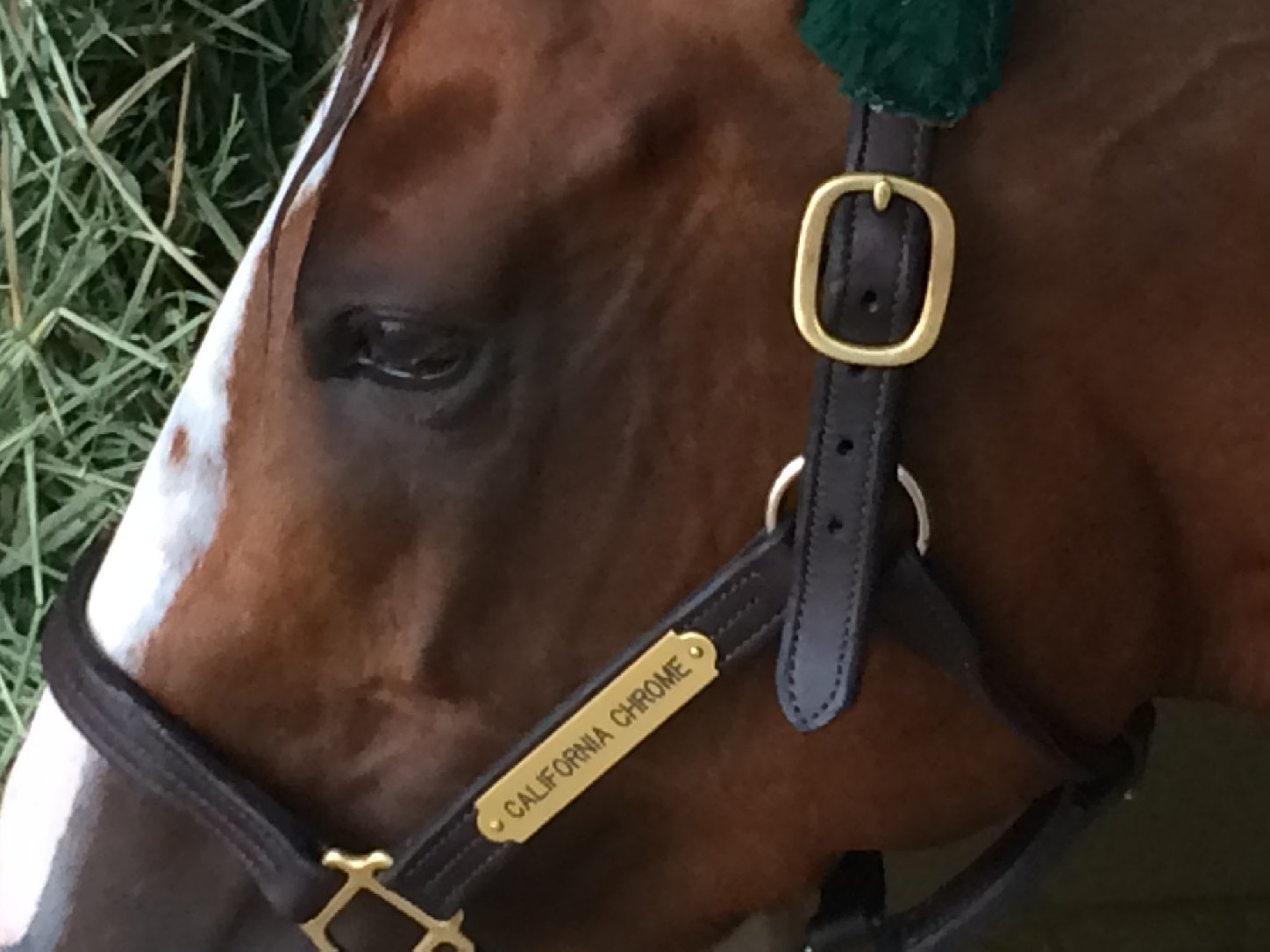
"caption": "California Chrome will try to be the first Cal-bred horse to win the Kentucky Derby since 1962. (Julia McEvoy/KQED)",
"description": null,
"title": "RS10014_IMG_5220-lpr",
"credit": null,
"status": "inherit",
"isLoading": false,
"fetchFailed": false
}
},
"audioPlayerReducer": {
"postId": "stream_live",
"isPaused": true,
"isPlaying": false,
"pfsActive": false,
"pledgeModalIsOpen": true,
"playerDrawerIsOpen": false,
"liveAudioPlayStartedAt": 0,
"liveAudioPlayContext": ""
},
"authorsReducer": {
"byline_news_10343662": {
"type": "authors",
"id": "byline_news_10343662",
"meta": {
"override": true
},
"slug": "byline_news_10343662",
"name": "Katie Brigham",
"isLoading": false
},
"agrossberg": {
"type": "authors",
"id": "188",
"meta": {
"index": "authors_1716337520",
"id": "188",
"found": true
},
"name": "Adam Grossberg",
"firstName": "Adam",
"lastName": "Grossberg",
"slug": "agrossberg",
"email": "agrossberg@KQED.org",
"display_author_email": false,
"staff_mastheads": [],
"title": "KQED Contributor",
"bio": "Adam Grossberg is a former video producer at KQED News. Prior to coming to KQED, he produced videos for PBS, The New York Times, Current TV and The Center for Investigative Reporting. His work has received an Excellence in Journalism award from the Society of Professional Journalists, a regional Murrow award and two Northern California Emmy awards. He is a graduate of the UC Berkeley Graduate School of Journalism.",
"avatar": "https://secure.gravatar.com/avatar/8e96dbdaaf98f5959a2c778289e0f9b5?s=600&d=blank&r=g",
"twitter": null,
"facebook": null,
"instagram": null,
"linkedin": null,
"sites": [
{
"site": "arts",
"roles": [
"contributor"
]
},
{
"site": "news",
"roles": [
"subscriber"
]
},
{
"site": "stateofhealth",
"roles": [
"editor"
]
},
{
"site": "science",
"roles": [
"editor"
]
}
],
"headData": {
"title": "Adam Grossberg | KQED",
"description": "KQED Contributor",
"ogImgSrc": "https://secure.gravatar.com/avatar/8e96dbdaaf98f5959a2c778289e0f9b5?s=600&d=blank&r=g",
"twImgSrc": "https://secure.gravatar.com/avatar/8e96dbdaaf98f5959a2c778289e0f9b5?s=600&d=blank&r=g"
},
"isLoading": false,
"link": "/author/agrossberg"
},
"aliceldaniel": {
"type": "authors",
"id": "208",
"meta": {
"index": "authors_1716337520",
"id": "208",
"found": true
},
"name": "Alice Daniel",
"firstName": "Alice",
"lastName": "Daniel",
"slug": "aliceldaniel",
"email": "adaniel@kqed.org",
"display_author_email": false,
"staff_mastheads": [],
"title": null,
"bio": "Alice Daniel loves the listening aspect of reporting because she gets to briefly walk in other people’s shoes. She has rappelled down into caves and gone up in helicopters for KQED’s The California Report but her favorite place to pursue a story is the High Sierra or any family-run bakery, of course. Alice has a masters in journalism from Columbia University and teaches at Fresno State. She is a California Healthline Regional Correspondent and a frequent contributor to Success magazine. In her free time, she skis and hikes, throws pottery, practices piano and looks out the window.",
"avatar": "https://secure.gravatar.com/avatar/e611aa06593b114a67f9f123a8e875ad?s=600&d=blank&r=g",
"twitter": null,
"facebook": null,
"instagram": null,
"linkedin": null,
"sites": [
{
"site": "news",
"roles": [
"author"
]
},
{
"site": "stateofhealth",
"roles": [
"author"
]
}
],
"headData": {
"title": "Alice Daniel | KQED",
"description": null,
"ogImgSrc": "https://secure.gravatar.com/avatar/e611aa06593b114a67f9f123a8e875ad?s=600&d=blank&r=g",
"twImgSrc": "https://secure.gravatar.com/avatar/e611aa06593b114a67f9f123a8e875ad?s=600&d=blank&r=g"
},
"isLoading": false,
"link": "/author/aliceldaniel"
},
"danbrekke": {
"type": "authors",
"id": "222",
"meta": {
"index": "authors_1716337520",
"id": "222",
"found": true
},
"name": "Dan Brekke",
"firstName": "Dan",
"lastName": "Brekke",
"slug": "danbrekke",
"email": "dbrekke@kqed.org",
"display_author_email": true,
"staff_mastheads": [
"news",
"science"
],
"title": "KQED Editor and Reporter",
"bio": "Dan Brekke is a reporter and editor for KQED News, responsible for coverage of topics ranging from California water issues to the Bay Area's transportation challenges. In a newsroom career that began in Chicago in 1972, Dan has worked for \u003cem>The San Francisco Examiner,\u003c/em> Wired and TechTV and has been published in The New York Times, The New York Times Magazine, Business 2.0, Salon and elsewhere.\r\n\r\nSince joining KQED in 2007, Dan has reported, edited and produced both radio and online features and breaking news pieces. He has shared as both editor and reporter in four Society of Professional Journalists Norcal Excellence in Journalism awards and one Edward R. Murrow regional award. He was chosen for a spring 2017 residency at the Mesa Refuge to advance his research on California salmon.\r\n\r\nEmail Dan at: \u003ca href=\"mailto:dbrekke@kqed.org\">dbrekke@kqed.org\u003c/a>\r\n\r\n\u003cstrong>Twitter:\u003c/strong> \u003ca href=\"https://twitter.com/danbrekke\" rel=\"noopener noreferrer\">twitter.com/danbrekke\u003c/a>\r\n\u003cstrong>Facebook:\u003c/strong> \u003ca href=\"https://www.facebook.com/danbrekke\" rel=\"noopener noreferrer\">www.facebook.com/danbrekke\u003c/a>\r\n\u003cstrong>LinkedIn:\u003c/strong> \u003ca href=\"https://www.linkedin.com/in/danbrekke\" rel=\"noopener noreferrer\">www.linkedin.com/in/danbrekke\u003c/a>",
"avatar": "https://secure.gravatar.com/avatar/8f1f0d2a978fb3b23426c922c7e2af558fa36905b49c4ce76a97dc3c72d27226?s=600&d=mm&r=g",
"twitter": "danbrekke",
"bluesky": null,
"facebook": null,
"instagram": "https://www.instagram.com/dan.brekke/",
"linkedin": "https://www.linkedin.com/in/danbrekke/",
"sites": [
{
"site": "news",
"roles": [
"administrator",
"create_posts"
]
},
{
"site": "stateofhealth",
"roles": [
"editor"
]
},
{
"site": "science",
"roles": [
"editor"
]
},
{
"site": "quest",
"roles": [
"contributor"
]
},
{
"site": "food",
"roles": [
"contributor"
]
},
{
"site": "forum",
"roles": [
"contributor"
]
},
{
"site": "elections",
"roles": [
"editor"
]
},
{
"site": "liveblog",
"roles": [
"editor"
]
}
],
"headData": {
"title": "Dan Brekke | KQED",
"description": "KQED Editor and Reporter",
"ogImgSrc": "https://secure.gravatar.com/avatar/8f1f0d2a978fb3b23426c922c7e2af558fa36905b49c4ce76a97dc3c72d27226?s=600&d=mm&r=g",
"twImgSrc": "https://secure.gravatar.com/avatar/8f1f0d2a978fb3b23426c922c7e2af558fa36905b49c4ce76a97dc3c72d27226?s=600&d=mm&r=g"
},
"isLoading": false,
"link": "/author/danbrekke"
},
"jeremyraff": {
"type": "authors",
"id": "230",
"meta": {
"index": "authors_1716337520",
"id": "230",
"found": true
},
"name": "Jeremy Raff",
"firstName": "Jeremy",
"lastName": "Raff",
"slug": "jeremyraff",
"email": "jeremyraff@gmail.com",
"display_author_email": false,
"staff_mastheads": [],
"title": null,
"bio": "Jeremy Raff is a multimedia producer interested in migration, rural change, and health disparities. He produces KQED's community health series\u003ca href=\"http://blogs.kqed.org/stateofhealth/series/vital-signs/\" target=\"_blank\" rel=\"noopener\"> Vital Signs\u003c/a>. Reach him at jraff@kqed.org",
"avatar": "https://secure.gravatar.com/avatar/1444299e18b67b815fbbdc87a85e7dff?s=600&d=blank&r=g",
"twitter": null,
"facebook": null,
"instagram": null,
"linkedin": null,
"sites": [
{
"site": "news",
"roles": [
"subscriber"
]
},
{
"site": "stateofhealth",
"roles": [
"subscriber"
]
}
],
"headData": {
"title": "Jeremy Raff | KQED",
"description": null,
"ogImgSrc": "https://secure.gravatar.com/avatar/1444299e18b67b815fbbdc87a85e7dff?s=600&d=blank&r=g",
"twImgSrc": "https://secure.gravatar.com/avatar/1444299e18b67b815fbbdc87a85e7dff?s=600&d=blank&r=g"
},
"isLoading": false,
"link": "/author/jeremyraff"
},
"jmcevoy": {
"type": "authors",
"id": "231",
"meta": {
"index": "authors_1716337520",
"id": "231",
"found": true
},
"name": "Julia McEvoy",
"firstName": "Julia",
"lastName": "McEvoy",
"slug": "jmcevoy",
"email": "jmcevoy@KQED.org",
"display_author_email": true,
"staff_mastheads": [
"news"
],
"title": "KQED Senior Editor",
"bio": "Julia McEvoy is KQED's Senior Editor, Education Equity.\r\n\r\nJulia heads KQED’s education coverage examining inequities students face in Bay Area and California schools, and reports on what it will take to educate the next generation.\r\n\r\nJulia's editorial work has received a Peabody Award, a Casey Medal for Coverage of Children and Families, several Edward R. Murrow awards, as well as awards from the Public Radio News Directors Inc. and the Society for Professional Journalists.",
"avatar": "https://secure.gravatar.com/avatar/aec3ce21abe02b302fd33638abd56a22?s=600&d=blank&r=g",
"twitter": "juliamcevoy1",
"facebook": null,
"instagram": null,
"linkedin": null,
"sites": [
{
"site": "news",
"roles": []
},
{
"site": "stateofhealth",
"roles": [
"author"
]
}
],
"headData": {
"title": "Julia McEvoy | KQED",
"description": "KQED Senior Editor",
"ogImgSrc": "https://secure.gravatar.com/avatar/aec3ce21abe02b302fd33638abd56a22?s=600&d=blank&r=g",
"twImgSrc": "https://secure.gravatar.com/avatar/aec3ce21abe02b302fd33638abd56a22?s=600&d=blank&r=g"
},
"isLoading": false,
"link": "/author/jmcevoy"
},
"kqed": {
"type": "authors",
"id": "236",
"meta": {
"index": "authors_1716337520",
"id": "236",
"found": true
},
"name": "KQED News Staff",
"firstName": "KQED News Staff",
"lastName": null,
"slug": "kqed",
"email": "faq@kqed.org",
"display_author_email": false,
"staff_mastheads": [],
"title": null,
"bio": null,
"avatar": "https://secure.gravatar.com/avatar/ef0e801a68c4c54afa9180db14084167?s=600&d=blank&r=g",
"twitter": null,
"facebook": null,
"instagram": null,
"linkedin": null,
"sites": [
{
"site": "arts",
"roles": [
"contributor"
]
},
{
"site": "news",
"roles": [
"editor"
]
},
{
"site": "futureofyou",
"roles": [
"author"
]
}
],
"headData": {
"title": "KQED News Staff | KQED",
"description": null,
"ogImgSrc": "https://secure.gravatar.com/avatar/ef0e801a68c4c54afa9180db14084167?s=600&d=blank&r=g",
"twImgSrc": "https://secure.gravatar.com/avatar/ef0e801a68c4c54afa9180db14084167?s=600&d=blank&r=g"
},
"isLoading": false,
"link": "/author/kqed"
},
"mboyer": {
"type": "authors",
"id": "242",
"meta": {
"index": "authors_1716337520",
"id": "242",
"found": true
},
"name": "Mark Andrew Boyer",
"firstName": "Mark Andrew",
"lastName": "Boyer",
"slug": "mboyer",
"email": "mboyer@kqed.org",
"display_author_email": false,
"staff_mastheads": [],
"title": null,
"bio": null,
"avatar": "https://secure.gravatar.com/avatar/97f25e563059e57d6a08f9c09b43851a?s=600&d=blank&r=g",
"twitter": null,
"facebook": null,
"instagram": null,
"linkedin": null,
"sites": [
{
"site": "news",
"roles": [
"contributor"
]
}
],
"headData": {
"title": "Mark Andrew Boyer | KQED",
"description": null,
"ogImgSrc": "https://secure.gravatar.com/avatar/97f25e563059e57d6a08f9c09b43851a?s=600&d=blank&r=g",
"twImgSrc": "https://secure.gravatar.com/avatar/97f25e563059e57d6a08f9c09b43851a?s=600&d=blank&r=g"
},
"isLoading": false,
"link": "/author/mboyer"
},
"scottshafer": {
"type": "authors",
"id": "255",
"meta": {
"index": "authors_1716337520",
"id": "255",
"found": true
},
"name": "Scott Shafer",
"firstName": "Scott",
"lastName": "Shafer",
"slug": "scottshafer",
"email": "sshafer@kqed.org",
"display_author_email": false,
"staff_mastheads": [
"news"
],
"title": "KQED Contributor",
"bio": "Scott Shafer is a senior editor with the KQED Politics and Government desk. He is co-host of Political Breakdown, the award-winning radio show and podcast with a personal take on the world of politics. Scott came to KQED in 1998 to host the statewide\u003cem> California Report\u003c/em>. Prior to that he had extended stints in politics and government\u003cem>.\u003c/em> He uses that inside experience at KQED in his, reporting, hosting and analysis for the politics desk. Scott collaborated \u003cem>Political Breakdown a\u003c/em>nd on \u003cem>The Political Mind of Jerry Brown, \u003c/em>an eight-part series about the life and extraordinary political career of the former governor. For fun, he plays water polo with the San Francisco Tsunami.",
"avatar": "https://secure.gravatar.com/avatar/a62ebae45b79d7aed1a39a0e3bf68104?s=600&d=blank&r=g",
"twitter": "scottshafer",
"bluesky": null,
"facebook": null,
"instagram": null,
"linkedin": null,
"sites": [
{
"site": "news",
"roles": [
"editor"
]
},
{
"site": "stateofhealth",
"roles": [
"author"
]
},
{
"site": "science",
"roles": [
"author"
]
},
{
"site": "forum",
"roles": [
"subscriber"
]
},
{
"site": "liveblog",
"roles": [
"author"
]
}
],
"headData": {
"title": "Scott Shafer | KQED",
"description": "KQED Contributor",
"ogImgSrc": "https://secure.gravatar.com/avatar/a62ebae45b79d7aed1a39a0e3bf68104?s=600&d=blank&r=g",
"twImgSrc": "https://secure.gravatar.com/avatar/a62ebae45b79d7aed1a39a0e3bf68104?s=600&d=blank&r=g"
},
"isLoading": false,
"link": "/author/scottshafer"
}
},
"pagesReducer": {
"news_tag_video": {
"type": "terms",
"id": "news_150",
"meta": {
"index": "terms_1716263798",
"site": "news",
"id": "150",
"score": 8.135822
},
"featImg": null,
"name": "video",
"description": null,
"taxonomy": "tag",
"headData": {
"twImgId": null,
"twTitle": null,
"ogTitle": null,
"ogImgId": null,
"twDescription": null,
"description": null,
"title": "video Archives | KQED News",
"ogDescription": null
},
"ttid": 157,
"slug": "video",
"isLoading": false,
"title": "video",
"pageMeta": {
"site": "news",
"WpPageTemplate": "page-topic-editorial",
"currentPage": 8
},
"blocks": [
{
"blockName": "kqed/post-list",
"attrs": {
"layout": "cardArticle2",
"query": "posts/news?tag=video",
"seeMore": false,
"paginated": true,
"page": 8
}
},
{
"blockName": "kqed/ad"
}
]
}
},
"pfsSessionReducer": {},
"postsReducer": {
"stream_live": {
"type": "live",
"id": "stream_live",
"audioUrl": "https://streams.kqed.org/kqedradio",
"title": "Live Stream",
"excerpt": "Live Stream information currently unavailable.",
"link": "/radio",
"featImg": "",
"label": {
"name": "KQED Live",
"link": "/"
}
},
"stream_kqedNewscast": {
"type": "posts",
"id": "stream_kqedNewscast",
"audioUrl": "https://www.kqed.org/.stream/anon/radio/RDnews/newscast.mp3?_=1",
"title": "KQED Newscast",
"featImg": "",
"label": {
"name": "88.5 FM",
"link": "/"
}
},
"news_10344140": {
"type": "posts",
"id": "news_10344140",
"meta": {
"index": "posts_1716263798",
"site": "news",
"id": "10344140",
"score": null,
"sort": [
1413561653000
]
},
"parent": 0,
"labelTerm": {
"site": "news",
"term": 6944
},
"blocks": [],
"publishDate": 1413561653,
"format": "aside",
"disqusTitle": "Loma Prieta: 25 Years Later, the Images Are Still Haunting",
"title": "Loma Prieta: 25 Years Later, the Images Are Still Haunting",
"headTitle": "News Fix | KQED News",
"content": "\u003cp>\u003c!-- iframe plugin v.4.3 wordpress.org/plugins/iframe/ -->\u003cbr>\n\u003ciframe src=\"//player.vimeo.com/video/109072614?title=0\" width=\"640\" height=\"428\" frameborder=\"0\" scrolling=\"yes\" class=\"iframe-class\">\u003c/iframe>\u003c/p>\n\u003cp>So, let's go back to Oct. 17, 1989.\u003c/p>\n\u003cp>When I headed in to work my shift on the San Francisco Examiner city desk that afternoon, I knew it wouldn't be a routine shift. The Giants were about to take on the Oakland A's in Game 3 of the World Series, so in addition to random late-breaking mayhem, we'd have coverage of fan reaction to the game.\u003c/p>\n\u003cp>I was on a Daly City-bound BART train -- yeah, Daly City was as far as BART went back then -- that was stopped at Montgomery Street. I was already on my feet, at the door, ready to get out at the next stop, Powell Street. I don't remember what I was thinking, and I can't recall a single face among the scores of passengers who were on the car. But here's what happened next:\u003c/p>\n\u003caside class=\"pullquote alignright\">Following pure, stupid instinct, I called the city desk and said, 'Hey, we just had an earthquake.'\u003c/aside>\n\u003cp>The BART car lurched to the side, as if a truck had hit it, prompting a collective \"Ohhh!\" of surprise from my fellow passengers. The car seemed to be bouncing, and when I looked out at the platform, I could see \u003cem>that\u003c/em> seemed to be moving, too. Acoustic panels hanging from the ceiling swung back and forth. \"Earthquake,\" I thought.\u003c/p>\n\u003cp>[ad fullwidth]\u003c/p>\n\u003cp>Following pure, stupid instinct, I jumped off the train and grabbed one of the platform pay phones and called the city desk. A fellow editor answered and I said something like, \"Hey, I'm down at Montgomery BART and we just had an earthquake.\" As I said it, I realized I wasn't telling him anything he didn't know. But before we could discuss the news further, should I come into the office or stay out on the streets, the power went out and the phone went dead. I hung up and climbed the stairs up to Market Street to walk the rest of the way to the paper, over on Fifth just down from Mission.\u003c/p>\n\u003cp>Like everyone who had spent any time in the Bay Area, I'd felt many quakes, had heard all about the 1906 Earthquake and listened to endless talk of the Big One that was bound to come. But until this moment, I had never experienced a quake that was anything more than an unsettling curiosity. Emerging from the darkness of the BART station onto Market into a beautiful, clear late afternoon, I was struck by the fact there was virtually no traffic and that crowds had taken to the street in a state of excited confusion. Sirens were sounding off in the distance. I wondered where fires might have broken out.\u003c/p>\n\u003cp>I don't remember talking to anyone, but was looking at building facades to see if anything had broken loose and fallen to the sidewalk. Walking up the middle of Market, I turned around and looked back down the street. It's a sight that today would be instantly recorded on 10,000 smartphones: The flagpole atop the Ferry Building had been bent by the violence of the quake and was leaning at a steep angle. That image dispelled any doubt that something huge had taken place. And of course, that was just the beginning of a series of scenes that revealed the disaster's dimensions: the partial collapse of a section of the Bay Bridge; the shocking wreckage of the double-deck Cypress freeway in West Oakland, fires and building collapses in San Francisco's Marina, much of downtown Santa Cruz shaken to ruins.\u003c/p>\n\u003cfigure id=\"attachment_10344284\" class=\"wp-caption alignleft\" style=\"max-width: 275px\">\u003ca href=\"http://ww2.kqed.org/news/wp-content/uploads/sites/10/2014/10/10639697_10204258705763797_4265185443369547158_n.jpg\">\u003cimg src=\"http://ww2.kqed.org/news/wp-content/uploads/sites/10/2014/10/10639697_10204258705763797_4265185443369547158_n.jpg\" alt=\"Front page of the San Francisco Examiner, Oct. 18,1989. Like just about everyone else, we grossly overstated the Loma Prieta death toll. \" width=\"275\" height=\"450\" class=\"size-full wp-image-10344284\">\u003c/a>\u003cfigcaption class=\"wp-caption-text\">Front page of the San Francisco Examiner, Oct. 18,1989. Like just about everyone else, we grossly overstated the Loma Prieta death toll.\u003c/figcaption>\u003c/figure>\n\u003cp>By comparison with all that, the challenges of putting out a paper were minor, but real. The lights were out all over the city, so someone rigged up generators on the roof of our building so we could light up a conference room and plug in our handful of primitive but mostly dependable laptops. Our phone system was down, so we made do with three or four lines on a separate floor (and probably a few \u003ca href=\"http://www.slate.com/blogs/browbeat/2010/09/23/gordon_gekko_s_cell_phone.html\" target=\"_blank\">Gordon Gekko-era cellphones\u003c/a>). Collecting dispatches and pictures from staffers all over the Bay Area, we spent most of the night piecing together a single edition -- was it 12 pages? -- and managed to get it printed. The lights didn't come on again until well into Night Two, and after that, things went back to something like normal in our newsroom.\u003c/p>\n\u003cp>That's not to say things ever really went back to \u003cem>feeling\u003c/em> normal.\u003c/p>\n\u003cp>My last haunting image of the quake comes from the second or third night after the earth shook. I had carpooled back to the East Bay from the paper, which involved using the San Mateo Bridge, then riding up the Nimitz Freeway past the Oakland Coliseum and toward the wreckage of the Cypress structure. We took a detour around the disaster area, but in the distance, you could see the glare of floodlights and the outlines of cranes that had been brought in to extricate victims and remove the wreckage.\u003c/p>\n\u003cp>I thought about doing what might seem natural for a journalist: going and taking a look at the tableau of catastrophe. But there was something about the thought of the place, about the end that had come so suddenly to so many, that made me feel that a visit would be merely voyeuristic, disrespectful to both those who had perished and to those who were still working to recover victims.\u003c/p>\n\u003cp>\u003c/p>\n\u003cp>So, I never saw the scene. But the blackness of that night, the silhouette of the cranes, the distant glare of those lights, is still imprinted in my mind as a hint of what I imagine we all could face next time.\u003c/p>\n\n",
"disqusIdentifier": "10344140 http://ww2.kqed.org/news/?p=10344140",
"disqusUrl": "https://ww2.kqed.org/news/2014/10/17/loma-prieta-and-the-images-that-still-haunt/",
"stats": {
"hasVideo": true,
"hasChartOrMap": false,
"hasAudio": false,
"hasPolis": false,
"wordCount": 975,
"hasGoogleForm": false,
"hasGallery": false,
"hasHearkenModule": false,
"iframeSrcs": [],
"paragraphCount": 15
},
"modified": 1415132277,
"excerpt": "A newsroom view of a disaster that still resonates a quarter-century after the fact. ",
"headData": {
"twImgId": "",
"twTitle": "",
"ogTitle": "",
"ogImgId": "",
"twDescription": "",
"description": "A newsroom view of a disaster that still resonates a quarter-century after the fact. ",
"title": "Loma Prieta: 25 Years Later, the Images Are Still Haunting | KQED",
"ogDescription": "",
"schema": {
"@context": "https://schema.org",
"@type": "NewsArticle",
"headline": "Loma Prieta: 25 Years Later, the Images Are Still Haunting",
"datePublished": "2014-10-17T09:00:53-07:00",
"dateModified": "2014-11-04T12:17:57-08:00",
"image": "https://cdn.kqed.org/wp-content/uploads/2020/02/KQED-OG-Image@1x.png",
"isAccessibleForFree": "True",
"publisher": {
"@type": "NewsMediaOrganization",
"@id": "https://www.kqed.org/#organization",
"name": "KQED",
"logo": "https://cdn.kqed.org/wp-content/uploads/2020/02/KQED-OG-Image@1x.png",
"url": "https://www.kqed.org",
"sameAs": [
"https://www.facebook.com/KQED",
"https://twitter.com/KQED",
"https://www.instagram.com/kqed/",
"https://www.tiktok.com/@kqedofficial",
"https://www.linkedin.com/company/kqed",
"https://www.youtube.com/channel/UCeC0IOo7i1P_61zVUWbJ4nw"
]
}
}
},
"guestAuthors": [],
"slug": "loma-prieta-and-the-images-that-still-haunt",
"status": "publish",
"path": "/news/10344140/loma-prieta-and-the-images-that-still-haunt",
"audioTrackLength": null,
"parsedContent": [
{
"type": "contentString",
"content": "\u003cdiv class=\"post-body\">\u003cp>\u003cp>\u003c!-- iframe plugin v.4.3 wordpress.org/plugins/iframe/ -->\u003cbr>\n\u003ciframe src=\"//player.vimeo.com/video/109072614?title=0\" width=\"640\" height=\"428\" frameborder=\"0\" scrolling=\"yes\" class=\"iframe-class\">\u003c/iframe>\u003c/p>\n\u003cp>So, let's go back to Oct. 17, 1989.\u003c/p>\n\u003cp>When I headed in to work my shift on the San Francisco Examiner city desk that afternoon, I knew it wouldn't be a routine shift. The Giants were about to take on the Oakland A's in Game 3 of the World Series, so in addition to random late-breaking mayhem, we'd have coverage of fan reaction to the game.\u003c/p>\n\u003cp>I was on a Daly City-bound BART train -- yeah, Daly City was as far as BART went back then -- that was stopped at Montgomery Street. I was already on my feet, at the door, ready to get out at the next stop, Powell Street. I don't remember what I was thinking, and I can't recall a single face among the scores of passengers who were on the car. But here's what happened next:\u003c/p>\n\u003caside class=\"pullquote alignright\">Following pure, stupid instinct, I called the city desk and said, 'Hey, we just had an earthquake.'\u003c/aside>\n\u003cp>The BART car lurched to the side, as if a truck had hit it, prompting a collective \"Ohhh!\" of surprise from my fellow passengers. The car seemed to be bouncing, and when I looked out at the platform, I could see \u003cem>that\u003c/em> seemed to be moving, too. Acoustic panels hanging from the ceiling swung back and forth. \"Earthquake,\" I thought.\u003c/p>\n\u003cp>\u003c/p>\u003c/div>",
"attributes": {
"named": {},
"numeric": []
}
},
{
"type": "component",
"content": "",
"name": "ad",
"attributes": {
"named": {
"label": "fullwidth"
},
"numeric": [
"fullwidth"
]
}
},
{
"type": "contentString",
"content": "\u003cdiv class=\"post-body\">\u003cp>\u003c/p>\n\u003cp>Following pure, stupid instinct, I jumped off the train and grabbed one of the platform pay phones and called the city desk. A fellow editor answered and I said something like, \"Hey, I'm down at Montgomery BART and we just had an earthquake.\" As I said it, I realized I wasn't telling him anything he didn't know. But before we could discuss the news further, should I come into the office or stay out on the streets, the power went out and the phone went dead. I hung up and climbed the stairs up to Market Street to walk the rest of the way to the paper, over on Fifth just down from Mission.\u003c/p>\n\u003cp>Like everyone who had spent any time in the Bay Area, I'd felt many quakes, had heard all about the 1906 Earthquake and listened to endless talk of the Big One that was bound to come. But until this moment, I had never experienced a quake that was anything more than an unsettling curiosity. Emerging from the darkness of the BART station onto Market into a beautiful, clear late afternoon, I was struck by the fact there was virtually no traffic and that crowds had taken to the street in a state of excited confusion. Sirens were sounding off in the distance. I wondered where fires might have broken out.\u003c/p>\n\u003cp>I don't remember talking to anyone, but was looking at building facades to see if anything had broken loose and fallen to the sidewalk. Walking up the middle of Market, I turned around and looked back down the street. It's a sight that today would be instantly recorded on 10,000 smartphones: The flagpole atop the Ferry Building had been bent by the violence of the quake and was leaning at a steep angle. That image dispelled any doubt that something huge had taken place. And of course, that was just the beginning of a series of scenes that revealed the disaster's dimensions: the partial collapse of a section of the Bay Bridge; the shocking wreckage of the double-deck Cypress freeway in West Oakland, fires and building collapses in San Francisco's Marina, much of downtown Santa Cruz shaken to ruins.\u003c/p>\n\u003cfigure id=\"attachment_10344284\" class=\"wp-caption alignleft\" style=\"max-width: 275px\">\u003ca href=\"http://ww2.kqed.org/news/wp-content/uploads/sites/10/2014/10/10639697_10204258705763797_4265185443369547158_n.jpg\">\u003cimg src=\"http://ww2.kqed.org/news/wp-content/uploads/sites/10/2014/10/10639697_10204258705763797_4265185443369547158_n.jpg\" alt=\"Front page of the San Francisco Examiner, Oct. 18,1989. Like just about everyone else, we grossly overstated the Loma Prieta death toll. \" width=\"275\" height=\"450\" class=\"size-full wp-image-10344284\">\u003c/a>\u003cfigcaption class=\"wp-caption-text\">Front page of the San Francisco Examiner, Oct. 18,1989. Like just about everyone else, we grossly overstated the Loma Prieta death toll.\u003c/figcaption>\u003c/figure>\n\u003cp>By comparison with all that, the challenges of putting out a paper were minor, but real. The lights were out all over the city, so someone rigged up generators on the roof of our building so we could light up a conference room and plug in our handful of primitive but mostly dependable laptops. Our phone system was down, so we made do with three or four lines on a separate floor (and probably a few \u003ca href=\"http://www.slate.com/blogs/browbeat/2010/09/23/gordon_gekko_s_cell_phone.html\" target=\"_blank\">Gordon Gekko-era cellphones\u003c/a>). Collecting dispatches and pictures from staffers all over the Bay Area, we spent most of the night piecing together a single edition -- was it 12 pages? -- and managed to get it printed. The lights didn't come on again until well into Night Two, and after that, things went back to something like normal in our newsroom.\u003c/p>\n\u003cp>That's not to say things ever really went back to \u003cem>feeling\u003c/em> normal.\u003c/p>\n\u003cp>My last haunting image of the quake comes from the second or third night after the earth shook. I had carpooled back to the East Bay from the paper, which involved using the San Mateo Bridge, then riding up the Nimitz Freeway past the Oakland Coliseum and toward the wreckage of the Cypress structure. We took a detour around the disaster area, but in the distance, you could see the glare of floodlights and the outlines of cranes that had been brought in to extricate victims and remove the wreckage.\u003c/p>\n\u003cp>I thought about doing what might seem natural for a journalist: going and taking a look at the tableau of catastrophe. But there was something about the thought of the place, about the end that had come so suddenly to so many, that made me feel that a visit would be merely voyeuristic, disrespectful to both those who had perished and to those who were still working to recover victims.\u003c/p>\n\u003cp>\u003c/p>\n\u003cp>So, I never saw the scene. But the blackness of that night, the silhouette of the cranes, the distant glare of those lights, is still imprinted in my mind as a hint of what I imagine we all could face next time.\u003c/p>\n\n\u003c/div>\u003c/p>",
"attributes": {
"named": {},
"numeric": []
}
}
],
"link": "/news/10344140/loma-prieta-and-the-images-that-still-haunt",
"authors": [
"222"
],
"programs": [
"news_6944"
],
"categories": [
"news_8"
],
"tags": [
"news_150"
],
"featImg": "news_10344177",
"label": "news_6944"
},
"news_10343662": {
"type": "posts",
"id": "news_10343662",
"meta": {
"index": "posts_1716263798",
"site": "news",
"id": "10343662",
"score": null,
"sort": [
1413395418000
]
},
"parent": 0,
"labelTerm": {
"site": "news",
"term": 6944
},
"blocks": [],
"publishDate": 1413395418,
"format": "video",
"disqusTitle": "Bay Area's Newest Halloween Attraction: San Francisco Dungeon [Video]",
"title": "Bay Area's Newest Halloween Attraction: San Francisco Dungeon [Video]",
"headTitle": "News Fix | KQED News",
"content": "\u003cp>The \u003ca href=\"http://sanfrancisco.thedungeons.com/en/san-francisco/home/\" target=\"_blank\">San Francisco Dungeon\u003c/a>, a theatrical attraction on Fisherman’s Wharf near pier 41, recently debuted spooky new characters and acts just in time for Halloween.\u003c/p>\n\u003cp>The dungeon, which opened in June, is an immersive live action show. Visitors are guided through a series of nine acts depicting 200 years of San Francisco’s history, including creepy tales from the gold rush days to a 1907 murder on Alcatraz.\u003c/p>\n\u003cp>For Halloween season, the full 60-minute show boasts the dungeon’s newest featured character, \u003ca href=\"http://www.golden-gate-park.com/stow-lake-ghost.html\" target=\"_blank\">The Lady of Stow Lake\u003c/a>. Urban legend has it that The Lady of Stow Lake has been haunting Golden Gate Park for over 100 years in search of her lost son.\u003c/p>\n\u003cp>Audiences are in for a series of scary, funny and eccentric surprises at the dungeon, and will even get the chance to participate in the action themselves.\u003c/p>\n\u003cp>\u003cem>The dungeon is open Thursday through Sunday from 12 p.m. to 7 p.m. and Fridays and Saturdays from 12 p.m. to 8 p.m. It is appropriate for ages 10 and up.\u003c/em>\u003c/p>\n\u003cp>[ad fullwidth]\u003c/p>\u003cp>\u003c/p>\n",
"disqusIdentifier": "10343662 http://ww2.kqed.org/news/?p=10343662",
"disqusUrl": "https://ww2.kqed.org/news/2014/10/15/bay-areas-newest-halloween-attraction-san-francisco-dungeon-video/",
"stats": {
"hasVideo": false,
"hasChartOrMap": false,
"hasAudio": false,
"hasPolis": false,
"wordCount": 182,
"hasGoogleForm": false,
"hasGallery": false,
"hasHearkenModule": false,
"iframeSrcs": [],
"paragraphCount": 7
},
"modified": 1413395615,
"excerpt": "The theatrical attraction on Fisherman’s Wharf recently debuted new characters from the city's past.",
"headData": {
"twImgId": "",
"twTitle": "",
"ogTitle": "",
"ogImgId": "",
"twDescription": "",
"description": "The theatrical attraction on Fisherman’s Wharf recently debuted new characters from the city's past.",
"title": "Bay Area's Newest Halloween Attraction: San Francisco Dungeon [Video] | KQED",
"ogDescription": "",
"schema": {
"@context": "https://schema.org",
"@type": "NewsArticle",
"headline": "Bay Area's Newest Halloween Attraction: San Francisco Dungeon [Video]",
"datePublished": "2014-10-15T10:50:18-07:00",
"dateModified": "2014-10-15T10:53:35-07:00",
"image": "https://cdn.kqed.org/wp-content/uploads/2020/02/KQED-OG-Image@1x.png",
"isAccessibleForFree": "True",
"publisher": {
"@type": "NewsMediaOrganization",
"@id": "https://www.kqed.org/#organization",
"name": "KQED",
"logo": "https://cdn.kqed.org/wp-content/uploads/2020/02/KQED-OG-Image@1x.png",
"url": "https://www.kqed.org",
"sameAs": [
"https://www.facebook.com/KQED",
"https://twitter.com/KQED",
"https://www.instagram.com/kqed/",
"https://www.tiktok.com/@kqedofficial",
"https://www.linkedin.com/company/kqed",
"https://www.youtube.com/channel/UCeC0IOo7i1P_61zVUWbJ4nw"
]
}
}
},
"guestAuthors": [],
"slug": "bay-areas-newest-halloween-attraction-san-francisco-dungeon-video",
"status": "publish",
"videoEmbed": "https://vimeo.com/108936570",
"nprByline": "Katie Brigham",
"path": "/news/10343662/bay-areas-newest-halloween-attraction-san-francisco-dungeon-video",
"audioTrackLength": null,
"parsedContent": [
{
"type": "contentString",
"content": "\u003cdiv class=\"post-body\">\u003cp>\u003cp>The \u003ca href=\"http://sanfrancisco.thedungeons.com/en/san-francisco/home/\" target=\"_blank\">San Francisco Dungeon\u003c/a>, a theatrical attraction on Fisherman’s Wharf near pier 41, recently debuted spooky new characters and acts just in time for Halloween.\u003c/p>\n\u003cp>The dungeon, which opened in June, is an immersive live action show. Visitors are guided through a series of nine acts depicting 200 years of San Francisco’s history, including creepy tales from the gold rush days to a 1907 murder on Alcatraz.\u003c/p>\n\u003cp>For Halloween season, the full 60-minute show boasts the dungeon’s newest featured character, \u003ca href=\"http://www.golden-gate-park.com/stow-lake-ghost.html\" target=\"_blank\">The Lady of Stow Lake\u003c/a>. Urban legend has it that The Lady of Stow Lake has been haunting Golden Gate Park for over 100 years in search of her lost son.\u003c/p>\n\u003cp>Audiences are in for a series of scary, funny and eccentric surprises at the dungeon, and will even get the chance to participate in the action themselves.\u003c/p>\n\u003cp>\u003cem>The dungeon is open Thursday through Sunday from 12 p.m. to 7 p.m. and Fridays and Saturdays from 12 p.m. to 8 p.m. It is appropriate for ages 10 and up.\u003c/em>\u003c/p>\n\u003cp>\u003c/p>\u003c/div>",
"attributes": {
"named": {},
"numeric": []
}
},
{
"type": "component",
"content": "",
"name": "ad",
"attributes": {
"named": {
"label": "fullwidth"
},
"numeric": [
"fullwidth"
]
}
},
{
"type": "contentString",
"content": "\u003cdiv class=\"post-body\">\u003cp>\u003c/p>\u003cp>\u003c/p>\n\u003c/div>\u003c/p>",
"attributes": {
"named": {},
"numeric": []
}
}
],
"link": "/news/10343662/bay-areas-newest-halloween-attraction-san-francisco-dungeon-video",
"authors": [
"byline_news_10343662"
],
"programs": [
"news_6944"
],
"categories": [
"news_223",
"news_8"
],
"tags": [
"news_150"
],
"featImg": "news_10343670",
"label": "news_6944"
},
"news_145441": {
"type": "posts",
"id": "news_145441",
"meta": {
"index": "posts_1716263798",
"site": "news",
"id": "145441",
"score": null,
"sort": [
1409003422000
]
},
"parent": 0,
"labelTerm": {
"site": "news",
"term": 6944
},
"blocks": [],
"publishDate": 1409003422,
"format": "aside",
"disqusTitle": "California’s Central Valley: 'More Than Just Farmers on Tractors' [Video]",
"title": "California’s Central Valley: 'More Than Just Farmers on Tractors' [Video]",
"headTitle": "News Fix | KQED News",
"content": "\u003caside class=\"aligncenter\">[vimeo 104048048 w=640 h=360]\u003c/aside>\n\u003cp>As we all know by now, California is in a serious state of drought. Some parts of the state are getting hit harder than others. The Central Valley is one of them.\u003c/p>\n\u003cp>We wanted to show what this long dry year has meant for one of the country’s richest farming areas. So, producer Suzie Racho and I headed down Highway 99 to meet up with \u003cem>\u003ca href=\"http://www.californiareport.org\" target=\"_blank\">The California Report’s\u003c/a>\u003c/em> Central Valley bureau chief, Sasha Khokha, who’s based in Fresno.\u003c/p>\n\u003cp>Our first stop was a cattle auction in the Tulare County town of Visalia. Agriculture is king here. Tulare County just passed Fresno as the top farm county in the nation. There are more cows than people in this county. Dairy alone is a $2 billion industry. But add in citrus, almonds, walnuts, pistachios and cotton, and the total is nearly $8 billion.\u003c/p>\n\u003cfigure id=\"attachment_145450\" class=\"wp-caption alignleft\" style=\"max-width: 369px\">\u003ca href=\"http://ww2.kqed.org/news/wp-content/uploads/sites/10/2014/08/almonds-small.jpg\">\u003cimg class=\"wp-image-145450\" src=\"http://ww2.kqed.org/news/wp-content/uploads/sites/10/2014/08/almonds-small.jpg\" alt=\"Dominic Pitigliano walks in an almond orchard during harvest season. (Jeremy Raff/KQED)\" width=\"369\" height=\"208\">\u003c/a>\u003cfigcaption class=\"wp-caption-text\">Dominic Pitigliano walks in an almond orchard during harvest season. (Jeremy Raff/KQED)\u003c/figcaption>\u003c/figure>\n\u003cp>Almonds are particularly lucrative and Dominic Pitigliano is one of the larger growers in Tulare County. We met him in an almond orchard in Woodville. As we spoke, a large harvesting machine moved along the rows, gripping each trunk one a time and shaking it until the almonds rained down. You could easily think there was an earthquake.\u003c/p>\n\u003cp>Pitigliano is 33 years old — that’s young for a Central Valley farmer. He owns about 1,000 acres of almonds.\u003c/p>\n\u003cp>[ad fullwidth]\u003c/p>\n\u003cp>“It’s been a hard year with the drought and no water allocation,” he tells us. “We’ve had a lot of diseases in the trees because of the lack of water.”\u003c/p>\n\u003cp>To keep these trees alive, growers like Pitigliano are drilling down for water -- in some cases hundreds of feet below the surface. It’s like putting a huge straw in the ground.\u003c/p>\n\u003caside class=\"pullquote alignleft\">'I mean, we can live without a TV, we can live without cellphones, but we can’t live without water.'\u003ccite>—Gladys Colunga\u003c/cite>\u003c/aside>\n\u003cp>“It’s not a race to the bottom because everybody doesn’t wanna see the valley dry up,\" Pitligano says. “Then again you don’t want to lose everything you’ve put your heart and soul into your whole life just disappear because you sat on your hands.”\u003c/p>\n\u003cp>While Pitigliano and other \u003ca href=\"http://blogs.kqed.org/science/2014/07/15/californias-drought-is-hurting-farmers-more-than-food-consumers/\" target=\"_blank\">farmers are worried sick about the drought\u003c/a>, we saw lots of orchards with acres of newly planted small trees. Pitliagno told us young almond and citrus trees use less water.\u003c/p>\n\u003cp>“So people have a wide range of tree ages,” he says. “They rip out high-using trees and plant young trees.” As for his own orchards, Pitliagno says, “I’m hedging my bets that in three years it’s going to be back to normal and I’ll be able to grow my crops again.”\u003c/p>\n\u003cp>Farmers here are \u003ca href=\"http://blogs.kqed.org/science/2014/06/02/drought-drives-drilling-frenzy-for-groundwater-in-california/\" target=\"_blank\">drilling lots of new wells\u003c/a> to keep the farms going during the drought. All that groundwater pumping is affecting everyone -- on the farm or off.\u003c/p>\n\u003cp>Gladys Colunga lives in the Tulare County farmworker town of Monson. It’s surrounded by orchards and vineyards.\u003c/p>\n\u003cfigure id=\"attachment_145488\" class=\"wp-caption alignright\" style=\"max-width: 380px\">\u003ca href=\"http://ww2.kqed.org/news/wp-content/uploads/sites/10/2014/08/field-reporting.jpg\">\u003cimg class=\" wp-image-145488\" src=\"http://ww2.kqed.org/news/wp-content/uploads/sites/10/2014/08/field-reporting.jpg\" alt=\"Sasha Khokha (left) and Scott Shafer (right) interview Dominic Pitigliano (center) at an almond orchard in Tulare County. (Suzie Racho/KQED)\" width=\"380\" height=\"214\">\u003c/a>\u003cfigcaption class=\"wp-caption-text\">Sasha Khokha (left) and Scott Shafer (right) interview Dominic Pitigliano (center) at an almond orchard in Tulare County. (Suzie Racho/KQED)\u003c/figcaption>\u003c/figure>\n\u003cp>“My husband came home one day from work, he took a perfectly good shower, and then I went to use the restroom. And when I flushed the toilet, nothing but dirt came out,” she recalls.\u003c/p>\n\u003cp>Her husband works the fields and his hours were cut this summer because of the drought, so the family has less money. On top of that, their well went dry.\u003c/p>\n\u003cp>The Colungas have six kids.\u003c/p>\n\u003cp>That’s a lot of laundry to do with no water. So they’re hauling water from neighbors and friends in barrels in the back of their pickup, and then scooping it into buckets to wash dishes.\u003c/p>\n\u003cp>They’re also trying to save enough water to run the swamp cooler that provides relief from the triple-digit heat.\u003c/p>\n\u003cp>“What’s upsetting is that just down the road there are orchards behind us drowning in water,” Colunga says.\u003c/p>\n\u003cp>“I understand that they need to get their crops as well, but then we’re a family, we have children and we need that water. I mean, we can live without a TV, we can live without cellphones, but we can’t live without water. We have the right to have that basic thing. It’s water.”\u003c/p>\n\u003cfigure id=\"attachment_145451\" class=\"wp-caption alignleft\" style=\"max-width: 325px\">\u003ca href=\"http://ww2.kqed.org/news/wp-content/uploads/sites/10/2014/08/gladys-small.jpg\">\u003cimg class=\"size-full wp-image-145451\" src=\"http://ww2.kqed.org/news/wp-content/uploads/sites/10/2014/08/gladys-small.jpg\" alt=\"Gladys Colunga gathers water from buckets outside of her home in Monson.(Jeremy Raff/KQED)\" width=\"325\" height=\"183\">\u003c/a>\u003cfigcaption class=\"wp-caption-text\">Gladys Colunga gathers water from buckets outside her home in Monson.(Jeremy Raff/KQED)\u003c/figcaption>\u003c/figure>\n\u003cp>Sasha and I told Tulare County Supervisor Allen Ishida about the conversation we had with Gladys Colunga. We asked what he would say to people like her who can’t afford to drill their own wells, even though they own their property.\u003c/p>\n\u003cp>“The county does not have funds to help her,” Ishida says. “It’s the individual’s responsibility to take charge of the situation they’re in.”\u003c/p>\n\u003cp>His point: The government can’t use public funds to help private well owners. So families like Gladys Colunga’s are pretty much out of luck.\u003c/p>\n\u003cp>The long-term solution for communities like Monson may be to hook into a nearby town’s water system. But meanwhile, groundwater levels are dropping -- fast. Tulare County is issuing a record number of permits for people who want to drill wells, and Ishida says he knows that’s having an impact on the drinking water wells for nearby residents.\u003c/p>\n\u003cp>“At this point in time, it’s a property right that you have,” Ishida notes. “You can drill a well and take the water that you need without any regulations by us or the state of California.”\u003c/p>\n\u003cp>Ishida is also a citrus farmer. We met him in one of his neighbor’s orange groves that had been abandoned due to the drought. It looked like a forest of thousands of brown dead trees with shriveled-up oranges.\u003c/p>\n\u003caside class=\"left long\">\n\u003ch3>More from the Central Valley:\u003c/h3>\n\u003cul>\n\u003cli>\u003ca href=\"http://ww2.kqed.org/news/2014/08/21/at-89-worlds-oldest-square-dance-caller-keeps-the-central-valley-dancing/\" target=\"_blank\">World’s Oldest Square Dance Caller Keeps Central Valley Dancing [Video]\u003c/a>\u003c/li>\n\u003cli>\u003ca href=\"http://ww2.kqed.org/news/2014/08/22/communal-project-in-fresno-dakota-eco-garden\">Communal Project in Fresno Has Found a Different Way to Treat the Homeless [Video]\u003c/a>\u003c/li>\n\u003cli>\u003ca href=\"http://ww2.kqed.org/news/2014/08/27/a-reporter-in-the-san-joaquin-valley-finds-fertile-ground-for-storytelling/\">A Reporter in the San Joaquin Valley Finds Fertile Ground for Storytelling\u003c/a>\u003c/li>\n\u003c/ul>\n\u003c/aside>\n\u003cp>“I just hope someone doesn’t start a fire in here,” Ishida says. “I mean, all it takes is a match, and 40 acres are going to go up in flames.”\u003c/p>\n\u003cp>Ishida’s neighbors aren’t doing well because they have no groundwater. But his own orchards are OK. He bought river water from water contractors — at 10 times the normal price.\u003c/p>\n\u003cp>Water is like liquid gold in the Central Valley these days. And Ishida says he’s not sure he can afford that again next year. Still, he’s hopeful. “You need to be optimistic, no matter what business you’re in.”\u003c/p>\n\u003cp>It’s not just folks living here who have a lot at stake.\u003c/p>\n\u003cp>“People need to remember, this is not just the San Joaquin Valley,” Ishida warns. “This is happening throughout the state of California. We could have 100,000 wells or more go out by October throughout the state. I mean it’s everywhere.”\u003c/p>\n\u003cfigure id=\"attachment_145453\" class=\"wp-caption alignright\" style=\"max-width: 396px\">\u003ca href=\"http://ww2.kqed.org/news/wp-content/uploads/sites/10/2014/08/mike-clark.jpg\">\u003cimg class=\" wp-image-145453\" src=\"http://ww2.kqed.org/news/wp-content/uploads/sites/10/2014/08/mike-clark.jpg\" alt=\"Mike Clark, President of the Poplar Community Services District, in front of Poplar well. (Annabelle Beecher/KQED)\" width=\"396\" height=\"223\">\u003c/a>\u003cfigcaption class=\"wp-caption-text\">Mike Clark, president of the Poplar Community Services District, in front of Poplar's main well. (Annabelle Beecher/KQED)\u003c/figcaption>\u003c/figure>\n\u003cp>That’s exactly what worries people like Mike Clark. He runs the water system for the town of Poplar, which has a population of 2,500.\u003c/p>\n\u003cp>“It’s not going to do any good if all these towns dry up and we don’t have any water,” Clark says. “(Then) you’ve got nobody to work the fields, because they don’t live here anymore. So it’s kind of a double-edged blade.”\u003c/p>\n\u003cp>The average income in Poplar is about $13,000 per individual, he says. “I got residents that live in Poplar, if I raise the water rate by $5, they gotta go one day without eating.”\u003c/p>\n\u003cp>The town’s main well is straining to pull enough water this summer. Sometimes they’ve had to turn on \u003ca href=\"http://www.californiareport.org/archive/R201005140850/a\" target=\"_blank\">a backup well contaminated with nitrates\u003c/a>. Residents are being warned that the water’s not safe to drink or cook with — especially for babies and pregnant women.\u003c/p>\n\u003cp>To Mike Clark and others in towns like Poplar, it can seem like farmers are using as much water as they want.\u003c/p>\n\u003cfigure id=\"attachment_145491\" class=\"wp-caption alignleft\" style=\"max-width: 283px\">\u003ca href=\"http://ww2.kqed.org/news/wp-content/uploads/sites/10/2014/08/sasha.jpg\">\u003cimg class=\" wp-image-145491\" src=\"http://ww2.kqed.org/news/wp-content/uploads/sites/10/2014/08/sasha.jpg\" alt=\"Allen Ishida is a third-generation citrus farmer and is a Tulare County Supervisor. He shows Scott Shafer and Sasha Khokha his neighbor's farm in Lindsay, which has let 40 acres of oranges go. (Suzie Racho/KQED)\" width=\"283\" height=\"339\">\u003c/a>\u003cfigcaption class=\"wp-caption-text\">Allen Ishida is a third-generation citrus farmer and a Tulare County supervisor. He shows Scott Shafer and Sasha Khokha his neighbor's farm in Lindsay, which has let 40 acres of oranges go. (Suzie Racho/KQED)\u003c/figcaption>\u003c/figure>\n\u003cp>“They can waste water all they want and nobody’s sayin’ nothin’,” Clark says.\u003c/p>\n\u003cp>The drought is starting to pit neighbor against neighbor — those with water and those without it. But the idea that farmers get too much of the water doesn’t sit well with growers here, including Dominic Pitigliano. He says critics aren’t seeing the whole picture.\u003c/p>\n\u003cp>“Did they grow the dinner they had last night?,” he asks. “They probably haven’t. Most people, they go to the store, buy everything they need for dinner that night, so they’re happy. So it’s hard for them to look at us bad when they’re taking advantage of everything we’ve given them.”\u003c/p>\n\u003cp>The drought is top of mind here — you hear it on talk radio, in cafes and restaurants. But one thing we heard repeatedly during our road trip is that the Central Valley is about much more than farmers on tractors.\u003c/p>\n\u003cp>[ad floatright]\u003c/p>\n\u003cp>To begin to grasp the complexity of life here, you have to do what we did. Get off the highway and meet some folks!\u003c/p>\n\n",
"disqusIdentifier": "145441 http://ww2.kqed.org/news/?p=145441",
"disqusUrl": "https://ww2.kqed.org/news/2014/08/25/californias-central-valley-more-than-just-farmers-on-tractors/",
"stats": {
"hasVideo": true,
"hasChartOrMap": false,
"hasAudio": false,
"hasPolis": false,
"wordCount": 1715,
"hasGoogleForm": false,
"hasGallery": false,
"hasHearkenModule": false,
"iframeSrcs": [],
"paragraphCount": 42
},
"modified": 1418173782,
"excerpt": "Two 'California Report' producers get off Highway 99 and meet some Central Valley residents.",
"headData": {
"twImgId": "",
"twTitle": "",
"ogTitle": "",
"ogImgId": "",
"twDescription": "",
"description": "Two 'California Report' producers get off Highway 99 and meet some Central Valley residents.",
"title": "California’s Central Valley: 'More Than Just Farmers on Tractors' [Video] | KQED",
"ogDescription": "",
"schema": {
"@context": "https://schema.org",
"@type": "NewsArticle",
"headline": "California’s Central Valley: 'More Than Just Farmers on Tractors' [Video]",
"datePublished": "2014-08-25T14:50:22-07:00",
"dateModified": "2014-12-09T17:09:42-08:00",
"image": "https://cdn.kqed.org/wp-content/uploads/2020/02/KQED-OG-Image@1x.png",
"isAccessibleForFree": "True",
"publisher": {
"@type": "NewsMediaOrganization",
"@id": "https://www.kqed.org/#organization",
"name": "KQED",
"logo": "https://cdn.kqed.org/wp-content/uploads/2020/02/KQED-OG-Image@1x.png",
"url": "https://www.kqed.org",
"sameAs": [
"https://www.facebook.com/KQED",
"https://twitter.com/KQED",
"https://www.instagram.com/kqed/",
"https://www.tiktok.com/@kqedofficial",
"https://www.linkedin.com/company/kqed",
"https://www.youtube.com/channel/UCeC0IOo7i1P_61zVUWbJ4nw"
]
}
}
},
"guestAuthors": [],
"slug": "californias-central-valley-more-than-just-farmers-on-tractors",
"status": "publish",
"customPermalink": "2014/08/22/california-central-valley-drought-water-wells/",
"path": "/news/145441/californias-central-valley-more-than-just-farmers-on-tractors",
"audioTrackLength": null,
"parsedContent": [
{
"type": "contentString",
"content": "\u003cdiv class=\"post-body\">\u003cp>\u003caside class=\"aligncenter\">\u003c/p>\u003c/div>",
"attributes": {
"named": {},
"numeric": []
}
},
{
"type": "component",
"content": "",
"name": "vimeo",
"attributes": {
"named": {
"w": "640",
"h": "360",
"label": "104048048"
},
"numeric": [
"104048048"
]
}
},
{
"type": "contentString",
"content": "\u003cdiv class=\"post-body\">\u003cp>\u003c/aside>\n\u003cp>As we all know by now, California is in a serious state of drought. Some parts of the state are getting hit harder than others. The Central Valley is one of them.\u003c/p>\n\u003cp>We wanted to show what this long dry year has meant for one of the country’s richest farming areas. So, producer Suzie Racho and I headed down Highway 99 to meet up with \u003cem>\u003ca href=\"http://www.californiareport.org\" target=\"_blank\">The California Report’s\u003c/a>\u003c/em> Central Valley bureau chief, Sasha Khokha, who’s based in Fresno.\u003c/p>\n\u003cp>Our first stop was a cattle auction in the Tulare County town of Visalia. Agriculture is king here. Tulare County just passed Fresno as the top farm county in the nation. There are more cows than people in this county. Dairy alone is a $2 billion industry. But add in citrus, almonds, walnuts, pistachios and cotton, and the total is nearly $8 billion.\u003c/p>\n\u003cfigure id=\"attachment_145450\" class=\"wp-caption alignleft\" style=\"max-width: 369px\">\u003ca href=\"http://ww2.kqed.org/news/wp-content/uploads/sites/10/2014/08/almonds-small.jpg\">\u003cimg class=\"wp-image-145450\" src=\"http://ww2.kqed.org/news/wp-content/uploads/sites/10/2014/08/almonds-small.jpg\" alt=\"Dominic Pitigliano walks in an almond orchard during harvest season. (Jeremy Raff/KQED)\" width=\"369\" height=\"208\">\u003c/a>\u003cfigcaption class=\"wp-caption-text\">Dominic Pitigliano walks in an almond orchard during harvest season. (Jeremy Raff/KQED)\u003c/figcaption>\u003c/figure>\n\u003cp>Almonds are particularly lucrative and Dominic Pitigliano is one of the larger growers in Tulare County. We met him in an almond orchard in Woodville. As we spoke, a large harvesting machine moved along the rows, gripping each trunk one a time and shaking it until the almonds rained down. You could easily think there was an earthquake.\u003c/p>\n\u003cp>Pitigliano is 33 years old — that’s young for a Central Valley farmer. He owns about 1,000 acres of almonds.\u003c/p>\n\u003cp>\u003c/p>\u003c/div>",
"attributes": {
"named": {},
"numeric": []
}
},
{
"type": "component",
"content": "",
"name": "ad",
"attributes": {
"named": {
"label": "fullwidth"
},
"numeric": [
"fullwidth"
]
}
},
{
"type": "contentString",
"content": "\u003cdiv class=\"post-body\">\u003cp>\u003c/p>\n\u003cp>“It’s been a hard year with the drought and no water allocation,” he tells us. “We’ve had a lot of diseases in the trees because of the lack of water.”\u003c/p>\n\u003cp>To keep these trees alive, growers like Pitigliano are drilling down for water -- in some cases hundreds of feet below the surface. It’s like putting a huge straw in the ground.\u003c/p>\n\u003caside class=\"pullquote alignleft\">'I mean, we can live without a TV, we can live without cellphones, but we can’t live without water.'\u003ccite>—Gladys Colunga\u003c/cite>\u003c/aside>\n\u003cp>“It’s not a race to the bottom because everybody doesn’t wanna see the valley dry up,\" Pitligano says. “Then again you don’t want to lose everything you’ve put your heart and soul into your whole life just disappear because you sat on your hands.”\u003c/p>\n\u003cp>While Pitigliano and other \u003ca href=\"http://blogs.kqed.org/science/2014/07/15/californias-drought-is-hurting-farmers-more-than-food-consumers/\" target=\"_blank\">farmers are worried sick about the drought\u003c/a>, we saw lots of orchards with acres of newly planted small trees. Pitliagno told us young almond and citrus trees use less water.\u003c/p>\n\u003cp>“So people have a wide range of tree ages,” he says. “They rip out high-using trees and plant young trees.” As for his own orchards, Pitliagno says, “I’m hedging my bets that in three years it’s going to be back to normal and I’ll be able to grow my crops again.”\u003c/p>\n\u003cp>Farmers here are \u003ca href=\"http://blogs.kqed.org/science/2014/06/02/drought-drives-drilling-frenzy-for-groundwater-in-california/\" target=\"_blank\">drilling lots of new wells\u003c/a> to keep the farms going during the drought. All that groundwater pumping is affecting everyone -- on the farm or off.\u003c/p>\n\u003cp>Gladys Colunga lives in the Tulare County farmworker town of Monson. It’s surrounded by orchards and vineyards.\u003c/p>\n\u003cfigure id=\"attachment_145488\" class=\"wp-caption alignright\" style=\"max-width: 380px\">\u003ca href=\"http://ww2.kqed.org/news/wp-content/uploads/sites/10/2014/08/field-reporting.jpg\">\u003cimg class=\" wp-image-145488\" src=\"http://ww2.kqed.org/news/wp-content/uploads/sites/10/2014/08/field-reporting.jpg\" alt=\"Sasha Khokha (left) and Scott Shafer (right) interview Dominic Pitigliano (center) at an almond orchard in Tulare County. (Suzie Racho/KQED)\" width=\"380\" height=\"214\">\u003c/a>\u003cfigcaption class=\"wp-caption-text\">Sasha Khokha (left) and Scott Shafer (right) interview Dominic Pitigliano (center) at an almond orchard in Tulare County. (Suzie Racho/KQED)\u003c/figcaption>\u003c/figure>\n\u003cp>“My husband came home one day from work, he took a perfectly good shower, and then I went to use the restroom. And when I flushed the toilet, nothing but dirt came out,” she recalls.\u003c/p>\n\u003cp>Her husband works the fields and his hours were cut this summer because of the drought, so the family has less money. On top of that, their well went dry.\u003c/p>\n\u003cp>The Colungas have six kids.\u003c/p>\n\u003cp>That’s a lot of laundry to do with no water. So they’re hauling water from neighbors and friends in barrels in the back of their pickup, and then scooping it into buckets to wash dishes.\u003c/p>\n\u003cp>They’re also trying to save enough water to run the swamp cooler that provides relief from the triple-digit heat.\u003c/p>\n\u003cp>“What’s upsetting is that just down the road there are orchards behind us drowning in water,” Colunga says.\u003c/p>\n\u003cp>“I understand that they need to get their crops as well, but then we’re a family, we have children and we need that water. I mean, we can live without a TV, we can live without cellphones, but we can’t live without water. We have the right to have that basic thing. It’s water.”\u003c/p>\n\u003cfigure id=\"attachment_145451\" class=\"wp-caption alignleft\" style=\"max-width: 325px\">\u003ca href=\"http://ww2.kqed.org/news/wp-content/uploads/sites/10/2014/08/gladys-small.jpg\">\u003cimg class=\"size-full wp-image-145451\" src=\"http://ww2.kqed.org/news/wp-content/uploads/sites/10/2014/08/gladys-small.jpg\" alt=\"Gladys Colunga gathers water from buckets outside of her home in Monson.(Jeremy Raff/KQED)\" width=\"325\" height=\"183\">\u003c/a>\u003cfigcaption class=\"wp-caption-text\">Gladys Colunga gathers water from buckets outside her home in Monson.(Jeremy Raff/KQED)\u003c/figcaption>\u003c/figure>\n\u003cp>Sasha and I told Tulare County Supervisor Allen Ishida about the conversation we had with Gladys Colunga. We asked what he would say to people like her who can’t afford to drill their own wells, even though they own their property.\u003c/p>\n\u003cp>“The county does not have funds to help her,” Ishida says. “It’s the individual’s responsibility to take charge of the situation they’re in.”\u003c/p>\n\u003cp>His point: The government can’t use public funds to help private well owners. So families like Gladys Colunga’s are pretty much out of luck.\u003c/p>\n\u003cp>The long-term solution for communities like Monson may be to hook into a nearby town’s water system. But meanwhile, groundwater levels are dropping -- fast. Tulare County is issuing a record number of permits for people who want to drill wells, and Ishida says he knows that’s having an impact on the drinking water wells for nearby residents.\u003c/p>\n\u003cp>“At this point in time, it’s a property right that you have,” Ishida notes. “You can drill a well and take the water that you need without any regulations by us or the state of California.”\u003c/p>\n\u003cp>Ishida is also a citrus farmer. We met him in one of his neighbor’s orange groves that had been abandoned due to the drought. It looked like a forest of thousands of brown dead trees with shriveled-up oranges.\u003c/p>\n\u003caside class=\"left long\">\n\u003ch3>More from the Central Valley:\u003c/h3>\n\u003cul>\n\u003cli>\u003ca href=\"http://ww2.kqed.org/news/2014/08/21/at-89-worlds-oldest-square-dance-caller-keeps-the-central-valley-dancing/\" target=\"_blank\">World’s Oldest Square Dance Caller Keeps Central Valley Dancing [Video]\u003c/a>\u003c/li>\n\u003cli>\u003ca href=\"http://ww2.kqed.org/news/2014/08/22/communal-project-in-fresno-dakota-eco-garden\">Communal Project in Fresno Has Found a Different Way to Treat the Homeless [Video]\u003c/a>\u003c/li>\n\u003cli>\u003ca href=\"http://ww2.kqed.org/news/2014/08/27/a-reporter-in-the-san-joaquin-valley-finds-fertile-ground-for-storytelling/\">A Reporter in the San Joaquin Valley Finds Fertile Ground for Storytelling\u003c/a>\u003c/li>\n\u003c/ul>\n\u003c/aside>\n\u003cp>“I just hope someone doesn’t start a fire in here,” Ishida says. “I mean, all it takes is a match, and 40 acres are going to go up in flames.”\u003c/p>\n\u003cp>Ishida’s neighbors aren’t doing well because they have no groundwater. But his own orchards are OK. He bought river water from water contractors — at 10 times the normal price.\u003c/p>\n\u003cp>Water is like liquid gold in the Central Valley these days. And Ishida says he’s not sure he can afford that again next year. Still, he’s hopeful. “You need to be optimistic, no matter what business you’re in.”\u003c/p>\n\u003cp>It’s not just folks living here who have a lot at stake.\u003c/p>\n\u003cp>“People need to remember, this is not just the San Joaquin Valley,” Ishida warns. “This is happening throughout the state of California. We could have 100,000 wells or more go out by October throughout the state. I mean it’s everywhere.”\u003c/p>\n\u003cfigure id=\"attachment_145453\" class=\"wp-caption alignright\" style=\"max-width: 396px\">\u003ca href=\"http://ww2.kqed.org/news/wp-content/uploads/sites/10/2014/08/mike-clark.jpg\">\u003cimg class=\" wp-image-145453\" src=\"http://ww2.kqed.org/news/wp-content/uploads/sites/10/2014/08/mike-clark.jpg\" alt=\"Mike Clark, President of the Poplar Community Services District, in front of Poplar well. (Annabelle Beecher/KQED)\" width=\"396\" height=\"223\">\u003c/a>\u003cfigcaption class=\"wp-caption-text\">Mike Clark, president of the Poplar Community Services District, in front of Poplar's main well. (Annabelle Beecher/KQED)\u003c/figcaption>\u003c/figure>\n\u003cp>That’s exactly what worries people like Mike Clark. He runs the water system for the town of Poplar, which has a population of 2,500.\u003c/p>\n\u003cp>“It’s not going to do any good if all these towns dry up and we don’t have any water,” Clark says. “(Then) you’ve got nobody to work the fields, because they don’t live here anymore. So it’s kind of a double-edged blade.”\u003c/p>\n\u003cp>The average income in Poplar is about $13,000 per individual, he says. “I got residents that live in Poplar, if I raise the water rate by $5, they gotta go one day without eating.”\u003c/p>\n\u003cp>The town’s main well is straining to pull enough water this summer. Sometimes they’ve had to turn on \u003ca href=\"http://www.californiareport.org/archive/R201005140850/a\" target=\"_blank\">a backup well contaminated with nitrates\u003c/a>. Residents are being warned that the water’s not safe to drink or cook with — especially for babies and pregnant women.\u003c/p>\n\u003cp>To Mike Clark and others in towns like Poplar, it can seem like farmers are using as much water as they want.\u003c/p>\n\u003cfigure id=\"attachment_145491\" class=\"wp-caption alignleft\" style=\"max-width: 283px\">\u003ca href=\"http://ww2.kqed.org/news/wp-content/uploads/sites/10/2014/08/sasha.jpg\">\u003cimg class=\" wp-image-145491\" src=\"http://ww2.kqed.org/news/wp-content/uploads/sites/10/2014/08/sasha.jpg\" alt=\"Allen Ishida is a third-generation citrus farmer and is a Tulare County Supervisor. He shows Scott Shafer and Sasha Khokha his neighbor's farm in Lindsay, which has let 40 acres of oranges go. (Suzie Racho/KQED)\" width=\"283\" height=\"339\">\u003c/a>\u003cfigcaption class=\"wp-caption-text\">Allen Ishida is a third-generation citrus farmer and a Tulare County supervisor. He shows Scott Shafer and Sasha Khokha his neighbor's farm in Lindsay, which has let 40 acres of oranges go. (Suzie Racho/KQED)\u003c/figcaption>\u003c/figure>\n\u003cp>“They can waste water all they want and nobody’s sayin’ nothin’,” Clark says.\u003c/p>\n\u003cp>The drought is starting to pit neighbor against neighbor — those with water and those without it. But the idea that farmers get too much of the water doesn’t sit well with growers here, including Dominic Pitigliano. He says critics aren’t seeing the whole picture.\u003c/p>\n\u003cp>“Did they grow the dinner they had last night?,” he asks. “They probably haven’t. Most people, they go to the store, buy everything they need for dinner that night, so they’re happy. So it’s hard for them to look at us bad when they’re taking advantage of everything we’ve given them.”\u003c/p>\n\u003cp>The drought is top of mind here — you hear it on talk radio, in cafes and restaurants. But one thing we heard repeatedly during our road trip is that the Central Valley is about much more than farmers on tractors.\u003c/p>\n\u003cp>\u003c/p>\u003c/div>",
"attributes": {
"named": {},
"numeric": []
}
},
{
"type": "component",
"content": "",
"name": "ad",
"attributes": {
"named": {
"label": "floatright"
},
"numeric": [
"floatright"
]
}
},
{
"type": "contentString",
"content": "\u003cdiv class=\"post-body\">\u003cp>\u003c/p>\n\u003cp>To begin to grasp the complexity of life here, you have to do what we did. Get off the highway and meet some folks!\u003c/p>\n\n\u003c/div>\u003c/p>",
"attributes": {
"named": {},
"numeric": []
}
}
],
"link": "/news/145441/californias-central-valley-more-than-just-farmers-on-tractors",
"authors": [
"255",
"230"
],
"programs": [
"news_6944"
],
"categories": [
"news_19906",
"news_8"
],
"tags": [
"news_311",
"news_17601",
"news_150",
"news_483"
],
"featImg": "news_145450",
"label": "news_6944"
},
"news_145363": {
"type": "posts",
"id": "news_145363",
"meta": {
"index": "posts_1716263798",
"site": "news",
"id": "145363",
"score": null,
"sort": [
1408744803000
]
},
"parent": 0,
"labelTerm": {
"site": "news",
"term": 6944
},
"blocks": [],
"publishDate": 1408744803,
"format": "aside",
"disqusTitle": "Communal Project in Fresno Has Found a Different Way to Treat the Homeless [Video]",
"title": "Communal Project in Fresno Has Found a Different Way to Treat the Homeless [Video]",
"headTitle": "SF Homeless Project | News Fix | KQED News",
"content": "\u003caside class=\"aligncenter\">[vimeo 104034738 w=640 h=360]\u003c/aside>\n\u003cp>Nancy Holmes grabs an olive from a bowl on the kitchen counter. “I think these oughta be test-driven before they go in the pasta,” she says with a laugh.\u003c/p>\n\u003cp>It’s dinnertime at Dakota EcoGarden in Fresno. The folks gathered here to cook and share a meal aren’t related — but they’re all connected by homelessness. Some are advocates like Dixie Salazar, a local poet and painter. Others, like Brittani Fanciullo and Holmes, are survivors of life on the streets.\u003c/p>\n\u003caside class=\"pullquote alignleft\">'I was gonna be basically living out of my truck and you know, fortunately, this situation came up.'\u003c/aside>\n\u003cp>\"All right, pass me everything!” Fanciullo says enthusiastically, looking at a table full of summery dishes.\u003c/p>\n\u003cp>“Everything all at once?” someone asks.\u003c/p>\n\u003cp>These days, Fanciullo, 30, spends plenty of time in this kitchen. She does a lot of cooking.\u003c/p>\n\u003cp>[ad fullwidth]\u003c/p>\n\u003cp>“They [my housemates] always drag me into cooking, and tons of cleaning, and I always do what I can out in the yard,” she says.\u003c/p>\n\u003cp>Fanciullo says she does her part because she gets to live at Dakota EcoGarden for free. She moved in nine months ago, sober after years of drug use.\u003c/p>\n\u003cp>Dakota EcoGarden is a communal project for the homeless spearheaded by retired schoolteacher Nancy Waidtlow. She wanted to create a safe space for people to live.\u003c/p>\n\u003cp>“And I’m sure being over 70 years old and not having that much to lose is part of it,” says Waidtlow with her characteristic dry humor.\u003c/p>\n\u003cp>So, she took her savings and some inheritance money and bought and refurbished a $64,000 house with a yard roomy enough for nine tents on pallets and an organic garden.\u003c/p>\n\u003cfigure id=\"attachment_145381\" class=\"wp-caption aligncenter\" style=\"max-width: 640px\">\u003ca href=\"http://ww2.kqed.org/news/wp-content/uploads/sites/10/2014/08/tents.jpg\">\u003cimg class=\"size-full wp-image-145381\" src=\"http://ww2.kqed.org/news/wp-content/uploads/sites/10/2014/08/tents.jpg\" alt=\"There are around ten residents living at Fresno's Dakota Eco Garden. (Adam Grossberg/KQED)\" width=\"640\" height=\"360\">\u003c/a>\u003cfigcaption class=\"wp-caption-text\">There are about 10 residents living at Fresno's Dakota EcoGarden. (Adam Grossberg/KQED)\u003c/figcaption>\u003c/figure>\n\u003cp>Plenty of people questioned Nancy Waidtlow’s sanity, some of them asking her, “What the hell was I thinking?” Her response? “I mean fools rush in where angels fear to tread!”\u003c/p>\n\u003cp>But Waidtlow says she believes in the golden rule and couldn’t stand watching the homeless encampments in downtown Fresno get bulldozed. She also likes to get things done, so she corralled a few fellow activists and they emboldened themselves with little outside guidance but plenty of chutzpah.\u003c/p>\n\u003cp>Fresno has been in the national spotlight for its controversial policies regarding the homeless. In 2008, the city lost a $2.35 million class-action lawsuit for destroying personal property when it bulldozed several encampments.\u003c/p>\n\u003cp>Last year, 62-year-old Nancy Holmes lived in an encampment for eight months after losing her job as a security guard. A nearby canal provided a decent bathing spot. “I’d take a jug of water and set it in the sun and wash my hair,’ she says.\u003c/p>\n\u003cp>But then the city bulldozed the camp , along with other encampments downtown.\u003c/p>\n\u003cp>“It was the worst thing I think I’d ever experienced out there,” she says. “Because that was my home.”\u003c/p>\n\u003cfigure id=\"attachment_145388\" class=\"wp-caption alignleft\" style=\"max-width: 378px\">\u003ca href=\"http://ww2.kqed.org/news/wp-content/uploads/sites/10/2014/08/couch-group_small.jpg\">\u003cimg class=\" wp-image-145388\" src=\"http://ww2.kqed.org/news/wp-content/uploads/sites/10/2014/08/couch-group_small.jpg\" alt=\"Nancy Holmes (left) and other residents spend time in the living room of the Dakota Eco Garden. (Adam Grossberg/KQED)\" width=\"378\" height=\"213\">\u003c/a>\u003cfigcaption class=\"wp-caption-text\">Nancy Holmes (left) and other residents spend time in the living room at Dakota EcoGarden. (Adam Grossberg/KQED)\u003c/figcaption>\u003c/figure>\n\u003cp>Holmes moved to Dakota EcoGarden nine months ago and is the official go-to person. “It’s given me a new life, coming here,” she says.\u003c/p>\n\u003cp>Waidtlow says some lessons were learned the hard way — like the time a homeless woman wrecked the car she was living in and desperately needed a place to stay.\u003c/p>\n\u003cp>“It was a real emergency,” says Waidtlow, who allowed the person to stay. “But, you know, she did abandon us and her cat and all her drug paraphernalia.\"\u003c/p>\n\u003cp>Waidtlow learned her lesson. “So we have an intake procedure now, and that includes drug testing,” she says.\u003c/p>\n\u003cp>Applicants have to test clean for 90 days. And there are other criteria: no severe mental illness and no violence. There’s no limit to how long residents can stay, but they’re expected to do their share of household chores. Although there is the occasional conflict, so far things seem to be running pretty smoothly, with everyone lending some expertise.\u003c/p>\n\u003cp>One resident installed solar panels so the tents could have electricity. Others tend the garden, like 58-year-old Frank, who asked not to use his real name. Frank ran his own business until he had some debilitating health problems. While he looks for a new job, he’s also putting his agriculture degree to work.\u003c/p>\n\u003cp>“I mean, I’ve seen some little infestation here and there, of course. Aphids got to the squash, too,” he says pointing to a row of vegetables in the organic garden. “So that’s what’s going on, but see, you can see the tomatoes are really doing well.”\u003c/p>\n\u003cp>He says he’s thankful for the opportunity to live here. “I was gonna be basically living out of my truck and you know, fortunately, this situation came up and it’s worked out great. I mean you could say it’s a symbiotic relationship -- no pun intended!”\u003c/p>\n\u003cp>Not far from the garden is another green project, the EcoShelter. It’s essentially an off-the-grid tiny house designed by renowned local architect Art Dyson and built by retired professor Jerry Bill.\u003c/p>\n\u003cfigure id=\"attachment_145375\" class=\"wp-caption aligncenter\" style=\"max-width: 640px\">\u003ca href=\"http://ww2.kqed.org/news/wp-content/uploads/sites/10/2014/08/tent-panel.jpg\">\u003cimg class=\"wp-image-145375 size-full\" src=\"http://ww2.kqed.org/news/wp-content/uploads/sites/10/2014/08/tent-panel.jpg\" alt=\"The Dakota Eco Garden in Fresno features solar panels that power fans and LED lights. (Adam Grossberg/KQED)\" width=\"640\" height=\"360\">\u003c/a>\u003cfigcaption class=\"wp-caption-text\">The Dakota EcoGarden in Fresno features solar panels that power fans and LED lights. (Adam Grossberg/KQED)\u003c/figcaption>\u003c/figure>\n\u003cp>“It’s solar-heated, solar-cooled and a small place made to feel big,” says Bill, who has assisted in many projects around the house. “And Art’s whole idea is that it’s got to be a dignified dwelling — makes a person feel proud to live in it.”\u003c/p>\n\u003cp>Like 46-year-old Gerardo Castillo, who gets to live in it because he’s been here the longest, one year.\u003c/p>\n\u003cp>“I get my own little backyard,” Castillo says, pointing to an area between the fence and the shelter. “I wouldn’t mind having a dog, you know.\"\u003c/p>\n\u003cp>And that would be all right. Dakota EcoGarden allows pets.\u003c/p>\n\u003cp>Right now the project relies solely on free labor, donations and the income generated from renting two of the rooms in the house. There’s been no official recognition from the city.\u003c/p>\n\u003cp>[ad floatright]\u003c/p>\n\u003cp>In an ideal world, homeless advocates involved in the project say they’d like to build more shelters like Castillo’s to replace the tents. And maybe even one day have an entire Eco Village to help put a real dent in the city’s homeless problem.\u003c/p>\n\n",
"disqusIdentifier": "145363 http://ww2.kqed.org/news/?p=145363",
"disqusUrl": "https://ww2.kqed.org/news/2014/08/22/communal-project-in-fresno-has-found-a-different-way-to-treat-the-homeless-video/",
"stats": {
"hasVideo": true,
"hasChartOrMap": false,
"hasAudio": false,
"hasPolis": false,
"wordCount": 1135,
"hasGoogleForm": false,
"hasGallery": false,
"hasHearkenModule": false,
"iframeSrcs": [],
"paragraphCount": 33
},
"modified": 1466559399,
"excerpt": "Dakota EcoGarden was founded by a retired schoolteacher who used her savings to buy and refurbish a house.",
"headData": {
"twImgId": "",
"twTitle": "",
"ogTitle": "",
"ogImgId": "",
"twDescription": "",
"description": "Dakota EcoGarden was founded by a retired schoolteacher who used her savings to buy and refurbish a house.",
"title": "Communal Project in Fresno Has Found a Different Way to Treat the Homeless [Video] | KQED",
"ogDescription": "",
"schema": {
"@context": "https://schema.org",
"@type": "NewsArticle",
"headline": "Communal Project in Fresno Has Found a Different Way to Treat the Homeless [Video]",
"datePublished": "2014-08-22T15:00:03-07:00",
"dateModified": "2016-06-21T18:36:39-07:00",
"image": "https://cdn.kqed.org/wp-content/uploads/2020/02/KQED-OG-Image@1x.png",
"isAccessibleForFree": "True",
"publisher": {
"@type": "NewsMediaOrganization",
"@id": "https://www.kqed.org/#organization",
"name": "KQED",
"logo": "https://cdn.kqed.org/wp-content/uploads/2020/02/KQED-OG-Image@1x.png",
"url": "https://www.kqed.org",
"sameAs": [
"https://www.facebook.com/KQED",
"https://twitter.com/KQED",
"https://www.instagram.com/kqed/",
"https://www.tiktok.com/@kqedofficial",
"https://www.linkedin.com/company/kqed",
"https://www.youtube.com/channel/UCeC0IOo7i1P_61zVUWbJ4nw"
]
}
}
},
"guestAuthors": [],
"slug": "communal-project-in-fresno-has-found-a-different-way-to-treat-the-homeless-video",
"status": "publish",
"customPermalink": "2014/08/22/communal-project-in-fresno-dakota-eco-garden/",
"path": "/news/145363/communal-project-in-fresno-has-found-a-different-way-to-treat-the-homeless-video",
"audioTrackLength": null,
"parsedContent": [
{
"type": "contentString",
"content": "\u003cdiv class=\"post-body\">\u003cp>\u003caside class=\"aligncenter\">\u003c/p>\u003c/div>",
"attributes": {
"named": {},
"numeric": []
}
},
{
"type": "component",
"content": "",
"name": "vimeo",
"attributes": {
"named": {
"w": "640",
"h": "360",
"label": "104034738"
},
"numeric": [
"104034738"
]
}
},
{
"type": "contentString",
"content": "\u003cdiv class=\"post-body\">\u003cp>\u003c/aside>\n\u003cp>Nancy Holmes grabs an olive from a bowl on the kitchen counter. “I think these oughta be test-driven before they go in the pasta,” she says with a laugh.\u003c/p>\n\u003cp>It’s dinnertime at Dakota EcoGarden in Fresno. The folks gathered here to cook and share a meal aren’t related — but they’re all connected by homelessness. Some are advocates like Dixie Salazar, a local poet and painter. Others, like Brittani Fanciullo and Holmes, are survivors of life on the streets.\u003c/p>\n\u003caside class=\"pullquote alignleft\">'I was gonna be basically living out of my truck and you know, fortunately, this situation came up.'\u003c/aside>\n\u003cp>\"All right, pass me everything!” Fanciullo says enthusiastically, looking at a table full of summery dishes.\u003c/p>\n\u003cp>“Everything all at once?” someone asks.\u003c/p>\n\u003cp>These days, Fanciullo, 30, spends plenty of time in this kitchen. She does a lot of cooking.\u003c/p>\n\u003cp>\u003c/p>\u003c/div>",
"attributes": {
"named": {},
"numeric": []
}
},
{
"type": "component",
"content": "",
"name": "ad",
"attributes": {
"named": {
"label": "fullwidth"
},
"numeric": [
"fullwidth"
]
}
},
{
"type": "contentString",
"content": "\u003cdiv class=\"post-body\">\u003cp>\u003c/p>\n\u003cp>“They [my housemates] always drag me into cooking, and tons of cleaning, and I always do what I can out in the yard,” she says.\u003c/p>\n\u003cp>Fanciullo says she does her part because she gets to live at Dakota EcoGarden for free. She moved in nine months ago, sober after years of drug use.\u003c/p>\n\u003cp>Dakota EcoGarden is a communal project for the homeless spearheaded by retired schoolteacher Nancy Waidtlow. She wanted to create a safe space for people to live.\u003c/p>\n\u003cp>“And I’m sure being over 70 years old and not having that much to lose is part of it,” says Waidtlow with her characteristic dry humor.\u003c/p>\n\u003cp>So, she took her savings and some inheritance money and bought and refurbished a $64,000 house with a yard roomy enough for nine tents on pallets and an organic garden.\u003c/p>\n\u003cfigure id=\"attachment_145381\" class=\"wp-caption aligncenter\" style=\"max-width: 640px\">\u003ca href=\"http://ww2.kqed.org/news/wp-content/uploads/sites/10/2014/08/tents.jpg\">\u003cimg class=\"size-full wp-image-145381\" src=\"http://ww2.kqed.org/news/wp-content/uploads/sites/10/2014/08/tents.jpg\" alt=\"There are around ten residents living at Fresno's Dakota Eco Garden. (Adam Grossberg/KQED)\" width=\"640\" height=\"360\">\u003c/a>\u003cfigcaption class=\"wp-caption-text\">There are about 10 residents living at Fresno's Dakota EcoGarden. (Adam Grossberg/KQED)\u003c/figcaption>\u003c/figure>\n\u003cp>Plenty of people questioned Nancy Waidtlow’s sanity, some of them asking her, “What the hell was I thinking?” Her response? “I mean fools rush in where angels fear to tread!”\u003c/p>\n\u003cp>But Waidtlow says she believes in the golden rule and couldn’t stand watching the homeless encampments in downtown Fresno get bulldozed. She also likes to get things done, so she corralled a few fellow activists and they emboldened themselves with little outside guidance but plenty of chutzpah.\u003c/p>\n\u003cp>Fresno has been in the national spotlight for its controversial policies regarding the homeless. In 2008, the city lost a $2.35 million class-action lawsuit for destroying personal property when it bulldozed several encampments.\u003c/p>\n\u003cp>Last year, 62-year-old Nancy Holmes lived in an encampment for eight months after losing her job as a security guard. A nearby canal provided a decent bathing spot. “I’d take a jug of water and set it in the sun and wash my hair,’ she says.\u003c/p>\n\u003cp>But then the city bulldozed the camp , along with other encampments downtown.\u003c/p>\n\u003cp>“It was the worst thing I think I’d ever experienced out there,” she says. “Because that was my home.”\u003c/p>\n\u003cfigure id=\"attachment_145388\" class=\"wp-caption alignleft\" style=\"max-width: 378px\">\u003ca href=\"http://ww2.kqed.org/news/wp-content/uploads/sites/10/2014/08/couch-group_small.jpg\">\u003cimg class=\" wp-image-145388\" src=\"http://ww2.kqed.org/news/wp-content/uploads/sites/10/2014/08/couch-group_small.jpg\" alt=\"Nancy Holmes (left) and other residents spend time in the living room of the Dakota Eco Garden. (Adam Grossberg/KQED)\" width=\"378\" height=\"213\">\u003c/a>\u003cfigcaption class=\"wp-caption-text\">Nancy Holmes (left) and other residents spend time in the living room at Dakota EcoGarden. (Adam Grossberg/KQED)\u003c/figcaption>\u003c/figure>\n\u003cp>Holmes moved to Dakota EcoGarden nine months ago and is the official go-to person. “It’s given me a new life, coming here,” she says.\u003c/p>\n\u003cp>Waidtlow says some lessons were learned the hard way — like the time a homeless woman wrecked the car she was living in and desperately needed a place to stay.\u003c/p>\n\u003cp>“It was a real emergency,” says Waidtlow, who allowed the person to stay. “But, you know, she did abandon us and her cat and all her drug paraphernalia.\"\u003c/p>\n\u003cp>Waidtlow learned her lesson. “So we have an intake procedure now, and that includes drug testing,” she says.\u003c/p>\n\u003cp>Applicants have to test clean for 90 days. And there are other criteria: no severe mental illness and no violence. There’s no limit to how long residents can stay, but they’re expected to do their share of household chores. Although there is the occasional conflict, so far things seem to be running pretty smoothly, with everyone lending some expertise.\u003c/p>\n\u003cp>One resident installed solar panels so the tents could have electricity. Others tend the garden, like 58-year-old Frank, who asked not to use his real name. Frank ran his own business until he had some debilitating health problems. While he looks for a new job, he’s also putting his agriculture degree to work.\u003c/p>\n\u003cp>“I mean, I’ve seen some little infestation here and there, of course. Aphids got to the squash, too,” he says pointing to a row of vegetables in the organic garden. “So that’s what’s going on, but see, you can see the tomatoes are really doing well.”\u003c/p>\n\u003cp>He says he’s thankful for the opportunity to live here. “I was gonna be basically living out of my truck and you know, fortunately, this situation came up and it’s worked out great. I mean you could say it’s a symbiotic relationship -- no pun intended!”\u003c/p>\n\u003cp>Not far from the garden is another green project, the EcoShelter. It’s essentially an off-the-grid tiny house designed by renowned local architect Art Dyson and built by retired professor Jerry Bill.\u003c/p>\n\u003cfigure id=\"attachment_145375\" class=\"wp-caption aligncenter\" style=\"max-width: 640px\">\u003ca href=\"http://ww2.kqed.org/news/wp-content/uploads/sites/10/2014/08/tent-panel.jpg\">\u003cimg class=\"wp-image-145375 size-full\" src=\"http://ww2.kqed.org/news/wp-content/uploads/sites/10/2014/08/tent-panel.jpg\" alt=\"The Dakota Eco Garden in Fresno features solar panels that power fans and LED lights. (Adam Grossberg/KQED)\" width=\"640\" height=\"360\">\u003c/a>\u003cfigcaption class=\"wp-caption-text\">The Dakota EcoGarden in Fresno features solar panels that power fans and LED lights. (Adam Grossberg/KQED)\u003c/figcaption>\u003c/figure>\n\u003cp>“It’s solar-heated, solar-cooled and a small place made to feel big,” says Bill, who has assisted in many projects around the house. “And Art’s whole idea is that it’s got to be a dignified dwelling — makes a person feel proud to live in it.”\u003c/p>\n\u003cp>Like 46-year-old Gerardo Castillo, who gets to live in it because he’s been here the longest, one year.\u003c/p>\n\u003cp>“I get my own little backyard,” Castillo says, pointing to an area between the fence and the shelter. “I wouldn’t mind having a dog, you know.\"\u003c/p>\n\u003cp>And that would be all right. Dakota EcoGarden allows pets.\u003c/p>\n\u003cp>Right now the project relies solely on free labor, donations and the income generated from renting two of the rooms in the house. There’s been no official recognition from the city.\u003c/p>\n\u003cp>\u003c/p>\u003c/div>",
"attributes": {
"named": {},
"numeric": []
}
},
{
"type": "component",
"content": "",
"name": "ad",
"attributes": {
"named": {
"label": "floatright"
},
"numeric": [
"floatright"
]
}
},
{
"type": "contentString",
"content": "\u003cdiv class=\"post-body\">\u003cp>\u003c/p>\n\u003cp>In an ideal world, homeless advocates involved in the project say they’d like to build more shelters like Castillo’s to replace the tents. And maybe even one day have an entire Eco Village to help put a real dent in the city’s homeless problem.\u003c/p>\n\n\u003c/div>\u003c/p>",
"attributes": {
"named": {},
"numeric": []
}
}
],
"link": "/news/145363/communal-project-in-fresno-has-found-a-different-way-to-treat-the-homeless-video",
"authors": [
"208"
],
"programs": [
"news_6944"
],
"series": [
"news_19491"
],
"categories": [
"news_1758",
"news_6266",
"news_8"
],
"tags": [
"news_37",
"news_4020",
"news_150"
],
"featImg": "news_145394",
"label": "news_6944"
},
"news_143805": {
"type": "posts",
"id": "news_143805",
"meta": {
"index": "posts_1716263798",
"site": "news",
"id": "143805",
"score": null,
"sort": [
1407247204000
]
},
"parent": 0,
"labelTerm": {
"site": "news",
"term": 6944
},
"blocks": [],
"publishDate": 1407247204,
"format": "aside",
"disqusTitle": "Video: Last Day at Drakes Bay Oyster Company's Retail Business",
"title": "Video: Last Day at Drakes Bay Oyster Company's Retail Business",
"headTitle": "News Fix | KQED News",
"content": "\u003caside class=\"aligncenter\">[vimeo 102581161 w=640 h=360]\u003c/aside>\n\u003cp>After a long legal battle, July 31 was officially the last day for Drakes Bay Oyster Company's retail operations. They can continue wholesale operations, mainly selling oysters to local restaurants, but customers can no longer visit the now-closed Oyster Shack, in order to purchase, grill and shuck oysters on the beach of Drake's Estero.\u003c/p>\n\u003caside class=\"left long\">\n\u003ch3>Drakes Bay Background\u003c/h3>\n\u003cp>\u003cimg src=\"http://ww2.kqed.org/news/wp-content/uploads/sites/10/2014/07/RS6542_74434182-lpr-e1405358904719.jpg\" alt=\"\">\u003c/p>\n\u003cp>\u003ca href=\"http://blogs.kqed.org/science/2014/07/31/commercial-operations-close-at-drakes-bay-oyster-company/\">What's next for the oyster farm, its employees and the natural environment of Drakes Estero?\u003c/a>\u003c/p>\n\u003cp>\u003ca href=\"http://blogs.kqed.org/science/tag/drakes-bay-oyster-company/\">Full Coverage\u003c/a>\u003c/p>\n\u003c/aside>\n\u003cp>Owner Kevin Lunny addressed a crowd of about a hundred visitors, thanking his supporters and the company's 25 workers. Lunny, along with Jorge Mata, who has worked at Drakes Estero for 30 years, led the crowd in one final toast with a Drakes Bay oyster.\u003c/p>\n\u003cp>There were many tears and hugs, but the somber affair also had a mix of anger and optimism -- anger at the National Park Service who is forcing the Lunnys out of Drakes Estero, and optimism for future oyster operations.\u003c/p>\n\u003cp>\"It's not over,\" a defiant Lunny said. \"We don't know our next steps, but there are going to be next steps and we're going to keep everyone informed.\"\u003c/p>\n\u003cp>[ad fullwidth]\u003c/p>\u003cp>\u003c/p>\n",
"disqusIdentifier": "143805 http://ww2.kqed.org/news/?p=143805",
"disqusUrl": "https://ww2.kqed.org/news/2014/08/05/video-last-day-at-drakes-bay-oyster-companys-retail-business/",
"stats": {
"hasVideo": true,
"hasChartOrMap": false,
"hasAudio": false,
"hasPolis": false,
"wordCount": 202,
"hasGoogleForm": false,
"hasGallery": false,
"hasHearkenModule": false,
"iframeSrcs": [],
"paragraphCount": 9
},
"modified": 1412115568,
"excerpt": "A crowd gathers to celebrate and mourn the closing of the oyster company's last day of retail business.",
"headData": {
"twImgId": "",
"twTitle": "",
"ogTitle": "",
"ogImgId": "",
"twDescription": "",
"description": "A crowd gathers to celebrate and mourn the closing of the oyster company's last day of retail business.",
"title": "Video: Last Day at Drakes Bay Oyster Company's Retail Business | KQED",
"ogDescription": "",
"schema": {
"@context": "https://schema.org",
"@type": "NewsArticle",
"headline": "Video: Last Day at Drakes Bay Oyster Company's Retail Business",
"datePublished": "2014-08-05T07:00:04-07:00",
"dateModified": "2014-09-30T15:19:28-07:00",
"image": "https://cdn.kqed.org/wp-content/uploads/2020/02/KQED-OG-Image@1x.png",
"isAccessibleForFree": "True",
"publisher": {
"@type": "NewsMediaOrganization",
"@id": "https://www.kqed.org/#organization",
"name": "KQED",
"logo": "https://cdn.kqed.org/wp-content/uploads/2020/02/KQED-OG-Image@1x.png",
"url": "https://www.kqed.org",
"sameAs": [
"https://www.facebook.com/KQED",
"https://twitter.com/KQED",
"https://www.instagram.com/kqed/",
"https://www.tiktok.com/@kqedofficial",
"https://www.linkedin.com/company/kqed",
"https://www.youtube.com/channel/UCeC0IOo7i1P_61zVUWbJ4nw"
]
}
}
},
"guestAuthors": [],
"slug": "video-last-day-at-drakes-bay-oyster-companys-retail-business",
"status": "publish",
"path": "/news/143805/video-last-day-at-drakes-bay-oyster-companys-retail-business",
"audioTrackLength": null,
"parsedContent": [
{
"type": "contentString",
"content": "\u003cdiv class=\"post-body\">\u003cp>\u003caside class=\"aligncenter\">\u003c/p>\u003c/div>",
"attributes": {
"named": {},
"numeric": []
}
},
{
"type": "component",
"content": "",
"name": "vimeo",
"attributes": {
"named": {
"w": "640",
"h": "360",
"label": "102581161"
},
"numeric": [
"102581161"
]
}
},
{
"type": "contentString",
"content": "\u003cdiv class=\"post-body\">\u003cp>\u003c/aside>\n\u003cp>After a long legal battle, July 31 was officially the last day for Drakes Bay Oyster Company's retail operations. They can continue wholesale operations, mainly selling oysters to local restaurants, but customers can no longer visit the now-closed Oyster Shack, in order to purchase, grill and shuck oysters on the beach of Drake's Estero.\u003c/p>\n\u003caside class=\"left long\">\n\u003ch3>Drakes Bay Background\u003c/h3>\n\u003cp>\u003cimg src=\"http://ww2.kqed.org/news/wp-content/uploads/sites/10/2014/07/RS6542_74434182-lpr-e1405358904719.jpg\" alt=\"\">\u003c/p>\n\u003cp>\u003ca href=\"http://blogs.kqed.org/science/2014/07/31/commercial-operations-close-at-drakes-bay-oyster-company/\">What's next for the oyster farm, its employees and the natural environment of Drakes Estero?\u003c/a>\u003c/p>\n\u003cp>\u003ca href=\"http://blogs.kqed.org/science/tag/drakes-bay-oyster-company/\">Full Coverage\u003c/a>\u003c/p>\n\u003c/aside>\n\u003cp>Owner Kevin Lunny addressed a crowd of about a hundred visitors, thanking his supporters and the company's 25 workers. Lunny, along with Jorge Mata, who has worked at Drakes Estero for 30 years, led the crowd in one final toast with a Drakes Bay oyster.\u003c/p>\n\u003cp>There were many tears and hugs, but the somber affair also had a mix of anger and optimism -- anger at the National Park Service who is forcing the Lunnys out of Drakes Estero, and optimism for future oyster operations.\u003c/p>\n\u003cp>\"It's not over,\" a defiant Lunny said. \"We don't know our next steps, but there are going to be next steps and we're going to keep everyone informed.\"\u003c/p>\n\u003cp>\u003c/p>\u003c/div>",
"attributes": {
"named": {},
"numeric": []
}
},
{
"type": "component",
"content": "",
"name": "ad",
"attributes": {
"named": {
"label": "fullwidth"
},
"numeric": [
"fullwidth"
]
}
},
{
"type": "contentString",
"content": "\u003cdiv class=\"post-body\">\u003cp>\u003c/p>\u003cp>\u003c/p>\n\u003c/div>\u003c/p>",
"attributes": {
"named": {},
"numeric": []
}
}
],
"link": "/news/143805/video-last-day-at-drakes-bay-oyster-companys-retail-business",
"authors": [
"188"
],
"programs": [
"news_6944"
],
"categories": [
"news_19906",
"news_8"
],
"tags": [
"news_3548",
"news_150"
],
"featImg": "news_143810",
"label": "news_6944"
},
"news_141572": {
"type": "posts",
"id": "news_141572",
"meta": {
"index": "posts_1716263798",
"site": "news",
"id": "141572",
"score": null,
"sort": [
1405087241000
]
},
"parent": 0,
"labelTerm": {
"site": "news",
"term": 6944
},
"blocks": [],
"publishDate": 1405087241,
"format": "aside",
"disqusTitle": "It's A's Over Giants, and the Fans React",
"title": "It's A's Over Giants, and the Fans React",
"headTitle": "News Fix | KQED News",
"content": "\u003caside class=\"aligncenter\">[vimeo 100480783 w=640 h=360]\u003c/aside>\n\u003cp>Oakland A's fans invaded The Embarcadero on Thursday, as the A's thumped the Giants 6-1 in the final game of the Bay Bridge Series. With the win, the A's added to their MLB-best record, while the Giants fell to second place in the NL West. On the street outside AT&T Park and on the Port Walk along McCovey Cove, fans of each team took potshots at the other and put the game in perspective.\u003c/p>\n\u003cp>What can fans take away from the first half of the baseball season for both Bay Area teams? And is it premature to think about an Oakland-San Francisco World Series, like in '89? On Friday, KQED's Mina Kim talked with Mark Purdy, sports columnist for the San Jose Mercury News:\u003c/p>\n\u003cp>[ad fullwidth]\u003c/p>\u003cp>\u003c/p>\n",
"disqusIdentifier": "141572 http://ww2.kqed.org/news/?p=141572",
"disqusUrl": "https://ww2.kqed.org/news/2014/07/11/fans-react-to-bay-bridge-series-finale/",
"stats": {
"hasVideo": true,
"hasChartOrMap": false,
"hasAudio": false,
"hasPolis": false,
"wordCount": 143,
"hasGoogleForm": false,
"hasGallery": false,
"hasHearkenModule": false,
"iframeSrcs": [],
"paragraphCount": 4
},
"modified": 1412115769,
"excerpt": "Oakland prevails over San Francisco in Bay Bridge Series, an event fans take very seriously.",
"headData": {
"twImgId": "",
"twTitle": "",
"ogTitle": "",
"ogImgId": "",
"twDescription": "",
"description": "Oakland prevails over San Francisco in Bay Bridge Series, an event fans take very seriously.",
"title": "It's A's Over Giants, and the Fans React | KQED",
"ogDescription": "",
"schema": {
"@context": "https://schema.org",
"@type": "NewsArticle",
"headline": "It's A's Over Giants, and the Fans React",
"datePublished": "2014-07-11T07:00:41-07:00",
"dateModified": "2014-09-30T15:22:49-07:00",
"image": "https://cdn.kqed.org/wp-content/uploads/2020/02/KQED-OG-Image@1x.png",
"isAccessibleForFree": "True",
"publisher": {
"@type": "NewsMediaOrganization",
"@id": "https://www.kqed.org/#organization",
"name": "KQED",
"logo": "https://cdn.kqed.org/wp-content/uploads/2020/02/KQED-OG-Image@1x.png",
"url": "https://www.kqed.org",
"sameAs": [
"https://www.facebook.com/KQED",
"https://twitter.com/KQED",
"https://www.instagram.com/kqed/",
"https://www.tiktok.com/@kqedofficial",
"https://www.linkedin.com/company/kqed",
"https://www.youtube.com/channel/UCeC0IOo7i1P_61zVUWbJ4nw"
]
}
}
},
"guestAuthors": [],
"slug": "fans-react-to-bay-bridge-series-finale",
"status": "publish",
"path": "/news/141572/fans-react-to-bay-bridge-series-finale",
"audioTrackLength": null,
"parsedContent": [
{
"type": "contentString",
"content": "\u003cdiv class=\"post-body\">\u003cp>\u003caside class=\"aligncenter\">\u003c/p>\u003c/div>",
"attributes": {
"named": {},
"numeric": []
}
},
{
"type": "component",
"content": "",
"name": "vimeo",
"attributes": {
"named": {
"w": "640",
"h": "360",
"label": "100480783"
},
"numeric": [
"100480783"
]
}
},
{
"type": "contentString",
"content": "\u003cdiv class=\"post-body\">\u003cp>\u003c/aside>\n\u003cp>Oakland A's fans invaded The Embarcadero on Thursday, as the A's thumped the Giants 6-1 in the final game of the Bay Bridge Series. With the win, the A's added to their MLB-best record, while the Giants fell to second place in the NL West. On the street outside AT&T Park and on the Port Walk along McCovey Cove, fans of each team took potshots at the other and put the game in perspective.\u003c/p>\n\u003cp>What can fans take away from the first half of the baseball season for both Bay Area teams? And is it premature to think about an Oakland-San Francisco World Series, like in '89? On Friday, KQED's Mina Kim talked with Mark Purdy, sports columnist for the San Jose Mercury News:\u003c/p>\n\u003cp>\u003c/p>\u003c/div>",
"attributes": {
"named": {},
"numeric": []
}
},
{
"type": "component",
"content": "",
"name": "ad",
"attributes": {
"named": {
"label": "fullwidth"
},
"numeric": [
"fullwidth"
]
}
},
{
"type": "contentString",
"content": "\u003cdiv class=\"post-body\">\u003cp>\u003c/p>\u003cp>\u003c/p>\n\u003c/div>\u003c/p>",
"attributes": {
"named": {},
"numeric": []
}
}
],
"link": "/news/141572/fans-react-to-bay-bridge-series-finale",
"authors": [
"242"
],
"programs": [
"news_6944"
],
"categories": [
"news_10"
],
"tags": [
"news_6603",
"news_4694",
"news_161",
"news_150"
],
"featImg": "news_141573",
"label": "news_6944"
},
"news_141076": {
"type": "posts",
"id": "news_141076",
"meta": {
"index": "posts_1716263798",
"site": "news",
"id": "141076",
"score": null,
"sort": [
1404482448000
]
},
"parent": 0,
"labelTerm": {
"site": "news",
"term": 6944
},
"blocks": [],
"publishDate": 1404482448,
"format": "aside",
"disqusTitle": "Video: Behind-the-Scenes Preparations for S.F.'s Fireworks Show",
"title": "Video: Behind-the-Scenes Preparations for S.F.'s Fireworks Show",
"headTitle": "News Fix | KQED News",
"content": "\u003caside class=\"aligncenter\">[vimeo 99888102 w=640 h=360]\u003c/aside>\n\u003cp>Jeff Thomas has been producing fireworks shows for 40 years, but he still gets excited for each one. Thomas, a technician for Pyro Spectaculars by Souza, invited KQED to Pier 50 this week for a behind-the-scenes look at what goes into setting up \u003ca href=\"http://www.pier39.com/home/events/fourth-of-july-celebration-at-the-pier/\" target=\"_blank\">San Francisco's 4th of July fireworks display\u003c/a>.\u003c/p>\n\u003cp>Weather permitting, this year's show will take place on Friday, July 4th at 9:30 p.m. Thomas, who will be working the master controls from the \u003ca href=\"http://www.maritime.org/index.htm\" target=\"_blank\">Maritime Museum\u003c/a>, expects the show to last about 20 minutes. He says the best viewing place is from Aquatic Park and from the end of Pier 39.\u003c/p>\n\u003cp>[ad fullwidth]\u003c/p>\u003cp>\u003c/p>\n",
"disqusIdentifier": "141076 http://ww2.kqed.org/news/?p=141076",
"disqusUrl": "https://ww2.kqed.org/news/2014/07/04/video-behind-the-scenes-preparations-for-s-f-s-firework-show/",
"stats": {
"hasVideo": true,
"hasChartOrMap": false,
"hasAudio": false,
"hasPolis": false,
"wordCount": 118,
"hasGoogleForm": false,
"hasGallery": false,
"hasHearkenModule": false,
"iframeSrcs": [],
"paragraphCount": 4
},
"modified": 1412115627,
"excerpt": "Watch as workers make final preparations for the July 4th fireworks display over the Bay.",
"headData": {
"twImgId": "",
"twTitle": "",
"ogTitle": "",
"ogImgId": "",
"twDescription": "",
"description": "Watch as workers make final preparations for the July 4th fireworks display over the Bay.",
"title": "Video: Behind-the-Scenes Preparations for S.F.'s Fireworks Show | KQED",
"ogDescription": "",
"schema": {
"@context": "https://schema.org",
"@type": "NewsArticle",
"headline": "Video: Behind-the-Scenes Preparations for S.F.'s Fireworks Show",
"datePublished": "2014-07-04T07:00:48-07:00",
"dateModified": "2014-09-30T15:20:27-07:00",
"image": "https://cdn.kqed.org/wp-content/uploads/2020/02/KQED-OG-Image@1x.png",
"isAccessibleForFree": "True",
"publisher": {
"@type": "NewsMediaOrganization",
"@id": "https://www.kqed.org/#organization",
"name": "KQED",
"logo": "https://cdn.kqed.org/wp-content/uploads/2020/02/KQED-OG-Image@1x.png",
"url": "https://www.kqed.org",
"sameAs": [
"https://www.facebook.com/KQED",
"https://twitter.com/KQED",
"https://www.instagram.com/kqed/",
"https://www.tiktok.com/@kqedofficial",
"https://www.linkedin.com/company/kqed",
"https://www.youtube.com/channel/UCeC0IOo7i1P_61zVUWbJ4nw"
]
}
}
},
"guestAuthors": [],
"slug": "video-behind-the-scenes-preparations-for-s-f-s-firework-show",
"status": "publish",
"path": "/news/141076/video-behind-the-scenes-preparations-for-s-f-s-firework-show",
"audioTrackLength": null,
"parsedContent": [
{
"type": "contentString",
"content": "\u003cdiv class=\"post-body\">\u003cp>\u003caside class=\"aligncenter\">\u003c/p>\u003c/div>",
"attributes": {
"named": {},
"numeric": []
}
},
{
"type": "component",
"content": "",
"name": "vimeo",
"attributes": {
"named": {
"w": "640",
"h": "360",
"label": "99888102"
},
"numeric": [
"99888102"
]
}
},
{
"type": "contentString",
"content": "\u003cdiv class=\"post-body\">\u003cp>\u003c/aside>\n\u003cp>Jeff Thomas has been producing fireworks shows for 40 years, but he still gets excited for each one. Thomas, a technician for Pyro Spectaculars by Souza, invited KQED to Pier 50 this week for a behind-the-scenes look at what goes into setting up \u003ca href=\"http://www.pier39.com/home/events/fourth-of-july-celebration-at-the-pier/\" target=\"_blank\">San Francisco's 4th of July fireworks display\u003c/a>.\u003c/p>\n\u003cp>Weather permitting, this year's show will take place on Friday, July 4th at 9:30 p.m. Thomas, who will be working the master controls from the \u003ca href=\"http://www.maritime.org/index.htm\" target=\"_blank\">Maritime Museum\u003c/a>, expects the show to last about 20 minutes. He says the best viewing place is from Aquatic Park and from the end of Pier 39.\u003c/p>\n\u003cp>\u003c/p>\u003c/div>",
"attributes": {
"named": {},
"numeric": []
}
},
{
"type": "component",
"content": "",
"name": "ad",
"attributes": {
"named": {
"label": "fullwidth"
},
"numeric": [
"fullwidth"
]
}
},
{
"type": "contentString",
"content": "\u003cdiv class=\"post-body\">\u003cp>\u003c/p>\u003cp>\u003c/p>\n\u003c/div>\u003c/p>",
"attributes": {
"named": {},
"numeric": []
}
}
],
"link": "/news/141076/video-behind-the-scenes-preparations-for-s-f-s-firework-show",
"authors": [
"242"
],
"programs": [
"news_6944"
],
"categories": [
"news_8"
],
"tags": [
"news_1619",
"news_1616",
"news_150"
],
"featImg": "news_141088",
"label": "news_6944"
},
"news_139570": {
"type": "posts",
"id": "news_139570",
"meta": {
"index": "posts_1716263798",
"site": "news",
"id": "139570",
"score": null,
"sort": [
1403186432000
]
},
"parent": 0,
"labelTerm": {
"site": "news",
"term": 6944
},
"blocks": [],
"publishDate": 1403186432,
"format": "aside",
"disqusTitle": "Video: During Demolition, One Last View from the Old Bay Bridge",
"title": "Video: During Demolition, One Last View from the Old Bay Bridge",
"headTitle": "News Fix | KQED News",
"content": "\u003caside class=\"aligncenter\">[vimeo 98598350 w=640 h=360]\u003c/aside>\n\u003cp>In the shadow of the glistening, problem-wracked new Bay Bridge, the original eastern span is coming down piece by piece.\u003c/p>\n\u003cp>A few weeks ago, equipped with standard-issue hard hat, bright orange safety vest, plastic goggles and borrowed work boots, I venture onto the live demolition site.\u003c/p>\n\u003cp>Approaching from the Oakland side, we take an access road that feeds into the severed lower deck of the original span. As we pass through the first of three security checkpoints, the scene turns apocalyptic — a single truck driving down the center of an abandoned roadway.\u003c/p>\n\u003cfigure id=\"attachment_139573\" class=\"wp-caption aligncenter\" style=\"max-width: 640px\">\u003ca href=\"http://ww2.kqed.org/news/wp-content/uploads/sites/10/2014/06/rearview.jpg\">\u003cimg class=\"size-full wp-image-139573\" src=\"http://ww2.kqed.org/news/wp-content/uploads/sites/10/2014/06/rearview.jpg\" alt=\"A rearview mirror reflects the apocalyptic scene driving onto the old Bay Bridge. (Adam Grossberg/KQED)\" width=\"640\" height=\"360\">\u003c/a>\u003cfigcaption class=\"wp-caption-text\">A rearview mirror reflects the apocalyptic scene driving onto the old Bay Bridge. (Adam Grossberg/KQED)\u003c/figcaption>\u003c/figure>\n\u003cp>Behind a second and then a third security gate, construction materials appear strewn along the side of the road. A little further, the hum of traffic on the new, neighboring bridge is slowly replaced by the din and whir of construction.\u003c/p>\n\u003cp>About a dozen vehicles are parked in front of a final gate — the last few hundred yards are traveled on foot. Stepping out of the truck and onto the concrete deck stripped bare of asphalt, I pass a pile of twisted metal. It's a discarded traveler, part of a scaffolding system that maintenance workers used to access hard-to-reach parts of the old bridge.\u003c/p>\n\u003cfigure id=\"attachment_139578\" class=\"wp-caption aligncenter\" style=\"max-width: 640px\">\u003ca href=\"http://ww2.kqed.org/news/wp-content/uploads/sites/10/2014/06/workers-deck.jpg\">\u003cimg class=\"size-full wp-image-139578\" src=\"http://ww2.kqed.org/news/wp-content/uploads/sites/10/2014/06/workers-deck.jpg\" alt=\"Emerging from the shadow of the upper deck on the old east span of the Bay Bridge. (Adam Grossberg/KQED)\" width=\"640\" height=\"360\">\u003c/a>\u003cfigcaption class=\"wp-caption-text\">Emerging from the shadow of the upper deck on the old east span of the Bay Bridge. (Adam Grossberg/KQED)\u003c/figcaption>\u003c/figure>\n\u003cp>Continuing west: The darkness of the lower deck fades away as you walk out of the shadow of the upper deck.\u003c/p>\n\u003cp>[ad fullwidth]\u003c/p>\n\u003cp>Workers mill around the last 100 yards of the eastern section of the bridge, marked by a final barricade with the warning: “Active Demolition, No access beyond this point.” A forklift rumbles by, and I can feel the bridge wobble and sway beneath me.\u003c/p>\n\u003cfigure id=\"attachment_139574\" class=\"wp-caption aligncenter\" style=\"max-width: 640px\">\u003ca href=\"http://ww2.kqed.org/news/wp-content/uploads/sites/10/2014/06/danger-sign.jpg\">\u003cimg class=\"size-full wp-image-139574\" src=\"http://ww2.kqed.org/news/wp-content/uploads/sites/10/2014/06/danger-sign.jpg\" alt=\"A final barricade on the edge of the eastern half of the old Bay Bridge. (Adam Grossberg/KQED)\" width=\"640\" height=\"368\">\u003c/a>\u003cfigcaption class=\"wp-caption-text\">A final barricade on the edge of the eastern half of the old Bay Bridge. (Adam Grossberg/KQED)\u003c/figcaption>\u003c/figure>\n\u003cp>Work is temporarily halted on account of wind direction. About a dozen men stand around, waiting for the headlong easterly winds to shift south-southeast so that any potentially noxious debris set loose by cutting through 80-year-old steel can be carried away from workers on both bridges, old and new.\u003c/p>\n\u003cp>The delay lets me slip behind the final barricade and walk to the edge. The first part of the eastern span to go is the cantilever truss section, starting with the suspended span stretching between the two towers. Now the old east span is in two parts, separated by a 500-foot gap — and the bay, 300 feet below.\u003c/p>\n\u003cfigure id=\"attachment_139581\" class=\"wp-caption aligncenter\" style=\"max-width: 640px\">\u003ca href=\"http://ww2.kqed.org/news/wp-content/uploads/sites/10/2014/06/view-from-the-edge.jpg\">\u003cimg class=\"size-full wp-image-139581\" src=\"http://ww2.kqed.org/news/wp-content/uploads/sites/10/2014/06/view-from-the-edge.jpg\" alt=\"The view from the edge of the eastern half of the old east span of the Bay Bridge. (Adam Grossberg/KQED)\" width=\"640\" height=\"360\">\u003c/a>\u003cfigcaption class=\"wp-caption-text\">The view from the edge of the eastern half of the old east span of the Bay Bridge. (Adam Grossberg/KQED)\u003c/figcaption>\u003c/figure>\n\u003cp>Stretching out from under the edge is a roughly 50-foot wooden platform,strewn with cables and construction debris. This platform, and the slanted wooden structures along the sides of the bridge, serve as mobile debris shields intended to prevent as much as 95 percent of construction debris from falling into the bay, according to chief project engineer Bill Howe.\u003c/p>\n\u003cfigure id=\"attachment_139583\" class=\"wp-caption aligncenter\" style=\"max-width: 640px\">\u003ca href=\"http://ww2.kqed.org/news/wp-content/uploads/sites/10/2014/06/steel-cutting.jpg\">\u003cimg class=\"size-full wp-image-139583\" src=\"http://ww2.kqed.org/news/wp-content/uploads/sites/10/2014/06/steel-cutting.jpg\" alt=\"A worker cuts through the a section of the cantilever truss section of the old Bay Bridge. (Adam Grossberg/KQED)\" width=\"640\" height=\"363\">\u003c/a>\u003cfigcaption class=\"wp-caption-text\">A worker cuts through the a section of the cantilever truss section of the old Bay Bridge. (Adam Grossberg/KQED)\u003c/figcaption>\u003c/figure>\n\u003cp>Once the wind cooperates, work continues. Several men don headgear and pile into a yellow metal basket that hoists them even farther above the bay. With temporary support beams in place, the men resume the arduous task of cutting through the superstructure, severing steel columns that will then be lifted out of place, piece by piece.\u003c/p>\n\u003cfigure id=\"attachment_139586\" class=\"wp-caption aligncenter\" style=\"max-width: 326px\">\u003ca href=\"http://ww2.kqed.org/news/wp-content/uploads/sites/10/2014/06/demo-diagram.jpg\">\u003cimg class=\"wp-image-139586 size-full\" src=\"http://ww2.kqed.org/news/wp-content/uploads/sites/10/2014/06/demo-diagram.jpg\" alt=\"Two color-coded diagrams depicting the demolition process. Provided by the San Francisco-Oakland Bay Bridge Seismic Safety Project coalition.\" width=\"326\" height=\"360\">\u003c/a>\u003cfigcaption class=\"wp-caption-text\">Two color-coded diagrams depicting the demolition process. Provided by the San Francisco-Oakland Bay Bridge Seismic Safety Project coalition.\u003c/figcaption>\u003c/figure>\n\u003cp>According to Bill Howe, one of the goals of the demolition project was to have it take place essentially in the reverse order in which the bridge was constructed. Engineers consulted a \u003ca href=\"http://www.oac.cdlib.org/view?docId=tf4h4nb6gf;developer=local;style=oac4;doc.view=items\" target=\"_blank\">collection of photographs\u003c/a> on display at UC Berkeley’s Bancroft Library documenting the bridge’s construction from 1933 to 1936.\u003c/p>\n\u003cp>“If you look at those photographs, and compare them to the way the dismantling is going, they’re very nearly identical. It’s just the reverse order of the way the bridge was built,” Howe says.\u003c/p>\n\u003cfigure id=\"attachment_139589\" class=\"wp-caption aligncenter\" style=\"max-width: 640px\">\u003ca href=\"http://ww2.kqed.org/news/wp-content/uploads/sites/10/2014/06/I0035761A.jpg\">\u003cimg class=\"size-medium wp-image-139589\" src=\"http://ww2.kqed.org/news/wp-content/uploads/sites/10/2014/06/I0035761A-640x426.jpg\" alt=\"A view of the suspended span of the Bay Bridge, dated March 22, 1936. (Courtesy: The Bancroft Library, UC Berkeley)\" width=\"640\" height=\"426\">\u003c/a>\u003cfigcaption class=\"wp-caption-text\">A view of the suspended span of the Bay Bridge, dated March 22, 1936. (Courtesy: The Bancroft Library, UC Berkeley)\u003c/figcaption>\u003c/figure>\n\u003cp>The complete demolition will take three years — the same amount of time it took workers to construct the entire original bridge in the 1930s.\u003c/p>\n\u003cp>\u003c/p>\n\u003cp>According to Howe, “It’s out with the old and in with the new.”\u003c/p>\n\u003cfigure id=\"attachment_139592\" class=\"wp-caption aligncenter\" style=\"max-width: 640px\">\u003ca href=\"http://ww2.kqed.org/news/wp-content/uploads/sites/10/2014/06/old-from-boat.jpg\">\u003cimg class=\"size-full wp-image-139592\" src=\"http://ww2.kqed.org/news/wp-content/uploads/sites/10/2014/06/old-from-boat.jpg\" alt=\"The Bay Bridge's old eastern span as seen from from a boat between the old and new spans.(Adam Grossberg/KQED)\" width=\"640\" height=\"360\">\u003c/a>\u003cfigcaption class=\"wp-caption-text\">The Bay Bridge's old eastern span as seen from from a boat between the old and new spans. (Adam Grossberg/KQED)\u003c/figcaption>\u003c/figure>\n\n",
"disqusIdentifier": "139570 http://ww2.kqed.org/news/?p=139570",
"disqusUrl": "https://ww2.kqed.org/news/2014/06/19/video-during-demolition-one-last-view-from-the-old-bay-bridge/",
"stats": {
"hasVideo": true,
"hasChartOrMap": false,
"hasAudio": false,
"hasPolis": false,
"wordCount": 799,
"hasGoogleForm": false,
"hasGallery": false,
"hasHearkenModule": false,
"iframeSrcs": [],
"paragraphCount": 17
},
"modified": 1412115839,
"excerpt": "In the shadow of the glistening new Bay Bridge, the original eastern span is coming down piece by piece.",
"headData": {
"twImgId": "",
"twTitle": "",
"ogTitle": "",
"ogImgId": "",
"twDescription": "",
"description": "In the shadow of the glistening new Bay Bridge, the original eastern span is coming down piece by piece.",
"title": "Video: During Demolition, One Last View from the Old Bay Bridge | KQED",
"ogDescription": "",
"schema": {
"@context": "https://schema.org",
"@type": "NewsArticle",
"headline": "Video: During Demolition, One Last View from the Old Bay Bridge",
"datePublished": "2014-06-19T07:00:32-07:00",
"dateModified": "2014-09-30T15:23:59-07:00",
"image": "https://cdn.kqed.org/wp-content/uploads/2020/02/KQED-OG-Image@1x.png",
"isAccessibleForFree": "True",
"publisher": {
"@type": "NewsMediaOrganization",
"@id": "https://www.kqed.org/#organization",
"name": "KQED",
"logo": "https://cdn.kqed.org/wp-content/uploads/2020/02/KQED-OG-Image@1x.png",
"url": "https://www.kqed.org",
"sameAs": [
"https://www.facebook.com/KQED",
"https://twitter.com/KQED",
"https://www.instagram.com/kqed/",
"https://www.tiktok.com/@kqedofficial",
"https://www.linkedin.com/company/kqed",
"https://www.youtube.com/channel/UCeC0IOo7i1P_61zVUWbJ4nw"
]
}
}
},
"guestAuthors": [],
"slug": "video-during-demolition-one-last-view-from-the-old-bay-bridge",
"status": "publish",
"path": "/news/139570/video-during-demolition-one-last-view-from-the-old-bay-bridge",
"audioTrackLength": null,
"parsedContent": [
{
"type": "contentString",
"content": "\u003cdiv class=\"post-body\">\u003cp>\u003caside class=\"aligncenter\">\u003c/p>\u003c/div>",
"attributes": {
"named": {},
"numeric": []
}
},
{
"type": "component",
"content": "",
"name": "vimeo",
"attributes": {
"named": {
"w": "640",
"h": "360",
"label": "98598350"
},
"numeric": [
"98598350"
]
}
},
{
"type": "contentString",
"content": "\u003cdiv class=\"post-body\">\u003cp>\u003c/aside>\n\u003cp>In the shadow of the glistening, problem-wracked new Bay Bridge, the original eastern span is coming down piece by piece.\u003c/p>\n\u003cp>A few weeks ago, equipped with standard-issue hard hat, bright orange safety vest, plastic goggles and borrowed work boots, I venture onto the live demolition site.\u003c/p>\n\u003cp>Approaching from the Oakland side, we take an access road that feeds into the severed lower deck of the original span. As we pass through the first of three security checkpoints, the scene turns apocalyptic — a single truck driving down the center of an abandoned roadway.\u003c/p>\n\u003cfigure id=\"attachment_139573\" class=\"wp-caption aligncenter\" style=\"max-width: 640px\">\u003ca href=\"http://ww2.kqed.org/news/wp-content/uploads/sites/10/2014/06/rearview.jpg\">\u003cimg class=\"size-full wp-image-139573\" src=\"http://ww2.kqed.org/news/wp-content/uploads/sites/10/2014/06/rearview.jpg\" alt=\"A rearview mirror reflects the apocalyptic scene driving onto the old Bay Bridge. (Adam Grossberg/KQED)\" width=\"640\" height=\"360\">\u003c/a>\u003cfigcaption class=\"wp-caption-text\">A rearview mirror reflects the apocalyptic scene driving onto the old Bay Bridge. (Adam Grossberg/KQED)\u003c/figcaption>\u003c/figure>\n\u003cp>Behind a second and then a third security gate, construction materials appear strewn along the side of the road. A little further, the hum of traffic on the new, neighboring bridge is slowly replaced by the din and whir of construction.\u003c/p>\n\u003cp>About a dozen vehicles are parked in front of a final gate — the last few hundred yards are traveled on foot. Stepping out of the truck and onto the concrete deck stripped bare of asphalt, I pass a pile of twisted metal. It's a discarded traveler, part of a scaffolding system that maintenance workers used to access hard-to-reach parts of the old bridge.\u003c/p>\n\u003cfigure id=\"attachment_139578\" class=\"wp-caption aligncenter\" style=\"max-width: 640px\">\u003ca href=\"http://ww2.kqed.org/news/wp-content/uploads/sites/10/2014/06/workers-deck.jpg\">\u003cimg class=\"size-full wp-image-139578\" src=\"http://ww2.kqed.org/news/wp-content/uploads/sites/10/2014/06/workers-deck.jpg\" alt=\"Emerging from the shadow of the upper deck on the old east span of the Bay Bridge. (Adam Grossberg/KQED)\" width=\"640\" height=\"360\">\u003c/a>\u003cfigcaption class=\"wp-caption-text\">Emerging from the shadow of the upper deck on the old east span of the Bay Bridge. (Adam Grossberg/KQED)\u003c/figcaption>\u003c/figure>\n\u003cp>Continuing west: The darkness of the lower deck fades away as you walk out of the shadow of the upper deck.\u003c/p>\n\u003cp>\u003c/p>\u003c/div>",
"attributes": {
"named": {},
"numeric": []
}
},
{
"type": "component",
"content": "",
"name": "ad",
"attributes": {
"named": {
"label": "fullwidth"
},
"numeric": [
"fullwidth"
]
}
},
{
"type": "contentString",
"content": "\u003cdiv class=\"post-body\">\u003cp>\u003c/p>\n\u003cp>Workers mill around the last 100 yards of the eastern section of the bridge, marked by a final barricade with the warning: “Active Demolition, No access beyond this point.” A forklift rumbles by, and I can feel the bridge wobble and sway beneath me.\u003c/p>\n\u003cfigure id=\"attachment_139574\" class=\"wp-caption aligncenter\" style=\"max-width: 640px\">\u003ca href=\"http://ww2.kqed.org/news/wp-content/uploads/sites/10/2014/06/danger-sign.jpg\">\u003cimg class=\"size-full wp-image-139574\" src=\"http://ww2.kqed.org/news/wp-content/uploads/sites/10/2014/06/danger-sign.jpg\" alt=\"A final barricade on the edge of the eastern half of the old Bay Bridge. (Adam Grossberg/KQED)\" width=\"640\" height=\"368\">\u003c/a>\u003cfigcaption class=\"wp-caption-text\">A final barricade on the edge of the eastern half of the old Bay Bridge. (Adam Grossberg/KQED)\u003c/figcaption>\u003c/figure>\n\u003cp>Work is temporarily halted on account of wind direction. About a dozen men stand around, waiting for the headlong easterly winds to shift south-southeast so that any potentially noxious debris set loose by cutting through 80-year-old steel can be carried away from workers on both bridges, old and new.\u003c/p>\n\u003cp>The delay lets me slip behind the final barricade and walk to the edge. The first part of the eastern span to go is the cantilever truss section, starting with the suspended span stretching between the two towers. Now the old east span is in two parts, separated by a 500-foot gap — and the bay, 300 feet below.\u003c/p>\n\u003cfigure id=\"attachment_139581\" class=\"wp-caption aligncenter\" style=\"max-width: 640px\">\u003ca href=\"http://ww2.kqed.org/news/wp-content/uploads/sites/10/2014/06/view-from-the-edge.jpg\">\u003cimg class=\"size-full wp-image-139581\" src=\"http://ww2.kqed.org/news/wp-content/uploads/sites/10/2014/06/view-from-the-edge.jpg\" alt=\"The view from the edge of the eastern half of the old east span of the Bay Bridge. (Adam Grossberg/KQED)\" width=\"640\" height=\"360\">\u003c/a>\u003cfigcaption class=\"wp-caption-text\">The view from the edge of the eastern half of the old east span of the Bay Bridge. (Adam Grossberg/KQED)\u003c/figcaption>\u003c/figure>\n\u003cp>Stretching out from under the edge is a roughly 50-foot wooden platform,strewn with cables and construction debris. This platform, and the slanted wooden structures along the sides of the bridge, serve as mobile debris shields intended to prevent as much as 95 percent of construction debris from falling into the bay, according to chief project engineer Bill Howe.\u003c/p>\n\u003cfigure id=\"attachment_139583\" class=\"wp-caption aligncenter\" style=\"max-width: 640px\">\u003ca href=\"http://ww2.kqed.org/news/wp-content/uploads/sites/10/2014/06/steel-cutting.jpg\">\u003cimg class=\"size-full wp-image-139583\" src=\"http://ww2.kqed.org/news/wp-content/uploads/sites/10/2014/06/steel-cutting.jpg\" alt=\"A worker cuts through the a section of the cantilever truss section of the old Bay Bridge. (Adam Grossberg/KQED)\" width=\"640\" height=\"363\">\u003c/a>\u003cfigcaption class=\"wp-caption-text\">A worker cuts through the a section of the cantilever truss section of the old Bay Bridge. (Adam Grossberg/KQED)\u003c/figcaption>\u003c/figure>\n\u003cp>Once the wind cooperates, work continues. Several men don headgear and pile into a yellow metal basket that hoists them even farther above the bay. With temporary support beams in place, the men resume the arduous task of cutting through the superstructure, severing steel columns that will then be lifted out of place, piece by piece.\u003c/p>\n\u003cfigure id=\"attachment_139586\" class=\"wp-caption aligncenter\" style=\"max-width: 326px\">\u003ca href=\"http://ww2.kqed.org/news/wp-content/uploads/sites/10/2014/06/demo-diagram.jpg\">\u003cimg class=\"wp-image-139586 size-full\" src=\"http://ww2.kqed.org/news/wp-content/uploads/sites/10/2014/06/demo-diagram.jpg\" alt=\"Two color-coded diagrams depicting the demolition process. Provided by the San Francisco-Oakland Bay Bridge Seismic Safety Project coalition.\" width=\"326\" height=\"360\">\u003c/a>\u003cfigcaption class=\"wp-caption-text\">Two color-coded diagrams depicting the demolition process. Provided by the San Francisco-Oakland Bay Bridge Seismic Safety Project coalition.\u003c/figcaption>\u003c/figure>\n\u003cp>According to Bill Howe, one of the goals of the demolition project was to have it take place essentially in the reverse order in which the bridge was constructed. Engineers consulted a \u003ca href=\"http://www.oac.cdlib.org/view?docId=tf4h4nb6gf;developer=local;style=oac4;doc.view=items\" target=\"_blank\">collection of photographs\u003c/a> on display at UC Berkeley’s Bancroft Library documenting the bridge’s construction from 1933 to 1936.\u003c/p>\n\u003cp>“If you look at those photographs, and compare them to the way the dismantling is going, they’re very nearly identical. It’s just the reverse order of the way the bridge was built,” Howe says.\u003c/p>\n\u003cfigure id=\"attachment_139589\" class=\"wp-caption aligncenter\" style=\"max-width: 640px\">\u003ca href=\"http://ww2.kqed.org/news/wp-content/uploads/sites/10/2014/06/I0035761A.jpg\">\u003cimg class=\"size-medium wp-image-139589\" src=\"http://ww2.kqed.org/news/wp-content/uploads/sites/10/2014/06/I0035761A-640x426.jpg\" alt=\"A view of the suspended span of the Bay Bridge, dated March 22, 1936. (Courtesy: The Bancroft Library, UC Berkeley)\" width=\"640\" height=\"426\">\u003c/a>\u003cfigcaption class=\"wp-caption-text\">A view of the suspended span of the Bay Bridge, dated March 22, 1936. (Courtesy: The Bancroft Library, UC Berkeley)\u003c/figcaption>\u003c/figure>\n\u003cp>The complete demolition will take three years — the same amount of time it took workers to construct the entire original bridge in the 1930s.\u003c/p>\n\u003cp>\u003c/p>\n\u003cp>According to Howe, “It’s out with the old and in with the new.”\u003c/p>\n\u003cfigure id=\"attachment_139592\" class=\"wp-caption aligncenter\" style=\"max-width: 640px\">\u003ca href=\"http://ww2.kqed.org/news/wp-content/uploads/sites/10/2014/06/old-from-boat.jpg\">\u003cimg class=\"size-full wp-image-139592\" src=\"http://ww2.kqed.org/news/wp-content/uploads/sites/10/2014/06/old-from-boat.jpg\" alt=\"The Bay Bridge's old eastern span as seen from from a boat between the old and new spans.(Adam Grossberg/KQED)\" width=\"640\" height=\"360\">\u003c/a>\u003cfigcaption class=\"wp-caption-text\">The Bay Bridge's old eastern span as seen from from a boat between the old and new spans. (Adam Grossberg/KQED)\u003c/figcaption>\u003c/figure>\n\n\u003c/div>\u003c/p>",
"attributes": {
"named": {},
"numeric": []
}
}
],
"link": "/news/139570/video-during-demolition-one-last-view-from-the-old-bay-bridge",
"authors": [
"188"
],
"programs": [
"news_6944"
],
"categories": [
"news_8"
],
"tags": [
"news_231",
"news_943",
"news_3532",
"news_150"
],
"featImg": "news_139592",
"label": "news_6944"
},
"news_138692": {
"type": "posts",
"id": "news_138692",
"meta": {
"index": "posts_1716263798",
"site": "news",
"id": "138692",
"score": null,
"sort": [
1402452053000
]
},
"parent": 0,
"labelTerm": {
"site": "news",
"term": 6944
},
"blocks": [],
"publishDate": 1402452053,
"format": "aside",
"disqusTitle": "Reliving the Glory Days of the Bay Bridge Through Hollywood Movies",
"title": "Reliving the Glory Days of the Bay Bridge Through Hollywood Movies",
"headTitle": "News Fix | KQED News",
"content": "\u003cp>Shoddy bolts, bad welds, dangerous rust, frayed cables. With \u003cem>even more\u003c/em> reports of problems on the new eastern span of the Bay Bridge, we — like everyone in the Bay Area — are suffering from bad news fatigue.\u003c/p>\n\u003cp>We thought we’d remedy this by basking in the glory of the old San Francisco-Oakland Bay Bridge, relived through decades of Hollywood movies.\u003c/p>\n\u003cp>When the Bay Bridge opened to the public in November 1936, it was seen as a technological marvel, an engineering feat that exemplified mankind’s ability. Since then, the bridge has made numerous notable film appearances over the years.\u003c/p>\n\u003caside class=\"aligncenter\">[vimeo 97857852 w=640 h=360]\u003c/aside>\n\u003cp>Unsurprisingly, all the clips we scrounged up show the still-functioning, towered suspension span of the bridge west of Yerba Buena Island, overlooking the more modest beauty of the cantilevered eastern stretch that is disappearing piece-by-piece in front of our eyes.\u003c/p>\n\u003cp>With sometimes glaring anachronistic errors, relive the 75-year history of the Bay Bridge in stunning Technicolor (and less-stunning black and white).\u003c/p>\n\u003cp>[ad fullwidth]\u003c/p>\n\u003cp>\u003cstrong>\u003ca href=\"http://www.imdb.com/title/tt0034172/\" target=\"_blank\">\"Shadow of the Thin Man\"\u003c/a>\u003c/strong> (1941) (0:00-1:15) (\u003ca href=\"https://www.youtube.com/watch?v=T6cvDVgz_OE\" target=\"_blank\">Trailer\u003c/a>)\u003c/p>\n\u003cfigure id=\"attachment_138711\" class=\"wp-caption aligncenter\" style=\"max-width: 640px\">\u003ca href=\"http://ww2.kqed.org/news/wp-content/uploads/sites/10/2014/06/shadow-still.jpg\">\u003cimg class=\"size-full wp-image-138711\" src=\"http://ww2.kqed.org/news/wp-content/uploads/sites/10/2014/06/shadow-still.jpg\" alt=\"\" width=\"640\" height=\"482\">\u003c/a>\u003cfigcaption class=\"wp-caption-text\">Still from \"Shadow of the Thin Man\" (1941), directed by W.S. Van Dyke.\u003c/figcaption>\u003c/figure>\n\u003cp>Myrna Loy and the mustachioed William Powell are pulled over for speeding on the upper deck of the bridge. The outdoor scene on the bridge, with Coit Tower and Telegraph Hill visible in the background, includes an impressive tracking shot amid three lanes of traffic. In what will become a bit of a trend, the plot has the two characters traveling eastbound (the next shots include the MacArthur Maze and later, Golden Gate Fields) despite heading west toward the city. \u003cem>(*the clip has been edited from the original).\u003c/em>\u003c/p>\n\u003cp>\u003cstrong>\u003ca href=\"http://www.imdb.com/title/tt0037366/?ref_=nv_sr_1\" target=\"_blank\">\"Thirty Seconds Over Tokyo\"\u003c/a>\u003c/strong> (1944) (\u003ca href=\"https://www.youtube.com/watch?v=eaLgSlbS1lk\" target=\"_blank\">1:15-2:05\u003c/a>)\u003c/p>\n\u003cfigure id=\"attachment_138713\" class=\"wp-caption aligncenter\" style=\"max-width: 640px\">\u003ca href=\"http://ww2.kqed.org/news/wp-content/uploads/sites/10/2014/06/thirty-seconds-still.jpg\">\u003cimg class=\"size-full wp-image-138713\" src=\"http://ww2.kqed.org/news/wp-content/uploads/sites/10/2014/06/thirty-seconds-still.jpg\" alt=\"\" width=\"640\" height=\"468\">\u003c/a>\u003cfigcaption class=\"wp-caption-text\">Still from \"Thirty Seconds Over Tokyo\" (1944), directed by Mervyn LeRoy.\u003c/figcaption>\u003c/figure>\n\u003cp>It's easy to forget the still-new \"superstructure\" was still awe-inspiring nearly 10 years after it was completed. Also impressive, the terrific shot of a B-25 bomber flying under the Bay Bridge. Such shots led to the film, starring Spencer Tracy as Lt. Col. James Doolittle of \"Doolittle Raid\" fame, winning an Oscar for Best Special Effects.\u003c/p>\n\u003cp>\u003cstrong>\u003ca href=\"http://www.imdb.com/title/tt0061722/?ref_=fn_al_tt_1\" target=\"_blank\">\"The Graduate\"\u003c/a>\u003c/strong> (1967) (2:04-2:40)(\u003ca href=\"https://www.youtube.com/watch?v=hsdvhJTqLak\" target=\"_blank\">Trailer\u003c/a>)\u003c/p>\n\u003cfigure id=\"attachment_138718\" class=\"wp-caption aligncenter\" style=\"max-width: 640px\">\u003ca href=\"http://ww2.kqed.org/news/wp-content/uploads/sites/10/2014/06/graduate-still2.jpg\">\u003cimg class=\"size-full wp-image-138718\" src=\"http://ww2.kqed.org/news/wp-content/uploads/sites/10/2014/06/graduate-still2.jpg\" alt=\"\" width=\"640\" height=\"350\">\u003c/a>\u003cfigcaption class=\"wp-caption-text\">Still from \"The Graduate\" (1967), directed by Mike Nichols.\u003c/figcaption>\u003c/figure>\n\u003cp>The dulcet tones of Simon & Garfunkel and vivid Technicolor bring us to the most recognizable Bay Bridge clip. Dustin Hoffman's character, Ben Braddock, inconceivably travels westbound ... to Berkeley?! An anachronism that's hard to ignore, bested only by the beauty of the single, slow-moving 35-second tracking shot revealing the towered suspension span.\u003c/p>\n\u003cp>\u003ca href=\"http://www.imdb.com/title/tt0085809/?ref_=nv_sr_2\" target=\"_blank\">\u003cstrong>\"Koyaanisqatsi\"\u003c/strong>\u003c/a> (1982) (2:40-2:50)(\u003ca href=\"https://www.youtube.com/watch?v=PirH8PADDgQ\" target=\"_blank\">Trailer\u003c/a>)\u003c/p>\n\u003cfigure id=\"attachment_138703\" class=\"wp-caption aligncenter\" style=\"max-width: 640px\">\u003ca href=\"http://ww2.kqed.org/news/wp-content/uploads/sites/10/2014/06/bay-bridge-still-koyaanisqatsi.jpg\">\u003cimg class=\"size-full wp-image-138703\" src=\"http://ww2.kqed.org/news/wp-content/uploads/sites/10/2014/06/bay-bridge-still-koyaanisqatsi.jpg\" alt=\"\" width=\"640\" height=\"352\">\u003c/a>\u003cfigcaption class=\"wp-caption-text\">Still from \"Koyaanisqatsi\" (1982), directed by Godfrey Reggio.\u003c/figcaption>\u003c/figure>\n\u003cp>Blink and you'll miss it. The Godfrey Reggio-directed visual documentary, accompanied by the rhythmic chaos of Philip Glass' score, features two incredibly brief POV shots driving through the Yerba Buena Island tunnel into the sunlight of the western span. But strangely, in typical anachronistic mystery, those shots are cut out-of-order.\u003c/p>\n\u003cp>\u003cstrong>\u003ca href=\"http://www.imdb.com/title/tt0119190/?ref_=nv_sr_1\" target=\"_blank\">\"George of the Jungle\"\u003c/a>\u003c/strong> (1997) (\u003ca href=\"https://www.youtube.com/watch?v=0WtqtD--OiE\" target=\"_blank\">2:50-5:25\u003c/a>)\u003c/p>\n\u003cfigure id=\"attachment_138715\" class=\"wp-caption aligncenter\" style=\"max-width: 640px\">\u003ca href=\"http://ww2.kqed.org/news/wp-content/uploads/sites/10/2014/06/george-still.jpg\">\u003cimg class=\"size-full wp-image-138715\" src=\"http://ww2.kqed.org/news/wp-content/uploads/sites/10/2014/06/george-still.jpg\" alt=\"\" width=\"640\" height=\"471\">\u003c/a>\u003cfigcaption class=\"wp-caption-text\">Still from \"George of the Jungle\" (1997), directed by Sam Weisman.\u003c/figcaption>\u003c/figure>\n\u003cp>\u003c/p>\n\u003cp>Hunky, 1990s Brendan Fraser swings on \"the biggest rope bridge he had ever seen.\" Complete with stranded parachutist, sweeping aerial shots and the poetic line, \"To swing, or not to swing?\" (yes, really), the \"George of the Jungle\" action sequence is perhaps the climax of the Bay Bridge's cinematic history. \"Watch out for that ...\" straight-to-video sequel, \"George of the Jungle 2\" (2003).\u003cem> (*the clip has been edited from the original)\u003c/em>\u003c/p>\n\n",
"disqusIdentifier": "138692 http://ww2.kqed.org/news/?p=138692",
"disqusUrl": "https://ww2.kqed.org/news/2014/06/10/reliving-the-glory-days-of-the-bay-bridge-through-hollywood-movies/",
"stats": {
"hasVideo": true,
"hasChartOrMap": false,
"hasAudio": false,
"hasPolis": false,
"wordCount": 605,
"hasGoogleForm": false,
"hasGallery": false,
"hasHearkenModule": false,
"iframeSrcs": [],
"paragraphCount": 17
},
"modified": 1412116005,
"excerpt": "With glaring anachronistic errors, relive the 75-year history of the Bay Bridge in technicolor (and B&W).",
"headData": {
"twImgId": "",
"twTitle": "",
"ogTitle": "",
"ogImgId": "",
"twDescription": "",
"description": "With glaring anachronistic errors, relive the 75-year history of the Bay Bridge in technicolor (and B&W).",
"title": "Reliving the Glory Days of the Bay Bridge Through Hollywood Movies | KQED",
"ogDescription": "",
"schema": {
"@context": "https://schema.org",
"@type": "NewsArticle",
"headline": "Reliving the Glory Days of the Bay Bridge Through Hollywood Movies",
"datePublished": "2014-06-10T19:00:53-07:00",
"dateModified": "2014-09-30T15:26:45-07:00",
"image": "https://cdn.kqed.org/wp-content/uploads/2020/02/KQED-OG-Image@1x.png",
"isAccessibleForFree": "True",
"publisher": {
"@type": "NewsMediaOrganization",
"@id": "https://www.kqed.org/#organization",
"name": "KQED",
"logo": "https://cdn.kqed.org/wp-content/uploads/2020/02/KQED-OG-Image@1x.png",
"url": "https://www.kqed.org",
"sameAs": [
"https://www.facebook.com/KQED",
"https://twitter.com/KQED",
"https://www.instagram.com/kqed/",
"https://www.tiktok.com/@kqedofficial",
"https://www.linkedin.com/company/kqed",
"https://www.youtube.com/channel/UCeC0IOo7i1P_61zVUWbJ4nw"
]
}
}
},
"guestAuthors": [],
"slug": "reliving-the-glory-days-of-the-bay-bridge-through-hollywood-movies",
"status": "publish",
"path": "/news/138692/reliving-the-glory-days-of-the-bay-bridge-through-hollywood-movies",
"audioTrackLength": null,
"parsedContent": [
{
"type": "contentString",
"content": "\u003cdiv class=\"post-body\">\u003cp>\u003cp>Shoddy bolts, bad welds, dangerous rust, frayed cables. With \u003cem>even more\u003c/em> reports of problems on the new eastern span of the Bay Bridge, we — like everyone in the Bay Area — are suffering from bad news fatigue.\u003c/p>\n\u003cp>We thought we’d remedy this by basking in the glory of the old San Francisco-Oakland Bay Bridge, relived through decades of Hollywood movies.\u003c/p>\n\u003cp>When the Bay Bridge opened to the public in November 1936, it was seen as a technological marvel, an engineering feat that exemplified mankind’s ability. Since then, the bridge has made numerous notable film appearances over the years.\u003c/p>\n\u003caside class=\"aligncenter\">\u003c/p>\u003c/div>",
"attributes": {
"named": {},
"numeric": []
}
},
{
"type": "component",
"content": "",
"name": "vimeo",
"attributes": {
"named": {
"w": "640",
"h": "360",
"label": "97857852"
},
"numeric": [
"97857852"
]
}
},
{
"type": "contentString",
"content": "\u003cdiv class=\"post-body\">\u003cp>\u003c/aside>\n\u003cp>Unsurprisingly, all the clips we scrounged up show the still-functioning, towered suspension span of the bridge west of Yerba Buena Island, overlooking the more modest beauty of the cantilevered eastern stretch that is disappearing piece-by-piece in front of our eyes.\u003c/p>\n\u003cp>With sometimes glaring anachronistic errors, relive the 75-year history of the Bay Bridge in stunning Technicolor (and less-stunning black and white).\u003c/p>\n\u003cp>\u003c/p>\u003c/div>",
"attributes": {
"named": {},
"numeric": []
}
},
{
"type": "component",
"content": "",
"name": "ad",
"attributes": {
"named": {
"label": "fullwidth"
},
"numeric": [
"fullwidth"
]
}
},
{
"type": "contentString",
"content": "\u003cdiv class=\"post-body\">\u003cp>\u003c/p>\n\u003cp>\u003cstrong>\u003ca href=\"http://www.imdb.com/title/tt0034172/\" target=\"_blank\">\"Shadow of the Thin Man\"\u003c/a>\u003c/strong> (1941) (0:00-1:15) (\u003ca href=\"https://www.youtube.com/watch?v=T6cvDVgz_OE\" target=\"_blank\">Trailer\u003c/a>)\u003c/p>\n\u003cfigure id=\"attachment_138711\" class=\"wp-caption aligncenter\" style=\"max-width: 640px\">\u003ca href=\"http://ww2.kqed.org/news/wp-content/uploads/sites/10/2014/06/shadow-still.jpg\">\u003cimg class=\"size-full wp-image-138711\" src=\"http://ww2.kqed.org/news/wp-content/uploads/sites/10/2014/06/shadow-still.jpg\" alt=\"\" width=\"640\" height=\"482\">\u003c/a>\u003cfigcaption class=\"wp-caption-text\">Still from \"Shadow of the Thin Man\" (1941), directed by W.S. Van Dyke.\u003c/figcaption>\u003c/figure>\n\u003cp>Myrna Loy and the mustachioed William Powell are pulled over for speeding on the upper deck of the bridge. The outdoor scene on the bridge, with Coit Tower and Telegraph Hill visible in the background, includes an impressive tracking shot amid three lanes of traffic. In what will become a bit of a trend, the plot has the two characters traveling eastbound (the next shots include the MacArthur Maze and later, Golden Gate Fields) despite heading west toward the city. \u003cem>(*the clip has been edited from the original).\u003c/em>\u003c/p>\n\u003cp>\u003cstrong>\u003ca href=\"http://www.imdb.com/title/tt0037366/?ref_=nv_sr_1\" target=\"_blank\">\"Thirty Seconds Over Tokyo\"\u003c/a>\u003c/strong> (1944) (\u003ca href=\"https://www.youtube.com/watch?v=eaLgSlbS1lk\" target=\"_blank\">1:15-2:05\u003c/a>)\u003c/p>\n\u003cfigure id=\"attachment_138713\" class=\"wp-caption aligncenter\" style=\"max-width: 640px\">\u003ca href=\"http://ww2.kqed.org/news/wp-content/uploads/sites/10/2014/06/thirty-seconds-still.jpg\">\u003cimg class=\"size-full wp-image-138713\" src=\"http://ww2.kqed.org/news/wp-content/uploads/sites/10/2014/06/thirty-seconds-still.jpg\" alt=\"\" width=\"640\" height=\"468\">\u003c/a>\u003cfigcaption class=\"wp-caption-text\">Still from \"Thirty Seconds Over Tokyo\" (1944), directed by Mervyn LeRoy.\u003c/figcaption>\u003c/figure>\n\u003cp>It's easy to forget the still-new \"superstructure\" was still awe-inspiring nearly 10 years after it was completed. Also impressive, the terrific shot of a B-25 bomber flying under the Bay Bridge. Such shots led to the film, starring Spencer Tracy as Lt. Col. James Doolittle of \"Doolittle Raid\" fame, winning an Oscar for Best Special Effects.\u003c/p>\n\u003cp>\u003cstrong>\u003ca href=\"http://www.imdb.com/title/tt0061722/?ref_=fn_al_tt_1\" target=\"_blank\">\"The Graduate\"\u003c/a>\u003c/strong> (1967) (2:04-2:40)(\u003ca href=\"https://www.youtube.com/watch?v=hsdvhJTqLak\" target=\"_blank\">Trailer\u003c/a>)\u003c/p>\n\u003cfigure id=\"attachment_138718\" class=\"wp-caption aligncenter\" style=\"max-width: 640px\">\u003ca href=\"http://ww2.kqed.org/news/wp-content/uploads/sites/10/2014/06/graduate-still2.jpg\">\u003cimg class=\"size-full wp-image-138718\" src=\"http://ww2.kqed.org/news/wp-content/uploads/sites/10/2014/06/graduate-still2.jpg\" alt=\"\" width=\"640\" height=\"350\">\u003c/a>\u003cfigcaption class=\"wp-caption-text\">Still from \"The Graduate\" (1967), directed by Mike Nichols.\u003c/figcaption>\u003c/figure>\n\u003cp>The dulcet tones of Simon & Garfunkel and vivid Technicolor bring us to the most recognizable Bay Bridge clip. Dustin Hoffman's character, Ben Braddock, inconceivably travels westbound ... to Berkeley?! An anachronism that's hard to ignore, bested only by the beauty of the single, slow-moving 35-second tracking shot revealing the towered suspension span.\u003c/p>\n\u003cp>\u003ca href=\"http://www.imdb.com/title/tt0085809/?ref_=nv_sr_2\" target=\"_blank\">\u003cstrong>\"Koyaanisqatsi\"\u003c/strong>\u003c/a> (1982) (2:40-2:50)(\u003ca href=\"https://www.youtube.com/watch?v=PirH8PADDgQ\" target=\"_blank\">Trailer\u003c/a>)\u003c/p>\n\u003cfigure id=\"attachment_138703\" class=\"wp-caption aligncenter\" style=\"max-width: 640px\">\u003ca href=\"http://ww2.kqed.org/news/wp-content/uploads/sites/10/2014/06/bay-bridge-still-koyaanisqatsi.jpg\">\u003cimg class=\"size-full wp-image-138703\" src=\"http://ww2.kqed.org/news/wp-content/uploads/sites/10/2014/06/bay-bridge-still-koyaanisqatsi.jpg\" alt=\"\" width=\"640\" height=\"352\">\u003c/a>\u003cfigcaption class=\"wp-caption-text\">Still from \"Koyaanisqatsi\" (1982), directed by Godfrey Reggio.\u003c/figcaption>\u003c/figure>\n\u003cp>Blink and you'll miss it. The Godfrey Reggio-directed visual documentary, accompanied by the rhythmic chaos of Philip Glass' score, features two incredibly brief POV shots driving through the Yerba Buena Island tunnel into the sunlight of the western span. But strangely, in typical anachronistic mystery, those shots are cut out-of-order.\u003c/p>\n\u003cp>\u003cstrong>\u003ca href=\"http://www.imdb.com/title/tt0119190/?ref_=nv_sr_1\" target=\"_blank\">\"George of the Jungle\"\u003c/a>\u003c/strong> (1997) (\u003ca href=\"https://www.youtube.com/watch?v=0WtqtD--OiE\" target=\"_blank\">2:50-5:25\u003c/a>)\u003c/p>\n\u003cfigure id=\"attachment_138715\" class=\"wp-caption aligncenter\" style=\"max-width: 640px\">\u003ca href=\"http://ww2.kqed.org/news/wp-content/uploads/sites/10/2014/06/george-still.jpg\">\u003cimg class=\"size-full wp-image-138715\" src=\"http://ww2.kqed.org/news/wp-content/uploads/sites/10/2014/06/george-still.jpg\" alt=\"\" width=\"640\" height=\"471\">\u003c/a>\u003cfigcaption class=\"wp-caption-text\">Still from \"George of the Jungle\" (1997), directed by Sam Weisman.\u003c/figcaption>\u003c/figure>\n\u003cp>\u003c/p>\n\u003cp>Hunky, 1990s Brendan Fraser swings on \"the biggest rope bridge he had ever seen.\" Complete with stranded parachutist, sweeping aerial shots and the poetic line, \"To swing, or not to swing?\" (yes, really), the \"George of the Jungle\" action sequence is perhaps the climax of the Bay Bridge's cinematic history. \"Watch out for that ...\" straight-to-video sequel, \"George of the Jungle 2\" (2003).\u003cem> (*the clip has been edited from the original)\u003c/em>\u003c/p>\n\n\u003c/div>\u003c/p>",
"attributes": {
"named": {},
"numeric": []
}
}
],
"link": "/news/138692/reliving-the-glory-days-of-the-bay-bridge-through-hollywood-movies",
"authors": [
"188"
],
"programs": [
"news_6944"
],
"categories": [
"news_223",
"news_8"
],
"tags": [
"news_231",
"news_701",
"news_150"
],
"featImg": "news_138703",
"label": "news_6944"
},
"news_136681": {
"type": "posts",
"id": "news_136681",
"meta": {
"index": "posts_1716263798",
"site": "news",
"id": "136681",
"score": null,
"sort": [
1400796905000
]
},
"parent": 0,
"labelTerm": {
"site": "news",
"term": 6944
},
"blocks": [],
"publishDate": 1400796905,
"format": "aside",
"disqusTitle": "Video: Cyclists Remember, in Silence, Those Killed by Vehicles on S.F. Streets",
"title": "Video: Cyclists Remember, in Silence, Those Killed by Vehicles on S.F. Streets",
"headTitle": "News Fix | KQED News",
"content": "\u003cp>\u003cstrong>By Jeremy Raff and Adam Grossberg\u003c/strong>\u003c/p>\n\u003caside class=\"aligncenter\">[vimeo 96132950 w=640 h=360]\u003c/aside>\n\u003cp>It was a bike commuter’s dream: At rush hour, 14 motorcycle cops stopped traffic at major intersections in the Mission, SoMa and up Market Street. Uninterrupted, dozens of cyclists rode in silence.\u003c/p>\n\u003cp>The \u003ca href=\"http://www.rideofsilence.org/main.php\" target=\"_blank\">Ride of Silence\u003c/a>, San Francisco’s fifth, has spread across the world since it began in Texas in 2003. In San Francisco, a total of 25 pedestrians and bicyclists were hit and killed by drivers in 2013, \u003ca href=\"http://www.sfmta.com/sites/default/files/agendaitems/2-4-14%20Item%2010%20Vision%20Zero.pdf\" target=\"_blank\">according to the SFMTA\u003c/a>, the highest number since 2007.\u003c/p>\n\u003cp>On Wednesday, riders memorialized six cyclists and a wheelchair-bound pedestrian recently killed by cars and trucks. At the site of each fatality, they taped up a picture, a description of the collision and flowers:\u003c/p>\n\u003cp>Harold Swaggard, 55, Folsom and 13th\u003c/p>\n\u003cp>[ad fullwidth]\u003c/p>\n\u003cp>Amelie Le Moullac, 24, Folsom and Sixth\u003c/p>\n\u003cp>Diana Sullivan, 48, King and Third\u003c/p>\n\u003cp>Bryan Goodwin, 31, Market and Octavia\u003c/p>\n\u003cp>Renata Gonzales, 23, Market and Octavia\u003c/p>\n\u003cp>Dylan Mitchell, 21, 16\u003csup>th\u003c/sup> and South Van Ness\u003c/p>\n\u003cp>Cheng Jin Lai, 78, Bryant and 11th\u003c/p>\n\u003cp>[googlemaps https://mapsengine.google.com/map/u/0/embed?mid=zYd7aCGBCTeU.kUwPpHctpAr8&w=640&h=480]\u003c/p>\n\u003cp>The ride was more somber memorial than political protest, but it comes in the wake of District Attorney George \u003cspan style=\"color: #4d4d4d\">Gascón's\u003c/span> \u003ca href=\"http://ww2.kqed.org/news/2014/05/13/no-charges-for-driver-in-death-of-bicyclist-amelie-le-moullac/\" target=\"_blank\">refusal to prosecute the driver who killed Amelie Le Moullac,\u003c/a> even though investigators said the driver was to blame.\u003c/p>\n\u003cp>Devon Warner, an organizer of the ride, didn’t buy her first car until she was 49, fearing accidents. Soon after, she “scared the pants off some man and his child in the crosswalk,” on Clement Street. “They totally were in the right and I was in the wrong,” she said. She had been Christmas shopping and was distracted. Spooked, she canceled with the friend she was rushing to meet.\u003c/p>\n\u003cp style=\"text-align: left\">For Warner, the Ride of Silence says, “No matter what we’re doing, how busy we are, how much of a hurry we’re in, none of it is worth frightening and hurting other humans.”\u003c/p>\n\u003cp style=\"text-align: left\">Addressing the crowd before the ride, Karen Haley Allen stood before a slideshow of the victims, including Derek Allen, her only son, who was killed at Geary and Clement streets in 2010. “His first word was ‘outside,’ ” she said. The night of his death, he was picking up Chinese food. Allen shared a modified haiku:\u003c/p>\n\u003cp style=\"text-align: center\">Good Luck Dim Sum\u003c/p>\n\u003cp style=\"text-align: center\">Lead my son to crash with MUNI\u003c/p>\n\u003cp style=\"text-align: center\">Boom\u003c/p>\n\u003cp style=\"text-align: center\">Good night Derek\u003c/p>\n\u003cp>\u003c/p>\n\u003cp>\u003cem>Speakers featured in above video, in order: Devon Warner, Mark P. Sullivan, and Marc Aure.\u003c/em>\u003c/p>\n\n",
"disqusIdentifier": "136681 http://ww2.kqed.org/news/?p=136681",
"disqusUrl": "https://ww2.kqed.org/news/2014/05/22/cyclists-remember-in-silence-those-killed-by-vehicles-on-s-f-streets/",
"stats": {
"hasVideo": true,
"hasChartOrMap": true,
"hasAudio": false,
"hasPolis": false,
"wordCount": 440,
"hasGoogleForm": false,
"hasGallery": false,
"hasHearkenModule": false,
"iframeSrcs": [
"https://mapsengine.google.com/map/u/0/embed"
],
"paragraphCount": 17
},
"modified": 1418173854,
"excerpt": "Riders memorialize six cyclists and pedestrian in wheelchair, fatally hit by cars and trucks recently. ",
"headData": {
"twImgId": "",
"twTitle": "",
"ogTitle": "",
"ogImgId": "",
"twDescription": "",
"description": "Riders memorialize six cyclists and pedestrian in wheelchair, fatally hit by cars and trucks recently. ",
"title": "Video: Cyclists Remember, in Silence, Those Killed by Vehicles on S.F. Streets | KQED",
"ogDescription": "",
"schema": {
"@context": "https://schema.org",
"@type": "NewsArticle",
"headline": "Video: Cyclists Remember, in Silence, Those Killed by Vehicles on S.F. Streets",
"datePublished": "2014-05-22T15:15:05-07:00",
"dateModified": "2014-12-09T17:10:54-08:00",
"image": "https://cdn.kqed.org/wp-content/uploads/2020/02/KQED-OG-Image@1x.png",
"isAccessibleForFree": "True",
"publisher": {
"@type": "NewsMediaOrganization",
"@id": "https://www.kqed.org/#organization",
"name": "KQED",
"logo": "https://cdn.kqed.org/wp-content/uploads/2020/02/KQED-OG-Image@1x.png",
"url": "https://www.kqed.org",
"sameAs": [
"https://www.facebook.com/KQED",
"https://twitter.com/KQED",
"https://www.instagram.com/kqed/",
"https://www.tiktok.com/@kqedofficial",
"https://www.linkedin.com/company/kqed",
"https://www.youtube.com/channel/UCeC0IOo7i1P_61zVUWbJ4nw"
]
}
}
},
"guestAuthors": [],
"slug": "cyclists-remember-in-silence-those-killed-by-vehicles-on-s-f-streets",
"status": "publish",
"customPermalink": "cyclists-remember-in-silence-those-killed-by-vehicles/",
"path": "/news/136681/cyclists-remember-in-silence-those-killed-by-vehicles-on-s-f-streets",
"audioTrackLength": null,
"parsedContent": [
{
"type": "contentString",
"content": "\u003cdiv class=\"post-body\">\u003cp>\u003cp>\u003cstrong>By Jeremy Raff and Adam Grossberg\u003c/strong>\u003c/p>\n\u003caside class=\"aligncenter\">\u003c/p>\u003c/div>",
"attributes": {
"named": {},
"numeric": []
}
},
{
"type": "component",
"content": "",
"name": "vimeo",
"attributes": {
"named": {
"w": "640",
"h": "360",
"label": "96132950"
},
"numeric": [
"96132950"
]
}
},
{
"type": "contentString",
"content": "\u003cdiv class=\"post-body\">\u003cp>\u003c/aside>\n\u003cp>It was a bike commuter’s dream: At rush hour, 14 motorcycle cops stopped traffic at major intersections in the Mission, SoMa and up Market Street. Uninterrupted, dozens of cyclists rode in silence.\u003c/p>\n\u003cp>The \u003ca href=\"http://www.rideofsilence.org/main.php\" target=\"_blank\">Ride of Silence\u003c/a>, San Francisco’s fifth, has spread across the world since it began in Texas in 2003. In San Francisco, a total of 25 pedestrians and bicyclists were hit and killed by drivers in 2013, \u003ca href=\"http://www.sfmta.com/sites/default/files/agendaitems/2-4-14%20Item%2010%20Vision%20Zero.pdf\" target=\"_blank\">according to the SFMTA\u003c/a>, the highest number since 2007.\u003c/p>\n\u003cp>On Wednesday, riders memorialized six cyclists and a wheelchair-bound pedestrian recently killed by cars and trucks. At the site of each fatality, they taped up a picture, a description of the collision and flowers:\u003c/p>\n\u003cp>Harold Swaggard, 55, Folsom and 13th\u003c/p>\n\u003cp>\u003c/p>\u003c/div>",
"attributes": {
"named": {},
"numeric": []
}
},
{
"type": "component",
"content": "",
"name": "ad",
"attributes": {
"named": {
"label": "fullwidth"
},
"numeric": [
"fullwidth"
]
}
},
{
"type": "contentString",
"content": "\u003cdiv class=\"post-body\">\u003cp>\u003c/p>\n\u003cp>Amelie Le Moullac, 24, Folsom and Sixth\u003c/p>\n\u003cp>Diana Sullivan, 48, King and Third\u003c/p>\n\u003cp>Bryan Goodwin, 31, Market and Octavia\u003c/p>\n\u003cp>Renata Gonzales, 23, Market and Octavia\u003c/p>\n\u003cp>Dylan Mitchell, 21, 16\u003csup>th\u003c/sup> and South Van Ness\u003c/p>\n\u003cp>Cheng Jin Lai, 78, Bryant and 11th\u003c/p>\n\u003cp>\u003c/p>\u003cp>\u003ciframe\n src='https://mapsengine.google.com/map/u/0/embed?mid=zYd7aCGBCTeU.kUwPpHctpAr8&w=640&h=480'\n title='https://mapsengine.google.com/map/u/0/embed?mid=zYd7aCGBCTeU.kUwPpHctpAr8&w=640&h=480'\n width='640'\n height='480'\n scrolling='no'\n frameborder='no'>\u003c/iframe>\u003c/p>\u003cp>\u003c/p>\n\u003cp>The ride was more somber memorial than political protest, but it comes in the wake of District Attorney George \u003cspan style=\"color: #4d4d4d\">Gascón's\u003c/span> \u003ca href=\"http://ww2.kqed.org/news/2014/05/13/no-charges-for-driver-in-death-of-bicyclist-amelie-le-moullac/\" target=\"_blank\">refusal to prosecute the driver who killed Amelie Le Moullac,\u003c/a> even though investigators said the driver was to blame.\u003c/p>\n\u003cp>Devon Warner, an organizer of the ride, didn’t buy her first car until she was 49, fearing accidents. Soon after, she “scared the pants off some man and his child in the crosswalk,” on Clement Street. “They totally were in the right and I was in the wrong,” she said. She had been Christmas shopping and was distracted. Spooked, she canceled with the friend she was rushing to meet.\u003c/p>\n\u003cp style=\"text-align: left\">For Warner, the Ride of Silence says, “No matter what we’re doing, how busy we are, how much of a hurry we’re in, none of it is worth frightening and hurting other humans.”\u003c/p>\n\u003cp style=\"text-align: left\">Addressing the crowd before the ride, Karen Haley Allen stood before a slideshow of the victims, including Derek Allen, her only son, who was killed at Geary and Clement streets in 2010. “His first word was ‘outside,’ ” she said. The night of his death, he was picking up Chinese food. Allen shared a modified haiku:\u003c/p>\n\u003cp style=\"text-align: center\">Good Luck Dim Sum\u003c/p>\n\u003cp style=\"text-align: center\">Lead my son to crash with MUNI\u003c/p>\n\u003cp style=\"text-align: center\">Boom\u003c/p>\n\u003cp style=\"text-align: center\">Good night Derek\u003c/p>\n\u003cp>\u003c/p>\n\u003cp>\u003cem>Speakers featured in above video, in order: Devon Warner, Mark P. Sullivan, and Marc Aure.\u003c/em>\u003c/p>\n\n\u003c/div>\u003c/p>",
"attributes": {
"named": {},
"numeric": []
}
}
],
"link": "/news/136681/cyclists-remember-in-silence-those-killed-by-vehicles-on-s-f-streets",
"authors": [
"236",
"230"
],
"programs": [
"news_6944"
],
"categories": [
"news_8",
"news_1397"
],
"tags": [
"news_150"
],
"featImg": "news_136796",
"label": "news_6944"
},
"news_136306": {
"type": "posts",
"id": "news_136306",
"meta": {
"index": "posts_1716263798",
"site": "news",
"id": "136306",
"score": null,
"sort": [
1400271284000
]
},
"parent": 0,
"labelTerm": {
"site": "news",
"term": 6944
},
"blocks": [],
"publishDate": 1400271284,
"format": "aside",
"disqusTitle": "Video: Freed After Years in San Quentin, Richmond Man Seizes His Second Chance",
"title": "Video: Freed After Years in San Quentin, Richmond Man Seizes His Second Chance",
"headTitle": "News Fix | KQED News",
"content": "\u003caside class=\"aligncenter\">[youtube http://www.youtube.com/watch?v=-LiBf4jQ814?rel=0&w=640&h=360]\u003c/aside>\n\u003cp>Talking to James Houston today, it's difficult to imagine the troubled young man he was back in 1996, when he shot and killed a neighbor during an argument.\u003c/p>\n\u003cp>He spent 17 years behind bars at San Quentin State Prison, where he earned a college degree, became an addiction counselor and even pitched a tech startup to some Silicon Valley venture capitalists.\u003c/p>\n\u003cp>But before 2009, even a model inmate like Houston had little chance of ever leaving prison. The parole board was reluctant to let \"lifers\" out, and when it did, the governor would often overturn its decision. In 2000, for example, 13 lifers were released as Gov. Pete Wilson reversed 92 percent of the parole board’s findings that year.\u003c/p>\n\u003cp>[contextly_sidebar id=\"c49e9bf6daa345011a9fa090f12f204b\"]\u003c/p>\n\u003cp>But that began to change when a key California Supreme Court ruling limited the reasons that lifers may be denied parole. The board and the governor can no longer consider the severity of the crime alone, and they now have to ask how dangerous the person is today.\u003c/p>\n\u003cp>[ad fullwidth]\u003c/p>\n\u003cp>In 2012, 443 lifers got out as Gov. Jerry Brown let 81 percent of the parole board’s decisions stand. At a recent rally for victims' rights, Brown said, “I’m worried about a number of things, but after we catalog our worries, we have to do what our job is, and I try to do that with common sense and a certain degree of compassion.”\u003c/p>\n\u003cp>The recidivism rate for lifers is less than 1 percent, according to the Stanford Criminal Justice Center.\u003c/p>\n\u003cp>James Houston has two jobs. By day, he drives Richmond's roughest blocks looking for the young men most likely to shoot someone or be shot. He's an outreach worker at the Richmond Office of Neighborhood Safety, which many credit as an important reason violent crime is reducing in the city.\u003c/p>\n\u003cp>\"A lot of these kids have never had a man take an interest in them without eventually asking for something in return,\" said Houston.\u003c/p>\n\u003cp>At night he's an addiction counselor at Options Recovery Services in downtown Berkeley. Just-released lifers go there to get help finding housing, employment and things like a ride to Target to buy a toothbrush and soap.\u003c/p>\n\u003cp>A year after his release, Houston has moved from transitional housing to a tidy house in Richmond, where he checks his 6-year-old stepson's homework while his wife makes lasagna. The couple knew each other as teenagers, and reconnected decades later when she sent him a letter at San Quentin.\u003c/p>\n\u003cp>His older son, James Jr., was 10 months old when he went to prison. Now 18, James Jr. keeps a large stack of letters Houston wrote him from prison. \"I wanted to be like 'Leave It to Beaver'-- to be able to kiss my son on the cheek, show him a different type of man,\" said Houston.\u003c/p>\n\u003cp>\u003c/p>\n\u003cp>He now has a second chance.\u003c/p>\n\n",
"disqusIdentifier": "136306 http://ww2.kqed.org/news/?p=136306",
"disqusUrl": "https://ww2.kqed.org/news/2014/05/16/video-freed-after-years-in-san-quentin-richmond-man-siezes-his-second-chance/",
"stats": {
"hasVideo": true,
"hasChartOrMap": false,
"hasAudio": false,
"hasPolis": false,
"wordCount": 509,
"hasGoogleForm": false,
"hasGallery": false,
"hasHearkenModule": false,
"iframeSrcs": [],
"paragraphCount": 15
},
"modified": 1419883301,
"excerpt": "Meet James Houston, one of more than 1,700 \"lifers\" who have been paroled in California since 2009.",
"headData": {
"twImgId": "",
"twTitle": "",
"ogTitle": "",
"ogImgId": "",
"twDescription": "",
"description": "Meet James Houston, one of more than 1,700 "lifers" who have been paroled in California since 2009.",
"title": "Video: Freed After Years in San Quentin, Richmond Man Seizes His Second Chance | KQED",
"ogDescription": "",
"schema": {
"@context": "https://schema.org",
"@type": "NewsArticle",
"headline": "Video: Freed After Years in San Quentin, Richmond Man Seizes His Second Chance",
"datePublished": "2014-05-16T13:14:44-07:00",
"dateModified": "2014-12-29T12:01:41-08:00",
"image": "https://cdn.kqed.org/wp-content/uploads/2020/02/KQED-OG-Image@1x.png",
"isAccessibleForFree": "True",
"publisher": {
"@type": "NewsMediaOrganization",
"@id": "https://www.kqed.org/#organization",
"name": "KQED",
"logo": "https://cdn.kqed.org/wp-content/uploads/2020/02/KQED-OG-Image@1x.png",
"url": "https://www.kqed.org",
"sameAs": [
"https://www.facebook.com/KQED",
"https://twitter.com/KQED",
"https://www.instagram.com/kqed/",
"https://www.tiktok.com/@kqedofficial",
"https://www.linkedin.com/company/kqed",
"https://www.youtube.com/channel/UCeC0IOo7i1P_61zVUWbJ4nw"
]
}
}
},
"guestAuthors": [],
"slug": "video-freed-after-years-in-san-quentin-richmond-man-siezes-his-second-chance",
"status": "publish",
"customPermalink": "video-lifer-free-richmond/",
"path": "/news/136306/video-freed-after-years-in-san-quentin-richmond-man-siezes-his-second-chance",
"audioTrackLength": null,
"parsedContent": [
{
"type": "contentString",
"content": "\u003cdiv class=\"post-body\">\u003cp>\u003caside class=\"aligncenter\">\u003c/p>\u003cp>\u003cspan class='utils-parseShortcode-shortcodes-__youtubeShortcode__embedYoutube'>\n \u003cspan class='utils-parseShortcode-shortcodes-__youtubeShortcode__embedYoutubeInside'>\n \u003ciframe\n loading='lazy'\n class='utils-parseShortcode-shortcodes-__youtubeShortcode__youtubePlayer'\n type='text/html'\n src='//www.youtube.com/embed/-LiBf4jQ814?rel=0'\n title='//www.youtube.com/embed/-LiBf4jQ814?rel=0'\n allowfullscreen='true'\n style='border:0;'>\u003c/iframe>\n \u003c/span>\n \u003c/span>\u003c/p>\u003cp>\u003c/aside>\n\u003cp>Talking to James Houston today, it's difficult to imagine the troubled young man he was back in 1996, when he shot and killed a neighbor during an argument.\u003c/p>\n\u003cp>He spent 17 years behind bars at San Quentin State Prison, where he earned a college degree, became an addiction counselor and even pitched a tech startup to some Silicon Valley venture capitalists.\u003c/p>\n\u003cp>But before 2009, even a model inmate like Houston had little chance of ever leaving prison. The parole board was reluctant to let \"lifers\" out, and when it did, the governor would often overturn its decision. In 2000, for example, 13 lifers were released as Gov. Pete Wilson reversed 92 percent of the parole board’s findings that year.\u003c/p>\n\u003cp>\u003c/p>\u003cp>\u003c/p>\u003cp>\u003c/p>\n\u003cp>But that began to change when a key California Supreme Court ruling limited the reasons that lifers may be denied parole. The board and the governor can no longer consider the severity of the crime alone, and they now have to ask how dangerous the person is today.\u003c/p>\n\u003cp>\u003c/p>\u003c/div>",
"attributes": {
"named": {},
"numeric": []
}
},
{
"type": "component",
"content": "",
"name": "ad",
"attributes": {
"named": {
"label": "fullwidth"
},
"numeric": [
"fullwidth"
]
}
},
{
"type": "contentString",
"content": "\u003cdiv class=\"post-body\">\u003cp>\u003c/p>\n\u003cp>In 2012, 443 lifers got out as Gov. Jerry Brown let 81 percent of the parole board’s decisions stand. At a recent rally for victims' rights, Brown said, “I’m worried about a number of things, but after we catalog our worries, we have to do what our job is, and I try to do that with common sense and a certain degree of compassion.”\u003c/p>\n\u003cp>The recidivism rate for lifers is less than 1 percent, according to the Stanford Criminal Justice Center.\u003c/p>\n\u003cp>James Houston has two jobs. By day, he drives Richmond's roughest blocks looking for the young men most likely to shoot someone or be shot. He's an outreach worker at the Richmond Office of Neighborhood Safety, which many credit as an important reason violent crime is reducing in the city.\u003c/p>\n\u003cp>\"A lot of these kids have never had a man take an interest in them without eventually asking for something in return,\" said Houston.\u003c/p>\n\u003cp>At night he's an addiction counselor at Options Recovery Services in downtown Berkeley. Just-released lifers go there to get help finding housing, employment and things like a ride to Target to buy a toothbrush and soap.\u003c/p>\n\u003cp>A year after his release, Houston has moved from transitional housing to a tidy house in Richmond, where he checks his 6-year-old stepson's homework while his wife makes lasagna. The couple knew each other as teenagers, and reconnected decades later when she sent him a letter at San Quentin.\u003c/p>\n\u003cp>His older son, James Jr., was 10 months old when he went to prison. Now 18, James Jr. keeps a large stack of letters Houston wrote him from prison. \"I wanted to be like 'Leave It to Beaver'-- to be able to kiss my son on the cheek, show him a different type of man,\" said Houston.\u003c/p>\n\u003cp>\u003c/p>\n\u003cp>He now has a second chance.\u003c/p>\n\n\u003c/div>\u003c/p>",
"attributes": {
"named": {},
"numeric": []
}
}
],
"link": "/news/136306/video-freed-after-years-in-san-quentin-richmond-man-siezes-his-second-chance",
"authors": [
"230"
],
"programs": [
"news_6944"
],
"categories": [
"news_6188",
"news_8"
],
"tags": [
"news_6327",
"news_150"
],
"featImg": "news_136320",
"label": "news_6944"
},
"news_133889": {
"type": "posts",
"id": "news_133889",
"meta": {
"index": "posts_1716263798",
"site": "news",
"id": "133889",
"score": null,
"sort": [
1398972648000
]
},
"parent": 0,
"labelTerm": {
"site": "news",
"term": 6944
},
"blocks": [],
"publishDate": 1398972648,
"format": "aside",
"disqusTitle": "Why California Chrome Shouldn't Win the Derby — But Root for Him Anyway",
"title": "Why California Chrome Shouldn't Win the Derby — But Root for Him Anyway",
"headTitle": "News Fix | KQED News",
"content": "\u003caside class=\"aligncenter\">[youtube http://www.youtube.com/watch?v=svnQoIeFDko&w=640&h=360]\u003c/aside>\n\u003cp>I’ve been on a racehorse only once. I was 19, in probably the best physical shape of my life, and a jockey friend arranged for me to get on a nice, tame filly early one morning at \u003ca href=\"http://www.arlingtonpark.com\" target=\"_blank\">Arlington Park\u003c/a> racetrack outside Chicago.\u003c/p>\n\u003cp>[contextly_sidebar id=\"7c8de28a299b8100c61e1ba044b48f0a\"]\u003c/p>\n\u003cp>I was working there that summer in the licensing office and in love with the racehorses. They seemed wild, unpredictable and fast. I wanted to know what it would be like to ride one.\u003c/p>\n\u003cp>I also loved the sport itself: how the need for luck unites the lowliest backstretch worker and the wealthiest horse owner at post time. Anyone can win. That’s why California Chrome caught my eye a few weeks ago. He’s a cheaply bred California horse with no business being in the \u003ca href=\"http://www.kentuckyderby.com\" target=\"_blank\">Kentucky Derby\u003c/a>. But he’s won his last four races by more than 25 lengths and is now poised to knock off some of the heaviest hitters in the racing game.\u003c/p>\n\u003cp>Junior, as his owners call him, is pretty but not exceptional-looking: a medium-size chestnut with a big white blaze down his face and four white feet. To me, he looks joyous when he runs past the finish line, bounding along, ears pricked forward.\u003c/p>\n\u003cfigure id=\"attachment_133950\" class=\"wp-caption alignright\" style=\"max-width: 300px\">\u003ca href=\"http://ww2.kqed.org/news/wp-content/uploads/sites/10/2014/04/RS10000_IMG_5206-lpr.jpg\">\u003cimg class=\"size-thumbnail wp-image-133950\" src=\"http://ww2.kqed.org/news/wp-content/uploads/sites/10/2014/04/RS10000_IMG_5206-lpr-300x300.jpg\" alt=\"The 3-year-old thoroughbred enjoys a quiet moment in his stable. (Julia McEvoy/KQED)\" width=\"300\" height=\"300\">\u003c/a>\u003cfigcaption class=\"wp-caption-text\">The 3-year-old thoroughbred enjoys a quiet moment in his stable. (Julia McEvoy/KQED)\u003c/figcaption>\u003c/figure>\n\u003cp>I read his back story: How one guy from Yuba City and another from a town in Nevada are first-time horse owners. How he was born at Harris Farms, several miles north of the stinky cattle operation off Interstate 5 in the Central Valley. How he came from cheap horses and his trainer is 77 years old and has never had a Derby starter. How his owners decided to call themselves Dumb Ass Partners. In a world of million-dollar racehorses and big-name trainers who routinely bring in five horses trying to win the Derby each year, \u003ca href=\"http://www.horseracingnation.com/horse/California_Chrome\" target=\"_blank\">California Chrome\u003c/a> is representing the 99 percenters.\u003c/p>\n\u003cp>[ad fullwidth]\u003c/p>\n\u003cp>\u003cstrong>Seven Reasons Why He's an Underdog, Even Though He's the Favorite\u003c/strong>\u003c/p>\n\u003cul>\n\u003cli>Only three California-bred horses have ever won the Kentucky Derby. The last was Decidedly in 1962. (The others are Morvich in 1922 and Swaps in 1955.)\u003c/li>\n\u003cli>He’s training at a track for quarter horses south of L.A. That’s like running Formula One cars with NASCAR cars.\u003c/li>\n\u003cli>His dam (mom) cost $8,000. The top broodmare in the country cost $4.2 million when she last sold in 2002.\u003c/li>\n\u003cli>Perry Martin and Steve Coburn paid a $2,500 stud fee for Lucky Pulpit at Harris Farms in Coalinga. The top stud in Kentucky (Tapit) costs $150,000.\u003c/li>\n\u003cli>Chrome’s trainer, 77-year-old Art Sherman, has never entered a horse in the Derby. The top trainer in the country, Todd Pletcher, has run 36. Currently, he’s bringing four.\u003c/li>\n\u003cli>California Chrome has four white feet, long considered bad luck.\u003c/li>\n\u003cli>Dumb Ass Partners is a name that probably shouldn’t be in the history books.\u003c/li>\n\u003c/ul>\n\u003cp>I went to the former McClellan Air Force Base outside Sacramento to meet co-owner Martin, of Yuba City. Turns out he’s also from Chicago and got hooked on racehorses at Arlington Park when he was 16.\u003c/p>\n\u003cp>“I loved the track,” Martin said. “I wasn’t supposed to bet. You’re supposed to be 18 but I was big enough and had a mustache, so they let me bet. I never won a lot but it was a blast. When I got a license I drove myself out there.”\u003c/p>\n\u003cp>Martin’s first date with his wife was taking her to a racetrack.\u003c/p>\n\u003cp>A couple years ago he decided to take his savings and get into the racehorse business.\u003c/p>\n\u003cp>“Now I don’t bet on other horses anymore,” he said. “It’s not as fun as owning your own horse, your own sports franchise.”\u003c/p>\n\u003cp>Martin met Steve Coburn, and they agreed to buy Love the Chase for $8,000. She gave birth to California Chrome, and both families fell in love with him. “After we got the call he was born, we drove for two hours and he was already up and running around his mom when we got there. He was handled by people right from the start. He’s a people horse.”\u003c/p>\n\u003cp>They named him by having a waitress draw from a bunch of names they put in a hat. (Perry had submitted “Seabizquick.”)\u003c/p>\n\u003caside class=\"pullquote alignleft\">I also loved the sport itself: how the need for luck unites the lowliest backstretch worker and the wealthiest horse owner at post time.\u003c/aside>\n\u003cp>They were so nuts about him that last spring when the Las Vegas winter book opened up, allowing gamblers to wager early on the May 3 Kentucky Derby, Martin sent his 24-year-old daughter on a mission to Vegas with $500 to bet on their horse.\u003c/p>\n\u003cp>“She has this cute baby face, and all these guys were saying, ‘You don’t want to bet on this Cal-bred.’ And she said, 'He’s \u003cem>my\u003c/em> horse!' She got odds of 275-1,\" Martin said.\u003c/p>\n\u003cp>Martin is a big man, deliberate and thoughtful. He fully believed when he bred Love the Chase to Lucky Pulpit that he was picking winning bloodlines. As he heads to Kentucky with his family and friends, he believes his horse will prove he’s the best.\u003c/p>\n\u003cp>“The battle here is putting together the right team. We have the right team now. We have an old-school trainer, we went on old-school breeding. We have a good jockey, who’s not just in the moment but also thinking 50 jumps ahead,” Martin said.\u003c/p>\n\u003cp>Chrome’s jockey, Victor Espinoza, is the only one of Chrome’s team who has Derby experience. In 2002 he was selected at the last minute to ride a horse named War Emblem. That year Saudi Prince Ahmed bin Salman reportedly spent a million to buy War Emblem ahead of the Derby. He was quoted as wanting to win the race that badly. They did win. (A ruler of Dubai, Sheikh Mohammed bin Rashid Al Maktoum, bought a Derby horse this year named Cairo Prince. He got injured and is out of the race.)\u003c/p>\n\u003cp>Espinoza said riding California Chrome this year is very different: “More pressure. I know the horse and the people.”\u003c/p>\n\u003cp>When I went to the stable at Los Alamitos (Orange County) one morning to talk to the team and see California Chrome, a TV crew mounted a small camera on the chest of Willie Delgado, who exercises Chrome in the mornings. Another crew had put one on his helmet the morning before. They are all trying to capture what it looks like, what it feels like, to be on a horse running that fast. I’ve always wished I could have ridden a horse in a race.\u003c/p>\n\u003cp>That’s why I got on that filly at Arlington Park back in the day. I made it once around the track that morning. My arms were too weak to even pull her up. A pony rider had to catch us and bring her to a stop. That was embarrassing enough. But when I dismounted at the barn, my legs were so weak that my knees buckled and I fell on my butt in front of the stable folks. Everyone got a big chuckle out of that. My jockey friend was kind.\u003c/p>\n\u003cp>[ad floatright]\u003c/p>\n\u003cp>\"That’s what happens to everyone the first time,\" he said, grinning.\u003c/p>\n\u003cfigure id=\"attachment_133953\" class=\"wp-caption alignright\" style=\"max-width: 640px\">\u003ca href=\"http://ww2.kqed.org/news/wp-content/uploads/sites/10/2014/04/RS9903_IMG_5109-lpr.jpg\">\u003cimg class=\"wp-image-133953 size-medium\" src=\"http://ww2.kqed.org/news/wp-content/uploads/sites/10/2014/04/RS9903_IMG_5109-lpr-640x480.jpg\" alt=\"California Chrome was born in the Central Valley near I-5, and his mother cost only $8,000. (Julia McEvoy/KQED)\" width=\"640\" height=\"480\">\u003c/a>\u003cfigcaption class=\"wp-caption-text\">California Chrome was born in the Central Valley near I-5, and his mother cost only $8,000. (Julia McEvoy/KQED)\u003c/figcaption>\u003c/figure>\n\u003cfigure id=\"attachment_133952\" class=\"wp-caption alignright\" style=\"max-width: 640px\">\u003ca href=\"http://ww2.kqed.org/news/wp-content/uploads/sites/10/2014/04/RS9795_IMG_5001-lpr.jpg\">\u003cimg class=\"wp-image-133952 size-medium\" src=\"http://ww2.kqed.org/news/wp-content/uploads/sites/10/2014/04/RS9795_IMG_5001-lpr-640x480.jpg\" alt=\"The Kentucky Derby favorite gets a soapy bath as he trains for the big race. (Julia McEvoy/KQED)\" width=\"640\" height=\"480\">\u003c/a>\u003cfigcaption class=\"wp-caption-text\">The Kentucky Derby favorite gets a soapy bath as he trains for the big race. (Julia McEvoy/KQED)\u003c/figcaption>\u003c/figure>\n\u003cfigure id=\"attachment_133945\" class=\"wp-caption aligncenter\" style=\"max-width: 640px\">\u003ca href=\"http://ww2.kqed.org/news/wp-content/uploads/sites/10/2014/04/RS10076_IMG_5282-lpr.jpg\">\u003cimg class=\"wp-image-133945 size-medium\" src=\"http://ww2.kqed.org/news/wp-content/uploads/sites/10/2014/04/RS10076_IMG_5282-lpr-640x480.jpg\" alt=\"California Chrome trains at Los Alamitos Race Course in Orange County, where quarter horses are usually found. (Julia McEvoy/KQED)\" width=\"640\" height=\"480\">\u003c/a>\u003cfigcaption class=\"wp-caption-text\">California Chrome trains at Los Alamitos Race Course in Orange County, where quarter horses are usually found. (Julia McEvoy/KQED)\u003c/figcaption>\u003c/figure>\n\n",
"disqusIdentifier": "133889 http://ww2.kqed.org/news/?p=133889",
"disqusUrl": "https://ww2.kqed.org/news/2014/05/01/why-california-chrome-shouldnt-win-the-derby-but-root-for-him-anyway/",
"stats": {
"hasVideo": true,
"hasChartOrMap": false,
"hasAudio": false,
"hasPolis": false,
"wordCount": 1361,
"hasGoogleForm": false,
"hasGallery": false,
"hasHearkenModule": false,
"iframeSrcs": [],
"paragraphCount": 25
},
"modified": 1412121925,
"excerpt": "Thoroughbred of humble origins, likely to be the favorite on Saturday, represents the 99 percenters.",
"headData": {
"twImgId": "",
"twTitle": "",
"ogTitle": "",
"ogImgId": "",
"twDescription": "",
"description": "Thoroughbred of humble origins, likely to be the favorite on Saturday, represents the 99 percenters.",
"title": "Why California Chrome Shouldn't Win the Derby — But Root for Him Anyway | KQED",
"ogDescription": "",
"schema": {
"@context": "https://schema.org",
"@type": "NewsArticle",
"headline": "Why California Chrome Shouldn't Win the Derby — But Root for Him Anyway",
"datePublished": "2014-05-01T12:30:48-07:00",
"dateModified": "2014-09-30T17:05:25-07:00",
"image": "https://cdn.kqed.org/wp-content/uploads/2020/02/KQED-OG-Image@1x.png",
"isAccessibleForFree": "True",
"publisher": {
"@type": "NewsMediaOrganization",
"@id": "https://www.kqed.org/#organization",
"name": "KQED",
"logo": "https://cdn.kqed.org/wp-content/uploads/2020/02/KQED-OG-Image@1x.png",
"url": "https://www.kqed.org",
"sameAs": [
"https://www.facebook.com/KQED",
"https://twitter.com/KQED",
"https://www.instagram.com/kqed/",
"https://www.tiktok.com/@kqedofficial",
"https://www.linkedin.com/company/kqed",
"https://www.youtube.com/channel/UCeC0IOo7i1P_61zVUWbJ4nw"
]
}
}
},
"guestAuthors": [],
"slug": "why-california-chrome-shouldnt-win-the-derby-but-root-for-him-anyway",
"status": "publish",
"customPermalink": "2014/04/25/why-california-chrome-should-not-win-the-derby/",
"path": "/news/133889/why-california-chrome-shouldnt-win-the-derby-but-root-for-him-anyway",
"audioTrackLength": null,
"parsedContent": [
{
"type": "contentString",
"content": "\u003cdiv class=\"post-body\">\u003cp>\u003caside class=\"aligncenter\">\u003c/p>\u003cp>\u003cspan class='utils-parseShortcode-shortcodes-__youtubeShortcode__embedYoutube'>\n \u003cspan class='utils-parseShortcode-shortcodes-__youtubeShortcode__embedYoutubeInside'>\n \u003ciframe\n loading='lazy'\n class='utils-parseShortcode-shortcodes-__youtubeShortcode__youtubePlayer'\n type='text/html'\n src='//www.youtube.com/embed/svnQoIeFDko'\n title='//www.youtube.com/embed/svnQoIeFDko'\n allowfullscreen='true'\n style='border:0;'>\u003c/iframe>\n \u003c/span>\n \u003c/span>\u003c/p>\u003cp>\u003c/aside>\n\u003cp>I’ve been on a racehorse only once. I was 19, in probably the best physical shape of my life, and a jockey friend arranged for me to get on a nice, tame filly early one morning at \u003ca href=\"http://www.arlingtonpark.com\" target=\"_blank\">Arlington Park\u003c/a> racetrack outside Chicago.\u003c/p>\n\u003cp>\u003c/p>\u003cp>\u003c/p>\u003cp>\u003c/p>\n\u003cp>I was working there that summer in the licensing office and in love with the racehorses. They seemed wild, unpredictable and fast. I wanted to know what it would be like to ride one.\u003c/p>\n\u003cp>I also loved the sport itself: how the need for luck unites the lowliest backstretch worker and the wealthiest horse owner at post time. Anyone can win. That’s why California Chrome caught my eye a few weeks ago. He’s a cheaply bred California horse with no business being in the \u003ca href=\"http://www.kentuckyderby.com\" target=\"_blank\">Kentucky Derby\u003c/a>. But he’s won his last four races by more than 25 lengths and is now poised to knock off some of the heaviest hitters in the racing game.\u003c/p>\n\u003cp>Junior, as his owners call him, is pretty but not exceptional-looking: a medium-size chestnut with a big white blaze down his face and four white feet. To me, he looks joyous when he runs past the finish line, bounding along, ears pricked forward.\u003c/p>\n\u003cfigure id=\"attachment_133950\" class=\"wp-caption alignright\" style=\"max-width: 300px\">\u003ca href=\"http://ww2.kqed.org/news/wp-content/uploads/sites/10/2014/04/RS10000_IMG_5206-lpr.jpg\">\u003cimg class=\"size-thumbnail wp-image-133950\" src=\"http://ww2.kqed.org/news/wp-content/uploads/sites/10/2014/04/RS10000_IMG_5206-lpr-300x300.jpg\" alt=\"The 3-year-old thoroughbred enjoys a quiet moment in his stable. (Julia McEvoy/KQED)\" width=\"300\" height=\"300\">\u003c/a>\u003cfigcaption class=\"wp-caption-text\">The 3-year-old thoroughbred enjoys a quiet moment in his stable. (Julia McEvoy/KQED)\u003c/figcaption>\u003c/figure>\n\u003cp>I read his back story: How one guy from Yuba City and another from a town in Nevada are first-time horse owners. How he was born at Harris Farms, several miles north of the stinky cattle operation off Interstate 5 in the Central Valley. How he came from cheap horses and his trainer is 77 years old and has never had a Derby starter. How his owners decided to call themselves Dumb Ass Partners. In a world of million-dollar racehorses and big-name trainers who routinely bring in five horses trying to win the Derby each year, \u003ca href=\"http://www.horseracingnation.com/horse/California_Chrome\" target=\"_blank\">California Chrome\u003c/a> is representing the 99 percenters.\u003c/p>\n\u003cp>\u003c/p>\u003c/div>",
"attributes": {
"named": {},
"numeric": []
}
},
{
"type": "component",
"content": "",
"name": "ad",
"attributes": {
"named": {
"label": "fullwidth"
},
"numeric": [
"fullwidth"
]
}
},
{
"type": "contentString",
"content": "\u003cdiv class=\"post-body\">\u003cp>\u003c/p>\n\u003cp>\u003cstrong>Seven Reasons Why He's an Underdog, Even Though He's the Favorite\u003c/strong>\u003c/p>\n\u003cul>\n\u003cli>Only three California-bred horses have ever won the Kentucky Derby. The last was Decidedly in 1962. (The others are Morvich in 1922 and Swaps in 1955.)\u003c/li>\n\u003cli>He’s training at a track for quarter horses south of L.A. That’s like running Formula One cars with NASCAR cars.\u003c/li>\n\u003cli>His dam (mom) cost $8,000. The top broodmare in the country cost $4.2 million when she last sold in 2002.\u003c/li>\n\u003cli>Perry Martin and Steve Coburn paid a $2,500 stud fee for Lucky Pulpit at Harris Farms in Coalinga. The top stud in Kentucky (Tapit) costs $150,000.\u003c/li>\n\u003cli>Chrome’s trainer, 77-year-old Art Sherman, has never entered a horse in the Derby. The top trainer in the country, Todd Pletcher, has run 36. Currently, he’s bringing four.\u003c/li>\n\u003cli>California Chrome has four white feet, long considered bad luck.\u003c/li>\n\u003cli>Dumb Ass Partners is a name that probably shouldn’t be in the history books.\u003c/li>\n\u003c/ul>\n\u003cp>I went to the former McClellan Air Force Base outside Sacramento to meet co-owner Martin, of Yuba City. Turns out he’s also from Chicago and got hooked on racehorses at Arlington Park when he was 16.\u003c/p>\n\u003cp>“I loved the track,” Martin said. “I wasn’t supposed to bet. You’re supposed to be 18 but I was big enough and had a mustache, so they let me bet. I never won a lot but it was a blast. When I got a license I drove myself out there.”\u003c/p>\n\u003cp>Martin’s first date with his wife was taking her to a racetrack.\u003c/p>\n\u003cp>A couple years ago he decided to take his savings and get into the racehorse business.\u003c/p>\n\u003cp>“Now I don’t bet on other horses anymore,” he said. “It’s not as fun as owning your own horse, your own sports franchise.”\u003c/p>\n\u003cp>Martin met Steve Coburn, and they agreed to buy Love the Chase for $8,000. She gave birth to California Chrome, and both families fell in love with him. “After we got the call he was born, we drove for two hours and he was already up and running around his mom when we got there. He was handled by people right from the start. He’s a people horse.”\u003c/p>\n\u003cp>They named him by having a waitress draw from a bunch of names they put in a hat. (Perry had submitted “Seabizquick.”)\u003c/p>\n\u003caside class=\"pullquote alignleft\">I also loved the sport itself: how the need for luck unites the lowliest backstretch worker and the wealthiest horse owner at post time.\u003c/aside>\n\u003cp>They were so nuts about him that last spring when the Las Vegas winter book opened up, allowing gamblers to wager early on the May 3 Kentucky Derby, Martin sent his 24-year-old daughter on a mission to Vegas with $500 to bet on their horse.\u003c/p>\n\u003cp>“She has this cute baby face, and all these guys were saying, ‘You don’t want to bet on this Cal-bred.’ And she said, 'He’s \u003cem>my\u003c/em> horse!' She got odds of 275-1,\" Martin said.\u003c/p>\n\u003cp>Martin is a big man, deliberate and thoughtful. He fully believed when he bred Love the Chase to Lucky Pulpit that he was picking winning bloodlines. As he heads to Kentucky with his family and friends, he believes his horse will prove he’s the best.\u003c/p>\n\u003cp>“The battle here is putting together the right team. We have the right team now. We have an old-school trainer, we went on old-school breeding. We have a good jockey, who’s not just in the moment but also thinking 50 jumps ahead,” Martin said.\u003c/p>\n\u003cp>Chrome’s jockey, Victor Espinoza, is the only one of Chrome’s team who has Derby experience. In 2002 he was selected at the last minute to ride a horse named War Emblem. That year Saudi Prince Ahmed bin Salman reportedly spent a million to buy War Emblem ahead of the Derby. He was quoted as wanting to win the race that badly. They did win. (A ruler of Dubai, Sheikh Mohammed bin Rashid Al Maktoum, bought a Derby horse this year named Cairo Prince. He got injured and is out of the race.)\u003c/p>\n\u003cp>Espinoza said riding California Chrome this year is very different: “More pressure. I know the horse and the people.”\u003c/p>\n\u003cp>When I went to the stable at Los Alamitos (Orange County) one morning to talk to the team and see California Chrome, a TV crew mounted a small camera on the chest of Willie Delgado, who exercises Chrome in the mornings. Another crew had put one on his helmet the morning before. They are all trying to capture what it looks like, what it feels like, to be on a horse running that fast. I’ve always wished I could have ridden a horse in a race.\u003c/p>\n\u003cp>That’s why I got on that filly at Arlington Park back in the day. I made it once around the track that morning. My arms were too weak to even pull her up. A pony rider had to catch us and bring her to a stop. That was embarrassing enough. But when I dismounted at the barn, my legs were so weak that my knees buckled and I fell on my butt in front of the stable folks. Everyone got a big chuckle out of that. My jockey friend was kind.\u003c/p>\n\u003cp>\u003c/p>\u003c/div>",
"attributes": {
"named": {},
"numeric": []
}
},
{
"type": "component",
"content": "",
"name": "ad",
"attributes": {
"named": {
"label": "floatright"
},
"numeric": [
"floatright"
]
}
},
{
"type": "contentString",
"content": "\u003cdiv class=\"post-body\">\u003cp>\u003c/p>\n\u003cp>\"That’s what happens to everyone the first time,\" he said, grinning.\u003c/p>\n\u003cfigure id=\"attachment_133953\" class=\"wp-caption alignright\" style=\"max-width: 640px\">\u003ca href=\"http://ww2.kqed.org/news/wp-content/uploads/sites/10/2014/04/RS9903_IMG_5109-lpr.jpg\">\u003cimg class=\"wp-image-133953 size-medium\" src=\"http://ww2.kqed.org/news/wp-content/uploads/sites/10/2014/04/RS9903_IMG_5109-lpr-640x480.jpg\" alt=\"California Chrome was born in the Central Valley near I-5, and his mother cost only $8,000. (Julia McEvoy/KQED)\" width=\"640\" height=\"480\">\u003c/a>\u003cfigcaption class=\"wp-caption-text\">California Chrome was born in the Central Valley near I-5, and his mother cost only $8,000. (Julia McEvoy/KQED)\u003c/figcaption>\u003c/figure>\n\u003cfigure id=\"attachment_133952\" class=\"wp-caption alignright\" style=\"max-width: 640px\">\u003ca href=\"http://ww2.kqed.org/news/wp-content/uploads/sites/10/2014/04/RS9795_IMG_5001-lpr.jpg\">\u003cimg class=\"wp-image-133952 size-medium\" src=\"http://ww2.kqed.org/news/wp-content/uploads/sites/10/2014/04/RS9795_IMG_5001-lpr-640x480.jpg\" alt=\"The Kentucky Derby favorite gets a soapy bath as he trains for the big race. (Julia McEvoy/KQED)\" width=\"640\" height=\"480\">\u003c/a>\u003cfigcaption class=\"wp-caption-text\">The Kentucky Derby favorite gets a soapy bath as he trains for the big race. (Julia McEvoy/KQED)\u003c/figcaption>\u003c/figure>\n\u003cfigure id=\"attachment_133945\" class=\"wp-caption aligncenter\" style=\"max-width: 640px\">\u003ca href=\"http://ww2.kqed.org/news/wp-content/uploads/sites/10/2014/04/RS10076_IMG_5282-lpr.jpg\">\u003cimg class=\"wp-image-133945 size-medium\" src=\"http://ww2.kqed.org/news/wp-content/uploads/sites/10/2014/04/RS10076_IMG_5282-lpr-640x480.jpg\" alt=\"California Chrome trains at Los Alamitos Race Course in Orange County, where quarter horses are usually found. (Julia McEvoy/KQED)\" width=\"640\" height=\"480\">\u003c/a>\u003cfigcaption class=\"wp-caption-text\">California Chrome trains at Los Alamitos Race Course in Orange County, where quarter horses are usually found. (Julia McEvoy/KQED)\u003c/figcaption>\u003c/figure>\n\n\u003c/div>\u003c/p>",
"attributes": {
"named": {},
"numeric": []
}
}
],
"link": "/news/133889/why-california-chrome-shouldnt-win-the-derby-but-root-for-him-anyway",
"authors": [
"231"
],
"programs": [
"news_6944"
],
"categories": [
"news_10"
],
"tags": [
"news_6181",
"news_6182",
"news_150"
],
"featImg": "news_133919",
"label": "news_6944"
}
},
"podcastsReducer": {
"isFetching": false,
"fetchFailed": false,
"hasFetched": false,
"podcasts": {}
},
"radioProgramsReducer": {
"isFetching": false,
"fetchFailed": false,
"hasFetched": false,
"radioPrograms": {}
},
"radioSearchSegmentsReducer": {},
"programsReducer": {
"all-things-considered": {
"id": "all-things-considered",
"title": "All Things Considered",
"info": "Every weekday, \u003cem>All Things Considered\u003c/em> hosts Robert Siegel, Audie Cornish, Ari Shapiro, and Kelly McEvers present the program's trademark mix of news, interviews, commentaries, reviews, and offbeat features. Michel Martin hosts on the weekends.",
"airtime": "MON-FRI 1pm-2pm, 4:30pm-6:30pm\u003cbr />SAT-SUN 5pm-6pm",
"imageSrc": "https://cdn.kqed.org/wp-content/uploads/2024/04/All-Things-Considered-Podcast-Tile-360x360-1.jpg",
"officialWebsiteLink": "https://www.npr.org/programs/all-things-considered/",
"meta": {
"site": "news",
"source": "npr"
},
"link": "/radio/program/all-things-considered"
},
"american-suburb-podcast": {
"id": "american-suburb-podcast",
"title": "American Suburb: The Podcast",
"tagline": "The flip side of gentrification, told through one town",
"info": "Gentrification is changing cities across America, forcing people from neighborhoods they have long called home. Call them the displaced. Now those priced out of the Bay Area are looking for a better life in an unlikely place. American Suburb follows this migration to one California town along the Delta, 45 miles from San Francisco. But is this once sleepy suburb ready for them?",
"imageSrc": "https://cdn.kqed.org/wp-content/uploads/2024/04/American-Suburb-Podcast-Tile-703x703-1.jpg",
"officialWebsiteLink": "/news/series/american-suburb-podcast",
"meta": {
"site": "news",
"source": "kqed",
"order": 19
},
"link": "/news/series/american-suburb-podcast/",
"subscribe": {
"npr": "https://rpb3r.app.goo.gl/RBrW",
"apple": "https://itunes.apple.com/WebObjects/MZStore.woa/wa/viewPodcast?mt=2&id=1287748328",
"tuneIn": "https://tunein.com/radio/American-Suburb-p1086805/",
"rss": "https://ww2.kqed.org/news/series/american-suburb-podcast/feed/podcast",
"google": "https://podcasts.google.com/feed/aHR0cHM6Ly9mZWVkcy5tZWdhcGhvbmUuZm0vS1FJTkMzMDExODgxNjA5"
}
},
"baycurious": {
"id": "baycurious",
"title": "Bay Curious",
"tagline": "Exploring the Bay Area, one question at a time",
"info": "KQED’s new podcast, Bay Curious, gets to the bottom of the mysteries — both profound and peculiar — that give the Bay Area its unique identity. And we’ll do it with your help! You ask the questions. You decide what Bay Curious investigates. And you join us on the journey to find the answers.",
"imageSrc": "https://cdn.kqed.org/wp-content/uploads/2024/04/Bay-Curious-Podcast-Tile-703x703-1.jpg",
"imageAlt": "KQED Bay Curious",
"officialWebsiteLink": "/news/series/baycurious",
"meta": {
"site": "news",
"source": "kqed",
"order": 3
},
"link": "/podcasts/baycurious",
"subscribe": {
"apple": "https://podcasts.apple.com/us/podcast/bay-curious/id1172473406",
"npr": "https://www.npr.org/podcasts/500557090/bay-curious",
"rss": "https://ww2.kqed.org/news/category/bay-curious-podcast/feed/podcast",
"amazon": "https://music.amazon.com/podcasts/9a90d476-aa04-455d-9a4c-0871ed6216d4/bay-curious",
"stitcher": "https://www.stitcher.com/podcast/kqed/bay-curious",
"spotify": "https://open.spotify.com/show/6O76IdmhixfijmhTZLIJ8k"
}
},
"bbc-world-service": {
"id": "bbc-world-service",
"title": "BBC World Service",
"info": "The day's top stories from BBC News compiled twice daily in the week, once at weekends.",
"airtime": "MON-FRI 9pm-10pm, TUE-FRI 1am-2am",
"imageSrc": "https://cdn.kqed.org/wp-content/uploads/2024/04/BBC-World-Service-Podcast-Tile-360x360-1.jpg",
"officialWebsiteLink": "https://www.bbc.co.uk/sounds/play/live:bbc_world_service",
"meta": {
"site": "news",
"source": "BBC World Service"
},
"link": "/radio/program/bbc-world-service",
"subscribe": {
"apple": "https://itunes.apple.com/us/podcast/global-news-podcast/id135067274?mt=2",
"tuneIn": "https://tunein.com/radio/BBC-World-Service-p455581/",
"rss": "https://podcasts.files.bbci.co.uk/p02nq0gn.rss"
}
},
"californiareport": {
"id": "californiareport",
"title": "The California Report",
"tagline": "California, day by day",
"info": "KQED’s statewide radio news program providing daily coverage of issues, trends and public policy decisions.",
"imageSrc": "https://cdn.kqed.org/wp-content/uploads/2024/04/The-California-Report-Podcast-Tile-703x703-1.jpg",
"imageAlt": "KQED The California Report",
"officialWebsiteLink": "/californiareport",
"meta": {
"site": "news",
"source": "kqed",
"order": 8
},
"link": "/californiareport",
"subscribe": {
"apple": "https://podcasts.apple.com/us/podcast/kqeds-the-california-report/id79681292",
"amazon": "https://music.amazon.com/podcasts/26099305-72af-4542-9dde-ac1807fe36d5/kqed-s-the-california-report",
"npr": "https://www.npr.org/podcasts/432285393/the-california-report",
"stitcher": "https://www.stitcher.com/podcast/kqedfm-kqeds-the-california-report-podcast-8838",
"rss": "https://ww2.kqed.org/news/tag/tcram/feed/podcast"
}
},
"californiareportmagazine": {
"id": "californiareportmagazine",
"title": "The California Report Magazine",
"tagline": "Your state, your stories",
"info": "Every week, The California Report Magazine takes you on a road trip for the ears: to visit the places and meet the people who make California unique. The in-depth storytelling podcast from the California Report.",
"airtime": "FRI 4:30pm-5pm, 6:30pm-7pm, 11pm-11:30pm",
"imageSrc": "https://cdn.kqed.org/wp-content/uploads/2024/04/The-California-Report-Magazine-Podcast-Tile-703x703-1.jpg",
"imageAlt": "KQED The California Report Magazine",
"officialWebsiteLink": "/californiareportmagazine",
"meta": {
"site": "news",
"source": "kqed",
"order": 10
},
"link": "/californiareportmagazine",
"subscribe": {
"apple": "https://podcasts.apple.com/us/podcast/the-california-report-magazine/id1314750545",
"google": "https://podcasts.google.com/feed/aHR0cHM6Ly9mZWVkcy5tZWdhcGhvbmUuZm0vS1FJTkM3NjkwNjk1OTAz",
"npr": "https://www.npr.org/podcasts/564733126/the-california-report-magazine",
"stitcher": "https://www.stitcher.com/podcast/kqed/the-california-report-magazine",
"rss": "https://ww2.kqed.org/news/tag/tcrmag/feed/podcast"
}
},
"city-arts": {
"id": "city-arts",
"title": "City Arts & Lectures",
"info": "A one-hour radio program to hear celebrated writers, artists and thinkers address contemporary ideas and values, often discussing the creative process. Please note: tapes or transcripts are not available",
"imageSrc": "https://ww2.kqed.org/radio/wp-content/uploads/sites/50/2018/05/cityartsandlecture-300x300.jpg",
"officialWebsiteLink": "https://www.cityarts.net/",
"airtime": "SUN 1pm-2pm, TUE 10pm, WED 1am",
"meta": {
"site": "news",
"source": "City Arts & Lectures"
},
"link": "https://www.cityarts.net",
"subscribe": {
"tuneIn": "https://tunein.com/radio/City-Arts-and-Lectures-p692/",
"rss": "https://www.cityarts.net/feed/"
}
},
"closealltabs": {
"id": "closealltabs",
"title": "Close All Tabs",
"tagline": "Your irreverent guide to the trends redefining our world",
"info": "Close All Tabs breaks down how digital culture shapes our world through thoughtful insights and irreverent humor.",
"imageSrc": "https://cdn.kqed.org/wp-content/uploads/2025/02/CAT_2_Tile-scaled.jpg",
"imageAlt": "KQED Close All Tabs",
"officialWebsiteLink": "/podcasts/closealltabs",
"meta": {
"site": "news",
"source": "kqed",
"order": 1
},
"link": "/podcasts/closealltabs",
"subscribe": {
"apple": "https://podcasts.apple.com/us/podcast/close-all-tabs/id214663465",
"rss": "https://feeds.megaphone.fm/KQINC6993880386",
"amazon": "https://music.amazon.com/podcasts/92d9d4ac-67a3-4eed-b10a-fb45d45b1ef2/close-all-tabs",
"spotify": "https://open.spotify.com/show/6LAJFHnGK1pYXYzv6SIol6?si=deb0cae19813417c"
}
},
"code-switch-life-kit": {
"id": "code-switch-life-kit",
"title": "Code Switch / Life Kit",
"info": "\u003cem>Code Switch\u003c/em>, which listeners will hear in the first part of the hour, has fearless and much-needed conversations about race. Hosted by journalists of color, the show tackles the subject of race head-on, exploring how it impacts every part of society — from politics and pop culture to history, sports and more.\u003cbr />\u003cbr />\u003cem>Life Kit\u003c/em>, which will be in the second part of the hour, guides you through spaces and feelings no one prepares you for — from finances to mental health, from workplace microaggressions to imposter syndrome, from relationships to parenting. The show features experts with real world experience and shares their knowledge. Because everyone needs a little help being human.\u003cbr />\u003cbr />\u003ca href=\"https://www.npr.org/podcasts/510312/codeswitch\">\u003cem>Code Switch\u003c/em> offical site and podcast\u003c/a>\u003cbr />\u003ca href=\"https://www.npr.org/lifekit\">\u003cem>Life Kit\u003c/em> offical site and podcast\u003c/a>\u003cbr />",
"airtime": "SUN 9pm-10pm",
"imageSrc": "https://cdn.kqed.org/wp-content/uploads/2024/04/Code-Switch-Life-Kit-Podcast-Tile-360x360-1.jpg",
"meta": {
"site": "radio",
"source": "npr"
},
"link": "/radio/program/code-switch-life-kit",
"subscribe": {
"apple": "https://podcasts.apple.com/podcast/1112190608?mt=2&at=11l79Y&ct=nprdirectory",
"google": "https://podcasts.google.com/feed/aHR0cHM6Ly93d3cubnByLm9yZy9yc3MvcG9kY2FzdC5waHA_aWQ9NTEwMzEy",
"spotify": "https://open.spotify.com/show/3bExJ9JQpkwNhoHvaIIuyV",
"rss": "https://feeds.npr.org/510312/podcast.xml"
}
},
"commonwealth-club": {
"id": "commonwealth-club",
"title": "Commonwealth Club of California Podcast",
"info": "The Commonwealth Club of California is the nation's oldest and largest public affairs forum. As a non-partisan forum, The Club brings to the public airwaves diverse viewpoints on important topics. The Club's weekly radio broadcast - the oldest in the U.S., dating back to 1924 - is carried across the nation on public radio stations and is now podcasting. Our website archive features audio of our recent programs, as well as selected speeches from our long and distinguished history. This podcast feed is usually updated twice a week and is always un-edited.",
"airtime": "THU 10pm, FRI 1am",
"imageSrc": "https://cdn.kqed.org/wp-content/uploads/2024/04/Commonwealth-Club-Podcast-Tile-360x360-1.jpg",
"officialWebsiteLink": "https://www.commonwealthclub.org/podcasts",
"meta": {
"site": "news",
"source": "Commonwealth Club of California"
},
"link": "/radio/program/commonwealth-club",
"subscribe": {
"apple": "https://itunes.apple.com/us/podcast/commonwealth-club-of-california-podcast/id976334034?mt=2",
"google": "https://podcasts.google.com/feed/aHR0cDovL3d3dy5jb21tb253ZWFsdGhjbHViLm9yZy9hdWRpby9wb2RjYXN0L3dlZWtseS54bWw",
"tuneIn": "https://tunein.com/radio/Commonwealth-Club-of-California-p1060/"
}
},
"forum": {
"id": "forum",
"title": "Forum",
"tagline": "The conversation starts here",
"info": "KQED’s live call-in program discussing local, state, national and international issues, as well as in-depth interviews.",
"airtime": "MON-FRI 9am-11am, 10pm-11pm",
"imageSrc": "https://cdn.kqed.org/wp-content/uploads/2024/04/Forum-Podcast-Tile-703x703-1.jpg",
"imageAlt": "KQED Forum with Mina Kim and Alexis Madrigal",
"officialWebsiteLink": "/forum",
"meta": {
"site": "news",
"source": "kqed",
"order": 9
},
"link": "/forum",
"subscribe": {
"apple": "https://podcasts.apple.com/us/podcast/kqeds-forum/id73329719",
"google": "https://podcasts.google.com/feed/aHR0cHM6Ly9mZWVkcy5tZWdhcGhvbmUuZm0vS1FJTkM5NTU3MzgxNjMz",
"npr": "https://www.npr.org/podcasts/432307980/forum",
"stitcher": "https://www.stitcher.com/podcast/kqedfm-kqeds-forum-podcast",
"rss": "https://feeds.megaphone.fm/KQINC9557381633"
}
},
"freakonomics-radio": {
"id": "freakonomics-radio",
"title": "Freakonomics Radio",
"info": "Freakonomics Radio is a one-hour award-winning podcast and public-radio project hosted by Stephen Dubner, with co-author Steve Levitt as a regular guest. It is produced in partnership with WNYC.",
"imageSrc": "https://ww2.kqed.org/news/wp-content/uploads/sites/10/2018/05/freakonomicsRadio.png",
"officialWebsiteLink": "http://freakonomics.com/",
"airtime": "SUN 1am-2am, SAT 3pm-4pm",
"meta": {
"site": "radio",
"source": "WNYC"
},
"link": "/radio/program/freakonomics-radio",
"subscribe": {
"npr": "https://rpb3r.app.goo.gl/4s8b",
"apple": "https://itunes.apple.com/us/podcast/freakonomics-radio/id354668519",
"tuneIn": "https://tunein.com/podcasts/WNYC-Podcasts/Freakonomics-Radio-p272293/",
"rss": "https://feeds.feedburner.com/freakonomicsradio"
}
},
"fresh-air": {
"id": "fresh-air",
"title": "Fresh Air",
"info": "Hosted by Terry Gross, \u003cem>Fresh Air from WHYY\u003c/em> is the Peabody Award-winning weekday magazine of contemporary arts and issues. One of public radio's most popular programs, Fresh Air features intimate conversations with today's biggest luminaries.",
"airtime": "MON-FRI 7pm-8pm",
"imageSrc": "https://cdn.kqed.org/wp-content/uploads/2024/04/Fresh-Air-Podcast-Tile-360x360-1.jpg",
"officialWebsiteLink": "https://www.npr.org/programs/fresh-air/",
"meta": {
"site": "radio",
"source": "npr"
},
"link": "/radio/program/fresh-air",
"subscribe": {
"npr": "https://rpb3r.app.goo.gl/4s8b",
"apple": "https://itunes.apple.com/WebObjects/MZStore.woa/wa/viewPodcast?s=143441&mt=2&id=214089682&at=11l79Y&ct=nprdirectory",
"tuneIn": "https://tunein.com/radio/Fresh-Air-p17/",
"rss": "https://feeds.npr.org/381444908/podcast.xml"
}
},
"here-and-now": {
"id": "here-and-now",
"title": "Here & Now",
"info": "A live production of NPR and WBUR Boston, in collaboration with stations across the country, Here & Now reflects the fluid world of news as it's happening in the middle of the day, with timely, in-depth news, interviews and conversation. Hosted by Robin Young, Jeremy Hobson and Tonya Mosley.",
"airtime": "MON-THU 11am-12pm",
"imageSrc": "https://cdn.kqed.org/wp-content/uploads/2024/04/Here-And-Now-Podcast-Tile-360x360-1.jpg",
"officialWebsiteLink": "http://www.wbur.org/hereandnow",
"meta": {
"site": "news",
"source": "npr"
},
"link": "/radio/program/here-and-now",
"subsdcribe": {
"apple": "https://itunes.apple.com/WebObjects/MZStore.woa/wa/viewPodcast?mt=2&id=426698661",
"tuneIn": "https://tunein.com/radio/Here--Now-p211/",
"rss": "https://feeds.npr.org/510051/podcast.xml"
}
},
"hidden-brain": {
"id": "hidden-brain",
"title": "Hidden Brain",
"info": "Shankar Vedantam uses science and storytelling to reveal the unconscious patterns that drive human behavior, shape our choices and direct our relationships.",
"imageSrc": "https://ww2.kqed.org/radio/wp-content/uploads/sites/50/2018/05/hiddenbrain.jpg",
"officialWebsiteLink": "https://www.npr.org/series/423302056/hidden-brain",
"airtime": "SUN 7pm-8pm",
"meta": {
"site": "news",
"source": "NPR"
},
"link": "/radio/program/hidden-brain",
"subscribe": {
"apple": "https://itunes.apple.com/us/podcast/hidden-brain/id1028908750?mt=2",
"tuneIn": "https://tunein.com/podcasts/Science-Podcasts/Hidden-Brain-p787503/",
"rss": "https://feeds.npr.org/510308/podcast.xml"
}
},
"how-i-built-this": {
"id": "how-i-built-this",
"title": "How I Built This with Guy Raz",
"info": "Guy Raz dives into the stories behind some of the world's best known companies. How I Built This weaves a narrative journey about innovators, entrepreneurs and idealists—and the movements they built.",
"imageSrc": "https://ww2.kqed.org/news/wp-content/uploads/sites/10/2018/05/howIBuiltThis.png",
"officialWebsiteLink": "https://www.npr.org/podcasts/510313/how-i-built-this",
"airtime": "SUN 7:30pm-8pm",
"meta": {
"site": "news",
"source": "npr"
},
"link": "/radio/program/how-i-built-this",
"subscribe": {
"npr": "https://rpb3r.app.goo.gl/3zxy",
"apple": "https://itunes.apple.com/us/podcast/how-i-built-this-with-guy-raz/id1150510297?mt=2",
"tuneIn": "https://tunein.com/podcasts/Arts--Culture-Podcasts/How-I-Built-This-p910896/",
"rss": "https://feeds.npr.org/510313/podcast.xml"
}
},
"hyphenacion": {
"id": "hyphenacion",
"title": "Hyphenación",
"tagline": "Where conversation and cultura meet",
"info": "What kind of no sabo word is Hyphenación? For us, it’s about living within a hyphenation. Like being a third-gen Mexican-American from the Texas border now living that Bay Area Chicano life. Like Xorje! Each week we bring together a couple of hyphenated Latinos to talk all about personal life choices: family, careers, relationships, belonging … everything is on the table. ",
"imageSrc": "https://cdn.kqed.org/wp-content/uploads/2025/03/Hyphenacion_FinalAssets_PodcastTile.png",
"imageAlt": "KQED Hyphenación",
"officialWebsiteLink": "/podcasts/hyphenacion",
"meta": {
"site": "news",
"source": "kqed",
"order": 15
},
"link": "/podcasts/hyphenacion",
"subscribe": {
"apple": "https://podcasts.apple.com/us/podcast/hyphenaci%C3%B3n/id1191591838",
"spotify": "https://open.spotify.com/show/2p3Fifq96nw9BPcmFdIq0o?si=39209f7b25774f38",
"youtube": "https://www.youtube.com/c/kqedarts",
"amazon": "https://music.amazon.com/podcasts/6c3dd23c-93fb-4aab-97ba-1725fa6315f1/hyphenaci%C3%B3n",
"rss": "https://feeds.megaphone.fm/KQINC2275451163"
}
},
"jerrybrown": {
"id": "jerrybrown",
"title": "The Political Mind of Jerry Brown",
"tagline": "Lessons from a lifetime in politics",
"info": "The Political Mind of Jerry Brown brings listeners the wisdom of the former Governor, Mayor, and presidential candidate. Scott Shafer interviewed Brown for more than 40 hours, covering the former governor's life and half-century in the political game – and Brown has some lessons he'd like to share. ",
"imageSrc": "https://cdn.kqed.org/wp-content/uploads/2024/04/The-Political-Mind-of-Jerry-Brown-Podcast-Tile-703x703-1.jpg",
"imageAlt": "KQED The Political Mind of Jerry Brown",
"officialWebsiteLink": "/podcasts/jerrybrown",
"meta": {
"site": "news",
"source": "kqed",
"order": 18
},
"link": "/podcasts/jerrybrown",
"subscribe": {
"npr": "https://www.npr.org/podcasts/790253322/the-political-mind-of-jerry-brown",
"apple": "https://itunes.apple.com/us/podcast/id1492194549",
"rss": "https://ww2.kqed.org/news/series/jerrybrown/feed/podcast/",
"tuneIn": "http://tun.in/pjGcK",
"stitcher": "https://www.stitcher.com/podcast/kqed/the-political-mind-of-jerry-brown",
"spotify": "https://open.spotify.com/show/54C1dmuyFyKMFttY6X2j6r?si=K8SgRCoISNK6ZbjpXrX5-w",
"amazon": "https://music.amazon.com/podcasts/44420f75-3b0e-4301-ab3b-16da6b09e543/the-political-mind-of-jerry-brown"
}
},
"latino-usa": {
"id": "latino-usa",
"title": "Latino USA",
"airtime": "MON 1am-2am, SUN 6pm-7pm",
"info": "Latino USA, the radio journal of news and culture, is the only national, English-language radio program produced from a Latino perspective.",
"imageSrc": "https://ww2.kqed.org/radio/wp-content/uploads/sites/50/2018/04/latinoUsa.jpg",
"officialWebsiteLink": "http://latinousa.org/",
"meta": {
"site": "news",
"source": "npr"
},
"link": "/radio/program/latino-usa",
"subscribe": {
"npr": "https://rpb3r.app.goo.gl/xtTd",
"apple": "https://itunes.apple.com/WebObjects/MZStore.woa/wa/viewPodcast?s=143441&mt=2&id=79681317&at=11l79Y&ct=nprdirectory",
"tuneIn": "https://tunein.com/radio/Latino-USA-p621/",
"rss": "https://feeds.npr.org/510016/podcast.xml"
}
},
"marketplace": {
"id": "marketplace",
"title": "Marketplace",
"info": "Our flagship program, helmed by Kai Ryssdal, examines what the day in money delivered, through stories, conversations, newsworthy numbers and more. Updated Monday through Friday at about 3:30 p.m. PT.",
"airtime": "MON-FRI 4pm-4:30pm, MON-WED 6:30pm-7pm",
"imageSrc": "https://cdn.kqed.org/wp-content/uploads/2024/04/Marketplace-Podcast-Tile-360x360-1.jpg",
"officialWebsiteLink": "https://www.marketplace.org/",
"meta": {
"site": "news",
"source": "American Public Media"
},
"link": "/radio/program/marketplace",
"subscribe": {
"apple": "https://itunes.apple.com/WebObjects/MZStore.woa/wa/viewPodcast?s=143441&mt=2&id=201853034&at=11l79Y&ct=nprdirectory",
"tuneIn": "https://tunein.com/radio/APM-Marketplace-p88/",
"rss": "https://feeds.publicradio.org/public_feeds/marketplace-pm/rss/rss"
}
},
"masters-of-scale": {
"id": "masters-of-scale",
"title": "Masters of Scale",
"info": "Masters of Scale is an original podcast in which LinkedIn co-founder and Greylock Partner Reid Hoffman sets out to describe and prove theories that explain how great entrepreneurs take their companies from zero to a gazillion in ingenious fashion.",
"airtime": "Every other Wednesday June 12 through October 16 at 8pm (repeats Thursdays at 2am)",
"imageSrc": "https://cdn.kqed.org/wp-content/uploads/2024/04/Masters-of-Scale-Podcast-Tile-360x360-1.jpg",
"officialWebsiteLink": "https://mastersofscale.com/",
"meta": {
"site": "radio",
"source": "WaitWhat"
},
"link": "/radio/program/masters-of-scale",
"subscribe": {
"apple": "http://mastersofscale.app.link/",
"rss": "https://rss.art19.com/masters-of-scale"
}
},
"mindshift": {
"id": "mindshift",
"title": "MindShift",
"tagline": "A podcast about the future of learning and how we raise our kids",
"info": "The MindShift podcast explores the innovations in education that are shaping how kids learn. Hosts Ki Sung and Katrina Schwartz introduce listeners to educators, researchers, parents and students who are developing effective ways to improve how kids learn. We cover topics like how fed-up administrators are developing surprising tactics to deal with classroom disruptions; how listening to podcasts are helping kids develop reading skills; the consequences of overparenting; and why interdisciplinary learning can engage students on all ends of the traditional achievement spectrum. This podcast is part of the MindShift education site, a division of KQED News. KQED is an NPR/PBS member station based in San Francisco. You can also visit the MindShift website for episodes and supplemental blog posts or tweet us \u003ca href=\"https://twitter.com/MindShiftKQED\">@MindShiftKQED\u003c/a> or visit us at \u003ca href=\"/mindshift\">MindShift.KQED.org\u003c/a>",
"imageSrc": "https://cdn.kqed.org/wp-content/uploads/2024/04/Mindshift-Podcast-Tile-703x703-1.jpg",
"imageAlt": "KQED MindShift: How We Will Learn",
"officialWebsiteLink": "/mindshift/",
"meta": {
"site": "news",
"source": "kqed",
"order": 12
},
"link": "/podcasts/mindshift",
"subscribe": {
"apple": "https://podcasts.apple.com/us/podcast/mindshift-podcast/id1078765985",
"google": "https://podcasts.google.com/feed/aHR0cHM6Ly9mZWVkcy5tZWdhcGhvbmUuZm0vS1FJTkM1NzY0NjAwNDI5",
"npr": "https://www.npr.org/podcasts/464615685/mind-shift-podcast",
"stitcher": "https://www.stitcher.com/podcast/kqed/stories-teachers-share",
"spotify": "https://open.spotify.com/show/0MxSpNYZKNprFLCl7eEtyx"
}
},
"morning-edition": {
"id": "morning-edition",
"title": "Morning Edition",
"info": "\u003cem>Morning Edition\u003c/em> takes listeners around the country and the world with multi-faceted stories and commentaries every weekday. Hosts Steve Inskeep, David Greene and Rachel Martin bring you the latest breaking news and features to prepare you for the day.",
"airtime": "MON-FRI 3am-9am",
"imageSrc": "https://cdn.kqed.org/wp-content/uploads/2024/04/Morning-Edition-Podcast-Tile-360x360-1.jpg",
"officialWebsiteLink": "https://www.npr.org/programs/morning-edition/",
"meta": {
"site": "news",
"source": "npr"
},
"link": "/radio/program/morning-edition"
},
"onourwatch": {
"id": "onourwatch",
"title": "On Our Watch",
"tagline": "Deeply-reported investigative journalism",
"info": "For decades, the process for how police police themselves has been inconsistent – if not opaque. In some states, like California, these proceedings were completely hidden. After a new police transparency law unsealed scores of internal affairs files, our reporters set out to examine these cases and the shadow world of police discipline. On Our Watch brings listeners into the rooms where officers are questioned and witnesses are interrogated to find out who this system is really protecting. Is it the officers, or the public they've sworn to serve?",
"imageSrc": "https://cdn.kqed.org/wp-content/uploads/2024/04/On-Our-Watch-Podcast-Tile-703x703-1.jpg",
"imageAlt": "On Our Watch from NPR and KQED",
"officialWebsiteLink": "/podcasts/onourwatch",
"meta": {
"site": "news",
"source": "kqed",
"order": 11
},
"link": "/podcasts/onourwatch",
"subscribe": {
"apple": "https://podcasts.apple.com/podcast/id1567098962",
"google": "https://podcasts.google.com/feed/aHR0cHM6Ly9mZWVkcy5ucHIub3JnLzUxMDM2MC9wb2RjYXN0LnhtbD9zYz1nb29nbGVwb2RjYXN0cw",
"npr": "https://rpb3r.app.goo.gl/onourwatch",
"spotify": "https://open.spotify.com/show/0OLWoyizopu6tY1XiuX70x",
"tuneIn": "https://tunein.com/radio/On-Our-Watch-p1436229/",
"stitcher": "https://www.stitcher.com/show/on-our-watch",
"rss": "https://feeds.npr.org/510360/podcast.xml"
}
},
"on-the-media": {
"id": "on-the-media",
"title": "On The Media",
"info": "Our weekly podcast explores how the media 'sausage' is made, casts an incisive eye on fluctuations in the marketplace of ideas, and examines threats to the freedom of information and expression in America and abroad. For one hour a week, the show tries to lift the veil from the process of \"making media,\" especially news media, because it's through that lens that we see the world and the world sees us",
"airtime": "SUN 2pm-3pm, MON 12am-1am",
"imageSrc": "https://ww2.kqed.org/radio/wp-content/uploads/sites/50/2018/04/onTheMedia.png",
"officialWebsiteLink": "https://www.wnycstudios.org/shows/otm",
"meta": {
"site": "news",
"source": "wnyc"
},
"link": "/radio/program/on-the-media",
"subscribe": {
"apple": "https://itunes.apple.com/us/podcast/on-the-media/id73330715?mt=2",
"tuneIn": "https://tunein.com/radio/On-the-Media-p69/",
"rss": "http://feeds.wnyc.org/onthemedia"
}
},
"pbs-newshour": {
"id": "pbs-newshour",
"title": "PBS NewsHour",
"info": "Analysis, background reports and updates from the PBS NewsHour putting today's news in context.",
"airtime": "MON-FRI 3pm-4pm",
"imageSrc": "https://cdn.kqed.org/wp-content/uploads/2024/04/PBS-News-Hour-Podcast-Tile-360x360-1.jpg",
"officialWebsiteLink": "https://www.pbs.org/newshour/",
"meta": {
"site": "news",
"source": "pbs"
},
"link": "/radio/program/pbs-newshour",
"subscribe": {
"apple": "https://itunes.apple.com/us/podcast/pbs-newshour-full-show/id394432287?mt=2",
"tuneIn": "https://tunein.com/radio/PBS-NewsHour---Full-Show-p425698/",
"rss": "https://www.pbs.org/newshour/feeds/rss/podcasts/show"
}
},
"perspectives": {
"id": "perspectives",
"title": "Perspectives",
"tagline": "KQED's series of daily listener commentaries since 1991",
"info": "KQED's series of daily listener commentaries since 1991.",
"imageSrc": "https://cdn.kqed.org/wp-content/uploads/2025/01/Perspectives_Tile_Final.jpg",
"imageAlt": "KQED Perspectives",
"officialWebsiteLink": "/perspectives/",
"meta": {
"site": "radio",
"source": "kqed",
"order": 14
},
"link": "/perspectives",
"subscribe": {
"apple": "https://podcasts.apple.com/us/podcast/id73801135",
"npr": "https://www.npr.org/podcasts/432309616/perspectives",
"rss": "https://ww2.kqed.org/perspectives/category/perspectives/feed/",
"google": "https://podcasts.google.com/feed/aHR0cHM6Ly93dzIua3FlZC5vcmcvcGVyc3BlY3RpdmVzL2NhdGVnb3J5L3BlcnNwZWN0aXZlcy9mZWVkLw"
}
},
"planet-money": {
"id": "planet-money",
"title": "Planet Money",
"info": "The economy explained. Imagine you could call up a friend and say, Meet me at the bar and tell me what's going on with the economy. Now imagine that's actually a fun evening.",
"airtime": "SUN 3pm-4pm",
"imageSrc": "https://ww2.kqed.org/radio/wp-content/uploads/sites/50/2018/04/planetmoney.jpg",
"officialWebsiteLink": "https://www.npr.org/sections/money/",
"meta": {
"site": "news",
"source": "npr"
},
"link": "/radio/program/planet-money",
"subscribe": {
"npr": "https://rpb3r.app.goo.gl/M4f5",
"apple": "https://itunes.apple.com/us/podcast/planet-money/id290783428?mt=2",
"tuneIn": "https://tunein.com/podcasts/Business--Economics-Podcasts/Planet-Money-p164680/",
"rss": "https://feeds.npr.org/510289/podcast.xml"
}
},
"politicalbreakdown": {
"id": "politicalbreakdown",
"title": "Political Breakdown",
"tagline": "Politics from a personal perspective",
"info": "Political Breakdown is a new series that explores the political intersection of California and the nation. Each week hosts Scott Shafer and Marisa Lagos are joined with a new special guest to unpack politics -- with personality — and offer an insider’s glimpse at how politics happens.",
"airtime": "THU 6:30pm-7pm",
"imageSrc": "https://cdn.kqed.org/wp-content/uploads/2024/04/Political-Breakdown-2024-Podcast-Tile-703x703-1.jpg",
"imageAlt": "KQED Political Breakdown",
"officialWebsiteLink": "/podcasts/politicalbreakdown",
"meta": {
"site": "radio",
"source": "kqed",
"order": 5
},
"link": "/podcasts/politicalbreakdown",
"subscribe": {
"apple": "https://podcasts.apple.com/us/podcast/political-breakdown/id1327641087",
"amazon": "https://music.amazon.com/podcasts/e0c2d153-ad36-4c8d-901d-f1da6a724824/political-breakdown",
"npr": "https://www.npr.org/podcasts/572155894/political-breakdown",
"stitcher": "https://www.stitcher.com/podcast/kqed/political-breakdown",
"spotify": "https://open.spotify.com/show/07RVyIjIdk2WDuVehvBMoN",
"rss": "https://ww2.kqed.org/news/tag/political-breakdown/feed/podcast"
}
},
"possible": {
"id": "possible",
"title": "Possible",
"info": "Possible is hosted by entrepreneur Reid Hoffman and writer Aria Finger. Together in Possible, Hoffman and Finger lead enlightening discussions about building a brighter collective future. The show features interviews with visionary guests like Trevor Noah, Sam Altman and Janette Sadik-Khan. Possible paints an optimistic portrait of the world we can create through science, policy, business, art and our shared humanity. It asks: What if everything goes right for once? How can we get there? Each episode also includes a short fiction story generated by advanced AI GPT-4, serving as a thought-provoking springboard to speculate how humanity could leverage technology for good.",
"airtime": "SUN 2pm",
"imageSrc": "https://cdn.kqed.org/wp-content/uploads/2024/04/Possible-Podcast-Tile-360x360-1.jpg",
"officialWebsiteLink": "https://www.possible.fm/",
"meta": {
"site": "news",
"source": "Possible"
},
"link": "/radio/program/possible",
"subscribe": {
"apple": "https://podcasts.apple.com/us/podcast/possible/id1677184070",
"spotify": "https://open.spotify.com/show/730YpdUSNlMyPQwNnyjp4k"
}
},
"pri-the-world": {
"id": "pri-the-world",
"title": "PRI's The World: Latest Edition",
"info": "Each weekday, host Marco Werman and his team of producers bring you the world's most interesting stories in an hour of radio that reminds us just how small our planet really is.",
"airtime": "MON-FRI 2pm-3pm",
"imageSrc": "https://cdn.kqed.org/wp-content/uploads/2024/04/The-World-Podcast-Tile-360x360-1.jpg",
"officialWebsiteLink": "https://www.pri.org/programs/the-world",
"meta": {
"site": "news",
"source": "PRI"
},
"link": "/radio/program/pri-the-world",
"subscribe": {
"apple": "https://itunes.apple.com/us/podcast/pris-the-world-latest-edition/id278196007?mt=2",
"tuneIn": "https://tunein.com/podcasts/News--Politics-Podcasts/PRIs-The-World-p24/",
"rss": "http://feeds.feedburner.com/pri/theworld"
}
},
"radiolab": {
"id": "radiolab",
"title": "Radiolab",
"info": "A two-time Peabody Award-winner, Radiolab is an investigation told through sounds and stories, and centered around one big idea. In the Radiolab world, information sounds like music and science and culture collide. Hosted by Jad Abumrad and Robert Krulwich, the show is designed for listeners who demand skepticism, but appreciate wonder. WNYC Studios is the producer of other leading podcasts including Freakonomics Radio, Death, Sex & Money, On the Media and many more.",
"airtime": "SUN 12am-1am, SAT 2pm-3pm",
"imageSrc": "https://ww2.kqed.org/radio/wp-content/uploads/sites/50/2018/04/radiolab1400.png",
"officialWebsiteLink": "https://www.wnycstudios.org/shows/radiolab/",
"meta": {
"site": "science",
"source": "WNYC"
},
"link": "/radio/program/radiolab",
"subscribe": {
"apple": "https://itunes.apple.com/us/podcast/radiolab/id152249110?mt=2",
"tuneIn": "https://tunein.com/radio/RadioLab-p68032/",
"rss": "https://feeds.wnyc.org/radiolab"
}
},
"reveal": {
"id": "reveal",
"title": "Reveal",
"info": "Created by The Center for Investigative Reporting and PRX, Reveal is public radios first one-hour weekly radio show and podcast dedicated to investigative reporting. Credible, fact based and without a partisan agenda, Reveal combines the power and artistry of driveway moment storytelling with data-rich reporting on critically important issues. The result is stories that inform and inspire, arming our listeners with information to right injustices, hold the powerful accountable and improve lives.Reveal is hosted by Al Letson and showcases the award-winning work of CIR and newsrooms large and small across the nation. In a radio and podcast market crowded with choices, Reveal focuses on important and often surprising stories that illuminate the world for our listeners.",
"airtime": "SAT 4pm-5pm",
"imageSrc": "https://ww2.kqed.org/radio/wp-content/uploads/sites/50/2018/04/reveal300px.png",
"officialWebsiteLink": "https://www.revealnews.org/episodes/",
"meta": {
"site": "news",
"source": "npr"
},
"link": "/radio/program/reveal",
"subscribe": {
"apple": "https://itunes.apple.com/us/podcast/reveal/id886009669",
"tuneIn": "https://tunein.com/radio/Reveal-p679597/",
"rss": "http://feeds.revealradio.org/revealpodcast"
}
},
"rightnowish": {
"id": "rightnowish",
"title": "Rightnowish",
"tagline": "Art is where you find it",
"info": "Rightnowish digs into life in the Bay Area right now… ish. Journalist Pendarvis Harshaw takes us to galleries painted on the sides of liquor stores in West Oakland. We'll dance in warehouses in the Bayview, make smoothies with kids in South Berkeley, and listen to classical music in a 1984 Cutlass Supreme in Richmond. Every week, Pen talks to movers and shakers about how the Bay Area shapes what they create, and how they shape the place we call home.",
"imageSrc": "https://cdn.kqed.org/wp-content/uploads/2024/04/Rightnowish-Podcast-Tile-500x500-1.jpg",
"imageAlt": "KQED Rightnowish with Pendarvis Harshaw",
"officialWebsiteLink": "/podcasts/rightnowish",
"meta": {
"site": "arts",
"source": "kqed",
"order": 16
},
"link": "/podcasts/rightnowish",
"subscribe": {
"npr": "https://www.npr.org/podcasts/721590300/rightnowish",
"rss": "https://ww2.kqed.org/arts/programs/rightnowish/feed/podcast",
"apple": "https://podcasts.apple.com/us/podcast/rightnowish/id1482187648",
"stitcher": "https://www.stitcher.com/podcast/kqed/rightnowish",
"google": "https://podcasts.google.com/feed/aHR0cHM6Ly9mZWVkcy5tZWdhcGhvbmUuZm0vS1FJTkMxMjU5MTY3NDc4",
"spotify": "https://open.spotify.com/show/7kEJuafTzTVan7B78ttz1I"
}
},
"science-friday": {
"id": "science-friday",
"title": "Science Friday",
"info": "Science Friday is a weekly science talk show, broadcast live over public radio stations nationwide. Each week, the show focuses on science topics that are in the news and tries to bring an educated, balanced discussion to bear on the scientific issues at hand. Panels of expert guests join host Ira Flatow, a veteran science journalist, to discuss science and to take questions from listeners during the call-in portion of the program.",
"airtime": "FRI 11am-1pm",
"imageSrc": "https://cdn.kqed.org/wp-content/uploads/2024/04/Science-Friday-Podcast-Tile-360x360-1.jpg",
"officialWebsiteLink": "https://www.wnycstudios.org/shows/science-friday",
"meta": {
"site": "news",
"source": "npr"
},
"link": "/radio/program/science-friday",
"subscribe": {
"apple": "https://itunes.apple.com/WebObjects/MZStore.woa/wa/viewPodcast?s=143441&mt=2&id=73329284&at=11l79Y&ct=nprdirectory",
"tuneIn": "https://tunein.com/radio/Science-Friday-p394/",
"rss": "http://feeds.wnyc.org/science-friday"
}
},
"snap-judgment": {
"id": "snap-judgment",
"title": "Snap Judgment",
"tagline": "Real stories with killer beats",
"info": "The Snap Judgment radio show and podcast mixes real stories with killer beats to produce cinematic, dramatic radio. Snap's musical brand of storytelling dares listeners to see the world through the eyes of another. This is storytelling... with a BEAT!! Snap first aired on public radio stations nationwide in July 2010. Today, Snap Judgment airs on over 450 public radio stations and is brought to the airwaves by KQED & PRX.",
"airtime": "SAT 1pm-2pm, 9pm-10pm",
"imageSrc": "https://cdn.kqed.org/wp-content/uploads/2024/05/Snap-Judgment-Podcast-Tile-703x703-1.jpg",
"imageAlt": "KQED Snap Judgment",
"officialWebsiteLink": "https://snapjudgment.org",
"meta": {
"site": "arts",
"source": "kqed",
"order": 4
},
"link": "https://snapjudgment.org",
"subscribe": {
"apple": "https://podcasts.apple.com/us/podcast/snap-judgment/id283657561",
"npr": "https://www.npr.org/podcasts/449018144/snap-judgment",
"stitcher": "https://www.pandora.com/podcast/snap-judgment/PC:241?source=stitcher-sunset",
"spotify": "https://open.spotify.com/show/3Cct7ZWmxHNAtLgBTqjC5v",
"rss": "https://snap.feed.snapjudgment.org/"
}
},
"soldout": {
"id": "soldout",
"title": "SOLD OUT: Rethinking Housing in America",
"tagline": "A new future for housing",
"info": "Sold Out: Rethinking Housing in America",
"imageSrc": "https://cdn.kqed.org/wp-content/uploads/2024/04/Sold-Out-Podcast-Tile-703x703-1.jpg",
"imageAlt": "KQED Sold Out: Rethinking Housing in America",
"officialWebsiteLink": "/podcasts/soldout",
"meta": {
"site": "news",
"source": "kqed",
"order": 13
},
"link": "/podcasts/soldout",
"subscribe": {
"npr": "https://www.npr.org/podcasts/911586047/s-o-l-d-o-u-t-a-new-future-for-housing",
"apple": "https://podcasts.apple.com/us/podcast/introducing-sold-out-rethinking-housing-in-america/id1531354937",
"rss": "https://feeds.megaphone.fm/soldout",
"spotify": "https://open.spotify.com/show/38dTBSk2ISFoPiyYNoKn1X",
"stitcher": "https://www.stitcher.com/podcast/kqed/sold-out-rethinking-housing-in-america",
"tunein": "https://tunein.com/radio/SOLD-OUT-Rethinking-Housing-in-America-p1365871/"
}
},
"spooked": {
"id": "spooked",
"title": "Spooked",
"tagline": "True-life supernatural stories",
"info": "",
"imageSrc": "https://cdn.kqed.org/wp-content/uploads/2024/10/Spooked-Podcast-Tile-703x703-1.jpg",
"imageAlt": "KQED Spooked",
"officialWebsiteLink": "https://spookedpodcast.org/",
"meta": {
"site": "news",
"source": "kqed",
"order": 7
},
"link": "https://spookedpodcast.org/",
"subscribe": {
"apple": "https://podcasts.apple.com/us/podcast/spooked/id1279361017",
"npr": "https://www.npr.org/podcasts/549547848/snap-judgment-presents-spooked",
"spotify": "https://open.spotify.com/show/76571Rfl3m7PLJQZKQIGCT",
"rss": "https://feeds.simplecast.com/TBotaapn"
}
},
"tech-nation": {
"id": "tech-nation",
"title": "Tech Nation Radio Podcast",
"info": "Tech Nation is a weekly public radio program, hosted by Dr. Moira Gunn. Founded in 1993, it has grown from a simple interview show to a multi-faceted production, featuring conversations with noted technology and science leaders, and a weekly science and technology-related commentary.",
"airtime": "FRI 10pm",
"imageSrc": "https://cdn.kqed.org/wp-content/uploads/2024/04/Tech-Nation-Radio-Podcast-Tile-360x360-1.jpg",
"officialWebsiteLink": "http://technation.podomatic.com/",
"meta": {
"site": "science",
"source": "Tech Nation Media"
},
"link": "/radio/program/tech-nation",
"subscribe": {
"rss": "https://technation.podomatic.com/rss2.xml"
}
},
"ted-radio-hour": {
"id": "ted-radio-hour",
"title": "TED Radio Hour",
"info": "The TED Radio Hour is a journey through fascinating ideas, astonishing inventions, fresh approaches to old problems, and new ways to think and create.",
"airtime": "SUN 3pm-4pm, SAT 10pm-11pm",
"imageSrc": "https://ww2.kqed.org/radio/wp-content/uploads/sites/50/2018/04/tedRadioHour.jpg",
"officialWebsiteLink": "https://www.npr.org/programs/ted-radio-hour/?showDate=2018-06-22",
"meta": {
"site": "news",
"source": "npr"
},
"link": "/radio/program/ted-radio-hour",
"subscribe": {
"npr": "https://rpb3r.app.goo.gl/8vsS",
"apple": "https://itunes.apple.com/WebObjects/MZStore.woa/wa/viewPodcast?s=143441&mt=2&id=523121474&at=11l79Y&ct=nprdirectory",
"tuneIn": "https://tunein.com/radio/TED-Radio-Hour-p418021/",
"rss": "https://feeds.npr.org/510298/podcast.xml"
}
},
"thebay": {
"id": "thebay",
"title": "The Bay",
"tagline": "Local news to keep you rooted",
"info": "Host Devin Katayama walks you through the biggest story of the day with reporters and newsmakers.",
"imageSrc": "https://cdn.kqed.org/wp-content/uploads/2024/04/The-Bay-Podcast-Tile-703x703-1.jpg",
"imageAlt": "KQED The Bay",
"officialWebsiteLink": "/podcasts/thebay",
"meta": {
"site": "radio",
"source": "kqed",
"order": 2
},
"link": "/podcasts/thebay",
"subscribe": {
"apple": "https://podcasts.apple.com/us/podcast/the-bay/id1350043452",
"amazon": "https://music.amazon.com/podcasts/d800ea4c-7a2c-42f2-b861-edaf78a5db0b/the-bay",
"npr": "https://www.npr.org/podcasts/586725995/the-bay",
"stitcher": "https://www.stitcher.com/podcast/kqed/the-bay",
"spotify": "https://open.spotify.com/show/4BIKBKIujizLHlIlBNaAqQ",
"rss": "https://feeds.megaphone.fm/KQINC8259786327"
}
},
"thelatest": {
"id": "thelatest",
"title": "The Latest",
"tagline": "Trusted local news in real time",
"info": "",
"imageSrc": "https://cdn.kqed.org/wp-content/uploads/2025/05/The-Latest-2025-Podcast-Tile-703x703-1.jpg",
"imageAlt": "KQED The Latest",
"officialWebsiteLink": "/thelatest",
"meta": {
"site": "news",
"source": "kqed",
"order": 6
},
"link": "/thelatest",
"subscribe": {
"apple": "https://podcasts.apple.com/us/podcast/the-latest-from-kqed/id1197721799",
"npr": "https://www.npr.org/podcasts/1257949365/the-latest-from-k-q-e-d",
"spotify": "https://open.spotify.com/show/5KIIXMgM9GTi5AepwOYvIZ?si=bd3053fec7244dba",
"rss": "https://feeds.megaphone.fm/KQINC9137121918"
}
},
"theleap": {
"id": "theleap",
"title": "The Leap",
"tagline": "What if you closed your eyes, and jumped?",
"info": "Stories about people making dramatic, risky changes, told by award-winning public radio reporter Judy Campbell.",
"imageSrc": "https://cdn.kqed.org/wp-content/uploads/2024/04/The-Leap-Podcast-Tile-703x703-1.jpg",
"imageAlt": "KQED The Leap",
"officialWebsiteLink": "/podcasts/theleap",
"meta": {
"site": "news",
"source": "kqed",
"order": 17
},
"link": "/podcasts/theleap",
"subscribe": {
"apple": "https://podcasts.apple.com/us/podcast/the-leap/id1046668171",
"npr": "https://www.npr.org/podcasts/447248267/the-leap",
"stitcher": "https://www.stitcher.com/podcast/kqed/the-leap",
"spotify": "https://open.spotify.com/show/3sSlVHHzU0ytLwuGs1SD1U",
"rss": "https://ww2.kqed.org/news/programs/the-leap/feed/podcast"
}
},
"the-moth-radio-hour": {
"id": "the-moth-radio-hour",
"title": "The Moth Radio Hour",
"info": "Since its launch in 1997, The Moth has presented thousands of true stories, told live and without notes, to standing-room-only crowds worldwide. Moth storytellers stand alone, under a spotlight, with only a microphone and a roomful of strangers. The storyteller and the audience embark on a high-wire act of shared experience which is both terrifying and exhilarating. Since 2008, The Moth podcast has featured many of our favorite stories told live on Moth stages around the country. For information on all of our programs and live events, visit themoth.org.",
"airtime": "SAT 8pm-9pm and SUN 11am-12pm",
"imageSrc": "https://ww2.kqed.org/radio/wp-content/uploads/sites/50/2018/04/theMoth.jpg",
"officialWebsiteLink": "https://themoth.org/",
"meta": {
"site": "arts",
"source": "prx"
},
"link": "/radio/program/the-moth-radio-hour",
"subscribe": {
"apple": "https://itunes.apple.com/us/podcast/the-moth-podcast/id275699983?mt=2",
"tuneIn": "https://tunein.com/radio/The-Moth-p273888/",
"rss": "http://feeds.themoth.org/themothpodcast"
}
},
"the-new-yorker-radio-hour": {
"id": "the-new-yorker-radio-hour",
"title": "The New Yorker Radio Hour",
"info": "The New Yorker Radio Hour is a weekly program presented by the magazine's editor, David Remnick, and produced by WNYC Studios and The New Yorker. Each episode features a diverse mix of interviews, profiles, storytelling, and an occasional burst of humor inspired by the magazine, and shaped by its writers, artists, and editors. This isn't a radio version of a magazine, but something all its own, reflecting the rich possibilities of audio storytelling and conversation. Theme music for the show was composed and performed by Merrill Garbus of tUnE-YArDs.",
"airtime": "SAT 10am-11am",
"imageSrc": "https://cdn.kqed.org/wp-content/uploads/2024/04/The-New-Yorker-Podcast-Tile-360x360-1.jpg",
"officialWebsiteLink": "https://www.wnycstudios.org/shows/tnyradiohour",
"meta": {
"site": "arts",
"source": "WNYC"
},
"link": "/radio/program/the-new-yorker-radio-hour",
"subscribe": {
"apple": "https://itunes.apple.com/us/podcast/id1050430296",
"tuneIn": "https://tunein.com/podcasts/WNYC-Podcasts/New-Yorker-Radio-Hour-p803804/",
"rss": "https://feeds.feedburner.com/newyorkerradiohour"
}
},
"the-sam-sanders-show": {
"id": "the-sam-sanders-show",
"title": "The Sam Sanders Show",
"info": "One of public radio's most dynamic voices, Sam Sanders helped launch The NPR Politics Podcast and hosted NPR's hit show It's Been A Minute. Now, the award-winning host returns with something brand new, The Sam Sanders Show. Every week, Sam Sanders and friends dig into the culture that shapes our lives: what's driving the biggest trends, how artists really think, and even the memes you can't stop scrolling past. Sam is beloved for his way of unpacking the world and bringing you up close to fresh currents and engaging conversations. The Sam Sanders Show is smart, funny and always a good time.",
"airtime": "FRI 12-1pm AND SAT 11am-12pm",
"imageSrc": "https://cdn.kqed.org/wp-content/uploads/2025/11/The-Sam-Sanders-Show-Podcast-Tile-400x400-1.jpg",
"officialWebsiteLink": "https://www.kcrw.com/shows/the-sam-sanders-show/latest",
"meta": {
"site": "arts",
"source": "KCRW"
},
"link": "https://www.kcrw.com/shows/the-sam-sanders-show/latest",
"subscribe": {
"rss": "https://feed.cdnstream1.com/zjb/feed/download/ac/28/59/ac28594c-e1d0-4231-8728-61865cdc80e8.xml"
}
},
"the-splendid-table": {
"id": "the-splendid-table",
"title": "The Splendid Table",
"info": "\u003cem>The Splendid Table\u003c/em> hosts our nation's conversations about cooking, sustainability and food culture.",
"imageSrc": "https://cdn.kqed.org/wp-content/uploads/2024/04/The-Splendid-Table-Podcast-Tile-360x360-1.jpg",
"officialWebsiteLink": "https://www.splendidtable.org/",
"airtime": "SUN 10-11 pm",
"meta": {
"site": "radio",
"source": "npr"
},
"link": "/radio/program/the-splendid-table"
},
"this-american-life": {
"id": "this-american-life",
"title": "This American Life",
"info": "This American Life is a weekly public radio show, heard by 2.2 million people on more than 500 stations. Another 2.5 million people download the weekly podcast. It is hosted by Ira Glass, produced in collaboration with Chicago Public Media, delivered to stations by PRX The Public Radio Exchange, and has won all of the major broadcasting awards.",
"airtime": "SAT 12pm-1pm, 7pm-8pm",
"imageSrc": "https://ww2.kqed.org/radio/wp-content/uploads/sites/50/2018/04/thisAmericanLife.png",
"officialWebsiteLink": "https://www.thisamericanlife.org/",
"meta": {
"site": "news",
"source": "wbez"
},
"link": "/radio/program/this-american-life",
"subscribe": {
"apple": "https://itunes.apple.com/WebObjects/MZStore.woa/wa/viewPodcast?s=143441&mt=2&id=201671138&at=11l79Y&ct=nprdirectory",
"rss": "https://www.thisamericanlife.org/podcast/rss.xml"
}
},
"tinydeskradio": {
"id": "tinydeskradio",
"title": "Tiny Desk Radio",
"info": "We're bringing the best of Tiny Desk to the airwaves, only on public radio.",
"airtime": "SUN 8pm and SAT 9pm",
"imageSrc": "https://cdn.kqed.org/wp-content/uploads/2025/04/300x300-For-Member-Station-Logo-Tiny-Desk-Radio-@2x.png",
"officialWebsiteLink": "https://www.npr.org/series/g-s1-52030/tiny-desk-radio",
"meta": {
"site": "news",
"source": "npr"
},
"link": "/radio/program/tinydeskradio",
"subscribe": {
"rss": "https://feeds.npr.org/g-s1-52030/rss.xml"
}
},
"wait-wait-dont-tell-me": {
"id": "wait-wait-dont-tell-me",
"title": "Wait Wait... Don't Tell Me!",
"info": "Peter Sagal and Bill Kurtis host the weekly NPR News quiz show alongside some of the best and brightest news and entertainment personalities.",
"airtime": "SUN 10am-11am, SAT 11am-12pm, SAT 6pm-7pm",
"imageSrc": "https://cdn.kqed.org/wp-content/uploads/2024/04/Wait-Wait-Podcast-Tile-300x300-1.jpg",
"officialWebsiteLink": "https://www.npr.org/programs/wait-wait-dont-tell-me/",
"meta": {
"site": "news",
"source": "npr"
},
"link": "/radio/program/wait-wait-dont-tell-me",
"subscribe": {
"npr": "https://rpb3r.app.goo.gl/Xogv",
"apple": "https://itunes.apple.com/WebObjects/MZStore.woa/wa/viewPodcast?s=143441&mt=2&id=121493804&at=11l79Y&ct=nprdirectory",
"tuneIn": "https://tunein.com/radio/Wait-Wait-Dont-Tell-Me-p46/",
"rss": "https://feeds.npr.org/344098539/podcast.xml"
}
},
"weekend-edition-saturday": {
"id": "weekend-edition-saturday",
"title": "Weekend Edition Saturday",
"info": "Weekend Edition Saturday wraps up the week's news and offers a mix of analysis and features on a wide range of topics, including arts, sports, entertainment, and human interest stories. The two-hour program is hosted by NPR's Peabody Award-winning Scott Simon.",
"airtime": "SAT 5am-10am",
"imageSrc": "https://cdn.kqed.org/wp-content/uploads/2024/04/Weekend-Edition-Podcast-Tile-360x360-1.jpg",
"officialWebsiteLink": "https://www.npr.org/programs/weekend-edition-saturday/",
"meta": {
"site": "news",
"source": "npr"
},
"link": "/radio/program/weekend-edition-saturday"
},
"weekend-edition-sunday": {
"id": "weekend-edition-sunday",
"title": "Weekend Edition Sunday",
"info": "Weekend Edition Sunday features interviews with newsmakers, artists, scientists, politicians, musicians, writers, theologians and historians. The program has covered news events from Nelson Mandela's 1990 release from a South African prison to the capture of Saddam Hussein.",
"airtime": "SUN 5am-10am",
"imageSrc": "https://cdn.kqed.org/wp-content/uploads/2024/04/Weekend-Edition-Podcast-Tile-360x360-1.jpg",
"officialWebsiteLink": "https://www.npr.org/programs/weekend-edition-sunday/",
"meta": {
"site": "news",
"source": "npr"
},
"link": "/radio/program/weekend-edition-sunday"
}
},
"racesReducer": {},
"racesGenElectionReducer": {},
"racesGenElection2026Reducer": {},
"racesGenElection2026PresidentialReducer": {},
"radioSchedulesReducer": {},
"listsReducer": {
"posts/news?tag=video": {
"isFetching": false,
"latestQuery": {
"from": 84,
"size": 12
},
"vitalsOnly": false,
"totalRequested": 12,
"isLoading": false,
"isLoadingMore": true,
"total": {
"value": 112,
"relation": "eq"
},
"items": [
"news_10344140",
"news_10343662",
"news_145441",
"news_145363",
"news_143805",
"news_141572",
"news_141076",
"news_139570",
"news_138692",
"news_136681",
"news_136306",
"news_133889"
],
"complete": true
}
},
"recallGuideReducer": {
"intros": {},
"policy": {},
"candidates": {}
},
"savedArticleReducer": {
"articles": [],
"status": {}
},
"newslettersReducer": {
"isFetching": false,
"fetchFailed": false,
"hasFetched": false,
"newsletters": {},
"isSubscribing": false,
"isUnsubscribing": false,
"subscribedNewsletters": {}
},
"termsReducer": {
"about": {
"name": "About",
"type": "terms",
"id": "about",
"slug": "about",
"link": "/about",
"taxonomy": "site"
},
"arts": {
"name": "Arts & Culture",
"grouping": [
"arts",
"pop",
"trulyca"
],
"description": "KQED Arts provides daily in-depth coverage of the Bay Area's music, art, film, performing arts, literature and arts news, as well as cultural commentary and criticism.",
"type": "terms",
"id": "arts",
"slug": "arts",
"link": "/arts",
"taxonomy": "site"
},
"artschool": {
"name": "Art School",
"parent": "arts",
"type": "terms",
"id": "artschool",
"slug": "artschool",
"link": "/artschool",
"taxonomy": "site"
},
"bayareabites": {
"name": "KQED food",
"grouping": [
"food",
"bayareabites",
"checkplease"
],
"parent": "food",
"type": "terms",
"id": "bayareabites",
"slug": "bayareabites",
"link": "/food",
"taxonomy": "site"
},
"bayareahiphop": {
"name": "Bay Area Hiphop",
"type": "terms",
"id": "bayareahiphop",
"slug": "bayareahiphop",
"link": "/bayareahiphop",
"taxonomy": "site"
},
"campaign21": {
"name": "Campaign 21",
"type": "terms",
"id": "campaign21",
"slug": "campaign21",
"link": "/campaign21",
"taxonomy": "site"
},
"careers": {
"name": "Careers",
"type": "terms",
"id": "careers",
"slug": "careers",
"link": "/careers",
"taxonomy": "site"
},
"checkplease": {
"name": "KQED food",
"grouping": [
"food",
"bayareabites",
"checkplease"
],
"parent": "food",
"type": "terms",
"id": "checkplease",
"slug": "checkplease",
"link": "/food",
"taxonomy": "site"
},
"education": {
"name": "Education",
"grouping": [
"education"
],
"type": "terms",
"id": "education",
"slug": "education",
"link": "/education",
"taxonomy": "site"
},
"elections": {
"name": "Elections",
"type": "terms",
"id": "elections",
"slug": "elections",
"link": "/elections",
"taxonomy": "site"
},
"events": {
"name": "Events",
"type": "terms",
"id": "events",
"slug": "events",
"link": "/events",
"taxonomy": "site"
},
"event": {
"name": "Event",
"alias": "events",
"type": "terms",
"id": "event",
"slug": "event",
"link": "/event",
"taxonomy": "site"
},
"filmschoolshorts": {
"name": "Film School Shorts",
"type": "terms",
"id": "filmschoolshorts",
"slug": "filmschoolshorts",
"link": "/filmschoolshorts",
"taxonomy": "site"
},
"food": {
"name": "KQED food",
"grouping": [
"food",
"bayareabites",
"checkplease"
],
"type": "terms",
"id": "food",
"slug": "food",
"link": "/food",
"taxonomy": "site"
},
"forum": {
"name": "Forum",
"relatedContentQuery": "posts/forum?",
"parent": "news",
"type": "terms",
"id": "forum",
"slug": "forum",
"link": "/forum",
"taxonomy": "site"
},
"futureofyou": {
"name": "Future of You",
"grouping": [
"science",
"futureofyou"
],
"parent": "science",
"type": "terms",
"id": "futureofyou",
"slug": "futureofyou",
"link": "/futureofyou",
"taxonomy": "site"
},
"jpepinheart": {
"name": "KQED food",
"relatedContentQuery": "posts/food,bayareabites,checkplease",
"parent": "food",
"type": "terms",
"id": "jpepinheart",
"slug": "jpepinheart",
"link": "/food",
"taxonomy": "site"
},
"liveblog": {
"name": "Live Blog",
"type": "terms",
"id": "liveblog",
"slug": "liveblog",
"link": "/liveblog",
"taxonomy": "site"
},
"livetv": {
"name": "Live TV",
"parent": "tv",
"type": "terms",
"id": "livetv",
"slug": "livetv",
"link": "/livetv",
"taxonomy": "site"
},
"lowdown": {
"name": "The Lowdown",
"relatedContentQuery": "posts/lowdown?",
"parent": "news",
"type": "terms",
"id": "lowdown",
"slug": "lowdown",
"link": "/lowdown",
"taxonomy": "site"
},
"mindshift": {
"name": "Mindshift",
"parent": "news",
"description": "MindShift explores the future of education by highlighting the innovative – and sometimes counterintuitive – ways educators and parents are helping all children succeed.",
"type": "terms",
"id": "mindshift",
"slug": "mindshift",
"link": "/mindshift",
"taxonomy": "site"
},
"news": {
"name": "News",
"grouping": [
"news",
"forum"
],
"type": "terms",
"id": "news",
"slug": "news",
"link": "/news",
"taxonomy": "site"
},
"newsletters": {
"name": "newsletters",
"type": "terms",
"id": "newsletters",
"slug": "newsletters",
"link": "/newsletters",
"taxonomy": "site"
},
"perspectives": {
"name": "Perspectives",
"parent": "radio",
"type": "terms",
"id": "perspectives",
"slug": "perspectives",
"link": "/perspectives",
"taxonomy": "site"
},
"podcasts": {
"name": "Podcasts",
"type": "terms",
"id": "podcasts",
"slug": "podcasts",
"link": "/podcasts",
"taxonomy": "site"
},
"pop": {
"name": "Pop",
"parent": "arts",
"type": "terms",
"id": "pop",
"slug": "pop",
"link": "/pop",
"taxonomy": "site"
},
"pressroom": {
"name": "Pressroom",
"type": "terms",
"id": "pressroom",
"slug": "pressroom",
"link": "/pressroom",
"taxonomy": "site"
},
"quest": {
"name": "Quest",
"parent": "science",
"type": "terms",
"id": "quest",
"slug": "quest",
"link": "/quest",
"taxonomy": "site"
},
"radio": {
"name": "Radio",
"grouping": [
"forum",
"perspectives"
],
"description": "Listen to KQED Public Radio – home of Forum and The California Report – on 88.5 FM in San Francisco, 89.3 FM in Sacramento, 88.3 FM in Santa Rosa and 88.1 FM in Martinez.",
"type": "terms",
"id": "radio",
"slug": "radio",
"link": "/radio",
"taxonomy": "site"
},
"root": {
"name": "KQED",
"image": "https://ww2.kqed.org/app/uploads/2020/02/KQED-OG-Image@1x.png",
"imageWidth": 1200,
"imageHeight": 630,
"headData": {
"title": "KQED | News, Radio, Podcasts, TV | Public Media for Northern California",
"description": "KQED provides public radio, television, and independent reporting on issues that matter to the Bay Area. We’re the NPR and PBS member station for Northern California."
},
"type": "terms",
"id": "root",
"slug": "root",
"link": "/root",
"taxonomy": "site"
},
"science": {
"name": "Science",
"grouping": [
"science",
"futureofyou"
],
"description": "KQED Science brings you award-winning science and environment coverage from the Bay Area and beyond.",
"type": "terms",
"id": "science",
"slug": "science",
"link": "/science",
"taxonomy": "site"
},
"stateofhealth": {
"name": "State of Health",
"parent": "science",
"type": "terms",
"id": "stateofhealth",
"slug": "stateofhealth",
"link": "/stateofhealth",
"taxonomy": "site"
},
"support": {
"name": "Support",
"type": "terms",
"id": "support",
"slug": "support",
"link": "/support",
"taxonomy": "site"
},
"thedolist": {
"name": "The Do List",
"parent": "arts",
"type": "terms",
"id": "thedolist",
"slug": "thedolist",
"link": "/thedolist",
"taxonomy": "site"
},
"trulyca": {
"name": "Truly CA",
"grouping": [
"arts",
"pop",
"trulyca"
],
"parent": "arts",
"type": "terms",
"id": "trulyca",
"slug": "trulyca",
"link": "/trulyca",
"taxonomy": "site"
},
"tv": {
"name": "TV",
"type": "terms",
"id": "tv",
"slug": "tv",
"link": "/tv",
"taxonomy": "site"
},
"voterguide": {
"name": "Voter Guide",
"parent": "elections",
"alias": "elections",
"type": "terms",
"id": "voterguide",
"slug": "voterguide",
"link": "/voterguide",
"taxonomy": "site"
},
"guiaelectoral": {
"name": "Guia Electoral",
"parent": "elections",
"alias": "elections",
"type": "terms",
"id": "guiaelectoral",
"slug": "guiaelectoral",
"link": "/guiaelectoral",
"taxonomy": "site"
},
"news_tag_video": {
"isLoading": true
},
"news_150": {
"type": "terms",
"id": "news_150",
"meta": {
"index": "terms_1716263798",
"site": "news",
"id": "150",
"found": true
},
"relationships": {},
"featImg": null,
"name": "video",
"description": null,
"taxonomy": "tag",
"headData": {
"twImgId": null,
"twTitle": null,
"ogTitle": null,
"ogImgId": null,
"twDescription": null,
"description": null,
"title": "video Archives | KQED News",
"ogDescription": null
},
"ttid": 157,
"slug": "video",
"isLoading": false,
"link": "/news/tag/video"
},
"news_6944": {
"type": "terms",
"id": "news_6944",
"meta": {
"index": "terms_1716263798",
"site": "news",
"id": "6944",
"found": true
},
"relationships": {},
"featImg": "https://ww2.kqed.org/app/uploads/sites/10/2014/10/News-Fix-Logo-Web-Banners-04.png",
"name": "News Fix",
"description": null,
"taxonomy": "program",
"headData": {
"twImgId": null,
"twTitle": null,
"ogTitle": null,
"ogImgId": null,
"twDescription": null,
"description": "The News Fix is a daily news podcast from KQED that breaks down the latest headlines and provides in-depth analysis of the stories that matter to the Bay Area.",
"title": "News Fix - Daily Dose of Bay Area News | KQED",
"ogDescription": null
},
"ttid": 6968,
"slug": "news-fix",
"isLoading": false,
"link": "/news/program/news-fix"
},
"news_8": {
"type": "terms",
"id": "news_8",
"meta": {
"index": "terms_1716263798",
"site": "news",
"id": "8",
"found": true
},
"relationships": {},
"featImg": null,
"name": "News",
"description": null,
"taxonomy": "category",
"headData": {
"twImgId": null,
"twTitle": null,
"ogTitle": null,
"ogImgId": null,
"twDescription": null,
"description": null,
"title": "News Archives | KQED News",
"ogDescription": null
},
"ttid": 8,
"slug": "news",
"isLoading": false,
"link": "/news/category/news"
},
"news_223": {
"type": "terms",
"id": "news_223",
"meta": {
"index": "terms_1716263798",
"site": "news",
"id": "223",
"found": true
},
"relationships": {},
"featImg": null,
"name": "Arts and Culture",
"description": null,
"taxonomy": "category",
"headData": {
"twImgId": null,
"twTitle": null,
"ogTitle": null,
"ogImgId": null,
"twDescription": null,
"description": null,
"title": "Arts and Culture Archives | KQED News",
"ogDescription": null
},
"ttid": 231,
"slug": "arts-and-culture",
"isLoading": false,
"link": "/news/category/arts-and-culture"
},
"news_19906": {
"type": "terms",
"id": "news_19906",
"meta": {
"index": "terms_1716263798",
"site": "news",
"id": "19906",
"found": true
},
"relationships": {},
"featImg": null,
"name": "Environment",
"description": null,
"taxonomy": "category",
"headData": {
"twImgId": null,
"twTitle": null,
"ogTitle": null,
"ogImgId": null,
"twDescription": null,
"description": null,
"title": "Environment Archives | KQED News",
"ogDescription": null
},
"ttid": 19923,
"slug": "environment",
"isLoading": false,
"link": "/news/category/environment"
},
"news_311": {
"type": "terms",
"id": "news_311",
"meta": {
"index": "terms_1716263798",
"site": "news",
"id": "311",
"found": true
},
"relationships": {},
"featImg": null,
"name": "Central Valley",
"description": null,
"taxonomy": "tag",
"headData": {
"twImgId": null,
"twTitle": null,
"ogTitle": null,
"ogImgId": null,
"twDescription": null,
"description": null,
"title": "Central Valley Archives | KQED News",
"ogDescription": null
},
"ttid": 319,
"slug": "central-valley",
"isLoading": false,
"link": "/news/tag/central-valley"
},
"news_17601": {
"type": "terms",
"id": "news_17601",
"meta": {
"index": "terms_1716263798",
"site": "news",
"id": "17601",
"found": true
},
"relationships": {},
"featImg": null,
"name": "Drought",
"description": null,
"taxonomy": "tag",
"headData": {
"twImgId": null,
"twTitle": null,
"ogTitle": null,
"ogImgId": null,
"twDescription": null,
"description": null,
"title": "Drought Archives | KQED News",
"ogDescription": null
},
"ttid": 17635,
"slug": "drought",
"isLoading": false,
"link": "/news/tag/drought"
},
"news_483": {
"type": "terms",
"id": "news_483",
"meta": {
"index": "terms_1716263798",
"site": "news",
"id": "483",
"found": true
},
"relationships": {},
"featImg": null,
"name": "water",
"description": null,
"taxonomy": "tag",
"headData": {
"twImgId": null,
"twTitle": null,
"ogTitle": null,
"ogImgId": null,
"twDescription": null,
"description": null,
"title": "water Archives | KQED News",
"ogDescription": null
},
"ttid": 492,
"slug": "water-2",
"isLoading": false,
"link": "/news/tag/water-2"
},
"news_19491": {
"type": "terms",
"id": "news_19491",
"meta": {
"index": "terms_1716263798",
"site": "news",
"id": "19491",
"found": true
},
"relationships": {},
"featImg": "https://ww2.kqed.org/app/uploads/sites/10/2016/06/SFHomeless_long_Horizontal-02-e1467163328567.png",
"name": "SF Homeless Project",
"description": "Thousands of people are homeless in San Francisco, and even more throughout the Bay Area. Despite years of concern and millions of dollars of investment, the problem persists.\r\n\r\nWho are the people who live on the streets and on the edge of homelessness? Why have we failed to create lasting change? And are there solutions that offer hope for the future? \u003cstrong>As part of a collaboration with dozens of Bay Area news organizations, KQED is exploring these questions, and more.\u003c/strong>",
"taxonomy": "series",
"headData": {
"twImgId": null,
"twTitle": null,
"ogTitle": null,
"ogImgId": null,
"twDescription": null,
"description": "KQED's SF Homeless Project is an in-depth look at homelessness in SF. We explore the causes, the challenges, and the efforts being made to address this crisis.",
"title": "SF Homeless Project: Diving into Homelessness in SF | KQED",
"ogDescription": null
},
"ttid": 19508,
"slug": "sf-homeless-project",
"isLoading": false,
"link": "/news/series/sf-homeless-project"
},
"news_1758": {
"type": "terms",
"id": "news_1758",
"meta": {
"index": "terms_1716263798",
"site": "news",
"id": "1758",
"found": true
},
"relationships": {},
"featImg": null,
"name": "Economy",
"description": null,
"taxonomy": "category",
"headData": {
"twImgId": null,
"twTitle": null,
"ogTitle": null,
"ogImgId": null,
"twDescription": null,
"description": "Full coverage of the economy",
"title": "Economy Archives | KQED News",
"ogDescription": null
},
"ttid": 2648,
"slug": "economy",
"isLoading": false,
"link": "/news/category/economy"
},
"news_6266": {
"type": "terms",
"id": "news_6266",
"meta": {
"index": "terms_1716263798",
"site": "news",
"id": "6266",
"found": true
},
"relationships": {},
"featImg": null,
"name": "Housing",
"description": null,
"taxonomy": "category",
"headData": {
"twImgId": null,
"twTitle": null,
"ogTitle": null,
"ogImgId": null,
"twDescription": null,
"description": null,
"title": "Housing Archives | KQED News",
"ogDescription": null
},
"ttid": 6290,
"slug": "housing",
"isLoading": false,
"link": "/news/category/housing"
},
"news_37": {
"type": "terms",
"id": "news_37",
"meta": {
"index": "terms_1716263798",
"site": "news",
"id": "37",
"found": true
},
"relationships": {},
"featImg": null,
"name": "Fresno",
"description": null,
"taxonomy": "tag",
"headData": {
"twImgId": null,
"twTitle": null,
"ogTitle": null,
"ogImgId": null,
"twDescription": null,
"description": null,
"title": "Fresno Archives | KQED News",
"ogDescription": null
},
"ttid": 37,
"slug": "fresno",
"isLoading": false,
"link": "/news/tag/fresno"
},
"news_4020": {
"type": "terms",
"id": "news_4020",
"meta": {
"index": "terms_1716263798",
"site": "news",
"id": "4020",
"found": true
},
"relationships": {},
"name": "Homelessness",
"slug": "homelessness",
"taxonomy": "tag",
"description": null,
"featImg": null,
"headData": {
"title": "Homelessness | KQED News",
"description": null,
"ogTitle": null,
"ogDescription": null,
"ogImgId": null,
"twTitle": null,
"twDescription": null,
"twImgId": null,
"metaRobotsNoIndex": "index"
},
"ttid": 4039,
"isLoading": false,
"link": "/news/tag/homelessness"
},
"news_3548": {
"type": "terms",
"id": "news_3548",
"meta": {
"index": "terms_1716263798",
"site": "news",
"id": "3548",
"found": true
},
"relationships": {},
"featImg": null,
"name": "Drakes Bay Oyster Company",
"description": null,
"taxonomy": "tag",
"headData": {
"twImgId": null,
"twTitle": null,
"ogTitle": null,
"ogImgId": null,
"twDescription": null,
"description": null,
"title": "Drakes Bay Oyster Company Archives | KQED News",
"ogDescription": null
},
"ttid": 3566,
"slug": "drakes-bay-oyster-company",
"isLoading": false,
"link": "/news/tag/drakes-bay-oyster-company"
},
"news_10": {
"type": "terms",
"id": "news_10",
"meta": {
"index": "terms_1716263798",
"site": "news",
"id": "10",
"found": true
},
"relationships": {},
"featImg": null,
"name": "Sports",
"description": null,
"taxonomy": "category",
"headData": {
"twImgId": null,
"twTitle": null,
"ogTitle": null,
"ogImgId": null,
"twDescription": null,
"description": null,
"title": "Sports Archives | KQED News",
"ogDescription": null
},
"ttid": 10,
"slug": "sports",
"isLoading": false,
"link": "/news/category/sports"
},
"news_6603": {
"type": "terms",
"id": "news_6603",
"meta": {
"index": "terms_1716263798",
"site": "news",
"id": "6603",
"found": true
},
"relationships": {},
"featImg": null,
"name": "Bay Bridge Series",
"description": null,
"taxonomy": "tag",
"headData": {
"twImgId": null,
"twTitle": null,
"ogTitle": null,
"ogImgId": null,
"twDescription": null,
"description": null,
"title": "Bay Bridge Series Archives | KQED News",
"ogDescription": null
},
"ttid": 6627,
"slug": "bay-bridge-series",
"isLoading": false,
"link": "/news/tag/bay-bridge-series"
},
"news_4694": {
"type": "terms",
"id": "news_4694",
"meta": {
"index": "terms_1716263798",
"site": "news",
"id": "4694",
"found": true
},
"relationships": {},
"featImg": null,
"name": "Major League Baseball",
"description": null,
"taxonomy": "tag",
"headData": {
"twImgId": null,
"twTitle": null,
"ogTitle": null,
"ogImgId": null,
"twDescription": null,
"description": null,
"title": "Major League Baseball Archives | KQED News",
"ogDescription": null
},
"ttid": 4713,
"slug": "major-league-baseball",
"isLoading": false,
"link": "/news/tag/major-league-baseball"
},
"news_161": {
"type": "terms",
"id": "news_161",
"meta": {
"index": "terms_1716263798",
"site": "news",
"id": "161",
"found": true
},
"relationships": {},
"name": "Oakland As",
"slug": "oakland-as",
"taxonomy": "tag",
"description": null,
"featImg": null,
"headData": {
"title": "Oakland As | KQED News",
"description": null,
"ogTitle": null,
"ogDescription": null,
"ogImgId": null,
"twTitle": null,
"twDescription": null,
"twImgId": null
},
"ttid": 168,
"isLoading": false,
"link": "/news/tag/oakland-as"
},
"news_1619": {
"type": "terms",
"id": "news_1619",
"meta": {
"index": "terms_1716263798",
"site": "news",
"id": "1619",
"found": true
},
"relationships": {},
"featImg": null,
"name": "fireworks",
"description": null,
"taxonomy": "tag",
"headData": {
"twImgId": null,
"twTitle": null,
"ogTitle": null,
"ogImgId": null,
"twDescription": null,
"description": null,
"title": "fireworks Archives | KQED News",
"ogDescription": null
},
"ttid": 1631,
"slug": "fireworks",
"isLoading": false,
"link": "/news/tag/fireworks"
},
"news_1616": {
"type": "terms",
"id": "news_1616",
"meta": {
"index": "terms_1716263798",
"site": "news",
"id": "1616",
"found": true
},
"relationships": {},
"featImg": null,
"name": "Fourth of July",
"description": null,
"taxonomy": "tag",
"headData": {
"twImgId": null,
"twTitle": null,
"ogTitle": null,
"ogImgId": null,
"twDescription": null,
"description": null,
"title": "Fourth of July Archives | KQED News",
"ogDescription": null
},
"ttid": 1628,
"slug": "fourth-of-july",
"isLoading": false,
"link": "/news/tag/fourth-of-july"
},
"news_231": {
"type": "terms",
"id": "news_231",
"meta": {
"index": "terms_1716263798",
"site": "news",
"id": "231",
"found": true
},
"relationships": {},
"featImg": null,
"name": "Bay Bridge",
"description": null,
"taxonomy": "tag",
"headData": {
"twImgId": null,
"twTitle": null,
"ogTitle": null,
"ogImgId": null,
"twDescription": null,
"description": null,
"title": "Bay Bridge Archives | KQED News",
"ogDescription": null
},
"ttid": 239,
"slug": "bay-bridge",
"isLoading": false,
"link": "/news/tag/bay-bridge"
},
"news_943": {
"type": "terms",
"id": "news_943",
"meta": {
"index": "terms_1716263798",
"site": "news",
"id": "943",
"found": true
},
"relationships": {},
"featImg": null,
"name": "Caltrans",
"description": null,
"taxonomy": "tag",
"headData": {
"twImgId": null,
"twTitle": null,
"ogTitle": null,
"ogImgId": null,
"twDescription": null,
"description": null,
"title": "Caltrans Archives | KQED News",
"ogDescription": null
},
"ttid": 953,
"slug": "caltrans",
"isLoading": false,
"link": "/news/tag/caltrans"
},
"news_3532": {
"type": "terms",
"id": "news_3532",
"meta": {
"index": "terms_1716263798",
"site": "news",
"id": "3532",
"found": true
},
"relationships": {},
"featImg": null,
"name": "MTC",
"description": null,
"taxonomy": "tag",
"headData": {
"twImgId": null,
"twTitle": null,
"ogTitle": null,
"ogImgId": null,
"twDescription": null,
"description": null,
"title": "MTC Archives | KQED News",
"ogDescription": null
},
"ttid": 3550,
"slug": "mtc",
"isLoading": false,
"link": "/news/tag/mtc"
},
"news_701": {
"type": "terms",
"id": "news_701",
"meta": {
"index": "terms_1716263798",
"site": "news",
"id": "701",
"found": true
},
"relationships": {},
"featImg": null,
"name": "movies",
"description": null,
"taxonomy": "tag",
"headData": {
"twImgId": null,
"twTitle": null,
"ogTitle": null,
"ogImgId": null,
"twDescription": null,
"description": null,
"title": "movies Archives | KQED News",
"ogDescription": null
},
"ttid": 710,
"slug": "movies",
"isLoading": false,
"link": "/news/tag/movies"
},
"news_1397": {
"type": "terms",
"id": "news_1397",
"meta": {
"index": "terms_1716263798",
"site": "news",
"id": "1397",
"found": true
},
"relationships": {},
"featImg": null,
"name": "Transportation",
"description": null,
"taxonomy": "category",
"headData": {
"twImgId": null,
"twTitle": null,
"ogTitle": null,
"ogImgId": null,
"twDescription": null,
"description": null,
"title": "Transportation Archives | KQED News",
"ogDescription": null
},
"ttid": 1409,
"slug": "transportation",
"isLoading": false,
"link": "/news/category/transportation"
},
"news_6188": {
"type": "terms",
"id": "news_6188",
"meta": {
"index": "terms_1716263798",
"site": "news",
"id": "6188",
"found": true
},
"relationships": {},
"featImg": null,
"name": "Law and Justice",
"description": null,
"taxonomy": "category",
"headData": {
"twImgId": null,
"twTitle": null,
"ogTitle": null,
"ogImgId": null,
"twDescription": null,
"description": null,
"title": "Law and Justice Archives | KQED News",
"ogDescription": null
},
"ttid": 6212,
"slug": "law-and-justice",
"isLoading": false,
"link": "/news/category/law-and-justice"
},
"news_6327": {
"type": "terms",
"id": "news_6327",
"meta": {
"index": "terms_1716263798",
"site": "news",
"id": "6327",
"found": true
},
"relationships": {},
"featImg": null,
"name": "Lifers",
"description": null,
"taxonomy": "tag",
"headData": {
"twImgId": null,
"twTitle": null,
"ogTitle": null,
"ogImgId": null,
"twDescription": null,
"description": null,
"title": "Lifers Archives | KQED News",
"ogDescription": null
},
"ttid": 6351,
"slug": "lifers",
"isLoading": false,
"link": "/news/tag/lifers"
},
"news_6181": {
"type": "terms",
"id": "news_6181",
"meta": {
"index": "terms_1716263798",
"site": "news",
"id": "6181",
"found": true
},
"relationships": {},
"featImg": null,
"name": "California Chrome",
"description": null,
"taxonomy": "tag",
"headData": {
"twImgId": null,
"twTitle": null,
"ogTitle": null,
"ogImgId": null,
"twDescription": null,
"description": null,
"title": "California Chrome Archives | KQED News",
"ogDescription": null
},
"ttid": 6205,
"slug": "california-chrome",
"isLoading": false,
"link": "/news/tag/california-chrome"
},
"news_6182": {
"type": "terms",
"id": "news_6182",
"meta": {
"index": "terms_1716263798",
"site": "news",
"id": "6182",
"found": true
},
"relationships": {},
"featImg": null,
"name": "Kentucky Derby",
"description": null,
"taxonomy": "tag",
"headData": {
"twImgId": null,
"twTitle": null,
"ogTitle": null,
"ogImgId": null,
"twDescription": null,
"description": null,
"title": "Kentucky Derby Archives | KQED News",
"ogDescription": null
},
"ttid": 6206,
"slug": "kentucky-derby",
"isLoading": false,
"link": "/news/tag/kentucky-derby"
}
},
"userPermissionsReducer": {
"wpLoggedIn": false
},
"eventsReducer": {},
"fssReducer": {},
"tvDailyScheduleReducer": {},
"tvWeeklyScheduleReducer": {},
"tvPrimetimeScheduleReducer": {},
"tvMonthlyScheduleReducer": {},
"userAccountReducer": {
"user": {
"email": null,
"emailStatus": "EMAIL_UNVALIDATED",
"loggedStatus": "LOGGED_OUT",
"loggingChecked": false,
"articles": [],
"firstName": null,
"lastName": null,
"phoneNumber": null,
"fetchingMembership": false,
"membershipError": false,
"memberships": [
{
"id": null,
"startDate": null,
"firstName": null,
"lastName": null,
"familyNumber": null,
"memberNumber": null,
"memberSince": null,
"expirationDate": null,
"pfsEligible": false,
"isSustaining": false,
"membershipLevel": "Prospect",
"membershipStatus": "Non Member",
"lastGiftDate": null,
"renewalDate": null,
"lastDonationAmount": null
}
]
},
"authModal": {
"isOpen": false,
"view": "LANDING_VIEW"
},
"error": null
},
"youthMediaReducer": {},
"checkPleaseReducer": {
"filterData": {
"region": {
"key": "Restaurant Region",
"filters": [
"Any Region"
]
},
"cuisine": {
"key": "Restaurant Cuisine",
"filters": [
"Any Cuisine"
]
}
},
"restaurantDataById": {},
"restaurantIdsSorted": [],
"error": null
},
"userAgentReducer": {
"userAgent": "Mozilla/5.0 AppleWebKit/537.36 (KHTML, like Gecko; compatible; ClaudeBot/1.0; +claudebot@anthropic.com)",
"isBot": true
},
"requestOutcomesReducer": {
"notFound": []
}
}