window.__IS_SSR__=true
window.__INITIAL_STATE__={
"attachmentsReducer": {
"audio_0": {
"type": "attachments",
"id": "audio_0",
"imgSizes": {
"kqedFullSize": {
"file": "https://ww2.kqed.org/news/wp-content/themes/KQED-unified/img/audio_bgs/background0.jpg"
}
}
},
"audio_1": {
"type": "attachments",
"id": "audio_1",
"imgSizes": {
"kqedFullSize": {
"file": "https://ww2.kqed.org/news/wp-content/themes/KQED-unified/img/audio_bgs/background1.jpg"
}
}
},
"audio_2": {
"type": "attachments",
"id": "audio_2",
"imgSizes": {
"kqedFullSize": {
"file": "https://ww2.kqed.org/news/wp-content/themes/KQED-unified/img/audio_bgs/background2.jpg"
}
}
},
"audio_3": {
"type": "attachments",
"id": "audio_3",
"imgSizes": {
"kqedFullSize": {
"file": "https://ww2.kqed.org/news/wp-content/themes/KQED-unified/img/audio_bgs/background3.jpg"
}
}
},
"audio_4": {
"type": "attachments",
"id": "audio_4",
"imgSizes": {
"kqedFullSize": {
"file": "https://ww2.kqed.org/news/wp-content/themes/KQED-unified/img/audio_bgs/background4.jpg"
}
}
},
"placeholder": {
"type": "attachments",
"id": "placeholder",
"imgSizes": {
"thumbnail": {
"file": "https://cdn.kqed.org/wp-content/uploads/2024/12/KQED-Default-Image-816638274-2000x1333-1-160x107.jpg",
"width": 160,
"height": 107,
"mimeType": "image/jpeg"
},
"medium": {
"file": "https://cdn.kqed.org/wp-content/uploads/2024/12/KQED-Default-Image-816638274-2000x1333-1-800x533.jpg",
"width": 800,
"height": 533,
"mimeType": "image/jpeg"
},
"medium_large": {
"file": "https://cdn.kqed.org/wp-content/uploads/2024/12/KQED-Default-Image-816638274-2000x1333-1-768x512.jpg",
"width": 768,
"height": 512,
"mimeType": "image/jpeg"
},
"large": {
"file": "https://cdn.kqed.org/wp-content/uploads/2024/12/KQED-Default-Image-816638274-2000x1333-1-1020x680.jpg",
"width": 1020,
"height": 680,
"mimeType": "image/jpeg"
},
"1536x1536": {
"file": "https://cdn.kqed.org/wp-content/uploads/2024/12/KQED-Default-Image-816638274-2000x1333-1-1536x1024.jpg",
"width": 1536,
"height": 1024,
"mimeType": "image/jpeg"
},
"fd-lrg": {
"file": "https://cdn.kqed.org/wp-content/uploads/2024/12/KQED-Default-Image-816638274-2000x1333-1-1536x1024.jpg",
"width": 1536,
"height": 1024,
"mimeType": "image/jpeg"
},
"fd-med": {
"file": "https://cdn.kqed.org/wp-content/uploads/2024/12/KQED-Default-Image-816638274-2000x1333-1-1020x680.jpg",
"width": 1020,
"height": 680,
"mimeType": "image/jpeg"
},
"fd-sm": {
"file": "https://cdn.kqed.org/wp-content/uploads/2024/12/KQED-Default-Image-816638274-2000x1333-1-800x533.jpg",
"width": 800,
"height": 533,
"mimeType": "image/jpeg"
},
"post-thumbnail": {
"file": "https://cdn.kqed.org/wp-content/uploads/2024/12/KQED-Default-Image-816638274-2000x1333-1-672x372.jpg",
"width": 672,
"height": 372,
"mimeType": "image/jpeg"
},
"twentyfourteen-full-width": {
"file": "https://cdn.kqed.org/wp-content/uploads/2024/12/KQED-Default-Image-816638274-2000x1333-1-1038x576.jpg",
"width": 1038,
"height": 576,
"mimeType": "image/jpeg"
},
"xxsmall": {
"file": "https://cdn.kqed.org/wp-content/uploads/2024/12/KQED-Default-Image-816638274-2000x1333-1-160x107.jpg",
"width": 160,
"height": 107,
"mimeType": "image/jpeg"
},
"xsmall": {
"file": "https://cdn.kqed.org/wp-content/uploads/2024/12/KQED-Default-Image-816638274-2000x1333-1-672x372.jpg",
"width": 672,
"height": 372,
"mimeType": "image/jpeg"
},
"small": {
"file": "https://cdn.kqed.org/wp-content/uploads/2024/12/KQED-Default-Image-816638274-2000x1333-1-672x372.jpg",
"width": 672,
"height": 372,
"mimeType": "image/jpeg"
},
"xlarge": {
"file": "https://cdn.kqed.org/wp-content/uploads/2024/12/KQED-Default-Image-816638274-2000x1333-1-1020x680.jpg",
"width": 1020,
"height": 680,
"mimeType": "image/jpeg"
},
"full-width": {
"file": "https://cdn.kqed.org/wp-content/uploads/2024/12/KQED-Default-Image-816638274-2000x1333-1-1920x1280.jpg",
"width": 1920,
"height": 1280,
"mimeType": "image/jpeg"
},
"guest-author-32": {
"file": "https://cdn.kqed.org/wp-content/uploads/2025/01/KQED-Default-Image-816638274-1333x1333-1-160x160.jpg",
"width": 32,
"height": 32,
"mimeType": "image/jpeg"
},
"guest-author-50": {
"file": "https://cdn.kqed.org/wp-content/uploads/2025/01/KQED-Default-Image-816638274-1333x1333-1-160x160.jpg",
"width": 50,
"height": 50,
"mimeType": "image/jpeg"
},
"guest-author-64": {
"file": "https://cdn.kqed.org/wp-content/uploads/2025/01/KQED-Default-Image-816638274-1333x1333-1-160x160.jpg",
"width": 64,
"height": 64,
"mimeType": "image/jpeg"
},
"guest-author-96": {
"file": "https://cdn.kqed.org/wp-content/uploads/2025/01/KQED-Default-Image-816638274-1333x1333-1-160x160.jpg",
"width": 96,
"height": 96,
"mimeType": "image/jpeg"
},
"guest-author-128": {
"file": "https://cdn.kqed.org/wp-content/uploads/2025/01/KQED-Default-Image-816638274-1333x1333-1-160x160.jpg",
"width": 128,
"height": 128,
"mimeType": "image/jpeg"
},
"detail": {
"file": "https://cdn.kqed.org/wp-content/uploads/2025/01/KQED-Default-Image-816638274-1333x1333-1-160x160.jpg",
"width": 160,
"height": 160,
"mimeType": "image/jpeg"
},
"kqedFullSize": {
"file": "https://cdn.kqed.org/wp-content/uploads/2024/12/KQED-Default-Image-816638274-2000x1333-1.jpg",
"width": 2000,
"height": 1333
}
}
},
"news_124461": {
"type": "attachments",
"id": "news_124461",
"meta": {
"index": "attachments_1716263798",
"site": "news",
"id": "124461",
"found": true
},
"parent": 124394,
"imgSizes": {
"kqedFullSize": {
"file": "https://ww2.kqed.org/app/uploads/sites/10/2014/01/RS612_foreclosure20120511-lpr.jpg",
"width": 1552,
"height": 1014
}
},
"publishDate": 1390610091,
"modified": 1390610091,
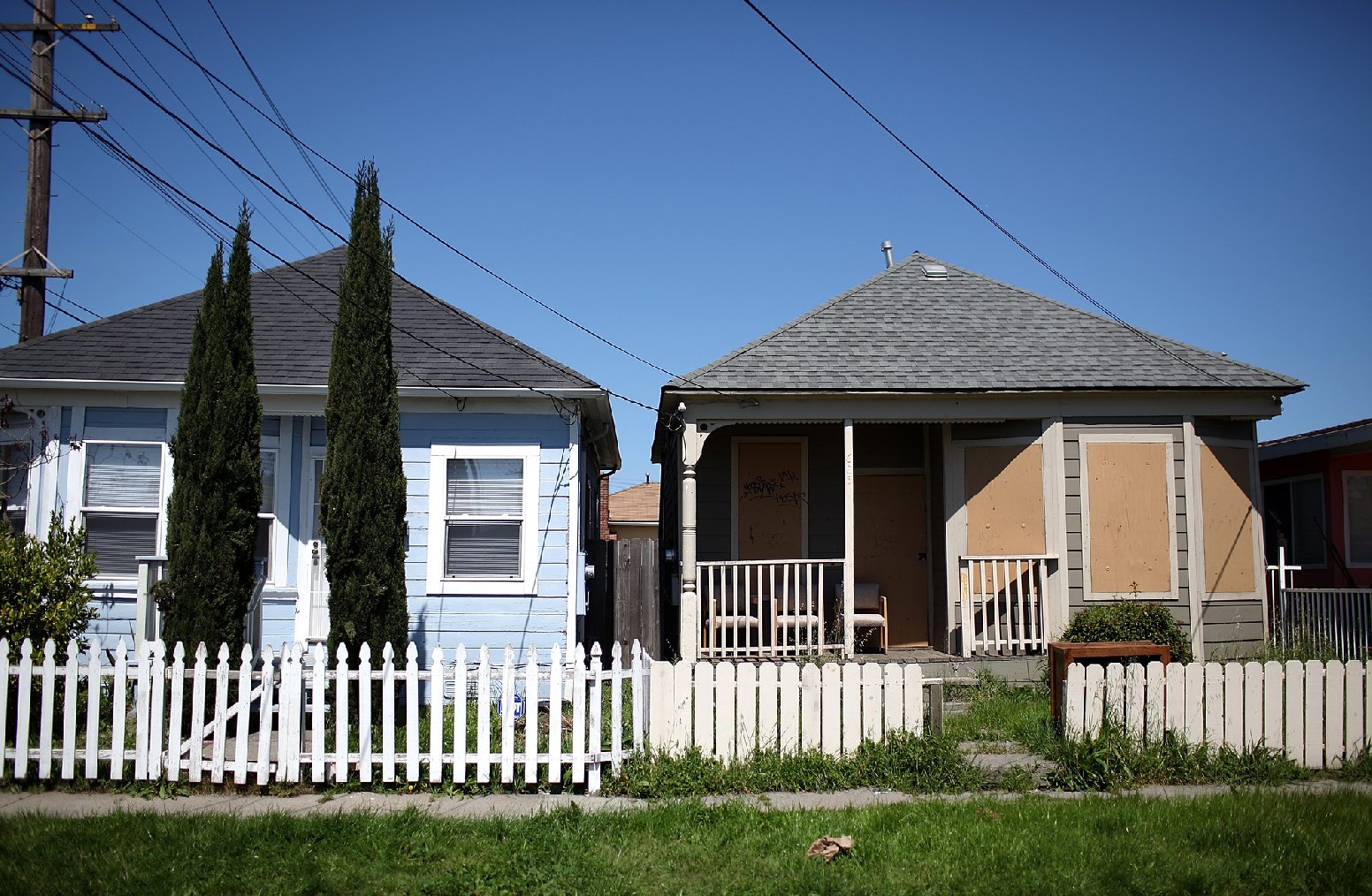
"caption": "Homes in Richmond, California. (Justin Sullivan/Getty Images)",
"description": "Homes in Richmond, California. (Justin Sullivan/Getty Images)",
"title": "Foreclosure-Richmond ",
"credit": null,
"status": "inherit",
"isLoading": false,
"fetchFailed": false
},
"news_134918": {
"type": "attachments",
"id": "news_134918",
"meta": {
"index": "attachments_1716263798",
"site": "news",
"id": "134918",
"found": true
},
"parent": 134816,
"imgSizes": {
"kqedFullSize": {
"file": "https://ww2.kqed.org/app/uploads/sites/10/2014/05/2878339067_8280ebb062_b-e1399058052226.jpg",
"width": 300,
"height": 200
}
},
"publishDate": 1399057849,
"modified": 1399057849,
"caption": "U.C. Berkeley is among the schools being investigated for their response to sexual assault cases. (Bernt Rostad/\u003ca href=\"https://www.flickr.com/photos/brostad/\" target=\"_blank\">Flickr\u003c/a>)",
"description": "U.C. Berkeley is among the schools being investigated for their response to sexual assault cases. (Bernt Rostad/\u003ca href=\"https://www.flickr.com/photos/brostad/\" target=\"_blank\">Flickr\u003c/a>)",
"title": "2878339067_8280ebb062_b",
"credit": null,
"status": "inherit",
"isLoading": false,
"fetchFailed": false
},
"news_133493": {
"type": "attachments",
"id": "news_133493",
"meta": {
"index": "attachments_1716263798",
"site": "news",
"id": "133493",
"found": true
},
"parent": 133487,
"imgSizes": {
"kqedFullSize": {
"file": "https://ww2.kqed.org/app/uploads/sites/10/2014/04/tedagu.jpg",
"width": 800,
"height": 453
}
},
"publishDate": 1398202262,
"modified": 1460652107,
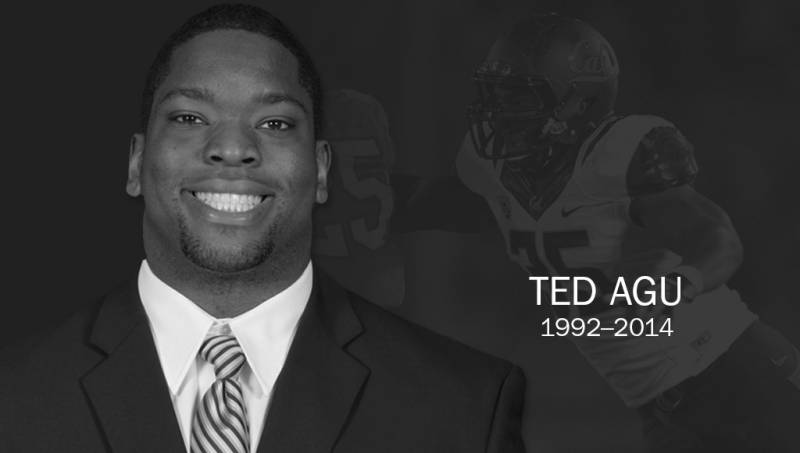
"caption": "UC Berkeley football player Ted Agu, in image released by Cal. ",
"description": "UC Berkeley football player Ted Agu, in image released by Cal. (GoldenBearSports.com)",
"title": "Ted Agu",
"credit": "GoldenBearSports.com",
"status": "inherit",
"isLoading": false,
"fetchFailed": false
},
"news_129503": {
"type": "attachments",
"id": "news_129503",
"meta": {
"index": "attachments_1716263798",
"site": "news",
"id": "129503",
"found": true
},
"parent": 129500,
"imgSizes": {
"kqedFullSize": {
"file": "https://ww2.kqed.org/app/uploads/sites/10/2014/03/Recycled-Water-Pipeline-Extension.preview.jpg",
"width": 640,
"height": 460
}
},
"publishDate": 1394832294,
"modified": 1394832294,
"caption": null,
"description": null,
"title": "Recycled Water Pipeline Extension.preview",
"credit": null,
"status": "inherit",
"isLoading": false,
"fetchFailed": false
},
"news_120549": {
"type": "attachments",
"id": "news_120549",
"meta": {
"index": "attachments_1716263798",
"site": "news",
"id": "120549",
"found": true
},
"parent": 120544,
"imgSizes": {
"kqedFullSize": {
"file": "https://ww2.kqed.org/app/uploads/sites/10/2013/12/201311_NoackOrganOfficial_0146e-sh.jpg",
"width": 800,
"height": 574
}
},
"publishDate": 1386813952,
"modified": 1386813952,
"caption": null,
"description": null,
"title": "201311_NoackOrganOfficial_0146e-sh",
"credit": null,
"status": "inherit",
"isLoading": false,
"fetchFailed": false
},
"news_93470": {
"type": "attachments",
"id": "news_93470",
"meta": {
"index": "attachments_1716263798",
"site": "news",
"id": "93470",
"found": true
},
"parent": 93468,
"imgSizes": {
"kqedFullSize": {
"file": "https://ww2.kqed.org/app/uploads/sites/10/2013/04/UCB-Stadium-and-SAHPC6.jpg",
"width": 640,
"height": 450
}
},
"publishDate": 1365188730,
"modified": 1365188730,
"caption": "Cal's Memorial Stadium will keep its name. But the playing field will be known starting next fall as Kabam Field under a naming-rights deal with a San Francisco videogame maker. ",
"description": null,
"title": "Memorial Stadium",
"credit": null,
"status": "inherit",
"isLoading": false,
"fetchFailed": false
},
"news_118327": {
"type": "attachments",
"id": "news_118327",
"meta": {
"index": "attachments_1716263798",
"site": "news",
"id": "118327",
"found": true
},
"parent": 118321,
"imgSizes": {
"kqedFullSize": {
"file": "https://ww2.kqed.org/app/uploads/sites/10/2013/11/RS5736_028-scr-e1384481363752.jpg",
"width": 640,
"height": 427
}
},
"publishDate": 1384481339,
"modified": 1384481339,
"caption": "Janet Napolitano, head of the University of California. (Deborah Svoboda/KQED)",
"description": null,
"title": "RS5736_028-scr",
"credit": null,
"status": "inherit",
"isLoading": false,
"fetchFailed": false
},
"news_117735": {
"type": "attachments",
"id": "news_117735",
"meta": {
"index": "attachments_1716263798",
"site": "news",
"id": "117735",
"found": true
},
"parent": 117691,
"imgSizes": {
"kqedFullSize": {
"file": "https://ww2.kqed.org/app/uploads/sites/10/2013/11/dirkspodium-e1383960573600.jpg",
"width": 640,
"height": 400
}
},
"publishDate": 1383960493,
"modified": 1383960493,
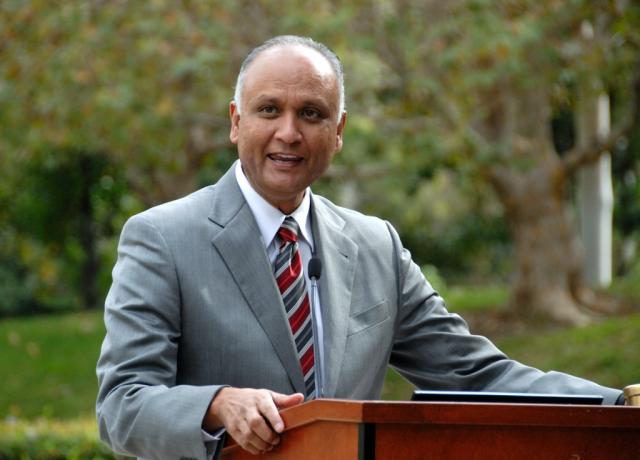
"caption": "UC Berkeley Chancellor Nicholas Dirks at his formal investiture on Friday (UC Berkeley News Center). ",
"description": null,
"title": "Dirks",
"credit": null,
"status": "inherit",
"isLoading": false,
"fetchFailed": false
},
"news_114278": {
"type": "attachments",
"id": "news_114278",
"meta": {
"index": "attachments_1716263798",
"site": "news",
"id": "114278",
"found": true
},
"parent": 114269,
"imgSizes": {
"kqedFullSize": {
"file": "https://ww2.kqed.org/app/uploads/sites/10/2013/10/169837668-e1381275437139.jpg",
"width": 640,
"height": 400
}
},
"publishDate": 1381275312,
"modified": 1381275312,
"caption": " Federal Reserve Vice Chair and UC Berkeley business Professor Janet Yellen speaks at a international monetary conference in Shanghai last June. (Peter Parks-AFP/Getty Images) ",
"description": null,
"title": "Janet Yellen",
"credit": null,
"status": "inherit",
"isLoading": false,
"fetchFailed": false
},
"news_114008": {
"type": "attachments",
"id": "news_114008",
"meta": {
"index": "attachments_1716263798",
"site": "news",
"id": "114008",
"found": true
},
"parent": 114002,
"imgSizes": {
"kqedFullSize": {
"file": "https://ww2.kqed.org/app/uploads/sites/10/2013/10/183503965.jpg",
"width": 1537,
"height": 1023
}
},
"publishDate": 1381154912,
"modified": 1381154912,
"caption": "A screen displays photos of, from left, James E. Rothman of Yale, Randy Schekman of UC Berkeley, and Thomas Südhof of Stanford. The trio is awarded the Nobel Prize for Medicine or Physiology for their discoveries of machinery regulating vesicle traffic, a major transport system in cells. (Jonathan Nackstrand/AFP-/Getty Images) ",
"description": null,
"title": "Nobel Medicine",
"credit": null,
"status": "inherit",
"isLoading": false,
"fetchFailed": false
}
},
"audioPlayerReducer": {
"postId": "stream_live",
"isPaused": true,
"isPlaying": false,
"pfsActive": false,
"pledgeModalIsOpen": true,
"playerDrawerIsOpen": false,
"liveAudioPlayStartedAt": 0,
"liveAudioPlayContext": ""
},
"authorsReducer": {
"cmusiker": {
"type": "authors",
"id": "32",
"meta": {
"index": "authors_1716337520",
"id": "32",
"found": true
},
"name": "Cy Musiker",
"firstName": "Cy",
"lastName": "Musiker",
"slug": "cmusiker",
"email": "cmusiker@kqed.org",
"display_author_email": false,
"staff_mastheads": [],
"title": "KQED Contributor",
"bio": "Cy Musiker is a former co-host of The Do List and a former reporter covering the arts for KQED News and The California Report. He loves live performance, especially great theater, jazz, roots music, anything by Mahler. Cy has an MJ from UC Berkeley's School of Journalism, and got his BA from Hampshire College. His work has been recognized by the Society for Professional Journalists with their Sigma Delta Chi Award for Public Service in Journalism. When he can, Cy likes to swim in Tomales Bay, run with his dog in the East Bay Hills, and hike the Sierra.",
"avatar": "https://secure.gravatar.com/avatar/05eaba5c5696ce8f062e4ea2df428a43?s=600&d=blank&r=g",
"twitter": null,
"facebook": null,
"instagram": null,
"linkedin": null,
"sites": [
{
"site": "arts",
"roles": [
"Contributor",
"subscriber"
]
},
{
"site": "news",
"roles": [
"author"
]
},
{
"site": "bayareabites",
"roles": [
"contributor"
]
}
],
"headData": {
"title": "Cy Musiker | KQED",
"description": "KQED Contributor",
"ogImgSrc": "https://secure.gravatar.com/avatar/05eaba5c5696ce8f062e4ea2df428a43?s=600&d=blank&r=g",
"twImgSrc": "https://secure.gravatar.com/avatar/05eaba5c5696ce8f062e4ea2df428a43?s=600&d=blank&r=g"
},
"isLoading": false,
"link": "/author/cmusiker"
},
"danbrekke": {
"type": "authors",
"id": "222",
"meta": {
"index": "authors_1716337520",
"id": "222",
"found": true
},
"name": "Dan Brekke",
"firstName": "Dan",
"lastName": "Brekke",
"slug": "danbrekke",
"email": "dbrekke@kqed.org",
"display_author_email": true,
"staff_mastheads": [
"news",
"science"
],
"title": "KQED Editor and Reporter",
"bio": "Dan Brekke is a reporter and editor for KQED News, responsible for coverage of topics ranging from California water issues to the Bay Area's transportation challenges. In a newsroom career that began in Chicago in 1972, Dan has worked for \u003cem>The San Francisco Examiner,\u003c/em> Wired and TechTV and has been published in The New York Times, The New York Times Magazine, Business 2.0, Salon and elsewhere.\r\n\r\nSince joining KQED in 2007, Dan has reported, edited and produced both radio and online features and breaking news pieces. He has shared as both editor and reporter in four Society of Professional Journalists Norcal Excellence in Journalism awards and one Edward R. Murrow regional award. He was chosen for a spring 2017 residency at the Mesa Refuge to advance his research on California salmon.\r\n\r\nEmail Dan at: \u003ca href=\"mailto:dbrekke@kqed.org\">dbrekke@kqed.org\u003c/a>\r\n\r\n\u003cstrong>Twitter:\u003c/strong> \u003ca href=\"https://twitter.com/danbrekke\" rel=\"noopener noreferrer\">twitter.com/danbrekke\u003c/a>\r\n\u003cstrong>Facebook:\u003c/strong> \u003ca href=\"https://www.facebook.com/danbrekke\" rel=\"noopener noreferrer\">www.facebook.com/danbrekke\u003c/a>\r\n\u003cstrong>LinkedIn:\u003c/strong> \u003ca href=\"https://www.linkedin.com/in/danbrekke\" rel=\"noopener noreferrer\">www.linkedin.com/in/danbrekke\u003c/a>",
"avatar": "https://secure.gravatar.com/avatar/8f1f0d2a978fb3b23426c922c7e2af558fa36905b49c4ce76a97dc3c72d27226?s=600&d=mm&r=g",
"twitter": "danbrekke",
"bluesky": null,
"facebook": null,
"instagram": "https://www.instagram.com/dan.brekke/",
"linkedin": "https://www.linkedin.com/in/danbrekke/",
"sites": [
{
"site": "news",
"roles": [
"administrator",
"create_posts"
]
},
{
"site": "stateofhealth",
"roles": [
"editor"
]
},
{
"site": "science",
"roles": [
"editor"
]
},
{
"site": "quest",
"roles": [
"contributor"
]
},
{
"site": "food",
"roles": [
"contributor"
]
},
{
"site": "forum",
"roles": [
"contributor"
]
},
{
"site": "elections",
"roles": [
"editor"
]
},
{
"site": "liveblog",
"roles": [
"editor"
]
}
],
"headData": {
"title": "Dan Brekke | KQED",
"description": "KQED Editor and Reporter",
"ogImgSrc": "https://secure.gravatar.com/avatar/8f1f0d2a978fb3b23426c922c7e2af558fa36905b49c4ce76a97dc3c72d27226?s=600&d=mm&r=g",
"twImgSrc": "https://secure.gravatar.com/avatar/8f1f0d2a978fb3b23426c922c7e2af558fa36905b49c4ce76a97dc3c72d27226?s=600&d=mm&r=g"
},
"isLoading": false,
"link": "/author/danbrekke"
},
"grubenstein": {
"type": "authors",
"id": "228",
"meta": {
"index": "authors_1716337520",
"id": "228",
"found": true
},
"name": "Grace Rubenstein",
"firstName": "Grace",
"lastName": "Rubenstein",
"slug": "grubenstein",
"email": "grubenstein@KQED.org",
"display_author_email": false,
"staff_mastheads": [],
"title": null,
"bio": null,
"avatar": "https://secure.gravatar.com/avatar/050f919cc66b38c8f1bc29eff45e3e6c?s=600&d=blank&r=g",
"twitter": null,
"facebook": null,
"instagram": null,
"linkedin": null,
"sites": [
{
"site": "news",
"roles": [
"subscriber"
]
},
{
"site": "stateofhealth",
"roles": [
"author"
]
}
],
"headData": {
"title": "Grace Rubenstein | KQED",
"description": null,
"ogImgSrc": "https://secure.gravatar.com/avatar/050f919cc66b38c8f1bc29eff45e3e6c?s=600&d=blank&r=g",
"twImgSrc": "https://secure.gravatar.com/avatar/050f919cc66b38c8f1bc29eff45e3e6c?s=600&d=blank&r=g"
},
"isLoading": false,
"link": "/author/grubenstein"
},
"kqed": {
"type": "authors",
"id": "236",
"meta": {
"index": "authors_1716337520",
"id": "236",
"found": true
},
"name": "KQED News Staff",
"firstName": "KQED News Staff",
"lastName": null,
"slug": "kqed",
"email": "faq@kqed.org",
"display_author_email": false,
"staff_mastheads": [],
"title": null,
"bio": null,
"avatar": "https://secure.gravatar.com/avatar/ef0e801a68c4c54afa9180db14084167?s=600&d=blank&r=g",
"twitter": null,
"facebook": null,
"instagram": null,
"linkedin": null,
"sites": [
{
"site": "arts",
"roles": [
"contributor"
]
},
{
"site": "news",
"roles": [
"editor"
]
},
{
"site": "futureofyou",
"roles": [
"author"
]
}
],
"headData": {
"title": "KQED News Staff | KQED",
"description": null,
"ogImgSrc": "https://secure.gravatar.com/avatar/ef0e801a68c4c54afa9180db14084167?s=600&d=blank&r=g",
"twImgSrc": "https://secure.gravatar.com/avatar/ef0e801a68c4c54afa9180db14084167?s=600&d=blank&r=g"
},
"isLoading": false,
"link": "/author/kqed"
},
"scottshafer": {
"type": "authors",
"id": "255",
"meta": {
"index": "authors_1716337520",
"id": "255",
"found": true
},
"name": "Scott Shafer",
"firstName": "Scott",
"lastName": "Shafer",
"slug": "scottshafer",
"email": "sshafer@kqed.org",
"display_author_email": false,
"staff_mastheads": [
"news"
],
"title": "KQED Contributor",
"bio": "Scott Shafer is a senior editor with the KQED Politics and Government desk. He is co-host of Political Breakdown, the award-winning radio show and podcast with a personal take on the world of politics. Scott came to KQED in 1998 to host the statewide\u003cem> California Report\u003c/em>. Prior to that he had extended stints in politics and government\u003cem>.\u003c/em> He uses that inside experience at KQED in his, reporting, hosting and analysis for the politics desk. Scott collaborated \u003cem>Political Breakdown a\u003c/em>nd on \u003cem>The Political Mind of Jerry Brown, \u003c/em>an eight-part series about the life and extraordinary political career of the former governor. For fun, he plays water polo with the San Francisco Tsunami.",
"avatar": "https://secure.gravatar.com/avatar/a62ebae45b79d7aed1a39a0e3bf68104?s=600&d=blank&r=g",
"twitter": "scottshafer",
"bluesky": null,
"facebook": null,
"instagram": null,
"linkedin": null,
"sites": [
{
"site": "news",
"roles": [
"editor"
]
},
{
"site": "stateofhealth",
"roles": [
"author"
]
},
{
"site": "science",
"roles": [
"author"
]
},
{
"site": "forum",
"roles": [
"subscriber"
]
},
{
"site": "liveblog",
"roles": [
"author"
]
}
],
"headData": {
"title": "Scott Shafer | KQED",
"description": "KQED Contributor",
"ogImgSrc": "https://secure.gravatar.com/avatar/a62ebae45b79d7aed1a39a0e3bf68104?s=600&d=blank&r=g",
"twImgSrc": "https://secure.gravatar.com/avatar/a62ebae45b79d7aed1a39a0e3bf68104?s=600&d=blank&r=g"
},
"isLoading": false,
"link": "/author/scottshafer"
}
},
"pagesReducer": {
"news_tag_uc-berkeley": {
"type": "terms",
"id": "news_17597",
"meta": {
"index": "terms_1716263798",
"site": "news",
"id": "17597",
"score": 8.458089
},
"featImg": null,
"name": "UC Berkeley",
"description": null,
"taxonomy": "tag",
"headData": {
"twImgId": null,
"twTitle": null,
"ogTitle": null,
"ogImgId": null,
"twDescription": null,
"description": null,
"title": "UC Berkeley Archives | KQED News",
"ogDescription": null
},
"ttid": 17631,
"slug": "uc-berkeley",
"isLoading": false,
"title": "UC Berkeley",
"pageMeta": {
"site": "news",
"WpPageTemplate": "page-topic-editorial",
"currentPage": 22
},
"blocks": [
{
"blockName": "kqed/post-list",
"attrs": {
"layout": "cardArticle2",
"query": "posts/news?tag=uc-berkeley",
"seeMore": false,
"paginated": true,
"page": 22
}
},
{
"blockName": "kqed/ad"
}
]
}
},
"pfsSessionReducer": {},
"postsReducer": {
"stream_live": {
"type": "live",
"id": "stream_live",
"audioUrl": "https://streams.kqed.org/kqedradio",
"title": "Live Stream",
"excerpt": "Live Stream information currently unavailable.",
"link": "/radio",
"featImg": "",
"label": {
"name": "KQED Live",
"link": "/"
}
},
"stream_kqedNewscast": {
"type": "posts",
"id": "stream_kqedNewscast",
"audioUrl": "https://www.kqed.org/.stream/anon/radio/RDnews/newscast.mp3?_=1",
"title": "KQED Newscast",
"featImg": "",
"label": {
"name": "88.5 FM",
"link": "/"
}
},
"news_135435": {
"type": "posts",
"id": "news_135435",
"meta": {
"index": "posts_1716263798",
"site": "news",
"id": "135435",
"score": null,
"sort": [
1399573106000
]
},
"parent": 0,
"labelTerm": {
"site": "news",
"term": 6944
},
"blocks": [],
"publishDate": 1399573106,
"format": "aside",
"disqusTitle": "'Underwater' Homes: A Crisis Persists in Bay Area, Nationwide",
"title": "'Underwater' Homes: A Crisis Persists in Bay Area, Nationwide",
"headTitle": "Priced Out | News Fix | KQED News",
"content": "\u003cfigure id=\"attachment_124461\" class=\"wp-caption alignright\" style=\"max-width: 300px\">\u003ca href=\"http://ww2.kqed.org/news/wp-content/uploads/sites/10/2014/01/RS612_foreclosure20120511-lpr.jpg\">\u003cimg class=\"size-thumbnail wp-image-124461\" src=\"http://ww2.kqed.org/news/wp-content/uploads/sites/10/2014/01/RS612_foreclosure20120511-lpr-300x300.jpg\" alt=\"Homes in Richmond, California. (Justin Sullivan/Getty Images)\" width=\"300\" height=\"300\">\u003c/a>\u003cfigcaption class=\"wp-caption-text\">Homes in Richmond, California. (Justin Sullivan/Getty Images)\u003c/figcaption>\u003c/figure>\n\u003cp>A new study on the continuing fallout from the collapse of the housing market calls on both loan holders and government at all levels to take stronger action to address the still widespread crisis of \"underwater homes\" — properties for which mortgage payers owe more than their homes are worth.\u003c/p>\n\u003cp>One of the solutions suggested — seizure of underwater homes by local governments under eminent domain — is already being attempted by the city of Richmond in the face of fierce opposition from the local real estate industry.\u003c/p>\n\u003cp>The report, \"Underwater America,\" was produced under the auspices of \u003ca href=\"http://diversity.berkeley.edu/haas-institute\" target=\"_blank\">UC Berkeley's Haas Institute for a Fair and Inclusive Society\u003c/a> and catalogs cities and ZIP codes still burdened with large numbers of underwater homes years after the declared end of the Great Recession.\u003c/p>\n\u003cp>The study, using \u003ca href=\"http://www.zillow.com/research/2013-q4-negative-equity-6371/\" target=\"_blank\">data from real estate data firm Zillow\u003c/a>, names Hartford, Connecticut as the hardest-hit U.S. city, with 56 percent of homes underwater. Among ZIP codes, a swath of more than a dozen zones northwest of Atlanta shows underwater numbers ranging from 65 percent to 76 percent.\u003c/p>\n\u003cp>The list of hardest-hit cities includes several in the Bay Area and Northern California: Vallejo is listed at No. 25, with 36 percent of homes underwater. Others in the region include Stockton, Modesto, Fairfield, Antioch, Richmond, Sacramento and Salinas. Other California cities named are concentrated in the exurban belt north and east of Los Angeles and in the San Joaquin Valley, including Victorville (with the state's highest underwater rate, 40 percent) Lancaster, San Bernardino, Palmdale, Visalia, Fresno, Bakersfield and Rialto. Nineteen of the 395 hardest-hit ZIP codes are in California.\u003c/p>\n\u003cp>[ad fullwidth]\u003c/p>\n\u003cp>The study says that most underwater communities typically have several things in common. They generally have large African-American and Latino populations and household income well below the national median of roughly $51,000. And the study says that these communities and their residents were the most frequently targeted by predatory loan practices. In 2006, for instance, 52.8 percent of all new home loans to African-American borrowers were classified as \"high-price\" loans. The figure for all Latino borrowers was 44.9 percent; for whites, it was 17.5 percent.\u003c/p>\n\u003cp>The report argues that the persistence of deep pockets of negative equity shows that government attempts to deal with the housing crash and subsequent foreclosure crisis have been \"woefully inadequate.\" The paper makes five broad suggestions for immediate action:\u003c/p>\n\u003col>\n\u003cli>Both private lenders and government-sponsored loan holders should reduce the principal on underwater mortgages to current market values.\u003c/li>\n\u003cli>If loan holders are unwilling or unable to reduce the principal on underwater loans, they should allow the loans to be purchases by public or nonprofit entities that are willing to restructure them.\u003c/li>\n\u003cli>Local municipalities should use all options at their disposal to facilitate the goal of resetting mortgages to current market values, including the use of \"reverse eminent domain\" to acquire mortgages in order to restructure them with fair and affordable terms. (\"Reverse eminent domain\" is the program being attempted in Richmond.)\u003c/li>\n\u003cli>Lenders and investors who own already-foreclosed homes should sell them to entities that will convert them to affordable housing.\u003c/li>\n\u003cli>Local municipalities should use all the options at their disposal, including \"reverse eminent domain,\" to facilitate the goal of turning vacant, foreclosed properties into affordable housing.\u003c/li>\n\u003c/ol>\n\u003cp>\u003cem>Here's the complete study, \"Underwater America,\" from the Haas Institute:\u003c/em>\u003c/p>\n\u003cp>\u003c/p>\n\u003cp>\u003ciframe id=\"doc_25234\" class=\"scribd_iframe_embed\" src=\"//www.scribd.com/embeds/222897581/content?start_page=1&view_mode=scroll&show_recommendations=true\" width=\"100%\" height=\"600\" frameborder=\"0\" scrolling=\"no\">\u003c/iframe>\u003c/p>\n\n",
"disqusIdentifier": "135435 http://ww2.kqed.org/news/?p=135435",
"disqusUrl": "https://ww2.kqed.org/news/2014/05/08/underwater-homes-a-crisis-persists-in-bay-area-nationwide/",
"stats": {
"hasVideo": false,
"hasChartOrMap": false,
"hasAudio": false,
"hasPolis": false,
"wordCount": 575,
"hasGoogleForm": false,
"hasGallery": false,
"hasHearkenModule": false,
"iframeSrcs": [],
"paragraphCount": 11
},
"modified": 1399653474,
"excerpt": "Study from UC Berkeley think tank says local governments need to take action if lenders won't help. ",
"headData": {
"twImgId": "",
"twTitle": "",
"ogTitle": "",
"ogImgId": "",
"twDescription": "",
"description": "Study from UC Berkeley think tank says local governments need to take action if lenders won't help. ",
"title": "'Underwater' Homes: A Crisis Persists in Bay Area, Nationwide | KQED",
"ogDescription": "",
"schema": {
"@context": "https://schema.org",
"@type": "NewsArticle",
"headline": "'Underwater' Homes: A Crisis Persists in Bay Area, Nationwide",
"datePublished": "2014-05-08T11:18:26-07:00",
"dateModified": "2014-05-09T09:37:54-07:00",
"image": "https://cdn.kqed.org/wp-content/uploads/2020/02/KQED-OG-Image@1x.png",
"isAccessibleForFree": "True",
"publisher": {
"@type": "NewsMediaOrganization",
"@id": "https://www.kqed.org/#organization",
"name": "KQED",
"logo": "https://cdn.kqed.org/wp-content/uploads/2020/02/KQED-OG-Image@1x.png",
"url": "https://www.kqed.org",
"sameAs": [
"https://www.facebook.com/KQED",
"https://twitter.com/KQED",
"https://www.instagram.com/kqed/",
"https://www.tiktok.com/@kqedofficial",
"https://www.linkedin.com/company/kqed",
"https://www.youtube.com/channel/UCeC0IOo7i1P_61zVUWbJ4nw"
]
}
}
},
"guestAuthors": [],
"slug": "underwater-homes-a-crisis-persists-in-bay-area-nationwide",
"status": "publish",
"customPermalink": "uc-berkeley-report-calls-for-action-on-underwater-homes/",
"path": "/news/135435/underwater-homes-a-crisis-persists-in-bay-area-nationwide",
"audioTrackLength": null,
"parsedContent": [
{
"type": "contentString",
"content": "\u003cdiv class=\"post-body\">\u003cp>\u003cfigure id=\"attachment_124461\" class=\"wp-caption alignright\" style=\"max-width: 300px\">\u003ca href=\"http://ww2.kqed.org/news/wp-content/uploads/sites/10/2014/01/RS612_foreclosure20120511-lpr.jpg\">\u003cimg class=\"size-thumbnail wp-image-124461\" src=\"http://ww2.kqed.org/news/wp-content/uploads/sites/10/2014/01/RS612_foreclosure20120511-lpr-300x300.jpg\" alt=\"Homes in Richmond, California. (Justin Sullivan/Getty Images)\" width=\"300\" height=\"300\">\u003c/a>\u003cfigcaption class=\"wp-caption-text\">Homes in Richmond, California. (Justin Sullivan/Getty Images)\u003c/figcaption>\u003c/figure>\n\u003cp>A new study on the continuing fallout from the collapse of the housing market calls on both loan holders and government at all levels to take stronger action to address the still widespread crisis of \"underwater homes\" — properties for which mortgage payers owe more than their homes are worth.\u003c/p>\n\u003cp>One of the solutions suggested — seizure of underwater homes by local governments under eminent domain — is already being attempted by the city of Richmond in the face of fierce opposition from the local real estate industry.\u003c/p>\n\u003cp>The report, \"Underwater America,\" was produced under the auspices of \u003ca href=\"http://diversity.berkeley.edu/haas-institute\" target=\"_blank\">UC Berkeley's Haas Institute for a Fair and Inclusive Society\u003c/a> and catalogs cities and ZIP codes still burdened with large numbers of underwater homes years after the declared end of the Great Recession.\u003c/p>\n\u003cp>The study, using \u003ca href=\"http://www.zillow.com/research/2013-q4-negative-equity-6371/\" target=\"_blank\">data from real estate data firm Zillow\u003c/a>, names Hartford, Connecticut as the hardest-hit U.S. city, with 56 percent of homes underwater. Among ZIP codes, a swath of more than a dozen zones northwest of Atlanta shows underwater numbers ranging from 65 percent to 76 percent.\u003c/p>\n\u003cp>The list of hardest-hit cities includes several in the Bay Area and Northern California: Vallejo is listed at No. 25, with 36 percent of homes underwater. Others in the region include Stockton, Modesto, Fairfield, Antioch, Richmond, Sacramento and Salinas. Other California cities named are concentrated in the exurban belt north and east of Los Angeles and in the San Joaquin Valley, including Victorville (with the state's highest underwater rate, 40 percent) Lancaster, San Bernardino, Palmdale, Visalia, Fresno, Bakersfield and Rialto. Nineteen of the 395 hardest-hit ZIP codes are in California.\u003c/p>\n\u003cp>\u003c/p>\u003c/div>",
"attributes": {
"named": {},
"numeric": []
}
},
{
"type": "component",
"content": "",
"name": "ad",
"attributes": {
"named": {
"label": "fullwidth"
},
"numeric": [
"fullwidth"
]
}
},
{
"type": "contentString",
"content": "\u003cdiv class=\"post-body\">\u003cp>\u003c/p>\n\u003cp>The study says that most underwater communities typically have several things in common. They generally have large African-American and Latino populations and household income well below the national median of roughly $51,000. And the study says that these communities and their residents were the most frequently targeted by predatory loan practices. In 2006, for instance, 52.8 percent of all new home loans to African-American borrowers were classified as \"high-price\" loans. The figure for all Latino borrowers was 44.9 percent; for whites, it was 17.5 percent.\u003c/p>\n\u003cp>The report argues that the persistence of deep pockets of negative equity shows that government attempts to deal with the housing crash and subsequent foreclosure crisis have been \"woefully inadequate.\" The paper makes five broad suggestions for immediate action:\u003c/p>\n\u003col>\n\u003cli>Both private lenders and government-sponsored loan holders should reduce the principal on underwater mortgages to current market values.\u003c/li>\n\u003cli>If loan holders are unwilling or unable to reduce the principal on underwater loans, they should allow the loans to be purchases by public or nonprofit entities that are willing to restructure them.\u003c/li>\n\u003cli>Local municipalities should use all options at their disposal to facilitate the goal of resetting mortgages to current market values, including the use of \"reverse eminent domain\" to acquire mortgages in order to restructure them with fair and affordable terms. (\"Reverse eminent domain\" is the program being attempted in Richmond.)\u003c/li>\n\u003cli>Lenders and investors who own already-foreclosed homes should sell them to entities that will convert them to affordable housing.\u003c/li>\n\u003cli>Local municipalities should use all the options at their disposal, including \"reverse eminent domain,\" to facilitate the goal of turning vacant, foreclosed properties into affordable housing.\u003c/li>\n\u003c/ol>\n\u003cp>\u003cem>Here's the complete study, \"Underwater America,\" from the Haas Institute:\u003c/em>\u003c/p>\n\u003cp>\u003c/p>\n\u003cp>\u003ciframe id=\"doc_25234\" class=\"scribd_iframe_embed\" src=\"//www.scribd.com/embeds/222897581/content?start_page=1&view_mode=scroll&show_recommendations=true\" width=\"100%\" height=\"600\" frameborder=\"0\" scrolling=\"no\">\u003c/iframe>\u003c/p>\n\n\u003c/div>\u003c/p>",
"attributes": {
"named": {},
"numeric": []
}
}
],
"link": "/news/135435/underwater-homes-a-crisis-persists-in-bay-area-nationwide",
"authors": [
"222"
],
"programs": [
"news_6944"
],
"series": [
"news_18549"
],
"categories": [
"news_1758",
"news_6266"
],
"tags": [
"news_3921",
"news_1775",
"news_6261",
"news_17597",
"news_6260"
],
"featImg": "news_124461",
"label": "news_6944"
},
"news_134816": {
"type": "posts",
"id": "news_134816",
"meta": {
"index": "posts_1716263798",
"site": "news",
"id": "134816",
"score": null,
"sort": [
1399294852000
]
},
"parent": 0,
"labelTerm": {
"site": "news",
"term": 6944
},
"blocks": [],
"publishDate": 1399294852,
"format": "aside",
"disqusTitle": "UC Berkeley Students Press for Stronger Action on Sexual Assaults",
"title": "UC Berkeley Students Press for Stronger Action on Sexual Assaults",
"headTitle": "News Fix | KQED News",
"content": "\u003cfigure id=\"attachment_134918\" class=\"wp-caption alignright\" style=\"max-width: 640px\">\u003cimg class=\"wp-image-134918 size-medium\" src=\"http://ww2.kqed.org/news/wp-content/uploads/sites/10/2014/05/2878339067_8280ebb062_b-640x426.jpg\" alt='U.C. Berkeley is among the schools being investigated for their response to sexual assault cases. (Bernt Rostad/<a href=\"https://www.flickr.com/photos/brostad/\" target=\"_blank\">Flickr</a>)' width=\"640\" height=\"426\">\u003cfigcaption class=\"wp-caption-text\">UC Berkeley is among the schools being investigated for their response to sexual assault cases. (Bernt Rostad/\u003ca href=\"https://www.flickr.com/photos/brostad/\" target=\"_blank\">Flickr\u003c/a>)\u003c/figcaption>\u003c/figure>\n\u003cp>UC Berkeley students have provoked policy reforms and sparked a federal investigation into their university's handling of sexual assault cases on campus — and they're still pressing for further change.\u003c/p>\n\u003cp>They're part of a growing movement of students at universities across the country, and they're getting support from \u003ca href=\"http://ww2.kqed.org/news/2014/04/22/speier-legislation-sexual-assault-on-campus/\">Congress\u003c/a> and the \u003ca href=\"http://www.kqed.org/news/story/2014/04/30/137079/training_men_and_women_on_campus_to_speak_up_to_prevent_rape?source=npr&category=u.s.\">White House\u003c/a> to change discipline practices that they say gloss over allegations, re-traumatize victims and heavily favor the rights of the accused.\u003c/p>\n\u003cp>“I think that Cal’s been responding to sexual assault and to sexual assault survivors in a very deliberately indifferent way, honestly, for decades,” says Diva Kass, one of 31 current and former Cal students who filed a federal complaint against the school in February.\u003c/p>\n\u003cp>The movement began about a year and a half ago with well-publicized cases at Yale University and Amherst College. Then women who’d experienced similar traumas at other universities started connecting with each other on social media, teaching each other how to file complaints under the federal Title IX law.\u003c/p>\n\u003caside class=\"pullquote alignleft\">'It was humiliating, and it was really a second trauma.'\u003ccite>— Diva Kass,\u003cbr>\nSexual assault survivor\u003c/cite>\u003c/aside>\n\u003cp>And the chorus of complaints spread to the University of North Carolina at Chapel Hill, Harvard College, Occidental College, the University of Southern California and more — so many that the Department of Education’s Office for Civil Rights is now investigating more than 50 schools across the country. As of last month, that includes UC Berkeley.\u003c/p>\n\u003cp>[ad fullwidth]\u003c/p>\n\u003cp>Kass's story echoes many of those told by students at other schools. She grew up in Los Angeles and graduated from Cal in 2009. She says when she was a junior, a fellow student drugged and raped her in his fraternity bedroom.\u003c/p>\n\u003cp>“I only remember about 30 seconds or so of the actual assault,\" she recalls. \"I remember pushing the guy off of me and saying no and him not stopping, and then my memory of the night goes blank.”\u003c/p>\n\u003cp>Kass is now a law student at the University of Notre Dame. In her written testimony to the Department of Education, she says her experience with UC Berkeley went like this:\u003c/p>\n\u003cp>She struggled with fear and anxiety during the five months it took the university to hold a hearing about her claims. A university officer told Kass she couldn’t bring a lawyer or witnesses to the hearing, but when she got there, her alleged attacker had both. After she told her story, her alleged assailant got to directly interrogate her. When it was his turn to tell his side of the story, she had to leave the room.\u003c/p>\n\u003cp>“This person … completely took away my voice and violated my body,\" says Kass. \"And by allowing him to then question me about it and sort of set it up in a way where he had the control and the power of the situation again. … It was humiliating, and it was really a second trauma.”\u003c/p>\n\u003cp>The university found Kass’s alleged assailant not responsible for sexual assault. A university official told Kass that the accused could appeal the decision if he wanted, but she could not. Within a week, she was hospitalized for anxiety. His fraternity, she says, threw him a party.\u003c/p>\n\u003cp>“These stories are heartbreaking, and it just is very hard to hear that anybody on our campus would have had to endure such a difficult situation,\" says Claire Holmes, an associate vice chancellor and UC Berkeley spokeswoman.\u003c/p>\n\u003cp>[contextly_sidebar id=\"6f41fc8e274269b62a586277deb2fbfa\"]\u003c/p>\n\u003cp>She points out that Cal has recently made significant changes to its sexual assault policy and hired a survivor advocate to help victims through the process — though student activists still want them to go further.\u003c/p>\n\u003cp>Under the reforms, \u003cem>both\u003c/em> parties in a sexual assault case now can bring a lawyer and witnesses and can appeal a judicial decision, and officials must try to resolve cases within 60 days. Accused students can still directly question their accusers, as in Diva Kass’s case -- although federal guidelines explicitly discourage this practice. Cal says it will try to accommodate students who don’t feel comfortable being in the same room with their alleged attackers.\u003c/p>\n\u003cp>Besides the trauma for individuals like Diva Kass, advocates argue there’s a bigger issue of campus safety: If the judicial process is unsympathetic and ineffective, survivors won’t want to go through it. Sexual assaults will go unreported, and assailants will return to their dorm rooms.\u003c/p>\n\u003cp>That's part of what motivated Michele Dauber, a Stanford University law professor, to help lead a transformation of her school’s policies in 2010.\u003c/p>\n\u003cp>“If you have so many reported cases and so few findings of responsibility and disciplinary punishments, then you have an unchecked situation potentially of sexual assault on campus,\" Dauber says. \"You can’t guarantee the safety of your students.”\u003c/p>\n\u003cp>Nationally, researchers estimate that one in five college women suffers an actual or attempted sexual assault during her undergraduate years. The risk is especially high for freshmen and sophomores. And the vast majority of those assaults go unreported.\u003c/p>\n\u003cp>Reports appear to be low at Cal, too. The university was seeing only about six reports of sexual harassment and sexual assault annually until 2012, when the number jumped to 12. Last year it rose again to 16. But still, on a campus of 35,000 students, those numbers are small.\u003c/p>\n\u003caside class=\"pullquote alignleft\">'Students ... maybe felt that this was wrong but didn’t know that they had rights.'\u003ccite>— Professor Michele Dauber,\u003cbr>\nStanford Law School\u003c/cite>\u003c/aside>\n\u003cp>By most accounts, sexual assault has gone on mostly silently at universities for decades — until a pivotal moment came in 2011. The U.S. Department of Education issued a letter clarifying that Title IX, which prohibits sex discrimination and sexual harassment on college campuses, should also be understood to cover sexual assault. It made plain that universities that don’t act to stop such violence are breaking the law.\u003c/p>\n\u003cp>\"That letter really spurred some people to action,\" Dauber says. \"Some students who maybe felt that this was wrong but didn’t know that they had rights, and that told them that they did have rights.”\u003c/p>\n\u003cp>Now, the Department of Education’s Office for Civil Rights is investigating more than 50 schools -- and the list includes Harvard, Amherst, Occidental College and the University of Southern California.\u003c/p>\n\u003cp>There’s a reason why university policies have leaned so heavily toward the rights of the accused. It stems from cases in the 1960s when some universities expelled students for participating in civil rights protests, often without giving them any due process. The students sued, and the courts ordered schools to give accused students ample opportunity to defend themselves. That practice stuck.\u003c/p>\n\u003cp>\"If you look at that period from 1960 until almost the present day, the legal pressures that have been placed on institutions … have been almost exclusively from the perspective of the rights of accused students,\" says John Wesley Lowery. He's a professor of student affairs in higher education at Indiana University of Pennsylvania, and he’s studied student conduct systems across the country.\u003c/p>\n\u003cp>\"Only in recent years have we seen the federal government, and to a much lesser degree the courts, say 'We think there needs to be a balance here,' \" Lowery explains.\u003c/p>\n\u003cp>\u003ciframe src=\"https://w.soundcloud.com/player/?url=https%3A//api.soundcloud.com/tracks/148046329&color=ff5500&auto_play=false&hide_related=false&show_artwork=true\" width=\"100%\" height=\"166\" frameborder=\"no\" scrolling=\"no\">\u003c/iframe>\u003c/p>\n\u003cp>Still, advocates for the defense caution that in trying to address survivors’ concerns, universities shouldn’t swing too far and abandon the accused students’ rights instead. Autumn Paine is an Oakland lawyer who has represented Cal students accused of sexual assault in criminal court, which is separate from the university judicial process.\u003c/p>\n\u003cp>“The person who’s being accused faces pretty significant consequences. This could ruin their academic career, this could end job prospects,\" she says. \"We want to make sure that that person has every opportunity to defend themselves.”\u003c/p>\n\u003cp>Paine says the reforms Cal has made so far sound reasonable.\u003c/p>\n\u003cp>But Sofie Karasek says they don't go far enough.\u003c/p>\n\u003cp>She’s a junior at Cal and one of the organizers of the complainants. She says she reported being assaulted — not raped — by another student in 2012. But the university resolved the matter privately with him, without conducting a formal investigation and without telling her what was going on.\u003c/p>\n\u003cp>Karasek wants Cal to provide a guaranteed right to a formal investigation, if the alleged victim wants one. And despite the reforms, she still perceives her university’s attitude toward sexual assault like this: “Don’t get raped. And if you do get raped, we’re not going to help you in any way. You’re on your own.”\u003c/p>\n\u003cp>UC Berkeley's Claire Holmes says that pains her to hear. “I certainly hope we can do a better job,\" she says. “We’re constantly reviewing and updating our policies. We want to work in coordination with our students, and I applaud these women who are incredibly brave who are trying to raise national attention to this important topic.”\u003c/p>\n\u003cp>Karasek and other Cal students recently met with California Rep. Jackie Speier (D-Hillsborough), who plans to introduce a bill this month to strengthen federal enforcement.\u003c/p>\n\u003cp>They’re part of a growing national network of students who connecting with each other on social media, teaching each other how to file federal complaints -- and even craft media strategies. And they’re not stopping until they see that universities not only change their policies on paper, but also follow through.\u003c/p>\n\u003cp>\u003cstrong>Resources\u003c/strong>\u003cbr>\n\u003ca href=\"http://endrapeoncampus.org/\">End Rape on Campus\u003c/a> (student network)\u003cbr>\n\u003ca href=\"http://knowyourix.org/\">Know Your IX\u003c/a> (student network)\u003cbr>\n\u003ca href=\"https://www.notalone.gov/\">Not Alone\u003c/a> (U.S. government portal)\u003c/p>\n\u003cp>[ad floatright]\u003c/p>\n\u003cp>\u003cstrong>Colleges and universities currently under Title IX investigation by the Department of Education's Office for Civil Rights for their handling of sexual harassment and assault:\u003c/strong>\u003c/p>\n\u003cul>\n\u003cli>Arizona State University\u003c/li>\n\u003cli>Butte-Glen Community College District\u003c/li>\n\u003cli>Occidental College\u003c/li>\n\u003cli>University of California-Berkeley\u003c/li>\n\u003cli>University of Southern California\u003c/li>\n\u003cli>Regis University\u003c/li>\n\u003cli>University of Colorado at Boulder\u003c/li>\n\u003cli>University of Colorado at Denver\u003c/li>\n\u003cli>University of Denver\u003c/li>\n\u003cli>University of Connecticut\u003c/li>\n\u003cli>Catholic University of America\u003c/li>\n\u003cli>Florida State University\u003c/li>\n\u003cli>Emory University\u003c/li>\n\u003cli>University of Hawaii at Manoa\u003c/li>\n\u003cli>University of Idaho\u003c/li>\n\u003cli>Knox College\u003c/li>\n\u003cli>University of Chicago\u003c/li>\n\u003cli>Indiana University-Bloomington\u003c/li>\n\u003cli>Vincennes University\u003c/li>\n\u003cli>Boston University\u003c/li>\n\u003cli>Emerson College\u003c/li>\n\u003cli>Harvard College\u003c/li>\n\u003cli>Harvard Law\u003c/li>\n\u003cli>Amherst College\u003c/li>\n\u003cli>University of Massachusetts-Amherst\u003c/li>\n\u003cli>Frostburg State University\u003c/li>\n\u003cli>Michigan State University\u003c/li>\n\u003cli>University of Michigan-Ann Arbor\u003c/li>\n\u003cli>Guilford College\u003c/li>\n\u003cli>University of North Carolina-Chapel Hill\u003c/li>\n\u003cli>Minot State University\u003c/li>\n\u003cli>Dartmouth College\u003c/li>\n\u003cli>Princeton University\u003c/li>\n\u003cli>City University of New York - Hunter College\u003c/li>\n\u003cli>Hobart & William Smith Colleges\u003c/li>\n\u003cli>Sarah Lawrence College\u003c/li>\n\u003cli>State University of New York at Binghamton\u003c/li>\n\u003cli>Denison University\u003c/li>\n\u003cli>Ohio State University\u003c/li>\n\u003cli>Wittenberg University\u003c/li>\n\u003cli>Oklahoma State University\u003c/li>\n\u003cli>Carnegie Mellon University\u003c/li>\n\u003cli>Franklin & Marshall College\u003c/li>\n\u003cli>Pennsylvania State University\u003c/li>\n\u003cli>Swarthmore College\u003c/li>\n\u003cli>Temple University\u003c/li>\n\u003cli>Vanderbilt University\u003c/li>\n\u003cli>Southern Methodist University\u003c/li>\n\u003cli>University of Texas-Pan American\u003c/li>\n\u003cli>College of William & Mary\u003c/li>\n\u003cli>University of Virginia\u003c/li>\n\u003cli>Washington State University\u003c/li>\n\u003cli>University of Wisconsin-Whitewater\u003c/li>\n\u003cli>Bethany College\u003c/li>\n\u003cli>West Virginia School of Osteopathic Medicine\u003c/li>\n\u003c/ul>\n\n",
"disqusIdentifier": "134816 http://ww2.kqed.org/news/?p=134816",
"disqusUrl": "https://ww2.kqed.org/news/2014/05/05/cal-students-keep-pressing-for-stronger-action-on-sexual-assault-on-campus/",
"stats": {
"hasVideo": false,
"hasChartOrMap": false,
"hasAudio": true,
"hasPolis": false,
"wordCount": 1858,
"hasGoogleForm": false,
"hasGallery": false,
"hasHearkenModule": false,
"iframeSrcs": [],
"paragraphCount": 40
},
"modified": 1399331367,
"excerpt": "Activists say Cal officials have been 'deliberately indifferent' to sexual violence and its survivors. ",
"headData": {
"twImgId": "",
"twTitle": "",
"ogTitle": "",
"ogImgId": "",
"twDescription": "",
"description": "Activists say Cal officials have been 'deliberately indifferent' to sexual violence and its survivors. ",
"title": "UC Berkeley Students Press for Stronger Action on Sexual Assaults | KQED",
"ogDescription": "",
"schema": {
"@context": "https://schema.org",
"@type": "NewsArticle",
"headline": "UC Berkeley Students Press for Stronger Action on Sexual Assaults",
"datePublished": "2014-05-05T06:00:52-07:00",
"dateModified": "2014-05-05T16:09:27-07:00",
"image": "https://cdn.kqed.org/wp-content/uploads/2020/02/KQED-OG-Image@1x.png",
"isAccessibleForFree": "True",
"publisher": {
"@type": "NewsMediaOrganization",
"@id": "https://www.kqed.org/#organization",
"name": "KQED",
"logo": "https://cdn.kqed.org/wp-content/uploads/2020/02/KQED-OG-Image@1x.png",
"url": "https://www.kqed.org",
"sameAs": [
"https://www.facebook.com/KQED",
"https://twitter.com/KQED",
"https://www.instagram.com/kqed/",
"https://www.tiktok.com/@kqedofficial",
"https://www.linkedin.com/company/kqed",
"https://www.youtube.com/channel/UCeC0IOo7i1P_61zVUWbJ4nw"
]
}
}
},
"guestAuthors": [],
"slug": "cal-students-keep-pressing-for-stronger-action-on-sexual-assault-on-campus",
"status": "publish",
"customPermalink": "uc-berkeley-investigation-alleged-mishandling-sexual-assault/",
"path": "/news/134816/cal-students-keep-pressing-for-stronger-action-on-sexual-assault-on-campus",
"audioTrackLength": null,
"parsedContent": [
{
"type": "contentString",
"content": "\u003cdiv class=\"post-body\">\u003cp>\u003cfigure id=\"attachment_134918\" class=\"wp-caption alignright\" style=\"max-width: 640px\">\u003cimg class=\"wp-image-134918 size-medium\" src=\"http://ww2.kqed.org/news/wp-content/uploads/sites/10/2014/05/2878339067_8280ebb062_b-640x426.jpg\" alt='U.C. Berkeley is among the schools being investigated for their response to sexual assault cases. (Bernt Rostad/<a href=\"https://www.flickr.com/photos/brostad/\" target=\"_blank\">Flickr</a>)' width=\"640\" height=\"426\">\u003cfigcaption class=\"wp-caption-text\">UC Berkeley is among the schools being investigated for their response to sexual assault cases. (Bernt Rostad/\u003ca href=\"https://www.flickr.com/photos/brostad/\" target=\"_blank\">Flickr\u003c/a>)\u003c/figcaption>\u003c/figure>\n\u003cp>UC Berkeley students have provoked policy reforms and sparked a federal investigation into their university's handling of sexual assault cases on campus — and they're still pressing for further change.\u003c/p>\n\u003cp>They're part of a growing movement of students at universities across the country, and they're getting support from \u003ca href=\"http://ww2.kqed.org/news/2014/04/22/speier-legislation-sexual-assault-on-campus/\">Congress\u003c/a> and the \u003ca href=\"http://www.kqed.org/news/story/2014/04/30/137079/training_men_and_women_on_campus_to_speak_up_to_prevent_rape?source=npr&category=u.s.\">White House\u003c/a> to change discipline practices that they say gloss over allegations, re-traumatize victims and heavily favor the rights of the accused.\u003c/p>\n\u003cp>“I think that Cal’s been responding to sexual assault and to sexual assault survivors in a very deliberately indifferent way, honestly, for decades,” says Diva Kass, one of 31 current and former Cal students who filed a federal complaint against the school in February.\u003c/p>\n\u003cp>The movement began about a year and a half ago with well-publicized cases at Yale University and Amherst College. Then women who’d experienced similar traumas at other universities started connecting with each other on social media, teaching each other how to file complaints under the federal Title IX law.\u003c/p>\n\u003caside class=\"pullquote alignleft\">'It was humiliating, and it was really a second trauma.'\u003ccite>— Diva Kass,\u003cbr>\nSexual assault survivor\u003c/cite>\u003c/aside>\n\u003cp>And the chorus of complaints spread to the University of North Carolina at Chapel Hill, Harvard College, Occidental College, the University of Southern California and more — so many that the Department of Education’s Office for Civil Rights is now investigating more than 50 schools across the country. As of last month, that includes UC Berkeley.\u003c/p>\n\u003cp>\u003c/p>\u003c/div>",
"attributes": {
"named": {},
"numeric": []
}
},
{
"type": "component",
"content": "",
"name": "ad",
"attributes": {
"named": {
"label": "fullwidth"
},
"numeric": [
"fullwidth"
]
}
},
{
"type": "contentString",
"content": "\u003cdiv class=\"post-body\">\u003cp>\u003c/p>\n\u003cp>Kass's story echoes many of those told by students at other schools. She grew up in Los Angeles and graduated from Cal in 2009. She says when she was a junior, a fellow student drugged and raped her in his fraternity bedroom.\u003c/p>\n\u003cp>“I only remember about 30 seconds or so of the actual assault,\" she recalls. \"I remember pushing the guy off of me and saying no and him not stopping, and then my memory of the night goes blank.”\u003c/p>\n\u003cp>Kass is now a law student at the University of Notre Dame. In her written testimony to the Department of Education, she says her experience with UC Berkeley went like this:\u003c/p>\n\u003cp>She struggled with fear and anxiety during the five months it took the university to hold a hearing about her claims. A university officer told Kass she couldn’t bring a lawyer or witnesses to the hearing, but when she got there, her alleged attacker had both. After she told her story, her alleged assailant got to directly interrogate her. When it was his turn to tell his side of the story, she had to leave the room.\u003c/p>\n\u003cp>“This person … completely took away my voice and violated my body,\" says Kass. \"And by allowing him to then question me about it and sort of set it up in a way where he had the control and the power of the situation again. … It was humiliating, and it was really a second trauma.”\u003c/p>\n\u003cp>The university found Kass’s alleged assailant not responsible for sexual assault. A university official told Kass that the accused could appeal the decision if he wanted, but she could not. Within a week, she was hospitalized for anxiety. His fraternity, she says, threw him a party.\u003c/p>\n\u003cp>“These stories are heartbreaking, and it just is very hard to hear that anybody on our campus would have had to endure such a difficult situation,\" says Claire Holmes, an associate vice chancellor and UC Berkeley spokeswoman.\u003c/p>\n\u003cp>\u003c/p>\u003cp>\u003c/p>\u003cp>\u003c/p>\n\u003cp>She points out that Cal has recently made significant changes to its sexual assault policy and hired a survivor advocate to help victims through the process — though student activists still want them to go further.\u003c/p>\n\u003cp>Under the reforms, \u003cem>both\u003c/em> parties in a sexual assault case now can bring a lawyer and witnesses and can appeal a judicial decision, and officials must try to resolve cases within 60 days. Accused students can still directly question their accusers, as in Diva Kass’s case -- although federal guidelines explicitly discourage this practice. Cal says it will try to accommodate students who don’t feel comfortable being in the same room with their alleged attackers.\u003c/p>\n\u003cp>Besides the trauma for individuals like Diva Kass, advocates argue there’s a bigger issue of campus safety: If the judicial process is unsympathetic and ineffective, survivors won’t want to go through it. Sexual assaults will go unreported, and assailants will return to their dorm rooms.\u003c/p>\n\u003cp>That's part of what motivated Michele Dauber, a Stanford University law professor, to help lead a transformation of her school’s policies in 2010.\u003c/p>\n\u003cp>“If you have so many reported cases and so few findings of responsibility and disciplinary punishments, then you have an unchecked situation potentially of sexual assault on campus,\" Dauber says. \"You can’t guarantee the safety of your students.”\u003c/p>\n\u003cp>Nationally, researchers estimate that one in five college women suffers an actual or attempted sexual assault during her undergraduate years. The risk is especially high for freshmen and sophomores. And the vast majority of those assaults go unreported.\u003c/p>\n\u003cp>Reports appear to be low at Cal, too. The university was seeing only about six reports of sexual harassment and sexual assault annually until 2012, when the number jumped to 12. Last year it rose again to 16. But still, on a campus of 35,000 students, those numbers are small.\u003c/p>\n\u003caside class=\"pullquote alignleft\">'Students ... maybe felt that this was wrong but didn’t know that they had rights.'\u003ccite>— Professor Michele Dauber,\u003cbr>\nStanford Law School\u003c/cite>\u003c/aside>\n\u003cp>By most accounts, sexual assault has gone on mostly silently at universities for decades — until a pivotal moment came in 2011. The U.S. Department of Education issued a letter clarifying that Title IX, which prohibits sex discrimination and sexual harassment on college campuses, should also be understood to cover sexual assault. It made plain that universities that don’t act to stop such violence are breaking the law.\u003c/p>\n\u003cp>\"That letter really spurred some people to action,\" Dauber says. \"Some students who maybe felt that this was wrong but didn’t know that they had rights, and that told them that they did have rights.”\u003c/p>\n\u003cp>Now, the Department of Education’s Office for Civil Rights is investigating more than 50 schools -- and the list includes Harvard, Amherst, Occidental College and the University of Southern California.\u003c/p>\n\u003cp>There’s a reason why university policies have leaned so heavily toward the rights of the accused. It stems from cases in the 1960s when some universities expelled students for participating in civil rights protests, often without giving them any due process. The students sued, and the courts ordered schools to give accused students ample opportunity to defend themselves. That practice stuck.\u003c/p>\n\u003cp>\"If you look at that period from 1960 until almost the present day, the legal pressures that have been placed on institutions … have been almost exclusively from the perspective of the rights of accused students,\" says John Wesley Lowery. He's a professor of student affairs in higher education at Indiana University of Pennsylvania, and he’s studied student conduct systems across the country.\u003c/p>\n\u003cp>\"Only in recent years have we seen the federal government, and to a much lesser degree the courts, say 'We think there needs to be a balance here,' \" Lowery explains.\u003c/p>\n\u003cp>\u003ciframe src=\"https://w.soundcloud.com/player/?url=https%3A//api.soundcloud.com/tracks/148046329&color=ff5500&auto_play=false&hide_related=false&show_artwork=true\" width=\"100%\" height=\"166\" frameborder=\"no\" scrolling=\"no\">\u003c/iframe>\u003c/p>\n\u003cp>Still, advocates for the defense caution that in trying to address survivors’ concerns, universities shouldn’t swing too far and abandon the accused students’ rights instead. Autumn Paine is an Oakland lawyer who has represented Cal students accused of sexual assault in criminal court, which is separate from the university judicial process.\u003c/p>\n\u003cp>“The person who’s being accused faces pretty significant consequences. This could ruin their academic career, this could end job prospects,\" she says. \"We want to make sure that that person has every opportunity to defend themselves.”\u003c/p>\n\u003cp>Paine says the reforms Cal has made so far sound reasonable.\u003c/p>\n\u003cp>But Sofie Karasek says they don't go far enough.\u003c/p>\n\u003cp>She’s a junior at Cal and one of the organizers of the complainants. She says she reported being assaulted — not raped — by another student in 2012. But the university resolved the matter privately with him, without conducting a formal investigation and without telling her what was going on.\u003c/p>\n\u003cp>Karasek wants Cal to provide a guaranteed right to a formal investigation, if the alleged victim wants one. And despite the reforms, she still perceives her university’s attitude toward sexual assault like this: “Don’t get raped. And if you do get raped, we’re not going to help you in any way. You’re on your own.”\u003c/p>\n\u003cp>UC Berkeley's Claire Holmes says that pains her to hear. “I certainly hope we can do a better job,\" she says. “We’re constantly reviewing and updating our policies. We want to work in coordination with our students, and I applaud these women who are incredibly brave who are trying to raise national attention to this important topic.”\u003c/p>\n\u003cp>Karasek and other Cal students recently met with California Rep. Jackie Speier (D-Hillsborough), who plans to introduce a bill this month to strengthen federal enforcement.\u003c/p>\n\u003cp>They’re part of a growing national network of students who connecting with each other on social media, teaching each other how to file federal complaints -- and even craft media strategies. And they’re not stopping until they see that universities not only change their policies on paper, but also follow through.\u003c/p>\n\u003cp>\u003cstrong>Resources\u003c/strong>\u003cbr>\n\u003ca href=\"http://endrapeoncampus.org/\">End Rape on Campus\u003c/a> (student network)\u003cbr>\n\u003ca href=\"http://knowyourix.org/\">Know Your IX\u003c/a> (student network)\u003cbr>\n\u003ca href=\"https://www.notalone.gov/\">Not Alone\u003c/a> (U.S. government portal)\u003c/p>\n\u003cp>\u003c/p>\u003c/div>",
"attributes": {
"named": {},
"numeric": []
}
},
{
"type": "component",
"content": "",
"name": "ad",
"attributes": {
"named": {
"label": "floatright"
},
"numeric": [
"floatright"
]
}
},
{
"type": "contentString",
"content": "\u003cdiv class=\"post-body\">\u003cp>\u003c/p>\n\u003cp>\u003cstrong>Colleges and universities currently under Title IX investigation by the Department of Education's Office for Civil Rights for their handling of sexual harassment and assault:\u003c/strong>\u003c/p>\n\u003cul>\n\u003cli>Arizona State University\u003c/li>\n\u003cli>Butte-Glen Community College District\u003c/li>\n\u003cli>Occidental College\u003c/li>\n\u003cli>University of California-Berkeley\u003c/li>\n\u003cli>University of Southern California\u003c/li>\n\u003cli>Regis University\u003c/li>\n\u003cli>University of Colorado at Boulder\u003c/li>\n\u003cli>University of Colorado at Denver\u003c/li>\n\u003cli>University of Denver\u003c/li>\n\u003cli>University of Connecticut\u003c/li>\n\u003cli>Catholic University of America\u003c/li>\n\u003cli>Florida State University\u003c/li>\n\u003cli>Emory University\u003c/li>\n\u003cli>University of Hawaii at Manoa\u003c/li>\n\u003cli>University of Idaho\u003c/li>\n\u003cli>Knox College\u003c/li>\n\u003cli>University of Chicago\u003c/li>\n\u003cli>Indiana University-Bloomington\u003c/li>\n\u003cli>Vincennes University\u003c/li>\n\u003cli>Boston University\u003c/li>\n\u003cli>Emerson College\u003c/li>\n\u003cli>Harvard College\u003c/li>\n\u003cli>Harvard Law\u003c/li>\n\u003cli>Amherst College\u003c/li>\n\u003cli>University of Massachusetts-Amherst\u003c/li>\n\u003cli>Frostburg State University\u003c/li>\n\u003cli>Michigan State University\u003c/li>\n\u003cli>University of Michigan-Ann Arbor\u003c/li>\n\u003cli>Guilford College\u003c/li>\n\u003cli>University of North Carolina-Chapel Hill\u003c/li>\n\u003cli>Minot State University\u003c/li>\n\u003cli>Dartmouth College\u003c/li>\n\u003cli>Princeton University\u003c/li>\n\u003cli>City University of New York - Hunter College\u003c/li>\n\u003cli>Hobart & William Smith Colleges\u003c/li>\n\u003cli>Sarah Lawrence College\u003c/li>\n\u003cli>State University of New York at Binghamton\u003c/li>\n\u003cli>Denison University\u003c/li>\n\u003cli>Ohio State University\u003c/li>\n\u003cli>Wittenberg University\u003c/li>\n\u003cli>Oklahoma State University\u003c/li>\n\u003cli>Carnegie Mellon University\u003c/li>\n\u003cli>Franklin & Marshall College\u003c/li>\n\u003cli>Pennsylvania State University\u003c/li>\n\u003cli>Swarthmore College\u003c/li>\n\u003cli>Temple University\u003c/li>\n\u003cli>Vanderbilt University\u003c/li>\n\u003cli>Southern Methodist University\u003c/li>\n\u003cli>University of Texas-Pan American\u003c/li>\n\u003cli>College of William & Mary\u003c/li>\n\u003cli>University of Virginia\u003c/li>\n\u003cli>Washington State University\u003c/li>\n\u003cli>University of Wisconsin-Whitewater\u003c/li>\n\u003cli>Bethany College\u003c/li>\n\u003cli>West Virginia School of Osteopathic Medicine\u003c/li>\n\u003c/ul>\n\n\u003c/div>\u003c/p>",
"attributes": {
"named": {},
"numeric": []
}
}
],
"link": "/news/134816/cal-students-keep-pressing-for-stronger-action-on-sexual-assault-on-campus",
"authors": [
"228"
],
"programs": [
"news_6944"
],
"categories": [
"news_6188"
],
"tags": [
"news_4750",
"news_1527",
"news_6215",
"news_17597"
],
"featImg": "news_134918",
"label": "news_6944"
},
"news_133487": {
"type": "posts",
"id": "news_133487",
"meta": {
"index": "posts_1716263798",
"site": "news",
"id": "133487",
"score": null,
"sort": [
1398265205000
]
},
"guestAuthors": [],
"slug": "heart-condition-cause-of-cal-football-player-ted-agus-death",
"title": "Heart Condition Cause of Cal Football Player Ted Agu's Death",
"publishDate": 1398265205,
"format": "aside",
"headTitle": "Heart Condition Cause of Cal Football Player Ted Agu’s Death | KQED",
"labelTerm": {
"term": 6944,
"site": "news"
},
"content": "\u003cfigure id=\"attachment_133493\" class=\"wp-caption aligncenter\" style=\"max-width: 640px\">\u003ca href=\"http://ww2.kqed.org/news/wp-content/uploads/sites/10/2014/04/tedagu.jpg\">\u003cimg loading=\"lazy\" decoding=\"async\" class=\"size-medium wp-image-133493\" src=\"http://ww2.kqed.org/news/wp-content/uploads/sites/10/2014/04/tedagu-640x362.jpg\" alt=\"UC Berkeley football player Ted Agu, in image released by Cal. (GoldenBearSports.com)\" width=\"640\" height=\"362\">\u003c/a>\u003cfigcaption class=\"wp-caption-text\">UC Berkeley football player Ted Agu, in image released by Cal. (GoldenBearSports.com) \u003ccite>(GoldenBearSports.com)\u003c/cite>\u003c/figcaption>\u003c/figure>\n\u003cp>\u003cstrong>By Sara Hossaini\u003c/strong>\u003c/p>\n\u003cp>The Alameda County Coroner’s Office says 21-year-old UC Berkeley football player and pre-med student Ted Agu, who passed away in February after \u003ca href=\"http://ww2.kqed.org/news/2014/02/07/cal-football-player-dies-during-drill/\" target=\"_blank\" rel=\"noopener\">collapsing during a team training run\u003c/a>, had an inherited heart condition.\u003c/p>\n\u003cp>His official cause of death is hypertrophic cardiomyopathy, a rare, abnormal thickening of the heart muscle, which can make it harder for blood to leave the heart. The condition leads to cardiac arrest in less than 3 percent of people with the condition.\u003c/p>\n\u003cp>Dr. Kishor Avasarala, who specializes in sudden cardiac death risk at \u003ca href=\"http://www.childrenshospitaloakland.org/main/home.aspx\" target=\"_blank\" rel=\"noopener\">UCSF Benioff Children’s Hospital Oakland\u003c/a>, says Agu’s condition is a well-known cause of death for young athletes.\u003c/p>\n\u003cp>“In roughly 50 percent of cases, they could have no symptoms at all, and the very first symptom could be a cardiac arrest,” Dr. Avasarala said.\u003c/p>\n\u003cp>[ad fullwidth]\u003c/p>\n\u003cp>Even though symptoms are rare, Avasarala says red flags can include unexplained fainting episodes — especially incidents related to exercise — and a family history of heart problems.\u003c/p>\n\u003cp>\u003c/p>\n\u003cp>While the university won’t comment on the coroner’s findings until a final report is released, a Cal Athletics spokesman says Agu “will forever be a beloved member of our Golden Bear family.”\u003c/p>\n\n",
"blocks": [],
"excerpt": "Coroner says rare, abnormal thickening of the heart is to blame for 21-year-old's sudden death.",
"status": "publish",
"parent": 0,
"modified": 1726009569,
"stats": {
"hasAudio": false,
"hasVideo": false,
"hasChartOrMap": false,
"iframeSrcs": [],
"hasGoogleForm": false,
"hasGallery": false,
"hasHearkenModule": false,
"hasPolis": false,
"paragraphCount": 9,
"wordCount": 229
},
"headData": {
"title": "Heart Condition Cause of Cal Football Player Ted Agu's Death | KQED",
"description": "Coroner says rare, abnormal thickening of the heart is to blame for 21-year-old's sudden death.",
"ogTitle": "",
"ogDescription": "",
"ogImgId": "",
"twTitle": "",
"twDescription": "",
"twImgId": "",
"schema": {
"@context": "https://schema.org",
"@type": "NewsArticle",
"headline": "Heart Condition Cause of Cal Football Player Ted Agu's Death",
"datePublished": "2014-04-23T08:00:05-07:00",
"dateModified": "2024-09-10T16:06:09-07:00",
"image": "https://cdn.kqed.org/wp-content/uploads/2020/02/KQED-OG-Image@1x.png",
"isAccessibleForFree": "True",
"publisher": {
"@type": "NewsMediaOrganization",
"@id": "https://www.kqed.org/#organization",
"name": "KQED",
"logo": "https://cdn.kqed.org/wp-content/uploads/2020/02/KQED-OG-Image@1x.png",
"url": "https://www.kqed.org",
"sameAs": [
"https://www.facebook.com/KQED",
"https://twitter.com/KQED",
"https://www.instagram.com/kqed/",
"https://www.tiktok.com/@kqedofficial",
"https://www.linkedin.com/company/kqed",
"https://www.youtube.com/channel/UCeC0IOo7i1P_61zVUWbJ4nw"
]
}
}
},
"sticky": false,
"customPermalink": "2014/04/22/133487/heart-condition-cause-of-ted-agus-death/",
"path": "/news/133487/heart-condition-cause-of-cal-football-player-ted-agus-death",
"audioTrackLength": null,
"parsedContent": [
{
"type": "contentString",
"content": "\u003cdiv class=\"post-body\">\u003cp>\u003cfigure id=\"attachment_133493\" class=\"wp-caption aligncenter\" style=\"max-width: 640px\">\u003ca href=\"http://ww2.kqed.org/news/wp-content/uploads/sites/10/2014/04/tedagu.jpg\">\u003cimg loading=\"lazy\" decoding=\"async\" class=\"size-medium wp-image-133493\" src=\"http://ww2.kqed.org/news/wp-content/uploads/sites/10/2014/04/tedagu-640x362.jpg\" alt=\"UC Berkeley football player Ted Agu, in image released by Cal. (GoldenBearSports.com)\" width=\"640\" height=\"362\">\u003c/a>\u003cfigcaption class=\"wp-caption-text\">UC Berkeley football player Ted Agu, in image released by Cal. (GoldenBearSports.com) \u003ccite>(GoldenBearSports.com)\u003c/cite>\u003c/figcaption>\u003c/figure>\n\u003cp>\u003cstrong>By Sara Hossaini\u003c/strong>\u003c/p>\n\u003cp>The Alameda County Coroner’s Office says 21-year-old UC Berkeley football player and pre-med student Ted Agu, who passed away in February after \u003ca href=\"http://ww2.kqed.org/news/2014/02/07/cal-football-player-dies-during-drill/\" target=\"_blank\" rel=\"noopener\">collapsing during a team training run\u003c/a>, had an inherited heart condition.\u003c/p>\n\u003cp>His official cause of death is hypertrophic cardiomyopathy, a rare, abnormal thickening of the heart muscle, which can make it harder for blood to leave the heart. The condition leads to cardiac arrest in less than 3 percent of people with the condition.\u003c/p>\n\u003cp>Dr. Kishor Avasarala, who specializes in sudden cardiac death risk at \u003ca href=\"http://www.childrenshospitaloakland.org/main/home.aspx\" target=\"_blank\" rel=\"noopener\">UCSF Benioff Children’s Hospital Oakland\u003c/a>, says Agu’s condition is a well-known cause of death for young athletes.\u003c/p>\n\u003cp>“In roughly 50 percent of cases, they could have no symptoms at all, and the very first symptom could be a cardiac arrest,” Dr. Avasarala said.\u003c/p>\n\u003cp>\u003c/p>\u003c/div>",
"attributes": {
"named": {},
"numeric": []
}
},
{
"type": "component",
"content": "",
"name": "ad",
"attributes": {
"named": {
"label": "fullwidth"
},
"numeric": [
"fullwidth"
]
}
},
{
"type": "contentString",
"content": "\u003cdiv class=\"post-body\">\u003cp>\u003c/p>\n\u003cp>Even though symptoms are rare, Avasarala says red flags can include unexplained fainting episodes — especially incidents related to exercise — and a family history of heart problems.\u003c/p>\n\u003cp>\u003c/p>\n\u003cp>While the university won’t comment on the coroner’s findings until a final report is released, a Cal Athletics spokesman says Agu “will forever be a beloved member of our Golden Bear family.”\u003c/p>\n\n\u003c/div>\u003c/p>",
"attributes": {
"named": {},
"numeric": []
}
}
],
"link": "/news/133487/heart-condition-cause-of-cal-football-player-ted-agus-death",
"authors": [
"236"
],
"programs": [
"news_6944"
],
"categories": [
"news_457",
"news_10"
],
"tags": [
"news_6163",
"news_18543",
"news_34078",
"news_17597"
],
"featImg": "news_133493",
"label": "news_6944"
},
"news_133507": {
"type": "posts",
"id": "news_133507",
"meta": {
"index": "posts_1716263798",
"site": "news",
"id": "133507",
"score": null,
"sort": [
1398215829000
]
},
"parent": 0,
"labelTerm": {
"site": "news",
"term": 6944
},
"blocks": [],
"publishDate": 1398215829,
"format": "aside",
"disqusTitle": "Speier Demands Accountability for Campus Sexual Assaults",
"title": "Speier Demands Accountability for Campus Sexual Assaults",
"headTitle": "News Fix | KQED News",
"content": "\u003cp>\u003cstrong>By Nina Thorsen, Mina Kim and The Associated Press\u003c/strong>\u003c/p>\n\u003cfigure id=\"attachment_133551\" class=\"wp-caption aligncenter\" style=\"max-width: 640px\">\u003ca href=\"http://ww2.kqed.org/news/wp-content/uploads/sites/10/2014/04/174015208.jpg\">\u003cimg class=\"size-medium wp-image-133551\" src=\"http://ww2.kqed.org/news/wp-content/uploads/sites/10/2014/04/174015208-640x437.jpg\" alt=\"Rep. Jackie Speier (D-CA) spoke with military sexual assault survivors during a House Veteran Affairs Subcomittee on Capitol Hill. (Mark Wilson/Getty Images)\" width=\"640\" height=\"437\">\u003c/a>\u003cfigcaption class=\"wp-caption-text\">Rep. Jackie Speier (D-CA) spoke with military sexual assault survivors during a House Veteran Affairs Subcomittee on Capitol Hill. (Mark Wilson/Getty Images) \u003ccite>(Mark Wilson/Getty Images)\u003c/cite>\u003c/figcaption>\u003c/figure>\n\u003cp>Federal officials are investigating how UC Berkeley responds to reports of campus sexual assaults. The investigation began after dozens of \u003cspan style=\"color: #000000\">UC Berkeley \u003c/span>students and alumni \u003ca href=\"http://www.insidebayarea.com/News/ci_25595393/UC-Berkeley-sexual-assault-policies-draw\" target=\"_blank\">filed a complaint\u003c/a> with the U.S. Department of Education in February, alleging the university mishandled campus disciplinary cases inv\u003cspan style=\"color: #000000\">olving sexual violence.\u003c/span>\u003c/p>\n\u003cp>Berkeley isn't the only university in the spotlight right now for mishandling sexual assault cases. Just a few cases in the news include the probe into \u003ca href=\"http://www.nytimes.com/interactive/2014/04/16/sports/errors-in-inquiry-on-rape-allegations-against-fsu-jameis-winston.html\" target=\"_blank\">Florida State\u003c/a>'s lack of investigation in the sexual assault of a freshman, while \u003ca href=\"http://www.huffingtonpost.com/2013/11/14/amherst-vanderbilt-sexual-assault_n_4271138.html\" target=\"_blank\">Vanderbilt and Amherst are also being sued\u003c/a> for mishandling student complaints.\u003c/p>\n\u003caside class=\"pullquote alignleft\">'You shouldn't have to walk on a college campus in fear of being sexually assaulted.'\u003c/aside>\n\u003cp>One in every five women will be sexually assaulted while in college, but less than 5 percent will report the assault to law enforcement, according to the U.S. Justice Department. Several national efforts are in the works to address the issue.\u003c/p>\n\u003cp>\u003ca href=\"http://www.huffingtonpost.com/2014/04/21/transparency-sexual-assault-investigations-college_n_5186197.html\" target=\"_blank\">Recommendations from the White House Task Force to Protect Students from Sexual Assault\u003c/a> are expected to go public next week, and Bay Area Congresswoman Jackie Speier (D-CA-14) plans to introduce federal legislation to strengthen laws to combat sexual assault on students.\u003c/p>\n\u003cp>[ad fullwidth]\u003c/p>\n\u003cp>\"Many of the problems that exist, exist because (academic institutions) are closed systems, they have their own internal law enforcement, and for the most part, these cases historically have been swept under the rug,\" Speier said. \"Some of these institutions don't have rape kits on campus. If you're raped on a college campus, you might have to travel 10 or 15 miles to get to a facility that has a rape kit. That's unacceptable.\"\u003c/p>\n\u003cp>In \u003ca href=\"http://www.latimes.com/local/la-me-berkeley-assault-20140420,0,5686653.story#axzz2zfMzvfWC\" target=\"_blank\">an appearance at UC Berkeley\u003c/a> last week, Speier said universities have to be accountable for interviewing any student who files a complaint of sexual misconduct.\u003c/p>\n\u003cp>Speier told KQED that she wants to increase funding for federal investigations, campus surveys and to create more comprehensive data on the outcomes of cases. She also wants to make it mandatory for universities to interview students who file complaints.\u003c/p>\n\u003cp>\"Most of these cases, when they come to the attention of the Department of Education, end up in confidential resolutions that the public is not aware of, and I don't think that is helpful in terms of families who are contemplating sending their children to universities and want to be confident in knowing they're safe,\" Speier said.\u003c/p>\n\u003cp>As part of her campaign, Speier is pushing U.S. News and World Report to include information about campus response to sexual violence in its popular annual rankings of colleges.\u003c/p>\n\u003cp>Speier said federal action in this area is both appropriate and potentially very effective. \"Federal funds can be withheld from any institution of higher learning that does not comply with the nondiscrimination protections of Title IX,\" she said. \"That means Pell Grants, student loans, R&D research monies. It's a big hammer, and it's often taken seriously when a review is undertaken by the Department of Education.\"\u003c/p>\n\u003cp>Attempts at some institutions to put the responsibility for preventing sexual assault on potential victims was also unacceptable, she added.\u003c/p>\n\u003cp>\"That's a trap that people fall into, that somehow in order to protect oneself, you're supposed to wear sneakers – that was one of the recommendations from an administrator at a university; wear sneakers, so you can run away faster. You shouldn't have to walk on a college campus in fear of being sexually assaulted.\"\u003c/p>\n\u003cp>\u003c/p>\n\u003cp>\u003ciframe width=\"100%\" height=\"166\" scrolling=\"no\" frameborder=\"no\" src=\"https://w.soundcloud.com/player/?url=https%3A//api.soundcloud.com/tracks/146013223&color=ff5500&auto_play=false&hide_related=false&show_artwork=true\">\u003c/iframe>\u003c/p>\n\n",
"disqusIdentifier": "133507 http://ww2.kqed.org/news/?p=133507",
"disqusUrl": "https://ww2.kqed.org/news/2014/04/22/speier-demands-accountability-for-campus-sexual-assaults/",
"stats": {
"hasVideo": false,
"hasChartOrMap": false,
"hasAudio": true,
"hasPolis": false,
"wordCount": 633,
"hasGoogleForm": false,
"hasGallery": false,
"hasHearkenModule": false,
"iframeSrcs": [],
"paragraphCount": 16
},
"modified": 1398216987,
"excerpt": "One in five women will be sexually assaulted while in college. Rep. Jackie Speier seeks to change the campus response.",
"headData": {
"twImgId": "",
"twTitle": "",
"ogTitle": "",
"ogImgId": "",
"twDescription": "",
"description": "One in five women will be sexually assaulted while in college. Rep. Jackie Speier seeks to change the campus response.",
"title": "Speier Demands Accountability for Campus Sexual Assaults | KQED",
"ogDescription": "",
"schema": {
"@context": "https://schema.org",
"@type": "NewsArticle",
"headline": "Speier Demands Accountability for Campus Sexual Assaults",
"datePublished": "2014-04-22T18:17:09-07:00",
"dateModified": "2014-04-22T18:36:27-07:00",
"image": "https://cdn.kqed.org/wp-content/uploads/2020/02/KQED-OG-Image@1x.png",
"isAccessibleForFree": "True",
"publisher": {
"@type": "NewsMediaOrganization",
"@id": "https://www.kqed.org/#organization",
"name": "KQED",
"logo": "https://cdn.kqed.org/wp-content/uploads/2020/02/KQED-OG-Image@1x.png",
"url": "https://www.kqed.org",
"sameAs": [
"https://www.facebook.com/KQED",
"https://twitter.com/KQED",
"https://www.instagram.com/kqed/",
"https://www.tiktok.com/@kqedofficial",
"https://www.linkedin.com/company/kqed",
"https://www.youtube.com/channel/UCeC0IOo7i1P_61zVUWbJ4nw"
]
}
}
},
"guestAuthors": [],
"slug": "speier-demands-accountability-for-campus-sexual-assaults",
"status": "publish",
"customPermalink": "2014/04/22/speier-legislation-sexual-assault-on-campus/",
"path": "/news/133507/speier-demands-accountability-for-campus-sexual-assaults",
"audioTrackLength": null,
"parsedContent": [
{
"type": "contentString",
"content": "\u003cdiv class=\"post-body\">\u003cp>\u003cp>\u003cstrong>By Nina Thorsen, Mina Kim and The Associated Press\u003c/strong>\u003c/p>\n\u003cfigure id=\"attachment_133551\" class=\"wp-caption aligncenter\" style=\"max-width: 640px\">\u003ca href=\"http://ww2.kqed.org/news/wp-content/uploads/sites/10/2014/04/174015208.jpg\">\u003cimg class=\"size-medium wp-image-133551\" src=\"http://ww2.kqed.org/news/wp-content/uploads/sites/10/2014/04/174015208-640x437.jpg\" alt=\"Rep. Jackie Speier (D-CA) spoke with military sexual assault survivors during a House Veteran Affairs Subcomittee on Capitol Hill. (Mark Wilson/Getty Images)\" width=\"640\" height=\"437\">\u003c/a>\u003cfigcaption class=\"wp-caption-text\">Rep. Jackie Speier (D-CA) spoke with military sexual assault survivors during a House Veteran Affairs Subcomittee on Capitol Hill. (Mark Wilson/Getty Images) \u003ccite>(Mark Wilson/Getty Images)\u003c/cite>\u003c/figcaption>\u003c/figure>\n\u003cp>Federal officials are investigating how UC Berkeley responds to reports of campus sexual assaults. The investigation began after dozens of \u003cspan style=\"color: #000000\">UC Berkeley \u003c/span>students and alumni \u003ca href=\"http://www.insidebayarea.com/News/ci_25595393/UC-Berkeley-sexual-assault-policies-draw\" target=\"_blank\">filed a complaint\u003c/a> with the U.S. Department of Education in February, alleging the university mishandled campus disciplinary cases inv\u003cspan style=\"color: #000000\">olving sexual violence.\u003c/span>\u003c/p>\n\u003cp>Berkeley isn't the only university in the spotlight right now for mishandling sexual assault cases. Just a few cases in the news include the probe into \u003ca href=\"http://www.nytimes.com/interactive/2014/04/16/sports/errors-in-inquiry-on-rape-allegations-against-fsu-jameis-winston.html\" target=\"_blank\">Florida State\u003c/a>'s lack of investigation in the sexual assault of a freshman, while \u003ca href=\"http://www.huffingtonpost.com/2013/11/14/amherst-vanderbilt-sexual-assault_n_4271138.html\" target=\"_blank\">Vanderbilt and Amherst are also being sued\u003c/a> for mishandling student complaints.\u003c/p>\n\u003caside class=\"pullquote alignleft\">'You shouldn't have to walk on a college campus in fear of being sexually assaulted.'\u003c/aside>\n\u003cp>One in every five women will be sexually assaulted while in college, but less than 5 percent will report the assault to law enforcement, according to the U.S. Justice Department. Several national efforts are in the works to address the issue.\u003c/p>\n\u003cp>\u003ca href=\"http://www.huffingtonpost.com/2014/04/21/transparency-sexual-assault-investigations-college_n_5186197.html\" target=\"_blank\">Recommendations from the White House Task Force to Protect Students from Sexual Assault\u003c/a> are expected to go public next week, and Bay Area Congresswoman Jackie Speier (D-CA-14) plans to introduce federal legislation to strengthen laws to combat sexual assault on students.\u003c/p>\n\u003cp>\u003c/p>\u003c/div>",
"attributes": {
"named": {},
"numeric": []
}
},
{
"type": "component",
"content": "",
"name": "ad",
"attributes": {
"named": {
"label": "fullwidth"
},
"numeric": [
"fullwidth"
]
}
},
{
"type": "contentString",
"content": "\u003cdiv class=\"post-body\">\u003cp>\u003c/p>\n\u003cp>\"Many of the problems that exist, exist because (academic institutions) are closed systems, they have their own internal law enforcement, and for the most part, these cases historically have been swept under the rug,\" Speier said. \"Some of these institutions don't have rape kits on campus. If you're raped on a college campus, you might have to travel 10 or 15 miles to get to a facility that has a rape kit. That's unacceptable.\"\u003c/p>\n\u003cp>In \u003ca href=\"http://www.latimes.com/local/la-me-berkeley-assault-20140420,0,5686653.story#axzz2zfMzvfWC\" target=\"_blank\">an appearance at UC Berkeley\u003c/a> last week, Speier said universities have to be accountable for interviewing any student who files a complaint of sexual misconduct.\u003c/p>\n\u003cp>Speier told KQED that she wants to increase funding for federal investigations, campus surveys and to create more comprehensive data on the outcomes of cases. She also wants to make it mandatory for universities to interview students who file complaints.\u003c/p>\n\u003cp>\"Most of these cases, when they come to the attention of the Department of Education, end up in confidential resolutions that the public is not aware of, and I don't think that is helpful in terms of families who are contemplating sending their children to universities and want to be confident in knowing they're safe,\" Speier said.\u003c/p>\n\u003cp>As part of her campaign, Speier is pushing U.S. News and World Report to include information about campus response to sexual violence in its popular annual rankings of colleges.\u003c/p>\n\u003cp>Speier said federal action in this area is both appropriate and potentially very effective. \"Federal funds can be withheld from any institution of higher learning that does not comply with the nondiscrimination protections of Title IX,\" she said. \"That means Pell Grants, student loans, R&D research monies. It's a big hammer, and it's often taken seriously when a review is undertaken by the Department of Education.\"\u003c/p>\n\u003cp>Attempts at some institutions to put the responsibility for preventing sexual assault on potential victims was also unacceptable, she added.\u003c/p>\n\u003cp>\"That's a trap that people fall into, that somehow in order to protect oneself, you're supposed to wear sneakers – that was one of the recommendations from an administrator at a university; wear sneakers, so you can run away faster. You shouldn't have to walk on a college campus in fear of being sexually assaulted.\"\u003c/p>\n\u003cp>\u003c/p>\n\u003cp>\u003ciframe width=\"100%\" height=\"166\" scrolling=\"no\" frameborder=\"no\" src=\"https://w.soundcloud.com/player/?url=https%3A//api.soundcloud.com/tracks/146013223&color=ff5500&auto_play=false&hide_related=false&show_artwork=true\">\u003c/iframe>\u003c/p>\n\n\u003c/div>\u003c/p>",
"attributes": {
"named": {},
"numeric": []
}
}
],
"link": "/news/133507/speier-demands-accountability-for-campus-sexual-assaults",
"authors": [
"236"
],
"programs": [
"news_6944"
],
"categories": [
"news_18540",
"news_6188"
],
"tags": [
"news_4435",
"news_1527",
"news_17597"
],
"label": "news_6944"
},
"news_129500": {
"type": "posts",
"id": "news_129500",
"meta": {
"index": "posts_1716263798",
"site": "news",
"id": "129500",
"score": null,
"sort": [
1394835464000
]
},
"guestAuthors": [],
"slug": "sen-hernandez-wants-to-bring-affirmative-action-back-to-the-voters",
"title": "Affirmative Action for College Admissions Could Be Headed to State's Ballot",
"publishDate": 1394835464,
"format": "aside",
"headTitle": "Affirmative Action for College Admissions Could Be Headed to State’s Ballot | KQED",
"labelTerm": {
"term": 6944,
"site": "news"
},
"content": "\u003cp>\u003cstrong>By Thuy Vu\u003c/strong>\u003c/p>\n\u003cdiv class=\"single-video\">\u003ciframe loading=\"lazy\" src=\"//www.youtube.com/embed/cyDLehxHswA?list=UU0FISFbEaHFc5ccrIgkZ3mg\" frameborder=\"0\" width=\"640\" height=\"360\">\u003c/iframe>\u003c/div>\n\u003cp>If a state senator has his way, Californians may once again be asked to vote on an emotionally charged issue that has divided people for decades — affirmative action in higher education. State lawmakers are considering \u003ca href=\"http://leginfo.legislature.ca.gov/faces/billNavClient.xhtml?bill_id=201320140SCA5\" target=\"_blank\" rel=\"noopener\">SCA5, a proposed constitutional amendment\u003c/a> that would give voters a chance to repeal parts of \u003ca href=\"http://vote96.sos.ca.gov/bp/209.htm\" target=\"_blank\" rel=\"noopener\">Proposition 209\u003c/a> and restore racial and gender preference in college admissions.\u003c/p>\n\u003cp>In 1996, voters approved Prop. 209, which prohibits public institutions from granting preferential treatment to any group or individual in hiring, contracting and college admissions. Since then, admission offers to black students have dropped 49 percent at UC Berkeley and 16 percent at UCLA, two flagship campuses in the UC system.\u003c/p>\n\u003cp>State Sen. Ed Hernandez, D-West Covina, author of the proposed amendment, spoke with KQED “Newsroom” about why he is seeking to reinstate affirmative action.\u003c/p>\n\u003cp>“If you look at the master plan for the state of California, it clearly says that our institutions should reflect the diversity of the state. It is not doing that,” Hernandez said. “If we’re going to get prepared for the next century…we have to make sure we have a diverse population, but more importantly, a diverse workforce.”\u003c/p>\n\u003cp>[ad fullwidth]\u003c/p>\n\u003cp>Hernandez has tried amending Prop. 209 before. When he tried changing the law at the state level, the bills were vetoed by Govs. Jerry Brown and Arnold Schwarzenegger.\u003c/p>\n\u003cp>This year the overall UC system is roughly 36 percent Asian, 28 percent white, 28 percent Latino and 4 percent African-American.\u003c/p>\n\u003cp>\u003cstrong>[contextly_sidebar id=”83ea01e64d93b336e60007fe53f0b1b6″]\u003c/strong>\u003c/p>\n\u003cp>\u003c/p>\n\u003cp>The current proposal by Hernandez has drawn fierce criticism from opponents of affirmative action, and an online petition is circulating to defeat it. Some of the sharpest comments have come from Asian-Americans who fear that, despite getting good grades, Asian students will be denied spots at California’s top colleges to make room for students of other ethnicities.\u003cbr>\n“I think the petition they’re signing on to is based on a lot of misinformation,” said Hernandez. “We’ve been getting calls into our office that their kids won’t get in because now there’s going to be quota systems. That’s not true.”\u003c/p>\n\u003cp>\u003cstrong>A Personal View\u003c/strong>\u003c/p>\n\u003cp>This debate is especially interesting to me because I have personally experienced affirmative action on both sides of the fence. When I applied to UC Berkeley, well before the passage of Prop. 209, I was told by numerous people my Asian race would be a negative since Cal already had “enough Asians.” I was admitted anyway.\u003c/p>\n\u003caside class=\"pullquote alignleft\"> ‘This debate is especially interesting to me because I have personally experienced affirmative action on both sides of the fence.’ \u003c/aside>\n\u003cp>When I graduated, my race would once again be a focal point. I was applying for my first professional job, and my ethnicity made me eligible to apply for a “diversity fellowship” at KQED Radio for a one-year reporting stint. Nearly 100 people applied, and I was offered the job.\u003c/p>\n\u003cp>That was nearly 20 years ago, when there were far fewer Asian-Americans in the media. It was, and still is, a profession that needs to be diverse to effectively serve an increasingly diverse population. My experiences illustrate the complexity of the debate over affirmative action. When does it work? When does it fail? How do we go about creating equal opportunity when the roots of inequality are deep and not necessarily color-blind?\u003c/p>\n\u003cp>The Senate has already passed the constitutional amendment by Sen. Hernandez. Next steps include whether the Assembly will take it up and where voters stand if it gets to the ballot box.\u003c/p>\n\u003cp>\u003c/p>\n\u003cp>\u003cem>Thuy Vu is the host of KQED “NEWSROOM,” a weekly news magazine program on television, radio and online. Watch Fridays at 8 p.m. on KQED Public Television 9, listen on Sundays at 6 p.m. on KQED Public Radio 88.5 FM and watch on demand here.\u003c/em>\u003c/p>\n\n",
"blocks": [],
"excerpt": "Los Angeles-area lawmaker wants to restore racial preferences for students applying to state's colleges. ",
"status": "publish",
"parent": 0,
"modified": 1721149907,
"stats": {
"hasAudio": false,
"hasVideo": true,
"hasChartOrMap": false,
"iframeSrcs": [],
"hasGoogleForm": false,
"hasGallery": false,
"hasHearkenModule": false,
"hasPolis": false,
"paragraphCount": 18,
"wordCount": 672
},
"headData": {
"title": "Affirmative Action for College Admissions Could Be Headed to State's Ballot | KQED",
"description": "Los Angeles-area lawmaker wants to restore racial preferences for students applying to state's colleges. ",
"ogTitle": "",
"ogDescription": "",
"ogImgId": "",
"twTitle": "",
"twDescription": "",
"twImgId": "",
"schema": {
"@context": "https://schema.org",
"@type": "NewsArticle",
"headline": "Affirmative Action for College Admissions Could Be Headed to State's Ballot",
"datePublished": "2014-03-14T15:17:44-07:00",
"dateModified": "2024-07-16T10:11:47-07:00",
"image": "https://cdn.kqed.org/wp-content/uploads/2020/02/KQED-OG-Image@1x.png",
"isAccessibleForFree": "True",
"publisher": {
"@type": "NewsMediaOrganization",
"@id": "https://www.kqed.org/#organization",
"name": "KQED",
"logo": "https://cdn.kqed.org/wp-content/uploads/2020/02/KQED-OG-Image@1x.png",
"url": "https://www.kqed.org",
"sameAs": [
"https://www.facebook.com/KQED",
"https://twitter.com/KQED",
"https://www.instagram.com/kqed/",
"https://www.tiktok.com/@kqedofficial",
"https://www.linkedin.com/company/kqed",
"https://www.youtube.com/channel/UCeC0IOo7i1P_61zVUWbJ4nw"
]
}
}
},
"sticky": false,
"customPermalink": "2014/03/14/129500/hernandez-hopes-to-bring-affirmative-action-back-to-california-voters/",
"path": "/news/129500/sen-hernandez-wants-to-bring-affirmative-action-back-to-the-voters",
"audioTrackLength": null,
"parsedContent": [
{
"type": "contentString",
"content": "\u003cdiv class=\"post-body\">\u003cp>\u003cp>\u003cstrong>By Thuy Vu\u003c/strong>\u003c/p>\n\u003cdiv class=\"single-video\">\u003ciframe loading=\"lazy\" src=\"//www.youtube.com/embed/cyDLehxHswA?list=UU0FISFbEaHFc5ccrIgkZ3mg\" frameborder=\"0\" width=\"640\" height=\"360\">\u003c/iframe>\u003c/div>\n\u003cp>If a state senator has his way, Californians may once again be asked to vote on an emotionally charged issue that has divided people for decades — affirmative action in higher education. State lawmakers are considering \u003ca href=\"http://leginfo.legislature.ca.gov/faces/billNavClient.xhtml?bill_id=201320140SCA5\" target=\"_blank\" rel=\"noopener\">SCA5, a proposed constitutional amendment\u003c/a> that would give voters a chance to repeal parts of \u003ca href=\"http://vote96.sos.ca.gov/bp/209.htm\" target=\"_blank\" rel=\"noopener\">Proposition 209\u003c/a> and restore racial and gender preference in college admissions.\u003c/p>\n\u003cp>In 1996, voters approved Prop. 209, which prohibits public institutions from granting preferential treatment to any group or individual in hiring, contracting and college admissions. Since then, admission offers to black students have dropped 49 percent at UC Berkeley and 16 percent at UCLA, two flagship campuses in the UC system.\u003c/p>\n\u003cp>State Sen. Ed Hernandez, D-West Covina, author of the proposed amendment, spoke with KQED “Newsroom” about why he is seeking to reinstate affirmative action.\u003c/p>\n\u003cp>“If you look at the master plan for the state of California, it clearly says that our institutions should reflect the diversity of the state. It is not doing that,” Hernandez said. “If we’re going to get prepared for the next century…we have to make sure we have a diverse population, but more importantly, a diverse workforce.”\u003c/p>\n\u003cp>\u003c/p>\u003c/div>",
"attributes": {
"named": {},
"numeric": []
}
},
{
"type": "component",
"content": "",
"name": "ad",
"attributes": {
"named": {
"label": "fullwidth"
},
"numeric": [
"fullwidth"
]
}
},
{
"type": "contentString",
"content": "\u003cdiv class=\"post-body\">\u003cp>\u003c/p>\n\u003cp>Hernandez has tried amending Prop. 209 before. When he tried changing the law at the state level, the bills were vetoed by Govs. Jerry Brown and Arnold Schwarzenegger.\u003c/p>\n\u003cp>This year the overall UC system is roughly 36 percent Asian, 28 percent white, 28 percent Latino and 4 percent African-American.\u003c/p>\n\u003cp>\u003cstrong>\u003c/p>\u003cp>\u003c/p>\u003cp>\u003c/strong>\u003c/p>\n\u003cp>\u003c/p>\n\u003cp>The current proposal by Hernandez has drawn fierce criticism from opponents of affirmative action, and an online petition is circulating to defeat it. Some of the sharpest comments have come from Asian-Americans who fear that, despite getting good grades, Asian students will be denied spots at California’s top colleges to make room for students of other ethnicities.\u003cbr>\n“I think the petition they’re signing on to is based on a lot of misinformation,” said Hernandez. “We’ve been getting calls into our office that their kids won’t get in because now there’s going to be quota systems. That’s not true.”\u003c/p>\n\u003cp>\u003cstrong>A Personal View\u003c/strong>\u003c/p>\n\u003cp>This debate is especially interesting to me because I have personally experienced affirmative action on both sides of the fence. When I applied to UC Berkeley, well before the passage of Prop. 209, I was told by numerous people my Asian race would be a negative since Cal already had “enough Asians.” I was admitted anyway.\u003c/p>\n\u003caside class=\"pullquote alignleft\"> ‘This debate is especially interesting to me because I have personally experienced affirmative action on both sides of the fence.’ \u003c/aside>\n\u003cp>When I graduated, my race would once again be a focal point. I was applying for my first professional job, and my ethnicity made me eligible to apply for a “diversity fellowship” at KQED Radio for a one-year reporting stint. Nearly 100 people applied, and I was offered the job.\u003c/p>\n\u003cp>That was nearly 20 years ago, when there were far fewer Asian-Americans in the media. It was, and still is, a profession that needs to be diverse to effectively serve an increasingly diverse population. My experiences illustrate the complexity of the debate over affirmative action. When does it work? When does it fail? How do we go about creating equal opportunity when the roots of inequality are deep and not necessarily color-blind?\u003c/p>\n\u003cp>The Senate has already passed the constitutional amendment by Sen. Hernandez. Next steps include whether the Assembly will take it up and where voters stand if it gets to the ballot box.\u003c/p>\n\u003cp>\u003c/p>\n\u003cp>\u003cem>Thuy Vu is the host of KQED “NEWSROOM,” a weekly news magazine program on television, radio and online. Watch Fridays at 8 p.m. on KQED Public Television 9, listen on Sundays at 6 p.m. on KQED Public Radio 88.5 FM and watch on demand here.\u003c/em>\u003c/p>\n\n\u003c/div>\u003c/p>",
"attributes": {
"named": {},
"numeric": []
}
}
],
"link": "/news/129500/sen-hernandez-wants-to-bring-affirmative-action-back-to-the-voters",
"authors": [
"236"
],
"programs": [
"news_6944"
],
"categories": [
"news_18540",
"news_1169"
],
"tags": [
"news_1895",
"news_17597",
"news_206"
],
"featImg": "news_129503",
"label": "news_6944"
},
"news_121285": {
"type": "posts",
"id": "news_121285",
"meta": {
"index": "posts_1716263798",
"site": "news",
"id": "121285",
"score": null,
"sort": [
1387480875000
]
},
"parent": 0,
"labelTerm": {
"site": "news",
"term": 6944
},
"blocks": [],
"publishDate": 1387480875,
"format": "aside",
"disqusTitle": "Berkeley Creates Student Majority Council District, Fights Over Details",
"title": "Berkeley Creates Student Majority Council District, Fights Over Details",
"headTitle": "News Fix | KQED News",
"content": "\u003cp>\u003cstrong>By Emilie Raguso\u003cbr>\n\u003ca href=\"http://www.berkeleyside.com/\">Berkeleyside\u003c/a>\u003c/strong>\u003c/p>\n\u003cfigure id=\"attachment_121287\" class=\"wp-caption aligncenter\" style=\"max-width: 640px\">\u003cimg class=\"size-medium wp-image-121287\" src=\"http://ww2.kqed.org/news/wp-content/uploads/sites/10/2013/12/BSDC-map-640x477.png\" alt=\"This Berkeley Student District Campaign map was approved by the Berkeley City Council on Tuesday night. (City of Berkeley)\" width=\"640\" height=\"477\">\u003cfigcaption class=\"wp-caption-text\">This Berkeley Student District Campaign map was approved by the Berkeley City Council on Tuesday night. (City of Berkeley)\u003c/figcaption>\u003c/figure>\n\u003cp>What some described as \u003ca href=\"http://www.berkeleyside.com/tag/berkeley-city-council/\">a historic move\u003c/a> by the Berkeley City Council to approve\u003ca href=\"http://www.berkeleyside.com/2013/12/04/berkeley-redistricting-map-approved-referendum-idea-looms/\"> a new student-majority district\u003c/a> centered around Telegraph Avenue was decried by others Tuesday night as “gerrymandering” aimed at splitting the city’s progressive voice and excluding some of the most active students from the mix.\u003c/p>\n\u003cp>The council voted 6-3, on second reading, to adopt\u003ca href=\"http://www.berkeleyside.com/tag/berkeley-redistricting/\"> a new redistricting map\u003c/a>, with council members \u003ca href=\"http://www.berkeleyside.com/tag/kriss-worthington/\">Kriss Worthington\u003c/a>, Jesse Arreguín and \u003ca href=\"http://www.berkeleyside.com/tag/max-anderson/\">Max Anderson\u003c/a> voting against the proposal.\u003c/p>\n\u003cp>The fate of Worthington’s district, District 7, has been the focus of most of the outcry about the city’s new redistricting map. Much of the discussion since July has revolved around whether the city would adopt a map that’s been\u003ca href=\"http://www.berkeleyside.com/2013/04/26/redistricting-plans-focus-on-student-majority-district/\"> part of the public dialogue since April\u003c/a> or one submitted in July after the submission process had officially ended. The newer map was created by \u003ca href=\"http://www.berkeleyside.com/tag/stefan-elgstrand/\">Stefan Elgstrand\u003c/a>, an intern in Worthington’s office.\u003c/p>\n\u003cp>The earlier map, via the \u003ca href=\"http://www.berkeleyside.com/tag/berkeley-student-district-campaign/\">Berkeley Student District Campaign\u003c/a> (BSDC), has District 7 concentrated mostly on the south side of campus, while Elgstrand’s map, the \u003ca href=\"http://www.berkeleyside.com/tag/united-student-district-amendment/\">United Student District Amendment \u003c/a>(USDA), includes parts of Berkeley's Northside neighborhood, with fewer blocks included south of campus.\u003c/p>\n\u003cp>[ad fullwidth]\u003c/p>\n\u003cp>“We have no choice but to go forward with a referendum,” Elgstrand told the council during public comment Tuesday night. He said the BSDC map excludes too many students, many of whom live in Cal co-op houses, dorms and International House.\u003c/p>\n\u003cfigure id=\"attachment_121289\" class=\"wp-caption aligncenter\" style=\"max-width: 640px\">\u003cimg class=\"size-medium wp-image-121289\" src=\"http://ww2.kqed.org/news/wp-content/uploads/sites/10/2013/12/USDA-map-640x407.png\" alt=\"An intern in Councilman Kriss Worthington’s office created an alternate vision of a student district that adds Foothill, Bowles, Stern, I-House and 11 co-ops. (City of Berkeley)\" width=\"640\" height=\"407\">\u003cfigcaption class=\"wp-caption-text\">An intern in Councilman Kriss Worthington’s office created an alternate vision of a student district that adds Foothill, Bowles, Stern, I-House and 11 co-ops. (City of Berkeley)\u003c/figcaption>\u003c/figure>\n\u003cp>The city’s population must be split as evenly as possible among the eight council districts, which results in about 14,000 residents per district. As a result, the student-aged population, estimated at 25,000 to 30,000 people, will necessarily be divided. The ultimate question for city officials has been how to make the cuts.\u003c/p>\n\u003cp>By the numbers, the difference between the two maps is not significant. The BSDC map includes 87 percent student-aged voters, and the USDA map includes 90 percent. But supporters of the USDA map have said the real problem is that too many of the most progressive and diverse students — some of whom currently live in District 7 — are slated to be excluded.\u003c/p>\n\u003cp>Emotions ran high among council members discussing the maps Tuesday night.\u003c/p>\n\u003cp>Councilman Max Anderson said he saw the new map as “part of a continuum” of political maneuvering by the council majority aimed to concentrate power while shutting down the efforts of Arreguín and Worthington, whom Anderson described as “the two progressives” on the council. Anderson said the movement started with the\u003ca href=\"http://www.berkeleyside.com/2010/11/03/election-2010-results-the-winners/\"> 2010 election\u003c/a>, and described what he saw as an influx of hefty campaign contributions from Berkeley’s “commercial interests” and an increase in “partisan politics.”\u003c/p>\n\u003cp>“This is the same rodeo,” he said. “There may be different bulls and different broncos being ridden, but the direction this is moving in is in the same path.”\u003c/p>\n\u003cp>Accusations flew in both directions.\u003c/p>\n\u003cp>Councilman Gordon Wozniak claimed that Worthington had, in 2011, tried to “torpedo the whole Student District Campaign” and had previously proposed a map that did not include the co-ops, which have been the focus of so much of the discussion over the past few months.\u003c/p>\n\u003cp>“He seems to change his argument depending on what year he’s in,” Wozniak said of Worthington.\u003c/p>\n\u003cp>Worthington bristled at Wozniak’s suggestions, saying he himself was the first member of the council to “address the issue of student districts” and that he had never tried to “torpedo” one of them.\u003c/p>\n\u003cp>“There’s a clear record in emails and a paper trail,” he said, calling Wozniak’s statements “provably false.”\u003c/p>\n\u003cp>“I was actually the first person to say we should do what turned into \u003ca href=\"http://www.berkeleyside.com/tag/measure-r/\">Measure R\u003c/a>,” Worthington said. “Nobody else can show you a document. They weren’t even thinking about this back then.”\u003c/p>\n\u003cp>A lengthy discussion about the maps took place \u003ca href=\"http://www.berkeleyside.com/2013/12/04/berkeley-redistricting-map-approved-referendum-idea-looms/\">earlier this month \u003c/a>when a council majority approved the BSDC map on first reading. Tuesday night, adoption of the map was up for “second reading.” In most instances, once agenda items have gotten to this point in the legal process, there’s little debate or discussion on them. But this was not the case Tuesday night.\u003c/p>\n\u003cp>Some officials and community members testified that the council should reconsider its previous vote and, instead, approve Elgstrand’s USDA map. Supporters of this map said it does a better job protecting the progressive voice and keeping neighborhood groups like Halcyon and Le Conte together. Some questioned the legitimacy of the public process surrounding the BSDC map.\u003c/p>\n\u003cp>“It has been divisive and built on lies and misinformation,” said one student, Matthew Lewis, who said he is involved with the Residence Hall Assembly, an organization representing Cal dorms. “It is not a good map. It divides students and it divides neighborhoods, and therefore it is bad for both.”\u003c/p>\n\u003cp>\u003ca href=\"http://www.berkeleyside.com/tag/george-beier/\">George Beier\u003c/a>, president of the Willard Neighborhood Association, said, in fact, the adopted BSDC map does a better job keeping Willard neighbors together in a single district. Beier — who ran against Worthington in District 7 in 2010 — also said he believed issues south of campus — related to crime, lighting and public safety — would be able to be addressed better under the BSDC map. Though he said he thought either map would be a step forward.\u003c/p>\n\u003cp>Most of the public speakers both Tuesday night and earlier this month told council they supported Elgstrand’s map, and some council members had expressed concern that a map meant to unify students was in fact dividing them. But Cal student \u003ca href=\"http://www.berkeleyside.com/tag/safeena-mecklai/\">Safeena Mecklai\u003c/a>, ASUC external affairs vice president, told the council Tuesday that, despite the public testimony, the campus is “not particularly divided.”\u003c/p>\n\u003cp>“When the BSDC map passed, students were excited,” Mecklai said. “It’s a very small number of students who are supporting the referendum.”\u003c/p>\n\u003cp>The clock begins ticking Thursday, when the city clerk ratifies the council’s vote, for those who wish to pursue a referendum. They will have 30 days to collect 5,275 signatures to challenge the council’s decision. Some have noted that the group may face an uphill battle if students are the target audience, as many may be leaving for winter break when the semester ends Dec. 20.\u003c/p>\n\u003cp>If they succeed, the county registrar would need to verify the signatures, which could be relatively quick — if a random sample comes back as legitimate — or longer — if there are problems with the sample, which would trigger a more thorough examination.\u003c/p>\n\u003cp>Assuming the signatures are sufficient, the referendum would automatically suspend the council’s decision on the BSDC map, which would revert council boundaries to the \u003ca href=\"http://www.cityofberkeley.info/Clerk/Home/Council_District_Maps.aspx\">existing districts\u003c/a>. The council would then decide whether to revoke its vote, or put the issue to the voters. If the item goes onto the ballot, that could take place in June or November 2014, depending on how long the signature verification process takes.\u003c/p>\n\u003cp>According to Elgstrand, more information about the referendum effort will be forthcoming this week.\u003c/p>\n\u003cp>[ad floatright]\u003c/p>\n\u003cp>\u003cem>KQED News Associate \u003ca href=\"http://www.berkeleyside.com/\" target=\"_blank\">Berkeleyside\u003c/a> is an independently owned news website based in Berkeley, Calif. \u003ca href=\"http://eepurl.com/lh_3b\" target=\"_blank\">Click here\u003c/a> if you would you like to receive the latest Berkeley news in your inbox once a day for free with Berkeleyside's Daily Briefing email.\u003c/em>\u003c/p>\n\n",
"disqusIdentifier": "121285 http://ww2.kqed.org/news/?p=121285",
"disqusUrl": "https://ww2.kqed.org/news/2013/12/19/berkeley-creates-first-student-majority-council-district-fights-over-details/",
"stats": {
"hasVideo": false,
"hasChartOrMap": false,
"hasAudio": false,
"hasPolis": false,
"wordCount": 1335,
"hasGoogleForm": false,
"hasGallery": false,
"hasHearkenModule": false,
"iframeSrcs": [],
"paragraphCount": 30
},
"modified": 1387911797,
"excerpt": "Berkeley City Council approved a redistricting map that includes the first ever student majority council district. ",
"headData": {
"twImgId": "",
"twTitle": "",
"ogTitle": "",
"ogImgId": "",
"twDescription": "",
"description": "Berkeley City Council approved a redistricting map that includes the first ever student majority council district. ",
"title": "Berkeley Creates Student Majority Council District, Fights Over Details | KQED",
"ogDescription": "",
"schema": {
"@context": "https://schema.org",
"@type": "NewsArticle",
"headline": "Berkeley Creates Student Majority Council District, Fights Over Details",
"datePublished": "2013-12-19T11:21:15-08:00",
"dateModified": "2013-12-24T11:03:17-08:00",
"image": "https://cdn.kqed.org/wp-content/uploads/2020/02/KQED-OG-Image@1x.png",
"isAccessibleForFree": "True",
"publisher": {
"@type": "NewsMediaOrganization",
"@id": "https://www.kqed.org/#organization",
"name": "KQED",
"logo": "https://cdn.kqed.org/wp-content/uploads/2020/02/KQED-OG-Image@1x.png",
"url": "https://www.kqed.org",
"sameAs": [
"https://www.facebook.com/KQED",
"https://twitter.com/KQED",
"https://www.instagram.com/kqed/",
"https://www.tiktok.com/@kqedofficial",
"https://www.linkedin.com/company/kqed",
"https://www.youtube.com/channel/UCeC0IOo7i1P_61zVUWbJ4nw"
]
}
}
},
"guestAuthors": [],
"slug": "berkeley-creates-first-student-majority-council-district-fights-over-details",
"status": "publish",
"path": "/news/121285/berkeley-creates-first-student-majority-council-district-fights-over-details",
"audioTrackLength": null,
"parsedContent": [
{
"type": "contentString",
"content": "\u003cdiv class=\"post-body\">\u003cp>\u003cp>\u003cstrong>By Emilie Raguso\u003cbr>\n\u003ca href=\"http://www.berkeleyside.com/\">Berkeleyside\u003c/a>\u003c/strong>\u003c/p>\n\u003cfigure id=\"attachment_121287\" class=\"wp-caption aligncenter\" style=\"max-width: 640px\">\u003cimg class=\"size-medium wp-image-121287\" src=\"http://ww2.kqed.org/news/wp-content/uploads/sites/10/2013/12/BSDC-map-640x477.png\" alt=\"This Berkeley Student District Campaign map was approved by the Berkeley City Council on Tuesday night. (City of Berkeley)\" width=\"640\" height=\"477\">\u003cfigcaption class=\"wp-caption-text\">This Berkeley Student District Campaign map was approved by the Berkeley City Council on Tuesday night. (City of Berkeley)\u003c/figcaption>\u003c/figure>\n\u003cp>What some described as \u003ca href=\"http://www.berkeleyside.com/tag/berkeley-city-council/\">a historic move\u003c/a> by the Berkeley City Council to approve\u003ca href=\"http://www.berkeleyside.com/2013/12/04/berkeley-redistricting-map-approved-referendum-idea-looms/\"> a new student-majority district\u003c/a> centered around Telegraph Avenue was decried by others Tuesday night as “gerrymandering” aimed at splitting the city’s progressive voice and excluding some of the most active students from the mix.\u003c/p>\n\u003cp>The council voted 6-3, on second reading, to adopt\u003ca href=\"http://www.berkeleyside.com/tag/berkeley-redistricting/\"> a new redistricting map\u003c/a>, with council members \u003ca href=\"http://www.berkeleyside.com/tag/kriss-worthington/\">Kriss Worthington\u003c/a>, Jesse Arreguín and \u003ca href=\"http://www.berkeleyside.com/tag/max-anderson/\">Max Anderson\u003c/a> voting against the proposal.\u003c/p>\n\u003cp>The fate of Worthington’s district, District 7, has been the focus of most of the outcry about the city’s new redistricting map. Much of the discussion since July has revolved around whether the city would adopt a map that’s been\u003ca href=\"http://www.berkeleyside.com/2013/04/26/redistricting-plans-focus-on-student-majority-district/\"> part of the public dialogue since April\u003c/a> or one submitted in July after the submission process had officially ended. The newer map was created by \u003ca href=\"http://www.berkeleyside.com/tag/stefan-elgstrand/\">Stefan Elgstrand\u003c/a>, an intern in Worthington’s office.\u003c/p>\n\u003cp>The earlier map, via the \u003ca href=\"http://www.berkeleyside.com/tag/berkeley-student-district-campaign/\">Berkeley Student District Campaign\u003c/a> (BSDC), has District 7 concentrated mostly on the south side of campus, while Elgstrand’s map, the \u003ca href=\"http://www.berkeleyside.com/tag/united-student-district-amendment/\">United Student District Amendment \u003c/a>(USDA), includes parts of Berkeley's Northside neighborhood, with fewer blocks included south of campus.\u003c/p>\n\u003cp>\u003c/p>\u003c/div>",
"attributes": {
"named": {},
"numeric": []
}
},
{
"type": "component",
"content": "",
"name": "ad",
"attributes": {
"named": {
"label": "fullwidth"
},
"numeric": [
"fullwidth"
]
}
},
{
"type": "contentString",
"content": "\u003cdiv class=\"post-body\">\u003cp>\u003c/p>\n\u003cp>“We have no choice but to go forward with a referendum,” Elgstrand told the council during public comment Tuesday night. He said the BSDC map excludes too many students, many of whom live in Cal co-op houses, dorms and International House.\u003c/p>\n\u003cfigure id=\"attachment_121289\" class=\"wp-caption aligncenter\" style=\"max-width: 640px\">\u003cimg class=\"size-medium wp-image-121289\" src=\"http://ww2.kqed.org/news/wp-content/uploads/sites/10/2013/12/USDA-map-640x407.png\" alt=\"An intern in Councilman Kriss Worthington’s office created an alternate vision of a student district that adds Foothill, Bowles, Stern, I-House and 11 co-ops. (City of Berkeley)\" width=\"640\" height=\"407\">\u003cfigcaption class=\"wp-caption-text\">An intern in Councilman Kriss Worthington’s office created an alternate vision of a student district that adds Foothill, Bowles, Stern, I-House and 11 co-ops. (City of Berkeley)\u003c/figcaption>\u003c/figure>\n\u003cp>The city’s population must be split as evenly as possible among the eight council districts, which results in about 14,000 residents per district. As a result, the student-aged population, estimated at 25,000 to 30,000 people, will necessarily be divided. The ultimate question for city officials has been how to make the cuts.\u003c/p>\n\u003cp>By the numbers, the difference between the two maps is not significant. The BSDC map includes 87 percent student-aged voters, and the USDA map includes 90 percent. But supporters of the USDA map have said the real problem is that too many of the most progressive and diverse students — some of whom currently live in District 7 — are slated to be excluded.\u003c/p>\n\u003cp>Emotions ran high among council members discussing the maps Tuesday night.\u003c/p>\n\u003cp>Councilman Max Anderson said he saw the new map as “part of a continuum” of political maneuvering by the council majority aimed to concentrate power while shutting down the efforts of Arreguín and Worthington, whom Anderson described as “the two progressives” on the council. Anderson said the movement started with the\u003ca href=\"http://www.berkeleyside.com/2010/11/03/election-2010-results-the-winners/\"> 2010 election\u003c/a>, and described what he saw as an influx of hefty campaign contributions from Berkeley’s “commercial interests” and an increase in “partisan politics.”\u003c/p>\n\u003cp>“This is the same rodeo,” he said. “There may be different bulls and different broncos being ridden, but the direction this is moving in is in the same path.”\u003c/p>\n\u003cp>Accusations flew in both directions.\u003c/p>\n\u003cp>Councilman Gordon Wozniak claimed that Worthington had, in 2011, tried to “torpedo the whole Student District Campaign” and had previously proposed a map that did not include the co-ops, which have been the focus of so much of the discussion over the past few months.\u003c/p>\n\u003cp>“He seems to change his argument depending on what year he’s in,” Wozniak said of Worthington.\u003c/p>\n\u003cp>Worthington bristled at Wozniak’s suggestions, saying he himself was the first member of the council to “address the issue of student districts” and that he had never tried to “torpedo” one of them.\u003c/p>\n\u003cp>“There’s a clear record in emails and a paper trail,” he said, calling Wozniak’s statements “provably false.”\u003c/p>\n\u003cp>“I was actually the first person to say we should do what turned into \u003ca href=\"http://www.berkeleyside.com/tag/measure-r/\">Measure R\u003c/a>,” Worthington said. “Nobody else can show you a document. They weren’t even thinking about this back then.”\u003c/p>\n\u003cp>A lengthy discussion about the maps took place \u003ca href=\"http://www.berkeleyside.com/2013/12/04/berkeley-redistricting-map-approved-referendum-idea-looms/\">earlier this month \u003c/a>when a council majority approved the BSDC map on first reading. Tuesday night, adoption of the map was up for “second reading.” In most instances, once agenda items have gotten to this point in the legal process, there’s little debate or discussion on them. But this was not the case Tuesday night.\u003c/p>\n\u003cp>Some officials and community members testified that the council should reconsider its previous vote and, instead, approve Elgstrand’s USDA map. Supporters of this map said it does a better job protecting the progressive voice and keeping neighborhood groups like Halcyon and Le Conte together. Some questioned the legitimacy of the public process surrounding the BSDC map.\u003c/p>\n\u003cp>“It has been divisive and built on lies and misinformation,” said one student, Matthew Lewis, who said he is involved with the Residence Hall Assembly, an organization representing Cal dorms. “It is not a good map. It divides students and it divides neighborhoods, and therefore it is bad for both.”\u003c/p>\n\u003cp>\u003ca href=\"http://www.berkeleyside.com/tag/george-beier/\">George Beier\u003c/a>, president of the Willard Neighborhood Association, said, in fact, the adopted BSDC map does a better job keeping Willard neighbors together in a single district. Beier — who ran against Worthington in District 7 in 2010 — also said he believed issues south of campus — related to crime, lighting and public safety — would be able to be addressed better under the BSDC map. Though he said he thought either map would be a step forward.\u003c/p>\n\u003cp>Most of the public speakers both Tuesday night and earlier this month told council they supported Elgstrand’s map, and some council members had expressed concern that a map meant to unify students was in fact dividing them. But Cal student \u003ca href=\"http://www.berkeleyside.com/tag/safeena-mecklai/\">Safeena Mecklai\u003c/a>, ASUC external affairs vice president, told the council Tuesday that, despite the public testimony, the campus is “not particularly divided.”\u003c/p>\n\u003cp>“When the BSDC map passed, students were excited,” Mecklai said. “It’s a very small number of students who are supporting the referendum.”\u003c/p>\n\u003cp>The clock begins ticking Thursday, when the city clerk ratifies the council’s vote, for those who wish to pursue a referendum. They will have 30 days to collect 5,275 signatures to challenge the council’s decision. Some have noted that the group may face an uphill battle if students are the target audience, as many may be leaving for winter break when the semester ends Dec. 20.\u003c/p>\n\u003cp>If they succeed, the county registrar would need to verify the signatures, which could be relatively quick — if a random sample comes back as legitimate — or longer — if there are problems with the sample, which would trigger a more thorough examination.\u003c/p>\n\u003cp>Assuming the signatures are sufficient, the referendum would automatically suspend the council’s decision on the BSDC map, which would revert council boundaries to the \u003ca href=\"http://www.cityofberkeley.info/Clerk/Home/Council_District_Maps.aspx\">existing districts\u003c/a>. The council would then decide whether to revoke its vote, or put the issue to the voters. If the item goes onto the ballot, that could take place in June or November 2014, depending on how long the signature verification process takes.\u003c/p>\n\u003cp>According to Elgstrand, more information about the referendum effort will be forthcoming this week.\u003c/p>\n\u003cp>\u003c/p>\u003c/div>",
"attributes": {
"named": {},
"numeric": []
}
},
{
"type": "component",
"content": "",
"name": "ad",
"attributes": {
"named": {
"label": "floatright"
},
"numeric": [
"floatright"
]
}
},
{
"type": "contentString",
"content": "\u003cdiv class=\"post-body\">\u003cp>\u003c/p>\n\u003cp>\u003cem>KQED News Associate \u003ca href=\"http://www.berkeleyside.com/\" target=\"_blank\">Berkeleyside\u003c/a> is an independently owned news website based in Berkeley, Calif. \u003ca href=\"http://eepurl.com/lh_3b\" target=\"_blank\">Click here\u003c/a> if you would you like to receive the latest Berkeley news in your inbox once a day for free with Berkeleyside's Daily Briefing email.\u003c/em>\u003c/p>\n\n\u003c/div>\u003c/p>",
"attributes": {
"named": {},
"numeric": []
}
}
],
"link": "/news/121285/berkeley-creates-first-student-majority-council-district-fights-over-details",
"authors": [
"236"
],
"programs": [
"news_6944"
],
"categories": [
"news_13"
],
"tags": [
"news_129",
"news_673",
"news_17597",
"news_2027"
],
"affiliates": [
"news_5078"
],
"label": "news_6944"
},
"news_120544": {
"type": "posts",
"id": "news_120544",
"meta": {
"index": "posts_1716263798",
"site": "news",
"id": "120544",
"score": null,
"sort": [
1386861308000
]
},
"parent": 0,
"labelTerm": {
"site": "news",
"term": 6944
},
"blocks": [],
"publishDate": 1386861308,
"format": "aside",
"disqusTitle": "UC Berkeley's Hertz Hall Debuts a New Old-School Organ",
"title": "UC Berkeley's Hertz Hall Debuts a New Old-School Organ",
"headTitle": "News Fix | KQED News",
"content": "\u003cfigure id=\"attachment_120549\" class=\"wp-caption aligncenter\" style=\"max-width: 640px\">\u003ca href=\"http://ww2.kqed.org/news/wp-content/uploads/sites/10/2013/12/201311_NoackOrganOfficial_0146e-sh.jpg\">\u003cimg class=\"size-medium wp-image-120549\" src=\"http://ww2.kqed.org/news/wp-content/uploads/sites/10/2013/12/201311_NoackOrganOfficial_0146e-sh-640x459.jpg\" alt=\"201311_NoackOrganOfficial_0146e-sh\" width=\"640\" height=\"459\">\u003c/a>\u003cfigcaption class=\"wp-caption-text\">The Noack Organ installed at Hertz Hall. (Courtesy UC Berkeley)\u003c/figcaption>\u003c/figure>\n\u003cp>[gallery columns=\"2\" link=\"file\" ids=\"120550,120551\"]\u003c/p>\n\u003cp>\u003ca href=\"http://music.berkeley.edu/people/profile.php?person=11\" target=\"_blank\">Davit Moroney\u003c/a> sits in the organ loft at UC Berkeley's Hertz Hall. Above him soar the silver pipes of the hall's new \u003ca href=\"http://www.noackorgan.com/news/\" target=\"_blank\">Noack organ\u003c/a>, peeking out from behind some ornately carved wooden screens. The instrument looks a bit like one \u003ca href=\"http://www.let.rug.nl/Linguistics/diversen/bach/map.html\" target=\"_blank\">Johann Sebastian Bach\u003c/a> might have played in the early 18th century.\u003c/p>\n\u003cp>Moroney, a music professor at Berkeley and organist and harpsichordist, says that as much as he cares about the the way the new organ sounds, he also cares deeply that’s it’s a handsome object. \"I’m a strong believer in the fact that if people are looking at something beautiful, they think it sounds even more beautiful,\" he says.\u003c/p>\n\u003cp>The organ is new to Hertz Hall, but not \u003cem>brand\u003c/em> new. It came from a church in Wilmington, Del., that didn’t need the massive instrument anymore.\u003c/p>\n\u003cp>It was built by the \u003ca href=\"http://www.noackorgan.com/history/\" target=\"_blank\">Noack Organ Co.\u003c/a> of Georgetown, Mass., in 1982. The company brought the organ back to its shops in Massachusetts to refurbish it and installed it at Hertz over the summer.\u003c/p>\n\u003cp>[ad fullwidth]\u003c/p>\n\u003cp>The Noack replaces an electronic organ first installed in Hertz Hall in 1958. The old organ was fine, Moroney says, but its electronic action made it better suited to 20th century music and ill-fitted for the core of the classical organ repertory, written by composers like J.S. Bach and his mentor, \u003ca href=\"http://www.allmusic.com/artist/dietrich-buxtehude-mn0001427042/biography\" target=\"_blank\">Dietrich Buxtehude\u003c/a>, in the 17th and 18th centuries.\u003c/p>\n\u003cp>The new organ’s mechanical action allows for great range of dynamics.\u003c/p>\n\u003cp>“If I play slowly, it’s almost like it’s breathing,” Moroney says as he taps out a soft, then a louder note. “All musical instruments are really a kind of speech, just not using words, but using notes.”\u003c/p>\n\u003cp>Moroney says by the difference in touch allows the musician to add clarity to the sound. It’s the equivalent of consonants in language.\u003c/p>\n\u003cp>“It gives a variety to the rhetoric of what we’re playing, by the variety of touch that you can get,” he says.\u003c/p>\n\u003cp>Moroney will play some very loud rhetoric \u003ca href=\"http://events.berkeley.edu/index.php/calendar/sn/music.html?view=quick&timeframe=range&startdate=2013-12-11&enddate=&filter=Secondary%20Event%20Type&filtersel=\" target=\"_blank\">this Friday, Saturday and Sunday,\u003c/a> when he performs, with the UC Berkeley Symphony Orchestra, \u003ca href=\"http://icls.fimc.net/hearhere/article.asp?id=1346566\" target=\"_blank\">Saint-Saens' 3rd Symphony\u003c/a>. It’s popularly known as \"The Organ Symphony\" and features what Moroney calls “the loudest chords in the world.”\u003c/p>\n\u003cp>\u003c/p>\n\u003cp>\u003ciframe src=\"https://w.soundcloud.com/player/?url=https%3A//api.soundcloud.com/tracks/124524475&color=ff6600&auto_play=false&show_artwork=true\" frameborder=\"no\" scrolling=\"no\" width=\"100%\" height=\"166\">\u003c/iframe>\u003c/p>\n\n",
"disqusIdentifier": "120544 http://ww2.kqed.org/news/?p=120544",
"disqusUrl": "https://ww2.kqed.org/news/2013/12/12/uc-berkeleys-hertz-hall-debuts-a-new-old-school-organ/",
"stats": {
"hasVideo": false,
"hasChartOrMap": false,
"hasAudio": true,
"hasPolis": false,
"wordCount": 417,
"hasGoogleForm": false,
"hasGallery": true,
"hasHearkenModule": false,
"iframeSrcs": [],
"paragraphCount": 14
},
"modified": 1414789292,
"excerpt": "Weekend concerts feature newly installed Noack organ -- and some very loud chords. ",
"headData": {
"twImgId": "",
"twTitle": "",
"ogTitle": "",
"ogImgId": "",
"twDescription": "",
"description": "Weekend concerts feature newly installed Noack organ -- and some very loud chords. ",
"title": "UC Berkeley's Hertz Hall Debuts a New Old-School Organ | KQED",
"ogDescription": "",
"schema": {
"@context": "https://schema.org",
"@type": "NewsArticle",
"headline": "UC Berkeley's Hertz Hall Debuts a New Old-School Organ",
"datePublished": "2013-12-12T07:15:08-08:00",
"dateModified": "2014-10-31T14:01:32-07:00",
"image": "https://cdn.kqed.org/wp-content/uploads/2020/02/KQED-OG-Image@1x.png",
"isAccessibleForFree": "True",
"publisher": {
"@type": "NewsMediaOrganization",
"@id": "https://www.kqed.org/#organization",
"name": "KQED",
"logo": "https://cdn.kqed.org/wp-content/uploads/2020/02/KQED-OG-Image@1x.png",
"url": "https://www.kqed.org",
"sameAs": [
"https://www.facebook.com/KQED",
"https://twitter.com/KQED",
"https://www.instagram.com/kqed/",
"https://www.tiktok.com/@kqedofficial",
"https://www.linkedin.com/company/kqed",
"https://www.youtube.com/channel/UCeC0IOo7i1P_61zVUWbJ4nw"
]
}
}
},
"guestAuthors": [],
"slug": "uc-berkeleys-hertz-hall-debuts-a-new-old-school-organ",
"status": "publish",
"customPermalink": "2013/12/11/new-noack-organ-at-uc-berkeley-hertz-hall-is-ready-for-debut/",
"path": "/news/120544/uc-berkeleys-hertz-hall-debuts-a-new-old-school-organ",
"audioTrackLength": null,
"parsedContent": [
{
"type": "contentString",
"content": "\u003cdiv class=\"post-body\">\u003cp>\u003cfigure id=\"attachment_120549\" class=\"wp-caption aligncenter\" style=\"max-width: 640px\">\u003ca href=\"http://ww2.kqed.org/news/wp-content/uploads/sites/10/2013/12/201311_NoackOrganOfficial_0146e-sh.jpg\">\u003cimg class=\"size-medium wp-image-120549\" src=\"http://ww2.kqed.org/news/wp-content/uploads/sites/10/2013/12/201311_NoackOrganOfficial_0146e-sh-640x459.jpg\" alt=\"201311_NoackOrganOfficial_0146e-sh\" width=\"640\" height=\"459\">\u003c/a>\u003cfigcaption class=\"wp-caption-text\">The Noack Organ installed at Hertz Hall. (Courtesy UC Berkeley)\u003c/figcaption>\u003c/figure>\n\u003cp>\u003c/p>\u003c/div>",
"attributes": {
"named": {},
"numeric": []
}
},
{
"type": "component",
"content": "",
"name": "gallery",
"attributes": {
"named": {
"columns": "2",
"link": "file",
"ids": "120550,120551",
"label": ""
},
"numeric": []
}
},
{
"type": "contentString",
"content": "\u003cdiv class=\"post-body\">\u003cp>\u003c/p>\n\u003cp>\u003ca href=\"http://music.berkeley.edu/people/profile.php?person=11\" target=\"_blank\">Davit Moroney\u003c/a> sits in the organ loft at UC Berkeley's Hertz Hall. Above him soar the silver pipes of the hall's new \u003ca href=\"http://www.noackorgan.com/news/\" target=\"_blank\">Noack organ\u003c/a>, peeking out from behind some ornately carved wooden screens. The instrument looks a bit like one \u003ca href=\"http://www.let.rug.nl/Linguistics/diversen/bach/map.html\" target=\"_blank\">Johann Sebastian Bach\u003c/a> might have played in the early 18th century.\u003c/p>\n\u003cp>Moroney, a music professor at Berkeley and organist and harpsichordist, says that as much as he cares about the the way the new organ sounds, he also cares deeply that’s it’s a handsome object. \"I’m a strong believer in the fact that if people are looking at something beautiful, they think it sounds even more beautiful,\" he says.\u003c/p>\n\u003cp>The organ is new to Hertz Hall, but not \u003cem>brand\u003c/em> new. It came from a church in Wilmington, Del., that didn’t need the massive instrument anymore.\u003c/p>\n\u003cp>It was built by the \u003ca href=\"http://www.noackorgan.com/history/\" target=\"_blank\">Noack Organ Co.\u003c/a> of Georgetown, Mass., in 1982. The company brought the organ back to its shops in Massachusetts to refurbish it and installed it at Hertz over the summer.\u003c/p>\n\u003cp>\u003c/p>\u003c/div>",
"attributes": {
"named": {},
"numeric": []
}
},
{
"type": "component",
"content": "",
"name": "ad",
"attributes": {
"named": {
"label": "fullwidth"
},
"numeric": [
"fullwidth"
]
}
},
{
"type": "contentString",
"content": "\u003cdiv class=\"post-body\">\u003cp>\u003c/p>\n\u003cp>The Noack replaces an electronic organ first installed in Hertz Hall in 1958. The old organ was fine, Moroney says, but its electronic action made it better suited to 20th century music and ill-fitted for the core of the classical organ repertory, written by composers like J.S. Bach and his mentor, \u003ca href=\"http://www.allmusic.com/artist/dietrich-buxtehude-mn0001427042/biography\" target=\"_blank\">Dietrich Buxtehude\u003c/a>, in the 17th and 18th centuries.\u003c/p>\n\u003cp>The new organ’s mechanical action allows for great range of dynamics.\u003c/p>\n\u003cp>“If I play slowly, it’s almost like it’s breathing,” Moroney says as he taps out a soft, then a louder note. “All musical instruments are really a kind of speech, just not using words, but using notes.”\u003c/p>\n\u003cp>Moroney says by the difference in touch allows the musician to add clarity to the sound. It’s the equivalent of consonants in language.\u003c/p>\n\u003cp>“It gives a variety to the rhetoric of what we’re playing, by the variety of touch that you can get,” he says.\u003c/p>\n\u003cp>Moroney will play some very loud rhetoric \u003ca href=\"http://events.berkeley.edu/index.php/calendar/sn/music.html?view=quick&timeframe=range&startdate=2013-12-11&enddate=&filter=Secondary%20Event%20Type&filtersel=\" target=\"_blank\">this Friday, Saturday and Sunday,\u003c/a> when he performs, with the UC Berkeley Symphony Orchestra, \u003ca href=\"http://icls.fimc.net/hearhere/article.asp?id=1346566\" target=\"_blank\">Saint-Saens' 3rd Symphony\u003c/a>. It’s popularly known as \"The Organ Symphony\" and features what Moroney calls “the loudest chords in the world.”\u003c/p>\n\u003cp>\u003c/p>\n\u003cp>\u003ciframe src=\"https://w.soundcloud.com/player/?url=https%3A//api.soundcloud.com/tracks/124524475&color=ff6600&auto_play=false&show_artwork=true\" frameborder=\"no\" scrolling=\"no\" width=\"100%\" height=\"166\">\u003c/iframe>\u003c/p>\n\n\u003c/div>\u003c/p>",
"attributes": {
"named": {},
"numeric": []
}
}
],
"link": "/news/120544/uc-berkeleys-hertz-hall-debuts-a-new-old-school-organ",
"authors": [
"32"
],
"programs": [
"news_6944"
],
"categories": [
"news_223",
"news_8"
],
"tags": [
"news_17597"
],
"featImg": "news_120549",
"label": "news_6944"
},
"news_120010": {
"type": "posts",
"id": "news_120010",
"meta": {
"index": "posts_1716263798",
"site": "news",
"id": "120010",
"score": null,
"sort": [
1386269112000
]
},
"guestAuthors": [],
"slug": "cal-has-worst-football-team-will-soon-have-strange-name-to-go-with-it",
"title": "Cal Has Worst Football Team; Will Soon Have Worst Name, Too",
"publishDate": 1386269112,
"format": "aside",
"headTitle": "Cal Has Worst Football Team; Will Soon Have Worst Name, Too | KQED",
"labelTerm": {
"term": 6944,
"site": "news"
},
"content": "\u003cfigure id=\"attachment_93470\" class=\"wp-caption aligncenter\" style=\"max-width: 640px\">\u003ca href=\"http://ww2.kqed.org/news/2013/04/05/news-pix-central-valley-farmers-flood-their-fields-cal-women-head-to-final-four-and-berkeleys-outstanding-architecture/ucb-stadium-and-sahpc6/\" rel=\"attachment wp-att-93470\">\u003cimg loading=\"lazy\" decoding=\"async\" class=\"size-full wp-image-93470\" src=\"http://ww2.kqed.org/news/wp-content/uploads/sites/10/2013/04/UCB-Stadium-and-SAHPC6.jpg\" alt=\"Cal's Memorial Stadium will keep its name. But the playing field will be known starting next fall as Kabam Field under a naming-rights deal with a San Francisco videogame maker. \" width=\"640\" height=\"450\">\u003c/a>\u003cfigcaption class=\"wp-caption-text\">Cal’s Memorial Stadium will keep its name. But the playing field will be known starting next fall as Kabam Field under a naming-rights deal with a San Francisco videogame maker.\u003c/figcaption>\u003c/figure>\n\u003cp>Give credit to the people overseeing the football program at UC Berkeley. They’re not satisfied with having one of the worst teams in the nation, a squad that won just one — one! — of its 12 games this year. They’re not content with a program whose \u003ca href=\"http://newscenter.berkeley.edu/wp-content/uploads/2013/11/AcademicPerformanceFacts-2013-11-18.pdf\" target=\"_blank\" rel=\"noopener\">past academic performance\u003c/a> makes a travesty of Cal’s reputation as one of the best public universities in the United States. They’re not even happy having embarked on \u003ca href=\"http://www.kqed.org/news/story/2013/02/25/116965/uc_berkeley_struggles_with_unproven_stadium_funding_model\" target=\"_blank\" rel=\"noopener\">a shaky funding scheme\u003c/a> to finance Memorial Stadium’s $320 million renovation.\u003c/p>\n\u003cp>Now, Cal’s buffing up the football program’s luster by \u003ca href=\"http://www.calbears.com/ViewArticle.dbml?DB_OEM_ID=30100&ATCLID=209332506\" target=\"_blank\" rel=\"noopener\">awarding naming rights\u003c/a> for the gridiron where the Golden Bears suffered humiliation after humiliation this year. Since there’s no money in naming the field for one of the team’s great figures of the past — \u003ca href=\"http://www.mercurynews.com/sports/ci_23950177/purdy-pappy-waldorf-coaching-legend-at-both-cal\" target=\"_blank\" rel=\"noopener\">Pappy Waldorf\u003c/a>, who got Cal to the Rose Bowl three times, say, or \u003ca href=\"http://www.joeroth12.com/joe.php\" target=\"_blank\" rel=\"noopener\">Joe Roth\u003c/a>, the star quarterback cut down by cancer in the ’70s — the university is striking a deal with San Francisco-based videogame maker Kabam. \u003c/p>\n\u003cp>Starting next fall, the Bears’ home turf will be called “Kabam Field at California Memorial Stadium.” \u003c/p>\n\u003cp>I am not much of a gamer myself, not having touched a controller since the early days of “\u003ca href=\"http://goldeneyegame.com/#/home/accolades\" target=\"_blank\" rel=\"noopener\">Goldeneye\u003c/a>,” but I am sure Kabam’s titles are top notch. For instance, “The Hobbit: Armies of the Third Age,” which invites us to “wage an epic war in Middle-earth.” And given the money involved, the company. The 15-year deal is worth $18 million. \u003c/p>\n\u003cp>SBNation’s \u003ca href=\"http://www.californiagoldenblogs.com/2013/12/4/5177446/kabam-awarded-naming-rights-to-california-memorial-stadium-field\" target=\"_blank\" rel=\"noopener\">California Golden Blogs has the lowdown \u003c/a>on Kabam and its connection to Berkeley:\u003c/p>\n\u003cblockquote>\u003cp>Kabam is raising its 2013 revenue forecast by about 8 percent to $325 million as recent hits like “Dragons of Atlantis” beat expectations and its publishing business for other developers’ games is taking off, Chief Executive Kevin Chou said.\u003c/p>\n\u003cp>Kabam, which is considering going public, expects to be profitable this year, with revenue up 80 percent from 2012, the former Silicon Valley venture capitalist and investment bank analyst said in an interview late on Tuesday.\u003c/p>\n\u003cp>Kabam … will also be establishing a scholarship program, library donations, internships, as well as executive exchanges, an “innovation lab” for developing projects, and an interactive gaming zone at the stadium.\u003c/p>\u003c/blockquote>\n\u003cp>In exchange for its $18 million, the company will get to emblazon its name on the two 25-yard lines and have signage on the 50-yard line and elsewhere in the stadium. So next fall, in addition to wondering how many teams Cal will hold under 50 points, we can look forward to seeing the legend “Kabam Field” on Cal’s artificial grass.\u003c/p>\n\u003cp>[ad fullwidth]\u003c/p>\n\u003cp>Kabam Field? \u003cem>Kabam\u003c/em> Field? Really?\u003c/p>\n\u003cp>I mean, we’ve seen some bad names. Houston’s \u003ca href=\"http://www.businessinsider.com/the-enron-field-curse-why-you-should-steer-clear-of-companies-that-put-their-name-on-stadium-2012-1\" target=\"_blank\" rel=\"noopener\">Enron Field\u003c/a>, for instance. More locally, we have the extraordinarily uneuphonic O-dot-Co Coliseum. We’ve had \u003ca href=\"http://www.sfgate.com/49ers/article/Candlestick-Park-takes-name-back-from-Monster-3224747.php\" target=\"_blank\" rel=\"noopener\">Monster Park\u003c/a>, which is only the second-worst official name hung on the soon-to-be-vacated Candlestick Park (what could have been worse? Try “3Com Park at Candlestick Point”).\u003c/p>\n\u003cp>But Kabam Field?\u003c/p>\n\u003cp>\u003c/p>\n\u003cp>Well, maybe it will grow on me. I can imagine future crowds at Memorial Stadium yelling “Kabam!” in unison when the Golden Bears sack an opposing quarterback. Or maybe visiting fans will chant it when a Bears player suffers a pratfall. And the name is better than some of the other names one thinks of for Cal’s football home: “Doh! Field” comes to mind.\u003c/p>\n\n",
"blocks": [],
"excerpt": "UC Berkeley, fresh off a terrible season on the gridiron, makes deal to rename its field 'Kabam.'",
"status": "publish",
"parent": 0,
"modified": 1721149448,
"stats": {
"hasAudio": false,
"hasVideo": false,
"hasChartOrMap": false,
"iframeSrcs": [],
"hasGoogleForm": false,
"hasGallery": false,
"hasHearkenModule": false,
"hasPolis": false,
"paragraphCount": 15,
"wordCount": 647
},
"headData": {
"title": "Cal Has Worst Football Team; Will Soon Have Worst Name, Too | KQED",
"description": "UC Berkeley, fresh off a terrible season on the gridiron, makes deal to rename its field 'Kabam.'",
"ogTitle": "",
"ogDescription": "",
"ogImgId": "",
"twTitle": "",
"twDescription": "",
"twImgId": "",
"schema": {
"@context": "https://schema.org",
"@type": "NewsArticle",
"headline": "Cal Has Worst Football Team; Will Soon Have Worst Name, Too",
"datePublished": "2013-12-05T10:45:12-08:00",
"dateModified": "2024-07-16T10:04:08-07:00",
"image": "https://cdn.kqed.org/wp-content/uploads/2020/02/KQED-OG-Image@1x.png",
"isAccessibleForFree": "True",
"publisher": {
"@type": "NewsMediaOrganization",
"@id": "https://www.kqed.org/#organization",
"name": "KQED",
"logo": "https://cdn.kqed.org/wp-content/uploads/2020/02/KQED-OG-Image@1x.png",
"url": "https://www.kqed.org",
"sameAs": [
"https://www.facebook.com/KQED",
"https://twitter.com/KQED",
"https://www.instagram.com/kqed/",
"https://www.tiktok.com/@kqedofficial",
"https://www.linkedin.com/company/kqed",
"https://www.youtube.com/channel/UCeC0IOo7i1P_61zVUWbJ4nw"
]
}
}
},
"sticky": false,
"customPermalink": "2013/12/05/cal-has-worst-football-team-will-soon-have-worst-name-too/",
"path": "/news/120010/cal-has-worst-football-team-will-soon-have-strange-name-to-go-with-it",
"audioTrackLength": null,
"parsedContent": [
{
"type": "contentString",
"content": "\u003cdiv class=\"post-body\">\u003cp>\u003cfigure id=\"attachment_93470\" class=\"wp-caption aligncenter\" style=\"max-width: 640px\">\u003ca href=\"http://ww2.kqed.org/news/2013/04/05/news-pix-central-valley-farmers-flood-their-fields-cal-women-head-to-final-four-and-berkeleys-outstanding-architecture/ucb-stadium-and-sahpc6/\" rel=\"attachment wp-att-93470\">\u003cimg loading=\"lazy\" decoding=\"async\" class=\"size-full wp-image-93470\" src=\"http://ww2.kqed.org/news/wp-content/uploads/sites/10/2013/04/UCB-Stadium-and-SAHPC6.jpg\" alt=\"Cal's Memorial Stadium will keep its name. But the playing field will be known starting next fall as Kabam Field under a naming-rights deal with a San Francisco videogame maker. \" width=\"640\" height=\"450\">\u003c/a>\u003cfigcaption class=\"wp-caption-text\">Cal’s Memorial Stadium will keep its name. But the playing field will be known starting next fall as Kabam Field under a naming-rights deal with a San Francisco videogame maker.\u003c/figcaption>\u003c/figure>\n\u003cp>Give credit to the people overseeing the football program at UC Berkeley. They’re not satisfied with having one of the worst teams in the nation, a squad that won just one — one! — of its 12 games this year. They’re not content with a program whose \u003ca href=\"http://newscenter.berkeley.edu/wp-content/uploads/2013/11/AcademicPerformanceFacts-2013-11-18.pdf\" target=\"_blank\" rel=\"noopener\">past academic performance\u003c/a> makes a travesty of Cal’s reputation as one of the best public universities in the United States. They’re not even happy having embarked on \u003ca href=\"http://www.kqed.org/news/story/2013/02/25/116965/uc_berkeley_struggles_with_unproven_stadium_funding_model\" target=\"_blank\" rel=\"noopener\">a shaky funding scheme\u003c/a> to finance Memorial Stadium’s $320 million renovation.\u003c/p>\n\u003cp>Now, Cal’s buffing up the football program’s luster by \u003ca href=\"http://www.calbears.com/ViewArticle.dbml?DB_OEM_ID=30100&ATCLID=209332506\" target=\"_blank\" rel=\"noopener\">awarding naming rights\u003c/a> for the gridiron where the Golden Bears suffered humiliation after humiliation this year. Since there’s no money in naming the field for one of the team’s great figures of the past — \u003ca href=\"http://www.mercurynews.com/sports/ci_23950177/purdy-pappy-waldorf-coaching-legend-at-both-cal\" target=\"_blank\" rel=\"noopener\">Pappy Waldorf\u003c/a>, who got Cal to the Rose Bowl three times, say, or \u003ca href=\"http://www.joeroth12.com/joe.php\" target=\"_blank\" rel=\"noopener\">Joe Roth\u003c/a>, the star quarterback cut down by cancer in the ’70s — the university is striking a deal with San Francisco-based videogame maker Kabam. \u003c/p>\n\u003cp>Starting next fall, the Bears’ home turf will be called “Kabam Field at California Memorial Stadium.” \u003c/p>\n\u003cp>I am not much of a gamer myself, not having touched a controller since the early days of “\u003ca href=\"http://goldeneyegame.com/#/home/accolades\" target=\"_blank\" rel=\"noopener\">Goldeneye\u003c/a>,” but I am sure Kabam’s titles are top notch. For instance, “The Hobbit: Armies of the Third Age,” which invites us to “wage an epic war in Middle-earth.” And given the money involved, the company. The 15-year deal is worth $18 million. \u003c/p>\n\u003cp>SBNation’s \u003ca href=\"http://www.californiagoldenblogs.com/2013/12/4/5177446/kabam-awarded-naming-rights-to-california-memorial-stadium-field\" target=\"_blank\" rel=\"noopener\">California Golden Blogs has the lowdown \u003c/a>on Kabam and its connection to Berkeley:\u003c/p>\n\u003cblockquote>\u003cp>Kabam is raising its 2013 revenue forecast by about 8 percent to $325 million as recent hits like “Dragons of Atlantis” beat expectations and its publishing business for other developers’ games is taking off, Chief Executive Kevin Chou said.\u003c/p>\n\u003cp>Kabam, which is considering going public, expects to be profitable this year, with revenue up 80 percent from 2012, the former Silicon Valley venture capitalist and investment bank analyst said in an interview late on Tuesday.\u003c/p>\n\u003cp>Kabam … will also be establishing a scholarship program, library donations, internships, as well as executive exchanges, an “innovation lab” for developing projects, and an interactive gaming zone at the stadium.\u003c/p>\u003c/blockquote>\n\u003cp>In exchange for its $18 million, the company will get to emblazon its name on the two 25-yard lines and have signage on the 50-yard line and elsewhere in the stadium. So next fall, in addition to wondering how many teams Cal will hold under 50 points, we can look forward to seeing the legend “Kabam Field” on Cal’s artificial grass.\u003c/p>\n\u003cp>\u003c/p>\u003c/div>",
"attributes": {
"named": {},
"numeric": []
}
},
{
"type": "component",
"content": "",
"name": "ad",
"attributes": {
"named": {
"label": "fullwidth"
},
"numeric": [
"fullwidth"
]
}
},
{
"type": "contentString",
"content": "\u003cdiv class=\"post-body\">\u003cp>\u003c/p>\n\u003cp>Kabam Field? \u003cem>Kabam\u003c/em> Field? Really?\u003c/p>\n\u003cp>I mean, we’ve seen some bad names. Houston’s \u003ca href=\"http://www.businessinsider.com/the-enron-field-curse-why-you-should-steer-clear-of-companies-that-put-their-name-on-stadium-2012-1\" target=\"_blank\" rel=\"noopener\">Enron Field\u003c/a>, for instance. More locally, we have the extraordinarily uneuphonic O-dot-Co Coliseum. We’ve had \u003ca href=\"http://www.sfgate.com/49ers/article/Candlestick-Park-takes-name-back-from-Monster-3224747.php\" target=\"_blank\" rel=\"noopener\">Monster Park\u003c/a>, which is only the second-worst official name hung on the soon-to-be-vacated Candlestick Park (what could have been worse? Try “3Com Park at Candlestick Point”).\u003c/p>\n\u003cp>But Kabam Field?\u003c/p>\n\u003cp>\u003c/p>\n\u003cp>Well, maybe it will grow on me. I can imagine future crowds at Memorial Stadium yelling “Kabam!” in unison when the Golden Bears sack an opposing quarterback. Or maybe visiting fans will chant it when a Bears player suffers a pratfall. And the name is better than some of the other names one thinks of for Cal’s football home: “Doh! Field” comes to mind.\u003c/p>\n\n\u003c/div>\u003c/p>",
"attributes": {
"named": {},
"numeric": []
}
}
],
"link": "/news/120010/cal-has-worst-football-team-will-soon-have-strange-name-to-go-with-it",
"authors": [
"222"
],
"programs": [
"news_6944"
],
"categories": [
"news_10"
],
"tags": [
"news_316",
"news_5238",
"news_5237",
"news_17597"
],
"featImg": "news_93470",
"label": "news_6944"
},
"news_118321": {
"type": "posts",
"id": "news_118321",
"meta": {
"index": "posts_1716263798",
"site": "news",
"id": "118321",
"score": null,
"sort": [
1384538056000
]
},
"parent": 0,
"labelTerm": {
"site": "news",
"term": 6944
},
"blocks": [],
"publishDate": 1384538056,
"format": "aside",
"disqusTitle": "For Napolitano, UC Could Be a Stepping Stone to California Politics",
"title": "For Napolitano, UC Could Be a Stepping Stone to California Politics",
"headTitle": "News Fix | KQED News",
"content": "\u003cdiv class=\"single-video\">\u003ciframe width=\"640\" height=\"360\" src=\"//www.youtube.com/embed/0gvc-v7eoVw\" frameborder=\"0\">\u003c/iframe>\u003c/div>\n\u003cp>\u003cem>In the above video, UC President Janet Napolitano spoke with Scott Shafer on KQED NEWSROOM about her vision for the 10-campus system and responds to criticism of her record on immigration.\u003c/em>\u003c/p>\n\u003cp>The University of California's new president, Janet Napolitano, has an impressive career trajectory. Appointed by President Bill Clinton to be U.S. attorney in Arizona. Elected Arizona attorney general and governor (and re-elected). Secretary of Homeland Security. Napolitano was also reportedly on President Obama’s short list for the U.S. Supreme Court. And now, she’s the first woman to head one of the nation's premier public universities.\u003c/p>\n\u003cp>Napolitano’s appointment stunned many inside and outside of the UC system. Not only was she the rare outsider chosen to lead UC, she did not even have a background in education.\u003ca href=\"http://www.kqed.org/tv/programs/newsroom/\" target=\"_blank\">\u003cimg class=\"alignright size-full wp-image-117396\" src=\"http://ww2.kqed.org/news/wp-content/uploads/sites/10/2013/11/newsroom-115x65.jpg\" alt=\"newsroom-115x65\" width=\"115\" height=\"65\">\u003c/a>\u003c/p>\n\u003cp>Channeling Hillary Clinton, the first thing Napolitano did when she got here was embark on a listening tour of UC’s campuses. She has not exactly been met with open arms. Student protesters, angry at her role in deportations as Homeland Security Chief, called on her to resign — before she started. And some student governments passed resolutions of “no confidence.”\u003c/p>\n\u003cp>But Napolitano seems not to lack confidence in \u003cem>herself\u003c/em>. And why should she? She has a steep learning curve to be sure, but her call this week for a tuition freeze and creation of a special $5 million fund to help undocumented students indicates a political acumen that should serve her well.\u003c/p>\n\u003cp>[ad fullwidth]\u003c/p>\n\u003cp>Which makes me wonder: Might Janet Napolitano have a future in California politics?\u003c/p>\n\u003cp>Let’s suppose she stays in the job at least a few years. Then what? She’s only 55 now. And she seems to have the public service bug. There are worse places from which to enter politics than California. And Napolitano has roots here. She graduated from Santa Clara University, the first woman to finish first in her class. And her brother lives in the East Bay, where he works at Sandia National Lab.\u003c/p>\n\u003cp>\u003cstrong>Consider the possibilities\u003c/strong>\u003c/p>\n\u003cp>In 2018, Dianne Feinstein will be 85 and may well not run for reelection (she’s currently the oldest member of the U.S. Senate, a distinction she apparently loathes). Of course others have their eyes on that seat — Lt. Gov. Gavin Newsom and state Attorney General Kamala Harris. One of them will likely run for governor. How odd would it be for Napolitano, assuming she’s done a good job at UC, to run for the Senate? Or governor?\u003c/p>\n\u003caside class=\"pullquote alignleft\">Stranger things have happened. Like a body builder/action movie star becoming governor.\u003c/aside>\n\u003cp>Or what about this: Jerry Brown may get to fill another seat on the California Supreme Court. How about a fellow governor? He seems to like “non-judges” and unconventional choices (see former UC Berkeley Law Professor Goodwin Liu). How about Associate Justice Napolitano? (Reality check: There are currently no Latinos or African-Americans on the high court. He’ll surely address that with his next appointment, if he gets one.)\u003c/p>\n\u003cp>Or what about this scenario? Hillary Clinton doesn’t become president for some reason. Napolitano in 2020? She’d be 63 years old. Not a bad V.P. choice either. Come to think of it, Hillary could do worse than to pick her as a running mate — doubling down on gender, like Bill Clinton did in 1992 when he chose another young white Southerner as his running mate.\u003c/p>\n\u003cp>Of course I’m getting \u003cem>way\u003c/em> ahead of myself here. My point though — UC could easily just be a landing place for an ambitious and accomplished public servant. She’ll have to build a lot of bridges in any case, starting with a Latino community very unhappy with her role overseeing deportations of undocumented immigrants as Homeland Security secretary.\u003c/p>\n\u003cp>But stranger things have happened. Like a body builder/action movie star becoming governor.\u003c/p>\n\u003cp>\u003c/p>\n\u003cp>\u003cem>KQED's Scott Shafer spoke with Janet Napolitano for \u003ca href=\"http://www.kqed.org/tv/programs/newsroom/\">KQED NEWSROOM\u003c/a>, a weekly news magazine program on television, radio and online. Tune in to KQED Public Television 9 on Friday, Nov. 15, at 8 p.m. to see the full interview. Listen to a rebroadcast at KQED Public Radio 88.5 FM on Sunday, Nov. 17, at 6 p.m. Watch the full program at \u003ca href=\"http://www.kqed.org/tv/programs/newsroom/\">KQED.org/newsroom\u003c/a> after 8:30 p.m. Friday.\u003c/em>\u003c/p>\n\n",
"disqusIdentifier": "118321 http://ww2.kqed.org/news/?p=118321",
"disqusUrl": "https://ww2.kqed.org/news/2013/11/15/for-napolitano-uc-could-be-a-stepping-stone-to-california-politics/",
"stats": {
"hasVideo": true,
"hasChartOrMap": false,
"hasAudio": false,
"hasPolis": false,
"wordCount": 746,
"hasGoogleForm": false,
"hasGallery": false,
"hasHearkenModule": false,
"iframeSrcs": [],
"paragraphCount": 16
},
"modified": 1384576778,
"excerpt": "Early evidence of her political acumen at UC bodes well for her future in politics in the Golden State.",
"headData": {
"twImgId": "",
"twTitle": "",
"ogTitle": "",
"ogImgId": "",
"twDescription": "",
"description": "Early evidence of her political acumen at UC bodes well for her future in politics in the Golden State.",
"title": "For Napolitano, UC Could Be a Stepping Stone to California Politics | KQED",
"ogDescription": "",
"schema": {
"@context": "https://schema.org",
"@type": "NewsArticle",
"headline": "For Napolitano, UC Could Be a Stepping Stone to California Politics",
"datePublished": "2013-11-15T09:54:16-08:00",
"dateModified": "2013-11-15T20:39:38-08:00",
"image": "https://cdn.kqed.org/wp-content/uploads/2020/02/KQED-OG-Image@1x.png",
"isAccessibleForFree": "True",
"publisher": {
"@type": "NewsMediaOrganization",
"@id": "https://www.kqed.org/#organization",
"name": "KQED",
"logo": "https://cdn.kqed.org/wp-content/uploads/2020/02/KQED-OG-Image@1x.png",
"url": "https://www.kqed.org",
"sameAs": [
"https://www.facebook.com/KQED",
"https://twitter.com/KQED",
"https://www.instagram.com/kqed/",
"https://www.tiktok.com/@kqedofficial",
"https://www.linkedin.com/company/kqed",
"https://www.youtube.com/channel/UCeC0IOo7i1P_61zVUWbJ4nw"
]
}
}
},
"guestAuthors": [],
"slug": "for-napolitano-uc-could-be-a-stepping-stone-to-california-politics",
"status": "publish",
"customPermalink": "2013/11/14/for-napolitano-uc-could-be-a-stepping-stone-to-califorenia-politics/",
"path": "/news/118321/for-napolitano-uc-could-be-a-stepping-stone-to-california-politics",
"audioTrackLength": null,
"parsedContent": [
{
"type": "contentString",
"content": "\u003cdiv class=\"post-body\">\u003cp>\u003cdiv class=\"single-video\">\u003ciframe width=\"640\" height=\"360\" src=\"//www.youtube.com/embed/0gvc-v7eoVw\" frameborder=\"0\">\u003c/iframe>\u003c/div>\n\u003cp>\u003cem>In the above video, UC President Janet Napolitano spoke with Scott Shafer on KQED NEWSROOM about her vision for the 10-campus system and responds to criticism of her record on immigration.\u003c/em>\u003c/p>\n\u003cp>The University of California's new president, Janet Napolitano, has an impressive career trajectory. Appointed by President Bill Clinton to be U.S. attorney in Arizona. Elected Arizona attorney general and governor (and re-elected). Secretary of Homeland Security. Napolitano was also reportedly on President Obama’s short list for the U.S. Supreme Court. And now, she’s the first woman to head one of the nation's premier public universities.\u003c/p>\n\u003cp>Napolitano’s appointment stunned many inside and outside of the UC system. Not only was she the rare outsider chosen to lead UC, she did not even have a background in education.\u003ca href=\"http://www.kqed.org/tv/programs/newsroom/\" target=\"_blank\">\u003cimg class=\"alignright size-full wp-image-117396\" src=\"http://ww2.kqed.org/news/wp-content/uploads/sites/10/2013/11/newsroom-115x65.jpg\" alt=\"newsroom-115x65\" width=\"115\" height=\"65\">\u003c/a>\u003c/p>\n\u003cp>Channeling Hillary Clinton, the first thing Napolitano did when she got here was embark on a listening tour of UC’s campuses. She has not exactly been met with open arms. Student protesters, angry at her role in deportations as Homeland Security Chief, called on her to resign — before she started. And some student governments passed resolutions of “no confidence.”\u003c/p>\n\u003cp>But Napolitano seems not to lack confidence in \u003cem>herself\u003c/em>. And why should she? She has a steep learning curve to be sure, but her call this week for a tuition freeze and creation of a special $5 million fund to help undocumented students indicates a political acumen that should serve her well.\u003c/p>\n\u003cp>\u003c/p>\u003c/div>",
"attributes": {
"named": {},
"numeric": []
}
},
{
"type": "component",
"content": "",
"name": "ad",
"attributes": {
"named": {
"label": "fullwidth"
},
"numeric": [
"fullwidth"
]
}
},
{
"type": "contentString",
"content": "\u003cdiv class=\"post-body\">\u003cp>\u003c/p>\n\u003cp>Which makes me wonder: Might Janet Napolitano have a future in California politics?\u003c/p>\n\u003cp>Let’s suppose she stays in the job at least a few years. Then what? She’s only 55 now. And she seems to have the public service bug. There are worse places from which to enter politics than California. And Napolitano has roots here. She graduated from Santa Clara University, the first woman to finish first in her class. And her brother lives in the East Bay, where he works at Sandia National Lab.\u003c/p>\n\u003cp>\u003cstrong>Consider the possibilities\u003c/strong>\u003c/p>\n\u003cp>In 2018, Dianne Feinstein will be 85 and may well not run for reelection (she’s currently the oldest member of the U.S. Senate, a distinction she apparently loathes). Of course others have their eyes on that seat — Lt. Gov. Gavin Newsom and state Attorney General Kamala Harris. One of them will likely run for governor. How odd would it be for Napolitano, assuming she’s done a good job at UC, to run for the Senate? Or governor?\u003c/p>\n\u003caside class=\"pullquote alignleft\">Stranger things have happened. Like a body builder/action movie star becoming governor.\u003c/aside>\n\u003cp>Or what about this: Jerry Brown may get to fill another seat on the California Supreme Court. How about a fellow governor? He seems to like “non-judges” and unconventional choices (see former UC Berkeley Law Professor Goodwin Liu). How about Associate Justice Napolitano? (Reality check: There are currently no Latinos or African-Americans on the high court. He’ll surely address that with his next appointment, if he gets one.)\u003c/p>\n\u003cp>Or what about this scenario? Hillary Clinton doesn’t become president for some reason. Napolitano in 2020? She’d be 63 years old. Not a bad V.P. choice either. Come to think of it, Hillary could do worse than to pick her as a running mate — doubling down on gender, like Bill Clinton did in 1992 when he chose another young white Southerner as his running mate.\u003c/p>\n\u003cp>Of course I’m getting \u003cem>way\u003c/em> ahead of myself here. My point though — UC could easily just be a landing place for an ambitious and accomplished public servant. She’ll have to build a lot of bridges in any case, starting with a Latino community very unhappy with her role overseeing deportations of undocumented immigrants as Homeland Security secretary.\u003c/p>\n\u003cp>But stranger things have happened. Like a body builder/action movie star becoming governor.\u003c/p>\n\u003cp>\u003c/p>\n\u003cp>\u003cem>KQED's Scott Shafer spoke with Janet Napolitano for \u003ca href=\"http://www.kqed.org/tv/programs/newsroom/\">KQED NEWSROOM\u003c/a>, a weekly news magazine program on television, radio and online. Tune in to KQED Public Television 9 on Friday, Nov. 15, at 8 p.m. to see the full interview. Listen to a rebroadcast at KQED Public Radio 88.5 FM on Sunday, Nov. 17, at 6 p.m. Watch the full program at \u003ca href=\"http://www.kqed.org/tv/programs/newsroom/\">KQED.org/newsroom\u003c/a> after 8:30 p.m. Friday.\u003c/em>\u003c/p>\n\n\u003c/div>\u003c/p>",
"attributes": {
"named": {},
"numeric": []
}
}
],
"link": "/news/118321/for-napolitano-uc-could-be-a-stepping-stone-to-california-politics",
"authors": [
"255"
],
"programs": [
"news_6944"
],
"categories": [
"news_18540",
"news_13"
],
"tags": [
"news_1790",
"news_17597",
"news_206"
],
"featImg": "news_118327",
"label": "news_6944"
},
"news_117691": {
"type": "posts",
"id": "news_117691",
"meta": {
"index": "posts_1716263798",
"site": "news",
"id": "117691",
"score": null,
"sort": [
1383961517000
]
},
"parent": 0,
"labelTerm": {
"site": "news",
"term": 6944
},
"blocks": [],
"publishDate": 1383961517,
"format": "aside",
"disqusTitle": "UC Berkeley Welcomes New Chancellor, Who Faces Many Challenges",
"title": "UC Berkeley Welcomes New Chancellor, Who Faces Many Challenges",
"headTitle": "News Fix | KQED News",
"content": "\u003cfigure id=\"attachment_117735\" class=\"wp-caption aligncenter\" style=\"max-width: 640px\">\u003ca href=\"http://ww2.kqed.org/news/2013/11/08/Bay-Area-Filipino-community-typhoon-aid+/dirkspodium/\" rel=\"attachment wp-att-117735\">\u003cimg src=\"http://ww2.kqed.org/news/wp-content/uploads/sites/10/2013/11/dirkspodium-e1383960573600.jpg\" alt=\"UC Berkeley Chancellor Nicholas Dirks at his formal investiture on Friday (UC Berkeley News Center). \" width=\"640\" height=\"400\" class=\"size-full wp-image-117735\">\u003c/a>\u003cfigcaption class=\"wp-caption-text\">UC Berkeley Chancellor Nicholas Dirks at his formal investiture on Friday (UC Berkeley News Center).\u003c/figcaption>\u003c/figure>\n\u003cp>Today's been a big day at UC Berkeley, where Nicholas Dirks was officially invested as the campus's 10th chancellor. New UC President Janet Napolitano bestowed the Chancellor's Medal on Dirks during \u003ca href=\"http://www.youtube.com/watch?v=oJX_3axH4CY&feature=share\" target=\"_blank\">a two-hour ceremony at Zellerbach Hall\u003c/a>. He gave an inaugural speech that touched on his family and scholarly background — his father's \"accidental\" awakening to career in academia and the journey that led him to a leadership position at New York's Columbia University and finally to Berkeley. He committed himself to re-engaging state officials and the public to restore financial support for the university and to continue UC Berkeley's historic pursuit of diversity. \u003c/p>\n\u003cp>KQED's Mina Kim talked to Dirks Thursday, the day before his formal investiture. The new chancellor started by saying that maintaining the high quality of Berkeley's undergraduate programs is one of his top priorities: \u003c/p>\n\u003cp>\u003ciframe width=\"100%\" height=\"166\" scrolling=\"no\" frameborder=\"no\" src=\"https://w.soundcloud.com/player/?url=https%3A//api.soundcloud.com/tracks/119241375\">\u003c/iframe>\u003c/p>\n\u003cp>[ad fullwidth]\u003c/p>\u003cp>\u003c/p>\n",
"disqusIdentifier": "117691 http://ww2.kqed.org/news/?p=117691",
"disqusUrl": "https://ww2.kqed.org/news/2013/11/08/uc-berkeley-welcomes-new-chancellor-who-faces-many-challenges/",
"stats": {
"hasVideo": false,
"hasChartOrMap": false,
"hasAudio": true,
"hasPolis": false,
"wordCount": 165,
"hasGoogleForm": false,
"hasGallery": false,
"hasHearkenModule": false,
"iframeSrcs": [],
"paragraphCount": 5
},
"modified": 1383978197,
"excerpt": "Cal's new chancellor talks about challenges facing UC's elite campus, including soaring costs for students. ",
"headData": {
"twImgId": "",
"twTitle": "",
"ogTitle": "",
"ogImgId": "",
"twDescription": "",
"description": "Cal's new chancellor talks about challenges facing UC's elite campus, including soaring costs for students. ",
"title": "UC Berkeley Welcomes New Chancellor, Who Faces Many Challenges | KQED",
"ogDescription": "",
"schema": {
"@context": "https://schema.org",
"@type": "NewsArticle",
"headline": "UC Berkeley Welcomes New Chancellor, Who Faces Many Challenges",
"datePublished": "2013-11-08T17:45:17-08:00",
"dateModified": "2013-11-08T22:23:17-08:00",
"image": "https://cdn.kqed.org/wp-content/uploads/2020/02/KQED-OG-Image@1x.png",
"isAccessibleForFree": "True",
"publisher": {
"@type": "NewsMediaOrganization",
"@id": "https://www.kqed.org/#organization",
"name": "KQED",
"logo": "https://cdn.kqed.org/wp-content/uploads/2020/02/KQED-OG-Image@1x.png",
"url": "https://www.kqed.org",
"sameAs": [
"https://www.facebook.com/KQED",
"https://twitter.com/KQED",
"https://www.instagram.com/kqed/",
"https://www.tiktok.com/@kqedofficial",
"https://www.linkedin.com/company/kqed",
"https://www.youtube.com/channel/UCeC0IOo7i1P_61zVUWbJ4nw"
]
}
}
},
"guestAuthors": [],
"slug": "uc-berkeley-welcomes-new-chancellor-who-faces-many-challenges",
"status": "publish",
"customPermalink": "2013/11/08/uc-berkeley-chancellor-nicholas-dirks-ceremony/",
"path": "/news/117691/uc-berkeley-welcomes-new-chancellor-who-faces-many-challenges",
"audioTrackLength": null,
"parsedContent": [
{
"type": "contentString",
"content": "\u003cdiv class=\"post-body\">\u003cp>\u003cfigure id=\"attachment_117735\" class=\"wp-caption aligncenter\" style=\"max-width: 640px\">\u003ca href=\"http://ww2.kqed.org/news/2013/11/08/Bay-Area-Filipino-community-typhoon-aid+/dirkspodium/\" rel=\"attachment wp-att-117735\">\u003cimg src=\"http://ww2.kqed.org/news/wp-content/uploads/sites/10/2013/11/dirkspodium-e1383960573600.jpg\" alt=\"UC Berkeley Chancellor Nicholas Dirks at his formal investiture on Friday (UC Berkeley News Center). \" width=\"640\" height=\"400\" class=\"size-full wp-image-117735\">\u003c/a>\u003cfigcaption class=\"wp-caption-text\">UC Berkeley Chancellor Nicholas Dirks at his formal investiture on Friday (UC Berkeley News Center).\u003c/figcaption>\u003c/figure>\n\u003cp>Today's been a big day at UC Berkeley, where Nicholas Dirks was officially invested as the campus's 10th chancellor. New UC President Janet Napolitano bestowed the Chancellor's Medal on Dirks during \u003ca href=\"http://www.youtube.com/watch?v=oJX_3axH4CY&feature=share\" target=\"_blank\">a two-hour ceremony at Zellerbach Hall\u003c/a>. He gave an inaugural speech that touched on his family and scholarly background — his father's \"accidental\" awakening to career in academia and the journey that led him to a leadership position at New York's Columbia University and finally to Berkeley. He committed himself to re-engaging state officials and the public to restore financial support for the university and to continue UC Berkeley's historic pursuit of diversity. \u003c/p>\n\u003cp>KQED's Mina Kim talked to Dirks Thursday, the day before his formal investiture. The new chancellor started by saying that maintaining the high quality of Berkeley's undergraduate programs is one of his top priorities: \u003c/p>\n\u003cp>\u003ciframe width=\"100%\" height=\"166\" scrolling=\"no\" frameborder=\"no\" src=\"https://w.soundcloud.com/player/?url=https%3A//api.soundcloud.com/tracks/119241375\">\u003c/iframe>\u003c/p>\n\u003cp>\u003c/p>\u003c/div>",
"attributes": {
"named": {},
"numeric": []
}
},
{
"type": "component",
"content": "",
"name": "ad",
"attributes": {
"named": {
"label": "fullwidth"
},
"numeric": [
"fullwidth"
]
}
},
{
"type": "contentString",
"content": "\u003cdiv class=\"post-body\">\u003cp>\u003c/p>\u003cp>\u003c/p>\n\u003c/div>\u003c/p>",
"attributes": {
"named": {},
"numeric": []
}
}
],
"link": "/news/117691/uc-berkeley-welcomes-new-chancellor-who-faces-many-challenges",
"authors": [
"236"
],
"programs": [
"news_6944"
],
"categories": [
"news_18540",
"news_8"
],
"tags": [
"news_129",
"news_4843",
"news_17597"
],
"featImg": "news_117735",
"label": "news_6944"
},
"news_114269": {
"type": "posts",
"id": "news_114269",
"meta": {
"index": "posts_1716263798",
"site": "news",
"id": "114269",
"score": null,
"sort": [
1381279404000
]
},
"guestAuthors": [],
"slug": "obama-picks-uc-berkeleys-janet-yellen-to-head-federal-reserve",
"title": "Obama Picks UC Berkeley's Janet Yellen to Head Federal Reserve",
"publishDate": 1381279404,
"format": "aside",
"headTitle": "Obama Picks UC Berkeley’s Janet Yellen to Head Federal Reserve | KQED",
"labelTerm": {
"term": 6944,
"site": "news"
},
"content": "\u003cfigure id=\"attachment_114278\" class=\"wp-caption aligncenter\" style=\"max-width: 640px\">\u003ca href=\"http://ww2.kqed.org/news/2013/10/08/president-obama-nominates-janet-yellen-federal-reserve-chair/attachment/169837668/\" rel=\"attachment wp-att-114278\">\u003cimg loading=\"lazy\" decoding=\"async\" class=\"size-large wp-image-114278\" src=\"http://ww2.kqed.org/news/wp-content/uploads/sites/10/2013/10/169837668-1024x640.jpg\" alt=\" Federal Reserve Vice Chair and UC Berkeley business Professor Janet Yellen speaks at a international monetary conference in Shanghai last June. (Peter Parks-AFP/Getty Images) \" width=\"640\" height=\"400\">\u003c/a>\u003cfigcaption class=\"wp-caption-text\">Federal Reserve Vice Chair and UC Berkeley business Professor Janet Yellen speaks at a international monetary conference in Shanghai last June. (Peter Parks-AFP/Getty Images)\u003c/figcaption>\u003c/figure>\n\u003cp>Several weeks ago, Larry Summers, the former Treasury Secretary and president of Harvard University, withdrew from consideration as chairman of the U.S. Federal Reserve. That led to widespread speculation that President Obama would nominate the Fed’s vice chair, UC Berkeley Haas School of Business Professor \u003ca href=\"http://newsroom.haas.berkeley.edu/article/janet-yellen-fact-sheet\" target=\"_blank\" rel=\"noopener\">Janet Yellen\u003c/a>. Today, the White House confirmed that, saying the nomination will be formally announced tomorrow.\u003c/p>\n\u003cp>What kind of Fed chair will Yellen make, amid a slow, low-job-growth recovery from the Great Recession and with the financial markets hanging on every whisper of central bank policy? KQED’s Mina Kim \u003ca href=\"http://ww2.kqed.org/news/2013/09/20/janet-yellen-fed/\" target=\"_blank\" rel=\"noopener\">asked\u003c/a> Yellen’s Berkeley colleague and friend Andrew Rose that question recently. Rose listed several of Yellen’s virtues:\u003c/p>\n\u003cblockquote>\u003cp>She’s an extremely accomplished economist, she has tremendous amount of experience both in monetary policy in general and running the Fed in particular. And she has enormously talented staff at her disposal. She’s also a consensus builder; she’s very persuasive and I don’t think she’ll have problems persuading the [Fed’s Open Market Committee] through the force of her arguments to follow her lead.\u003c/p>\u003c/blockquote>\n\u003cp>And then he mentioned a personal experience from a noted Bay Area natural disaster:\u003c/p>\n\u003cblockquote>\u003cp>I will also say that in a case of a major earthquake, she’s a good person to have next to you, as I know personally from my experience during the Loma Prieta quake in 1989. We were stuck in a doorjamb together, and she didn’t raise her voice. She was quite calm throughout when I was sure the building was going to collapse and we were going to die together.\u003c/p>\u003c/blockquote>\n\u003cp>\u003c!--more-->Here’s the Associated Press’s latest write-through on Yellen’s impending nomination:\u003c/p>\n\u003cp>\u003cstrong>By Jim Kuhnhenn and Martin Crutsinger\u003cbr>\nAssociated Press\u003c/strong>\u003c/p>\n\u003cp>[ad fullwidth]\u003c/p>\n\u003cp>WASHINGTON — President Barack Obama will nominate Federal Reserve vice chair Janet Yellen to succeed Ben Bernanke as chairman of the nation’s central bank, the White House said Tuesday. Yellen would be the first woman to head the powerful Fed, taking over at a pivotal time for the economy and the banking industry.\u003c/p>\n\u003cp>Both Yellen and Bernanke are scheduled to appear with Obama at the White House on Wednesday for a formal announcement.\u003c/p>\n\u003cp>Bernanke’s term ends in January, completing a remarkable eight-year tenure in which he helped pull the U.S. economy out of the worst financial crisis and recession since the 1930’s.\u003c/p>\n\u003cp>Under Bernanke’s leadership, the Fed created extraordinary programs after the financial crisis erupted in 2008. It lent money to banks after credit markets froze, cut its key short-term interest rate to near zero and bought trillions in bonds to lower long-term borrowing rates.\u003c/p>\n\u003cp>Those programs are credited with helping save the U.S. banking system.\u003c/p>\n\u003cp>Yellen emerged as the leading candidate after Lawrence Summers, a former Treasury secretary whom Obama was thought to favor, withdrew from consideration last month in the face of rising opposition.\u003c/p>\n\u003cp>Yellen, 67, would likely continue steering Fed policy in the same direction as Bernanke. A close ally of the chairman, she has been a key architect of the Fed’s efforts under Bernanke to keep interest rates near record lows to support the economy.\u003c/p>\n\u003cp>As vice chair since 2010, Yellen has helped manage both the Fed’s traditional tool of short-term rates and the unconventional programs it launched to help sustain the economy after the financial crisis erupted in 2008. These include the Fed’s monthly bond purchases and its guidance to investors about the likely direction of rates.\u003c/p>\n\u003cp>“She’s an excellent choice and I believe she’ll be confirmed by a wide margin,” said Sen. Chuck Schumer, D-N.Y., a member of the Senate Banking, Housing and Urban Affairs Committee.\u003c/p>\n\u003cp>Obama’s choice of Yellen coincides with a key turning point for the Fed. Within the next several months, the Fed is expected to start slowing the pace of its Treasury and mortgage bond purchases if the economy strengthens. The Fed’s purchases have been intended to keep loan rates low to encourage borrowing and spending.\u003c/p>\n\u003cp>Yet even after the Fed scales back its bond buying, its policies will remain geared toward keeping borrowing rates low to try to accelerate growth and lower unemployment. The unemployment rate is a still-high 7.3 percent. Few expect the Fed to start raising the short-term rate it controls before 2015 at the earliest.\u003c/p>\n\u003cp>Yellen had long been considered a logical candidate for the chairmanship in part because of her expertise as an economist, her years as a top bank regulator and her experience in helping manage the Fed’s polices. Her understanding of the financial system is widely respected: Before the crisis struck, she was among a minority of top economists who had warned correctly that subprime mortgages posed a severe threat.\u003c/p>\n\u003cp>On the Fed, Yellen has built a reputation as a “dove” — someone who is typically more concerned about keeping interest rates low to reduce unemployment than about raising them to avert high inflation. Her nomination could face resistance from congressional critics who argue that the Fed’s low-rate policies have raised the risk of high inflation and might be breeding dangerous bubbles in assets like stocks or real estate.\u003c/p>\n\u003cp>Still, Yellen has said that when the economy finally begins growing faster and rates will need to be raised to prevent high inflation, she will move in that direction.\u003c/p>\n\u003cp>In the weeks leading to her selection, Yellen and Summers emerged as the two top contenders and were drawn into a highly unusual public battle. Yellen and Summers themselves kept quiet. But their warring camps waged a fight that stirred up Congress, spawned opinion columns and letters from Congress and triggered commentary from notables both inside and outside the economics profession.\u003c/p>\n\u003cp>Yellen drew outspoken support from Senate Democrats, a third of whom signed a letter this summer urging Obama to choose her. Last month, more than 350 economists signed a letter to Obama urging him to nominate Yellen. The letter argued that Yellen understands the relationship between interest-rate policy and economic growth, possesses a “nuanced understanding” of job markets and is inclined as a policymaker to consider all points of view.\u003c/p>\n\u003cp>If confirmed by the Senate, Yellen would be the first Democrat chosen to lead the Fed since Paul Volcker was picked by Jimmy Carter in 1979. Bernanke, who served for eight years, and his predecessor, Alan Greenspan, who did so for 18½ years, were Republicans. She would also be the first vice chair of the Fed to ascend to the chairmanship.\u003c/p>\n\u003cp>Yellen served as a Fed board member for three years in the 1990s before leaving to head the Council of Economic Advisers in the Clinton administration. She also served for six years as president of the Fed’s regional bank in San Francisco before Obama chose her in 2010 for the No. 2 spot on the Fed’s seven-member board in Washington.\u003c/p>\n\u003cp>In addition to helping devise the Fed’s rate policies, she has been instrumental in carrying out another top priority of Bernanke’s — making the Fed, an institution whose operations were long walled off from the public view, far more open and transparent. The Bernanke-led Fed did so through news conferences, clearer public communications and detailed guidance about the Fed’s expectations for the economy and policymaking.\u003c/p>\n\u003cp>Yellen, like Bernanke, was a distinguished college economics professor before joining the Fed. She taught at the University of California at Berkeley from 1980 until 1994 when President Bill Clinton chose her to join the Fed’s board in Washington. She served on the Fed’s board of governors until February 1997, when Clinton chose her to lead the White House Council of Economic Advisers.\u003c/p>\n\u003cp>Yellen would not only be the first woman to head the U.S. central bank; she also would be the first woman ever to head a major central bank anywhere in the world.\u003c/p>\n\u003cp>Yellen was born in Brooklyn and graduated from Brown University in 1967 with highest honors in economics. She received her doctorate in economics in 1971 from Yale, where she studied under the Nobel Prize-winning economist James Tobin. In a 1997 interview with Business Week magazine, Tobin described Yellen as having “a genius for expressing complicated arguments simply and clearly.”\u003c/p>\n\u003cp>She was an assistant professor at Harvard University from 1971 to 1976 and then worked as an economist at the Federal Reserve in Washington from 1977 to 1978. She met her husband, George Akerlof, in a Fed cafeteria. The two worked together for many years on the Berkeley faculty. Akerlof shared a Nobel in economics in 2001 with Joseph E. Stiglitz and A. Michael Spence.\u003c/p>\n\u003cp>[ad floatright]\u003c/p>\n\u003cp>Yellen was known as a pragmatist in her economic research, which ranged from studies on urban gang behavior to currency problems facing Germany after its reunification.\u003c/p>\n\n",
"blocks": [],
"excerpt": "Obama names Haas School of Business professor after his first choice for key economic post bows out. ",
"status": "publish",
"parent": 0,
"modified": 1721149172,
"stats": {
"hasAudio": false,
"hasVideo": false,
"hasChartOrMap": false,
"iframeSrcs": [],
"hasGoogleForm": false,
"hasGallery": false,
"hasHearkenModule": false,
"hasPolis": false,
"paragraphCount": 33,
"wordCount": 1553
},
"headData": {
"title": "Obama Picks UC Berkeley's Janet Yellen to Head Federal Reserve | KQED",
"description": "Obama names Haas School of Business professor after his first choice for key economic post bows out. ",
"ogTitle": "",
"ogDescription": "",
"ogImgId": "",
"twTitle": "",
"twDescription": "",
"twImgId": "",
"schema": {
"@context": "https://schema.org",
"@type": "NewsArticle",
"headline": "Obama Picks UC Berkeley's Janet Yellen to Head Federal Reserve",
"datePublished": "2013-10-08T17:43:24-07:00",
"dateModified": "2024-07-16T09:59:32-07:00",
"image": "https://cdn.kqed.org/wp-content/uploads/2020/02/KQED-OG-Image@1x.png",
"isAccessibleForFree": "True",
"publisher": {
"@type": "NewsMediaOrganization",
"@id": "https://www.kqed.org/#organization",
"name": "KQED",
"logo": "https://cdn.kqed.org/wp-content/uploads/2020/02/KQED-OG-Image@1x.png",
"url": "https://www.kqed.org",
"sameAs": [
"https://www.facebook.com/KQED",
"https://twitter.com/KQED",
"https://www.instagram.com/kqed/",
"https://www.tiktok.com/@kqedofficial",
"https://www.linkedin.com/company/kqed",
"https://www.youtube.com/channel/UCeC0IOo7i1P_61zVUWbJ4nw"
]
}
}
},
"sticky": false,
"customPermalink": "2013/10/08/president-obama-nominates-janet-yellen-federal-reserve-chair/",
"path": "/news/114269/obama-picks-uc-berkeleys-janet-yellen-to-head-federal-reserve",
"audioTrackLength": null,
"parsedContent": [
{
"type": "contentString",
"content": "\u003cdiv class=\"post-body\">\u003cp>\u003cfigure id=\"attachment_114278\" class=\"wp-caption aligncenter\" style=\"max-width: 640px\">\u003ca href=\"http://ww2.kqed.org/news/2013/10/08/president-obama-nominates-janet-yellen-federal-reserve-chair/attachment/169837668/\" rel=\"attachment wp-att-114278\">\u003cimg loading=\"lazy\" decoding=\"async\" class=\"size-large wp-image-114278\" src=\"http://ww2.kqed.org/news/wp-content/uploads/sites/10/2013/10/169837668-1024x640.jpg\" alt=\" Federal Reserve Vice Chair and UC Berkeley business Professor Janet Yellen speaks at a international monetary conference in Shanghai last June. (Peter Parks-AFP/Getty Images) \" width=\"640\" height=\"400\">\u003c/a>\u003cfigcaption class=\"wp-caption-text\">Federal Reserve Vice Chair and UC Berkeley business Professor Janet Yellen speaks at a international monetary conference in Shanghai last June. (Peter Parks-AFP/Getty Images)\u003c/figcaption>\u003c/figure>\n\u003cp>Several weeks ago, Larry Summers, the former Treasury Secretary and president of Harvard University, withdrew from consideration as chairman of the U.S. Federal Reserve. That led to widespread speculation that President Obama would nominate the Fed’s vice chair, UC Berkeley Haas School of Business Professor \u003ca href=\"http://newsroom.haas.berkeley.edu/article/janet-yellen-fact-sheet\" target=\"_blank\" rel=\"noopener\">Janet Yellen\u003c/a>. Today, the White House confirmed that, saying the nomination will be formally announced tomorrow.\u003c/p>\n\u003cp>What kind of Fed chair will Yellen make, amid a slow, low-job-growth recovery from the Great Recession and with the financial markets hanging on every whisper of central bank policy? KQED’s Mina Kim \u003ca href=\"http://ww2.kqed.org/news/2013/09/20/janet-yellen-fed/\" target=\"_blank\" rel=\"noopener\">asked\u003c/a> Yellen’s Berkeley colleague and friend Andrew Rose that question recently. Rose listed several of Yellen’s virtues:\u003c/p>\n\u003cblockquote>\u003cp>She’s an extremely accomplished economist, she has tremendous amount of experience both in monetary policy in general and running the Fed in particular. And she has enormously talented staff at her disposal. She’s also a consensus builder; she’s very persuasive and I don’t think she’ll have problems persuading the [Fed’s Open Market Committee] through the force of her arguments to follow her lead.\u003c/p>\u003c/blockquote>\n\u003cp>And then he mentioned a personal experience from a noted Bay Area natural disaster:\u003c/p>\n\u003cblockquote>\u003cp>I will also say that in a case of a major earthquake, she’s a good person to have next to you, as I know personally from my experience during the Loma Prieta quake in 1989. We were stuck in a doorjamb together, and she didn’t raise her voice. She was quite calm throughout when I was sure the building was going to collapse and we were going to die together.\u003c/p>\u003c/blockquote>\n\u003cp>\u003c!--more-->Here’s the Associated Press’s latest write-through on Yellen’s impending nomination:\u003c/p>\n\u003cp>\u003cstrong>By Jim Kuhnhenn and Martin Crutsinger\u003cbr>\nAssociated Press\u003c/strong>\u003c/p>\n\u003cp>\u003c/p>\u003c/div>",
"attributes": {
"named": {},
"numeric": []
}
},
{
"type": "component",
"content": "",
"name": "ad",
"attributes": {
"named": {
"label": "fullwidth"
},
"numeric": [
"fullwidth"
]
}
},
{
"type": "contentString",
"content": "\u003cdiv class=\"post-body\">\u003cp>\u003c/p>\n\u003cp>WASHINGTON — President Barack Obama will nominate Federal Reserve vice chair Janet Yellen to succeed Ben Bernanke as chairman of the nation’s central bank, the White House said Tuesday. Yellen would be the first woman to head the powerful Fed, taking over at a pivotal time for the economy and the banking industry.\u003c/p>\n\u003cp>Both Yellen and Bernanke are scheduled to appear with Obama at the White House on Wednesday for a formal announcement.\u003c/p>\n\u003cp>Bernanke’s term ends in January, completing a remarkable eight-year tenure in which he helped pull the U.S. economy out of the worst financial crisis and recession since the 1930’s.\u003c/p>\n\u003cp>Under Bernanke’s leadership, the Fed created extraordinary programs after the financial crisis erupted in 2008. It lent money to banks after credit markets froze, cut its key short-term interest rate to near zero and bought trillions in bonds to lower long-term borrowing rates.\u003c/p>\n\u003cp>Those programs are credited with helping save the U.S. banking system.\u003c/p>\n\u003cp>Yellen emerged as the leading candidate after Lawrence Summers, a former Treasury secretary whom Obama was thought to favor, withdrew from consideration last month in the face of rising opposition.\u003c/p>\n\u003cp>Yellen, 67, would likely continue steering Fed policy in the same direction as Bernanke. A close ally of the chairman, she has been a key architect of the Fed’s efforts under Bernanke to keep interest rates near record lows to support the economy.\u003c/p>\n\u003cp>As vice chair since 2010, Yellen has helped manage both the Fed’s traditional tool of short-term rates and the unconventional programs it launched to help sustain the economy after the financial crisis erupted in 2008. These include the Fed’s monthly bond purchases and its guidance to investors about the likely direction of rates.\u003c/p>\n\u003cp>“She’s an excellent choice and I believe she’ll be confirmed by a wide margin,” said Sen. Chuck Schumer, D-N.Y., a member of the Senate Banking, Housing and Urban Affairs Committee.\u003c/p>\n\u003cp>Obama’s choice of Yellen coincides with a key turning point for the Fed. Within the next several months, the Fed is expected to start slowing the pace of its Treasury and mortgage bond purchases if the economy strengthens. The Fed’s purchases have been intended to keep loan rates low to encourage borrowing and spending.\u003c/p>\n\u003cp>Yet even after the Fed scales back its bond buying, its policies will remain geared toward keeping borrowing rates low to try to accelerate growth and lower unemployment. The unemployment rate is a still-high 7.3 percent. Few expect the Fed to start raising the short-term rate it controls before 2015 at the earliest.\u003c/p>\n\u003cp>Yellen had long been considered a logical candidate for the chairmanship in part because of her expertise as an economist, her years as a top bank regulator and her experience in helping manage the Fed’s polices. Her understanding of the financial system is widely respected: Before the crisis struck, she was among a minority of top economists who had warned correctly that subprime mortgages posed a severe threat.\u003c/p>\n\u003cp>On the Fed, Yellen has built a reputation as a “dove” — someone who is typically more concerned about keeping interest rates low to reduce unemployment than about raising them to avert high inflation. Her nomination could face resistance from congressional critics who argue that the Fed’s low-rate policies have raised the risk of high inflation and might be breeding dangerous bubbles in assets like stocks or real estate.\u003c/p>\n\u003cp>Still, Yellen has said that when the economy finally begins growing faster and rates will need to be raised to prevent high inflation, she will move in that direction.\u003c/p>\n\u003cp>In the weeks leading to her selection, Yellen and Summers emerged as the two top contenders and were drawn into a highly unusual public battle. Yellen and Summers themselves kept quiet. But their warring camps waged a fight that stirred up Congress, spawned opinion columns and letters from Congress and triggered commentary from notables both inside and outside the economics profession.\u003c/p>\n\u003cp>Yellen drew outspoken support from Senate Democrats, a third of whom signed a letter this summer urging Obama to choose her. Last month, more than 350 economists signed a letter to Obama urging him to nominate Yellen. The letter argued that Yellen understands the relationship between interest-rate policy and economic growth, possesses a “nuanced understanding” of job markets and is inclined as a policymaker to consider all points of view.\u003c/p>\n\u003cp>If confirmed by the Senate, Yellen would be the first Democrat chosen to lead the Fed since Paul Volcker was picked by Jimmy Carter in 1979. Bernanke, who served for eight years, and his predecessor, Alan Greenspan, who did so for 18½ years, were Republicans. She would also be the first vice chair of the Fed to ascend to the chairmanship.\u003c/p>\n\u003cp>Yellen served as a Fed board member for three years in the 1990s before leaving to head the Council of Economic Advisers in the Clinton administration. She also served for six years as president of the Fed’s regional bank in San Francisco before Obama chose her in 2010 for the No. 2 spot on the Fed’s seven-member board in Washington.\u003c/p>\n\u003cp>In addition to helping devise the Fed’s rate policies, she has been instrumental in carrying out another top priority of Bernanke’s — making the Fed, an institution whose operations were long walled off from the public view, far more open and transparent. The Bernanke-led Fed did so through news conferences, clearer public communications and detailed guidance about the Fed’s expectations for the economy and policymaking.\u003c/p>\n\u003cp>Yellen, like Bernanke, was a distinguished college economics professor before joining the Fed. She taught at the University of California at Berkeley from 1980 until 1994 when President Bill Clinton chose her to join the Fed’s board in Washington. She served on the Fed’s board of governors until February 1997, when Clinton chose her to lead the White House Council of Economic Advisers.\u003c/p>\n\u003cp>Yellen would not only be the first woman to head the U.S. central bank; she also would be the first woman ever to head a major central bank anywhere in the world.\u003c/p>\n\u003cp>Yellen was born in Brooklyn and graduated from Brown University in 1967 with highest honors in economics. She received her doctorate in economics in 1971 from Yale, where she studied under the Nobel Prize-winning economist James Tobin. In a 1997 interview with Business Week magazine, Tobin described Yellen as having “a genius for expressing complicated arguments simply and clearly.”\u003c/p>\n\u003cp>She was an assistant professor at Harvard University from 1971 to 1976 and then worked as an economist at the Federal Reserve in Washington from 1977 to 1978. She met her husband, George Akerlof, in a Fed cafeteria. The two worked together for many years on the Berkeley faculty. Akerlof shared a Nobel in economics in 2001 with Joseph E. Stiglitz and A. Michael Spence.\u003c/p>\n\u003cp>\u003c/p>\u003c/div>",
"attributes": {
"named": {},
"numeric": []
}
},
{
"type": "component",
"content": "",
"name": "ad",
"attributes": {
"named": {
"label": "floatright"
},
"numeric": [
"floatright"
]
}
},
{
"type": "contentString",
"content": "\u003cdiv class=\"post-body\">\u003cp>\u003c/p>\n\u003cp>Yellen was known as a pragmatist in her economic research, which ranged from studies on urban gang behavior to currency problems facing Germany after its reunification.\u003c/p>\n\n\u003c/div>\u003c/p>",
"attributes": {
"named": {},
"numeric": []
}
}
],
"link": "/news/114269/obama-picks-uc-berkeleys-janet-yellen-to-head-federal-reserve",
"authors": [
"222"
],
"programs": [
"news_6944"
],
"categories": [
"news_1758"
],
"tags": [
"news_4865",
"news_17597"
],
"featImg": "news_114278",
"label": "news_6944"
},
"news_114002": {
"type": "posts",
"id": "news_114002",
"meta": {
"index": "posts_1716263798",
"site": "news",
"id": "114002",
"score": null,
"sort": [
1381155607000
]
},
"parent": 0,
"labelTerm": {
"site": "news",
"term": 6944
},
"blocks": [],
"publishDate": 1381155607,
"format": "aside",
"disqusTitle": "Berkeley, Stanford Scientists Share Nobel Prize for Medicine",
"title": "Berkeley, Stanford Scientists Share Nobel Prize for Medicine",
"headTitle": "News Fix | KQED News",
"content": "\u003cfigure id=\"attachment_114025\" class=\"wp-caption aligncenter\" style=\"max-width: 640px\">\u003ca href=\"http://ww2.kqed.org/news/wp-content/uploads/sites/10/2013/10/nobel640.jpg\">\u003cimg class=\"size-full wp-image-114025\" src=\"http://ww2.kqed.org/news/wp-content/uploads/sites/10/2013/10/nobel640.jpg\" alt=\"At a press conference at the Karolinska Institute in Stockholm, Goran Hansson, Secretary of the Nobel Committee for Physiology or Medicine, announced James Rothman from Yale, Randy Schekman from UC Berkeley and Thomas Suedhof from Stanford, as joint winners of the 2013 Nobel Prize. Photo: Jonathan Nackstrand/AFP/Getty Images\" width=\"640\" height=\"360\">\u003c/a>\u003cfigcaption class=\"wp-caption-text\">At a press conference at the Karolinska Institute in Stockholm, Goran Hansson, secretary of the Nobel Committee for Physiology or Medicine, announced James Rothman from Yale, Randy Schekman from UC Berkeley and Thomas Südhof from Stanford, as joint winners of the 2013 Nobel Prize.(Jonathan Nackstrand/AFP/Getty Images)\u003c/figcaption>\u003c/figure>\n\u003cp>\u003cstrong>Update 10:30 a.m. Monday: \u003c/strong>Two Bay Area scientists are part of a trio of researchers to win the 2013 Nobel Prize for Medicine or Physiology for unraveling how cells move major molecules. Sweden's Karolinska Institute announced the prize early this morning for Randy Schekman of UC Berkeley, \u003ca href=\"http://neuroscience.stanford.edu/research/laboratories/SudhofLab.html\" target=\"_blank\">Thomas Südhof \u003c/a>of Stanford and James Rothman of Yale.\u003c/p>\n\u003cp>In an interview this morning with KQED's Joshua Johnson, Schekman said he planned to use the award as a platform for calling attention to cuts in federal funding for basic scientific research. \"I think the biomedical enterprise in the U.S. is in considerable peril as a result of this federal paralysis,\" he said.\u003c/p>\n\u003cp>Südhof and Schekman were informed of the award in early-morning phone calls. Before we get to that, here's what the Nobel Prize organization says about the research it's honoring today:\u003c/p>\n\u003cblockquote>\u003cp>The 2013 Nobel Prize honours three scientists who have solved the mystery of how the cell organizes its transport system. Each cell is a factory that produces and exports molecules. For instance, insulin is manufactured and released into the blood and chemical signals called neurotransmitters are sent from one nerve cell to another. These molecules are transported around the cell in small packages called vesicles. The three Nobel Laureates have discovered the molecular principles that govern how this cargo is delivered to the right place at the right time in the cell.\u003c/p>\n\u003cp>Randy Schekman discovered a set of genes that were required for vesicle traffic. James Rothman unravelled protein machinery that allows vesicles to fuse with their targets to permit transfer of cargo. Thomas Südhof revealed how signals instruct vesicles to release their cargo with precision.\u003c/p>\n\u003cp>Through their discoveries, Rothman, Schekman and Südhof have revealed the exquisitely precise control system for the transport and delivery of cellular cargo. Disturbances in this system have deleterious effects and contribute to conditions such as neurological diseases, diabetes, and immunological disorders.\u003c/p>\u003c/blockquote>\n\u003cp>Schekman told us he got the call from Nobel officials at 1:30 this morning. When the phone rang, he said, \"My wife called out, 'This is it! This is it!' and I picked it up, and I was kind of shaking. And — but I heard a reassuring, Swedish accent on the other side, offering me congratulations and reassuring me that this was not a hoax call.\"\u003c/p>\n\u003cp>Stanford's \u003ca href=\"http://scopeblog.stanford.edu/2013/10/07/stanfordsthomas-sudhof-wins-2013-nobel-prize-in-medicine/\" target=\"_blank\">Scope science blog says\u003c/a> Südhof got the word while traveling overseas: \"So, where was Südhof when he got the big news? 'I got the call while I was driving [in Spain] and like a good citizen I pulled over and picked up the phone,' he told the Associated Press this morning. 'To be honest, I thought at first it was a joke. I have a lot of friends who might play these kinds of tricks.'\" Südhof, like Schekman, also \u003ca href=\"http://med.stanford.edu/ism/2013/october/nobel-sudhof.html\" target=\"_blank\">expressed surprise\u003c/a>: \"I'm absolutely surprised. Every scientist dreams of this. I didn't realize there was chance I would be awarded the prize. I am stunned and really happy. ...\"\u003c/p>\n\u003cp>[ad fullwidth]\u003c/p>\n\u003cp>Lisa Krieger of the San Jose Mercury News \u003ca href=\"http://www.insidebayarea.com/news/ci_24251685/nobel-prizes-this-week-5-breakthroughs-that-have\" target=\"_blank\">points out\u003c/a> that all three of today's winners have Stanford connections: \"Schekman earned his Ph.D. there, and Rothman's early research started on campus labs. Südhof is a current member of the faculty.\"\u003c/p>\n\u003cp>Both Südhof and Schekman are also investigators with the \u003ca href=\"http://www.hhmi.org/\" target=\"_blank\">Howard Hughes Medical Institute\u003c/a>. UC Berkeley now \u003ca href=\"http://www.berkeley.edu/news/features/nobel/\" target=\"_blank\">boasts\u003c/a> 23 Nobel laureates. Stanford is home to \u003ca href=\"http://news.stanford.edu/nobel/\" target=\"_blank\">20 Nobel winners\u003c/a>.\u003c/p>\n\u003cp>Schekman said today that he had let his federal National Institutes of Health funding lapse since beginning work as a Hughes investigator. That means his research is not vulnerable to what he called \"the assault on the federal government and in particular the drastic cutbacks in funding at the level of the NIH.\"\u003c/p>\n\u003cp>Schekman added that the United States is risking the loss of precious intellectual resources by pulling back on research funding.\u003c/p>\n\u003cp>\"We have experience here at Berkeley, other institutions likewise, of foreign scholars who come here to set up shop, who are returning home as a result of what's going on in Washington,\" Schekman said. \"We're losing a generation of young scholars who are unwilling to fight this battle.\"\u003c/p>\n\u003cp>\u003c/p>\n\u003cp>Schekman, Südhof and Rothman will split a prize of about $1.2 million.\u003cbr>\n\u003cem>\u003cbr>\n\u003cstrong>\u003ca href=\"http://www.kqed.org/radio/about/staff/joshua-johnson.jsp\" target=\"_blank\">Joshua Johnson\u003c/a> of KQED News contributed to this report. \u003c/strong>\u003c/em>\u003c/p>\n\n",
"disqusIdentifier": "114002 http://ww2.kqed.org/news/?p=114002",
"disqusUrl": "https://ww2.kqed.org/news/2013/10/07/berkeley-stanford-scientists-share-nobel-prize-for-medicine/",
"stats": {
"hasVideo": false,
"hasChartOrMap": false,
"hasAudio": false,
"hasPolis": false,
"wordCount": 791,
"hasGoogleForm": false,
"hasGallery": false,
"hasHearkenModule": false,
"iframeSrcs": [],
"paragraphCount": 16
},
"modified": 1381180882,
"excerpt": "Bay Area researchers among a trio who discovered the machinery cells use to transport key molecules. ",
"headData": {
"twImgId": "",
"twTitle": "",
"ogTitle": "",
"ogImgId": "",
"twDescription": "",
"description": "Bay Area researchers among a trio who discovered the machinery cells use to transport key molecules. ",
"title": "Berkeley, Stanford Scientists Share Nobel Prize for Medicine | KQED",
"ogDescription": "",
"schema": {
"@context": "https://schema.org",
"@type": "NewsArticle",
"headline": "Berkeley, Stanford Scientists Share Nobel Prize for Medicine",
"datePublished": "2013-10-07T07:20:07-07:00",
"dateModified": "2013-10-07T14:21:22-07:00",
"image": "https://cdn.kqed.org/wp-content/uploads/2020/02/KQED-OG-Image@1x.png",
"isAccessibleForFree": "True",
"publisher": {
"@type": "NewsMediaOrganization",
"@id": "https://www.kqed.org/#organization",
"name": "KQED",
"logo": "https://cdn.kqed.org/wp-content/uploads/2020/02/KQED-OG-Image@1x.png",
"url": "https://www.kqed.org",
"sameAs": [
"https://www.facebook.com/KQED",
"https://twitter.com/KQED",
"https://www.instagram.com/kqed/",
"https://www.tiktok.com/@kqedofficial",
"https://www.linkedin.com/company/kqed",
"https://www.youtube.com/channel/UCeC0IOo7i1P_61zVUWbJ4nw"
]
}
}
},
"guestAuthors": [],
"slug": "berkeley-stanford-scientists-share-nobel-prize-for-medicine",
"status": "publish",
"path": "/news/114002/berkeley-stanford-scientists-share-nobel-prize-for-medicine",
"audioTrackLength": null,
"parsedContent": [
{
"type": "contentString",
"content": "\u003cdiv class=\"post-body\">\u003cp>\u003cfigure id=\"attachment_114025\" class=\"wp-caption aligncenter\" style=\"max-width: 640px\">\u003ca href=\"http://ww2.kqed.org/news/wp-content/uploads/sites/10/2013/10/nobel640.jpg\">\u003cimg class=\"size-full wp-image-114025\" src=\"http://ww2.kqed.org/news/wp-content/uploads/sites/10/2013/10/nobel640.jpg\" alt=\"At a press conference at the Karolinska Institute in Stockholm, Goran Hansson, Secretary of the Nobel Committee for Physiology or Medicine, announced James Rothman from Yale, Randy Schekman from UC Berkeley and Thomas Suedhof from Stanford, as joint winners of the 2013 Nobel Prize. Photo: Jonathan Nackstrand/AFP/Getty Images\" width=\"640\" height=\"360\">\u003c/a>\u003cfigcaption class=\"wp-caption-text\">At a press conference at the Karolinska Institute in Stockholm, Goran Hansson, secretary of the Nobel Committee for Physiology or Medicine, announced James Rothman from Yale, Randy Schekman from UC Berkeley and Thomas Südhof from Stanford, as joint winners of the 2013 Nobel Prize.(Jonathan Nackstrand/AFP/Getty Images)\u003c/figcaption>\u003c/figure>\n\u003cp>\u003cstrong>Update 10:30 a.m. Monday: \u003c/strong>Two Bay Area scientists are part of a trio of researchers to win the 2013 Nobel Prize for Medicine or Physiology for unraveling how cells move major molecules. Sweden's Karolinska Institute announced the prize early this morning for Randy Schekman of UC Berkeley, \u003ca href=\"http://neuroscience.stanford.edu/research/laboratories/SudhofLab.html\" target=\"_blank\">Thomas Südhof \u003c/a>of Stanford and James Rothman of Yale.\u003c/p>\n\u003cp>In an interview this morning with KQED's Joshua Johnson, Schekman said he planned to use the award as a platform for calling attention to cuts in federal funding for basic scientific research. \"I think the biomedical enterprise in the U.S. is in considerable peril as a result of this federal paralysis,\" he said.\u003c/p>\n\u003cp>Südhof and Schekman were informed of the award in early-morning phone calls. Before we get to that, here's what the Nobel Prize organization says about the research it's honoring today:\u003c/p>\n\u003cblockquote>\u003cp>The 2013 Nobel Prize honours three scientists who have solved the mystery of how the cell organizes its transport system. Each cell is a factory that produces and exports molecules. For instance, insulin is manufactured and released into the blood and chemical signals called neurotransmitters are sent from one nerve cell to another. These molecules are transported around the cell in small packages called vesicles. The three Nobel Laureates have discovered the molecular principles that govern how this cargo is delivered to the right place at the right time in the cell.\u003c/p>\n\u003cp>Randy Schekman discovered a set of genes that were required for vesicle traffic. James Rothman unravelled protein machinery that allows vesicles to fuse with their targets to permit transfer of cargo. Thomas Südhof revealed how signals instruct vesicles to release their cargo with precision.\u003c/p>\n\u003cp>Through their discoveries, Rothman, Schekman and Südhof have revealed the exquisitely precise control system for the transport and delivery of cellular cargo. Disturbances in this system have deleterious effects and contribute to conditions such as neurological diseases, diabetes, and immunological disorders.\u003c/p>\u003c/blockquote>\n\u003cp>Schekman told us he got the call from Nobel officials at 1:30 this morning. When the phone rang, he said, \"My wife called out, 'This is it! This is it!' and I picked it up, and I was kind of shaking. And — but I heard a reassuring, Swedish accent on the other side, offering me congratulations and reassuring me that this was not a hoax call.\"\u003c/p>\n\u003cp>Stanford's \u003ca href=\"http://scopeblog.stanford.edu/2013/10/07/stanfordsthomas-sudhof-wins-2013-nobel-prize-in-medicine/\" target=\"_blank\">Scope science blog says\u003c/a> Südhof got the word while traveling overseas: \"So, where was Südhof when he got the big news? 'I got the call while I was driving [in Spain] and like a good citizen I pulled over and picked up the phone,' he told the Associated Press this morning. 'To be honest, I thought at first it was a joke. I have a lot of friends who might play these kinds of tricks.'\" Südhof, like Schekman, also \u003ca href=\"http://med.stanford.edu/ism/2013/october/nobel-sudhof.html\" target=\"_blank\">expressed surprise\u003c/a>: \"I'm absolutely surprised. Every scientist dreams of this. I didn't realize there was chance I would be awarded the prize. I am stunned and really happy. ...\"\u003c/p>\n\u003cp>\u003c/p>\u003c/div>",
"attributes": {
"named": {},
"numeric": []
}
},
{
"type": "component",
"content": "",
"name": "ad",
"attributes": {
"named": {
"label": "fullwidth"
},
"numeric": [
"fullwidth"
]
}
},
{
"type": "contentString",
"content": "\u003cdiv class=\"post-body\">\u003cp>\u003c/p>\n\u003cp>Lisa Krieger of the San Jose Mercury News \u003ca href=\"http://www.insidebayarea.com/news/ci_24251685/nobel-prizes-this-week-5-breakthroughs-that-have\" target=\"_blank\">points out\u003c/a> that all three of today's winners have Stanford connections: \"Schekman earned his Ph.D. there, and Rothman's early research started on campus labs. Südhof is a current member of the faculty.\"\u003c/p>\n\u003cp>Both Südhof and Schekman are also investigators with the \u003ca href=\"http://www.hhmi.org/\" target=\"_blank\">Howard Hughes Medical Institute\u003c/a>. UC Berkeley now \u003ca href=\"http://www.berkeley.edu/news/features/nobel/\" target=\"_blank\">boasts\u003c/a> 23 Nobel laureates. Stanford is home to \u003ca href=\"http://news.stanford.edu/nobel/\" target=\"_blank\">20 Nobel winners\u003c/a>.\u003c/p>\n\u003cp>Schekman said today that he had let his federal National Institutes of Health funding lapse since beginning work as a Hughes investigator. That means his research is not vulnerable to what he called \"the assault on the federal government and in particular the drastic cutbacks in funding at the level of the NIH.\"\u003c/p>\n\u003cp>Schekman added that the United States is risking the loss of precious intellectual resources by pulling back on research funding.\u003c/p>\n\u003cp>\"We have experience here at Berkeley, other institutions likewise, of foreign scholars who come here to set up shop, who are returning home as a result of what's going on in Washington,\" Schekman said. \"We're losing a generation of young scholars who are unwilling to fight this battle.\"\u003c/p>\n\u003cp>\u003c/p>\n\u003cp>Schekman, Südhof and Rothman will split a prize of about $1.2 million.\u003cbr>\n\u003cem>\u003cbr>\n\u003cstrong>\u003ca href=\"http://www.kqed.org/radio/about/staff/joshua-johnson.jsp\" target=\"_blank\">Joshua Johnson\u003c/a> of KQED News contributed to this report. \u003c/strong>\u003c/em>\u003c/p>\n\n\u003c/div>\u003c/p>",
"attributes": {
"named": {},
"numeric": []
}
}
],
"link": "/news/114002/berkeley-stanford-scientists-share-nobel-prize-for-medicine",
"authors": [
"222"
],
"programs": [
"news_6944"
],
"categories": [
"news_356"
],
"tags": [
"news_3332",
"news_4925",
"news_3187",
"news_178",
"news_4926",
"news_17597"
],
"featImg": "news_114008",
"label": "news_6944"
}
},
"podcastsReducer": {
"isFetching": false,
"fetchFailed": false,
"hasFetched": false,
"podcasts": {}
},
"radioProgramsReducer": {
"isFetching": false,
"fetchFailed": false,
"hasFetched": false,
"radioPrograms": {}
},
"radioSearchSegmentsReducer": {},
"programsReducer": {
"all-things-considered": {
"id": "all-things-considered",
"title": "All Things Considered",
"info": "Every weekday, \u003cem>All Things Considered\u003c/em> hosts Robert Siegel, Audie Cornish, Ari Shapiro, and Kelly McEvers present the program's trademark mix of news, interviews, commentaries, reviews, and offbeat features. Michel Martin hosts on the weekends.",
"airtime": "MON-FRI 1pm-2pm, 4:30pm-6:30pm\u003cbr />SAT-SUN 5pm-6pm",
"imageSrc": "https://cdn.kqed.org/wp-content/uploads/2024/04/All-Things-Considered-Podcast-Tile-360x360-1.jpg",
"officialWebsiteLink": "https://www.npr.org/programs/all-things-considered/",
"meta": {
"site": "news",
"source": "npr"
},
"link": "/radio/program/all-things-considered"
},
"american-suburb-podcast": {
"id": "american-suburb-podcast",
"title": "American Suburb: The Podcast",
"tagline": "The flip side of gentrification, told through one town",
"info": "Gentrification is changing cities across America, forcing people from neighborhoods they have long called home. Call them the displaced. Now those priced out of the Bay Area are looking for a better life in an unlikely place. American Suburb follows this migration to one California town along the Delta, 45 miles from San Francisco. But is this once sleepy suburb ready for them?",
"imageSrc": "https://cdn.kqed.org/wp-content/uploads/2024/04/American-Suburb-Podcast-Tile-703x703-1.jpg",
"officialWebsiteLink": "/news/series/american-suburb-podcast",
"meta": {
"site": "news",
"source": "kqed",
"order": 19
},
"link": "/news/series/american-suburb-podcast/",
"subscribe": {
"npr": "https://rpb3r.app.goo.gl/RBrW",
"apple": "https://itunes.apple.com/WebObjects/MZStore.woa/wa/viewPodcast?mt=2&id=1287748328",
"tuneIn": "https://tunein.com/radio/American-Suburb-p1086805/",
"rss": "https://ww2.kqed.org/news/series/american-suburb-podcast/feed/podcast",
"google": "https://podcasts.google.com/feed/aHR0cHM6Ly9mZWVkcy5tZWdhcGhvbmUuZm0vS1FJTkMzMDExODgxNjA5"
}
},
"baycurious": {
"id": "baycurious",
"title": "Bay Curious",
"tagline": "Exploring the Bay Area, one question at a time",
"info": "KQED’s new podcast, Bay Curious, gets to the bottom of the mysteries — both profound and peculiar — that give the Bay Area its unique identity. And we’ll do it with your help! You ask the questions. You decide what Bay Curious investigates. And you join us on the journey to find the answers.",
"imageSrc": "https://cdn.kqed.org/wp-content/uploads/2024/04/Bay-Curious-Podcast-Tile-703x703-1.jpg",
"imageAlt": "KQED Bay Curious",
"officialWebsiteLink": "/news/series/baycurious",
"meta": {
"site": "news",
"source": "kqed",
"order": 3
},
"link": "/podcasts/baycurious",
"subscribe": {
"apple": "https://podcasts.apple.com/us/podcast/bay-curious/id1172473406",
"npr": "https://www.npr.org/podcasts/500557090/bay-curious",
"rss": "https://ww2.kqed.org/news/category/bay-curious-podcast/feed/podcast",
"amazon": "https://music.amazon.com/podcasts/9a90d476-aa04-455d-9a4c-0871ed6216d4/bay-curious",
"stitcher": "https://www.stitcher.com/podcast/kqed/bay-curious",
"spotify": "https://open.spotify.com/show/6O76IdmhixfijmhTZLIJ8k"
}
},
"bbc-world-service": {
"id": "bbc-world-service",
"title": "BBC World Service",
"info": "The day's top stories from BBC News compiled twice daily in the week, once at weekends.",
"airtime": "MON-FRI 9pm-10pm, TUE-FRI 1am-2am",
"imageSrc": "https://cdn.kqed.org/wp-content/uploads/2024/04/BBC-World-Service-Podcast-Tile-360x360-1.jpg",
"officialWebsiteLink": "https://www.bbc.co.uk/sounds/play/live:bbc_world_service",
"meta": {
"site": "news",
"source": "BBC World Service"
},
"link": "/radio/program/bbc-world-service",
"subscribe": {
"apple": "https://itunes.apple.com/us/podcast/global-news-podcast/id135067274?mt=2",
"tuneIn": "https://tunein.com/radio/BBC-World-Service-p455581/",
"rss": "https://podcasts.files.bbci.co.uk/p02nq0gn.rss"
}
},
"californiareport": {
"id": "californiareport",
"title": "The California Report",
"tagline": "California, day by day",
"info": "KQED’s statewide radio news program providing daily coverage of issues, trends and public policy decisions.",
"imageSrc": "https://cdn.kqed.org/wp-content/uploads/2024/04/The-California-Report-Podcast-Tile-703x703-1.jpg",
"imageAlt": "KQED The California Report",
"officialWebsiteLink": "/californiareport",
"meta": {
"site": "news",
"source": "kqed",
"order": 8
},
"link": "/californiareport",
"subscribe": {
"apple": "https://podcasts.apple.com/us/podcast/kqeds-the-california-report/id79681292",
"amazon": "https://music.amazon.com/podcasts/26099305-72af-4542-9dde-ac1807fe36d5/kqed-s-the-california-report",
"npr": "https://www.npr.org/podcasts/432285393/the-california-report",
"stitcher": "https://www.stitcher.com/podcast/kqedfm-kqeds-the-california-report-podcast-8838",
"rss": "https://ww2.kqed.org/news/tag/tcram/feed/podcast"
}
},
"californiareportmagazine": {
"id": "californiareportmagazine",
"title": "The California Report Magazine",
"tagline": "Your state, your stories",
"info": "Every week, The California Report Magazine takes you on a road trip for the ears: to visit the places and meet the people who make California unique. The in-depth storytelling podcast from the California Report.",
"airtime": "FRI 4:30pm-5pm, 6:30pm-7pm, 11pm-11:30pm",
"imageSrc": "https://cdn.kqed.org/wp-content/uploads/2024/04/The-California-Report-Magazine-Podcast-Tile-703x703-1.jpg",
"imageAlt": "KQED The California Report Magazine",
"officialWebsiteLink": "/californiareportmagazine",
"meta": {
"site": "news",
"source": "kqed",
"order": 10
},
"link": "/californiareportmagazine",
"subscribe": {
"apple": "https://podcasts.apple.com/us/podcast/the-california-report-magazine/id1314750545",
"google": "https://podcasts.google.com/feed/aHR0cHM6Ly9mZWVkcy5tZWdhcGhvbmUuZm0vS1FJTkM3NjkwNjk1OTAz",
"npr": "https://www.npr.org/podcasts/564733126/the-california-report-magazine",
"stitcher": "https://www.stitcher.com/podcast/kqed/the-california-report-magazine",
"rss": "https://ww2.kqed.org/news/tag/tcrmag/feed/podcast"
}
},
"city-arts": {
"id": "city-arts",
"title": "City Arts & Lectures",
"info": "A one-hour radio program to hear celebrated writers, artists and thinkers address contemporary ideas and values, often discussing the creative process. Please note: tapes or transcripts are not available",
"imageSrc": "https://ww2.kqed.org/radio/wp-content/uploads/sites/50/2018/05/cityartsandlecture-300x300.jpg",
"officialWebsiteLink": "https://www.cityarts.net/",
"airtime": "SUN 1pm-2pm, TUE 10pm, WED 1am",
"meta": {
"site": "news",
"source": "City Arts & Lectures"
},
"link": "https://www.cityarts.net",
"subscribe": {
"tuneIn": "https://tunein.com/radio/City-Arts-and-Lectures-p692/",
"rss": "https://www.cityarts.net/feed/"
}
},
"closealltabs": {
"id": "closealltabs",
"title": "Close All Tabs",
"tagline": "Your irreverent guide to the trends redefining our world",
"info": "Close All Tabs breaks down how digital culture shapes our world through thoughtful insights and irreverent humor.",
"imageSrc": "https://cdn.kqed.org/wp-content/uploads/2025/02/CAT_2_Tile-scaled.jpg",
"imageAlt": "KQED Close All Tabs",
"officialWebsiteLink": "/podcasts/closealltabs",
"meta": {
"site": "news",
"source": "kqed",
"order": 1
},
"link": "/podcasts/closealltabs",
"subscribe": {
"apple": "https://podcasts.apple.com/us/podcast/close-all-tabs/id214663465",
"rss": "https://feeds.megaphone.fm/KQINC6993880386",
"amazon": "https://music.amazon.com/podcasts/92d9d4ac-67a3-4eed-b10a-fb45d45b1ef2/close-all-tabs",
"spotify": "https://open.spotify.com/show/6LAJFHnGK1pYXYzv6SIol6?si=deb0cae19813417c"
}
},
"code-switch-life-kit": {
"id": "code-switch-life-kit",
"title": "Code Switch / Life Kit",
"info": "\u003cem>Code Switch\u003c/em>, which listeners will hear in the first part of the hour, has fearless and much-needed conversations about race. Hosted by journalists of color, the show tackles the subject of race head-on, exploring how it impacts every part of society — from politics and pop culture to history, sports and more.\u003cbr />\u003cbr />\u003cem>Life Kit\u003c/em>, which will be in the second part of the hour, guides you through spaces and feelings no one prepares you for — from finances to mental health, from workplace microaggressions to imposter syndrome, from relationships to parenting. The show features experts with real world experience and shares their knowledge. Because everyone needs a little help being human.\u003cbr />\u003cbr />\u003ca href=\"https://www.npr.org/podcasts/510312/codeswitch\">\u003cem>Code Switch\u003c/em> offical site and podcast\u003c/a>\u003cbr />\u003ca href=\"https://www.npr.org/lifekit\">\u003cem>Life Kit\u003c/em> offical site and podcast\u003c/a>\u003cbr />",
"airtime": "SUN 9pm-10pm",
"imageSrc": "https://cdn.kqed.org/wp-content/uploads/2024/04/Code-Switch-Life-Kit-Podcast-Tile-360x360-1.jpg",
"meta": {
"site": "radio",
"source": "npr"
},
"link": "/radio/program/code-switch-life-kit",
"subscribe": {
"apple": "https://podcasts.apple.com/podcast/1112190608?mt=2&at=11l79Y&ct=nprdirectory",
"google": "https://podcasts.google.com/feed/aHR0cHM6Ly93d3cubnByLm9yZy9yc3MvcG9kY2FzdC5waHA_aWQ9NTEwMzEy",
"spotify": "https://open.spotify.com/show/3bExJ9JQpkwNhoHvaIIuyV",
"rss": "https://feeds.npr.org/510312/podcast.xml"
}
},
"commonwealth-club": {
"id": "commonwealth-club",
"title": "Commonwealth Club of California Podcast",
"info": "The Commonwealth Club of California is the nation's oldest and largest public affairs forum. As a non-partisan forum, The Club brings to the public airwaves diverse viewpoints on important topics. The Club's weekly radio broadcast - the oldest in the U.S., dating back to 1924 - is carried across the nation on public radio stations and is now podcasting. Our website archive features audio of our recent programs, as well as selected speeches from our long and distinguished history. This podcast feed is usually updated twice a week and is always un-edited.",
"airtime": "THU 10pm, FRI 1am",
"imageSrc": "https://cdn.kqed.org/wp-content/uploads/2024/04/Commonwealth-Club-Podcast-Tile-360x360-1.jpg",
"officialWebsiteLink": "https://www.commonwealthclub.org/podcasts",
"meta": {
"site": "news",
"source": "Commonwealth Club of California"
},
"link": "/radio/program/commonwealth-club",
"subscribe": {
"apple": "https://itunes.apple.com/us/podcast/commonwealth-club-of-california-podcast/id976334034?mt=2",
"google": "https://podcasts.google.com/feed/aHR0cDovL3d3dy5jb21tb253ZWFsdGhjbHViLm9yZy9hdWRpby9wb2RjYXN0L3dlZWtseS54bWw",
"tuneIn": "https://tunein.com/radio/Commonwealth-Club-of-California-p1060/"
}
},
"forum": {
"id": "forum",
"title": "Forum",
"tagline": "The conversation starts here",
"info": "KQED’s live call-in program discussing local, state, national and international issues, as well as in-depth interviews.",
"airtime": "MON-FRI 9am-11am, 10pm-11pm",
"imageSrc": "https://cdn.kqed.org/wp-content/uploads/2024/04/Forum-Podcast-Tile-703x703-1.jpg",
"imageAlt": "KQED Forum with Mina Kim and Alexis Madrigal",
"officialWebsiteLink": "/forum",
"meta": {
"site": "news",
"source": "kqed",
"order": 9
},
"link": "/forum",
"subscribe": {
"apple": "https://podcasts.apple.com/us/podcast/kqeds-forum/id73329719",
"google": "https://podcasts.google.com/feed/aHR0cHM6Ly9mZWVkcy5tZWdhcGhvbmUuZm0vS1FJTkM5NTU3MzgxNjMz",
"npr": "https://www.npr.org/podcasts/432307980/forum",
"stitcher": "https://www.stitcher.com/podcast/kqedfm-kqeds-forum-podcast",
"rss": "https://feeds.megaphone.fm/KQINC9557381633"
}
},
"freakonomics-radio": {
"id": "freakonomics-radio",
"title": "Freakonomics Radio",
"info": "Freakonomics Radio is a one-hour award-winning podcast and public-radio project hosted by Stephen Dubner, with co-author Steve Levitt as a regular guest. It is produced in partnership with WNYC.",
"imageSrc": "https://ww2.kqed.org/news/wp-content/uploads/sites/10/2018/05/freakonomicsRadio.png",
"officialWebsiteLink": "http://freakonomics.com/",
"airtime": "SUN 1am-2am, SAT 3pm-4pm",
"meta": {
"site": "radio",
"source": "WNYC"
},
"link": "/radio/program/freakonomics-radio",
"subscribe": {
"npr": "https://rpb3r.app.goo.gl/4s8b",
"apple": "https://itunes.apple.com/us/podcast/freakonomics-radio/id354668519",
"tuneIn": "https://tunein.com/podcasts/WNYC-Podcasts/Freakonomics-Radio-p272293/",
"rss": "https://feeds.feedburner.com/freakonomicsradio"
}
},
"fresh-air": {
"id": "fresh-air",
"title": "Fresh Air",
"info": "Hosted by Terry Gross, \u003cem>Fresh Air from WHYY\u003c/em> is the Peabody Award-winning weekday magazine of contemporary arts and issues. One of public radio's most popular programs, Fresh Air features intimate conversations with today's biggest luminaries.",
"airtime": "MON-FRI 7pm-8pm",
"imageSrc": "https://cdn.kqed.org/wp-content/uploads/2024/04/Fresh-Air-Podcast-Tile-360x360-1.jpg",
"officialWebsiteLink": "https://www.npr.org/programs/fresh-air/",
"meta": {
"site": "radio",
"source": "npr"
},
"link": "/radio/program/fresh-air",
"subscribe": {
"npr": "https://rpb3r.app.goo.gl/4s8b",
"apple": "https://itunes.apple.com/WebObjects/MZStore.woa/wa/viewPodcast?s=143441&mt=2&id=214089682&at=11l79Y&ct=nprdirectory",
"tuneIn": "https://tunein.com/radio/Fresh-Air-p17/",
"rss": "https://feeds.npr.org/381444908/podcast.xml"
}
},
"here-and-now": {
"id": "here-and-now",
"title": "Here & Now",
"info": "A live production of NPR and WBUR Boston, in collaboration with stations across the country, Here & Now reflects the fluid world of news as it's happening in the middle of the day, with timely, in-depth news, interviews and conversation. Hosted by Robin Young, Jeremy Hobson and Tonya Mosley.",
"airtime": "MON-THU 11am-12pm",
"imageSrc": "https://cdn.kqed.org/wp-content/uploads/2024/04/Here-And-Now-Podcast-Tile-360x360-1.jpg",
"officialWebsiteLink": "http://www.wbur.org/hereandnow",
"meta": {
"site": "news",
"source": "npr"
},
"link": "/radio/program/here-and-now",
"subsdcribe": {
"apple": "https://itunes.apple.com/WebObjects/MZStore.woa/wa/viewPodcast?mt=2&id=426698661",
"tuneIn": "https://tunein.com/radio/Here--Now-p211/",
"rss": "https://feeds.npr.org/510051/podcast.xml"
}
},
"hidden-brain": {
"id": "hidden-brain",
"title": "Hidden Brain",
"info": "Shankar Vedantam uses science and storytelling to reveal the unconscious patterns that drive human behavior, shape our choices and direct our relationships.",
"imageSrc": "https://ww2.kqed.org/radio/wp-content/uploads/sites/50/2018/05/hiddenbrain.jpg",
"officialWebsiteLink": "https://www.npr.org/series/423302056/hidden-brain",
"airtime": "SUN 7pm-8pm",
"meta": {
"site": "news",
"source": "NPR"
},
"link": "/radio/program/hidden-brain",
"subscribe": {
"apple": "https://itunes.apple.com/us/podcast/hidden-brain/id1028908750?mt=2",
"tuneIn": "https://tunein.com/podcasts/Science-Podcasts/Hidden-Brain-p787503/",
"rss": "https://feeds.npr.org/510308/podcast.xml"
}
},
"how-i-built-this": {
"id": "how-i-built-this",
"title": "How I Built This with Guy Raz",
"info": "Guy Raz dives into the stories behind some of the world's best known companies. How I Built This weaves a narrative journey about innovators, entrepreneurs and idealists—and the movements they built.",
"imageSrc": "https://ww2.kqed.org/news/wp-content/uploads/sites/10/2018/05/howIBuiltThis.png",
"officialWebsiteLink": "https://www.npr.org/podcasts/510313/how-i-built-this",
"airtime": "SUN 7:30pm-8pm",
"meta": {
"site": "news",
"source": "npr"
},
"link": "/radio/program/how-i-built-this",
"subscribe": {
"npr": "https://rpb3r.app.goo.gl/3zxy",
"apple": "https://itunes.apple.com/us/podcast/how-i-built-this-with-guy-raz/id1150510297?mt=2",
"tuneIn": "https://tunein.com/podcasts/Arts--Culture-Podcasts/How-I-Built-This-p910896/",
"rss": "https://feeds.npr.org/510313/podcast.xml"
}
},
"hyphenacion": {
"id": "hyphenacion",
"title": "Hyphenación",
"tagline": "Where conversation and cultura meet",
"info": "What kind of no sabo word is Hyphenación? For us, it’s about living within a hyphenation. Like being a third-gen Mexican-American from the Texas border now living that Bay Area Chicano life. Like Xorje! Each week we bring together a couple of hyphenated Latinos to talk all about personal life choices: family, careers, relationships, belonging … everything is on the table. ",
"imageSrc": "https://cdn.kqed.org/wp-content/uploads/2025/03/Hyphenacion_FinalAssets_PodcastTile.png",
"imageAlt": "KQED Hyphenación",
"officialWebsiteLink": "/podcasts/hyphenacion",
"meta": {
"site": "news",
"source": "kqed",
"order": 15
},
"link": "/podcasts/hyphenacion",
"subscribe": {
"apple": "https://podcasts.apple.com/us/podcast/hyphenaci%C3%B3n/id1191591838",
"spotify": "https://open.spotify.com/show/2p3Fifq96nw9BPcmFdIq0o?si=39209f7b25774f38",
"youtube": "https://www.youtube.com/c/kqedarts",
"amazon": "https://music.amazon.com/podcasts/6c3dd23c-93fb-4aab-97ba-1725fa6315f1/hyphenaci%C3%B3n",
"rss": "https://feeds.megaphone.fm/KQINC2275451163"
}
},
"jerrybrown": {
"id": "jerrybrown",
"title": "The Political Mind of Jerry Brown",
"tagline": "Lessons from a lifetime in politics",
"info": "The Political Mind of Jerry Brown brings listeners the wisdom of the former Governor, Mayor, and presidential candidate. Scott Shafer interviewed Brown for more than 40 hours, covering the former governor's life and half-century in the political game – and Brown has some lessons he'd like to share. ",
"imageSrc": "https://cdn.kqed.org/wp-content/uploads/2024/04/The-Political-Mind-of-Jerry-Brown-Podcast-Tile-703x703-1.jpg",
"imageAlt": "KQED The Political Mind of Jerry Brown",
"officialWebsiteLink": "/podcasts/jerrybrown",
"meta": {
"site": "news",
"source": "kqed",
"order": 18
},
"link": "/podcasts/jerrybrown",
"subscribe": {
"npr": "https://www.npr.org/podcasts/790253322/the-political-mind-of-jerry-brown",
"apple": "https://itunes.apple.com/us/podcast/id1492194549",
"rss": "https://ww2.kqed.org/news/series/jerrybrown/feed/podcast/",
"tuneIn": "http://tun.in/pjGcK",
"stitcher": "https://www.stitcher.com/podcast/kqed/the-political-mind-of-jerry-brown",
"spotify": "https://open.spotify.com/show/54C1dmuyFyKMFttY6X2j6r?si=K8SgRCoISNK6ZbjpXrX5-w",
"amazon": "https://music.amazon.com/podcasts/44420f75-3b0e-4301-ab3b-16da6b09e543/the-political-mind-of-jerry-brown"
}
},
"latino-usa": {
"id": "latino-usa",
"title": "Latino USA",
"airtime": "MON 1am-2am, SUN 6pm-7pm",
"info": "Latino USA, the radio journal of news and culture, is the only national, English-language radio program produced from a Latino perspective.",
"imageSrc": "https://ww2.kqed.org/radio/wp-content/uploads/sites/50/2018/04/latinoUsa.jpg",
"officialWebsiteLink": "http://latinousa.org/",
"meta": {
"site": "news",
"source": "npr"
},
"link": "/radio/program/latino-usa",
"subscribe": {
"npr": "https://rpb3r.app.goo.gl/xtTd",
"apple": "https://itunes.apple.com/WebObjects/MZStore.woa/wa/viewPodcast?s=143441&mt=2&id=79681317&at=11l79Y&ct=nprdirectory",
"tuneIn": "https://tunein.com/radio/Latino-USA-p621/",
"rss": "https://feeds.npr.org/510016/podcast.xml"
}
},
"marketplace": {
"id": "marketplace",
"title": "Marketplace",
"info": "Our flagship program, helmed by Kai Ryssdal, examines what the day in money delivered, through stories, conversations, newsworthy numbers and more. Updated Monday through Friday at about 3:30 p.m. PT.",
"airtime": "MON-FRI 4pm-4:30pm, MON-WED 6:30pm-7pm",
"imageSrc": "https://cdn.kqed.org/wp-content/uploads/2024/04/Marketplace-Podcast-Tile-360x360-1.jpg",
"officialWebsiteLink": "https://www.marketplace.org/",
"meta": {
"site": "news",
"source": "American Public Media"
},
"link": "/radio/program/marketplace",
"subscribe": {
"apple": "https://itunes.apple.com/WebObjects/MZStore.woa/wa/viewPodcast?s=143441&mt=2&id=201853034&at=11l79Y&ct=nprdirectory",
"tuneIn": "https://tunein.com/radio/APM-Marketplace-p88/",
"rss": "https://feeds.publicradio.org/public_feeds/marketplace-pm/rss/rss"
}
},
"masters-of-scale": {
"id": "masters-of-scale",
"title": "Masters of Scale",
"info": "Masters of Scale is an original podcast in which LinkedIn co-founder and Greylock Partner Reid Hoffman sets out to describe and prove theories that explain how great entrepreneurs take their companies from zero to a gazillion in ingenious fashion.",
"airtime": "Every other Wednesday June 12 through October 16 at 8pm (repeats Thursdays at 2am)",
"imageSrc": "https://cdn.kqed.org/wp-content/uploads/2024/04/Masters-of-Scale-Podcast-Tile-360x360-1.jpg",
"officialWebsiteLink": "https://mastersofscale.com/",
"meta": {
"site": "radio",
"source": "WaitWhat"
},
"link": "/radio/program/masters-of-scale",
"subscribe": {
"apple": "http://mastersofscale.app.link/",
"rss": "https://rss.art19.com/masters-of-scale"
}
},
"mindshift": {
"id": "mindshift",
"title": "MindShift",
"tagline": "A podcast about the future of learning and how we raise our kids",
"info": "The MindShift podcast explores the innovations in education that are shaping how kids learn. Hosts Ki Sung and Katrina Schwartz introduce listeners to educators, researchers, parents and students who are developing effective ways to improve how kids learn. We cover topics like how fed-up administrators are developing surprising tactics to deal with classroom disruptions; how listening to podcasts are helping kids develop reading skills; the consequences of overparenting; and why interdisciplinary learning can engage students on all ends of the traditional achievement spectrum. This podcast is part of the MindShift education site, a division of KQED News. KQED is an NPR/PBS member station based in San Francisco. You can also visit the MindShift website for episodes and supplemental blog posts or tweet us \u003ca href=\"https://twitter.com/MindShiftKQED\">@MindShiftKQED\u003c/a> or visit us at \u003ca href=\"/mindshift\">MindShift.KQED.org\u003c/a>",
"imageSrc": "https://cdn.kqed.org/wp-content/uploads/2024/04/Mindshift-Podcast-Tile-703x703-1.jpg",
"imageAlt": "KQED MindShift: How We Will Learn",
"officialWebsiteLink": "/mindshift/",
"meta": {
"site": "news",
"source": "kqed",
"order": 12
},
"link": "/podcasts/mindshift",
"subscribe": {
"apple": "https://podcasts.apple.com/us/podcast/mindshift-podcast/id1078765985",
"google": "https://podcasts.google.com/feed/aHR0cHM6Ly9mZWVkcy5tZWdhcGhvbmUuZm0vS1FJTkM1NzY0NjAwNDI5",
"npr": "https://www.npr.org/podcasts/464615685/mind-shift-podcast",
"stitcher": "https://www.stitcher.com/podcast/kqed/stories-teachers-share",
"spotify": "https://open.spotify.com/show/0MxSpNYZKNprFLCl7eEtyx"
}
},
"morning-edition": {
"id": "morning-edition",
"title": "Morning Edition",
"info": "\u003cem>Morning Edition\u003c/em> takes listeners around the country and the world with multi-faceted stories and commentaries every weekday. Hosts Steve Inskeep, David Greene and Rachel Martin bring you the latest breaking news and features to prepare you for the day.",
"airtime": "MON-FRI 3am-9am",
"imageSrc": "https://cdn.kqed.org/wp-content/uploads/2024/04/Morning-Edition-Podcast-Tile-360x360-1.jpg",
"officialWebsiteLink": "https://www.npr.org/programs/morning-edition/",
"meta": {
"site": "news",
"source": "npr"
},
"link": "/radio/program/morning-edition"
},
"onourwatch": {
"id": "onourwatch",
"title": "On Our Watch",
"tagline": "Deeply-reported investigative journalism",
"info": "For decades, the process for how police police themselves has been inconsistent – if not opaque. In some states, like California, these proceedings were completely hidden. After a new police transparency law unsealed scores of internal affairs files, our reporters set out to examine these cases and the shadow world of police discipline. On Our Watch brings listeners into the rooms where officers are questioned and witnesses are interrogated to find out who this system is really protecting. Is it the officers, or the public they've sworn to serve?",
"imageSrc": "https://cdn.kqed.org/wp-content/uploads/2024/04/On-Our-Watch-Podcast-Tile-703x703-1.jpg",
"imageAlt": "On Our Watch from NPR and KQED",
"officialWebsiteLink": "/podcasts/onourwatch",
"meta": {
"site": "news",
"source": "kqed",
"order": 11
},
"link": "/podcasts/onourwatch",
"subscribe": {
"apple": "https://podcasts.apple.com/podcast/id1567098962",
"google": "https://podcasts.google.com/feed/aHR0cHM6Ly9mZWVkcy5ucHIub3JnLzUxMDM2MC9wb2RjYXN0LnhtbD9zYz1nb29nbGVwb2RjYXN0cw",
"npr": "https://rpb3r.app.goo.gl/onourwatch",
"spotify": "https://open.spotify.com/show/0OLWoyizopu6tY1XiuX70x",
"tuneIn": "https://tunein.com/radio/On-Our-Watch-p1436229/",
"stitcher": "https://www.stitcher.com/show/on-our-watch",
"rss": "https://feeds.npr.org/510360/podcast.xml"
}
},
"on-the-media": {
"id": "on-the-media",
"title": "On The Media",
"info": "Our weekly podcast explores how the media 'sausage' is made, casts an incisive eye on fluctuations in the marketplace of ideas, and examines threats to the freedom of information and expression in America and abroad. For one hour a week, the show tries to lift the veil from the process of \"making media,\" especially news media, because it's through that lens that we see the world and the world sees us",
"airtime": "SUN 2pm-3pm, MON 12am-1am",
"imageSrc": "https://ww2.kqed.org/radio/wp-content/uploads/sites/50/2018/04/onTheMedia.png",
"officialWebsiteLink": "https://www.wnycstudios.org/shows/otm",
"meta": {
"site": "news",
"source": "wnyc"
},
"link": "/radio/program/on-the-media",
"subscribe": {
"apple": "https://itunes.apple.com/us/podcast/on-the-media/id73330715?mt=2",
"tuneIn": "https://tunein.com/radio/On-the-Media-p69/",
"rss": "http://feeds.wnyc.org/onthemedia"
}
},
"pbs-newshour": {
"id": "pbs-newshour",
"title": "PBS NewsHour",
"info": "Analysis, background reports and updates from the PBS NewsHour putting today's news in context.",
"airtime": "MON-FRI 3pm-4pm",
"imageSrc": "https://cdn.kqed.org/wp-content/uploads/2024/04/PBS-News-Hour-Podcast-Tile-360x360-1.jpg",
"officialWebsiteLink": "https://www.pbs.org/newshour/",
"meta": {
"site": "news",
"source": "pbs"
},
"link": "/radio/program/pbs-newshour",
"subscribe": {
"apple": "https://itunes.apple.com/us/podcast/pbs-newshour-full-show/id394432287?mt=2",
"tuneIn": "https://tunein.com/radio/PBS-NewsHour---Full-Show-p425698/",
"rss": "https://www.pbs.org/newshour/feeds/rss/podcasts/show"
}
},
"perspectives": {
"id": "perspectives",
"title": "Perspectives",
"tagline": "KQED's series of daily listener commentaries since 1991",
"info": "KQED's series of daily listener commentaries since 1991.",
"imageSrc": "https://cdn.kqed.org/wp-content/uploads/2025/01/Perspectives_Tile_Final.jpg",
"imageAlt": "KQED Perspectives",
"officialWebsiteLink": "/perspectives/",
"meta": {
"site": "radio",
"source": "kqed",
"order": 14
},
"link": "/perspectives",
"subscribe": {
"apple": "https://podcasts.apple.com/us/podcast/id73801135",
"npr": "https://www.npr.org/podcasts/432309616/perspectives",
"rss": "https://ww2.kqed.org/perspectives/category/perspectives/feed/",
"google": "https://podcasts.google.com/feed/aHR0cHM6Ly93dzIua3FlZC5vcmcvcGVyc3BlY3RpdmVzL2NhdGVnb3J5L3BlcnNwZWN0aXZlcy9mZWVkLw"
}
},
"planet-money": {
"id": "planet-money",
"title": "Planet Money",
"info": "The economy explained. Imagine you could call up a friend and say, Meet me at the bar and tell me what's going on with the economy. Now imagine that's actually a fun evening.",
"airtime": "SUN 3pm-4pm",
"imageSrc": "https://ww2.kqed.org/radio/wp-content/uploads/sites/50/2018/04/planetmoney.jpg",
"officialWebsiteLink": "https://www.npr.org/sections/money/",
"meta": {
"site": "news",
"source": "npr"
},
"link": "/radio/program/planet-money",
"subscribe": {
"npr": "https://rpb3r.app.goo.gl/M4f5",
"apple": "https://itunes.apple.com/us/podcast/planet-money/id290783428?mt=2",
"tuneIn": "https://tunein.com/podcasts/Business--Economics-Podcasts/Planet-Money-p164680/",
"rss": "https://feeds.npr.org/510289/podcast.xml"
}
},
"politicalbreakdown": {
"id": "politicalbreakdown",
"title": "Political Breakdown",
"tagline": "Politics from a personal perspective",
"info": "Political Breakdown is a new series that explores the political intersection of California and the nation. Each week hosts Scott Shafer and Marisa Lagos are joined with a new special guest to unpack politics -- with personality — and offer an insider’s glimpse at how politics happens.",
"airtime": "THU 6:30pm-7pm",
"imageSrc": "https://cdn.kqed.org/wp-content/uploads/2024/04/Political-Breakdown-2024-Podcast-Tile-703x703-1.jpg",
"imageAlt": "KQED Political Breakdown",
"officialWebsiteLink": "/podcasts/politicalbreakdown",
"meta": {
"site": "radio",
"source": "kqed",
"order": 5
},
"link": "/podcasts/politicalbreakdown",
"subscribe": {
"apple": "https://podcasts.apple.com/us/podcast/political-breakdown/id1327641087",
"amazon": "https://music.amazon.com/podcasts/e0c2d153-ad36-4c8d-901d-f1da6a724824/political-breakdown",
"npr": "https://www.npr.org/podcasts/572155894/political-breakdown",
"stitcher": "https://www.stitcher.com/podcast/kqed/political-breakdown",
"spotify": "https://open.spotify.com/show/07RVyIjIdk2WDuVehvBMoN",
"rss": "https://ww2.kqed.org/news/tag/political-breakdown/feed/podcast"
}
},
"possible": {
"id": "possible",
"title": "Possible",
"info": "Possible is hosted by entrepreneur Reid Hoffman and writer Aria Finger. Together in Possible, Hoffman and Finger lead enlightening discussions about building a brighter collective future. The show features interviews with visionary guests like Trevor Noah, Sam Altman and Janette Sadik-Khan. Possible paints an optimistic portrait of the world we can create through science, policy, business, art and our shared humanity. It asks: What if everything goes right for once? How can we get there? Each episode also includes a short fiction story generated by advanced AI GPT-4, serving as a thought-provoking springboard to speculate how humanity could leverage technology for good.",
"airtime": "SUN 2pm",
"imageSrc": "https://cdn.kqed.org/wp-content/uploads/2024/04/Possible-Podcast-Tile-360x360-1.jpg",
"officialWebsiteLink": "https://www.possible.fm/",
"meta": {
"site": "news",
"source": "Possible"
},
"link": "/radio/program/possible",
"subscribe": {
"apple": "https://podcasts.apple.com/us/podcast/possible/id1677184070",
"spotify": "https://open.spotify.com/show/730YpdUSNlMyPQwNnyjp4k"
}
},
"pri-the-world": {
"id": "pri-the-world",
"title": "PRI's The World: Latest Edition",
"info": "Each weekday, host Marco Werman and his team of producers bring you the world's most interesting stories in an hour of radio that reminds us just how small our planet really is.",
"airtime": "MON-FRI 2pm-3pm",
"imageSrc": "https://cdn.kqed.org/wp-content/uploads/2024/04/The-World-Podcast-Tile-360x360-1.jpg",
"officialWebsiteLink": "https://www.pri.org/programs/the-world",
"meta": {
"site": "news",
"source": "PRI"
},
"link": "/radio/program/pri-the-world",
"subscribe": {
"apple": "https://itunes.apple.com/us/podcast/pris-the-world-latest-edition/id278196007?mt=2",
"tuneIn": "https://tunein.com/podcasts/News--Politics-Podcasts/PRIs-The-World-p24/",
"rss": "http://feeds.feedburner.com/pri/theworld"
}
},
"radiolab": {
"id": "radiolab",
"title": "Radiolab",
"info": "A two-time Peabody Award-winner, Radiolab is an investigation told through sounds and stories, and centered around one big idea. In the Radiolab world, information sounds like music and science and culture collide. Hosted by Jad Abumrad and Robert Krulwich, the show is designed for listeners who demand skepticism, but appreciate wonder. WNYC Studios is the producer of other leading podcasts including Freakonomics Radio, Death, Sex & Money, On the Media and many more.",
"airtime": "SUN 12am-1am, SAT 2pm-3pm",
"imageSrc": "https://ww2.kqed.org/radio/wp-content/uploads/sites/50/2018/04/radiolab1400.png",
"officialWebsiteLink": "https://www.wnycstudios.org/shows/radiolab/",
"meta": {
"site": "science",
"source": "WNYC"
},
"link": "/radio/program/radiolab",
"subscribe": {
"apple": "https://itunes.apple.com/us/podcast/radiolab/id152249110?mt=2",
"tuneIn": "https://tunein.com/radio/RadioLab-p68032/",
"rss": "https://feeds.wnyc.org/radiolab"
}
},
"reveal": {
"id": "reveal",
"title": "Reveal",
"info": "Created by The Center for Investigative Reporting and PRX, Reveal is public radios first one-hour weekly radio show and podcast dedicated to investigative reporting. Credible, fact based and without a partisan agenda, Reveal combines the power and artistry of driveway moment storytelling with data-rich reporting on critically important issues. The result is stories that inform and inspire, arming our listeners with information to right injustices, hold the powerful accountable and improve lives.Reveal is hosted by Al Letson and showcases the award-winning work of CIR and newsrooms large and small across the nation. In a radio and podcast market crowded with choices, Reveal focuses on important and often surprising stories that illuminate the world for our listeners.",
"airtime": "SAT 4pm-5pm",
"imageSrc": "https://ww2.kqed.org/radio/wp-content/uploads/sites/50/2018/04/reveal300px.png",
"officialWebsiteLink": "https://www.revealnews.org/episodes/",
"meta": {
"site": "news",
"source": "npr"
},
"link": "/radio/program/reveal",
"subscribe": {
"apple": "https://itunes.apple.com/us/podcast/reveal/id886009669",
"tuneIn": "https://tunein.com/radio/Reveal-p679597/",
"rss": "http://feeds.revealradio.org/revealpodcast"
}
},
"rightnowish": {
"id": "rightnowish",
"title": "Rightnowish",
"tagline": "Art is where you find it",
"info": "Rightnowish digs into life in the Bay Area right now… ish. Journalist Pendarvis Harshaw takes us to galleries painted on the sides of liquor stores in West Oakland. We'll dance in warehouses in the Bayview, make smoothies with kids in South Berkeley, and listen to classical music in a 1984 Cutlass Supreme in Richmond. Every week, Pen talks to movers and shakers about how the Bay Area shapes what they create, and how they shape the place we call home.",
"imageSrc": "https://cdn.kqed.org/wp-content/uploads/2024/04/Rightnowish-Podcast-Tile-500x500-1.jpg",
"imageAlt": "KQED Rightnowish with Pendarvis Harshaw",
"officialWebsiteLink": "/podcasts/rightnowish",
"meta": {
"site": "arts",
"source": "kqed",
"order": 16
},
"link": "/podcasts/rightnowish",
"subscribe": {
"npr": "https://www.npr.org/podcasts/721590300/rightnowish",
"rss": "https://ww2.kqed.org/arts/programs/rightnowish/feed/podcast",
"apple": "https://podcasts.apple.com/us/podcast/rightnowish/id1482187648",
"stitcher": "https://www.stitcher.com/podcast/kqed/rightnowish",
"google": "https://podcasts.google.com/feed/aHR0cHM6Ly9mZWVkcy5tZWdhcGhvbmUuZm0vS1FJTkMxMjU5MTY3NDc4",
"spotify": "https://open.spotify.com/show/7kEJuafTzTVan7B78ttz1I"
}
},
"science-friday": {
"id": "science-friday",
"title": "Science Friday",
"info": "Science Friday is a weekly science talk show, broadcast live over public radio stations nationwide. Each week, the show focuses on science topics that are in the news and tries to bring an educated, balanced discussion to bear on the scientific issues at hand. Panels of expert guests join host Ira Flatow, a veteran science journalist, to discuss science and to take questions from listeners during the call-in portion of the program.",
"airtime": "FRI 11am-1pm",
"imageSrc": "https://cdn.kqed.org/wp-content/uploads/2024/04/Science-Friday-Podcast-Tile-360x360-1.jpg",
"officialWebsiteLink": "https://www.wnycstudios.org/shows/science-friday",
"meta": {
"site": "news",
"source": "npr"
},
"link": "/radio/program/science-friday",
"subscribe": {
"apple": "https://itunes.apple.com/WebObjects/MZStore.woa/wa/viewPodcast?s=143441&mt=2&id=73329284&at=11l79Y&ct=nprdirectory",
"tuneIn": "https://tunein.com/radio/Science-Friday-p394/",
"rss": "http://feeds.wnyc.org/science-friday"
}
},
"snap-judgment": {
"id": "snap-judgment",
"title": "Snap Judgment",
"tagline": "Real stories with killer beats",
"info": "The Snap Judgment radio show and podcast mixes real stories with killer beats to produce cinematic, dramatic radio. Snap's musical brand of storytelling dares listeners to see the world through the eyes of another. This is storytelling... with a BEAT!! Snap first aired on public radio stations nationwide in July 2010. Today, Snap Judgment airs on over 450 public radio stations and is brought to the airwaves by KQED & PRX.",
"airtime": "SAT 1pm-2pm, 9pm-10pm",
"imageSrc": "https://cdn.kqed.org/wp-content/uploads/2024/05/Snap-Judgment-Podcast-Tile-703x703-1.jpg",
"imageAlt": "KQED Snap Judgment",
"officialWebsiteLink": "https://snapjudgment.org",
"meta": {
"site": "arts",
"source": "kqed",
"order": 4
},
"link": "https://snapjudgment.org",
"subscribe": {
"apple": "https://podcasts.apple.com/us/podcast/snap-judgment/id283657561",
"npr": "https://www.npr.org/podcasts/449018144/snap-judgment",
"stitcher": "https://www.pandora.com/podcast/snap-judgment/PC:241?source=stitcher-sunset",
"spotify": "https://open.spotify.com/show/3Cct7ZWmxHNAtLgBTqjC5v",
"rss": "https://snap.feed.snapjudgment.org/"
}
},
"soldout": {
"id": "soldout",
"title": "SOLD OUT: Rethinking Housing in America",
"tagline": "A new future for housing",
"info": "Sold Out: Rethinking Housing in America",
"imageSrc": "https://cdn.kqed.org/wp-content/uploads/2024/04/Sold-Out-Podcast-Tile-703x703-1.jpg",
"imageAlt": "KQED Sold Out: Rethinking Housing in America",
"officialWebsiteLink": "/podcasts/soldout",
"meta": {
"site": "news",
"source": "kqed",
"order": 13
},
"link": "/podcasts/soldout",
"subscribe": {
"npr": "https://www.npr.org/podcasts/911586047/s-o-l-d-o-u-t-a-new-future-for-housing",
"apple": "https://podcasts.apple.com/us/podcast/introducing-sold-out-rethinking-housing-in-america/id1531354937",
"rss": "https://feeds.megaphone.fm/soldout",
"spotify": "https://open.spotify.com/show/38dTBSk2ISFoPiyYNoKn1X",
"stitcher": "https://www.stitcher.com/podcast/kqed/sold-out-rethinking-housing-in-america",
"tunein": "https://tunein.com/radio/SOLD-OUT-Rethinking-Housing-in-America-p1365871/"
}
},
"spooked": {
"id": "spooked",
"title": "Spooked",
"tagline": "True-life supernatural stories",
"info": "",
"imageSrc": "https://cdn.kqed.org/wp-content/uploads/2024/10/Spooked-Podcast-Tile-703x703-1.jpg",
"imageAlt": "KQED Spooked",
"officialWebsiteLink": "https://spookedpodcast.org/",
"meta": {
"site": "news",
"source": "kqed",
"order": 7
},
"link": "https://spookedpodcast.org/",
"subscribe": {
"apple": "https://podcasts.apple.com/us/podcast/spooked/id1279361017",
"npr": "https://www.npr.org/podcasts/549547848/snap-judgment-presents-spooked",
"spotify": "https://open.spotify.com/show/76571Rfl3m7PLJQZKQIGCT",
"rss": "https://feeds.simplecast.com/TBotaapn"
}
},
"tech-nation": {
"id": "tech-nation",
"title": "Tech Nation Radio Podcast",
"info": "Tech Nation is a weekly public radio program, hosted by Dr. Moira Gunn. Founded in 1993, it has grown from a simple interview show to a multi-faceted production, featuring conversations with noted technology and science leaders, and a weekly science and technology-related commentary.",
"airtime": "FRI 10pm",
"imageSrc": "https://cdn.kqed.org/wp-content/uploads/2024/04/Tech-Nation-Radio-Podcast-Tile-360x360-1.jpg",
"officialWebsiteLink": "http://technation.podomatic.com/",
"meta": {
"site": "science",
"source": "Tech Nation Media"
},
"link": "/radio/program/tech-nation",
"subscribe": {
"rss": "https://technation.podomatic.com/rss2.xml"
}
},
"ted-radio-hour": {
"id": "ted-radio-hour",
"title": "TED Radio Hour",
"info": "The TED Radio Hour is a journey through fascinating ideas, astonishing inventions, fresh approaches to old problems, and new ways to think and create.",
"airtime": "SUN 3pm-4pm, SAT 10pm-11pm",
"imageSrc": "https://ww2.kqed.org/radio/wp-content/uploads/sites/50/2018/04/tedRadioHour.jpg",
"officialWebsiteLink": "https://www.npr.org/programs/ted-radio-hour/?showDate=2018-06-22",
"meta": {
"site": "news",
"source": "npr"
},
"link": "/radio/program/ted-radio-hour",
"subscribe": {
"npr": "https://rpb3r.app.goo.gl/8vsS",
"apple": "https://itunes.apple.com/WebObjects/MZStore.woa/wa/viewPodcast?s=143441&mt=2&id=523121474&at=11l79Y&ct=nprdirectory",
"tuneIn": "https://tunein.com/radio/TED-Radio-Hour-p418021/",
"rss": "https://feeds.npr.org/510298/podcast.xml"
}
},
"thebay": {
"id": "thebay",
"title": "The Bay",
"tagline": "Local news to keep you rooted",
"info": "Host Devin Katayama walks you through the biggest story of the day with reporters and newsmakers.",
"imageSrc": "https://cdn.kqed.org/wp-content/uploads/2024/04/The-Bay-Podcast-Tile-703x703-1.jpg",
"imageAlt": "KQED The Bay",
"officialWebsiteLink": "/podcasts/thebay",
"meta": {
"site": "radio",
"source": "kqed",
"order": 2
},
"link": "/podcasts/thebay",
"subscribe": {
"apple": "https://podcasts.apple.com/us/podcast/the-bay/id1350043452",
"amazon": "https://music.amazon.com/podcasts/d800ea4c-7a2c-42f2-b861-edaf78a5db0b/the-bay",
"npr": "https://www.npr.org/podcasts/586725995/the-bay",
"stitcher": "https://www.stitcher.com/podcast/kqed/the-bay",
"spotify": "https://open.spotify.com/show/4BIKBKIujizLHlIlBNaAqQ",
"rss": "https://feeds.megaphone.fm/KQINC8259786327"
}
},
"thelatest": {
"id": "thelatest",
"title": "The Latest",
"tagline": "Trusted local news in real time",
"info": "",
"imageSrc": "https://cdn.kqed.org/wp-content/uploads/2025/05/The-Latest-2025-Podcast-Tile-703x703-1.jpg",
"imageAlt": "KQED The Latest",
"officialWebsiteLink": "/thelatest",
"meta": {
"site": "news",
"source": "kqed",
"order": 6
},
"link": "/thelatest",
"subscribe": {
"apple": "https://podcasts.apple.com/us/podcast/the-latest-from-kqed/id1197721799",
"npr": "https://www.npr.org/podcasts/1257949365/the-latest-from-k-q-e-d",
"spotify": "https://open.spotify.com/show/5KIIXMgM9GTi5AepwOYvIZ?si=bd3053fec7244dba",
"rss": "https://feeds.megaphone.fm/KQINC9137121918"
}
},
"theleap": {
"id": "theleap",
"title": "The Leap",
"tagline": "What if you closed your eyes, and jumped?",
"info": "Stories about people making dramatic, risky changes, told by award-winning public radio reporter Judy Campbell.",
"imageSrc": "https://cdn.kqed.org/wp-content/uploads/2024/04/The-Leap-Podcast-Tile-703x703-1.jpg",
"imageAlt": "KQED The Leap",
"officialWebsiteLink": "/podcasts/theleap",
"meta": {
"site": "news",
"source": "kqed",
"order": 17
},
"link": "/podcasts/theleap",
"subscribe": {
"apple": "https://podcasts.apple.com/us/podcast/the-leap/id1046668171",
"npr": "https://www.npr.org/podcasts/447248267/the-leap",
"stitcher": "https://www.stitcher.com/podcast/kqed/the-leap",
"spotify": "https://open.spotify.com/show/3sSlVHHzU0ytLwuGs1SD1U",
"rss": "https://ww2.kqed.org/news/programs/the-leap/feed/podcast"
}
},
"the-moth-radio-hour": {
"id": "the-moth-radio-hour",
"title": "The Moth Radio Hour",
"info": "Since its launch in 1997, The Moth has presented thousands of true stories, told live and without notes, to standing-room-only crowds worldwide. Moth storytellers stand alone, under a spotlight, with only a microphone and a roomful of strangers. The storyteller and the audience embark on a high-wire act of shared experience which is both terrifying and exhilarating. Since 2008, The Moth podcast has featured many of our favorite stories told live on Moth stages around the country. For information on all of our programs and live events, visit themoth.org.",
"airtime": "SAT 8pm-9pm and SUN 11am-12pm",
"imageSrc": "https://ww2.kqed.org/radio/wp-content/uploads/sites/50/2018/04/theMoth.jpg",
"officialWebsiteLink": "https://themoth.org/",
"meta": {
"site": "arts",
"source": "prx"
},
"link": "/radio/program/the-moth-radio-hour",
"subscribe": {
"apple": "https://itunes.apple.com/us/podcast/the-moth-podcast/id275699983?mt=2",
"tuneIn": "https://tunein.com/radio/The-Moth-p273888/",
"rss": "http://feeds.themoth.org/themothpodcast"
}
},
"the-new-yorker-radio-hour": {
"id": "the-new-yorker-radio-hour",
"title": "The New Yorker Radio Hour",
"info": "The New Yorker Radio Hour is a weekly program presented by the magazine's editor, David Remnick, and produced by WNYC Studios and The New Yorker. Each episode features a diverse mix of interviews, profiles, storytelling, and an occasional burst of humor inspired by the magazine, and shaped by its writers, artists, and editors. This isn't a radio version of a magazine, but something all its own, reflecting the rich possibilities of audio storytelling and conversation. Theme music for the show was composed and performed by Merrill Garbus of tUnE-YArDs.",
"airtime": "SAT 10am-11am",
"imageSrc": "https://cdn.kqed.org/wp-content/uploads/2024/04/The-New-Yorker-Podcast-Tile-360x360-1.jpg",
"officialWebsiteLink": "https://www.wnycstudios.org/shows/tnyradiohour",
"meta": {
"site": "arts",
"source": "WNYC"
},
"link": "/radio/program/the-new-yorker-radio-hour",
"subscribe": {
"apple": "https://itunes.apple.com/us/podcast/id1050430296",
"tuneIn": "https://tunein.com/podcasts/WNYC-Podcasts/New-Yorker-Radio-Hour-p803804/",
"rss": "https://feeds.feedburner.com/newyorkerradiohour"
}
},
"the-sam-sanders-show": {
"id": "the-sam-sanders-show",
"title": "The Sam Sanders Show",
"info": "One of public radio's most dynamic voices, Sam Sanders helped launch The NPR Politics Podcast and hosted NPR's hit show It's Been A Minute. Now, the award-winning host returns with something brand new, The Sam Sanders Show. Every week, Sam Sanders and friends dig into the culture that shapes our lives: what's driving the biggest trends, how artists really think, and even the memes you can't stop scrolling past. Sam is beloved for his way of unpacking the world and bringing you up close to fresh currents and engaging conversations. The Sam Sanders Show is smart, funny and always a good time.",
"airtime": "FRI 12-1pm AND SAT 11am-12pm",
"imageSrc": "https://cdn.kqed.org/wp-content/uploads/2025/11/The-Sam-Sanders-Show-Podcast-Tile-400x400-1.jpg",
"officialWebsiteLink": "https://www.kcrw.com/shows/the-sam-sanders-show/latest",
"meta": {
"site": "arts",
"source": "KCRW"
},
"link": "https://www.kcrw.com/shows/the-sam-sanders-show/latest",
"subscribe": {
"rss": "https://feed.cdnstream1.com/zjb/feed/download/ac/28/59/ac28594c-e1d0-4231-8728-61865cdc80e8.xml"
}
},
"the-splendid-table": {
"id": "the-splendid-table",
"title": "The Splendid Table",
"info": "\u003cem>The Splendid Table\u003c/em> hosts our nation's conversations about cooking, sustainability and food culture.",
"imageSrc": "https://cdn.kqed.org/wp-content/uploads/2024/04/The-Splendid-Table-Podcast-Tile-360x360-1.jpg",
"officialWebsiteLink": "https://www.splendidtable.org/",
"airtime": "SUN 10-11 pm",
"meta": {
"site": "radio",
"source": "npr"
},
"link": "/radio/program/the-splendid-table"
},
"this-american-life": {
"id": "this-american-life",
"title": "This American Life",
"info": "This American Life is a weekly public radio show, heard by 2.2 million people on more than 500 stations. Another 2.5 million people download the weekly podcast. It is hosted by Ira Glass, produced in collaboration with Chicago Public Media, delivered to stations by PRX The Public Radio Exchange, and has won all of the major broadcasting awards.",
"airtime": "SAT 12pm-1pm, 7pm-8pm",
"imageSrc": "https://ww2.kqed.org/radio/wp-content/uploads/sites/50/2018/04/thisAmericanLife.png",
"officialWebsiteLink": "https://www.thisamericanlife.org/",
"meta": {
"site": "news",
"source": "wbez"
},
"link": "/radio/program/this-american-life",
"subscribe": {
"apple": "https://itunes.apple.com/WebObjects/MZStore.woa/wa/viewPodcast?s=143441&mt=2&id=201671138&at=11l79Y&ct=nprdirectory",
"rss": "https://www.thisamericanlife.org/podcast/rss.xml"
}
},
"tinydeskradio": {
"id": "tinydeskradio",
"title": "Tiny Desk Radio",
"info": "We're bringing the best of Tiny Desk to the airwaves, only on public radio.",
"airtime": "SUN 8pm and SAT 9pm",
"imageSrc": "https://cdn.kqed.org/wp-content/uploads/2025/04/300x300-For-Member-Station-Logo-Tiny-Desk-Radio-@2x.png",
"officialWebsiteLink": "https://www.npr.org/series/g-s1-52030/tiny-desk-radio",
"meta": {
"site": "news",
"source": "npr"
},
"link": "/radio/program/tinydeskradio",
"subscribe": {
"rss": "https://feeds.npr.org/g-s1-52030/rss.xml"
}
},
"wait-wait-dont-tell-me": {
"id": "wait-wait-dont-tell-me",
"title": "Wait Wait... Don't Tell Me!",
"info": "Peter Sagal and Bill Kurtis host the weekly NPR News quiz show alongside some of the best and brightest news and entertainment personalities.",
"airtime": "SUN 10am-11am, SAT 11am-12pm, SAT 6pm-7pm",
"imageSrc": "https://cdn.kqed.org/wp-content/uploads/2024/04/Wait-Wait-Podcast-Tile-300x300-1.jpg",
"officialWebsiteLink": "https://www.npr.org/programs/wait-wait-dont-tell-me/",
"meta": {
"site": "news",
"source": "npr"
},
"link": "/radio/program/wait-wait-dont-tell-me",
"subscribe": {
"npr": "https://rpb3r.app.goo.gl/Xogv",
"apple": "https://itunes.apple.com/WebObjects/MZStore.woa/wa/viewPodcast?s=143441&mt=2&id=121493804&at=11l79Y&ct=nprdirectory",
"tuneIn": "https://tunein.com/radio/Wait-Wait-Dont-Tell-Me-p46/",
"rss": "https://feeds.npr.org/344098539/podcast.xml"
}
},
"weekend-edition-saturday": {
"id": "weekend-edition-saturday",
"title": "Weekend Edition Saturday",
"info": "Weekend Edition Saturday wraps up the week's news and offers a mix of analysis and features on a wide range of topics, including arts, sports, entertainment, and human interest stories. The two-hour program is hosted by NPR's Peabody Award-winning Scott Simon.",
"airtime": "SAT 5am-10am",
"imageSrc": "https://cdn.kqed.org/wp-content/uploads/2024/04/Weekend-Edition-Podcast-Tile-360x360-1.jpg",
"officialWebsiteLink": "https://www.npr.org/programs/weekend-edition-saturday/",
"meta": {
"site": "news",
"source": "npr"
},
"link": "/radio/program/weekend-edition-saturday"
},
"weekend-edition-sunday": {
"id": "weekend-edition-sunday",
"title": "Weekend Edition Sunday",
"info": "Weekend Edition Sunday features interviews with newsmakers, artists, scientists, politicians, musicians, writers, theologians and historians. The program has covered news events from Nelson Mandela's 1990 release from a South African prison to the capture of Saddam Hussein.",
"airtime": "SUN 5am-10am",
"imageSrc": "https://cdn.kqed.org/wp-content/uploads/2024/04/Weekend-Edition-Podcast-Tile-360x360-1.jpg",
"officialWebsiteLink": "https://www.npr.org/programs/weekend-edition-sunday/",
"meta": {
"site": "news",
"source": "npr"
},
"link": "/radio/program/weekend-edition-sunday"
}
},
"racesReducer": {},
"racesGenElectionReducer": {},
"racesGenElection2026Reducer": {},
"radioSchedulesReducer": {},
"listsReducer": {
"posts/news?tag=uc-berkeley": {
"isFetching": false,
"latestQuery": {
"from": 252,
"size": 12
},
"vitalsOnly": false,
"totalRequested": 12,
"isLoading": false,
"isLoadingMore": true,
"total": {
"value": 289,
"relation": "eq"
},
"items": [
"news_135435",
"news_134816",
"news_133487",
"news_133507",
"news_129500",
"news_121285",
"news_120544",
"news_120010",
"news_118321",
"news_117691",
"news_114269",
"news_114002"
],
"complete": true
}
},
"recallGuideReducer": {
"intros": {},
"policy": {},
"candidates": {}
},
"savedArticleReducer": {
"articles": [],
"status": {}
},
"newslettersReducer": {
"isFetching": false,
"fetchFailed": false,
"hasFetched": false,
"newsletters": {},
"isSubscribing": false,
"isUnsubscribing": false,
"subscribedNewsletters": {}
},
"termsReducer": {
"about": {
"name": "About",
"type": "terms",
"id": "about",
"slug": "about",
"link": "/about",
"taxonomy": "site"
},
"arts": {
"name": "Arts & Culture",
"grouping": [
"arts",
"pop",
"trulyca"
],
"description": "KQED Arts provides daily in-depth coverage of the Bay Area's music, art, film, performing arts, literature and arts news, as well as cultural commentary and criticism.",
"type": "terms",
"id": "arts",
"slug": "arts",
"link": "/arts",
"taxonomy": "site"
},
"artschool": {
"name": "Art School",
"parent": "arts",
"type": "terms",
"id": "artschool",
"slug": "artschool",
"link": "/artschool",
"taxonomy": "site"
},
"bayareabites": {
"name": "KQED food",
"grouping": [
"food",
"bayareabites",
"checkplease"
],
"parent": "food",
"type": "terms",
"id": "bayareabites",
"slug": "bayareabites",
"link": "/food",
"taxonomy": "site"
},
"bayareahiphop": {
"name": "Bay Area Hiphop",
"type": "terms",
"id": "bayareahiphop",
"slug": "bayareahiphop",
"link": "/bayareahiphop",
"taxonomy": "site"
},
"campaign21": {
"name": "Campaign 21",
"type": "terms",
"id": "campaign21",
"slug": "campaign21",
"link": "/campaign21",
"taxonomy": "site"
},
"careers": {
"name": "Careers",
"type": "terms",
"id": "careers",
"slug": "careers",
"link": "/careers",
"taxonomy": "site"
},
"checkplease": {
"name": "KQED food",
"grouping": [
"food",
"bayareabites",
"checkplease"
],
"parent": "food",
"type": "terms",
"id": "checkplease",
"slug": "checkplease",
"link": "/food",
"taxonomy": "site"
},
"education": {
"name": "Education",
"grouping": [
"education"
],
"type": "terms",
"id": "education",
"slug": "education",
"link": "/education",
"taxonomy": "site"
},
"elections": {
"name": "Elections",
"type": "terms",
"id": "elections",
"slug": "elections",
"link": "/elections",
"taxonomy": "site"
},
"events": {
"name": "Events",
"type": "terms",
"id": "events",
"slug": "events",
"link": "/events",
"taxonomy": "site"
},
"event": {
"name": "Event",
"alias": "events",
"type": "terms",
"id": "event",
"slug": "event",
"link": "/event",
"taxonomy": "site"
},
"filmschoolshorts": {
"name": "Film School Shorts",
"type": "terms",
"id": "filmschoolshorts",
"slug": "filmschoolshorts",
"link": "/filmschoolshorts",
"taxonomy": "site"
},
"food": {
"name": "KQED food",
"grouping": [
"food",
"bayareabites",
"checkplease"
],
"type": "terms",
"id": "food",
"slug": "food",
"link": "/food",
"taxonomy": "site"
},
"forum": {
"name": "Forum",
"relatedContentQuery": "posts/forum?",
"parent": "news",
"type": "terms",
"id": "forum",
"slug": "forum",
"link": "/forum",
"taxonomy": "site"
},
"futureofyou": {
"name": "Future of You",
"grouping": [
"science",
"futureofyou"
],
"parent": "science",
"type": "terms",
"id": "futureofyou",
"slug": "futureofyou",
"link": "/futureofyou",
"taxonomy": "site"
},
"jpepinheart": {
"name": "KQED food",
"relatedContentQuery": "posts/food,bayareabites,checkplease",
"parent": "food",
"type": "terms",
"id": "jpepinheart",
"slug": "jpepinheart",
"link": "/food",
"taxonomy": "site"
},
"liveblog": {
"name": "Live Blog",
"type": "terms",
"id": "liveblog",
"slug": "liveblog",
"link": "/liveblog",
"taxonomy": "site"
},
"livetv": {
"name": "Live TV",
"parent": "tv",
"type": "terms",
"id": "livetv",
"slug": "livetv",
"link": "/livetv",
"taxonomy": "site"
},
"lowdown": {
"name": "The Lowdown",
"relatedContentQuery": "posts/lowdown?",
"parent": "news",
"type": "terms",
"id": "lowdown",
"slug": "lowdown",
"link": "/lowdown",
"taxonomy": "site"
},
"mindshift": {
"name": "Mindshift",
"parent": "news",
"description": "MindShift explores the future of education by highlighting the innovative – and sometimes counterintuitive – ways educators and parents are helping all children succeed.",
"type": "terms",
"id": "mindshift",
"slug": "mindshift",
"link": "/mindshift",
"taxonomy": "site"
},
"news": {
"name": "News",
"grouping": [
"news",
"forum"
],
"type": "terms",
"id": "news",
"slug": "news",
"link": "/news",
"taxonomy": "site"
},
"newsletters": {
"name": "newsletters",
"type": "terms",
"id": "newsletters",
"slug": "newsletters",
"link": "/newsletters",
"taxonomy": "site"
},
"perspectives": {
"name": "Perspectives",
"parent": "radio",
"type": "terms",
"id": "perspectives",
"slug": "perspectives",
"link": "/perspectives",
"taxonomy": "site"
},
"podcasts": {
"name": "Podcasts",
"type": "terms",
"id": "podcasts",
"slug": "podcasts",
"link": "/podcasts",
"taxonomy": "site"
},
"pop": {
"name": "Pop",
"parent": "arts",
"type": "terms",
"id": "pop",
"slug": "pop",
"link": "/pop",
"taxonomy": "site"
},
"pressroom": {
"name": "Pressroom",
"type": "terms",
"id": "pressroom",
"slug": "pressroom",
"link": "/pressroom",
"taxonomy": "site"
},
"quest": {
"name": "Quest",
"parent": "science",
"type": "terms",
"id": "quest",
"slug": "quest",
"link": "/quest",
"taxonomy": "site"
},
"radio": {
"name": "Radio",
"grouping": [
"forum",
"perspectives"
],
"description": "Listen to KQED Public Radio – home of Forum and The California Report – on 88.5 FM in San Francisco, 89.3 FM in Sacramento, 88.3 FM in Santa Rosa and 88.1 FM in Martinez.",
"type": "terms",
"id": "radio",
"slug": "radio",
"link": "/radio",
"taxonomy": "site"
},
"root": {
"name": "KQED",
"image": "https://ww2.kqed.org/app/uploads/2020/02/KQED-OG-Image@1x.png",
"imageWidth": 1200,
"imageHeight": 630,
"headData": {
"title": "KQED | News, Radio, Podcasts, TV | Public Media for Northern California",
"description": "KQED provides public radio, television, and independent reporting on issues that matter to the Bay Area. We’re the NPR and PBS member station for Northern California."
},
"type": "terms",
"id": "root",
"slug": "root",
"link": "/root",
"taxonomy": "site"
},
"science": {
"name": "Science",
"grouping": [
"science",
"futureofyou"
],
"description": "KQED Science brings you award-winning science and environment coverage from the Bay Area and beyond.",
"type": "terms",
"id": "science",
"slug": "science",
"link": "/science",
"taxonomy": "site"
},
"stateofhealth": {
"name": "State of Health",
"parent": "science",
"type": "terms",
"id": "stateofhealth",
"slug": "stateofhealth",
"link": "/stateofhealth",
"taxonomy": "site"
},
"support": {
"name": "Support",
"type": "terms",
"id": "support",
"slug": "support",
"link": "/support",
"taxonomy": "site"
},
"thedolist": {
"name": "The Do List",
"parent": "arts",
"type": "terms",
"id": "thedolist",
"slug": "thedolist",
"link": "/thedolist",
"taxonomy": "site"
},
"trulyca": {
"name": "Truly CA",
"grouping": [
"arts",
"pop",
"trulyca"
],
"parent": "arts",
"type": "terms",
"id": "trulyca",
"slug": "trulyca",
"link": "/trulyca",
"taxonomy": "site"
},
"tv": {
"name": "TV",
"type": "terms",
"id": "tv",
"slug": "tv",
"link": "/tv",
"taxonomy": "site"
},
"voterguide": {
"name": "Voter Guide",
"parent": "elections",
"alias": "elections",
"type": "terms",
"id": "voterguide",
"slug": "voterguide",
"link": "/voterguide",
"taxonomy": "site"
},
"guiaelectoral": {
"name": "Guia Electoral",
"parent": "elections",
"alias": "elections",
"type": "terms",
"id": "guiaelectoral",
"slug": "guiaelectoral",
"link": "/guiaelectoral",
"taxonomy": "site"
},
"news_tag_uc-berkeley": {
"isLoading": true
},
"news_17597": {
"type": "terms",
"id": "news_17597",
"meta": {
"index": "terms_1716263798",
"site": "news",
"id": "17597",
"found": true
},
"relationships": {},
"featImg": null,
"name": "UC Berkeley",
"description": null,
"taxonomy": "tag",
"headData": {
"twImgId": null,
"twTitle": null,
"ogTitle": null,
"ogImgId": null,
"twDescription": null,
"description": null,
"title": "UC Berkeley Archives | KQED News",
"ogDescription": null
},
"ttid": 17631,
"slug": "uc-berkeley",
"isLoading": false,
"link": "/news/tag/uc-berkeley"
},
"news_6944": {
"type": "terms",
"id": "news_6944",
"meta": {
"index": "terms_1716263798",
"site": "news",
"id": "6944",
"found": true
},
"relationships": {},
"featImg": "https://ww2.kqed.org/app/uploads/sites/10/2014/10/News-Fix-Logo-Web-Banners-04.png",
"name": "News Fix",
"description": null,
"taxonomy": "program",
"headData": {
"twImgId": null,
"twTitle": null,
"ogTitle": null,
"ogImgId": null,
"twDescription": null,
"description": "The News Fix is a daily news podcast from KQED that breaks down the latest headlines and provides in-depth analysis of the stories that matter to the Bay Area.",
"title": "News Fix - Daily Dose of Bay Area News | KQED",
"ogDescription": null
},
"ttid": 6968,
"slug": "news-fix",
"isLoading": false,
"link": "/news/program/news-fix"
},
"news_18549": {
"type": "terms",
"id": "news_18549",
"meta": {
"index": "terms_1716263798",
"site": "news",
"id": "18549",
"found": true
},
"relationships": {},
"featImg": null,
"name": "Priced Out",
"description": "It seems that almost everyone in the Bay Area has a housing horror story to tell. Anecdotes abound of renters spending months looking for a new place, and the pound of flesh extracted when they do find one. Equally scary are the stories from aspiring, seemingly qualified homeowners who are turned away by banks. \r\n \r\nThroughout 2014, KQED brought out the facts and stories behind the Bay Area housing crisis as part of our series called ‘Priced Out.’ We told the stories of people struggling and surviving amidst the increasing cost of living. We examined the changing neighborhoods and cities in the Bay Area, looked at who is getting evicted and why, as well as the potential solutions that have emerged.",
"taxonomy": "series",
"headData": {
"twImgId": null,
"twTitle": null,
"ogTitle": null,
"ogImgId": null,
"twDescription": null,
"description": "It seems that almost everyone in the Bay Area has a housing horror story to tell. Anecdotes abound of renters spending months looking for a new place, and the pound of flesh extracted when they do find one. Equally scary are the stories from aspiring, seemingly qualified homeowners who are turned away by banks. Throughout 2014, KQED brought out the facts and stories behind the Bay Area housing crisis as part of our series called ‘Priced Out.’ We told the stories of people struggling and surviving amidst the increasing cost of living. We examined the changing neighborhoods and cities in the Bay Area, looked at who is getting evicted and why, as well as the potential solutions that have emerged.",
"title": "Priced Out Archives | KQED News",
"ogDescription": null
},
"ttid": 5066,
"slug": "priced-out",
"isLoading": false,
"link": "/news/series/priced-out"
},
"news_1758": {
"type": "terms",
"id": "news_1758",
"meta": {
"index": "terms_1716263798",
"site": "news",
"id": "1758",
"found": true
},
"relationships": {},
"featImg": null,
"name": "Economy",
"description": null,
"taxonomy": "category",
"headData": {
"twImgId": null,
"twTitle": null,
"ogTitle": null,
"ogImgId": null,
"twDescription": null,
"description": "Full coverage of the economy",
"title": "Economy Archives | KQED News",
"ogDescription": null
},
"ttid": 2648,
"slug": "economy",
"isLoading": false,
"link": "/news/category/economy"
},
"news_6266": {
"type": "terms",
"id": "news_6266",
"meta": {
"index": "terms_1716263798",
"site": "news",
"id": "6266",
"found": true
},
"relationships": {},
"featImg": null,
"name": "Housing",
"description": null,
"taxonomy": "category",
"headData": {
"twImgId": null,
"twTitle": null,
"ogTitle": null,
"ogImgId": null,
"twDescription": null,
"description": null,
"title": "Housing Archives | KQED News",
"ogDescription": null
},
"ttid": 6290,
"slug": "housing",
"isLoading": false,
"link": "/news/category/housing"
},
"news_3921": {
"type": "terms",
"id": "news_3921",
"meta": {
"index": "terms_1716263798",
"site": "news",
"id": "3921",
"found": true
},
"relationships": {},
"featImg": null,
"name": "affordable housing",
"description": null,
"taxonomy": "tag",
"headData": {
"twImgId": null,
"twTitle": null,
"ogTitle": null,
"ogImgId": null,
"twDescription": null,
"description": null,
"title": "affordable housing Archives | KQED News",
"ogDescription": null
},
"ttid": 3940,
"slug": "affordable-housing",
"isLoading": false,
"link": "/news/tag/affordable-housing"
},
"news_1775": {
"type": "terms",
"id": "news_1775",
"meta": {
"index": "terms_1716263798",
"site": "news",
"id": "1775",
"found": true
},
"relationships": {},
"featImg": null,
"name": "housing",
"description": null,
"taxonomy": "tag",
"headData": {
"twImgId": null,
"twTitle": null,
"ogTitle": null,
"ogImgId": null,
"twDescription": null,
"description": null,
"title": "housing Archives | KQED News",
"ogDescription": null
},
"ttid": 1790,
"slug": "housing",
"isLoading": false,
"link": "/news/tag/housing"
},
"news_6261": {
"type": "terms",
"id": "news_6261",
"meta": {
"index": "terms_1716263798",
"site": "news",
"id": "6261",
"found": true
},
"relationships": {},
"featImg": null,
"name": "negative equity",
"description": null,
"taxonomy": "tag",
"headData": {
"twImgId": null,
"twTitle": null,
"ogTitle": null,
"ogImgId": null,
"twDescription": null,
"description": null,
"title": "negative equity Archives | KQED News",
"ogDescription": null
},
"ttid": 6285,
"slug": "negative-equity",
"isLoading": false,
"link": "/news/tag/negative-equity"
},
"news_6260": {
"type": "terms",
"id": "news_6260",
"meta": {
"index": "terms_1716263798",
"site": "news",
"id": "6260",
"found": true
},
"relationships": {},
"featImg": null,
"name": "underwater homes",
"description": null,
"taxonomy": "tag",
"headData": {
"twImgId": null,
"twTitle": null,
"ogTitle": null,
"ogImgId": null,
"twDescription": null,
"description": null,
"title": "underwater homes Archives | KQED News",
"ogDescription": null
},
"ttid": 6284,
"slug": "underwater-homes",
"isLoading": false,
"link": "/news/tag/underwater-homes"
},
"news_6188": {
"type": "terms",
"id": "news_6188",
"meta": {
"index": "terms_1716263798",
"site": "news",
"id": "6188",
"found": true
},
"relationships": {},
"featImg": null,
"name": "Law and Justice",
"description": null,
"taxonomy": "category",
"headData": {
"twImgId": null,
"twTitle": null,
"ogTitle": null,
"ogImgId": null,
"twDescription": null,
"description": null,
"title": "Law and Justice Archives | KQED News",
"ogDescription": null
},
"ttid": 6212,
"slug": "law-and-justice",
"isLoading": false,
"link": "/news/category/law-and-justice"
},
"news_4750": {
"type": "terms",
"id": "news_4750",
"meta": {
"index": "terms_1716263798",
"site": "news",
"id": "4750",
"found": true
},
"relationships": {},
"featImg": null,
"name": "civil rights",
"description": null,
"taxonomy": "tag",
"headData": {
"twImgId": null,
"twTitle": null,
"ogTitle": null,
"ogImgId": null,
"twDescription": null,
"description": null,
"title": "civil rights Archives | KQED News",
"ogDescription": null
},
"ttid": 4769,
"slug": "civil-rights",
"isLoading": false,
"link": "/news/tag/civil-rights"
},
"news_1527": {
"type": "terms",
"id": "news_1527",
"meta": {
"index": "terms_1716263798",
"site": "news",
"id": "1527",
"found": true
},
"relationships": {},
"featImg": null,
"name": "sexual assault",
"description": null,
"taxonomy": "tag",
"headData": {
"twImgId": null,
"twTitle": null,
"ogTitle": null,
"ogImgId": null,
"twDescription": null,
"description": null,
"title": "sexual assault Archives | KQED News",
"ogDescription": null
},
"ttid": 1539,
"slug": "sexual-assault",
"isLoading": false,
"link": "/news/tag/sexual-assault"
},
"news_6215": {
"type": "terms",
"id": "news_6215",
"meta": {
"index": "terms_1716263798",
"site": "news",
"id": "6215",
"found": true
},
"relationships": {},
"featImg": null,
"name": "Title IX",
"description": null,
"taxonomy": "tag",
"headData": {
"twImgId": null,
"twTitle": null,
"ogTitle": null,
"ogImgId": null,
"twDescription": null,
"description": null,
"title": "Title IX Archives | KQED News",
"ogDescription": null
},
"ttid": 6239,
"slug": "title-ix",
"isLoading": false,
"link": "/news/tag/title-ix"
},
"news_457": {
"type": "terms",
"id": "news_457",
"meta": {
"index": "terms_1716263798",
"site": "news",
"id": "457",
"found": true
},
"relationships": {},
"featImg": null,
"name": "Health",
"description": null,
"taxonomy": "category",
"headData": {
"twImgId": null,
"twTitle": null,
"ogTitle": null,
"ogImgId": null,
"twDescription": null,
"description": null,
"title": "Health Archives | KQED News",
"ogDescription": null
},
"ttid": 16998,
"slug": "health",
"isLoading": false,
"link": "/news/category/health"
},
"news_10": {
"type": "terms",
"id": "news_10",
"meta": {
"index": "terms_1716263798",
"site": "news",
"id": "10",
"found": true
},
"relationships": {},
"featImg": null,
"name": "Sports",
"description": null,
"taxonomy": "category",
"headData": {
"twImgId": null,
"twTitle": null,
"ogTitle": null,
"ogImgId": null,
"twDescription": null,
"description": null,
"title": "Sports Archives | KQED News",
"ogDescription": null
},
"ttid": 10,
"slug": "sports",
"isLoading": false,
"link": "/news/category/sports"
},
"news_6163": {
"type": "terms",
"id": "news_6163",
"meta": {
"index": "terms_1716263798",
"site": "news",
"id": "6163",
"found": true
},
"relationships": {},
"featImg": null,
"name": "cal football",
"description": null,
"taxonomy": "tag",
"headData": {
"twImgId": null,
"twTitle": null,
"ogTitle": null,
"ogImgId": null,
"twDescription": null,
"description": null,
"title": "cal football Archives | KQED News",
"ogDescription": null
},
"ttid": 6187,
"slug": "cal-football",
"isLoading": false,
"link": "/news/tag/cal-football"
},
"news_18543": {
"type": "terms",
"id": "news_18543",
"meta": {
"index": "terms_1716263798",
"site": "news",
"id": "18543",
"found": true
},
"relationships": {},
"featImg": null,
"name": "Health",
"description": null,
"taxonomy": "tag",
"headData": {
"twImgId": null,
"twTitle": null,
"ogTitle": null,
"ogImgId": null,
"twDescription": null,
"description": null,
"title": "Health Archives | KQED News",
"ogDescription": null
},
"ttid": 466,
"slug": "health",
"isLoading": false,
"link": "/news/tag/health"
},
"news_34078": {
"type": "terms",
"id": "news_34078",
"meta": {
"index": "terms_1716263798",
"site": "news",
"id": "34078",
"found": true
},
"relationships": {},
"featImg": null,
"name": "sports",
"description": null,
"taxonomy": "tag",
"headData": {
"twImgId": null,
"twTitle": null,
"ogTitle": null,
"ogImgId": null,
"twDescription": null,
"description": null,
"title": "sports Archives | KQED News",
"ogDescription": null
},
"ttid": 34095,
"slug": "sports",
"isLoading": false,
"link": "/news/tag/sports"
},
"news_18540": {
"type": "terms",
"id": "news_18540",
"meta": {
"index": "terms_1716263798",
"site": "news",
"id": "18540",
"found": true
},
"relationships": {},
"featImg": null,
"name": "Education",
"description": null,
"taxonomy": "category",
"headData": {
"twImgId": null,
"twTitle": null,
"ogTitle": null,
"ogImgId": null,
"twDescription": null,
"description": null,
"title": "Education Archives | KQED News",
"ogDescription": null
},
"ttid": 2595,
"slug": "education",
"isLoading": false,
"link": "/news/category/education"
},
"news_4435": {
"type": "terms",
"id": "news_4435",
"meta": {
"index": "terms_1716263798",
"site": "news",
"id": "4435",
"found": true
},
"relationships": {},
"featImg": null,
"name": "Rape",
"description": null,
"taxonomy": "tag",
"headData": {
"twImgId": null,
"twTitle": null,
"ogTitle": null,
"ogImgId": null,
"twDescription": null,
"description": null,
"title": "Rape Archives | KQED News",
"ogDescription": null
},
"ttid": 4454,
"slug": "rape",
"isLoading": false,
"link": "/news/tag/rape"
},
"news_1169": {
"type": "terms",
"id": "news_1169",
"meta": {
"index": "terms_1716263798",
"site": "news",
"id": "1169",
"found": true
},
"relationships": {},
"featImg": null,
"name": "Immigration",
"description": null,
"taxonomy": "category",
"headData": {
"twImgId": null,
"twTitle": null,
"ogTitle": null,
"ogImgId": null,
"twDescription": null,
"description": null,
"title": "Immigration Archives | KQED News",
"ogDescription": null
},
"ttid": 1180,
"slug": "immigration",
"isLoading": false,
"link": "/news/category/immigration"
},
"news_1895": {
"type": "terms",
"id": "news_1895",
"meta": {
"index": "terms_1716263798",
"site": "news",
"id": "1895",
"found": true
},
"relationships": {},
"featImg": null,
"name": "affirmative action",
"description": null,
"taxonomy": "tag",
"headData": {
"twImgId": null,
"twTitle": null,
"ogTitle": null,
"ogImgId": null,
"twDescription": null,
"description": null,
"title": "affirmative action Archives | KQED News",
"ogDescription": null
},
"ttid": 1910,
"slug": "affirmative-action",
"isLoading": false,
"link": "/news/tag/affirmative-action"
},
"news_206": {
"type": "terms",
"id": "news_206",
"meta": {
"index": "terms_1716263798",
"site": "news",
"id": "206",
"found": true
},
"relationships": {},
"featImg": null,
"name": "University of California",
"description": null,
"taxonomy": "tag",
"headData": {
"twImgId": null,
"twTitle": null,
"ogTitle": null,
"ogImgId": null,
"twDescription": null,
"description": null,
"title": "University of California Archives | KQED News",
"ogDescription": null
},
"ttid": 214,
"slug": "university-of-california",
"isLoading": false,
"link": "/news/tag/university-of-california"
},
"news_13": {
"type": "terms",
"id": "news_13",
"meta": {
"index": "terms_1716263798",
"site": "news",
"id": "13",
"found": true
},
"relationships": {},
"name": "Politics",
"slug": "politics",
"taxonomy": "category",
"description": null,
"featImg": null,
"headData": {
"title": "Politics | KQED News",
"description": null,
"ogTitle": null,
"ogDescription": null,
"ogImgId": null,
"twTitle": null,
"twDescription": null,
"twImgId": null
},
"ttid": 13,
"isLoading": false,
"link": "/news/category/politics"
},
"news_129": {
"type": "terms",
"id": "news_129",
"meta": {
"index": "terms_1716263798",
"site": "news",
"id": "129",
"found": true
},
"relationships": {},
"featImg": null,
"name": "Berkeley",
"description": null,
"taxonomy": "tag",
"headData": {
"twImgId": null,
"twTitle": null,
"ogTitle": null,
"ogImgId": null,
"twDescription": null,
"description": null,
"title": "Berkeley Archives | KQED News",
"ogDescription": null
},
"ttid": 133,
"slug": "berkeley",
"isLoading": false,
"link": "/news/tag/berkeley"
},
"news_673": {
"type": "terms",
"id": "news_673",
"meta": {
"index": "terms_1716263798",
"site": "news",
"id": "673",
"found": true
},
"relationships": {},
"featImg": null,
"name": "Berkeley City Council",
"description": null,
"taxonomy": "tag",
"headData": {
"twImgId": null,
"twTitle": null,
"ogTitle": null,
"ogImgId": null,
"twDescription": null,
"description": null,
"title": "Berkeley City Council Archives | KQED News",
"ogDescription": null
},
"ttid": 682,
"slug": "berkeley-city-council",
"isLoading": false,
"link": "/news/tag/berkeley-city-council"
},
"news_2027": {
"type": "terms",
"id": "news_2027",
"meta": {
"index": "terms_1716263798",
"site": "news",
"id": "2027",
"found": true
},
"relationships": {},
"featImg": null,
"name": "voting",
"description": null,
"taxonomy": "tag",
"headData": {
"twImgId": null,
"twTitle": null,
"ogTitle": null,
"ogImgId": null,
"twDescription": null,
"description": null,
"title": "voting Archives | KQED News",
"ogDescription": null
},
"ttid": 2042,
"slug": "voting",
"isLoading": false,
"link": "/news/tag/voting"
},
"news_5078": {
"type": "terms",
"id": "news_5078",
"meta": {
"index": "terms_1716263798",
"site": "news",
"id": "5078",
"found": true
},
"relationships": {},
"featImg": null,
"name": "Berkeleyside",
"description": "Berkeleyside is Berkeley, California’s independently owned local news site. We report on the extraordinary diversity of people, issues, events, food and environment in our city on the Bay.",
"taxonomy": "affiliate",
"headData": {
"twImgId": null,
"twTitle": null,
"ogTitle": null,
"ogImgId": null,
"twDescription": null,
"description": "Berkeleyside is Berkeley, California’s independently owned local news site. We report on the extraordinary diversity of people, issues, events, food and environment in our city on the Bay.",
"title": "Berkeleyside Archives | KQED Arts",
"ogDescription": null
},
"ttid": 5099,
"slug": "berkeleyside-2",
"isLoading": false,
"link": "/news/affiliate/berkeleyside-2"
},
"news_223": {
"type": "terms",
"id": "news_223",
"meta": {
"index": "terms_1716263798",
"site": "news",
"id": "223",
"found": true
},
"relationships": {},
"featImg": null,
"name": "Arts and Culture",
"description": null,
"taxonomy": "category",
"headData": {
"twImgId": null,
"twTitle": null,
"ogTitle": null,
"ogImgId": null,
"twDescription": null,
"description": null,
"title": "Arts and Culture Archives | KQED News",
"ogDescription": null
},
"ttid": 231,
"slug": "arts-and-culture",
"isLoading": false,
"link": "/news/category/arts-and-culture"
},
"news_8": {
"type": "terms",
"id": "news_8",
"meta": {
"index": "terms_1716263798",
"site": "news",
"id": "8",
"found": true
},
"relationships": {},
"featImg": null,
"name": "News",
"description": null,
"taxonomy": "category",
"headData": {
"twImgId": null,
"twTitle": null,
"ogTitle": null,
"ogImgId": null,
"twDescription": null,
"description": null,
"title": "News Archives | KQED News",
"ogDescription": null
},
"ttid": 8,
"slug": "news",
"isLoading": false,
"link": "/news/category/news"
},
"news_316": {
"type": "terms",
"id": "news_316",
"meta": {
"index": "terms_1716263798",
"site": "news",
"id": "316",
"found": true
},
"relationships": {},
"featImg": null,
"name": "Cal",
"description": null,
"taxonomy": "tag",
"headData": {
"twImgId": null,
"twTitle": null,
"ogTitle": null,
"ogImgId": null,
"twDescription": null,
"description": null,
"title": "Cal Archives | KQED News",
"ogDescription": null
},
"ttid": 324,
"slug": "cal",
"isLoading": false,
"link": "/news/tag/cal"
},
"news_5238": {
"type": "terms",
"id": "news_5238",
"meta": {
"index": "terms_1716263798",
"site": "news",
"id": "5238",
"found": true
},
"relationships": {},
"name": "Kabam",
"slug": "kabam",
"taxonomy": "tag",
"description": null,
"featImg": null,
"headData": {
"title": "Kabam | KQED News",
"description": null,
"ogTitle": null,
"ogDescription": null,
"ogImgId": null,
"twTitle": null,
"twDescription": null,
"twImgId": null,
"metaRobotsNoIndex": "noindex"
},
"ttid": 5260,
"isLoading": false,
"link": "/news/tag/kabam"
},
"news_5237": {
"type": "terms",
"id": "news_5237",
"meta": {
"index": "terms_1716263798",
"site": "news",
"id": "5237",
"found": true
},
"relationships": {},
"name": "Memorial Stadium",
"slug": "memorial-stadium",
"taxonomy": "tag",
"description": null,
"featImg": null,
"headData": {
"title": "Memorial Stadium | KQED News",
"description": null,
"ogTitle": null,
"ogDescription": null,
"ogImgId": null,
"twTitle": null,
"twDescription": null,
"twImgId": null,
"metaRobotsNoIndex": "noindex"
},
"ttid": 5259,
"isLoading": false,
"link": "/news/tag/memorial-stadium"
},
"news_1790": {
"type": "terms",
"id": "news_1790",
"meta": {
"index": "terms_1716263798",
"site": "news",
"id": "1790",
"found": true
},
"relationships": {},
"featImg": null,
"name": "Janet Napolitano",
"description": null,
"taxonomy": "tag",
"headData": {
"twImgId": null,
"twTitle": null,
"ogTitle": null,
"ogImgId": null,
"twDescription": null,
"description": null,
"title": "Janet Napolitano Archives | KQED News",
"ogDescription": null
},
"ttid": 1805,
"slug": "janet-napolitano",
"isLoading": false,
"link": "/news/tag/janet-napolitano"
},
"news_4843": {
"type": "terms",
"id": "news_4843",
"meta": {
"index": "terms_1716263798",
"site": "news",
"id": "4843",
"found": true
},
"relationships": {},
"featImg": null,
"name": "higher education",
"description": null,
"taxonomy": "tag",
"headData": {
"twImgId": null,
"twTitle": null,
"ogTitle": null,
"ogImgId": null,
"twDescription": null,
"description": null,
"title": "higher education Archives | KQED News",
"ogDescription": null
},
"ttid": 4862,
"slug": "higher-education",
"isLoading": false,
"link": "/news/tag/higher-education"
},
"news_4865": {
"type": "terms",
"id": "news_4865",
"meta": {
"index": "terms_1716263798",
"site": "news",
"id": "4865",
"found": true
},
"relationships": {},
"name": "Janet Yellen",
"slug": "janet-yellen",
"taxonomy": "tag",
"description": null,
"featImg": null,
"headData": {
"title": "Janet Yellen | KQED News",
"description": null,
"ogTitle": null,
"ogDescription": null,
"ogImgId": null,
"twTitle": null,
"twDescription": null,
"twImgId": null,
"metaRobotsNoIndex": "noindex"
},
"ttid": 4884,
"isLoading": false,
"link": "/news/tag/janet-yellen"
},
"news_356": {
"type": "terms",
"id": "news_356",
"meta": {
"index": "terms_1716263798",
"site": "news",
"id": "356",
"found": true
},
"relationships": {},
"featImg": null,
"name": "Science",
"description": null,
"taxonomy": "category",
"headData": {
"twImgId": null,
"twTitle": null,
"ogTitle": null,
"ogImgId": null,
"twDescription": null,
"description": null,
"title": "Science Archives | KQED News",
"ogDescription": null
},
"ttid": 364,
"slug": "science",
"isLoading": false,
"link": "/news/category/science"
},
"news_3332": {
"type": "terms",
"id": "news_3332",
"meta": {
"index": "terms_1716263798",
"site": "news",
"id": "3332",
"found": true
},
"relationships": {},
"featImg": null,
"name": "Nobel Prize",
"description": null,
"taxonomy": "tag",
"headData": {
"twImgId": null,
"twTitle": null,
"ogTitle": null,
"ogImgId": null,
"twDescription": null,
"description": null,
"title": "Nobel Prize Archives | KQED News",
"ogDescription": null
},
"ttid": 3350,
"slug": "nobel-prize",
"isLoading": false,
"link": "/news/tag/nobel-prize"
},
"news_4925": {
"type": "terms",
"id": "news_4925",
"meta": {
"index": "terms_1716263798",
"site": "news",
"id": "4925",
"found": true
},
"relationships": {},
"featImg": null,
"name": "Schekman",
"description": null,
"taxonomy": "tag",
"headData": {
"twImgId": null,
"twTitle": null,
"ogTitle": null,
"ogImgId": null,
"twDescription": null,
"description": null,
"title": "Schekman Archives | KQED News",
"ogDescription": null
},
"ttid": 4944,
"slug": "schekman",
"isLoading": false,
"link": "/news/tag/schekman"
},
"news_3187": {
"type": "terms",
"id": "news_3187",
"meta": {
"index": "terms_1716263798",
"site": "news",
"id": "3187",
"found": true
},
"relationships": {},
"featImg": null,
"name": "science",
"description": null,
"taxonomy": "tag",
"headData": {
"twImgId": null,
"twTitle": null,
"ogTitle": null,
"ogImgId": null,
"twDescription": null,
"description": null,
"title": "science Archives | KQED News",
"ogDescription": null
},
"ttid": 3205,
"slug": "science-2",
"isLoading": false,
"link": "/news/tag/science-2"
},
"news_178": {
"type": "terms",
"id": "news_178",
"meta": {
"index": "terms_1716263798",
"site": "news",
"id": "178",
"found": true
},
"relationships": {},
"featImg": null,
"name": "Stanford",
"description": null,
"taxonomy": "tag",
"headData": {
"twImgId": null,
"twTitle": null,
"ogTitle": null,
"ogImgId": null,
"twDescription": null,
"description": null,
"title": "Stanford Archives | KQED News",
"ogDescription": null
},
"ttid": 185,
"slug": "stanford",
"isLoading": false,
"link": "/news/tag/stanford"
},
"news_4926": {
"type": "terms",
"id": "news_4926",
"meta": {
"index": "terms_1716263798",
"site": "news",
"id": "4926",
"found": true
},
"relationships": {},
"featImg": null,
"name": "Suedhof",
"description": null,
"taxonomy": "tag",
"headData": {
"twImgId": null,
"twTitle": null,
"ogTitle": null,
"ogImgId": null,
"twDescription": null,
"description": null,
"title": "Suedhof Archives | KQED News",
"ogDescription": null
},
"ttid": 4945,
"slug": "suedhof",
"isLoading": false,
"link": "/news/tag/suedhof"
}
},
"userPermissionsReducer": {
"wpLoggedIn": false
},
"eventsReducer": {},
"fssReducer": {},
"tvDailyScheduleReducer": {},
"tvWeeklyScheduleReducer": {},
"tvPrimetimeScheduleReducer": {},
"tvMonthlyScheduleReducer": {},
"userAccountReducer": {
"user": {
"email": null,
"emailStatus": "EMAIL_UNVALIDATED",
"loggedStatus": "LOGGED_OUT",
"loggingChecked": false,
"articles": [],
"firstName": null,
"lastName": null,
"phoneNumber": null,
"fetchingMembership": false,
"membershipError": false,
"memberships": [
{
"id": null,
"startDate": null,
"firstName": null,
"lastName": null,
"familyNumber": null,
"memberNumber": null,
"memberSince": null,
"expirationDate": null,
"pfsEligible": false,
"isSustaining": false,
"membershipLevel": "Prospect",
"membershipStatus": "Non Member",
"lastGiftDate": null,
"renewalDate": null,
"lastDonationAmount": null
}
]
},
"authModal": {
"isOpen": false,
"view": "LANDING_VIEW"
},
"error": null
},
"youthMediaReducer": {},
"checkPleaseReducer": {
"filterData": {
"region": {
"key": "Restaurant Region",
"filters": [
"Any Region"
]
},
"cuisine": {
"key": "Restaurant Cuisine",
"filters": [
"Any Cuisine"
]
}
},
"restaurantDataById": {},
"restaurantIdsSorted": [],
"error": null
},
"userAgentReducer": {
"userAgent": "Mozilla/5.0 AppleWebKit/537.36 (KHTML, like Gecko; compatible; ClaudeBot/1.0; +claudebot@anthropic.com)",
"isBot": true
},
"requestOutcomesReducer": {
"notFound": []
}
}