window.__IS_SSR__=true
window.__INITIAL_STATE__={
"attachmentsReducer": {
"audio_0": {
"type": "attachments",
"id": "audio_0",
"imgSizes": {
"kqedFullSize": {
"file": "https://ww2.kqed.org/news/wp-content/themes/KQED-unified/img/audio_bgs/background0.jpg"
}
}
},
"audio_1": {
"type": "attachments",
"id": "audio_1",
"imgSizes": {
"kqedFullSize": {
"file": "https://ww2.kqed.org/news/wp-content/themes/KQED-unified/img/audio_bgs/background1.jpg"
}
}
},
"audio_2": {
"type": "attachments",
"id": "audio_2",
"imgSizes": {
"kqedFullSize": {
"file": "https://ww2.kqed.org/news/wp-content/themes/KQED-unified/img/audio_bgs/background2.jpg"
}
}
},
"audio_3": {
"type": "attachments",
"id": "audio_3",
"imgSizes": {
"kqedFullSize": {
"file": "https://ww2.kqed.org/news/wp-content/themes/KQED-unified/img/audio_bgs/background3.jpg"
}
}
},
"audio_4": {
"type": "attachments",
"id": "audio_4",
"imgSizes": {
"kqedFullSize": {
"file": "https://ww2.kqed.org/news/wp-content/themes/KQED-unified/img/audio_bgs/background4.jpg"
}
}
},
"placeholder": {
"type": "attachments",
"id": "placeholder",
"imgSizes": {
"thumbnail": {
"file": "https://cdn.kqed.org/wp-content/uploads/2024/12/KQED-Default-Image-816638274-2000x1333-1-160x107.jpg",
"width": 160,
"height": 107,
"mimeType": "image/jpeg"
},
"medium": {
"file": "https://cdn.kqed.org/wp-content/uploads/2024/12/KQED-Default-Image-816638274-2000x1333-1-800x533.jpg",
"width": 800,
"height": 533,
"mimeType": "image/jpeg"
},
"medium_large": {
"file": "https://cdn.kqed.org/wp-content/uploads/2024/12/KQED-Default-Image-816638274-2000x1333-1-768x512.jpg",
"width": 768,
"height": 512,
"mimeType": "image/jpeg"
},
"large": {
"file": "https://cdn.kqed.org/wp-content/uploads/2024/12/KQED-Default-Image-816638274-2000x1333-1-1020x680.jpg",
"width": 1020,
"height": 680,
"mimeType": "image/jpeg"
},
"1536x1536": {
"file": "https://cdn.kqed.org/wp-content/uploads/2024/12/KQED-Default-Image-816638274-2000x1333-1-1536x1024.jpg",
"width": 1536,
"height": 1024,
"mimeType": "image/jpeg"
},
"fd-lrg": {
"file": "https://cdn.kqed.org/wp-content/uploads/2024/12/KQED-Default-Image-816638274-2000x1333-1-1536x1024.jpg",
"width": 1536,
"height": 1024,
"mimeType": "image/jpeg"
},
"fd-med": {
"file": "https://cdn.kqed.org/wp-content/uploads/2024/12/KQED-Default-Image-816638274-2000x1333-1-1020x680.jpg",
"width": 1020,
"height": 680,
"mimeType": "image/jpeg"
},
"fd-sm": {
"file": "https://cdn.kqed.org/wp-content/uploads/2024/12/KQED-Default-Image-816638274-2000x1333-1-800x533.jpg",
"width": 800,
"height": 533,
"mimeType": "image/jpeg"
},
"post-thumbnail": {
"file": "https://cdn.kqed.org/wp-content/uploads/2024/12/KQED-Default-Image-816638274-2000x1333-1-672x372.jpg",
"width": 672,
"height": 372,
"mimeType": "image/jpeg"
},
"twentyfourteen-full-width": {
"file": "https://cdn.kqed.org/wp-content/uploads/2024/12/KQED-Default-Image-816638274-2000x1333-1-1038x576.jpg",
"width": 1038,
"height": 576,
"mimeType": "image/jpeg"
},
"xxsmall": {
"file": "https://cdn.kqed.org/wp-content/uploads/2024/12/KQED-Default-Image-816638274-2000x1333-1-160x107.jpg",
"width": 160,
"height": 107,
"mimeType": "image/jpeg"
},
"xsmall": {
"file": "https://cdn.kqed.org/wp-content/uploads/2024/12/KQED-Default-Image-816638274-2000x1333-1-672x372.jpg",
"width": 672,
"height": 372,
"mimeType": "image/jpeg"
},
"small": {
"file": "https://cdn.kqed.org/wp-content/uploads/2024/12/KQED-Default-Image-816638274-2000x1333-1-672x372.jpg",
"width": 672,
"height": 372,
"mimeType": "image/jpeg"
},
"xlarge": {
"file": "https://cdn.kqed.org/wp-content/uploads/2024/12/KQED-Default-Image-816638274-2000x1333-1-1020x680.jpg",
"width": 1020,
"height": 680,
"mimeType": "image/jpeg"
},
"full-width": {
"file": "https://cdn.kqed.org/wp-content/uploads/2024/12/KQED-Default-Image-816638274-2000x1333-1-1920x1280.jpg",
"width": 1920,
"height": 1280,
"mimeType": "image/jpeg"
},
"guest-author-32": {
"file": "https://cdn.kqed.org/wp-content/uploads/2025/01/KQED-Default-Image-816638274-1333x1333-1-160x160.jpg",
"width": 32,
"height": 32,
"mimeType": "image/jpeg"
},
"guest-author-50": {
"file": "https://cdn.kqed.org/wp-content/uploads/2025/01/KQED-Default-Image-816638274-1333x1333-1-160x160.jpg",
"width": 50,
"height": 50,
"mimeType": "image/jpeg"
},
"guest-author-64": {
"file": "https://cdn.kqed.org/wp-content/uploads/2025/01/KQED-Default-Image-816638274-1333x1333-1-160x160.jpg",
"width": 64,
"height": 64,
"mimeType": "image/jpeg"
},
"guest-author-96": {
"file": "https://cdn.kqed.org/wp-content/uploads/2025/01/KQED-Default-Image-816638274-1333x1333-1-160x160.jpg",
"width": 96,
"height": 96,
"mimeType": "image/jpeg"
},
"guest-author-128": {
"file": "https://cdn.kqed.org/wp-content/uploads/2025/01/KQED-Default-Image-816638274-1333x1333-1-160x160.jpg",
"width": 128,
"height": 128,
"mimeType": "image/jpeg"
},
"detail": {
"file": "https://cdn.kqed.org/wp-content/uploads/2025/01/KQED-Default-Image-816638274-1333x1333-1-160x160.jpg",
"width": 160,
"height": 160,
"mimeType": "image/jpeg"
},
"kqedFullSize": {
"file": "https://cdn.kqed.org/wp-content/uploads/2024/12/KQED-Default-Image-816638274-2000x1333-1.jpg",
"width": 2000,
"height": 1333
}
}
},
"news_11668725": {
"type": "attachments",
"id": "news_11668725",
"meta": {
"index": "attachments_1716263798",
"site": "news",
"id": "11668725",
"found": true
},
"parent": 11668719,
"imgSizes": {
"small": {
"file": "https://ww2.kqed.org/app/uploads/sites/10/2018/05/archer-520x291.jpg",
"width": 520,
"mimeType": "image/jpeg",
"height": 291
},
"twentyfourteen-full-width": {
"file": "https://ww2.kqed.org/app/uploads/sites/10/2018/05/archer-1038x576.jpg",
"width": 1038,
"mimeType": "image/jpeg",
"height": 576
},
"thumbnail": {
"file": "https://ww2.kqed.org/app/uploads/sites/10/2018/05/archer-160x90.jpg",
"width": 160,
"mimeType": "image/jpeg",
"height": 90
},
"fd-sm": {
"file": "https://ww2.kqed.org/app/uploads/sites/10/2018/05/archer-960x537.jpg",
"width": 960,
"mimeType": "image/jpeg",
"height": 537
},
"post-thumbnail": {
"file": "https://ww2.kqed.org/app/uploads/sites/10/2018/05/archer-672x372.jpg",
"width": 672,
"mimeType": "image/jpeg",
"height": 372
},
"xsmall": {
"file": "https://ww2.kqed.org/app/uploads/sites/10/2018/05/archer-375x210.jpg",
"width": 375,
"mimeType": "image/jpeg",
"height": 210
},
"kqedFullSize": {
"file": "https://ww2.kqed.org/app/uploads/sites/10/2018/05/archer.jpg",
"width": 1672,
"height": 936
},
"large": {
"file": "https://ww2.kqed.org/app/uploads/sites/10/2018/05/archer-1020x571.jpg",
"width": 1020,
"mimeType": "image/jpeg",
"height": 571
},
"xlarge": {
"file": "https://ww2.kqed.org/app/uploads/sites/10/2018/05/archer-1180x661.jpg",
"width": 1180,
"mimeType": "image/jpeg",
"height": 661
},
"complete_open_graph": {
"file": "https://ww2.kqed.org/app/uploads/sites/10/2018/05/archer-1200x672.jpg",
"width": 1200,
"mimeType": "image/jpeg",
"height": 672
},
"guest-author-50": {
"file": "https://ww2.kqed.org/app/uploads/sites/10/2018/05/archer-50x50.jpg",
"width": 50,
"mimeType": "image/jpeg",
"height": 50
},
"guest-author-96": {
"file": "https://ww2.kqed.org/app/uploads/sites/10/2018/05/archer-96x96.jpg",
"width": 96,
"mimeType": "image/jpeg",
"height": 96
},
"medium": {
"file": "https://ww2.kqed.org/app/uploads/sites/10/2018/05/archer-800x448.jpg",
"width": 800,
"mimeType": "image/jpeg",
"height": 448
},
"guest-author-64": {
"file": "https://ww2.kqed.org/app/uploads/sites/10/2018/05/archer-64x64.jpg",
"width": 64,
"mimeType": "image/jpeg",
"height": 64
},
"guest-author-32": {
"file": "https://ww2.kqed.org/app/uploads/sites/10/2018/05/archer-32x32.jpg",
"width": 32,
"mimeType": "image/jpeg",
"height": 32
},
"fd-med": {
"file": "https://ww2.kqed.org/app/uploads/sites/10/2018/05/archer-1180x661.jpg",
"width": 1180,
"mimeType": "image/jpeg",
"height": 661
},
"detail": {
"file": "https://ww2.kqed.org/app/uploads/sites/10/2018/05/archer-150x150.jpg",
"width": 150,
"mimeType": "image/jpeg",
"height": 150
},
"guest-author-128": {
"file": "https://ww2.kqed.org/app/uploads/sites/10/2018/05/archer-128x128.jpg",
"width": 128,
"mimeType": "image/jpeg",
"height": 128
},
"xxsmall": {
"file": "https://ww2.kqed.org/app/uploads/sites/10/2018/05/archer-240x134.jpg",
"width": 240,
"mimeType": "image/jpeg",
"height": 134
}
},
"publishDate": 1526506004,
"modified": 1526506004,
"caption": null,
"description": null,
"title": "archer",
"credit": null,
"status": "inherit",
"isLoading": false,
"fetchFailed": false
},
"news_11667226": {
"type": "attachments",
"id": "news_11667226",
"meta": {
"index": "attachments_1716263798",
"site": "news",
"id": "11667226",
"found": true
},
"parent": 11667218,
"imgSizes": {
"small": {
"file": "https://ww2.kqed.org/app/uploads/sites/10/2018/05/UCSFstrike180508-e1525827408194-520x389.jpg",
"width": 520,
"mimeType": "image/jpeg",
"height": 389
},
"twentyfourteen-full-width": {
"file": "https://ww2.kqed.org/app/uploads/sites/10/2018/05/UCSFstrike180508-e1525827408194-1038x576.jpg",
"width": 1038,
"mimeType": "image/jpeg",
"height": 576
},
"thumbnail": {
"file": "https://ww2.kqed.org/app/uploads/sites/10/2018/05/UCSFstrike180508-e1525827408194-160x120.jpg",
"width": 160,
"mimeType": "image/jpeg",
"height": 120
},
"fd-sm": {
"file": "https://ww2.kqed.org/app/uploads/sites/10/2018/05/UCSFstrike180508-e1525827408194-960x719.jpg",
"width": 960,
"mimeType": "image/jpeg",
"height": 719
},
"post-thumbnail": {
"file": "https://ww2.kqed.org/app/uploads/sites/10/2018/05/UCSFstrike180508-e1525827408194-672x372.jpg",
"width": 672,
"mimeType": "image/jpeg",
"height": 372
},
"xsmall": {
"file": "https://ww2.kqed.org/app/uploads/sites/10/2018/05/UCSFstrike180508-e1525827408194-375x281.jpg",
"width": 375,
"mimeType": "image/jpeg",
"height": 281
},
"kqedFullSize": {
"file": "https://ww2.kqed.org/app/uploads/sites/10/2018/05/UCSFstrike180508-e1525828664400.jpg",
"width": 1920,
"height": 1437
},
"large": {
"file": "https://ww2.kqed.org/app/uploads/sites/10/2018/05/UCSFstrike180508-e1525827408194-1020x764.jpg",
"width": 1020,
"mimeType": "image/jpeg",
"height": 764
},
"xlarge": {
"file": "https://ww2.kqed.org/app/uploads/sites/10/2018/05/UCSFstrike180508-e1525827408194-1180x883.jpg",
"width": 1180,
"mimeType": "image/jpeg",
"height": 883
},
"complete_open_graph": {
"file": "https://ww2.kqed.org/app/uploads/sites/10/2018/05/UCSFstrike180508-e1525827408194-1200x898.jpg",
"width": 1200,
"mimeType": "image/jpeg",
"height": 898
},
"guest-author-50": {
"file": "https://ww2.kqed.org/app/uploads/sites/10/2018/05/UCSFstrike180508-e1525827408194-50x50.jpg",
"width": 50,
"mimeType": "image/jpeg",
"height": 50
},
"guest-author-96": {
"file": "https://ww2.kqed.org/app/uploads/sites/10/2018/05/UCSFstrike180508-e1525827408194-96x96.jpg",
"width": 96,
"mimeType": "image/jpeg",
"height": 96
},
"medium": {
"file": "https://ww2.kqed.org/app/uploads/sites/10/2018/05/UCSFstrike180508-e1525827408194-800x599.jpg",
"width": 800,
"mimeType": "image/jpeg",
"height": 599
},
"guest-author-64": {
"file": "https://ww2.kqed.org/app/uploads/sites/10/2018/05/UCSFstrike180508-e1525827408194-64x64.jpg",
"width": 64,
"mimeType": "image/jpeg",
"height": 64
},
"guest-author-32": {
"file": "https://ww2.kqed.org/app/uploads/sites/10/2018/05/UCSFstrike180508-e1525827408194-32x32.jpg",
"width": 32,
"mimeType": "image/jpeg",
"height": 32
},
"fd-lrg": {
"file": "https://ww2.kqed.org/app/uploads/sites/10/2018/05/UCSFstrike180508-e1525827408194-1920x1437.jpg",
"width": 1920,
"mimeType": "image/jpeg",
"height": 1437
},
"fd-med": {
"file": "https://ww2.kqed.org/app/uploads/sites/10/2018/05/UCSFstrike180508-e1525827408194-1180x883.jpg",
"width": 1180,
"mimeType": "image/jpeg",
"height": 883
},
"full-width": {
"file": "https://ww2.kqed.org/app/uploads/sites/10/2018/05/UCSFstrike180508-e1525827408194-1920x1437.jpg",
"width": 1920,
"mimeType": "image/jpeg",
"height": 1437
},
"detail": {
"file": "https://ww2.kqed.org/app/uploads/sites/10/2018/05/UCSFstrike180508-e1525827408194-150x150.jpg",
"width": 150,
"mimeType": "image/jpeg",
"height": 150
},
"guest-author-128": {
"file": "https://ww2.kqed.org/app/uploads/sites/10/2018/05/UCSFstrike180508-e1525827408194-128x128.jpg",
"width": 128,
"mimeType": "image/jpeg",
"height": 128
},
"xxsmall": {
"file": "https://ww2.kqed.org/app/uploads/sites/10/2018/05/UCSFstrike180508-e1525827408194-240x180.jpg",
"width": 240,
"mimeType": "image/jpeg",
"height": 180
}
},
"publishDate": 1525827263,
"modified": 1525828657,
"caption": "UCSF nurses Alicia Thomas, Al Davies, and Nalinee Tan carry signs and drum outside UCSF Parnassus Hospital on Tuesday, May 8, 2018.",
"description": "UCSF nurses Alicia Thomas, Al Davies, and Nalinee Tan carry signs and drum outside UCSF Parnassus Hospital on Tuesday, May 8, 2018.",
"title": "UCSFstrike180508",
"credit": "Laura Klivans/KQED",
"status": "inherit",
"isLoading": false,
"fetchFailed": false
},
"news_11665099": {
"type": "attachments",
"id": "news_11665099",
"meta": {
"index": "attachments_1716263798",
"site": "news",
"id": "11665099",
"found": true
},
"parent": 11665091,
"imgSizes": {
"small": {
"file": "https://ww2.kqed.org/app/uploads/sites/10/2018/04/RS26557_P1070807-qut-520x347.jpg",
"width": 520,
"mimeType": "image/jpeg",
"height": 347
},
"twentyfourteen-full-width": {
"file": "https://ww2.kqed.org/app/uploads/sites/10/2018/04/RS26557_P1070807-qut-1038x576.jpg",
"width": 1038,
"mimeType": "image/jpeg",
"height": 576
},
"thumbnail": {
"file": "https://ww2.kqed.org/app/uploads/sites/10/2018/04/RS26557_P1070807-qut-160x107.jpg",
"width": 160,
"mimeType": "image/jpeg",
"height": 107
},
"fd-sm": {
"file": "https://ww2.kqed.org/app/uploads/sites/10/2018/04/RS26557_P1070807-qut-960x640.jpg",
"width": 960,
"mimeType": "image/jpeg",
"height": 640
},
"post-thumbnail": {
"file": "https://ww2.kqed.org/app/uploads/sites/10/2018/04/RS26557_P1070807-qut-672x372.jpg",
"width": 672,
"mimeType": "image/jpeg",
"height": 372
},
"xsmall": {
"file": "https://ww2.kqed.org/app/uploads/sites/10/2018/04/RS26557_P1070807-qut-375x250.jpg",
"width": 375,
"mimeType": "image/jpeg",
"height": 250
},
"kqedFullSize": {
"file": "https://ww2.kqed.org/app/uploads/sites/10/2018/04/RS26557_P1070807-qut.jpg",
"width": 1920,
"height": 1280
},
"large": {
"file": "https://ww2.kqed.org/app/uploads/sites/10/2018/04/RS26557_P1070807-qut-1020x680.jpg",
"width": 1020,
"mimeType": "image/jpeg",
"height": 680
},
"xlarge": {
"file": "https://ww2.kqed.org/app/uploads/sites/10/2018/04/RS26557_P1070807-qut-1180x787.jpg",
"width": 1180,
"mimeType": "image/jpeg",
"height": 787
},
"complete_open_graph": {
"file": "https://ww2.kqed.org/app/uploads/sites/10/2018/04/RS26557_P1070807-qut-1200x800.jpg",
"width": 1200,
"mimeType": "image/jpeg",
"height": 800
},
"guest-author-50": {
"file": "https://ww2.kqed.org/app/uploads/sites/10/2018/04/RS26557_P1070807-qut-50x50.jpg",
"width": 50,
"mimeType": "image/jpeg",
"height": 50
},
"guest-author-96": {
"file": "https://ww2.kqed.org/app/uploads/sites/10/2018/04/RS26557_P1070807-qut-96x96.jpg",
"width": 96,
"mimeType": "image/jpeg",
"height": 96
},
"medium": {
"file": "https://ww2.kqed.org/app/uploads/sites/10/2018/04/RS26557_P1070807-qut-800x533.jpg",
"width": 800,
"mimeType": "image/jpeg",
"height": 533
},
"guest-author-64": {
"file": "https://ww2.kqed.org/app/uploads/sites/10/2018/04/RS26557_P1070807-qut-64x64.jpg",
"width": 64,
"mimeType": "image/jpeg",
"height": 64
},
"guest-author-32": {
"file": "https://ww2.kqed.org/app/uploads/sites/10/2018/04/RS26557_P1070807-qut-32x32.jpg",
"width": 32,
"mimeType": "image/jpeg",
"height": 32
},
"fd-lrg": {
"file": "https://ww2.kqed.org/app/uploads/sites/10/2018/04/RS26557_P1070807-qut-1920x1280.jpg",
"width": 1920,
"mimeType": "image/jpeg",
"height": 1280
},
"fd-med": {
"file": "https://ww2.kqed.org/app/uploads/sites/10/2018/04/RS26557_P1070807-qut-1180x787.jpg",
"width": 1180,
"mimeType": "image/jpeg",
"height": 787
},
"full-width": {
"file": "https://ww2.kqed.org/app/uploads/sites/10/2018/04/RS26557_P1070807-qut-1920x1280.jpg",
"width": 1920,
"mimeType": "image/jpeg",
"height": 1280
},
"detail": {
"file": "https://ww2.kqed.org/app/uploads/sites/10/2018/04/RS26557_P1070807-qut-150x150.jpg",
"width": 150,
"mimeType": "image/jpeg",
"height": 150
},
"guest-author-128": {
"file": "https://ww2.kqed.org/app/uploads/sites/10/2018/04/RS26557_P1070807-qut-128x128.jpg",
"width": 128,
"mimeType": "image/jpeg",
"height": 128
},
"xxsmall": {
"file": "https://ww2.kqed.org/app/uploads/sites/10/2018/04/RS26557_P1070807-qut-240x160.jpg",
"width": 240,
"mimeType": "image/jpeg",
"height": 160
}
},
"publishDate": 1524855764,
"modified": 1524855828,
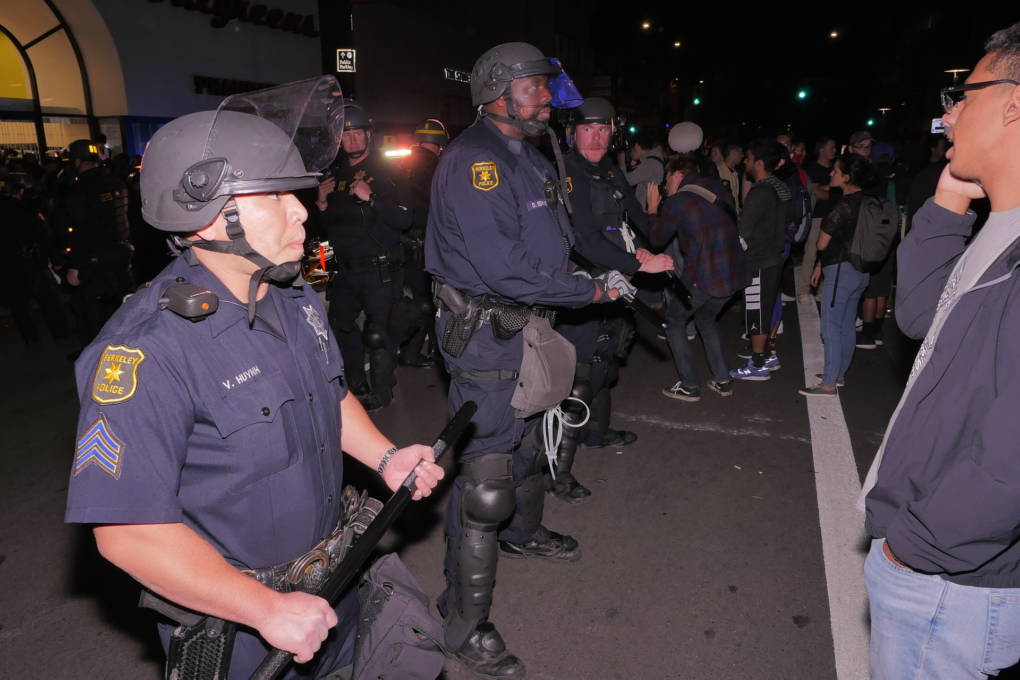
"caption": "In 2017, UC Berkeley police officers created a security cordon during a protest of a talk on campus by conservative author and radio host Ben Shapiro.",
"description": "In 2017, UC Berkeley police officers created a security cordon during a protest of a talk on campus by conservative author and radio host Ben Shapiro.",
"title": "RS26557_P1070807-qut",
"credit": "Sheraz Sadiq/KQED",
"status": "inherit",
"isLoading": false,
"fetchFailed": false
},
"news_11660657": {
"type": "attachments",
"id": "news_11660657",
"meta": {
"index": "attachments_1716263798",
"site": "news",
"id": "11660657",
"found": true
},
"parent": 11660655,
"imgSizes": {
"small": {
"file": "https://ww2.kqed.org/app/uploads/sites/10/2018/04/Pranav-Jandhyala-e1523212804364-520x390.jpg",
"width": 520,
"mimeType": "image/jpeg",
"height": 390
},
"twentyfourteen-full-width": {
"file": "https://ww2.kqed.org/app/uploads/sites/10/2018/04/Pranav-Jandhyala-e1523212804364-1038x576.jpg",
"width": 1038,
"mimeType": "image/jpeg",
"height": 576
},
"thumbnail": {
"file": "https://ww2.kqed.org/app/uploads/sites/10/2018/04/Pranav-Jandhyala-e1523212804364-160x120.jpg",
"width": 160,
"mimeType": "image/jpeg",
"height": 120
},
"fd-sm": {
"file": "https://ww2.kqed.org/app/uploads/sites/10/2018/04/Pranav-Jandhyala-e1523212804364-960x720.jpg",
"width": 960,
"mimeType": "image/jpeg",
"height": 720
},
"post-thumbnail": {
"file": "https://ww2.kqed.org/app/uploads/sites/10/2018/04/Pranav-Jandhyala-e1523212804364-672x372.jpg",
"width": 672,
"mimeType": "image/jpeg",
"height": 372
},
"xsmall": {
"file": "https://ww2.kqed.org/app/uploads/sites/10/2018/04/Pranav-Jandhyala-e1523212804364-375x281.jpg",
"width": 375,
"mimeType": "image/jpeg",
"height": 281
},
"kqedFullSize": {
"file": "https://ww2.kqed.org/app/uploads/sites/10/2018/04/Pranav-Jandhyala-e1523212804364.jpg",
"width": 4032,
"height": 3024
},
"large": {
"file": "https://ww2.kqed.org/app/uploads/sites/10/2018/04/Pranav-Jandhyala-e1523212804364-1020x765.jpg",
"width": 1020,
"mimeType": "image/jpeg",
"height": 765
},
"xlarge": {
"file": "https://ww2.kqed.org/app/uploads/sites/10/2018/04/Pranav-Jandhyala-e1523212804364-1180x885.jpg",
"width": 1180,
"mimeType": "image/jpeg",
"height": 885
},
"guest-author-50": {
"file": "https://ww2.kqed.org/app/uploads/sites/10/2018/04/Pranav-Jandhyala-e1523212804364-50x50.jpg",
"width": 50,
"mimeType": "image/jpeg",
"height": 50
},
"guest-author-96": {
"file": "https://ww2.kqed.org/app/uploads/sites/10/2018/04/Pranav-Jandhyala-e1523212804364-96x96.jpg",
"width": 96,
"mimeType": "image/jpeg",
"height": 96
},
"medium": {
"file": "https://ww2.kqed.org/app/uploads/sites/10/2018/04/Pranav-Jandhyala-e1523212804364-800x600.jpg",
"width": 800,
"mimeType": "image/jpeg",
"height": 600
},
"guest-author-64": {
"file": "https://ww2.kqed.org/app/uploads/sites/10/2018/04/Pranav-Jandhyala-e1523212804364-64x64.jpg",
"width": 64,
"mimeType": "image/jpeg",
"height": 64
},
"guest-author-32": {
"file": "https://ww2.kqed.org/app/uploads/sites/10/2018/04/Pranav-Jandhyala-e1523212804364-32x32.jpg",
"width": 32,
"mimeType": "image/jpeg",
"height": 32
},
"fd-lrg": {
"file": "https://ww2.kqed.org/app/uploads/sites/10/2018/04/Pranav-Jandhyala-e1523212804364-1920x1440.jpg",
"width": 1920,
"mimeType": "image/jpeg",
"height": 1440
},
"fd-med": {
"file": "https://ww2.kqed.org/app/uploads/sites/10/2018/04/Pranav-Jandhyala-e1523212804364-1180x885.jpg",
"width": 1180,
"mimeType": "image/jpeg",
"height": 885
},
"full-width": {
"file": "https://ww2.kqed.org/app/uploads/sites/10/2018/04/Pranav-Jandhyala-e1523212804364-1920x1440.jpg",
"width": 1920,
"mimeType": "image/jpeg",
"height": 1440
},
"detail": {
"file": "https://ww2.kqed.org/app/uploads/sites/10/2018/04/Pranav-Jandhyala-e1523212804364-150x150.jpg",
"width": 150,
"mimeType": "image/jpeg",
"height": 150
},
"guest-author-128": {
"file": "https://ww2.kqed.org/app/uploads/sites/10/2018/04/Pranav-Jandhyala-e1523212804364-128x128.jpg",
"width": 128,
"mimeType": "image/jpeg",
"height": 128
},
"xxsmall": {
"file": "https://ww2.kqed.org/app/uploads/sites/10/2018/04/Pranav-Jandhyala-e1523212804364-240x180.jpg",
"width": 240,
"mimeType": "image/jpeg",
"height": 180
}
},
"publishDate": 1523212729,
"modified": 1523212848,
"caption": "UC Berkeley sophomore Pranav Jandhyala, a Republican running for Assembly in the 15th District.",
"description": null,
"title": "Pranav Jandhyala",
"credit": "Guy Marzorati/KQED",
"status": "inherit",
"isLoading": false,
"fetchFailed": false
},
"news_11656212": {
"type": "attachments",
"id": "news_11656212",
"meta": {
"index": "attachments_1716263798",
"site": "news",
"id": "11656212",
"found": true
},
"parent": 11656197,
"imgSizes": {
"small": {
"file": "https://ww2.kqed.org/app/uploads/sites/10/2018/03/LATINO_PROFESSORS_Photo1-520x395.jpg",
"width": 520,
"mimeType": "image/jpeg",
"height": 395
},
"twentyfourteen-full-width": {
"file": "https://ww2.kqed.org/app/uploads/sites/10/2018/03/LATINO_PROFESSORS_Photo1-1038x576.jpg",
"width": 1038,
"mimeType": "image/jpeg",
"height": 576
},
"thumbnail": {
"file": "https://ww2.kqed.org/app/uploads/sites/10/2018/03/LATINO_PROFESSORS_Photo1-160x121.jpg",
"width": 160,
"mimeType": "image/jpeg",
"height": 121
},
"fd-sm": {
"file": "https://ww2.kqed.org/app/uploads/sites/10/2018/03/LATINO_PROFESSORS_Photo1-960x728.jpg",
"width": 960,
"mimeType": "image/jpeg",
"height": 728
},
"post-thumbnail": {
"file": "https://ww2.kqed.org/app/uploads/sites/10/2018/03/LATINO_PROFESSORS_Photo1-672x372.jpg",
"width": 672,
"mimeType": "image/jpeg",
"height": 372
},
"xsmall": {
"file": "https://ww2.kqed.org/app/uploads/sites/10/2018/03/LATINO_PROFESSORS_Photo1-375x284.jpg",
"width": 375,
"mimeType": "image/jpeg",
"height": 284
},
"kqedFullSize": {
"file": "https://ww2.kqed.org/app/uploads/sites/10/2018/03/LATINO_PROFESSORS_Photo1-e1521228676790.jpg",
"width": 1920,
"height": 1457
},
"large": {
"file": "https://ww2.kqed.org/app/uploads/sites/10/2018/03/LATINO_PROFESSORS_Photo1-1020x774.jpg",
"width": 1020,
"mimeType": "image/jpeg",
"height": 774
},
"xlarge": {
"file": "https://ww2.kqed.org/app/uploads/sites/10/2018/03/LATINO_PROFESSORS_Photo1-1180x895.jpg",
"width": 1180,
"mimeType": "image/jpeg",
"height": 895
},
"guest-author-50": {
"file": "https://ww2.kqed.org/app/uploads/sites/10/2018/03/LATINO_PROFESSORS_Photo1-50x50.jpg",
"width": 50,
"mimeType": "image/jpeg",
"height": 50
},
"guest-author-96": {
"file": "https://ww2.kqed.org/app/uploads/sites/10/2018/03/LATINO_PROFESSORS_Photo1-96x96.jpg",
"width": 96,
"mimeType": "image/jpeg",
"height": 96
},
"medium": {
"file": "https://ww2.kqed.org/app/uploads/sites/10/2018/03/LATINO_PROFESSORS_Photo1-800x607.jpg",
"width": 800,
"mimeType": "image/jpeg",
"height": 607
},
"guest-author-64": {
"file": "https://ww2.kqed.org/app/uploads/sites/10/2018/03/LATINO_PROFESSORS_Photo1-64x64.jpg",
"width": 64,
"mimeType": "image/jpeg",
"height": 64
},
"guest-author-32": {
"file": "https://ww2.kqed.org/app/uploads/sites/10/2018/03/LATINO_PROFESSORS_Photo1-32x32.jpg",
"width": 32,
"mimeType": "image/jpeg",
"height": 32
},
"fd-lrg": {
"file": "https://ww2.kqed.org/app/uploads/sites/10/2018/03/LATINO_PROFESSORS_Photo1-1920x1457.jpg",
"width": 1920,
"mimeType": "image/jpeg",
"height": 1457
},
"fd-med": {
"file": "https://ww2.kqed.org/app/uploads/sites/10/2018/03/LATINO_PROFESSORS_Photo1-1180x895.jpg",
"width": 1180,
"mimeType": "image/jpeg",
"height": 895
},
"full-width": {
"file": "https://ww2.kqed.org/app/uploads/sites/10/2018/03/LATINO_PROFESSORS_Photo1-1920x1457.jpg",
"width": 1920,
"mimeType": "image/jpeg",
"height": 1457
},
"detail": {
"file": "https://ww2.kqed.org/app/uploads/sites/10/2018/03/LATINO_PROFESSORS_Photo1-150x150.jpg",
"width": 150,
"mimeType": "image/jpeg",
"height": 150
},
"guest-author-128": {
"file": "https://ww2.kqed.org/app/uploads/sites/10/2018/03/LATINO_PROFESSORS_Photo1-128x128.jpg",
"width": 128,
"mimeType": "image/jpeg",
"height": 128
},
"xxsmall": {
"file": "https://ww2.kqed.org/app/uploads/sites/10/2018/03/LATINO_PROFESSORS_Photo1-240x182.jpg",
"width": 240,
"mimeType": "image/jpeg",
"height": 182
}
},
"publishDate": 1521228633,
"modified": 1521228664,
"caption": "UC Berkeley lecturer Pablo Gonzalez speaks to students during a class on Mexican immigration to the United States. ",
"description": "UC Berkeley lecturer Pablo Gonzalez speaks to students during a class on Mexican immigration to the United States. ",
"title": "LATINO_PROFESSORS_Photo1",
"credit": "Felicia Mello/CALmatters",
"status": "inherit",
"isLoading": false,
"fetchFailed": false
},
"news_11653196": {
"type": "attachments",
"id": "news_11653196",
"meta": {
"index": "attachments_1716263798",
"site": "news",
"id": "11653196",
"found": true
},
"parent": 11653002,
"imgSizes": {
"small": {
"file": "https://ww2.kqed.org/app/uploads/sites/10/2018/03/SatherTower-520x291.jpg",
"width": 520,
"mimeType": "image/jpeg",
"height": 291
},
"twentyfourteen-full-width": {
"file": "https://ww2.kqed.org/app/uploads/sites/10/2018/03/SatherTower-1038x576.jpg",
"width": 1038,
"mimeType": "image/jpeg",
"height": 576
},
"thumbnail": {
"file": "https://ww2.kqed.org/app/uploads/sites/10/2018/03/SatherTower-160x89.jpg",
"width": 160,
"mimeType": "image/jpeg",
"height": 89
},
"fd-sm": {
"file": "https://ww2.kqed.org/app/uploads/sites/10/2018/03/SatherTower-960x537.jpg",
"width": 960,
"mimeType": "image/jpeg",
"height": 537
},
"post-thumbnail": {
"file": "https://ww2.kqed.org/app/uploads/sites/10/2018/03/SatherTower-672x372.jpg",
"width": 672,
"mimeType": "image/jpeg",
"height": 372
},
"xsmall": {
"file": "https://ww2.kqed.org/app/uploads/sites/10/2018/03/SatherTower-375x210.jpg",
"width": 375,
"mimeType": "image/jpeg",
"height": 210
},
"kqedFullSize": {
"file": "https://ww2.kqed.org/app/uploads/sites/10/2018/03/SatherTower.jpg",
"width": 1920,
"height": 1073
},
"large": {
"file": "https://ww2.kqed.org/app/uploads/sites/10/2018/03/SatherTower-1020x570.jpg",
"width": 1020,
"mimeType": "image/jpeg",
"height": 570
},
"xlarge": {
"file": "https://ww2.kqed.org/app/uploads/sites/10/2018/03/SatherTower-1180x659.jpg",
"width": 1180,
"mimeType": "image/jpeg",
"height": 659
},
"guest-author-50": {
"file": "https://ww2.kqed.org/app/uploads/sites/10/2018/03/SatherTower-50x50.jpg",
"width": 50,
"mimeType": "image/jpeg",
"height": 50
},
"guest-author-96": {
"file": "https://ww2.kqed.org/app/uploads/sites/10/2018/03/SatherTower-96x96.jpg",
"width": 96,
"mimeType": "image/jpeg",
"height": 96
},
"medium": {
"file": "https://ww2.kqed.org/app/uploads/sites/10/2018/03/SatherTower-800x447.jpg",
"width": 800,
"mimeType": "image/jpeg",
"height": 447
},
"guest-author-64": {
"file": "https://ww2.kqed.org/app/uploads/sites/10/2018/03/SatherTower-64x64.jpg",
"width": 64,
"mimeType": "image/jpeg",
"height": 64
},
"guest-author-32": {
"file": "https://ww2.kqed.org/app/uploads/sites/10/2018/03/SatherTower-32x32.jpg",
"width": 32,
"mimeType": "image/jpeg",
"height": 32
},
"fd-lrg": {
"file": "https://ww2.kqed.org/app/uploads/sites/10/2018/03/SatherTower-1920x1073.jpg",
"width": 1920,
"mimeType": "image/jpeg",
"height": 1073
},
"fd-med": {
"file": "https://ww2.kqed.org/app/uploads/sites/10/2018/03/SatherTower-1180x659.jpg",
"width": 1180,
"mimeType": "image/jpeg",
"height": 659
},
"full-width": {
"file": "https://ww2.kqed.org/app/uploads/sites/10/2018/03/SatherTower-1920x1073.jpg",
"width": 1920,
"mimeType": "image/jpeg",
"height": 1073
},
"detail": {
"file": "https://ww2.kqed.org/app/uploads/sites/10/2018/03/SatherTower-150x150.jpg",
"width": 150,
"mimeType": "image/jpeg",
"height": 150
},
"guest-author-128": {
"file": "https://ww2.kqed.org/app/uploads/sites/10/2018/03/SatherTower-128x128.jpg",
"width": 128,
"mimeType": "image/jpeg",
"height": 128
},
"xxsmall": {
"file": "https://ww2.kqed.org/app/uploads/sites/10/2018/03/SatherTower-240x134.jpg",
"width": 240,
"mimeType": "image/jpeg",
"height": 134
}
},
"publishDate": 1519949825,
"modified": 1519949854,
"caption": "A four-year federal investigation found UC Berkeley isn’t meeting all legal requirements when it comes to handling complaints of sexual assault and harassment. ",
"description": "A four-year federal investigation found UC Berkeley isn’t meeting all legal requirements when it comes to handling complaints of sexual assault and harassment. ",
"title": "SatherTower",
"credit": "Justin Sullivan/Getty Images",
"status": "inherit",
"isLoading": false,
"fetchFailed": false
},
"news_11642295": {
"type": "attachments",
"id": "news_11642295",
"meta": {
"index": "attachments_1716263798",
"site": "news",
"id": "11642295",
"found": true
},
"parent": 11642274,
"imgSizes": {
"small": {
"file": "https://ww2.kqed.org/app/uploads/sites/10/2018/01/RS23984_170201_AntiMiloProtest_bhs10-qut-1-520x347.jpg",
"width": 520,
"mimeType": "image/jpeg",
"height": 347
},
"twentyfourteen-full-width": {
"file": "https://ww2.kqed.org/app/uploads/sites/10/2018/01/RS23984_170201_AntiMiloProtest_bhs10-qut-1-1038x576.jpg",
"width": 1038,
"mimeType": "image/jpeg",
"height": 576
},
"thumbnail": {
"file": "https://ww2.kqed.org/app/uploads/sites/10/2018/01/RS23984_170201_AntiMiloProtest_bhs10-qut-1-160x107.jpg",
"width": 160,
"mimeType": "image/jpeg",
"height": 107
},
"fd-sm": {
"file": "https://ww2.kqed.org/app/uploads/sites/10/2018/01/RS23984_170201_AntiMiloProtest_bhs10-qut-1-960x640.jpg",
"width": 960,
"mimeType": "image/jpeg",
"height": 640
},
"post-thumbnail": {
"file": "https://ww2.kqed.org/app/uploads/sites/10/2018/01/RS23984_170201_AntiMiloProtest_bhs10-qut-1-672x372.jpg",
"width": 672,
"mimeType": "image/jpeg",
"height": 372
},
"xsmall": {
"file": "https://ww2.kqed.org/app/uploads/sites/10/2018/01/RS23984_170201_AntiMiloProtest_bhs10-qut-1-375x250.jpg",
"width": 375,
"mimeType": "image/jpeg",
"height": 250
},
"kqedFullSize": {
"file": "https://ww2.kqed.org/app/uploads/sites/10/2018/01/RS23984_170201_AntiMiloProtest_bhs10-qut-1.jpg",
"width": 1920,
"height": 1280
},
"large": {
"file": "https://ww2.kqed.org/app/uploads/sites/10/2018/01/RS23984_170201_AntiMiloProtest_bhs10-qut-1-1020x680.jpg",
"width": 1020,
"mimeType": "image/jpeg",
"height": 680
},
"xlarge": {
"file": "https://ww2.kqed.org/app/uploads/sites/10/2018/01/RS23984_170201_AntiMiloProtest_bhs10-qut-1-1180x787.jpg",
"width": 1180,
"mimeType": "image/jpeg",
"height": 787
},
"guest-author-50": {
"file": "https://ww2.kqed.org/app/uploads/sites/10/2018/01/RS23984_170201_AntiMiloProtest_bhs10-qut-1-50x50.jpg",
"width": 50,
"mimeType": "image/jpeg",
"height": 50
},
"guest-author-96": {
"file": "https://ww2.kqed.org/app/uploads/sites/10/2018/01/RS23984_170201_AntiMiloProtest_bhs10-qut-1-96x96.jpg",
"width": 96,
"mimeType": "image/jpeg",
"height": 96
},
"medium": {
"file": "https://ww2.kqed.org/app/uploads/sites/10/2018/01/RS23984_170201_AntiMiloProtest_bhs10-qut-1-800x533.jpg",
"width": 800,
"mimeType": "image/jpeg",
"height": 533
},
"guest-author-64": {
"file": "https://ww2.kqed.org/app/uploads/sites/10/2018/01/RS23984_170201_AntiMiloProtest_bhs10-qut-1-64x64.jpg",
"width": 64,
"mimeType": "image/jpeg",
"height": 64
},
"guest-author-32": {
"file": "https://ww2.kqed.org/app/uploads/sites/10/2018/01/RS23984_170201_AntiMiloProtest_bhs10-qut-1-32x32.jpg",
"width": 32,
"mimeType": "image/jpeg",
"height": 32
},
"fd-lrg": {
"file": "https://ww2.kqed.org/app/uploads/sites/10/2018/01/RS23984_170201_AntiMiloProtest_bhs10-qut-1-1920x1280.jpg",
"width": 1920,
"mimeType": "image/jpeg",
"height": 1280
},
"fd-med": {
"file": "https://ww2.kqed.org/app/uploads/sites/10/2018/01/RS23984_170201_AntiMiloProtest_bhs10-qut-1-1180x787.jpg",
"width": 1180,
"mimeType": "image/jpeg",
"height": 787
},
"full-width": {
"file": "https://ww2.kqed.org/app/uploads/sites/10/2018/01/RS23984_170201_AntiMiloProtest_bhs10-qut-1-1920x1280.jpg",
"width": 1920,
"mimeType": "image/jpeg",
"height": 1280
},
"detail": {
"file": "https://ww2.kqed.org/app/uploads/sites/10/2018/01/RS23984_170201_AntiMiloProtest_bhs10-qut-1-150x150.jpg",
"width": 150,
"mimeType": "image/jpeg",
"height": 150
},
"guest-author-128": {
"file": "https://ww2.kqed.org/app/uploads/sites/10/2018/01/RS23984_170201_AntiMiloProtest_bhs10-qut-1-128x128.jpg",
"width": 128,
"mimeType": "image/jpeg",
"height": 128
},
"xxsmall": {
"file": "https://ww2.kqed.org/app/uploads/sites/10/2018/01/RS23984_170201_AntiMiloProtest_bhs10-qut-1-240x160.jpg",
"width": 240,
"mimeType": "image/jpeg",
"height": 160
}
},
"publishDate": 1516146737,
"modified": 1516147779,
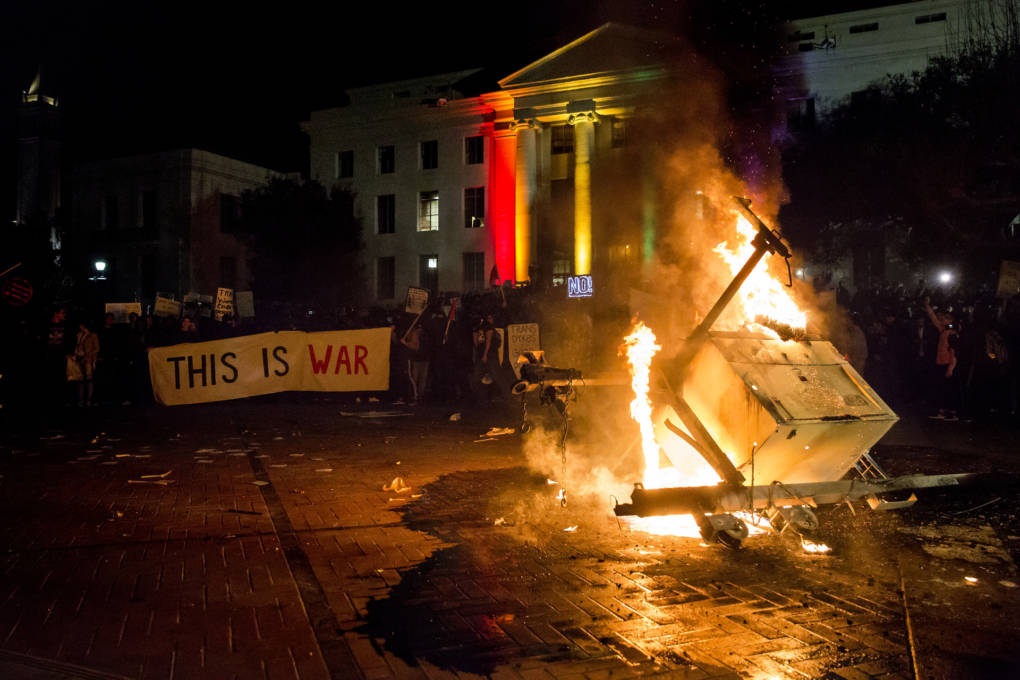
"caption": "A lighting structure outside of Sproul Hall is knocked over and lit on fire during an anti-Milo Yiannopoulos protest on Feb. 1, 2017. Four Bay Area residents are suing UC Berkeley and the city over injuries they incurred at the event. ",
"description": "A lighting structure outside of Sproul Hall is knocked over and lit on fire during an Anti-Milo Yiannopoulos protest on February 1, 2017. ",
"title": "RS23984_170201_AntiMiloProtest_bhs10-qut (1)",
"credit": "Brittany Hosea-Small/UC Berkeley",
"status": "inherit",
"isLoading": false,
"fetchFailed": false
},
"news_11635817": {
"type": "attachments",
"id": "news_11635817",
"meta": {
"index": "attachments_1716263798",
"site": "news",
"id": "11635817",
"found": true
},
"parent": 11633019,
"imgSizes": {
"small": {
"file": "https://ww2.kqed.org/app/uploads/sites/10/2017/12/ChuID-520x365.jpg",
"width": 520,
"mimeType": "image/jpeg",
"height": 365
},
"twentyfourteen-full-width": {
"file": "https://ww2.kqed.org/app/uploads/sites/10/2017/12/ChuID-1038x576.jpg",
"width": 1038,
"mimeType": "image/jpeg",
"height": 576
},
"thumbnail": {
"file": "https://ww2.kqed.org/app/uploads/sites/10/2017/12/ChuID-160x112.jpg",
"width": 160,
"mimeType": "image/jpeg",
"height": 112
},
"fd-sm": {
"file": "https://ww2.kqed.org/app/uploads/sites/10/2017/12/ChuID-960x673.jpg",
"width": 960,
"mimeType": "image/jpeg",
"height": 673
},
"post-thumbnail": {
"file": "https://ww2.kqed.org/app/uploads/sites/10/2017/12/ChuID-672x372.jpg",
"width": 672,
"mimeType": "image/jpeg",
"height": 372
},
"xsmall": {
"file": "https://ww2.kqed.org/app/uploads/sites/10/2017/12/ChuID-375x263.jpg",
"width": 375,
"mimeType": "image/jpeg",
"height": 263
},
"kqedFullSize": {
"file": "https://ww2.kqed.org/app/uploads/sites/10/2017/12/ChuID.jpg",
"width": 1920,
"height": 1346
},
"large": {
"file": "https://ww2.kqed.org/app/uploads/sites/10/2017/12/ChuID-1020x715.jpg",
"width": 1020,
"mimeType": "image/jpeg",
"height": 715
},
"xlarge": {
"file": "https://ww2.kqed.org/app/uploads/sites/10/2017/12/ChuID-1180x827.jpg",
"width": 1180,
"mimeType": "image/jpeg",
"height": 827
},
"guest-author-50": {
"file": "https://ww2.kqed.org/app/uploads/sites/10/2017/12/ChuID-50x50.jpg",
"width": 50,
"mimeType": "image/jpeg",
"height": 50
},
"guest-author-96": {
"file": "https://ww2.kqed.org/app/uploads/sites/10/2017/12/ChuID-96x96.jpg",
"width": 96,
"mimeType": "image/jpeg",
"height": 96
},
"medium": {
"file": "https://ww2.kqed.org/app/uploads/sites/10/2017/12/ChuID-800x561.jpg",
"width": 800,
"mimeType": "image/jpeg",
"height": 561
},
"guest-author-64": {
"file": "https://ww2.kqed.org/app/uploads/sites/10/2017/12/ChuID-64x64.jpg",
"width": 64,
"mimeType": "image/jpeg",
"height": 64
},
"guest-author-32": {
"file": "https://ww2.kqed.org/app/uploads/sites/10/2017/12/ChuID-32x32.jpg",
"width": 32,
"mimeType": "image/jpeg",
"height": 32
},
"fd-lrg": {
"file": "https://ww2.kqed.org/app/uploads/sites/10/2017/12/ChuID-1920x1346.jpg",
"width": 1920,
"mimeType": "image/jpeg",
"height": 1346
},
"fd-med": {
"file": "https://ww2.kqed.org/app/uploads/sites/10/2017/12/ChuID-1180x827.jpg",
"width": 1180,
"mimeType": "image/jpeg",
"height": 827
},
"full-width": {
"file": "https://ww2.kqed.org/app/uploads/sites/10/2017/12/ChuID-1920x1346.jpg",
"width": 1920,
"mimeType": "image/jpeg",
"height": 1346
},
"detail": {
"file": "https://ww2.kqed.org/app/uploads/sites/10/2017/12/ChuID-150x150.jpg",
"width": 150,
"mimeType": "image/jpeg",
"height": 150
},
"guest-author-128": {
"file": "https://ww2.kqed.org/app/uploads/sites/10/2017/12/ChuID-128x128.jpg",
"width": 128,
"mimeType": "image/jpeg",
"height": 128
},
"xxsmall": {
"file": "https://ww2.kqed.org/app/uploads/sites/10/2017/12/ChuID-240x168.jpg",
"width": 240,
"mimeType": "image/jpeg",
"height": 168
}
},
"publishDate": 1512764010,
"modified": 1512764091,
"caption": "Seo-Young Chu’s 1999 Stanford ID. \n",
"description": "Seo-Young Chu’s 1999 Stanford ID. \n",
"title": "ChuID",
"credit": "Courtesy Seo-Young Chu",
"status": "inherit",
"isLoading": false,
"fetchFailed": false
},
"news_11632152": {
"type": "attachments",
"id": "news_11632152",
"meta": {
"index": "attachments_1716263798",
"site": "news",
"id": "11632152",
"found": true
},
"parent": 11632130,
"imgSizes": {
"small": {
"file": "https://ww2.kqed.org/app/uploads/sites/10/2017/11/Image-uploaded-from-iOS-5-520x390.jpg",
"width": 520,
"mimeType": "image/jpeg",
"height": 390
},
"twentyfourteen-full-width": {
"file": "https://ww2.kqed.org/app/uploads/sites/10/2017/11/Image-uploaded-from-iOS-5-1038x576.jpg",
"width": 1038,
"mimeType": "image/jpeg",
"height": 576
},
"thumbnail": {
"file": "https://ww2.kqed.org/app/uploads/sites/10/2017/11/Image-uploaded-from-iOS-5-160x120.jpg",
"width": 160,
"mimeType": "image/jpeg",
"height": 120
},
"fd-sm": {
"file": "https://ww2.kqed.org/app/uploads/sites/10/2017/11/Image-uploaded-from-iOS-5-960x720.jpg",
"width": 960,
"mimeType": "image/jpeg",
"height": 720
},
"post-thumbnail": {
"file": "https://ww2.kqed.org/app/uploads/sites/10/2017/11/Image-uploaded-from-iOS-5-672x372.jpg",
"width": 672,
"mimeType": "image/jpeg",
"height": 372
},
"xsmall": {
"file": "https://ww2.kqed.org/app/uploads/sites/10/2017/11/Image-uploaded-from-iOS-5-375x281.jpg",
"width": 375,
"mimeType": "image/jpeg",
"height": 281
},
"kqedFullSize": {
"file": "https://ww2.kqed.org/app/uploads/sites/10/2017/11/Image-uploaded-from-iOS-5.jpg",
"width": 2048,
"height": 1536
},
"large": {
"file": "https://ww2.kqed.org/app/uploads/sites/10/2017/11/Image-uploaded-from-iOS-5-1020x765.jpg",
"width": 1020,
"mimeType": "image/jpeg",
"height": 765
},
"xlarge": {
"file": "https://ww2.kqed.org/app/uploads/sites/10/2017/11/Image-uploaded-from-iOS-5-1180x885.jpg",
"width": 1180,
"mimeType": "image/jpeg",
"height": 885
},
"guest-author-50": {
"file": "https://ww2.kqed.org/app/uploads/sites/10/2017/11/Image-uploaded-from-iOS-5-50x50.jpg",
"width": 50,
"mimeType": "image/jpeg",
"height": 50
},
"guest-author-96": {
"file": "https://ww2.kqed.org/app/uploads/sites/10/2017/11/Image-uploaded-from-iOS-5-96x96.jpg",
"width": 96,
"mimeType": "image/jpeg",
"height": 96
},
"medium": {
"file": "https://ww2.kqed.org/app/uploads/sites/10/2017/11/Image-uploaded-from-iOS-5-800x600.jpg",
"width": 800,
"mimeType": "image/jpeg",
"height": 600
},
"guest-author-64": {
"file": "https://ww2.kqed.org/app/uploads/sites/10/2017/11/Image-uploaded-from-iOS-5-64x64.jpg",
"width": 64,
"mimeType": "image/jpeg",
"height": 64
},
"guest-author-32": {
"file": "https://ww2.kqed.org/app/uploads/sites/10/2017/11/Image-uploaded-from-iOS-5-32x32.jpg",
"width": 32,
"mimeType": "image/jpeg",
"height": 32
},
"fd-lrg": {
"file": "https://ww2.kqed.org/app/uploads/sites/10/2017/11/Image-uploaded-from-iOS-5-1920x1440.jpg",
"width": 1920,
"mimeType": "image/jpeg",
"height": 1440
},
"fd-med": {
"file": "https://ww2.kqed.org/app/uploads/sites/10/2017/11/Image-uploaded-from-iOS-5-1180x885.jpg",
"width": 1180,
"mimeType": "image/jpeg",
"height": 885
},
"full-width": {
"file": "https://ww2.kqed.org/app/uploads/sites/10/2017/11/Image-uploaded-from-iOS-5-1920x1440.jpg",
"width": 1920,
"mimeType": "image/jpeg",
"height": 1440
},
"detail": {
"file": "https://ww2.kqed.org/app/uploads/sites/10/2017/11/Image-uploaded-from-iOS-5-150x150.jpg",
"width": 150,
"mimeType": "image/jpeg",
"height": 150
},
"guest-author-128": {
"file": "https://ww2.kqed.org/app/uploads/sites/10/2017/11/Image-uploaded-from-iOS-5-128x128.jpg",
"width": 128,
"mimeType": "image/jpeg",
"height": 128
},
"xxsmall": {
"file": "https://ww2.kqed.org/app/uploads/sites/10/2017/11/Image-uploaded-from-iOS-5-240x180.jpg",
"width": 240,
"mimeType": "image/jpeg",
"height": 180
}
},
"publishDate": 1511035698,
"modified": 1511036618,
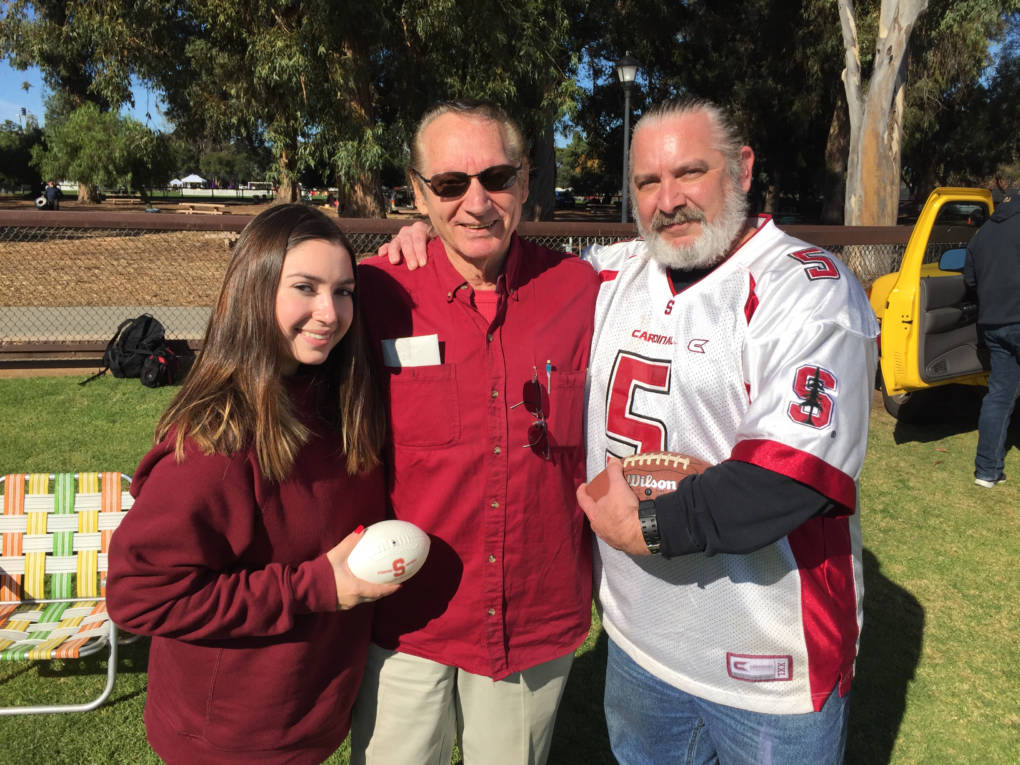
"caption": "Joe Ficarra (center) has been going to the Big Game for 60 years. His son Jeff (right) went to his first game in 1978. Jeff's daughter and Joe's granddaughter Alanis is at her first Stanford game today.",
"description": "Joe Ficarra (center) has been going to the Big Game for 60 years. His son Jeff (right) went to his first game in 1978. Jeff's daughter and Joe's granddaughter Alanis is at her first Stanford game today.",
"title": "Image uploaded from iOS (5)",
"credit": "Ryan Levi/KQED",
"status": "inherit",
"isLoading": false,
"fetchFailed": false
},
"news_11620534": {
"type": "attachments",
"id": "news_11620534",
"meta": {
"index": "attachments_1716263798",
"site": "news",
"id": "11620534",
"found": true
},
"parent": 11619892,
"imgSizes": {
"small": {
"file": "https://ww2.kqed.org/app/uploads/sites/10/2017/10/FullSizeRender-1-1-520x347.jpg",
"width": 520,
"mimeType": "image/jpeg",
"height": 347
},
"twentyfourteen-full-width": {
"file": "https://ww2.kqed.org/app/uploads/sites/10/2017/10/FullSizeRender-1-1-1038x576.jpg",
"width": 1038,
"mimeType": "image/jpeg",
"height": 576
},
"thumbnail": {
"file": "https://ww2.kqed.org/app/uploads/sites/10/2017/10/FullSizeRender-1-1-160x107.jpg",
"width": 160,
"mimeType": "image/jpeg",
"height": 107
},
"fd-sm": {
"file": "https://ww2.kqed.org/app/uploads/sites/10/2017/10/FullSizeRender-1-1-960x640.jpg",
"width": 960,
"mimeType": "image/jpeg",
"height": 640
},
"post-thumbnail": {
"file": "https://ww2.kqed.org/app/uploads/sites/10/2017/10/FullSizeRender-1-1-672x372.jpg",
"width": 672,
"mimeType": "image/jpeg",
"height": 372
},
"xsmall": {
"file": "https://ww2.kqed.org/app/uploads/sites/10/2017/10/FullSizeRender-1-1-375x250.jpg",
"width": 375,
"mimeType": "image/jpeg",
"height": 250
},
"kqedFullSize": {
"file": "https://ww2.kqed.org/app/uploads/sites/10/2017/10/FullSizeRender-1-1.jpg",
"width": 1804,
"height": 1203
},
"large": {
"file": "https://ww2.kqed.org/app/uploads/sites/10/2017/10/FullSizeRender-1-1-1020x680.jpg",
"width": 1020,
"mimeType": "image/jpeg",
"height": 680
},
"xlarge": {
"file": "https://ww2.kqed.org/app/uploads/sites/10/2017/10/FullSizeRender-1-1-1180x787.jpg",
"width": 1180,
"mimeType": "image/jpeg",
"height": 787
},
"guest-author-50": {
"file": "https://ww2.kqed.org/app/uploads/sites/10/2017/10/FullSizeRender-1-1-50x50.jpg",
"width": 50,
"mimeType": "image/jpeg",
"height": 50
},
"guest-author-96": {
"file": "https://ww2.kqed.org/app/uploads/sites/10/2017/10/FullSizeRender-1-1-96x96.jpg",
"width": 96,
"mimeType": "image/jpeg",
"height": 96
},
"medium": {
"file": "https://ww2.kqed.org/app/uploads/sites/10/2017/10/FullSizeRender-1-1-800x533.jpg",
"width": 800,
"mimeType": "image/jpeg",
"height": 533
},
"guest-author-64": {
"file": "https://ww2.kqed.org/app/uploads/sites/10/2017/10/FullSizeRender-1-1-64x64.jpg",
"width": 64,
"mimeType": "image/jpeg",
"height": 64
},
"guest-author-32": {
"file": "https://ww2.kqed.org/app/uploads/sites/10/2017/10/FullSizeRender-1-1-32x32.jpg",
"width": 32,
"mimeType": "image/jpeg",
"height": 32
},
"fd-med": {
"file": "https://ww2.kqed.org/app/uploads/sites/10/2017/10/FullSizeRender-1-1-1180x787.jpg",
"width": 1180,
"mimeType": "image/jpeg",
"height": 787
},
"detail": {
"file": "https://ww2.kqed.org/app/uploads/sites/10/2017/10/FullSizeRender-1-1-150x150.jpg",
"width": 150,
"mimeType": "image/jpeg",
"height": 150
},
"guest-author-128": {
"file": "https://ww2.kqed.org/app/uploads/sites/10/2017/10/FullSizeRender-1-1-128x128.jpg",
"width": 128,
"mimeType": "image/jpeg",
"height": 128
},
"xxsmall": {
"file": "https://ww2.kqed.org/app/uploads/sites/10/2017/10/FullSizeRender-1-1-240x160.jpg",
"width": 240,
"mimeType": "image/jpeg",
"height": 160
}
},
"publishDate": 1506983285,
"modified": 1506983329,
"caption": "That's one expensive photo op.",
"description": null,
"title": "Milo on campus",
"credit": "KQED",
"status": "inherit",
"isLoading": false,
"fetchFailed": false
},
"news_11617889": {
"type": "attachments",
"id": "news_11617889",
"meta": {
"index": "attachments_1716263798",
"site": "news",
"id": "11617889",
"found": true
},
"parent": 11617888,
"imgSizes": {
"small": {
"file": "https://ww2.kqed.org/app/uploads/sites/10/2017/09/RS26575_20170912_VietnamStories_DavidMeisenheimer_Credit_BertJohnson-3-qut-520x347.jpg",
"width": 520,
"mimeType": "image/jpeg",
"height": 347
},
"twentyfourteen-full-width": {
"file": "https://ww2.kqed.org/app/uploads/sites/10/2017/09/RS26575_20170912_VietnamStories_DavidMeisenheimer_Credit_BertJohnson-3-qut-1038x576.jpg",
"width": 1038,
"mimeType": "image/jpeg",
"height": 576
},
"thumbnail": {
"file": "https://ww2.kqed.org/app/uploads/sites/10/2017/09/RS26575_20170912_VietnamStories_DavidMeisenheimer_Credit_BertJohnson-3-qut-160x107.jpg",
"width": 160,
"mimeType": "image/jpeg",
"height": 107
},
"fd-sm": {
"file": "https://ww2.kqed.org/app/uploads/sites/10/2017/09/RS26575_20170912_VietnamStories_DavidMeisenheimer_Credit_BertJohnson-3-qut-960x640.jpg",
"width": 960,
"mimeType": "image/jpeg",
"height": 640
},
"post-thumbnail": {
"file": "https://ww2.kqed.org/app/uploads/sites/10/2017/09/RS26575_20170912_VietnamStories_DavidMeisenheimer_Credit_BertJohnson-3-qut-672x372.jpg",
"width": 672,
"mimeType": "image/jpeg",
"height": 372
},
"xsmall": {
"file": "https://ww2.kqed.org/app/uploads/sites/10/2017/09/RS26575_20170912_VietnamStories_DavidMeisenheimer_Credit_BertJohnson-3-qut-375x250.jpg",
"width": 375,
"mimeType": "image/jpeg",
"height": 250
},
"kqedFullSize": {
"file": "https://ww2.kqed.org/app/uploads/sites/10/2017/09/RS26575_20170912_VietnamStories_DavidMeisenheimer_Credit_BertJohnson-3-qut.jpg",
"width": 1920,
"height": 1280
},
"large": {
"file": "https://ww2.kqed.org/app/uploads/sites/10/2017/09/RS26575_20170912_VietnamStories_DavidMeisenheimer_Credit_BertJohnson-3-qut-1020x680.jpg",
"width": 1020,
"mimeType": "image/jpeg",
"height": 680
},
"xlarge": {
"file": "https://ww2.kqed.org/app/uploads/sites/10/2017/09/RS26575_20170912_VietnamStories_DavidMeisenheimer_Credit_BertJohnson-3-qut-1180x787.jpg",
"width": 1180,
"mimeType": "image/jpeg",
"height": 787
},
"guest-author-50": {
"file": "https://ww2.kqed.org/app/uploads/sites/10/2017/09/RS26575_20170912_VietnamStories_DavidMeisenheimer_Credit_BertJohnson-3-qut-50x50.jpg",
"width": 50,
"mimeType": "image/jpeg",
"height": 50
},
"guest-author-96": {
"file": "https://ww2.kqed.org/app/uploads/sites/10/2017/09/RS26575_20170912_VietnamStories_DavidMeisenheimer_Credit_BertJohnson-3-qut-96x96.jpg",
"width": 96,
"mimeType": "image/jpeg",
"height": 96
},
"medium": {
"file": "https://ww2.kqed.org/app/uploads/sites/10/2017/09/RS26575_20170912_VietnamStories_DavidMeisenheimer_Credit_BertJohnson-3-qut-800x533.jpg",
"width": 800,
"mimeType": "image/jpeg",
"height": 533
},
"guest-author-64": {
"file": "https://ww2.kqed.org/app/uploads/sites/10/2017/09/RS26575_20170912_VietnamStories_DavidMeisenheimer_Credit_BertJohnson-3-qut-64x64.jpg",
"width": 64,
"mimeType": "image/jpeg",
"height": 64
},
"guest-author-32": {
"file": "https://ww2.kqed.org/app/uploads/sites/10/2017/09/RS26575_20170912_VietnamStories_DavidMeisenheimer_Credit_BertJohnson-3-qut-32x32.jpg",
"width": 32,
"mimeType": "image/jpeg",
"height": 32
},
"fd-lrg": {
"file": "https://ww2.kqed.org/app/uploads/sites/10/2017/09/RS26575_20170912_VietnamStories_DavidMeisenheimer_Credit_BertJohnson-3-qut-1920x1280.jpg",
"width": 1920,
"mimeType": "image/jpeg",
"height": 1280
},
"fd-med": {
"file": "https://ww2.kqed.org/app/uploads/sites/10/2017/09/RS26575_20170912_VietnamStories_DavidMeisenheimer_Credit_BertJohnson-3-qut-1180x787.jpg",
"width": 1180,
"mimeType": "image/jpeg",
"height": 787
},
"full-width": {
"file": "https://ww2.kqed.org/app/uploads/sites/10/2017/09/RS26575_20170912_VietnamStories_DavidMeisenheimer_Credit_BertJohnson-3-qut-1920x1280.jpg",
"width": 1920,
"mimeType": "image/jpeg",
"height": 1280
},
"detail": {
"file": "https://ww2.kqed.org/app/uploads/sites/10/2017/09/RS26575_20170912_VietnamStories_DavidMeisenheimer_Credit_BertJohnson-3-qut-150x150.jpg",
"width": 150,
"mimeType": "image/jpeg",
"height": 150
},
"guest-author-128": {
"file": "https://ww2.kqed.org/app/uploads/sites/10/2017/09/RS26575_20170912_VietnamStories_DavidMeisenheimer_Credit_BertJohnson-3-qut-128x128.jpg",
"width": 128,
"mimeType": "image/jpeg",
"height": 128
},
"xxsmall": {
"file": "https://ww2.kqed.org/app/uploads/sites/10/2017/09/RS26575_20170912_VietnamStories_DavidMeisenheimer_Credit_BertJohnson-3-qut-240x160.jpg",
"width": 240,
"mimeType": "image/jpeg",
"height": 160
}
},
"publishDate": 1505883226,
"modified": 1505946199,
"caption": "David Meisenheimer\nsuccessfully received the status of conscientious objector during the Vietnam War, which kept him from being drafted. He was photographed in his home on Sept. 12, 2017.",
"description": null,
"title": "RS26575_20170912_VietnamStories_DavidMeisenheimer_Credit_BertJohnson-3-qut",
"credit": "Bert Johnson/KQED",
"status": "inherit",
"isLoading": false,
"fetchFailed": false
},
"news_11620214": {
"type": "attachments",
"id": "news_11620214",
"meta": {
"index": "attachments_1716263798",
"site": "news",
"id": "11620214",
"found": true
},
"parent": 11620213,
"imgSizes": {
"small": {
"file": "https://ww2.kqed.org/app/uploads/sites/10/2017/09/NR449_WEB_MARQ-520x293.jpg",
"width": 520,
"mimeType": "image/jpeg",
"height": 293
},
"twentyfourteen-full-width": {
"file": "https://ww2.kqed.org/app/uploads/sites/10/2017/09/NR449_WEB_MARQ-1038x576.jpg",
"width": 1038,
"mimeType": "image/jpeg",
"height": 576
},
"thumbnail": {
"file": "https://ww2.kqed.org/app/uploads/sites/10/2017/09/NR449_WEB_MARQ-160x90.jpg",
"width": 160,
"mimeType": "image/jpeg",
"height": 90
},
"fd-sm": {
"file": "https://ww2.kqed.org/app/uploads/sites/10/2017/09/NR449_WEB_MARQ-960x540.jpg",
"width": 960,
"mimeType": "image/jpeg",
"height": 540
},
"post-thumbnail": {
"file": "https://ww2.kqed.org/app/uploads/sites/10/2017/09/NR449_WEB_MARQ-672x372.jpg",
"width": 672,
"mimeType": "image/jpeg",
"height": 372
},
"xsmall": {
"file": "https://ww2.kqed.org/app/uploads/sites/10/2017/09/NR449_WEB_MARQ-375x211.jpg",
"width": 375,
"mimeType": "image/jpeg",
"height": 211
},
"kqedFullSize": {
"file": "https://ww2.kqed.org/app/uploads/sites/10/2017/09/NR449_WEB_MARQ.jpg",
"width": 1280,
"height": 720
},
"large": {
"file": "https://ww2.kqed.org/app/uploads/sites/10/2017/09/NR449_WEB_MARQ-1020x574.jpg",
"width": 1020,
"mimeType": "image/jpeg",
"height": 574
},
"xlarge": {
"file": "https://ww2.kqed.org/app/uploads/sites/10/2017/09/NR449_WEB_MARQ-1180x664.jpg",
"width": 1180,
"mimeType": "image/jpeg",
"height": 664
},
"guest-author-50": {
"file": "https://ww2.kqed.org/app/uploads/sites/10/2017/09/NR449_WEB_MARQ-50x50.jpg",
"width": 50,
"mimeType": "image/jpeg",
"height": 50
},
"guest-author-96": {
"file": "https://ww2.kqed.org/app/uploads/sites/10/2017/09/NR449_WEB_MARQ-96x96.jpg",
"width": 96,
"mimeType": "image/jpeg",
"height": 96
},
"medium": {
"file": "https://ww2.kqed.org/app/uploads/sites/10/2017/09/NR449_WEB_MARQ-800x450.jpg",
"width": 800,
"mimeType": "image/jpeg",
"height": 450
},
"guest-author-64": {
"file": "https://ww2.kqed.org/app/uploads/sites/10/2017/09/NR449_WEB_MARQ-64x64.jpg",
"width": 64,
"mimeType": "image/jpeg",
"height": 64
},
"guest-author-32": {
"file": "https://ww2.kqed.org/app/uploads/sites/10/2017/09/NR449_WEB_MARQ-32x32.jpg",
"width": 32,
"mimeType": "image/jpeg",
"height": 32
},
"fd-med": {
"file": "https://ww2.kqed.org/app/uploads/sites/10/2017/09/NR449_WEB_MARQ-1180x664.jpg",
"width": 1180,
"mimeType": "image/jpeg",
"height": 664
},
"detail": {
"file": "https://ww2.kqed.org/app/uploads/sites/10/2017/09/NR449_WEB_MARQ-150x150.jpg",
"width": 150,
"mimeType": "image/jpeg",
"height": 150
},
"guest-author-128": {
"file": "https://ww2.kqed.org/app/uploads/sites/10/2017/09/NR449_WEB_MARQ-128x128.jpg",
"width": 128,
"mimeType": "image/jpeg",
"height": 128
},
"xxsmall": {
"file": "https://ww2.kqed.org/app/uploads/sites/10/2017/09/NR449_WEB_MARQ-240x135.jpg",
"width": 240,
"mimeType": "image/jpeg",
"height": 135
}
},
"publishDate": 1506732855,
"modified": 1506732855,
"caption": null,
"description": null,
"title": "NR449_WEB_MARQ",
"credit": null,
"status": "inherit",
"isLoading": false,
"fetchFailed": false
}
},
"audioPlayerReducer": {
"postId": "stream_live",
"isPaused": true,
"isPlaying": false,
"pfsActive": false,
"pledgeModalIsOpen": true,
"playerDrawerIsOpen": false,
"liveAudioPlayStartedAt": 0,
"liveAudioPlayContext": ""
},
"authorsReducer": {
"byline_news_11665091": {
"type": "authors",
"id": "byline_news_11665091",
"meta": {
"override": true
},
"slug": "byline_news_11665091",
"name": "\u003cstrong>Sudhin Thanawala\u003cbr /> Associated Press\u003c/strong>",
"isLoading": false
},
"byline_news_11656197": {
"type": "authors",
"id": "byline_news_11656197",
"meta": {
"override": true
},
"slug": "byline_news_11656197",
"name": "\u003cstrong>Felicia Mello\u003c/strong>",
"isLoading": false
},
"byline_news_11642274": {
"type": "authors",
"id": "byline_news_11642274",
"meta": {
"override": true
},
"slug": "byline_news_11642274",
"name": "\u003cstrong/>Olga R. Rodriguez\u003c/strong>\u003cbr/>Associated Press\u003c/br>",
"isLoading": false
},
"byline_news_11617888": {
"type": "authors",
"id": "byline_news_11617888",
"meta": {
"override": true
},
"slug": "byline_news_11617888",
"name": "\u003cstrong>David Meisenheimer\u003c/strong>",
"isLoading": false
},
"gmarzorati": {
"type": "authors",
"id": "227",
"meta": {
"index": "authors_1716337520",
"id": "227",
"found": true
},
"name": "Guy Marzorati",
"firstName": "Guy",
"lastName": "Marzorati",
"slug": "gmarzorati",
"email": "gmarzorati@KQED.org",
"display_author_email": true,
"staff_mastheads": [
"news"
],
"title": "Correspondent",
"bio": "Guy Marzorati is a correspondent on KQED's California Politics and Government Desk, based in San Jose. A graduate of Santa Clara University, Guy joined KQED in 2013. He reports on state and local politics and produces KQED's digital voter guide.",
"avatar": "https://secure.gravatar.com/avatar/e7038b8dbfd55b104369b76b1cd0b9de?s=600&d=blank&r=g",
"twitter": "guymarzorati",
"facebook": null,
"instagram": null,
"linkedin": null,
"sites": [
{
"site": "",
"roles": [
"editor"
]
},
{
"site": "news",
"roles": [
"editor"
]
},
{
"site": "science",
"roles": [
"editor"
]
},
{
"site": "forum",
"roles": [
"editor"
]
},
{
"site": "elections",
"roles": [
"editor"
]
},
{
"site": "liveblog",
"roles": [
"editor"
]
}
],
"headData": {
"title": "Guy Marzorati | KQED",
"description": "Correspondent",
"ogImgSrc": "https://secure.gravatar.com/avatar/e7038b8dbfd55b104369b76b1cd0b9de?s=600&d=blank&r=g",
"twImgSrc": "https://secure.gravatar.com/avatar/e7038b8dbfd55b104369b76b1cd0b9de?s=600&d=blank&r=g"
},
"isLoading": false,
"link": "/author/gmarzorati"
},
"kqed": {
"type": "authors",
"id": "236",
"meta": {
"index": "authors_1716337520",
"id": "236",
"found": true
},
"name": "KQED News Staff",
"firstName": "KQED News Staff",
"lastName": null,
"slug": "kqed",
"email": "faq@kqed.org",
"display_author_email": false,
"staff_mastheads": [],
"title": null,
"bio": null,
"avatar": "https://secure.gravatar.com/avatar/ef0e801a68c4c54afa9180db14084167?s=600&d=blank&r=g",
"twitter": null,
"facebook": null,
"instagram": null,
"linkedin": null,
"sites": [
{
"site": "arts",
"roles": [
"contributor"
]
},
{
"site": "news",
"roles": [
"editor"
]
},
{
"site": "futureofyou",
"roles": [
"author"
]
}
],
"headData": {
"title": "KQED News Staff | KQED",
"description": null,
"ogImgSrc": "https://secure.gravatar.com/avatar/ef0e801a68c4c54afa9180db14084167?s=600&d=blank&r=g",
"twImgSrc": "https://secure.gravatar.com/avatar/ef0e801a68c4c54afa9180db14084167?s=600&d=blank&r=g"
},
"isLoading": false,
"link": "/author/kqed"
},
"samharnett": {
"type": "authors",
"id": "253",
"meta": {
"index": "authors_1716337520",
"id": "253",
"found": true
},
"name": "Sam Harnett",
"firstName": "Sam",
"lastName": "Harnett",
"slug": "samharnett",
"email": "samharnett@gmail.com",
"display_author_email": false,
"staff_mastheads": [],
"title": "KQED Contributor",
"bio": "Sam Harnett covered tech and work at KQED. He is the co-creator of \u003cem>\u003ca href=\"http://www.theworldaccordingtosound.org\">The World According to Sound\u003c/a>,\u003c/em> a 90-second podcast that features different sounds and the stories behind them.\r\n\r\nBefore coming to KQED, Sam worked as an independent reporter who contributed regularly to \u003cem>The California Report, Marketplace,\u003c/em> \u003cem>The World \u003c/em>and NPR.",
"avatar": "https://secure.gravatar.com/avatar/2538b972ac02f2b9546c7a6c59a0f3d0?s=600&d=blank&r=g",
"twitter": "Samwharnett",
"facebook": null,
"instagram": null,
"linkedin": null,
"sites": [
{
"site": "news",
"roles": [
"edit_others_posts",
"subscriber"
]
},
{
"site": "stateofhealth",
"roles": [
"author"
]
},
{
"site": "science",
"roles": [
"editor"
]
},
{
"site": "quest",
"roles": [
"subscriber"
]
}
],
"headData": {
"title": "Sam Harnett | KQED",
"description": "KQED Contributor",
"ogImgSrc": "https://secure.gravatar.com/avatar/2538b972ac02f2b9546c7a6c59a0f3d0?s=600&d=blank&r=g",
"twImgSrc": "https://secure.gravatar.com/avatar/2538b972ac02f2b9546c7a6c59a0f3d0?s=600&d=blank&r=g"
},
"isLoading": false,
"link": "/author/samharnett"
},
"vrancano": {
"type": "authors",
"id": "11276",
"meta": {
"index": "authors_1716337520",
"id": "11276",
"found": true
},
"name": "Vanessa Rancaño",
"firstName": "Vanessa",
"lastName": "Rancaño",
"slug": "vrancano",
"email": "vrancano@kqed.org",
"display_author_email": false,
"staff_mastheads": [
"news"
],
"title": "Reporter",
"bio": "Vanessa Rancaño is a features reporter for KQED. She’s also covered homelessness and education for the station and reported from the Central Valley. Her work has aired across public radio, from flagship national news shows to longform narrative podcasts. Before taking up a mic, she worked as a freelance print journalist. She’s been recognized with a number of national and regional awards. Vanessa grew up in California's Central Valley. She's a former NPR Kroc Fellow, and a graduate of the UC Berkeley Graduate School of Journalism.",
"avatar": "https://secure.gravatar.com/avatar/b3a383dfb0e7ee1c17568f2cf067904ab654d6e3de9743fc661f3c788ade1bed?s=600&d=blank&r=g",
"twitter": "vanessarancano",
"bluesky": null,
"facebook": null,
"instagram": null,
"linkedin": null,
"sites": [
{
"site": "arts",
"roles": [
"editor"
]
},
{
"site": "news",
"roles": [
"editor"
]
},
{
"site": "liveblog",
"roles": [
"contributor"
]
}
],
"headData": {
"title": "Vanessa Rancaño | KQED",
"description": "Reporter",
"ogImgSrc": "https://secure.gravatar.com/avatar/b3a383dfb0e7ee1c17568f2cf067904ab654d6e3de9743fc661f3c788ade1bed?s=600&d=blank&r=g",
"twImgSrc": "https://secure.gravatar.com/avatar/b3a383dfb0e7ee1c17568f2cf067904ab654d6e3de9743fc661f3c788ade1bed?s=600&d=blank&r=g"
},
"isLoading": false,
"link": "/author/vrancano"
},
"bhernandez": {
"type": "authors",
"id": "11359",
"meta": {
"index": "authors_1716337520",
"id": "11359",
"found": true
},
"name": "Bianca Hernandez",
"firstName": "Bianca",
"lastName": "Hernandez",
"slug": "bhernandez",
"email": "bhernandez@kqed.org",
"display_author_email": false,
"staff_mastheads": [],
"title": "KQED Contributor",
"bio": "Bianca Hernandez is a former Interactive Producer for KQED. She has produced at KGPE, KSEE24 and Sierra Magazine. In 2011 she received an undergraduate degree in Journalism and Anthropology from CSU, Chico . She earned a Master's from the University of Southern California in 2013, where she completed a documentary on teenage farmworkers. She is an avid Jane Austen fan and takes lightsaber combat class for fun.",
"avatar": "https://secure.gravatar.com/avatar/75b3424851e2f9fa131f2cb6a051aeac?s=600&d=blank&r=g",
"twitter": "bookhoarding",
"facebook": null,
"instagram": null,
"linkedin": null,
"sites": [
{
"site": "arts",
"roles": []
},
{
"site": "news",
"roles": []
},
{
"site": "science",
"roles": []
},
{
"site": "forum",
"roles": []
}
],
"headData": {
"title": "Bianca Hernandez | KQED",
"description": "KQED Contributor",
"ogImgSrc": "https://secure.gravatar.com/avatar/75b3424851e2f9fa131f2cb6a051aeac?s=600&d=blank&r=g",
"twImgSrc": "https://secure.gravatar.com/avatar/75b3424851e2f9fa131f2cb6a051aeac?s=600&d=blank&r=g"
},
"isLoading": false,
"link": "/author/bhernandez"
},
"rdillon": {
"type": "authors",
"id": "11495",
"meta": {
"index": "authors_1716337520",
"id": "11495",
"found": true
},
"name": "Raquel Maria Dillon",
"firstName": "Raquel Maria",
"lastName": "Dillon",
"slug": "rdillon",
"email": "rdillon@kqed.org",
"display_author_email": false,
"staff_mastheads": [],
"title": null,
"bio": "Raquel Maria Dillon was a reporter and host for KQED News. Previously, she produced the daily statewide California Report, edited newscasts, and covered health and education stories. Before returning to the Bay Area in 2016, she worked in Los Angeles as a wire reporter and one-woman-band video journalist for the Associated Press, where she shot, edited and reported breaking news and features across the West. Her work has appeared online and in print around the globe, and also on NPR’s Morning Edition, All Things Considered, Here and Now, Marketplace, On The Media, and Studio 360. She previously edited and mentored up-and-coming reporters at KALW, produced social videos for Timeline.com, and was a local TV news videographer for KTVU and digital producer for KNTV. She got her start as a Radio News Trainee at KQED, produced a weekly public affairs roundtable show for OPB, and covered health and politics at New Hampshire Public Radio. She has a BA in political science from Barnard College and a MA in video journalism from UC Berkeley, where she was awarded the Faith Fancher Scholarship and a Student Emmy. She has received numerous local awards from the Associated Press and the Society of Professional Journalists.",
"avatar": "https://secure.gravatar.com/avatar/b8e02ae982913d0950df605910267c1b?s=600&d=blank&r=g",
"twitter": "RaquelMDillon",
"facebook": null,
"instagram": null,
"linkedin": null,
"sites": [
{
"site": "news",
"roles": [
"subscriber"
]
},
{
"site": "stateofhealth",
"roles": [
"editor"
]
},
{
"site": "science",
"roles": [
"editor"
]
},
{
"site": "forum",
"roles": [
"editor"
]
}
],
"headData": {
"title": "Raquel Maria Dillon | KQED",
"description": null,
"ogImgSrc": "https://secure.gravatar.com/avatar/b8e02ae982913d0950df605910267c1b?s=600&d=blank&r=g",
"twImgSrc": "https://secure.gravatar.com/avatar/b8e02ae982913d0950df605910267c1b?s=600&d=blank&r=g"
},
"isLoading": false,
"link": "/author/rdillon"
}
},
"pagesReducer": {
"news_tag_uc-berkeley": {
"type": "terms",
"id": "news_17597",
"meta": {
"index": "terms_1716263798",
"site": "news",
"id": "17597",
"score": 8.45813
},
"featImg": null,
"name": "UC Berkeley",
"description": null,
"taxonomy": "tag",
"headData": {
"twImgId": null,
"twTitle": null,
"ogTitle": null,
"ogImgId": null,
"twDescription": null,
"description": null,
"title": "UC Berkeley Archives | KQED News",
"ogDescription": null
},
"ttid": 17631,
"slug": "uc-berkeley",
"isLoading": false,
"title": "UC Berkeley",
"pageMeta": {
"site": "news",
"WpPageTemplate": "page-topic-editorial",
"currentPage": 15
},
"blocks": [
{
"blockName": "kqed/post-list",
"attrs": {
"layout": "cardArticle2",
"query": "posts/news?tag=uc-berkeley",
"seeMore": false,
"paginated": true,
"page": 15
}
},
{
"blockName": "kqed/ad"
}
]
}
},
"pfsSessionReducer": {},
"postsReducer": {
"stream_live": {
"type": "live",
"id": "stream_live",
"audioUrl": "https://streams.kqed.org/kqedradio",
"title": "Live Stream",
"excerpt": "Live Stream information currently unavailable.",
"link": "/radio",
"featImg": "",
"label": {
"name": "KQED Live",
"link": "/"
}
},
"stream_kqedNewscast": {
"type": "posts",
"id": "stream_kqedNewscast",
"audioUrl": "https://www.kqed.org/.stream/anon/radio/RDnews/newscast.mp3?_=1",
"title": "KQED Newscast",
"featImg": "",
"label": {
"name": "88.5 FM",
"link": "/"
}
},
"news_11668719": {
"type": "posts",
"id": "news_11668719",
"meta": {
"index": "posts_1716263798",
"site": "news",
"id": "11668719",
"score": null,
"sort": [
1526074018000
]
},
"guestAuthors": [],
"slug": "the-archer-team-fighting-terror-with-tech",
"title": "The Archer Team: Fighting Terror with Tech",
"publishDate": 1526074018,
"format": "video",
"headTitle": "The Archer Team: Fighting Terror with Tech | KQED",
"labelTerm": {
"term": 7052,
"site": "news"
},
"content": "\u003cp>A group of UC Berkeley students are using their tech skills to fight terrorism. They created Archer, an online platform that offers tools to track connections between terror organizations and sanctions violations. The inspiration behind their nonprofit is personal for these students: in 2016, two of their classmates died in terrorist attacks in France and in Bangladesh. Today, nearly two dozen UC Berkeley students volunteer their time and skills at Archer, using data to fight human rights abuses, corruption and money laundering.\u003c/p>\n\u003cp>Guests:\u003c/p>\n\u003cul>\n\u003cli>Anjali Banerjee, UC Berkeley junior\u003c/li>\n\u003cli>Tyler Heintz, UC Berkeley junior\u003c/li>\n\u003cli>Alice Ma, UC Berkeley alumna\u003c/li>\n\u003c/ul>\n\u003cp>[ad fullwidth]\u003c/p>\u003cp>\u003c/p>\n",
"blocks": [],
"excerpt": "A group of UC Berkeley students are using their tech skills to fight terrorism. ",
"status": "publish",
"parent": 0,
"modified": 1740179093,
"stats": {
"hasAudio": false,
"hasVideo": false,
"hasChartOrMap": false,
"iframeSrcs": [],
"hasGoogleForm": false,
"hasGallery": false,
"hasHearkenModule": false,
"hasPolis": false,
"paragraphCount": 4,
"wordCount": 100
},
"headData": {
"title": "The Archer Team: Fighting Terror with Tech | KQED",
"description": "A group of UC Berkeley students are using their tech skills to fight terrorism. ",
"ogTitle": "",
"ogDescription": "",
"ogImgId": "",
"twTitle": "",
"twDescription": "",
"twImgId": "",
"schema": {
"@context": "https://schema.org",
"@type": "NewsArticle",
"headline": "The Archer Team: Fighting Terror with Tech",
"datePublished": "2018-05-11T14:26:58-07:00",
"dateModified": "2025-02-21T15:04:53-08:00",
"image": "https://cdn.kqed.org/wp-content/uploads/2020/02/KQED-OG-Image@1x.png",
"isAccessibleForFree": "True",
"publisher": {
"@type": "NewsMediaOrganization",
"@id": "https://www.kqed.org/#organization",
"name": "KQED",
"logo": "https://cdn.kqed.org/wp-content/uploads/2020/02/KQED-OG-Image@1x.png",
"url": "https://www.kqed.org",
"sameAs": [
"https://www.facebook.com/KQED",
"https://twitter.com/KQED",
"https://www.instagram.com/kqed/",
"https://www.tiktok.com/@kqedofficial",
"https://www.linkedin.com/company/kqed",
"https://www.youtube.com/channel/UCeC0IOo7i1P_61zVUWbJ4nw"
]
}
}
},
"videoEmbed": "https://youtu.be/rYoeK8BerNc",
"sticky": false,
"path": "/news/11668719/the-archer-team-fighting-terror-with-tech",
"audioTrackLength": null,
"parsedContent": [
{
"type": "contentString",
"content": "\u003cdiv class=\"post-body\">\u003cp>\u003cp>A group of UC Berkeley students are using their tech skills to fight terrorism. They created Archer, an online platform that offers tools to track connections between terror organizations and sanctions violations. The inspiration behind their nonprofit is personal for these students: in 2016, two of their classmates died in terrorist attacks in France and in Bangladesh. Today, nearly two dozen UC Berkeley students volunteer their time and skills at Archer, using data to fight human rights abuses, corruption and money laundering.\u003c/p>\n\u003cp>Guests:\u003c/p>\n\u003cul>\n\u003cli>Anjali Banerjee, UC Berkeley junior\u003c/li>\n\u003cli>Tyler Heintz, UC Berkeley junior\u003c/li>\n\u003cli>Alice Ma, UC Berkeley alumna\u003c/li>\n\u003c/ul>\n\u003cp>\u003c/p>\u003c/div>",
"attributes": {
"named": {},
"numeric": []
}
},
{
"type": "component",
"content": "",
"name": "ad",
"attributes": {
"named": {
"label": "fullwidth"
},
"numeric": [
"fullwidth"
]
}
},
{
"type": "contentString",
"content": "\u003cdiv class=\"post-body\">\u003cp>\u003c/p>\u003cp>\u003c/p>\n\u003c/div>\u003c/p>",
"attributes": {
"named": {},
"numeric": []
}
}
],
"link": "/news/11668719/the-archer-team-fighting-terror-with-tech",
"authors": [
"236"
],
"programs": [
"news_7052"
],
"categories": [
"news_248"
],
"tags": [
"news_18538",
"news_20052",
"news_1631",
"news_18878",
"news_17597"
],
"featImg": "news_11668725",
"label": "news_7052"
},
"news_11667218": {
"type": "posts",
"id": "news_11667218",
"meta": {
"index": "posts_1716263798",
"site": "news",
"id": "11667218",
"score": null,
"sort": [
1525829141000
]
},
"parent": 0,
"labelTerm": {
"site": "news",
"term": 72
},
"blocks": [],
"publishDate": 1525829141,
"format": "video",
"disqusTitle": "UC Nurses, Hospital Staff Join Service Workers' Strike",
"title": "UC Nurses, Hospital Staff Join Service Workers' Strike",
"headTitle": "The California Report | KQED News",
"content": "\u003cp>Striking University of California service workers got reinforcements Tuesday, as nurses and technical staffers joined them on the picket lines outside medical centers around the state.\u003c/p>\n\u003cp>Outside UCSF’s Parnassus campus in San Francisco, union members beat drums, shouted through megaphones and chanted throughout the day.\u003c/p>\n\u003cp>Negotiations between the university system and American Federation of State, County and Municipal Employees (AFSCME) Local 3299 broke down after more than a year of bargaining.\u003c/p>\n\u003cp>The two parties failed to agree on wage increases, outsourcing jobs to non-union contractors and the minimum retirement age.\u003c/p>\n\u003cp>Maricruz Manzanarez, an AFSCME member who cleans dorms at UC Berkeley, says workers like her struggle to support their families due to the high cost of living in the Bay Area.\u003c/p>\n\u003cp>[ad fullwidth]\u003c/p>\n\u003cp>“For us it’s the fight of our lives. If the university was doing the right thing from the get-go, we don’t have to go through this,” Manzanarez said.\u003c/p>\n\u003cp>About 25,000 AFSCME workers -- mostly custodians, cafeteria workers and gardeners -- \u003ca href=\"https://www.kqed.org/news/11666919/university-of-california-workers-start-3-day-strike-over-pay\" target=\"_blank\" rel=\"noopener\">walked off the job Monday\u003c/a>.\u003c/p>\n\u003cp>The California Nurses’ Association and the University Professional and Technical Employees, which are also in contract negotiations with UC, called a sympathy strike for Tuesday and Wednesday.\u003c/p>\n\u003cp>“Our hearts are torn. We want to be inside taking care of patients but we know that we need to be outside supporting our brothers and sisters from AFSCME,” said UCSF recovery nurse Erin Carrera.\u003c/p>\n\u003cp>UCSF’s Chief Operating Officer Sheila Antrum said the hospital hired about 350 temporary registered nurses to staff its facilities around the San Francisco Bay Area.\u003c/p>\n\u003cp>Antrum said UCSF will deliver essential patient care services, but hundreds of surgeries and thousands of appointments have been rescheduled.\u003c/p>\n\u003cp>The union wants annual pay increases of 6 percent, a freeze on health care premiums and an end to outsourcing jobs to low-paid, non-union contractors. AFSCME rejected the university's latest offer of 3 percent.\u003c/p>\n\u003cp>University officials have said service workers are already earning market-rate wages, and that it cannot afford the raises the unions are demanding.\u003c/p>\n\u003cp>The average striking worker earns $40,000 a year and can't keep up with the high cost of living in the Bay Area, said union spokesman Todd Stenhouse.\u003c/p>\n\u003cp>The labor action comes during finals week at UC Berkeley.\u003c/p>\n\u003cp>Sen. Kamala Harris announced Monday that she would not deliver the keynote speech at Berkeley’s commencement ceremony on Saturday as planned. Instead, UC Berkeley Chancellor Carol Christ will deliver the keynote address.\u003c/p>\n\u003cp>AFSCME has called on speakers to boycott UC campuses.\u003c/p>\n\u003cp>\u003c/p>\n\u003cp>The UC system, which includes five medical centers and three national laboratories, has 190,000 faculty and staff and 238,000 students.\u003c/p>\n\n",
"disqusIdentifier": "11667218 https://ww2.kqed.org/news/?p=11667218",
"disqusUrl": "https://ww2.kqed.org/news/2018/05/08/uc-nurses-hospital-staff-join-service-workers-strike/",
"stats": {
"hasVideo": false,
"hasChartOrMap": false,
"hasAudio": false,
"hasPolis": false,
"wordCount": 453,
"hasGoogleForm": false,
"hasGallery": false,
"hasHearkenModule": false,
"iframeSrcs": [],
"paragraphCount": 20
},
"modified": 1525989778,
"excerpt": "University of California service workers, who began striking on Monday, got reinforcements Tuesday as nurses and other hospital staffers joined them on picket lines.",
"headData": {
"twImgId": "",
"twTitle": "",
"ogTitle": "",
"ogImgId": "",
"twDescription": "",
"description": "University of California service workers, who began striking on Monday, got reinforcements Tuesday as nurses and other hospital staffers joined them on picket lines.",
"title": "UC Nurses, Hospital Staff Join Service Workers' Strike | KQED",
"ogDescription": "",
"schema": {
"@context": "https://schema.org",
"@type": "NewsArticle",
"headline": "UC Nurses, Hospital Staff Join Service Workers' Strike",
"datePublished": "2018-05-08T18:25:41-07:00",
"dateModified": "2018-05-10T15:02:58-07:00",
"image": "https://cdn.kqed.org/wp-content/uploads/2020/02/KQED-OG-Image@1x.png",
"isAccessibleForFree": "True",
"publisher": {
"@type": "NewsMediaOrganization",
"@id": "https://www.kqed.org/#organization",
"name": "KQED",
"logo": "https://cdn.kqed.org/wp-content/uploads/2020/02/KQED-OG-Image@1x.png",
"url": "https://www.kqed.org",
"sameAs": [
"https://www.facebook.com/KQED",
"https://twitter.com/KQED",
"https://www.instagram.com/kqed/",
"https://www.tiktok.com/@kqedofficial",
"https://www.linkedin.com/company/kqed",
"https://www.youtube.com/channel/UCeC0IOo7i1P_61zVUWbJ4nw"
]
}
}
},
"guestAuthors": [],
"slug": "uc-nurses-hospital-staff-join-service-workers-strike",
"status": "publish",
"videoEmbed": "https://youtu.be/QNwGF3AXppM",
"path": "/news/11667218/uc-nurses-hospital-staff-join-service-workers-strike",
"audioUrl": "https://www.kqed.org/.stream/anon/radio/tcr/2018/05/KlivansUCNursesStrike.mp3",
"audioDuration": 107000,
"audioTrackLength": null,
"parsedContent": [
{
"type": "contentString",
"content": "\u003cdiv class=\"post-body\">\u003cp>\u003cp>Striking University of California service workers got reinforcements Tuesday, as nurses and technical staffers joined them on the picket lines outside medical centers around the state.\u003c/p>\n\u003cp>Outside UCSF’s Parnassus campus in San Francisco, union members beat drums, shouted through megaphones and chanted throughout the day.\u003c/p>\n\u003cp>Negotiations between the university system and American Federation of State, County and Municipal Employees (AFSCME) Local 3299 broke down after more than a year of bargaining.\u003c/p>\n\u003cp>The two parties failed to agree on wage increases, outsourcing jobs to non-union contractors and the minimum retirement age.\u003c/p>\n\u003cp>Maricruz Manzanarez, an AFSCME member who cleans dorms at UC Berkeley, says workers like her struggle to support their families due to the high cost of living in the Bay Area.\u003c/p>\n\u003cp>\u003c/p>\u003c/div>",
"attributes": {
"named": {},
"numeric": []
}
},
{
"type": "component",
"content": "",
"name": "ad",
"attributes": {
"named": {
"label": "fullwidth"
},
"numeric": [
"fullwidth"
]
}
},
{
"type": "contentString",
"content": "\u003cdiv class=\"post-body\">\u003cp>\u003c/p>\n\u003cp>“For us it’s the fight of our lives. If the university was doing the right thing from the get-go, we don’t have to go through this,” Manzanarez said.\u003c/p>\n\u003cp>About 25,000 AFSCME workers -- mostly custodians, cafeteria workers and gardeners -- \u003ca href=\"https://www.kqed.org/news/11666919/university-of-california-workers-start-3-day-strike-over-pay\" target=\"_blank\" rel=\"noopener\">walked off the job Monday\u003c/a>.\u003c/p>\n\u003cp>The California Nurses’ Association and the University Professional and Technical Employees, which are also in contract negotiations with UC, called a sympathy strike for Tuesday and Wednesday.\u003c/p>\n\u003cp>“Our hearts are torn. We want to be inside taking care of patients but we know that we need to be outside supporting our brothers and sisters from AFSCME,” said UCSF recovery nurse Erin Carrera.\u003c/p>\n\u003cp>UCSF’s Chief Operating Officer Sheila Antrum said the hospital hired about 350 temporary registered nurses to staff its facilities around the San Francisco Bay Area.\u003c/p>\n\u003cp>Antrum said UCSF will deliver essential patient care services, but hundreds of surgeries and thousands of appointments have been rescheduled.\u003c/p>\n\u003cp>The union wants annual pay increases of 6 percent, a freeze on health care premiums and an end to outsourcing jobs to low-paid, non-union contractors. AFSCME rejected the university's latest offer of 3 percent.\u003c/p>\n\u003cp>University officials have said service workers are already earning market-rate wages, and that it cannot afford the raises the unions are demanding.\u003c/p>\n\u003cp>The average striking worker earns $40,000 a year and can't keep up with the high cost of living in the Bay Area, said union spokesman Todd Stenhouse.\u003c/p>\n\u003cp>The labor action comes during finals week at UC Berkeley.\u003c/p>\n\u003cp>Sen. Kamala Harris announced Monday that she would not deliver the keynote speech at Berkeley’s commencement ceremony on Saturday as planned. Instead, UC Berkeley Chancellor Carol Christ will deliver the keynote address.\u003c/p>\n\u003cp>AFSCME has called on speakers to boycott UC campuses.\u003c/p>\n\u003cp>\u003c/p>\n\u003cp>The UC system, which includes five medical centers and three national laboratories, has 190,000 faculty and staff and 238,000 students.\u003c/p>\n\n\u003c/div>\u003c/p>",
"attributes": {
"named": {},
"numeric": []
}
}
],
"link": "/news/11667218/uc-nurses-hospital-staff-join-service-workers-strike",
"authors": [
"11495"
],
"programs": [
"news_72"
],
"categories": [
"news_457",
"news_8"
],
"tags": [
"news_19904",
"news_17597",
"news_922",
"news_206",
"news_150"
],
"featImg": "news_11667226",
"label": "news_72"
},
"news_11665091": {
"type": "posts",
"id": "news_11665091",
"meta": {
"index": "posts_1716263798",
"site": "news",
"id": "11665091",
"score": null,
"sort": [
1524859222000
]
},
"parent": 0,
"labelTerm": {},
"blocks": [],
"publishDate": 1524859222,
"format": "standard",
"disqusTitle": "US Judge Allows Suit Over UC Berkeley Speakers to Move Forward",
"title": "US Judge Allows Suit Over UC Berkeley Speakers to Move Forward",
"headTitle": "The California Report | KQED News",
"content": "\u003cp>A free speech lawsuit against officials at UC Berkeley can move forward, although there is no evidence the school discriminated against speakers with conservative views, a U.S. judge ruled.\u003c/p>\n\u003cp>U.S. District Judge Maxine Chesney said the Berkeley College Republicans and Young America's Foundation could challenge what they said were secret university restrictions on speakers and a $9,000 fee the school charged to host conservative writer \u003ca href=\"https://www.kqed.org/news/11578021/uc-berkeley-now-says-it-will-host-conservative-speaker-ben-shapiro\" rel=\"noopener\" target=\"_blank\">Ben Shapiro\u003c/a>.\u003c/p>\n\u003cp>But Chesney said Wednesday the plaintiffs failed to show there was liberal bias when restrictions were imposed on where conservative commentators such as Ann Coulter could speak and when.\u003c/p>\n\u003cp>She noted that another right-wing speaker, \u003ca href=\"https://www.kqed.org/news/11618852/free-speech-week-protestors-face-off-at-barricaded-sproul-plaza\" rel=\"noopener\" target=\"_blank\">Milo Yiannopoulos\u003c/a>, had received approval to speak on campus, and the plaintiffs did not allege the university imposed restrictions on his talk.\u003c/p>\n\u003cp>UC Berkeley police canceled Yiannopoulos' scheduled speech in February 2017 just before it was to begin, citing safety concerns. A large crowd had gathered outside and a demonstration \u003ca href=\"https://www.kqed.org/news/11642274/four-bay-area-residents-sue-uc-berkeley-and-city-over-injuries-incurred-at-riot\" rel=\"noopener\" target=\"_blank\">turned violent\u003c/a> when dozens of black-clad anarchists appeared and attacked some demonstrators and later vandalized some businesses near the campus.\u003c/p>\n\u003cp>[ad fullwidth]\u003c/p>\n\u003cp>University officials repeatedly cited safety concerns for restrictions on subsequent conservative speakers, and Chesney said \"there are no allegations suggesting those concerns were unfounded.\"\u003c/p>\n\u003cp>The lawsuit was filed last year after a scheduled appearance by Coulter didn't take place in the wake of violence before Yiannopoulos' scheduled event.\u003c/p>\n\u003cp>UC Berkeley said in a statement it had spent more than $800,000 on security \u003ca href=\"https://www.kqed.org/news/11617089/in-preparing-for-controversial-speech-berkeleys-security-proves-largely-successful\" rel=\"noopener\" target=\"_blank\">at the Shapiro event\u003c/a> and the roughly $9,000 it charged was \"lawful and appropriate.\"\u003c/p>\n\u003cp>It also denied it had a secret policy for high-profile speakers.\u003c/p>\n\u003cp>Harmeet Dhillon, an attorney for the plaintiffs, said she disagreed with numerous aspects of Chesney's ruling, but it was still \"bad news\" for UC Berkeley.\u003c/p>\n\u003cp>University policies are having a chilling effect on student speech by giving school officials \"unfettered discretion\" to decide what events require additional security and other restrictions, Dhillon said.\u003c/p>\n\u003cp>\u003c/p>\n\u003cp>\"That's incredibly subjective,\" she said. Dhillon is also National Committeewoman of the Republican National Committee for California.\u003c/p>\n\n",
"disqusIdentifier": "11665091 https://ww2.kqed.org/news/?p=11665091",
"disqusUrl": "https://ww2.kqed.org/news/2018/04/27/us-judge-allows-suit-over-berkeley-speakers-to-move-forward/",
"stats": {
"hasVideo": false,
"hasChartOrMap": false,
"hasAudio": false,
"hasPolis": false,
"wordCount": 343,
"hasGoogleForm": false,
"hasGallery": false,
"hasHearkenModule": false,
"iframeSrcs": [],
"paragraphCount": 14
},
"modified": 1524926656,
"excerpt": "U.S. District Judge Maxine Chesney ruled that the Berkeley College Republicans and Young America's Foundation could challenge alleged university restrictions on \"high-profile\" speakers.",
"headData": {
"twImgId": "",
"twTitle": "",
"ogTitle": "",
"ogImgId": "",
"twDescription": "",
"description": "U.S. District Judge Maxine Chesney ruled that the Berkeley College Republicans and Young America's Foundation could challenge alleged university restrictions on "high-profile" speakers.",
"title": "US Judge Allows Suit Over UC Berkeley Speakers to Move Forward | KQED",
"ogDescription": "",
"schema": {
"@context": "https://schema.org",
"@type": "NewsArticle",
"headline": "US Judge Allows Suit Over UC Berkeley Speakers to Move Forward",
"datePublished": "2018-04-27T13:00:22-07:00",
"dateModified": "2018-04-28T07:44:16-07:00",
"image": "https://cdn.kqed.org/wp-content/uploads/2020/02/KQED-OG-Image@1x.png",
"isAccessibleForFree": "True",
"publisher": {
"@type": "NewsMediaOrganization",
"@id": "https://www.kqed.org/#organization",
"name": "KQED",
"logo": "https://cdn.kqed.org/wp-content/uploads/2020/02/KQED-OG-Image@1x.png",
"url": "https://www.kqed.org",
"sameAs": [
"https://www.facebook.com/KQED",
"https://twitter.com/KQED",
"https://www.instagram.com/kqed/",
"https://www.tiktok.com/@kqedofficial",
"https://www.linkedin.com/company/kqed",
"https://www.youtube.com/channel/UCeC0IOo7i1P_61zVUWbJ4nw"
]
}
}
},
"guestAuthors": [],
"slug": "us-judge-allows-suit-over-berkeley-speakers-to-move-forward",
"status": "publish",
"nprByline": "\u003cstrong>Sudhin Thanawala\u003cbr /> Associated Press\u003c/strong>",
"source": "Associated Press",
"path": "/news/11665091/us-judge-allows-suit-over-berkeley-speakers-to-move-forward",
"audioTrackLength": null,
"parsedContent": [
{
"type": "contentString",
"content": "\u003cdiv class=\"post-body\">\u003cp>\u003cp>A free speech lawsuit against officials at UC Berkeley can move forward, although there is no evidence the school discriminated against speakers with conservative views, a U.S. judge ruled.\u003c/p>\n\u003cp>U.S. District Judge Maxine Chesney said the Berkeley College Republicans and Young America's Foundation could challenge what they said were secret university restrictions on speakers and a $9,000 fee the school charged to host conservative writer \u003ca href=\"https://www.kqed.org/news/11578021/uc-berkeley-now-says-it-will-host-conservative-speaker-ben-shapiro\" rel=\"noopener\" target=\"_blank\">Ben Shapiro\u003c/a>.\u003c/p>\n\u003cp>But Chesney said Wednesday the plaintiffs failed to show there was liberal bias when restrictions were imposed on where conservative commentators such as Ann Coulter could speak and when.\u003c/p>\n\u003cp>She noted that another right-wing speaker, \u003ca href=\"https://www.kqed.org/news/11618852/free-speech-week-protestors-face-off-at-barricaded-sproul-plaza\" rel=\"noopener\" target=\"_blank\">Milo Yiannopoulos\u003c/a>, had received approval to speak on campus, and the plaintiffs did not allege the university imposed restrictions on his talk.\u003c/p>\n\u003cp>UC Berkeley police canceled Yiannopoulos' scheduled speech in February 2017 just before it was to begin, citing safety concerns. A large crowd had gathered outside and a demonstration \u003ca href=\"https://www.kqed.org/news/11642274/four-bay-area-residents-sue-uc-berkeley-and-city-over-injuries-incurred-at-riot\" rel=\"noopener\" target=\"_blank\">turned violent\u003c/a> when dozens of black-clad anarchists appeared and attacked some demonstrators and later vandalized some businesses near the campus.\u003c/p>\n\u003cp>\u003c/p>\u003c/div>",
"attributes": {
"named": {},
"numeric": []
}
},
{
"type": "component",
"content": "",
"name": "ad",
"attributes": {
"named": {
"label": "fullwidth"
},
"numeric": [
"fullwidth"
]
}
},
{
"type": "contentString",
"content": "\u003cdiv class=\"post-body\">\u003cp>\u003c/p>\n\u003cp>University officials repeatedly cited safety concerns for restrictions on subsequent conservative speakers, and Chesney said \"there are no allegations suggesting those concerns were unfounded.\"\u003c/p>\n\u003cp>The lawsuit was filed last year after a scheduled appearance by Coulter didn't take place in the wake of violence before Yiannopoulos' scheduled event.\u003c/p>\n\u003cp>UC Berkeley said in a statement it had spent more than $800,000 on security \u003ca href=\"https://www.kqed.org/news/11617089/in-preparing-for-controversial-speech-berkeleys-security-proves-largely-successful\" rel=\"noopener\" target=\"_blank\">at the Shapiro event\u003c/a> and the roughly $9,000 it charged was \"lawful and appropriate.\"\u003c/p>\n\u003cp>It also denied it had a secret policy for high-profile speakers.\u003c/p>\n\u003cp>Harmeet Dhillon, an attorney for the plaintiffs, said she disagreed with numerous aspects of Chesney's ruling, but it was still \"bad news\" for UC Berkeley.\u003c/p>\n\u003cp>University policies are having a chilling effect on student speech by giving school officials \"unfettered discretion\" to decide what events require additional security and other restrictions, Dhillon said.\u003c/p>\n\u003cp>\u003c/p>\n\u003cp>\"That's incredibly subjective,\" she said. Dhillon is also National Committeewoman of the Republican National Committee for California.\u003c/p>\n\n\u003c/div>\u003c/p>",
"attributes": {
"named": {},
"numeric": []
}
}
],
"link": "/news/11665091/us-judge-allows-suit-over-berkeley-speakers-to-move-forward",
"authors": [
"byline_news_11665091"
],
"programs": [
"news_72"
],
"categories": [
"news_18540",
"news_6188",
"news_8"
],
"tags": [
"news_20817",
"news_21281",
"news_20848",
"news_20479",
"news_17286",
"news_17597"
],
"featImg": "news_11665099",
"label": "source_news_11665091"
},
"news_11660655": {
"type": "posts",
"id": "news_11660655",
"meta": {
"index": "posts_1716263798",
"site": "news",
"id": "11660655",
"score": null,
"sort": [
1523213896000
]
},
"parent": 0,
"labelTerm": {},
"blocks": [],
"publishDate": 1523213896,
"format": "audio",
"disqusTitle": "College Republican Wants to Bring 'Intellectual Diversity' to Deep Blue East Bay Assembly Race",
"title": "College Republican Wants to Bring 'Intellectual Diversity' to Deep Blue East Bay Assembly Race",
"headTitle": "The California Report | KQED News",
"content": "\u003cp>\u003cem>This story is part of a weekly series of profiles of candidates running for the 15th Assembly District. You can see all the profiles and news about this race \u003ca href=\"https://www.kqed.org/news/tag/ad15\" target=\"_blank\" rel=\"noopener\">here\u003c/a>.\u003c/em>\u003c/p>\n\u003cp>It may seem like the ultimate waving of a white flag for Republicans in the liberal East Bay — the only GOP candidate running for State Assembly is a college sophomore.\u003c/p>\n\u003cp>Running a competitive race would be an uphill climb for any Republican, as only six percent of registered voters in the 15th district identify with the party.\u003c/p>\n\u003cp>So Pranav Jandhyala's experience as a Republican on the liberal campus of UC Berkeley may be the perfect precursor for what he faces in this race.\u003c/p>\n\u003cp>\"Being a Republican on campus has taught me a lot about resilience and perseverance,\" Jandhyala said. \"I've been like harassed, stalked as a member of the College Republicans, and if you don't stand up for your beliefs, you're sacrificing a lot more.\"\u003c/p>\n\u003cp>[ad fullwidth]\u003c/p>\n\u003cp>He added that threats are the least of what he's faced in the nearly two years he's been at Berkeley.\u003c/p>\n\u003cp>Last February, \u003ca href=\"https://ww2.kqed.org/news/2017/02/02/protest-forces-cancellation-of-milo-yiannopoulos-event-at-uc-berkeley/\" target=\"_blank\" rel=\"noopener\">a planned speech by right-wing provocateur Milo Yiannopoulos sparked protests on campus\u003c/a>, and Jandhyala says he was attacked by demonstrators.\u003c/p>\n\u003cp>\"They started beating me up with fists and sticks, and I was on the ground for maybe ten, twenty seconds,\" he said. \"It was the longest twenty seconds of my life.\"\u003c/p>\n\u003cp>The campus paper that Jandhyala edited, the Berkeley Patriot, was later criticized for attempting to bring Yiannopoulos back to campus last fall.\u003c/p>\n\u003cp>The campus protests pushed him to start BridgeUSA, a group that aims to unite political divisions on college campuses.\u003c/p>\n\u003cp>Political moderation is what Jandhyala sees as the path out of the woods for Republicans in the Bay Area. He points to GOP Assemblywoman \u003ca href=\"https://www.kqed.org/news/10348340/meet-catherine-baker-bay-areas-only-republican-assemblymember\" target=\"_blank\" rel=\"noopener\">Catharine Baker\u003c/a>, who has won election twice in the neighboring 16th district (where Democrats have a registration advantage), as a model.\u003c/p>\n\u003cp>Jandhyala says the value Republicans in this region should espouse is \"practicality.\"\u003c/p>\n\u003cp>\"It's looking at issues rationally and not being so quick to emotion,\" he added.\u003c/p>\n\u003cp>Jandhyala applauded the Republicans in the Assembly, including Baker, who worked with the Democratic majority on environmental legislation last year. He also thinks Republicans can run in this region on criminal justice issues.\u003c/p>\n\u003cp>\"I'm for rehabilitation. I want to be smart on crime, but also tough on crime,\" said Jandhyala, who believes the latter value could even draw support in liberal Berkeley. \"I can't tell you how many times I've heard a friend tell me they're scared to walk to class or scared to walk home.\"\u003c/p>\n\u003cp>But while Baker has fought off Democratic challengers in the more purple Tri-Valley area, the \"R\" next to Jandhyala's name on the ballot is likely to be a scarlet letter to voters in Oakland and Berkeley. Democrats have a 60-point registration advantage in the 15th district.\u003c/p>\n\u003cp>At the very least, Jandhyala hopes to put his Democratic opponents through some intellectual sparring before one of them likely heads off to the (slightly) more politically divided Capitol. At forums, he's been the lone voice on stage pushing back against issues that unite the rest of the field, such as support for single-payer healthcare.\u003c/p>\n\u003cp>\u003c/p>\n\u003cp>\"I want to be able to challenge that,\" he said. \"I want to give voters who might not believe in this Democratic status quo an option.\"\u003c/p>\n\n",
"disqusIdentifier": "11660655 https://ww2.kqed.org/news/?p=11660655",
"disqusUrl": "https://ww2.kqed.org/news/2018/04/08/college-republican-wants-to-bring-intellectual-diversity-to-deep-blue-east-bay-assembly-race/",
"stats": {
"hasVideo": false,
"hasChartOrMap": false,
"hasAudio": false,
"hasPolis": false,
"wordCount": 576,
"hasGoogleForm": false,
"hasGallery": false,
"hasHearkenModule": false,
"iframeSrcs": [],
"paragraphCount": 20
},
"modified": 1526161972,
"excerpt": "UC Berkeley sophomore Pranav Jandhyala is the only Republican running in the crowded 15th Assembly District race.",
"headData": {
"twImgId": "",
"twTitle": "",
"ogTitle": "",
"ogImgId": "",
"twDescription": "",
"description": "UC Berkeley sophomore Pranav Jandhyala is the only Republican running in the crowded 15th Assembly District race.",
"title": "College Republican Wants to Bring 'Intellectual Diversity' to Deep Blue East Bay Assembly Race | KQED",
"ogDescription": "",
"schema": {
"@context": "https://schema.org",
"@type": "NewsArticle",
"headline": "College Republican Wants to Bring 'Intellectual Diversity' to Deep Blue East Bay Assembly Race",
"datePublished": "2018-04-08T11:58:16-07:00",
"dateModified": "2018-05-12T14:52:52-07:00",
"image": "https://cdn.kqed.org/wp-content/uploads/2020/02/KQED-OG-Image@1x.png",
"isAccessibleForFree": "True",
"publisher": {
"@type": "NewsMediaOrganization",
"@id": "https://www.kqed.org/#organization",
"name": "KQED",
"logo": "https://cdn.kqed.org/wp-content/uploads/2020/02/KQED-OG-Image@1x.png",
"url": "https://www.kqed.org",
"sameAs": [
"https://www.facebook.com/KQED",
"https://twitter.com/KQED",
"https://www.instagram.com/kqed/",
"https://www.tiktok.com/@kqedofficial",
"https://www.linkedin.com/company/kqed",
"https://www.youtube.com/channel/UCeC0IOo7i1P_61zVUWbJ4nw"
]
}
}
},
"guestAuthors": [],
"slug": "college-republican-wants-to-bring-intellectual-diversity-to-deep-blue-east-bay-assembly-race",
"status": "publish",
"sourceUrl": "https://www.kqed.org/news/tag/ad15",
"audioUrl": "https://www.kqed.org/.stream/anon/radio/RDnews/2018/04/PranavJandhyala.mp3",
"source": "The Race for the 15th",
"path": "/news/11660655/college-republican-wants-to-bring-intellectual-diversity-to-deep-blue-east-bay-assembly-race",
"audioTrackLength": null,
"parsedContent": [
{
"type": "contentString",
"content": "\u003cdiv class=\"post-body\">\u003cp>\u003cp>\u003cem>This story is part of a weekly series of profiles of candidates running for the 15th Assembly District. You can see all the profiles and news about this race \u003ca href=\"https://www.kqed.org/news/tag/ad15\" target=\"_blank\" rel=\"noopener\">here\u003c/a>.\u003c/em>\u003c/p>\n\u003cp>It may seem like the ultimate waving of a white flag for Republicans in the liberal East Bay — the only GOP candidate running for State Assembly is a college sophomore.\u003c/p>\n\u003cp>Running a competitive race would be an uphill climb for any Republican, as only six percent of registered voters in the 15th district identify with the party.\u003c/p>\n\u003cp>So Pranav Jandhyala's experience as a Republican on the liberal campus of UC Berkeley may be the perfect precursor for what he faces in this race.\u003c/p>\n\u003cp>\"Being a Republican on campus has taught me a lot about resilience and perseverance,\" Jandhyala said. \"I've been like harassed, stalked as a member of the College Republicans, and if you don't stand up for your beliefs, you're sacrificing a lot more.\"\u003c/p>\n\u003cp>\u003c/p>\u003c/div>",
"attributes": {
"named": {},
"numeric": []
}
},
{
"type": "component",
"content": "",
"name": "ad",
"attributes": {
"named": {
"label": "fullwidth"
},
"numeric": [
"fullwidth"
]
}
},
{
"type": "contentString",
"content": "\u003cdiv class=\"post-body\">\u003cp>\u003c/p>\n\u003cp>He added that threats are the least of what he's faced in the nearly two years he's been at Berkeley.\u003c/p>\n\u003cp>Last February, \u003ca href=\"https://ww2.kqed.org/news/2017/02/02/protest-forces-cancellation-of-milo-yiannopoulos-event-at-uc-berkeley/\" target=\"_blank\" rel=\"noopener\">a planned speech by right-wing provocateur Milo Yiannopoulos sparked protests on campus\u003c/a>, and Jandhyala says he was attacked by demonstrators.\u003c/p>\n\u003cp>\"They started beating me up with fists and sticks, and I was on the ground for maybe ten, twenty seconds,\" he said. \"It was the longest twenty seconds of my life.\"\u003c/p>\n\u003cp>The campus paper that Jandhyala edited, the Berkeley Patriot, was later criticized for attempting to bring Yiannopoulos back to campus last fall.\u003c/p>\n\u003cp>The campus protests pushed him to start BridgeUSA, a group that aims to unite political divisions on college campuses.\u003c/p>\n\u003cp>Political moderation is what Jandhyala sees as the path out of the woods for Republicans in the Bay Area. He points to GOP Assemblywoman \u003ca href=\"https://www.kqed.org/news/10348340/meet-catherine-baker-bay-areas-only-republican-assemblymember\" target=\"_blank\" rel=\"noopener\">Catharine Baker\u003c/a>, who has won election twice in the neighboring 16th district (where Democrats have a registration advantage), as a model.\u003c/p>\n\u003cp>Jandhyala says the value Republicans in this region should espouse is \"practicality.\"\u003c/p>\n\u003cp>\"It's looking at issues rationally and not being so quick to emotion,\" he added.\u003c/p>\n\u003cp>Jandhyala applauded the Republicans in the Assembly, including Baker, who worked with the Democratic majority on environmental legislation last year. He also thinks Republicans can run in this region on criminal justice issues.\u003c/p>\n\u003cp>\"I'm for rehabilitation. I want to be smart on crime, but also tough on crime,\" said Jandhyala, who believes the latter value could even draw support in liberal Berkeley. \"I can't tell you how many times I've heard a friend tell me they're scared to walk to class or scared to walk home.\"\u003c/p>\n\u003cp>But while Baker has fought off Democratic challengers in the more purple Tri-Valley area, the \"R\" next to Jandhyala's name on the ballot is likely to be a scarlet letter to voters in Oakland and Berkeley. Democrats have a 60-point registration advantage in the 15th district.\u003c/p>\n\u003cp>At the very least, Jandhyala hopes to put his Democratic opponents through some intellectual sparring before one of them likely heads off to the (slightly) more politically divided Capitol. At forums, he's been the lone voice on stage pushing back against issues that unite the rest of the field, such as support for single-payer healthcare.\u003c/p>\n\u003cp>\u003c/p>\n\u003cp>\"I want to be able to challenge that,\" he said. \"I want to give voters who might not believe in this Democratic status quo an option.\"\u003c/p>\n\n\u003c/div>\u003c/p>",
"attributes": {
"named": {},
"numeric": []
}
}
],
"link": "/news/11660655/college-republican-wants-to-bring-intellectual-diversity-to-deep-blue-east-bay-assembly-race",
"authors": [
"227"
],
"programs": [
"news_72"
],
"categories": [
"news_8",
"news_13"
],
"tags": [
"news_22561",
"news_20848",
"news_20191",
"news_23214",
"news_20425",
"news_20252",
"news_17286",
"news_17597"
],
"featImg": "news_11660657",
"label": "source_news_11660655"
},
"news_11656197": {
"type": "posts",
"id": "news_11656197",
"meta": {
"index": "posts_1716263798",
"site": "news",
"id": "11656197",
"score": null,
"sort": [
1521229522000
]
},
"parent": 0,
"labelTerm": {},
"blocks": [],
"publishDate": 1521229522,
"format": "standard",
"disqusTitle": "At California’s Top Universities, Why a Dearth of Latino Professors Matters",
"title": "At California’s Top Universities, Why a Dearth of Latino Professors Matters",
"headTitle": "The California Report | KQED News",
"content": "\u003cp>In the middle of a talk on immigration policy, UC Berkeley lecturer Pablo Gonzalez suddenly gets personal. Standing at the front of a windowless classroom on this prestigious public university campus, he recounts how his mother and other women in his West Berkeley neighborhood each year would mark the anniversary of their arrival to the United States.\u003c/p>\n\u003cp>They would make a mile-long pilgrimage from their homes to a local church, he says—“all these Mexican women walking up the street, taking up space.” Afterward, they’d go to lunch.\u003c/p>\n\u003cp>“These are the traditions that the production of illegality stops,” Gonzalez says. His students nod in recognition. Chicano/Latino Studies majors and minors, they come from Fresno, East Palo Alto, Boonville. Many are the first generation in their families to go to college; some are undocumented.\u003c/p>\n\u003cp>In Gonzalez, an anthropologist who peppers his speech with Spanglish and references to pop culture figures like comedians Key and Peele, they see a kindred spirit.\u003c/p>\n\u003cp>“He’s just real,” said senior Juanita Ibarra. “He was brought up in the 'hood, so I can relate to him. I walk in here, and I don’t feel pressured to have to formulate my sentences a certain way. I can fully express myself and I don’t feel judged.”\u003c/p>\n\u003cp>[ad fullwidth]\u003c/p>\n\u003cp>Gonzalez is a rare role model on a campus where only 5 percent of faculty members are Latino. At most University of California campuses, Latinos comprise less than 10 percent of instructors—in a state where Latinos make up nearly a quarter of UC undergrads and more than half of graduates from public high schools.\u003c/p>\n\u003cp>Latinos are similarly underrepresented among California State University and community college faculty, according to a \u003ca href=\"http://collegecampaign.org/portfolio/left-out-report/\" target=\"_blank\" rel=\"noopener\">report on campus diversity\u003c/a> released last week by the \u003ca href=\"http://collegecampaign.org/\" target=\"_blank\" rel=\"noopener\">Campaign for College Opportunity\u003c/a>, an organization promoting college access for Californians.\u003c/p>\n\u003cp>\u003cimg class=\"alignright size-medium wp-image-11656213\" src=\"https://ww2.kqed.org/news/wp-content/uploads/sites/10/2018/03/LATINO_PROFESSORS_Graphic1-800x1066.jpg\" alt=\"\" width=\"800\" height=\"1066\" srcset=\"https://ww2.kqed.org/app/uploads/sites/10/2018/03/LATINO_PROFESSORS_Graphic1-800x1066.jpg 800w, https://ww2.kqed.org/app/uploads/sites/10/2018/03/LATINO_PROFESSORS_Graphic1-160x213.jpg 160w, https://ww2.kqed.org/app/uploads/sites/10/2018/03/LATINO_PROFESSORS_Graphic1-1020x1359.jpg 1020w, https://ww2.kqed.org/app/uploads/sites/10/2018/03/LATINO_PROFESSORS_Graphic1-1920x2559.jpg 1920w, https://ww2.kqed.org/app/uploads/sites/10/2018/03/LATINO_PROFESSORS_Graphic1-1180x1573.jpg 1180w, https://ww2.kqed.org/app/uploads/sites/10/2018/03/LATINO_PROFESSORS_Graphic1-960x1279.jpg 960w, https://ww2.kqed.org/app/uploads/sites/10/2018/03/LATINO_PROFESSORS_Graphic1-240x320.jpg 240w, https://ww2.kqed.org/app/uploads/sites/10/2018/03/LATINO_PROFESSORS_Graphic1-375x500.jpg 375w, https://ww2.kqed.org/app/uploads/sites/10/2018/03/LATINO_PROFESSORS_Graphic1-520x693.jpg 520w\" sizes=\"(max-width: 800px) 100vw, 800px\">\u003c/p>\n\u003cp>Although other ethnic groups are also disproportionately absent among faculty, the underrepresentation of Latinos is especially striking given their demographic dominance in California.\u003c/p>\n\u003cp>“Diversifying the professoriate is interconnected with the future of the academic disciplines themselves,” said Alberto Ledesma, an assistant dean for diversity, inclusion and equity at Berkeley. “You need to be able to expand to these new communities because that’s where your students are coming from.”\u003c/p>\n\u003cp>Latino students find mentors from a variety of cultural backgrounds and academic departments. But some said having support from professors who share their roots made the difference between success and failure at a high-pressure campus.\u003c/p>\n\u003cp>Sandra Vences, 29, transferred to UC Berkeley from San Diego City College in 2015. She wanted to be a nurse practitioner and signed up for organic chemistry, but struggled to finish it. She gravitated toward Chicano/Latino studies, where she ended up majoring, building relationships with Gonzalez and other Latino professors whom she found approachable.\u003c/p>\n\u003cp>Soon she was leading other students on a service and learning trip to Arizona, focusing on immigration issues. She’ll graduate this spring and still plans to enter nursing, but is also applying for a fellowship at the state Capitol to better understand health policy.\u003c/p>\n\u003cp>“Honestly, I don’t think I would have survived in any other major,” she said.\u003c/p>\n\u003cp>A lack of Latino faculty may also hinder UC campuses’ ability to diversify their student bodies in the first place. The difference between the percentage of UC Berkeley students who are Latino and the proportion of California’s high school graduates who are is bigger than at any other state’s flagship public university, according to \u003ca href=\"http://blogs.wgbh.org/on-campus/2018/1/29/many-state-flagship-universities-leave-black-and-latino-students-behind/\" target=\"_blank\" rel=\"noopener\">The Hechinger Report\u003c/a>, a nonprofit news organization focused on inequality in education.\u003c/p>\n\u003cp>But the gap affects something even more fundamental, said Gregg Camfield, vice provost for faculty at UC Merced: the questions researchers ask and how they answer them.\u003c/p>\n\u003cp>“There’s a big Western bias toward the individual great mind, but we’re coming to understand that most of the world’s problems are extremely complex,” he said, “and we need to tap the perspectives and experience of a very wide range of people in order to solve them.”\u003c/p>\n\u003cp>Designed for 35 students, Gonzalez’s classes on Chicanos, Law and Criminal Justice, Mexican Immigration and Chicano Culture brim with 50 to 60. “It’s not healthy whatsoever, but those are 160 students I want to have a conversation with,” says Gonzalez, who lacks tenure.\u003c/p>\n\u003cp>His cozy fifth-floor office rarely empties, as students continually stop by to chat or seek advice. “I say ‘this door, as long as it’s open, you can come in.’ The students see a lot of closed doors outside of school because of how they look, who they are, who they are becoming,” he says. “I try to make sure they know that this is their space.”\u003c/p>\n\u003cfigure id=\"attachment_11656214\" class=\"wp-caption aligncenter\" style=\"max-width: 800px\">\u003cimg class=\"size-medium wp-image-11656214\" src=\"https://ww2.kqed.org/news/wp-content/uploads/sites/10/2018/03/LATINO_PROFESSORS_Photo2-800x600.jpg\" alt=\"UC Berkeley students engage in a class that lecturer Pablo Gonzalez teaches on Mexican immigration.\" width=\"800\" height=\"600\">\u003cfigcaption class=\"wp-caption-text\">UC Berkeley students engage in a class that lecturer Pablo Gonzalez teaches on Mexican immigration. \u003ccite>(Felicia Mello/CALmatters)\u003c/cite>\u003c/figcaption>\u003c/figure>\n\u003cp>Born just down the street from the wooded campus, Gonzalez grew up in working-class neighborhoods of Berkeley and Richmond, majoring in Chicano Studies at UC Berkeley before heading to the University of Texas for graduate work in anthropology.\u003c/p>\n\u003cp>“I had never been to a place where in every field of study, there was Latino faculty,” he says of those years in Texas. “It had me thinking, ‘how do you continue that, but then also (create) the next generation?’ ”\u003c/p>\n\u003cp>Mentoring students, he decided, would be a central part of his career. Last year, as anti-immigrant rhetoric filled the airwaves and police descended on Berkeley’s campus in response to planned alt-right events, the knocks on his door became more frequent. Some students had family members being deported, or wanted to know whether they should reapply for Deferred Action for Childhood Arrivals, the program that granted temporary legal status to some immigrant students but is currently in limbo. A few were experiencing mental breakdowns.\u003c/p>\n\u003cp>“My students still feel that sense of stigma that they don’t belong,” he says. “As an educator, you’re up there, and you have to be their lighthouse. They’re navigating so much. They want to see that there’s at least a path for them to get through. And we have to build way more lighthouses because they’re navigating really blind.”\u003c/p>\n\u003cp>Rising \u003ca href=\"https://www.insidehighered.com/news/2016/04/04/new-data-show-tightening-phd-job-market-across-disciplines\" target=\"_blank\" rel=\"noopener\">competition\u003c/a>, the demise of affirmative action, and the concentration of California’s Latino undergraduates at less prestigious universities all impede UC’s ability to recruit the next Pablo Gonzalez, said Alex Saragoza, who has taught Chicano/Latino Studies at UC Berkeley since the 1980s. A generation of faculty members hired before \u003ca href=\"https://www.insidehighered.com/news/2016/04/04/new-data-show-tightening-phd-job-market-across-disciplines\" target=\"_blank\" rel=\"noopener\">California’s Proposition 209\u003c/a> banned affirmative action on public university campuses is now retiring, with an insufficient number of candidates in the pipeline to replace them, Saragoza said.\u003c/p>\n\u003cp>“Part of the delay is that the majority of Latino students in four-year universities are not in top-tier institutions, and they have to face competition from people at the Princetons and the Yales and Harvards and Berkeleys in terms of getting to a top-tier graduate program that facilitates going on to a teaching career at the college level,” Saragoza said.\u003c/p>\n\u003cp>Yet a report on UC Berkeley’s Latino community released last year by a task force of students, faculty and administrators indicated the university could do more.\u003c/p>\n\u003cp>“Given the Latinx demographics approaching 50% in California, our miniscule representation on the Berkeley faculty is a glaring reminder that the campus must make a forceful commitment to identifying departments and fields where faculty [can] be aggressively recruited,” the report reads.\u003c/p>\n\u003cp>\u003cimg class=\"alignright size-medium wp-image-11656216\" src=\"https://ww2.kqed.org/news/wp-content/uploads/sites/10/2018/03/LATINO_PROFESSORS_Graphic2-800x1164.jpg\" alt=\"\" width=\"800\" height=\"1164\" srcset=\"https://ww2.kqed.org/app/uploads/sites/10/2018/03/LATINO_PROFESSORS_Graphic2-800x1164.jpg 800w, https://ww2.kqed.org/app/uploads/sites/10/2018/03/LATINO_PROFESSORS_Graphic2-160x233.jpg 160w, https://ww2.kqed.org/app/uploads/sites/10/2018/03/LATINO_PROFESSORS_Graphic2-1020x1484.jpg 1020w, https://ww2.kqed.org/app/uploads/sites/10/2018/03/LATINO_PROFESSORS_Graphic2-1920x2793.jpg 1920w, https://ww2.kqed.org/app/uploads/sites/10/2018/03/LATINO_PROFESSORS_Graphic2-1180x1716.jpg 1180w, https://ww2.kqed.org/app/uploads/sites/10/2018/03/LATINO_PROFESSORS_Graphic2-960x1396.jpg 960w, https://ww2.kqed.org/app/uploads/sites/10/2018/03/LATINO_PROFESSORS_Graphic2-240x349.jpg 240w, https://ww2.kqed.org/app/uploads/sites/10/2018/03/LATINO_PROFESSORS_Graphic2-375x545.jpg 375w, https://ww2.kqed.org/app/uploads/sites/10/2018/03/LATINO_PROFESSORS_Graphic2-520x756.jpg 520w\" sizes=\"(max-width: 800px) 100vw, 800px\">\u003c/p>\n\u003cp>The UC system is developing a leadership program for Latino faculty and forming an advisory council that can recommend ways to address representation among both faculty and students, UC spokeswoman Claire Doan said. Fellowship and training programs, many privately funded, aim to attract more diverse candidates to graduate programs and faculty positions.\u003c/p>\n\u003cp>At UC Merced, the campus with the largest proportion of Latino professors at about 12 percent, faculty-nominated equity advisers strategize with search committee chairs about how to attract diverse candidates and combat implicit bias in hiring.\u003c/p>\n\u003cp>“We’re working constantly to make sure the pools we’re hiring from are sufficiently diverse,” said Camfield, the vice provost. “If they aren’t, we extend the search. We’re not willing to let faculty say, ‘Well, this is all we got.’ ”\u003c/p>\n\u003cp>“We’ve still got a long way to go,” he added, noting that Latinos make up about half of the campus’ students. But he said the Central Valley location helps lure socially engaged scholars—many of them from underrepresented backgrounds—who are motivated to solve the area’s myriad challenges, from air pollution to health disparities.\u003c/p>\n\u003cp>To change faculty demographics, experts say, start with graduate students. That’s the focus of a five-year nationwide pilot program, \u003ca href=\"https://cmsi.gse.upenn.edu/hsi-pathways\" target=\"_blank\" rel=\"noopener\">Pathways to the Professoriate\u003c/a>, that matches undergraduates from three universities where more than a quarter of students are Latino—California State University, Northridge, the University of Texas at El Paso and Florida International University—with mentors at five major research universities, including UC Davis and UC Berkeley.\u003c/p>\n\u003cp>The students attend a six-week boot camp on research skills and applying to graduate school, receive funding to conduct independent research, and work with mentors on their CVs and essays. Sponsored by the \u003ca href=\"https://cmsi.gse.upenn.edu/\" target=\"_blank\" rel=\"noopener\">Penn Center for Minority Serving Institutions\u003c/a>, the program has helped identify barriers Latino undergraduate applicants may face.\u003c/p>\n\u003cp>Their schools often lack the resources to sponsor summer research programs, or don’t offer languages that might give students a leg up in their fields, said Heidi Schumacher, who directs the Pathways program at Cal State, Northridge.\u003c/p>\n\u003cp>“We have students who commute hours each day while getting good grades and working a full-time job,” she said. “That kind of grit and persistence is an indicator of their potential for success. But that doesn’t show up on a college transcript. So we’re asking the research universities, ‘How can we make what is great about these students legible to you?’ \"\u003c/p>\n\u003cp>Eight Northridge students who participated in the program’s first group applied to schools this spring. Combined, they have received more than 20 offers of admission with full funding from graduate programs across the country, said Schumacher—including Northwestern, the University of Minnesota and the University of Michigan.\u003c/p>\n\u003cp>But just one was accepted to UC Davis, she said, and none to UC Berkeley.\u003c/p>\n\u003cp>This story and other higher education coverage are being supported by the College Futures Foundation.\u003c/p>\n\u003cp>\u003cem>\u003ca href=\"https://calmatters.org/\" target=\"_blank\" rel=\"noopener\">CALmatters.org\u003c/a> is a nonprofit, nonpartisan media venture explaining California’s policies and politics.\u003c/em>\u003c/p>\n\u003cp>[ad floatright]\u003c/p>\n\u003cp>This is an abridged version of the full story, which is available at \u003ca href=\"https://calmatters.org/articles/californias-top-public-universities-dearth-latino-professors-matters/\" target=\"_blank\" rel=\"noopener\">CALmatters.org\u003c/a>—a nonprofit, nonpartisan media venture explaining California’s policies and politics.\u003c/p>\n\n",
"disqusIdentifier": "11656197 https://ww2.kqed.org/news/?p=11656197",
"disqusUrl": "https://ww2.kqed.org/news/2018/03/16/at-californias-top-universities-why-a-dearth-of-latino-professors-matters/",
"stats": {
"hasVideo": false,
"hasChartOrMap": false,
"hasAudio": false,
"hasPolis": false,
"wordCount": 1871,
"hasGoogleForm": false,
"hasGallery": false,
"hasHearkenModule": false,
"iframeSrcs": [],
"paragraphCount": 43
},
"modified": 1521245579,
"excerpt": "At most University of California campuses, Latinos comprise less than 10 percent of faculty—in a state where Latinos make up nearly a quarter of UC undergrads and more than half of graduates from public high schools.",
"headData": {
"twImgId": "",
"twTitle": "",
"ogTitle": "",
"ogImgId": "",
"twDescription": "",
"description": "At most University of California campuses, Latinos comprise less than 10 percent of faculty—in a state where Latinos make up nearly a quarter of UC undergrads and more than half of graduates from public high schools.",
"title": "At California’s Top Universities, Why a Dearth of Latino Professors Matters | KQED",
"ogDescription": "",
"schema": {
"@context": "https://schema.org",
"@type": "NewsArticle",
"headline": "At California’s Top Universities, Why a Dearth of Latino Professors Matters",
"datePublished": "2018-03-16T12:45:22-07:00",
"dateModified": "2018-03-16T17:12:59-07:00",
"image": "https://cdn.kqed.org/wp-content/uploads/2020/02/KQED-OG-Image@1x.png",
"isAccessibleForFree": "True",
"publisher": {
"@type": "NewsMediaOrganization",
"@id": "https://www.kqed.org/#organization",
"name": "KQED",
"logo": "https://cdn.kqed.org/wp-content/uploads/2020/02/KQED-OG-Image@1x.png",
"url": "https://www.kqed.org",
"sameAs": [
"https://www.facebook.com/KQED",
"https://twitter.com/KQED",
"https://www.instagram.com/kqed/",
"https://www.tiktok.com/@kqedofficial",
"https://www.linkedin.com/company/kqed",
"https://www.youtube.com/channel/UCeC0IOo7i1P_61zVUWbJ4nw"
]
}
}
},
"guestAuthors": [],
"slug": "at-californias-top-universities-why-a-dearth-of-latino-professors-matters",
"status": "publish",
"sourceUrl": "https://calmatters.org",
"nprByline": "\u003cstrong>Felicia Mello\u003c/strong>",
"source": "CALmatters",
"path": "/news/11656197/at-californias-top-universities-why-a-dearth-of-latino-professors-matters",
"audioTrackLength": null,
"parsedContent": [
{
"type": "contentString",
"content": "\u003cdiv class=\"post-body\">\u003cp>\u003cp>In the middle of a talk on immigration policy, UC Berkeley lecturer Pablo Gonzalez suddenly gets personal. Standing at the front of a windowless classroom on this prestigious public university campus, he recounts how his mother and other women in his West Berkeley neighborhood each year would mark the anniversary of their arrival to the United States.\u003c/p>\n\u003cp>They would make a mile-long pilgrimage from their homes to a local church, he says—“all these Mexican women walking up the street, taking up space.” Afterward, they’d go to lunch.\u003c/p>\n\u003cp>“These are the traditions that the production of illegality stops,” Gonzalez says. His students nod in recognition. Chicano/Latino Studies majors and minors, they come from Fresno, East Palo Alto, Boonville. Many are the first generation in their families to go to college; some are undocumented.\u003c/p>\n\u003cp>In Gonzalez, an anthropologist who peppers his speech with Spanglish and references to pop culture figures like comedians Key and Peele, they see a kindred spirit.\u003c/p>\n\u003cp>“He’s just real,” said senior Juanita Ibarra. “He was brought up in the 'hood, so I can relate to him. I walk in here, and I don’t feel pressured to have to formulate my sentences a certain way. I can fully express myself and I don’t feel judged.”\u003c/p>\n\u003cp>\u003c/p>\u003c/div>",
"attributes": {
"named": {},
"numeric": []
}
},
{
"type": "component",
"content": "",
"name": "ad",
"attributes": {
"named": {
"label": "fullwidth"
},
"numeric": [
"fullwidth"
]
}
},
{
"type": "contentString",
"content": "\u003cdiv class=\"post-body\">\u003cp>\u003c/p>\n\u003cp>Gonzalez is a rare role model on a campus where only 5 percent of faculty members are Latino. At most University of California campuses, Latinos comprise less than 10 percent of instructors—in a state where Latinos make up nearly a quarter of UC undergrads and more than half of graduates from public high schools.\u003c/p>\n\u003cp>Latinos are similarly underrepresented among California State University and community college faculty, according to a \u003ca href=\"http://collegecampaign.org/portfolio/left-out-report/\" target=\"_blank\" rel=\"noopener\">report on campus diversity\u003c/a> released last week by the \u003ca href=\"http://collegecampaign.org/\" target=\"_blank\" rel=\"noopener\">Campaign for College Opportunity\u003c/a>, an organization promoting college access for Californians.\u003c/p>\n\u003cp>\u003cimg class=\"alignright size-medium wp-image-11656213\" src=\"https://ww2.kqed.org/news/wp-content/uploads/sites/10/2018/03/LATINO_PROFESSORS_Graphic1-800x1066.jpg\" alt=\"\" width=\"800\" height=\"1066\" srcset=\"https://ww2.kqed.org/app/uploads/sites/10/2018/03/LATINO_PROFESSORS_Graphic1-800x1066.jpg 800w, https://ww2.kqed.org/app/uploads/sites/10/2018/03/LATINO_PROFESSORS_Graphic1-160x213.jpg 160w, https://ww2.kqed.org/app/uploads/sites/10/2018/03/LATINO_PROFESSORS_Graphic1-1020x1359.jpg 1020w, https://ww2.kqed.org/app/uploads/sites/10/2018/03/LATINO_PROFESSORS_Graphic1-1920x2559.jpg 1920w, https://ww2.kqed.org/app/uploads/sites/10/2018/03/LATINO_PROFESSORS_Graphic1-1180x1573.jpg 1180w, https://ww2.kqed.org/app/uploads/sites/10/2018/03/LATINO_PROFESSORS_Graphic1-960x1279.jpg 960w, https://ww2.kqed.org/app/uploads/sites/10/2018/03/LATINO_PROFESSORS_Graphic1-240x320.jpg 240w, https://ww2.kqed.org/app/uploads/sites/10/2018/03/LATINO_PROFESSORS_Graphic1-375x500.jpg 375w, https://ww2.kqed.org/app/uploads/sites/10/2018/03/LATINO_PROFESSORS_Graphic1-520x693.jpg 520w\" sizes=\"(max-width: 800px) 100vw, 800px\">\u003c/p>\n\u003cp>Although other ethnic groups are also disproportionately absent among faculty, the underrepresentation of Latinos is especially striking given their demographic dominance in California.\u003c/p>\n\u003cp>“Diversifying the professoriate is interconnected with the future of the academic disciplines themselves,” said Alberto Ledesma, an assistant dean for diversity, inclusion and equity at Berkeley. “You need to be able to expand to these new communities because that’s where your students are coming from.”\u003c/p>\n\u003cp>Latino students find mentors from a variety of cultural backgrounds and academic departments. But some said having support from professors who share their roots made the difference between success and failure at a high-pressure campus.\u003c/p>\n\u003cp>Sandra Vences, 29, transferred to UC Berkeley from San Diego City College in 2015. She wanted to be a nurse practitioner and signed up for organic chemistry, but struggled to finish it. She gravitated toward Chicano/Latino studies, where she ended up majoring, building relationships with Gonzalez and other Latino professors whom she found approachable.\u003c/p>\n\u003cp>Soon she was leading other students on a service and learning trip to Arizona, focusing on immigration issues. She’ll graduate this spring and still plans to enter nursing, but is also applying for a fellowship at the state Capitol to better understand health policy.\u003c/p>\n\u003cp>“Honestly, I don’t think I would have survived in any other major,” she said.\u003c/p>\n\u003cp>A lack of Latino faculty may also hinder UC campuses’ ability to diversify their student bodies in the first place. The difference between the percentage of UC Berkeley students who are Latino and the proportion of California’s high school graduates who are is bigger than at any other state’s flagship public university, according to \u003ca href=\"http://blogs.wgbh.org/on-campus/2018/1/29/many-state-flagship-universities-leave-black-and-latino-students-behind/\" target=\"_blank\" rel=\"noopener\">The Hechinger Report\u003c/a>, a nonprofit news organization focused on inequality in education.\u003c/p>\n\u003cp>But the gap affects something even more fundamental, said Gregg Camfield, vice provost for faculty at UC Merced: the questions researchers ask and how they answer them.\u003c/p>\n\u003cp>“There’s a big Western bias toward the individual great mind, but we’re coming to understand that most of the world’s problems are extremely complex,” he said, “and we need to tap the perspectives and experience of a very wide range of people in order to solve them.”\u003c/p>\n\u003cp>Designed for 35 students, Gonzalez’s classes on Chicanos, Law and Criminal Justice, Mexican Immigration and Chicano Culture brim with 50 to 60. “It’s not healthy whatsoever, but those are 160 students I want to have a conversation with,” says Gonzalez, who lacks tenure.\u003c/p>\n\u003cp>His cozy fifth-floor office rarely empties, as students continually stop by to chat or seek advice. “I say ‘this door, as long as it’s open, you can come in.’ The students see a lot of closed doors outside of school because of how they look, who they are, who they are becoming,” he says. “I try to make sure they know that this is their space.”\u003c/p>\n\u003cfigure id=\"attachment_11656214\" class=\"wp-caption aligncenter\" style=\"max-width: 800px\">\u003cimg class=\"size-medium wp-image-11656214\" src=\"https://ww2.kqed.org/news/wp-content/uploads/sites/10/2018/03/LATINO_PROFESSORS_Photo2-800x600.jpg\" alt=\"UC Berkeley students engage in a class that lecturer Pablo Gonzalez teaches on Mexican immigration.\" width=\"800\" height=\"600\">\u003cfigcaption class=\"wp-caption-text\">UC Berkeley students engage in a class that lecturer Pablo Gonzalez teaches on Mexican immigration. \u003ccite>(Felicia Mello/CALmatters)\u003c/cite>\u003c/figcaption>\u003c/figure>\n\u003cp>Born just down the street from the wooded campus, Gonzalez grew up in working-class neighborhoods of Berkeley and Richmond, majoring in Chicano Studies at UC Berkeley before heading to the University of Texas for graduate work in anthropology.\u003c/p>\n\u003cp>“I had never been to a place where in every field of study, there was Latino faculty,” he says of those years in Texas. “It had me thinking, ‘how do you continue that, but then also (create) the next generation?’ ”\u003c/p>\n\u003cp>Mentoring students, he decided, would be a central part of his career. Last year, as anti-immigrant rhetoric filled the airwaves and police descended on Berkeley’s campus in response to planned alt-right events, the knocks on his door became more frequent. Some students had family members being deported, or wanted to know whether they should reapply for Deferred Action for Childhood Arrivals, the program that granted temporary legal status to some immigrant students but is currently in limbo. A few were experiencing mental breakdowns.\u003c/p>\n\u003cp>“My students still feel that sense of stigma that they don’t belong,” he says. “As an educator, you’re up there, and you have to be their lighthouse. They’re navigating so much. They want to see that there’s at least a path for them to get through. And we have to build way more lighthouses because they’re navigating really blind.”\u003c/p>\n\u003cp>Rising \u003ca href=\"https://www.insidehighered.com/news/2016/04/04/new-data-show-tightening-phd-job-market-across-disciplines\" target=\"_blank\" rel=\"noopener\">competition\u003c/a>, the demise of affirmative action, and the concentration of California’s Latino undergraduates at less prestigious universities all impede UC’s ability to recruit the next Pablo Gonzalez, said Alex Saragoza, who has taught Chicano/Latino Studies at UC Berkeley since the 1980s. A generation of faculty members hired before \u003ca href=\"https://www.insidehighered.com/news/2016/04/04/new-data-show-tightening-phd-job-market-across-disciplines\" target=\"_blank\" rel=\"noopener\">California’s Proposition 209\u003c/a> banned affirmative action on public university campuses is now retiring, with an insufficient number of candidates in the pipeline to replace them, Saragoza said.\u003c/p>\n\u003cp>“Part of the delay is that the majority of Latino students in four-year universities are not in top-tier institutions, and they have to face competition from people at the Princetons and the Yales and Harvards and Berkeleys in terms of getting to a top-tier graduate program that facilitates going on to a teaching career at the college level,” Saragoza said.\u003c/p>\n\u003cp>Yet a report on UC Berkeley’s Latino community released last year by a task force of students, faculty and administrators indicated the university could do more.\u003c/p>\n\u003cp>“Given the Latinx demographics approaching 50% in California, our miniscule representation on the Berkeley faculty is a glaring reminder that the campus must make a forceful commitment to identifying departments and fields where faculty [can] be aggressively recruited,” the report reads.\u003c/p>\n\u003cp>\u003cimg class=\"alignright size-medium wp-image-11656216\" src=\"https://ww2.kqed.org/news/wp-content/uploads/sites/10/2018/03/LATINO_PROFESSORS_Graphic2-800x1164.jpg\" alt=\"\" width=\"800\" height=\"1164\" srcset=\"https://ww2.kqed.org/app/uploads/sites/10/2018/03/LATINO_PROFESSORS_Graphic2-800x1164.jpg 800w, https://ww2.kqed.org/app/uploads/sites/10/2018/03/LATINO_PROFESSORS_Graphic2-160x233.jpg 160w, https://ww2.kqed.org/app/uploads/sites/10/2018/03/LATINO_PROFESSORS_Graphic2-1020x1484.jpg 1020w, https://ww2.kqed.org/app/uploads/sites/10/2018/03/LATINO_PROFESSORS_Graphic2-1920x2793.jpg 1920w, https://ww2.kqed.org/app/uploads/sites/10/2018/03/LATINO_PROFESSORS_Graphic2-1180x1716.jpg 1180w, https://ww2.kqed.org/app/uploads/sites/10/2018/03/LATINO_PROFESSORS_Graphic2-960x1396.jpg 960w, https://ww2.kqed.org/app/uploads/sites/10/2018/03/LATINO_PROFESSORS_Graphic2-240x349.jpg 240w, https://ww2.kqed.org/app/uploads/sites/10/2018/03/LATINO_PROFESSORS_Graphic2-375x545.jpg 375w, https://ww2.kqed.org/app/uploads/sites/10/2018/03/LATINO_PROFESSORS_Graphic2-520x756.jpg 520w\" sizes=\"(max-width: 800px) 100vw, 800px\">\u003c/p>\n\u003cp>The UC system is developing a leadership program for Latino faculty and forming an advisory council that can recommend ways to address representation among both faculty and students, UC spokeswoman Claire Doan said. Fellowship and training programs, many privately funded, aim to attract more diverse candidates to graduate programs and faculty positions.\u003c/p>\n\u003cp>At UC Merced, the campus with the largest proportion of Latino professors at about 12 percent, faculty-nominated equity advisers strategize with search committee chairs about how to attract diverse candidates and combat implicit bias in hiring.\u003c/p>\n\u003cp>“We’re working constantly to make sure the pools we’re hiring from are sufficiently diverse,” said Camfield, the vice provost. “If they aren’t, we extend the search. We’re not willing to let faculty say, ‘Well, this is all we got.’ ”\u003c/p>\n\u003cp>“We’ve still got a long way to go,” he added, noting that Latinos make up about half of the campus’ students. But he said the Central Valley location helps lure socially engaged scholars—many of them from underrepresented backgrounds—who are motivated to solve the area’s myriad challenges, from air pollution to health disparities.\u003c/p>\n\u003cp>To change faculty demographics, experts say, start with graduate students. That’s the focus of a five-year nationwide pilot program, \u003ca href=\"https://cmsi.gse.upenn.edu/hsi-pathways\" target=\"_blank\" rel=\"noopener\">Pathways to the Professoriate\u003c/a>, that matches undergraduates from three universities where more than a quarter of students are Latino—California State University, Northridge, the University of Texas at El Paso and Florida International University—with mentors at five major research universities, including UC Davis and UC Berkeley.\u003c/p>\n\u003cp>The students attend a six-week boot camp on research skills and applying to graduate school, receive funding to conduct independent research, and work with mentors on their CVs and essays. Sponsored by the \u003ca href=\"https://cmsi.gse.upenn.edu/\" target=\"_blank\" rel=\"noopener\">Penn Center for Minority Serving Institutions\u003c/a>, the program has helped identify barriers Latino undergraduate applicants may face.\u003c/p>\n\u003cp>Their schools often lack the resources to sponsor summer research programs, or don’t offer languages that might give students a leg up in their fields, said Heidi Schumacher, who directs the Pathways program at Cal State, Northridge.\u003c/p>\n\u003cp>“We have students who commute hours each day while getting good grades and working a full-time job,” she said. “That kind of grit and persistence is an indicator of their potential for success. But that doesn’t show up on a college transcript. So we’re asking the research universities, ‘How can we make what is great about these students legible to you?’ \"\u003c/p>\n\u003cp>Eight Northridge students who participated in the program’s first group applied to schools this spring. Combined, they have received more than 20 offers of admission with full funding from graduate programs across the country, said Schumacher—including Northwestern, the University of Minnesota and the University of Michigan.\u003c/p>\n\u003cp>But just one was accepted to UC Davis, she said, and none to UC Berkeley.\u003c/p>\n\u003cp>This story and other higher education coverage are being supported by the College Futures Foundation.\u003c/p>\n\u003cp>\u003cem>\u003ca href=\"https://calmatters.org/\" target=\"_blank\" rel=\"noopener\">CALmatters.org\u003c/a> is a nonprofit, nonpartisan media venture explaining California’s policies and politics.\u003c/em>\u003c/p>\n\u003cp>\u003c/p>\u003c/div>",
"attributes": {
"named": {},
"numeric": []
}
},
{
"type": "component",
"content": "",
"name": "ad",
"attributes": {
"named": {
"label": "floatright"
},
"numeric": [
"floatright"
]
}
},
{
"type": "contentString",
"content": "\u003cdiv class=\"post-body\">\u003cp>\u003c/p>\n\u003cp>This is an abridged version of the full story, which is available at \u003ca href=\"https://calmatters.org/articles/californias-top-public-universities-dearth-latino-professors-matters/\" target=\"_blank\" rel=\"noopener\">CALmatters.org\u003c/a>—a nonprofit, nonpartisan media venture explaining California’s policies and politics.\u003c/p>\n\n\u003c/div>\u003c/p>",
"attributes": {
"named": {},
"numeric": []
}
}
],
"link": "/news/11656197/at-californias-top-universities-why-a-dearth-of-latino-professors-matters",
"authors": [
"byline_news_11656197"
],
"programs": [
"news_72"
],
"categories": [
"news_18540",
"news_8"
],
"tags": [
"news_18085",
"news_17687",
"news_20013",
"news_17286",
"news_17597",
"news_6699"
],
"affiliates": [
"news_18481"
],
"featImg": "news_11656212",
"label": "source_news_11656197"
},
"news_11653002": {
"type": "posts",
"id": "news_11653002",
"meta": {
"index": "posts_1716263798",
"site": "news",
"id": "11653002",
"score": null,
"sort": [
1519950585000
]
},
"parent": 0,
"labelTerm": {
"site": "news",
"term": 72
},
"blocks": [],
"publishDate": 1519950585,
"format": "audio",
"disqusTitle": "Feds Find UC Berkeley Botched Some Sexual Harassment Complaints",
"title": "Feds Find UC Berkeley Botched Some Sexual Harassment Complaints",
"headTitle": "The California Report | KQED News",
"content": "\u003cp>Before the #MeToo movement, college students were promoting a new standard of conduct on college campuses with the \u003ca href=\"http://endrapeoncampus.org/yes-means-yes/\" target=\"_blank\" rel=\"noopener\">Yes Means Yes Campaign\u003c/a> to end sexual violence and harassment.\u003c/p>\n\u003cp>UC Berkeley was often at the center of the storm. There were \u003ca href=\"https://www.motherjones.com/politics/2016/04/cal-berkeley-sexual-harassment-timeline/\" target=\"_blank\" rel=\"noopener\">allegations against high-profile faculty\u003c/a>, lawsuits, firings and resignations -- including the chancellor’s.\u003c/p>\n\u003cp>The U.S. Department of Education's Office for Civil Rights conducted an investigation prompted by student complaints, and this week officials \u003ca href=\"http://complianceresponse.berkeley.edu/ocr-report.shtml\" target=\"_blank\" rel=\"noopener\">announced an agreement\u003c/a> that brings that investigation to a close.\u003c/p>\n\u003cp>UC Berkeley has made improvements to its policies and procedures around sexual harassment and sexual violence, federal officials found, but the school still isn’t meeting all legal requirements.\u003c/p>\n\u003cp>Investigators spent four years looking into the issues and made nine campus visits. They reviewed more than 200 cases, and found in some instances that the university didn’t provide students enough information about their rights, or took too long to resolve the cases.\u003c/p>\n\u003cfigure id=\"attachment_11627240\" class=\"wp-caption aligncenter\" style=\"max-width: 800px\">\u003cimg class=\"size-medium wp-image-11627240\" src=\"https://ww2.kqed.org/news/wp-content/uploads/sites/10/2017/10/SatherGate-800x526.jpg\" alt=\"Students walk through Sproul Plaza on the UC Berkeley campus.\" width=\"800\" height=\"526\" srcset=\"https://ww2.kqed.org/app/uploads/sites/10/2017/10/SatherGate-800x526.jpg 800w, https://ww2.kqed.org/app/uploads/sites/10/2017/10/SatherGate-160x105.jpg 160w, https://ww2.kqed.org/app/uploads/sites/10/2017/10/SatherGate-1020x671.jpg 1020w, https://ww2.kqed.org/app/uploads/sites/10/2017/10/SatherGate.jpg 1920w, https://ww2.kqed.org/app/uploads/sites/10/2017/10/SatherGate-1180x776.jpg 1180w, https://ww2.kqed.org/app/uploads/sites/10/2017/10/SatherGate-960x632.jpg 960w, https://ww2.kqed.org/app/uploads/sites/10/2017/10/SatherGate-240x158.jpg 240w, https://ww2.kqed.org/app/uploads/sites/10/2017/10/SatherGate-375x247.jpg 375w, https://ww2.kqed.org/app/uploads/sites/10/2017/10/SatherGate-520x342.jpg 520w\" sizes=\"(max-width: 800px) 100vw, 800px\">\u003cfigcaption class=\"wp-caption-text\">Students walk through Sproul Plaza on the UC Berkeley campus. \u003ccite>(Justin Sullivan/Getty Images)\u003c/cite>\u003c/figcaption>\u003c/figure>\n\u003cp>UC Berkeley has agreed to a two-year monitoring period. The university will revise its alternative resolution process, which allows some cases to be resolved without a formal investigation, and its policies on handling allegations against faculty or staff.\u003c/p>\n\u003cp>[ad fullwidth]\u003c/p>\n\u003cp>The school will also continue providing training to faculty and graduate students, and review eight previous cases identified by the Office of Civil Rights.\u003c/p>\n\u003cp>The origins of the investigation trace back to 2012, when Sofie Karasek, now 24, was a freshman at UC Berkeley and complained to university officials about a fellow student sexually assaulting her. She was frustrated by what she felt was a seriously flawed university response, so \u003ca href=\"http://articles.latimes.com/2014/feb/26/local/la-me-berkeley-assaults-20140227\" target=\"_blank\" rel=\"noopener\">she organized a group of 31 students\u003c/a> who’d had similar experiences, and brought a complaint to the U.S. Department of Education.\u003c/p>\n\u003cp>[contextly_sidebar id=\"5lYMqG4iy6p98B4TsoVL4spfnmAx1LIE\"]\u003c/p>\n\u003cp>\"We felt like it was a moral imperative for us to do something about this,\" Karasek said.\u003c/p>\n\u003cp>The students argued that school officials discouraged victims from reporting assaults, failed to inform them of their rights and led biased investigations that favored perpetrators’ rights over those of their victims.\u003c/p>\n\u003cp>Karasek said the findings by federal investigators don't bring her the closure she'd hoped for.\u003c/p>\n\u003cp>\"I’m relieved that the department has validated many of the concerns that we were talking about all those years ago,\" she said. \"But at the same time, I am also frustrated because my individual allegation was closed.\"\u003c/p>\n\u003cp>\u003ca href=\"http://news.berkeley.edu/2018/02/28/campus-federal-officials-reach-agreement-closing-sexual-misconduct-investigation/\" target=\"_blank\" rel=\"noopener\">In a statement\u003c/a>, UC Berkeley Chancellor Carol Christ thanked the government for its careful review and said the university is committed to doing more to improve its processes and ensure a safe and supportive environment for the campus community.\u003c/p>\n\u003cp>\u003c/p>\n\u003cp>The Chronicle of Higher Education \u003ca href=\"https://projects.chronicle.com/titleix/\" target=\"_blank\" rel=\"noopener\">tracks investigations\u003c/a> by the Department of Education's Office for Civil Rights, and puts the number of cases opened since 2011 at more than 450.\u003c/p>\n\n",
"disqusIdentifier": "11653002 https://ww2.kqed.org/news/?p=11653002",
"disqusUrl": "https://ww2.kqed.org/news/2018/03/01/feds-find-uc-berkeley-botched-some-sexual-harassment-complaints/",
"stats": {
"hasVideo": false,
"hasChartOrMap": false,
"hasAudio": false,
"hasPolis": false,
"wordCount": 494,
"hasGoogleForm": false,
"hasGallery": false,
"hasHearkenModule": false,
"iframeSrcs": [],
"paragraphCount": 17
},
"modified": 1521243248,
"excerpt": "After federal investigators found UC Berkeley mishandled some investigations, the university agreed to undergo two years of monitoring.",
"headData": {
"twImgId": "",
"twTitle": "",
"ogTitle": "",
"ogImgId": "",
"twDescription": "",
"description": "After federal investigators found UC Berkeley mishandled some investigations, the university agreed to undergo two years of monitoring.",
"title": "Feds Find UC Berkeley Botched Some Sexual Harassment Complaints | KQED",
"ogDescription": "",
"schema": {
"@context": "https://schema.org",
"@type": "NewsArticle",
"headline": "Feds Find UC Berkeley Botched Some Sexual Harassment Complaints",
"datePublished": "2018-03-01T16:29:45-08:00",
"dateModified": "2018-03-16T16:34:08-07:00",
"image": "https://cdn.kqed.org/wp-content/uploads/2020/02/KQED-OG-Image@1x.png",
"isAccessibleForFree": "True",
"publisher": {
"@type": "NewsMediaOrganization",
"@id": "https://www.kqed.org/#organization",
"name": "KQED",
"logo": "https://cdn.kqed.org/wp-content/uploads/2020/02/KQED-OG-Image@1x.png",
"url": "https://www.kqed.org",
"sameAs": [
"https://www.facebook.com/KQED",
"https://twitter.com/KQED",
"https://www.instagram.com/kqed/",
"https://www.tiktok.com/@kqedofficial",
"https://www.linkedin.com/company/kqed",
"https://www.youtube.com/channel/UCeC0IOo7i1P_61zVUWbJ4nw"
]
}
}
},
"guestAuthors": [],
"slug": "feds-find-uc-berkeley-botched-some-sexual-harassment-complaints",
"status": "publish",
"audioUrl": "https://www.kqed.org/.stream/anon/radio/tcr/2018/03/CalHarassRancano180301.mp3",
"path": "/news/11653002/feds-find-uc-berkeley-botched-some-sexual-harassment-complaints",
"audioDuration": 176000,
"audioTrackLength": null,
"parsedContent": [
{
"type": "contentString",
"content": "\u003cdiv class=\"post-body\">\u003cp>\u003cp>Before the #MeToo movement, college students were promoting a new standard of conduct on college campuses with the \u003ca href=\"http://endrapeoncampus.org/yes-means-yes/\" target=\"_blank\" rel=\"noopener\">Yes Means Yes Campaign\u003c/a> to end sexual violence and harassment.\u003c/p>\n\u003cp>UC Berkeley was often at the center of the storm. There were \u003ca href=\"https://www.motherjones.com/politics/2016/04/cal-berkeley-sexual-harassment-timeline/\" target=\"_blank\" rel=\"noopener\">allegations against high-profile faculty\u003c/a>, lawsuits, firings and resignations -- including the chancellor’s.\u003c/p>\n\u003cp>The U.S. Department of Education's Office for Civil Rights conducted an investigation prompted by student complaints, and this week officials \u003ca href=\"http://complianceresponse.berkeley.edu/ocr-report.shtml\" target=\"_blank\" rel=\"noopener\">announced an agreement\u003c/a> that brings that investigation to a close.\u003c/p>\n\u003cp>UC Berkeley has made improvements to its policies and procedures around sexual harassment and sexual violence, federal officials found, but the school still isn’t meeting all legal requirements.\u003c/p>\n\u003cp>Investigators spent four years looking into the issues and made nine campus visits. They reviewed more than 200 cases, and found in some instances that the university didn’t provide students enough information about their rights, or took too long to resolve the cases.\u003c/p>\n\u003cfigure id=\"attachment_11627240\" class=\"wp-caption aligncenter\" style=\"max-width: 800px\">\u003cimg class=\"size-medium wp-image-11627240\" src=\"https://ww2.kqed.org/news/wp-content/uploads/sites/10/2017/10/SatherGate-800x526.jpg\" alt=\"Students walk through Sproul Plaza on the UC Berkeley campus.\" width=\"800\" height=\"526\" srcset=\"https://ww2.kqed.org/app/uploads/sites/10/2017/10/SatherGate-800x526.jpg 800w, https://ww2.kqed.org/app/uploads/sites/10/2017/10/SatherGate-160x105.jpg 160w, https://ww2.kqed.org/app/uploads/sites/10/2017/10/SatherGate-1020x671.jpg 1020w, https://ww2.kqed.org/app/uploads/sites/10/2017/10/SatherGate.jpg 1920w, https://ww2.kqed.org/app/uploads/sites/10/2017/10/SatherGate-1180x776.jpg 1180w, https://ww2.kqed.org/app/uploads/sites/10/2017/10/SatherGate-960x632.jpg 960w, https://ww2.kqed.org/app/uploads/sites/10/2017/10/SatherGate-240x158.jpg 240w, https://ww2.kqed.org/app/uploads/sites/10/2017/10/SatherGate-375x247.jpg 375w, https://ww2.kqed.org/app/uploads/sites/10/2017/10/SatherGate-520x342.jpg 520w\" sizes=\"(max-width: 800px) 100vw, 800px\">\u003cfigcaption class=\"wp-caption-text\">Students walk through Sproul Plaza on the UC Berkeley campus. \u003ccite>(Justin Sullivan/Getty Images)\u003c/cite>\u003c/figcaption>\u003c/figure>\n\u003cp>UC Berkeley has agreed to a two-year monitoring period. The university will revise its alternative resolution process, which allows some cases to be resolved without a formal investigation, and its policies on handling allegations against faculty or staff.\u003c/p>\n\u003cp>\u003c/p>\u003c/div>",
"attributes": {
"named": {},
"numeric": []
}
},
{
"type": "component",
"content": "",
"name": "ad",
"attributes": {
"named": {
"label": "fullwidth"
},
"numeric": [
"fullwidth"
]
}
},
{
"type": "contentString",
"content": "\u003cdiv class=\"post-body\">\u003cp>\u003c/p>\n\u003cp>The school will also continue providing training to faculty and graduate students, and review eight previous cases identified by the Office of Civil Rights.\u003c/p>\n\u003cp>The origins of the investigation trace back to 2012, when Sofie Karasek, now 24, was a freshman at UC Berkeley and complained to university officials about a fellow student sexually assaulting her. She was frustrated by what she felt was a seriously flawed university response, so \u003ca href=\"http://articles.latimes.com/2014/feb/26/local/la-me-berkeley-assaults-20140227\" target=\"_blank\" rel=\"noopener\">she organized a group of 31 students\u003c/a> who’d had similar experiences, and brought a complaint to the U.S. Department of Education.\u003c/p>\n\u003cp>\u003c/p>\u003cp>\u003c/p>\u003cp>\u003c/p>\n\u003cp>\"We felt like it was a moral imperative for us to do something about this,\" Karasek said.\u003c/p>\n\u003cp>The students argued that school officials discouraged victims from reporting assaults, failed to inform them of their rights and led biased investigations that favored perpetrators’ rights over those of their victims.\u003c/p>\n\u003cp>Karasek said the findings by federal investigators don't bring her the closure she'd hoped for.\u003c/p>\n\u003cp>\"I’m relieved that the department has validated many of the concerns that we were talking about all those years ago,\" she said. \"But at the same time, I am also frustrated because my individual allegation was closed.\"\u003c/p>\n\u003cp>\u003ca href=\"http://news.berkeley.edu/2018/02/28/campus-federal-officials-reach-agreement-closing-sexual-misconduct-investigation/\" target=\"_blank\" rel=\"noopener\">In a statement\u003c/a>, UC Berkeley Chancellor Carol Christ thanked the government for its careful review and said the university is committed to doing more to improve its processes and ensure a safe and supportive environment for the campus community.\u003c/p>\n\u003cp>\u003c/p>\n\u003cp>The Chronicle of Higher Education \u003ca href=\"https://projects.chronicle.com/titleix/\" target=\"_blank\" rel=\"noopener\">tracks investigations\u003c/a> by the Department of Education's Office for Civil Rights, and puts the number of cases opened since 2011 at more than 450.\u003c/p>\n\n\u003c/div>\u003c/p>",
"attributes": {
"named": {},
"numeric": []
}
}
],
"link": "/news/11653002/feds-find-uc-berkeley-botched-some-sexual-harassment-complaints",
"authors": [
"11276"
],
"programs": [
"news_6944",
"news_72"
],
"categories": [
"news_18540",
"news_6188",
"news_8"
],
"tags": [
"news_18085",
"news_4843",
"news_21804",
"news_1527",
"news_2838",
"news_17286",
"news_21567",
"news_17597"
],
"featImg": "news_11653196",
"label": "news_72"
},
"news_11642274": {
"type": "posts",
"id": "news_11642274",
"meta": {
"index": "posts_1716263798",
"site": "news",
"id": "11642274",
"score": null,
"sort": [
1516146937000
]
},
"parent": 0,
"labelTerm": {
"site": "news",
"term": 6944
},
"blocks": [],
"publishDate": 1516146937,
"format": "standard",
"disqusTitle": "UC Berkeley, City Sued Over Injuries Sustained at Milo Yiannopoulos Riot",
"title": "UC Berkeley, City Sued Over Injuries Sustained at Milo Yiannopoulos Riot",
"headTitle": "News Fix | KQED News",
"content": "\u003cp>Four Bay Area residents who say they were injured by protesters during a riot ahead of a speech by a right-wing provocateur at UC Berkeley filed a lawsuit against the university and the city, their attorneys said Tuesday.\u003c/p>\n\u003cp>The plaintiffs say in the suit, filed Thursday in federal court in Oakland, that officials failed to protect them from being pepper-sprayed and beaten when they were trying to attend a Feb. 1 speech by Milo Yiannopoulos, a conservative commentator. They are seeking unspecified damages.\u003c/p>\n\u003cp>John Jennings, his wife Katrina Redelsheimer and their friend Trever Hatch, all of San Francisco, say they were at UC Berkeley's Sproul Plaza trying to verify the event had been canceled when a masked protester struck Jennings in the right temple with a wooden stick.\u003c/p>\n\u003cp>When Redelsheimer tried to help her husband, a group of protesters hit her in the head with a stick and pepper-sprayed them. The group then pushed Jennings to the ground and kicked him, the lawsuit states.\u003c/p>\n\u003cp>[contextly_sidebar id=\"1CRtTJikfeaT7iVwuBRnxW4vyQjwO2J5\"]\u003c/p>\n\u003cp>Both suffered concussions, broken or bruised ribs, cuts, burns and welts on their skin from pepper spray, according to the complaint.\u003c/p>\n\u003cp>[ad fullwidth]\u003c/p>\n\u003cp>The suit says the masked protesters also knocked off Hatch's \"Make America Great Again\" red hat and pepper-sprayed him, temporarily blinding him. It says a UC Berkeley employee and a UC Davis staffer were part of the group that assaulted the trio.\u003c/p>\n\u003cp>Plaintiff Donald Fletcher of Oakland says he and some friends had left a bar and were walking toward campus when they were attacked by masked protesters. Fletcher was beaten unconscious, kicked to the ground and taken by ambulance to a hospital, the suit says.\u003c/p>\n\u003cp>\"Fletcher continues to experience the negative psychological effects of the incident,\" the suit adds.\u003c/p>\n\u003cp>UC Berkeley police canceled the speech, citing safety concerns after what had been a peaceful demonstration turned violent when dozens of black-clad anarchists attacked some people in the crowd.\u003c/p>\n\u003cp>UC Berkeley spokesman Dan Mogulof said the university has not seen the suit and could not comment.\u003c/p>\n\u003cp>\u003c/p>\n\u003cp>Berkeley spokesman Matthai Chakko said the city had no comment.\u003c/p>\n\n",
"disqusIdentifier": "11642274 https://ww2.kqed.org/news/?p=11642274",
"disqusUrl": "https://ww2.kqed.org/news/2018/01/16/four-bay-area-residents-sue-uc-berkeley-and-city-over-injuries-incurred-at-riot/",
"stats": {
"hasVideo": false,
"hasChartOrMap": false,
"hasAudio": false,
"hasPolis": false,
"wordCount": 353,
"hasGoogleForm": false,
"hasGallery": false,
"hasHearkenModule": false,
"iframeSrcs": [],
"paragraphCount": 14
},
"modified": 1516152860,
"excerpt": "The four plaintiffs say officials failed to protect them from being beaten when trying to attend a speech by the conservative commentator in Berkeley.",
"headData": {
"twImgId": "",
"twTitle": "",
"ogTitle": "",
"ogImgId": "",
"twDescription": "",
"description": "The four plaintiffs say officials failed to protect them from being beaten when trying to attend a speech by the conservative commentator in Berkeley.",
"title": "UC Berkeley, City Sued Over Injuries Sustained at Milo Yiannopoulos Riot | KQED",
"ogDescription": "",
"schema": {
"@context": "https://schema.org",
"@type": "NewsArticle",
"headline": "UC Berkeley, City Sued Over Injuries Sustained at Milo Yiannopoulos Riot",
"datePublished": "2018-01-16T15:55:37-08:00",
"dateModified": "2018-01-16T17:34:20-08:00",
"image": "https://cdn.kqed.org/wp-content/uploads/2020/02/KQED-OG-Image@1x.png",
"isAccessibleForFree": "True",
"publisher": {
"@type": "NewsMediaOrganization",
"@id": "https://www.kqed.org/#organization",
"name": "KQED",
"logo": "https://cdn.kqed.org/wp-content/uploads/2020/02/KQED-OG-Image@1x.png",
"url": "https://www.kqed.org",
"sameAs": [
"https://www.facebook.com/KQED",
"https://twitter.com/KQED",
"https://www.instagram.com/kqed/",
"https://www.tiktok.com/@kqedofficial",
"https://www.linkedin.com/company/kqed",
"https://www.youtube.com/channel/UCeC0IOo7i1P_61zVUWbJ4nw"
]
}
}
},
"guestAuthors": [],
"slug": "four-bay-area-residents-sue-uc-berkeley-and-city-over-injuries-incurred-at-riot",
"status": "publish",
"nprByline": "\u003cstrong/>Olga R. Rodriguez\u003c/strong>\u003cbr/>Associated Press\u003c/br>",
"path": "/news/11642274/four-bay-area-residents-sue-uc-berkeley-and-city-over-injuries-incurred-at-riot",
"audioTrackLength": null,
"parsedContent": [
{
"type": "contentString",
"content": "\u003cdiv class=\"post-body\">\u003cp>\u003cp>Four Bay Area residents who say they were injured by protesters during a riot ahead of a speech by a right-wing provocateur at UC Berkeley filed a lawsuit against the university and the city, their attorneys said Tuesday.\u003c/p>\n\u003cp>The plaintiffs say in the suit, filed Thursday in federal court in Oakland, that officials failed to protect them from being pepper-sprayed and beaten when they were trying to attend a Feb. 1 speech by Milo Yiannopoulos, a conservative commentator. They are seeking unspecified damages.\u003c/p>\n\u003cp>John Jennings, his wife Katrina Redelsheimer and their friend Trever Hatch, all of San Francisco, say they were at UC Berkeley's Sproul Plaza trying to verify the event had been canceled when a masked protester struck Jennings in the right temple with a wooden stick.\u003c/p>\n\u003cp>When Redelsheimer tried to help her husband, a group of protesters hit her in the head with a stick and pepper-sprayed them. The group then pushed Jennings to the ground and kicked him, the lawsuit states.\u003c/p>\n\u003cp>\u003c/p>\u003cp>\u003c/p>\u003cp>\u003c/p>\n\u003cp>Both suffered concussions, broken or bruised ribs, cuts, burns and welts on their skin from pepper spray, according to the complaint.\u003c/p>\n\u003cp>\u003c/p>\u003c/div>",
"attributes": {
"named": {},
"numeric": []
}
},
{
"type": "component",
"content": "",
"name": "ad",
"attributes": {
"named": {
"label": "fullwidth"
},
"numeric": [
"fullwidth"
]
}
},
{
"type": "contentString",
"content": "\u003cdiv class=\"post-body\">\u003cp>\u003c/p>\n\u003cp>The suit says the masked protesters also knocked off Hatch's \"Make America Great Again\" red hat and pepper-sprayed him, temporarily blinding him. It says a UC Berkeley employee and a UC Davis staffer were part of the group that assaulted the trio.\u003c/p>\n\u003cp>Plaintiff Donald Fletcher of Oakland says he and some friends had left a bar and were walking toward campus when they were attacked by masked protesters. Fletcher was beaten unconscious, kicked to the ground and taken by ambulance to a hospital, the suit says.\u003c/p>\n\u003cp>\"Fletcher continues to experience the negative psychological effects of the incident,\" the suit adds.\u003c/p>\n\u003cp>UC Berkeley police canceled the speech, citing safety concerns after what had been a peaceful demonstration turned violent when dozens of black-clad anarchists attacked some people in the crowd.\u003c/p>\n\u003cp>UC Berkeley spokesman Dan Mogulof said the university has not seen the suit and could not comment.\u003c/p>\n\u003cp>\u003c/p>\n\u003cp>Berkeley spokesman Matthai Chakko said the city had no comment.\u003c/p>\n\n\u003c/div>\u003c/p>",
"attributes": {
"named": {},
"numeric": []
}
}
],
"link": "/news/11642274/four-bay-area-residents-sue-uc-berkeley-and-city-over-injuries-incurred-at-riot",
"authors": [
"byline_news_11642274"
],
"programs": [
"news_6944"
],
"categories": [
"news_6188",
"news_8"
],
"tags": [
"news_21444",
"news_20479",
"news_17597"
],
"featImg": "news_11642295",
"label": "news_6944"
},
"news_11633019": {
"type": "posts",
"id": "news_11633019",
"meta": {
"index": "posts_1716263798",
"site": "news",
"id": "11633019",
"score": null,
"sort": [
1512680004000
]
},
"parent": 0,
"labelTerm": {
"site": "news",
"term": 72
},
"blocks": [],
"publishDate": 1512680004,
"format": "standard",
"disqusTitle": "Former Grad Students: Our Professors Raped Us",
"title": "Former Grad Students: Our Professors Raped Us",
"headTitle": "The California Report | KQED News",
"content": "\u003cp>It's not just Hollywood, politics and media where allegations of sexual misconduct are pouring in.\u003c/p>\n\u003cp>Women in academia are sharing in the #MeToo moment, opening up about the high-ranking professors they say abused their trust and violated their bodies when they were graduate students. The women describe experiences of being stalked, forcibly kissed and raped by men who were entrusted with shepherding them through their studies.\u003c/p>\n\u003cp>Advocates fighting to prevent sexual violence and harassment on college campuses say cases allegedly involving professors who taught at Stanford University and UC Berkeley point to a \u003ca href=\"https://newrepublic.com/article/146049/a-professor-kind-like-priest\" target=\"_blank\" rel=\"noopener\">culture in graduate schools\u003c/a> where powerful professors are protected and allowed to act with near impunity at the expense of the students who depend on them for advice, guidance and the recommendations they needed to advance their education and careers.\u003c/p>\n\u003ch2>An Election Stirs Uncomfortable Memories\u003c/h2>\n\u003cp>Last fall, as Seo-Young Chu watched Donald Trump ascend to the highest office in the country, she felt an eerie sense of familiarity. Maybe it was the crude language he used to describe women on the \"Access Hollywood\" videotape, or the women who came forward during the campaign alleging he'd sexually harassed them, but Chu felt she recognized those mannerisms of his, and they jogged ugly memories.\u003c/p>\n\u003cp>\"For a moment, I remember watching TV and thinking 'How could they elect Jay Fliegelman?'\"\u003c/p>\n\u003cp>[ad fullwidth]\u003c/p>\n\u003cp>Jay Fliegelman had been Chu's dissertation adviser at Stanford 17 years ago. Chu was a 21-year-old graduate student in the English Department who'd tried to commit suicide not long before and had been diagnosed with bipolar disorder. Fliegelman was a leading scholar and \u003ca href=\"https://news.stanford.edu/news/2007/august22/fliegelman-082207.html\" target=\"_blank\" rel=\"noopener\">American Literature professor\u003c/a>. He died in 2007.\u003c/p>\n\u003cp>Chu alleges Fliegelman harassed her, touched her and ultimately raped her.\u003c/p>\n\u003cfigure id=\"attachment_11635586\" class=\"wp-caption aligncenter\" style=\"max-width: 800px\">\u003cimg class=\"size-medium wp-image-11635586\" src=\"https://ww2.kqed.org/news/wp-content/uploads/sites/10/2017/12/StanfordID-800x617.jpg\" alt=\"Seo-Young Chu's 1999 Stanford ID.\" width=\"800\" height=\"617\" srcset=\"https://ww2.kqed.org/app/uploads/sites/10/2017/12/StanfordID-800x617.jpg 800w, https://ww2.kqed.org/app/uploads/sites/10/2017/12/StanfordID-160x123.jpg 160w, https://ww2.kqed.org/app/uploads/sites/10/2017/12/StanfordID-1020x786.jpg 1020w, https://ww2.kqed.org/app/uploads/sites/10/2017/12/StanfordID.jpg 1920w, https://ww2.kqed.org/app/uploads/sites/10/2017/12/StanfordID-1180x910.jpg 1180w, https://ww2.kqed.org/app/uploads/sites/10/2017/12/StanfordID-960x740.jpg 960w, https://ww2.kqed.org/app/uploads/sites/10/2017/12/StanfordID-240x185.jpg 240w, https://ww2.kqed.org/app/uploads/sites/10/2017/12/StanfordID-375x289.jpg 375w, https://ww2.kqed.org/app/uploads/sites/10/2017/12/StanfordID-520x401.jpg 520w\" sizes=\"(max-width: 800px) 100vw, 800px\">\u003cfigcaption class=\"wp-caption-text\">Seo-Young Chu's 1999 Stanford ID. \u003ccite>(Courtesy Seo-Young Chu)\u003c/cite>\u003c/figcaption>\u003c/figure>\n\u003cp>“It started with strange remarks,” Chu says. Then, she says, Fliegelman invited her to his house to see \u003ca href=\"https://news.stanford.edu/news/2008/march12/oldbooks-031208.html\" target=\"_blank\" rel=\"noopener\">his famous collection of rare books\u003c/a>.\u003c/p>\n\u003cp>\"We were in his living room,\" Chu says. \"I remember him telling me that his current project was about his books, and that reading his books meant feeling them and touching them and being emotional with them, possessive even, and that’s when he started touching me. I couldn’t move. I was petrified.”\u003c/p>\n\u003cp>The next day in class, she says, she didn’t know how to interact with him. Then, she says, he invited her back to his house. “This was the man who would be writing letters of recommendation for me and, in his words, controlling my future.”\u003c/p>\n\u003cp>She worried that if she declined his invitation, she’d be shunned. “He was so powerful,” she says. “He was this man who could get you jobs in a market where it’s difficult to get jobs.”\u003c/p>\n\u003cp>So she went back. “I thought, well, I’ll go to his house, but if he starts doing something I won’t let it happen. But he did something.”\u003c/p>\n\u003cp>Chu alleges Fliegelman raped her that night. She didn't report the assault. \"I didn't know what to do,\" she says. \"I felt powerless.\"\u003c/p>\n\u003cp>She says the harassment went on and, finally, she told him she was gay. It wasn’t exactly true, but it was the only way she could see to navigate what she calls his \"fragile ego\" and power over her future.\u003c/p>\n\u003cp>It was a forced coming out, one she still resents. Chu says she is bisexual but didn’t get a chance to fully explore her sexuality as a young person. She says she’d been a virgin before the assault.\u003c/p>\n\u003cfigure id=\"attachment_11635589\" class=\"wp-caption aligncenter\" style=\"max-width: 800px\">\u003cimg class=\"size-medium wp-image-11635589\" src=\"https://ww2.kqed.org/news/wp-content/uploads/sites/10/2017/12/Syllabus-800x1001.jpg\" alt=\"'I used to think my guest lecture for JF’s course (winter 2000) was a dream,' Chu posted on Instagram.\" width=\"800\" height=\"1001\" srcset=\"https://ww2.kqed.org/app/uploads/sites/10/2017/12/Syllabus-800x1001.jpg 800w, https://ww2.kqed.org/app/uploads/sites/10/2017/12/Syllabus-160x200.jpg 160w, https://ww2.kqed.org/app/uploads/sites/10/2017/12/Syllabus-1020x1276.jpg 1020w, https://ww2.kqed.org/app/uploads/sites/10/2017/12/Syllabus-1920x2402.jpg 1920w, https://ww2.kqed.org/app/uploads/sites/10/2017/12/Syllabus-1180x1476.jpg 1180w, https://ww2.kqed.org/app/uploads/sites/10/2017/12/Syllabus-960x1201.jpg 960w, https://ww2.kqed.org/app/uploads/sites/10/2017/12/Syllabus-240x300.jpg 240w, https://ww2.kqed.org/app/uploads/sites/10/2017/12/Syllabus-375x469.jpg 375w, https://ww2.kqed.org/app/uploads/sites/10/2017/12/Syllabus-520x651.jpg 520w, https://ww2.kqed.org/app/uploads/sites/10/2017/12/Syllabus.jpg 1637w\" sizes=\"(max-width: 800px) 100vw, 800px\">\u003cfigcaption class=\"wp-caption-text\">'I used to think my guest lecture for JF’s course (winter 2000) was a dream,' Chu posted on Instagram. \u003ccite>(Courtesy Seo-Young Chu)\u003c/cite>\u003c/figcaption>\u003c/figure>\n\u003cp>Eventually, Chu says, she fell apart. Seeing her pain, a friend started making calls on her behalf.\u003c/p>\n\u003cp>Exactly what happened next is hazy for Chu. But \u003ca href=\"https://english.stanford.edu/people/herbert-lindenberger\" target=\"_blank\" rel=\"noopener\">former Stanford English professor Herbert Lindenberger\u003c/a> said in an email he reported the misconduct to the chair of the English Department and a graduate student reported it to the dean's office.\u003c/p>\n\u003cp>In a supportive note on Chu’s Facebook page \u003ca href=\"https://www.facebook.com/photo.php?fbid=1518874364868885&set=a.606218539467810.1073741835.100002390091936&type=3&theater\" target=\"_blank\" rel=\"noopener\">responding to a post about her experience\u003c/a>, Lindenberger described how the campus community reacted when he spoke out: “Because I played a key role in instigating Fliegelman's punishment,\" he wrote, \"a number of my friends -- colleagues and students whom he mentored -- have held my role against me.\"\u003c/p>\n\u003cp>In an open letter last month on Facebook, Chu claims that others enabled \u003ca href=\"https://www.facebook.com/sj.chu.9/posts/1519896918099963\">Fliegelman's conduct\u003c/a>.\u003c/p>\n\u003ch2>Stanford Investigation Concludes There Was Harassment\u003c/h2>\n\u003cp>When the allegations first surfaced, Stanford University hired an outside lawyer to investigate. Stanford said it could not share the findings of that investigation due to privacy laws.\u003c/p>\n\u003cp>But just recently Chu herself managed to get a summary of the findings after repeatedly pressing the university. The two-page letter from Stanford's general counsel summarized the 2000 investigation.\u003c/p>\n\u003cp>[documentcloud url=\"http://www.documentcloud.org/documents/4323656-Debra-Zumwalt-Letter-to-Seo-Young-Chu-11-27-2017.html\" responsive=true sidebar=false text=false pdf=false]\u003c/p>\n\u003cp>It said the investigation found Fliegelman had called Chu repeatedly and left her messages with sexual content, showed her pornography and initiated oral sex.\u003c/p>\n\u003cp>\"You stated that the sexual contact was preceded by your stating that you were uncomfortable and wanted to leave,\" the letter reads. The summary says Fliegelman disputed that, but the letter continues, \"Although there were no other witnesses to this incident, the investigation found that you made contemporaneous reports to others that were consistent with your assertion that the contact was nonconsensual.\"\u003c/p>\n\u003cp>Based on the findings, the provost at the time, \u003ca href=\"https://news.stanford.edu/2017/01/24/provost-john-etchemendy-leaves-remarkable-legacy/\" target=\"_blank\" rel=\"noopener\">John Etchemendy\u003c/a>, concluded that Fliegelman \"engaged in a pattern of unwelcome verbal conduct of a sexual nature, and engaged in an incident of physical sexual contact under circumstances that were extremely inappropriate and in which your assent could be questioned.\"\u003c/p>\n\u003cp>Fliegelman was suspended for two years, barred from the department during that time and sent to mandatory counseling. Then he went back to teaching at Stanford.\u003c/p>\n\u003cp>He was later honored multiple times -- at a one-day conference at Stanford known as \"Jayfest\" put on by former grad students, \u003ca href=\"https://news.stanford.edu/news/2008/march12/oldbooks-031208.html\" target=\"_blank\" rel=\"noopener\">when the university acquired his rare book collection\u003c/a>, and when he died.\u003c/p>\n\u003caside class=\"pullquote alignright\">'This to me encapsulates the problem. The provost of Stanford University participated in a ceremony that praised an individual who had literally been banned from campus.'\u003ccite>Michele Dauber, Stanford Law School\u003c/cite>\u003c/aside>\n\u003cp>The university also named an award in his honor, a practice the university followed for other faculty but which it has since discontinued.\u003c/p>\n\u003cp>In 2016, the American Society for Eighteenth-Century Studies also named a mentorship award after Fliegelman. The society renamed it after hearing from Chu.\u003c/p>\n\u003cp>Fliegelman was honored even though his sexual misconduct case was well-known on campus.\u003c/p>\n\u003cp>When he died in 2007, following standard practice at Stanford, \u003ca href=\"https://news.stanford.edu/news/2008/april23/minutes-042308.html\" target=\"_blank\" rel=\"noopener\">a colleague read a memorial resolution\u003c/a> honoring him in the Faculty Senate.\u003c/p>\n\u003cp>The resolution \u003ca href=\"https://news.stanford.edu/news/2008/april23/memlflie-042308.html\" target=\"_blank\" rel=\"noopener\">described Fliegelman as a dedicated teacher and mentor\u003c/a>. \"On three occasions he won awards for teaching, including the Dean's Award for Outstanding Teaching and the Associated Students of Stanford University Teaching Award,\" it said. \"These honors do not begin to tell the story of his remarkable devotion to classroom instruction and to advising and reading dissertations.\"\u003c/p>\n\u003cp>Everyone there -- including Provost Etchemendy, who disciplined Fliegelman -- stood in tribute.\u003c/p>\n\u003cp>[documentcloud url=\"http://www.documentcloud.org/documents/4322446-Stanford-Faculty-Senate-Minutes.html\" responsive=true]\u003c/p>\n\u003cp>“This to me encapsulates the problem,\" says \u003ca href=\"https://www.stanforddaily.com/2016/10/02/woman-of-steel/\">Michele Dauber\u003c/a>, a professor at Stanford Law School and a vocal advocate for victims of sexual assault on campus. \"The provost of Stanford University participated in a ceremony that praised an individual who had literally been banned from campus.”\u003c/p>\n\u003cp>But for Dauber it’s not a surprise. “This is what has been my experience at Stanford: light consequences followed by a sense that this kind of conduct just isn’t bad enough to remove someone from this community. And that is the sense that really must change if we’re going to make any progress.\"\u003c/p>\n\u003cp>She says sexual misconduct occurs on many college campuses, but she argues an acute lack of transparency at private universities like Stanford contributes to a lack of accountability.\u003c/p>\n\u003cfigure id=\"attachment_11634644\" class=\"wp-caption aligncenter\" style=\"max-width: 630px\">\u003cimg class=\"size-full wp-image-11634644\" src=\"https://ww2.kqed.org/news/wp-content/uploads/sites/10/2017/12/dauber.jpg\" alt=\"\" width=\"630\" height=\"354\" srcset=\"https://ww2.kqed.org/app/uploads/sites/10/2017/12/dauber.jpg 630w, https://ww2.kqed.org/app/uploads/sites/10/2017/12/dauber-160x90.jpg 160w, https://ww2.kqed.org/app/uploads/sites/10/2017/12/dauber-240x135.jpg 240w, https://ww2.kqed.org/app/uploads/sites/10/2017/12/dauber-375x211.jpg 375w, https://ww2.kqed.org/app/uploads/sites/10/2017/12/dauber-520x292.jpg 520w\" sizes=\"(max-width: 630px) 100vw, 630px\">\u003cfigcaption class=\"wp-caption-text\">Stanford Law School professor Michele Dauber has been an advocate for victims of sexual assault on campus for the last decade. \u003ccite>(Courtesy Michele Dauber)\u003c/cite>\u003c/figcaption>\u003c/figure>\n\u003cp>Private schools aren't subject to public records laws, though they're \u003ca href=\"https://www.washingtonpost.com/news/grade-point/wp/2015/04/06/are-harvard-yale-and-stanford-really-public-universities/?utm_term=.b7b5ccdfaba0\" target=\"_blank\" rel=\"noopener\">heavily subsidized\u003c/a> by taxpayers. \u003ca href=\"http://www.chronicle.com/items/biz/pdf/Rich%20Schools%20Poor%20Students.pdf\" target=\"_blank\" rel=\"noopener\">A 2015 report\u003c/a> found Stanford receives $63,100 in tax subsidies per student, while UC Berkeley -- which is subject to public records laws -- receives $10,500 per student.\u003c/p>\n\u003cp>“They are literally awash in government money and yet they are not subject to the same kinds of transparency that we impose on public schools,\" Dauber says. \"It is contrary to the public interest to spend so much public money on a black box, particularly where sexual harassment and assault by faculty are concerned.”\u003c/p>\n\u003cp>Dauber has publicly called for the university to disavow the memorial resolution, and says she's putting together a formal request to the Faculty Senate in conjunction with other faculty.\u003c/p>\n\u003cp>Regarding Chu's case, Stanford University says the Title IX office is \"reviewing the allegations to see if there is an action for the university to take.\"\u003c/p>\n\u003cp>Over the years, Stanford has tried to make it easier for students to report sexual misconduct. The school has created \u003ca href=\"https://sexualviolencesupport.stanford.edu/reporting/review-my-options\" target=\"_blank\" rel=\"noopener\">confidential resources to provide support to students\u003c/a> and strengthened policies governing \u003ca href=\"https://adminguide.stanford.edu/chapter-1/subchapter-7/policy-1-7-2\" target=\"_blank\" rel=\"noopener\">relationships between faculty and students\u003c/a>.\u003c/p>\n\u003ch2>'Emily Doe's' Letter to Brock Turner Inspired Chu to Speak Out\u003c/h2>\n\u003cp>Chu is now \u003ca href=\"http://english.qc.cuny.edu/quick-links/seo-young-chu/\">an associate professor in the English Department\u003c/a> at Queens College CUNY. She started writing about her experience at Stanford on Facebook last summer, after she read \u003ca href=\"https://www.buzzfeed.com/katiejmbaker/heres-the-powerful-letter-the-stanford-victim-read-to-her-ra?utm_term=.at3agQyyP#.kn65ymeek\">Emily Doe’s letter to Brock Turner\u003c/a>, the Stanford student convicted for sexually assaulting Doe while she was unconscious.\u003c/p>\n\u003cp>She recently \u003ca href=\"https://entropymag.org/a-refuge-for-jae-in-doe-fugues-in-the-key-of-english-major/\" target=\"_blank\" rel=\"noopener\">published an essay\u003c/a> in Entropy magazine that has brought her considerable attention.\u003c/p>\n\u003cp>[contextly_sidebar id=\"AJzRscZwlRyHNOoaFCgbB6WhqWx4yXiJ\"]\u003c/p>\n\u003cp>Stanford did offer Chu an apology. In that Nov. 27 letter summarizing the investigation, the general counsel, Debra Zumwalt, wrote:\u003c/p>\n\u003cblockquote>\u003cp>On behalf of Stanford University, let me express how sorry I am that you have suffered as a result of a faculty member's misconduct. You did the right thing by bringing this issue forward back in 2000, and we are grateful to you for doing so.\u003c/p>\u003c/blockquote>\n\u003cp>It's the first apology Chu recalls getting from the university, but instead of bringing her closure, the letter raises more questions for her. She remembers being raped all too clearly, she says, and doesn't understand why the school found Fliegelman responsible only for harassment.\u003c/p>\n\u003cp>\"At this point what I really want is an explanation,\" Chu says. \"I want to move on, but first I need to understand what happened to me.\"\u003c/p>\n\u003cp>Chu requested a copy of the investigative report on her case from Stanford, but hasn't received it yet.\u003c/p>\n\u003ch2>UC Berkeley Grad Student Shares Familiar Story of Abuse\u003c/h2>\n\u003cp>A couple of days after Chu’s essay came out, another woman made public her own decades-old allegations against a professor.\u003c/p>\n\u003cp>Kimberly Latta was in her first semester of grad school at UC Berkeley in the mid-'80s when she took a class from a visiting professor: \u003ca href=\"https://english.stanford.edu/people/franco-moretti\">Franco Moretti\u003c/a>.\u003c/p>\n\u003cfigure id=\"attachment_11635209\" class=\"wp-caption aligncenter\" style=\"max-width: 800px\">\u003cimg class=\"size-medium wp-image-11635209\" src=\"https://ww2.kqed.org/news/wp-content/uploads/sites/10/2017/12/Latta5-800x1067.jpg\" alt=\"\" width=\"800\" height=\"1067\" srcset=\"https://ww2.kqed.org/app/uploads/sites/10/2017/12/Latta5-800x1067.jpg 800w, https://ww2.kqed.org/app/uploads/sites/10/2017/12/Latta5-160x213.jpg 160w, https://ww2.kqed.org/app/uploads/sites/10/2017/12/Latta5-1020x1360.jpg 1020w, https://ww2.kqed.org/app/uploads/sites/10/2017/12/Latta5-1920x2560.jpg 1920w, https://ww2.kqed.org/app/uploads/sites/10/2017/12/Latta5-1180x1573.jpg 1180w, https://ww2.kqed.org/app/uploads/sites/10/2017/12/Latta5-960x1280.jpg 960w, https://ww2.kqed.org/app/uploads/sites/10/2017/12/Latta5-240x320.jpg 240w, https://ww2.kqed.org/app/uploads/sites/10/2017/12/Latta5-375x500.jpg 375w, https://ww2.kqed.org/app/uploads/sites/10/2017/12/Latta5-520x693.jpg 520w, https://ww2.kqed.org/app/uploads/sites/10/2017/12/Latta5.jpg 1536w\" sizes=\"(max-width: 800px) 100vw, 800px\">\u003cfigcaption class=\"wp-caption-text\">Kimberly Latta during her first few weeks at UC Berkeley in 1985. \u003ccite>(Courtesy Kimberly Latta)\u003c/cite>\u003c/figcaption>\u003c/figure>\n\u003cp>\u003ca href=\"https://www.facebook.com/KimberlySuzannJoansdottir/posts/10155592416355202?pnref=story\">In a Nov. 5 letter posted on Facebook\u003c/a>, Latta writes that Moretti “sexually stalked,\" \"pressured\" and \"raped” her.\u003c/p>\n\u003cp>“I remember wanting him to stop and telling him I don’t like this, I'm not comfortable with this,\" she says in an interview. To which she remembers him responding, “‘You American women, when you say no you mean yes.’” Moretti is Italian.\u003c/p>\n\u003cp>She says the harassment continued for several months. During his office hours in the English Department, she remembers Moretti pushing her up against the wall and grabbing her breasts.\u003c/p>\n\u003cp>“I remember feeling kind of revolted and paralyzed and embarrassed and ashamed and deeply uncomfortable,” she says, “and yet totally and completely passive and unable to do anything. For the longest time I remember feeling so ashamed of myself for having allowed that to happen, as though it were somehow my fault.”\u003c/p>\n\u003cp>Eventually, Latta says, she became sick with anxiety.\u003c/p>\n\u003cp>She stopped going to Moretti’s class because she’d get sick to her stomach when she did. She went to Berkeley’s Title IX office to make a complaint.\u003c/p>\n\u003cp>\"I remember walking in and thinking, ‘Oh shit.’\" The officer at the time was Frances Ferguson, another professor in the English department. Latta remembers crying in Ferguson’s office and telling her she was being harassed. She doesn’t remember if she told Ferguson she’d been raped. “I was deeply ashamed of that,\" Latta says.\u003c/p>\n\u003cp>Latta says Ferguson actively discouraged her from reporting. \"Her demeanor and coldness led me to believe that if I were to go through with a formal process, there would be nobody at the university who would be on my side, who would believe me.”\u003c/p>\n\u003cp>She assumed it was because Ferguson and Moretti knew each other, and “they were on the same team and I wasn’t. I was an expendable graduate student.” Both professors deny they were friends at the time.\u003c/p>\n\u003cfigure id=\"attachment_11635211\" class=\"wp-caption aligncenter\" style=\"max-width: 800px\">\u003cimg class=\"size-medium wp-image-11635211\" src=\"https://ww2.kqed.org/news/wp-content/uploads/sites/10/2017/12/Latta1-800x642.jpg\" alt=\"\" width=\"800\" height=\"642\" srcset=\"https://ww2.kqed.org/app/uploads/sites/10/2017/12/Latta1-800x642.jpg 800w, https://ww2.kqed.org/app/uploads/sites/10/2017/12/Latta1-160x128.jpg 160w, https://ww2.kqed.org/app/uploads/sites/10/2017/12/Latta1-1020x819.jpg 1020w, https://ww2.kqed.org/app/uploads/sites/10/2017/12/Latta1.jpg 1920w, https://ww2.kqed.org/app/uploads/sites/10/2017/12/Latta1-1180x947.jpg 1180w, https://ww2.kqed.org/app/uploads/sites/10/2017/12/Latta1-960x771.jpg 960w, https://ww2.kqed.org/app/uploads/sites/10/2017/12/Latta1-240x193.jpg 240w, https://ww2.kqed.org/app/uploads/sites/10/2017/12/Latta1-375x301.jpg 375w, https://ww2.kqed.org/app/uploads/sites/10/2017/12/Latta1-520x417.jpg 520w\" sizes=\"(max-width: 800px) 100vw, 800px\">\u003cfigcaption class=\"wp-caption-text\">Kimberly Latta in Berkeley. \u003ccite>(Courtesy Kimberly Latta)\u003c/cite>\u003c/figcaption>\u003c/figure>\n\u003cp>In a statement, Ferguson said she hadn’t understood the misconduct to be so significant. She recalled Latta describing sexual harassment, not assault.\u003c/p>\n\u003cp>\"I respect that we remember some of these events differently,\" she said in the statement. \"Had any student at Berkeley brought a formal complaint concerning such allegations, I would have pursued it.\"\u003c/p>\n\u003cp>But that wasn’t Latta’s impression. So instead of going through with the formal process, Latta says, she told Moretti she’d reported him to the university. She says he threatened to destroy her reputation and end her career.\u003c/p>\n\u003cp>Moretti is now a professor emeritus at Stanford. He did not respond to a request for comment, but \u003ca href=\"https://www.stanforddaily.com/2017/11/09/two-women-accuse-former-stanford-professors-of-sexual-assault/\" target=\"_blank\" rel=\"noopener\">he told the Stanford Daily\u003c/a> he denies the rape allegation. He said Latta had been a consensual partner.\u003c/p>\n\u003cp>“We went out to dinner together one night and back to her apartment, where we had fully consensual sex and I spent the night,” Moretti told the campus paper. “I did not rape her, and am horrified by the accusation.”\u003c/p>\n\u003cp>He added that he and Latta kept meeting, and maintained their acquaintance until he left Berkeley. He also denied threatening Latta.\u003c/p>\n\u003cp>A friend of Latta’s, who was a fellow student in Moretti’s class, confirmed much of Latta’s account. She asked not to be named because she’s still in academia. She remembers Latta agreeing to go on a date with Moretti and having a bad experience, though she didn’t know the details. Afterward, she says, the professor wouldn’t stop pursuing Latta.\u003c/p>\n\u003cp>“Basically we would call it stalking,” she said. “She would leave his office and be very upset.”\u003c/p>\n\u003cp>The friend remembers Latta trying to make a complaint and later telling her that she’d been threatened with legal recrimination. The friend says Latta was a strong student, but ended up dropping out because of the episode.\u003c/p>\n\u003cp>Latta says that’s true. She didn’t finish her Ph.D. at Berkeley. “I had to leave academia for a long time because of what happened,” she says.\u003c/p>\n\u003cp>It wasn’t just the trauma of the alleged assault and harassment, or the way the university responded that affected her. She says the experience with Moretti undermined her sense of herself.\u003c/p>\n\u003cfigure id=\"attachment_11635208\" class=\"wp-caption aligncenter\" style=\"max-width: 800px\">\u003cimg class=\"size-medium wp-image-11635208\" src=\"https://ww2.kqed.org/news/wp-content/uploads/sites/10/2017/12/Latta4-800x600.jpg\" alt=\"\" width=\"800\" height=\"600\" srcset=\"https://ww2.kqed.org/app/uploads/sites/10/2017/12/Latta4-800x600.jpg 800w, https://ww2.kqed.org/app/uploads/sites/10/2017/12/Latta4-160x120.jpg 160w, https://ww2.kqed.org/app/uploads/sites/10/2017/12/Latta4-1020x765.jpg 1020w, https://ww2.kqed.org/app/uploads/sites/10/2017/12/Latta4.jpg 1920w, https://ww2.kqed.org/app/uploads/sites/10/2017/12/Latta4-1180x885.jpg 1180w, https://ww2.kqed.org/app/uploads/sites/10/2017/12/Latta4-960x720.jpg 960w, https://ww2.kqed.org/app/uploads/sites/10/2017/12/Latta4-240x180.jpg 240w, https://ww2.kqed.org/app/uploads/sites/10/2017/12/Latta4-375x281.jpg 375w, https://ww2.kqed.org/app/uploads/sites/10/2017/12/Latta4-520x390.jpg 520w\" sizes=\"(max-width: 800px) 100vw, 800px\">\u003cfigcaption class=\"wp-caption-text\">Kimberly Latta with family on her 25th birthday. \u003ccite>(Courtesy Kimberly Latta)\u003c/cite>\u003c/figcaption>\u003c/figure>\n\u003cp>\"At first I thought he was interested in me because he thought I had an interesting mind,” she says. “But then to find out it was only sex -- it really sapped me of my sense of myself as an intellectual. It took me a long time to gather myself together and feel like a competent scholar after that.”\u003c/p>\n\u003cp>Latta says she has wanted to tell this story for years, but it’s only because she feels buoyed by the recent wave of women's public testimonies that she’s doing it now.\u003c/p>\n\u003cp>“I don’t any longer feel like a single voice crying in the wilderness,” she says.\u003c/p>\n\u003cp>Stanford University says it is reviewing her allegations against Moretti.\u003c/p>\n\u003cp>In the days after Latta spoke out, \u003ca href=\"https://www.stanforddaily.com/2017/11/16/harassment-assault-allegations-against-moretti-span-three-campuses/\" target=\"_blank\" rel=\"noopener\">another allegation involving Moretti has surfaced\u003c/a> from Jane Penner, a woman who alleges he harassed her while she was attending a seminar at Dartmouth University.\u003c/p>\n\u003cp>Seeing women like Chu, Latta and Penner come forward as part of the #MeToo movement is heartening, says Stanford student Stephanie Pham, who founded the university’s Association of Students for Sexual Assault Prevention. But, she says, it's also upsetting.\u003c/p>\n\u003cp>\"What I’ve found most disappointing and scary is that if you compare what happened to these survivors decades -- generations -- ago, to what’s happening now, you see that nothing has really changed,” Pham says.\u003c/p>\n\u003cp>In 2015, about 40 percent of undergrad women who were surveyed said they had experienced sexual violence in some form at Stanford.\u003c/p>\n\u003cp>[ad floatright]\u003c/p>\n\u003cp>Pham says, “History continues to repeat itself.”\u003c/p>\n\n",
"disqusIdentifier": "11633019 https://ww2.kqed.org/news/?p=11633019",
"disqusUrl": "https://ww2.kqed.org/news/2017/12/07/years-later-women-find-their-voice-to-speak-out-against-sexual-misconduct-by-professors/",
"stats": {
"hasVideo": false,
"hasChartOrMap": false,
"hasAudio": false,
"hasPolis": false,
"wordCount": 2986,
"hasGoogleForm": false,
"hasGallery": false,
"hasHearkenModule": false,
"iframeSrcs": [],
"paragraphCount": 83
},
"modified": 1539282059,
"excerpt": "Years later, two women are speaking publicly about their allegations, saying Stanford and UC Berkeley campus culture protected powerful professors at their expense.",
"headData": {
"twImgId": "",
"twTitle": "",
"ogTitle": "",
"ogImgId": "",
"twDescription": "",
"description": "Years later, two women are speaking publicly about their allegations, saying Stanford and UC Berkeley campus culture protected powerful professors at their expense.",
"title": "Former Grad Students: Our Professors Raped Us | KQED",
"ogDescription": "",
"schema": {
"@context": "https://schema.org",
"@type": "NewsArticle",
"headline": "Former Grad Students: Our Professors Raped Us",
"datePublished": "2017-12-07T12:53:24-08:00",
"dateModified": "2018-10-11T11:20:59-07:00",
"image": "https://cdn.kqed.org/wp-content/uploads/2020/02/KQED-OG-Image@1x.png",
"isAccessibleForFree": "True",
"publisher": {
"@type": "NewsMediaOrganization",
"@id": "https://www.kqed.org/#organization",
"name": "KQED",
"logo": "https://cdn.kqed.org/wp-content/uploads/2020/02/KQED-OG-Image@1x.png",
"url": "https://www.kqed.org",
"sameAs": [
"https://www.facebook.com/KQED",
"https://twitter.com/KQED",
"https://www.instagram.com/kqed/",
"https://www.tiktok.com/@kqedofficial",
"https://www.linkedin.com/company/kqed",
"https://www.youtube.com/channel/UCeC0IOo7i1P_61zVUWbJ4nw"
]
}
}
},
"guestAuthors": [],
"slug": "years-later-women-find-their-voice-to-speak-out-against-sexual-misconduct-by-professors",
"status": "publish",
"path": "/news/11633019/years-later-women-find-their-voice-to-speak-out-against-sexual-misconduct-by-professors",
"audioTrackLength": null,
"parsedContent": [
{
"type": "contentString",
"content": "\u003cdiv class=\"post-body\">\u003cp>\u003cp>It's not just Hollywood, politics and media where allegations of sexual misconduct are pouring in.\u003c/p>\n\u003cp>Women in academia are sharing in the #MeToo moment, opening up about the high-ranking professors they say abused their trust and violated their bodies when they were graduate students. The women describe experiences of being stalked, forcibly kissed and raped by men who were entrusted with shepherding them through their studies.\u003c/p>\n\u003cp>Advocates fighting to prevent sexual violence and harassment on college campuses say cases allegedly involving professors who taught at Stanford University and UC Berkeley point to a \u003ca href=\"https://newrepublic.com/article/146049/a-professor-kind-like-priest\" target=\"_blank\" rel=\"noopener\">culture in graduate schools\u003c/a> where powerful professors are protected and allowed to act with near impunity at the expense of the students who depend on them for advice, guidance and the recommendations they needed to advance their education and careers.\u003c/p>\n\u003ch2>An Election Stirs Uncomfortable Memories\u003c/h2>\n\u003cp>Last fall, as Seo-Young Chu watched Donald Trump ascend to the highest office in the country, she felt an eerie sense of familiarity. Maybe it was the crude language he used to describe women on the \"Access Hollywood\" videotape, or the women who came forward during the campaign alleging he'd sexually harassed them, but Chu felt she recognized those mannerisms of his, and they jogged ugly memories.\u003c/p>\n\u003cp>\"For a moment, I remember watching TV and thinking 'How could they elect Jay Fliegelman?'\"\u003c/p>\n\u003cp>\u003c/p>\u003c/div>",
"attributes": {
"named": {},
"numeric": []
}
},
{
"type": "component",
"content": "",
"name": "ad",
"attributes": {
"named": {
"label": "fullwidth"
},
"numeric": [
"fullwidth"
]
}
},
{
"type": "contentString",
"content": "\u003cdiv class=\"post-body\">\u003cp>\u003c/p>\n\u003cp>Jay Fliegelman had been Chu's dissertation adviser at Stanford 17 years ago. Chu was a 21-year-old graduate student in the English Department who'd tried to commit suicide not long before and had been diagnosed with bipolar disorder. Fliegelman was a leading scholar and \u003ca href=\"https://news.stanford.edu/news/2007/august22/fliegelman-082207.html\" target=\"_blank\" rel=\"noopener\">American Literature professor\u003c/a>. He died in 2007.\u003c/p>\n\u003cp>Chu alleges Fliegelman harassed her, touched her and ultimately raped her.\u003c/p>\n\u003cfigure id=\"attachment_11635586\" class=\"wp-caption aligncenter\" style=\"max-width: 800px\">\u003cimg class=\"size-medium wp-image-11635586\" src=\"https://ww2.kqed.org/news/wp-content/uploads/sites/10/2017/12/StanfordID-800x617.jpg\" alt=\"Seo-Young Chu's 1999 Stanford ID.\" width=\"800\" height=\"617\" srcset=\"https://ww2.kqed.org/app/uploads/sites/10/2017/12/StanfordID-800x617.jpg 800w, https://ww2.kqed.org/app/uploads/sites/10/2017/12/StanfordID-160x123.jpg 160w, https://ww2.kqed.org/app/uploads/sites/10/2017/12/StanfordID-1020x786.jpg 1020w, https://ww2.kqed.org/app/uploads/sites/10/2017/12/StanfordID.jpg 1920w, https://ww2.kqed.org/app/uploads/sites/10/2017/12/StanfordID-1180x910.jpg 1180w, https://ww2.kqed.org/app/uploads/sites/10/2017/12/StanfordID-960x740.jpg 960w, https://ww2.kqed.org/app/uploads/sites/10/2017/12/StanfordID-240x185.jpg 240w, https://ww2.kqed.org/app/uploads/sites/10/2017/12/StanfordID-375x289.jpg 375w, https://ww2.kqed.org/app/uploads/sites/10/2017/12/StanfordID-520x401.jpg 520w\" sizes=\"(max-width: 800px) 100vw, 800px\">\u003cfigcaption class=\"wp-caption-text\">Seo-Young Chu's 1999 Stanford ID. \u003ccite>(Courtesy Seo-Young Chu)\u003c/cite>\u003c/figcaption>\u003c/figure>\n\u003cp>“It started with strange remarks,” Chu says. Then, she says, Fliegelman invited her to his house to see \u003ca href=\"https://news.stanford.edu/news/2008/march12/oldbooks-031208.html\" target=\"_blank\" rel=\"noopener\">his famous collection of rare books\u003c/a>.\u003c/p>\n\u003cp>\"We were in his living room,\" Chu says. \"I remember him telling me that his current project was about his books, and that reading his books meant feeling them and touching them and being emotional with them, possessive even, and that’s when he started touching me. I couldn’t move. I was petrified.”\u003c/p>\n\u003cp>The next day in class, she says, she didn’t know how to interact with him. Then, she says, he invited her back to his house. “This was the man who would be writing letters of recommendation for me and, in his words, controlling my future.”\u003c/p>\n\u003cp>She worried that if she declined his invitation, she’d be shunned. “He was so powerful,” she says. “He was this man who could get you jobs in a market where it’s difficult to get jobs.”\u003c/p>\n\u003cp>So she went back. “I thought, well, I’ll go to his house, but if he starts doing something I won’t let it happen. But he did something.”\u003c/p>\n\u003cp>Chu alleges Fliegelman raped her that night. She didn't report the assault. \"I didn't know what to do,\" she says. \"I felt powerless.\"\u003c/p>\n\u003cp>She says the harassment went on and, finally, she told him she was gay. It wasn’t exactly true, but it was the only way she could see to navigate what she calls his \"fragile ego\" and power over her future.\u003c/p>\n\u003cp>It was a forced coming out, one she still resents. Chu says she is bisexual but didn’t get a chance to fully explore her sexuality as a young person. She says she’d been a virgin before the assault.\u003c/p>\n\u003cfigure id=\"attachment_11635589\" class=\"wp-caption aligncenter\" style=\"max-width: 800px\">\u003cimg class=\"size-medium wp-image-11635589\" src=\"https://ww2.kqed.org/news/wp-content/uploads/sites/10/2017/12/Syllabus-800x1001.jpg\" alt=\"'I used to think my guest lecture for JF’s course (winter 2000) was a dream,' Chu posted on Instagram.\" width=\"800\" height=\"1001\" srcset=\"https://ww2.kqed.org/app/uploads/sites/10/2017/12/Syllabus-800x1001.jpg 800w, https://ww2.kqed.org/app/uploads/sites/10/2017/12/Syllabus-160x200.jpg 160w, https://ww2.kqed.org/app/uploads/sites/10/2017/12/Syllabus-1020x1276.jpg 1020w, https://ww2.kqed.org/app/uploads/sites/10/2017/12/Syllabus-1920x2402.jpg 1920w, https://ww2.kqed.org/app/uploads/sites/10/2017/12/Syllabus-1180x1476.jpg 1180w, https://ww2.kqed.org/app/uploads/sites/10/2017/12/Syllabus-960x1201.jpg 960w, https://ww2.kqed.org/app/uploads/sites/10/2017/12/Syllabus-240x300.jpg 240w, https://ww2.kqed.org/app/uploads/sites/10/2017/12/Syllabus-375x469.jpg 375w, https://ww2.kqed.org/app/uploads/sites/10/2017/12/Syllabus-520x651.jpg 520w, https://ww2.kqed.org/app/uploads/sites/10/2017/12/Syllabus.jpg 1637w\" sizes=\"(max-width: 800px) 100vw, 800px\">\u003cfigcaption class=\"wp-caption-text\">'I used to think my guest lecture for JF’s course (winter 2000) was a dream,' Chu posted on Instagram. \u003ccite>(Courtesy Seo-Young Chu)\u003c/cite>\u003c/figcaption>\u003c/figure>\n\u003cp>Eventually, Chu says, she fell apart. Seeing her pain, a friend started making calls on her behalf.\u003c/p>\n\u003cp>Exactly what happened next is hazy for Chu. But \u003ca href=\"https://english.stanford.edu/people/herbert-lindenberger\" target=\"_blank\" rel=\"noopener\">former Stanford English professor Herbert Lindenberger\u003c/a> said in an email he reported the misconduct to the chair of the English Department and a graduate student reported it to the dean's office.\u003c/p>\n\u003cp>In a supportive note on Chu’s Facebook page \u003ca href=\"https://www.facebook.com/photo.php?fbid=1518874364868885&set=a.606218539467810.1073741835.100002390091936&type=3&theater\" target=\"_blank\" rel=\"noopener\">responding to a post about her experience\u003c/a>, Lindenberger described how the campus community reacted when he spoke out: “Because I played a key role in instigating Fliegelman's punishment,\" he wrote, \"a number of my friends -- colleagues and students whom he mentored -- have held my role against me.\"\u003c/p>\n\u003cp>In an open letter last month on Facebook, Chu claims that others enabled \u003ca href=\"https://www.facebook.com/sj.chu.9/posts/1519896918099963\">Fliegelman's conduct\u003c/a>.\u003c/p>\n\u003ch2>Stanford Investigation Concludes There Was Harassment\u003c/h2>\n\u003cp>When the allegations first surfaced, Stanford University hired an outside lawyer to investigate. Stanford said it could not share the findings of that investigation due to privacy laws.\u003c/p>\n\u003cp>But just recently Chu herself managed to get a summary of the findings after repeatedly pressing the university. The two-page letter from Stanford's general counsel summarized the 2000 investigation.\u003c/p>\n\u003cp>\u003c/p>\u003c/div>",
"attributes": {
"named": {},
"numeric": []
}
},
{
"type": "component",
"content": "",
"name": "documentcloud",
"attributes": {
"named": {
"url": "http://www.documentcloud.org/documents/4323656-Debra-Zumwalt-Letter-to-Seo-Young-Chu-11-27-2017.html",
"responsive": "true",
"sidebar": "false",
"text": "false",
"pdf": "false",
"label": ""
},
"numeric": []
}
},
{
"type": "contentString",
"content": "\u003cdiv class=\"post-body\">\u003cp>\u003c/p>\n\u003cp>It said the investigation found Fliegelman had called Chu repeatedly and left her messages with sexual content, showed her pornography and initiated oral sex.\u003c/p>\n\u003cp>\"You stated that the sexual contact was preceded by your stating that you were uncomfortable and wanted to leave,\" the letter reads. The summary says Fliegelman disputed that, but the letter continues, \"Although there were no other witnesses to this incident, the investigation found that you made contemporaneous reports to others that were consistent with your assertion that the contact was nonconsensual.\"\u003c/p>\n\u003cp>Based on the findings, the provost at the time, \u003ca href=\"https://news.stanford.edu/2017/01/24/provost-john-etchemendy-leaves-remarkable-legacy/\" target=\"_blank\" rel=\"noopener\">John Etchemendy\u003c/a>, concluded that Fliegelman \"engaged in a pattern of unwelcome verbal conduct of a sexual nature, and engaged in an incident of physical sexual contact under circumstances that were extremely inappropriate and in which your assent could be questioned.\"\u003c/p>\n\u003cp>Fliegelman was suspended for two years, barred from the department during that time and sent to mandatory counseling. Then he went back to teaching at Stanford.\u003c/p>\n\u003cp>He was later honored multiple times -- at a one-day conference at Stanford known as \"Jayfest\" put on by former grad students, \u003ca href=\"https://news.stanford.edu/news/2008/march12/oldbooks-031208.html\" target=\"_blank\" rel=\"noopener\">when the university acquired his rare book collection\u003c/a>, and when he died.\u003c/p>\n\u003caside class=\"pullquote alignright\">'This to me encapsulates the problem. The provost of Stanford University participated in a ceremony that praised an individual who had literally been banned from campus.'\u003ccite>Michele Dauber, Stanford Law School\u003c/cite>\u003c/aside>\n\u003cp>The university also named an award in his honor, a practice the university followed for other faculty but which it has since discontinued.\u003c/p>\n\u003cp>In 2016, the American Society for Eighteenth-Century Studies also named a mentorship award after Fliegelman. The society renamed it after hearing from Chu.\u003c/p>\n\u003cp>Fliegelman was honored even though his sexual misconduct case was well-known on campus.\u003c/p>\n\u003cp>When he died in 2007, following standard practice at Stanford, \u003ca href=\"https://news.stanford.edu/news/2008/april23/minutes-042308.html\" target=\"_blank\" rel=\"noopener\">a colleague read a memorial resolution\u003c/a> honoring him in the Faculty Senate.\u003c/p>\n\u003cp>The resolution \u003ca href=\"https://news.stanford.edu/news/2008/april23/memlflie-042308.html\" target=\"_blank\" rel=\"noopener\">described Fliegelman as a dedicated teacher and mentor\u003c/a>. \"On three occasions he won awards for teaching, including the Dean's Award for Outstanding Teaching and the Associated Students of Stanford University Teaching Award,\" it said. \"These honors do not begin to tell the story of his remarkable devotion to classroom instruction and to advising and reading dissertations.\"\u003c/p>\n\u003cp>Everyone there -- including Provost Etchemendy, who disciplined Fliegelman -- stood in tribute.\u003c/p>\n\u003cp>\u003c/p>\u003c/div>",
"attributes": {
"named": {},
"numeric": []
}
},
{
"type": "component",
"content": "",
"name": "documentcloud",
"attributes": {
"named": {
"url": "http://www.documentcloud.org/documents/4322446-Stanford-Faculty-Senate-Minutes.html",
"responsive": "true",
"label": ""
},
"numeric": []
}
},
{
"type": "contentString",
"content": "\u003cdiv class=\"post-body\">\u003cp>\u003c/p>\n\u003cp>“This to me encapsulates the problem,\" says \u003ca href=\"https://www.stanforddaily.com/2016/10/02/woman-of-steel/\">Michele Dauber\u003c/a>, a professor at Stanford Law School and a vocal advocate for victims of sexual assault on campus. \"The provost of Stanford University participated in a ceremony that praised an individual who had literally been banned from campus.”\u003c/p>\n\u003cp>But for Dauber it’s not a surprise. “This is what has been my experience at Stanford: light consequences followed by a sense that this kind of conduct just isn’t bad enough to remove someone from this community. And that is the sense that really must change if we’re going to make any progress.\"\u003c/p>\n\u003cp>She says sexual misconduct occurs on many college campuses, but she argues an acute lack of transparency at private universities like Stanford contributes to a lack of accountability.\u003c/p>\n\u003cfigure id=\"attachment_11634644\" class=\"wp-caption aligncenter\" style=\"max-width: 630px\">\u003cimg class=\"size-full wp-image-11634644\" src=\"https://ww2.kqed.org/news/wp-content/uploads/sites/10/2017/12/dauber.jpg\" alt=\"\" width=\"630\" height=\"354\" srcset=\"https://ww2.kqed.org/app/uploads/sites/10/2017/12/dauber.jpg 630w, https://ww2.kqed.org/app/uploads/sites/10/2017/12/dauber-160x90.jpg 160w, https://ww2.kqed.org/app/uploads/sites/10/2017/12/dauber-240x135.jpg 240w, https://ww2.kqed.org/app/uploads/sites/10/2017/12/dauber-375x211.jpg 375w, https://ww2.kqed.org/app/uploads/sites/10/2017/12/dauber-520x292.jpg 520w\" sizes=\"(max-width: 630px) 100vw, 630px\">\u003cfigcaption class=\"wp-caption-text\">Stanford Law School professor Michele Dauber has been an advocate for victims of sexual assault on campus for the last decade. \u003ccite>(Courtesy Michele Dauber)\u003c/cite>\u003c/figcaption>\u003c/figure>\n\u003cp>Private schools aren't subject to public records laws, though they're \u003ca href=\"https://www.washingtonpost.com/news/grade-point/wp/2015/04/06/are-harvard-yale-and-stanford-really-public-universities/?utm_term=.b7b5ccdfaba0\" target=\"_blank\" rel=\"noopener\">heavily subsidized\u003c/a> by taxpayers. \u003ca href=\"http://www.chronicle.com/items/biz/pdf/Rich%20Schools%20Poor%20Students.pdf\" target=\"_blank\" rel=\"noopener\">A 2015 report\u003c/a> found Stanford receives $63,100 in tax subsidies per student, while UC Berkeley -- which is subject to public records laws -- receives $10,500 per student.\u003c/p>\n\u003cp>“They are literally awash in government money and yet they are not subject to the same kinds of transparency that we impose on public schools,\" Dauber says. \"It is contrary to the public interest to spend so much public money on a black box, particularly where sexual harassment and assault by faculty are concerned.”\u003c/p>\n\u003cp>Dauber has publicly called for the university to disavow the memorial resolution, and says she's putting together a formal request to the Faculty Senate in conjunction with other faculty.\u003c/p>\n\u003cp>Regarding Chu's case, Stanford University says the Title IX office is \"reviewing the allegations to see if there is an action for the university to take.\"\u003c/p>\n\u003cp>Over the years, Stanford has tried to make it easier for students to report sexual misconduct. The school has created \u003ca href=\"https://sexualviolencesupport.stanford.edu/reporting/review-my-options\" target=\"_blank\" rel=\"noopener\">confidential resources to provide support to students\u003c/a> and strengthened policies governing \u003ca href=\"https://adminguide.stanford.edu/chapter-1/subchapter-7/policy-1-7-2\" target=\"_blank\" rel=\"noopener\">relationships between faculty and students\u003c/a>.\u003c/p>\n\u003ch2>'Emily Doe's' Letter to Brock Turner Inspired Chu to Speak Out\u003c/h2>\n\u003cp>Chu is now \u003ca href=\"http://english.qc.cuny.edu/quick-links/seo-young-chu/\">an associate professor in the English Department\u003c/a> at Queens College CUNY. She started writing about her experience at Stanford on Facebook last summer, after she read \u003ca href=\"https://www.buzzfeed.com/katiejmbaker/heres-the-powerful-letter-the-stanford-victim-read-to-her-ra?utm_term=.at3agQyyP#.kn65ymeek\">Emily Doe’s letter to Brock Turner\u003c/a>, the Stanford student convicted for sexually assaulting Doe while she was unconscious.\u003c/p>\n\u003cp>She recently \u003ca href=\"https://entropymag.org/a-refuge-for-jae-in-doe-fugues-in-the-key-of-english-major/\" target=\"_blank\" rel=\"noopener\">published an essay\u003c/a> in Entropy magazine that has brought her considerable attention.\u003c/p>\n\u003cp>\u003c/p>\u003cp>\u003c/p>\u003cp>\u003c/p>\n\u003cp>Stanford did offer Chu an apology. In that Nov. 27 letter summarizing the investigation, the general counsel, Debra Zumwalt, wrote:\u003c/p>\n\u003cblockquote>\u003cp>On behalf of Stanford University, let me express how sorry I am that you have suffered as a result of a faculty member's misconduct. You did the right thing by bringing this issue forward back in 2000, and we are grateful to you for doing so.\u003c/p>\u003c/blockquote>\n\u003cp>It's the first apology Chu recalls getting from the university, but instead of bringing her closure, the letter raises more questions for her. She remembers being raped all too clearly, she says, and doesn't understand why the school found Fliegelman responsible only for harassment.\u003c/p>\n\u003cp>\"At this point what I really want is an explanation,\" Chu says. \"I want to move on, but first I need to understand what happened to me.\"\u003c/p>\n\u003cp>Chu requested a copy of the investigative report on her case from Stanford, but hasn't received it yet.\u003c/p>\n\u003ch2>UC Berkeley Grad Student Shares Familiar Story of Abuse\u003c/h2>\n\u003cp>A couple of days after Chu’s essay came out, another woman made public her own decades-old allegations against a professor.\u003c/p>\n\u003cp>Kimberly Latta was in her first semester of grad school at UC Berkeley in the mid-'80s when she took a class from a visiting professor: \u003ca href=\"https://english.stanford.edu/people/franco-moretti\">Franco Moretti\u003c/a>.\u003c/p>\n\u003cfigure id=\"attachment_11635209\" class=\"wp-caption aligncenter\" style=\"max-width: 800px\">\u003cimg class=\"size-medium wp-image-11635209\" src=\"https://ww2.kqed.org/news/wp-content/uploads/sites/10/2017/12/Latta5-800x1067.jpg\" alt=\"\" width=\"800\" height=\"1067\" srcset=\"https://ww2.kqed.org/app/uploads/sites/10/2017/12/Latta5-800x1067.jpg 800w, https://ww2.kqed.org/app/uploads/sites/10/2017/12/Latta5-160x213.jpg 160w, https://ww2.kqed.org/app/uploads/sites/10/2017/12/Latta5-1020x1360.jpg 1020w, https://ww2.kqed.org/app/uploads/sites/10/2017/12/Latta5-1920x2560.jpg 1920w, https://ww2.kqed.org/app/uploads/sites/10/2017/12/Latta5-1180x1573.jpg 1180w, https://ww2.kqed.org/app/uploads/sites/10/2017/12/Latta5-960x1280.jpg 960w, https://ww2.kqed.org/app/uploads/sites/10/2017/12/Latta5-240x320.jpg 240w, https://ww2.kqed.org/app/uploads/sites/10/2017/12/Latta5-375x500.jpg 375w, https://ww2.kqed.org/app/uploads/sites/10/2017/12/Latta5-520x693.jpg 520w, https://ww2.kqed.org/app/uploads/sites/10/2017/12/Latta5.jpg 1536w\" sizes=\"(max-width: 800px) 100vw, 800px\">\u003cfigcaption class=\"wp-caption-text\">Kimberly Latta during her first few weeks at UC Berkeley in 1985. \u003ccite>(Courtesy Kimberly Latta)\u003c/cite>\u003c/figcaption>\u003c/figure>\n\u003cp>\u003ca href=\"https://www.facebook.com/KimberlySuzannJoansdottir/posts/10155592416355202?pnref=story\">In a Nov. 5 letter posted on Facebook\u003c/a>, Latta writes that Moretti “sexually stalked,\" \"pressured\" and \"raped” her.\u003c/p>\n\u003cp>“I remember wanting him to stop and telling him I don’t like this, I'm not comfortable with this,\" she says in an interview. To which she remembers him responding, “‘You American women, when you say no you mean yes.’” Moretti is Italian.\u003c/p>\n\u003cp>She says the harassment continued for several months. During his office hours in the English Department, she remembers Moretti pushing her up against the wall and grabbing her breasts.\u003c/p>\n\u003cp>“I remember feeling kind of revolted and paralyzed and embarrassed and ashamed and deeply uncomfortable,” she says, “and yet totally and completely passive and unable to do anything. For the longest time I remember feeling so ashamed of myself for having allowed that to happen, as though it were somehow my fault.”\u003c/p>\n\u003cp>Eventually, Latta says, she became sick with anxiety.\u003c/p>\n\u003cp>She stopped going to Moretti’s class because she’d get sick to her stomach when she did. She went to Berkeley’s Title IX office to make a complaint.\u003c/p>\n\u003cp>\"I remember walking in and thinking, ‘Oh shit.’\" The officer at the time was Frances Ferguson, another professor in the English department. Latta remembers crying in Ferguson’s office and telling her she was being harassed. She doesn’t remember if she told Ferguson she’d been raped. “I was deeply ashamed of that,\" Latta says.\u003c/p>\n\u003cp>Latta says Ferguson actively discouraged her from reporting. \"Her demeanor and coldness led me to believe that if I were to go through with a formal process, there would be nobody at the university who would be on my side, who would believe me.”\u003c/p>\n\u003cp>She assumed it was because Ferguson and Moretti knew each other, and “they were on the same team and I wasn’t. I was an expendable graduate student.” Both professors deny they were friends at the time.\u003c/p>\n\u003cfigure id=\"attachment_11635211\" class=\"wp-caption aligncenter\" style=\"max-width: 800px\">\u003cimg class=\"size-medium wp-image-11635211\" src=\"https://ww2.kqed.org/news/wp-content/uploads/sites/10/2017/12/Latta1-800x642.jpg\" alt=\"\" width=\"800\" height=\"642\" srcset=\"https://ww2.kqed.org/app/uploads/sites/10/2017/12/Latta1-800x642.jpg 800w, https://ww2.kqed.org/app/uploads/sites/10/2017/12/Latta1-160x128.jpg 160w, https://ww2.kqed.org/app/uploads/sites/10/2017/12/Latta1-1020x819.jpg 1020w, https://ww2.kqed.org/app/uploads/sites/10/2017/12/Latta1.jpg 1920w, https://ww2.kqed.org/app/uploads/sites/10/2017/12/Latta1-1180x947.jpg 1180w, https://ww2.kqed.org/app/uploads/sites/10/2017/12/Latta1-960x771.jpg 960w, https://ww2.kqed.org/app/uploads/sites/10/2017/12/Latta1-240x193.jpg 240w, https://ww2.kqed.org/app/uploads/sites/10/2017/12/Latta1-375x301.jpg 375w, https://ww2.kqed.org/app/uploads/sites/10/2017/12/Latta1-520x417.jpg 520w\" sizes=\"(max-width: 800px) 100vw, 800px\">\u003cfigcaption class=\"wp-caption-text\">Kimberly Latta in Berkeley. \u003ccite>(Courtesy Kimberly Latta)\u003c/cite>\u003c/figcaption>\u003c/figure>\n\u003cp>In a statement, Ferguson said she hadn’t understood the misconduct to be so significant. She recalled Latta describing sexual harassment, not assault.\u003c/p>\n\u003cp>\"I respect that we remember some of these events differently,\" she said in the statement. \"Had any student at Berkeley brought a formal complaint concerning such allegations, I would have pursued it.\"\u003c/p>\n\u003cp>But that wasn’t Latta’s impression. So instead of going through with the formal process, Latta says, she told Moretti she’d reported him to the university. She says he threatened to destroy her reputation and end her career.\u003c/p>\n\u003cp>Moretti is now a professor emeritus at Stanford. He did not respond to a request for comment, but \u003ca href=\"https://www.stanforddaily.com/2017/11/09/two-women-accuse-former-stanford-professors-of-sexual-assault/\" target=\"_blank\" rel=\"noopener\">he told the Stanford Daily\u003c/a> he denies the rape allegation. He said Latta had been a consensual partner.\u003c/p>\n\u003cp>“We went out to dinner together one night and back to her apartment, where we had fully consensual sex and I spent the night,” Moretti told the campus paper. “I did not rape her, and am horrified by the accusation.”\u003c/p>\n\u003cp>He added that he and Latta kept meeting, and maintained their acquaintance until he left Berkeley. He also denied threatening Latta.\u003c/p>\n\u003cp>A friend of Latta’s, who was a fellow student in Moretti’s class, confirmed much of Latta’s account. She asked not to be named because she’s still in academia. She remembers Latta agreeing to go on a date with Moretti and having a bad experience, though she didn’t know the details. Afterward, she says, the professor wouldn’t stop pursuing Latta.\u003c/p>\n\u003cp>“Basically we would call it stalking,” she said. “She would leave his office and be very upset.”\u003c/p>\n\u003cp>The friend remembers Latta trying to make a complaint and later telling her that she’d been threatened with legal recrimination. The friend says Latta was a strong student, but ended up dropping out because of the episode.\u003c/p>\n\u003cp>Latta says that’s true. She didn’t finish her Ph.D. at Berkeley. “I had to leave academia for a long time because of what happened,” she says.\u003c/p>\n\u003cp>It wasn’t just the trauma of the alleged assault and harassment, or the way the university responded that affected her. She says the experience with Moretti undermined her sense of herself.\u003c/p>\n\u003cfigure id=\"attachment_11635208\" class=\"wp-caption aligncenter\" style=\"max-width: 800px\">\u003cimg class=\"size-medium wp-image-11635208\" src=\"https://ww2.kqed.org/news/wp-content/uploads/sites/10/2017/12/Latta4-800x600.jpg\" alt=\"\" width=\"800\" height=\"600\" srcset=\"https://ww2.kqed.org/app/uploads/sites/10/2017/12/Latta4-800x600.jpg 800w, https://ww2.kqed.org/app/uploads/sites/10/2017/12/Latta4-160x120.jpg 160w, https://ww2.kqed.org/app/uploads/sites/10/2017/12/Latta4-1020x765.jpg 1020w, https://ww2.kqed.org/app/uploads/sites/10/2017/12/Latta4.jpg 1920w, https://ww2.kqed.org/app/uploads/sites/10/2017/12/Latta4-1180x885.jpg 1180w, https://ww2.kqed.org/app/uploads/sites/10/2017/12/Latta4-960x720.jpg 960w, https://ww2.kqed.org/app/uploads/sites/10/2017/12/Latta4-240x180.jpg 240w, https://ww2.kqed.org/app/uploads/sites/10/2017/12/Latta4-375x281.jpg 375w, https://ww2.kqed.org/app/uploads/sites/10/2017/12/Latta4-520x390.jpg 520w\" sizes=\"(max-width: 800px) 100vw, 800px\">\u003cfigcaption class=\"wp-caption-text\">Kimberly Latta with family on her 25th birthday. \u003ccite>(Courtesy Kimberly Latta)\u003c/cite>\u003c/figcaption>\u003c/figure>\n\u003cp>\"At first I thought he was interested in me because he thought I had an interesting mind,” she says. “But then to find out it was only sex -- it really sapped me of my sense of myself as an intellectual. It took me a long time to gather myself together and feel like a competent scholar after that.”\u003c/p>\n\u003cp>Latta says she has wanted to tell this story for years, but it’s only because she feels buoyed by the recent wave of women's public testimonies that she’s doing it now.\u003c/p>\n\u003cp>“I don’t any longer feel like a single voice crying in the wilderness,” she says.\u003c/p>\n\u003cp>Stanford University says it is reviewing her allegations against Moretti.\u003c/p>\n\u003cp>In the days after Latta spoke out, \u003ca href=\"https://www.stanforddaily.com/2017/11/16/harassment-assault-allegations-against-moretti-span-three-campuses/\" target=\"_blank\" rel=\"noopener\">another allegation involving Moretti has surfaced\u003c/a> from Jane Penner, a woman who alleges he harassed her while she was attending a seminar at Dartmouth University.\u003c/p>\n\u003cp>Seeing women like Chu, Latta and Penner come forward as part of the #MeToo movement is heartening, says Stanford student Stephanie Pham, who founded the university’s Association of Students for Sexual Assault Prevention. But, she says, it's also upsetting.\u003c/p>\n\u003cp>\"What I’ve found most disappointing and scary is that if you compare what happened to these survivors decades -- generations -- ago, to what’s happening now, you see that nothing has really changed,” Pham says.\u003c/p>\n\u003cp>In 2015, about 40 percent of undergrad women who were surveyed said they had experienced sexual violence in some form at Stanford.\u003c/p>\n\u003cp>\u003c/p>\u003c/div>",
"attributes": {
"named": {},
"numeric": []
}
},
{
"type": "component",
"content": "",
"name": "ad",
"attributes": {
"named": {
"label": "floatright"
},
"numeric": [
"floatright"
]
}
},
{
"type": "contentString",
"content": "\u003cdiv class=\"post-body\">\u003cp>\u003c/p>\n\u003cp>Pham says, “History continues to repeat itself.”\u003c/p>\n\n\u003c/div>\u003c/p>",
"attributes": {
"named": {},
"numeric": []
}
}
],
"link": "/news/11633019/years-later-women-find-their-voice-to-speak-out-against-sexual-misconduct-by-professors",
"authors": [
"11276"
],
"programs": [
"news_6944",
"news_72"
],
"categories": [
"news_18540",
"news_6188",
"news_8"
],
"tags": [
"news_24284",
"news_21804",
"news_1527",
"news_2838",
"news_20618",
"news_1928",
"news_17286",
"news_17597"
],
"featImg": "news_11635817",
"label": "news_72"
},
"news_11632130": {
"type": "posts",
"id": "news_11632130",
"meta": {
"index": "posts_1716263798",
"site": "news",
"id": "11632130",
"score": null,
"sort": [
1511037195000
]
},
"guestAuthors": [],
"slug": "photos-fans-tailgates-and-football-at-the-big-game",
"title": "PHOTOS: Fans, Tailgates and Football at the Big Game",
"publishDate": 1511037195,
"format": "standard",
"headTitle": "PHOTOS: Fans, Tailgates and Football at the Big Game | KQED",
"labelTerm": {
"term": 72,
"site": "news"
},
"content": "\u003cp>Fans from all over the Bay Area, the state and the country converged in Palo Alto Saturday for the 120th playing of the Big Game between Stanford University and the University of California, Berkeley.\u003c/p>\n\u003cp>Some fans camped overnight, and by mid-day, the Stanford’s campus was full of music, food and excitement as generations of fans came together to celebrate the storied rivalry. Tailgaters set up across the sprawling Stanford campus. Some were more elaborate than others, but the common theme among fans was the excitement to socialize with friends before the game.\u003c/p>\n\u003cp>[audio src=\"https://ww2.kqed.org/news/wp-content/uploads/sites/10/2018/01/BIG-GAME-CAL-RITUALS-BIG-GAME.mp3\" title=\"Big Game Rituals\" program=\"The California Report\" image=\"https://ww2.kqed.org/news/wp-content/uploads/sites/10/2017/11/Image-uploaded-from-iOS-5-800x600.jpg\"]\u003c/p>\n\u003cp>Despite the long-standing rivalry, fans from both sides said that what made it unique was the respect the two teams and their fans had for the other university at the end of the day.\u003c/p>\n\u003cp>Stanford beat Cal 17-14 to claim its eighth straight victory in the rivalry. But there was a lot that happened before the teams took the field.\u003c/p>\n\u003cfigure id=\"attachment_11632172\" class=\"wp-caption aligncenter\" style=\"max-width: 800px\">\u003ca href=\"https://ww2.kqed.org/news/wp-content/uploads/sites/10/2017/11/RS28038_Image-uploaded-from-iOS-14-qut.jpg\">\u003cimg loading=\"lazy\" decoding=\"async\" src=\"https://ww2.kqed.org/news/wp-content/uploads/sites/10/2017/11/RS28038_Image-uploaded-from-iOS-14-qut-800x600.jpg\" alt=\"Members of the Stanford band parade through campus before the Big Game against Cal on Nov. 18, 2017.\" width=\"800\" height=\"600\" class=\"size-medium wp-image-11632172\" srcset=\"https://cdn.kqed.org/wp-content/uploads/sites/10/2017/11/RS28038_Image-uploaded-from-iOS-14-qut-800x600.jpg 800w, https://cdn.kqed.org/wp-content/uploads/sites/10/2017/11/RS28038_Image-uploaded-from-iOS-14-qut-160x120.jpg 160w, https://cdn.kqed.org/wp-content/uploads/sites/10/2017/11/RS28038_Image-uploaded-from-iOS-14-qut-1020x765.jpg 1020w, https://cdn.kqed.org/wp-content/uploads/sites/10/2017/11/RS28038_Image-uploaded-from-iOS-14-qut.jpg 1920w, https://cdn.kqed.org/wp-content/uploads/sites/10/2017/11/RS28038_Image-uploaded-from-iOS-14-qut-1180x885.jpg 1180w, https://cdn.kqed.org/wp-content/uploads/sites/10/2017/11/RS28038_Image-uploaded-from-iOS-14-qut-960x720.jpg 960w, https://cdn.kqed.org/wp-content/uploads/sites/10/2017/11/RS28038_Image-uploaded-from-iOS-14-qut-240x180.jpg 240w, https://cdn.kqed.org/wp-content/uploads/sites/10/2017/11/RS28038_Image-uploaded-from-iOS-14-qut-375x281.jpg 375w, https://cdn.kqed.org/wp-content/uploads/sites/10/2017/11/RS28038_Image-uploaded-from-iOS-14-qut-520x390.jpg 520w\" sizes=\"(max-width: 800px) 100vw, 800px\">\u003c/a>\u003cfigcaption class=\"wp-caption-text\">Members of the Stanford band parade through campus before the Big Game against Cal on Nov. 18, 2017. \u003ccite>(Ryan Levi/KQED)\u003c/cite>\u003c/figcaption>\u003c/figure>\n\u003cfigure id=\"attachment_11632156\" class=\"wp-caption aligncenter\" style=\"max-width: 800px\">\u003ca href=\"https://ww2.kqed.org/news/wp-content/uploads/sites/10/2017/11/Image-uploaded-from-iOS-4.jpg\">\u003cimg loading=\"lazy\" decoding=\"async\" class=\"size-medium wp-image-11632156\" src=\"https://ww2.kqed.org/news/wp-content/uploads/sites/10/2017/11/Image-uploaded-from-iOS-4-800x600.jpg\" alt=\"John and Chase Cranston (left) came from Colorado to join Christine and Eric Johnson (center) along with Chris and Clara Grim for the Big Game. \" width=\"800\" height=\"600\" srcset=\"https://cdn.kqed.org/wp-content/uploads/sites/10/2017/11/Image-uploaded-from-iOS-4-800x600.jpg 800w, https://cdn.kqed.org/wp-content/uploads/sites/10/2017/11/Image-uploaded-from-iOS-4-160x120.jpg 160w, https://cdn.kqed.org/wp-content/uploads/sites/10/2017/11/Image-uploaded-from-iOS-4-1020x765.jpg 1020w, https://cdn.kqed.org/wp-content/uploads/sites/10/2017/11/Image-uploaded-from-iOS-4-1920x1440.jpg 1920w, https://cdn.kqed.org/wp-content/uploads/sites/10/2017/11/Image-uploaded-from-iOS-4-1180x885.jpg 1180w, https://cdn.kqed.org/wp-content/uploads/sites/10/2017/11/Image-uploaded-from-iOS-4-960x720.jpg 960w, https://cdn.kqed.org/wp-content/uploads/sites/10/2017/11/Image-uploaded-from-iOS-4-240x180.jpg 240w, https://cdn.kqed.org/wp-content/uploads/sites/10/2017/11/Image-uploaded-from-iOS-4-375x281.jpg 375w, https://cdn.kqed.org/wp-content/uploads/sites/10/2017/11/Image-uploaded-from-iOS-4-520x390.jpg 520w, https://cdn.kqed.org/wp-content/uploads/sites/10/2017/11/Image-uploaded-from-iOS-4.jpg 2048w\" sizes=\"(max-width: 800px) 100vw, 800px\">\u003c/a>\u003cfigcaption class=\"wp-caption-text\">John and Chase Cranston (left) came from Colorado to join Christine and Eric Johnson (center) along with Chris and Clara Grim for the Big Game. \u003ccite>(Ryan Levi/KQED)\u003c/cite>\u003c/figcaption>\u003c/figure>\n\u003cp>https://twitter.com/KQEDnews/status/932039976346312704\u003c/p>\n\u003cfigure id=\"attachment_11632175\" class=\"wp-caption aligncenter\" style=\"max-width: 800px\">\u003ca href=\"https://ww2.kqed.org/news/wp-content/uploads/sites/10/2017/11/RS28041_Fred-qut.jpg\">\u003cimg loading=\"lazy\" decoding=\"async\" src=\"https://ww2.kqed.org/news/wp-content/uploads/sites/10/2017/11/RS28041_Fred-qut-800x1000.jpg\" alt=\"Tam Ma dressed her dog Fred up in honor of the Big Game against Stanford.\" width=\"800\" height=\"1000\" class=\"size-medium wp-image-11632175\" srcset=\"https://cdn.kqed.org/wp-content/uploads/sites/10/2017/11/RS28041_Fred-qut-800x1000.jpg 800w, https://cdn.kqed.org/wp-content/uploads/sites/10/2017/11/RS28041_Fred-qut-160x200.jpg 160w, https://cdn.kqed.org/wp-content/uploads/sites/10/2017/11/RS28041_Fred-qut-1020x1275.jpg 1020w, https://cdn.kqed.org/wp-content/uploads/sites/10/2017/11/RS28041_Fred-qut-1180x1475.jpg 1180w, https://cdn.kqed.org/wp-content/uploads/sites/10/2017/11/RS28041_Fred-qut-960x1200.jpg 960w, https://cdn.kqed.org/wp-content/uploads/sites/10/2017/11/RS28041_Fred-qut-240x300.jpg 240w, https://cdn.kqed.org/wp-content/uploads/sites/10/2017/11/RS28041_Fred-qut-375x469.jpg 375w, https://cdn.kqed.org/wp-content/uploads/sites/10/2017/11/RS28041_Fred-qut-520x650.jpg 520w, https://cdn.kqed.org/wp-content/uploads/sites/10/2017/11/RS28041_Fred-qut.jpg 1638w\" sizes=\"(max-width: 800px) 100vw, 800px\">\u003c/a>\u003cfigcaption class=\"wp-caption-text\">Tam Ma dressed her dog Fred up in honor of the Big Game against Stanford. \u003ccite>(Tam Ma)\u003c/cite>\u003c/figcaption>\u003c/figure>\n\u003cfigure id=\"attachment_11632163\" class=\"wp-caption aligncenter\" style=\"max-width: 800px\">\u003cimg loading=\"lazy\" decoding=\"async\" class=\"size-medium wp-image-11632163\" src=\"https://ww2.kqed.org/news/wp-content/uploads/sites/10/2017/11/Image-uploaded-from-iOS-61-800x600.jpg\" alt='Dean Sands, from Placerville, has been attending the Big Game for over 40 years. He got custom decorations for his camper to reflect his \"divided\" home. ' width=\"800\" height=\"600\" srcset=\"https://cdn.kqed.org/wp-content/uploads/sites/10/2017/11/Image-uploaded-from-iOS-61-800x600.jpg 800w, https://cdn.kqed.org/wp-content/uploads/sites/10/2017/11/Image-uploaded-from-iOS-61-160x120.jpg 160w, https://cdn.kqed.org/wp-content/uploads/sites/10/2017/11/Image-uploaded-from-iOS-61-1020x765.jpg 1020w, https://cdn.kqed.org/wp-content/uploads/sites/10/2017/11/Image-uploaded-from-iOS-61-1920x1440.jpg 1920w, https://cdn.kqed.org/wp-content/uploads/sites/10/2017/11/Image-uploaded-from-iOS-61-1180x885.jpg 1180w, https://cdn.kqed.org/wp-content/uploads/sites/10/2017/11/Image-uploaded-from-iOS-61-960x720.jpg 960w, https://cdn.kqed.org/wp-content/uploads/sites/10/2017/11/Image-uploaded-from-iOS-61-240x180.jpg 240w, https://cdn.kqed.org/wp-content/uploads/sites/10/2017/11/Image-uploaded-from-iOS-61-375x281.jpg 375w, https://cdn.kqed.org/wp-content/uploads/sites/10/2017/11/Image-uploaded-from-iOS-61-520x390.jpg 520w, https://cdn.kqed.org/wp-content/uploads/sites/10/2017/11/Image-uploaded-from-iOS-61.jpg 2048w\" sizes=\"(max-width: 800px) 100vw, 800px\">\u003cfigcaption class=\"wp-caption-text\">Dean Sands, from Placerville, has been attending the Big Game for over 40 years. He got custom decorations for his camper to reflect his “divided” home. \u003ccite>(Bianca Hernandez/KQED)\u003c/cite>\u003c/figcaption>\u003c/figure>\n\u003cfigure id=\"attachment_11632165\" class=\"wp-caption aligncenter\" style=\"max-width: 800px\">\u003cimg loading=\"lazy\" decoding=\"async\" class=\"size-medium wp-image-11632165\" src=\"https://ww2.kqed.org/news/wp-content/uploads/sites/10/2017/11/Image-uploaded-from-iOS-62-800x600.jpg\" alt=\"Tailgate decorations ranged from team helmets to colorful chandeliers. \" width=\"800\" height=\"600\" srcset=\"https://cdn.kqed.org/wp-content/uploads/sites/10/2017/11/Image-uploaded-from-iOS-62-800x600.jpg 800w, https://cdn.kqed.org/wp-content/uploads/sites/10/2017/11/Image-uploaded-from-iOS-62-160x120.jpg 160w, https://cdn.kqed.org/wp-content/uploads/sites/10/2017/11/Image-uploaded-from-iOS-62-1020x765.jpg 1020w, https://cdn.kqed.org/wp-content/uploads/sites/10/2017/11/Image-uploaded-from-iOS-62-1920x1440.jpg 1920w, https://cdn.kqed.org/wp-content/uploads/sites/10/2017/11/Image-uploaded-from-iOS-62-1180x885.jpg 1180w, https://cdn.kqed.org/wp-content/uploads/sites/10/2017/11/Image-uploaded-from-iOS-62-960x720.jpg 960w, https://cdn.kqed.org/wp-content/uploads/sites/10/2017/11/Image-uploaded-from-iOS-62-240x180.jpg 240w, https://cdn.kqed.org/wp-content/uploads/sites/10/2017/11/Image-uploaded-from-iOS-62-375x281.jpg 375w, https://cdn.kqed.org/wp-content/uploads/sites/10/2017/11/Image-uploaded-from-iOS-62-520x390.jpg 520w, https://cdn.kqed.org/wp-content/uploads/sites/10/2017/11/Image-uploaded-from-iOS-62.jpg 2048w\" sizes=\"(max-width: 800px) 100vw, 800px\">\u003cfigcaption class=\"wp-caption-text\">Tailgate decorations ranged from team helmets to colorful chandeliers. \u003ccite>(Bianca Hernandez/KQED)\u003c/cite>\u003c/figcaption>\u003c/figure>\n\u003cp>https://twitter.com/ryan_levi/status/931966456022970369\u003c/p>\n\u003cfigure id=\"attachment_11632142\" class=\"wp-caption aligncenter\" style=\"max-width: 800px\">\u003cimg loading=\"lazy\" decoding=\"async\" class=\"size-medium wp-image-11632142\" src=\"https://ww2.kqed.org/news/wp-content/uploads/sites/10/2017/11/23730941_10212360290735671_167230363_o-800x600.jpg\" alt=\"Some tailgates go all-out, with themed tablecloths, decorations and games. \" width=\"800\" height=\"600\" srcset=\"https://cdn.kqed.org/wp-content/uploads/sites/10/2017/11/23730941_10212360290735671_167230363_o-800x600.jpg 800w, https://cdn.kqed.org/wp-content/uploads/sites/10/2017/11/23730941_10212360290735671_167230363_o-160x120.jpg 160w, https://cdn.kqed.org/wp-content/uploads/sites/10/2017/11/23730941_10212360290735671_167230363_o-1020x765.jpg 1020w, https://cdn.kqed.org/wp-content/uploads/sites/10/2017/11/23730941_10212360290735671_167230363_o-1920x1440.jpg 1920w, https://cdn.kqed.org/wp-content/uploads/sites/10/2017/11/23730941_10212360290735671_167230363_o-1180x885.jpg 1180w, https://cdn.kqed.org/wp-content/uploads/sites/10/2017/11/23730941_10212360290735671_167230363_o-960x720.jpg 960w, https://cdn.kqed.org/wp-content/uploads/sites/10/2017/11/23730941_10212360290735671_167230363_o-240x180.jpg 240w, https://cdn.kqed.org/wp-content/uploads/sites/10/2017/11/23730941_10212360290735671_167230363_o-375x281.jpg 375w, https://cdn.kqed.org/wp-content/uploads/sites/10/2017/11/23730941_10212360290735671_167230363_o-520x390.jpg 520w, https://cdn.kqed.org/wp-content/uploads/sites/10/2017/11/23730941_10212360290735671_167230363_o.jpg 2048w\" sizes=\"(max-width: 800px) 100vw, 800px\">\u003cfigcaption class=\"wp-caption-text\">Some tailgates go all-out, with themed tablecloths, decorations and games. \u003ccite>(Bianca Hernandez/KQED)\u003c/cite>\u003c/figcaption>\u003c/figure>\n\u003cfigure id=\"attachment_11632136\" class=\"wp-caption aligncenter\" style=\"max-width: 800px\">\u003cimg loading=\"lazy\" decoding=\"async\" class=\"size-medium wp-image-11632136\" src=\"https://ww2.kqed.org/news/wp-content/uploads/sites/10/2017/11/23768827_10212360289415638_554309579_o-800x600.jpg\" alt=\"A lone Cal tailgate gets set up on game day. The grove was only empty for a little while before more people started arriving to set up. \" width=\"800\" height=\"600\" srcset=\"https://cdn.kqed.org/wp-content/uploads/sites/10/2017/11/23768827_10212360289415638_554309579_o-800x600.jpg 800w, https://cdn.kqed.org/wp-content/uploads/sites/10/2017/11/23768827_10212360289415638_554309579_o-160x120.jpg 160w, https://cdn.kqed.org/wp-content/uploads/sites/10/2017/11/23768827_10212360289415638_554309579_o-1020x765.jpg 1020w, https://cdn.kqed.org/wp-content/uploads/sites/10/2017/11/23768827_10212360289415638_554309579_o-1920x1440.jpg 1920w, https://cdn.kqed.org/wp-content/uploads/sites/10/2017/11/23768827_10212360289415638_554309579_o-1180x885.jpg 1180w, https://cdn.kqed.org/wp-content/uploads/sites/10/2017/11/23768827_10212360289415638_554309579_o-960x720.jpg 960w, https://cdn.kqed.org/wp-content/uploads/sites/10/2017/11/23768827_10212360289415638_554309579_o-240x180.jpg 240w, https://cdn.kqed.org/wp-content/uploads/sites/10/2017/11/23768827_10212360289415638_554309579_o-375x281.jpg 375w, https://cdn.kqed.org/wp-content/uploads/sites/10/2017/11/23768827_10212360289415638_554309579_o-520x390.jpg 520w, https://cdn.kqed.org/wp-content/uploads/sites/10/2017/11/23768827_10212360289415638_554309579_o.jpg 2048w\" sizes=\"(max-width: 800px) 100vw, 800px\">\u003cfigcaption class=\"wp-caption-text\">A lone Cal tailgate gets set up early on game day. The grove was only empty for a little while before more people started arriving to set up. \u003ccite>(Bianca Hernandez/KQED)\u003c/cite>\u003c/figcaption>\u003c/figure>\n\u003cp>https://twitter.com/KQEDnews/status/931990737939415040\u003c/p>\n\u003cfigure id=\"attachment_11632132\" class=\"wp-caption aligncenter\" style=\"max-width: 800px\">\u003cimg loading=\"lazy\" decoding=\"async\" class=\"size-medium wp-image-11632132\" src=\"https://ww2.kqed.org/news/wp-content/uploads/sites/10/2017/11/23768578_10212360289135631_824863050_o-800x600.jpg\" alt=\"Cal fans were also out to represent their team. Since Cal doesn't have the same space for tailgating at Stanford, some fans were excited for the opportunity to get together ahead of the Big Game.\" width=\"800\" height=\"600\" srcset=\"https://cdn.kqed.org/wp-content/uploads/sites/10/2017/11/23768578_10212360289135631_824863050_o-800x600.jpg 800w, https://cdn.kqed.org/wp-content/uploads/sites/10/2017/11/23768578_10212360289135631_824863050_o-160x120.jpg 160w, https://cdn.kqed.org/wp-content/uploads/sites/10/2017/11/23768578_10212360289135631_824863050_o-1020x765.jpg 1020w, https://cdn.kqed.org/wp-content/uploads/sites/10/2017/11/23768578_10212360289135631_824863050_o-1920x1440.jpg 1920w, https://cdn.kqed.org/wp-content/uploads/sites/10/2017/11/23768578_10212360289135631_824863050_o-1180x885.jpg 1180w, https://cdn.kqed.org/wp-content/uploads/sites/10/2017/11/23768578_10212360289135631_824863050_o-960x720.jpg 960w, https://cdn.kqed.org/wp-content/uploads/sites/10/2017/11/23768578_10212360289135631_824863050_o-240x180.jpg 240w, https://cdn.kqed.org/wp-content/uploads/sites/10/2017/11/23768578_10212360289135631_824863050_o-375x281.jpg 375w, https://cdn.kqed.org/wp-content/uploads/sites/10/2017/11/23768578_10212360289135631_824863050_o-520x390.jpg 520w\" sizes=\"(max-width: 800px) 100vw, 800px\">\u003cfigcaption class=\"wp-caption-text\">Cal fans were also out to represent their team. Since Cal doesn’t have the same space for tailgating at Stanford, some fans were excited for the opportunity to get together ahead of the Big Game. \u003ccite>(Bianca Hernandez/KQED)\u003c/cite>\u003c/figcaption>\u003c/figure>\n\u003cp>\u003cem>This post has been updated.\u003c/em>\u003c/p>\n\u003cp>[ad fullwidth]\u003c/p>\u003cp>\u003c/p>\n",
"blocks": [],
"excerpt": "Fans of UC Berkeley and Stanford celebrated all day ahead of the school's 120th meeting in the annual Big Game.",
"status": "publish",
"parent": 0,
"modified": 1721102902,
"stats": {
"hasAudio": true,
"hasVideo": false,
"hasChartOrMap": false,
"iframeSrcs": [],
"hasGoogleForm": false,
"hasGallery": false,
"hasHearkenModule": false,
"hasPolis": false,
"paragraphCount": 7,
"wordCount": 425
},
"headData": {
"title": "PHOTOS: Fans, Tailgates and Football at the Big Game | KQED",
"description": "Fans of UC Berkeley and Stanford celebrated all day ahead of the school's 120th meeting in the annual Big Game.",
"ogTitle": "",
"ogDescription": "",
"ogImgId": "",
"twTitle": "",
"twDescription": "",
"twImgId": "",
"schema": {
"@context": "https://schema.org",
"@type": "NewsArticle",
"headline": "PHOTOS: Fans, Tailgates and Football at the Big Game",
"datePublished": "2017-11-18T12:33:15-08:00",
"dateModified": "2024-07-15T21:08:22-07:00",
"image": "https://cdn.kqed.org/wp-content/uploads/2020/02/KQED-OG-Image@1x.png",
"isAccessibleForFree": "True",
"publisher": {
"@type": "NewsMediaOrganization",
"@id": "https://www.kqed.org/#organization",
"name": "KQED",
"logo": "https://cdn.kqed.org/wp-content/uploads/2020/02/KQED-OG-Image@1x.png",
"url": "https://www.kqed.org",
"sameAs": [
"https://www.facebook.com/KQED",
"https://twitter.com/KQED",
"https://www.instagram.com/kqed/",
"https://www.tiktok.com/@kqedofficial",
"https://www.linkedin.com/company/kqed",
"https://www.youtube.com/channel/UCeC0IOo7i1P_61zVUWbJ4nw"
]
}
}
},
"sticky": false,
"path": "/news/11632130/photos-fans-tailgates-and-football-at-the-big-game",
"audioTrackLength": null,
"parsedContent": [
{
"type": "contentString",
"content": "\u003cdiv class=\"post-body\">\u003cp>\u003cp>Fans from all over the Bay Area, the state and the country converged in Palo Alto Saturday for the 120th playing of the Big Game between Stanford University and the University of California, Berkeley.\u003c/p>\n\u003cp>Some fans camped overnight, and by mid-day, the Stanford’s campus was full of music, food and excitement as generations of fans came together to celebrate the storied rivalry. Tailgaters set up across the sprawling Stanford campus. Some were more elaborate than others, but the common theme among fans was the excitement to socialize with friends before the game.\u003c/p>\n\u003cp>\u003c/p>\u003c/div>",
"attributes": {
"named": {},
"numeric": []
}
},
{
"type": "component",
"content": "",
"name": "audio",
"attributes": {
"named": {
"src": "https://ww2.kqed.org/news/wp-content/uploads/sites/10/2018/01/BIG-GAME-CAL-RITUALS-BIG-GAME.mp3",
"title": "Big Game Rituals",
"program": "The California Report",
"image": "https://ww2.kqed.org/news/wp-content/uploads/sites/10/2017/11/Image-uploaded-from-iOS-5-800x600.jpg",
"label": ""
},
"numeric": []
}
},
{
"type": "contentString",
"content": "\u003cdiv class=\"post-body\">\u003cp>\u003c/p>\n\u003cp>Despite the long-standing rivalry, fans from both sides said that what made it unique was the respect the two teams and their fans had for the other university at the end of the day.\u003c/p>\n\u003cp>Stanford beat Cal 17-14 to claim its eighth straight victory in the rivalry. But there was a lot that happened before the teams took the field.\u003c/p>\n\u003cfigure id=\"attachment_11632172\" class=\"wp-caption aligncenter\" style=\"max-width: 800px\">\u003ca href=\"https://ww2.kqed.org/news/wp-content/uploads/sites/10/2017/11/RS28038_Image-uploaded-from-iOS-14-qut.jpg\">\u003cimg loading=\"lazy\" decoding=\"async\" src=\"https://ww2.kqed.org/news/wp-content/uploads/sites/10/2017/11/RS28038_Image-uploaded-from-iOS-14-qut-800x600.jpg\" alt=\"Members of the Stanford band parade through campus before the Big Game against Cal on Nov. 18, 2017.\" width=\"800\" height=\"600\" class=\"size-medium wp-image-11632172\" srcset=\"https://cdn.kqed.org/wp-content/uploads/sites/10/2017/11/RS28038_Image-uploaded-from-iOS-14-qut-800x600.jpg 800w, https://cdn.kqed.org/wp-content/uploads/sites/10/2017/11/RS28038_Image-uploaded-from-iOS-14-qut-160x120.jpg 160w, https://cdn.kqed.org/wp-content/uploads/sites/10/2017/11/RS28038_Image-uploaded-from-iOS-14-qut-1020x765.jpg 1020w, https://cdn.kqed.org/wp-content/uploads/sites/10/2017/11/RS28038_Image-uploaded-from-iOS-14-qut.jpg 1920w, https://cdn.kqed.org/wp-content/uploads/sites/10/2017/11/RS28038_Image-uploaded-from-iOS-14-qut-1180x885.jpg 1180w, https://cdn.kqed.org/wp-content/uploads/sites/10/2017/11/RS28038_Image-uploaded-from-iOS-14-qut-960x720.jpg 960w, https://cdn.kqed.org/wp-content/uploads/sites/10/2017/11/RS28038_Image-uploaded-from-iOS-14-qut-240x180.jpg 240w, https://cdn.kqed.org/wp-content/uploads/sites/10/2017/11/RS28038_Image-uploaded-from-iOS-14-qut-375x281.jpg 375w, https://cdn.kqed.org/wp-content/uploads/sites/10/2017/11/RS28038_Image-uploaded-from-iOS-14-qut-520x390.jpg 520w\" sizes=\"(max-width: 800px) 100vw, 800px\">\u003c/a>\u003cfigcaption class=\"wp-caption-text\">Members of the Stanford band parade through campus before the Big Game against Cal on Nov. 18, 2017. \u003ccite>(Ryan Levi/KQED)\u003c/cite>\u003c/figcaption>\u003c/figure>\n\u003cfigure id=\"attachment_11632156\" class=\"wp-caption aligncenter\" style=\"max-width: 800px\">\u003ca href=\"https://ww2.kqed.org/news/wp-content/uploads/sites/10/2017/11/Image-uploaded-from-iOS-4.jpg\">\u003cimg loading=\"lazy\" decoding=\"async\" class=\"size-medium wp-image-11632156\" src=\"https://ww2.kqed.org/news/wp-content/uploads/sites/10/2017/11/Image-uploaded-from-iOS-4-800x600.jpg\" alt=\"John and Chase Cranston (left) came from Colorado to join Christine and Eric Johnson (center) along with Chris and Clara Grim for the Big Game. \" width=\"800\" height=\"600\" srcset=\"https://cdn.kqed.org/wp-content/uploads/sites/10/2017/11/Image-uploaded-from-iOS-4-800x600.jpg 800w, https://cdn.kqed.org/wp-content/uploads/sites/10/2017/11/Image-uploaded-from-iOS-4-160x120.jpg 160w, https://cdn.kqed.org/wp-content/uploads/sites/10/2017/11/Image-uploaded-from-iOS-4-1020x765.jpg 1020w, https://cdn.kqed.org/wp-content/uploads/sites/10/2017/11/Image-uploaded-from-iOS-4-1920x1440.jpg 1920w, https://cdn.kqed.org/wp-content/uploads/sites/10/2017/11/Image-uploaded-from-iOS-4-1180x885.jpg 1180w, https://cdn.kqed.org/wp-content/uploads/sites/10/2017/11/Image-uploaded-from-iOS-4-960x720.jpg 960w, https://cdn.kqed.org/wp-content/uploads/sites/10/2017/11/Image-uploaded-from-iOS-4-240x180.jpg 240w, https://cdn.kqed.org/wp-content/uploads/sites/10/2017/11/Image-uploaded-from-iOS-4-375x281.jpg 375w, https://cdn.kqed.org/wp-content/uploads/sites/10/2017/11/Image-uploaded-from-iOS-4-520x390.jpg 520w, https://cdn.kqed.org/wp-content/uploads/sites/10/2017/11/Image-uploaded-from-iOS-4.jpg 2048w\" sizes=\"(max-width: 800px) 100vw, 800px\">\u003c/a>\u003cfigcaption class=\"wp-caption-text\">John and Chase Cranston (left) came from Colorado to join Christine and Eric Johnson (center) along with Chris and Clara Grim for the Big Game. \u003ccite>(Ryan Levi/KQED)\u003c/cite>\u003c/figcaption>\u003c/figure>\u003c/p>\u003c/div>",
"attributes": {
"named": {},
"numeric": []
}
},
{
"type": "component",
"content": "",
"name": "singleTwitterStatus",
"attributes": {
"named": {
"id": "932039976346312704"
},
"numeric": []
}
},
{
"type": "contentString",
"content": "\u003cdiv class=\"post-body\">\u003cp>\n\u003cfigure id=\"attachment_11632175\" class=\"wp-caption aligncenter\" style=\"max-width: 800px\">\u003ca href=\"https://ww2.kqed.org/news/wp-content/uploads/sites/10/2017/11/RS28041_Fred-qut.jpg\">\u003cimg loading=\"lazy\" decoding=\"async\" src=\"https://ww2.kqed.org/news/wp-content/uploads/sites/10/2017/11/RS28041_Fred-qut-800x1000.jpg\" alt=\"Tam Ma dressed her dog Fred up in honor of the Big Game against Stanford.\" width=\"800\" height=\"1000\" class=\"size-medium wp-image-11632175\" srcset=\"https://cdn.kqed.org/wp-content/uploads/sites/10/2017/11/RS28041_Fred-qut-800x1000.jpg 800w, https://cdn.kqed.org/wp-content/uploads/sites/10/2017/11/RS28041_Fred-qut-160x200.jpg 160w, https://cdn.kqed.org/wp-content/uploads/sites/10/2017/11/RS28041_Fred-qut-1020x1275.jpg 1020w, https://cdn.kqed.org/wp-content/uploads/sites/10/2017/11/RS28041_Fred-qut-1180x1475.jpg 1180w, https://cdn.kqed.org/wp-content/uploads/sites/10/2017/11/RS28041_Fred-qut-960x1200.jpg 960w, https://cdn.kqed.org/wp-content/uploads/sites/10/2017/11/RS28041_Fred-qut-240x300.jpg 240w, https://cdn.kqed.org/wp-content/uploads/sites/10/2017/11/RS28041_Fred-qut-375x469.jpg 375w, https://cdn.kqed.org/wp-content/uploads/sites/10/2017/11/RS28041_Fred-qut-520x650.jpg 520w, https://cdn.kqed.org/wp-content/uploads/sites/10/2017/11/RS28041_Fred-qut.jpg 1638w\" sizes=\"(max-width: 800px) 100vw, 800px\">\u003c/a>\u003cfigcaption class=\"wp-caption-text\">Tam Ma dressed her dog Fred up in honor of the Big Game against Stanford. \u003ccite>(Tam Ma)\u003c/cite>\u003c/figcaption>\u003c/figure>\n\u003cfigure id=\"attachment_11632163\" class=\"wp-caption aligncenter\" style=\"max-width: 800px\">\u003cimg loading=\"lazy\" decoding=\"async\" class=\"size-medium wp-image-11632163\" src=\"https://ww2.kqed.org/news/wp-content/uploads/sites/10/2017/11/Image-uploaded-from-iOS-61-800x600.jpg\" alt='Dean Sands, from Placerville, has been attending the Big Game for over 40 years. He got custom decorations for his camper to reflect his \"divided\" home. ' width=\"800\" height=\"600\" srcset=\"https://cdn.kqed.org/wp-content/uploads/sites/10/2017/11/Image-uploaded-from-iOS-61-800x600.jpg 800w, https://cdn.kqed.org/wp-content/uploads/sites/10/2017/11/Image-uploaded-from-iOS-61-160x120.jpg 160w, https://cdn.kqed.org/wp-content/uploads/sites/10/2017/11/Image-uploaded-from-iOS-61-1020x765.jpg 1020w, https://cdn.kqed.org/wp-content/uploads/sites/10/2017/11/Image-uploaded-from-iOS-61-1920x1440.jpg 1920w, https://cdn.kqed.org/wp-content/uploads/sites/10/2017/11/Image-uploaded-from-iOS-61-1180x885.jpg 1180w, https://cdn.kqed.org/wp-content/uploads/sites/10/2017/11/Image-uploaded-from-iOS-61-960x720.jpg 960w, https://cdn.kqed.org/wp-content/uploads/sites/10/2017/11/Image-uploaded-from-iOS-61-240x180.jpg 240w, https://cdn.kqed.org/wp-content/uploads/sites/10/2017/11/Image-uploaded-from-iOS-61-375x281.jpg 375w, https://cdn.kqed.org/wp-content/uploads/sites/10/2017/11/Image-uploaded-from-iOS-61-520x390.jpg 520w, https://cdn.kqed.org/wp-content/uploads/sites/10/2017/11/Image-uploaded-from-iOS-61.jpg 2048w\" sizes=\"(max-width: 800px) 100vw, 800px\">\u003cfigcaption class=\"wp-caption-text\">Dean Sands, from Placerville, has been attending the Big Game for over 40 years. He got custom decorations for his camper to reflect his “divided” home. \u003ccite>(Bianca Hernandez/KQED)\u003c/cite>\u003c/figcaption>\u003c/figure>\n\u003cfigure id=\"attachment_11632165\" class=\"wp-caption aligncenter\" style=\"max-width: 800px\">\u003cimg loading=\"lazy\" decoding=\"async\" class=\"size-medium wp-image-11632165\" src=\"https://ww2.kqed.org/news/wp-content/uploads/sites/10/2017/11/Image-uploaded-from-iOS-62-800x600.jpg\" alt=\"Tailgate decorations ranged from team helmets to colorful chandeliers. \" width=\"800\" height=\"600\" srcset=\"https://cdn.kqed.org/wp-content/uploads/sites/10/2017/11/Image-uploaded-from-iOS-62-800x600.jpg 800w, https://cdn.kqed.org/wp-content/uploads/sites/10/2017/11/Image-uploaded-from-iOS-62-160x120.jpg 160w, https://cdn.kqed.org/wp-content/uploads/sites/10/2017/11/Image-uploaded-from-iOS-62-1020x765.jpg 1020w, https://cdn.kqed.org/wp-content/uploads/sites/10/2017/11/Image-uploaded-from-iOS-62-1920x1440.jpg 1920w, https://cdn.kqed.org/wp-content/uploads/sites/10/2017/11/Image-uploaded-from-iOS-62-1180x885.jpg 1180w, https://cdn.kqed.org/wp-content/uploads/sites/10/2017/11/Image-uploaded-from-iOS-62-960x720.jpg 960w, https://cdn.kqed.org/wp-content/uploads/sites/10/2017/11/Image-uploaded-from-iOS-62-240x180.jpg 240w, https://cdn.kqed.org/wp-content/uploads/sites/10/2017/11/Image-uploaded-from-iOS-62-375x281.jpg 375w, https://cdn.kqed.org/wp-content/uploads/sites/10/2017/11/Image-uploaded-from-iOS-62-520x390.jpg 520w, https://cdn.kqed.org/wp-content/uploads/sites/10/2017/11/Image-uploaded-from-iOS-62.jpg 2048w\" sizes=\"(max-width: 800px) 100vw, 800px\">\u003cfigcaption class=\"wp-caption-text\">Tailgate decorations ranged from team helmets to colorful chandeliers. \u003ccite>(Bianca Hernandez/KQED)\u003c/cite>\u003c/figcaption>\u003c/figure>\u003c/p>\u003c/div>",
"attributes": {
"named": {},
"numeric": []
}
},
{
"type": "component",
"content": "",
"name": "singleTwitterStatus",
"attributes": {
"named": {
"id": "931966456022970369"
},
"numeric": []
}
},
{
"type": "contentString",
"content": "\u003cdiv class=\"post-body\">\u003cp>\n\u003cfigure id=\"attachment_11632142\" class=\"wp-caption aligncenter\" style=\"max-width: 800px\">\u003cimg loading=\"lazy\" decoding=\"async\" class=\"size-medium wp-image-11632142\" src=\"https://ww2.kqed.org/news/wp-content/uploads/sites/10/2017/11/23730941_10212360290735671_167230363_o-800x600.jpg\" alt=\"Some tailgates go all-out, with themed tablecloths, decorations and games. \" width=\"800\" height=\"600\" srcset=\"https://cdn.kqed.org/wp-content/uploads/sites/10/2017/11/23730941_10212360290735671_167230363_o-800x600.jpg 800w, https://cdn.kqed.org/wp-content/uploads/sites/10/2017/11/23730941_10212360290735671_167230363_o-160x120.jpg 160w, https://cdn.kqed.org/wp-content/uploads/sites/10/2017/11/23730941_10212360290735671_167230363_o-1020x765.jpg 1020w, https://cdn.kqed.org/wp-content/uploads/sites/10/2017/11/23730941_10212360290735671_167230363_o-1920x1440.jpg 1920w, https://cdn.kqed.org/wp-content/uploads/sites/10/2017/11/23730941_10212360290735671_167230363_o-1180x885.jpg 1180w, https://cdn.kqed.org/wp-content/uploads/sites/10/2017/11/23730941_10212360290735671_167230363_o-960x720.jpg 960w, https://cdn.kqed.org/wp-content/uploads/sites/10/2017/11/23730941_10212360290735671_167230363_o-240x180.jpg 240w, https://cdn.kqed.org/wp-content/uploads/sites/10/2017/11/23730941_10212360290735671_167230363_o-375x281.jpg 375w, https://cdn.kqed.org/wp-content/uploads/sites/10/2017/11/23730941_10212360290735671_167230363_o-520x390.jpg 520w, https://cdn.kqed.org/wp-content/uploads/sites/10/2017/11/23730941_10212360290735671_167230363_o.jpg 2048w\" sizes=\"(max-width: 800px) 100vw, 800px\">\u003cfigcaption class=\"wp-caption-text\">Some tailgates go all-out, with themed tablecloths, decorations and games. \u003ccite>(Bianca Hernandez/KQED)\u003c/cite>\u003c/figcaption>\u003c/figure>\n\u003cfigure id=\"attachment_11632136\" class=\"wp-caption aligncenter\" style=\"max-width: 800px\">\u003cimg loading=\"lazy\" decoding=\"async\" class=\"size-medium wp-image-11632136\" src=\"https://ww2.kqed.org/news/wp-content/uploads/sites/10/2017/11/23768827_10212360289415638_554309579_o-800x600.jpg\" alt=\"A lone Cal tailgate gets set up on game day. The grove was only empty for a little while before more people started arriving to set up. \" width=\"800\" height=\"600\" srcset=\"https://cdn.kqed.org/wp-content/uploads/sites/10/2017/11/23768827_10212360289415638_554309579_o-800x600.jpg 800w, https://cdn.kqed.org/wp-content/uploads/sites/10/2017/11/23768827_10212360289415638_554309579_o-160x120.jpg 160w, https://cdn.kqed.org/wp-content/uploads/sites/10/2017/11/23768827_10212360289415638_554309579_o-1020x765.jpg 1020w, https://cdn.kqed.org/wp-content/uploads/sites/10/2017/11/23768827_10212360289415638_554309579_o-1920x1440.jpg 1920w, https://cdn.kqed.org/wp-content/uploads/sites/10/2017/11/23768827_10212360289415638_554309579_o-1180x885.jpg 1180w, https://cdn.kqed.org/wp-content/uploads/sites/10/2017/11/23768827_10212360289415638_554309579_o-960x720.jpg 960w, https://cdn.kqed.org/wp-content/uploads/sites/10/2017/11/23768827_10212360289415638_554309579_o-240x180.jpg 240w, https://cdn.kqed.org/wp-content/uploads/sites/10/2017/11/23768827_10212360289415638_554309579_o-375x281.jpg 375w, https://cdn.kqed.org/wp-content/uploads/sites/10/2017/11/23768827_10212360289415638_554309579_o-520x390.jpg 520w, https://cdn.kqed.org/wp-content/uploads/sites/10/2017/11/23768827_10212360289415638_554309579_o.jpg 2048w\" sizes=\"(max-width: 800px) 100vw, 800px\">\u003cfigcaption class=\"wp-caption-text\">A lone Cal tailgate gets set up early on game day. The grove was only empty for a little while before more people started arriving to set up. \u003ccite>(Bianca Hernandez/KQED)\u003c/cite>\u003c/figcaption>\u003c/figure>\u003c/p>\u003c/div>",
"attributes": {
"named": {},
"numeric": []
}
},
{
"type": "component",
"content": "",
"name": "singleTwitterStatus",
"attributes": {
"named": {
"id": "931990737939415040"
},
"numeric": []
}
},
{
"type": "contentString",
"content": "\u003cdiv class=\"post-body\">\u003cp>\n\u003cfigure id=\"attachment_11632132\" class=\"wp-caption aligncenter\" style=\"max-width: 800px\">\u003cimg loading=\"lazy\" decoding=\"async\" class=\"size-medium wp-image-11632132\" src=\"https://ww2.kqed.org/news/wp-content/uploads/sites/10/2017/11/23768578_10212360289135631_824863050_o-800x600.jpg\" alt=\"Cal fans were also out to represent their team. Since Cal doesn't have the same space for tailgating at Stanford, some fans were excited for the opportunity to get together ahead of the Big Game.\" width=\"800\" height=\"600\" srcset=\"https://cdn.kqed.org/wp-content/uploads/sites/10/2017/11/23768578_10212360289135631_824863050_o-800x600.jpg 800w, https://cdn.kqed.org/wp-content/uploads/sites/10/2017/11/23768578_10212360289135631_824863050_o-160x120.jpg 160w, https://cdn.kqed.org/wp-content/uploads/sites/10/2017/11/23768578_10212360289135631_824863050_o-1020x765.jpg 1020w, https://cdn.kqed.org/wp-content/uploads/sites/10/2017/11/23768578_10212360289135631_824863050_o-1920x1440.jpg 1920w, https://cdn.kqed.org/wp-content/uploads/sites/10/2017/11/23768578_10212360289135631_824863050_o-1180x885.jpg 1180w, https://cdn.kqed.org/wp-content/uploads/sites/10/2017/11/23768578_10212360289135631_824863050_o-960x720.jpg 960w, https://cdn.kqed.org/wp-content/uploads/sites/10/2017/11/23768578_10212360289135631_824863050_o-240x180.jpg 240w, https://cdn.kqed.org/wp-content/uploads/sites/10/2017/11/23768578_10212360289135631_824863050_o-375x281.jpg 375w, https://cdn.kqed.org/wp-content/uploads/sites/10/2017/11/23768578_10212360289135631_824863050_o-520x390.jpg 520w\" sizes=\"(max-width: 800px) 100vw, 800px\">\u003cfigcaption class=\"wp-caption-text\">Cal fans were also out to represent their team. Since Cal doesn’t have the same space for tailgating at Stanford, some fans were excited for the opportunity to get together ahead of the Big Game. \u003ccite>(Bianca Hernandez/KQED)\u003c/cite>\u003c/figcaption>\u003c/figure>\n\u003cp>\u003cem>This post has been updated.\u003c/em>\u003c/p>\n\u003cp>\u003c/p>\u003c/div>",
"attributes": {
"named": {},
"numeric": []
}
},
{
"type": "component",
"content": "",
"name": "ad",
"attributes": {
"named": {
"label": "fullwidth"
},
"numeric": [
"fullwidth"
]
}
},
{
"type": "contentString",
"content": "\u003cdiv class=\"post-body\">\u003cp>\u003c/p>\u003cp>\u003c/p>\n\u003c/div>\u003c/p>",
"attributes": {
"named": {},
"numeric": []
}
}
],
"link": "/news/11632130/photos-fans-tailgates-and-football-at-the-big-game",
"authors": [
"11359"
],
"programs": [
"news_6944",
"news_72"
],
"categories": [
"news_8"
],
"tags": [
"news_2085",
"news_2231",
"news_34078",
"news_1928",
"news_17286",
"news_17597"
],
"featImg": "news_11632152",
"label": "news_72"
},
"news_11619892": {
"type": "posts",
"id": "news_11619892",
"meta": {
"index": "posts_1716263798",
"site": "news",
"id": "11619892",
"score": null,
"sort": [
1507073869000
]
},
"parent": 0,
"labelTerm": {
"site": "news",
"term": 6944
},
"blocks": [],
"publishDate": 1507073869,
"format": "audio",
"disqusTitle": "Here's What You Could Buy With the Estimated $800k Cal Spent on Milo Yiannopolous",
"title": "Here's What You Could Buy With the Estimated $800k Cal Spent on Milo Yiannopolous",
"headTitle": "News Fix | KQED News",
"content": "\u003cp>UC Berkeley was bracing for protests over a series of inflammatory speakers who planned to visit campus during a four-day period at the end of September. The event fizzled, but the school still spent an estimated $800,000 on security.\u003c/p>\n\u003cp>In the end, only Milo Yiannopoulos (with a small contingent, including Pamela Geller) made it to campus. He didn't speak that much on Sept. 24 but had many photos taken. UC Berkeley spokesman Dan Mogulof said, “It feels a little bit like probably the most expensive photo op in the university’s history.”\u003c/p>\n\u003caside class=\"pullquote alignright\">'It feels a little bit like probably the most expensive photo op in the university’s history.' \u003ccite>UC spokesman Dan Mogulof\u003c/cite>\u003c/aside>\n\u003cp>UC Berkeley usually sets aside about $200,000 a year for protest response and demonstration management. This one event is estimated to have cost the university four times that amount.\u003c/p>\n\u003cp>All this got us thinking: What else could we do with $800,000?\u003c/p>\n\u003cp>School supplies. You could buy 8 million pencils. Or 800 MacBook Airs. Or 133,333 paperback copies of \u003ca href=\"https://www.amazon.com/Complete-Works-William-Shakespeare/dp/1974346099/ref=sr_1_2?ie=UTF8&qid=1506980381&sr=8-2&keywords=complete+works+of+william+shakespeare\">William Shakespeare’s collected works.\u003c/a>\u003c/p>\n\u003cfigure id=\"attachment_11620502\" class=\"wp-caption aligncenter\" style=\"max-width: 800px\">\u003cimg class=\"size-medium wp-image-11620502\" src=\"https://ww2.kqed.org/news/wp-content/uploads/sites/10/2017/10/Pencil_357_droste_effect_nevit-800x600.jpg\" alt=\"\" width=\"800\" height=\"600\" srcset=\"https://ww2.kqed.org/app/uploads/sites/10/2017/10/Pencil_357_droste_effect_nevit-800x600.jpg 800w, https://ww2.kqed.org/app/uploads/sites/10/2017/10/Pencil_357_droste_effect_nevit-160x120.jpg 160w, https://ww2.kqed.org/app/uploads/sites/10/2017/10/Pencil_357_droste_effect_nevit-1020x765.jpg 1020w, https://ww2.kqed.org/app/uploads/sites/10/2017/10/Pencil_357_droste_effect_nevit-1180x885.jpg 1180w, https://ww2.kqed.org/app/uploads/sites/10/2017/10/Pencil_357_droste_effect_nevit-960x720.jpg 960w, https://ww2.kqed.org/app/uploads/sites/10/2017/10/Pencil_357_droste_effect_nevit-240x180.jpg 240w, https://ww2.kqed.org/app/uploads/sites/10/2017/10/Pencil_357_droste_effect_nevit-375x281.jpg 375w, https://ww2.kqed.org/app/uploads/sites/10/2017/10/Pencil_357_droste_effect_nevit-520x390.jpg 520w, https://ww2.kqed.org/app/uploads/sites/10/2017/10/Pencil_357_droste_effect_nevit.jpg 1600w\" sizes=\"(max-width: 800px) 100vw, 800px\">\u003cfigcaption class=\"wp-caption-text\">That's 200 pencils for every Berkeley student. At the rate people use pencils these days, they'd probably be set for life. \u003ccite>(Nevit Dilmen/Wikimedia Commons)\u003c/cite>\u003c/figcaption>\u003c/figure>\n\u003cp>Need caffeine? You could purchase 188,235 cappuccinos at $4.25 a whack.\u003c/p>\n\u003cfigure id=\"attachment_11620490\" class=\"wp-caption aligncenter\" style=\"max-width: 674px\">\u003cimg class=\"size-full wp-image-11620490\" src=\"https://ww2.kqed.org/news/wp-content/uploads/sites/10/2017/10/Cappuccino_big.jpg\" alt=\"\" width=\"674\" height=\"662\" srcset=\"https://ww2.kqed.org/app/uploads/sites/10/2017/10/Cappuccino_big.jpg 674w, https://ww2.kqed.org/app/uploads/sites/10/2017/10/Cappuccino_big-160x157.jpg 160w, https://ww2.kqed.org/app/uploads/sites/10/2017/10/Cappuccino_big-240x236.jpg 240w, https://ww2.kqed.org/app/uploads/sites/10/2017/10/Cappuccino_big-375x368.jpg 375w, https://ww2.kqed.org/app/uploads/sites/10/2017/10/Cappuccino_big-520x511.jpg 520w, https://ww2.kqed.org/app/uploads/sites/10/2017/10/Cappuccino_big-32x32.jpg 32w, https://ww2.kqed.org/app/uploads/sites/10/2017/10/Cappuccino_big-50x50.jpg 50w, https://ww2.kqed.org/app/uploads/sites/10/2017/10/Cappuccino_big-64x64.jpg 64w\" sizes=\"(max-width: 674px) 100vw, 674px\">\u003cfigcaption class=\"wp-caption-text\">When did we start agreeing to pay over $4 for a cup of coffee? \u003ccite>(https://commons.wikimedia.org/wiki/File:Cappuccino_big.jpg)\u003c/cite>\u003c/figcaption>\u003c/figure>\n\u003cp>But seriously. With $800,000, Berkeley could cover the yearly costs for 23 in-state students. That includes tuition, housing, supplies — everything.\u003c/p>\n\u003cfigure id=\"attachment_11620497\" class=\"wp-caption alignnone\" style=\"max-width: 800px\">\u003cimg class=\"size-medium wp-image-11620497\" src=\"https://ww2.kqed.org/news/wp-content/uploads/sites/10/2017/10/RS12126_ucberkeley20140919-800x562.jpg\" alt=\"\" width=\"800\" height=\"562\" srcset=\"https://ww2.kqed.org/app/uploads/sites/10/2017/10/RS12126_ucberkeley20140919-800x562.jpg 800w, https://ww2.kqed.org/app/uploads/sites/10/2017/10/RS12126_ucberkeley20140919-160x112.jpg 160w, https://ww2.kqed.org/app/uploads/sites/10/2017/10/RS12126_ucberkeley20140919-1020x717.jpg 1020w, https://ww2.kqed.org/app/uploads/sites/10/2017/10/RS12126_ucberkeley20140919-1920x1350.jpg 1920w, https://ww2.kqed.org/app/uploads/sites/10/2017/10/RS12126_ucberkeley20140919-1180x830.jpg 1180w, https://ww2.kqed.org/app/uploads/sites/10/2017/10/RS12126_ucberkeley20140919-960x675.jpg 960w, https://ww2.kqed.org/app/uploads/sites/10/2017/10/RS12126_ucberkeley20140919-240x169.jpg 240w, https://ww2.kqed.org/app/uploads/sites/10/2017/10/RS12126_ucberkeley20140919-375x264.jpg 375w, https://ww2.kqed.org/app/uploads/sites/10/2017/10/RS12126_ucberkeley20140919-520x366.jpg 520w\" sizes=\"(max-width: 800px) 100vw, 800px\">\u003cfigcaption class=\"wp-caption-text\">With $800K most of the kids in this picture could go to college for free for one year \u003ccite>(Justin Sullivan/Getty Images)\u003c/cite>\u003c/figcaption>\u003c/figure>\n\u003cp>The school could give its roughly 547 custodians a one-time $1,462 bonus. That’s almost 4 percent of their average income.\u003c/p>\n\u003cp>[ad fullwidth]\u003c/p>\n\u003cp>Or, Berkeley could hire 40 more graduate students instructors like William Callison. He teaches political science and makes $20,000 a year, pretax.\u003c/p>\n\u003cp>Forget about UC Berkeley. With that money you could buy eight Tesla Roadsters.\u003c/p>\n\u003cfigure id=\"attachment_11620486\" class=\"wp-caption aligncenter\" style=\"max-width: 800px\">\u003cimg class=\"size-medium wp-image-11620486\" src=\"https://ww2.kqed.org/news/wp-content/uploads/sites/10/2017/10/GettyImages-80957524-800x534.jpg\" alt=\"\" width=\"800\" height=\"534\" srcset=\"https://ww2.kqed.org/app/uploads/sites/10/2017/10/GettyImages-80957524-800x534.jpg 800w, https://ww2.kqed.org/app/uploads/sites/10/2017/10/GettyImages-80957524-160x107.jpg 160w, https://ww2.kqed.org/app/uploads/sites/10/2017/10/GettyImages-80957524-1020x680.jpg 1020w, https://ww2.kqed.org/app/uploads/sites/10/2017/10/GettyImages-80957524-1920x1281.jpg 1920w, https://ww2.kqed.org/app/uploads/sites/10/2017/10/GettyImages-80957524-1180x787.jpg 1180w, https://ww2.kqed.org/app/uploads/sites/10/2017/10/GettyImages-80957524-960x640.jpg 960w, https://ww2.kqed.org/app/uploads/sites/10/2017/10/GettyImages-80957524-240x160.jpg 240w, https://ww2.kqed.org/app/uploads/sites/10/2017/10/GettyImages-80957524-375x250.jpg 375w, https://ww2.kqed.org/app/uploads/sites/10/2017/10/GettyImages-80957524-520x347.jpg 520w\" sizes=\"(max-width: 800px) 100vw, 800px\">\u003cfigcaption class=\"wp-caption-text\">These puppies go for around 100 grand a pop \u003ccite>(Vince Bucci/Getty Images)\u003c/cite>\u003c/figcaption>\u003c/figure>\n\u003cp>You could acquire this little house in Berkeley.\u003c/p>\n\u003cp>https://www.zillow.com/homes/for_sale/24838112_zpid/800000-800000_price/2952-2952_mp/san-francisco-_att/globalrelevanceex_sort/37.982904,-122.187538,37.616135,-122.633171_rect/10_zm/\u003c/p>\n\u003cp>And if you just really needed to get out of the Bay Area, you could fly to New York last-minute. You could do that a lot. About 1,700 times.\u003c/p>\n\u003cfigure id=\"attachment_11620477\" class=\"wp-caption aligncenter\" style=\"max-width: 800px\">\u003cimg class=\"wp-image-11620477 size-medium\" src=\"https://ww2.kqed.org/news/wp-content/uploads/sites/10/2017/10/New_York_City_skyline_end_of_day_2011-800x451.jpeg\" alt=\"\" width=\"800\" height=\"451\" srcset=\"https://ww2.kqed.org/app/uploads/sites/10/2017/10/New_York_City_skyline_end_of_day_2011-800x451.jpeg 800w, https://ww2.kqed.org/app/uploads/sites/10/2017/10/New_York_City_skyline_end_of_day_2011-160x90.jpeg 160w, https://ww2.kqed.org/app/uploads/sites/10/2017/10/New_York_City_skyline_end_of_day_2011-1020x575.jpeg 1020w, https://ww2.kqed.org/app/uploads/sites/10/2017/10/New_York_City_skyline_end_of_day_2011-1920x1082.jpeg 1920w, https://ww2.kqed.org/app/uploads/sites/10/2017/10/New_York_City_skyline_end_of_day_2011-1180x665.jpeg 1180w, https://ww2.kqed.org/app/uploads/sites/10/2017/10/New_York_City_skyline_end_of_day_2011-960x541.jpeg 960w, https://ww2.kqed.org/app/uploads/sites/10/2017/10/New_York_City_skyline_end_of_day_2011-240x135.jpeg 240w, https://ww2.kqed.org/app/uploads/sites/10/2017/10/New_York_City_skyline_end_of_day_2011-375x211.jpeg 375w, https://ww2.kqed.org/app/uploads/sites/10/2017/10/New_York_City_skyline_end_of_day_2011-520x293.jpeg 520w\" sizes=\"(max-width: 800px) 100vw, 800px\">\u003cfigcaption class=\"wp-caption-text\">A couple hundred bucks will get you a last-minute, one-way ticket away from UC Berkeley and all the way to the Big Apple \u003ccite>(Nicolas Halftermeyer)\u003c/cite>\u003c/figcaption>\u003c/figure>\n\u003cp>In the end, only Yiannopoulos actually came to UC Berkeley for what was supposed to be a four-day \"Free Speech Week\" event with numerous speakers. He didn't stay long, just about 20 minutes. If you break that down, the security cost for him was $40,000 a minute.\u003c/p>\n\u003cp>The total UC Berkeley budget deficit is projected to be about $110 million. At a rate of $40,000 a minute, the school could pay off its deficit in just under 46 hours.\u003c/p>\n\u003cp>\u003c/p>\n\u003cp>What would you do with 800 grand?\u003c/p>\n\n",
"disqusIdentifier": "11619892 https://ww2.kqed.org/news/?p=11619892",
"disqusUrl": "https://ww2.kqed.org/news/2017/10/03/heres-what-you-could-buy-with-the-estimated-800k-cal-spent-on-milo-yiannopolous/",
"stats": {
"hasVideo": false,
"hasChartOrMap": false,
"hasAudio": false,
"hasPolis": false,
"wordCount": 551,
"hasGoogleForm": false,
"hasGallery": false,
"hasHearkenModule": false,
"iframeSrcs": [],
"paragraphCount": 17
},
"modified": 1507345476,
"excerpt": "Here are a few things the university could have spent the money on.",
"headData": {
"twImgId": "",
"twTitle": "",
"ogTitle": "",
"ogImgId": "",
"twDescription": "",
"description": "Here are a few things the university could have spent the money on.",
"title": "Here's What You Could Buy With the Estimated $800k Cal Spent on Milo Yiannopolous | KQED",
"ogDescription": "",
"schema": {
"@context": "https://schema.org",
"@type": "NewsArticle",
"headline": "Here's What You Could Buy With the Estimated $800k Cal Spent on Milo Yiannopolous",
"datePublished": "2017-10-03T16:37:49-07:00",
"dateModified": "2017-10-06T20:04:36-07:00",
"image": "https://cdn.kqed.org/wp-content/uploads/2020/02/KQED-OG-Image@1x.png",
"isAccessibleForFree": "True",
"publisher": {
"@type": "NewsMediaOrganization",
"@id": "https://www.kqed.org/#organization",
"name": "KQED",
"logo": "https://cdn.kqed.org/wp-content/uploads/2020/02/KQED-OG-Image@1x.png",
"url": "https://www.kqed.org",
"sameAs": [
"https://www.facebook.com/KQED",
"https://twitter.com/KQED",
"https://www.instagram.com/kqed/",
"https://www.tiktok.com/@kqedofficial",
"https://www.linkedin.com/company/kqed",
"https://www.youtube.com/channel/UCeC0IOo7i1P_61zVUWbJ4nw"
]
}
}
},
"guestAuthors": [],
"slug": "heres-what-you-could-buy-with-the-estimated-800k-cal-spent-on-milo-yiannopolous",
"status": "publish",
"audioUrl": "https://www.kqed.org/.stream/anon/radio/RDnews/2017/10/Harnett800KForWeb.mp3",
"path": "/news/11619892/heres-what-you-could-buy-with-the-estimated-800k-cal-spent-on-milo-yiannopolous",
"audioDuration": 91000,
"audioTrackLength": null,
"parsedContent": [
{
"type": "contentString",
"content": "\u003cdiv class=\"post-body\">\u003cp>\u003cp>UC Berkeley was bracing for protests over a series of inflammatory speakers who planned to visit campus during a four-day period at the end of September. The event fizzled, but the school still spent an estimated $800,000 on security.\u003c/p>\n\u003cp>In the end, only Milo Yiannopoulos (with a small contingent, including Pamela Geller) made it to campus. He didn't speak that much on Sept. 24 but had many photos taken. UC Berkeley spokesman Dan Mogulof said, “It feels a little bit like probably the most expensive photo op in the university’s history.”\u003c/p>\n\u003caside class=\"pullquote alignright\">'It feels a little bit like probably the most expensive photo op in the university’s history.' \u003ccite>UC spokesman Dan Mogulof\u003c/cite>\u003c/aside>\n\u003cp>UC Berkeley usually sets aside about $200,000 a year for protest response and demonstration management. This one event is estimated to have cost the university four times that amount.\u003c/p>\n\u003cp>All this got us thinking: What else could we do with $800,000?\u003c/p>\n\u003cp>School supplies. You could buy 8 million pencils. Or 800 MacBook Airs. Or 133,333 paperback copies of \u003ca href=\"https://www.amazon.com/Complete-Works-William-Shakespeare/dp/1974346099/ref=sr_1_2?ie=UTF8&qid=1506980381&sr=8-2&keywords=complete+works+of+william+shakespeare\">William Shakespeare’s collected works.\u003c/a>\u003c/p>\n\u003cfigure id=\"attachment_11620502\" class=\"wp-caption aligncenter\" style=\"max-width: 800px\">\u003cimg class=\"size-medium wp-image-11620502\" src=\"https://ww2.kqed.org/news/wp-content/uploads/sites/10/2017/10/Pencil_357_droste_effect_nevit-800x600.jpg\" alt=\"\" width=\"800\" height=\"600\" srcset=\"https://ww2.kqed.org/app/uploads/sites/10/2017/10/Pencil_357_droste_effect_nevit-800x600.jpg 800w, https://ww2.kqed.org/app/uploads/sites/10/2017/10/Pencil_357_droste_effect_nevit-160x120.jpg 160w, https://ww2.kqed.org/app/uploads/sites/10/2017/10/Pencil_357_droste_effect_nevit-1020x765.jpg 1020w, https://ww2.kqed.org/app/uploads/sites/10/2017/10/Pencil_357_droste_effect_nevit-1180x885.jpg 1180w, https://ww2.kqed.org/app/uploads/sites/10/2017/10/Pencil_357_droste_effect_nevit-960x720.jpg 960w, https://ww2.kqed.org/app/uploads/sites/10/2017/10/Pencil_357_droste_effect_nevit-240x180.jpg 240w, https://ww2.kqed.org/app/uploads/sites/10/2017/10/Pencil_357_droste_effect_nevit-375x281.jpg 375w, https://ww2.kqed.org/app/uploads/sites/10/2017/10/Pencil_357_droste_effect_nevit-520x390.jpg 520w, https://ww2.kqed.org/app/uploads/sites/10/2017/10/Pencil_357_droste_effect_nevit.jpg 1600w\" sizes=\"(max-width: 800px) 100vw, 800px\">\u003cfigcaption class=\"wp-caption-text\">That's 200 pencils for every Berkeley student. At the rate people use pencils these days, they'd probably be set for life. \u003ccite>(Nevit Dilmen/Wikimedia Commons)\u003c/cite>\u003c/figcaption>\u003c/figure>\n\u003cp>Need caffeine? You could purchase 188,235 cappuccinos at $4.25 a whack.\u003c/p>\n\u003cfigure id=\"attachment_11620490\" class=\"wp-caption aligncenter\" style=\"max-width: 674px\">\u003cimg class=\"size-full wp-image-11620490\" src=\"https://ww2.kqed.org/news/wp-content/uploads/sites/10/2017/10/Cappuccino_big.jpg\" alt=\"\" width=\"674\" height=\"662\" srcset=\"https://ww2.kqed.org/app/uploads/sites/10/2017/10/Cappuccino_big.jpg 674w, https://ww2.kqed.org/app/uploads/sites/10/2017/10/Cappuccino_big-160x157.jpg 160w, https://ww2.kqed.org/app/uploads/sites/10/2017/10/Cappuccino_big-240x236.jpg 240w, https://ww2.kqed.org/app/uploads/sites/10/2017/10/Cappuccino_big-375x368.jpg 375w, https://ww2.kqed.org/app/uploads/sites/10/2017/10/Cappuccino_big-520x511.jpg 520w, https://ww2.kqed.org/app/uploads/sites/10/2017/10/Cappuccino_big-32x32.jpg 32w, https://ww2.kqed.org/app/uploads/sites/10/2017/10/Cappuccino_big-50x50.jpg 50w, https://ww2.kqed.org/app/uploads/sites/10/2017/10/Cappuccino_big-64x64.jpg 64w\" sizes=\"(max-width: 674px) 100vw, 674px\">\u003cfigcaption class=\"wp-caption-text\">When did we start agreeing to pay over $4 for a cup of coffee? \u003ccite>(https://commons.wikimedia.org/wiki/File:Cappuccino_big.jpg)\u003c/cite>\u003c/figcaption>\u003c/figure>\n\u003cp>But seriously. With $800,000, Berkeley could cover the yearly costs for 23 in-state students. That includes tuition, housing, supplies — everything.\u003c/p>\n\u003cfigure id=\"attachment_11620497\" class=\"wp-caption alignnone\" style=\"max-width: 800px\">\u003cimg class=\"size-medium wp-image-11620497\" src=\"https://ww2.kqed.org/news/wp-content/uploads/sites/10/2017/10/RS12126_ucberkeley20140919-800x562.jpg\" alt=\"\" width=\"800\" height=\"562\" srcset=\"https://ww2.kqed.org/app/uploads/sites/10/2017/10/RS12126_ucberkeley20140919-800x562.jpg 800w, https://ww2.kqed.org/app/uploads/sites/10/2017/10/RS12126_ucberkeley20140919-160x112.jpg 160w, https://ww2.kqed.org/app/uploads/sites/10/2017/10/RS12126_ucberkeley20140919-1020x717.jpg 1020w, https://ww2.kqed.org/app/uploads/sites/10/2017/10/RS12126_ucberkeley20140919-1920x1350.jpg 1920w, https://ww2.kqed.org/app/uploads/sites/10/2017/10/RS12126_ucberkeley20140919-1180x830.jpg 1180w, https://ww2.kqed.org/app/uploads/sites/10/2017/10/RS12126_ucberkeley20140919-960x675.jpg 960w, https://ww2.kqed.org/app/uploads/sites/10/2017/10/RS12126_ucberkeley20140919-240x169.jpg 240w, https://ww2.kqed.org/app/uploads/sites/10/2017/10/RS12126_ucberkeley20140919-375x264.jpg 375w, https://ww2.kqed.org/app/uploads/sites/10/2017/10/RS12126_ucberkeley20140919-520x366.jpg 520w\" sizes=\"(max-width: 800px) 100vw, 800px\">\u003cfigcaption class=\"wp-caption-text\">With $800K most of the kids in this picture could go to college for free for one year \u003ccite>(Justin Sullivan/Getty Images)\u003c/cite>\u003c/figcaption>\u003c/figure>\n\u003cp>The school could give its roughly 547 custodians a one-time $1,462 bonus. That’s almost 4 percent of their average income.\u003c/p>\n\u003cp>\u003c/p>\u003c/div>",
"attributes": {
"named": {},
"numeric": []
}
},
{
"type": "component",
"content": "",
"name": "ad",
"attributes": {
"named": {
"label": "fullwidth"
},
"numeric": [
"fullwidth"
]
}
},
{
"type": "contentString",
"content": "\u003cdiv class=\"post-body\">\u003cp>\u003c/p>\n\u003cp>Or, Berkeley could hire 40 more graduate students instructors like William Callison. He teaches political science and makes $20,000 a year, pretax.\u003c/p>\n\u003cp>Forget about UC Berkeley. With that money you could buy eight Tesla Roadsters.\u003c/p>\n\u003cfigure id=\"attachment_11620486\" class=\"wp-caption aligncenter\" style=\"max-width: 800px\">\u003cimg class=\"size-medium wp-image-11620486\" src=\"https://ww2.kqed.org/news/wp-content/uploads/sites/10/2017/10/GettyImages-80957524-800x534.jpg\" alt=\"\" width=\"800\" height=\"534\" srcset=\"https://ww2.kqed.org/app/uploads/sites/10/2017/10/GettyImages-80957524-800x534.jpg 800w, https://ww2.kqed.org/app/uploads/sites/10/2017/10/GettyImages-80957524-160x107.jpg 160w, https://ww2.kqed.org/app/uploads/sites/10/2017/10/GettyImages-80957524-1020x680.jpg 1020w, https://ww2.kqed.org/app/uploads/sites/10/2017/10/GettyImages-80957524-1920x1281.jpg 1920w, https://ww2.kqed.org/app/uploads/sites/10/2017/10/GettyImages-80957524-1180x787.jpg 1180w, https://ww2.kqed.org/app/uploads/sites/10/2017/10/GettyImages-80957524-960x640.jpg 960w, https://ww2.kqed.org/app/uploads/sites/10/2017/10/GettyImages-80957524-240x160.jpg 240w, https://ww2.kqed.org/app/uploads/sites/10/2017/10/GettyImages-80957524-375x250.jpg 375w, https://ww2.kqed.org/app/uploads/sites/10/2017/10/GettyImages-80957524-520x347.jpg 520w\" sizes=\"(max-width: 800px) 100vw, 800px\">\u003cfigcaption class=\"wp-caption-text\">These puppies go for around 100 grand a pop \u003ccite>(Vince Bucci/Getty Images)\u003c/cite>\u003c/figcaption>\u003c/figure>\n\u003cp>You could acquire this little house in Berkeley.\u003c/p>\n\u003cp>https://www.zillow.com/homes/for_sale/24838112_zpid/800000-800000_price/2952-2952_mp/san-francisco-_att/globalrelevanceex_sort/37.982904,-122.187538,37.616135,-122.633171_rect/10_zm/\u003c/p>\n\u003cp>And if you just really needed to get out of the Bay Area, you could fly to New York last-minute. You could do that a lot. About 1,700 times.\u003c/p>\n\u003cfigure id=\"attachment_11620477\" class=\"wp-caption aligncenter\" style=\"max-width: 800px\">\u003cimg class=\"wp-image-11620477 size-medium\" src=\"https://ww2.kqed.org/news/wp-content/uploads/sites/10/2017/10/New_York_City_skyline_end_of_day_2011-800x451.jpeg\" alt=\"\" width=\"800\" height=\"451\" srcset=\"https://ww2.kqed.org/app/uploads/sites/10/2017/10/New_York_City_skyline_end_of_day_2011-800x451.jpeg 800w, https://ww2.kqed.org/app/uploads/sites/10/2017/10/New_York_City_skyline_end_of_day_2011-160x90.jpeg 160w, https://ww2.kqed.org/app/uploads/sites/10/2017/10/New_York_City_skyline_end_of_day_2011-1020x575.jpeg 1020w, https://ww2.kqed.org/app/uploads/sites/10/2017/10/New_York_City_skyline_end_of_day_2011-1920x1082.jpeg 1920w, https://ww2.kqed.org/app/uploads/sites/10/2017/10/New_York_City_skyline_end_of_day_2011-1180x665.jpeg 1180w, https://ww2.kqed.org/app/uploads/sites/10/2017/10/New_York_City_skyline_end_of_day_2011-960x541.jpeg 960w, https://ww2.kqed.org/app/uploads/sites/10/2017/10/New_York_City_skyline_end_of_day_2011-240x135.jpeg 240w, https://ww2.kqed.org/app/uploads/sites/10/2017/10/New_York_City_skyline_end_of_day_2011-375x211.jpeg 375w, https://ww2.kqed.org/app/uploads/sites/10/2017/10/New_York_City_skyline_end_of_day_2011-520x293.jpeg 520w\" sizes=\"(max-width: 800px) 100vw, 800px\">\u003cfigcaption class=\"wp-caption-text\">A couple hundred bucks will get you a last-minute, one-way ticket away from UC Berkeley and all the way to the Big Apple \u003ccite>(Nicolas Halftermeyer)\u003c/cite>\u003c/figcaption>\u003c/figure>\n\u003cp>In the end, only Yiannopoulos actually came to UC Berkeley for what was supposed to be a four-day \"Free Speech Week\" event with numerous speakers. He didn't stay long, just about 20 minutes. If you break that down, the security cost for him was $40,000 a minute.\u003c/p>\n\u003cp>The total UC Berkeley budget deficit is projected to be about $110 million. At a rate of $40,000 a minute, the school could pay off its deficit in just under 46 hours.\u003c/p>\n\u003cp>\u003c/p>\n\u003cp>What would you do with 800 grand?\u003c/p>\n\n\u003c/div>\u003c/p>",
"attributes": {
"named": {},
"numeric": []
}
}
],
"link": "/news/11619892/heres-what-you-could-buy-with-the-estimated-800k-cal-spent-on-milo-yiannopolous",
"authors": [
"253"
],
"programs": [
"news_6944"
],
"categories": [
"news_18540",
"news_8"
],
"tags": [
"news_21643",
"news_20479",
"news_745",
"news_17597"
],
"featImg": "news_11620534",
"label": "news_6944"
},
"news_11617888": {
"type": "posts",
"id": "news_11617888",
"meta": {
"index": "posts_1716263798",
"site": "news",
"id": "11617888",
"score": null,
"sort": [
1506956984000
]
},
"parent": 0,
"labelTerm": {
"site": "news",
"term": 72
},
"blocks": [],
"publishDate": 1506956984,
"format": "image",
"disqusTitle": "Fake News Used In Vietnam War, Too, Says Man Who Refused Draft",
"title": "Fake News Used In Vietnam War, Too, Says Man Who Refused Draft",
"headTitle": "The California Report | KQED News",
"content": "\u003cp>\u003cem>This story is part of a series called \"Faces of the Vietnam War.\" Recently, KQED asked our audience to submit their stories about the Vietnam War. We heard from refugees, military veterans, journalists, activists and more. This story comes from San Mateo resident David Meisenheimer, who gave up his student deferment from the draft because he felt it was too privileged. \u003c/em>\u003c/p>\n\u003cp>In the mid-'60s, while I was a high school student, I was in support of U.S. involvement in Vietnam. In the Bay Area, there was an increasing amount of voices opposing the war. I explored information available in our high school library that convinced me our politicians were not providing the complete story.\u003c/p>\n\u003cp>We really were not getting accurate information. That really shaped everything that happened to me for the rest of my life. It definitely made me think, and I wasn't gonna naturally accept what my government said to me ever again from that time forward.\u003c/p>\n\u003cp>When it came time to register to vote, I chose \"declines to state.\" I had (have) no faith in our political \"leaders\" to tell the truth about anything. I did not consider the politicians to be leaders. I felt they were more interested in their own position than they were their constituents.\u003c/p>\n\u003cp>[audio src=\"https://www.kqed.org/.stream/anon/radio/RDnews/2017/09/MeisenheimerProfile.mp3\" title=\"This Vietnam Objector Says The Government Was Spreading Fake News Back Then—And He Never Trusted What They Said Again\" Program=\"KQED News\" image=\"https://ww2.kqed.org/news/wp-content/uploads/sites/10/2017/09/RS26575_20170912_VietnamStories_DavidMeisenheimer_Credit_BertJohnson-3-qut.jpg\"]\u003c/p>\n\u003cp>In March of 1968, I turned 18 and registered for the draft. That fall, I started college and received a student deferment. Before the end of that year, I had dropped out of school and lost my student deferment. I went back to school for the 1969 spring semester. I wanted my student deferment back, and I went to Berkeley seeking assistance from the draft resistance. Their solution was for me to immediately leave the country, and they told me they had resources that would help me do that.\u003c/p>\n\u003cp>[ad fullwidth]\u003c/p>\n\u003cp>Instead, I returned to the library. I went through a copy of the Selective Service Act and located a paragraph that outlined a process for having a student deferment reinstated. I followed that process and my student deferment was reinstated.\u003c/p>\n\u003cp>At the same time, I became aware that a disproportionate number of draftees were people of color because college was not an option for so many young men of color as it was to white males. I felt like it wasn't right for me, as a white male, to have a student deferment. So, I gave up my student deferment and decided to apply for conscientious objector status.\u003c/p>\n\u003cfigure id=\"attachment_11617890\" class=\"wp-caption alignleft\" style=\"max-width: 640px\">\u003cimg class=\"wp-image-11617890 size-large\" src=\"https://ww2.kqed.org/news/wp-content/uploads/sites/10/2017/09/RS26574_20170912_VietnamStories_DavidMeisenheimer_Credit_BertJohnson-2-qut-1020x680.jpg\" alt=\"\" width=\"640\" height=\"427\" srcset=\"https://ww2.kqed.org/app/uploads/sites/10/2017/09/RS26574_20170912_VietnamStories_DavidMeisenheimer_Credit_BertJohnson-2-qut-1020x680.jpg 1020w, https://ww2.kqed.org/app/uploads/sites/10/2017/09/RS26574_20170912_VietnamStories_DavidMeisenheimer_Credit_BertJohnson-2-qut-160x107.jpg 160w, https://ww2.kqed.org/app/uploads/sites/10/2017/09/RS26574_20170912_VietnamStories_DavidMeisenheimer_Credit_BertJohnson-2-qut-800x533.jpg 800w, https://ww2.kqed.org/app/uploads/sites/10/2017/09/RS26574_20170912_VietnamStories_DavidMeisenheimer_Credit_BertJohnson-2-qut.jpg 1920w, https://ww2.kqed.org/app/uploads/sites/10/2017/09/RS26574_20170912_VietnamStories_DavidMeisenheimer_Credit_BertJohnson-2-qut-1180x787.jpg 1180w, https://ww2.kqed.org/app/uploads/sites/10/2017/09/RS26574_20170912_VietnamStories_DavidMeisenheimer_Credit_BertJohnson-2-qut-960x640.jpg 960w, https://ww2.kqed.org/app/uploads/sites/10/2017/09/RS26574_20170912_VietnamStories_DavidMeisenheimer_Credit_BertJohnson-2-qut-240x160.jpg 240w, https://ww2.kqed.org/app/uploads/sites/10/2017/09/RS26574_20170912_VietnamStories_DavidMeisenheimer_Credit_BertJohnson-2-qut-375x250.jpg 375w, https://ww2.kqed.org/app/uploads/sites/10/2017/09/RS26574_20170912_VietnamStories_DavidMeisenheimer_Credit_BertJohnson-2-qut-520x347.jpg 520w\" sizes=\"(max-width: 640px) 100vw, 640px\">\u003cfigcaption class=\"wp-caption-text\">David Meisenheimer flips through the numerous draft cards he received while pursuing his conscientious objector status. \u003ccite>(Bert Johnson/KQED)\u003c/cite>\u003c/figcaption>\u003c/figure>\n\u003cp>By late spring of 1969, my draft board had sent me notice to report for my physical. I had not had a ruling on my CO status, but I knew what I would do at my physical. By this time, I had read about others who refused to accept the military oath after passing their physicals. I knew what to expect and I was prepared to deal with those consequences whatever they might have been.\u003c/p>\n\u003cp>It was now June and time for school finals. I had an English professor who helped with a letter submitted to my draft board that said my physical was scheduled for the same day as my final, and that was the only day I would be able to take the final. The board excused me from my physical appointment.\u003c/p>\n\u003cp>The board had also denied my initial request for CO status and I began the appeal process. I did receive two more notices to report for physicals over the next several months, but because I was still in the appeal process I did not have to report. I appeared before my draft board as part of the appeal process and it did last for many months.\u003c/p>\n\u003cp>Eventually, I was awarded CO status. The only draft card I ever signed was the one I received with my CO status. No doubt I received CO status more because of the military's need to process young men who were not resisting than I did for my moral convictions. Regardless, I felt a sense of accomplishment.\u003c/p>\n\u003cp>I really felt like the people who refused induction -- those people were the heroes for me. I know that even to this day they're not viewed that way. They were sometimes viewed as having taken the easy way out. Sometimes they were viewed as cowards, but I feel like those people -- they were really heroes. They really did love their country and they did exactly what was right.\u003c/p>\n\u003cfigure id=\"attachment_11619991\" class=\"wp-caption alignright\" style=\"max-width: 640px\">\u003cimg class=\"size-large wp-image-11619991\" src=\"https://ww2.kqed.org/news/wp-content/uploads/sites/10/2017/09/RS26577_20170912_VietnamStories_DavidMeisenheimer_Credit_BertJohnson-5-qut-1-1020x680.jpg\" alt=\"\" width=\"640\" height=\"427\" srcset=\"https://ww2.kqed.org/app/uploads/sites/10/2017/09/RS26577_20170912_VietnamStories_DavidMeisenheimer_Credit_BertJohnson-5-qut-1-1020x680.jpg 1020w, https://ww2.kqed.org/app/uploads/sites/10/2017/09/RS26577_20170912_VietnamStories_DavidMeisenheimer_Credit_BertJohnson-5-qut-1-160x107.jpg 160w, https://ww2.kqed.org/app/uploads/sites/10/2017/09/RS26577_20170912_VietnamStories_DavidMeisenheimer_Credit_BertJohnson-5-qut-1-800x533.jpg 800w, https://ww2.kqed.org/app/uploads/sites/10/2017/09/RS26577_20170912_VietnamStories_DavidMeisenheimer_Credit_BertJohnson-5-qut-1.jpg 1920w, https://ww2.kqed.org/app/uploads/sites/10/2017/09/RS26577_20170912_VietnamStories_DavidMeisenheimer_Credit_BertJohnson-5-qut-1-1180x787.jpg 1180w, https://ww2.kqed.org/app/uploads/sites/10/2017/09/RS26577_20170912_VietnamStories_DavidMeisenheimer_Credit_BertJohnson-5-qut-1-960x640.jpg 960w, https://ww2.kqed.org/app/uploads/sites/10/2017/09/RS26577_20170912_VietnamStories_DavidMeisenheimer_Credit_BertJohnson-5-qut-1-240x160.jpg 240w, https://ww2.kqed.org/app/uploads/sites/10/2017/09/RS26577_20170912_VietnamStories_DavidMeisenheimer_Credit_BertJohnson-5-qut-1-375x250.jpg 375w, https://ww2.kqed.org/app/uploads/sites/10/2017/09/RS26577_20170912_VietnamStories_DavidMeisenheimer_Credit_BertJohnson-5-qut-1-520x347.jpg 520w\" sizes=\"(max-width: 640px) 100vw, 640px\">\u003cfigcaption class=\"wp-caption-text\">David Meisenheimer holds up one of the many draft cards he received while pursuing his conscientious objector status. He never signed any of them, except the card that granted him his CO status. \u003ccite>(Bert Johnson/KQED)\u003c/cite>\u003c/figcaption>\u003c/figure>\n\u003cp>I know initially my opposition to Vietnam caused strain in my relationship with my dad. He was a World War II veteran and he did support the war effort early on, as did I. He was really impacted by the Second World War and, like almost everybody, he believed that the United States had to stand up to what was going on in Vietnam. But with time and numerous conversations, as well as so many stories unfolding in the press, my dad changed his feelings about the war and was strongly opposed to our involvement.\u003c/p>\n\u003cp>\u003cem>(Editor's note: When KQED asked Meisenheimer about his strained relationship with his dad, he said it wasn't any different from a disagreement any 18-year-old would have with his father.)\u003c/em>\u003c/p>\n\u003cp>It strikes me that at this point -- 50 years later -- there's still all this strong emotion about, \"Yes, we should have been there,\" or \"No, we shouldn't have been there.\"\u003c/p>\n\u003cp>I don't feel that has changed and much of what I see happening in our country today reminds me of the turbulent '60s. There's this sense that you've got these opposing sides and people aren't listening to one another. They're not trying to be thoughtful about what's going on. They're just reacting and there are all of these really strong feelings that people are so willing to shoot at other people, and nobody's hearing what anybody else has to say.\u003c/p>\n\u003cp>\u003cem>Meisenheimer's essay has been edited for clarity, and material from his interview with KQED has been added to provide greater detail.\u003c/em>\u003c/p>\n\u003cp>[ad floatright]\u003c/p>\n\u003cp>\u003cem>KQED's Sonja Hutson and Bert Johnson produced this report.\u003c/em>\u003c/p>\n\n",
"disqusIdentifier": "11617888 https://ww2.kqed.org/news/?p=11617888",
"disqusUrl": "https://ww2.kqed.org/news/2017/10/02/fake-news-used-in-vietnam-war-too-says-man-who-refused-draft/",
"stats": {
"hasVideo": false,
"hasChartOrMap": false,
"hasAudio": true,
"hasPolis": false,
"wordCount": 1134,
"hasGoogleForm": false,
"hasGallery": false,
"hasHearkenModule": false,
"iframeSrcs": [],
"paragraphCount": 20
},
"modified": 1506980501,
"excerpt": "San Mateo resident David Meisenheimer gave up his student deferment for the Vietnam War draft in order to pursue an exemption as a conscientious objector. ",
"headData": {
"twImgId": "",
"twTitle": "",
"ogTitle": "",
"ogImgId": "",
"twDescription": "",
"description": "San Mateo resident David Meisenheimer gave up his student deferment for the Vietnam War draft in order to pursue an exemption as a conscientious objector. ",
"title": "Fake News Used In Vietnam War, Too, Says Man Who Refused Draft | KQED",
"ogDescription": "",
"schema": {
"@context": "https://schema.org",
"@type": "NewsArticle",
"headline": "Fake News Used In Vietnam War, Too, Says Man Who Refused Draft",
"datePublished": "2017-10-02T08:09:44-07:00",
"dateModified": "2017-10-02T14:41:41-07:00",
"image": "https://cdn.kqed.org/wp-content/uploads/2020/02/KQED-OG-Image@1x.png",
"isAccessibleForFree": "True",
"publisher": {
"@type": "NewsMediaOrganization",
"@id": "https://www.kqed.org/#organization",
"name": "KQED",
"logo": "https://cdn.kqed.org/wp-content/uploads/2020/02/KQED-OG-Image@1x.png",
"url": "https://www.kqed.org",
"sameAs": [
"https://www.facebook.com/KQED",
"https://twitter.com/KQED",
"https://www.instagram.com/kqed/",
"https://www.tiktok.com/@kqedofficial",
"https://www.linkedin.com/company/kqed",
"https://www.youtube.com/channel/UCeC0IOo7i1P_61zVUWbJ4nw"
]
}
}
},
"guestAuthors": [],
"slug": "fake-news-used-in-vietnam-war-too-says-man-who-refused-draft",
"status": "publish",
"nprByline": "\u003cstrong>David Meisenheimer\u003c/strong>",
"path": "/news/11617888/fake-news-used-in-vietnam-war-too-says-man-who-refused-draft",
"audioUrl": "https://www.kqed.org/.stream/anon/radio/RDnews/2017/09/MeisenheimerProfile.mp3",
"audioDuration": null,
"audioTrackLength": null,
"parsedContent": [
{
"type": "contentString",
"content": "\u003cdiv class=\"post-body\">\u003cp>\u003cp>\u003cem>This story is part of a series called \"Faces of the Vietnam War.\" Recently, KQED asked our audience to submit their stories about the Vietnam War. We heard from refugees, military veterans, journalists, activists and more. This story comes from San Mateo resident David Meisenheimer, who gave up his student deferment from the draft because he felt it was too privileged. \u003c/em>\u003c/p>\n\u003cp>In the mid-'60s, while I was a high school student, I was in support of U.S. involvement in Vietnam. In the Bay Area, there was an increasing amount of voices opposing the war. I explored information available in our high school library that convinced me our politicians were not providing the complete story.\u003c/p>\n\u003cp>We really were not getting accurate information. That really shaped everything that happened to me for the rest of my life. It definitely made me think, and I wasn't gonna naturally accept what my government said to me ever again from that time forward.\u003c/p>\n\u003cp>When it came time to register to vote, I chose \"declines to state.\" I had (have) no faith in our political \"leaders\" to tell the truth about anything. I did not consider the politicians to be leaders. I felt they were more interested in their own position than they were their constituents.\u003c/p>\n\u003cp>\u003c/p>\u003c/div>",
"attributes": {
"named": {},
"numeric": []
}
},
{
"type": "component",
"content": "",
"name": "audio",
"attributes": {
"named": {
"src": "https://www.kqed.org/.stream/anon/radio/RDnews/2017/09/MeisenheimerProfile.mp3",
"title": "This Vietnam Objector Says The Government Was Spreading Fake News Back Then—And He Never Trusted What They Said Again",
"program": "KQED News",
"image": "https://ww2.kqed.org/news/wp-content/uploads/sites/10/2017/09/RS26575_20170912_VietnamStories_DavidMeisenheimer_Credit_BertJohnson-3-qut.jpg",
"label": ""
},
"numeric": []
}
},
{
"type": "contentString",
"content": "\u003cdiv class=\"post-body\">\u003cp>\u003c/p>\n\u003cp>In March of 1968, I turned 18 and registered for the draft. That fall, I started college and received a student deferment. Before the end of that year, I had dropped out of school and lost my student deferment. I went back to school for the 1969 spring semester. I wanted my student deferment back, and I went to Berkeley seeking assistance from the draft resistance. Their solution was for me to immediately leave the country, and they told me they had resources that would help me do that.\u003c/p>\n\u003cp>\u003c/p>\u003c/div>",
"attributes": {
"named": {},
"numeric": []
}
},
{
"type": "component",
"content": "",
"name": "ad",
"attributes": {
"named": {
"label": "fullwidth"
},
"numeric": [
"fullwidth"
]
}
},
{
"type": "contentString",
"content": "\u003cdiv class=\"post-body\">\u003cp>\u003c/p>\n\u003cp>Instead, I returned to the library. I went through a copy of the Selective Service Act and located a paragraph that outlined a process for having a student deferment reinstated. I followed that process and my student deferment was reinstated.\u003c/p>\n\u003cp>At the same time, I became aware that a disproportionate number of draftees were people of color because college was not an option for so many young men of color as it was to white males. I felt like it wasn't right for me, as a white male, to have a student deferment. So, I gave up my student deferment and decided to apply for conscientious objector status.\u003c/p>\n\u003cfigure id=\"attachment_11617890\" class=\"wp-caption alignleft\" style=\"max-width: 640px\">\u003cimg class=\"wp-image-11617890 size-large\" src=\"https://ww2.kqed.org/news/wp-content/uploads/sites/10/2017/09/RS26574_20170912_VietnamStories_DavidMeisenheimer_Credit_BertJohnson-2-qut-1020x680.jpg\" alt=\"\" width=\"640\" height=\"427\" srcset=\"https://ww2.kqed.org/app/uploads/sites/10/2017/09/RS26574_20170912_VietnamStories_DavidMeisenheimer_Credit_BertJohnson-2-qut-1020x680.jpg 1020w, https://ww2.kqed.org/app/uploads/sites/10/2017/09/RS26574_20170912_VietnamStories_DavidMeisenheimer_Credit_BertJohnson-2-qut-160x107.jpg 160w, https://ww2.kqed.org/app/uploads/sites/10/2017/09/RS26574_20170912_VietnamStories_DavidMeisenheimer_Credit_BertJohnson-2-qut-800x533.jpg 800w, https://ww2.kqed.org/app/uploads/sites/10/2017/09/RS26574_20170912_VietnamStories_DavidMeisenheimer_Credit_BertJohnson-2-qut.jpg 1920w, https://ww2.kqed.org/app/uploads/sites/10/2017/09/RS26574_20170912_VietnamStories_DavidMeisenheimer_Credit_BertJohnson-2-qut-1180x787.jpg 1180w, https://ww2.kqed.org/app/uploads/sites/10/2017/09/RS26574_20170912_VietnamStories_DavidMeisenheimer_Credit_BertJohnson-2-qut-960x640.jpg 960w, https://ww2.kqed.org/app/uploads/sites/10/2017/09/RS26574_20170912_VietnamStories_DavidMeisenheimer_Credit_BertJohnson-2-qut-240x160.jpg 240w, https://ww2.kqed.org/app/uploads/sites/10/2017/09/RS26574_20170912_VietnamStories_DavidMeisenheimer_Credit_BertJohnson-2-qut-375x250.jpg 375w, https://ww2.kqed.org/app/uploads/sites/10/2017/09/RS26574_20170912_VietnamStories_DavidMeisenheimer_Credit_BertJohnson-2-qut-520x347.jpg 520w\" sizes=\"(max-width: 640px) 100vw, 640px\">\u003cfigcaption class=\"wp-caption-text\">David Meisenheimer flips through the numerous draft cards he received while pursuing his conscientious objector status. \u003ccite>(Bert Johnson/KQED)\u003c/cite>\u003c/figcaption>\u003c/figure>\n\u003cp>By late spring of 1969, my draft board had sent me notice to report for my physical. I had not had a ruling on my CO status, but I knew what I would do at my physical. By this time, I had read about others who refused to accept the military oath after passing their physicals. I knew what to expect and I was prepared to deal with those consequences whatever they might have been.\u003c/p>\n\u003cp>It was now June and time for school finals. I had an English professor who helped with a letter submitted to my draft board that said my physical was scheduled for the same day as my final, and that was the only day I would be able to take the final. The board excused me from my physical appointment.\u003c/p>\n\u003cp>The board had also denied my initial request for CO status and I began the appeal process. I did receive two more notices to report for physicals over the next several months, but because I was still in the appeal process I did not have to report. I appeared before my draft board as part of the appeal process and it did last for many months.\u003c/p>\n\u003cp>Eventually, I was awarded CO status. The only draft card I ever signed was the one I received with my CO status. No doubt I received CO status more because of the military's need to process young men who were not resisting than I did for my moral convictions. Regardless, I felt a sense of accomplishment.\u003c/p>\n\u003cp>I really felt like the people who refused induction -- those people were the heroes for me. I know that even to this day they're not viewed that way. They were sometimes viewed as having taken the easy way out. Sometimes they were viewed as cowards, but I feel like those people -- they were really heroes. They really did love their country and they did exactly what was right.\u003c/p>\n\u003cfigure id=\"attachment_11619991\" class=\"wp-caption alignright\" style=\"max-width: 640px\">\u003cimg class=\"size-large wp-image-11619991\" src=\"https://ww2.kqed.org/news/wp-content/uploads/sites/10/2017/09/RS26577_20170912_VietnamStories_DavidMeisenheimer_Credit_BertJohnson-5-qut-1-1020x680.jpg\" alt=\"\" width=\"640\" height=\"427\" srcset=\"https://ww2.kqed.org/app/uploads/sites/10/2017/09/RS26577_20170912_VietnamStories_DavidMeisenheimer_Credit_BertJohnson-5-qut-1-1020x680.jpg 1020w, https://ww2.kqed.org/app/uploads/sites/10/2017/09/RS26577_20170912_VietnamStories_DavidMeisenheimer_Credit_BertJohnson-5-qut-1-160x107.jpg 160w, https://ww2.kqed.org/app/uploads/sites/10/2017/09/RS26577_20170912_VietnamStories_DavidMeisenheimer_Credit_BertJohnson-5-qut-1-800x533.jpg 800w, https://ww2.kqed.org/app/uploads/sites/10/2017/09/RS26577_20170912_VietnamStories_DavidMeisenheimer_Credit_BertJohnson-5-qut-1.jpg 1920w, https://ww2.kqed.org/app/uploads/sites/10/2017/09/RS26577_20170912_VietnamStories_DavidMeisenheimer_Credit_BertJohnson-5-qut-1-1180x787.jpg 1180w, https://ww2.kqed.org/app/uploads/sites/10/2017/09/RS26577_20170912_VietnamStories_DavidMeisenheimer_Credit_BertJohnson-5-qut-1-960x640.jpg 960w, https://ww2.kqed.org/app/uploads/sites/10/2017/09/RS26577_20170912_VietnamStories_DavidMeisenheimer_Credit_BertJohnson-5-qut-1-240x160.jpg 240w, https://ww2.kqed.org/app/uploads/sites/10/2017/09/RS26577_20170912_VietnamStories_DavidMeisenheimer_Credit_BertJohnson-5-qut-1-375x250.jpg 375w, https://ww2.kqed.org/app/uploads/sites/10/2017/09/RS26577_20170912_VietnamStories_DavidMeisenheimer_Credit_BertJohnson-5-qut-1-520x347.jpg 520w\" sizes=\"(max-width: 640px) 100vw, 640px\">\u003cfigcaption class=\"wp-caption-text\">David Meisenheimer holds up one of the many draft cards he received while pursuing his conscientious objector status. He never signed any of them, except the card that granted him his CO status. \u003ccite>(Bert Johnson/KQED)\u003c/cite>\u003c/figcaption>\u003c/figure>\n\u003cp>I know initially my opposition to Vietnam caused strain in my relationship with my dad. He was a World War II veteran and he did support the war effort early on, as did I. He was really impacted by the Second World War and, like almost everybody, he believed that the United States had to stand up to what was going on in Vietnam. But with time and numerous conversations, as well as so many stories unfolding in the press, my dad changed his feelings about the war and was strongly opposed to our involvement.\u003c/p>\n\u003cp>\u003cem>(Editor's note: When KQED asked Meisenheimer about his strained relationship with his dad, he said it wasn't any different from a disagreement any 18-year-old would have with his father.)\u003c/em>\u003c/p>\n\u003cp>It strikes me that at this point -- 50 years later -- there's still all this strong emotion about, \"Yes, we should have been there,\" or \"No, we shouldn't have been there.\"\u003c/p>\n\u003cp>I don't feel that has changed and much of what I see happening in our country today reminds me of the turbulent '60s. There's this sense that you've got these opposing sides and people aren't listening to one another. They're not trying to be thoughtful about what's going on. They're just reacting and there are all of these really strong feelings that people are so willing to shoot at other people, and nobody's hearing what anybody else has to say.\u003c/p>\n\u003cp>\u003cem>Meisenheimer's essay has been edited for clarity, and material from his interview with KQED has been added to provide greater detail.\u003c/em>\u003c/p>\n\u003cp>\u003c/p>\u003c/div>",
"attributes": {
"named": {},
"numeric": []
}
},
{
"type": "component",
"content": "",
"name": "ad",
"attributes": {
"named": {
"label": "floatright"
},
"numeric": [
"floatright"
]
}
},
{
"type": "contentString",
"content": "\u003cdiv class=\"post-body\">\u003cp>\u003c/p>\n\u003cp>\u003cem>KQED's Sonja Hutson and Bert Johnson produced this report.\u003c/em>\u003c/p>\n\n\u003c/div>\u003c/p>",
"attributes": {
"named": {},
"numeric": []
}
}
],
"link": "/news/11617888/fake-news-used-in-vietnam-war-too-says-man-who-refused-draft",
"authors": [
"byline_news_11617888"
],
"programs": [
"news_6944",
"news_72"
],
"categories": [
"news_223",
"news_8"
],
"tags": [
"news_21077",
"news_19133",
"news_17286",
"news_17597",
"news_5067"
],
"featImg": "news_11617889",
"label": "news_72"
},
"news_11620213": {
"type": "posts",
"id": "news_11620213",
"meta": {
"index": "posts_1716263798",
"site": "news",
"id": "11620213",
"score": null,
"sort": [
1506734686000
]
},
"guestAuthors": [],
"slug": "athletes-and-free-speech-north-korea-and-21st-century-warfare-tax-overhaul",
"title": "Athletes and Free Speech, North Korea and 21st Century Warfare, Tax Overhaul",
"publishDate": 1506734686,
"format": "video",
"headTitle": "Athletes and Free Speech, North Korea and 21st Century Warfare, Tax Overhaul | KQED",
"labelTerm": {
"term": 7052,
"site": "news"
},
"content": "\u003cp>\u003cstrong>Athletes and Free Speech\u003c/strong>\u003c/p>\n\u003cp>From the gridiron to the living room, the controversy over NFL players taking a knee as a form of protest during the national anthem has revealed deep divisions among players, owners and fans alike. The issue has spilled over to other professional sports, while NFL teammates continue to lock arms in solidarity to support their right to make a statement on and off the field.\u003c/p>\n\u003cp>Guests:\u003c/p>\n\u003cul>\n\u003cli>Ann Killion, San Francisco Chronicle sports columnist\u003c/li>\n\u003cli>Kevin Lynch, KNBR contributor\u003c/li>\n\u003c/ul>\n\u003cp>\u003cstrong>North Korea and 21\u003csup>st\u003c/sup> Century Warfare\u003c/strong>\u003c/p>\n\u003cp>On Monday, North Korea’s foreign minister escalated the war of words between the U.S. and North Korea by threatening to shoot down U.S. military planes even if they flew outside his nation’s airspace. We talk with UC Berkeley School of Law Professor John Yoo, who co-authored a new book on technology and warfare, about containing North Korea. The former George W. Bush Justice Department official also shares his thoughts on the constitutionality of the Trump administration’s latest travel ban.\u003c/p>\n\u003cp>[ad fullwidth]\u003c/p>\n\u003cp>\u003cstrong>Tax Overhaul\u003c/strong>\u003c/p>\n\u003cp>This week, President Trump and Republican lawmakers began promoting a massive reform of taxes. They claim their proposal would simplify the tax code and slash taxes for working-class Americans and small businesses. But details remain scant, and some economic experts think the plan would most benefit the rich while also driving up the national deficit.\u003c/p>\n\u003cp>\u003c/p>\n\u003cp>Guest:\u003c/p>\n\u003cul>\n\u003cli>Professor Alan Auerbach, UC Berkeley\u003c/li>\n\u003c/ul>\n\n",
"blocks": [],
"excerpt": "The controversy over NFL players taking a knee during the national anthem has revealed deep divisions among players, owners and fans alike.",
"status": "publish",
"parent": 0,
"modified": 1727476303,
"stats": {
"hasAudio": false,
"hasVideo": false,
"hasChartOrMap": false,
"iframeSrcs": [],
"hasGoogleForm": false,
"hasGallery": false,
"hasHearkenModule": false,
"hasPolis": false,
"paragraphCount": 10,
"wordCount": 241
},
"headData": {
"title": "Athletes and Free Speech, North Korea and 21st Century Warfare, Tax Overhaul | KQED",
"description": "The controversy over NFL players taking a knee during the national anthem has revealed deep divisions among players, owners and fans alike.",
"ogTitle": "",
"ogDescription": "",
"ogImgId": "",
"twTitle": "",
"twDescription": "",
"twImgId": "",
"schema": {
"@context": "https://schema.org",
"@type": "NewsArticle",
"headline": "Athletes and Free Speech, North Korea and 21st Century Warfare, Tax Overhaul",
"datePublished": "2017-09-29T18:24:46-07:00",
"dateModified": "2024-09-27T15:31:43-07:00",
"image": "https://cdn.kqed.org/wp-content/uploads/2020/02/KQED-OG-Image@1x.png",
"isAccessibleForFree": "True",
"publisher": {
"@type": "NewsMediaOrganization",
"@id": "https://www.kqed.org/#organization",
"name": "KQED",
"logo": "https://cdn.kqed.org/wp-content/uploads/2020/02/KQED-OG-Image@1x.png",
"url": "https://www.kqed.org",
"sameAs": [
"https://www.facebook.com/KQED",
"https://twitter.com/KQED",
"https://www.instagram.com/kqed/",
"https://www.tiktok.com/@kqedofficial",
"https://www.linkedin.com/company/kqed",
"https://www.youtube.com/channel/UCeC0IOo7i1P_61zVUWbJ4nw"
]
}
}
},
"videoEmbed": "https://youtu.be/q2vZeCfNef0",
"sticky": false,
"path": "/news/11620213/athletes-and-free-speech-north-korea-and-21st-century-warfare-tax-overhaul",
"audioTrackLength": null,
"parsedContent": [
{
"type": "contentString",
"content": "\u003cdiv class=\"post-body\">\u003cp>\u003cp>\u003cstrong>Athletes and Free Speech\u003c/strong>\u003c/p>\n\u003cp>From the gridiron to the living room, the controversy over NFL players taking a knee as a form of protest during the national anthem has revealed deep divisions among players, owners and fans alike. The issue has spilled over to other professional sports, while NFL teammates continue to lock arms in solidarity to support their right to make a statement on and off the field.\u003c/p>\n\u003cp>Guests:\u003c/p>\n\u003cul>\n\u003cli>Ann Killion, San Francisco Chronicle sports columnist\u003c/li>\n\u003cli>Kevin Lynch, KNBR contributor\u003c/li>\n\u003c/ul>\n\u003cp>\u003cstrong>North Korea and 21\u003csup>st\u003c/sup> Century Warfare\u003c/strong>\u003c/p>\n\u003cp>On Monday, North Korea’s foreign minister escalated the war of words between the U.S. and North Korea by threatening to shoot down U.S. military planes even if they flew outside his nation’s airspace. We talk with UC Berkeley School of Law Professor John Yoo, who co-authored a new book on technology and warfare, about containing North Korea. The former George W. Bush Justice Department official also shares his thoughts on the constitutionality of the Trump administration’s latest travel ban.\u003c/p>\n\u003cp>\u003c/p>\u003c/div>",
"attributes": {
"named": {},
"numeric": []
}
},
{
"type": "component",
"content": "",
"name": "ad",
"attributes": {
"named": {
"label": "fullwidth"
},
"numeric": [
"fullwidth"
]
}
},
{
"type": "contentString",
"content": "\u003cdiv class=\"post-body\">\u003cp>\u003c/p>\n\u003cp>\u003cstrong>Tax Overhaul\u003c/strong>\u003c/p>\n\u003cp>This week, President Trump and Republican lawmakers began promoting a massive reform of taxes. They claim their proposal would simplify the tax code and slash taxes for working-class Americans and small businesses. But details remain scant, and some economic experts think the plan would most benefit the rich while also driving up the national deficit.\u003c/p>\n\u003cp>\u003c/p>\n\u003cp>Guest:\u003c/p>\n\u003cul>\n\u003cli>Professor Alan Auerbach, UC Berkeley\u003c/li>\n\u003c/ul>\n\n\u003c/div>\u003c/p>",
"attributes": {
"named": {},
"numeric": []
}
}
],
"link": "/news/11620213/athletes-and-free-speech-north-korea-and-21st-century-warfare-tax-overhaul",
"authors": [
"236"
],
"programs": [
"news_7052"
],
"categories": [
"news_1758",
"news_6188",
"news_8",
"news_13"
],
"tags": [
"news_1323",
"news_18797",
"news_935",
"news_20297",
"news_19177",
"news_499",
"news_2166",
"news_17968",
"news_2679",
"news_17597"
],
"featImg": "news_11620214",
"label": "news_7052"
}
},
"podcastsReducer": {
"isFetching": false,
"fetchFailed": false,
"hasFetched": false,
"podcasts": {}
},
"radioProgramsReducer": {
"isFetching": false,
"fetchFailed": false,
"hasFetched": false,
"radioPrograms": {}
},
"radioSearchSegmentsReducer": {},
"programsReducer": {
"all-things-considered": {
"id": "all-things-considered",
"title": "All Things Considered",
"info": "Every weekday, \u003cem>All Things Considered\u003c/em> hosts Robert Siegel, Audie Cornish, Ari Shapiro, and Kelly McEvers present the program's trademark mix of news, interviews, commentaries, reviews, and offbeat features. Michel Martin hosts on the weekends.",
"airtime": "MON-FRI 1pm-2pm, 4:30pm-6:30pm\u003cbr />SAT-SUN 5pm-6pm",
"imageSrc": "https://cdn.kqed.org/wp-content/uploads/2024/04/All-Things-Considered-Podcast-Tile-360x360-1.jpg",
"officialWebsiteLink": "https://www.npr.org/programs/all-things-considered/",
"meta": {
"site": "news",
"source": "npr"
},
"link": "/radio/program/all-things-considered"
},
"american-suburb-podcast": {
"id": "american-suburb-podcast",
"title": "American Suburb: The Podcast",
"tagline": "The flip side of gentrification, told through one town",
"info": "Gentrification is changing cities across America, forcing people from neighborhoods they have long called home. Call them the displaced. Now those priced out of the Bay Area are looking for a better life in an unlikely place. American Suburb follows this migration to one California town along the Delta, 45 miles from San Francisco. But is this once sleepy suburb ready for them?",
"imageSrc": "https://cdn.kqed.org/wp-content/uploads/2024/04/American-Suburb-Podcast-Tile-703x703-1.jpg",
"officialWebsiteLink": "/news/series/american-suburb-podcast",
"meta": {
"site": "news",
"source": "kqed",
"order": 19
},
"link": "/news/series/american-suburb-podcast/",
"subscribe": {
"npr": "https://rpb3r.app.goo.gl/RBrW",
"apple": "https://itunes.apple.com/WebObjects/MZStore.woa/wa/viewPodcast?mt=2&id=1287748328",
"tuneIn": "https://tunein.com/radio/American-Suburb-p1086805/",
"rss": "https://ww2.kqed.org/news/series/american-suburb-podcast/feed/podcast",
"google": "https://podcasts.google.com/feed/aHR0cHM6Ly9mZWVkcy5tZWdhcGhvbmUuZm0vS1FJTkMzMDExODgxNjA5"
}
},
"baycurious": {
"id": "baycurious",
"title": "Bay Curious",
"tagline": "Exploring the Bay Area, one question at a time",
"info": "KQED’s new podcast, Bay Curious, gets to the bottom of the mysteries — both profound and peculiar — that give the Bay Area its unique identity. And we’ll do it with your help! You ask the questions. You decide what Bay Curious investigates. And you join us on the journey to find the answers.",
"imageSrc": "https://cdn.kqed.org/wp-content/uploads/2024/04/Bay-Curious-Podcast-Tile-703x703-1.jpg",
"imageAlt": "KQED Bay Curious",
"officialWebsiteLink": "/news/series/baycurious",
"meta": {
"site": "news",
"source": "kqed",
"order": 3
},
"link": "/podcasts/baycurious",
"subscribe": {
"apple": "https://podcasts.apple.com/us/podcast/bay-curious/id1172473406",
"npr": "https://www.npr.org/podcasts/500557090/bay-curious",
"rss": "https://ww2.kqed.org/news/category/bay-curious-podcast/feed/podcast",
"amazon": "https://music.amazon.com/podcasts/9a90d476-aa04-455d-9a4c-0871ed6216d4/bay-curious",
"stitcher": "https://www.stitcher.com/podcast/kqed/bay-curious",
"spotify": "https://open.spotify.com/show/6O76IdmhixfijmhTZLIJ8k"
}
},
"bbc-world-service": {
"id": "bbc-world-service",
"title": "BBC World Service",
"info": "The day's top stories from BBC News compiled twice daily in the week, once at weekends.",
"airtime": "MON-FRI 9pm-10pm, TUE-FRI 1am-2am",
"imageSrc": "https://cdn.kqed.org/wp-content/uploads/2024/04/BBC-World-Service-Podcast-Tile-360x360-1.jpg",
"officialWebsiteLink": "https://www.bbc.co.uk/sounds/play/live:bbc_world_service",
"meta": {
"site": "news",
"source": "BBC World Service"
},
"link": "/radio/program/bbc-world-service",
"subscribe": {
"apple": "https://itunes.apple.com/us/podcast/global-news-podcast/id135067274?mt=2",
"tuneIn": "https://tunein.com/radio/BBC-World-Service-p455581/",
"rss": "https://podcasts.files.bbci.co.uk/p02nq0gn.rss"
}
},
"californiareport": {
"id": "californiareport",
"title": "The California Report",
"tagline": "California, day by day",
"info": "KQED’s statewide radio news program providing daily coverage of issues, trends and public policy decisions.",
"imageSrc": "https://cdn.kqed.org/wp-content/uploads/2024/04/The-California-Report-Podcast-Tile-703x703-1.jpg",
"imageAlt": "KQED The California Report",
"officialWebsiteLink": "/californiareport",
"meta": {
"site": "news",
"source": "kqed",
"order": 8
},
"link": "/californiareport",
"subscribe": {
"apple": "https://podcasts.apple.com/us/podcast/kqeds-the-california-report/id79681292",
"amazon": "https://music.amazon.com/podcasts/26099305-72af-4542-9dde-ac1807fe36d5/kqed-s-the-california-report",
"npr": "https://www.npr.org/podcasts/432285393/the-california-report",
"stitcher": "https://www.stitcher.com/podcast/kqedfm-kqeds-the-california-report-podcast-8838",
"rss": "https://ww2.kqed.org/news/tag/tcram/feed/podcast"
}
},
"californiareportmagazine": {
"id": "californiareportmagazine",
"title": "The California Report Magazine",
"tagline": "Your state, your stories",
"info": "Every week, The California Report Magazine takes you on a road trip for the ears: to visit the places and meet the people who make California unique. The in-depth storytelling podcast from the California Report.",
"airtime": "FRI 4:30pm-5pm, 6:30pm-7pm, 11pm-11:30pm",
"imageSrc": "https://cdn.kqed.org/wp-content/uploads/2024/04/The-California-Report-Magazine-Podcast-Tile-703x703-1.jpg",
"imageAlt": "KQED The California Report Magazine",
"officialWebsiteLink": "/californiareportmagazine",
"meta": {
"site": "news",
"source": "kqed",
"order": 10
},
"link": "/californiareportmagazine",
"subscribe": {
"apple": "https://podcasts.apple.com/us/podcast/the-california-report-magazine/id1314750545",
"google": "https://podcasts.google.com/feed/aHR0cHM6Ly9mZWVkcy5tZWdhcGhvbmUuZm0vS1FJTkM3NjkwNjk1OTAz",
"npr": "https://www.npr.org/podcasts/564733126/the-california-report-magazine",
"stitcher": "https://www.stitcher.com/podcast/kqed/the-california-report-magazine",
"rss": "https://ww2.kqed.org/news/tag/tcrmag/feed/podcast"
}
},
"city-arts": {
"id": "city-arts",
"title": "City Arts & Lectures",
"info": "A one-hour radio program to hear celebrated writers, artists and thinkers address contemporary ideas and values, often discussing the creative process. Please note: tapes or transcripts are not available",
"imageSrc": "https://ww2.kqed.org/radio/wp-content/uploads/sites/50/2018/05/cityartsandlecture-300x300.jpg",
"officialWebsiteLink": "https://www.cityarts.net/",
"airtime": "SUN 1pm-2pm, TUE 10pm, WED 1am",
"meta": {
"site": "news",
"source": "City Arts & Lectures"
},
"link": "https://www.cityarts.net",
"subscribe": {
"tuneIn": "https://tunein.com/radio/City-Arts-and-Lectures-p692/",
"rss": "https://www.cityarts.net/feed/"
}
},
"closealltabs": {
"id": "closealltabs",
"title": "Close All Tabs",
"tagline": "Your irreverent guide to the trends redefining our world",
"info": "Close All Tabs breaks down how digital culture shapes our world through thoughtful insights and irreverent humor.",
"imageSrc": "https://cdn.kqed.org/wp-content/uploads/2025/02/CAT_2_Tile-scaled.jpg",
"imageAlt": "KQED Close All Tabs",
"officialWebsiteLink": "/podcasts/closealltabs",
"meta": {
"site": "news",
"source": "kqed",
"order": 1
},
"link": "/podcasts/closealltabs",
"subscribe": {
"apple": "https://podcasts.apple.com/us/podcast/close-all-tabs/id214663465",
"rss": "https://feeds.megaphone.fm/KQINC6993880386",
"amazon": "https://music.amazon.com/podcasts/92d9d4ac-67a3-4eed-b10a-fb45d45b1ef2/close-all-tabs",
"spotify": "https://open.spotify.com/show/6LAJFHnGK1pYXYzv6SIol6?si=deb0cae19813417c"
}
},
"code-switch-life-kit": {
"id": "code-switch-life-kit",
"title": "Code Switch / Life Kit",
"info": "\u003cem>Code Switch\u003c/em>, which listeners will hear in the first part of the hour, has fearless and much-needed conversations about race. Hosted by journalists of color, the show tackles the subject of race head-on, exploring how it impacts every part of society — from politics and pop culture to history, sports and more.\u003cbr />\u003cbr />\u003cem>Life Kit\u003c/em>, which will be in the second part of the hour, guides you through spaces and feelings no one prepares you for — from finances to mental health, from workplace microaggressions to imposter syndrome, from relationships to parenting. The show features experts with real world experience and shares their knowledge. Because everyone needs a little help being human.\u003cbr />\u003cbr />\u003ca href=\"https://www.npr.org/podcasts/510312/codeswitch\">\u003cem>Code Switch\u003c/em> offical site and podcast\u003c/a>\u003cbr />\u003ca href=\"https://www.npr.org/lifekit\">\u003cem>Life Kit\u003c/em> offical site and podcast\u003c/a>\u003cbr />",
"airtime": "SUN 9pm-10pm",
"imageSrc": "https://cdn.kqed.org/wp-content/uploads/2024/04/Code-Switch-Life-Kit-Podcast-Tile-360x360-1.jpg",
"meta": {
"site": "radio",
"source": "npr"
},
"link": "/radio/program/code-switch-life-kit",
"subscribe": {
"apple": "https://podcasts.apple.com/podcast/1112190608?mt=2&at=11l79Y&ct=nprdirectory",
"google": "https://podcasts.google.com/feed/aHR0cHM6Ly93d3cubnByLm9yZy9yc3MvcG9kY2FzdC5waHA_aWQ9NTEwMzEy",
"spotify": "https://open.spotify.com/show/3bExJ9JQpkwNhoHvaIIuyV",
"rss": "https://feeds.npr.org/510312/podcast.xml"
}
},
"commonwealth-club": {
"id": "commonwealth-club",
"title": "Commonwealth Club of California Podcast",
"info": "The Commonwealth Club of California is the nation's oldest and largest public affairs forum. As a non-partisan forum, The Club brings to the public airwaves diverse viewpoints on important topics. The Club's weekly radio broadcast - the oldest in the U.S., dating back to 1924 - is carried across the nation on public radio stations and is now podcasting. Our website archive features audio of our recent programs, as well as selected speeches from our long and distinguished history. This podcast feed is usually updated twice a week and is always un-edited.",
"airtime": "THU 10pm, FRI 1am",
"imageSrc": "https://cdn.kqed.org/wp-content/uploads/2024/04/Commonwealth-Club-Podcast-Tile-360x360-1.jpg",
"officialWebsiteLink": "https://www.commonwealthclub.org/podcasts",
"meta": {
"site": "news",
"source": "Commonwealth Club of California"
},
"link": "/radio/program/commonwealth-club",
"subscribe": {
"apple": "https://itunes.apple.com/us/podcast/commonwealth-club-of-california-podcast/id976334034?mt=2",
"google": "https://podcasts.google.com/feed/aHR0cDovL3d3dy5jb21tb253ZWFsdGhjbHViLm9yZy9hdWRpby9wb2RjYXN0L3dlZWtseS54bWw",
"tuneIn": "https://tunein.com/radio/Commonwealth-Club-of-California-p1060/"
}
},
"forum": {
"id": "forum",
"title": "Forum",
"tagline": "The conversation starts here",
"info": "KQED’s live call-in program discussing local, state, national and international issues, as well as in-depth interviews.",
"airtime": "MON-FRI 9am-11am, 10pm-11pm",
"imageSrc": "https://cdn.kqed.org/wp-content/uploads/2024/04/Forum-Podcast-Tile-703x703-1.jpg",
"imageAlt": "KQED Forum with Mina Kim and Alexis Madrigal",
"officialWebsiteLink": "/forum",
"meta": {
"site": "news",
"source": "kqed",
"order": 9
},
"link": "/forum",
"subscribe": {
"apple": "https://podcasts.apple.com/us/podcast/kqeds-forum/id73329719",
"google": "https://podcasts.google.com/feed/aHR0cHM6Ly9mZWVkcy5tZWdhcGhvbmUuZm0vS1FJTkM5NTU3MzgxNjMz",
"npr": "https://www.npr.org/podcasts/432307980/forum",
"stitcher": "https://www.stitcher.com/podcast/kqedfm-kqeds-forum-podcast",
"rss": "https://feeds.megaphone.fm/KQINC9557381633"
}
},
"freakonomics-radio": {
"id": "freakonomics-radio",
"title": "Freakonomics Radio",
"info": "Freakonomics Radio is a one-hour award-winning podcast and public-radio project hosted by Stephen Dubner, with co-author Steve Levitt as a regular guest. It is produced in partnership with WNYC.",
"imageSrc": "https://ww2.kqed.org/news/wp-content/uploads/sites/10/2018/05/freakonomicsRadio.png",
"officialWebsiteLink": "http://freakonomics.com/",
"airtime": "SUN 1am-2am, SAT 3pm-4pm",
"meta": {
"site": "radio",
"source": "WNYC"
},
"link": "/radio/program/freakonomics-radio",
"subscribe": {
"npr": "https://rpb3r.app.goo.gl/4s8b",
"apple": "https://itunes.apple.com/us/podcast/freakonomics-radio/id354668519",
"tuneIn": "https://tunein.com/podcasts/WNYC-Podcasts/Freakonomics-Radio-p272293/",
"rss": "https://feeds.feedburner.com/freakonomicsradio"
}
},
"fresh-air": {
"id": "fresh-air",
"title": "Fresh Air",
"info": "Hosted by Terry Gross, \u003cem>Fresh Air from WHYY\u003c/em> is the Peabody Award-winning weekday magazine of contemporary arts and issues. One of public radio's most popular programs, Fresh Air features intimate conversations with today's biggest luminaries.",
"airtime": "MON-FRI 7pm-8pm",
"imageSrc": "https://cdn.kqed.org/wp-content/uploads/2024/04/Fresh-Air-Podcast-Tile-360x360-1.jpg",
"officialWebsiteLink": "https://www.npr.org/programs/fresh-air/",
"meta": {
"site": "radio",
"source": "npr"
},
"link": "/radio/program/fresh-air",
"subscribe": {
"npr": "https://rpb3r.app.goo.gl/4s8b",
"apple": "https://itunes.apple.com/WebObjects/MZStore.woa/wa/viewPodcast?s=143441&mt=2&id=214089682&at=11l79Y&ct=nprdirectory",
"tuneIn": "https://tunein.com/radio/Fresh-Air-p17/",
"rss": "https://feeds.npr.org/381444908/podcast.xml"
}
},
"here-and-now": {
"id": "here-and-now",
"title": "Here & Now",
"info": "A live production of NPR and WBUR Boston, in collaboration with stations across the country, Here & Now reflects the fluid world of news as it's happening in the middle of the day, with timely, in-depth news, interviews and conversation. Hosted by Robin Young, Jeremy Hobson and Tonya Mosley.",
"airtime": "MON-THU 11am-12pm",
"imageSrc": "https://cdn.kqed.org/wp-content/uploads/2024/04/Here-And-Now-Podcast-Tile-360x360-1.jpg",
"officialWebsiteLink": "http://www.wbur.org/hereandnow",
"meta": {
"site": "news",
"source": "npr"
},
"link": "/radio/program/here-and-now",
"subsdcribe": {
"apple": "https://itunes.apple.com/WebObjects/MZStore.woa/wa/viewPodcast?mt=2&id=426698661",
"tuneIn": "https://tunein.com/radio/Here--Now-p211/",
"rss": "https://feeds.npr.org/510051/podcast.xml"
}
},
"hidden-brain": {
"id": "hidden-brain",
"title": "Hidden Brain",
"info": "Shankar Vedantam uses science and storytelling to reveal the unconscious patterns that drive human behavior, shape our choices and direct our relationships.",
"imageSrc": "https://ww2.kqed.org/radio/wp-content/uploads/sites/50/2018/05/hiddenbrain.jpg",
"officialWebsiteLink": "https://www.npr.org/series/423302056/hidden-brain",
"airtime": "SUN 7pm-8pm",
"meta": {
"site": "news",
"source": "NPR"
},
"link": "/radio/program/hidden-brain",
"subscribe": {
"apple": "https://itunes.apple.com/us/podcast/hidden-brain/id1028908750?mt=2",
"tuneIn": "https://tunein.com/podcasts/Science-Podcasts/Hidden-Brain-p787503/",
"rss": "https://feeds.npr.org/510308/podcast.xml"
}
},
"how-i-built-this": {
"id": "how-i-built-this",
"title": "How I Built This with Guy Raz",
"info": "Guy Raz dives into the stories behind some of the world's best known companies. How I Built This weaves a narrative journey about innovators, entrepreneurs and idealists—and the movements they built.",
"imageSrc": "https://ww2.kqed.org/news/wp-content/uploads/sites/10/2018/05/howIBuiltThis.png",
"officialWebsiteLink": "https://www.npr.org/podcasts/510313/how-i-built-this",
"airtime": "SUN 7:30pm-8pm",
"meta": {
"site": "news",
"source": "npr"
},
"link": "/radio/program/how-i-built-this",
"subscribe": {
"npr": "https://rpb3r.app.goo.gl/3zxy",
"apple": "https://itunes.apple.com/us/podcast/how-i-built-this-with-guy-raz/id1150510297?mt=2",
"tuneIn": "https://tunein.com/podcasts/Arts--Culture-Podcasts/How-I-Built-This-p910896/",
"rss": "https://feeds.npr.org/510313/podcast.xml"
}
},
"hyphenacion": {
"id": "hyphenacion",
"title": "Hyphenación",
"tagline": "Where conversation and cultura meet",
"info": "What kind of no sabo word is Hyphenación? For us, it’s about living within a hyphenation. Like being a third-gen Mexican-American from the Texas border now living that Bay Area Chicano life. Like Xorje! Each week we bring together a couple of hyphenated Latinos to talk all about personal life choices: family, careers, relationships, belonging … everything is on the table. ",
"imageSrc": "https://cdn.kqed.org/wp-content/uploads/2025/03/Hyphenacion_FinalAssets_PodcastTile.png",
"imageAlt": "KQED Hyphenación",
"officialWebsiteLink": "/podcasts/hyphenacion",
"meta": {
"site": "news",
"source": "kqed",
"order": 15
},
"link": "/podcasts/hyphenacion",
"subscribe": {
"apple": "https://podcasts.apple.com/us/podcast/hyphenaci%C3%B3n/id1191591838",
"spotify": "https://open.spotify.com/show/2p3Fifq96nw9BPcmFdIq0o?si=39209f7b25774f38",
"youtube": "https://www.youtube.com/c/kqedarts",
"amazon": "https://music.amazon.com/podcasts/6c3dd23c-93fb-4aab-97ba-1725fa6315f1/hyphenaci%C3%B3n",
"rss": "https://feeds.megaphone.fm/KQINC2275451163"
}
},
"jerrybrown": {
"id": "jerrybrown",
"title": "The Political Mind of Jerry Brown",
"tagline": "Lessons from a lifetime in politics",
"info": "The Political Mind of Jerry Brown brings listeners the wisdom of the former Governor, Mayor, and presidential candidate. Scott Shafer interviewed Brown for more than 40 hours, covering the former governor's life and half-century in the political game – and Brown has some lessons he'd like to share. ",
"imageSrc": "https://cdn.kqed.org/wp-content/uploads/2024/04/The-Political-Mind-of-Jerry-Brown-Podcast-Tile-703x703-1.jpg",
"imageAlt": "KQED The Political Mind of Jerry Brown",
"officialWebsiteLink": "/podcasts/jerrybrown",
"meta": {
"site": "news",
"source": "kqed",
"order": 18
},
"link": "/podcasts/jerrybrown",
"subscribe": {
"npr": "https://www.npr.org/podcasts/790253322/the-political-mind-of-jerry-brown",
"apple": "https://itunes.apple.com/us/podcast/id1492194549",
"rss": "https://ww2.kqed.org/news/series/jerrybrown/feed/podcast/",
"tuneIn": "http://tun.in/pjGcK",
"stitcher": "https://www.stitcher.com/podcast/kqed/the-political-mind-of-jerry-brown",
"spotify": "https://open.spotify.com/show/54C1dmuyFyKMFttY6X2j6r?si=K8SgRCoISNK6ZbjpXrX5-w",
"amazon": "https://music.amazon.com/podcasts/44420f75-3b0e-4301-ab3b-16da6b09e543/the-political-mind-of-jerry-brown"
}
},
"latino-usa": {
"id": "latino-usa",
"title": "Latino USA",
"airtime": "MON 1am-2am, SUN 6pm-7pm",
"info": "Latino USA, the radio journal of news and culture, is the only national, English-language radio program produced from a Latino perspective.",
"imageSrc": "https://ww2.kqed.org/radio/wp-content/uploads/sites/50/2018/04/latinoUsa.jpg",
"officialWebsiteLink": "http://latinousa.org/",
"meta": {
"site": "news",
"source": "npr"
},
"link": "/radio/program/latino-usa",
"subscribe": {
"npr": "https://rpb3r.app.goo.gl/xtTd",
"apple": "https://itunes.apple.com/WebObjects/MZStore.woa/wa/viewPodcast?s=143441&mt=2&id=79681317&at=11l79Y&ct=nprdirectory",
"tuneIn": "https://tunein.com/radio/Latino-USA-p621/",
"rss": "https://feeds.npr.org/510016/podcast.xml"
}
},
"marketplace": {
"id": "marketplace",
"title": "Marketplace",
"info": "Our flagship program, helmed by Kai Ryssdal, examines what the day in money delivered, through stories, conversations, newsworthy numbers and more. Updated Monday through Friday at about 3:30 p.m. PT.",
"airtime": "MON-FRI 4pm-4:30pm, MON-WED 6:30pm-7pm",
"imageSrc": "https://cdn.kqed.org/wp-content/uploads/2024/04/Marketplace-Podcast-Tile-360x360-1.jpg",
"officialWebsiteLink": "https://www.marketplace.org/",
"meta": {
"site": "news",
"source": "American Public Media"
},
"link": "/radio/program/marketplace",
"subscribe": {
"apple": "https://itunes.apple.com/WebObjects/MZStore.woa/wa/viewPodcast?s=143441&mt=2&id=201853034&at=11l79Y&ct=nprdirectory",
"tuneIn": "https://tunein.com/radio/APM-Marketplace-p88/",
"rss": "https://feeds.publicradio.org/public_feeds/marketplace-pm/rss/rss"
}
},
"masters-of-scale": {
"id": "masters-of-scale",
"title": "Masters of Scale",
"info": "Masters of Scale is an original podcast in which LinkedIn co-founder and Greylock Partner Reid Hoffman sets out to describe and prove theories that explain how great entrepreneurs take their companies from zero to a gazillion in ingenious fashion.",
"airtime": "Every other Wednesday June 12 through October 16 at 8pm (repeats Thursdays at 2am)",
"imageSrc": "https://cdn.kqed.org/wp-content/uploads/2024/04/Masters-of-Scale-Podcast-Tile-360x360-1.jpg",
"officialWebsiteLink": "https://mastersofscale.com/",
"meta": {
"site": "radio",
"source": "WaitWhat"
},
"link": "/radio/program/masters-of-scale",
"subscribe": {
"apple": "http://mastersofscale.app.link/",
"rss": "https://rss.art19.com/masters-of-scale"
}
},
"mindshift": {
"id": "mindshift",
"title": "MindShift",
"tagline": "A podcast about the future of learning and how we raise our kids",
"info": "The MindShift podcast explores the innovations in education that are shaping how kids learn. Hosts Ki Sung and Katrina Schwartz introduce listeners to educators, researchers, parents and students who are developing effective ways to improve how kids learn. We cover topics like how fed-up administrators are developing surprising tactics to deal with classroom disruptions; how listening to podcasts are helping kids develop reading skills; the consequences of overparenting; and why interdisciplinary learning can engage students on all ends of the traditional achievement spectrum. This podcast is part of the MindShift education site, a division of KQED News. KQED is an NPR/PBS member station based in San Francisco. You can also visit the MindShift website for episodes and supplemental blog posts or tweet us \u003ca href=\"https://twitter.com/MindShiftKQED\">@MindShiftKQED\u003c/a> or visit us at \u003ca href=\"/mindshift\">MindShift.KQED.org\u003c/a>",
"imageSrc": "https://cdn.kqed.org/wp-content/uploads/2024/04/Mindshift-Podcast-Tile-703x703-1.jpg",
"imageAlt": "KQED MindShift: How We Will Learn",
"officialWebsiteLink": "/mindshift/",
"meta": {
"site": "news",
"source": "kqed",
"order": 12
},
"link": "/podcasts/mindshift",
"subscribe": {
"apple": "https://podcasts.apple.com/us/podcast/mindshift-podcast/id1078765985",
"google": "https://podcasts.google.com/feed/aHR0cHM6Ly9mZWVkcy5tZWdhcGhvbmUuZm0vS1FJTkM1NzY0NjAwNDI5",
"npr": "https://www.npr.org/podcasts/464615685/mind-shift-podcast",
"stitcher": "https://www.stitcher.com/podcast/kqed/stories-teachers-share",
"spotify": "https://open.spotify.com/show/0MxSpNYZKNprFLCl7eEtyx"
}
},
"morning-edition": {
"id": "morning-edition",
"title": "Morning Edition",
"info": "\u003cem>Morning Edition\u003c/em> takes listeners around the country and the world with multi-faceted stories and commentaries every weekday. Hosts Steve Inskeep, David Greene and Rachel Martin bring you the latest breaking news and features to prepare you for the day.",
"airtime": "MON-FRI 3am-9am",
"imageSrc": "https://cdn.kqed.org/wp-content/uploads/2024/04/Morning-Edition-Podcast-Tile-360x360-1.jpg",
"officialWebsiteLink": "https://www.npr.org/programs/morning-edition/",
"meta": {
"site": "news",
"source": "npr"
},
"link": "/radio/program/morning-edition"
},
"onourwatch": {
"id": "onourwatch",
"title": "On Our Watch",
"tagline": "Deeply-reported investigative journalism",
"info": "For decades, the process for how police police themselves has been inconsistent – if not opaque. In some states, like California, these proceedings were completely hidden. After a new police transparency law unsealed scores of internal affairs files, our reporters set out to examine these cases and the shadow world of police discipline. On Our Watch brings listeners into the rooms where officers are questioned and witnesses are interrogated to find out who this system is really protecting. Is it the officers, or the public they've sworn to serve?",
"imageSrc": "https://cdn.kqed.org/wp-content/uploads/2024/04/On-Our-Watch-Podcast-Tile-703x703-1.jpg",
"imageAlt": "On Our Watch from NPR and KQED",
"officialWebsiteLink": "/podcasts/onourwatch",
"meta": {
"site": "news",
"source": "kqed",
"order": 11
},
"link": "/podcasts/onourwatch",
"subscribe": {
"apple": "https://podcasts.apple.com/podcast/id1567098962",
"google": "https://podcasts.google.com/feed/aHR0cHM6Ly9mZWVkcy5ucHIub3JnLzUxMDM2MC9wb2RjYXN0LnhtbD9zYz1nb29nbGVwb2RjYXN0cw",
"npr": "https://rpb3r.app.goo.gl/onourwatch",
"spotify": "https://open.spotify.com/show/0OLWoyizopu6tY1XiuX70x",
"tuneIn": "https://tunein.com/radio/On-Our-Watch-p1436229/",
"stitcher": "https://www.stitcher.com/show/on-our-watch",
"rss": "https://feeds.npr.org/510360/podcast.xml"
}
},
"on-the-media": {
"id": "on-the-media",
"title": "On The Media",
"info": "Our weekly podcast explores how the media 'sausage' is made, casts an incisive eye on fluctuations in the marketplace of ideas, and examines threats to the freedom of information and expression in America and abroad. For one hour a week, the show tries to lift the veil from the process of \"making media,\" especially news media, because it's through that lens that we see the world and the world sees us",
"airtime": "SUN 2pm-3pm, MON 12am-1am",
"imageSrc": "https://ww2.kqed.org/radio/wp-content/uploads/sites/50/2018/04/onTheMedia.png",
"officialWebsiteLink": "https://www.wnycstudios.org/shows/otm",
"meta": {
"site": "news",
"source": "wnyc"
},
"link": "/radio/program/on-the-media",
"subscribe": {
"apple": "https://itunes.apple.com/us/podcast/on-the-media/id73330715?mt=2",
"tuneIn": "https://tunein.com/radio/On-the-Media-p69/",
"rss": "http://feeds.wnyc.org/onthemedia"
}
},
"pbs-newshour": {
"id": "pbs-newshour",
"title": "PBS NewsHour",
"info": "Analysis, background reports and updates from the PBS NewsHour putting today's news in context.",
"airtime": "MON-FRI 3pm-4pm",
"imageSrc": "https://cdn.kqed.org/wp-content/uploads/2024/04/PBS-News-Hour-Podcast-Tile-360x360-1.jpg",
"officialWebsiteLink": "https://www.pbs.org/newshour/",
"meta": {
"site": "news",
"source": "pbs"
},
"link": "/radio/program/pbs-newshour",
"subscribe": {
"apple": "https://itunes.apple.com/us/podcast/pbs-newshour-full-show/id394432287?mt=2",
"tuneIn": "https://tunein.com/radio/PBS-NewsHour---Full-Show-p425698/",
"rss": "https://www.pbs.org/newshour/feeds/rss/podcasts/show"
}
},
"perspectives": {
"id": "perspectives",
"title": "Perspectives",
"tagline": "KQED's series of daily listener commentaries since 1991",
"info": "KQED's series of daily listener commentaries since 1991.",
"imageSrc": "https://cdn.kqed.org/wp-content/uploads/2025/01/Perspectives_Tile_Final.jpg",
"imageAlt": "KQED Perspectives",
"officialWebsiteLink": "/perspectives/",
"meta": {
"site": "radio",
"source": "kqed",
"order": 14
},
"link": "/perspectives",
"subscribe": {
"apple": "https://podcasts.apple.com/us/podcast/id73801135",
"npr": "https://www.npr.org/podcasts/432309616/perspectives",
"rss": "https://ww2.kqed.org/perspectives/category/perspectives/feed/",
"google": "https://podcasts.google.com/feed/aHR0cHM6Ly93dzIua3FlZC5vcmcvcGVyc3BlY3RpdmVzL2NhdGVnb3J5L3BlcnNwZWN0aXZlcy9mZWVkLw"
}
},
"planet-money": {
"id": "planet-money",
"title": "Planet Money",
"info": "The economy explained. Imagine you could call up a friend and say, Meet me at the bar and tell me what's going on with the economy. Now imagine that's actually a fun evening.",
"airtime": "SUN 3pm-4pm",
"imageSrc": "https://ww2.kqed.org/radio/wp-content/uploads/sites/50/2018/04/planetmoney.jpg",
"officialWebsiteLink": "https://www.npr.org/sections/money/",
"meta": {
"site": "news",
"source": "npr"
},
"link": "/radio/program/planet-money",
"subscribe": {
"npr": "https://rpb3r.app.goo.gl/M4f5",
"apple": "https://itunes.apple.com/us/podcast/planet-money/id290783428?mt=2",
"tuneIn": "https://tunein.com/podcasts/Business--Economics-Podcasts/Planet-Money-p164680/",
"rss": "https://feeds.npr.org/510289/podcast.xml"
}
},
"politicalbreakdown": {
"id": "politicalbreakdown",
"title": "Political Breakdown",
"tagline": "Politics from a personal perspective",
"info": "Political Breakdown is a new series that explores the political intersection of California and the nation. Each week hosts Scott Shafer and Marisa Lagos are joined with a new special guest to unpack politics -- with personality — and offer an insider’s glimpse at how politics happens.",
"airtime": "THU 6:30pm-7pm",
"imageSrc": "https://cdn.kqed.org/wp-content/uploads/2024/04/Political-Breakdown-2024-Podcast-Tile-703x703-1.jpg",
"imageAlt": "KQED Political Breakdown",
"officialWebsiteLink": "/podcasts/politicalbreakdown",
"meta": {
"site": "radio",
"source": "kqed",
"order": 5
},
"link": "/podcasts/politicalbreakdown",
"subscribe": {
"apple": "https://podcasts.apple.com/us/podcast/political-breakdown/id1327641087",
"amazon": "https://music.amazon.com/podcasts/e0c2d153-ad36-4c8d-901d-f1da6a724824/political-breakdown",
"npr": "https://www.npr.org/podcasts/572155894/political-breakdown",
"stitcher": "https://www.stitcher.com/podcast/kqed/political-breakdown",
"spotify": "https://open.spotify.com/show/07RVyIjIdk2WDuVehvBMoN",
"rss": "https://ww2.kqed.org/news/tag/political-breakdown/feed/podcast"
}
},
"possible": {
"id": "possible",
"title": "Possible",
"info": "Possible is hosted by entrepreneur Reid Hoffman and writer Aria Finger. Together in Possible, Hoffman and Finger lead enlightening discussions about building a brighter collective future. The show features interviews with visionary guests like Trevor Noah, Sam Altman and Janette Sadik-Khan. Possible paints an optimistic portrait of the world we can create through science, policy, business, art and our shared humanity. It asks: What if everything goes right for once? How can we get there? Each episode also includes a short fiction story generated by advanced AI GPT-4, serving as a thought-provoking springboard to speculate how humanity could leverage technology for good.",
"airtime": "SUN 2pm",
"imageSrc": "https://cdn.kqed.org/wp-content/uploads/2024/04/Possible-Podcast-Tile-360x360-1.jpg",
"officialWebsiteLink": "https://www.possible.fm/",
"meta": {
"site": "news",
"source": "Possible"
},
"link": "/radio/program/possible",
"subscribe": {
"apple": "https://podcasts.apple.com/us/podcast/possible/id1677184070",
"spotify": "https://open.spotify.com/show/730YpdUSNlMyPQwNnyjp4k"
}
},
"pri-the-world": {
"id": "pri-the-world",
"title": "PRI's The World: Latest Edition",
"info": "Each weekday, host Marco Werman and his team of producers bring you the world's most interesting stories in an hour of radio that reminds us just how small our planet really is.",
"airtime": "MON-FRI 2pm-3pm",
"imageSrc": "https://cdn.kqed.org/wp-content/uploads/2024/04/The-World-Podcast-Tile-360x360-1.jpg",
"officialWebsiteLink": "https://www.pri.org/programs/the-world",
"meta": {
"site": "news",
"source": "PRI"
},
"link": "/radio/program/pri-the-world",
"subscribe": {
"apple": "https://itunes.apple.com/us/podcast/pris-the-world-latest-edition/id278196007?mt=2",
"tuneIn": "https://tunein.com/podcasts/News--Politics-Podcasts/PRIs-The-World-p24/",
"rss": "http://feeds.feedburner.com/pri/theworld"
}
},
"radiolab": {
"id": "radiolab",
"title": "Radiolab",
"info": "A two-time Peabody Award-winner, Radiolab is an investigation told through sounds and stories, and centered around one big idea. In the Radiolab world, information sounds like music and science and culture collide. Hosted by Jad Abumrad and Robert Krulwich, the show is designed for listeners who demand skepticism, but appreciate wonder. WNYC Studios is the producer of other leading podcasts including Freakonomics Radio, Death, Sex & Money, On the Media and many more.",
"airtime": "SUN 12am-1am, SAT 2pm-3pm",
"imageSrc": "https://ww2.kqed.org/radio/wp-content/uploads/sites/50/2018/04/radiolab1400.png",
"officialWebsiteLink": "https://www.wnycstudios.org/shows/radiolab/",
"meta": {
"site": "science",
"source": "WNYC"
},
"link": "/radio/program/radiolab",
"subscribe": {
"apple": "https://itunes.apple.com/us/podcast/radiolab/id152249110?mt=2",
"tuneIn": "https://tunein.com/radio/RadioLab-p68032/",
"rss": "https://feeds.wnyc.org/radiolab"
}
},
"reveal": {
"id": "reveal",
"title": "Reveal",
"info": "Created by The Center for Investigative Reporting and PRX, Reveal is public radios first one-hour weekly radio show and podcast dedicated to investigative reporting. Credible, fact based and without a partisan agenda, Reveal combines the power and artistry of driveway moment storytelling with data-rich reporting on critically important issues. The result is stories that inform and inspire, arming our listeners with information to right injustices, hold the powerful accountable and improve lives.Reveal is hosted by Al Letson and showcases the award-winning work of CIR and newsrooms large and small across the nation. In a radio and podcast market crowded with choices, Reveal focuses on important and often surprising stories that illuminate the world for our listeners.",
"airtime": "SAT 4pm-5pm",
"imageSrc": "https://ww2.kqed.org/radio/wp-content/uploads/sites/50/2018/04/reveal300px.png",
"officialWebsiteLink": "https://www.revealnews.org/episodes/",
"meta": {
"site": "news",
"source": "npr"
},
"link": "/radio/program/reveal",
"subscribe": {
"apple": "https://itunes.apple.com/us/podcast/reveal/id886009669",
"tuneIn": "https://tunein.com/radio/Reveal-p679597/",
"rss": "http://feeds.revealradio.org/revealpodcast"
}
},
"rightnowish": {
"id": "rightnowish",
"title": "Rightnowish",
"tagline": "Art is where you find it",
"info": "Rightnowish digs into life in the Bay Area right now… ish. Journalist Pendarvis Harshaw takes us to galleries painted on the sides of liquor stores in West Oakland. We'll dance in warehouses in the Bayview, make smoothies with kids in South Berkeley, and listen to classical music in a 1984 Cutlass Supreme in Richmond. Every week, Pen talks to movers and shakers about how the Bay Area shapes what they create, and how they shape the place we call home.",
"imageSrc": "https://cdn.kqed.org/wp-content/uploads/2024/04/Rightnowish-Podcast-Tile-500x500-1.jpg",
"imageAlt": "KQED Rightnowish with Pendarvis Harshaw",
"officialWebsiteLink": "/podcasts/rightnowish",
"meta": {
"site": "arts",
"source": "kqed",
"order": 16
},
"link": "/podcasts/rightnowish",
"subscribe": {
"npr": "https://www.npr.org/podcasts/721590300/rightnowish",
"rss": "https://ww2.kqed.org/arts/programs/rightnowish/feed/podcast",
"apple": "https://podcasts.apple.com/us/podcast/rightnowish/id1482187648",
"stitcher": "https://www.stitcher.com/podcast/kqed/rightnowish",
"google": "https://podcasts.google.com/feed/aHR0cHM6Ly9mZWVkcy5tZWdhcGhvbmUuZm0vS1FJTkMxMjU5MTY3NDc4",
"spotify": "https://open.spotify.com/show/7kEJuafTzTVan7B78ttz1I"
}
},
"science-friday": {
"id": "science-friday",
"title": "Science Friday",
"info": "Science Friday is a weekly science talk show, broadcast live over public radio stations nationwide. Each week, the show focuses on science topics that are in the news and tries to bring an educated, balanced discussion to bear on the scientific issues at hand. Panels of expert guests join host Ira Flatow, a veteran science journalist, to discuss science and to take questions from listeners during the call-in portion of the program.",
"airtime": "FRI 11am-1pm",
"imageSrc": "https://cdn.kqed.org/wp-content/uploads/2024/04/Science-Friday-Podcast-Tile-360x360-1.jpg",
"officialWebsiteLink": "https://www.wnycstudios.org/shows/science-friday",
"meta": {
"site": "news",
"source": "npr"
},
"link": "/radio/program/science-friday",
"subscribe": {
"apple": "https://itunes.apple.com/WebObjects/MZStore.woa/wa/viewPodcast?s=143441&mt=2&id=73329284&at=11l79Y&ct=nprdirectory",
"tuneIn": "https://tunein.com/radio/Science-Friday-p394/",
"rss": "http://feeds.wnyc.org/science-friday"
}
},
"snap-judgment": {
"id": "snap-judgment",
"title": "Snap Judgment",
"tagline": "Real stories with killer beats",
"info": "The Snap Judgment radio show and podcast mixes real stories with killer beats to produce cinematic, dramatic radio. Snap's musical brand of storytelling dares listeners to see the world through the eyes of another. This is storytelling... with a BEAT!! Snap first aired on public radio stations nationwide in July 2010. Today, Snap Judgment airs on over 450 public radio stations and is brought to the airwaves by KQED & PRX.",
"airtime": "SAT 1pm-2pm, 9pm-10pm",
"imageSrc": "https://cdn.kqed.org/wp-content/uploads/2024/05/Snap-Judgment-Podcast-Tile-703x703-1.jpg",
"imageAlt": "KQED Snap Judgment",
"officialWebsiteLink": "https://snapjudgment.org",
"meta": {
"site": "arts",
"source": "kqed",
"order": 4
},
"link": "https://snapjudgment.org",
"subscribe": {
"apple": "https://podcasts.apple.com/us/podcast/snap-judgment/id283657561",
"npr": "https://www.npr.org/podcasts/449018144/snap-judgment",
"stitcher": "https://www.pandora.com/podcast/snap-judgment/PC:241?source=stitcher-sunset",
"spotify": "https://open.spotify.com/show/3Cct7ZWmxHNAtLgBTqjC5v",
"rss": "https://snap.feed.snapjudgment.org/"
}
},
"soldout": {
"id": "soldout",
"title": "SOLD OUT: Rethinking Housing in America",
"tagline": "A new future for housing",
"info": "Sold Out: Rethinking Housing in America",
"imageSrc": "https://cdn.kqed.org/wp-content/uploads/2024/04/Sold-Out-Podcast-Tile-703x703-1.jpg",
"imageAlt": "KQED Sold Out: Rethinking Housing in America",
"officialWebsiteLink": "/podcasts/soldout",
"meta": {
"site": "news",
"source": "kqed",
"order": 13
},
"link": "/podcasts/soldout",
"subscribe": {
"npr": "https://www.npr.org/podcasts/911586047/s-o-l-d-o-u-t-a-new-future-for-housing",
"apple": "https://podcasts.apple.com/us/podcast/introducing-sold-out-rethinking-housing-in-america/id1531354937",
"rss": "https://feeds.megaphone.fm/soldout",
"spotify": "https://open.spotify.com/show/38dTBSk2ISFoPiyYNoKn1X",
"stitcher": "https://www.stitcher.com/podcast/kqed/sold-out-rethinking-housing-in-america",
"tunein": "https://tunein.com/radio/SOLD-OUT-Rethinking-Housing-in-America-p1365871/"
}
},
"spooked": {
"id": "spooked",
"title": "Spooked",
"tagline": "True-life supernatural stories",
"info": "",
"imageSrc": "https://cdn.kqed.org/wp-content/uploads/2024/10/Spooked-Podcast-Tile-703x703-1.jpg",
"imageAlt": "KQED Spooked",
"officialWebsiteLink": "https://spookedpodcast.org/",
"meta": {
"site": "news",
"source": "kqed",
"order": 7
},
"link": "https://spookedpodcast.org/",
"subscribe": {
"apple": "https://podcasts.apple.com/us/podcast/spooked/id1279361017",
"npr": "https://www.npr.org/podcasts/549547848/snap-judgment-presents-spooked",
"spotify": "https://open.spotify.com/show/76571Rfl3m7PLJQZKQIGCT",
"rss": "https://feeds.simplecast.com/TBotaapn"
}
},
"tech-nation": {
"id": "tech-nation",
"title": "Tech Nation Radio Podcast",
"info": "Tech Nation is a weekly public radio program, hosted by Dr. Moira Gunn. Founded in 1993, it has grown from a simple interview show to a multi-faceted production, featuring conversations with noted technology and science leaders, and a weekly science and technology-related commentary.",
"airtime": "FRI 10pm",
"imageSrc": "https://cdn.kqed.org/wp-content/uploads/2024/04/Tech-Nation-Radio-Podcast-Tile-360x360-1.jpg",
"officialWebsiteLink": "http://technation.podomatic.com/",
"meta": {
"site": "science",
"source": "Tech Nation Media"
},
"link": "/radio/program/tech-nation",
"subscribe": {
"rss": "https://technation.podomatic.com/rss2.xml"
}
},
"ted-radio-hour": {
"id": "ted-radio-hour",
"title": "TED Radio Hour",
"info": "The TED Radio Hour is a journey through fascinating ideas, astonishing inventions, fresh approaches to old problems, and new ways to think and create.",
"airtime": "SUN 3pm-4pm, SAT 10pm-11pm",
"imageSrc": "https://ww2.kqed.org/radio/wp-content/uploads/sites/50/2018/04/tedRadioHour.jpg",
"officialWebsiteLink": "https://www.npr.org/programs/ted-radio-hour/?showDate=2018-06-22",
"meta": {
"site": "news",
"source": "npr"
},
"link": "/radio/program/ted-radio-hour",
"subscribe": {
"npr": "https://rpb3r.app.goo.gl/8vsS",
"apple": "https://itunes.apple.com/WebObjects/MZStore.woa/wa/viewPodcast?s=143441&mt=2&id=523121474&at=11l79Y&ct=nprdirectory",
"tuneIn": "https://tunein.com/radio/TED-Radio-Hour-p418021/",
"rss": "https://feeds.npr.org/510298/podcast.xml"
}
},
"thebay": {
"id": "thebay",
"title": "The Bay",
"tagline": "Local news to keep you rooted",
"info": "Host Devin Katayama walks you through the biggest story of the day with reporters and newsmakers.",
"imageSrc": "https://cdn.kqed.org/wp-content/uploads/2024/04/The-Bay-Podcast-Tile-703x703-1.jpg",
"imageAlt": "KQED The Bay",
"officialWebsiteLink": "/podcasts/thebay",
"meta": {
"site": "radio",
"source": "kqed",
"order": 2
},
"link": "/podcasts/thebay",
"subscribe": {
"apple": "https://podcasts.apple.com/us/podcast/the-bay/id1350043452",
"amazon": "https://music.amazon.com/podcasts/d800ea4c-7a2c-42f2-b861-edaf78a5db0b/the-bay",
"npr": "https://www.npr.org/podcasts/586725995/the-bay",
"stitcher": "https://www.stitcher.com/podcast/kqed/the-bay",
"spotify": "https://open.spotify.com/show/4BIKBKIujizLHlIlBNaAqQ",
"rss": "https://feeds.megaphone.fm/KQINC8259786327"
}
},
"thelatest": {
"id": "thelatest",
"title": "The Latest",
"tagline": "Trusted local news in real time",
"info": "",
"imageSrc": "https://cdn.kqed.org/wp-content/uploads/2025/05/The-Latest-2025-Podcast-Tile-703x703-1.jpg",
"imageAlt": "KQED The Latest",
"officialWebsiteLink": "/thelatest",
"meta": {
"site": "news",
"source": "kqed",
"order": 6
},
"link": "/thelatest",
"subscribe": {
"apple": "https://podcasts.apple.com/us/podcast/the-latest-from-kqed/id1197721799",
"npr": "https://www.npr.org/podcasts/1257949365/the-latest-from-k-q-e-d",
"spotify": "https://open.spotify.com/show/5KIIXMgM9GTi5AepwOYvIZ?si=bd3053fec7244dba",
"rss": "https://feeds.megaphone.fm/KQINC9137121918"
}
},
"theleap": {
"id": "theleap",
"title": "The Leap",
"tagline": "What if you closed your eyes, and jumped?",
"info": "Stories about people making dramatic, risky changes, told by award-winning public radio reporter Judy Campbell.",
"imageSrc": "https://cdn.kqed.org/wp-content/uploads/2024/04/The-Leap-Podcast-Tile-703x703-1.jpg",
"imageAlt": "KQED The Leap",
"officialWebsiteLink": "/podcasts/theleap",
"meta": {
"site": "news",
"source": "kqed",
"order": 17
},
"link": "/podcasts/theleap",
"subscribe": {
"apple": "https://podcasts.apple.com/us/podcast/the-leap/id1046668171",
"npr": "https://www.npr.org/podcasts/447248267/the-leap",
"stitcher": "https://www.stitcher.com/podcast/kqed/the-leap",
"spotify": "https://open.spotify.com/show/3sSlVHHzU0ytLwuGs1SD1U",
"rss": "https://ww2.kqed.org/news/programs/the-leap/feed/podcast"
}
},
"the-moth-radio-hour": {
"id": "the-moth-radio-hour",
"title": "The Moth Radio Hour",
"info": "Since its launch in 1997, The Moth has presented thousands of true stories, told live and without notes, to standing-room-only crowds worldwide. Moth storytellers stand alone, under a spotlight, with only a microphone and a roomful of strangers. The storyteller and the audience embark on a high-wire act of shared experience which is both terrifying and exhilarating. Since 2008, The Moth podcast has featured many of our favorite stories told live on Moth stages around the country. For information on all of our programs and live events, visit themoth.org.",
"airtime": "SAT 8pm-9pm and SUN 11am-12pm",
"imageSrc": "https://ww2.kqed.org/radio/wp-content/uploads/sites/50/2018/04/theMoth.jpg",
"officialWebsiteLink": "https://themoth.org/",
"meta": {
"site": "arts",
"source": "prx"
},
"link": "/radio/program/the-moth-radio-hour",
"subscribe": {
"apple": "https://itunes.apple.com/us/podcast/the-moth-podcast/id275699983?mt=2",
"tuneIn": "https://tunein.com/radio/The-Moth-p273888/",
"rss": "http://feeds.themoth.org/themothpodcast"
}
},
"the-new-yorker-radio-hour": {
"id": "the-new-yorker-radio-hour",
"title": "The New Yorker Radio Hour",
"info": "The New Yorker Radio Hour is a weekly program presented by the magazine's editor, David Remnick, and produced by WNYC Studios and The New Yorker. Each episode features a diverse mix of interviews, profiles, storytelling, and an occasional burst of humor inspired by the magazine, and shaped by its writers, artists, and editors. This isn't a radio version of a magazine, but something all its own, reflecting the rich possibilities of audio storytelling and conversation. Theme music for the show was composed and performed by Merrill Garbus of tUnE-YArDs.",
"airtime": "SAT 10am-11am",
"imageSrc": "https://cdn.kqed.org/wp-content/uploads/2024/04/The-New-Yorker-Podcast-Tile-360x360-1.jpg",
"officialWebsiteLink": "https://www.wnycstudios.org/shows/tnyradiohour",
"meta": {
"site": "arts",
"source": "WNYC"
},
"link": "/radio/program/the-new-yorker-radio-hour",
"subscribe": {
"apple": "https://itunes.apple.com/us/podcast/id1050430296",
"tuneIn": "https://tunein.com/podcasts/WNYC-Podcasts/New-Yorker-Radio-Hour-p803804/",
"rss": "https://feeds.feedburner.com/newyorkerradiohour"
}
},
"the-sam-sanders-show": {
"id": "the-sam-sanders-show",
"title": "The Sam Sanders Show",
"info": "One of public radio's most dynamic voices, Sam Sanders helped launch The NPR Politics Podcast and hosted NPR's hit show It's Been A Minute. Now, the award-winning host returns with something brand new, The Sam Sanders Show. Every week, Sam Sanders and friends dig into the culture that shapes our lives: what's driving the biggest trends, how artists really think, and even the memes you can't stop scrolling past. Sam is beloved for his way of unpacking the world and bringing you up close to fresh currents and engaging conversations. The Sam Sanders Show is smart, funny and always a good time.",
"airtime": "FRI 12-1pm AND SAT 11am-12pm",
"imageSrc": "https://cdn.kqed.org/wp-content/uploads/2025/11/The-Sam-Sanders-Show-Podcast-Tile-400x400-1.jpg",
"officialWebsiteLink": "https://www.kcrw.com/shows/the-sam-sanders-show/latest",
"meta": {
"site": "arts",
"source": "KCRW"
},
"link": "https://www.kcrw.com/shows/the-sam-sanders-show/latest",
"subscribe": {
"rss": "https://feed.cdnstream1.com/zjb/feed/download/ac/28/59/ac28594c-e1d0-4231-8728-61865cdc80e8.xml"
}
},
"the-splendid-table": {
"id": "the-splendid-table",
"title": "The Splendid Table",
"info": "\u003cem>The Splendid Table\u003c/em> hosts our nation's conversations about cooking, sustainability and food culture.",
"imageSrc": "https://cdn.kqed.org/wp-content/uploads/2024/04/The-Splendid-Table-Podcast-Tile-360x360-1.jpg",
"officialWebsiteLink": "https://www.splendidtable.org/",
"airtime": "SUN 10-11 pm",
"meta": {
"site": "radio",
"source": "npr"
},
"link": "/radio/program/the-splendid-table"
},
"this-american-life": {
"id": "this-american-life",
"title": "This American Life",
"info": "This American Life is a weekly public radio show, heard by 2.2 million people on more than 500 stations. Another 2.5 million people download the weekly podcast. It is hosted by Ira Glass, produced in collaboration with Chicago Public Media, delivered to stations by PRX The Public Radio Exchange, and has won all of the major broadcasting awards.",
"airtime": "SAT 12pm-1pm, 7pm-8pm",
"imageSrc": "https://ww2.kqed.org/radio/wp-content/uploads/sites/50/2018/04/thisAmericanLife.png",
"officialWebsiteLink": "https://www.thisamericanlife.org/",
"meta": {
"site": "news",
"source": "wbez"
},
"link": "/radio/program/this-american-life",
"subscribe": {
"apple": "https://itunes.apple.com/WebObjects/MZStore.woa/wa/viewPodcast?s=143441&mt=2&id=201671138&at=11l79Y&ct=nprdirectory",
"rss": "https://www.thisamericanlife.org/podcast/rss.xml"
}
},
"tinydeskradio": {
"id": "tinydeskradio",
"title": "Tiny Desk Radio",
"info": "We're bringing the best of Tiny Desk to the airwaves, only on public radio.",
"airtime": "SUN 8pm and SAT 9pm",
"imageSrc": "https://cdn.kqed.org/wp-content/uploads/2025/04/300x300-For-Member-Station-Logo-Tiny-Desk-Radio-@2x.png",
"officialWebsiteLink": "https://www.npr.org/series/g-s1-52030/tiny-desk-radio",
"meta": {
"site": "news",
"source": "npr"
},
"link": "/radio/program/tinydeskradio",
"subscribe": {
"rss": "https://feeds.npr.org/g-s1-52030/rss.xml"
}
},
"wait-wait-dont-tell-me": {
"id": "wait-wait-dont-tell-me",
"title": "Wait Wait... Don't Tell Me!",
"info": "Peter Sagal and Bill Kurtis host the weekly NPR News quiz show alongside some of the best and brightest news and entertainment personalities.",
"airtime": "SUN 10am-11am, SAT 11am-12pm, SAT 6pm-7pm",
"imageSrc": "https://cdn.kqed.org/wp-content/uploads/2024/04/Wait-Wait-Podcast-Tile-300x300-1.jpg",
"officialWebsiteLink": "https://www.npr.org/programs/wait-wait-dont-tell-me/",
"meta": {
"site": "news",
"source": "npr"
},
"link": "/radio/program/wait-wait-dont-tell-me",
"subscribe": {
"npr": "https://rpb3r.app.goo.gl/Xogv",
"apple": "https://itunes.apple.com/WebObjects/MZStore.woa/wa/viewPodcast?s=143441&mt=2&id=121493804&at=11l79Y&ct=nprdirectory",
"tuneIn": "https://tunein.com/radio/Wait-Wait-Dont-Tell-Me-p46/",
"rss": "https://feeds.npr.org/344098539/podcast.xml"
}
},
"weekend-edition-saturday": {
"id": "weekend-edition-saturday",
"title": "Weekend Edition Saturday",
"info": "Weekend Edition Saturday wraps up the week's news and offers a mix of analysis and features on a wide range of topics, including arts, sports, entertainment, and human interest stories. The two-hour program is hosted by NPR's Peabody Award-winning Scott Simon.",
"airtime": "SAT 5am-10am",
"imageSrc": "https://cdn.kqed.org/wp-content/uploads/2024/04/Weekend-Edition-Podcast-Tile-360x360-1.jpg",
"officialWebsiteLink": "https://www.npr.org/programs/weekend-edition-saturday/",
"meta": {
"site": "news",
"source": "npr"
},
"link": "/radio/program/weekend-edition-saturday"
},
"weekend-edition-sunday": {
"id": "weekend-edition-sunday",
"title": "Weekend Edition Sunday",
"info": "Weekend Edition Sunday features interviews with newsmakers, artists, scientists, politicians, musicians, writers, theologians and historians. The program has covered news events from Nelson Mandela's 1990 release from a South African prison to the capture of Saddam Hussein.",
"airtime": "SUN 5am-10am",
"imageSrc": "https://cdn.kqed.org/wp-content/uploads/2024/04/Weekend-Edition-Podcast-Tile-360x360-1.jpg",
"officialWebsiteLink": "https://www.npr.org/programs/weekend-edition-sunday/",
"meta": {
"site": "news",
"source": "npr"
},
"link": "/radio/program/weekend-edition-sunday"
}
},
"racesReducer": {},
"racesGenElectionReducer": {},
"racesGenElection2026Reducer": {},
"radioSchedulesReducer": {},
"listsReducer": {
"posts/news?tag=uc-berkeley": {
"isFetching": false,
"latestQuery": {
"from": 168,
"size": 12
},
"vitalsOnly": false,
"totalRequested": 12,
"isLoading": false,
"isLoadingMore": true,
"total": {
"value": 289,
"relation": "eq"
},
"items": [
"news_11668719",
"news_11667218",
"news_11665091",
"news_11660655",
"news_11656197",
"news_11653002",
"news_11642274",
"news_11633019",
"news_11632130",
"news_11619892",
"news_11617888",
"news_11620213"
],
"complete": true
}
},
"recallGuideReducer": {
"intros": {},
"policy": {},
"candidates": {}
},
"savedArticleReducer": {
"articles": [],
"status": {}
},
"newslettersReducer": {
"isFetching": false,
"fetchFailed": false,
"hasFetched": false,
"newsletters": {},
"isSubscribing": false,
"isUnsubscribing": false,
"subscribedNewsletters": {}
},
"termsReducer": {
"about": {
"name": "About",
"type": "terms",
"id": "about",
"slug": "about",
"link": "/about",
"taxonomy": "site"
},
"arts": {
"name": "Arts & Culture",
"grouping": [
"arts",
"pop",
"trulyca"
],
"description": "KQED Arts provides daily in-depth coverage of the Bay Area's music, art, film, performing arts, literature and arts news, as well as cultural commentary and criticism.",
"type": "terms",
"id": "arts",
"slug": "arts",
"link": "/arts",
"taxonomy": "site"
},
"artschool": {
"name": "Art School",
"parent": "arts",
"type": "terms",
"id": "artschool",
"slug": "artschool",
"link": "/artschool",
"taxonomy": "site"
},
"bayareabites": {
"name": "KQED food",
"grouping": [
"food",
"bayareabites",
"checkplease"
],
"parent": "food",
"type": "terms",
"id": "bayareabites",
"slug": "bayareabites",
"link": "/food",
"taxonomy": "site"
},
"bayareahiphop": {
"name": "Bay Area Hiphop",
"type": "terms",
"id": "bayareahiphop",
"slug": "bayareahiphop",
"link": "/bayareahiphop",
"taxonomy": "site"
},
"campaign21": {
"name": "Campaign 21",
"type": "terms",
"id": "campaign21",
"slug": "campaign21",
"link": "/campaign21",
"taxonomy": "site"
},
"careers": {
"name": "Careers",
"type": "terms",
"id": "careers",
"slug": "careers",
"link": "/careers",
"taxonomy": "site"
},
"checkplease": {
"name": "KQED food",
"grouping": [
"food",
"bayareabites",
"checkplease"
],
"parent": "food",
"type": "terms",
"id": "checkplease",
"slug": "checkplease",
"link": "/food",
"taxonomy": "site"
},
"education": {
"name": "Education",
"grouping": [
"education"
],
"type": "terms",
"id": "education",
"slug": "education",
"link": "/education",
"taxonomy": "site"
},
"elections": {
"name": "Elections",
"type": "terms",
"id": "elections",
"slug": "elections",
"link": "/elections",
"taxonomy": "site"
},
"events": {
"name": "Events",
"type": "terms",
"id": "events",
"slug": "events",
"link": "/events",
"taxonomy": "site"
},
"event": {
"name": "Event",
"alias": "events",
"type": "terms",
"id": "event",
"slug": "event",
"link": "/event",
"taxonomy": "site"
},
"filmschoolshorts": {
"name": "Film School Shorts",
"type": "terms",
"id": "filmschoolshorts",
"slug": "filmschoolshorts",
"link": "/filmschoolshorts",
"taxonomy": "site"
},
"food": {
"name": "KQED food",
"grouping": [
"food",
"bayareabites",
"checkplease"
],
"type": "terms",
"id": "food",
"slug": "food",
"link": "/food",
"taxonomy": "site"
},
"forum": {
"name": "Forum",
"relatedContentQuery": "posts/forum?",
"parent": "news",
"type": "terms",
"id": "forum",
"slug": "forum",
"link": "/forum",
"taxonomy": "site"
},
"futureofyou": {
"name": "Future of You",
"grouping": [
"science",
"futureofyou"
],
"parent": "science",
"type": "terms",
"id": "futureofyou",
"slug": "futureofyou",
"link": "/futureofyou",
"taxonomy": "site"
},
"jpepinheart": {
"name": "KQED food",
"relatedContentQuery": "posts/food,bayareabites,checkplease",
"parent": "food",
"type": "terms",
"id": "jpepinheart",
"slug": "jpepinheart",
"link": "/food",
"taxonomy": "site"
},
"liveblog": {
"name": "Live Blog",
"type": "terms",
"id": "liveblog",
"slug": "liveblog",
"link": "/liveblog",
"taxonomy": "site"
},
"livetv": {
"name": "Live TV",
"parent": "tv",
"type": "terms",
"id": "livetv",
"slug": "livetv",
"link": "/livetv",
"taxonomy": "site"
},
"lowdown": {
"name": "The Lowdown",
"relatedContentQuery": "posts/lowdown?",
"parent": "news",
"type": "terms",
"id": "lowdown",
"slug": "lowdown",
"link": "/lowdown",
"taxonomy": "site"
},
"mindshift": {
"name": "Mindshift",
"parent": "news",
"description": "MindShift explores the future of education by highlighting the innovative – and sometimes counterintuitive – ways educators and parents are helping all children succeed.",
"type": "terms",
"id": "mindshift",
"slug": "mindshift",
"link": "/mindshift",
"taxonomy": "site"
},
"news": {
"name": "News",
"grouping": [
"news",
"forum"
],
"type": "terms",
"id": "news",
"slug": "news",
"link": "/news",
"taxonomy": "site"
},
"newsletters": {
"name": "newsletters",
"type": "terms",
"id": "newsletters",
"slug": "newsletters",
"link": "/newsletters",
"taxonomy": "site"
},
"perspectives": {
"name": "Perspectives",
"parent": "radio",
"type": "terms",
"id": "perspectives",
"slug": "perspectives",
"link": "/perspectives",
"taxonomy": "site"
},
"podcasts": {
"name": "Podcasts",
"type": "terms",
"id": "podcasts",
"slug": "podcasts",
"link": "/podcasts",
"taxonomy": "site"
},
"pop": {
"name": "Pop",
"parent": "arts",
"type": "terms",
"id": "pop",
"slug": "pop",
"link": "/pop",
"taxonomy": "site"
},
"pressroom": {
"name": "Pressroom",
"type": "terms",
"id": "pressroom",
"slug": "pressroom",
"link": "/pressroom",
"taxonomy": "site"
},
"quest": {
"name": "Quest",
"parent": "science",
"type": "terms",
"id": "quest",
"slug": "quest",
"link": "/quest",
"taxonomy": "site"
},
"radio": {
"name": "Radio",
"grouping": [
"forum",
"perspectives"
],
"description": "Listen to KQED Public Radio – home of Forum and The California Report – on 88.5 FM in San Francisco, 89.3 FM in Sacramento, 88.3 FM in Santa Rosa and 88.1 FM in Martinez.",
"type": "terms",
"id": "radio",
"slug": "radio",
"link": "/radio",
"taxonomy": "site"
},
"root": {
"name": "KQED",
"image": "https://ww2.kqed.org/app/uploads/2020/02/KQED-OG-Image@1x.png",
"imageWidth": 1200,
"imageHeight": 630,
"headData": {
"title": "KQED | News, Radio, Podcasts, TV | Public Media for Northern California",
"description": "KQED provides public radio, television, and independent reporting on issues that matter to the Bay Area. We’re the NPR and PBS member station for Northern California."
},
"type": "terms",
"id": "root",
"slug": "root",
"link": "/root",
"taxonomy": "site"
},
"science": {
"name": "Science",
"grouping": [
"science",
"futureofyou"
],
"description": "KQED Science brings you award-winning science and environment coverage from the Bay Area and beyond.",
"type": "terms",
"id": "science",
"slug": "science",
"link": "/science",
"taxonomy": "site"
},
"stateofhealth": {
"name": "State of Health",
"parent": "science",
"type": "terms",
"id": "stateofhealth",
"slug": "stateofhealth",
"link": "/stateofhealth",
"taxonomy": "site"
},
"support": {
"name": "Support",
"type": "terms",
"id": "support",
"slug": "support",
"link": "/support",
"taxonomy": "site"
},
"thedolist": {
"name": "The Do List",
"parent": "arts",
"type": "terms",
"id": "thedolist",
"slug": "thedolist",
"link": "/thedolist",
"taxonomy": "site"
},
"trulyca": {
"name": "Truly CA",
"grouping": [
"arts",
"pop",
"trulyca"
],
"parent": "arts",
"type": "terms",
"id": "trulyca",
"slug": "trulyca",
"link": "/trulyca",
"taxonomy": "site"
},
"tv": {
"name": "TV",
"type": "terms",
"id": "tv",
"slug": "tv",
"link": "/tv",
"taxonomy": "site"
},
"voterguide": {
"name": "Voter Guide",
"parent": "elections",
"alias": "elections",
"type": "terms",
"id": "voterguide",
"slug": "voterguide",
"link": "/voterguide",
"taxonomy": "site"
},
"guiaelectoral": {
"name": "Guia Electoral",
"parent": "elections",
"alias": "elections",
"type": "terms",
"id": "guiaelectoral",
"slug": "guiaelectoral",
"link": "/guiaelectoral",
"taxonomy": "site"
},
"news_tag_uc-berkeley": {
"isLoading": true
},
"news_17597": {
"type": "terms",
"id": "news_17597",
"meta": {
"index": "terms_1716263798",
"site": "news",
"id": "17597",
"found": true
},
"relationships": {},
"featImg": null,
"name": "UC Berkeley",
"description": null,
"taxonomy": "tag",
"headData": {
"twImgId": null,
"twTitle": null,
"ogTitle": null,
"ogImgId": null,
"twDescription": null,
"description": null,
"title": "UC Berkeley Archives | KQED News",
"ogDescription": null
},
"ttid": 17631,
"slug": "uc-berkeley",
"isLoading": false,
"link": "/news/tag/uc-berkeley"
},
"source_news_11665091": {
"type": "terms",
"id": "source_news_11665091",
"meta": {
"override": true
},
"name": "Associated Press",
"isLoading": false
},
"source_news_11660655": {
"type": "terms",
"id": "source_news_11660655",
"meta": {
"override": true
},
"name": "The Race for the 15th",
"link": "https://www.kqed.org/news/tag/ad15",
"isLoading": false
},
"source_news_11656197": {
"type": "terms",
"id": "source_news_11656197",
"meta": {
"override": true
},
"name": "CALmatters",
"link": "https://calmatters.org",
"isLoading": false
},
"news_7052": {
"type": "terms",
"id": "news_7052",
"meta": {
"index": "terms_1716263798",
"site": "news",
"id": "7052",
"found": true
},
"relationships": {
"ogImgId": {
"data": {
"type": "attachments",
"id": "news_117396"
}
}
},
"featImg": "https://ww2.kqed.org/app/uploads/sites/10/2014/10/KQED-Newsroom-Logo-Web-Banners-051.png",
"name": "KQED Newsroom",
"description": null,
"taxonomy": "program",
"headData": {
"twImgId": null,
"twTitle": null,
"ogTitle": "KQED Newsroom",
"ogImgId": "news_117396",
"twDescription": null,
"description": "KQED Newsroom airs every Friday on KQED-9",
"title": "KQED Newsroom | KQED Arts",
"ogDescription": "KQED Newsroom is our weekly show highlighting the issues that matter most to the people of Northern California."
},
"ttid": 7078,
"slug": "kqed-newsroom",
"isLoading": false,
"link": "/news/program/kqed-newsroom"
},
"news_248": {
"type": "terms",
"id": "news_248",
"meta": {
"index": "terms_1716263798",
"site": "news",
"id": "248",
"found": true
},
"relationships": {},
"featImg": null,
"name": "Technology",
"description": null,
"taxonomy": "category",
"headData": {
"twImgId": null,
"twTitle": null,
"ogTitle": null,
"ogImgId": null,
"twDescription": null,
"description": null,
"title": "Technology Archives | KQED News",
"ogDescription": null
},
"ttid": 256,
"slug": "technology",
"isLoading": false,
"link": "/news/category/technology"
},
"news_18538": {
"type": "terms",
"id": "news_18538",
"meta": {
"index": "terms_1716263798",
"site": "news",
"id": "18538",
"found": true
},
"relationships": {},
"featImg": null,
"name": "California",
"description": null,
"taxonomy": "tag",
"headData": {
"twImgId": null,
"twTitle": null,
"ogTitle": null,
"ogImgId": null,
"twDescription": null,
"description": null,
"title": "California Archives | KQED News",
"ogDescription": null
},
"ttid": 31,
"slug": "california",
"isLoading": false,
"link": "/news/tag/california"
},
"news_20052": {
"type": "terms",
"id": "news_20052",
"meta": {
"index": "terms_1716263798",
"site": "news",
"id": "20052",
"found": true
},
"relationships": {},
"featImg": null,
"name": "KQED Newsroom Segments",
"description": null,
"taxonomy": "tag",
"headData": {
"twImgId": null,
"twTitle": null,
"ogTitle": null,
"ogImgId": null,
"twDescription": null,
"description": null,
"title": "KQED Newsroom Segments Archives | KQED News",
"ogDescription": null
},
"ttid": 20069,
"slug": "kqed-newsroom-video",
"isLoading": false,
"link": "/news/tag/kqed-newsroom-video"
},
"news_1631": {
"type": "terms",
"id": "news_1631",
"meta": {
"index": "terms_1716263798",
"site": "news",
"id": "1631",
"found": true
},
"relationships": {},
"name": "Technology",
"slug": "technology",
"taxonomy": "tag",
"description": null,
"featImg": null,
"headData": {
"title": "Technology | KQED News",
"description": null,
"ogTitle": null,
"ogDescription": null,
"ogImgId": null,
"twTitle": null,
"twDescription": null,
"twImgId": null
},
"ttid": 1643,
"isLoading": false,
"link": "/news/tag/technology"
},
"news_18878": {
"type": "terms",
"id": "news_18878",
"meta": {
"index": "terms_1716263798",
"site": "news",
"id": "18878",
"found": true
},
"relationships": {},
"featImg": null,
"name": "terrorism",
"description": null,
"taxonomy": "tag",
"headData": {
"twImgId": null,
"twTitle": null,
"ogTitle": null,
"ogImgId": null,
"twDescription": null,
"description": null,
"title": "terrorism Archives | KQED News",
"ogDescription": null
},
"ttid": 18895,
"slug": "terrorism",
"isLoading": false,
"link": "/news/tag/terrorism"
},
"news_72": {
"type": "terms",
"id": "news_72",
"meta": {
"index": "terms_1716263798",
"site": "news",
"id": "72",
"found": true
},
"relationships": {},
"featImg": "https://ww2.kqed.org/app/uploads/sites/10/2014/10/TCR-2-Logo-Web-Banners-03.png",
"name": "The California Report",
"description": null,
"taxonomy": "program",
"headData": {
"twImgId": null,
"twTitle": null,
"ogTitle": null,
"ogImgId": null,
"twDescription": null,
"description": null,
"title": "The California Report Archives | KQED News",
"ogDescription": null
},
"ttid": 6969,
"slug": "the-california-report",
"isLoading": false,
"link": "/news/program/the-california-report"
},
"news_457": {
"type": "terms",
"id": "news_457",
"meta": {
"index": "terms_1716263798",
"site": "news",
"id": "457",
"found": true
},
"relationships": {},
"featImg": null,
"name": "Health",
"description": null,
"taxonomy": "category",
"headData": {
"twImgId": null,
"twTitle": null,
"ogTitle": null,
"ogImgId": null,
"twDescription": null,
"description": null,
"title": "Health Archives | KQED News",
"ogDescription": null
},
"ttid": 16998,
"slug": "health",
"isLoading": false,
"link": "/news/category/health"
},
"news_8": {
"type": "terms",
"id": "news_8",
"meta": {
"index": "terms_1716263798",
"site": "news",
"id": "8",
"found": true
},
"relationships": {},
"featImg": null,
"name": "News",
"description": null,
"taxonomy": "category",
"headData": {
"twImgId": null,
"twTitle": null,
"ogTitle": null,
"ogImgId": null,
"twDescription": null,
"description": null,
"title": "News Archives | KQED News",
"ogDescription": null
},
"ttid": 8,
"slug": "news",
"isLoading": false,
"link": "/news/category/news"
},
"news_19904": {
"type": "terms",
"id": "news_19904",
"meta": {
"index": "terms_1716263798",
"site": "news",
"id": "19904",
"found": true
},
"relationships": {},
"name": "Labor",
"slug": "labor",
"taxonomy": "tag",
"description": null,
"featImg": null,
"headData": {
"title": "Labor | KQED News",
"description": null,
"ogTitle": null,
"ogDescription": null,
"ogImgId": null,
"twTitle": null,
"twDescription": null,
"twImgId": null
},
"ttid": 19921,
"isLoading": false,
"link": "/news/tag/labor"
},
"news_922": {
"type": "terms",
"id": "news_922",
"meta": {
"index": "terms_1716263798",
"site": "news",
"id": "922",
"found": true
},
"relationships": {},
"featImg": null,
"name": "ucsf",
"description": null,
"taxonomy": "tag",
"headData": {
"twImgId": null,
"twTitle": null,
"ogTitle": null,
"ogImgId": null,
"twDescription": null,
"description": null,
"title": "ucsf Archives | KQED News",
"ogDescription": null
},
"ttid": 932,
"slug": "ucsf",
"isLoading": false,
"link": "/news/tag/ucsf"
},
"news_206": {
"type": "terms",
"id": "news_206",
"meta": {
"index": "terms_1716263798",
"site": "news",
"id": "206",
"found": true
},
"relationships": {},
"featImg": null,
"name": "University of California",
"description": null,
"taxonomy": "tag",
"headData": {
"twImgId": null,
"twTitle": null,
"ogTitle": null,
"ogImgId": null,
"twDescription": null,
"description": null,
"title": "University of California Archives | KQED News",
"ogDescription": null
},
"ttid": 214,
"slug": "university-of-california",
"isLoading": false,
"link": "/news/tag/university-of-california"
},
"news_150": {
"type": "terms",
"id": "news_150",
"meta": {
"index": "terms_1716263798",
"site": "news",
"id": "150",
"found": true
},
"relationships": {},
"featImg": null,
"name": "video",
"description": null,
"taxonomy": "tag",
"headData": {
"twImgId": null,
"twTitle": null,
"ogTitle": null,
"ogImgId": null,
"twDescription": null,
"description": null,
"title": "video Archives | KQED News",
"ogDescription": null
},
"ttid": 157,
"slug": "video",
"isLoading": false,
"link": "/news/tag/video"
},
"news_18540": {
"type": "terms",
"id": "news_18540",
"meta": {
"index": "terms_1716263798",
"site": "news",
"id": "18540",
"found": true
},
"relationships": {},
"featImg": null,
"name": "Education",
"description": null,
"taxonomy": "category",
"headData": {
"twImgId": null,
"twTitle": null,
"ogTitle": null,
"ogImgId": null,
"twDescription": null,
"description": null,
"title": "Education Archives | KQED News",
"ogDescription": null
},
"ttid": 2595,
"slug": "education",
"isLoading": false,
"link": "/news/category/education"
},
"news_6188": {
"type": "terms",
"id": "news_6188",
"meta": {
"index": "terms_1716263798",
"site": "news",
"id": "6188",
"found": true
},
"relationships": {},
"featImg": null,
"name": "Law and Justice",
"description": null,
"taxonomy": "category",
"headData": {
"twImgId": null,
"twTitle": null,
"ogTitle": null,
"ogImgId": null,
"twDescription": null,
"description": null,
"title": "Law and Justice Archives | KQED News",
"ogDescription": null
},
"ttid": 6212,
"slug": "law-and-justice",
"isLoading": false,
"link": "/news/category/law-and-justice"
},
"news_20817": {
"type": "terms",
"id": "news_20817",
"meta": {
"index": "terms_1716263798",
"site": "news",
"id": "20817",
"found": true
},
"relationships": {},
"featImg": null,
"name": "Ann Coulter",
"description": null,
"taxonomy": "tag",
"headData": {
"twImgId": null,
"twTitle": null,
"ogTitle": null,
"ogImgId": null,
"twDescription": null,
"description": null,
"title": "Ann Coulter Archives | KQED News",
"ogDescription": null
},
"ttid": 20834,
"slug": "ann-coulter",
"isLoading": false,
"link": "/news/tag/ann-coulter"
},
"news_21281": {
"type": "terms",
"id": "news_21281",
"meta": {
"index": "terms_1716263798",
"site": "news",
"id": "21281",
"found": true
},
"relationships": {},
"name": "ben shapiro",
"slug": "ben-shapiro",
"taxonomy": "tag",
"description": null,
"featImg": null,
"headData": {
"title": "ben shapiro | KQED News",
"description": null,
"ogTitle": null,
"ogDescription": null,
"ogImgId": null,
"twTitle": null,
"twDescription": null,
"twImgId": null,
"metaRobotsNoIndex": "noindex"
},
"ttid": 21298,
"isLoading": false,
"link": "/news/tag/ben-shapiro"
},
"news_20848": {
"type": "terms",
"id": "news_20848",
"meta": {
"index": "terms_1716263798",
"site": "news",
"id": "20848",
"found": true
},
"relationships": {},
"featImg": null,
"name": "Berkeley College Republicans",
"description": null,
"taxonomy": "tag",
"headData": {
"twImgId": null,
"twTitle": null,
"ogTitle": null,
"ogImgId": null,
"twDescription": null,
"description": null,
"title": "Berkeley College Republicans Archives | KQED News",
"ogDescription": null
},
"ttid": 20865,
"slug": "berkeley-college-republicans",
"isLoading": false,
"link": "/news/tag/berkeley-college-republicans"
},
"news_20479": {
"type": "terms",
"id": "news_20479",
"meta": {
"index": "terms_1716263798",
"site": "news",
"id": "20479",
"found": true
},
"relationships": {},
"featImg": null,
"name": "Milo Yiannopoulos",
"description": null,
"taxonomy": "tag",
"headData": {
"twImgId": null,
"twTitle": null,
"ogTitle": null,
"ogImgId": null,
"twDescription": null,
"description": null,
"title": "Milo Yiannopoulos Archives | KQED News",
"ogDescription": null
},
"ttid": 20496,
"slug": "milo-yiannopoulos",
"isLoading": false,
"link": "/news/tag/milo-yiannopoulos"
},
"news_17286": {
"type": "terms",
"id": "news_17286",
"meta": {
"index": "terms_1716263798",
"site": "news",
"id": "17286",
"found": true
},
"relationships": {},
"featImg": null,
"name": "tcr",
"description": null,
"taxonomy": "tag",
"headData": {
"twImgId": null,
"twTitle": null,
"ogTitle": null,
"ogImgId": null,
"twDescription": null,
"description": null,
"title": "tcr Archives | KQED News",
"ogDescription": null
},
"ttid": 17318,
"slug": "tcr",
"isLoading": false,
"link": "/news/tag/tcr"
},
"news_13": {
"type": "terms",
"id": "news_13",
"meta": {
"index": "terms_1716263798",
"site": "news",
"id": "13",
"found": true
},
"relationships": {},
"name": "Politics",
"slug": "politics",
"taxonomy": "category",
"description": null,
"featImg": null,
"headData": {
"title": "Politics | KQED News",
"description": null,
"ogTitle": null,
"ogDescription": null,
"ogImgId": null,
"twTitle": null,
"twDescription": null,
"twImgId": null
},
"ttid": 13,
"isLoading": false,
"link": "/news/category/politics"
},
"news_22561": {
"type": "terms",
"id": "news_22561",
"meta": {
"index": "terms_1716263798",
"site": "news",
"id": "22561",
"found": true
},
"relationships": {},
"featImg": null,
"name": "ad15",
"description": null,
"taxonomy": "tag",
"headData": {
"twImgId": null,
"twTitle": null,
"ogTitle": null,
"ogImgId": null,
"twDescription": null,
"description": null,
"title": "ad15 Archives | KQED News",
"ogDescription": null
},
"ttid": 22578,
"slug": "ad15",
"isLoading": false,
"link": "/news/tag/ad15"
},
"news_20191": {
"type": "terms",
"id": "news_20191",
"meta": {
"index": "terms_1716263798",
"site": "news",
"id": "20191",
"found": true
},
"relationships": {},
"featImg": null,
"name": "election 2018",
"description": null,
"taxonomy": "tag",
"headData": {
"twImgId": null,
"twTitle": null,
"ogTitle": null,
"ogImgId": null,
"twDescription": null,
"description": null,
"title": "election 2018 Archives | KQED News",
"ogDescription": null
},
"ttid": 20208,
"slug": "election-2018",
"isLoading": false,
"link": "/news/tag/election-2018"
},
"news_23214": {
"type": "terms",
"id": "news_23214",
"meta": {
"index": "terms_1716263798",
"site": "news",
"id": "23214",
"found": true
},
"relationships": {},
"featImg": null,
"name": "Legislature 2018",
"description": null,
"taxonomy": "tag",
"headData": {
"twImgId": null,
"twTitle": null,
"ogTitle": null,
"ogImgId": null,
"twDescription": null,
"description": null,
"title": "Legislature 2018 Archives | KQED News",
"ogDescription": null
},
"ttid": 23231,
"slug": "legislature-2018",
"isLoading": false,
"link": "/news/tag/legislature-2018"
},
"news_20425": {
"type": "terms",
"id": "news_20425",
"meta": {
"index": "terms_1716263798",
"site": "news",
"id": "20425",
"found": true
},
"relationships": {},
"featImg": null,
"name": "republican",
"description": null,
"taxonomy": "tag",
"headData": {
"twImgId": null,
"twTitle": null,
"ogTitle": null,
"ogImgId": null,
"twDescription": null,
"description": null,
"title": "republican Archives | KQED News",
"ogDescription": null
},
"ttid": 20442,
"slug": "republican",
"isLoading": false,
"link": "/news/tag/republican"
},
"news_20252": {
"type": "terms",
"id": "news_20252",
"meta": {
"index": "terms_1716263798",
"site": "news",
"id": "20252",
"found": true
},
"relationships": {},
"featImg": null,
"name": "State Assembly",
"description": null,
"taxonomy": "tag",
"headData": {
"twImgId": null,
"twTitle": null,
"ogTitle": null,
"ogImgId": null,
"twDescription": null,
"description": null,
"title": "State Assembly Archives | KQED News",
"ogDescription": null
},
"ttid": 20269,
"slug": "state-assembly",
"isLoading": false,
"link": "/news/tag/state-assembly"
},
"news_18085": {
"type": "terms",
"id": "news_18085",
"meta": {
"index": "terms_1716263798",
"site": "news",
"id": "18085",
"found": true
},
"relationships": {},
"name": "College",
"slug": "college",
"taxonomy": "tag",
"description": null,
"featImg": null,
"headData": {
"title": "College | KQED News",
"description": null,
"ogTitle": null,
"ogDescription": null,
"ogImgId": null,
"twTitle": null,
"twDescription": null,
"twImgId": null
},
"ttid": 18119,
"isLoading": false,
"link": "/news/tag/college"
},
"news_17687": {
"type": "terms",
"id": "news_17687",
"meta": {
"index": "terms_1716263798",
"site": "news",
"id": "17687",
"found": true
},
"relationships": {},
"featImg": null,
"name": "diversity",
"description": null,
"taxonomy": "tag",
"headData": {
"twImgId": null,
"twTitle": null,
"ogTitle": null,
"ogImgId": null,
"twDescription": null,
"description": null,
"title": "diversity Archives | KQED News",
"ogDescription": null
},
"ttid": 17721,
"slug": "diversity",
"isLoading": false,
"link": "/news/tag/diversity"
},
"news_20013": {
"type": "terms",
"id": "news_20013",
"meta": {
"index": "terms_1716263798",
"site": "news",
"id": "20013",
"found": true
},
"relationships": {},
"featImg": null,
"name": "education",
"description": null,
"taxonomy": "tag",
"headData": {
"twImgId": null,
"twTitle": null,
"ogTitle": null,
"ogImgId": null,
"twDescription": null,
"description": null,
"title": "education Archives | KQED News",
"ogDescription": null
},
"ttid": 20030,
"slug": "education",
"isLoading": false,
"link": "/news/tag/education"
},
"news_6699": {
"type": "terms",
"id": "news_6699",
"meta": {
"index": "terms_1716263798",
"site": "news",
"id": "6699",
"found": true
},
"relationships": {},
"featImg": null,
"name": "University",
"description": null,
"taxonomy": "tag",
"headData": {
"twImgId": null,
"twTitle": null,
"ogTitle": null,
"ogImgId": null,
"twDescription": null,
"description": null,
"title": "University Archives | KQED News",
"ogDescription": null
},
"ttid": 6723,
"slug": "university",
"isLoading": false,
"link": "/news/tag/university"
},
"news_18481": {
"type": "terms",
"id": "news_18481",
"meta": {
"index": "terms_1716263798",
"site": "news",
"id": "18481",
"found": true
},
"relationships": {},
"featImg": null,
"name": "CALmatters",
"description": null,
"taxonomy": "affiliate",
"headData": {
"twImgId": null,
"twTitle": null,
"ogTitle": null,
"ogImgId": null,
"twDescription": null,
"description": null,
"title": "CALmatters Archives | KQED Arts",
"ogDescription": null
},
"ttid": 18515,
"slug": "calmatters",
"isLoading": false,
"link": "/news/affiliate/calmatters"
},
"news_6944": {
"type": "terms",
"id": "news_6944",
"meta": {
"index": "terms_1716263798",
"site": "news",
"id": "6944",
"found": true
},
"relationships": {},
"featImg": "https://ww2.kqed.org/app/uploads/sites/10/2014/10/News-Fix-Logo-Web-Banners-04.png",
"name": "News Fix",
"description": null,
"taxonomy": "program",
"headData": {
"twImgId": null,
"twTitle": null,
"ogTitle": null,
"ogImgId": null,
"twDescription": null,
"description": "The News Fix is a daily news podcast from KQED that breaks down the latest headlines and provides in-depth analysis of the stories that matter to the Bay Area.",
"title": "News Fix - Daily Dose of Bay Area News | KQED",
"ogDescription": null
},
"ttid": 6968,
"slug": "news-fix",
"isLoading": false,
"link": "/news/program/news-fix"
},
"news_4843": {
"type": "terms",
"id": "news_4843",
"meta": {
"index": "terms_1716263798",
"site": "news",
"id": "4843",
"found": true
},
"relationships": {},
"featImg": null,
"name": "higher education",
"description": null,
"taxonomy": "tag",
"headData": {
"twImgId": null,
"twTitle": null,
"ogTitle": null,
"ogImgId": null,
"twDescription": null,
"description": null,
"title": "higher education Archives | KQED News",
"ogDescription": null
},
"ttid": 4862,
"slug": "higher-education",
"isLoading": false,
"link": "/news/tag/higher-education"
},
"news_21804": {
"type": "terms",
"id": "news_21804",
"meta": {
"index": "terms_1716263798",
"site": "news",
"id": "21804",
"found": true
},
"relationships": {},
"featImg": null,
"name": "MeToo",
"description": null,
"taxonomy": "tag",
"headData": {
"twImgId": null,
"twTitle": null,
"ogTitle": null,
"ogImgId": null,
"twDescription": null,
"description": null,
"title": "MeToo Archives | KQED News",
"ogDescription": null
},
"ttid": 21821,
"slug": "metoo",
"isLoading": false,
"link": "/news/tag/metoo"
},
"news_1527": {
"type": "terms",
"id": "news_1527",
"meta": {
"index": "terms_1716263798",
"site": "news",
"id": "1527",
"found": true
},
"relationships": {},
"featImg": null,
"name": "sexual assault",
"description": null,
"taxonomy": "tag",
"headData": {
"twImgId": null,
"twTitle": null,
"ogTitle": null,
"ogImgId": null,
"twDescription": null,
"description": null,
"title": "sexual assault Archives | KQED News",
"ogDescription": null
},
"ttid": 1539,
"slug": "sexual-assault",
"isLoading": false,
"link": "/news/tag/sexual-assault"
},
"news_2838": {
"type": "terms",
"id": "news_2838",
"meta": {
"index": "terms_1716263798",
"site": "news",
"id": "2838",
"found": true
},
"relationships": {},
"featImg": null,
"name": "sexual harassment",
"description": null,
"taxonomy": "tag",
"headData": {
"twImgId": null,
"twTitle": null,
"ogTitle": null,
"ogImgId": null,
"twDescription": null,
"description": null,
"title": "sexual harassment Archives | KQED News",
"ogDescription": null
},
"ttid": 2856,
"slug": "sexual-harassment",
"isLoading": false,
"link": "/news/tag/sexual-harassment"
},
"news_21567": {
"type": "terms",
"id": "news_21567",
"meta": {
"index": "terms_1716263798",
"site": "news",
"id": "21567",
"found": true
},
"relationships": {},
"featImg": null,
"name": "U.S. Department of Education",
"description": null,
"taxonomy": "tag",
"headData": {
"twImgId": null,
"twTitle": null,
"ogTitle": null,
"ogImgId": null,
"twDescription": null,
"description": null,
"title": "U.S. Department of Education Archives | KQED News",
"ogDescription": null
},
"ttid": 21584,
"slug": "u-s-department-of-education",
"isLoading": false,
"link": "/news/tag/u-s-department-of-education"
},
"news_21444": {
"type": "terms",
"id": "news_21444",
"meta": {
"index": "terms_1716263798",
"site": "news",
"id": "21444",
"found": true
},
"relationships": {},
"name": "alt-right",
"slug": "alt-right",
"taxonomy": "tag",
"description": null,
"featImg": null,
"headData": {
"title": "alt-right | KQED News",
"description": null,
"ogTitle": null,
"ogDescription": null,
"ogImgId": null,
"twTitle": null,
"twDescription": null,
"twImgId": null,
"metaRobotsNoIndex": "noindex"
},
"ttid": 21461,
"isLoading": false,
"link": "/news/tag/alt-right"
},
"news_24284": {
"type": "terms",
"id": "news_24284",
"meta": {
"index": "terms_1716263798",
"site": "news",
"id": "24284",
"found": true
},
"relationships": {},
"featImg": null,
"name": "enterprise",
"description": null,
"taxonomy": "tag",
"headData": {
"twImgId": null,
"twTitle": null,
"ogTitle": null,
"ogImgId": null,
"twDescription": null,
"description": null,
"title": "enterprise Archives | KQED News",
"ogDescription": null
},
"ttid": 24301,
"slug": "enterprise",
"isLoading": false,
"link": "/news/tag/enterprise"
},
"news_20618": {
"type": "terms",
"id": "news_20618",
"meta": {
"index": "terms_1716263798",
"site": "news",
"id": "20618",
"found": true
},
"relationships": {},
"featImg": null,
"name": "sexual misconduct",
"description": null,
"taxonomy": "tag",
"headData": {
"twImgId": null,
"twTitle": null,
"ogTitle": null,
"ogImgId": null,
"twDescription": null,
"description": null,
"title": "sexual misconduct Archives | KQED News",
"ogDescription": null
},
"ttid": 20635,
"slug": "sexual-misconduct",
"isLoading": false,
"link": "/news/tag/sexual-misconduct"
},
"news_1928": {
"type": "terms",
"id": "news_1928",
"meta": {
"index": "terms_1716263798",
"site": "news",
"id": "1928",
"found": true
},
"relationships": {},
"featImg": null,
"name": "Stanford University",
"description": null,
"taxonomy": "tag",
"headData": {
"twImgId": null,
"twTitle": null,
"ogTitle": null,
"ogImgId": null,
"twDescription": null,
"description": null,
"title": "Stanford University Archives | KQED News",
"ogDescription": null
},
"ttid": 1943,
"slug": "stanford-university",
"isLoading": false,
"link": "/news/tag/stanford-university"
},
"news_2085": {
"type": "terms",
"id": "news_2085",
"meta": {
"index": "terms_1716263798",
"site": "news",
"id": "2085",
"found": true
},
"relationships": {},
"name": "Big Game",
"slug": "big-game",
"taxonomy": "tag",
"description": null,
"featImg": null,
"headData": {
"title": "Big Game | KQED News",
"description": null,
"ogTitle": null,
"ogDescription": null,
"ogImgId": null,
"twTitle": null,
"twDescription": null,
"twImgId": null,
"metaRobotsNoIndex": "noindex"
},
"ttid": 2100,
"isLoading": false,
"link": "/news/tag/big-game"
},
"news_2231": {
"type": "terms",
"id": "news_2231",
"meta": {
"index": "terms_1716263798",
"site": "news",
"id": "2231",
"found": true
},
"relationships": {},
"featImg": null,
"name": "Football",
"description": null,
"taxonomy": "tag",
"headData": {
"twImgId": null,
"twTitle": null,
"ogTitle": null,
"ogImgId": null,
"twDescription": null,
"description": null,
"title": "Football Archives | KQED News",
"ogDescription": null
},
"ttid": 2246,
"slug": "football",
"isLoading": false,
"link": "/news/tag/football"
},
"news_34078": {
"type": "terms",
"id": "news_34078",
"meta": {
"index": "terms_1716263798",
"site": "news",
"id": "34078",
"found": true
},
"relationships": {},
"featImg": null,
"name": "sports",
"description": null,
"taxonomy": "tag",
"headData": {
"twImgId": null,
"twTitle": null,
"ogTitle": null,
"ogImgId": null,
"twDescription": null,
"description": null,
"title": "sports Archives | KQED News",
"ogDescription": null
},
"ttid": 34095,
"slug": "sports",
"isLoading": false,
"link": "/news/tag/sports"
},
"news_21643": {
"type": "terms",
"id": "news_21643",
"meta": {
"index": "terms_1716263798",
"site": "news",
"id": "21643",
"found": true
},
"relationships": {},
"featImg": null,
"name": "Free Speech Week",
"description": null,
"taxonomy": "tag",
"headData": {
"twImgId": null,
"twTitle": null,
"ogTitle": null,
"ogImgId": null,
"twDescription": null,
"description": null,
"title": "Free Speech Week Archives | KQED News",
"ogDescription": null
},
"ttid": 21660,
"slug": "free-speech-week",
"isLoading": false,
"link": "/news/tag/free-speech-week"
},
"news_745": {
"type": "terms",
"id": "news_745",
"meta": {
"index": "terms_1716263798",
"site": "news",
"id": "745",
"found": true
},
"relationships": {},
"featImg": null,
"name": "protests",
"description": null,
"taxonomy": "tag",
"headData": {
"twImgId": null,
"twTitle": null,
"ogTitle": null,
"ogImgId": null,
"twDescription": null,
"description": null,
"title": "protests Archives | KQED News",
"ogDescription": null
},
"ttid": 754,
"slug": "protests",
"isLoading": false,
"link": "/news/tag/protests"
},
"news_223": {
"type": "terms",
"id": "news_223",
"meta": {
"index": "terms_1716263798",
"site": "news",
"id": "223",
"found": true
},
"relationships": {},
"featImg": null,
"name": "Arts and Culture",
"description": null,
"taxonomy": "category",
"headData": {
"twImgId": null,
"twTitle": null,
"ogTitle": null,
"ogImgId": null,
"twDescription": null,
"description": null,
"title": "Arts and Culture Archives | KQED News",
"ogDescription": null
},
"ttid": 231,
"slug": "arts-and-culture",
"isLoading": false,
"link": "/news/category/arts-and-culture"
},
"news_21077": {
"type": "terms",
"id": "news_21077",
"meta": {
"index": "terms_1716263798",
"site": "news",
"id": "21077",
"found": true
},
"relationships": {},
"featImg": null,
"name": "activism",
"description": null,
"taxonomy": "tag",
"headData": {
"twImgId": null,
"twTitle": null,
"ogTitle": null,
"ogImgId": null,
"twDescription": null,
"description": null,
"title": "activism Archives | KQED News",
"ogDescription": null
},
"ttid": 21094,
"slug": "activism",
"isLoading": false,
"link": "/news/tag/activism"
},
"news_19133": {
"type": "terms",
"id": "news_19133",
"meta": {
"index": "terms_1716263798",
"site": "news",
"id": "19133",
"found": true
},
"relationships": {},
"featImg": null,
"name": "Arts",
"description": null,
"taxonomy": "tag",
"headData": {
"twImgId": null,
"twTitle": null,
"ogTitle": null,
"ogImgId": null,
"twDescription": null,
"description": null,
"title": "Arts Archives | KQED News",
"ogDescription": null
},
"ttid": 19150,
"slug": "arts",
"isLoading": false,
"link": "/news/tag/arts"
},
"news_5067": {
"type": "terms",
"id": "news_5067",
"meta": {
"index": "terms_1716263798",
"site": "news",
"id": "5067",
"found": true
},
"relationships": {},
"featImg": null,
"name": "Vietnam War",
"description": null,
"taxonomy": "tag",
"headData": {
"twImgId": null,
"twTitle": null,
"ogTitle": null,
"ogImgId": null,
"twDescription": null,
"description": null,
"title": "Vietnam War Archives | KQED News",
"ogDescription": null
},
"ttid": 5088,
"slug": "vietnam-war",
"isLoading": false,
"link": "/news/tag/vietnam-war"
},
"news_1758": {
"type": "terms",
"id": "news_1758",
"meta": {
"index": "terms_1716263798",
"site": "news",
"id": "1758",
"found": true
},
"relationships": {},
"featImg": null,
"name": "Economy",
"description": null,
"taxonomy": "category",
"headData": {
"twImgId": null,
"twTitle": null,
"ogTitle": null,
"ogImgId": null,
"twDescription": null,
"description": "Full coverage of the economy",
"title": "Economy Archives | KQED News",
"ogDescription": null
},
"ttid": 2648,
"slug": "economy",
"isLoading": false,
"link": "/news/category/economy"
},
"news_1323": {
"type": "terms",
"id": "news_1323",
"meta": {
"index": "terms_1716263798",
"site": "news",
"id": "1323",
"found": true
},
"relationships": {},
"featImg": null,
"name": "Donald Trump",
"description": null,
"taxonomy": "tag",
"headData": {
"twImgId": null,
"twTitle": null,
"ogTitle": null,
"ogImgId": null,
"twDescription": null,
"description": null,
"title": "Donald Trump Archives | KQED News",
"ogDescription": null
},
"ttid": 1335,
"slug": "donald-trump",
"isLoading": false,
"link": "/news/tag/donald-trump"
},
"news_18797": {
"type": "terms",
"id": "news_18797",
"meta": {
"index": "terms_1716263798",
"site": "news",
"id": "18797",
"found": true
},
"relationships": {},
"featImg": null,
"name": "free speech",
"description": null,
"taxonomy": "tag",
"headData": {
"twImgId": null,
"twTitle": null,
"ogTitle": null,
"ogImgId": null,
"twDescription": null,
"description": null,
"title": "free speech Archives | KQED News",
"ogDescription": null
},
"ttid": 18814,
"slug": "free-speech",
"isLoading": false,
"link": "/news/tag/free-speech"
},
"news_935": {
"type": "terms",
"id": "news_935",
"meta": {
"index": "terms_1716263798",
"site": "news",
"id": "935",
"found": true
},
"relationships": {},
"featImg": null,
"name": "golden state warriors",
"description": null,
"taxonomy": "tag",
"headData": {
"twImgId": null,
"twTitle": null,
"ogTitle": null,
"ogImgId": null,
"twDescription": null,
"description": null,
"title": "golden state warriors Archives | KQED News",
"ogDescription": null
},
"ttid": 945,
"slug": "golden-state-warriors",
"isLoading": false,
"link": "/news/tag/golden-state-warriors"
},
"news_20297": {
"type": "terms",
"id": "news_20297",
"meta": {
"index": "terms_1716263798",
"site": "news",
"id": "20297",
"found": true
},
"relationships": {},
"featImg": "https://ww2.kqed.org/app/uploads/sites/10/2014/10/KQED-Newsroom-Logo-Web-Banners-051.png",
"name": "KQED Newsroom Full Episodes",
"description": null,
"taxonomy": "tag",
"headData": {
"twImgId": null,
"twTitle": null,
"ogTitle": null,
"ogImgId": null,
"twDescription": null,
"description": null,
"title": "KQED Newsroom Full Episodes Archives | KQED News",
"ogDescription": null
},
"ttid": 20314,
"slug": "kqed-newsroom-episode",
"isLoading": false,
"link": "/news/tag/kqed-newsroom-episode"
},
"news_19177": {
"type": "terms",
"id": "news_19177",
"meta": {
"index": "terms_1716263798",
"site": "news",
"id": "19177",
"found": true
},
"relationships": {},
"featImg": null,
"name": "kqed-newsroom-featured",
"description": null,
"taxonomy": "tag",
"headData": {
"twImgId": null,
"twTitle": null,
"ogTitle": null,
"ogImgId": null,
"twDescription": null,
"description": null,
"title": "kqed-newsroom-featured Archives | KQED News",
"ogDescription": null
},
"ttid": 19194,
"slug": "kqed-newsroom-featured",
"isLoading": false,
"link": "/news/tag/kqed-newsroom-featured"
},
"news_499": {
"type": "terms",
"id": "news_499",
"meta": {
"index": "terms_1716263798",
"site": "news",
"id": "499",
"found": true
},
"relationships": {},
"featImg": null,
"name": "NFL",
"description": null,
"taxonomy": "tag",
"headData": {
"twImgId": null,
"twTitle": null,
"ogTitle": null,
"ogImgId": null,
"twDescription": null,
"description": null,
"title": "NFL Archives | KQED News",
"ogDescription": null
},
"ttid": 508,
"slug": "nfl",
"isLoading": false,
"link": "/news/tag/nfl"
},
"news_2166": {
"type": "terms",
"id": "news_2166",
"meta": {
"index": "terms_1716263798",
"site": "news",
"id": "2166",
"found": true
},
"relationships": {},
"featImg": null,
"name": "North Korea",
"description": null,
"taxonomy": "tag",
"headData": {
"twImgId": null,
"twTitle": null,
"ogTitle": null,
"ogImgId": null,
"twDescription": null,
"description": null,
"title": "North Korea Archives | KQED News",
"ogDescription": null
},
"ttid": 2181,
"slug": "north-korea",
"isLoading": false,
"link": "/news/tag/north-korea"
},
"news_17968": {
"type": "terms",
"id": "news_17968",
"meta": {
"index": "terms_1716263798",
"site": "news",
"id": "17968",
"found": true
},
"relationships": {},
"name": "Politics",
"slug": "politics",
"taxonomy": "tag",
"description": null,
"featImg": null,
"headData": {
"title": "Politics | KQED News",
"description": null,
"ogTitle": null,
"ogDescription": null,
"ogImgId": null,
"twTitle": null,
"twDescription": null,
"twImgId": null
},
"ttid": 18002,
"isLoading": false,
"link": "/news/tag/politics"
},
"news_2679": {
"type": "terms",
"id": "news_2679",
"meta": {
"index": "terms_1716263798",
"site": "news",
"id": "2679",
"found": true
},
"relationships": {},
"featImg": null,
"name": "tax",
"description": null,
"taxonomy": "tag",
"headData": {
"twImgId": null,
"twTitle": null,
"ogTitle": null,
"ogImgId": null,
"twDescription": null,
"description": null,
"title": "tax Archives | KQED News",
"ogDescription": null
},
"ttid": 2696,
"slug": "tax",
"isLoading": false,
"link": "/news/tag/tax"
}
},
"userPermissionsReducer": {
"wpLoggedIn": false
},
"eventsReducer": {},
"fssReducer": {},
"tvDailyScheduleReducer": {},
"tvWeeklyScheduleReducer": {},
"tvPrimetimeScheduleReducer": {},
"tvMonthlyScheduleReducer": {},
"userAccountReducer": {
"user": {
"email": null,
"emailStatus": "EMAIL_UNVALIDATED",
"loggedStatus": "LOGGED_OUT",
"loggingChecked": false,
"articles": [],
"firstName": null,
"lastName": null,
"phoneNumber": null,
"fetchingMembership": false,
"membershipError": false,
"memberships": [
{
"id": null,
"startDate": null,
"firstName": null,
"lastName": null,
"familyNumber": null,
"memberNumber": null,
"memberSince": null,
"expirationDate": null,
"pfsEligible": false,
"isSustaining": false,
"membershipLevel": "Prospect",
"membershipStatus": "Non Member",
"lastGiftDate": null,
"renewalDate": null,
"lastDonationAmount": null
}
]
},
"authModal": {
"isOpen": false,
"view": "LANDING_VIEW"
},
"error": null
},
"youthMediaReducer": {},
"checkPleaseReducer": {
"filterData": {
"region": {
"key": "Restaurant Region",
"filters": [
"Any Region"
]
},
"cuisine": {
"key": "Restaurant Cuisine",
"filters": [
"Any Cuisine"
]
}
},
"restaurantDataById": {},
"restaurantIdsSorted": [],
"error": null
},
"userAgentReducer": {
"userAgent": "Mozilla/5.0 AppleWebKit/537.36 (KHTML, like Gecko; compatible; ClaudeBot/1.0; +claudebot@anthropic.com)",
"isBot": true
},
"requestOutcomesReducer": {
"notFound": []
}
}