window.__IS_SSR__=true
window.__INITIAL_STATE__={
"attachmentsReducer": {
"audio_0": {
"type": "attachments",
"id": "audio_0",
"imgSizes": {
"kqedFullSize": {
"file": "https://ww2.kqed.org/news/wp-content/themes/KQED-unified/img/audio_bgs/background0.jpg"
}
}
},
"audio_1": {
"type": "attachments",
"id": "audio_1",
"imgSizes": {
"kqedFullSize": {
"file": "https://ww2.kqed.org/news/wp-content/themes/KQED-unified/img/audio_bgs/background1.jpg"
}
}
},
"audio_2": {
"type": "attachments",
"id": "audio_2",
"imgSizes": {
"kqedFullSize": {
"file": "https://ww2.kqed.org/news/wp-content/themes/KQED-unified/img/audio_bgs/background2.jpg"
}
}
},
"audio_3": {
"type": "attachments",
"id": "audio_3",
"imgSizes": {
"kqedFullSize": {
"file": "https://ww2.kqed.org/news/wp-content/themes/KQED-unified/img/audio_bgs/background3.jpg"
}
}
},
"audio_4": {
"type": "attachments",
"id": "audio_4",
"imgSizes": {
"kqedFullSize": {
"file": "https://ww2.kqed.org/news/wp-content/themes/KQED-unified/img/audio_bgs/background4.jpg"
}
}
},
"placeholder": {
"type": "attachments",
"id": "placeholder",
"imgSizes": {
"thumbnail": {
"file": "https://cdn.kqed.org/wp-content/uploads/2024/12/KQED-Default-Image-816638274-2000x1333-1-160x107.jpg",
"width": 160,
"height": 107,
"mimeType": "image/jpeg"
},
"medium": {
"file": "https://cdn.kqed.org/wp-content/uploads/2024/12/KQED-Default-Image-816638274-2000x1333-1-800x533.jpg",
"width": 800,
"height": 533,
"mimeType": "image/jpeg"
},
"medium_large": {
"file": "https://cdn.kqed.org/wp-content/uploads/2024/12/KQED-Default-Image-816638274-2000x1333-1-768x512.jpg",
"width": 768,
"height": 512,
"mimeType": "image/jpeg"
},
"large": {
"file": "https://cdn.kqed.org/wp-content/uploads/2024/12/KQED-Default-Image-816638274-2000x1333-1-1020x680.jpg",
"width": 1020,
"height": 680,
"mimeType": "image/jpeg"
},
"1536x1536": {
"file": "https://cdn.kqed.org/wp-content/uploads/2024/12/KQED-Default-Image-816638274-2000x1333-1-1536x1024.jpg",
"width": 1536,
"height": 1024,
"mimeType": "image/jpeg"
},
"fd-lrg": {
"file": "https://cdn.kqed.org/wp-content/uploads/2024/12/KQED-Default-Image-816638274-2000x1333-1-1536x1024.jpg",
"width": 1536,
"height": 1024,
"mimeType": "image/jpeg"
},
"fd-med": {
"file": "https://cdn.kqed.org/wp-content/uploads/2024/12/KQED-Default-Image-816638274-2000x1333-1-1020x680.jpg",
"width": 1020,
"height": 680,
"mimeType": "image/jpeg"
},
"fd-sm": {
"file": "https://cdn.kqed.org/wp-content/uploads/2024/12/KQED-Default-Image-816638274-2000x1333-1-800x533.jpg",
"width": 800,
"height": 533,
"mimeType": "image/jpeg"
},
"post-thumbnail": {
"file": "https://cdn.kqed.org/wp-content/uploads/2024/12/KQED-Default-Image-816638274-2000x1333-1-672x372.jpg",
"width": 672,
"height": 372,
"mimeType": "image/jpeg"
},
"twentyfourteen-full-width": {
"file": "https://cdn.kqed.org/wp-content/uploads/2024/12/KQED-Default-Image-816638274-2000x1333-1-1038x576.jpg",
"width": 1038,
"height": 576,
"mimeType": "image/jpeg"
},
"xxsmall": {
"file": "https://cdn.kqed.org/wp-content/uploads/2024/12/KQED-Default-Image-816638274-2000x1333-1-160x107.jpg",
"width": 160,
"height": 107,
"mimeType": "image/jpeg"
},
"xsmall": {
"file": "https://cdn.kqed.org/wp-content/uploads/2024/12/KQED-Default-Image-816638274-2000x1333-1-672x372.jpg",
"width": 672,
"height": 372,
"mimeType": "image/jpeg"
},
"small": {
"file": "https://cdn.kqed.org/wp-content/uploads/2024/12/KQED-Default-Image-816638274-2000x1333-1-672x372.jpg",
"width": 672,
"height": 372,
"mimeType": "image/jpeg"
},
"xlarge": {
"file": "https://cdn.kqed.org/wp-content/uploads/2024/12/KQED-Default-Image-816638274-2000x1333-1-1020x680.jpg",
"width": 1020,
"height": 680,
"mimeType": "image/jpeg"
},
"full-width": {
"file": "https://cdn.kqed.org/wp-content/uploads/2024/12/KQED-Default-Image-816638274-2000x1333-1-1920x1280.jpg",
"width": 1920,
"height": 1280,
"mimeType": "image/jpeg"
},
"guest-author-32": {
"file": "https://cdn.kqed.org/wp-content/uploads/2025/01/KQED-Default-Image-816638274-1333x1333-1-160x160.jpg",
"width": 32,
"height": 32,
"mimeType": "image/jpeg"
},
"guest-author-50": {
"file": "https://cdn.kqed.org/wp-content/uploads/2025/01/KQED-Default-Image-816638274-1333x1333-1-160x160.jpg",
"width": 50,
"height": 50,
"mimeType": "image/jpeg"
},
"guest-author-64": {
"file": "https://cdn.kqed.org/wp-content/uploads/2025/01/KQED-Default-Image-816638274-1333x1333-1-160x160.jpg",
"width": 64,
"height": 64,
"mimeType": "image/jpeg"
},
"guest-author-96": {
"file": "https://cdn.kqed.org/wp-content/uploads/2025/01/KQED-Default-Image-816638274-1333x1333-1-160x160.jpg",
"width": 96,
"height": 96,
"mimeType": "image/jpeg"
},
"guest-author-128": {
"file": "https://cdn.kqed.org/wp-content/uploads/2025/01/KQED-Default-Image-816638274-1333x1333-1-160x160.jpg",
"width": 128,
"height": 128,
"mimeType": "image/jpeg"
},
"detail": {
"file": "https://cdn.kqed.org/wp-content/uploads/2025/01/KQED-Default-Image-816638274-1333x1333-1-160x160.jpg",
"width": 160,
"height": 160,
"mimeType": "image/jpeg"
},
"kqedFullSize": {
"file": "https://cdn.kqed.org/wp-content/uploads/2024/12/KQED-Default-Image-816638274-2000x1333-1.jpg",
"width": 2000,
"height": 1333
}
}
},
"news_11661166": {
"type": "attachments",
"id": "news_11661166",
"meta": {
"index": "attachments_1716263798",
"site": "news",
"id": "11661166",
"found": true
},
"parent": 11661144,
"imgSizes": {
"small": {
"file": "https://ww2.kqed.org/app/uploads/sites/10/2018/04/zuck-520x292.jpg",
"width": 520,
"mimeType": "image/jpeg",
"height": 292
},
"thumbnail": {
"file": "https://ww2.kqed.org/app/uploads/sites/10/2018/04/zuck-160x90.jpg",
"width": 160,
"mimeType": "image/jpeg",
"height": 90
},
"post-thumbnail": {
"file": "https://ww2.kqed.org/app/uploads/sites/10/2018/04/zuck-672x372.jpg",
"width": 672,
"mimeType": "image/jpeg",
"height": 372
},
"xsmall": {
"file": "https://ww2.kqed.org/app/uploads/sites/10/2018/04/zuck-375x210.jpg",
"width": 375,
"mimeType": "image/jpeg",
"height": 210
},
"kqedFullSize": {
"file": "https://ww2.kqed.org/app/uploads/sites/10/2018/04/zuck.jpg",
"width": 800,
"height": 449
},
"guest-author-50": {
"file": "https://ww2.kqed.org/app/uploads/sites/10/2018/04/zuck-50x50.jpg",
"width": 50,
"mimeType": "image/jpeg",
"height": 50
},
"guest-author-96": {
"file": "https://ww2.kqed.org/app/uploads/sites/10/2018/04/zuck-96x96.jpg",
"width": 96,
"mimeType": "image/jpeg",
"height": 96
},
"medium": {
"file": "https://ww2.kqed.org/app/uploads/sites/10/2018/04/zuck-800x449.jpg",
"width": 800,
"mimeType": "image/jpeg",
"height": 449
},
"guest-author-64": {
"file": "https://ww2.kqed.org/app/uploads/sites/10/2018/04/zuck-64x64.jpg",
"width": 64,
"mimeType": "image/jpeg",
"height": 64
},
"guest-author-32": {
"file": "https://ww2.kqed.org/app/uploads/sites/10/2018/04/zuck-32x32.jpg",
"width": 32,
"mimeType": "image/jpeg",
"height": 32
},
"detail": {
"file": "https://ww2.kqed.org/app/uploads/sites/10/2018/04/zuck-150x150.jpg",
"width": 150,
"mimeType": "image/jpeg",
"height": 150
},
"guest-author-128": {
"file": "https://ww2.kqed.org/app/uploads/sites/10/2018/04/zuck-128x128.jpg",
"width": 128,
"mimeType": "image/jpeg",
"height": 128
},
"xxsmall": {
"file": "https://ww2.kqed.org/app/uploads/sites/10/2018/04/zuck-240x135.jpg",
"width": 240,
"mimeType": "image/jpeg",
"height": 135
}
},
"publishDate": 1523395230,
"modified": 1523395546,
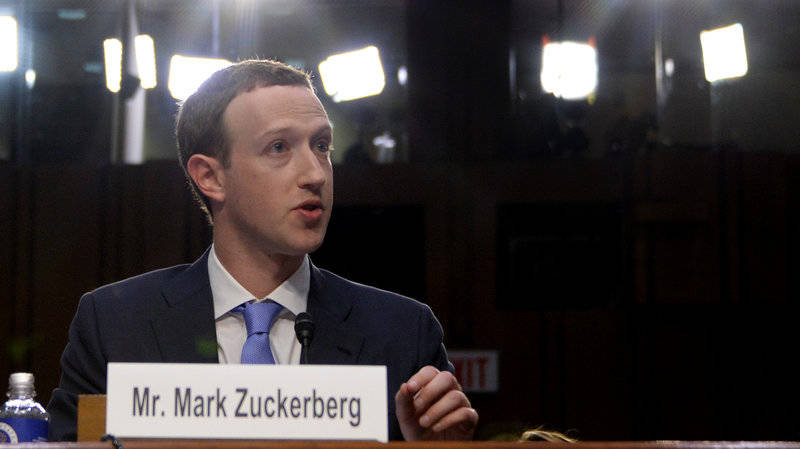
"caption": "Facebook CEO Mark Zuckerberg testifies before a joint hearing of the U.S. Senate Commerce, Science and Transportation Committee and Senate Judiciary Committee on Capitol Hill in Washington, D.C., on Tuesday.",
"description": "Facebook CEO Mark Zuckerberg testifies before a joint hearing of the U.S. Senate Commerce, Science and Transportation Committee and Senate Judiciary Committee on Capitol Hill in Washington, D.C., on Tuesday.",
"title": "zuck",
"credit": "Jim Watson/AFP/Getty Images",
"status": "inherit",
"isLoading": false,
"fetchFailed": false
},
"news_11661104": {
"type": "attachments",
"id": "news_11661104",
"meta": {
"index": "attachments_1716263798",
"site": "news",
"id": "11661104",
"found": true
},
"parent": 11661101,
"imgSizes": {
"small": {
"file": "https://ww2.kqed.org/app/uploads/sites/10/2018/04/zuck_testifies02_revise-520x329.jpg",
"width": 520,
"mimeType": "image/jpeg",
"height": 329
},
"twentyfourteen-full-width": {
"file": "https://ww2.kqed.org/app/uploads/sites/10/2018/04/zuck_testifies02_revise-1038x576.jpg",
"width": 1038,
"mimeType": "image/jpeg",
"height": 576
},
"thumbnail": {
"file": "https://ww2.kqed.org/app/uploads/sites/10/2018/04/zuck_testifies02_revise-160x101.jpg",
"width": 160,
"mimeType": "image/jpeg",
"height": 101
},
"fd-sm": {
"file": "https://ww2.kqed.org/app/uploads/sites/10/2018/04/zuck_testifies02_revise-960x607.jpg",
"width": 960,
"mimeType": "image/jpeg",
"height": 607
},
"post-thumbnail": {
"file": "https://ww2.kqed.org/app/uploads/sites/10/2018/04/zuck_testifies02_revise-672x372.jpg",
"width": 672,
"mimeType": "image/jpeg",
"height": 372
},
"xsmall": {
"file": "https://ww2.kqed.org/app/uploads/sites/10/2018/04/zuck_testifies02_revise-375x237.jpg",
"width": 375,
"mimeType": "image/jpeg",
"height": 237
},
"kqedFullSize": {
"file": "https://ww2.kqed.org/app/uploads/sites/10/2018/04/zuck_testifies02_revise.jpg",
"width": 3088,
"height": 1951
},
"large": {
"file": "https://ww2.kqed.org/app/uploads/sites/10/2018/04/zuck_testifies02_revise-1020x644.jpg",
"width": 1020,
"mimeType": "image/jpeg",
"height": 644
},
"xlarge": {
"file": "https://ww2.kqed.org/app/uploads/sites/10/2018/04/zuck_testifies02_revise-1180x746.jpg",
"width": 1180,
"mimeType": "image/jpeg",
"height": 746
},
"guest-author-50": {
"file": "https://ww2.kqed.org/app/uploads/sites/10/2018/04/zuck_testifies02_revise-50x50.jpg",
"width": 50,
"mimeType": "image/jpeg",
"height": 50
},
"guest-author-96": {
"file": "https://ww2.kqed.org/app/uploads/sites/10/2018/04/zuck_testifies02_revise-96x96.jpg",
"width": 96,
"mimeType": "image/jpeg",
"height": 96
},
"medium": {
"file": "https://ww2.kqed.org/app/uploads/sites/10/2018/04/zuck_testifies02_revise-800x505.jpg",
"width": 800,
"mimeType": "image/jpeg",
"height": 505
},
"guest-author-64": {
"file": "https://ww2.kqed.org/app/uploads/sites/10/2018/04/zuck_testifies02_revise-64x64.jpg",
"width": 64,
"mimeType": "image/jpeg",
"height": 64
},
"guest-author-32": {
"file": "https://ww2.kqed.org/app/uploads/sites/10/2018/04/zuck_testifies02_revise-32x32.jpg",
"width": 32,
"mimeType": "image/jpeg",
"height": 32
},
"fd-lrg": {
"file": "https://ww2.kqed.org/app/uploads/sites/10/2018/04/zuck_testifies02_revise-1920x1213.jpg",
"width": 1920,
"mimeType": "image/jpeg",
"height": 1213
},
"fd-med": {
"file": "https://ww2.kqed.org/app/uploads/sites/10/2018/04/zuck_testifies02_revise-1180x746.jpg",
"width": 1180,
"mimeType": "image/jpeg",
"height": 746
},
"full-width": {
"file": "https://ww2.kqed.org/app/uploads/sites/10/2018/04/zuck_testifies02_revise-1920x1213.jpg",
"width": 1920,
"mimeType": "image/jpeg",
"height": 1213
},
"detail": {
"file": "https://ww2.kqed.org/app/uploads/sites/10/2018/04/zuck_testifies02_revise-150x150.jpg",
"width": 150,
"mimeType": "image/jpeg",
"height": 150
},
"guest-author-128": {
"file": "https://ww2.kqed.org/app/uploads/sites/10/2018/04/zuck_testifies02_revise-128x128.jpg",
"width": 128,
"mimeType": "image/jpeg",
"height": 128
},
"xxsmall": {
"file": "https://ww2.kqed.org/app/uploads/sites/10/2018/04/zuck_testifies02_revise-240x152.jpg",
"width": 240,
"mimeType": "image/jpeg",
"height": 152
}
},
"publishDate": 1523388297,
"modified": 1523388315,
"caption": null,
"description": null,
"title": "zuck_testifies02_revise",
"credit": null,
"status": "inherit",
"isLoading": false,
"fetchFailed": false
},
"news_11614936": {
"type": "attachments",
"id": "news_11614936",
"meta": {
"index": "attachments_1716263798",
"site": "news",
"id": "11614936",
"found": true
},
"parent": 11614904,
"imgSizes": {
"small": {
"file": "https://ww2.kqed.org/app/uploads/sites/10/2017/08/Kamala_GettyImages-823543540-qut-520x347.jpg",
"width": 520,
"mimeType": "image/jpeg",
"height": 347
},
"twentyfourteen-full-width": {
"file": "https://ww2.kqed.org/app/uploads/sites/10/2017/08/Kamala_GettyImages-823543540-qut-1038x576.jpg",
"width": 1038,
"mimeType": "image/jpeg",
"height": 576
},
"thumbnail": {
"file": "https://ww2.kqed.org/app/uploads/sites/10/2017/08/Kamala_GettyImages-823543540-qut-160x107.jpg",
"width": 160,
"mimeType": "image/jpeg",
"height": 107
},
"fd-sm": {
"file": "https://ww2.kqed.org/app/uploads/sites/10/2017/08/Kamala_GettyImages-823543540-qut-960x640.jpg",
"width": 960,
"mimeType": "image/jpeg",
"height": 640
},
"post-thumbnail": {
"file": "https://ww2.kqed.org/app/uploads/sites/10/2017/08/Kamala_GettyImages-823543540-qut-672x372.jpg",
"width": 672,
"mimeType": "image/jpeg",
"height": 372
},
"xsmall": {
"file": "https://ww2.kqed.org/app/uploads/sites/10/2017/08/Kamala_GettyImages-823543540-qut-375x250.jpg",
"width": 375,
"mimeType": "image/jpeg",
"height": 250
},
"kqedFullSize": {
"file": "https://ww2.kqed.org/app/uploads/sites/10/2017/08/Kamala_GettyImages-823543540-qut.jpg",
"width": 1920,
"height": 1280
},
"large": {
"file": "https://ww2.kqed.org/app/uploads/sites/10/2017/08/Kamala_GettyImages-823543540-qut-1020x680.jpg",
"width": 1020,
"mimeType": "image/jpeg",
"height": 680
},
"xlarge": {
"file": "https://ww2.kqed.org/app/uploads/sites/10/2017/08/Kamala_GettyImages-823543540-qut-1180x787.jpg",
"width": 1180,
"mimeType": "image/jpeg",
"height": 787
},
"guest-author-50": {
"file": "https://ww2.kqed.org/app/uploads/sites/10/2017/08/Kamala_GettyImages-823543540-qut-50x50.jpg",
"width": 50,
"mimeType": "image/jpeg",
"height": 50
},
"guest-author-96": {
"file": "https://ww2.kqed.org/app/uploads/sites/10/2017/08/Kamala_GettyImages-823543540-qut-96x96.jpg",
"width": 96,
"mimeType": "image/jpeg",
"height": 96
},
"medium": {
"file": "https://ww2.kqed.org/app/uploads/sites/10/2017/08/Kamala_GettyImages-823543540-qut-800x533.jpg",
"width": 800,
"mimeType": "image/jpeg",
"height": 533
},
"guest-author-64": {
"file": "https://ww2.kqed.org/app/uploads/sites/10/2017/08/Kamala_GettyImages-823543540-qut-64x64.jpg",
"width": 64,
"mimeType": "image/jpeg",
"height": 64
},
"guest-author-32": {
"file": "https://ww2.kqed.org/app/uploads/sites/10/2017/08/Kamala_GettyImages-823543540-qut-32x32.jpg",
"width": 32,
"mimeType": "image/jpeg",
"height": 32
},
"fd-lrg": {
"file": "https://ww2.kqed.org/app/uploads/sites/10/2017/08/Kamala_GettyImages-823543540-qut-1920x1280.jpg",
"width": 1920,
"mimeType": "image/jpeg",
"height": 1280
},
"fd-med": {
"file": "https://ww2.kqed.org/app/uploads/sites/10/2017/08/Kamala_GettyImages-823543540-qut-1180x787.jpg",
"width": 1180,
"mimeType": "image/jpeg",
"height": 787
},
"full-width": {
"file": "https://ww2.kqed.org/app/uploads/sites/10/2017/08/Kamala_GettyImages-823543540-qut-1920x1280.jpg",
"width": 1920,
"mimeType": "image/jpeg",
"height": 1280
},
"detail": {
"file": "https://ww2.kqed.org/app/uploads/sites/10/2017/08/Kamala_GettyImages-823543540-qut-150x150.jpg",
"width": 150,
"mimeType": "image/jpeg",
"height": 150
},
"guest-author-128": {
"file": "https://ww2.kqed.org/app/uploads/sites/10/2017/08/Kamala_GettyImages-823543540-qut-128x128.jpg",
"width": 128,
"mimeType": "image/jpeg",
"height": 128
},
"xxsmall": {
"file": "https://ww2.kqed.org/app/uploads/sites/10/2017/08/Kamala_GettyImages-823543540-qut-240x160.jpg",
"width": 240,
"mimeType": "image/jpeg",
"height": 160
}
},
"publishDate": 1504194489,
"modified": 1504217682,
"caption": "Sen. Kamala Harris heads to a closed-door meeting of the Senate Intelligence Committee on Capitol Hill July 27, 2017, in Washington, D.C. ",
"description": "Sen. Kamala Harris heads to a closed-door meeting of the Senate Intelligence Committee on Capitol Hill July 27, 2017 in Washington, DC. ",
"title": "Senate Select Intelligence Committee Holds Closed Hearing",
"credit": "Chip Somodevilla/Getty Images",
"status": "inherit",
"isLoading": false,
"fetchFailed": false
},
"news_11658473": {
"type": "attachments",
"id": "news_11658473",
"meta": {
"index": "attachments_1716263798",
"site": "news",
"id": "11658473",
"found": true
},
"parent": 11658471,
"imgSizes": {
"small": {
"file": "https://ww2.kqed.org/app/uploads/sites/10/2018/03/ap_17340660648589_wide-d3eb5ec7265d4af3723077bd074f7079255fb54f-520x292.jpg",
"width": 520,
"mimeType": "image/jpeg",
"height": 292
},
"twentyfourteen-full-width": {
"file": "https://ww2.kqed.org/app/uploads/sites/10/2018/03/ap_17340660648589_wide-d3eb5ec7265d4af3723077bd074f7079255fb54f-1038x576.jpg",
"width": 1038,
"mimeType": "image/jpeg",
"height": 576
},
"thumbnail": {
"file": "https://ww2.kqed.org/app/uploads/sites/10/2018/03/ap_17340660648589_wide-d3eb5ec7265d4af3723077bd074f7079255fb54f-160x90.jpg",
"width": 160,
"mimeType": "image/jpeg",
"height": 90
},
"fd-sm": {
"file": "https://ww2.kqed.org/app/uploads/sites/10/2018/03/ap_17340660648589_wide-d3eb5ec7265d4af3723077bd074f7079255fb54f-960x540.jpg",
"width": 960,
"mimeType": "image/jpeg",
"height": 540
},
"post-thumbnail": {
"file": "https://ww2.kqed.org/app/uploads/sites/10/2018/03/ap_17340660648589_wide-d3eb5ec7265d4af3723077bd074f7079255fb54f-672x372.jpg",
"width": 672,
"mimeType": "image/jpeg",
"height": 372
},
"xsmall": {
"file": "https://ww2.kqed.org/app/uploads/sites/10/2018/03/ap_17340660648589_wide-d3eb5ec7265d4af3723077bd074f7079255fb54f-375x211.jpg",
"width": 375,
"mimeType": "image/jpeg",
"height": 211
},
"kqedFullSize": {
"file": "https://ww2.kqed.org/app/uploads/sites/10/2018/03/ap_17340660648589_wide-d3eb5ec7265d4af3723077bd074f7079255fb54f-e1522267343247.jpg",
"width": 1920,
"height": 1080
},
"large": {
"file": "https://ww2.kqed.org/app/uploads/sites/10/2018/03/ap_17340660648589_wide-d3eb5ec7265d4af3723077bd074f7079255fb54f-1020x574.jpg",
"width": 1020,
"mimeType": "image/jpeg",
"height": 574
},
"xlarge": {
"file": "https://ww2.kqed.org/app/uploads/sites/10/2018/03/ap_17340660648589_wide-d3eb5ec7265d4af3723077bd074f7079255fb54f-1180x664.jpg",
"width": 1180,
"mimeType": "image/jpeg",
"height": 664
},
"guest-author-50": {
"file": "https://ww2.kqed.org/app/uploads/sites/10/2018/03/ap_17340660648589_wide-d3eb5ec7265d4af3723077bd074f7079255fb54f-50x50.jpg",
"width": 50,
"mimeType": "image/jpeg",
"height": 50
},
"guest-author-96": {
"file": "https://ww2.kqed.org/app/uploads/sites/10/2018/03/ap_17340660648589_wide-d3eb5ec7265d4af3723077bd074f7079255fb54f-96x96.jpg",
"width": 96,
"mimeType": "image/jpeg",
"height": 96
},
"medium": {
"file": "https://ww2.kqed.org/app/uploads/sites/10/2018/03/ap_17340660648589_wide-d3eb5ec7265d4af3723077bd074f7079255fb54f-800x450.jpg",
"width": 800,
"mimeType": "image/jpeg",
"height": 450
},
"guest-author-64": {
"file": "https://ww2.kqed.org/app/uploads/sites/10/2018/03/ap_17340660648589_wide-d3eb5ec7265d4af3723077bd074f7079255fb54f-64x64.jpg",
"width": 64,
"mimeType": "image/jpeg",
"height": 64
},
"guest-author-32": {
"file": "https://ww2.kqed.org/app/uploads/sites/10/2018/03/ap_17340660648589_wide-d3eb5ec7265d4af3723077bd074f7079255fb54f-32x32.jpg",
"width": 32,
"mimeType": "image/jpeg",
"height": 32
},
"fd-lrg": {
"file": "https://ww2.kqed.org/app/uploads/sites/10/2018/03/ap_17340660648589_wide-d3eb5ec7265d4af3723077bd074f7079255fb54f-1920x1080.jpg",
"width": 1920,
"mimeType": "image/jpeg",
"height": 1080
},
"fd-med": {
"file": "https://ww2.kqed.org/app/uploads/sites/10/2018/03/ap_17340660648589_wide-d3eb5ec7265d4af3723077bd074f7079255fb54f-1180x664.jpg",
"width": 1180,
"mimeType": "image/jpeg",
"height": 664
},
"full-width": {
"file": "https://ww2.kqed.org/app/uploads/sites/10/2018/03/ap_17340660648589_wide-d3eb5ec7265d4af3723077bd074f7079255fb54f-1920x1080.jpg",
"width": 1920,
"mimeType": "image/jpeg",
"height": 1080
},
"detail": {
"file": "https://ww2.kqed.org/app/uploads/sites/10/2018/03/ap_17340660648589_wide-d3eb5ec7265d4af3723077bd074f7079255fb54f-150x150.jpg",
"width": 150,
"mimeType": "image/jpeg",
"height": 150
},
"guest-author-128": {
"file": "https://ww2.kqed.org/app/uploads/sites/10/2018/03/ap_17340660648589_wide-d3eb5ec7265d4af3723077bd074f7079255fb54f-128x128.jpg",
"width": 128,
"mimeType": "image/jpeg",
"height": 128
},
"xxsmall": {
"file": "https://ww2.kqed.org/app/uploads/sites/10/2018/03/ap_17340660648589_wide-d3eb5ec7265d4af3723077bd074f7079255fb54f-240x135.jpg",
"width": 240,
"mimeType": "image/jpeg",
"height": 135
}
},
"publishDate": 1522267204,
"modified": 1522267332,
"caption": "Sen. Kirsten Gillibrand, D-N.Y., arrives for a news conference on sexual harassment in the workplace in December on Capitol Hill.",
"description": "Sen. Kirsten Gillibrand, D-N.Y., arrives for a news conference on sexual harassment in the workplace in December on Capitol Hill.",
"title": "Sen. Kirsten Gillibrand, D-N.Y., arrives for a news conference on sexual harassment in the workplace in December on Capitol Hill.",
"credit": "Jacquelyn Martin/AP",
"status": "inherit",
"isLoading": false,
"fetchFailed": false
},
"news_11648578": {
"type": "attachments",
"id": "news_11648578",
"meta": {
"index": "attachments_1716263798",
"site": "news",
"id": "11648578",
"found": true
},
"parent": 11648577,
"imgSizes": {
"small": {
"file": "https://ww2.kqed.org/app/uploads/sites/10/2018/02/gettyimages-887044208_wide-e5b3c6186509e2eb43ee8ac4bbf01f26eb8dd0aa-520x292.jpg",
"width": 520,
"mimeType": "image/jpeg",
"height": 292
},
"twentyfourteen-full-width": {
"file": "https://ww2.kqed.org/app/uploads/sites/10/2018/02/gettyimages-887044208_wide-e5b3c6186509e2eb43ee8ac4bbf01f26eb8dd0aa-1038x576.jpg",
"width": 1038,
"mimeType": "image/jpeg",
"height": 576
},
"thumbnail": {
"file": "https://ww2.kqed.org/app/uploads/sites/10/2018/02/gettyimages-887044208_wide-e5b3c6186509e2eb43ee8ac4bbf01f26eb8dd0aa-160x90.jpg",
"width": 160,
"mimeType": "image/jpeg",
"height": 90
},
"fd-sm": {
"file": "https://ww2.kqed.org/app/uploads/sites/10/2018/02/gettyimages-887044208_wide-e5b3c6186509e2eb43ee8ac4bbf01f26eb8dd0aa-960x540.jpg",
"width": 960,
"mimeType": "image/jpeg",
"height": 540
},
"post-thumbnail": {
"file": "https://ww2.kqed.org/app/uploads/sites/10/2018/02/gettyimages-887044208_wide-e5b3c6186509e2eb43ee8ac4bbf01f26eb8dd0aa-672x372.jpg",
"width": 672,
"mimeType": "image/jpeg",
"height": 372
},
"xsmall": {
"file": "https://ww2.kqed.org/app/uploads/sites/10/2018/02/gettyimages-887044208_wide-e5b3c6186509e2eb43ee8ac4bbf01f26eb8dd0aa-375x211.jpg",
"width": 375,
"mimeType": "image/jpeg",
"height": 211
},
"kqedFullSize": {
"file": "https://ww2.kqed.org/app/uploads/sites/10/2018/02/gettyimages-887044208_wide-e5b3c6186509e2eb43ee8ac4bbf01f26eb8dd0aa-e1518036021894.jpg",
"width": 1920,
"height": 1080
},
"large": {
"file": "https://ww2.kqed.org/app/uploads/sites/10/2018/02/gettyimages-887044208_wide-e5b3c6186509e2eb43ee8ac4bbf01f26eb8dd0aa-1020x574.jpg",
"width": 1020,
"mimeType": "image/jpeg",
"height": 574
},
"xlarge": {
"file": "https://ww2.kqed.org/app/uploads/sites/10/2018/02/gettyimages-887044208_wide-e5b3c6186509e2eb43ee8ac4bbf01f26eb8dd0aa-1180x664.jpg",
"width": 1180,
"mimeType": "image/jpeg",
"height": 664
},
"guest-author-50": {
"file": "https://ww2.kqed.org/app/uploads/sites/10/2018/02/gettyimages-887044208_wide-e5b3c6186509e2eb43ee8ac4bbf01f26eb8dd0aa-50x50.jpg",
"width": 50,
"mimeType": "image/jpeg",
"height": 50
},
"guest-author-96": {
"file": "https://ww2.kqed.org/app/uploads/sites/10/2018/02/gettyimages-887044208_wide-e5b3c6186509e2eb43ee8ac4bbf01f26eb8dd0aa-96x96.jpg",
"width": 96,
"mimeType": "image/jpeg",
"height": 96
},
"medium": {
"file": "https://ww2.kqed.org/app/uploads/sites/10/2018/02/gettyimages-887044208_wide-e5b3c6186509e2eb43ee8ac4bbf01f26eb8dd0aa-800x450.jpg",
"width": 800,
"mimeType": "image/jpeg",
"height": 450
},
"guest-author-64": {
"file": "https://ww2.kqed.org/app/uploads/sites/10/2018/02/gettyimages-887044208_wide-e5b3c6186509e2eb43ee8ac4bbf01f26eb8dd0aa-64x64.jpg",
"width": 64,
"mimeType": "image/jpeg",
"height": 64
},
"guest-author-32": {
"file": "https://ww2.kqed.org/app/uploads/sites/10/2018/02/gettyimages-887044208_wide-e5b3c6186509e2eb43ee8ac4bbf01f26eb8dd0aa-32x32.jpg",
"width": 32,
"mimeType": "image/jpeg",
"height": 32
},
"fd-lrg": {
"file": "https://ww2.kqed.org/app/uploads/sites/10/2018/02/gettyimages-887044208_wide-e5b3c6186509e2eb43ee8ac4bbf01f26eb8dd0aa-1920x1080.jpg",
"width": 1920,
"mimeType": "image/jpeg",
"height": 1080
},
"fd-med": {
"file": "https://ww2.kqed.org/app/uploads/sites/10/2018/02/gettyimages-887044208_wide-e5b3c6186509e2eb43ee8ac4bbf01f26eb8dd0aa-1180x664.jpg",
"width": 1180,
"mimeType": "image/jpeg",
"height": 664
},
"full-width": {
"file": "https://ww2.kqed.org/app/uploads/sites/10/2018/02/gettyimages-887044208_wide-e5b3c6186509e2eb43ee8ac4bbf01f26eb8dd0aa-1920x1080.jpg",
"width": 1920,
"mimeType": "image/jpeg",
"height": 1080
},
"detail": {
"file": "https://ww2.kqed.org/app/uploads/sites/10/2018/02/gettyimages-887044208_wide-e5b3c6186509e2eb43ee8ac4bbf01f26eb8dd0aa-150x150.jpg",
"width": 150,
"mimeType": "image/jpeg",
"height": 150
},
"guest-author-128": {
"file": "https://ww2.kqed.org/app/uploads/sites/10/2018/02/gettyimages-887044208_wide-e5b3c6186509e2eb43ee8ac4bbf01f26eb8dd0aa-128x128.jpg",
"width": 128,
"mimeType": "image/jpeg",
"height": 128
},
"xxsmall": {
"file": "https://ww2.kqed.org/app/uploads/sites/10/2018/02/gettyimages-887044208_wide-e5b3c6186509e2eb43ee8ac4bbf01f26eb8dd0aa-240x135.jpg",
"width": 240,
"mimeType": "image/jpeg",
"height": 135
}
},
"publishDate": 1518035804,
"modified": 1518036058,
"caption": "Ranking member Sen. Dianne Feinstein arrives for a Judiciary Committee hearing on Capitol Hill in December. Critics have raised questions about her age as she runs for re-election.",
"description": "Ranking member Sen. Dianne Feinstein arrives for a Judiciary Committee hearing on Capitol Hill in December. Critics have raised questions about her age as she runs for re-election.",
"title": "Ranking member Sen. Dianne Feinstein, D-Calif., arrives for a Judiciary Committee hearing on Capitol Hill in December. Critics have raised questions about her age as she runs for re-election.",
"credit": "Drew Angerer/Getty Images",
"status": "inherit",
"isLoading": false,
"fetchFailed": false
},
"news_11638635": {
"type": "attachments",
"id": "news_11638635",
"meta": {
"index": "attachments_1716263798",
"site": "news",
"id": "11638635",
"found": true
},
"parent": 11638489,
"imgSizes": {
"small": {
"file": "https://ww2.kqed.org/app/uploads/sites/10/2017/12/NewsomFeinstein-520x219.jpg",
"width": 520,
"mimeType": "image/jpeg",
"height": 219
},
"twentyfourteen-full-width": {
"file": "https://ww2.kqed.org/app/uploads/sites/10/2017/12/NewsomFeinstein-1038x576.jpg",
"width": 1038,
"mimeType": "image/jpeg",
"height": 576
},
"thumbnail": {
"file": "https://ww2.kqed.org/app/uploads/sites/10/2017/12/NewsomFeinstein-160x67.jpg",
"width": 160,
"mimeType": "image/jpeg",
"height": 67
},
"fd-sm": {
"file": "https://ww2.kqed.org/app/uploads/sites/10/2017/12/NewsomFeinstein-960x405.jpg",
"width": 960,
"mimeType": "image/jpeg",
"height": 405
},
"post-thumbnail": {
"file": "https://ww2.kqed.org/app/uploads/sites/10/2017/12/NewsomFeinstein-672x372.jpg",
"width": 672,
"mimeType": "image/jpeg",
"height": 372
},
"xsmall": {
"file": "https://ww2.kqed.org/app/uploads/sites/10/2017/12/NewsomFeinstein-375x158.jpg",
"width": 375,
"mimeType": "image/jpeg",
"height": 158
},
"kqedFullSize": {
"file": "https://ww2.kqed.org/app/uploads/sites/10/2017/12/NewsomFeinstein.jpg",
"width": 1920,
"height": 809
},
"large": {
"file": "https://ww2.kqed.org/app/uploads/sites/10/2017/12/NewsomFeinstein-1020x430.jpg",
"width": 1020,
"mimeType": "image/jpeg",
"height": 430
},
"xlarge": {
"file": "https://ww2.kqed.org/app/uploads/sites/10/2017/12/NewsomFeinstein-1180x497.jpg",
"width": 1180,
"mimeType": "image/jpeg",
"height": 497
},
"guest-author-50": {
"file": "https://ww2.kqed.org/app/uploads/sites/10/2017/12/NewsomFeinstein-50x50.jpg",
"width": 50,
"mimeType": "image/jpeg",
"height": 50
},
"guest-author-96": {
"file": "https://ww2.kqed.org/app/uploads/sites/10/2017/12/NewsomFeinstein-96x96.jpg",
"width": 96,
"mimeType": "image/jpeg",
"height": 96
},
"medium": {
"file": "https://ww2.kqed.org/app/uploads/sites/10/2017/12/NewsomFeinstein-800x337.jpg",
"width": 800,
"mimeType": "image/jpeg",
"height": 337
},
"guest-author-64": {
"file": "https://ww2.kqed.org/app/uploads/sites/10/2017/12/NewsomFeinstein-64x64.jpg",
"width": 64,
"mimeType": "image/jpeg",
"height": 64
},
"guest-author-32": {
"file": "https://ww2.kqed.org/app/uploads/sites/10/2017/12/NewsomFeinstein-32x32.jpg",
"width": 32,
"mimeType": "image/jpeg",
"height": 32
},
"fd-lrg": {
"file": "https://ww2.kqed.org/app/uploads/sites/10/2017/12/NewsomFeinstein-1920x809.jpg",
"width": 1920,
"mimeType": "image/jpeg",
"height": 809
},
"fd-med": {
"file": "https://ww2.kqed.org/app/uploads/sites/10/2017/12/NewsomFeinstein-1180x497.jpg",
"width": 1180,
"mimeType": "image/jpeg",
"height": 497
},
"full-width": {
"file": "https://ww2.kqed.org/app/uploads/sites/10/2017/12/NewsomFeinstein-1920x809.jpg",
"width": 1920,
"mimeType": "image/jpeg",
"height": 809
},
"detail": {
"file": "https://ww2.kqed.org/app/uploads/sites/10/2017/12/NewsomFeinstein-150x150.jpg",
"width": 150,
"mimeType": "image/jpeg",
"height": 150
},
"guest-author-128": {
"file": "https://ww2.kqed.org/app/uploads/sites/10/2017/12/NewsomFeinstein-128x128.jpg",
"width": 128,
"mimeType": "image/jpeg",
"height": 128
},
"xxsmall": {
"file": "https://ww2.kqed.org/app/uploads/sites/10/2017/12/NewsomFeinstein-240x101.jpg",
"width": 240,
"mimeType": "image/jpeg",
"height": 101
}
},
"publishDate": 1513821750,
"modified": 1513895168,
"caption": "Democrats Gavin Newsom and Dianne Feinstein are leading the polls in California's governor and U.S. Senate races, respectively. ",
"description": "Democrats Gavin Newsom and Dianne Feinstein are leading the polls in California's governor's and U.S. Senate races, respectively. ",
"title": "NewsomFeinstein",
"credit": "Alex Wong/Getty Images, Mark Wilson/Getty Images",
"status": "inherit",
"isLoading": false,
"fetchFailed": false
},
"news_11338176": {
"type": "attachments",
"id": "news_11338176",
"meta": {
"index": "attachments_1716263798",
"site": "news",
"id": "11338176",
"found": true
},
"parent": 11338167,
"imgSizes": {
"small": {
"file": "https://ww2.kqed.org/app/uploads/sites/10/2017/02/Capitol-1-520x330.jpg",
"width": 520,
"mimeType": "image/jpeg",
"height": 330
},
"twentyfourteen-full-width": {
"file": "https://ww2.kqed.org/app/uploads/sites/10/2017/02/Capitol-1-1038x576.jpg",
"width": 1038,
"mimeType": "image/jpeg",
"height": 576
},
"thumbnail": {
"file": "https://ww2.kqed.org/app/uploads/sites/10/2017/02/Capitol-1-160x102.jpg",
"width": 160,
"mimeType": "image/jpeg",
"height": 102
},
"fd-sm": {
"file": "https://ww2.kqed.org/app/uploads/sites/10/2017/02/Capitol-1-960x609.jpg",
"width": 960,
"mimeType": "image/jpeg",
"height": 609
},
"post-thumbnail": {
"file": "https://ww2.kqed.org/app/uploads/sites/10/2017/02/Capitol-1-672x372.jpg",
"width": 672,
"mimeType": "image/jpeg",
"height": 372
},
"xsmall": {
"file": "https://ww2.kqed.org/app/uploads/sites/10/2017/02/Capitol-1-375x238.jpg",
"width": 375,
"mimeType": "image/jpeg",
"height": 238
},
"kqedFullSize": {
"file": "https://ww2.kqed.org/app/uploads/sites/10/2017/02/Capitol-1.jpg",
"width": 1920,
"height": 1218
},
"large": {
"file": "https://ww2.kqed.org/app/uploads/sites/10/2017/02/Capitol-1-1020x647.jpg",
"width": 1020,
"mimeType": "image/jpeg",
"height": 647
},
"xlarge": {
"file": "https://ww2.kqed.org/app/uploads/sites/10/2017/02/Capitol-1-1180x749.jpg",
"width": 1180,
"mimeType": "image/jpeg",
"height": 749
},
"guest-author-50": {
"file": "https://ww2.kqed.org/app/uploads/sites/10/2017/02/Capitol-1-50x50.jpg",
"width": 50,
"mimeType": "image/jpeg",
"height": 50
},
"guest-author-96": {
"file": "https://ww2.kqed.org/app/uploads/sites/10/2017/02/Capitol-1-96x96.jpg",
"width": 96,
"mimeType": "image/jpeg",
"height": 96
},
"medium": {
"file": "https://ww2.kqed.org/app/uploads/sites/10/2017/02/Capitol-1-800x508.jpg",
"width": 800,
"mimeType": "image/jpeg",
"height": 508
},
"guest-author-64": {
"file": "https://ww2.kqed.org/app/uploads/sites/10/2017/02/Capitol-1-64x64.jpg",
"width": 64,
"mimeType": "image/jpeg",
"height": 64
},
"guest-author-32": {
"file": "https://ww2.kqed.org/app/uploads/sites/10/2017/02/Capitol-1-32x32.jpg",
"width": 32,
"mimeType": "image/jpeg",
"height": 32
},
"fd-lrg": {
"file": "https://ww2.kqed.org/app/uploads/sites/10/2017/02/Capitol-1-1920x1218.jpg",
"width": 1920,
"mimeType": "image/jpeg",
"height": 1218
},
"fd-med": {
"file": "https://ww2.kqed.org/app/uploads/sites/10/2017/02/Capitol-1-1180x749.jpg",
"width": 1180,
"mimeType": "image/jpeg",
"height": 749
},
"full-width": {
"file": "https://ww2.kqed.org/app/uploads/sites/10/2017/02/Capitol-1-1920x1218.jpg",
"width": 1920,
"mimeType": "image/jpeg",
"height": 1218
},
"detail": {
"file": "https://ww2.kqed.org/app/uploads/sites/10/2017/02/Capitol-1-150x150.jpg",
"width": 150,
"mimeType": "image/jpeg",
"height": 150
},
"guest-author-128": {
"file": "https://ww2.kqed.org/app/uploads/sites/10/2017/02/Capitol-1-128x128.jpg",
"width": 128,
"mimeType": "image/jpeg",
"height": 128
},
"xxsmall": {
"file": "https://ww2.kqed.org/app/uploads/sites/10/2017/02/Capitol-1-240x152.jpg",
"width": 240,
"mimeType": "image/jpeg",
"height": 152
}
},
"publishDate": 1488318880,
"modified": 1512060621,
"caption": "The Senate began debate on a sweeping GOP tax bill on Thursday.",
"description": "The Senate began debate on a sweeping GOP tax bill on Thursday.",
"title": "Capitol",
"credit": "SAUL LOEB/AFP/Getty Images",
"status": "inherit",
"isLoading": false,
"fetchFailed": false
},
"news_11629612": {
"type": "attachments",
"id": "news_11629612",
"meta": {
"index": "attachments_1716263798",
"site": "news",
"id": "11629612",
"found": true
},
"parent": 11629608,
"imgSizes": {
"small": {
"file": "https://ww2.kqed.org/app/uploads/sites/10/2017/11/OHatch-520x328.jpg",
"width": 520,
"mimeType": "image/jpeg",
"height": 328
},
"twentyfourteen-full-width": {
"file": "https://ww2.kqed.org/app/uploads/sites/10/2017/11/OHatch-1038x576.jpg",
"width": 1038,
"mimeType": "image/jpeg",
"height": 576
},
"thumbnail": {
"file": "https://ww2.kqed.org/app/uploads/sites/10/2017/11/OHatch-160x101.jpg",
"width": 160,
"mimeType": "image/jpeg",
"height": 101
},
"fd-sm": {
"file": "https://ww2.kqed.org/app/uploads/sites/10/2017/11/OHatch-960x605.jpg",
"width": 960,
"mimeType": "image/jpeg",
"height": 605
},
"post-thumbnail": {
"file": "https://ww2.kqed.org/app/uploads/sites/10/2017/11/OHatch-672x372.jpg",
"width": 672,
"mimeType": "image/jpeg",
"height": 372
},
"xsmall": {
"file": "https://ww2.kqed.org/app/uploads/sites/10/2017/11/OHatch-375x236.jpg",
"width": 375,
"mimeType": "image/jpeg",
"height": 236
},
"kqedFullSize": {
"file": "https://ww2.kqed.org/app/uploads/sites/10/2017/11/OHatch.jpg",
"width": 1920,
"height": 1210
},
"large": {
"file": "https://ww2.kqed.org/app/uploads/sites/10/2017/11/OHatch-1020x643.jpg",
"width": 1020,
"mimeType": "image/jpeg",
"height": 643
},
"xlarge": {
"file": "https://ww2.kqed.org/app/uploads/sites/10/2017/11/OHatch-1180x744.jpg",
"width": 1180,
"mimeType": "image/jpeg",
"height": 744
},
"guest-author-50": {
"file": "https://ww2.kqed.org/app/uploads/sites/10/2017/11/OHatch-50x50.jpg",
"width": 50,
"mimeType": "image/jpeg",
"height": 50
},
"guest-author-96": {
"file": "https://ww2.kqed.org/app/uploads/sites/10/2017/11/OHatch-96x96.jpg",
"width": 96,
"mimeType": "image/jpeg",
"height": 96
},
"medium": {
"file": "https://ww2.kqed.org/app/uploads/sites/10/2017/11/OHatch-800x504.jpg",
"width": 800,
"mimeType": "image/jpeg",
"height": 504
},
"guest-author-64": {
"file": "https://ww2.kqed.org/app/uploads/sites/10/2017/11/OHatch-64x64.jpg",
"width": 64,
"mimeType": "image/jpeg",
"height": 64
},
"guest-author-32": {
"file": "https://ww2.kqed.org/app/uploads/sites/10/2017/11/OHatch-32x32.jpg",
"width": 32,
"mimeType": "image/jpeg",
"height": 32
},
"fd-lrg": {
"file": "https://ww2.kqed.org/app/uploads/sites/10/2017/11/OHatch-1920x1210.jpg",
"width": 1920,
"mimeType": "image/jpeg",
"height": 1210
},
"fd-med": {
"file": "https://ww2.kqed.org/app/uploads/sites/10/2017/11/OHatch-1180x744.jpg",
"width": 1180,
"mimeType": "image/jpeg",
"height": 744
},
"full-width": {
"file": "https://ww2.kqed.org/app/uploads/sites/10/2017/11/OHatch-1920x1210.jpg",
"width": 1920,
"mimeType": "image/jpeg",
"height": 1210
},
"detail": {
"file": "https://ww2.kqed.org/app/uploads/sites/10/2017/11/OHatch-150x150.jpg",
"width": 150,
"mimeType": "image/jpeg",
"height": 150
},
"guest-author-128": {
"file": "https://ww2.kqed.org/app/uploads/sites/10/2017/11/OHatch-128x128.jpg",
"width": 128,
"mimeType": "image/jpeg",
"height": 128
},
"xxsmall": {
"file": "https://ww2.kqed.org/app/uploads/sites/10/2017/11/OHatch-240x151.jpg",
"width": 240,
"mimeType": "image/jpeg",
"height": 151
}
},
"publishDate": 1510261587,
"modified": 1510261627,
"caption": "Senate Finance Committee Chairman Orrin Hatch, R-Utah, talks with reporters at the Capitol.",
"description": "Senate Finance Committee Chairman Orrin Hatch, R-Utah, talks with reporters at the Capitol.",
"title": "OHatch",
"credit": "Chip Somodevilla/Getty Images",
"status": "inherit",
"isLoading": false,
"fetchFailed": false
},
"news_11621823": {
"type": "attachments",
"id": "news_11621823",
"meta": {
"index": "attachments_1716263798",
"site": "news",
"id": "11621823",
"found": true
},
"parent": 11621818,
"imgSizes": {
"small": {
"file": "https://ww2.kqed.org/app/uploads/sites/10/2017/10/4277_transform-520x368.jpg",
"width": 520,
"mimeType": "image/jpeg",
"height": 368
},
"twentyfourteen-full-width": {
"file": "https://ww2.kqed.org/app/uploads/sites/10/2017/10/4277_transform-1038x576.jpg",
"width": 1038,
"mimeType": "image/jpeg",
"height": 576
},
"thumbnail": {
"file": "https://ww2.kqed.org/app/uploads/sites/10/2017/10/4277_transform-160x113.jpg",
"width": 160,
"mimeType": "image/jpeg",
"height": 113
},
"fd-sm": {
"file": "https://ww2.kqed.org/app/uploads/sites/10/2017/10/4277_transform-960x679.jpg",
"width": 960,
"mimeType": "image/jpeg",
"height": 679
},
"post-thumbnail": {
"file": "https://ww2.kqed.org/app/uploads/sites/10/2017/10/4277_transform-672x372.jpg",
"width": 672,
"mimeType": "image/jpeg",
"height": 372
},
"xsmall": {
"file": "https://ww2.kqed.org/app/uploads/sites/10/2017/10/4277_transform-375x265.jpg",
"width": 375,
"mimeType": "image/jpeg",
"height": 265
},
"kqedFullSize": {
"file": "https://ww2.kqed.org/app/uploads/sites/10/2017/10/4277_transform.jpg",
"width": 1920,
"height": 1357
},
"large": {
"file": "https://ww2.kqed.org/app/uploads/sites/10/2017/10/4277_transform-1020x721.jpg",
"width": 1020,
"mimeType": "image/jpeg",
"height": 721
},
"xlarge": {
"file": "https://ww2.kqed.org/app/uploads/sites/10/2017/10/4277_transform-1180x834.jpg",
"width": 1180,
"mimeType": "image/jpeg",
"height": 834
},
"guest-author-50": {
"file": "https://ww2.kqed.org/app/uploads/sites/10/2017/10/4277_transform-50x50.jpg",
"width": 50,
"mimeType": "image/jpeg",
"height": 50
},
"guest-author-96": {
"file": "https://ww2.kqed.org/app/uploads/sites/10/2017/10/4277_transform-96x96.jpg",
"width": 96,
"mimeType": "image/jpeg",
"height": 96
},
"medium": {
"file": "https://ww2.kqed.org/app/uploads/sites/10/2017/10/4277_transform-800x565.jpg",
"width": 800,
"mimeType": "image/jpeg",
"height": 565
},
"guest-author-64": {
"file": "https://ww2.kqed.org/app/uploads/sites/10/2017/10/4277_transform-64x64.jpg",
"width": 64,
"mimeType": "image/jpeg",
"height": 64
},
"guest-author-32": {
"file": "https://ww2.kqed.org/app/uploads/sites/10/2017/10/4277_transform-32x32.jpg",
"width": 32,
"mimeType": "image/jpeg",
"height": 32
},
"fd-lrg": {
"file": "https://ww2.kqed.org/app/uploads/sites/10/2017/10/4277_transform-1920x1357.jpg",
"width": 1920,
"mimeType": "image/jpeg",
"height": 1357
},
"fd-med": {
"file": "https://ww2.kqed.org/app/uploads/sites/10/2017/10/4277_transform-1180x834.jpg",
"width": 1180,
"mimeType": "image/jpeg",
"height": 834
},
"full-width": {
"file": "https://ww2.kqed.org/app/uploads/sites/10/2017/10/4277_transform-1920x1357.jpg",
"width": 1920,
"mimeType": "image/jpeg",
"height": 1357
},
"detail": {
"file": "https://ww2.kqed.org/app/uploads/sites/10/2017/10/4277_transform-150x150.jpg",
"width": 150,
"mimeType": "image/jpeg",
"height": 150
},
"guest-author-128": {
"file": "https://ww2.kqed.org/app/uploads/sites/10/2017/10/4277_transform-128x128.jpg",
"width": 128,
"mimeType": "image/jpeg",
"height": 128
},
"xxsmall": {
"file": "https://ww2.kqed.org/app/uploads/sites/10/2017/10/4277_transform-240x170.jpg",
"width": 240,
"mimeType": "image/jpeg",
"height": 170
}
},
"publishDate": 1507561426,
"modified": 1507584162,
"caption": "U.S. Senator Dianne Feinstein (D-CA) on Jan. 24, 2013, announcing a bill to ban assault weapons and high-capacity magazines capable of holding more than 10 rounds to help stop gun violence.",
"description": null,
"title": "Democratic Lawmakers Introduce Assault Weapons Ban of 2013 Legislation",
"credit": "Alex Wong/Getty Images",
"status": "inherit",
"isLoading": false,
"fetchFailed": false
},
"news_11619805": {
"type": "attachments",
"id": "news_11619805",
"meta": {
"index": "attachments_1716263798",
"site": "news",
"id": "11619805",
"found": true
},
"parent": 11619802,
"imgSizes": {
"small": {
"file": "https://ww2.kqed.org/app/uploads/sites/10/2017/09/TwitterBldg-520x372.jpg",
"width": 520,
"mimeType": "image/jpeg",
"height": 372
},
"twentyfourteen-full-width": {
"file": "https://ww2.kqed.org/app/uploads/sites/10/2017/09/TwitterBldg-1038x576.jpg",
"width": 1038,
"mimeType": "image/jpeg",
"height": 576
},
"thumbnail": {
"file": "https://ww2.kqed.org/app/uploads/sites/10/2017/09/TwitterBldg-160x114.jpg",
"width": 160,
"mimeType": "image/jpeg",
"height": 114
},
"fd-sm": {
"file": "https://ww2.kqed.org/app/uploads/sites/10/2017/09/TwitterBldg-960x686.jpg",
"width": 960,
"mimeType": "image/jpeg",
"height": 686
},
"post-thumbnail": {
"file": "https://ww2.kqed.org/app/uploads/sites/10/2017/09/TwitterBldg-672x372.jpg",
"width": 672,
"mimeType": "image/jpeg",
"height": 372
},
"xsmall": {
"file": "https://ww2.kqed.org/app/uploads/sites/10/2017/09/TwitterBldg-375x268.jpg",
"width": 375,
"mimeType": "image/jpeg",
"height": 268
},
"kqedFullSize": {
"file": "https://ww2.kqed.org/app/uploads/sites/10/2017/09/TwitterBldg.jpg",
"width": 1920,
"height": 1372
},
"large": {
"file": "https://ww2.kqed.org/app/uploads/sites/10/2017/09/TwitterBldg-1020x729.jpg",
"width": 1020,
"mimeType": "image/jpeg",
"height": 729
},
"xlarge": {
"file": "https://ww2.kqed.org/app/uploads/sites/10/2017/09/TwitterBldg-1180x843.jpg",
"width": 1180,
"mimeType": "image/jpeg",
"height": 843
},
"guest-author-50": {
"file": "https://ww2.kqed.org/app/uploads/sites/10/2017/09/TwitterBldg-50x50.jpg",
"width": 50,
"mimeType": "image/jpeg",
"height": 50
},
"guest-author-96": {
"file": "https://ww2.kqed.org/app/uploads/sites/10/2017/09/TwitterBldg-96x96.jpg",
"width": 96,
"mimeType": "image/jpeg",
"height": 96
},
"medium": {
"file": "https://ww2.kqed.org/app/uploads/sites/10/2017/09/TwitterBldg-800x572.jpg",
"width": 800,
"mimeType": "image/jpeg",
"height": 572
},
"guest-author-64": {
"file": "https://ww2.kqed.org/app/uploads/sites/10/2017/09/TwitterBldg-64x64.jpg",
"width": 64,
"mimeType": "image/jpeg",
"height": 64
},
"guest-author-32": {
"file": "https://ww2.kqed.org/app/uploads/sites/10/2017/09/TwitterBldg-32x32.jpg",
"width": 32,
"mimeType": "image/jpeg",
"height": 32
},
"fd-lrg": {
"file": "https://ww2.kqed.org/app/uploads/sites/10/2017/09/TwitterBldg-1920x1372.jpg",
"width": 1920,
"mimeType": "image/jpeg",
"height": 1372
},
"fd-med": {
"file": "https://ww2.kqed.org/app/uploads/sites/10/2017/09/TwitterBldg-1180x843.jpg",
"width": 1180,
"mimeType": "image/jpeg",
"height": 843
},
"full-width": {
"file": "https://ww2.kqed.org/app/uploads/sites/10/2017/09/TwitterBldg-1920x1372.jpg",
"width": 1920,
"mimeType": "image/jpeg",
"height": 1372
},
"detail": {
"file": "https://ww2.kqed.org/app/uploads/sites/10/2017/09/TwitterBldg-150x150.jpg",
"width": 150,
"mimeType": "image/jpeg",
"height": 150
},
"guest-author-128": {
"file": "https://ww2.kqed.org/app/uploads/sites/10/2017/09/TwitterBldg-128x128.jpg",
"width": 128,
"mimeType": "image/jpeg",
"height": 128
},
"xxsmall": {
"file": "https://ww2.kqed.org/app/uploads/sites/10/2017/09/TwitterBldg-240x172.jpg",
"width": 240,
"mimeType": "image/jpeg",
"height": 172
}
},
"publishDate": 1506637155,
"modified": 1506637218,
"caption": "Sen. Mark Warner of Virginia said that the information Twitter shared with the Senate Intelligence Committee's staff 'was frankly inadequate on almost every level.'",
"description": "Sen. Mark Warner of Virginia said that the information Twitter shared with the Senate Intelligence Committee's staff 'was frankly inadequate on almost every level.'",
"title": "TwitterBldg",
"credit": "Justin Sullivan/Getty Images",
"status": "inherit",
"isLoading": false,
"fetchFailed": false
},
"news_11610284": {
"type": "attachments",
"id": "news_11610284",
"meta": {
"index": "attachments_1716263798",
"site": "news",
"id": "11610284",
"found": true
},
"parent": 11610183,
"imgSizes": {
"small": {
"file": "https://ww2.kqed.org/app/uploads/sites/10/2017/08/DiFi-520x359.jpg",
"width": 520,
"mimeType": "image/jpeg",
"height": 359
},
"twentyfourteen-full-width": {
"file": "https://ww2.kqed.org/app/uploads/sites/10/2017/08/DiFi-1038x576.jpg",
"width": 1038,
"mimeType": "image/jpeg",
"height": 576
},
"thumbnail": {
"file": "https://ww2.kqed.org/app/uploads/sites/10/2017/08/DiFi-160x110.jpg",
"width": 160,
"mimeType": "image/jpeg",
"height": 110
},
"fd-sm": {
"file": "https://ww2.kqed.org/app/uploads/sites/10/2017/08/DiFi-960x662.jpg",
"width": 960,
"mimeType": "image/jpeg",
"height": 662
},
"post-thumbnail": {
"file": "https://ww2.kqed.org/app/uploads/sites/10/2017/08/DiFi-672x372.jpg",
"width": 672,
"mimeType": "image/jpeg",
"height": 372
},
"xsmall": {
"file": "https://ww2.kqed.org/app/uploads/sites/10/2017/08/DiFi-375x259.jpg",
"width": 375,
"mimeType": "image/jpeg",
"height": 259
},
"kqedFullSize": {
"file": "https://ww2.kqed.org/app/uploads/sites/10/2017/08/DiFi.jpg",
"width": 1920,
"height": 1324
},
"large": {
"file": "https://ww2.kqed.org/app/uploads/sites/10/2017/08/DiFi-1020x703.jpg",
"width": 1020,
"mimeType": "image/jpeg",
"height": 703
},
"xlarge": {
"file": "https://ww2.kqed.org/app/uploads/sites/10/2017/08/DiFi-1180x814.jpg",
"width": 1180,
"mimeType": "image/jpeg",
"height": 814
},
"guest-author-50": {
"file": "https://ww2.kqed.org/app/uploads/sites/10/2017/08/DiFi-50x50.jpg",
"width": 50,
"mimeType": "image/jpeg",
"height": 50
},
"guest-author-96": {
"file": "https://ww2.kqed.org/app/uploads/sites/10/2017/08/DiFi-96x96.jpg",
"width": 96,
"mimeType": "image/jpeg",
"height": 96
},
"medium": {
"file": "https://ww2.kqed.org/app/uploads/sites/10/2017/08/DiFi-800x552.jpg",
"width": 800,
"mimeType": "image/jpeg",
"height": 552
},
"guest-author-64": {
"file": "https://ww2.kqed.org/app/uploads/sites/10/2017/08/DiFi-64x64.jpg",
"width": 64,
"mimeType": "image/jpeg",
"height": 64
},
"guest-author-32": {
"file": "https://ww2.kqed.org/app/uploads/sites/10/2017/08/DiFi-32x32.jpg",
"width": 32,
"mimeType": "image/jpeg",
"height": 32
},
"fd-lrg": {
"file": "https://ww2.kqed.org/app/uploads/sites/10/2017/08/DiFi-1920x1324.jpg",
"width": 1920,
"mimeType": "image/jpeg",
"height": 1324
},
"fd-med": {
"file": "https://ww2.kqed.org/app/uploads/sites/10/2017/08/DiFi-1180x814.jpg",
"width": 1180,
"mimeType": "image/jpeg",
"height": 814
},
"full-width": {
"file": "https://ww2.kqed.org/app/uploads/sites/10/2017/08/DiFi-1920x1324.jpg",
"width": 1920,
"mimeType": "image/jpeg",
"height": 1324
},
"detail": {
"file": "https://ww2.kqed.org/app/uploads/sites/10/2017/08/DiFi-150x150.jpg",
"width": 150,
"mimeType": "image/jpeg",
"height": 150
},
"guest-author-128": {
"file": "https://ww2.kqed.org/app/uploads/sites/10/2017/08/DiFi-128x128.jpg",
"width": 128,
"mimeType": "image/jpeg",
"height": 128
},
"xxsmall": {
"file": "https://ww2.kqed.org/app/uploads/sites/10/2017/08/DiFi-240x166.jpg",
"width": 240,
"mimeType": "image/jpeg",
"height": 166
}
},
"publishDate": 1501887388,
"modified": 1501887434,
"caption": "Sen. Dianne Feinstein at a Senate Judiciary Committee hearing in 2015.",
"description": "Sen. Dianne Feinstein at a Senate Judiciary Committee hearing in 2015.",
"title": "DiFi",
"credit": "Mark Wilson/Getty Images",
"status": "inherit",
"isLoading": false,
"fetchFailed": false
},
"news_11526098": {
"type": "attachments",
"id": "news_11526098",
"meta": {
"index": "attachments_1716263798",
"site": "news",
"id": "11526098",
"found": true
},
"parent": 11526039,
"imgSizes": {
"small": {
"file": "https://ww2.kqed.org/app/uploads/sites/10/2017/06/draft_062217_final-520x520.jpg",
"width": 520,
"mimeType": "image/jpeg",
"height": 520
},
"twentyfourteen-full-width": {
"file": "https://ww2.kqed.org/app/uploads/sites/10/2017/06/draft_062217_final-1038x576.jpg",
"width": 1038,
"mimeType": "image/jpeg",
"height": 576
},
"thumbnail": {
"file": "https://ww2.kqed.org/app/uploads/sites/10/2017/06/draft_062217_final-160x160.jpg",
"width": 160,
"mimeType": "image/jpeg",
"height": 160
},
"fd-sm": {
"file": "https://ww2.kqed.org/app/uploads/sites/10/2017/06/draft_062217_final-960x960.jpg",
"width": 960,
"mimeType": "image/jpeg",
"height": 960
},
"post-thumbnail": {
"file": "https://ww2.kqed.org/app/uploads/sites/10/2017/06/draft_062217_final-672x372.jpg",
"width": 672,
"mimeType": "image/jpeg",
"height": 372
},
"xsmall": {
"file": "https://ww2.kqed.org/app/uploads/sites/10/2017/06/draft_062217_final-375x375.jpg",
"width": 375,
"mimeType": "image/jpeg",
"height": 375
},
"kqedFullSize": {
"file": "https://ww2.kqed.org/app/uploads/sites/10/2017/06/draft_062217_final.jpg",
"width": 1920,
"height": 1920
},
"large": {
"file": "https://ww2.kqed.org/app/uploads/sites/10/2017/06/draft_062217_final-1020x1020.jpg",
"width": 1020,
"mimeType": "image/jpeg",
"height": 1020
},
"xlarge": {
"file": "https://ww2.kqed.org/app/uploads/sites/10/2017/06/draft_062217_final-1180x1180.jpg",
"width": 1180,
"mimeType": "image/jpeg",
"height": 1180
},
"guest-author-50": {
"file": "https://ww2.kqed.org/app/uploads/sites/10/2017/06/draft_062217_final-50x50.jpg",
"width": 50,
"mimeType": "image/jpeg",
"height": 50
},
"guest-author-96": {
"file": "https://ww2.kqed.org/app/uploads/sites/10/2017/06/draft_062217_final-96x96.jpg",
"width": 96,
"mimeType": "image/jpeg",
"height": 96
},
"medium": {
"file": "https://ww2.kqed.org/app/uploads/sites/10/2017/06/draft_062217_final-800x800.jpg",
"width": 800,
"mimeType": "image/jpeg",
"height": 800
},
"guest-author-64": {
"file": "https://ww2.kqed.org/app/uploads/sites/10/2017/06/draft_062217_final-64x64.jpg",
"width": 64,
"mimeType": "image/jpeg",
"height": 64
},
"guest-author-32": {
"file": "https://ww2.kqed.org/app/uploads/sites/10/2017/06/draft_062217_final-32x32.jpg",
"width": 32,
"mimeType": "image/jpeg",
"height": 32
},
"fd-lrg": {
"file": "https://ww2.kqed.org/app/uploads/sites/10/2017/06/draft_062217_final-1920x1920.jpg",
"width": 1920,
"mimeType": "image/jpeg",
"height": 1920
},
"fd-med": {
"file": "https://ww2.kqed.org/app/uploads/sites/10/2017/06/draft_062217_final-1180x1180.jpg",
"width": 1180,
"mimeType": "image/jpeg",
"height": 1180
},
"full-width": {
"file": "https://ww2.kqed.org/app/uploads/sites/10/2017/06/draft_062217_final-1920x1920.jpg",
"width": 1920,
"mimeType": "image/jpeg",
"height": 1920
},
"detail": {
"file": "https://ww2.kqed.org/app/uploads/sites/10/2017/06/draft_062217_final-150x150.jpg",
"width": 150,
"mimeType": "image/jpeg",
"height": 150
},
"guest-author-128": {
"file": "https://ww2.kqed.org/app/uploads/sites/10/2017/06/draft_062217_final-128x128.jpg",
"width": 128,
"mimeType": "image/jpeg",
"height": 128
},
"xxsmall": {
"file": "https://ww2.kqed.org/app/uploads/sites/10/2017/06/draft_062217_final-240x240.jpg",
"width": 240,
"mimeType": "image/jpeg",
"height": 240
}
},
"publishDate": 1498150765,
"modified": 1498150792,
"caption": null,
"description": null,
"title": "draft_062217_final",
"credit": null,
"status": "inherit",
"isLoading": false,
"fetchFailed": false
}
},
"audioPlayerReducer": {
"postId": "stream_live",
"isPaused": true,
"isPlaying": false,
"pfsActive": false,
"pledgeModalIsOpen": true,
"playerDrawerIsOpen": false,
"liveAudioPlayStartedAt": 0,
"liveAudioPlayContext": ""
},
"authorsReducer": {
"byline_news_11658471": {
"type": "authors",
"id": "byline_news_11658471",
"meta": {
"override": true
},
"slug": "byline_news_11658471",
"name": "Danielle Kurtzleben",
"isLoading": false
},
"byline_news_11648577": {
"type": "authors",
"id": "byline_news_11648577",
"meta": {
"override": true
},
"slug": "byline_news_11648577",
"name": "Ina Jaffe",
"isLoading": false
},
"byline_news_11634026": {
"type": "authors",
"id": "byline_news_11634026",
"meta": {
"override": true
},
"slug": "byline_news_11634026",
"name": "Arnie Seipel",
"isLoading": false
},
"byline_news_11629608": {
"type": "authors",
"id": "byline_news_11629608",
"meta": {
"override": true
},
"slug": "byline_news_11629608",
"name": "Susan Davis",
"isLoading": false
},
"byline_news_11619802": {
"type": "authors",
"id": "byline_news_11619802",
"meta": {
"override": true
},
"slug": "byline_news_11619802",
"name": "Mary Clare Jalonick and Chad Day \u003cbr> Associated Press",
"isLoading": false
},
"scottshafer": {
"type": "authors",
"id": "255",
"meta": {
"index": "authors_1716337520",
"id": "255",
"found": true
},
"name": "Scott Shafer",
"firstName": "Scott",
"lastName": "Shafer",
"slug": "scottshafer",
"email": "sshafer@kqed.org",
"display_author_email": false,
"staff_mastheads": [
"news"
],
"title": "KQED Contributor",
"bio": "Scott Shafer is the senior politics correspondent with the KQED Politics and Government desk. He is co-host of \u003cem>Political Breakdown\u003c/em>, the award-winning radio show and podcast with a personal take on the world of politics. Scott came to KQED in 1998 to host the statewide \u003cem>California Report\u003c/em>. Prior to that he had extended stints in politics and government. He uses that inside experience at KQED in his, reporting, hosting and analysis for the politics desk. Scott recently completed a 5-part podcast titled \u003cem>The Speaker\u003c/em>, examining Rep. Nancy Pelosi's life and legacy. Previously he collaborated on \u003cem>Political Breakdown\u003c/em> and on \u003cem>The Political Mind of Jerry Brown\u003c/em>, an eight-part series about the life and extraordinary political career of the former governor. For fun, he plays water polo and swims with the San Francisco Tsunami.",
"avatar": "https://secure.gravatar.com/avatar/a269f2db8e99b39bacd3dfb517e1aea56c8d9706cde1d375abfd9fba57eede2c?s=600&d=blank&r=g",
"twitter": "scottshafer",
"bluesky": null,
"facebook": null,
"instagram": null,
"linkedin": null,
"sites": [
{
"site": "news",
"roles": [
"editor"
]
},
{
"site": "stateofhealth",
"roles": [
"author"
]
},
{
"site": "science",
"roles": [
"author"
]
},
{
"site": "forum",
"roles": [
"subscriber"
]
},
{
"site": "liveblog",
"roles": [
"author"
]
}
],
"headData": {
"title": "Scott Shafer | KQED",
"description": "KQED Contributor",
"ogImgSrc": "https://secure.gravatar.com/avatar/a269f2db8e99b39bacd3dfb517e1aea56c8d9706cde1d375abfd9fba57eede2c?s=600&d=blank&r=g",
"twImgSrc": "https://secure.gravatar.com/avatar/a269f2db8e99b39bacd3dfb517e1aea56c8d9706cde1d375abfd9fba57eede2c?s=600&d=blank&r=g"
},
"isLoading": false,
"link": "/author/scottshafer"
},
"markfiore": {
"type": "authors",
"id": "3236",
"meta": {
"index": "authors_1716337520",
"id": "3236",
"found": true
},
"name": "Mark Fiore",
"firstName": "Mark",
"lastName": "Fiore",
"slug": "markfiore",
"email": "mark@markfiore.com",
"display_author_email": false,
"staff_mastheads": [
"news"
],
"title": "KQED News Cartoonist",
"bio": "\u003ca href=\"http://www.MarkFiore.com\">MarkFiore.com\u003c/a> | \u003ca href=\"https://twitter.com/markfiore\">Follow on Twitter\u003c/a> | \u003ca href=\"https://www.facebook.com/pages/Mark-Fiore-Animated-Political-Cartoons/94451707396?ref=bookmarks\">Facebook\u003c/a> | \u003ca href=\"mailto:mark@markfiore.com\">email\u003c/a>\r\n\r\nPulitzer Prize-winner, Mark Fiore, who the Wall Street Journal has called “the undisputed guru of the form,” creates animated political cartoons in San Francisco, where his work has been featured regularly on the San Francisco Chronicle’s web site, SFGate.com. His work has appeared on Newsweek.com, Slate.com, CBSNews.com, MotherJones.com, DailyKos.com and NPR’s web site. Fiore’s political animation has appeared on CNN, Frontline, Bill Moyers Journal, Salon.com and cable and broadcast outlets across the globe.\r\n\r\nBeginning his professional life by drawing traditional political cartoons for newspapers, Fiore’s work appeared in publications ranging from the Washington Post to the Los Angeles Times. In the late 1990s, he began to experiment with animating political cartoons and, after a short stint at the San Jose Mercury News as their staff cartoonist, Fiore devoted all his energies to animation.\r\nGrowing up in California, Fiore also spent a good portion of his life in the backwoods of Idaho. It was this combination that shaped him politically. Mark majored in political science at Colorado College, where, in a perfect send-off for a cartoonist, he received his diploma in 1991 as commencement speaker Dick Cheney smiled approvingly.\r\nMark Fiore was awarded the Pulitzer Prize for political cartooning in 2010, a Robert F. Kennedy Journalism Award in 2004 and has twice received an Online Journalism Award for commentary from the Online News Association (2002, 2008). Fiore has received two awards for his work in new media from the National Cartoonists Society (2001, 2002), and in 2006 received The James Madison Freedom of Information Award from The Society of Professional Journalists.",
"avatar": "https://secure.gravatar.com/avatar/fc4e2a612b15b67bad0c6f0e1db4ca9b?s=600&d=blank&r=g",
"twitter": "MarkFiore",
"facebook": null,
"instagram": "https://www.instagram.com/markfiore/?hl=en",
"linkedin": null,
"sites": [
{
"site": "arts",
"roles": [
"contributor"
]
},
{
"site": "news",
"roles": [
"editor"
]
},
{
"site": "futureofyou",
"roles": [
"editor"
]
},
{
"site": "science",
"roles": [
"editor"
]
}
],
"headData": {
"title": "Mark Fiore | KQED",
"description": "KQED News Cartoonist",
"ogImgSrc": "https://secure.gravatar.com/avatar/fc4e2a612b15b67bad0c6f0e1db4ca9b?s=600&d=blank&r=g",
"twImgSrc": "https://secure.gravatar.com/avatar/fc4e2a612b15b67bad0c6f0e1db4ca9b?s=600&d=blank&r=g"
},
"isLoading": false,
"link": "/author/markfiore"
},
"mlagos": {
"type": "authors",
"id": "3239",
"meta": {
"index": "authors_1716337520",
"id": "3239",
"found": true
},
"name": "Marisa Lagos",
"firstName": "Marisa",
"lastName": "Lagos",
"slug": "mlagos",
"email": "mlagos@kqed.org",
"display_author_email": false,
"staff_mastheads": [
"news"
],
"title": "KQED Contributor",
"bio": "Marisa Lagos is a correspondent for KQED’s California Politics and Government Desk and co-hosts the award-winning show and podcast, Political Breakdown. At KQED, Lagos also conducts reporting, analysis and investigations into state, local and national politics for radio, TV, online and onstage. In 2022, she and co-host, Scott Shafer, moderated the only gubernatorial debate in California. In 2020, the \u003ci>Washington Post\u003c/i> named her one of the top political journalists in California; she was nominated for a Peabody and won several other awards for her work investigating the 2017 California wildfires. She has worked at the \u003ci>San Francisco Chronicle\u003c/i>, \u003ci>San Francisco Examiner\u003c/i> and \u003ci>Los Angeles Times\u003c/i>. A UC Santa Barbara graduate, she lives in San Francisco with her two sons and husband.",
"avatar": "https://secure.gravatar.com/avatar/a261a0d3696fc066871ef96b85b5e7d2?s=600&d=blank&r=g",
"twitter": "@mlagos",
"facebook": null,
"instagram": null,
"linkedin": null,
"sites": [
{
"site": "arts",
"roles": [
"author"
]
},
{
"site": "news",
"roles": [
"editor"
]
},
{
"site": "science",
"roles": [
"editor"
]
},
{
"site": "forum",
"roles": [
"author"
]
},
{
"site": "liveblog",
"roles": [
"author"
]
}
],
"headData": {
"title": "Marisa Lagos | KQED",
"description": "KQED Contributor",
"ogImgSrc": "https://secure.gravatar.com/avatar/a261a0d3696fc066871ef96b85b5e7d2?s=600&d=blank&r=g",
"twImgSrc": "https://secure.gravatar.com/avatar/a261a0d3696fc066871ef96b85b5e7d2?s=600&d=blank&r=g"
},
"isLoading": false,
"link": "/author/mlagos"
},
"korr": {
"type": "authors",
"id": "11200",
"meta": {
"index": "authors_1716337520",
"id": "11200",
"found": true
},
"name": "Katie Orr",
"firstName": "Katie",
"lastName": "Orr",
"slug": "korr",
"email": "korr@kqed.org",
"display_author_email": false,
"staff_mastheads": [],
"title": "KQED Contributor",
"bio": "Katie Orr was a Sacramento-based reporter for KQED's Politics and Government Desk, covering the state Capitol and a variety of issues including women in politics, voting and elections and legislation. Prior to joining KQED in 2016, Katie was state government reporter for Capital Public Radio in Sacramento. She's also worked for KPBS in San Diego, where she covered City Hall.\r\n\r\nKatie received her masters degree in political science from San Diego State University and holds a Bachelors degree in broadcast journalism from Arizona State University.\r\n\r\nIn 2015 Katie won a national Clarion Award for a series of stories she did on women in California politics. She's been honored by the Society for Professional Journalists and, in 2013, was named by \u003cem>The Washington Post\u003c/em> as one of the country's top state Capitol reporters. She's also reported for the award-winning documentary series \u003cem>The View from Here \u003c/em>and was part of the team that won national PRNDI and Gabriel Awards in 2015. She lives in Sacramento with her husband. Twitter: @1KatieOrr",
"avatar": "https://secure.gravatar.com/avatar/41a40b25845adc78f50808670860449e?s=600&d=blank&r=g",
"twitter": "1katieorr",
"facebook": null,
"instagram": null,
"linkedin": null,
"sites": [
{
"site": "news",
"roles": [
"subscriber"
]
},
{
"site": "stateofhealth",
"roles": [
"author"
]
},
{
"site": "forum",
"roles": [
"author"
]
}
],
"headData": {
"title": "Katie Orr | KQED",
"description": "KQED Contributor",
"ogImgSrc": "https://secure.gravatar.com/avatar/41a40b25845adc78f50808670860449e?s=600&d=blank&r=g",
"twImgSrc": "https://secure.gravatar.com/avatar/41a40b25845adc78f50808670860449e?s=600&d=blank&r=g"
},
"isLoading": false,
"link": "/author/korr"
},
"tmosley": {
"type": "authors",
"id": "11373",
"meta": {
"index": "authors_1716337520",
"id": "11373",
"found": true
},
"name": "Tonya Mosley",
"firstName": "Tonya",
"lastName": "Mosley",
"slug": "tmosley",
"email": "tmosley@kqed.org",
"display_author_email": false,
"staff_mastheads": [],
"title": "KQED Contributor",
"bio": "Tonya Mosley is a former Silicon Valley bureau chief for KQED. She served as the senior editor, leading a team of journalists covering the impacts of technology companies on the South Bay and society. Tonya is also a former host and reporter for KQED.\r\n\r\nPrior to KQED, Tonya served as a television reporter & anchor for several media outlets, including Al Jazeera America.\r\n\r\nIn 2015, Tonya was awarded a John S. Knight Journalism Fellowship at Stanford University where she co-created a workshop for journalists on the impacts of implicit bias, and co-wrote a Belgian/American experimental study on the effects of protest coverage.\r\n\r\nTonya has won several national awards for her work, most recently an Emmy Award in 2016 for her televised piece \"Beyond Ferguson,\" and a national Edward R. Murrow award for her public radio series \"Black in Seattle.\"\r\n\r\nYou can reach Tonya at: tmosley@kqed.org.",
"avatar": "https://secure.gravatar.com/avatar/0b2ea2bbfed6bafaacd21e9398c68e5e?s=600&d=blank&r=g",
"twitter": "tonyamosley",
"facebook": null,
"instagram": null,
"linkedin": null,
"sites": [
{
"site": "arts",
"roles": [
"editor"
]
},
{
"site": "news",
"roles": [
"subscriber"
]
},
{
"site": "about",
"roles": [
"author"
]
},
{
"site": "forum",
"roles": [
"author"
]
}
],
"headData": {
"title": "Tonya Mosley | KQED",
"description": "KQED Contributor",
"ogImgSrc": "https://secure.gravatar.com/avatar/0b2ea2bbfed6bafaacd21e9398c68e5e?s=600&d=blank&r=g",
"twImgSrc": "https://secure.gravatar.com/avatar/0b2ea2bbfed6bafaacd21e9398c68e5e?s=600&d=blank&r=g"
},
"isLoading": false,
"link": "/author/tmosley"
}
},
"pagesReducer": {
"news_tag_u-s-senate": {
"type": "terms",
"id": "news_17628",
"meta": {
"index": "terms_1716263798",
"site": "news",
"id": "17628",
"score": 9.89669
},
"featImg": null,
"name": "U.S. Senate",
"description": null,
"taxonomy": "tag",
"headData": {
"twImgId": null,
"twTitle": null,
"ogTitle": null,
"ogImgId": null,
"twDescription": null,
"description": null,
"title": "U.S. Senate Archives | KQED News",
"ogDescription": null
},
"ttid": 17662,
"slug": "u-s-senate",
"isLoading": false,
"title": "U.S. Senate",
"pageMeta": {
"site": "news",
"WpPageTemplate": "page-topic-editorial",
"currentPage": 4
},
"blocks": [
{
"blockName": "kqed/post-list",
"attrs": {
"layout": "cardArticle2",
"query": "posts/news?tag=u-s-senate",
"seeMore": false,
"paginated": true,
"page": 4
}
},
{
"blockName": "kqed/ad"
}
]
}
},
"pfsSessionReducer": {},
"postsReducer": {
"stream_live": {
"type": "live",
"id": "stream_live",
"audioUrl": "https://hls.kqed.org/hls/kqed_app/playlist.m3u8",
"title": "Live Stream",
"excerpt": "Live Stream information currently unavailable.",
"link": "/radio",
"featImg": "",
"label": {
"name": "KQED Live",
"link": "/"
}
},
"stream_kqedNewscast": {
"type": "posts",
"id": "stream_kqedNewscast",
"audioUrl": "https://www.kqed.org/.stream/anon/radio/RDnews/newscast.mp3?_=1",
"title": "KQED Newscast",
"featImg": "",
"label": {
"name": "88.5 FM",
"link": "/"
}
},
"news_11661144": {
"type": "posts",
"id": "news_11661144",
"meta": {
"index": "posts_1716263798",
"site": "news",
"id": "11661144",
"score": null,
"sort": [
1523396839000
]
},
"guestAuthors": [],
"slug": "3-silicon-valley-insider-questions-posed-to-mark-zuckerberg",
"title": "3 Silicon Valley Insider Questions Posed to Mark Zuckerberg",
"publishDate": 1523396839,
"format": "standard",
"headTitle": "3 Silicon Valley Insider Questions Posed to Mark Zuckerberg | KQED",
"labelTerm": {
"term": 72,
"site": "news"
},
"content": "\u003cp>During Facebook CEO Mark Zuckerberg’s congressional testimony on Tuesday, several lawmakers asked questions specific to people, places or companies well known in Silicon Valley, but perhaps less so in other places.\u003c/p>\n\u003cp>Here are a few details explaining those questions:\u003c/p>\n\u003ch2>1. Who is Palmer Luckey?\u003c/h2>\n\u003cp>Sen. Ted Cruz (R- Texas) asked Mark Zuckerberg if Facebook hired or fired people based on their political leanings. Cruz then asked about someone named Palmer Luckey.\u003c/p>\n\u003cp>Luckey is the co-founder of Oculus, a VR company. According to the Daily Beast, while at Facebook, Luckey \u003ca href=\"https://www.thedailybeast.com/palmer-luckey-the-facebook-near-billionaire-secretly-funding-trumps-meme-machine\" target=\"_blank\" rel=\"noopener\">funded \u003c/a>a Trump group that circulated dirty memes about Hillary Clinton during the presidential election. Luckey is also accused of financially backing a pro-Trump political organization called Nimble America, a self-described “social welfare 501(c)4 non-profit” in support of then Republican Donald Trump. Zuckerberg said he had no knowledge of Luckey being fired because of political leanings.\u003c/p>\n\u003ch2>2. What is Palantir?\u003c/h2>\n\u003cp>Sen. Maria Cantwell (D-Washington) asked Zuckerberg about the role the data mining company Palantir Technologies may have played in the Facebook/Cambridge Analytica scandal.\u003c/p>\n\u003cp>[ad fullwidth]\u003c/p>\n\u003cp>“Do you think Palantir ever scraped data from Facebook?” Cantwell asked.\u003c/p>\n\u003cp>Zuckerberg replied, “I am not familiar with what Palantir does.”\u003c/p>\n\u003cp>Cantwell then made this comment: “Some people have referred to them as Stanford Analytica,” alluding to the company’s proximity and connections to Stanford University.\u003c/p>\n\u003cp>Palantir is a company that was founded by Peter Thiel. Most of the company is housed in nondescript buildings in downtown Palo Alto. Palantir’s original clients were federal agencies of the Underground Utility Location and Damage Prevention (USIC). It has since expanded its customer base to serve state and local governments, as well as private companies in the financial and health care industries.\u003c/p>\n\u003cp>Last month the New York Times \u003ca href=\"https://www.nytimes.com/2018/03/27/us/cambridge-analytica-palantir.html\" target=\"_blank\" rel=\"noopener\">reported\u003c/a> that in 2014, Cambridge Analytica sought to harvest the Facebook data of tens of millions of Americans and received help from at least one employee at Palantir.\u003c/p>\n\u003ch2>3. What is the IRA?\u003c/h2>\n\u003cp>Not to be confused with the Irish Republican Army or an individual retirement account — the IRA that lawmakers keep talking about is the Internet Research Agency. The IRA is a Russian company, based in St. Petersburg, Russia.\u003c/p>\n\u003cp>\u003c/p>\n\u003cp>The United States government describes the IRA as a troll farm. It’s believed the IRA employed fake accounts registered on major social networks like Facebook, discussion boards and online newspaper sites to influence the 2016 presidential election.\u003c/p>\n\n",
"blocks": [],
"excerpt": "What you should know about questions posed to Zuckerberg referring to specific people, places or companies well known in Silicon Valley.",
"status": "publish",
"parent": 0,
"modified": 1729029270,
"stats": {
"hasAudio": false,
"hasVideo": false,
"hasChartOrMap": false,
"iframeSrcs": [],
"hasGoogleForm": false,
"hasGallery": false,
"hasHearkenModule": false,
"hasPolis": false,
"paragraphCount": 14,
"wordCount": 426
},
"headData": {
"title": "3 Silicon Valley Insider Questions Posed to Mark Zuckerberg | KQED",
"description": "What you should know about questions posed to Zuckerberg referring to specific people, places or companies well known in Silicon Valley.",
"ogTitle": "",
"ogDescription": "",
"ogImgId": "",
"twTitle": "",
"twDescription": "",
"twImgId": "",
"schema": {
"@context": "https://schema.org",
"@type": "NewsArticle",
"headline": "3 Silicon Valley Insider Questions Posed to Mark Zuckerberg",
"datePublished": "2018-04-10T14:47:19-07:00",
"dateModified": "2024-10-15T14:54:30-07:00",
"image": "https://cdn.kqed.org/wp-content/uploads/2020/02/KQED-OG-Image@1x.png",
"isAccessibleForFree": "True",
"publisher": {
"@type": "NewsMediaOrganization",
"@id": "https://www.kqed.org/#organization",
"name": "KQED",
"logo": "https://cdn.kqed.org/wp-content/uploads/2020/02/KQED-OG-Image@1x.png",
"url": "https://www.kqed.org",
"sameAs": [
"https://www.facebook.com/KQED",
"https://twitter.com/KQED",
"https://www.instagram.com/kqed/",
"https://www.tiktok.com/@kqedofficial",
"https://www.linkedin.com/company/kqed",
"https://www.youtube.com/channel/UCeC0IOo7i1P_61zVUWbJ4nw"
]
}
}
},
"sticky": false,
"path": "/news/11661144/3-silicon-valley-insider-questions-posed-to-mark-zuckerberg",
"audioTrackLength": null,
"parsedContent": [
{
"type": "contentString",
"content": "\u003cdiv class=\"post-body\">\u003cp>\u003cp>During Facebook CEO Mark Zuckerberg’s congressional testimony on Tuesday, several lawmakers asked questions specific to people, places or companies well known in Silicon Valley, but perhaps less so in other places.\u003c/p>\n\u003cp>Here are a few details explaining those questions:\u003c/p>\n\u003ch2>1. Who is Palmer Luckey?\u003c/h2>\n\u003cp>Sen. Ted Cruz (R- Texas) asked Mark Zuckerberg if Facebook hired or fired people based on their political leanings. Cruz then asked about someone named Palmer Luckey.\u003c/p>\n\u003cp>Luckey is the co-founder of Oculus, a VR company. According to the Daily Beast, while at Facebook, Luckey \u003ca href=\"https://www.thedailybeast.com/palmer-luckey-the-facebook-near-billionaire-secretly-funding-trumps-meme-machine\" target=\"_blank\" rel=\"noopener\">funded \u003c/a>a Trump group that circulated dirty memes about Hillary Clinton during the presidential election. Luckey is also accused of financially backing a pro-Trump political organization called Nimble America, a self-described “social welfare 501(c)4 non-profit” in support of then Republican Donald Trump. Zuckerberg said he had no knowledge of Luckey being fired because of political leanings.\u003c/p>\n\u003ch2>2. What is Palantir?\u003c/h2>\n\u003cp>Sen. Maria Cantwell (D-Washington) asked Zuckerberg about the role the data mining company Palantir Technologies may have played in the Facebook/Cambridge Analytica scandal.\u003c/p>\n\u003cp>\u003c/p>\u003c/div>",
"attributes": {
"named": {},
"numeric": []
}
},
{
"type": "component",
"content": "",
"name": "ad",
"attributes": {
"named": {
"label": "fullwidth"
},
"numeric": [
"fullwidth"
]
}
},
{
"type": "contentString",
"content": "\u003cdiv class=\"post-body\">\u003cp>\u003c/p>\n\u003cp>“Do you think Palantir ever scraped data from Facebook?” Cantwell asked.\u003c/p>\n\u003cp>Zuckerberg replied, “I am not familiar with what Palantir does.”\u003c/p>\n\u003cp>Cantwell then made this comment: “Some people have referred to them as Stanford Analytica,” alluding to the company’s proximity and connections to Stanford University.\u003c/p>\n\u003cp>Palantir is a company that was founded by Peter Thiel. Most of the company is housed in nondescript buildings in downtown Palo Alto. Palantir’s original clients were federal agencies of the Underground Utility Location and Damage Prevention (USIC). It has since expanded its customer base to serve state and local governments, as well as private companies in the financial and health care industries.\u003c/p>\n\u003cp>Last month the New York Times \u003ca href=\"https://www.nytimes.com/2018/03/27/us/cambridge-analytica-palantir.html\" target=\"_blank\" rel=\"noopener\">reported\u003c/a> that in 2014, Cambridge Analytica sought to harvest the Facebook data of tens of millions of Americans and received help from at least one employee at Palantir.\u003c/p>\n\u003ch2>3. What is the IRA?\u003c/h2>\n\u003cp>Not to be confused with the Irish Republican Army or an individual retirement account — the IRA that lawmakers keep talking about is the Internet Research Agency. The IRA is a Russian company, based in St. Petersburg, Russia.\u003c/p>\n\u003cp>\u003c/p>\n\u003cp>The United States government describes the IRA as a troll farm. It’s believed the IRA employed fake accounts registered on major social networks like Facebook, discussion boards and online newspaper sites to influence the 2016 presidential election.\u003c/p>\n\n\u003c/div>\u003c/p>",
"attributes": {
"named": {},
"numeric": []
}
}
],
"link": "/news/11661144/3-silicon-valley-insider-questions-posed-to-mark-zuckerberg",
"authors": [
"11373"
],
"programs": [
"news_72"
],
"categories": [
"news_6188",
"news_8",
"news_33520",
"news_13",
"news_248"
],
"tags": [
"news_22790",
"news_249",
"news_250",
"news_21246",
"news_23372",
"news_1631",
"news_17628"
],
"featImg": "news_11661166",
"label": "news_72"
},
"news_11661101": {
"type": "posts",
"id": "news_11661101",
"meta": {
"index": "posts_1716263798",
"site": "news",
"id": "11661101",
"score": null,
"sort": [
1523389926000
]
},
"guestAuthors": [],
"slug": "live-drawing-mark-zuckerberg-testifies-before-congress",
"title": "Live Drawing: Mark Zuckerberg Testifies Before Congress",
"publishDate": 1523389926,
"format": "standard",
"headTitle": "Live Drawing: Mark Zuckerberg Testifies Before Congress | KQED",
"labelTerm": {
"term": 72,
"site": "news"
},
"content": "\u003cp>Facebook CEO Mark Zuckerberg \u003ca href=\"https://www.kqed.org/news/11661063/watch-live-testimony-by-zuckerberg-about-use-and-abuse-of-data\" rel=\"noopener\" target=\"_blank\">testified Tuesday\u003c/a> before a joint hearing of the Senate Judiciary and Commerce committees.\u003c/p>\n\u003cp>The social media company that made Zuckerberg a billionaire many times over is under the microscope for issues relating to data privacy, hate speech, Russian interference in the 2016 presidential election and other security issues.\u003c/p>\n\u003cp>Here are some sketches of the hearing:\u003c/p>\n\u003cp>\u003cimg loading=\"lazy\" decoding=\"async\" class=\"alignnone size-medium wp-image-11661112\" src=\"https://ww2.kqed.org/news/wp-content/uploads/sites/10/2018/04/zuck_testifies03-800x505.jpg\" alt=\"Optimistic by Mark Fiore\" width=\"800\" height=\"505\" srcset=\"https://cdn.kqed.org/wp-content/uploads/sites/10/2018/04/zuck_testifies03-800x505.jpg 800w, https://cdn.kqed.org/wp-content/uploads/sites/10/2018/04/zuck_testifies03-160x101.jpg 160w, https://cdn.kqed.org/wp-content/uploads/sites/10/2018/04/zuck_testifies03-1020x644.jpg 1020w, https://cdn.kqed.org/wp-content/uploads/sites/10/2018/04/zuck_testifies03-1920x1213.jpg 1920w, https://cdn.kqed.org/wp-content/uploads/sites/10/2018/04/zuck_testifies03-1180x746.jpg 1180w, https://cdn.kqed.org/wp-content/uploads/sites/10/2018/04/zuck_testifies03-960x607.jpg 960w, https://cdn.kqed.org/wp-content/uploads/sites/10/2018/04/zuck_testifies03-240x152.jpg 240w, https://cdn.kqed.org/wp-content/uploads/sites/10/2018/04/zuck_testifies03-375x237.jpg 375w, https://cdn.kqed.org/wp-content/uploads/sites/10/2018/04/zuck_testifies03-520x329.jpg 520w\" sizes=\"(max-width: 800px) 100vw, 800px\">\u003c/p>\n\u003cp>California Sen. Dianne Feinstein seemed to direct her questioning more towards Cambridge Analytica than Facebook.\u003c/p>\n\u003cp>[ad fullwidth]\u003c/p>\n\u003cp>\u003cimg loading=\"lazy\" decoding=\"async\" class=\"alignnone size-medium wp-image-11661114\" src=\"https://ww2.kqed.org/news/wp-content/uploads/sites/10/2018/04/zuck_testifies04-800x505.jpg\" alt=\"Ban Cambridge Analytica by Mark Fiore\" width=\"800\" height=\"505\" srcset=\"https://cdn.kqed.org/wp-content/uploads/sites/10/2018/04/zuck_testifies04-800x505.jpg 800w, https://cdn.kqed.org/wp-content/uploads/sites/10/2018/04/zuck_testifies04-160x101.jpg 160w, https://cdn.kqed.org/wp-content/uploads/sites/10/2018/04/zuck_testifies04-1020x644.jpg 1020w, https://cdn.kqed.org/wp-content/uploads/sites/10/2018/04/zuck_testifies04-1920x1213.jpg 1920w, https://cdn.kqed.org/wp-content/uploads/sites/10/2018/04/zuck_testifies04-1180x746.jpg 1180w, https://cdn.kqed.org/wp-content/uploads/sites/10/2018/04/zuck_testifies04-960x607.jpg 960w, https://cdn.kqed.org/wp-content/uploads/sites/10/2018/04/zuck_testifies04-240x152.jpg 240w, https://cdn.kqed.org/wp-content/uploads/sites/10/2018/04/zuck_testifies04-375x237.jpg 375w, https://cdn.kqed.org/wp-content/uploads/sites/10/2018/04/zuck_testifies04-520x329.jpg 520w\" sizes=\"(max-width: 800px) 100vw, 800px\">\u003c/p>\n\u003cp>There have been several times when Zuckerberg has deflected questions that seemed to make him particularly uncomfortable.\u003c/p>\n\u003cp>Sen. Maria Cantwell (D-Washington) pushed the Facebook CEO on the similarity of the so called “Stanford Analytica,” Palantir, to Cambridge Analytica.\u003c/p>\n\u003cp>Sen. Patrick Leahy (D-Vermont) asked Zuckerberg about the company’s responsibility to protect people in Myanmar and about any interaction with special counsel Robert Mueller.\u003c/p>\n\u003cp>\u003cimg loading=\"lazy\" decoding=\"async\" class=\"alignnone size-medium wp-image-11661145\" src=\"https://ww2.kqed.org/news/wp-content/uploads/sites/10/2018/04/zuck_testifies05-800x505.jpg\" alt=\"Squirming by Mark Fiore\" width=\"800\" height=\"505\" srcset=\"https://cdn.kqed.org/wp-content/uploads/sites/10/2018/04/zuck_testifies05-800x505.jpg 800w, https://cdn.kqed.org/wp-content/uploads/sites/10/2018/04/zuck_testifies05-160x101.jpg 160w, https://cdn.kqed.org/wp-content/uploads/sites/10/2018/04/zuck_testifies05-1020x644.jpg 1020w, https://cdn.kqed.org/wp-content/uploads/sites/10/2018/04/zuck_testifies05-1920x1213.jpg 1920w, https://cdn.kqed.org/wp-content/uploads/sites/10/2018/04/zuck_testifies05-1180x746.jpg 1180w, https://cdn.kqed.org/wp-content/uploads/sites/10/2018/04/zuck_testifies05-960x607.jpg 960w, https://cdn.kqed.org/wp-content/uploads/sites/10/2018/04/zuck_testifies05-240x152.jpg 240w, https://cdn.kqed.org/wp-content/uploads/sites/10/2018/04/zuck_testifies05-375x237.jpg 375w, https://cdn.kqed.org/wp-content/uploads/sites/10/2018/04/zuck_testifies05-520x329.jpg 520w\" sizes=\"(max-width: 800px) 100vw, 800px\">\u003c/p>\n\u003cp>In what started as a moment of levity but quickly drove a point home, Sen. Dick Durbin (D-Illinois) asked Zuckerberg whether he would publicly reveal where he was staying while he was in Washington, D.C.\u003c/p>\n\u003cp>\u003cimg loading=\"lazy\" decoding=\"async\" class=\"alignnone size-medium wp-image-11661147\" src=\"https://ww2.kqed.org/news/wp-content/uploads/sites/10/2018/04/zuck_testifies06-800x505.jpg\" alt=\"Um No by Mark Fiore\" width=\"800\" height=\"505\" srcset=\"https://cdn.kqed.org/wp-content/uploads/sites/10/2018/04/zuck_testifies06-800x505.jpg 800w, https://cdn.kqed.org/wp-content/uploads/sites/10/2018/04/zuck_testifies06-160x101.jpg 160w, https://cdn.kqed.org/wp-content/uploads/sites/10/2018/04/zuck_testifies06-1020x644.jpg 1020w, https://cdn.kqed.org/wp-content/uploads/sites/10/2018/04/zuck_testifies06-1920x1213.jpg 1920w, https://cdn.kqed.org/wp-content/uploads/sites/10/2018/04/zuck_testifies06-1180x746.jpg 1180w, https://cdn.kqed.org/wp-content/uploads/sites/10/2018/04/zuck_testifies06-960x607.jpg 960w, https://cdn.kqed.org/wp-content/uploads/sites/10/2018/04/zuck_testifies06-240x152.jpg 240w, https://cdn.kqed.org/wp-content/uploads/sites/10/2018/04/zuck_testifies06-375x237.jpg 375w, https://cdn.kqed.org/wp-content/uploads/sites/10/2018/04/zuck_testifies06-520x329.jpg 520w\" sizes=\"(max-width: 800px) 100vw, 800px\">\u003c/p>\n\u003cp>One surprising moment in the joint Senate and Commerce committee hearing came when Mark Zuckerberg revealed that Facebook has been cooperating with special counsel Robert Mueller’s investigation.\u003c/p>\n\u003cp>\u003cimg loading=\"lazy\" decoding=\"async\" class=\"alignnone size-medium wp-image-11661203\" src=\"https://ww2.kqed.org/news/wp-content/uploads/sites/10/2018/04/zuck_testifies07-800x505.jpg\" alt=\"Mueller Surprise by Mark Fiore\" width=\"800\" height=\"505\" srcset=\"https://cdn.kqed.org/wp-content/uploads/sites/10/2018/04/zuck_testifies07-800x505.jpg 800w, https://cdn.kqed.org/wp-content/uploads/sites/10/2018/04/zuck_testifies07-160x101.jpg 160w, https://cdn.kqed.org/wp-content/uploads/sites/10/2018/04/zuck_testifies07-1020x644.jpg 1020w, https://cdn.kqed.org/wp-content/uploads/sites/10/2018/04/zuck_testifies07-1920x1213.jpg 1920w, https://cdn.kqed.org/wp-content/uploads/sites/10/2018/04/zuck_testifies07-1180x746.jpg 1180w, https://cdn.kqed.org/wp-content/uploads/sites/10/2018/04/zuck_testifies07-960x607.jpg 960w, https://cdn.kqed.org/wp-content/uploads/sites/10/2018/04/zuck_testifies07-240x152.jpg 240w, https://cdn.kqed.org/wp-content/uploads/sites/10/2018/04/zuck_testifies07-375x237.jpg 375w, https://cdn.kqed.org/wp-content/uploads/sites/10/2018/04/zuck_testifies07-520x329.jpg 520w\" sizes=\"(max-width: 800px) 100vw, 800px\">\u003c/p>\n\u003cp>Louisiana Senator John Kennedy was very concise in summing up a recurring theme among Senators on both sides of the aisle.\u003c/p>\n\u003cp>\u003cimg loading=\"lazy\" decoding=\"async\" class=\"alignnone size-medium wp-image-11661214\" src=\"https://ww2.kqed.org/news/wp-content/uploads/sites/10/2018/04/zuck_testifies08-800x505.jpg\" alt=\"Agreement Sucks by Mark Fiore\" width=\"800\" height=\"505\" srcset=\"https://cdn.kqed.org/wp-content/uploads/sites/10/2018/04/zuck_testifies08-800x505.jpg 800w, https://cdn.kqed.org/wp-content/uploads/sites/10/2018/04/zuck_testifies08-160x101.jpg 160w, https://cdn.kqed.org/wp-content/uploads/sites/10/2018/04/zuck_testifies08-1020x644.jpg 1020w, https://cdn.kqed.org/wp-content/uploads/sites/10/2018/04/zuck_testifies08-1920x1213.jpg 1920w, https://cdn.kqed.org/wp-content/uploads/sites/10/2018/04/zuck_testifies08-1180x746.jpg 1180w, https://cdn.kqed.org/wp-content/uploads/sites/10/2018/04/zuck_testifies08-960x607.jpg 960w, https://cdn.kqed.org/wp-content/uploads/sites/10/2018/04/zuck_testifies08-240x152.jpg 240w, https://cdn.kqed.org/wp-content/uploads/sites/10/2018/04/zuck_testifies08-375x237.jpg 375w, https://cdn.kqed.org/wp-content/uploads/sites/10/2018/04/zuck_testifies08-520x329.jpg 520w\" sizes=\"(max-width: 800px) 100vw, 800px\">\u003c/p>\n\u003cp>Mark Zuckerberg is scheduled to testify again Wednesday before the House Energy and Commerce Committee.\u003c/p>\n\u003cp>\u003c/p>\n\u003cp> \u003c/p>\n\n",
"blocks": [],
"excerpt": "Facebook CEO Mark Zuckerberg is testifying before a joint hearing of the Senate Judiciary and Commerce committees. Here are some sketches from the hearing.",
"status": "publish",
"parent": 0,
"modified": 1721115523,
"stats": {
"hasAudio": false,
"hasVideo": false,
"hasChartOrMap": false,
"iframeSrcs": [],
"hasGoogleForm": false,
"hasGallery": false,
"hasHearkenModule": false,
"hasPolis": false,
"paragraphCount": 19,
"wordCount": 247
},
"headData": {
"title": "Live Drawing: Mark Zuckerberg Testifies Before Congress | KQED",
"description": "Facebook CEO Mark Zuckerberg is testifying before a joint hearing of the Senate Judiciary and Commerce committees. Here are some sketches from the hearing.",
"ogTitle": "",
"ogDescription": "",
"ogImgId": "",
"twTitle": "",
"twDescription": "",
"twImgId": "",
"schema": {
"@context": "https://schema.org",
"@type": "NewsArticle",
"headline": "Live Drawing: Mark Zuckerberg Testifies Before Congress",
"datePublished": "2018-04-10T12:52:06-07:00",
"dateModified": "2024-07-16T00:38:43-07:00",
"image": "https://cdn.kqed.org/wp-content/uploads/2020/02/KQED-OG-Image@1x.png",
"isAccessibleForFree": "True",
"publisher": {
"@type": "NewsMediaOrganization",
"@id": "https://www.kqed.org/#organization",
"name": "KQED",
"logo": "https://cdn.kqed.org/wp-content/uploads/2020/02/KQED-OG-Image@1x.png",
"url": "https://www.kqed.org",
"sameAs": [
"https://www.facebook.com/KQED",
"https://twitter.com/KQED",
"https://www.instagram.com/kqed/",
"https://www.tiktok.com/@kqedofficial",
"https://www.linkedin.com/company/kqed",
"https://www.youtube.com/channel/UCeC0IOo7i1P_61zVUWbJ4nw"
]
}
}
},
"sticky": false,
"path": "/news/11661101/live-drawing-mark-zuckerberg-testifies-before-congress",
"audioTrackLength": null,
"parsedContent": [
{
"type": "contentString",
"content": "\u003cdiv class=\"post-body\">\u003cp>\u003cp>Facebook CEO Mark Zuckerberg \u003ca href=\"https://www.kqed.org/news/11661063/watch-live-testimony-by-zuckerberg-about-use-and-abuse-of-data\" rel=\"noopener\" target=\"_blank\">testified Tuesday\u003c/a> before a joint hearing of the Senate Judiciary and Commerce committees.\u003c/p>\n\u003cp>The social media company that made Zuckerberg a billionaire many times over is under the microscope for issues relating to data privacy, hate speech, Russian interference in the 2016 presidential election and other security issues.\u003c/p>\n\u003cp>Here are some sketches of the hearing:\u003c/p>\n\u003cp>\u003cimg loading=\"lazy\" decoding=\"async\" class=\"alignnone size-medium wp-image-11661112\" src=\"https://ww2.kqed.org/news/wp-content/uploads/sites/10/2018/04/zuck_testifies03-800x505.jpg\" alt=\"Optimistic by Mark Fiore\" width=\"800\" height=\"505\" srcset=\"https://cdn.kqed.org/wp-content/uploads/sites/10/2018/04/zuck_testifies03-800x505.jpg 800w, https://cdn.kqed.org/wp-content/uploads/sites/10/2018/04/zuck_testifies03-160x101.jpg 160w, https://cdn.kqed.org/wp-content/uploads/sites/10/2018/04/zuck_testifies03-1020x644.jpg 1020w, https://cdn.kqed.org/wp-content/uploads/sites/10/2018/04/zuck_testifies03-1920x1213.jpg 1920w, https://cdn.kqed.org/wp-content/uploads/sites/10/2018/04/zuck_testifies03-1180x746.jpg 1180w, https://cdn.kqed.org/wp-content/uploads/sites/10/2018/04/zuck_testifies03-960x607.jpg 960w, https://cdn.kqed.org/wp-content/uploads/sites/10/2018/04/zuck_testifies03-240x152.jpg 240w, https://cdn.kqed.org/wp-content/uploads/sites/10/2018/04/zuck_testifies03-375x237.jpg 375w, https://cdn.kqed.org/wp-content/uploads/sites/10/2018/04/zuck_testifies03-520x329.jpg 520w\" sizes=\"(max-width: 800px) 100vw, 800px\">\u003c/p>\n\u003cp>California Sen. Dianne Feinstein seemed to direct her questioning more towards Cambridge Analytica than Facebook.\u003c/p>\n\u003cp>\u003c/p>\u003c/div>",
"attributes": {
"named": {},
"numeric": []
}
},
{
"type": "component",
"content": "",
"name": "ad",
"attributes": {
"named": {
"label": "fullwidth"
},
"numeric": [
"fullwidth"
]
}
},
{
"type": "contentString",
"content": "\u003cdiv class=\"post-body\">\u003cp>\u003c/p>\n\u003cp>\u003cimg loading=\"lazy\" decoding=\"async\" class=\"alignnone size-medium wp-image-11661114\" src=\"https://ww2.kqed.org/news/wp-content/uploads/sites/10/2018/04/zuck_testifies04-800x505.jpg\" alt=\"Ban Cambridge Analytica by Mark Fiore\" width=\"800\" height=\"505\" srcset=\"https://cdn.kqed.org/wp-content/uploads/sites/10/2018/04/zuck_testifies04-800x505.jpg 800w, https://cdn.kqed.org/wp-content/uploads/sites/10/2018/04/zuck_testifies04-160x101.jpg 160w, https://cdn.kqed.org/wp-content/uploads/sites/10/2018/04/zuck_testifies04-1020x644.jpg 1020w, https://cdn.kqed.org/wp-content/uploads/sites/10/2018/04/zuck_testifies04-1920x1213.jpg 1920w, https://cdn.kqed.org/wp-content/uploads/sites/10/2018/04/zuck_testifies04-1180x746.jpg 1180w, https://cdn.kqed.org/wp-content/uploads/sites/10/2018/04/zuck_testifies04-960x607.jpg 960w, https://cdn.kqed.org/wp-content/uploads/sites/10/2018/04/zuck_testifies04-240x152.jpg 240w, https://cdn.kqed.org/wp-content/uploads/sites/10/2018/04/zuck_testifies04-375x237.jpg 375w, https://cdn.kqed.org/wp-content/uploads/sites/10/2018/04/zuck_testifies04-520x329.jpg 520w\" sizes=\"(max-width: 800px) 100vw, 800px\">\u003c/p>\n\u003cp>There have been several times when Zuckerberg has deflected questions that seemed to make him particularly uncomfortable.\u003c/p>\n\u003cp>Sen. Maria Cantwell (D-Washington) pushed the Facebook CEO on the similarity of the so called “Stanford Analytica,” Palantir, to Cambridge Analytica.\u003c/p>\n\u003cp>Sen. Patrick Leahy (D-Vermont) asked Zuckerberg about the company’s responsibility to protect people in Myanmar and about any interaction with special counsel Robert Mueller.\u003c/p>\n\u003cp>\u003cimg loading=\"lazy\" decoding=\"async\" class=\"alignnone size-medium wp-image-11661145\" src=\"https://ww2.kqed.org/news/wp-content/uploads/sites/10/2018/04/zuck_testifies05-800x505.jpg\" alt=\"Squirming by Mark Fiore\" width=\"800\" height=\"505\" srcset=\"https://cdn.kqed.org/wp-content/uploads/sites/10/2018/04/zuck_testifies05-800x505.jpg 800w, https://cdn.kqed.org/wp-content/uploads/sites/10/2018/04/zuck_testifies05-160x101.jpg 160w, https://cdn.kqed.org/wp-content/uploads/sites/10/2018/04/zuck_testifies05-1020x644.jpg 1020w, https://cdn.kqed.org/wp-content/uploads/sites/10/2018/04/zuck_testifies05-1920x1213.jpg 1920w, https://cdn.kqed.org/wp-content/uploads/sites/10/2018/04/zuck_testifies05-1180x746.jpg 1180w, https://cdn.kqed.org/wp-content/uploads/sites/10/2018/04/zuck_testifies05-960x607.jpg 960w, https://cdn.kqed.org/wp-content/uploads/sites/10/2018/04/zuck_testifies05-240x152.jpg 240w, https://cdn.kqed.org/wp-content/uploads/sites/10/2018/04/zuck_testifies05-375x237.jpg 375w, https://cdn.kqed.org/wp-content/uploads/sites/10/2018/04/zuck_testifies05-520x329.jpg 520w\" sizes=\"(max-width: 800px) 100vw, 800px\">\u003c/p>\n\u003cp>In what started as a moment of levity but quickly drove a point home, Sen. Dick Durbin (D-Illinois) asked Zuckerberg whether he would publicly reveal where he was staying while he was in Washington, D.C.\u003c/p>\n\u003cp>\u003cimg loading=\"lazy\" decoding=\"async\" class=\"alignnone size-medium wp-image-11661147\" src=\"https://ww2.kqed.org/news/wp-content/uploads/sites/10/2018/04/zuck_testifies06-800x505.jpg\" alt=\"Um No by Mark Fiore\" width=\"800\" height=\"505\" srcset=\"https://cdn.kqed.org/wp-content/uploads/sites/10/2018/04/zuck_testifies06-800x505.jpg 800w, https://cdn.kqed.org/wp-content/uploads/sites/10/2018/04/zuck_testifies06-160x101.jpg 160w, https://cdn.kqed.org/wp-content/uploads/sites/10/2018/04/zuck_testifies06-1020x644.jpg 1020w, https://cdn.kqed.org/wp-content/uploads/sites/10/2018/04/zuck_testifies06-1920x1213.jpg 1920w, https://cdn.kqed.org/wp-content/uploads/sites/10/2018/04/zuck_testifies06-1180x746.jpg 1180w, https://cdn.kqed.org/wp-content/uploads/sites/10/2018/04/zuck_testifies06-960x607.jpg 960w, https://cdn.kqed.org/wp-content/uploads/sites/10/2018/04/zuck_testifies06-240x152.jpg 240w, https://cdn.kqed.org/wp-content/uploads/sites/10/2018/04/zuck_testifies06-375x237.jpg 375w, https://cdn.kqed.org/wp-content/uploads/sites/10/2018/04/zuck_testifies06-520x329.jpg 520w\" sizes=\"(max-width: 800px) 100vw, 800px\">\u003c/p>\n\u003cp>One surprising moment in the joint Senate and Commerce committee hearing came when Mark Zuckerberg revealed that Facebook has been cooperating with special counsel Robert Mueller’s investigation.\u003c/p>\n\u003cp>\u003cimg loading=\"lazy\" decoding=\"async\" class=\"alignnone size-medium wp-image-11661203\" src=\"https://ww2.kqed.org/news/wp-content/uploads/sites/10/2018/04/zuck_testifies07-800x505.jpg\" alt=\"Mueller Surprise by Mark Fiore\" width=\"800\" height=\"505\" srcset=\"https://cdn.kqed.org/wp-content/uploads/sites/10/2018/04/zuck_testifies07-800x505.jpg 800w, https://cdn.kqed.org/wp-content/uploads/sites/10/2018/04/zuck_testifies07-160x101.jpg 160w, https://cdn.kqed.org/wp-content/uploads/sites/10/2018/04/zuck_testifies07-1020x644.jpg 1020w, https://cdn.kqed.org/wp-content/uploads/sites/10/2018/04/zuck_testifies07-1920x1213.jpg 1920w, https://cdn.kqed.org/wp-content/uploads/sites/10/2018/04/zuck_testifies07-1180x746.jpg 1180w, https://cdn.kqed.org/wp-content/uploads/sites/10/2018/04/zuck_testifies07-960x607.jpg 960w, https://cdn.kqed.org/wp-content/uploads/sites/10/2018/04/zuck_testifies07-240x152.jpg 240w, https://cdn.kqed.org/wp-content/uploads/sites/10/2018/04/zuck_testifies07-375x237.jpg 375w, https://cdn.kqed.org/wp-content/uploads/sites/10/2018/04/zuck_testifies07-520x329.jpg 520w\" sizes=\"(max-width: 800px) 100vw, 800px\">\u003c/p>\n\u003cp>Louisiana Senator John Kennedy was very concise in summing up a recurring theme among Senators on both sides of the aisle.\u003c/p>\n\u003cp>\u003cimg loading=\"lazy\" decoding=\"async\" class=\"alignnone size-medium wp-image-11661214\" src=\"https://ww2.kqed.org/news/wp-content/uploads/sites/10/2018/04/zuck_testifies08-800x505.jpg\" alt=\"Agreement Sucks by Mark Fiore\" width=\"800\" height=\"505\" srcset=\"https://cdn.kqed.org/wp-content/uploads/sites/10/2018/04/zuck_testifies08-800x505.jpg 800w, https://cdn.kqed.org/wp-content/uploads/sites/10/2018/04/zuck_testifies08-160x101.jpg 160w, https://cdn.kqed.org/wp-content/uploads/sites/10/2018/04/zuck_testifies08-1020x644.jpg 1020w, https://cdn.kqed.org/wp-content/uploads/sites/10/2018/04/zuck_testifies08-1920x1213.jpg 1920w, https://cdn.kqed.org/wp-content/uploads/sites/10/2018/04/zuck_testifies08-1180x746.jpg 1180w, https://cdn.kqed.org/wp-content/uploads/sites/10/2018/04/zuck_testifies08-960x607.jpg 960w, https://cdn.kqed.org/wp-content/uploads/sites/10/2018/04/zuck_testifies08-240x152.jpg 240w, https://cdn.kqed.org/wp-content/uploads/sites/10/2018/04/zuck_testifies08-375x237.jpg 375w, https://cdn.kqed.org/wp-content/uploads/sites/10/2018/04/zuck_testifies08-520x329.jpg 520w\" sizes=\"(max-width: 800px) 100vw, 800px\">\u003c/p>\n\u003cp>Mark Zuckerberg is scheduled to testify again Wednesday before the House Energy and Commerce Committee.\u003c/p>\n\u003cp>\u003c/p>\n\u003cp> \u003c/p>\n\n\u003c/div>\u003c/p>",
"attributes": {
"named": {},
"numeric": []
}
}
],
"link": "/news/11661101/live-drawing-mark-zuckerberg-testifies-before-congress",
"authors": [
"3236"
],
"programs": [
"news_72"
],
"series": [
"news_18515"
],
"categories": [
"news_1758",
"news_6188",
"news_8",
"news_13",
"news_248"
],
"tags": [
"news_249",
"news_21719",
"news_250",
"news_17628"
],
"featImg": "news_11661104",
"label": "news_72"
},
"news_11660271": {
"type": "posts",
"id": "news_11660271",
"meta": {
"index": "posts_1716263798",
"site": "news",
"id": "11660271",
"score": null,
"sort": [
1523034002000
]
},
"parent": 0,
"labelTerm": {
"site": "news",
"term": 72
},
"blocks": [],
"publishDate": 1523034002,
"format": "audio",
"disqusTitle": "Sen. Harris Talks Stephon Clark, Facebook in Sacramento Town Hall",
"title": "Sen. Harris Talks Stephon Clark, Facebook in Sacramento Town Hall",
"headTitle": "The California Report | KQED News",
"content": "\u003cp>Sen. Kamala Harris, D-Calif., immediately weighed in on the police shooting death of 22-year-old Stephon Clark at a \u003ca href=\"https://www.facebook.com/KQEDnews/videos/1867957629945292/\" target=\"_blank\" rel=\"noopener\">town hall in Sacramento Thursday night\u003c/a>. \u003ca href=\"https://www.kqed.org/news/11658808\" target=\"_blank\" rel=\"noopener\">Police shot and killed\u003c/a> the unarmed black man in his grandparents’ backyard nearly three weeks ago.\u003c/p>\n\u003cp>Harris said Clark should not have been killed and said more police officers need training in implicit bias.\u003c/p>\n\u003cp>“We all carry bias,\" she said. \"But when your bias is coupled with the fact that you carry a gun, it is something that has to be a priority for us.”\u003c/p>\n\u003cp>Harris called for reforms, but stopped short of supporting new legislation introduced in the state Capitol. Among several bills recently introduced is one that would \u003ca href=\"https://www.kqed.org/news/11659697\" target=\"_blank\" rel=\"noopener\">restrict when officers can use\u003c/a> deadly force. Harris, the former California attorney general, said she needs to see the bill’s language before taking a position on it.\u003c/p>\n\u003cp>In the past, civil rights groups \u003ca href=\"http://www.latimes.com/local/politics/la-me-pol-ca-harris-police-shootings-20160118-story.html\" target=\"_blank\" rel=\"noopener\">have criticized her\u003c/a> for not supporting legislation that would have required the state attorney general to independently investigate fatal police shootings.\u003c/p>\n\u003cp>[ad fullwidth]\u003c/p>\n\u003cp>Harris also addressed the upcoming \u003ca href=\"https://www.kqed.org/news/11659835/facebooks-mark-zuckerberg-will-testify-before-congress-on-april-11\" target=\"_blank\" rel=\"noopener\">congressional testimony\u003c/a> of Facebook CEO Mark Zuckerberg. The company has \u003ca href=\"https://www.kqed.org/news/11620463/facebook-surrenders-russian-linked-influence-ads-to-congress\" target=\"_blank\" rel=\"noopener\">come under fire\u003c/a> after it was revealed data analytics firm Cambridge Analytica improperly accessed the data of millions of Facebook users. Zuckerberg is scheduled to testify next Tuesday before a joint meeting of the Senate Commerce and Judiciary committees about how the company protects user data.\u003c/p>\n\u003cp>Harris sits on the Senate Judiciary Committee. She said she's concerned users' privacy was violated and that they weren't told about the violation after it happened.\u003c/p>\n\u003cp>\u003c/p>\n\u003cp>\"It is about your rights to know and to then control what you will choose to do,\" she said. \"And so, for a lot of reasons, I'm very concerned about what happened, and I look forward to getting some answers.\"\u003c/p>\n\n",
"disqusIdentifier": "11660271 https://ww2.kqed.org/news/?p=11660271",
"disqusUrl": "https://ww2.kqed.org/news/2018/04/06/sen-harris-talks-stephon-clark-facebook-in-sacramento-town-hall/",
"stats": {
"hasVideo": false,
"hasChartOrMap": false,
"hasAudio": false,
"hasPolis": false,
"wordCount": 313,
"hasGoogleForm": false,
"hasGallery": false,
"hasHearkenModule": false,
"iframeSrcs": [],
"paragraphCount": 10
},
"modified": 1523049723,
"excerpt": "California's junior senator says 22-year-old unarmed black man should not have been killed and that more police officers need training in implicit bias.",
"headData": {
"twImgId": "",
"twTitle": "",
"ogTitle": "",
"ogImgId": "",
"twDescription": "",
"description": "California's junior senator says 22-year-old unarmed black man should not have been killed and that more police officers need training in implicit bias.",
"title": "Sen. Harris Talks Stephon Clark, Facebook in Sacramento Town Hall | KQED",
"ogDescription": "",
"schema": {
"@context": "https://schema.org",
"@type": "NewsArticle",
"headline": "Sen. Harris Talks Stephon Clark, Facebook in Sacramento Town Hall",
"datePublished": "2018-04-06T10:00:02-07:00",
"dateModified": "2018-04-06T14:22:03-07:00",
"image": "https://cdn.kqed.org/wp-content/uploads/2020/02/KQED-OG-Image@1x.png",
"isAccessibleForFree": "True",
"publisher": {
"@type": "NewsMediaOrganization",
"@id": "https://www.kqed.org/#organization",
"name": "KQED",
"logo": "https://cdn.kqed.org/wp-content/uploads/2020/02/KQED-OG-Image@1x.png",
"url": "https://www.kqed.org",
"sameAs": [
"https://www.facebook.com/KQED",
"https://twitter.com/KQED",
"https://www.instagram.com/kqed/",
"https://www.tiktok.com/@kqedofficial",
"https://www.linkedin.com/company/kqed",
"https://www.youtube.com/channel/UCeC0IOo7i1P_61zVUWbJ4nw"
]
}
}
},
"guestAuthors": [],
"slug": "sen-harris-talks-stephon-clark-facebook-in-sacramento-town-hall",
"status": "publish",
"audioUrl": "https://www.kqed.org/.stream/anon/radio/tcr/2018/04/HarrisTownHallOrr.mp3",
"path": "/news/11660271/sen-harris-talks-stephon-clark-facebook-in-sacramento-town-hall",
"audioDuration": 74000,
"audioTrackLength": null,
"parsedContent": [
{
"type": "contentString",
"content": "\u003cdiv class=\"post-body\">\u003cp>\u003cp>Sen. Kamala Harris, D-Calif., immediately weighed in on the police shooting death of 22-year-old Stephon Clark at a \u003ca href=\"https://www.facebook.com/KQEDnews/videos/1867957629945292/\" target=\"_blank\" rel=\"noopener\">town hall in Sacramento Thursday night\u003c/a>. \u003ca href=\"https://www.kqed.org/news/11658808\" target=\"_blank\" rel=\"noopener\">Police shot and killed\u003c/a> the unarmed black man in his grandparents’ backyard nearly three weeks ago.\u003c/p>\n\u003cp>Harris said Clark should not have been killed and said more police officers need training in implicit bias.\u003c/p>\n\u003cp>“We all carry bias,\" she said. \"But when your bias is coupled with the fact that you carry a gun, it is something that has to be a priority for us.”\u003c/p>\n\u003cp>Harris called for reforms, but stopped short of supporting new legislation introduced in the state Capitol. Among several bills recently introduced is one that would \u003ca href=\"https://www.kqed.org/news/11659697\" target=\"_blank\" rel=\"noopener\">restrict when officers can use\u003c/a> deadly force. Harris, the former California attorney general, said she needs to see the bill’s language before taking a position on it.\u003c/p>\n\u003cp>In the past, civil rights groups \u003ca href=\"http://www.latimes.com/local/politics/la-me-pol-ca-harris-police-shootings-20160118-story.html\" target=\"_blank\" rel=\"noopener\">have criticized her\u003c/a> for not supporting legislation that would have required the state attorney general to independently investigate fatal police shootings.\u003c/p>\n\u003cp>\u003c/p>\u003c/div>",
"attributes": {
"named": {},
"numeric": []
}
},
{
"type": "component",
"content": "",
"name": "ad",
"attributes": {
"named": {
"label": "fullwidth"
},
"numeric": [
"fullwidth"
]
}
},
{
"type": "contentString",
"content": "\u003cdiv class=\"post-body\">\u003cp>\u003c/p>\n\u003cp>Harris also addressed the upcoming \u003ca href=\"https://www.kqed.org/news/11659835/facebooks-mark-zuckerberg-will-testify-before-congress-on-april-11\" target=\"_blank\" rel=\"noopener\">congressional testimony\u003c/a> of Facebook CEO Mark Zuckerberg. The company has \u003ca href=\"https://www.kqed.org/news/11620463/facebook-surrenders-russian-linked-influence-ads-to-congress\" target=\"_blank\" rel=\"noopener\">come under fire\u003c/a> after it was revealed data analytics firm Cambridge Analytica improperly accessed the data of millions of Facebook users. Zuckerberg is scheduled to testify next Tuesday before a joint meeting of the Senate Commerce and Judiciary committees about how the company protects user data.\u003c/p>\n\u003cp>Harris sits on the Senate Judiciary Committee. She said she's concerned users' privacy was violated and that they weren't told about the violation after it happened.\u003c/p>\n\u003cp>\u003c/p>\n\u003cp>\"It is about your rights to know and to then control what you will choose to do,\" she said. \"And so, for a lot of reasons, I'm very concerned about what happened, and I look forward to getting some answers.\"\u003c/p>\n\n\u003c/div>\u003c/p>",
"attributes": {
"named": {},
"numeric": []
}
}
],
"link": "/news/11660271/sen-harris-talks-stephon-clark-facebook-in-sacramento-town-hall",
"authors": [
"11200"
],
"programs": [
"news_72"
],
"categories": [
"news_6188",
"news_8",
"news_13"
],
"tags": [
"news_249",
"news_19542",
"news_61",
"news_250",
"news_22820",
"news_22814",
"news_17041",
"news_17628"
],
"featImg": "news_11614936",
"label": "news_72"
},
"news_11658471": {
"type": "posts",
"id": "news_11658471",
"meta": {
"index": "posts_1716263798",
"site": "news",
"id": "11658471",
"score": null,
"sort": [
1522272619000
]
},
"parent": 0,
"labelTerm": {},
"blocks": [],
"publishDate": 1522272619,
"format": "standard",
"disqusTitle": "All 22 Women U.S. Senators Call for Senate to Address Sexual Harassment",
"title": "All 22 Women U.S. Senators Call for Senate to Address Sexual Harassment",
"headTitle": "The California Report | KQED News",
"content": "\u003cp>All 22 women in the Senate are calling for their fellow lawmakers to do something about sexual harassment.\u003c/p>\n\u003cp>In a letter written to Senate Majority Leader Mitch McConnell, R-Ky., and Minority Leader Chuck Schumer, D-N.Y., the 17 Democrats and five Republican senators ask that their chamber take up legislation to overhaul the sexual harassment complaint process on Capitol Hill.\u003c/p>\n\u003cp>\"Survivors who have bravely come forward to share their stories have brought to light just how widespread harassment and discrimination continue to be throughout Capitol Hill,\" they wrote. \"No longer can we allow the perpetrators of these crimes to hide behind a 23-year-old law.\"\u003c/p>\n\u003cp>That 23-year-old law is the Congressional Accountability Act, passed in 1995, and it dictates how harassment claims are currently handled on Capitol Hill. Members of both parties have criticized that system as outdated, and the House has already passed legislation that would make significant changes to it.\u003c/p>\n\u003cp>\"The process that somebody has to go through to file a claim is really kind of stacked against the claimant,\" Republican Rep. Bradley Byrne of Alabama — himself a former employment law lawyer — \u003ca href=\"https://www.npr.org/2018/01/17/578524736/bill-changes-how-congressional-sexual-harassment-claims-are-handled\">told NPR in January\u003c/a>.\u003c/p>\n\u003cp>[ad fullwidth]\u003c/p>\n\u003cp>Filing an official complaint about harassment on the Hill involves a multistep dispute resolution process that can stretch out for months, as described on the congressional \u003ca href=\"https://www.compliance.gov/services/dispute-resolution-process\">Office of Compliance website\u003c/a>. A staffer must first request counseling, and that counseling period \"normally lasts for 30 days,\" according to the Office of Compliance. Then, the staffer must request mediation, which also usually lasts 30 days. If that mediation doesn't resolve things, the staffer then can proceed with a lawsuit or have an administrative hearing, but can do so only 30 to 90 days after the mediation ends.\u003c/p>\n\u003cp>In addition, taxpayer dollars have funded settlements to staffers complaining of harassment. \u003cem>The Washington Post\u003c/em> \u003ca href=\"https://www.washingtonpost.com/powerpost/new-data-released-on-house-harassment-sex-discrimination-claim-settlements/2017/12/19/472f49d6-e4c8-11e7-833f-155031558ff4_story.html?utm_term=.615e185dbf67\">reported in December\u003c/a> that the Treasury has spent $174,000 on settling harassment-related claims over the last five years. In February, the House unanimously passed a measure that would overhaul the Congressional Accountability Act. That bill would \u003ca href=\"https://www.npr.org/2018/02/06/583778307/house-unanimously-passes-bills-to-change-response-to-sexual-harassment-on-capito\">ensure that lawmakers who harass employees\u003c/a> pay for settlements out of their own pockets, and it would also simplify the complaint process.\u003c/p>\n\u003cp>Though that bill enjoyed bipartisan support in the House, passing via a voice vote, the Senate has not taken it up yet.\u003c/p>\n\u003cp>\u003c/p>\n\u003cp>Below, read the full text of the senators' letter:\u003c/p>\n\u003cblockquote>\u003cp>Dear Leader McConnell and Senator Schumer:\u003c/p>\n\u003cp>We write to express our deep disappointment that the Senate has failed to enact meaningful reforms to the Congressional Accountability Act of 1995. We urge you to bring before the full Senate legislation that would update and strengthen the procedures available to survivors of sexual harassment and discrimination in congressional workplaces.\u003c/p>\n\u003cp>Everyone deserves to work in an environment free from harassment and discrimination. In November, with your leadership, the Senate took an important first step in the effort to end harassment and discrimination in congressional workplaces with the passage of S. Res. 330, which requires anti-harassment and discrimination training for all Senators and staff at least once each Congress. While this training requirement was a significant step to address workplace harassment, there was broad, bipartisan agreement at that time that more had to be done to support survivors.\u003c/p>\n\u003cp>Although the Congressional Accountability Act (CAA) implemented meaningful reforms when it became law in 1995, it continues to require survivors to endure an antiquated dispute resolution process, including a month-long counseling session, forced mediation and a 30-day \"cooling off\" period before a victim can make a decision whether to pursue justice in a courtroom or continue with administrative procedures. The time has come to rewrite the CAA to provide a more equitable process that supports survivors of harassment and discrimination.\u003c/p>\n\u003cp>The Senate's inaction stands in stark contrast to the bipartisan effort in the House of Representatives that led to the passage of bipartisan CAA reform legislation in February. The House bill includes a number of important provisions, such as eliminating waiting periods before a victim can take their case to court, increased transparency for awards and settlements, and a requirement that Members of the Senate and House pay for an award or settlement stemming from a case of sexual harassment or discrimination that they personally commit.\u003c/p>\n\u003cp>When the Senate considers CAA reform legislation, we will also have the ability to address an inequity that now exists between House and Senate staff. The House of Representatives passed H. Res. 724 that provides House staff who are survivors of harassment or discrimination access to free legal representation. Senate staff who face similar harassment or discrimination must pay personally for legal representation or represent themselves through complicated legal proceedings. Therefore, the Senate must act quickly to provide Senate staff with the same resources as their House colleagues.\u003c/p>\n\u003cp>Inaction is unacceptable when a survey shows that four out of 10 women congressional staffers believe that sexual harassment is a problem on Capitol Hill and one out of six women in the same survey responded that they have been the survivors of sexual harassment. Survivors who have bravely come forward to share their stories have brought to light just how widespread harassment and discrimination continue to be throughout Capitol Hill. No longer can we allow the perpetrators of these crimes to hide behind a 23-year-old law. It's time to rewrite the Congressional Accountability Act and update the process through which survivors seek justice.\u003c/p>\u003c/blockquote>\n\u003cdiv class=\"fullattribution\">Copyright 2018 NPR. To see more, visit http://www.npr.org/.\u003cimg src=\"https://www.google-analytics.com/__utm.gif?utmac=UA-5828686-4&utmdt=All+22+Women+Senators+Call+For+Senate+To+Address+Sexual+Harassment&utme=8(APIKey)9(MDAxOTAwOTE4MDEyMTkxMDAzNjczZDljZA004)\">\u003c/div>\n\n",
"disqusIdentifier": "11658471 https://ww2.kqed.org/news/?p=11658471",
"disqusUrl": "https://ww2.kqed.org/news/2018/03/28/all-22-women-u-s-senators-call-for-senate-to-address-sexual-harassment/",
"stats": {
"hasVideo": false,
"hasChartOrMap": false,
"hasAudio": false,
"hasPolis": false,
"wordCount": 919,
"hasGoogleForm": false,
"hasGallery": false,
"hasHearkenModule": false,
"iframeSrcs": [],
"paragraphCount": 18
},
"modified": 1530033204,
"excerpt": "Democratic and Republican women have come together to ask that their chamber take up legislation overhauling how harassment claims are handled on Capitol Hill.",
"headData": {
"twImgId": "",
"twTitle": "",
"ogTitle": "",
"ogImgId": "",
"twDescription": "",
"description": "Democratic and Republican women have come together to ask that their chamber take up legislation overhauling how harassment claims are handled on Capitol Hill.",
"title": "All 22 Women U.S. Senators Call for Senate to Address Sexual Harassment | KQED",
"ogDescription": "",
"schema": {
"@context": "https://schema.org",
"@type": "NewsArticle",
"headline": "All 22 Women U.S. Senators Call for Senate to Address Sexual Harassment",
"datePublished": "2018-03-28T14:30:19-07:00",
"dateModified": "2018-06-26T10:13:24-07:00",
"image": "https://cdn.kqed.org/wp-content/uploads/2020/02/KQED-OG-Image@1x.png",
"isAccessibleForFree": "True",
"publisher": {
"@type": "NewsMediaOrganization",
"@id": "https://www.kqed.org/#organization",
"name": "KQED",
"logo": "https://cdn.kqed.org/wp-content/uploads/2020/02/KQED-OG-Image@1x.png",
"url": "https://www.kqed.org",
"sameAs": [
"https://www.facebook.com/KQED",
"https://twitter.com/KQED",
"https://www.instagram.com/kqed/",
"https://www.tiktok.com/@kqedofficial",
"https://www.linkedin.com/company/kqed",
"https://www.youtube.com/channel/UCeC0IOo7i1P_61zVUWbJ4nw"
]
}
}
},
"guestAuthors": [],
"slug": "all-22-women-u-s-senators-call-for-senate-to-address-sexual-harassment",
"status": "publish",
"sourceUrl": "https://www.npr.org/",
"nprApiLink": "http://api.npr.org/query?id=597624784&apiKey=MDAxOTAwOTE4MDEyMTkxMDAzNjczZDljZA004",
"nprByline": "Danielle Kurtzleben",
"nprStoryDate": "Wed, 28 Mar 2018 12:49:00 -0400",
"nprLastModifiedDate": "Wed, 28 Mar 2018 15:28:16 -0400",
"nprHtmlLink": "https://www.npr.org/2018/03/28/597624784/all-22-women-senators-call-for-senate-to-address-sexual-harassment?ft=nprml&f=597624784",
"nprImageAgency": "AP",
"nprImageCredit": "Andrew Harnik",
"source": "NPR",
"nprStoryId": "597624784",
"nprRetrievedStory": "1",
"nprPubDate": "Wed, 28 Mar 2018 15:28:00 -0400",
"path": "/news/11658471/all-22-women-u-s-senators-call-for-senate-to-address-sexual-harassment",
"audioTrackLength": null,
"parsedContent": [
{
"type": "contentString",
"content": "\u003cdiv class=\"post-body\">\u003cp>\u003cp>All 22 women in the Senate are calling for their fellow lawmakers to do something about sexual harassment.\u003c/p>\n\u003cp>In a letter written to Senate Majority Leader Mitch McConnell, R-Ky., and Minority Leader Chuck Schumer, D-N.Y., the 17 Democrats and five Republican senators ask that their chamber take up legislation to overhaul the sexual harassment complaint process on Capitol Hill.\u003c/p>\n\u003cp>\"Survivors who have bravely come forward to share their stories have brought to light just how widespread harassment and discrimination continue to be throughout Capitol Hill,\" they wrote. \"No longer can we allow the perpetrators of these crimes to hide behind a 23-year-old law.\"\u003c/p>\n\u003cp>That 23-year-old law is the Congressional Accountability Act, passed in 1995, and it dictates how harassment claims are currently handled on Capitol Hill. Members of both parties have criticized that system as outdated, and the House has already passed legislation that would make significant changes to it.\u003c/p>\n\u003cp>\"The process that somebody has to go through to file a claim is really kind of stacked against the claimant,\" Republican Rep. Bradley Byrne of Alabama — himself a former employment law lawyer — \u003ca href=\"https://www.npr.org/2018/01/17/578524736/bill-changes-how-congressional-sexual-harassment-claims-are-handled\">told NPR in January\u003c/a>.\u003c/p>\n\u003cp>\u003c/p>\u003c/div>",
"attributes": {
"named": {},
"numeric": []
}
},
{
"type": "component",
"content": "",
"name": "ad",
"attributes": {
"named": {
"label": "fullwidth"
},
"numeric": [
"fullwidth"
]
}
},
{
"type": "contentString",
"content": "\u003cdiv class=\"post-body\">\u003cp>\u003c/p>\n\u003cp>Filing an official complaint about harassment on the Hill involves a multistep dispute resolution process that can stretch out for months, as described on the congressional \u003ca href=\"https://www.compliance.gov/services/dispute-resolution-process\">Office of Compliance website\u003c/a>. A staffer must first request counseling, and that counseling period \"normally lasts for 30 days,\" according to the Office of Compliance. Then, the staffer must request mediation, which also usually lasts 30 days. If that mediation doesn't resolve things, the staffer then can proceed with a lawsuit or have an administrative hearing, but can do so only 30 to 90 days after the mediation ends.\u003c/p>\n\u003cp>In addition, taxpayer dollars have funded settlements to staffers complaining of harassment. \u003cem>The Washington Post\u003c/em> \u003ca href=\"https://www.washingtonpost.com/powerpost/new-data-released-on-house-harassment-sex-discrimination-claim-settlements/2017/12/19/472f49d6-e4c8-11e7-833f-155031558ff4_story.html?utm_term=.615e185dbf67\">reported in December\u003c/a> that the Treasury has spent $174,000 on settling harassment-related claims over the last five years. In February, the House unanimously passed a measure that would overhaul the Congressional Accountability Act. That bill would \u003ca href=\"https://www.npr.org/2018/02/06/583778307/house-unanimously-passes-bills-to-change-response-to-sexual-harassment-on-capito\">ensure that lawmakers who harass employees\u003c/a> pay for settlements out of their own pockets, and it would also simplify the complaint process.\u003c/p>\n\u003cp>Though that bill enjoyed bipartisan support in the House, passing via a voice vote, the Senate has not taken it up yet.\u003c/p>\n\u003cp>\u003c/p>\n\u003cp>Below, read the full text of the senators' letter:\u003c/p>\n\u003cblockquote>\u003cp>Dear Leader McConnell and Senator Schumer:\u003c/p>\n\u003cp>We write to express our deep disappointment that the Senate has failed to enact meaningful reforms to the Congressional Accountability Act of 1995. We urge you to bring before the full Senate legislation that would update and strengthen the procedures available to survivors of sexual harassment and discrimination in congressional workplaces.\u003c/p>\n\u003cp>Everyone deserves to work in an environment free from harassment and discrimination. In November, with your leadership, the Senate took an important first step in the effort to end harassment and discrimination in congressional workplaces with the passage of S. Res. 330, which requires anti-harassment and discrimination training for all Senators and staff at least once each Congress. While this training requirement was a significant step to address workplace harassment, there was broad, bipartisan agreement at that time that more had to be done to support survivors.\u003c/p>\n\u003cp>Although the Congressional Accountability Act (CAA) implemented meaningful reforms when it became law in 1995, it continues to require survivors to endure an antiquated dispute resolution process, including a month-long counseling session, forced mediation and a 30-day \"cooling off\" period before a victim can make a decision whether to pursue justice in a courtroom or continue with administrative procedures. The time has come to rewrite the CAA to provide a more equitable process that supports survivors of harassment and discrimination.\u003c/p>\n\u003cp>The Senate's inaction stands in stark contrast to the bipartisan effort in the House of Representatives that led to the passage of bipartisan CAA reform legislation in February. The House bill includes a number of important provisions, such as eliminating waiting periods before a victim can take their case to court, increased transparency for awards and settlements, and a requirement that Members of the Senate and House pay for an award or settlement stemming from a case of sexual harassment or discrimination that they personally commit.\u003c/p>\n\u003cp>When the Senate considers CAA reform legislation, we will also have the ability to address an inequity that now exists between House and Senate staff. The House of Representatives passed H. Res. 724 that provides House staff who are survivors of harassment or discrimination access to free legal representation. Senate staff who face similar harassment or discrimination must pay personally for legal representation or represent themselves through complicated legal proceedings. Therefore, the Senate must act quickly to provide Senate staff with the same resources as their House colleagues.\u003c/p>\n\u003cp>Inaction is unacceptable when a survey shows that four out of 10 women congressional staffers believe that sexual harassment is a problem on Capitol Hill and one out of six women in the same survey responded that they have been the survivors of sexual harassment. Survivors who have bravely come forward to share their stories have brought to light just how widespread harassment and discrimination continue to be throughout Capitol Hill. No longer can we allow the perpetrators of these crimes to hide behind a 23-year-old law. It's time to rewrite the Congressional Accountability Act and update the process through which survivors seek justice.\u003c/p>\u003c/blockquote>\n\u003cdiv class=\"fullattribution\">Copyright 2018 NPR. To see more, visit http://www.npr.org/.\u003cimg src=\"https://www.google-analytics.com/__utm.gif?utmac=UA-5828686-4&utmdt=All+22+Women+Senators+Call+For+Senate+To+Address+Sexual+Harassment&utme=8(APIKey)9(MDAxOTAwOTE4MDEyMTkxMDAzNjczZDljZA004)\">\u003c/div>\n\n\u003c/div>\u003c/p>",
"attributes": {
"named": {},
"numeric": []
}
}
],
"link": "/news/11658471/all-22-women-u-s-senators-call-for-senate-to-address-sexual-harassment",
"authors": [
"byline_news_11658471"
],
"programs": [
"news_72"
],
"categories": [
"news_8",
"news_13"
],
"tags": [
"news_274",
"news_61",
"news_21804",
"news_17628"
],
"affiliates": [
"news_253"
],
"featImg": "news_11658473",
"label": "source_news_11658471"
},
"news_11648577": {
"type": "posts",
"id": "news_11648577",
"meta": {
"index": "posts_1716263798",
"site": "news",
"id": "11648577",
"score": null,
"sort": [
1518036627000
]
},
"parent": 0,
"labelTerm": {},
"blocks": [],
"publishDate": 1518036627,
"format": "image",
"disqusTitle": "Will Age Become an Issue in Dianne Feinstein's Re-Election Campaign?",
"title": "Will Age Become an Issue in Dianne Feinstein's Re-Election Campaign?",
"headTitle": "The California Report | KQED News",
"content": "\u003cp>It can be a delicate matter to bring up someone's age. But in California, \u003ca href=\"https://www.feinstein.senate.gov/public/\">Sen. Dianne Feinstein's\u003c/a> age has become a openly discussed issue in her campaign for a fifth full term.\u003c/p>\n\u003cp>Feinstein — a Democrat — is 84, making her the oldest member of the United States Senate.\u003c/p>\n\u003cp>But not by much. There are seven other senators who are also in their 80s, though none of them are running for re-election this year. Some political columnists have said that Feinstein shouldn't run again. Harold Meyerson, executive editor of the liberal magazine \u003cem>The American Prospect\u003c/em>, made that argument \u003ca href=\"http://www.latimes.com/opinion/op-ed/la-oe-meyerson-feinstein-run-20170731-story.html\">in a column\u003c/a> in the\u003cem> Los Angeles Times\u003c/em>.\u003c/p>\n\u003cp>\"This is a six-year term,\" Meyerson says, \"which is the longest term any elected officials in the United States can be elected to. So the issue isn't simply what shape is Dianne Feinstein in at age 84, it's also what shape will she — or anyone — be in at 91?\"\u003c/p>\n\u003cp>There's no way to predict that, says \u003ca href=\"http://gero.usc.edu/faculty/ailshire/\">Jennifer Ailshire\u003c/a>, a professor of gerontology and population health at the University of Southern California. People age differently from one individual to the next, she says. \"Some older adults are quite frail, while others are incredibly robust.\"\u003c/p>\n\u003cp>[ad fullwidth]\u003c/p>\n\u003cp>[contextly_sidebar id=\"hIXqY3mx97RBfY3jd1oJRNiL5c3MOZmS\"]\u003c/p>\n\u003cp>And their chronological age doesn't really tell you much.\u003c/p>\n\u003cp>\"Rather than focus on someone's age, we should be focusing on their biological age, which is the age of their cells, tissues and organs,\" Ailshire says.\u003c/p>\n\u003cp>That's not the sort of information that voters have access to. What they do know about Feinstein is that she received a pacemaker last year, but missed only a single day of work. That work includes serving as the top Democrat on the Judiciary Committee, as well as having senior status on Appropriations and the Senate Select Committee on Intelligence.\u003c/p>\n\u003cp>Throughout her career, Californians have known Feinstein as a cautious, middle-of-the road politician. That served her well when she was first elected to the Senate in 1992. The California electorate was also more moderate then. But Meyerson says California leans more to the left these days.\u003c/p>\n\u003cp>[contextly_sidebar id=\"lg5AqyHiwuWuvNkvjnVFmMbQ6S90ZKZx\"]\u003c/p>\n\u003cp>\"So in many ways, I think, she still positions herself to the right of certainly where California Democrats are, and in many ways, of where California is.\"\u003c/p>\n\u003cp>But it's never been Feinstein's way to be a liberal flame-thrower. Instead, as she told an audience in San Francisco last year, what's important is knowing how to get things done.\u003c/p>\n\u003cp>\"You've got to be able to compromise,\" she said. \"And compromise, ladies and gentlemen, isn't a dirty word. Compromise is what moves this government forward.\"\u003c/p>\n\u003cp>Feinstein has a major primary challenger from her left. He's \u003ca href=\"http://sd24.senate.ca.gov/\">Kevin de León\u003c/a>, 51, leader of the California State Senate. And since California has a nonpartisan, top-two primary, he's likely to be her opponent in November as well.\u003c/p>\n\u003cp>[contextly_sidebar id=\"RRb7FhJYKmMwNBo3VMYKinrEgvdCP3We\"]\u003c/p>\n\u003cp>De León has blasted Feinstein for being too conciliatory toward President Trump and too slow to stand up for young people on DACA, the program for some undocumented immigrants who were brought to this country as children. For the record, Feinstein voted against the January budget resolution to reopen the government because it lacked an extension for DACA.\u003c/p>\n\u003cp>De León's campaign declined to be interviewed for a story on Feinstein's age.\u003c/p>\n\u003cp>He's been endorsed by the progressive political action committee, Democracy for America, which claims around 300,000 members in California. Communications Director Neil Sroka says what his organization wanted to know was, \"Who's going to be best equipped to lead the resistance to Donald Trump and set a path forward for what an inclusive, populist vision for this country looks like?\"\u003c/p>\n\u003cp>And for his organization, that wasn't Feinstein. Her age isn't a problem, but her long tenure in the Senate is.\u003c/p>\n\u003cp>[contextly_sidebar id=\"4WSu6aa5e5uhmLm1CNITJE5trirEkg3r\"]\u003c/p>\n\u003cp>\"We're going to need more [progressive] candidates moving up the ranks,\" Sroka says. \"We can't do that if the same old people are running for the same old offices over and over again.\"\u003c/p>\n\u003cp>Feinstein is hardly the first candidate whose age has become an issue. But few have been damaged by it. In 1984, President Ronald Reagan \u003ca href=\"https://www.youtube.com/watch?v=LoPu1UIBkBc\">famously teased\u003c/a> his younger opponent, Minnesota Sen. Walter Mondale, that he would not criticize him for his youth and inexperience. And just two years ago, when Arizona Sen. John McCain's primary opponent said he was too old to be running for re-election at the age of 80, her comments were \u003ca href=\"https://www.azcentral.com/story/news/politics/azdc/2016/08/27/kelli-ward-john-mccain-age/89434464/\">called desperate, nasty and sick by the media\u003c/a>; she lost decisively.\u003c/p>\n\u003cp>But Dianne Feinstein may be more vulnerable. While \u003ca href=\"http://www.ppic.org/wp-content/uploads/s_1217mbs.pdf\">polls\u003c/a> show her ahead by double digits, one survey showed her \u003ca href=\"https://escholarship.org/uc/item/3ws181nw\">support dropping\u003c/a> several points when voters were told her age.\u003c/p>\n\u003cp>Bill Carrick, Feinstein's longtime political strategist, says there have been older politicians going back decades \"and I never heard all this racket.\" Then again, he notes, they were all men.\u003c/p>\n\u003cp>\"We now are getting to the point where there are senior senators who are female,\" which suggests, says Carrick, that the concerns expressed about Feinstein's age represent \"quite a double standard.\"\u003c/p>\n\u003cp>Gerontologist Ailshire says that if there's going to be a double standard, the science says it should be the other way round.\u003c/p>\n\u003cp>\"Women have a survival advantage over men,\" she says. \"Scientists have found that men have higher epigenetic aging rates, meaning their cells and tissues are older, even when they're the same chronological age [as] women.\"\u003c/p>\n\u003cp>\u003c/p>\n\u003cp>Whether age should be an election issue will ultimately be settled by the voters. But those voters themselves are also aging. A dozen years from now, one-fifth of the U.S. population will be 65 years old or more.\u003c/p>\n\u003cdiv class=\"fullattribution\">Copyright 2018 NPR. To see more, visit http://www.npr.org/.\u003cimg src=\"https://www.google-analytics.com/__utm.gif?utmac=UA-5828686-4&utmdt=Will+Age+Become+An+Issue+In+Dianne+Feinstein%27s+Re-Election+Campaign%3F&utme=8(APIKey)9(MDAxOTAwOTE4MDEyMTkxMDAzNjczZDljZA004)\">\u003c/div>\n\n",
"disqusIdentifier": "11648577 https://ww2.kqed.org/news/?p=11648577",
"disqusUrl": "https://ww2.kqed.org/news/2018/02/07/will-age-become-an-issue-in-dianne-feinsteins-re-election-campaign/",
"stats": {
"hasVideo": false,
"hasChartOrMap": false,
"hasAudio": false,
"hasPolis": false,
"wordCount": 988,
"hasGoogleForm": false,
"hasGallery": false,
"hasHearkenModule": false,
"iframeSrcs": [],
"paragraphCount": 31
},
"modified": 1526318414,
"excerpt": "Critics say Feinstein — the oldest member of the U.S. Senate at 84 — should not run for another six-year term. But an expert says chronological age doesn't tell you much about ability. ",
"headData": {
"twImgId": "",
"twTitle": "",
"ogTitle": "",
"ogImgId": "",
"twDescription": "",
"description": "Critics say Feinstein — the oldest member of the U.S. Senate at 84 — should not run for another six-year term. But an expert says chronological age doesn't tell you much about ability. ",
"title": "Will Age Become an Issue in Dianne Feinstein's Re-Election Campaign? | KQED",
"ogDescription": "",
"schema": {
"@context": "https://schema.org",
"@type": "NewsArticle",
"headline": "Will Age Become an Issue in Dianne Feinstein's Re-Election Campaign?",
"datePublished": "2018-02-07T12:50:27-08:00",
"dateModified": "2018-05-14T10:20:14-07:00",
"image": "https://cdn.kqed.org/wp-content/uploads/2020/02/KQED-OG-Image@1x.png",
"isAccessibleForFree": "True",
"publisher": {
"@type": "NewsMediaOrganization",
"@id": "https://www.kqed.org/#organization",
"name": "KQED",
"logo": "https://cdn.kqed.org/wp-content/uploads/2020/02/KQED-OG-Image@1x.png",
"url": "https://www.kqed.org",
"sameAs": [
"https://www.facebook.com/KQED",
"https://twitter.com/KQED",
"https://www.instagram.com/kqed/",
"https://www.tiktok.com/@kqedofficial",
"https://www.linkedin.com/company/kqed",
"https://www.youtube.com/channel/UCeC0IOo7i1P_61zVUWbJ4nw"
]
}
}
},
"guestAuthors": [],
"slug": "will-age-become-an-issue-in-dianne-feinsteins-re-election-campaign",
"status": "publish",
"sourceUrl": "https://www.npr.org/",
"nprApiLink": "http://api.npr.org/query?id=582285818&apiKey=MDAxOTAwOTE4MDEyMTkxMDAzNjczZDljZA004",
"nprByline": "Ina Jaffe",
"nprStoryDate": "Wed, 07 Feb 2018 04:52:03 -0500",
"nprLastModifiedDate": "Wed, 07 Feb 2018 05:19:13 -0500",
"nprHtmlLink": "https://www.npr.org/2018/02/07/582285818/will-age-become-an-issue-in-dianne-feinsteins-re-election-campaign?ft=nprml&f=582285818",
"nprImageAgency": "Getty Images",
"nprImageCredit": "Drew Angerer",
"source": "NPR",
"nprStoryId": "582285818",
"nprRetrievedStory": "1",
"nprPubDate": "Wed, 07 Feb 2018 05:19:00 -0500",
"path": "/news/11648577/will-age-become-an-issue-in-dianne-feinsteins-re-election-campaign",
"audioTrackLength": null,
"parsedContent": [
{
"type": "contentString",
"content": "\u003cdiv class=\"post-body\">\u003cp>\u003cp>It can be a delicate matter to bring up someone's age. But in California, \u003ca href=\"https://www.feinstein.senate.gov/public/\">Sen. Dianne Feinstein's\u003c/a> age has become a openly discussed issue in her campaign for a fifth full term.\u003c/p>\n\u003cp>Feinstein — a Democrat — is 84, making her the oldest member of the United States Senate.\u003c/p>\n\u003cp>But not by much. There are seven other senators who are also in their 80s, though none of them are running for re-election this year. Some political columnists have said that Feinstein shouldn't run again. Harold Meyerson, executive editor of the liberal magazine \u003cem>The American Prospect\u003c/em>, made that argument \u003ca href=\"http://www.latimes.com/opinion/op-ed/la-oe-meyerson-feinstein-run-20170731-story.html\">in a column\u003c/a> in the\u003cem> Los Angeles Times\u003c/em>.\u003c/p>\n\u003cp>\"This is a six-year term,\" Meyerson says, \"which is the longest term any elected officials in the United States can be elected to. So the issue isn't simply what shape is Dianne Feinstein in at age 84, it's also what shape will she — or anyone — be in at 91?\"\u003c/p>\n\u003cp>There's no way to predict that, says \u003ca href=\"http://gero.usc.edu/faculty/ailshire/\">Jennifer Ailshire\u003c/a>, a professor of gerontology and population health at the University of Southern California. People age differently from one individual to the next, she says. \"Some older adults are quite frail, while others are incredibly robust.\"\u003c/p>\n\u003cp>\u003c/p>\u003c/div>",
"attributes": {
"named": {},
"numeric": []
}
},
{
"type": "component",
"content": "",
"name": "ad",
"attributes": {
"named": {
"label": "fullwidth"
},
"numeric": [
"fullwidth"
]
}
},
{
"type": "contentString",
"content": "\u003cdiv class=\"post-body\">\u003cp>\u003c/p>\n\u003cp>\u003c/p>\u003cp>\u003c/p>\u003cp>\u003c/p>\n\u003cp>And their chronological age doesn't really tell you much.\u003c/p>\n\u003cp>\"Rather than focus on someone's age, we should be focusing on their biological age, which is the age of their cells, tissues and organs,\" Ailshire says.\u003c/p>\n\u003cp>That's not the sort of information that voters have access to. What they do know about Feinstein is that she received a pacemaker last year, but missed only a single day of work. That work includes serving as the top Democrat on the Judiciary Committee, as well as having senior status on Appropriations and the Senate Select Committee on Intelligence.\u003c/p>\n\u003cp>Throughout her career, Californians have known Feinstein as a cautious, middle-of-the road politician. That served her well when she was first elected to the Senate in 1992. The California electorate was also more moderate then. But Meyerson says California leans more to the left these days.\u003c/p>\n\u003cp>\u003c/p>\u003cp>\u003c/p>\u003cp>\u003c/p>\n\u003cp>\"So in many ways, I think, she still positions herself to the right of certainly where California Democrats are, and in many ways, of where California is.\"\u003c/p>\n\u003cp>But it's never been Feinstein's way to be a liberal flame-thrower. Instead, as she told an audience in San Francisco last year, what's important is knowing how to get things done.\u003c/p>\n\u003cp>\"You've got to be able to compromise,\" she said. \"And compromise, ladies and gentlemen, isn't a dirty word. Compromise is what moves this government forward.\"\u003c/p>\n\u003cp>Feinstein has a major primary challenger from her left. He's \u003ca href=\"http://sd24.senate.ca.gov/\">Kevin de León\u003c/a>, 51, leader of the California State Senate. And since California has a nonpartisan, top-two primary, he's likely to be her opponent in November as well.\u003c/p>\n\u003cp>\u003c/p>\u003cp>\u003c/p>\u003cp>\u003c/p>\n\u003cp>De León has blasted Feinstein for being too conciliatory toward President Trump and too slow to stand up for young people on DACA, the program for some undocumented immigrants who were brought to this country as children. For the record, Feinstein voted against the January budget resolution to reopen the government because it lacked an extension for DACA.\u003c/p>\n\u003cp>De León's campaign declined to be interviewed for a story on Feinstein's age.\u003c/p>\n\u003cp>He's been endorsed by the progressive political action committee, Democracy for America, which claims around 300,000 members in California. Communications Director Neil Sroka says what his organization wanted to know was, \"Who's going to be best equipped to lead the resistance to Donald Trump and set a path forward for what an inclusive, populist vision for this country looks like?\"\u003c/p>\n\u003cp>And for his organization, that wasn't Feinstein. Her age isn't a problem, but her long tenure in the Senate is.\u003c/p>\n\u003cp>\u003c/p>\u003cp>\u003c/p>\u003cp>\u003c/p>\n\u003cp>\"We're going to need more [progressive] candidates moving up the ranks,\" Sroka says. \"We can't do that if the same old people are running for the same old offices over and over again.\"\u003c/p>\n\u003cp>Feinstein is hardly the first candidate whose age has become an issue. But few have been damaged by it. In 1984, President Ronald Reagan \u003ca href=\"https://www.youtube.com/watch?v=LoPu1UIBkBc\">famously teased\u003c/a> his younger opponent, Minnesota Sen. Walter Mondale, that he would not criticize him for his youth and inexperience. And just two years ago, when Arizona Sen. John McCain's primary opponent said he was too old to be running for re-election at the age of 80, her comments were \u003ca href=\"https://www.azcentral.com/story/news/politics/azdc/2016/08/27/kelli-ward-john-mccain-age/89434464/\">called desperate, nasty and sick by the media\u003c/a>; she lost decisively.\u003c/p>\n\u003cp>But Dianne Feinstein may be more vulnerable. While \u003ca href=\"http://www.ppic.org/wp-content/uploads/s_1217mbs.pdf\">polls\u003c/a> show her ahead by double digits, one survey showed her \u003ca href=\"https://escholarship.org/uc/item/3ws181nw\">support dropping\u003c/a> several points when voters were told her age.\u003c/p>\n\u003cp>Bill Carrick, Feinstein's longtime political strategist, says there have been older politicians going back decades \"and I never heard all this racket.\" Then again, he notes, they were all men.\u003c/p>\n\u003cp>\"We now are getting to the point where there are senior senators who are female,\" which suggests, says Carrick, that the concerns expressed about Feinstein's age represent \"quite a double standard.\"\u003c/p>\n\u003cp>Gerontologist Ailshire says that if there's going to be a double standard, the science says it should be the other way round.\u003c/p>\n\u003cp>\"Women have a survival advantage over men,\" she says. \"Scientists have found that men have higher epigenetic aging rates, meaning their cells and tissues are older, even when they're the same chronological age [as] women.\"\u003c/p>\n\u003cp>\u003c/p>\n\u003cp>Whether age should be an election issue will ultimately be settled by the voters. But those voters themselves are also aging. A dozen years from now, one-fifth of the U.S. population will be 65 years old or more.\u003c/p>\n\u003cdiv class=\"fullattribution\">Copyright 2018 NPR. To see more, visit http://www.npr.org/.\u003cimg src=\"https://www.google-analytics.com/__utm.gif?utmac=UA-5828686-4&utmdt=Will+Age+Become+An+Issue+In+Dianne+Feinstein%27s+Re-Election+Campaign%3F&utme=8(APIKey)9(MDAxOTAwOTE4MDEyMTkxMDAzNjczZDljZA004)\">\u003c/div>\n\n\u003c/div>\u003c/p>",
"attributes": {
"named": {},
"numeric": []
}
}
],
"link": "/news/11648577/will-age-become-an-issue-in-dianne-feinsteins-re-election-campaign",
"authors": [
"byline_news_11648577"
],
"programs": [
"news_6944",
"news_72"
],
"categories": [
"news_8",
"news_13"
],
"tags": [
"news_274",
"news_20191",
"news_18391",
"news_23213",
"news_17286",
"news_17628"
],
"affiliates": [
"news_253"
],
"featImg": "news_11648578",
"label": "source_news_11648577"
},
"news_11638489": {
"type": "posts",
"id": "news_11638489",
"meta": {
"index": "posts_1716263798",
"site": "news",
"id": "11638489",
"score": null,
"sort": [
1513843295000
]
},
"parent": 0,
"labelTerm": {
"site": "news",
"term": 72
},
"blocks": [],
"publishDate": 1513843295,
"format": "audio",
"disqusTitle": "In Races for Governor and U.S. Senate, It's the Incredible Shrinking Republicans",
"title": "In Races for Governor and U.S. Senate, It's the Incredible Shrinking Republicans",
"headTitle": "The California Report | KQED News",
"content": "\u003cp>If trends in the new \u003ca href=\"https://www.documentcloud.org/documents/4334092-2017-20-Governor-Senate-Races.html\" target=\"_blank\" rel=\"noopener\">Berkeley/IGS survey\u003c/a> hold, California voters will have to choose between two Democrats running for governor in the November 2018 election.\u003c/p>\n\u003ch2>North vs. South in Governor's Race\u003c/h2>\n\u003cp>The poll of likely voters shows Lt. Gov. Gavin Newsom and former Los Angeles Mayor Antonio Villaraigosa pulling away from the rest of the pack in the June top-two primary.\u003c/p>\n\u003cp>Newsom leads Villaraigosa by 26 percent to 17 percent among likely voters. Everyone else is in single digits, including two Republicans. Two other Democrats, state Treasurer John Chiang and former Schools Superintendent Delaine Eastin, each have support from just 5 percent of voters. Twenty-eight percent are undecided.\u003c/p>\n\u003cp>Survey director Mark DiCamillo says the poll finds wide differences in voter support between the two leading Democrats running for governor.\u003c/p>\n\u003cp>\"Newsom's base of support is largely in Northern California, particularly in the Bay Area, where he has a huge lead,\" DiCamillo said. \"Whereas Villaraigosa is more popular than Newsom in Southern California, especially L.A. County. So you'd have a battle of the two regions.\"\u003c/p>\n\u003cfigure id=\"attachment_11499010\" class=\"wp-caption aligncenter\" style=\"max-width: 800px\">\u003cimg class=\"size-medium wp-image-11499010\" src=\"https://ww2.kqed.org/news/wp-content/uploads/sites/10/2017/06/villaraigosa-newsom-1920-800x450.jpg\" alt=\"Former Los Angeles Mayor Antonio Villaraigosa (L) and Lt. Gov. Gavin Newsom speak at the Democratic National Convention at the Wells Fargo Center in July 2016 in Philadelphia, Pennsylvania.\" width=\"800\" height=\"450\" srcset=\"https://ww2.kqed.org/app/uploads/sites/10/2017/06/villaraigosa-newsom-1920-800x450.jpg 800w, https://ww2.kqed.org/app/uploads/sites/10/2017/06/villaraigosa-newsom-1920-160x90.jpg 160w, https://ww2.kqed.org/app/uploads/sites/10/2017/06/villaraigosa-newsom-1920-1020x574.jpg 1020w, https://ww2.kqed.org/app/uploads/sites/10/2017/06/villaraigosa-newsom-1920.jpg 1920w, https://ww2.kqed.org/app/uploads/sites/10/2017/06/villaraigosa-newsom-1920-1180x664.jpg 1180w, https://ww2.kqed.org/app/uploads/sites/10/2017/06/villaraigosa-newsom-1920-960x540.jpg 960w, https://ww2.kqed.org/app/uploads/sites/10/2017/06/villaraigosa-newsom-1920-240x135.jpg 240w, https://ww2.kqed.org/app/uploads/sites/10/2017/06/villaraigosa-newsom-1920-375x211.jpg 375w, https://ww2.kqed.org/app/uploads/sites/10/2017/06/villaraigosa-newsom-1920-520x293.jpg 520w\" sizes=\"(max-width: 800px) 100vw, 800px\">\u003cfigcaption class=\"wp-caption-text\">Former Los Angeles Mayor Antonio Villaraigosa (L) and Lt. Gov. Gavin Newsom speak at the Democratic National Convention at the Wells Fargo Center in July 2016 in Philadelphia, Pennsylvania. \u003ccite>(Alex Wong and Saul Loeb/AFP/Getty Images)\u003c/cite>\u003c/figcaption>\u003c/figure>\n\u003cp>Villaraigosa is strongest among conservatives, Latinos and voters with household incomes less than $40,000 a year. Among voters born outside the U.S., Villaraigosa leads Newsom by 32 to 15 percent, while Newsom is carrying U.S.-born voters 29 to 13 percent.\u003c/p>\n\u003cp>[ad fullwidth]\u003c/p>\n\u003cp>\"And what all of that means is that the turnout and the composition of the electorate really would make a difference to their levels of support in the primary,\" DiCamillo said.\u003c/p>\n\u003cp>\"The smaller the turnout the more likely the white, upper-income, better-educated voter would dominate the electorate,\" although he noted that the results reflect the preferences of people who are likely to vote.\u003c/p>\n\u003ch2>Feinstein Has 'Modest' Lead in Senate Contest\u003c/h2>\n\u003cp>In the U.S. Senate race, incumbent Democrat Dianne Feinstein leads state Senate President Kevin de León from Los Angeles by 41 percent to 27 percent, a margin DiCamillo describes as \"modest.\" A third of voters are undecided.\u003c/p>\n\u003cfigure id=\"attachment_11634205\" class=\"wp-caption aligncenter\" style=\"max-width: 800px\">\u003cimg class=\"size-medium wp-image-11634205\" src=\"https://ww2.kqed.org/news/wp-content/uploads/sites/10/2017/11/FeinsteinDeLeon-800x354.jpg\" alt=\"Sen. Dianne Feinstein and her main Democratic rival, Senate President Pro Tem Kevin de León.\" width=\"800\" height=\"354\" srcset=\"https://ww2.kqed.org/app/uploads/sites/10/2017/11/FeinsteinDeLeon-800x354.jpg 800w, https://ww2.kqed.org/app/uploads/sites/10/2017/11/FeinsteinDeLeon-160x71.jpg 160w, https://ww2.kqed.org/app/uploads/sites/10/2017/11/FeinsteinDeLeon-1020x451.jpg 1020w, https://ww2.kqed.org/app/uploads/sites/10/2017/11/FeinsteinDeLeon-1180x522.jpg 1180w, https://ww2.kqed.org/app/uploads/sites/10/2017/11/FeinsteinDeLeon-960x425.jpg 960w, https://ww2.kqed.org/app/uploads/sites/10/2017/11/FeinsteinDeLeon-240x106.jpg 240w, https://ww2.kqed.org/app/uploads/sites/10/2017/11/FeinsteinDeLeon-375x166.jpg 375w, https://ww2.kqed.org/app/uploads/sites/10/2017/11/FeinsteinDeLeon-520x230.jpg 520w, https://ww2.kqed.org/app/uploads/sites/10/2017/11/FeinsteinDeLeon.jpg 1668w\" sizes=\"(max-width: 800px) 100vw, 800px\">\u003cfigcaption class=\"wp-caption-text\">Sen. Dianne Feinstein and her main Democratic rival, Senate President Pro Tem Kevin de León. \u003ccite>(Mark Wilson/Getty Images and Bert Johnson/KQED)\u003c/cite>\u003c/figcaption>\u003c/figure>\n\u003cp>\"For her to be only polling 41 against someone unknown to most voters is a little surprising, and I think weaker than I would have expected,\" DiCamillo said.\u003c/p>\n\u003cp>De León is currently drawing strong support from conservatives and Republicans, even though he's running to the left of Feinstein.\u003c/p>\n\u003cp>Because of that, DiCamillo suggests \"de León's support might be a little bit inflated because they’re mostly voting yes or no about Feinstein. But I think as he becomes better known and his campaign kicks in, I don’t think that would likely hold.\"\u003c/p>\n\u003cp>And DiCamillo said Feinstein's weakness could draw others into the fray.\u003c/p>\n\u003cp>\u003c/p>\n\u003cp>So far, no major Republican has entered the U.S. Senate race.\u003c/p>\n\n",
"disqusIdentifier": "11638489 https://ww2.kqed.org/news/?p=11638489",
"disqusUrl": "https://ww2.kqed.org/news/2017/12/21/in-races-for-governor-and-u-s-senate-its-the-incredible-shrinking-republicans/",
"stats": {
"hasVideo": false,
"hasChartOrMap": false,
"hasAudio": false,
"hasPolis": false,
"wordCount": 529,
"hasGoogleForm": false,
"hasGallery": false,
"hasHearkenModule": false,
"iframeSrcs": [],
"paragraphCount": 16
},
"modified": 1526158536,
"excerpt": "If polling trends continue, California could have the first 'all Democrat' November governor's election ever.",
"headData": {
"twImgId": "",
"twTitle": "",
"ogTitle": "",
"ogImgId": "",
"twDescription": "",
"description": "If polling trends continue, California could have the first 'all Democrat' November governor's election ever.",
"title": "In Races for Governor and U.S. Senate, It's the Incredible Shrinking Republicans | KQED",
"ogDescription": "",
"schema": {
"@context": "https://schema.org",
"@type": "NewsArticle",
"headline": "In Races for Governor and U.S. Senate, It's the Incredible Shrinking Republicans",
"datePublished": "2017-12-21T00:01:35-08:00",
"dateModified": "2018-05-12T13:55:36-07:00",
"image": "https://cdn.kqed.org/wp-content/uploads/2020/02/KQED-OG-Image@1x.png",
"isAccessibleForFree": "True",
"publisher": {
"@type": "NewsMediaOrganization",
"@id": "https://www.kqed.org/#organization",
"name": "KQED",
"logo": "https://cdn.kqed.org/wp-content/uploads/2020/02/KQED-OG-Image@1x.png",
"url": "https://www.kqed.org",
"sameAs": [
"https://www.facebook.com/KQED",
"https://twitter.com/KQED",
"https://www.instagram.com/kqed/",
"https://www.tiktok.com/@kqedofficial",
"https://www.linkedin.com/company/kqed",
"https://www.youtube.com/channel/UCeC0IOo7i1P_61zVUWbJ4nw"
]
}
}
},
"guestAuthors": [],
"slug": "in-races-for-governor-and-u-s-senate-its-the-incredible-shrinking-republicans",
"status": "publish",
"audioUrl": "https://www.kqed.org/.stream/anon/radio/tcr/2017/12/IGSPollShafer171221.mp3",
"path": "/news/11638489/in-races-for-governor-and-u-s-senate-its-the-incredible-shrinking-republicans",
"audioDuration": 92000,
"audioTrackLength": null,
"parsedContent": [
{
"type": "contentString",
"content": "\u003cdiv class=\"post-body\">\u003cp>\u003cp>If trends in the new \u003ca href=\"https://www.documentcloud.org/documents/4334092-2017-20-Governor-Senate-Races.html\" target=\"_blank\" rel=\"noopener\">Berkeley/IGS survey\u003c/a> hold, California voters will have to choose between two Democrats running for governor in the November 2018 election.\u003c/p>\n\u003ch2>North vs. South in Governor's Race\u003c/h2>\n\u003cp>The poll of likely voters shows Lt. Gov. Gavin Newsom and former Los Angeles Mayor Antonio Villaraigosa pulling away from the rest of the pack in the June top-two primary.\u003c/p>\n\u003cp>Newsom leads Villaraigosa by 26 percent to 17 percent among likely voters. Everyone else is in single digits, including two Republicans. Two other Democrats, state Treasurer John Chiang and former Schools Superintendent Delaine Eastin, each have support from just 5 percent of voters. Twenty-eight percent are undecided.\u003c/p>\n\u003cp>Survey director Mark DiCamillo says the poll finds wide differences in voter support between the two leading Democrats running for governor.\u003c/p>\n\u003cp>\"Newsom's base of support is largely in Northern California, particularly in the Bay Area, where he has a huge lead,\" DiCamillo said. \"Whereas Villaraigosa is more popular than Newsom in Southern California, especially L.A. County. So you'd have a battle of the two regions.\"\u003c/p>\n\u003cfigure id=\"attachment_11499010\" class=\"wp-caption aligncenter\" style=\"max-width: 800px\">\u003cimg class=\"size-medium wp-image-11499010\" src=\"https://ww2.kqed.org/news/wp-content/uploads/sites/10/2017/06/villaraigosa-newsom-1920-800x450.jpg\" alt=\"Former Los Angeles Mayor Antonio Villaraigosa (L) and Lt. Gov. Gavin Newsom speak at the Democratic National Convention at the Wells Fargo Center in July 2016 in Philadelphia, Pennsylvania.\" width=\"800\" height=\"450\" srcset=\"https://ww2.kqed.org/app/uploads/sites/10/2017/06/villaraigosa-newsom-1920-800x450.jpg 800w, https://ww2.kqed.org/app/uploads/sites/10/2017/06/villaraigosa-newsom-1920-160x90.jpg 160w, https://ww2.kqed.org/app/uploads/sites/10/2017/06/villaraigosa-newsom-1920-1020x574.jpg 1020w, https://ww2.kqed.org/app/uploads/sites/10/2017/06/villaraigosa-newsom-1920.jpg 1920w, https://ww2.kqed.org/app/uploads/sites/10/2017/06/villaraigosa-newsom-1920-1180x664.jpg 1180w, https://ww2.kqed.org/app/uploads/sites/10/2017/06/villaraigosa-newsom-1920-960x540.jpg 960w, https://ww2.kqed.org/app/uploads/sites/10/2017/06/villaraigosa-newsom-1920-240x135.jpg 240w, https://ww2.kqed.org/app/uploads/sites/10/2017/06/villaraigosa-newsom-1920-375x211.jpg 375w, https://ww2.kqed.org/app/uploads/sites/10/2017/06/villaraigosa-newsom-1920-520x293.jpg 520w\" sizes=\"(max-width: 800px) 100vw, 800px\">\u003cfigcaption class=\"wp-caption-text\">Former Los Angeles Mayor Antonio Villaraigosa (L) and Lt. Gov. Gavin Newsom speak at the Democratic National Convention at the Wells Fargo Center in July 2016 in Philadelphia, Pennsylvania. \u003ccite>(Alex Wong and Saul Loeb/AFP/Getty Images)\u003c/cite>\u003c/figcaption>\u003c/figure>\n\u003cp>Villaraigosa is strongest among conservatives, Latinos and voters with household incomes less than $40,000 a year. Among voters born outside the U.S., Villaraigosa leads Newsom by 32 to 15 percent, while Newsom is carrying U.S.-born voters 29 to 13 percent.\u003c/p>\n\u003cp>\u003c/p>\u003c/div>",
"attributes": {
"named": {},
"numeric": []
}
},
{
"type": "component",
"content": "",
"name": "ad",
"attributes": {
"named": {
"label": "fullwidth"
},
"numeric": [
"fullwidth"
]
}
},
{
"type": "contentString",
"content": "\u003cdiv class=\"post-body\">\u003cp>\u003c/p>\n\u003cp>\"And what all of that means is that the turnout and the composition of the electorate really would make a difference to their levels of support in the primary,\" DiCamillo said.\u003c/p>\n\u003cp>\"The smaller the turnout the more likely the white, upper-income, better-educated voter would dominate the electorate,\" although he noted that the results reflect the preferences of people who are likely to vote.\u003c/p>\n\u003ch2>Feinstein Has 'Modest' Lead in Senate Contest\u003c/h2>\n\u003cp>In the U.S. Senate race, incumbent Democrat Dianne Feinstein leads state Senate President Kevin de León from Los Angeles by 41 percent to 27 percent, a margin DiCamillo describes as \"modest.\" A third of voters are undecided.\u003c/p>\n\u003cfigure id=\"attachment_11634205\" class=\"wp-caption aligncenter\" style=\"max-width: 800px\">\u003cimg class=\"size-medium wp-image-11634205\" src=\"https://ww2.kqed.org/news/wp-content/uploads/sites/10/2017/11/FeinsteinDeLeon-800x354.jpg\" alt=\"Sen. Dianne Feinstein and her main Democratic rival, Senate President Pro Tem Kevin de León.\" width=\"800\" height=\"354\" srcset=\"https://ww2.kqed.org/app/uploads/sites/10/2017/11/FeinsteinDeLeon-800x354.jpg 800w, https://ww2.kqed.org/app/uploads/sites/10/2017/11/FeinsteinDeLeon-160x71.jpg 160w, https://ww2.kqed.org/app/uploads/sites/10/2017/11/FeinsteinDeLeon-1020x451.jpg 1020w, https://ww2.kqed.org/app/uploads/sites/10/2017/11/FeinsteinDeLeon-1180x522.jpg 1180w, https://ww2.kqed.org/app/uploads/sites/10/2017/11/FeinsteinDeLeon-960x425.jpg 960w, https://ww2.kqed.org/app/uploads/sites/10/2017/11/FeinsteinDeLeon-240x106.jpg 240w, https://ww2.kqed.org/app/uploads/sites/10/2017/11/FeinsteinDeLeon-375x166.jpg 375w, https://ww2.kqed.org/app/uploads/sites/10/2017/11/FeinsteinDeLeon-520x230.jpg 520w, https://ww2.kqed.org/app/uploads/sites/10/2017/11/FeinsteinDeLeon.jpg 1668w\" sizes=\"(max-width: 800px) 100vw, 800px\">\u003cfigcaption class=\"wp-caption-text\">Sen. Dianne Feinstein and her main Democratic rival, Senate President Pro Tem Kevin de León. \u003ccite>(Mark Wilson/Getty Images and Bert Johnson/KQED)\u003c/cite>\u003c/figcaption>\u003c/figure>\n\u003cp>\"For her to be only polling 41 against someone unknown to most voters is a little surprising, and I think weaker than I would have expected,\" DiCamillo said.\u003c/p>\n\u003cp>De León is currently drawing strong support from conservatives and Republicans, even though he's running to the left of Feinstein.\u003c/p>\n\u003cp>Because of that, DiCamillo suggests \"de León's support might be a little bit inflated because they’re mostly voting yes or no about Feinstein. But I think as he becomes better known and his campaign kicks in, I don’t think that would likely hold.\"\u003c/p>\n\u003cp>And DiCamillo said Feinstein's weakness could draw others into the fray.\u003c/p>\n\u003cp>\u003c/p>\n\u003cp>So far, no major Republican has entered the U.S. Senate race.\u003c/p>\n\n\u003c/div>\u003c/p>",
"attributes": {
"named": {},
"numeric": []
}
}
],
"link": "/news/11638489/in-races-for-governor-and-u-s-senate-its-the-incredible-shrinking-republicans",
"authors": [
"255"
],
"programs": [
"news_6944",
"news_72"
],
"categories": [
"news_8",
"news_13"
],
"tags": [
"news_17627",
"news_21109",
"news_274",
"news_20191",
"news_19542",
"news_16",
"news_23202",
"news_592",
"news_18391",
"news_23213",
"news_17286",
"news_17041",
"news_17628",
"news_19379"
],
"featImg": "news_11638635",
"label": "news_72"
},
"news_11634026": {
"type": "posts",
"id": "news_11634026",
"meta": {
"index": "posts_1716263798",
"site": "news",
"id": "11634026",
"score": null,
"sort": [
1512061088000
]
},
"parent": 0,
"labelTerm": {},
"blocks": [],
"publishDate": 1512061088,
"format": "standard",
"disqusTitle": "Senate Debates GOP Tax Bill: What To Watch For",
"title": "Senate Debates GOP Tax Bill: What To Watch For",
"headTitle": "The California Report | KQED News",
"content": "\u003cp>Senate Republicans have begun debate on their bill to overhaul the nation's tax code. Many GOP members \u003ca href=\"https://www.npr.org/2017/11/28/567053587/senate-tax-bill-gaining-momentum-with-some-gop-holdouts\">sound hopeful about passing their tax bill\u003c/a>, possibly in a matter of hours. But they aren't there yet. To pass, 50 of the 52 GOP senators need to support the legislation. As the bill is debated on the Senate floor Thursday, several amendments are expected to try to get their support.\u003c/p>\n\u003cp>\u003c!-- iframe plugin v.4.3 wordpress.org/plugins/iframe/ -->\u003cbr>\n\u003ciframe width=\"800\" height=\"400\" src=\"https://www.npr.org/templates/event/embeddedVideo.php?storyId=567430679&mediaId=567453166\" frameborder=\"0\" scrolling=\"no\" class=\"iframe-class\">\u003c/iframe>\u003c/p>\n\u003cp>Here's what to watch for:\u003c/p>\n\u003cp>\u003cstrong>ANWR Drilling \u003c/strong>\u003c/p>\n\u003cp>Sen. Lisa Murkowski, R-Alaska, says she plans to support the tax legislation. One of the elements that is bringing her on board is \u003ca href=\"https://www.npr.org/2017/11/18/564909626/senate-may-approve-drilling-in-alaskan-wilderness-with-tax-bill\">a provision to open part of the Arctic National Wildlife Refuge to oil and gas exploration.\u003c/a> It's been a goal of Alaska Republicans for a long time, and is estimated to bring in over $1 billion in revenue to help pay for a small fraction of the tax cuts being proposed.\u003c/p>\n\u003cp>[ad fullwidth]\u003c/p>\n\u003cp>The Senate parliamentarian also has to weigh in on whether this provision can fit with the tax package.\u003c/p>\n\u003cp>\u003cstrong>Triggers\u003c/strong>\u003c/p>\n\u003cp>Deficit hawks like Sens. Bob Corker, R-Tenn., and Jeff Flake, R-Ariz., are worried about the fact that the tax bill would add to the deficit — \u003ca href=\"https://www.npr.org/2017/11/20/565297639/how-republicans-can-shoehorn-temporary-tax-cuts-in-for-good\">possibly beyond the $1.4 trillion price tag\u003c/a> the Congressional Budget Office has put on the bill. GOP leaders say economic growth spurred by the tax bill would offset its costs, so there is\u003ca href=\"https://www.npr.org/2017/11/29/567278766/congress-considers-a-tax-revenue-trigger-to-shoot-down-budget-deficits\"> a compromise in the works to include a provision to raise taxes or cut spending\u003c/a> if the promised growth isn't achieved. But it's being questioned because that would mean imposing a tax increase at a time when the economy would not be doing particularly well.\u003c/p>\n\u003cp>\u003cstrong>Another Run At Obamacare \u003c/strong>\u003c/p>\n\u003cp>The Senate bill would cancel out the penalty imposed by the Affordable Care Act on individuals who do not have health insurance. Sen. Susan Collins, R-Maine, is seeking further legislation be taken up to shore up insurance markets in exchange for this measure, which would give Republicans a small victory in their failed struggle to repeal large parts of the law.\u003c/p>\n\u003cp>\u003cstrong>Keeping Score \u003c/strong>\u003c/p>\n\u003cp>Republican leaders want to speed the tax bill to passage by taking advantage of a quirk in Senate Budget rules that allow some tax and spending measures to pass with just 51 votes (including a tie-breaker from Vice President Pence, if needed) rather than the 60 votes needed for most other legislation.\u003c/p>\n\u003cp>That means Republicans can pass the bill on their own. But it also means they have to stick to strict rules that say the legislation can't increase the deficit by more than $1.5 trillion over the next ten years. They also have to make sure the tax cuts don't add to the deficit at all after that.\u003c/p>\n\u003cp>The Congressional Budget Office has produced scores estimating that the tax bill in its original form would add $1.4 trillion to the federal deficit over 10 years. It has also said the provision to cancel out the Affordable Care Act's mandate for individuals to have health insurance would reduce deficits by $318 billion, as millions fewer people are enrolled in Medicaid and the individual market, where the federal government offers subsidies for lower-income consumers.\u003c/p>\n\u003cp>But under Senate rules, an official score of the bill in its current form is needed in order to vote.\u003c/p>\n\u003cp>\u003cstrong>Child Tax Credit \u003c/strong>\u003c/p>\n\u003cp>Sens. Marco Rubio, R-Fla., and Mike Lee, R-Utah, want to make it easier for low and middle-income families to get a refund under the child tax credit. The pair introduced an amendment that would make the whole credit refundable—that means working parents who don't owe taxes at the end of the year could get a refund of up to $2,000 for every child in their family.\u003c/p>\n\u003cp>Rubio and Lee want to pay for that change by increasing the proposed corporate tax rate from 20 percent to 22 percent. That idea has met with some resistance among Republicans who want to keep the corporate rate as low as possible.\u003c/p>\n\u003cp>\u003c/p>\n\u003cp>\u003cem>NPR Congressional Reporter Kelsey Snell contributed to this report. \u003c/em>\u003cimg src=\"https://www.google-analytics.com/__utm.gif?utmac=UA-5828686-4&utmdt=Senate+Debates+GOP+Tax+Bill%3A+What+To+Watch+For&utme=8(APIKey)9(MDAxOTAwOTE4MDEyMTkxMDAzNjczZDljZA004)\">\u003c/p>\n\n",
"disqusIdentifier": "11634026 https://ww2.kqed.org/news/?p=11634026",
"disqusUrl": "https://ww2.kqed.org/news/2017/11/30/senate-debates-gop-tax-bill-what-to-watch-for/",
"stats": {
"hasVideo": false,
"hasChartOrMap": false,
"hasAudio": false,
"hasPolis": false,
"wordCount": 689,
"hasGoogleForm": false,
"hasGallery": false,
"hasHearkenModule": false,
"iframeSrcs": [],
"paragraphCount": 21
},
"modified": 1512070741,
"excerpt": "GOP leaders are scrambling to lock down enough votes to pass their overhaul of the nation's tax code. ",
"headData": {
"twImgId": "",
"twTitle": "",
"ogTitle": "",
"ogImgId": "",
"twDescription": "",
"description": "GOP leaders are scrambling to lock down enough votes to pass their overhaul of the nation's tax code. ",
"title": "Senate Debates GOP Tax Bill: What To Watch For | KQED",
"ogDescription": "",
"schema": {
"@context": "https://schema.org",
"@type": "NewsArticle",
"headline": "Senate Debates GOP Tax Bill: What To Watch For",
"datePublished": "2017-11-30T08:58:08-08:00",
"dateModified": "2017-11-30T11:39:01-08:00",
"image": "https://cdn.kqed.org/wp-content/uploads/2020/02/KQED-OG-Image@1x.png",
"isAccessibleForFree": "True",
"publisher": {
"@type": "NewsMediaOrganization",
"@id": "https://www.kqed.org/#organization",
"name": "KQED",
"logo": "https://cdn.kqed.org/wp-content/uploads/2020/02/KQED-OG-Image@1x.png",
"url": "https://www.kqed.org",
"sameAs": [
"https://www.facebook.com/KQED",
"https://twitter.com/KQED",
"https://www.instagram.com/kqed/",
"https://www.tiktok.com/@kqedofficial",
"https://www.linkedin.com/company/kqed",
"https://www.youtube.com/channel/UCeC0IOo7i1P_61zVUWbJ4nw"
]
}
}
},
"guestAuthors": [],
"slug": "senate-debates-gop-tax-bill-what-to-watch-for",
"status": "publish",
"sourceUrl": "http://www.npr.org/",
"nprApiLink": "http://api.npr.org/query?id=567430679&apiKey=MDAxOTAwOTE4MDEyMTkxMDAzNjczZDljZA004",
"nprByline": "Arnie Seipel",
"nprStoryDate": "Thu, 30 Nov 2017 10:41:00 -0500",
"nprLastModifiedDate": "Thu, 30 Nov 2017 11:14:32 -0500",
"nprHtmlLink": "https://www.npr.org/2017/11/30/567430679/watch-live-senate-debates-gop-tax-bill?ft=nprml&f=567430679",
"nprImageAgency": "AP",
"nprImageCredit": "J. Scott Applewhite",
"source": "NPR",
"nprStoryId": "567430679",
"nprRetrievedStory": "1",
"nprPubDate": "Thu, 30 Nov 2017 11:14:00 -0500",
"path": "/news/11634026/senate-debates-gop-tax-bill-what-to-watch-for",
"audioTrackLength": null,
"parsedContent": [
{
"type": "contentString",
"content": "\u003cdiv class=\"post-body\">\u003cp>\u003cp>Senate Republicans have begun debate on their bill to overhaul the nation's tax code. Many GOP members \u003ca href=\"https://www.npr.org/2017/11/28/567053587/senate-tax-bill-gaining-momentum-with-some-gop-holdouts\">sound hopeful about passing their tax bill\u003c/a>, possibly in a matter of hours. But they aren't there yet. To pass, 50 of the 52 GOP senators need to support the legislation. As the bill is debated on the Senate floor Thursday, several amendments are expected to try to get their support.\u003c/p>\n\u003cp>\u003c!-- iframe plugin v.4.3 wordpress.org/plugins/iframe/ -->\u003cbr>\n\u003ciframe width=\"800\" height=\"400\" src=\"https://www.npr.org/templates/event/embeddedVideo.php?storyId=567430679&mediaId=567453166\" frameborder=\"0\" scrolling=\"no\" class=\"iframe-class\">\u003c/iframe>\u003c/p>\n\u003cp>Here's what to watch for:\u003c/p>\n\u003cp>\u003cstrong>ANWR Drilling \u003c/strong>\u003c/p>\n\u003cp>Sen. Lisa Murkowski, R-Alaska, says she plans to support the tax legislation. One of the elements that is bringing her on board is \u003ca href=\"https://www.npr.org/2017/11/18/564909626/senate-may-approve-drilling-in-alaskan-wilderness-with-tax-bill\">a provision to open part of the Arctic National Wildlife Refuge to oil and gas exploration.\u003c/a> It's been a goal of Alaska Republicans for a long time, and is estimated to bring in over $1 billion in revenue to help pay for a small fraction of the tax cuts being proposed.\u003c/p>\n\u003cp>\u003c/p>\u003c/div>",
"attributes": {
"named": {},
"numeric": []
}
},
{
"type": "component",
"content": "",
"name": "ad",
"attributes": {
"named": {
"label": "fullwidth"
},
"numeric": [
"fullwidth"
]
}
},
{
"type": "contentString",
"content": "\u003cdiv class=\"post-body\">\u003cp>\u003c/p>\n\u003cp>The Senate parliamentarian also has to weigh in on whether this provision can fit with the tax package.\u003c/p>\n\u003cp>\u003cstrong>Triggers\u003c/strong>\u003c/p>\n\u003cp>Deficit hawks like Sens. Bob Corker, R-Tenn., and Jeff Flake, R-Ariz., are worried about the fact that the tax bill would add to the deficit — \u003ca href=\"https://www.npr.org/2017/11/20/565297639/how-republicans-can-shoehorn-temporary-tax-cuts-in-for-good\">possibly beyond the $1.4 trillion price tag\u003c/a> the Congressional Budget Office has put on the bill. GOP leaders say economic growth spurred by the tax bill would offset its costs, so there is\u003ca href=\"https://www.npr.org/2017/11/29/567278766/congress-considers-a-tax-revenue-trigger-to-shoot-down-budget-deficits\"> a compromise in the works to include a provision to raise taxes or cut spending\u003c/a> if the promised growth isn't achieved. But it's being questioned because that would mean imposing a tax increase at a time when the economy would not be doing particularly well.\u003c/p>\n\u003cp>\u003cstrong>Another Run At Obamacare \u003c/strong>\u003c/p>\n\u003cp>The Senate bill would cancel out the penalty imposed by the Affordable Care Act on individuals who do not have health insurance. Sen. Susan Collins, R-Maine, is seeking further legislation be taken up to shore up insurance markets in exchange for this measure, which would give Republicans a small victory in their failed struggle to repeal large parts of the law.\u003c/p>\n\u003cp>\u003cstrong>Keeping Score \u003c/strong>\u003c/p>\n\u003cp>Republican leaders want to speed the tax bill to passage by taking advantage of a quirk in Senate Budget rules that allow some tax and spending measures to pass with just 51 votes (including a tie-breaker from Vice President Pence, if needed) rather than the 60 votes needed for most other legislation.\u003c/p>\n\u003cp>That means Republicans can pass the bill on their own. But it also means they have to stick to strict rules that say the legislation can't increase the deficit by more than $1.5 trillion over the next ten years. They also have to make sure the tax cuts don't add to the deficit at all after that.\u003c/p>\n\u003cp>The Congressional Budget Office has produced scores estimating that the tax bill in its original form would add $1.4 trillion to the federal deficit over 10 years. It has also said the provision to cancel out the Affordable Care Act's mandate for individuals to have health insurance would reduce deficits by $318 billion, as millions fewer people are enrolled in Medicaid and the individual market, where the federal government offers subsidies for lower-income consumers.\u003c/p>\n\u003cp>But under Senate rules, an official score of the bill in its current form is needed in order to vote.\u003c/p>\n\u003cp>\u003cstrong>Child Tax Credit \u003c/strong>\u003c/p>\n\u003cp>Sens. Marco Rubio, R-Fla., and Mike Lee, R-Utah, want to make it easier for low and middle-income families to get a refund under the child tax credit. The pair introduced an amendment that would make the whole credit refundable—that means working parents who don't owe taxes at the end of the year could get a refund of up to $2,000 for every child in their family.\u003c/p>\n\u003cp>Rubio and Lee want to pay for that change by increasing the proposed corporate tax rate from 20 percent to 22 percent. That idea has met with some resistance among Republicans who want to keep the corporate rate as low as possible.\u003c/p>\n\u003cp>\u003c/p>\n\u003cp>\u003cem>NPR Congressional Reporter Kelsey Snell contributed to this report. \u003c/em>\u003cimg src=\"https://www.google-analytics.com/__utm.gif?utmac=UA-5828686-4&utmdt=Senate+Debates+GOP+Tax+Bill%3A+What+To+Watch+For&utme=8(APIKey)9(MDAxOTAwOTE4MDEyMTkxMDAzNjczZDljZA004)\">\u003c/p>\n\n\u003c/div>\u003c/p>",
"attributes": {
"named": {},
"numeric": []
}
}
],
"link": "/news/11634026/senate-debates-gop-tax-bill-what-to-watch-for",
"authors": [
"byline_news_11634026"
],
"programs": [
"news_6944",
"news_72"
],
"categories": [
"news_8",
"news_13"
],
"tags": [
"news_19542",
"news_22036",
"news_3890",
"news_423",
"news_17041",
"news_17628"
],
"affiliates": [
"news_253"
],
"featImg": "news_11338176",
"label": "source_news_11634026"
},
"news_11629608": {
"type": "posts",
"id": "news_11629608",
"meta": {
"index": "posts_1716263798",
"site": "news",
"id": "11629608",
"score": null,
"sort": [
1510264800000
]
},
"parent": 0,
"labelTerm": {},
"blocks": [],
"publishDate": 1510264800,
"format": "standard",
"disqusTitle": "GOP Senators Unveil Competing Tax Overhaul",
"title": "GOP Senators Unveil Competing Tax Overhaul",
"headTitle": "The California Report | KQED News",
"content": "\u003cp>\u003cstrong>Updated at 4:20 p.m. ET\u003c/strong>\u003c/p>\n\u003cp>The Senate Finance Committee unveiled its version of a sweeping overhaul of the federal tax code on Thursday, as the House Ways and Means Committee was preparing to pass its own bill. The differing proposals forecast clashes between the two chambers that will make it difficult for Congress to enact the legislation by the end of the year as promised.\u003c/p>\n\u003cp>The two bills share a name, The Tax Cut and Jobs Act, but diverge on tax policy that affects both the business and individual sides of the tax code.\u003c/p>\n\u003cp>The Senate bill maintains the current seven tax brackets but adjusts the qualifying income levels and doubles the standard deduction for individuals, married couples and single parents.\u003c/p>\n\u003cp>The bill also protects popular tax breaks the House bill wants to eliminate, including deductions for medical expenses and interest on student loans to pay for college.\u003c/p>\n\u003cp>[ad fullwidth]\u003c/p>\n\u003cp>[contextly_sidebar id=\"QgUSkf9k19RaPj1bWgDKBNwe0PTownME\"]\u003c/p>\n\u003cp>It maintains popular deductions for charitable giving and protects the mortgage interest deduction for current homeowners. It would maintain the threshold for deductions for future home purchases at $1 million, instead of lowering it to $500,000 as the House bill does.\u003c/p>\n\u003cp>The proposal does not touch current tax protections for 401(k) retirement investments, and it does not repeal the individual mandate under the Affordable Care Act, although some conservatives and President Trump have indicated they would like to see that in the final bill.\u003c/p>\n\u003cp>Like the House bill, the Senate version also bumps up the child tax credit from $1,000 to $1,650.\u003c/p>\n\u003cp>The Senate version is also notably less generous to multimillionaires in at least one respect: While the House bill repeals the estate gift tax entirely, the Senate version doubles the amount that is exempt from taxation to $11 million. Both would eliminate the alternative minimum tax.\u003c/p>\n\u003cp>Under current law, the left-leaning Tax Policy Center estimates that about 11,310 individuals in 2017 will leave estates large enough to be affected by the estate tax, and that of those estates about 5,460 will ultimately owe taxes.\u003c/p>\n\u003cp>[contextly_sidebar id=\"3ktmM5AhvTJ9KLJzWAwpGfIunEM5EBlc\"]\u003c/p>\n\u003cp>On the business side, the House and Senate bills share a goal of lowering the corporate tax rate from 35 percent to 20 percent and grants a more generous system of deductions for smaller businesses, although the Senate version would delay the cut in the corporate rate for one year--against the wishes of President Trump. The overarching goal is to lower tax rates for U.S. multinational companies and make it harder to shelter profits overseas.\u003c/p>\n\u003cp>Senate Democrats derided the bill as a reckless proposal that will add to the federal deficit and disproportionately benefit the wealthy.\u003c/p>\n\u003cp>\"How many million Americans will have to face a tax hike before Republicans give up their crusade to shower multinational corporations with multitrillion-dollar tax cuts?\" said Sen. Ron Wyden, D-Ore., the top Democrat on the Senate Finance Committee. Democrats like Wyden, and some House Republicans, are particularly incensed by the elimination of the federal tax deduction for state and local taxes, a benefit that helps taxpayers in high cost-of-living areas like suburban New York and New Jersey.\u003c/p>\n\u003cp>The White House continues to try to woo some Senate Democrats to support the bill, particularly those running for re-election next year in states Trump won in 2016. Top White House aides huddled this week with a group of Senate Democrats — and President Trump called in while traveling in Asia — but there is little public indication Democrats are warming to a tax plan crafted by Republicans.\u003c/p>\n\u003cp>[contextly_sidebar id=\"7KlrvWS0CWmNfYtpx20SAUErpD6y8hO7\"]\u003c/p>\n\u003cp>The Senate Finance Committee will hold its hearing on the bill next week. Senators are aiming to pass it out of committee before the Thanksgiving holiday. \u003c/p>\n\u003cp>Across the Capitol, House Republicans were on track to pass their bill out of the Ways and Means Committee on Thursday. House Majority Leader Kevin McCarthy, R-Calif., said the bill will be on the House floor by late next week.\u003c/p>\n\u003cp>Republicans have committed to getting a bill to President Trump's desk by the end of the year. The political pressure is mounting significantly on Republicans to produce at least one major legislative win in their first year as a governing majority in Washington. Republicans will have to navigate competing ideological, regional and corporate interests unlike anything their majority has faced to date. Their previous major legislative push, to repeal and replace the Affordable Care Act, ended in failure.\u003c/p>\n\u003cp>\u003c/p>\n\u003cp>Senate Minority Leader Chuck Schumer, D-N.Y., argued the tax bill would be a political loser for Republicans no matter what. \"This bill is a lose-lose for them. They lose if they pass it. They lose if they don't pass it,\" Schumer said. \u003c/p>\n\u003cdiv class=\"fullattribution\">Copyright 2017 NPR. To see more, visit http://www.npr.org/.\u003cimg src=\"https://www.google-analytics.com/__utm.gif?utmac=UA-5828686-4&utmdt=GOP+Senators+Unveil+Competing+Tax+Overhaul&utme=8(APIKey)9(MDAxOTAwOTE4MDEyMTkxMDAzNjczZDljZA004)\">\u003c/div>\n\n",
"disqusIdentifier": "11629608 https://ww2.kqed.org/news/?p=11629608",
"disqusUrl": "https://ww2.kqed.org/news/2017/11/09/gop-senators-unveil-competing-tax-overhaul/",
"stats": {
"hasVideo": false,
"hasChartOrMap": false,
"hasAudio": false,
"hasPolis": false,
"wordCount": 805,
"hasGoogleForm": false,
"hasGallery": false,
"hasHearkenModule": false,
"iframeSrcs": [],
"paragraphCount": 23
},
"modified": 1510265276,
"excerpt": "The House and Senate bills are structurally similar, but they diverge on some major policies that could be hard to reconcile before the end of the year.",
"headData": {
"twImgId": "",
"twTitle": "",
"ogTitle": "",
"ogImgId": "",
"twDescription": "",
"description": "The House and Senate bills are structurally similar, but they diverge on some major policies that could be hard to reconcile before the end of the year.",
"title": "GOP Senators Unveil Competing Tax Overhaul | KQED",
"ogDescription": "",
"schema": {
"@context": "https://schema.org",
"@type": "NewsArticle",
"headline": "GOP Senators Unveil Competing Tax Overhaul",
"datePublished": "2017-11-09T14:00:00-08:00",
"dateModified": "2017-11-09T14:07:56-08:00",
"image": "https://cdn.kqed.org/wp-content/uploads/2020/02/KQED-OG-Image@1x.png",
"isAccessibleForFree": "True",
"publisher": {
"@type": "NewsMediaOrganization",
"@id": "https://www.kqed.org/#organization",
"name": "KQED",
"logo": "https://cdn.kqed.org/wp-content/uploads/2020/02/KQED-OG-Image@1x.png",
"url": "https://www.kqed.org",
"sameAs": [
"https://www.facebook.com/KQED",
"https://twitter.com/KQED",
"https://www.instagram.com/kqed/",
"https://www.tiktok.com/@kqedofficial",
"https://www.linkedin.com/company/kqed",
"https://www.youtube.com/channel/UCeC0IOo7i1P_61zVUWbJ4nw"
]
}
}
},
"guestAuthors": [],
"slug": "gop-senators-unveil-competing-tax-overhaul",
"status": "publish",
"sourceUrl": "https://www.npr.org/",
"nprApiLink": "http://api.npr.org/query?id=563095268&apiKey=MDAxOTAwOTE4MDEyMTkxMDAzNjczZDljZA004",
"nprByline": "Susan Davis",
"nprStoryDate": "Thu, 09 Nov 2017 15:00:00 -0500",
"nprLastModifiedDate": "Thu, 09 Nov 2017 17:03:06 -0500",
"nprHtmlLink": "https://www.npr.org/2017/11/09/563095268/gop-senators-unveil-competing-tax-overhaul?ft=nprml&f=563095268",
"nprImageAgency": "AP",
"nprImageCredit": "J. Scott Applewhite",
"source": "NPR",
"nprStoryId": "563095268",
"nprRetrievedStory": "1",
"nprPubDate": "Thu, 09 Nov 2017 17:03:00 -0500",
"path": "/news/11629608/gop-senators-unveil-competing-tax-overhaul",
"audioTrackLength": null,
"parsedContent": [
{
"type": "contentString",
"content": "\u003cdiv class=\"post-body\">\u003cp>\u003cp>\u003cstrong>Updated at 4:20 p.m. ET\u003c/strong>\u003c/p>\n\u003cp>The Senate Finance Committee unveiled its version of a sweeping overhaul of the federal tax code on Thursday, as the House Ways and Means Committee was preparing to pass its own bill. The differing proposals forecast clashes between the two chambers that will make it difficult for Congress to enact the legislation by the end of the year as promised.\u003c/p>\n\u003cp>The two bills share a name, The Tax Cut and Jobs Act, but diverge on tax policy that affects both the business and individual sides of the tax code.\u003c/p>\n\u003cp>The Senate bill maintains the current seven tax brackets but adjusts the qualifying income levels and doubles the standard deduction for individuals, married couples and single parents.\u003c/p>\n\u003cp>The bill also protects popular tax breaks the House bill wants to eliminate, including deductions for medical expenses and interest on student loans to pay for college.\u003c/p>\n\u003cp>\u003c/p>\u003c/div>",
"attributes": {
"named": {},
"numeric": []
}
},
{
"type": "component",
"content": "",
"name": "ad",
"attributes": {
"named": {
"label": "fullwidth"
},
"numeric": [
"fullwidth"
]
}
},
{
"type": "contentString",
"content": "\u003cdiv class=\"post-body\">\u003cp>\u003c/p>\n\u003cp>\u003c/p>\u003cp>\u003c/p>\u003cp>\u003c/p>\n\u003cp>It maintains popular deductions for charitable giving and protects the mortgage interest deduction for current homeowners. It would maintain the threshold for deductions for future home purchases at $1 million, instead of lowering it to $500,000 as the House bill does.\u003c/p>\n\u003cp>The proposal does not touch current tax protections for 401(k) retirement investments, and it does not repeal the individual mandate under the Affordable Care Act, although some conservatives and President Trump have indicated they would like to see that in the final bill.\u003c/p>\n\u003cp>Like the House bill, the Senate version also bumps up the child tax credit from $1,000 to $1,650.\u003c/p>\n\u003cp>The Senate version is also notably less generous to multimillionaires in at least one respect: While the House bill repeals the estate gift tax entirely, the Senate version doubles the amount that is exempt from taxation to $11 million. Both would eliminate the alternative minimum tax.\u003c/p>\n\u003cp>Under current law, the left-leaning Tax Policy Center estimates that about 11,310 individuals in 2017 will leave estates large enough to be affected by the estate tax, and that of those estates about 5,460 will ultimately owe taxes.\u003c/p>\n\u003cp>\u003c/p>\u003cp>\u003c/p>\u003cp>\u003c/p>\n\u003cp>On the business side, the House and Senate bills share a goal of lowering the corporate tax rate from 35 percent to 20 percent and grants a more generous system of deductions for smaller businesses, although the Senate version would delay the cut in the corporate rate for one year--against the wishes of President Trump. The overarching goal is to lower tax rates for U.S. multinational companies and make it harder to shelter profits overseas.\u003c/p>\n\u003cp>Senate Democrats derided the bill as a reckless proposal that will add to the federal deficit and disproportionately benefit the wealthy.\u003c/p>\n\u003cp>\"How many million Americans will have to face a tax hike before Republicans give up their crusade to shower multinational corporations with multitrillion-dollar tax cuts?\" said Sen. Ron Wyden, D-Ore., the top Democrat on the Senate Finance Committee. Democrats like Wyden, and some House Republicans, are particularly incensed by the elimination of the federal tax deduction for state and local taxes, a benefit that helps taxpayers in high cost-of-living areas like suburban New York and New Jersey.\u003c/p>\n\u003cp>The White House continues to try to woo some Senate Democrats to support the bill, particularly those running for re-election next year in states Trump won in 2016. Top White House aides huddled this week with a group of Senate Democrats — and President Trump called in while traveling in Asia — but there is little public indication Democrats are warming to a tax plan crafted by Republicans.\u003c/p>\n\u003cp>\u003c/p>\u003cp>\u003c/p>\u003cp>\u003c/p>\n\u003cp>The Senate Finance Committee will hold its hearing on the bill next week. Senators are aiming to pass it out of committee before the Thanksgiving holiday. \u003c/p>\n\u003cp>Across the Capitol, House Republicans were on track to pass their bill out of the Ways and Means Committee on Thursday. House Majority Leader Kevin McCarthy, R-Calif., said the bill will be on the House floor by late next week.\u003c/p>\n\u003cp>Republicans have committed to getting a bill to President Trump's desk by the end of the year. The political pressure is mounting significantly on Republicans to produce at least one major legislative win in their first year as a governing majority in Washington. Republicans will have to navigate competing ideological, regional and corporate interests unlike anything their majority has faced to date. Their previous major legislative push, to repeal and replace the Affordable Care Act, ended in failure.\u003c/p>\n\u003cp>\u003c/p>\n\u003cp>Senate Minority Leader Chuck Schumer, D-N.Y., argued the tax bill would be a political loser for Republicans no matter what. \"This bill is a lose-lose for them. They lose if they pass it. They lose if they don't pass it,\" Schumer said. \u003c/p>\n\u003cdiv class=\"fullattribution\">Copyright 2017 NPR. To see more, visit http://www.npr.org/.\u003cimg src=\"https://www.google-analytics.com/__utm.gif?utmac=UA-5828686-4&utmdt=GOP+Senators+Unveil+Competing+Tax+Overhaul&utme=8(APIKey)9(MDAxOTAwOTE4MDEyMTkxMDAzNjczZDljZA004)\">\u003c/div>\n\n\u003c/div>\u003c/p>",
"attributes": {
"named": {},
"numeric": []
}
}
],
"link": "/news/11629608/gop-senators-unveil-competing-tax-overhaul",
"authors": [
"byline_news_11629608"
],
"programs": [
"news_6944",
"news_72"
],
"categories": [
"news_1758",
"news_8",
"news_13"
],
"tags": [
"news_19542",
"news_423",
"news_17286",
"news_17628"
],
"affiliates": [
"news_253"
],
"featImg": "news_11629612",
"label": "source_news_11629608"
},
"news_11621818": {
"type": "posts",
"id": "news_11621818",
"meta": {
"index": "posts_1716263798",
"site": "news",
"id": "11621818",
"score": null,
"sort": [
1507569525000
]
},
"parent": 0,
"labelTerm": {
"site": "news",
"term": 72
},
"blocks": [],
"publishDate": 1507569525,
"format": "audio",
"disqusTitle": "Sen. Dianne Feinstein to Run for Re-Election: 'I'm All In!'",
"title": "Sen. Dianne Feinstein to Run for Re-Election: 'I'm All In!'",
"headTitle": "The California Report | KQED News",
"content": "\u003cp>Sen. Dianne Feinstein said Monday that she'll run for a sixth term, ending months of speculation that the senior senator from California would step down in 2018.\u003c/p>\n\u003cp>Feinstein, 84, is the oldest member of Congress and has served five terms, representing California since 1992.\u003c/p>\n\u003cp>While she's been raising money all year, Feinstein\u003ca href=\"http://www.sfgate.com/bayarea/article/Feinstein-ducks-questions-on-re-election-bid-12204586.php\"> previously refused to announce her re-election intention\u003c/a>s. And as uncertainty mounted in recent months, she faced \u003ca href=\"https://ww2.kqed.org/news/2017/08/04/feinstein-to-critics-i-consider-myself-a-liberal/\">calls from some constituents \u003c/a>and \u003ca href=\"https://ww2.kqed.org/news/2017/08/29/feinstein-advises-patience-for-trump-risks-angering-democrats/\">critics \u003c/a>to step aside and let a fresh face into a Democratic Party that's rebuilding after losing the White House in 2016. She's also lost ground in some \u003ca href=\"https://ww2.kqed.org/news/2017/09/14/mixed-news-for-harris-and-feinstein-in-new-poll/\">recent polls\u003c/a>.\u003c/p>\n\u003cp>But in recent days, Feinstein seemed to be moving toward a re-election announcement -- and on Monday, made her decision public in a decidedly modern way: On Twitter.\u003c/p>\n\u003cp>https://twitter.com/DianneFeinstein/status/917389235145117696\u003c/p>\n\u003cp>[ad fullwidth]\u003c/p>\n\u003cp>While Feinstein's fame and longevity -- and th\u003ca href=\"https://www.fec.gov/data/candidate/S0CA00199/\">e $3.5 million she has in her campaign account \u003c/a>-- may scare off some would-be challengers, it didn't deter some Democratic critics Monday. Silicon Valley Rep. Ro Khanna told KQED that he has \"respect\" for Feinstein's long public service career.\u003c/p>\n\u003cp>\"\u003cspan style=\"font-weight: 400\">I was hopeful, though, that she would recognize it's time for a new generation of leadership, of people who share progressive values on economic issues, and foreign policy issues,\" he said. \"And I am s\u003c/span>till hopeful that some progressive new voices will emerge.\"\u003c/p>\n\u003cp>Bill Carrick, Feinstein's longtime campaign manager, said the senator is \"ready to go,\" and \"looking forward\" to a campaign over the next year. He said she is exactly the voice and person Democrats need in Washington right now, noting her senior position on key committees in the Senate.\u003c/p>\n\u003cp>\"I think it's time for having somebody in Washington that has the clout and the\u003cspan style=\"font-weight: 400\"> strength to really fight the battle against the Trump administration and the Republicans. ... She can protect our civil rights, she can protect a women’s right to choose, she can protect us from extreme judges, she can protect us on many fronts,\" he said. \u003c/span>\u003c/p>\n\u003cp>\"I\u003cspan style=\"font-weight: 400\"> think the idea that somebody should be elected to office because of their age is ridiculous,\" Carrick added. \"You should look for the most qualified, the most committed, somebody that can move a progressive agenda in the hostile political environment and the Republican-controlled Congress. And she, right now, is the right choice to be our United States senator.\"\u003c/span>\u003c/p>\n\u003cp>Some high-profile California Democrats immediately pledged their support. Sen. Kamala Harris sent out a fundraising email with the subject \"Can you donate $3 to Dianne Feinstein?\"\u003c/p>\n\u003cp>\"Few people have done more to serve middle-class families in California and across this country than Dianne Feinstein. No one is more fearless telling the truth on issues like reducing gun violence or uncovering CIA torture than Dianne Feinstein,\" Harris wrote. \"Dianne is someone who sticks to her ideals and achieves results regardless of what makes for good politics or what her powerful opponents may say. We are better off because of her leadership in the Senate, and I’m proud to endorse her campaign.\"\u003c/p>\n\u003cp>Lt. Gov. Gavin Newsom also tweeted his support for Feinstein. Like her, Newsom is a former San Francisco mayor who she has mentored throughout his career.\u003c/p>\n\u003cp>https://twitter.com/GavinNewsom/status/917426206798053376\u003c/p>\n\u003cp>Still, Jessica Levinson, a professor at Loyola Law School in Los Angeles, said it seems likely that Feinstein will face some sort of challenge from the left.\u003c/p>\n\u003cp>\"I don't know if that will be somebody who can unseat her,\" Levinson said. \"She's been a fixture of California politics for as long as\u003cspan style=\"font-weight: 400\"> most people who are voting can remember -- she has great fundraising prowess, she has a great established network of support and she happens to be an incumbent, which we all know is a great advantage if you’re running to be a senator.\"\u003c/span>\u003c/p>\n\u003cp>Feinstein has held the seat for 25 years, so Levinson said it's not surprising there are a lot of people who have been waiting for her to retire.\u003c/p>\n\u003cp>\"But my guess is they will have to wait a little longer,\" Levinson said.\u003c/p>\n\u003cp>And in the wake of the Las Vegas massacre, Feinstein is also front and center of a fight that could win her back some progressive support: Gun control.\u003c/p>\n\u003cp>It's an issue that's been near and dear to Feinstein for 40 years, after she was suddenly thrust into the spotlight in the aftermath of the 1978 murders of San Francisco Mayor George Moscone and Supervisor Harvey Milk. Feinstein, who was president of the San Francisco Board of Supervisors at the time, became mayor after Moscone's death. Since then, she's made gun control a centerpiece of her legislative agenda.\u003c/p>\n\u003cp>Last week, \u003ca href=\"https://ww2.kqed.org/news/2017/10/04/feinstein-harris-team-up-to-push-tougher-gun-laws/\">she and Harris announced legislation\u003c/a> to ban the sale of accessories that can be used to increase the firing rate of semi-automatic weapons to mimic fully automatic firearms.\u003c/p>\n\u003cp>Carrick said Feinstein wasn't convinced to run because of the Las Vegas attack, but that it certainly is another reason for Democrats to support her.\u003c/p>\n\u003cp>\"\u003cspan style=\"font-weight: 400\">I always felt like she had strong inclination to run again. I think one the major impacts in that decision was of course the shocking election of Trump and the dangers she saw to the country and California that would be created by that,\" he said. \"\u003c/span>\u003cspan style=\"font-weight: 400\">Progressives are looking for somebody who has a track record taking on the extreme right. Dianne has fought with the NRA over assault rifles, over gun safety, over and over and over again.\"\u003c/span>\u003c/p>\n\u003cp>\u003c/p>\n\u003cp>Carrick said Feinstein hasn't always won that fight, but she won't stop trying.\u003c/p>\n\n",
"disqusIdentifier": "11621818 https://ww2.kqed.org/news/?p=11621818",
"disqusUrl": "https://ww2.kqed.org/news/2017/10/09/senator-dianne-feinstein-to-run-for-re-election-im-all-in/",
"stats": {
"hasVideo": false,
"hasChartOrMap": false,
"hasAudio": false,
"hasPolis": false,
"wordCount": 956,
"hasGoogleForm": false,
"hasGallery": false,
"hasHearkenModule": false,
"iframeSrcs": [],
"paragraphCount": 24
},
"modified": 1526153131,
"excerpt": "She says she'll run for a fifth term, ending months of speculation -- and some calls that she retire.",
"headData": {
"twImgId": "",
"twTitle": "",
"ogTitle": "",
"ogImgId": "",
"twDescription": "",
"description": "She says she'll run for a fifth term, ending months of speculation -- and some calls that she retire.",
"title": "Sen. Dianne Feinstein to Run for Re-Election: 'I'm All In!' | KQED",
"ogDescription": "",
"schema": {
"@context": "https://schema.org",
"@type": "NewsArticle",
"headline": "Sen. Dianne Feinstein to Run for Re-Election: 'I'm All In!'",
"datePublished": "2017-10-09T10:18:45-07:00",
"dateModified": "2018-05-12T12:25:31-07:00",
"image": "https://cdn.kqed.org/wp-content/uploads/2020/02/KQED-OG-Image@1x.png",
"isAccessibleForFree": "True",
"publisher": {
"@type": "NewsMediaOrganization",
"@id": "https://www.kqed.org/#organization",
"name": "KQED",
"logo": "https://cdn.kqed.org/wp-content/uploads/2020/02/KQED-OG-Image@1x.png",
"url": "https://www.kqed.org",
"sameAs": [
"https://www.facebook.com/KQED",
"https://twitter.com/KQED",
"https://www.instagram.com/kqed/",
"https://www.tiktok.com/@kqedofficial",
"https://www.linkedin.com/company/kqed",
"https://www.youtube.com/channel/UCeC0IOo7i1P_61zVUWbJ4nw"
]
}
}
},
"guestAuthors": [],
"slug": "senator-dianne-feinstein-to-run-for-re-election-im-all-in",
"status": "publish",
"audioUrl": "https://www.kqed.org/.stream/anon/radio/tcr/2017/10/TCRAM20171010seg3Feinstein.mp3",
"path": "/news/11621818/senator-dianne-feinstein-to-run-for-re-election-im-all-in",
"audioDuration": 99000,
"audioTrackLength": null,
"parsedContent": [
{
"type": "contentString",
"content": "\u003cdiv class=\"post-body\">\u003cp>\u003cp>Sen. Dianne Feinstein said Monday that she'll run for a sixth term, ending months of speculation that the senior senator from California would step down in 2018.\u003c/p>\n\u003cp>Feinstein, 84, is the oldest member of Congress and has served five terms, representing California since 1992.\u003c/p>\n\u003cp>While she's been raising money all year, Feinstein\u003ca href=\"http://www.sfgate.com/bayarea/article/Feinstein-ducks-questions-on-re-election-bid-12204586.php\"> previously refused to announce her re-election intention\u003c/a>s. And as uncertainty mounted in recent months, she faced \u003ca href=\"https://ww2.kqed.org/news/2017/08/04/feinstein-to-critics-i-consider-myself-a-liberal/\">calls from some constituents \u003c/a>and \u003ca href=\"https://ww2.kqed.org/news/2017/08/29/feinstein-advises-patience-for-trump-risks-angering-democrats/\">critics \u003c/a>to step aside and let a fresh face into a Democratic Party that's rebuilding after losing the White House in 2016. She's also lost ground in some \u003ca href=\"https://ww2.kqed.org/news/2017/09/14/mixed-news-for-harris-and-feinstein-in-new-poll/\">recent polls\u003c/a>.\u003c/p>\n\u003cp>But in recent days, Feinstein seemed to be moving toward a re-election announcement -- and on Monday, made her decision public in a decidedly modern way: On Twitter.\u003c/p>\u003c/p>\u003c/div>",
"attributes": {
"named": {},
"numeric": []
}
},
{
"type": "component",
"content": "",
"name": "singleTwitterStatus",
"attributes": {
"named": {
"id": "917389235145117696"
},
"numeric": []
}
},
{
"type": "contentString",
"content": "\u003cdiv class=\"post-body\">\u003cp>\n\u003cp>\u003c/p>\u003c/div>",
"attributes": {
"named": {},
"numeric": []
}
},
{
"type": "component",
"content": "",
"name": "ad",
"attributes": {
"named": {
"label": "fullwidth"
},
"numeric": [
"fullwidth"
]
}
},
{
"type": "contentString",
"content": "\u003cdiv class=\"post-body\">\u003cp>\u003c/p>\n\u003cp>While Feinstein's fame and longevity -- and th\u003ca href=\"https://www.fec.gov/data/candidate/S0CA00199/\">e $3.5 million she has in her campaign account \u003c/a>-- may scare off some would-be challengers, it didn't deter some Democratic critics Monday. Silicon Valley Rep. Ro Khanna told KQED that he has \"respect\" for Feinstein's long public service career.\u003c/p>\n\u003cp>\"\u003cspan style=\"font-weight: 400\">I was hopeful, though, that she would recognize it's time for a new generation of leadership, of people who share progressive values on economic issues, and foreign policy issues,\" he said. \"And I am s\u003c/span>till hopeful that some progressive new voices will emerge.\"\u003c/p>\n\u003cp>Bill Carrick, Feinstein's longtime campaign manager, said the senator is \"ready to go,\" and \"looking forward\" to a campaign over the next year. He said she is exactly the voice and person Democrats need in Washington right now, noting her senior position on key committees in the Senate.\u003c/p>\n\u003cp>\"I think it's time for having somebody in Washington that has the clout and the\u003cspan style=\"font-weight: 400\"> strength to really fight the battle against the Trump administration and the Republicans. ... She can protect our civil rights, she can protect a women’s right to choose, she can protect us from extreme judges, she can protect us on many fronts,\" he said. \u003c/span>\u003c/p>\n\u003cp>\"I\u003cspan style=\"font-weight: 400\"> think the idea that somebody should be elected to office because of their age is ridiculous,\" Carrick added. \"You should look for the most qualified, the most committed, somebody that can move a progressive agenda in the hostile political environment and the Republican-controlled Congress. And she, right now, is the right choice to be our United States senator.\"\u003c/span>\u003c/p>\n\u003cp>Some high-profile California Democrats immediately pledged their support. Sen. Kamala Harris sent out a fundraising email with the subject \"Can you donate $3 to Dianne Feinstein?\"\u003c/p>\n\u003cp>\"Few people have done more to serve middle-class families in California and across this country than Dianne Feinstein. No one is more fearless telling the truth on issues like reducing gun violence or uncovering CIA torture than Dianne Feinstein,\" Harris wrote. \"Dianne is someone who sticks to her ideals and achieves results regardless of what makes for good politics or what her powerful opponents may say. We are better off because of her leadership in the Senate, and I’m proud to endorse her campaign.\"\u003c/p>\n\u003cp>Lt. Gov. Gavin Newsom also tweeted his support for Feinstein. Like her, Newsom is a former San Francisco mayor who she has mentored throughout his career.\u003c/p>\u003c/p>\u003c/div>",
"attributes": {
"named": {},
"numeric": []
}
},
{
"type": "component",
"content": "",
"name": "singleTwitterStatus",
"attributes": {
"named": {
"id": "917426206798053376"
},
"numeric": []
}
},
{
"type": "contentString",
"content": "\u003cdiv class=\"post-body\">\u003cp>\n\u003cp>Still, Jessica Levinson, a professor at Loyola Law School in Los Angeles, said it seems likely that Feinstein will face some sort of challenge from the left.\u003c/p>\n\u003cp>\"I don't know if that will be somebody who can unseat her,\" Levinson said. \"She's been a fixture of California politics for as long as\u003cspan style=\"font-weight: 400\"> most people who are voting can remember -- she has great fundraising prowess, she has a great established network of support and she happens to be an incumbent, which we all know is a great advantage if you’re running to be a senator.\"\u003c/span>\u003c/p>\n\u003cp>Feinstein has held the seat for 25 years, so Levinson said it's not surprising there are a lot of people who have been waiting for her to retire.\u003c/p>\n\u003cp>\"But my guess is they will have to wait a little longer,\" Levinson said.\u003c/p>\n\u003cp>And in the wake of the Las Vegas massacre, Feinstein is also front and center of a fight that could win her back some progressive support: Gun control.\u003c/p>\n\u003cp>It's an issue that's been near and dear to Feinstein for 40 years, after she was suddenly thrust into the spotlight in the aftermath of the 1978 murders of San Francisco Mayor George Moscone and Supervisor Harvey Milk. Feinstein, who was president of the San Francisco Board of Supervisors at the time, became mayor after Moscone's death. Since then, she's made gun control a centerpiece of her legislative agenda.\u003c/p>\n\u003cp>Last week, \u003ca href=\"https://ww2.kqed.org/news/2017/10/04/feinstein-harris-team-up-to-push-tougher-gun-laws/\">she and Harris announced legislation\u003c/a> to ban the sale of accessories that can be used to increase the firing rate of semi-automatic weapons to mimic fully automatic firearms.\u003c/p>\n\u003cp>Carrick said Feinstein wasn't convinced to run because of the Las Vegas attack, but that it certainly is another reason for Democrats to support her.\u003c/p>\n\u003cp>\"\u003cspan style=\"font-weight: 400\">I always felt like she had strong inclination to run again. I think one the major impacts in that decision was of course the shocking election of Trump and the dangers she saw to the country and California that would be created by that,\" he said. \"\u003c/span>\u003cspan style=\"font-weight: 400\">Progressives are looking for somebody who has a track record taking on the extreme right. Dianne has fought with the NRA over assault rifles, over gun safety, over and over and over again.\"\u003c/span>\u003c/p>\n\u003cp>\u003c/p>\n\u003cp>Carrick said Feinstein hasn't always won that fight, but she won't stop trying.\u003c/p>\n\n\u003c/div>\u003c/p>",
"attributes": {
"named": {},
"numeric": []
}
}
],
"link": "/news/11621818/senator-dianne-feinstein-to-run-for-re-election-im-all-in",
"authors": [
"3239"
],
"programs": [
"news_6944",
"news_72"
],
"categories": [
"news_8",
"news_13"
],
"tags": [
"news_274",
"news_20191",
"news_23213",
"news_17286",
"news_17628"
],
"featImg": "news_11621823",
"label": "news_72"
},
"news_11619802": {
"type": "posts",
"id": "news_11619802",
"meta": {
"index": "posts_1716263798",
"site": "news",
"id": "11619802",
"score": null,
"sort": [
1506638272000
]
},
"parent": 0,
"labelTerm": {
"site": "news",
"term": 72
},
"blocks": [],
"publishDate": 1506638272,
"format": "image",
"disqusTitle": "Twitter's Actions on Russia-Linked Accounts ‘Deeply Disappointing,’ Senator Says",
"title": "Twitter's Actions on Russia-Linked Accounts ‘Deeply Disappointing,’ Senator Says",
"headTitle": "The California Report | KQED News",
"content": "\u003cp>WASHINGTON — Twitter's explanations of its actions against Russia-linked accounts are \"deeply disappointing,\" the Senate Intelligence Committee's top Democrat said Thursday after a closed-door session with company executives, and he suggested the social media giant doesn't understand the seriousness of Congress' investigation into Russian election interference.\u003c/p>\n\u003cp>Sen. Mark Warner of Virginia said that the information Twitter shared with the committee's staff \"was frankly inadequate on almost every level.\"\u003c/p>\n\u003cp>After meeting with staff of both the House and Senate intelligence committees, Twitter said it had taken action to suspend about two dozen accounts that were linked to fake Russia-tied Facebook accounts that were pushing divisive social and political issues during the 2016 U.S. presidential election.\u003c/p>\n\u003cp>The company said in a blog post that it found 22 accounts corresponding to about 450 Facebook accounts. The company said it also found an additional 179 related or linked accounts and took action on some of them that it found in violation of its rules.\u003c/p>\n\u003cp>Warner said that Twitter's findings were merely \"derivative\" of Facebook's work, and \"showed an enormous lack of understanding from the Twitter team of how serious this issue is, the threat it poses to democratic institutions.\"\u003c/p>\n\u003caside class=\"pullquote alignright\">'I don't think we've more than scratched the surface in terms of our understanding of how the Russians may have used [Twitter].'\u003ccite>California Rep. Adam Schiff\u003c/cite>\u003c/aside>\n\u003cp>He said the meeting underscored the need for the company to come forward in a public hearing. Both the House and Senate intelligence panels are inviting Twitter, Facebook and Google to testify this fall.\u003c/p>\n\u003cp>[ad fullwidth]\u003c/p>\n\u003cp>The committees have been investigating Russia's interference in the election and any possible coordination with associates of Donald Trump. They have specifically been looking at Twitter and Facebook and their roles in the spread of misinformation and propaganda during the campaign.\u003c/p>\n\u003cp>Thursday's closed meetings lasted several hours. The company's executives included Colin Crowell, a vice president of public policy, government and corporate philanthropy; Carlos Monje, director of public policy and philanthropy; attorney Elizabeth Banker; and Emily Horne, global policy communications director.\u003c/p>\n\u003cp>Twitter said it also provided congressional investigators with a \"roundup\" of ads from accounts used by Russia's state-sponsored news network, RT. The company said in its blog post that RT spent $274,100 on ads targeted to markets in the U.S. during 2016. Twitter provided the ads, which came from three handles used by RT, to the congressional investigators. Most tweets from the accounts promoted news stories.\u003c/p>\n\u003cp>The top Democrat on the House intelligence panel, California Rep. Adam Schiff, showed less frustration after his own panel's staff was briefed by Twitter, saying the meeting was \"good but preliminary.\"\u003c/p>\n\u003cp>\"I think there are challenges to Twitter in its forensic investigation because Twitter users don't provide the same background information that Facebook users do,\" Schiff said. \"At the same time I don't think we've more than scratched the surface in terms of our understanding of how the Russians may have used that platform.\"\u003c/p>\n\u003cp>[contextly_sidebar id=\"cyEzpiWoT7WaqPWJGSuuYkDvZcbZwnTA\"]\u003c/p>\n\u003cp>The committees are scrutinizing the spread of false news stories and propaganda on social media, to what extent Russia was involved and whether anyone in the United States helped target those stories.\u003c/p>\n\u003cp>Unlike Facebook, which has said phony accounts on its platform attempted to stir up divisiveness in the election, Twitter has remained mostly silent. Twitter allows users to register anonymously and has more public accounts than Facebook. Many lawmakers have expressed concerns about the proliferation of the anonymous \"bots.\"\u003c/p>\n\u003cp>Lawmakers have been interested in Twitter's potential vulnerabilities in terms of tracing potential foreign intrusions. There have been concerns that the company doesn't move quickly enough to remove posts and isn't able to track the original postings that were spread and retweeted.\u003c/p>\n\u003cp>Twitter, Facebook and Google haven't yet said whether they will accept the invitations to testify publicly before both intelligence panels. The House committee is planning a hearing in October and the Senate committee has invited witnesses to appear on Nov. 1.\u003c/p>\n\u003cp>[contextly_sidebar id=\"5IrHCk8jAP2AJWNGHpzu91a4X3MoFQ6i\"]\u003c/p>\n\u003cp>Congress so far has been reluctant to regulate social media companies.\u003c/p>\n\u003cp>But Warner and Minnesota Sen. Amy Klobuchar started working on legislation after Facebook acknowledged in earlier briefings with the intelligence panels that the hundreds of phony Facebook accounts, likely run from Russia, spent about $100,000 on ads aimed at stirring up divisive issues such as gun control and race relations during the 2016 campaign.\u003c/p>\n\u003cp>Their bill would enhance transparency for online political ads and require social media companies to keep a public file of election ads and communications.\u003c/p>\n\u003cp>\u003c/p>\n\u003cp>Facebook CEO Mark Zuckerberg said last week that the company will provide congressional investigators with the contents of the 3,000 ads bought by a Russian agency, and he pledged to make political advertising on its platform more transparent.\u003c/p>\n\n",
"disqusIdentifier": "11619802 https://ww2.kqed.org/news/?p=11619802",
"disqusUrl": "https://ww2.kqed.org/news/2017/09/28/twitters-actions-on-russia-linked-accounts-deeply-disappointing-senator-says/",
"stats": {
"hasVideo": false,
"hasChartOrMap": false,
"hasAudio": false,
"hasPolis": false,
"wordCount": 813,
"hasGoogleForm": false,
"hasGallery": false,
"hasHearkenModule": false,
"iframeSrcs": [],
"paragraphCount": 23
},
"modified": 1506639933,
"excerpt": "Sen. Mark Warner said the information Twitter shared with the Senate Intelligence Committee 'was frankly inadequate on almost every level.'",
"headData": {
"twImgId": "",
"twTitle": "",
"ogTitle": "",
"ogImgId": "",
"twDescription": "",
"description": "Sen. Mark Warner said the information Twitter shared with the Senate Intelligence Committee 'was frankly inadequate on almost every level.'",
"title": "Twitter's Actions on Russia-Linked Accounts ‘Deeply Disappointing,’ Senator Says | KQED",
"ogDescription": "",
"schema": {
"@context": "https://schema.org",
"@type": "NewsArticle",
"headline": "Twitter's Actions on Russia-Linked Accounts ‘Deeply Disappointing,’ Senator Says",
"datePublished": "2017-09-28T15:37:52-07:00",
"dateModified": "2017-09-28T16:05:33-07:00",
"image": "https://cdn.kqed.org/wp-content/uploads/2020/02/KQED-OG-Image@1x.png",
"isAccessibleForFree": "True",
"publisher": {
"@type": "NewsMediaOrganization",
"@id": "https://www.kqed.org/#organization",
"name": "KQED",
"logo": "https://cdn.kqed.org/wp-content/uploads/2020/02/KQED-OG-Image@1x.png",
"url": "https://www.kqed.org",
"sameAs": [
"https://www.facebook.com/KQED",
"https://twitter.com/KQED",
"https://www.instagram.com/kqed/",
"https://www.tiktok.com/@kqedofficial",
"https://www.linkedin.com/company/kqed",
"https://www.youtube.com/channel/UCeC0IOo7i1P_61zVUWbJ4nw"
]
}
}
},
"guestAuthors": [],
"slug": "twitters-actions-on-russia-linked-accounts-deeply-disappointing-senator-says",
"status": "publish",
"nprByline": "Mary Clare Jalonick and Chad Day \u003cbr> Associated Press",
"path": "/news/11619802/twitters-actions-on-russia-linked-accounts-deeply-disappointing-senator-says",
"audioTrackLength": null,
"parsedContent": [
{
"type": "contentString",
"content": "\u003cdiv class=\"post-body\">\u003cp>\u003cp>WASHINGTON — Twitter's explanations of its actions against Russia-linked accounts are \"deeply disappointing,\" the Senate Intelligence Committee's top Democrat said Thursday after a closed-door session with company executives, and he suggested the social media giant doesn't understand the seriousness of Congress' investigation into Russian election interference.\u003c/p>\n\u003cp>Sen. Mark Warner of Virginia said that the information Twitter shared with the committee's staff \"was frankly inadequate on almost every level.\"\u003c/p>\n\u003cp>After meeting with staff of both the House and Senate intelligence committees, Twitter said it had taken action to suspend about two dozen accounts that were linked to fake Russia-tied Facebook accounts that were pushing divisive social and political issues during the 2016 U.S. presidential election.\u003c/p>\n\u003cp>The company said in a blog post that it found 22 accounts corresponding to about 450 Facebook accounts. The company said it also found an additional 179 related or linked accounts and took action on some of them that it found in violation of its rules.\u003c/p>\n\u003cp>Warner said that Twitter's findings were merely \"derivative\" of Facebook's work, and \"showed an enormous lack of understanding from the Twitter team of how serious this issue is, the threat it poses to democratic institutions.\"\u003c/p>\n\u003caside class=\"pullquote alignright\">'I don't think we've more than scratched the surface in terms of our understanding of how the Russians may have used [Twitter].'\u003ccite>California Rep. Adam Schiff\u003c/cite>\u003c/aside>\n\u003cp>He said the meeting underscored the need for the company to come forward in a public hearing. Both the House and Senate intelligence panels are inviting Twitter, Facebook and Google to testify this fall.\u003c/p>\n\u003cp>\u003c/p>\u003c/div>",
"attributes": {
"named": {},
"numeric": []
}
},
{
"type": "component",
"content": "",
"name": "ad",
"attributes": {
"named": {
"label": "fullwidth"
},
"numeric": [
"fullwidth"
]
}
},
{
"type": "contentString",
"content": "\u003cdiv class=\"post-body\">\u003cp>\u003c/p>\n\u003cp>The committees have been investigating Russia's interference in the election and any possible coordination with associates of Donald Trump. They have specifically been looking at Twitter and Facebook and their roles in the spread of misinformation and propaganda during the campaign.\u003c/p>\n\u003cp>Thursday's closed meetings lasted several hours. The company's executives included Colin Crowell, a vice president of public policy, government and corporate philanthropy; Carlos Monje, director of public policy and philanthropy; attorney Elizabeth Banker; and Emily Horne, global policy communications director.\u003c/p>\n\u003cp>Twitter said it also provided congressional investigators with a \"roundup\" of ads from accounts used by Russia's state-sponsored news network, RT. The company said in its blog post that RT spent $274,100 on ads targeted to markets in the U.S. during 2016. Twitter provided the ads, which came from three handles used by RT, to the congressional investigators. Most tweets from the accounts promoted news stories.\u003c/p>\n\u003cp>The top Democrat on the House intelligence panel, California Rep. Adam Schiff, showed less frustration after his own panel's staff was briefed by Twitter, saying the meeting was \"good but preliminary.\"\u003c/p>\n\u003cp>\"I think there are challenges to Twitter in its forensic investigation because Twitter users don't provide the same background information that Facebook users do,\" Schiff said. \"At the same time I don't think we've more than scratched the surface in terms of our understanding of how the Russians may have used that platform.\"\u003c/p>\n\u003cp>\u003c/p>\u003cp>\u003c/p>\u003cp>\u003c/p>\n\u003cp>The committees are scrutinizing the spread of false news stories and propaganda on social media, to what extent Russia was involved and whether anyone in the United States helped target those stories.\u003c/p>\n\u003cp>Unlike Facebook, which has said phony accounts on its platform attempted to stir up divisiveness in the election, Twitter has remained mostly silent. Twitter allows users to register anonymously and has more public accounts than Facebook. Many lawmakers have expressed concerns about the proliferation of the anonymous \"bots.\"\u003c/p>\n\u003cp>Lawmakers have been interested in Twitter's potential vulnerabilities in terms of tracing potential foreign intrusions. There have been concerns that the company doesn't move quickly enough to remove posts and isn't able to track the original postings that were spread and retweeted.\u003c/p>\n\u003cp>Twitter, Facebook and Google haven't yet said whether they will accept the invitations to testify publicly before both intelligence panels. The House committee is planning a hearing in October and the Senate committee has invited witnesses to appear on Nov. 1.\u003c/p>\n\u003cp>\u003c/p>\u003cp>\u003c/p>\u003cp>\u003c/p>\n\u003cp>Congress so far has been reluctant to regulate social media companies.\u003c/p>\n\u003cp>But Warner and Minnesota Sen. Amy Klobuchar started working on legislation after Facebook acknowledged in earlier briefings with the intelligence panels that the hundreds of phony Facebook accounts, likely run from Russia, spent about $100,000 on ads aimed at stirring up divisive issues such as gun control and race relations during the 2016 campaign.\u003c/p>\n\u003cp>Their bill would enhance transparency for online political ads and require social media companies to keep a public file of election ads and communications.\u003c/p>\n\u003cp>\u003c/p>\n\u003cp>Facebook CEO Mark Zuckerberg said last week that the company will provide congressional investigators with the contents of the 3,000 ads bought by a Russian agency, and he pledged to make political advertising on its platform more transparent.\u003c/p>\n\n\u003c/div>\u003c/p>",
"attributes": {
"named": {},
"numeric": []
}
}
],
"link": "/news/11619802/twitters-actions-on-russia-linked-accounts-deeply-disappointing-senator-says",
"authors": [
"byline_news_11619802"
],
"programs": [
"news_6944",
"news_72"
],
"categories": [
"news_8",
"news_13",
"news_248"
],
"tags": [
"news_249",
"news_20279",
"news_21254",
"news_17286",
"news_346",
"news_17628"
],
"featImg": "news_11619805",
"label": "news_72"
},
"news_11610183": {
"type": "posts",
"id": "news_11610183",
"meta": {
"index": "posts_1716263798",
"site": "news",
"id": "11610183",
"score": null,
"sort": [
1501887304000
]
},
"parent": 0,
"labelTerm": {
"site": "news",
"term": 72
},
"blocks": [],
"publishDate": 1501887304,
"format": "standard",
"disqusTitle": "Feinstein to Critics: 'I Consider Myself a Liberal'",
"title": "Feinstein to Critics: 'I Consider Myself a Liberal'",
"headTitle": "The California Report | KQED News",
"content": "\u003cp>By one measure, Dianne Feinstein is at the peak of a long political career, with her seniority, temperament and experience giving her unprecedented influence in the U.S. Senate.\u003c/p>\n\u003cp>And yet, at age 84 and the oldest member of the Senate (the second-oldest, Charles Grassley of Iowa is three months younger), she can't quite shake the whispers that it might be best for her not seek re-election next year.\u003c/p>\n\u003cp>The whispers broke into a shout this week with an opinion piece in the Los Angeles Times.\u003c/p>\n\u003cp>Titled \"\u003ca href=\"http://www.latimes.com/opinion/op-ed/la-oe-meyerson-feinstein-run-20170731-story.html\" target=\"_blank\" rel=\"noopener noreferrer\">Why Dianne Feinstein Shouldn't Run Again\u003c/a>,\" the column by Harold Meyerson, executive editor of the American Prospect, concluded with this sentence: \"Dianne Feinstein does herself -- and her state, and her party -- no favors by running for office one more time. Best to call it a day.\"\u003c/p>\n\u003cp>\"I read that piece and I was surprised,\" Feinstein told KQED this week. \"It didn't mention any accomplishments, what I do, what I've achieved. The kind of day that I have, my ability. It's all sort of done on the basis of a numerical age and the fact that I'm not as liberal as some, although I consider myself a liberal.\"\u003c/p>\n\u003cp>[ad fullwidth]\u003c/p>\n\u003cp>Feinstein is right that the column focused more on actuarial tables than actual results of her career.\u003c/p>\n\u003cp>But there's no denying that the energy in the Democratic Party is currently with the far left, as evidenced by the single-payer advocates who gave Feinstein so much trouble at a \u003ca href=\"https://ww2.kqed.org/news/2017/04/17/its-feinstein-vs-hecklers-at-town-hall-in-sf/\" target=\"_blank\" rel=\"noopener noreferrer\">town hall\u003c/a> meeting in April. For all her accomplishments, Feinstein's claim that she's a liberal is not entirely accurate.\u003c/p>\n\u003cp>[contextly_sidebar id=\"CgTl4uJWCY1GMNMt4Nbep5gMKdpMiDIM\"]\u003c/p>\n\u003cp>In her KQED interview, Feinstein acknowledged that \"I may not be as liberal as some ... maybe not to the extent of Bernie Sanders. But certainly that's been my history as a mayor (of San Francisco) for nine years.\"\u003c/p>\n\u003cp>Those who were present for her mayoralty would beg to differ. Feinstein took office under the worst of circumstances the day in November 1978 that Mayor George Moscone and Supervisor Harvey Milk were assassinated in City Hall. Anyone who saw the \u003ca href=\"https://www.youtube.com/watch?v=5NikqzmwbgU\" target=\"_blank\" rel=\"noopener noreferrer\">video\u003c/a> of Feinstein that day knows she was a tower of strength and composure. She did an extraordinary job pulling the city together in its darkest hour and afterward.\u003c/p>\n\u003cp>But to say she was a liberal mayor doesn't entirely comport with history. Among other things, she vetoed a piece of legislation that would have allowed women to get equal pay for equal work.\u003c/p>\n\u003cp>And in 1982 she vetoed legislation to allow same-sex couples to register as \u003ca href=\"http://www.nytimes.com/1982/12/10/us/partnership-law-vetoed-on-coast.html\" target=\"_blank\" rel=\"noopener noreferrer\">domestic partners\u003c/a> and receive benefits like health insurance. At the time, she said, \"I must believe in what I am defending. I would love to go out and defend a document for the changing lifestyles we have in our city. This is not that document.\"\u003c/p>\n\u003cp>Twenty-two years later, after Mayor Gavin Newsom allowed same-sex couples to marry in San Francisco, Feinstein, then a U.S. senator, said it contributed to John Kerry's loss to President George W. Bush. \"So I think what the whole issue has been too much, too fast, too soon,\" Sen. Feinstein said. \"And people aren't ready for it.\"\u003c/p>\n\u003cp>[contextly_sidebar id=\"d98M2pWi82NVU3I2LyKaKl3Wjx1EiMho\"]\u003c/p>\n\u003cp>Of course, many would agree. In fairness, as mayor, Dianne Feinstein took the lead in developing an extensive model of AIDS support services when other officials, like President Reagan and New York City Mayor Ed Koch, mostly looked the other way. It became known as \"the San Francisco model,\" and the gay community was deeply grateful for it.\u003c/p>\n\u003cp>Whether Feinstein is \"liberal enough\" is unlikely to determine whether or not she wins another six-year term. If she runs, she likely clears the field and wins.\u003c/p>\n\u003cp>\"I'm at a position now, and some say it's seniority and I think some of it is drive, to be able to get even more done,\" Feinstein told KQED.\u003c/p>\n\u003cp>Feinstein gives every indication she's running, but given her age and, more importantly, health challenges faced by husband Richard Blum, she still has time to change her mind. If she does, stand back lest you get run over by a horde of ambitious Democrats seeking to succeed her.\u003c/p>\n\u003cp>\u003c/p>\n\u003cp>\u003cem>Correction: The original version of this story incorrectly stated that Utah Senator Orrin Hatch is the second oldest U.S. Senator. In fact, he's the third oldest. The second oldest is Iowa Republican Charles Grassley. He is three months younger than Sen. Feinstein.\u003c/em>\u003c/p>\n\n",
"disqusIdentifier": "11610183 https://ww2.kqed.org/news/?p=11610183",
"disqusUrl": "https://ww2.kqed.org/news/2017/08/04/feinstein-to-critics-i-consider-myself-a-liberal/",
"stats": {
"hasVideo": false,
"hasChartOrMap": false,
"hasAudio": false,
"hasPolis": false,
"wordCount": 759,
"hasGoogleForm": false,
"hasGallery": false,
"hasHearkenModule": false,
"iframeSrcs": [],
"paragraphCount": 21
},
"modified": 1526156510,
"excerpt": "Dianne Feinstein, America’s oldest senator, resists calls for her to step aside and allow younger Democrats to run for her seat.",
"headData": {
"twImgId": "",
"twTitle": "",
"ogTitle": "",
"ogImgId": "",
"twDescription": "",
"description": "Dianne Feinstein, America’s oldest senator, resists calls for her to step aside and allow younger Democrats to run for her seat.",
"title": "Feinstein to Critics: 'I Consider Myself a Liberal' | KQED",
"ogDescription": "",
"schema": {
"@context": "https://schema.org",
"@type": "NewsArticle",
"headline": "Feinstein to Critics: 'I Consider Myself a Liberal'",
"datePublished": "2017-08-04T15:55:04-07:00",
"dateModified": "2018-05-12T13:21:50-07:00",
"image": "https://cdn.kqed.org/wp-content/uploads/2020/02/KQED-OG-Image@1x.png",
"isAccessibleForFree": "True",
"publisher": {
"@type": "NewsMediaOrganization",
"@id": "https://www.kqed.org/#organization",
"name": "KQED",
"logo": "https://cdn.kqed.org/wp-content/uploads/2020/02/KQED-OG-Image@1x.png",
"url": "https://www.kqed.org",
"sameAs": [
"https://www.facebook.com/KQED",
"https://twitter.com/KQED",
"https://www.instagram.com/kqed/",
"https://www.tiktok.com/@kqedofficial",
"https://www.linkedin.com/company/kqed",
"https://www.youtube.com/channel/UCeC0IOo7i1P_61zVUWbJ4nw"
]
}
}
},
"guestAuthors": [],
"slug": "feinstein-to-critics-i-consider-myself-a-liberal",
"status": "publish",
"path": "/news/11610183/feinstein-to-critics-i-consider-myself-a-liberal",
"audioTrackLength": null,
"parsedContent": [
{
"type": "contentString",
"content": "\u003cdiv class=\"post-body\">\u003cp>\u003cp>By one measure, Dianne Feinstein is at the peak of a long political career, with her seniority, temperament and experience giving her unprecedented influence in the U.S. Senate.\u003c/p>\n\u003cp>And yet, at age 84 and the oldest member of the Senate (the second-oldest, Charles Grassley of Iowa is three months younger), she can't quite shake the whispers that it might be best for her not seek re-election next year.\u003c/p>\n\u003cp>The whispers broke into a shout this week with an opinion piece in the Los Angeles Times.\u003c/p>\n\u003cp>Titled \"\u003ca href=\"http://www.latimes.com/opinion/op-ed/la-oe-meyerson-feinstein-run-20170731-story.html\" target=\"_blank\" rel=\"noopener noreferrer\">Why Dianne Feinstein Shouldn't Run Again\u003c/a>,\" the column by Harold Meyerson, executive editor of the American Prospect, concluded with this sentence: \"Dianne Feinstein does herself -- and her state, and her party -- no favors by running for office one more time. Best to call it a day.\"\u003c/p>\n\u003cp>\"I read that piece and I was surprised,\" Feinstein told KQED this week. \"It didn't mention any accomplishments, what I do, what I've achieved. The kind of day that I have, my ability. It's all sort of done on the basis of a numerical age and the fact that I'm not as liberal as some, although I consider myself a liberal.\"\u003c/p>\n\u003cp>\u003c/p>\u003c/div>",
"attributes": {
"named": {},
"numeric": []
}
},
{
"type": "component",
"content": "",
"name": "ad",
"attributes": {
"named": {
"label": "fullwidth"
},
"numeric": [
"fullwidth"
]
}
},
{
"type": "contentString",
"content": "\u003cdiv class=\"post-body\">\u003cp>\u003c/p>\n\u003cp>Feinstein is right that the column focused more on actuarial tables than actual results of her career.\u003c/p>\n\u003cp>But there's no denying that the energy in the Democratic Party is currently with the far left, as evidenced by the single-payer advocates who gave Feinstein so much trouble at a \u003ca href=\"https://ww2.kqed.org/news/2017/04/17/its-feinstein-vs-hecklers-at-town-hall-in-sf/\" target=\"_blank\" rel=\"noopener noreferrer\">town hall\u003c/a> meeting in April. For all her accomplishments, Feinstein's claim that she's a liberal is not entirely accurate.\u003c/p>\n\u003cp>\u003c/p>\u003cp>\u003c/p>\u003cp>\u003c/p>\n\u003cp>In her KQED interview, Feinstein acknowledged that \"I may not be as liberal as some ... maybe not to the extent of Bernie Sanders. But certainly that's been my history as a mayor (of San Francisco) for nine years.\"\u003c/p>\n\u003cp>Those who were present for her mayoralty would beg to differ. Feinstein took office under the worst of circumstances the day in November 1978 that Mayor George Moscone and Supervisor Harvey Milk were assassinated in City Hall. Anyone who saw the \u003ca href=\"https://www.youtube.com/watch?v=5NikqzmwbgU\" target=\"_blank\" rel=\"noopener noreferrer\">video\u003c/a> of Feinstein that day knows she was a tower of strength and composure. She did an extraordinary job pulling the city together in its darkest hour and afterward.\u003c/p>\n\u003cp>But to say she was a liberal mayor doesn't entirely comport with history. Among other things, she vetoed a piece of legislation that would have allowed women to get equal pay for equal work.\u003c/p>\n\u003cp>And in 1982 she vetoed legislation to allow same-sex couples to register as \u003ca href=\"http://www.nytimes.com/1982/12/10/us/partnership-law-vetoed-on-coast.html\" target=\"_blank\" rel=\"noopener noreferrer\">domestic partners\u003c/a> and receive benefits like health insurance. At the time, she said, \"I must believe in what I am defending. I would love to go out and defend a document for the changing lifestyles we have in our city. This is not that document.\"\u003c/p>\n\u003cp>Twenty-two years later, after Mayor Gavin Newsom allowed same-sex couples to marry in San Francisco, Feinstein, then a U.S. senator, said it contributed to John Kerry's loss to President George W. Bush. \"So I think what the whole issue has been too much, too fast, too soon,\" Sen. Feinstein said. \"And people aren't ready for it.\"\u003c/p>\n\u003cp>\u003c/p>\u003cp>\u003c/p>\u003cp>\u003c/p>\n\u003cp>Of course, many would agree. In fairness, as mayor, Dianne Feinstein took the lead in developing an extensive model of AIDS support services when other officials, like President Reagan and New York City Mayor Ed Koch, mostly looked the other way. It became known as \"the San Francisco model,\" and the gay community was deeply grateful for it.\u003c/p>\n\u003cp>Whether Feinstein is \"liberal enough\" is unlikely to determine whether or not she wins another six-year term. If she runs, she likely clears the field and wins.\u003c/p>\n\u003cp>\"I'm at a position now, and some say it's seniority and I think some of it is drive, to be able to get even more done,\" Feinstein told KQED.\u003c/p>\n\u003cp>Feinstein gives every indication she's running, but given her age and, more importantly, health challenges faced by husband Richard Blum, she still has time to change her mind. If she does, stand back lest you get run over by a horde of ambitious Democrats seeking to succeed her.\u003c/p>\n\u003cp>\u003c/p>\n\u003cp>\u003cem>Correction: The original version of this story incorrectly stated that Utah Senator Orrin Hatch is the second oldest U.S. Senator. In fact, he's the third oldest. The second oldest is Iowa Republican Charles Grassley. He is three months younger than Sen. Feinstein.\u003c/em>\u003c/p>\n\n\u003c/div>\u003c/p>",
"attributes": {
"named": {},
"numeric": []
}
}
],
"link": "/news/11610183/feinstein-to-critics-i-consider-myself-a-liberal",
"authors": [
"255"
],
"programs": [
"news_6944",
"news_72"
],
"categories": [
"news_8",
"news_13"
],
"tags": [
"news_274",
"news_20191",
"news_23213",
"news_17286",
"news_17628"
],
"featImg": "news_11610284",
"label": "news_72"
},
"news_11526039": {
"type": "posts",
"id": "news_11526039",
"meta": {
"index": "posts_1716263798",
"site": "news",
"id": "11526039",
"score": null,
"sort": [
1498155397000
]
},
"guestAuthors": [],
"slug": "senate-republicans-unveil-health-care-overhaul-bill",
"title": "Senate Republicans Unveil Health Care Overhaul Bill",
"publishDate": 1498155397,
"format": "standard",
"headTitle": "Senate Republicans Unveil Health Care Overhaul Bill | KQED",
"labelTerm": {
"term": 18515,
"site": "news"
},
"content": "\u003cp>Senate Majority Leader Mitch McConnell \u003ca href=\"https://ww2.kqed.org/news/2017/06/22/senate-republicans-reveal-obamacare-repeal-bill/\">unveiled Republicans’ health care overhaul bill\u003c/a>, which would impose deep spending cuts to Medicaid.\u003c/p>\n\u003cp>Much like the House version, the Senate’s “Better Care Reconciliation Act” begins to dismantle the Affordable Care Act while doling out substantial tax cuts.\u003c/p>\n\u003cp>[ad fullwidth]\u003c/p>\u003cp>\u003c/p>\n",
"blocks": [],
"excerpt": "Senate Majority Leader Mitch McConnell unveiled Republicans' health care overhaul bill, which would impose deep spending cuts to Medicaid. ",
"status": "publish",
"parent": 0,
"modified": 1721153007,
"stats": {
"hasAudio": false,
"hasVideo": false,
"hasChartOrMap": false,
"iframeSrcs": [],
"hasGoogleForm": false,
"hasGallery": false,
"hasHearkenModule": false,
"hasPolis": false,
"paragraphCount": 4,
"wordCount": 51
},
"headData": {
"title": "Senate Republicans Unveil Health Care Overhaul Bill | KQED",
"description": "Senate Majority Leader Mitch McConnell unveiled Republicans' health care overhaul bill, which would impose deep spending cuts to Medicaid. ",
"ogTitle": "",
"ogDescription": "",
"ogImgId": "",
"twTitle": "",
"twDescription": "",
"twImgId": "",
"schema": {
"@context": "https://schema.org",
"@type": "NewsArticle",
"headline": "Senate Republicans Unveil Health Care Overhaul Bill",
"datePublished": "2017-06-22T11:16:37-07:00",
"dateModified": "2024-07-16T11:03:27-07:00",
"image": "https://cdn.kqed.org/wp-content/uploads/2020/02/KQED-OG-Image@1x.png",
"isAccessibleForFree": "True",
"publisher": {
"@type": "NewsMediaOrganization",
"@id": "https://www.kqed.org/#organization",
"name": "KQED",
"logo": "https://cdn.kqed.org/wp-content/uploads/2020/02/KQED-OG-Image@1x.png",
"url": "https://www.kqed.org",
"sameAs": [
"https://www.facebook.com/KQED",
"https://twitter.com/KQED",
"https://www.instagram.com/kqed/",
"https://www.tiktok.com/@kqedofficial",
"https://www.linkedin.com/company/kqed",
"https://www.youtube.com/channel/UCeC0IOo7i1P_61zVUWbJ4nw"
]
}
}
},
"sticky": false,
"path": "/news/11526039/senate-republicans-unveil-health-care-overhaul-bill",
"audioTrackLength": null,
"parsedContent": [
{
"type": "contentString",
"content": "\u003cdiv class=\"post-body\">\u003cp>\u003cp>Senate Majority Leader Mitch McConnell \u003ca href=\"https://ww2.kqed.org/news/2017/06/22/senate-republicans-reveal-obamacare-repeal-bill/\">unveiled Republicans’ health care overhaul bill\u003c/a>, which would impose deep spending cuts to Medicaid.\u003c/p>\n\u003cp>Much like the House version, the Senate’s “Better Care Reconciliation Act” begins to dismantle the Affordable Care Act while doling out substantial tax cuts.\u003c/p>\n\u003cp>\u003c/p>\u003c/div>",
"attributes": {
"named": {},
"numeric": []
}
},
{
"type": "component",
"content": "",
"name": "ad",
"attributes": {
"named": {
"label": "fullwidth"
},
"numeric": [
"fullwidth"
]
}
},
{
"type": "contentString",
"content": "\u003cdiv class=\"post-body\">\u003cp>\u003c/p>\u003cp>\u003c/p>\n\u003c/div>\u003c/p>",
"attributes": {
"named": {},
"numeric": []
}
}
],
"link": "/news/11526039/senate-republicans-unveil-health-care-overhaul-bill",
"authors": [
"3236"
],
"series": [
"news_18515"
],
"categories": [
"news_1758",
"news_457",
"news_8",
"news_13",
"news_356"
],
"tags": [
"news_2409",
"news_20651",
"news_20150",
"news_20949",
"news_21171",
"news_3890",
"news_17628"
],
"featImg": "news_11526098",
"label": "news_18515"
}
},
"podcastsReducer": {
"isFetching": false,
"fetchFailed": false,
"hasFetched": false,
"podcasts": {}
},
"radioProgramsReducer": {
"isFetching": false,
"fetchFailed": false,
"hasFetched": false,
"radioPrograms": {}
},
"radioSearchSegmentsReducer": {},
"programsReducer": {
"all-things-considered": {
"id": "all-things-considered",
"title": "All Things Considered",
"info": "Every weekday, \u003cem>All Things Considered\u003c/em> hosts Robert Siegel, Audie Cornish, Ari Shapiro, and Kelly McEvers present the program's trademark mix of news, interviews, commentaries, reviews, and offbeat features. Michel Martin hosts on the weekends.",
"airtime": "MON-FRI 1pm-2pm, 4:30pm-6:30pm\u003cbr />SAT-SUN 5pm-6pm",
"imageSrc": "https://cdn.kqed.org/wp-content/uploads/2024/04/All-Things-Considered-Podcast-Tile-360x360-1.jpg",
"officialWebsiteLink": "https://www.npr.org/programs/all-things-considered/",
"meta": {
"site": "news",
"source": "npr"
},
"link": "/radio/program/all-things-considered"
},
"american-suburb-podcast": {
"id": "american-suburb-podcast",
"title": "American Suburb: The Podcast",
"tagline": "The flip side of gentrification, told through one town",
"info": "Gentrification is changing cities across America, forcing people from neighborhoods they have long called home. Call them the displaced. Now those priced out of the Bay Area are looking for a better life in an unlikely place. American Suburb follows this migration to one California town along the Delta, 45 miles from San Francisco. But is this once sleepy suburb ready for them?",
"imageSrc": "https://cdn.kqed.org/wp-content/uploads/2024/04/American-Suburb-Podcast-Tile-703x703-1.jpg",
"officialWebsiteLink": "/news/series/american-suburb-podcast",
"meta": {
"site": "news",
"source": "kqed",
"order": 19
},
"link": "/news/series/american-suburb-podcast/",
"subscribe": {
"npr": "https://rpb3r.app.goo.gl/RBrW",
"apple": "https://itunes.apple.com/WebObjects/MZStore.woa/wa/viewPodcast?mt=2&id=1287748328",
"tuneIn": "https://tunein.com/radio/American-Suburb-p1086805/",
"rss": "https://ww2.kqed.org/news/series/american-suburb-podcast/feed/podcast",
"google": "https://podcasts.google.com/feed/aHR0cHM6Ly9mZWVkcy5tZWdhcGhvbmUuZm0vS1FJTkMzMDExODgxNjA5"
}
},
"baycurious": {
"id": "baycurious",
"title": "Bay Curious",
"tagline": "Exploring the Bay Area, one question at a time",
"info": "KQED’s new podcast, Bay Curious, gets to the bottom of the mysteries — both profound and peculiar — that give the Bay Area its unique identity. And we’ll do it with your help! You ask the questions. You decide what Bay Curious investigates. And you join us on the journey to find the answers.",
"imageSrc": "https://cdn.kqed.org/wp-content/uploads/2024/04/Bay-Curious-Podcast-Tile-703x703-1.jpg",
"imageAlt": "KQED Bay Curious",
"officialWebsiteLink": "/news/series/baycurious",
"meta": {
"site": "news",
"source": "kqed",
"order": 3
},
"link": "/podcasts/baycurious",
"subscribe": {
"apple": "https://podcasts.apple.com/us/podcast/bay-curious/id1172473406",
"npr": "https://www.npr.org/podcasts/500557090/bay-curious",
"rss": "https://ww2.kqed.org/news/category/bay-curious-podcast/feed/podcast",
"amazon": "https://music.amazon.com/podcasts/9a90d476-aa04-455d-9a4c-0871ed6216d4/bay-curious",
"stitcher": "https://www.stitcher.com/podcast/kqed/bay-curious",
"spotify": "https://open.spotify.com/show/6O76IdmhixfijmhTZLIJ8k"
}
},
"bbc-world-service": {
"id": "bbc-world-service",
"title": "BBC World Service",
"info": "The day's top stories from BBC News compiled twice daily in the week, once at weekends.",
"airtime": "MON-FRI 9pm-10pm, TUE-FRI 1am-2am",
"imageSrc": "https://cdn.kqed.org/wp-content/uploads/2024/04/BBC-World-Service-Podcast-Tile-360x360-1.jpg",
"officialWebsiteLink": "https://www.bbc.co.uk/sounds/play/live:bbc_world_service",
"meta": {
"site": "news",
"source": "BBC World Service"
},
"link": "/radio/program/bbc-world-service",
"subscribe": {
"apple": "https://itunes.apple.com/us/podcast/global-news-podcast/id135067274?mt=2",
"tuneIn": "https://tunein.com/radio/BBC-World-Service-p455581/",
"rss": "https://podcasts.files.bbci.co.uk/p02nq0gn.rss"
}
},
"californiareport": {
"id": "californiareport",
"title": "The California Report",
"tagline": "California, day by day",
"info": "KQED’s statewide radio news program providing daily coverage of issues, trends and public policy decisions.",
"imageSrc": "https://cdn.kqed.org/wp-content/uploads/2024/04/The-California-Report-Podcast-Tile-703x703-1.jpg",
"imageAlt": "KQED The California Report",
"officialWebsiteLink": "/californiareport",
"meta": {
"site": "news",
"source": "kqed",
"order": 8
},
"link": "/californiareport",
"subscribe": {
"apple": "https://podcasts.apple.com/us/podcast/kqeds-the-california-report/id79681292",
"amazon": "https://music.amazon.com/podcasts/26099305-72af-4542-9dde-ac1807fe36d5/kqed-s-the-california-report",
"npr": "https://www.npr.org/podcasts/432285393/the-california-report",
"stitcher": "https://www.stitcher.com/podcast/kqedfm-kqeds-the-california-report-podcast-8838",
"rss": "https://ww2.kqed.org/news/tag/tcram/feed/podcast"
}
},
"californiareportmagazine": {
"id": "californiareportmagazine",
"title": "The California Report Magazine",
"tagline": "Your state, your stories",
"info": "Every week, The California Report Magazine takes you on a road trip for the ears: to visit the places and meet the people who make California unique. The in-depth storytelling podcast from the California Report.",
"airtime": "FRI 4:30pm-5pm, 6:30pm-7pm, 11pm-11:30pm",
"imageSrc": "https://cdn.kqed.org/wp-content/uploads/2024/04/The-California-Report-Magazine-Podcast-Tile-703x703-1.jpg",
"imageAlt": "KQED The California Report Magazine",
"officialWebsiteLink": "/californiareportmagazine",
"meta": {
"site": "news",
"source": "kqed",
"order": 10
},
"link": "/californiareportmagazine",
"subscribe": {
"apple": "https://podcasts.apple.com/us/podcast/the-california-report-magazine/id1314750545",
"google": "https://podcasts.google.com/feed/aHR0cHM6Ly9mZWVkcy5tZWdhcGhvbmUuZm0vS1FJTkM3NjkwNjk1OTAz",
"npr": "https://www.npr.org/podcasts/564733126/the-california-report-magazine",
"stitcher": "https://www.stitcher.com/podcast/kqed/the-california-report-magazine",
"rss": "https://ww2.kqed.org/news/tag/tcrmag/feed/podcast"
}
},
"city-arts": {
"id": "city-arts",
"title": "City Arts & Lectures",
"info": "A one-hour radio program to hear celebrated writers, artists and thinkers address contemporary ideas and values, often discussing the creative process. Please note: tapes or transcripts are not available",
"imageSrc": "https://ww2.kqed.org/radio/wp-content/uploads/sites/50/2018/05/cityartsandlecture-300x300.jpg",
"officialWebsiteLink": "https://www.cityarts.net/",
"airtime": "SUN 1pm-2pm, TUE 10pm, WED 1am",
"meta": {
"site": "news",
"source": "City Arts & Lectures"
},
"link": "https://www.cityarts.net",
"subscribe": {
"tuneIn": "https://tunein.com/radio/City-Arts-and-Lectures-p692/",
"rss": "https://www.cityarts.net/feed/"
}
},
"closealltabs": {
"id": "closealltabs",
"title": "Close All Tabs",
"tagline": "Your irreverent guide to the trends redefining our world",
"info": "Close All Tabs breaks down how digital culture shapes our world through thoughtful insights and irreverent humor.",
"imageSrc": "https://cdn.kqed.org/wp-content/uploads/2025/02/CAT_2_Tile-scaled.jpg",
"imageAlt": "KQED Close All Tabs",
"officialWebsiteLink": "/podcasts/closealltabs",
"meta": {
"site": "news",
"source": "kqed",
"order": 1
},
"link": "/podcasts/closealltabs",
"subscribe": {
"apple": "https://podcasts.apple.com/us/podcast/close-all-tabs/id214663465",
"rss": "https://feeds.megaphone.fm/KQINC6993880386",
"amazon": "https://music.amazon.com/podcasts/92d9d4ac-67a3-4eed-b10a-fb45d45b1ef2/close-all-tabs",
"spotify": "https://open.spotify.com/show/6LAJFHnGK1pYXYzv6SIol6?si=deb0cae19813417c"
}
},
"code-switch-life-kit": {
"id": "code-switch-life-kit",
"title": "Code Switch / Life Kit",
"info": "\u003cem>Code Switch\u003c/em>, which listeners will hear in the first part of the hour, has fearless and much-needed conversations about race. Hosted by journalists of color, the show tackles the subject of race head-on, exploring how it impacts every part of society — from politics and pop culture to history, sports and more.\u003cbr />\u003cbr />\u003cem>Life Kit\u003c/em>, which will be in the second part of the hour, guides you through spaces and feelings no one prepares you for — from finances to mental health, from workplace microaggressions to imposter syndrome, from relationships to parenting. The show features experts with real world experience and shares their knowledge. Because everyone needs a little help being human.\u003cbr />\u003cbr />\u003ca href=\"https://www.npr.org/podcasts/510312/codeswitch\">\u003cem>Code Switch\u003c/em> offical site and podcast\u003c/a>\u003cbr />\u003ca href=\"https://www.npr.org/lifekit\">\u003cem>Life Kit\u003c/em> offical site and podcast\u003c/a>\u003cbr />",
"airtime": "SUN 9pm-10pm",
"imageSrc": "https://cdn.kqed.org/wp-content/uploads/2024/04/Code-Switch-Life-Kit-Podcast-Tile-360x360-1.jpg",
"meta": {
"site": "radio",
"source": "npr"
},
"link": "/radio/program/code-switch-life-kit",
"subscribe": {
"apple": "https://podcasts.apple.com/podcast/1112190608?mt=2&at=11l79Y&ct=nprdirectory",
"google": "https://podcasts.google.com/feed/aHR0cHM6Ly93d3cubnByLm9yZy9yc3MvcG9kY2FzdC5waHA_aWQ9NTEwMzEy",
"spotify": "https://open.spotify.com/show/3bExJ9JQpkwNhoHvaIIuyV",
"rss": "https://feeds.npr.org/510312/podcast.xml"
}
},
"commonwealth-club": {
"id": "commonwealth-club",
"title": "Commonwealth Club of California Podcast",
"info": "The Commonwealth Club of California is the nation's oldest and largest public affairs forum. As a non-partisan forum, The Club brings to the public airwaves diverse viewpoints on important topics. The Club's weekly radio broadcast - the oldest in the U.S., dating back to 1924 - is carried across the nation on public radio stations and is now podcasting. Our website archive features audio of our recent programs, as well as selected speeches from our long and distinguished history. This podcast feed is usually updated twice a week and is always un-edited.",
"airtime": "THU 10pm, FRI 1am",
"imageSrc": "https://cdn.kqed.org/wp-content/uploads/2024/04/Commonwealth-Club-Podcast-Tile-360x360-1.jpg",
"officialWebsiteLink": "https://www.commonwealthclub.org/podcasts",
"meta": {
"site": "news",
"source": "Commonwealth Club of California"
},
"link": "/radio/program/commonwealth-club",
"subscribe": {
"apple": "https://itunes.apple.com/us/podcast/commonwealth-club-of-california-podcast/id976334034?mt=2",
"google": "https://podcasts.google.com/feed/aHR0cDovL3d3dy5jb21tb253ZWFsdGhjbHViLm9yZy9hdWRpby9wb2RjYXN0L3dlZWtseS54bWw",
"tuneIn": "https://tunein.com/radio/Commonwealth-Club-of-California-p1060/"
}
},
"forum": {
"id": "forum",
"title": "Forum",
"tagline": "The conversation starts here",
"info": "KQED’s live call-in program discussing local, state, national and international issues, as well as in-depth interviews.",
"airtime": "MON-FRI 9am-11am, 10pm-11pm",
"imageSrc": "https://cdn.kqed.org/wp-content/uploads/2024/04/Forum-Podcast-Tile-703x703-1.jpg",
"imageAlt": "KQED Forum with Mina Kim and Alexis Madrigal",
"officialWebsiteLink": "/forum",
"meta": {
"site": "news",
"source": "kqed",
"order": 9
},
"link": "/forum",
"subscribe": {
"apple": "https://podcasts.apple.com/us/podcast/kqeds-forum/id73329719",
"google": "https://podcasts.google.com/feed/aHR0cHM6Ly9mZWVkcy5tZWdhcGhvbmUuZm0vS1FJTkM5NTU3MzgxNjMz",
"npr": "https://www.npr.org/podcasts/432307980/forum",
"stitcher": "https://www.stitcher.com/podcast/kqedfm-kqeds-forum-podcast",
"rss": "https://feeds.megaphone.fm/KQINC9557381633"
}
},
"freakonomics-radio": {
"id": "freakonomics-radio",
"title": "Freakonomics Radio",
"info": "Freakonomics Radio is a one-hour award-winning podcast and public-radio project hosted by Stephen Dubner, with co-author Steve Levitt as a regular guest. It is produced in partnership with WNYC.",
"imageSrc": "https://ww2.kqed.org/news/wp-content/uploads/sites/10/2018/05/freakonomicsRadio.png",
"officialWebsiteLink": "http://freakonomics.com/",
"airtime": "SUN 1am-2am, SAT 3pm-4pm",
"meta": {
"site": "radio",
"source": "WNYC"
},
"link": "/radio/program/freakonomics-radio",
"subscribe": {
"npr": "https://rpb3r.app.goo.gl/4s8b",
"apple": "https://itunes.apple.com/us/podcast/freakonomics-radio/id354668519",
"tuneIn": "https://tunein.com/podcasts/WNYC-Podcasts/Freakonomics-Radio-p272293/",
"rss": "https://feeds.feedburner.com/freakonomicsradio"
}
},
"fresh-air": {
"id": "fresh-air",
"title": "Fresh Air",
"info": "Hosted by Terry Gross, \u003cem>Fresh Air from WHYY\u003c/em> is the Peabody Award-winning weekday magazine of contemporary arts and issues. One of public radio's most popular programs, Fresh Air features intimate conversations with today's biggest luminaries.",
"airtime": "MON-FRI 7pm-8pm",
"imageSrc": "https://cdn.kqed.org/wp-content/uploads/2024/04/Fresh-Air-Podcast-Tile-360x360-1.jpg",
"officialWebsiteLink": "https://www.npr.org/programs/fresh-air/",
"meta": {
"site": "radio",
"source": "npr"
},
"link": "/radio/program/fresh-air",
"subscribe": {
"npr": "https://rpb3r.app.goo.gl/4s8b",
"apple": "https://itunes.apple.com/WebObjects/MZStore.woa/wa/viewPodcast?s=143441&mt=2&id=214089682&at=11l79Y&ct=nprdirectory",
"tuneIn": "https://tunein.com/radio/Fresh-Air-p17/",
"rss": "https://feeds.npr.org/381444908/podcast.xml"
}
},
"here-and-now": {
"id": "here-and-now",
"title": "Here & Now",
"info": "A live production of NPR and WBUR Boston, in collaboration with stations across the country, Here & Now reflects the fluid world of news as it's happening in the middle of the day, with timely, in-depth news, interviews and conversation. Hosted by Robin Young, Jeremy Hobson and Tonya Mosley.",
"airtime": "MON-THU 11am-12pm",
"imageSrc": "https://cdn.kqed.org/wp-content/uploads/2024/04/Here-And-Now-Podcast-Tile-360x360-1.jpg",
"officialWebsiteLink": "http://www.wbur.org/hereandnow",
"meta": {
"site": "news",
"source": "npr"
},
"link": "/radio/program/here-and-now",
"subsdcribe": {
"apple": "https://itunes.apple.com/WebObjects/MZStore.woa/wa/viewPodcast?mt=2&id=426698661",
"tuneIn": "https://tunein.com/radio/Here--Now-p211/",
"rss": "https://feeds.npr.org/510051/podcast.xml"
}
},
"hidden-brain": {
"id": "hidden-brain",
"title": "Hidden Brain",
"info": "Shankar Vedantam uses science and storytelling to reveal the unconscious patterns that drive human behavior, shape our choices and direct our relationships.",
"imageSrc": "https://ww2.kqed.org/radio/wp-content/uploads/sites/50/2018/05/hiddenbrain.jpg",
"officialWebsiteLink": "https://www.npr.org/series/423302056/hidden-brain",
"airtime": "SUN 7pm-8pm",
"meta": {
"site": "news",
"source": "NPR"
},
"link": "/radio/program/hidden-brain",
"subscribe": {
"apple": "https://itunes.apple.com/us/podcast/hidden-brain/id1028908750?mt=2",
"tuneIn": "https://tunein.com/podcasts/Science-Podcasts/Hidden-Brain-p787503/",
"rss": "https://feeds.npr.org/510308/podcast.xml"
}
},
"how-i-built-this": {
"id": "how-i-built-this",
"title": "How I Built This with Guy Raz",
"info": "Guy Raz dives into the stories behind some of the world's best known companies. How I Built This weaves a narrative journey about innovators, entrepreneurs and idealists—and the movements they built.",
"imageSrc": "https://ww2.kqed.org/news/wp-content/uploads/sites/10/2018/05/howIBuiltThis.png",
"officialWebsiteLink": "https://www.npr.org/podcasts/510313/how-i-built-this",
"airtime": "SUN 7:30pm-8pm",
"meta": {
"site": "news",
"source": "npr"
},
"link": "/radio/program/how-i-built-this",
"subscribe": {
"npr": "https://rpb3r.app.goo.gl/3zxy",
"apple": "https://itunes.apple.com/us/podcast/how-i-built-this-with-guy-raz/id1150510297?mt=2",
"tuneIn": "https://tunein.com/podcasts/Arts--Culture-Podcasts/How-I-Built-This-p910896/",
"rss": "https://feeds.npr.org/510313/podcast.xml"
}
},
"hyphenacion": {
"id": "hyphenacion",
"title": "Hyphenación",
"tagline": "Where conversation and cultura meet",
"info": "What kind of no sabo word is Hyphenación? For us, it’s about living within a hyphenation. Like being a third-gen Mexican-American from the Texas border now living that Bay Area Chicano life. Like Xorje! Each week we bring together a couple of hyphenated Latinos to talk all about personal life choices: family, careers, relationships, belonging … everything is on the table. ",
"imageSrc": "https://cdn.kqed.org/wp-content/uploads/2025/03/Hyphenacion_FinalAssets_PodcastTile.png",
"imageAlt": "KQED Hyphenación",
"officialWebsiteLink": "/podcasts/hyphenacion",
"meta": {
"site": "news",
"source": "kqed",
"order": 15
},
"link": "/podcasts/hyphenacion",
"subscribe": {
"apple": "https://podcasts.apple.com/us/podcast/hyphenaci%C3%B3n/id1191591838",
"spotify": "https://open.spotify.com/show/2p3Fifq96nw9BPcmFdIq0o?si=39209f7b25774f38",
"youtube": "https://www.youtube.com/c/kqedarts",
"amazon": "https://music.amazon.com/podcasts/6c3dd23c-93fb-4aab-97ba-1725fa6315f1/hyphenaci%C3%B3n",
"rss": "https://feeds.megaphone.fm/KQINC2275451163"
}
},
"jerrybrown": {
"id": "jerrybrown",
"title": "The Political Mind of Jerry Brown",
"tagline": "Lessons from a lifetime in politics",
"info": "The Political Mind of Jerry Brown brings listeners the wisdom of the former Governor, Mayor, and presidential candidate. Scott Shafer interviewed Brown for more than 40 hours, covering the former governor's life and half-century in the political game – and Brown has some lessons he'd like to share. ",
"imageSrc": "https://cdn.kqed.org/wp-content/uploads/2024/04/The-Political-Mind-of-Jerry-Brown-Podcast-Tile-703x703-1.jpg",
"imageAlt": "KQED The Political Mind of Jerry Brown",
"officialWebsiteLink": "/podcasts/jerrybrown",
"meta": {
"site": "news",
"source": "kqed",
"order": 18
},
"link": "/podcasts/jerrybrown",
"subscribe": {
"npr": "https://www.npr.org/podcasts/790253322/the-political-mind-of-jerry-brown",
"apple": "https://itunes.apple.com/us/podcast/id1492194549",
"rss": "https://ww2.kqed.org/news/series/jerrybrown/feed/podcast/",
"tuneIn": "http://tun.in/pjGcK",
"stitcher": "https://www.stitcher.com/podcast/kqed/the-political-mind-of-jerry-brown",
"spotify": "https://open.spotify.com/show/54C1dmuyFyKMFttY6X2j6r?si=K8SgRCoISNK6ZbjpXrX5-w",
"amazon": "https://music.amazon.com/podcasts/44420f75-3b0e-4301-ab3b-16da6b09e543/the-political-mind-of-jerry-brown"
}
},
"latino-usa": {
"id": "latino-usa",
"title": "Latino USA",
"airtime": "MON 1am-2am, SUN 6pm-7pm",
"info": "Latino USA, the radio journal of news and culture, is the only national, English-language radio program produced from a Latino perspective.",
"imageSrc": "https://ww2.kqed.org/radio/wp-content/uploads/sites/50/2018/04/latinoUsa.jpg",
"officialWebsiteLink": "http://latinousa.org/",
"meta": {
"site": "news",
"source": "npr"
},
"link": "/radio/program/latino-usa",
"subscribe": {
"npr": "https://rpb3r.app.goo.gl/xtTd",
"apple": "https://itunes.apple.com/WebObjects/MZStore.woa/wa/viewPodcast?s=143441&mt=2&id=79681317&at=11l79Y&ct=nprdirectory",
"tuneIn": "https://tunein.com/radio/Latino-USA-p621/",
"rss": "https://feeds.npr.org/510016/podcast.xml"
}
},
"marketplace": {
"id": "marketplace",
"title": "Marketplace",
"info": "Our flagship program, helmed by Kai Ryssdal, examines what the day in money delivered, through stories, conversations, newsworthy numbers and more. Updated Monday through Friday at about 3:30 p.m. PT.",
"airtime": "MON-FRI 4pm-4:30pm, MON-WED 6:30pm-7pm",
"imageSrc": "https://cdn.kqed.org/wp-content/uploads/2024/04/Marketplace-Podcast-Tile-360x360-1.jpg",
"officialWebsiteLink": "https://www.marketplace.org/",
"meta": {
"site": "news",
"source": "American Public Media"
},
"link": "/radio/program/marketplace",
"subscribe": {
"apple": "https://itunes.apple.com/WebObjects/MZStore.woa/wa/viewPodcast?s=143441&mt=2&id=201853034&at=11l79Y&ct=nprdirectory",
"tuneIn": "https://tunein.com/radio/APM-Marketplace-p88/",
"rss": "https://feeds.publicradio.org/public_feeds/marketplace-pm/rss/rss"
}
},
"masters-of-scale": {
"id": "masters-of-scale",
"title": "Masters of Scale",
"info": "Masters of Scale is an original podcast in which LinkedIn co-founder and Greylock Partner Reid Hoffman sets out to describe and prove theories that explain how great entrepreneurs take their companies from zero to a gazillion in ingenious fashion.",
"airtime": "Every other Wednesday June 12 through October 16 at 8pm (repeats Thursdays at 2am)",
"imageSrc": "https://cdn.kqed.org/wp-content/uploads/2024/04/Masters-of-Scale-Podcast-Tile-360x360-1.jpg",
"officialWebsiteLink": "https://mastersofscale.com/",
"meta": {
"site": "radio",
"source": "WaitWhat"
},
"link": "/radio/program/masters-of-scale",
"subscribe": {
"apple": "http://mastersofscale.app.link/",
"rss": "https://rss.art19.com/masters-of-scale"
}
},
"mindshift": {
"id": "mindshift",
"title": "MindShift",
"tagline": "A podcast about the future of learning and how we raise our kids",
"info": "The MindShift podcast explores the innovations in education that are shaping how kids learn. Hosts Ki Sung and Katrina Schwartz introduce listeners to educators, researchers, parents and students who are developing effective ways to improve how kids learn. We cover topics like how fed-up administrators are developing surprising tactics to deal with classroom disruptions; how listening to podcasts are helping kids develop reading skills; the consequences of overparenting; and why interdisciplinary learning can engage students on all ends of the traditional achievement spectrum. This podcast is part of the MindShift education site, a division of KQED News. KQED is an NPR/PBS member station based in San Francisco. You can also visit the MindShift website for episodes and supplemental blog posts or tweet us \u003ca href=\"https://twitter.com/MindShiftKQED\">@MindShiftKQED\u003c/a> or visit us at \u003ca href=\"/mindshift\">MindShift.KQED.org\u003c/a>",
"imageSrc": "https://cdn.kqed.org/wp-content/uploads/2024/04/Mindshift-Podcast-Tile-703x703-1.jpg",
"imageAlt": "KQED MindShift: How We Will Learn",
"officialWebsiteLink": "/mindshift/",
"meta": {
"site": "news",
"source": "kqed",
"order": 12
},
"link": "/podcasts/mindshift",
"subscribe": {
"apple": "https://podcasts.apple.com/us/podcast/mindshift-podcast/id1078765985",
"google": "https://podcasts.google.com/feed/aHR0cHM6Ly9mZWVkcy5tZWdhcGhvbmUuZm0vS1FJTkM1NzY0NjAwNDI5",
"npr": "https://www.npr.org/podcasts/464615685/mind-shift-podcast",
"stitcher": "https://www.stitcher.com/podcast/kqed/stories-teachers-share",
"spotify": "https://open.spotify.com/show/0MxSpNYZKNprFLCl7eEtyx"
}
},
"morning-edition": {
"id": "morning-edition",
"title": "Morning Edition",
"info": "\u003cem>Morning Edition\u003c/em> takes listeners around the country and the world with multi-faceted stories and commentaries every weekday. Hosts Steve Inskeep, David Greene and Rachel Martin bring you the latest breaking news and features to prepare you for the day.",
"airtime": "MON-FRI 3am-9am",
"imageSrc": "https://cdn.kqed.org/wp-content/uploads/2024/04/Morning-Edition-Podcast-Tile-360x360-1.jpg",
"officialWebsiteLink": "https://www.npr.org/programs/morning-edition/",
"meta": {
"site": "news",
"source": "npr"
},
"link": "/radio/program/morning-edition"
},
"onourwatch": {
"id": "onourwatch",
"title": "On Our Watch",
"tagline": "Deeply-reported investigative journalism",
"info": "For decades, the process for how police police themselves has been inconsistent – if not opaque. In some states, like California, these proceedings were completely hidden. After a new police transparency law unsealed scores of internal affairs files, our reporters set out to examine these cases and the shadow world of police discipline. On Our Watch brings listeners into the rooms where officers are questioned and witnesses are interrogated to find out who this system is really protecting. Is it the officers, or the public they've sworn to serve?",
"imageSrc": "https://cdn.kqed.org/wp-content/uploads/2024/04/On-Our-Watch-Podcast-Tile-703x703-1.jpg",
"imageAlt": "On Our Watch from NPR and KQED",
"officialWebsiteLink": "/podcasts/onourwatch",
"meta": {
"site": "news",
"source": "kqed",
"order": 11
},
"link": "/podcasts/onourwatch",
"subscribe": {
"apple": "https://podcasts.apple.com/podcast/id1567098962",
"google": "https://podcasts.google.com/feed/aHR0cHM6Ly9mZWVkcy5ucHIub3JnLzUxMDM2MC9wb2RjYXN0LnhtbD9zYz1nb29nbGVwb2RjYXN0cw",
"npr": "https://rpb3r.app.goo.gl/onourwatch",
"spotify": "https://open.spotify.com/show/0OLWoyizopu6tY1XiuX70x",
"tuneIn": "https://tunein.com/radio/On-Our-Watch-p1436229/",
"stitcher": "https://www.stitcher.com/show/on-our-watch",
"rss": "https://feeds.npr.org/510360/podcast.xml"
}
},
"on-the-media": {
"id": "on-the-media",
"title": "On The Media",
"info": "Our weekly podcast explores how the media 'sausage' is made, casts an incisive eye on fluctuations in the marketplace of ideas, and examines threats to the freedom of information and expression in America and abroad. For one hour a week, the show tries to lift the veil from the process of \"making media,\" especially news media, because it's through that lens that we see the world and the world sees us",
"airtime": "SUN 2pm-3pm, MON 12am-1am",
"imageSrc": "https://ww2.kqed.org/radio/wp-content/uploads/sites/50/2018/04/onTheMedia.png",
"officialWebsiteLink": "https://www.wnycstudios.org/shows/otm",
"meta": {
"site": "news",
"source": "wnyc"
},
"link": "/radio/program/on-the-media",
"subscribe": {
"apple": "https://itunes.apple.com/us/podcast/on-the-media/id73330715?mt=2",
"tuneIn": "https://tunein.com/radio/On-the-Media-p69/",
"rss": "http://feeds.wnyc.org/onthemedia"
}
},
"pbs-newshour": {
"id": "pbs-newshour",
"title": "PBS NewsHour",
"info": "Analysis, background reports and updates from the PBS NewsHour putting today's news in context.",
"airtime": "MON-FRI 3pm-4pm",
"imageSrc": "https://cdn.kqed.org/wp-content/uploads/2024/04/PBS-News-Hour-Podcast-Tile-360x360-1.jpg",
"officialWebsiteLink": "https://www.pbs.org/newshour/",
"meta": {
"site": "news",
"source": "pbs"
},
"link": "/radio/program/pbs-newshour",
"subscribe": {
"apple": "https://itunes.apple.com/us/podcast/pbs-newshour-full-show/id394432287?mt=2",
"tuneIn": "https://tunein.com/radio/PBS-NewsHour---Full-Show-p425698/",
"rss": "https://www.pbs.org/newshour/feeds/rss/podcasts/show"
}
},
"perspectives": {
"id": "perspectives",
"title": "Perspectives",
"tagline": "KQED's series of daily listener commentaries since 1991",
"info": "KQED's series of daily listener commentaries since 1991.",
"imageSrc": "https://cdn.kqed.org/wp-content/uploads/2025/01/Perspectives_Tile_Final.jpg",
"imageAlt": "KQED Perspectives",
"officialWebsiteLink": "/perspectives/",
"meta": {
"site": "radio",
"source": "kqed",
"order": 14
},
"link": "/perspectives",
"subscribe": {
"apple": "https://podcasts.apple.com/us/podcast/id73801135",
"npr": "https://www.npr.org/podcasts/432309616/perspectives",
"rss": "https://ww2.kqed.org/perspectives/category/perspectives/feed/",
"google": "https://podcasts.google.com/feed/aHR0cHM6Ly93dzIua3FlZC5vcmcvcGVyc3BlY3RpdmVzL2NhdGVnb3J5L3BlcnNwZWN0aXZlcy9mZWVkLw"
}
},
"planet-money": {
"id": "planet-money",
"title": "Planet Money",
"info": "The economy explained. Imagine you could call up a friend and say, Meet me at the bar and tell me what's going on with the economy. Now imagine that's actually a fun evening.",
"airtime": "SUN 3pm-4pm",
"imageSrc": "https://ww2.kqed.org/radio/wp-content/uploads/sites/50/2018/04/planetmoney.jpg",
"officialWebsiteLink": "https://www.npr.org/sections/money/",
"meta": {
"site": "news",
"source": "npr"
},
"link": "/radio/program/planet-money",
"subscribe": {
"npr": "https://rpb3r.app.goo.gl/M4f5",
"apple": "https://itunes.apple.com/us/podcast/planet-money/id290783428?mt=2",
"tuneIn": "https://tunein.com/podcasts/Business--Economics-Podcasts/Planet-Money-p164680/",
"rss": "https://feeds.npr.org/510289/podcast.xml"
}
},
"politicalbreakdown": {
"id": "politicalbreakdown",
"title": "Political Breakdown",
"tagline": "Politics from a personal perspective",
"info": "Political Breakdown is a new series that explores the political intersection of California and the nation. Each week hosts Scott Shafer and Marisa Lagos are joined with a new special guest to unpack politics -- with personality — and offer an insider’s glimpse at how politics happens.",
"airtime": "THU 6:30pm-7pm",
"imageSrc": "https://cdn.kqed.org/wp-content/uploads/2024/04/Political-Breakdown-2024-Podcast-Tile-703x703-1.jpg",
"imageAlt": "KQED Political Breakdown",
"officialWebsiteLink": "/podcasts/politicalbreakdown",
"meta": {
"site": "radio",
"source": "kqed",
"order": 5
},
"link": "/podcasts/politicalbreakdown",
"subscribe": {
"apple": "https://podcasts.apple.com/us/podcast/political-breakdown/id1327641087",
"amazon": "https://music.amazon.com/podcasts/e0c2d153-ad36-4c8d-901d-f1da6a724824/political-breakdown",
"npr": "https://www.npr.org/podcasts/572155894/political-breakdown",
"stitcher": "https://www.stitcher.com/podcast/kqed/political-breakdown",
"spotify": "https://open.spotify.com/show/07RVyIjIdk2WDuVehvBMoN",
"rss": "https://ww2.kqed.org/news/tag/political-breakdown/feed/podcast"
}
},
"possible": {
"id": "possible",
"title": "Possible",
"info": "Possible is hosted by entrepreneur Reid Hoffman and writer Aria Finger. Together in Possible, Hoffman and Finger lead enlightening discussions about building a brighter collective future. The show features interviews with visionary guests like Trevor Noah, Sam Altman and Janette Sadik-Khan. Possible paints an optimistic portrait of the world we can create through science, policy, business, art and our shared humanity. It asks: What if everything goes right for once? How can we get there? Each episode also includes a short fiction story generated by advanced AI GPT-4, serving as a thought-provoking springboard to speculate how humanity could leverage technology for good.",
"airtime": "SUN 2pm",
"imageSrc": "https://cdn.kqed.org/wp-content/uploads/2024/04/Possible-Podcast-Tile-360x360-1.jpg",
"officialWebsiteLink": "https://www.possible.fm/",
"meta": {
"site": "news",
"source": "Possible"
},
"link": "/radio/program/possible",
"subscribe": {
"apple": "https://podcasts.apple.com/us/podcast/possible/id1677184070",
"spotify": "https://open.spotify.com/show/730YpdUSNlMyPQwNnyjp4k"
}
},
"pri-the-world": {
"id": "pri-the-world",
"title": "PRI's The World: Latest Edition",
"info": "Each weekday, host Marco Werman and his team of producers bring you the world's most interesting stories in an hour of radio that reminds us just how small our planet really is.",
"airtime": "MON-FRI 2pm-3pm",
"imageSrc": "https://cdn.kqed.org/wp-content/uploads/2024/04/The-World-Podcast-Tile-360x360-1.jpg",
"officialWebsiteLink": "https://www.pri.org/programs/the-world",
"meta": {
"site": "news",
"source": "PRI"
},
"link": "/radio/program/pri-the-world",
"subscribe": {
"apple": "https://itunes.apple.com/us/podcast/pris-the-world-latest-edition/id278196007?mt=2",
"tuneIn": "https://tunein.com/podcasts/News--Politics-Podcasts/PRIs-The-World-p24/",
"rss": "http://feeds.feedburner.com/pri/theworld"
}
},
"radiolab": {
"id": "radiolab",
"title": "Radiolab",
"info": "A two-time Peabody Award-winner, Radiolab is an investigation told through sounds and stories, and centered around one big idea. In the Radiolab world, information sounds like music and science and culture collide. Hosted by Jad Abumrad and Robert Krulwich, the show is designed for listeners who demand skepticism, but appreciate wonder. WNYC Studios is the producer of other leading podcasts including Freakonomics Radio, Death, Sex & Money, On the Media and many more.",
"airtime": "SUN 12am-1am, SAT 2pm-3pm",
"imageSrc": "https://ww2.kqed.org/radio/wp-content/uploads/sites/50/2018/04/radiolab1400.png",
"officialWebsiteLink": "https://www.wnycstudios.org/shows/radiolab/",
"meta": {
"site": "science",
"source": "WNYC"
},
"link": "/radio/program/radiolab",
"subscribe": {
"apple": "https://itunes.apple.com/us/podcast/radiolab/id152249110?mt=2",
"tuneIn": "https://tunein.com/radio/RadioLab-p68032/",
"rss": "https://feeds.wnyc.org/radiolab"
}
},
"reveal": {
"id": "reveal",
"title": "Reveal",
"info": "Created by The Center for Investigative Reporting and PRX, Reveal is public radios first one-hour weekly radio show and podcast dedicated to investigative reporting. Credible, fact based and without a partisan agenda, Reveal combines the power and artistry of driveway moment storytelling with data-rich reporting on critically important issues. The result is stories that inform and inspire, arming our listeners with information to right injustices, hold the powerful accountable and improve lives.Reveal is hosted by Al Letson and showcases the award-winning work of CIR and newsrooms large and small across the nation. In a radio and podcast market crowded with choices, Reveal focuses on important and often surprising stories that illuminate the world for our listeners.",
"airtime": "SAT 4pm-5pm",
"imageSrc": "https://ww2.kqed.org/radio/wp-content/uploads/sites/50/2018/04/reveal300px.png",
"officialWebsiteLink": "https://www.revealnews.org/episodes/",
"meta": {
"site": "news",
"source": "npr"
},
"link": "/radio/program/reveal",
"subscribe": {
"apple": "https://itunes.apple.com/us/podcast/reveal/id886009669",
"tuneIn": "https://tunein.com/radio/Reveal-p679597/",
"rss": "http://feeds.revealradio.org/revealpodcast"
}
},
"rightnowish": {
"id": "rightnowish",
"title": "Rightnowish",
"tagline": "Art is where you find it",
"info": "Rightnowish digs into life in the Bay Area right now… ish. Journalist Pendarvis Harshaw takes us to galleries painted on the sides of liquor stores in West Oakland. We'll dance in warehouses in the Bayview, make smoothies with kids in South Berkeley, and listen to classical music in a 1984 Cutlass Supreme in Richmond. Every week, Pen talks to movers and shakers about how the Bay Area shapes what they create, and how they shape the place we call home.",
"imageSrc": "https://cdn.kqed.org/wp-content/uploads/2024/04/Rightnowish-Podcast-Tile-500x500-1.jpg",
"imageAlt": "KQED Rightnowish with Pendarvis Harshaw",
"officialWebsiteLink": "/podcasts/rightnowish",
"meta": {
"site": "arts",
"source": "kqed",
"order": 16
},
"link": "/podcasts/rightnowish",
"subscribe": {
"npr": "https://www.npr.org/podcasts/721590300/rightnowish",
"rss": "https://ww2.kqed.org/arts/programs/rightnowish/feed/podcast",
"apple": "https://podcasts.apple.com/us/podcast/rightnowish/id1482187648",
"stitcher": "https://www.stitcher.com/podcast/kqed/rightnowish",
"google": "https://podcasts.google.com/feed/aHR0cHM6Ly9mZWVkcy5tZWdhcGhvbmUuZm0vS1FJTkMxMjU5MTY3NDc4",
"spotify": "https://open.spotify.com/show/7kEJuafTzTVan7B78ttz1I"
}
},
"science-friday": {
"id": "science-friday",
"title": "Science Friday",
"info": "Science Friday is a weekly science talk show, broadcast live over public radio stations nationwide. Each week, the show focuses on science topics that are in the news and tries to bring an educated, balanced discussion to bear on the scientific issues at hand. Panels of expert guests join host Ira Flatow, a veteran science journalist, to discuss science and to take questions from listeners during the call-in portion of the program.",
"airtime": "FRI 11am-1pm",
"imageSrc": "https://cdn.kqed.org/wp-content/uploads/2024/04/Science-Friday-Podcast-Tile-360x360-1.jpg",
"officialWebsiteLink": "https://www.wnycstudios.org/shows/science-friday",
"meta": {
"site": "news",
"source": "npr"
},
"link": "/radio/program/science-friday",
"subscribe": {
"apple": "https://itunes.apple.com/WebObjects/MZStore.woa/wa/viewPodcast?s=143441&mt=2&id=73329284&at=11l79Y&ct=nprdirectory",
"tuneIn": "https://tunein.com/radio/Science-Friday-p394/",
"rss": "http://feeds.wnyc.org/science-friday"
}
},
"snap-judgment": {
"id": "snap-judgment",
"title": "Snap Judgment",
"tagline": "Real stories with killer beats",
"info": "The Snap Judgment radio show and podcast mixes real stories with killer beats to produce cinematic, dramatic radio. Snap's musical brand of storytelling dares listeners to see the world through the eyes of another. This is storytelling... with a BEAT!! Snap first aired on public radio stations nationwide in July 2010. Today, Snap Judgment airs on over 450 public radio stations and is brought to the airwaves by KQED & PRX.",
"airtime": "SAT 1pm-2pm, 9pm-10pm",
"imageSrc": "https://cdn.kqed.org/wp-content/uploads/2024/05/Snap-Judgment-Podcast-Tile-703x703-1.jpg",
"imageAlt": "KQED Snap Judgment",
"officialWebsiteLink": "https://snapjudgment.org",
"meta": {
"site": "arts",
"source": "kqed",
"order": 4
},
"link": "https://snapjudgment.org",
"subscribe": {
"apple": "https://podcasts.apple.com/us/podcast/snap-judgment/id283657561",
"npr": "https://www.npr.org/podcasts/449018144/snap-judgment",
"stitcher": "https://www.pandora.com/podcast/snap-judgment/PC:241?source=stitcher-sunset",
"spotify": "https://open.spotify.com/show/3Cct7ZWmxHNAtLgBTqjC5v",
"rss": "https://snap.feed.snapjudgment.org/"
}
},
"soldout": {
"id": "soldout",
"title": "SOLD OUT: Rethinking Housing in America",
"tagline": "A new future for housing",
"info": "Sold Out: Rethinking Housing in America",
"imageSrc": "https://cdn.kqed.org/wp-content/uploads/2024/04/Sold-Out-Podcast-Tile-703x703-1.jpg",
"imageAlt": "KQED Sold Out: Rethinking Housing in America",
"officialWebsiteLink": "/podcasts/soldout",
"meta": {
"site": "news",
"source": "kqed",
"order": 13
},
"link": "/podcasts/soldout",
"subscribe": {
"npr": "https://www.npr.org/podcasts/911586047/s-o-l-d-o-u-t-a-new-future-for-housing",
"apple": "https://podcasts.apple.com/us/podcast/introducing-sold-out-rethinking-housing-in-america/id1531354937",
"rss": "https://feeds.megaphone.fm/soldout",
"spotify": "https://open.spotify.com/show/38dTBSk2ISFoPiyYNoKn1X",
"stitcher": "https://www.stitcher.com/podcast/kqed/sold-out-rethinking-housing-in-america",
"tunein": "https://tunein.com/radio/SOLD-OUT-Rethinking-Housing-in-America-p1365871/"
}
},
"spooked": {
"id": "spooked",
"title": "Spooked",
"tagline": "True-life supernatural stories",
"info": "",
"imageSrc": "https://cdn.kqed.org/wp-content/uploads/2024/10/Spooked-Podcast-Tile-703x703-1.jpg",
"imageAlt": "KQED Spooked",
"officialWebsiteLink": "https://spookedpodcast.org/",
"meta": {
"site": "news",
"source": "kqed",
"order": 7
},
"link": "https://spookedpodcast.org/",
"subscribe": {
"apple": "https://podcasts.apple.com/us/podcast/spooked/id1279361017",
"npr": "https://www.npr.org/podcasts/549547848/snap-judgment-presents-spooked",
"spotify": "https://open.spotify.com/show/76571Rfl3m7PLJQZKQIGCT",
"rss": "https://feeds.simplecast.com/TBotaapn"
}
},
"tech-nation": {
"id": "tech-nation",
"title": "Tech Nation Radio Podcast",
"info": "Tech Nation is a weekly public radio program, hosted by Dr. Moira Gunn. Founded in 1993, it has grown from a simple interview show to a multi-faceted production, featuring conversations with noted technology and science leaders, and a weekly science and technology-related commentary.",
"airtime": "FRI 10pm",
"imageSrc": "https://cdn.kqed.org/wp-content/uploads/2024/04/Tech-Nation-Radio-Podcast-Tile-360x360-1.jpg",
"officialWebsiteLink": "http://technation.podomatic.com/",
"meta": {
"site": "science",
"source": "Tech Nation Media"
},
"link": "/radio/program/tech-nation",
"subscribe": {
"rss": "https://technation.podomatic.com/rss2.xml"
}
},
"ted-radio-hour": {
"id": "ted-radio-hour",
"title": "TED Radio Hour",
"info": "The TED Radio Hour is a journey through fascinating ideas, astonishing inventions, fresh approaches to old problems, and new ways to think and create.",
"airtime": "SUN 3pm-4pm, SAT 10pm-11pm",
"imageSrc": "https://ww2.kqed.org/radio/wp-content/uploads/sites/50/2018/04/tedRadioHour.jpg",
"officialWebsiteLink": "https://www.npr.org/programs/ted-radio-hour/?showDate=2018-06-22",
"meta": {
"site": "news",
"source": "npr"
},
"link": "/radio/program/ted-radio-hour",
"subscribe": {
"npr": "https://rpb3r.app.goo.gl/8vsS",
"apple": "https://itunes.apple.com/WebObjects/MZStore.woa/wa/viewPodcast?s=143441&mt=2&id=523121474&at=11l79Y&ct=nprdirectory",
"tuneIn": "https://tunein.com/radio/TED-Radio-Hour-p418021/",
"rss": "https://feeds.npr.org/510298/podcast.xml"
}
},
"thebay": {
"id": "thebay",
"title": "The Bay",
"tagline": "Local news to keep you rooted",
"info": "Host Devin Katayama walks you through the biggest story of the day with reporters and newsmakers.",
"imageSrc": "https://cdn.kqed.org/wp-content/uploads/2024/04/The-Bay-Podcast-Tile-703x703-1.jpg",
"imageAlt": "KQED The Bay",
"officialWebsiteLink": "/podcasts/thebay",
"meta": {
"site": "radio",
"source": "kqed",
"order": 2
},
"link": "/podcasts/thebay",
"subscribe": {
"apple": "https://podcasts.apple.com/us/podcast/the-bay/id1350043452",
"amazon": "https://music.amazon.com/podcasts/d800ea4c-7a2c-42f2-b861-edaf78a5db0b/the-bay",
"npr": "https://www.npr.org/podcasts/586725995/the-bay",
"stitcher": "https://www.stitcher.com/podcast/kqed/the-bay",
"spotify": "https://open.spotify.com/show/4BIKBKIujizLHlIlBNaAqQ",
"rss": "https://feeds.megaphone.fm/KQINC8259786327"
}
},
"thelatest": {
"id": "thelatest",
"title": "The Latest",
"tagline": "Trusted local news in real time",
"info": "",
"imageSrc": "https://cdn.kqed.org/wp-content/uploads/2025/05/The-Latest-2025-Podcast-Tile-703x703-1.jpg",
"imageAlt": "KQED The Latest",
"officialWebsiteLink": "/thelatest",
"meta": {
"site": "news",
"source": "kqed",
"order": 6
},
"link": "/thelatest",
"subscribe": {
"apple": "https://podcasts.apple.com/us/podcast/the-latest-from-kqed/id1197721799",
"npr": "https://www.npr.org/podcasts/1257949365/the-latest-from-k-q-e-d",
"spotify": "https://open.spotify.com/show/5KIIXMgM9GTi5AepwOYvIZ?si=bd3053fec7244dba",
"rss": "https://feeds.megaphone.fm/KQINC9137121918"
}
},
"theleap": {
"id": "theleap",
"title": "The Leap",
"tagline": "What if you closed your eyes, and jumped?",
"info": "Stories about people making dramatic, risky changes, told by award-winning public radio reporter Judy Campbell.",
"imageSrc": "https://cdn.kqed.org/wp-content/uploads/2024/04/The-Leap-Podcast-Tile-703x703-1.jpg",
"imageAlt": "KQED The Leap",
"officialWebsiteLink": "/podcasts/theleap",
"meta": {
"site": "news",
"source": "kqed",
"order": 17
},
"link": "/podcasts/theleap",
"subscribe": {
"apple": "https://podcasts.apple.com/us/podcast/the-leap/id1046668171",
"npr": "https://www.npr.org/podcasts/447248267/the-leap",
"stitcher": "https://www.stitcher.com/podcast/kqed/the-leap",
"spotify": "https://open.spotify.com/show/3sSlVHHzU0ytLwuGs1SD1U",
"rss": "https://ww2.kqed.org/news/programs/the-leap/feed/podcast"
}
},
"the-moth-radio-hour": {
"id": "the-moth-radio-hour",
"title": "The Moth Radio Hour",
"info": "Since its launch in 1997, The Moth has presented thousands of true stories, told live and without notes, to standing-room-only crowds worldwide. Moth storytellers stand alone, under a spotlight, with only a microphone and a roomful of strangers. The storyteller and the audience embark on a high-wire act of shared experience which is both terrifying and exhilarating. Since 2008, The Moth podcast has featured many of our favorite stories told live on Moth stages around the country. For information on all of our programs and live events, visit themoth.org.",
"airtime": "SAT 8pm-9pm and SUN 11am-12pm",
"imageSrc": "https://ww2.kqed.org/radio/wp-content/uploads/sites/50/2018/04/theMoth.jpg",
"officialWebsiteLink": "https://themoth.org/",
"meta": {
"site": "arts",
"source": "prx"
},
"link": "/radio/program/the-moth-radio-hour",
"subscribe": {
"apple": "https://itunes.apple.com/us/podcast/the-moth-podcast/id275699983?mt=2",
"tuneIn": "https://tunein.com/radio/The-Moth-p273888/",
"rss": "http://feeds.themoth.org/themothpodcast"
}
},
"the-new-yorker-radio-hour": {
"id": "the-new-yorker-radio-hour",
"title": "The New Yorker Radio Hour",
"info": "The New Yorker Radio Hour is a weekly program presented by the magazine's editor, David Remnick, and produced by WNYC Studios and The New Yorker. Each episode features a diverse mix of interviews, profiles, storytelling, and an occasional burst of humor inspired by the magazine, and shaped by its writers, artists, and editors. This isn't a radio version of a magazine, but something all its own, reflecting the rich possibilities of audio storytelling and conversation. Theme music for the show was composed and performed by Merrill Garbus of tUnE-YArDs.",
"airtime": "SAT 10am-11am",
"imageSrc": "https://cdn.kqed.org/wp-content/uploads/2024/04/The-New-Yorker-Podcast-Tile-360x360-1.jpg",
"officialWebsiteLink": "https://www.wnycstudios.org/shows/tnyradiohour",
"meta": {
"site": "arts",
"source": "WNYC"
},
"link": "/radio/program/the-new-yorker-radio-hour",
"subscribe": {
"apple": "https://itunes.apple.com/us/podcast/id1050430296",
"tuneIn": "https://tunein.com/podcasts/WNYC-Podcasts/New-Yorker-Radio-Hour-p803804/",
"rss": "https://feeds.feedburner.com/newyorkerradiohour"
}
},
"the-sam-sanders-show": {
"id": "the-sam-sanders-show",
"title": "The Sam Sanders Show",
"info": "One of public radio's most dynamic voices, Sam Sanders helped launch The NPR Politics Podcast and hosted NPR's hit show It's Been A Minute. Now, the award-winning host returns with something brand new, The Sam Sanders Show. Every week, Sam Sanders and friends dig into the culture that shapes our lives: what's driving the biggest trends, how artists really think, and even the memes you can't stop scrolling past. Sam is beloved for his way of unpacking the world and bringing you up close to fresh currents and engaging conversations. The Sam Sanders Show is smart, funny and always a good time.",
"airtime": "FRI 12-1pm AND SAT 11am-12pm",
"imageSrc": "https://cdn.kqed.org/wp-content/uploads/2025/11/The-Sam-Sanders-Show-Podcast-Tile-400x400-1.jpg",
"officialWebsiteLink": "https://www.kcrw.com/shows/the-sam-sanders-show/latest",
"meta": {
"site": "arts",
"source": "KCRW"
},
"link": "https://www.kcrw.com/shows/the-sam-sanders-show/latest",
"subscribe": {
"rss": "https://feed.cdnstream1.com/zjb/feed/download/ac/28/59/ac28594c-e1d0-4231-8728-61865cdc80e8.xml"
}
},
"the-splendid-table": {
"id": "the-splendid-table",
"title": "The Splendid Table",
"info": "\u003cem>The Splendid Table\u003c/em> hosts our nation's conversations about cooking, sustainability and food culture.",
"imageSrc": "https://cdn.kqed.org/wp-content/uploads/2024/04/The-Splendid-Table-Podcast-Tile-360x360-1.jpg",
"officialWebsiteLink": "https://www.splendidtable.org/",
"airtime": "SUN 10-11 pm",
"meta": {
"site": "radio",
"source": "npr"
},
"link": "/radio/program/the-splendid-table"
},
"this-american-life": {
"id": "this-american-life",
"title": "This American Life",
"info": "This American Life is a weekly public radio show, heard by 2.2 million people on more than 500 stations. Another 2.5 million people download the weekly podcast. It is hosted by Ira Glass, produced in collaboration with Chicago Public Media, delivered to stations by PRX The Public Radio Exchange, and has won all of the major broadcasting awards.",
"airtime": "SAT 12pm-1pm, 7pm-8pm",
"imageSrc": "https://ww2.kqed.org/radio/wp-content/uploads/sites/50/2018/04/thisAmericanLife.png",
"officialWebsiteLink": "https://www.thisamericanlife.org/",
"meta": {
"site": "news",
"source": "wbez"
},
"link": "/radio/program/this-american-life",
"subscribe": {
"apple": "https://itunes.apple.com/WebObjects/MZStore.woa/wa/viewPodcast?s=143441&mt=2&id=201671138&at=11l79Y&ct=nprdirectory",
"rss": "https://www.thisamericanlife.org/podcast/rss.xml"
}
},
"tinydeskradio": {
"id": "tinydeskradio",
"title": "Tiny Desk Radio",
"info": "We're bringing the best of Tiny Desk to the airwaves, only on public radio.",
"airtime": "SUN 8pm and SAT 9pm",
"imageSrc": "https://cdn.kqed.org/wp-content/uploads/2025/04/300x300-For-Member-Station-Logo-Tiny-Desk-Radio-@2x.png",
"officialWebsiteLink": "https://www.npr.org/series/g-s1-52030/tiny-desk-radio",
"meta": {
"site": "news",
"source": "npr"
},
"link": "/radio/program/tinydeskradio",
"subscribe": {
"rss": "https://feeds.npr.org/g-s1-52030/rss.xml"
}
},
"wait-wait-dont-tell-me": {
"id": "wait-wait-dont-tell-me",
"title": "Wait Wait... Don't Tell Me!",
"info": "Peter Sagal and Bill Kurtis host the weekly NPR News quiz show alongside some of the best and brightest news and entertainment personalities.",
"airtime": "SUN 10am-11am, SAT 11am-12pm, SAT 6pm-7pm",
"imageSrc": "https://cdn.kqed.org/wp-content/uploads/2024/04/Wait-Wait-Podcast-Tile-300x300-1.jpg",
"officialWebsiteLink": "https://www.npr.org/programs/wait-wait-dont-tell-me/",
"meta": {
"site": "news",
"source": "npr"
},
"link": "/radio/program/wait-wait-dont-tell-me",
"subscribe": {
"npr": "https://rpb3r.app.goo.gl/Xogv",
"apple": "https://itunes.apple.com/WebObjects/MZStore.woa/wa/viewPodcast?s=143441&mt=2&id=121493804&at=11l79Y&ct=nprdirectory",
"tuneIn": "https://tunein.com/radio/Wait-Wait-Dont-Tell-Me-p46/",
"rss": "https://feeds.npr.org/344098539/podcast.xml"
}
},
"weekend-edition-saturday": {
"id": "weekend-edition-saturday",
"title": "Weekend Edition Saturday",
"info": "Weekend Edition Saturday wraps up the week's news and offers a mix of analysis and features on a wide range of topics, including arts, sports, entertainment, and human interest stories. The two-hour program is hosted by NPR's Peabody Award-winning Scott Simon.",
"airtime": "SAT 5am-10am",
"imageSrc": "https://cdn.kqed.org/wp-content/uploads/2024/04/Weekend-Edition-Podcast-Tile-360x360-1.jpg",
"officialWebsiteLink": "https://www.npr.org/programs/weekend-edition-saturday/",
"meta": {
"site": "news",
"source": "npr"
},
"link": "/radio/program/weekend-edition-saturday"
},
"weekend-edition-sunday": {
"id": "weekend-edition-sunday",
"title": "Weekend Edition Sunday",
"info": "Weekend Edition Sunday features interviews with newsmakers, artists, scientists, politicians, musicians, writers, theologians and historians. The program has covered news events from Nelson Mandela's 1990 release from a South African prison to the capture of Saddam Hussein.",
"airtime": "SUN 5am-10am",
"imageSrc": "https://cdn.kqed.org/wp-content/uploads/2024/04/Weekend-Edition-Podcast-Tile-360x360-1.jpg",
"officialWebsiteLink": "https://www.npr.org/programs/weekend-edition-sunday/",
"meta": {
"site": "news",
"source": "npr"
},
"link": "/radio/program/weekend-edition-sunday"
}
},
"racesReducer": {},
"racesGenElectionReducer": {},
"racesGenElection2026Reducer": {},
"racesGeneralEl2026Reducer": {},
"radioSchedulesReducer": {},
"listsReducer": {
"posts/news?tag=u-s-senate": {
"isFetching": false,
"latestQuery": {
"from": 36,
"size": 12
},
"vitalsOnly": false,
"totalRequested": 12,
"isLoading": false,
"isLoadingMore": true,
"total": {
"value": 71,
"relation": "eq"
},
"items": [
"news_11661144",
"news_11661101",
"news_11660271",
"news_11658471",
"news_11648577",
"news_11638489",
"news_11634026",
"news_11629608",
"news_11621818",
"news_11619802",
"news_11610183",
"news_11526039"
],
"complete": true
}
},
"recallGuideReducer": {
"intros": {},
"policy": {},
"candidates": {}
},
"savedArticleReducer": {
"articles": [],
"status": {}
},
"newslettersReducer": {
"isFetching": false,
"fetchFailed": false,
"hasFetched": false,
"newsletters": {},
"isSubscribing": false,
"isUnsubscribing": false,
"subscribedNewsletters": {}
},
"termsReducer": {
"about": {
"name": "About",
"type": "terms",
"id": "about",
"slug": "about",
"link": "/about",
"taxonomy": "site"
},
"arts": {
"name": "Arts & Culture",
"grouping": [
"arts",
"pop",
"trulyca"
],
"description": "KQED Arts provides daily in-depth coverage of the Bay Area's music, art, film, performing arts, literature and arts news, as well as cultural commentary and criticism.",
"type": "terms",
"id": "arts",
"slug": "arts",
"link": "/arts",
"taxonomy": "site"
},
"artschool": {
"name": "Art School",
"parent": "arts",
"type": "terms",
"id": "artschool",
"slug": "artschool",
"link": "/artschool",
"taxonomy": "site"
},
"bayareabites": {
"name": "KQED food",
"grouping": [
"food",
"bayareabites",
"checkplease"
],
"parent": "food",
"type": "terms",
"id": "bayareabites",
"slug": "bayareabites",
"link": "/food",
"taxonomy": "site"
},
"bayareahiphop": {
"name": "Bay Area Hiphop",
"type": "terms",
"id": "bayareahiphop",
"slug": "bayareahiphop",
"link": "/bayareahiphop",
"taxonomy": "site"
},
"campaign21": {
"name": "Campaign 21",
"type": "terms",
"id": "campaign21",
"slug": "campaign21",
"link": "/campaign21",
"taxonomy": "site"
},
"careers": {
"name": "Careers",
"type": "terms",
"id": "careers",
"slug": "careers",
"link": "/careers",
"taxonomy": "site"
},
"checkplease": {
"name": "KQED food",
"grouping": [
"food",
"bayareabites",
"checkplease"
],
"parent": "food",
"type": "terms",
"id": "checkplease",
"slug": "checkplease",
"link": "/food",
"taxonomy": "site"
},
"education": {
"name": "Education",
"grouping": [
"education"
],
"type": "terms",
"id": "education",
"slug": "education",
"link": "/education",
"taxonomy": "site"
},
"elections": {
"name": "Elections",
"type": "terms",
"id": "elections",
"slug": "elections",
"link": "/elections",
"taxonomy": "site"
},
"events": {
"name": "Events",
"type": "terms",
"id": "events",
"slug": "events",
"link": "/events",
"taxonomy": "site"
},
"event": {
"name": "Event",
"alias": "events",
"type": "terms",
"id": "event",
"slug": "event",
"link": "/event",
"taxonomy": "site"
},
"filmschoolshorts": {
"name": "Film School Shorts",
"type": "terms",
"id": "filmschoolshorts",
"slug": "filmschoolshorts",
"link": "/filmschoolshorts",
"taxonomy": "site"
},
"food": {
"name": "KQED food",
"grouping": [
"food",
"bayareabites",
"checkplease"
],
"type": "terms",
"id": "food",
"slug": "food",
"link": "/food",
"taxonomy": "site"
},
"forum": {
"name": "Forum",
"relatedContentQuery": "posts/forum?",
"parent": "news",
"type": "terms",
"id": "forum",
"slug": "forum",
"link": "/forum",
"taxonomy": "site"
},
"futureofyou": {
"name": "Future of You",
"grouping": [
"science",
"futureofyou"
],
"parent": "science",
"type": "terms",
"id": "futureofyou",
"slug": "futureofyou",
"link": "/futureofyou",
"taxonomy": "site"
},
"jpepinheart": {
"name": "KQED food",
"relatedContentQuery": "posts/food,bayareabites,checkplease",
"parent": "food",
"type": "terms",
"id": "jpepinheart",
"slug": "jpepinheart",
"link": "/food",
"taxonomy": "site"
},
"liveblog": {
"name": "Live Blog",
"type": "terms",
"id": "liveblog",
"slug": "liveblog",
"link": "/liveblog",
"taxonomy": "site"
},
"livetv": {
"name": "Live TV",
"parent": "tv",
"type": "terms",
"id": "livetv",
"slug": "livetv",
"link": "/livetv",
"taxonomy": "site"
},
"lowdown": {
"name": "The Lowdown",
"relatedContentQuery": "posts/lowdown?",
"parent": "news",
"type": "terms",
"id": "lowdown",
"slug": "lowdown",
"link": "/lowdown",
"taxonomy": "site"
},
"mindshift": {
"name": "Mindshift",
"parent": "news",
"description": "MindShift explores the future of education by highlighting the innovative – and sometimes counterintuitive – ways educators and parents are helping all children succeed.",
"type": "terms",
"id": "mindshift",
"slug": "mindshift",
"link": "/mindshift",
"taxonomy": "site"
},
"news": {
"name": "News",
"grouping": [
"news",
"forum"
],
"type": "terms",
"id": "news",
"slug": "news",
"link": "/news",
"taxonomy": "site"
},
"newsletters": {
"name": "newsletters",
"type": "terms",
"id": "newsletters",
"slug": "newsletters",
"link": "/newsletters",
"taxonomy": "site"
},
"perspectives": {
"name": "Perspectives",
"parent": "radio",
"type": "terms",
"id": "perspectives",
"slug": "perspectives",
"link": "/perspectives",
"taxonomy": "site"
},
"podcasts": {
"name": "Podcasts",
"type": "terms",
"id": "podcasts",
"slug": "podcasts",
"link": "/podcasts",
"taxonomy": "site"
},
"pop": {
"name": "Pop",
"parent": "arts",
"type": "terms",
"id": "pop",
"slug": "pop",
"link": "/pop",
"taxonomy": "site"
},
"pressroom": {
"name": "Pressroom",
"type": "terms",
"id": "pressroom",
"slug": "pressroom",
"link": "/pressroom",
"taxonomy": "site"
},
"quest": {
"name": "Quest",
"parent": "science",
"type": "terms",
"id": "quest",
"slug": "quest",
"link": "/quest",
"taxonomy": "site"
},
"radio": {
"name": "Radio",
"grouping": [
"forum",
"perspectives"
],
"description": "Listen to KQED Public Radio – home of Forum and The California Report – on 88.5 FM in San Francisco, 89.3 FM in Sacramento, 88.3 FM in Santa Rosa and 88.1 FM in Martinez.",
"type": "terms",
"id": "radio",
"slug": "radio",
"link": "/radio",
"taxonomy": "site"
},
"root": {
"name": "KQED",
"image": "https://ww2.kqed.org/app/uploads/2020/02/KQED-OG-Image@1x.png",
"imageWidth": 1200,
"imageHeight": 630,
"headData": {
"title": "KQED | News, Radio, Podcasts, TV | Public Media for Northern California",
"description": "KQED provides public radio, television, and independent reporting on issues that matter to the Bay Area. We’re the NPR and PBS member station for Northern California."
},
"type": "terms",
"id": "root",
"slug": "root",
"link": "/root",
"taxonomy": "site"
},
"science": {
"name": "Science",
"grouping": [
"science",
"futureofyou"
],
"description": "KQED Science brings you award-winning science and environment coverage from the Bay Area and beyond.",
"type": "terms",
"id": "science",
"slug": "science",
"link": "/science",
"taxonomy": "site"
},
"stateofhealth": {
"name": "State of Health",
"parent": "science",
"type": "terms",
"id": "stateofhealth",
"slug": "stateofhealth",
"link": "/stateofhealth",
"taxonomy": "site"
},
"support": {
"name": "Support",
"type": "terms",
"id": "support",
"slug": "support",
"link": "/support",
"taxonomy": "site"
},
"thedolist": {
"name": "The Do List",
"parent": "arts",
"type": "terms",
"id": "thedolist",
"slug": "thedolist",
"link": "/thedolist",
"taxonomy": "site"
},
"trulyca": {
"name": "Truly CA",
"grouping": [
"arts",
"pop",
"trulyca"
],
"parent": "arts",
"type": "terms",
"id": "trulyca",
"slug": "trulyca",
"link": "/trulyca",
"taxonomy": "site"
},
"tv": {
"name": "TV",
"type": "terms",
"id": "tv",
"slug": "tv",
"link": "/tv",
"taxonomy": "site"
},
"voterguide": {
"name": "Voter Guide",
"parent": "elections",
"alias": "elections",
"type": "terms",
"id": "voterguide",
"slug": "voterguide",
"link": "/voterguide",
"taxonomy": "site"
},
"guiaelectoral": {
"name": "Guia Electoral",
"parent": "elections",
"alias": "elections",
"type": "terms",
"id": "guiaelectoral",
"slug": "guiaelectoral",
"link": "/guiaelectoral",
"taxonomy": "site"
},
"news_tag_u-s-senate": {
"isLoading": true
},
"news_17628": {
"type": "terms",
"id": "news_17628",
"meta": {
"index": "terms_1716263798",
"site": "news",
"id": "17628",
"found": true
},
"relationships": {},
"featImg": null,
"name": "U.S. Senate",
"description": null,
"taxonomy": "tag",
"headData": {
"twImgId": null,
"twTitle": null,
"ogTitle": null,
"ogImgId": null,
"twDescription": null,
"description": null,
"title": "U.S. Senate Archives | KQED News",
"ogDescription": null
},
"ttid": 17662,
"slug": "u-s-senate",
"isLoading": false,
"link": "/news/tag/u-s-senate"
},
"source_news_11658471": {
"type": "terms",
"id": "source_news_11658471",
"meta": {
"override": true
},
"name": "NPR",
"link": "https://www.npr.org/",
"isLoading": false
},
"source_news_11648577": {
"type": "terms",
"id": "source_news_11648577",
"meta": {
"override": true
},
"name": "NPR",
"link": "https://www.npr.org/",
"isLoading": false
},
"source_news_11634026": {
"type": "terms",
"id": "source_news_11634026",
"meta": {
"override": true
},
"name": "NPR",
"link": "http://www.npr.org/",
"isLoading": false
},
"source_news_11629608": {
"type": "terms",
"id": "source_news_11629608",
"meta": {
"override": true
},
"name": "NPR",
"link": "https://www.npr.org/",
"isLoading": false
},
"news_72": {
"type": "terms",
"id": "news_72",
"meta": {
"index": "terms_1716263798",
"site": "news",
"id": "72",
"found": true
},
"relationships": {},
"featImg": "https://ww2.kqed.org/app/uploads/sites/10/2014/10/TCR-2-Logo-Web-Banners-03.png",
"name": "The California Report",
"description": null,
"taxonomy": "program",
"headData": {
"twImgId": null,
"twTitle": null,
"ogTitle": null,
"ogImgId": null,
"twDescription": null,
"description": null,
"title": "The California Report Archives | KQED News",
"ogDescription": null
},
"ttid": 6969,
"slug": "the-california-report",
"isLoading": false,
"link": "/news/program/the-california-report"
},
"news_6188": {
"type": "terms",
"id": "news_6188",
"meta": {
"index": "terms_1716263798",
"site": "news",
"id": "6188",
"found": true
},
"relationships": {},
"featImg": null,
"name": "Law and Justice",
"description": null,
"taxonomy": "category",
"headData": {
"twImgId": null,
"twTitle": null,
"ogTitle": null,
"ogImgId": null,
"twDescription": null,
"description": null,
"title": "Law and Justice Archives | KQED News",
"ogDescription": null
},
"ttid": 6212,
"slug": "law-and-justice",
"isLoading": false,
"link": "/news/category/law-and-justice"
},
"news_8": {
"type": "terms",
"id": "news_8",
"meta": {
"index": "terms_1716263798",
"site": "news",
"id": "8",
"found": true
},
"relationships": {},
"featImg": null,
"name": "News",
"description": null,
"taxonomy": "category",
"headData": {
"twImgId": null,
"twTitle": null,
"ogTitle": null,
"ogImgId": null,
"twDescription": null,
"description": null,
"title": "News Archives | KQED News",
"ogDescription": null
},
"ttid": 8,
"slug": "news",
"isLoading": false,
"link": "/news/category/news"
},
"news_33520": {
"type": "terms",
"id": "news_33520",
"meta": {
"index": "terms_1716263798",
"site": "news",
"id": "33520",
"found": true
},
"relationships": {},
"featImg": null,
"name": "Podcast",
"description": null,
"taxonomy": "category",
"headData": {
"twImgId": null,
"twTitle": null,
"ogTitle": null,
"ogImgId": null,
"twDescription": null,
"description": null,
"title": "Podcast Archives | KQED News",
"ogDescription": null
},
"ttid": 33537,
"slug": "podcast",
"isLoading": false,
"link": "/news/category/podcast"
},
"news_13": {
"type": "terms",
"id": "news_13",
"meta": {
"index": "terms_1716263798",
"site": "news",
"id": "13",
"found": true
},
"relationships": {},
"name": "Politics",
"slug": "politics",
"taxonomy": "category",
"description": null,
"featImg": null,
"headData": {
"title": "Politics | KQED News",
"description": null,
"ogTitle": null,
"ogDescription": null,
"ogImgId": null,
"twTitle": null,
"twDescription": null,
"twImgId": null
},
"ttid": 13,
"isLoading": false,
"link": "/news/category/politics"
},
"news_248": {
"type": "terms",
"id": "news_248",
"meta": {
"index": "terms_1716263798",
"site": "news",
"id": "248",
"found": true
},
"relationships": {},
"featImg": null,
"name": "Technology",
"description": null,
"taxonomy": "category",
"headData": {
"twImgId": null,
"twTitle": null,
"ogTitle": null,
"ogImgId": null,
"twDescription": null,
"description": null,
"title": "Technology Archives | KQED News",
"ogDescription": null
},
"ttid": 256,
"slug": "technology",
"isLoading": false,
"link": "/news/category/technology"
},
"news_22790": {
"type": "terms",
"id": "news_22790",
"meta": {
"index": "terms_1716263798",
"site": "news",
"id": "22790",
"found": true
},
"relationships": {},
"featImg": null,
"name": "cambridge analytica",
"description": null,
"taxonomy": "tag",
"headData": {
"twImgId": null,
"twTitle": null,
"ogTitle": null,
"ogImgId": null,
"twDescription": null,
"description": null,
"title": "cambridge analytica Archives | KQED News",
"ogDescription": null
},
"ttid": 22807,
"slug": "cambridge-analytica",
"isLoading": false,
"link": "/news/tag/cambridge-analytica"
},
"news_249": {
"type": "terms",
"id": "news_249",
"meta": {
"index": "terms_1716263798",
"site": "news",
"id": "249",
"found": true
},
"relationships": {},
"featImg": null,
"name": "Facebook",
"description": null,
"taxonomy": "tag",
"headData": {
"twImgId": null,
"twTitle": null,
"ogTitle": null,
"ogImgId": null,
"twDescription": null,
"description": null,
"title": "Facebook Archives | KQED News",
"ogDescription": null
},
"ttid": 257,
"slug": "facebook",
"isLoading": false,
"link": "/news/tag/facebook"
},
"news_250": {
"type": "terms",
"id": "news_250",
"meta": {
"index": "terms_1716263798",
"site": "news",
"id": "250",
"found": true
},
"relationships": {},
"featImg": null,
"name": "Mark Zuckerberg",
"description": null,
"taxonomy": "tag",
"headData": {
"twImgId": null,
"twTitle": null,
"ogTitle": null,
"ogImgId": null,
"twDescription": null,
"description": null,
"title": "Mark Zuckerberg Archives | KQED News",
"ogDescription": null
},
"ttid": 258,
"slug": "mark-zuckerberg",
"isLoading": false,
"link": "/news/tag/mark-zuckerberg"
},
"news_21246": {
"type": "terms",
"id": "news_21246",
"meta": {
"index": "terms_1716263798",
"site": "news",
"id": "21246",
"found": true
},
"relationships": {},
"featImg": null,
"name": "Senate Judiciary Committee",
"description": null,
"taxonomy": "tag",
"headData": {
"twImgId": null,
"twTitle": null,
"ogTitle": null,
"ogImgId": null,
"twDescription": null,
"description": null,
"title": "Senate Judiciary Committee Archives | KQED News",
"ogDescription": null
},
"ttid": 21263,
"slug": "senate-judiciary-committee",
"isLoading": false,
"link": "/news/tag/senate-judiciary-committee"
},
"news_23372": {
"type": "terms",
"id": "news_23372",
"meta": {
"index": "terms_1716263798",
"site": "news",
"id": "23372",
"found": true
},
"relationships": {},
"featImg": null,
"name": "SVaccountability",
"description": null,
"taxonomy": "tag",
"headData": {
"twImgId": null,
"twTitle": null,
"ogTitle": null,
"ogImgId": null,
"twDescription": null,
"description": null,
"title": "SVaccountability Archives | KQED News",
"ogDescription": null
},
"ttid": 23389,
"slug": "svaccountability",
"isLoading": false,
"link": "/news/tag/svaccountability"
},
"news_1631": {
"type": "terms",
"id": "news_1631",
"meta": {
"index": "terms_1716263798",
"site": "news",
"id": "1631",
"found": true
},
"relationships": {},
"name": "Technology",
"slug": "technology",
"taxonomy": "tag",
"description": null,
"featImg": null,
"headData": {
"title": "Technology | KQED News",
"description": null,
"ogTitle": null,
"ogDescription": null,
"ogImgId": null,
"twTitle": null,
"twDescription": null,
"twImgId": null
},
"ttid": 1643,
"isLoading": false,
"link": "/news/tag/technology"
},
"news_18515": {
"type": "terms",
"id": "news_18515",
"meta": {
"index": "terms_1716263798",
"site": "news",
"id": "18515",
"found": true
},
"relationships": {},
"featImg": "https://ww2.kqed.org/app/uploads/sites/10/2015/09/DrawnBayHeader.jpg",
"name": "Mark Fiore: Drawn to the Bay",
"description": "\"Mark Fiore: Drawn to the Bay\" is a look at the Bay Area through the eyes of a longtime local cartoonist. Sometimes current, sometimes quirky, always interesting and engaging, you can find Drawn to the Bay here and on KQED’s Facebook, Twitter and Instagram feeds Monday through Friday. Mark Fiore is a Pulitzer Prize-winning political animator and cartoonist who hatched in California before the Intertubes were even invented.\r\n",
"taxonomy": "series",
"headData": {
"twImgId": null,
"twTitle": null,
"ogTitle": null,
"ogImgId": null,
"twDescription": null,
"description": "\"Mark Fiore: Drawn to the Bay\" is a look at the Bay Area through the eyes of a longtime local cartoonist. Sometimes current, sometimes quirky, always interesting and engaging, you can find Drawn to the Bay here and on KQED’s Facebook, Twitter and Instagram feeds Monday through Friday. Mark Fiore is a Pulitzer Prize-winning political animator and cartoonist who hatched in California before the Intertubes were even invented.",
"title": "Mark Fiore: Drawn to the Bay Archives | KQED News",
"ogDescription": null
},
"ttid": 18549,
"slug": "mark-fiore-drawn-to-the-bay",
"isLoading": false,
"link": "/news/series/mark-fiore-drawn-to-the-bay"
},
"news_1758": {
"type": "terms",
"id": "news_1758",
"meta": {
"index": "terms_1716263798",
"site": "news",
"id": "1758",
"found": true
},
"relationships": {},
"featImg": null,
"name": "Economy",
"description": null,
"taxonomy": "category",
"headData": {
"twImgId": null,
"twTitle": null,
"ogTitle": null,
"ogImgId": null,
"twDescription": null,
"description": "Full coverage of the economy",
"title": "Economy Archives | KQED News",
"ogDescription": null
},
"ttid": 2648,
"slug": "economy",
"isLoading": false,
"link": "/news/category/economy"
},
"news_21719": {
"type": "terms",
"id": "news_21719",
"meta": {
"index": "terms_1716263798",
"site": "news",
"id": "21719",
"found": true
},
"relationships": {},
"featImg": null,
"name": "Facebook ads",
"description": null,
"taxonomy": "tag",
"headData": {
"twImgId": null,
"twTitle": null,
"ogTitle": null,
"ogImgId": null,
"twDescription": null,
"description": null,
"title": "Facebook ads Archives | KQED News",
"ogDescription": null
},
"ttid": 21736,
"slug": "facebook-ads",
"isLoading": false,
"link": "/news/tag/facebook-ads"
},
"news_19542": {
"type": "terms",
"id": "news_19542",
"meta": {
"index": "terms_1716263798",
"site": "news",
"id": "19542",
"found": true
},
"relationships": {},
"featImg": null,
"name": "featured",
"description": null,
"taxonomy": "tag",
"headData": {
"twImgId": null,
"twTitle": null,
"ogTitle": null,
"ogImgId": null,
"twDescription": null,
"description": null,
"title": "featured Archives | KQED News",
"ogDescription": null
},
"ttid": 19559,
"slug": "featured",
"isLoading": false,
"link": "/news/tag/featured"
},
"news_61": {
"type": "terms",
"id": "news_61",
"meta": {
"index": "terms_1716263798",
"site": "news",
"id": "61",
"found": true
},
"relationships": {},
"name": "Kamala Harris",
"slug": "kamala-harris",
"taxonomy": "tag",
"description": "Browse all our stories on Vice President Kamala Harris, including archive coverage of her accomplishments — and controversies — during her time in Bay Area and California politics before 2020.\r\n\r\nThe Oakland-born, Berkeley-raised Harris was San Francisco district attorney from 2004–10, California attorney general from 2011–17 and United States senator for California from 2017–21. In 2020, she became the first woman, the first Black woman and the first South Asian woman to be elected to vice president.",
"featImg": null,
"headData": {
"title": "Kamala Harris Archives | KQED News",
"description": "Browse all our stories on Vice President Kamala Harris, including archive coverage of her accomplishments — and controversies — during her time in Bay Area and California politics before 2020. The Oakland-born, Berkeley-raised Harris was San Francisco district attorney from 2004–10, California attorney general from 2011–17 and United States senator for California from 2017–21. In 2020, she became the first woman, the first Black woman and the first South Asian woman to be elected to vice president.",
"ogTitle": null,
"ogDescription": null,
"ogImgId": null,
"twTitle": null,
"twDescription": null,
"twImgId": null
},
"ttid": 62,
"isLoading": false,
"link": "/news/tag/kamala-harris"
},
"news_22820": {
"type": "terms",
"id": "news_22820",
"meta": {
"index": "terms_1716263798",
"site": "news",
"id": "22820",
"found": true
},
"relationships": {},
"featImg": null,
"name": "Sacramento Police Department",
"description": null,
"taxonomy": "tag",
"headData": {
"twImgId": null,
"twTitle": null,
"ogTitle": null,
"ogImgId": null,
"twDescription": null,
"description": null,
"title": "Sacramento Police Department Archives | KQED News",
"ogDescription": null
},
"ttid": 22837,
"slug": "sacramento-police-department",
"isLoading": false,
"link": "/news/tag/sacramento-police-department"
},
"news_22814": {
"type": "terms",
"id": "news_22814",
"meta": {
"index": "terms_1716263798",
"site": "news",
"id": "22814",
"found": true
},
"relationships": {},
"featImg": null,
"name": "Stephon Clark",
"description": null,
"taxonomy": "tag",
"headData": {
"twImgId": null,
"twTitle": null,
"ogTitle": null,
"ogImgId": null,
"twDescription": null,
"description": null,
"title": "Stephon Clark Archives | KQED News",
"ogDescription": null
},
"ttid": 22831,
"slug": "stephon-clark",
"isLoading": false,
"link": "/news/tag/stephon-clark"
},
"news_17041": {
"type": "terms",
"id": "news_17041",
"meta": {
"index": "terms_1716263798",
"site": "news",
"id": "17041",
"found": true
},
"relationships": {},
"featImg": null,
"name": "the-california-report-featured",
"description": null,
"taxonomy": "tag",
"headData": {
"twImgId": null,
"twTitle": null,
"ogTitle": null,
"ogImgId": null,
"twDescription": null,
"description": null,
"title": "the-california-report-featured Archives | KQED News",
"ogDescription": null
},
"ttid": 17067,
"slug": "the-california-report-featured",
"isLoading": false,
"link": "/news/tag/the-california-report-featured"
},
"news_274": {
"type": "terms",
"id": "news_274",
"meta": {
"index": "terms_1716263798",
"site": "news",
"id": "274",
"found": true
},
"relationships": {},
"featImg": null,
"name": "Dianne Feinstein",
"description": null,
"taxonomy": "tag",
"headData": {
"twImgId": null,
"twTitle": null,
"ogTitle": null,
"ogImgId": null,
"twDescription": null,
"description": null,
"title": "Dianne Feinstein Archives | KQED News",
"ogDescription": null
},
"ttid": 282,
"slug": "dianne-feinstein",
"isLoading": false,
"link": "/news/tag/dianne-feinstein"
},
"news_21804": {
"type": "terms",
"id": "news_21804",
"meta": {
"index": "terms_1716263798",
"site": "news",
"id": "21804",
"found": true
},
"relationships": {},
"featImg": null,
"name": "MeToo",
"description": null,
"taxonomy": "tag",
"headData": {
"twImgId": null,
"twTitle": null,
"ogTitle": null,
"ogImgId": null,
"twDescription": null,
"description": null,
"title": "MeToo Archives | KQED News",
"ogDescription": null
},
"ttid": 21821,
"slug": "metoo",
"isLoading": false,
"link": "/news/tag/metoo"
},
"news_253": {
"type": "terms",
"id": "news_253",
"meta": {
"index": "terms_1716263798",
"site": "news",
"id": "253",
"found": true
},
"relationships": {},
"featImg": null,
"name": "NPR",
"description": null,
"taxonomy": "affiliate",
"headData": {
"twImgId": null,
"twTitle": null,
"ogTitle": null,
"ogImgId": null,
"twDescription": null,
"description": "KQED is the NPR station for the Bay Area, providing award-winning news, programming, and community engagement.",
"title": "NPR Archives - Get the Latest News and Reports from California | KQED",
"ogDescription": null
},
"ttid": 7083,
"slug": "npr",
"isLoading": false,
"link": "/news/affiliate/npr"
},
"news_6944": {
"type": "terms",
"id": "news_6944",
"meta": {
"index": "terms_1716263798",
"site": "news",
"id": "6944",
"found": true
},
"relationships": {},
"featImg": "https://ww2.kqed.org/app/uploads/sites/10/2014/10/News-Fix-Logo-Web-Banners-04.png",
"name": "News Fix",
"description": null,
"taxonomy": "program",
"headData": {
"twImgId": null,
"twTitle": null,
"ogTitle": null,
"ogImgId": null,
"twDescription": null,
"description": "The News Fix is a daily news podcast from KQED that breaks down the latest headlines and provides in-depth analysis of the stories that matter to the Bay Area.",
"title": "News Fix - Daily Dose of Bay Area News | KQED",
"ogDescription": null
},
"ttid": 6968,
"slug": "news-fix",
"isLoading": false,
"link": "/news/program/news-fix"
},
"news_20191": {
"type": "terms",
"id": "news_20191",
"meta": {
"index": "terms_1716263798",
"site": "news",
"id": "20191",
"found": true
},
"relationships": {},
"featImg": null,
"name": "election 2018",
"description": null,
"taxonomy": "tag",
"headData": {
"twImgId": null,
"twTitle": null,
"ogTitle": null,
"ogImgId": null,
"twDescription": null,
"description": null,
"title": "election 2018 Archives | KQED News",
"ogDescription": null
},
"ttid": 20208,
"slug": "election-2018",
"isLoading": false,
"link": "/news/tag/election-2018"
},
"news_18391": {
"type": "terms",
"id": "news_18391",
"meta": {
"index": "terms_1716263798",
"site": "news",
"id": "18391",
"found": true
},
"relationships": {},
"featImg": null,
"name": "Kevin de Leon",
"description": null,
"taxonomy": "tag",
"headData": {
"twImgId": null,
"twTitle": null,
"ogTitle": null,
"ogImgId": null,
"twDescription": null,
"description": null,
"title": "Kevin de Leon Archives | KQED News",
"ogDescription": null
},
"ttid": 18425,
"slug": "kevin-de-leon",
"isLoading": false,
"link": "/news/tag/kevin-de-leon"
},
"news_23213": {
"type": "terms",
"id": "news_23213",
"meta": {
"index": "terms_1716263798",
"site": "news",
"id": "23213",
"found": true
},
"relationships": {},
"featImg": null,
"name": "Senate 2018",
"description": null,
"taxonomy": "tag",
"headData": {
"twImgId": null,
"twTitle": null,
"ogTitle": null,
"ogImgId": null,
"twDescription": null,
"description": null,
"title": "Senate 2018 Archives | KQED News",
"ogDescription": null
},
"ttid": 23230,
"slug": "senate-2018",
"isLoading": false,
"link": "/news/tag/senate-2018"
},
"news_17286": {
"type": "terms",
"id": "news_17286",
"meta": {
"index": "terms_1716263798",
"site": "news",
"id": "17286",
"found": true
},
"relationships": {},
"featImg": null,
"name": "tcr",
"description": null,
"taxonomy": "tag",
"headData": {
"twImgId": null,
"twTitle": null,
"ogTitle": null,
"ogImgId": null,
"twDescription": null,
"description": null,
"title": "tcr Archives | KQED News",
"ogDescription": null
},
"ttid": 17318,
"slug": "tcr",
"isLoading": false,
"link": "/news/tag/tcr"
},
"news_17627": {
"type": "terms",
"id": "news_17627",
"meta": {
"index": "terms_1716263798",
"site": "news",
"id": "17627",
"found": true
},
"relationships": {},
"featImg": null,
"name": "Antonio Villaraigosa",
"description": null,
"taxonomy": "tag",
"headData": {
"twImgId": null,
"twTitle": null,
"ogTitle": null,
"ogImgId": null,
"twDescription": null,
"description": null,
"title": "Antonio Villaraigosa Archives | KQED News",
"ogDescription": null
},
"ttid": 17661,
"slug": "antonio-villaraigosa",
"isLoading": false,
"link": "/news/tag/antonio-villaraigosa"
},
"news_21109": {
"type": "terms",
"id": "news_21109",
"meta": {
"index": "terms_1716263798",
"site": "news",
"id": "21109",
"found": true
},
"relationships": {},
"featImg": null,
"name": "delaine eastin",
"description": null,
"taxonomy": "tag",
"headData": {
"twImgId": null,
"twTitle": null,
"ogTitle": null,
"ogImgId": null,
"twDescription": null,
"description": null,
"title": "delaine eastin Archives | KQED News",
"ogDescription": null
},
"ttid": 21126,
"slug": "delaine-eastin",
"isLoading": false,
"link": "/news/tag/delaine-eastin"
},
"news_16": {
"type": "terms",
"id": "news_16",
"meta": {
"index": "terms_1716263798",
"site": "news",
"id": "16",
"found": true
},
"relationships": {},
"featImg": null,
"name": "Gavin Newsom",
"description": null,
"taxonomy": "tag",
"headData": {
"twImgId": null,
"twTitle": null,
"ogTitle": null,
"ogImgId": null,
"twDescription": null,
"description": null,
"title": "Gavin Newsom Archives | KQED News",
"ogDescription": null
},
"ttid": 16,
"slug": "gavin-newsom",
"isLoading": false,
"link": "/news/tag/gavin-newsom"
},
"news_23202": {
"type": "terms",
"id": "news_23202",
"meta": {
"index": "terms_1716263798",
"site": "news",
"id": "23202",
"found": true
},
"relationships": {},
"featImg": null,
"name": "Governor 2018",
"description": null,
"taxonomy": "tag",
"headData": {
"twImgId": null,
"twTitle": null,
"ogTitle": null,
"ogImgId": null,
"twDescription": null,
"description": null,
"title": "Governor 2018 Archives | KQED News",
"ogDescription": null
},
"ttid": 23219,
"slug": "governor-2018",
"isLoading": false,
"link": "/news/tag/governor-2018"
},
"news_592": {
"type": "terms",
"id": "news_592",
"meta": {
"index": "terms_1716263798",
"site": "news",
"id": "592",
"found": true
},
"relationships": {},
"featImg": null,
"name": "John Chiang",
"description": null,
"taxonomy": "tag",
"headData": {
"twImgId": null,
"twTitle": null,
"ogTitle": null,
"ogImgId": null,
"twDescription": null,
"description": null,
"title": "John Chiang Archives | KQED News",
"ogDescription": null
},
"ttid": 601,
"slug": "john-chiang",
"isLoading": false,
"link": "/news/tag/john-chiang"
},
"news_19379": {
"type": "terms",
"id": "news_19379",
"meta": {
"index": "terms_1716263798",
"site": "news",
"id": "19379",
"found": true
},
"relationships": {},
"featImg": null,
"name": "U.S. Senate race",
"description": null,
"taxonomy": "tag",
"headData": {
"twImgId": null,
"twTitle": null,
"ogTitle": null,
"ogImgId": null,
"twDescription": null,
"description": null,
"title": "U.S. Senate race Archives | KQED News",
"ogDescription": null
},
"ttid": 19396,
"slug": "u-s-senate-race",
"isLoading": false,
"link": "/news/tag/u-s-senate-race"
},
"news_22036": {
"type": "terms",
"id": "news_22036",
"meta": {
"index": "terms_1716263798",
"site": "news",
"id": "22036",
"found": true
},
"relationships": {},
"featImg": null,
"name": "GOP tax bill",
"description": null,
"taxonomy": "tag",
"headData": {
"twImgId": null,
"twTitle": null,
"ogTitle": null,
"ogImgId": null,
"twDescription": null,
"description": null,
"title": "GOP tax bill Archives | KQED News",
"ogDescription": null
},
"ttid": 22053,
"slug": "gop-tax-bill",
"isLoading": false,
"link": "/news/tag/gop-tax-bill"
},
"news_3890": {
"type": "terms",
"id": "news_3890",
"meta": {
"index": "terms_1716263798",
"site": "news",
"id": "3890",
"found": true
},
"relationships": {},
"featImg": null,
"name": "Obamacare",
"description": null,
"taxonomy": "tag",
"headData": {
"twImgId": null,
"twTitle": null,
"ogTitle": null,
"ogImgId": null,
"twDescription": null,
"description": null,
"title": "Obamacare Archives | KQED News",
"ogDescription": null
},
"ttid": 3909,
"slug": "obamacare",
"isLoading": false,
"link": "/news/tag/obamacare"
},
"news_423": {
"type": "terms",
"id": "news_423",
"meta": {
"index": "terms_1716263798",
"site": "news",
"id": "423",
"found": true
},
"relationships": {},
"featImg": null,
"name": "taxes",
"description": null,
"taxonomy": "tag",
"headData": {
"twImgId": null,
"twTitle": null,
"ogTitle": null,
"ogImgId": null,
"twDescription": null,
"description": null,
"title": "taxes Archives | KQED News",
"ogDescription": null
},
"ttid": 432,
"slug": "taxes",
"isLoading": false,
"link": "/news/tag/taxes"
},
"news_20279": {
"type": "terms",
"id": "news_20279",
"meta": {
"index": "terms_1716263798",
"site": "news",
"id": "20279",
"found": true
},
"relationships": {},
"featImg": null,
"name": "Russia",
"description": null,
"taxonomy": "tag",
"headData": {
"twImgId": null,
"twTitle": null,
"ogTitle": null,
"ogImgId": null,
"twDescription": null,
"description": null,
"title": "Russia Archives | KQED News",
"ogDescription": null
},
"ttid": 20296,
"slug": "russia",
"isLoading": false,
"link": "/news/tag/russia"
},
"news_21254": {
"type": "terms",
"id": "news_21254",
"meta": {
"index": "terms_1716263798",
"site": "news",
"id": "21254",
"found": true
},
"relationships": {},
"featImg": null,
"name": "Russian meddling",
"description": null,
"taxonomy": "tag",
"headData": {
"twImgId": null,
"twTitle": null,
"ogTitle": null,
"ogImgId": null,
"twDescription": null,
"description": null,
"title": "Russian meddling Archives | KQED News",
"ogDescription": null
},
"ttid": 21271,
"slug": "russian-meddling",
"isLoading": false,
"link": "/news/tag/russian-meddling"
},
"news_346": {
"type": "terms",
"id": "news_346",
"meta": {
"index": "terms_1716263798",
"site": "news",
"id": "346",
"found": true
},
"relationships": {},
"featImg": null,
"name": "Twitter",
"description": null,
"taxonomy": "tag",
"headData": {
"twImgId": null,
"twTitle": null,
"ogTitle": null,
"ogImgId": null,
"twDescription": null,
"description": null,
"title": "Twitter Archives | KQED News",
"ogDescription": null
},
"ttid": 354,
"slug": "twitter",
"isLoading": false,
"link": "/news/tag/twitter"
},
"news_457": {
"type": "terms",
"id": "news_457",
"meta": {
"index": "terms_1716263798",
"site": "news",
"id": "457",
"found": true
},
"relationships": {},
"featImg": null,
"name": "Health",
"description": null,
"taxonomy": "category",
"headData": {
"twImgId": null,
"twTitle": null,
"ogTitle": null,
"ogImgId": null,
"twDescription": null,
"description": null,
"title": "Health Archives | KQED News",
"ogDescription": null
},
"ttid": 16998,
"slug": "health",
"isLoading": false,
"link": "/news/category/health"
},
"news_356": {
"type": "terms",
"id": "news_356",
"meta": {
"index": "terms_1716263798",
"site": "news",
"id": "356",
"found": true
},
"relationships": {},
"featImg": null,
"name": "Science",
"description": null,
"taxonomy": "category",
"headData": {
"twImgId": null,
"twTitle": null,
"ogTitle": null,
"ogImgId": null,
"twDescription": null,
"description": null,
"title": "Science Archives | KQED News",
"ogDescription": null
},
"ttid": 364,
"slug": "science",
"isLoading": false,
"link": "/news/category/science"
},
"news_2409": {
"type": "terms",
"id": "news_2409",
"meta": {
"index": "terms_1716263798",
"site": "news",
"id": "2409",
"found": true
},
"relationships": {},
"featImg": null,
"name": "Affordable Care Act",
"description": null,
"taxonomy": "tag",
"headData": {
"twImgId": null,
"twTitle": null,
"ogTitle": null,
"ogImgId": null,
"twDescription": null,
"description": null,
"title": "Affordable Care Act Archives | KQED News",
"ogDescription": null
},
"ttid": 2424,
"slug": "affordable-care-act",
"isLoading": false,
"link": "/news/tag/affordable-care-act"
},
"news_20651": {
"type": "terms",
"id": "news_20651",
"meta": {
"index": "terms_1716263798",
"site": "news",
"id": "20651",
"found": true
},
"relationships": {},
"name": "American Health Care Act",
"slug": "american-health-care-act",
"taxonomy": "tag",
"description": null,
"featImg": null,
"headData": {
"title": "American Health Care Act | KQED News",
"description": null,
"ogTitle": null,
"ogDescription": null,
"ogImgId": null,
"twTitle": null,
"twDescription": null,
"twImgId": null,
"metaRobotsNoIndex": "noindex"
},
"ttid": 20668,
"isLoading": false,
"link": "/news/tag/american-health-care-act"
},
"news_20150": {
"type": "terms",
"id": "news_20150",
"meta": {
"index": "terms_1716263798",
"site": "news",
"id": "20150",
"found": true
},
"relationships": {},
"featImg": null,
"name": "exclude",
"description": null,
"taxonomy": "tag",
"headData": {
"twImgId": null,
"twTitle": null,
"ogTitle": null,
"ogImgId": null,
"twDescription": null,
"description": null,
"title": "exclude Archives | KQED News",
"ogDescription": null
},
"ttid": 20167,
"slug": "exclude",
"isLoading": false,
"link": "/news/tag/exclude"
},
"news_20949": {
"type": "terms",
"id": "news_20949",
"meta": {
"index": "terms_1716263798",
"site": "news",
"id": "20949",
"found": true
},
"relationships": {},
"featImg": null,
"name": "mark-fiore-drawn-to-the-bay-featured",
"description": null,
"taxonomy": "tag",
"headData": {
"twImgId": null,
"twTitle": null,
"ogTitle": null,
"ogImgId": null,
"twDescription": null,
"description": null,
"title": "mark-fiore-drawn-to-the-bay-featured Archives | KQED News",
"ogDescription": null
},
"ttid": 20966,
"slug": "mark-fiore-drawn-to-the-bay-featured",
"isLoading": false,
"link": "/news/tag/mark-fiore-drawn-to-the-bay-featured"
},
"news_21171": {
"type": "terms",
"id": "news_21171",
"meta": {
"index": "terms_1716263798",
"site": "news",
"id": "21171",
"found": true
},
"relationships": {},
"featImg": null,
"name": "Mitch McConnell",
"description": null,
"taxonomy": "tag",
"headData": {
"twImgId": null,
"twTitle": null,
"ogTitle": null,
"ogImgId": null,
"twDescription": null,
"description": null,
"title": "Mitch McConnell Archives | KQED News",
"ogDescription": null
},
"ttid": 21188,
"slug": "mitch-mcconnell",
"isLoading": false,
"link": "/news/tag/mitch-mcconnell"
}
},
"userPermissionsReducer": {
"wpLoggedIn": false
},
"eventsReducer": {},
"fssReducer": {},
"tvDailyScheduleReducer": {},
"tvWeeklyScheduleReducer": {},
"tvPrimetimeScheduleReducer": {},
"tvMonthlyScheduleReducer": {},
"userAccountReducer": {
"user": {
"email": null,
"emailStatus": "EMAIL_UNVALIDATED",
"loggedStatus": "LOGGED_OUT",
"loggingChecked": false,
"articles": [],
"firstName": null,
"lastName": null,
"phoneNumber": null,
"fetchingMembership": false,
"membershipError": false,
"memberships": [
{
"id": null,
"startDate": null,
"firstName": null,
"lastName": null,
"familyNumber": null,
"memberNumber": null,
"memberSince": null,
"expirationDate": null,
"pfsEligible": false,
"isSustaining": false,
"membershipLevel": "Prospect",
"membershipStatus": "Non Member",
"lastGiftDate": null,
"renewalDate": null,
"lastDonationAmount": null
}
]
},
"authModal": {
"isOpen": false,
"view": "LANDING_VIEW"
},
"error": null
},
"youthMediaReducer": {},
"checkPleaseReducer": {
"filterData": {
"region": {
"key": "Restaurant Region",
"filters": [
"Any Region"
]
},
"cuisine": {
"key": "Restaurant Cuisine",
"filters": [
"Any Cuisine"
]
}
},
"restaurantDataById": {},
"restaurantIdsSorted": [],
"error": null
},
"userAgentReducer": {
"userAgent": "Mozilla/5.0 AppleWebKit/537.36 (KHTML, like Gecko; compatible; ClaudeBot/1.0; +claudebot@anthropic.com)",
"isBot": true
},
"requestOutcomesReducer": {
"notFound": []
},
"navPromosReducer": {
"isFetching": false,
"fetchFailed": false,
"hasFetched": true,
"promos": {
"news": {},
"podcasts-radio": {},
"video-tv": {},
"events": {},
"support": {}
}
}
}