window.__IS_SSR__=true
window.__INITIAL_STATE__={
"attachmentsReducer": {
"audio_0": {
"type": "attachments",
"id": "audio_0",
"imgSizes": {
"kqedFullSize": {
"file": "https://ww2.kqed.org/news/wp-content/themes/KQED-unified/img/audio_bgs/background0.jpg"
}
}
},
"audio_1": {
"type": "attachments",
"id": "audio_1",
"imgSizes": {
"kqedFullSize": {
"file": "https://ww2.kqed.org/news/wp-content/themes/KQED-unified/img/audio_bgs/background1.jpg"
}
}
},
"audio_2": {
"type": "attachments",
"id": "audio_2",
"imgSizes": {
"kqedFullSize": {
"file": "https://ww2.kqed.org/news/wp-content/themes/KQED-unified/img/audio_bgs/background2.jpg"
}
}
},
"audio_3": {
"type": "attachments",
"id": "audio_3",
"imgSizes": {
"kqedFullSize": {
"file": "https://ww2.kqed.org/news/wp-content/themes/KQED-unified/img/audio_bgs/background3.jpg"
}
}
},
"audio_4": {
"type": "attachments",
"id": "audio_4",
"imgSizes": {
"kqedFullSize": {
"file": "https://ww2.kqed.org/news/wp-content/themes/KQED-unified/img/audio_bgs/background4.jpg"
}
}
},
"placeholder": {
"type": "attachments",
"id": "placeholder",
"imgSizes": {
"thumbnail": {
"file": "https://cdn.kqed.org/wp-content/uploads/2024/12/KQED-Default-Image-816638274-2000x1333-1-160x107.jpg",
"width": 160,
"height": 107,
"mimeType": "image/jpeg"
},
"medium": {
"file": "https://cdn.kqed.org/wp-content/uploads/2024/12/KQED-Default-Image-816638274-2000x1333-1-800x533.jpg",
"width": 800,
"height": 533,
"mimeType": "image/jpeg"
},
"medium_large": {
"file": "https://cdn.kqed.org/wp-content/uploads/2024/12/KQED-Default-Image-816638274-2000x1333-1-768x512.jpg",
"width": 768,
"height": 512,
"mimeType": "image/jpeg"
},
"large": {
"file": "https://cdn.kqed.org/wp-content/uploads/2024/12/KQED-Default-Image-816638274-2000x1333-1-1020x680.jpg",
"width": 1020,
"height": 680,
"mimeType": "image/jpeg"
},
"1536x1536": {
"file": "https://cdn.kqed.org/wp-content/uploads/2024/12/KQED-Default-Image-816638274-2000x1333-1-1536x1024.jpg",
"width": 1536,
"height": 1024,
"mimeType": "image/jpeg"
},
"fd-lrg": {
"file": "https://cdn.kqed.org/wp-content/uploads/2024/12/KQED-Default-Image-816638274-2000x1333-1-1536x1024.jpg",
"width": 1536,
"height": 1024,
"mimeType": "image/jpeg"
},
"fd-med": {
"file": "https://cdn.kqed.org/wp-content/uploads/2024/12/KQED-Default-Image-816638274-2000x1333-1-1020x680.jpg",
"width": 1020,
"height": 680,
"mimeType": "image/jpeg"
},
"fd-sm": {
"file": "https://cdn.kqed.org/wp-content/uploads/2024/12/KQED-Default-Image-816638274-2000x1333-1-800x533.jpg",
"width": 800,
"height": 533,
"mimeType": "image/jpeg"
},
"post-thumbnail": {
"file": "https://cdn.kqed.org/wp-content/uploads/2024/12/KQED-Default-Image-816638274-2000x1333-1-672x372.jpg",
"width": 672,
"height": 372,
"mimeType": "image/jpeg"
},
"twentyfourteen-full-width": {
"file": "https://cdn.kqed.org/wp-content/uploads/2024/12/KQED-Default-Image-816638274-2000x1333-1-1038x576.jpg",
"width": 1038,
"height": 576,
"mimeType": "image/jpeg"
},
"xxsmall": {
"file": "https://cdn.kqed.org/wp-content/uploads/2024/12/KQED-Default-Image-816638274-2000x1333-1-160x107.jpg",
"width": 160,
"height": 107,
"mimeType": "image/jpeg"
},
"xsmall": {
"file": "https://cdn.kqed.org/wp-content/uploads/2024/12/KQED-Default-Image-816638274-2000x1333-1-672x372.jpg",
"width": 672,
"height": 372,
"mimeType": "image/jpeg"
},
"small": {
"file": "https://cdn.kqed.org/wp-content/uploads/2024/12/KQED-Default-Image-816638274-2000x1333-1-672x372.jpg",
"width": 672,
"height": 372,
"mimeType": "image/jpeg"
},
"xlarge": {
"file": "https://cdn.kqed.org/wp-content/uploads/2024/12/KQED-Default-Image-816638274-2000x1333-1-1020x680.jpg",
"width": 1020,
"height": 680,
"mimeType": "image/jpeg"
},
"full-width": {
"file": "https://cdn.kqed.org/wp-content/uploads/2024/12/KQED-Default-Image-816638274-2000x1333-1-1920x1280.jpg",
"width": 1920,
"height": 1280,
"mimeType": "image/jpeg"
},
"guest-author-32": {
"file": "https://cdn.kqed.org/wp-content/uploads/2025/01/KQED-Default-Image-816638274-1333x1333-1-160x160.jpg",
"width": 32,
"height": 32,
"mimeType": "image/jpeg"
},
"guest-author-50": {
"file": "https://cdn.kqed.org/wp-content/uploads/2025/01/KQED-Default-Image-816638274-1333x1333-1-160x160.jpg",
"width": 50,
"height": 50,
"mimeType": "image/jpeg"
},
"guest-author-64": {
"file": "https://cdn.kqed.org/wp-content/uploads/2025/01/KQED-Default-Image-816638274-1333x1333-1-160x160.jpg",
"width": 64,
"height": 64,
"mimeType": "image/jpeg"
},
"guest-author-96": {
"file": "https://cdn.kqed.org/wp-content/uploads/2025/01/KQED-Default-Image-816638274-1333x1333-1-160x160.jpg",
"width": 96,
"height": 96,
"mimeType": "image/jpeg"
},
"guest-author-128": {
"file": "https://cdn.kqed.org/wp-content/uploads/2025/01/KQED-Default-Image-816638274-1333x1333-1-160x160.jpg",
"width": 128,
"height": 128,
"mimeType": "image/jpeg"
},
"detail": {
"file": "https://cdn.kqed.org/wp-content/uploads/2025/01/KQED-Default-Image-816638274-1333x1333-1-160x160.jpg",
"width": 160,
"height": 160,
"mimeType": "image/jpeg"
},
"kqedFullSize": {
"file": "https://cdn.kqed.org/wp-content/uploads/2024/12/KQED-Default-Image-816638274-2000x1333-1.jpg",
"width": 2000,
"height": 1333
}
}
},
"news_11652345": {
"type": "attachments",
"id": "news_11652345",
"meta": {
"index": "attachments_1716263798",
"site": "news",
"id": "11652345",
"found": true
},
"parent": 11652335,
"imgSizes": {
"small": {
"file": "https://ww2.kqed.org/app/uploads/sites/10/2018/02/schaafraids_022618_final-520x520.jpg",
"width": 520,
"mimeType": "image/jpeg",
"height": 520
},
"twentyfourteen-full-width": {
"file": "https://ww2.kqed.org/app/uploads/sites/10/2018/02/schaafraids_022618_final-1038x576.jpg",
"width": 1038,
"mimeType": "image/jpeg",
"height": 576
},
"thumbnail": {
"file": "https://ww2.kqed.org/app/uploads/sites/10/2018/02/schaafraids_022618_final-160x160.jpg",
"width": 160,
"mimeType": "image/jpeg",
"height": 160
},
"fd-sm": {
"file": "https://ww2.kqed.org/app/uploads/sites/10/2018/02/schaafraids_022618_final-960x960.jpg",
"width": 960,
"mimeType": "image/jpeg",
"height": 960
},
"post-thumbnail": {
"file": "https://ww2.kqed.org/app/uploads/sites/10/2018/02/schaafraids_022618_final-672x372.jpg",
"width": 672,
"mimeType": "image/jpeg",
"height": 372
},
"xsmall": {
"file": "https://ww2.kqed.org/app/uploads/sites/10/2018/02/schaafraids_022618_final-375x375.jpg",
"width": 375,
"mimeType": "image/jpeg",
"height": 375
},
"kqedFullSize": {
"file": "https://ww2.kqed.org/app/uploads/sites/10/2018/02/schaafraids_022618_final.jpg",
"width": 1920,
"height": 1920
},
"large": {
"file": "https://ww2.kqed.org/app/uploads/sites/10/2018/02/schaafraids_022618_final-1020x1020.jpg",
"width": 1020,
"mimeType": "image/jpeg",
"height": 1020
},
"xlarge": {
"file": "https://ww2.kqed.org/app/uploads/sites/10/2018/02/schaafraids_022618_final-1180x1180.jpg",
"width": 1180,
"mimeType": "image/jpeg",
"height": 1180
},
"guest-author-50": {
"file": "https://ww2.kqed.org/app/uploads/sites/10/2018/02/schaafraids_022618_final-50x50.jpg",
"width": 50,
"mimeType": "image/jpeg",
"height": 50
},
"guest-author-96": {
"file": "https://ww2.kqed.org/app/uploads/sites/10/2018/02/schaafraids_022618_final-96x96.jpg",
"width": 96,
"mimeType": "image/jpeg",
"height": 96
},
"medium": {
"file": "https://ww2.kqed.org/app/uploads/sites/10/2018/02/schaafraids_022618_final-800x800.jpg",
"width": 800,
"mimeType": "image/jpeg",
"height": 800
},
"guest-author-64": {
"file": "https://ww2.kqed.org/app/uploads/sites/10/2018/02/schaafraids_022618_final-64x64.jpg",
"width": 64,
"mimeType": "image/jpeg",
"height": 64
},
"guest-author-32": {
"file": "https://ww2.kqed.org/app/uploads/sites/10/2018/02/schaafraids_022618_final-32x32.jpg",
"width": 32,
"mimeType": "image/jpeg",
"height": 32
},
"fd-lrg": {
"file": "https://ww2.kqed.org/app/uploads/sites/10/2018/02/schaafraids_022618_final-1920x1920.jpg",
"width": 1920,
"mimeType": "image/jpeg",
"height": 1920
},
"fd-med": {
"file": "https://ww2.kqed.org/app/uploads/sites/10/2018/02/schaafraids_022618_final-1180x1180.jpg",
"width": 1180,
"mimeType": "image/jpeg",
"height": 1180
},
"full-width": {
"file": "https://ww2.kqed.org/app/uploads/sites/10/2018/02/schaafraids_022618_final-1920x1920.jpg",
"width": 1920,
"mimeType": "image/jpeg",
"height": 1920
},
"detail": {
"file": "https://ww2.kqed.org/app/uploads/sites/10/2018/02/schaafraids_022618_final-150x150.jpg",
"width": 150,
"mimeType": "image/jpeg",
"height": 150
},
"guest-author-128": {
"file": "https://ww2.kqed.org/app/uploads/sites/10/2018/02/schaafraids_022618_final-128x128.jpg",
"width": 128,
"mimeType": "image/jpeg",
"height": 128
},
"xxsmall": {
"file": "https://ww2.kqed.org/app/uploads/sites/10/2018/02/schaafraids_022618_final-240x240.jpg",
"width": 240,
"mimeType": "image/jpeg",
"height": 240
}
},
"publishDate": 1519682259,
"modified": 1519682280,
"caption": null,
"description": null,
"title": "schaafraids_022618_final",
"credit": null,
"status": "inherit",
"isLoading": false,
"fetchFailed": false
},
"news_11652252": {
"type": "attachments",
"id": "news_11652252",
"meta": {
"index": "attachments_1716263798",
"site": "news",
"id": "11652252",
"found": true
},
"parent": 11652084,
"imgSizes": {
"small": {
"file": "https://ww2.kqed.org/app/uploads/sites/10/2018/02/RS29595_Schaaf-qut-520x390.jpg",
"width": 520,
"mimeType": "image/jpeg",
"height": 390
},
"twentyfourteen-full-width": {
"file": "https://ww2.kqed.org/app/uploads/sites/10/2018/02/RS29595_Schaaf-qut-1038x576.jpg",
"width": 1038,
"mimeType": "image/jpeg",
"height": 576
},
"thumbnail": {
"file": "https://ww2.kqed.org/app/uploads/sites/10/2018/02/RS29595_Schaaf-qut-160x120.jpg",
"width": 160,
"mimeType": "image/jpeg",
"height": 120
},
"fd-sm": {
"file": "https://ww2.kqed.org/app/uploads/sites/10/2018/02/RS29595_Schaaf-qut-960x720.jpg",
"width": 960,
"mimeType": "image/jpeg",
"height": 720
},
"post-thumbnail": {
"file": "https://ww2.kqed.org/app/uploads/sites/10/2018/02/RS29595_Schaaf-qut-672x372.jpg",
"width": 672,
"mimeType": "image/jpeg",
"height": 372
},
"xsmall": {
"file": "https://ww2.kqed.org/app/uploads/sites/10/2018/02/RS29595_Schaaf-qut-375x281.jpg",
"width": 375,
"mimeType": "image/jpeg",
"height": 281
},
"kqedFullSize": {
"file": "https://ww2.kqed.org/app/uploads/sites/10/2018/02/RS29595_Schaaf-qut.jpg",
"width": 1920,
"height": 1440
},
"large": {
"file": "https://ww2.kqed.org/app/uploads/sites/10/2018/02/RS29595_Schaaf-qut-1020x765.jpg",
"width": 1020,
"mimeType": "image/jpeg",
"height": 765
},
"xlarge": {
"file": "https://ww2.kqed.org/app/uploads/sites/10/2018/02/RS29595_Schaaf-qut-1180x885.jpg",
"width": 1180,
"mimeType": "image/jpeg",
"height": 885
},
"guest-author-50": {
"file": "https://ww2.kqed.org/app/uploads/sites/10/2018/02/RS29595_Schaaf-qut-50x50.jpg",
"width": 50,
"mimeType": "image/jpeg",
"height": 50
},
"guest-author-96": {
"file": "https://ww2.kqed.org/app/uploads/sites/10/2018/02/RS29595_Schaaf-qut-96x96.jpg",
"width": 96,
"mimeType": "image/jpeg",
"height": 96
},
"medium": {
"file": "https://ww2.kqed.org/app/uploads/sites/10/2018/02/RS29595_Schaaf-qut-800x600.jpg",
"width": 800,
"mimeType": "image/jpeg",
"height": 600
},
"guest-author-64": {
"file": "https://ww2.kqed.org/app/uploads/sites/10/2018/02/RS29595_Schaaf-qut-64x64.jpg",
"width": 64,
"mimeType": "image/jpeg",
"height": 64
},
"guest-author-32": {
"file": "https://ww2.kqed.org/app/uploads/sites/10/2018/02/RS29595_Schaaf-qut-32x32.jpg",
"width": 32,
"mimeType": "image/jpeg",
"height": 32
},
"fd-lrg": {
"file": "https://ww2.kqed.org/app/uploads/sites/10/2018/02/RS29595_Schaaf-qut-1920x1440.jpg",
"width": 1920,
"mimeType": "image/jpeg",
"height": 1440
},
"fd-med": {
"file": "https://ww2.kqed.org/app/uploads/sites/10/2018/02/RS29595_Schaaf-qut-1180x885.jpg",
"width": 1180,
"mimeType": "image/jpeg",
"height": 885
},
"full-width": {
"file": "https://ww2.kqed.org/app/uploads/sites/10/2018/02/RS29595_Schaaf-qut-1920x1440.jpg",
"width": 1920,
"mimeType": "image/jpeg",
"height": 1440
},
"detail": {
"file": "https://ww2.kqed.org/app/uploads/sites/10/2018/02/RS29595_Schaaf-qut-150x150.jpg",
"width": 150,
"mimeType": "image/jpeg",
"height": 150
},
"guest-author-128": {
"file": "https://ww2.kqed.org/app/uploads/sites/10/2018/02/RS29595_Schaaf-qut-128x128.jpg",
"width": 128,
"mimeType": "image/jpeg",
"height": 128
},
"xxsmall": {
"file": "https://ww2.kqed.org/app/uploads/sites/10/2018/02/RS29595_Schaaf-qut-240x180.jpg",
"width": 240,
"mimeType": "image/jpeg",
"height": 180
}
},
"publishDate": 1519656887,
"modified": 1519684747,
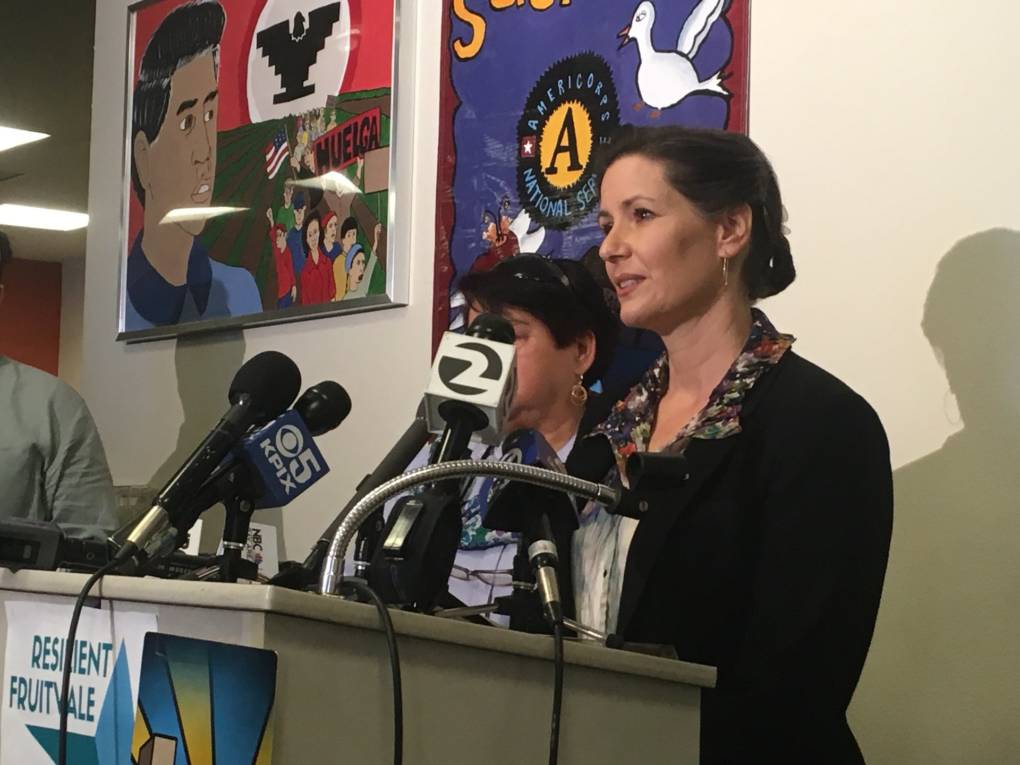
"caption": "Oakland Mayor Libby Schaaf speaks at a press conference on Sunday, Feb. 25, 2018, sharing her concerns that federal immigration action in the Bay Area is imminent.",
"description": "Oakland Mayor Libby Schaaf speaks at a press conference on Sunday, Feburary 25, 2018, sharing her concerns that federal immigration action in the Bay Area is imminent.",
"title": "RS29595_Schaaf-qut",
"credit": "Raquel Maria Dillon/KQED",
"status": "inherit",
"isLoading": false,
"fetchFailed": false
},
"news_11651615": {
"type": "attachments",
"id": "news_11651615",
"meta": {
"index": "attachments_1716263798",
"site": "news",
"id": "11651615",
"found": true
},
"parent": 11651600,
"imgSizes": {
"small": {
"file": "https://ww2.kqed.org/app/uploads/sites/10/2018/02/trumpless_022218_final-520x520.jpg",
"width": 520,
"mimeType": "image/jpeg",
"height": 520
},
"twentyfourteen-full-width": {
"file": "https://ww2.kqed.org/app/uploads/sites/10/2018/02/trumpless_022218_final-1038x576.jpg",
"width": 1038,
"mimeType": "image/jpeg",
"height": 576
},
"thumbnail": {
"file": "https://ww2.kqed.org/app/uploads/sites/10/2018/02/trumpless_022218_final-160x160.jpg",
"width": 160,
"mimeType": "image/jpeg",
"height": 160
},
"fd-sm": {
"file": "https://ww2.kqed.org/app/uploads/sites/10/2018/02/trumpless_022218_final-960x961.jpg",
"width": 960,
"mimeType": "image/jpeg",
"height": 961
},
"post-thumbnail": {
"file": "https://ww2.kqed.org/app/uploads/sites/10/2018/02/trumpless_022218_final-672x372.jpg",
"width": 672,
"mimeType": "image/jpeg",
"height": 372
},
"xsmall": {
"file": "https://ww2.kqed.org/app/uploads/sites/10/2018/02/trumpless_022218_final-375x375.jpg",
"width": 375,
"mimeType": "image/jpeg",
"height": 375
},
"kqedFullSize": {
"file": "https://ww2.kqed.org/app/uploads/sites/10/2018/02/trumpless_022218_final.jpg",
"width": 1920,
"height": 1921
},
"large": {
"file": "https://ww2.kqed.org/app/uploads/sites/10/2018/02/trumpless_022218_final-1020x1021.jpg",
"width": 1020,
"mimeType": "image/jpeg",
"height": 1021
},
"xlarge": {
"file": "https://ww2.kqed.org/app/uploads/sites/10/2018/02/trumpless_022218_final-1180x1181.jpg",
"width": 1180,
"mimeType": "image/jpeg",
"height": 1181
},
"guest-author-50": {
"file": "https://ww2.kqed.org/app/uploads/sites/10/2018/02/trumpless_022218_final-50x50.jpg",
"width": 50,
"mimeType": "image/jpeg",
"height": 50
},
"guest-author-96": {
"file": "https://ww2.kqed.org/app/uploads/sites/10/2018/02/trumpless_022218_final-96x96.jpg",
"width": 96,
"mimeType": "image/jpeg",
"height": 96
},
"medium": {
"file": "https://ww2.kqed.org/app/uploads/sites/10/2018/02/trumpless_022218_final-800x800.jpg",
"width": 800,
"mimeType": "image/jpeg",
"height": 800
},
"guest-author-64": {
"file": "https://ww2.kqed.org/app/uploads/sites/10/2018/02/trumpless_022218_final-64x64.jpg",
"width": 64,
"mimeType": "image/jpeg",
"height": 64
},
"guest-author-32": {
"file": "https://ww2.kqed.org/app/uploads/sites/10/2018/02/trumpless_022218_final-32x32.jpg",
"width": 32,
"mimeType": "image/jpeg",
"height": 32
},
"fd-lrg": {
"file": "https://ww2.kqed.org/app/uploads/sites/10/2018/02/trumpless_022218_final-1920x1921.jpg",
"width": 1920,
"mimeType": "image/jpeg",
"height": 1921
},
"fd-med": {
"file": "https://ww2.kqed.org/app/uploads/sites/10/2018/02/trumpless_022218_final-1180x1181.jpg",
"width": 1180,
"mimeType": "image/jpeg",
"height": 1181
},
"full-width": {
"file": "https://ww2.kqed.org/app/uploads/sites/10/2018/02/trumpless_022218_final-1920x1921.jpg",
"width": 1920,
"mimeType": "image/jpeg",
"height": 1921
},
"detail": {
"file": "https://ww2.kqed.org/app/uploads/sites/10/2018/02/trumpless_022218_final-150x150.jpg",
"width": 150,
"mimeType": "image/jpeg",
"height": 150
},
"guest-author-128": {
"file": "https://ww2.kqed.org/app/uploads/sites/10/2018/02/trumpless_022218_final-128x128.jpg",
"width": 128,
"mimeType": "image/jpeg",
"height": 128
},
"xxsmall": {
"file": "https://ww2.kqed.org/app/uploads/sites/10/2018/02/trumpless_022218_final-240x240.jpg",
"width": 240,
"mimeType": "image/jpeg",
"height": 240
}
},
"publishDate": 1519334458,
"modified": 1519334474,
"caption": null,
"description": null,
"title": "trumpless_022218_final",
"credit": null,
"status": "inherit",
"isLoading": false,
"fetchFailed": false
},
"news_11651633": {
"type": "attachments",
"id": "news_11651633",
"meta": {
"index": "attachments_1716263798",
"site": "news",
"id": "11651633",
"found": true
},
"parent": 11651621,
"imgSizes": {
"small": {
"file": "https://ww2.kqed.org/app/uploads/sites/10/2018/02/GettyImages-923083420-520x335.jpg",
"width": 520,
"mimeType": "image/jpeg",
"height": 335
},
"twentyfourteen-full-width": {
"file": "https://ww2.kqed.org/app/uploads/sites/10/2018/02/GettyImages-923083420-1038x576.jpg",
"width": 1038,
"mimeType": "image/jpeg",
"height": 576
},
"thumbnail": {
"file": "https://ww2.kqed.org/app/uploads/sites/10/2018/02/GettyImages-923083420-160x103.jpg",
"width": 160,
"mimeType": "image/jpeg",
"height": 103
},
"fd-sm": {
"file": "https://ww2.kqed.org/app/uploads/sites/10/2018/02/GettyImages-923083420-960x619.jpg",
"width": 960,
"mimeType": "image/jpeg",
"height": 619
},
"post-thumbnail": {
"file": "https://ww2.kqed.org/app/uploads/sites/10/2018/02/GettyImages-923083420-672x372.jpg",
"width": 672,
"mimeType": "image/jpeg",
"height": 372
},
"xsmall": {
"file": "https://ww2.kqed.org/app/uploads/sites/10/2018/02/GettyImages-923083420-375x242.jpg",
"width": 375,
"mimeType": "image/jpeg",
"height": 242
},
"kqedFullSize": {
"file": "https://ww2.kqed.org/app/uploads/sites/10/2018/02/GettyImages-923083420-e1519335875511.jpg",
"width": 1920,
"height": 1238
},
"large": {
"file": "https://ww2.kqed.org/app/uploads/sites/10/2018/02/GettyImages-923083420-1020x658.jpg",
"width": 1020,
"mimeType": "image/jpeg",
"height": 658
},
"xlarge": {
"file": "https://ww2.kqed.org/app/uploads/sites/10/2018/02/GettyImages-923083420-1180x761.jpg",
"width": 1180,
"mimeType": "image/jpeg",
"height": 761
},
"guest-author-50": {
"file": "https://ww2.kqed.org/app/uploads/sites/10/2018/02/GettyImages-923083420-50x50.jpg",
"width": 50,
"mimeType": "image/jpeg",
"height": 50
},
"guest-author-96": {
"file": "https://ww2.kqed.org/app/uploads/sites/10/2018/02/GettyImages-923083420-96x96.jpg",
"width": 96,
"mimeType": "image/jpeg",
"height": 96
},
"medium": {
"file": "https://ww2.kqed.org/app/uploads/sites/10/2018/02/GettyImages-923083420-800x516.jpg",
"width": 800,
"mimeType": "image/jpeg",
"height": 516
},
"guest-author-64": {
"file": "https://ww2.kqed.org/app/uploads/sites/10/2018/02/GettyImages-923083420-64x64.jpg",
"width": 64,
"mimeType": "image/jpeg",
"height": 64
},
"guest-author-32": {
"file": "https://ww2.kqed.org/app/uploads/sites/10/2018/02/GettyImages-923083420-32x32.jpg",
"width": 32,
"mimeType": "image/jpeg",
"height": 32
},
"fd-lrg": {
"file": "https://ww2.kqed.org/app/uploads/sites/10/2018/02/GettyImages-923083420-1920x1238.jpg",
"width": 1920,
"mimeType": "image/jpeg",
"height": 1238
},
"fd-med": {
"file": "https://ww2.kqed.org/app/uploads/sites/10/2018/02/GettyImages-923083420-1180x761.jpg",
"width": 1180,
"mimeType": "image/jpeg",
"height": 761
},
"full-width": {
"file": "https://ww2.kqed.org/app/uploads/sites/10/2018/02/GettyImages-923083420-1920x1238.jpg",
"width": 1920,
"mimeType": "image/jpeg",
"height": 1238
},
"detail": {
"file": "https://ww2.kqed.org/app/uploads/sites/10/2018/02/GettyImages-923083420-150x150.jpg",
"width": 150,
"mimeType": "image/jpeg",
"height": 150
},
"guest-author-128": {
"file": "https://ww2.kqed.org/app/uploads/sites/10/2018/02/GettyImages-923083420-128x128.jpg",
"width": 128,
"mimeType": "image/jpeg",
"height": 128
},
"xxsmall": {
"file": "https://ww2.kqed.org/app/uploads/sites/10/2018/02/GettyImages-923083420-240x155.jpg",
"width": 240,
"mimeType": "image/jpeg",
"height": 155
}
},
"publishDate": 1519335643,
"modified": 1520537808,
"caption": "President Trump criticized Mayor Schaaf.",
"description": null,
"title": "US-POLITICS-TRUMP-SHOOTINGS",
"credit": "AFP/Getty Images",
"status": "inherit",
"isLoading": false,
"fetchFailed": false
},
"news_11624519": {
"type": "attachments",
"id": "news_11624519",
"meta": {
"index": "attachments_1716263798",
"site": "news",
"id": "11624519",
"found": true
},
"parent": 11624387,
"imgSizes": {
"small": {
"file": "https://ww2.kqed.org/app/uploads/sites/10/2017/10/ICE1920-520x347.jpg",
"width": 520,
"mimeType": "image/jpeg",
"height": 347
},
"twentyfourteen-full-width": {
"file": "https://ww2.kqed.org/app/uploads/sites/10/2017/10/ICE1920-1038x576.jpg",
"width": 1038,
"mimeType": "image/jpeg",
"height": 576
},
"thumbnail": {
"file": "https://ww2.kqed.org/app/uploads/sites/10/2017/10/ICE1920-160x107.jpg",
"width": 160,
"mimeType": "image/jpeg",
"height": 107
},
"fd-sm": {
"file": "https://ww2.kqed.org/app/uploads/sites/10/2017/10/ICE1920-960x640.jpg",
"width": 960,
"mimeType": "image/jpeg",
"height": 640
},
"post-thumbnail": {
"file": "https://ww2.kqed.org/app/uploads/sites/10/2017/10/ICE1920-672x372.jpg",
"width": 672,
"mimeType": "image/jpeg",
"height": 372
},
"xsmall": {
"file": "https://ww2.kqed.org/app/uploads/sites/10/2017/10/ICE1920-375x250.jpg",
"width": 375,
"mimeType": "image/jpeg",
"height": 250
},
"kqedFullSize": {
"file": "https://ww2.kqed.org/app/uploads/sites/10/2017/10/ICE1920.jpg",
"width": 1920,
"height": 1280
},
"large": {
"file": "https://ww2.kqed.org/app/uploads/sites/10/2017/10/ICE1920-1020x680.jpg",
"width": 1020,
"mimeType": "image/jpeg",
"height": 680
},
"xlarge": {
"file": "https://ww2.kqed.org/app/uploads/sites/10/2017/10/ICE1920-1180x787.jpg",
"width": 1180,
"mimeType": "image/jpeg",
"height": 787
},
"guest-author-50": {
"file": "https://ww2.kqed.org/app/uploads/sites/10/2017/10/ICE1920-50x50.jpg",
"width": 50,
"mimeType": "image/jpeg",
"height": 50
},
"guest-author-96": {
"file": "https://ww2.kqed.org/app/uploads/sites/10/2017/10/ICE1920-96x96.jpg",
"width": 96,
"mimeType": "image/jpeg",
"height": 96
},
"medium": {
"file": "https://ww2.kqed.org/app/uploads/sites/10/2017/10/ICE1920-800x533.jpg",
"width": 800,
"mimeType": "image/jpeg",
"height": 533
},
"guest-author-64": {
"file": "https://ww2.kqed.org/app/uploads/sites/10/2017/10/ICE1920-64x64.jpg",
"width": 64,
"mimeType": "image/jpeg",
"height": 64
},
"guest-author-32": {
"file": "https://ww2.kqed.org/app/uploads/sites/10/2017/10/ICE1920-32x32.jpg",
"width": 32,
"mimeType": "image/jpeg",
"height": 32
},
"fd-lrg": {
"file": "https://ww2.kqed.org/app/uploads/sites/10/2017/10/ICE1920-1920x1280.jpg",
"width": 1920,
"mimeType": "image/jpeg",
"height": 1280
},
"fd-med": {
"file": "https://ww2.kqed.org/app/uploads/sites/10/2017/10/ICE1920-1180x787.jpg",
"width": 1180,
"mimeType": "image/jpeg",
"height": 787
},
"full-width": {
"file": "https://ww2.kqed.org/app/uploads/sites/10/2017/10/ICE1920-1920x1280.jpg",
"width": 1920,
"mimeType": "image/jpeg",
"height": 1280
},
"detail": {
"file": "https://ww2.kqed.org/app/uploads/sites/10/2017/10/ICE1920-150x150.jpg",
"width": 150,
"mimeType": "image/jpeg",
"height": 150
},
"guest-author-128": {
"file": "https://ww2.kqed.org/app/uploads/sites/10/2017/10/ICE1920-128x128.jpg",
"width": 128,
"mimeType": "image/jpeg",
"height": 128
},
"xxsmall": {
"file": "https://ww2.kqed.org/app/uploads/sites/10/2017/10/ICE1920-240x160.jpg",
"width": 240,
"mimeType": "image/jpeg",
"height": 160
}
},
"publishDate": 1508379346,
"modified": 1508379385,
"caption": "A U.S. Immigration and Customs Enforcement (ICE) agent.",
"description": "A U.S. Immigration and Customs Enforcement (ICE) agent.",
"title": "ICE1920",
"credit": "John Moore/Getty Images",
"status": "inherit",
"isLoading": false,
"fetchFailed": false
},
"news_11650132": {
"type": "attachments",
"id": "news_11650132",
"meta": {
"index": "attachments_1716263798",
"site": "news",
"id": "11650132",
"found": true
},
"parent": 11650006,
"imgSizes": {
"small": {
"file": "https://ww2.kqed.org/app/uploads/sites/10/2018/02/RS29447_ICE-qut-520x347.jpg",
"width": 520,
"mimeType": "image/jpeg",
"height": 347
},
"twentyfourteen-full-width": {
"file": "https://ww2.kqed.org/app/uploads/sites/10/2018/02/RS29447_ICE-qut-1000x576.jpg",
"width": 1000,
"mimeType": "image/jpeg",
"height": 576
},
"thumbnail": {
"file": "https://ww2.kqed.org/app/uploads/sites/10/2018/02/RS29447_ICE-qut-160x107.jpg",
"width": 160,
"mimeType": "image/jpeg",
"height": 107
},
"fd-sm": {
"file": "https://ww2.kqed.org/app/uploads/sites/10/2018/02/RS29447_ICE-qut-960x640.jpg",
"width": 960,
"mimeType": "image/jpeg",
"height": 640
},
"post-thumbnail": {
"file": "https://ww2.kqed.org/app/uploads/sites/10/2018/02/RS29447_ICE-qut-672x372.jpg",
"width": 672,
"mimeType": "image/jpeg",
"height": 372
},
"xsmall": {
"file": "https://ww2.kqed.org/app/uploads/sites/10/2018/02/RS29447_ICE-qut-375x250.jpg",
"width": 375,
"mimeType": "image/jpeg",
"height": 250
},
"kqedFullSize": {
"file": "https://ww2.kqed.org/app/uploads/sites/10/2018/02/RS29447_ICE-qut.jpg",
"width": 1000,
"height": 667
},
"guest-author-50": {
"file": "https://ww2.kqed.org/app/uploads/sites/10/2018/02/RS29447_ICE-qut-50x50.jpg",
"width": 50,
"mimeType": "image/jpeg",
"height": 50
},
"guest-author-96": {
"file": "https://ww2.kqed.org/app/uploads/sites/10/2018/02/RS29447_ICE-qut-96x96.jpg",
"width": 96,
"mimeType": "image/jpeg",
"height": 96
},
"medium": {
"file": "https://ww2.kqed.org/app/uploads/sites/10/2018/02/RS29447_ICE-qut-800x534.jpg",
"width": 800,
"mimeType": "image/jpeg",
"height": 534
},
"guest-author-64": {
"file": "https://ww2.kqed.org/app/uploads/sites/10/2018/02/RS29447_ICE-qut-64x64.jpg",
"width": 64,
"mimeType": "image/jpeg",
"height": 64
},
"guest-author-32": {
"file": "https://ww2.kqed.org/app/uploads/sites/10/2018/02/RS29447_ICE-qut-32x32.jpg",
"width": 32,
"mimeType": "image/jpeg",
"height": 32
},
"detail": {
"file": "https://ww2.kqed.org/app/uploads/sites/10/2018/02/RS29447_ICE-qut-150x150.jpg",
"width": 150,
"mimeType": "image/jpeg",
"height": 150
},
"guest-author-128": {
"file": "https://ww2.kqed.org/app/uploads/sites/10/2018/02/RS29447_ICE-qut-128x128.jpg",
"width": 128,
"mimeType": "image/jpeg",
"height": 128
},
"xxsmall": {
"file": "https://ww2.kqed.org/app/uploads/sites/10/2018/02/RS29447_ICE-qut-240x160.jpg",
"width": 240,
"mimeType": "image/jpeg",
"height": 160
}
},
"publishDate": 1518652301,
"modified": 1518727936,
"caption": "Immigration and Customs Enforcement officers carry out a raid in Los Angeles on Feb. 11, 2018.",
"description": "Immigration and Customs Enforcement officers carry out a raid in Los Angeles on Feb. 11, 2018.",
"title": "RS29447_ICE-qut",
"credit": "Courtesy of U.S. Immigration and Customs Enforcement",
"status": "inherit",
"isLoading": false,
"fetchFailed": false
},
"news_11649207": {
"type": "attachments",
"id": "news_11649207",
"meta": {
"index": "attachments_1716263798",
"site": "news",
"id": "11649207",
"found": true
},
"parent": 11648301,
"imgSizes": {
"small": {
"file": "https://ww2.kqed.org/app/uploads/sites/10/2018/02/Vicente-520x392.jpg",
"width": 520,
"mimeType": "image/jpeg",
"height": 392
},
"twentyfourteen-full-width": {
"file": "https://ww2.kqed.org/app/uploads/sites/10/2018/02/Vicente-1038x576.jpg",
"width": 1038,
"mimeType": "image/jpeg",
"height": 576
},
"thumbnail": {
"file": "https://ww2.kqed.org/app/uploads/sites/10/2018/02/Vicente-160x121.jpg",
"width": 160,
"mimeType": "image/jpeg",
"height": 121
},
"fd-sm": {
"file": "https://ww2.kqed.org/app/uploads/sites/10/2018/02/Vicente-960x724.jpg",
"width": 960,
"mimeType": "image/jpeg",
"height": 724
},
"post-thumbnail": {
"file": "https://ww2.kqed.org/app/uploads/sites/10/2018/02/Vicente-672x372.jpg",
"width": 672,
"mimeType": "image/jpeg",
"height": 372
},
"xsmall": {
"file": "https://ww2.kqed.org/app/uploads/sites/10/2018/02/Vicente-375x283.jpg",
"width": 375,
"mimeType": "image/jpeg",
"height": 283
},
"kqedFullSize": {
"file": "https://ww2.kqed.org/app/uploads/sites/10/2018/02/Vicente.jpg",
"width": 1920,
"height": 1448
},
"large": {
"file": "https://ww2.kqed.org/app/uploads/sites/10/2018/02/Vicente-1020x769.jpg",
"width": 1020,
"mimeType": "image/jpeg",
"height": 769
},
"xlarge": {
"file": "https://ww2.kqed.org/app/uploads/sites/10/2018/02/Vicente-1180x890.jpg",
"width": 1180,
"mimeType": "image/jpeg",
"height": 890
},
"guest-author-50": {
"file": "https://ww2.kqed.org/app/uploads/sites/10/2018/02/Vicente-50x50.jpg",
"width": 50,
"mimeType": "image/jpeg",
"height": 50
},
"guest-author-96": {
"file": "https://ww2.kqed.org/app/uploads/sites/10/2018/02/Vicente-96x96.jpg",
"width": 96,
"mimeType": "image/jpeg",
"height": 96
},
"medium": {
"file": "https://ww2.kqed.org/app/uploads/sites/10/2018/02/Vicente-800x603.jpg",
"width": 800,
"mimeType": "image/jpeg",
"height": 603
},
"guest-author-64": {
"file": "https://ww2.kqed.org/app/uploads/sites/10/2018/02/Vicente-64x64.jpg",
"width": 64,
"mimeType": "image/jpeg",
"height": 64
},
"guest-author-32": {
"file": "https://ww2.kqed.org/app/uploads/sites/10/2018/02/Vicente-32x32.jpg",
"width": 32,
"mimeType": "image/jpeg",
"height": 32
},
"fd-lrg": {
"file": "https://ww2.kqed.org/app/uploads/sites/10/2018/02/Vicente-1920x1448.jpg",
"width": 1920,
"mimeType": "image/jpeg",
"height": 1448
},
"fd-med": {
"file": "https://ww2.kqed.org/app/uploads/sites/10/2018/02/Vicente-1180x890.jpg",
"width": 1180,
"mimeType": "image/jpeg",
"height": 890
},
"full-width": {
"file": "https://ww2.kqed.org/app/uploads/sites/10/2018/02/Vicente-1920x1448.jpg",
"width": 1920,
"mimeType": "image/jpeg",
"height": 1448
},
"detail": {
"file": "https://ww2.kqed.org/app/uploads/sites/10/2018/02/Vicente-150x150.jpg",
"width": 150,
"mimeType": "image/jpeg",
"height": 150
},
"guest-author-128": {
"file": "https://ww2.kqed.org/app/uploads/sites/10/2018/02/Vicente-128x128.jpg",
"width": 128,
"mimeType": "image/jpeg",
"height": 128
},
"xxsmall": {
"file": "https://ww2.kqed.org/app/uploads/sites/10/2018/02/Vicente-240x181.jpg",
"width": 240,
"mimeType": "image/jpeg",
"height": 181
}
},
"publishDate": 1518227729,
"modified": 1518227759,
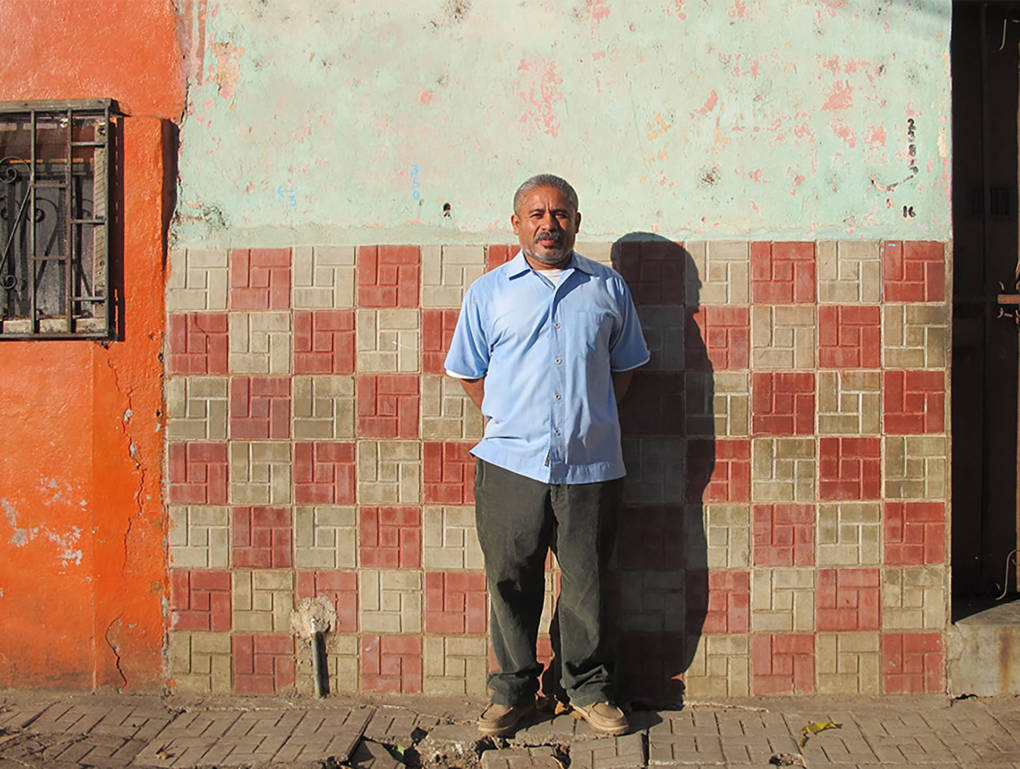
"caption": "Juan Vicente in front of his grandparents' old home in Santa Ana, El Salvador. Vicente fled El Salvador’s civil war in 1981 and sought refuge with his family in Bell Gardens, California. He was deported to El Salvador more than three decades later. ",
"description": "Juan Vicente in front of his grandparents' old home in Santa Ana, El Salvador. Vicente fled El Salvador’s civil war in 1981 and sought refuge with his family in Bell Gardens, California. He was deported to El Salvador more than three decades later. ",
"title": "Vicente",
"credit": "Levi Bridges/KQED",
"status": "inherit",
"isLoading": false,
"fetchFailed": false
},
"news_11648461": {
"type": "attachments",
"id": "news_11648461",
"meta": {
"index": "attachments_1716263798",
"site": "news",
"id": "11648461",
"found": true
},
"parent": 11648086,
"imgSizes": {
"small": {
"file": "https://ww2.kqed.org/app/uploads/sites/10/2018/02/RS29269_IMG_1354-qut-520x347.jpg",
"width": 520,
"mimeType": "image/jpeg",
"height": 347
},
"twentyfourteen-full-width": {
"file": "https://ww2.kqed.org/app/uploads/sites/10/2018/02/RS29269_IMG_1354-qut-1038x576.jpg",
"width": 1038,
"mimeType": "image/jpeg",
"height": 576
},
"thumbnail": {
"file": "https://ww2.kqed.org/app/uploads/sites/10/2018/02/RS29269_IMG_1354-qut-160x107.jpg",
"width": 160,
"mimeType": "image/jpeg",
"height": 107
},
"fd-sm": {
"file": "https://ww2.kqed.org/app/uploads/sites/10/2018/02/RS29269_IMG_1354-qut-960x640.jpg",
"width": 960,
"mimeType": "image/jpeg",
"height": 640
},
"post-thumbnail": {
"file": "https://ww2.kqed.org/app/uploads/sites/10/2018/02/RS29269_IMG_1354-qut-672x372.jpg",
"width": 672,
"mimeType": "image/jpeg",
"height": 372
},
"xsmall": {
"file": "https://ww2.kqed.org/app/uploads/sites/10/2018/02/RS29269_IMG_1354-qut-375x250.jpg",
"width": 375,
"mimeType": "image/jpeg",
"height": 250
},
"kqedFullSize": {
"file": "https://ww2.kqed.org/app/uploads/sites/10/2018/02/RS29269_IMG_1354-qut.jpg",
"width": 1920,
"height": 1280
},
"large": {
"file": "https://ww2.kqed.org/app/uploads/sites/10/2018/02/RS29269_IMG_1354-qut-1020x680.jpg",
"width": 1020,
"mimeType": "image/jpeg",
"height": 680
},
"xlarge": {
"file": "https://ww2.kqed.org/app/uploads/sites/10/2018/02/RS29269_IMG_1354-qut-1180x787.jpg",
"width": 1180,
"mimeType": "image/jpeg",
"height": 787
},
"guest-author-50": {
"file": "https://ww2.kqed.org/app/uploads/sites/10/2018/02/RS29269_IMG_1354-qut-50x50.jpg",
"width": 50,
"mimeType": "image/jpeg",
"height": 50
},
"guest-author-96": {
"file": "https://ww2.kqed.org/app/uploads/sites/10/2018/02/RS29269_IMG_1354-qut-96x96.jpg",
"width": 96,
"mimeType": "image/jpeg",
"height": 96
},
"medium": {
"file": "https://ww2.kqed.org/app/uploads/sites/10/2018/02/RS29269_IMG_1354-qut-800x533.jpg",
"width": 800,
"mimeType": "image/jpeg",
"height": 533
},
"guest-author-64": {
"file": "https://ww2.kqed.org/app/uploads/sites/10/2018/02/RS29269_IMG_1354-qut-64x64.jpg",
"width": 64,
"mimeType": "image/jpeg",
"height": 64
},
"guest-author-32": {
"file": "https://ww2.kqed.org/app/uploads/sites/10/2018/02/RS29269_IMG_1354-qut-32x32.jpg",
"width": 32,
"mimeType": "image/jpeg",
"height": 32
},
"fd-lrg": {
"file": "https://ww2.kqed.org/app/uploads/sites/10/2018/02/RS29269_IMG_1354-qut-1920x1280.jpg",
"width": 1920,
"mimeType": "image/jpeg",
"height": 1280
},
"fd-med": {
"file": "https://ww2.kqed.org/app/uploads/sites/10/2018/02/RS29269_IMG_1354-qut-1180x787.jpg",
"width": 1180,
"mimeType": "image/jpeg",
"height": 787
},
"full-width": {
"file": "https://ww2.kqed.org/app/uploads/sites/10/2018/02/RS29269_IMG_1354-qut-1920x1280.jpg",
"width": 1920,
"mimeType": "image/jpeg",
"height": 1280
},
"detail": {
"file": "https://ww2.kqed.org/app/uploads/sites/10/2018/02/RS29269_IMG_1354-qut-150x150.jpg",
"width": 150,
"mimeType": "image/jpeg",
"height": 150
},
"guest-author-128": {
"file": "https://ww2.kqed.org/app/uploads/sites/10/2018/02/RS29269_IMG_1354-qut-128x128.jpg",
"width": 128,
"mimeType": "image/jpeg",
"height": 128
},
"xxsmall": {
"file": "https://ww2.kqed.org/app/uploads/sites/10/2018/02/RS29269_IMG_1354-qut-240x160.jpg",
"width": 240,
"mimeType": "image/jpeg",
"height": 160
}
},
"publishDate": 1517965705,
"modified": 1518124410,
"caption": "Mariano Guzman and Mirna Medina stand at a legal consultation event for beneficiaries of Temporary Protected Status at the Salvadoran Consulate in San Francisco on Jan. 13, 2018. Guzman, a truck driver for a waste management company, said his employer let him go after his work authorization document expired. ",
"description": "Mariano Guzman and Mirna Medina stand at a legal consultation event for beneficiaries of Temporary Protected Status at the Salvadoran Consulate in San Francisco on Jan. 13, 2018. Guzman, a truck driver for a waste management company, said his employer let him go after his work authorization document expired. ",
"title": "RS29269_IMG_1354-qut",
"credit": "Farida Jhabvala Romero/KQED",
"status": "inherit",
"isLoading": false,
"fetchFailed": false
},
"stateofhealth_362640": {
"type": "attachments",
"id": "stateofhealth_362640",
"meta": {
"index": "attachments_1716263798",
"site": "stateofhealth",
"id": "362640",
"found": true
},
"parent": 362633,
"imgSizes": {
"small": {
"file": "https://ww2.kqed.org/app/uploads/sites/27/2018/02/Dreamers-rally-at-CHO-520x390.jpg",
"width": 520,
"mimeType": "image/jpeg",
"height": 390
},
"twentyfourteen-full-width": {
"file": "https://ww2.kqed.org/app/uploads/sites/27/2018/02/Dreamers-rally-at-CHO-1038x576.jpg",
"width": 1038,
"mimeType": "image/jpeg",
"height": 576
},
"thumbnail": {
"file": "https://ww2.kqed.org/app/uploads/sites/27/2018/02/Dreamers-rally-at-CHO-160x120.jpg",
"width": 160,
"mimeType": "image/jpeg",
"height": 120
},
"fd-sm": {
"file": "https://ww2.kqed.org/app/uploads/sites/27/2018/02/Dreamers-rally-at-CHO-960x720.jpg",
"width": 960,
"mimeType": "image/jpeg",
"height": 720
},
"post-thumbnail": {
"file": "https://ww2.kqed.org/app/uploads/sites/27/2018/02/Dreamers-rally-at-CHO-672x372.jpg",
"width": 672,
"mimeType": "image/jpeg",
"height": 372
},
"xsmall": {
"file": "https://ww2.kqed.org/app/uploads/sites/27/2018/02/Dreamers-rally-at-CHO-375x281.jpg",
"width": 375,
"mimeType": "image/jpeg",
"height": 281
},
"kqedFullSize": {
"file": "https://ww2.kqed.org/app/uploads/sites/27/2018/02/Dreamers-rally-at-CHO-e1518017951627.jpg",
"width": 1920,
"height": 1440
},
"large": {
"file": "https://ww2.kqed.org/app/uploads/sites/27/2018/02/Dreamers-rally-at-CHO-1020x765.jpg",
"width": 1020,
"mimeType": "image/jpeg",
"height": 765
},
"xlarge": {
"file": "https://ww2.kqed.org/app/uploads/sites/27/2018/02/Dreamers-rally-at-CHO-1180x885.jpg",
"width": 1180,
"mimeType": "image/jpeg",
"height": 885
},
"guest-author-50": {
"file": "https://ww2.kqed.org/app/uploads/sites/27/2018/02/Dreamers-rally-at-CHO-50x50.jpg",
"width": 50,
"mimeType": "image/jpeg",
"height": 50
},
"guest-author-96": {
"file": "https://ww2.kqed.org/app/uploads/sites/27/2018/02/Dreamers-rally-at-CHO-96x96.jpg",
"width": 96,
"mimeType": "image/jpeg",
"height": 96
},
"medium": {
"file": "https://ww2.kqed.org/app/uploads/sites/27/2018/02/Dreamers-rally-at-CHO-800x600.jpg",
"width": 800,
"mimeType": "image/jpeg",
"height": 600
},
"guest-author-64": {
"file": "https://ww2.kqed.org/app/uploads/sites/27/2018/02/Dreamers-rally-at-CHO-64x64.jpg",
"width": 64,
"mimeType": "image/jpeg",
"height": 64
},
"guest-author-32": {
"file": "https://ww2.kqed.org/app/uploads/sites/27/2018/02/Dreamers-rally-at-CHO-32x32.jpg",
"width": 32,
"mimeType": "image/jpeg",
"height": 32
},
"fd-lrg": {
"file": "https://ww2.kqed.org/app/uploads/sites/27/2018/02/Dreamers-rally-at-CHO-1920x1440.jpg",
"width": 1920,
"mimeType": "image/jpeg",
"height": 1440
},
"fd-med": {
"file": "https://ww2.kqed.org/app/uploads/sites/27/2018/02/Dreamers-rally-at-CHO-1180x885.jpg",
"width": 1180,
"mimeType": "image/jpeg",
"height": 885
},
"full-width": {
"file": "https://ww2.kqed.org/app/uploads/sites/27/2018/02/Dreamers-rally-at-CHO-1920x1440.jpg",
"width": 1920,
"mimeType": "image/jpeg",
"height": 1440
},
"detail": {
"file": "https://ww2.kqed.org/app/uploads/sites/27/2018/02/Dreamers-rally-at-CHO-150x150.jpg",
"width": 150,
"mimeType": "image/jpeg",
"height": 150
},
"medium_large": {
"file": "https://ww2.kqed.org/app/uploads/sites/27/2018/02/Dreamers-rally-at-CHO-768x576.jpg",
"width": 768,
"mimeType": "image/jpeg",
"height": 576
},
"guest-author-128": {
"file": "https://ww2.kqed.org/app/uploads/sites/27/2018/02/Dreamers-rally-at-CHO-128x128.jpg",
"width": 128,
"mimeType": "image/jpeg",
"height": 128
},
"xxsmall": {
"file": "https://ww2.kqed.org/app/uploads/sites/27/2018/02/Dreamers-rally-at-CHO-240x180.jpg",
"width": 240,
"mimeType": "image/jpeg",
"height": 180
}
},
"publishDate": 1518017921,
"modified": 1518018019,
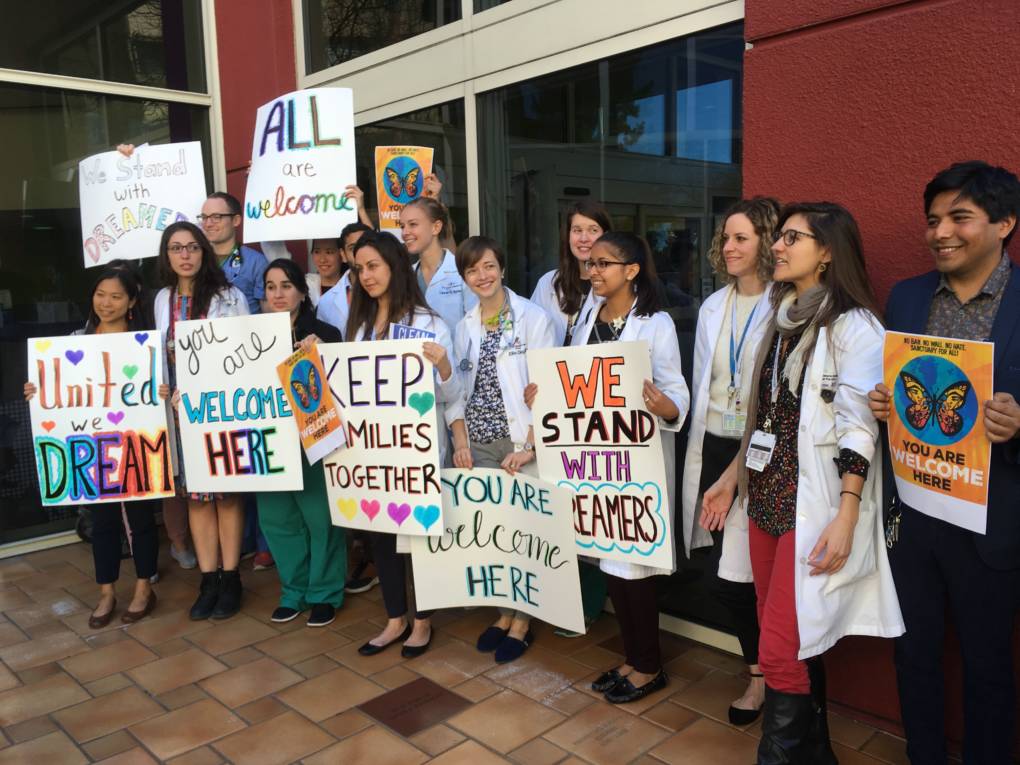
"caption": "Doctors at UCSF Benioff Children's Hospital in Oakland rally for immigration legislation to protect their undocumented patients.",
"description": null,
"title": "Dreamers rally at CHO",
"credit": "April Dembosky",
"status": "inherit",
"isLoading": false,
"fetchFailed": false
},
"news_11647764": {
"type": "attachments",
"id": "news_11647764",
"meta": {
"index": "attachments_1716263798",
"site": "news",
"id": "11647764",
"found": true
},
"parent": 11647671,
"imgSizes": {
"small": {
"file": "https://ww2.kqed.org/app/uploads/sites/10/2018/02/RS29223_IMG_8424-Creighton-qut-520x347.jpg",
"width": 520,
"mimeType": "image/jpeg",
"height": 347
},
"twentyfourteen-full-width": {
"file": "https://ww2.kqed.org/app/uploads/sites/10/2018/02/RS29223_IMG_8424-Creighton-qut-1038x576.jpg",
"width": 1038,
"mimeType": "image/jpeg",
"height": 576
},
"thumbnail": {
"file": "https://ww2.kqed.org/app/uploads/sites/10/2018/02/RS29223_IMG_8424-Creighton-qut-160x107.jpg",
"width": 160,
"mimeType": "image/jpeg",
"height": 107
},
"fd-sm": {
"file": "https://ww2.kqed.org/app/uploads/sites/10/2018/02/RS29223_IMG_8424-Creighton-qut-960x640.jpg",
"width": 960,
"mimeType": "image/jpeg",
"height": 640
},
"post-thumbnail": {
"file": "https://ww2.kqed.org/app/uploads/sites/10/2018/02/RS29223_IMG_8424-Creighton-qut-672x372.jpg",
"width": 672,
"mimeType": "image/jpeg",
"height": 372
},
"xsmall": {
"file": "https://ww2.kqed.org/app/uploads/sites/10/2018/02/RS29223_IMG_8424-Creighton-qut-375x250.jpg",
"width": 375,
"mimeType": "image/jpeg",
"height": 250
},
"kqedFullSize": {
"file": "https://ww2.kqed.org/app/uploads/sites/10/2018/02/RS29223_IMG_8424-Creighton-qut.jpg",
"width": 1600,
"height": 1067
},
"large": {
"file": "https://ww2.kqed.org/app/uploads/sites/10/2018/02/RS29223_IMG_8424-Creighton-qut-1020x680.jpg",
"width": 1020,
"mimeType": "image/jpeg",
"height": 680
},
"xlarge": {
"file": "https://ww2.kqed.org/app/uploads/sites/10/2018/02/RS29223_IMG_8424-Creighton-qut-1180x787.jpg",
"width": 1180,
"mimeType": "image/jpeg",
"height": 787
},
"guest-author-50": {
"file": "https://ww2.kqed.org/app/uploads/sites/10/2018/02/RS29223_IMG_8424-Creighton-qut-50x50.jpg",
"width": 50,
"mimeType": "image/jpeg",
"height": 50
},
"guest-author-96": {
"file": "https://ww2.kqed.org/app/uploads/sites/10/2018/02/RS29223_IMG_8424-Creighton-qut-96x96.jpg",
"width": 96,
"mimeType": "image/jpeg",
"height": 96
},
"medium": {
"file": "https://ww2.kqed.org/app/uploads/sites/10/2018/02/RS29223_IMG_8424-Creighton-qut-800x534.jpg",
"width": 800,
"mimeType": "image/jpeg",
"height": 534
},
"guest-author-64": {
"file": "https://ww2.kqed.org/app/uploads/sites/10/2018/02/RS29223_IMG_8424-Creighton-qut-64x64.jpg",
"width": 64,
"mimeType": "image/jpeg",
"height": 64
},
"guest-author-32": {
"file": "https://ww2.kqed.org/app/uploads/sites/10/2018/02/RS29223_IMG_8424-Creighton-qut-32x32.jpg",
"width": 32,
"mimeType": "image/jpeg",
"height": 32
},
"fd-med": {
"file": "https://ww2.kqed.org/app/uploads/sites/10/2018/02/RS29223_IMG_8424-Creighton-qut-1180x787.jpg",
"width": 1180,
"mimeType": "image/jpeg",
"height": 787
},
"detail": {
"file": "https://ww2.kqed.org/app/uploads/sites/10/2018/02/RS29223_IMG_8424-Creighton-qut-150x150.jpg",
"width": 150,
"mimeType": "image/jpeg",
"height": 150
},
"guest-author-128": {
"file": "https://ww2.kqed.org/app/uploads/sites/10/2018/02/RS29223_IMG_8424-Creighton-qut-128x128.jpg",
"width": 128,
"mimeType": "image/jpeg",
"height": 128
},
"xxsmall": {
"file": "https://ww2.kqed.org/app/uploads/sites/10/2018/02/RS29223_IMG_8424-Creighton-qut-240x160.jpg",
"width": 240,
"mimeType": "image/jpeg",
"height": 160
}
},
"publishDate": 1517612647,
"modified": 1517620071,
"caption": "About 70 people gathered in protest on Feb. 2, 2018, outside of the U.S. Immigration and Customs Enforcement processing center and immigration court at 630 Sansome St. in San Francisco to protest workplace audits served on several dozen Northern California businesses earlier in the week.",
"description": "About 70 people gathered in protest Friday outside of the U.S. Immigration and Customs Enforcement processing center and immigration court at 630 Sansome St. in San Francisco in protest of workplace audits served on several dozen Northern California businesses earlier in the week.",
"title": "RS29223_IMG_8424-Creighton-qut",
"credit": "JoeBill Muñoz/KQED",
"status": "inherit",
"isLoading": false,
"fetchFailed": false
},
"news_11647421": {
"type": "attachments",
"id": "news_11647421",
"meta": {
"index": "attachments_1716263798",
"site": "news",
"id": "11647421",
"found": true
},
"parent": 11647412,
"imgSizes": {
"small": {
"file": "https://ww2.kqed.org/app/uploads/sites/10/2018/01/RS24075_courthouse-sign-cameo-qut-520x293.jpg",
"width": 520,
"mimeType": "image/jpeg",
"height": 293
},
"twentyfourteen-full-width": {
"file": "https://ww2.kqed.org/app/uploads/sites/10/2018/01/RS24075_courthouse-sign-cameo-qut-1038x576.jpg",
"width": 1038,
"mimeType": "image/jpeg",
"height": 576
},
"thumbnail": {
"file": "https://ww2.kqed.org/app/uploads/sites/10/2018/01/RS24075_courthouse-sign-cameo-qut-160x90.jpg",
"width": 160,
"mimeType": "image/jpeg",
"height": 90
},
"fd-sm": {
"file": "https://ww2.kqed.org/app/uploads/sites/10/2018/01/RS24075_courthouse-sign-cameo-qut-960x540.jpg",
"width": 960,
"mimeType": "image/jpeg",
"height": 540
},
"post-thumbnail": {
"file": "https://ww2.kqed.org/app/uploads/sites/10/2018/01/RS24075_courthouse-sign-cameo-qut-672x372.jpg",
"width": 672,
"mimeType": "image/jpeg",
"height": 372
},
"xsmall": {
"file": "https://ww2.kqed.org/app/uploads/sites/10/2018/01/RS24075_courthouse-sign-cameo-qut-375x211.jpg",
"width": 375,
"mimeType": "image/jpeg",
"height": 211
},
"kqedFullSize": {
"file": "https://ww2.kqed.org/app/uploads/sites/10/2018/01/RS24075_courthouse-sign-cameo-qut.jpg",
"width": 1920,
"height": 1080
},
"large": {
"file": "https://ww2.kqed.org/app/uploads/sites/10/2018/01/RS24075_courthouse-sign-cameo-qut-1020x574.jpg",
"width": 1020,
"mimeType": "image/jpeg",
"height": 574
},
"xlarge": {
"file": "https://ww2.kqed.org/app/uploads/sites/10/2018/01/RS24075_courthouse-sign-cameo-qut-1180x664.jpg",
"width": 1180,
"mimeType": "image/jpeg",
"height": 664
},
"guest-author-50": {
"file": "https://ww2.kqed.org/app/uploads/sites/10/2018/01/RS24075_courthouse-sign-cameo-qut-50x50.jpg",
"width": 50,
"mimeType": "image/jpeg",
"height": 50
},
"guest-author-96": {
"file": "https://ww2.kqed.org/app/uploads/sites/10/2018/01/RS24075_courthouse-sign-cameo-qut-96x96.jpg",
"width": 96,
"mimeType": "image/jpeg",
"height": 96
},
"medium": {
"file": "https://ww2.kqed.org/app/uploads/sites/10/2018/01/RS24075_courthouse-sign-cameo-qut-800x450.jpg",
"width": 800,
"mimeType": "image/jpeg",
"height": 450
},
"guest-author-64": {
"file": "https://ww2.kqed.org/app/uploads/sites/10/2018/01/RS24075_courthouse-sign-cameo-qut-64x64.jpg",
"width": 64,
"mimeType": "image/jpeg",
"height": 64
},
"guest-author-32": {
"file": "https://ww2.kqed.org/app/uploads/sites/10/2018/01/RS24075_courthouse-sign-cameo-qut-32x32.jpg",
"width": 32,
"mimeType": "image/jpeg",
"height": 32
},
"fd-lrg": {
"file": "https://ww2.kqed.org/app/uploads/sites/10/2018/01/RS24075_courthouse-sign-cameo-qut-1920x1080.jpg",
"width": 1920,
"mimeType": "image/jpeg",
"height": 1080
},
"fd-med": {
"file": "https://ww2.kqed.org/app/uploads/sites/10/2018/01/RS24075_courthouse-sign-cameo-qut-1180x664.jpg",
"width": 1180,
"mimeType": "image/jpeg",
"height": 664
},
"full-width": {
"file": "https://ww2.kqed.org/app/uploads/sites/10/2018/01/RS24075_courthouse-sign-cameo-qut-1920x1080.jpg",
"width": 1920,
"mimeType": "image/jpeg",
"height": 1080
},
"detail": {
"file": "https://ww2.kqed.org/app/uploads/sites/10/2018/01/RS24075_courthouse-sign-cameo-qut-150x150.jpg",
"width": 150,
"mimeType": "image/jpeg",
"height": 150
},
"guest-author-128": {
"file": "https://ww2.kqed.org/app/uploads/sites/10/2018/01/RS24075_courthouse-sign-cameo-qut-128x128.jpg",
"width": 128,
"mimeType": "image/jpeg",
"height": 128
},
"xxsmall": {
"file": "https://ww2.kqed.org/app/uploads/sites/10/2018/01/RS24075_courthouse-sign-cameo-qut-240x135.jpg",
"width": 240,
"mimeType": "image/jpeg",
"height": 135
}
},
"publishDate": 1517445923,
"modified": 1517448221,
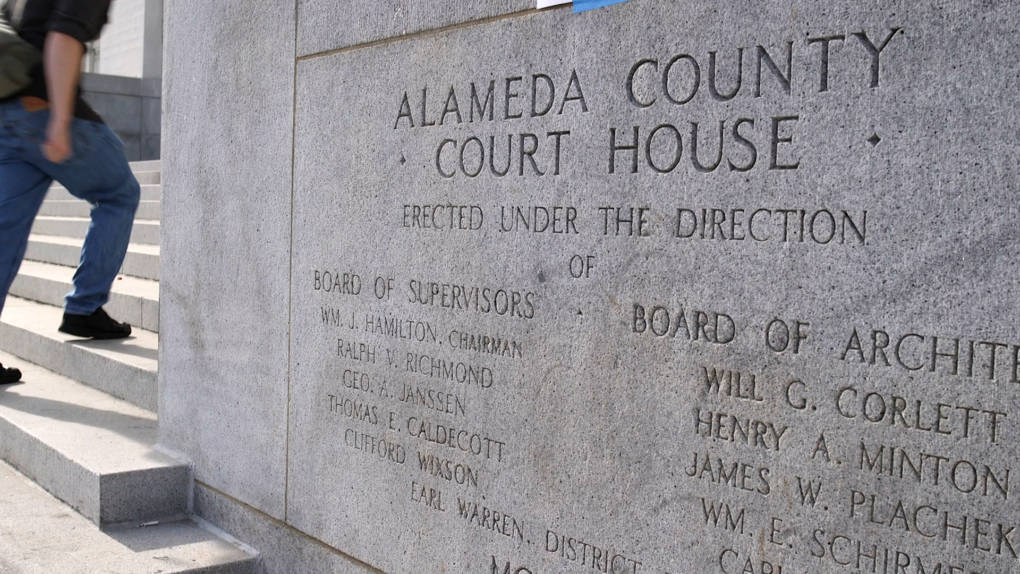
"caption": "An engraving outside of the René C. Davidson Courthouse in Oakland. ",
"description": "An engraving outside of the René C. Davidson Courthouse in Oakland. ",
"title": "Alameda County Courthouse",
"credit": "Adam Grossberg/KQED",
"status": "inherit",
"isLoading": false,
"fetchFailed": false
},
"news_11643123": {
"type": "attachments",
"id": "news_11643123",
"meta": {
"index": "attachments_1716263798",
"site": "news",
"id": "11643123",
"found": true
},
"parent": 11643117,
"imgSizes": {
"small": {
"file": "https://ww2.kqed.org/app/uploads/sites/10/2018/01/police_011918_final-520x520.jpg",
"width": 520,
"mimeType": "image/jpeg",
"height": 520
},
"twentyfourteen-full-width": {
"file": "https://ww2.kqed.org/app/uploads/sites/10/2018/01/police_011918_final-1038x576.jpg",
"width": 1038,
"mimeType": "image/jpeg",
"height": 576
},
"thumbnail": {
"file": "https://ww2.kqed.org/app/uploads/sites/10/2018/01/police_011918_final-160x160.jpg",
"width": 160,
"mimeType": "image/jpeg",
"height": 160
},
"fd-sm": {
"file": "https://ww2.kqed.org/app/uploads/sites/10/2018/01/police_011918_final-960x960.jpg",
"width": 960,
"mimeType": "image/jpeg",
"height": 960
},
"post-thumbnail": {
"file": "https://ww2.kqed.org/app/uploads/sites/10/2018/01/police_011918_final-672x372.jpg",
"width": 672,
"mimeType": "image/jpeg",
"height": 372
},
"xsmall": {
"file": "https://ww2.kqed.org/app/uploads/sites/10/2018/01/police_011918_final-375x375.jpg",
"width": 375,
"mimeType": "image/jpeg",
"height": 375
},
"kqedFullSize": {
"file": "https://ww2.kqed.org/app/uploads/sites/10/2018/01/police_011918_final.jpg",
"width": 1920,
"height": 1920
},
"large": {
"file": "https://ww2.kqed.org/app/uploads/sites/10/2018/01/police_011918_final-1020x1020.jpg",
"width": 1020,
"mimeType": "image/jpeg",
"height": 1020
},
"xlarge": {
"file": "https://ww2.kqed.org/app/uploads/sites/10/2018/01/police_011918_final-1180x1180.jpg",
"width": 1180,
"mimeType": "image/jpeg",
"height": 1180
},
"guest-author-50": {
"file": "https://ww2.kqed.org/app/uploads/sites/10/2018/01/police_011918_final-50x50.jpg",
"width": 50,
"mimeType": "image/jpeg",
"height": 50
},
"guest-author-96": {
"file": "https://ww2.kqed.org/app/uploads/sites/10/2018/01/police_011918_final-96x96.jpg",
"width": 96,
"mimeType": "image/jpeg",
"height": 96
},
"medium": {
"file": "https://ww2.kqed.org/app/uploads/sites/10/2018/01/police_011918_final-800x800.jpg",
"width": 800,
"mimeType": "image/jpeg",
"height": 800
},
"guest-author-64": {
"file": "https://ww2.kqed.org/app/uploads/sites/10/2018/01/police_011918_final-64x64.jpg",
"width": 64,
"mimeType": "image/jpeg",
"height": 64
},
"guest-author-32": {
"file": "https://ww2.kqed.org/app/uploads/sites/10/2018/01/police_011918_final-32x32.jpg",
"width": 32,
"mimeType": "image/jpeg",
"height": 32
},
"fd-lrg": {
"file": "https://ww2.kqed.org/app/uploads/sites/10/2018/01/police_011918_final-1920x1920.jpg",
"width": 1920,
"mimeType": "image/jpeg",
"height": 1920
},
"fd-med": {
"file": "https://ww2.kqed.org/app/uploads/sites/10/2018/01/police_011918_final-1180x1180.jpg",
"width": 1180,
"mimeType": "image/jpeg",
"height": 1180
},
"full-width": {
"file": "https://ww2.kqed.org/app/uploads/sites/10/2018/01/police_011918_final-1920x1920.jpg",
"width": 1920,
"mimeType": "image/jpeg",
"height": 1920
},
"detail": {
"file": "https://ww2.kqed.org/app/uploads/sites/10/2018/01/police_011918_final-150x150.jpg",
"width": 150,
"mimeType": "image/jpeg",
"height": 150
},
"guest-author-128": {
"file": "https://ww2.kqed.org/app/uploads/sites/10/2018/01/police_011918_final-128x128.jpg",
"width": 128,
"mimeType": "image/jpeg",
"height": 128
},
"xxsmall": {
"file": "https://ww2.kqed.org/app/uploads/sites/10/2018/01/police_011918_final-240x240.jpg",
"width": 240,
"mimeType": "image/jpeg",
"height": 240
}
},
"publishDate": 1516398472,
"modified": 1516398485,
"caption": null,
"description": null,
"title": "police_011918_final",
"credit": null,
"status": "inherit",
"isLoading": false,
"fetchFailed": false
}
},
"audioPlayerReducer": {
"postId": "stream_live",
"isPaused": true,
"isPlaying": false,
"pfsActive": false,
"pledgeModalIsOpen": true,
"playerDrawerIsOpen": false,
"liveAudioPlayStartedAt": 0,
"liveAudioPlayContext": ""
},
"authorsReducer": {
"byline_news_11652084": {
"type": "authors",
"id": "byline_news_11652084",
"meta": {
"override": true
},
"slug": "byline_news_11652084",
"name": "\u003cstrong>Raquel Maria Dillon\u003c/strong>",
"isLoading": false
},
"byline_news_11650264": {
"type": "authors",
"id": "byline_news_11650264",
"meta": {
"override": true
},
"slug": "byline_news_11650264",
"name": "\u003cstrong>James Doubek\u003cbr />NPR\u003c/strong>",
"isLoading": false
},
"byline_news_11648301": {
"type": "authors",
"id": "byline_news_11648301",
"meta": {
"override": true
},
"slug": "byline_news_11648301",
"name": "Levi Bridges",
"isLoading": false
},
"byline_news_11647671": {
"type": "authors",
"id": "byline_news_11647671",
"meta": {
"override": true
},
"slug": "byline_news_11647671",
"name": "\u003cstrong>\u003ca href=\"https://ww2.kqed.org/news/author/aemslie/\" target=\"_blank\">Alex Emslie\u003c/a>\u003c/strong>, \u003cstrong>\u003ca href=\"https://ww2.kqed.org/news/author/jsmall/\" target=\"_blank\">Julie Small\u003c/a>\u003c/strong> and \u003cstrong>\u003ca href=\"https://ww2.kqed.org/news/author/jumunoz/\" target=\"_blank\">JoeBill Muñoz\u003c/a>\u003c/strong>",
"isLoading": false
},
"kqednewsstaffandwires": {
"type": "authors",
"id": "237",
"meta": {
"index": "authors_1716337520",
"id": "237",
"found": true
},
"name": "KQED News Staff and Wires",
"firstName": "KQED News Staff and Wires",
"lastName": null,
"slug": "kqednewsstaffandwires",
"email": "onlinenewsstaff@kqed.org",
"display_author_email": false,
"staff_mastheads": [],
"title": null,
"bio": null,
"avatar": "https://secure.gravatar.com/avatar/72295af8ebbfbd19a4948f5271285664?s=600&d=blank&r=g",
"twitter": null,
"facebook": null,
"instagram": null,
"linkedin": null,
"sites": [
{
"site": "arts",
"roles": [
"contributor"
]
},
{
"site": "news",
"roles": [
"contributor"
]
},
{
"site": "lowdown",
"roles": [
"author"
]
},
{
"site": "stateofhealth",
"roles": [
"contributor"
]
},
{
"site": "food",
"roles": [
"author"
]
}
],
"headData": {
"title": "KQED News Staff and Wires | KQED",
"description": null,
"ogImgSrc": "https://secure.gravatar.com/avatar/72295af8ebbfbd19a4948f5271285664?s=600&d=blank&r=g",
"twImgSrc": "https://secure.gravatar.com/avatar/72295af8ebbfbd19a4948f5271285664?s=600&d=blank&r=g"
},
"isLoading": false,
"link": "/author/kqednewsstaffandwires"
},
"adembosky": {
"type": "authors",
"id": "3205",
"meta": {
"index": "authors_1716337520",
"id": "3205",
"found": true
},
"name": "April Dembosky",
"firstName": "April",
"lastName": "Dembosky",
"slug": "adembosky",
"email": "adembosky@kqed.org",
"display_author_email": false,
"staff_mastheads": [
"news",
"science"
],
"title": "KQED Health Correspondent",
"bio": "April Dembosky is the health correspondent for KQED News and a regular contributor to NPR. She specializes in covering altered states of mind, from postpartum depression to methamphetamine-induced psychosis to the insanity defense. Her investigative series on insurance companies sidestepping mental health laws won multiple awards, including first place in beat reporting from the national Association of Health Care Journalists. She is the recipient of numerous other prizes and fellowships, including a national Edward R. Murrow award for investigative reporting, a Society of Professional Journalists award for long-form storytelling, and a Carter Center Fellowship for Mental Health Journalism.\r\n\r\nDembosky reported and produced \u003cem>Soundtrack of Silence\u003c/em>, an audio documentary about music and memory that is currently being made into a feature film by Paramount Pictures.\r\n\r\nBefore joining KQED in 2013, Dembosky covered technology and Silicon Valley for \u003cem>The Financial Times of London,\u003c/em> and contributed business and arts stories to \u003cem>Marketplace \u003c/em>and \u003cem>The New York Times.\u003c/em> She got her undergraduate degree in philosophy from Smith College and her master's in journalism from the University of California, Berkeley. She is a classically trained violinist and proud alum of the first symphony orchestra at Burning Man.",
"avatar": "https://secure.gravatar.com/avatar/d6593cd737b732102fe0b6250b5351c2d3bc9b2987566514aa3c9a106494d684?s=600&d=blank&r=g",
"twitter": "adembosky",
"bluesky": null,
"facebook": null,
"instagram": null,
"linkedin": null,
"sites": [
{
"site": "arts",
"roles": [
"author"
]
},
{
"site": "news",
"roles": [
"editor"
]
},
{
"site": "futureofyou",
"roles": [
"author"
]
},
{
"site": "stateofhealth",
"roles": [
"editor"
]
},
{
"site": "science",
"roles": [
"editor"
]
},
{
"site": "forum",
"roles": [
"editor"
]
}
],
"headData": {
"title": "April Dembosky | KQED",
"description": "KQED Health Correspondent",
"ogImgSrc": "https://secure.gravatar.com/avatar/d6593cd737b732102fe0b6250b5351c2d3bc9b2987566514aa3c9a106494d684?s=600&d=blank&r=g",
"twImgSrc": "https://secure.gravatar.com/avatar/d6593cd737b732102fe0b6250b5351c2d3bc9b2987566514aa3c9a106494d684?s=600&d=blank&r=g"
},
"isLoading": false,
"link": "/author/adembosky"
},
"markfiore": {
"type": "authors",
"id": "3236",
"meta": {
"index": "authors_1716337520",
"id": "3236",
"found": true
},
"name": "Mark Fiore",
"firstName": "Mark",
"lastName": "Fiore",
"slug": "markfiore",
"email": "mark@markfiore.com",
"display_author_email": false,
"staff_mastheads": [
"news"
],
"title": "KQED News Cartoonist",
"bio": "\u003ca href=\"http://www.MarkFiore.com\">MarkFiore.com\u003c/a> | \u003ca href=\"https://twitter.com/markfiore\">Follow on Twitter\u003c/a> | \u003ca href=\"https://www.facebook.com/pages/Mark-Fiore-Animated-Political-Cartoons/94451707396?ref=bookmarks\">Facebook\u003c/a> | \u003ca href=\"mailto:mark@markfiore.com\">email\u003c/a>\r\n\r\nPulitzer Prize-winner, Mark Fiore, who the Wall Street Journal has called “the undisputed guru of the form,” creates animated political cartoons in San Francisco, where his work has been featured regularly on the San Francisco Chronicle’s web site, SFGate.com. His work has appeared on Newsweek.com, Slate.com, CBSNews.com, MotherJones.com, DailyKos.com and NPR’s web site. Fiore’s political animation has appeared on CNN, Frontline, Bill Moyers Journal, Salon.com and cable and broadcast outlets across the globe.\r\n\r\nBeginning his professional life by drawing traditional political cartoons for newspapers, Fiore’s work appeared in publications ranging from the Washington Post to the Los Angeles Times. In the late 1990s, he began to experiment with animating political cartoons and, after a short stint at the San Jose Mercury News as their staff cartoonist, Fiore devoted all his energies to animation.\r\nGrowing up in California, Fiore also spent a good portion of his life in the backwoods of Idaho. It was this combination that shaped him politically. Mark majored in political science at Colorado College, where, in a perfect send-off for a cartoonist, he received his diploma in 1991 as commencement speaker Dick Cheney smiled approvingly.\r\nMark Fiore was awarded the Pulitzer Prize for political cartooning in 2010, a Robert F. Kennedy Journalism Award in 2004 and has twice received an Online Journalism Award for commentary from the Online News Association (2002, 2008). Fiore has received two awards for his work in new media from the National Cartoonists Society (2001, 2002), and in 2006 received The James Madison Freedom of Information Award from The Society of Professional Journalists.",
"avatar": "https://secure.gravatar.com/avatar/fc4e2a612b15b67bad0c6f0e1db4ca9b?s=600&d=blank&r=g",
"twitter": "MarkFiore",
"facebook": null,
"instagram": "https://www.instagram.com/markfiore/?hl=en",
"linkedin": null,
"sites": [
{
"site": "arts",
"roles": [
"contributor"
]
},
{
"site": "news",
"roles": [
"editor"
]
},
{
"site": "futureofyou",
"roles": [
"editor"
]
},
{
"site": "science",
"roles": [
"editor"
]
}
],
"headData": {
"title": "Mark Fiore | KQED",
"description": "KQED News Cartoonist",
"ogImgSrc": "https://secure.gravatar.com/avatar/fc4e2a612b15b67bad0c6f0e1db4ca9b?s=600&d=blank&r=g",
"twImgSrc": "https://secure.gravatar.com/avatar/fc4e2a612b15b67bad0c6f0e1db4ca9b?s=600&d=blank&r=g"
},
"isLoading": false,
"link": "/author/markfiore"
},
"mlagos": {
"type": "authors",
"id": "3239",
"meta": {
"index": "authors_1716337520",
"id": "3239",
"found": true
},
"name": "Marisa Lagos",
"firstName": "Marisa",
"lastName": "Lagos",
"slug": "mlagos",
"email": "mlagos@kqed.org",
"display_author_email": false,
"staff_mastheads": [
"news"
],
"title": "KQED Contributor",
"bio": "Marisa Lagos is a correspondent for KQED’s California Politics and Government Desk and co-hosts the award-winning show and podcast, Political Breakdown. At KQED, Lagos also conducts reporting, analysis and investigations into state, local and national politics for radio, TV, online and onstage. In 2022, she and co-host, Scott Shafer, moderated the only gubernatorial debate in California. In 2020, the \u003ci>Washington Post\u003c/i> named her one of the top political journalists in California; she was nominated for a Peabody and won several other awards for her work investigating the 2017 California wildfires. She has worked at the \u003ci>San Francisco Chronicle\u003c/i>, \u003ci>San Francisco Examiner\u003c/i> and \u003ci>Los Angeles Times\u003c/i>. A UC Santa Barbara graduate, she lives in San Francisco with her two sons and husband.",
"avatar": "https://secure.gravatar.com/avatar/a261a0d3696fc066871ef96b85b5e7d2?s=600&d=blank&r=g",
"twitter": "@mlagos",
"facebook": null,
"instagram": null,
"linkedin": null,
"sites": [
{
"site": "arts",
"roles": [
"author"
]
},
{
"site": "news",
"roles": [
"editor"
]
},
{
"site": "science",
"roles": [
"editor"
]
},
{
"site": "forum",
"roles": [
"author"
]
},
{
"site": "liveblog",
"roles": [
"author"
]
}
],
"headData": {
"title": "Marisa Lagos | KQED",
"description": "KQED Contributor",
"ogImgSrc": "https://secure.gravatar.com/avatar/a261a0d3696fc066871ef96b85b5e7d2?s=600&d=blank&r=g",
"twImgSrc": "https://secure.gravatar.com/avatar/a261a0d3696fc066871ef96b85b5e7d2?s=600&d=blank&r=g"
},
"isLoading": false,
"link": "/author/mlagos"
},
"fjhabvala": {
"type": "authors",
"id": "8659",
"meta": {
"index": "authors_1716337520",
"id": "8659",
"found": true
},
"name": "Farida Jhabvala Romero",
"firstName": "Farida",
"lastName": "Jhabvala Romero",
"slug": "fjhabvala",
"email": "fjhabvala@kqed.org",
"display_author_email": true,
"staff_mastheads": [
"news"
],
"title": "KQED Contributor",
"bio": "Farida Jhabvala Romero is a Labor Correspondent for KQED. She previously covered immigration. Farida was \u003ca href=\"https://www.ccnma.org/2022-most-influential-latina-journalists\">named\u003c/a> one of the 10 Most Influential Latina Journalists in California in 2022 by the California Chicano News Media Association. Her work has won awards from the Society of Professional Journalists (Northern California), as well as a national and regional Edward M. Murrow Award for the collaborative reporting projects “Dangerous Air” and “Graying California.” Before joining KQED, Farida worked as a producer at Radio Bilingüe, a national public radio network. Farida earned her master’s degree in journalism from Stanford University.",
"avatar": "https://secure.gravatar.com/avatar/f9f022d4e2609741874222a1e9d41f48fea74011aa7c615eef91d9a50c944ebe?s=600&d=blank&r=g",
"twitter": "FaridaJhabvala",
"bluesky": null,
"facebook": null,
"instagram": null,
"linkedin": "https://www.linkedin.com/in/faridajhabvala/",
"sites": [
{
"site": "news",
"roles": [
"editor"
]
},
{
"site": "stateofhealth",
"roles": [
"author"
]
},
{
"site": "liveblog",
"roles": [
"author"
]
}
],
"headData": {
"title": "Farida Jhabvala Romero | KQED",
"description": "KQED Contributor",
"ogImgSrc": "https://secure.gravatar.com/avatar/f9f022d4e2609741874222a1e9d41f48fea74011aa7c615eef91d9a50c944ebe?s=600&d=blank&r=g",
"twImgSrc": "https://secure.gravatar.com/avatar/f9f022d4e2609741874222a1e9d41f48fea74011aa7c615eef91d9a50c944ebe?s=600&d=blank&r=g"
},
"isLoading": false,
"link": "/author/fjhabvala"
}
},
"pagesReducer": {
"news_tag_u-s-immigration-and-customs-enforcement": {
"type": "terms",
"id": "news_20529",
"meta": {
"index": "terms_1716263798",
"site": "news",
"id": "20529",
"score": 10.404648
},
"featImg": null,
"name": "U.S. Immigration and Customs Enforcement",
"description": null,
"taxonomy": "tag",
"headData": {
"twImgId": null,
"twTitle": null,
"ogTitle": null,
"ogImgId": null,
"twDescription": null,
"description": null,
"title": "U.S. Immigration and Customs Enforcement Archives | KQED News",
"ogDescription": null
},
"ttid": 20546,
"slug": "u-s-immigration-and-customs-enforcement",
"isLoading": false,
"title": "U.S. Immigration and Customs Enforcement",
"pageMeta": {
"site": "news",
"WpPageTemplate": "page-topic-editorial",
"currentPage": 25
},
"blocks": [
{
"blockName": "kqed/post-list",
"attrs": {
"layout": "cardArticle2",
"query": "posts/news?tag=u-s-immigration-and-customs-enforcement",
"seeMore": false,
"paginated": true,
"page": 25
}
},
{
"blockName": "kqed/ad"
}
]
}
},
"pfsSessionReducer": {},
"postsReducer": {
"stream_live": {
"type": "live",
"id": "stream_live",
"audioUrl": "https://streams.kqed.org/kqedradio",
"title": "Live Stream",
"excerpt": "Live Stream information currently unavailable.",
"link": "/radio",
"featImg": "",
"label": {
"name": "KQED Live",
"link": "/"
}
},
"stream_kqedNewscast": {
"type": "posts",
"id": "stream_kqedNewscast",
"audioUrl": "https://www.kqed.org/.stream/anon/radio/RDnews/newscast.mp3?_=1",
"title": "KQED Newscast",
"featImg": "",
"label": {
"name": "88.5 FM",
"link": "/"
}
},
"news_11652335": {
"type": "posts",
"id": "news_11652335",
"meta": {
"index": "posts_1716263798",
"site": "news",
"id": "11652335",
"score": null,
"sort": [
1519683906000
]
},
"parent": 0,
"labelTerm": {
"site": "news",
"term": 18515
},
"blocks": [],
"publishDate": 1519683906,
"format": "standard",
"disqusTitle": "Mayor Schaaf's Sanctuary",
"title": "Mayor Schaaf's Sanctuary",
"headTitle": "Mark Fiore: Drawn to the Bay | KQED News",
"content": "\u003cp>Oakland Mayor Libby Schaaf \u003ca href=\"https://www.kqed.org/news/11652084/oakland-mayor-warns-immigration-arrests-could-hit-bay-area-sunday>warned%20of%20imminent%20immigration%20raids</a>%20in%20the%20Bay%20Area,%20prompting%20U.S.%20Immigration%20and%20Customs%20Enforcement%20(ICE)%20to%20issue%20a%20statement%20saying%20sanctuary%20cities%20\" are not immune from federal law.>\n\u003cp>ICE agents detained 11 people Sunday night in Northern California, though it is unknown if these arrests were connected to Schaaf's warning.\u003c/p>\n\u003cp>In her statement, Mayor Schaaf said she shared information about possible upcoming raids, \"not to panic our residents but to protect them.\"\u003c/p>\n\u003c/a>\u003c/p>\u003cp>[ad fullwidth]\u003c/p>\u003cp>\u003c/p>\n",
"disqusIdentifier": "11652335 https://ww2.kqed.org/news/?p=11652335",
"disqusUrl": "https://ww2.kqed.org/news/2018/02/26/mayor-schaafs-sanctuary/",
"stats": {
"hasVideo": false,
"hasChartOrMap": false,
"hasAudio": false,
"hasPolis": false,
"wordCount": 51,
"hasGoogleForm": false,
"hasGallery": false,
"hasHearkenModule": false,
"iframeSrcs": [],
"paragraphCount": 5
},
"modified": 1520389164,
"excerpt": "Oakland Mayor Libby Schaaf warned of imminent immigration raids in the Bay Area, prompting ICE to say sanctuary cities \"are not immune from federal law.\"",
"headData": {
"twImgId": "",
"twTitle": "",
"ogTitle": "",
"ogImgId": "",
"twDescription": "",
"description": "Oakland Mayor Libby Schaaf warned of imminent immigration raids in the Bay Area, prompting ICE to say sanctuary cities "are not immune from federal law."",
"title": "Mayor Schaaf's Sanctuary | KQED",
"ogDescription": "",
"schema": {
"@context": "https://schema.org",
"@type": "NewsArticle",
"headline": "Mayor Schaaf's Sanctuary",
"datePublished": "2018-02-26T14:25:06-08:00",
"dateModified": "2018-03-06T18:19:24-08:00",
"image": "https://cdn.kqed.org/wp-content/uploads/2020/02/KQED-OG-Image@1x.png",
"isAccessibleForFree": "True",
"publisher": {
"@type": "NewsMediaOrganization",
"@id": "https://www.kqed.org/#organization",
"name": "KQED",
"logo": "https://cdn.kqed.org/wp-content/uploads/2020/02/KQED-OG-Image@1x.png",
"url": "https://www.kqed.org",
"sameAs": [
"https://www.facebook.com/KQED",
"https://twitter.com/KQED",
"https://www.instagram.com/kqed/",
"https://www.tiktok.com/@kqedofficial",
"https://www.linkedin.com/company/kqed",
"https://www.youtube.com/channel/UCeC0IOo7i1P_61zVUWbJ4nw"
]
}
}
},
"guestAuthors": [],
"slug": "mayor-schaafs-sanctuary",
"status": "publish",
"path": "/news/11652335/mayor-schaafs-sanctuary",
"audioTrackLength": null,
"parsedContent": [
{
"type": "contentString",
"content": "\u003cdiv class=\"post-body\">\u003cp>\u003cp>Oakland Mayor Libby Schaaf \u003ca href=\"https://www.kqed.org/news/11652084/oakland-mayor-warns-immigration-arrests-could-hit-bay-area-sunday>warned%20of%20imminent%20immigration%20raids</a>%20in%20the%20Bay%20Area,%20prompting%20U.S.%20Immigration%20and%20Customs%20Enforcement%20(ICE)%20to%20issue%20a%20statement%20saying%20sanctuary%20cities%20\" are not immune from federal law.>\n\u003cp>ICE agents detained 11 people Sunday night in Northern California, though it is unknown if these arrests were connected to Schaaf's warning.\u003c/p>\n\u003cp>In her statement, Mayor Schaaf said she shared information about possible upcoming raids, \"not to panic our residents but to protect them.\"\u003c/p>\n\u003c/a>\u003c/p>\u003cp>\u003c/p>\u003c/div>",
"attributes": {
"named": {},
"numeric": []
}
},
{
"type": "component",
"content": "",
"name": "ad",
"attributes": {
"named": {
"label": "fullwidth"
},
"numeric": [
"fullwidth"
]
}
},
{
"type": "contentString",
"content": "\u003cdiv class=\"post-body\">\u003cp>\u003c/p>\u003cp>\u003c/p>\n\u003c/div>\u003c/p>",
"attributes": {
"named": {},
"numeric": []
}
}
],
"link": "/news/11652335/mayor-schaafs-sanctuary",
"authors": [
"3236"
],
"series": [
"news_18515"
],
"categories": [
"news_1169",
"news_6188",
"news_8",
"news_13"
],
"tags": [
"news_18123",
"news_20150",
"news_21027",
"news_6905",
"news_20949",
"news_20529"
],
"featImg": "news_11652345",
"label": "news_18515"
},
"news_11652084": {
"type": "posts",
"id": "news_11652084",
"meta": {
"index": "posts_1716263798",
"site": "news",
"id": "11652084",
"score": null,
"sort": [
1519664513000
]
},
"parent": 0,
"labelTerm": {
"site": "news",
"term": 72
},
"blocks": [],
"publishDate": 1519664513,
"format": "standard",
"disqusTitle": "Bay Area Immigrant Advocates Confirm Arrests in Northern California After Schaaf's Warning",
"title": "Bay Area Immigrant Advocates Confirm Arrests in Northern California After Schaaf's Warning",
"headTitle": "The California Report | KQED News",
"content": "\u003cp>\u003cem>Updated 12:05 p.m. Tuesday, Feb. 27\u003c/em>\u003c/p>\n\u003cp>Immigration attorneys say \u003ca href=\"https://ww2.kqed.org/news/2018/02/27/advocates-confirm-23-immigrants-arrested-in-northern-california-operation/\" rel=\"noopener\" target=\"_blank\">at least 23 people\u003c/a> have been detained in Northern California this week in what appears to be a widespread federal enforcement operation targeting the region.\u003c/p>\n\u003cp>The arrests come after Oakland Mayor Libby Schaaf warned about an imminent U.S. Immigration and Customs Enforcement operation in the Bay Area in a statement released Saturday evening, but it is unclear if the two are connected.\u003cbr>\n[contextly_sidebar id=\"yvGwZfqIriQNnfAF8VdOaYmxmPWz8P1Z\"]\u003cbr>\n\"Deportation officers with U.S. Immigration and Customs Enforcement (ICE) Enforcement and Removal Operations (ERO) conduct targeted enforcement operations on a daily basis in Northern California and across the nation,\" said ICE spokesman James Schwab in a statement. \"While the vast majority of cities in America do cooperate with ICE, others force ICE to assign additional resources to conduct at-large arrests in the community, putting officers, the general public and the aliens at greater risk and increasing the incidence of collateral arrests. Sanctuary cities and states are not immune from federal law.\"\u003c/p>\n\u003cp>Hamid Yazdan Panah, an attorney with the Northern California Rapid Response Network and the San Francisco Bar Association, said hotlines organized by immigration activists across the Bay Area have seen a spike in calls from worried immigrants and advocates wanting to help.\u003c/p>\n\u003cp>On Sunday, Schaaf elaborated on her decision to warn immigrant communities about the possibly pending actions, but didn't provide details about how she found out about them.\u003c/p>\n\u003cp>[ad fullwidth]\u003c/p>\n\u003cp>The mayor said she got the information from “multiple credible sources.”\u003c/p>\n\u003cp>https://twitter.com/LibbySchaaf/status/967621285890191361\u003c/p>\n\u003cp>\"My information did not come through official channels. It came from multiple sources that cited extremely credible sources for their information. They do not wish to be shared,\" she told reporters at a Sunday press conference at the Unity Council in the Fruitvale neighborhood of Oakland.\u003c/p>\n\u003cp>Schaaf encouraged residents to consult local resources such as \u003ca href=\"http://www.centrolegal.org/acilep/\">Centro Legal de la Raza\u003c/a> in Oakland to understand their legal rights in case they are detained or know someone who needs legal representation. She said that no one has to open the door to ICE officers unless they have a particular kind of warrant.\u003c/p>\n\u003cp>Oakland police officers are under \"strict orders\" not to cooperate with ICE activities, she added.\u003cbr>\n[contextly_sidebar id=\"dlVwAUJ14u7LDJfe28Nke5PvKCmh3VHj\"]\u003cbr>\n\"Spreading rumors of ICE activity has been used as a tactic to strike fear and paralysis in the immigrant communities,\" Schaaf said on Sunday. \"This is something I thought about very carefully before bringing this information forward, but due to the reliability of my sources and the fact that I received this from multiple sources, I felt that it was my duty to share the information.\"\u003c/p>\n\u003cp>https://twitter.com/RaquelMDillon/status/967862382956441600\u003c/p>\n\u003cp>Immigrant advocates say a year of active organizing means that the phone networks, interpreters and legal resources are in place to help people when they can.\u003c/p>\n\u003cp>Malena Mayorga, an organizer with Mujers Unidas y Activas and the coordinator for the Alameda County Immigration Legal and Education Partnership, said the message to undocumented immigrants is to empower themselves by knowing their rights, and don't panic. Immigrant activists advise families to refuse to answer questions from ICE agents, understand when they don't have to open the door, make plans about where to send children, how to communicate, who to notify and how to get help in case a family member is apprehended.\u003c/p>\n\u003cp>Schaaf said she consulted with lawyers before issuing her statement. Ultimately, she decided that because she did not get the information through official channels, she felt it was her legal and ethical obligation to share it.\u003c/p>\n\u003cp>https://twitter.com/RaquelMDillon/status/967868747129110528\u003c/p>\n\u003cp>She also said the possible operations were civil deportation actions, not based on criminal investigations. She explained that her priority is the safety of all Oakland residents, and the people targeted in these actions are not a threat to public safety.\u003c/p>\n\u003cp>She said she felt confident that it is within the city of Oakland's legal rights not \"to expend our precious law enforcement resources on assisting the federal government on what is a civil, federal matter.\"\u003c/p>\n\u003cp>Oakland school officials have strict procedures in place to protect students and families, and Oakland police officers are prohibited from taking part in ICE operations, according to Schaaf. San Francisco and many other cities in the Bay Area have similar policies.\u003c/p>\n\u003cp>California law prohibits business owners from helping immigration agents with enforcement and bars federal agents from going into employee-only areas.\u003c/p>\n\u003cp>Schaaf said she does not have any information on the specific places where immigration agents may conduct their operations.\u003c/p>\n\u003cp>ICE agents arrested 212 people in the Los Angeles area during a five-day operation in mid-February, \u003ca href=\"https://www.ice.gov/news/releases/ice-operation-la-results-212-arrests-122-notices-inspection\" target=\"_blank\" rel=\"noopener\">according to the agency\u003c/a>.\u003c/p>\n\u003cp>[contextly_sidebar id=\"eSTaSFskEbummY05bpV19zhbIhjbzovG\"]\u003c/p>\n\u003cp>The San Francisco Chronicle \u003ca href=\"https://www.sfgate.com/bayarea/article/Feds-planning-massive-Northern-California-12502689.php\" target=\"_blank\" rel=\"noopener\">publicized\u003c/a> a rumored mass immigration enforcement operation targeting the Bay Area in January, which so far has yet to occur.\u003c/p>\n\u003cp>San Jose Mayor Sam Liccardo released a statement on Sunday saying his office had not been able to confirm any rumored immigration action.\u003c/p>\n\u003cp>“Beyond learning of a few isolated arrests, we have not yet been able to confirm the veracity of rumors about any widespread ICE operations in the Bay Area. Regardless of the truth of these rumors, my message to our immigrant residents remains the same: we have your back,” the statement said.\u003c/p>\n\u003cp>Liccardo urged people to use emergency services when needed, noting that “police officers and first responders are here to serve our community,” and do not disclose immigration status to ICE.\u003c/p>\n\u003cp>\u003c/p>\n\u003cp>\u003cem>This post contains reporting from KQED's Alex Emslie and Bay City News.\u003c/em>\u003c/p>\n\n",
"disqusIdentifier": "11652084 https://ww2.kqed.org/news/?p=11652084",
"disqusUrl": "https://ww2.kqed.org/news/2018/02/26/oakland-mayor-warns-immigration-arrests-could-hit-bay-area-sunday/",
"stats": {
"hasVideo": false,
"hasChartOrMap": false,
"hasAudio": false,
"hasPolis": false,
"wordCount": 933,
"hasGoogleForm": false,
"hasGallery": false,
"hasHearkenModule": false,
"iframeSrcs": [],
"paragraphCount": 26
},
"modified": 1519845302,
"excerpt": "Oakland Mayor Libby Schaaf issued a warning late Saturday night saying she'd heard from 'multiple credible sources' ICE was planning an operation in Bay Area.",
"headData": {
"twImgId": "",
"twTitle": "",
"ogTitle": "",
"ogImgId": "",
"twDescription": "",
"description": "Oakland Mayor Libby Schaaf issued a warning late Saturday night saying she'd heard from 'multiple credible sources' ICE was planning an operation in Bay Area.",
"title": "Bay Area Immigrant Advocates Confirm Arrests in Northern California After Schaaf's Warning | KQED",
"ogDescription": "",
"schema": {
"@context": "https://schema.org",
"@type": "NewsArticle",
"headline": "Bay Area Immigrant Advocates Confirm Arrests in Northern California After Schaaf's Warning",
"datePublished": "2018-02-26T09:01:53-08:00",
"dateModified": "2018-02-28T11:15:02-08:00",
"image": "https://cdn.kqed.org/wp-content/uploads/2020/02/KQED-OG-Image@1x.png",
"isAccessibleForFree": "True",
"publisher": {
"@type": "NewsMediaOrganization",
"@id": "https://www.kqed.org/#organization",
"name": "KQED",
"logo": "https://cdn.kqed.org/wp-content/uploads/2020/02/KQED-OG-Image@1x.png",
"url": "https://www.kqed.org",
"sameAs": [
"https://www.facebook.com/KQED",
"https://twitter.com/KQED",
"https://www.instagram.com/kqed/",
"https://www.tiktok.com/@kqedofficial",
"https://www.linkedin.com/company/kqed",
"https://www.youtube.com/channel/UCeC0IOo7i1P_61zVUWbJ4nw"
]
}
}
},
"guestAuthors": [],
"slug": "oakland-mayor-warns-immigration-arrests-could-hit-bay-area-sunday",
"status": "publish",
"nprByline": "\u003cstrong>Raquel Maria Dillon\u003c/strong>",
"path": "/news/11652084/oakland-mayor-warns-immigration-arrests-could-hit-bay-area-sunday",
"audioTrackLength": null,
"parsedContent": [
{
"type": "contentString",
"content": "\u003cdiv class=\"post-body\">\u003cp>\u003cp>\u003cem>Updated 12:05 p.m. Tuesday, Feb. 27\u003c/em>\u003c/p>\n\u003cp>Immigration attorneys say \u003ca href=\"https://ww2.kqed.org/news/2018/02/27/advocates-confirm-23-immigrants-arrested-in-northern-california-operation/\" rel=\"noopener\" target=\"_blank\">at least 23 people\u003c/a> have been detained in Northern California this week in what appears to be a widespread federal enforcement operation targeting the region.\u003c/p>\n\u003cp>The arrests come after Oakland Mayor Libby Schaaf warned about an imminent U.S. Immigration and Customs Enforcement operation in the Bay Area in a statement released Saturday evening, but it is unclear if the two are connected.\u003cbr>\n\u003c/p>\u003cp>\u003c/p>\u003cp>\u003cbr>\n\"Deportation officers with U.S. Immigration and Customs Enforcement (ICE) Enforcement and Removal Operations (ERO) conduct targeted enforcement operations on a daily basis in Northern California and across the nation,\" said ICE spokesman James Schwab in a statement. \"While the vast majority of cities in America do cooperate with ICE, others force ICE to assign additional resources to conduct at-large arrests in the community, putting officers, the general public and the aliens at greater risk and increasing the incidence of collateral arrests. Sanctuary cities and states are not immune from federal law.\"\u003c/p>\n\u003cp>Hamid Yazdan Panah, an attorney with the Northern California Rapid Response Network and the San Francisco Bar Association, said hotlines organized by immigration activists across the Bay Area have seen a spike in calls from worried immigrants and advocates wanting to help.\u003c/p>\n\u003cp>On Sunday, Schaaf elaborated on her decision to warn immigrant communities about the possibly pending actions, but didn't provide details about how she found out about them.\u003c/p>\n\u003cp>\u003c/p>\u003c/div>",
"attributes": {
"named": {},
"numeric": []
}
},
{
"type": "component",
"content": "",
"name": "ad",
"attributes": {
"named": {
"label": "fullwidth"
},
"numeric": [
"fullwidth"
]
}
},
{
"type": "contentString",
"content": "\u003cdiv class=\"post-body\">\u003cp>\u003c/p>\n\u003cp>The mayor said she got the information from “multiple credible sources.”\u003c/p>\u003c/p>\u003c/div>",
"attributes": {
"named": {},
"numeric": []
}
},
{
"type": "component",
"content": "",
"name": "singleTwitterStatus",
"attributes": {
"named": {
"id": "967621285890191361"
},
"numeric": []
}
},
{
"type": "contentString",
"content": "\u003cdiv class=\"post-body\">\u003cp>\n\u003cp>\"My information did not come through official channels. It came from multiple sources that cited extremely credible sources for their information. They do not wish to be shared,\" she told reporters at a Sunday press conference at the Unity Council in the Fruitvale neighborhood of Oakland.\u003c/p>\n\u003cp>Schaaf encouraged residents to consult local resources such as \u003ca href=\"http://www.centrolegal.org/acilep/\">Centro Legal de la Raza\u003c/a> in Oakland to understand their legal rights in case they are detained or know someone who needs legal representation. She said that no one has to open the door to ICE officers unless they have a particular kind of warrant.\u003c/p>\n\u003cp>Oakland police officers are under \"strict orders\" not to cooperate with ICE activities, she added.\u003cbr>\n\u003c/p>\u003cp>\u003c/p>\u003cp>\u003cbr>\n\"Spreading rumors of ICE activity has been used as a tactic to strike fear and paralysis in the immigrant communities,\" Schaaf said on Sunday. \"This is something I thought about very carefully before bringing this information forward, but due to the reliability of my sources and the fact that I received this from multiple sources, I felt that it was my duty to share the information.\"\u003c/p>\u003c/p>\u003c/div>",
"attributes": {
"named": {},
"numeric": []
}
},
{
"type": "component",
"content": "",
"name": "singleTwitterStatus",
"attributes": {
"named": {
"id": "967862382956441600"
},
"numeric": []
}
},
{
"type": "contentString",
"content": "\u003cdiv class=\"post-body\">\u003cp>\n\u003cp>Immigrant advocates say a year of active organizing means that the phone networks, interpreters and legal resources are in place to help people when they can.\u003c/p>\n\u003cp>Malena Mayorga, an organizer with Mujers Unidas y Activas and the coordinator for the Alameda County Immigration Legal and Education Partnership, said the message to undocumented immigrants is to empower themselves by knowing their rights, and don't panic. Immigrant activists advise families to refuse to answer questions from ICE agents, understand when they don't have to open the door, make plans about where to send children, how to communicate, who to notify and how to get help in case a family member is apprehended.\u003c/p>\n\u003cp>Schaaf said she consulted with lawyers before issuing her statement. Ultimately, she decided that because she did not get the information through official channels, she felt it was her legal and ethical obligation to share it.\u003c/p>\u003c/p>\u003c/div>",
"attributes": {
"named": {},
"numeric": []
}
},
{
"type": "component",
"content": "",
"name": "singleTwitterStatus",
"attributes": {
"named": {
"id": "967868747129110528"
},
"numeric": []
}
},
{
"type": "contentString",
"content": "\u003cdiv class=\"post-body\">\u003cp>\n\u003cp>She also said the possible operations were civil deportation actions, not based on criminal investigations. She explained that her priority is the safety of all Oakland residents, and the people targeted in these actions are not a threat to public safety.\u003c/p>\n\u003cp>She said she felt confident that it is within the city of Oakland's legal rights not \"to expend our precious law enforcement resources on assisting the federal government on what is a civil, federal matter.\"\u003c/p>\n\u003cp>Oakland school officials have strict procedures in place to protect students and families, and Oakland police officers are prohibited from taking part in ICE operations, according to Schaaf. San Francisco and many other cities in the Bay Area have similar policies.\u003c/p>\n\u003cp>California law prohibits business owners from helping immigration agents with enforcement and bars federal agents from going into employee-only areas.\u003c/p>\n\u003cp>Schaaf said she does not have any information on the specific places where immigration agents may conduct their operations.\u003c/p>\n\u003cp>ICE agents arrested 212 people in the Los Angeles area during a five-day operation in mid-February, \u003ca href=\"https://www.ice.gov/news/releases/ice-operation-la-results-212-arrests-122-notices-inspection\" target=\"_blank\" rel=\"noopener\">according to the agency\u003c/a>.\u003c/p>\n\u003cp>\u003c/p>\u003cp>\u003c/p>\u003cp>\u003c/p>\n\u003cp>The San Francisco Chronicle \u003ca href=\"https://www.sfgate.com/bayarea/article/Feds-planning-massive-Northern-California-12502689.php\" target=\"_blank\" rel=\"noopener\">publicized\u003c/a> a rumored mass immigration enforcement operation targeting the Bay Area in January, which so far has yet to occur.\u003c/p>\n\u003cp>San Jose Mayor Sam Liccardo released a statement on Sunday saying his office had not been able to confirm any rumored immigration action.\u003c/p>\n\u003cp>“Beyond learning of a few isolated arrests, we have not yet been able to confirm the veracity of rumors about any widespread ICE operations in the Bay Area. Regardless of the truth of these rumors, my message to our immigrant residents remains the same: we have your back,” the statement said.\u003c/p>\n\u003cp>Liccardo urged people to use emergency services when needed, noting that “police officers and first responders are here to serve our community,” and do not disclose immigration status to ICE.\u003c/p>\n\u003cp>\u003c/p>\n\u003cp>\u003cem>This post contains reporting from KQED's Alex Emslie and Bay City News.\u003c/em>\u003c/p>\n\n\u003c/div>\u003c/p>",
"attributes": {
"named": {},
"numeric": []
}
}
],
"link": "/news/11652084/oakland-mayor-warns-immigration-arrests-could-hit-bay-area-sunday",
"authors": [
"byline_news_11652084"
],
"programs": [
"news_6944",
"news_72"
],
"categories": [
"news_1169",
"news_6188",
"news_8"
],
"tags": [
"news_19542",
"news_21791",
"news_6905",
"news_18",
"news_20529"
],
"featImg": "news_11652252",
"label": "news_72"
},
"news_11651600": {
"type": "posts",
"id": "news_11651600",
"meta": {
"index": "posts_1716263798",
"site": "news",
"id": "11651600",
"score": null,
"sort": [
1519340158000
]
},
"guestAuthors": [],
"slug": "an-intriguing-offer",
"title": "An Intriguing Offer",
"publishDate": 1519340158,
"format": "standard",
"headTitle": "An Intriguing Offer | KQED",
"labelTerm": {
"term": 18515,
"site": "news"
},
"content": "\u003cp>President Donald Trump on Thursday \u003ca href=\"https://ww2.kqed.org/news/2018/02/22/trump-mulls-pulling-some-federal-agents-from-california/\" rel=\"noopener\" target=\"_blank\">mulled over pulling ICE agents out of California\u003c/a>, saying the state would become a “crime nest.”\u003c/p>\n\u003cp>At a White House meeting where he discussed school safety with state and local officials, the president threatened to punish California for doing “a lousy management job” helping stop illegal immigration.\u003c/p>\n\u003cp>Saying, “all I’d have to do is say ‘ICE, Border Patrol, leave California alone,'” the president once again painted a dire picture of crime-ridden sanctuary cities and states.\u003c/p>\n\u003cp>[ad fullwidth]\u003c/p>\u003cp>\u003c/p>\n",
"blocks": [],
"excerpt": "President Donald Trump on Thursday mulled over pulling ICE agents out of California, saying the state would become a \"crime nest.\"",
"status": "publish",
"parent": 0,
"modified": 1738715440,
"stats": {
"hasAudio": false,
"hasVideo": false,
"hasChartOrMap": false,
"iframeSrcs": [],
"hasGoogleForm": false,
"hasGallery": false,
"hasHearkenModule": false,
"hasPolis": false,
"paragraphCount": 5,
"wordCount": 92
},
"headData": {
"title": "An Intriguing Offer | KQED",
"description": "President Donald Trump on Thursday mulled over pulling ICE agents out of California, saying the state would become a "crime nest."",
"ogTitle": "",
"ogDescription": "",
"ogImgId": "",
"twTitle": "",
"twDescription": "",
"twImgId": "",
"schema": {
"@context": "https://schema.org",
"@type": "NewsArticle",
"headline": "An Intriguing Offer",
"datePublished": "2018-02-22T14:55:58-08:00",
"dateModified": "2025-02-04T16:30:40-08:00",
"image": "https://cdn.kqed.org/wp-content/uploads/2020/02/KQED-OG-Image@1x.png",
"isAccessibleForFree": "True",
"publisher": {
"@type": "NewsMediaOrganization",
"@id": "https://www.kqed.org/#organization",
"name": "KQED",
"logo": "https://cdn.kqed.org/wp-content/uploads/2020/02/KQED-OG-Image@1x.png",
"url": "https://www.kqed.org",
"sameAs": [
"https://www.facebook.com/KQED",
"https://twitter.com/KQED",
"https://www.instagram.com/kqed/",
"https://www.tiktok.com/@kqedofficial",
"https://www.linkedin.com/company/kqed",
"https://www.youtube.com/channel/UCeC0IOo7i1P_61zVUWbJ4nw"
]
}
}
},
"sticky": false,
"path": "/news/11651600/an-intriguing-offer",
"audioTrackLength": null,
"parsedContent": [
{
"type": "contentString",
"content": "\u003cdiv class=\"post-body\">\u003cp>\u003cp>President Donald Trump on Thursday \u003ca href=\"https://ww2.kqed.org/news/2018/02/22/trump-mulls-pulling-some-federal-agents-from-california/\" rel=\"noopener\" target=\"_blank\">mulled over pulling ICE agents out of California\u003c/a>, saying the state would become a “crime nest.”\u003c/p>\n\u003cp>At a White House meeting where he discussed school safety with state and local officials, the president threatened to punish California for doing “a lousy management job” helping stop illegal immigration.\u003c/p>\n\u003cp>Saying, “all I’d have to do is say ‘ICE, Border Patrol, leave California alone,'” the president once again painted a dire picture of crime-ridden sanctuary cities and states.\u003c/p>\n\u003cp>\u003c/p>\u003c/div>",
"attributes": {
"named": {},
"numeric": []
}
},
{
"type": "component",
"content": "",
"name": "ad",
"attributes": {
"named": {
"label": "fullwidth"
},
"numeric": [
"fullwidth"
]
}
},
{
"type": "contentString",
"content": "\u003cdiv class=\"post-body\">\u003cp>\u003c/p>\u003cp>\u003c/p>\n\u003c/div>\u003c/p>",
"attributes": {
"named": {},
"numeric": []
}
}
],
"link": "/news/11651600/an-intriguing-offer",
"authors": [
"3236"
],
"series": [
"news_18515"
],
"categories": [
"news_1169",
"news_6188",
"news_8",
"news_13"
],
"tags": [
"news_17626",
"news_1323",
"news_20150",
"news_21027",
"news_20202",
"news_20949",
"news_20445",
"news_18775",
"news_20529"
],
"featImg": "news_11651615",
"label": "news_18515"
},
"news_11651621": {
"type": "posts",
"id": "news_11651621",
"meta": {
"index": "posts_1716263798",
"site": "news",
"id": "11651621",
"score": null,
"sort": [
1519335897000
]
},
"parent": 0,
"labelTerm": {
"site": "news",
"term": 72
},
"blocks": [],
"publishDate": 1519335897,
"format": "standard",
"disqusTitle": "Trump Mulls Pulling Immigration Agents From California",
"title": "Trump Mulls Pulling Immigration Agents From California",
"headTitle": "The California Report | KQED News",
"content": "\u003cp>WASHINGTON -- President Trump said Thursday he is considering pulling U.S. Immigration and Customs Enforcement officers from California, warning that the nation's most populous state would turn into a \"crime nest\" without the federal agents.\u003c/p>\n\u003cp>Trump said heavily Democratic California, which gave Hillary Clinton a resounding victory in the 2016 presidential race, was \"doing a lousy management job.\" He pointed to \"a disgrace, the sanctuary city situation\" and lamented the \"protection of these horrible criminals.\"\u003c/p>\n\u003cp>The president's comments were the latest effort by the Trump administration to pressure \"sanctuary cities\" to cooperate with federal immigration authorities.\u003c/p>\n\u003cp>[contextly_sidebar id=\"CS72y5aE4G41PBeYssINwseRx36YT7kT\"]\u003c/p>\n\u003cp>The Justice Department has threatened to deny millions of dollars in federal grant money to communities that refuse to comply with a statute requiring information-sharing with federal law enforcement. It's an essential part of Trump's efforts to crack down on cities and states that refuse to help enforce U.S. immigration laws.\u003c/p>\n\u003cp>[ad fullwidth]\u003c/p>\n\u003cp>Trump issued the threat during a meeting with state and local officials on school safety and gun violence. He told Attorney General Jeff Sessions and others that his administration has targeted members of the violent MS-13 gang, but has been \"getting no help from the state of California.\"\u003c/p>\n\u003cp>\"Frankly, if I wanted to pull our people from California, you would have a crime nest like you've never seen in California. All I'd have to do is say is, 'ICE and Border Patrol, let California alone,' you'd be inundated. You would see crime like nobody has ever seen crime in this country.\"\u003c/p>\n\u003cp>He added: \"If we ever pulled our ICE out, and we ever said, 'Hey, let California alone, let them figure it out for themselves,' in two months they'd be begging for us to come back. They would be begging. And you know what, I'm thinking about doing it.\"\u003c/p>\n\u003cp>[contextly_sidebar id=\"8PtzgShkGUtF0uLfAABWzGNoLMJaCLbX\"]\u003c/p>\n\u003cp>An ICE spokeswoman in California said she had no information about such a move and referred reporters to the White House for explanation.\u003c/p>\n\u003cp>The White House did not immediately comment on the president's suggestions.\u003c/p>\n\u003cp>In a statement, Sen. Dianne Feinstein (D-Calif.) called the remarks \"outrageous,\" and said the state's crime rate is at a historic low.\u003c/p>\n\u003cp>“The president’s attacks are not only mean-spirited, they’re patently false,” she said.\u003c/p>\n\u003cp>Many cities have been openly defiant in the face of the threats, with lawsuits pending in Chicago, Philadelphia and California over whether the administration has overstepped its authority by seeking to withhold grant money.\u003c/p>\n\u003cp>The Justice Department has blamed \"sanctuary city\" policies for crime and gang violence, and criticized jurisdictions that aim to thwart the federal government's immigration enforcement.\u003c/p>\n\u003cp>Defenders contend these practices improve public safety by promoting trust among law enforcement and immigrant communities, and set aside scarce police resources for other, more urgent crime-fighting needs.\u003c/p>\n\u003cp>California Attorney General Xavier Becerra said the state actually works with federal law enforcement on a daily basis.\u003c/p>\n\u003cp>“We’re going after drug dealers, sex traffickers. We won’t stop doing that. My division of law enforcement is doing that right now,\" he said. \"What we won’t do is change from being focused on public safety – we’re in the business of public safety, not deportation.”\u003c/p>\n\u003cp>Immigrant advocates have strongly supported California's \"sanctuary state\" law, enacted last year, that limits law enforcement cooperation with federal immigration authorities (except when a person has been convicted of one of hundreds of crimes deemed serious).\u003c/p>\n\u003cp>Jorge-Mario Cabrera, a spokesman for the Coalition for Humane Immigrant Rights in Los Angeles, said Trump is out of step with the Golden State.\u003c/p>\n\u003cp>\"His erratic comments reflect an obsession with criminalizing immigrants and shows a deep lack of knowledge and respect for California values and immigration laws,\" said Cabrera.\u003c/p>\n\u003cp>In November, Trump called it \"disgraceful\" that a San Francisco jury found a Mexican man not guilty in the killing of a woman on a city pier, in a case that spotlighted its \"sanctuary city\" policy.\u003c/p>\n\u003cp>[contextly_sidebar id=\"OLZde3AoKJyDfsMc7QBss8JfuU8Knz8Q\"]\u003c/p>\n\u003cp>The defendant, who said the shooting was an accident, had been deported five times and was wanted for a sixth deportation at the time of the incident.\u003c/p>\n\u003cp>\"No wonder the people of our Country are so angry with Illegal Immigration,\" Trump tweeted after the verdict.\u003c/p>\n\u003cp>Before the shooting, the man had finished a federal prison sentence for illegal re-entry into the United States and was transferred to San Francisco's jail to face a 20-year-old charge for selling marijuana.\u003c/p>\n\u003cp>The sheriff's department released him a few days later, after prosecutors dropped the marijuana charge, despite a request from federal immigration officials to detain him for deportation.\u003c/p>\n\u003cp>\u003c/p>\n\u003cp>\u003cem>This post contains reporting from the Associated Press.\u003c/em>\u003c/p>\n\n",
"disqusIdentifier": "11651621 https://ww2.kqed.org/news/?p=11651621",
"disqusUrl": "https://ww2.kqed.org/news/2018/02/22/trump-mulls-pulling-some-federal-agents-from-california/",
"stats": {
"hasVideo": false,
"hasChartOrMap": false,
"hasAudio": false,
"hasPolis": false,
"wordCount": 803,
"hasGoogleForm": false,
"hasGallery": false,
"hasHearkenModule": false,
"iframeSrcs": [],
"paragraphCount": 30
},
"modified": 1519353201,
"excerpt": "The president's comments were the latest effort by the Trump administration to pressure \"sanctuary cities\" to cooperate with federal immigration authorities.",
"headData": {
"twImgId": "",
"twTitle": "",
"ogTitle": "",
"ogImgId": "",
"twDescription": "",
"description": "The president's comments were the latest effort by the Trump administration to pressure "sanctuary cities" to cooperate with federal immigration authorities.",
"title": "Trump Mulls Pulling Immigration Agents From California | KQED",
"ogDescription": "",
"schema": {
"@context": "https://schema.org",
"@type": "NewsArticle",
"headline": "Trump Mulls Pulling Immigration Agents From California",
"datePublished": "2018-02-22T13:44:57-08:00",
"dateModified": "2018-02-22T18:33:21-08:00",
"image": "https://cdn.kqed.org/wp-content/uploads/2020/02/KQED-OG-Image@1x.png",
"isAccessibleForFree": "True",
"publisher": {
"@type": "NewsMediaOrganization",
"@id": "https://www.kqed.org/#organization",
"name": "KQED",
"logo": "https://cdn.kqed.org/wp-content/uploads/2020/02/KQED-OG-Image@1x.png",
"url": "https://www.kqed.org",
"sameAs": [
"https://www.facebook.com/KQED",
"https://twitter.com/KQED",
"https://www.instagram.com/kqed/",
"https://www.tiktok.com/@kqedofficial",
"https://www.linkedin.com/company/kqed",
"https://www.youtube.com/channel/UCeC0IOo7i1P_61zVUWbJ4nw"
]
}
}
},
"guestAuthors": [],
"slug": "trump-mulls-pulling-some-federal-agents-from-california",
"status": "publish",
"path": "/news/11651621/trump-mulls-pulling-some-federal-agents-from-california",
"audioTrackLength": null,
"parsedContent": [
{
"type": "contentString",
"content": "\u003cdiv class=\"post-body\">\u003cp>\u003cp>WASHINGTON -- President Trump said Thursday he is considering pulling U.S. Immigration and Customs Enforcement officers from California, warning that the nation's most populous state would turn into a \"crime nest\" without the federal agents.\u003c/p>\n\u003cp>Trump said heavily Democratic California, which gave Hillary Clinton a resounding victory in the 2016 presidential race, was \"doing a lousy management job.\" He pointed to \"a disgrace, the sanctuary city situation\" and lamented the \"protection of these horrible criminals.\"\u003c/p>\n\u003cp>The president's comments were the latest effort by the Trump administration to pressure \"sanctuary cities\" to cooperate with federal immigration authorities.\u003c/p>\n\u003cp>\u003c/p>\u003cp>\u003c/p>\u003cp>\u003c/p>\n\u003cp>The Justice Department has threatened to deny millions of dollars in federal grant money to communities that refuse to comply with a statute requiring information-sharing with federal law enforcement. It's an essential part of Trump's efforts to crack down on cities and states that refuse to help enforce U.S. immigration laws.\u003c/p>\n\u003cp>\u003c/p>\u003c/div>",
"attributes": {
"named": {},
"numeric": []
}
},
{
"type": "component",
"content": "",
"name": "ad",
"attributes": {
"named": {
"label": "fullwidth"
},
"numeric": [
"fullwidth"
]
}
},
{
"type": "contentString",
"content": "\u003cdiv class=\"post-body\">\u003cp>\u003c/p>\n\u003cp>Trump issued the threat during a meeting with state and local officials on school safety and gun violence. He told Attorney General Jeff Sessions and others that his administration has targeted members of the violent MS-13 gang, but has been \"getting no help from the state of California.\"\u003c/p>\n\u003cp>\"Frankly, if I wanted to pull our people from California, you would have a crime nest like you've never seen in California. All I'd have to do is say is, 'ICE and Border Patrol, let California alone,' you'd be inundated. You would see crime like nobody has ever seen crime in this country.\"\u003c/p>\n\u003cp>He added: \"If we ever pulled our ICE out, and we ever said, 'Hey, let California alone, let them figure it out for themselves,' in two months they'd be begging for us to come back. They would be begging. And you know what, I'm thinking about doing it.\"\u003c/p>\n\u003cp>\u003c/p>\u003cp>\u003c/p>\u003cp>\u003c/p>\n\u003cp>An ICE spokeswoman in California said she had no information about such a move and referred reporters to the White House for explanation.\u003c/p>\n\u003cp>The White House did not immediately comment on the president's suggestions.\u003c/p>\n\u003cp>In a statement, Sen. Dianne Feinstein (D-Calif.) called the remarks \"outrageous,\" and said the state's crime rate is at a historic low.\u003c/p>\n\u003cp>“The president’s attacks are not only mean-spirited, they’re patently false,” she said.\u003c/p>\n\u003cp>Many cities have been openly defiant in the face of the threats, with lawsuits pending in Chicago, Philadelphia and California over whether the administration has overstepped its authority by seeking to withhold grant money.\u003c/p>\n\u003cp>The Justice Department has blamed \"sanctuary city\" policies for crime and gang violence, and criticized jurisdictions that aim to thwart the federal government's immigration enforcement.\u003c/p>\n\u003cp>Defenders contend these practices improve public safety by promoting trust among law enforcement and immigrant communities, and set aside scarce police resources for other, more urgent crime-fighting needs.\u003c/p>\n\u003cp>California Attorney General Xavier Becerra said the state actually works with federal law enforcement on a daily basis.\u003c/p>\n\u003cp>“We’re going after drug dealers, sex traffickers. We won’t stop doing that. My division of law enforcement is doing that right now,\" he said. \"What we won’t do is change from being focused on public safety – we’re in the business of public safety, not deportation.”\u003c/p>\n\u003cp>Immigrant advocates have strongly supported California's \"sanctuary state\" law, enacted last year, that limits law enforcement cooperation with federal immigration authorities (except when a person has been convicted of one of hundreds of crimes deemed serious).\u003c/p>\n\u003cp>Jorge-Mario Cabrera, a spokesman for the Coalition for Humane Immigrant Rights in Los Angeles, said Trump is out of step with the Golden State.\u003c/p>\n\u003cp>\"His erratic comments reflect an obsession with criminalizing immigrants and shows a deep lack of knowledge and respect for California values and immigration laws,\" said Cabrera.\u003c/p>\n\u003cp>In November, Trump called it \"disgraceful\" that a San Francisco jury found a Mexican man not guilty in the killing of a woman on a city pier, in a case that spotlighted its \"sanctuary city\" policy.\u003c/p>\n\u003cp>\u003c/p>\u003cp>\u003c/p>\u003cp>\u003c/p>\n\u003cp>The defendant, who said the shooting was an accident, had been deported five times and was wanted for a sixth deportation at the time of the incident.\u003c/p>\n\u003cp>\"No wonder the people of our Country are so angry with Illegal Immigration,\" Trump tweeted after the verdict.\u003c/p>\n\u003cp>Before the shooting, the man had finished a federal prison sentence for illegal re-entry into the United States and was transferred to San Francisco's jail to face a 20-year-old charge for selling marijuana.\u003c/p>\n\u003cp>The sheriff's department released him a few days later, after prosecutors dropped the marijuana charge, despite a request from federal immigration officials to detain him for deportation.\u003c/p>\n\u003cp>\u003c/p>\n\u003cp>\u003cem>This post contains reporting from the Associated Press.\u003c/em>\u003c/p>\n\n\u003c/div>\u003c/p>",
"attributes": {
"named": {},
"numeric": []
}
}
],
"link": "/news/11651621/trump-mulls-pulling-some-federal-agents-from-california",
"authors": [
"237"
],
"programs": [
"news_6944",
"news_72"
],
"categories": [
"news_1169",
"news_6188",
"news_8",
"news_13"
],
"tags": [
"news_1323",
"news_20445",
"news_20529"
],
"featImg": "news_11651633",
"label": "news_72"
},
"news_11650264": {
"type": "posts",
"id": "news_11650264",
"meta": {
"index": "posts_1716263798",
"site": "news",
"id": "11650264",
"score": null,
"sort": [
1518720332000
]
},
"parent": 0,
"labelTerm": {
"site": "news",
"term": 72
},
"blocks": [],
"publishDate": 1518720332,
"format": "standard",
"disqusTitle": "ICE Detains More Than 100 in Los Angeles-Area Immigration Raids",
"title": "ICE Detains More Than 100 in Los Angeles-Area Immigration Raids",
"headTitle": "The California Report | KQED News",
"content": "\u003cp>Federal immigration agents have reportedly detained more than 100 people in ongoing sweeps in the Los Angeles area, targeting people in the country illegally.\u003c/p>\n\u003cp>The immigration enforcement operations, which began Sunday, are pursuing roughly 400 people across seven Southern California counties, according to the \u003ca href=\"https://www.dailynews.com/2018/02/14/ice-reportedly-arrests-more-than-100-in-uncooperative-la-area-as-part-of-operation-that-began-sunday/\" target=\"_blank\">Los Angeles Daily News.\u003c/a>\u003c/p>\n\u003cp>U.S. Immigration and Customs Enforcement spokesperson Danielle Bennett tells NPR in an email that the agency is going after \"individuals who pose a threat to national security, public safety and border security.\"\u003c/p>\n\u003cp>[contextly_sidebar id=\"sqaD8rQpQptO7YKsXkmTaDDzTeSAMnGK\"]\u003c/p>\n\u003cp>Bennett blamed \"uncooperative jurisdictions,\" like Los Angeles, for making the agency use \"additional resources to conduct at-large arrests in the community, putting officers, the general public and the aliens at risk and increasing the incidents of collateral arrests.\"\u003c/p>\n\u003cp>[ad fullwidth]\u003c/p>\n\u003cp>The Los Angeles Police Department has limited cooperation with federal agents in enforcing immigration laws and conducting raids.\u003c/p>\n\u003cp>Police Chief Charlie Beck \u003ca href=\"https://scng-dash.digitalfirstmedia.com/wp-content/uploads/2018/02/immigrationocop.pdf\" target=\"_blank\">wrote in December\u003c/a> that the LAPD \"is neither authorized nor responsible for the enforcement of civil immigration laws or regulations.\" Local police and city officials say undocumented immigrants may not help with unrelated police investigations if they fear being targeted for deportation by coming forward.\u003c/p>\n\u003cp>Bennett said in the statement that ICE would \"ideally\" work \"with local police and county jails to identify public safety threats in their custody who are also in the country illegally, for deportation.\"\u003c/p>\n\u003cp>\"Sanctuary cities are not immune from federal law,\" she added.\u003c/p>\n\u003cp>[contextly_sidebar id=\"Az2w5SZ1uUrJfjjZeuFlpVyr9vv3UZ4R\"]\u003c/p>\n\u003cp>Los Angeles Mayor Eric Garcetti has downplayed the use of the term \"sanctuary city,\" but \u003ca href=\"https://www.npr.org/2017/03/01/517988135/los-angeles-mayor-eric-garcetti-weighs-in-on-immigration-debate\">told NPR last year,\u003c/a> \"we absolutely are a city that not only does provide sanctuary to immigrants, but we defend them.\"\u003c/p>\n\u003cp>Earlier this month ICE agents demanded proof of legal status for employees at 77 businesses in Northern California, \u003ca href=\"https://www.sfchronicle.com/bayarea/article/ICE-workplace-sweep-hits-Northern-California-12544863.php\" target=\"_blank\">according to the San Francisco Chronicle.\u003c/a> And a few weeks before that, ICE raided 7-Eleven stores around the country in what \u003ca href=\"https://www.npr.org/sections/thetwo-way/2018/01/11/577271488/ice-targets-7-eleven-stores-in-nationwide-immigration-raids\" target=\"_blank\">The Two-Way reported\u003c/a> was the largest action against one employer since President Trump took office.\u003c/p>\n\u003cp>The whole state of California began limiting cooperation with federal immigration officials this year after Gov. Jerry Brown signed a bill in October to create a \"sanctuary state.\" As Capital Public Radio's \u003ca href=\"https://www.npr.org/sections/thetwo-way/2017/10/05/555920658/california-governor-signs-sanctuary-state-bill\" target=\"_blank\">Ben Adler reported,\u003c/a> \"it bans state and local agencies, excluding the California Department of Corrections and Rehabilitation, from enforcing 'holds' on people in custody. It blocks the deputization of police as immigration agents and bars state and local law enforcement agencies from inquiring into an individual's immigration status.\"\u003c/p>\n\u003cp>The Trump administration has pushed for increased deportations and attempted to punish cities that refused to cooperate by withholding federal funding, though a \u003ca href=\"https://www.npr.org/sections/thetwo-way/2017/11/21/565678707/enter-title\" target=\"_blank\">court ruled against the policy\u003c/a> in November.\u003c/p>\n\u003cp>ICE arrests went up by \u003ca href=\"https://www.npr.org/2017/08/22/545087674/fact-check-what-has-president-trump-done-to-fight-illegal-immigration\" target=\"_blank\">more than 43 percent\u003c/a> between late January and August 2017 compared with the same period a year earlier. \u003c/p>\n\u003cp>\u003c/p>\n\u003cp>Copyright 2018 NPR. To see more, visit http://www.npr.org/.\u003c/p>\n\n",
"disqusIdentifier": "11650264 https://ww2.kqed.org/news/?p=11650264",
"disqusUrl": "https://ww2.kqed.org/news/2018/02/15/ice-detains-more-than-100-in-los-angeles-area-immigration-raids/",
"stats": {
"hasVideo": false,
"hasChartOrMap": false,
"hasAudio": false,
"hasPolis": false,
"wordCount": 476,
"hasGoogleForm": false,
"hasGallery": false,
"hasHearkenModule": false,
"iframeSrcs": [],
"paragraphCount": 18
},
"modified": 1518720332,
"excerpt": "The federal immigration enforcement agency said \"uncooperative jurisdictions,\" like Los Angeles, were \"putting officers, the general public and the aliens at risk.\"",
"headData": {
"twImgId": "",
"twTitle": "",
"ogTitle": "",
"ogImgId": "",
"twDescription": "",
"description": "The federal immigration enforcement agency said "uncooperative jurisdictions," like Los Angeles, were "putting officers, the general public and the aliens at risk."",
"title": "ICE Detains More Than 100 in Los Angeles-Area Immigration Raids | KQED",
"ogDescription": "",
"schema": {
"@context": "https://schema.org",
"@type": "NewsArticle",
"headline": "ICE Detains More Than 100 in Los Angeles-Area Immigration Raids",
"datePublished": "2018-02-15T10:45:32-08:00",
"dateModified": "2018-02-15T10:45:32-08:00",
"image": "https://cdn.kqed.org/wp-content/uploads/2020/02/KQED-OG-Image@1x.png",
"isAccessibleForFree": "True",
"publisher": {
"@type": "NewsMediaOrganization",
"@id": "https://www.kqed.org/#organization",
"name": "KQED",
"logo": "https://cdn.kqed.org/wp-content/uploads/2020/02/KQED-OG-Image@1x.png",
"url": "https://www.kqed.org",
"sameAs": [
"https://www.facebook.com/KQED",
"https://twitter.com/KQED",
"https://www.instagram.com/kqed/",
"https://www.tiktok.com/@kqedofficial",
"https://www.linkedin.com/company/kqed",
"https://www.youtube.com/channel/UCeC0IOo7i1P_61zVUWbJ4nw"
]
}
}
},
"guestAuthors": [],
"slug": "ice-detains-more-than-100-in-los-angeles-area-immigration-raids",
"status": "publish",
"nprApiLink": "http://api.npr.org/query?id=585973495&apiKey=MDAxOTAwOTE4MDEyMTkxMDAzNjczZDljZA004",
"nprByline": "\u003cstrong>James Doubek\u003cbr />NPR\u003c/strong>",
"nprStoryDate": "Thu, 15 Feb 2018 08:26:00 -0500",
"nprLastModifiedDate": "Thu, 15 Feb 2018 12:27:12 -0500",
"nprHtmlLink": "https://www.npr.org/sections/thetwo-way/2018/02/15/585973495/ice-detains-more-than-100-in-los-angeles-area-immigration-raids?ft=nprml&f=585973495",
"nprImageAgency": "Reuters",
"nprImageCredit": "Mike Blake",
"nprStoryId": "585973495",
"nprRetrievedStory": "1",
"nprPubDate": "Thu, 15 Feb 2018 12:27:00 -0500",
"path": "/news/11650264/ice-detains-more-than-100-in-los-angeles-area-immigration-raids",
"audioTrackLength": null,
"parsedContent": [
{
"type": "contentString",
"content": "\u003cdiv class=\"post-body\">\u003cp>\u003cp>Federal immigration agents have reportedly detained more than 100 people in ongoing sweeps in the Los Angeles area, targeting people in the country illegally.\u003c/p>\n\u003cp>The immigration enforcement operations, which began Sunday, are pursuing roughly 400 people across seven Southern California counties, according to the \u003ca href=\"https://www.dailynews.com/2018/02/14/ice-reportedly-arrests-more-than-100-in-uncooperative-la-area-as-part-of-operation-that-began-sunday/\" target=\"_blank\">Los Angeles Daily News.\u003c/a>\u003c/p>\n\u003cp>U.S. Immigration and Customs Enforcement spokesperson Danielle Bennett tells NPR in an email that the agency is going after \"individuals who pose a threat to national security, public safety and border security.\"\u003c/p>\n\u003cp>\u003c/p>\u003cp>\u003c/p>\u003cp>\u003c/p>\n\u003cp>Bennett blamed \"uncooperative jurisdictions,\" like Los Angeles, for making the agency use \"additional resources to conduct at-large arrests in the community, putting officers, the general public and the aliens at risk and increasing the incidents of collateral arrests.\"\u003c/p>\n\u003cp>\u003c/p>\u003c/div>",
"attributes": {
"named": {},
"numeric": []
}
},
{
"type": "component",
"content": "",
"name": "ad",
"attributes": {
"named": {
"label": "fullwidth"
},
"numeric": [
"fullwidth"
]
}
},
{
"type": "contentString",
"content": "\u003cdiv class=\"post-body\">\u003cp>\u003c/p>\n\u003cp>The Los Angeles Police Department has limited cooperation with federal agents in enforcing immigration laws and conducting raids.\u003c/p>\n\u003cp>Police Chief Charlie Beck \u003ca href=\"https://scng-dash.digitalfirstmedia.com/wp-content/uploads/2018/02/immigrationocop.pdf\" target=\"_blank\">wrote in December\u003c/a> that the LAPD \"is neither authorized nor responsible for the enforcement of civil immigration laws or regulations.\" Local police and city officials say undocumented immigrants may not help with unrelated police investigations if they fear being targeted for deportation by coming forward.\u003c/p>\n\u003cp>Bennett said in the statement that ICE would \"ideally\" work \"with local police and county jails to identify public safety threats in their custody who are also in the country illegally, for deportation.\"\u003c/p>\n\u003cp>\"Sanctuary cities are not immune from federal law,\" she added.\u003c/p>\n\u003cp>\u003c/p>\u003cp>\u003c/p>\u003cp>\u003c/p>\n\u003cp>Los Angeles Mayor Eric Garcetti has downplayed the use of the term \"sanctuary city,\" but \u003ca href=\"https://www.npr.org/2017/03/01/517988135/los-angeles-mayor-eric-garcetti-weighs-in-on-immigration-debate\">told NPR last year,\u003c/a> \"we absolutely are a city that not only does provide sanctuary to immigrants, but we defend them.\"\u003c/p>\n\u003cp>Earlier this month ICE agents demanded proof of legal status for employees at 77 businesses in Northern California, \u003ca href=\"https://www.sfchronicle.com/bayarea/article/ICE-workplace-sweep-hits-Northern-California-12544863.php\" target=\"_blank\">according to the San Francisco Chronicle.\u003c/a> And a few weeks before that, ICE raided 7-Eleven stores around the country in what \u003ca href=\"https://www.npr.org/sections/thetwo-way/2018/01/11/577271488/ice-targets-7-eleven-stores-in-nationwide-immigration-raids\" target=\"_blank\">The Two-Way reported\u003c/a> was the largest action against one employer since President Trump took office.\u003c/p>\n\u003cp>The whole state of California began limiting cooperation with federal immigration officials this year after Gov. Jerry Brown signed a bill in October to create a \"sanctuary state.\" As Capital Public Radio's \u003ca href=\"https://www.npr.org/sections/thetwo-way/2017/10/05/555920658/california-governor-signs-sanctuary-state-bill\" target=\"_blank\">Ben Adler reported,\u003c/a> \"it bans state and local agencies, excluding the California Department of Corrections and Rehabilitation, from enforcing 'holds' on people in custody. It blocks the deputization of police as immigration agents and bars state and local law enforcement agencies from inquiring into an individual's immigration status.\"\u003c/p>\n\u003cp>The Trump administration has pushed for increased deportations and attempted to punish cities that refused to cooperate by withholding federal funding, though a \u003ca href=\"https://www.npr.org/sections/thetwo-way/2017/11/21/565678707/enter-title\" target=\"_blank\">court ruled against the policy\u003c/a> in November.\u003c/p>\n\u003cp>ICE arrests went up by \u003ca href=\"https://www.npr.org/2017/08/22/545087674/fact-check-what-has-president-trump-done-to-fight-illegal-immigration\" target=\"_blank\">more than 43 percent\u003c/a> between late January and August 2017 compared with the same period a year earlier. \u003c/p>\n\u003cp>\u003c/p>\n\u003cp>Copyright 2018 NPR. To see more, visit http://www.npr.org/.\u003c/p>\n\n\u003c/div>\u003c/p>",
"attributes": {
"named": {},
"numeric": []
}
}
],
"link": "/news/11650264/ice-detains-more-than-100-in-los-angeles-area-immigration-raids",
"authors": [
"byline_news_11650264"
],
"programs": [
"news_6944",
"news_72"
],
"categories": [
"news_1169",
"news_6188",
"news_8"
],
"tags": [
"news_3716",
"news_4",
"news_20529"
],
"featImg": "news_11624519",
"label": "news_72"
},
"news_11650006": {
"type": "posts",
"id": "news_11650006",
"meta": {
"index": "posts_1716263798",
"site": "news",
"id": "11650006",
"score": null,
"sort": [
1518654270000
]
},
"guestAuthors": [],
"slug": "immigration-requests-shoot-up-in-san-francisco-l-a-jails-under-trump",
"title": "Immigration Requests Shoot Up in San Francisco, L.A. Jails Under Trump",
"publishDate": 1518654270,
"format": "audio",
"headTitle": "Immigration Requests Shoot Up in San Francisco, L.A. Jails Under Trump | KQED",
"labelTerm": {
"term": 72,
"site": "news"
},
"content": "\u003cp>Immigration advocates derisively called former President Barack Obama the “deporter-in-chief,” but new data obtained by KQED show the Trump administration has been even more aggressive in targeting jail inmates for deportation from San Francisco.\u003c/p>\n\u003cp>San Francisco Sheriff Vicki Hennessy said the sheriff’s office received more than four times as many immigration requests in 2017 — the first year Donald Trump was president — as in the final year of Barack Obama’s presidency.\u003c/p>\n\u003cp>Those requests come from U.S. Immigration and Customs Enforcement (ICE) anytime someone booked into San Francisco County Jail is flagged as having a potential immigration violation, Hennessy said. ICE could be asking for information, or issuing what’s known as a detainer request — asking the sheriff to keep an inmate in jail past when they should be released on their local criminal case.\u003c/p>\n\u003cp>“What has changed is the number of requests we are getting,” she said in a recent interview.\u003c/p>\n\u003cp>[contextly_sidebar id=”WJARx2qXyIdooH4V5kJcywsvyvZwP6Q9″]\u003c/p>\n\u003cp>“On a detainer, they’d like us to hold somebody and let them know when we’re finished with them so they could come and get them. If it’s a voluntary notification, they want us to let them know whenever we are releasing somebody.”\u003c/p>\n\u003cp>[ad fullwidth]\u003c/p>\n\u003cp>Hennessy said that in 2016 ICE issued 133 requests. In 2017, that number jumped to 519. San Francisco hasn’t complied with any of those requests, she said, because no one has met the limited criteria allowed under state and local sanctuary laws. Those laws prohibit the sheriff from holding someone past their release date — or sharing information with ICE about an inmate — unless the person has a violent criminal history.\u003c/p>\n\u003cp>By contrast, the Los Angeles County Sheriff’s Office — which has had a \u003ca href=\"http://www.latimes.com/local/lanow/la-me-jails-ice-audit-20171009-story.html\">closer and more cooperative relationship with ICE\u003c/a> — saw the number of ICE requests jump between 2016 and the first 10 months of 2017, from 1,603 to 2,540.\u003c/p>\n\u003cp>But the number of inmates handed over to ICE stayed about the same, around 1,000.\u003c/p>\n\u003cp>[contextly_sidebar id=”9U5eGswgzmmsSXSJXdcb0K1QmriMbgQA”]\u003c/p>\n\u003cp>Los Angeles, and all California counties, are now barred from detaining any inmates past their release date for ICE \u003ca href=\"https://ww2.kqed.org/news/2017/10/05/governor-jerry-brown-signs-sanctuary-state-bill-setting-up-standoff-with-trump-adminstration/\">under Senate Bill 54, which took effect in January\u003c/a>. Under the law, sheriffs can cooperate with ICE if an inmate has a violent criminal history.\u003c/p>\n\u003cp>ICE opposes the law — when California Gov. Jerry Brown signed it last year, ICE acting director Thomas Homan said it would undermine public safety and force ICE enforcement out of jails and into the community, where more people might be swept up in what’s known as collateral arrests.\u003c/p>\n\u003cp>This week, ICE launched a wide sweep in the Los Angeles area, \u003ca href=\"http://www.latimes.com/local/california/la-me-ice-raids-20180213-story.html\">arresting more than 100 people\u003c/a>. In a statement acknowledging this week’s enforcement push, an ICE spokeswoman echoed earlier criticisms of sanctuary policies and laws, indicating that they are to blame for the agency’s actions this week.\u003c/p>\n\u003cp>[contextly_sidebar id=”PDzv0b7AWhKTsX4edNlnN53jbnPQEY0I”]\u003c/p>\n\u003cp>“ICE focuses its enforcement resources on individuals who pose a threat to national security, public safety and border security. This means that, ideally, we are working with local police and county jails to identify public safety threats in their custody, who are also in the country illegally, for deportation,” spokeswoman Danielle Bennett said in a written statement.\u003c/p>\n\u003cp>\u003c/p>\n\u003cp>“While the vast majority of cities in America do cooperate with ICE, others force ICE to focus additional resources to conduct at-large arrests in the community, putting officers, the general public and the aliens at greater risk and increasing the incidents of collateral arrests. That is what ICE is now doing in Los Angeles, and what ICE will continue to do in uncooperative jurisdictions. Sanctuary cities are not immune from federal law.”\u003c/p>\n\n",
"blocks": [],
"excerpt": "ICE officials sent four times as many requests to the San Francisco sheriff in 2017 as they did the year before.",
"status": "publish",
"parent": 0,
"modified": 1721109531,
"stats": {
"hasAudio": false,
"hasVideo": false,
"hasChartOrMap": false,
"iframeSrcs": [],
"hasGoogleForm": false,
"hasGallery": false,
"hasHearkenModule": false,
"hasPolis": false,
"paragraphCount": 18,
"wordCount": 651
},
"headData": {
"title": "Immigration Requests Shoot Up in San Francisco, L.A. Jails Under Trump | KQED",
"description": "ICE officials sent four times as many requests to the San Francisco sheriff in 2017 as they did the year before.",
"ogTitle": "",
"ogDescription": "",
"ogImgId": "",
"twTitle": "",
"twDescription": "",
"twImgId": "",
"schema": {
"@context": "https://schema.org",
"@type": "NewsArticle",
"headline": "Immigration Requests Shoot Up in San Francisco, L.A. Jails Under Trump",
"datePublished": "2018-02-14T16:24:30-08:00",
"dateModified": "2024-07-15T22:58:51-07:00",
"image": "https://cdn.kqed.org/wp-content/uploads/2020/02/KQED-OG-Image@1x.png",
"isAccessibleForFree": "True",
"publisher": {
"@type": "NewsMediaOrganization",
"@id": "https://www.kqed.org/#organization",
"name": "KQED",
"logo": "https://cdn.kqed.org/wp-content/uploads/2020/02/KQED-OG-Image@1x.png",
"url": "https://www.kqed.org",
"sameAs": [
"https://www.facebook.com/KQED",
"https://twitter.com/KQED",
"https://www.instagram.com/kqed/",
"https://www.tiktok.com/@kqedofficial",
"https://www.linkedin.com/company/kqed",
"https://www.youtube.com/channel/UCeC0IOo7i1P_61zVUWbJ4nw"
]
}
}
},
"audioUrl": "https://www.kqed.org/.stream/anon/radio/tcr/2018/02/IceDetainerLagos180215.mp3",
"sticky": false,
"path": "/news/11650006/immigration-requests-shoot-up-in-san-francisco-l-a-jails-under-trump",
"audioDuration": 133000,
"audioTrackLength": null,
"parsedContent": [
{
"type": "contentString",
"content": "\u003cdiv class=\"post-body\">\u003cp>\u003cp>Immigration advocates derisively called former President Barack Obama the “deporter-in-chief,” but new data obtained by KQED show the Trump administration has been even more aggressive in targeting jail inmates for deportation from San Francisco.\u003c/p>\n\u003cp>San Francisco Sheriff Vicki Hennessy said the sheriff’s office received more than four times as many immigration requests in 2017 — the first year Donald Trump was president — as in the final year of Barack Obama’s presidency.\u003c/p>\n\u003cp>Those requests come from U.S. Immigration and Customs Enforcement (ICE) anytime someone booked into San Francisco County Jail is flagged as having a potential immigration violation, Hennessy said. ICE could be asking for information, or issuing what’s known as a detainer request — asking the sheriff to keep an inmate in jail past when they should be released on their local criminal case.\u003c/p>\n\u003cp>“What has changed is the number of requests we are getting,” she said in a recent interview.\u003c/p>\n\u003cp>\u003c/p>\u003cp>\u003c/p>\u003cp>\u003c/p>\n\u003cp>“On a detainer, they’d like us to hold somebody and let them know when we’re finished with them so they could come and get them. If it’s a voluntary notification, they want us to let them know whenever we are releasing somebody.”\u003c/p>\n\u003cp>\u003c/p>\u003c/div>",
"attributes": {
"named": {},
"numeric": []
}
},
{
"type": "component",
"content": "",
"name": "ad",
"attributes": {
"named": {
"label": "fullwidth"
},
"numeric": [
"fullwidth"
]
}
},
{
"type": "contentString",
"content": "\u003cdiv class=\"post-body\">\u003cp>\u003c/p>\n\u003cp>Hennessy said that in 2016 ICE issued 133 requests. In 2017, that number jumped to 519. San Francisco hasn’t complied with any of those requests, she said, because no one has met the limited criteria allowed under state and local sanctuary laws. Those laws prohibit the sheriff from holding someone past their release date — or sharing information with ICE about an inmate — unless the person has a violent criminal history.\u003c/p>\n\u003cp>By contrast, the Los Angeles County Sheriff’s Office — which has had a \u003ca href=\"http://www.latimes.com/local/lanow/la-me-jails-ice-audit-20171009-story.html\">closer and more cooperative relationship with ICE\u003c/a> — saw the number of ICE requests jump between 2016 and the first 10 months of 2017, from 1,603 to 2,540.\u003c/p>\n\u003cp>But the number of inmates handed over to ICE stayed about the same, around 1,000.\u003c/p>\n\u003cp>\u003c/p>\u003cp>\u003c/p>\u003cp>\u003c/p>\n\u003cp>Los Angeles, and all California counties, are now barred from detaining any inmates past their release date for ICE \u003ca href=\"https://ww2.kqed.org/news/2017/10/05/governor-jerry-brown-signs-sanctuary-state-bill-setting-up-standoff-with-trump-adminstration/\">under Senate Bill 54, which took effect in January\u003c/a>. Under the law, sheriffs can cooperate with ICE if an inmate has a violent criminal history.\u003c/p>\n\u003cp>ICE opposes the law — when California Gov. Jerry Brown signed it last year, ICE acting director Thomas Homan said it would undermine public safety and force ICE enforcement out of jails and into the community, where more people might be swept up in what’s known as collateral arrests.\u003c/p>\n\u003cp>This week, ICE launched a wide sweep in the Los Angeles area, \u003ca href=\"http://www.latimes.com/local/california/la-me-ice-raids-20180213-story.html\">arresting more than 100 people\u003c/a>. In a statement acknowledging this week’s enforcement push, an ICE spokeswoman echoed earlier criticisms of sanctuary policies and laws, indicating that they are to blame for the agency’s actions this week.\u003c/p>\n\u003cp>\u003c/p>\u003cp>\u003c/p>\u003cp>\u003c/p>\n\u003cp>“ICE focuses its enforcement resources on individuals who pose a threat to national security, public safety and border security. This means that, ideally, we are working with local police and county jails to identify public safety threats in their custody, who are also in the country illegally, for deportation,” spokeswoman Danielle Bennett said in a written statement.\u003c/p>\n\u003cp>\u003c/p>\n\u003cp>“While the vast majority of cities in America do cooperate with ICE, others force ICE to focus additional resources to conduct at-large arrests in the community, putting officers, the general public and the aliens at greater risk and increasing the incidents of collateral arrests. That is what ICE is now doing in Los Angeles, and what ICE will continue to do in uncooperative jurisdictions. Sanctuary cities are not immune from federal law.”\u003c/p>\n\n\u003c/div>\u003c/p>",
"attributes": {
"named": {},
"numeric": []
}
}
],
"link": "/news/11650006/immigration-requests-shoot-up-in-san-francisco-l-a-jails-under-trump",
"authors": [
"3239"
],
"programs": [
"news_6944",
"news_72"
],
"categories": [
"news_1169",
"news_6188",
"news_8",
"news_13"
],
"tags": [
"news_19542",
"news_20579",
"news_116",
"news_1973",
"news_20445",
"news_17286",
"news_17041",
"news_20529",
"news_244"
],
"featImg": "news_11650132",
"label": "news_72"
},
"news_11648301": {
"type": "posts",
"id": "news_11648301",
"meta": {
"index": "posts_1716263798",
"site": "news",
"id": "11648301",
"score": null,
"sort": [
1518225349000
]
},
"parent": 0,
"labelTerm": {
"site": "news",
"term": 72
},
"blocks": [],
"publishDate": 1518225349,
"format": "image",
"disqusTitle": "One Deportee Confronts Violence, Isolation in El Salvador",
"title": "One Deportee Confronts Violence, Isolation in El Salvador",
"headTitle": "The California Report | KQED News",
"content": "\u003cp>On a sunny March afternoon in Sonsonate, El Salvador, five gang members pulled Juan Vicente into a narrow alleyway. Vicente grew up around Los Angeles and had just been deported to El Salvador several weeks before. The gang wanted a better look at the tattoos scrawled on Vicente’s arms -- they were the names of his children.\u003c/p>\n\u003cp>One man in the alleyway pulled at Vicente’s shirt, ripping off the buttons. The five men encircled Vicente to inspect his skin for tattoos from rival gangs. Another gang member ordered him to take his pants off.\u003c/p>\n\u003cp>“The only thing I had on was my boxers,” Vicente said. “A cop even walked by, but he didn’t say anything.”\u003c/p>\n\u003cp>Vicente is 49 and stocky, with short, silvery hair and a bristly mustache. He lived in Southern California for more than three decades, but has been deported twice. On the streets of El Salvador Vicente’s tattoos have attracted suspicion from gang members, even though he was never part of a gang.\u003c/p>\n\u003cp>[audio src=\"https://www.kqed.org/.stream/anon/radio/tcrmag/2018/02/SalvadoranDeportee.mp3\" Image=\"https://ww2.kqed.org/news/wp-content/uploads/sites/10/2018/02/RS29261_Photo-4-qut.jpg\" Title=\"One Deportee Confronts Violence, Isolation in El Salvador\" program=\"The California Report\"]\u003c/p>\n\u003cp>El Salvador is one of the most violent countries in the world outside of an active war zone. And it’s a country where thousands of immigrants deported from California each year have to decide between starting a new life or trying to return to the United States as undocumented immigrants.\u003c/p>\n\u003cp>[ad fullwidth]\u003c/p>\n\u003cp>Both possibilities feel increasingly precarious—as high levels of violent crime continue in El Salvador and U.S. attitudes toward immigrants have become increasingly hostile.\u003c/p>\n\u003cp>[contextly_sidebar id=\"4nRVQq81AAstNJm07jwsieIQHulzlvU3\"]\u003c/p>\n\u003cp>The Trump administration’s recent decision to end Temporary Protected Status (TPS) for El Salvador puts 200,000 Salvadorans at risk of deportation. California has the largest Salvadoran population in the United States. And even before the end of TPS, many Salvadorans with roots in California had been deported to an unstable country where they have almost no family and few resources to get back on their feet.\u003c/p>\n\u003cp>The men who forced Vicente to strip in the alley let him go after they couldn’t find any gang tattoos and decided he was “clean.” But the experience changed Vicente. Now he mainly keeps to himself and tries not to walk in unfamiliar neighborhoods. After the gang let him go from the alleyway, Vicente felt he could never live in El Salvador.\u003c/p>\n\u003cp>But for Vicente, the hardest part of life after deportation is the separation from his family. His mother, siblings and seven children all live in California, scattered between Bakersfield and the San Francisco Bay Area.\u003c/p>\n\u003cfigure id=\"attachment_11648404\" class=\"wp-caption aligncenter\" style=\"max-width: 1024px\">\u003cimg class=\"wp-image-11648404 size-full\" src=\"https://ww2.kqed.org/news/wp-content/uploads/sites/10/2018/02/RS29264_Photo-5-qut-1.jpg\" alt=\"\" width=\"1024\" height=\"768\" srcset=\"https://ww2.kqed.org/app/uploads/sites/10/2018/02/RS29264_Photo-5-qut-1.jpg 1024w, https://ww2.kqed.org/app/uploads/sites/10/2018/02/RS29264_Photo-5-qut-1-160x120.jpg 160w, https://ww2.kqed.org/app/uploads/sites/10/2018/02/RS29264_Photo-5-qut-1-800x600.jpg 800w, https://ww2.kqed.org/app/uploads/sites/10/2018/02/RS29264_Photo-5-qut-1-1020x765.jpg 1020w, https://ww2.kqed.org/app/uploads/sites/10/2018/02/RS29264_Photo-5-qut-1-960x720.jpg 960w, https://ww2.kqed.org/app/uploads/sites/10/2018/02/RS29264_Photo-5-qut-1-240x180.jpg 240w, https://ww2.kqed.org/app/uploads/sites/10/2018/02/RS29264_Photo-5-qut-1-375x281.jpg 375w, https://ww2.kqed.org/app/uploads/sites/10/2018/02/RS29264_Photo-5-qut-1-520x390.jpg 520w\" sizes=\"(max-width: 1024px) 100vw, 1024px\">\u003cfigcaption class=\"wp-caption-text\">Juan Vicente with his daughter, Samantha, in Bakersfield, California. \u003ccite>(Courtesy of Juan Vicente)\u003c/cite>\u003c/figcaption>\u003c/figure>\n\u003cp>“My home has always been the United States,” Vicente said, sitting in a neighbor’s house in Santa Ana, El Salvador, half a block from the house where his grandparents used to live. “I was born in El Salvador, but this place has never been my home.”\u003c/p>\n\u003cp>Vicente has only childhood memories of El Salvador. His mother migrated to L.A. County by herself in the 1970s, hoping to one day bring her children to the United States. Vicente and his two younger siblings spent their early years living with his grandparents in Santa Ana, a bustling city tucked between dry, rolling foothills in western El Salvador. As a kid, Vicente rode a 24-inch mountain bike around streets lined with leafy almendro trees, his dog Dukie perched on the handlebars.\u003c/p>\n\u003cp>Those carefree, youthful days in Santa Ana ended in 1979 when civil war broke out in El Salvador between the government and leftist guerrillas.\u003c/p>\n\u003cp>Vicente recalled stepping over dead bodies on the way to school in the mornings. Every few days soldiers would storm into his grandparents' house to recruit him to fight -- sometimes it was the army, sometimes guerrillas. Vicente was only 10 years old at the time. His grandmother hid him under corn sacks until the soldiers left. Recruitment of child soldiers was common during the war. Vicente remembers watching other kids march down the street carrying weapons.\u003c/p>\n\u003cp>“The rifle was bigger than them,” Vicente said. “It was bigger than me!”\u003c/p>\n\u003cfigure id=\"attachment_11648540\" class=\"wp-caption aligncenter\" style=\"max-width: 1920px\">\u003cimg class=\"size-full wp-image-11648540\" src=\"https://ww2.kqed.org/news/wp-content/uploads/sites/10/2018/02/RS29273_Photo-3-qut.jpg\" alt=\"\" width=\"1920\" height=\"1280\" srcset=\"https://ww2.kqed.org/app/uploads/sites/10/2018/02/RS29273_Photo-3-qut.jpg 1920w, https://ww2.kqed.org/app/uploads/sites/10/2018/02/RS29273_Photo-3-qut-160x107.jpg 160w, https://ww2.kqed.org/app/uploads/sites/10/2018/02/RS29273_Photo-3-qut-800x533.jpg 800w, https://ww2.kqed.org/app/uploads/sites/10/2018/02/RS29273_Photo-3-qut-1020x680.jpg 1020w, https://ww2.kqed.org/app/uploads/sites/10/2018/02/RS29273_Photo-3-qut-1180x787.jpg 1180w, https://ww2.kqed.org/app/uploads/sites/10/2018/02/RS29273_Photo-3-qut-960x640.jpg 960w, https://ww2.kqed.org/app/uploads/sites/10/2018/02/RS29273_Photo-3-qut-240x160.jpg 240w, https://ww2.kqed.org/app/uploads/sites/10/2018/02/RS29273_Photo-3-qut-375x250.jpg 375w, https://ww2.kqed.org/app/uploads/sites/10/2018/02/RS29273_Photo-3-qut-520x347.jpg 520w\" sizes=\"(max-width: 1920px) 100vw, 1920px\">\u003cfigcaption class=\"wp-caption-text\">Juan Vicente points through the gate of the elementary school he attended in Santa Ana, El Salvador. During El Salvador’s civil war, Vicente often had to walk around dead bodies on his way to school. \u003ccite>(Levi Bridges/KQED)\u003c/cite>\u003c/figcaption>\u003c/figure>\n\u003cp>His mother was anxious to get her children out of the country.\u003c/p>\n\u003cp>She returned to El Salvador in 1981 to take Vicente and his younger brother and sister to California. She had married a U.S. citizen and become a legal U.S. resident. And she obtained residency for her three children as well. The entire family flew to Los Angeles and entered the country legally. Vicente’s new stepdad picked them up at LAX in a long, 1978 Chevy station wagon. As they cruised around town, past Disneyland and the tall buildings of downtown Los Angeles, Vicente’s mouth dropped open. Everything in California looked so beautiful.\u003c/p>\n\u003cp>California was a safe refuge from El Salvador, but trauma from the war haunted Vicente as a teenager. He grew up and went to school in Bell Gardens, just south of Los Angeles. Kids made fun of Vicente’s accent. He felt different, even from other young immigrant students at school. The teacher of an ESL class once asked Vicente and the other students to write an essay about why they came to the United States. Vicente said the Mexican students in the class talked about poverty. But Vicente had fled a war zone.\u003c/p>\n\u003cp>“When the teacher asked me to read what I’d written, I wasn’t able to,” Vicente said. “I was crying.”\u003c/p>\n\u003cp>Looking back on his younger years, Vicente believes the violence he witnessed as a kid had a big influence on him as he grew up. He started drinking as a teenager and hanging out with “the wrong crowd.” At the time, Central American gangs like MS-13 and 18th Street formed in Los Angeles. Gang members even tried to recruit Vicente, but he steered clear of them.\u003c/p>\n\u003cp>To keep him out of trouble and away from gangs, Vicente’s mom sent him away to Bakersfield to finish high school. Vicente worked in the oil fields in Bakersfield when he was a young man and later became a forklift driver at Trader Joe’s. But he struggled with alcohol when he was younger and got three DUIs that would come back to haunt him later in life.\u003c/p>\n\u003cp>[contextly_sidebar id=\"0QvpPv7yNQIXm0ZWVfgMfY6UtfbagOnE\"]\u003c/p>\n\u003cp>In 2003, U.S. Immigration and Customs Enforcement Agents showed up at Vicente’s work and arrested him. He was held at an ICE detention center in Nevada for more than a year and, even though he had the help of a lawyer, he finally gave up and signed the papers for a voluntary deportation to El Salvador.\u003c/p>\n\u003cp>Vicente immediately made his way back to California. He took a bus across Mexico, getting off to walk around Mexican immigration checkpoints, and crossed the border illegally into San Diego. He lived under the radar in Southern California for more than a decade. But after a police officer pulled him over for a traffic violation in 2015, he was deported again. Now, with two deportations, Vicente says the punishment he would face for returning to California just isn’t worth it.\u003c/p>\n\u003cp>“I’d get five years in prison, federal,” Vicente said. “So I don’t want to do that. I’m too old to spend that much time in prison.\"\u003c/p>\n\u003cp>Instead, Vicente dreams of starting a new life in Tijuana, a city where his family in California could easily visit. He has seven children in California -- all of them adults and U.S. citizens. Vicente tried to get to Tijuana last year. But Mexico is also cracking down on immigration, deporting thousands of Central Americans each year as part of an initiative called the Southern Border Program, supported with U.S. funding.\u003c/p>\n\u003cp>After hopping on freight trains and hiking around immigration checkpoints last summer, Vicente got as far as Chahuites, a dusty railroad town in the southern Mexican state of Oaxaca. Vicente found a construction job in Chahuites, but one day after work, Mexican immigration agents spotted him as a migrant. They arrested Vicente and, once again, he was deported back to El Salvador.\u003c/p>\n\u003cfigure id=\"attachment_11648544\" class=\"wp-caption aligncenter\" style=\"max-width: 1024px\">\u003cimg class=\"size-full wp-image-11648544\" src=\"https://ww2.kqed.org/news/wp-content/uploads/sites/10/2018/02/RS29265_Photo-1-qut.jpg\" alt=\"\" width=\"1024\" height=\"768\" srcset=\"https://ww2.kqed.org/app/uploads/sites/10/2018/02/RS29265_Photo-1-qut.jpg 1024w, https://ww2.kqed.org/app/uploads/sites/10/2018/02/RS29265_Photo-1-qut-160x120.jpg 160w, https://ww2.kqed.org/app/uploads/sites/10/2018/02/RS29265_Photo-1-qut-800x600.jpg 800w, https://ww2.kqed.org/app/uploads/sites/10/2018/02/RS29265_Photo-1-qut-1020x765.jpg 1020w, https://ww2.kqed.org/app/uploads/sites/10/2018/02/RS29265_Photo-1-qut-960x720.jpg 960w, https://ww2.kqed.org/app/uploads/sites/10/2018/02/RS29265_Photo-1-qut-240x180.jpg 240w, https://ww2.kqed.org/app/uploads/sites/10/2018/02/RS29265_Photo-1-qut-375x281.jpg 375w, https://ww2.kqed.org/app/uploads/sites/10/2018/02/RS29265_Photo-1-qut-520x390.jpg 520w\" sizes=\"(max-width: 1024px) 100vw, 1024px\">\u003cfigcaption class=\"wp-caption-text\">Juan Vicente (right) takes a lunch break at a construction site in the small town of Chahuites, Mexico. Vicente hoped to start a new life in northern Mexico close to his family in California, but he was deported by Mexican authorities back to El Salvador in 2017. \u003ccite>(Levi Bridges/KQED)\u003c/cite>\u003c/figcaption>\u003c/figure>\n\u003cp>Central American deportees face unique challenges.\u003c/p>\n\u003cp>Unlike Mexicans -- who are deported to a country that boasts the second-largest economy in Latin America -- deportees repatriated to the Northern Triangle countries of Guatemala, El Salvador and Honduras return to violent nations with few job prospects. Although Mexico also suffers from rising insecurity and a weakened peso, many Central Americans feel there’s more opportunity there than in Central America, and far less risk than trying to re-enter the United States. But Central American migrants in Mexico also live with the threat of deportation and they earn just a fraction of what they would in California.\u003c/p>\n\u003cp>Today, Vicente lives with a cousin next to a Seventh-day Adventist church in the same neighborhood in Santa Ana, El Salvador, where he spent his childhood. Although the civil war is long over, the same gangs that formed in Los Angeles have destabilized cities and towns all over El Salvador. Deported gang members started setting up shop in El Salvador during the ‘90s, extorting local businesses and killing those who don’t pay.\u003c/p>\n\u003cp>“Every day they kill somebody over here,” Vicente said.\u003c/p>\n\u003cp>Starting a new life in El Salvador after his deportation has been especially hard for Vicente. He can’t get a job because he doesn’t have a Salvadoran ID. The building that had a copy of his birth certificate was blown up in the civil war. So in order to prove he’s Salvadoran, he’d have to hire a lawyer, which he can’t afford. In the meantime, Vicente gets by with a little money that his mother occasionally sends him.\u003c/p>\n\u003cp>Days in Santa Ana drag on as Vicente waits and hopes for his luck to change. He has been deported from California. And deported from Mexico. And he’s technically undocumented in El Salvador, too.\u003c/p>\n\u003cp>“I don’t have nothing,” Vicente said. “No papers. No family.”\u003c/p>\n\u003cp>Thousands of Salvadorans are also in the same boat. On the streets of Santa Ana, Vicente frequently runs into other people who have also been deported from California. They exchange memories of their other lives, or joke about arranging straw marriages to return legally.\u003c/p>\n\u003cfigure id=\"attachment_11648543\" class=\"wp-caption aligncenter\" style=\"max-width: 1024px\">\u003cimg class=\"size-full wp-image-11648543\" src=\"https://ww2.kqed.org/news/wp-content/uploads/sites/10/2018/02/RS29262_Photo_6-qut.jpg\" alt=\"\" width=\"1024\" height=\"768\" srcset=\"https://ww2.kqed.org/app/uploads/sites/10/2018/02/RS29262_Photo_6-qut.jpg 1024w, https://ww2.kqed.org/app/uploads/sites/10/2018/02/RS29262_Photo_6-qut-160x120.jpg 160w, https://ww2.kqed.org/app/uploads/sites/10/2018/02/RS29262_Photo_6-qut-800x600.jpg 800w, https://ww2.kqed.org/app/uploads/sites/10/2018/02/RS29262_Photo_6-qut-1020x765.jpg 1020w, https://ww2.kqed.org/app/uploads/sites/10/2018/02/RS29262_Photo_6-qut-960x720.jpg 960w, https://ww2.kqed.org/app/uploads/sites/10/2018/02/RS29262_Photo_6-qut-240x180.jpg 240w, https://ww2.kqed.org/app/uploads/sites/10/2018/02/RS29262_Photo_6-qut-375x281.jpg 375w, https://ww2.kqed.org/app/uploads/sites/10/2018/02/RS29262_Photo_6-qut-520x390.jpg 520w\" sizes=\"(max-width: 1024px) 100vw, 1024px\">\u003cfigcaption class=\"wp-caption-text\">Juan Vicente calls his mother in Fontana, California, a few times each week from El Salvador. All of Vicente’s immediate family lives in California. \u003ccite>(Levi Bridges/KQED)\u003c/cite>\u003c/figcaption>\u003c/figure>\n\u003cp>For the moment, Vicente’s only connections to California are a telephone and Facebook.\u003c/p>\n\u003cp>On a recent Saturday afternoon, Vicente punched the numbers of a prepaid calling card into an old cellphone to call his mother. She answered in her mobile home in Fontana, California, and told her son about the pupusas she was making. Her voice came through scratchy from a bad connection, but Vicente’s mouth cracked up into a big smile as they talked.\u003c/p>\n\u003cp>Their weekly conversations make Vicente wish that he could do everything over: Not been such a drinker in his younger years, not gotten those DUIs, not lost his green card.\u003c/p>\n\u003cp>“I was young and stupid,” Vicente said. “I had the American Dream. And I lost it.”\u003c/p>\n\u003cp>Thousands of deported Salvadorans battle with similar regrets about how they might have also avoided deportation. But you can’t turn back the clock. And instead, deported Salvadorans have to start new lives in a dangerous country far away from California, the place many people, like Vicente, consider their real home.\u003c/p>\n\u003cp>“I love you, mom,” Vicente said, in English over the phone.\u003c/p>\n\u003cp>“Call me later OK, baby?” His mom asked before she returned to making pupusas in California.\u003c/p>\n\u003cp>[ad floatright]\u003c/p>\n\u003cp>Then he hung up the phone.\u003c/p>\n\n",
"disqusIdentifier": "11648301 https://ww2.kqed.org/news/?p=11648301",
"disqusUrl": "https://ww2.kqed.org/news/2018/02/09/one-deportee-confronts-violence-isolation-in-el-salvador/",
"stats": {
"hasVideo": false,
"hasChartOrMap": false,
"hasAudio": true,
"hasPolis": false,
"wordCount": 2141,
"hasGoogleForm": false,
"hasGallery": false,
"hasHearkenModule": false,
"iframeSrcs": [],
"paragraphCount": 45
},
"modified": 1518227856,
"excerpt": "Juan Vicente called California home for most of his life. \"I had the American Dream. And I lost it.”",
"headData": {
"twImgId": "",
"twTitle": "",
"ogTitle": "",
"ogImgId": "",
"twDescription": "",
"description": "Juan Vicente called California home for most of his life. "I had the American Dream. And I lost it.”",
"title": "One Deportee Confronts Violence, Isolation in El Salvador | KQED",
"ogDescription": "",
"schema": {
"@context": "https://schema.org",
"@type": "NewsArticle",
"headline": "One Deportee Confronts Violence, Isolation in El Salvador",
"datePublished": "2018-02-09T17:15:49-08:00",
"dateModified": "2018-02-09T17:57:36-08:00",
"image": "https://cdn.kqed.org/wp-content/uploads/2020/02/KQED-OG-Image@1x.png",
"isAccessibleForFree": "True",
"publisher": {
"@type": "NewsMediaOrganization",
"@id": "https://www.kqed.org/#organization",
"name": "KQED",
"logo": "https://cdn.kqed.org/wp-content/uploads/2020/02/KQED-OG-Image@1x.png",
"url": "https://www.kqed.org",
"sameAs": [
"https://www.facebook.com/KQED",
"https://twitter.com/KQED",
"https://www.instagram.com/kqed/",
"https://www.tiktok.com/@kqedofficial",
"https://www.linkedin.com/company/kqed",
"https://www.youtube.com/channel/UCeC0IOo7i1P_61zVUWbJ4nw"
]
}
}
},
"guestAuthors": [],
"slug": "one-deportee-confronts-violence-isolation-in-el-salvador",
"status": "publish",
"audioUrl": "https://www.kqed.org/.stream/anon/radio/tcrmag/2018/02/SalvadoranDeportee.mp3",
"nprByline": "Levi Bridges",
"path": "/news/11648301/one-deportee-confronts-violence-isolation-in-el-salvador",
"audioDuration": 464000,
"audioTrackLength": null,
"parsedContent": [
{
"type": "contentString",
"content": "\u003cdiv class=\"post-body\">\u003cp>\u003cp>On a sunny March afternoon in Sonsonate, El Salvador, five gang members pulled Juan Vicente into a narrow alleyway. Vicente grew up around Los Angeles and had just been deported to El Salvador several weeks before. The gang wanted a better look at the tattoos scrawled on Vicente’s arms -- they were the names of his children.\u003c/p>\n\u003cp>One man in the alleyway pulled at Vicente’s shirt, ripping off the buttons. The five men encircled Vicente to inspect his skin for tattoos from rival gangs. Another gang member ordered him to take his pants off.\u003c/p>\n\u003cp>“The only thing I had on was my boxers,” Vicente said. “A cop even walked by, but he didn’t say anything.”\u003c/p>\n\u003cp>Vicente is 49 and stocky, with short, silvery hair and a bristly mustache. He lived in Southern California for more than three decades, but has been deported twice. On the streets of El Salvador Vicente’s tattoos have attracted suspicion from gang members, even though he was never part of a gang.\u003c/p>\n\u003cp>\u003c/p>\u003c/div>",
"attributes": {
"named": {},
"numeric": []
}
},
{
"type": "component",
"content": "",
"name": "audio",
"attributes": {
"named": {
"src": "https://www.kqed.org/.stream/anon/radio/tcrmag/2018/02/SalvadoranDeportee.mp3",
"image": "https://ww2.kqed.org/news/wp-content/uploads/sites/10/2018/02/RS29261_Photo-4-qut.jpg",
"title": "One Deportee Confronts Violence, Isolation in El Salvador",
"program": "The California Report",
"label": ""
},
"numeric": []
}
},
{
"type": "contentString",
"content": "\u003cdiv class=\"post-body\">\u003cp>\u003c/p>\n\u003cp>El Salvador is one of the most violent countries in the world outside of an active war zone. And it’s a country where thousands of immigrants deported from California each year have to decide between starting a new life or trying to return to the United States as undocumented immigrants.\u003c/p>\n\u003cp>\u003c/p>\u003c/div>",
"attributes": {
"named": {},
"numeric": []
}
},
{
"type": "component",
"content": "",
"name": "ad",
"attributes": {
"named": {
"label": "fullwidth"
},
"numeric": [
"fullwidth"
]
}
},
{
"type": "contentString",
"content": "\u003cdiv class=\"post-body\">\u003cp>\u003c/p>\n\u003cp>Both possibilities feel increasingly precarious—as high levels of violent crime continue in El Salvador and U.S. attitudes toward immigrants have become increasingly hostile.\u003c/p>\n\u003cp>\u003c/p>\u003cp>\u003c/p>\u003cp>\u003c/p>\n\u003cp>The Trump administration’s recent decision to end Temporary Protected Status (TPS) for El Salvador puts 200,000 Salvadorans at risk of deportation. California has the largest Salvadoran population in the United States. And even before the end of TPS, many Salvadorans with roots in California had been deported to an unstable country where they have almost no family and few resources to get back on their feet.\u003c/p>\n\u003cp>The men who forced Vicente to strip in the alley let him go after they couldn’t find any gang tattoos and decided he was “clean.” But the experience changed Vicente. Now he mainly keeps to himself and tries not to walk in unfamiliar neighborhoods. After the gang let him go from the alleyway, Vicente felt he could never live in El Salvador.\u003c/p>\n\u003cp>But for Vicente, the hardest part of life after deportation is the separation from his family. His mother, siblings and seven children all live in California, scattered between Bakersfield and the San Francisco Bay Area.\u003c/p>\n\u003cfigure id=\"attachment_11648404\" class=\"wp-caption aligncenter\" style=\"max-width: 1024px\">\u003cimg class=\"wp-image-11648404 size-full\" src=\"https://ww2.kqed.org/news/wp-content/uploads/sites/10/2018/02/RS29264_Photo-5-qut-1.jpg\" alt=\"\" width=\"1024\" height=\"768\" srcset=\"https://ww2.kqed.org/app/uploads/sites/10/2018/02/RS29264_Photo-5-qut-1.jpg 1024w, https://ww2.kqed.org/app/uploads/sites/10/2018/02/RS29264_Photo-5-qut-1-160x120.jpg 160w, https://ww2.kqed.org/app/uploads/sites/10/2018/02/RS29264_Photo-5-qut-1-800x600.jpg 800w, https://ww2.kqed.org/app/uploads/sites/10/2018/02/RS29264_Photo-5-qut-1-1020x765.jpg 1020w, https://ww2.kqed.org/app/uploads/sites/10/2018/02/RS29264_Photo-5-qut-1-960x720.jpg 960w, https://ww2.kqed.org/app/uploads/sites/10/2018/02/RS29264_Photo-5-qut-1-240x180.jpg 240w, https://ww2.kqed.org/app/uploads/sites/10/2018/02/RS29264_Photo-5-qut-1-375x281.jpg 375w, https://ww2.kqed.org/app/uploads/sites/10/2018/02/RS29264_Photo-5-qut-1-520x390.jpg 520w\" sizes=\"(max-width: 1024px) 100vw, 1024px\">\u003cfigcaption class=\"wp-caption-text\">Juan Vicente with his daughter, Samantha, in Bakersfield, California. \u003ccite>(Courtesy of Juan Vicente)\u003c/cite>\u003c/figcaption>\u003c/figure>\n\u003cp>“My home has always been the United States,” Vicente said, sitting in a neighbor’s house in Santa Ana, El Salvador, half a block from the house where his grandparents used to live. “I was born in El Salvador, but this place has never been my home.”\u003c/p>\n\u003cp>Vicente has only childhood memories of El Salvador. His mother migrated to L.A. County by herself in the 1970s, hoping to one day bring her children to the United States. Vicente and his two younger siblings spent their early years living with his grandparents in Santa Ana, a bustling city tucked between dry, rolling foothills in western El Salvador. As a kid, Vicente rode a 24-inch mountain bike around streets lined with leafy almendro trees, his dog Dukie perched on the handlebars.\u003c/p>\n\u003cp>Those carefree, youthful days in Santa Ana ended in 1979 when civil war broke out in El Salvador between the government and leftist guerrillas.\u003c/p>\n\u003cp>Vicente recalled stepping over dead bodies on the way to school in the mornings. Every few days soldiers would storm into his grandparents' house to recruit him to fight -- sometimes it was the army, sometimes guerrillas. Vicente was only 10 years old at the time. His grandmother hid him under corn sacks until the soldiers left. Recruitment of child soldiers was common during the war. Vicente remembers watching other kids march down the street carrying weapons.\u003c/p>\n\u003cp>“The rifle was bigger than them,” Vicente said. “It was bigger than me!”\u003c/p>\n\u003cfigure id=\"attachment_11648540\" class=\"wp-caption aligncenter\" style=\"max-width: 1920px\">\u003cimg class=\"size-full wp-image-11648540\" src=\"https://ww2.kqed.org/news/wp-content/uploads/sites/10/2018/02/RS29273_Photo-3-qut.jpg\" alt=\"\" width=\"1920\" height=\"1280\" srcset=\"https://ww2.kqed.org/app/uploads/sites/10/2018/02/RS29273_Photo-3-qut.jpg 1920w, https://ww2.kqed.org/app/uploads/sites/10/2018/02/RS29273_Photo-3-qut-160x107.jpg 160w, https://ww2.kqed.org/app/uploads/sites/10/2018/02/RS29273_Photo-3-qut-800x533.jpg 800w, https://ww2.kqed.org/app/uploads/sites/10/2018/02/RS29273_Photo-3-qut-1020x680.jpg 1020w, https://ww2.kqed.org/app/uploads/sites/10/2018/02/RS29273_Photo-3-qut-1180x787.jpg 1180w, https://ww2.kqed.org/app/uploads/sites/10/2018/02/RS29273_Photo-3-qut-960x640.jpg 960w, https://ww2.kqed.org/app/uploads/sites/10/2018/02/RS29273_Photo-3-qut-240x160.jpg 240w, https://ww2.kqed.org/app/uploads/sites/10/2018/02/RS29273_Photo-3-qut-375x250.jpg 375w, https://ww2.kqed.org/app/uploads/sites/10/2018/02/RS29273_Photo-3-qut-520x347.jpg 520w\" sizes=\"(max-width: 1920px) 100vw, 1920px\">\u003cfigcaption class=\"wp-caption-text\">Juan Vicente points through the gate of the elementary school he attended in Santa Ana, El Salvador. During El Salvador’s civil war, Vicente often had to walk around dead bodies on his way to school. \u003ccite>(Levi Bridges/KQED)\u003c/cite>\u003c/figcaption>\u003c/figure>\n\u003cp>His mother was anxious to get her children out of the country.\u003c/p>\n\u003cp>She returned to El Salvador in 1981 to take Vicente and his younger brother and sister to California. She had married a U.S. citizen and become a legal U.S. resident. And she obtained residency for her three children as well. The entire family flew to Los Angeles and entered the country legally. Vicente’s new stepdad picked them up at LAX in a long, 1978 Chevy station wagon. As they cruised around town, past Disneyland and the tall buildings of downtown Los Angeles, Vicente’s mouth dropped open. Everything in California looked so beautiful.\u003c/p>\n\u003cp>California was a safe refuge from El Salvador, but trauma from the war haunted Vicente as a teenager. He grew up and went to school in Bell Gardens, just south of Los Angeles. Kids made fun of Vicente’s accent. He felt different, even from other young immigrant students at school. The teacher of an ESL class once asked Vicente and the other students to write an essay about why they came to the United States. Vicente said the Mexican students in the class talked about poverty. But Vicente had fled a war zone.\u003c/p>\n\u003cp>“When the teacher asked me to read what I’d written, I wasn’t able to,” Vicente said. “I was crying.”\u003c/p>\n\u003cp>Looking back on his younger years, Vicente believes the violence he witnessed as a kid had a big influence on him as he grew up. He started drinking as a teenager and hanging out with “the wrong crowd.” At the time, Central American gangs like MS-13 and 18th Street formed in Los Angeles. Gang members even tried to recruit Vicente, but he steered clear of them.\u003c/p>\n\u003cp>To keep him out of trouble and away from gangs, Vicente’s mom sent him away to Bakersfield to finish high school. Vicente worked in the oil fields in Bakersfield when he was a young man and later became a forklift driver at Trader Joe’s. But he struggled with alcohol when he was younger and got three DUIs that would come back to haunt him later in life.\u003c/p>\n\u003cp>\u003c/p>\u003cp>\u003c/p>\u003cp>\u003c/p>\n\u003cp>In 2003, U.S. Immigration and Customs Enforcement Agents showed up at Vicente’s work and arrested him. He was held at an ICE detention center in Nevada for more than a year and, even though he had the help of a lawyer, he finally gave up and signed the papers for a voluntary deportation to El Salvador.\u003c/p>\n\u003cp>Vicente immediately made his way back to California. He took a bus across Mexico, getting off to walk around Mexican immigration checkpoints, and crossed the border illegally into San Diego. He lived under the radar in Southern California for more than a decade. But after a police officer pulled him over for a traffic violation in 2015, he was deported again. Now, with two deportations, Vicente says the punishment he would face for returning to California just isn’t worth it.\u003c/p>\n\u003cp>“I’d get five years in prison, federal,” Vicente said. “So I don’t want to do that. I’m too old to spend that much time in prison.\"\u003c/p>\n\u003cp>Instead, Vicente dreams of starting a new life in Tijuana, a city where his family in California could easily visit. He has seven children in California -- all of them adults and U.S. citizens. Vicente tried to get to Tijuana last year. But Mexico is also cracking down on immigration, deporting thousands of Central Americans each year as part of an initiative called the Southern Border Program, supported with U.S. funding.\u003c/p>\n\u003cp>After hopping on freight trains and hiking around immigration checkpoints last summer, Vicente got as far as Chahuites, a dusty railroad town in the southern Mexican state of Oaxaca. Vicente found a construction job in Chahuites, but one day after work, Mexican immigration agents spotted him as a migrant. They arrested Vicente and, once again, he was deported back to El Salvador.\u003c/p>\n\u003cfigure id=\"attachment_11648544\" class=\"wp-caption aligncenter\" style=\"max-width: 1024px\">\u003cimg class=\"size-full wp-image-11648544\" src=\"https://ww2.kqed.org/news/wp-content/uploads/sites/10/2018/02/RS29265_Photo-1-qut.jpg\" alt=\"\" width=\"1024\" height=\"768\" srcset=\"https://ww2.kqed.org/app/uploads/sites/10/2018/02/RS29265_Photo-1-qut.jpg 1024w, https://ww2.kqed.org/app/uploads/sites/10/2018/02/RS29265_Photo-1-qut-160x120.jpg 160w, https://ww2.kqed.org/app/uploads/sites/10/2018/02/RS29265_Photo-1-qut-800x600.jpg 800w, https://ww2.kqed.org/app/uploads/sites/10/2018/02/RS29265_Photo-1-qut-1020x765.jpg 1020w, https://ww2.kqed.org/app/uploads/sites/10/2018/02/RS29265_Photo-1-qut-960x720.jpg 960w, https://ww2.kqed.org/app/uploads/sites/10/2018/02/RS29265_Photo-1-qut-240x180.jpg 240w, https://ww2.kqed.org/app/uploads/sites/10/2018/02/RS29265_Photo-1-qut-375x281.jpg 375w, https://ww2.kqed.org/app/uploads/sites/10/2018/02/RS29265_Photo-1-qut-520x390.jpg 520w\" sizes=\"(max-width: 1024px) 100vw, 1024px\">\u003cfigcaption class=\"wp-caption-text\">Juan Vicente (right) takes a lunch break at a construction site in the small town of Chahuites, Mexico. Vicente hoped to start a new life in northern Mexico close to his family in California, but he was deported by Mexican authorities back to El Salvador in 2017. \u003ccite>(Levi Bridges/KQED)\u003c/cite>\u003c/figcaption>\u003c/figure>\n\u003cp>Central American deportees face unique challenges.\u003c/p>\n\u003cp>Unlike Mexicans -- who are deported to a country that boasts the second-largest economy in Latin America -- deportees repatriated to the Northern Triangle countries of Guatemala, El Salvador and Honduras return to violent nations with few job prospects. Although Mexico also suffers from rising insecurity and a weakened peso, many Central Americans feel there’s more opportunity there than in Central America, and far less risk than trying to re-enter the United States. But Central American migrants in Mexico also live with the threat of deportation and they earn just a fraction of what they would in California.\u003c/p>\n\u003cp>Today, Vicente lives with a cousin next to a Seventh-day Adventist church in the same neighborhood in Santa Ana, El Salvador, where he spent his childhood. Although the civil war is long over, the same gangs that formed in Los Angeles have destabilized cities and towns all over El Salvador. Deported gang members started setting up shop in El Salvador during the ‘90s, extorting local businesses and killing those who don’t pay.\u003c/p>\n\u003cp>“Every day they kill somebody over here,” Vicente said.\u003c/p>\n\u003cp>Starting a new life in El Salvador after his deportation has been especially hard for Vicente. He can’t get a job because he doesn’t have a Salvadoran ID. The building that had a copy of his birth certificate was blown up in the civil war. So in order to prove he’s Salvadoran, he’d have to hire a lawyer, which he can’t afford. In the meantime, Vicente gets by with a little money that his mother occasionally sends him.\u003c/p>\n\u003cp>Days in Santa Ana drag on as Vicente waits and hopes for his luck to change. He has been deported from California. And deported from Mexico. And he’s technically undocumented in El Salvador, too.\u003c/p>\n\u003cp>“I don’t have nothing,” Vicente said. “No papers. No family.”\u003c/p>\n\u003cp>Thousands of Salvadorans are also in the same boat. On the streets of Santa Ana, Vicente frequently runs into other people who have also been deported from California. They exchange memories of their other lives, or joke about arranging straw marriages to return legally.\u003c/p>\n\u003cfigure id=\"attachment_11648543\" class=\"wp-caption aligncenter\" style=\"max-width: 1024px\">\u003cimg class=\"size-full wp-image-11648543\" src=\"https://ww2.kqed.org/news/wp-content/uploads/sites/10/2018/02/RS29262_Photo_6-qut.jpg\" alt=\"\" width=\"1024\" height=\"768\" srcset=\"https://ww2.kqed.org/app/uploads/sites/10/2018/02/RS29262_Photo_6-qut.jpg 1024w, https://ww2.kqed.org/app/uploads/sites/10/2018/02/RS29262_Photo_6-qut-160x120.jpg 160w, https://ww2.kqed.org/app/uploads/sites/10/2018/02/RS29262_Photo_6-qut-800x600.jpg 800w, https://ww2.kqed.org/app/uploads/sites/10/2018/02/RS29262_Photo_6-qut-1020x765.jpg 1020w, https://ww2.kqed.org/app/uploads/sites/10/2018/02/RS29262_Photo_6-qut-960x720.jpg 960w, https://ww2.kqed.org/app/uploads/sites/10/2018/02/RS29262_Photo_6-qut-240x180.jpg 240w, https://ww2.kqed.org/app/uploads/sites/10/2018/02/RS29262_Photo_6-qut-375x281.jpg 375w, https://ww2.kqed.org/app/uploads/sites/10/2018/02/RS29262_Photo_6-qut-520x390.jpg 520w\" sizes=\"(max-width: 1024px) 100vw, 1024px\">\u003cfigcaption class=\"wp-caption-text\">Juan Vicente calls his mother in Fontana, California, a few times each week from El Salvador. All of Vicente’s immediate family lives in California. \u003ccite>(Levi Bridges/KQED)\u003c/cite>\u003c/figcaption>\u003c/figure>\n\u003cp>For the moment, Vicente’s only connections to California are a telephone and Facebook.\u003c/p>\n\u003cp>On a recent Saturday afternoon, Vicente punched the numbers of a prepaid calling card into an old cellphone to call his mother. She answered in her mobile home in Fontana, California, and told her son about the pupusas she was making. Her voice came through scratchy from a bad connection, but Vicente’s mouth cracked up into a big smile as they talked.\u003c/p>\n\u003cp>Their weekly conversations make Vicente wish that he could do everything over: Not been such a drinker in his younger years, not gotten those DUIs, not lost his green card.\u003c/p>\n\u003cp>“I was young and stupid,” Vicente said. “I had the American Dream. And I lost it.”\u003c/p>\n\u003cp>Thousands of deported Salvadorans battle with similar regrets about how they might have also avoided deportation. But you can’t turn back the clock. And instead, deported Salvadorans have to start new lives in a dangerous country far away from California, the place many people, like Vicente, consider their real home.\u003c/p>\n\u003cp>“I love you, mom,” Vicente said, in English over the phone.\u003c/p>\n\u003cp>“Call me later OK, baby?” His mom asked before she returned to making pupusas in California.\u003c/p>\n\u003cp>\u003c/p>\u003c/div>",
"attributes": {
"named": {},
"numeric": []
}
},
{
"type": "component",
"content": "",
"name": "ad",
"attributes": {
"named": {
"label": "floatright"
},
"numeric": [
"floatright"
]
}
},
{
"type": "contentString",
"content": "\u003cdiv class=\"post-body\">\u003cp>\u003c/p>\n\u003cp>Then he hung up the phone.\u003c/p>\n\n\u003c/div>\u003c/p>",
"attributes": {
"named": {},
"numeric": []
}
}
],
"link": "/news/11648301/one-deportee-confronts-violence-isolation-in-el-salvador",
"authors": [
"byline_news_11648301"
],
"programs": [
"news_72"
],
"categories": [
"news_1169",
"news_8",
"news_13"
],
"tags": [
"news_21143",
"news_22334",
"news_17286",
"news_22335",
"news_20529"
],
"featImg": "news_11649207",
"label": "news_72"
},
"news_11648086": {
"type": "posts",
"id": "news_11648086",
"meta": {
"index": "posts_1716263798",
"site": "news",
"id": "11648086",
"score": null,
"sort": [
1518134723000
]
},
"parent": 0,
"labelTerm": {
"site": "news",
"term": 72
},
"blocks": [],
"publishDate": 1518134723,
"format": "standard",
"disqusTitle": "Employers, Immigrants Grapple With Uncertainty Over TPS Work Permits",
"title": "Employers, Immigrants Grapple With Uncertainty Over TPS Work Permits",
"headTitle": "The California Report | KQED News",
"content": "\u003cp>Mariano Guzman has worked as a truck driver for a San Francisco Bay Area waste management company for 17 years. But last month, the 55-year-old Honduran immigrant got a major surprise when he showed up for his job south of San Francisco.\u003c/p>\n\u003cp>Guzman's employer said he couldn't keep his job because his work authorization document had just expired.\u003c/p>\n\u003cp>\"It really affects me a lot,\" Guzman said. He attended a free legal consultation event in San Francisco after he had spent a week without pay. \"I depend on my job to make my mortgage payments and pay all the bills to support my family.\"\u003c/p>\n\u003cp>In fact, Hondurans with Temporary Protected Status like Guzman are still able to legally work. The Department of Homeland Security automatically \u003ca href=\"https://www.uscis.gov/humanitarian/temporary-protected-status/temporary-protected-status-designated-country-honduras\" target=\"_blank\" rel=\"noopener\">extended work authorizations\u003c/a> until July 2018 for those who re-register for the program. New individual work permits can take months to arrive in the mail.\u003c/p>\n\u003cp>[audio src=\"https://www.kqed.org/.stream/anon/radio/tcr/2018/02/RomeroTPSWorkers.mp3\" Image=\"https://ww2.kqed.org/news/wp-content/uploads/sites/10/2018/02/RS29269_IMG_1354-qut-1180x787.jpg\" Title=\"Employees and Employers Grapple With Uncertainty Over Immigrant Work Permits\" program=\"The California Report\"]\u003c/p>\n\u003cp>As President Trump's administration \u003ca href=\"https://ww2.kqed.org/news/2018/01/08/u-s-ends-el-salvadors-protected-status-impacting-200000-people/\" target=\"_blank\" rel=\"noopener\">winds down the program\u003c/a> that gives protected status to \u003ca href=\"https://www.migrationpolicy.org/article/tens-thousands-united-states-face-uncertain-future-temporary-protected-status-deadlines-loom\" target=\"_blank\" rel=\"noopener\">over 300,000 people\u003c/a> from El Salvador, Nicaragua and Haiti nationwide, immigration attorneys worry an already complex and shifting landscape of work authorization rules could become more baffling for employers.\u003c/p>\n\u003cp>[ad fullwidth]\u003c/p>\n\u003cp>\"Employers need to be aware of all these changes,\" said Cyrus Mehta, an immigration attorney who works with corporate clients. \"When the administration is trying to terminate programs that are inherently temporary and they get extended, it could cause more confusion for employers.\"\u003c/p>\n\u003cp>[contextly_sidebar id=\"I9rNTbkOEp0nFwnLyQ6pBdzMweRSgOGD\"]\u003c/p>\n\u003cp>It can be a tricky situation for inexperienced human resources staff. Employers usually rely on work authorization documents provided by the employee to verify their legal status. But if employers wrongfully terminate workers who still have TPS work authorization, they could become liable to discrimination lawsuits, Mehta said.\u003c/p>\n\u003cp>The issue can usually be clarified with a letter to employers, said Ramon Cardona, who directs Centro Latino Cuzcatlan. The organization offers immigration services to hundreds of TPS holders in the Bay Area.\u003c/p>\n\u003cp>\"We highlight the part that the government is saying 'this is good for six more months' and we tell them: Give them that,\" Cardona said, referring to information on \u003ca href=\"https://www.uscis.gov/humanitarian/temporary-protected-status/temporary-protected-status-designated-country-honduras\" target=\"_blank\" rel=\"noopener\">TPS for Hondurans\u003c/a> also available on the U.S. Citizenship and Immigration Services website. \"And that should be enough. Usually, it's enough.\"\u003c/p>\n\u003cp>That is how Guzman was able to regain his job and compensation for the workdays lost at Recology, the trash company where he works.\u003c/p>\n\u003cfigure id=\"attachment_11648463\" class=\"wp-caption aligncenter\" style=\"max-width: 1920px\">\u003cimg class=\"wp-image-11648463 size-full\" src=\"https://ww2.kqed.org/news/wp-content/uploads/sites/10/2018/02/RS29267_IMG_1362-qut.jpg\" alt=\"\" width=\"1920\" height=\"1280\" srcset=\"https://ww2.kqed.org/app/uploads/sites/10/2018/02/RS29267_IMG_1362-qut.jpg 1920w, https://ww2.kqed.org/app/uploads/sites/10/2018/02/RS29267_IMG_1362-qut-160x107.jpg 160w, https://ww2.kqed.org/app/uploads/sites/10/2018/02/RS29267_IMG_1362-qut-800x533.jpg 800w, https://ww2.kqed.org/app/uploads/sites/10/2018/02/RS29267_IMG_1362-qut-1020x680.jpg 1020w, https://ww2.kqed.org/app/uploads/sites/10/2018/02/RS29267_IMG_1362-qut-1180x787.jpg 1180w, https://ww2.kqed.org/app/uploads/sites/10/2018/02/RS29267_IMG_1362-qut-960x640.jpg 960w, https://ww2.kqed.org/app/uploads/sites/10/2018/02/RS29267_IMG_1362-qut-240x160.jpg 240w, https://ww2.kqed.org/app/uploads/sites/10/2018/02/RS29267_IMG_1362-qut-375x250.jpg 375w, https://ww2.kqed.org/app/uploads/sites/10/2018/02/RS29267_IMG_1362-qut-520x347.jpg 520w\" sizes=\"(max-width: 1920px) 100vw, 1920px\">\u003cfigcaption class=\"wp-caption-text\">Mariano Guzman, an immigrant from Honduras, stands outside the home he owns in San Pablo. Guzman fears losing his Temporary Protected Status, which he has had since 2000. \u003ccite>(Farida Jhabvala Romero/KQED)\u003c/cite>\u003c/figcaption>\u003c/figure>\n\u003cp>\"For us this is a constant learning experience on understanding and keeping track of deadlines, when things are going to get reauthorized,\" said Eric Potashner, vice president of Recology, which employs about 3,500 people. \"There are a lot more moving parts that a company like ours has never had to deal with before.\"\u003c/p>\n\u003cp>Secretary of Homeland Security Kirstjen Nielsen announced in January that TPS is ending in 2019 for \u003ca href=\"https://www.dhs.gov/news/2018/01/08/secretary-homeland-security-kirstjen-m-nielsen-announcement-temporary-protected\" target=\"_blank\" rel=\"noopener\">Salvadorans\u003c/a>, the largest group of beneficiaries.\u003c/p>\n\u003cp>The agency announced in November that \u003ca href=\"https://www.dhs.gov/news/2017/11/06/acting-secretary-elaine-duke-announcement-temporary-protected-status-nicaragua-and\" target=\"_blank\" rel=\"noopener\">Nicaraguans\u003c/a> and \u003ca href=\"https://www.dhs.gov/news/2017/11/20/acting-secretary-elaine-duke-announcement-temporary-protected-status-haiti\" target=\"_blank\" rel=\"noopener\">Haitians\u003c/a> are also losing the special status. Some observers expect Nielsen to terminate the status for Honduran immigrants as well.\u003c/p>\n\u003cp>Potashner said if an employee like Guzman loses his work permit, his company would have to front the additional costs of recruiting and training a replacement.\u003c/p>\n\u003cp>\"Mr. Guzman has worked for us for some time now and understands the operation, understands how to efficiently do the job,\" Potashner said. \"So absolutely there will be costs to the business if folks like Mr. Guzman can no longer be employed and we fill the position with new employees.\"\u003c/p>\n\u003cp>The U.S. Chamber of Commerce is urging the Trump administration to keep TPS for Hondurans and immigrants from other nations, saying businesses in the U.S. need a stable workforce.\u003c/p>\n\u003cp>Neil Bradley, the chamber's executive vice president, \u003ca href=\"https://www.uschamber.com/letter/letter-dhs-urging-the-extension-temporary-protected-status-el-salvador-honduras-and-haiti\" target=\"_blank\" rel=\"noopener\">wrote\u003c/a> to the DHS that industries affected by the potential loss of TPS workers include construction, hospitality and food processing.\u003c/p>\n\u003cp>\"The loss of employment authorization for these populations would adversely impact several key industries where TPS recipients make up a significant amount of the workforce,\" Bradley said.\u003c/p>\n\u003cp>For more than 25 years, the U.S. government has granted TPS to people from countries devastated by natural disasters or wrecked by armed conflict. The program allows beneficiaries to work and live in the U.S. If the federal government deems these immigrants are not able to return safely to their nations of origin, the status is usually extended six to 18 months.\u003c/p>\n\u003cp>TPS extensions for Hondurans and other Central American nations have added up to 17 years or more.\u003c/p>\n\u003cp>According to the \u003ca href=\"http://cmsny.org/\" target=\"_blank\" rel=\"noopener\">Center for Migration Studies\u003c/a>, a \u003ca href=\"http://cmsny.org/publications/jmhs-tps-elsalvador-honduras-haiti/\" target=\"_blank\" rel=\"noopener\">significant number\u003c/a> of these immigrants now have children born in the United States and own homes, like Mariano Guzman.\u003c/p>\n\u003cp>\"I am extremely worried,\" the father of eight said. \"If they end TPS for Hondurans, I lose everything I've worked for, like my home. Right now I'm saving money in a 401K and paying for life insurance. It'd be fatal to lose my job.\"\u003c/p>\n\u003cp>Guzman doesn't want to return to Honduras because \u003ca href=\"https://www.proyectomirador.org/poverty-and-crime/one-poorest-most-vulnerable-countries-world\" target=\"_blank\" rel=\"noopener\">intense crime\u003c/a>, political instability and high unemployment are gripping that country.\u003c/p>\n\u003cp>This month, he took a break from his job manually dumping hundreds of trash and recycling bins daily across residential neighborhoods, and traveled to Washington, D.C., with other immigrants as part of the \u003ca href=\"http://www.savetps.com/\" target=\"_blank\" rel=\"noopener\">National TPS Alliance.\u003c/a> They are trying to convince GOP lawmakers to let people with TPS get on a path to citizenship, he said.\u003c/p>\n\u003cp>\u003c/p>\n\u003cp>\"I'm still hopeful there's an immigration reform that benefits us all,\" Guzman said.\u003c/p>\n\n",
"disqusIdentifier": "11648086 https://ww2.kqed.org/news/?p=11648086",
"disqusUrl": "https://ww2.kqed.org/news/2018/02/08/confusion-over-tps-work-permits-worries-employers-immigrants/",
"stats": {
"hasVideo": false,
"hasChartOrMap": false,
"hasAudio": true,
"hasPolis": false,
"wordCount": 1009,
"hasGoogleForm": false,
"hasGallery": false,
"hasHearkenModule": false,
"iframeSrcs": [],
"paragraphCount": 28
},
"modified": 1518149204,
"excerpt": "Immigrants with Temporary Protected Status still hope for a path to citizenship -- and their employers worry about losses incurred by having to rehire for jobs if TPS ends.",
"headData": {
"twImgId": "",
"twTitle": "",
"ogTitle": "",
"ogImgId": "",
"twDescription": "",
"description": "Immigrants with Temporary Protected Status still hope for a path to citizenship -- and their employers worry about losses incurred by having to rehire for jobs if TPS ends.",
"title": "Employers, Immigrants Grapple With Uncertainty Over TPS Work Permits | KQED",
"ogDescription": "",
"schema": {
"@context": "https://schema.org",
"@type": "NewsArticle",
"headline": "Employers, Immigrants Grapple With Uncertainty Over TPS Work Permits",
"datePublished": "2018-02-08T16:05:23-08:00",
"dateModified": "2018-02-08T20:06:44-08:00",
"image": "https://cdn.kqed.org/wp-content/uploads/2020/02/KQED-OG-Image@1x.png",
"isAccessibleForFree": "True",
"publisher": {
"@type": "NewsMediaOrganization",
"@id": "https://www.kqed.org/#organization",
"name": "KQED",
"logo": "https://cdn.kqed.org/wp-content/uploads/2020/02/KQED-OG-Image@1x.png",
"url": "https://www.kqed.org",
"sameAs": [
"https://www.facebook.com/KQED",
"https://twitter.com/KQED",
"https://www.instagram.com/kqed/",
"https://www.tiktok.com/@kqedofficial",
"https://www.linkedin.com/company/kqed",
"https://www.youtube.com/channel/UCeC0IOo7i1P_61zVUWbJ4nw"
]
}
}
},
"guestAuthors": [],
"slug": "confusion-over-tps-work-permits-worries-employers-immigrants",
"status": "publish",
"path": "/news/11648086/confusion-over-tps-work-permits-worries-employers-immigrants",
"audioUrl": "https://www.kqed.org/.stream/anon/radio/tcr/2018/02/RomeroTPSWorkers.mp3",
"audioDuration": 198000,
"audioTrackLength": null,
"parsedContent": [
{
"type": "contentString",
"content": "\u003cdiv class=\"post-body\">\u003cp>\u003cp>Mariano Guzman has worked as a truck driver for a San Francisco Bay Area waste management company for 17 years. But last month, the 55-year-old Honduran immigrant got a major surprise when he showed up for his job south of San Francisco.\u003c/p>\n\u003cp>Guzman's employer said he couldn't keep his job because his work authorization document had just expired.\u003c/p>\n\u003cp>\"It really affects me a lot,\" Guzman said. He attended a free legal consultation event in San Francisco after he had spent a week without pay. \"I depend on my job to make my mortgage payments and pay all the bills to support my family.\"\u003c/p>\n\u003cp>In fact, Hondurans with Temporary Protected Status like Guzman are still able to legally work. The Department of Homeland Security automatically \u003ca href=\"https://www.uscis.gov/humanitarian/temporary-protected-status/temporary-protected-status-designated-country-honduras\" target=\"_blank\" rel=\"noopener\">extended work authorizations\u003c/a> until July 2018 for those who re-register for the program. New individual work permits can take months to arrive in the mail.\u003c/p>\n\u003cp>\u003c/p>\u003c/div>",
"attributes": {
"named": {},
"numeric": []
}
},
{
"type": "component",
"content": "",
"name": "audio",
"attributes": {
"named": {
"src": "https://www.kqed.org/.stream/anon/radio/tcr/2018/02/RomeroTPSWorkers.mp3",
"image": "https://ww2.kqed.org/news/wp-content/uploads/sites/10/2018/02/RS29269_IMG_1354-qut-1180x787.jpg",
"title": "Employees and Employers Grapple With Uncertainty Over Immigrant Work Permits",
"program": "The California Report",
"label": ""
},
"numeric": []
}
},
{
"type": "contentString",
"content": "\u003cdiv class=\"post-body\">\u003cp>\u003c/p>\n\u003cp>As President Trump's administration \u003ca href=\"https://ww2.kqed.org/news/2018/01/08/u-s-ends-el-salvadors-protected-status-impacting-200000-people/\" target=\"_blank\" rel=\"noopener\">winds down the program\u003c/a> that gives protected status to \u003ca href=\"https://www.migrationpolicy.org/article/tens-thousands-united-states-face-uncertain-future-temporary-protected-status-deadlines-loom\" target=\"_blank\" rel=\"noopener\">over 300,000 people\u003c/a> from El Salvador, Nicaragua and Haiti nationwide, immigration attorneys worry an already complex and shifting landscape of work authorization rules could become more baffling for employers.\u003c/p>\n\u003cp>\u003c/p>\u003c/div>",
"attributes": {
"named": {},
"numeric": []
}
},
{
"type": "component",
"content": "",
"name": "ad",
"attributes": {
"named": {
"label": "fullwidth"
},
"numeric": [
"fullwidth"
]
}
},
{
"type": "contentString",
"content": "\u003cdiv class=\"post-body\">\u003cp>\u003c/p>\n\u003cp>\"Employers need to be aware of all these changes,\" said Cyrus Mehta, an immigration attorney who works with corporate clients. \"When the administration is trying to terminate programs that are inherently temporary and they get extended, it could cause more confusion for employers.\"\u003c/p>\n\u003cp>\u003c/p>\u003cp>\u003c/p>\u003cp>\u003c/p>\n\u003cp>It can be a tricky situation for inexperienced human resources staff. Employers usually rely on work authorization documents provided by the employee to verify their legal status. But if employers wrongfully terminate workers who still have TPS work authorization, they could become liable to discrimination lawsuits, Mehta said.\u003c/p>\n\u003cp>The issue can usually be clarified with a letter to employers, said Ramon Cardona, who directs Centro Latino Cuzcatlan. The organization offers immigration services to hundreds of TPS holders in the Bay Area.\u003c/p>\n\u003cp>\"We highlight the part that the government is saying 'this is good for six more months' and we tell them: Give them that,\" Cardona said, referring to information on \u003ca href=\"https://www.uscis.gov/humanitarian/temporary-protected-status/temporary-protected-status-designated-country-honduras\" target=\"_blank\" rel=\"noopener\">TPS for Hondurans\u003c/a> also available on the U.S. Citizenship and Immigration Services website. \"And that should be enough. Usually, it's enough.\"\u003c/p>\n\u003cp>That is how Guzman was able to regain his job and compensation for the workdays lost at Recology, the trash company where he works.\u003c/p>\n\u003cfigure id=\"attachment_11648463\" class=\"wp-caption aligncenter\" style=\"max-width: 1920px\">\u003cimg class=\"wp-image-11648463 size-full\" src=\"https://ww2.kqed.org/news/wp-content/uploads/sites/10/2018/02/RS29267_IMG_1362-qut.jpg\" alt=\"\" width=\"1920\" height=\"1280\" srcset=\"https://ww2.kqed.org/app/uploads/sites/10/2018/02/RS29267_IMG_1362-qut.jpg 1920w, https://ww2.kqed.org/app/uploads/sites/10/2018/02/RS29267_IMG_1362-qut-160x107.jpg 160w, https://ww2.kqed.org/app/uploads/sites/10/2018/02/RS29267_IMG_1362-qut-800x533.jpg 800w, https://ww2.kqed.org/app/uploads/sites/10/2018/02/RS29267_IMG_1362-qut-1020x680.jpg 1020w, https://ww2.kqed.org/app/uploads/sites/10/2018/02/RS29267_IMG_1362-qut-1180x787.jpg 1180w, https://ww2.kqed.org/app/uploads/sites/10/2018/02/RS29267_IMG_1362-qut-960x640.jpg 960w, https://ww2.kqed.org/app/uploads/sites/10/2018/02/RS29267_IMG_1362-qut-240x160.jpg 240w, https://ww2.kqed.org/app/uploads/sites/10/2018/02/RS29267_IMG_1362-qut-375x250.jpg 375w, https://ww2.kqed.org/app/uploads/sites/10/2018/02/RS29267_IMG_1362-qut-520x347.jpg 520w\" sizes=\"(max-width: 1920px) 100vw, 1920px\">\u003cfigcaption class=\"wp-caption-text\">Mariano Guzman, an immigrant from Honduras, stands outside the home he owns in San Pablo. Guzman fears losing his Temporary Protected Status, which he has had since 2000. \u003ccite>(Farida Jhabvala Romero/KQED)\u003c/cite>\u003c/figcaption>\u003c/figure>\n\u003cp>\"For us this is a constant learning experience on understanding and keeping track of deadlines, when things are going to get reauthorized,\" said Eric Potashner, vice president of Recology, which employs about 3,500 people. \"There are a lot more moving parts that a company like ours has never had to deal with before.\"\u003c/p>\n\u003cp>Secretary of Homeland Security Kirstjen Nielsen announced in January that TPS is ending in 2019 for \u003ca href=\"https://www.dhs.gov/news/2018/01/08/secretary-homeland-security-kirstjen-m-nielsen-announcement-temporary-protected\" target=\"_blank\" rel=\"noopener\">Salvadorans\u003c/a>, the largest group of beneficiaries.\u003c/p>\n\u003cp>The agency announced in November that \u003ca href=\"https://www.dhs.gov/news/2017/11/06/acting-secretary-elaine-duke-announcement-temporary-protected-status-nicaragua-and\" target=\"_blank\" rel=\"noopener\">Nicaraguans\u003c/a> and \u003ca href=\"https://www.dhs.gov/news/2017/11/20/acting-secretary-elaine-duke-announcement-temporary-protected-status-haiti\" target=\"_blank\" rel=\"noopener\">Haitians\u003c/a> are also losing the special status. Some observers expect Nielsen to terminate the status for Honduran immigrants as well.\u003c/p>\n\u003cp>Potashner said if an employee like Guzman loses his work permit, his company would have to front the additional costs of recruiting and training a replacement.\u003c/p>\n\u003cp>\"Mr. Guzman has worked for us for some time now and understands the operation, understands how to efficiently do the job,\" Potashner said. \"So absolutely there will be costs to the business if folks like Mr. Guzman can no longer be employed and we fill the position with new employees.\"\u003c/p>\n\u003cp>The U.S. Chamber of Commerce is urging the Trump administration to keep TPS for Hondurans and immigrants from other nations, saying businesses in the U.S. need a stable workforce.\u003c/p>\n\u003cp>Neil Bradley, the chamber's executive vice president, \u003ca href=\"https://www.uschamber.com/letter/letter-dhs-urging-the-extension-temporary-protected-status-el-salvador-honduras-and-haiti\" target=\"_blank\" rel=\"noopener\">wrote\u003c/a> to the DHS that industries affected by the potential loss of TPS workers include construction, hospitality and food processing.\u003c/p>\n\u003cp>\"The loss of employment authorization for these populations would adversely impact several key industries where TPS recipients make up a significant amount of the workforce,\" Bradley said.\u003c/p>\n\u003cp>For more than 25 years, the U.S. government has granted TPS to people from countries devastated by natural disasters or wrecked by armed conflict. The program allows beneficiaries to work and live in the U.S. If the federal government deems these immigrants are not able to return safely to their nations of origin, the status is usually extended six to 18 months.\u003c/p>\n\u003cp>TPS extensions for Hondurans and other Central American nations have added up to 17 years or more.\u003c/p>\n\u003cp>According to the \u003ca href=\"http://cmsny.org/\" target=\"_blank\" rel=\"noopener\">Center for Migration Studies\u003c/a>, a \u003ca href=\"http://cmsny.org/publications/jmhs-tps-elsalvador-honduras-haiti/\" target=\"_blank\" rel=\"noopener\">significant number\u003c/a> of these immigrants now have children born in the United States and own homes, like Mariano Guzman.\u003c/p>\n\u003cp>\"I am extremely worried,\" the father of eight said. \"If they end TPS for Hondurans, I lose everything I've worked for, like my home. Right now I'm saving money in a 401K and paying for life insurance. It'd be fatal to lose my job.\"\u003c/p>\n\u003cp>Guzman doesn't want to return to Honduras because \u003ca href=\"https://www.proyectomirador.org/poverty-and-crime/one-poorest-most-vulnerable-countries-world\" target=\"_blank\" rel=\"noopener\">intense crime\u003c/a>, political instability and high unemployment are gripping that country.\u003c/p>\n\u003cp>This month, he took a break from his job manually dumping hundreds of trash and recycling bins daily across residential neighborhoods, and traveled to Washington, D.C., with other immigrants as part of the \u003ca href=\"http://www.savetps.com/\" target=\"_blank\" rel=\"noopener\">National TPS Alliance.\u003c/a> They are trying to convince GOP lawmakers to let people with TPS get on a path to citizenship, he said.\u003c/p>\n\u003cp>\u003c/p>\n\u003cp>\"I'm still hopeful there's an immigration reform that benefits us all,\" Guzman said.\u003c/p>\n\n\u003c/div>\u003c/p>",
"attributes": {
"named": {},
"numeric": []
}
}
],
"link": "/news/11648086/confusion-over-tps-work-permits-worries-employers-immigrants",
"authors": [
"8659"
],
"programs": [
"news_6944",
"news_72"
],
"categories": [
"news_1758",
"news_1169",
"news_8",
"news_13"
],
"tags": [
"news_17611",
"news_22334",
"news_22527",
"news_17286",
"news_22335",
"news_17041",
"news_22226",
"news_20529"
],
"featImg": "news_11648461",
"label": "news_72"
},
"stateofhealth_362633": {
"type": "posts",
"id": "stateofhealth_362633",
"meta": {
"index": "posts_1716263798",
"site": "stateofhealth",
"id": "362633",
"score": null,
"sort": [
1518028888000
]
},
"parent": 0,
"labelTerm": {
"site": "stateofhealth"
},
"blocks": [],
"publishDate": 1518028888,
"format": "standard",
"disqusTitle": "Doctors Prepare for Possible Immigration Enforcement Visits At Hospitals",
"title": "Doctors Prepare for Possible Immigration Enforcement Visits At Hospitals",
"headTitle": "State of Health | KQED News",
"content": "\u003cp>Pediatricians across California are calling on Congress to pass legislation protecting immigrants brought to the U.S. as children, saying their patients are skipping appointments because they’re afraid a visit to the hospital will get them deported.\u003c/p>\n\u003cp>Doctors and hospital administrators have started formulating protocols so that staff members will know what to do if immigration agents enter hospitals or clinics to search for, or arrest, people who are in the country illegally.\u003c/p>\n\u003cp>“We want to be prepared if agents do show up and say ‘I need to see the father of the child in Bed Four,’” said Dr. Michael Anderson, president of UCSF Benioff Children’s Hospitals in Oakland and San Francisco. “Legally, we can ask the agents to leave and say ‘This is a place where we care for kids and families. This is not a place for these sorts of interactions.’”\u003c/p>\n\u003cp>Anderson was one of about 50 doctors, and a handful of students, lawyers and politicians, including the city’s mayor, who rallied outside the Oakland hospital on Tuesday, carrying signs that read: “We Stand With Dreamers” and “You Are Welcome Here.”\u003c/p>\n\u003cp>Similar rallies were held at hospitals in San Francisco and Los Angeles, with the goal of urging national lawmakers to come up with an immigration fix by the end of the day February 8, when Congress must pass a spending bill to keep the government running. But Democrats agreed that they will not force a shutdown, as they did last month, because of \u003ca href=\"https://www.vox.com/policy-and-politics/2018/2/6/16973762/senate-democrats-daca-shutdown-february-8\" target=\"_blank\" rel=\"noopener\">a commitment from Republicans\u003c/a> to debate an immigration bill separately from the budget.\u003c/p>\n\u003cp>[ad fullwidth]\u003c/p>\n\u003cp>Oakland Mayor Libby Schaff criticized the aggressive tactics taken by Immigration and Customs Enforcement (ICE) under the Trump administration: “We have heard from officials that ICE is going to purposely target communities like Oakland that are standing up for our families, standing up for our valued immigrant communities. This is vindictive. It is not befitting of a democratic society.”\u003c/p>\n\u003cp>ICE did not respond to requests for comment, but the agency does have a policy against making arrests at “sensitive locations,” including hospitals, schools, or churches. There are exceptions for \"exigent circumstances,\" or when other law enforcement actions have led agents to the sensitive location.\u003c/p>\n\u003cp>For example, last October, agents in Texas \u003ca href=\"https://www.nytimes.com/2017/10/25/us/girl-cerebral-palsy-detained-immigration.html?_r=0\" target=\"_blank\" rel=\"noopener\">detained\u003c/a> an undocumented 10-year old girl with cerebral palsy at a San Antonio hospital. Border Patrol agents first encountered her when they stopped her hospital-bound ambulance at a security checkpoint. After discovering her immigration status, the agents followed the ambulance to the hospital and waited while the girl had emergency gallbladder surgery. When she was ready for medical discharge, the agents detained her and sent her to a facility for migrant children. The girl was later allowed to return to her parents in Laredo.\u003c/p>\n\u003cp>Doctors say even isolated stories like this one stoke fear in immigrant communities, making families too scared to seek medical care when they need it.\u003c/p>\n\u003cp>Children who are sick and don’t get care could become even sicker, said Anderson. They could die from a preventable or curable disease, or not get a vaccine that protects them, and the community at large, from infection.\u003c/p>\n\u003cp>California and the rest of the country are right now experiencing the worst flu season of the last decade.\u003c/p>\n\u003cp>“Our clinics and emergency departments have just been overwhelmed with the number of sick patients,” Anderson said. “If you think a child is ill, the last thing on your mind should be ‘Is it safe for me to go to that hospital?’”\u003c/p>\n\u003cp>\u003c/p>\n\u003cp>But hospitals only have so much power. Staff can ask immigration agents to leave - unless they have a warrant. That’s why the doctors held signs at the rally that said “You Are Welcome Here,\" because they cannot completely guarantee, “You Are Safe Here.”\u003c/p>\n\n",
"disqusIdentifier": "362633 https://ww2.kqed.org/stateofhealth/?p=362633",
"disqusUrl": "https://ww2.kqed.org/stateofhealth/2018/02/07/doctors-prepare-for-immigration-enforcement-visits-at-hospitals/",
"stats": {
"hasVideo": false,
"hasChartOrMap": false,
"hasAudio": false,
"hasPolis": false,
"wordCount": 664,
"hasGoogleForm": false,
"hasGallery": false,
"hasHearkenModule": false,
"iframeSrcs": [],
"paragraphCount": 15
},
"modified": 1518042463,
"excerpt": "At rallies in Oakland, SF and Los Angeles, health care workers call on Congress to help the \"Dreamers\" and rein in immigration enforcement",
"headData": {
"twImgId": "",
"twTitle": "",
"ogTitle": "",
"ogImgId": "",
"twDescription": "",
"description": "At rallies in Oakland, SF and Los Angeles, health care workers call on Congress to help the "Dreamers" and rein in immigration enforcement",
"title": "Doctors Prepare for Possible Immigration Enforcement Visits At Hospitals | KQED",
"ogDescription": "",
"schema": {
"@context": "https://schema.org",
"@type": "Article",
"headline": "Doctors Prepare for Possible Immigration Enforcement Visits At Hospitals",
"datePublished": "2018-02-07T10:41:28-08:00",
"dateModified": "2018-02-07T14:27:43-08:00",
"image": "https://cdn.kqed.org/wp-content/uploads/2020/02/KQED-OG-Image@1x.png"
}
},
"guestAuthors": [],
"slug": "doctors-prepare-for-immigration-enforcement-visits-at-hospitals",
"status": "publish",
"path": "/stateofhealth/362633/doctors-prepare-for-immigration-enforcement-visits-at-hospitals",
"audioTrackLength": null,
"parsedContent": [
{
"type": "contentString",
"content": "\u003cdiv class=\"post-body\">\u003cp>\u003cp>Pediatricians across California are calling on Congress to pass legislation protecting immigrants brought to the U.S. as children, saying their patients are skipping appointments because they’re afraid a visit to the hospital will get them deported.\u003c/p>\n\u003cp>Doctors and hospital administrators have started formulating protocols so that staff members will know what to do if immigration agents enter hospitals or clinics to search for, or arrest, people who are in the country illegally.\u003c/p>\n\u003cp>“We want to be prepared if agents do show up and say ‘I need to see the father of the child in Bed Four,’” said Dr. Michael Anderson, president of UCSF Benioff Children’s Hospitals in Oakland and San Francisco. “Legally, we can ask the agents to leave and say ‘This is a place where we care for kids and families. This is not a place for these sorts of interactions.’”\u003c/p>\n\u003cp>Anderson was one of about 50 doctors, and a handful of students, lawyers and politicians, including the city’s mayor, who rallied outside the Oakland hospital on Tuesday, carrying signs that read: “We Stand With Dreamers” and “You Are Welcome Here.”\u003c/p>\n\u003cp>Similar rallies were held at hospitals in San Francisco and Los Angeles, with the goal of urging national lawmakers to come up with an immigration fix by the end of the day February 8, when Congress must pass a spending bill to keep the government running. But Democrats agreed that they will not force a shutdown, as they did last month, because of \u003ca href=\"https://www.vox.com/policy-and-politics/2018/2/6/16973762/senate-democrats-daca-shutdown-february-8\" target=\"_blank\" rel=\"noopener\">a commitment from Republicans\u003c/a> to debate an immigration bill separately from the budget.\u003c/p>\n\u003cp>\u003c/p>\u003c/div>",
"attributes": {
"named": {},
"numeric": []
}
},
{
"type": "component",
"content": "",
"name": "ad",
"attributes": {
"named": {
"label": "fullwidth"
},
"numeric": [
"fullwidth"
]
}
},
{
"type": "contentString",
"content": "\u003cdiv class=\"post-body\">\u003cp>\u003c/p>\n\u003cp>Oakland Mayor Libby Schaff criticized the aggressive tactics taken by Immigration and Customs Enforcement (ICE) under the Trump administration: “We have heard from officials that ICE is going to purposely target communities like Oakland that are standing up for our families, standing up for our valued immigrant communities. This is vindictive. It is not befitting of a democratic society.”\u003c/p>\n\u003cp>ICE did not respond to requests for comment, but the agency does have a policy against making arrests at “sensitive locations,” including hospitals, schools, or churches. There are exceptions for \"exigent circumstances,\" or when other law enforcement actions have led agents to the sensitive location.\u003c/p>\n\u003cp>For example, last October, agents in Texas \u003ca href=\"https://www.nytimes.com/2017/10/25/us/girl-cerebral-palsy-detained-immigration.html?_r=0\" target=\"_blank\" rel=\"noopener\">detained\u003c/a> an undocumented 10-year old girl with cerebral palsy at a San Antonio hospital. Border Patrol agents first encountered her when they stopped her hospital-bound ambulance at a security checkpoint. After discovering her immigration status, the agents followed the ambulance to the hospital and waited while the girl had emergency gallbladder surgery. When she was ready for medical discharge, the agents detained her and sent her to a facility for migrant children. The girl was later allowed to return to her parents in Laredo.\u003c/p>\n\u003cp>Doctors say even isolated stories like this one stoke fear in immigrant communities, making families too scared to seek medical care when they need it.\u003c/p>\n\u003cp>Children who are sick and don’t get care could become even sicker, said Anderson. They could die from a preventable or curable disease, or not get a vaccine that protects them, and the community at large, from infection.\u003c/p>\n\u003cp>California and the rest of the country are right now experiencing the worst flu season of the last decade.\u003c/p>\n\u003cp>“Our clinics and emergency departments have just been overwhelmed with the number of sick patients,” Anderson said. “If you think a child is ill, the last thing on your mind should be ‘Is it safe for me to go to that hospital?’”\u003c/p>\n\u003cp>\u003c/p>\n\u003cp>But hospitals only have so much power. Staff can ask immigration agents to leave - unless they have a warrant. That’s why the doctors held signs at the rally that said “You Are Welcome Here,\" because they cannot completely guarantee, “You Are Safe Here.”\u003c/p>\n\n\u003c/div>\u003c/p>",
"attributes": {
"named": {},
"numeric": []
}
}
],
"link": "/stateofhealth/362633/doctors-prepare-for-immigration-enforcement-visits-at-hospitals",
"authors": [
"3205"
],
"categories": [
"stateofhealth_14",
"stateofhealth_2746",
"stateofhealth_1"
],
"tags": [
"stateofhealth_3218",
"stateofhealth_3219",
"stateofhealth_2808",
"stateofhealth_2519"
],
"featImg": "stateofhealth_362640",
"label": "stateofhealth"
},
"news_11647671": {
"type": "posts",
"id": "news_11647671",
"meta": {
"index": "posts_1716263798",
"site": "news",
"id": "11647671",
"score": null,
"sort": [
1517619193000
]
},
"parent": 0,
"labelTerm": {
"site": "news",
"term": 72
},
"blocks": [],
"publishDate": 1517619193,
"format": "standard",
"disqusTitle": "ICE Audits Nearly 80 Northern California Companies: Lawmakers, Advocates Respond",
"title": "ICE Audits Nearly 80 Northern California Companies: Lawmakers, Advocates Respond",
"headTitle": "The California Report | KQED News",
"content": "\u003cp>California representatives in the U.S. House and Senate say immigration enforcement audits served on several dozen businesses in the Bay Area and surrounding region this week indicate the federal government is illegally targeting the state.\u003c/p>\n\u003cp>\"I’m deeply troubled by this Administration’s efforts to punish California, and direct limited resources towards targeting hard working undocumented immigrants who do not pose a threat to public safety,\" Sen. Kamala Harris said in a written response to widespread I-9 audits initiated in Northern California Monday through Wednesday this week.\u003c/p>\n\u003cp>\"While law enforcement should prioritize dangerous criminals, widespread raids will result in the deportation of those who are living lawful lives and will erode public safety in immigrant communities,\" Harris said.\u003c/p>\n\u003cp>Characterizing the workplace audits as \"raids\" may be a stretch, according to immigrant advocacy groups and other lawmakers who say the word can generate unwarranted fear. Immigration agents made no arrests in serving audit notices.\u003c/p>\n\u003cp>The tactic isn't new: I-9 audits have been a tool for federal immigration enforcement since the Immigration Reform and Control Act of 1986.\u003c/p>\n\u003cp>[ad fullwidth]\u003c/p>\n\u003cp>\"What is new is the publicity and the political spin that the administration seems to be wanting to put on this,\" South Bay congresswoman Zoe Lofgren said. \"It’s the first time in my memory that a federal law enforcement agency has overtly said they’re taking action based on politics, and that’s a chilling development in a republic.\"\u003c/p>\n\u003cp>Homeland Security Investigations conducted 1,360 workplace audits between October 2016 and September 2017, according to a U.S. Immigration and Customs Enforcement spokesman. They can result in fines or lay a foundation for criminal prosecutions of business owners, according to an agency spokesman, but they can also result in deportation proceedings against employees who are living and working in the U.S. without authorization.\u003c/p>\n\u003cp>\"The actions taken this week reflect [Homeland Security Investigations'] stepped-up efforts to enforce the laws that prohibit businesses from hiring illegal workers,\" ICE spokesman James Schwab said in a written statement. \"HSI’s worksite enforcement strategy is focused on protecting jobs for U.S. citizens and others who are lawfully employed, eliminating unfair competitive advantages for companies that hire an illegal workforce, and strengthening public safety and national security.\"\u003c/p>\n\u003cp>California lawmakers say workplace audits are more likely to expose otherwise law-abiding undocumented immigrants than those who pose a criminal threat.\u003c/p>\n\u003cp>“Public statements by ICE Acting Director [Thomas] Homan indicate that the agency intended to target California, and this week’s raids appear to be the result of those efforts,\" House Democratic Leader Nancy Pelosi said in a written statement. \"Targeting hardworking immigrants in order to make a political point and punish California does nothing to make us safer.”\u003c/p>\n\u003cp>Homan has repeatedly criticized California over the \"sanctuary state\" law that strictly limits the cooperation of local law enforcement with federal immigration authorities when undocumented immigrants are booked into jail for reasons other than immigration enforcement. A day after the law took effect, he said ICE will \"vastly increase our enforcement footprint in the state of California.\"\u003c/p>\n\u003cp>\"California better hold on tight,\" Homan told Fox News on Jan. 2. \"They're about to see a lot more special agents, a lot more deportation officers in the state of California. If the politicians in California don't want to protect their communities, then ICE will.\"\u003c/p>\n\u003cp>The audits are a scaled-back version of a planned mass immigration enforcement operation \u003ca href=\"https://www.sfchronicle.com/bayarea/article/Feds-planning-massive-Northern-California-12502689.php?utm_campaign=sfgate&utm_source=article&utm_medium=http%3A%2F%2Fwww.sfgate.com%2Fbayarea%2Farticle%2FICE-workplace-sweep-hits-Northern-California-12544863.php\" target=\"_blank\" rel=\"noopener\">publicized last month by the San Francisco Chronicle\u003c/a>, the newspaper \u003ca href=\"http://www.sfgate.com/bayarea/article/ICE-workplace-sweep-hits-Northern-California-12544863.php\" target=\"_blank\" rel=\"noopener\">reported Friday\u003c/a>. Plans changed due to political negotiations over federal legislation that would reform the country's immigration system and address a legal limbo for hundreds of thousands of people brought to the U.S. as children, known as Dreamers. KQED has confirmed that characterization.\u003c/p>\n\u003cp>\"It’s wrong for any politics to be influencing these decisions,\" South Bay Rep. Ro Khanna said. \"The idea that the Trump administration would increase these types of audits or raids or decrease these types of audits or raids based on what Congress is going to do on the Dreamers is just unconstitutional.\"\u003c/p>\n\u003cp>Lofgren used similar language to describe Homan's threats of enforcement against California and so-called sanctuary cities in the state, but she said she has no knowledge that political negotiations have impacted specific enforcement operations.\u003c/p>\n\u003cp>\"He threatened to do additional enforcement in areas where legislation that he doesn’t agree with has been enacted,\" Lofgren said of Homan. \"That’s really, I would say unconstitutional, but I doubt that Mr. Homan has ever read the Constitution.\"\u003c/p>\n\u003cp>State Assemblyman David Chiu joined approximately 70 people gathered in protest outside an ICE processing center and immigration court in San Francisco Friday afternoon. He said a new state law he authored last year provides some protection from immigration enforcement at workplaces.\u003c/p>\n\u003cp>\"Donald Trump is hopeful that workers are going to quit their jobs and we’re here to say: Do not quit your jobs,\" he said. \"If an employer receives notice of an audit, they’re required to let their workers know, to give notice to their workers, and to let their workers know what information they are providing to ICE.\"\u003c/p>\n\u003cp>Lofgren said the state-law mandated notifications could presumably lead some unauthorized workers to leave their jobs.\u003c/p>\n\u003cp>\"If there is somebody with a fake ID, they will quit and find another job,\" Lofgren said. \"I don’t know how that helps the American economy, but that’s probably what will happen. They’ll go down the road to work at a different restaurant.\"\u003c/p>\n\u003cp>ICE declined to specify which businesses it plans to audit, although some were reportedly restaurants. The agency served businesses in Sacramento, San Jose and San Francisco, among other Northern California cities, according to a spokesman.\u003c/p>\n\u003cp>A restaurant owner in San Francisco's Mission District said he did not receive an audit notification, but his business has been hurt by rumors of widespread immigration enforcement.\u003c/p>\n\u003cp>\"My clients are primarily Latino, and they're afraid,\" he said in Spanish. KQED is not publishing the restaurant's name or location because it could lead to targeting from immigration officials.\u003c/p>\n\u003cp>\"People are scared to eat because of the rumors that they're targeting the Mission,\" the restaurant owner said, adding that he's unsure what he would do if ICE takes an interest in his business.\u003c/p>\n\u003cp>\"I would say nothing,\" he said. \"The plan we have is to tell people that the owner isn't here right now.\"\u003c/p>\n\u003cp>[ad floatright]\u003c/p>\n\u003cp>\u003cem>Ted Goldberg and Tyche Hendricks of KQED News contributed to this report. This post includes reporting from the Associated Press.\u003c/em>\u003c/p>\n\n",
"disqusIdentifier": "11647671 https://ww2.kqed.org/news/?p=11647671",
"disqusUrl": "https://ww2.kqed.org/news/2018/02/02/ice-audits-nearly-80-northern-california-companies-lawmakers-advocates-respond/",
"stats": {
"hasVideo": false,
"hasChartOrMap": false,
"hasAudio": false,
"hasPolis": false,
"wordCount": 1118,
"hasGoogleForm": false,
"hasGallery": false,
"hasHearkenModule": false,
"iframeSrcs": [],
"paragraphCount": 28
},
"modified": 1517719223,
"excerpt": "California representatives say U.S. Immigration and Customs Enforcement's operations in California are illegally targeting the state for political retribution.",
"headData": {
"twImgId": "",
"twTitle": "",
"ogTitle": "",
"ogImgId": "",
"twDescription": "",
"description": "California representatives say U.S. Immigration and Customs Enforcement's operations in California are illegally targeting the state for political retribution.",
"title": "ICE Audits Nearly 80 Northern California Companies: Lawmakers, Advocates Respond | KQED",
"ogDescription": "",
"schema": {
"@context": "https://schema.org",
"@type": "NewsArticle",
"headline": "ICE Audits Nearly 80 Northern California Companies: Lawmakers, Advocates Respond",
"datePublished": "2018-02-02T16:53:13-08:00",
"dateModified": "2018-02-03T20:40:23-08:00",
"image": "https://cdn.kqed.org/wp-content/uploads/2020/02/KQED-OG-Image@1x.png",
"isAccessibleForFree": "True",
"publisher": {
"@type": "NewsMediaOrganization",
"@id": "https://www.kqed.org/#organization",
"name": "KQED",
"logo": "https://cdn.kqed.org/wp-content/uploads/2020/02/KQED-OG-Image@1x.png",
"url": "https://www.kqed.org",
"sameAs": [
"https://www.facebook.com/KQED",
"https://twitter.com/KQED",
"https://www.instagram.com/kqed/",
"https://www.tiktok.com/@kqedofficial",
"https://www.linkedin.com/company/kqed",
"https://www.youtube.com/channel/UCeC0IOo7i1P_61zVUWbJ4nw"
]
}
}
},
"guestAuthors": [],
"slug": "ice-audits-nearly-80-northern-california-companies-lawmakers-advocates-respond",
"status": "publish",
"nprByline": "\u003cstrong>\u003ca href=\"https://ww2.kqed.org/news/author/aemslie/\" target=\"_blank\">Alex Emslie\u003c/a>\u003c/strong>, \u003cstrong>\u003ca href=\"https://ww2.kqed.org/news/author/jsmall/\" target=\"_blank\">Julie Small\u003c/a>\u003c/strong> and \u003cstrong>\u003ca href=\"https://ww2.kqed.org/news/author/jumunoz/\" target=\"_blank\">JoeBill Muñoz\u003c/a>\u003c/strong>",
"path": "/news/11647671/ice-audits-nearly-80-northern-california-companies-lawmakers-advocates-respond",
"audioUrl": "https://www.kqed.org/.stream/anon/radio/RDnews/2018/02/Emslieaudits.mp3",
"audioDuration": 115000,
"audioTrackLength": null,
"parsedContent": [
{
"type": "contentString",
"content": "\u003cdiv class=\"post-body\">\u003cp>\u003cp>California representatives in the U.S. House and Senate say immigration enforcement audits served on several dozen businesses in the Bay Area and surrounding region this week indicate the federal government is illegally targeting the state.\u003c/p>\n\u003cp>\"I’m deeply troubled by this Administration’s efforts to punish California, and direct limited resources towards targeting hard working undocumented immigrants who do not pose a threat to public safety,\" Sen. Kamala Harris said in a written response to widespread I-9 audits initiated in Northern California Monday through Wednesday this week.\u003c/p>\n\u003cp>\"While law enforcement should prioritize dangerous criminals, widespread raids will result in the deportation of those who are living lawful lives and will erode public safety in immigrant communities,\" Harris said.\u003c/p>\n\u003cp>Characterizing the workplace audits as \"raids\" may be a stretch, according to immigrant advocacy groups and other lawmakers who say the word can generate unwarranted fear. Immigration agents made no arrests in serving audit notices.\u003c/p>\n\u003cp>The tactic isn't new: I-9 audits have been a tool for federal immigration enforcement since the Immigration Reform and Control Act of 1986.\u003c/p>\n\u003cp>\u003c/p>\u003c/div>",
"attributes": {
"named": {},
"numeric": []
}
},
{
"type": "component",
"content": "",
"name": "ad",
"attributes": {
"named": {
"label": "fullwidth"
},
"numeric": [
"fullwidth"
]
}
},
{
"type": "contentString",
"content": "\u003cdiv class=\"post-body\">\u003cp>\u003c/p>\n\u003cp>\"What is new is the publicity and the political spin that the administration seems to be wanting to put on this,\" South Bay congresswoman Zoe Lofgren said. \"It’s the first time in my memory that a federal law enforcement agency has overtly said they’re taking action based on politics, and that’s a chilling development in a republic.\"\u003c/p>\n\u003cp>Homeland Security Investigations conducted 1,360 workplace audits between October 2016 and September 2017, according to a U.S. Immigration and Customs Enforcement spokesman. They can result in fines or lay a foundation for criminal prosecutions of business owners, according to an agency spokesman, but they can also result in deportation proceedings against employees who are living and working in the U.S. without authorization.\u003c/p>\n\u003cp>\"The actions taken this week reflect [Homeland Security Investigations'] stepped-up efforts to enforce the laws that prohibit businesses from hiring illegal workers,\" ICE spokesman James Schwab said in a written statement. \"HSI’s worksite enforcement strategy is focused on protecting jobs for U.S. citizens and others who are lawfully employed, eliminating unfair competitive advantages for companies that hire an illegal workforce, and strengthening public safety and national security.\"\u003c/p>\n\u003cp>California lawmakers say workplace audits are more likely to expose otherwise law-abiding undocumented immigrants than those who pose a criminal threat.\u003c/p>\n\u003cp>“Public statements by ICE Acting Director [Thomas] Homan indicate that the agency intended to target California, and this week’s raids appear to be the result of those efforts,\" House Democratic Leader Nancy Pelosi said in a written statement. \"Targeting hardworking immigrants in order to make a political point and punish California does nothing to make us safer.”\u003c/p>\n\u003cp>Homan has repeatedly criticized California over the \"sanctuary state\" law that strictly limits the cooperation of local law enforcement with federal immigration authorities when undocumented immigrants are booked into jail for reasons other than immigration enforcement. A day after the law took effect, he said ICE will \"vastly increase our enforcement footprint in the state of California.\"\u003c/p>\n\u003cp>\"California better hold on tight,\" Homan told Fox News on Jan. 2. \"They're about to see a lot more special agents, a lot more deportation officers in the state of California. If the politicians in California don't want to protect their communities, then ICE will.\"\u003c/p>\n\u003cp>The audits are a scaled-back version of a planned mass immigration enforcement operation \u003ca href=\"https://www.sfchronicle.com/bayarea/article/Feds-planning-massive-Northern-California-12502689.php?utm_campaign=sfgate&utm_source=article&utm_medium=http%3A%2F%2Fwww.sfgate.com%2Fbayarea%2Farticle%2FICE-workplace-sweep-hits-Northern-California-12544863.php\" target=\"_blank\" rel=\"noopener\">publicized last month by the San Francisco Chronicle\u003c/a>, the newspaper \u003ca href=\"http://www.sfgate.com/bayarea/article/ICE-workplace-sweep-hits-Northern-California-12544863.php\" target=\"_blank\" rel=\"noopener\">reported Friday\u003c/a>. Plans changed due to political negotiations over federal legislation that would reform the country's immigration system and address a legal limbo for hundreds of thousands of people brought to the U.S. as children, known as Dreamers. KQED has confirmed that characterization.\u003c/p>\n\u003cp>\"It’s wrong for any politics to be influencing these decisions,\" South Bay Rep. Ro Khanna said. \"The idea that the Trump administration would increase these types of audits or raids or decrease these types of audits or raids based on what Congress is going to do on the Dreamers is just unconstitutional.\"\u003c/p>\n\u003cp>Lofgren used similar language to describe Homan's threats of enforcement against California and so-called sanctuary cities in the state, but she said she has no knowledge that political negotiations have impacted specific enforcement operations.\u003c/p>\n\u003cp>\"He threatened to do additional enforcement in areas where legislation that he doesn’t agree with has been enacted,\" Lofgren said of Homan. \"That’s really, I would say unconstitutional, but I doubt that Mr. Homan has ever read the Constitution.\"\u003c/p>\n\u003cp>State Assemblyman David Chiu joined approximately 70 people gathered in protest outside an ICE processing center and immigration court in San Francisco Friday afternoon. He said a new state law he authored last year provides some protection from immigration enforcement at workplaces.\u003c/p>\n\u003cp>\"Donald Trump is hopeful that workers are going to quit their jobs and we’re here to say: Do not quit your jobs,\" he said. \"If an employer receives notice of an audit, they’re required to let their workers know, to give notice to their workers, and to let their workers know what information they are providing to ICE.\"\u003c/p>\n\u003cp>Lofgren said the state-law mandated notifications could presumably lead some unauthorized workers to leave their jobs.\u003c/p>\n\u003cp>\"If there is somebody with a fake ID, they will quit and find another job,\" Lofgren said. \"I don’t know how that helps the American economy, but that’s probably what will happen. They’ll go down the road to work at a different restaurant.\"\u003c/p>\n\u003cp>ICE declined to specify which businesses it plans to audit, although some were reportedly restaurants. The agency served businesses in Sacramento, San Jose and San Francisco, among other Northern California cities, according to a spokesman.\u003c/p>\n\u003cp>A restaurant owner in San Francisco's Mission District said he did not receive an audit notification, but his business has been hurt by rumors of widespread immigration enforcement.\u003c/p>\n\u003cp>\"My clients are primarily Latino, and they're afraid,\" he said in Spanish. KQED is not publishing the restaurant's name or location because it could lead to targeting from immigration officials.\u003c/p>\n\u003cp>\"People are scared to eat because of the rumors that they're targeting the Mission,\" the restaurant owner said, adding that he's unsure what he would do if ICE takes an interest in his business.\u003c/p>\n\u003cp>\"I would say nothing,\" he said. \"The plan we have is to tell people that the owner isn't here right now.\"\u003c/p>\n\u003cp>\u003c/p>\u003c/div>",
"attributes": {
"named": {},
"numeric": []
}
},
{
"type": "component",
"content": "",
"name": "ad",
"attributes": {
"named": {
"label": "floatright"
},
"numeric": [
"floatright"
]
}
},
{
"type": "contentString",
"content": "\u003cdiv class=\"post-body\">\u003cp>\u003c/p>\n\u003cp>\u003cem>Ted Goldberg and Tyche Hendricks of KQED News contributed to this report. This post includes reporting from the Associated Press.\u003c/em>\u003c/p>\n\n\u003c/div>\u003c/p>",
"attributes": {
"named": {},
"numeric": []
}
}
],
"link": "/news/11647671/ice-audits-nearly-80-northern-california-companies-lawmakers-advocates-respond",
"authors": [
"byline_news_11647671"
],
"programs": [
"news_6944",
"news_72"
],
"categories": [
"news_1169",
"news_6188",
"news_8"
],
"tags": [
"news_17286",
"news_20529"
],
"featImg": "news_11647764",
"label": "news_72"
},
"news_11647412": {
"type": "posts",
"id": "news_11647412",
"meta": {
"index": "posts_1716263798",
"site": "news",
"id": "11647412",
"score": null,
"sort": [
1517448763000
]
},
"parent": 0,
"labelTerm": {
"site": "news",
"term": 72
},
"blocks": [],
"publishDate": 1517448763,
"format": "standard",
"disqusTitle": "New ICE Directive Formalizes Policy of Making Courthouse Arrests",
"title": "New ICE Directive Formalizes Policy of Making Courthouse Arrests",
"headTitle": "The California Report | KQED News",
"content": "\u003cp>Federal immigration authorities formalized a policy Wednesday to send deportation agents to federal, state and local courthouses to make arrests, dismissing complaints from judges and advocacy groups that it instills fear among crime victims, witnesses and family members.\u003c/p>\n\u003cp>The two-page \u003ca href=\"https://www.ice.gov/sites/default/files/documents/Document/2018/ciEnforcementActionsCourthouses.pdf\" target=\"_blank\" rel=\"noopener\">directive\u003c/a> from U.S. Immigration and Customs Enforcement said it will enter courthouses only for specific targets, such as convicted criminals, gang members, public safety threats and immigrants who have been previously deported or ordered to leave. Family, friends and witnesses won't be picked up for deportation, according to the directive, but ICE leaves a caveat for \"special circumstances.\"\u003c/p>\n\u003cp>[contextly_sidebar id=\"AiMD2df9UWAc3NjwS4AT3iVPgKlwN5pW\"]\u003c/p>\n\u003cp>The policy, signed by ICE Acting Director Thomas Homan, says immigration agents should generally avoid arrests in noncriminal areas of the court, like family court and small claims, unless a supervisor approves.\u003c/p>\n\u003cp>ICE -- in a jab at \"sanctuary cities\" that limit their work with immigration authorities -- said \"increasing unwillingness of some jurisdictions to cooperate with ICE in the safe and orderly transfer of targeted aliens inside their prisons and jails has necessitated additional at-large arrests.\"\u003c/p>\n\u003cp>[ad fullwidth]\u003c/p>\n\u003cp>Immigration agents made courtroom arrests under the Obama administration, but the pace appears to have picked up under President Trump, whose administration has seen a roughly 40 percent surge in arrests overall and eliminated directives that prioritized arresting immigrants who have criminal records and are in the U.S. without authorization.\u003c/p>\n\u003cp>Last March, California Supreme Court Chief Justice Tani Cantil-Sakauye \u003ca href=\"https://ww2.kqed.org/news/2017/03/31/states-chief-justice-doubles-down-on-criticism-of-immigration-enforcement-in-courthouses/\" target=\"_blank\" rel=\"noopener\">asked ICE\u003c/a> to stay out of the state's courts, writing, \"Courthouses should not be used as bait in the necessary enforcement of our country's immigration laws.\"\u003c/p>\n\u003cp>[contextly_sidebar id=\"1Xb9efTQxVNNTjw2xBWLwaIAZ8DamyrS\"]\u003c/p>\n\u003cp>Cantil-Sakauye expressed cautious optimism about the new directive.\u003c/p>\n\u003cp>\"If followed correctly, this written directive is a good start,\" she said in a written statement. \"It’s essential that we protect the integrity of our state court justice system and protect the people who use it.\"\u003c/p>\n\u003cp>Washington state Supreme Court Chief Justice Mary E. Fairhurst wrote last year that ICE's presence was \"deeply troubling because they impede the fundamental mission of our courts, which is to ensure due process and access for everyone, regardless of their immigration status.\"\u003c/p>\n\u003cp>Sarah Mehta, a human rights researcher with the American Civil Liberties Union, said the new policy is useful for those seeking to understand ICE's self-imposed limits. But she added that it may have come too late to allay fears among those who feel ICE may target them.\u003c/p>\n\u003cp>\"A lot of the damage has been done over the last year,\" she said.\u003c/p>\n\u003cp>In a statement issued Wednesday, San Francisco District Attorney George Gascón criticized civil immigration arrests at courthouses. The city's policies minimizing cooperation with federal immigration enforcement have made it a target for the Trump administration's campaign against so-called sanctuary cities.\u003c/p>\n\u003cp>[contextly_sidebar id=\"jYp3gDP1Hh478GXnpkW3oIEvHXslHel3\"]\u003c/p>\n\u003cp>\"I know it to be a fundamental truth that our neighborhoods are safer when people from all communities can work with law enforcement and come to our courthouses without fear that their immigration status will be used against them,\" Gascón said. \"Any policy that supports immigration agents making arrests in our courthouses serves as a deterrent to participation.\"\u003c/p>\n\u003cp>ICE reaffirmed that a 2014 policy to avoid deportation arrests at \"\u003ca href=\"https://www.ice.gov/ero/enforcement/sensitive-loc\" target=\"_blank\" rel=\"noopener\">sensitive locations\u003c/a>,\" including schools, day-care centers, hospitals, places of worship, funerals, weddings, rallies and public demonstrations, is still in place. Courthouses have never been part of that list.\u003c/p>\n\u003cp>Homan, ICE's acting director, has said metal detectors at courthouse entrances provide added safety for officers seeking to make arrests there.\u003c/p>\n\u003cp>\"We're not going to do it in the courtroom but to me it's safer,\" Homan said in an interview in November. \"It makes sense to arrest a criminal in a criminal courthouse.\"\u003c/p>\n\u003cp>\u003c/p>\n\u003cp>\u003cem>This post contains reporting by The Associated Press\u003c/em>\u003c/p>\n\n",
"disqusIdentifier": "11647412 https://ww2.kqed.org/news/?p=11647412",
"disqusUrl": "https://ww2.kqed.org/news/2018/01/31/new-ice-directive-formalizes-policy-of-making-courthouse-arrests/",
"stats": {
"hasVideo": false,
"hasChartOrMap": false,
"hasAudio": false,
"hasPolis": false,
"wordCount": 639,
"hasGoogleForm": false,
"hasGallery": false,
"hasHearkenModule": false,
"iframeSrcs": [],
"paragraphCount": 22
},
"modified": 1517453743,
"excerpt": "Agency says policy is in part a response to 'sanctuary cities' that limit cooperation with federal immigration authorities.",
"headData": {
"twImgId": "",
"twTitle": "",
"ogTitle": "",
"ogImgId": "",
"twDescription": "",
"description": "Agency says policy is in part a response to 'sanctuary cities' that limit cooperation with federal immigration authorities.",
"title": "New ICE Directive Formalizes Policy of Making Courthouse Arrests | KQED",
"ogDescription": "",
"schema": {
"@context": "https://schema.org",
"@type": "NewsArticle",
"headline": "New ICE Directive Formalizes Policy of Making Courthouse Arrests",
"datePublished": "2018-01-31T17:32:43-08:00",
"dateModified": "2018-01-31T18:55:43-08:00",
"image": "https://cdn.kqed.org/wp-content/uploads/2020/02/KQED-OG-Image@1x.png",
"isAccessibleForFree": "True",
"publisher": {
"@type": "NewsMediaOrganization",
"@id": "https://www.kqed.org/#organization",
"name": "KQED",
"logo": "https://cdn.kqed.org/wp-content/uploads/2020/02/KQED-OG-Image@1x.png",
"url": "https://www.kqed.org",
"sameAs": [
"https://www.facebook.com/KQED",
"https://twitter.com/KQED",
"https://www.instagram.com/kqed/",
"https://www.tiktok.com/@kqedofficial",
"https://www.linkedin.com/company/kqed",
"https://www.youtube.com/channel/UCeC0IOo7i1P_61zVUWbJ4nw"
]
}
}
},
"guestAuthors": [],
"slug": "new-ice-directive-formalizes-policy-of-making-courthouse-arrests",
"status": "publish",
"path": "/news/11647412/new-ice-directive-formalizes-policy-of-making-courthouse-arrests",
"audioTrackLength": null,
"parsedContent": [
{
"type": "contentString",
"content": "\u003cdiv class=\"post-body\">\u003cp>\u003cp>Federal immigration authorities formalized a policy Wednesday to send deportation agents to federal, state and local courthouses to make arrests, dismissing complaints from judges and advocacy groups that it instills fear among crime victims, witnesses and family members.\u003c/p>\n\u003cp>The two-page \u003ca href=\"https://www.ice.gov/sites/default/files/documents/Document/2018/ciEnforcementActionsCourthouses.pdf\" target=\"_blank\" rel=\"noopener\">directive\u003c/a> from U.S. Immigration and Customs Enforcement said it will enter courthouses only for specific targets, such as convicted criminals, gang members, public safety threats and immigrants who have been previously deported or ordered to leave. Family, friends and witnesses won't be picked up for deportation, according to the directive, but ICE leaves a caveat for \"special circumstances.\"\u003c/p>\n\u003cp>\u003c/p>\u003cp>\u003c/p>\u003cp>\u003c/p>\n\u003cp>The policy, signed by ICE Acting Director Thomas Homan, says immigration agents should generally avoid arrests in noncriminal areas of the court, like family court and small claims, unless a supervisor approves.\u003c/p>\n\u003cp>ICE -- in a jab at \"sanctuary cities\" that limit their work with immigration authorities -- said \"increasing unwillingness of some jurisdictions to cooperate with ICE in the safe and orderly transfer of targeted aliens inside their prisons and jails has necessitated additional at-large arrests.\"\u003c/p>\n\u003cp>\u003c/p>\u003c/div>",
"attributes": {
"named": {},
"numeric": []
}
},
{
"type": "component",
"content": "",
"name": "ad",
"attributes": {
"named": {
"label": "fullwidth"
},
"numeric": [
"fullwidth"
]
}
},
{
"type": "contentString",
"content": "\u003cdiv class=\"post-body\">\u003cp>\u003c/p>\n\u003cp>Immigration agents made courtroom arrests under the Obama administration, but the pace appears to have picked up under President Trump, whose administration has seen a roughly 40 percent surge in arrests overall and eliminated directives that prioritized arresting immigrants who have criminal records and are in the U.S. without authorization.\u003c/p>\n\u003cp>Last March, California Supreme Court Chief Justice Tani Cantil-Sakauye \u003ca href=\"https://ww2.kqed.org/news/2017/03/31/states-chief-justice-doubles-down-on-criticism-of-immigration-enforcement-in-courthouses/\" target=\"_blank\" rel=\"noopener\">asked ICE\u003c/a> to stay out of the state's courts, writing, \"Courthouses should not be used as bait in the necessary enforcement of our country's immigration laws.\"\u003c/p>\n\u003cp>\u003c/p>\u003cp>\u003c/p>\u003cp>\u003c/p>\n\u003cp>Cantil-Sakauye expressed cautious optimism about the new directive.\u003c/p>\n\u003cp>\"If followed correctly, this written directive is a good start,\" she said in a written statement. \"It’s essential that we protect the integrity of our state court justice system and protect the people who use it.\"\u003c/p>\n\u003cp>Washington state Supreme Court Chief Justice Mary E. Fairhurst wrote last year that ICE's presence was \"deeply troubling because they impede the fundamental mission of our courts, which is to ensure due process and access for everyone, regardless of their immigration status.\"\u003c/p>\n\u003cp>Sarah Mehta, a human rights researcher with the American Civil Liberties Union, said the new policy is useful for those seeking to understand ICE's self-imposed limits. But she added that it may have come too late to allay fears among those who feel ICE may target them.\u003c/p>\n\u003cp>\"A lot of the damage has been done over the last year,\" she said.\u003c/p>\n\u003cp>In a statement issued Wednesday, San Francisco District Attorney George Gascón criticized civil immigration arrests at courthouses. The city's policies minimizing cooperation with federal immigration enforcement have made it a target for the Trump administration's campaign against so-called sanctuary cities.\u003c/p>\n\u003cp>\u003c/p>\u003cp>\u003c/p>\u003cp>\u003c/p>\n\u003cp>\"I know it to be a fundamental truth that our neighborhoods are safer when people from all communities can work with law enforcement and come to our courthouses without fear that their immigration status will be used against them,\" Gascón said. \"Any policy that supports immigration agents making arrests in our courthouses serves as a deterrent to participation.\"\u003c/p>\n\u003cp>ICE reaffirmed that a 2014 policy to avoid deportation arrests at \"\u003ca href=\"https://www.ice.gov/ero/enforcement/sensitive-loc\" target=\"_blank\" rel=\"noopener\">sensitive locations\u003c/a>,\" including schools, day-care centers, hospitals, places of worship, funerals, weddings, rallies and public demonstrations, is still in place. Courthouses have never been part of that list.\u003c/p>\n\u003cp>Homan, ICE's acting director, has said metal detectors at courthouse entrances provide added safety for officers seeking to make arrests there.\u003c/p>\n\u003cp>\"We're not going to do it in the courtroom but to me it's safer,\" Homan said in an interview in November. \"It makes sense to arrest a criminal in a criminal courthouse.\"\u003c/p>\n\u003cp>\u003c/p>\n\u003cp>\u003cem>This post contains reporting by The Associated Press\u003c/em>\u003c/p>\n\n\u003c/div>\u003c/p>",
"attributes": {
"named": {},
"numeric": []
}
}
],
"link": "/news/11647412/new-ice-directive-formalizes-policy-of-making-courthouse-arrests",
"authors": [
"237"
],
"programs": [
"news_6944",
"news_72"
],
"categories": [
"news_1169",
"news_6188",
"news_8"
],
"tags": [
"news_17825",
"news_19542",
"news_1135",
"news_17286",
"news_17041",
"news_20529"
],
"featImg": "news_11647421",
"label": "news_72"
},
"news_11643117": {
"type": "posts",
"id": "news_11643117",
"meta": {
"index": "posts_1716263798",
"site": "news",
"id": "11643117",
"score": null,
"sort": [
1516400842000
]
},
"guestAuthors": [],
"slug": "agents-impersonating-officers",
"title": "Agents 'Impersonating' Officers",
"publishDate": 1516400842,
"format": "standard",
"headTitle": "Agents ‘Impersonating’ Officers | KQED",
"labelTerm": {
"term": 18515,
"site": "news"
},
"content": "\u003cp>With rumors of looming ICE raids as a backdrop, San Francisco police commissioners want federal immigration agents to \u003ca href=\"http://bit.ly/markpolice\">stop “impersonating” police\u003c/a>.\u003c/p>\n\u003cp>According to immigration advocacy groups, U.S. Immigration and Customs Enforcement agents regularly wear jackets with the word “police” emblazoned on the back in an attempt to get voluntary consent to enter homes.\u003c/p>\n\u003cp>In \u003ca href=\"https://ww2.kqed.org/news/2018/01/19/california-officials-criticize-potential-ice-immigration-raids/\">response to reports of upcoming immigration raids\u003c/a>, California Attorney General Xavier Becerra said, “We are not in the business of deportation, we are in the business of public safety.”\u003c/p>\n\u003cp>[ad fullwidth]\u003c/p>\u003cp>\u003c/p>\n",
"blocks": [],
"excerpt": "With rumors of looming ICE raids as a backdrop, San Francisco police commissioners want federal immigration agents to stop \"impersonating\" police.",
"status": "publish",
"parent": 0,
"modified": 1721109214,
"stats": {
"hasAudio": false,
"hasVideo": false,
"hasChartOrMap": false,
"iframeSrcs": [],
"hasGoogleForm": false,
"hasGallery": false,
"hasHearkenModule": false,
"hasPolis": false,
"paragraphCount": 5,
"wordCount": 94
},
"headData": {
"title": "Agents 'Impersonating' Officers | KQED",
"description": "With rumors of looming ICE raids as a backdrop, San Francisco police commissioners want federal immigration agents to stop "impersonating" police.",
"ogTitle": "",
"ogDescription": "",
"ogImgId": "",
"twTitle": "",
"twDescription": "",
"twImgId": "",
"schema": {
"@context": "https://schema.org",
"@type": "NewsArticle",
"headline": "Agents 'Impersonating' Officers",
"datePublished": "2018-01-19T14:27:22-08:00",
"dateModified": "2024-07-15T22:53:34-07:00",
"image": "https://cdn.kqed.org/wp-content/uploads/2020/02/KQED-OG-Image@1x.png",
"isAccessibleForFree": "True",
"publisher": {
"@type": "NewsMediaOrganization",
"@id": "https://www.kqed.org/#organization",
"name": "KQED",
"logo": "https://cdn.kqed.org/wp-content/uploads/2020/02/KQED-OG-Image@1x.png",
"url": "https://www.kqed.org",
"sameAs": [
"https://www.facebook.com/KQED",
"https://twitter.com/KQED",
"https://www.instagram.com/kqed/",
"https://www.tiktok.com/@kqedofficial",
"https://www.linkedin.com/company/kqed",
"https://www.youtube.com/channel/UCeC0IOo7i1P_61zVUWbJ4nw"
]
}
}
},
"sticky": false,
"path": "/news/11643117/agents-impersonating-officers",
"audioTrackLength": null,
"parsedContent": [
{
"type": "contentString",
"content": "\u003cdiv class=\"post-body\">\u003cp>\u003cp>With rumors of looming ICE raids as a backdrop, San Francisco police commissioners want federal immigration agents to \u003ca href=\"http://bit.ly/markpolice\">stop “impersonating” police\u003c/a>.\u003c/p>\n\u003cp>According to immigration advocacy groups, U.S. Immigration and Customs Enforcement agents regularly wear jackets with the word “police” emblazoned on the back in an attempt to get voluntary consent to enter homes.\u003c/p>\n\u003cp>In \u003ca href=\"https://ww2.kqed.org/news/2018/01/19/california-officials-criticize-potential-ice-immigration-raids/\">response to reports of upcoming immigration raids\u003c/a>, California Attorney General Xavier Becerra said, “We are not in the business of deportation, we are in the business of public safety.”\u003c/p>\n\u003cp>\u003c/p>\u003c/div>",
"attributes": {
"named": {},
"numeric": []
}
},
{
"type": "component",
"content": "",
"name": "ad",
"attributes": {
"named": {
"label": "fullwidth"
},
"numeric": [
"fullwidth"
]
}
},
{
"type": "contentString",
"content": "\u003cdiv class=\"post-body\">\u003cp>\u003c/p>\u003cp>\u003c/p>\n\u003c/div>\u003c/p>",
"attributes": {
"named": {},
"numeric": []
}
}
],
"link": "/news/11643117/agents-impersonating-officers",
"authors": [
"3236"
],
"series": [
"news_18515"
],
"categories": [
"news_1169",
"news_6188",
"news_8",
"news_13"
],
"tags": [
"news_20150",
"news_21027",
"news_20202",
"news_20949",
"news_116",
"news_20529"
],
"featImg": "news_11643123",
"label": "news_18515"
}
},
"podcastsReducer": {
"isFetching": false,
"fetchFailed": false,
"hasFetched": false,
"podcasts": {}
},
"radioProgramsReducer": {
"isFetching": false,
"fetchFailed": false,
"hasFetched": false,
"radioPrograms": {}
},
"radioSearchSegmentsReducer": {},
"programsReducer": {
"all-things-considered": {
"id": "all-things-considered",
"title": "All Things Considered",
"info": "Every weekday, \u003cem>All Things Considered\u003c/em> hosts Robert Siegel, Audie Cornish, Ari Shapiro, and Kelly McEvers present the program's trademark mix of news, interviews, commentaries, reviews, and offbeat features. Michel Martin hosts on the weekends.",
"airtime": "MON-FRI 1pm-2pm, 4:30pm-6:30pm\u003cbr />SAT-SUN 5pm-6pm",
"imageSrc": "https://cdn.kqed.org/wp-content/uploads/2024/04/All-Things-Considered-Podcast-Tile-360x360-1.jpg",
"officialWebsiteLink": "https://www.npr.org/programs/all-things-considered/",
"meta": {
"site": "news",
"source": "npr"
},
"link": "/radio/program/all-things-considered"
},
"american-suburb-podcast": {
"id": "american-suburb-podcast",
"title": "American Suburb: The Podcast",
"tagline": "The flip side of gentrification, told through one town",
"info": "Gentrification is changing cities across America, forcing people from neighborhoods they have long called home. Call them the displaced. Now those priced out of the Bay Area are looking for a better life in an unlikely place. American Suburb follows this migration to one California town along the Delta, 45 miles from San Francisco. But is this once sleepy suburb ready for them?",
"imageSrc": "https://cdn.kqed.org/wp-content/uploads/2024/04/American-Suburb-Podcast-Tile-703x703-1.jpg",
"officialWebsiteLink": "/news/series/american-suburb-podcast",
"meta": {
"site": "news",
"source": "kqed",
"order": 19
},
"link": "/news/series/american-suburb-podcast/",
"subscribe": {
"npr": "https://rpb3r.app.goo.gl/RBrW",
"apple": "https://itunes.apple.com/WebObjects/MZStore.woa/wa/viewPodcast?mt=2&id=1287748328",
"tuneIn": "https://tunein.com/radio/American-Suburb-p1086805/",
"rss": "https://ww2.kqed.org/news/series/american-suburb-podcast/feed/podcast",
"google": "https://podcasts.google.com/feed/aHR0cHM6Ly9mZWVkcy5tZWdhcGhvbmUuZm0vS1FJTkMzMDExODgxNjA5"
}
},
"baycurious": {
"id": "baycurious",
"title": "Bay Curious",
"tagline": "Exploring the Bay Area, one question at a time",
"info": "KQED’s new podcast, Bay Curious, gets to the bottom of the mysteries — both profound and peculiar — that give the Bay Area its unique identity. And we’ll do it with your help! You ask the questions. You decide what Bay Curious investigates. And you join us on the journey to find the answers.",
"imageSrc": "https://cdn.kqed.org/wp-content/uploads/2024/04/Bay-Curious-Podcast-Tile-703x703-1.jpg",
"imageAlt": "KQED Bay Curious",
"officialWebsiteLink": "/news/series/baycurious",
"meta": {
"site": "news",
"source": "kqed",
"order": 3
},
"link": "/podcasts/baycurious",
"subscribe": {
"apple": "https://podcasts.apple.com/us/podcast/bay-curious/id1172473406",
"npr": "https://www.npr.org/podcasts/500557090/bay-curious",
"rss": "https://ww2.kqed.org/news/category/bay-curious-podcast/feed/podcast",
"amazon": "https://music.amazon.com/podcasts/9a90d476-aa04-455d-9a4c-0871ed6216d4/bay-curious",
"stitcher": "https://www.stitcher.com/podcast/kqed/bay-curious",
"spotify": "https://open.spotify.com/show/6O76IdmhixfijmhTZLIJ8k"
}
},
"bbc-world-service": {
"id": "bbc-world-service",
"title": "BBC World Service",
"info": "The day's top stories from BBC News compiled twice daily in the week, once at weekends.",
"airtime": "MON-FRI 9pm-10pm, TUE-FRI 1am-2am",
"imageSrc": "https://cdn.kqed.org/wp-content/uploads/2024/04/BBC-World-Service-Podcast-Tile-360x360-1.jpg",
"officialWebsiteLink": "https://www.bbc.co.uk/sounds/play/live:bbc_world_service",
"meta": {
"site": "news",
"source": "BBC World Service"
},
"link": "/radio/program/bbc-world-service",
"subscribe": {
"apple": "https://itunes.apple.com/us/podcast/global-news-podcast/id135067274?mt=2",
"tuneIn": "https://tunein.com/radio/BBC-World-Service-p455581/",
"rss": "https://podcasts.files.bbci.co.uk/p02nq0gn.rss"
}
},
"californiareport": {
"id": "californiareport",
"title": "The California Report",
"tagline": "California, day by day",
"info": "KQED’s statewide radio news program providing daily coverage of issues, trends and public policy decisions.",
"imageSrc": "https://cdn.kqed.org/wp-content/uploads/2024/04/The-California-Report-Podcast-Tile-703x703-1.jpg",
"imageAlt": "KQED The California Report",
"officialWebsiteLink": "/californiareport",
"meta": {
"site": "news",
"source": "kqed",
"order": 8
},
"link": "/californiareport",
"subscribe": {
"apple": "https://podcasts.apple.com/us/podcast/kqeds-the-california-report/id79681292",
"amazon": "https://music.amazon.com/podcasts/26099305-72af-4542-9dde-ac1807fe36d5/kqed-s-the-california-report",
"npr": "https://www.npr.org/podcasts/432285393/the-california-report",
"stitcher": "https://www.stitcher.com/podcast/kqedfm-kqeds-the-california-report-podcast-8838",
"rss": "https://ww2.kqed.org/news/tag/tcram/feed/podcast"
}
},
"californiareportmagazine": {
"id": "californiareportmagazine",
"title": "The California Report Magazine",
"tagline": "Your state, your stories",
"info": "Every week, The California Report Magazine takes you on a road trip for the ears: to visit the places and meet the people who make California unique. The in-depth storytelling podcast from the California Report.",
"airtime": "FRI 4:30pm-5pm, 6:30pm-7pm, 11pm-11:30pm",
"imageSrc": "https://cdn.kqed.org/wp-content/uploads/2024/04/The-California-Report-Magazine-Podcast-Tile-703x703-1.jpg",
"imageAlt": "KQED The California Report Magazine",
"officialWebsiteLink": "/californiareportmagazine",
"meta": {
"site": "news",
"source": "kqed",
"order": 10
},
"link": "/californiareportmagazine",
"subscribe": {
"apple": "https://podcasts.apple.com/us/podcast/the-california-report-magazine/id1314750545",
"google": "https://podcasts.google.com/feed/aHR0cHM6Ly9mZWVkcy5tZWdhcGhvbmUuZm0vS1FJTkM3NjkwNjk1OTAz",
"npr": "https://www.npr.org/podcasts/564733126/the-california-report-magazine",
"stitcher": "https://www.stitcher.com/podcast/kqed/the-california-report-magazine",
"rss": "https://ww2.kqed.org/news/tag/tcrmag/feed/podcast"
}
},
"city-arts": {
"id": "city-arts",
"title": "City Arts & Lectures",
"info": "A one-hour radio program to hear celebrated writers, artists and thinkers address contemporary ideas and values, often discussing the creative process. Please note: tapes or transcripts are not available",
"imageSrc": "https://ww2.kqed.org/radio/wp-content/uploads/sites/50/2018/05/cityartsandlecture-300x300.jpg",
"officialWebsiteLink": "https://www.cityarts.net/",
"airtime": "SUN 1pm-2pm, TUE 10pm, WED 1am",
"meta": {
"site": "news",
"source": "City Arts & Lectures"
},
"link": "https://www.cityarts.net",
"subscribe": {
"tuneIn": "https://tunein.com/radio/City-Arts-and-Lectures-p692/",
"rss": "https://www.cityarts.net/feed/"
}
},
"closealltabs": {
"id": "closealltabs",
"title": "Close All Tabs",
"tagline": "Your irreverent guide to the trends redefining our world",
"info": "Close All Tabs breaks down how digital culture shapes our world through thoughtful insights and irreverent humor.",
"imageSrc": "https://cdn.kqed.org/wp-content/uploads/2025/02/CAT_2_Tile-scaled.jpg",
"imageAlt": "KQED Close All Tabs",
"officialWebsiteLink": "/podcasts/closealltabs",
"meta": {
"site": "news",
"source": "kqed",
"order": 1
},
"link": "/podcasts/closealltabs",
"subscribe": {
"apple": "https://podcasts.apple.com/us/podcast/close-all-tabs/id214663465",
"rss": "https://feeds.megaphone.fm/KQINC6993880386",
"amazon": "https://music.amazon.com/podcasts/92d9d4ac-67a3-4eed-b10a-fb45d45b1ef2/close-all-tabs",
"spotify": "https://open.spotify.com/show/6LAJFHnGK1pYXYzv6SIol6?si=deb0cae19813417c"
}
},
"code-switch-life-kit": {
"id": "code-switch-life-kit",
"title": "Code Switch / Life Kit",
"info": "\u003cem>Code Switch\u003c/em>, which listeners will hear in the first part of the hour, has fearless and much-needed conversations about race. Hosted by journalists of color, the show tackles the subject of race head-on, exploring how it impacts every part of society — from politics and pop culture to history, sports and more.\u003cbr />\u003cbr />\u003cem>Life Kit\u003c/em>, which will be in the second part of the hour, guides you through spaces and feelings no one prepares you for — from finances to mental health, from workplace microaggressions to imposter syndrome, from relationships to parenting. The show features experts with real world experience and shares their knowledge. Because everyone needs a little help being human.\u003cbr />\u003cbr />\u003ca href=\"https://www.npr.org/podcasts/510312/codeswitch\">\u003cem>Code Switch\u003c/em> offical site and podcast\u003c/a>\u003cbr />\u003ca href=\"https://www.npr.org/lifekit\">\u003cem>Life Kit\u003c/em> offical site and podcast\u003c/a>\u003cbr />",
"airtime": "SUN 9pm-10pm",
"imageSrc": "https://cdn.kqed.org/wp-content/uploads/2024/04/Code-Switch-Life-Kit-Podcast-Tile-360x360-1.jpg",
"meta": {
"site": "radio",
"source": "npr"
},
"link": "/radio/program/code-switch-life-kit",
"subscribe": {
"apple": "https://podcasts.apple.com/podcast/1112190608?mt=2&at=11l79Y&ct=nprdirectory",
"google": "https://podcasts.google.com/feed/aHR0cHM6Ly93d3cubnByLm9yZy9yc3MvcG9kY2FzdC5waHA_aWQ9NTEwMzEy",
"spotify": "https://open.spotify.com/show/3bExJ9JQpkwNhoHvaIIuyV",
"rss": "https://feeds.npr.org/510312/podcast.xml"
}
},
"commonwealth-club": {
"id": "commonwealth-club",
"title": "Commonwealth Club of California Podcast",
"info": "The Commonwealth Club of California is the nation's oldest and largest public affairs forum. As a non-partisan forum, The Club brings to the public airwaves diverse viewpoints on important topics. The Club's weekly radio broadcast - the oldest in the U.S., dating back to 1924 - is carried across the nation on public radio stations and is now podcasting. Our website archive features audio of our recent programs, as well as selected speeches from our long and distinguished history. This podcast feed is usually updated twice a week and is always un-edited.",
"airtime": "THU 10pm, FRI 1am",
"imageSrc": "https://cdn.kqed.org/wp-content/uploads/2024/04/Commonwealth-Club-Podcast-Tile-360x360-1.jpg",
"officialWebsiteLink": "https://www.commonwealthclub.org/podcasts",
"meta": {
"site": "news",
"source": "Commonwealth Club of California"
},
"link": "/radio/program/commonwealth-club",
"subscribe": {
"apple": "https://itunes.apple.com/us/podcast/commonwealth-club-of-california-podcast/id976334034?mt=2",
"google": "https://podcasts.google.com/feed/aHR0cDovL3d3dy5jb21tb253ZWFsdGhjbHViLm9yZy9hdWRpby9wb2RjYXN0L3dlZWtseS54bWw",
"tuneIn": "https://tunein.com/radio/Commonwealth-Club-of-California-p1060/"
}
},
"forum": {
"id": "forum",
"title": "Forum",
"tagline": "The conversation starts here",
"info": "KQED’s live call-in program discussing local, state, national and international issues, as well as in-depth interviews.",
"airtime": "MON-FRI 9am-11am, 10pm-11pm",
"imageSrc": "https://cdn.kqed.org/wp-content/uploads/2024/04/Forum-Podcast-Tile-703x703-1.jpg",
"imageAlt": "KQED Forum with Mina Kim and Alexis Madrigal",
"officialWebsiteLink": "/forum",
"meta": {
"site": "news",
"source": "kqed",
"order": 9
},
"link": "/forum",
"subscribe": {
"apple": "https://podcasts.apple.com/us/podcast/kqeds-forum/id73329719",
"google": "https://podcasts.google.com/feed/aHR0cHM6Ly9mZWVkcy5tZWdhcGhvbmUuZm0vS1FJTkM5NTU3MzgxNjMz",
"npr": "https://www.npr.org/podcasts/432307980/forum",
"stitcher": "https://www.stitcher.com/podcast/kqedfm-kqeds-forum-podcast",
"rss": "https://feeds.megaphone.fm/KQINC9557381633"
}
},
"freakonomics-radio": {
"id": "freakonomics-radio",
"title": "Freakonomics Radio",
"info": "Freakonomics Radio is a one-hour award-winning podcast and public-radio project hosted by Stephen Dubner, with co-author Steve Levitt as a regular guest. It is produced in partnership with WNYC.",
"imageSrc": "https://ww2.kqed.org/news/wp-content/uploads/sites/10/2018/05/freakonomicsRadio.png",
"officialWebsiteLink": "http://freakonomics.com/",
"airtime": "SUN 1am-2am, SAT 3pm-4pm",
"meta": {
"site": "radio",
"source": "WNYC"
},
"link": "/radio/program/freakonomics-radio",
"subscribe": {
"npr": "https://rpb3r.app.goo.gl/4s8b",
"apple": "https://itunes.apple.com/us/podcast/freakonomics-radio/id354668519",
"tuneIn": "https://tunein.com/podcasts/WNYC-Podcasts/Freakonomics-Radio-p272293/",
"rss": "https://feeds.feedburner.com/freakonomicsradio"
}
},
"fresh-air": {
"id": "fresh-air",
"title": "Fresh Air",
"info": "Hosted by Terry Gross, \u003cem>Fresh Air from WHYY\u003c/em> is the Peabody Award-winning weekday magazine of contemporary arts and issues. One of public radio's most popular programs, Fresh Air features intimate conversations with today's biggest luminaries.",
"airtime": "MON-FRI 7pm-8pm",
"imageSrc": "https://cdn.kqed.org/wp-content/uploads/2024/04/Fresh-Air-Podcast-Tile-360x360-1.jpg",
"officialWebsiteLink": "https://www.npr.org/programs/fresh-air/",
"meta": {
"site": "radio",
"source": "npr"
},
"link": "/radio/program/fresh-air",
"subscribe": {
"npr": "https://rpb3r.app.goo.gl/4s8b",
"apple": "https://itunes.apple.com/WebObjects/MZStore.woa/wa/viewPodcast?s=143441&mt=2&id=214089682&at=11l79Y&ct=nprdirectory",
"tuneIn": "https://tunein.com/radio/Fresh-Air-p17/",
"rss": "https://feeds.npr.org/381444908/podcast.xml"
}
},
"here-and-now": {
"id": "here-and-now",
"title": "Here & Now",
"info": "A live production of NPR and WBUR Boston, in collaboration with stations across the country, Here & Now reflects the fluid world of news as it's happening in the middle of the day, with timely, in-depth news, interviews and conversation. Hosted by Robin Young, Jeremy Hobson and Tonya Mosley.",
"airtime": "MON-THU 11am-12pm",
"imageSrc": "https://cdn.kqed.org/wp-content/uploads/2024/04/Here-And-Now-Podcast-Tile-360x360-1.jpg",
"officialWebsiteLink": "http://www.wbur.org/hereandnow",
"meta": {
"site": "news",
"source": "npr"
},
"link": "/radio/program/here-and-now",
"subsdcribe": {
"apple": "https://itunes.apple.com/WebObjects/MZStore.woa/wa/viewPodcast?mt=2&id=426698661",
"tuneIn": "https://tunein.com/radio/Here--Now-p211/",
"rss": "https://feeds.npr.org/510051/podcast.xml"
}
},
"hidden-brain": {
"id": "hidden-brain",
"title": "Hidden Brain",
"info": "Shankar Vedantam uses science and storytelling to reveal the unconscious patterns that drive human behavior, shape our choices and direct our relationships.",
"imageSrc": "https://ww2.kqed.org/radio/wp-content/uploads/sites/50/2018/05/hiddenbrain.jpg",
"officialWebsiteLink": "https://www.npr.org/series/423302056/hidden-brain",
"airtime": "SUN 7pm-8pm",
"meta": {
"site": "news",
"source": "NPR"
},
"link": "/radio/program/hidden-brain",
"subscribe": {
"apple": "https://itunes.apple.com/us/podcast/hidden-brain/id1028908750?mt=2",
"tuneIn": "https://tunein.com/podcasts/Science-Podcasts/Hidden-Brain-p787503/",
"rss": "https://feeds.npr.org/510308/podcast.xml"
}
},
"how-i-built-this": {
"id": "how-i-built-this",
"title": "How I Built This with Guy Raz",
"info": "Guy Raz dives into the stories behind some of the world's best known companies. How I Built This weaves a narrative journey about innovators, entrepreneurs and idealists—and the movements they built.",
"imageSrc": "https://ww2.kqed.org/news/wp-content/uploads/sites/10/2018/05/howIBuiltThis.png",
"officialWebsiteLink": "https://www.npr.org/podcasts/510313/how-i-built-this",
"airtime": "SUN 7:30pm-8pm",
"meta": {
"site": "news",
"source": "npr"
},
"link": "/radio/program/how-i-built-this",
"subscribe": {
"npr": "https://rpb3r.app.goo.gl/3zxy",
"apple": "https://itunes.apple.com/us/podcast/how-i-built-this-with-guy-raz/id1150510297?mt=2",
"tuneIn": "https://tunein.com/podcasts/Arts--Culture-Podcasts/How-I-Built-This-p910896/",
"rss": "https://feeds.npr.org/510313/podcast.xml"
}
},
"hyphenacion": {
"id": "hyphenacion",
"title": "Hyphenación",
"tagline": "Where conversation and cultura meet",
"info": "What kind of no sabo word is Hyphenación? For us, it’s about living within a hyphenation. Like being a third-gen Mexican-American from the Texas border now living that Bay Area Chicano life. Like Xorje! Each week we bring together a couple of hyphenated Latinos to talk all about personal life choices: family, careers, relationships, belonging … everything is on the table. ",
"imageSrc": "https://cdn.kqed.org/wp-content/uploads/2025/03/Hyphenacion_FinalAssets_PodcastTile.png",
"imageAlt": "KQED Hyphenación",
"officialWebsiteLink": "/podcasts/hyphenacion",
"meta": {
"site": "news",
"source": "kqed",
"order": 15
},
"link": "/podcasts/hyphenacion",
"subscribe": {
"apple": "https://podcasts.apple.com/us/podcast/hyphenaci%C3%B3n/id1191591838",
"spotify": "https://open.spotify.com/show/2p3Fifq96nw9BPcmFdIq0o?si=39209f7b25774f38",
"youtube": "https://www.youtube.com/c/kqedarts",
"amazon": "https://music.amazon.com/podcasts/6c3dd23c-93fb-4aab-97ba-1725fa6315f1/hyphenaci%C3%B3n",
"rss": "https://feeds.megaphone.fm/KQINC2275451163"
}
},
"jerrybrown": {
"id": "jerrybrown",
"title": "The Political Mind of Jerry Brown",
"tagline": "Lessons from a lifetime in politics",
"info": "The Political Mind of Jerry Brown brings listeners the wisdom of the former Governor, Mayor, and presidential candidate. Scott Shafer interviewed Brown for more than 40 hours, covering the former governor's life and half-century in the political game – and Brown has some lessons he'd like to share. ",
"imageSrc": "https://cdn.kqed.org/wp-content/uploads/2024/04/The-Political-Mind-of-Jerry-Brown-Podcast-Tile-703x703-1.jpg",
"imageAlt": "KQED The Political Mind of Jerry Brown",
"officialWebsiteLink": "/podcasts/jerrybrown",
"meta": {
"site": "news",
"source": "kqed",
"order": 18
},
"link": "/podcasts/jerrybrown",
"subscribe": {
"npr": "https://www.npr.org/podcasts/790253322/the-political-mind-of-jerry-brown",
"apple": "https://itunes.apple.com/us/podcast/id1492194549",
"rss": "https://ww2.kqed.org/news/series/jerrybrown/feed/podcast/",
"tuneIn": "http://tun.in/pjGcK",
"stitcher": "https://www.stitcher.com/podcast/kqed/the-political-mind-of-jerry-brown",
"spotify": "https://open.spotify.com/show/54C1dmuyFyKMFttY6X2j6r?si=K8SgRCoISNK6ZbjpXrX5-w",
"amazon": "https://music.amazon.com/podcasts/44420f75-3b0e-4301-ab3b-16da6b09e543/the-political-mind-of-jerry-brown"
}
},
"latino-usa": {
"id": "latino-usa",
"title": "Latino USA",
"airtime": "MON 1am-2am, SUN 6pm-7pm",
"info": "Latino USA, the radio journal of news and culture, is the only national, English-language radio program produced from a Latino perspective.",
"imageSrc": "https://ww2.kqed.org/radio/wp-content/uploads/sites/50/2018/04/latinoUsa.jpg",
"officialWebsiteLink": "http://latinousa.org/",
"meta": {
"site": "news",
"source": "npr"
},
"link": "/radio/program/latino-usa",
"subscribe": {
"npr": "https://rpb3r.app.goo.gl/xtTd",
"apple": "https://itunes.apple.com/WebObjects/MZStore.woa/wa/viewPodcast?s=143441&mt=2&id=79681317&at=11l79Y&ct=nprdirectory",
"tuneIn": "https://tunein.com/radio/Latino-USA-p621/",
"rss": "https://feeds.npr.org/510016/podcast.xml"
}
},
"marketplace": {
"id": "marketplace",
"title": "Marketplace",
"info": "Our flagship program, helmed by Kai Ryssdal, examines what the day in money delivered, through stories, conversations, newsworthy numbers and more. Updated Monday through Friday at about 3:30 p.m. PT.",
"airtime": "MON-FRI 4pm-4:30pm, MON-WED 6:30pm-7pm",
"imageSrc": "https://cdn.kqed.org/wp-content/uploads/2024/04/Marketplace-Podcast-Tile-360x360-1.jpg",
"officialWebsiteLink": "https://www.marketplace.org/",
"meta": {
"site": "news",
"source": "American Public Media"
},
"link": "/radio/program/marketplace",
"subscribe": {
"apple": "https://itunes.apple.com/WebObjects/MZStore.woa/wa/viewPodcast?s=143441&mt=2&id=201853034&at=11l79Y&ct=nprdirectory",
"tuneIn": "https://tunein.com/radio/APM-Marketplace-p88/",
"rss": "https://feeds.publicradio.org/public_feeds/marketplace-pm/rss/rss"
}
},
"masters-of-scale": {
"id": "masters-of-scale",
"title": "Masters of Scale",
"info": "Masters of Scale is an original podcast in which LinkedIn co-founder and Greylock Partner Reid Hoffman sets out to describe and prove theories that explain how great entrepreneurs take their companies from zero to a gazillion in ingenious fashion.",
"airtime": "Every other Wednesday June 12 through October 16 at 8pm (repeats Thursdays at 2am)",
"imageSrc": "https://cdn.kqed.org/wp-content/uploads/2024/04/Masters-of-Scale-Podcast-Tile-360x360-1.jpg",
"officialWebsiteLink": "https://mastersofscale.com/",
"meta": {
"site": "radio",
"source": "WaitWhat"
},
"link": "/radio/program/masters-of-scale",
"subscribe": {
"apple": "http://mastersofscale.app.link/",
"rss": "https://rss.art19.com/masters-of-scale"
}
},
"mindshift": {
"id": "mindshift",
"title": "MindShift",
"tagline": "A podcast about the future of learning and how we raise our kids",
"info": "The MindShift podcast explores the innovations in education that are shaping how kids learn. Hosts Ki Sung and Katrina Schwartz introduce listeners to educators, researchers, parents and students who are developing effective ways to improve how kids learn. We cover topics like how fed-up administrators are developing surprising tactics to deal with classroom disruptions; how listening to podcasts are helping kids develop reading skills; the consequences of overparenting; and why interdisciplinary learning can engage students on all ends of the traditional achievement spectrum. This podcast is part of the MindShift education site, a division of KQED News. KQED is an NPR/PBS member station based in San Francisco. You can also visit the MindShift website for episodes and supplemental blog posts or tweet us \u003ca href=\"https://twitter.com/MindShiftKQED\">@MindShiftKQED\u003c/a> or visit us at \u003ca href=\"/mindshift\">MindShift.KQED.org\u003c/a>",
"imageSrc": "https://cdn.kqed.org/wp-content/uploads/2024/04/Mindshift-Podcast-Tile-703x703-1.jpg",
"imageAlt": "KQED MindShift: How We Will Learn",
"officialWebsiteLink": "/mindshift/",
"meta": {
"site": "news",
"source": "kqed",
"order": 12
},
"link": "/podcasts/mindshift",
"subscribe": {
"apple": "https://podcasts.apple.com/us/podcast/mindshift-podcast/id1078765985",
"google": "https://podcasts.google.com/feed/aHR0cHM6Ly9mZWVkcy5tZWdhcGhvbmUuZm0vS1FJTkM1NzY0NjAwNDI5",
"npr": "https://www.npr.org/podcasts/464615685/mind-shift-podcast",
"stitcher": "https://www.stitcher.com/podcast/kqed/stories-teachers-share",
"spotify": "https://open.spotify.com/show/0MxSpNYZKNprFLCl7eEtyx"
}
},
"morning-edition": {
"id": "morning-edition",
"title": "Morning Edition",
"info": "\u003cem>Morning Edition\u003c/em> takes listeners around the country and the world with multi-faceted stories and commentaries every weekday. Hosts Steve Inskeep, David Greene and Rachel Martin bring you the latest breaking news and features to prepare you for the day.",
"airtime": "MON-FRI 3am-9am",
"imageSrc": "https://cdn.kqed.org/wp-content/uploads/2024/04/Morning-Edition-Podcast-Tile-360x360-1.jpg",
"officialWebsiteLink": "https://www.npr.org/programs/morning-edition/",
"meta": {
"site": "news",
"source": "npr"
},
"link": "/radio/program/morning-edition"
},
"onourwatch": {
"id": "onourwatch",
"title": "On Our Watch",
"tagline": "Deeply-reported investigative journalism",
"info": "For decades, the process for how police police themselves has been inconsistent – if not opaque. In some states, like California, these proceedings were completely hidden. After a new police transparency law unsealed scores of internal affairs files, our reporters set out to examine these cases and the shadow world of police discipline. On Our Watch brings listeners into the rooms where officers are questioned and witnesses are interrogated to find out who this system is really protecting. Is it the officers, or the public they've sworn to serve?",
"imageSrc": "https://cdn.kqed.org/wp-content/uploads/2024/04/On-Our-Watch-Podcast-Tile-703x703-1.jpg",
"imageAlt": "On Our Watch from NPR and KQED",
"officialWebsiteLink": "/podcasts/onourwatch",
"meta": {
"site": "news",
"source": "kqed",
"order": 11
},
"link": "/podcasts/onourwatch",
"subscribe": {
"apple": "https://podcasts.apple.com/podcast/id1567098962",
"google": "https://podcasts.google.com/feed/aHR0cHM6Ly9mZWVkcy5ucHIub3JnLzUxMDM2MC9wb2RjYXN0LnhtbD9zYz1nb29nbGVwb2RjYXN0cw",
"npr": "https://rpb3r.app.goo.gl/onourwatch",
"spotify": "https://open.spotify.com/show/0OLWoyizopu6tY1XiuX70x",
"tuneIn": "https://tunein.com/radio/On-Our-Watch-p1436229/",
"stitcher": "https://www.stitcher.com/show/on-our-watch",
"rss": "https://feeds.npr.org/510360/podcast.xml"
}
},
"on-the-media": {
"id": "on-the-media",
"title": "On The Media",
"info": "Our weekly podcast explores how the media 'sausage' is made, casts an incisive eye on fluctuations in the marketplace of ideas, and examines threats to the freedom of information and expression in America and abroad. For one hour a week, the show tries to lift the veil from the process of \"making media,\" especially news media, because it's through that lens that we see the world and the world sees us",
"airtime": "SUN 2pm-3pm, MON 12am-1am",
"imageSrc": "https://ww2.kqed.org/radio/wp-content/uploads/sites/50/2018/04/onTheMedia.png",
"officialWebsiteLink": "https://www.wnycstudios.org/shows/otm",
"meta": {
"site": "news",
"source": "wnyc"
},
"link": "/radio/program/on-the-media",
"subscribe": {
"apple": "https://itunes.apple.com/us/podcast/on-the-media/id73330715?mt=2",
"tuneIn": "https://tunein.com/radio/On-the-Media-p69/",
"rss": "http://feeds.wnyc.org/onthemedia"
}
},
"pbs-newshour": {
"id": "pbs-newshour",
"title": "PBS NewsHour",
"info": "Analysis, background reports and updates from the PBS NewsHour putting today's news in context.",
"airtime": "MON-FRI 3pm-4pm",
"imageSrc": "https://cdn.kqed.org/wp-content/uploads/2024/04/PBS-News-Hour-Podcast-Tile-360x360-1.jpg",
"officialWebsiteLink": "https://www.pbs.org/newshour/",
"meta": {
"site": "news",
"source": "pbs"
},
"link": "/radio/program/pbs-newshour",
"subscribe": {
"apple": "https://itunes.apple.com/us/podcast/pbs-newshour-full-show/id394432287?mt=2",
"tuneIn": "https://tunein.com/radio/PBS-NewsHour---Full-Show-p425698/",
"rss": "https://www.pbs.org/newshour/feeds/rss/podcasts/show"
}
},
"perspectives": {
"id": "perspectives",
"title": "Perspectives",
"tagline": "KQED's series of daily listener commentaries since 1991",
"info": "KQED's series of daily listener commentaries since 1991.",
"imageSrc": "https://cdn.kqed.org/wp-content/uploads/2025/01/Perspectives_Tile_Final.jpg",
"imageAlt": "KQED Perspectives",
"officialWebsiteLink": "/perspectives/",
"meta": {
"site": "radio",
"source": "kqed",
"order": 14
},
"link": "/perspectives",
"subscribe": {
"apple": "https://podcasts.apple.com/us/podcast/id73801135",
"npr": "https://www.npr.org/podcasts/432309616/perspectives",
"rss": "https://ww2.kqed.org/perspectives/category/perspectives/feed/",
"google": "https://podcasts.google.com/feed/aHR0cHM6Ly93dzIua3FlZC5vcmcvcGVyc3BlY3RpdmVzL2NhdGVnb3J5L3BlcnNwZWN0aXZlcy9mZWVkLw"
}
},
"planet-money": {
"id": "planet-money",
"title": "Planet Money",
"info": "The economy explained. Imagine you could call up a friend and say, Meet me at the bar and tell me what's going on with the economy. Now imagine that's actually a fun evening.",
"airtime": "SUN 3pm-4pm",
"imageSrc": "https://ww2.kqed.org/radio/wp-content/uploads/sites/50/2018/04/planetmoney.jpg",
"officialWebsiteLink": "https://www.npr.org/sections/money/",
"meta": {
"site": "news",
"source": "npr"
},
"link": "/radio/program/planet-money",
"subscribe": {
"npr": "https://rpb3r.app.goo.gl/M4f5",
"apple": "https://itunes.apple.com/us/podcast/planet-money/id290783428?mt=2",
"tuneIn": "https://tunein.com/podcasts/Business--Economics-Podcasts/Planet-Money-p164680/",
"rss": "https://feeds.npr.org/510289/podcast.xml"
}
},
"politicalbreakdown": {
"id": "politicalbreakdown",
"title": "Political Breakdown",
"tagline": "Politics from a personal perspective",
"info": "Political Breakdown is a new series that explores the political intersection of California and the nation. Each week hosts Scott Shafer and Marisa Lagos are joined with a new special guest to unpack politics -- with personality — and offer an insider’s glimpse at how politics happens.",
"airtime": "THU 6:30pm-7pm",
"imageSrc": "https://cdn.kqed.org/wp-content/uploads/2024/04/Political-Breakdown-2024-Podcast-Tile-703x703-1.jpg",
"imageAlt": "KQED Political Breakdown",
"officialWebsiteLink": "/podcasts/politicalbreakdown",
"meta": {
"site": "radio",
"source": "kqed",
"order": 5
},
"link": "/podcasts/politicalbreakdown",
"subscribe": {
"apple": "https://podcasts.apple.com/us/podcast/political-breakdown/id1327641087",
"amazon": "https://music.amazon.com/podcasts/e0c2d153-ad36-4c8d-901d-f1da6a724824/political-breakdown",
"npr": "https://www.npr.org/podcasts/572155894/political-breakdown",
"stitcher": "https://www.stitcher.com/podcast/kqed/political-breakdown",
"spotify": "https://open.spotify.com/show/07RVyIjIdk2WDuVehvBMoN",
"rss": "https://ww2.kqed.org/news/tag/political-breakdown/feed/podcast"
}
},
"possible": {
"id": "possible",
"title": "Possible",
"info": "Possible is hosted by entrepreneur Reid Hoffman and writer Aria Finger. Together in Possible, Hoffman and Finger lead enlightening discussions about building a brighter collective future. The show features interviews with visionary guests like Trevor Noah, Sam Altman and Janette Sadik-Khan. Possible paints an optimistic portrait of the world we can create through science, policy, business, art and our shared humanity. It asks: What if everything goes right for once? How can we get there? Each episode also includes a short fiction story generated by advanced AI GPT-4, serving as a thought-provoking springboard to speculate how humanity could leverage technology for good.",
"airtime": "SUN 2pm",
"imageSrc": "https://cdn.kqed.org/wp-content/uploads/2024/04/Possible-Podcast-Tile-360x360-1.jpg",
"officialWebsiteLink": "https://www.possible.fm/",
"meta": {
"site": "news",
"source": "Possible"
},
"link": "/radio/program/possible",
"subscribe": {
"apple": "https://podcasts.apple.com/us/podcast/possible/id1677184070",
"spotify": "https://open.spotify.com/show/730YpdUSNlMyPQwNnyjp4k"
}
},
"pri-the-world": {
"id": "pri-the-world",
"title": "PRI's The World: Latest Edition",
"info": "Each weekday, host Marco Werman and his team of producers bring you the world's most interesting stories in an hour of radio that reminds us just how small our planet really is.",
"airtime": "MON-FRI 2pm-3pm",
"imageSrc": "https://cdn.kqed.org/wp-content/uploads/2024/04/The-World-Podcast-Tile-360x360-1.jpg",
"officialWebsiteLink": "https://www.pri.org/programs/the-world",
"meta": {
"site": "news",
"source": "PRI"
},
"link": "/radio/program/pri-the-world",
"subscribe": {
"apple": "https://itunes.apple.com/us/podcast/pris-the-world-latest-edition/id278196007?mt=2",
"tuneIn": "https://tunein.com/podcasts/News--Politics-Podcasts/PRIs-The-World-p24/",
"rss": "http://feeds.feedburner.com/pri/theworld"
}
},
"radiolab": {
"id": "radiolab",
"title": "Radiolab",
"info": "A two-time Peabody Award-winner, Radiolab is an investigation told through sounds and stories, and centered around one big idea. In the Radiolab world, information sounds like music and science and culture collide. Hosted by Jad Abumrad and Robert Krulwich, the show is designed for listeners who demand skepticism, but appreciate wonder. WNYC Studios is the producer of other leading podcasts including Freakonomics Radio, Death, Sex & Money, On the Media and many more.",
"airtime": "SUN 12am-1am, SAT 2pm-3pm",
"imageSrc": "https://ww2.kqed.org/radio/wp-content/uploads/sites/50/2018/04/radiolab1400.png",
"officialWebsiteLink": "https://www.wnycstudios.org/shows/radiolab/",
"meta": {
"site": "science",
"source": "WNYC"
},
"link": "/radio/program/radiolab",
"subscribe": {
"apple": "https://itunes.apple.com/us/podcast/radiolab/id152249110?mt=2",
"tuneIn": "https://tunein.com/radio/RadioLab-p68032/",
"rss": "https://feeds.wnyc.org/radiolab"
}
},
"reveal": {
"id": "reveal",
"title": "Reveal",
"info": "Created by The Center for Investigative Reporting and PRX, Reveal is public radios first one-hour weekly radio show and podcast dedicated to investigative reporting. Credible, fact based and without a partisan agenda, Reveal combines the power and artistry of driveway moment storytelling with data-rich reporting on critically important issues. The result is stories that inform and inspire, arming our listeners with information to right injustices, hold the powerful accountable and improve lives.Reveal is hosted by Al Letson and showcases the award-winning work of CIR and newsrooms large and small across the nation. In a radio and podcast market crowded with choices, Reveal focuses on important and often surprising stories that illuminate the world for our listeners.",
"airtime": "SAT 4pm-5pm",
"imageSrc": "https://ww2.kqed.org/radio/wp-content/uploads/sites/50/2018/04/reveal300px.png",
"officialWebsiteLink": "https://www.revealnews.org/episodes/",
"meta": {
"site": "news",
"source": "npr"
},
"link": "/radio/program/reveal",
"subscribe": {
"apple": "https://itunes.apple.com/us/podcast/reveal/id886009669",
"tuneIn": "https://tunein.com/radio/Reveal-p679597/",
"rss": "http://feeds.revealradio.org/revealpodcast"
}
},
"rightnowish": {
"id": "rightnowish",
"title": "Rightnowish",
"tagline": "Art is where you find it",
"info": "Rightnowish digs into life in the Bay Area right now… ish. Journalist Pendarvis Harshaw takes us to galleries painted on the sides of liquor stores in West Oakland. We'll dance in warehouses in the Bayview, make smoothies with kids in South Berkeley, and listen to classical music in a 1984 Cutlass Supreme in Richmond. Every week, Pen talks to movers and shakers about how the Bay Area shapes what they create, and how they shape the place we call home.",
"imageSrc": "https://cdn.kqed.org/wp-content/uploads/2024/04/Rightnowish-Podcast-Tile-500x500-1.jpg",
"imageAlt": "KQED Rightnowish with Pendarvis Harshaw",
"officialWebsiteLink": "/podcasts/rightnowish",
"meta": {
"site": "arts",
"source": "kqed",
"order": 16
},
"link": "/podcasts/rightnowish",
"subscribe": {
"npr": "https://www.npr.org/podcasts/721590300/rightnowish",
"rss": "https://ww2.kqed.org/arts/programs/rightnowish/feed/podcast",
"apple": "https://podcasts.apple.com/us/podcast/rightnowish/id1482187648",
"stitcher": "https://www.stitcher.com/podcast/kqed/rightnowish",
"google": "https://podcasts.google.com/feed/aHR0cHM6Ly9mZWVkcy5tZWdhcGhvbmUuZm0vS1FJTkMxMjU5MTY3NDc4",
"spotify": "https://open.spotify.com/show/7kEJuafTzTVan7B78ttz1I"
}
},
"science-friday": {
"id": "science-friday",
"title": "Science Friday",
"info": "Science Friday is a weekly science talk show, broadcast live over public radio stations nationwide. Each week, the show focuses on science topics that are in the news and tries to bring an educated, balanced discussion to bear on the scientific issues at hand. Panels of expert guests join host Ira Flatow, a veteran science journalist, to discuss science and to take questions from listeners during the call-in portion of the program.",
"airtime": "FRI 11am-1pm",
"imageSrc": "https://cdn.kqed.org/wp-content/uploads/2024/04/Science-Friday-Podcast-Tile-360x360-1.jpg",
"officialWebsiteLink": "https://www.wnycstudios.org/shows/science-friday",
"meta": {
"site": "news",
"source": "npr"
},
"link": "/radio/program/science-friday",
"subscribe": {
"apple": "https://itunes.apple.com/WebObjects/MZStore.woa/wa/viewPodcast?s=143441&mt=2&id=73329284&at=11l79Y&ct=nprdirectory",
"tuneIn": "https://tunein.com/radio/Science-Friday-p394/",
"rss": "http://feeds.wnyc.org/science-friday"
}
},
"snap-judgment": {
"id": "snap-judgment",
"title": "Snap Judgment",
"tagline": "Real stories with killer beats",
"info": "The Snap Judgment radio show and podcast mixes real stories with killer beats to produce cinematic, dramatic radio. Snap's musical brand of storytelling dares listeners to see the world through the eyes of another. This is storytelling... with a BEAT!! Snap first aired on public radio stations nationwide in July 2010. Today, Snap Judgment airs on over 450 public radio stations and is brought to the airwaves by KQED & PRX.",
"airtime": "SAT 1pm-2pm, 9pm-10pm",
"imageSrc": "https://cdn.kqed.org/wp-content/uploads/2024/05/Snap-Judgment-Podcast-Tile-703x703-1.jpg",
"imageAlt": "KQED Snap Judgment",
"officialWebsiteLink": "https://snapjudgment.org",
"meta": {
"site": "arts",
"source": "kqed",
"order": 4
},
"link": "https://snapjudgment.org",
"subscribe": {
"apple": "https://podcasts.apple.com/us/podcast/snap-judgment/id283657561",
"npr": "https://www.npr.org/podcasts/449018144/snap-judgment",
"stitcher": "https://www.pandora.com/podcast/snap-judgment/PC:241?source=stitcher-sunset",
"spotify": "https://open.spotify.com/show/3Cct7ZWmxHNAtLgBTqjC5v",
"rss": "https://snap.feed.snapjudgment.org/"
}
},
"soldout": {
"id": "soldout",
"title": "SOLD OUT: Rethinking Housing in America",
"tagline": "A new future for housing",
"info": "Sold Out: Rethinking Housing in America",
"imageSrc": "https://cdn.kqed.org/wp-content/uploads/2024/04/Sold-Out-Podcast-Tile-703x703-1.jpg",
"imageAlt": "KQED Sold Out: Rethinking Housing in America",
"officialWebsiteLink": "/podcasts/soldout",
"meta": {
"site": "news",
"source": "kqed",
"order": 13
},
"link": "/podcasts/soldout",
"subscribe": {
"npr": "https://www.npr.org/podcasts/911586047/s-o-l-d-o-u-t-a-new-future-for-housing",
"apple": "https://podcasts.apple.com/us/podcast/introducing-sold-out-rethinking-housing-in-america/id1531354937",
"rss": "https://feeds.megaphone.fm/soldout",
"spotify": "https://open.spotify.com/show/38dTBSk2ISFoPiyYNoKn1X",
"stitcher": "https://www.stitcher.com/podcast/kqed/sold-out-rethinking-housing-in-america",
"tunein": "https://tunein.com/radio/SOLD-OUT-Rethinking-Housing-in-America-p1365871/"
}
},
"spooked": {
"id": "spooked",
"title": "Spooked",
"tagline": "True-life supernatural stories",
"info": "",
"imageSrc": "https://cdn.kqed.org/wp-content/uploads/2024/10/Spooked-Podcast-Tile-703x703-1.jpg",
"imageAlt": "KQED Spooked",
"officialWebsiteLink": "https://spookedpodcast.org/",
"meta": {
"site": "news",
"source": "kqed",
"order": 7
},
"link": "https://spookedpodcast.org/",
"subscribe": {
"apple": "https://podcasts.apple.com/us/podcast/spooked/id1279361017",
"npr": "https://www.npr.org/podcasts/549547848/snap-judgment-presents-spooked",
"spotify": "https://open.spotify.com/show/76571Rfl3m7PLJQZKQIGCT",
"rss": "https://feeds.simplecast.com/TBotaapn"
}
},
"tech-nation": {
"id": "tech-nation",
"title": "Tech Nation Radio Podcast",
"info": "Tech Nation is a weekly public radio program, hosted by Dr. Moira Gunn. Founded in 1993, it has grown from a simple interview show to a multi-faceted production, featuring conversations with noted technology and science leaders, and a weekly science and technology-related commentary.",
"airtime": "FRI 10pm",
"imageSrc": "https://cdn.kqed.org/wp-content/uploads/2024/04/Tech-Nation-Radio-Podcast-Tile-360x360-1.jpg",
"officialWebsiteLink": "http://technation.podomatic.com/",
"meta": {
"site": "science",
"source": "Tech Nation Media"
},
"link": "/radio/program/tech-nation",
"subscribe": {
"rss": "https://technation.podomatic.com/rss2.xml"
}
},
"ted-radio-hour": {
"id": "ted-radio-hour",
"title": "TED Radio Hour",
"info": "The TED Radio Hour is a journey through fascinating ideas, astonishing inventions, fresh approaches to old problems, and new ways to think and create.",
"airtime": "SUN 3pm-4pm, SAT 10pm-11pm",
"imageSrc": "https://ww2.kqed.org/radio/wp-content/uploads/sites/50/2018/04/tedRadioHour.jpg",
"officialWebsiteLink": "https://www.npr.org/programs/ted-radio-hour/?showDate=2018-06-22",
"meta": {
"site": "news",
"source": "npr"
},
"link": "/radio/program/ted-radio-hour",
"subscribe": {
"npr": "https://rpb3r.app.goo.gl/8vsS",
"apple": "https://itunes.apple.com/WebObjects/MZStore.woa/wa/viewPodcast?s=143441&mt=2&id=523121474&at=11l79Y&ct=nprdirectory",
"tuneIn": "https://tunein.com/radio/TED-Radio-Hour-p418021/",
"rss": "https://feeds.npr.org/510298/podcast.xml"
}
},
"thebay": {
"id": "thebay",
"title": "The Bay",
"tagline": "Local news to keep you rooted",
"info": "Host Devin Katayama walks you through the biggest story of the day with reporters and newsmakers.",
"imageSrc": "https://cdn.kqed.org/wp-content/uploads/2024/04/The-Bay-Podcast-Tile-703x703-1.jpg",
"imageAlt": "KQED The Bay",
"officialWebsiteLink": "/podcasts/thebay",
"meta": {
"site": "radio",
"source": "kqed",
"order": 2
},
"link": "/podcasts/thebay",
"subscribe": {
"apple": "https://podcasts.apple.com/us/podcast/the-bay/id1350043452",
"amazon": "https://music.amazon.com/podcasts/d800ea4c-7a2c-42f2-b861-edaf78a5db0b/the-bay",
"npr": "https://www.npr.org/podcasts/586725995/the-bay",
"stitcher": "https://www.stitcher.com/podcast/kqed/the-bay",
"spotify": "https://open.spotify.com/show/4BIKBKIujizLHlIlBNaAqQ",
"rss": "https://feeds.megaphone.fm/KQINC8259786327"
}
},
"thelatest": {
"id": "thelatest",
"title": "The Latest",
"tagline": "Trusted local news in real time",
"info": "",
"imageSrc": "https://cdn.kqed.org/wp-content/uploads/2025/05/The-Latest-2025-Podcast-Tile-703x703-1.jpg",
"imageAlt": "KQED The Latest",
"officialWebsiteLink": "/thelatest",
"meta": {
"site": "news",
"source": "kqed",
"order": 6
},
"link": "/thelatest",
"subscribe": {
"apple": "https://podcasts.apple.com/us/podcast/the-latest-from-kqed/id1197721799",
"npr": "https://www.npr.org/podcasts/1257949365/the-latest-from-k-q-e-d",
"spotify": "https://open.spotify.com/show/5KIIXMgM9GTi5AepwOYvIZ?si=bd3053fec7244dba",
"rss": "https://feeds.megaphone.fm/KQINC9137121918"
}
},
"theleap": {
"id": "theleap",
"title": "The Leap",
"tagline": "What if you closed your eyes, and jumped?",
"info": "Stories about people making dramatic, risky changes, told by award-winning public radio reporter Judy Campbell.",
"imageSrc": "https://cdn.kqed.org/wp-content/uploads/2024/04/The-Leap-Podcast-Tile-703x703-1.jpg",
"imageAlt": "KQED The Leap",
"officialWebsiteLink": "/podcasts/theleap",
"meta": {
"site": "news",
"source": "kqed",
"order": 17
},
"link": "/podcasts/theleap",
"subscribe": {
"apple": "https://podcasts.apple.com/us/podcast/the-leap/id1046668171",
"npr": "https://www.npr.org/podcasts/447248267/the-leap",
"stitcher": "https://www.stitcher.com/podcast/kqed/the-leap",
"spotify": "https://open.spotify.com/show/3sSlVHHzU0ytLwuGs1SD1U",
"rss": "https://ww2.kqed.org/news/programs/the-leap/feed/podcast"
}
},
"the-moth-radio-hour": {
"id": "the-moth-radio-hour",
"title": "The Moth Radio Hour",
"info": "Since its launch in 1997, The Moth has presented thousands of true stories, told live and without notes, to standing-room-only crowds worldwide. Moth storytellers stand alone, under a spotlight, with only a microphone and a roomful of strangers. The storyteller and the audience embark on a high-wire act of shared experience which is both terrifying and exhilarating. Since 2008, The Moth podcast has featured many of our favorite stories told live on Moth stages around the country. For information on all of our programs and live events, visit themoth.org.",
"airtime": "SAT 8pm-9pm and SUN 11am-12pm",
"imageSrc": "https://ww2.kqed.org/radio/wp-content/uploads/sites/50/2018/04/theMoth.jpg",
"officialWebsiteLink": "https://themoth.org/",
"meta": {
"site": "arts",
"source": "prx"
},
"link": "/radio/program/the-moth-radio-hour",
"subscribe": {
"apple": "https://itunes.apple.com/us/podcast/the-moth-podcast/id275699983?mt=2",
"tuneIn": "https://tunein.com/radio/The-Moth-p273888/",
"rss": "http://feeds.themoth.org/themothpodcast"
}
},
"the-new-yorker-radio-hour": {
"id": "the-new-yorker-radio-hour",
"title": "The New Yorker Radio Hour",
"info": "The New Yorker Radio Hour is a weekly program presented by the magazine's editor, David Remnick, and produced by WNYC Studios and The New Yorker. Each episode features a diverse mix of interviews, profiles, storytelling, and an occasional burst of humor inspired by the magazine, and shaped by its writers, artists, and editors. This isn't a radio version of a magazine, but something all its own, reflecting the rich possibilities of audio storytelling and conversation. Theme music for the show was composed and performed by Merrill Garbus of tUnE-YArDs.",
"airtime": "SAT 10am-11am",
"imageSrc": "https://cdn.kqed.org/wp-content/uploads/2024/04/The-New-Yorker-Podcast-Tile-360x360-1.jpg",
"officialWebsiteLink": "https://www.wnycstudios.org/shows/tnyradiohour",
"meta": {
"site": "arts",
"source": "WNYC"
},
"link": "/radio/program/the-new-yorker-radio-hour",
"subscribe": {
"apple": "https://itunes.apple.com/us/podcast/id1050430296",
"tuneIn": "https://tunein.com/podcasts/WNYC-Podcasts/New-Yorker-Radio-Hour-p803804/",
"rss": "https://feeds.feedburner.com/newyorkerradiohour"
}
},
"the-sam-sanders-show": {
"id": "the-sam-sanders-show",
"title": "The Sam Sanders Show",
"info": "One of public radio's most dynamic voices, Sam Sanders helped launch The NPR Politics Podcast and hosted NPR's hit show It's Been A Minute. Now, the award-winning host returns with something brand new, The Sam Sanders Show. Every week, Sam Sanders and friends dig into the culture that shapes our lives: what's driving the biggest trends, how artists really think, and even the memes you can't stop scrolling past. Sam is beloved for his way of unpacking the world and bringing you up close to fresh currents and engaging conversations. The Sam Sanders Show is smart, funny and always a good time.",
"airtime": "FRI 12-1pm AND SAT 11am-12pm",
"imageSrc": "https://cdn.kqed.org/wp-content/uploads/2025/11/The-Sam-Sanders-Show-Podcast-Tile-400x400-1.jpg",
"officialWebsiteLink": "https://www.kcrw.com/shows/the-sam-sanders-show/latest",
"meta": {
"site": "arts",
"source": "KCRW"
},
"link": "https://www.kcrw.com/shows/the-sam-sanders-show/latest",
"subscribe": {
"rss": "https://feed.cdnstream1.com/zjb/feed/download/ac/28/59/ac28594c-e1d0-4231-8728-61865cdc80e8.xml"
}
},
"the-splendid-table": {
"id": "the-splendid-table",
"title": "The Splendid Table",
"info": "\u003cem>The Splendid Table\u003c/em> hosts our nation's conversations about cooking, sustainability and food culture.",
"imageSrc": "https://cdn.kqed.org/wp-content/uploads/2024/04/The-Splendid-Table-Podcast-Tile-360x360-1.jpg",
"officialWebsiteLink": "https://www.splendidtable.org/",
"airtime": "SUN 10-11 pm",
"meta": {
"site": "radio",
"source": "npr"
},
"link": "/radio/program/the-splendid-table"
},
"this-american-life": {
"id": "this-american-life",
"title": "This American Life",
"info": "This American Life is a weekly public radio show, heard by 2.2 million people on more than 500 stations. Another 2.5 million people download the weekly podcast. It is hosted by Ira Glass, produced in collaboration with Chicago Public Media, delivered to stations by PRX The Public Radio Exchange, and has won all of the major broadcasting awards.",
"airtime": "SAT 12pm-1pm, 7pm-8pm",
"imageSrc": "https://ww2.kqed.org/radio/wp-content/uploads/sites/50/2018/04/thisAmericanLife.png",
"officialWebsiteLink": "https://www.thisamericanlife.org/",
"meta": {
"site": "news",
"source": "wbez"
},
"link": "/radio/program/this-american-life",
"subscribe": {
"apple": "https://itunes.apple.com/WebObjects/MZStore.woa/wa/viewPodcast?s=143441&mt=2&id=201671138&at=11l79Y&ct=nprdirectory",
"rss": "https://www.thisamericanlife.org/podcast/rss.xml"
}
},
"tinydeskradio": {
"id": "tinydeskradio",
"title": "Tiny Desk Radio",
"info": "We're bringing the best of Tiny Desk to the airwaves, only on public radio.",
"airtime": "SUN 8pm and SAT 9pm",
"imageSrc": "https://cdn.kqed.org/wp-content/uploads/2025/04/300x300-For-Member-Station-Logo-Tiny-Desk-Radio-@2x.png",
"officialWebsiteLink": "https://www.npr.org/series/g-s1-52030/tiny-desk-radio",
"meta": {
"site": "news",
"source": "npr"
},
"link": "/radio/program/tinydeskradio",
"subscribe": {
"rss": "https://feeds.npr.org/g-s1-52030/rss.xml"
}
},
"wait-wait-dont-tell-me": {
"id": "wait-wait-dont-tell-me",
"title": "Wait Wait... Don't Tell Me!",
"info": "Peter Sagal and Bill Kurtis host the weekly NPR News quiz show alongside some of the best and brightest news and entertainment personalities.",
"airtime": "SUN 10am-11am, SAT 11am-12pm, SAT 6pm-7pm",
"imageSrc": "https://cdn.kqed.org/wp-content/uploads/2024/04/Wait-Wait-Podcast-Tile-300x300-1.jpg",
"officialWebsiteLink": "https://www.npr.org/programs/wait-wait-dont-tell-me/",
"meta": {
"site": "news",
"source": "npr"
},
"link": "/radio/program/wait-wait-dont-tell-me",
"subscribe": {
"npr": "https://rpb3r.app.goo.gl/Xogv",
"apple": "https://itunes.apple.com/WebObjects/MZStore.woa/wa/viewPodcast?s=143441&mt=2&id=121493804&at=11l79Y&ct=nprdirectory",
"tuneIn": "https://tunein.com/radio/Wait-Wait-Dont-Tell-Me-p46/",
"rss": "https://feeds.npr.org/344098539/podcast.xml"
}
},
"weekend-edition-saturday": {
"id": "weekend-edition-saturday",
"title": "Weekend Edition Saturday",
"info": "Weekend Edition Saturday wraps up the week's news and offers a mix of analysis and features on a wide range of topics, including arts, sports, entertainment, and human interest stories. The two-hour program is hosted by NPR's Peabody Award-winning Scott Simon.",
"airtime": "SAT 5am-10am",
"imageSrc": "https://cdn.kqed.org/wp-content/uploads/2024/04/Weekend-Edition-Podcast-Tile-360x360-1.jpg",
"officialWebsiteLink": "https://www.npr.org/programs/weekend-edition-saturday/",
"meta": {
"site": "news",
"source": "npr"
},
"link": "/radio/program/weekend-edition-saturday"
},
"weekend-edition-sunday": {
"id": "weekend-edition-sunday",
"title": "Weekend Edition Sunday",
"info": "Weekend Edition Sunday features interviews with newsmakers, artists, scientists, politicians, musicians, writers, theologians and historians. The program has covered news events from Nelson Mandela's 1990 release from a South African prison to the capture of Saddam Hussein.",
"airtime": "SUN 5am-10am",
"imageSrc": "https://cdn.kqed.org/wp-content/uploads/2024/04/Weekend-Edition-Podcast-Tile-360x360-1.jpg",
"officialWebsiteLink": "https://www.npr.org/programs/weekend-edition-sunday/",
"meta": {
"site": "news",
"source": "npr"
},
"link": "/radio/program/weekend-edition-sunday"
}
},
"racesReducer": {},
"racesGenElectionReducer": {},
"racesGenElection2026Reducer": {},
"racesGenElection2026PresidentialReducer": {},
"radioSchedulesReducer": {},
"listsReducer": {
"posts/news?tag=u-s-immigration-and-customs-enforcement": {
"isFetching": false,
"latestQuery": {
"from": 288,
"size": 12
},
"vitalsOnly": false,
"totalRequested": 12,
"isLoading": false,
"isLoadingMore": true,
"total": {
"value": 370,
"relation": "eq"
},
"items": [
"news_11652335",
"news_11652084",
"news_11651600",
"news_11651621",
"news_11650264",
"news_11650006",
"news_11648301",
"news_11648086",
"stateofhealth_362633",
"news_11647671",
"news_11647412",
"news_11643117"
],
"complete": true
}
},
"recallGuideReducer": {
"intros": {},
"policy": {},
"candidates": {}
},
"savedArticleReducer": {
"articles": [],
"status": {}
},
"newslettersReducer": {
"isFetching": false,
"fetchFailed": false,
"hasFetched": false,
"newsletters": {},
"isSubscribing": false,
"isUnsubscribing": false,
"subscribedNewsletters": {}
},
"termsReducer": {
"about": {
"name": "About",
"type": "terms",
"id": "about",
"slug": "about",
"link": "/about",
"taxonomy": "site"
},
"arts": {
"name": "Arts & Culture",
"grouping": [
"arts",
"pop",
"trulyca"
],
"description": "KQED Arts provides daily in-depth coverage of the Bay Area's music, art, film, performing arts, literature and arts news, as well as cultural commentary and criticism.",
"type": "terms",
"id": "arts",
"slug": "arts",
"link": "/arts",
"taxonomy": "site"
},
"artschool": {
"name": "Art School",
"parent": "arts",
"type": "terms",
"id": "artschool",
"slug": "artschool",
"link": "/artschool",
"taxonomy": "site"
},
"bayareabites": {
"name": "KQED food",
"grouping": [
"food",
"bayareabites",
"checkplease"
],
"parent": "food",
"type": "terms",
"id": "bayareabites",
"slug": "bayareabites",
"link": "/food",
"taxonomy": "site"
},
"bayareahiphop": {
"name": "Bay Area Hiphop",
"type": "terms",
"id": "bayareahiphop",
"slug": "bayareahiphop",
"link": "/bayareahiphop",
"taxonomy": "site"
},
"campaign21": {
"name": "Campaign 21",
"type": "terms",
"id": "campaign21",
"slug": "campaign21",
"link": "/campaign21",
"taxonomy": "site"
},
"careers": {
"name": "Careers",
"type": "terms",
"id": "careers",
"slug": "careers",
"link": "/careers",
"taxonomy": "site"
},
"checkplease": {
"name": "KQED food",
"grouping": [
"food",
"bayareabites",
"checkplease"
],
"parent": "food",
"type": "terms",
"id": "checkplease",
"slug": "checkplease",
"link": "/food",
"taxonomy": "site"
},
"education": {
"name": "Education",
"grouping": [
"education"
],
"type": "terms",
"id": "education",
"slug": "education",
"link": "/education",
"taxonomy": "site"
},
"elections": {
"name": "Elections",
"type": "terms",
"id": "elections",
"slug": "elections",
"link": "/elections",
"taxonomy": "site"
},
"events": {
"name": "Events",
"type": "terms",
"id": "events",
"slug": "events",
"link": "/events",
"taxonomy": "site"
},
"event": {
"name": "Event",
"alias": "events",
"type": "terms",
"id": "event",
"slug": "event",
"link": "/event",
"taxonomy": "site"
},
"filmschoolshorts": {
"name": "Film School Shorts",
"type": "terms",
"id": "filmschoolshorts",
"slug": "filmschoolshorts",
"link": "/filmschoolshorts",
"taxonomy": "site"
},
"food": {
"name": "KQED food",
"grouping": [
"food",
"bayareabites",
"checkplease"
],
"type": "terms",
"id": "food",
"slug": "food",
"link": "/food",
"taxonomy": "site"
},
"forum": {
"name": "Forum",
"relatedContentQuery": "posts/forum?",
"parent": "news",
"type": "terms",
"id": "forum",
"slug": "forum",
"link": "/forum",
"taxonomy": "site"
},
"futureofyou": {
"name": "Future of You",
"grouping": [
"science",
"futureofyou"
],
"parent": "science",
"type": "terms",
"id": "futureofyou",
"slug": "futureofyou",
"link": "/futureofyou",
"taxonomy": "site"
},
"jpepinheart": {
"name": "KQED food",
"relatedContentQuery": "posts/food,bayareabites,checkplease",
"parent": "food",
"type": "terms",
"id": "jpepinheart",
"slug": "jpepinheart",
"link": "/food",
"taxonomy": "site"
},
"liveblog": {
"name": "Live Blog",
"type": "terms",
"id": "liveblog",
"slug": "liveblog",
"link": "/liveblog",
"taxonomy": "site"
},
"livetv": {
"name": "Live TV",
"parent": "tv",
"type": "terms",
"id": "livetv",
"slug": "livetv",
"link": "/livetv",
"taxonomy": "site"
},
"lowdown": {
"name": "The Lowdown",
"relatedContentQuery": "posts/lowdown?",
"parent": "news",
"type": "terms",
"id": "lowdown",
"slug": "lowdown",
"link": "/lowdown",
"taxonomy": "site"
},
"mindshift": {
"name": "Mindshift",
"parent": "news",
"description": "MindShift explores the future of education by highlighting the innovative – and sometimes counterintuitive – ways educators and parents are helping all children succeed.",
"type": "terms",
"id": "mindshift",
"slug": "mindshift",
"link": "/mindshift",
"taxonomy": "site"
},
"news": {
"name": "News",
"grouping": [
"news",
"forum"
],
"type": "terms",
"id": "news",
"slug": "news",
"link": "/news",
"taxonomy": "site"
},
"newsletters": {
"name": "newsletters",
"type": "terms",
"id": "newsletters",
"slug": "newsletters",
"link": "/newsletters",
"taxonomy": "site"
},
"perspectives": {
"name": "Perspectives",
"parent": "radio",
"type": "terms",
"id": "perspectives",
"slug": "perspectives",
"link": "/perspectives",
"taxonomy": "site"
},
"podcasts": {
"name": "Podcasts",
"type": "terms",
"id": "podcasts",
"slug": "podcasts",
"link": "/podcasts",
"taxonomy": "site"
},
"pop": {
"name": "Pop",
"parent": "arts",
"type": "terms",
"id": "pop",
"slug": "pop",
"link": "/pop",
"taxonomy": "site"
},
"pressroom": {
"name": "Pressroom",
"type": "terms",
"id": "pressroom",
"slug": "pressroom",
"link": "/pressroom",
"taxonomy": "site"
},
"quest": {
"name": "Quest",
"parent": "science",
"type": "terms",
"id": "quest",
"slug": "quest",
"link": "/quest",
"taxonomy": "site"
},
"radio": {
"name": "Radio",
"grouping": [
"forum",
"perspectives"
],
"description": "Listen to KQED Public Radio – home of Forum and The California Report – on 88.5 FM in San Francisco, 89.3 FM in Sacramento, 88.3 FM in Santa Rosa and 88.1 FM in Martinez.",
"type": "terms",
"id": "radio",
"slug": "radio",
"link": "/radio",
"taxonomy": "site"
},
"root": {
"name": "KQED",
"image": "https://ww2.kqed.org/app/uploads/2020/02/KQED-OG-Image@1x.png",
"imageWidth": 1200,
"imageHeight": 630,
"headData": {
"title": "KQED | News, Radio, Podcasts, TV | Public Media for Northern California",
"description": "KQED provides public radio, television, and independent reporting on issues that matter to the Bay Area. We’re the NPR and PBS member station for Northern California."
},
"type": "terms",
"id": "root",
"slug": "root",
"link": "/root",
"taxonomy": "site"
},
"science": {
"name": "Science",
"grouping": [
"science",
"futureofyou"
],
"description": "KQED Science brings you award-winning science and environment coverage from the Bay Area and beyond.",
"type": "terms",
"id": "science",
"slug": "science",
"link": "/science",
"taxonomy": "site"
},
"stateofhealth": {
"name": "State of Health",
"parent": "science",
"type": "terms",
"id": "stateofhealth",
"slug": "stateofhealth",
"link": "/stateofhealth",
"taxonomy": "site"
},
"support": {
"name": "Support",
"type": "terms",
"id": "support",
"slug": "support",
"link": "/support",
"taxonomy": "site"
},
"thedolist": {
"name": "The Do List",
"parent": "arts",
"type": "terms",
"id": "thedolist",
"slug": "thedolist",
"link": "/thedolist",
"taxonomy": "site"
},
"trulyca": {
"name": "Truly CA",
"grouping": [
"arts",
"pop",
"trulyca"
],
"parent": "arts",
"type": "terms",
"id": "trulyca",
"slug": "trulyca",
"link": "/trulyca",
"taxonomy": "site"
},
"tv": {
"name": "TV",
"type": "terms",
"id": "tv",
"slug": "tv",
"link": "/tv",
"taxonomy": "site"
},
"voterguide": {
"name": "Voter Guide",
"parent": "elections",
"alias": "elections",
"type": "terms",
"id": "voterguide",
"slug": "voterguide",
"link": "/voterguide",
"taxonomy": "site"
},
"guiaelectoral": {
"name": "Guia Electoral",
"parent": "elections",
"alias": "elections",
"type": "terms",
"id": "guiaelectoral",
"slug": "guiaelectoral",
"link": "/guiaelectoral",
"taxonomy": "site"
},
"news_tag_u-s-immigration-and-customs-enforcement": {
"isLoading": true
},
"news_20529": {
"type": "terms",
"id": "news_20529",
"meta": {
"index": "terms_1716263798",
"site": "news",
"id": "20529",
"found": true
},
"relationships": {},
"featImg": null,
"name": "U.S. Immigration and Customs Enforcement",
"description": null,
"taxonomy": "tag",
"headData": {
"twImgId": null,
"twTitle": null,
"ogTitle": null,
"ogImgId": null,
"twDescription": null,
"description": null,
"title": "U.S. Immigration and Customs Enforcement Archives | KQED News",
"ogDescription": null
},
"ttid": 20546,
"slug": "u-s-immigration-and-customs-enforcement",
"isLoading": false,
"link": "/news/tag/u-s-immigration-and-customs-enforcement"
},
"news_18515": {
"type": "terms",
"id": "news_18515",
"meta": {
"index": "terms_1716263798",
"site": "news",
"id": "18515",
"found": true
},
"relationships": {},
"featImg": "https://ww2.kqed.org/app/uploads/sites/10/2015/09/DrawnBayHeader.jpg",
"name": "Mark Fiore: Drawn to the Bay",
"description": "\"Mark Fiore: Drawn to the Bay\" is a look at the Bay Area through the eyes of a longtime local cartoonist. Sometimes current, sometimes quirky, always interesting and engaging, you can find Drawn to the Bay here and on KQED’s Facebook, Twitter and Instagram feeds Monday through Friday. Mark Fiore is a Pulitzer Prize-winning political animator and cartoonist who hatched in California before the Intertubes were even invented.\r\n",
"taxonomy": "series",
"headData": {
"twImgId": null,
"twTitle": null,
"ogTitle": null,
"ogImgId": null,
"twDescription": null,
"description": "\"Mark Fiore: Drawn to the Bay\" is a look at the Bay Area through the eyes of a longtime local cartoonist. Sometimes current, sometimes quirky, always interesting and engaging, you can find Drawn to the Bay here and on KQED’s Facebook, Twitter and Instagram feeds Monday through Friday. Mark Fiore is a Pulitzer Prize-winning political animator and cartoonist who hatched in California before the Intertubes were even invented.",
"title": "Mark Fiore: Drawn to the Bay Archives | KQED News",
"ogDescription": null
},
"ttid": 18549,
"slug": "mark-fiore-drawn-to-the-bay",
"isLoading": false,
"link": "/news/series/mark-fiore-drawn-to-the-bay"
},
"news_1169": {
"type": "terms",
"id": "news_1169",
"meta": {
"index": "terms_1716263798",
"site": "news",
"id": "1169",
"found": true
},
"relationships": {},
"featImg": null,
"name": "Immigration",
"description": null,
"taxonomy": "category",
"headData": {
"twImgId": null,
"twTitle": null,
"ogTitle": null,
"ogImgId": null,
"twDescription": null,
"description": null,
"title": "Immigration Archives | KQED News",
"ogDescription": null
},
"ttid": 1180,
"slug": "immigration",
"isLoading": false,
"link": "/news/category/immigration"
},
"news_6188": {
"type": "terms",
"id": "news_6188",
"meta": {
"index": "terms_1716263798",
"site": "news",
"id": "6188",
"found": true
},
"relationships": {},
"featImg": null,
"name": "Law and Justice",
"description": null,
"taxonomy": "category",
"headData": {
"twImgId": null,
"twTitle": null,
"ogTitle": null,
"ogImgId": null,
"twDescription": null,
"description": null,
"title": "Law and Justice Archives | KQED News",
"ogDescription": null
},
"ttid": 6212,
"slug": "law-and-justice",
"isLoading": false,
"link": "/news/category/law-and-justice"
},
"news_8": {
"type": "terms",
"id": "news_8",
"meta": {
"index": "terms_1716263798",
"site": "news",
"id": "8",
"found": true
},
"relationships": {},
"featImg": null,
"name": "News",
"description": null,
"taxonomy": "category",
"headData": {
"twImgId": null,
"twTitle": null,
"ogTitle": null,
"ogImgId": null,
"twDescription": null,
"description": null,
"title": "News Archives | KQED News",
"ogDescription": null
},
"ttid": 8,
"slug": "news",
"isLoading": false,
"link": "/news/category/news"
},
"news_13": {
"type": "terms",
"id": "news_13",
"meta": {
"index": "terms_1716263798",
"site": "news",
"id": "13",
"found": true
},
"relationships": {},
"name": "Politics",
"slug": "politics",
"taxonomy": "category",
"description": null,
"featImg": null,
"headData": {
"title": "Politics | KQED News",
"description": null,
"ogTitle": null,
"ogDescription": null,
"ogImgId": null,
"twTitle": null,
"twDescription": null,
"twImgId": null
},
"ttid": 13,
"isLoading": false,
"link": "/news/category/politics"
},
"news_18123": {
"type": "terms",
"id": "news_18123",
"meta": {
"index": "terms_1716263798",
"site": "news",
"id": "18123",
"found": true
},
"relationships": {},
"featImg": null,
"name": "deportation",
"description": null,
"taxonomy": "tag",
"headData": {
"twImgId": null,
"twTitle": null,
"ogTitle": null,
"ogImgId": null,
"twDescription": null,
"description": null,
"title": "deportation Archives | KQED News",
"ogDescription": null
},
"ttid": 18157,
"slug": "deportation",
"isLoading": false,
"link": "/news/tag/deportation"
},
"news_20150": {
"type": "terms",
"id": "news_20150",
"meta": {
"index": "terms_1716263798",
"site": "news",
"id": "20150",
"found": true
},
"relationships": {},
"featImg": null,
"name": "exclude",
"description": null,
"taxonomy": "tag",
"headData": {
"twImgId": null,
"twTitle": null,
"ogTitle": null,
"ogImgId": null,
"twDescription": null,
"description": null,
"title": "exclude Archives | KQED News",
"ogDescription": null
},
"ttid": 20167,
"slug": "exclude",
"isLoading": false,
"link": "/news/tag/exclude"
},
"news_21027": {
"type": "terms",
"id": "news_21027",
"meta": {
"index": "terms_1716263798",
"site": "news",
"id": "21027",
"found": true
},
"relationships": {},
"featImg": null,
"name": "ICE",
"description": null,
"taxonomy": "tag",
"headData": {
"twImgId": null,
"twTitle": null,
"ogTitle": null,
"ogImgId": null,
"twDescription": null,
"description": null,
"title": "ICE Archives | KQED News",
"ogDescription": null
},
"ttid": 21044,
"slug": "ice",
"isLoading": false,
"link": "/news/tag/ice"
},
"news_6905": {
"type": "terms",
"id": "news_6905",
"meta": {
"index": "terms_1716263798",
"site": "news",
"id": "6905",
"found": true
},
"relationships": {},
"featImg": null,
"name": "Libby Schaaf",
"description": null,
"taxonomy": "tag",
"headData": {
"twImgId": null,
"twTitle": null,
"ogTitle": null,
"ogImgId": null,
"twDescription": null,
"description": null,
"title": "Libby Schaaf Archives | KQED News",
"ogDescription": null
},
"ttid": 6929,
"slug": "libby-schaaf",
"isLoading": false,
"link": "/news/tag/libby-schaaf"
},
"news_20949": {
"type": "terms",
"id": "news_20949",
"meta": {
"index": "terms_1716263798",
"site": "news",
"id": "20949",
"found": true
},
"relationships": {},
"featImg": null,
"name": "mark-fiore-drawn-to-the-bay-featured",
"description": null,
"taxonomy": "tag",
"headData": {
"twImgId": null,
"twTitle": null,
"ogTitle": null,
"ogImgId": null,
"twDescription": null,
"description": null,
"title": "mark-fiore-drawn-to-the-bay-featured Archives | KQED News",
"ogDescription": null
},
"ttid": 20966,
"slug": "mark-fiore-drawn-to-the-bay-featured",
"isLoading": false,
"link": "/news/tag/mark-fiore-drawn-to-the-bay-featured"
},
"news_6944": {
"type": "terms",
"id": "news_6944",
"meta": {
"index": "terms_1716263798",
"site": "news",
"id": "6944",
"found": true
},
"relationships": {},
"featImg": "https://ww2.kqed.org/app/uploads/sites/10/2014/10/News-Fix-Logo-Web-Banners-04.png",
"name": "News Fix",
"description": null,
"taxonomy": "program",
"headData": {
"twImgId": null,
"twTitle": null,
"ogTitle": null,
"ogImgId": null,
"twDescription": null,
"description": "The News Fix is a daily news podcast from KQED that breaks down the latest headlines and provides in-depth analysis of the stories that matter to the Bay Area.",
"title": "News Fix - Daily Dose of Bay Area News | KQED",
"ogDescription": null
},
"ttid": 6968,
"slug": "news-fix",
"isLoading": false,
"link": "/news/program/news-fix"
},
"news_72": {
"type": "terms",
"id": "news_72",
"meta": {
"index": "terms_1716263798",
"site": "news",
"id": "72",
"found": true
},
"relationships": {},
"featImg": "https://ww2.kqed.org/app/uploads/sites/10/2014/10/TCR-2-Logo-Web-Banners-03.png",
"name": "The California Report",
"description": null,
"taxonomy": "program",
"headData": {
"twImgId": null,
"twTitle": null,
"ogTitle": null,
"ogImgId": null,
"twDescription": null,
"description": null,
"title": "The California Report Archives | KQED News",
"ogDescription": null
},
"ttid": 6969,
"slug": "the-california-report",
"isLoading": false,
"link": "/news/program/the-california-report"
},
"news_19542": {
"type": "terms",
"id": "news_19542",
"meta": {
"index": "terms_1716263798",
"site": "news",
"id": "19542",
"found": true
},
"relationships": {},
"featImg": null,
"name": "featured",
"description": null,
"taxonomy": "tag",
"headData": {
"twImgId": null,
"twTitle": null,
"ogTitle": null,
"ogImgId": null,
"twDescription": null,
"description": null,
"title": "featured Archives | KQED News",
"ogDescription": null
},
"ttid": 19559,
"slug": "featured",
"isLoading": false,
"link": "/news/tag/featured"
},
"news_21791": {
"type": "terms",
"id": "news_21791",
"meta": {
"index": "terms_1716263798",
"site": "news",
"id": "21791",
"found": true
},
"relationships": {},
"featImg": null,
"name": "immigration enforcement",
"description": null,
"taxonomy": "tag",
"headData": {
"twImgId": null,
"twTitle": null,
"ogTitle": null,
"ogImgId": null,
"twDescription": null,
"description": null,
"title": "immigration enforcement Archives | KQED News",
"ogDescription": null
},
"ttid": 21808,
"slug": "immigration-enforcement",
"isLoading": false,
"link": "/news/tag/immigration-enforcement"
},
"news_17626": {
"type": "terms",
"id": "news_17626",
"meta": {
"index": "terms_1716263798",
"site": "news",
"id": "17626",
"found": true
},
"relationships": {},
"featImg": null,
"name": "crime",
"description": null,
"taxonomy": "tag",
"headData": {
"twImgId": null,
"twTitle": null,
"ogTitle": null,
"ogImgId": null,
"twDescription": null,
"description": null,
"title": "crime Archives | KQED News",
"ogDescription": null
},
"ttid": 17660,
"slug": "crime",
"isLoading": false,
"link": "/news/tag/crime"
},
"news_1323": {
"type": "terms",
"id": "news_1323",
"meta": {
"index": "terms_1716263798",
"site": "news",
"id": "1323",
"found": true
},
"relationships": {},
"featImg": null,
"name": "Donald Trump",
"description": null,
"taxonomy": "tag",
"headData": {
"twImgId": null,
"twTitle": null,
"ogTitle": null,
"ogImgId": null,
"twDescription": null,
"description": null,
"title": "Donald Trump Archives | KQED News",
"ogDescription": null
},
"ttid": 1335,
"slug": "donald-trump",
"isLoading": false,
"link": "/news/tag/donald-trump"
},
"news_20202": {
"type": "terms",
"id": "news_20202",
"meta": {
"index": "terms_1716263798",
"site": "news",
"id": "20202",
"found": true
},
"relationships": {},
"featImg": null,
"name": "immigration",
"description": null,
"taxonomy": "tag",
"headData": {
"twImgId": null,
"twTitle": null,
"ogTitle": null,
"ogImgId": null,
"twDescription": null,
"description": null,
"title": "immigration Archives | KQED News",
"ogDescription": null
},
"ttid": 20219,
"slug": "immigration",
"isLoading": false,
"link": "/news/tag/immigration"
},
"news_20445": {
"type": "terms",
"id": "news_20445",
"meta": {
"index": "terms_1716263798",
"site": "news",
"id": "20445",
"found": true
},
"relationships": {},
"featImg": null,
"name": "Sanctuary Cities",
"description": null,
"taxonomy": "tag",
"headData": {
"twImgId": null,
"twTitle": null,
"ogTitle": null,
"ogImgId": null,
"twDescription": null,
"description": null,
"title": "Sanctuary Cities Archives | KQED News",
"ogDescription": null
},
"ttid": 20462,
"slug": "sanctuary-cities",
"isLoading": false,
"link": "/news/tag/sanctuary-cities"
},
"news_18775": {
"type": "terms",
"id": "news_18775",
"meta": {
"index": "terms_1716263798",
"site": "news",
"id": "18775",
"found": true
},
"relationships": {},
"featImg": null,
"name": "sanctuary city",
"description": null,
"taxonomy": "tag",
"headData": {
"twImgId": null,
"twTitle": null,
"ogTitle": null,
"ogImgId": null,
"twDescription": null,
"description": null,
"title": "sanctuary city Archives | KQED News",
"ogDescription": null
},
"ttid": 18792,
"slug": "sanctuary-city",
"isLoading": false,
"link": "/news/tag/sanctuary-city"
},
"news_3716": {
"type": "terms",
"id": "news_3716",
"meta": {
"index": "terms_1716263798",
"site": "news",
"id": "3716",
"found": true
},
"relationships": {},
"featImg": null,
"name": "Department of Homeland Security",
"description": null,
"taxonomy": "tag",
"headData": {
"twImgId": null,
"twTitle": null,
"ogTitle": null,
"ogImgId": null,
"twDescription": null,
"description": null,
"title": "Department of Homeland Security Archives | KQED News",
"ogDescription": null
},
"ttid": 3734,
"slug": "department-of-homeland-security",
"isLoading": false,
"link": "/news/tag/department-of-homeland-security"
},
"news_4": {
"type": "terms",
"id": "news_4",
"meta": {
"index": "terms_1716263798",
"site": "news",
"id": "4",
"found": true
},
"relationships": {},
"featImg": null,
"name": "los angeles",
"description": null,
"taxonomy": "tag",
"headData": {
"twImgId": null,
"twTitle": null,
"ogTitle": null,
"ogImgId": null,
"twDescription": null,
"description": null,
"title": "los angeles Archives | KQED News",
"ogDescription": null
},
"ttid": 4,
"slug": "los-angeles",
"isLoading": false,
"link": "/news/tag/los-angeles"
},
"news_20579": {
"type": "terms",
"id": "news_20579",
"meta": {
"index": "terms_1716263798",
"site": "news",
"id": "20579",
"found": true
},
"relationships": {},
"featImg": null,
"name": "immigrant rights",
"description": null,
"taxonomy": "tag",
"headData": {
"twImgId": null,
"twTitle": null,
"ogTitle": null,
"ogImgId": null,
"twDescription": null,
"description": null,
"title": "immigrant rights Archives | KQED News",
"ogDescription": null
},
"ttid": 20596,
"slug": "immigrant-rights",
"isLoading": false,
"link": "/news/tag/immigrant-rights"
},
"news_116": {
"type": "terms",
"id": "news_116",
"meta": {
"index": "terms_1716263798",
"site": "news",
"id": "116",
"found": true
},
"relationships": {},
"featImg": null,
"name": "police",
"description": null,
"taxonomy": "tag",
"headData": {
"twImgId": null,
"twTitle": null,
"ogTitle": null,
"ogImgId": null,
"twDescription": null,
"description": null,
"title": "police Archives | KQED News",
"ogDescription": null
},
"ttid": 120,
"slug": "police",
"isLoading": false,
"link": "/news/tag/police"
},
"news_1973": {
"type": "terms",
"id": "news_1973",
"meta": {
"index": "terms_1716263798",
"site": "news",
"id": "1973",
"found": true
},
"relationships": {},
"featImg": null,
"name": "San Francisco Sheriff",
"description": null,
"taxonomy": "tag",
"headData": {
"twImgId": null,
"twTitle": null,
"ogTitle": null,
"ogImgId": null,
"twDescription": null,
"description": null,
"title": "San Francisco Sheriff Archives | KQED News",
"ogDescription": null
},
"ttid": 1988,
"slug": "san-francisco-sheriff",
"isLoading": false,
"link": "/news/tag/san-francisco-sheriff"
},
"news_17286": {
"type": "terms",
"id": "news_17286",
"meta": {
"index": "terms_1716263798",
"site": "news",
"id": "17286",
"found": true
},
"relationships": {},
"featImg": null,
"name": "tcr",
"description": null,
"taxonomy": "tag",
"headData": {
"twImgId": null,
"twTitle": null,
"ogTitle": null,
"ogImgId": null,
"twDescription": null,
"description": null,
"title": "tcr Archives | KQED News",
"ogDescription": null
},
"ttid": 17318,
"slug": "tcr",
"isLoading": false,
"link": "/news/tag/tcr"
},
"news_17041": {
"type": "terms",
"id": "news_17041",
"meta": {
"index": "terms_1716263798",
"site": "news",
"id": "17041",
"found": true
},
"relationships": {},
"featImg": null,
"name": "the-california-report-featured",
"description": null,
"taxonomy": "tag",
"headData": {
"twImgId": null,
"twTitle": null,
"ogTitle": null,
"ogImgId": null,
"twDescription": null,
"description": null,
"title": "the-california-report-featured Archives | KQED News",
"ogDescription": null
},
"ttid": 17067,
"slug": "the-california-report-featured",
"isLoading": false,
"link": "/news/tag/the-california-report-featured"
},
"news_244": {
"type": "terms",
"id": "news_244",
"meta": {
"index": "terms_1716263798",
"site": "news",
"id": "244",
"found": true
},
"relationships": {},
"featImg": null,
"name": "undocumented immigrants",
"description": null,
"taxonomy": "tag",
"headData": {
"twImgId": null,
"twTitle": null,
"ogTitle": null,
"ogImgId": null,
"twDescription": null,
"description": null,
"title": "undocumented immigrants Archives | KQED News",
"ogDescription": null
},
"ttid": 252,
"slug": "undocumented-immigrants",
"isLoading": false,
"link": "/news/tag/undocumented-immigrants"
},
"news_21143": {
"type": "terms",
"id": "news_21143",
"meta": {
"index": "terms_1716263798",
"site": "news",
"id": "21143",
"found": true
},
"relationships": {},
"featImg": null,
"name": "Deportees",
"description": null,
"taxonomy": "tag",
"headData": {
"twImgId": null,
"twTitle": null,
"ogTitle": null,
"ogImgId": null,
"twDescription": null,
"description": null,
"title": "Deportees Archives | KQED News",
"ogDescription": null
},
"ttid": 21160,
"slug": "deportees",
"isLoading": false,
"link": "/news/tag/deportees"
},
"news_22334": {
"type": "terms",
"id": "news_22334",
"meta": {
"index": "terms_1716263798",
"site": "news",
"id": "22334",
"found": true
},
"relationships": {},
"featImg": null,
"name": "El Salvador",
"description": null,
"taxonomy": "tag",
"headData": {
"twImgId": null,
"twTitle": null,
"ogTitle": null,
"ogImgId": null,
"twDescription": null,
"description": null,
"title": "El Salvador Archives | KQED News",
"ogDescription": null
},
"ttid": 22351,
"slug": "el-salvador",
"isLoading": false,
"link": "/news/tag/el-salvador"
},
"news_22335": {
"type": "terms",
"id": "news_22335",
"meta": {
"index": "terms_1716263798",
"site": "news",
"id": "22335",
"found": true
},
"relationships": {},
"featImg": null,
"name": "Temporary Protected Status",
"description": null,
"taxonomy": "tag",
"headData": {
"twImgId": null,
"twTitle": null,
"ogTitle": null,
"ogImgId": null,
"twDescription": null,
"description": null,
"title": "Temporary Protected Status Archives | KQED News",
"ogDescription": null
},
"ttid": 22352,
"slug": "temporary-protected-status",
"isLoading": false,
"link": "/news/tag/temporary-protected-status"
},
"news_1758": {
"type": "terms",
"id": "news_1758",
"meta": {
"index": "terms_1716263798",
"site": "news",
"id": "1758",
"found": true
},
"relationships": {},
"featImg": null,
"name": "Economy",
"description": null,
"taxonomy": "category",
"headData": {
"twImgId": null,
"twTitle": null,
"ogTitle": null,
"ogImgId": null,
"twDescription": null,
"description": "Full coverage of the economy",
"title": "Economy Archives | KQED News",
"ogDescription": null
},
"ttid": 2648,
"slug": "economy",
"isLoading": false,
"link": "/news/category/economy"
},
"news_17611": {
"type": "terms",
"id": "news_17611",
"meta": {
"index": "terms_1716263798",
"site": "news",
"id": "17611",
"found": true
},
"relationships": {},
"featImg": null,
"name": "business",
"description": null,
"taxonomy": "tag",
"headData": {
"twImgId": null,
"twTitle": null,
"ogTitle": null,
"ogImgId": null,
"twDescription": null,
"description": null,
"title": "business Archives | KQED News",
"ogDescription": null
},
"ttid": 17645,
"slug": "business",
"isLoading": false,
"link": "/news/tag/business"
},
"news_22527": {
"type": "terms",
"id": "news_22527",
"meta": {
"index": "terms_1716263798",
"site": "news",
"id": "22527",
"found": true
},
"relationships": {},
"featImg": null,
"name": "Honduras",
"description": null,
"taxonomy": "tag",
"headData": {
"twImgId": null,
"twTitle": null,
"ogTitle": null,
"ogImgId": null,
"twDescription": null,
"description": null,
"title": "Honduras Archives | KQED News",
"ogDescription": null
},
"ttid": 22544,
"slug": "honduras",
"isLoading": false,
"link": "/news/tag/honduras"
},
"news_22226": {
"type": "terms",
"id": "news_22226",
"meta": {
"index": "terms_1716263798",
"site": "news",
"id": "22226",
"found": true
},
"relationships": {},
"featImg": null,
"name": "U.S. Department of Homeland Security",
"description": null,
"taxonomy": "tag",
"headData": {
"twImgId": null,
"twTitle": null,
"ogTitle": null,
"ogImgId": null,
"twDescription": null,
"description": null,
"title": "U.S. Department of Homeland Security Archives | KQED News",
"ogDescription": null
},
"ttid": 22243,
"slug": "u-s-department-of-homeland-security",
"isLoading": false,
"link": "/news/tag/u-s-department-of-homeland-security"
},
"stateofhealth_14": {
"type": "terms",
"id": "stateofhealth_14",
"meta": {
"index": "terms_1716263798",
"site": "stateofhealth",
"id": "14",
"found": true
},
"relationships": {},
"featImg": null,
"name": "Policy",
"description": "Actions by people in power – lawmakers, regulators and the like – can make a difference to your health, for better or for worse. We keep you informed",
"taxonomy": "category",
"headData": {
"twImgId": null,
"twTitle": null,
"ogTitle": null,
"ogImgId": null,
"twDescription": null,
"description": "Actions by people in power – lawmakers, regulators and the like – can make a difference to your health, for better or for worse. We keep you informed",
"title": "Policy Archives | KQED Arts",
"ogDescription": null
},
"ttid": 14,
"slug": "policy",
"isLoading": false,
"link": "/stateofhealth/category/policy"
},
"stateofhealth_2746": {
"type": "terms",
"id": "stateofhealth_2746",
"meta": {
"index": "terms_1716263798",
"site": "stateofhealth",
"id": "2746",
"found": true
},
"relationships": {},
"featImg": null,
"name": "Public Health",
"description": null,
"taxonomy": "category",
"headData": {
"twImgId": null,
"twTitle": null,
"ogTitle": null,
"ogImgId": null,
"twDescription": null,
"description": null,
"title": "Public Health Archives | KQED Arts",
"ogDescription": null
},
"ttid": 2755,
"slug": "public-health",
"isLoading": false,
"link": "/stateofhealth/category/public-health"
},
"stateofhealth_1": {
"type": "terms",
"id": "stateofhealth_1",
"meta": {
"index": "terms_1716263798",
"site": "stateofhealth",
"id": "1",
"found": true
},
"relationships": {},
"featImg": null,
"name": "Uncategorized",
"description": null,
"taxonomy": "category",
"headData": {
"twImgId": null,
"twTitle": null,
"ogTitle": null,
"ogImgId": null,
"twDescription": null,
"description": null,
"title": "Uncategorized Archives | KQED Arts",
"ogDescription": null
},
"ttid": 1,
"slug": "uncategorized",
"isLoading": false,
"link": "/stateofhealth/category/uncategorized"
},
"stateofhealth_3218": {
"type": "terms",
"id": "stateofhealth_3218",
"meta": {
"index": "terms_1716263798",
"site": "stateofhealth",
"id": "3218",
"found": true
},
"relationships": {},
"featImg": null,
"name": "DACA",
"description": null,
"taxonomy": "tag",
"headData": {
"twImgId": null,
"twTitle": null,
"ogTitle": null,
"ogImgId": null,
"twDescription": null,
"description": null,
"title": "DACA Archives | KQED Arts",
"ogDescription": null
},
"ttid": 3227,
"slug": "daca",
"isLoading": false,
"link": "/stateofhealth/tag/daca"
},
"stateofhealth_3219": {
"type": "terms",
"id": "stateofhealth_3219",
"meta": {
"index": "terms_1716263798",
"site": "stateofhealth",
"id": "3219",
"found": true
},
"relationships": {},
"featImg": null,
"name": "Dreamers",
"description": null,
"taxonomy": "tag",
"headData": {
"twImgId": null,
"twTitle": null,
"ogTitle": null,
"ogImgId": null,
"twDescription": null,
"description": null,
"title": "Dreamers Archives | KQED Arts",
"ogDescription": null
},
"ttid": 3228,
"slug": "dreamers",
"isLoading": false,
"link": "/stateofhealth/tag/dreamers"
},
"stateofhealth_2808": {
"type": "terms",
"id": "stateofhealth_2808",
"meta": {
"index": "terms_1716263798",
"site": "stateofhealth",
"id": "2808",
"found": true
},
"relationships": {},
"featImg": null,
"name": "featured",
"description": null,
"taxonomy": "tag",
"headData": {
"twImgId": null,
"twTitle": null,
"ogTitle": null,
"ogImgId": null,
"twDescription": null,
"description": null,
"title": "featured Archives | KQED Arts",
"ogDescription": null
},
"ttid": 2817,
"slug": "featured",
"isLoading": false,
"link": "/stateofhealth/tag/featured"
},
"stateofhealth_2519": {
"type": "terms",
"id": "stateofhealth_2519",
"meta": {
"index": "terms_1716263798",
"site": "stateofhealth",
"id": "2519",
"found": true
},
"relationships": {},
"featImg": null,
"name": "News",
"description": null,
"taxonomy": "tag",
"headData": {
"twImgId": null,
"twTitle": null,
"ogTitle": null,
"ogImgId": null,
"twDescription": null,
"description": null,
"title": "News Archives | KQED Arts",
"ogDescription": null
},
"ttid": 2528,
"slug": "news",
"isLoading": false,
"link": "/stateofhealth/tag/news"
},
"news_17825": {
"type": "terms",
"id": "news_17825",
"meta": {
"index": "terms_1716263798",
"site": "news",
"id": "17825",
"found": true
},
"relationships": {},
"featImg": null,
"name": "courts",
"description": null,
"taxonomy": "tag",
"headData": {
"twImgId": null,
"twTitle": null,
"ogTitle": null,
"ogImgId": null,
"twDescription": null,
"description": null,
"title": "courts Archives | KQED News",
"ogDescription": null
},
"ttid": 17859,
"slug": "courts",
"isLoading": false,
"link": "/news/tag/courts"
},
"news_1135": {
"type": "terms",
"id": "news_1135",
"meta": {
"index": "terms_1716263798",
"site": "news",
"id": "1135",
"found": true
},
"relationships": {},
"featImg": null,
"name": "Tani Cantil-Sakauye",
"description": null,
"taxonomy": "tag",
"headData": {
"twImgId": null,
"twTitle": null,
"ogTitle": null,
"ogImgId": null,
"twDescription": null,
"description": null,
"title": "Tani Cantil-Sakauye Archives | KQED News",
"ogDescription": null
},
"ttid": 1146,
"slug": "tani-cantil-sakauye",
"isLoading": false,
"link": "/news/tag/tani-cantil-sakauye"
}
},
"userPermissionsReducer": {
"wpLoggedIn": false
},
"eventsReducer": {},
"fssReducer": {},
"tvDailyScheduleReducer": {},
"tvWeeklyScheduleReducer": {},
"tvPrimetimeScheduleReducer": {},
"tvMonthlyScheduleReducer": {},
"userAccountReducer": {
"user": {
"email": null,
"emailStatus": "EMAIL_UNVALIDATED",
"loggedStatus": "LOGGED_OUT",
"loggingChecked": false,
"articles": [],
"firstName": null,
"lastName": null,
"phoneNumber": null,
"fetchingMembership": false,
"membershipError": false,
"memberships": [
{
"id": null,
"startDate": null,
"firstName": null,
"lastName": null,
"familyNumber": null,
"memberNumber": null,
"memberSince": null,
"expirationDate": null,
"pfsEligible": false,
"isSustaining": false,
"membershipLevel": "Prospect",
"membershipStatus": "Non Member",
"lastGiftDate": null,
"renewalDate": null,
"lastDonationAmount": null
}
]
},
"authModal": {
"isOpen": false,
"view": "LANDING_VIEW"
},
"error": null
},
"youthMediaReducer": {},
"checkPleaseReducer": {
"filterData": {
"region": {
"key": "Restaurant Region",
"filters": [
"Any Region"
]
},
"cuisine": {
"key": "Restaurant Cuisine",
"filters": [
"Any Cuisine"
]
}
},
"restaurantDataById": {},
"restaurantIdsSorted": [],
"error": null
},
"userAgentReducer": {
"userAgent": "Mozilla/5.0 AppleWebKit/537.36 (KHTML, like Gecko; compatible; ClaudeBot/1.0; +claudebot@anthropic.com)",
"isBot": true
},
"requestOutcomesReducer": {
"notFound": []
}
}