window.__IS_SSR__=true
window.__INITIAL_STATE__={
"attachmentsReducer": {
"audio_0": {
"type": "attachments",
"id": "audio_0",
"imgSizes": {
"kqedFullSize": {
"file": "https://ww2.kqed.org/news/wp-content/themes/KQED-unified/img/audio_bgs/background0.jpg"
}
}
},
"audio_1": {
"type": "attachments",
"id": "audio_1",
"imgSizes": {
"kqedFullSize": {
"file": "https://ww2.kqed.org/news/wp-content/themes/KQED-unified/img/audio_bgs/background1.jpg"
}
}
},
"audio_2": {
"type": "attachments",
"id": "audio_2",
"imgSizes": {
"kqedFullSize": {
"file": "https://ww2.kqed.org/news/wp-content/themes/KQED-unified/img/audio_bgs/background2.jpg"
}
}
},
"audio_3": {
"type": "attachments",
"id": "audio_3",
"imgSizes": {
"kqedFullSize": {
"file": "https://ww2.kqed.org/news/wp-content/themes/KQED-unified/img/audio_bgs/background3.jpg"
}
}
},
"audio_4": {
"type": "attachments",
"id": "audio_4",
"imgSizes": {
"kqedFullSize": {
"file": "https://ww2.kqed.org/news/wp-content/themes/KQED-unified/img/audio_bgs/background4.jpg"
}
}
},
"placeholder": {
"type": "attachments",
"id": "placeholder",
"imgSizes": {
"thumbnail": {
"file": "https://cdn.kqed.org/wp-content/uploads/2024/12/KQED-Default-Image-816638274-2000x1333-1-160x107.jpg",
"width": 160,
"height": 107,
"mimeType": "image/jpeg"
},
"medium": {
"file": "https://cdn.kqed.org/wp-content/uploads/2024/12/KQED-Default-Image-816638274-2000x1333-1-800x533.jpg",
"width": 800,
"height": 533,
"mimeType": "image/jpeg"
},
"medium_large": {
"file": "https://cdn.kqed.org/wp-content/uploads/2024/12/KQED-Default-Image-816638274-2000x1333-1-768x512.jpg",
"width": 768,
"height": 512,
"mimeType": "image/jpeg"
},
"large": {
"file": "https://cdn.kqed.org/wp-content/uploads/2024/12/KQED-Default-Image-816638274-2000x1333-1-1020x680.jpg",
"width": 1020,
"height": 680,
"mimeType": "image/jpeg"
},
"1536x1536": {
"file": "https://cdn.kqed.org/wp-content/uploads/2024/12/KQED-Default-Image-816638274-2000x1333-1-1536x1024.jpg",
"width": 1536,
"height": 1024,
"mimeType": "image/jpeg"
},
"fd-lrg": {
"file": "https://cdn.kqed.org/wp-content/uploads/2024/12/KQED-Default-Image-816638274-2000x1333-1-1536x1024.jpg",
"width": 1536,
"height": 1024,
"mimeType": "image/jpeg"
},
"fd-med": {
"file": "https://cdn.kqed.org/wp-content/uploads/2024/12/KQED-Default-Image-816638274-2000x1333-1-1020x680.jpg",
"width": 1020,
"height": 680,
"mimeType": "image/jpeg"
},
"fd-sm": {
"file": "https://cdn.kqed.org/wp-content/uploads/2024/12/KQED-Default-Image-816638274-2000x1333-1-800x533.jpg",
"width": 800,
"height": 533,
"mimeType": "image/jpeg"
},
"post-thumbnail": {
"file": "https://cdn.kqed.org/wp-content/uploads/2024/12/KQED-Default-Image-816638274-2000x1333-1-672x372.jpg",
"width": 672,
"height": 372,
"mimeType": "image/jpeg"
},
"twentyfourteen-full-width": {
"file": "https://cdn.kqed.org/wp-content/uploads/2024/12/KQED-Default-Image-816638274-2000x1333-1-1038x576.jpg",
"width": 1038,
"height": 576,
"mimeType": "image/jpeg"
},
"xxsmall": {
"file": "https://cdn.kqed.org/wp-content/uploads/2024/12/KQED-Default-Image-816638274-2000x1333-1-160x107.jpg",
"width": 160,
"height": 107,
"mimeType": "image/jpeg"
},
"xsmall": {
"file": "https://cdn.kqed.org/wp-content/uploads/2024/12/KQED-Default-Image-816638274-2000x1333-1-672x372.jpg",
"width": 672,
"height": 372,
"mimeType": "image/jpeg"
},
"small": {
"file": "https://cdn.kqed.org/wp-content/uploads/2024/12/KQED-Default-Image-816638274-2000x1333-1-672x372.jpg",
"width": 672,
"height": 372,
"mimeType": "image/jpeg"
},
"xlarge": {
"file": "https://cdn.kqed.org/wp-content/uploads/2024/12/KQED-Default-Image-816638274-2000x1333-1-1020x680.jpg",
"width": 1020,
"height": 680,
"mimeType": "image/jpeg"
},
"full-width": {
"file": "https://cdn.kqed.org/wp-content/uploads/2024/12/KQED-Default-Image-816638274-2000x1333-1-1920x1280.jpg",
"width": 1920,
"height": 1280,
"mimeType": "image/jpeg"
},
"guest-author-32": {
"file": "https://cdn.kqed.org/wp-content/uploads/2025/01/KQED-Default-Image-816638274-1333x1333-1-160x160.jpg",
"width": 32,
"height": 32,
"mimeType": "image/jpeg"
},
"guest-author-50": {
"file": "https://cdn.kqed.org/wp-content/uploads/2025/01/KQED-Default-Image-816638274-1333x1333-1-160x160.jpg",
"width": 50,
"height": 50,
"mimeType": "image/jpeg"
},
"guest-author-64": {
"file": "https://cdn.kqed.org/wp-content/uploads/2025/01/KQED-Default-Image-816638274-1333x1333-1-160x160.jpg",
"width": 64,
"height": 64,
"mimeType": "image/jpeg"
},
"guest-author-96": {
"file": "https://cdn.kqed.org/wp-content/uploads/2025/01/KQED-Default-Image-816638274-1333x1333-1-160x160.jpg",
"width": 96,
"height": 96,
"mimeType": "image/jpeg"
},
"guest-author-128": {
"file": "https://cdn.kqed.org/wp-content/uploads/2025/01/KQED-Default-Image-816638274-1333x1333-1-160x160.jpg",
"width": 128,
"height": 128,
"mimeType": "image/jpeg"
},
"detail": {
"file": "https://cdn.kqed.org/wp-content/uploads/2025/01/KQED-Default-Image-816638274-1333x1333-1-160x160.jpg",
"width": 160,
"height": 160,
"mimeType": "image/jpeg"
},
"kqedFullSize": {
"file": "https://cdn.kqed.org/wp-content/uploads/2024/12/KQED-Default-Image-816638274-2000x1333-1.jpg",
"width": 2000,
"height": 1333
}
}
},
"news_11714322": {
"type": "attachments",
"id": "news_11714322",
"meta": {
"index": "attachments_1716263798",
"site": "news",
"id": "11714322",
"found": true
},
"parent": 11714321,
"imgSizes": {
"twentyfourteen-full-width": {
"file": "https://ww2.kqed.org/app/uploads/sites/10/2018/12/gettyimages-1041254064_wide-4a5dfa537ed36b2e4c556e64bc52fa498dd29ba8-e1545414122387-1038x576.jpg",
"width": 1038,
"mimeType": "image/jpeg",
"height": 576
},
"thumbnail": {
"file": "https://ww2.kqed.org/app/uploads/sites/10/2018/12/gettyimages-1041254064_wide-4a5dfa537ed36b2e4c556e64bc52fa498dd29ba8-e1545414122387-160x90.jpg",
"width": 160,
"mimeType": "image/jpeg",
"height": 90
},
"post-thumbnail": {
"file": "https://ww2.kqed.org/app/uploads/sites/10/2018/12/gettyimages-1041254064_wide-4a5dfa537ed36b2e4c556e64bc52fa498dd29ba8-e1545414122387-672x372.jpg",
"width": 672,
"mimeType": "image/jpeg",
"height": 372
},
"kqedFullSize": {
"file": "https://ww2.kqed.org/app/uploads/sites/10/2018/12/gettyimages-1041254064_wide-4a5dfa537ed36b2e4c556e64bc52fa498dd29ba8-e1545414122387.jpg",
"width": 1920,
"height": 1080
},
"large": {
"file": "https://ww2.kqed.org/app/uploads/sites/10/2018/12/gettyimages-1041254064_wide-4a5dfa537ed36b2e4c556e64bc52fa498dd29ba8-e1545414122387-1020x574.jpg",
"width": 1020,
"mimeType": "image/jpeg",
"height": 574
},
"complete_open_graph": {
"file": "https://ww2.kqed.org/app/uploads/sites/10/2018/12/gettyimages-1041254064_wide-4a5dfa537ed36b2e4c556e64bc52fa498dd29ba8-e1545414122387-1200x675.jpg",
"width": 1200,
"mimeType": "image/jpeg",
"height": 675
},
"guest-author-50": {
"file": "https://ww2.kqed.org/app/uploads/sites/10/2018/12/gettyimages-1041254064_wide-4a5dfa537ed36b2e4c556e64bc52fa498dd29ba8-e1545414122387-50x50.jpg",
"width": 50,
"mimeType": "image/jpeg",
"height": 50
},
"guest-author-96": {
"file": "https://ww2.kqed.org/app/uploads/sites/10/2018/12/gettyimages-1041254064_wide-4a5dfa537ed36b2e4c556e64bc52fa498dd29ba8-e1545414122387-96x96.jpg",
"width": 96,
"mimeType": "image/jpeg",
"height": 96
},
"medium": {
"file": "https://ww2.kqed.org/app/uploads/sites/10/2018/12/gettyimages-1041254064_wide-4a5dfa537ed36b2e4c556e64bc52fa498dd29ba8-e1545414122387-800x450.jpg",
"width": 800,
"mimeType": "image/jpeg",
"height": 450
},
"guest-author-64": {
"file": "https://ww2.kqed.org/app/uploads/sites/10/2018/12/gettyimages-1041254064_wide-4a5dfa537ed36b2e4c556e64bc52fa498dd29ba8-e1545414122387-64x64.jpg",
"width": 64,
"mimeType": "image/jpeg",
"height": 64
},
"guest-author-32": {
"file": "https://ww2.kqed.org/app/uploads/sites/10/2018/12/gettyimages-1041254064_wide-4a5dfa537ed36b2e4c556e64bc52fa498dd29ba8-e1545414122387-32x32.jpg",
"width": 32,
"mimeType": "image/jpeg",
"height": 32
},
"full-width": {
"file": "https://ww2.kqed.org/app/uploads/sites/10/2018/12/gettyimages-1041254064_wide-4a5dfa537ed36b2e4c556e64bc52fa498dd29ba8-e1545414122387-1920x1080.jpg",
"width": 1920,
"mimeType": "image/jpeg",
"height": 1080
},
"detail": {
"file": "https://ww2.kqed.org/app/uploads/sites/10/2018/12/gettyimages-1041254064_wide-4a5dfa537ed36b2e4c556e64bc52fa498dd29ba8-e1545414122387-150x150.jpg",
"width": 150,
"mimeType": "image/jpeg",
"height": 150
},
"guest-author-128": {
"file": "https://ww2.kqed.org/app/uploads/sites/10/2018/12/gettyimages-1041254064_wide-4a5dfa537ed36b2e4c556e64bc52fa498dd29ba8-e1545414122387-128x128.jpg",
"width": 128,
"mimeType": "image/jpeg",
"height": 128
}
},
"publishDate": 1545414088,
"modified": 1545414156,
"caption": "U.S. Supreme Court Justice Ruth Bader Ginsburg arrives at a lecture in September at Georgetown University Law Center in Washington, D.C.",
"description": "U.S. Supreme Court Justice Ruth Bader Ginsburg arrives at a lecture in September at Georgetown University Law Center in Washington, D.C.",
"title": "U.S. Supreme Court Justice Ruth Bader Ginsburg arrives at a lecture in September at Georgetown University Law Center in Washington, D.C.",
"credit": "Alex Wong/Getty Images",
"status": "inherit",
"isLoading": false,
"fetchFailed": false
},
"news_11703501": {
"type": "attachments",
"id": "news_11703501",
"meta": {
"index": "attachments_1716263798",
"site": "news",
"id": "11703501",
"found": true
},
"parent": 11703500,
"imgSizes": {
"small": {
"file": "https://ww2.kqed.org/app/uploads/sites/10/2018/11/11.3.18-youth-climate-change_wide-8baa8251f605fd1ed319b1b0c3b528c93e9494d6-520x292.jpg",
"width": 520,
"mimeType": "image/jpeg",
"height": 292
},
"twentyfourteen-full-width": {
"file": "https://ww2.kqed.org/app/uploads/sites/10/2018/11/11.3.18-youth-climate-change_wide-8baa8251f605fd1ed319b1b0c3b528c93e9494d6-1038x576.jpg",
"width": 1038,
"mimeType": "image/jpeg",
"height": 576
},
"thumbnail": {
"file": "https://ww2.kqed.org/app/uploads/sites/10/2018/11/11.3.18-youth-climate-change_wide-8baa8251f605fd1ed319b1b0c3b528c93e9494d6-160x90.jpg",
"width": 160,
"mimeType": "image/jpeg",
"height": 90
},
"fd-sm": {
"file": "https://ww2.kqed.org/app/uploads/sites/10/2018/11/11.3.18-youth-climate-change_wide-8baa8251f605fd1ed319b1b0c3b528c93e9494d6-960x540.jpg",
"width": 960,
"mimeType": "image/jpeg",
"height": 540
},
"post-thumbnail": {
"file": "https://ww2.kqed.org/app/uploads/sites/10/2018/11/11.3.18-youth-climate-change_wide-8baa8251f605fd1ed319b1b0c3b528c93e9494d6-672x372.jpg",
"width": 672,
"mimeType": "image/jpeg",
"height": 372
},
"xsmall": {
"file": "https://ww2.kqed.org/app/uploads/sites/10/2018/11/11.3.18-youth-climate-change_wide-8baa8251f605fd1ed319b1b0c3b528c93e9494d6-375x211.jpg",
"width": 375,
"mimeType": "image/jpeg",
"height": 211
},
"kqedFullSize": {
"file": "https://ww2.kqed.org/app/uploads/sites/10/2018/11/11.3.18-youth-climate-change_wide-8baa8251f605fd1ed319b1b0c3b528c93e9494d6-e1541273572947.jpg",
"width": 1920,
"height": 1080
},
"large": {
"file": "https://ww2.kqed.org/app/uploads/sites/10/2018/11/11.3.18-youth-climate-change_wide-8baa8251f605fd1ed319b1b0c3b528c93e9494d6-1020x574.jpg",
"width": 1020,
"mimeType": "image/jpeg",
"height": 574
},
"xlarge": {
"file": "https://ww2.kqed.org/app/uploads/sites/10/2018/11/11.3.18-youth-climate-change_wide-8baa8251f605fd1ed319b1b0c3b528c93e9494d6-1180x664.jpg",
"width": 1180,
"mimeType": "image/jpeg",
"height": 664
},
"complete_open_graph": {
"file": "https://ww2.kqed.org/app/uploads/sites/10/2018/11/11.3.18-youth-climate-change_wide-8baa8251f605fd1ed319b1b0c3b528c93e9494d6-1200x675.jpg",
"width": 1200,
"mimeType": "image/jpeg",
"height": 675
},
"guest-author-50": {
"file": "https://ww2.kqed.org/app/uploads/sites/10/2018/11/11.3.18-youth-climate-change_wide-8baa8251f605fd1ed319b1b0c3b528c93e9494d6-50x50.jpg",
"width": 50,
"mimeType": "image/jpeg",
"height": 50
},
"guest-author-96": {
"file": "https://ww2.kqed.org/app/uploads/sites/10/2018/11/11.3.18-youth-climate-change_wide-8baa8251f605fd1ed319b1b0c3b528c93e9494d6-96x96.jpg",
"width": 96,
"mimeType": "image/jpeg",
"height": 96
},
"medium": {
"file": "https://ww2.kqed.org/app/uploads/sites/10/2018/11/11.3.18-youth-climate-change_wide-8baa8251f605fd1ed319b1b0c3b528c93e9494d6-800x450.jpg",
"width": 800,
"mimeType": "image/jpeg",
"height": 450
},
"guest-author-64": {
"file": "https://ww2.kqed.org/app/uploads/sites/10/2018/11/11.3.18-youth-climate-change_wide-8baa8251f605fd1ed319b1b0c3b528c93e9494d6-64x64.jpg",
"width": 64,
"mimeType": "image/jpeg",
"height": 64
},
"guest-author-32": {
"file": "https://ww2.kqed.org/app/uploads/sites/10/2018/11/11.3.18-youth-climate-change_wide-8baa8251f605fd1ed319b1b0c3b528c93e9494d6-32x32.jpg",
"width": 32,
"mimeType": "image/jpeg",
"height": 32
},
"fd-lrg": {
"file": "https://ww2.kqed.org/app/uploads/sites/10/2018/11/11.3.18-youth-climate-change_wide-8baa8251f605fd1ed319b1b0c3b528c93e9494d6-1920x1080.jpg",
"width": 1920,
"mimeType": "image/jpeg",
"height": 1080
},
"fd-med": {
"file": "https://ww2.kqed.org/app/uploads/sites/10/2018/11/11.3.18-youth-climate-change_wide-8baa8251f605fd1ed319b1b0c3b528c93e9494d6-1180x664.jpg",
"width": 1180,
"mimeType": "image/jpeg",
"height": 664
},
"full-width": {
"file": "https://ww2.kqed.org/app/uploads/sites/10/2018/11/11.3.18-youth-climate-change_wide-8baa8251f605fd1ed319b1b0c3b528c93e9494d6-1920x1080.jpg",
"width": 1920,
"mimeType": "image/jpeg",
"height": 1080
},
"detail": {
"file": "https://ww2.kqed.org/app/uploads/sites/10/2018/11/11.3.18-youth-climate-change_wide-8baa8251f605fd1ed319b1b0c3b528c93e9494d6-150x150.jpg",
"width": 150,
"mimeType": "image/jpeg",
"height": 150
},
"guest-author-128": {
"file": "https://ww2.kqed.org/app/uploads/sites/10/2018/11/11.3.18-youth-climate-change_wide-8baa8251f605fd1ed319b1b0c3b528c93e9494d6-128x128.jpg",
"width": 128,
"mimeType": "image/jpeg",
"height": 128
},
"xxsmall": {
"file": "https://ww2.kqed.org/app/uploads/sites/10/2018/11/11.3.18-youth-climate-change_wide-8baa8251f605fd1ed319b1b0c3b528c93e9494d6-240x135.jpg",
"width": 240,
"mimeType": "image/jpeg",
"height": 135
}
},
"publishDate": 1541273409,
"modified": 1541273591,
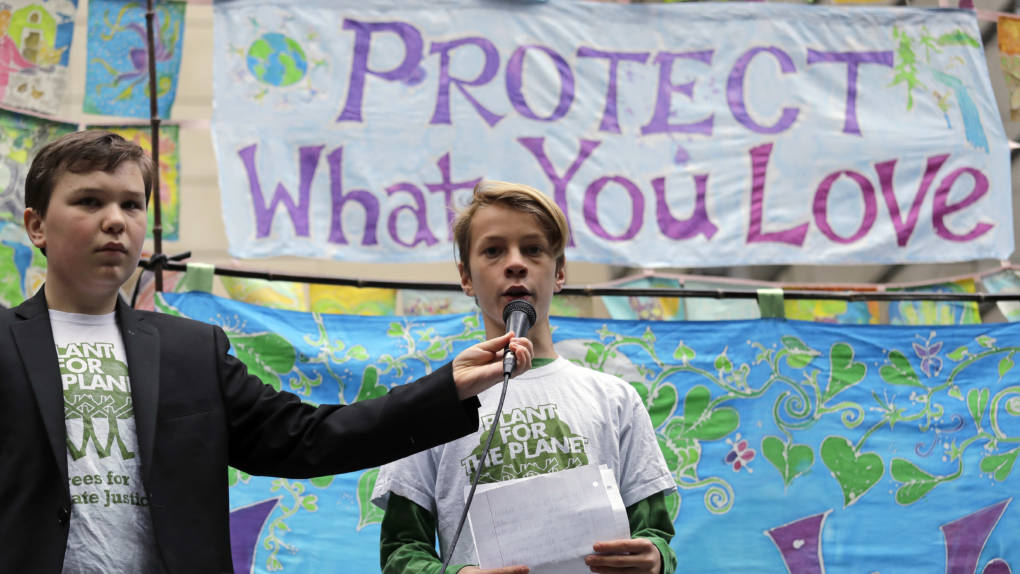
"caption": "Two young people speak at a rally Monday in Seattle. The Supreme Court said it would not stop the lawsuit that inspired this rally, along with others in Portland and Eugene, Ore.",
"description": "Two young people speak at a rally Monday in Seattle. The Supreme Court said it would not stop the lawsuit that inspired this rally, along with others in Portland and Eugene, Ore.",
"title": "Two young people speak at a rally Monday in Seattle. The Supreme Court said it would not stop the lawsuit that inspired this rally, along with others in Portland and Eugene, Ore.",
"credit": "Elaine Thompson/AP",
"status": "inherit",
"isLoading": false,
"fetchFailed": false
},
"news_11694257": {
"type": "attachments",
"id": "news_11694257",
"meta": {
"index": "attachments_1716263798",
"site": "news",
"id": "11694257",
"found": true
},
"parent": 11694256,
"imgSizes": {
"small": {
"file": "https://ww2.kqed.org/app/uploads/sites/10/2018/09/gettyimages-1026663542-10a08aa99741bfcb3c8457ac944ec51ccaafcd9b-520x390.jpg",
"width": 520,
"mimeType": "image/jpeg",
"height": 390
},
"twentyfourteen-full-width": {
"file": "https://ww2.kqed.org/app/uploads/sites/10/2018/09/gettyimages-1026663542-10a08aa99741bfcb3c8457ac944ec51ccaafcd9b-1038x576.jpg",
"width": 1038,
"mimeType": "image/jpeg",
"height": 576
},
"thumbnail": {
"file": "https://ww2.kqed.org/app/uploads/sites/10/2018/09/gettyimages-1026663542-10a08aa99741bfcb3c8457ac944ec51ccaafcd9b-160x120.jpg",
"width": 160,
"mimeType": "image/jpeg",
"height": 120
},
"fd-sm": {
"file": "https://ww2.kqed.org/app/uploads/sites/10/2018/09/gettyimages-1026663542-10a08aa99741bfcb3c8457ac944ec51ccaafcd9b-960x720.jpg",
"width": 960,
"mimeType": "image/jpeg",
"height": 720
},
"post-thumbnail": {
"file": "https://ww2.kqed.org/app/uploads/sites/10/2018/09/gettyimages-1026663542-10a08aa99741bfcb3c8457ac944ec51ccaafcd9b-672x372.jpg",
"width": 672,
"mimeType": "image/jpeg",
"height": 372
},
"xsmall": {
"file": "https://ww2.kqed.org/app/uploads/sites/10/2018/09/gettyimages-1026663542-10a08aa99741bfcb3c8457ac944ec51ccaafcd9b-375x281.jpg",
"width": 375,
"mimeType": "image/jpeg",
"height": 281
},
"kqedFullSize": {
"file": "https://ww2.kqed.org/app/uploads/sites/10/2018/09/gettyimages-1026663542-10a08aa99741bfcb3c8457ac944ec51ccaafcd9b-e1537739001128.jpg",
"width": 1920,
"height": 1440
},
"large": {
"file": "https://ww2.kqed.org/app/uploads/sites/10/2018/09/gettyimages-1026663542-10a08aa99741bfcb3c8457ac944ec51ccaafcd9b-1020x765.jpg",
"width": 1020,
"mimeType": "image/jpeg",
"height": 765
},
"xlarge": {
"file": "https://ww2.kqed.org/app/uploads/sites/10/2018/09/gettyimages-1026663542-10a08aa99741bfcb3c8457ac944ec51ccaafcd9b-1180x885.jpg",
"width": 1180,
"mimeType": "image/jpeg",
"height": 885
},
"complete_open_graph": {
"file": "https://ww2.kqed.org/app/uploads/sites/10/2018/09/gettyimages-1026663542-10a08aa99741bfcb3c8457ac944ec51ccaafcd9b-1200x900.jpg",
"width": 1200,
"mimeType": "image/jpeg",
"height": 900
},
"guest-author-50": {
"file": "https://ww2.kqed.org/app/uploads/sites/10/2018/09/gettyimages-1026663542-10a08aa99741bfcb3c8457ac944ec51ccaafcd9b-50x50.jpg",
"width": 50,
"mimeType": "image/jpeg",
"height": 50
},
"guest-author-96": {
"file": "https://ww2.kqed.org/app/uploads/sites/10/2018/09/gettyimages-1026663542-10a08aa99741bfcb3c8457ac944ec51ccaafcd9b-96x96.jpg",
"width": 96,
"mimeType": "image/jpeg",
"height": 96
},
"medium": {
"file": "https://ww2.kqed.org/app/uploads/sites/10/2018/09/gettyimages-1026663542-10a08aa99741bfcb3c8457ac944ec51ccaafcd9b-800x600.jpg",
"width": 800,
"mimeType": "image/jpeg",
"height": 600
},
"guest-author-64": {
"file": "https://ww2.kqed.org/app/uploads/sites/10/2018/09/gettyimages-1026663542-10a08aa99741bfcb3c8457ac944ec51ccaafcd9b-64x64.jpg",
"width": 64,
"mimeType": "image/jpeg",
"height": 64
},
"guest-author-32": {
"file": "https://ww2.kqed.org/app/uploads/sites/10/2018/09/gettyimages-1026663542-10a08aa99741bfcb3c8457ac944ec51ccaafcd9b-32x32.jpg",
"width": 32,
"mimeType": "image/jpeg",
"height": 32
},
"fd-lrg": {
"file": "https://ww2.kqed.org/app/uploads/sites/10/2018/09/gettyimages-1026663542-10a08aa99741bfcb3c8457ac944ec51ccaafcd9b-1920x1440.jpg",
"width": 1920,
"mimeType": "image/jpeg",
"height": 1440
},
"fd-med": {
"file": "https://ww2.kqed.org/app/uploads/sites/10/2018/09/gettyimages-1026663542-10a08aa99741bfcb3c8457ac944ec51ccaafcd9b-1180x885.jpg",
"width": 1180,
"mimeType": "image/jpeg",
"height": 885
},
"full-width": {
"file": "https://ww2.kqed.org/app/uploads/sites/10/2018/09/gettyimages-1026663542-10a08aa99741bfcb3c8457ac944ec51ccaafcd9b-1920x1440.jpg",
"width": 1920,
"mimeType": "image/jpeg",
"height": 1440
},
"detail": {
"file": "https://ww2.kqed.org/app/uploads/sites/10/2018/09/gettyimages-1026663542-10a08aa99741bfcb3c8457ac944ec51ccaafcd9b-150x150.jpg",
"width": 150,
"mimeType": "image/jpeg",
"height": 150
},
"guest-author-128": {
"file": "https://ww2.kqed.org/app/uploads/sites/10/2018/09/gettyimages-1026663542-10a08aa99741bfcb3c8457ac944ec51ccaafcd9b-128x128.jpg",
"width": 128,
"mimeType": "image/jpeg",
"height": 128
},
"xxsmall": {
"file": "https://ww2.kqed.org/app/uploads/sites/10/2018/09/gettyimages-1026663542-10a08aa99741bfcb3c8457ac944ec51ccaafcd9b-240x180.jpg",
"width": 240,
"mimeType": "image/jpeg",
"height": 180
}
},
"publishDate": 1537738902,
"modified": 1537739019,
"caption": "Members of the Senate Judiciary Committee listen on the first day of Supreme Court nominee Brett Kavanaugh's confirmation hearing on Sept. 4. Kavanaugh will appear before the committee again this week.",
"description": "Members of the Senate Judiciary Committee listen on the first day of Supreme Court nominee Brett Kavanaugh's confirmation hearing on Sept. 4. Kavanaugh will appear before the committee again this week.",
"title": "Members of the Senate Judiciary Committee listen on the first day of Supreme Court nominee Brett Kavanaugh's confirmation hearing on Sept. 4. Kavanaugh will appear before the committee again this week.",
"credit": "Brendan Smialowski /AFP/Getty Images",
"status": "inherit",
"isLoading": false,
"fetchFailed": false
},
"news_11692976": {
"type": "attachments",
"id": "news_11692976",
"meta": {
"index": "attachments_1716263798",
"site": "news",
"id": "11692976",
"found": true
},
"parent": 11692960,
"imgSizes": {
"small": {
"file": "https://ww2.kqed.org/app/uploads/sites/10/2018/09/GettyImages-1027782116-520x347.jpg",
"width": 520,
"mimeType": "image/jpeg",
"height": 347
},
"twentyfourteen-full-width": {
"file": "https://ww2.kqed.org/app/uploads/sites/10/2018/09/GettyImages-1027782116-1038x576.jpg",
"width": 1038,
"mimeType": "image/jpeg",
"height": 576
},
"thumbnail": {
"file": "https://ww2.kqed.org/app/uploads/sites/10/2018/09/GettyImages-1027782116-160x107.jpg",
"width": 160,
"mimeType": "image/jpeg",
"height": 107
},
"fd-sm": {
"file": "https://ww2.kqed.org/app/uploads/sites/10/2018/09/GettyImages-1027782116-960x640.jpg",
"width": 960,
"mimeType": "image/jpeg",
"height": 640
},
"post-thumbnail": {
"file": "https://ww2.kqed.org/app/uploads/sites/10/2018/09/GettyImages-1027782116-672x372.jpg",
"width": 672,
"mimeType": "image/jpeg",
"height": 372
},
"xsmall": {
"file": "https://ww2.kqed.org/app/uploads/sites/10/2018/09/GettyImages-1027782116-375x250.jpg",
"width": 375,
"mimeType": "image/jpeg",
"height": 250
},
"kqedFullSize": {
"file": "https://ww2.kqed.org/app/uploads/sites/10/2018/09/GettyImages-1027782116.jpg",
"width": 6354,
"height": 4236
},
"large": {
"file": "https://ww2.kqed.org/app/uploads/sites/10/2018/09/GettyImages-1027782116-1020x680.jpg",
"width": 1020,
"mimeType": "image/jpeg",
"height": 680
},
"xlarge": {
"file": "https://ww2.kqed.org/app/uploads/sites/10/2018/09/GettyImages-1027782116-1180x787.jpg",
"width": 1180,
"mimeType": "image/jpeg",
"height": 787
},
"complete_open_graph": {
"file": "https://ww2.kqed.org/app/uploads/sites/10/2018/09/GettyImages-1027782116-1200x800.jpg",
"width": 1200,
"mimeType": "image/jpeg",
"height": 800
},
"guest-author-50": {
"file": "https://ww2.kqed.org/app/uploads/sites/10/2018/09/GettyImages-1027782116-50x50.jpg",
"width": 50,
"mimeType": "image/jpeg",
"height": 50
},
"guest-author-96": {
"file": "https://ww2.kqed.org/app/uploads/sites/10/2018/09/GettyImages-1027782116-96x96.jpg",
"width": 96,
"mimeType": "image/jpeg",
"height": 96
},
"medium": {
"file": "https://ww2.kqed.org/app/uploads/sites/10/2018/09/GettyImages-1027782116-800x533.jpg",
"width": 800,
"mimeType": "image/jpeg",
"height": 533
},
"guest-author-64": {
"file": "https://ww2.kqed.org/app/uploads/sites/10/2018/09/GettyImages-1027782116-64x64.jpg",
"width": 64,
"mimeType": "image/jpeg",
"height": 64
},
"guest-author-32": {
"file": "https://ww2.kqed.org/app/uploads/sites/10/2018/09/GettyImages-1027782116-32x32.jpg",
"width": 32,
"mimeType": "image/jpeg",
"height": 32
},
"fd-lrg": {
"file": "https://ww2.kqed.org/app/uploads/sites/10/2018/09/GettyImages-1027782116-1920x1280.jpg",
"width": 1920,
"mimeType": "image/jpeg",
"height": 1280
},
"fd-med": {
"file": "https://ww2.kqed.org/app/uploads/sites/10/2018/09/GettyImages-1027782116-1180x787.jpg",
"width": 1180,
"mimeType": "image/jpeg",
"height": 787
},
"full-width": {
"file": "https://ww2.kqed.org/app/uploads/sites/10/2018/09/GettyImages-1027782116-1920x1280.jpg",
"width": 1920,
"mimeType": "image/jpeg",
"height": 1280
},
"detail": {
"file": "https://ww2.kqed.org/app/uploads/sites/10/2018/09/GettyImages-1027782116-150x150.jpg",
"width": 150,
"mimeType": "image/jpeg",
"height": 150
},
"guest-author-128": {
"file": "https://ww2.kqed.org/app/uploads/sites/10/2018/09/GettyImages-1027782116-128x128.jpg",
"width": 128,
"mimeType": "image/jpeg",
"height": 128
},
"xxsmall": {
"file": "https://ww2.kqed.org/app/uploads/sites/10/2018/09/GettyImages-1027782116-240x160.jpg",
"width": 240,
"mimeType": "image/jpeg",
"height": 160
}
},
"publishDate": 1537210566,
"modified": 1537210645,
"caption": "Supreme Court nominee Judge Brett Kavanaugh testifies before the Senate Judiciary Committee on the third day of his Supreme Court confirmation hearing on Capitol Hill Sept. 6, 2018 in Washington, D.C. Kavanaugh was nominated by President Trump to fill the vacancy on the court left by retiring Associate Justice Anthony Kennedy.",
"description": null,
"title": "Senate Holds Confirmation Hearing For Brett Kavanaugh To Be Supreme Court Justice",
"credit": "Drew Angerer/Getty Images",
"status": "inherit",
"isLoading": false,
"fetchFailed": false
},
"news_11692828": {
"type": "attachments",
"id": "news_11692828",
"meta": {
"index": "attachments_1716263798",
"site": "news",
"id": "11692828",
"found": true
},
"parent": 11692824,
"imgSizes": {
"small": {
"file": "https://ww2.kqed.org/app/uploads/sites/10/2018/09/GettyImages-1027859650-520x347.jpg",
"width": 520,
"mimeType": "image/jpeg",
"height": 347
},
"twentyfourteen-full-width": {
"file": "https://ww2.kqed.org/app/uploads/sites/10/2018/09/GettyImages-1027859650-1038x576.jpg",
"width": 1038,
"mimeType": "image/jpeg",
"height": 576
},
"thumbnail": {
"file": "https://ww2.kqed.org/app/uploads/sites/10/2018/09/GettyImages-1027859650-160x107.jpg",
"width": 160,
"mimeType": "image/jpeg",
"height": 107
},
"fd-sm": {
"file": "https://ww2.kqed.org/app/uploads/sites/10/2018/09/GettyImages-1027859650-960x640.jpg",
"width": 960,
"mimeType": "image/jpeg",
"height": 640
},
"post-thumbnail": {
"file": "https://ww2.kqed.org/app/uploads/sites/10/2018/09/GettyImages-1027859650-672x372.jpg",
"width": 672,
"mimeType": "image/jpeg",
"height": 372
},
"xsmall": {
"file": "https://ww2.kqed.org/app/uploads/sites/10/2018/09/GettyImages-1027859650-375x250.jpg",
"width": 375,
"mimeType": "image/jpeg",
"height": 250
},
"kqedFullSize": {
"file": "https://ww2.kqed.org/app/uploads/sites/10/2018/09/GettyImages-1027859650-e1537125192163.jpg",
"width": 1920,
"height": 1280
},
"large": {
"file": "https://ww2.kqed.org/app/uploads/sites/10/2018/09/GettyImages-1027859650-1020x680.jpg",
"width": 1020,
"mimeType": "image/jpeg",
"height": 680
},
"xlarge": {
"file": "https://ww2.kqed.org/app/uploads/sites/10/2018/09/GettyImages-1027859650-1180x787.jpg",
"width": 1180,
"mimeType": "image/jpeg",
"height": 787
},
"complete_open_graph": {
"file": "https://ww2.kqed.org/app/uploads/sites/10/2018/09/GettyImages-1027859650-1200x800.jpg",
"width": 1200,
"mimeType": "image/jpeg",
"height": 800
},
"guest-author-50": {
"file": "https://ww2.kqed.org/app/uploads/sites/10/2018/09/GettyImages-1027859650-50x50.jpg",
"width": 50,
"mimeType": "image/jpeg",
"height": 50
},
"guest-author-96": {
"file": "https://ww2.kqed.org/app/uploads/sites/10/2018/09/GettyImages-1027859650-96x96.jpg",
"width": 96,
"mimeType": "image/jpeg",
"height": 96
},
"medium": {
"file": "https://ww2.kqed.org/app/uploads/sites/10/2018/09/GettyImages-1027859650-800x533.jpg",
"width": 800,
"mimeType": "image/jpeg",
"height": 533
},
"guest-author-64": {
"file": "https://ww2.kqed.org/app/uploads/sites/10/2018/09/GettyImages-1027859650-64x64.jpg",
"width": 64,
"mimeType": "image/jpeg",
"height": 64
},
"guest-author-32": {
"file": "https://ww2.kqed.org/app/uploads/sites/10/2018/09/GettyImages-1027859650-32x32.jpg",
"width": 32,
"mimeType": "image/jpeg",
"height": 32
},
"fd-lrg": {
"file": "https://ww2.kqed.org/app/uploads/sites/10/2018/09/GettyImages-1027859650-1920x1280.jpg",
"width": 1920,
"mimeType": "image/jpeg",
"height": 1280
},
"fd-med": {
"file": "https://ww2.kqed.org/app/uploads/sites/10/2018/09/GettyImages-1027859650-1180x787.jpg",
"width": 1180,
"mimeType": "image/jpeg",
"height": 787
},
"full-width": {
"file": "https://ww2.kqed.org/app/uploads/sites/10/2018/09/GettyImages-1027859650-1920x1280.jpg",
"width": 1920,
"mimeType": "image/jpeg",
"height": 1280
},
"detail": {
"file": "https://ww2.kqed.org/app/uploads/sites/10/2018/09/GettyImages-1027859650-150x150.jpg",
"width": 150,
"mimeType": "image/jpeg",
"height": 150
},
"guest-author-128": {
"file": "https://ww2.kqed.org/app/uploads/sites/10/2018/09/GettyImages-1027859650-128x128.jpg",
"width": 128,
"mimeType": "image/jpeg",
"height": 128
},
"xxsmall": {
"file": "https://ww2.kqed.org/app/uploads/sites/10/2018/09/GettyImages-1027859650-240x160.jpg",
"width": 240,
"mimeType": "image/jpeg",
"height": 160
}
},
"publishDate": 1537125171,
"modified": 1537125217,
"caption": "Supreme Court nominee Judge Brett Kavanaugh testifying before the Senate Judiciary Committee during his Supreme Court confirmation hearing on Capitol Hill September 6, 2018 in Washington, DC.",
"description": "Supreme Court nominee Judge Brett Kavanaugh testifying before the Senate Judiciary Committee during his Supreme Court confirmation hearing on Capitol Hill September 6, 2018 in Washington, DC.",
"title": "Senate Holds Confirmation Hearing For Brett Kavanaugh To Be Supreme Court Justice",
"credit": "Chip Somodevilla/Getty Images",
"status": "inherit",
"isLoading": false,
"fetchFailed": false
},
"news_11690294": {
"type": "attachments",
"id": "news_11690294",
"meta": {
"index": "attachments_1716263798",
"site": "news",
"id": "11690294",
"found": true
},
"parent": 11690292,
"imgSizes": {
"small": {
"file": "https://ww2.kqed.org/app/uploads/sites/10/2018/09/GettyImages-1026685724-520x341.jpg",
"width": 520,
"mimeType": "image/jpeg",
"height": 341
},
"twentyfourteen-full-width": {
"file": "https://ww2.kqed.org/app/uploads/sites/10/2018/09/GettyImages-1026685724-1038x576.jpg",
"width": 1038,
"mimeType": "image/jpeg",
"height": 576
},
"thumbnail": {
"file": "https://ww2.kqed.org/app/uploads/sites/10/2018/09/GettyImages-1026685724-160x105.jpg",
"width": 160,
"mimeType": "image/jpeg",
"height": 105
},
"fd-sm": {
"file": "https://ww2.kqed.org/app/uploads/sites/10/2018/09/GettyImages-1026685724-960x630.jpg",
"width": 960,
"mimeType": "image/jpeg",
"height": 630
},
"post-thumbnail": {
"file": "https://ww2.kqed.org/app/uploads/sites/10/2018/09/GettyImages-1026685724-672x372.jpg",
"width": 672,
"mimeType": "image/jpeg",
"height": 372
},
"xsmall": {
"file": "https://ww2.kqed.org/app/uploads/sites/10/2018/09/GettyImages-1026685724-375x246.jpg",
"width": 375,
"mimeType": "image/jpeg",
"height": 246
},
"kqedFullSize": {
"file": "https://ww2.kqed.org/app/uploads/sites/10/2018/09/GettyImages-1026685724-e1536076440643.jpg",
"width": 1920,
"height": 1260
},
"large": {
"file": "https://ww2.kqed.org/app/uploads/sites/10/2018/09/GettyImages-1026685724-1020x669.jpg",
"width": 1020,
"mimeType": "image/jpeg",
"height": 669
},
"xlarge": {
"file": "https://ww2.kqed.org/app/uploads/sites/10/2018/09/GettyImages-1026685724-1180x774.jpg",
"width": 1180,
"mimeType": "image/jpeg",
"height": 774
},
"complete_open_graph": {
"file": "https://ww2.kqed.org/app/uploads/sites/10/2018/09/GettyImages-1026685724-1200x787.jpg",
"width": 1200,
"mimeType": "image/jpeg",
"height": 787
},
"guest-author-50": {
"file": "https://ww2.kqed.org/app/uploads/sites/10/2018/09/GettyImages-1026685724-50x50.jpg",
"width": 50,
"mimeType": "image/jpeg",
"height": 50
},
"guest-author-96": {
"file": "https://ww2.kqed.org/app/uploads/sites/10/2018/09/GettyImages-1026685724-96x96.jpg",
"width": 96,
"mimeType": "image/jpeg",
"height": 96
},
"medium": {
"file": "https://ww2.kqed.org/app/uploads/sites/10/2018/09/GettyImages-1026685724-800x525.jpg",
"width": 800,
"mimeType": "image/jpeg",
"height": 525
},
"guest-author-64": {
"file": "https://ww2.kqed.org/app/uploads/sites/10/2018/09/GettyImages-1026685724-64x64.jpg",
"width": 64,
"mimeType": "image/jpeg",
"height": 64
},
"guest-author-32": {
"file": "https://ww2.kqed.org/app/uploads/sites/10/2018/09/GettyImages-1026685724-32x32.jpg",
"width": 32,
"mimeType": "image/jpeg",
"height": 32
},
"fd-lrg": {
"file": "https://ww2.kqed.org/app/uploads/sites/10/2018/09/GettyImages-1026685724-1920x1260.jpg",
"width": 1920,
"mimeType": "image/jpeg",
"height": 1260
},
"fd-med": {
"file": "https://ww2.kqed.org/app/uploads/sites/10/2018/09/GettyImages-1026685724-1180x774.jpg",
"width": 1180,
"mimeType": "image/jpeg",
"height": 774
},
"full-width": {
"file": "https://ww2.kqed.org/app/uploads/sites/10/2018/09/GettyImages-1026685724-1920x1260.jpg",
"width": 1920,
"mimeType": "image/jpeg",
"height": 1260
},
"detail": {
"file": "https://ww2.kqed.org/app/uploads/sites/10/2018/09/GettyImages-1026685724-150x150.jpg",
"width": 150,
"mimeType": "image/jpeg",
"height": 150
},
"guest-author-128": {
"file": "https://ww2.kqed.org/app/uploads/sites/10/2018/09/GettyImages-1026685724-128x128.jpg",
"width": 128,
"mimeType": "image/jpeg",
"height": 128
},
"xxsmall": {
"file": "https://ww2.kqed.org/app/uploads/sites/10/2018/09/GettyImages-1026685724-240x157.jpg",
"width": 240,
"mimeType": "image/jpeg",
"height": 157
}
},
"publishDate": 1536076328,
"modified": 1536079243,
"caption": "Sen. Kamala Harris delivers remarks Tuesday morning as Supreme Court nominee Judge Brett Kavanaugh appears for his confirmation hearing before the Senate Judiciary Committee.",
"description": null,
"title": "Senate Holds Confirmation Hearing For Brett Kavanugh To Be Supreme Court Justice",
"credit": "Chip Somodevilla/Getty Images",
"status": "inherit",
"isLoading": false,
"fetchFailed": false
},
"news_11664592": {
"type": "attachments",
"id": "news_11664592",
"meta": {
"index": "attachments_1716263798",
"site": "news",
"id": "11664592",
"found": true
},
"parent": 11664591,
"imgSizes": {
"small": {
"file": "https://ww2.kqed.org/app/uploads/sites/10/2018/04/ap_17338767517571_wide-ad9c7a361556d7f62a2b51366e3363813c77f8be-520x293.jpg",
"width": 520,
"mimeType": "image/jpeg",
"height": 293
},
"twentyfourteen-full-width": {
"file": "https://ww2.kqed.org/app/uploads/sites/10/2018/04/ap_17338767517571_wide-ad9c7a361556d7f62a2b51366e3363813c77f8be-1038x576.jpg",
"width": 1038,
"mimeType": "image/jpeg",
"height": 576
},
"thumbnail": {
"file": "https://ww2.kqed.org/app/uploads/sites/10/2018/04/ap_17338767517571_wide-ad9c7a361556d7f62a2b51366e3363813c77f8be-160x90.jpg",
"width": 160,
"mimeType": "image/jpeg",
"height": 90
},
"fd-sm": {
"file": "https://ww2.kqed.org/app/uploads/sites/10/2018/04/ap_17338767517571_wide-ad9c7a361556d7f62a2b51366e3363813c77f8be-960x540.jpg",
"width": 960,
"mimeType": "image/jpeg",
"height": 540
},
"post-thumbnail": {
"file": "https://ww2.kqed.org/app/uploads/sites/10/2018/04/ap_17338767517571_wide-ad9c7a361556d7f62a2b51366e3363813c77f8be-672x372.jpg",
"width": 672,
"mimeType": "image/jpeg",
"height": 372
},
"xsmall": {
"file": "https://ww2.kqed.org/app/uploads/sites/10/2018/04/ap_17338767517571_wide-ad9c7a361556d7f62a2b51366e3363813c77f8be-375x211.jpg",
"width": 375,
"mimeType": "image/jpeg",
"height": 211
},
"kqedFullSize": {
"file": "https://ww2.kqed.org/app/uploads/sites/10/2018/04/ap_17338767517571_wide-ad9c7a361556d7f62a2b51366e3363813c77f8be-e1524673119929.jpg",
"width": 1920,
"height": 1080
},
"large": {
"file": "https://ww2.kqed.org/app/uploads/sites/10/2018/04/ap_17338767517571_wide-ad9c7a361556d7f62a2b51366e3363813c77f8be-1020x574.jpg",
"width": 1020,
"mimeType": "image/jpeg",
"height": 574
},
"xlarge": {
"file": "https://ww2.kqed.org/app/uploads/sites/10/2018/04/ap_17338767517571_wide-ad9c7a361556d7f62a2b51366e3363813c77f8be-1180x664.jpg",
"width": 1180,
"mimeType": "image/jpeg",
"height": 664
},
"complete_open_graph": {
"file": "https://ww2.kqed.org/app/uploads/sites/10/2018/04/ap_17338767517571_wide-ad9c7a361556d7f62a2b51366e3363813c77f8be-1200x675.jpg",
"width": 1200,
"mimeType": "image/jpeg",
"height": 675
},
"guest-author-50": {
"file": "https://ww2.kqed.org/app/uploads/sites/10/2018/04/ap_17338767517571_wide-ad9c7a361556d7f62a2b51366e3363813c77f8be-50x50.jpg",
"width": 50,
"mimeType": "image/jpeg",
"height": 50
},
"guest-author-96": {
"file": "https://ww2.kqed.org/app/uploads/sites/10/2018/04/ap_17338767517571_wide-ad9c7a361556d7f62a2b51366e3363813c77f8be-96x96.jpg",
"width": 96,
"mimeType": "image/jpeg",
"height": 96
},
"medium": {
"file": "https://ww2.kqed.org/app/uploads/sites/10/2018/04/ap_17338767517571_wide-ad9c7a361556d7f62a2b51366e3363813c77f8be-800x450.jpg",
"width": 800,
"mimeType": "image/jpeg",
"height": 450
},
"guest-author-64": {
"file": "https://ww2.kqed.org/app/uploads/sites/10/2018/04/ap_17338767517571_wide-ad9c7a361556d7f62a2b51366e3363813c77f8be-64x64.jpg",
"width": 64,
"mimeType": "image/jpeg",
"height": 64
},
"guest-author-32": {
"file": "https://ww2.kqed.org/app/uploads/sites/10/2018/04/ap_17338767517571_wide-ad9c7a361556d7f62a2b51366e3363813c77f8be-32x32.jpg",
"width": 32,
"mimeType": "image/jpeg",
"height": 32
},
"fd-lrg": {
"file": "https://ww2.kqed.org/app/uploads/sites/10/2018/04/ap_17338767517571_wide-ad9c7a361556d7f62a2b51366e3363813c77f8be-1920x1080.jpg",
"width": 1920,
"mimeType": "image/jpeg",
"height": 1080
},
"fd-med": {
"file": "https://ww2.kqed.org/app/uploads/sites/10/2018/04/ap_17338767517571_wide-ad9c7a361556d7f62a2b51366e3363813c77f8be-1180x664.jpg",
"width": 1180,
"mimeType": "image/jpeg",
"height": 664
},
"full-width": {
"file": "https://ww2.kqed.org/app/uploads/sites/10/2018/04/ap_17338767517571_wide-ad9c7a361556d7f62a2b51366e3363813c77f8be-1920x1080.jpg",
"width": 1920,
"mimeType": "image/jpeg",
"height": 1080
},
"detail": {
"file": "https://ww2.kqed.org/app/uploads/sites/10/2018/04/ap_17338767517571_wide-ad9c7a361556d7f62a2b51366e3363813c77f8be-150x150.jpg",
"width": 150,
"mimeType": "image/jpeg",
"height": 150
},
"guest-author-128": {
"file": "https://ww2.kqed.org/app/uploads/sites/10/2018/04/ap_17338767517571_wide-ad9c7a361556d7f62a2b51366e3363813c77f8be-128x128.jpg",
"width": 128,
"mimeType": "image/jpeg",
"height": 128
},
"xxsmall": {
"file": "https://ww2.kqed.org/app/uploads/sites/10/2018/04/ap_17338767517571_wide-ad9c7a361556d7f62a2b51366e3363813c77f8be-240x135.jpg",
"width": 240,
"mimeType": "image/jpeg",
"height": 135
}
},
"publishDate": 1524672718,
"modified": 1524673177,
"caption": "Demonstrators rally in Washington, D.C., in fall 2017 against the Trump administration's travel ban.",
"description": "Demonstrators rally in Washington, D.C., last fall against the Trump administration's travel ban, which is to be argued before the Supreme Court Wednesday",
"title": "Demonstrators rally in Washington, D.C., last fall against the Trump administration's travel ban, which is to be argued before the Supreme Court Wednesday.",
"credit": "Manuel Balce Ceneta/AP",
"status": "inherit",
"isLoading": false,
"fetchFailed": false
},
"news_11285268": {
"type": "attachments",
"id": "news_11285268",
"meta": {
"index": "attachments_1716263798",
"site": "news",
"id": "11285268",
"found": true
},
"parent": 11285264,
"imgSizes": {
"small": {
"file": "https://ww2.kqed.org/app/uploads/sites/10/2017/01/Scotus-520x302.jpg",
"width": 520,
"mimeType": "image/jpeg",
"height": 302
},
"twentyfourteen-full-width": {
"file": "https://ww2.kqed.org/app/uploads/sites/10/2017/01/Scotus-1038x576.jpg",
"width": 1038,
"mimeType": "image/jpeg",
"height": 576
},
"thumbnail": {
"file": "https://ww2.kqed.org/app/uploads/sites/10/2017/01/Scotus-160x93.jpg",
"width": 160,
"mimeType": "image/jpeg",
"height": 93
},
"fd-sm": {
"file": "https://ww2.kqed.org/app/uploads/sites/10/2017/01/Scotus-960x558.jpg",
"width": 960,
"mimeType": "image/jpeg",
"height": 558
},
"post-thumbnail": {
"file": "https://ww2.kqed.org/app/uploads/sites/10/2017/01/Scotus-672x372.jpg",
"width": 672,
"mimeType": "image/jpeg",
"height": 372
},
"xsmall": {
"file": "https://ww2.kqed.org/app/uploads/sites/10/2017/01/Scotus-375x218.jpg",
"width": 375,
"mimeType": "image/jpeg",
"height": 218
},
"kqedFullSize": {
"file": "https://ww2.kqed.org/app/uploads/sites/10/2017/01/Scotus.jpg",
"width": 1920,
"height": 1115
},
"large": {
"file": "https://ww2.kqed.org/app/uploads/sites/10/2017/01/Scotus-1020x592.jpg",
"width": 1020,
"mimeType": "image/jpeg",
"height": 592
},
"xlarge": {
"file": "https://ww2.kqed.org/app/uploads/sites/10/2017/01/Scotus-1180x685.jpg",
"width": 1180,
"mimeType": "image/jpeg",
"height": 685
},
"guest-author-50": {
"file": "https://ww2.kqed.org/app/uploads/sites/10/2017/01/Scotus-50x50.jpg",
"width": 50,
"mimeType": "image/jpeg",
"height": 50
},
"guest-author-96": {
"file": "https://ww2.kqed.org/app/uploads/sites/10/2017/01/Scotus-96x96.jpg",
"width": 96,
"mimeType": "image/jpeg",
"height": 96
},
"medium": {
"file": "https://ww2.kqed.org/app/uploads/sites/10/2017/01/Scotus-800x465.jpg",
"width": 800,
"mimeType": "image/jpeg",
"height": 465
},
"guest-author-64": {
"file": "https://ww2.kqed.org/app/uploads/sites/10/2017/01/Scotus-64x64.jpg",
"width": 64,
"mimeType": "image/jpeg",
"height": 64
},
"guest-author-32": {
"file": "https://ww2.kqed.org/app/uploads/sites/10/2017/01/Scotus-32x32.jpg",
"width": 32,
"mimeType": "image/jpeg",
"height": 32
},
"jmtc-small-thumb": {
"file": "https://ww2.kqed.org/app/uploads/sites/10/2017/01/Scotus-280x150.jpg",
"width": 280,
"mimeType": "image/jpeg",
"height": 150
},
"fd-lrg": {
"file": "https://ww2.kqed.org/app/uploads/sites/10/2017/01/Scotus-1920x1115.jpg",
"width": 1920,
"mimeType": "image/jpeg",
"height": 1115
},
"fd-med": {
"file": "https://ww2.kqed.org/app/uploads/sites/10/2017/01/Scotus-1180x685.jpg",
"width": 1180,
"mimeType": "image/jpeg",
"height": 685
},
"full-width": {
"file": "https://ww2.kqed.org/app/uploads/sites/10/2017/01/Scotus-1920x1115.jpg",
"width": 1920,
"mimeType": "image/jpeg",
"height": 1115
},
"detail": {
"file": "https://ww2.kqed.org/app/uploads/sites/10/2017/01/Scotus-150x150.jpg",
"width": 150,
"mimeType": "image/jpeg",
"height": 150
},
"guest-author-128": {
"file": "https://ww2.kqed.org/app/uploads/sites/10/2017/01/Scotus-128x128.jpg",
"width": 128,
"mimeType": "image/jpeg",
"height": 128
},
"xxsmall": {
"file": "https://ww2.kqed.org/app/uploads/sites/10/2017/01/Scotus-240x139.jpg",
"width": 240,
"mimeType": "image/jpeg",
"height": 139
}
},
"publishDate": 1485310961,
"modified": 1485387052,
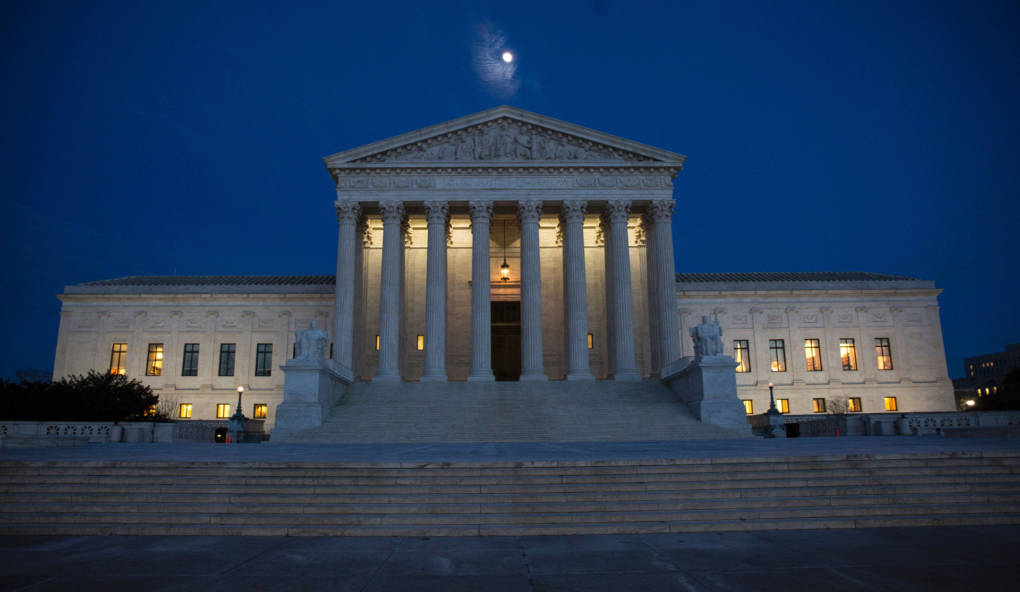
"caption": "The U.S. Supreme Court in Washington, D.C.",
"description": "The U.S. Supreme Court in Washington, D.C.",
"title": "Scotus",
"credit": "Zach Gibson/AFP/Getty Images",
"status": "inherit",
"isLoading": false,
"fetchFailed": false
},
"news_11644861": {
"type": "attachments",
"id": "news_11644861",
"meta": {
"index": "attachments_1716263798",
"site": "news",
"id": "11644861",
"found": true
},
"parent": 11644860,
"imgSizes": {
"small": {
"file": "https://ww2.kqed.org/app/uploads/sites/10/2018/01/RS9301_106134430-520x350.jpg",
"width": 520,
"mimeType": "image/jpeg",
"height": 350
},
"twentyfourteen-full-width": {
"file": "https://ww2.kqed.org/app/uploads/sites/10/2018/01/RS9301_106134430-1038x576.jpg",
"width": 1038,
"mimeType": "image/jpeg",
"height": 576
},
"thumbnail": {
"file": "https://ww2.kqed.org/app/uploads/sites/10/2018/01/RS9301_106134430-160x108.jpg",
"width": 160,
"mimeType": "image/jpeg",
"height": 108
},
"fd-sm": {
"file": "https://ww2.kqed.org/app/uploads/sites/10/2018/01/RS9301_106134430-960x647.jpg",
"width": 960,
"mimeType": "image/jpeg",
"height": 647
},
"post-thumbnail": {
"file": "https://ww2.kqed.org/app/uploads/sites/10/2018/01/RS9301_106134430-672x372.jpg",
"width": 672,
"mimeType": "image/jpeg",
"height": 372
},
"xsmall": {
"file": "https://ww2.kqed.org/app/uploads/sites/10/2018/01/RS9301_106134430-375x253.jpg",
"width": 375,
"mimeType": "image/jpeg",
"height": 253
},
"kqedFullSize": {
"file": "https://ww2.kqed.org/app/uploads/sites/10/2018/01/RS9301_106134430-e1517180765784.jpg",
"width": 1920,
"height": 1294
},
"large": {
"file": "https://ww2.kqed.org/app/uploads/sites/10/2018/01/RS9301_106134430-1020x687.jpg",
"width": 1020,
"mimeType": "image/jpeg",
"height": 687
},
"xlarge": {
"file": "https://ww2.kqed.org/app/uploads/sites/10/2018/01/RS9301_106134430-1180x795.jpg",
"width": 1180,
"mimeType": "image/jpeg",
"height": 795
},
"guest-author-50": {
"file": "https://ww2.kqed.org/app/uploads/sites/10/2018/01/RS9301_106134430-50x50.jpg",
"width": 50,
"mimeType": "image/jpeg",
"height": 50
},
"guest-author-96": {
"file": "https://ww2.kqed.org/app/uploads/sites/10/2018/01/RS9301_106134430-96x96.jpg",
"width": 96,
"mimeType": "image/jpeg",
"height": 96
},
"medium": {
"file": "https://ww2.kqed.org/app/uploads/sites/10/2018/01/RS9301_106134430-800x539.jpg",
"width": 800,
"mimeType": "image/jpeg",
"height": 539
},
"guest-author-64": {
"file": "https://ww2.kqed.org/app/uploads/sites/10/2018/01/RS9301_106134430-64x64.jpg",
"width": 64,
"mimeType": "image/jpeg",
"height": 64
},
"guest-author-32": {
"file": "https://ww2.kqed.org/app/uploads/sites/10/2018/01/RS9301_106134430-32x32.jpg",
"width": 32,
"mimeType": "image/jpeg",
"height": 32
},
"fd-lrg": {
"file": "https://ww2.kqed.org/app/uploads/sites/10/2018/01/RS9301_106134430-1920x1294.jpg",
"width": 1920,
"mimeType": "image/jpeg",
"height": 1294
},
"fd-med": {
"file": "https://ww2.kqed.org/app/uploads/sites/10/2018/01/RS9301_106134430-1180x795.jpg",
"width": 1180,
"mimeType": "image/jpeg",
"height": 795
},
"full-width": {
"file": "https://ww2.kqed.org/app/uploads/sites/10/2018/01/RS9301_106134430-1920x1294.jpg",
"width": 1920,
"mimeType": "image/jpeg",
"height": 1294
},
"detail": {
"file": "https://ww2.kqed.org/app/uploads/sites/10/2018/01/RS9301_106134430-150x150.jpg",
"width": 150,
"mimeType": "image/jpeg",
"height": 150
},
"guest-author-128": {
"file": "https://ww2.kqed.org/app/uploads/sites/10/2018/01/RS9301_106134430-128x128.jpg",
"width": 128,
"mimeType": "image/jpeg",
"height": 128
},
"xxsmall": {
"file": "https://ww2.kqed.org/app/uploads/sites/10/2018/01/RS9301_106134430-240x162.jpg",
"width": 240,
"mimeType": "image/jpeg",
"height": 162
}
},
"publishDate": 1517167621,
"modified": 1517180793,
"caption": "Justice Ruth Bader Ginsburg is packing her schedule and sending signals she intends to keep her seat on the bench for years.",
"description": "Justice Ruth Bader Ginsburg is packing her schedule and sending signals she intends to keep her seat on the bench for years.",
"title": "Whitman And Brown Attend Womens Conference 2010",
"credit": "Kevork Djansezian/Getty Images",
"status": "inherit",
"isLoading": false,
"fetchFailed": false
},
"news_11002438": {
"type": "attachments",
"id": "news_11002438",
"meta": {
"index": "attachments_1716263798",
"site": "news",
"id": "11002438",
"found": true
},
"parent": 11002436,
"imgSizes": {
"twentyfourteen-full-width": {
"file": "https://ww2.kqed.org/app/uploads/sites/10/2016/06/RS4844_alt_370-1038x576.jpg",
"width": 1038,
"mimeType": "image/jpeg",
"height": 576
},
"thumbnail": {
"file": "https://ww2.kqed.org/app/uploads/sites/10/2016/06/RS4844_alt_370-400x279.jpg",
"width": 400,
"mimeType": "image/jpeg",
"height": 279
},
"fd-sm": {
"file": "https://ww2.kqed.org/app/uploads/sites/10/2016/06/RS4844_alt_370-960x669.jpg",
"width": 960,
"mimeType": "image/jpeg",
"height": 669
},
"post-thumbnail": {
"file": "https://ww2.kqed.org/app/uploads/sites/10/2016/06/RS4844_alt_370-672x372.jpg",
"width": 672,
"mimeType": "image/jpeg",
"height": 372
},
"kqedFullSize": {
"file": "https://ww2.kqed.org/app/uploads/sites/10/2016/06/RS4844_alt_370.jpg",
"width": 1920,
"height": 1338
},
"large": {
"file": "https://ww2.kqed.org/app/uploads/sites/10/2016/06/RS4844_alt_370-1920x1338.jpg",
"width": 1920,
"mimeType": "image/jpeg",
"height": 1338
},
"guest-author-50": {
"file": "https://ww2.kqed.org/app/uploads/sites/10/2016/06/RS4844_alt_370-50x50.jpg",
"width": 50,
"mimeType": "image/jpeg",
"height": 50
},
"guest-author-96": {
"file": "https://ww2.kqed.org/app/uploads/sites/10/2016/06/RS4844_alt_370-96x96.jpg",
"width": 96,
"mimeType": "image/jpeg",
"height": 96
},
"medium": {
"file": "https://ww2.kqed.org/app/uploads/sites/10/2016/06/RS4844_alt_370-800x558.jpg",
"width": 800,
"mimeType": "image/jpeg",
"height": 558
},
"guest-author-64": {
"file": "https://ww2.kqed.org/app/uploads/sites/10/2016/06/RS4844_alt_370-64x64.jpg",
"width": 64,
"mimeType": "image/jpeg",
"height": 64
},
"guest-author-32": {
"file": "https://ww2.kqed.org/app/uploads/sites/10/2016/06/RS4844_alt_370-32x32.jpg",
"width": 32,
"mimeType": "image/jpeg",
"height": 32
},
"jmtc-small-thumb": {
"file": "https://ww2.kqed.org/app/uploads/sites/10/2016/06/RS4844_alt_370-280x150.jpg",
"width": 280,
"mimeType": "image/jpeg",
"height": 150
},
"fd-lrg": {
"file": "https://ww2.kqed.org/app/uploads/sites/10/2016/06/RS4844_alt_370-1920x1338.jpg",
"width": 1920,
"mimeType": "image/jpeg",
"height": 1338
},
"fd-med": {
"file": "https://ww2.kqed.org/app/uploads/sites/10/2016/06/RS4844_alt_370-1180x822.jpg",
"width": 1180,
"mimeType": "image/jpeg",
"height": 822
},
"detail": {
"file": "https://ww2.kqed.org/app/uploads/sites/10/2016/06/RS4844_alt_370-150x150.jpg",
"width": 150,
"mimeType": "image/jpeg",
"height": 150
},
"guest-author-128": {
"file": "https://ww2.kqed.org/app/uploads/sites/10/2016/06/RS4844_alt_370-128x128.jpg",
"width": 128,
"mimeType": "image/jpeg",
"height": 128
}
},
"publishDate": 1467049473,
"modified": 1467049785,
"caption": "The Supreme Court concluded that people convicted of domestic violence may be banned from purchasing firearms.",
"description": "The Supreme Court concluded that people convicted of domestic violence may be banned from purchasing firearms.",
"title": "A man chooses a gun at the Gun Gallery i",
"credit": "Gabriel Bouys/AFP/Getty Images",
"status": "inherit",
"isLoading": false,
"fetchFailed": false
},
"news_10890836": {
"type": "attachments",
"id": "news_10890836",
"meta": {
"index": "attachments_1716263798",
"site": "news",
"id": "10890836",
"found": true
},
"parent": 10890520,
"imgSizes": {
"twentyfourteen-full-width": {
"file": "https://ww2.kqed.org/app/uploads/sites/10/2016/03/SCOTUS-1038x576.jpg",
"width": 1038,
"mimeType": "image/jpeg",
"height": 576
},
"thumbnail": {
"file": "https://ww2.kqed.org/app/uploads/sites/10/2016/03/SCOTUS-400x271.jpg",
"width": 400,
"mimeType": "image/jpeg",
"height": 271
},
"fd-sm": {
"file": "https://ww2.kqed.org/app/uploads/sites/10/2016/03/SCOTUS-960x650.jpg",
"width": 960,
"mimeType": "image/jpeg",
"height": 650
},
"post-thumbnail": {
"file": "https://ww2.kqed.org/app/uploads/sites/10/2016/03/SCOTUS-672x372.jpg",
"width": 672,
"mimeType": "image/jpeg",
"height": 372
},
"kqedFullSize": {
"file": "https://ww2.kqed.org/app/uploads/sites/10/2016/03/SCOTUS.jpg",
"width": 1920,
"height": 1299
},
"large": {
"file": "https://ww2.kqed.org/app/uploads/sites/10/2016/03/SCOTUS-1920x1299.jpg",
"width": 1920,
"mimeType": "image/jpeg",
"height": 1299
},
"guest-author-96": {
"file": "https://ww2.kqed.org/app/uploads/sites/10/2016/03/SCOTUS-96x96.jpg",
"width": 96,
"mimeType": "image/jpeg",
"height": 96
},
"medium": {
"file": "https://ww2.kqed.org/app/uploads/sites/10/2016/03/SCOTUS-800x541.jpg",
"width": 800,
"mimeType": "image/jpeg",
"height": 541
},
"guest-author-64": {
"file": "https://ww2.kqed.org/app/uploads/sites/10/2016/03/SCOTUS-64x64.jpg",
"width": 64,
"mimeType": "image/jpeg",
"height": 64
},
"guest-author-32": {
"file": "https://ww2.kqed.org/app/uploads/sites/10/2016/03/SCOTUS-32x32.jpg",
"width": 32,
"mimeType": "image/jpeg",
"height": 32
},
"jmtc-small-thumb": {
"file": "https://ww2.kqed.org/app/uploads/sites/10/2016/03/SCOTUS-280x150.jpg",
"width": 280,
"mimeType": "image/jpeg",
"height": 150
},
"fd-lrg": {
"file": "https://ww2.kqed.org/app/uploads/sites/10/2016/03/SCOTUS-1920x1299.jpg",
"width": 1920,
"mimeType": "image/jpeg",
"height": 1299
},
"fd-med": {
"file": "https://ww2.kqed.org/app/uploads/sites/10/2016/03/SCOTUS-1180x798.jpg",
"width": 1180,
"mimeType": "image/jpeg",
"height": 798
},
"detail": {
"file": "https://ww2.kqed.org/app/uploads/sites/10/2016/03/SCOTUS-75x75.jpg",
"width": 75,
"mimeType": "image/jpeg",
"height": 75
},
"guest-author-128": {
"file": "https://ww2.kqed.org/app/uploads/sites/10/2016/03/SCOTUS-128x128.jpg",
"width": 128,
"mimeType": "image/jpeg",
"height": 128
}
},
"publishDate": 1457574278,
"modified": 1467038827,
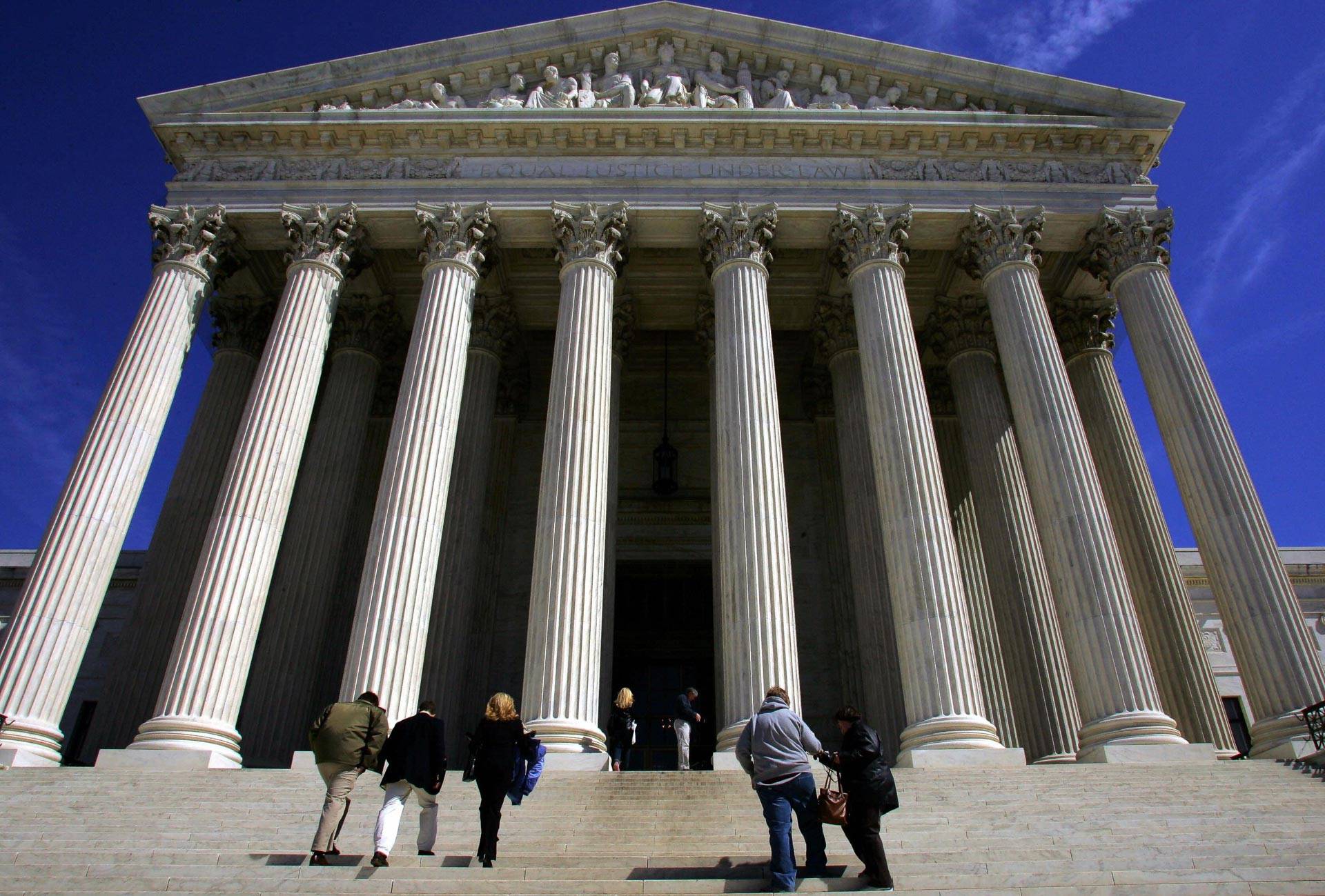
"caption": "The U.S. Supreme Court building in Washington, D.C.",
"description": "The U.S. Supreme Court building in Washington, D.C.",
"title": "SCOTUS",
"credit": "Paul J. Richards/AFP-Getty Images",
"status": "inherit",
"isLoading": false,
"fetchFailed": false
},
"news_10547237": {
"type": "attachments",
"id": "news_10547237",
"meta": {
"index": "attachments_1716263798",
"site": "news",
"id": "10547237",
"found": true
},
"parent": 10547231,
"imgSizes": {
"twentyfourteen-full-width": {
"file": "https://ww2.kqed.org/app/uploads/sites/10/2015/06/Supreme-Court-1038x576.jpg",
"width": 1038,
"mimeType": "image/jpeg",
"height": 576
},
"thumbnail": {
"file": "https://ww2.kqed.org/app/uploads/sites/10/2015/06/Supreme-Court-400x274.jpg",
"width": 400,
"mimeType": "image/jpeg",
"height": 274
},
"fd-sm": {
"file": "https://ww2.kqed.org/app/uploads/sites/10/2015/06/Supreme-Court-960x658.jpg",
"width": 960,
"mimeType": "image/jpeg",
"height": 658
},
"post-thumbnail": {
"file": "https://ww2.kqed.org/app/uploads/sites/10/2015/06/Supreme-Court-672x372.jpg",
"width": 672,
"mimeType": "image/jpeg",
"height": 372
},
"kqedFullSize": {
"file": "https://ww2.kqed.org/app/uploads/sites/10/2015/06/Supreme-Court-e1433185318554.jpg",
"width": 1920,
"height": 1316
},
"large": {
"file": "https://ww2.kqed.org/app/uploads/sites/10/2015/06/Supreme-Court-1440x987.jpg",
"width": 1440,
"mimeType": "image/jpeg",
"height": 987
},
"guest-author-96": {
"file": "https://ww2.kqed.org/app/uploads/sites/10/2015/06/Supreme-Court-96x96.jpg",
"width": 96,
"mimeType": "image/jpeg",
"height": 96
},
"medium": {
"file": "https://ww2.kqed.org/app/uploads/sites/10/2015/06/Supreme-Court-800x548.jpg",
"width": 800,
"mimeType": "image/jpeg",
"height": 548
},
"guest-author-64": {
"file": "https://ww2.kqed.org/app/uploads/sites/10/2015/06/Supreme-Court-64x64.jpg",
"width": 64,
"mimeType": "image/jpeg",
"height": 64
},
"guest-author-32": {
"file": "https://ww2.kqed.org/app/uploads/sites/10/2015/06/Supreme-Court-32x32.jpg",
"width": 32,
"mimeType": "image/jpeg",
"height": 32
},
"fd-med": {
"file": "https://ww2.kqed.org/app/uploads/sites/10/2015/06/Supreme-Court-1180x809.jpg",
"width": 1180,
"mimeType": "image/jpeg",
"height": 809
},
"detail": {
"file": "https://ww2.kqed.org/app/uploads/sites/10/2015/06/Supreme-Court-75x75.jpg",
"width": 75,
"mimeType": "image/jpeg",
"height": 75
},
"guest-author-128": {
"file": "https://ww2.kqed.org/app/uploads/sites/10/2015/06/Supreme-Court-128x128.jpg",
"width": 128,
"mimeType": "image/jpeg",
"height": 128
}
},
"publishDate": 1433185256,
"modified": 1466708914,
"caption": "U.S. Supreme Court",
"description": null,
"title": "Visitors an employees arrive at the US S",
"credit": "Paul J. Richards/AFP/Getty Images",
"status": "inherit",
"isLoading": false,
"fetchFailed": false
}
},
"audioPlayerReducer": {
"postId": "stream_live",
"isPaused": true,
"isPlaying": false,
"pfsActive": false,
"pledgeModalIsOpen": true,
"playerDrawerIsOpen": false,
"liveAudioPlayStartedAt": 0,
"liveAudioPlayContext": ""
},
"authorsReducer": {
"byline_news_11714321": {
"type": "authors",
"id": "byline_news_11714321",
"meta": {
"override": true
},
"slug": "byline_news_11714321",
"name": "Nina Totenberg",
"isLoading": false
},
"byline_news_11703500": {
"type": "authors",
"id": "byline_news_11703500",
"meta": {
"override": true
},
"slug": "byline_news_11703500",
"name": "Jacob Pinter",
"isLoading": false
},
"byline_news_11694256": {
"type": "authors",
"id": "byline_news_11694256",
"meta": {
"override": true
},
"slug": "byline_news_11694256",
"name": "\u003cstrong>Kelsey Snell\u003c/strong>",
"isLoading": false
},
"byline_news_11664591": {
"type": "authors",
"id": "byline_news_11664591",
"meta": {
"override": true
},
"slug": "byline_news_11664591",
"name": "Nina Totenberg",
"isLoading": false
},
"byline_news_11644860": {
"type": "authors",
"id": "byline_news_11644860",
"meta": {
"override": true
},
"slug": "byline_news_11644860",
"name": "\u003cstrong>Mark Sherman and Jessica Gresko\u003c/br> Associated Press\u003c/strong>",
"isLoading": false
},
"byline_news_11002436": {
"type": "authors",
"id": "byline_news_11002436",
"meta": {
"override": true
},
"slug": "byline_news_11002436",
"name": "\u003cstrong>\u003ca href=\"http://www.npr.org/people/127410674/carrie-johnson?ft=nprml&f=483714423\">Carrie Johnson\u003c/a>\u003cbr />NPR\u003c/strong>",
"isLoading": false
},
"byline_news_11002316": {
"type": "authors",
"id": "byline_news_11002316",
"meta": {
"override": true
},
"slug": "byline_news_11002316",
"name": "\u003cstrong>Mark Sherman\u003cbr />Associated Press\u003c/strong>",
"isLoading": false
},
"byline_news_10999010": {
"type": "authors",
"id": "byline_news_10999010",
"meta": {
"override": true
},
"slug": "byline_news_10999010",
"name": "\u003cstrong>Mark Sherman\u003cbr />Associated Press\u003c/strong>",
"isLoading": false
},
"kqed": {
"type": "authors",
"id": "236",
"meta": {
"index": "authors_1716337520",
"id": "236",
"found": true
},
"name": "KQED News Staff",
"firstName": "KQED News Staff",
"lastName": null,
"slug": "kqed",
"email": "faq@kqed.org",
"display_author_email": false,
"staff_mastheads": [],
"title": null,
"bio": null,
"avatar": "https://secure.gravatar.com/avatar/ef0e801a68c4c54afa9180db14084167?s=600&d=blank&r=g",
"twitter": null,
"facebook": null,
"instagram": null,
"linkedin": null,
"sites": [
{
"site": "arts",
"roles": [
"contributor"
]
},
{
"site": "news",
"roles": [
"editor"
]
},
{
"site": "futureofyou",
"roles": [
"author"
]
}
],
"headData": {
"title": "KQED News Staff | KQED",
"description": null,
"ogImgSrc": "https://secure.gravatar.com/avatar/ef0e801a68c4c54afa9180db14084167?s=600&d=blank&r=g",
"twImgSrc": "https://secure.gravatar.com/avatar/ef0e801a68c4c54afa9180db14084167?s=600&d=blank&r=g"
},
"isLoading": false,
"link": "/author/kqed"
},
"kqednewsstaffandwires": {
"type": "authors",
"id": "237",
"meta": {
"index": "authors_1716337520",
"id": "237",
"found": true
},
"name": "KQED News Staff and Wires",
"firstName": "KQED News Staff and Wires",
"lastName": null,
"slug": "kqednewsstaffandwires",
"email": "onlinenewsstaff@kqed.org",
"display_author_email": false,
"staff_mastheads": [],
"title": null,
"bio": null,
"avatar": "https://secure.gravatar.com/avatar/72295af8ebbfbd19a4948f5271285664?s=600&d=blank&r=g",
"twitter": null,
"facebook": null,
"instagram": null,
"linkedin": null,
"sites": [
{
"site": "arts",
"roles": [
"contributor"
]
},
{
"site": "news",
"roles": [
"contributor"
]
},
{
"site": "lowdown",
"roles": [
"author"
]
},
{
"site": "stateofhealth",
"roles": [
"contributor"
]
},
{
"site": "food",
"roles": [
"author"
]
}
],
"headData": {
"title": "KQED News Staff and Wires | KQED",
"description": null,
"ogImgSrc": "https://secure.gravatar.com/avatar/72295af8ebbfbd19a4948f5271285664?s=600&d=blank&r=g",
"twImgSrc": "https://secure.gravatar.com/avatar/72295af8ebbfbd19a4948f5271285664?s=600&d=blank&r=g"
},
"isLoading": false,
"link": "/author/kqednewsstaffandwires"
},
"jsepulvado": {
"type": "authors",
"id": "11298",
"meta": {
"index": "authors_1716337520",
"id": "11298",
"found": true
},
"name": "John Sepulvado",
"firstName": "John",
"lastName": "Sepulvado",
"slug": "jsepulvado",
"email": "jsepulvado@KQED.org",
"display_author_email": false,
"staff_mastheads": [],
"title": null,
"bio": "John Sepulvado is a former morning host of \u003cem>The California Report\u003c/em>. Prior to joining KQED in September 2016, John was the local host of NPR’s \u003cem>Weekend Edition\u003c/em> at Oregon Public Broadcasting (OPB). He has also served as a producer for America Public Media’s \u003cem>Marketplace Weekend\u003c/em> and worked as a national correspondent for CNN and as news director at WUSF in Tampa, Florida. John has earned prestigious RTDNA Murrow and PRNDI awards for investigative reporting, and helped CNN take home a Peabody Award for coverage of the 2010 Gulf oil spill. John attended Florida A&M in Tallahassee and is also a member of Phi Theta Kappa. He left KQED in 2019.",
"avatar": "https://secure.gravatar.com/avatar/b976d3c4cf11750a793b670e5acb7a1c?s=600&d=blank&r=g",
"twitter": null,
"facebook": null,
"instagram": null,
"linkedin": null,
"sites": [
{
"site": "news",
"roles": [
"author",
"edit_others_posts"
]
}
],
"headData": {
"title": "John Sepulvado | KQED",
"description": null,
"ogImgSrc": "https://secure.gravatar.com/avatar/b976d3c4cf11750a793b670e5acb7a1c?s=600&d=blank&r=g",
"twImgSrc": "https://secure.gravatar.com/avatar/b976d3c4cf11750a793b670e5acb7a1c?s=600&d=blank&r=g"
},
"isLoading": false,
"link": "/author/jsepulvado"
}
},
"pagesReducer": {
"news_tag_supreme-court": {
"type": "terms",
"id": "news_932",
"meta": {
"index": "terms_1716263798",
"site": "news",
"id": "932",
"score": 8.558821
},
"featImg": null,
"name": "supreme court",
"description": null,
"taxonomy": "tag",
"headData": {
"twImgId": null,
"twTitle": null,
"ogTitle": null,
"ogImgId": null,
"twDescription": null,
"description": null,
"title": "supreme court Archives | KQED News",
"ogDescription": null
},
"ttid": 942,
"slug": "supreme-court",
"isLoading": false,
"title": "supreme court",
"pageMeta": {
"site": "news",
"WpPageTemplate": "page-topic-editorial",
"currentPage": 6
},
"blocks": [
{
"blockName": "kqed/post-list",
"attrs": {
"layout": "cardArticle2",
"query": "posts/news?tag=supreme-court",
"seeMore": false,
"paginated": true,
"page": 6
}
},
{
"blockName": "kqed/ad"
}
]
}
},
"pfsSessionReducer": {},
"postsReducer": {
"stream_live": {
"type": "live",
"id": "stream_live",
"audioUrl": "https://streams.kqed.org/kqedradio",
"title": "Live Stream",
"excerpt": "Live Stream information currently unavailable.",
"link": "/radio",
"featImg": "",
"label": {
"name": "KQED Live",
"link": "/"
}
},
"stream_kqedNewscast": {
"type": "posts",
"id": "stream_kqedNewscast",
"audioUrl": "https://www.kqed.org/.stream/anon/radio/RDnews/newscast.mp3?_=1",
"title": "KQED Newscast",
"featImg": "",
"label": {
"name": "88.5 FM",
"link": "/"
}
},
"news_11714321": {
"type": "posts",
"id": "news_11714321",
"meta": {
"index": "posts_1716263798",
"site": "news",
"id": "11714321",
"score": null,
"sort": [
1545414234000
]
},
"parent": 0,
"labelTerm": {
"site": "news"
},
"blocks": [],
"publishDate": 1545414234,
"format": "standard",
"disqusTitle": "Justice Ruth Bader Ginsburg Undergoes Surgery for Lung Cancer",
"title": "Justice Ruth Bader Ginsburg Undergoes Surgery for Lung Cancer",
"headTitle": "KQED News",
"content": "\u003cp>Justice Ruth Bader Ginsburg underwent surgery Friday for early stage lung cancer, a Supreme Court spokesperson tells NPR. Doctors at Memorial Sloan Kettering hospital in New York performed a lobectomy, removing one the five lobes of the lung.\u003c/p>\n\u003cp>Short of complications in recovery, doctors say prospects look good for a full recovery for Ginsburg, 85. She hopes to be back on the court for the start of the new term in early January.\u003c/p>\n\u003cp>The cancer was discovered incidentally after Ginsburg fell, fracturing several ribs in November. In taking CT scans of her ribs, doctors noticed an abnormality in one lobe of the lung. Subsequent biopsies and other initial tests revealed two non-small cell cancerous lesions, with no lymph-node involvement detectable. \u003c/p>\n\u003cp>According to a press release from the Supreme Court:\u003c/p>\n\u003cblockquote>\n\u003cp>\"According to the thoracic surgeon Valerie Rusch, both nodules removed during surgery were found to be malignant on initial pathology evaluation. Post-surgery, there was no evidence of any remaining disease. Scans performed before surgery indicated no evidence of disease elsewhere in the body. Currently, no further treatment is planned. Justice Ginsburg is resting comfortably and is expected to remain in the hospital for a few days.\"\u003c/p>\n\u003c/blockquote>\n\u003cp>Dr. Douglas Mathisen, chairman of thoracic surgery at Massachusetts General Hospital, said that recovery from such an operation typically ranges from two to four days in the hospital, with the patient able to go home, do desk work and make calls, within a week. That assumes that the operation goes smoothly and that there are no complications. \u003c/p>\n\u003cp>[ad fullwidth]\u003c/p>\n\u003cp>Mathisen said that \"these days we are seeing more and more patients in their 70s and 80s make relatively quick recoveries, because we are detecting so many more lung cancers at early stages\" when treatment is far more effective and successful. \u003c/p>\n\u003cp>Removal of a lobe is considered \"the gold standard\" in treatment, and while it means a loss of 15 to 20 percent of the lung, it \"can recover,\" he said, with the other four lobes taking over some of the lost function.\u003c/p>\n\u003cp>Mathisen and other thoracic surgeons said Justice Ginsburg's prognosis ultimately will depend on the pathology findings, which will not be available until days after the surgery. If there is no lymph node involvement, surgeons contacted by NPR said the prognosis for being cancer-free at five years out is 80 percent. \u003c/p>\n\u003cp>Lymph-node involvement would drop those odds down to 50 to 55 percent, Mathisen said. Dr. Cameron Wright, also an Massachusetts General thoracic surgeon and Harvard Medical School professor of surgery, put the odds lower at 40 percent if there is lymph-node involvement. \u003c/p>\n\u003cp>Rusch, who performed the surgery at Sloan Kettering, is a world-renowned lung surgeon. The American College of Surgeons this year selected her for its highest honor, the Distinguished Service Award. Rusch uses a robot and video cameras to perform operations, such as the one on Justice Ginsburg.\u003c/p>\n\u003cp>This and other new methods of thoracic surgery are minimally invasive and use only small incisions. But serious complications from the surgery range from 5 to 10 percent, Dr. Wright said. And the mortality rate of the surgery is 1 in 100. \u003c/p>\n\u003cp>\u003cstrong>Third bout with cancer\u003c/strong>\u003c/p>\n\u003cp>This is Justice Ginsburg's third bout with cancer. In 1999, she was treated for colorectal cancer; in 2009, it was pancreatic cancer and, now, lung cancer. During her 25 years on the court, though, she has never missed a day of oral argument.\u003c/p>\n\u003cp>The next argument day is Jan. 7, and Mathisen said it is possible that she will be able to keep her record intact, but he warned that overdoing things can ultimately slow a patient down, meaning \"one step forward and five steps back.\"\u003c/p>\n\u003cp>News of Ginsburg's latest bout with cancer is yet another blow to the Supreme Court's liberals, now outnumbered 5-4 on the nation's highest court. \u003c/p>\n\u003cp>Ginsburg has become something of a feminist cultural icon and defies the image of the angry feminist. She is both decorous and determined and makes it a point not to \"waste energy\" on emotional reactions.\u003c/p>\n\u003cp>She has become the leading liberal voice on the Supreme Court, and even if she recovers fully from this latest bout with cancer, she likely will be \"playing hurt\" for a while. That is something she has done for years, powering through even the death of her beloved husband of 56 years in 2010. But she is 85, and there is no way of sugar-coating that fact — even though her mind remains sharp as a tack.\u003c/p>\n\u003cp>Indeed, last week, even as she was secretly undergoing a series of tests and consulting an array of doctors, she made multiple public appearances, and was interviewed in front of audiences three times, at one point reciting from memory the words of several arias from an opera about her famous friendship and legal dueling with the late conservative Justice Antonin Scalia. \u003c/p>\n\u003cp>Should Ginsburg's health falter further, President Trump could see a third opportunity to fill a seat on the Supreme Court. \u003c/p>\n\u003cp>This fall, after Justice Anthony Kennedy, a centrist conservative, announced his retirement, Trump picked conservative Brett Kavanaugh to replace Kennedy, and after two contentious sets of hearings, including one involving charges of sexual assault that Kavanaugh denied, he was confirmed on a close vote. \u003c/p>\n\u003cp>In early 2017, the GOP-controlled Senate changed the rules to allow a simple majority to confirm a Supreme Court Justice, which paved the way for President Trump's first pick to the court, conservative Neil Gorsuch. \u003c/p>\n\u003cp>\u003c/p>\n\u003cp>A year prior, Senate Majority Leader Mitch McConnell took the unprecedented step of blocking President Obama's nominee to the court, Merrick Garland, for nearly a year after conservative Justice Antonin Scalia died in February of 2016. \u003c/p>\n\u003cdiv class=\"fullattribution\">Copyright 2018 NPR. To see more, visit https://www.npr.org.\u003cimg src=\"https://www.google-analytics.com/__utm.gif?utmac=UA-5828686-4&utmdt=Justice+Ruth+Bader+Ginsburg+Undergoes+Surgery+For+Lung+Cancer&utme=8(APIKey)9(MDAxOTAwOTE4MDEyMTkxMDAzNjczZDljZA004)\">\u003c/div>\n\n",
"disqusIdentifier": "11714321 https://ww2.kqed.org/news/?p=11714321",
"disqusUrl": "https://ww2.kqed.org/news/2018/12/21/justice-ruth-bader-ginsburg-undergoes-surgery-for-lung-cancer/",
"stats": {
"hasVideo": false,
"hasChartOrMap": false,
"hasAudio": false,
"hasPolis": false,
"wordCount": 969,
"hasGoogleForm": false,
"hasGallery": false,
"hasHearkenModule": false,
"iframeSrcs": [],
"paragraphCount": 25
},
"modified": 1545414363,
"excerpt": "Short of complications in recovery, doctors say prospects look good for a full recovery for Ginsburg, 85. She hopes to be back on the court for the start of the new term in early January.",
"headData": {
"twImgId": "",
"twTitle": "",
"ogTitle": "",
"ogImgId": "",
"twDescription": "",
"description": "Short of complications in recovery, doctors say prospects look good for a full recovery for Ginsburg, 85. She hopes to be back on the court for the start of the new term in early January.",
"title": "Justice Ruth Bader Ginsburg Undergoes Surgery for Lung Cancer | KQED",
"ogDescription": "",
"schema": {
"@context": "https://schema.org",
"@type": "NewsArticle",
"headline": "Justice Ruth Bader Ginsburg Undergoes Surgery for Lung Cancer",
"datePublished": "2018-12-21T09:43:54-08:00",
"dateModified": "2018-12-21T09:46:03-08:00",
"image": "https://cdn.kqed.org/wp-content/uploads/2020/02/KQED-OG-Image@1x.png",
"isAccessibleForFree": "True",
"publisher": {
"@type": "NewsMediaOrganization",
"@id": "https://www.kqed.org/#organization",
"name": "KQED",
"logo": "https://cdn.kqed.org/wp-content/uploads/2020/02/KQED-OG-Image@1x.png",
"url": "https://www.kqed.org",
"sameAs": [
"https://www.facebook.com/KQED",
"https://twitter.com/KQED",
"https://www.instagram.com/kqed/",
"https://www.tiktok.com/@kqedofficial",
"https://www.linkedin.com/company/kqed",
"https://www.youtube.com/channel/UCeC0IOo7i1P_61zVUWbJ4nw"
]
}
}
},
"guestAuthors": [],
"slug": "justice-ruth-bader-ginsburg-undergoes-surgery-for-lung-cancer",
"status": "publish",
"sourceUrl": "NPR",
"nprApiLink": "http://api.npr.org/query?id=679065534&apiKey=MDAxOTAwOTE4MDEyMTkxMDAzNjczZDljZA004",
"nprByline": "Nina Totenberg",
"nprStoryDate": "Fri, 21 Dec 2018 12:22:38 -0500",
"nprLastModifiedDate": "Fri, 21 Dec 2018 12:36:24 -0500",
"nprHtmlLink": "https://www.npr.org/2018/12/21/679065534/justice-ruth-bader-ginsburg-undergoes-surgery-for-lung-cancer?ft=nprml&f=679065534",
"nprImageAgency": "Getty Images",
"nprImageCredit": "Alex Wong",
"nprStoryId": "679065534",
"nprRetrievedStory": "1",
"nprPubDate": "Fri, 21 Dec 2018 12:36:00 -0500",
"path": "/news/11714321/justice-ruth-bader-ginsburg-undergoes-surgery-for-lung-cancer",
"audioTrackLength": null,
"parsedContent": [
{
"type": "contentString",
"content": "\u003cdiv class=\"post-body\">\u003cp>\u003cp>Justice Ruth Bader Ginsburg underwent surgery Friday for early stage lung cancer, a Supreme Court spokesperson tells NPR. Doctors at Memorial Sloan Kettering hospital in New York performed a lobectomy, removing one the five lobes of the lung.\u003c/p>\n\u003cp>Short of complications in recovery, doctors say prospects look good for a full recovery for Ginsburg, 85. She hopes to be back on the court for the start of the new term in early January.\u003c/p>\n\u003cp>The cancer was discovered incidentally after Ginsburg fell, fracturing several ribs in November. In taking CT scans of her ribs, doctors noticed an abnormality in one lobe of the lung. Subsequent biopsies and other initial tests revealed two non-small cell cancerous lesions, with no lymph-node involvement detectable. \u003c/p>\n\u003cp>According to a press release from the Supreme Court:\u003c/p>\n\u003cblockquote>\n\u003cp>\"According to the thoracic surgeon Valerie Rusch, both nodules removed during surgery were found to be malignant on initial pathology evaluation. Post-surgery, there was no evidence of any remaining disease. Scans performed before surgery indicated no evidence of disease elsewhere in the body. Currently, no further treatment is planned. Justice Ginsburg is resting comfortably and is expected to remain in the hospital for a few days.\"\u003c/p>\n\u003c/blockquote>\n\u003cp>Dr. Douglas Mathisen, chairman of thoracic surgery at Massachusetts General Hospital, said that recovery from such an operation typically ranges from two to four days in the hospital, with the patient able to go home, do desk work and make calls, within a week. That assumes that the operation goes smoothly and that there are no complications. \u003c/p>\n\u003cp>\u003c/p>\u003c/div>",
"attributes": {
"named": {},
"numeric": []
}
},
{
"type": "component",
"content": "",
"name": "ad",
"attributes": {
"named": {
"label": "fullwidth"
},
"numeric": [
"fullwidth"
]
}
},
{
"type": "contentString",
"content": "\u003cdiv class=\"post-body\">\u003cp>\u003c/p>\n\u003cp>Mathisen said that \"these days we are seeing more and more patients in their 70s and 80s make relatively quick recoveries, because we are detecting so many more lung cancers at early stages\" when treatment is far more effective and successful. \u003c/p>\n\u003cp>Removal of a lobe is considered \"the gold standard\" in treatment, and while it means a loss of 15 to 20 percent of the lung, it \"can recover,\" he said, with the other four lobes taking over some of the lost function.\u003c/p>\n\u003cp>Mathisen and other thoracic surgeons said Justice Ginsburg's prognosis ultimately will depend on the pathology findings, which will not be available until days after the surgery. If there is no lymph node involvement, surgeons contacted by NPR said the prognosis for being cancer-free at five years out is 80 percent. \u003c/p>\n\u003cp>Lymph-node involvement would drop those odds down to 50 to 55 percent, Mathisen said. Dr. Cameron Wright, also an Massachusetts General thoracic surgeon and Harvard Medical School professor of surgery, put the odds lower at 40 percent if there is lymph-node involvement. \u003c/p>\n\u003cp>Rusch, who performed the surgery at Sloan Kettering, is a world-renowned lung surgeon. The American College of Surgeons this year selected her for its highest honor, the Distinguished Service Award. Rusch uses a robot and video cameras to perform operations, such as the one on Justice Ginsburg.\u003c/p>\n\u003cp>This and other new methods of thoracic surgery are minimally invasive and use only small incisions. But serious complications from the surgery range from 5 to 10 percent, Dr. Wright said. And the mortality rate of the surgery is 1 in 100. \u003c/p>\n\u003cp>\u003cstrong>Third bout with cancer\u003c/strong>\u003c/p>\n\u003cp>This is Justice Ginsburg's third bout with cancer. In 1999, she was treated for colorectal cancer; in 2009, it was pancreatic cancer and, now, lung cancer. During her 25 years on the court, though, she has never missed a day of oral argument.\u003c/p>\n\u003cp>The next argument day is Jan. 7, and Mathisen said it is possible that she will be able to keep her record intact, but he warned that overdoing things can ultimately slow a patient down, meaning \"one step forward and five steps back.\"\u003c/p>\n\u003cp>News of Ginsburg's latest bout with cancer is yet another blow to the Supreme Court's liberals, now outnumbered 5-4 on the nation's highest court. \u003c/p>\n\u003cp>Ginsburg has become something of a feminist cultural icon and defies the image of the angry feminist. She is both decorous and determined and makes it a point not to \"waste energy\" on emotional reactions.\u003c/p>\n\u003cp>She has become the leading liberal voice on the Supreme Court, and even if she recovers fully from this latest bout with cancer, she likely will be \"playing hurt\" for a while. That is something she has done for years, powering through even the death of her beloved husband of 56 years in 2010. But she is 85, and there is no way of sugar-coating that fact — even though her mind remains sharp as a tack.\u003c/p>\n\u003cp>Indeed, last week, even as she was secretly undergoing a series of tests and consulting an array of doctors, she made multiple public appearances, and was interviewed in front of audiences three times, at one point reciting from memory the words of several arias from an opera about her famous friendship and legal dueling with the late conservative Justice Antonin Scalia. \u003c/p>\n\u003cp>Should Ginsburg's health falter further, President Trump could see a third opportunity to fill a seat on the Supreme Court. \u003c/p>\n\u003cp>This fall, after Justice Anthony Kennedy, a centrist conservative, announced his retirement, Trump picked conservative Brett Kavanaugh to replace Kennedy, and after two contentious sets of hearings, including one involving charges of sexual assault that Kavanaugh denied, he was confirmed on a close vote. \u003c/p>\n\u003cp>In early 2017, the GOP-controlled Senate changed the rules to allow a simple majority to confirm a Supreme Court Justice, which paved the way for President Trump's first pick to the court, conservative Neil Gorsuch. \u003c/p>\n\u003cp>\u003c/p>\n\u003cp>A year prior, Senate Majority Leader Mitch McConnell took the unprecedented step of blocking President Obama's nominee to the court, Merrick Garland, for nearly a year after conservative Justice Antonin Scalia died in February of 2016. \u003c/p>\n\u003cdiv class=\"fullattribution\">Copyright 2018 NPR. To see more, visit https://www.npr.org.\u003cimg src=\"https://www.google-analytics.com/__utm.gif?utmac=UA-5828686-4&utmdt=Justice+Ruth+Bader+Ginsburg+Undergoes+Surgery+For+Lung+Cancer&utme=8(APIKey)9(MDAxOTAwOTE4MDEyMTkxMDAzNjczZDljZA004)\">\u003c/div>\n\n\u003c/div>\u003c/p>",
"attributes": {
"named": {},
"numeric": []
}
}
],
"link": "/news/11714321/justice-ruth-bader-ginsburg-undergoes-surgery-for-lung-cancer",
"authors": [
"byline_news_11714321"
],
"categories": [
"news_6188",
"news_8"
],
"tags": [
"news_19542",
"news_22467",
"news_932"
],
"featImg": "news_11714322",
"label": "news"
},
"news_11703500": {
"type": "posts",
"id": "news_11703500",
"meta": {
"index": "posts_1716263798",
"site": "news",
"id": "11703500",
"score": null,
"sort": [
1541273658000
]
},
"guestAuthors": [],
"slug": "young-activists-can-sue-government-over-climate-change-supreme-court-says",
"title": "Young Activists Can Sue Government Over Climate Change, Supreme Court Says",
"publishDate": 1541273658,
"format": "standard",
"headTitle": "Young Activists Can Sue Government Over Climate Change, Supreme Court Says | KQED",
"labelTerm": {},
"content": "\u003cp>A group of young people can sue the federal government over its climate change policies, \u003ca href=\"https://www.supremecourt.gov/orders/courtorders/110218zr2_8ok0.pdf\" rel=\"noopener\" target=\"_blank\">the Supreme Court said Friday\u003c/a>. Since it was first filed in 2015, the government has requested several times that \u003cem>Juliana v. United States\u003c/em> be dismissed. \u003c/p>\n\u003cp>“I want to trust that we are truly on track for trial without having further delays,” \u003ca href=\"https://twitter.com/youthvgov/status/1058522079912488960\" rel=\"noopener\" target=\"_blank\">Kelsey Juliana, a 22-year-old plaintiff, said in a statement\u003c/a>, “but these defendants are treating this case, our democracy, and the security of mine and future generations like it’s a game. I’m tired of playing this game.”\u003c/p>\n\u003cp>The Department of Justice did not respond to NPR’s request for comment.\u003c/p>\n\u003cp>\u003ca href=\"https://static1.squarespace.com/static/571d109b04426270152febe0/t/57a35ac5ebbd1ac03847eece/1470323398409/YouthAmendedComplaintAgainstUS.pdf\" rel=\"noopener\" target=\"_blank\">The lawsuit\u003c/a> — brought by 21 plaintiffs, many of whom are minors, in U.S. district court in Eugene, Ore. — claims the federal government encouraged the production of oil, gas and other fossil fuels, causing the planet to warm and infringing on several of the plaintiffs’ fundamental rights. It lists examples that the government knew the Earth was warming as early as 1965, and it requests a court order for the government to decrease carbon dioxide emissions, as well as creating a national plan to “restore Earth’s energy balance” and “stabilize the climate system.”\u003c/p>\n\u003cp>“The breadth of respondents’ claims is striking,” the Supreme Court \u003ca href=\"https://www.supremecourt.gov/orders/courtorders/073018zr_8mjp.pdf\" rel=\"noopener\" target=\"_blank\">had said in an earlier court order\u003c/a>. But it said the claims should not be dismissed before going to trial.\u003c/p>\n\u003cp>[ad fullwidth]\u003c/p>\n\u003cp>Leigh-Ann Draheim, whose son Levi, 11, is the youngest plaintiff, said the case was based in part on the \u003ca href=\"https://www.law.cornell.edu/wex/public_trust_doctrine\" rel=\"noopener\" target=\"_blank\">public trust doctrine\u003c/a>.\u003c/p>\n\u003cp>“People have the right to running water, clean water,” and clean air, Draheim told NPR. “And then there’s also the amendment with life, liberty and the pursuit of happiness. One’s life is at risk with health and with having to leave our home.”\u003c/p>\n\u003cp>The trial had previously been scheduled to start Oct. 29. The group Our Children’s Trust, which has provided support for the plaintiffs, said it had requested a status conference to set a new trial date.\u003c/p>\n\u003cp>It now could start as early as mid-November, Draheim said.\u003c/p>\n\u003cp>“I loved the environment and I love to be outside,” Levi, the plaintiff, said. “And when I realized there was such a thing called climate change, I realized that I need to do something about it.”\u003c/p>\n\u003cp>\u003ca href=\"https://twitter.com/KLCCRachael/status/1057046897750237184\" rel=\"noopener\" target=\"_blank\">At a rally in Eugene Monday\u003c/a> — the day the trial had been scheduled to start — Levi explained why climate change in particular had struck a chord.\u003c/p>\n\u003cp>“I have personally had to evacuate my home because of hurricanes,” he said, \u003ca href=\"http://www.klcc.org/post/climate-kids-rally-trial-eugene-federal-courthouse\" rel=\"noopener\" target=\"_blank\">according to Rachael McDonald of member station KLCC\u003c/a>. “I’ve seen fish kills on my beach and I have seen changing weather and more and more hot days.”\u003c/p>\n\u003cp>Levi — who was 8 when the lawsuit was first filed — and his mother have been involved in local environmental activism in their home of Satellite Beach, Fla., she said.\u003c/p>\n\u003cp>\u003c/p>\n\u003cp>“A lot of people say, why don’t you just recycle or ride your bike more, and he does all that,” Draheim said. “It’s not working, it’s not good enough to just get individuals to do individual small things. We need to as a country do much bigger things.” \u003c/p>\n\u003cdiv class=\"fullattribution\">Copyright 2018 NPR. To see more, visit http://www.npr.org/.\u003cimg decoding=\"async\" src=\"https://www.google-analytics.com/__utm.gif?utmac=UA-5828686-4&utmdt=Young+Activists+Can+Sue+Government+Over+Climate+Change%2C+Supreme+Court+Says&utme=8(APIKey)9(MDAxOTAwOTE4MDEyMTkxMDAzNjczZDljZA004)\">\u003c/div>\n\n",
"blocks": [],
"excerpt": "The 21 plaintiffs, many of whom are minors, say government policies infringe on their rights. \"We need to as a country, do much bigger things,\" Leigh-Ann Draheim, the mother of one plaintiff said.",
"status": "publish",
"parent": 0,
"modified": 1726001353,
"stats": {
"hasAudio": false,
"hasVideo": false,
"hasChartOrMap": false,
"iframeSrcs": [],
"hasGoogleForm": false,
"hasGallery": false,
"hasHearkenModule": false,
"hasPolis": false,
"paragraphCount": 16,
"wordCount": 589
},
"headData": {
"title": "Young Activists Can Sue Government Over Climate Change, Supreme Court Says | KQED",
"description": "The 21 plaintiffs, many of whom are minors, say government policies infringe on their rights. "We need to as a country, do much bigger things," Leigh-Ann Draheim, the mother of one plaintiff said.",
"ogTitle": "",
"ogDescription": "",
"ogImgId": "",
"twTitle": "",
"twDescription": "",
"twImgId": "",
"schema": {
"@context": "https://schema.org",
"@type": "NewsArticle",
"headline": "Young Activists Can Sue Government Over Climate Change, Supreme Court Says",
"datePublished": "2018-11-03T12:34:18-07:00",
"dateModified": "2024-09-10T13:49:13-07:00",
"image": "https://cdn.kqed.org/wp-content/uploads/2020/02/KQED-OG-Image@1x.png",
"isAccessibleForFree": "True",
"publisher": {
"@type": "NewsMediaOrganization",
"@id": "https://www.kqed.org/#organization",
"name": "KQED",
"logo": "https://cdn.kqed.org/wp-content/uploads/2020/02/KQED-OG-Image@1x.png",
"url": "https://www.kqed.org",
"sameAs": [
"https://www.facebook.com/KQED",
"https://twitter.com/KQED",
"https://www.instagram.com/kqed/",
"https://www.tiktok.com/@kqedofficial",
"https://www.linkedin.com/company/kqed",
"https://www.youtube.com/channel/UCeC0IOo7i1P_61zVUWbJ4nw"
]
}
}
},
"source": "NPR",
"sourceUrl": "https://www.npr.org/",
"sticky": false,
"nprImageCredit": "Elaine Thompson",
"nprByline": "Jacob Pinter",
"nprImageAgency": "AP",
"nprStoryId": "663887560",
"nprApiLink": "http://api.npr.org/query?id=663887560&apiKey=MDAxOTAwOTE4MDEyMTkxMDAzNjczZDljZA004",
"nprHtmlLink": "https://www.npr.org/2018/11/03/663887560/young-activists-can-sue-government-over-climate-change-supreme-court-says?ft=nprml&f=663887560",
"nprRetrievedStory": "1",
"nprPubDate": "Sat, 03 Nov 2018 14:15:00 -0400",
"nprStoryDate": "Sat, 03 Nov 2018 14:12:27 -0400",
"nprLastModifiedDate": "Sat, 03 Nov 2018 14:15:47 -0400",
"path": "/news/11703500/young-activists-can-sue-government-over-climate-change-supreme-court-says",
"audioTrackLength": null,
"parsedContent": [
{
"type": "contentString",
"content": "\u003cdiv class=\"post-body\">\u003cp>\u003cp>A group of young people can sue the federal government over its climate change policies, \u003ca href=\"https://www.supremecourt.gov/orders/courtorders/110218zr2_8ok0.pdf\" rel=\"noopener\" target=\"_blank\">the Supreme Court said Friday\u003c/a>. Since it was first filed in 2015, the government has requested several times that \u003cem>Juliana v. United States\u003c/em> be dismissed. \u003c/p>\n\u003cp>“I want to trust that we are truly on track for trial without having further delays,” \u003ca href=\"https://twitter.com/youthvgov/status/1058522079912488960\" rel=\"noopener\" target=\"_blank\">Kelsey Juliana, a 22-year-old plaintiff, said in a statement\u003c/a>, “but these defendants are treating this case, our democracy, and the security of mine and future generations like it’s a game. I’m tired of playing this game.”\u003c/p>\n\u003cp>The Department of Justice did not respond to NPR’s request for comment.\u003c/p>\n\u003cp>\u003ca href=\"https://static1.squarespace.com/static/571d109b04426270152febe0/t/57a35ac5ebbd1ac03847eece/1470323398409/YouthAmendedComplaintAgainstUS.pdf\" rel=\"noopener\" target=\"_blank\">The lawsuit\u003c/a> — brought by 21 plaintiffs, many of whom are minors, in U.S. district court in Eugene, Ore. — claims the federal government encouraged the production of oil, gas and other fossil fuels, causing the planet to warm and infringing on several of the plaintiffs’ fundamental rights. It lists examples that the government knew the Earth was warming as early as 1965, and it requests a court order for the government to decrease carbon dioxide emissions, as well as creating a national plan to “restore Earth’s energy balance” and “stabilize the climate system.”\u003c/p>\n\u003cp>“The breadth of respondents’ claims is striking,” the Supreme Court \u003ca href=\"https://www.supremecourt.gov/orders/courtorders/073018zr_8mjp.pdf\" rel=\"noopener\" target=\"_blank\">had said in an earlier court order\u003c/a>. But it said the claims should not be dismissed before going to trial.\u003c/p>\n\u003cp>\u003c/p>\u003c/div>",
"attributes": {
"named": {},
"numeric": []
}
},
{
"type": "component",
"content": "",
"name": "ad",
"attributes": {
"named": {
"label": "fullwidth"
},
"numeric": [
"fullwidth"
]
}
},
{
"type": "contentString",
"content": "\u003cdiv class=\"post-body\">\u003cp>\u003c/p>\n\u003cp>Leigh-Ann Draheim, whose son Levi, 11, is the youngest plaintiff, said the case was based in part on the \u003ca href=\"https://www.law.cornell.edu/wex/public_trust_doctrine\" rel=\"noopener\" target=\"_blank\">public trust doctrine\u003c/a>.\u003c/p>\n\u003cp>“People have the right to running water, clean water,” and clean air, Draheim told NPR. “And then there’s also the amendment with life, liberty and the pursuit of happiness. One’s life is at risk with health and with having to leave our home.”\u003c/p>\n\u003cp>The trial had previously been scheduled to start Oct. 29. The group Our Children’s Trust, which has provided support for the plaintiffs, said it had requested a status conference to set a new trial date.\u003c/p>\n\u003cp>It now could start as early as mid-November, Draheim said.\u003c/p>\n\u003cp>“I loved the environment and I love to be outside,” Levi, the plaintiff, said. “And when I realized there was such a thing called climate change, I realized that I need to do something about it.”\u003c/p>\n\u003cp>\u003ca href=\"https://twitter.com/KLCCRachael/status/1057046897750237184\" rel=\"noopener\" target=\"_blank\">At a rally in Eugene Monday\u003c/a> — the day the trial had been scheduled to start — Levi explained why climate change in particular had struck a chord.\u003c/p>\n\u003cp>“I have personally had to evacuate my home because of hurricanes,” he said, \u003ca href=\"http://www.klcc.org/post/climate-kids-rally-trial-eugene-federal-courthouse\" rel=\"noopener\" target=\"_blank\">according to Rachael McDonald of member station KLCC\u003c/a>. “I’ve seen fish kills on my beach and I have seen changing weather and more and more hot days.”\u003c/p>\n\u003cp>Levi — who was 8 when the lawsuit was first filed — and his mother have been involved in local environmental activism in their home of Satellite Beach, Fla., she said.\u003c/p>\n\u003cp>\u003c/p>\n\u003cp>“A lot of people say, why don’t you just recycle or ride your bike more, and he does all that,” Draheim said. “It’s not working, it’s not good enough to just get individuals to do individual small things. We need to as a country do much bigger things.” \u003c/p>\n\u003cdiv class=\"fullattribution\">Copyright 2018 NPR. To see more, visit http://www.npr.org/.\u003cimg decoding=\"async\" src=\"https://www.google-analytics.com/__utm.gif?utmac=UA-5828686-4&utmdt=Young+Activists+Can+Sue+Government+Over+Climate+Change%2C+Supreme+Court+Says&utme=8(APIKey)9(MDAxOTAwOTE4MDEyMTkxMDAzNjczZDljZA004)\">\u003c/div>\n\n\u003c/div>\u003c/p>",
"attributes": {
"named": {},
"numeric": []
}
}
],
"link": "/news/11703500/young-activists-can-sue-government-over-climate-change-supreme-court-says",
"authors": [
"byline_news_11703500"
],
"categories": [
"news_34165",
"news_19906",
"news_6188",
"news_8",
"news_356"
],
"tags": [
"news_255",
"news_932"
],
"featImg": "news_11703501",
"label": "source_news_11703500"
},
"news_11694256": {
"type": "posts",
"id": "news_11694256",
"meta": {
"index": "posts_1716263798",
"site": "news",
"id": "11694256",
"score": null,
"sort": [
1537739260000
]
},
"parent": 0,
"labelTerm": {},
"blocks": [],
"publishDate": 1537739260,
"format": "standard",
"disqusTitle": "Kavanaugh Accuser Christine Blasey Ford to Testify Thursday",
"title": "Kavanaugh Accuser Christine Blasey Ford to Testify Thursday",
"headTitle": "The California Report | KQED News",
"content": "\u003cp>Christine Blasey Ford, who has accused Supreme Court nominee Brett Kavanaugh of sexually assaulting her more than 30 years ago, will testify Thursday before the Senate Judiciary Committee.\u003c/p>\n\u003cp>Attorneys for Ford reached an agreement with committee staff on Sunday after days of negotiations over the conditions and details of her appearance. The terms of their agreement provide that Kavanaugh will also appear before the committee, but he will not be in the room while Ford is speaking or being questioned.\u003c/p>\n\u003cp>Ford alleges that Kavanaugh attacked her at a high school party in the 1980s when they were teenagers. She says Kavanaugh was drunk at the time and forced her onto a bed and groped her before she was able to get away. Kavanaugh strongly denies the allegations and has said he is eager to speak to the committee.\u003c/p>\n\u003cp>The two sides finalized the date and time of the hearing over email. Ford's attorneys say they are still negotiating \"a number of important procedural and logistical issues.\" The lengthy talks were hampered by a disagreement over who will question Ford at the hearing, according to an email exchange obtained by NPR.\u003c/p>\n\u003cp>Republican committee staff told Ford's attorneys that they would be unwilling to accept what they characterized as a \"demand\" that only senators be permitted to ask questions of the witnesses.\u003c/p>\n\u003cp>[ad fullwidth]\u003c/p>\n\u003cp>The staff wrote in one email that Grassley asked them to convey that \"the Committee determines which witnesses to call, how many witnesses to call, in what order to call them, and who will question them. These are non-negotiable.\"\u003c/p>\n\u003cp>Committee staff has agreed to several additional requests from Ford and her attorneys. They agreed to limit press access to the hearing, including allowing only one television camera in the hearing room. The two sides agreed to give equal time to all senators who wish to question Ford and to allow \"adequate breaks\" during the hearing.\u003c/p>\n\u003cp>\u003c/p>\n\u003cp>They also agreed to increased security for Ford and Kavanaugh. Both have received death threats that have grown more intense over time.\u003c/p>\n\u003cdiv class=\"fullattribution\">Copyright 2018 NPR. To see more, visit http://www.npr.org/.\u003cimg src=\"https://www.google-analytics.com/__utm.gif?utmac=UA-5828686-4&utmdt=Kavanaugh+Accuser+Christine+Blasey+Ford+To+Testify+Thursday&utme=8(APIKey)9(MDAxOTAwOTE4MDEyMTkxMDAzNjczZDljZA004)\">\u003c/div>\n\n",
"disqusIdentifier": "11694256 https://ww2.kqed.org/news/?p=11694256",
"disqusUrl": "https://ww2.kqed.org/news/2018/09/23/kavanaugh-accuser-christine-blasey-ford-to-testify-thursday/",
"stats": {
"hasVideo": false,
"hasChartOrMap": false,
"hasAudio": false,
"hasPolis": false,
"wordCount": 353,
"hasGoogleForm": false,
"hasGallery": false,
"hasHearkenModule": false,
"iframeSrcs": [],
"paragraphCount": 10
},
"modified": 1537831475,
"excerpt": "Attorneys for Ford reached an agreement with committee staff on Sunday after days of negotiations over the conditions and details of her appearance.",
"headData": {
"twImgId": "",
"twTitle": "",
"ogTitle": "",
"ogImgId": "",
"twDescription": "",
"description": "Attorneys for Ford reached an agreement with committee staff on Sunday after days of negotiations over the conditions and details of her appearance.",
"title": "Kavanaugh Accuser Christine Blasey Ford to Testify Thursday | KQED",
"ogDescription": "",
"schema": {
"@context": "https://schema.org",
"@type": "NewsArticle",
"headline": "Kavanaugh Accuser Christine Blasey Ford to Testify Thursday",
"datePublished": "2018-09-23T14:47:40-07:00",
"dateModified": "2018-09-24T16:24:35-07:00",
"image": "https://cdn.kqed.org/wp-content/uploads/2020/02/KQED-OG-Image@1x.png",
"isAccessibleForFree": "True",
"publisher": {
"@type": "NewsMediaOrganization",
"@id": "https://www.kqed.org/#organization",
"name": "KQED",
"logo": "https://cdn.kqed.org/wp-content/uploads/2020/02/KQED-OG-Image@1x.png",
"url": "https://www.kqed.org",
"sameAs": [
"https://www.facebook.com/KQED",
"https://twitter.com/KQED",
"https://www.instagram.com/kqed/",
"https://www.tiktok.com/@kqedofficial",
"https://www.linkedin.com/company/kqed",
"https://www.youtube.com/channel/UCeC0IOo7i1P_61zVUWbJ4nw"
]
}
}
},
"guestAuthors": [],
"slug": "kavanaugh-accuser-christine-blasey-ford-to-testify-thursday",
"status": "publish",
"sourceUrl": "http://www.npr.org/",
"nprApiLink": "http://api.npr.org/query?id=650916906&apiKey=MDAxOTAwOTE4MDEyMTkxMDAzNjczZDljZA004",
"nprByline": "\u003cstrong>Kelsey Snell\u003c/strong>",
"nprStoryDate": "Sun, 23 Sep 2018 14:35:49 -0400",
"nprLastModifiedDate": "Sun, 23 Sep 2018 15:59:16 -0400",
"nprHtmlLink": "https://www.npr.org/2018/09/23/650916906/kavanaugh-accuser-christine-blasey-ford-to-testify-thursday?ft=nprml&f=650916906",
"nprImageAgency": "AFP/Getty Images",
"nprImageCredit": "Brendan Smialowski ",
"source": "NPR",
"nprStoryId": "650916906",
"nprRetrievedStory": "1",
"nprPubDate": "Sun, 23 Sep 2018 15:59:00 -0400",
"path": "/news/11694256/kavanaugh-accuser-christine-blasey-ford-to-testify-thursday",
"audioTrackLength": null,
"parsedContent": [
{
"type": "contentString",
"content": "\u003cdiv class=\"post-body\">\u003cp>\u003cp>Christine Blasey Ford, who has accused Supreme Court nominee Brett Kavanaugh of sexually assaulting her more than 30 years ago, will testify Thursday before the Senate Judiciary Committee.\u003c/p>\n\u003cp>Attorneys for Ford reached an agreement with committee staff on Sunday after days of negotiations over the conditions and details of her appearance. The terms of their agreement provide that Kavanaugh will also appear before the committee, but he will not be in the room while Ford is speaking or being questioned.\u003c/p>\n\u003cp>Ford alleges that Kavanaugh attacked her at a high school party in the 1980s when they were teenagers. She says Kavanaugh was drunk at the time and forced her onto a bed and groped her before she was able to get away. Kavanaugh strongly denies the allegations and has said he is eager to speak to the committee.\u003c/p>\n\u003cp>The two sides finalized the date and time of the hearing over email. Ford's attorneys say they are still negotiating \"a number of important procedural and logistical issues.\" The lengthy talks were hampered by a disagreement over who will question Ford at the hearing, according to an email exchange obtained by NPR.\u003c/p>\n\u003cp>Republican committee staff told Ford's attorneys that they would be unwilling to accept what they characterized as a \"demand\" that only senators be permitted to ask questions of the witnesses.\u003c/p>\n\u003cp>\u003c/p>\u003c/div>",
"attributes": {
"named": {},
"numeric": []
}
},
{
"type": "component",
"content": "",
"name": "ad",
"attributes": {
"named": {
"label": "fullwidth"
},
"numeric": [
"fullwidth"
]
}
},
{
"type": "contentString",
"content": "\u003cdiv class=\"post-body\">\u003cp>\u003c/p>\n\u003cp>The staff wrote in one email that Grassley asked them to convey that \"the Committee determines which witnesses to call, how many witnesses to call, in what order to call them, and who will question them. These are non-negotiable.\"\u003c/p>\n\u003cp>Committee staff has agreed to several additional requests from Ford and her attorneys. They agreed to limit press access to the hearing, including allowing only one television camera in the hearing room. The two sides agreed to give equal time to all senators who wish to question Ford and to allow \"adequate breaks\" during the hearing.\u003c/p>\n\u003cp>\u003c/p>\n\u003cp>They also agreed to increased security for Ford and Kavanaugh. Both have received death threats that have grown more intense over time.\u003c/p>\n\u003cdiv class=\"fullattribution\">Copyright 2018 NPR. To see more, visit http://www.npr.org/.\u003cimg src=\"https://www.google-analytics.com/__utm.gif?utmac=UA-5828686-4&utmdt=Kavanaugh+Accuser+Christine+Blasey+Ford+To+Testify+Thursday&utme=8(APIKey)9(MDAxOTAwOTE4MDEyMTkxMDAzNjczZDljZA004)\">\u003c/div>\n\n\u003c/div>\u003c/p>",
"attributes": {
"named": {},
"numeric": []
}
}
],
"link": "/news/11694256/kavanaugh-accuser-christine-blasey-ford-to-testify-thursday",
"authors": [
"byline_news_11694256"
],
"programs": [
"news_72"
],
"categories": [
"news_6188",
"news_8",
"news_13"
],
"tags": [
"news_23686",
"news_24150",
"news_932"
],
"featImg": "news_11694257",
"label": "source_news_11694256"
},
"news_11692960": {
"type": "posts",
"id": "news_11692960",
"meta": {
"index": "posts_1716263798",
"site": "news",
"id": "11692960",
"score": null,
"sort": [
1537215265000
]
},
"parent": 0,
"labelTerm": {
"site": "news",
"term": 72
},
"blocks": [],
"publishDate": 1537215265,
"format": "audio",
"disqusTitle": "Rep. Eshoo: Kavanaugh Accuser's Decision to Go Public a 'Tremendous Act of Courage'",
"title": "Rep. Eshoo: Kavanaugh Accuser's Decision to Go Public a 'Tremendous Act of Courage'",
"headTitle": "The California Report | KQED News",
"content": "\u003cp>The congresswoman first contacted by a \u003ca href=\"https://www.npr.org/2018/09/17/648803684/who-is-christine-blasey-ford-the-woman-accusing-brett-kavanaugh-of-sexual-assaul\" target=\"_blank\" rel=\"noopener\">Bay Area professor\u003c/a> about \u003ca href=\"https://www.kqed.org/news/11692955/kavanaugh-accuser-willing-to-testify-if-asked\" target=\"_blank\" rel=\"noopener\">accusations that Supreme Court nominee Brett Kavanaugh sexually assaulted her\u003c/a> is calling her constituent's decision to go public a tremendous act of courage.\u003c/p>\n\u003cp>Democratic Rep. Anna Eshoo of Palo Alto said on \u003ca href=\"https://www.kqed.org/forum/2010101867267/monday-morning-political-round-table\" target=\"_blank\" rel=\"noopener\">KQED's Forum\u003c/a> she met at length with Christine Blasey Ford privately in July. Eshoo spoke of Ford's decision to go public with the accusations against Kavanaugh.\u003c/p>\n\u003cp>Ford has alleged that Kavanaugh assaulted her at a party in the early 1980s when they were both students in high school. Kavanaugh, who was at the White House on Monday, vehemently denied Ford's account.\u003c/p>\n\u003cp>Senate Judiciary Committee Democrats on Monday, led by California Sen. Dianne Feinstein, called for Kavanaugh's confirmation vote scheduled for this week to be delayed.\u003c/p>\n\u003cp>\u003cem>The following interview between Eshoo and Forum host Michael Krasny has been edited for clarity.\u003c/em>\u003c/p>\n\u003cp>\u003cstrong>Michael Krasny\u003c/strong>: When you received this letter, and she is in your district, what was your first response? And you were told by her that she wanted it to be confidential and she certainly wanted to be anonymous, right?\u003c/p>\n\u003cp>\u003cstrong>Rep. Anna Eshoo\u003c/strong>: Well, Dr. Ford is my constituent. She contacted my office. We certainly followed up with her, and I met with her for an extended period of time in July. I thought that it was important to listen very well to her story, which she wanted to share with me, and she did. And it was also important for me to emphasize to her that she tell me what she wished me to do with it, or that she was simply confiding in me and wanted to know the story of what had taken place earlier in her life. Privacy is so essential for individuals that have undergone or been subjected to any kind of sexual assault. And so she was the one that made the decision that she wanted this to move in a pathway that she thought would be helpful. And so I contacted Sen. Feinstein because ... Dr. Ford is her constituent as well. And Sen. Feinstein is also, as you know, the ranking member of the Senate Judiciary Committee. And so she wrote a letter. We made sure that it was hand delivered to Sen. Feinstein's office, and then it was in Sen. Feinstein's hands.\u003c/p>\n\u003cp>\u003cstrong>Krasny\u003c/strong>: At this point we're talking about allegations that happened a long time ago. Let me ask you just bluntly, did you find her completely credible?\u003c/p>\n\u003cp>\u003cstrong>Eshoo\u003c/strong>: I did. I did. She told her story very carefully. It was more than obvious to me that this had really had an impact on her life, and that's why I think that it is a tremendous act of courage that she would decide to go public with this. She understood all along that there would be consequences if she did go public. It would upend her privacy, the privacy of her family, and she was obviously willing to risk these factors to present the truth.\u003c/p>\n\u003cp>\u003cstrong>Krasny\u003c/strong>: Part of the Republican narrative is that she is a Democrat and has given money to Democratic candidates, perhaps even to you or Sen. Feinstein, and I don't know, but at least that's on the record, and I wonder what you say to that kind of narrative, that this is partisan or that it has partisan qualities to it.\u003c/p>\n\u003cp>\u003cstrong>Eshoo\u003c/strong>: Well, I've never met this constituent before. But what I would say about that is that sexual assault ... it's not Republican and it's not Democrat. This is so offensive. It damages the individual emotionally. There's tremendous fear that surrounds going public with it. We certainly kept all privacy and confidentiality around the case, but she was the one that made the choice. And she spoke about her, I know publicly, that her role as citizen in weighing the risks of coming out publicly were very important to her because this is one of the most consequential decisions that is made in our country — an appointment to the Supreme Court. I have no doubt that sexual assault victims carry a lifetime of damage I would say, emotionally. But this is also a lifetime appointment to the Supreme Court. So this is not anything that's partisan to me. But as you mention it, it is a legitimate fear for someone crossing from privacy into the public square to bring forward what she suffered.\u003c/p>\n\u003cp>\u003cem>KQED's Don Clyde and Ted Goldberg and NPR contributed to this report.\u003c/em>\u003c/p>\n\u003cp>[ad fullwidth]\u003c/p>\n\u003cp>\u003c/p>\n",
"disqusIdentifier": "11692960 https://ww2.kqed.org/news/?p=11692960",
"disqusUrl": "https://ww2.kqed.org/news/2018/09/17/rep-eshoo-kavanaugh-accusers-decision-to-go-public-a-tremendous-act-of-courage/",
"stats": {
"hasVideo": false,
"hasChartOrMap": false,
"hasAudio": false,
"hasPolis": false,
"wordCount": 758,
"hasGoogleForm": false,
"hasGallery": false,
"hasHearkenModule": false,
"iframeSrcs": [],
"paragraphCount": 14
},
"modified": 1537216470,
"excerpt": "Local professor Christine Blasey Ford first contacted Rep. Anna Eshoo of Palo Alto in July about accusations that Supreme Court nominee Brett Kavanaugh sexually assaulted her in the early 1980s when they were both high school students.",
"headData": {
"twImgId": "",
"twTitle": "",
"ogTitle": "",
"ogImgId": "",
"twDescription": "",
"description": "Local professor Christine Blasey Ford first contacted Rep. Anna Eshoo of Palo Alto in July about accusations that Supreme Court nominee Brett Kavanaugh sexually assaulted her in the early 1980s when they were both high school students.",
"title": "Rep. Eshoo: Kavanaugh Accuser's Decision to Go Public a 'Tremendous Act of Courage' | KQED",
"ogDescription": "",
"schema": {
"@context": "https://schema.org",
"@type": "NewsArticle",
"headline": "Rep. Eshoo: Kavanaugh Accuser's Decision to Go Public a 'Tremendous Act of Courage'",
"datePublished": "2018-09-17T13:14:25-07:00",
"dateModified": "2018-09-17T13:34:30-07:00",
"image": "https://cdn.kqed.org/wp-content/uploads/2020/02/KQED-OG-Image@1x.png",
"isAccessibleForFree": "True",
"publisher": {
"@type": "NewsMediaOrganization",
"@id": "https://www.kqed.org/#organization",
"name": "KQED",
"logo": "https://cdn.kqed.org/wp-content/uploads/2020/02/KQED-OG-Image@1x.png",
"url": "https://www.kqed.org",
"sameAs": [
"https://www.facebook.com/KQED",
"https://twitter.com/KQED",
"https://www.instagram.com/kqed/",
"https://www.tiktok.com/@kqedofficial",
"https://www.linkedin.com/company/kqed",
"https://www.youtube.com/channel/UCeC0IOo7i1P_61zVUWbJ4nw"
]
}
}
},
"guestAuthors": [],
"slug": "rep-eshoo-kavanaugh-accusers-decision-to-go-public-a-tremendous-act-of-courage",
"status": "publish",
"audioUrl": "https://www.kqed.org/.stream/anon/radio/RDnews/2018/09/AnnaEshoo.mp3",
"audioTrackLength": 345,
"path": "/news/11692960/rep-eshoo-kavanaugh-accusers-decision-to-go-public-a-tremendous-act-of-courage",
"audioDuration": 332000,
"parsedContent": [
{
"type": "contentString",
"content": "\u003cdiv class=\"post-body\">\u003cp>\u003cp>The congresswoman first contacted by a \u003ca href=\"https://www.npr.org/2018/09/17/648803684/who-is-christine-blasey-ford-the-woman-accusing-brett-kavanaugh-of-sexual-assaul\" target=\"_blank\" rel=\"noopener\">Bay Area professor\u003c/a> about \u003ca href=\"https://www.kqed.org/news/11692955/kavanaugh-accuser-willing-to-testify-if-asked\" target=\"_blank\" rel=\"noopener\">accusations that Supreme Court nominee Brett Kavanaugh sexually assaulted her\u003c/a> is calling her constituent's decision to go public a tremendous act of courage.\u003c/p>\n\u003cp>Democratic Rep. Anna Eshoo of Palo Alto said on \u003ca href=\"https://www.kqed.org/forum/2010101867267/monday-morning-political-round-table\" target=\"_blank\" rel=\"noopener\">KQED's Forum\u003c/a> she met at length with Christine Blasey Ford privately in July. Eshoo spoke of Ford's decision to go public with the accusations against Kavanaugh.\u003c/p>\n\u003cp>Ford has alleged that Kavanaugh assaulted her at a party in the early 1980s when they were both students in high school. Kavanaugh, who was at the White House on Monday, vehemently denied Ford's account.\u003c/p>\n\u003cp>Senate Judiciary Committee Democrats on Monday, led by California Sen. Dianne Feinstein, called for Kavanaugh's confirmation vote scheduled for this week to be delayed.\u003c/p>\n\u003cp>\u003cem>The following interview between Eshoo and Forum host Michael Krasny has been edited for clarity.\u003c/em>\u003c/p>\n\u003cp>\u003cstrong>Michael Krasny\u003c/strong>: When you received this letter, and she is in your district, what was your first response? And you were told by her that she wanted it to be confidential and she certainly wanted to be anonymous, right?\u003c/p>\n\u003cp>\u003cstrong>Rep. Anna Eshoo\u003c/strong>: Well, Dr. Ford is my constituent. She contacted my office. We certainly followed up with her, and I met with her for an extended period of time in July. I thought that it was important to listen very well to her story, which she wanted to share with me, and she did. And it was also important for me to emphasize to her that she tell me what she wished me to do with it, or that she was simply confiding in me and wanted to know the story of what had taken place earlier in her life. Privacy is so essential for individuals that have undergone or been subjected to any kind of sexual assault. And so she was the one that made the decision that she wanted this to move in a pathway that she thought would be helpful. And so I contacted Sen. Feinstein because ... Dr. Ford is her constituent as well. And Sen. Feinstein is also, as you know, the ranking member of the Senate Judiciary Committee. And so she wrote a letter. We made sure that it was hand delivered to Sen. Feinstein's office, and then it was in Sen. Feinstein's hands.\u003c/p>\n\u003cp>\u003cstrong>Krasny\u003c/strong>: At this point we're talking about allegations that happened a long time ago. Let me ask you just bluntly, did you find her completely credible?\u003c/p>\n\u003cp>\u003cstrong>Eshoo\u003c/strong>: I did. I did. She told her story very carefully. It was more than obvious to me that this had really had an impact on her life, and that's why I think that it is a tremendous act of courage that she would decide to go public with this. She understood all along that there would be consequences if she did go public. It would upend her privacy, the privacy of her family, and she was obviously willing to risk these factors to present the truth.\u003c/p>\n\u003cp>\u003cstrong>Krasny\u003c/strong>: Part of the Republican narrative is that she is a Democrat and has given money to Democratic candidates, perhaps even to you or Sen. Feinstein, and I don't know, but at least that's on the record, and I wonder what you say to that kind of narrative, that this is partisan or that it has partisan qualities to it.\u003c/p>\n\u003cp>\u003cstrong>Eshoo\u003c/strong>: Well, I've never met this constituent before. But what I would say about that is that sexual assault ... it's not Republican and it's not Democrat. This is so offensive. It damages the individual emotionally. There's tremendous fear that surrounds going public with it. We certainly kept all privacy and confidentiality around the case, but she was the one that made the choice. And she spoke about her, I know publicly, that her role as citizen in weighing the risks of coming out publicly were very important to her because this is one of the most consequential decisions that is made in our country — an appointment to the Supreme Court. I have no doubt that sexual assault victims carry a lifetime of damage I would say, emotionally. But this is also a lifetime appointment to the Supreme Court. So this is not anything that's partisan to me. But as you mention it, it is a legitimate fear for someone crossing from privacy into the public square to bring forward what she suffered.\u003c/p>\n\u003cp>\u003cem>KQED's Don Clyde and Ted Goldberg and NPR contributed to this report.\u003c/em>\u003c/p>\n\u003cp>\u003c/p>\u003c/div>",
"attributes": {
"named": {},
"numeric": []
}
},
{
"type": "component",
"content": "",
"name": "ad",
"attributes": {
"named": {
"label": "fullwidth"
},
"numeric": [
"fullwidth"
]
}
},
{
"type": "contentString",
"content": "\u003cdiv class=\"post-body\">\u003cp>\u003c/p>\n\u003cp>\u003c/p>\n\u003c/div>\u003c/p>",
"attributes": {
"named": {},
"numeric": []
}
}
],
"link": "/news/11692960/rep-eshoo-kavanaugh-accusers-decision-to-go-public-a-tremendous-act-of-courage",
"authors": [
"237"
],
"programs": [
"news_72"
],
"categories": [
"news_6188",
"news_8",
"news_13"
],
"tags": [
"news_21275",
"news_23686",
"news_932"
],
"featImg": "news_11692976",
"label": "news_72"
},
"news_11692824": {
"type": "posts",
"id": "news_11692824",
"meta": {
"index": "posts_1716263798",
"site": "news",
"id": "11692824",
"score": null,
"sort": [
1537127015000
]
},
"parent": 0,
"labelTerm": {},
"blocks": [],
"publishDate": 1537127015,
"format": "standard",
"disqusTitle": "Bay Area Professor Comes Forward to Accuse Brett Kavanaugh of Sexual Assault",
"title": "Bay Area Professor Comes Forward to Accuse Brett Kavanaugh of Sexual Assault",
"headTitle": "The California Report | KQED News",
"content": "\u003cp>Christine Blasey Ford, a psychology professor at Palo Alto University, tells \u003ca href=\"https://www.washingtonpost.com/investigations/california-professor-writer-of-confidential-brett-kavanaugh-letter-speaks-out-about-her-allegation-of-sexual-assault/2018/09/16/46982194-b846-11e8-94eb-3bd52dfe917b_story.html?utm_term=.5964452fb078\" rel=\"noopener\" target=\"_blank\">The Washington Post\u003c/a> that Supreme Court nominee Brett Kavanaugh sexually assaulted her when they were teenagers.\u003c/p>\n\u003cp>Ford tells the newspaper that Kavanaugh and a friend corralled her in a bedroom during a gathering at a house in Maryland in the early 1980s. She says that both boys were \"stumbling drunk\" and that the friend watched as Kavanaugh pinned her to a bed and clumsily tried to pull off her clothes.\u003c/p>\n\u003cp>She says she tried to scream and Kavanaugh covered her mouth with his hand. Ford says she escaped when Kavanaugh's friend jumped on top of them and they tumbled.\u003c/p>\n\u003cp>In \u003ca href=\"https://www.washingtonpost.com/investigations/california-professor-writer-of-confidential-brett-kavanaugh-letter-speaks-out-about-her-allegation-of-sexual-assault/2018/09/16/46982194-b846-11e8-94eb-3bd52dfe917b_story.html?utm_term=.5964452fb078\" rel=\"noopener\" target=\"_blank\">The Washington Post piece\u003c/a>, Ford goes into more detail about the events of that night:\u003c/p>\n\u003cblockquote>\u003cp>“I thought he might inadvertently kill me,” said Ford, now a 51-year-old research psychologist in northern California. “He was trying to attack me and remove my clothing.”\u003c/p>\u003c/blockquote>\n\u003cp>The now-53-year-old Kavanaugh denies the allegation.\u003c/p>\n\u003cp>[ad fullwidth]\u003c/p>\n\u003cp>Ford says she didn't reveal what happened until 2012 during couples therapy with her husband.\u003c/p>\n\u003cp>Shortly after The Washington Post published Ford's account, both of California's U.S. senators offered their support and called on the Senate to delay Kavanaugh's confirmation until after an investigation into Ford's allegations.\u003c/p>\n\u003cp>“I support Mrs. Ford’s decision to share her story, and now that she has, it is in the hands of the FBI to conduct an investigation,\" Feinstein said in a statement. \"This should happen before the Senate moves forward on this nominee.”\u003c/p>\n\u003cp>In a tweet, Harris called Ford courageous and called her allegation \"credible and serious.\"\u003c/p>\n\u003cp>https://twitter.com/KamalaHarris/status/1041401580673818626 \u003c/p>\n\u003cp>\"The Senate has a constitutional responsibility to scrutinize SCOTUS nominees,\" she wrote on Twitter. \"A vote on Kavanaugh’s nomination must be delayed until there is a thorough investigation.\"\u003c/p>\n\u003cp>The Senate Judiciary Committee is scheduled to vote on Kavanaugh's nomination on Thursday.\u003c/p>\n\u003cp>Last week, The New Yorker \u003ca href=\"https://www.newyorker.com/news/news-desk/a-sexual-misconduct-allegation-against-the-supreme-court-nominee-brett-kavanaugh-stirs-tension-among-democrats-in-congress\" rel=\"noopener\" target=\"_blank\">reported\u003c/a> on the alleged incident, but had not released the accuser's name. In the same piece, The New Yorker reported that the accuser had written a letter detailing her allegation to Peninsula Congresswoman Anna Eshoo and Feinstein. \u003c/p>\n\u003cp>According to \u003ca href=\"https://www.newyorker.com/news/news-desk/a-sexual-misconduct-allegation-against-the-supreme-court-nominee-brett-kavanaugh-stirs-tension-among-democrats-in-congress\" rel=\"noopener\" target=\"_blank\">The New Yorker\u003c/a>, this is what happened after Feinstein received the information:\u003c/p>\n\u003cblockquote>\u003cp>\"Feinstein’s decision to handle the matter in her own office, without notifying other members of the Senate Judiciary Committee, stirred concern among her Democratic colleagues. For several days, Feinstein declined requests from other Democrats on the Judiciary Committee to share the woman’s letter and other relevant communications. A source familiar with the committee’s activities said that Feinstein’s staff initially conveyed to other Democratic members’ offices that the incident was too distant in the past to merit public discussion, and that Feinstein had “taken care of it.” On Wednesday, after media inquiries to the Democratic members multiplied, and concern among congressional colleagues increased, Feinstein agreed to brief the other Democrats on the committee, with no staff present.\"\u003c/p>\u003c/blockquote>\n\u003cp>In her statement Sunday, Feinstein said, \"It has always been Mrs. Ford’s decision whether to come forward publicly. For any woman, sharing an experience involving sexual assault—particularly when it involves a politically connected man with influence, authority and power—is extraordinarily difficult.\"\u003c/p>\n\u003cp>Eshoo said in a statement Sunday, \"I am proud of my constituent for the courage she has displayed to come forward to tell her full story to the American people. In weighing her privacy and the consequences to herself and her family, she has demonstrated her willingness to risk these factors to present the truth.\"\u003c/p>\n\u003cp>Eshoo did not comment on whether Kavanaugh's nomination should be delayed pending an investigation.\u003c/p>\n\u003cp>Ford's lawyer did not immediately respond to a request for comment.\u003c/p>\n\u003cp>\u003c/p>\n\u003cp>\u003cem>This post has been updated to include a comment from Congresswoman Anna Eshoo. Reporting from the Associated Press was used in this report.\u003c/em>\u003c/p>\n\n",
"disqusIdentifier": "11692824 https://ww2.kqed.org/news/?p=11692824",
"disqusUrl": "https://ww2.kqed.org/news/2018/09/16/bay-area-professor-comes-forward-to-accuse-brett-kavanaugh-of-sexual-assault/",
"stats": {
"hasVideo": false,
"hasChartOrMap": false,
"hasAudio": false,
"hasPolis": false,
"wordCount": 670,
"hasGoogleForm": false,
"hasGallery": false,
"hasHearkenModule": false,
"iframeSrcs": [],
"paragraphCount": 22
},
"modified": 1537129810,
"excerpt": "A Palo Alto University professor has come forward after allegations against Kavanaugh were released publicly last week. ",
"headData": {
"twImgId": "",
"twTitle": "",
"ogTitle": "",
"ogImgId": "",
"twDescription": "",
"description": "A Palo Alto University professor has come forward after allegations against Kavanaugh were released publicly last week. ",
"title": "Bay Area Professor Comes Forward to Accuse Brett Kavanaugh of Sexual Assault | KQED",
"ogDescription": "",
"schema": {
"@context": "https://schema.org",
"@type": "NewsArticle",
"headline": "Bay Area Professor Comes Forward to Accuse Brett Kavanaugh of Sexual Assault",
"datePublished": "2018-09-16T12:43:35-07:00",
"dateModified": "2018-09-16T13:30:10-07:00",
"image": "https://cdn.kqed.org/wp-content/uploads/2020/02/KQED-OG-Image@1x.png",
"isAccessibleForFree": "True",
"publisher": {
"@type": "NewsMediaOrganization",
"@id": "https://www.kqed.org/#organization",
"name": "KQED",
"logo": "https://cdn.kqed.org/wp-content/uploads/2020/02/KQED-OG-Image@1x.png",
"url": "https://www.kqed.org",
"sameAs": [
"https://www.facebook.com/KQED",
"https://twitter.com/KQED",
"https://www.instagram.com/kqed/",
"https://www.tiktok.com/@kqedofficial",
"https://www.linkedin.com/company/kqed",
"https://www.youtube.com/channel/UCeC0IOo7i1P_61zVUWbJ4nw"
]
}
}
},
"guestAuthors": [],
"slug": "bay-area-professor-comes-forward-to-accuse-brett-kavanaugh-of-sexual-assault",
"status": "publish",
"source": "Associated Press",
"path": "/news/11692824/bay-area-professor-comes-forward-to-accuse-brett-kavanaugh-of-sexual-assault",
"audioTrackLength": null,
"parsedContent": [
{
"type": "contentString",
"content": "\u003cdiv class=\"post-body\">\u003cp>\u003cp>Christine Blasey Ford, a psychology professor at Palo Alto University, tells \u003ca href=\"https://www.washingtonpost.com/investigations/california-professor-writer-of-confidential-brett-kavanaugh-letter-speaks-out-about-her-allegation-of-sexual-assault/2018/09/16/46982194-b846-11e8-94eb-3bd52dfe917b_story.html?utm_term=.5964452fb078\" rel=\"noopener\" target=\"_blank\">The Washington Post\u003c/a> that Supreme Court nominee Brett Kavanaugh sexually assaulted her when they were teenagers.\u003c/p>\n\u003cp>Ford tells the newspaper that Kavanaugh and a friend corralled her in a bedroom during a gathering at a house in Maryland in the early 1980s. She says that both boys were \"stumbling drunk\" and that the friend watched as Kavanaugh pinned her to a bed and clumsily tried to pull off her clothes.\u003c/p>\n\u003cp>She says she tried to scream and Kavanaugh covered her mouth with his hand. Ford says she escaped when Kavanaugh's friend jumped on top of them and they tumbled.\u003c/p>\n\u003cp>In \u003ca href=\"https://www.washingtonpost.com/investigations/california-professor-writer-of-confidential-brett-kavanaugh-letter-speaks-out-about-her-allegation-of-sexual-assault/2018/09/16/46982194-b846-11e8-94eb-3bd52dfe917b_story.html?utm_term=.5964452fb078\" rel=\"noopener\" target=\"_blank\">The Washington Post piece\u003c/a>, Ford goes into more detail about the events of that night:\u003c/p>\n\u003cblockquote>\u003cp>“I thought he might inadvertently kill me,” said Ford, now a 51-year-old research psychologist in northern California. “He was trying to attack me and remove my clothing.”\u003c/p>\u003c/blockquote>\n\u003cp>The now-53-year-old Kavanaugh denies the allegation.\u003c/p>\n\u003cp>\u003c/p>\u003c/div>",
"attributes": {
"named": {},
"numeric": []
}
},
{
"type": "component",
"content": "",
"name": "ad",
"attributes": {
"named": {
"label": "fullwidth"
},
"numeric": [
"fullwidth"
]
}
},
{
"type": "contentString",
"content": "\u003cdiv class=\"post-body\">\u003cp>\u003c/p>\n\u003cp>Ford says she didn't reveal what happened until 2012 during couples therapy with her husband.\u003c/p>\n\u003cp>Shortly after The Washington Post published Ford's account, both of California's U.S. senators offered their support and called on the Senate to delay Kavanaugh's confirmation until after an investigation into Ford's allegations.\u003c/p>\n\u003cp>“I support Mrs. Ford’s decision to share her story, and now that she has, it is in the hands of the FBI to conduct an investigation,\" Feinstein said in a statement. \"This should happen before the Senate moves forward on this nominee.”\u003c/p>\n\u003cp>In a tweet, Harris called Ford courageous and called her allegation \"credible and serious.\"\u003c/p>\u003c/p>\u003c/div>",
"attributes": {
"named": {},
"numeric": []
}
},
{
"type": "component",
"content": "",
"name": "singleTwitterStatus",
"attributes": {
"named": {
"id": "1041401580673818626"
},
"numeric": []
}
},
{
"type": "contentString",
"content": "\u003cdiv class=\"post-body\">\u003cp> \u003c/p>\n\u003cp>\"The Senate has a constitutional responsibility to scrutinize SCOTUS nominees,\" she wrote on Twitter. \"A vote on Kavanaugh’s nomination must be delayed until there is a thorough investigation.\"\u003c/p>\n\u003cp>The Senate Judiciary Committee is scheduled to vote on Kavanaugh's nomination on Thursday.\u003c/p>\n\u003cp>Last week, The New Yorker \u003ca href=\"https://www.newyorker.com/news/news-desk/a-sexual-misconduct-allegation-against-the-supreme-court-nominee-brett-kavanaugh-stirs-tension-among-democrats-in-congress\" rel=\"noopener\" target=\"_blank\">reported\u003c/a> on the alleged incident, but had not released the accuser's name. In the same piece, The New Yorker reported that the accuser had written a letter detailing her allegation to Peninsula Congresswoman Anna Eshoo and Feinstein. \u003c/p>\n\u003cp>According to \u003ca href=\"https://www.newyorker.com/news/news-desk/a-sexual-misconduct-allegation-against-the-supreme-court-nominee-brett-kavanaugh-stirs-tension-among-democrats-in-congress\" rel=\"noopener\" target=\"_blank\">The New Yorker\u003c/a>, this is what happened after Feinstein received the information:\u003c/p>\n\u003cblockquote>\u003cp>\"Feinstein’s decision to handle the matter in her own office, without notifying other members of the Senate Judiciary Committee, stirred concern among her Democratic colleagues. For several days, Feinstein declined requests from other Democrats on the Judiciary Committee to share the woman’s letter and other relevant communications. A source familiar with the committee’s activities said that Feinstein’s staff initially conveyed to other Democratic members’ offices that the incident was too distant in the past to merit public discussion, and that Feinstein had “taken care of it.” On Wednesday, after media inquiries to the Democratic members multiplied, and concern among congressional colleagues increased, Feinstein agreed to brief the other Democrats on the committee, with no staff present.\"\u003c/p>\u003c/blockquote>\n\u003cp>In her statement Sunday, Feinstein said, \"It has always been Mrs. Ford’s decision whether to come forward publicly. For any woman, sharing an experience involving sexual assault—particularly when it involves a politically connected man with influence, authority and power—is extraordinarily difficult.\"\u003c/p>\n\u003cp>Eshoo said in a statement Sunday, \"I am proud of my constituent for the courage she has displayed to come forward to tell her full story to the American people. In weighing her privacy and the consequences to herself and her family, she has demonstrated her willingness to risk these factors to present the truth.\"\u003c/p>\n\u003cp>Eshoo did not comment on whether Kavanaugh's nomination should be delayed pending an investigation.\u003c/p>\n\u003cp>Ford's lawyer did not immediately respond to a request for comment.\u003c/p>\n\u003cp>\u003c/p>\n\u003cp>\u003cem>This post has been updated to include a comment from Congresswoman Anna Eshoo. Reporting from the Associated Press was used in this report.\u003c/em>\u003c/p>\n\n\u003c/div>\u003c/p>",
"attributes": {
"named": {},
"numeric": []
}
}
],
"link": "/news/11692824/bay-area-professor-comes-forward-to-accuse-brett-kavanaugh-of-sexual-assault",
"authors": [
"237"
],
"programs": [
"news_72"
],
"categories": [
"news_6188",
"news_8",
"news_13"
],
"tags": [
"news_23686",
"news_274",
"news_19542",
"news_932",
"news_17041"
],
"featImg": "news_11692828",
"label": "source_news_11692824"
},
"news_11690292": {
"type": "posts",
"id": "news_11690292",
"meta": {
"index": "posts_1716263798",
"site": "news",
"id": "11690292",
"score": null,
"sort": [
1536076804000
]
},
"parent": 0,
"labelTerm": {
"site": "news",
"term": 72
},
"blocks": [],
"publishDate": 1536076804,
"format": "standard",
"disqusTitle": "California Senators Lead Fight to Delay Judiciary Panel's Brett Kavanaugh Hearing",
"title": "California Senators Lead Fight to Delay Judiciary Panel's Brett Kavanaugh Hearing",
"headTitle": "The California Report | KQED News",
"content": "\u003cp>The Senate Judiciary Committee hearing for Supreme Court nominee Judge Brett Kavanaugh opened Tuesday with an immediate interjection from Sen. Kamala Harris.\u003c/p>\n\u003cp>“Mr Chairman, Mr. Chairman, Mr. Chairman,” said the California Democrat to Senate Judiciary Chair Chuck Grassley, R-Iowa, at the beginning of the hearing. “I'd like to be recognized for a question before we proceed. Mr. Chairman. I'd like to be recognized to ask a question before we proceed. The committee received just last night – less than 15 hours ago – 42,000 pages of documents that we have not had an opportunity to review or read or analyze ...”\u003c/p>\n\u003cp>“You are out of order, I'll proceed ...” Grassley said.\u003c/p>\n\u003cp>“We cannot possibly move forward, Mr. Chairman, with this hearing,” Harris said. “We have not been given the opportunity to have a meaningful hearing on this nominee.”\u003c/p>\n\u003cp>“I will proceed,” Grassley said, before attempting to move on with the hearing.\u003c/p>\n\u003cp>[ad fullwidth]\u003c/p>\n\u003cp>But for the next hour and a half, Democrats attempted to postpone the hearing as protesters repeatedly shouted at speakers. \u003c/p>\n\u003cp>Protesters expressed concern that Kavanaugh would overturn Roe vs. Wade and the abortion rights that Supreme Court decision enshrines. Democrats, meanwhile, voiced worry that they could not evaluate Kavanaugh without the hundreds of thousands of documents produced by Kavanaugh while he was a White House staff attorney for President George W. Bush and during his work work with Special Prosecutor Ken Starr during the investigation into President Bill Clinton.\u003c/p>\n\u003cp>Democrats – including Harris and ranking member Sen. Dianne Feinstein – asked Grassley to reconsider moving forward with the hearing until the documents they seek are sent to the Senate Judiciary Committee for review.\u003c/p>\n\u003cp>\"What we're looking at is – is he within the mainstream of American legal opinion and will he do the right thing by the Constitution?” Feinstein asked. “We are also experiencing the vetting process that has cast aside tradition in favor of speed.\"\u003c/p>\n\u003cp>“My staff has set up workstations and has been available 24/7,” said Sen. Grassley. “Can I ask my colleagues on the other side of the aisle how long you are going to go on with this?”\u003c/p>\n\u003cp>\"These are very unique circumstances,” Feinstein said. “Not only is the country deeply divided politically. We also find ourselves with a president who faces his own serious problems. Over a dozen cabinet members and senior aides to President Trump have resigned, been fired or failed their confirmations under clouds of corruption, scandal and suspicion. The president's personal lawyer, campaign manager, deputy campaign manager and several campaign advisors have been entangled by indictments, guilty pleas and criminal convictions. So it's this backdrop that this nominee comes into.\"\u003c/p>\n\u003cfigure id=\"attachment_11690304\" class=\"wp-caption alignnone\" style=\"max-width: 800px\">\u003ca href=\"https://ww2.kqed.org/news/wp-content/uploads/sites/10/2018/09/GettyImages-1026695190-e1536080444631.jpg\">\u003cimg src=\"https://ww2.kqed.org/news/wp-content/uploads/sites/10/2018/09/GettyImages-1026695190-800x539.jpg\" alt=\"\" width=\"800\" height=\"539\" class=\"size-medium wp-image-11690304\">\u003c/a>\u003cfigcaption class=\"wp-caption-text\">A protester is led Tuesday morning from the Senate Judiciary Committee hearing on the nomination of Judge Brett Kavanaugh to the U.S. Supreme Court. \u003ccite>(Chip Somodevilla/Getty Images)\u003c/cite>\u003c/figcaption>\u003c/figure>\n\u003cp>Trump has been plagued by legal trouble since he took office, and more than a dozen of his staff and confidants have been indicted or pleaded guilty as part of an investigation into the campaign’s alleged ties to the Russian government.\u003c/p>\n\u003cp>“This is a hearing about who will sit on the highest court of our land,” Sen. Harris said. “So I object, and I ask that we renew and revisit to suspend ... or postpone this hearing.”\u003c/p>\n\u003cp>As Democrats pushed for a postponement of the hearing, Republicans expressed frustration with the debate.\u003c/p>\n\u003cp>“This is the first hearing according to mob rule,” said Sen. John Cornyn, R-Texas. “It’s hard to take seriously that they can’t do their job when they already made up their minds before the hearing. There’s nothing fair about that.”\u003c/p>\n\u003cp>Republican also alleged that Democrats had staged their attempt to delay the hearing, with Sen. Thom Tillis, R-North Carolina, citing an NBC news tweet during the hearing that reported the outcry came at the direction of Senate Minority Leader Chuck Schumer, D-New York.\u003c/p>\n\u003cp>Yet, a staff member in Feinstein’s office told KQED the frustration that led to an hour and 15 minutes of “pandemonium,” as The New York Times \u003ca href=\"https://www.nytimes.com/2018/09/04/us/politics/kavanaugh-confirmation-hearing-updates.html\" rel=\"noopener\" target=\"_blank\">described it\u003c/a>.\u003c/p>\n\u003cp>“This is largely free-flowing now so we’ll just have to watch and see how it goes,” said Feinstein aide Ashely Schapitl. “So rare to have unscripted moments in the Senate.”\u003c/p>\n\u003cfigure id=\"attachment_11690303\" class=\"wp-caption alignnone\" style=\"max-width: 800px\">\u003ca href=\"https://ww2.kqed.org/news/wp-content/uploads/sites/10/2018/09/GettyImages-1026685602-e1536080663458.jpg\">\u003cimg src=\"https://ww2.kqed.org/news/wp-content/uploads/sites/10/2018/09/GettyImages-1026685602-800x533.jpg\" alt=\"\" width=\"800\" height=\"533\" class=\"size-medium wp-image-11690303\">\u003c/a>\u003cfigcaption class=\"wp-caption-text\">Supreme Court nominee Judge Brett Kavanaugh reacts Tuesday morning during protests that erupted during the opening of his confirmation hearing before the Senate Judiciary Committee. \u003ccite>(Drew Angerer/Getty Images)\u003c/cite>\u003c/figcaption>\u003c/figure>\n\u003cp>The discord that marked the start of this hearing is unprecedented, according to three law professors responding independently to KQED.\u003c/p>\n\u003cp>UC Hastings law professor Rory Little, who clerked for three Supreme Court justices, said he had never seen anything like the beginning of this hearing. \u003c/p>\n\u003cp>Bradley Joondeph of Santa Clara University said the closest parallel to the discord Tuesday morning was probably the nomination of Clarence Thomas in 1991. His hearing was marked by allegations from Anita Hill, one of his former subordinates in two federal agencies, that Thomas had subjected her to sexual harassment. \u003c/p>\n\u003cp>Carl Tobias, the Williams Chair in Law at the University of Richmond, Virginia, agreed with Democrats that Kavanaugh's nomination is being hurried.\u003c/p>\n\u003cp>“There has never been such a rush to confirm a nominee and so few documents made available so slowly,” Tobias said in an email.\u003c/p>\n\u003cp>\u003c/p>\n\u003cp>\u003cem>This post was updated with corrected information about UC Hastings law professor Rory Little.\u003c/em>\u003c/p>\n\n",
"disqusIdentifier": "11690292 https://ww2.kqed.org/news/?p=11690292",
"disqusUrl": "https://ww2.kqed.org/news/2018/09/04/california-democratic-senators-lead-fight-against-scotus-nominee-kavanaugh/",
"stats": {
"hasVideo": false,
"hasChartOrMap": false,
"hasAudio": false,
"hasPolis": false,
"wordCount": 946,
"hasGoogleForm": false,
"hasGallery": false,
"hasHearkenModule": false,
"iframeSrcs": [],
"paragraphCount": 26
},
"modified": 1536092967,
"excerpt": "Democrats on panel object to session going ahead after last-minute release of 42,000 pages of documents on nominee. But hearing proceeds -- amid nearly nonstop heckling and protests. ",
"headData": {
"twImgId": "",
"twTitle": "",
"ogTitle": "",
"ogImgId": "",
"twDescription": "",
"description": "Democrats on panel object to session going ahead after last-minute release of 42,000 pages of documents on nominee. But hearing proceeds -- amid nearly nonstop heckling and protests. ",
"title": "California Senators Lead Fight to Delay Judiciary Panel's Brett Kavanaugh Hearing | KQED",
"ogDescription": "",
"schema": {
"@context": "https://schema.org",
"@type": "NewsArticle",
"headline": "California Senators Lead Fight to Delay Judiciary Panel's Brett Kavanaugh Hearing",
"datePublished": "2018-09-04T09:00:04-07:00",
"dateModified": "2018-09-04T13:29:27-07:00",
"image": "https://cdn.kqed.org/wp-content/uploads/2020/02/KQED-OG-Image@1x.png",
"isAccessibleForFree": "True",
"publisher": {
"@type": "NewsMediaOrganization",
"@id": "https://www.kqed.org/#organization",
"name": "KQED",
"logo": "https://cdn.kqed.org/wp-content/uploads/2020/02/KQED-OG-Image@1x.png",
"url": "https://www.kqed.org",
"sameAs": [
"https://www.facebook.com/KQED",
"https://twitter.com/KQED",
"https://www.instagram.com/kqed/",
"https://www.tiktok.com/@kqedofficial",
"https://www.linkedin.com/company/kqed",
"https://www.youtube.com/channel/UCeC0IOo7i1P_61zVUWbJ4nw"
]
}
}
},
"guestAuthors": [],
"slug": "california-democratic-senators-lead-fight-against-scotus-nominee-kavanaugh",
"status": "publish",
"path": "/news/11690292/california-democratic-senators-lead-fight-against-scotus-nominee-kavanaugh",
"audioTrackLength": null,
"parsedContent": [
{
"type": "contentString",
"content": "\u003cdiv class=\"post-body\">\u003cp>\u003cp>The Senate Judiciary Committee hearing for Supreme Court nominee Judge Brett Kavanaugh opened Tuesday with an immediate interjection from Sen. Kamala Harris.\u003c/p>\n\u003cp>“Mr Chairman, Mr. Chairman, Mr. Chairman,” said the California Democrat to Senate Judiciary Chair Chuck Grassley, R-Iowa, at the beginning of the hearing. “I'd like to be recognized for a question before we proceed. Mr. Chairman. I'd like to be recognized to ask a question before we proceed. The committee received just last night – less than 15 hours ago – 42,000 pages of documents that we have not had an opportunity to review or read or analyze ...”\u003c/p>\n\u003cp>“You are out of order, I'll proceed ...” Grassley said.\u003c/p>\n\u003cp>“We cannot possibly move forward, Mr. Chairman, with this hearing,” Harris said. “We have not been given the opportunity to have a meaningful hearing on this nominee.”\u003c/p>\n\u003cp>“I will proceed,” Grassley said, before attempting to move on with the hearing.\u003c/p>\n\u003cp>\u003c/p>\u003c/div>",
"attributes": {
"named": {},
"numeric": []
}
},
{
"type": "component",
"content": "",
"name": "ad",
"attributes": {
"named": {
"label": "fullwidth"
},
"numeric": [
"fullwidth"
]
}
},
{
"type": "contentString",
"content": "\u003cdiv class=\"post-body\">\u003cp>\u003c/p>\n\u003cp>But for the next hour and a half, Democrats attempted to postpone the hearing as protesters repeatedly shouted at speakers. \u003c/p>\n\u003cp>Protesters expressed concern that Kavanaugh would overturn Roe vs. Wade and the abortion rights that Supreme Court decision enshrines. Democrats, meanwhile, voiced worry that they could not evaluate Kavanaugh without the hundreds of thousands of documents produced by Kavanaugh while he was a White House staff attorney for President George W. Bush and during his work work with Special Prosecutor Ken Starr during the investigation into President Bill Clinton.\u003c/p>\n\u003cp>Democrats – including Harris and ranking member Sen. Dianne Feinstein – asked Grassley to reconsider moving forward with the hearing until the documents they seek are sent to the Senate Judiciary Committee for review.\u003c/p>\n\u003cp>\"What we're looking at is – is he within the mainstream of American legal opinion and will he do the right thing by the Constitution?” Feinstein asked. “We are also experiencing the vetting process that has cast aside tradition in favor of speed.\"\u003c/p>\n\u003cp>“My staff has set up workstations and has been available 24/7,” said Sen. Grassley. “Can I ask my colleagues on the other side of the aisle how long you are going to go on with this?”\u003c/p>\n\u003cp>\"These are very unique circumstances,” Feinstein said. “Not only is the country deeply divided politically. We also find ourselves with a president who faces his own serious problems. Over a dozen cabinet members and senior aides to President Trump have resigned, been fired or failed their confirmations under clouds of corruption, scandal and suspicion. The president's personal lawyer, campaign manager, deputy campaign manager and several campaign advisors have been entangled by indictments, guilty pleas and criminal convictions. So it's this backdrop that this nominee comes into.\"\u003c/p>\n\u003cfigure id=\"attachment_11690304\" class=\"wp-caption alignnone\" style=\"max-width: 800px\">\u003ca href=\"https://ww2.kqed.org/news/wp-content/uploads/sites/10/2018/09/GettyImages-1026695190-e1536080444631.jpg\">\u003cimg src=\"https://ww2.kqed.org/news/wp-content/uploads/sites/10/2018/09/GettyImages-1026695190-800x539.jpg\" alt=\"\" width=\"800\" height=\"539\" class=\"size-medium wp-image-11690304\">\u003c/a>\u003cfigcaption class=\"wp-caption-text\">A protester is led Tuesday morning from the Senate Judiciary Committee hearing on the nomination of Judge Brett Kavanaugh to the U.S. Supreme Court. \u003ccite>(Chip Somodevilla/Getty Images)\u003c/cite>\u003c/figcaption>\u003c/figure>\n\u003cp>Trump has been plagued by legal trouble since he took office, and more than a dozen of his staff and confidants have been indicted or pleaded guilty as part of an investigation into the campaign’s alleged ties to the Russian government.\u003c/p>\n\u003cp>“This is a hearing about who will sit on the highest court of our land,” Sen. Harris said. “So I object, and I ask that we renew and revisit to suspend ... or postpone this hearing.”\u003c/p>\n\u003cp>As Democrats pushed for a postponement of the hearing, Republicans expressed frustration with the debate.\u003c/p>\n\u003cp>“This is the first hearing according to mob rule,” said Sen. John Cornyn, R-Texas. “It’s hard to take seriously that they can’t do their job when they already made up their minds before the hearing. There’s nothing fair about that.”\u003c/p>\n\u003cp>Republican also alleged that Democrats had staged their attempt to delay the hearing, with Sen. Thom Tillis, R-North Carolina, citing an NBC news tweet during the hearing that reported the outcry came at the direction of Senate Minority Leader Chuck Schumer, D-New York.\u003c/p>\n\u003cp>Yet, a staff member in Feinstein’s office told KQED the frustration that led to an hour and 15 minutes of “pandemonium,” as The New York Times \u003ca href=\"https://www.nytimes.com/2018/09/04/us/politics/kavanaugh-confirmation-hearing-updates.html\" rel=\"noopener\" target=\"_blank\">described it\u003c/a>.\u003c/p>\n\u003cp>“This is largely free-flowing now so we’ll just have to watch and see how it goes,” said Feinstein aide Ashely Schapitl. “So rare to have unscripted moments in the Senate.”\u003c/p>\n\u003cfigure id=\"attachment_11690303\" class=\"wp-caption alignnone\" style=\"max-width: 800px\">\u003ca href=\"https://ww2.kqed.org/news/wp-content/uploads/sites/10/2018/09/GettyImages-1026685602-e1536080663458.jpg\">\u003cimg src=\"https://ww2.kqed.org/news/wp-content/uploads/sites/10/2018/09/GettyImages-1026685602-800x533.jpg\" alt=\"\" width=\"800\" height=\"533\" class=\"size-medium wp-image-11690303\">\u003c/a>\u003cfigcaption class=\"wp-caption-text\">Supreme Court nominee Judge Brett Kavanaugh reacts Tuesday morning during protests that erupted during the opening of his confirmation hearing before the Senate Judiciary Committee. \u003ccite>(Drew Angerer/Getty Images)\u003c/cite>\u003c/figcaption>\u003c/figure>\n\u003cp>The discord that marked the start of this hearing is unprecedented, according to three law professors responding independently to KQED.\u003c/p>\n\u003cp>UC Hastings law professor Rory Little, who clerked for three Supreme Court justices, said he had never seen anything like the beginning of this hearing. \u003c/p>\n\u003cp>Bradley Joondeph of Santa Clara University said the closest parallel to the discord Tuesday morning was probably the nomination of Clarence Thomas in 1991. His hearing was marked by allegations from Anita Hill, one of his former subordinates in two federal agencies, that Thomas had subjected her to sexual harassment. \u003c/p>\n\u003cp>Carl Tobias, the Williams Chair in Law at the University of Richmond, Virginia, agreed with Democrats that Kavanaugh's nomination is being hurried.\u003c/p>\n\u003cp>“There has never been such a rush to confirm a nominee and so few documents made available so slowly,” Tobias said in an email.\u003c/p>\n\u003cp>\u003c/p>\n\u003cp>\u003cem>This post was updated with corrected information about UC Hastings law professor Rory Little.\u003c/em>\u003c/p>\n\n\u003c/div>\u003c/p>",
"attributes": {
"named": {},
"numeric": []
}
}
],
"link": "/news/11690292/california-democratic-senators-lead-fight-against-scotus-nominee-kavanaugh",
"authors": [
"11298"
],
"programs": [
"news_72"
],
"categories": [
"news_6188",
"news_8",
"news_13"
],
"tags": [
"news_23686",
"news_19542",
"news_932",
"news_17041"
],
"featImg": "news_11690294",
"label": "news_72"
},
"news_11664591": {
"type": "posts",
"id": "news_11664591",
"meta": {
"index": "posts_1716263798",
"site": "news",
"id": "11664591",
"score": null,
"sort": [
1524673538000
]
},
"parent": 0,
"labelTerm": {},
"blocks": [],
"publishDate": 1524673538,
"format": "standard",
"disqusTitle": "Supreme Court Appears Ready to Side With Trump on Travel Ban",
"title": "Supreme Court Appears Ready to Side With Trump on Travel Ban",
"headTitle": "The California Report | KQED News",
"content": "\u003cp>During arguments at the Supreme Court on Wednesday, the justices seemed, by a narrow margin, to be leaning toward upholding the third iteration of the Trump travel ban.\u003c/p>\n\u003cp>Justice Anthony Kennedy, who is often the deciding vote in close cases, made repeated comments suggesting that the court does not usually second guess a president's national-security decisions — even in the context of an immigration law that bans discrimination based on nationality.\u003c/p>\n\u003cp>If the court does decide in favor of the government in June, when a decision is expected, it would be a big win for one of the pillars of the president's politics. It's an issue that animates the bases of both parties, appealing to the grievance politics of Trump's supporters — and outraging the moral sensibilities of the left. Between the travel ban and the proposed wall along the U.S.-Mexico border, that idea of exclusion is fueling the resistance to Trump and firing up liberals for this year's midterms.\u003c/p>\n\u003cp>In court, faced with the challengers' assertion that the travel ban is indefinite and perpetual, Kennedy replied caustically, asserting — so you think in 180 days we're going to have a safe world?\u003c/p>\n\u003cp>Perhaps the most difficult question the government faced came from Justice Elena Kagan. She presented this hypothetical — in a future time, imagine a president, who is elected and is a \"vehement anti-Semite.\" That president issues an order that dots the i's and crosses the t's in terms of process, but is a proclamation that says no person may be permitted from Israel.\u003c/p>\n\u003cp>[ad fullwidth]\u003c/p>\n\u003cp>Solicitor General Noel Francisco, who was making the case for the government, replied that if the administration as a whole agreed, then the court would be obligated to uphold the order. But, he pointed out, that hypothetical isn't the case here.\u003c/p>\n\u003cp>Kagan slyly responded: let's just say this is an out-of-the-box president.\u003c/p>\n\u003cp>That prompted outright laughter in the court room.\u003c/p>\n\u003cp>Francisco held firm, saying that if the Cabinet agrees that there's a national security risk, the court would have to uphold the order.\u003c/p>\n\u003cp>And he went further, stating that the court would have to do so even if in his heart, the president harbored animus.\u003c/p>\n\u003cp>Kagan contended that it's not what's in the president's heart of hearts, but what a reasonable observer would interpret.\u003c/p>\n\u003cp>Kennedy was concerned about that point. He presented a different hypothetical: He asked Francisco, suppose a mayor is elected after a long campaign of hateful statements, then on Day 2 after he's sworn in, he takes action adverse to those he made hateful comments about. Is everything he said during the campaign irrelevant? Kennedy asked.\u003c/p>\n\u003cp>Francisco asserted, in fact, yes.\u003c/p>\n\u003cp>But, he added, that the Trump travel ban is not a Muslim ban because it does not apply to most of the Muslim-majority countries in the world, and this latest iteration dropped Sudan, Chad and Iraq when they changed their screening and security to minimum standards.\u003c/p>\n\u003cp>\u003c!-- iframe plugin v.4.3 wordpress.org/plugins/iframe/ -->\u003cbr>\n\u003ciframe src=\"https://www.npr.org/player/embed/604477703/605597062\" width=\"100%\" height=\"290\" frameborder=\"0\" scrolling=\"no\" title=\"NPR embedded audio player\" class=\"iframe-class\">\u003c/iframe>\u003c/p>\n\u003cp>\u003cstrong>How we got here\u003c/strong>\u003c/p>\n\u003cp>The Trump administration's travel ban reached the Supreme Court posing enormous questions involving the structure of the American government and the values of the country.\u003c/p>\n\u003cp>At issue is the third version of the ban, which President Trump has complained is a \"watered-down\" version. The court allowed it to go into effect while the case was litigated, but the lower courts have ruled that all three versions either violate federal law or are unconstitutional.\u003c/p>\n\u003cp>Like the earlier two bans, version 3.0 bars almost all travelers from mainly Muslim countries, and it adds a ban on travelers from North Korea and government officials from Venezuela.\u003c/p>\n\u003cp>The questions in the case are the stuff of history:\u003c/p>\n\u003cul>\n\u003cli>Can the courts even review a presidential order on immigration that invokes national security?\u003c/li>\n\u003cli>Did the president violate the immigration law's command against discrimination based on nationality?\u003c/li>\n\u003cli>And does the executive order violate the Constitution's ban on religious discrimination?\u003c/li>\n\u003c/ul>\n\u003cp>The travel ban argument will be the last of the term, and its importance is not lost on the court. For the first time since the same-sex-marriage arguments in 2015, the court is allowing same-day distribution of the session's audio. Nonetheless, people started lining up at 7 a.m. Sunday in hopes of snagging a seat.\u003c/p>\n\u003cp>The court will be working under pressure: There are only about two months left in the term and an unusually large number of cases yet to be decided.\u003c/p>\n\u003cp>\u003cstrong>Can the court consider Trump's anti-Muslim rhetoric?\u003c/strong>\u003c/p>\n\u003cp>At Wednesday's argument, those challenging the ban are being represented by lawyer Neal Katyal, who has argued landmark cases in the Supreme Court both for and against executive power in the context of national security.\u003c/p>\n\u003cp>\"It's unconstitutional. It's unnecessary. And most of all, it's un-American,\" he said.\u003c/p>\n\u003cp>But before he can make that case, he will have to deal with the government's first argument — that foreign nationals outside the U.S. have no constitutional rights and no right to litigate in U.S. courts and that the courts have no power to review the president's ban.\u003c/p>\n\u003cp>The Supreme Court has said on many occasions that when it comes to national security, the executive need only come up with \"a facially legitimate, bona fide reason to keep certain people out of our country,\" said John Malcolm, vice president of the Institute for Constitutional Government at the conservative Heritage Foundation.\u003c/p>\n\u003cp>In short, the government argues that as long as it gives reasons for the ban, the courts are not to look beyond those reasons to see whether there is evidence to justify them.\u003c/p>\n\u003cp>\"The president gets daily classified briefings,\" Malcolm said. \"Judges do not.\"\u003c/p>\n\u003cp>But those challenging the ban note that the Constitution gives exclusive power over immigration to Congress and that in 1965, Congress banned discrimination in immigration based on nationality.\u003c/p>\n\u003cp>The government contends that the president's order does not discriminate on the basis of either nationality or religion.\u003c/p>\n\u003cp>But that argument runs up against repeated statements and tweets Trump made during his presidential campaign.\u003c/p>\n\u003cp>At a 2015 rally, for example, Trump declared, \"Donald J. Trump is calling for a total and complete shutdown of Muslims entering the United States.\"\u003c/p>\n\u003cp>Once Trump became president, however, he stopped using such categorical language, while at the same time linking the travel ban to his campaign statements. In February 2017, he castigated a federal judge for blocking the first version of the travel ban. Declaring that he would not back down, the president said, \"I keep my campaign promises.\"\u003c/p>\n\u003cp>\"The president has his intemperate moments,\" said the Heritage Foundation's Malcolm. \"But he has said what we are targeting are not Muslims, but jihadists.\"\u003c/p>\n\u003cp>There are 51 majority-Muslim countries and the government maintains that the travel ban is targeting only those that are points of vulnerability, either because they lack the ability to verify the identity and background of those seeking to enter the U.S. or because they have not cooperated with the U.S. government or are \"safe havens of terrorism.\"\u003c/p>\n\u003cp>\"Does the president use the kind of language that plays well in a courtroom? No, I don't think so,\" Malcolm said. \"But it is the president and not the judiciary that is given primary responsibility for protecting our homeland.\"\u003c/p>\n\u003cp>\u003cstrong>Gen. Michael Hayden: \"It actually made us less safe\"\u003c/strong>\u003c/p>\n\u003cp>Making the contrary argument, however, are not just those directly challenging the travel ban, but also \u003ca href=\"https://www.npr.org/2018/04/24/604949251/why-dozens-of-national-security-experts-have-come-out-against-trumps-travel-ban\">an array of former national security experts\u003c/a> who have served in Republican and Democratic administrations alike as well as more than two dozen retired top generals and admirals.\u003c/p>\n\u003cp>In several friend-of-the-court briefs, they argue that the travel ban not only violates American law but also has harmed national security.\u003c/p>\n\u003cp>\"It actually made us less safe,\" said Gen. Michael Hayden, who served as director of the National Security Agency from 1999 to 2005 and then CIA director from 2006 to 2009.\u003c/p>\n\u003cp>In an interview with NPR, Hayden said that since the travel ban went into effect, he has gotten calls from CIA officers still in government. They tell him the ban is making it far more difficult to recruit \"assets\" and spies, making it much harder to get information in the targeted countries — locations that are essential to the fight against ISIS and radical Islam.\u003c/p>\n\u003cp>The national security experts who have filed briefs in the case opposing the travel ban note that no individual from any of the banned countries — which include Iran, Libya, Somalia, Syria and Yemen — has committed a terrorist act on U.S. soil in the last 40 years.\u003c/p>\n\u003cp>Hayden added that the U.S. has often had more trouble with Belgium in reporting on jihadis seeking entry to the U.S. than it has had from any of the countries in the ban.\u003c/p>\n\u003cp>Joining Hayden in signing a series of briefs opposing the travel ban are more than 55 former CIA and deputy CIA directors, counterterrorism chiefs, top diplomats with long records in the Middle East, secretaries of state and the Republican chairman of the 9/11 Commission.\u003c/p>\n\u003cp>They support the challengers' argument that the president has exceeded his authority in enacting the ban.\u003c/p>\n\u003cp>\u003cstrong>This wolf \"comes as a wolf\"\u003c/strong>\u003c/p>\n\u003cp>Expanding on that theme, lawyer Katyal maintained that immigration is exclusively the business of Congress under the Constitution.\u003c/p>\n\u003cp>\"Our founders put Congress in the driver's seat, the exclusive driver's seat in Article I of our Constitution, for a reason,\" he said.\u003c/p>\n\u003cp>They were angry about King George III abusing his immigration powers, Katyal said, and they concluded, \"These decisions are too important to be left to the decision-making of one man.\"\u003c/p>\n\u003cp>But in its brief, the Trump administration counters that Congress has, by statute, given up some of that power.\u003c/p>\n\u003cp>\"Congress has explicitly, by statute, given the president the authority to exclude any aliens or class of aliens when he believes that not doing so would be detrimental to the interest of the United States,\" Malcolm said.\u003c/p>\n\u003cp>Katyal argued that no provision of the Immigration and Naturalization Act gives the president the power to override the immigration act's ban on discrimination based on nationality. His brief quotes the late Justice Antonin Scalia in addressing which branch of government can do what.\u003c/p>\n\u003cp>In a 1988 dissent, Scalia wrote that threats to the Constitution's separation of powers usually come disguised in sheep's clothing. But this wolf, said the justice, \"comes as a wolf.\"\u003c/p>\n\u003cp>And so it is in this case, too, Katyal said. When you read Trump's executive order and his statements about it, he said, it's clear what they are: \"They are wolves coming as wolves.\"\u003c/p>\n\u003cp>[ad floatright]\u003c/p>\n\u003cp>A decision in the travel ban case is expected in late June.\u003c/p>\n\n",
"disqusIdentifier": "11664591 https://ww2.kqed.org/news/?p=11664591",
"disqusUrl": "https://ww2.kqed.org/news/2018/04/25/supreme-court-appears-ready-to-side-with-trump-on-travel-ban/",
"stats": {
"hasVideo": false,
"hasChartOrMap": false,
"hasAudio": false,
"hasPolis": false,
"wordCount": 1818,
"hasGoogleForm": false,
"hasGallery": false,
"hasHearkenModule": false,
"iframeSrcs": [],
"paragraphCount": 58
},
"modified": 1524682516,
"excerpt": "The court's conservatives were leaning in the government's favor in the long-anticipated travel ban case. It would be a big win for one of the pillars of the president's politics.",
"headData": {
"twImgId": "",
"twTitle": "",
"ogTitle": "",
"ogImgId": "",
"twDescription": "",
"description": "The court's conservatives were leaning in the government's favor in the long-anticipated travel ban case. It would be a big win for one of the pillars of the president's politics.",
"title": "Supreme Court Appears Ready to Side With Trump on Travel Ban | KQED",
"ogDescription": "",
"schema": {
"@context": "https://schema.org",
"@type": "NewsArticle",
"headline": "Supreme Court Appears Ready to Side With Trump on Travel Ban",
"datePublished": "2018-04-25T09:25:38-07:00",
"dateModified": "2018-04-25T11:55:16-07:00",
"image": "https://cdn.kqed.org/wp-content/uploads/2020/02/KQED-OG-Image@1x.png",
"isAccessibleForFree": "True",
"publisher": {
"@type": "NewsMediaOrganization",
"@id": "https://www.kqed.org/#organization",
"name": "KQED",
"logo": "https://cdn.kqed.org/wp-content/uploads/2020/02/KQED-OG-Image@1x.png",
"url": "https://www.kqed.org",
"sameAs": [
"https://www.facebook.com/KQED",
"https://twitter.com/KQED",
"https://www.instagram.com/kqed/",
"https://www.tiktok.com/@kqedofficial",
"https://www.linkedin.com/company/kqed",
"https://www.youtube.com/channel/UCeC0IOo7i1P_61zVUWbJ4nw"
]
}
}
},
"guestAuthors": [],
"slug": "supreme-court-appears-ready-to-side-with-trump-on-travel-ban",
"status": "publish",
"nprApiLink": "http://api.npr.org/query?id=604477703&apiKey=MDAxOTAwOTE4MDEyMTkxMDAzNjczZDljZA004",
"nprStoryDate": "Wed, 25 Apr 2018 04:54:00 -0400",
"nprLastModifiedDate": "Wed, 25 Apr 2018 12:10:08 -0400",
"nprHtmlLink": "https://www.npr.org/2018/04/25/604477703/the-supreme-court-s-grand-finale-trump-s-travel-ban?ft=nprml&f=604477703",
"nprAudio": "https://ondemand.npr.org/anon.npr-mp3/npr/me/2018/04/20180425_me_the_supreme_courts_grand_finale_trumps_travel_ban.mp3?orgId=1&topicId=1014&d=421&p=3&story=604477703&ft=nprml&f=604477703",
"nprImageAgency": "AP",
"source": "NPR",
"nprAudioM3u": "http://api.npr.org/m3u/1605597062-694aa1.m3u?orgId=1&topicId=1014&d=421&p=3&story=604477703&ft=nprml&f=604477703",
"nprStoryId": "604477703",
"sourceUrl": "http://www.npr.org/",
"nprByline": "Nina Totenberg",
"nprImageCredit": "Manuel Balce Ceneta",
"nprRetrievedStory": "1",
"nprPubDate": "Wed, 25 Apr 2018 12:10:00 -0400",
"path": "/news/11664591/supreme-court-appears-ready-to-side-with-trump-on-travel-ban",
"audioUrl": "https://ondemand.npr.org/anon.npr-mp3/npr/me/2018/04/20180425_me_the_supreme_courts_grand_finale_trumps_travel_ban.mp3?orgId=1&topicId=1014&d=421&p=3&story=604477703&ft=nprml&f=604477703",
"audioTrackLength": null,
"parsedContent": [
{
"type": "contentString",
"content": "\u003cdiv class=\"post-body\">\u003cp>\u003cp>During arguments at the Supreme Court on Wednesday, the justices seemed, by a narrow margin, to be leaning toward upholding the third iteration of the Trump travel ban.\u003c/p>\n\u003cp>Justice Anthony Kennedy, who is often the deciding vote in close cases, made repeated comments suggesting that the court does not usually second guess a president's national-security decisions — even in the context of an immigration law that bans discrimination based on nationality.\u003c/p>\n\u003cp>If the court does decide in favor of the government in June, when a decision is expected, it would be a big win for one of the pillars of the president's politics. It's an issue that animates the bases of both parties, appealing to the grievance politics of Trump's supporters — and outraging the moral sensibilities of the left. Between the travel ban and the proposed wall along the U.S.-Mexico border, that idea of exclusion is fueling the resistance to Trump and firing up liberals for this year's midterms.\u003c/p>\n\u003cp>In court, faced with the challengers' assertion that the travel ban is indefinite and perpetual, Kennedy replied caustically, asserting — so you think in 180 days we're going to have a safe world?\u003c/p>\n\u003cp>Perhaps the most difficult question the government faced came from Justice Elena Kagan. She presented this hypothetical — in a future time, imagine a president, who is elected and is a \"vehement anti-Semite.\" That president issues an order that dots the i's and crosses the t's in terms of process, but is a proclamation that says no person may be permitted from Israel.\u003c/p>\n\u003cp>\u003c/p>\u003c/div>",
"attributes": {
"named": {},
"numeric": []
}
},
{
"type": "component",
"content": "",
"name": "ad",
"attributes": {
"named": {
"label": "fullwidth"
},
"numeric": [
"fullwidth"
]
}
},
{
"type": "contentString",
"content": "\u003cdiv class=\"post-body\">\u003cp>\u003c/p>\n\u003cp>Solicitor General Noel Francisco, who was making the case for the government, replied that if the administration as a whole agreed, then the court would be obligated to uphold the order. But, he pointed out, that hypothetical isn't the case here.\u003c/p>\n\u003cp>Kagan slyly responded: let's just say this is an out-of-the-box president.\u003c/p>\n\u003cp>That prompted outright laughter in the court room.\u003c/p>\n\u003cp>Francisco held firm, saying that if the Cabinet agrees that there's a national security risk, the court would have to uphold the order.\u003c/p>\n\u003cp>And he went further, stating that the court would have to do so even if in his heart, the president harbored animus.\u003c/p>\n\u003cp>Kagan contended that it's not what's in the president's heart of hearts, but what a reasonable observer would interpret.\u003c/p>\n\u003cp>Kennedy was concerned about that point. He presented a different hypothetical: He asked Francisco, suppose a mayor is elected after a long campaign of hateful statements, then on Day 2 after he's sworn in, he takes action adverse to those he made hateful comments about. Is everything he said during the campaign irrelevant? Kennedy asked.\u003c/p>\n\u003cp>Francisco asserted, in fact, yes.\u003c/p>\n\u003cp>But, he added, that the Trump travel ban is not a Muslim ban because it does not apply to most of the Muslim-majority countries in the world, and this latest iteration dropped Sudan, Chad and Iraq when they changed their screening and security to minimum standards.\u003c/p>\n\u003cp>\u003c!-- iframe plugin v.4.3 wordpress.org/plugins/iframe/ -->\u003cbr>\n\u003ciframe src=\"https://www.npr.org/player/embed/604477703/605597062\" width=\"100%\" height=\"290\" frameborder=\"0\" scrolling=\"no\" title=\"NPR embedded audio player\" class=\"iframe-class\">\u003c/iframe>\u003c/p>\n\u003cp>\u003cstrong>How we got here\u003c/strong>\u003c/p>\n\u003cp>The Trump administration's travel ban reached the Supreme Court posing enormous questions involving the structure of the American government and the values of the country.\u003c/p>\n\u003cp>At issue is the third version of the ban, which President Trump has complained is a \"watered-down\" version. The court allowed it to go into effect while the case was litigated, but the lower courts have ruled that all three versions either violate federal law or are unconstitutional.\u003c/p>\n\u003cp>Like the earlier two bans, version 3.0 bars almost all travelers from mainly Muslim countries, and it adds a ban on travelers from North Korea and government officials from Venezuela.\u003c/p>\n\u003cp>The questions in the case are the stuff of history:\u003c/p>\n\u003cul>\n\u003cli>Can the courts even review a presidential order on immigration that invokes national security?\u003c/li>\n\u003cli>Did the president violate the immigration law's command against discrimination based on nationality?\u003c/li>\n\u003cli>And does the executive order violate the Constitution's ban on religious discrimination?\u003c/li>\n\u003c/ul>\n\u003cp>The travel ban argument will be the last of the term, and its importance is not lost on the court. For the first time since the same-sex-marriage arguments in 2015, the court is allowing same-day distribution of the session's audio. Nonetheless, people started lining up at 7 a.m. Sunday in hopes of snagging a seat.\u003c/p>\n\u003cp>The court will be working under pressure: There are only about two months left in the term and an unusually large number of cases yet to be decided.\u003c/p>\n\u003cp>\u003cstrong>Can the court consider Trump's anti-Muslim rhetoric?\u003c/strong>\u003c/p>\n\u003cp>At Wednesday's argument, those challenging the ban are being represented by lawyer Neal Katyal, who has argued landmark cases in the Supreme Court both for and against executive power in the context of national security.\u003c/p>\n\u003cp>\"It's unconstitutional. It's unnecessary. And most of all, it's un-American,\" he said.\u003c/p>\n\u003cp>But before he can make that case, he will have to deal with the government's first argument — that foreign nationals outside the U.S. have no constitutional rights and no right to litigate in U.S. courts and that the courts have no power to review the president's ban.\u003c/p>\n\u003cp>The Supreme Court has said on many occasions that when it comes to national security, the executive need only come up with \"a facially legitimate, bona fide reason to keep certain people out of our country,\" said John Malcolm, vice president of the Institute for Constitutional Government at the conservative Heritage Foundation.\u003c/p>\n\u003cp>In short, the government argues that as long as it gives reasons for the ban, the courts are not to look beyond those reasons to see whether there is evidence to justify them.\u003c/p>\n\u003cp>\"The president gets daily classified briefings,\" Malcolm said. \"Judges do not.\"\u003c/p>\n\u003cp>But those challenging the ban note that the Constitution gives exclusive power over immigration to Congress and that in 1965, Congress banned discrimination in immigration based on nationality.\u003c/p>\n\u003cp>The government contends that the president's order does not discriminate on the basis of either nationality or religion.\u003c/p>\n\u003cp>But that argument runs up against repeated statements and tweets Trump made during his presidential campaign.\u003c/p>\n\u003cp>At a 2015 rally, for example, Trump declared, \"Donald J. Trump is calling for a total and complete shutdown of Muslims entering the United States.\"\u003c/p>\n\u003cp>Once Trump became president, however, he stopped using such categorical language, while at the same time linking the travel ban to his campaign statements. In February 2017, he castigated a federal judge for blocking the first version of the travel ban. Declaring that he would not back down, the president said, \"I keep my campaign promises.\"\u003c/p>\n\u003cp>\"The president has his intemperate moments,\" said the Heritage Foundation's Malcolm. \"But he has said what we are targeting are not Muslims, but jihadists.\"\u003c/p>\n\u003cp>There are 51 majority-Muslim countries and the government maintains that the travel ban is targeting only those that are points of vulnerability, either because they lack the ability to verify the identity and background of those seeking to enter the U.S. or because they have not cooperated with the U.S. government or are \"safe havens of terrorism.\"\u003c/p>\n\u003cp>\"Does the president use the kind of language that plays well in a courtroom? No, I don't think so,\" Malcolm said. \"But it is the president and not the judiciary that is given primary responsibility for protecting our homeland.\"\u003c/p>\n\u003cp>\u003cstrong>Gen. Michael Hayden: \"It actually made us less safe\"\u003c/strong>\u003c/p>\n\u003cp>Making the contrary argument, however, are not just those directly challenging the travel ban, but also \u003ca href=\"https://www.npr.org/2018/04/24/604949251/why-dozens-of-national-security-experts-have-come-out-against-trumps-travel-ban\">an array of former national security experts\u003c/a> who have served in Republican and Democratic administrations alike as well as more than two dozen retired top generals and admirals.\u003c/p>\n\u003cp>In several friend-of-the-court briefs, they argue that the travel ban not only violates American law but also has harmed national security.\u003c/p>\n\u003cp>\"It actually made us less safe,\" said Gen. Michael Hayden, who served as director of the National Security Agency from 1999 to 2005 and then CIA director from 2006 to 2009.\u003c/p>\n\u003cp>In an interview with NPR, Hayden said that since the travel ban went into effect, he has gotten calls from CIA officers still in government. They tell him the ban is making it far more difficult to recruit \"assets\" and spies, making it much harder to get information in the targeted countries — locations that are essential to the fight against ISIS and radical Islam.\u003c/p>\n\u003cp>The national security experts who have filed briefs in the case opposing the travel ban note that no individual from any of the banned countries — which include Iran, Libya, Somalia, Syria and Yemen — has committed a terrorist act on U.S. soil in the last 40 years.\u003c/p>\n\u003cp>Hayden added that the U.S. has often had more trouble with Belgium in reporting on jihadis seeking entry to the U.S. than it has had from any of the countries in the ban.\u003c/p>\n\u003cp>Joining Hayden in signing a series of briefs opposing the travel ban are more than 55 former CIA and deputy CIA directors, counterterrorism chiefs, top diplomats with long records in the Middle East, secretaries of state and the Republican chairman of the 9/11 Commission.\u003c/p>\n\u003cp>They support the challengers' argument that the president has exceeded his authority in enacting the ban.\u003c/p>\n\u003cp>\u003cstrong>This wolf \"comes as a wolf\"\u003c/strong>\u003c/p>\n\u003cp>Expanding on that theme, lawyer Katyal maintained that immigration is exclusively the business of Congress under the Constitution.\u003c/p>\n\u003cp>\"Our founders put Congress in the driver's seat, the exclusive driver's seat in Article I of our Constitution, for a reason,\" he said.\u003c/p>\n\u003cp>They were angry about King George III abusing his immigration powers, Katyal said, and they concluded, \"These decisions are too important to be left to the decision-making of one man.\"\u003c/p>\n\u003cp>But in its brief, the Trump administration counters that Congress has, by statute, given up some of that power.\u003c/p>\n\u003cp>\"Congress has explicitly, by statute, given the president the authority to exclude any aliens or class of aliens when he believes that not doing so would be detrimental to the interest of the United States,\" Malcolm said.\u003c/p>\n\u003cp>Katyal argued that no provision of the Immigration and Naturalization Act gives the president the power to override the immigration act's ban on discrimination based on nationality. His brief quotes the late Justice Antonin Scalia in addressing which branch of government can do what.\u003c/p>\n\u003cp>In a 1988 dissent, Scalia wrote that threats to the Constitution's separation of powers usually come disguised in sheep's clothing. But this wolf, said the justice, \"comes as a wolf.\"\u003c/p>\n\u003cp>And so it is in this case, too, Katyal said. When you read Trump's executive order and his statements about it, he said, it's clear what they are: \"They are wolves coming as wolves.\"\u003c/p>\n\u003cp>\u003c/p>\u003c/div>",
"attributes": {
"named": {},
"numeric": []
}
},
{
"type": "component",
"content": "",
"name": "ad",
"attributes": {
"named": {
"label": "floatright"
},
"numeric": [
"floatright"
]
}
},
{
"type": "contentString",
"content": "\u003cdiv class=\"post-body\">\u003cp>\u003c/p>\n\u003cp>A decision in the travel ban case is expected in late June.\u003c/p>\n\n\u003c/div>\u003c/p>",
"attributes": {
"named": {},
"numeric": []
}
}
],
"link": "/news/11664591/supreme-court-appears-ready-to-side-with-trump-on-travel-ban",
"authors": [
"byline_news_11664591"
],
"programs": [
"news_72"
],
"categories": [
"news_1169",
"news_6188",
"news_8"
],
"tags": [
"news_1323",
"news_19542",
"news_932",
"news_20467"
],
"featImg": "news_11664592",
"label": "source_news_11664591"
},
"news_11662835": {
"type": "posts",
"id": "news_11662835",
"meta": {
"index": "posts_1716263798",
"site": "news",
"id": "11662835",
"score": null,
"sort": [
1523982791000
]
},
"parent": 0,
"labelTerm": {},
"blocks": [],
"publishDate": 1523982791,
"format": "audio",
"disqusTitle": "Supreme Court Strikes Down Part of Immigration Law",
"title": "Supreme Court Strikes Down Part of Immigration Law",
"headTitle": "The California Report | KQED News",
"content": "\u003cp>\u003cem>Updated at 3:20 p.m.\u003c/em>\u003c/p>\n\u003cp>WASHINGTON — The Supreme Court said Tuesday that part of a federal law that makes it easier to deport immigrants who have been convicted of crimes is too vague to be enforced.\u003c/p>\n\u003cp>The court's 5-4 decision — in an unusual alignment in which new Justice Neil Gorsuch joined the four liberal justices — concerns a catchall provision of immigration law that defines what makes a crime violent. Conviction for a crime of violence makes deportation \"a virtual certainty\" for an immigrant, no matter how long he has lived in the United States, Justice Elena Kagan wrote in her opinion for the court.\u003c/p>\n\u003cp>The decision is a loss for President Trump's administration, which has emphasized stricter enforcement of immigration law. In this case, President Obama's administration took the same position as the Supreme Court in defense of the challenged provision. President Trump tweeted Tuesday evening that the court's decision \"means that Congress must close loopholes that block the removal of dangerous criminal aliens, including aggravated felons.\" He ended by saying \"Keep America Safe!\"\u003c/p>\n\u003cp>https://twitter.com/realDonaldTrump/status/986357230219022342\u003c/p>\n\u003cp>[ad fullwidth]\u003c/p>\n\u003cp>With the four other conservative justices in dissent, it was the vote of Trump-appointee Gorsuch that was decisive in striking down the provision at issue. Gorsuch did not join all of Kagan's opinion, but he agreed with her that the law could not be left in place. Gorsuch wrote that \"no one should be surprised that the Constitution looks unkindly on any law so vague that reasonable people cannot understand its terms and judges do not know where to begin in applying it.\"\u003c/p>\n\u003cp>The case turned on a decision from 2015 that struck down a similarly worded part of another federal law that imposes longer prison sentences on repeat criminals. The majority opinion in that case was one of the last written by Justice Antonin Scalia, who died in 2016 and whose seat Gorsuch filled.\u003c/p>\n\u003cp>The 2015 decision \"tells us how to resolve this case,\" Kagan wrote.\u003c/p>\n\u003cp>Tuesday's decision involves James Dimaya, a native of the Philippines who came to the United States legally as a 13-year-old in 1992. After he pleaded no contest to two charges of burglary in California, the government began deportation proceedings against him. The government argued among other things that he could be removed from the country because his convictions qualified as crimes of violence that allowed his removal under immigration law.\u003c/p>\n\u003cp>Immigration officials relied on a section of immigration law that lists crimes that make people eligible for deportation. The category in which Dimaya's convictions fell is a crime \"that, by its very nature, involves a substantial risk that physical force ... may be used in the course of committing the offense.\"\u003c/p>\n\u003cp>Immigration judges would have allowed Dimaya to be deported, but the federal appeals court in San Francisco struck down the provision as unconstitutionally vague. The Supreme Court affirmed that ruling Tuesday.\u003c/p>\n\u003cp>The Department of Homeland Security said in a statement after the ruling that it \"significantly undermines\" its \"efforts to remove aliens convicted of certain violent crimes.\"\u003c/p>\n\u003cp>The decision does not, however, interfere with the government's ability to deport people who are convicted of clearly violent crimes, including murder and rape, as well as drug trafficking and other serious offenses. The ruling is limited to a category of crimes that carry a prison term of more than a year, but do not otherwise comfortably fit in a long list of \"aggravated felonies\" that can lead to deportation.\u003c/p>\n\u003cp>The case was initially argued in January 2017 by a court that was short a member because of Scalia's death and the refusal of Senate Republicans to act on Obama's nomination of Judge Merrick Garland. Deadlocked 4-4, the justices scheduled a new round of arguments once Gorsuch joined the court.\u003c/p>\n\u003cp>The case is Sessions v. Dimaya, 15-1498.\u003c/p>\n\u003cp>\u003cem>Associated Press writer Mark Sherman contributed to this report.\u003c/em>\u003c/p>\n\u003cp>\u003c/p>\n\u003cp>\u003cem>Follow Jessica Gresko on Twitter at http://twitter.com/jessicagresko\u003c/em>\u003c/p>\n\n",
"disqusIdentifier": "11662835 https://ww2.kqed.org/news/?p=11662835",
"disqusUrl": "https://ww2.kqed.org/news/2018/04/17/supreme-court-strikes-down-part-of-immigration-law/",
"stats": {
"hasVideo": false,
"hasChartOrMap": false,
"hasAudio": false,
"hasPolis": false,
"wordCount": 672,
"hasGoogleForm": false,
"hasGallery": false,
"hasHearkenModule": false,
"iframeSrcs": [],
"paragraphCount": 18
},
"modified": 1524018413,
"excerpt": "In the 5-4 decision, the Supreme Court said part of a federal law that makes it easier to deport immigrants who have been convicted of crimes is too vague to be enforced.",
"headData": {
"twImgId": "",
"twTitle": "",
"ogTitle": "",
"ogImgId": "",
"twDescription": "",
"description": "In the 5-4 decision, the Supreme Court said part of a federal law that makes it easier to deport immigrants who have been convicted of crimes is too vague to be enforced.",
"title": "Supreme Court Strikes Down Part of Immigration Law | KQED",
"ogDescription": "",
"schema": {
"@context": "https://schema.org",
"@type": "NewsArticle",
"headline": "Supreme Court Strikes Down Part of Immigration Law",
"datePublished": "2018-04-17T09:33:11-07:00",
"dateModified": "2018-04-17T19:26:53-07:00",
"image": "https://cdn.kqed.org/wp-content/uploads/2020/02/KQED-OG-Image@1x.png",
"isAccessibleForFree": "True",
"publisher": {
"@type": "NewsMediaOrganization",
"@id": "https://www.kqed.org/#organization",
"name": "KQED",
"logo": "https://cdn.kqed.org/wp-content/uploads/2020/02/KQED-OG-Image@1x.png",
"url": "https://www.kqed.org",
"sameAs": [
"https://www.facebook.com/KQED",
"https://twitter.com/KQED",
"https://www.instagram.com/kqed/",
"https://www.tiktok.com/@kqedofficial",
"https://www.linkedin.com/company/kqed",
"https://www.youtube.com/channel/UCeC0IOo7i1P_61zVUWbJ4nw"
]
}
}
},
"guestAuthors": [],
"slug": "supreme-court-strikes-down-part-of-immigration-law",
"status": "publish",
"audioUrl": "https://www.kqed.org/.stream/anon/radio/RDnews/2018/04/CASuprCourtImmigration.mp3",
"source": "Associated Press",
"path": "/news/11662835/supreme-court-strikes-down-part-of-immigration-law",
"audioTrackLength": null,
"parsedContent": [
{
"type": "contentString",
"content": "\u003cdiv class=\"post-body\">\u003cp>\u003cp>\u003cem>Updated at 3:20 p.m.\u003c/em>\u003c/p>\n\u003cp>WASHINGTON — The Supreme Court said Tuesday that part of a federal law that makes it easier to deport immigrants who have been convicted of crimes is too vague to be enforced.\u003c/p>\n\u003cp>The court's 5-4 decision — in an unusual alignment in which new Justice Neil Gorsuch joined the four liberal justices — concerns a catchall provision of immigration law that defines what makes a crime violent. Conviction for a crime of violence makes deportation \"a virtual certainty\" for an immigrant, no matter how long he has lived in the United States, Justice Elena Kagan wrote in her opinion for the court.\u003c/p>\n\u003cp>The decision is a loss for President Trump's administration, which has emphasized stricter enforcement of immigration law. In this case, President Obama's administration took the same position as the Supreme Court in defense of the challenged provision. President Trump tweeted Tuesday evening that the court's decision \"means that Congress must close loopholes that block the removal of dangerous criminal aliens, including aggravated felons.\" He ended by saying \"Keep America Safe!\"\u003c/p>\u003c/p>\u003c/div>",
"attributes": {
"named": {},
"numeric": []
}
},
{
"type": "component",
"content": "",
"name": "singleTwitterStatus",
"attributes": {
"named": {
"id": "986357230219022342"
},
"numeric": []
}
},
{
"type": "contentString",
"content": "\u003cdiv class=\"post-body\">\u003cp>\n\u003cp>\u003c/p>\u003c/div>",
"attributes": {
"named": {},
"numeric": []
}
},
{
"type": "component",
"content": "",
"name": "ad",
"attributes": {
"named": {
"label": "fullwidth"
},
"numeric": [
"fullwidth"
]
}
},
{
"type": "contentString",
"content": "\u003cdiv class=\"post-body\">\u003cp>\u003c/p>\n\u003cp>With the four other conservative justices in dissent, it was the vote of Trump-appointee Gorsuch that was decisive in striking down the provision at issue. Gorsuch did not join all of Kagan's opinion, but he agreed with her that the law could not be left in place. Gorsuch wrote that \"no one should be surprised that the Constitution looks unkindly on any law so vague that reasonable people cannot understand its terms and judges do not know where to begin in applying it.\"\u003c/p>\n\u003cp>The case turned on a decision from 2015 that struck down a similarly worded part of another federal law that imposes longer prison sentences on repeat criminals. The majority opinion in that case was one of the last written by Justice Antonin Scalia, who died in 2016 and whose seat Gorsuch filled.\u003c/p>\n\u003cp>The 2015 decision \"tells us how to resolve this case,\" Kagan wrote.\u003c/p>\n\u003cp>Tuesday's decision involves James Dimaya, a native of the Philippines who came to the United States legally as a 13-year-old in 1992. After he pleaded no contest to two charges of burglary in California, the government began deportation proceedings against him. The government argued among other things that he could be removed from the country because his convictions qualified as crimes of violence that allowed his removal under immigration law.\u003c/p>\n\u003cp>Immigration officials relied on a section of immigration law that lists crimes that make people eligible for deportation. The category in which Dimaya's convictions fell is a crime \"that, by its very nature, involves a substantial risk that physical force ... may be used in the course of committing the offense.\"\u003c/p>\n\u003cp>Immigration judges would have allowed Dimaya to be deported, but the federal appeals court in San Francisco struck down the provision as unconstitutionally vague. The Supreme Court affirmed that ruling Tuesday.\u003c/p>\n\u003cp>The Department of Homeland Security said in a statement after the ruling that it \"significantly undermines\" its \"efforts to remove aliens convicted of certain violent crimes.\"\u003c/p>\n\u003cp>The decision does not, however, interfere with the government's ability to deport people who are convicted of clearly violent crimes, including murder and rape, as well as drug trafficking and other serious offenses. The ruling is limited to a category of crimes that carry a prison term of more than a year, but do not otherwise comfortably fit in a long list of \"aggravated felonies\" that can lead to deportation.\u003c/p>\n\u003cp>The case was initially argued in January 2017 by a court that was short a member because of Scalia's death and the refusal of Senate Republicans to act on Obama's nomination of Judge Merrick Garland. Deadlocked 4-4, the justices scheduled a new round of arguments once Gorsuch joined the court.\u003c/p>\n\u003cp>The case is Sessions v. Dimaya, 15-1498.\u003c/p>\n\u003cp>\u003cem>Associated Press writer Mark Sherman contributed to this report.\u003c/em>\u003c/p>\n\u003cp>\u003c/p>\n\u003cp>\u003cem>Follow Jessica Gresko on Twitter at http://twitter.com/jessicagresko\u003c/em>\u003c/p>\n\n\u003c/div>\u003c/p>",
"attributes": {
"named": {},
"numeric": []
}
}
],
"link": "/news/11662835/supreme-court-strikes-down-part-of-immigration-law",
"authors": [
"236"
],
"programs": [
"news_72"
],
"categories": [
"news_6188",
"news_8",
"news_13"
],
"tags": [
"news_1323",
"news_19542",
"news_20475",
"news_932",
"news_17041"
],
"featImg": "news_11285268",
"label": "source_news_11662835"
},
"news_11644860": {
"type": "posts",
"id": "news_11644860",
"meta": {
"index": "posts_1716263798",
"site": "news",
"id": "11644860",
"score": null,
"sort": [
1517182206000
]
},
"parent": 0,
"labelTerm": {},
"blocks": [],
"publishDate": 1517182206,
"format": "standard",
"disqusTitle": "Justice Ginsburg Signals Her Intent to Work for Years More",
"title": "Justice Ginsburg Signals Her Intent to Work for Years More",
"headTitle": "News Fix | KQED News",
"content": "\u003cp>In different circumstances, Justice Ruth Bader Ginsburg might be on a valedictory tour in her final months on the Supreme Court. But in the era of Donald Trump, the 84-year-old Ginsburg is packing her schedule and sending signals she intends to keep her seat on the bench for years.\u003c/p>\n\u003cp>The eldest Supreme Court justice has produced two of the court's four signed opinions so far this term. Outside court, she's the subject of a new documentary that includes video of her working out. And she has hired law clerks to take her through June 2020, just four months before the next presidential election.\u003c/p>\n\u003cp>Soaking in her late-in-life emergence as a liberal icon, she's using the court's monthlong break to embark on a speaking tour that is taking her from the Sundance Film Festival in Utah to law schools and synagogues on the East Coast. One talk will have her in Rhode Island on Tuesday, meaning she won't attend the president's State of the Union speech that night in Washington.\u003c/p>\n\u003cp>She has a standard response for interviewers who ask how long she intends to serve. She will stay as long as she can go \"full steam,\" she says, and she sees as her model John Paul Stevens, who stepped down as a justice in 2010 at age 90.\u003c/p>\n\u003cp>\"I think that Justice Ginsburg has made clear that she has no intention of retiring. I am sure she wants to stay on the court until the end of the Trump presidency if she can,\" said Erwin Chemerinsky, the dean of the law school at the University of California, Berkeley, and a liberal who called on Ginsburg to retire in 2014, when Barack Obama was president and Democrats controlled the Senate.\u003c/p>\n\u003cp>[ad fullwidth]\u003c/p>\n\u003cp>But Chemerinsky noted, \"No one can know whether she will be on the court on Jan. 20, 2021, if Trump serves one term, let alone Jan. 20, 2025, if he is re-elected.\"\u003c/p>\n\u003cp>Ginsburg doesn't talk about Trump in public anymore, not since she criticized him in interviews with The Associated Press and other media outlets before the 2016 election. The comments prompted Trump to tweet that \"Her mind is shot - resign!\" She later apologized.\u003c/p>\n\u003cfigure id=\"attachment_11644867\" class=\"wp-caption aligncenter\" style=\"max-width: 800px\">\u003cimg class=\"size-medium wp-image-11644867\" src=\"https://ww2.kqed.org/news/wp-content/uploads/sites/10/2018/01/GettyImages-691165166-800x541.jpg\" alt=\"Justice Ruth Bader Ginsburg in the front row of the U.S. Supreme Court group portrait shortly after Justice Gorsuch had joined in 2017.\" width=\"800\" height=\"541\" srcset=\"https://ww2.kqed.org/app/uploads/sites/10/2018/01/GettyImages-691165166-800x541.jpg 800w, https://ww2.kqed.org/app/uploads/sites/10/2018/01/GettyImages-691165166-160x108.jpg 160w, https://ww2.kqed.org/app/uploads/sites/10/2018/01/GettyImages-691165166-1020x690.jpg 1020w, https://ww2.kqed.org/app/uploads/sites/10/2018/01/GettyImages-691165166-1920x1298.jpg 1920w, https://ww2.kqed.org/app/uploads/sites/10/2018/01/GettyImages-691165166-1180x798.jpg 1180w, https://ww2.kqed.org/app/uploads/sites/10/2018/01/GettyImages-691165166-960x649.jpg 960w, https://ww2.kqed.org/app/uploads/sites/10/2018/01/GettyImages-691165166-240x162.jpg 240w, https://ww2.kqed.org/app/uploads/sites/10/2018/01/GettyImages-691165166-375x254.jpg 375w, https://ww2.kqed.org/app/uploads/sites/10/2018/01/GettyImages-691165166-520x352.jpg 520w\" sizes=\"(max-width: 800px) 100vw, 800px\">\u003cfigcaption class=\"wp-caption-text\">Justice Ruth Bader Ginsburg in the front row of the U.S. Supreme Court group portrait shortly after Justice Gorsuch had joined in 2017. \u003ccite>(Alex Wong/Getty Images)\u003c/cite>\u003c/figcaption>\u003c/figure>\n\u003cp>For Ginsburg, who declined to comment for this story, this year marks the 25th anniversary of her nomination by President Bill Clinton and her confirmation as the second woman on the court.\u003c/p>\n\u003cp>As Ginsburg and most Americans anticipated Hillary Clinton's election win in 2016, she didn't commit to retiring but suggested she would give the first female president the chance to replace \"a flaming feminist litigator,\" as Ginsburg has wryly described herself.\u003c/p>\n\u003cp>When her husband, Martin Ginsburg, died in 2010, Ginsburg said she did not think much about stepping down. If anything, since Stevens' retirement, she has become more outspoken and visible as the leader of the court's liberal wing.\u003c/p>\n\u003cp>Two childhood friends from New York City say \"Kiki,\" the nickname they still use for Ginsburg, has kept the same busy schedule for years.\u003c/p>\n\u003cp>\"I don't think she's slowing down. That's for sure,\" said Ann Kittner, a friend since their days at James Madison High School. Harryette Helsel, who has known Ginsburg since kindergarten, said she has joked with Ginsburg: \"We're retired. Why are you working so hard?\" They both laughed.\u003c/p>\n\u003cp>Helsel pointed to Ginsburg's workout routine, which has been in the spotlight in recent years. Ginsburg started working out with a trainer in 1999 after being treated for colorectal cancer. She does an hour twice a week.\u003c/p>\n\u003cp>A book on the workout by her trainer, with a foreword by Ginsburg, came out last year. \"RBG,\" a documentary about the justice that premiered at Sundance, includes video of her doing pushups and throwing a weighted ball, among other exercises. While pulling on a resistance band, she tells her trainer: \"This is light.\"\u003c/p>\n\u003cp>That video may surprise visitors to the court, who can be struck by how slowly Ginsburg moves, her head often bowed, when the court session ends for the day and justices leave the bench in full view of the audience. Justices Samuel Alito and Elena Kagan have taken to waiting until Ginsburg exits because she otherwise would be left by herself as she makes her way to the justices' robing room.\u003c/p>\n\u003cp>But she has walked at a deliberate pace for years. Once, after remaining seated well after the other justices had departed, she explained that she had accidentally kicked off a shoe during the arguments and couldn't locate it with her feet.\u003c/p>\n\u003cp>Ginsburg usually grips a handrail to go down the few steps from the bench in the courtroom. But there was no railing for her to grab on a November day when she followed a director's instructions through several takes and climbed the steps in front of the courthouse for a scene in \"On the Basis of Sex,\" a movie about Ginsburg's rise in the legal profession that is due out this year.\u003c/p>\n\u003cp>Ginsburg's friend, Ann Claire Williams, a newly retired federal appeals court judge, said sometimes people get the wrong idea from Ginsburg's small stature and think she is frail.\u003c/p>\n\u003cp>\"She is so spry,\" said Williams, adding that Ginsburg's mind is also sharp and her recall on cases \"extraordinary.\"\u003c/p>\n\u003cp>Trump remarked during the campaign that he might get to name four justices while president. But conservatives hoping to lock in a majority on the court during Trump's presidency would be happy for now with just one more vacancy. They are focused not on Ginsburg but on the prospect that Justice Anthony Kennedy might retire this year. Kennedy, too, has hired law clerks for next term, a possible hint he plans on staying. The Above the Law blog first reported on Ginsburg's and Kennedy's clerk hirings.\u003c/p>\n\u003cp>Ginsburg's decision to stay on past Obama's time in the White House upset progressives because they feared — and conservatives now hope — a more conservative justice might replace her.\u003c/p>\n\u003cp>\"The assumption was she can't go till she's 87, but maybe she will,\" said Curt Levey, president of the conservative Committee for Justice.\u003c/p>\n\u003cp>She has been counted out before, wrongly.\u003c/p>\n\u003cp>When Ginsburg had a second cancer surgery, for pancreatic cancer in 2009, Sen. Jim Bunning, R-Ky., inelegantly forecast that she would die within a year. He later apologized.\u003c/p>\n\u003cp>In a speech just over a year later, Ginsburg said, \"I am pleased to report that, contrary to Sen. Bunning's prediction, I am alive and in good health.\"\u003c/p>\n\u003cp>[ad floatright]\u003c/p>\n\u003cp>Bunning died last year.\u003c/p>\n\n",
"disqusIdentifier": "11644860 https://ww2.kqed.org/news/?p=11644860",
"disqusUrl": "https://ww2.kqed.org/news/2018/01/28/justice-ginsburg-signals-her-intent-to-work-for-years-more/",
"stats": {
"hasVideo": false,
"hasChartOrMap": false,
"hasAudio": false,
"hasPolis": false,
"wordCount": 1138,
"hasGoogleForm": false,
"hasGallery": false,
"hasHearkenModule": false,
"iframeSrcs": [],
"paragraphCount": 28
},
"modified": 1517276813,
"excerpt": "Justice Ruth Bader Ginsburg is packing her schedule and sending signals she intends to keep her seat on the bench for years.",
"headData": {
"twImgId": "",
"twTitle": "",
"ogTitle": "",
"ogImgId": "",
"twDescription": "",
"description": "Justice Ruth Bader Ginsburg is packing her schedule and sending signals she intends to keep her seat on the bench for years.",
"title": "Justice Ginsburg Signals Her Intent to Work for Years More | KQED",
"ogDescription": "",
"schema": {
"@context": "https://schema.org",
"@type": "NewsArticle",
"headline": "Justice Ginsburg Signals Her Intent to Work for Years More",
"datePublished": "2018-01-28T15:30:06-08:00",
"dateModified": "2018-01-29T17:46:53-08:00",
"image": "https://cdn.kqed.org/wp-content/uploads/2020/02/KQED-OG-Image@1x.png",
"isAccessibleForFree": "True",
"publisher": {
"@type": "NewsMediaOrganization",
"@id": "https://www.kqed.org/#organization",
"name": "KQED",
"logo": "https://cdn.kqed.org/wp-content/uploads/2020/02/KQED-OG-Image@1x.png",
"url": "https://www.kqed.org",
"sameAs": [
"https://www.facebook.com/KQED",
"https://twitter.com/KQED",
"https://www.instagram.com/kqed/",
"https://www.tiktok.com/@kqedofficial",
"https://www.linkedin.com/company/kqed",
"https://www.youtube.com/channel/UCeC0IOo7i1P_61zVUWbJ4nw"
]
}
}
},
"guestAuthors": [],
"slug": "justice-ginsburg-signals-her-intent-to-work-for-years-more",
"status": "publish",
"nprByline": "\u003cstrong>Mark Sherman and Jessica Gresko\u003c/br> Associated Press\u003c/strong>",
"source": "Associated Press",
"path": "/news/11644860/justice-ginsburg-signals-her-intent-to-work-for-years-more",
"audioTrackLength": null,
"parsedContent": [
{
"type": "contentString",
"content": "\u003cdiv class=\"post-body\">\u003cp>\u003cp>In different circumstances, Justice Ruth Bader Ginsburg might be on a valedictory tour in her final months on the Supreme Court. But in the era of Donald Trump, the 84-year-old Ginsburg is packing her schedule and sending signals she intends to keep her seat on the bench for years.\u003c/p>\n\u003cp>The eldest Supreme Court justice has produced two of the court's four signed opinions so far this term. Outside court, she's the subject of a new documentary that includes video of her working out. And she has hired law clerks to take her through June 2020, just four months before the next presidential election.\u003c/p>\n\u003cp>Soaking in her late-in-life emergence as a liberal icon, she's using the court's monthlong break to embark on a speaking tour that is taking her from the Sundance Film Festival in Utah to law schools and synagogues on the East Coast. One talk will have her in Rhode Island on Tuesday, meaning she won't attend the president's State of the Union speech that night in Washington.\u003c/p>\n\u003cp>She has a standard response for interviewers who ask how long she intends to serve. She will stay as long as she can go \"full steam,\" she says, and she sees as her model John Paul Stevens, who stepped down as a justice in 2010 at age 90.\u003c/p>\n\u003cp>\"I think that Justice Ginsburg has made clear that she has no intention of retiring. I am sure she wants to stay on the court until the end of the Trump presidency if she can,\" said Erwin Chemerinsky, the dean of the law school at the University of California, Berkeley, and a liberal who called on Ginsburg to retire in 2014, when Barack Obama was president and Democrats controlled the Senate.\u003c/p>\n\u003cp>\u003c/p>\u003c/div>",
"attributes": {
"named": {},
"numeric": []
}
},
{
"type": "component",
"content": "",
"name": "ad",
"attributes": {
"named": {
"label": "fullwidth"
},
"numeric": [
"fullwidth"
]
}
},
{
"type": "contentString",
"content": "\u003cdiv class=\"post-body\">\u003cp>\u003c/p>\n\u003cp>But Chemerinsky noted, \"No one can know whether she will be on the court on Jan. 20, 2021, if Trump serves one term, let alone Jan. 20, 2025, if he is re-elected.\"\u003c/p>\n\u003cp>Ginsburg doesn't talk about Trump in public anymore, not since she criticized him in interviews with The Associated Press and other media outlets before the 2016 election. The comments prompted Trump to tweet that \"Her mind is shot - resign!\" She later apologized.\u003c/p>\n\u003cfigure id=\"attachment_11644867\" class=\"wp-caption aligncenter\" style=\"max-width: 800px\">\u003cimg class=\"size-medium wp-image-11644867\" src=\"https://ww2.kqed.org/news/wp-content/uploads/sites/10/2018/01/GettyImages-691165166-800x541.jpg\" alt=\"Justice Ruth Bader Ginsburg in the front row of the U.S. Supreme Court group portrait shortly after Justice Gorsuch had joined in 2017.\" width=\"800\" height=\"541\" srcset=\"https://ww2.kqed.org/app/uploads/sites/10/2018/01/GettyImages-691165166-800x541.jpg 800w, https://ww2.kqed.org/app/uploads/sites/10/2018/01/GettyImages-691165166-160x108.jpg 160w, https://ww2.kqed.org/app/uploads/sites/10/2018/01/GettyImages-691165166-1020x690.jpg 1020w, https://ww2.kqed.org/app/uploads/sites/10/2018/01/GettyImages-691165166-1920x1298.jpg 1920w, https://ww2.kqed.org/app/uploads/sites/10/2018/01/GettyImages-691165166-1180x798.jpg 1180w, https://ww2.kqed.org/app/uploads/sites/10/2018/01/GettyImages-691165166-960x649.jpg 960w, https://ww2.kqed.org/app/uploads/sites/10/2018/01/GettyImages-691165166-240x162.jpg 240w, https://ww2.kqed.org/app/uploads/sites/10/2018/01/GettyImages-691165166-375x254.jpg 375w, https://ww2.kqed.org/app/uploads/sites/10/2018/01/GettyImages-691165166-520x352.jpg 520w\" sizes=\"(max-width: 800px) 100vw, 800px\">\u003cfigcaption class=\"wp-caption-text\">Justice Ruth Bader Ginsburg in the front row of the U.S. Supreme Court group portrait shortly after Justice Gorsuch had joined in 2017. \u003ccite>(Alex Wong/Getty Images)\u003c/cite>\u003c/figcaption>\u003c/figure>\n\u003cp>For Ginsburg, who declined to comment for this story, this year marks the 25th anniversary of her nomination by President Bill Clinton and her confirmation as the second woman on the court.\u003c/p>\n\u003cp>As Ginsburg and most Americans anticipated Hillary Clinton's election win in 2016, she didn't commit to retiring but suggested she would give the first female president the chance to replace \"a flaming feminist litigator,\" as Ginsburg has wryly described herself.\u003c/p>\n\u003cp>When her husband, Martin Ginsburg, died in 2010, Ginsburg said she did not think much about stepping down. If anything, since Stevens' retirement, she has become more outspoken and visible as the leader of the court's liberal wing.\u003c/p>\n\u003cp>Two childhood friends from New York City say \"Kiki,\" the nickname they still use for Ginsburg, has kept the same busy schedule for years.\u003c/p>\n\u003cp>\"I don't think she's slowing down. That's for sure,\" said Ann Kittner, a friend since their days at James Madison High School. Harryette Helsel, who has known Ginsburg since kindergarten, said she has joked with Ginsburg: \"We're retired. Why are you working so hard?\" They both laughed.\u003c/p>\n\u003cp>Helsel pointed to Ginsburg's workout routine, which has been in the spotlight in recent years. Ginsburg started working out with a trainer in 1999 after being treated for colorectal cancer. She does an hour twice a week.\u003c/p>\n\u003cp>A book on the workout by her trainer, with a foreword by Ginsburg, came out last year. \"RBG,\" a documentary about the justice that premiered at Sundance, includes video of her doing pushups and throwing a weighted ball, among other exercises. While pulling on a resistance band, she tells her trainer: \"This is light.\"\u003c/p>\n\u003cp>That video may surprise visitors to the court, who can be struck by how slowly Ginsburg moves, her head often bowed, when the court session ends for the day and justices leave the bench in full view of the audience. Justices Samuel Alito and Elena Kagan have taken to waiting until Ginsburg exits because she otherwise would be left by herself as she makes her way to the justices' robing room.\u003c/p>\n\u003cp>But she has walked at a deliberate pace for years. Once, after remaining seated well after the other justices had departed, she explained that she had accidentally kicked off a shoe during the arguments and couldn't locate it with her feet.\u003c/p>\n\u003cp>Ginsburg usually grips a handrail to go down the few steps from the bench in the courtroom. But there was no railing for her to grab on a November day when she followed a director's instructions through several takes and climbed the steps in front of the courthouse for a scene in \"On the Basis of Sex,\" a movie about Ginsburg's rise in the legal profession that is due out this year.\u003c/p>\n\u003cp>Ginsburg's friend, Ann Claire Williams, a newly retired federal appeals court judge, said sometimes people get the wrong idea from Ginsburg's small stature and think she is frail.\u003c/p>\n\u003cp>\"She is so spry,\" said Williams, adding that Ginsburg's mind is also sharp and her recall on cases \"extraordinary.\"\u003c/p>\n\u003cp>Trump remarked during the campaign that he might get to name four justices while president. But conservatives hoping to lock in a majority on the court during Trump's presidency would be happy for now with just one more vacancy. They are focused not on Ginsburg but on the prospect that Justice Anthony Kennedy might retire this year. Kennedy, too, has hired law clerks for next term, a possible hint he plans on staying. The Above the Law blog first reported on Ginsburg's and Kennedy's clerk hirings.\u003c/p>\n\u003cp>Ginsburg's decision to stay on past Obama's time in the White House upset progressives because they feared — and conservatives now hope — a more conservative justice might replace her.\u003c/p>\n\u003cp>\"The assumption was she can't go till she's 87, but maybe she will,\" said Curt Levey, president of the conservative Committee for Justice.\u003c/p>\n\u003cp>She has been counted out before, wrongly.\u003c/p>\n\u003cp>When Ginsburg had a second cancer surgery, for pancreatic cancer in 2009, Sen. Jim Bunning, R-Ky., inelegantly forecast that she would die within a year. He later apologized.\u003c/p>\n\u003cp>In a speech just over a year later, Ginsburg said, \"I am pleased to report that, contrary to Sen. Bunning's prediction, I am alive and in good health.\"\u003c/p>\n\u003cp>\u003c/p>\u003c/div>",
"attributes": {
"named": {},
"numeric": []
}
},
{
"type": "component",
"content": "",
"name": "ad",
"attributes": {
"named": {
"label": "floatright"
},
"numeric": [
"floatright"
]
}
},
{
"type": "contentString",
"content": "\u003cdiv class=\"post-body\">\u003cp>\u003c/p>\n\u003cp>Bunning died last year.\u003c/p>\n\n\u003c/div>\u003c/p>",
"attributes": {
"named": {},
"numeric": []
}
}
],
"link": "/news/11644860/justice-ginsburg-signals-her-intent-to-work-for-years-more",
"authors": [
"byline_news_11644860"
],
"programs": [
"news_6944"
],
"categories": [
"news_6188",
"news_8"
],
"tags": [
"news_22467",
"news_932"
],
"featImg": "news_11644861",
"label": "source_news_11644860"
},
"news_11002436": {
"type": "posts",
"id": "news_11002436",
"meta": {
"index": "posts_1716263798",
"site": "news",
"id": "11002436",
"score": null,
"sort": [
1467050019000
]
},
"parent": 0,
"labelTerm": {
"site": "news",
"term": 6944
},
"blocks": [],
"publishDate": 1467050019,
"format": "standard",
"disqusTitle": "Supreme Court Rules Domestic Abusers Can Lose Their Gun-Ownership Rights",
"title": "Supreme Court Rules Domestic Abusers Can Lose Their Gun-Ownership Rights",
"headTitle": "News Fix | KQED News",
"content": "\u003cp>The U.S. Supreme Court ruled today in a 6-2 vote that domestic abusers convicted of misdemeanors can be barred from owning weapons.\u003c/p>\n\u003cp>\u003ca href=\"http://www.supremecourt.gov/opinions/15pdf/14-10154_19m1.pdf\">The majority opinion\u003c/a>, written by Justice Elena Kagan, concludes that misdemeanor assault convictions for domestic violence are sufficient to invoke a federal ban on firearms possession.\u003c/p>\n\u003cp>The plaintiffs in this case, Stephen Voisine and William Armstrong, both of Maine, had pleaded guilty in state court to misdemeanor assault charges after slapping or shoving their romantic partners. Several years later, each man was found to have firearms and ammunition in their possession in violation of a federal law affecting convicted domestic abusers.\u003c/p>\n\u003cp>Both argued that the weapons ban should not apply to them because their misdemeanor cases were for \"reckless conduct\" rather than intentional abuse.\u003c/p>\n\u003cp>Their appeal had been rejected by the 1st U.S. Circuit Court of Appeals, but the plaintiffs carried it on to the Supreme Court, which agreed to hear it. Five justices concurred in Kagan's opinion, while Justice Clarence Thomas dissented and Justice Sonia Sotomayor dissented in part.\u003c/p>\n\u003cp>[ad fullwidth]\u003c/p>\n\u003cp>Similar domestic abuse laws are now on the books in 34 states and the District of Columbia, triggering the federal weapons ban. But if the Supreme Court had ruled the other way today, that ban would no longer have applied in such cases.\u003c/p>\n\u003cp>The case, \u003cem>Voisine\u003c/em> \u003cem>v. United States\u003c/em>, had attracted attention in recent days because Congress has been in turmoil over efforts to tighten controls on firearms — especially to limit the number of people who can buy guns despite their past actions.\u003c/p>\n\u003cp>When argued in open court on Feb. 29, the case drew attention because Thomas \u003ca href=\"http://www.npr.org/sections/thetwo-way/2016/02/29/468576931/clarence-thomas-asks-1st-question-from-supreme-court-bench-in-10-years\">asked questions in oral argument for the first time in a decade\u003c/a>. He drew gasps when he asked several questions from the bench.\u003c/p>\n\u003cp>\u003c/p>\n\u003cp>Thomas had asked the attorney defending the conviction of the two men whether any other misdemeanor conviction could cause a defendant the loss of \"a constitutional right.\" Thomas has been known as a staunch defender of the Second Amendment guarantee of a right \"to keep and bear arms.\"\u003c/p>\n\u003cdiv class=\"fullattribution\">Copyright 2016 NPR. To see more, visit http://www.npr.org/.\u003cimg src=\"http://www.google-analytics.com/__utm.gif?utmac=UA-5828686-4&utmdt=Supreme+Court+Rules+Domestic+Abusers+Can+Lose+Their+Gun-Ownership+Rights&utme=8(APIKey)9(MDAxOTAwOTE4MDEyMTkxMDAzNjczZDljZA004)\">\u003c/div>\n\n",
"disqusIdentifier": "11002436 http://ww2.kqed.org/news/?p=11002436",
"disqusUrl": "https://ww2.kqed.org/news/2016/06/27/supreme-court-rules-domestic-abusers-can-lose-their-gun-ownership-rights/",
"stats": {
"hasVideo": false,
"hasChartOrMap": false,
"hasAudio": false,
"hasPolis": false,
"wordCount": 358,
"hasGoogleForm": false,
"hasGallery": false,
"hasHearkenModule": false,
"iframeSrcs": [],
"paragraphCount": 11
},
"modified": 1467062906,
"excerpt": "The Supreme Court concluded that misdemeanor assault convictions for domestic violence are sufficient to invoke a federal ban on firearms possession.",
"headData": {
"twImgId": "",
"twTitle": "",
"ogTitle": "",
"ogImgId": "",
"twDescription": "",
"description": "The Supreme Court concluded that misdemeanor assault convictions for domestic violence are sufficient to invoke a federal ban on firearms possession.",
"title": "Supreme Court Rules Domestic Abusers Can Lose Their Gun-Ownership Rights | KQED",
"ogDescription": "",
"schema": {
"@context": "https://schema.org",
"@type": "NewsArticle",
"headline": "Supreme Court Rules Domestic Abusers Can Lose Their Gun-Ownership Rights",
"datePublished": "2016-06-27T10:53:39-07:00",
"dateModified": "2016-06-27T14:28:26-07:00",
"image": "https://cdn.kqed.org/wp-content/uploads/2020/02/KQED-OG-Image@1x.png",
"isAccessibleForFree": "True",
"publisher": {
"@type": "NewsMediaOrganization",
"@id": "https://www.kqed.org/#organization",
"name": "KQED",
"logo": "https://cdn.kqed.org/wp-content/uploads/2020/02/KQED-OG-Image@1x.png",
"url": "https://www.kqed.org",
"sameAs": [
"https://www.facebook.com/KQED",
"https://twitter.com/KQED",
"https://www.instagram.com/kqed/",
"https://www.tiktok.com/@kqedofficial",
"https://www.linkedin.com/company/kqed",
"https://www.youtube.com/channel/UCeC0IOo7i1P_61zVUWbJ4nw"
]
}
}
},
"guestAuthors": [],
"slug": "supreme-court-rules-domestic-abusers-can-lose-their-gun-ownership-rights",
"status": "publish",
"nprApiLink": "http://api.npr.org/query?id=483714423&apiKey=MDAxOTAwOTE4MDEyMTkxMDAzNjczZDljZA004",
"nprByline": "\u003cstrong>\u003ca href=\"http://www.npr.org/people/127410674/carrie-johnson?ft=nprml&f=483714423\">Carrie Johnson\u003c/a>\u003cbr />NPR\u003c/strong>",
"nprStoryDate": "Mon, 27 Jun 2016 12:27:00 -0400",
"nprLastModifiedDate": "Mon, 27 Jun 2016 13:29:39 -0400",
"nprHtmlLink": "http://www.npr.org/sections/thetwo-way/2016/06/27/483714423/supreme-court-rules-domestic-abusers-can-lose-their-gun-ownership-rights?ft=nprml&f=483714423",
"nprStoryId": "483714423",
"nprRetrievedStory": "1",
"nprPubDate": "Mon, 27 Jun 2016 13:29:00 -0400",
"path": "/news/11002436/supreme-court-rules-domestic-abusers-can-lose-their-gun-ownership-rights",
"audioTrackLength": null,
"parsedContent": [
{
"type": "contentString",
"content": "\u003cdiv class=\"post-body\">\u003cp>\u003cp>The U.S. Supreme Court ruled today in a 6-2 vote that domestic abusers convicted of misdemeanors can be barred from owning weapons.\u003c/p>\n\u003cp>\u003ca href=\"http://www.supremecourt.gov/opinions/15pdf/14-10154_19m1.pdf\">The majority opinion\u003c/a>, written by Justice Elena Kagan, concludes that misdemeanor assault convictions for domestic violence are sufficient to invoke a federal ban on firearms possession.\u003c/p>\n\u003cp>The plaintiffs in this case, Stephen Voisine and William Armstrong, both of Maine, had pleaded guilty in state court to misdemeanor assault charges after slapping or shoving their romantic partners. Several years later, each man was found to have firearms and ammunition in their possession in violation of a federal law affecting convicted domestic abusers.\u003c/p>\n\u003cp>Both argued that the weapons ban should not apply to them because their misdemeanor cases were for \"reckless conduct\" rather than intentional abuse.\u003c/p>\n\u003cp>Their appeal had been rejected by the 1st U.S. Circuit Court of Appeals, but the plaintiffs carried it on to the Supreme Court, which agreed to hear it. Five justices concurred in Kagan's opinion, while Justice Clarence Thomas dissented and Justice Sonia Sotomayor dissented in part.\u003c/p>\n\u003cp>\u003c/p>\u003c/div>",
"attributes": {
"named": {},
"numeric": []
}
},
{
"type": "component",
"content": "",
"name": "ad",
"attributes": {
"named": {
"label": "fullwidth"
},
"numeric": [
"fullwidth"
]
}
},
{
"type": "contentString",
"content": "\u003cdiv class=\"post-body\">\u003cp>\u003c/p>\n\u003cp>Similar domestic abuse laws are now on the books in 34 states and the District of Columbia, triggering the federal weapons ban. But if the Supreme Court had ruled the other way today, that ban would no longer have applied in such cases.\u003c/p>\n\u003cp>The case, \u003cem>Voisine\u003c/em> \u003cem>v. United States\u003c/em>, had attracted attention in recent days because Congress has been in turmoil over efforts to tighten controls on firearms — especially to limit the number of people who can buy guns despite their past actions.\u003c/p>\n\u003cp>When argued in open court on Feb. 29, the case drew attention because Thomas \u003ca href=\"http://www.npr.org/sections/thetwo-way/2016/02/29/468576931/clarence-thomas-asks-1st-question-from-supreme-court-bench-in-10-years\">asked questions in oral argument for the first time in a decade\u003c/a>. He drew gasps when he asked several questions from the bench.\u003c/p>\n\u003cp>\u003c/p>\n\u003cp>Thomas had asked the attorney defending the conviction of the two men whether any other misdemeanor conviction could cause a defendant the loss of \"a constitutional right.\" Thomas has been known as a staunch defender of the Second Amendment guarantee of a right \"to keep and bear arms.\"\u003c/p>\n\u003cdiv class=\"fullattribution\">Copyright 2016 NPR. To see more, visit http://www.npr.org/.\u003cimg src=\"http://www.google-analytics.com/__utm.gif?utmac=UA-5828686-4&utmdt=Supreme+Court+Rules+Domestic+Abusers+Can+Lose+Their+Gun-Ownership+Rights&utme=8(APIKey)9(MDAxOTAwOTE4MDEyMTkxMDAzNjczZDljZA004)\">\u003c/div>\n\n\u003c/div>\u003c/p>",
"attributes": {
"named": {},
"numeric": []
}
}
],
"link": "/news/11002436/supreme-court-rules-domestic-abusers-can-lose-their-gun-ownership-rights",
"authors": [
"byline_news_11002436"
],
"programs": [
"news_6944"
],
"categories": [
"news_6188",
"news_8",
"news_13"
],
"tags": [
"news_2795",
"news_932"
],
"featImg": "news_11002438",
"label": "news_6944"
},
"news_11002316": {
"type": "posts",
"id": "news_11002316",
"meta": {
"index": "posts_1716263798",
"site": "news",
"id": "11002316",
"score": null,
"sort": [
1467039812000
]
},
"parent": 0,
"labelTerm": {
"site": "news",
"term": 6944
},
"blocks": [],
"publishDate": 1467039812,
"format": "standard",
"disqusTitle": "Supreme Court Strikes Down Most of Restrictive Texas Abortion Law",
"title": "Supreme Court Strikes Down Most of Restrictive Texas Abortion Law",
"headTitle": "News Fix | KQED News",
"content": "\u003cp>WASHINGTON — The Supreme Court struck down Texas' widely replicated regulation of abortion clinics Monday in the court's biggest abortion case since the early 1990s.\u003c/p>\n\u003cp>The justices voted 5-3 in favor of Texas clinics that had argued the regulations were a thinly veiled attempt to make it harder for women to get an abortion in the nation's second-most populous state.\u003c/p>\n\u003cp>Justice Stephen Breyer's majority opinion for the court held that the regulations are medically unnecessary and unconstitutionally limit a woman's right to an abortion.\u003c/p>\n\u003cp>Texas had argued that its 2013 law and subsequent regulations were needed to protect women's health. The rules required doctors who perform abortions to have admitting privileges at nearby hospitals and forced clinics to meet hospital-like standards for outpatient surgery.\u003c/p>\n\u003cp>Breyer wrote that \"the surgical-center requirement, like the admitting privileges requirement, provides few, if any, health benefits for women, poses a substantial obstacle to women seeking abortions and constitutes an 'undue burden' on their constitutional right to do so.\"\u003c/p>\n\u003cp>[ad fullwidth]\u003c/p>\n\u003cp>Justices Anthony Kennedy, Ruth Bader Ginsburg, Sonia Sotomayor and Elena Kagan joined Breyer.\u003c/p>\n\u003cp>Chief Justice John Roberts and Justices Samuel Alito and Clarence Thomas dissented.\u003c/p>\n\u003cp>Thomas wrote that the decision \"exemplifies the court's troubling tendency 'to bend the rules when any effort to limit abortion, or even to speak in opposition to abortion, is at issue.'\" Thomas was quoting an earlier abortion dissent from Justice Antonin Scalia, who died in February.\u003c/p>\n\u003cp>Abortion providers said the rules would have cut the number of abortion clinics in the state by three-fourths if they had been allowed to take full effect.\u003c/p>\n\u003cp>When then-Gov. Rick Perry signed the law in 2013, there were about 40 clinics throughout the state. That number dropped to under 20 and would have been cut in half again if the law had taken full effect, the clinics said.\u003c/p>\n\u003cp>Texas is among 10 states with similar admitting privileges requirements, according to the Center for Reproductive Rights. The requirement is in effect in most of Texas, Missouri, North Dakota and Tennessee. It is on hold in Alabama, Kansas, Louisiana, Mississippi, Oklahoma and Wisconsin.\u003c/p>\n\u003cp>The hospital-like outpatient surgery standards are in place in Michigan, Missouri, Pennsylvania and Virginia, and it is blocked in Tennessee and Texas, according to the center, which represented the clinics in the Texas case.\u003c/p>\n\u003cp>Texas passed a broad bill imposing several abortion restrictions in 2013. Texas clinics sued immediately to block it claiming it impermissibly interfered with a woman's constitutional right to an abortion. The clinics won several favorable rulings in a federal district court in Texas. But each time, the New Orleans-based 5th U.S. Circuit Court of Appeals sided with the state, at first allowing challenged provisions to take effect and then upholding the law with only slight exceptions.\u003c/p>\n\u003cp>\u003c/p>\n\u003cp>Where does Monday's decision fit in to the Supreme Court's historical rulings? \u003ca href=\"http://www.nytimes.com/2016/06/28/us/supreme-court-texas-abortion.html\" target=\"_blank\">Some context\u003c/a> from The New York Times:\u003c/p>\n\u003cblockquote>\u003cp>Monday’s case, Whole Woman’s Health v. Hellerstedt, No. 15-274, concerned a more fundamental question and seemed poised to be the third installment in a legal trilogy on the scope of the constitutional right to abortion, one that started in 1973 with Roe v. Wade, which recognized a constitutional right to abortion, and continued in 1992 with Planned Parenthood v. Casey.\u003c/p>\n\u003cp>The Casey decision said states may not place undue burdens on the constitutional right to abortion before fetal viability. Undue burdens, it said, included “unnecessary health regulations that have the purpose or effect of presenting a substantial obstacle to a woman seeking an abortion.”\u003c/p>\u003c/blockquote>\n\n",
"disqusIdentifier": "11002316 http://ww2.kqed.org/news/?p=11002316",
"disqusUrl": "https://ww2.kqed.org/news/2016/06/27/supreme-court-strikes-down-most-of-restrictive-texas-abortion-law/",
"stats": {
"hasVideo": false,
"hasChartOrMap": false,
"hasAudio": false,
"hasPolis": false,
"wordCount": 605,
"hasGoogleForm": false,
"hasGallery": false,
"hasHearkenModule": false,
"iframeSrcs": [],
"paragraphCount": 18
},
"modified": 1467046071,
"excerpt": "Five-justice majority agrees clinic regulations were intended to limit abortion, not protect women.",
"headData": {
"twImgId": "",
"twTitle": "",
"ogTitle": "",
"ogImgId": "",
"twDescription": "",
"description": "Five-justice majority agrees clinic regulations were intended to limit abortion, not protect women.",
"title": "Supreme Court Strikes Down Most of Restrictive Texas Abortion Law | KQED",
"ogDescription": "",
"schema": {
"@context": "https://schema.org",
"@type": "NewsArticle",
"headline": "Supreme Court Strikes Down Most of Restrictive Texas Abortion Law",
"datePublished": "2016-06-27T08:03:32-07:00",
"dateModified": "2016-06-27T09:47:51-07:00",
"image": "https://cdn.kqed.org/wp-content/uploads/2020/02/KQED-OG-Image@1x.png",
"isAccessibleForFree": "True",
"publisher": {
"@type": "NewsMediaOrganization",
"@id": "https://www.kqed.org/#organization",
"name": "KQED",
"logo": "https://cdn.kqed.org/wp-content/uploads/2020/02/KQED-OG-Image@1x.png",
"url": "https://www.kqed.org",
"sameAs": [
"https://www.facebook.com/KQED",
"https://twitter.com/KQED",
"https://www.instagram.com/kqed/",
"https://www.tiktok.com/@kqedofficial",
"https://www.linkedin.com/company/kqed",
"https://www.youtube.com/channel/UCeC0IOo7i1P_61zVUWbJ4nw"
]
}
}
},
"guestAuthors": [],
"slug": "supreme-court-strikes-down-most-of-restrictive-texas-abortion-law",
"status": "publish",
"nprByline": "\u003cstrong>Mark Sherman\u003cbr />Associated Press\u003c/strong>",
"path": "/news/11002316/supreme-court-strikes-down-most-of-restrictive-texas-abortion-law",
"audioTrackLength": null,
"parsedContent": [
{
"type": "contentString",
"content": "\u003cdiv class=\"post-body\">\u003cp>\u003cp>WASHINGTON — The Supreme Court struck down Texas' widely replicated regulation of abortion clinics Monday in the court's biggest abortion case since the early 1990s.\u003c/p>\n\u003cp>The justices voted 5-3 in favor of Texas clinics that had argued the regulations were a thinly veiled attempt to make it harder for women to get an abortion in the nation's second-most populous state.\u003c/p>\n\u003cp>Justice Stephen Breyer's majority opinion for the court held that the regulations are medically unnecessary and unconstitutionally limit a woman's right to an abortion.\u003c/p>\n\u003cp>Texas had argued that its 2013 law and subsequent regulations were needed to protect women's health. The rules required doctors who perform abortions to have admitting privileges at nearby hospitals and forced clinics to meet hospital-like standards for outpatient surgery.\u003c/p>\n\u003cp>Breyer wrote that \"the surgical-center requirement, like the admitting privileges requirement, provides few, if any, health benefits for women, poses a substantial obstacle to women seeking abortions and constitutes an 'undue burden' on their constitutional right to do so.\"\u003c/p>\n\u003cp>\u003c/p>\u003c/div>",
"attributes": {
"named": {},
"numeric": []
}
},
{
"type": "component",
"content": "",
"name": "ad",
"attributes": {
"named": {
"label": "fullwidth"
},
"numeric": [
"fullwidth"
]
}
},
{
"type": "contentString",
"content": "\u003cdiv class=\"post-body\">\u003cp>\u003c/p>\n\u003cp>Justices Anthony Kennedy, Ruth Bader Ginsburg, Sonia Sotomayor and Elena Kagan joined Breyer.\u003c/p>\n\u003cp>Chief Justice John Roberts and Justices Samuel Alito and Clarence Thomas dissented.\u003c/p>\n\u003cp>Thomas wrote that the decision \"exemplifies the court's troubling tendency 'to bend the rules when any effort to limit abortion, or even to speak in opposition to abortion, is at issue.'\" Thomas was quoting an earlier abortion dissent from Justice Antonin Scalia, who died in February.\u003c/p>\n\u003cp>Abortion providers said the rules would have cut the number of abortion clinics in the state by three-fourths if they had been allowed to take full effect.\u003c/p>\n\u003cp>When then-Gov. Rick Perry signed the law in 2013, there were about 40 clinics throughout the state. That number dropped to under 20 and would have been cut in half again if the law had taken full effect, the clinics said.\u003c/p>\n\u003cp>Texas is among 10 states with similar admitting privileges requirements, according to the Center for Reproductive Rights. The requirement is in effect in most of Texas, Missouri, North Dakota and Tennessee. It is on hold in Alabama, Kansas, Louisiana, Mississippi, Oklahoma and Wisconsin.\u003c/p>\n\u003cp>The hospital-like outpatient surgery standards are in place in Michigan, Missouri, Pennsylvania and Virginia, and it is blocked in Tennessee and Texas, according to the center, which represented the clinics in the Texas case.\u003c/p>\n\u003cp>Texas passed a broad bill imposing several abortion restrictions in 2013. Texas clinics sued immediately to block it claiming it impermissibly interfered with a woman's constitutional right to an abortion. The clinics won several favorable rulings in a federal district court in Texas. But each time, the New Orleans-based 5th U.S. Circuit Court of Appeals sided with the state, at first allowing challenged provisions to take effect and then upholding the law with only slight exceptions.\u003c/p>\n\u003cp>\u003c/p>\n\u003cp>Where does Monday's decision fit in to the Supreme Court's historical rulings? \u003ca href=\"http://www.nytimes.com/2016/06/28/us/supreme-court-texas-abortion.html\" target=\"_blank\">Some context\u003c/a> from The New York Times:\u003c/p>\n\u003cblockquote>\u003cp>Monday’s case, Whole Woman’s Health v. Hellerstedt, No. 15-274, concerned a more fundamental question and seemed poised to be the third installment in a legal trilogy on the scope of the constitutional right to abortion, one that started in 1973 with Roe v. Wade, which recognized a constitutional right to abortion, and continued in 1992 with Planned Parenthood v. Casey.\u003c/p>\n\u003cp>The Casey decision said states may not place undue burdens on the constitutional right to abortion before fetal viability. Undue burdens, it said, included “unnecessary health regulations that have the purpose or effect of presenting a substantial obstacle to a woman seeking an abortion.”\u003c/p>\u003c/blockquote>\n\n\u003c/div>\u003c/p>",
"attributes": {
"named": {},
"numeric": []
}
}
],
"link": "/news/11002316/supreme-court-strikes-down-most-of-restrictive-texas-abortion-law",
"authors": [
"byline_news_11002316"
],
"programs": [
"news_6944"
],
"categories": [
"news_6188",
"news_13"
],
"tags": [
"news_866",
"news_932"
],
"featImg": "news_10890836",
"label": "news_6944"
},
"news_10999010": {
"type": "posts",
"id": "news_10999010",
"meta": {
"index": "posts_1716263798",
"site": "news",
"id": "10999010",
"score": null,
"sort": [
1466709109000
]
},
"parent": 0,
"labelTerm": {
"site": "news",
"term": 6944
},
"blocks": [],
"publishDate": 1466709109,
"format": "standard",
"disqusTitle": "Texas Affirmative Action Plan Survives Supreme Court Review",
"title": "Texas Affirmative Action Plan Survives Supreme Court Review",
"headTitle": "News Fix | KQED News",
"content": "\u003cp>WASHINGTON -- In a major victory for affirmative action, a divided Supreme Court on Thursday upheld the University of Texas admissions program that takes account of race.\u003c/p>\n\u003cp>The justices voted in favor of the Texas program by a 4-3 vote, an outcome that was dramatically altered by the death of Justice Antonin Scalia, who opposed affirmative action.\u003c/p>\n\u003cp>The university considers race among many factors in admitting the last quarter of incoming freshman classes. Texas fills most of the freshman class by guaranteeing admission to students who graduate in the top 10 percent of their Texas high school class.\u003c/p>\n\u003cp>Justice Anthony Kennedy said in his majority opinion that the Texas plan complied with earlier court rulings allowing colleges to take account of race in pursuit of diversity on campus. \"The university has thus met its burden of showing that the admissions policy it used ... was narrowly tailored,\" Kennedy wrote.\u003c/p>\n\u003cp>The court's three more conservative justices dissented, and Justice Samuel Alito read portions of his 51-page dissent, more than twice as long as Kennedy's opinion, from the bench. \"This is affirmative action gone wild,\" Alito said. The university \"relies on a series of unsupported and noxious racial assumptions,\" he said.\u003c/p>\n\u003cp>[ad fullwidth]\u003c/p>\n\u003cp>In a separate dissent, Justice Clarence Thomas repeated his view that the Constitution outlaws any use of race in higher education admissions.\u003c/p>\n\u003cp>Just seven justices participated in the decision since Scalia's death in February. Justice Elena Kagan sat out the case because she worked on it while serving in the Justice Department.\u003c/p>\n\u003cp>The high court ruled in the case of Abigail Fisher, a white Texan who was denied admission to the university's flagship campus in Austin in 2008. Fisher claimed she was rejected while African-American applicants with lower grades and test scores were admitted. The school said Fisher, who did not graduate in the top 10 percent of her high school class, would not have been admitted with or without race as a factor. But officials did conditionally offer to allow her to transfer in as a sophomore if she maintained a 3.2 grade-point average at another public college in Texas.\u003c/p>\n\u003cp>Instead, Fisher went to Louisiana State University, from which she graduated in 2012, and pursued her lawsuit. Fisher was recruited for the suit by Edward Blum, an opponent of racial preferences who has been remarkably successful in persuading the Supreme Court to hear cases challenging the use of race in education and politics. Blum was behind a major challenge to the landmark Voting Rights Act that resulted in the court eviscerating a key provision of the law, and he also led an unsuccessful challenge to states' widespread practice of counting all their residents, not just those eligible to vote, in drawing legislative districts.\u003c/p>\n\u003cp>Justices heard Fisher's case once before and issued an inconclusive ruling in 2013 that sent her case back to a lower court and set the stage for Thursday's decision.\u003c/p>\n\u003cp>In 2003, the justices reaffirmed the consideration of race in the quest for diversity on campus. Their decision then set a goal of doing away with such programs in 25 years.\u003c/p>\n\u003cp>Separate legal challenges have been filed to affirmative action plans at the University of North Carolina and Harvard University. It was unclear how those cases would be affected by the decision in the Texas case.\u003c/p>\n\u003cp>Texas is unique in marrying the top 10 plan to a separate admissions review in which race is one of many factors considered. The university's current freshman class is 41 percent white, 23 percent Asian, 22 percent Hispanic, 5 percent African-American and 9 percent other.\u003c/p>\n\u003cp>\u003c/p>\n\u003cp>Eight states prohibit the use of race in public college admissions: Arizona, California, Florida, Michigan, Nebraska, New Hampshire, Oklahoma and Washington.\u003c/p>\n\n",
"disqusIdentifier": "10999010 http://ww2.kqed.org/news/?p=10999010",
"disqusUrl": "https://ww2.kqed.org/news/2016/06/23/texas-affirmative-action-plan-survives-supreme-court-review/",
"stats": {
"hasVideo": false,
"hasChartOrMap": false,
"hasAudio": false,
"hasPolis": false,
"wordCount": 627,
"hasGoogleForm": false,
"hasGallery": false,
"hasHearkenModule": false,
"iframeSrcs": [],
"paragraphCount": 16
},
"modified": 1466720426,
"excerpt": "The justices voted in favor of the Texas program by a 4-3 vote, an outcome dramatically altered by the death of Justice Antonin Scalia, who opposed affirmative action.",
"headData": {
"twImgId": "",
"twTitle": "",
"ogTitle": "",
"ogImgId": "",
"twDescription": "",
"description": "The justices voted in favor of the Texas program by a 4-3 vote, an outcome dramatically altered by the death of Justice Antonin Scalia, who opposed affirmative action.",
"title": "Texas Affirmative Action Plan Survives Supreme Court Review | KQED",
"ogDescription": "",
"schema": {
"@context": "https://schema.org",
"@type": "NewsArticle",
"headline": "Texas Affirmative Action Plan Survives Supreme Court Review",
"datePublished": "2016-06-23T12:11:49-07:00",
"dateModified": "2016-06-23T15:20:26-07:00",
"image": "https://cdn.kqed.org/wp-content/uploads/2020/02/KQED-OG-Image@1x.png",
"isAccessibleForFree": "True",
"publisher": {
"@type": "NewsMediaOrganization",
"@id": "https://www.kqed.org/#organization",
"name": "KQED",
"logo": "https://cdn.kqed.org/wp-content/uploads/2020/02/KQED-OG-Image@1x.png",
"url": "https://www.kqed.org",
"sameAs": [
"https://www.facebook.com/KQED",
"https://twitter.com/KQED",
"https://www.instagram.com/kqed/",
"https://www.tiktok.com/@kqedofficial",
"https://www.linkedin.com/company/kqed",
"https://www.youtube.com/channel/UCeC0IOo7i1P_61zVUWbJ4nw"
]
}
}
},
"guestAuthors": [],
"slug": "texas-affirmative-action-plan-survives-supreme-court-review",
"status": "publish",
"nprByline": "\u003cstrong>Mark Sherman\u003cbr />Associated Press\u003c/strong>",
"path": "/news/10999010/texas-affirmative-action-plan-survives-supreme-court-review",
"audioTrackLength": null,
"parsedContent": [
{
"type": "contentString",
"content": "\u003cdiv class=\"post-body\">\u003cp>\u003cp>WASHINGTON -- In a major victory for affirmative action, a divided Supreme Court on Thursday upheld the University of Texas admissions program that takes account of race.\u003c/p>\n\u003cp>The justices voted in favor of the Texas program by a 4-3 vote, an outcome that was dramatically altered by the death of Justice Antonin Scalia, who opposed affirmative action.\u003c/p>\n\u003cp>The university considers race among many factors in admitting the last quarter of incoming freshman classes. Texas fills most of the freshman class by guaranteeing admission to students who graduate in the top 10 percent of their Texas high school class.\u003c/p>\n\u003cp>Justice Anthony Kennedy said in his majority opinion that the Texas plan complied with earlier court rulings allowing colleges to take account of race in pursuit of diversity on campus. \"The university has thus met its burden of showing that the admissions policy it used ... was narrowly tailored,\" Kennedy wrote.\u003c/p>\n\u003cp>The court's three more conservative justices dissented, and Justice Samuel Alito read portions of his 51-page dissent, more than twice as long as Kennedy's opinion, from the bench. \"This is affirmative action gone wild,\" Alito said. The university \"relies on a series of unsupported and noxious racial assumptions,\" he said.\u003c/p>\n\u003cp>\u003c/p>\u003c/div>",
"attributes": {
"named": {},
"numeric": []
}
},
{
"type": "component",
"content": "",
"name": "ad",
"attributes": {
"named": {
"label": "fullwidth"
},
"numeric": [
"fullwidth"
]
}
},
{
"type": "contentString",
"content": "\u003cdiv class=\"post-body\">\u003cp>\u003c/p>\n\u003cp>In a separate dissent, Justice Clarence Thomas repeated his view that the Constitution outlaws any use of race in higher education admissions.\u003c/p>\n\u003cp>Just seven justices participated in the decision since Scalia's death in February. Justice Elena Kagan sat out the case because she worked on it while serving in the Justice Department.\u003c/p>\n\u003cp>The high court ruled in the case of Abigail Fisher, a white Texan who was denied admission to the university's flagship campus in Austin in 2008. Fisher claimed she was rejected while African-American applicants with lower grades and test scores were admitted. The school said Fisher, who did not graduate in the top 10 percent of her high school class, would not have been admitted with or without race as a factor. But officials did conditionally offer to allow her to transfer in as a sophomore if she maintained a 3.2 grade-point average at another public college in Texas.\u003c/p>\n\u003cp>Instead, Fisher went to Louisiana State University, from which she graduated in 2012, and pursued her lawsuit. Fisher was recruited for the suit by Edward Blum, an opponent of racial preferences who has been remarkably successful in persuading the Supreme Court to hear cases challenging the use of race in education and politics. Blum was behind a major challenge to the landmark Voting Rights Act that resulted in the court eviscerating a key provision of the law, and he also led an unsuccessful challenge to states' widespread practice of counting all their residents, not just those eligible to vote, in drawing legislative districts.\u003c/p>\n\u003cp>Justices heard Fisher's case once before and issued an inconclusive ruling in 2013 that sent her case back to a lower court and set the stage for Thursday's decision.\u003c/p>\n\u003cp>In 2003, the justices reaffirmed the consideration of race in the quest for diversity on campus. Their decision then set a goal of doing away with such programs in 25 years.\u003c/p>\n\u003cp>Separate legal challenges have been filed to affirmative action plans at the University of North Carolina and Harvard University. It was unclear how those cases would be affected by the decision in the Texas case.\u003c/p>\n\u003cp>Texas is unique in marrying the top 10 plan to a separate admissions review in which race is one of many factors considered. The university's current freshman class is 41 percent white, 23 percent Asian, 22 percent Hispanic, 5 percent African-American and 9 percent other.\u003c/p>\n\u003cp>\u003c/p>\n\u003cp>Eight states prohibit the use of race in public college admissions: Arizona, California, Florida, Michigan, Nebraska, New Hampshire, Oklahoma and Washington.\u003c/p>\n\n\u003c/div>\u003c/p>",
"attributes": {
"named": {},
"numeric": []
}
}
],
"link": "/news/10999010/texas-affirmative-action-plan-survives-supreme-court-review",
"authors": [
"byline_news_10999010"
],
"programs": [
"news_6944"
],
"categories": [
"news_18540",
"news_6188",
"news_8"
],
"tags": [
"news_1895",
"news_932"
],
"featImg": "news_10547237",
"label": "news_6944"
}
},
"podcastsReducer": {
"isFetching": false,
"fetchFailed": false,
"hasFetched": false,
"podcasts": {}
},
"radioProgramsReducer": {
"isFetching": false,
"fetchFailed": false,
"hasFetched": false,
"radioPrograms": {}
},
"radioSearchSegmentsReducer": {},
"programsReducer": {
"all-things-considered": {
"id": "all-things-considered",
"title": "All Things Considered",
"info": "Every weekday, \u003cem>All Things Considered\u003c/em> hosts Robert Siegel, Audie Cornish, Ari Shapiro, and Kelly McEvers present the program's trademark mix of news, interviews, commentaries, reviews, and offbeat features. Michel Martin hosts on the weekends.",
"airtime": "MON-FRI 1pm-2pm, 4:30pm-6:30pm\u003cbr />SAT-SUN 5pm-6pm",
"imageSrc": "https://cdn.kqed.org/wp-content/uploads/2024/04/All-Things-Considered-Podcast-Tile-360x360-1.jpg",
"officialWebsiteLink": "https://www.npr.org/programs/all-things-considered/",
"meta": {
"site": "news",
"source": "npr"
},
"link": "/radio/program/all-things-considered"
},
"american-suburb-podcast": {
"id": "american-suburb-podcast",
"title": "American Suburb: The Podcast",
"tagline": "The flip side of gentrification, told through one town",
"info": "Gentrification is changing cities across America, forcing people from neighborhoods they have long called home. Call them the displaced. Now those priced out of the Bay Area are looking for a better life in an unlikely place. American Suburb follows this migration to one California town along the Delta, 45 miles from San Francisco. But is this once sleepy suburb ready for them?",
"imageSrc": "https://cdn.kqed.org/wp-content/uploads/2024/04/American-Suburb-Podcast-Tile-703x703-1.jpg",
"officialWebsiteLink": "/news/series/american-suburb-podcast",
"meta": {
"site": "news",
"source": "kqed",
"order": 19
},
"link": "/news/series/american-suburb-podcast/",
"subscribe": {
"npr": "https://rpb3r.app.goo.gl/RBrW",
"apple": "https://itunes.apple.com/WebObjects/MZStore.woa/wa/viewPodcast?mt=2&id=1287748328",
"tuneIn": "https://tunein.com/radio/American-Suburb-p1086805/",
"rss": "https://ww2.kqed.org/news/series/american-suburb-podcast/feed/podcast",
"google": "https://podcasts.google.com/feed/aHR0cHM6Ly9mZWVkcy5tZWdhcGhvbmUuZm0vS1FJTkMzMDExODgxNjA5"
}
},
"baycurious": {
"id": "baycurious",
"title": "Bay Curious",
"tagline": "Exploring the Bay Area, one question at a time",
"info": "KQED’s new podcast, Bay Curious, gets to the bottom of the mysteries — both profound and peculiar — that give the Bay Area its unique identity. And we’ll do it with your help! You ask the questions. You decide what Bay Curious investigates. And you join us on the journey to find the answers.",
"imageSrc": "https://cdn.kqed.org/wp-content/uploads/2024/04/Bay-Curious-Podcast-Tile-703x703-1.jpg",
"imageAlt": "KQED Bay Curious",
"officialWebsiteLink": "/news/series/baycurious",
"meta": {
"site": "news",
"source": "kqed",
"order": 3
},
"link": "/podcasts/baycurious",
"subscribe": {
"apple": "https://podcasts.apple.com/us/podcast/bay-curious/id1172473406",
"npr": "https://www.npr.org/podcasts/500557090/bay-curious",
"rss": "https://ww2.kqed.org/news/category/bay-curious-podcast/feed/podcast",
"amazon": "https://music.amazon.com/podcasts/9a90d476-aa04-455d-9a4c-0871ed6216d4/bay-curious",
"stitcher": "https://www.stitcher.com/podcast/kqed/bay-curious",
"spotify": "https://open.spotify.com/show/6O76IdmhixfijmhTZLIJ8k"
}
},
"bbc-world-service": {
"id": "bbc-world-service",
"title": "BBC World Service",
"info": "The day's top stories from BBC News compiled twice daily in the week, once at weekends.",
"airtime": "MON-FRI 9pm-10pm, TUE-FRI 1am-2am",
"imageSrc": "https://cdn.kqed.org/wp-content/uploads/2024/04/BBC-World-Service-Podcast-Tile-360x360-1.jpg",
"officialWebsiteLink": "https://www.bbc.co.uk/sounds/play/live:bbc_world_service",
"meta": {
"site": "news",
"source": "BBC World Service"
},
"link": "/radio/program/bbc-world-service",
"subscribe": {
"apple": "https://itunes.apple.com/us/podcast/global-news-podcast/id135067274?mt=2",
"tuneIn": "https://tunein.com/radio/BBC-World-Service-p455581/",
"rss": "https://podcasts.files.bbci.co.uk/p02nq0gn.rss"
}
},
"californiareport": {
"id": "californiareport",
"title": "The California Report",
"tagline": "California, day by day",
"info": "KQED’s statewide radio news program providing daily coverage of issues, trends and public policy decisions.",
"imageSrc": "https://cdn.kqed.org/wp-content/uploads/2024/04/The-California-Report-Podcast-Tile-703x703-1.jpg",
"imageAlt": "KQED The California Report",
"officialWebsiteLink": "/californiareport",
"meta": {
"site": "news",
"source": "kqed",
"order": 8
},
"link": "/californiareport",
"subscribe": {
"apple": "https://podcasts.apple.com/us/podcast/kqeds-the-california-report/id79681292",
"amazon": "https://music.amazon.com/podcasts/26099305-72af-4542-9dde-ac1807fe36d5/kqed-s-the-california-report",
"npr": "https://www.npr.org/podcasts/432285393/the-california-report",
"stitcher": "https://www.stitcher.com/podcast/kqedfm-kqeds-the-california-report-podcast-8838",
"rss": "https://ww2.kqed.org/news/tag/tcram/feed/podcast"
}
},
"californiareportmagazine": {
"id": "californiareportmagazine",
"title": "The California Report Magazine",
"tagline": "Your state, your stories",
"info": "Every week, The California Report Magazine takes you on a road trip for the ears: to visit the places and meet the people who make California unique. The in-depth storytelling podcast from the California Report.",
"airtime": "FRI 4:30pm-5pm, 6:30pm-7pm, 11pm-11:30pm",
"imageSrc": "https://cdn.kqed.org/wp-content/uploads/2024/04/The-California-Report-Magazine-Podcast-Tile-703x703-1.jpg",
"imageAlt": "KQED The California Report Magazine",
"officialWebsiteLink": "/californiareportmagazine",
"meta": {
"site": "news",
"source": "kqed",
"order": 10
},
"link": "/californiareportmagazine",
"subscribe": {
"apple": "https://podcasts.apple.com/us/podcast/the-california-report-magazine/id1314750545",
"google": "https://podcasts.google.com/feed/aHR0cHM6Ly9mZWVkcy5tZWdhcGhvbmUuZm0vS1FJTkM3NjkwNjk1OTAz",
"npr": "https://www.npr.org/podcasts/564733126/the-california-report-magazine",
"stitcher": "https://www.stitcher.com/podcast/kqed/the-california-report-magazine",
"rss": "https://ww2.kqed.org/news/tag/tcrmag/feed/podcast"
}
},
"city-arts": {
"id": "city-arts",
"title": "City Arts & Lectures",
"info": "A one-hour radio program to hear celebrated writers, artists and thinkers address contemporary ideas and values, often discussing the creative process. Please note: tapes or transcripts are not available",
"imageSrc": "https://ww2.kqed.org/radio/wp-content/uploads/sites/50/2018/05/cityartsandlecture-300x300.jpg",
"officialWebsiteLink": "https://www.cityarts.net/",
"airtime": "SUN 1pm-2pm, TUE 10pm, WED 1am",
"meta": {
"site": "news",
"source": "City Arts & Lectures"
},
"link": "https://www.cityarts.net",
"subscribe": {
"tuneIn": "https://tunein.com/radio/City-Arts-and-Lectures-p692/",
"rss": "https://www.cityarts.net/feed/"
}
},
"closealltabs": {
"id": "closealltabs",
"title": "Close All Tabs",
"tagline": "Your irreverent guide to the trends redefining our world",
"info": "Close All Tabs breaks down how digital culture shapes our world through thoughtful insights and irreverent humor.",
"imageSrc": "https://cdn.kqed.org/wp-content/uploads/2025/02/CAT_2_Tile-scaled.jpg",
"imageAlt": "KQED Close All Tabs",
"officialWebsiteLink": "/podcasts/closealltabs",
"meta": {
"site": "news",
"source": "kqed",
"order": 1
},
"link": "/podcasts/closealltabs",
"subscribe": {
"apple": "https://podcasts.apple.com/us/podcast/close-all-tabs/id214663465",
"rss": "https://feeds.megaphone.fm/KQINC6993880386",
"amazon": "https://music.amazon.com/podcasts/92d9d4ac-67a3-4eed-b10a-fb45d45b1ef2/close-all-tabs",
"spotify": "https://open.spotify.com/show/6LAJFHnGK1pYXYzv6SIol6?si=deb0cae19813417c"
}
},
"code-switch-life-kit": {
"id": "code-switch-life-kit",
"title": "Code Switch / Life Kit",
"info": "\u003cem>Code Switch\u003c/em>, which listeners will hear in the first part of the hour, has fearless and much-needed conversations about race. Hosted by journalists of color, the show tackles the subject of race head-on, exploring how it impacts every part of society — from politics and pop culture to history, sports and more.\u003cbr />\u003cbr />\u003cem>Life Kit\u003c/em>, which will be in the second part of the hour, guides you through spaces and feelings no one prepares you for — from finances to mental health, from workplace microaggressions to imposter syndrome, from relationships to parenting. The show features experts with real world experience and shares their knowledge. Because everyone needs a little help being human.\u003cbr />\u003cbr />\u003ca href=\"https://www.npr.org/podcasts/510312/codeswitch\">\u003cem>Code Switch\u003c/em> offical site and podcast\u003c/a>\u003cbr />\u003ca href=\"https://www.npr.org/lifekit\">\u003cem>Life Kit\u003c/em> offical site and podcast\u003c/a>\u003cbr />",
"airtime": "SUN 9pm-10pm",
"imageSrc": "https://cdn.kqed.org/wp-content/uploads/2024/04/Code-Switch-Life-Kit-Podcast-Tile-360x360-1.jpg",
"meta": {
"site": "radio",
"source": "npr"
},
"link": "/radio/program/code-switch-life-kit",
"subscribe": {
"apple": "https://podcasts.apple.com/podcast/1112190608?mt=2&at=11l79Y&ct=nprdirectory",
"google": "https://podcasts.google.com/feed/aHR0cHM6Ly93d3cubnByLm9yZy9yc3MvcG9kY2FzdC5waHA_aWQ9NTEwMzEy",
"spotify": "https://open.spotify.com/show/3bExJ9JQpkwNhoHvaIIuyV",
"rss": "https://feeds.npr.org/510312/podcast.xml"
}
},
"commonwealth-club": {
"id": "commonwealth-club",
"title": "Commonwealth Club of California Podcast",
"info": "The Commonwealth Club of California is the nation's oldest and largest public affairs forum. As a non-partisan forum, The Club brings to the public airwaves diverse viewpoints on important topics. The Club's weekly radio broadcast - the oldest in the U.S., dating back to 1924 - is carried across the nation on public radio stations and is now podcasting. Our website archive features audio of our recent programs, as well as selected speeches from our long and distinguished history. This podcast feed is usually updated twice a week and is always un-edited.",
"airtime": "THU 10pm, FRI 1am",
"imageSrc": "https://cdn.kqed.org/wp-content/uploads/2024/04/Commonwealth-Club-Podcast-Tile-360x360-1.jpg",
"officialWebsiteLink": "https://www.commonwealthclub.org/podcasts",
"meta": {
"site": "news",
"source": "Commonwealth Club of California"
},
"link": "/radio/program/commonwealth-club",
"subscribe": {
"apple": "https://itunes.apple.com/us/podcast/commonwealth-club-of-california-podcast/id976334034?mt=2",
"google": "https://podcasts.google.com/feed/aHR0cDovL3d3dy5jb21tb253ZWFsdGhjbHViLm9yZy9hdWRpby9wb2RjYXN0L3dlZWtseS54bWw",
"tuneIn": "https://tunein.com/radio/Commonwealth-Club-of-California-p1060/"
}
},
"forum": {
"id": "forum",
"title": "Forum",
"tagline": "The conversation starts here",
"info": "KQED’s live call-in program discussing local, state, national and international issues, as well as in-depth interviews.",
"airtime": "MON-FRI 9am-11am, 10pm-11pm",
"imageSrc": "https://cdn.kqed.org/wp-content/uploads/2024/04/Forum-Podcast-Tile-703x703-1.jpg",
"imageAlt": "KQED Forum with Mina Kim and Alexis Madrigal",
"officialWebsiteLink": "/forum",
"meta": {
"site": "news",
"source": "kqed",
"order": 9
},
"link": "/forum",
"subscribe": {
"apple": "https://podcasts.apple.com/us/podcast/kqeds-forum/id73329719",
"google": "https://podcasts.google.com/feed/aHR0cHM6Ly9mZWVkcy5tZWdhcGhvbmUuZm0vS1FJTkM5NTU3MzgxNjMz",
"npr": "https://www.npr.org/podcasts/432307980/forum",
"stitcher": "https://www.stitcher.com/podcast/kqedfm-kqeds-forum-podcast",
"rss": "https://feeds.megaphone.fm/KQINC9557381633"
}
},
"freakonomics-radio": {
"id": "freakonomics-radio",
"title": "Freakonomics Radio",
"info": "Freakonomics Radio is a one-hour award-winning podcast and public-radio project hosted by Stephen Dubner, with co-author Steve Levitt as a regular guest. It is produced in partnership with WNYC.",
"imageSrc": "https://ww2.kqed.org/news/wp-content/uploads/sites/10/2018/05/freakonomicsRadio.png",
"officialWebsiteLink": "http://freakonomics.com/",
"airtime": "SUN 1am-2am, SAT 3pm-4pm",
"meta": {
"site": "radio",
"source": "WNYC"
},
"link": "/radio/program/freakonomics-radio",
"subscribe": {
"npr": "https://rpb3r.app.goo.gl/4s8b",
"apple": "https://itunes.apple.com/us/podcast/freakonomics-radio/id354668519",
"tuneIn": "https://tunein.com/podcasts/WNYC-Podcasts/Freakonomics-Radio-p272293/",
"rss": "https://feeds.feedburner.com/freakonomicsradio"
}
},
"fresh-air": {
"id": "fresh-air",
"title": "Fresh Air",
"info": "Hosted by Terry Gross, \u003cem>Fresh Air from WHYY\u003c/em> is the Peabody Award-winning weekday magazine of contemporary arts and issues. One of public radio's most popular programs, Fresh Air features intimate conversations with today's biggest luminaries.",
"airtime": "MON-FRI 7pm-8pm",
"imageSrc": "https://cdn.kqed.org/wp-content/uploads/2024/04/Fresh-Air-Podcast-Tile-360x360-1.jpg",
"officialWebsiteLink": "https://www.npr.org/programs/fresh-air/",
"meta": {
"site": "radio",
"source": "npr"
},
"link": "/radio/program/fresh-air",
"subscribe": {
"npr": "https://rpb3r.app.goo.gl/4s8b",
"apple": "https://itunes.apple.com/WebObjects/MZStore.woa/wa/viewPodcast?s=143441&mt=2&id=214089682&at=11l79Y&ct=nprdirectory",
"tuneIn": "https://tunein.com/radio/Fresh-Air-p17/",
"rss": "https://feeds.npr.org/381444908/podcast.xml"
}
},
"here-and-now": {
"id": "here-and-now",
"title": "Here & Now",
"info": "A live production of NPR and WBUR Boston, in collaboration with stations across the country, Here & Now reflects the fluid world of news as it's happening in the middle of the day, with timely, in-depth news, interviews and conversation. Hosted by Robin Young, Jeremy Hobson and Tonya Mosley.",
"airtime": "MON-THU 11am-12pm",
"imageSrc": "https://cdn.kqed.org/wp-content/uploads/2024/04/Here-And-Now-Podcast-Tile-360x360-1.jpg",
"officialWebsiteLink": "http://www.wbur.org/hereandnow",
"meta": {
"site": "news",
"source": "npr"
},
"link": "/radio/program/here-and-now",
"subsdcribe": {
"apple": "https://itunes.apple.com/WebObjects/MZStore.woa/wa/viewPodcast?mt=2&id=426698661",
"tuneIn": "https://tunein.com/radio/Here--Now-p211/",
"rss": "https://feeds.npr.org/510051/podcast.xml"
}
},
"hidden-brain": {
"id": "hidden-brain",
"title": "Hidden Brain",
"info": "Shankar Vedantam uses science and storytelling to reveal the unconscious patterns that drive human behavior, shape our choices and direct our relationships.",
"imageSrc": "https://ww2.kqed.org/radio/wp-content/uploads/sites/50/2018/05/hiddenbrain.jpg",
"officialWebsiteLink": "https://www.npr.org/series/423302056/hidden-brain",
"airtime": "SUN 7pm-8pm",
"meta": {
"site": "news",
"source": "NPR"
},
"link": "/radio/program/hidden-brain",
"subscribe": {
"apple": "https://itunes.apple.com/us/podcast/hidden-brain/id1028908750?mt=2",
"tuneIn": "https://tunein.com/podcasts/Science-Podcasts/Hidden-Brain-p787503/",
"rss": "https://feeds.npr.org/510308/podcast.xml"
}
},
"how-i-built-this": {
"id": "how-i-built-this",
"title": "How I Built This with Guy Raz",
"info": "Guy Raz dives into the stories behind some of the world's best known companies. How I Built This weaves a narrative journey about innovators, entrepreneurs and idealists—and the movements they built.",
"imageSrc": "https://ww2.kqed.org/news/wp-content/uploads/sites/10/2018/05/howIBuiltThis.png",
"officialWebsiteLink": "https://www.npr.org/podcasts/510313/how-i-built-this",
"airtime": "SUN 7:30pm-8pm",
"meta": {
"site": "news",
"source": "npr"
},
"link": "/radio/program/how-i-built-this",
"subscribe": {
"npr": "https://rpb3r.app.goo.gl/3zxy",
"apple": "https://itunes.apple.com/us/podcast/how-i-built-this-with-guy-raz/id1150510297?mt=2",
"tuneIn": "https://tunein.com/podcasts/Arts--Culture-Podcasts/How-I-Built-This-p910896/",
"rss": "https://feeds.npr.org/510313/podcast.xml"
}
},
"hyphenacion": {
"id": "hyphenacion",
"title": "Hyphenación",
"tagline": "Where conversation and cultura meet",
"info": "What kind of no sabo word is Hyphenación? For us, it’s about living within a hyphenation. Like being a third-gen Mexican-American from the Texas border now living that Bay Area Chicano life. Like Xorje! Each week we bring together a couple of hyphenated Latinos to talk all about personal life choices: family, careers, relationships, belonging … everything is on the table. ",
"imageSrc": "https://cdn.kqed.org/wp-content/uploads/2025/03/Hyphenacion_FinalAssets_PodcastTile.png",
"imageAlt": "KQED Hyphenación",
"officialWebsiteLink": "/podcasts/hyphenacion",
"meta": {
"site": "news",
"source": "kqed",
"order": 15
},
"link": "/podcasts/hyphenacion",
"subscribe": {
"apple": "https://podcasts.apple.com/us/podcast/hyphenaci%C3%B3n/id1191591838",
"spotify": "https://open.spotify.com/show/2p3Fifq96nw9BPcmFdIq0o?si=39209f7b25774f38",
"youtube": "https://www.youtube.com/c/kqedarts",
"amazon": "https://music.amazon.com/podcasts/6c3dd23c-93fb-4aab-97ba-1725fa6315f1/hyphenaci%C3%B3n",
"rss": "https://feeds.megaphone.fm/KQINC2275451163"
}
},
"jerrybrown": {
"id": "jerrybrown",
"title": "The Political Mind of Jerry Brown",
"tagline": "Lessons from a lifetime in politics",
"info": "The Political Mind of Jerry Brown brings listeners the wisdom of the former Governor, Mayor, and presidential candidate. Scott Shafer interviewed Brown for more than 40 hours, covering the former governor's life and half-century in the political game – and Brown has some lessons he'd like to share. ",
"imageSrc": "https://cdn.kqed.org/wp-content/uploads/2024/04/The-Political-Mind-of-Jerry-Brown-Podcast-Tile-703x703-1.jpg",
"imageAlt": "KQED The Political Mind of Jerry Brown",
"officialWebsiteLink": "/podcasts/jerrybrown",
"meta": {
"site": "news",
"source": "kqed",
"order": 18
},
"link": "/podcasts/jerrybrown",
"subscribe": {
"npr": "https://www.npr.org/podcasts/790253322/the-political-mind-of-jerry-brown",
"apple": "https://itunes.apple.com/us/podcast/id1492194549",
"rss": "https://ww2.kqed.org/news/series/jerrybrown/feed/podcast/",
"tuneIn": "http://tun.in/pjGcK",
"stitcher": "https://www.stitcher.com/podcast/kqed/the-political-mind-of-jerry-brown",
"spotify": "https://open.spotify.com/show/54C1dmuyFyKMFttY6X2j6r?si=K8SgRCoISNK6ZbjpXrX5-w",
"amazon": "https://music.amazon.com/podcasts/44420f75-3b0e-4301-ab3b-16da6b09e543/the-political-mind-of-jerry-brown"
}
},
"latino-usa": {
"id": "latino-usa",
"title": "Latino USA",
"airtime": "MON 1am-2am, SUN 6pm-7pm",
"info": "Latino USA, the radio journal of news and culture, is the only national, English-language radio program produced from a Latino perspective.",
"imageSrc": "https://ww2.kqed.org/radio/wp-content/uploads/sites/50/2018/04/latinoUsa.jpg",
"officialWebsiteLink": "http://latinousa.org/",
"meta": {
"site": "news",
"source": "npr"
},
"link": "/radio/program/latino-usa",
"subscribe": {
"npr": "https://rpb3r.app.goo.gl/xtTd",
"apple": "https://itunes.apple.com/WebObjects/MZStore.woa/wa/viewPodcast?s=143441&mt=2&id=79681317&at=11l79Y&ct=nprdirectory",
"tuneIn": "https://tunein.com/radio/Latino-USA-p621/",
"rss": "https://feeds.npr.org/510016/podcast.xml"
}
},
"marketplace": {
"id": "marketplace",
"title": "Marketplace",
"info": "Our flagship program, helmed by Kai Ryssdal, examines what the day in money delivered, through stories, conversations, newsworthy numbers and more. Updated Monday through Friday at about 3:30 p.m. PT.",
"airtime": "MON-FRI 4pm-4:30pm, MON-WED 6:30pm-7pm",
"imageSrc": "https://cdn.kqed.org/wp-content/uploads/2024/04/Marketplace-Podcast-Tile-360x360-1.jpg",
"officialWebsiteLink": "https://www.marketplace.org/",
"meta": {
"site": "news",
"source": "American Public Media"
},
"link": "/radio/program/marketplace",
"subscribe": {
"apple": "https://itunes.apple.com/WebObjects/MZStore.woa/wa/viewPodcast?s=143441&mt=2&id=201853034&at=11l79Y&ct=nprdirectory",
"tuneIn": "https://tunein.com/radio/APM-Marketplace-p88/",
"rss": "https://feeds.publicradio.org/public_feeds/marketplace-pm/rss/rss"
}
},
"masters-of-scale": {
"id": "masters-of-scale",
"title": "Masters of Scale",
"info": "Masters of Scale is an original podcast in which LinkedIn co-founder and Greylock Partner Reid Hoffman sets out to describe and prove theories that explain how great entrepreneurs take their companies from zero to a gazillion in ingenious fashion.",
"airtime": "Every other Wednesday June 12 through October 16 at 8pm (repeats Thursdays at 2am)",
"imageSrc": "https://cdn.kqed.org/wp-content/uploads/2024/04/Masters-of-Scale-Podcast-Tile-360x360-1.jpg",
"officialWebsiteLink": "https://mastersofscale.com/",
"meta": {
"site": "radio",
"source": "WaitWhat"
},
"link": "/radio/program/masters-of-scale",
"subscribe": {
"apple": "http://mastersofscale.app.link/",
"rss": "https://rss.art19.com/masters-of-scale"
}
},
"mindshift": {
"id": "mindshift",
"title": "MindShift",
"tagline": "A podcast about the future of learning and how we raise our kids",
"info": "The MindShift podcast explores the innovations in education that are shaping how kids learn. Hosts Ki Sung and Katrina Schwartz introduce listeners to educators, researchers, parents and students who are developing effective ways to improve how kids learn. We cover topics like how fed-up administrators are developing surprising tactics to deal with classroom disruptions; how listening to podcasts are helping kids develop reading skills; the consequences of overparenting; and why interdisciplinary learning can engage students on all ends of the traditional achievement spectrum. This podcast is part of the MindShift education site, a division of KQED News. KQED is an NPR/PBS member station based in San Francisco. You can also visit the MindShift website for episodes and supplemental blog posts or tweet us \u003ca href=\"https://twitter.com/MindShiftKQED\">@MindShiftKQED\u003c/a> or visit us at \u003ca href=\"/mindshift\">MindShift.KQED.org\u003c/a>",
"imageSrc": "https://cdn.kqed.org/wp-content/uploads/2024/04/Mindshift-Podcast-Tile-703x703-1.jpg",
"imageAlt": "KQED MindShift: How We Will Learn",
"officialWebsiteLink": "/mindshift/",
"meta": {
"site": "news",
"source": "kqed",
"order": 12
},
"link": "/podcasts/mindshift",
"subscribe": {
"apple": "https://podcasts.apple.com/us/podcast/mindshift-podcast/id1078765985",
"google": "https://podcasts.google.com/feed/aHR0cHM6Ly9mZWVkcy5tZWdhcGhvbmUuZm0vS1FJTkM1NzY0NjAwNDI5",
"npr": "https://www.npr.org/podcasts/464615685/mind-shift-podcast",
"stitcher": "https://www.stitcher.com/podcast/kqed/stories-teachers-share",
"spotify": "https://open.spotify.com/show/0MxSpNYZKNprFLCl7eEtyx"
}
},
"morning-edition": {
"id": "morning-edition",
"title": "Morning Edition",
"info": "\u003cem>Morning Edition\u003c/em> takes listeners around the country and the world with multi-faceted stories and commentaries every weekday. Hosts Steve Inskeep, David Greene and Rachel Martin bring you the latest breaking news and features to prepare you for the day.",
"airtime": "MON-FRI 3am-9am",
"imageSrc": "https://cdn.kqed.org/wp-content/uploads/2024/04/Morning-Edition-Podcast-Tile-360x360-1.jpg",
"officialWebsiteLink": "https://www.npr.org/programs/morning-edition/",
"meta": {
"site": "news",
"source": "npr"
},
"link": "/radio/program/morning-edition"
},
"onourwatch": {
"id": "onourwatch",
"title": "On Our Watch",
"tagline": "Deeply-reported investigative journalism",
"info": "For decades, the process for how police police themselves has been inconsistent – if not opaque. In some states, like California, these proceedings were completely hidden. After a new police transparency law unsealed scores of internal affairs files, our reporters set out to examine these cases and the shadow world of police discipline. On Our Watch brings listeners into the rooms where officers are questioned and witnesses are interrogated to find out who this system is really protecting. Is it the officers, or the public they've sworn to serve?",
"imageSrc": "https://cdn.kqed.org/wp-content/uploads/2024/04/On-Our-Watch-Podcast-Tile-703x703-1.jpg",
"imageAlt": "On Our Watch from NPR and KQED",
"officialWebsiteLink": "/podcasts/onourwatch",
"meta": {
"site": "news",
"source": "kqed",
"order": 11
},
"link": "/podcasts/onourwatch",
"subscribe": {
"apple": "https://podcasts.apple.com/podcast/id1567098962",
"google": "https://podcasts.google.com/feed/aHR0cHM6Ly9mZWVkcy5ucHIub3JnLzUxMDM2MC9wb2RjYXN0LnhtbD9zYz1nb29nbGVwb2RjYXN0cw",
"npr": "https://rpb3r.app.goo.gl/onourwatch",
"spotify": "https://open.spotify.com/show/0OLWoyizopu6tY1XiuX70x",
"tuneIn": "https://tunein.com/radio/On-Our-Watch-p1436229/",
"stitcher": "https://www.stitcher.com/show/on-our-watch",
"rss": "https://feeds.npr.org/510360/podcast.xml"
}
},
"on-the-media": {
"id": "on-the-media",
"title": "On The Media",
"info": "Our weekly podcast explores how the media 'sausage' is made, casts an incisive eye on fluctuations in the marketplace of ideas, and examines threats to the freedom of information and expression in America and abroad. For one hour a week, the show tries to lift the veil from the process of \"making media,\" especially news media, because it's through that lens that we see the world and the world sees us",
"airtime": "SUN 2pm-3pm, MON 12am-1am",
"imageSrc": "https://ww2.kqed.org/radio/wp-content/uploads/sites/50/2018/04/onTheMedia.png",
"officialWebsiteLink": "https://www.wnycstudios.org/shows/otm",
"meta": {
"site": "news",
"source": "wnyc"
},
"link": "/radio/program/on-the-media",
"subscribe": {
"apple": "https://itunes.apple.com/us/podcast/on-the-media/id73330715?mt=2",
"tuneIn": "https://tunein.com/radio/On-the-Media-p69/",
"rss": "http://feeds.wnyc.org/onthemedia"
}
},
"pbs-newshour": {
"id": "pbs-newshour",
"title": "PBS NewsHour",
"info": "Analysis, background reports and updates from the PBS NewsHour putting today's news in context.",
"airtime": "MON-FRI 3pm-4pm",
"imageSrc": "https://cdn.kqed.org/wp-content/uploads/2024/04/PBS-News-Hour-Podcast-Tile-360x360-1.jpg",
"officialWebsiteLink": "https://www.pbs.org/newshour/",
"meta": {
"site": "news",
"source": "pbs"
},
"link": "/radio/program/pbs-newshour",
"subscribe": {
"apple": "https://itunes.apple.com/us/podcast/pbs-newshour-full-show/id394432287?mt=2",
"tuneIn": "https://tunein.com/radio/PBS-NewsHour---Full-Show-p425698/",
"rss": "https://www.pbs.org/newshour/feeds/rss/podcasts/show"
}
},
"perspectives": {
"id": "perspectives",
"title": "Perspectives",
"tagline": "KQED's series of daily listener commentaries since 1991",
"info": "KQED's series of daily listener commentaries since 1991.",
"imageSrc": "https://cdn.kqed.org/wp-content/uploads/2025/01/Perspectives_Tile_Final.jpg",
"imageAlt": "KQED Perspectives",
"officialWebsiteLink": "/perspectives/",
"meta": {
"site": "radio",
"source": "kqed",
"order": 14
},
"link": "/perspectives",
"subscribe": {
"apple": "https://podcasts.apple.com/us/podcast/id73801135",
"npr": "https://www.npr.org/podcasts/432309616/perspectives",
"rss": "https://ww2.kqed.org/perspectives/category/perspectives/feed/",
"google": "https://podcasts.google.com/feed/aHR0cHM6Ly93dzIua3FlZC5vcmcvcGVyc3BlY3RpdmVzL2NhdGVnb3J5L3BlcnNwZWN0aXZlcy9mZWVkLw"
}
},
"planet-money": {
"id": "planet-money",
"title": "Planet Money",
"info": "The economy explained. Imagine you could call up a friend and say, Meet me at the bar and tell me what's going on with the economy. Now imagine that's actually a fun evening.",
"airtime": "SUN 3pm-4pm",
"imageSrc": "https://ww2.kqed.org/radio/wp-content/uploads/sites/50/2018/04/planetmoney.jpg",
"officialWebsiteLink": "https://www.npr.org/sections/money/",
"meta": {
"site": "news",
"source": "npr"
},
"link": "/radio/program/planet-money",
"subscribe": {
"npr": "https://rpb3r.app.goo.gl/M4f5",
"apple": "https://itunes.apple.com/us/podcast/planet-money/id290783428?mt=2",
"tuneIn": "https://tunein.com/podcasts/Business--Economics-Podcasts/Planet-Money-p164680/",
"rss": "https://feeds.npr.org/510289/podcast.xml"
}
},
"politicalbreakdown": {
"id": "politicalbreakdown",
"title": "Political Breakdown",
"tagline": "Politics from a personal perspective",
"info": "Political Breakdown is a new series that explores the political intersection of California and the nation. Each week hosts Scott Shafer and Marisa Lagos are joined with a new special guest to unpack politics -- with personality — and offer an insider’s glimpse at how politics happens.",
"airtime": "THU 6:30pm-7pm",
"imageSrc": "https://cdn.kqed.org/wp-content/uploads/2024/04/Political-Breakdown-2024-Podcast-Tile-703x703-1.jpg",
"imageAlt": "KQED Political Breakdown",
"officialWebsiteLink": "/podcasts/politicalbreakdown",
"meta": {
"site": "radio",
"source": "kqed",
"order": 5
},
"link": "/podcasts/politicalbreakdown",
"subscribe": {
"apple": "https://podcasts.apple.com/us/podcast/political-breakdown/id1327641087",
"amazon": "https://music.amazon.com/podcasts/e0c2d153-ad36-4c8d-901d-f1da6a724824/political-breakdown",
"npr": "https://www.npr.org/podcasts/572155894/political-breakdown",
"stitcher": "https://www.stitcher.com/podcast/kqed/political-breakdown",
"spotify": "https://open.spotify.com/show/07RVyIjIdk2WDuVehvBMoN",
"rss": "https://ww2.kqed.org/news/tag/political-breakdown/feed/podcast"
}
},
"possible": {
"id": "possible",
"title": "Possible",
"info": "Possible is hosted by entrepreneur Reid Hoffman and writer Aria Finger. Together in Possible, Hoffman and Finger lead enlightening discussions about building a brighter collective future. The show features interviews with visionary guests like Trevor Noah, Sam Altman and Janette Sadik-Khan. Possible paints an optimistic portrait of the world we can create through science, policy, business, art and our shared humanity. It asks: What if everything goes right for once? How can we get there? Each episode also includes a short fiction story generated by advanced AI GPT-4, serving as a thought-provoking springboard to speculate how humanity could leverage technology for good.",
"airtime": "SUN 2pm",
"imageSrc": "https://cdn.kqed.org/wp-content/uploads/2024/04/Possible-Podcast-Tile-360x360-1.jpg",
"officialWebsiteLink": "https://www.possible.fm/",
"meta": {
"site": "news",
"source": "Possible"
},
"link": "/radio/program/possible",
"subscribe": {
"apple": "https://podcasts.apple.com/us/podcast/possible/id1677184070",
"spotify": "https://open.spotify.com/show/730YpdUSNlMyPQwNnyjp4k"
}
},
"pri-the-world": {
"id": "pri-the-world",
"title": "PRI's The World: Latest Edition",
"info": "Each weekday, host Marco Werman and his team of producers bring you the world's most interesting stories in an hour of radio that reminds us just how small our planet really is.",
"airtime": "MON-FRI 2pm-3pm",
"imageSrc": "https://cdn.kqed.org/wp-content/uploads/2024/04/The-World-Podcast-Tile-360x360-1.jpg",
"officialWebsiteLink": "https://www.pri.org/programs/the-world",
"meta": {
"site": "news",
"source": "PRI"
},
"link": "/radio/program/pri-the-world",
"subscribe": {
"apple": "https://itunes.apple.com/us/podcast/pris-the-world-latest-edition/id278196007?mt=2",
"tuneIn": "https://tunein.com/podcasts/News--Politics-Podcasts/PRIs-The-World-p24/",
"rss": "http://feeds.feedburner.com/pri/theworld"
}
},
"radiolab": {
"id": "radiolab",
"title": "Radiolab",
"info": "A two-time Peabody Award-winner, Radiolab is an investigation told through sounds and stories, and centered around one big idea. In the Radiolab world, information sounds like music and science and culture collide. Hosted by Jad Abumrad and Robert Krulwich, the show is designed for listeners who demand skepticism, but appreciate wonder. WNYC Studios is the producer of other leading podcasts including Freakonomics Radio, Death, Sex & Money, On the Media and many more.",
"airtime": "SUN 12am-1am, SAT 2pm-3pm",
"imageSrc": "https://ww2.kqed.org/radio/wp-content/uploads/sites/50/2018/04/radiolab1400.png",
"officialWebsiteLink": "https://www.wnycstudios.org/shows/radiolab/",
"meta": {
"site": "science",
"source": "WNYC"
},
"link": "/radio/program/radiolab",
"subscribe": {
"apple": "https://itunes.apple.com/us/podcast/radiolab/id152249110?mt=2",
"tuneIn": "https://tunein.com/radio/RadioLab-p68032/",
"rss": "https://feeds.wnyc.org/radiolab"
}
},
"reveal": {
"id": "reveal",
"title": "Reveal",
"info": "Created by The Center for Investigative Reporting and PRX, Reveal is public radios first one-hour weekly radio show and podcast dedicated to investigative reporting. Credible, fact based and without a partisan agenda, Reveal combines the power and artistry of driveway moment storytelling with data-rich reporting on critically important issues. The result is stories that inform and inspire, arming our listeners with information to right injustices, hold the powerful accountable and improve lives.Reveal is hosted by Al Letson and showcases the award-winning work of CIR and newsrooms large and small across the nation. In a radio and podcast market crowded with choices, Reveal focuses on important and often surprising stories that illuminate the world for our listeners.",
"airtime": "SAT 4pm-5pm",
"imageSrc": "https://ww2.kqed.org/radio/wp-content/uploads/sites/50/2018/04/reveal300px.png",
"officialWebsiteLink": "https://www.revealnews.org/episodes/",
"meta": {
"site": "news",
"source": "npr"
},
"link": "/radio/program/reveal",
"subscribe": {
"apple": "https://itunes.apple.com/us/podcast/reveal/id886009669",
"tuneIn": "https://tunein.com/radio/Reveal-p679597/",
"rss": "http://feeds.revealradio.org/revealpodcast"
}
},
"rightnowish": {
"id": "rightnowish",
"title": "Rightnowish",
"tagline": "Art is where you find it",
"info": "Rightnowish digs into life in the Bay Area right now… ish. Journalist Pendarvis Harshaw takes us to galleries painted on the sides of liquor stores in West Oakland. We'll dance in warehouses in the Bayview, make smoothies with kids in South Berkeley, and listen to classical music in a 1984 Cutlass Supreme in Richmond. Every week, Pen talks to movers and shakers about how the Bay Area shapes what they create, and how they shape the place we call home.",
"imageSrc": "https://cdn.kqed.org/wp-content/uploads/2024/04/Rightnowish-Podcast-Tile-500x500-1.jpg",
"imageAlt": "KQED Rightnowish with Pendarvis Harshaw",
"officialWebsiteLink": "/podcasts/rightnowish",
"meta": {
"site": "arts",
"source": "kqed",
"order": 16
},
"link": "/podcasts/rightnowish",
"subscribe": {
"npr": "https://www.npr.org/podcasts/721590300/rightnowish",
"rss": "https://ww2.kqed.org/arts/programs/rightnowish/feed/podcast",
"apple": "https://podcasts.apple.com/us/podcast/rightnowish/id1482187648",
"stitcher": "https://www.stitcher.com/podcast/kqed/rightnowish",
"google": "https://podcasts.google.com/feed/aHR0cHM6Ly9mZWVkcy5tZWdhcGhvbmUuZm0vS1FJTkMxMjU5MTY3NDc4",
"spotify": "https://open.spotify.com/show/7kEJuafTzTVan7B78ttz1I"
}
},
"science-friday": {
"id": "science-friday",
"title": "Science Friday",
"info": "Science Friday is a weekly science talk show, broadcast live over public radio stations nationwide. Each week, the show focuses on science topics that are in the news and tries to bring an educated, balanced discussion to bear on the scientific issues at hand. Panels of expert guests join host Ira Flatow, a veteran science journalist, to discuss science and to take questions from listeners during the call-in portion of the program.",
"airtime": "FRI 11am-1pm",
"imageSrc": "https://cdn.kqed.org/wp-content/uploads/2024/04/Science-Friday-Podcast-Tile-360x360-1.jpg",
"officialWebsiteLink": "https://www.wnycstudios.org/shows/science-friday",
"meta": {
"site": "news",
"source": "npr"
},
"link": "/radio/program/science-friday",
"subscribe": {
"apple": "https://itunes.apple.com/WebObjects/MZStore.woa/wa/viewPodcast?s=143441&mt=2&id=73329284&at=11l79Y&ct=nprdirectory",
"tuneIn": "https://tunein.com/radio/Science-Friday-p394/",
"rss": "http://feeds.wnyc.org/science-friday"
}
},
"snap-judgment": {
"id": "snap-judgment",
"title": "Snap Judgment",
"tagline": "Real stories with killer beats",
"info": "The Snap Judgment radio show and podcast mixes real stories with killer beats to produce cinematic, dramatic radio. Snap's musical brand of storytelling dares listeners to see the world through the eyes of another. This is storytelling... with a BEAT!! Snap first aired on public radio stations nationwide in July 2010. Today, Snap Judgment airs on over 450 public radio stations and is brought to the airwaves by KQED & PRX.",
"airtime": "SAT 1pm-2pm, 9pm-10pm",
"imageSrc": "https://cdn.kqed.org/wp-content/uploads/2024/05/Snap-Judgment-Podcast-Tile-703x703-1.jpg",
"imageAlt": "KQED Snap Judgment",
"officialWebsiteLink": "https://snapjudgment.org",
"meta": {
"site": "arts",
"source": "kqed",
"order": 4
},
"link": "https://snapjudgment.org",
"subscribe": {
"apple": "https://podcasts.apple.com/us/podcast/snap-judgment/id283657561",
"npr": "https://www.npr.org/podcasts/449018144/snap-judgment",
"stitcher": "https://www.pandora.com/podcast/snap-judgment/PC:241?source=stitcher-sunset",
"spotify": "https://open.spotify.com/show/3Cct7ZWmxHNAtLgBTqjC5v",
"rss": "https://snap.feed.snapjudgment.org/"
}
},
"soldout": {
"id": "soldout",
"title": "SOLD OUT: Rethinking Housing in America",
"tagline": "A new future for housing",
"info": "Sold Out: Rethinking Housing in America",
"imageSrc": "https://cdn.kqed.org/wp-content/uploads/2024/04/Sold-Out-Podcast-Tile-703x703-1.jpg",
"imageAlt": "KQED Sold Out: Rethinking Housing in America",
"officialWebsiteLink": "/podcasts/soldout",
"meta": {
"site": "news",
"source": "kqed",
"order": 13
},
"link": "/podcasts/soldout",
"subscribe": {
"npr": "https://www.npr.org/podcasts/911586047/s-o-l-d-o-u-t-a-new-future-for-housing",
"apple": "https://podcasts.apple.com/us/podcast/introducing-sold-out-rethinking-housing-in-america/id1531354937",
"rss": "https://feeds.megaphone.fm/soldout",
"spotify": "https://open.spotify.com/show/38dTBSk2ISFoPiyYNoKn1X",
"stitcher": "https://www.stitcher.com/podcast/kqed/sold-out-rethinking-housing-in-america",
"tunein": "https://tunein.com/radio/SOLD-OUT-Rethinking-Housing-in-America-p1365871/"
}
},
"spooked": {
"id": "spooked",
"title": "Spooked",
"tagline": "True-life supernatural stories",
"info": "",
"imageSrc": "https://cdn.kqed.org/wp-content/uploads/2024/10/Spooked-Podcast-Tile-703x703-1.jpg",
"imageAlt": "KQED Spooked",
"officialWebsiteLink": "https://spookedpodcast.org/",
"meta": {
"site": "news",
"source": "kqed",
"order": 7
},
"link": "https://spookedpodcast.org/",
"subscribe": {
"apple": "https://podcasts.apple.com/us/podcast/spooked/id1279361017",
"npr": "https://www.npr.org/podcasts/549547848/snap-judgment-presents-spooked",
"spotify": "https://open.spotify.com/show/76571Rfl3m7PLJQZKQIGCT",
"rss": "https://feeds.simplecast.com/TBotaapn"
}
},
"tech-nation": {
"id": "tech-nation",
"title": "Tech Nation Radio Podcast",
"info": "Tech Nation is a weekly public radio program, hosted by Dr. Moira Gunn. Founded in 1993, it has grown from a simple interview show to a multi-faceted production, featuring conversations with noted technology and science leaders, and a weekly science and technology-related commentary.",
"airtime": "FRI 10pm",
"imageSrc": "https://cdn.kqed.org/wp-content/uploads/2024/04/Tech-Nation-Radio-Podcast-Tile-360x360-1.jpg",
"officialWebsiteLink": "http://technation.podomatic.com/",
"meta": {
"site": "science",
"source": "Tech Nation Media"
},
"link": "/radio/program/tech-nation",
"subscribe": {
"rss": "https://technation.podomatic.com/rss2.xml"
}
},
"ted-radio-hour": {
"id": "ted-radio-hour",
"title": "TED Radio Hour",
"info": "The TED Radio Hour is a journey through fascinating ideas, astonishing inventions, fresh approaches to old problems, and new ways to think and create.",
"airtime": "SUN 3pm-4pm, SAT 10pm-11pm",
"imageSrc": "https://ww2.kqed.org/radio/wp-content/uploads/sites/50/2018/04/tedRadioHour.jpg",
"officialWebsiteLink": "https://www.npr.org/programs/ted-radio-hour/?showDate=2018-06-22",
"meta": {
"site": "news",
"source": "npr"
},
"link": "/radio/program/ted-radio-hour",
"subscribe": {
"npr": "https://rpb3r.app.goo.gl/8vsS",
"apple": "https://itunes.apple.com/WebObjects/MZStore.woa/wa/viewPodcast?s=143441&mt=2&id=523121474&at=11l79Y&ct=nprdirectory",
"tuneIn": "https://tunein.com/radio/TED-Radio-Hour-p418021/",
"rss": "https://feeds.npr.org/510298/podcast.xml"
}
},
"thebay": {
"id": "thebay",
"title": "The Bay",
"tagline": "Local news to keep you rooted",
"info": "Host Devin Katayama walks you through the biggest story of the day with reporters and newsmakers.",
"imageSrc": "https://cdn.kqed.org/wp-content/uploads/2024/04/The-Bay-Podcast-Tile-703x703-1.jpg",
"imageAlt": "KQED The Bay",
"officialWebsiteLink": "/podcasts/thebay",
"meta": {
"site": "radio",
"source": "kqed",
"order": 2
},
"link": "/podcasts/thebay",
"subscribe": {
"apple": "https://podcasts.apple.com/us/podcast/the-bay/id1350043452",
"amazon": "https://music.amazon.com/podcasts/d800ea4c-7a2c-42f2-b861-edaf78a5db0b/the-bay",
"npr": "https://www.npr.org/podcasts/586725995/the-bay",
"stitcher": "https://www.stitcher.com/podcast/kqed/the-bay",
"spotify": "https://open.spotify.com/show/4BIKBKIujizLHlIlBNaAqQ",
"rss": "https://feeds.megaphone.fm/KQINC8259786327"
}
},
"thelatest": {
"id": "thelatest",
"title": "The Latest",
"tagline": "Trusted local news in real time",
"info": "",
"imageSrc": "https://cdn.kqed.org/wp-content/uploads/2025/05/The-Latest-2025-Podcast-Tile-703x703-1.jpg",
"imageAlt": "KQED The Latest",
"officialWebsiteLink": "/thelatest",
"meta": {
"site": "news",
"source": "kqed",
"order": 6
},
"link": "/thelatest",
"subscribe": {
"apple": "https://podcasts.apple.com/us/podcast/the-latest-from-kqed/id1197721799",
"npr": "https://www.npr.org/podcasts/1257949365/the-latest-from-k-q-e-d",
"spotify": "https://open.spotify.com/show/5KIIXMgM9GTi5AepwOYvIZ?si=bd3053fec7244dba",
"rss": "https://feeds.megaphone.fm/KQINC9137121918"
}
},
"theleap": {
"id": "theleap",
"title": "The Leap",
"tagline": "What if you closed your eyes, and jumped?",
"info": "Stories about people making dramatic, risky changes, told by award-winning public radio reporter Judy Campbell.",
"imageSrc": "https://cdn.kqed.org/wp-content/uploads/2024/04/The-Leap-Podcast-Tile-703x703-1.jpg",
"imageAlt": "KQED The Leap",
"officialWebsiteLink": "/podcasts/theleap",
"meta": {
"site": "news",
"source": "kqed",
"order": 17
},
"link": "/podcasts/theleap",
"subscribe": {
"apple": "https://podcasts.apple.com/us/podcast/the-leap/id1046668171",
"npr": "https://www.npr.org/podcasts/447248267/the-leap",
"stitcher": "https://www.stitcher.com/podcast/kqed/the-leap",
"spotify": "https://open.spotify.com/show/3sSlVHHzU0ytLwuGs1SD1U",
"rss": "https://ww2.kqed.org/news/programs/the-leap/feed/podcast"
}
},
"the-moth-radio-hour": {
"id": "the-moth-radio-hour",
"title": "The Moth Radio Hour",
"info": "Since its launch in 1997, The Moth has presented thousands of true stories, told live and without notes, to standing-room-only crowds worldwide. Moth storytellers stand alone, under a spotlight, with only a microphone and a roomful of strangers. The storyteller and the audience embark on a high-wire act of shared experience which is both terrifying and exhilarating. Since 2008, The Moth podcast has featured many of our favorite stories told live on Moth stages around the country. For information on all of our programs and live events, visit themoth.org.",
"airtime": "SAT 8pm-9pm and SUN 11am-12pm",
"imageSrc": "https://ww2.kqed.org/radio/wp-content/uploads/sites/50/2018/04/theMoth.jpg",
"officialWebsiteLink": "https://themoth.org/",
"meta": {
"site": "arts",
"source": "prx"
},
"link": "/radio/program/the-moth-radio-hour",
"subscribe": {
"apple": "https://itunes.apple.com/us/podcast/the-moth-podcast/id275699983?mt=2",
"tuneIn": "https://tunein.com/radio/The-Moth-p273888/",
"rss": "http://feeds.themoth.org/themothpodcast"
}
},
"the-new-yorker-radio-hour": {
"id": "the-new-yorker-radio-hour",
"title": "The New Yorker Radio Hour",
"info": "The New Yorker Radio Hour is a weekly program presented by the magazine's editor, David Remnick, and produced by WNYC Studios and The New Yorker. Each episode features a diverse mix of interviews, profiles, storytelling, and an occasional burst of humor inspired by the magazine, and shaped by its writers, artists, and editors. This isn't a radio version of a magazine, but something all its own, reflecting the rich possibilities of audio storytelling and conversation. Theme music for the show was composed and performed by Merrill Garbus of tUnE-YArDs.",
"airtime": "SAT 10am-11am",
"imageSrc": "https://cdn.kqed.org/wp-content/uploads/2024/04/The-New-Yorker-Podcast-Tile-360x360-1.jpg",
"officialWebsiteLink": "https://www.wnycstudios.org/shows/tnyradiohour",
"meta": {
"site": "arts",
"source": "WNYC"
},
"link": "/radio/program/the-new-yorker-radio-hour",
"subscribe": {
"apple": "https://itunes.apple.com/us/podcast/id1050430296",
"tuneIn": "https://tunein.com/podcasts/WNYC-Podcasts/New-Yorker-Radio-Hour-p803804/",
"rss": "https://feeds.feedburner.com/newyorkerradiohour"
}
},
"the-sam-sanders-show": {
"id": "the-sam-sanders-show",
"title": "The Sam Sanders Show",
"info": "One of public radio's most dynamic voices, Sam Sanders helped launch The NPR Politics Podcast and hosted NPR's hit show It's Been A Minute. Now, the award-winning host returns with something brand new, The Sam Sanders Show. Every week, Sam Sanders and friends dig into the culture that shapes our lives: what's driving the biggest trends, how artists really think, and even the memes you can't stop scrolling past. Sam is beloved for his way of unpacking the world and bringing you up close to fresh currents and engaging conversations. The Sam Sanders Show is smart, funny and always a good time.",
"airtime": "FRI 12-1pm AND SAT 11am-12pm",
"imageSrc": "https://cdn.kqed.org/wp-content/uploads/2025/11/The-Sam-Sanders-Show-Podcast-Tile-400x400-1.jpg",
"officialWebsiteLink": "https://www.kcrw.com/shows/the-sam-sanders-show/latest",
"meta": {
"site": "arts",
"source": "KCRW"
},
"link": "https://www.kcrw.com/shows/the-sam-sanders-show/latest",
"subscribe": {
"rss": "https://feed.cdnstream1.com/zjb/feed/download/ac/28/59/ac28594c-e1d0-4231-8728-61865cdc80e8.xml"
}
},
"the-splendid-table": {
"id": "the-splendid-table",
"title": "The Splendid Table",
"info": "\u003cem>The Splendid Table\u003c/em> hosts our nation's conversations about cooking, sustainability and food culture.",
"imageSrc": "https://cdn.kqed.org/wp-content/uploads/2024/04/The-Splendid-Table-Podcast-Tile-360x360-1.jpg",
"officialWebsiteLink": "https://www.splendidtable.org/",
"airtime": "SUN 10-11 pm",
"meta": {
"site": "radio",
"source": "npr"
},
"link": "/radio/program/the-splendid-table"
},
"this-american-life": {
"id": "this-american-life",
"title": "This American Life",
"info": "This American Life is a weekly public radio show, heard by 2.2 million people on more than 500 stations. Another 2.5 million people download the weekly podcast. It is hosted by Ira Glass, produced in collaboration with Chicago Public Media, delivered to stations by PRX The Public Radio Exchange, and has won all of the major broadcasting awards.",
"airtime": "SAT 12pm-1pm, 7pm-8pm",
"imageSrc": "https://ww2.kqed.org/radio/wp-content/uploads/sites/50/2018/04/thisAmericanLife.png",
"officialWebsiteLink": "https://www.thisamericanlife.org/",
"meta": {
"site": "news",
"source": "wbez"
},
"link": "/radio/program/this-american-life",
"subscribe": {
"apple": "https://itunes.apple.com/WebObjects/MZStore.woa/wa/viewPodcast?s=143441&mt=2&id=201671138&at=11l79Y&ct=nprdirectory",
"rss": "https://www.thisamericanlife.org/podcast/rss.xml"
}
},
"tinydeskradio": {
"id": "tinydeskradio",
"title": "Tiny Desk Radio",
"info": "We're bringing the best of Tiny Desk to the airwaves, only on public radio.",
"airtime": "SUN 8pm and SAT 9pm",
"imageSrc": "https://cdn.kqed.org/wp-content/uploads/2025/04/300x300-For-Member-Station-Logo-Tiny-Desk-Radio-@2x.png",
"officialWebsiteLink": "https://www.npr.org/series/g-s1-52030/tiny-desk-radio",
"meta": {
"site": "news",
"source": "npr"
},
"link": "/radio/program/tinydeskradio",
"subscribe": {
"rss": "https://feeds.npr.org/g-s1-52030/rss.xml"
}
},
"wait-wait-dont-tell-me": {
"id": "wait-wait-dont-tell-me",
"title": "Wait Wait... Don't Tell Me!",
"info": "Peter Sagal and Bill Kurtis host the weekly NPR News quiz show alongside some of the best and brightest news and entertainment personalities.",
"airtime": "SUN 10am-11am, SAT 11am-12pm, SAT 6pm-7pm",
"imageSrc": "https://cdn.kqed.org/wp-content/uploads/2024/04/Wait-Wait-Podcast-Tile-300x300-1.jpg",
"officialWebsiteLink": "https://www.npr.org/programs/wait-wait-dont-tell-me/",
"meta": {
"site": "news",
"source": "npr"
},
"link": "/radio/program/wait-wait-dont-tell-me",
"subscribe": {
"npr": "https://rpb3r.app.goo.gl/Xogv",
"apple": "https://itunes.apple.com/WebObjects/MZStore.woa/wa/viewPodcast?s=143441&mt=2&id=121493804&at=11l79Y&ct=nprdirectory",
"tuneIn": "https://tunein.com/radio/Wait-Wait-Dont-Tell-Me-p46/",
"rss": "https://feeds.npr.org/344098539/podcast.xml"
}
},
"weekend-edition-saturday": {
"id": "weekend-edition-saturday",
"title": "Weekend Edition Saturday",
"info": "Weekend Edition Saturday wraps up the week's news and offers a mix of analysis and features on a wide range of topics, including arts, sports, entertainment, and human interest stories. The two-hour program is hosted by NPR's Peabody Award-winning Scott Simon.",
"airtime": "SAT 5am-10am",
"imageSrc": "https://cdn.kqed.org/wp-content/uploads/2024/04/Weekend-Edition-Podcast-Tile-360x360-1.jpg",
"officialWebsiteLink": "https://www.npr.org/programs/weekend-edition-saturday/",
"meta": {
"site": "news",
"source": "npr"
},
"link": "/radio/program/weekend-edition-saturday"
},
"weekend-edition-sunday": {
"id": "weekend-edition-sunday",
"title": "Weekend Edition Sunday",
"info": "Weekend Edition Sunday features interviews with newsmakers, artists, scientists, politicians, musicians, writers, theologians and historians. The program has covered news events from Nelson Mandela's 1990 release from a South African prison to the capture of Saddam Hussein.",
"airtime": "SUN 5am-10am",
"imageSrc": "https://cdn.kqed.org/wp-content/uploads/2024/04/Weekend-Edition-Podcast-Tile-360x360-1.jpg",
"officialWebsiteLink": "https://www.npr.org/programs/weekend-edition-sunday/",
"meta": {
"site": "news",
"source": "npr"
},
"link": "/radio/program/weekend-edition-sunday"
}
},
"racesReducer": {},
"racesGenElectionReducer": {},
"racesGenElection2026Reducer": {},
"racesGenElection2026PresidentialReducer": {},
"radioSchedulesReducer": {},
"listsReducer": {
"posts/news?tag=supreme-court": {
"isFetching": false,
"latestQuery": {
"from": 60,
"size": 12
},
"vitalsOnly": false,
"totalRequested": 12,
"isLoading": false,
"isLoadingMore": true,
"total": {
"value": 92,
"relation": "eq"
},
"items": [
"news_11714321",
"news_11703500",
"news_11694256",
"news_11692960",
"news_11692824",
"news_11690292",
"news_11664591",
"news_11662835",
"news_11644860",
"news_11002436",
"news_11002316",
"news_10999010"
],
"complete": true
}
},
"recallGuideReducer": {
"intros": {},
"policy": {},
"candidates": {}
},
"savedArticleReducer": {
"articles": [],
"status": {}
},
"newslettersReducer": {
"isFetching": false,
"fetchFailed": false,
"hasFetched": false,
"newsletters": {},
"isSubscribing": false,
"isUnsubscribing": false,
"subscribedNewsletters": {}
},
"termsReducer": {
"about": {
"name": "About",
"type": "terms",
"id": "about",
"slug": "about",
"link": "/about",
"taxonomy": "site"
},
"arts": {
"name": "Arts & Culture",
"grouping": [
"arts",
"pop",
"trulyca"
],
"description": "KQED Arts provides daily in-depth coverage of the Bay Area's music, art, film, performing arts, literature and arts news, as well as cultural commentary and criticism.",
"type": "terms",
"id": "arts",
"slug": "arts",
"link": "/arts",
"taxonomy": "site"
},
"artschool": {
"name": "Art School",
"parent": "arts",
"type": "terms",
"id": "artschool",
"slug": "artschool",
"link": "/artschool",
"taxonomy": "site"
},
"bayareabites": {
"name": "KQED food",
"grouping": [
"food",
"bayareabites",
"checkplease"
],
"parent": "food",
"type": "terms",
"id": "bayareabites",
"slug": "bayareabites",
"link": "/food",
"taxonomy": "site"
},
"bayareahiphop": {
"name": "Bay Area Hiphop",
"type": "terms",
"id": "bayareahiphop",
"slug": "bayareahiphop",
"link": "/bayareahiphop",
"taxonomy": "site"
},
"campaign21": {
"name": "Campaign 21",
"type": "terms",
"id": "campaign21",
"slug": "campaign21",
"link": "/campaign21",
"taxonomy": "site"
},
"careers": {
"name": "Careers",
"type": "terms",
"id": "careers",
"slug": "careers",
"link": "/careers",
"taxonomy": "site"
},
"checkplease": {
"name": "KQED food",
"grouping": [
"food",
"bayareabites",
"checkplease"
],
"parent": "food",
"type": "terms",
"id": "checkplease",
"slug": "checkplease",
"link": "/food",
"taxonomy": "site"
},
"education": {
"name": "Education",
"grouping": [
"education"
],
"type": "terms",
"id": "education",
"slug": "education",
"link": "/education",
"taxonomy": "site"
},
"elections": {
"name": "Elections",
"type": "terms",
"id": "elections",
"slug": "elections",
"link": "/elections",
"taxonomy": "site"
},
"events": {
"name": "Events",
"type": "terms",
"id": "events",
"slug": "events",
"link": "/events",
"taxonomy": "site"
},
"event": {
"name": "Event",
"alias": "events",
"type": "terms",
"id": "event",
"slug": "event",
"link": "/event",
"taxonomy": "site"
},
"filmschoolshorts": {
"name": "Film School Shorts",
"type": "terms",
"id": "filmschoolshorts",
"slug": "filmschoolshorts",
"link": "/filmschoolshorts",
"taxonomy": "site"
},
"food": {
"name": "KQED food",
"grouping": [
"food",
"bayareabites",
"checkplease"
],
"type": "terms",
"id": "food",
"slug": "food",
"link": "/food",
"taxonomy": "site"
},
"forum": {
"name": "Forum",
"relatedContentQuery": "posts/forum?",
"parent": "news",
"type": "terms",
"id": "forum",
"slug": "forum",
"link": "/forum",
"taxonomy": "site"
},
"futureofyou": {
"name": "Future of You",
"grouping": [
"science",
"futureofyou"
],
"parent": "science",
"type": "terms",
"id": "futureofyou",
"slug": "futureofyou",
"link": "/futureofyou",
"taxonomy": "site"
},
"jpepinheart": {
"name": "KQED food",
"relatedContentQuery": "posts/food,bayareabites,checkplease",
"parent": "food",
"type": "terms",
"id": "jpepinheart",
"slug": "jpepinheart",
"link": "/food",
"taxonomy": "site"
},
"liveblog": {
"name": "Live Blog",
"type": "terms",
"id": "liveblog",
"slug": "liveblog",
"link": "/liveblog",
"taxonomy": "site"
},
"livetv": {
"name": "Live TV",
"parent": "tv",
"type": "terms",
"id": "livetv",
"slug": "livetv",
"link": "/livetv",
"taxonomy": "site"
},
"lowdown": {
"name": "The Lowdown",
"relatedContentQuery": "posts/lowdown?",
"parent": "news",
"type": "terms",
"id": "lowdown",
"slug": "lowdown",
"link": "/lowdown",
"taxonomy": "site"
},
"mindshift": {
"name": "Mindshift",
"parent": "news",
"description": "MindShift explores the future of education by highlighting the innovative – and sometimes counterintuitive – ways educators and parents are helping all children succeed.",
"type": "terms",
"id": "mindshift",
"slug": "mindshift",
"link": "/mindshift",
"taxonomy": "site"
},
"news": {
"name": "News",
"grouping": [
"news",
"forum"
],
"type": "terms",
"id": "news",
"slug": "news",
"link": "/news",
"taxonomy": "site"
},
"newsletters": {
"name": "newsletters",
"type": "terms",
"id": "newsletters",
"slug": "newsletters",
"link": "/newsletters",
"taxonomy": "site"
},
"perspectives": {
"name": "Perspectives",
"parent": "radio",
"type": "terms",
"id": "perspectives",
"slug": "perspectives",
"link": "/perspectives",
"taxonomy": "site"
},
"podcasts": {
"name": "Podcasts",
"type": "terms",
"id": "podcasts",
"slug": "podcasts",
"link": "/podcasts",
"taxonomy": "site"
},
"pop": {
"name": "Pop",
"parent": "arts",
"type": "terms",
"id": "pop",
"slug": "pop",
"link": "/pop",
"taxonomy": "site"
},
"pressroom": {
"name": "Pressroom",
"type": "terms",
"id": "pressroom",
"slug": "pressroom",
"link": "/pressroom",
"taxonomy": "site"
},
"quest": {
"name": "Quest",
"parent": "science",
"type": "terms",
"id": "quest",
"slug": "quest",
"link": "/quest",
"taxonomy": "site"
},
"radio": {
"name": "Radio",
"grouping": [
"forum",
"perspectives"
],
"description": "Listen to KQED Public Radio – home of Forum and The California Report – on 88.5 FM in San Francisco, 89.3 FM in Sacramento, 88.3 FM in Santa Rosa and 88.1 FM in Martinez.",
"type": "terms",
"id": "radio",
"slug": "radio",
"link": "/radio",
"taxonomy": "site"
},
"root": {
"name": "KQED",
"image": "https://ww2.kqed.org/app/uploads/2020/02/KQED-OG-Image@1x.png",
"imageWidth": 1200,
"imageHeight": 630,
"headData": {
"title": "KQED | News, Radio, Podcasts, TV | Public Media for Northern California",
"description": "KQED provides public radio, television, and independent reporting on issues that matter to the Bay Area. We’re the NPR and PBS member station for Northern California."
},
"type": "terms",
"id": "root",
"slug": "root",
"link": "/root",
"taxonomy": "site"
},
"science": {
"name": "Science",
"grouping": [
"science",
"futureofyou"
],
"description": "KQED Science brings you award-winning science and environment coverage from the Bay Area and beyond.",
"type": "terms",
"id": "science",
"slug": "science",
"link": "/science",
"taxonomy": "site"
},
"stateofhealth": {
"name": "State of Health",
"parent": "science",
"type": "terms",
"id": "stateofhealth",
"slug": "stateofhealth",
"link": "/stateofhealth",
"taxonomy": "site"
},
"support": {
"name": "Support",
"type": "terms",
"id": "support",
"slug": "support",
"link": "/support",
"taxonomy": "site"
},
"thedolist": {
"name": "The Do List",
"parent": "arts",
"type": "terms",
"id": "thedolist",
"slug": "thedolist",
"link": "/thedolist",
"taxonomy": "site"
},
"trulyca": {
"name": "Truly CA",
"grouping": [
"arts",
"pop",
"trulyca"
],
"parent": "arts",
"type": "terms",
"id": "trulyca",
"slug": "trulyca",
"link": "/trulyca",
"taxonomy": "site"
},
"tv": {
"name": "TV",
"type": "terms",
"id": "tv",
"slug": "tv",
"link": "/tv",
"taxonomy": "site"
},
"voterguide": {
"name": "Voter Guide",
"parent": "elections",
"alias": "elections",
"type": "terms",
"id": "voterguide",
"slug": "voterguide",
"link": "/voterguide",
"taxonomy": "site"
},
"guiaelectoral": {
"name": "Guia Electoral",
"parent": "elections",
"alias": "elections",
"type": "terms",
"id": "guiaelectoral",
"slug": "guiaelectoral",
"link": "/guiaelectoral",
"taxonomy": "site"
},
"news_tag_supreme-court": {
"isLoading": true
},
"news_932": {
"type": "terms",
"id": "news_932",
"meta": {
"index": "terms_1716263798",
"site": "news",
"id": "932",
"found": true
},
"relationships": {},
"featImg": null,
"name": "supreme court",
"description": null,
"taxonomy": "tag",
"headData": {
"twImgId": null,
"twTitle": null,
"ogTitle": null,
"ogImgId": null,
"twDescription": null,
"description": null,
"title": "supreme court Archives | KQED News",
"ogDescription": null
},
"ttid": 942,
"slug": "supreme-court",
"isLoading": false,
"link": "/news/tag/supreme-court"
},
"source_news_11703500": {
"type": "terms",
"id": "source_news_11703500",
"meta": {
"override": true
},
"name": "NPR",
"link": "https://www.npr.org/",
"isLoading": false
},
"source_news_11694256": {
"type": "terms",
"id": "source_news_11694256",
"meta": {
"override": true
},
"name": "NPR",
"link": "http://www.npr.org/",
"isLoading": false
},
"source_news_11692824": {
"type": "terms",
"id": "source_news_11692824",
"meta": {
"override": true
},
"name": "Associated Press",
"isLoading": false
},
"source_news_11664591": {
"type": "terms",
"id": "source_news_11664591",
"meta": {
"override": true
},
"name": "NPR",
"link": "http://www.npr.org/",
"isLoading": false
},
"source_news_11662835": {
"type": "terms",
"id": "source_news_11662835",
"meta": {
"override": true
},
"name": "Associated Press",
"isLoading": false
},
"source_news_11644860": {
"type": "terms",
"id": "source_news_11644860",
"meta": {
"override": true
},
"name": "Associated Press",
"isLoading": false
},
"news_6188": {
"type": "terms",
"id": "news_6188",
"meta": {
"index": "terms_1716263798",
"site": "news",
"id": "6188",
"found": true
},
"relationships": {},
"featImg": null,
"name": "Law and Justice",
"description": null,
"taxonomy": "category",
"headData": {
"twImgId": null,
"twTitle": null,
"ogTitle": null,
"ogImgId": null,
"twDescription": null,
"description": null,
"title": "Law and Justice Archives | KQED News",
"ogDescription": null
},
"ttid": 6212,
"slug": "law-and-justice",
"isLoading": false,
"link": "/news/category/law-and-justice"
},
"news_8": {
"type": "terms",
"id": "news_8",
"meta": {
"index": "terms_1716263798",
"site": "news",
"id": "8",
"found": true
},
"relationships": {},
"featImg": null,
"name": "News",
"description": null,
"taxonomy": "category",
"headData": {
"twImgId": null,
"twTitle": null,
"ogTitle": null,
"ogImgId": null,
"twDescription": null,
"description": null,
"title": "News Archives | KQED News",
"ogDescription": null
},
"ttid": 8,
"slug": "news",
"isLoading": false,
"link": "/news/category/news"
},
"news_19542": {
"type": "terms",
"id": "news_19542",
"meta": {
"index": "terms_1716263798",
"site": "news",
"id": "19542",
"found": true
},
"relationships": {},
"featImg": null,
"name": "featured",
"description": null,
"taxonomy": "tag",
"headData": {
"twImgId": null,
"twTitle": null,
"ogTitle": null,
"ogImgId": null,
"twDescription": null,
"description": null,
"title": "featured Archives | KQED News",
"ogDescription": null
},
"ttid": 19559,
"slug": "featured",
"isLoading": false,
"link": "/news/tag/featured"
},
"news_22467": {
"type": "terms",
"id": "news_22467",
"meta": {
"index": "terms_1716263798",
"site": "news",
"id": "22467",
"found": true
},
"relationships": {},
"featImg": null,
"name": "Ruth Bader Ginsburg",
"description": null,
"taxonomy": "tag",
"headData": {
"twImgId": null,
"twTitle": null,
"ogTitle": null,
"ogImgId": null,
"twDescription": null,
"description": null,
"title": "Ruth Bader Ginsburg Archives | KQED News",
"ogDescription": null
},
"ttid": 22484,
"slug": "ruth-bader-ginsburg",
"isLoading": false,
"link": "/news/tag/ruth-bader-ginsburg"
},
"news_34165": {
"type": "terms",
"id": "news_34165",
"meta": {
"index": "terms_1716263798",
"site": "news",
"id": "34165",
"found": true
},
"relationships": {},
"name": "Climate",
"slug": "climate",
"taxonomy": "category",
"description": null,
"featImg": null,
"headData": {
"title": "Climate Archives | KQED News",
"description": null,
"ogTitle": null,
"ogDescription": null,
"ogImgId": null,
"twTitle": null,
"twDescription": null,
"twImgId": null
},
"ttid": 34182,
"isLoading": false,
"link": "/news/category/climate"
},
"news_19906": {
"type": "terms",
"id": "news_19906",
"meta": {
"index": "terms_1716263798",
"site": "news",
"id": "19906",
"found": true
},
"relationships": {},
"featImg": null,
"name": "Environment",
"description": null,
"taxonomy": "category",
"headData": {
"twImgId": null,
"twTitle": null,
"ogTitle": null,
"ogImgId": null,
"twDescription": null,
"description": null,
"title": "Environment Archives | KQED News",
"ogDescription": null
},
"ttid": 19923,
"slug": "environment",
"isLoading": false,
"link": "/news/category/environment"
},
"news_356": {
"type": "terms",
"id": "news_356",
"meta": {
"index": "terms_1716263798",
"site": "news",
"id": "356",
"found": true
},
"relationships": {},
"featImg": null,
"name": "Science",
"description": null,
"taxonomy": "category",
"headData": {
"twImgId": null,
"twTitle": null,
"ogTitle": null,
"ogImgId": null,
"twDescription": null,
"description": null,
"title": "Science Archives | KQED News",
"ogDescription": null
},
"ttid": 364,
"slug": "science",
"isLoading": false,
"link": "/news/category/science"
},
"news_255": {
"type": "terms",
"id": "news_255",
"meta": {
"index": "terms_1716263798",
"site": "news",
"id": "255",
"found": true
},
"relationships": {},
"featImg": null,
"name": "climate change",
"description": null,
"taxonomy": "tag",
"headData": {
"twImgId": null,
"twTitle": null,
"ogTitle": null,
"ogImgId": null,
"twDescription": null,
"description": null,
"title": "climate change Archives | KQED News",
"ogDescription": null
},
"ttid": 263,
"slug": "climate-change",
"isLoading": false,
"link": "/news/tag/climate-change"
},
"news_72": {
"type": "terms",
"id": "news_72",
"meta": {
"index": "terms_1716263798",
"site": "news",
"id": "72",
"found": true
},
"relationships": {},
"featImg": "https://ww2.kqed.org/app/uploads/sites/10/2014/10/TCR-2-Logo-Web-Banners-03.png",
"name": "The California Report",
"description": null,
"taxonomy": "program",
"headData": {
"twImgId": null,
"twTitle": null,
"ogTitle": null,
"ogImgId": null,
"twDescription": null,
"description": null,
"title": "The California Report Archives | KQED News",
"ogDescription": null
},
"ttid": 6969,
"slug": "the-california-report",
"isLoading": false,
"link": "/news/program/the-california-report"
},
"news_13": {
"type": "terms",
"id": "news_13",
"meta": {
"index": "terms_1716263798",
"site": "news",
"id": "13",
"found": true
},
"relationships": {},
"name": "Politics",
"slug": "politics",
"taxonomy": "category",
"description": null,
"featImg": null,
"headData": {
"title": "Politics | KQED News",
"description": null,
"ogTitle": null,
"ogDescription": null,
"ogImgId": null,
"twTitle": null,
"twDescription": null,
"twImgId": null
},
"ttid": 13,
"isLoading": false,
"link": "/news/category/politics"
},
"news_23686": {
"type": "terms",
"id": "news_23686",
"meta": {
"index": "terms_1716263798",
"site": "news",
"id": "23686",
"found": true
},
"relationships": {},
"featImg": null,
"name": "Brett Kavanaugh",
"description": null,
"taxonomy": "tag",
"headData": {
"twImgId": null,
"twTitle": null,
"ogTitle": null,
"ogImgId": null,
"twDescription": null,
"description": null,
"title": "Brett Kavanaugh Archives | KQED News",
"ogDescription": null
},
"ttid": 23703,
"slug": "brett-kavanaugh",
"isLoading": false,
"link": "/news/tag/brett-kavanaugh"
},
"news_24150": {
"type": "terms",
"id": "news_24150",
"meta": {
"index": "terms_1716263798",
"site": "news",
"id": "24150",
"found": true
},
"relationships": {},
"featImg": null,
"name": "Christine Blasey Ford",
"description": null,
"taxonomy": "tag",
"headData": {
"twImgId": null,
"twTitle": null,
"ogTitle": null,
"ogImgId": null,
"twDescription": null,
"description": null,
"title": "Christine Blasey Ford Archives | KQED News",
"ogDescription": null
},
"ttid": 24167,
"slug": "christine-blasey-ford",
"isLoading": false,
"link": "/news/tag/christine-blasey-ford"
},
"news_21275": {
"type": "terms",
"id": "news_21275",
"meta": {
"index": "terms_1716263798",
"site": "news",
"id": "21275",
"found": true
},
"relationships": {},
"featImg": null,
"name": "anna eshoo",
"description": null,
"taxonomy": "tag",
"headData": {
"twImgId": null,
"twTitle": null,
"ogTitle": null,
"ogImgId": null,
"twDescription": null,
"description": null,
"title": "anna eshoo Archives | KQED News",
"ogDescription": null
},
"ttid": 21292,
"slug": "anna-eshoo",
"isLoading": false,
"link": "/news/tag/anna-eshoo"
},
"news_274": {
"type": "terms",
"id": "news_274",
"meta": {
"index": "terms_1716263798",
"site": "news",
"id": "274",
"found": true
},
"relationships": {},
"featImg": null,
"name": "Dianne Feinstein",
"description": null,
"taxonomy": "tag",
"headData": {
"twImgId": null,
"twTitle": null,
"ogTitle": null,
"ogImgId": null,
"twDescription": null,
"description": null,
"title": "Dianne Feinstein Archives | KQED News",
"ogDescription": null
},
"ttid": 282,
"slug": "dianne-feinstein",
"isLoading": false,
"link": "/news/tag/dianne-feinstein"
},
"news_17041": {
"type": "terms",
"id": "news_17041",
"meta": {
"index": "terms_1716263798",
"site": "news",
"id": "17041",
"found": true
},
"relationships": {},
"featImg": null,
"name": "the-california-report-featured",
"description": null,
"taxonomy": "tag",
"headData": {
"twImgId": null,
"twTitle": null,
"ogTitle": null,
"ogImgId": null,
"twDescription": null,
"description": null,
"title": "the-california-report-featured Archives | KQED News",
"ogDescription": null
},
"ttid": 17067,
"slug": "the-california-report-featured",
"isLoading": false,
"link": "/news/tag/the-california-report-featured"
},
"news_1169": {
"type": "terms",
"id": "news_1169",
"meta": {
"index": "terms_1716263798",
"site": "news",
"id": "1169",
"found": true
},
"relationships": {},
"featImg": null,
"name": "Immigration",
"description": null,
"taxonomy": "category",
"headData": {
"twImgId": null,
"twTitle": null,
"ogTitle": null,
"ogImgId": null,
"twDescription": null,
"description": null,
"title": "Immigration Archives | KQED News",
"ogDescription": null
},
"ttid": 1180,
"slug": "immigration",
"isLoading": false,
"link": "/news/category/immigration"
},
"news_1323": {
"type": "terms",
"id": "news_1323",
"meta": {
"index": "terms_1716263798",
"site": "news",
"id": "1323",
"found": true
},
"relationships": {},
"featImg": null,
"name": "Donald Trump",
"description": null,
"taxonomy": "tag",
"headData": {
"twImgId": null,
"twTitle": null,
"ogTitle": null,
"ogImgId": null,
"twDescription": null,
"description": null,
"title": "Donald Trump Archives | KQED News",
"ogDescription": null
},
"ttid": 1335,
"slug": "donald-trump",
"isLoading": false,
"link": "/news/tag/donald-trump"
},
"news_20467": {
"type": "terms",
"id": "news_20467",
"meta": {
"index": "terms_1716263798",
"site": "news",
"id": "20467",
"found": true
},
"relationships": {},
"featImg": null,
"name": "Travel Ban",
"description": null,
"taxonomy": "tag",
"headData": {
"twImgId": null,
"twTitle": null,
"ogTitle": null,
"ogImgId": null,
"twDescription": null,
"description": null,
"title": "Travel Ban Archives | KQED News",
"ogDescription": null
},
"ttid": 20484,
"slug": "travel-ban",
"isLoading": false,
"link": "/news/tag/travel-ban"
},
"news_20475": {
"type": "terms",
"id": "news_20475",
"meta": {
"index": "terms_1716263798",
"site": "news",
"id": "20475",
"found": true
},
"relationships": {},
"featImg": null,
"name": "Neil Gorsuch",
"description": null,
"taxonomy": "tag",
"headData": {
"twImgId": null,
"twTitle": null,
"ogTitle": null,
"ogImgId": null,
"twDescription": null,
"description": null,
"title": "Neil Gorsuch Archives | KQED News",
"ogDescription": null
},
"ttid": 20492,
"slug": "neil-gorsuch",
"isLoading": false,
"link": "/news/tag/neil-gorsuch"
},
"news_6944": {
"type": "terms",
"id": "news_6944",
"meta": {
"index": "terms_1716263798",
"site": "news",
"id": "6944",
"found": true
},
"relationships": {},
"featImg": "https://ww2.kqed.org/app/uploads/sites/10/2014/10/News-Fix-Logo-Web-Banners-04.png",
"name": "News Fix",
"description": null,
"taxonomy": "program",
"headData": {
"twImgId": null,
"twTitle": null,
"ogTitle": null,
"ogImgId": null,
"twDescription": null,
"description": "The News Fix is a daily news podcast from KQED that breaks down the latest headlines and provides in-depth analysis of the stories that matter to the Bay Area.",
"title": "News Fix - Daily Dose of Bay Area News | KQED",
"ogDescription": null
},
"ttid": 6968,
"slug": "news-fix",
"isLoading": false,
"link": "/news/program/news-fix"
},
"news_2795": {
"type": "terms",
"id": "news_2795",
"meta": {
"index": "terms_1716263798",
"site": "news",
"id": "2795",
"found": true
},
"relationships": {},
"featImg": null,
"name": "gun control",
"description": null,
"taxonomy": "tag",
"headData": {
"twImgId": null,
"twTitle": null,
"ogTitle": null,
"ogImgId": null,
"twDescription": null,
"description": null,
"title": "gun control Archives | KQED News",
"ogDescription": null
},
"ttid": 2813,
"slug": "gun-control",
"isLoading": false,
"link": "/news/tag/gun-control"
},
"news_866": {
"type": "terms",
"id": "news_866",
"meta": {
"index": "terms_1716263798",
"site": "news",
"id": "866",
"found": true
},
"relationships": {},
"featImg": null,
"name": "abortion",
"description": null,
"taxonomy": "tag",
"headData": {
"twImgId": null,
"twTitle": null,
"ogTitle": null,
"ogImgId": null,
"twDescription": null,
"description": null,
"title": "abortion Archives | KQED News",
"ogDescription": null
},
"ttid": 876,
"slug": "abortion",
"isLoading": false,
"link": "/news/tag/abortion"
},
"news_18540": {
"type": "terms",
"id": "news_18540",
"meta": {
"index": "terms_1716263798",
"site": "news",
"id": "18540",
"found": true
},
"relationships": {},
"featImg": null,
"name": "Education",
"description": null,
"taxonomy": "category",
"headData": {
"twImgId": null,
"twTitle": null,
"ogTitle": null,
"ogImgId": null,
"twDescription": null,
"description": null,
"title": "Education Archives | KQED News",
"ogDescription": null
},
"ttid": 2595,
"slug": "education",
"isLoading": false,
"link": "/news/category/education"
},
"news_1895": {
"type": "terms",
"id": "news_1895",
"meta": {
"index": "terms_1716263798",
"site": "news",
"id": "1895",
"found": true
},
"relationships": {},
"featImg": null,
"name": "affirmative action",
"description": null,
"taxonomy": "tag",
"headData": {
"twImgId": null,
"twTitle": null,
"ogTitle": null,
"ogImgId": null,
"twDescription": null,
"description": null,
"title": "affirmative action Archives | KQED News",
"ogDescription": null
},
"ttid": 1910,
"slug": "affirmative-action",
"isLoading": false,
"link": "/news/tag/affirmative-action"
}
},
"userPermissionsReducer": {
"wpLoggedIn": false
},
"eventsReducer": {},
"fssReducer": {},
"tvDailyScheduleReducer": {},
"tvWeeklyScheduleReducer": {},
"tvPrimetimeScheduleReducer": {},
"tvMonthlyScheduleReducer": {},
"userAccountReducer": {
"user": {
"email": null,
"emailStatus": "EMAIL_UNVALIDATED",
"loggedStatus": "LOGGED_OUT",
"loggingChecked": false,
"articles": [],
"firstName": null,
"lastName": null,
"phoneNumber": null,
"fetchingMembership": false,
"membershipError": false,
"memberships": [
{
"id": null,
"startDate": null,
"firstName": null,
"lastName": null,
"familyNumber": null,
"memberNumber": null,
"memberSince": null,
"expirationDate": null,
"pfsEligible": false,
"isSustaining": false,
"membershipLevel": "Prospect",
"membershipStatus": "Non Member",
"lastGiftDate": null,
"renewalDate": null,
"lastDonationAmount": null
}
]
},
"authModal": {
"isOpen": false,
"view": "LANDING_VIEW"
},
"error": null
},
"youthMediaReducer": {},
"checkPleaseReducer": {
"filterData": {
"region": {
"key": "Restaurant Region",
"filters": [
"Any Region"
]
},
"cuisine": {
"key": "Restaurant Cuisine",
"filters": [
"Any Cuisine"
]
}
},
"restaurantDataById": {},
"restaurantIdsSorted": [],
"error": null
},
"userAgentReducer": {
"userAgent": "Mozilla/5.0 AppleWebKit/537.36 (KHTML, like Gecko; compatible; ClaudeBot/1.0; +claudebot@anthropic.com)",
"isBot": true
},
"requestOutcomesReducer": {
"notFound": []
}
}