window.__IS_SSR__=true
window.__INITIAL_STATE__={
"attachmentsReducer": {
"audio_0": {
"type": "attachments",
"id": "audio_0",
"imgSizes": {
"kqedFullSize": {
"file": "https://ww2.kqed.org/news/wp-content/themes/KQED-unified/img/audio_bgs/background0.jpg"
}
}
},
"audio_1": {
"type": "attachments",
"id": "audio_1",
"imgSizes": {
"kqedFullSize": {
"file": "https://ww2.kqed.org/news/wp-content/themes/KQED-unified/img/audio_bgs/background1.jpg"
}
}
},
"audio_2": {
"type": "attachments",
"id": "audio_2",
"imgSizes": {
"kqedFullSize": {
"file": "https://ww2.kqed.org/news/wp-content/themes/KQED-unified/img/audio_bgs/background2.jpg"
}
}
},
"audio_3": {
"type": "attachments",
"id": "audio_3",
"imgSizes": {
"kqedFullSize": {
"file": "https://ww2.kqed.org/news/wp-content/themes/KQED-unified/img/audio_bgs/background3.jpg"
}
}
},
"audio_4": {
"type": "attachments",
"id": "audio_4",
"imgSizes": {
"kqedFullSize": {
"file": "https://ww2.kqed.org/news/wp-content/themes/KQED-unified/img/audio_bgs/background4.jpg"
}
}
},
"placeholder": {
"type": "attachments",
"id": "placeholder",
"imgSizes": {
"thumbnail": {
"file": "https://cdn.kqed.org/wp-content/uploads/2024/12/KQED-Default-Image-816638274-2000x1333-1-160x107.jpg",
"width": 160,
"height": 107,
"mimeType": "image/jpeg"
},
"medium": {
"file": "https://cdn.kqed.org/wp-content/uploads/2024/12/KQED-Default-Image-816638274-2000x1333-1-800x533.jpg",
"width": 800,
"height": 533,
"mimeType": "image/jpeg"
},
"medium_large": {
"file": "https://cdn.kqed.org/wp-content/uploads/2024/12/KQED-Default-Image-816638274-2000x1333-1-768x512.jpg",
"width": 768,
"height": 512,
"mimeType": "image/jpeg"
},
"large": {
"file": "https://cdn.kqed.org/wp-content/uploads/2024/12/KQED-Default-Image-816638274-2000x1333-1-1020x680.jpg",
"width": 1020,
"height": 680,
"mimeType": "image/jpeg"
},
"1536x1536": {
"file": "https://cdn.kqed.org/wp-content/uploads/2024/12/KQED-Default-Image-816638274-2000x1333-1-1536x1024.jpg",
"width": 1536,
"height": 1024,
"mimeType": "image/jpeg"
},
"fd-lrg": {
"file": "https://cdn.kqed.org/wp-content/uploads/2024/12/KQED-Default-Image-816638274-2000x1333-1-1536x1024.jpg",
"width": 1536,
"height": 1024,
"mimeType": "image/jpeg"
},
"fd-med": {
"file": "https://cdn.kqed.org/wp-content/uploads/2024/12/KQED-Default-Image-816638274-2000x1333-1-1020x680.jpg",
"width": 1020,
"height": 680,
"mimeType": "image/jpeg"
},
"fd-sm": {
"file": "https://cdn.kqed.org/wp-content/uploads/2024/12/KQED-Default-Image-816638274-2000x1333-1-800x533.jpg",
"width": 800,
"height": 533,
"mimeType": "image/jpeg"
},
"post-thumbnail": {
"file": "https://cdn.kqed.org/wp-content/uploads/2024/12/KQED-Default-Image-816638274-2000x1333-1-672x372.jpg",
"width": 672,
"height": 372,
"mimeType": "image/jpeg"
},
"twentyfourteen-full-width": {
"file": "https://cdn.kqed.org/wp-content/uploads/2024/12/KQED-Default-Image-816638274-2000x1333-1-1038x576.jpg",
"width": 1038,
"height": 576,
"mimeType": "image/jpeg"
},
"xxsmall": {
"file": "https://cdn.kqed.org/wp-content/uploads/2024/12/KQED-Default-Image-816638274-2000x1333-1-160x107.jpg",
"width": 160,
"height": 107,
"mimeType": "image/jpeg"
},
"xsmall": {
"file": "https://cdn.kqed.org/wp-content/uploads/2024/12/KQED-Default-Image-816638274-2000x1333-1-672x372.jpg",
"width": 672,
"height": 372,
"mimeType": "image/jpeg"
},
"small": {
"file": "https://cdn.kqed.org/wp-content/uploads/2024/12/KQED-Default-Image-816638274-2000x1333-1-672x372.jpg",
"width": 672,
"height": 372,
"mimeType": "image/jpeg"
},
"xlarge": {
"file": "https://cdn.kqed.org/wp-content/uploads/2024/12/KQED-Default-Image-816638274-2000x1333-1-1020x680.jpg",
"width": 1020,
"height": 680,
"mimeType": "image/jpeg"
},
"full-width": {
"file": "https://cdn.kqed.org/wp-content/uploads/2024/12/KQED-Default-Image-816638274-2000x1333-1-1920x1280.jpg",
"width": 1920,
"height": 1280,
"mimeType": "image/jpeg"
},
"guest-author-32": {
"file": "https://cdn.kqed.org/wp-content/uploads/2025/01/KQED-Default-Image-816638274-1333x1333-1-160x160.jpg",
"width": 32,
"height": 32,
"mimeType": "image/jpeg"
},
"guest-author-50": {
"file": "https://cdn.kqed.org/wp-content/uploads/2025/01/KQED-Default-Image-816638274-1333x1333-1-160x160.jpg",
"width": 50,
"height": 50,
"mimeType": "image/jpeg"
},
"guest-author-64": {
"file": "https://cdn.kqed.org/wp-content/uploads/2025/01/KQED-Default-Image-816638274-1333x1333-1-160x160.jpg",
"width": 64,
"height": 64,
"mimeType": "image/jpeg"
},
"guest-author-96": {
"file": "https://cdn.kqed.org/wp-content/uploads/2025/01/KQED-Default-Image-816638274-1333x1333-1-160x160.jpg",
"width": 96,
"height": 96,
"mimeType": "image/jpeg"
},
"guest-author-128": {
"file": "https://cdn.kqed.org/wp-content/uploads/2025/01/KQED-Default-Image-816638274-1333x1333-1-160x160.jpg",
"width": 128,
"height": 128,
"mimeType": "image/jpeg"
},
"detail": {
"file": "https://cdn.kqed.org/wp-content/uploads/2025/01/KQED-Default-Image-816638274-1333x1333-1-160x160.jpg",
"width": 160,
"height": 160,
"mimeType": "image/jpeg"
},
"kqedFullSize": {
"file": "https://cdn.kqed.org/wp-content/uploads/2024/12/KQED-Default-Image-816638274-2000x1333-1.jpg",
"width": 2000,
"height": 1333
}
}
},
"news_12015226": {
"type": "attachments",
"id": "news_12015226",
"meta": {
"index": "attachments_1716263798",
"site": "news",
"id": "12015226",
"found": true
},
"title": "240812-HCAVIGIL-JG-1",
"publishDate": 1732147936,
"status": "inherit",
"parent": 12015224,
"modified": 1732149871,
"caption": "The Good Samaritan Hospital in San José. The city council voted to expand the hospital on the city's west side.",
"credit": "Joseph Geha, KQED",
"altTag": null,
"description": null,
"imgSizes": {
"medium": {
"file": "https://cdn.kqed.org/wp-content/uploads/sites/10/2024/11/240812-HCAVIGIL-JG-1-800x533.jpg",
"width": 800,
"height": 533,
"mimeType": "image/jpeg"
},
"large": {
"file": "https://cdn.kqed.org/wp-content/uploads/sites/10/2024/11/240812-HCAVIGIL-JG-1-1020x680.jpg",
"width": 1020,
"height": 680,
"mimeType": "image/jpeg"
},
"thumbnail": {
"file": "https://cdn.kqed.org/wp-content/uploads/sites/10/2024/11/240812-HCAVIGIL-JG-1-160x107.jpg",
"width": 160,
"height": 107,
"mimeType": "image/jpeg"
},
"1536x1536": {
"file": "https://cdn.kqed.org/wp-content/uploads/sites/10/2024/11/240812-HCAVIGIL-JG-1-1536x1024.jpg",
"width": 1536,
"height": 1024,
"mimeType": "image/jpeg"
},
"post-thumbnail": {
"file": "https://cdn.kqed.org/wp-content/uploads/sites/10/2024/11/240812-HCAVIGIL-JG-1-672x372.jpg",
"width": 672,
"height": 372,
"mimeType": "image/jpeg"
},
"twentyfourteen-full-width": {
"file": "https://cdn.kqed.org/wp-content/uploads/sites/10/2024/11/240812-HCAVIGIL-JG-1-1038x576.jpg",
"width": 1038,
"height": 576,
"mimeType": "image/jpeg"
},
"full-width": {
"file": "https://cdn.kqed.org/wp-content/uploads/sites/10/2024/11/240812-HCAVIGIL-JG-1-1920x1280.jpg",
"width": 1920,
"height": 1280,
"mimeType": "image/jpeg"
},
"kqedFullSize": {
"file": "https://cdn.kqed.org/wp-content/uploads/sites/10/2024/11/240812-HCAVIGIL-JG-1.jpg",
"width": 2000,
"height": 1333
}
},
"isLoading": false,
"fetchFailed": false
},
"news_12000577": {
"type": "attachments",
"id": "news_12000577",
"meta": {
"index": "attachments_1716263798",
"site": "news",
"id": "12000577",
"found": true
},
"title": "240409-MAHAN HOMELESS-JG-01_qed",
"publishDate": 1723845136,
"status": "inherit",
"parent": 12000513,
"modified": 1732126135,
"caption": "San José Mayor Matt Mahan speaking outside City Hall on April 9, 2024. On Friday, Mahan said, “The criminal penalties that [Newsom] signed into law today that will incarcerate more people, they’re needed, they’re a step in the right direction, but they’re only a first step.”",
"credit": "Joseph Geha/KQED",
"altTag": null,
"description": null,
"imgSizes": {
"medium": {
"file": "https://cdn.kqed.org/wp-content/uploads/sites/10/2024/08/240409-MAHAN-HOMELESS-JG-01_qed-800x533.jpg",
"width": 800,
"height": 533,
"mimeType": "image/jpeg"
},
"large": {
"file": "https://cdn.kqed.org/wp-content/uploads/sites/10/2024/08/240409-MAHAN-HOMELESS-JG-01_qed-1020x680.jpg",
"width": 1020,
"height": 680,
"mimeType": "image/jpeg"
},
"thumbnail": {
"file": "https://cdn.kqed.org/wp-content/uploads/sites/10/2024/08/240409-MAHAN-HOMELESS-JG-01_qed-160x107.jpg",
"width": 160,
"height": 107,
"mimeType": "image/jpeg"
},
"1536x1536": {
"file": "https://cdn.kqed.org/wp-content/uploads/sites/10/2024/08/240409-MAHAN-HOMELESS-JG-01_qed-1536x1024.jpg",
"width": 1536,
"height": 1024,
"mimeType": "image/jpeg"
},
"post-thumbnail": {
"file": "https://cdn.kqed.org/wp-content/uploads/sites/10/2024/08/240409-MAHAN-HOMELESS-JG-01_qed-672x372.jpg",
"width": 672,
"height": 372,
"mimeType": "image/jpeg"
},
"twentyfourteen-full-width": {
"file": "https://cdn.kqed.org/wp-content/uploads/sites/10/2024/08/240409-MAHAN-HOMELESS-JG-01_qed-1038x576.jpg",
"width": 1038,
"height": 576,
"mimeType": "image/jpeg"
},
"full-width": {
"file": "https://cdn.kqed.org/wp-content/uploads/sites/10/2024/08/240409-MAHAN-HOMELESS-JG-01_qed-1920x1280.jpg",
"width": 1920,
"height": 1280,
"mimeType": "image/jpeg"
},
"kqedFullSize": {
"file": "https://cdn.kqed.org/wp-content/uploads/sites/10/2024/08/240409-MAHAN-HOMELESS-JG-01_qed.jpg",
"width": 1999,
"height": 1333
}
},
"isLoading": false,
"fetchFailed": false
},
"news_11813962": {
"type": "attachments",
"id": "news_11813962",
"meta": {
"index": "attachments_1716263798",
"site": "news",
"id": "11813962",
"found": true
},
"parent": 11813888,
"imgSizes": {
"apple_news_ca_landscape_5_5": {
"file": "https://ww2.kqed.org/app/uploads/sites/10/2020/04/GettyImages-1206287512_1920x-1044x783.jpg",
"width": 1044,
"mimeType": "image/jpeg",
"height": 783
},
"apple_news_ca_square_4_0": {
"file": "https://ww2.kqed.org/app/uploads/sites/10/2020/04/GettyImages-1206287512_1920x-470x470.jpg",
"width": 470,
"mimeType": "image/jpeg",
"height": 470
},
"twentyfourteen-full-width": {
"file": "https://ww2.kqed.org/app/uploads/sites/10/2020/04/GettyImages-1206287512_1920x-1038x576.jpg",
"width": 1038,
"mimeType": "image/jpeg",
"height": 576
},
"thumbnail": {
"file": "https://ww2.kqed.org/app/uploads/sites/10/2020/04/GettyImages-1206287512_1920x-160x107.jpg",
"width": 160,
"mimeType": "image/jpeg",
"height": 107
},
"post-thumbnail": {
"file": "https://ww2.kqed.org/app/uploads/sites/10/2020/04/GettyImages-1206287512_1920x-672x372.jpg",
"width": 672,
"mimeType": "image/jpeg",
"height": 372
},
"kqedFullSize": {
"file": "https://ww2.kqed.org/app/uploads/sites/10/2020/04/GettyImages-1206287512_1920x.jpg",
"width": 1920,
"height": 1280
},
"apple_news_ca_landscape_4_7": {
"file": "https://ww2.kqed.org/app/uploads/sites/10/2020/04/GettyImages-1206287512_1920x-632x474.jpg",
"width": 632,
"mimeType": "image/jpeg",
"height": 474
},
"large": {
"file": "https://ww2.kqed.org/app/uploads/sites/10/2020/04/GettyImages-1206287512_1920x-1020x680.jpg",
"width": 1020,
"mimeType": "image/jpeg",
"height": 680
},
"apple_news_ca_landscape_4_0": {
"file": "https://ww2.kqed.org/app/uploads/sites/10/2020/04/GettyImages-1206287512_1920x-536x402.jpg",
"width": 536,
"mimeType": "image/jpeg",
"height": 402
},
"apple_news_ca_portrait_12_9": {
"file": "https://ww2.kqed.org/app/uploads/sites/10/2020/04/GettyImages-1206287512_1920x-1122x1280.jpg",
"width": 1122,
"mimeType": "image/jpeg",
"height": 1280
},
"medium": {
"file": "https://ww2.kqed.org/app/uploads/sites/10/2020/04/GettyImages-1206287512_1920x-800x533.jpg",
"width": 800,
"mimeType": "image/jpeg",
"height": 533
},
"apple_news_ca_portrait_4_0": {
"file": "https://ww2.kqed.org/app/uploads/sites/10/2020/04/GettyImages-1206287512_1920x-354x472.jpg",
"width": 354,
"mimeType": "image/jpeg",
"height": 472
},
"apple_news_ca_portrait_9_7": {
"file": "https://ww2.kqed.org/app/uploads/sites/10/2020/04/GettyImages-1206287512_1920x-840x1120.jpg",
"width": 840,
"mimeType": "image/jpeg",
"height": 1120
},
"apple_news_ca_landscape_12_9": {
"file": "https://ww2.kqed.org/app/uploads/sites/10/2020/04/GettyImages-1206287512_1920x-1832x1280.jpg",
"width": 1832,
"mimeType": "image/jpeg",
"height": 1280
},
"apple_news_ca_square_9_7": {
"file": "https://ww2.kqed.org/app/uploads/sites/10/2020/04/GettyImages-1206287512_1920x-1104x1104.jpg",
"width": 1104,
"mimeType": "image/jpeg",
"height": 1104
},
"apple_news_ca_portrait_4_7": {
"file": "https://ww2.kqed.org/app/uploads/sites/10/2020/04/GettyImages-1206287512_1920x-414x552.jpg",
"width": 414,
"mimeType": "image/jpeg",
"height": 552
},
"apple_news_ca_square_12_9": {
"file": "https://ww2.kqed.org/app/uploads/sites/10/2020/04/GettyImages-1206287512_1920x-1472x1280.jpg",
"width": 1472,
"mimeType": "image/jpeg",
"height": 1280
},
"apple_news_ca_portrait_5_5": {
"file": "https://ww2.kqed.org/app/uploads/sites/10/2020/04/GettyImages-1206287512_1920x-687x916.jpg",
"width": 687,
"mimeType": "image/jpeg",
"height": 916
},
"full-width": {
"file": "https://ww2.kqed.org/app/uploads/sites/10/2020/04/GettyImages-1206287512_1920x-1920x1280.jpg",
"width": 1920,
"mimeType": "image/jpeg",
"height": 1280
},
"apple_news_ca_square_4_7": {
"file": "https://ww2.kqed.org/app/uploads/sites/10/2020/04/GettyImages-1206287512_1920x-550x550.jpg",
"width": 550,
"mimeType": "image/jpeg",
"height": 550
},
"apple_news_ca_landscape_9_7": {
"file": "https://ww2.kqed.org/app/uploads/sites/10/2020/04/GettyImages-1206287512_1920x-1376x1032.jpg",
"width": 1376,
"mimeType": "image/jpeg",
"height": 1032
},
"apple_news_ca_square_5_5": {
"file": "https://ww2.kqed.org/app/uploads/sites/10/2020/04/GettyImages-1206287512_1920x-912x912.jpg",
"width": 912,
"mimeType": "image/jpeg",
"height": 912
}
},
"publishDate": 1587667826,
"modified": 1587669970,
"caption": "A person walks past archways during a quiet morning at Stanford University on March 9, 2020. ",
"description": "STANFORD, CA - MARCH 09: A person walks past archways during a quiet morning at Stanford University on March 9, 2020 in Stanford, California. ",
"title": "Stanford University Cancels On-Campus Classes After Faculty Member Tests Positive For Coronavirus",
"credit": "Philip Pacheco/Getty Images",
"status": "inherit",
"isLoading": false,
"fetchFailed": false
},
"news_12012243": {
"type": "attachments",
"id": "news_12012243",
"meta": {
"index": "attachments_1716263798",
"site": "news",
"id": "12012243",
"found": true
},
"title": "241011-CONGRESSIONALDEBATENBC_COHEN-22-KQED",
"publishDate": 1730502179,
"status": "inherit",
"parent": 0,
"modified": 1730883635,
"caption": "Former San José Mayor Sam Liccardo debates Assemblymember Evan Low at the NBC offices in San José on Friday, Oct. 11, 2024.",
"credit": "Camille Cohen for KQED/POOL",
"altTag": "A man in a suit and tie speak behind a podium, with a blue-lit screen behind hime that says 'Decision 2024'",
"description": null,
"imgSizes": {
"medium": {
"file": "https://cdn.kqed.org/wp-content/uploads/sites/10/2024/11/241011-CONGRESSIONALDEBATENBC_COHEN-22-KQED-800x534.jpg",
"width": 800,
"height": 534,
"mimeType": "image/jpeg"
},
"large": {
"file": "https://cdn.kqed.org/wp-content/uploads/sites/10/2024/11/241011-CONGRESSIONALDEBATENBC_COHEN-22-KQED-1020x680.jpg",
"width": 1020,
"height": 680,
"mimeType": "image/jpeg"
},
"thumbnail": {
"file": "https://cdn.kqed.org/wp-content/uploads/sites/10/2024/11/241011-CONGRESSIONALDEBATENBC_COHEN-22-KQED-160x107.jpg",
"width": 160,
"height": 107,
"mimeType": "image/jpeg"
},
"1536x1536": {
"file": "https://cdn.kqed.org/wp-content/uploads/sites/10/2024/11/241011-CONGRESSIONALDEBATENBC_COHEN-22-KQED-1536x1025.jpg",
"width": 1536,
"height": 1025,
"mimeType": "image/jpeg"
},
"post-thumbnail": {
"file": "https://cdn.kqed.org/wp-content/uploads/sites/10/2024/11/241011-CONGRESSIONALDEBATENBC_COHEN-22-KQED-672x372.jpg",
"width": 672,
"height": 372,
"mimeType": "image/jpeg"
},
"twentyfourteen-full-width": {
"file": "https://cdn.kqed.org/wp-content/uploads/sites/10/2024/11/241011-CONGRESSIONALDEBATENBC_COHEN-22-KQED-1038x576.jpg",
"width": 1038,
"height": 576,
"mimeType": "image/jpeg"
},
"full-width": {
"file": "https://cdn.kqed.org/wp-content/uploads/sites/10/2024/11/241011-CONGRESSIONALDEBATENBC_COHEN-22-KQED-1920x1281.jpg",
"width": 1920,
"height": 1281,
"mimeType": "image/jpeg"
},
"kqedFullSize": {
"file": "https://cdn.kqed.org/wp-content/uploads/sites/10/2024/11/241011-CONGRESSIONALDEBATENBC_COHEN-22-KQED.jpg",
"width": 2000,
"height": 1334
}
},
"isLoading": false,
"fetchFailed": false
},
"news_11973867": {
"type": "attachments",
"id": "news_11973867",
"meta": {
"index": "attachments_1716263798",
"site": "news",
"id": "11973867",
"found": true
},
"title": "Students And Loan Activists Rally For The Cancellation Of Student Debt",
"publishDate": 1706300221,
"status": "inherit",
"parent": 11973847,
"modified": 1730942319,
"caption": "Rep. Ro Khanna (D-Fremont) speaks at a Student Loan Forgiveness rally on Pennsylvania Avenue and 17th Street near the White House on April 27, 2022, in Washington, D.C. ",
"credit": "Anna Moneymaker/Getty Images",
"altTag": null,
"description": null,
"imgSizes": {
"medium": {
"file": "https://cdn.kqed.org/wp-content/uploads/sites/10/2024/01/GettyImages-1394023104-800x533.jpg",
"width": 800,
"height": 533,
"mimeType": "image/jpeg"
},
"large": {
"file": "https://cdn.kqed.org/wp-content/uploads/sites/10/2024/01/GettyImages-1394023104-1020x680.jpg",
"width": 1020,
"height": 680,
"mimeType": "image/jpeg"
},
"thumbnail": {
"file": "https://cdn.kqed.org/wp-content/uploads/sites/10/2024/01/GettyImages-1394023104-160x107.jpg",
"width": 160,
"height": 107,
"mimeType": "image/jpeg"
},
"1536x1536": {
"file": "https://cdn.kqed.org/wp-content/uploads/sites/10/2024/01/GettyImages-1394023104-1536x1024.jpg",
"width": 1536,
"height": 1024,
"mimeType": "image/jpeg"
},
"2048x2048": {
"file": "https://cdn.kqed.org/wp-content/uploads/sites/10/2024/01/GettyImages-1394023104-2048x1365.jpg",
"width": 2048,
"height": 1365,
"mimeType": "image/jpeg"
},
"post-thumbnail": {
"file": "https://cdn.kqed.org/wp-content/uploads/sites/10/2024/01/GettyImages-1394023104-672x372.jpg",
"width": 672,
"height": 372,
"mimeType": "image/jpeg"
},
"twentyfourteen-full-width": {
"file": "https://cdn.kqed.org/wp-content/uploads/sites/10/2024/01/GettyImages-1394023104-1038x576.jpg",
"width": 1038,
"height": 576,
"mimeType": "image/jpeg"
},
"full-width": {
"file": "https://cdn.kqed.org/wp-content/uploads/sites/10/2024/01/GettyImages-1394023104-1920x1280.jpg",
"width": 1920,
"height": 1280,
"mimeType": "image/jpeg"
},
"kqedFullSize": {
"file": "https://cdn.kqed.org/wp-content/uploads/sites/10/2024/01/GettyImages-1394023104-scaled.jpg",
"width": 2560,
"height": 1707
}
},
"isLoading": false,
"fetchFailed": false
},
"news_12009681": {
"type": "attachments",
"id": "news_12009681",
"meta": {
"index": "attachments_1716263798",
"site": "news",
"id": "12009681",
"found": true
},
"title": "Omar Torres",
"publishDate": 1729111784,
"status": "inherit",
"parent": 12009671,
"modified": 1730920482,
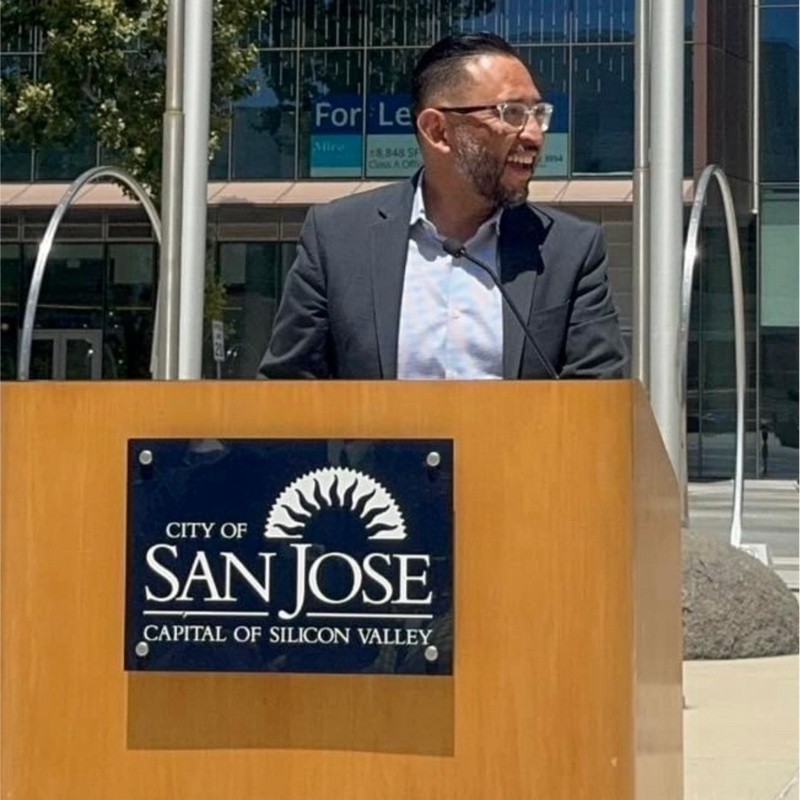
"caption": "First-term San José Councilmember Omar Torres is facing pressure to resign after allegations of sexual misconduct with a minor. ",
"credit": "Courtesy of LinkedIn",
"altTag": "A young bearded, smiling Latino man with glasses stands behind a podium that says 'San Jose — Capital of Silicon Valley.'",
"description": null,
"imgSizes": {
"thumbnail": {
"file": "https://cdn.kqed.org/wp-content/uploads/sites/10/2024/10/Omar-Torres-160x160.jpeg",
"width": 160,
"height": 160,
"mimeType": "image/jpeg"
},
"post-thumbnail": {
"file": "https://cdn.kqed.org/wp-content/uploads/sites/10/2024/10/Omar-Torres-672x372.jpeg",
"width": 672,
"height": 372,
"mimeType": "image/jpeg"
},
"twentyfourteen-full-width": {
"file": "https://cdn.kqed.org/wp-content/uploads/sites/10/2024/10/Omar-Torres-800x576.jpeg",
"width": 800,
"height": 576,
"mimeType": "image/jpeg"
},
"kqedFullSize": {
"file": "https://cdn.kqed.org/wp-content/uploads/sites/10/2024/10/Omar-Torres.jpeg",
"width": 800,
"height": 800
}
},
"isLoading": false,
"fetchFailed": false
},
"news_12011861": {
"type": "attachments",
"id": "news_12011861",
"meta": {
"index": "attachments_1716263798",
"site": "news",
"id": "12011861",
"found": true
},
"title": "SC Judge",
"publishDate": 1730349920,
"status": "inherit",
"parent": 12011710,
"modified": 1730350495,
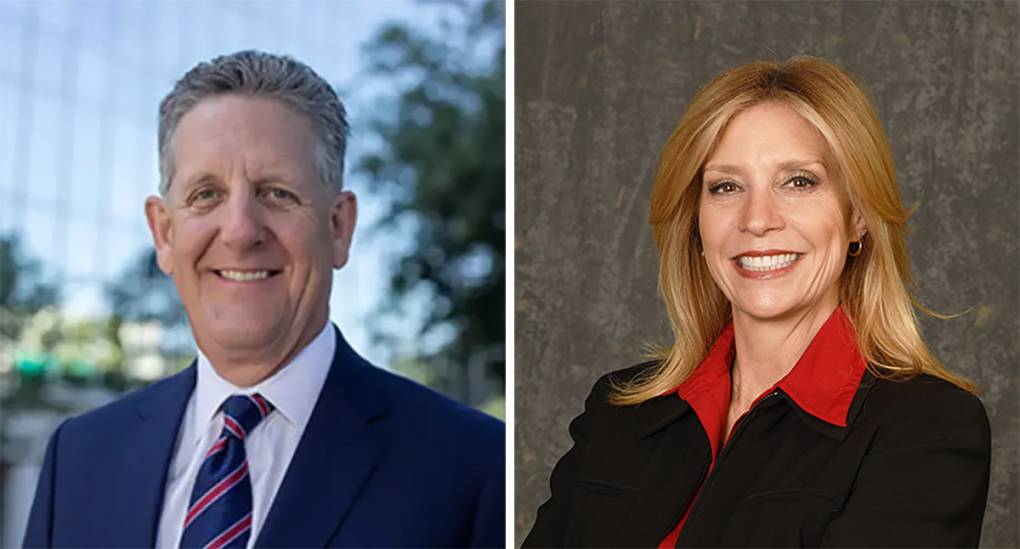
"caption": "Jay Boyarsky (left) and Johnene Stebbins, both veteran prosecutors in the Santa Clara County District Attorney's Office, are facing off in a heated race to be a judge on the county's Superior Court.",
"credit": "Photos courtesy of both candidates",
"altTag": "A side-by-side headshots of a middle-aged man and woman, both wearing suits.",
"description": null,
"imgSizes": {
"medium": {
"file": "https://cdn.kqed.org/wp-content/uploads/sites/10/2024/10/SC-Judge-800x431.jpg",
"width": 800,
"height": 431,
"mimeType": "image/jpeg"
},
"large": {
"file": "https://cdn.kqed.org/wp-content/uploads/sites/10/2024/10/SC-Judge-1020x549.jpg",
"width": 1020,
"height": 549,
"mimeType": "image/jpeg"
},
"thumbnail": {
"file": "https://cdn.kqed.org/wp-content/uploads/sites/10/2024/10/SC-Judge-160x86.jpg",
"width": 160,
"height": 86,
"mimeType": "image/jpeg"
},
"post-thumbnail": {
"file": "https://cdn.kqed.org/wp-content/uploads/sites/10/2024/10/SC-Judge-672x372.jpg",
"width": 672,
"height": 372,
"mimeType": "image/jpeg"
},
"twentyfourteen-full-width": {
"file": "https://cdn.kqed.org/wp-content/uploads/sites/10/2024/10/SC-Judge-1038x576.jpg",
"width": 1038,
"height": 576,
"mimeType": "image/jpeg"
},
"kqedFullSize": {
"file": "https://cdn.kqed.org/wp-content/uploads/sites/10/2024/10/SC-Judge.jpg",
"width": 1200,
"height": 646
}
},
"isLoading": false,
"fetchFailed": false
},
"news_12011419": {
"type": "attachments",
"id": "news_12011419",
"meta": {
"index": "attachments_1716263798",
"site": "news",
"id": "12011419",
"found": true
},
"title": "CongressionalDebateNBC_Cohen-29_qed",
"publishDate": 1730153207,
"status": "inherit",
"parent": 12011368,
"modified": 1730153424,
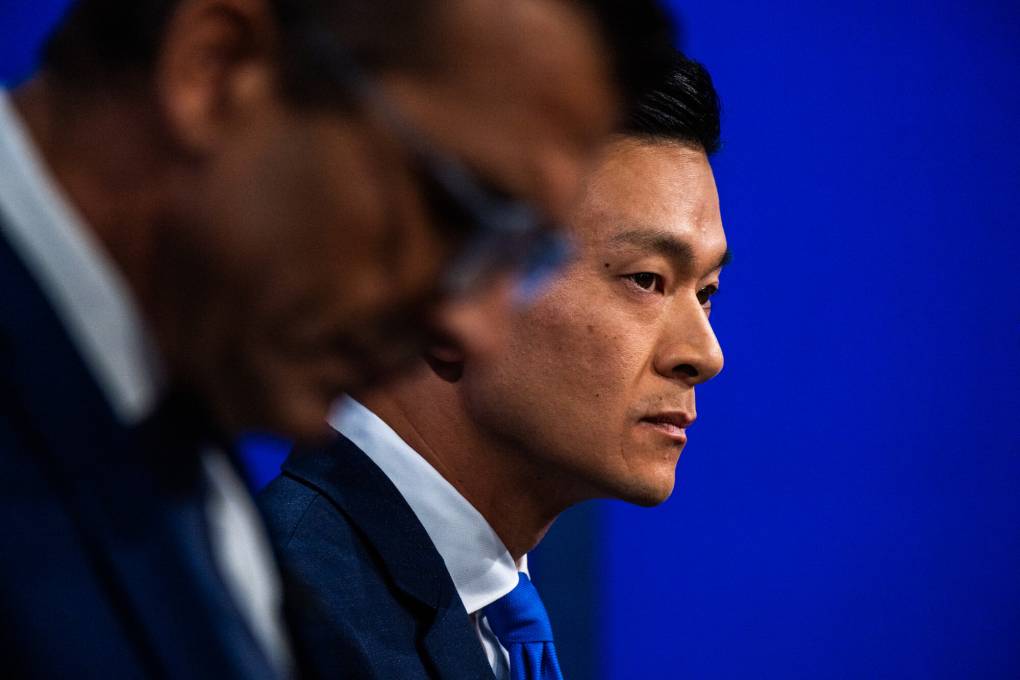
"caption": "Proposition 36, which would increase criminal penalties, is dividing Democrats and resulting in pointed attacks in several South Bay races that pit members of the same party against one another, including the congressional contest between Sam Liccardo (left) and Evan Low, pictured during a debate on Oct. 11.",
"credit": "Camille Cohen",
"altTag": null,
"description": null,
"imgSizes": {
"medium": {
"file": "https://cdn.kqed.org/wp-content/uploads/sites/10/2024/10/CongressionalDebateNBC_Cohen-29_qed-800x533.jpg",
"width": 800,
"height": 533,
"mimeType": "image/jpeg"
},
"large": {
"file": "https://cdn.kqed.org/wp-content/uploads/sites/10/2024/10/CongressionalDebateNBC_Cohen-29_qed-1020x680.jpg",
"width": 1020,
"height": 680,
"mimeType": "image/jpeg"
},
"thumbnail": {
"file": "https://cdn.kqed.org/wp-content/uploads/sites/10/2024/10/CongressionalDebateNBC_Cohen-29_qed-160x107.jpg",
"width": 160,
"height": 107,
"mimeType": "image/jpeg"
},
"1536x1536": {
"file": "https://cdn.kqed.org/wp-content/uploads/sites/10/2024/10/CongressionalDebateNBC_Cohen-29_qed-1536x1024.jpg",
"width": 1536,
"height": 1024,
"mimeType": "image/jpeg"
},
"post-thumbnail": {
"file": "https://cdn.kqed.org/wp-content/uploads/sites/10/2024/10/CongressionalDebateNBC_Cohen-29_qed-672x372.jpg",
"width": 672,
"height": 372,
"mimeType": "image/jpeg"
},
"twentyfourteen-full-width": {
"file": "https://cdn.kqed.org/wp-content/uploads/sites/10/2024/10/CongressionalDebateNBC_Cohen-29_qed-1038x576.jpg",
"width": 1038,
"height": 576,
"mimeType": "image/jpeg"
},
"full-width": {
"file": "https://cdn.kqed.org/wp-content/uploads/sites/10/2024/10/CongressionalDebateNBC_Cohen-29_qed-1920x1280.jpg",
"width": 1920,
"height": 1280,
"mimeType": "image/jpeg"
},
"kqedFullSize": {
"file": "https://cdn.kqed.org/wp-content/uploads/sites/10/2024/10/CongressionalDebateNBC_Cohen-29_qed.jpg",
"width": 1999,
"height": 1333
}
},
"isLoading": false,
"fetchFailed": false
},
"news_12010730": {
"type": "attachments",
"id": "news_12010730",
"meta": {
"index": "attachments_1716263798",
"site": "news",
"id": "12010730",
"found": true
},
"title": "20241022_SCHOOLDISTRICTHOUSING_GC-10-KQED",
"publishDate": 1729710279,
"status": "inherit",
"parent": 0,
"modified": 1729882204,
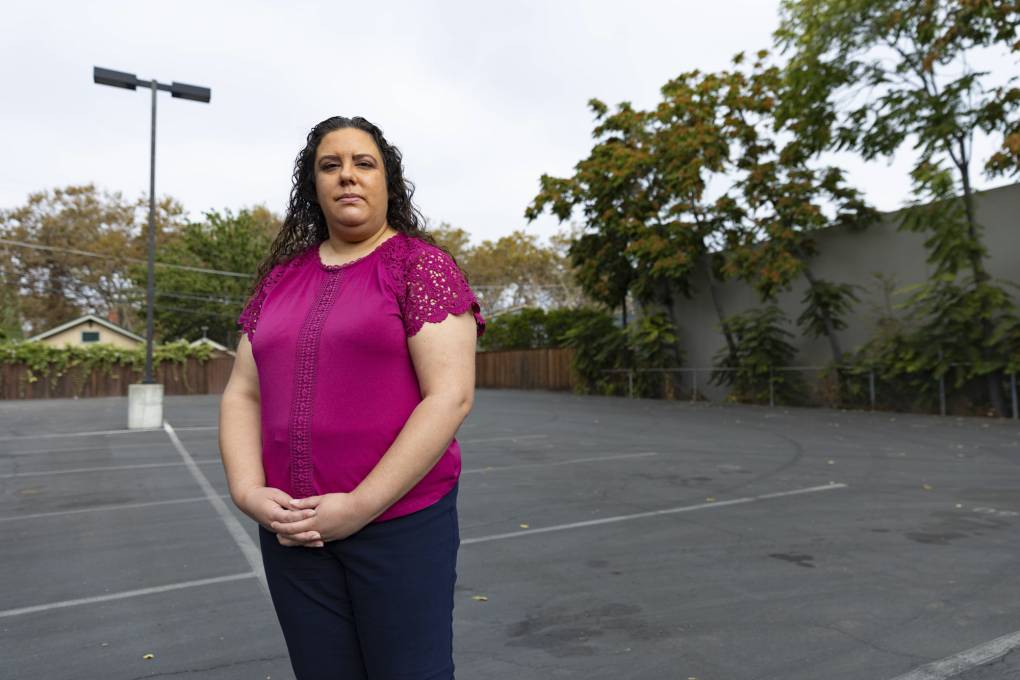
"caption": "Renata Sanchez, president of the San José Teachers Association, poses for a photo at an employee parking lot, the proposed site for educator housing, in San José on Oct. 22.",
"credit": "Gina Castro/KQED",
"altTag": null,
"description": null,
"imgSizes": {
"medium": {
"file": "https://cdn.kqed.org/wp-content/uploads/sites/10/2024/10/20241022_SCHOOLDISTRICTHOUSING_GC-10-KQED-800x533.jpg",
"width": 800,
"height": 533,
"mimeType": "image/jpeg"
},
"large": {
"file": "https://cdn.kqed.org/wp-content/uploads/sites/10/2024/10/20241022_SCHOOLDISTRICTHOUSING_GC-10-KQED-1020x680.jpg",
"width": 1020,
"height": 680,
"mimeType": "image/jpeg"
},
"thumbnail": {
"file": "https://cdn.kqed.org/wp-content/uploads/sites/10/2024/10/20241022_SCHOOLDISTRICTHOUSING_GC-10-KQED-160x107.jpg",
"width": 160,
"height": 107,
"mimeType": "image/jpeg"
},
"1536x1536": {
"file": "https://cdn.kqed.org/wp-content/uploads/sites/10/2024/10/20241022_SCHOOLDISTRICTHOUSING_GC-10-KQED-1536x1024.jpg",
"width": 1536,
"height": 1024,
"mimeType": "image/jpeg"
},
"post-thumbnail": {
"file": "https://cdn.kqed.org/wp-content/uploads/sites/10/2024/10/20241022_SCHOOLDISTRICTHOUSING_GC-10-KQED-672x372.jpg",
"width": 672,
"height": 372,
"mimeType": "image/jpeg"
},
"twentyfourteen-full-width": {
"file": "https://cdn.kqed.org/wp-content/uploads/sites/10/2024/10/20241022_SCHOOLDISTRICTHOUSING_GC-10-KQED-1038x576.jpg",
"width": 1038,
"height": 576,
"mimeType": "image/jpeg"
},
"full-width": {
"file": "https://cdn.kqed.org/wp-content/uploads/sites/10/2024/10/20241022_SCHOOLDISTRICTHOUSING_GC-10-KQED-1920x1280.jpg",
"width": 1920,
"height": 1280,
"mimeType": "image/jpeg"
},
"kqedFullSize": {
"file": "https://cdn.kqed.org/wp-content/uploads/sites/10/2024/10/20241022_SCHOOLDISTRICTHOUSING_GC-10-KQED.jpg",
"width": 2000,
"height": 1333
}
},
"isLoading": false,
"fetchFailed": false
},
"news_12011217": {
"type": "attachments",
"id": "news_12011217",
"meta": {
"index": "attachments_1716263798",
"site": "news",
"id": "12011217",
"found": true
},
"title": "241025-TORRESRECALL-JG-7-KQED",
"publishDate": 1729888555,
"status": "inherit",
"parent": 0,
"modified": 1729888569,
"caption": "Matthew Quevedo, a downtown San José resident, speaks during a rally outside city hall, helping to launch an effort to recall Councilmember Omar Torres amid an ongoing investigation into allegations Torres committed sexual misconduct with a minor.",
"credit": "Joseph Geha/KQED",
"altTag": null,
"description": null,
"imgSizes": {
"medium": {
"file": "https://cdn.kqed.org/wp-content/uploads/sites/10/2024/10/241025-TORRESRECALL-JG-7-KQED-800x533.jpg",
"width": 800,
"height": 533,
"mimeType": "image/jpeg"
},
"large": {
"file": "https://cdn.kqed.org/wp-content/uploads/sites/10/2024/10/241025-TORRESRECALL-JG-7-KQED-1020x680.jpg",
"width": 1020,
"height": 680,
"mimeType": "image/jpeg"
},
"thumbnail": {
"file": "https://cdn.kqed.org/wp-content/uploads/sites/10/2024/10/241025-TORRESRECALL-JG-7-KQED-160x107.jpg",
"width": 160,
"height": 107,
"mimeType": "image/jpeg"
},
"1536x1536": {
"file": "https://cdn.kqed.org/wp-content/uploads/sites/10/2024/10/241025-TORRESRECALL-JG-7-KQED-1536x1024.jpg",
"width": 1536,
"height": 1024,
"mimeType": "image/jpeg"
},
"post-thumbnail": {
"file": "https://cdn.kqed.org/wp-content/uploads/sites/10/2024/10/241025-TORRESRECALL-JG-7-KQED-672x372.jpg",
"width": 672,
"height": 372,
"mimeType": "image/jpeg"
},
"twentyfourteen-full-width": {
"file": "https://cdn.kqed.org/wp-content/uploads/sites/10/2024/10/241025-TORRESRECALL-JG-7-KQED-1038x576.jpg",
"width": 1038,
"height": 576,
"mimeType": "image/jpeg"
},
"full-width": {
"file": "https://cdn.kqed.org/wp-content/uploads/sites/10/2024/10/241025-TORRESRECALL-JG-7-KQED-1920x1280.jpg",
"width": 1920,
"height": 1280,
"mimeType": "image/jpeg"
},
"kqedFullSize": {
"file": "https://cdn.kqed.org/wp-content/uploads/sites/10/2024/10/241025-TORRESRECALL-JG-7-KQED.jpg",
"width": 2000,
"height": 1333
}
},
"isLoading": false,
"fetchFailed": false
},
"news_12009735": {
"type": "attachments",
"id": "news_12009735",
"meta": {
"index": "attachments_1716263798",
"site": "news",
"id": "12009735",
"found": true
},
"title": "241016-OMAR TORRES-GH-1-KQED",
"publishDate": 1729121458,
"status": "inherit",
"parent": 12009671,
"modified": 1729121486,
"caption": "First-term San José Councilmember Omar Torres is facing increasing pressure to resign following a police investigation into text messages he sent referencing sexually explicit acts with a minor.",
"credit": "Joseph Geha/KQED",
"altTag": null,
"description": null,
"imgSizes": {
"medium": {
"file": "https://cdn.kqed.org/wp-content/uploads/sites/10/2024/10/241016-OMAR-TORRES-GH-1-KQED-800x533.jpg",
"width": 800,
"height": 533,
"mimeType": "image/jpeg"
},
"large": {
"file": "https://cdn.kqed.org/wp-content/uploads/sites/10/2024/10/241016-OMAR-TORRES-GH-1-KQED-1020x680.jpg",
"width": 1020,
"height": 680,
"mimeType": "image/jpeg"
},
"thumbnail": {
"file": "https://cdn.kqed.org/wp-content/uploads/sites/10/2024/10/241016-OMAR-TORRES-GH-1-KQED-160x107.jpg",
"width": 160,
"height": 107,
"mimeType": "image/jpeg"
},
"1536x1536": {
"file": "https://cdn.kqed.org/wp-content/uploads/sites/10/2024/10/241016-OMAR-TORRES-GH-1-KQED-1536x1024.jpg",
"width": 1536,
"height": 1024,
"mimeType": "image/jpeg"
},
"post-thumbnail": {
"file": "https://cdn.kqed.org/wp-content/uploads/sites/10/2024/10/241016-OMAR-TORRES-GH-1-KQED-672x372.jpg",
"width": 672,
"height": 372,
"mimeType": "image/jpeg"
},
"twentyfourteen-full-width": {
"file": "https://cdn.kqed.org/wp-content/uploads/sites/10/2024/10/241016-OMAR-TORRES-GH-1-KQED-1038x576.jpg",
"width": 1038,
"height": 576,
"mimeType": "image/jpeg"
},
"full-width": {
"file": "https://cdn.kqed.org/wp-content/uploads/sites/10/2024/10/241016-OMAR-TORRES-GH-1-KQED-1920x1280.jpg",
"width": 1920,
"height": 1280,
"mimeType": "image/jpeg"
},
"kqedFullSize": {
"file": "https://cdn.kqed.org/wp-content/uploads/sites/10/2024/10/241016-OMAR-TORRES-GH-1-KQED.jpg",
"width": 2000,
"height": 1333
}
},
"isLoading": false,
"fetchFailed": false
},
"news_11987071": {
"type": "attachments",
"id": "news_11987071",
"meta": {
"index": "attachments_1716263798",
"site": "news",
"id": "11987071",
"found": true
},
"title": "240520-SJPD SHOOTING-JG-05_qut",
"publishDate": 1716251943,
"status": "inherit",
"parent": 11986891,
"modified": 1729631063,
"caption": "San José acting Police Chief Paul Joseph speaks during a May 20, 2024, press conference about a police shooting in the city's East Side.",
"credit": "Joseph Geha/KQED",
"altTag": "A police officer stands in front of a podium.",
"description": null,
"imgSizes": {
"medium": {
"file": "https://cdn.kqed.org/wp-content/uploads/sites/10/2024/05/240520-SJPD-SHOOTING-JG-05_qut-800x533.jpg",
"width": 800,
"height": 533,
"mimeType": "image/jpeg"
},
"large": {
"file": "https://cdn.kqed.org/wp-content/uploads/sites/10/2024/05/240520-SJPD-SHOOTING-JG-05_qut-1020x680.jpg",
"width": 1020,
"height": 680,
"mimeType": "image/jpeg"
},
"thumbnail": {
"file": "https://cdn.kqed.org/wp-content/uploads/sites/10/2024/05/240520-SJPD-SHOOTING-JG-05_qut-160x107.jpg",
"width": 160,
"height": 107,
"mimeType": "image/jpeg"
},
"1536x1536": {
"file": "https://cdn.kqed.org/wp-content/uploads/sites/10/2024/05/240520-SJPD-SHOOTING-JG-05_qut-1536x1024.jpg",
"width": 1536,
"height": 1024,
"mimeType": "image/jpeg"
},
"post-thumbnail": {
"file": "https://cdn.kqed.org/wp-content/uploads/sites/10/2024/05/240520-SJPD-SHOOTING-JG-05_qut-672x372.jpg",
"width": 672,
"height": 372,
"mimeType": "image/jpeg"
},
"twentyfourteen-full-width": {
"file": "https://cdn.kqed.org/wp-content/uploads/sites/10/2024/05/240520-SJPD-SHOOTING-JG-05_qut-1038x576.jpg",
"width": 1038,
"height": 576,
"mimeType": "image/jpeg"
},
"kqedFullSize": {
"file": "https://cdn.kqed.org/wp-content/uploads/sites/10/2024/05/240520-SJPD-SHOOTING-JG-05_qut.jpg",
"width": 1920,
"height": 1280
}
},
"isLoading": false,
"fetchFailed": false
}
},
"audioPlayerReducer": {
"postId": "stream_live",
"isPaused": true,
"isPlaying": false,
"pfsActive": false,
"pledgeModalIsOpen": true,
"playerDrawerIsOpen": false,
"liveAudioPlayStartedAt": 0,
"liveAudioPlayContext": ""
},
"authorsReducer": {
"gmarzorati": {
"type": "authors",
"id": "227",
"meta": {
"index": "authors_1716337520",
"id": "227",
"found": true
},
"name": "Guy Marzorati",
"firstName": "Guy",
"lastName": "Marzorati",
"slug": "gmarzorati",
"email": "gmarzorati@KQED.org",
"display_author_email": true,
"staff_mastheads": [
"news"
],
"title": "Correspondent",
"bio": "Guy Marzorati is a correspondent on KQED's California Politics and Government Desk, based in San Jose. A graduate of Santa Clara University, Guy joined KQED in 2013. He reports on state and local politics and produces KQED's digital voter guide.",
"avatar": "https://secure.gravatar.com/avatar/e7038b8dbfd55b104369b76b1cd0b9de?s=600&d=blank&r=g",
"twitter": "guymarzorati",
"facebook": null,
"instagram": null,
"linkedin": null,
"sites": [
{
"site": "",
"roles": [
"editor"
]
},
{
"site": "news",
"roles": [
"editor"
]
},
{
"site": "science",
"roles": [
"editor"
]
},
{
"site": "forum",
"roles": [
"editor"
]
},
{
"site": "elections",
"roles": [
"editor"
]
},
{
"site": "liveblog",
"roles": [
"editor"
]
}
],
"headData": {
"title": "Guy Marzorati | KQED",
"description": "Correspondent",
"ogImgSrc": "https://secure.gravatar.com/avatar/e7038b8dbfd55b104369b76b1cd0b9de?s=600&d=blank&r=g",
"twImgSrc": "https://secure.gravatar.com/avatar/e7038b8dbfd55b104369b76b1cd0b9de?s=600&d=blank&r=g"
},
"isLoading": false,
"link": "/author/gmarzorati"
},
"ebaldassari": {
"type": "authors",
"id": "11652",
"meta": {
"index": "authors_1716337520",
"id": "11652",
"found": true
},
"name": "Erin Baldassari",
"firstName": "Erin",
"lastName": "Baldassari",
"slug": "ebaldassari",
"email": "ebaldassari@KQED.org",
"display_author_email": true,
"staff_mastheads": [
"news"
],
"title": "Staff Writer",
"bio": "Erin Baldassari covers housing for KQED. She's a former print journalist and most recently worked as the transportation reporter for the \u003cem>Mercury News\u003c/em> and \u003cem>East Bay Times. \u003c/em>There, she focused on how the Bay Area’s housing shortage has changed the way people move around the region. She also served on the \u003cem>East Bay Times\u003c/em>’ 2017 Pulitzer Prize-winning team for coverage of the Ghost Ship Fire in Oakland. Prior to that, Erin worked as a breaking news and general assignment reporter for a variety of outlets in the Bay Area and the greater Boston area. A Tufts University alumna, Erin grew up in the foothills of the Sierra Nevada mountains and in Sonoma County. She is a life-long KQED listener.",
"avatar": "https://secure.gravatar.com/avatar/5e95cad64a8ca08288082212e199d2b0cbeb4fd8e8ef5339395f361032bbe005?s=600&d=blank&r=g",
"twitter": "e_baldi",
"bluesky": null,
"facebook": null,
"instagram": null,
"linkedin": null,
"sites": [
{
"site": "news",
"roles": [
"edit_others_posts",
"editor"
]
},
{
"site": "science",
"roles": [
"editor"
]
},
{
"site": "liveblog",
"roles": [
"editor"
]
}
],
"headData": {
"title": "Erin Baldassari | KQED",
"description": "Staff Writer",
"ogImgSrc": "https://secure.gravatar.com/avatar/5e95cad64a8ca08288082212e199d2b0cbeb4fd8e8ef5339395f361032bbe005?s=600&d=blank&r=g",
"twImgSrc": "https://secure.gravatar.com/avatar/5e95cad64a8ca08288082212e199d2b0cbeb4fd8e8ef5339395f361032bbe005?s=600&d=blank&r=g"
},
"isLoading": false,
"link": "/author/ebaldassari"
},
"abandlamudi": {
"type": "authors",
"id": "11672",
"meta": {
"index": "authors_1716337520",
"id": "11672",
"found": true
},
"name": "Adhiti Bandlamudi",
"firstName": "Adhiti",
"lastName": "Bandlamudi",
"slug": "abandlamudi",
"email": "abandlamudi@kqed.org",
"display_author_email": false,
"staff_mastheads": [
"news"
],
"title": "KQED Housing Reporter",
"bio": "Adhiti Bandlamudi reports for KQED's Housing desk. She focuses on how housing gets built across the Bay Area. Before joining KQED in 2020, she reported for WUNC in Durham, North Carolina, WABE in Atlanta, Georgia and Capital Public Radio in Sacramento. In 2017, she was awarded a Kroc Fellowship at NPR where she reported on everything from sprinkles to the Golden State Killer's arrest. When she's not reporting, she's baking new recipes in her kitchen or watching movies with friends and family. She's originally from Georgia and has strong opinions about Great British Bake Off.",
"avatar": "https://secure.gravatar.com/avatar/868129c8b257bb99a3500e2c86a65400?s=600&d=mm&r=g",
"twitter": "oddity_adhiti",
"facebook": null,
"instagram": null,
"linkedin": null,
"sites": [
{
"site": "arts",
"roles": [
"author"
]
},
{
"site": "news",
"roles": [
"editor"
]
},
{
"site": "liveblog",
"roles": [
"author"
]
}
],
"headData": {
"title": "Adhiti Bandlamudi | KQED",
"description": "KQED Housing Reporter",
"ogImgSrc": "https://secure.gravatar.com/avatar/868129c8b257bb99a3500e2c86a65400?s=600&d=mm&r=g",
"twImgSrc": "https://secure.gravatar.com/avatar/868129c8b257bb99a3500e2c86a65400?s=600&d=mm&r=g"
},
"isLoading": false,
"link": "/author/abandlamudi"
},
"jlara": {
"type": "authors",
"id": "11761",
"meta": {
"index": "authors_1716337520",
"id": "11761",
"found": true
},
"name": "Juan Carlos Lara",
"firstName": "Juan Carlos",
"lastName": "Lara",
"slug": "jlara",
"email": "jlara@kqed.org",
"display_author_email": false,
"staff_mastheads": [],
"title": "KQED Contributor",
"bio": null,
"avatar": "https://secure.gravatar.com/avatar/19e2052b9b05657c5ff2af2121846e9c?s=600&d=blank&r=g",
"twitter": null,
"facebook": null,
"instagram": null,
"linkedin": null,
"sites": [
{
"site": "arts",
"roles": [
"editor"
]
},
{
"site": "news",
"roles": [
"editor"
]
},
{
"site": "forum",
"roles": [
"editor"
]
},
{
"site": "liveblog",
"roles": [
"contributor"
]
}
],
"headData": {
"title": "Juan Carlos Lara | KQED",
"description": "KQED Contributor",
"ogImgSrc": "https://secure.gravatar.com/avatar/19e2052b9b05657c5ff2af2121846e9c?s=600&d=blank&r=g",
"twImgSrc": "https://secure.gravatar.com/avatar/19e2052b9b05657c5ff2af2121846e9c?s=600&d=blank&r=g"
},
"isLoading": false,
"link": "/author/jlara"
},
"adahlstromeckman": {
"type": "authors",
"id": "11785",
"meta": {
"index": "authors_1716337520",
"id": "11785",
"found": true
},
"name": "Azul Dahlstrom-Eckman",
"firstName": "Azul",
"lastName": "Dahlstrom-Eckman",
"slug": "adahlstromeckman",
"email": "adahlstrom-eckman@kqed.org",
"display_author_email": true,
"staff_mastheads": [],
"title": "Reporter",
"bio": "Azul is a reporter for KQED focusing on transportation and features. He joined KQED in 2021 as an alumna of KALW's Audio Academy radio journalism training program.",
"avatar": "https://secure.gravatar.com/avatar/9cb750298435add7815a777f55bf1f46845c1386bb8452555c60a7b820b5aba3?s=600&d=blank&r=g",
"twitter": "@zuliemann",
"bluesky": "@azul415.bsky.social",
"facebook": null,
"instagram": null,
"linkedin": null,
"sites": [
{
"site": "arts",
"roles": [
"editor"
]
},
{
"site": "news",
"roles": [
"editor"
]
},
{
"site": "science",
"roles": [
"editor"
]
},
{
"site": "liveblog",
"roles": [
"author"
]
}
],
"headData": {
"title": "Azul Dahlstrom-Eckman | KQED",
"description": "Reporter",
"ogImgSrc": "https://secure.gravatar.com/avatar/9cb750298435add7815a777f55bf1f46845c1386bb8452555c60a7b820b5aba3?s=600&d=blank&r=g",
"twImgSrc": "https://secure.gravatar.com/avatar/9cb750298435add7815a777f55bf1f46845c1386bb8452555c60a7b820b5aba3?s=600&d=blank&r=g"
},
"isLoading": false,
"link": "/author/adahlstromeckman"
},
"jgeha": {
"type": "authors",
"id": "11906",
"meta": {
"index": "authors_1716337520",
"id": "11906",
"found": true
},
"name": "Joseph Geha",
"firstName": "Joseph",
"lastName": "Geha",
"slug": "jgeha",
"email": "jgeha@kqed.org",
"display_author_email": false,
"staff_mastheads": [
"news",
"science"
],
"title": "KQED Contributor",
"bio": null,
"avatar": "https://secure.gravatar.com/avatar/ea84d2b6dd93d6369d453edf19dd583f117cd1759d2d9c9c92f9de77017354fe?s=600&d=blank&r=g",
"twitter": null,
"bluesky": null,
"facebook": null,
"instagram": null,
"linkedin": null,
"sites": [
{
"site": "news",
"roles": [
"editor"
]
},
{
"site": "liveblog",
"roles": [
"author"
]
}
],
"headData": {
"title": "Joseph Geha | KQED",
"description": "KQED Contributor",
"ogImgSrc": "https://secure.gravatar.com/avatar/ea84d2b6dd93d6369d453edf19dd583f117cd1759d2d9c9c92f9de77017354fe?s=600&d=blank&r=g",
"twImgSrc": "https://secure.gravatar.com/avatar/ea84d2b6dd93d6369d453edf19dd583f117cd1759d2d9c9c92f9de77017354fe?s=600&d=blank&r=g"
},
"isLoading": false,
"link": "/author/jgeha"
},
"kdebenedetti": {
"type": "authors",
"id": "11913",
"meta": {
"index": "authors_1716337520",
"id": "11913",
"found": true
},
"name": "Katie DeBenedetti",
"firstName": "Katie",
"lastName": "DeBenedetti",
"slug": "kdebenedetti",
"email": "kdebenedetti@kqed.org",
"display_author_email": false,
"staff_mastheads": [
"news",
"science"
],
"title": "KQED Contributor",
"bio": "Katie DeBenedetti is a digital reporter covering daily news for the Express Desk. Prior to joining KQED as a culture reporting intern in January 2024, she covered education and city government for the Napa Valley Register.",
"avatar": "https://secure.gravatar.com/avatar/6e31073cb8f7e4214ab03f42771d0f45?s=600&d=blank&r=g",
"twitter": null,
"facebook": null,
"instagram": null,
"linkedin": null,
"sites": [
{
"site": "news",
"roles": [
"author"
]
},
{
"site": "science",
"roles": [
"author"
]
},
{
"site": "liveblog",
"roles": [
"author"
]
}
],
"headData": {
"title": "Katie DeBenedetti | KQED",
"description": "KQED Contributor",
"ogImgSrc": "https://secure.gravatar.com/avatar/6e31073cb8f7e4214ab03f42771d0f45?s=600&d=blank&r=g",
"twImgSrc": "https://secure.gravatar.com/avatar/6e31073cb8f7e4214ab03f42771d0f45?s=600&d=blank&r=g"
},
"isLoading": false,
"link": "/author/kdebenedetti"
}
},
"pagesReducer": {
"news_tag_south-bay": {
"type": "terms",
"id": "news_21285",
"meta": {
"index": "terms_1716263798",
"site": "news",
"id": "21285",
"score": 7.0833273
},
"featImg": null,
"name": "South Bay",
"description": null,
"taxonomy": "tag",
"headData": {
"twImgId": null,
"twTitle": null,
"ogTitle": null,
"ogImgId": null,
"twDescription": null,
"description": null,
"title": "South Bay Archives | KQED News",
"ogDescription": null
},
"ttid": 21302,
"slug": "south-bay",
"isLoading": false,
"title": "South Bay",
"pageMeta": {
"site": "news",
"WpPageTemplate": "page-topic-editorial",
"currentPage": 22
},
"blocks": [
{
"blockName": "kqed/post-list",
"attrs": {
"layout": "cardArticle2",
"query": "posts/news?tag=south-bay",
"seeMore": false,
"paginated": true,
"page": 22
}
},
{
"blockName": "kqed/ad"
}
]
}
},
"pfsSessionReducer": {},
"postsReducer": {
"stream_live": {
"type": "live",
"id": "stream_live",
"audioUrl": "https://streams.kqed.org/kqedradio",
"title": "Live Stream",
"excerpt": "Live Stream information currently unavailable.",
"link": "/radio",
"featImg": "",
"label": {
"name": "KQED Live",
"link": "/"
}
},
"stream_kqedNewscast": {
"type": "posts",
"id": "stream_kqedNewscast",
"audioUrl": "https://www.kqed.org/.stream/anon/radio/RDnews/newscast.mp3?_=1",
"title": "KQED Newscast",
"featImg": "",
"label": {
"name": "88.5 FM",
"link": "/"
}
},
"news_12015224": {
"type": "posts",
"id": "news_12015224",
"meta": {
"index": "posts_1716263798",
"site": "news",
"id": "12015224",
"score": null,
"sort": [
1732149903000
]
},
"guestAuthors": [],
"slug": "san-jose-leaders-approve-new-good-samaritan-hospital-despite-community-concerns",
"title": "San José Leaders Approve $1.2 Billion Overhaul of Good Samaritan Hospital Despite Concerns",
"publishDate": 1732149903,
"format": "standard",
"headTitle": "San José Leaders Approve $1.2 Billion Overhaul of Good Samaritan Hospital Despite Concerns | KQED",
"labelTerm": {
"site": "news"
},
"content": "\u003cp>San José leaders on Tuesday night unanimously approved a $1.2 billion proposal from a private firm to build two new wings at Good Samaritan Hospital on the city’s west side, despite concerns about the for-profit hospital owner’s controversial record of cutting services or shuttering facilities at its properties when profits drop.\u003c/p>\n\u003cp>While HCA Healthcare — the largest private hospital operator in the country — said the new facilities at the hospital are needed to comply with heightened state earthquake safety standards, some council members, residents and patient advocates were apprehensive about approving a massive project for a company that has reduced critical health care options across the city in recent years.\u003c/p>\n\u003cp>The move comes after HCA last year \u003ca href=\"https://www.kqed.org/news/11987665/advocates-urge-state-to-intervene-in-closure-of-san-jose-trauma-center\">announced plans\u003c/a> to close its trauma center at Regional Medical Center hospital in East San José while also cutting its severe heart attack and stroke services — a decision it walked back slightly after prolonged protests.\u003c/p>\n\u003cp>Councilmember Peter Ortiz, who represents the community that hospital is located in, was among those pushing to defer Tuesday’s vote by a month to allow more time for discussion about a community benefits agreement that would “safeguard the health of residents” and ensure HCA would be a good partner going forward.\u003c/p>\n\u003cp>“We’re at this juncture because HCA, a Fortune 500 company, has consistently cut services in the name of profit,” Ortiz said during the meeting.\u003c/p>\n\u003cp>[ad fullwidth]\u003c/p>\n\u003cp>Ortiz ultimately voted to support the environmental review and rezoning to allow the new Good Samaritan buildings because he said he needed to do what’s right for health care in the whole community.\u003c/p>\n\u003cp>But he accused HCA of creating a two-tiered health care system: one for residents in wealthier parts of the city, the other for those in poorer areas, by cutting critical services in East San José while expanding and investing heavily in West San José. He also said the company was “fear-mongering” by suggesting that delaying the decision could result in Good Samaritan having to close down entirely because it wouldn’t meet state earthquake safety deadlines.\u003c/p>\n\u003cp>“I’m troubled by the rhetoric implying that failing to pass this rezoning, especially when we were just going to postpone it a month, would result in Good Samaritan to close,” Ortiz said. “In my opinion, that’s fear-mongering of the worst kind, and you guys should be ashamed of yourselves.”\u003c/p>\n\u003cp>However, Councilmember Pam Foley, who represents the area where Good Samaritan is located, said the choice was clear for her.\u003c/p>\n\u003cp>“If Good Sam closes because it cannot meet the timeline, we lose access to critical health care resources. “How can I say to my constituents and the community at large, ‘Well, that’s HCA’s fault.’ How can any of us say that?” she said. “Let’s be perfectly clear. A vote against rezoning today is a vote in favor of closing Good Samaritan.”\u003c/p>\n\u003cp>HCA’s proposal entails a three-phase project to build 750,000 square feet of new hospital space across two buildings and a new 200,000-square-foot medical office while demolishing the hospital’s main building, which does not meet the state’s new seismic safety standards that go into effect between now and 2030.\u003c/p>\n\u003cp>The project also includes a 24,000-square-foot central utility plant and two large parking garages totaling nearly 700,000 square feet. In all, the project is set to take about six years to complete, with shovels set to hit the ground in 2025.[aside label=\"more South Bay news\" tag=\"santa-clara-county\"]\u003c/p>\n\u003cp>In a deal hammered out ahead of Tuesday’s meeting, outlined in a memo from five councilmembers, HCA agreed to kick in $3 million as a sweetener to support affordable housing citywide and emergency interim housing in the area around the hospital.\u003c/p>\n\u003cp>“Your decision today is about protecting the patients that rely on Good Sam, a vital community resource, and enabling us to meet the state-mandated 2030 earthquake compliance deadline,” Jackie Van Blaricum, the head of HCA’s Far West division, told the council.\u003c/p>\n\u003cp>“While we may not see eye to eye on everything, surely we can agree that losing an entire hospital’s services is not in the community’s best interest,” she said.\u003c/p>\n\u003cp>Labor representatives and construction workers, along with former Good Samaritan patients, doctors and other hospital staff, all spoke in support of the project on Tuesday night.\u003c/p>\n\u003cp>Gopi Ayer, the chief of staff at the hospital, said while concerns from the community are “legitimate,” they should be saved for another time.\u003c/p>\n\u003cp>“This is what we need to do today,” Ayer told the council. “If we don’t go ahead with this, it will be like cutting off our nose to spite our face, and that is not a good bargain.”\u003c/p>\n\u003cp>In the memo, council members said the major benefits to the city from such a project should not be overlooked, including increased property tax revenue and about 1,000 construction jobs, in addition to the ongoing jobs at the hospital.\u003c/p>\n\u003cp>HCA’s announcement in early 2023 that it would \u003ca href=\"https://www.kqed.org/news/11987665/advocates-urge-state-to-intervene-in-closure-of-san-jose-trauma-center\">close the trauma center\u003c/a> at Regional Medical Center sparked an outcry among residents and health care workers, who said shuttering the only such trauma center on the East Side of the county would have life-threatening consequences.\u003c/p>\n\u003cp>After months of protests, the hospital \u003ca href=\"https://www.kqed.org/news/11996422/hospital-operator-backs-off-closure-of-east-san-jose-trauma-center-after-public-outcry\">slightly reduced\u003c/a> its planned cuts and Santa Clara County officials later announced the county would move to \u003ca href=\"https://www.kqed.org/news/12001214/santa-clara-county-plans-to-buy-east-san-jose-hospital-to-reverse-cuts-to-care\">purchase the hospital\u003c/a> and fold it into the public health care system, with plans to eventually restore cut services.\u003c/p>\n\u003cp>Some residents also recalled how the company cut labor and delivery services at the Regional Medical Center in 2020. And in 2004, it closed San José Medical Center shortly after buying it.\u003c/p>\n\u003cp>Other residents and mental health advocates also noted that HCA last year, citing a lack of staff, cut a 21-bed inpatient psychiatric services program at Mission Oaks Hospital in Los Gatos, which served Good Samaritan patients who needed acute mental health treatment. At the same time, it also closed Good Samaritan’s pediatric intensive care unit.\u003c/p>\n\u003cp>“I’m not against the development. I am against allowing HCA, the company, a blank check to worsen our quality of life and create health inequity where it otherwise wouldn’t exist in this city,” Darcie Green, the head of local health nonprofit Latinas Contra Cancer, told the council.\u003c/p>\n\u003cp>[ad floatright]\u003c/p>\n\u003cp>Green said the council should have required the company to work with residents and advocates to come up with a plan to restore services and “create a patient protection fund, which is a very reasonable and fair ask given the harm that’s been caused.”\u003c/p>\n\n",
"blocks": [],
"excerpt": "The San José City Council unanimously approved plans for new medical and office buildings at Good Samaritan Hospital, even though some residents and council members are concerned about previous service cuts the hospital’s owner has made.",
"status": "publish",
"parent": 0,
"modified": 1732153576,
"stats": {
"hasAudio": false,
"hasVideo": false,
"hasChartOrMap": false,
"iframeSrcs": [],
"hasGoogleForm": false,
"hasGallery": false,
"hasHearkenModule": false,
"hasPolis": false,
"paragraphCount": 27,
"wordCount": 1174
},
"headData": {
"title": "San José Leaders Approve $1.2 Billion Overhaul of Good Samaritan Hospital Despite Concerns | KQED",
"description": "The San José City Council unanimously approved plans for new medical and office buildings at Good Samaritan Hospital, even though some residents and council members are concerned about previous service cuts the hospital’s owner has made.",
"ogTitle": "",
"ogDescription": "",
"ogImgId": "",
"twTitle": "",
"twDescription": "",
"twImgId": "",
"schema": {
"@context": "https://schema.org",
"@type": "NewsArticle",
"headline": "San José Leaders Approve $1.2 Billion Overhaul of Good Samaritan Hospital Despite Concerns",
"datePublished": "2024-11-20T16:45:03-08:00",
"dateModified": "2024-11-20T17:46:16-08:00",
"image": "https://cdn.kqed.org/wp-content/uploads/2020/02/KQED-OG-Image@1x.png",
"isAccessibleForFree": "True",
"publisher": {
"@type": "NewsMediaOrganization",
"@id": "https://www.kqed.org/#organization",
"name": "KQED",
"logo": "https://cdn.kqed.org/wp-content/uploads/2020/02/KQED-OG-Image@1x.png",
"url": "https://www.kqed.org",
"sameAs": [
"https://www.facebook.com/KQED",
"https://twitter.com/KQED",
"https://www.instagram.com/kqed/",
"https://www.tiktok.com/@kqedofficial",
"https://www.linkedin.com/company/kqed",
"https://www.youtube.com/channel/UCeC0IOo7i1P_61zVUWbJ4nw"
]
}
}
},
"sticky": false,
"nprStoryId": "kqed-12015224",
"excludeFromSiteSearch": "Include",
"articleAge": "0",
"path": "/news/12015224/san-jose-leaders-approve-new-good-samaritan-hospital-despite-community-concerns",
"audioTrackLength": null,
"parsedContent": [
{
"type": "contentString",
"content": "\u003cdiv class=\"post-body\">\u003cp>\u003cp>San José leaders on Tuesday night unanimously approved a $1.2 billion proposal from a private firm to build two new wings at Good Samaritan Hospital on the city’s west side, despite concerns about the for-profit hospital owner’s controversial record of cutting services or shuttering facilities at its properties when profits drop.\u003c/p>\n\u003cp>While HCA Healthcare — the largest private hospital operator in the country — said the new facilities at the hospital are needed to comply with heightened state earthquake safety standards, some council members, residents and patient advocates were apprehensive about approving a massive project for a company that has reduced critical health care options across the city in recent years.\u003c/p>\n\u003cp>The move comes after HCA last year \u003ca href=\"https://www.kqed.org/news/11987665/advocates-urge-state-to-intervene-in-closure-of-san-jose-trauma-center\">announced plans\u003c/a> to close its trauma center at Regional Medical Center hospital in East San José while also cutting its severe heart attack and stroke services — a decision it walked back slightly after prolonged protests.\u003c/p>\n\u003cp>Councilmember Peter Ortiz, who represents the community that hospital is located in, was among those pushing to defer Tuesday’s vote by a month to allow more time for discussion about a community benefits agreement that would “safeguard the health of residents” and ensure HCA would be a good partner going forward.\u003c/p>\n\u003cp>“We’re at this juncture because HCA, a Fortune 500 company, has consistently cut services in the name of profit,” Ortiz said during the meeting.\u003c/p>\n\u003cp>\u003c/p>\u003c/div>",
"attributes": {
"named": {},
"numeric": []
}
},
{
"type": "component",
"content": "",
"name": "ad",
"attributes": {
"named": {
"label": "fullwidth"
},
"numeric": [
"fullwidth"
]
}
},
{
"type": "contentString",
"content": "\u003cdiv class=\"post-body\">\u003cp>\u003c/p>\n\u003cp>Ortiz ultimately voted to support the environmental review and rezoning to allow the new Good Samaritan buildings because he said he needed to do what’s right for health care in the whole community.\u003c/p>\n\u003cp>But he accused HCA of creating a two-tiered health care system: one for residents in wealthier parts of the city, the other for those in poorer areas, by cutting critical services in East San José while expanding and investing heavily in West San José. He also said the company was “fear-mongering” by suggesting that delaying the decision could result in Good Samaritan having to close down entirely because it wouldn’t meet state earthquake safety deadlines.\u003c/p>\n\u003cp>“I’m troubled by the rhetoric implying that failing to pass this rezoning, especially when we were just going to postpone it a month, would result in Good Samaritan to close,” Ortiz said. “In my opinion, that’s fear-mongering of the worst kind, and you guys should be ashamed of yourselves.”\u003c/p>\n\u003cp>However, Councilmember Pam Foley, who represents the area where Good Samaritan is located, said the choice was clear for her.\u003c/p>\n\u003cp>“If Good Sam closes because it cannot meet the timeline, we lose access to critical health care resources. “How can I say to my constituents and the community at large, ‘Well, that’s HCA’s fault.’ How can any of us say that?” she said. “Let’s be perfectly clear. A vote against rezoning today is a vote in favor of closing Good Samaritan.”\u003c/p>\n\u003cp>HCA’s proposal entails a three-phase project to build 750,000 square feet of new hospital space across two buildings and a new 200,000-square-foot medical office while demolishing the hospital’s main building, which does not meet the state’s new seismic safety standards that go into effect between now and 2030.\u003c/p>\n\u003cp>The project also includes a 24,000-square-foot central utility plant and two large parking garages totaling nearly 700,000 square feet. In all, the project is set to take about six years to complete, with shovels set to hit the ground in 2025.\u003c/p>\u003c/div>",
"attributes": {
"named": {},
"numeric": []
}
},
{
"type": "component",
"content": "",
"name": "aside",
"attributes": {
"named": {
"label": "more South Bay news ",
"tag": "santa-clara-county"
},
"numeric": []
}
},
{
"type": "contentString",
"content": "\u003cdiv class=\"post-body\">\u003cp>\u003c/p>\n\u003cp>In a deal hammered out ahead of Tuesday’s meeting, outlined in a memo from five councilmembers, HCA agreed to kick in $3 million as a sweetener to support affordable housing citywide and emergency interim housing in the area around the hospital.\u003c/p>\n\u003cp>“Your decision today is about protecting the patients that rely on Good Sam, a vital community resource, and enabling us to meet the state-mandated 2030 earthquake compliance deadline,” Jackie Van Blaricum, the head of HCA’s Far West division, told the council.\u003c/p>\n\u003cp>“While we may not see eye to eye on everything, surely we can agree that losing an entire hospital’s services is not in the community’s best interest,” she said.\u003c/p>\n\u003cp>Labor representatives and construction workers, along with former Good Samaritan patients, doctors and other hospital staff, all spoke in support of the project on Tuesday night.\u003c/p>\n\u003cp>Gopi Ayer, the chief of staff at the hospital, said while concerns from the community are “legitimate,” they should be saved for another time.\u003c/p>\n\u003cp>“This is what we need to do today,” Ayer told the council. “If we don’t go ahead with this, it will be like cutting off our nose to spite our face, and that is not a good bargain.”\u003c/p>\n\u003cp>In the memo, council members said the major benefits to the city from such a project should not be overlooked, including increased property tax revenue and about 1,000 construction jobs, in addition to the ongoing jobs at the hospital.\u003c/p>\n\u003cp>HCA’s announcement in early 2023 that it would \u003ca href=\"https://www.kqed.org/news/11987665/advocates-urge-state-to-intervene-in-closure-of-san-jose-trauma-center\">close the trauma center\u003c/a> at Regional Medical Center sparked an outcry among residents and health care workers, who said shuttering the only such trauma center on the East Side of the county would have life-threatening consequences.\u003c/p>\n\u003cp>After months of protests, the hospital \u003ca href=\"https://www.kqed.org/news/11996422/hospital-operator-backs-off-closure-of-east-san-jose-trauma-center-after-public-outcry\">slightly reduced\u003c/a> its planned cuts and Santa Clara County officials later announced the county would move to \u003ca href=\"https://www.kqed.org/news/12001214/santa-clara-county-plans-to-buy-east-san-jose-hospital-to-reverse-cuts-to-care\">purchase the hospital\u003c/a> and fold it into the public health care system, with plans to eventually restore cut services.\u003c/p>\n\u003cp>Some residents also recalled how the company cut labor and delivery services at the Regional Medical Center in 2020. And in 2004, it closed San José Medical Center shortly after buying it.\u003c/p>\n\u003cp>Other residents and mental health advocates also noted that HCA last year, citing a lack of staff, cut a 21-bed inpatient psychiatric services program at Mission Oaks Hospital in Los Gatos, which served Good Samaritan patients who needed acute mental health treatment. At the same time, it also closed Good Samaritan’s pediatric intensive care unit.\u003c/p>\n\u003cp>“I’m not against the development. I am against allowing HCA, the company, a blank check to worsen our quality of life and create health inequity where it otherwise wouldn’t exist in this city,” Darcie Green, the head of local health nonprofit Latinas Contra Cancer, told the council.\u003c/p>\n\u003cp>\u003c/p>\u003c/div>",
"attributes": {
"named": {},
"numeric": []
}
},
{
"type": "component",
"content": "",
"name": "ad",
"attributes": {
"named": {
"label": "floatright"
},
"numeric": [
"floatright"
]
}
},
{
"type": "contentString",
"content": "\u003cdiv class=\"post-body\">\u003cp>\u003c/p>\n\u003cp>Green said the council should have required the company to work with residents and advocates to come up with a plan to restore services and “create a patient protection fund, which is a very reasonable and fair ask given the harm that’s been caused.”\u003c/p>\n\n\u003c/div>\u003c/p>",
"attributes": {
"named": {},
"numeric": []
}
}
],
"link": "/news/12015224/san-jose-leaders-approve-new-good-samaritan-hospital-despite-community-concerns",
"authors": [
"11906"
],
"categories": [
"news_31795",
"news_457",
"news_28250",
"news_8"
],
"tags": [
"news_21770",
"news_18541",
"news_18188",
"news_21285"
],
"featImg": "news_12015226",
"label": "news"
},
"news_12014860": {
"type": "posts",
"id": "news_12014860",
"meta": {
"index": "posts_1716263798",
"site": "news",
"id": "12014860",
"score": null,
"sort": [
1732068775000
]
},
"guestAuthors": [],
"slug": "san-jose-city-council-approves-special-election-for-torres-seat",
"title": "San José City Council Approves Special Election for Torres’ Seat",
"publishDate": 1732068775,
"format": "standard",
"headTitle": "San José City Council Approves Special Election for Torres’ Seat | KQED",
"labelTerm": {
"site": "news"
},
"content": "\u003cp>The San José City Council voted Tuesday to schedule a special election to \u003ca href=\"https://www.kqed.org/news/12014643/omar-torres-resigns-from-san-jose-city-council-is-arrested\">fill a seat vacated due to scandal\u003c/a>, sending voters in the downtown, Japantown and Northside neighborhoods back to the polls next year for an election that could decide the balance of power at City Hall.\u003c/p>\n\u003cp>The special election will fill the seat held by Omar Torres, who is resigning from his District 3 seat as \u003ca href=\"https://www.kqed.org/news/12013122/san-jose-councilmember-omar-torres-resigns-arrested\">he faces multiple criminal charges of sexual abuse\u003c/a>. The decision to fill the vacancy with an election, rather than picking a replacement to serve until the next regular election, is a marked reversal from 2022, when \u003ca href=\"https://www.kqed.org/news/11934261/san-jose-council-to-fill-vacancies-with-appointments-not-special-elections\">the council opted to fill two vacancies through appointments\u003c/a>.\u003c/p>\n\u003cp>“This will ensure the voice as well as the vision of District 3 residents and community is part of the progress of this great city,” said Meenakshi Nieto, a D3 resident who told the council she supported a special election.\u003c/p>\n\u003cp>[ad fullwidth]\u003c/p>\n\u003cp>The election could take place as soon as April, according to a memo presented by the city clerk. If no candidate receives a majority of votes, a runoff will be held between the top two finishers, with the winner likely taking office in August.\u003c/p>\n\u003cp>Politically, the special election could swing the balance of power in city government and give Mayor Matt Mahan a clear majority of allies on the council.\u003c/p>\n\u003cp>Torres was a progressive who was largely backed by organized labor. A victory in District 3 by a business-aligned moderate could give Mahan a reliable sixth vote in step with his agenda on the city budget and issues such as homelessness.\u003c/p>\n\u003cp>Early next year, the council will make a placeholder appointment to the District 3 seat. The council agreed to delay that selection until after the candidate filing period for the special election closes in order to prevent anyone running for the seat from being considered for the caretaker role.\u003c/p>\n\u003cp>Just two years ago, the council voted against scheduling special elections to fill two vacancies and instead appointed current Councilmembers Domingo Candelas in District 8 and Arjun Batra in District 10. This time around, council members opted for an election in an 8–2 vote.\u003c/p>\n\u003cp>“I completely understand the merits of an appointment more than most,” Candelas said. “I think it’s important and imperative for our community to have a voice through a special election, and this special election, most importantly, is going to help rebuild that trust in our city.”\u003c/p>\n\u003cp>Torres has been absent from his council duties for weeks since San José police said he was the subject of an investigation involving sexual misconduct with a minor.\u003c/p>\n\u003cp>On Nov. 5, Torres was arrested in a different case and charged with three counts of child molestation, including sodomy, oral copulation, and lewd and lascivious acts on a minor under the age of 14. Prosecutors said Torres assaulted a teenage relative in 1999 when he was 18.\u003c/p>\n\u003cp>Hours before the arrest, Torres submitted his resignation, effective Nov. 27.[aside postID=news_12014643 hero='https://cdn.kqed.org/wp-content/uploads/sites/10/2024/10/241016-OMAR-TORRES-GH-1-KQED.jpg']\u003c/p>\n\u003cp>Councilmember Dev Davis, who voted for appointments in 2022, said she believed the Torres scandal entitled D3 residents to a “do-over” vote.\u003c/p>\n\u003cp>The council members who voted against the special election — Sergio Jimenez and David Cohen — argued that the election would burden the city with added costs and leave residents with a representative immediately focused on running for reelection. District 3 voters will select a representative for a full, four-year term in 2026.\u003c/p>\n\u003cp>“When we’re running for reelection, we’re not always present, both mentally and physically,” Jimenez said. “If we go down the road of a special election, you’re going to have a group of people perpetually running for office.”\u003c/p>\n\u003cp>Residents who spoke at the meeting said Torres left the city’s largest business district without a voice on the council. In recent weeks, Torres’ staff has handled constituent services with assistance from the mayor’s office.\u003c/p>\n\u003cp>“We’re greatly concerned about the lack of representation D3 has endured in the past month,” said Alex Stettinski, CEO of the San José Downtown Association. “We need someone who understands our downtown community, including our property owners, small businesses and residents.\u003c/p>\n\u003cp>“The representative should not be polarizing, as the community needs someone who can lead the charge — united — and will find a path of healing and recovery for our downtown.”\u003c/p>\n\u003cp>\u003c/p>\n",
"blocks": [],
"excerpt": "The balance of power in San José City Hall could be decided in the special election for the seat vacated by Omar Torres, who resigned in the face of sexual abuse charges.",
"status": "publish",
"parent": 0,
"modified": 1732127319,
"stats": {
"hasAudio": false,
"hasVideo": false,
"hasChartOrMap": false,
"iframeSrcs": [],
"hasGoogleForm": false,
"hasGallery": false,
"hasHearkenModule": false,
"hasPolis": false,
"paragraphCount": 20,
"wordCount": 773
},
"headData": {
"title": "San José City Council Approves Special Election for Torres’ Seat | KQED",
"description": "The balance of power in San José City Hall could be decided in the special election for the seat vacated by Omar Torres, who resigned in the face of sexual abuse charges.",
"ogTitle": "",
"ogDescription": "",
"ogImgId": "",
"twTitle": "",
"twDescription": "",
"twImgId": "",
"schema": {
"@context": "https://schema.org",
"@type": "NewsArticle",
"headline": "San José City Council Approves Special Election for Torres’ Seat",
"datePublished": "2024-11-19T18:12:55-08:00",
"dateModified": "2024-11-20T10:28:39-08:00",
"image": "https://cdn.kqed.org/wp-content/uploads/2020/02/KQED-OG-Image@1x.png",
"isAccessibleForFree": "True",
"publisher": {
"@type": "NewsMediaOrganization",
"@id": "https://www.kqed.org/#organization",
"name": "KQED",
"logo": "https://cdn.kqed.org/wp-content/uploads/2020/02/KQED-OG-Image@1x.png",
"url": "https://www.kqed.org",
"sameAs": [
"https://www.facebook.com/KQED",
"https://twitter.com/KQED",
"https://www.instagram.com/kqed/",
"https://www.tiktok.com/@kqedofficial",
"https://www.linkedin.com/company/kqed",
"https://www.youtube.com/channel/UCeC0IOo7i1P_61zVUWbJ4nw"
]
}
}
},
"sticky": false,
"nprStoryId": "kqed-12014860",
"excludeFromSiteSearch": "Include",
"articleAge": "0",
"path": "/news/12014860/san-jose-city-council-approves-special-election-for-torres-seat",
"audioTrackLength": null,
"parsedContent": [
{
"type": "contentString",
"content": "\u003cdiv class=\"post-body\">\u003cp>\u003cp>The San José City Council voted Tuesday to schedule a special election to \u003ca href=\"https://www.kqed.org/news/12014643/omar-torres-resigns-from-san-jose-city-council-is-arrested\">fill a seat vacated due to scandal\u003c/a>, sending voters in the downtown, Japantown and Northside neighborhoods back to the polls next year for an election that could decide the balance of power at City Hall.\u003c/p>\n\u003cp>The special election will fill the seat held by Omar Torres, who is resigning from his District 3 seat as \u003ca href=\"https://www.kqed.org/news/12013122/san-jose-councilmember-omar-torres-resigns-arrested\">he faces multiple criminal charges of sexual abuse\u003c/a>. The decision to fill the vacancy with an election, rather than picking a replacement to serve until the next regular election, is a marked reversal from 2022, when \u003ca href=\"https://www.kqed.org/news/11934261/san-jose-council-to-fill-vacancies-with-appointments-not-special-elections\">the council opted to fill two vacancies through appointments\u003c/a>.\u003c/p>\n\u003cp>“This will ensure the voice as well as the vision of District 3 residents and community is part of the progress of this great city,” said Meenakshi Nieto, a D3 resident who told the council she supported a special election.\u003c/p>\n\u003cp>\u003c/p>\u003c/div>",
"attributes": {
"named": {},
"numeric": []
}
},
{
"type": "component",
"content": "",
"name": "ad",
"attributes": {
"named": {
"label": "fullwidth"
},
"numeric": [
"fullwidth"
]
}
},
{
"type": "contentString",
"content": "\u003cdiv class=\"post-body\">\u003cp>\u003c/p>\n\u003cp>The election could take place as soon as April, according to a memo presented by the city clerk. If no candidate receives a majority of votes, a runoff will be held between the top two finishers, with the winner likely taking office in August.\u003c/p>\n\u003cp>Politically, the special election could swing the balance of power in city government and give Mayor Matt Mahan a clear majority of allies on the council.\u003c/p>\n\u003cp>Torres was a progressive who was largely backed by organized labor. A victory in District 3 by a business-aligned moderate could give Mahan a reliable sixth vote in step with his agenda on the city budget and issues such as homelessness.\u003c/p>\n\u003cp>Early next year, the council will make a placeholder appointment to the District 3 seat. The council agreed to delay that selection until after the candidate filing period for the special election closes in order to prevent anyone running for the seat from being considered for the caretaker role.\u003c/p>\n\u003cp>Just two years ago, the council voted against scheduling special elections to fill two vacancies and instead appointed current Councilmembers Domingo Candelas in District 8 and Arjun Batra in District 10. This time around, council members opted for an election in an 8–2 vote.\u003c/p>\n\u003cp>“I completely understand the merits of an appointment more than most,” Candelas said. “I think it’s important and imperative for our community to have a voice through a special election, and this special election, most importantly, is going to help rebuild that trust in our city.”\u003c/p>\n\u003cp>Torres has been absent from his council duties for weeks since San José police said he was the subject of an investigation involving sexual misconduct with a minor.\u003c/p>\n\u003cp>On Nov. 5, Torres was arrested in a different case and charged with three counts of child molestation, including sodomy, oral copulation, and lewd and lascivious acts on a minor under the age of 14. Prosecutors said Torres assaulted a teenage relative in 1999 when he was 18.\u003c/p>\n\u003cp>Hours before the arrest, Torres submitted his resignation, effective Nov. 27.\u003c/p>\u003c/div>",
"attributes": {
"named": {},
"numeric": []
}
},
{
"type": "component",
"content": "",
"name": "aside",
"attributes": {
"named": {
"postid": "news_12014643",
"hero": "https://cdn.kqed.org/wp-content/uploads/sites/10/2024/10/241016-OMAR-TORRES-GH-1-KQED.jpg",
"label": ""
},
"numeric": []
}
},
{
"type": "contentString",
"content": "\u003cdiv class=\"post-body\">\u003cp>\u003c/p>\n\u003cp>Councilmember Dev Davis, who voted for appointments in 2022, said she believed the Torres scandal entitled D3 residents to a “do-over” vote.\u003c/p>\n\u003cp>The council members who voted against the special election — Sergio Jimenez and David Cohen — argued that the election would burden the city with added costs and leave residents with a representative immediately focused on running for reelection. District 3 voters will select a representative for a full, four-year term in 2026.\u003c/p>\n\u003cp>“When we’re running for reelection, we’re not always present, both mentally and physically,” Jimenez said. “If we go down the road of a special election, you’re going to have a group of people perpetually running for office.”\u003c/p>\n\u003cp>Residents who spoke at the meeting said Torres left the city’s largest business district without a voice on the council. In recent weeks, Torres’ staff has handled constituent services with assistance from the mayor’s office.\u003c/p>\n\u003cp>“We’re greatly concerned about the lack of representation D3 has endured in the past month,” said Alex Stettinski, CEO of the San José Downtown Association. “We need someone who understands our downtown community, including our property owners, small businesses and residents.\u003c/p>\n\u003cp>“The representative should not be polarizing, as the community needs someone who can lead the charge — united — and will find a path of healing and recovery for our downtown.”\u003c/p>\n\u003cp>\u003c/p>\n\u003c/div>\u003c/p>",
"attributes": {
"named": {},
"numeric": []
}
}
],
"link": "/news/12014860/san-jose-city-council-approves-special-election-for-torres-seat",
"authors": [
"227"
],
"categories": [
"news_31795",
"news_8",
"news_13"
],
"tags": [
"news_17626",
"news_27626",
"news_34377",
"news_31197",
"news_17968",
"news_18541",
"news_20618",
"news_21285"
],
"featImg": "news_12000577",
"label": "news"
},
"news_12014071": {
"type": "posts",
"id": "news_12014071",
"meta": {
"index": "posts_1716263798",
"site": "news",
"id": "12014071",
"score": null,
"sort": [
1731441536000
]
},
"guestAuthors": [],
"slug": "thousands-stanford-grad-students-delay-strike-push-last-minute-deal",
"title": "Thousands of Stanford Grad Students Delay Strike in Push for Last-Minute Deal",
"publishDate": 1731441536,
"format": "standard",
"headTitle": "Thousands of Stanford Grad Students Delay Strike in Push for Last-Minute Deal | KQED",
"labelTerm": {
"site": "news"
},
"content": "\u003cp>Thousands of \u003ca href=\"https://www.kqed.org/news/tag/stanford\">Stanford\u003c/a> graduate students planning to strike on Tuesday pushed their walkout back a day amid eleventh-hour negotiations with the university.\u003c/p>\n\u003cp>Much like \u003ca href=\"https://www.kqed.org/news/11935671/university-of-california-workers-reach-deal-to-end-monthlong-strike\">a weekslong strike\u003c/a> that gripped the University of California system in 2022, the Stanford strike could mean significant disruptions to the current academic term, which is just under a month away from final exams.\u003c/p>\n\u003cp>The Stanford Graduate Workers’ Union, which \u003ca href=\"https://www.kqed.org/news/11951849/stanford-graduate-workers-move-to-unionize-to-improve-working-conditions\">formed last year\u003c/a> but has not yet approved a contract, is negotiating with the university for higher wages, more comprehensive benefits and guaranteed funding for doctoral students.\u003c/p>\n\u003cp>[ad fullwidth]\u003c/p>\n\u003cp>The bargaining team cited “sufficient movement,” saying in an email to members on Monday night that it postponed the strike for 24 hours while the two contingents returned to the bargaining table on Tuesday.\u003c/p>\n\u003cp>“We are not quite there, but we think it is worthwhile to continue bargaining,” the message reads. “We will resume bargaining Tuesday … with an expectation that we will either get it done or move forward with the strike.”\u003c/p>\n\u003cp>The union now plans to begin striking Wednesday at 10 a.m., when more than 2,000 graduate students — who lead classes, grade student work and conduct research — could walk off the job, threatening to withhold work until a contract is reached.\u003c/p>\n\u003cp>[aside postID=news_12009822 hero='https://cdn.kqed.org/wp-content/uploads/sites/10/2024/04/San-Jose-overview-1020x768.jpg']\u003c/p>\n\u003cp>“A strike will cause massive disruption to the university’s teaching and research missions, should Stanford fail to avert it,” the bargaining team told members last week. “Teaching assistants will cancel their review and discussion sessions, office hours, and labs. Assignments will not be graded. … However, Stanford’s continued refusal to meet the basic needs of its employees leaves thousands of graduate workers with no choice but to walk off the job.”\u003c/p>\n\u003cp>In an email to Stanford community members on Monday, Provost Jenny Martinez and Vice Provost for Graduate Education Stacey Bent said, “The university takes seriously our obligation to preserve the continuity of learning and research.”\u003c/p>\n\u003cp>“The university has worked to listen and engage constructively with the union at the negotiating table and to put forward a competitive contract offer. We continue to seek a timely resolution,” the message continues.\u003c/p>\n\u003cp>The union has been in contract negotiations with the university for a year following its formation in July 2023. SGWU authorized a strike last Wednesday when 94% of members voted against the university’s latest contract offer and 89% agreed to walk off the job.\u003c/p>\n\u003cp>The bargaining team said last week that it had made progress on securing better benefits, but “Stanford is still refusing to offer a living wage.”\u003c/p>\n\u003cp>Stanford’s \u003ca href=\"https://drive.google.com/file/d/1NQ76sax0xEolsR14ujLw3QnjzCCSlaEe/view\">most recent offer\u003c/a> included a minimum salary of $53,908 a year. The union said that’s not enough to cover the cost of living in Santa Clara County, which it estimates to be $68,620 based on an MIT livable wage calculator. SGWU has proposed a minimum compensation of $58,840, followed by annual increases of 4% and 3.5% for the following two years.\u003c/p>\n\u003cp>Martinez and Bent said in a statement on Nov. 7 that the union is demanding a pay increase between 14%–16%, while the university is offering a 12% increase over three years.\u003c/p>\n\u003cp>“Stanford’s offered salary levels … are the highest among our Ivy Plus peers,” the statement said, referring to a group of schools across the country, including the eight Ivy League schools and other elite universities.\u003c/p>\n\u003cp>While the parties haven’t reached an agreement on compensation, a bargaining tracker published by the union shows that they have made 18 tentative agreements related to union rights, appointments, and health and safety, among other things.\u003c/p>\n\u003cp>SGWU said in a message to members last week that they had also made progress on negotiations for benefits like health care and immigration costs, and getting the university to publish information about rent increases through the years of the contract. Seventy percent of graduate workers live on campus, and the union aims to tie wage increases to the rising cost of living in university housing.\u003c/p>\n\u003cp>Still, sticking points between SGWU and Stanford include guaranteed funding for Ph.D. candidates, which the university already agrees to provide, but the union said it has “failed to honor” on many occasions. The union is also lobbying for access to public transit passes for all students, not just those living off campus.\u003c/p>\n\u003cp>The bargaining team said it will be in meetings with staff all day Tuesday in hopes of reaching an agreement.\u003c/p>\n\u003cp>\u003c/p>\n",
"blocks": [],
"excerpt": "Stanford graduate student workers pushed their strike back a day amid negotiations but said they are prepared to walk out on Wednesday if an agreement is not reached.",
"status": "publish",
"parent": 0,
"modified": 1740612803,
"stats": {
"hasAudio": false,
"hasVideo": false,
"hasChartOrMap": false,
"iframeSrcs": [],
"hasGoogleForm": false,
"hasGallery": false,
"hasHearkenModule": false,
"hasPolis": false,
"paragraphCount": 21,
"wordCount": 784
},
"headData": {
"title": "Thousands of Stanford Grad Students Delay Strike in Push for Last-Minute Deal | KQED",
"description": "Stanford graduate student workers pushed their strike back a day amid negotiations but said they are prepared to walk out on Wednesday if an agreement is not reached.",
"ogTitle": "",
"ogDescription": "",
"ogImgId": "",
"twTitle": "",
"twDescription": "",
"twImgId": "",
"schema": {
"@context": "https://schema.org",
"@type": "NewsArticle",
"headline": "Thousands of Stanford Grad Students Delay Strike in Push for Last-Minute Deal",
"datePublished": "2024-11-12T11:58:56-08:00",
"dateModified": "2025-02-26T15:33:23-08:00",
"image": "https://cdn.kqed.org/wp-content/uploads/2020/02/KQED-OG-Image@1x.png",
"isAccessibleForFree": "True",
"publisher": {
"@type": "NewsMediaOrganization",
"@id": "https://www.kqed.org/#organization",
"name": "KQED",
"logo": "https://cdn.kqed.org/wp-content/uploads/2020/02/KQED-OG-Image@1x.png",
"url": "https://www.kqed.org",
"sameAs": [
"https://www.facebook.com/KQED",
"https://twitter.com/KQED",
"https://www.instagram.com/kqed/",
"https://www.tiktok.com/@kqedofficial",
"https://www.linkedin.com/company/kqed",
"https://www.youtube.com/channel/UCeC0IOo7i1P_61zVUWbJ4nw"
]
}
}
},
"sticky": false,
"nprStoryId": "kqed-12014071",
"excludeFromSiteSearch": "Include",
"articleAge": "0",
"path": "/news/12014071/thousands-stanford-grad-students-delay-strike-push-last-minute-deal",
"audioTrackLength": null,
"parsedContent": [
{
"type": "contentString",
"content": "\u003cdiv class=\"post-body\">\u003cp>\u003cp>Thousands of \u003ca href=\"https://www.kqed.org/news/tag/stanford\">Stanford\u003c/a> graduate students planning to strike on Tuesday pushed their walkout back a day amid eleventh-hour negotiations with the university.\u003c/p>\n\u003cp>Much like \u003ca href=\"https://www.kqed.org/news/11935671/university-of-california-workers-reach-deal-to-end-monthlong-strike\">a weekslong strike\u003c/a> that gripped the University of California system in 2022, the Stanford strike could mean significant disruptions to the current academic term, which is just under a month away from final exams.\u003c/p>\n\u003cp>The Stanford Graduate Workers’ Union, which \u003ca href=\"https://www.kqed.org/news/11951849/stanford-graduate-workers-move-to-unionize-to-improve-working-conditions\">formed last year\u003c/a> but has not yet approved a contract, is negotiating with the university for higher wages, more comprehensive benefits and guaranteed funding for doctoral students.\u003c/p>\n\u003cp>\u003c/p>\u003c/div>",
"attributes": {
"named": {},
"numeric": []
}
},
{
"type": "component",
"content": "",
"name": "ad",
"attributes": {
"named": {
"label": "fullwidth"
},
"numeric": [
"fullwidth"
]
}
},
{
"type": "contentString",
"content": "\u003cdiv class=\"post-body\">\u003cp>\u003c/p>\n\u003cp>The bargaining team cited “sufficient movement,” saying in an email to members on Monday night that it postponed the strike for 24 hours while the two contingents returned to the bargaining table on Tuesday.\u003c/p>\n\u003cp>“We are not quite there, but we think it is worthwhile to continue bargaining,” the message reads. “We will resume bargaining Tuesday … with an expectation that we will either get it done or move forward with the strike.”\u003c/p>\n\u003cp>The union now plans to begin striking Wednesday at 10 a.m., when more than 2,000 graduate students — who lead classes, grade student work and conduct research — could walk off the job, threatening to withhold work until a contract is reached.\u003c/p>\n\u003cp>\u003c/p>\u003c/div>",
"attributes": {
"named": {},
"numeric": []
}
},
{
"type": "component",
"content": "",
"name": "aside",
"attributes": {
"named": {
"postid": "news_12009822",
"hero": "https://cdn.kqed.org/wp-content/uploads/sites/10/2024/04/San-Jose-overview-1020x768.jpg",
"label": ""
},
"numeric": []
}
},
{
"type": "contentString",
"content": "\u003cdiv class=\"post-body\">\u003cp>\u003c/p>\n\u003cp>“A strike will cause massive disruption to the university’s teaching and research missions, should Stanford fail to avert it,” the bargaining team told members last week. “Teaching assistants will cancel their review and discussion sessions, office hours, and labs. Assignments will not be graded. … However, Stanford’s continued refusal to meet the basic needs of its employees leaves thousands of graduate workers with no choice but to walk off the job.”\u003c/p>\n\u003cp>In an email to Stanford community members on Monday, Provost Jenny Martinez and Vice Provost for Graduate Education Stacey Bent said, “The university takes seriously our obligation to preserve the continuity of learning and research.”\u003c/p>\n\u003cp>“The university has worked to listen and engage constructively with the union at the negotiating table and to put forward a competitive contract offer. We continue to seek a timely resolution,” the message continues.\u003c/p>\n\u003cp>The union has been in contract negotiations with the university for a year following its formation in July 2023. SGWU authorized a strike last Wednesday when 94% of members voted against the university’s latest contract offer and 89% agreed to walk off the job.\u003c/p>\n\u003cp>The bargaining team said last week that it had made progress on securing better benefits, but “Stanford is still refusing to offer a living wage.”\u003c/p>\n\u003cp>Stanford’s \u003ca href=\"https://drive.google.com/file/d/1NQ76sax0xEolsR14ujLw3QnjzCCSlaEe/view\">most recent offer\u003c/a> included a minimum salary of $53,908 a year. The union said that’s not enough to cover the cost of living in Santa Clara County, which it estimates to be $68,620 based on an MIT livable wage calculator. SGWU has proposed a minimum compensation of $58,840, followed by annual increases of 4% and 3.5% for the following two years.\u003c/p>\n\u003cp>Martinez and Bent said in a statement on Nov. 7 that the union is demanding a pay increase between 14%–16%, while the university is offering a 12% increase over three years.\u003c/p>\n\u003cp>“Stanford’s offered salary levels … are the highest among our Ivy Plus peers,” the statement said, referring to a group of schools across the country, including the eight Ivy League schools and other elite universities.\u003c/p>\n\u003cp>While the parties haven’t reached an agreement on compensation, a bargaining tracker published by the union shows that they have made 18 tentative agreements related to union rights, appointments, and health and safety, among other things.\u003c/p>\n\u003cp>SGWU said in a message to members last week that they had also made progress on negotiations for benefits like health care and immigration costs, and getting the university to publish information about rent increases through the years of the contract. Seventy percent of graduate workers live on campus, and the union aims to tie wage increases to the rising cost of living in university housing.\u003c/p>\n\u003cp>Still, sticking points between SGWU and Stanford include guaranteed funding for Ph.D. candidates, which the university already agrees to provide, but the union said it has “failed to honor” on many occasions. The union is also lobbying for access to public transit passes for all students, not just those living off campus.\u003c/p>\n\u003cp>The bargaining team said it will be in meetings with staff all day Tuesday in hopes of reaching an agreement.\u003c/p>\n\u003cp>\u003c/p>\n\u003c/div>\u003c/p>",
"attributes": {
"named": {},
"numeric": []
}
}
],
"link": "/news/12014071/thousands-stanford-grad-students-delay-strike-push-last-minute-deal",
"authors": [
"11913"
],
"categories": [
"news_18540",
"news_34551",
"news_8"
],
"tags": [
"news_18538",
"news_20013",
"news_27626",
"news_32885",
"news_19904",
"news_803",
"news_21285",
"news_178",
"news_1928",
"news_2759",
"news_3457"
],
"featImg": "news_11813962",
"label": "news"
},
"news_12012653": {
"type": "posts",
"id": "news_12012653",
"meta": {
"index": "posts_1716263798",
"site": "news",
"id": "12012653",
"score": null,
"sort": [
1730941556000
]
},
"guestAuthors": [],
"slug": "sam-liccardo-wins-congressional-race",
"title": "Sam Liccardo Defeats Evan Low in Contentious South Bay Race for Congress",
"publishDate": 1730941556,
"format": "standard",
"headTitle": "Sam Liccardo Defeats Evan Low in Contentious South Bay Race for Congress | KQED",
"labelTerm": {
"site": "news"
},
"content": "\u003cp>\u003cb>\u003ci>\u003ca href=\"https://www.kqed.org/liveblog/election-2024\">Follow KQED’s live blog for the latest election updates\u003c/a>\u003c/i>\u003c/b>\u003c/p>\n\u003cp>\u003cem>Updated 5 p.m. Wednesday\u003c/em>\u003c/p>\n\u003cp>Former San José Mayor Sam Liccardo defeated state Assemblymember Evan Low, a fellow Democrat, in a contentious race for Congress to represent a large swath of the South Bay.\u003c/p>\n\u003cp>Liccardo, who\u003ca href=\"https://results.enr.clarityelections.com/CA/Santa_Clara/122582/web.345435/#/summary\"> had captured more than 59%\u003c/a> of the vote as of Wednesday, will claim the 16th District seat currently held by outgoing Rep. Anna Eshoo, who has served in the House since 1993.\u003c/p>\n\u003cp>The Associated Press called the race late Wednesday afternoon.\u003c/p>\n\u003cp>At his election watch party Tuesday evening in San José’s Santana Row, the mood grew jubilant as early returns showed Liccardo with a commanding lead over Low.\u003c/p>\n\u003cp>Liccardo vowed, if elected, to reach across the political aisle.[aside label=\"Live 2024 Election Results\" link1='https://www.kqed.org/elections/results/santaclara,Santa Clara County: Stay informed with the latest results for elected leaders and measures passed' hero=https://cdn.kqed.org/wp-content/uploads/sites/80/2024/10/Aside-Results-Local-Elections-Santa-Clara-County-1200x1200-1.png]“We have to first start with an appreciation that we are all Americans, and we are all facing massive challenges together,” he said. “My hope and my fervent effort will be about how we can reach across the aisle regardless who the president of the United States is, to try to build relationships of trust, to enable us to tackle our biggest challenges, because we cannot do it while we’re divided.”\u003c/p>\n\u003cp>With little separating the two candidates’ policy platforms, the race between Liccardo and Low was instead defined by withering attacks over political and personal ethics. The two sparred over the \u003ca href=\"https://www.kqed.org/news/11995771/heres-who-funded-the-controversial-recount-for-congress-in-silicon-valley\">funding of a controversial recount in the primary\u003c/a>, campaign spending, and even Liccardo’s recent bout with laryngitis.\u003c/p>\n\u003cp>The general election ended where it began amid a hailstorm of campaign jousting and accusations of political impropriety.\u003c/p>\n\u003cp>While Liccardo led a crowded field of candidates in the March primary, Low and Santa Clara County Supervisor Joe Simitian finished in a tie for second. Before a three-candidate general election could proceed, a group of Liccardo allies requested and funded a recount, \u003ca href=\"https://www.kqed.org/news/11984495/evan-low-takes-second-place-in-silicon-valley-congressional-race-after-recount-breaks-historic-tie\">which elevated Low ahead of Simitian\u003c/a> by five votes.\u003c/p>\n\u003cp>[ad fullwidth]\u003c/p>\n\u003cp>Low accused Liccardo of \u003ca href=\"https://www.kqed.org/news/11995771/heres-who-funded-the-controversial-recount-for-congress-in-silicon-valley\">masterminding the recount to narrow his field of opponents\u003c/a>, while Liccardo blasted Low for attempting to halt the legal count.\u003c/p>\n\u003cp>The two continued to hurl allegations at each other for months.\u003c/p>\n\u003cp>Last month, Liccardo \u003ca href=\"https://www.mercurynews.com/2024/10/02/evan-low-hit-with-fec-complaint-accusing-him-of-illegally-using-money-from-his-state-campaign-account-for-his-congressional-bid/\">accused Low of illegally spending\u003c/a> more than $500,000, using funds he had raised for his Assembly reelection bid, on a TV advertisement touting his record in the Legislature. Liccardo argued the ad was clearly intended to promote Low’s run for the House, a violation of federal election law.[aside label='More Election Coverage' tag='election-2024']Low and his allies hit back, calling Liccardo a “defunder” of the San José Police Department (police staffing declined while Liccardo was on the City Council but increased during his two terms as mayor) and initially questioning the veracity of a laryngitis diagnosis that prompted \u003ca href=\"https://www.kqed.org/news/12007347/former-san-jose-mayor-sam-liccardo-drops-out-of-congressional-debate\">Liccardo to postpone the only broadcast debate\u003c/a> of the election.\u003c/p>\n\u003cp>The fighting \u003ca href=\"https://www.kqed.org/news/12009103/silicon-valley-house-candidates-sam-liccardo-evan-low-spar-in-congressional-debate\">came to a head at an early October debate\u003c/a> in San José, in which Low and Liccardo exchanged broadsides before a live TV and radio audience and revealed a few areas of disagreement on policy. Liccardo said he supports Proposition 36, the statewide ballot measure allowing prosecutors to seek \u003ca href=\"https://www.kqed.org/news/12011368/tough-on-crime-initiative-divides-south-bay-democratic-candidates\">tougher sentences for repeat offenders charged with theft and drug possession\u003c/a>, which Low opposes. And Low said he disagrees with Congress’ decision to force a sale of TikTok from its Chinese parent company, a move Liccardo said he supports.\u003c/p>\n\u003cp>Millions in campaign spending amplified the tit-for-tat. Liccardo had spent $4.7 million through mid-October and was boosted by $1.9 million in general election outside spending, most of which came from a super PAC largely funded by former New York City Mayor Michael Bloomberg.\u003c/p>\n\u003cp>Low’s campaign, meanwhile, had spent $2.6 million and benefited from $2.1 million in spending from an array of super PACS, including a nurses union and groups backing LGBTQ+ rights and candidates.\u003c/p>\n\u003cp>\u003c/p>\n",
"blocks": [],
"excerpt": "With little separating the two candidates’ policy platforms, the race between former San José Mayor Sam Liccardo and state Assemblymember Evan Low was instead defined by withering attacks over political and personal ethics.",
"status": "publish",
"parent": 0,
"modified": 1731691320,
"stats": {
"hasAudio": false,
"hasVideo": false,
"hasChartOrMap": false,
"iframeSrcs": [],
"hasGoogleForm": false,
"hasGallery": false,
"hasHearkenModule": false,
"hasPolis": false,
"paragraphCount": 18,
"wordCount": 711
},
"headData": {
"title": "Sam Liccardo Defeats Evan Low in Contentious South Bay Race for Congress | KQED",
"description": "With little separating the two candidates’ policy platforms, the race between former San José Mayor Sam Liccardo and state Assemblymember Evan Low was instead defined by withering attacks over political and personal ethics.",
"ogTitle": "",
"ogDescription": "",
"ogImgId": "",
"twTitle": "",
"twDescription": "",
"twImgId": "",
"schema": {
"@context": "https://schema.org",
"@type": "NewsArticle",
"headline": "Sam Liccardo Defeats Evan Low in Contentious South Bay Race for Congress",
"datePublished": "2024-11-06T17:05:56-08:00",
"dateModified": "2024-11-15T09:22:00-08:00",
"image": "https://cdn.kqed.org/wp-content/uploads/2020/02/KQED-OG-Image@1x.png",
"isAccessibleForFree": "True",
"publisher": {
"@type": "NewsMediaOrganization",
"@id": "https://www.kqed.org/#organization",
"name": "KQED",
"logo": "https://cdn.kqed.org/wp-content/uploads/2020/02/KQED-OG-Image@1x.png",
"url": "https://www.kqed.org",
"sameAs": [
"https://www.facebook.com/KQED",
"https://twitter.com/KQED",
"https://www.instagram.com/kqed/",
"https://www.tiktok.com/@kqedofficial",
"https://www.linkedin.com/company/kqed",
"https://www.youtube.com/channel/UCeC0IOo7i1P_61zVUWbJ4nw"
]
}
}
},
"sticky": false,
"WpOldSlug": "evan-low-or-sam-liccardo-defeats-sam-liccardo-or-evan-low-in-contentious-race-south-bay-race-for-congress",
"nprStoryId": "kqed-12012653",
"excludeFromSiteSearch": "Include",
"articleAge": "0",
"path": "/news/12012653/sam-liccardo-wins-congressional-race",
"audioTrackLength": null,
"parsedContent": [
{
"type": "contentString",
"content": "\u003cdiv class=\"post-body\">\u003cp>\u003cp>\u003cb>\u003ci>\u003ca href=\"https://www.kqed.org/liveblog/election-2024\">Follow KQED’s live blog for the latest election updates\u003c/a>\u003c/i>\u003c/b>\u003c/p>\n\u003cp>\u003cem>Updated 5 p.m. Wednesday\u003c/em>\u003c/p>\n\u003cp>Former San José Mayor Sam Liccardo defeated state Assemblymember Evan Low, a fellow Democrat, in a contentious race for Congress to represent a large swath of the South Bay.\u003c/p>\n\u003cp>Liccardo, who\u003ca href=\"https://results.enr.clarityelections.com/CA/Santa_Clara/122582/web.345435/#/summary\"> had captured more than 59%\u003c/a> of the vote as of Wednesday, will claim the 16th District seat currently held by outgoing Rep. Anna Eshoo, who has served in the House since 1993.\u003c/p>\n\u003cp>The Associated Press called the race late Wednesday afternoon.\u003c/p>\n\u003cp>At his election watch party Tuesday evening in San José’s Santana Row, the mood grew jubilant as early returns showed Liccardo with a commanding lead over Low.\u003c/p>\n\u003cp>Liccardo vowed, if elected, to reach across the political aisle.\u003c/p>\u003c/div>",
"attributes": {
"named": {},
"numeric": []
}
},
{
"type": "component",
"content": "",
"name": "aside",
"attributes": {
"named": {
"label": "Live 2024 Election Results ",
"link1": "https://www.kqed.org/elections/results/santaclara,Santa Clara County: Stay informed with the latest results for elected leaders and measures passed",
"hero": "https://cdn.kqed.org/wp-content/uploads/sites/80/2024/10/Aside-Results-Local-Elections-Santa-Clara-County-1200x1200-1.png"
},
"numeric": []
}
},
{
"type": "contentString",
"content": "\u003cdiv class=\"post-body\">\u003cp>“We have to first start with an appreciation that we are all Americans, and we are all facing massive challenges together,” he said. “My hope and my fervent effort will be about how we can reach across the aisle regardless who the president of the United States is, to try to build relationships of trust, to enable us to tackle our biggest challenges, because we cannot do it while we’re divided.”\u003c/p>\n\u003cp>With little separating the two candidates’ policy platforms, the race between Liccardo and Low was instead defined by withering attacks over political and personal ethics. The two sparred over the \u003ca href=\"https://www.kqed.org/news/11995771/heres-who-funded-the-controversial-recount-for-congress-in-silicon-valley\">funding of a controversial recount in the primary\u003c/a>, campaign spending, and even Liccardo’s recent bout with laryngitis.\u003c/p>\n\u003cp>The general election ended where it began amid a hailstorm of campaign jousting and accusations of political impropriety.\u003c/p>\n\u003cp>While Liccardo led a crowded field of candidates in the March primary, Low and Santa Clara County Supervisor Joe Simitian finished in a tie for second. Before a three-candidate general election could proceed, a group of Liccardo allies requested and funded a recount, \u003ca href=\"https://www.kqed.org/news/11984495/evan-low-takes-second-place-in-silicon-valley-congressional-race-after-recount-breaks-historic-tie\">which elevated Low ahead of Simitian\u003c/a> by five votes.\u003c/p>\n\u003cp>\u003c/p>\u003c/div>",
"attributes": {
"named": {},
"numeric": []
}
},
{
"type": "component",
"content": "",
"name": "ad",
"attributes": {
"named": {
"label": "fullwidth"
},
"numeric": [
"fullwidth"
]
}
},
{
"type": "contentString",
"content": "\u003cdiv class=\"post-body\">\u003cp>\u003c/p>\n\u003cp>Low accused Liccardo of \u003ca href=\"https://www.kqed.org/news/11995771/heres-who-funded-the-controversial-recount-for-congress-in-silicon-valley\">masterminding the recount to narrow his field of opponents\u003c/a>, while Liccardo blasted Low for attempting to halt the legal count.\u003c/p>\n\u003cp>The two continued to hurl allegations at each other for months.\u003c/p>\n\u003cp>Last month, Liccardo \u003ca href=\"https://www.mercurynews.com/2024/10/02/evan-low-hit-with-fec-complaint-accusing-him-of-illegally-using-money-from-his-state-campaign-account-for-his-congressional-bid/\">accused Low of illegally spending\u003c/a> more than $500,000, using funds he had raised for his Assembly reelection bid, on a TV advertisement touting his record in the Legislature. Liccardo argued the ad was clearly intended to promote Low’s run for the House, a violation of federal election law.\u003c/p>\u003c/div>",
"attributes": {
"named": {},
"numeric": []
}
},
{
"type": "component",
"content": "",
"name": "aside",
"attributes": {
"named": {
"label": "More Election Coverage ",
"tag": "election-2024"
},
"numeric": []
}
},
{
"type": "contentString",
"content": "\u003cdiv class=\"post-body\">\u003cp>Low and his allies hit back, calling Liccardo a “defunder” of the San José Police Department (police staffing declined while Liccardo was on the City Council but increased during his two terms as mayor) and initially questioning the veracity of a laryngitis diagnosis that prompted \u003ca href=\"https://www.kqed.org/news/12007347/former-san-jose-mayor-sam-liccardo-drops-out-of-congressional-debate\">Liccardo to postpone the only broadcast debate\u003c/a> of the election.\u003c/p>\n\u003cp>The fighting \u003ca href=\"https://www.kqed.org/news/12009103/silicon-valley-house-candidates-sam-liccardo-evan-low-spar-in-congressional-debate\">came to a head at an early October debate\u003c/a> in San José, in which Low and Liccardo exchanged broadsides before a live TV and radio audience and revealed a few areas of disagreement on policy. Liccardo said he supports Proposition 36, the statewide ballot measure allowing prosecutors to seek \u003ca href=\"https://www.kqed.org/news/12011368/tough-on-crime-initiative-divides-south-bay-democratic-candidates\">tougher sentences for repeat offenders charged with theft and drug possession\u003c/a>, which Low opposes. And Low said he disagrees with Congress’ decision to force a sale of TikTok from its Chinese parent company, a move Liccardo said he supports.\u003c/p>\n\u003cp>Millions in campaign spending amplified the tit-for-tat. Liccardo had spent $4.7 million through mid-October and was boosted by $1.9 million in general election outside spending, most of which came from a super PAC largely funded by former New York City Mayor Michael Bloomberg.\u003c/p>\n\u003cp>Low’s campaign, meanwhile, had spent $2.6 million and benefited from $2.1 million in spending from an array of super PACS, including a nurses union and groups backing LGBTQ+ rights and candidates.\u003c/p>\n\u003cp>\u003c/p>\n\u003c/div>\u003c/p>",
"attributes": {
"named": {},
"numeric": []
}
}
],
"link": "/news/12012653/sam-liccardo-wins-congressional-race",
"authors": [
"227"
],
"categories": [
"news_8",
"news_13",
"news_248"
],
"tags": [
"news_20149",
"news_32839",
"news_34584",
"news_27626",
"news_17968",
"news_6413",
"news_34586",
"news_21285"
],
"featImg": "news_12012243",
"label": "news"
},
"news_12013301": {
"type": "posts",
"id": "news_12013301",
"meta": {
"index": "posts_1716263798",
"site": "news",
"id": "12013301",
"score": null,
"sort": [
1730939630000
]
},
"guestAuthors": [],
"slug": "democrats-need-new-leaders-after-colossal-defeat-rep-ro-khanna-says",
"title": "Democrats Need New Leaders After 'Colossal Defeat,' Rep. Ro Khanna Says",
"publishDate": 1730939630,
"format": "standard",
"headTitle": "Democrats Need New Leaders After ‘Colossal Defeat,’ Rep. Ro Khanna Says | KQED",
"labelTerm": {
"site": "news"
},
"content": "\u003cp>South Bay Rep. Ro Khanna on Wednesday called upon the Democratic Party to put in place new leadership after it suffered what he called a “colossal defeat.”\u003c/p>\n\u003cp>The remarks came as \u003ca href=\"https://www.npr.org/2024/11/06/g-s1-33064/harris-speech-election-results\">Vice President Kamala Harris conceded her race for the presidency\u003c/a> after former President Donald Trump \u003ca href=\"https://www.kqed.org/elections/results\">secured more than enough electoral college votes\u003c/a> early Wednesday to win the White House.\u003c/p>\n\u003cp>While Khanna \u003ca href=\"https://x.com/RoKhanna/status/1854255037675086183\">said in a tweet\u003c/a> he was proud of Harris and recognized her for “blazing a trail,” he blasted the Democratic establishment for failing to secure her victory.\u003c/p>\n\u003cp>“We had a billion dollars that was spent, and the results weren’t there,” he said. “There needs to be a cleaning house.”\u003c/p>\n\u003cp>Echoing calls following the first Trump victory in 2016 that Democrats needed to do more to understand the Republican candidate’s appeal, Khanna said it was incumbent upon Democrats this time around to “go around the country to see why people didn’t vote for us and what people are upset about and why we lost working-class votes.”\u003c/p>\n\u003cp>[ad fullwidth]\u003c/p>\n\u003cp>“They want the old faces out,” he said of voters writ large. “It’s time for people to gracefully step aside, who’ve been responsible for this loss and who’ve held on in some cases too long. And it’s time to let a new generation lead this party back.”\u003c/p>\n\u003cp>Khanna \u003ca href=\"https://www.kqed.org/elections/results/california/congress-17th-district\">won reelection on Wednesday with about 66% of the vote\u003c/a>, compared to his Republican challenger, Anita Chen, who garnered 34%.\u003c/p>\n\u003cp>As of Wednesday afternoon, Republicans \u003ca href=\"https://apnews.com/live/senate-house-election-updates-11-5-2024\">had secured 205 seats\u003c/a> within the House of Representatives, and Democrats had 190 with 40 seats yet to be called, according to the \u003cem>Associated Press\u003c/em>. Republicans won control of the U.S. Senate on Tuesday night, with 52 seats, compared to Democrats’ 44, with four undecided seats.\u003c/p>\n\u003cp>[aside label=\"Live 2024 Election Results\" link1='https://www.kqed.org/elections/results,Follow results for every Bay Area race in the 2024 general election.' hero=https://cdn.kqed.org/wp-content/uploads/sites/80/2024/10/Aside-Results-California-2024-General-Election-1200x1200-1.png]\u003c/p>\n\u003cp>Khanna said he was deeply disappointed about the results but hopeful his party would rebuild.\u003c/p>\n\u003cp>Election cycles “come quickly,” and Khanna said he was already preparing for 2026 and for the next general election in 2028.\u003c/p>\n\u003cp>“The good news is that Donald Trump is a lame-duck president,” he said. “This is his last hurrah.”\u003c/p>\n\u003cp>He echoed sentiments Harris expressed during her concession speech when she called upon her supporters to continue to stay engaged in politics.\u003c/p>\n\u003cp>\u003c/p>\n\u003cp>“This is not a time to throw up our hands. This is a time to roll up our sleeves,” she said from Howard University in Washington, D.C. “This is a time to organize, to mobilize and to stay engaged.”\u003c/p>\n\n",
"blocks": [],
"excerpt": "The South Bay Democrat is calling for a new generation of leadership within the Democratic Party after Donald Trump's decisive defeat of Kamala Harris.",
"status": "publish",
"parent": 0,
"modified": 1730944122,
"stats": {
"hasAudio": false,
"hasVideo": false,
"hasChartOrMap": false,
"iframeSrcs": [],
"hasGoogleForm": false,
"hasGallery": false,
"hasHearkenModule": false,
"hasPolis": false,
"paragraphCount": 16,
"wordCount": 493
},
"headData": {
"title": "Democrats Need New Leaders After 'Colossal Defeat,' Rep. Ro Khanna Says | KQED",
"description": "The South Bay Democrat is calling for a new generation of leadership within the Democratic Party after Donald Trump's decisive defeat of Kamala Harris.",
"ogTitle": "",
"ogDescription": "",
"ogImgId": "",
"twTitle": "",
"twDescription": "",
"twImgId": "",
"schema": {
"@context": "https://schema.org",
"@type": "NewsArticle",
"headline": "Democrats Need New Leaders After 'Colossal Defeat,' Rep. Ro Khanna Says",
"datePublished": "2024-11-06T16:33:50-08:00",
"dateModified": "2024-11-06T17:48:42-08:00",
"image": "https://cdn.kqed.org/wp-content/uploads/2020/02/KQED-OG-Image@1x.png",
"isAccessibleForFree": "True",
"publisher": {
"@type": "NewsMediaOrganization",
"@id": "https://www.kqed.org/#organization",
"name": "KQED",
"logo": "https://cdn.kqed.org/wp-content/uploads/2020/02/KQED-OG-Image@1x.png",
"url": "https://www.kqed.org",
"sameAs": [
"https://www.facebook.com/KQED",
"https://twitter.com/KQED",
"https://www.instagram.com/kqed/",
"https://www.tiktok.com/@kqedofficial",
"https://www.linkedin.com/company/kqed",
"https://www.youtube.com/channel/UCeC0IOo7i1P_61zVUWbJ4nw"
]
}
}
},
"sticky": false,
"nprStoryId": "kqed-12013301",
"excludeFromSiteSearch": "Include",
"articleAge": "0",
"path": "/news/12013301/democrats-need-new-leaders-after-colossal-defeat-rep-ro-khanna-says",
"audioTrackLength": null,
"parsedContent": [
{
"type": "contentString",
"content": "\u003cdiv class=\"post-body\">\u003cp>\u003cp>South Bay Rep. Ro Khanna on Wednesday called upon the Democratic Party to put in place new leadership after it suffered what he called a “colossal defeat.”\u003c/p>\n\u003cp>The remarks came as \u003ca href=\"https://www.npr.org/2024/11/06/g-s1-33064/harris-speech-election-results\">Vice President Kamala Harris conceded her race for the presidency\u003c/a> after former President Donald Trump \u003ca href=\"https://www.kqed.org/elections/results\">secured more than enough electoral college votes\u003c/a> early Wednesday to win the White House.\u003c/p>\n\u003cp>While Khanna \u003ca href=\"https://x.com/RoKhanna/status/1854255037675086183\">said in a tweet\u003c/a> he was proud of Harris and recognized her for “blazing a trail,” he blasted the Democratic establishment for failing to secure her victory.\u003c/p>\n\u003cp>“We had a billion dollars that was spent, and the results weren’t there,” he said. “There needs to be a cleaning house.”\u003c/p>\n\u003cp>Echoing calls following the first Trump victory in 2016 that Democrats needed to do more to understand the Republican candidate’s appeal, Khanna said it was incumbent upon Democrats this time around to “go around the country to see why people didn’t vote for us and what people are upset about and why we lost working-class votes.”\u003c/p>\n\u003cp>\u003c/p>\u003c/div>",
"attributes": {
"named": {},
"numeric": []
}
},
{
"type": "component",
"content": "",
"name": "ad",
"attributes": {
"named": {
"label": "fullwidth"
},
"numeric": [
"fullwidth"
]
}
},
{
"type": "contentString",
"content": "\u003cdiv class=\"post-body\">\u003cp>\u003c/p>\n\u003cp>“They want the old faces out,” he said of voters writ large. “It’s time for people to gracefully step aside, who’ve been responsible for this loss and who’ve held on in some cases too long. And it’s time to let a new generation lead this party back.”\u003c/p>\n\u003cp>Khanna \u003ca href=\"https://www.kqed.org/elections/results/california/congress-17th-district\">won reelection on Wednesday with about 66% of the vote\u003c/a>, compared to his Republican challenger, Anita Chen, who garnered 34%.\u003c/p>\n\u003cp>As of Wednesday afternoon, Republicans \u003ca href=\"https://apnews.com/live/senate-house-election-updates-11-5-2024\">had secured 205 seats\u003c/a> within the House of Representatives, and Democrats had 190 with 40 seats yet to be called, according to the \u003cem>Associated Press\u003c/em>. Republicans won control of the U.S. Senate on Tuesday night, with 52 seats, compared to Democrats’ 44, with four undecided seats.\u003c/p>\n\u003cp>\u003c/p>\u003c/div>",
"attributes": {
"named": {},
"numeric": []
}
},
{
"type": "component",
"content": "",
"name": "aside",
"attributes": {
"named": {
"label": "Live 2024 Election Results ",
"link1": "https://www.kqed.org/elections/results,Follow results for every Bay Area race in the 2024 general election.",
"hero": "https://cdn.kqed.org/wp-content/uploads/sites/80/2024/10/Aside-Results-California-2024-General-Election-1200x1200-1.png"
},
"numeric": []
}
},
{
"type": "contentString",
"content": "\u003cdiv class=\"post-body\">\u003cp>\u003c/p>\n\u003cp>Khanna said he was deeply disappointed about the results but hopeful his party would rebuild.\u003c/p>\n\u003cp>Election cycles “come quickly,” and Khanna said he was already preparing for 2026 and for the next general election in 2028.\u003c/p>\n\u003cp>“The good news is that Donald Trump is a lame-duck president,” he said. “This is his last hurrah.”\u003c/p>\n\u003cp>He echoed sentiments Harris expressed during her concession speech when she called upon her supporters to continue to stay engaged in politics.\u003c/p>\n\u003cp>\u003c/p>\n\u003cp>“This is not a time to throw up our hands. This is a time to roll up our sleeves,” she said from Howard University in Washington, D.C. “This is a time to organize, to mobilize and to stay engaged.”\u003c/p>\n\n\u003c/div>\u003c/p>",
"attributes": {
"named": {},
"numeric": []
}
}
],
"link": "/news/12013301/democrats-need-new-leaders-after-colossal-defeat-rep-ro-khanna-says",
"authors": [
"11652",
"11785"
],
"categories": [
"news_8",
"news_13"
],
"tags": [
"news_21983",
"news_32839",
"news_17968",
"news_29111",
"news_6238",
"news_21285"
],
"featImg": "news_11973867",
"label": "news"
},
"news_12013122": {
"type": "posts",
"id": "news_12013122",
"meta": {
"index": "posts_1716263798",
"site": "news",
"id": "12013122",
"score": null,
"sort": [
1730937605000
]
},
"guestAuthors": [],
"slug": "san-jose-councilmember-omar-torres-resigns-arrested",
"title": "Omar Torres Faces 3 Felonies, Including Child Molestation",
"publishDate": 1730937605,
"format": "standard",
"headTitle": "Omar Torres Faces 3 Felonies, Including Child Molestation | KQED",
"labelTerm": {
"site": "news"
},
"content": "\u003cp>\u003cem>Updated 4 p.m. Wednesday\u003c/em>\u003c/p>\n\u003cp>\u003cem>Note: This story has been updated to include Wednesday’s arraignment and details from the charging documents.\u003c/em>\u003c/p>\n\u003cp>Former San José Councilmember Omar Torres, who resigned Tuesday under multiple active police investigations, is facing three charges of child molestation stemming from when he was a young man, authorities said Wednesday.\u003c/p>\n\u003cp>Torres is accused of sexually assaulting a teenage relative over a period of weeks in 1999 when Torres was 18.\u003c/p>\n\u003cp>Torres, 43, is facing charges of sodomy, oral copulation, and lewd and lascivious acts on a minor under the age of 14, according to charging documents the Santa Clara County District Attorney’s Office filed in court.\u003c/p>\n\u003cp>[ad fullwidth]\u003c/p>\n\u003cp>In a shocking police report, investigators say Torres admitted to the crimes during a phone call with the victim earlier this week that police recorded.\u003c/p>\n\u003cp>“From the bottom of my heart, I’m so sorry that I hurt you,” Torres said to his alleged victim during the call, according to the police report. “I’m in intense therapy right now to, you know, to work on myself, and I haven’t stopped thinking about the harm that I caused you.”\u003c/p>\n\u003cp>Torres was arraigned in court in San José Wednesday afternoon, staying mostly out of view of the courtroom in a hallway where people in custody wait to appear in court. He is being held without bail, and his next court hearing is scheduled for Nov. 14.\u003c/p>\n\u003cp>The case brought by prosecutors only surfaced this week, when Torres’ alleged victim came forward to police to share their account of the abuse from Torres that they allegedly endured when they were both minors, which continued when Torres aged into adulthood.\u003c/p>\n\u003cp>The victim alleged that Torres’ abuse began when they were only four years old and continued for nearly another decade.\u003c/p>\n\u003cp>It is a separate case from the ongoing and parallel police investigation into Torres for different allegations of sexual misconduct with a minor, which has been active since late August, authorities said Wednesday.\u003c/p>\n\u003cp>“Please know that this department will always support survivors of sexual violence and abuse and need to know that it’s never too late to come forward,” San José Police Chief Paul Joseph said during a news conference on Wednesday about the arrest. “Doing so takes courage, but know that you will be supported.”\u003c/p>\n\u003cfigure id=\"attachment_12013307\" class=\"wp-caption alignnone\" style=\"max-width: 2000px\">\u003cimg loading=\"lazy\" decoding=\"async\" class=\"size-full wp-image-12013307\" src=\"https://cdn.kqed.org/wp-content/uploads/sites/10/2024/11/241106-Election-Mom-Folo-01-KQED.jpg\" alt=\"\" width=\"2000\" height=\"1333\" srcset=\"https://cdn.kqed.org/wp-content/uploads/sites/10/2024/11/241106-Election-Mom-Folo-01-KQED.jpg 2000w, https://cdn.kqed.org/wp-content/uploads/sites/10/2024/11/241106-Election-Mom-Folo-01-KQED-800x533.jpg 800w, https://cdn.kqed.org/wp-content/uploads/sites/10/2024/11/241106-Election-Mom-Folo-01-KQED-1020x680.jpg 1020w, https://cdn.kqed.org/wp-content/uploads/sites/10/2024/11/241106-Election-Mom-Folo-01-KQED-160x107.jpg 160w, https://cdn.kqed.org/wp-content/uploads/sites/10/2024/11/241106-Election-Mom-Folo-01-KQED-1536x1024.jpg 1536w, https://cdn.kqed.org/wp-content/uploads/sites/10/2024/11/241106-Election-Mom-Folo-01-KQED-1920x1280.jpg 1920w\" sizes=\"(max-width: 2000px) 100vw, 2000px\">\u003cfigcaption class=\"wp-caption-text\">Santa Clara County Chief Assistant District Attorney Jay Boyarsky speaks to the press about the child molestation case against former San José Councilmember Omar Torres on Nov. 6, 2024. \u003ccite>(Joseph Geha/KQED)\u003c/cite>\u003c/figcaption>\u003c/figure>\n\u003cp>Chief Assistant District Attorney Jay Boyarsky expressed gratitude to the person who reported the alleged assault.\u003c/p>\n\u003cp>“Sometimes people look askance at survivors who come forward years after they were victimized and wonder what took them so long to come forward. As a sex crime prosecutor, I’ve spoken with many of these survivors. They are heroic,” Boyarsky said.\u003c/p>\n\u003cp>“Many have lived with the pain and suffering inflicted upon them for decades, often wondering, ‘Is there anyone they can talk to? Is there anyone that will listen to them? Will anyone understand?’ We understand, and we care. We understand perfectly why they keep the violent crimes against them secret. We understand the incredible courage, the strength that it takes to finally come forward,” Boyarsky added.\u003c/p>\n\u003cp>Mayor Matt Mahan said he and the entire city council are “absolutely horrified” at the allegations against Torres.\u003c/p>\n\u003cp>“These allegations are every parent’s worst nightmare. But you don’t have to be a parent to be sickened by the charges against Omar Torres, which are some of the most serious charges imaginable,” Mahan said.\u003c/p>\n\u003cp>He credited the police department for its investigation of the prior allegations against Torres and said he believes the alleged victim in the current case felt comfortable to come forward because of the diligent work by investigators.\u003c/p>\n\u003cp>“I have full faith in our police department and the district attorney’s office to get to the bottom of this case and ensure that Omar Torres is held accountable if proven guilty,” Mahan said.\u003c/p>\n\u003cp>Torres — who had been under mounting pressure to resign while being investigated on the prior allegations of sexual misconduct with a minor — submitted a letter of resignation to the city late Tuesday afternoon, and police arrested him the same day.\u003c/p>\n\u003cp>[aside label='More South Bay News' tag='south-bay']\u003c/p>\n\u003cp>It’s unclear if Torres knew he would be arrested Tuesday. His resignation letter, addressed to his council colleagues and constituents, was received by the city clerk’s office around 5:30 p.m. Tuesday, according to a copy obtained by this news organization.\u003c/p>\n\u003cp>“After careful consideration, I have made the difficult decision to resign from my position as Councilmember, effective Nov. 27, 2024. This choice comes with a heavy heart, but I believe it is in the best interest of my constituents and my community,” Torres wrote in the letter.\u003c/p>\n\u003cp>“Serving the people of San José has been one of the greatest honors of my life. Together, we have shared victories, tackled challenges, and strived for a more resilient community. I am humbled by the trust you placed in me and forever inspired by the passion and resilience of our district,” Torres wrote.\u003c/p>\n\u003cp>Torres’ attorney, Nelson McElmurry, and Torres’ chief of staff, Kiara Arreola, both did not immediately respond to requests for comment on Wednesday.\u003c/p>\n\u003cp>Mahan, in an interview on Tuesday night, said it was “past time” for Torres to resign.\u003c/p>\n\u003cp>“I’m glad that his final decision as a councilmember was the right one, which was to resign for the sake of the community,” Mahan said. “And it’s time for us to move forward and ensure that the residents of District 3 have representation that they can trust, that they have faith in, and that is going to be able to come to work every day and focus on their needs.”\u003c/p>\n\u003cp>District 7 Councilmember Bien Doan shared a similar sentiment on Tuesday night.\u003c/p>\n\u003cp>“It’s about time,” Doan said of Torres’ resignation. “It’s about time that he allows the community to heal. It’s about time he allows trust and integrity to go back to city hall. It’s about time in his life to do the right thing.”\u003c/p>\n\u003cp>Mahan said he hoped to see a special election held to fill the District 3 seat so that candidates can face scrutiny from the public and the press.\u003c/p>\n\u003cp>Before his arrest and resignation on Tuesday, Torres had not been formally charged with a crime and denied any wrongdoing consistently, as allegations surfaced in early October and later that month as more details were revealed in a police affidavit supporting a search warrant.\u003c/p>\n\u003cp>In that affidavit, police said they were \u003ca href=\"https://www.kqed.org/news/12009671/san-jose-mayor-and-council-call-on-councilmember-omar-torres-to-resign-amid-sexual-misconduct-allegations\">investigating Torres\u003c/a> on suspicion of oral copulation of a minor and abnormal interest in children, a felony and a misdemeanor, respectively.\u003c/p>\n\u003cp>Police first started looking into claims from Torres that he was being extorted by a 21-year-old man from Chicago, Terry Beeks, with whom Torres had an online sexual relationship.\u003c/p>\n\u003cp>However, the investigation seemed to turn to focus on Torres after police found texts from Torres to Beeks in 2022 describing the genitalia of an 11-year-old boy and writing that he had performed oral sex on a 17-year-old boy while working at a college.\u003c/p>\n\u003cp>In another text exchange with Beeks about having a sexual encounter, according to the affidavit, Torres asked, “U got any homies under 18.”\u003c/p>\n\u003cp>McElmurry, Torres’ attorney, did not deny the authenticity of the texts but previously characterized the conversations as “outrageous fantasy and role play.”\u003c/p>\n\u003cp>It’s unclear if the charges Torres was arrested for on Tuesday are directly connected to the details revealed in the affidavit.\u003c/p>\n\u003cp>Torres has been absent from public view since the investigation into him was first revealed. He missed meetings of the city council, committees and other regional boards and commissions he serves on.\u003c/p>\n\u003cp>All of his council colleagues, including Mahan, have called for him to resign and later voted to strip Torres of his \u003ca href=\"https://www.kqed.org/news/12010529/san-jose-council-could-limit-omar-torres-power-amid-sexual-misconduct-investigation\">committee and commission assignments\u003c/a>.\u003c/p>\n\u003cp>A group of residents and business owners in Torres’ district, including Mahan’s deputy chief of staff Matthew Quevedo, pledged on Oct. 25 to begin a \u003ca href=\"https://www.kqed.org/news/12011120/embattled-san-jose-council-member-faces-recall-push-amid-sex-crimes-investigation\">recall campaign\u003c/a> against Torres if he didn’t resign.\u003c/p>\n\u003cp>[ad floatright]\u003c/p>\n\u003cp>\u003cem>KQED’s Juan Carlos Lara contributed to this report.\u003c/em>\u003c/p>\n\n",
"blocks": [],
"excerpt": "The former San Jose City councilmember resigned Tuesday, just before he was arrested related to alleged lewd acts with a child dating back to the 1990s. ",
"status": "publish",
"parent": 0,
"modified": 1730941145,
"stats": {
"hasAudio": false,
"hasVideo": false,
"hasChartOrMap": false,
"iframeSrcs": [],
"hasGoogleForm": false,
"hasGallery": false,
"hasHearkenModule": false,
"hasPolis": false,
"paragraphCount": 43,
"wordCount": 1456
},
"headData": {
"title": "Omar Torres Faces 3 Felonies, Including Child Molestation | KQED",
"description": "The former San Jose City councilmember resigned Tuesday, just before he was arrested related to alleged lewd acts with a child dating back to the 1990s. ",
"ogTitle": "",
"ogDescription": "",
"ogImgId": "",
"twTitle": "",
"twDescription": "",
"twImgId": "",
"schema": {
"@context": "https://schema.org",
"@type": "NewsArticle",
"headline": "Omar Torres Faces 3 Felonies, Including Child Molestation",
"datePublished": "2024-11-06T16:00:05-08:00",
"dateModified": "2024-11-06T16:59:05-08:00",
"image": "https://cdn.kqed.org/wp-content/uploads/2020/02/KQED-OG-Image@1x.png",
"isAccessibleForFree": "True",
"publisher": {
"@type": "NewsMediaOrganization",
"@id": "https://www.kqed.org/#organization",
"name": "KQED",
"logo": "https://cdn.kqed.org/wp-content/uploads/2020/02/KQED-OG-Image@1x.png",
"url": "https://www.kqed.org",
"sameAs": [
"https://www.facebook.com/KQED",
"https://twitter.com/KQED",
"https://www.instagram.com/kqed/",
"https://www.tiktok.com/@kqedofficial",
"https://www.linkedin.com/company/kqed",
"https://www.youtube.com/channel/UCeC0IOo7i1P_61zVUWbJ4nw"
]
}
}
},
"sticky": false,
"nprStoryId": "kqed-12013122",
"excludeFromSiteSearch": "Include",
"articleAge": "0",
"path": "/news/12013122/san-jose-councilmember-omar-torres-resigns-arrested",
"audioTrackLength": null,
"parsedContent": [
{
"type": "contentString",
"content": "\u003cdiv class=\"post-body\">\u003cp>\u003cp>\u003cem>Updated 4 p.m. Wednesday\u003c/em>\u003c/p>\n\u003cp>\u003cem>Note: This story has been updated to include Wednesday’s arraignment and details from the charging documents.\u003c/em>\u003c/p>\n\u003cp>Former San José Councilmember Omar Torres, who resigned Tuesday under multiple active police investigations, is facing three charges of child molestation stemming from when he was a young man, authorities said Wednesday.\u003c/p>\n\u003cp>Torres is accused of sexually assaulting a teenage relative over a period of weeks in 1999 when Torres was 18.\u003c/p>\n\u003cp>Torres, 43, is facing charges of sodomy, oral copulation, and lewd and lascivious acts on a minor under the age of 14, according to charging documents the Santa Clara County District Attorney’s Office filed in court.\u003c/p>\n\u003cp>\u003c/p>\u003c/div>",
"attributes": {
"named": {},
"numeric": []
}
},
{
"type": "component",
"content": "",
"name": "ad",
"attributes": {
"named": {
"label": "fullwidth"
},
"numeric": [
"fullwidth"
]
}
},
{
"type": "contentString",
"content": "\u003cdiv class=\"post-body\">\u003cp>\u003c/p>\n\u003cp>In a shocking police report, investigators say Torres admitted to the crimes during a phone call with the victim earlier this week that police recorded.\u003c/p>\n\u003cp>“From the bottom of my heart, I’m so sorry that I hurt you,” Torres said to his alleged victim during the call, according to the police report. “I’m in intense therapy right now to, you know, to work on myself, and I haven’t stopped thinking about the harm that I caused you.”\u003c/p>\n\u003cp>Torres was arraigned in court in San José Wednesday afternoon, staying mostly out of view of the courtroom in a hallway where people in custody wait to appear in court. He is being held without bail, and his next court hearing is scheduled for Nov. 14.\u003c/p>\n\u003cp>The case brought by prosecutors only surfaced this week, when Torres’ alleged victim came forward to police to share their account of the abuse from Torres that they allegedly endured when they were both minors, which continued when Torres aged into adulthood.\u003c/p>\n\u003cp>The victim alleged that Torres’ abuse began when they were only four years old and continued for nearly another decade.\u003c/p>\n\u003cp>It is a separate case from the ongoing and parallel police investigation into Torres for different allegations of sexual misconduct with a minor, which has been active since late August, authorities said Wednesday.\u003c/p>\n\u003cp>“Please know that this department will always support survivors of sexual violence and abuse and need to know that it’s never too late to come forward,” San José Police Chief Paul Joseph said during a news conference on Wednesday about the arrest. “Doing so takes courage, but know that you will be supported.”\u003c/p>\n\u003cfigure id=\"attachment_12013307\" class=\"wp-caption alignnone\" style=\"max-width: 2000px\">\u003cimg loading=\"lazy\" decoding=\"async\" class=\"size-full wp-image-12013307\" src=\"https://cdn.kqed.org/wp-content/uploads/sites/10/2024/11/241106-Election-Mom-Folo-01-KQED.jpg\" alt=\"\" width=\"2000\" height=\"1333\" srcset=\"https://cdn.kqed.org/wp-content/uploads/sites/10/2024/11/241106-Election-Mom-Folo-01-KQED.jpg 2000w, https://cdn.kqed.org/wp-content/uploads/sites/10/2024/11/241106-Election-Mom-Folo-01-KQED-800x533.jpg 800w, https://cdn.kqed.org/wp-content/uploads/sites/10/2024/11/241106-Election-Mom-Folo-01-KQED-1020x680.jpg 1020w, https://cdn.kqed.org/wp-content/uploads/sites/10/2024/11/241106-Election-Mom-Folo-01-KQED-160x107.jpg 160w, https://cdn.kqed.org/wp-content/uploads/sites/10/2024/11/241106-Election-Mom-Folo-01-KQED-1536x1024.jpg 1536w, https://cdn.kqed.org/wp-content/uploads/sites/10/2024/11/241106-Election-Mom-Folo-01-KQED-1920x1280.jpg 1920w\" sizes=\"(max-width: 2000px) 100vw, 2000px\">\u003cfigcaption class=\"wp-caption-text\">Santa Clara County Chief Assistant District Attorney Jay Boyarsky speaks to the press about the child molestation case against former San José Councilmember Omar Torres on Nov. 6, 2024. \u003ccite>(Joseph Geha/KQED)\u003c/cite>\u003c/figcaption>\u003c/figure>\n\u003cp>Chief Assistant District Attorney Jay Boyarsky expressed gratitude to the person who reported the alleged assault.\u003c/p>\n\u003cp>“Sometimes people look askance at survivors who come forward years after they were victimized and wonder what took them so long to come forward. As a sex crime prosecutor, I’ve spoken with many of these survivors. They are heroic,” Boyarsky said.\u003c/p>\n\u003cp>“Many have lived with the pain and suffering inflicted upon them for decades, often wondering, ‘Is there anyone they can talk to? Is there anyone that will listen to them? Will anyone understand?’ We understand, and we care. We understand perfectly why they keep the violent crimes against them secret. We understand the incredible courage, the strength that it takes to finally come forward,” Boyarsky added.\u003c/p>\n\u003cp>Mayor Matt Mahan said he and the entire city council are “absolutely horrified” at the allegations against Torres.\u003c/p>\n\u003cp>“These allegations are every parent’s worst nightmare. But you don’t have to be a parent to be sickened by the charges against Omar Torres, which are some of the most serious charges imaginable,” Mahan said.\u003c/p>\n\u003cp>He credited the police department for its investigation of the prior allegations against Torres and said he believes the alleged victim in the current case felt comfortable to come forward because of the diligent work by investigators.\u003c/p>\n\u003cp>“I have full faith in our police department and the district attorney’s office to get to the bottom of this case and ensure that Omar Torres is held accountable if proven guilty,” Mahan said.\u003c/p>\n\u003cp>Torres — who had been under mounting pressure to resign while being investigated on the prior allegations of sexual misconduct with a minor — submitted a letter of resignation to the city late Tuesday afternoon, and police arrested him the same day.\u003c/p>\n\u003cp>\u003c/p>\u003c/div>",
"attributes": {
"named": {},
"numeric": []
}
},
{
"type": "component",
"content": "",
"name": "aside",
"attributes": {
"named": {
"label": "More South Bay News ",
"tag": "south-bay"
},
"numeric": []
}
},
{
"type": "contentString",
"content": "\u003cdiv class=\"post-body\">\u003cp>\u003c/p>\n\u003cp>It’s unclear if Torres knew he would be arrested Tuesday. His resignation letter, addressed to his council colleagues and constituents, was received by the city clerk’s office around 5:30 p.m. Tuesday, according to a copy obtained by this news organization.\u003c/p>\n\u003cp>“After careful consideration, I have made the difficult decision to resign from my position as Councilmember, effective Nov. 27, 2024. This choice comes with a heavy heart, but I believe it is in the best interest of my constituents and my community,” Torres wrote in the letter.\u003c/p>\n\u003cp>“Serving the people of San José has been one of the greatest honors of my life. Together, we have shared victories, tackled challenges, and strived for a more resilient community. I am humbled by the trust you placed in me and forever inspired by the passion and resilience of our district,” Torres wrote.\u003c/p>\n\u003cp>Torres’ attorney, Nelson McElmurry, and Torres’ chief of staff, Kiara Arreola, both did not immediately respond to requests for comment on Wednesday.\u003c/p>\n\u003cp>Mahan, in an interview on Tuesday night, said it was “past time” for Torres to resign.\u003c/p>\n\u003cp>“I’m glad that his final decision as a councilmember was the right one, which was to resign for the sake of the community,” Mahan said. “And it’s time for us to move forward and ensure that the residents of District 3 have representation that they can trust, that they have faith in, and that is going to be able to come to work every day and focus on their needs.”\u003c/p>\n\u003cp>District 7 Councilmember Bien Doan shared a similar sentiment on Tuesday night.\u003c/p>\n\u003cp>“It’s about time,” Doan said of Torres’ resignation. “It’s about time that he allows the community to heal. It’s about time he allows trust and integrity to go back to city hall. It’s about time in his life to do the right thing.”\u003c/p>\n\u003cp>Mahan said he hoped to see a special election held to fill the District 3 seat so that candidates can face scrutiny from the public and the press.\u003c/p>\n\u003cp>Before his arrest and resignation on Tuesday, Torres had not been formally charged with a crime and denied any wrongdoing consistently, as allegations surfaced in early October and later that month as more details were revealed in a police affidavit supporting a search warrant.\u003c/p>\n\u003cp>In that affidavit, police said they were \u003ca href=\"https://www.kqed.org/news/12009671/san-jose-mayor-and-council-call-on-councilmember-omar-torres-to-resign-amid-sexual-misconduct-allegations\">investigating Torres\u003c/a> on suspicion of oral copulation of a minor and abnormal interest in children, a felony and a misdemeanor, respectively.\u003c/p>\n\u003cp>Police first started looking into claims from Torres that he was being extorted by a 21-year-old man from Chicago, Terry Beeks, with whom Torres had an online sexual relationship.\u003c/p>\n\u003cp>However, the investigation seemed to turn to focus on Torres after police found texts from Torres to Beeks in 2022 describing the genitalia of an 11-year-old boy and writing that he had performed oral sex on a 17-year-old boy while working at a college.\u003c/p>\n\u003cp>In another text exchange with Beeks about having a sexual encounter, according to the affidavit, Torres asked, “U got any homies under 18.”\u003c/p>\n\u003cp>McElmurry, Torres’ attorney, did not deny the authenticity of the texts but previously characterized the conversations as “outrageous fantasy and role play.”\u003c/p>\n\u003cp>It’s unclear if the charges Torres was arrested for on Tuesday are directly connected to the details revealed in the affidavit.\u003c/p>\n\u003cp>Torres has been absent from public view since the investigation into him was first revealed. He missed meetings of the city council, committees and other regional boards and commissions he serves on.\u003c/p>\n\u003cp>All of his council colleagues, including Mahan, have called for him to resign and later voted to strip Torres of his \u003ca href=\"https://www.kqed.org/news/12010529/san-jose-council-could-limit-omar-torres-power-amid-sexual-misconduct-investigation\">committee and commission assignments\u003c/a>.\u003c/p>\n\u003cp>A group of residents and business owners in Torres’ district, including Mahan’s deputy chief of staff Matthew Quevedo, pledged on Oct. 25 to begin a \u003ca href=\"https://www.kqed.org/news/12011120/embattled-san-jose-council-member-faces-recall-push-amid-sex-crimes-investigation\">recall campaign\u003c/a> against Torres if he didn’t resign.\u003c/p>\n\u003cp>\u003c/p>\u003c/div>",
"attributes": {
"named": {},
"numeric": []
}
},
{
"type": "component",
"content": "",
"name": "ad",
"attributes": {
"named": {
"label": "floatright"
},
"numeric": [
"floatright"
]
}
},
{
"type": "contentString",
"content": "\u003cdiv class=\"post-body\">\u003cp>\u003c/p>\n\u003cp>\u003cem>KQED’s Juan Carlos Lara contributed to this report.\u003c/em>\u003c/p>\n\n\u003c/div>\u003c/p>",
"attributes": {
"named": {},
"numeric": []
}
}
],
"link": "/news/12013122/san-jose-councilmember-omar-torres-resigns-arrested",
"authors": [
"11906"
],
"categories": [
"news_34167",
"news_6188",
"news_28250",
"news_8",
"news_13"
],
"tags": [
"news_17626",
"news_17725",
"news_17968",
"news_18541",
"news_21285"
],
"featImg": "news_12009681",
"label": "news"
},
"news_12011710": {
"type": "posts",
"id": "news_12011710",
"meta": {
"index": "posts_1716263798",
"site": "news",
"id": "12011710",
"score": null,
"sort": [
1730394059000
]
},
"guestAuthors": [],
"slug": "south-bay-voters-get-rare-chance-to-elect-new-superior-court-judge",
"title": "South Bay Voters Get Rare Chance to Elect New Superior Court Judge",
"publishDate": 1730394059,
"format": "standard",
"headTitle": "South Bay Voters Get Rare Chance to Elect New Superior Court Judge | KQED",
"labelTerm": {
"site": "news"
},
"content": "\u003cp>Voters across vast Santa Clara County will have a rare chance this upcoming election to choose a new Superior Court judge in a heated contest between two veteran county prosecutors.\u003c/p>\n\u003cp>Jay Boyarsky and Johnene Stebbins, who have served for decades together in the county District Attorney’s Office, are facing off for a seat on the bench — one of 77 in the county — left vacant earlier this year with the retirement of Judge Vincent Chiarello.\u003c/p>\n\u003cp>Voters seldom have the opportunity to select county judges, as incumbent judges don’t often face challengers when they seek another term and, absent any opponents, are essentially reelected automatically \u003ca href=\"https://newsroom.courts.ca.gov/branch-facts/judicial-selection-how-california-chooses-its-judges-and-justices\">without even appearing on the ballot\u003c/a>. Meanwhile, if judges vacate their seats in the middle of their six-year terms, the governor typically appoints their replacement.\u003c/p>\n\u003cp>Judges in the Superior Court system often rotate through different assignments and oversee various civil and criminal cases.\u003c/p>\n\u003cp>The candidates in this race both work for the Santa Clara County District Attorney’s Office: Boyarsky, 59, is the chief assistant district attorney and has worked in the office for 30 years, and Stebbins, 55, is a deputy district attorney who has 26 years of experience in the office.\u003c/p>\n\u003cp>[ad fullwidth]\u003c/p>\n\u003cp>Stebbins, 55, told KQED she wants to become a judge because she’s done all she can do in her current role as a deputy district attorney. In her 26 years in the office, Stebbins said, she prosecuted a vast range of criminal cases — from domestic violence and murder to environmental and consumer protection.\u003c/p>\n\u003cp>“I can’t really think of any crimes left that I haven’t prosecuted,” said Stebbins, who also teaches law enforcement agencies how to investigate sexual assault, child molestation and internet crimes cases. “But I’m not done with public service. I’m not done with the law. I specifically became a D.A. because I wanted to be in the courtroom.”[aside label=\"From the 2024 Voter Guide\" link1='https://www.kqed.org/voterguide/santaclara,Santa Clara County: Your Voter Guide to Navigate the Candidates and Issues on Your Ballot' hero=https://cdn.kqed.org/wp-content/uploads/sites/80/2024/02/Aside-Voter-Guide-Local-Elections-Santa-Clara-County-1200x1200-1.png]“I feel like my breadth of knowledge, the things that I teach, the things that I do, my experience in the courtroom, make moving on to judge a natural progression,” she added “And I think I could be an asset to the bench.”\u003c/p>\n\u003cp>Boyarsky, the chief assistant district attorney, began working in the DA’s office in 1994 and told KQED he quickly became interested in prosecuting hate crimes.\u003c/p>\n\u003cp>“That’s actually the one main reason I wanted to become a prosecutor, is I wanted to stand up for people who were victimized simply because of who they were,” said Boyarsky, adding that he later also developed a knack for prosecuting sexual offenders, child molesters and rapists.\u003c/p>\n\u003cp>Boyarsky also ran Jeff Rosen’s successful campaign for DA in 2011 and was subsequently promoted by Rosen — who he calls his “best friend” — to his current position.\u003c/p>\n\u003cp>“It all ended up working out way better than I ever could have thought because I got to help transform and improve the District Attorney’s Office,” he said.\u003c/p>\n\u003cp>Boyarsky said becoming a judge feels like an excellent way to continue his work in public service.\u003c/p>\n\u003cp>“I want to try to make the community and the world better. And I owe that in light of the sacrifice that my father and his generation made for freedom, for democracy, for the rule of law, and to serve this country,” said Boyarsky, whose father fought in World War II and helped liberate Jewish people from Nazi concentration camps.\u003c/p>\n\u003cp>Boyarsky, who first ran unsuccessfully for judgeship in 2008, also applied for a governor’s appointment to the bench in 2007 and 2023 but was not selected either time. He said the latest application is still pending.\u003c/p>\n\u003cp>Each candidate has received a hefty tranche of endorsements: Both have gotten the support of roughly 30 current and former judges. Rosen and George Kennedy have also endorsed Boyarsky — the DA before him — along with several other current and former district attorneys throughout the state and a broad array of politicians and civil rights groups.\u003c/p>\n\u003cp>Stebbins, meanwhile, is endorsed by Chiarello — the judge vacating the bench — along with Dolores Carr, a former county DA. And although the unions representing officers of the county’s two largest law enforcement agencies — San José Police and the Santa Clara County Sheriff’s Office — endorsed both candidates, Stebbins underscores that she collected the sole endorsement of all other police unions in the county, along with the county union that represents both deputy district attorneys and public defenders.\u003c/p>\n\u003cp>“I think it speaks volumes as to how law enforcement thinks (the DA’s office is) doing that they do not support the second in command to the top law enforcement official in the county,” she said.\u003c/p>\n\u003cp>[aside label='More Election Coverage' tag='election-2024']Stebbins said judges need to listen to both sides carefully and be willing to work fairly with each party without getting “run over” by either side, a skill she said she has consistently demonstrated throughout her career.\u003c/p>\n\u003cp>Stebbins argues she has the on-the-ground experience to become an effective judge, noting that she still practices law daily and works in courtrooms with judges, public defenders, defendants and victims.\u003c/p>\n\u003cp>“I’m in the courtroom every day, and a lot has changed in the law in the last decade,” she said. “So I’m actually seeing how that all plays out and what changes have been made and how that’s affecting all of the stakeholders in the system.”\u003c/p>\n\u003cp>That experience is also the basis for her biggest criticism of Boyarsky, who she said is too far removed from the current day-to-day realities of the court.\u003c/p>\n\u003cp>He’s “supervising the supervisors that supervise,” she said. “I’m the surgeon doing the surgeries every day. … “He’s in the medical office blocks away, hiring the doctors.”\u003c/p>\n\u003cp>She also argues that Boyarsky’s rise to chief assistant “was not a rise based on merit” but rather on “a friendship.”\u003c/p>\n\u003cp>For his part, Boyarsky points to his extensive administrative and management experience overseeing 190 attorneys as a major strength that will contribute to his efficacy on the bench.\u003c/p>\n\u003cp>“What I do is I make a lot of decisions every day, and I communicate them,” he said. “And they’re about people’s lives. They’re about people’s careers. They’re about accountability. They’re about the media, they’re about policy, they’re about the criminal justice system.”\u003c/p>\n\u003cp>He said judges do much more than just oversee trials.\u003c/p>\n\u003cp>“It’s primarily making decisions and weighing facts and evidence and taking competing interests into account,” he said. “That’s what someone who’s running a very large organization has to do every day.”\u003c/p>\n\u003cp>[ad floatright]\u003c/p>\n\u003cp>Read more about Boyarsky’s positions and endorsements \u003ca href=\"https://www.jayboyarsky.com/\">here\u003c/a>, and Stebbins’ \u003ca href=\"https://www.johnenelindastebbinsforjudge.org/\">here\u003c/a>.\u003c/p>\n\n",
"blocks": [],
"excerpt": "Two veteran prosecutors in the district attorney's office are squaring off in a heated race for the seat. They talked to KQED about their priorities.\r\n",
"status": "publish",
"parent": 0,
"modified": 1730408986,
"stats": {
"hasAudio": false,
"hasVideo": false,
"hasChartOrMap": false,
"iframeSrcs": [],
"hasGoogleForm": false,
"hasGallery": false,
"hasHearkenModule": false,
"hasPolis": false,
"paragraphCount": 30,
"wordCount": 1260
},
"headData": {
"title": "South Bay Voters Get Rare Chance to Elect New Superior Court Judge | KQED",
"description": "Two veteran prosecutors in the district attorney's office are squaring off in a heated race for the seat. They talked to KQED about their priorities.\r\n",
"ogTitle": "",
"ogDescription": "",
"ogImgId": "",
"twTitle": "",
"twDescription": "",
"twImgId": "",
"schema": {
"@context": "https://schema.org",
"@type": "NewsArticle",
"headline": "South Bay Voters Get Rare Chance to Elect New Superior Court Judge",
"datePublished": "2024-10-31T10:00:59-07:00",
"dateModified": "2024-10-31T14:09:46-07:00",
"image": "https://cdn.kqed.org/wp-content/uploads/2020/02/KQED-OG-Image@1x.png",
"isAccessibleForFree": "True",
"publisher": {
"@type": "NewsMediaOrganization",
"@id": "https://www.kqed.org/#organization",
"name": "KQED",
"logo": "https://cdn.kqed.org/wp-content/uploads/2020/02/KQED-OG-Image@1x.png",
"url": "https://www.kqed.org",
"sameAs": [
"https://www.facebook.com/KQED",
"https://twitter.com/KQED",
"https://www.instagram.com/kqed/",
"https://www.tiktok.com/@kqedofficial",
"https://www.linkedin.com/company/kqed",
"https://www.youtube.com/channel/UCeC0IOo7i1P_61zVUWbJ4nw"
]
}
}
},
"sticky": false,
"nprStoryId": "kqed-12011710",
"excludeFromSiteSearch": "Include",
"articleAge": "0",
"path": "/news/12011710/south-bay-voters-get-rare-chance-to-elect-new-superior-court-judge",
"audioTrackLength": null,
"parsedContent": [
{
"type": "contentString",
"content": "\u003cdiv class=\"post-body\">\u003cp>\u003cp>Voters across vast Santa Clara County will have a rare chance this upcoming election to choose a new Superior Court judge in a heated contest between two veteran county prosecutors.\u003c/p>\n\u003cp>Jay Boyarsky and Johnene Stebbins, who have served for decades together in the county District Attorney’s Office, are facing off for a seat on the bench — one of 77 in the county — left vacant earlier this year with the retirement of Judge Vincent Chiarello.\u003c/p>\n\u003cp>Voters seldom have the opportunity to select county judges, as incumbent judges don’t often face challengers when they seek another term and, absent any opponents, are essentially reelected automatically \u003ca href=\"https://newsroom.courts.ca.gov/branch-facts/judicial-selection-how-california-chooses-its-judges-and-justices\">without even appearing on the ballot\u003c/a>. Meanwhile, if judges vacate their seats in the middle of their six-year terms, the governor typically appoints their replacement.\u003c/p>\n\u003cp>Judges in the Superior Court system often rotate through different assignments and oversee various civil and criminal cases.\u003c/p>\n\u003cp>The candidates in this race both work for the Santa Clara County District Attorney’s Office: Boyarsky, 59, is the chief assistant district attorney and has worked in the office for 30 years, and Stebbins, 55, is a deputy district attorney who has 26 years of experience in the office.\u003c/p>\n\u003cp>\u003c/p>\u003c/div>",
"attributes": {
"named": {},
"numeric": []
}
},
{
"type": "component",
"content": "",
"name": "ad",
"attributes": {
"named": {
"label": "fullwidth"
},
"numeric": [
"fullwidth"
]
}
},
{
"type": "contentString",
"content": "\u003cdiv class=\"post-body\">\u003cp>\u003c/p>\n\u003cp>Stebbins, 55, told KQED she wants to become a judge because she’s done all she can do in her current role as a deputy district attorney. In her 26 years in the office, Stebbins said, she prosecuted a vast range of criminal cases — from domestic violence and murder to environmental and consumer protection.\u003c/p>\n\u003cp>“I can’t really think of any crimes left that I haven’t prosecuted,” said Stebbins, who also teaches law enforcement agencies how to investigate sexual assault, child molestation and internet crimes cases. “But I’m not done with public service. I’m not done with the law. I specifically became a D.A. because I wanted to be in the courtroom.”\u003c/p>\u003c/div>",
"attributes": {
"named": {},
"numeric": []
}
},
{
"type": "component",
"content": "",
"name": "aside",
"attributes": {
"named": {
"label": "From the 2024 Voter Guide ",
"link1": "https://www.kqed.org/voterguide/santaclara,Santa Clara County: Your Voter Guide to Navigate the Candidates and Issues on Your Ballot",
"hero": "https://cdn.kqed.org/wp-content/uploads/sites/80/2024/02/Aside-Voter-Guide-Local-Elections-Santa-Clara-County-1200x1200-1.png"
},
"numeric": []
}
},
{
"type": "contentString",
"content": "\u003cdiv class=\"post-body\">\u003cp>“I feel like my breadth of knowledge, the things that I teach, the things that I do, my experience in the courtroom, make moving on to judge a natural progression,” she added “And I think I could be an asset to the bench.”\u003c/p>\n\u003cp>Boyarsky, the chief assistant district attorney, began working in the DA’s office in 1994 and told KQED he quickly became interested in prosecuting hate crimes.\u003c/p>\n\u003cp>“That’s actually the one main reason I wanted to become a prosecutor, is I wanted to stand up for people who were victimized simply because of who they were,” said Boyarsky, adding that he later also developed a knack for prosecuting sexual offenders, child molesters and rapists.\u003c/p>\n\u003cp>Boyarsky also ran Jeff Rosen’s successful campaign for DA in 2011 and was subsequently promoted by Rosen — who he calls his “best friend” — to his current position.\u003c/p>\n\u003cp>“It all ended up working out way better than I ever could have thought because I got to help transform and improve the District Attorney’s Office,” he said.\u003c/p>\n\u003cp>Boyarsky said becoming a judge feels like an excellent way to continue his work in public service.\u003c/p>\n\u003cp>“I want to try to make the community and the world better. And I owe that in light of the sacrifice that my father and his generation made for freedom, for democracy, for the rule of law, and to serve this country,” said Boyarsky, whose father fought in World War II and helped liberate Jewish people from Nazi concentration camps.\u003c/p>\n\u003cp>Boyarsky, who first ran unsuccessfully for judgeship in 2008, also applied for a governor’s appointment to the bench in 2007 and 2023 but was not selected either time. He said the latest application is still pending.\u003c/p>\n\u003cp>Each candidate has received a hefty tranche of endorsements: Both have gotten the support of roughly 30 current and former judges. Rosen and George Kennedy have also endorsed Boyarsky — the DA before him — along with several other current and former district attorneys throughout the state and a broad array of politicians and civil rights groups.\u003c/p>\n\u003cp>Stebbins, meanwhile, is endorsed by Chiarello — the judge vacating the bench — along with Dolores Carr, a former county DA. And although the unions representing officers of the county’s two largest law enforcement agencies — San José Police and the Santa Clara County Sheriff’s Office — endorsed both candidates, Stebbins underscores that she collected the sole endorsement of all other police unions in the county, along with the county union that represents both deputy district attorneys and public defenders.\u003c/p>\n\u003cp>“I think it speaks volumes as to how law enforcement thinks (the DA’s office is) doing that they do not support the second in command to the top law enforcement official in the county,” she said.\u003c/p>\n\u003cp>\u003c/p>\u003c/div>",
"attributes": {
"named": {},
"numeric": []
}
},
{
"type": "component",
"content": "",
"name": "aside",
"attributes": {
"named": {
"label": "More Election Coverage ",
"tag": "election-2024"
},
"numeric": []
}
},
{
"type": "contentString",
"content": "\u003cdiv class=\"post-body\">\u003cp>Stebbins said judges need to listen to both sides carefully and be willing to work fairly with each party without getting “run over” by either side, a skill she said she has consistently demonstrated throughout her career.\u003c/p>\n\u003cp>Stebbins argues she has the on-the-ground experience to become an effective judge, noting that she still practices law daily and works in courtrooms with judges, public defenders, defendants and victims.\u003c/p>\n\u003cp>“I’m in the courtroom every day, and a lot has changed in the law in the last decade,” she said. “So I’m actually seeing how that all plays out and what changes have been made and how that’s affecting all of the stakeholders in the system.”\u003c/p>\n\u003cp>That experience is also the basis for her biggest criticism of Boyarsky, who she said is too far removed from the current day-to-day realities of the court.\u003c/p>\n\u003cp>He’s “supervising the supervisors that supervise,” she said. “I’m the surgeon doing the surgeries every day. … “He’s in the medical office blocks away, hiring the doctors.”\u003c/p>\n\u003cp>She also argues that Boyarsky’s rise to chief assistant “was not a rise based on merit” but rather on “a friendship.”\u003c/p>\n\u003cp>For his part, Boyarsky points to his extensive administrative and management experience overseeing 190 attorneys as a major strength that will contribute to his efficacy on the bench.\u003c/p>\n\u003cp>“What I do is I make a lot of decisions every day, and I communicate them,” he said. “And they’re about people’s lives. They’re about people’s careers. They’re about accountability. They’re about the media, they’re about policy, they’re about the criminal justice system.”\u003c/p>\n\u003cp>He said judges do much more than just oversee trials.\u003c/p>\n\u003cp>“It’s primarily making decisions and weighing facts and evidence and taking competing interests into account,” he said. “That’s what someone who’s running a very large organization has to do every day.”\u003c/p>\n\u003cp>\u003c/p>\u003c/div>",
"attributes": {
"named": {},
"numeric": []
}
},
{
"type": "component",
"content": "",
"name": "ad",
"attributes": {
"named": {
"label": "floatright"
},
"numeric": [
"floatright"
]
}
},
{
"type": "contentString",
"content": "\u003cdiv class=\"post-body\">\u003cp>\u003c/p>\n\u003cp>Read more about Boyarsky’s positions and endorsements \u003ca href=\"https://www.jayboyarsky.com/\">here\u003c/a>, and Stebbins’ \u003ca href=\"https://www.johnenelindastebbinsforjudge.org/\">here\u003c/a>.\u003c/p>\n\n\u003c/div>\u003c/p>",
"attributes": {
"named": {},
"numeric": []
}
}
],
"link": "/news/12011710/south-bay-voters-get-rare-chance-to-elect-new-superior-court-judge",
"authors": [
"11906"
],
"categories": [
"news_34167",
"news_8",
"news_13"
],
"tags": [
"news_32839",
"news_27626",
"news_47",
"news_17968",
"news_18188",
"news_21285"
],
"featImg": "news_12011861",
"label": "news"
},
"news_12011368": {
"type": "posts",
"id": "news_12011368",
"meta": {
"index": "posts_1716263798",
"site": "news",
"id": "12011368",
"score": null,
"sort": [
1730212249000
]
},
"guestAuthors": [],
"slug": "tough-on-crime-initiative-divides-south-bay-democratic-candidates",
"title": "Tough on Crime Initiative Divides South Bay Democratic Candidates",
"publishDate": 1730212249,
"format": "standard",
"headTitle": "Tough on Crime Initiative Divides South Bay Democratic Candidates | KQED",
"labelTerm": {
"site": "news"
},
"content": "\u003cp>[dropcap]A[/dropcap] \u003ca href=\"https://www.kqed.org/news/12011083/can-californias-prop-36-crime-measure-fulfill-its-promises\">tough-on-crime ballot measure\u003c/a> has emerged as a potentially potent wedge issue in the three South Bay races that each pit two Democrats against each other in the November election.\u003c/p>\n\u003cp>In a closely-watched race for Congress and two campaigns for state Assembly in Santa Clara County, candidates have come under attack for opposing \u003ca href=\"https://www.kqed.org/voterguide/california/proposition-36\">Proposition 36\u003c/a> — even in one election where neither candidate plans to vote for the measure.\u003c/p>\n\u003cp>Proposition 36 would make it easier for prosecutors to charge a felony for some drug possession and theft crimes in California by rolling back some of the reforms \u003ca href=\"https://www.kqed.org/news/11975692/prop-47s-impact-on-californias-criminal-justice-system\">passed by voters in a 2014 ballot measure, Proposition 47\u003c/a>. Poll after poll has shown Proposition 36 receiving wide backing from voters, even in the liberal Bay Area — putting Democrats who oppose the measure or have concerns about its language in an awkward position while creating an opening for campaigns and outside groups to draw a clear contrast between candidates from the same political party.\u003c/p>\n\u003cp>The South Bay divide is hardly unique this election cycle: Well-known Democrats are on both sides of the Proposition 36 campaign, with state leaders largely opposing the measure, many local officials throwing their support behind it — and other Democrats refusing to take a position.\u003c/p>\n\u003cp>[ad fullwidth]\u003c/p>\n\u003cp>Supporters, including the Democratic mayor of the region’s largest city, San José’s Matt Mahan, contend that tougher sentences are needed to discourage rising shoplifting and serve as a stick to compel drug users to accept treatment. Opponents, chiefly the state’s Democratic Gov. Gavin Newsom, argue there is no connection between previous reforms and theft and that longer sentences will invariably lead to expensive incarceration, not treatment.\u003c/p>\n\u003cp>“It’s an indication of when politics is local and not really about partisanship, but it’s about people’s feelings and perceptions,” said Mark Baldassare, survey director at the Public Policy Institute of California. “It might not actually have to do with the numbers of crimes, but it’s their fears of vulnerability and their interest in trying to do something about those fears.”\u003c/p>\n\u003cp>A poll released by the PPIC last week found that 73% of likely voters plan to vote yes on Proposition 36 — with an equal share of Bay Area voters in support. A late September survey from the Berkeley Institute of Governmental Studies was less bullish but still found a comfortable 60% of likely voters in support. Faced with that signal from the electorate, many high-profile California Democrats, from Sen. Laphonza Butler to Vice President Kamala Harris, \u003ca href=\"https://www.kqed.org/news/12011083/can-californias-prop-36-crime-measure-fulfill-its-promises\">have refused to make their position on the measure public\u003c/a>.\u003c/p>\n\u003cp>“This is one of the reasons that candidates at all levels are not necessarily eager to go out and take a stand on this because it could be a wedge issue,” Baldassare said. “And the candidates and campaigns are not quite sure how voters are going to respond.”\u003c/p>\n\u003cp>In the South Bay’s marquee race for Congress, in the 16th District, Democrats Sam Liccardo and Evan Low had said little about Proposition 36 — \u003ca href=\"https://www.youtube.com/watch?v=QRbxdAxjZ_M&t=2507s\">until they found themselves on opposite sides of the measure in a debate\u003c/a> earlier this month.\u003c/p>\n\u003cp>[aside label=\"From the 2024 Voter Guide\" link1='https://www.kqed.org/voterguide/california/congress-16th-district,Learn about the U.S. House of Representatives, District 16 Election' hero=https://cdn.kqed.org/wp-content/uploads/sites/80/2024/02/Aside-Bay-Area-Voter-Guide-2024-Primary-Election-1200x1200-1.png]\u003c/p>\n\u003cp>Liccardo, the former mayor of San José, called the measure “an imperfect proposition” but said it would restore participation in drug courts, programs that offer a chance at reduced punishment if participants complete treatment. With new felony sentences, Liccardo said, judges can present a clear choice for defendants between treatment and time behind bars.\u003c/p>\n\u003cp>“Right now that choice is never presented, as a result our drug courts are completely empty,” Liccardo said. “This is the one mechanism we have to actually break the connection between substance abuse and crime.”\u003c/p>\n\u003cp>Low countered by declaring his opposition: “I refuse to go back to the era of mass incarceration,” he said.\u003c/p>\n\u003cp>Touting his work as a state assemblymember, Low said his votes for bills this year aim to combat retail theft in a different way: by making it easier for police to arrest suspects and aggregate charges rather than by increasing sentences.\u003c/p>\n\u003cp>“The fundamental role of government is keeping our communities safe, but we must do so in a surgical way,” said Low.\u003c/p>\n\u003cp>Within days, an independent group supporting Liccardo, largely funded by former New York Mayor Michael Bloomberg, jumped at the divide.\u003c/p>\n\u003cp>The group Neighbors for Results sent a mailer across the district contrasting the candidates’ positions on Proposition 36 and accusing Low of opposing “the common-sense plan to address retail thefts and save consumers billions.”\u003c/p>\n\u003cfigure id=\"attachment_12011436\" class=\"wp-caption aligncenter\" style=\"max-width: 2000px\">\u003cimg loading=\"lazy\" decoding=\"async\" class=\"size-full wp-image-12011436\" src=\"https://cdn.kqed.org/wp-content/uploads/sites/10/2024/10/241028-Prop36Mailer-07-BL_qed.jpg\" alt=\"\" width=\"2000\" height=\"1333\" srcset=\"https://cdn.kqed.org/wp-content/uploads/sites/10/2024/10/241028-Prop36Mailer-07-BL_qed.jpg 2000w, https://cdn.kqed.org/wp-content/uploads/sites/10/2024/10/241028-Prop36Mailer-07-BL_qed-800x533.jpg 800w, https://cdn.kqed.org/wp-content/uploads/sites/10/2024/10/241028-Prop36Mailer-07-BL_qed-1020x680.jpg 1020w, https://cdn.kqed.org/wp-content/uploads/sites/10/2024/10/241028-Prop36Mailer-07-BL_qed-160x107.jpg 160w, https://cdn.kqed.org/wp-content/uploads/sites/10/2024/10/241028-Prop36Mailer-07-BL_qed-1536x1024.jpg 1536w, https://cdn.kqed.org/wp-content/uploads/sites/10/2024/10/241028-Prop36Mailer-07-BL_qed-1920x1280.jpg 1920w\" sizes=\"(max-width: 2000px) 100vw, 2000px\">\u003cfigcaption class=\"wp-caption-text\">A Proposition 36 mailer paid for by Neighbors for Results. \u003ccite>(Beth LaBerge/KQED)\u003c/cite>\u003c/figcaption>\u003c/figure>\n\u003cp>A similar mailer has landed in mailboxes from Cupertino to Sunnyvale, where \u003ca href=\"https://www.kqed.org/voterguide/california/state-assembly-26th-district\">two Democrats are running for the 26th Assembly District seat\u003c/a> currently held by Low.\u003c/p>\n\u003cp>Patrick Ahrens, a Foothill-DeAnza Community College District trustee and Low’s district director, is running against fellow Democrat Tara Sreekrishnan, a Santa Clara County Board of Education member and legislative advisor to state Sen. Dave Cortese.\u003c/p>\n\u003cp>“Who Can You Trust to Keep Us Safe?” asked the mailer from a pro-Ahrens super-PAC funded by real estate and landlord lobbies, which added: “Tara opposes Prop 36 to hold criminals accountable and toughen penalties for retail theft and drug crimes.”\u003c/p>\n\u003cp>What the mailer failed to mention: Ahrens does not support Proposition 36 either.\u003c/p>\n\u003cp>He said he remains neutral on the initiative and won’t vote either yes or no. At a recent forum sponsored by the League of Women Voters, Ahrens and Sreekrishnan sounded similar concerns about legislating crime and punishment at the ballot.\u003c/p>\n\u003cp>“I think we need to focus on enforcing [existing] laws rather than another ballot measure,” Sreekrishnan said, while Ahrens added (without revealing he would leave the question blank on his ballot): “We cannot be continuing to govern by tying the hands of the legislature continually.”\u003c/p>\n\u003cp>Both the mailers attacking Low and Sreekrishnan were funded by outside groups, operating independently from the Liccardo and Ahrens campaigns. Political strategist Marva Diaz said these groups are searching for any compelling contrast, even if their interests aren’t directly tied to public safety, because it’s harder for voters to differentiate among two candidates from the same party.\u003c/p>\n\u003cp>“In some of the Dem vs. Dem races, what’s really happening is it becomes the issue to define who is the progressive member and who is the more moderate member,” said Diaz, who serves as the publisher of the California Target Book, a nonpartisan election analysis service.\u003c/p>\n\u003cfigure id=\"attachment_12011384\" class=\"wp-caption aligncenter\" style=\"max-width: 2000px\">\u003cimg loading=\"lazy\" decoding=\"async\" class=\"size-full wp-image-12011384\" src=\"https://cdn.kqed.org/wp-content/uploads/sites/10/2024/10/241022-Prop36-07-BL_qed.jpg\" alt=\"\" width=\"2000\" height=\"1333\" srcset=\"https://cdn.kqed.org/wp-content/uploads/sites/10/2024/10/241022-Prop36-07-BL_qed.jpg 2000w, https://cdn.kqed.org/wp-content/uploads/sites/10/2024/10/241022-Prop36-07-BL_qed-800x533.jpg 800w, https://cdn.kqed.org/wp-content/uploads/sites/10/2024/10/241022-Prop36-07-BL_qed-1020x680.jpg 1020w, https://cdn.kqed.org/wp-content/uploads/sites/10/2024/10/241022-Prop36-07-BL_qed-160x107.jpg 160w, https://cdn.kqed.org/wp-content/uploads/sites/10/2024/10/241022-Prop36-07-BL_qed-1536x1024.jpg 1536w, https://cdn.kqed.org/wp-content/uploads/sites/10/2024/10/241022-Prop36-07-BL_qed-1920x1280.jpg 1920w\" sizes=\"(max-width: 2000px) 100vw, 2000px\">\u003cfigcaption class=\"wp-caption-text\">Opponents of Proposition 36 hold signs at a rally in a San Francisco bookstore on Oct. 22. \u003ccite>(Beth LaBerge/KQED)\u003c/cite>\u003c/figcaption>\u003c/figure>\n\u003cp>In a third South Bay race, the fight over Proposition 36 is playing out in the open. Democrat Lydia Kou, a Palo Alto city councilmember, has made no secret of her support for the measure as she \u003ca href=\"https://www.kqed.org/voterguide/california/state-assembly-23rd-district\">campaigns to unseat Democratic Assemblymember Marc Berman in the 23rd District\u003c/a>.\u003c/p>\n\u003cp>Kou writes on her website that Proposition 36 is a “good example” of when “State officials too often drift apart from their communities and focus on big donors, special interests and ideological pressure groups.”\u003c/p>\n\u003cp>“Prop 36 also divides our Assembly District 23: I myself support Prop 36 and recommend a “Yes” vote, and if elected I’ll support related measures where sensible; My opponent, Marc Berman, has been a leading opponent of Prop 36,” Kou wrote.\u003c/p>\n\u003cp>Unlike many Democrats, Berman has not been shy with his opposition to the measure.\u003c/p>\n\u003cp>“One thing to emphasize about [Proposition] 36 is the millions of dollars that it will cost the state, that it will cost our counties if it passes, and how it will take money away from diversion programs,” Berman told KQED. “Instead, it will lock people up for stealing remarkably low-cost items. That third theft, even if it’s a burrito, even if it’s diapers for your kids, could all of a sudden be a felony.”\u003c/p>\n\u003cp>[aside label=\"From the 2024 Voter Guide\" link1='https://www.kqed.org/voterguide/california,Learn about the California Propositions' hero=https://cdn.kqed.org/wp-content/uploads/sites/80/2024/09/Aside-California-Propositions-2024-General-Election-1200x1200-1.png]\u003c/p>\n\u003cp>Diaz said there is still some risk for campaigns looking to capitalize on the strong polling in favor of Proposition 36. Support for propositions typically narrows closer to the election, and if the measure’s margins slip in the Bay Area, the pro-36 messaging could rub some voters the wrong way, she said.\u003c/p>\n\u003cp>“You don’t know who you are losing, especially with a mailer — it could be going to a household that is split on that issue, and you don’t know how to segment that out,” Diaz said. “It raises a lot of flags, and it becomes risky.”\u003c/p>\n\u003cp>One thing seems certain: Proposition 36 is catching the attention of voters. 28% of likely voters told the PPIC they were more interested in Proposition 36 than any other state measure on the ballot, comfortably ahead of the 17% who said they were most interested in Proposition 33, which would allow the expansion of rent control.\u003c/p>\n\u003cp>[ad floatright]\u003c/p>\n",
"blocks": [],
"excerpt": "Proposition 36, which would increase criminal penalties, is dividing Democrats and resulting in pointed attacks in several South Bay races that pit members of the same party against one another.",
"status": "publish",
"parent": 0,
"modified": 1730225864,
"stats": {
"hasAudio": false,
"hasVideo": false,
"hasChartOrMap": false,
"iframeSrcs": [],
"hasGoogleForm": false,
"hasGallery": false,
"hasHearkenModule": false,
"hasPolis": false,
"paragraphCount": 36,
"wordCount": 1634
},
"headData": {
"title": "Tough on Crime Initiative Divides South Bay Democratic Candidates | KQED",
"description": "Proposition 36, which would increase criminal penalties, is dividing Democrats and resulting in pointed attacks in several South Bay races that pit members of the same party against one another.",
"ogTitle": "",
"ogDescription": "",
"ogImgId": "",
"twTitle": "",
"twDescription": "",
"twImgId": "",
"schema": {
"@context": "https://schema.org",
"@type": "NewsArticle",
"headline": "Tough on Crime Initiative Divides South Bay Democratic Candidates",
"datePublished": "2024-10-29T07:30:49-07:00",
"dateModified": "2024-10-29T11:17:44-07:00",
"image": "https://cdn.kqed.org/wp-content/uploads/2020/02/KQED-OG-Image@1x.png",
"isAccessibleForFree": "True",
"publisher": {
"@type": "NewsMediaOrganization",
"@id": "https://www.kqed.org/#organization",
"name": "KQED",
"logo": "https://cdn.kqed.org/wp-content/uploads/2020/02/KQED-OG-Image@1x.png",
"url": "https://www.kqed.org",
"sameAs": [
"https://www.facebook.com/KQED",
"https://twitter.com/KQED",
"https://www.instagram.com/kqed/",
"https://www.tiktok.com/@kqedofficial",
"https://www.linkedin.com/company/kqed",
"https://www.youtube.com/channel/UCeC0IOo7i1P_61zVUWbJ4nw"
]
}
}
},
"sticky": false,
"nprStoryId": "kqed-12011368",
"excludeFromSiteSearch": "Include",
"articleAge": "0",
"path": "/news/12011368/tough-on-crime-initiative-divides-south-bay-democratic-candidates",
"audioTrackLength": null,
"parsedContent": [
{
"type": "contentString",
"content": "\u003cdiv class=\"post-body\">\u003cp>\u003cp>\u003c/p>\u003cp>\u003cspan class=\"utils-parseShortcode-shortcodes-__dropcapShortcode__dropcap\">A\u003c/span>\u003c/p>\u003cp> \u003ca href=\"https://www.kqed.org/news/12011083/can-californias-prop-36-crime-measure-fulfill-its-promises\">tough-on-crime ballot measure\u003c/a> has emerged as a potentially potent wedge issue in the three South Bay races that each pit two Democrats against each other in the November election.\u003c/p>\n\u003cp>In a closely-watched race for Congress and two campaigns for state Assembly in Santa Clara County, candidates have come under attack for opposing \u003ca href=\"https://www.kqed.org/voterguide/california/proposition-36\">Proposition 36\u003c/a> — even in one election where neither candidate plans to vote for the measure.\u003c/p>\n\u003cp>Proposition 36 would make it easier for prosecutors to charge a felony for some drug possession and theft crimes in California by rolling back some of the reforms \u003ca href=\"https://www.kqed.org/news/11975692/prop-47s-impact-on-californias-criminal-justice-system\">passed by voters in a 2014 ballot measure, Proposition 47\u003c/a>. Poll after poll has shown Proposition 36 receiving wide backing from voters, even in the liberal Bay Area — putting Democrats who oppose the measure or have concerns about its language in an awkward position while creating an opening for campaigns and outside groups to draw a clear contrast between candidates from the same political party.\u003c/p>\n\u003cp>The South Bay divide is hardly unique this election cycle: Well-known Democrats are on both sides of the Proposition 36 campaign, with state leaders largely opposing the measure, many local officials throwing their support behind it — and other Democrats refusing to take a position.\u003c/p>\n\u003cp>\u003c/p>\u003c/div>",
"attributes": {
"named": {},
"numeric": []
}
},
{
"type": "component",
"content": "",
"name": "ad",
"attributes": {
"named": {
"label": "fullwidth"
},
"numeric": [
"fullwidth"
]
}
},
{
"type": "contentString",
"content": "\u003cdiv class=\"post-body\">\u003cp>\u003c/p>\n\u003cp>Supporters, including the Democratic mayor of the region’s largest city, San José’s Matt Mahan, contend that tougher sentences are needed to discourage rising shoplifting and serve as a stick to compel drug users to accept treatment. Opponents, chiefly the state’s Democratic Gov. Gavin Newsom, argue there is no connection between previous reforms and theft and that longer sentences will invariably lead to expensive incarceration, not treatment.\u003c/p>\n\u003cp>“It’s an indication of when politics is local and not really about partisanship, but it’s about people’s feelings and perceptions,” said Mark Baldassare, survey director at the Public Policy Institute of California. “It might not actually have to do with the numbers of crimes, but it’s their fears of vulnerability and their interest in trying to do something about those fears.”\u003c/p>\n\u003cp>A poll released by the PPIC last week found that 73% of likely voters plan to vote yes on Proposition 36 — with an equal share of Bay Area voters in support. A late September survey from the Berkeley Institute of Governmental Studies was less bullish but still found a comfortable 60% of likely voters in support. Faced with that signal from the electorate, many high-profile California Democrats, from Sen. Laphonza Butler to Vice President Kamala Harris, \u003ca href=\"https://www.kqed.org/news/12011083/can-californias-prop-36-crime-measure-fulfill-its-promises\">have refused to make their position on the measure public\u003c/a>.\u003c/p>\n\u003cp>“This is one of the reasons that candidates at all levels are not necessarily eager to go out and take a stand on this because it could be a wedge issue,” Baldassare said. “And the candidates and campaigns are not quite sure how voters are going to respond.”\u003c/p>\n\u003cp>In the South Bay’s marquee race for Congress, in the 16th District, Democrats Sam Liccardo and Evan Low had said little about Proposition 36 — \u003ca href=\"https://www.youtube.com/watch?v=QRbxdAxjZ_M&t=2507s\">until they found themselves on opposite sides of the measure in a debate\u003c/a> earlier this month.\u003c/p>\n\u003cp>\u003c/p>\u003c/div>",
"attributes": {
"named": {},
"numeric": []
}
},
{
"type": "component",
"content": "",
"name": "aside",
"attributes": {
"named": {
"label": "From the 2024 Voter Guide ",
"link1": "https://www.kqed.org/voterguide/california/congress-16th-district,Learn about the U.S. House of Representatives, District 16 Election",
"hero": "https://cdn.kqed.org/wp-content/uploads/sites/80/2024/02/Aside-Bay-Area-Voter-Guide-2024-Primary-Election-1200x1200-1.png"
},
"numeric": []
}
},
{
"type": "contentString",
"content": "\u003cdiv class=\"post-body\">\u003cp>\u003c/p>\n\u003cp>Liccardo, the former mayor of San José, called the measure “an imperfect proposition” but said it would restore participation in drug courts, programs that offer a chance at reduced punishment if participants complete treatment. With new felony sentences, Liccardo said, judges can present a clear choice for defendants between treatment and time behind bars.\u003c/p>\n\u003cp>“Right now that choice is never presented, as a result our drug courts are completely empty,” Liccardo said. “This is the one mechanism we have to actually break the connection between substance abuse and crime.”\u003c/p>\n\u003cp>Low countered by declaring his opposition: “I refuse to go back to the era of mass incarceration,” he said.\u003c/p>\n\u003cp>Touting his work as a state assemblymember, Low said his votes for bills this year aim to combat retail theft in a different way: by making it easier for police to arrest suspects and aggregate charges rather than by increasing sentences.\u003c/p>\n\u003cp>“The fundamental role of government is keeping our communities safe, but we must do so in a surgical way,” said Low.\u003c/p>\n\u003cp>Within days, an independent group supporting Liccardo, largely funded by former New York Mayor Michael Bloomberg, jumped at the divide.\u003c/p>\n\u003cp>The group Neighbors for Results sent a mailer across the district contrasting the candidates’ positions on Proposition 36 and accusing Low of opposing “the common-sense plan to address retail thefts and save consumers billions.”\u003c/p>\n\u003cfigure id=\"attachment_12011436\" class=\"wp-caption aligncenter\" style=\"max-width: 2000px\">\u003cimg loading=\"lazy\" decoding=\"async\" class=\"size-full wp-image-12011436\" src=\"https://cdn.kqed.org/wp-content/uploads/sites/10/2024/10/241028-Prop36Mailer-07-BL_qed.jpg\" alt=\"\" width=\"2000\" height=\"1333\" srcset=\"https://cdn.kqed.org/wp-content/uploads/sites/10/2024/10/241028-Prop36Mailer-07-BL_qed.jpg 2000w, https://cdn.kqed.org/wp-content/uploads/sites/10/2024/10/241028-Prop36Mailer-07-BL_qed-800x533.jpg 800w, https://cdn.kqed.org/wp-content/uploads/sites/10/2024/10/241028-Prop36Mailer-07-BL_qed-1020x680.jpg 1020w, https://cdn.kqed.org/wp-content/uploads/sites/10/2024/10/241028-Prop36Mailer-07-BL_qed-160x107.jpg 160w, https://cdn.kqed.org/wp-content/uploads/sites/10/2024/10/241028-Prop36Mailer-07-BL_qed-1536x1024.jpg 1536w, https://cdn.kqed.org/wp-content/uploads/sites/10/2024/10/241028-Prop36Mailer-07-BL_qed-1920x1280.jpg 1920w\" sizes=\"(max-width: 2000px) 100vw, 2000px\">\u003cfigcaption class=\"wp-caption-text\">A Proposition 36 mailer paid for by Neighbors for Results. \u003ccite>(Beth LaBerge/KQED)\u003c/cite>\u003c/figcaption>\u003c/figure>\n\u003cp>A similar mailer has landed in mailboxes from Cupertino to Sunnyvale, where \u003ca href=\"https://www.kqed.org/voterguide/california/state-assembly-26th-district\">two Democrats are running for the 26th Assembly District seat\u003c/a> currently held by Low.\u003c/p>\n\u003cp>Patrick Ahrens, a Foothill-DeAnza Community College District trustee and Low’s district director, is running against fellow Democrat Tara Sreekrishnan, a Santa Clara County Board of Education member and legislative advisor to state Sen. Dave Cortese.\u003c/p>\n\u003cp>“Who Can You Trust to Keep Us Safe?” asked the mailer from a pro-Ahrens super-PAC funded by real estate and landlord lobbies, which added: “Tara opposes Prop 36 to hold criminals accountable and toughen penalties for retail theft and drug crimes.”\u003c/p>\n\u003cp>What the mailer failed to mention: Ahrens does not support Proposition 36 either.\u003c/p>\n\u003cp>He said he remains neutral on the initiative and won’t vote either yes or no. At a recent forum sponsored by the League of Women Voters, Ahrens and Sreekrishnan sounded similar concerns about legislating crime and punishment at the ballot.\u003c/p>\n\u003cp>“I think we need to focus on enforcing [existing] laws rather than another ballot measure,” Sreekrishnan said, while Ahrens added (without revealing he would leave the question blank on his ballot): “We cannot be continuing to govern by tying the hands of the legislature continually.”\u003c/p>\n\u003cp>Both the mailers attacking Low and Sreekrishnan were funded by outside groups, operating independently from the Liccardo and Ahrens campaigns. Political strategist Marva Diaz said these groups are searching for any compelling contrast, even if their interests aren’t directly tied to public safety, because it’s harder for voters to differentiate among two candidates from the same party.\u003c/p>\n\u003cp>“In some of the Dem vs. Dem races, what’s really happening is it becomes the issue to define who is the progressive member and who is the more moderate member,” said Diaz, who serves as the publisher of the California Target Book, a nonpartisan election analysis service.\u003c/p>\n\u003cfigure id=\"attachment_12011384\" class=\"wp-caption aligncenter\" style=\"max-width: 2000px\">\u003cimg loading=\"lazy\" decoding=\"async\" class=\"size-full wp-image-12011384\" src=\"https://cdn.kqed.org/wp-content/uploads/sites/10/2024/10/241022-Prop36-07-BL_qed.jpg\" alt=\"\" width=\"2000\" height=\"1333\" srcset=\"https://cdn.kqed.org/wp-content/uploads/sites/10/2024/10/241022-Prop36-07-BL_qed.jpg 2000w, https://cdn.kqed.org/wp-content/uploads/sites/10/2024/10/241022-Prop36-07-BL_qed-800x533.jpg 800w, https://cdn.kqed.org/wp-content/uploads/sites/10/2024/10/241022-Prop36-07-BL_qed-1020x680.jpg 1020w, https://cdn.kqed.org/wp-content/uploads/sites/10/2024/10/241022-Prop36-07-BL_qed-160x107.jpg 160w, https://cdn.kqed.org/wp-content/uploads/sites/10/2024/10/241022-Prop36-07-BL_qed-1536x1024.jpg 1536w, https://cdn.kqed.org/wp-content/uploads/sites/10/2024/10/241022-Prop36-07-BL_qed-1920x1280.jpg 1920w\" sizes=\"(max-width: 2000px) 100vw, 2000px\">\u003cfigcaption class=\"wp-caption-text\">Opponents of Proposition 36 hold signs at a rally in a San Francisco bookstore on Oct. 22. \u003ccite>(Beth LaBerge/KQED)\u003c/cite>\u003c/figcaption>\u003c/figure>\n\u003cp>In a third South Bay race, the fight over Proposition 36 is playing out in the open. Democrat Lydia Kou, a Palo Alto city councilmember, has made no secret of her support for the measure as she \u003ca href=\"https://www.kqed.org/voterguide/california/state-assembly-23rd-district\">campaigns to unseat Democratic Assemblymember Marc Berman in the 23rd District\u003c/a>.\u003c/p>\n\u003cp>Kou writes on her website that Proposition 36 is a “good example” of when “State officials too often drift apart from their communities and focus on big donors, special interests and ideological pressure groups.”\u003c/p>\n\u003cp>“Prop 36 also divides our Assembly District 23: I myself support Prop 36 and recommend a “Yes” vote, and if elected I’ll support related measures where sensible; My opponent, Marc Berman, has been a leading opponent of Prop 36,” Kou wrote.\u003c/p>\n\u003cp>Unlike many Democrats, Berman has not been shy with his opposition to the measure.\u003c/p>\n\u003cp>“One thing to emphasize about [Proposition] 36 is the millions of dollars that it will cost the state, that it will cost our counties if it passes, and how it will take money away from diversion programs,” Berman told KQED. “Instead, it will lock people up for stealing remarkably low-cost items. That third theft, even if it’s a burrito, even if it’s diapers for your kids, could all of a sudden be a felony.”\u003c/p>\n\u003cp>\u003c/p>\u003c/div>",
"attributes": {
"named": {},
"numeric": []
}
},
{
"type": "component",
"content": "",
"name": "aside",
"attributes": {
"named": {
"label": "From the 2024 Voter Guide ",
"link1": "https://www.kqed.org/voterguide/california,Learn about the California Propositions",
"hero": "https://cdn.kqed.org/wp-content/uploads/sites/80/2024/09/Aside-California-Propositions-2024-General-Election-1200x1200-1.png"
},
"numeric": []
}
},
{
"type": "contentString",
"content": "\u003cdiv class=\"post-body\">\u003cp>\u003c/p>\n\u003cp>Diaz said there is still some risk for campaigns looking to capitalize on the strong polling in favor of Proposition 36. Support for propositions typically narrows closer to the election, and if the measure’s margins slip in the Bay Area, the pro-36 messaging could rub some voters the wrong way, she said.\u003c/p>\n\u003cp>“You don’t know who you are losing, especially with a mailer — it could be going to a household that is split on that issue, and you don’t know how to segment that out,” Diaz said. “It raises a lot of flags, and it becomes risky.”\u003c/p>\n\u003cp>One thing seems certain: Proposition 36 is catching the attention of voters. 28% of likely voters told the PPIC they were more interested in Proposition 36 than any other state measure on the ballot, comfortably ahead of the 17% who said they were most interested in Proposition 33, which would allow the expansion of rent control.\u003c/p>\n\u003cp>\u003c/p>\u003c/div>",
"attributes": {
"named": {},
"numeric": []
}
},
{
"type": "component",
"content": "",
"name": "ad",
"attributes": {
"named": {
"label": "floatright"
},
"numeric": [
"floatright"
]
}
},
{
"type": "contentString",
"content": "\u003cdiv class=\"post-body\">\u003cp>\u003c/p>\n\u003c/div>\u003c/p>",
"attributes": {
"named": {},
"numeric": []
}
}
],
"link": "/news/12011368/tough-on-crime-initiative-divides-south-bay-democratic-candidates",
"authors": [
"227"
],
"categories": [
"news_34167",
"news_8",
"news_13"
],
"tags": [
"news_17725",
"news_32839",
"news_34584",
"news_27626",
"news_34377",
"news_28137",
"news_17968",
"news_1471",
"news_3611",
"news_6413",
"news_21285"
],
"featImg": "news_12011419",
"label": "news"
},
"news_12011125": {
"type": "posts",
"id": "news_12011125",
"meta": {
"index": "posts_1716263798",
"site": "news",
"id": "12011125",
"score": null,
"sort": [
1730113328000
]
},
"guestAuthors": [],
"slug": "these-2-bay-area-school-bonds-could-help-build-teacher-housing",
"title": "These 2 Bay Area School Bonds Could Help Build Teacher Housing",
"publishDate": 1730113328,
"format": "standard",
"headTitle": "These 2 Bay Area School Bonds Could Help Build Teacher Housing | KQED",
"labelTerm": {
"site": "news"
},
"content": "\u003cp>For \u003ca href=\"https://www.npr.org/sections/ed/2016/03/24/470710747/more-teachers-cant-afford-to-live-where-they-teach\">years\u003c/a>, Bay Area teachers have said one of their biggest concerns is finding affordable housing close to where they work. For some teachers, the fact that their salaries \u003ca href=\"https://www.edweek.org/teaching-learning/better-pay-would-keep-teachers-from-quitting-but-theres-more-to-it/2022/07\">can’t keep up with the increased cost of living\u003c/a> has some considering leaving the profession altogether.\u003c/p>\n\u003cp>Now, more school districts across California are taking matters into their own hands by getting into the business of building housing for their teachers and staff on empty parking lots, unused office buildings and other excess land. And, in the Bay Area, two districts are turning to bond measures to help pay for it.\u003c/p>\n\u003cp>Those two bonds — \u003ca href=\"https://www.kqed.org/voterguide/santaclara/measures#measure-r\">Measure R in Santa Clara County\u003c/a> and \u003ca href=\"https://www.kqed.org/voterguide/sanmateo/measures#measure-k\">Measure K in San Mateo County\u003c/a> — would raise $1.15 billion and $153 million, respectively, to pay for upgrades to school district facilities. Both measures include building affordable housing for teachers and staff in their descriptions for what the bond could fund.\u003c/p>\n\u003cp>[ad fullwidth]\u003c/p>\n\u003cp>The measures come as state leaders ask voters to consider a \u003ca href=\"https://www.kqed.org/voterguide/california/proposition-2\">$10 billion bond measure\u003c/a> to upgrade school facilities across California. And, as state leaders are faced with a lofty goal to plan for 2.5 million new homes statewide by 2030, \u003ca href=\"https://www.kqed.org/news/11997949/california-schools-keep-losing-teachers-the-state-wants-to-help-build-homes-for-them\">they are encouraging school districts to be more proactive\u003c/a> about building housing for their staff.\u003c/p>\n\u003cp>In San Mateo County, a group of parents and teachers at the Cabrillo Unified School District saw other school districts develop housing for their employees and were inspired to campaign to get Measure K on the ballot. If approved by voters, most of the $153 million will be used to fix classrooms, according to members of the board. Some of the money can also be used to construct educator housing.\u003c/p>\n\u003cp>San José Unified School District’s Measure R anticipates dedicating approximately $283 million of the total $1.15 billion bond to build housing for staff.\u003c/p>\n\u003cfigure id=\"attachment_12010731\" class=\"wp-caption aligncenter\" style=\"max-width: 2000px\">\u003cimg loading=\"lazy\" decoding=\"async\" class=\"size-full wp-image-12010731\" src=\"https://cdn.kqed.org/wp-content/uploads/sites/10/2024/10/20241022_SCHOOLDISTRICTHOUSING_GC-12-KQED.jpg\" alt=\"\" width=\"2000\" height=\"1333\" srcset=\"https://cdn.kqed.org/wp-content/uploads/sites/10/2024/10/20241022_SCHOOLDISTRICTHOUSING_GC-12-KQED.jpg 2000w, https://cdn.kqed.org/wp-content/uploads/sites/10/2024/10/20241022_SCHOOLDISTRICTHOUSING_GC-12-KQED-800x533.jpg 800w, https://cdn.kqed.org/wp-content/uploads/sites/10/2024/10/20241022_SCHOOLDISTRICTHOUSING_GC-12-KQED-1020x680.jpg 1020w, https://cdn.kqed.org/wp-content/uploads/sites/10/2024/10/20241022_SCHOOLDISTRICTHOUSING_GC-12-KQED-160x107.jpg 160w, https://cdn.kqed.org/wp-content/uploads/sites/10/2024/10/20241022_SCHOOLDISTRICTHOUSING_GC-12-KQED-1536x1024.jpg 1536w, https://cdn.kqed.org/wp-content/uploads/sites/10/2024/10/20241022_SCHOOLDISTRICTHOUSING_GC-12-KQED-1920x1280.jpg 1920w\" sizes=\"(max-width: 2000px) 100vw, 2000px\">\u003cfigcaption class=\"wp-caption-text\">A brochure supporting Measure R In San José. \u003ccite>(Gina Castro/KQED)\u003c/cite>\u003c/figcaption>\u003c/figure>\n\u003cp>Renata Sanchez, president of the San José Teachers Union, said the district has seen employee vacancy rates rise, especially among instructional associates, the staff who support special education teachers, and who are often paid less than teachers. She said the bond could help keep those associates from leaving the district.\u003c/p>\n\u003cp>“Nobody here wants to be in the business of developing land for housing,” Sanchez said. “We just feel that we’re cornered into it. We have to do something because nobody else is.”\u003c/p>\n\u003cp>However, opponents of local bond measures say school districts should focus on educating their students, and that bond measures are often proposed too lightly, without thought to how they will impact future residents who have to pay back the debt.\u003c/p>\n\u003cp>“Anybody who owns a home is going to pay more for that home every year,” said Mark Hinkle, president of the Silicon Valley Taxpayers Association, which is opposed to both measures R and K. “And even if you’re a renter, guess where the landlord gets the money to pay these taxes?”\u003c/p>\n\u003cp>[aside label=\"2024 Bay Area Voter Guide\" link1='https://www.kqed.org/voterguide/bayarea,Learn about every single race and measure across the nine Bay Area counties' hero=https://cdn.kqed.org/wp-content/uploads/sites/80/2024/02/Aside-Bay-Area-Voter-Guide-2024-Primary-Election-1200x1200-1.png]\u003c/p>\n\u003cp>So far, only a handful of school districts across the state have successfully completed construction on new workforce housing. Santa Clara Unified School District was the first district to build housing for its staff, according to the California School Board Association. The apartment complex, \u003ca href=\"https://www.santaclarausd.org/about-us/departments/facility-development-and-planning/teacher-housing-foundation\">named Casa Del Maestro\u003c/a>, opened in 2002 and has 70 one- and two-bedroom apartments.\u003c/p>\n\u003cp>This summer, the \u003ca href=\"https://www.kqed.org/news/11997949/california-schools-keep-losing-teachers-the-state-wants-to-help-build-homes-for-them\">Department of Education announced an initiative\u003c/a> to help schools navigate the muddy waters of housing development.\u003c/p>\n\u003cp>In August, the California School Board Association hosted a summit with school district staff, affordable housing advocates and researchers to look into how schools can more effectively build housing. According to Scott Roark, a spokesperson for the Department of Education, more than 150 districts across the state are now in “some stage of developing housing on district property.”\u003c/p>\n\u003cp>Troy Flint, a spokesperson for the California School Board Association, said districts are well-positioned to develop housing because they already own the land. And he argued such projects tend to have a shorter timeline than traditional affordable housing projects.\u003c/p>\n\u003cp>“The land or the buildings that the school districts own — that is under their control, and they have a lot of autonomy,” he said. “You can get from concept to people moving into housing in as little as five years.”\u003c/p>\n\u003cp>Sanchez and others in the San José Unified School District have concrete plans for where they would build the new housing if their bond passes.\u003c/p>\n\u003cp>One project would turn an empty parking lot into 75 studio and one-bedroom apartments with parking underground. Another would move a magnet school to a larger campus and use the existing land to build approximately 120 apartments and townhomes. Their third site would build educator housing on what is currently a special education school.\u003c/p>\n\u003cfigure id=\"attachment_12010729\" class=\"wp-caption aligncenter\" style=\"max-width: 2000px\">\u003cimg loading=\"lazy\" decoding=\"async\" class=\"size-full wp-image-12010729\" src=\"https://cdn.kqed.org/wp-content/uploads/sites/10/2024/10/20241022_SCHOOLDISTRICTHOUSING_GC-4-KQED.jpg\" alt=\"\" width=\"2000\" height=\"1333\" srcset=\"https://cdn.kqed.org/wp-content/uploads/sites/10/2024/10/20241022_SCHOOLDISTRICTHOUSING_GC-4-KQED.jpg 2000w, https://cdn.kqed.org/wp-content/uploads/sites/10/2024/10/20241022_SCHOOLDISTRICTHOUSING_GC-4-KQED-800x533.jpg 800w, https://cdn.kqed.org/wp-content/uploads/sites/10/2024/10/20241022_SCHOOLDISTRICTHOUSING_GC-4-KQED-1020x680.jpg 1020w, https://cdn.kqed.org/wp-content/uploads/sites/10/2024/10/20241022_SCHOOLDISTRICTHOUSING_GC-4-KQED-160x107.jpg 160w, https://cdn.kqed.org/wp-content/uploads/sites/10/2024/10/20241022_SCHOOLDISTRICTHOUSING_GC-4-KQED-1536x1024.jpg 1536w, https://cdn.kqed.org/wp-content/uploads/sites/10/2024/10/20241022_SCHOOLDISTRICTHOUSING_GC-4-KQED-1920x1280.jpg 1920w\" sizes=\"(max-width: 2000px) 100vw, 2000px\">\u003cfigcaption class=\"wp-caption-text\">The proposed site for educator housing on Lenzen Avenue, currently used as an employee parking lot for the San José Unified School District in San José. If approved, the project would create 75 studio and one-bedroom units. \u003ccite>(Gina Castro/KQED)\u003c/cite>\u003c/figcaption>\u003c/figure>\n\u003cp>The biggest project would transform an open field on a technical education campus into an estimated 300 two-bedroom apartments and townhomes. Sanchez said funds from Measure R could fund two of the smaller projects or the one with 300 units.\u003c/p>\n\u003cp>But even if the bond measures are approved, the projects will have to go through each city’s complicated and often costly permitting process.\u003c/p>\n\u003cp>And, in Half Moon Bay, the proposed housing has already caused consternation amongst neighbors who worry the new development could be “out of character” with the existing homes. Mike Alifano, a Half Moon Bay resident and member of previous school bond oversight committees, said this is the district’s first bond measure to mention teacher housing.\u003c/p>\n\u003cp>“We’re a community that doesn’t like a lot of change, and it’s because we want to keep this look and feel of the way things are right now,” he said. “There were other areas [the district] was looking at in different communities, and we had a bit of pushback in those communities.”\u003c/p>\n\u003cp>Sanchez said there have been plans to develop teacher housing in San José since 2020, but once the pandemic hit, the district had to put the projects on hold. But she said she didn’t want to wait any longer.\u003c/p>\n\u003cp>“We are losing teachers across the state, but in this area, at an alarming rate,” she said. “Our kids will suffer if we don’t do something soon.”\u003c/p>\n\u003cp>\u003cem>What housing questions do you have for KQED? \u003ca href=\"https://docs.google.com/forms/d/e/1FAIpQLSfZ-ZKtuSHdeWqxooQwfEcr-oiOpdpJcf2RLZInU7aqjjQlRQ/viewform?embedded=true\">Let us know\u003c/a>:\u003c/em>\u003cbr>\nhttps://docs.google.com/forms/d/e/1FAIpQLSfZ-ZKtuSHdeWqxooQwfEcr-oiOpdpJcf2RLZInU7aqjjQlRQ/viewform?embedded=true\u003c/p>\n\u003cp>[ad floatright]\u003c/p>\n",
"blocks": [],
"excerpt": "Two Bay Area school districts are proposing bond measures that would fund teacher housing. However, developing housing is tough work, especially for schools that are fighting for funding.",
"status": "publish",
"parent": 0,
"modified": 1730307277,
"stats": {
"hasAudio": false,
"hasVideo": false,
"hasChartOrMap": false,
"iframeSrcs": [],
"hasGoogleForm": false,
"hasGallery": false,
"hasHearkenModule": false,
"hasPolis": false,
"paragraphCount": 27,
"wordCount": 1194
},
"headData": {
"title": "These 2 Bay Area School Bonds Could Help Build Teacher Housing | KQED",
"description": "Two Bay Area school districts are proposing bond measures that would fund teacher housing. However, developing housing is tough work, especially for schools that are fighting for funding.",
"ogTitle": "",
"ogDescription": "",
"ogImgId": "",
"twTitle": "",
"twDescription": "",
"twImgId": "",
"schema": {
"@context": "https://schema.org",
"@type": "NewsArticle",
"headline": "These 2 Bay Area School Bonds Could Help Build Teacher Housing",
"datePublished": "2024-10-28T04:02:08-07:00",
"dateModified": "2024-10-30T09:54:37-07:00",
"image": "https://cdn.kqed.org/wp-content/uploads/2020/02/KQED-OG-Image@1x.png",
"isAccessibleForFree": "True",
"publisher": {
"@type": "NewsMediaOrganization",
"@id": "https://www.kqed.org/#organization",
"name": "KQED",
"logo": "https://cdn.kqed.org/wp-content/uploads/2020/02/KQED-OG-Image@1x.png",
"url": "https://www.kqed.org",
"sameAs": [
"https://www.facebook.com/KQED",
"https://twitter.com/KQED",
"https://www.instagram.com/kqed/",
"https://www.tiktok.com/@kqedofficial",
"https://www.linkedin.com/company/kqed",
"https://www.youtube.com/channel/UCeC0IOo7i1P_61zVUWbJ4nw"
]
}
}
},
"audioUrl": "https://traffic.omny.fm/d/clips/0af137ef-751e-4b19-a055-aaef00d2d578/ffca7e9f-6831-41c5-bcaf-aaef00f5a073/afb813d5-d0b7-4286-b82d-b218010ebe7e/audio.mp3",
"sticky": false,
"nprStoryId": "kqed-12011125",
"excludeFromSiteSearch": "Include",
"articleAge": "0",
"path": "/news/12011125/these-2-bay-area-school-bonds-could-help-build-teacher-housing",
"audioTrackLength": null,
"parsedContent": [
{
"type": "contentString",
"content": "\u003cdiv class=\"post-body\">\u003cp>\u003cp>For \u003ca href=\"https://www.npr.org/sections/ed/2016/03/24/470710747/more-teachers-cant-afford-to-live-where-they-teach\">years\u003c/a>, Bay Area teachers have said one of their biggest concerns is finding affordable housing close to where they work. For some teachers, the fact that their salaries \u003ca href=\"https://www.edweek.org/teaching-learning/better-pay-would-keep-teachers-from-quitting-but-theres-more-to-it/2022/07\">can’t keep up with the increased cost of living\u003c/a> has some considering leaving the profession altogether.\u003c/p>\n\u003cp>Now, more school districts across California are taking matters into their own hands by getting into the business of building housing for their teachers and staff on empty parking lots, unused office buildings and other excess land. And, in the Bay Area, two districts are turning to bond measures to help pay for it.\u003c/p>\n\u003cp>Those two bonds — \u003ca href=\"https://www.kqed.org/voterguide/santaclara/measures#measure-r\">Measure R in Santa Clara County\u003c/a> and \u003ca href=\"https://www.kqed.org/voterguide/sanmateo/measures#measure-k\">Measure K in San Mateo County\u003c/a> — would raise $1.15 billion and $153 million, respectively, to pay for upgrades to school district facilities. Both measures include building affordable housing for teachers and staff in their descriptions for what the bond could fund.\u003c/p>\n\u003cp>\u003c/p>\u003c/div>",
"attributes": {
"named": {},
"numeric": []
}
},
{
"type": "component",
"content": "",
"name": "ad",
"attributes": {
"named": {
"label": "fullwidth"
},
"numeric": [
"fullwidth"
]
}
},
{
"type": "contentString",
"content": "\u003cdiv class=\"post-body\">\u003cp>\u003c/p>\n\u003cp>The measures come as state leaders ask voters to consider a \u003ca href=\"https://www.kqed.org/voterguide/california/proposition-2\">$10 billion bond measure\u003c/a> to upgrade school facilities across California. And, as state leaders are faced with a lofty goal to plan for 2.5 million new homes statewide by 2030, \u003ca href=\"https://www.kqed.org/news/11997949/california-schools-keep-losing-teachers-the-state-wants-to-help-build-homes-for-them\">they are encouraging school districts to be more proactive\u003c/a> about building housing for their staff.\u003c/p>\n\u003cp>In San Mateo County, a group of parents and teachers at the Cabrillo Unified School District saw other school districts develop housing for their employees and were inspired to campaign to get Measure K on the ballot. If approved by voters, most of the $153 million will be used to fix classrooms, according to members of the board. Some of the money can also be used to construct educator housing.\u003c/p>\n\u003cp>San José Unified School District’s Measure R anticipates dedicating approximately $283 million of the total $1.15 billion bond to build housing for staff.\u003c/p>\n\u003cfigure id=\"attachment_12010731\" class=\"wp-caption aligncenter\" style=\"max-width: 2000px\">\u003cimg loading=\"lazy\" decoding=\"async\" class=\"size-full wp-image-12010731\" src=\"https://cdn.kqed.org/wp-content/uploads/sites/10/2024/10/20241022_SCHOOLDISTRICTHOUSING_GC-12-KQED.jpg\" alt=\"\" width=\"2000\" height=\"1333\" srcset=\"https://cdn.kqed.org/wp-content/uploads/sites/10/2024/10/20241022_SCHOOLDISTRICTHOUSING_GC-12-KQED.jpg 2000w, https://cdn.kqed.org/wp-content/uploads/sites/10/2024/10/20241022_SCHOOLDISTRICTHOUSING_GC-12-KQED-800x533.jpg 800w, https://cdn.kqed.org/wp-content/uploads/sites/10/2024/10/20241022_SCHOOLDISTRICTHOUSING_GC-12-KQED-1020x680.jpg 1020w, https://cdn.kqed.org/wp-content/uploads/sites/10/2024/10/20241022_SCHOOLDISTRICTHOUSING_GC-12-KQED-160x107.jpg 160w, https://cdn.kqed.org/wp-content/uploads/sites/10/2024/10/20241022_SCHOOLDISTRICTHOUSING_GC-12-KQED-1536x1024.jpg 1536w, https://cdn.kqed.org/wp-content/uploads/sites/10/2024/10/20241022_SCHOOLDISTRICTHOUSING_GC-12-KQED-1920x1280.jpg 1920w\" sizes=\"(max-width: 2000px) 100vw, 2000px\">\u003cfigcaption class=\"wp-caption-text\">A brochure supporting Measure R In San José. \u003ccite>(Gina Castro/KQED)\u003c/cite>\u003c/figcaption>\u003c/figure>\n\u003cp>Renata Sanchez, president of the San José Teachers Union, said the district has seen employee vacancy rates rise, especially among instructional associates, the staff who support special education teachers, and who are often paid less than teachers. She said the bond could help keep those associates from leaving the district.\u003c/p>\n\u003cp>“Nobody here wants to be in the business of developing land for housing,” Sanchez said. “We just feel that we’re cornered into it. We have to do something because nobody else is.”\u003c/p>\n\u003cp>However, opponents of local bond measures say school districts should focus on educating their students, and that bond measures are often proposed too lightly, without thought to how they will impact future residents who have to pay back the debt.\u003c/p>\n\u003cp>“Anybody who owns a home is going to pay more for that home every year,” said Mark Hinkle, president of the Silicon Valley Taxpayers Association, which is opposed to both measures R and K. “And even if you’re a renter, guess where the landlord gets the money to pay these taxes?”\u003c/p>\n\u003cp>\u003c/p>\u003c/div>",
"attributes": {
"named": {},
"numeric": []
}
},
{
"type": "component",
"content": "",
"name": "aside",
"attributes": {
"named": {
"label": "2024 Bay Area Voter Guide ",
"link1": "https://www.kqed.org/voterguide/bayarea,Learn about every single race and measure across the nine Bay Area counties",
"hero": "https://cdn.kqed.org/wp-content/uploads/sites/80/2024/02/Aside-Bay-Area-Voter-Guide-2024-Primary-Election-1200x1200-1.png"
},
"numeric": []
}
},
{
"type": "contentString",
"content": "\u003cdiv class=\"post-body\">\u003cp>\u003c/p>\n\u003cp>So far, only a handful of school districts across the state have successfully completed construction on new workforce housing. Santa Clara Unified School District was the first district to build housing for its staff, according to the California School Board Association. The apartment complex, \u003ca href=\"https://www.santaclarausd.org/about-us/departments/facility-development-and-planning/teacher-housing-foundation\">named Casa Del Maestro\u003c/a>, opened in 2002 and has 70 one- and two-bedroom apartments.\u003c/p>\n\u003cp>This summer, the \u003ca href=\"https://www.kqed.org/news/11997949/california-schools-keep-losing-teachers-the-state-wants-to-help-build-homes-for-them\">Department of Education announced an initiative\u003c/a> to help schools navigate the muddy waters of housing development.\u003c/p>\n\u003cp>In August, the California School Board Association hosted a summit with school district staff, affordable housing advocates and researchers to look into how schools can more effectively build housing. According to Scott Roark, a spokesperson for the Department of Education, more than 150 districts across the state are now in “some stage of developing housing on district property.”\u003c/p>\n\u003cp>Troy Flint, a spokesperson for the California School Board Association, said districts are well-positioned to develop housing because they already own the land. And he argued such projects tend to have a shorter timeline than traditional affordable housing projects.\u003c/p>\n\u003cp>“The land or the buildings that the school districts own — that is under their control, and they have a lot of autonomy,” he said. “You can get from concept to people moving into housing in as little as five years.”\u003c/p>\n\u003cp>Sanchez and others in the San José Unified School District have concrete plans for where they would build the new housing if their bond passes.\u003c/p>\n\u003cp>One project would turn an empty parking lot into 75 studio and one-bedroom apartments with parking underground. Another would move a magnet school to a larger campus and use the existing land to build approximately 120 apartments and townhomes. Their third site would build educator housing on what is currently a special education school.\u003c/p>\n\u003cfigure id=\"attachment_12010729\" class=\"wp-caption aligncenter\" style=\"max-width: 2000px\">\u003cimg loading=\"lazy\" decoding=\"async\" class=\"size-full wp-image-12010729\" src=\"https://cdn.kqed.org/wp-content/uploads/sites/10/2024/10/20241022_SCHOOLDISTRICTHOUSING_GC-4-KQED.jpg\" alt=\"\" width=\"2000\" height=\"1333\" srcset=\"https://cdn.kqed.org/wp-content/uploads/sites/10/2024/10/20241022_SCHOOLDISTRICTHOUSING_GC-4-KQED.jpg 2000w, https://cdn.kqed.org/wp-content/uploads/sites/10/2024/10/20241022_SCHOOLDISTRICTHOUSING_GC-4-KQED-800x533.jpg 800w, https://cdn.kqed.org/wp-content/uploads/sites/10/2024/10/20241022_SCHOOLDISTRICTHOUSING_GC-4-KQED-1020x680.jpg 1020w, https://cdn.kqed.org/wp-content/uploads/sites/10/2024/10/20241022_SCHOOLDISTRICTHOUSING_GC-4-KQED-160x107.jpg 160w, https://cdn.kqed.org/wp-content/uploads/sites/10/2024/10/20241022_SCHOOLDISTRICTHOUSING_GC-4-KQED-1536x1024.jpg 1536w, https://cdn.kqed.org/wp-content/uploads/sites/10/2024/10/20241022_SCHOOLDISTRICTHOUSING_GC-4-KQED-1920x1280.jpg 1920w\" sizes=\"(max-width: 2000px) 100vw, 2000px\">\u003cfigcaption class=\"wp-caption-text\">The proposed site for educator housing on Lenzen Avenue, currently used as an employee parking lot for the San José Unified School District in San José. If approved, the project would create 75 studio and one-bedroom units. \u003ccite>(Gina Castro/KQED)\u003c/cite>\u003c/figcaption>\u003c/figure>\n\u003cp>The biggest project would transform an open field on a technical education campus into an estimated 300 two-bedroom apartments and townhomes. Sanchez said funds from Measure R could fund two of the smaller projects or the one with 300 units.\u003c/p>\n\u003cp>But even if the bond measures are approved, the projects will have to go through each city’s complicated and often costly permitting process.\u003c/p>\n\u003cp>And, in Half Moon Bay, the proposed housing has already caused consternation amongst neighbors who worry the new development could be “out of character” with the existing homes. Mike Alifano, a Half Moon Bay resident and member of previous school bond oversight committees, said this is the district’s first bond measure to mention teacher housing.\u003c/p>\n\u003cp>“We’re a community that doesn’t like a lot of change, and it’s because we want to keep this look and feel of the way things are right now,” he said. “There were other areas [the district] was looking at in different communities, and we had a bit of pushback in those communities.”\u003c/p>\n\u003cp>Sanchez said there have been plans to develop teacher housing in San José since 2020, but once the pandemic hit, the district had to put the projects on hold. But she said she didn’t want to wait any longer.\u003c/p>\n\u003cp>“We are losing teachers across the state, but in this area, at an alarming rate,” she said. “Our kids will suffer if we don’t do something soon.”\u003c/p>\n\u003cp>\u003cem>What housing questions do you have for KQED? \u003ca href=\"https://docs.google.com/forms/d/e/1FAIpQLSfZ-ZKtuSHdeWqxooQwfEcr-oiOpdpJcf2RLZInU7aqjjQlRQ/viewform?embedded=true\">Let us know\u003c/a>:\u003c/em>\u003cbr>\u003c/p>\u003cp>\u003cdiv class='utils-parseShortcode-shortcodes-__shortcodes__shortcodeWrapper'>\n \u003ciframe\n src='https://docs.google.com/forms/d/e/1FAIpQLSfZ-ZKtuSHdeWqxooQwfEcr-oiOpdpJcf2RLZInU7aqjjQlRQ/viewform?embedded=true?embedded=true'\n title='https://docs.google.com/forms/d/e/1FAIpQLSfZ-ZKtuSHdeWqxooQwfEcr-oiOpdpJcf2RLZInU7aqjjQlRQ/viewform?embedded=true'\n width='760' height='500'\n frameborder='0'\n marginheight='0' marginwidth='0'>\u003c/iframe>\u003c/div>\u003c/p>\u003cp>\u003cp>\u003c/p>\u003c/div>",
"attributes": {
"named": {},
"numeric": []
}
},
{
"type": "component",
"content": "",
"name": "ad",
"attributes": {
"named": {
"label": "floatright"
},
"numeric": [
"floatright"
]
}
},
{
"type": "contentString",
"content": "\u003cdiv class=\"post-body\">\u003cp>\u003c/p>\n\u003c/div>\u003c/p>",
"attributes": {
"named": {},
"numeric": []
}
}
],
"link": "/news/12011125/these-2-bay-area-school-bonds-could-help-build-teacher-housing",
"authors": [
"11672"
],
"categories": [
"news_18540",
"news_6266",
"news_28250",
"news_8",
"news_13"
],
"tags": [
"news_3921",
"news_20013",
"news_32839",
"news_27626",
"news_1775",
"news_18541",
"news_551",
"news_18188",
"news_21285"
],
"featImg": "news_12010730",
"label": "news"
},
"news_12011120": {
"type": "posts",
"id": "news_12011120",
"meta": {
"index": "posts_1716263798",
"site": "news",
"id": "12011120",
"score": null,
"sort": [
1729890795000
]
},
"guestAuthors": [],
"slug": "embattled-san-jose-council-member-faces-recall-push-amid-sex-crimes-investigation",
"title": "Embattled San José Council Member Faces Recall Push Amid Sex Crimes Investigation",
"publishDate": 1729890795,
"format": "standard",
"headTitle": "Embattled San José Council Member Faces Recall Push Amid Sex Crimes Investigation | KQED",
"labelTerm": {
"site": "news"
},
"content": "\u003cp>A group of downtown \u003ca href=\"https://www.kqed.org/news/tag/san-jose\">San José\u003c/a> residents, including a top city staffer, are beginning a campaign to recall Councilmember Omar Torres, who is the \u003ca href=\"https://www.kqed.org/news/12010529/san-jose-council-could-limit-omar-torres-power-amid-sexual-misconduct-investigation\">subject of a police investigation\u003c/a> into alleged sexual misconduct involving a minor.\u003c/p>\n\u003cp>The residents in Torres’ District 3 said Friday that they are willing to see through a potentially months-long effort to recall him from office but hope the added pressure will force him to resign immediately.\u003c/p>\n\u003cp>“We are doing this because enough is enough,” Matthew Quevedo, a resident and Mayor Matt Mahan’s deputy chief of staff, said at a news conference in front of City Hall. “We are building a coalition of neighbors, parents and small-business owners to begin this recall process.”\u003c/p>\n\u003cp>Torres, who has not been formally charged with a crime and denied any wrongdoing, has faced a backlash and \u003ca href=\"https://www.kqed.org/news/12009671/san-jose-mayor-and-council-call-on-councilmember-omar-torres-to-resign-amid-sexual-misconduct-allegations\">calls for his resignation\u003c/a> from all of his council colleagues since details of the police investigation emerged this month.\u003c/p>\n\u003cp>[ad fullwidth]\u003c/p>\n\u003cp>In an affidavit supporting a search warrant and GPS tracking on Torres’ car, police said they are investigating Torres on suspicion of oral copulation of a minor and abnormal interest in children, a felony and a misdemeanor, respectively.\u003c/p>\n\u003cp>Police first started looking into claims from Torres that he was being extorted by a 21-year-old man from Chicago, Terry Beeks, with whom Torres had an online sexual relationship.\u003c/p>\n\u003cp>However, the investigation seemed to turn to focus on Torres after police found texts from Torres to Beeks in 2022 describing the genitalia of an 11-year-old boy and writing that he had performed oral sex on a 17-year-old boy while working at a college.\u003c/p>\n\u003cfigure id=\"attachment_12009735\" class=\"wp-caption aligncenter\" style=\"max-width: 2000px\">\u003cimg loading=\"lazy\" decoding=\"async\" class=\"size-full wp-image-12009735\" src=\"https://cdn.kqed.org/wp-content/uploads/sites/10/2024/10/241016-OMAR-TORRES-GH-1-KQED.jpg\" alt=\"\" width=\"2000\" height=\"1333\" srcset=\"https://cdn.kqed.org/wp-content/uploads/sites/10/2024/10/241016-OMAR-TORRES-GH-1-KQED.jpg 2000w, https://cdn.kqed.org/wp-content/uploads/sites/10/2024/10/241016-OMAR-TORRES-GH-1-KQED-800x533.jpg 800w, https://cdn.kqed.org/wp-content/uploads/sites/10/2024/10/241016-OMAR-TORRES-GH-1-KQED-1020x680.jpg 1020w, https://cdn.kqed.org/wp-content/uploads/sites/10/2024/10/241016-OMAR-TORRES-GH-1-KQED-160x107.jpg 160w, https://cdn.kqed.org/wp-content/uploads/sites/10/2024/10/241016-OMAR-TORRES-GH-1-KQED-1536x1024.jpg 1536w, https://cdn.kqed.org/wp-content/uploads/sites/10/2024/10/241016-OMAR-TORRES-GH-1-KQED-1920x1280.jpg 1920w\" sizes=\"(max-width: 2000px) 100vw, 2000px\">\u003cfigcaption class=\"wp-caption-text\">First-term San José Councilmember Omar Torres is facing increasing pressure to resign following a police investigation into text messages he sent referencing sexually explicit acts with a minor. \u003ccite>(Joseph Geha/KQED)\u003c/cite>\u003c/figcaption>\u003c/figure>\n\u003cp>In another text exchange with Beeks about having a sexual encounter, according to the affidavit, Torres asked, “U got any homies under 18.”\u003c/p>\n\u003cp>Torres’ attorney, Nelson McElmurry, did not deny the authenticity of the texts but previously characterized the conversations as “outrageous fantasy and role play.”\u003c/p>\n\u003cp>Torres has been largely absent from public view since the investigation into him was first revealed. He has missed City Council meetings, committee meetings, and meetings of other regional boards and commissions he serves on, leading the council to \u003ca href=\"https://www.kqed.org/news/12010529/san-jose-council-could-limit-omar-torres-power-amid-sexual-misconduct-investigation\">strip him of his assignments\u003c/a> this week and reassign those duties to other members.\u003c/p>\n\u003cp>“I was present at the last City Council meeting because I wanted to ask Omar in person for his resignation. But he was not there,” Melissa Reyes, who owns downtown’s Mesquite & Oak restaurant, said at Friday’s press conference. “We need the representation. And he was nowhere to be found.”\u003c/p>\n\u003cp>Kevin Morris, co-owner of Spicy Roy’s Caribbean Grill downtown, said the criminal investigation has stopped Torres from participating in neighborhood or business association meetings, frustrating people looking to make progress on issues such as homelessness, public safety and parking.\u003c/p>\n\u003cfigure id=\"attachment_11983130\" class=\"wp-caption aligncenter\" style=\"max-width: 1920px\">\u003cimg loading=\"lazy\" decoding=\"async\" class=\"size-full wp-image-11983130\" src=\"https://cdn.kqed.org/wp-content/uploads/sites/10/2024/04/20230801-SJCityHall-27-JY_qut-1.jpg\" alt=\"\" width=\"1920\" height=\"1280\" srcset=\"https://cdn.kqed.org/wp-content/uploads/sites/10/2024/04/20230801-SJCityHall-27-JY_qut-1.jpg 1920w, https://cdn.kqed.org/wp-content/uploads/sites/10/2024/04/20230801-SJCityHall-27-JY_qut-1-800x533.jpg 800w, https://cdn.kqed.org/wp-content/uploads/sites/10/2024/04/20230801-SJCityHall-27-JY_qut-1-1020x680.jpg 1020w, https://cdn.kqed.org/wp-content/uploads/sites/10/2024/04/20230801-SJCityHall-27-JY_qut-1-160x107.jpg 160w, https://cdn.kqed.org/wp-content/uploads/sites/10/2024/04/20230801-SJCityHall-27-JY_qut-1-1536x1024.jpg 1536w\" sizes=\"(max-width: 1920px) 100vw, 1920px\">\u003cfigcaption class=\"wp-caption-text\">City Hall in San José, California, on Tuesday, Aug. 1, 2023. \u003ccite>(Juliana Yamada/KQED)\u003c/cite>\u003c/figcaption>\u003c/figure>\n\u003cp>“We’ve heard repeatedly the frustrations of no representation at council,” said Quevedo, the mayor’s deputy chief of staff. “I’ve heard the concerns of neighbors attending meetings with a council member whose attorney tried to wave off inappropriate conversations about an 11-year-old child as simply role play and fantasy. This is simply unacceptable.”\u003c/p>\n\u003cp>The City Council also voted this week to approve an excused absence for Torres from its Oct. 8 meeting for illness.\u003c/p>\n\u003cp>McElmurry has said previously that the council member does not intend to resign, but in a late addition to the council’s rules committee meeting on Wednesday, Torres submitted a memo requesting approval to be excused from the Oct. 22, 29, and Nov. 5 meetings for a 30-day leave of absence, citing the need to protect his health.\u003c/p>\n\u003cp>“I will be taking a temporary leave of absence from the San José City Council, following my doctor’s recommendation … to focus on my mental health,” Torres wrote. “The allegations made against me have significantly impacted my emotional and mental well-being.”\u003c/p>\n\u003cp>[aside postID=news_12011106 hero='https://ww2.kqed.org/app/uploads/sites/10/2021/04/RS48718_037_Alameda_MarioGonzalezVigil_04212021-qut-1020x680.jpg']\u003c/p>\n\u003cp>He said his office would remain “fully operational” as his staff continues to serve residents, adding that he is “committed to returning to my duties.”\u003c/p>\n\u003cp>The rules committee, however, did not take action on the memo, meaning it will not appear on Tuesday’s agenda to be considered by the full council.\u003c/p>\n\u003cp>Torres, a first-term council member, is not up for reelection next month, and his current term is set to end in December 2026.\u003c/p>\n\u003cp>Quevedo, the mayor’s deputy chief of staff, acknowledged that it could take until early 2025 to get a special recall election in place for District 3 residents, but he said he’d rather start this effort now in light of Torres’ declination to resign.\u003c/p>\n\u003cp>Quevedo also dismissed the idea that his connection to Mahan could color this effort as a political play. He said he took a vacation day from his work in Mahan’s office to help organize Friday’s press conference and was working on the recall effort separately from his work duties.\u003c/p>\n\u003cp>“I’m a San Joséan first and foremost, I’m a father. I’m a husband. I’m a resident here in the neighborhood. I’ve been doing community advocacy work for the past 15 years,” Quevedo said. “And so this is my civic duty to get involved in this today.”\u003c/p>\n\u003cp>The group said Friday that they plan to deliver Torres a notice of intent to recall him soon.\u003c/p>\n\u003cp>Some at the press conference said the criminal investigation just offers another reason to oust a council member they weren’t fond of already.\u003c/p>\n\u003cp>Steve Cohen, a real estate investor in downtown San José and a resident, said he wasn’t happy with Torres’ work before the investigation was revealed, alleging he didn’t do enough to care for the whole district.\u003c/p>\n\u003cp>“We haven’t had good representation for 10 years,” Cohen said, calling the investigation into Torres “one more nail in the coffin.”\u003c/p>\n\u003cp>[ad floatright]\u003c/p>\n",
"blocks": [],
"excerpt": "A group of downtown San José residents launched a bid to recall Councilmember Omar Torres, who faces a police investigation into alleged sexual misconduct involving a minor.",
"status": "publish",
"parent": 0,
"modified": 1729897999,
"stats": {
"hasAudio": false,
"hasVideo": false,
"hasChartOrMap": false,
"iframeSrcs": [],
"hasGoogleForm": false,
"hasGallery": false,
"hasHearkenModule": false,
"hasPolis": false,
"paragraphCount": 29,
"wordCount": 1107
},
"headData": {
"title": "Embattled San José Council Member Faces Recall Push Amid Sex Crimes Investigation | KQED",
"description": "A group of downtown San José residents launched a bid to recall Councilmember Omar Torres, who faces a police investigation into alleged sexual misconduct involving a minor.",
"ogTitle": "",
"ogDescription": "",
"ogImgId": "",
"twTitle": "",
"twDescription": "",
"twImgId": "",
"schema": {
"@context": "https://schema.org",
"@type": "NewsArticle",
"headline": "Embattled San José Council Member Faces Recall Push Amid Sex Crimes Investigation",
"datePublished": "2024-10-25T14:13:15-07:00",
"dateModified": "2024-10-25T16:13:19-07:00",
"image": "https://cdn.kqed.org/wp-content/uploads/2020/02/KQED-OG-Image@1x.png",
"isAccessibleForFree": "True",
"publisher": {
"@type": "NewsMediaOrganization",
"@id": "https://www.kqed.org/#organization",
"name": "KQED",
"logo": "https://cdn.kqed.org/wp-content/uploads/2020/02/KQED-OG-Image@1x.png",
"url": "https://www.kqed.org",
"sameAs": [
"https://www.facebook.com/KQED",
"https://twitter.com/KQED",
"https://www.instagram.com/kqed/",
"https://www.tiktok.com/@kqedofficial",
"https://www.linkedin.com/company/kqed",
"https://www.youtube.com/channel/UCeC0IOo7i1P_61zVUWbJ4nw"
]
}
}
},
"sticky": false,
"nprStoryId": "kqed-12011120",
"excludeFromSiteSearch": "Include",
"articleAge": "0",
"path": "/news/12011120/embattled-san-jose-council-member-faces-recall-push-amid-sex-crimes-investigation",
"audioTrackLength": null,
"parsedContent": [
{
"type": "contentString",
"content": "\u003cdiv class=\"post-body\">\u003cp>\u003cp>A group of downtown \u003ca href=\"https://www.kqed.org/news/tag/san-jose\">San José\u003c/a> residents, including a top city staffer, are beginning a campaign to recall Councilmember Omar Torres, who is the \u003ca href=\"https://www.kqed.org/news/12010529/san-jose-council-could-limit-omar-torres-power-amid-sexual-misconduct-investigation\">subject of a police investigation\u003c/a> into alleged sexual misconduct involving a minor.\u003c/p>\n\u003cp>The residents in Torres’ District 3 said Friday that they are willing to see through a potentially months-long effort to recall him from office but hope the added pressure will force him to resign immediately.\u003c/p>\n\u003cp>“We are doing this because enough is enough,” Matthew Quevedo, a resident and Mayor Matt Mahan’s deputy chief of staff, said at a news conference in front of City Hall. “We are building a coalition of neighbors, parents and small-business owners to begin this recall process.”\u003c/p>\n\u003cp>Torres, who has not been formally charged with a crime and denied any wrongdoing, has faced a backlash and \u003ca href=\"https://www.kqed.org/news/12009671/san-jose-mayor-and-council-call-on-councilmember-omar-torres-to-resign-amid-sexual-misconduct-allegations\">calls for his resignation\u003c/a> from all of his council colleagues since details of the police investigation emerged this month.\u003c/p>\n\u003cp>\u003c/p>\u003c/div>",
"attributes": {
"named": {},
"numeric": []
}
},
{
"type": "component",
"content": "",
"name": "ad",
"attributes": {
"named": {
"label": "fullwidth"
},
"numeric": [
"fullwidth"
]
}
},
{
"type": "contentString",
"content": "\u003cdiv class=\"post-body\">\u003cp>\u003c/p>\n\u003cp>In an affidavit supporting a search warrant and GPS tracking on Torres’ car, police said they are investigating Torres on suspicion of oral copulation of a minor and abnormal interest in children, a felony and a misdemeanor, respectively.\u003c/p>\n\u003cp>Police first started looking into claims from Torres that he was being extorted by a 21-year-old man from Chicago, Terry Beeks, with whom Torres had an online sexual relationship.\u003c/p>\n\u003cp>However, the investigation seemed to turn to focus on Torres after police found texts from Torres to Beeks in 2022 describing the genitalia of an 11-year-old boy and writing that he had performed oral sex on a 17-year-old boy while working at a college.\u003c/p>\n\u003cfigure id=\"attachment_12009735\" class=\"wp-caption aligncenter\" style=\"max-width: 2000px\">\u003cimg loading=\"lazy\" decoding=\"async\" class=\"size-full wp-image-12009735\" src=\"https://cdn.kqed.org/wp-content/uploads/sites/10/2024/10/241016-OMAR-TORRES-GH-1-KQED.jpg\" alt=\"\" width=\"2000\" height=\"1333\" srcset=\"https://cdn.kqed.org/wp-content/uploads/sites/10/2024/10/241016-OMAR-TORRES-GH-1-KQED.jpg 2000w, https://cdn.kqed.org/wp-content/uploads/sites/10/2024/10/241016-OMAR-TORRES-GH-1-KQED-800x533.jpg 800w, https://cdn.kqed.org/wp-content/uploads/sites/10/2024/10/241016-OMAR-TORRES-GH-1-KQED-1020x680.jpg 1020w, https://cdn.kqed.org/wp-content/uploads/sites/10/2024/10/241016-OMAR-TORRES-GH-1-KQED-160x107.jpg 160w, https://cdn.kqed.org/wp-content/uploads/sites/10/2024/10/241016-OMAR-TORRES-GH-1-KQED-1536x1024.jpg 1536w, https://cdn.kqed.org/wp-content/uploads/sites/10/2024/10/241016-OMAR-TORRES-GH-1-KQED-1920x1280.jpg 1920w\" sizes=\"(max-width: 2000px) 100vw, 2000px\">\u003cfigcaption class=\"wp-caption-text\">First-term San José Councilmember Omar Torres is facing increasing pressure to resign following a police investigation into text messages he sent referencing sexually explicit acts with a minor. \u003ccite>(Joseph Geha/KQED)\u003c/cite>\u003c/figcaption>\u003c/figure>\n\u003cp>In another text exchange with Beeks about having a sexual encounter, according to the affidavit, Torres asked, “U got any homies under 18.”\u003c/p>\n\u003cp>Torres’ attorney, Nelson McElmurry, did not deny the authenticity of the texts but previously characterized the conversations as “outrageous fantasy and role play.”\u003c/p>\n\u003cp>Torres has been largely absent from public view since the investigation into him was first revealed. He has missed City Council meetings, committee meetings, and meetings of other regional boards and commissions he serves on, leading the council to \u003ca href=\"https://www.kqed.org/news/12010529/san-jose-council-could-limit-omar-torres-power-amid-sexual-misconduct-investigation\">strip him of his assignments\u003c/a> this week and reassign those duties to other members.\u003c/p>\n\u003cp>“I was present at the last City Council meeting because I wanted to ask Omar in person for his resignation. But he was not there,” Melissa Reyes, who owns downtown’s Mesquite & Oak restaurant, said at Friday’s press conference. “We need the representation. And he was nowhere to be found.”\u003c/p>\n\u003cp>Kevin Morris, co-owner of Spicy Roy’s Caribbean Grill downtown, said the criminal investigation has stopped Torres from participating in neighborhood or business association meetings, frustrating people looking to make progress on issues such as homelessness, public safety and parking.\u003c/p>\n\u003cfigure id=\"attachment_11983130\" class=\"wp-caption aligncenter\" style=\"max-width: 1920px\">\u003cimg loading=\"lazy\" decoding=\"async\" class=\"size-full wp-image-11983130\" src=\"https://cdn.kqed.org/wp-content/uploads/sites/10/2024/04/20230801-SJCityHall-27-JY_qut-1.jpg\" alt=\"\" width=\"1920\" height=\"1280\" srcset=\"https://cdn.kqed.org/wp-content/uploads/sites/10/2024/04/20230801-SJCityHall-27-JY_qut-1.jpg 1920w, https://cdn.kqed.org/wp-content/uploads/sites/10/2024/04/20230801-SJCityHall-27-JY_qut-1-800x533.jpg 800w, https://cdn.kqed.org/wp-content/uploads/sites/10/2024/04/20230801-SJCityHall-27-JY_qut-1-1020x680.jpg 1020w, https://cdn.kqed.org/wp-content/uploads/sites/10/2024/04/20230801-SJCityHall-27-JY_qut-1-160x107.jpg 160w, https://cdn.kqed.org/wp-content/uploads/sites/10/2024/04/20230801-SJCityHall-27-JY_qut-1-1536x1024.jpg 1536w\" sizes=\"(max-width: 1920px) 100vw, 1920px\">\u003cfigcaption class=\"wp-caption-text\">City Hall in San José, California, on Tuesday, Aug. 1, 2023. \u003ccite>(Juliana Yamada/KQED)\u003c/cite>\u003c/figcaption>\u003c/figure>\n\u003cp>“We’ve heard repeatedly the frustrations of no representation at council,” said Quevedo, the mayor’s deputy chief of staff. “I’ve heard the concerns of neighbors attending meetings with a council member whose attorney tried to wave off inappropriate conversations about an 11-year-old child as simply role play and fantasy. This is simply unacceptable.”\u003c/p>\n\u003cp>The City Council also voted this week to approve an excused absence for Torres from its Oct. 8 meeting for illness.\u003c/p>\n\u003cp>McElmurry has said previously that the council member does not intend to resign, but in a late addition to the council’s rules committee meeting on Wednesday, Torres submitted a memo requesting approval to be excused from the Oct. 22, 29, and Nov. 5 meetings for a 30-day leave of absence, citing the need to protect his health.\u003c/p>\n\u003cp>“I will be taking a temporary leave of absence from the San José City Council, following my doctor’s recommendation … to focus on my mental health,” Torres wrote. “The allegations made against me have significantly impacted my emotional and mental well-being.”\u003c/p>\n\u003cp>\u003c/p>\u003c/div>",
"attributes": {
"named": {},
"numeric": []
}
},
{
"type": "component",
"content": "",
"name": "aside",
"attributes": {
"named": {
"postid": "news_12011106",
"hero": "https://ww2.kqed.org/app/uploads/sites/10/2021/04/RS48718_037_Alameda_MarioGonzalezVigil_04212021-qut-1020x680.jpg",
"label": ""
},
"numeric": []
}
},
{
"type": "contentString",
"content": "\u003cdiv class=\"post-body\">\u003cp>\u003c/p>\n\u003cp>He said his office would remain “fully operational” as his staff continues to serve residents, adding that he is “committed to returning to my duties.”\u003c/p>\n\u003cp>The rules committee, however, did not take action on the memo, meaning it will not appear on Tuesday’s agenda to be considered by the full council.\u003c/p>\n\u003cp>Torres, a first-term council member, is not up for reelection next month, and his current term is set to end in December 2026.\u003c/p>\n\u003cp>Quevedo, the mayor’s deputy chief of staff, acknowledged that it could take until early 2025 to get a special recall election in place for District 3 residents, but he said he’d rather start this effort now in light of Torres’ declination to resign.\u003c/p>\n\u003cp>Quevedo also dismissed the idea that his connection to Mahan could color this effort as a political play. He said he took a vacation day from his work in Mahan’s office to help organize Friday’s press conference and was working on the recall effort separately from his work duties.\u003c/p>\n\u003cp>“I’m a San Joséan first and foremost, I’m a father. I’m a husband. I’m a resident here in the neighborhood. I’ve been doing community advocacy work for the past 15 years,” Quevedo said. “And so this is my civic duty to get involved in this today.”\u003c/p>\n\u003cp>The group said Friday that they plan to deliver Torres a notice of intent to recall him soon.\u003c/p>\n\u003cp>Some at the press conference said the criminal investigation just offers another reason to oust a council member they weren’t fond of already.\u003c/p>\n\u003cp>Steve Cohen, a real estate investor in downtown San José and a resident, said he wasn’t happy with Torres’ work before the investigation was revealed, alleging he didn’t do enough to care for the whole district.\u003c/p>\n\u003cp>“We haven’t had good representation for 10 years,” Cohen said, calling the investigation into Torres “one more nail in the coffin.”\u003c/p>\n\u003cp>\u003c/p>\u003c/div>",
"attributes": {
"named": {},
"numeric": []
}
},
{
"type": "component",
"content": "",
"name": "ad",
"attributes": {
"named": {
"label": "floatright"
},
"numeric": [
"floatright"
]
}
},
{
"type": "contentString",
"content": "\u003cdiv class=\"post-body\">\u003cp>\u003c/p>\n\u003c/div>\u003c/p>",
"attributes": {
"named": {},
"numeric": []
}
}
],
"link": "/news/12011120/embattled-san-jose-council-member-faces-recall-push-amid-sex-crimes-investigation",
"authors": [
"11906"
],
"categories": [
"news_31795",
"news_8",
"news_13"
],
"tags": [
"news_27626",
"news_34377",
"news_17968",
"news_21509",
"news_18541",
"news_20618",
"news_21285"
],
"featImg": "news_12011217",
"label": "news"
},
"news_12010529": {
"type": "posts",
"id": "news_12010529",
"meta": {
"index": "posts_1716263798",
"site": "news",
"id": "12010529",
"score": null,
"sort": [
1729638844000
]
},
"guestAuthors": [],
"slug": "san-jose-council-could-limit-omar-torres-power-amid-sexual-misconduct-investigation",
"title": "San José Council Limits Omar Torres’ Power Amid Sexual Misconduct Investigation",
"publishDate": 1729638844,
"format": "standard",
"headTitle": "San José Council Limits Omar Torres’ Power Amid Sexual Misconduct Investigation | KQED",
"labelTerm": {
"site": "news"
},
"content": "\u003cp>\u003cem>Updated 4:15 p.m. Tuesday\u003c/em>\u003c/p>\n\u003cp>San José’s City Council voted unanimously Tuesday to remove Councilmember Omar Torres from all of his committee assignments amid a police investigation into \u003ca href=\"https://www.kqed.org/news/12009671/san-jose-mayor-and-council-call-on-councilmember-omar-torres-to-resign-amid-sexual-misconduct-allegations\">allegations of sexual misconduct\u003c/a> involving a minor.\u003c/p>\n\u003cp>“Councilmember Torres has recently been absent from all committee, commission and board meetings that I am aware of over the last two weeks,” said Mayor Matt Mahan, who recommended the move. “I think that the public deserves to have other council colleagues fill in in those roles.”\u003c/p>\n\u003cp>Those positions — three committee assignments and nearly a dozen positions on other boards or commissions, including the Santa Clara Valley Transportation Authority Board and the San José Youth Empowerment Alliance — \u003ca href=\"https://sanjose.legistar.com/View.ashx?M=F&ID=13387333&GUID=3A6EC2BC-7F0F-4D70-AE6D-1D37A618AE7C\">will now be distributed\u003c/a> among most of the remaining council members and will remain in effect until early next year, when the mayor makes his annual recommendations for committee assignments.\u003c/p>\n\u003cp>Mahan and the rest of the council are also calling for Torres’ resignation after a recently publicized police affidavit revealed Torres is being investigated on suspicion of “oral copulation of a minor.”\u003c/p>\n\u003cp>[ad fullwidth]\u003c/p>\n\u003cp>Torres began retreating from public view after police \u003ca href=\"https://www.kqed.org/news/12007943/san-jose-councilmember-is-reportedly-target-of-child-sexual-misconduct-investigation\">served him with a search warrant\u003c/a> earlier this month. Details of the criminal investigation into him and his reported sexual interest in minors quickly followed. No criminal charges have been filed, and Torres has denied any wrongdoing.\u003c/p>\n\u003cp>Torres has missed several public meetings in recent weeks, including a City Council meeting on Oct. 8, which he said was due to illness.\u003c/p>\n\u003cp>The council on Tuesday approved Torres’ request to be excused for that absence, though nobody seemed eager to be the one to initiate that action. After a prolonged moment of silence, Mahan eventually spoke up.\u003c/p>\n\u003cfigure id=\"attachment_11984099\" class=\"wp-caption aligncenter\" style=\"max-width: 2000px\">\u003cimg loading=\"lazy\" decoding=\"async\" class=\"size-full wp-image-11984099\" src=\"https://cdn.kqed.org/wp-content/uploads/sites/10/2024/04/San-Jose-License-Plate-Readers-08.jpg\" alt=\"A white middle aged man speaks into microphones wearing a blue suit and a white collared shirt with no tie.\" width=\"2000\" height=\"1333\" srcset=\"https://cdn.kqed.org/wp-content/uploads/sites/10/2024/04/San-Jose-License-Plate-Readers-08.jpg 2000w, https://cdn.kqed.org/wp-content/uploads/sites/10/2024/04/San-Jose-License-Plate-Readers-08-800x533.jpg 800w, https://cdn.kqed.org/wp-content/uploads/sites/10/2024/04/San-Jose-License-Plate-Readers-08-1020x680.jpg 1020w, https://cdn.kqed.org/wp-content/uploads/sites/10/2024/04/San-Jose-License-Plate-Readers-08-160x107.jpg 160w, https://cdn.kqed.org/wp-content/uploads/sites/10/2024/04/San-Jose-License-Plate-Readers-08-1536x1024.jpg 1536w, https://cdn.kqed.org/wp-content/uploads/sites/10/2024/04/San-Jose-License-Plate-Readers-08-1920x1280.jpg 1920w\" sizes=\"(max-width: 2000px) 100vw, 2000px\">\u003cfigcaption class=\"wp-caption-text\">San José Mayor Matt Mahan at the press conference on April 25, 2024. \u003ccite>(Joseph Geha/KQED)\u003c/cite>\u003c/figcaption>\u003c/figure>\n\u003cp>“I believe Councilmember Torres is holding his seat hostage and denying representation to the 100,000 residents of District 3. We’ve all called on him to resign. He should resign,” Mahan said.\u003c/p>\n\u003cp>“At the same time, after getting some insight from the city attorney, I personally am not interested in litigating whether or not he was sick two weeks ago. So, I will be supporting the motion. And moving forward, should he continue to request excused absences, I personally will want to hear a better explanation for what the illness is.”\u003c/p>\n\u003cp>Only District 7 Councilmember Bien Doan voted against excusing the absence.\u003c/p>\n\u003cp>[aside postID=news_12009590 hero='https://cdn.kqed.org/wp-content/uploads/sites/10/2024/10/SchoolLockers-1020x638.jpg']\u003c/p>\n\u003cp>San José’s city charter states that a council member can be removed after five consecutive unexcused absences.\u003c/p>\n\u003cp>Torres was not present for Tuesday’s meeting. His attorney, Nelson McElmurry, said in a text to KQED that Torres would not comment publicly until the investigation into him is complete.\u003c/p>\n\u003cp>The investigation began when Torres reported to police that he was being blackmailed by a Chicago man with whom he’d had a sexual relationship and shared illicit pictures. Torres reportedly told police that he had already sent the man $22,000.\u003c/p>\n\u003cp>The recently released affidavit included texts from 2022 between Torres and the man in which Torres sent a picture of a boy he identified as his autistic 11-year-old son and shared inappropriate details about the boy’s genitalia, though the council member is not known to have any children.\u003c/p>\n\u003cp>In the texts, Torres also reportedly talked about having oral sex with a 17-year-old while working at a college and, while talking about a future sexual encounter, asked if the man had “any homies under 18.”\u003c/p>\n\u003cp>In previous statements to the media, McElmurry has called the text messages “outrageous fantasy and roleplay.”\u003c/p>\n\u003cp>\u003c/p>\n",
"blocks": [],
"excerpt": "San José Councilmember Omar Torres will be stripped of his committee assignments amid a police investigation into alleged sexual misconduct involving a minor.",
"status": "publish",
"parent": 0,
"modified": 1729884106,
"stats": {
"hasAudio": false,
"hasVideo": false,
"hasChartOrMap": false,
"iframeSrcs": [],
"hasGoogleForm": false,
"hasGallery": false,
"hasHearkenModule": false,
"hasPolis": false,
"paragraphCount": 20,
"wordCount": 643
},
"headData": {
"title": "San José Council Limits Omar Torres’ Power Amid Sexual Misconduct Investigation | KQED",
"description": "San José Councilmember Omar Torres will be stripped of his committee assignments amid a police investigation into alleged sexual misconduct involving a minor.",
"ogTitle": "",
"ogDescription": "",
"ogImgId": "",
"twTitle": "",
"twDescription": "",
"twImgId": "",
"schema": {
"@context": "https://schema.org",
"@type": "NewsArticle",
"headline": "San José Council Limits Omar Torres’ Power Amid Sexual Misconduct Investigation",
"datePublished": "2024-10-22T16:14:04-07:00",
"dateModified": "2024-10-25T12:21:46-07:00",
"image": "https://cdn.kqed.org/wp-content/uploads/2020/02/KQED-OG-Image@1x.png",
"isAccessibleForFree": "True",
"publisher": {
"@type": "NewsMediaOrganization",
"@id": "https://www.kqed.org/#organization",
"name": "KQED",
"logo": "https://cdn.kqed.org/wp-content/uploads/2020/02/KQED-OG-Image@1x.png",
"url": "https://www.kqed.org",
"sameAs": [
"https://www.facebook.com/KQED",
"https://twitter.com/KQED",
"https://www.instagram.com/kqed/",
"https://www.tiktok.com/@kqedofficial",
"https://www.linkedin.com/company/kqed",
"https://www.youtube.com/channel/UCeC0IOo7i1P_61zVUWbJ4nw"
]
}
}
},
"sticky": false,
"nprStoryId": "kqed-12010529",
"excludeFromSiteSearch": "Include",
"articleAge": "0",
"path": "/news/12010529/san-jose-council-could-limit-omar-torres-power-amid-sexual-misconduct-investigation",
"audioTrackLength": null,
"parsedContent": [
{
"type": "contentString",
"content": "\u003cdiv class=\"post-body\">\u003cp>\u003cp>\u003cem>Updated 4:15 p.m. Tuesday\u003c/em>\u003c/p>\n\u003cp>San José’s City Council voted unanimously Tuesday to remove Councilmember Omar Torres from all of his committee assignments amid a police investigation into \u003ca href=\"https://www.kqed.org/news/12009671/san-jose-mayor-and-council-call-on-councilmember-omar-torres-to-resign-amid-sexual-misconduct-allegations\">allegations of sexual misconduct\u003c/a> involving a minor.\u003c/p>\n\u003cp>“Councilmember Torres has recently been absent from all committee, commission and board meetings that I am aware of over the last two weeks,” said Mayor Matt Mahan, who recommended the move. “I think that the public deserves to have other council colleagues fill in in those roles.”\u003c/p>\n\u003cp>Those positions — three committee assignments and nearly a dozen positions on other boards or commissions, including the Santa Clara Valley Transportation Authority Board and the San José Youth Empowerment Alliance — \u003ca href=\"https://sanjose.legistar.com/View.ashx?M=F&ID=13387333&GUID=3A6EC2BC-7F0F-4D70-AE6D-1D37A618AE7C\">will now be distributed\u003c/a> among most of the remaining council members and will remain in effect until early next year, when the mayor makes his annual recommendations for committee assignments.\u003c/p>\n\u003cp>Mahan and the rest of the council are also calling for Torres’ resignation after a recently publicized police affidavit revealed Torres is being investigated on suspicion of “oral copulation of a minor.”\u003c/p>\n\u003cp>\u003c/p>\u003c/div>",
"attributes": {
"named": {},
"numeric": []
}
},
{
"type": "component",
"content": "",
"name": "ad",
"attributes": {
"named": {
"label": "fullwidth"
},
"numeric": [
"fullwidth"
]
}
},
{
"type": "contentString",
"content": "\u003cdiv class=\"post-body\">\u003cp>\u003c/p>\n\u003cp>Torres began retreating from public view after police \u003ca href=\"https://www.kqed.org/news/12007943/san-jose-councilmember-is-reportedly-target-of-child-sexual-misconduct-investigation\">served him with a search warrant\u003c/a> earlier this month. Details of the criminal investigation into him and his reported sexual interest in minors quickly followed. No criminal charges have been filed, and Torres has denied any wrongdoing.\u003c/p>\n\u003cp>Torres has missed several public meetings in recent weeks, including a City Council meeting on Oct. 8, which he said was due to illness.\u003c/p>\n\u003cp>The council on Tuesday approved Torres’ request to be excused for that absence, though nobody seemed eager to be the one to initiate that action. After a prolonged moment of silence, Mahan eventually spoke up.\u003c/p>\n\u003cfigure id=\"attachment_11984099\" class=\"wp-caption aligncenter\" style=\"max-width: 2000px\">\u003cimg loading=\"lazy\" decoding=\"async\" class=\"size-full wp-image-11984099\" src=\"https://cdn.kqed.org/wp-content/uploads/sites/10/2024/04/San-Jose-License-Plate-Readers-08.jpg\" alt=\"A white middle aged man speaks into microphones wearing a blue suit and a white collared shirt with no tie.\" width=\"2000\" height=\"1333\" srcset=\"https://cdn.kqed.org/wp-content/uploads/sites/10/2024/04/San-Jose-License-Plate-Readers-08.jpg 2000w, https://cdn.kqed.org/wp-content/uploads/sites/10/2024/04/San-Jose-License-Plate-Readers-08-800x533.jpg 800w, https://cdn.kqed.org/wp-content/uploads/sites/10/2024/04/San-Jose-License-Plate-Readers-08-1020x680.jpg 1020w, https://cdn.kqed.org/wp-content/uploads/sites/10/2024/04/San-Jose-License-Plate-Readers-08-160x107.jpg 160w, https://cdn.kqed.org/wp-content/uploads/sites/10/2024/04/San-Jose-License-Plate-Readers-08-1536x1024.jpg 1536w, https://cdn.kqed.org/wp-content/uploads/sites/10/2024/04/San-Jose-License-Plate-Readers-08-1920x1280.jpg 1920w\" sizes=\"(max-width: 2000px) 100vw, 2000px\">\u003cfigcaption class=\"wp-caption-text\">San José Mayor Matt Mahan at the press conference on April 25, 2024. \u003ccite>(Joseph Geha/KQED)\u003c/cite>\u003c/figcaption>\u003c/figure>\n\u003cp>“I believe Councilmember Torres is holding his seat hostage and denying representation to the 100,000 residents of District 3. We’ve all called on him to resign. He should resign,” Mahan said.\u003c/p>\n\u003cp>“At the same time, after getting some insight from the city attorney, I personally am not interested in litigating whether or not he was sick two weeks ago. So, I will be supporting the motion. And moving forward, should he continue to request excused absences, I personally will want to hear a better explanation for what the illness is.”\u003c/p>\n\u003cp>Only District 7 Councilmember Bien Doan voted against excusing the absence.\u003c/p>\n\u003cp>\u003c/p>\u003c/div>",
"attributes": {
"named": {},
"numeric": []
}
},
{
"type": "component",
"content": "",
"name": "aside",
"attributes": {
"named": {
"postid": "news_12009590",
"hero": "https://cdn.kqed.org/wp-content/uploads/sites/10/2024/10/SchoolLockers-1020x638.jpg",
"label": ""
},
"numeric": []
}
},
{
"type": "contentString",
"content": "\u003cdiv class=\"post-body\">\u003cp>\u003c/p>\n\u003cp>San José’s city charter states that a council member can be removed after five consecutive unexcused absences.\u003c/p>\n\u003cp>Torres was not present for Tuesday’s meeting. His attorney, Nelson McElmurry, said in a text to KQED that Torres would not comment publicly until the investigation into him is complete.\u003c/p>\n\u003cp>The investigation began when Torres reported to police that he was being blackmailed by a Chicago man with whom he’d had a sexual relationship and shared illicit pictures. Torres reportedly told police that he had already sent the man $22,000.\u003c/p>\n\u003cp>The recently released affidavit included texts from 2022 between Torres and the man in which Torres sent a picture of a boy he identified as his autistic 11-year-old son and shared inappropriate details about the boy’s genitalia, though the council member is not known to have any children.\u003c/p>\n\u003cp>In the texts, Torres also reportedly talked about having oral sex with a 17-year-old while working at a college and, while talking about a future sexual encounter, asked if the man had “any homies under 18.”\u003c/p>\n\u003cp>In previous statements to the media, McElmurry has called the text messages “outrageous fantasy and roleplay.”\u003c/p>\n\u003cp>\u003c/p>\n\u003c/div>\u003c/p>",
"attributes": {
"named": {},
"numeric": []
}
}
],
"link": "/news/12010529/san-jose-council-could-limit-omar-torres-power-amid-sexual-misconduct-investigation",
"authors": [
"11761"
],
"categories": [
"news_34167",
"news_28250",
"news_8",
"news_13"
],
"tags": [
"news_17626",
"news_17725",
"news_34377",
"news_17968",
"news_18541",
"news_20618",
"news_21285"
],
"featImg": "news_12009735",
"label": "news"
},
"news_12010518": {
"type": "posts",
"id": "news_12010518",
"meta": {
"index": "posts_1716263798",
"site": "news",
"id": "12010518",
"score": null,
"sort": [
1729627181000
]
},
"guestAuthors": [],
"slug": "san-jose-leaders-select-acting-police-chief-permanent-role",
"title": "San José Leaders Select Acting Police Chief for Permanent Role, Touting His Experience",
"publishDate": 1729627181,
"format": "standard",
"headTitle": "San José Leaders Select Acting Police Chief for Permanent Role, Touting His Experience | KQED",
"labelTerm": {
"site": "news"
},
"content": "\u003cp>\u003cem>Updated 1:55 p.m. Tuesday\u003c/em>\u003c/p>\n\u003cp>Paul Joseph, a 30-year veteran of the \u003ca href=\"https://www.kqed.org/news/tag/san-jose-police\">San José Police Department\u003c/a> and its current acting chief, will become the city’s permanent police chief beginning Monday.\u003c/p>\n\u003cp>City officials announced the selection of Joseph on Tuesday after a vote by the City Council in closed session. Joseph has served as the acting chief since March 31, following the retirement of former Chief Anthony Mata from the position.\u003c/p>\n\u003cp>Mata went on to take over the investigations bureau at the Santa Clara County District Attorney’s Office.\u003c/p>\n\u003cp>“I am excited to take this next step in my career. It is an honor and a privilege to lead the amazing men and women of the San José Police Department,” Joseph said in a statement released by the city.\u003c/p>\n\u003cp>[ad fullwidth]\u003c/p>\n\u003cp>City Manager Jennifer Maguire said Joseph is an experienced law enforcement professional.\u003c/p>\n\u003cp>“A courageous and collaborative leader who is unafraid to try new policing techniques, engage in dialogue with our community and build deep and lasting relationships. He is transparent, direct and candid,” Maguire said.\u003c/p>\n\u003cp>“Paul also has the leadership and experience to do this job on day one. He knows and loves serving this city and our community and will continue to build strong relations with San José’s diverse community while providing quality public safety services,” Maguire said.\u003c/p>\n\u003cp>The appointment of Joseph comes after a competitive recruitment and selection process that started in January after Mata announced his intention to retire, city officials said.\u003c/p>\n\u003cp>[aside postID=news_12010529 hero='https://cdn.kqed.org/wp-content/uploads/sites/10/2024/10/241016-OMAR-TORRES-GH-1-KQED-1020x680.jpg']\u003c/p>\n\u003cp>Joseph, who grew up in Los Angeles, started as an officer at SJPD in 1994 after two years as an officer in San Mateo and has served in a variety of leadership roles, according to the city.\u003c/p>\n\u003cp>“I have seen Paul Joseph stand by injured officers during their worst moments, stand firm when our community is threatened and stand up to take responsibility for our department — in good times and bad,” San José Mayor Matt Mahan said. “He is exactly the person we need to help rebuild our ranks, test innovative new approaches and ensure the people of San José are safe and protected.”\u003c/p>\n\u003cp>The union representing San José police officers praised Joseph’s appointment as a “wise decision.”\u003c/p>\n\u003cp>“Chief Joseph brings a wealth of experience, innovative ideas, and a collaborative nature to a department he knows inside and out,” the San José Police Officers’ Association said in a statement. “Chief Joseph will need all of those traits as we get to work keeping the residents of San Jose safe by increasing staffing, improving morale, and strengthening community policing.”\u003c/p>\n\u003cp>In San José, Joseph served as an officer on patrol, a detective in the robbery unit, as well as on the narcotics enforcement team and the mobile emergency response group and equipment, known as the MERGE Unit.\u003c/p>\n\u003cp>He was promoted to sergeant in August 2006, where he worked in patrol and the field training program. He was promoted to lieutenant in January 2016, first in patrol and then later serving as the commander of the robbery unit and homicide unit.\u003c/p>\n\u003cp>He served as a captain over the western division beginning in February 2020 and was elevated to assistant chief by Mata in 2021.\u003c/p>\n\u003cp>Joseph holds a law degree from UC Hastings College of Law and a bachelor’s degree in political science from California State University Northridge, according to the city.\u003c/p>\n\u003cp>The recruitment and selection process included a $59,000 contract with Public Sector Search & Consulting Inc. to help the city advertise the position and find candidates.\u003c/p>\n\u003cp>Sixteen candidates applied for the job, including four finalists who were interviewed by panels made up of city officials, government agency partners and community leaders, city spokesperson Carolina Camarena said in an email.\u003c/p>\n\u003cp>To help inform which candidates advanced, the administration conducted outreach through a citywide online anonymous survey, six community meetings, key stakeholder focus groups and one-on-one sessions and an anonymous online survey of police department employees. It also met with Mahan and council members.\u003c/p>\n\u003cp>“Partnership with the community is the most essential element to policing,” Joseph said. “I look forward to collaborating with our diverse community to create safer neighborhoods for everyone in San José.”\u003c/p>\n\u003cp>\u003c/p>\n",
"blocks": [],
"excerpt": "San José’s acting Chief of Police, Paul Joseph, has been appointed the city’s permanent chief by the City Council following a six-month search for candidates.",
"status": "publish",
"parent": 0,
"modified": 1729884111,
"stats": {
"hasAudio": false,
"hasVideo": false,
"hasChartOrMap": false,
"iframeSrcs": [],
"hasGoogleForm": false,
"hasGallery": false,
"hasHearkenModule": false,
"hasPolis": false,
"paragraphCount": 24,
"wordCount": 754
},
"headData": {
"title": "San José Leaders Select Acting Police Chief for Permanent Role, Touting His Experience | KQED",
"description": "San José’s acting Chief of Police, Paul Joseph, has been appointed the city’s permanent chief by the City Council following a six-month search for candidates.",
"ogTitle": "",
"ogDescription": "",
"ogImgId": "",
"twTitle": "",
"twDescription": "",
"twImgId": "",
"schema": {
"@context": "https://schema.org",
"@type": "NewsArticle",
"headline": "San José Leaders Select Acting Police Chief for Permanent Role, Touting His Experience",
"datePublished": "2024-10-22T12:59:41-07:00",
"dateModified": "2024-10-25T12:21:51-07:00",
"image": "https://cdn.kqed.org/wp-content/uploads/2020/02/KQED-OG-Image@1x.png",
"isAccessibleForFree": "True",
"publisher": {
"@type": "NewsMediaOrganization",
"@id": "https://www.kqed.org/#organization",
"name": "KQED",
"logo": "https://cdn.kqed.org/wp-content/uploads/2020/02/KQED-OG-Image@1x.png",
"url": "https://www.kqed.org",
"sameAs": [
"https://www.facebook.com/KQED",
"https://twitter.com/KQED",
"https://www.instagram.com/kqed/",
"https://www.tiktok.com/@kqedofficial",
"https://www.linkedin.com/company/kqed",
"https://www.youtube.com/channel/UCeC0IOo7i1P_61zVUWbJ4nw"
]
}
}
},
"sticky": false,
"nprStoryId": "kqed-12010518",
"excludeFromSiteSearch": "Include",
"articleAge": "0",
"path": "/news/12010518/san-jose-leaders-select-acting-police-chief-permanent-role",
"audioTrackLength": null,
"parsedContent": [
{
"type": "contentString",
"content": "\u003cdiv class=\"post-body\">\u003cp>\u003cp>\u003cem>Updated 1:55 p.m. Tuesday\u003c/em>\u003c/p>\n\u003cp>Paul Joseph, a 30-year veteran of the \u003ca href=\"https://www.kqed.org/news/tag/san-jose-police\">San José Police Department\u003c/a> and its current acting chief, will become the city’s permanent police chief beginning Monday.\u003c/p>\n\u003cp>City officials announced the selection of Joseph on Tuesday after a vote by the City Council in closed session. Joseph has served as the acting chief since March 31, following the retirement of former Chief Anthony Mata from the position.\u003c/p>\n\u003cp>Mata went on to take over the investigations bureau at the Santa Clara County District Attorney’s Office.\u003c/p>\n\u003cp>“I am excited to take this next step in my career. It is an honor and a privilege to lead the amazing men and women of the San José Police Department,” Joseph said in a statement released by the city.\u003c/p>\n\u003cp>\u003c/p>\u003c/div>",
"attributes": {
"named": {},
"numeric": []
}
},
{
"type": "component",
"content": "",
"name": "ad",
"attributes": {
"named": {
"label": "fullwidth"
},
"numeric": [
"fullwidth"
]
}
},
{
"type": "contentString",
"content": "\u003cdiv class=\"post-body\">\u003cp>\u003c/p>\n\u003cp>City Manager Jennifer Maguire said Joseph is an experienced law enforcement professional.\u003c/p>\n\u003cp>“A courageous and collaborative leader who is unafraid to try new policing techniques, engage in dialogue with our community and build deep and lasting relationships. He is transparent, direct and candid,” Maguire said.\u003c/p>\n\u003cp>“Paul also has the leadership and experience to do this job on day one. He knows and loves serving this city and our community and will continue to build strong relations with San José’s diverse community while providing quality public safety services,” Maguire said.\u003c/p>\n\u003cp>The appointment of Joseph comes after a competitive recruitment and selection process that started in January after Mata announced his intention to retire, city officials said.\u003c/p>\n\u003cp>\u003c/p>\u003c/div>",
"attributes": {
"named": {},
"numeric": []
}
},
{
"type": "component",
"content": "",
"name": "aside",
"attributes": {
"named": {
"postid": "news_12010529",
"hero": "https://cdn.kqed.org/wp-content/uploads/sites/10/2024/10/241016-OMAR-TORRES-GH-1-KQED-1020x680.jpg",
"label": ""
},
"numeric": []
}
},
{
"type": "contentString",
"content": "\u003cdiv class=\"post-body\">\u003cp>\u003c/p>\n\u003cp>Joseph, who grew up in Los Angeles, started as an officer at SJPD in 1994 after two years as an officer in San Mateo and has served in a variety of leadership roles, according to the city.\u003c/p>\n\u003cp>“I have seen Paul Joseph stand by injured officers during their worst moments, stand firm when our community is threatened and stand up to take responsibility for our department — in good times and bad,” San José Mayor Matt Mahan said. “He is exactly the person we need to help rebuild our ranks, test innovative new approaches and ensure the people of San José are safe and protected.”\u003c/p>\n\u003cp>The union representing San José police officers praised Joseph’s appointment as a “wise decision.”\u003c/p>\n\u003cp>“Chief Joseph brings a wealth of experience, innovative ideas, and a collaborative nature to a department he knows inside and out,” the San José Police Officers’ Association said in a statement. “Chief Joseph will need all of those traits as we get to work keeping the residents of San Jose safe by increasing staffing, improving morale, and strengthening community policing.”\u003c/p>\n\u003cp>In San José, Joseph served as an officer on patrol, a detective in the robbery unit, as well as on the narcotics enforcement team and the mobile emergency response group and equipment, known as the MERGE Unit.\u003c/p>\n\u003cp>He was promoted to sergeant in August 2006, where he worked in patrol and the field training program. He was promoted to lieutenant in January 2016, first in patrol and then later serving as the commander of the robbery unit and homicide unit.\u003c/p>\n\u003cp>He served as a captain over the western division beginning in February 2020 and was elevated to assistant chief by Mata in 2021.\u003c/p>\n\u003cp>Joseph holds a law degree from UC Hastings College of Law and a bachelor’s degree in political science from California State University Northridge, according to the city.\u003c/p>\n\u003cp>The recruitment and selection process included a $59,000 contract with Public Sector Search & Consulting Inc. to help the city advertise the position and find candidates.\u003c/p>\n\u003cp>Sixteen candidates applied for the job, including four finalists who were interviewed by panels made up of city officials, government agency partners and community leaders, city spokesperson Carolina Camarena said in an email.\u003c/p>\n\u003cp>To help inform which candidates advanced, the administration conducted outreach through a citywide online anonymous survey, six community meetings, key stakeholder focus groups and one-on-one sessions and an anonymous online survey of police department employees. It also met with Mahan and council members.\u003c/p>\n\u003cp>“Partnership with the community is the most essential element to policing,” Joseph said. “I look forward to collaborating with our diverse community to create safer neighborhoods for everyone in San José.”\u003c/p>\n\u003cp>\u003c/p>\n\u003c/div>\u003c/p>",
"attributes": {
"named": {},
"numeric": []
}
}
],
"link": "/news/12010518/san-jose-leaders-select-acting-police-chief-permanent-role",
"authors": [
"11906"
],
"categories": [
"news_31795",
"news_28250",
"news_8"
],
"tags": [
"news_1386",
"news_18541",
"news_667",
"news_21285"
],
"featImg": "news_11987071",
"label": "news"
}
},
"podcastsReducer": {
"isFetching": false,
"fetchFailed": false,
"hasFetched": false,
"podcasts": {}
},
"radioProgramsReducer": {
"isFetching": false,
"fetchFailed": false,
"hasFetched": false,
"radioPrograms": {}
},
"radioSearchSegmentsReducer": {},
"programsReducer": {
"all-things-considered": {
"id": "all-things-considered",
"title": "All Things Considered",
"info": "Every weekday, \u003cem>All Things Considered\u003c/em> hosts Robert Siegel, Audie Cornish, Ari Shapiro, and Kelly McEvers present the program's trademark mix of news, interviews, commentaries, reviews, and offbeat features. Michel Martin hosts on the weekends.",
"airtime": "MON-FRI 1pm-2pm, 4:30pm-6:30pm\u003cbr />SAT-SUN 5pm-6pm",
"imageSrc": "https://cdn.kqed.org/wp-content/uploads/2024/04/All-Things-Considered-Podcast-Tile-360x360-1.jpg",
"officialWebsiteLink": "https://www.npr.org/programs/all-things-considered/",
"meta": {
"site": "news",
"source": "npr"
},
"link": "/radio/program/all-things-considered"
},
"american-suburb-podcast": {
"id": "american-suburb-podcast",
"title": "American Suburb: The Podcast",
"tagline": "The flip side of gentrification, told through one town",
"info": "Gentrification is changing cities across America, forcing people from neighborhoods they have long called home. Call them the displaced. Now those priced out of the Bay Area are looking for a better life in an unlikely place. American Suburb follows this migration to one California town along the Delta, 45 miles from San Francisco. But is this once sleepy suburb ready for them?",
"imageSrc": "https://cdn.kqed.org/wp-content/uploads/2024/04/American-Suburb-Podcast-Tile-703x703-1.jpg",
"officialWebsiteLink": "/news/series/american-suburb-podcast",
"meta": {
"site": "news",
"source": "kqed",
"order": 19
},
"link": "/news/series/american-suburb-podcast/",
"subscribe": {
"npr": "https://rpb3r.app.goo.gl/RBrW",
"apple": "https://itunes.apple.com/WebObjects/MZStore.woa/wa/viewPodcast?mt=2&id=1287748328",
"tuneIn": "https://tunein.com/radio/American-Suburb-p1086805/",
"rss": "https://ww2.kqed.org/news/series/american-suburb-podcast/feed/podcast",
"google": "https://podcasts.google.com/feed/aHR0cHM6Ly9mZWVkcy5tZWdhcGhvbmUuZm0vS1FJTkMzMDExODgxNjA5"
}
},
"baycurious": {
"id": "baycurious",
"title": "Bay Curious",
"tagline": "Exploring the Bay Area, one question at a time",
"info": "KQED’s new podcast, Bay Curious, gets to the bottom of the mysteries — both profound and peculiar — that give the Bay Area its unique identity. And we’ll do it with your help! You ask the questions. You decide what Bay Curious investigates. And you join us on the journey to find the answers.",
"imageSrc": "https://cdn.kqed.org/wp-content/uploads/2024/04/Bay-Curious-Podcast-Tile-703x703-1.jpg",
"imageAlt": "KQED Bay Curious",
"officialWebsiteLink": "/news/series/baycurious",
"meta": {
"site": "news",
"source": "kqed",
"order": 3
},
"link": "/podcasts/baycurious",
"subscribe": {
"apple": "https://podcasts.apple.com/us/podcast/bay-curious/id1172473406",
"npr": "https://www.npr.org/podcasts/500557090/bay-curious",
"rss": "https://ww2.kqed.org/news/category/bay-curious-podcast/feed/podcast",
"amazon": "https://music.amazon.com/podcasts/9a90d476-aa04-455d-9a4c-0871ed6216d4/bay-curious",
"stitcher": "https://www.stitcher.com/podcast/kqed/bay-curious",
"spotify": "https://open.spotify.com/show/6O76IdmhixfijmhTZLIJ8k"
}
},
"bbc-world-service": {
"id": "bbc-world-service",
"title": "BBC World Service",
"info": "The day's top stories from BBC News compiled twice daily in the week, once at weekends.",
"airtime": "MON-FRI 9pm-10pm, TUE-FRI 1am-2am",
"imageSrc": "https://cdn.kqed.org/wp-content/uploads/2024/04/BBC-World-Service-Podcast-Tile-360x360-1.jpg",
"officialWebsiteLink": "https://www.bbc.co.uk/sounds/play/live:bbc_world_service",
"meta": {
"site": "news",
"source": "BBC World Service"
},
"link": "/radio/program/bbc-world-service",
"subscribe": {
"apple": "https://itunes.apple.com/us/podcast/global-news-podcast/id135067274?mt=2",
"tuneIn": "https://tunein.com/radio/BBC-World-Service-p455581/",
"rss": "https://podcasts.files.bbci.co.uk/p02nq0gn.rss"
}
},
"californiareport": {
"id": "californiareport",
"title": "The California Report",
"tagline": "California, day by day",
"info": "KQED’s statewide radio news program providing daily coverage of issues, trends and public policy decisions.",
"imageSrc": "https://cdn.kqed.org/wp-content/uploads/2024/04/The-California-Report-Podcast-Tile-703x703-1.jpg",
"imageAlt": "KQED The California Report",
"officialWebsiteLink": "/californiareport",
"meta": {
"site": "news",
"source": "kqed",
"order": 8
},
"link": "/californiareport",
"subscribe": {
"apple": "https://podcasts.apple.com/us/podcast/kqeds-the-california-report/id79681292",
"amazon": "https://music.amazon.com/podcasts/26099305-72af-4542-9dde-ac1807fe36d5/kqed-s-the-california-report",
"npr": "https://www.npr.org/podcasts/432285393/the-california-report",
"stitcher": "https://www.stitcher.com/podcast/kqedfm-kqeds-the-california-report-podcast-8838",
"rss": "https://ww2.kqed.org/news/tag/tcram/feed/podcast"
}
},
"californiareportmagazine": {
"id": "californiareportmagazine",
"title": "The California Report Magazine",
"tagline": "Your state, your stories",
"info": "Every week, The California Report Magazine takes you on a road trip for the ears: to visit the places and meet the people who make California unique. The in-depth storytelling podcast from the California Report.",
"airtime": "FRI 4:30pm-5pm, 6:30pm-7pm, 11pm-11:30pm",
"imageSrc": "https://cdn.kqed.org/wp-content/uploads/2024/04/The-California-Report-Magazine-Podcast-Tile-703x703-1.jpg",
"imageAlt": "KQED The California Report Magazine",
"officialWebsiteLink": "/californiareportmagazine",
"meta": {
"site": "news",
"source": "kqed",
"order": 10
},
"link": "/californiareportmagazine",
"subscribe": {
"apple": "https://podcasts.apple.com/us/podcast/the-california-report-magazine/id1314750545",
"google": "https://podcasts.google.com/feed/aHR0cHM6Ly9mZWVkcy5tZWdhcGhvbmUuZm0vS1FJTkM3NjkwNjk1OTAz",
"npr": "https://www.npr.org/podcasts/564733126/the-california-report-magazine",
"stitcher": "https://www.stitcher.com/podcast/kqed/the-california-report-magazine",
"rss": "https://ww2.kqed.org/news/tag/tcrmag/feed/podcast"
}
},
"city-arts": {
"id": "city-arts",
"title": "City Arts & Lectures",
"info": "A one-hour radio program to hear celebrated writers, artists and thinkers address contemporary ideas and values, often discussing the creative process. Please note: tapes or transcripts are not available",
"imageSrc": "https://ww2.kqed.org/radio/wp-content/uploads/sites/50/2018/05/cityartsandlecture-300x300.jpg",
"officialWebsiteLink": "https://www.cityarts.net/",
"airtime": "SUN 1pm-2pm, TUE 10pm, WED 1am",
"meta": {
"site": "news",
"source": "City Arts & Lectures"
},
"link": "https://www.cityarts.net",
"subscribe": {
"tuneIn": "https://tunein.com/radio/City-Arts-and-Lectures-p692/",
"rss": "https://www.cityarts.net/feed/"
}
},
"closealltabs": {
"id": "closealltabs",
"title": "Close All Tabs",
"tagline": "Your irreverent guide to the trends redefining our world",
"info": "Close All Tabs breaks down how digital culture shapes our world through thoughtful insights and irreverent humor.",
"imageSrc": "https://cdn.kqed.org/wp-content/uploads/2025/02/CAT_2_Tile-scaled.jpg",
"imageAlt": "KQED Close All Tabs",
"officialWebsiteLink": "/podcasts/closealltabs",
"meta": {
"site": "news",
"source": "kqed",
"order": 1
},
"link": "/podcasts/closealltabs",
"subscribe": {
"apple": "https://podcasts.apple.com/us/podcast/close-all-tabs/id214663465",
"rss": "https://feeds.megaphone.fm/KQINC6993880386",
"amazon": "https://music.amazon.com/podcasts/92d9d4ac-67a3-4eed-b10a-fb45d45b1ef2/close-all-tabs",
"spotify": "https://open.spotify.com/show/6LAJFHnGK1pYXYzv6SIol6?si=deb0cae19813417c"
}
},
"code-switch-life-kit": {
"id": "code-switch-life-kit",
"title": "Code Switch / Life Kit",
"info": "\u003cem>Code Switch\u003c/em>, which listeners will hear in the first part of the hour, has fearless and much-needed conversations about race. Hosted by journalists of color, the show tackles the subject of race head-on, exploring how it impacts every part of society — from politics and pop culture to history, sports and more.\u003cbr />\u003cbr />\u003cem>Life Kit\u003c/em>, which will be in the second part of the hour, guides you through spaces and feelings no one prepares you for — from finances to mental health, from workplace microaggressions to imposter syndrome, from relationships to parenting. The show features experts with real world experience and shares their knowledge. Because everyone needs a little help being human.\u003cbr />\u003cbr />\u003ca href=\"https://www.npr.org/podcasts/510312/codeswitch\">\u003cem>Code Switch\u003c/em> offical site and podcast\u003c/a>\u003cbr />\u003ca href=\"https://www.npr.org/lifekit\">\u003cem>Life Kit\u003c/em> offical site and podcast\u003c/a>\u003cbr />",
"airtime": "SUN 9pm-10pm",
"imageSrc": "https://cdn.kqed.org/wp-content/uploads/2024/04/Code-Switch-Life-Kit-Podcast-Tile-360x360-1.jpg",
"meta": {
"site": "radio",
"source": "npr"
},
"link": "/radio/program/code-switch-life-kit",
"subscribe": {
"apple": "https://podcasts.apple.com/podcast/1112190608?mt=2&at=11l79Y&ct=nprdirectory",
"google": "https://podcasts.google.com/feed/aHR0cHM6Ly93d3cubnByLm9yZy9yc3MvcG9kY2FzdC5waHA_aWQ9NTEwMzEy",
"spotify": "https://open.spotify.com/show/3bExJ9JQpkwNhoHvaIIuyV",
"rss": "https://feeds.npr.org/510312/podcast.xml"
}
},
"commonwealth-club": {
"id": "commonwealth-club",
"title": "Commonwealth Club of California Podcast",
"info": "The Commonwealth Club of California is the nation's oldest and largest public affairs forum. As a non-partisan forum, The Club brings to the public airwaves diverse viewpoints on important topics. The Club's weekly radio broadcast - the oldest in the U.S., dating back to 1924 - is carried across the nation on public radio stations and is now podcasting. Our website archive features audio of our recent programs, as well as selected speeches from our long and distinguished history. This podcast feed is usually updated twice a week and is always un-edited.",
"airtime": "THU 10pm, FRI 1am",
"imageSrc": "https://cdn.kqed.org/wp-content/uploads/2024/04/Commonwealth-Club-Podcast-Tile-360x360-1.jpg",
"officialWebsiteLink": "https://www.commonwealthclub.org/podcasts",
"meta": {
"site": "news",
"source": "Commonwealth Club of California"
},
"link": "/radio/program/commonwealth-club",
"subscribe": {
"apple": "https://itunes.apple.com/us/podcast/commonwealth-club-of-california-podcast/id976334034?mt=2",
"google": "https://podcasts.google.com/feed/aHR0cDovL3d3dy5jb21tb253ZWFsdGhjbHViLm9yZy9hdWRpby9wb2RjYXN0L3dlZWtseS54bWw",
"tuneIn": "https://tunein.com/radio/Commonwealth-Club-of-California-p1060/"
}
},
"forum": {
"id": "forum",
"title": "Forum",
"tagline": "The conversation starts here",
"info": "KQED’s live call-in program discussing local, state, national and international issues, as well as in-depth interviews.",
"airtime": "MON-FRI 9am-11am, 10pm-11pm",
"imageSrc": "https://cdn.kqed.org/wp-content/uploads/2024/04/Forum-Podcast-Tile-703x703-1.jpg",
"imageAlt": "KQED Forum with Mina Kim and Alexis Madrigal",
"officialWebsiteLink": "/forum",
"meta": {
"site": "news",
"source": "kqed",
"order": 9
},
"link": "/forum",
"subscribe": {
"apple": "https://podcasts.apple.com/us/podcast/kqeds-forum/id73329719",
"google": "https://podcasts.google.com/feed/aHR0cHM6Ly9mZWVkcy5tZWdhcGhvbmUuZm0vS1FJTkM5NTU3MzgxNjMz",
"npr": "https://www.npr.org/podcasts/432307980/forum",
"stitcher": "https://www.stitcher.com/podcast/kqedfm-kqeds-forum-podcast",
"rss": "https://feeds.megaphone.fm/KQINC9557381633"
}
},
"freakonomics-radio": {
"id": "freakonomics-radio",
"title": "Freakonomics Radio",
"info": "Freakonomics Radio is a one-hour award-winning podcast and public-radio project hosted by Stephen Dubner, with co-author Steve Levitt as a regular guest. It is produced in partnership with WNYC.",
"imageSrc": "https://ww2.kqed.org/news/wp-content/uploads/sites/10/2018/05/freakonomicsRadio.png",
"officialWebsiteLink": "http://freakonomics.com/",
"airtime": "SUN 1am-2am, SAT 3pm-4pm",
"meta": {
"site": "radio",
"source": "WNYC"
},
"link": "/radio/program/freakonomics-radio",
"subscribe": {
"npr": "https://rpb3r.app.goo.gl/4s8b",
"apple": "https://itunes.apple.com/us/podcast/freakonomics-radio/id354668519",
"tuneIn": "https://tunein.com/podcasts/WNYC-Podcasts/Freakonomics-Radio-p272293/",
"rss": "https://feeds.feedburner.com/freakonomicsradio"
}
},
"fresh-air": {
"id": "fresh-air",
"title": "Fresh Air",
"info": "Hosted by Terry Gross, \u003cem>Fresh Air from WHYY\u003c/em> is the Peabody Award-winning weekday magazine of contemporary arts and issues. One of public radio's most popular programs, Fresh Air features intimate conversations with today's biggest luminaries.",
"airtime": "MON-FRI 7pm-8pm",
"imageSrc": "https://cdn.kqed.org/wp-content/uploads/2024/04/Fresh-Air-Podcast-Tile-360x360-1.jpg",
"officialWebsiteLink": "https://www.npr.org/programs/fresh-air/",
"meta": {
"site": "radio",
"source": "npr"
},
"link": "/radio/program/fresh-air",
"subscribe": {
"npr": "https://rpb3r.app.goo.gl/4s8b",
"apple": "https://itunes.apple.com/WebObjects/MZStore.woa/wa/viewPodcast?s=143441&mt=2&id=214089682&at=11l79Y&ct=nprdirectory",
"tuneIn": "https://tunein.com/radio/Fresh-Air-p17/",
"rss": "https://feeds.npr.org/381444908/podcast.xml"
}
},
"here-and-now": {
"id": "here-and-now",
"title": "Here & Now",
"info": "A live production of NPR and WBUR Boston, in collaboration with stations across the country, Here & Now reflects the fluid world of news as it's happening in the middle of the day, with timely, in-depth news, interviews and conversation. Hosted by Robin Young, Jeremy Hobson and Tonya Mosley.",
"airtime": "MON-THU 11am-12pm",
"imageSrc": "https://cdn.kqed.org/wp-content/uploads/2024/04/Here-And-Now-Podcast-Tile-360x360-1.jpg",
"officialWebsiteLink": "http://www.wbur.org/hereandnow",
"meta": {
"site": "news",
"source": "npr"
},
"link": "/radio/program/here-and-now",
"subsdcribe": {
"apple": "https://itunes.apple.com/WebObjects/MZStore.woa/wa/viewPodcast?mt=2&id=426698661",
"tuneIn": "https://tunein.com/radio/Here--Now-p211/",
"rss": "https://feeds.npr.org/510051/podcast.xml"
}
},
"hidden-brain": {
"id": "hidden-brain",
"title": "Hidden Brain",
"info": "Shankar Vedantam uses science and storytelling to reveal the unconscious patterns that drive human behavior, shape our choices and direct our relationships.",
"imageSrc": "https://ww2.kqed.org/radio/wp-content/uploads/sites/50/2018/05/hiddenbrain.jpg",
"officialWebsiteLink": "https://www.npr.org/series/423302056/hidden-brain",
"airtime": "SUN 7pm-8pm",
"meta": {
"site": "news",
"source": "NPR"
},
"link": "/radio/program/hidden-brain",
"subscribe": {
"apple": "https://itunes.apple.com/us/podcast/hidden-brain/id1028908750?mt=2",
"tuneIn": "https://tunein.com/podcasts/Science-Podcasts/Hidden-Brain-p787503/",
"rss": "https://feeds.npr.org/510308/podcast.xml"
}
},
"how-i-built-this": {
"id": "how-i-built-this",
"title": "How I Built This with Guy Raz",
"info": "Guy Raz dives into the stories behind some of the world's best known companies. How I Built This weaves a narrative journey about innovators, entrepreneurs and idealists—and the movements they built.",
"imageSrc": "https://ww2.kqed.org/news/wp-content/uploads/sites/10/2018/05/howIBuiltThis.png",
"officialWebsiteLink": "https://www.npr.org/podcasts/510313/how-i-built-this",
"airtime": "SUN 7:30pm-8pm",
"meta": {
"site": "news",
"source": "npr"
},
"link": "/radio/program/how-i-built-this",
"subscribe": {
"npr": "https://rpb3r.app.goo.gl/3zxy",
"apple": "https://itunes.apple.com/us/podcast/how-i-built-this-with-guy-raz/id1150510297?mt=2",
"tuneIn": "https://tunein.com/podcasts/Arts--Culture-Podcasts/How-I-Built-This-p910896/",
"rss": "https://feeds.npr.org/510313/podcast.xml"
}
},
"hyphenacion": {
"id": "hyphenacion",
"title": "Hyphenación",
"tagline": "Where conversation and cultura meet",
"info": "What kind of no sabo word is Hyphenación? For us, it’s about living within a hyphenation. Like being a third-gen Mexican-American from the Texas border now living that Bay Area Chicano life. Like Xorje! Each week we bring together a couple of hyphenated Latinos to talk all about personal life choices: family, careers, relationships, belonging … everything is on the table. ",
"imageSrc": "https://cdn.kqed.org/wp-content/uploads/2025/03/Hyphenacion_FinalAssets_PodcastTile.png",
"imageAlt": "KQED Hyphenación",
"officialWebsiteLink": "/podcasts/hyphenacion",
"meta": {
"site": "news",
"source": "kqed",
"order": 15
},
"link": "/podcasts/hyphenacion",
"subscribe": {
"apple": "https://podcasts.apple.com/us/podcast/hyphenaci%C3%B3n/id1191591838",
"spotify": "https://open.spotify.com/show/2p3Fifq96nw9BPcmFdIq0o?si=39209f7b25774f38",
"youtube": "https://www.youtube.com/c/kqedarts",
"amazon": "https://music.amazon.com/podcasts/6c3dd23c-93fb-4aab-97ba-1725fa6315f1/hyphenaci%C3%B3n",
"rss": "https://feeds.megaphone.fm/KQINC2275451163"
}
},
"jerrybrown": {
"id": "jerrybrown",
"title": "The Political Mind of Jerry Brown",
"tagline": "Lessons from a lifetime in politics",
"info": "The Political Mind of Jerry Brown brings listeners the wisdom of the former Governor, Mayor, and presidential candidate. Scott Shafer interviewed Brown for more than 40 hours, covering the former governor's life and half-century in the political game – and Brown has some lessons he'd like to share. ",
"imageSrc": "https://cdn.kqed.org/wp-content/uploads/2024/04/The-Political-Mind-of-Jerry-Brown-Podcast-Tile-703x703-1.jpg",
"imageAlt": "KQED The Political Mind of Jerry Brown",
"officialWebsiteLink": "/podcasts/jerrybrown",
"meta": {
"site": "news",
"source": "kqed",
"order": 18
},
"link": "/podcasts/jerrybrown",
"subscribe": {
"npr": "https://www.npr.org/podcasts/790253322/the-political-mind-of-jerry-brown",
"apple": "https://itunes.apple.com/us/podcast/id1492194549",
"rss": "https://ww2.kqed.org/news/series/jerrybrown/feed/podcast/",
"tuneIn": "http://tun.in/pjGcK",
"stitcher": "https://www.stitcher.com/podcast/kqed/the-political-mind-of-jerry-brown",
"spotify": "https://open.spotify.com/show/54C1dmuyFyKMFttY6X2j6r?si=K8SgRCoISNK6ZbjpXrX5-w",
"amazon": "https://music.amazon.com/podcasts/44420f75-3b0e-4301-ab3b-16da6b09e543/the-political-mind-of-jerry-brown"
}
},
"latino-usa": {
"id": "latino-usa",
"title": "Latino USA",
"airtime": "MON 1am-2am, SUN 6pm-7pm",
"info": "Latino USA, the radio journal of news and culture, is the only national, English-language radio program produced from a Latino perspective.",
"imageSrc": "https://ww2.kqed.org/radio/wp-content/uploads/sites/50/2018/04/latinoUsa.jpg",
"officialWebsiteLink": "http://latinousa.org/",
"meta": {
"site": "news",
"source": "npr"
},
"link": "/radio/program/latino-usa",
"subscribe": {
"npr": "https://rpb3r.app.goo.gl/xtTd",
"apple": "https://itunes.apple.com/WebObjects/MZStore.woa/wa/viewPodcast?s=143441&mt=2&id=79681317&at=11l79Y&ct=nprdirectory",
"tuneIn": "https://tunein.com/radio/Latino-USA-p621/",
"rss": "https://feeds.npr.org/510016/podcast.xml"
}
},
"marketplace": {
"id": "marketplace",
"title": "Marketplace",
"info": "Our flagship program, helmed by Kai Ryssdal, examines what the day in money delivered, through stories, conversations, newsworthy numbers and more. Updated Monday through Friday at about 3:30 p.m. PT.",
"airtime": "MON-FRI 4pm-4:30pm, MON-WED 6:30pm-7pm",
"imageSrc": "https://cdn.kqed.org/wp-content/uploads/2024/04/Marketplace-Podcast-Tile-360x360-1.jpg",
"officialWebsiteLink": "https://www.marketplace.org/",
"meta": {
"site": "news",
"source": "American Public Media"
},
"link": "/radio/program/marketplace",
"subscribe": {
"apple": "https://itunes.apple.com/WebObjects/MZStore.woa/wa/viewPodcast?s=143441&mt=2&id=201853034&at=11l79Y&ct=nprdirectory",
"tuneIn": "https://tunein.com/radio/APM-Marketplace-p88/",
"rss": "https://feeds.publicradio.org/public_feeds/marketplace-pm/rss/rss"
}
},
"masters-of-scale": {
"id": "masters-of-scale",
"title": "Masters of Scale",
"info": "Masters of Scale is an original podcast in which LinkedIn co-founder and Greylock Partner Reid Hoffman sets out to describe and prove theories that explain how great entrepreneurs take their companies from zero to a gazillion in ingenious fashion.",
"airtime": "Every other Wednesday June 12 through October 16 at 8pm (repeats Thursdays at 2am)",
"imageSrc": "https://cdn.kqed.org/wp-content/uploads/2024/04/Masters-of-Scale-Podcast-Tile-360x360-1.jpg",
"officialWebsiteLink": "https://mastersofscale.com/",
"meta": {
"site": "radio",
"source": "WaitWhat"
},
"link": "/radio/program/masters-of-scale",
"subscribe": {
"apple": "http://mastersofscale.app.link/",
"rss": "https://rss.art19.com/masters-of-scale"
}
},
"mindshift": {
"id": "mindshift",
"title": "MindShift",
"tagline": "A podcast about the future of learning and how we raise our kids",
"info": "The MindShift podcast explores the innovations in education that are shaping how kids learn. Hosts Ki Sung and Katrina Schwartz introduce listeners to educators, researchers, parents and students who are developing effective ways to improve how kids learn. We cover topics like how fed-up administrators are developing surprising tactics to deal with classroom disruptions; how listening to podcasts are helping kids develop reading skills; the consequences of overparenting; and why interdisciplinary learning can engage students on all ends of the traditional achievement spectrum. This podcast is part of the MindShift education site, a division of KQED News. KQED is an NPR/PBS member station based in San Francisco. You can also visit the MindShift website for episodes and supplemental blog posts or tweet us \u003ca href=\"https://twitter.com/MindShiftKQED\">@MindShiftKQED\u003c/a> or visit us at \u003ca href=\"/mindshift\">MindShift.KQED.org\u003c/a>",
"imageSrc": "https://cdn.kqed.org/wp-content/uploads/2024/04/Mindshift-Podcast-Tile-703x703-1.jpg",
"imageAlt": "KQED MindShift: How We Will Learn",
"officialWebsiteLink": "/mindshift/",
"meta": {
"site": "news",
"source": "kqed",
"order": 12
},
"link": "/podcasts/mindshift",
"subscribe": {
"apple": "https://podcasts.apple.com/us/podcast/mindshift-podcast/id1078765985",
"google": "https://podcasts.google.com/feed/aHR0cHM6Ly9mZWVkcy5tZWdhcGhvbmUuZm0vS1FJTkM1NzY0NjAwNDI5",
"npr": "https://www.npr.org/podcasts/464615685/mind-shift-podcast",
"stitcher": "https://www.stitcher.com/podcast/kqed/stories-teachers-share",
"spotify": "https://open.spotify.com/show/0MxSpNYZKNprFLCl7eEtyx"
}
},
"morning-edition": {
"id": "morning-edition",
"title": "Morning Edition",
"info": "\u003cem>Morning Edition\u003c/em> takes listeners around the country and the world with multi-faceted stories and commentaries every weekday. Hosts Steve Inskeep, David Greene and Rachel Martin bring you the latest breaking news and features to prepare you for the day.",
"airtime": "MON-FRI 3am-9am",
"imageSrc": "https://cdn.kqed.org/wp-content/uploads/2024/04/Morning-Edition-Podcast-Tile-360x360-1.jpg",
"officialWebsiteLink": "https://www.npr.org/programs/morning-edition/",
"meta": {
"site": "news",
"source": "npr"
},
"link": "/radio/program/morning-edition"
},
"onourwatch": {
"id": "onourwatch",
"title": "On Our Watch",
"tagline": "Deeply-reported investigative journalism",
"info": "For decades, the process for how police police themselves has been inconsistent – if not opaque. In some states, like California, these proceedings were completely hidden. After a new police transparency law unsealed scores of internal affairs files, our reporters set out to examine these cases and the shadow world of police discipline. On Our Watch brings listeners into the rooms where officers are questioned and witnesses are interrogated to find out who this system is really protecting. Is it the officers, or the public they've sworn to serve?",
"imageSrc": "https://cdn.kqed.org/wp-content/uploads/2024/04/On-Our-Watch-Podcast-Tile-703x703-1.jpg",
"imageAlt": "On Our Watch from NPR and KQED",
"officialWebsiteLink": "/podcasts/onourwatch",
"meta": {
"site": "news",
"source": "kqed",
"order": 11
},
"link": "/podcasts/onourwatch",
"subscribe": {
"apple": "https://podcasts.apple.com/podcast/id1567098962",
"google": "https://podcasts.google.com/feed/aHR0cHM6Ly9mZWVkcy5ucHIub3JnLzUxMDM2MC9wb2RjYXN0LnhtbD9zYz1nb29nbGVwb2RjYXN0cw",
"npr": "https://rpb3r.app.goo.gl/onourwatch",
"spotify": "https://open.spotify.com/show/0OLWoyizopu6tY1XiuX70x",
"tuneIn": "https://tunein.com/radio/On-Our-Watch-p1436229/",
"stitcher": "https://www.stitcher.com/show/on-our-watch",
"rss": "https://feeds.npr.org/510360/podcast.xml"
}
},
"on-the-media": {
"id": "on-the-media",
"title": "On The Media",
"info": "Our weekly podcast explores how the media 'sausage' is made, casts an incisive eye on fluctuations in the marketplace of ideas, and examines threats to the freedom of information and expression in America and abroad. For one hour a week, the show tries to lift the veil from the process of \"making media,\" especially news media, because it's through that lens that we see the world and the world sees us",
"airtime": "SUN 2pm-3pm, MON 12am-1am",
"imageSrc": "https://ww2.kqed.org/radio/wp-content/uploads/sites/50/2018/04/onTheMedia.png",
"officialWebsiteLink": "https://www.wnycstudios.org/shows/otm",
"meta": {
"site": "news",
"source": "wnyc"
},
"link": "/radio/program/on-the-media",
"subscribe": {
"apple": "https://itunes.apple.com/us/podcast/on-the-media/id73330715?mt=2",
"tuneIn": "https://tunein.com/radio/On-the-Media-p69/",
"rss": "http://feeds.wnyc.org/onthemedia"
}
},
"pbs-newshour": {
"id": "pbs-newshour",
"title": "PBS NewsHour",
"info": "Analysis, background reports and updates from the PBS NewsHour putting today's news in context.",
"airtime": "MON-FRI 3pm-4pm",
"imageSrc": "https://cdn.kqed.org/wp-content/uploads/2024/04/PBS-News-Hour-Podcast-Tile-360x360-1.jpg",
"officialWebsiteLink": "https://www.pbs.org/newshour/",
"meta": {
"site": "news",
"source": "pbs"
},
"link": "/radio/program/pbs-newshour",
"subscribe": {
"apple": "https://itunes.apple.com/us/podcast/pbs-newshour-full-show/id394432287?mt=2",
"tuneIn": "https://tunein.com/radio/PBS-NewsHour---Full-Show-p425698/",
"rss": "https://www.pbs.org/newshour/feeds/rss/podcasts/show"
}
},
"perspectives": {
"id": "perspectives",
"title": "Perspectives",
"tagline": "KQED's series of daily listener commentaries since 1991",
"info": "KQED's series of daily listener commentaries since 1991.",
"imageSrc": "https://cdn.kqed.org/wp-content/uploads/2025/01/Perspectives_Tile_Final.jpg",
"imageAlt": "KQED Perspectives",
"officialWebsiteLink": "/perspectives/",
"meta": {
"site": "radio",
"source": "kqed",
"order": 14
},
"link": "/perspectives",
"subscribe": {
"apple": "https://podcasts.apple.com/us/podcast/id73801135",
"npr": "https://www.npr.org/podcasts/432309616/perspectives",
"rss": "https://ww2.kqed.org/perspectives/category/perspectives/feed/",
"google": "https://podcasts.google.com/feed/aHR0cHM6Ly93dzIua3FlZC5vcmcvcGVyc3BlY3RpdmVzL2NhdGVnb3J5L3BlcnNwZWN0aXZlcy9mZWVkLw"
}
},
"planet-money": {
"id": "planet-money",
"title": "Planet Money",
"info": "The economy explained. Imagine you could call up a friend and say, Meet me at the bar and tell me what's going on with the economy. Now imagine that's actually a fun evening.",
"airtime": "SUN 3pm-4pm",
"imageSrc": "https://ww2.kqed.org/radio/wp-content/uploads/sites/50/2018/04/planetmoney.jpg",
"officialWebsiteLink": "https://www.npr.org/sections/money/",
"meta": {
"site": "news",
"source": "npr"
},
"link": "/radio/program/planet-money",
"subscribe": {
"npr": "https://rpb3r.app.goo.gl/M4f5",
"apple": "https://itunes.apple.com/us/podcast/planet-money/id290783428?mt=2",
"tuneIn": "https://tunein.com/podcasts/Business--Economics-Podcasts/Planet-Money-p164680/",
"rss": "https://feeds.npr.org/510289/podcast.xml"
}
},
"politicalbreakdown": {
"id": "politicalbreakdown",
"title": "Political Breakdown",
"tagline": "Politics from a personal perspective",
"info": "Political Breakdown is a new series that explores the political intersection of California and the nation. Each week hosts Scott Shafer and Marisa Lagos are joined with a new special guest to unpack politics -- with personality — and offer an insider’s glimpse at how politics happens.",
"airtime": "THU 6:30pm-7pm",
"imageSrc": "https://cdn.kqed.org/wp-content/uploads/2024/04/Political-Breakdown-2024-Podcast-Tile-703x703-1.jpg",
"imageAlt": "KQED Political Breakdown",
"officialWebsiteLink": "/podcasts/politicalbreakdown",
"meta": {
"site": "radio",
"source": "kqed",
"order": 5
},
"link": "/podcasts/politicalbreakdown",
"subscribe": {
"apple": "https://podcasts.apple.com/us/podcast/political-breakdown/id1327641087",
"amazon": "https://music.amazon.com/podcasts/e0c2d153-ad36-4c8d-901d-f1da6a724824/political-breakdown",
"npr": "https://www.npr.org/podcasts/572155894/political-breakdown",
"stitcher": "https://www.stitcher.com/podcast/kqed/political-breakdown",
"spotify": "https://open.spotify.com/show/07RVyIjIdk2WDuVehvBMoN",
"rss": "https://ww2.kqed.org/news/tag/political-breakdown/feed/podcast"
}
},
"possible": {
"id": "possible",
"title": "Possible",
"info": "Possible is hosted by entrepreneur Reid Hoffman and writer Aria Finger. Together in Possible, Hoffman and Finger lead enlightening discussions about building a brighter collective future. The show features interviews with visionary guests like Trevor Noah, Sam Altman and Janette Sadik-Khan. Possible paints an optimistic portrait of the world we can create through science, policy, business, art and our shared humanity. It asks: What if everything goes right for once? How can we get there? Each episode also includes a short fiction story generated by advanced AI GPT-4, serving as a thought-provoking springboard to speculate how humanity could leverage technology for good.",
"airtime": "SUN 2pm",
"imageSrc": "https://cdn.kqed.org/wp-content/uploads/2024/04/Possible-Podcast-Tile-360x360-1.jpg",
"officialWebsiteLink": "https://www.possible.fm/",
"meta": {
"site": "news",
"source": "Possible"
},
"link": "/radio/program/possible",
"subscribe": {
"apple": "https://podcasts.apple.com/us/podcast/possible/id1677184070",
"spotify": "https://open.spotify.com/show/730YpdUSNlMyPQwNnyjp4k"
}
},
"pri-the-world": {
"id": "pri-the-world",
"title": "PRI's The World: Latest Edition",
"info": "Each weekday, host Marco Werman and his team of producers bring you the world's most interesting stories in an hour of radio that reminds us just how small our planet really is.",
"airtime": "MON-FRI 2pm-3pm",
"imageSrc": "https://cdn.kqed.org/wp-content/uploads/2024/04/The-World-Podcast-Tile-360x360-1.jpg",
"officialWebsiteLink": "https://www.pri.org/programs/the-world",
"meta": {
"site": "news",
"source": "PRI"
},
"link": "/radio/program/pri-the-world",
"subscribe": {
"apple": "https://itunes.apple.com/us/podcast/pris-the-world-latest-edition/id278196007?mt=2",
"tuneIn": "https://tunein.com/podcasts/News--Politics-Podcasts/PRIs-The-World-p24/",
"rss": "http://feeds.feedburner.com/pri/theworld"
}
},
"radiolab": {
"id": "radiolab",
"title": "Radiolab",
"info": "A two-time Peabody Award-winner, Radiolab is an investigation told through sounds and stories, and centered around one big idea. In the Radiolab world, information sounds like music and science and culture collide. Hosted by Jad Abumrad and Robert Krulwich, the show is designed for listeners who demand skepticism, but appreciate wonder. WNYC Studios is the producer of other leading podcasts including Freakonomics Radio, Death, Sex & Money, On the Media and many more.",
"airtime": "SUN 12am-1am, SAT 2pm-3pm",
"imageSrc": "https://ww2.kqed.org/radio/wp-content/uploads/sites/50/2018/04/radiolab1400.png",
"officialWebsiteLink": "https://www.wnycstudios.org/shows/radiolab/",
"meta": {
"site": "science",
"source": "WNYC"
},
"link": "/radio/program/radiolab",
"subscribe": {
"apple": "https://itunes.apple.com/us/podcast/radiolab/id152249110?mt=2",
"tuneIn": "https://tunein.com/radio/RadioLab-p68032/",
"rss": "https://feeds.wnyc.org/radiolab"
}
},
"reveal": {
"id": "reveal",
"title": "Reveal",
"info": "Created by The Center for Investigative Reporting and PRX, Reveal is public radios first one-hour weekly radio show and podcast dedicated to investigative reporting. Credible, fact based and without a partisan agenda, Reveal combines the power and artistry of driveway moment storytelling with data-rich reporting on critically important issues. The result is stories that inform and inspire, arming our listeners with information to right injustices, hold the powerful accountable and improve lives.Reveal is hosted by Al Letson and showcases the award-winning work of CIR and newsrooms large and small across the nation. In a radio and podcast market crowded with choices, Reveal focuses on important and often surprising stories that illuminate the world for our listeners.",
"airtime": "SAT 4pm-5pm",
"imageSrc": "https://ww2.kqed.org/radio/wp-content/uploads/sites/50/2018/04/reveal300px.png",
"officialWebsiteLink": "https://www.revealnews.org/episodes/",
"meta": {
"site": "news",
"source": "npr"
},
"link": "/radio/program/reveal",
"subscribe": {
"apple": "https://itunes.apple.com/us/podcast/reveal/id886009669",
"tuneIn": "https://tunein.com/radio/Reveal-p679597/",
"rss": "http://feeds.revealradio.org/revealpodcast"
}
},
"rightnowish": {
"id": "rightnowish",
"title": "Rightnowish",
"tagline": "Art is where you find it",
"info": "Rightnowish digs into life in the Bay Area right now… ish. Journalist Pendarvis Harshaw takes us to galleries painted on the sides of liquor stores in West Oakland. We'll dance in warehouses in the Bayview, make smoothies with kids in South Berkeley, and listen to classical music in a 1984 Cutlass Supreme in Richmond. Every week, Pen talks to movers and shakers about how the Bay Area shapes what they create, and how they shape the place we call home.",
"imageSrc": "https://cdn.kqed.org/wp-content/uploads/2024/04/Rightnowish-Podcast-Tile-500x500-1.jpg",
"imageAlt": "KQED Rightnowish with Pendarvis Harshaw",
"officialWebsiteLink": "/podcasts/rightnowish",
"meta": {
"site": "arts",
"source": "kqed",
"order": 16
},
"link": "/podcasts/rightnowish",
"subscribe": {
"npr": "https://www.npr.org/podcasts/721590300/rightnowish",
"rss": "https://ww2.kqed.org/arts/programs/rightnowish/feed/podcast",
"apple": "https://podcasts.apple.com/us/podcast/rightnowish/id1482187648",
"stitcher": "https://www.stitcher.com/podcast/kqed/rightnowish",
"google": "https://podcasts.google.com/feed/aHR0cHM6Ly9mZWVkcy5tZWdhcGhvbmUuZm0vS1FJTkMxMjU5MTY3NDc4",
"spotify": "https://open.spotify.com/show/7kEJuafTzTVan7B78ttz1I"
}
},
"science-friday": {
"id": "science-friday",
"title": "Science Friday",
"info": "Science Friday is a weekly science talk show, broadcast live over public radio stations nationwide. Each week, the show focuses on science topics that are in the news and tries to bring an educated, balanced discussion to bear on the scientific issues at hand. Panels of expert guests join host Ira Flatow, a veteran science journalist, to discuss science and to take questions from listeners during the call-in portion of the program.",
"airtime": "FRI 11am-1pm",
"imageSrc": "https://cdn.kqed.org/wp-content/uploads/2024/04/Science-Friday-Podcast-Tile-360x360-1.jpg",
"officialWebsiteLink": "https://www.wnycstudios.org/shows/science-friday",
"meta": {
"site": "news",
"source": "npr"
},
"link": "/radio/program/science-friday",
"subscribe": {
"apple": "https://itunes.apple.com/WebObjects/MZStore.woa/wa/viewPodcast?s=143441&mt=2&id=73329284&at=11l79Y&ct=nprdirectory",
"tuneIn": "https://tunein.com/radio/Science-Friday-p394/",
"rss": "http://feeds.wnyc.org/science-friday"
}
},
"snap-judgment": {
"id": "snap-judgment",
"title": "Snap Judgment",
"tagline": "Real stories with killer beats",
"info": "The Snap Judgment radio show and podcast mixes real stories with killer beats to produce cinematic, dramatic radio. Snap's musical brand of storytelling dares listeners to see the world through the eyes of another. This is storytelling... with a BEAT!! Snap first aired on public radio stations nationwide in July 2010. Today, Snap Judgment airs on over 450 public radio stations and is brought to the airwaves by KQED & PRX.",
"airtime": "SAT 1pm-2pm, 9pm-10pm",
"imageSrc": "https://cdn.kqed.org/wp-content/uploads/2024/05/Snap-Judgment-Podcast-Tile-703x703-1.jpg",
"imageAlt": "KQED Snap Judgment",
"officialWebsiteLink": "https://snapjudgment.org",
"meta": {
"site": "arts",
"source": "kqed",
"order": 4
},
"link": "https://snapjudgment.org",
"subscribe": {
"apple": "https://podcasts.apple.com/us/podcast/snap-judgment/id283657561",
"npr": "https://www.npr.org/podcasts/449018144/snap-judgment",
"stitcher": "https://www.pandora.com/podcast/snap-judgment/PC:241?source=stitcher-sunset",
"spotify": "https://open.spotify.com/show/3Cct7ZWmxHNAtLgBTqjC5v",
"rss": "https://snap.feed.snapjudgment.org/"
}
},
"soldout": {
"id": "soldout",
"title": "SOLD OUT: Rethinking Housing in America",
"tagline": "A new future for housing",
"info": "Sold Out: Rethinking Housing in America",
"imageSrc": "https://cdn.kqed.org/wp-content/uploads/2024/04/Sold-Out-Podcast-Tile-703x703-1.jpg",
"imageAlt": "KQED Sold Out: Rethinking Housing in America",
"officialWebsiteLink": "/podcasts/soldout",
"meta": {
"site": "news",
"source": "kqed",
"order": 13
},
"link": "/podcasts/soldout",
"subscribe": {
"npr": "https://www.npr.org/podcasts/911586047/s-o-l-d-o-u-t-a-new-future-for-housing",
"apple": "https://podcasts.apple.com/us/podcast/introducing-sold-out-rethinking-housing-in-america/id1531354937",
"rss": "https://feeds.megaphone.fm/soldout",
"spotify": "https://open.spotify.com/show/38dTBSk2ISFoPiyYNoKn1X",
"stitcher": "https://www.stitcher.com/podcast/kqed/sold-out-rethinking-housing-in-america",
"tunein": "https://tunein.com/radio/SOLD-OUT-Rethinking-Housing-in-America-p1365871/"
}
},
"spooked": {
"id": "spooked",
"title": "Spooked",
"tagline": "True-life supernatural stories",
"info": "",
"imageSrc": "https://cdn.kqed.org/wp-content/uploads/2024/10/Spooked-Podcast-Tile-703x703-1.jpg",
"imageAlt": "KQED Spooked",
"officialWebsiteLink": "https://spookedpodcast.org/",
"meta": {
"site": "news",
"source": "kqed",
"order": 7
},
"link": "https://spookedpodcast.org/",
"subscribe": {
"apple": "https://podcasts.apple.com/us/podcast/spooked/id1279361017",
"npr": "https://www.npr.org/podcasts/549547848/snap-judgment-presents-spooked",
"spotify": "https://open.spotify.com/show/76571Rfl3m7PLJQZKQIGCT",
"rss": "https://feeds.simplecast.com/TBotaapn"
}
},
"tech-nation": {
"id": "tech-nation",
"title": "Tech Nation Radio Podcast",
"info": "Tech Nation is a weekly public radio program, hosted by Dr. Moira Gunn. Founded in 1993, it has grown from a simple interview show to a multi-faceted production, featuring conversations with noted technology and science leaders, and a weekly science and technology-related commentary.",
"airtime": "FRI 10pm",
"imageSrc": "https://cdn.kqed.org/wp-content/uploads/2024/04/Tech-Nation-Radio-Podcast-Tile-360x360-1.jpg",
"officialWebsiteLink": "http://technation.podomatic.com/",
"meta": {
"site": "science",
"source": "Tech Nation Media"
},
"link": "/radio/program/tech-nation",
"subscribe": {
"rss": "https://technation.podomatic.com/rss2.xml"
}
},
"ted-radio-hour": {
"id": "ted-radio-hour",
"title": "TED Radio Hour",
"info": "The TED Radio Hour is a journey through fascinating ideas, astonishing inventions, fresh approaches to old problems, and new ways to think and create.",
"airtime": "SUN 3pm-4pm, SAT 10pm-11pm",
"imageSrc": "https://ww2.kqed.org/radio/wp-content/uploads/sites/50/2018/04/tedRadioHour.jpg",
"officialWebsiteLink": "https://www.npr.org/programs/ted-radio-hour/?showDate=2018-06-22",
"meta": {
"site": "news",
"source": "npr"
},
"link": "/radio/program/ted-radio-hour",
"subscribe": {
"npr": "https://rpb3r.app.goo.gl/8vsS",
"apple": "https://itunes.apple.com/WebObjects/MZStore.woa/wa/viewPodcast?s=143441&mt=2&id=523121474&at=11l79Y&ct=nprdirectory",
"tuneIn": "https://tunein.com/radio/TED-Radio-Hour-p418021/",
"rss": "https://feeds.npr.org/510298/podcast.xml"
}
},
"thebay": {
"id": "thebay",
"title": "The Bay",
"tagline": "Local news to keep you rooted",
"info": "Host Devin Katayama walks you through the biggest story of the day with reporters and newsmakers.",
"imageSrc": "https://cdn.kqed.org/wp-content/uploads/2024/04/The-Bay-Podcast-Tile-703x703-1.jpg",
"imageAlt": "KQED The Bay",
"officialWebsiteLink": "/podcasts/thebay",
"meta": {
"site": "radio",
"source": "kqed",
"order": 2
},
"link": "/podcasts/thebay",
"subscribe": {
"apple": "https://podcasts.apple.com/us/podcast/the-bay/id1350043452",
"amazon": "https://music.amazon.com/podcasts/d800ea4c-7a2c-42f2-b861-edaf78a5db0b/the-bay",
"npr": "https://www.npr.org/podcasts/586725995/the-bay",
"stitcher": "https://www.stitcher.com/podcast/kqed/the-bay",
"spotify": "https://open.spotify.com/show/4BIKBKIujizLHlIlBNaAqQ",
"rss": "https://feeds.megaphone.fm/KQINC8259786327"
}
},
"thelatest": {
"id": "thelatest",
"title": "The Latest",
"tagline": "Trusted local news in real time",
"info": "",
"imageSrc": "https://cdn.kqed.org/wp-content/uploads/2025/05/The-Latest-2025-Podcast-Tile-703x703-1.jpg",
"imageAlt": "KQED The Latest",
"officialWebsiteLink": "/thelatest",
"meta": {
"site": "news",
"source": "kqed",
"order": 6
},
"link": "/thelatest",
"subscribe": {
"apple": "https://podcasts.apple.com/us/podcast/the-latest-from-kqed/id1197721799",
"npr": "https://www.npr.org/podcasts/1257949365/the-latest-from-k-q-e-d",
"spotify": "https://open.spotify.com/show/5KIIXMgM9GTi5AepwOYvIZ?si=bd3053fec7244dba",
"rss": "https://feeds.megaphone.fm/KQINC9137121918"
}
},
"theleap": {
"id": "theleap",
"title": "The Leap",
"tagline": "What if you closed your eyes, and jumped?",
"info": "Stories about people making dramatic, risky changes, told by award-winning public radio reporter Judy Campbell.",
"imageSrc": "https://cdn.kqed.org/wp-content/uploads/2024/04/The-Leap-Podcast-Tile-703x703-1.jpg",
"imageAlt": "KQED The Leap",
"officialWebsiteLink": "/podcasts/theleap",
"meta": {
"site": "news",
"source": "kqed",
"order": 17
},
"link": "/podcasts/theleap",
"subscribe": {
"apple": "https://podcasts.apple.com/us/podcast/the-leap/id1046668171",
"npr": "https://www.npr.org/podcasts/447248267/the-leap",
"stitcher": "https://www.stitcher.com/podcast/kqed/the-leap",
"spotify": "https://open.spotify.com/show/3sSlVHHzU0ytLwuGs1SD1U",
"rss": "https://ww2.kqed.org/news/programs/the-leap/feed/podcast"
}
},
"the-moth-radio-hour": {
"id": "the-moth-radio-hour",
"title": "The Moth Radio Hour",
"info": "Since its launch in 1997, The Moth has presented thousands of true stories, told live and without notes, to standing-room-only crowds worldwide. Moth storytellers stand alone, under a spotlight, with only a microphone and a roomful of strangers. The storyteller and the audience embark on a high-wire act of shared experience which is both terrifying and exhilarating. Since 2008, The Moth podcast has featured many of our favorite stories told live on Moth stages around the country. For information on all of our programs and live events, visit themoth.org.",
"airtime": "SAT 8pm-9pm and SUN 11am-12pm",
"imageSrc": "https://ww2.kqed.org/radio/wp-content/uploads/sites/50/2018/04/theMoth.jpg",
"officialWebsiteLink": "https://themoth.org/",
"meta": {
"site": "arts",
"source": "prx"
},
"link": "/radio/program/the-moth-radio-hour",
"subscribe": {
"apple": "https://itunes.apple.com/us/podcast/the-moth-podcast/id275699983?mt=2",
"tuneIn": "https://tunein.com/radio/The-Moth-p273888/",
"rss": "http://feeds.themoth.org/themothpodcast"
}
},
"the-new-yorker-radio-hour": {
"id": "the-new-yorker-radio-hour",
"title": "The New Yorker Radio Hour",
"info": "The New Yorker Radio Hour is a weekly program presented by the magazine's editor, David Remnick, and produced by WNYC Studios and The New Yorker. Each episode features a diverse mix of interviews, profiles, storytelling, and an occasional burst of humor inspired by the magazine, and shaped by its writers, artists, and editors. This isn't a radio version of a magazine, but something all its own, reflecting the rich possibilities of audio storytelling and conversation. Theme music for the show was composed and performed by Merrill Garbus of tUnE-YArDs.",
"airtime": "SAT 10am-11am",
"imageSrc": "https://cdn.kqed.org/wp-content/uploads/2024/04/The-New-Yorker-Podcast-Tile-360x360-1.jpg",
"officialWebsiteLink": "https://www.wnycstudios.org/shows/tnyradiohour",
"meta": {
"site": "arts",
"source": "WNYC"
},
"link": "/radio/program/the-new-yorker-radio-hour",
"subscribe": {
"apple": "https://itunes.apple.com/us/podcast/id1050430296",
"tuneIn": "https://tunein.com/podcasts/WNYC-Podcasts/New-Yorker-Radio-Hour-p803804/",
"rss": "https://feeds.feedburner.com/newyorkerradiohour"
}
},
"the-sam-sanders-show": {
"id": "the-sam-sanders-show",
"title": "The Sam Sanders Show",
"info": "One of public radio's most dynamic voices, Sam Sanders helped launch The NPR Politics Podcast and hosted NPR's hit show It's Been A Minute. Now, the award-winning host returns with something brand new, The Sam Sanders Show. Every week, Sam Sanders and friends dig into the culture that shapes our lives: what's driving the biggest trends, how artists really think, and even the memes you can't stop scrolling past. Sam is beloved for his way of unpacking the world and bringing you up close to fresh currents and engaging conversations. The Sam Sanders Show is smart, funny and always a good time.",
"airtime": "FRI 12-1pm AND SAT 11am-12pm",
"imageSrc": "https://cdn.kqed.org/wp-content/uploads/2025/11/The-Sam-Sanders-Show-Podcast-Tile-400x400-1.jpg",
"officialWebsiteLink": "https://www.kcrw.com/shows/the-sam-sanders-show/latest",
"meta": {
"site": "arts",
"source": "KCRW"
},
"link": "https://www.kcrw.com/shows/the-sam-sanders-show/latest",
"subscribe": {
"rss": "https://feed.cdnstream1.com/zjb/feed/download/ac/28/59/ac28594c-e1d0-4231-8728-61865cdc80e8.xml"
}
},
"the-splendid-table": {
"id": "the-splendid-table",
"title": "The Splendid Table",
"info": "\u003cem>The Splendid Table\u003c/em> hosts our nation's conversations about cooking, sustainability and food culture.",
"imageSrc": "https://cdn.kqed.org/wp-content/uploads/2024/04/The-Splendid-Table-Podcast-Tile-360x360-1.jpg",
"officialWebsiteLink": "https://www.splendidtable.org/",
"airtime": "SUN 10-11 pm",
"meta": {
"site": "radio",
"source": "npr"
},
"link": "/radio/program/the-splendid-table"
},
"this-american-life": {
"id": "this-american-life",
"title": "This American Life",
"info": "This American Life is a weekly public radio show, heard by 2.2 million people on more than 500 stations. Another 2.5 million people download the weekly podcast. It is hosted by Ira Glass, produced in collaboration with Chicago Public Media, delivered to stations by PRX The Public Radio Exchange, and has won all of the major broadcasting awards.",
"airtime": "SAT 12pm-1pm, 7pm-8pm",
"imageSrc": "https://ww2.kqed.org/radio/wp-content/uploads/sites/50/2018/04/thisAmericanLife.png",
"officialWebsiteLink": "https://www.thisamericanlife.org/",
"meta": {
"site": "news",
"source": "wbez"
},
"link": "/radio/program/this-american-life",
"subscribe": {
"apple": "https://itunes.apple.com/WebObjects/MZStore.woa/wa/viewPodcast?s=143441&mt=2&id=201671138&at=11l79Y&ct=nprdirectory",
"rss": "https://www.thisamericanlife.org/podcast/rss.xml"
}
},
"tinydeskradio": {
"id": "tinydeskradio",
"title": "Tiny Desk Radio",
"info": "We're bringing the best of Tiny Desk to the airwaves, only on public radio.",
"airtime": "SUN 8pm and SAT 9pm",
"imageSrc": "https://cdn.kqed.org/wp-content/uploads/2025/04/300x300-For-Member-Station-Logo-Tiny-Desk-Radio-@2x.png",
"officialWebsiteLink": "https://www.npr.org/series/g-s1-52030/tiny-desk-radio",
"meta": {
"site": "news",
"source": "npr"
},
"link": "/radio/program/tinydeskradio",
"subscribe": {
"rss": "https://feeds.npr.org/g-s1-52030/rss.xml"
}
},
"wait-wait-dont-tell-me": {
"id": "wait-wait-dont-tell-me",
"title": "Wait Wait... Don't Tell Me!",
"info": "Peter Sagal and Bill Kurtis host the weekly NPR News quiz show alongside some of the best and brightest news and entertainment personalities.",
"airtime": "SUN 10am-11am, SAT 11am-12pm, SAT 6pm-7pm",
"imageSrc": "https://cdn.kqed.org/wp-content/uploads/2024/04/Wait-Wait-Podcast-Tile-300x300-1.jpg",
"officialWebsiteLink": "https://www.npr.org/programs/wait-wait-dont-tell-me/",
"meta": {
"site": "news",
"source": "npr"
},
"link": "/radio/program/wait-wait-dont-tell-me",
"subscribe": {
"npr": "https://rpb3r.app.goo.gl/Xogv",
"apple": "https://itunes.apple.com/WebObjects/MZStore.woa/wa/viewPodcast?s=143441&mt=2&id=121493804&at=11l79Y&ct=nprdirectory",
"tuneIn": "https://tunein.com/radio/Wait-Wait-Dont-Tell-Me-p46/",
"rss": "https://feeds.npr.org/344098539/podcast.xml"
}
},
"weekend-edition-saturday": {
"id": "weekend-edition-saturday",
"title": "Weekend Edition Saturday",
"info": "Weekend Edition Saturday wraps up the week's news and offers a mix of analysis and features on a wide range of topics, including arts, sports, entertainment, and human interest stories. The two-hour program is hosted by NPR's Peabody Award-winning Scott Simon.",
"airtime": "SAT 5am-10am",
"imageSrc": "https://cdn.kqed.org/wp-content/uploads/2024/04/Weekend-Edition-Podcast-Tile-360x360-1.jpg",
"officialWebsiteLink": "https://www.npr.org/programs/weekend-edition-saturday/",
"meta": {
"site": "news",
"source": "npr"
},
"link": "/radio/program/weekend-edition-saturday"
},
"weekend-edition-sunday": {
"id": "weekend-edition-sunday",
"title": "Weekend Edition Sunday",
"info": "Weekend Edition Sunday features interviews with newsmakers, artists, scientists, politicians, musicians, writers, theologians and historians. The program has covered news events from Nelson Mandela's 1990 release from a South African prison to the capture of Saddam Hussein.",
"airtime": "SUN 5am-10am",
"imageSrc": "https://cdn.kqed.org/wp-content/uploads/2024/04/Weekend-Edition-Podcast-Tile-360x360-1.jpg",
"officialWebsiteLink": "https://www.npr.org/programs/weekend-edition-sunday/",
"meta": {
"site": "news",
"source": "npr"
},
"link": "/radio/program/weekend-edition-sunday"
}
},
"racesReducer": {},
"racesGenElectionReducer": {},
"racesGenElection2026Reducer": {},
"radioSchedulesReducer": {},
"listsReducer": {
"posts/news?tag=south-bay": {
"isFetching": false,
"latestQuery": {
"from": 252,
"size": 12
},
"vitalsOnly": false,
"totalRequested": 12,
"isLoading": false,
"isLoadingMore": true,
"total": {
"value": 319,
"relation": "eq"
},
"items": [
"news_12015224",
"news_12014860",
"news_12014071",
"news_12012653",
"news_12013301",
"news_12013122",
"news_12011710",
"news_12011368",
"news_12011125",
"news_12011120",
"news_12010529",
"news_12010518"
],
"complete": true
}
},
"recallGuideReducer": {
"intros": {},
"policy": {},
"candidates": {}
},
"savedArticleReducer": {
"articles": [],
"status": {}
},
"newslettersReducer": {
"isFetching": false,
"fetchFailed": false,
"hasFetched": false,
"newsletters": {},
"isSubscribing": false,
"isUnsubscribing": false,
"subscribedNewsletters": {}
},
"termsReducer": {
"about": {
"name": "About",
"type": "terms",
"id": "about",
"slug": "about",
"link": "/about",
"taxonomy": "site"
},
"arts": {
"name": "Arts & Culture",
"grouping": [
"arts",
"pop",
"trulyca"
],
"description": "KQED Arts provides daily in-depth coverage of the Bay Area's music, art, film, performing arts, literature and arts news, as well as cultural commentary and criticism.",
"type": "terms",
"id": "arts",
"slug": "arts",
"link": "/arts",
"taxonomy": "site"
},
"artschool": {
"name": "Art School",
"parent": "arts",
"type": "terms",
"id": "artschool",
"slug": "artschool",
"link": "/artschool",
"taxonomy": "site"
},
"bayareabites": {
"name": "KQED food",
"grouping": [
"food",
"bayareabites",
"checkplease"
],
"parent": "food",
"type": "terms",
"id": "bayareabites",
"slug": "bayareabites",
"link": "/food",
"taxonomy": "site"
},
"bayareahiphop": {
"name": "Bay Area Hiphop",
"type": "terms",
"id": "bayareahiphop",
"slug": "bayareahiphop",
"link": "/bayareahiphop",
"taxonomy": "site"
},
"campaign21": {
"name": "Campaign 21",
"type": "terms",
"id": "campaign21",
"slug": "campaign21",
"link": "/campaign21",
"taxonomy": "site"
},
"careers": {
"name": "Careers",
"type": "terms",
"id": "careers",
"slug": "careers",
"link": "/careers",
"taxonomy": "site"
},
"checkplease": {
"name": "KQED food",
"grouping": [
"food",
"bayareabites",
"checkplease"
],
"parent": "food",
"type": "terms",
"id": "checkplease",
"slug": "checkplease",
"link": "/food",
"taxonomy": "site"
},
"education": {
"name": "Education",
"grouping": [
"education"
],
"type": "terms",
"id": "education",
"slug": "education",
"link": "/education",
"taxonomy": "site"
},
"elections": {
"name": "Elections",
"type": "terms",
"id": "elections",
"slug": "elections",
"link": "/elections",
"taxonomy": "site"
},
"events": {
"name": "Events",
"type": "terms",
"id": "events",
"slug": "events",
"link": "/events",
"taxonomy": "site"
},
"event": {
"name": "Event",
"alias": "events",
"type": "terms",
"id": "event",
"slug": "event",
"link": "/event",
"taxonomy": "site"
},
"filmschoolshorts": {
"name": "Film School Shorts",
"type": "terms",
"id": "filmschoolshorts",
"slug": "filmschoolshorts",
"link": "/filmschoolshorts",
"taxonomy": "site"
},
"food": {
"name": "KQED food",
"grouping": [
"food",
"bayareabites",
"checkplease"
],
"type": "terms",
"id": "food",
"slug": "food",
"link": "/food",
"taxonomy": "site"
},
"forum": {
"name": "Forum",
"relatedContentQuery": "posts/forum?",
"parent": "news",
"type": "terms",
"id": "forum",
"slug": "forum",
"link": "/forum",
"taxonomy": "site"
},
"futureofyou": {
"name": "Future of You",
"grouping": [
"science",
"futureofyou"
],
"parent": "science",
"type": "terms",
"id": "futureofyou",
"slug": "futureofyou",
"link": "/futureofyou",
"taxonomy": "site"
},
"jpepinheart": {
"name": "KQED food",
"relatedContentQuery": "posts/food,bayareabites,checkplease",
"parent": "food",
"type": "terms",
"id": "jpepinheart",
"slug": "jpepinheart",
"link": "/food",
"taxonomy": "site"
},
"liveblog": {
"name": "Live Blog",
"type": "terms",
"id": "liveblog",
"slug": "liveblog",
"link": "/liveblog",
"taxonomy": "site"
},
"livetv": {
"name": "Live TV",
"parent": "tv",
"type": "terms",
"id": "livetv",
"slug": "livetv",
"link": "/livetv",
"taxonomy": "site"
},
"lowdown": {
"name": "The Lowdown",
"relatedContentQuery": "posts/lowdown?",
"parent": "news",
"type": "terms",
"id": "lowdown",
"slug": "lowdown",
"link": "/lowdown",
"taxonomy": "site"
},
"mindshift": {
"name": "Mindshift",
"parent": "news",
"description": "MindShift explores the future of education by highlighting the innovative – and sometimes counterintuitive – ways educators and parents are helping all children succeed.",
"type": "terms",
"id": "mindshift",
"slug": "mindshift",
"link": "/mindshift",
"taxonomy": "site"
},
"news": {
"name": "News",
"grouping": [
"news",
"forum"
],
"type": "terms",
"id": "news",
"slug": "news",
"link": "/news",
"taxonomy": "site"
},
"newsletters": {
"name": "newsletters",
"type": "terms",
"id": "newsletters",
"slug": "newsletters",
"link": "/newsletters",
"taxonomy": "site"
},
"perspectives": {
"name": "Perspectives",
"parent": "radio",
"type": "terms",
"id": "perspectives",
"slug": "perspectives",
"link": "/perspectives",
"taxonomy": "site"
},
"podcasts": {
"name": "Podcasts",
"type": "terms",
"id": "podcasts",
"slug": "podcasts",
"link": "/podcasts",
"taxonomy": "site"
},
"pop": {
"name": "Pop",
"parent": "arts",
"type": "terms",
"id": "pop",
"slug": "pop",
"link": "/pop",
"taxonomy": "site"
},
"pressroom": {
"name": "Pressroom",
"type": "terms",
"id": "pressroom",
"slug": "pressroom",
"link": "/pressroom",
"taxonomy": "site"
},
"quest": {
"name": "Quest",
"parent": "science",
"type": "terms",
"id": "quest",
"slug": "quest",
"link": "/quest",
"taxonomy": "site"
},
"radio": {
"name": "Radio",
"grouping": [
"forum",
"perspectives"
],
"description": "Listen to KQED Public Radio – home of Forum and The California Report – on 88.5 FM in San Francisco, 89.3 FM in Sacramento, 88.3 FM in Santa Rosa and 88.1 FM in Martinez.",
"type": "terms",
"id": "radio",
"slug": "radio",
"link": "/radio",
"taxonomy": "site"
},
"root": {
"name": "KQED",
"image": "https://ww2.kqed.org/app/uploads/2020/02/KQED-OG-Image@1x.png",
"imageWidth": 1200,
"imageHeight": 630,
"headData": {
"title": "KQED | News, Radio, Podcasts, TV | Public Media for Northern California",
"description": "KQED provides public radio, television, and independent reporting on issues that matter to the Bay Area. We’re the NPR and PBS member station for Northern California."
},
"type": "terms",
"id": "root",
"slug": "root",
"link": "/root",
"taxonomy": "site"
},
"science": {
"name": "Science",
"grouping": [
"science",
"futureofyou"
],
"description": "KQED Science brings you award-winning science and environment coverage from the Bay Area and beyond.",
"type": "terms",
"id": "science",
"slug": "science",
"link": "/science",
"taxonomy": "site"
},
"stateofhealth": {
"name": "State of Health",
"parent": "science",
"type": "terms",
"id": "stateofhealth",
"slug": "stateofhealth",
"link": "/stateofhealth",
"taxonomy": "site"
},
"support": {
"name": "Support",
"type": "terms",
"id": "support",
"slug": "support",
"link": "/support",
"taxonomy": "site"
},
"thedolist": {
"name": "The Do List",
"parent": "arts",
"type": "terms",
"id": "thedolist",
"slug": "thedolist",
"link": "/thedolist",
"taxonomy": "site"
},
"trulyca": {
"name": "Truly CA",
"grouping": [
"arts",
"pop",
"trulyca"
],
"parent": "arts",
"type": "terms",
"id": "trulyca",
"slug": "trulyca",
"link": "/trulyca",
"taxonomy": "site"
},
"tv": {
"name": "TV",
"type": "terms",
"id": "tv",
"slug": "tv",
"link": "/tv",
"taxonomy": "site"
},
"voterguide": {
"name": "Voter Guide",
"parent": "elections",
"alias": "elections",
"type": "terms",
"id": "voterguide",
"slug": "voterguide",
"link": "/voterguide",
"taxonomy": "site"
},
"guiaelectoral": {
"name": "Guia Electoral",
"parent": "elections",
"alias": "elections",
"type": "terms",
"id": "guiaelectoral",
"slug": "guiaelectoral",
"link": "/guiaelectoral",
"taxonomy": "site"
},
"news_tag_south-bay": {
"isLoading": true
},
"news_21285": {
"type": "terms",
"id": "news_21285",
"meta": {
"index": "terms_1716263798",
"site": "news",
"id": "21285",
"found": true
},
"relationships": {},
"featImg": null,
"name": "South Bay",
"description": null,
"taxonomy": "tag",
"headData": {
"twImgId": null,
"twTitle": null,
"ogTitle": null,
"ogImgId": null,
"twDescription": null,
"description": null,
"title": "South Bay Archives | KQED News",
"ogDescription": null
},
"ttid": 21302,
"slug": "south-bay",
"isLoading": false,
"link": "/news/tag/south-bay"
},
"news_31795": {
"type": "terms",
"id": "news_31795",
"meta": {
"index": "terms_1716263798",
"site": "news",
"id": "31795",
"found": true
},
"relationships": {},
"featImg": null,
"name": "California",
"description": null,
"taxonomy": "category",
"headData": {
"twImgId": null,
"twTitle": null,
"ogTitle": null,
"ogImgId": null,
"twDescription": null,
"description": null,
"title": "California Archives | KQED News",
"ogDescription": null
},
"ttid": 31812,
"slug": "california",
"isLoading": false,
"link": "/news/category/california"
},
"news_457": {
"type": "terms",
"id": "news_457",
"meta": {
"index": "terms_1716263798",
"site": "news",
"id": "457",
"found": true
},
"relationships": {},
"featImg": null,
"name": "Health",
"description": null,
"taxonomy": "category",
"headData": {
"twImgId": null,
"twTitle": null,
"ogTitle": null,
"ogImgId": null,
"twDescription": null,
"description": null,
"title": "Health Archives | KQED News",
"ogDescription": null
},
"ttid": 16998,
"slug": "health",
"isLoading": false,
"link": "/news/category/health"
},
"news_28250": {
"type": "terms",
"id": "news_28250",
"meta": {
"index": "terms_1716263798",
"site": "news",
"id": "28250",
"found": true
},
"relationships": {},
"featImg": null,
"name": "Local",
"description": null,
"taxonomy": "category",
"headData": {
"twImgId": null,
"twTitle": null,
"ogTitle": null,
"ogImgId": null,
"twDescription": null,
"description": null,
"title": "Local Archives | KQED News",
"ogDescription": null
},
"ttid": 28267,
"slug": "local",
"isLoading": false,
"link": "/news/category/local"
},
"news_8": {
"type": "terms",
"id": "news_8",
"meta": {
"index": "terms_1716263798",
"site": "news",
"id": "8",
"found": true
},
"relationships": {},
"featImg": null,
"name": "News",
"description": null,
"taxonomy": "category",
"headData": {
"twImgId": null,
"twTitle": null,
"ogTitle": null,
"ogImgId": null,
"twDescription": null,
"description": null,
"title": "News Archives | KQED News",
"ogDescription": null
},
"ttid": 8,
"slug": "news",
"isLoading": false,
"link": "/news/category/news"
},
"news_21770": {
"type": "terms",
"id": "news_21770",
"meta": {
"index": "terms_1716263798",
"site": "news",
"id": "21770",
"found": true
},
"relationships": {},
"featImg": null,
"name": "hospital",
"description": null,
"taxonomy": "tag",
"headData": {
"twImgId": null,
"twTitle": null,
"ogTitle": null,
"ogImgId": null,
"twDescription": null,
"description": null,
"title": "hospital Archives | KQED News",
"ogDescription": null
},
"ttid": 21787,
"slug": "hospital",
"isLoading": false,
"link": "/news/tag/hospital"
},
"news_18541": {
"type": "terms",
"id": "news_18541",
"meta": {
"index": "terms_1716263798",
"site": "news",
"id": "18541",
"found": true
},
"relationships": {},
"featImg": null,
"name": "San Jose",
"description": null,
"taxonomy": "tag",
"headData": {
"twImgId": null,
"twTitle": null,
"ogTitle": null,
"ogImgId": null,
"twDescription": null,
"description": null,
"title": "San Jose Archives | KQED News",
"ogDescription": null
},
"ttid": 91,
"slug": "san-jose",
"isLoading": false,
"link": "/news/tag/san-jose"
},
"news_18188": {
"type": "terms",
"id": "news_18188",
"meta": {
"index": "terms_1716263798",
"site": "news",
"id": "18188",
"found": true
},
"relationships": {},
"featImg": null,
"name": "Santa Clara County",
"description": null,
"taxonomy": "tag",
"headData": {
"twImgId": null,
"twTitle": null,
"ogTitle": null,
"ogImgId": null,
"twDescription": null,
"description": null,
"title": "Santa Clara County Archives | KQED News",
"ogDescription": null
},
"ttid": 18222,
"slug": "santa-clara-county",
"isLoading": false,
"link": "/news/tag/santa-clara-county"
},
"news_33738": {
"type": "terms",
"id": "news_33738",
"meta": {
"index": "terms_1716263798",
"site": "news",
"id": "33738",
"found": true
},
"relationships": {},
"featImg": null,
"name": "California",
"description": null,
"taxonomy": "interest",
"headData": {
"twImgId": null,
"twTitle": null,
"ogTitle": null,
"ogImgId": null,
"twDescription": null,
"description": null,
"title": "California Archives | KQED News",
"ogDescription": null
},
"ttid": 33755,
"slug": "california",
"isLoading": false,
"link": "/news/interest/california"
},
"news_33747": {
"type": "terms",
"id": "news_33747",
"meta": {
"index": "terms_1716263798",
"site": "news",
"id": "33747",
"found": true
},
"relationships": {},
"featImg": null,
"name": "Health",
"description": null,
"taxonomy": "interest",
"headData": {
"twImgId": null,
"twTitle": null,
"ogTitle": null,
"ogImgId": null,
"twDescription": null,
"description": null,
"title": "Health Archives | KQED News",
"ogDescription": null
},
"ttid": 33764,
"slug": "health",
"isLoading": false,
"link": "/news/interest/health"
},
"news_33734": {
"type": "terms",
"id": "news_33734",
"meta": {
"index": "terms_1716263798",
"site": "news",
"id": "33734",
"found": true
},
"relationships": {},
"featImg": null,
"name": "Local Politics",
"description": null,
"taxonomy": "interest",
"headData": {
"twImgId": null,
"twTitle": null,
"ogTitle": null,
"ogImgId": null,
"twDescription": null,
"description": null,
"title": "Local Politics Archives | KQED News",
"ogDescription": null
},
"ttid": 33751,
"slug": "local-politics",
"isLoading": false,
"link": "/news/interest/local-politics"
},
"news_33733": {
"type": "terms",
"id": "news_33733",
"meta": {
"index": "terms_1716263798",
"site": "news",
"id": "33733",
"found": true
},
"relationships": {},
"featImg": null,
"name": "News",
"description": null,
"taxonomy": "interest",
"headData": {
"twImgId": null,
"twTitle": null,
"ogTitle": null,
"ogImgId": null,
"twDescription": null,
"description": null,
"title": "News Archives | KQED News",
"ogDescription": null
},
"ttid": 33750,
"slug": "news",
"isLoading": false,
"link": "/news/interest/news"
},
"news_33731": {
"type": "terms",
"id": "news_33731",
"meta": {
"index": "terms_1716263798",
"site": "news",
"id": "33731",
"found": true
},
"relationships": {},
"featImg": null,
"name": "South Bay",
"description": null,
"taxonomy": "interest",
"headData": {
"twImgId": null,
"twTitle": null,
"ogTitle": null,
"ogImgId": null,
"twDescription": null,
"description": null,
"title": "South Bay Archives | KQED News",
"ogDescription": null
},
"ttid": 33748,
"slug": "south-bay",
"isLoading": false,
"link": "/news/interest/south-bay"
},
"news_13": {
"type": "terms",
"id": "news_13",
"meta": {
"index": "terms_1716263798",
"site": "news",
"id": "13",
"found": true
},
"relationships": {},
"name": "Politics",
"slug": "politics",
"taxonomy": "category",
"description": null,
"featImg": null,
"headData": {
"title": "Politics | KQED News",
"description": null,
"ogTitle": null,
"ogDescription": null,
"ogImgId": null,
"twTitle": null,
"twDescription": null,
"twImgId": null
},
"ttid": 13,
"isLoading": false,
"link": "/news/category/politics"
},
"news_17626": {
"type": "terms",
"id": "news_17626",
"meta": {
"index": "terms_1716263798",
"site": "news",
"id": "17626",
"found": true
},
"relationships": {},
"featImg": null,
"name": "crime",
"description": null,
"taxonomy": "tag",
"headData": {
"twImgId": null,
"twTitle": null,
"ogTitle": null,
"ogImgId": null,
"twDescription": null,
"description": null,
"title": "crime Archives | KQED News",
"ogDescription": null
},
"ttid": 17660,
"slug": "crime",
"isLoading": false,
"link": "/news/tag/crime"
},
"news_27626": {
"type": "terms",
"id": "news_27626",
"meta": {
"index": "terms_1716263798",
"site": "news",
"id": "27626",
"found": true
},
"relationships": {},
"featImg": null,
"name": "featured-news",
"description": null,
"taxonomy": "tag",
"headData": {
"twImgId": null,
"twTitle": null,
"ogTitle": null,
"ogImgId": null,
"twDescription": null,
"description": null,
"title": "featured-news Archives | KQED News",
"ogDescription": null
},
"ttid": 27643,
"slug": "featured-news",
"isLoading": false,
"link": "/news/tag/featured-news"
},
"news_34377": {
"type": "terms",
"id": "news_34377",
"meta": {
"index": "terms_1716263798",
"site": "news",
"id": "34377",
"found": true
},
"relationships": {},
"name": "featured-politics",
"slug": "featured-politics",
"taxonomy": "tag",
"description": null,
"featImg": null,
"headData": {
"title": "featured-politics Archives | KQED News",
"description": null,
"ogTitle": null,
"ogDescription": null,
"ogImgId": null,
"twTitle": null,
"twDescription": null,
"twImgId": null
},
"ttid": 34394,
"isLoading": false,
"link": "/news/tag/featured-politics"
},
"news_31197": {
"type": "terms",
"id": "news_31197",
"meta": {
"index": "terms_1716263798",
"site": "news",
"id": "31197",
"found": true
},
"relationships": {},
"name": "Matt Mahan",
"slug": "matt-mahan",
"taxonomy": "tag",
"description": null,
"featImg": null,
"headData": {
"title": "Matt Mahan | KQED News",
"description": null,
"ogTitle": null,
"ogDescription": null,
"ogImgId": null,
"twTitle": null,
"twDescription": null,
"twImgId": null
},
"ttid": 31214,
"isLoading": false,
"link": "/news/tag/matt-mahan"
},
"news_17968": {
"type": "terms",
"id": "news_17968",
"meta": {
"index": "terms_1716263798",
"site": "news",
"id": "17968",
"found": true
},
"relationships": {},
"name": "Politics",
"slug": "politics",
"taxonomy": "tag",
"description": null,
"featImg": null,
"headData": {
"title": "Politics | KQED News",
"description": null,
"ogTitle": null,
"ogDescription": null,
"ogImgId": null,
"twTitle": null,
"twDescription": null,
"twImgId": null
},
"ttid": 18002,
"isLoading": false,
"link": "/news/tag/politics"
},
"news_20618": {
"type": "terms",
"id": "news_20618",
"meta": {
"index": "terms_1716263798",
"site": "news",
"id": "20618",
"found": true
},
"relationships": {},
"featImg": null,
"name": "sexual misconduct",
"description": null,
"taxonomy": "tag",
"headData": {
"twImgId": null,
"twTitle": null,
"ogTitle": null,
"ogImgId": null,
"twDescription": null,
"description": null,
"title": "sexual misconduct Archives | KQED News",
"ogDescription": null
},
"ttid": 20635,
"slug": "sexual-misconduct",
"isLoading": false,
"link": "/news/tag/sexual-misconduct"
},
"news_18540": {
"type": "terms",
"id": "news_18540",
"meta": {
"index": "terms_1716263798",
"site": "news",
"id": "18540",
"found": true
},
"relationships": {},
"featImg": null,
"name": "Education",
"description": null,
"taxonomy": "category",
"headData": {
"twImgId": null,
"twTitle": null,
"ogTitle": null,
"ogImgId": null,
"twDescription": null,
"description": null,
"title": "Education Archives | KQED News",
"ogDescription": null
},
"ttid": 2595,
"slug": "education",
"isLoading": false,
"link": "/news/category/education"
},
"news_34551": {
"type": "terms",
"id": "news_34551",
"meta": {
"index": "terms_1716263798",
"site": "news",
"id": "34551",
"found": true
},
"relationships": {},
"name": "Labor",
"slug": "labor",
"taxonomy": "category",
"description": "We examine worker safety, workplace regulation, employment trends and union organizing.",
"featImg": null,
"headData": {
"title": "Labor | KQED News",
"description": "We examine worker safety, workplace regulation, employment trends and union organizing.",
"ogTitle": null,
"ogDescription": null,
"ogImgId": null,
"twTitle": null,
"twDescription": null,
"twImgId": null
},
"ttid": 34568,
"isLoading": false,
"link": "/news/category/labor"
},
"news_18538": {
"type": "terms",
"id": "news_18538",
"meta": {
"index": "terms_1716263798",
"site": "news",
"id": "18538",
"found": true
},
"relationships": {},
"featImg": null,
"name": "California",
"description": null,
"taxonomy": "tag",
"headData": {
"twImgId": null,
"twTitle": null,
"ogTitle": null,
"ogImgId": null,
"twDescription": null,
"description": null,
"title": "California Archives | KQED News",
"ogDescription": null
},
"ttid": 31,
"slug": "california",
"isLoading": false,
"link": "/news/tag/california"
},
"news_20013": {
"type": "terms",
"id": "news_20013",
"meta": {
"index": "terms_1716263798",
"site": "news",
"id": "20013",
"found": true
},
"relationships": {},
"featImg": null,
"name": "education",
"description": null,
"taxonomy": "tag",
"headData": {
"twImgId": null,
"twTitle": null,
"ogTitle": null,
"ogImgId": null,
"twDescription": null,
"description": null,
"title": "education Archives | KQED News",
"ogDescription": null
},
"ttid": 20030,
"slug": "education",
"isLoading": false,
"link": "/news/tag/education"
},
"news_32885": {
"type": "terms",
"id": "news_32885",
"meta": {
"index": "terms_1716263798",
"site": "news",
"id": "32885",
"found": true
},
"relationships": {},
"featImg": null,
"name": "higher wages",
"description": null,
"taxonomy": "tag",
"headData": {
"twImgId": null,
"twTitle": null,
"ogTitle": null,
"ogImgId": null,
"twDescription": null,
"description": null,
"title": "higher wages Archives | KQED News",
"ogDescription": null
},
"ttid": 32902,
"slug": "higher-wages",
"isLoading": false,
"link": "/news/tag/higher-wages"
},
"news_19904": {
"type": "terms",
"id": "news_19904",
"meta": {
"index": "terms_1716263798",
"site": "news",
"id": "19904",
"found": true
},
"relationships": {},
"name": "Labor",
"slug": "labor",
"taxonomy": "tag",
"description": null,
"featImg": null,
"headData": {
"title": "Labor | KQED News",
"description": null,
"ogTitle": null,
"ogDescription": null,
"ogImgId": null,
"twTitle": null,
"twDescription": null,
"twImgId": null
},
"ttid": 19921,
"isLoading": false,
"link": "/news/tag/labor"
},
"news_803": {
"type": "terms",
"id": "news_803",
"meta": {
"index": "terms_1716263798",
"site": "news",
"id": "803",
"found": true
},
"relationships": {},
"featImg": null,
"name": "Palo Alto",
"description": null,
"taxonomy": "tag",
"headData": {
"twImgId": null,
"twTitle": null,
"ogTitle": null,
"ogImgId": null,
"twDescription": null,
"description": null,
"title": "Palo Alto Archives | KQED News",
"ogDescription": null
},
"ttid": 813,
"slug": "palo-alto",
"isLoading": false,
"link": "/news/tag/palo-alto"
},
"news_178": {
"type": "terms",
"id": "news_178",
"meta": {
"index": "terms_1716263798",
"site": "news",
"id": "178",
"found": true
},
"relationships": {},
"featImg": null,
"name": "Stanford",
"description": null,
"taxonomy": "tag",
"headData": {
"twImgId": null,
"twTitle": null,
"ogTitle": null,
"ogImgId": null,
"twDescription": null,
"description": null,
"title": "Stanford Archives | KQED News",
"ogDescription": null
},
"ttid": 185,
"slug": "stanford",
"isLoading": false,
"link": "/news/tag/stanford"
},
"news_1928": {
"type": "terms",
"id": "news_1928",
"meta": {
"index": "terms_1716263798",
"site": "news",
"id": "1928",
"found": true
},
"relationships": {},
"featImg": null,
"name": "Stanford University",
"description": null,
"taxonomy": "tag",
"headData": {
"twImgId": null,
"twTitle": null,
"ogTitle": null,
"ogImgId": null,
"twDescription": null,
"description": null,
"title": "Stanford University Archives | KQED News",
"ogDescription": null
},
"ttid": 1943,
"slug": "stanford-university",
"isLoading": false,
"link": "/news/tag/stanford-university"
},
"news_2759": {
"type": "terms",
"id": "news_2759",
"meta": {
"index": "terms_1716263798",
"site": "news",
"id": "2759",
"found": true
},
"relationships": {},
"featImg": null,
"name": "Strike",
"description": null,
"taxonomy": "tag",
"headData": {
"twImgId": null,
"twTitle": null,
"ogTitle": null,
"ogImgId": null,
"twDescription": null,
"description": null,
"title": "Strike Archives | KQED News",
"ogDescription": null
},
"ttid": 2777,
"slug": "strike",
"isLoading": false,
"link": "/news/tag/strike"
},
"news_3457": {
"type": "terms",
"id": "news_3457",
"meta": {
"index": "terms_1716263798",
"site": "news",
"id": "3457",
"found": true
},
"relationships": {},
"name": "Students",
"slug": "students",
"taxonomy": "tag",
"description": null,
"featImg": null,
"headData": {
"title": "Students | KQED News",
"description": null,
"ogTitle": null,
"ogDescription": null,
"ogImgId": null,
"twTitle": null,
"twDescription": null,
"twImgId": null
},
"ttid": 3475,
"isLoading": false,
"link": "/news/tag/students"
},
"news_33746": {
"type": "terms",
"id": "news_33746",
"meta": {
"index": "terms_1716263798",
"site": "news",
"id": "33746",
"found": true
},
"relationships": {},
"featImg": null,
"name": "Education",
"description": null,
"taxonomy": "interest",
"headData": {
"twImgId": null,
"twTitle": null,
"ogTitle": null,
"ogImgId": null,
"twDescription": null,
"description": null,
"title": "Education Archives | KQED News",
"ogDescription": null
},
"ttid": 33763,
"slug": "education",
"isLoading": false,
"link": "/news/interest/education"
},
"news_248": {
"type": "terms",
"id": "news_248",
"meta": {
"index": "terms_1716263798",
"site": "news",
"id": "248",
"found": true
},
"relationships": {},
"featImg": null,
"name": "Technology",
"description": null,
"taxonomy": "category",
"headData": {
"twImgId": null,
"twTitle": null,
"ogTitle": null,
"ogImgId": null,
"twDescription": null,
"description": null,
"title": "Technology Archives | KQED News",
"ogDescription": null
},
"ttid": 256,
"slug": "technology",
"isLoading": false,
"link": "/news/category/technology"
},
"news_20149": {
"type": "terms",
"id": "news_20149",
"meta": {
"index": "terms_1716263798",
"site": "news",
"id": "20149",
"found": true
},
"relationships": {},
"featImg": null,
"name": "Congress",
"description": null,
"taxonomy": "tag",
"headData": {
"twImgId": null,
"twTitle": null,
"ogTitle": null,
"ogImgId": null,
"twDescription": null,
"description": null,
"title": "Congress Archives | KQED News",
"ogDescription": null
},
"ttid": 20166,
"slug": "congress",
"isLoading": false,
"link": "/news/tag/congress"
},
"news_32839": {
"type": "terms",
"id": "news_32839",
"meta": {
"index": "terms_1716263798",
"site": "news",
"id": "32839",
"found": true
},
"relationships": {},
"featImg": null,
"name": "Election 2024",
"description": null,
"taxonomy": "tag",
"headData": {
"twImgId": null,
"twTitle": null,
"ogTitle": null,
"ogImgId": null,
"twDescription": null,
"description": null,
"title": "Election 2024 Archives | KQED News",
"ogDescription": null
},
"ttid": 32856,
"slug": "election-2024",
"isLoading": false,
"link": "/news/tag/election-2024"
},
"news_34584": {
"type": "terms",
"id": "news_34584",
"meta": {
"index": "terms_1716263798",
"site": "news",
"id": "34584",
"found": true
},
"relationships": {},
"name": "Evan Low",
"slug": "evan-low",
"taxonomy": "tag",
"description": null,
"featImg": null,
"headData": {
"title": "Evan Low | KQED News",
"description": null,
"ogTitle": null,
"ogDescription": null,
"ogImgId": null,
"twTitle": null,
"twDescription": null,
"twImgId": null,
"metaRobotsNoIndex": "noindex"
},
"ttid": 34601,
"isLoading": false,
"link": "/news/tag/evan-low"
},
"news_6413": {
"type": "terms",
"id": "news_6413",
"meta": {
"index": "terms_1716263798",
"site": "news",
"id": "6413",
"found": true
},
"relationships": {},
"featImg": null,
"name": "Sam Liccardo",
"description": null,
"taxonomy": "tag",
"headData": {
"twImgId": null,
"twTitle": null,
"ogTitle": null,
"ogImgId": null,
"twDescription": null,
"description": null,
"title": "Sam Liccardo Archives | KQED News",
"ogDescription": null
},
"ttid": 6437,
"slug": "sam-liccardo",
"isLoading": false,
"link": "/news/tag/sam-liccardo"
},
"news_34586": {
"type": "terms",
"id": "news_34586",
"meta": {
"index": "terms_1716263798",
"site": "news",
"id": "34586",
"found": true
},
"relationships": {},
"name": "Silicon Valley",
"slug": "silicon-valley",
"taxonomy": "tag",
"description": null,
"featImg": null,
"headData": {
"title": "Silicon Valley | KQED News",
"description": null,
"ogTitle": null,
"ogDescription": null,
"ogImgId": null,
"twTitle": null,
"twDescription": null,
"twImgId": null
},
"ttid": 34603,
"isLoading": false,
"link": "/news/tag/silicon-valley"
},
"news_21983": {
"type": "terms",
"id": "news_21983",
"meta": {
"index": "terms_1716263798",
"site": "news",
"id": "21983",
"found": true
},
"relationships": {},
"featImg": null,
"name": "democratic party",
"description": null,
"taxonomy": "tag",
"headData": {
"twImgId": null,
"twTitle": null,
"ogTitle": null,
"ogImgId": null,
"twDescription": null,
"description": null,
"title": "democratic party Archives | KQED News",
"ogDescription": null
},
"ttid": 22000,
"slug": "democratic-party",
"isLoading": false,
"link": "/news/tag/democratic-party"
},
"news_29111": {
"type": "terms",
"id": "news_29111",
"meta": {
"index": "terms_1716263798",
"site": "news",
"id": "29111",
"found": true
},
"relationships": {},
"name": "Presidential Election",
"slug": "presidential-election",
"taxonomy": "tag",
"description": null,
"featImg": null,
"headData": {
"title": "Presidential Election Archives | KQED News",
"description": null,
"ogTitle": null,
"ogDescription": null,
"ogImgId": null,
"twTitle": null,
"twDescription": null,
"twImgId": null
},
"ttid": 29128,
"isLoading": false,
"link": "/news/tag/presidential-election"
},
"news_6238": {
"type": "terms",
"id": "news_6238",
"meta": {
"index": "terms_1716263798",
"site": "news",
"id": "6238",
"found": true
},
"relationships": {},
"featImg": null,
"name": "Ro Khanna",
"description": null,
"taxonomy": "tag",
"headData": {
"twImgId": null,
"twTitle": null,
"ogTitle": null,
"ogImgId": null,
"twDescription": null,
"description": null,
"title": "Ro Khanna Archives | KQED News",
"ogDescription": null
},
"ttid": 6262,
"slug": "ro-khanna",
"isLoading": false,
"link": "/news/tag/ro-khanna"
},
"news_34167": {
"type": "terms",
"id": "news_34167",
"meta": {
"index": "terms_1716263798",
"site": "news",
"id": "34167",
"found": true
},
"relationships": {},
"name": "Criminal Justice",
"slug": "criminal-justice",
"taxonomy": "category",
"description": null,
"featImg": null,
"headData": {
"title": "Criminal Justice Archives | KQED News",
"description": null,
"ogTitle": null,
"ogDescription": null,
"ogImgId": null,
"twTitle": null,
"twDescription": null,
"twImgId": null
},
"ttid": 34184,
"isLoading": false,
"link": "/news/category/criminal-justice"
},
"news_6188": {
"type": "terms",
"id": "news_6188",
"meta": {
"index": "terms_1716263798",
"site": "news",
"id": "6188",
"found": true
},
"relationships": {},
"featImg": null,
"name": "Law and Justice",
"description": null,
"taxonomy": "category",
"headData": {
"twImgId": null,
"twTitle": null,
"ogTitle": null,
"ogImgId": null,
"twDescription": null,
"description": null,
"title": "Law and Justice Archives | KQED News",
"ogDescription": null
},
"ttid": 6212,
"slug": "law-and-justice",
"isLoading": false,
"link": "/news/category/law-and-justice"
},
"news_17725": {
"type": "terms",
"id": "news_17725",
"meta": {
"index": "terms_1716263798",
"site": "news",
"id": "17725",
"found": true
},
"relationships": {},
"featImg": null,
"name": "criminal justice",
"description": null,
"taxonomy": "tag",
"headData": {
"twImgId": null,
"twTitle": null,
"ogTitle": null,
"ogImgId": null,
"twDescription": null,
"description": null,
"title": "criminal justice Archives | KQED News",
"ogDescription": null
},
"ttid": 17759,
"slug": "criminal-justice",
"isLoading": false,
"link": "/news/tag/criminal-justice"
},
"news_33745": {
"type": "terms",
"id": "news_33745",
"meta": {
"index": "terms_1716263798",
"site": "news",
"id": "33745",
"found": true
},
"relationships": {},
"featImg": null,
"name": "Criminal Justice",
"description": null,
"taxonomy": "interest",
"headData": {
"twImgId": null,
"twTitle": null,
"ogTitle": null,
"ogImgId": null,
"twDescription": null,
"description": null,
"title": "Criminal Justice Archives | KQED News",
"ogDescription": null
},
"ttid": 33762,
"slug": "criminal-justice",
"isLoading": false,
"link": "/news/interest/criminal-justice"
},
"news_47": {
"type": "terms",
"id": "news_47",
"meta": {
"index": "terms_1716263798",
"site": "news",
"id": "47",
"found": true
},
"relationships": {},
"featImg": null,
"name": "judge",
"description": null,
"taxonomy": "tag",
"headData": {
"twImgId": null,
"twTitle": null,
"ogTitle": null,
"ogImgId": null,
"twDescription": null,
"description": null,
"title": "judge Archives | KQED News",
"ogDescription": null
},
"ttid": 47,
"slug": "judge",
"isLoading": false,
"link": "/news/tag/judge"
},
"news_28137": {
"type": "terms",
"id": "news_28137",
"meta": {
"index": "terms_1716263798",
"site": "news",
"id": "28137",
"found": true
},
"relationships": {},
"name": "Marc Berman",
"slug": "marc-berman",
"taxonomy": "tag",
"description": null,
"featImg": null,
"headData": {
"title": "Marc Berman | KQED News",
"description": null,
"ogTitle": null,
"ogDescription": null,
"ogImgId": null,
"twTitle": null,
"twDescription": null,
"twImgId": null,
"metaRobotsNoIndex": "noindex"
},
"ttid": 28154,
"isLoading": false,
"link": "/news/tag/marc-berman"
},
"news_1471": {
"type": "terms",
"id": "news_1471",
"meta": {
"index": "terms_1716263798",
"site": "news",
"id": "1471",
"found": true
},
"relationships": {},
"featImg": null,
"name": "prisons",
"description": null,
"taxonomy": "tag",
"headData": {
"twImgId": null,
"twTitle": null,
"ogTitle": null,
"ogImgId": null,
"twDescription": null,
"description": null,
"title": "prisons Archives | KQED News",
"ogDescription": null
},
"ttid": 1483,
"slug": "prisons",
"isLoading": false,
"link": "/news/tag/prisons"
},
"news_3611": {
"type": "terms",
"id": "news_3611",
"meta": {
"index": "terms_1716263798",
"site": "news",
"id": "3611",
"found": true
},
"relationships": {},
"featImg": null,
"name": "Proposition 36",
"description": null,
"taxonomy": "tag",
"headData": {
"twImgId": null,
"twTitle": null,
"ogTitle": null,
"ogImgId": null,
"twDescription": null,
"description": null,
"title": "Proposition 36 Archives | KQED News",
"ogDescription": null
},
"ttid": 3629,
"slug": "proposition-36",
"isLoading": false,
"link": "/news/tag/proposition-36"
},
"news_6266": {
"type": "terms",
"id": "news_6266",
"meta": {
"index": "terms_1716263798",
"site": "news",
"id": "6266",
"found": true
},
"relationships": {},
"featImg": null,
"name": "Housing",
"description": null,
"taxonomy": "category",
"headData": {
"twImgId": null,
"twTitle": null,
"ogTitle": null,
"ogImgId": null,
"twDescription": null,
"description": null,
"title": "Housing Archives | KQED News",
"ogDescription": null
},
"ttid": 6290,
"slug": "housing",
"isLoading": false,
"link": "/news/category/housing"
},
"news_3921": {
"type": "terms",
"id": "news_3921",
"meta": {
"index": "terms_1716263798",
"site": "news",
"id": "3921",
"found": true
},
"relationships": {},
"featImg": null,
"name": "affordable housing",
"description": null,
"taxonomy": "tag",
"headData": {
"twImgId": null,
"twTitle": null,
"ogTitle": null,
"ogImgId": null,
"twDescription": null,
"description": null,
"title": "affordable housing Archives | KQED News",
"ogDescription": null
},
"ttid": 3940,
"slug": "affordable-housing",
"isLoading": false,
"link": "/news/tag/affordable-housing"
},
"news_1775": {
"type": "terms",
"id": "news_1775",
"meta": {
"index": "terms_1716263798",
"site": "news",
"id": "1775",
"found": true
},
"relationships": {},
"featImg": null,
"name": "housing",
"description": null,
"taxonomy": "tag",
"headData": {
"twImgId": null,
"twTitle": null,
"ogTitle": null,
"ogImgId": null,
"twDescription": null,
"description": null,
"title": "housing Archives | KQED News",
"ogDescription": null
},
"ttid": 1790,
"slug": "housing",
"isLoading": false,
"link": "/news/tag/housing"
},
"news_551": {
"type": "terms",
"id": "news_551",
"meta": {
"index": "terms_1716263798",
"site": "news",
"id": "551",
"found": true
},
"relationships": {},
"featImg": null,
"name": "San Mateo County",
"description": null,
"taxonomy": "tag",
"headData": {
"twImgId": null,
"twTitle": null,
"ogTitle": null,
"ogImgId": null,
"twDescription": null,
"description": null,
"title": "San Mateo County Archives | KQED News",
"ogDescription": null
},
"ttid": 560,
"slug": "san-mateo-county",
"isLoading": false,
"link": "/news/tag/san-mateo-county"
},
"news_21509": {
"type": "terms",
"id": "news_21509",
"meta": {
"index": "terms_1716263798",
"site": "news",
"id": "21509",
"found": true
},
"relationships": {},
"featImg": null,
"name": "recall",
"description": null,
"taxonomy": "tag",
"headData": {
"twImgId": null,
"twTitle": null,
"ogTitle": null,
"ogImgId": null,
"twDescription": null,
"description": null,
"title": "recall Archives | KQED News",
"ogDescription": null
},
"ttid": 21526,
"slug": "recall",
"isLoading": false,
"link": "/news/tag/recall"
},
"news_1386": {
"type": "terms",
"id": "news_1386",
"meta": {
"index": "terms_1716263798",
"site": "news",
"id": "1386",
"found": true
},
"relationships": {},
"featImg": null,
"name": "Bay Area",
"description": null,
"taxonomy": "tag",
"headData": {
"twImgId": null,
"twTitle": null,
"ogTitle": null,
"ogImgId": null,
"twDescription": null,
"description": null,
"title": "Bay Area Archives | KQED News",
"ogDescription": null
},
"ttid": 1398,
"slug": "bay-area",
"isLoading": false,
"link": "/news/tag/bay-area"
},
"news_667": {
"type": "terms",
"id": "news_667",
"meta": {
"index": "terms_1716263798",
"site": "news",
"id": "667",
"found": true
},
"relationships": {},
"featImg": null,
"name": "San Jose police",
"description": null,
"taxonomy": "tag",
"headData": {
"twImgId": null,
"twTitle": null,
"ogTitle": null,
"ogImgId": null,
"twDescription": null,
"description": null,
"title": "San Jose police Archives | KQED News",
"ogDescription": null
},
"ttid": 676,
"slug": "san-jose-police",
"isLoading": false,
"link": "/news/tag/san-jose-police"
}
},
"userPermissionsReducer": {
"wpLoggedIn": false
},
"eventsReducer": {},
"fssReducer": {},
"tvDailyScheduleReducer": {},
"tvWeeklyScheduleReducer": {},
"tvPrimetimeScheduleReducer": {},
"tvMonthlyScheduleReducer": {},
"userAccountReducer": {
"user": {
"email": null,
"emailStatus": "EMAIL_UNVALIDATED",
"loggedStatus": "LOGGED_OUT",
"loggingChecked": false,
"articles": [],
"firstName": null,
"lastName": null,
"phoneNumber": null,
"fetchingMembership": false,
"membershipError": false,
"memberships": [
{
"id": null,
"startDate": null,
"firstName": null,
"lastName": null,
"familyNumber": null,
"memberNumber": null,
"memberSince": null,
"expirationDate": null,
"pfsEligible": false,
"isSustaining": false,
"membershipLevel": "Prospect",
"membershipStatus": "Non Member",
"lastGiftDate": null,
"renewalDate": null,
"lastDonationAmount": null
}
]
},
"authModal": {
"isOpen": false,
"view": "LANDING_VIEW"
},
"error": null
},
"youthMediaReducer": {},
"checkPleaseReducer": {
"filterData": {
"region": {
"key": "Restaurant Region",
"filters": [
"Any Region"
]
},
"cuisine": {
"key": "Restaurant Cuisine",
"filters": [
"Any Cuisine"
]
}
},
"restaurantDataById": {},
"restaurantIdsSorted": [],
"error": null
},
"userAgentReducer": {
"userAgent": "Mozilla/5.0 AppleWebKit/537.36 (KHTML, like Gecko; compatible; ClaudeBot/1.0; +claudebot@anthropic.com)",
"isBot": true
},
"requestOutcomesReducer": {
"notFound": []
}
}