window.__IS_SSR__=true
window.__INITIAL_STATE__={
"attachmentsReducer": {
"audio_0": {
"type": "attachments",
"id": "audio_0",
"imgSizes": {
"kqedFullSize": {
"file": "https://ww2.kqed.org/news/wp-content/themes/KQED-unified/img/audio_bgs/background0.jpg"
}
}
},
"audio_1": {
"type": "attachments",
"id": "audio_1",
"imgSizes": {
"kqedFullSize": {
"file": "https://ww2.kqed.org/news/wp-content/themes/KQED-unified/img/audio_bgs/background1.jpg"
}
}
},
"audio_2": {
"type": "attachments",
"id": "audio_2",
"imgSizes": {
"kqedFullSize": {
"file": "https://ww2.kqed.org/news/wp-content/themes/KQED-unified/img/audio_bgs/background2.jpg"
}
}
},
"audio_3": {
"type": "attachments",
"id": "audio_3",
"imgSizes": {
"kqedFullSize": {
"file": "https://ww2.kqed.org/news/wp-content/themes/KQED-unified/img/audio_bgs/background3.jpg"
}
}
},
"audio_4": {
"type": "attachments",
"id": "audio_4",
"imgSizes": {
"kqedFullSize": {
"file": "https://ww2.kqed.org/news/wp-content/themes/KQED-unified/img/audio_bgs/background4.jpg"
}
}
},
"placeholder": {
"type": "attachments",
"id": "placeholder",
"imgSizes": {
"thumbnail": {
"file": "https://cdn.kqed.org/wp-content/uploads/2024/12/KQED-Default-Image-816638274-2000x1333-1-160x107.jpg",
"width": 160,
"height": 107,
"mimeType": "image/jpeg"
},
"medium": {
"file": "https://cdn.kqed.org/wp-content/uploads/2024/12/KQED-Default-Image-816638274-2000x1333-1-800x533.jpg",
"width": 800,
"height": 533,
"mimeType": "image/jpeg"
},
"medium_large": {
"file": "https://cdn.kqed.org/wp-content/uploads/2024/12/KQED-Default-Image-816638274-2000x1333-1-768x512.jpg",
"width": 768,
"height": 512,
"mimeType": "image/jpeg"
},
"large": {
"file": "https://cdn.kqed.org/wp-content/uploads/2024/12/KQED-Default-Image-816638274-2000x1333-1-1020x680.jpg",
"width": 1020,
"height": 680,
"mimeType": "image/jpeg"
},
"1536x1536": {
"file": "https://cdn.kqed.org/wp-content/uploads/2024/12/KQED-Default-Image-816638274-2000x1333-1-1536x1024.jpg",
"width": 1536,
"height": 1024,
"mimeType": "image/jpeg"
},
"fd-lrg": {
"file": "https://cdn.kqed.org/wp-content/uploads/2024/12/KQED-Default-Image-816638274-2000x1333-1-1536x1024.jpg",
"width": 1536,
"height": 1024,
"mimeType": "image/jpeg"
},
"fd-med": {
"file": "https://cdn.kqed.org/wp-content/uploads/2024/12/KQED-Default-Image-816638274-2000x1333-1-1020x680.jpg",
"width": 1020,
"height": 680,
"mimeType": "image/jpeg"
},
"fd-sm": {
"file": "https://cdn.kqed.org/wp-content/uploads/2024/12/KQED-Default-Image-816638274-2000x1333-1-800x533.jpg",
"width": 800,
"height": 533,
"mimeType": "image/jpeg"
},
"post-thumbnail": {
"file": "https://cdn.kqed.org/wp-content/uploads/2024/12/KQED-Default-Image-816638274-2000x1333-1-672x372.jpg",
"width": 672,
"height": 372,
"mimeType": "image/jpeg"
},
"twentyfourteen-full-width": {
"file": "https://cdn.kqed.org/wp-content/uploads/2024/12/KQED-Default-Image-816638274-2000x1333-1-1038x576.jpg",
"width": 1038,
"height": 576,
"mimeType": "image/jpeg"
},
"xxsmall": {
"file": "https://cdn.kqed.org/wp-content/uploads/2024/12/KQED-Default-Image-816638274-2000x1333-1-160x107.jpg",
"width": 160,
"height": 107,
"mimeType": "image/jpeg"
},
"xsmall": {
"file": "https://cdn.kqed.org/wp-content/uploads/2024/12/KQED-Default-Image-816638274-2000x1333-1-672x372.jpg",
"width": 672,
"height": 372,
"mimeType": "image/jpeg"
},
"small": {
"file": "https://cdn.kqed.org/wp-content/uploads/2024/12/KQED-Default-Image-816638274-2000x1333-1-672x372.jpg",
"width": 672,
"height": 372,
"mimeType": "image/jpeg"
},
"xlarge": {
"file": "https://cdn.kqed.org/wp-content/uploads/2024/12/KQED-Default-Image-816638274-2000x1333-1-1020x680.jpg",
"width": 1020,
"height": 680,
"mimeType": "image/jpeg"
},
"full-width": {
"file": "https://cdn.kqed.org/wp-content/uploads/2024/12/KQED-Default-Image-816638274-2000x1333-1-1920x1280.jpg",
"width": 1920,
"height": 1280,
"mimeType": "image/jpeg"
},
"guest-author-32": {
"file": "https://cdn.kqed.org/wp-content/uploads/2025/01/KQED-Default-Image-816638274-1333x1333-1-160x160.jpg",
"width": 32,
"height": 32,
"mimeType": "image/jpeg"
},
"guest-author-50": {
"file": "https://cdn.kqed.org/wp-content/uploads/2025/01/KQED-Default-Image-816638274-1333x1333-1-160x160.jpg",
"width": 50,
"height": 50,
"mimeType": "image/jpeg"
},
"guest-author-64": {
"file": "https://cdn.kqed.org/wp-content/uploads/2025/01/KQED-Default-Image-816638274-1333x1333-1-160x160.jpg",
"width": 64,
"height": 64,
"mimeType": "image/jpeg"
},
"guest-author-96": {
"file": "https://cdn.kqed.org/wp-content/uploads/2025/01/KQED-Default-Image-816638274-1333x1333-1-160x160.jpg",
"width": 96,
"height": 96,
"mimeType": "image/jpeg"
},
"guest-author-128": {
"file": "https://cdn.kqed.org/wp-content/uploads/2025/01/KQED-Default-Image-816638274-1333x1333-1-160x160.jpg",
"width": 128,
"height": 128,
"mimeType": "image/jpeg"
},
"detail": {
"file": "https://cdn.kqed.org/wp-content/uploads/2025/01/KQED-Default-Image-816638274-1333x1333-1-160x160.jpg",
"width": 160,
"height": 160,
"mimeType": "image/jpeg"
},
"kqedFullSize": {
"file": "https://cdn.kqed.org/wp-content/uploads/2024/12/KQED-Default-Image-816638274-2000x1333-1.jpg",
"width": 2000,
"height": 1333
}
}
},
"news_11837554": {
"type": "attachments",
"id": "news_11837554",
"meta": {
"index": "attachments_1716263798",
"site": "news",
"id": "11837554",
"found": true
},
"parent": 11837511,
"imgSizes": {
"apple_news_ca_landscape_5_5": {
"file": "https://ww2.kqed.org/app/uploads/sites/10/2020/09/RS44728_006_KQED_Chinatown_Businesses_09022020-qut-1044x783.jpg",
"width": 1044,
"mimeType": "image/jpeg",
"height": 783
},
"apple_news_ca_square_4_0": {
"file": "https://ww2.kqed.org/app/uploads/sites/10/2020/09/RS44728_006_KQED_Chinatown_Businesses_09022020-qut-470x470.jpg",
"width": 470,
"mimeType": "image/jpeg",
"height": 470
},
"twentyfourteen-full-width": {
"file": "https://ww2.kqed.org/app/uploads/sites/10/2020/09/RS44728_006_KQED_Chinatown_Businesses_09022020-qut-1038x576.jpg",
"width": 1038,
"mimeType": "image/jpeg",
"height": 576
},
"thumbnail": {
"file": "https://ww2.kqed.org/app/uploads/sites/10/2020/09/RS44728_006_KQED_Chinatown_Businesses_09022020-qut-160x107.jpg",
"width": 160,
"mimeType": "image/jpeg",
"height": 107
},
"post-thumbnail": {
"file": "https://ww2.kqed.org/app/uploads/sites/10/2020/09/RS44728_006_KQED_Chinatown_Businesses_09022020-qut-672x372.jpg",
"width": 672,
"mimeType": "image/jpeg",
"height": 372
},
"kqedFullSize": {
"file": "https://ww2.kqed.org/app/uploads/sites/10/2020/09/RS44728_006_KQED_Chinatown_Businesses_09022020-qut.jpg",
"width": 1920,
"height": 1280
},
"apple_news_ca_landscape_4_7": {
"file": "https://ww2.kqed.org/app/uploads/sites/10/2020/09/RS44728_006_KQED_Chinatown_Businesses_09022020-qut-632x474.jpg",
"width": 632,
"mimeType": "image/jpeg",
"height": 474
},
"large": {
"file": "https://ww2.kqed.org/app/uploads/sites/10/2020/09/RS44728_006_KQED_Chinatown_Businesses_09022020-qut-1020x680.jpg",
"width": 1020,
"mimeType": "image/jpeg",
"height": 680
},
"apple_news_ca_landscape_4_0": {
"file": "https://ww2.kqed.org/app/uploads/sites/10/2020/09/RS44728_006_KQED_Chinatown_Businesses_09022020-qut-536x402.jpg",
"width": 536,
"mimeType": "image/jpeg",
"height": 402
},
"apple_news_ca_portrait_12_9": {
"file": "https://ww2.kqed.org/app/uploads/sites/10/2020/09/RS44728_006_KQED_Chinatown_Businesses_09022020-qut-1122x1280.jpg",
"width": 1122,
"mimeType": "image/jpeg",
"height": 1280
},
"medium": {
"file": "https://ww2.kqed.org/app/uploads/sites/10/2020/09/RS44728_006_KQED_Chinatown_Businesses_09022020-qut-800x533.jpg",
"width": 800,
"mimeType": "image/jpeg",
"height": 533
},
"apple_news_ca_portrait_4_0": {
"file": "https://ww2.kqed.org/app/uploads/sites/10/2020/09/RS44728_006_KQED_Chinatown_Businesses_09022020-qut-354x472.jpg",
"width": 354,
"mimeType": "image/jpeg",
"height": 472
},
"apple_news_ca_portrait_9_7": {
"file": "https://ww2.kqed.org/app/uploads/sites/10/2020/09/RS44728_006_KQED_Chinatown_Businesses_09022020-qut-840x1120.jpg",
"width": 840,
"mimeType": "image/jpeg",
"height": 1120
},
"apple_news_ca_landscape_12_9": {
"file": "https://ww2.kqed.org/app/uploads/sites/10/2020/09/RS44728_006_KQED_Chinatown_Businesses_09022020-qut-1832x1280.jpg",
"width": 1832,
"mimeType": "image/jpeg",
"height": 1280
},
"apple_news_ca_square_9_7": {
"file": "https://ww2.kqed.org/app/uploads/sites/10/2020/09/RS44728_006_KQED_Chinatown_Businesses_09022020-qut-1104x1104.jpg",
"width": 1104,
"mimeType": "image/jpeg",
"height": 1104
},
"1536x1536": {
"file": "https://ww2.kqed.org/app/uploads/sites/10/2020/09/RS44728_006_KQED_Chinatown_Businesses_09022020-qut-1536x1024.jpg",
"width": 1536,
"mimeType": "image/jpeg",
"height": 1024
},
"apple_news_ca_portrait_4_7": {
"file": "https://ww2.kqed.org/app/uploads/sites/10/2020/09/RS44728_006_KQED_Chinatown_Businesses_09022020-qut-414x552.jpg",
"width": 414,
"mimeType": "image/jpeg",
"height": 552
},
"apple_news_ca_square_12_9": {
"file": "https://ww2.kqed.org/app/uploads/sites/10/2020/09/RS44728_006_KQED_Chinatown_Businesses_09022020-qut-1472x1280.jpg",
"width": 1472,
"mimeType": "image/jpeg",
"height": 1280
},
"apple_news_ca_portrait_5_5": {
"file": "https://ww2.kqed.org/app/uploads/sites/10/2020/09/RS44728_006_KQED_Chinatown_Businesses_09022020-qut-687x916.jpg",
"width": 687,
"mimeType": "image/jpeg",
"height": 916
},
"apple_news_ca_square_4_7": {
"file": "https://ww2.kqed.org/app/uploads/sites/10/2020/09/RS44728_006_KQED_Chinatown_Businesses_09022020-qut-550x550.jpg",
"width": 550,
"mimeType": "image/jpeg",
"height": 550
},
"apple_news_ca_landscape_9_7": {
"file": "https://ww2.kqed.org/app/uploads/sites/10/2020/09/RS44728_006_KQED_Chinatown_Businesses_09022020-qut-1376x1032.jpg",
"width": 1376,
"mimeType": "image/jpeg",
"height": 1032
},
"apple_news_ca_square_5_5": {
"file": "https://ww2.kqed.org/app/uploads/sites/10/2020/09/RS44728_006_KQED_Chinatown_Businesses_09022020-qut-912x912.jpg",
"width": 912,
"mimeType": "image/jpeg",
"height": 912
}
},
"publishDate": 1599850698,
"modified": 1599864231,
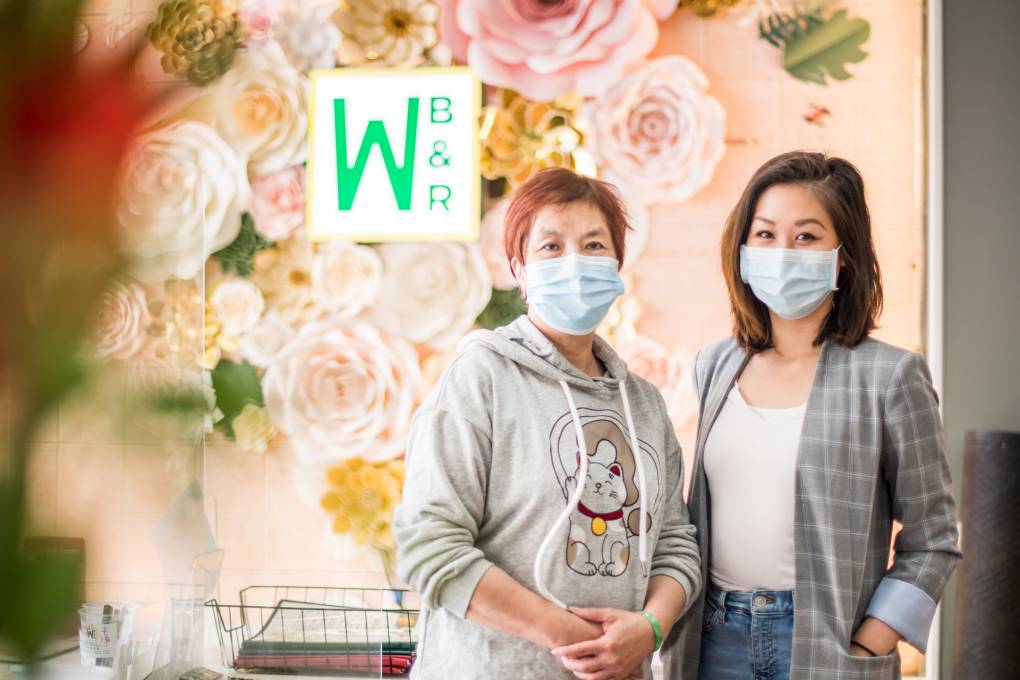
"caption": "Tilly Tsang (L) and her daughter Chelsea Hung (R), owners of Washington Bakery and Restaurant in San Francisco's Chinatown on Sept. 2, 2020.",
"description": null,
"title": "RS44728_006_KQED_Chinatown_Businesses_09022020-qut",
"credit": "Beth LaBerge/KQED",
"status": "inherit",
"isLoading": false,
"fetchFailed": false
},
"news_11830845": {
"type": "attachments",
"id": "news_11830845",
"meta": {
"index": "attachments_1716263798",
"site": "news",
"id": "11830845",
"found": true
},
"parent": 11830791,
"imgSizes": {
"apple_news_ca_landscape_5_5": {
"file": "https://ww2.kqed.org/app/uploads/sites/10/2020/07/sf_fire-e1595966710734-1044x783.jpeg",
"width": 1044,
"mimeType": "image/jpeg",
"height": 783
},
"apple_news_ca_square_4_0": {
"file": "https://ww2.kqed.org/app/uploads/sites/10/2020/07/sf_fire-e1595966710734-470x470.jpeg",
"width": 470,
"mimeType": "image/jpeg",
"height": 470
},
"twentyfourteen-full-width": {
"file": "https://ww2.kqed.org/app/uploads/sites/10/2020/07/sf_fire-e1595966710734-1038x576.jpeg",
"width": 1038,
"mimeType": "image/jpeg",
"height": 576
},
"thumbnail": {
"file": "https://ww2.kqed.org/app/uploads/sites/10/2020/07/sf_fire-e1595966710734-160x117.jpeg",
"width": 160,
"mimeType": "image/jpeg",
"height": 117
},
"post-thumbnail": {
"file": "https://ww2.kqed.org/app/uploads/sites/10/2020/07/sf_fire-e1595966710734-672x372.jpeg",
"width": 672,
"mimeType": "image/jpeg",
"height": 372
},
"kqedFullSize": {
"file": "https://ww2.kqed.org/app/uploads/sites/10/2020/07/sf_fire-e1595966710734.jpeg",
"width": 1920,
"height": 1406
},
"apple_news_ca_landscape_4_7": {
"file": "https://ww2.kqed.org/app/uploads/sites/10/2020/07/sf_fire-e1595966710734-632x474.jpeg",
"width": 632,
"mimeType": "image/jpeg",
"height": 474
},
"large": {
"file": "https://ww2.kqed.org/app/uploads/sites/10/2020/07/sf_fire-e1595966710734-1020x747.jpeg",
"width": 1020,
"mimeType": "image/jpeg",
"height": 747
},
"apple_news_ca_landscape_4_0": {
"file": "https://ww2.kqed.org/app/uploads/sites/10/2020/07/sf_fire-e1595966710734-536x402.jpeg",
"width": 536,
"mimeType": "image/jpeg",
"height": 402
},
"apple_news_ca_portrait_12_9": {
"file": "https://ww2.kqed.org/app/uploads/sites/10/2020/07/sf_fire-e1595966710734-1122x1406.jpeg",
"width": 1122,
"mimeType": "image/jpeg",
"height": 1406
},
"medium": {
"file": "https://ww2.kqed.org/app/uploads/sites/10/2020/07/sf_fire-e1595966710734-800x586.jpeg",
"width": 800,
"mimeType": "image/jpeg",
"height": 586
},
"apple_news_ca_portrait_4_0": {
"file": "https://ww2.kqed.org/app/uploads/sites/10/2020/07/sf_fire-e1595966710734-354x472.jpeg",
"width": 354,
"mimeType": "image/jpeg",
"height": 472
},
"apple_news_ca_portrait_9_7": {
"file": "https://ww2.kqed.org/app/uploads/sites/10/2020/07/sf_fire-e1595966710734-840x1120.jpeg",
"width": 840,
"mimeType": "image/jpeg",
"height": 1120
},
"apple_news_ca_landscape_12_9": {
"file": "https://ww2.kqed.org/app/uploads/sites/10/2020/07/sf_fire-e1595966710734-1832x1374.jpeg",
"width": 1832,
"mimeType": "image/jpeg",
"height": 1374
},
"apple_news_ca_square_9_7": {
"file": "https://ww2.kqed.org/app/uploads/sites/10/2020/07/sf_fire-e1595966710734-1104x1104.jpeg",
"width": 1104,
"mimeType": "image/jpeg",
"height": 1104
},
"1536x1536": {
"file": "https://ww2.kqed.org/app/uploads/sites/10/2020/07/sf_fire-e1595966710734-1536x1125.jpeg",
"width": 1536,
"mimeType": "image/jpeg",
"height": 1125
},
"apple_news_ca_portrait_4_7": {
"file": "https://ww2.kqed.org/app/uploads/sites/10/2020/07/sf_fire-e1595966710734-414x552.jpeg",
"width": 414,
"mimeType": "image/jpeg",
"height": 552
},
"apple_news_ca_square_12_9": {
"file": "https://ww2.kqed.org/app/uploads/sites/10/2020/07/sf_fire-e1595966710734-1472x1406.jpeg",
"width": 1472,
"mimeType": "image/jpeg",
"height": 1406
},
"apple_news_ca_portrait_5_5": {
"file": "https://ww2.kqed.org/app/uploads/sites/10/2020/07/sf_fire-e1595966710734-687x916.jpeg",
"width": 687,
"mimeType": "image/jpeg",
"height": 916
},
"full-width": {
"file": "https://ww2.kqed.org/app/uploads/sites/10/2020/07/sf_fire-1920x1716.jpeg",
"width": 1920,
"mimeType": "image/jpeg",
"height": 1716
},
"apple_news_ca_square_4_7": {
"file": "https://ww2.kqed.org/app/uploads/sites/10/2020/07/sf_fire-e1595966710734-550x550.jpeg",
"width": 550,
"mimeType": "image/jpeg",
"height": 550
},
"apple_news_ca_landscape_9_7": {
"file": "https://ww2.kqed.org/app/uploads/sites/10/2020/07/sf_fire-e1595966710734-1376x1032.jpeg",
"width": 1376,
"mimeType": "image/jpeg",
"height": 1032
},
"apple_news_ca_square_5_5": {
"file": "https://ww2.kqed.org/app/uploads/sites/10/2020/07/sf_fire-e1595966710734-912x912.jpeg",
"width": 912,
"mimeType": "image/jpeg",
"height": 912
}
},
"publishDate": 1595966634,
"modified": 1595983463,
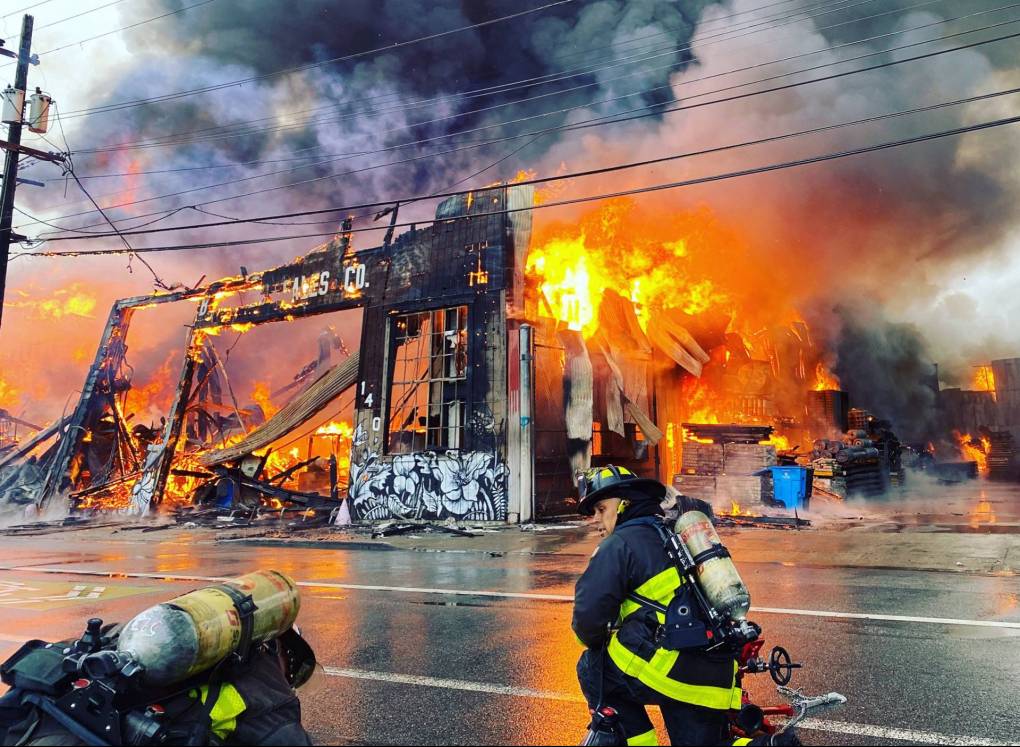
"caption": "Multiple buildings were engulfed in flames Tuesday morning on the block contained by South Van Ness Avenue, Folsom, 14th and Erie streets in San Francisco.",
"description": null,
"title": "sf_fire",
"credit": "Courtesy SF Fire Department via Twitter",
"status": "inherit",
"isLoading": false,
"fetchFailed": false
},
"news_11815742": {
"type": "attachments",
"id": "news_11815742",
"meta": {
"index": "attachments_1716263798",
"site": "news",
"id": "11815742",
"found": true
},
"parent": 11815455,
"imgSizes": {
"apple_news_ca_landscape_5_5": {
"file": "https://ww2.kqed.org/app/uploads/sites/10/2020/05/FilipinosFrontlines-1044x783.jpg",
"width": 1044,
"mimeType": "image/jpeg",
"height": 783
},
"apple_news_ca_square_4_0": {
"file": "https://ww2.kqed.org/app/uploads/sites/10/2020/05/FilipinosFrontlines-470x470.jpg",
"width": 470,
"mimeType": "image/jpeg",
"height": 470
},
"twentyfourteen-full-width": {
"file": "https://ww2.kqed.org/app/uploads/sites/10/2020/05/FilipinosFrontlines-1038x576.jpg",
"width": 1038,
"mimeType": "image/jpeg",
"height": 576
},
"thumbnail": {
"file": "https://ww2.kqed.org/app/uploads/sites/10/2020/05/FilipinosFrontlines-160x100.jpg",
"width": 160,
"mimeType": "image/jpeg",
"height": 100
},
"post-thumbnail": {
"file": "https://ww2.kqed.org/app/uploads/sites/10/2020/05/FilipinosFrontlines-672x372.jpg",
"width": 672,
"mimeType": "image/jpeg",
"height": 372
},
"kqedFullSize": {
"file": "https://ww2.kqed.org/app/uploads/sites/10/2020/05/FilipinosFrontlines-e1588367852864.jpg",
"width": 1200,
"height": 750
},
"apple_news_ca_landscape_4_7": {
"file": "https://ww2.kqed.org/app/uploads/sites/10/2020/05/FilipinosFrontlines-632x474.jpg",
"width": 632,
"mimeType": "image/jpeg",
"height": 474
},
"large": {
"file": "https://ww2.kqed.org/app/uploads/sites/10/2020/05/FilipinosFrontlines-1020x638.jpg",
"width": 1020,
"mimeType": "image/jpeg",
"height": 638
},
"apple_news_ca_landscape_4_0": {
"file": "https://ww2.kqed.org/app/uploads/sites/10/2020/05/FilipinosFrontlines-536x402.jpg",
"width": 536,
"mimeType": "image/jpeg",
"height": 402
},
"apple_news_ca_portrait_12_9": {
"file": "https://ww2.kqed.org/app/uploads/sites/10/2020/05/FilipinosFrontlines-1122x1200.jpg",
"width": 1122,
"mimeType": "image/jpeg",
"height": 1200
},
"medium": {
"file": "https://ww2.kqed.org/app/uploads/sites/10/2020/05/FilipinosFrontlines-800x500.jpg",
"width": 800,
"mimeType": "image/jpeg",
"height": 500
},
"apple_news_ca_portrait_4_0": {
"file": "https://ww2.kqed.org/app/uploads/sites/10/2020/05/FilipinosFrontlines-354x472.jpg",
"width": 354,
"mimeType": "image/jpeg",
"height": 472
},
"apple_news_ca_portrait_9_7": {
"file": "https://ww2.kqed.org/app/uploads/sites/10/2020/05/FilipinosFrontlines-840x1120.jpg",
"width": 840,
"mimeType": "image/jpeg",
"height": 1120
},
"apple_news_ca_landscape_12_9": {
"file": "https://ww2.kqed.org/app/uploads/sites/10/2020/05/FilipinosFrontlines-1832x1200.jpg",
"width": 1832,
"mimeType": "image/jpeg",
"height": 1200
},
"apple_news_ca_square_9_7": {
"file": "https://ww2.kqed.org/app/uploads/sites/10/2020/05/FilipinosFrontlines-1104x1104.jpg",
"width": 1104,
"mimeType": "image/jpeg",
"height": 1104
},
"apple_news_ca_portrait_4_7": {
"file": "https://ww2.kqed.org/app/uploads/sites/10/2020/05/FilipinosFrontlines-414x552.jpg",
"width": 414,
"mimeType": "image/jpeg",
"height": 552
},
"apple_news_ca_square_12_9": {
"file": "https://ww2.kqed.org/app/uploads/sites/10/2020/05/FilipinosFrontlines-1472x1200.jpg",
"width": 1472,
"mimeType": "image/jpeg",
"height": 1200
},
"apple_news_ca_portrait_5_5": {
"file": "https://ww2.kqed.org/app/uploads/sites/10/2020/05/FilipinosFrontlines-687x916.jpg",
"width": 687,
"mimeType": "image/jpeg",
"height": 916
},
"full-width": {
"file": "https://ww2.kqed.org/app/uploads/sites/10/2020/05/FilipinosFrontlines-1920x1200.jpg",
"width": 1920,
"mimeType": "image/jpeg",
"height": 1200
},
"apple_news_ca_square_4_7": {
"file": "https://ww2.kqed.org/app/uploads/sites/10/2020/05/FilipinosFrontlines-550x550.jpg",
"width": 550,
"mimeType": "image/jpeg",
"height": 550
},
"apple_news_ca_landscape_9_7": {
"file": "https://ww2.kqed.org/app/uploads/sites/10/2020/05/FilipinosFrontlines-1376x1032.jpg",
"width": 1376,
"mimeType": "image/jpeg",
"height": 1032
},
"apple_news_ca_square_5_5": {
"file": "https://ww2.kqed.org/app/uploads/sites/10/2020/05/FilipinosFrontlines-912x912.jpg",
"width": 912,
"mimeType": "image/jpeg",
"height": 912
}
},
"publishDate": 1588367250,
"modified": 1588375915,
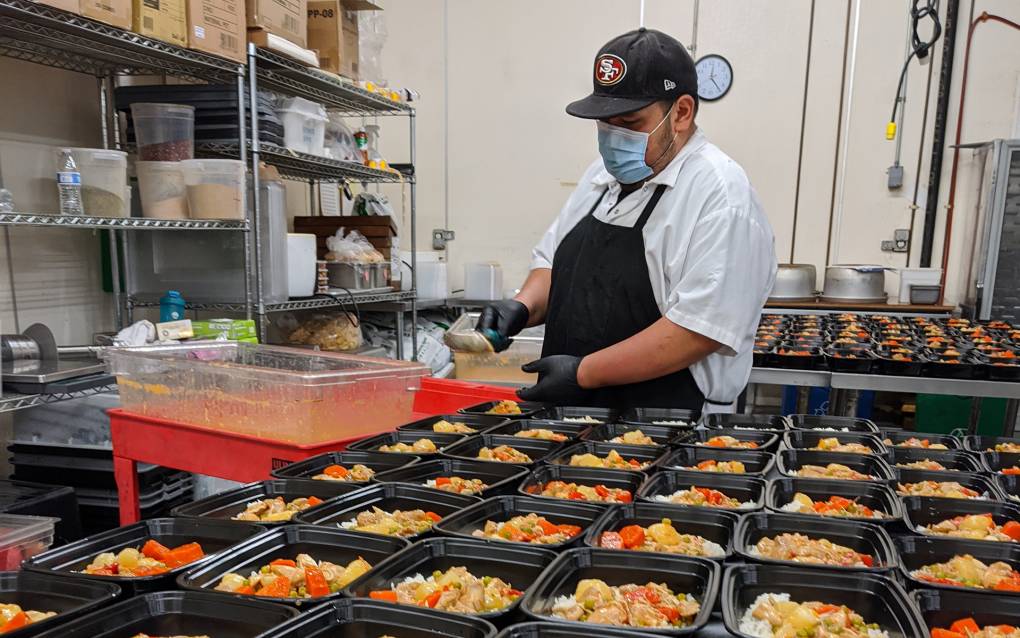
"caption": "A worker at Señor Sisig prepares meals as part of the Filipinos Feed the Frontlines effort to help struggling restaurants and, at the same time, provide food for frontline health workers, seniors and other low-income residents in San Francisco.",
"description": null,
"title": "Filipinos Frontlines",
"credit": "Courtesy of Señor Sisig",
"status": "inherit",
"isLoading": false,
"fetchFailed": false
},
"news_11755443": {
"type": "attachments",
"id": "news_11755443",
"meta": {
"index": "attachments_1716263798",
"site": "news",
"id": "11755443",
"found": true
},
"parent": 11755352,
"imgSizes": {
"apple_news_ca_landscape_5_5": {
"file": "https://ww2.kqed.org/app/uploads/sites/10/2019/06/howardstreetlanes-1044x783.jpg",
"width": 1044,
"mimeType": "image/jpeg",
"height": 783
},
"apple_news_ca_square_4_0": {
"file": "https://ww2.kqed.org/app/uploads/sites/10/2019/06/howardstreetlanes-470x470.jpg",
"width": 470,
"mimeType": "image/jpeg",
"height": 470
},
"twentyfourteen-full-width": {
"file": "https://ww2.kqed.org/app/uploads/sites/10/2019/06/howardstreetlanes-1038x576.jpg",
"width": 1038,
"mimeType": "image/jpeg",
"height": 576
},
"thumbnail": {
"file": "https://ww2.kqed.org/app/uploads/sites/10/2019/06/howardstreetlanes-160x116.jpg",
"width": 160,
"mimeType": "image/jpeg",
"height": 116
},
"post-thumbnail": {
"file": "https://ww2.kqed.org/app/uploads/sites/10/2019/06/howardstreetlanes-672x372.jpg",
"width": 672,
"mimeType": "image/jpeg",
"height": 372
},
"kqedFullSize": {
"file": "https://ww2.kqed.org/app/uploads/sites/10/2019/06/howardstreetlanes.jpg",
"width": 1920,
"height": 1390
},
"apple_news_ca_landscape_4_7": {
"file": "https://ww2.kqed.org/app/uploads/sites/10/2019/06/howardstreetlanes-632x474.jpg",
"width": 632,
"mimeType": "image/jpeg",
"height": 474
},
"large": {
"file": "https://ww2.kqed.org/app/uploads/sites/10/2019/06/howardstreetlanes-1020x738.jpg",
"width": 1020,
"mimeType": "image/jpeg",
"height": 738
},
"complete_open_graph": {
"file": "https://ww2.kqed.org/app/uploads/sites/10/2019/06/howardstreetlanes-1200x869.jpg",
"width": 1200,
"mimeType": "image/jpeg",
"height": 869
},
"apple_news_ca_landscape_4_0": {
"file": "https://ww2.kqed.org/app/uploads/sites/10/2019/06/howardstreetlanes-536x402.jpg",
"width": 536,
"mimeType": "image/jpeg",
"height": 402
},
"apple_news_ca_portrait_12_9": {
"file": "https://ww2.kqed.org/app/uploads/sites/10/2019/06/howardstreetlanes-1122x1390.jpg",
"width": 1122,
"mimeType": "image/jpeg",
"height": 1390
},
"medium": {
"file": "https://ww2.kqed.org/app/uploads/sites/10/2019/06/howardstreetlanes-800x579.jpg",
"width": 800,
"mimeType": "image/jpeg",
"height": 579
},
"apple_news_ca_portrait_4_0": {
"file": "https://ww2.kqed.org/app/uploads/sites/10/2019/06/howardstreetlanes-354x472.jpg",
"width": 354,
"mimeType": "image/jpeg",
"height": 472
},
"apple_news_ca_portrait_9_7": {
"file": "https://ww2.kqed.org/app/uploads/sites/10/2019/06/howardstreetlanes-840x1120.jpg",
"width": 840,
"mimeType": "image/jpeg",
"height": 1120
},
"apple_news_ca_landscape_12_9": {
"file": "https://ww2.kqed.org/app/uploads/sites/10/2019/06/howardstreetlanes-1832x1374.jpg",
"width": 1832,
"mimeType": "image/jpeg",
"height": 1374
},
"apple_news_ca_square_9_7": {
"file": "https://ww2.kqed.org/app/uploads/sites/10/2019/06/howardstreetlanes-1104x1104.jpg",
"width": 1104,
"mimeType": "image/jpeg",
"height": 1104
},
"apple_news_ca_portrait_4_7": {
"file": "https://ww2.kqed.org/app/uploads/sites/10/2019/06/howardstreetlanes-414x552.jpg",
"width": 414,
"mimeType": "image/jpeg",
"height": 552
},
"apple_news_ca_square_12_9": {
"file": "https://ww2.kqed.org/app/uploads/sites/10/2019/06/howardstreetlanes-1472x1390.jpg",
"width": 1472,
"mimeType": "image/jpeg",
"height": 1390
},
"apple_news_ca_portrait_5_5": {
"file": "https://ww2.kqed.org/app/uploads/sites/10/2019/06/howardstreetlanes-687x916.jpg",
"width": 687,
"mimeType": "image/jpeg",
"height": 916
},
"full-width": {
"file": "https://ww2.kqed.org/app/uploads/sites/10/2019/06/howardstreetlanes-1920x1390.jpg",
"width": 1920,
"mimeType": "image/jpeg",
"height": 1390
},
"apple_news_ca_square_4_7": {
"file": "https://ww2.kqed.org/app/uploads/sites/10/2019/06/howardstreetlanes-550x550.jpg",
"width": 550,
"mimeType": "image/jpeg",
"height": 550
},
"apple_news_ca_landscape_9_7": {
"file": "https://ww2.kqed.org/app/uploads/sites/10/2019/06/howardstreetlanes-1376x1032.jpg",
"width": 1376,
"mimeType": "image/jpeg",
"height": 1032
},
"apple_news_ca_square_5_5": {
"file": "https://ww2.kqed.org/app/uploads/sites/10/2019/06/howardstreetlanes-912x912.jpg",
"width": 912,
"mimeType": "image/jpeg",
"height": 912
}
},
"publishDate": 1560884284,
"modified": 1560903593,
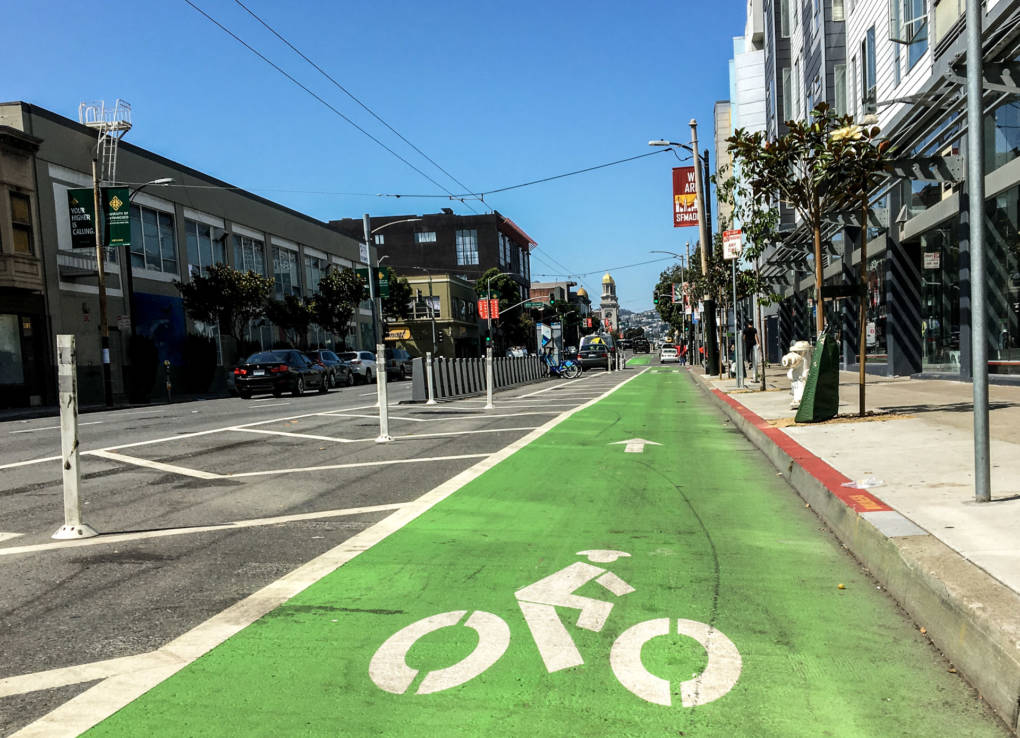
"caption": "A parking protected bike lane on Howard Street, just east of Eighth Street, in San Francisco's SoMa district. ",
"description": null,
"title": "Bike Lanes-Howard Street-San Francisco",
"credit": "Dan Brekke/KQED",
"status": "inherit",
"isLoading": false,
"fetchFailed": false
},
"news_10927809": {
"type": "attachments",
"id": "news_10927809",
"meta": {
"index": "attachments_1716263798",
"site": "news",
"id": "10927809",
"found": true
},
"parent": 10927667,
"imgSizes": {
"twentyfourteen-full-width": {
"file": "https://ww2.kqed.org/app/uploads/sites/10/2016/04/IMG_0942-1038x576.jpg",
"width": 1038,
"mimeType": "image/jpeg",
"height": 576
},
"thumbnail": {
"file": "https://ww2.kqed.org/app/uploads/sites/10/2016/04/IMG_0942-400x267.jpg",
"width": 400,
"mimeType": "image/jpeg",
"height": 267
},
"fd-sm": {
"file": "https://ww2.kqed.org/app/uploads/sites/10/2016/04/IMG_0942-960x640.jpg",
"width": 960,
"mimeType": "image/jpeg",
"height": 640
},
"post-thumbnail": {
"file": "https://ww2.kqed.org/app/uploads/sites/10/2016/04/IMG_0942-672x372.jpg",
"width": 672,
"mimeType": "image/jpeg",
"height": 372
},
"kqedFullSize": {
"file": "https://ww2.kqed.org/app/uploads/sites/10/2016/04/IMG_0942.jpg",
"width": 5472,
"height": 3648
},
"large": {
"file": "https://ww2.kqed.org/app/uploads/sites/10/2016/04/IMG_0942-1920x1280.jpg",
"width": 1920,
"mimeType": "image/jpeg",
"height": 1280
},
"guest-author-96": {
"file": "https://ww2.kqed.org/app/uploads/sites/10/2016/04/IMG_0942-96x96.jpg",
"width": 96,
"mimeType": "image/jpeg",
"height": 96
},
"medium": {
"file": "https://ww2.kqed.org/app/uploads/sites/10/2016/04/IMG_0942-800x533.jpg",
"width": 800,
"mimeType": "image/jpeg",
"height": 533
},
"guest-author-64": {
"file": "https://ww2.kqed.org/app/uploads/sites/10/2016/04/IMG_0942-64x64.jpg",
"width": 64,
"mimeType": "image/jpeg",
"height": 64
},
"guest-author-32": {
"file": "https://ww2.kqed.org/app/uploads/sites/10/2016/04/IMG_0942-32x32.jpg",
"width": 32,
"mimeType": "image/jpeg",
"height": 32
},
"jmtc-small-thumb": {
"file": "https://ww2.kqed.org/app/uploads/sites/10/2016/04/IMG_0942-280x150.jpg",
"width": 280,
"mimeType": "image/jpeg",
"height": 150
},
"fd-lrg": {
"file": "https://ww2.kqed.org/app/uploads/sites/10/2016/04/IMG_0942-1920x1280.jpg",
"width": 1920,
"mimeType": "image/jpeg",
"height": 1280
},
"fd-med": {
"file": "https://ww2.kqed.org/app/uploads/sites/10/2016/04/IMG_0942-1180x787.jpg",
"width": 1180,
"mimeType": "image/jpeg",
"height": 787
},
"detail": {
"file": "https://ww2.kqed.org/app/uploads/sites/10/2016/04/IMG_0942-75x75.jpg",
"width": 75,
"mimeType": "image/jpeg",
"height": 75
},
"guest-author-128": {
"file": "https://ww2.kqed.org/app/uploads/sites/10/2016/04/IMG_0942-128x128.jpg",
"width": 128,
"mimeType": "image/jpeg",
"height": 128
}
},
"publishDate": 1460507968,
"modified": 1460508058,
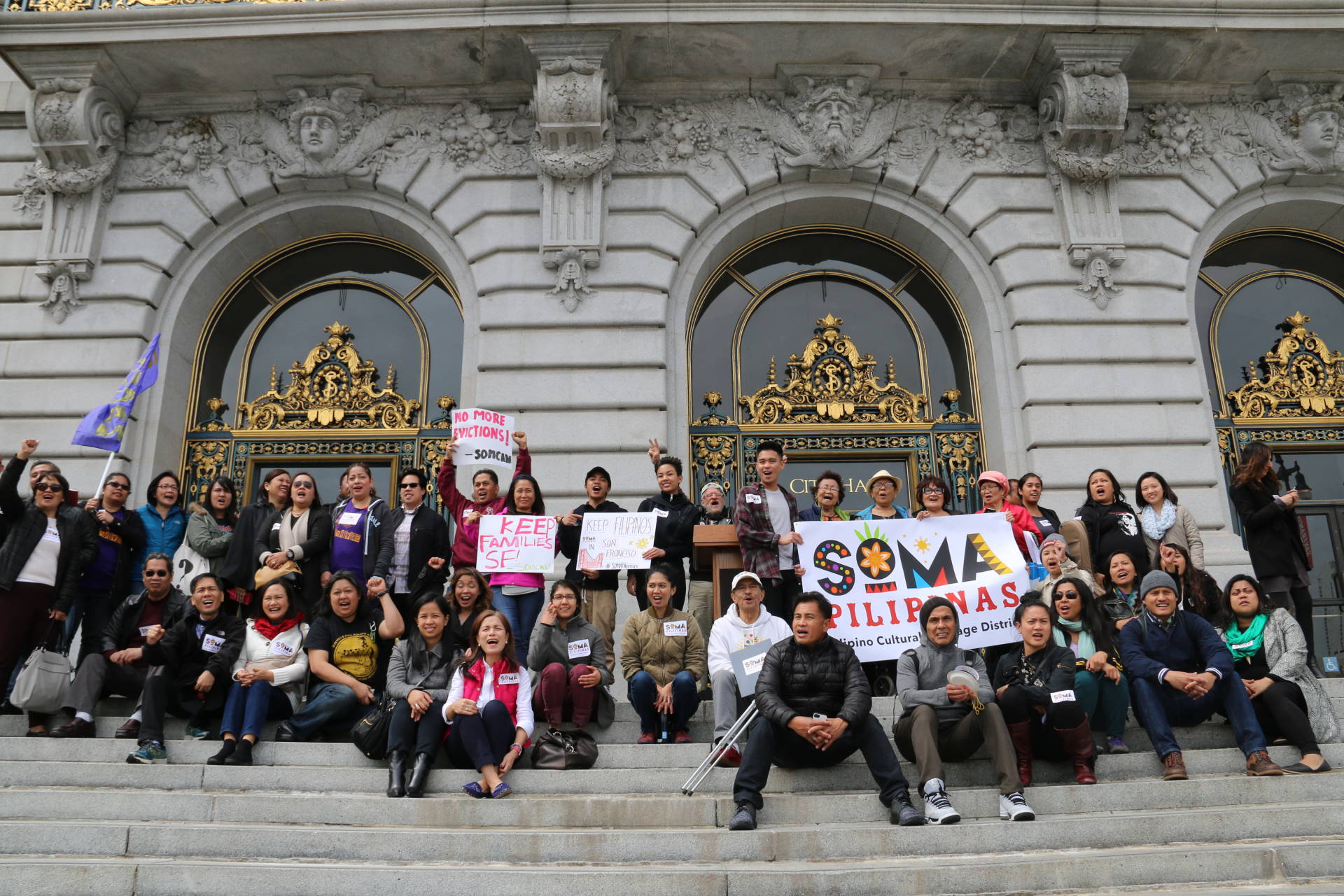
"caption": "Filipino community leaders and supporters sit outside of San Francisco's City Hall before the Board of Supervisors voted to establish a Filipino cultural heritage district in San Francisco's South of Market. ",
"description": null,
"title": "IMG_0942",
"credit": "Ericka Cruz Guevarra/KQED ",
"status": "inherit",
"isLoading": false,
"fetchFailed": false
},
"news_10904021": {
"type": "attachments",
"id": "news_10904021",
"meta": {
"index": "attachments_1716263798",
"site": "news",
"id": "10904021",
"found": true
},
"parent": 10903929,
"imgSizes": {
"twentyfourteen-full-width": {
"file": "https://ww2.kqed.org/app/uploads/sites/10/2016/03/0M6A4236-1038x576.jpg",
"width": 1038,
"mimeType": "image/jpeg",
"height": 576
},
"thumbnail": {
"file": "https://ww2.kqed.org/app/uploads/sites/10/2016/03/0M6A4236-400x267.jpg",
"width": 400,
"mimeType": "image/jpeg",
"height": 267
},
"fd-sm": {
"file": "https://ww2.kqed.org/app/uploads/sites/10/2016/03/0M6A4236-960x640.jpg",
"width": 960,
"mimeType": "image/jpeg",
"height": 640
},
"post-thumbnail": {
"file": "https://ww2.kqed.org/app/uploads/sites/10/2016/03/0M6A4236-672x372.jpg",
"width": 672,
"mimeType": "image/jpeg",
"height": 372
},
"kqedFullSize": {
"file": "https://ww2.kqed.org/app/uploads/sites/10/2016/03/0M6A4236.jpg",
"width": 5760,
"height": 3840
},
"large": {
"file": "https://ww2.kqed.org/app/uploads/sites/10/2016/03/0M6A4236-1920x1280.jpg",
"width": 1920,
"mimeType": "image/jpeg",
"height": 1280
},
"guest-author-96": {
"file": "https://ww2.kqed.org/app/uploads/sites/10/2016/03/0M6A4236-96x96.jpg",
"width": 96,
"mimeType": "image/jpeg",
"height": 96
},
"medium": {
"file": "https://ww2.kqed.org/app/uploads/sites/10/2016/03/0M6A4236-800x533.jpg",
"width": 800,
"mimeType": "image/jpeg",
"height": 533
},
"guest-author-64": {
"file": "https://ww2.kqed.org/app/uploads/sites/10/2016/03/0M6A4236-64x64.jpg",
"width": 64,
"mimeType": "image/jpeg",
"height": 64
},
"guest-author-32": {
"file": "https://ww2.kqed.org/app/uploads/sites/10/2016/03/0M6A4236-32x32.jpg",
"width": 32,
"mimeType": "image/jpeg",
"height": 32
},
"jmtc-small-thumb": {
"file": "https://ww2.kqed.org/app/uploads/sites/10/2016/03/0M6A4236-280x150.jpg",
"width": 280,
"mimeType": "image/jpeg",
"height": 150
},
"fd-lrg": {
"file": "https://ww2.kqed.org/app/uploads/sites/10/2016/03/0M6A4236-1920x1280.jpg",
"width": 1920,
"mimeType": "image/jpeg",
"height": 1280
},
"fd-med": {
"file": "https://ww2.kqed.org/app/uploads/sites/10/2016/03/0M6A4236-1180x787.jpg",
"width": 1180,
"mimeType": "image/jpeg",
"height": 787
},
"detail": {
"file": "https://ww2.kqed.org/app/uploads/sites/10/2016/03/0M6A4236-75x75.jpg",
"width": 75,
"mimeType": "image/jpeg",
"height": 75
},
"guest-author-128": {
"file": "https://ww2.kqed.org/app/uploads/sites/10/2016/03/0M6A4236-128x128.jpg",
"width": 128,
"mimeType": "image/jpeg",
"height": 128
}
},
"publishDate": 1458587276,
"modified": 1458599752,
"caption": "Chef Sharwin Tee prepares the first course, titled \"Magandang Gising\" or “beautiful awakening,” at a pop-up dinner in San Francisco's South of Market district. ",
"description": null,
"title": "0M6A4236",
"credit": "Ericka Cruz Guevarra/KQED",
"status": "inherit",
"isLoading": false,
"fetchFailed": false
},
"news_10734711": {
"type": "attachments",
"id": "news_10734711",
"meta": {
"index": "attachments_1716263798",
"site": "news",
"id": "10734711",
"found": true
},
"parent": 10734248,
"imgSizes": {
"twentyfourteen-full-width": {
"file": "https://ww2.kqed.org/app/uploads/sites/10/2015/10/8041056765_c59c2a6bdd_o-1038x576.jpg",
"width": 1038,
"mimeType": "image/jpeg",
"height": 576
},
"thumbnail": {
"file": "https://ww2.kqed.org/app/uploads/sites/10/2015/10/8041056765_c59c2a6bdd_o-400x267.jpg",
"width": 400,
"mimeType": "image/jpeg",
"height": 267
},
"fd-sm": {
"file": "https://ww2.kqed.org/app/uploads/sites/10/2015/10/8041056765_c59c2a6bdd_o-960x641.jpg",
"width": 960,
"mimeType": "image/jpeg",
"height": 641
},
"post-thumbnail": {
"file": "https://ww2.kqed.org/app/uploads/sites/10/2015/10/8041056765_c59c2a6bdd_o-672x372.jpg",
"width": 672,
"mimeType": "image/jpeg",
"height": 372
},
"kqedFullSize": {
"file": "https://ww2.kqed.org/app/uploads/sites/10/2015/10/8041056765_c59c2a6bdd_o-e1445908036551.jpg",
"width": 1920,
"height": 1282
},
"large": {
"file": "https://ww2.kqed.org/app/uploads/sites/10/2015/10/8041056765_c59c2a6bdd_o-1440x961.jpg",
"width": 1440,
"mimeType": "image/jpeg",
"height": 961
},
"guest-author-96": {
"file": "https://ww2.kqed.org/app/uploads/sites/10/2015/10/8041056765_c59c2a6bdd_o-96x96.jpg",
"width": 96,
"mimeType": "image/jpeg",
"height": 96
},
"medium": {
"file": "https://ww2.kqed.org/app/uploads/sites/10/2015/10/8041056765_c59c2a6bdd_o-800x534.jpg",
"width": 800,
"mimeType": "image/jpeg",
"height": 534
},
"guest-author-64": {
"file": "https://ww2.kqed.org/app/uploads/sites/10/2015/10/8041056765_c59c2a6bdd_o-64x64.jpg",
"width": 64,
"mimeType": "image/jpeg",
"height": 64
},
"guest-author-32": {
"file": "https://ww2.kqed.org/app/uploads/sites/10/2015/10/8041056765_c59c2a6bdd_o-32x32.jpg",
"width": 32,
"mimeType": "image/jpeg",
"height": 32
},
"jmtc-small-thumb": {
"file": "https://ww2.kqed.org/app/uploads/sites/10/2015/10/8041056765_c59c2a6bdd_o-280x150.jpg",
"width": 280,
"mimeType": "image/jpeg",
"height": 150
},
"fd-lrg": {
"file": "https://ww2.kqed.org/app/uploads/sites/10/2015/10/8041056765_c59c2a6bdd_o-1920x1282.jpg",
"width": 1920,
"mimeType": "image/jpeg",
"height": 1282
},
"fd-med": {
"file": "https://ww2.kqed.org/app/uploads/sites/10/2015/10/8041056765_c59c2a6bdd_o-1180x788.jpg",
"width": 1180,
"mimeType": "image/jpeg",
"height": 788
},
"detail": {
"file": "https://ww2.kqed.org/app/uploads/sites/10/2015/10/8041056765_c59c2a6bdd_o-75x75.jpg",
"width": 75,
"mimeType": "image/jpeg",
"height": 75
},
"guest-author-128": {
"file": "https://ww2.kqed.org/app/uploads/sites/10/2015/10/8041056765_c59c2a6bdd_o-128x128.jpg",
"width": 128,
"mimeType": "image/jpeg",
"height": 128
}
},
"publishDate": 1445907995,
"modified": 1445908407,
"caption": "Supervisor Jane Kim and Filipino community leaders will announce legislation to establish SoMa Pilipinas, an official district honoring San Francisco's Filipino-American community. ",
"description": null,
"title": "8041056765_c59c2a6bdd_o",
"credit": " Cole Anetsberger/\u003ca href=\"https://www.flickr.com/photos/sfac/8041056765/in/photolist-dfypKn-dfyuxx-d%3Efyw2K-dfytzs-dfysLt-dfyqyJ-dfyA3h\">Flickr\u003c/a>",
"status": "inherit",
"isLoading": false,
"fetchFailed": false
}
},
"audioPlayerReducer": {
"postId": "stream_live",
"isPaused": true,
"isPlaying": false,
"pfsActive": false,
"pledgeModalIsOpen": true,
"playerDrawerIsOpen": false,
"liveAudioPlayStartedAt": 0,
"liveAudioPlayContext": ""
},
"authorsReducer": {
"danbrekke": {
"type": "authors",
"id": "222",
"meta": {
"index": "authors_1716337520",
"id": "222",
"found": true
},
"name": "Dan Brekke",
"firstName": "Dan",
"lastName": "Brekke",
"slug": "danbrekke",
"email": "dbrekke@kqed.org",
"display_author_email": true,
"staff_mastheads": [
"news",
"science"
],
"title": "KQED Editor and Reporter",
"bio": "Dan Brekke is a reporter and editor for KQED News, responsible for coverage of topics ranging from California water issues to the Bay Area's transportation challenges. In a newsroom career that began in Chicago in 1972, Dan has worked for \u003cem>The San Francisco Examiner,\u003c/em> Wired and TechTV and has been published in The New York Times, The New York Times Magazine, Business 2.0, Salon and elsewhere.\r\n\r\nSince joining KQED in 2007, Dan has reported, edited and produced both radio and online features and breaking news pieces. He has shared as both editor and reporter in four Society of Professional Journalists Norcal Excellence in Journalism awards and one Edward R. Murrow regional award. He was chosen for a spring 2017 residency at the Mesa Refuge to advance his research on California salmon.\r\n\r\nEmail Dan at: \u003ca href=\"mailto:dbrekke@kqed.org\">dbrekke@kqed.org\u003c/a>\r\n\r\n\u003cstrong>Twitter:\u003c/strong> \u003ca href=\"https://twitter.com/danbrekke\" rel=\"noopener noreferrer\">twitter.com/danbrekke\u003c/a>\r\n\u003cstrong>Facebook:\u003c/strong> \u003ca href=\"https://www.facebook.com/danbrekke\" rel=\"noopener noreferrer\">www.facebook.com/danbrekke\u003c/a>\r\n\u003cstrong>LinkedIn:\u003c/strong> \u003ca href=\"https://www.linkedin.com/in/danbrekke\" rel=\"noopener noreferrer\">www.linkedin.com/in/danbrekke\u003c/a>",
"avatar": "https://secure.gravatar.com/avatar/c8126230345efca3f7aa89b1a402be45?s=600&d=mm&r=g",
"twitter": "danbrekke",
"facebook": null,
"instagram": "https://www.instagram.com/dan.brekke/",
"linkedin": "https://www.linkedin.com/in/danbrekke/",
"sites": [
{
"site": "news",
"roles": [
"administrator",
"create_posts"
]
},
{
"site": "stateofhealth",
"roles": [
"editor"
]
},
{
"site": "science",
"roles": [
"editor"
]
},
{
"site": "quest",
"roles": [
"contributor"
]
},
{
"site": "food",
"roles": [
"contributor"
]
},
{
"site": "forum",
"roles": [
"contributor"
]
},
{
"site": "liveblog",
"roles": [
"editor"
]
}
],
"headData": {
"title": "Dan Brekke | KQED",
"description": "KQED Editor and Reporter",
"ogImgSrc": "https://secure.gravatar.com/avatar/c8126230345efca3f7aa89b1a402be45?s=600&d=mm&r=g",
"twImgSrc": "https://secure.gravatar.com/avatar/c8126230345efca3f7aa89b1a402be45?s=600&d=mm&r=g"
},
"isLoading": false,
"link": "/author/danbrekke"
},
"kqed": {
"type": "authors",
"id": "236",
"meta": {
"index": "authors_1716337520",
"id": "236",
"found": true
},
"name": "KQED News Staff",
"firstName": "KQED News Staff",
"lastName": null,
"slug": "kqed",
"email": "faq@kqed.org",
"display_author_email": false,
"staff_mastheads": [],
"title": null,
"bio": null,
"avatar": "https://secure.gravatar.com/avatar/ef0e801a68c4c54afa9180db14084167?s=600&d=blank&r=g",
"twitter": null,
"facebook": null,
"instagram": null,
"linkedin": null,
"sites": [
{
"site": "arts",
"roles": [
"contributor"
]
},
{
"site": "news",
"roles": [
"editor"
]
},
{
"site": "futureofyou",
"roles": [
"author"
]
}
],
"headData": {
"title": "KQED News Staff | KQED",
"description": null,
"ogImgSrc": "https://secure.gravatar.com/avatar/ef0e801a68c4c54afa9180db14084167?s=600&d=blank&r=g",
"twImgSrc": "https://secure.gravatar.com/avatar/ef0e801a68c4c54afa9180db14084167?s=600&d=blank&r=g"
},
"isLoading": false,
"link": "/author/kqed"
},
"sasha-khokha": {
"type": "authors",
"id": "254",
"meta": {
"index": "authors_1716337520",
"id": "254",
"found": true
},
"name": "Sasha Khokha",
"firstName": "Sasha",
"lastName": "Khokha",
"slug": "sasha-khokha",
"email": "skhokha@kqed.org",
"display_author_email": true,
"staff_mastheads": [
"news"
],
"title": "Host, The California Report Magazine",
"bio": "Sasha Khokha is the host of \u003cem>The California Report's \u003c/em> weekly magazine program, which takes listeners on sound-rich excursions to meet the people that make the Golden State unique -- through audio documentaries and long-form stories. As \u003cem>The California Report's\u003c/em> Central Valley Bureau Chief based in Fresno for nearly a dozen years, Sasha brought the lives and concerns of rural Californians to listeners around the state. Her reporting helped expose the hidden price immigrant women janitors and farmworkers may pay to keep their jobs: sexual assault at work. It inspired two new California laws to protect them from sexual harassment. She was a key member of the reporting team for the Frontline film \u003cem>Rape on the Night Shift, \u003c/em>which was nominated for two national Emmys. Sasha has also won a national Edward R. Murrow and a national PRNDI award for investigative reporting, as well as multiple prizes from the Society for Professional Journalists. Sasha is a proud alum of the UC Berkeley Graduate School of Journalism and Brown University and a member of the South Asian Journalists Association.",
"avatar": "https://secure.gravatar.com/avatar/e4b5e1541aaeea2aa356aa1fb2a68950?s=600&d=blank&r=g",
"twitter": "KQEDSashaKhokha",
"facebook": null,
"instagram": null,
"linkedin": null,
"sites": [
{
"site": "news",
"roles": [
"editor"
]
},
{
"site": "stateofhealth",
"roles": [
"author"
]
},
{
"site": "science",
"roles": [
"author"
]
},
{
"site": "quest",
"roles": [
"subscriber"
]
}
],
"headData": {
"title": "Sasha Khokha | KQED",
"description": "Host, The California Report Magazine",
"ogImgSrc": "https://secure.gravatar.com/avatar/e4b5e1541aaeea2aa356aa1fb2a68950?s=600&d=blank&r=g",
"twImgSrc": "https://secure.gravatar.com/avatar/e4b5e1541aaeea2aa356aa1fb2a68950?s=600&d=blank&r=g"
},
"isLoading": false,
"link": "/author/sasha-khokha"
},
"clei": {
"type": "authors",
"id": "8617",
"meta": {
"index": "authors_1716337520",
"id": "8617",
"found": true
},
"name": "Cecilia Lei",
"firstName": "Cecilia",
"lastName": "Lei",
"slug": "clei",
"email": "clei@KQED.org",
"display_author_email": false,
"staff_mastheads": [],
"title": "KQED Contributor",
"bio": "Cecilia Lei is an on-call host and producer for KQED News and Podcasts. Previously, she was the executive producer and host of the San Francisco Chronicle's daily news podcast, 'Fifth and Mission'. Cecilia is a graduate of UC Berkeley’s Graduate School of Journalism and the former president of the Asian American Journalists Association San Francisco Bay Area chapter.",
"avatar": "https://secure.gravatar.com/avatar/40975f1f88fccf628ee537bf6ffc2af8?s=600&d=blank&r=g",
"twitter": null,
"facebook": null,
"instagram": null,
"linkedin": null,
"sites": [
{
"site": "arts",
"roles": [
"contributor"
]
},
{
"site": "news",
"roles": [
"author",
"read_private_posts"
]
},
{
"site": "about",
"roles": [
"editor"
]
}
],
"headData": {
"title": "Cecilia Lei | KQED",
"description": "KQED Contributor",
"ogImgSrc": "https://secure.gravatar.com/avatar/40975f1f88fccf628ee537bf6ffc2af8?s=600&d=blank&r=g",
"twImgSrc": "https://secure.gravatar.com/avatar/40975f1f88fccf628ee537bf6ffc2af8?s=600&d=blank&r=g"
},
"isLoading": false,
"link": "/author/clei"
},
"ecruzguevarra": {
"type": "authors",
"id": "8654",
"meta": {
"index": "authors_1716337520",
"id": "8654",
"found": true
},
"name": "Ericka Cruz Guevarra",
"firstName": "Ericka",
"lastName": "Cruz Guevarra",
"slug": "ecruzguevarra",
"email": "ecruzguevarra@kqed.org",
"display_author_email": true,
"staff_mastheads": [
"news"
],
"title": "Producer, The Bay Podcast",
"bio": "Ericka Cruz Guevarra is host of \u003ca href=\"https://www.kqed.org/podcasts/thebay\">\u003cem>The Bay\u003c/em>\u003c/a> podcast at KQED. Before host, she was the show’s producer. Her work in that capacity includes a three-part reported series on policing in Vallejo, which won a 2020 excellence in journalism award from the Society of Professional Journalists. Ericka has worked as a breaking news reporter at Oregon Public Broadcasting, helped produce the Code Switch podcast, and was KQED’s inaugural Raul Ramirez Diversity Fund intern. She’s also an alumna of NPR’s Next Generation Radio program. Send her an email if you have strong feelings about whether Fairfield and Suisun City are the Bay. Ericka is represented by SAG-AFTRA.",
"avatar": "https://secure.gravatar.com/avatar/accefc1de4bafc7e234b69bcb9b6f6536c130fd84709bc3069ef11a78787e1bb?s=600&d=blank&r=g",
"twitter": "NotoriousECG",
"bluesky": null,
"facebook": null,
"instagram": null,
"linkedin": null,
"sites": [
{
"site": "arts",
"roles": [
"subscriber"
]
},
{
"site": "news",
"roles": [
"editor",
"manage_categories"
]
},
{
"site": "futureofyou",
"roles": [
"subscriber"
]
},
{
"site": "stateofhealth",
"roles": [
"subscriber"
]
},
{
"site": "science",
"roles": [
"editor"
]
},
{
"site": "forum",
"roles": [
"subscriber"
]
}
],
"headData": {
"title": "Ericka Cruz Guevarra | KQED",
"description": "Producer, The Bay Podcast",
"ogImgSrc": "https://secure.gravatar.com/avatar/accefc1de4bafc7e234b69bcb9b6f6536c130fd84709bc3069ef11a78787e1bb?s=600&d=blank&r=g",
"twImgSrc": "https://secure.gravatar.com/avatar/accefc1de4bafc7e234b69bcb9b6f6536c130fd84709bc3069ef11a78787e1bb?s=600&d=blank&r=g"
},
"isLoading": false,
"link": "/author/ecruzguevarra"
},
"hmckenney": {
"type": "authors",
"id": "11560",
"meta": {
"index": "authors_1716337520",
"id": "11560",
"found": true
},
"name": "Hope McKenney",
"firstName": "Hope",
"lastName": "McKenney",
"slug": "hmckenney",
"email": "hmckenney@kqed.org",
"display_author_email": false,
"staff_mastheads": [],
"title": null,
"bio": null,
"avatar": "https://secure.gravatar.com/avatar/e1ad0a80c4d64be4937a42a5d59d53df?s=600&d=blank&r=g",
"twitter": null,
"facebook": null,
"instagram": null,
"linkedin": null,
"sites": [
{
"site": "news",
"roles": [
"author"
]
}
],
"headData": {
"title": "Hope McKenney | KQED",
"description": null,
"ogImgSrc": "https://secure.gravatar.com/avatar/e1ad0a80c4d64be4937a42a5d59d53df?s=600&d=blank&r=g",
"twImgSrc": "https://secure.gravatar.com/avatar/e1ad0a80c4d64be4937a42a5d59d53df?s=600&d=blank&r=g"
},
"isLoading": false,
"link": "/author/hmckenney"
}
},
"pagesReducer": {
"news_tag_soma": {
"type": "terms",
"id": "news_6544",
"meta": {
"index": "terms_1716263798",
"site": "news",
"id": "6544",
"score": 9.555889
},
"featImg": null,
"name": "SOMA",
"description": null,
"taxonomy": "tag",
"headData": {
"twImgId": null,
"twTitle": null,
"ogTitle": null,
"ogImgId": null,
"twDescription": null,
"description": null,
"title": "SOMA Archives | KQED News",
"ogDescription": null
},
"ttid": 6568,
"slug": "soma",
"isLoading": false,
"title": "SOMA",
"pageMeta": {
"site": "news",
"WpPageTemplate": "page-topic-editorial",
"currentPage": 2
},
"blocks": [
{
"blockName": "kqed/post-list",
"attrs": {
"layout": "cardArticle2",
"query": "posts/news?tag=soma",
"seeMore": false,
"paginated": true,
"page": 2
}
},
{
"blockName": "kqed/ad"
}
]
}
},
"pfsSessionReducer": {},
"postsReducer": {
"stream_live": {
"type": "live",
"id": "stream_live",
"audioUrl": "https://streams.kqed.org/kqedradio",
"title": "Live Stream",
"excerpt": "Live Stream information currently unavailable.",
"link": "/radio",
"featImg": "",
"label": {
"name": "KQED Live",
"link": "/"
}
},
"stream_kqedNewscast": {
"type": "posts",
"id": "stream_kqedNewscast",
"audioUrl": "https://www.kqed.org/.stream/anon/radio/RDnews/newscast.mp3?_=1",
"title": "KQED Newscast",
"featImg": "",
"label": {
"name": "88.5 FM",
"link": "/"
}
},
"news_11837511": {
"type": "posts",
"id": "news_11837511",
"meta": {
"index": "posts_1716263798",
"site": "news",
"id": "11837511",
"score": null,
"sort": [
1599863617000
]
},
"parent": 0,
"labelTerm": {
"site": "news"
},
"blocks": [],
"publishDate": 1599863617,
"format": "standard",
"disqusTitle": "What’s Lost in Bay Area Asian Culture When SF Eviction Moratorium Ends?",
"title": "What’s Lost in Bay Area Asian Culture When SF Eviction Moratorium Ends?",
"headTitle": "KQED News",
"content": "\u003cp>\u003cem>This report contains a clarification.\u003c/em>\u003c/p>\n\u003cp>\u003cstrong>Update, 4:10 p.m., Sept. 29:\u003c/strong> After extending San Francisco's commercial eviction moratorium earlier this month until Sept. 30, Mayor London Breed has now extended the moratorium for another 60 days, until Nov. 30, 2020.\u003c/p>\n\u003cp>\u003cstrong>Original post:\u003c/strong>\u003cbr>\nBefore the pandemic, Tilly Tsang, owner of Washington Bakery and Restaurant in San Francisco’s Chinatown, says breakfast was always the busiest. Each morning, a rotation of regular customers would enter the restaurant, order their usual – sometimes a bun or a pastry from the bakery counter – and sit down to survey who else from the neighborhood was around.\u003c/p>\n\u003cp>“A lot of people, mostly older people, come every day to sit down and just have a cup of coffee, or a cup of \u003ci>lai chai,\u003c/i>” Tsang said. “They just want to see if they know anybody so they can chat, chat, chat.”\u003c/p>\n\u003cp>\u003ci>Lai chai,\u003c/i> or milk tea, is one of the many Hong Kong staples that Tsang has offered at her restaurant, a local favorite, for over two decades, along with their beloved baked pork chop rice plates and salt and pepper chicken wings. Her loyal customers include Chinatown residents who live in single-room occupancy hotels (SROs). They treat Tsang’s restaurant, and other immigrant and family-owned businesses, as an essential place to catch up and socialize with one another because many of their cramped buildings lack common areas.\u003c/p>\n\u003cp>[ad fullwidth]\u003c/p>\n\u003cp>But since the COVID-19 pandemic, small business owners like Tsang are facing the devastating reality that many will not survive. Tens of thousands have already permanently closed in the United States, and it is uncertain when another round of federal government assistance will arrive. Aid from the federal Paycheck Protection Program has largely run out for those who could get it.\u003c/p>\n\u003cp>Eviction moratoriums have prevented more San Francisco businesses from folding, but the city’s \u003ca href=\"https://oewd.org/sites/default/files/Documents/Guidance%20Temporary%20Moratorium%20on%20Commercial%20Evictions_v8.12.2020%20expires%209.14.20.pdf\">commercial eviction moratorium\u003c/a> ends on Sept. 14. That means commercial tenants will have until Monday to pay back missed rent payments – which for many add up to six months rent – or else landlords can start evicting them as early as October. Locals fear that once commercial evictions begin, those who depend on the businesses for jobs, culture and community will be displaced, and the cultural landscape of San Francisco will be irreparably harmed.\u003c/p>\n\u003cp>Real estate attorney \u003ca href=\"https://www.perkinscoie.com/en/professionals/allan-e-low.html\">Allan Low\u003c/a> is working pro bono to assist small business owners in the city’s Asian cultural districts. He says without immediate steps on both the federal and local level to address the threat of permanent closures, “We’re going to be faced with a tidal wave of evictions, bankruptcies and retail landscapes that are just going to be completely obliterated.”\u003c/p>\n\u003cp>He says that could mean devastation to neighborhoods that have largely defined San Francisco’s unique culture, including Chinatown, Japantown and the city’s newest cultural district, SOMA Pilipinas.\u003c/p>\n\u003cp>The ripple effects will hit the larger Bay Area Asian Pacific Islander American population that depend on these hubs for a sense of belonging, essential services and cultural empowerment – especially in a region that has already faced rapid gentrification and demographic shifts.\u003c/p>\n\u003ch3>In Chinatown: Holding Space for One Another\u003c/h3>\n\u003cp>Unlike its more affluent neighbors in Russian Hill and North Beach, Chinatown has been able to stave off years of housing and development pressures thanks to its strong community, tenant organizing and zoning restrictions.\u003c/p>\n\u003cp>District 3 Supervisor Aaron Peskin says the neighborhood has benefited from its “incredibly rich fabric of community-based organizations” such as the \u003ca href=\"https://www.chinatowncdc.org/\">Chinatown Community Development Center (CCDC)\u003c/a>. The nonprofit housing organization quickly leapt into action at the start of the pandemic with its short-term \u003ca href=\"https://www.kqed.org/news/11816116/chinatown-housing-group-feeds-vulnerable-sro-tenants-by-reviving-legacy-restaurants\">Feed + Fuel Chinatown program\u003c/a>. The program immediately mobilized Chinatown restaurants to feed vulnerable SRO restaurants and the elderly. It allowed restaurant owners to hire back laid off employees and pay rents, but it ended in mid-July.\u003c/p>\n\u003cfigure id=\"attachment_11837566\" class=\"wp-caption alignnone\" style=\"max-width: 1920px\">\u003cimg class=\"size-full wp-image-11837566\" src=\"https://ww2.kqed.org/app/uploads/sites/10/2020/09/RS44732_010_KQED_Chinatown_Businesses_09022020-qut.jpg\" alt=\"\" width=\"1920\" height=\"1280\" srcset=\"https://ww2.kqed.org/app/uploads/sites/10/2020/09/RS44732_010_KQED_Chinatown_Businesses_09022020-qut.jpg 1920w, https://ww2.kqed.org/app/uploads/sites/10/2020/09/RS44732_010_KQED_Chinatown_Businesses_09022020-qut-800x533.jpg 800w, https://ww2.kqed.org/app/uploads/sites/10/2020/09/RS44732_010_KQED_Chinatown_Businesses_09022020-qut-1020x680.jpg 1020w, https://ww2.kqed.org/app/uploads/sites/10/2020/09/RS44732_010_KQED_Chinatown_Businesses_09022020-qut-160x107.jpg 160w, https://ww2.kqed.org/app/uploads/sites/10/2020/09/RS44732_010_KQED_Chinatown_Businesses_09022020-qut-1536x1024.jpg 1536w\" sizes=\"(max-width: 1920px) 100vw, 1920px\">\u003cfigcaption class=\"wp-caption-text\">Chelsea Hung works to package meals for a Chinatown Community Development Center program that provides meal delivery for for seniors and residents in local SROs or public housing during COVID-19, at the Washington Bakery and Restaurant in San Francisco's Chinatown on Sept. 2, 2020. \u003ccite>(Beth LaBerge/KQED)\u003c/cite>\u003c/figcaption>\u003c/figure>\n\u003cp>Some restaurants, like Tsang’s, are still participating in a similar effort through the city’s \u003ca href=\"https://www.sfhsa.org/services/health-food/groceries-and-meals/great-plates-delivered-meal-program\">Great Plates program\u003c/a>, but most say they are only generating about 25% of their regular revenue, a CCDC restaurant survey revealed. Nearly 60% of restaurant jobs have been eliminated and less than a quarter of the Chinatown restaurants surveyed say they can maintain their businesses; the rest are either unsure, barely surviving or have only months left to stay open.\u003c/p>\n\u003cp>Even though shelter-in-place orders were announced in mid-March, the painful drop in business started in January for Frank Chui, co-owner of the Hang Ah Tea Room.\u003c/p>\n\u003cp>“It was a fall-off-the-cliff kind of decline,” he said. “It wasn’t slow. It was immediately – boom, within a week, 70% to 90% drop, like no business.”\u003c/p>\n\u003cp>Bay Area APIA businesses, not just in Chinatown, were hit first – as early as December 2019 – because of rising xenophobia and anti-Asian discrimination, which motivated \u003ca href=\"https://www.kqed.org/news/11803203/pelosi-lunches-in-sf-chinatown-lending-support-to-businesses-amid-coronavirus-fears\">politicians to encourage patronage of Chinatown businesses\u003c/a> before San Francisco issued its shelter-in-place orders.[pullquote size=\"medium\" align=\"right\" citation=\"Chelsea Hung, Washington Bakery & Restaurant\"]'It becomes this domino effect ... It’s not just the loss of a business, it’s the loss of a whole community.'[/pullquote]\u003c/p>\n\u003cp>Chui says the closure of Hang Ah Tea Room, which was established in 1920, would mean the permanent loss of an important piece of San Francisco Chinatown and American history: “It’s the first dim sum house in America.” Chui acquired the restaurant in 2014 and had hopes of celebrating its 100th anniversary this year.\u003c/p>\n\u003cp>Owning the restaurant was an opportunity for Chui to help protect part of Chinatown’s legacy; the restaurant has generations of customers that make visiting Hang Ah Tea Room an annual tradition. But the challenges of COVID-19 has forced him to cut more than half of his staff – all recent immigrants who live in Chinatown. Chui says they have all been able to collect unemployment benefits after the layoffs.\u003c/p>\n\u003cp>At Tsang’s \u003ca href=\"https://www.wbrsf.com/\">Washington Bakery and Restaurant\u003c/a>, some employees have stayed on for decades. Keeping the restaurant in the family is a priority for Tsang and her daughter Chelsea Hung. Hung moved back from New York in 2018 after working in tech to help out with the restaurant because she couldn’t bear the thought of letting the business go when her mother contemplated retiring a couple years ago.\u003c/p>\n\u003cp>“I think it's up to our generation to pay it forward and continue the community we grew up in,” Hung said. “It's more than the restaurant, but also for the community.”\u003c/p>\n\u003cp>She explains that the businesses are intricately linked to a unique commercial ecosystem that helps make Chinatown a complete neighborhood: “We use a lot of local vendors, and if we had to shut down those vendors would be affected, too,” Hung said. “It becomes this domino effect. ... It’s not just the loss of a business, it’s the loss of a whole community.”\u003c/p>\n\u003cfigure id=\"attachment_11837560\" class=\"wp-caption alignnone\" style=\"max-width: 1920px\">\u003cimg class=\"size-full wp-image-11837560\" src=\"https://ww2.kqed.org/app/uploads/sites/10/2020/09/RS44703_029_KQED_Chinatown_Businesses_08302020-qut.jpg\" alt=\"\" width=\"1920\" height=\"1278\" srcset=\"https://ww2.kqed.org/app/uploads/sites/10/2020/09/RS44703_029_KQED_Chinatown_Businesses_08302020-qut.jpg 1920w, https://ww2.kqed.org/app/uploads/sites/10/2020/09/RS44703_029_KQED_Chinatown_Businesses_08302020-qut-800x533.jpg 800w, https://ww2.kqed.org/app/uploads/sites/10/2020/09/RS44703_029_KQED_Chinatown_Businesses_08302020-qut-1020x679.jpg 1020w, https://ww2.kqed.org/app/uploads/sites/10/2020/09/RS44703_029_KQED_Chinatown_Businesses_08302020-qut-160x107.jpg 160w, https://ww2.kqed.org/app/uploads/sites/10/2020/09/RS44703_029_KQED_Chinatown_Businesses_08302020-qut-1536x1022.jpg 1536w\" sizes=\"(max-width: 1920px) 100vw, 1920px\">\u003cfigcaption class=\"wp-caption-text\">As apart of the 'Shared Spaces' program, sections of Grant Avenue in San Francisco's Chinatown are temporarily closed to traffic on Aug. 30, 2020. The street closure, every Saturday and Sunday from 8 a.m. to 9 p.m, allows pedestrians more space and restaurants to open for outdoor dining.\u003c/figcaption>\u003c/figure>\n\u003cp>The city is trying to help struggling Chinatown businesses by encouraging restaurants to participate in outdoor dining. While the city’s \u003ca href=\"https://sf.gov/shared-spaces\">Shared Spaces program \u003c/a>had already shut down a stretch of Grant Street – the corridor of Chinatown most known for its tourist souvenir shops – for outdoor dining, it has primarily been utilized by outside visitors and tourists who have slowly begun to return to Chinatown. Hoping to loop in more restaurants, especially ones that serve locals, CCDC and the Chinese Chamber of Commerce started providing grants and technical assistance to merchants, such as securing barricades to partition an outdoor dining area.\u003c/p>\n\u003cp>Hung says the program has helped Washington Cafe and Restaurant, and the effort has slowly welcomed back their usual regulars who have happily found an outdoor alternative for the morning \u003ci>lai chai\u003c/i>. “They’re happy about that but they’re also facing their own challenges of how to social distance, but also be active and still live their life,” she explained.\u003c/p>\n\u003cp>Though Hung says their landlord, who also owns a business in Chinatown, has accommodated delayed rent payments for now, she still has to pay several months’ in full, and it’s an anxiety-inducing reality that is sinking in for businesses across the city as the eviction moratorium is scheduled to end on Sept. 14.\u003c/p>\n\u003cfigure id=\"attachment_11837567\" class=\"wp-caption alignnone\" style=\"max-width: 1920px\">\u003cimg class=\"size-full wp-image-11837567\" src=\"https://ww2.kqed.org/app/uploads/sites/10/2020/09/RS44739_017_KQED_Chinatown_Businesses_09022020-qut.jpg\" alt=\"\" width=\"1920\" height=\"1280\" srcset=\"https://ww2.kqed.org/app/uploads/sites/10/2020/09/RS44739_017_KQED_Chinatown_Businesses_09022020-qut.jpg 1920w, https://ww2.kqed.org/app/uploads/sites/10/2020/09/RS44739_017_KQED_Chinatown_Businesses_09022020-qut-800x533.jpg 800w, https://ww2.kqed.org/app/uploads/sites/10/2020/09/RS44739_017_KQED_Chinatown_Businesses_09022020-qut-1020x680.jpg 1020w, https://ww2.kqed.org/app/uploads/sites/10/2020/09/RS44739_017_KQED_Chinatown_Businesses_09022020-qut-160x107.jpg 160w, https://ww2.kqed.org/app/uploads/sites/10/2020/09/RS44739_017_KQED_Chinatown_Businesses_09022020-qut-1536x1024.jpg 1536w\" sizes=\"(max-width: 1920px) 100vw, 1920px\">\u003cfigcaption class=\"wp-caption-text\">Jade Zhu takes orders at outdoor tables at the Washington Bakery and Restaurant in San Francisco's Chinatown on Sept. 2, 2020.\u003c/figcaption>\u003c/figure>\n\u003ch3>In Japantown: Two Landlords Determine the Fate of Dozens\u003c/h3>\n\u003cp>While the threat of commercial evictions in Chinatown is imminent, it may be blunted by the fact that building ownership in the neighborhood is more diversified compared to others. Supervisor Peskin says that because many of its buildings are owned by family associations, for example, that are not “entirely motivated by money and rent,” he believes businesses in other neighborhoods face a graver risk of permanently closing.\u003c/p>\n\u003cp>One such neighborhood is Japantown where the fate of dozens of small businesses in the East and West sides of the Japan Center mall – the cultural district’s main commercial center – is in the hands of just two landlords.\u003c/p>\n\u003cfigure id=\"attachment_11837573\" class=\"wp-caption alignnone\" style=\"max-width: 1920px\">\u003cimg class=\"size-full wp-image-11837573\" src=\"https://ww2.kqed.org/app/uploads/sites/10/2020/09/RS44780_063_KQED_Japantown_Businesses_09022020-qut.jpg\" alt=\"\" width=\"1920\" height=\"1280\" srcset=\"https://ww2.kqed.org/app/uploads/sites/10/2020/09/RS44780_063_KQED_Japantown_Businesses_09022020-qut.jpg 1920w, https://ww2.kqed.org/app/uploads/sites/10/2020/09/RS44780_063_KQED_Japantown_Businesses_09022020-qut-800x533.jpg 800w, https://ww2.kqed.org/app/uploads/sites/10/2020/09/RS44780_063_KQED_Japantown_Businesses_09022020-qut-1020x680.jpg 1020w, https://ww2.kqed.org/app/uploads/sites/10/2020/09/RS44780_063_KQED_Japantown_Businesses_09022020-qut-160x107.jpg 160w, https://ww2.kqed.org/app/uploads/sites/10/2020/09/RS44780_063_KQED_Japantown_Businesses_09022020-qut-1536x1024.jpg 1536w\" sizes=\"(max-width: 1920px) 100vw, 1920px\">\u003cfigcaption class=\"wp-caption-text\">The Japntown Peace Plaza on Sept. 2, 2020. \u003ccite>(Beth LaBerge/KQED)\u003c/cite>\u003c/figcaption>\u003c/figure>\n\u003cp>Since the start of the pandemic, the closure of the two-building indoor mall has severely impacted the more than 50 businesses inside, which are a mix of mom-and-pop shops and restaurants.\u003c/p>\n\u003cp>In addition to the rent, businesses must pay the common area maintenance fees that have more than doubled for some tenants since a turnover in property management in 2018. Adding to tenants’ woes has been the total lack of response to requests for future rent relief structure on the part of one particular landlord, Kinokuniya Bookstores of America, which makes negotiating a deal impossible, says Diane Matsuda, a staff attorney with \u003ca href=\"https://www.apilegaloutreach.org/\">Asian Pacific Islander Legal Outreach (APILO)\u003c/a>, a nonprofit organization.\u003c/p>\n\u003cp>“The biggest challenge here is that you have two really big mega landlords and those mega landlords control a lot of the cultural and economic hub of Japantown,” Matsuda says. “Should they not want to negotiate or have any kind of rent abatement ... you’re really talking about us losing literally a whole ethnic community that has been here since the start of the 19th century.\u003c/p>\n\u003cp>Matsuda and Low, who is also fighting for Chinatown business owners, have been representing nearly 40 Japan Center tenants in total, many of whom are native Japanese speakers with limited English proficiency.\u003c/p>\n\u003cp>“They don't have to just be the quiet Americans that I think the property manager wants them to be,” Matsuda said.\u003c/p>\n\u003cfigure id=\"attachment_11837577\" class=\"wp-caption alignnone\" style=\"max-width: 1920px\">\u003cimg class=\"size-full wp-image-11837577\" src=\"https://ww2.kqed.org/app/uploads/sites/10/2020/09/RS44765_046_KQED_Japantown_Businesses_09022020-qut.jpg\" alt=\"\" width=\"1920\" height=\"1280\" srcset=\"https://ww2.kqed.org/app/uploads/sites/10/2020/09/RS44765_046_KQED_Japantown_Businesses_09022020-qut.jpg 1920w, https://ww2.kqed.org/app/uploads/sites/10/2020/09/RS44765_046_KQED_Japantown_Businesses_09022020-qut-800x533.jpg 800w, https://ww2.kqed.org/app/uploads/sites/10/2020/09/RS44765_046_KQED_Japantown_Businesses_09022020-qut-1020x680.jpg 1020w, https://ww2.kqed.org/app/uploads/sites/10/2020/09/RS44765_046_KQED_Japantown_Businesses_09022020-qut-160x107.jpg 160w, https://ww2.kqed.org/app/uploads/sites/10/2020/09/RS44765_046_KQED_Japantown_Businesses_09022020-qut-1536x1024.jpg 1536w\" sizes=\"(max-width: 1920px) 100vw, 1920px\">\u003cfigcaption class=\"wp-caption-text\">The Japan Center East Mall on Sept. 2, 2020. \u003ccite>(Beth LaBerge/KQED)\u003c/cite>\u003c/figcaption>\u003c/figure>\n\u003cp>One such tenant is Ryan Kimura, who owns Pika Pika on the Kinokuniya side of the mall. Since 2006, \u003ca href=\"https://www.pikapikasf.com/\">Pika Pika\u003c/a> has been a specialty store that features \u003ci>purikura\u003c/i>, or Japanese sticker photo booths, which is often frequented by young teens and families. The photos are a popular Japanese phenomenon that Kimura wanted to bring to the U.S. after living in Japan for several years. It’s an in-person and unique social experience that has made it impossible for the business to reopen during the pandemic. Despite no revenue, Pika Pika continues to receive monthly invoices for rent and services, according to Kimura, who says he and his family are now leaning towards closing up the 14-year-old shop for good.\u003c/p>\n\u003cp>Many of the businesses, like Pika Pika, highlight unique aspects of Japanese culture, from gardening knowledge to selling products that would otherwise only be found in Japan. For the tenants, the business of sharing Japanese culture and traditions is a deeply personal passion – one that now stands to be lost if rent negotiations do not take place.\u003c/p>\n\u003cp>Before the pandemic, a coalition of Japantown mall tenants expressed their concerns over high common-area maintenance charges that dramatically increased since Davis Property Management took over management of the Kinokuniya Building in 2018. Kimura and Matsuda say some of the tenants have seen over a 100% increase in the fees and that some are paying more in these charges than in rent itself.[pullquote size=\"medium\" align=\"right\" citation=\"Diane Matsuda, Asian Pacific Islander Legal Outreach\"]'You’re really talking about us losing literally a whole ethnic community that has been here since the start of the 19th century.'[/pullquote]\u003c/p>\n\u003cp>“This has caused a lot of friction within our mall and a lot of tenants are upset about it and the lack of transparency,” says Kimura. “We send multiple emails, letters to our property managers and landlords and have heard nothing back.”\u003c/p>\n\u003cp>Attempts to reach Kinokuniya’s attorneys for this story were unsuccessful, but Kirsten Fletcher, the building’s property manager wrote that “it is difficult all around,” and cites that the building owner also owns over 50 stores in the Americas alone. “Rent is contracted and due by the tenants, no one is making money,” Fletcher replied in an email.\u003c/p>\n\u003cp>Fletcher also notes that one month of deferred rent was offered to Kinokuniya tenants earlier in the pandemic.\u003c/p>\n\u003cp>Establishing and securing the commercial and retail district of Japantown is an effort that dates back more than a century, starting from when Japanese immigrants settled into the area after the 1906 earthquake. It grew into a thriving community that spanned about 40 blocks during its heyday until Executive Order 9066 during World War II swept Japanese citizens and Japanese Americans into internment camps.\u003c/p>\n\u003cp>Since then, through years of economic development, buildings have been razed and the neighborhood has been reduced into only a commercial district. It’s why protecting the mom-and-pop shops in Japantown is an effort to preserve the cultural heart of the wider Bay Area Japanese American community, many of whom come into San Francisco to convene and continue important traditions. Japantown is less residential than Chinatown but it serves as a focal point for key community events and festivals, including local basketball league games, the annual Cherry Blossom and Obon Festivals and gatherings at the Japanese Buddhist church in the neighborhood.\u003c/p>\n\u003cfigure id=\"attachment_11837572\" class=\"wp-caption alignnone\" style=\"max-width: 1920px\">\u003cimg class=\"size-full wp-image-11837572\" src=\"https://ww2.kqed.org/app/uploads/sites/10/2020/09/RS44778_061_KQED_Japantown_Businesses_09022020-qut-1.jpg\" alt=\"\" width=\"1920\" height=\"1280\" srcset=\"https://ww2.kqed.org/app/uploads/sites/10/2020/09/RS44778_061_KQED_Japantown_Businesses_09022020-qut-1.jpg 1920w, https://ww2.kqed.org/app/uploads/sites/10/2020/09/RS44778_061_KQED_Japantown_Businesses_09022020-qut-1-800x533.jpg 800w, https://ww2.kqed.org/app/uploads/sites/10/2020/09/RS44778_061_KQED_Japantown_Businesses_09022020-qut-1-1020x680.jpg 1020w, https://ww2.kqed.org/app/uploads/sites/10/2020/09/RS44778_061_KQED_Japantown_Businesses_09022020-qut-1-160x107.jpg 160w, https://ww2.kqed.org/app/uploads/sites/10/2020/09/RS44778_061_KQED_Japantown_Businesses_09022020-qut-1-1536x1024.jpg 1536w\" sizes=\"(max-width: 1920px) 100vw, 1920px\">\u003cfigcaption class=\"wp-caption-text\">Xiao Feng brings out an order at the Matcha Cafe Maiko at the Japan Center West Mall on Sept. 2, 2020. \u003ccite>(Beth LaBerge/KQED)\u003c/cite>\u003c/figcaption>\u003c/figure>\n\u003cp>Kristy Wang, a community planning policy director with the\u003ca href=\"https://www.spur.org/\"> San Francisco Bay Area Planning and Urban Research Association (SPUR)\u003c/a> adds that keeping businesses alive in these neighborhoods is essential in preserving a cultural home base for communities, even if they move away.\u003c/p>\n\u003cp>She cites the exodus of San Francisco’s Black population as an example: “So many people have had to move out or decided to move out. And if you lose those businesses, then you lose a place to go back to even.”\u003c/p>\n\u003cp>Low says attempts to reach out to Kinokuniya’s property manager and attorneys have gone unanswered, and he’s afraid that once the commercial eviction moratorium is lifted on Monday, many of these businesses won’t make it.\u003c/p>\n\u003cp>“Our existing commercial eviction moratorium was based on the assumption that this pandemic would only last six months ... it was a very short-term reaction,” Low said. “I think we relied too much on the good faith that landlords and tenants can work out their own problems and what we’re rapidly realizing is this is not the case.”\u003c/p>\n\u003cp>As it stands now, the \u003ca href=\"https://sf.gov/check-if-your-business-qualifies-eviction-moratorium\">commercial eviction moratorium\u003c/a> states that if commercial tenants have not paid all outstanding rent after six months, landlords are able to evict them for non-payment.\u003c/p>\n\u003cp>Low has drafted an ordinance – and is in talks with Supervisor Peskin, as well as District 5 Supervisor Dean Preston, whose jurisdiction includes Japantown – that would extend the existing moratorium as well as add more weight to its enforcement.\u003c/p>\n\u003cp>Though the timeline of when this may happen is still unclear, Peskin says he hopes to arrive at a solution that will be “legally sound.”\u003c/p>\n\u003cp>Low adds, however, that an extension of the moratorium still won’t be enough. “The moratorium is fine just for stalling the evictions,\" he says. \"You have to get to the underlying problem, which is not only stopping the evictions or addressing evictions, but somehow addressing the money.\"\u003c/p>\n\u003ch3>In SOMA Pilipinas: Incubating Survival Strategies\u003c/h3>\n\u003cp>Another population in San Francisco that is acutely familiar with being forced to relocate is the Filipino American population.\u003c/p>\n\u003cp>\u003ca href=\"https://www.somapilipinas.org/\">SOMA Pilipinas\u003c/a> was formed in 2016 in part to encourage entrepreneurship among Filipino Americans in a Filipino-dedicated business corridor and reclaim space in a city that has repeatedly displaced them.\u003c/p>\n\u003cfigure id=\"attachment_11837569\" class=\"wp-caption alignnone\" style=\"max-width: 1920px\">\u003cimg class=\"size-full wp-image-11837569\" src=\"https://ww2.kqed.org/app/uploads/sites/10/2020/09/RS44754_033_KQED_SOMAPilipinas_Businesses_09022020-qut.jpg\" alt=\"\" width=\"1920\" height=\"1280\" srcset=\"https://ww2.kqed.org/app/uploads/sites/10/2020/09/RS44754_033_KQED_SOMAPilipinas_Businesses_09022020-qut.jpg 1920w, https://ww2.kqed.org/app/uploads/sites/10/2020/09/RS44754_033_KQED_SOMAPilipinas_Businesses_09022020-qut-800x533.jpg 800w, https://ww2.kqed.org/app/uploads/sites/10/2020/09/RS44754_033_KQED_SOMAPilipinas_Businesses_09022020-qut-1020x680.jpg 1020w, https://ww2.kqed.org/app/uploads/sites/10/2020/09/RS44754_033_KQED_SOMAPilipinas_Businesses_09022020-qut-160x107.jpg 160w, https://ww2.kqed.org/app/uploads/sites/10/2020/09/RS44754_033_KQED_SOMAPilipinas_Businesses_09022020-qut-1536x1024.jpg 1536w\" sizes=\"(max-width: 1920px) 100vw, 1920px\">\u003cfigcaption class=\"wp-caption-text\">A mural on the Bayanihan Community Center in the SOMA Pilipinas neighborhood in San Francisco on Sept. 2, 2020. \u003ccite>(Beth LaBerge/KQED)\u003c/cite>\u003c/figcaption>\u003c/figure>\n\u003cp>There had been a 10-block radius neighborhood dubbed “Manilatown” on Kearny Street in the 1920s established by Filipino migrant farmworkers. But as urban renewal and development sought to grow the city’s Financial District, Filipinos were slowly pushed out of the area. \u003ca href=\"https://twitter.com/NotoriousECG/status/1290829342059016193\">The tension came to a head in 1977\u003c/a>, when the International Hotel, or I-Hotel, a residential building for Filipino immigrants, faced eviction threats, which led to large protests and coalition building with other groups, including Chinese and Japanese American activists.\u003c/p>\n\u003cp>Eventually, I-Hotel evictions took place and shifted Filipino immigrants to the SOMA district, where they opened up businesses and established storefronts. But they then faced additional mass displacement during the development of Yerba Buena and Moscone centers.\u003c/p>\n\u003cp>“SOMA Pilipinas is kind of a great hope of ‘we can finally write the narratives that we always wanted,’ ” said Desi Danganan, executive director of \u003ca href=\"https://kultivatelabs.com/\">Kultivate Labs\u003c/a>, a nonprofit arts and economic development organization, who helped spearhead the district.\u003c/p>\n\u003cp>“All of these past struggles led up to this momentous opportunity to develop our community in one of the most wealthiest progressive cities in the world,” said Danganan. Since its establishment and before the pandemic, SOMA Pilipinas had 18 businesses in the neighborhood – its main corridor is on Mission Street between Fifth and Seventh streets – and many of its owners are younger Filipino entrepreneurs and artists. The district has since lost four businesses due to the economic challenges of the coronavirus.\u003c/p>\n\u003cfigure id=\"attachment_11837568\" class=\"wp-caption alignnone\" style=\"max-width: 1920px\">\u003cimg class=\"size-full wp-image-11837568\" src=\"https://ww2.kqed.org/app/uploads/sites/10/2020/09/RS44753_031_KQED_SOMAPilipinas_Businesses_09022020-qut.jpg\" alt=\"\" width=\"1920\" height=\"1280\" srcset=\"https://ww2.kqed.org/app/uploads/sites/10/2020/09/RS44753_031_KQED_SOMAPilipinas_Businesses_09022020-qut.jpg 1920w, https://ww2.kqed.org/app/uploads/sites/10/2020/09/RS44753_031_KQED_SOMAPilipinas_Businesses_09022020-qut-800x533.jpg 800w, https://ww2.kqed.org/app/uploads/sites/10/2020/09/RS44753_031_KQED_SOMAPilipinas_Businesses_09022020-qut-1020x680.jpg 1020w, https://ww2.kqed.org/app/uploads/sites/10/2020/09/RS44753_031_KQED_SOMAPilipinas_Businesses_09022020-qut-160x107.jpg 160w, https://ww2.kqed.org/app/uploads/sites/10/2020/09/RS44753_031_KQED_SOMAPilipinas_Businesses_09022020-qut-1536x1024.jpg 1536w\" sizes=\"(max-width: 1920px) 100vw, 1920px\">\u003cfigcaption class=\"wp-caption-text\">A person rides a bike by a mural on Bindlestiff, a Filipinx black box theater on 6th Street in the SOMA Pilipinas neighborhood in San Francisco on Sept. 2, 2020. \u003ccite>(Beth LaBerge/KQED)\u003c/cite>\u003c/figcaption>\u003c/figure>\n\u003cp>In a survey conducted a few months ago, more than half of the food and retail businesses in SOMA Pilipinas have lost more than 90% of their revenue, largely attributed to the lack of foot traffic from employees in nearby office buildings, including the Twitter headquarters. Nearly 70% of the businesses say they only had a handful of months left to stay afloat.\u003c/p>\n\u003cp>The impact on SOMA Pilipinas may mean a serious hurdle for new Filipino entrepreneurs who saw the new business district as a source of cultural empowerment. With a background in entrepreneurship and business marketing, Danganan says he realized early on that establishing an economic footprint would be critical in creating a cultural space for the Filipino community.\u003c/p>\n\u003cp>“Access to capital and mentorship was the biggest barrier to entry into doing business in the south of market, or SOMA Pilipinas,” he said. Through Kultivate Labs, Danganan and his team function as an incubator to help kickstart Filipino businesses.\u003c/p>\n\u003cp>One such business owner is Hü Gamit, a 27-year-old San Francisco native who followed in the footsteps of his late grandfather, Papay, who once owned The Gamit Barbershop on 6th Street. He grew up in his grandfather’s shop, which he says was a safe space for Filipino immigrants, and watched him bond with the local community. He established his own barber shop, \u003ca href=\"https://www.youbyhu.com/\">Yoü by Hü\u003c/a>, on Sixth Street in August 2019 and says it provided an opportunity to continue a family and cultural legacy – he frequently runs into SOMA community members who remember his grandfather fondly – and empower himself to contribute something new for the larger SOMA community.\u003c/p>\n\u003cp>“The one thing I'm most proud of is I've turned myself into a business. Like, I am the business,” Gamit said. “My space on Sixth Street, that's my place, that's like my home court.” He says it’s especially meaningful as someone who was born and raised in the city who has witnessed the power shifts and dynamics of gentrification.\u003c/p>\n\u003cp>But dreams of entrepreneurs like Gamit have been thwarted by the coronavirus, which has kept him from opening his shop since March.\u003c/p>\n\u003cp>Some food businesses in the neighborhood have been able to survive by \u003ca href=\"https://www.kqed.org/news/11815455/struggling-fil-am-restaurants-are-helping-feed-frontline-filipino-health-workers\">feeding front-line Filipino health workers\u003c/a>, an initiative designed by Kultivate Labs. But Reina Montenegro, owner of \u003ca href=\"https://www.nicksonmission.com/\">Nick’s on Mission\u003c/a>, a Filipino vegan restaurant, feels the urgency to pivot in order to survive.\u003c/p>\n\u003cp>A former caterer, Montenegro has turned to building her online presence, hosting cooking classes and preparing meal prep packages, to adapt during the uncertainty. While her landlord has accommodated late payments, she says the stack of unpaid bills, rent and other costs is growing to a point where she may have to rethink her entire business structure, and not return to the brick-and-mortar model at all.\u003c/p>\n\u003cfigure id=\"attachment_11837570\" class=\"wp-caption alignnone\" style=\"max-width: 1920px\">\u003cimg class=\"size-full wp-image-11837570\" src=\"https://ww2.kqed.org/app/uploads/sites/10/2020/09/RS44756_035_KQED_SOMAPilipinas_Businesses_09022020-qut.jpg\" alt=\"\" width=\"1920\" height=\"1280\" srcset=\"https://ww2.kqed.org/app/uploads/sites/10/2020/09/RS44756_035_KQED_SOMAPilipinas_Businesses_09022020-qut.jpg 1920w, https://ww2.kqed.org/app/uploads/sites/10/2020/09/RS44756_035_KQED_SOMAPilipinas_Businesses_09022020-qut-800x533.jpg 800w, https://ww2.kqed.org/app/uploads/sites/10/2020/09/RS44756_035_KQED_SOMAPilipinas_Businesses_09022020-qut-1020x680.jpg 1020w, https://ww2.kqed.org/app/uploads/sites/10/2020/09/RS44756_035_KQED_SOMAPilipinas_Businesses_09022020-qut-160x107.jpg 160w, https://ww2.kqed.org/app/uploads/sites/10/2020/09/RS44756_035_KQED_SOMAPilipinas_Businesses_09022020-qut-1536x1024.jpg 1536w\" sizes=\"(max-width: 1920px) 100vw, 1920px\">\u003cfigcaption class=\"wp-caption-text\">Rita's Catering & Eatery serving Filipino cuisine from a food truck in the SOMA Pilipinas neighborhood in San Francisco on Sept. 2, 2020.\u003c/figcaption>\u003c/figure>\n\u003cp>Through grants and support from city politicians, Danganan said San Francisco has been largely supportive of SOMA Pilipinas and hopes that the city continues to incorporate equity in every decision.\u003c/p>\n\u003cp>While he continues to triage support for the SOMA Pilipinas businesses that continue to face devastating uncertainty, Danganan says he’s always willing to place a bet on culture, especially in San Francisco: “It's like hardware and software. Hardware is just like any kind of city infrastructure and software is the culture. And that's what we have here.”\u003c/p>\n\u003cp>He recognizes, though, that the survival of cultural neighborhoods will boil down to each community’s ability to take care of itself. Danganan holds the incredible political savvy of Chinatown, cultivated by decades of activism and organizing by community leaders and activists, as an example.\u003c/p>\n\u003cp>“We’re heavily supported by our city government, as they should, but at some point, our community’s going to have to come together and support ourselves. It’s the only way to push us forward.”\u003c/p>\n\u003cp>[ad floatright]\u003c/p>\n\u003cp>\u003cem>Sept. 15: Davis Property Management, the property management company for the Kinokuniya tenants of Japan Center, offered one month of deferred rent earlier in the pandemic. The story has been edited to include this response.\u003c/em>\u003c/p>\n\n",
"disqusIdentifier": "11837511 https://ww2.kqed.org/news/?p=11837511",
"disqusUrl": "https://ww2.kqed.org/news/2020/09/11/whats-lost-in-bay-area-asian-culture-when-sf-eviction-moratorium-ends/",
"stats": {
"hasVideo": false,
"hasChartOrMap": false,
"hasAudio": false,
"hasPolis": false,
"wordCount": 3969,
"hasGoogleForm": false,
"hasGallery": false,
"hasHearkenModule": false,
"iframeSrcs": [],
"paragraphCount": 68
},
"modified": 1601421893,
"excerpt": "If a commercial eviction moratorium isn’t extended, the damage to business owners could ripple out across the Bay Area and permanently alter hubs for Asian American culture in Chinatown, Japantown and SOMA Pilipinas. ",
"headData": {
"twImgId": "",
"twTitle": "",
"ogTitle": "",
"ogImgId": "",
"twDescription": "",
"description": "If a commercial eviction moratorium isn’t extended, the damage to business owners could ripple out across the Bay Area and permanently alter hubs for Asian American culture in Chinatown, Japantown and SOMA Pilipinas. ",
"title": "What’s Lost in Bay Area Asian Culture When SF Eviction Moratorium Ends? | KQED",
"ogDescription": "",
"schema": {
"@context": "https://schema.org",
"@type": "NewsArticle",
"headline": "What’s Lost in Bay Area Asian Culture When SF Eviction Moratorium Ends?",
"datePublished": "2020-09-11T15:33:37-07:00",
"dateModified": "2020-09-29T16:24:53-07:00",
"image": "https://cdn.kqed.org/wp-content/uploads/2020/02/KQED-OG-Image@1x.png",
"isAccessibleForFree": "True",
"publisher": {
"@type": "NewsMediaOrganization",
"@id": "https://www.kqed.org/#organization",
"name": "KQED",
"logo": "https://cdn.kqed.org/wp-content/uploads/2020/02/KQED-OG-Image@1x.png",
"url": "https://www.kqed.org",
"sameAs": [
"https://www.facebook.com/KQED",
"https://twitter.com/KQED",
"https://www.instagram.com/kqed/",
"https://www.tiktok.com/@kqedofficial",
"https://www.linkedin.com/company/kqed",
"https://www.youtube.com/channel/UCeC0IOo7i1P_61zVUWbJ4nw"
]
}
}
},
"guestAuthors": [],
"slug": "whats-lost-in-bay-area-asian-culture-when-sf-eviction-moratorium-ends",
"status": "publish",
"subhead": "If a commercial eviction moratorium isn’t extended by Monday, the damage to business owners will ripple out across the Bay Area",
"path": "/news/11837511/whats-lost-in-bay-area-asian-culture-when-sf-eviction-moratorium-ends",
"audioTrackLength": null,
"parsedContent": [
{
"type": "contentString",
"content": "\u003cdiv class=\"post-body\">\u003cp>\u003cp>\u003cem>This report contains a clarification.\u003c/em>\u003c/p>\n\u003cp>\u003cstrong>Update, 4:10 p.m., Sept. 29:\u003c/strong> After extending San Francisco's commercial eviction moratorium earlier this month until Sept. 30, Mayor London Breed has now extended the moratorium for another 60 days, until Nov. 30, 2020.\u003c/p>\n\u003cp>\u003cstrong>Original post:\u003c/strong>\u003cbr>\nBefore the pandemic, Tilly Tsang, owner of Washington Bakery and Restaurant in San Francisco’s Chinatown, says breakfast was always the busiest. Each morning, a rotation of regular customers would enter the restaurant, order their usual – sometimes a bun or a pastry from the bakery counter – and sit down to survey who else from the neighborhood was around.\u003c/p>\n\u003cp>“A lot of people, mostly older people, come every day to sit down and just have a cup of coffee, or a cup of \u003ci>lai chai,\u003c/i>” Tsang said. “They just want to see if they know anybody so they can chat, chat, chat.”\u003c/p>\n\u003cp>\u003ci>Lai chai,\u003c/i> or milk tea, is one of the many Hong Kong staples that Tsang has offered at her restaurant, a local favorite, for over two decades, along with their beloved baked pork chop rice plates and salt and pepper chicken wings. Her loyal customers include Chinatown residents who live in single-room occupancy hotels (SROs). They treat Tsang’s restaurant, and other immigrant and family-owned businesses, as an essential place to catch up and socialize with one another because many of their cramped buildings lack common areas.\u003c/p>\n\u003cp>\u003c/p>\u003c/div>",
"attributes": {
"named": {},
"numeric": []
}
},
{
"type": "component",
"content": "",
"name": "ad",
"attributes": {
"named": {
"label": "fullwidth"
},
"numeric": [
"fullwidth"
]
}
},
{
"type": "contentString",
"content": "\u003cdiv class=\"post-body\">\u003cp>\u003c/p>\n\u003cp>But since the COVID-19 pandemic, small business owners like Tsang are facing the devastating reality that many will not survive. Tens of thousands have already permanently closed in the United States, and it is uncertain when another round of federal government assistance will arrive. Aid from the federal Paycheck Protection Program has largely run out for those who could get it.\u003c/p>\n\u003cp>Eviction moratoriums have prevented more San Francisco businesses from folding, but the city’s \u003ca href=\"https://oewd.org/sites/default/files/Documents/Guidance%20Temporary%20Moratorium%20on%20Commercial%20Evictions_v8.12.2020%20expires%209.14.20.pdf\">commercial eviction moratorium\u003c/a> ends on Sept. 14. That means commercial tenants will have until Monday to pay back missed rent payments – which for many add up to six months rent – or else landlords can start evicting them as early as October. Locals fear that once commercial evictions begin, those who depend on the businesses for jobs, culture and community will be displaced, and the cultural landscape of San Francisco will be irreparably harmed.\u003c/p>\n\u003cp>Real estate attorney \u003ca href=\"https://www.perkinscoie.com/en/professionals/allan-e-low.html\">Allan Low\u003c/a> is working pro bono to assist small business owners in the city’s Asian cultural districts. He says without immediate steps on both the federal and local level to address the threat of permanent closures, “We’re going to be faced with a tidal wave of evictions, bankruptcies and retail landscapes that are just going to be completely obliterated.”\u003c/p>\n\u003cp>He says that could mean devastation to neighborhoods that have largely defined San Francisco’s unique culture, including Chinatown, Japantown and the city’s newest cultural district, SOMA Pilipinas.\u003c/p>\n\u003cp>The ripple effects will hit the larger Bay Area Asian Pacific Islander American population that depend on these hubs for a sense of belonging, essential services and cultural empowerment – especially in a region that has already faced rapid gentrification and demographic shifts.\u003c/p>\n\u003ch3>In Chinatown: Holding Space for One Another\u003c/h3>\n\u003cp>Unlike its more affluent neighbors in Russian Hill and North Beach, Chinatown has been able to stave off years of housing and development pressures thanks to its strong community, tenant organizing and zoning restrictions.\u003c/p>\n\u003cp>District 3 Supervisor Aaron Peskin says the neighborhood has benefited from its “incredibly rich fabric of community-based organizations” such as the \u003ca href=\"https://www.chinatowncdc.org/\">Chinatown Community Development Center (CCDC)\u003c/a>. The nonprofit housing organization quickly leapt into action at the start of the pandemic with its short-term \u003ca href=\"https://www.kqed.org/news/11816116/chinatown-housing-group-feeds-vulnerable-sro-tenants-by-reviving-legacy-restaurants\">Feed + Fuel Chinatown program\u003c/a>. The program immediately mobilized Chinatown restaurants to feed vulnerable SRO restaurants and the elderly. It allowed restaurant owners to hire back laid off employees and pay rents, but it ended in mid-July.\u003c/p>\n\u003cfigure id=\"attachment_11837566\" class=\"wp-caption alignnone\" style=\"max-width: 1920px\">\u003cimg class=\"size-full wp-image-11837566\" src=\"https://ww2.kqed.org/app/uploads/sites/10/2020/09/RS44732_010_KQED_Chinatown_Businesses_09022020-qut.jpg\" alt=\"\" width=\"1920\" height=\"1280\" srcset=\"https://ww2.kqed.org/app/uploads/sites/10/2020/09/RS44732_010_KQED_Chinatown_Businesses_09022020-qut.jpg 1920w, https://ww2.kqed.org/app/uploads/sites/10/2020/09/RS44732_010_KQED_Chinatown_Businesses_09022020-qut-800x533.jpg 800w, https://ww2.kqed.org/app/uploads/sites/10/2020/09/RS44732_010_KQED_Chinatown_Businesses_09022020-qut-1020x680.jpg 1020w, https://ww2.kqed.org/app/uploads/sites/10/2020/09/RS44732_010_KQED_Chinatown_Businesses_09022020-qut-160x107.jpg 160w, https://ww2.kqed.org/app/uploads/sites/10/2020/09/RS44732_010_KQED_Chinatown_Businesses_09022020-qut-1536x1024.jpg 1536w\" sizes=\"(max-width: 1920px) 100vw, 1920px\">\u003cfigcaption class=\"wp-caption-text\">Chelsea Hung works to package meals for a Chinatown Community Development Center program that provides meal delivery for for seniors and residents in local SROs or public housing during COVID-19, at the Washington Bakery and Restaurant in San Francisco's Chinatown on Sept. 2, 2020. \u003ccite>(Beth LaBerge/KQED)\u003c/cite>\u003c/figcaption>\u003c/figure>\n\u003cp>Some restaurants, like Tsang’s, are still participating in a similar effort through the city’s \u003ca href=\"https://www.sfhsa.org/services/health-food/groceries-and-meals/great-plates-delivered-meal-program\">Great Plates program\u003c/a>, but most say they are only generating about 25% of their regular revenue, a CCDC restaurant survey revealed. Nearly 60% of restaurant jobs have been eliminated and less than a quarter of the Chinatown restaurants surveyed say they can maintain their businesses; the rest are either unsure, barely surviving or have only months left to stay open.\u003c/p>\n\u003cp>Even though shelter-in-place orders were announced in mid-March, the painful drop in business started in January for Frank Chui, co-owner of the Hang Ah Tea Room.\u003c/p>\n\u003cp>“It was a fall-off-the-cliff kind of decline,” he said. “It wasn’t slow. It was immediately – boom, within a week, 70% to 90% drop, like no business.”\u003c/p>\n\u003cp>Bay Area APIA businesses, not just in Chinatown, were hit first – as early as December 2019 – because of rising xenophobia and anti-Asian discrimination, which motivated \u003ca href=\"https://www.kqed.org/news/11803203/pelosi-lunches-in-sf-chinatown-lending-support-to-businesses-amid-coronavirus-fears\">politicians to encourage patronage of Chinatown businesses\u003c/a> before San Francisco issued its shelter-in-place orders.\u003c/p>\u003c/div>",
"attributes": {
"named": {},
"numeric": []
}
},
{
"type": "component",
"content": "'It becomes this domino effect ... It’s not just the loss of a business, it’s the loss of a whole community.'",
"name": "pullquote",
"attributes": {
"named": {
"size": "medium",
"align": "right",
"citation": "Chelsea Hung, Washington Bakery & Restaurant",
"label": ""
},
"numeric": []
}
},
{
"type": "contentString",
"content": "\u003cdiv class=\"post-body\">\u003cp>\u003c/p>\n\u003cp>Chui says the closure of Hang Ah Tea Room, which was established in 1920, would mean the permanent loss of an important piece of San Francisco Chinatown and American history: “It’s the first dim sum house in America.” Chui acquired the restaurant in 2014 and had hopes of celebrating its 100th anniversary this year.\u003c/p>\n\u003cp>Owning the restaurant was an opportunity for Chui to help protect part of Chinatown’s legacy; the restaurant has generations of customers that make visiting Hang Ah Tea Room an annual tradition. But the challenges of COVID-19 has forced him to cut more than half of his staff – all recent immigrants who live in Chinatown. Chui says they have all been able to collect unemployment benefits after the layoffs.\u003c/p>\n\u003cp>At Tsang’s \u003ca href=\"https://www.wbrsf.com/\">Washington Bakery and Restaurant\u003c/a>, some employees have stayed on for decades. Keeping the restaurant in the family is a priority for Tsang and her daughter Chelsea Hung. Hung moved back from New York in 2018 after working in tech to help out with the restaurant because she couldn’t bear the thought of letting the business go when her mother contemplated retiring a couple years ago.\u003c/p>\n\u003cp>“I think it's up to our generation to pay it forward and continue the community we grew up in,” Hung said. “It's more than the restaurant, but also for the community.”\u003c/p>\n\u003cp>She explains that the businesses are intricately linked to a unique commercial ecosystem that helps make Chinatown a complete neighborhood: “We use a lot of local vendors, and if we had to shut down those vendors would be affected, too,” Hung said. “It becomes this domino effect. ... It’s not just the loss of a business, it’s the loss of a whole community.”\u003c/p>\n\u003cfigure id=\"attachment_11837560\" class=\"wp-caption alignnone\" style=\"max-width: 1920px\">\u003cimg class=\"size-full wp-image-11837560\" src=\"https://ww2.kqed.org/app/uploads/sites/10/2020/09/RS44703_029_KQED_Chinatown_Businesses_08302020-qut.jpg\" alt=\"\" width=\"1920\" height=\"1278\" srcset=\"https://ww2.kqed.org/app/uploads/sites/10/2020/09/RS44703_029_KQED_Chinatown_Businesses_08302020-qut.jpg 1920w, https://ww2.kqed.org/app/uploads/sites/10/2020/09/RS44703_029_KQED_Chinatown_Businesses_08302020-qut-800x533.jpg 800w, https://ww2.kqed.org/app/uploads/sites/10/2020/09/RS44703_029_KQED_Chinatown_Businesses_08302020-qut-1020x679.jpg 1020w, https://ww2.kqed.org/app/uploads/sites/10/2020/09/RS44703_029_KQED_Chinatown_Businesses_08302020-qut-160x107.jpg 160w, https://ww2.kqed.org/app/uploads/sites/10/2020/09/RS44703_029_KQED_Chinatown_Businesses_08302020-qut-1536x1022.jpg 1536w\" sizes=\"(max-width: 1920px) 100vw, 1920px\">\u003cfigcaption class=\"wp-caption-text\">As apart of the 'Shared Spaces' program, sections of Grant Avenue in San Francisco's Chinatown are temporarily closed to traffic on Aug. 30, 2020. The street closure, every Saturday and Sunday from 8 a.m. to 9 p.m, allows pedestrians more space and restaurants to open for outdoor dining.\u003c/figcaption>\u003c/figure>\n\u003cp>The city is trying to help struggling Chinatown businesses by encouraging restaurants to participate in outdoor dining. While the city’s \u003ca href=\"https://sf.gov/shared-spaces\">Shared Spaces program \u003c/a>had already shut down a stretch of Grant Street – the corridor of Chinatown most known for its tourist souvenir shops – for outdoor dining, it has primarily been utilized by outside visitors and tourists who have slowly begun to return to Chinatown. Hoping to loop in more restaurants, especially ones that serve locals, CCDC and the Chinese Chamber of Commerce started providing grants and technical assistance to merchants, such as securing barricades to partition an outdoor dining area.\u003c/p>\n\u003cp>Hung says the program has helped Washington Cafe and Restaurant, and the effort has slowly welcomed back their usual regulars who have happily found an outdoor alternative for the morning \u003ci>lai chai\u003c/i>. “They’re happy about that but they’re also facing their own challenges of how to social distance, but also be active and still live their life,” she explained.\u003c/p>\n\u003cp>Though Hung says their landlord, who also owns a business in Chinatown, has accommodated delayed rent payments for now, she still has to pay several months’ in full, and it’s an anxiety-inducing reality that is sinking in for businesses across the city as the eviction moratorium is scheduled to end on Sept. 14.\u003c/p>\n\u003cfigure id=\"attachment_11837567\" class=\"wp-caption alignnone\" style=\"max-width: 1920px\">\u003cimg class=\"size-full wp-image-11837567\" src=\"https://ww2.kqed.org/app/uploads/sites/10/2020/09/RS44739_017_KQED_Chinatown_Businesses_09022020-qut.jpg\" alt=\"\" width=\"1920\" height=\"1280\" srcset=\"https://ww2.kqed.org/app/uploads/sites/10/2020/09/RS44739_017_KQED_Chinatown_Businesses_09022020-qut.jpg 1920w, https://ww2.kqed.org/app/uploads/sites/10/2020/09/RS44739_017_KQED_Chinatown_Businesses_09022020-qut-800x533.jpg 800w, https://ww2.kqed.org/app/uploads/sites/10/2020/09/RS44739_017_KQED_Chinatown_Businesses_09022020-qut-1020x680.jpg 1020w, https://ww2.kqed.org/app/uploads/sites/10/2020/09/RS44739_017_KQED_Chinatown_Businesses_09022020-qut-160x107.jpg 160w, https://ww2.kqed.org/app/uploads/sites/10/2020/09/RS44739_017_KQED_Chinatown_Businesses_09022020-qut-1536x1024.jpg 1536w\" sizes=\"(max-width: 1920px) 100vw, 1920px\">\u003cfigcaption class=\"wp-caption-text\">Jade Zhu takes orders at outdoor tables at the Washington Bakery and Restaurant in San Francisco's Chinatown on Sept. 2, 2020.\u003c/figcaption>\u003c/figure>\n\u003ch3>In Japantown: Two Landlords Determine the Fate of Dozens\u003c/h3>\n\u003cp>While the threat of commercial evictions in Chinatown is imminent, it may be blunted by the fact that building ownership in the neighborhood is more diversified compared to others. Supervisor Peskin says that because many of its buildings are owned by family associations, for example, that are not “entirely motivated by money and rent,” he believes businesses in other neighborhoods face a graver risk of permanently closing.\u003c/p>\n\u003cp>One such neighborhood is Japantown where the fate of dozens of small businesses in the East and West sides of the Japan Center mall – the cultural district’s main commercial center – is in the hands of just two landlords.\u003c/p>\n\u003cfigure id=\"attachment_11837573\" class=\"wp-caption alignnone\" style=\"max-width: 1920px\">\u003cimg class=\"size-full wp-image-11837573\" src=\"https://ww2.kqed.org/app/uploads/sites/10/2020/09/RS44780_063_KQED_Japantown_Businesses_09022020-qut.jpg\" alt=\"\" width=\"1920\" height=\"1280\" srcset=\"https://ww2.kqed.org/app/uploads/sites/10/2020/09/RS44780_063_KQED_Japantown_Businesses_09022020-qut.jpg 1920w, https://ww2.kqed.org/app/uploads/sites/10/2020/09/RS44780_063_KQED_Japantown_Businesses_09022020-qut-800x533.jpg 800w, https://ww2.kqed.org/app/uploads/sites/10/2020/09/RS44780_063_KQED_Japantown_Businesses_09022020-qut-1020x680.jpg 1020w, https://ww2.kqed.org/app/uploads/sites/10/2020/09/RS44780_063_KQED_Japantown_Businesses_09022020-qut-160x107.jpg 160w, https://ww2.kqed.org/app/uploads/sites/10/2020/09/RS44780_063_KQED_Japantown_Businesses_09022020-qut-1536x1024.jpg 1536w\" sizes=\"(max-width: 1920px) 100vw, 1920px\">\u003cfigcaption class=\"wp-caption-text\">The Japntown Peace Plaza on Sept. 2, 2020. \u003ccite>(Beth LaBerge/KQED)\u003c/cite>\u003c/figcaption>\u003c/figure>\n\u003cp>Since the start of the pandemic, the closure of the two-building indoor mall has severely impacted the more than 50 businesses inside, which are a mix of mom-and-pop shops and restaurants.\u003c/p>\n\u003cp>In addition to the rent, businesses must pay the common area maintenance fees that have more than doubled for some tenants since a turnover in property management in 2018. Adding to tenants’ woes has been the total lack of response to requests for future rent relief structure on the part of one particular landlord, Kinokuniya Bookstores of America, which makes negotiating a deal impossible, says Diane Matsuda, a staff attorney with \u003ca href=\"https://www.apilegaloutreach.org/\">Asian Pacific Islander Legal Outreach (APILO)\u003c/a>, a nonprofit organization.\u003c/p>\n\u003cp>“The biggest challenge here is that you have two really big mega landlords and those mega landlords control a lot of the cultural and economic hub of Japantown,” Matsuda says. “Should they not want to negotiate or have any kind of rent abatement ... you’re really talking about us losing literally a whole ethnic community that has been here since the start of the 19th century.\u003c/p>\n\u003cp>Matsuda and Low, who is also fighting for Chinatown business owners, have been representing nearly 40 Japan Center tenants in total, many of whom are native Japanese speakers with limited English proficiency.\u003c/p>\n\u003cp>“They don't have to just be the quiet Americans that I think the property manager wants them to be,” Matsuda said.\u003c/p>\n\u003cfigure id=\"attachment_11837577\" class=\"wp-caption alignnone\" style=\"max-width: 1920px\">\u003cimg class=\"size-full wp-image-11837577\" src=\"https://ww2.kqed.org/app/uploads/sites/10/2020/09/RS44765_046_KQED_Japantown_Businesses_09022020-qut.jpg\" alt=\"\" width=\"1920\" height=\"1280\" srcset=\"https://ww2.kqed.org/app/uploads/sites/10/2020/09/RS44765_046_KQED_Japantown_Businesses_09022020-qut.jpg 1920w, https://ww2.kqed.org/app/uploads/sites/10/2020/09/RS44765_046_KQED_Japantown_Businesses_09022020-qut-800x533.jpg 800w, https://ww2.kqed.org/app/uploads/sites/10/2020/09/RS44765_046_KQED_Japantown_Businesses_09022020-qut-1020x680.jpg 1020w, https://ww2.kqed.org/app/uploads/sites/10/2020/09/RS44765_046_KQED_Japantown_Businesses_09022020-qut-160x107.jpg 160w, https://ww2.kqed.org/app/uploads/sites/10/2020/09/RS44765_046_KQED_Japantown_Businesses_09022020-qut-1536x1024.jpg 1536w\" sizes=\"(max-width: 1920px) 100vw, 1920px\">\u003cfigcaption class=\"wp-caption-text\">The Japan Center East Mall on Sept. 2, 2020. \u003ccite>(Beth LaBerge/KQED)\u003c/cite>\u003c/figcaption>\u003c/figure>\n\u003cp>One such tenant is Ryan Kimura, who owns Pika Pika on the Kinokuniya side of the mall. Since 2006, \u003ca href=\"https://www.pikapikasf.com/\">Pika Pika\u003c/a> has been a specialty store that features \u003ci>purikura\u003c/i>, or Japanese sticker photo booths, which is often frequented by young teens and families. The photos are a popular Japanese phenomenon that Kimura wanted to bring to the U.S. after living in Japan for several years. It’s an in-person and unique social experience that has made it impossible for the business to reopen during the pandemic. Despite no revenue, Pika Pika continues to receive monthly invoices for rent and services, according to Kimura, who says he and his family are now leaning towards closing up the 14-year-old shop for good.\u003c/p>\n\u003cp>Many of the businesses, like Pika Pika, highlight unique aspects of Japanese culture, from gardening knowledge to selling products that would otherwise only be found in Japan. For the tenants, the business of sharing Japanese culture and traditions is a deeply personal passion – one that now stands to be lost if rent negotiations do not take place.\u003c/p>\n\u003cp>Before the pandemic, a coalition of Japantown mall tenants expressed their concerns over high common-area maintenance charges that dramatically increased since Davis Property Management took over management of the Kinokuniya Building in 2018. Kimura and Matsuda say some of the tenants have seen over a 100% increase in the fees and that some are paying more in these charges than in rent itself.\u003c/p>\u003c/div>",
"attributes": {
"named": {},
"numeric": []
}
},
{
"type": "component",
"content": "'You’re really talking about us losing literally a whole ethnic community that has been here since the start of the 19th century.'",
"name": "pullquote",
"attributes": {
"named": {
"size": "medium",
"align": "right",
"citation": "Diane Matsuda, Asian Pacific Islander Legal Outreach",
"label": ""
},
"numeric": []
}
},
{
"type": "contentString",
"content": "\u003cdiv class=\"post-body\">\u003cp>\u003c/p>\n\u003cp>“This has caused a lot of friction within our mall and a lot of tenants are upset about it and the lack of transparency,” says Kimura. “We send multiple emails, letters to our property managers and landlords and have heard nothing back.”\u003c/p>\n\u003cp>Attempts to reach Kinokuniya’s attorneys for this story were unsuccessful, but Kirsten Fletcher, the building’s property manager wrote that “it is difficult all around,” and cites that the building owner also owns over 50 stores in the Americas alone. “Rent is contracted and due by the tenants, no one is making money,” Fletcher replied in an email.\u003c/p>\n\u003cp>Fletcher also notes that one month of deferred rent was offered to Kinokuniya tenants earlier in the pandemic.\u003c/p>\n\u003cp>Establishing and securing the commercial and retail district of Japantown is an effort that dates back more than a century, starting from when Japanese immigrants settled into the area after the 1906 earthquake. It grew into a thriving community that spanned about 40 blocks during its heyday until Executive Order 9066 during World War II swept Japanese citizens and Japanese Americans into internment camps.\u003c/p>\n\u003cp>Since then, through years of economic development, buildings have been razed and the neighborhood has been reduced into only a commercial district. It’s why protecting the mom-and-pop shops in Japantown is an effort to preserve the cultural heart of the wider Bay Area Japanese American community, many of whom come into San Francisco to convene and continue important traditions. Japantown is less residential than Chinatown but it serves as a focal point for key community events and festivals, including local basketball league games, the annual Cherry Blossom and Obon Festivals and gatherings at the Japanese Buddhist church in the neighborhood.\u003c/p>\n\u003cfigure id=\"attachment_11837572\" class=\"wp-caption alignnone\" style=\"max-width: 1920px\">\u003cimg class=\"size-full wp-image-11837572\" src=\"https://ww2.kqed.org/app/uploads/sites/10/2020/09/RS44778_061_KQED_Japantown_Businesses_09022020-qut-1.jpg\" alt=\"\" width=\"1920\" height=\"1280\" srcset=\"https://ww2.kqed.org/app/uploads/sites/10/2020/09/RS44778_061_KQED_Japantown_Businesses_09022020-qut-1.jpg 1920w, https://ww2.kqed.org/app/uploads/sites/10/2020/09/RS44778_061_KQED_Japantown_Businesses_09022020-qut-1-800x533.jpg 800w, https://ww2.kqed.org/app/uploads/sites/10/2020/09/RS44778_061_KQED_Japantown_Businesses_09022020-qut-1-1020x680.jpg 1020w, https://ww2.kqed.org/app/uploads/sites/10/2020/09/RS44778_061_KQED_Japantown_Businesses_09022020-qut-1-160x107.jpg 160w, https://ww2.kqed.org/app/uploads/sites/10/2020/09/RS44778_061_KQED_Japantown_Businesses_09022020-qut-1-1536x1024.jpg 1536w\" sizes=\"(max-width: 1920px) 100vw, 1920px\">\u003cfigcaption class=\"wp-caption-text\">Xiao Feng brings out an order at the Matcha Cafe Maiko at the Japan Center West Mall on Sept. 2, 2020. \u003ccite>(Beth LaBerge/KQED)\u003c/cite>\u003c/figcaption>\u003c/figure>\n\u003cp>Kristy Wang, a community planning policy director with the\u003ca href=\"https://www.spur.org/\"> San Francisco Bay Area Planning and Urban Research Association (SPUR)\u003c/a> adds that keeping businesses alive in these neighborhoods is essential in preserving a cultural home base for communities, even if they move away.\u003c/p>\n\u003cp>She cites the exodus of San Francisco’s Black population as an example: “So many people have had to move out or decided to move out. And if you lose those businesses, then you lose a place to go back to even.”\u003c/p>\n\u003cp>Low says attempts to reach out to Kinokuniya’s property manager and attorneys have gone unanswered, and he’s afraid that once the commercial eviction moratorium is lifted on Monday, many of these businesses won’t make it.\u003c/p>\n\u003cp>“Our existing commercial eviction moratorium was based on the assumption that this pandemic would only last six months ... it was a very short-term reaction,” Low said. “I think we relied too much on the good faith that landlords and tenants can work out their own problems and what we’re rapidly realizing is this is not the case.”\u003c/p>\n\u003cp>As it stands now, the \u003ca href=\"https://sf.gov/check-if-your-business-qualifies-eviction-moratorium\">commercial eviction moratorium\u003c/a> states that if commercial tenants have not paid all outstanding rent after six months, landlords are able to evict them for non-payment.\u003c/p>\n\u003cp>Low has drafted an ordinance – and is in talks with Supervisor Peskin, as well as District 5 Supervisor Dean Preston, whose jurisdiction includes Japantown – that would extend the existing moratorium as well as add more weight to its enforcement.\u003c/p>\n\u003cp>Though the timeline of when this may happen is still unclear, Peskin says he hopes to arrive at a solution that will be “legally sound.”\u003c/p>\n\u003cp>Low adds, however, that an extension of the moratorium still won’t be enough. “The moratorium is fine just for stalling the evictions,\" he says. \"You have to get to the underlying problem, which is not only stopping the evictions or addressing evictions, but somehow addressing the money.\"\u003c/p>\n\u003ch3>In SOMA Pilipinas: Incubating Survival Strategies\u003c/h3>\n\u003cp>Another population in San Francisco that is acutely familiar with being forced to relocate is the Filipino American population.\u003c/p>\n\u003cp>\u003ca href=\"https://www.somapilipinas.org/\">SOMA Pilipinas\u003c/a> was formed in 2016 in part to encourage entrepreneurship among Filipino Americans in a Filipino-dedicated business corridor and reclaim space in a city that has repeatedly displaced them.\u003c/p>\n\u003cfigure id=\"attachment_11837569\" class=\"wp-caption alignnone\" style=\"max-width: 1920px\">\u003cimg class=\"size-full wp-image-11837569\" src=\"https://ww2.kqed.org/app/uploads/sites/10/2020/09/RS44754_033_KQED_SOMAPilipinas_Businesses_09022020-qut.jpg\" alt=\"\" width=\"1920\" height=\"1280\" srcset=\"https://ww2.kqed.org/app/uploads/sites/10/2020/09/RS44754_033_KQED_SOMAPilipinas_Businesses_09022020-qut.jpg 1920w, https://ww2.kqed.org/app/uploads/sites/10/2020/09/RS44754_033_KQED_SOMAPilipinas_Businesses_09022020-qut-800x533.jpg 800w, https://ww2.kqed.org/app/uploads/sites/10/2020/09/RS44754_033_KQED_SOMAPilipinas_Businesses_09022020-qut-1020x680.jpg 1020w, https://ww2.kqed.org/app/uploads/sites/10/2020/09/RS44754_033_KQED_SOMAPilipinas_Businesses_09022020-qut-160x107.jpg 160w, https://ww2.kqed.org/app/uploads/sites/10/2020/09/RS44754_033_KQED_SOMAPilipinas_Businesses_09022020-qut-1536x1024.jpg 1536w\" sizes=\"(max-width: 1920px) 100vw, 1920px\">\u003cfigcaption class=\"wp-caption-text\">A mural on the Bayanihan Community Center in the SOMA Pilipinas neighborhood in San Francisco on Sept. 2, 2020. \u003ccite>(Beth LaBerge/KQED)\u003c/cite>\u003c/figcaption>\u003c/figure>\n\u003cp>There had been a 10-block radius neighborhood dubbed “Manilatown” on Kearny Street in the 1920s established by Filipino migrant farmworkers. But as urban renewal and development sought to grow the city’s Financial District, Filipinos were slowly pushed out of the area. \u003ca href=\"https://twitter.com/NotoriousECG/status/1290829342059016193\">The tension came to a head in 1977\u003c/a>, when the International Hotel, or I-Hotel, a residential building for Filipino immigrants, faced eviction threats, which led to large protests and coalition building with other groups, including Chinese and Japanese American activists.\u003c/p>\n\u003cp>Eventually, I-Hotel evictions took place and shifted Filipino immigrants to the SOMA district, where they opened up businesses and established storefronts. But they then faced additional mass displacement during the development of Yerba Buena and Moscone centers.\u003c/p>\n\u003cp>“SOMA Pilipinas is kind of a great hope of ‘we can finally write the narratives that we always wanted,’ ” said Desi Danganan, executive director of \u003ca href=\"https://kultivatelabs.com/\">Kultivate Labs\u003c/a>, a nonprofit arts and economic development organization, who helped spearhead the district.\u003c/p>\n\u003cp>“All of these past struggles led up to this momentous opportunity to develop our community in one of the most wealthiest progressive cities in the world,” said Danganan. Since its establishment and before the pandemic, SOMA Pilipinas had 18 businesses in the neighborhood – its main corridor is on Mission Street between Fifth and Seventh streets – and many of its owners are younger Filipino entrepreneurs and artists. The district has since lost four businesses due to the economic challenges of the coronavirus.\u003c/p>\n\u003cfigure id=\"attachment_11837568\" class=\"wp-caption alignnone\" style=\"max-width: 1920px\">\u003cimg class=\"size-full wp-image-11837568\" src=\"https://ww2.kqed.org/app/uploads/sites/10/2020/09/RS44753_031_KQED_SOMAPilipinas_Businesses_09022020-qut.jpg\" alt=\"\" width=\"1920\" height=\"1280\" srcset=\"https://ww2.kqed.org/app/uploads/sites/10/2020/09/RS44753_031_KQED_SOMAPilipinas_Businesses_09022020-qut.jpg 1920w, https://ww2.kqed.org/app/uploads/sites/10/2020/09/RS44753_031_KQED_SOMAPilipinas_Businesses_09022020-qut-800x533.jpg 800w, https://ww2.kqed.org/app/uploads/sites/10/2020/09/RS44753_031_KQED_SOMAPilipinas_Businesses_09022020-qut-1020x680.jpg 1020w, https://ww2.kqed.org/app/uploads/sites/10/2020/09/RS44753_031_KQED_SOMAPilipinas_Businesses_09022020-qut-160x107.jpg 160w, https://ww2.kqed.org/app/uploads/sites/10/2020/09/RS44753_031_KQED_SOMAPilipinas_Businesses_09022020-qut-1536x1024.jpg 1536w\" sizes=\"(max-width: 1920px) 100vw, 1920px\">\u003cfigcaption class=\"wp-caption-text\">A person rides a bike by a mural on Bindlestiff, a Filipinx black box theater on 6th Street in the SOMA Pilipinas neighborhood in San Francisco on Sept. 2, 2020. \u003ccite>(Beth LaBerge/KQED)\u003c/cite>\u003c/figcaption>\u003c/figure>\n\u003cp>In a survey conducted a few months ago, more than half of the food and retail businesses in SOMA Pilipinas have lost more than 90% of their revenue, largely attributed to the lack of foot traffic from employees in nearby office buildings, including the Twitter headquarters. Nearly 70% of the businesses say they only had a handful of months left to stay afloat.\u003c/p>\n\u003cp>The impact on SOMA Pilipinas may mean a serious hurdle for new Filipino entrepreneurs who saw the new business district as a source of cultural empowerment. With a background in entrepreneurship and business marketing, Danganan says he realized early on that establishing an economic footprint would be critical in creating a cultural space for the Filipino community.\u003c/p>\n\u003cp>“Access to capital and mentorship was the biggest barrier to entry into doing business in the south of market, or SOMA Pilipinas,” he said. Through Kultivate Labs, Danganan and his team function as an incubator to help kickstart Filipino businesses.\u003c/p>\n\u003cp>One such business owner is Hü Gamit, a 27-year-old San Francisco native who followed in the footsteps of his late grandfather, Papay, who once owned The Gamit Barbershop on 6th Street. He grew up in his grandfather’s shop, which he says was a safe space for Filipino immigrants, and watched him bond with the local community. He established his own barber shop, \u003ca href=\"https://www.youbyhu.com/\">Yoü by Hü\u003c/a>, on Sixth Street in August 2019 and says it provided an opportunity to continue a family and cultural legacy – he frequently runs into SOMA community members who remember his grandfather fondly – and empower himself to contribute something new for the larger SOMA community.\u003c/p>\n\u003cp>“The one thing I'm most proud of is I've turned myself into a business. Like, I am the business,” Gamit said. “My space on Sixth Street, that's my place, that's like my home court.” He says it’s especially meaningful as someone who was born and raised in the city who has witnessed the power shifts and dynamics of gentrification.\u003c/p>\n\u003cp>But dreams of entrepreneurs like Gamit have been thwarted by the coronavirus, which has kept him from opening his shop since March.\u003c/p>\n\u003cp>Some food businesses in the neighborhood have been able to survive by \u003ca href=\"https://www.kqed.org/news/11815455/struggling-fil-am-restaurants-are-helping-feed-frontline-filipino-health-workers\">feeding front-line Filipino health workers\u003c/a>, an initiative designed by Kultivate Labs. But Reina Montenegro, owner of \u003ca href=\"https://www.nicksonmission.com/\">Nick’s on Mission\u003c/a>, a Filipino vegan restaurant, feels the urgency to pivot in order to survive.\u003c/p>\n\u003cp>A former caterer, Montenegro has turned to building her online presence, hosting cooking classes and preparing meal prep packages, to adapt during the uncertainty. While her landlord has accommodated late payments, she says the stack of unpaid bills, rent and other costs is growing to a point where she may have to rethink her entire business structure, and not return to the brick-and-mortar model at all.\u003c/p>\n\u003cfigure id=\"attachment_11837570\" class=\"wp-caption alignnone\" style=\"max-width: 1920px\">\u003cimg class=\"size-full wp-image-11837570\" src=\"https://ww2.kqed.org/app/uploads/sites/10/2020/09/RS44756_035_KQED_SOMAPilipinas_Businesses_09022020-qut.jpg\" alt=\"\" width=\"1920\" height=\"1280\" srcset=\"https://ww2.kqed.org/app/uploads/sites/10/2020/09/RS44756_035_KQED_SOMAPilipinas_Businesses_09022020-qut.jpg 1920w, https://ww2.kqed.org/app/uploads/sites/10/2020/09/RS44756_035_KQED_SOMAPilipinas_Businesses_09022020-qut-800x533.jpg 800w, https://ww2.kqed.org/app/uploads/sites/10/2020/09/RS44756_035_KQED_SOMAPilipinas_Businesses_09022020-qut-1020x680.jpg 1020w, https://ww2.kqed.org/app/uploads/sites/10/2020/09/RS44756_035_KQED_SOMAPilipinas_Businesses_09022020-qut-160x107.jpg 160w, https://ww2.kqed.org/app/uploads/sites/10/2020/09/RS44756_035_KQED_SOMAPilipinas_Businesses_09022020-qut-1536x1024.jpg 1536w\" sizes=\"(max-width: 1920px) 100vw, 1920px\">\u003cfigcaption class=\"wp-caption-text\">Rita's Catering & Eatery serving Filipino cuisine from a food truck in the SOMA Pilipinas neighborhood in San Francisco on Sept. 2, 2020.\u003c/figcaption>\u003c/figure>\n\u003cp>Through grants and support from city politicians, Danganan said San Francisco has been largely supportive of SOMA Pilipinas and hopes that the city continues to incorporate equity in every decision.\u003c/p>\n\u003cp>While he continues to triage support for the SOMA Pilipinas businesses that continue to face devastating uncertainty, Danganan says he’s always willing to place a bet on culture, especially in San Francisco: “It's like hardware and software. Hardware is just like any kind of city infrastructure and software is the culture. And that's what we have here.”\u003c/p>\n\u003cp>He recognizes, though, that the survival of cultural neighborhoods will boil down to each community’s ability to take care of itself. Danganan holds the incredible political savvy of Chinatown, cultivated by decades of activism and organizing by community leaders and activists, as an example.\u003c/p>\n\u003cp>“We’re heavily supported by our city government, as they should, but at some point, our community’s going to have to come together and support ourselves. It’s the only way to push us forward.”\u003c/p>\n\u003cp>\u003c/p>\u003c/div>",
"attributes": {
"named": {},
"numeric": []
}
},
{
"type": "component",
"content": "",
"name": "ad",
"attributes": {
"named": {
"label": "floatright"
},
"numeric": [
"floatright"
]
}
},
{
"type": "contentString",
"content": "\u003cdiv class=\"post-body\">\u003cp>\u003c/p>\n\u003cp>\u003cem>Sept. 15: Davis Property Management, the property management company for the Kinokuniya tenants of Japan Center, offered one month of deferred rent earlier in the pandemic. The story has been edited to include this response.\u003c/em>\u003c/p>\n\n\u003c/div>\u003c/p>",
"attributes": {
"named": {},
"numeric": []
}
}
],
"link": "/news/11837511/whats-lost-in-bay-area-asian-culture-when-sf-eviction-moratorium-ends",
"authors": [
"8617"
],
"categories": [
"news_223",
"news_8"
],
"tags": [
"news_24788",
"news_393",
"news_27701",
"news_17708",
"news_23056",
"news_38",
"news_6142",
"news_20920",
"news_6544"
],
"featImg": "news_11837554",
"label": "news"
},
"news_11830791": {
"type": "posts",
"id": "news_11830791",
"meta": {
"index": "posts_1716263798",
"site": "news",
"id": "11830791",
"score": null,
"sort": [
1595966505000
]
},
"parent": 0,
"labelTerm": {
"site": "news"
},
"blocks": [],
"publishDate": 1595966505,
"format": "standard",
"disqusTitle": "Massive 5-Alarm Blaze in SoMa Burns 6 Buildings, Injures SF Firefighter",
"title": "Massive 5-Alarm Blaze in SoMa Burns 6 Buildings, Injures SF Firefighter",
"headTitle": "KQED News",
"content": "\u003cp>\u003cem>\u003cstrong>Updated 1 p.m.\u003c/strong>\u003c/em>\u003c/p>\n\u003cfigure id=\"attachment_11830826\" class=\"wp-caption alignright\" style=\"max-width: 500px\">\u003ca href=\"https://ww2.kqed.org/app/uploads/sites/10/2020/07/9BJZV-2-1-e1595963028135.png\">\u003cimg class=\"wp-image-11830826\" src=\"https://ww2.kqed.org/app/uploads/sites/10/2020/07/9BJZV-2-1-e1595963028135.png\" alt=\"\" width=\"500\" height=\"336\">\u003c/a>\u003cfigcaption class=\"wp-caption-text\">Click for area of detail. \u003ccite>(Matthew Green/KQED)\u003c/cite>\u003c/figcaption>\u003c/figure>\n\u003cp>Firefighters battled a large five-alarm structure fire on Tuesday morning near Highway 101 in San Francisco's South of Market neighborhood.\u003c/p>\n\u003cp>First reported around 6:30 a.m., the fire burned for hours, with huge plumes of black smoke billowing into the air. It burned at least six commercial buildings within the block contained by South Van Ness, Folsom, 14th and Erie streets, displacing roughly 100 workers and destroying or badly damaging multiple businesses, according to the San Francisco Fire Department.\u003c/p>\n\u003cp>Firefighters had mostly contained the blaze by about 9 a.m., preventing it from spreading to neighboring structures.\u003c/p>\n\u003cp>The cause of the fire is still under investigation.\u003c/p>\n\u003cp>About 160 firefighters and 60 trucks and engines battled the blaze, SFFD Chief Jeanine Nicholson said at a morning news briefing.\u003c/p>\n\u003cp>\"We're just going to be on scene for quite a while longer, for several days most likely,\" she said. \"It is still under investigation. We do not have a cause of origin at this time.\"\u003c/p>\n\u003cp>https://twitter.com/scottshafer/status/1288149393158180871\u003c/p>\n\u003cp>After exhausting the immediate water supply, firefighters pumped water through a high-pressure system from tanks on Jones Street, then Ashbury Street and finally from Twin Peaks, attacking the flames with a deluge of some 100 million gallons of water, a department spokesman said.\u003c/p>\n\u003cp>Bartfeld Sales Co., a construction supply warehouse, was among the businesses that went up in flames. The building, which appears to have been completely destroyed, contained a large supply of lumber, Brian Bartfeld, the owner's son, \u003ca href=\"https://www.ktvu.com/news/the-whole-building-is-gone-73-year-old-family-business-destroyed-in-5-alarm-san-francisco-fire\">told KTVU\u003c/a>. No one was inside at the time, he said.\u003c/p>\n\u003cfigure id=\"attachment_11830853\" class=\"wp-caption aligncenter\" style=\"max-width: 1920px\">\u003ca href=\"https://ww2.kqed.org/app/uploads/sites/10/2020/07/RS44098_010_KQED_SanFrancisco_FolsomFire_07282020-qut.jpg\">\u003cimg class=\"size-full wp-image-11830853\" src=\"https://ww2.kqed.org/app/uploads/sites/10/2020/07/RS44098_010_KQED_SanFrancisco_FolsomFire_07282020-qut.jpg\" alt=\"\" width=\"1920\" height=\"1280\" srcset=\"https://ww2.kqed.org/app/uploads/sites/10/2020/07/RS44098_010_KQED_SanFrancisco_FolsomFire_07282020-qut.jpg 1920w, https://ww2.kqed.org/app/uploads/sites/10/2020/07/RS44098_010_KQED_SanFrancisco_FolsomFire_07282020-qut-800x533.jpg 800w, https://ww2.kqed.org/app/uploads/sites/10/2020/07/RS44098_010_KQED_SanFrancisco_FolsomFire_07282020-qut-1020x680.jpg 1020w, https://ww2.kqed.org/app/uploads/sites/10/2020/07/RS44098_010_KQED_SanFrancisco_FolsomFire_07282020-qut-160x107.jpg 160w, https://ww2.kqed.org/app/uploads/sites/10/2020/07/RS44098_010_KQED_SanFrancisco_FolsomFire_07282020-qut-1536x1024.jpg 1536w\" sizes=\"(max-width: 1920px) 100vw, 1920px\">\u003c/a>\u003cfigcaption class=\"wp-caption-text\">Firefighters battle a five-alarm blaze on 14th Street between South Van Ness and Folsom Street in San Francisco on the morning of July 28, 2020. Bartfeld Sales Co. was one of multiple businesses destroyed in the blaze, with only a remnant of its charred facade remaining. \u003ccite>(Beth LaBerge/KQED)\u003c/cite>\u003c/figcaption>\u003c/figure>\n\u003cp>San Francisco Supervisor Matt Haney, who represents the neighborhood, said power had been cut to some of the surrounding buildings, and members of the public have been asked to stay away from the vicinity.\u003c/p>\n\u003cp>https://twitter.com/MattHaneySF/status/1288123366377787396?s=20\u003c/p>\n\u003cp>One firefighter was taken to San Francisco General Hospital for treatment after being hit by falling debris and suffering a minor head injury. No other injuries have been reported.\u003c/p>\n\u003cp>In a series of \u003ca href=\"https://twitter.com/SFFDPIO/status/1288126069543854081?s=20\">tweets\u003c/a>, the fire department directed people to the crowd-sourced app \u003ca href=\"https://citizen.com/-MDKgpbRjmG19DhvwnhS\">Citizen\u003c/a>, where it posts updated information and videos.\u003c/p>\n\u003cp>People displaced by the fire and in need of services can go to a staging location in the parking lot of \u003ca href=\"https://goo.gl/maps/kQxH8eCjfiaosM9x6\">Rainbow Grocery at 1745 Folsom Street\u003c/a>, where Red Cross workers are stationed, the department said.\u003c/p>\n\u003cp>https://twitter.com/scottshafer/status/1288136506285023239?s=20\u003c/p>\n\u003cp>One of the buildings impacted by the fire is a San Francisco Sheriff's Department facility, which houses its field operations headquarters, a planning division and administrative offices, according to Ken Lomba, president of the San Francisco Deputy Sheriffs' Association.\u003c/p>\n\u003cp>Lomba estimated 15 to 20 staffers work at the building on a daily basis and confirmed that all had evacuated safely.\u003c/p>\n\u003cp>\"The evac was a precaution,\" Lomba told KQED. \"Whatever building is on fire is right next to it.\"\u003c/p>\n\u003cp>The department later confirmed that there had been ammunition stored in the building, which it removed during the fire.\u003c/p>\n\u003cp>https://twitter.com/SFFFLocal798/status/1288143087236079616?s=20\u003c/p>\n\u003cp>The Bay Area Air Quality Management District issued an air quality advisory Tuesday morning due to smoke from fire, which it said was impacting areas around San Francisco, with shifting winds also bringing smoke into the East Bay. Air quality will likely improve throughout the day, officials said, but urged residents to avoid smoke exposure and, if possible, stay indoors with windows closed until smoke levels subside. It is also recommended that residents set their air conditioning units or car vent systems to recirculate air to prevent outside air from moving inside.\u003c/p>\n\u003cp>[ad fullwidth]\u003c/p>\n\u003cp>\"We expect localized smoke impacts,\" said Kristine Roselius with the Bay Area Air Quality Management District. \"Particulate matter (PM) levels are not elevated on our monitors, but that is likely due to smoke going above the marine layer at 2,000 feet.\"\u003c/p>\n\u003cp>https://twitter.com/AirDistrict/status/1288153433325711364\u003c/p>\n\u003cp>\u003cem>KQED's Scott Shafer, David Marks and Matthew Green contributed reporting. This post will continue to be updated.\u003c/em>\u003c/p>\n\u003cp>\u003c/p>\n",
"disqusIdentifier": "11830791 https://ww2.kqed.org/news/?p=11830791",
"disqusUrl": "https://ww2.kqed.org/news/2020/07/28/sf-firefighters-battling-massive-5-alarm-blaze-in-soma/",
"stats": {
"hasVideo": false,
"hasChartOrMap": false,
"hasAudio": false,
"hasPolis": false,
"wordCount": 730,
"hasGoogleForm": false,
"hasGallery": false,
"hasHearkenModule": false,
"iframeSrcs": [],
"paragraphCount": 22
},
"modified": 1595983474,
"excerpt": "The structure fire burned at least six buildings within the block contained by South Van Ness, Folsom, 14th and Division streets. It had been mostly contained by 9 a.m.",
"headData": {
"twImgId": "",
"twTitle": "",
"ogTitle": "",
"ogImgId": "",
"twDescription": "",
"description": "The structure fire burned at least six buildings within the block contained by South Van Ness, Folsom, 14th and Division streets. It had been mostly contained by 9 a.m.",
"title": "Massive 5-Alarm Blaze in SoMa Burns 6 Buildings, Injures SF Firefighter | KQED",
"ogDescription": "",
"schema": {
"@context": "https://schema.org",
"@type": "NewsArticle",
"headline": "Massive 5-Alarm Blaze in SoMa Burns 6 Buildings, Injures SF Firefighter",
"datePublished": "2020-07-28T13:01:45-07:00",
"dateModified": "2020-07-28T17:44:34-07:00",
"image": "https://cdn.kqed.org/wp-content/uploads/2020/02/KQED-OG-Image@1x.png",
"isAccessibleForFree": "True",
"publisher": {
"@type": "NewsMediaOrganization",
"@id": "https://www.kqed.org/#organization",
"name": "KQED",
"logo": "https://cdn.kqed.org/wp-content/uploads/2020/02/KQED-OG-Image@1x.png",
"url": "https://www.kqed.org",
"sameAs": [
"https://www.facebook.com/KQED",
"https://twitter.com/KQED",
"https://www.instagram.com/kqed/",
"https://www.tiktok.com/@kqedofficial",
"https://www.linkedin.com/company/kqed",
"https://www.youtube.com/channel/UCeC0IOo7i1P_61zVUWbJ4nw"
]
}
}
},
"guestAuthors": [],
"slug": "sf-firefighters-battling-massive-5-alarm-blaze-in-soma",
"status": "publish",
"path": "/news/11830791/sf-firefighters-battling-massive-5-alarm-blaze-in-soma",
"audioTrackLength": null,
"parsedContent": [
{
"type": "contentString",
"content": "\u003cdiv class=\"post-body\">\u003cp>\u003cp>\u003cem>\u003cstrong>Updated 1 p.m.\u003c/strong>\u003c/em>\u003c/p>\n\u003cfigure id=\"attachment_11830826\" class=\"wp-caption alignright\" style=\"max-width: 500px\">\u003ca href=\"https://ww2.kqed.org/app/uploads/sites/10/2020/07/9BJZV-2-1-e1595963028135.png\">\u003cimg class=\"wp-image-11830826\" src=\"https://ww2.kqed.org/app/uploads/sites/10/2020/07/9BJZV-2-1-e1595963028135.png\" alt=\"\" width=\"500\" height=\"336\">\u003c/a>\u003cfigcaption class=\"wp-caption-text\">Click for area of detail. \u003ccite>(Matthew Green/KQED)\u003c/cite>\u003c/figcaption>\u003c/figure>\n\u003cp>Firefighters battled a large five-alarm structure fire on Tuesday morning near Highway 101 in San Francisco's South of Market neighborhood.\u003c/p>\n\u003cp>First reported around 6:30 a.m., the fire burned for hours, with huge plumes of black smoke billowing into the air. It burned at least six commercial buildings within the block contained by South Van Ness, Folsom, 14th and Erie streets, displacing roughly 100 workers and destroying or badly damaging multiple businesses, according to the San Francisco Fire Department.\u003c/p>\n\u003cp>Firefighters had mostly contained the blaze by about 9 a.m., preventing it from spreading to neighboring structures.\u003c/p>\n\u003cp>The cause of the fire is still under investigation.\u003c/p>\n\u003cp>About 160 firefighters and 60 trucks and engines battled the blaze, SFFD Chief Jeanine Nicholson said at a morning news briefing.\u003c/p>\n\u003cp>\"We're just going to be on scene for quite a while longer, for several days most likely,\" she said. \"It is still under investigation. We do not have a cause of origin at this time.\"\u003c/p>\u003c/p>\u003c/div>",
"attributes": {
"named": {},
"numeric": []
}
},
{
"type": "component",
"content": "",
"name": "singleTwitterStatus",
"attributes": {
"named": {
"id": "1288149393158180871"
},
"numeric": []
}
},
{
"type": "contentString",
"content": "\u003cdiv class=\"post-body\">\u003cp>\n\u003cp>After exhausting the immediate water supply, firefighters pumped water through a high-pressure system from tanks on Jones Street, then Ashbury Street and finally from Twin Peaks, attacking the flames with a deluge of some 100 million gallons of water, a department spokesman said.\u003c/p>\n\u003cp>Bartfeld Sales Co., a construction supply warehouse, was among the businesses that went up in flames. The building, which appears to have been completely destroyed, contained a large supply of lumber, Brian Bartfeld, the owner's son, \u003ca href=\"https://www.ktvu.com/news/the-whole-building-is-gone-73-year-old-family-business-destroyed-in-5-alarm-san-francisco-fire\">told KTVU\u003c/a>. No one was inside at the time, he said.\u003c/p>\n\u003cfigure id=\"attachment_11830853\" class=\"wp-caption aligncenter\" style=\"max-width: 1920px\">\u003ca href=\"https://ww2.kqed.org/app/uploads/sites/10/2020/07/RS44098_010_KQED_SanFrancisco_FolsomFire_07282020-qut.jpg\">\u003cimg class=\"size-full wp-image-11830853\" src=\"https://ww2.kqed.org/app/uploads/sites/10/2020/07/RS44098_010_KQED_SanFrancisco_FolsomFire_07282020-qut.jpg\" alt=\"\" width=\"1920\" height=\"1280\" srcset=\"https://ww2.kqed.org/app/uploads/sites/10/2020/07/RS44098_010_KQED_SanFrancisco_FolsomFire_07282020-qut.jpg 1920w, https://ww2.kqed.org/app/uploads/sites/10/2020/07/RS44098_010_KQED_SanFrancisco_FolsomFire_07282020-qut-800x533.jpg 800w, https://ww2.kqed.org/app/uploads/sites/10/2020/07/RS44098_010_KQED_SanFrancisco_FolsomFire_07282020-qut-1020x680.jpg 1020w, https://ww2.kqed.org/app/uploads/sites/10/2020/07/RS44098_010_KQED_SanFrancisco_FolsomFire_07282020-qut-160x107.jpg 160w, https://ww2.kqed.org/app/uploads/sites/10/2020/07/RS44098_010_KQED_SanFrancisco_FolsomFire_07282020-qut-1536x1024.jpg 1536w\" sizes=\"(max-width: 1920px) 100vw, 1920px\">\u003c/a>\u003cfigcaption class=\"wp-caption-text\">Firefighters battle a five-alarm blaze on 14th Street between South Van Ness and Folsom Street in San Francisco on the morning of July 28, 2020. Bartfeld Sales Co. was one of multiple businesses destroyed in the blaze, with only a remnant of its charred facade remaining. \u003ccite>(Beth LaBerge/KQED)\u003c/cite>\u003c/figcaption>\u003c/figure>\n\u003cp>San Francisco Supervisor Matt Haney, who represents the neighborhood, said power had been cut to some of the surrounding buildings, and members of the public have been asked to stay away from the vicinity.\u003c/p>\u003c/p>\u003c/div>",
"attributes": {
"named": {},
"numeric": []
}
},
{
"type": "component",
"content": "",
"name": "singleTwitterStatus",
"attributes": {
"named": {
"id": "1288123366377787396"
},
"numeric": []
}
},
{
"type": "contentString",
"content": "\u003cdiv class=\"post-body\">\u003cp>\n\u003cp>One firefighter was taken to San Francisco General Hospital for treatment after being hit by falling debris and suffering a minor head injury. No other injuries have been reported.\u003c/p>\n\u003cp>In a series of \u003ca href=\"https://twitter.com/SFFDPIO/status/1288126069543854081?s=20\">tweets\u003c/a>, the fire department directed people to the crowd-sourced app \u003ca href=\"https://citizen.com/-MDKgpbRjmG19DhvwnhS\">Citizen\u003c/a>, where it posts updated information and videos.\u003c/p>\n\u003cp>People displaced by the fire and in need of services can go to a staging location in the parking lot of \u003ca href=\"https://goo.gl/maps/kQxH8eCjfiaosM9x6\">Rainbow Grocery at 1745 Folsom Street\u003c/a>, where Red Cross workers are stationed, the department said.\u003c/p>\u003c/p>\u003c/div>",
"attributes": {
"named": {},
"numeric": []
}
},
{
"type": "component",
"content": "",
"name": "singleTwitterStatus",
"attributes": {
"named": {
"id": "1288136506285023239"
},
"numeric": []
}
},
{
"type": "contentString",
"content": "\u003cdiv class=\"post-body\">\u003cp>\n\u003cp>One of the buildings impacted by the fire is a San Francisco Sheriff's Department facility, which houses its field operations headquarters, a planning division and administrative offices, according to Ken Lomba, president of the San Francisco Deputy Sheriffs' Association.\u003c/p>\n\u003cp>Lomba estimated 15 to 20 staffers work at the building on a daily basis and confirmed that all had evacuated safely.\u003c/p>\n\u003cp>\"The evac was a precaution,\" Lomba told KQED. \"Whatever building is on fire is right next to it.\"\u003c/p>\n\u003cp>The department later confirmed that there had been ammunition stored in the building, which it removed during the fire.\u003c/p>\u003c/p>\u003c/div>",
"attributes": {
"named": {},
"numeric": []
}
},
{
"type": "component",
"content": "",
"name": "singleTwitterStatus",
"attributes": {
"named": {
"id": "1288143087236079616"
},
"numeric": []
}
},
{
"type": "contentString",
"content": "\u003cdiv class=\"post-body\">\u003cp>\n\u003cp>The Bay Area Air Quality Management District issued an air quality advisory Tuesday morning due to smoke from fire, which it said was impacting areas around San Francisco, with shifting winds also bringing smoke into the East Bay. Air quality will likely improve throughout the day, officials said, but urged residents to avoid smoke exposure and, if possible, stay indoors with windows closed until smoke levels subside. It is also recommended that residents set their air conditioning units or car vent systems to recirculate air to prevent outside air from moving inside.\u003c/p>\n\u003cp>\u003c/p>\u003c/div>",
"attributes": {
"named": {},
"numeric": []
}
},
{
"type": "component",
"content": "",
"name": "ad",
"attributes": {
"named": {
"label": "fullwidth"
},
"numeric": [
"fullwidth"
]
}
},
{
"type": "contentString",
"content": "\u003cdiv class=\"post-body\">\u003cp>\u003c/p>\n\u003cp>\"We expect localized smoke impacts,\" said Kristine Roselius with the Bay Area Air Quality Management District. \"Particulate matter (PM) levels are not elevated on our monitors, but that is likely due to smoke going above the marine layer at 2,000 feet.\"\u003c/p>\u003c/p>\u003c/div>",
"attributes": {
"named": {},
"numeric": []
}
},
{
"type": "component",
"content": "",
"name": "singleTwitterStatus",
"attributes": {
"named": {
"id": "1288153433325711364"
},
"numeric": []
}
},
{
"type": "contentString",
"content": "\u003cdiv class=\"post-body\">\u003cp>\n\u003cp>\u003cem>KQED's Scott Shafer, David Marks and Matthew Green contributed reporting. This post will continue to be updated.\u003c/em>\u003c/p>\n\u003cp>\u003c/p>\n\u003c/div>\u003c/p>",
"attributes": {
"named": {},
"numeric": []
}
}
],
"link": "/news/11830791/sf-firefighters-battling-massive-5-alarm-blaze-in-soma",
"authors": [
"236"
],
"categories": [
"news_19906",
"news_8"
],
"tags": [
"news_787",
"news_38",
"news_1513",
"news_6544"
],
"featImg": "news_11830845",
"label": "news"
},
"news_11815455": {
"type": "posts",
"id": "news_11815455",
"meta": {
"index": "posts_1716263798",
"site": "news",
"id": "11815455",
"score": null,
"sort": [
1588377830000
]
},
"parent": 0,
"labelTerm": {
"site": "news",
"term": 26731
},
"blocks": [],
"publishDate": 1588377830,
"format": "audio",
"disqusTitle": "Struggling Fil-Am Restaurants Are Helping Feed Front-line Filipino Health Workers",
"title": "Struggling Fil-Am Restaurants Are Helping Feed Front-line Filipino Health Workers",
"headTitle": "The California Report Magazine | KQED News",
"content": "\u003cp>About \u003ca href=\"https://www.statnews.com/2020/04/28/coronavirus-taking-outsized-toll-on-filipino-american-nurses/\">20% of registered nurses\u003c/a> in California are Filipino, and the COVID-19 crisis is having a disproportionate impact on them. At the same time, Filipino restaurants and food trucks are struggling to survive while sheltering in place. A new campaign called \u003ca href=\"https://www.kultivatelabs.com/frontlines\">Filipinos Feed the Frontlines\u003c/a> aims to connect those dots, giving a boost to Bay Area Filipino restaurants by paying them to make meals for health care workers and communities in need.\u003c/p>\n\u003cp>Desi Danganan helped launch the effort as the executive director of \u003ca href=\"https://www.kultivatelabs.com/\">Kultivate Labs\u003c/a>, a nonprofit based in SOMA Pilipinas, San Francisco’s newly designated Filipino cultural district. California Report host Sasha Khokha talked with Danganan about the meal effort. Here are some interview highlights. These excerpts have been for edited for brevity and clarity.\u003c/p>\n\u003cp>https://www.youtube.com/watch?v=ZeU4mm3oUPY\u003c/p>\n\u003cp>\u003cstrong>On how the project got started\u003c/strong>:\u003c/p>\n\u003cp>We sent out a survey to our network of entrepreneurs. The data we got was really startling: A lot of the Bay Area Filipino restaurants were seeing 90% drops in revenue. Some were reporting that they only had two months’ worth of cash to stay alive. It was really a big Hail Mary to see what we could do quickly to try to save these restaurants. The other part of the equation was addressing the needs of front-line health care workers, and the community in the \u003ca href=\"https://www.somapilipinas.org/\">Filipino cultural district\u003c/a> we got designated four years ago. A lot of the Filipinos here happen to be seniors. A lot of them also happen to be undocumented or lower income. And these are the populations that are most impacted by the economic devastation of COVID-19.\u003c/p>\n\u003cfigure id=\"attachment_11815745\" class=\"wp-caption aligncenter\" style=\"max-width: 800px\">\u003cimg class=\"size-medium wp-image-11815745\" src=\"https://ww2.kqed.org/app/uploads/sites/10/2020/05/FFTFL_SetonDelivery-2-800x500.jpg\" alt=\"\" width=\"800\" height=\"500\" srcset=\"https://ww2.kqed.org/app/uploads/sites/10/2020/05/FFTFL_SetonDelivery-2-800x500.jpg 800w, https://ww2.kqed.org/app/uploads/sites/10/2020/05/FFTFL_SetonDelivery-2-160x100.jpg 160w, https://ww2.kqed.org/app/uploads/sites/10/2020/05/FFTFL_SetonDelivery-2-1020x638.jpg 1020w, https://ww2.kqed.org/app/uploads/sites/10/2020/05/FFTFL_SetonDelivery-2.jpg 1920w\" sizes=\"(max-width: 800px) 100vw, 800px\">\u003cfigcaption class=\"wp-caption-text\">The Filipinos Feed The Frontlines group deliver about 700 meals to Seton Medical Center in Daly City. The hospital has been designated to treat COVID-19 patients, and about 60% of its nursing staff is Filipino. \u003ccite>(Courtesy of PapaLoDown Agency)\u003c/cite>\u003c/figcaption>\u003c/figure>\n\u003cp>\u003cstrong>On the fundraising model and the Filipino tradition of \u003cem>kapwa\u003c/em>:\u003c/strong>\u003c/p>\n\u003cp>This project is crowdsourced. Donations are coming from around the nation. It's not just the Bay Area. We have a large cluster of donors from Los Angeles. We also have people as far away as Florida, Oklahoma and New York who have been donating to our campaign. \u003cem>Kapwa\u003c/em> is basically a very deep and interconnected sense of empathy of \"if something happens to you, I can feel that.\" We are a very interconnected community.\u003c/p>\n\u003cp>The Philippine archipelago of islands is in an area that is always hit by typhoons and hurricanes. Natural disasters and calamities are kind of a part of life. In the Philippines, you can't really depend on the dysfunctional government to help you. So, you have to turn to your fellow \u003cem>kababayan,\u003c/em> your fellow countrymen, to find help. We always band together when times of crisis occur.\u003c/p>\n\u003cfigure id=\"attachment_11815753\" class=\"wp-caption aligncenter\" style=\"max-width: 800px\">\u003cimg class=\"size-medium wp-image-11815753\" src=\"https://ww2.kqed.org/app/uploads/sites/10/2020/05/TheSarapShop2_FFFTFL-1-800x539.jpg\" alt=\"\" width=\"800\" height=\"539\" srcset=\"https://ww2.kqed.org/app/uploads/sites/10/2020/05/TheSarapShop2_FFFTFL-1-800x539.jpg 800w, https://ww2.kqed.org/app/uploads/sites/10/2020/05/TheSarapShop2_FFFTFL-1-160x108.jpg 160w, https://ww2.kqed.org/app/uploads/sites/10/2020/05/TheSarapShop2_FFFTFL-1-1020x687.jpg 1020w, https://ww2.kqed.org/app/uploads/sites/10/2020/05/TheSarapShop2_FFFTFL-1.jpg 1440w\" sizes=\"(max-width: 800px) 100vw, 800px\">\u003cfigcaption class=\"wp-caption-text\">Workers at The Sarap Shop prepares meals as part of the Filipinos Feed the Frontlines effort to help struggling restaurants while helping feed health care workers and low-income residents. \u003ccite>(Courtesy of The Sarap Shop)\u003c/cite>\u003c/figcaption>\u003c/figure>\n\u003cp>\u003cstrong>On whether the campaign is enough to save local restaurants:\u003c/strong>\u003c/p>\n\u003cp>Some restaurants have already realized they’ll have to close, like \u003ca href=\"http://mestizasf.com\">Mestiza Taqueria\u003c/a>, a San Francisco Mexican and Filipino fusion restaurant. Others are still struggling. This crisis is not going to end in three weeks or in two months. But you know, what we're doing is helping. Sales right now are so precarious that what we're giving our alliance of food businesses is actually a lifeline. Our first week, we were able to distribute 600 meals. In our third week, that jumped up to a little over 2,000 meals.\u003c/p>\n\u003cp>\u003cstrong>On looking ahead to when the shelter-in-place order ends:\u003c/strong>\u003c/p>\n\u003cp>We're actually building a new public space in San Francisco’s South of Market called Kapwa Gardens that is designed to address some of the issues that are emerging from COVID-19. Many of the residents live in cramped conditions, SROs and one-bedroom apartments where multiple families live. Those cramped quarters present challenges for mental health during the shelter in place when there isn’t much green space around.\u003c/p>\n\u003cfigure id=\"attachment_11815747\" class=\"wp-caption aligncenter\" style=\"max-width: 800px\">\u003cimg class=\"size-medium wp-image-11815747\" src=\"https://ww2.kqed.org/app/uploads/sites/10/2020/05/Annotated-Side-Perspective-01-1-800x518.jpg\" alt=\"\" width=\"800\" height=\"518\" srcset=\"https://ww2.kqed.org/app/uploads/sites/10/2020/05/Annotated-Side-Perspective-01-1-800x518.jpg 800w, https://ww2.kqed.org/app/uploads/sites/10/2020/05/Annotated-Side-Perspective-01-1-160x104.jpg 160w, https://ww2.kqed.org/app/uploads/sites/10/2020/05/Annotated-Side-Perspective-01-1-1020x660.jpg 1020w, https://ww2.kqed.org/app/uploads/sites/10/2020/05/Annotated-Side-Perspective-01-1.jpg 1920w\" sizes=\"(max-width: 800px) 100vw, 800px\">\u003cfigcaption class=\"wp-caption-text\">Renderings for a new park in SOMA Pilipinas, the Filipino cultural district in San Francisco, that would allow for social distancing, hand-washing stations and fruit trees for seniors to pick fruit. \u003ccite>(Courtesy of Kultivate Labs)\u003c/cite>\u003c/figcaption>\u003c/figure>\n\u003cp>The city of San Francisco has given us an 8,000-square-feet parking lot that we're designing with a really cool, culturally relevant mural on the floor. It's actually a grid line that emphasizes social distancing. And as you go through this grid, it turns into a labyrinth of fruit trees where the community can pick fruit. Towards the end of it will be an exercise pod that'll be gridded out in a way so that people could still exercise, but maintain the proper social distancing to keep safe.\u003c/p>\n\u003cp>[ad fullwidth]\u003c/p>\n\u003cp>\u003c/p>\n",
"disqusIdentifier": "11815455 https://ww2.kqed.org/news/?p=11815455",
"disqusUrl": "https://ww2.kqed.org/news/2020/05/01/struggling-fil-am-restaurants-are-helping-feed-frontline-filipino-health-workers/",
"stats": {
"hasVideo": true,
"hasChartOrMap": false,
"hasAudio": false,
"hasPolis": false,
"wordCount": 822,
"hasGoogleForm": false,
"hasGallery": false,
"hasHearkenModule": false,
"iframeSrcs": [],
"paragraphCount": 14
},
"modified": 1588391656,
"excerpt": "The Filipino tradition of \u003cem>kapwa\u003c/em>, or interconnectedness, inspired meal donations for health care workers",
"headData": {
"twImgId": "",
"twTitle": "",
"ogTitle": "",
"ogImgId": "",
"twDescription": "",
"description": "The Filipino tradition of kapwa, or interconnectedness, inspired meal donations for health care workers",
"title": "Struggling Fil-Am Restaurants Are Helping Feed Front-line Filipino Health Workers | KQED",
"ogDescription": "",
"schema": {
"@context": "https://schema.org",
"@type": "NewsArticle",
"headline": "Struggling Fil-Am Restaurants Are Helping Feed Front-line Filipino Health Workers",
"datePublished": "2020-05-01T17:03:50-07:00",
"dateModified": "2020-05-01T20:54:16-07:00",
"image": "https://cdn.kqed.org/wp-content/uploads/2020/02/KQED-OG-Image@1x.png",
"isAccessibleForFree": "True",
"publisher": {
"@type": "NewsMediaOrganization",
"@id": "https://www.kqed.org/#organization",
"name": "KQED",
"logo": "https://cdn.kqed.org/wp-content/uploads/2020/02/KQED-OG-Image@1x.png",
"url": "https://www.kqed.org",
"sameAs": [
"https://www.facebook.com/KQED",
"https://twitter.com/KQED",
"https://www.instagram.com/kqed/",
"https://www.tiktok.com/@kqedofficial",
"https://www.linkedin.com/company/kqed",
"https://www.youtube.com/channel/UCeC0IOo7i1P_61zVUWbJ4nw"
]
}
}
},
"guestAuthors": [],
"slug": "struggling-fil-am-restaurants-are-helping-feed-frontline-filipino-health-workers",
"status": "publish",
"audioUrl": "https://traffic.omny.fm/d/clips/0af137ef-751e-4b19-a055-aaef00d2d578/ffca7e9f-6831-41c5-bcaf-aaef00f5a073/b1ca1092-638d-43d5-a008-abae0186904b/audio.mp3",
"path": "/news/11815455/struggling-fil-am-restaurants-are-helping-feed-frontline-filipino-health-workers",
"audioTrackLength": null,
"parsedContent": [
{
"type": "contentString",
"content": "\u003cdiv class=\"post-body\">\u003cp>\u003cp>About \u003ca href=\"https://www.statnews.com/2020/04/28/coronavirus-taking-outsized-toll-on-filipino-american-nurses/\">20% of registered nurses\u003c/a> in California are Filipino, and the COVID-19 crisis is having a disproportionate impact on them. At the same time, Filipino restaurants and food trucks are struggling to survive while sheltering in place. A new campaign called \u003ca href=\"https://www.kultivatelabs.com/frontlines\">Filipinos Feed the Frontlines\u003c/a> aims to connect those dots, giving a boost to Bay Area Filipino restaurants by paying them to make meals for health care workers and communities in need.\u003c/p>\n\u003cp>Desi Danganan helped launch the effort as the executive director of \u003ca href=\"https://www.kultivatelabs.com/\">Kultivate Labs\u003c/a>, a nonprofit based in SOMA Pilipinas, San Francisco’s newly designated Filipino cultural district. California Report host Sasha Khokha talked with Danganan about the meal effort. Here are some interview highlights. These excerpts have been for edited for brevity and clarity.\u003c/p>\u003c/p>\u003cp>\u003cspan class='utils-parseShortcode-shortcodes-__youtubeShortcode__embedYoutube'>\n \u003cspan class='utils-parseShortcode-shortcodes-__youtubeShortcode__embedYoutubeInside'>\n \u003ciframe\n loading='lazy'\n class='utils-parseShortcode-shortcodes-__youtubeShortcode__youtubePlayer'\n type='text/html'\n src='//www.youtube.com/embed/ZeU4mm3oUPY'\n title='//www.youtube.com/embed/ZeU4mm3oUPY'\n allowfullscreen='true'\n style='border:0;'>\u003c/iframe>\n \u003c/span>\n \u003c/span>\u003c/p>\u003cp>\u003cp>\u003cstrong>On how the project got started\u003c/strong>:\u003c/p>\n\u003cp>We sent out a survey to our network of entrepreneurs. The data we got was really startling: A lot of the Bay Area Filipino restaurants were seeing 90% drops in revenue. Some were reporting that they only had two months’ worth of cash to stay alive. It was really a big Hail Mary to see what we could do quickly to try to save these restaurants. The other part of the equation was addressing the needs of front-line health care workers, and the community in the \u003ca href=\"https://www.somapilipinas.org/\">Filipino cultural district\u003c/a> we got designated four years ago. A lot of the Filipinos here happen to be seniors. A lot of them also happen to be undocumented or lower income. And these are the populations that are most impacted by the economic devastation of COVID-19.\u003c/p>\n\u003cfigure id=\"attachment_11815745\" class=\"wp-caption aligncenter\" style=\"max-width: 800px\">\u003cimg class=\"size-medium wp-image-11815745\" src=\"https://ww2.kqed.org/app/uploads/sites/10/2020/05/FFTFL_SetonDelivery-2-800x500.jpg\" alt=\"\" width=\"800\" height=\"500\" srcset=\"https://ww2.kqed.org/app/uploads/sites/10/2020/05/FFTFL_SetonDelivery-2-800x500.jpg 800w, https://ww2.kqed.org/app/uploads/sites/10/2020/05/FFTFL_SetonDelivery-2-160x100.jpg 160w, https://ww2.kqed.org/app/uploads/sites/10/2020/05/FFTFL_SetonDelivery-2-1020x638.jpg 1020w, https://ww2.kqed.org/app/uploads/sites/10/2020/05/FFTFL_SetonDelivery-2.jpg 1920w\" sizes=\"(max-width: 800px) 100vw, 800px\">\u003cfigcaption class=\"wp-caption-text\">The Filipinos Feed The Frontlines group deliver about 700 meals to Seton Medical Center in Daly City. The hospital has been designated to treat COVID-19 patients, and about 60% of its nursing staff is Filipino. \u003ccite>(Courtesy of PapaLoDown Agency)\u003c/cite>\u003c/figcaption>\u003c/figure>\n\u003cp>\u003cstrong>On the fundraising model and the Filipino tradition of \u003cem>kapwa\u003c/em>:\u003c/strong>\u003c/p>\n\u003cp>This project is crowdsourced. Donations are coming from around the nation. It's not just the Bay Area. We have a large cluster of donors from Los Angeles. We also have people as far away as Florida, Oklahoma and New York who have been donating to our campaign. \u003cem>Kapwa\u003c/em> is basically a very deep and interconnected sense of empathy of \"if something happens to you, I can feel that.\" We are a very interconnected community.\u003c/p>\n\u003cp>The Philippine archipelago of islands is in an area that is always hit by typhoons and hurricanes. Natural disasters and calamities are kind of a part of life. In the Philippines, you can't really depend on the dysfunctional government to help you. So, you have to turn to your fellow \u003cem>kababayan,\u003c/em> your fellow countrymen, to find help. We always band together when times of crisis occur.\u003c/p>\n\u003cfigure id=\"attachment_11815753\" class=\"wp-caption aligncenter\" style=\"max-width: 800px\">\u003cimg class=\"size-medium wp-image-11815753\" src=\"https://ww2.kqed.org/app/uploads/sites/10/2020/05/TheSarapShop2_FFFTFL-1-800x539.jpg\" alt=\"\" width=\"800\" height=\"539\" srcset=\"https://ww2.kqed.org/app/uploads/sites/10/2020/05/TheSarapShop2_FFFTFL-1-800x539.jpg 800w, https://ww2.kqed.org/app/uploads/sites/10/2020/05/TheSarapShop2_FFFTFL-1-160x108.jpg 160w, https://ww2.kqed.org/app/uploads/sites/10/2020/05/TheSarapShop2_FFFTFL-1-1020x687.jpg 1020w, https://ww2.kqed.org/app/uploads/sites/10/2020/05/TheSarapShop2_FFFTFL-1.jpg 1440w\" sizes=\"(max-width: 800px) 100vw, 800px\">\u003cfigcaption class=\"wp-caption-text\">Workers at The Sarap Shop prepares meals as part of the Filipinos Feed the Frontlines effort to help struggling restaurants while helping feed health care workers and low-income residents. \u003ccite>(Courtesy of The Sarap Shop)\u003c/cite>\u003c/figcaption>\u003c/figure>\n\u003cp>\u003cstrong>On whether the campaign is enough to save local restaurants:\u003c/strong>\u003c/p>\n\u003cp>Some restaurants have already realized they’ll have to close, like \u003ca href=\"http://mestizasf.com\">Mestiza Taqueria\u003c/a>, a San Francisco Mexican and Filipino fusion restaurant. Others are still struggling. This crisis is not going to end in three weeks or in two months. But you know, what we're doing is helping. Sales right now are so precarious that what we're giving our alliance of food businesses is actually a lifeline. Our first week, we were able to distribute 600 meals. In our third week, that jumped up to a little over 2,000 meals.\u003c/p>\n\u003cp>\u003cstrong>On looking ahead to when the shelter-in-place order ends:\u003c/strong>\u003c/p>\n\u003cp>We're actually building a new public space in San Francisco’s South of Market called Kapwa Gardens that is designed to address some of the issues that are emerging from COVID-19. Many of the residents live in cramped conditions, SROs and one-bedroom apartments where multiple families live. Those cramped quarters present challenges for mental health during the shelter in place when there isn’t much green space around.\u003c/p>\n\u003cfigure id=\"attachment_11815747\" class=\"wp-caption aligncenter\" style=\"max-width: 800px\">\u003cimg class=\"size-medium wp-image-11815747\" src=\"https://ww2.kqed.org/app/uploads/sites/10/2020/05/Annotated-Side-Perspective-01-1-800x518.jpg\" alt=\"\" width=\"800\" height=\"518\" srcset=\"https://ww2.kqed.org/app/uploads/sites/10/2020/05/Annotated-Side-Perspective-01-1-800x518.jpg 800w, https://ww2.kqed.org/app/uploads/sites/10/2020/05/Annotated-Side-Perspective-01-1-160x104.jpg 160w, https://ww2.kqed.org/app/uploads/sites/10/2020/05/Annotated-Side-Perspective-01-1-1020x660.jpg 1020w, https://ww2.kqed.org/app/uploads/sites/10/2020/05/Annotated-Side-Perspective-01-1.jpg 1920w\" sizes=\"(max-width: 800px) 100vw, 800px\">\u003cfigcaption class=\"wp-caption-text\">Renderings for a new park in SOMA Pilipinas, the Filipino cultural district in San Francisco, that would allow for social distancing, hand-washing stations and fruit trees for seniors to pick fruit. \u003ccite>(Courtesy of Kultivate Labs)\u003c/cite>\u003c/figcaption>\u003c/figure>\n\u003cp>The city of San Francisco has given us an 8,000-square-feet parking lot that we're designing with a really cool, culturally relevant mural on the floor. It's actually a grid line that emphasizes social distancing. And as you go through this grid, it turns into a labyrinth of fruit trees where the community can pick fruit. Towards the end of it will be an exercise pod that'll be gridded out in a way so that people could still exercise, but maintain the proper social distancing to keep safe.\u003c/p>\n\u003cp>\u003c/p>\u003c/div>",
"attributes": {
"named": {},
"numeric": []
}
},
{
"type": "component",
"content": "",
"name": "ad",
"attributes": {
"named": {
"label": "fullwidth"
},
"numeric": [
"fullwidth"
]
}
},
{
"type": "contentString",
"content": "\u003cdiv class=\"post-body\">\u003cp>\u003c/p>\n\u003cp>\u003c/p>\n\u003c/div>\u003c/p>",
"attributes": {
"named": {},
"numeric": []
}
}
],
"link": "/news/11815455/struggling-fil-am-restaurants-are-helping-feed-frontline-filipino-health-workers",
"authors": [
"254"
],
"programs": [
"news_72",
"news_26731"
],
"categories": [
"news_223",
"news_24114",
"news_457",
"news_8"
],
"tags": [
"news_1386",
"news_24312",
"news_5056",
"news_333",
"news_24939",
"news_21789",
"news_22714",
"news_6544"
],
"featImg": "news_11815742",
"label": "news_26731"
},
"news_11755352": {
"type": "posts",
"id": "news_11755352",
"meta": {
"index": "posts_1716263798",
"site": "news",
"id": "11755352",
"score": null,
"sort": [
1562160068000
]
},
"parent": 0,
"labelTerm": {
"site": "news"
},
"blocks": [],
"publishDate": 1562160068,
"format": "audio",
"disqusTitle": "S.F.'s Ambitious Plan to Turn Two Deadly SoMa Streets Into People-Friendly Boulevards",
"title": "S.F.'s Ambitious Plan to Turn Two Deadly SoMa Streets Into People-Friendly Boulevards",
"headTitle": "KQED News",
"content": "\u003cp>\u003cem>Updated Wednesday, July 3 \u003c/em>\u003c/p>\n\u003cp>When the San Francisco Municipal Transportation Agency board voted unanimously last month to approve \u003ca href=\"https://assets.documentcloud.org/documents/6157074/6-18-19-Item-11-Traffic-Modifications-and-Tc.pdf\" target=\"_blank\" rel=\"noopener\">a $35 million plan\u003c/a> to redesign two dangerous South of Market thoroughfares, it was taking a step toward embracing what planners and advocates of pedestrian and cyclists say is the future of the city's fastest-growing neighborhood. \u003c/p>\n\u003cp>The project promises a makeover for major sections of Howard and Folsom streets. The changes feature expansive new bike lanes, improved pedestrian crossings, and sophisticated traffic signaling designed to eliminate conflicts between bicycles and motor vehicles on the two boulevards between Second Street and 11th Street.\u003c/p>\n\u003cp>The project will also create a transit-only lane on Folsom that promises to make Muni bus service more reliable and new \"public realm\" sidewalk areas -- spaces akin to miniparks -- to be designed by community groups along the Howard and Folsom corridors.\u003c/p>\n\u003cp>The main driver for the changes is improving safety: The SFMTA notes that 391 traffic collisions have occurred over the last five years on the two corridors, which span roughly a mile and a half of each street. Of those crashes, 166, or about 40 percent, have involved pedestrians and cyclists.\u003c/p>\n\u003cp>Inside those statistics: Three cyclists and three pedestrians have been killed in the corridor since January 2013. Those incidents, the \u003ca href=\"https://www.sfchronicle.com/bayarea/article/Female-cyclist-killed-after-being-hit-by-truck-in-13673483.php?psid=1GAfn\" target=\"_blank\" rel=\"noopener\">most recent of which\u003c/a> occurred in March, have spurred demands for heightened safety measures and prompted the city to try a series of mostly short-term fixes to make the two streets safer.\u003c/p>\n\u003cp>Those immediate measures included \u003ca href=\"https://sfist.com/2019/03/12/after-cyclists-death-city-to-remove-parking-from-two-blocks-of-howard-to-improve-safety/\" target=\"_blank\" rel=\"noopener\">the rapid expansion\u003c/a> of a parking-protected bikeway along Howard Street after 30-year-old cyclist Tess Rothstein was killed March 8 while riding in an unprotected cycling lane between Fifth and Sixth streets.\u003c/p>\n\u003cfigure id=\"attachment_11755438\" class=\"wp-caption alignnone\" style=\"max-width: 800px\">\u003ca href=\"https://ww2.kqed.org/news/wp-content/uploads/sites/10/2019/06/howardstreetlanes-a.jpg\">\u003cimg class=\"size-medium wp-image-11755438\" src=\"https://ww2.kqed.org/news/wp-content/uploads/sites/10/2019/06/howardstreetlanes-a-800x513.jpg\" alt=\"\" width=\"800\" height=\"513\" srcset=\"https://ww2.kqed.org/app/uploads/sites/10/2019/06/howardstreetlanes-a-800x513.jpg 800w, https://ww2.kqed.org/app/uploads/sites/10/2019/06/howardstreetlanes-a-160x103.jpg 160w, https://ww2.kqed.org/app/uploads/sites/10/2019/06/howardstreetlanes-a-1020x654.jpg 1020w, https://ww2.kqed.org/app/uploads/sites/10/2019/06/howardstreetlanes-a-1200x769.jpg 1200w, https://ww2.kqed.org/app/uploads/sites/10/2019/06/howardstreetlanes-a.jpg 1920w\" sizes=\"(max-width: 800px) 100vw, 800px\">\u003c/a>\u003cfigcaption class=\"wp-caption-text\">An unprotected bike lane on Folsom Street, between Third and Fourth streets. \u003ccite>(Dan Brekke/KQED)\u003c/cite>\u003c/figcaption>\u003c/figure>\n\u003cp>The Folsom-Howard project, which has been under development for three years, is also driven in part by a recognition that the neighborhoods through which the two streets pass have changed dramatically from the light industrial and warehouse uses that characterized them in the mid-20th century.\u003c/p>\n\u003cp>Both streets are three-lane thoroughfares -- Howard one-way westbound, Folsom one-way eastbound -- that carry a sometimes chaotic mix of commute traffic, trucks making local deliveries and an increasing number of bicycle riders.\u003c/p>\n\u003cp>\"There was just a different feel in this area of the city 50 or 60 years ago,\" said SFMTA engineer Paul Stanis, the Folsom-Howard project manager. Over the past couple of decades, the area has been marked by explosive growth in housing and employment.\u003c/p>\n\u003cp>\"What we're doing is addressing that,\" Stanis said in an interview before the SFMTA board vote on June 18. \"While these streets were designed for vehicles for many decades, we're now designing them for people.\"\u003c/p>\n\u003cp>Reconfiguring the streets will involve reducing the number of traffic lanes from three lanes to two in most areas. About 120 curbside parking spaces would be eliminated -- a typical point of contention for businesses that seek to ensure nearby parking for customers and need to load or unload merchandise and supplies from the street.\u003c/p>\n\u003cp>The SFMTA says it will accommodate businesses by increasing the number of loading zones along the corridor by 20 percent, a feat accomplished by removing some short-term parking and passenger loading zones along the two streets.\u003c/p>\n\u003cp>[ad fullwidth]\u003c/p>\n\u003cp>Bradley Dunn, an SFMTA public information officer who did community outreach on the project, said providing more loading zones will solve a chronic problem in the corridor: trucks double-parking or parking in bike lanes.\u003c/p>\n\u003cp>\"We did an initial survey and found that 80 percent of the businesses reported that they either loaded or unloaded in the bike lane or the travel lane,\" Dunn said. \"So fixing that is a boon for local merchants that are already facing a lot of challenges.\"\u003c/p>\n\u003cp>The biggest change on the two streets would involve the dramatically improved bicycle infrastructure. The current bike lanes -- some of which are protected by a parking lane that's been shifted to the left from the curbs, some of which are simply painted lines adjacent to traffic lanes -- would be replaced by two-way parking-protected bikeways.\u003c/p>\n\u003cp>Intersections along Howard and Folsom will feature new traffic signals -- separate lights to govern the movement of cyclists proceeding straight through an intersection and drivers making turns at the same corner. The signals would eliminate the \"mixing zone\" at intersections, the stretch of pavement where bikes and turning motor vehicles merge across each other.\u003c/p>\n\u003cfigure id=\"attachment_11755439\" class=\"wp-caption alignnone\" style=\"max-width: 800px\">\u003ca href=\"https://ww2.kqed.org/news/wp-content/uploads/sites/10/2019/06/howardstreetlanes-2.jpg\">\u003cimg class=\"size-medium wp-image-11755439\" src=\"https://ww2.kqed.org/news/wp-content/uploads/sites/10/2019/06/howardstreetlanes-2-800x565.jpg\" alt=\"\" width=\"800\" height=\"565\" srcset=\"https://ww2.kqed.org/app/uploads/sites/10/2019/06/howardstreetlanes-2-800x565.jpg 800w, https://ww2.kqed.org/app/uploads/sites/10/2019/06/howardstreetlanes-2-160x113.jpg 160w, https://ww2.kqed.org/app/uploads/sites/10/2019/06/howardstreetlanes-2-1020x720.jpg 1020w, https://ww2.kqed.org/app/uploads/sites/10/2019/06/howardstreetlanes-2-1200x847.jpg 1200w, https://ww2.kqed.org/app/uploads/sites/10/2019/06/howardstreetlanes-2.jpg 1920w\" sizes=\"(max-width: 800px) 100vw, 800px\">\u003c/a>\u003cfigcaption class=\"wp-caption-text\">A \"mixing zone\" -- a point where turning vehicles moves across a bike lane -- at Howard and Seventh streets in San Francisco. \u003ccite>(Dan Brekke/KQED)\u003c/cite>\u003c/figcaption>\u003c/figure>\n\u003cp>The project also includes fresh safety features for pedestrians, including \"bulb-outs\" that reduce the crossing distance at intersections and new, signal-protected midblock crossings.\u003c/p>\n\u003cp>The agency's planning process involved advocacy groups like the San Francisco Bicycle Coalition and Walk SF, as well as SoMa community organizations like the sponsor of the Folsom Street Fair, United Playaz and the South of Market Community Action Network.\u003c/p>\n\u003cp>Brian Wiedenmeier, the bike coalition's executive director, praised the Howard and Folsom plan as a potential model for reimagining streets throughout the city.\u003c/p>\n\u003cp>\"This really is the highest quality of infrastructure when it comes to bikes, pedestrians and transit that the city has put forward to date,\" Wiedenmeier said.\u003c/p>\n\u003cp>He noted that the Folsom and Howard project has combined a series of near-term fixes -- like the parking-protected bike lanes installed recently on Howard Street -- with a broader vision.\u003c/p>\n\u003cp>\"We are iterating and learning from these pilot projects as we go, getting improvements in the ground quickly and then learning from those to inform the larger, long-term design,\" Wiedenmeier said.\u003c/p>\n\u003cp>The project was almost unanimously applauded during public comment at the SFMTA board meeting.\u003c/p>\n\u003cp>But John Elberling, who runs South of Market nonprofit housing developer TODCO, asked the SFMTA board to remove one block from the project -- Howard Street between Fourth and Fifth -- so it could be redesigned.\u003c/p>\n\u003cp>He said the planned two-way bikeway on the block would endanger the 250 residents of TODCO's Woolf House senior housing facility, at Fourth and Howard. \u003c/p>\n\u003cp>\"You cannot safely assume that they are going to see bicycles coming from both directions,\" Elberling said. \"... In fact, what you can assume is that a significant portion of the time, they won't see them coming.\" \u003c/p>\n\u003cp>The board approved an amendment from Vice Chair Gwyneth Borden directing SFMTA staff to confer with TODCO and adopt design changes that address the Woolf House safety concerns.\u003c/p>\n\u003cp>SFMTA board approval of the transformation proposal kicks off a two-year planning process for the city's Public Works department. Construction could begin in 2021 and take about two years to complete.\u003c/p>\n\u003cp>[ad floatright]\u003c/p>\n",
"disqusIdentifier": "11755352 https://ww2.kqed.org/news/?p=11755352",
"disqusUrl": "https://ww2.kqed.org/news/2019/07/03/s-f-weighs-35-million-safety-makeover-for-dangerous-south-of-market-corridor/",
"stats": {
"hasVideo": false,
"hasChartOrMap": false,
"hasAudio": false,
"hasPolis": false,
"wordCount": 1129,
"hasGoogleForm": false,
"hasGallery": false,
"hasHearkenModule": false,
"iframeSrcs": [],
"paragraphCount": 31
},
"modified": 1562260164,
"excerpt": "Proposal for Folsom and Howard streets would expand bike lanes, add sophisticated new traffic controls and include measures to make the thoroughfares safer for cyclists and pedestrians.",
"headData": {
"twImgId": "",
"twTitle": "",
"ogTitle": "",
"ogImgId": "",
"twDescription": "",
"description": "Proposal for Folsom and Howard streets would expand bike lanes, add sophisticated new traffic controls and include measures to make the thoroughfares safer for cyclists and pedestrians.",
"title": "S.F.'s Ambitious Plan to Turn Two Deadly SoMa Streets Into People-Friendly Boulevards | KQED",
"ogDescription": "",
"schema": {
"@context": "https://schema.org",
"@type": "NewsArticle",
"headline": "S.F.'s Ambitious Plan to Turn Two Deadly SoMa Streets Into People-Friendly Boulevards",
"datePublished": "2019-07-03T06:21:08-07:00",
"dateModified": "2019-07-04T10:09:24-07:00",
"image": "https://cdn.kqed.org/wp-content/uploads/2020/02/KQED-OG-Image@1x.png",
"isAccessibleForFree": "True",
"publisher": {
"@type": "NewsMediaOrganization",
"@id": "https://www.kqed.org/#organization",
"name": "KQED",
"logo": "https://cdn.kqed.org/wp-content/uploads/2020/02/KQED-OG-Image@1x.png",
"url": "https://www.kqed.org",
"sameAs": [
"https://www.facebook.com/KQED",
"https://twitter.com/KQED",
"https://www.instagram.com/kqed/",
"https://www.tiktok.com/@kqedofficial",
"https://www.linkedin.com/company/kqed",
"https://www.youtube.com/channel/UCeC0IOo7i1P_61zVUWbJ4nw"
]
}
}
},
"guestAuthors": [],
"slug": "s-f-weighs-35-million-safety-makeover-for-dangerous-south-of-market-corridor",
"status": "publish",
"audioUrl": "https://www.kqed.org/.stream/anon/radio/RDnews/2019/07/BrekkeSaferSoMa2way.mp3",
"audioTrackLength": 277,
"path": "/news/11755352/s-f-weighs-35-million-safety-makeover-for-dangerous-south-of-market-corridor",
"parsedContent": [
{
"type": "contentString",
"content": "\u003cdiv class=\"post-body\">\u003cp>\u003cp>\u003cem>Updated Wednesday, July 3 \u003c/em>\u003c/p>\n\u003cp>When the San Francisco Municipal Transportation Agency board voted unanimously last month to approve \u003ca href=\"https://assets.documentcloud.org/documents/6157074/6-18-19-Item-11-Traffic-Modifications-and-Tc.pdf\" target=\"_blank\" rel=\"noopener\">a $35 million plan\u003c/a> to redesign two dangerous South of Market thoroughfares, it was taking a step toward embracing what planners and advocates of pedestrian and cyclists say is the future of the city's fastest-growing neighborhood. \u003c/p>\n\u003cp>The project promises a makeover for major sections of Howard and Folsom streets. The changes feature expansive new bike lanes, improved pedestrian crossings, and sophisticated traffic signaling designed to eliminate conflicts between bicycles and motor vehicles on the two boulevards between Second Street and 11th Street.\u003c/p>\n\u003cp>The project will also create a transit-only lane on Folsom that promises to make Muni bus service more reliable and new \"public realm\" sidewalk areas -- spaces akin to miniparks -- to be designed by community groups along the Howard and Folsom corridors.\u003c/p>\n\u003cp>The main driver for the changes is improving safety: The SFMTA notes that 391 traffic collisions have occurred over the last five years on the two corridors, which span roughly a mile and a half of each street. Of those crashes, 166, or about 40 percent, have involved pedestrians and cyclists.\u003c/p>\n\u003cp>Inside those statistics: Three cyclists and three pedestrians have been killed in the corridor since January 2013. Those incidents, the \u003ca href=\"https://www.sfchronicle.com/bayarea/article/Female-cyclist-killed-after-being-hit-by-truck-in-13673483.php?psid=1GAfn\" target=\"_blank\" rel=\"noopener\">most recent of which\u003c/a> occurred in March, have spurred demands for heightened safety measures and prompted the city to try a series of mostly short-term fixes to make the two streets safer.\u003c/p>\n\u003cp>Those immediate measures included \u003ca href=\"https://sfist.com/2019/03/12/after-cyclists-death-city-to-remove-parking-from-two-blocks-of-howard-to-improve-safety/\" target=\"_blank\" rel=\"noopener\">the rapid expansion\u003c/a> of a parking-protected bikeway along Howard Street after 30-year-old cyclist Tess Rothstein was killed March 8 while riding in an unprotected cycling lane between Fifth and Sixth streets.\u003c/p>\n\u003cfigure id=\"attachment_11755438\" class=\"wp-caption alignnone\" style=\"max-width: 800px\">\u003ca href=\"https://ww2.kqed.org/news/wp-content/uploads/sites/10/2019/06/howardstreetlanes-a.jpg\">\u003cimg class=\"size-medium wp-image-11755438\" src=\"https://ww2.kqed.org/news/wp-content/uploads/sites/10/2019/06/howardstreetlanes-a-800x513.jpg\" alt=\"\" width=\"800\" height=\"513\" srcset=\"https://ww2.kqed.org/app/uploads/sites/10/2019/06/howardstreetlanes-a-800x513.jpg 800w, https://ww2.kqed.org/app/uploads/sites/10/2019/06/howardstreetlanes-a-160x103.jpg 160w, https://ww2.kqed.org/app/uploads/sites/10/2019/06/howardstreetlanes-a-1020x654.jpg 1020w, https://ww2.kqed.org/app/uploads/sites/10/2019/06/howardstreetlanes-a-1200x769.jpg 1200w, https://ww2.kqed.org/app/uploads/sites/10/2019/06/howardstreetlanes-a.jpg 1920w\" sizes=\"(max-width: 800px) 100vw, 800px\">\u003c/a>\u003cfigcaption class=\"wp-caption-text\">An unprotected bike lane on Folsom Street, between Third and Fourth streets. \u003ccite>(Dan Brekke/KQED)\u003c/cite>\u003c/figcaption>\u003c/figure>\n\u003cp>The Folsom-Howard project, which has been under development for three years, is also driven in part by a recognition that the neighborhoods through which the two streets pass have changed dramatically from the light industrial and warehouse uses that characterized them in the mid-20th century.\u003c/p>\n\u003cp>Both streets are three-lane thoroughfares -- Howard one-way westbound, Folsom one-way eastbound -- that carry a sometimes chaotic mix of commute traffic, trucks making local deliveries and an increasing number of bicycle riders.\u003c/p>\n\u003cp>\"There was just a different feel in this area of the city 50 or 60 years ago,\" said SFMTA engineer Paul Stanis, the Folsom-Howard project manager. Over the past couple of decades, the area has been marked by explosive growth in housing and employment.\u003c/p>\n\u003cp>\"What we're doing is addressing that,\" Stanis said in an interview before the SFMTA board vote on June 18. \"While these streets were designed for vehicles for many decades, we're now designing them for people.\"\u003c/p>\n\u003cp>Reconfiguring the streets will involve reducing the number of traffic lanes from three lanes to two in most areas. About 120 curbside parking spaces would be eliminated -- a typical point of contention for businesses that seek to ensure nearby parking for customers and need to load or unload merchandise and supplies from the street.\u003c/p>\n\u003cp>The SFMTA says it will accommodate businesses by increasing the number of loading zones along the corridor by 20 percent, a feat accomplished by removing some short-term parking and passenger loading zones along the two streets.\u003c/p>\n\u003cp>\u003c/p>\u003c/div>",
"attributes": {
"named": {},
"numeric": []
}
},
{
"type": "component",
"content": "",
"name": "ad",
"attributes": {
"named": {
"label": "fullwidth"
},
"numeric": [
"fullwidth"
]
}
},
{
"type": "contentString",
"content": "\u003cdiv class=\"post-body\">\u003cp>\u003c/p>\n\u003cp>Bradley Dunn, an SFMTA public information officer who did community outreach on the project, said providing more loading zones will solve a chronic problem in the corridor: trucks double-parking or parking in bike lanes.\u003c/p>\n\u003cp>\"We did an initial survey and found that 80 percent of the businesses reported that they either loaded or unloaded in the bike lane or the travel lane,\" Dunn said. \"So fixing that is a boon for local merchants that are already facing a lot of challenges.\"\u003c/p>\n\u003cp>The biggest change on the two streets would involve the dramatically improved bicycle infrastructure. The current bike lanes -- some of which are protected by a parking lane that's been shifted to the left from the curbs, some of which are simply painted lines adjacent to traffic lanes -- would be replaced by two-way parking-protected bikeways.\u003c/p>\n\u003cp>Intersections along Howard and Folsom will feature new traffic signals -- separate lights to govern the movement of cyclists proceeding straight through an intersection and drivers making turns at the same corner. The signals would eliminate the \"mixing zone\" at intersections, the stretch of pavement where bikes and turning motor vehicles merge across each other.\u003c/p>\n\u003cfigure id=\"attachment_11755439\" class=\"wp-caption alignnone\" style=\"max-width: 800px\">\u003ca href=\"https://ww2.kqed.org/news/wp-content/uploads/sites/10/2019/06/howardstreetlanes-2.jpg\">\u003cimg class=\"size-medium wp-image-11755439\" src=\"https://ww2.kqed.org/news/wp-content/uploads/sites/10/2019/06/howardstreetlanes-2-800x565.jpg\" alt=\"\" width=\"800\" height=\"565\" srcset=\"https://ww2.kqed.org/app/uploads/sites/10/2019/06/howardstreetlanes-2-800x565.jpg 800w, https://ww2.kqed.org/app/uploads/sites/10/2019/06/howardstreetlanes-2-160x113.jpg 160w, https://ww2.kqed.org/app/uploads/sites/10/2019/06/howardstreetlanes-2-1020x720.jpg 1020w, https://ww2.kqed.org/app/uploads/sites/10/2019/06/howardstreetlanes-2-1200x847.jpg 1200w, https://ww2.kqed.org/app/uploads/sites/10/2019/06/howardstreetlanes-2.jpg 1920w\" sizes=\"(max-width: 800px) 100vw, 800px\">\u003c/a>\u003cfigcaption class=\"wp-caption-text\">A \"mixing zone\" -- a point where turning vehicles moves across a bike lane -- at Howard and Seventh streets in San Francisco. \u003ccite>(Dan Brekke/KQED)\u003c/cite>\u003c/figcaption>\u003c/figure>\n\u003cp>The project also includes fresh safety features for pedestrians, including \"bulb-outs\" that reduce the crossing distance at intersections and new, signal-protected midblock crossings.\u003c/p>\n\u003cp>The agency's planning process involved advocacy groups like the San Francisco Bicycle Coalition and Walk SF, as well as SoMa community organizations like the sponsor of the Folsom Street Fair, United Playaz and the South of Market Community Action Network.\u003c/p>\n\u003cp>Brian Wiedenmeier, the bike coalition's executive director, praised the Howard and Folsom plan as a potential model for reimagining streets throughout the city.\u003c/p>\n\u003cp>\"This really is the highest quality of infrastructure when it comes to bikes, pedestrians and transit that the city has put forward to date,\" Wiedenmeier said.\u003c/p>\n\u003cp>He noted that the Folsom and Howard project has combined a series of near-term fixes -- like the parking-protected bike lanes installed recently on Howard Street -- with a broader vision.\u003c/p>\n\u003cp>\"We are iterating and learning from these pilot projects as we go, getting improvements in the ground quickly and then learning from those to inform the larger, long-term design,\" Wiedenmeier said.\u003c/p>\n\u003cp>The project was almost unanimously applauded during public comment at the SFMTA board meeting.\u003c/p>\n\u003cp>But John Elberling, who runs South of Market nonprofit housing developer TODCO, asked the SFMTA board to remove one block from the project -- Howard Street between Fourth and Fifth -- so it could be redesigned.\u003c/p>\n\u003cp>He said the planned two-way bikeway on the block would endanger the 250 residents of TODCO's Woolf House senior housing facility, at Fourth and Howard. \u003c/p>\n\u003cp>\"You cannot safely assume that they are going to see bicycles coming from both directions,\" Elberling said. \"... In fact, what you can assume is that a significant portion of the time, they won't see them coming.\" \u003c/p>\n\u003cp>The board approved an amendment from Vice Chair Gwyneth Borden directing SFMTA staff to confer with TODCO and adopt design changes that address the Woolf House safety concerns.\u003c/p>\n\u003cp>SFMTA board approval of the transformation proposal kicks off a two-year planning process for the city's Public Works department. Construction could begin in 2021 and take about two years to complete.\u003c/p>\n\u003cp>\u003c/p>\u003c/div>",
"attributes": {
"named": {},
"numeric": []
}
},
{
"type": "component",
"content": "",
"name": "ad",
"attributes": {
"named": {
"label": "floatright"
},
"numeric": [
"floatright"
]
}
},
{
"type": "contentString",
"content": "\u003cdiv class=\"post-body\">\u003cp>\u003c/p>\n\u003c/div>\u003c/p>",
"attributes": {
"named": {},
"numeric": []
}
}
],
"link": "/news/11755352/s-f-weighs-35-million-safety-makeover-for-dangerous-south-of-market-corridor",
"authors": [
"222"
],
"categories": [
"news_8",
"news_1397"
],
"tags": [
"news_320",
"news_4096",
"news_6544",
"news_18120"
],
"featImg": "news_11755443",
"label": "news"
},
"news_11754578": {
"type": "posts",
"id": "news_11754578",
"meta": {
"index": "posts_1716263798",
"site": "news",
"id": "11754578",
"score": null,
"sort": [
1560525622000
]
},
"guestAuthors": [],
"slug": "new-s-f-measure-would-help-protect-mezzanine-and-other-soma-clubs-at-risk-of-closure",
"title": "New S.F. Measure Would Help Keep Mezzanine and Other SoMa Clubs Alive",
"publishDate": 1560525622,
"format": "standard",
"headTitle": "New S.F. Measure Would Help Keep Mezzanine and Other SoMa Clubs Alive | KQED",
"labelTerm": {
"site": "news"
},
"content": "\u003cp>A new San Francisco measure would protect entertainment venues in the South of Market neighborhood at risk of losing their leases.\u003c/p>\n\u003cp>[aside label=\"related stories\" tag=\"nightlife\"]\u003c/p>\n\u003cp>The new legislation, which Supervisor Matt Haney announced Thursday at \u003ca href=\"https://mezzaninesf.com/\" target=\"_blank\" rel=\"noopener\">Mezzanine\u003c/a>, the largest female-owned club in the city, would make it harder for landlords to convert these venues into commercial office spaces.\u003c/p>\n\u003cp>The popular music venue has been in the neighborhood for 15 years, but is slated to lose its lease in October, and will likely be turned into commercial office space.\u003c/p>\n\u003cp>“I can’t tell the owners of this building what they should do and what leases they should sign,” Haney, who represents the neighborhood, told a receptive crowd. “But what I can say is, if you want to remove this venue and you want to put offices in here, that you’re going to have to go through an added level of process and protections from the city, where we look at this on a case-by-case basis of what’s best for the public and community interest.”\u003c/p>\n\u003cp>Haney said his resolution would require property owners of entertainment venues in the SoMa neighborhood to seek approval from the city if they want to change what their properties are used for.\u003c/p>\n\u003cp>“That means that you’ve got to go in front of the Planning Commission, and the Planning Commission needs to weigh community benefits, public interest, whether it’s right for the neighborhood,” he said, adding that decisions could then also be appealed to the full Board of Supervisors.\u003c/p>\n\u003cp>The resolution is intended as an interim measure to protect venues in the neighborhood facing imminent closure. If passed, it would remain in place for 18 months, at which point longer-term zoning measures could be implemented, Haney said.\u003c/p>\n\u003cp>“A lot of these nightlife venues don’t actually make that much money,” he said. “So you’re always gonna be able to make more money by renting your offices to a tech company than you are from an independent music venue. And for that reason we as a community have to stand up and say we need some added protections to make sure that we don’t wake up one day and look around, and all of these venues are gone,\u003c/p>\n\u003cp>Mezzanine’s owner, Deborah Jackman, said the property owners originally told her they were raising the rent to $60,000 a month, about six times what she currently pays, and now plans to turn it into a commercial office space. She hopes this measure will at least push them to come back to the table.\u003c/p>\n\u003cp>Mezzanine’s owners did not respond to requests for comment for this article. But David Chritton, who co-owns the Jessie Street property, \u003ca href=\"https://www.kqed.org/arts/13845305/san-francisco-nightclub-mezzanine-will-close-in-2019-after-16-years\">told KQED last November\u003c/a> that he hasn’t raised the rent in 20 years.\u003c/p>\n\u003cp>“Basically, they can’t afford to be here at this site,” he said. “They’re not making what this site should be. It’s just economics.”\u003c/p>\n\u003cp>Jackman said her club is hardly unique: A handful of iconic entertainment venues throughout the city have recently shut down, including the Elbo Room and Hemlock Tavern. And more, she said, are currently facing the very real risk of losing their leases.\u003c/p>\n\u003cp>“I think that it’s really hard to take a known space and relocate it, “she said. “So if this doesn’t work out, unfortunately, Mezzanine will be gone.”\u003c/p>\n\u003cp>This fight is about more than just saving her club, she said.\u003c/p>\n\u003cp>“It’s also the greater picture, and just trying to keep San Francisco relevant and the amazing place that people want to come visit and want to live,” she added. “No one’s going to come visit San Francisco if it’s all office buildings. That’s just the bottom line.”\u003c/p>\n\u003cp>[ad fullwidth]\u003c/p>\n\u003cp>\u003c/p>\n",
"blocks": [],
"excerpt": "The measure, introduced by Supervisor Matt Haney, would make it harder for landlords to convert entertainment venues in SoMa into commercial office spaces.",
"status": "publish",
"parent": 0,
"modified": 1721154268,
"stats": {
"hasAudio": false,
"hasVideo": false,
"hasChartOrMap": false,
"iframeSrcs": [],
"hasGoogleForm": false,
"hasGallery": false,
"hasHearkenModule": false,
"hasPolis": false,
"paragraphCount": 18,
"wordCount": 675
},
"headData": {
"title": "New S.F. Measure Would Help Keep Mezzanine and Other SoMa Clubs Alive | KQED",
"description": "The measure, introduced by Supervisor Matt Haney, would make it harder for landlords to convert entertainment venues in SoMa into commercial office spaces.",
"ogTitle": "",
"ogDescription": "",
"ogImgId": "",
"twTitle": "",
"twDescription": "",
"twImgId": "",
"schema": {
"@context": "https://schema.org",
"@type": "NewsArticle",
"headline": "New S.F. Measure Would Help Keep Mezzanine and Other SoMa Clubs Alive",
"datePublished": "2019-06-14T08:20:22-07:00",
"dateModified": "2024-07-16T11:24:28-07:00",
"image": "https://cdn.kqed.org/wp-content/uploads/2020/02/KQED-OG-Image@1x.png",
"isAccessibleForFree": "True",
"publisher": {
"@type": "NewsMediaOrganization",
"@id": "https://www.kqed.org/#organization",
"name": "KQED",
"logo": "https://cdn.kqed.org/wp-content/uploads/2020/02/KQED-OG-Image@1x.png",
"url": "https://www.kqed.org",
"sameAs": [
"https://www.facebook.com/KQED",
"https://twitter.com/KQED",
"https://www.instagram.com/kqed/",
"https://www.tiktok.com/@kqedofficial",
"https://www.linkedin.com/company/kqed",
"https://www.youtube.com/channel/UCeC0IOo7i1P_61zVUWbJ4nw"
]
}
}
},
"audioUrl": "https://www.kqed.org/.stream/anon/radio/RDnews/2019/06/McKenneySOMAClubsLeg.mp3",
"sticky": false,
"audioTrackLength": 98,
"path": "/news/11754578/new-s-f-measure-would-help-protect-mezzanine-and-other-soma-clubs-at-risk-of-closure",
"audioDuration": 98000,
"parsedContent": [
{
"type": "contentString",
"content": "\u003cdiv class=\"post-body\">\u003cp>\u003cp>A new San Francisco measure would protect entertainment venues in the South of Market neighborhood at risk of losing their leases.\u003c/p>\n\u003cp>\u003c/p>\u003c/div>",
"attributes": {
"named": {},
"numeric": []
}
},
{
"type": "component",
"content": "",
"name": "aside",
"attributes": {
"named": {
"label": "related stories ",
"tag": "nightlife"
},
"numeric": []
}
},
{
"type": "contentString",
"content": "\u003cdiv class=\"post-body\">\u003cp>\u003c/p>\n\u003cp>The new legislation, which Supervisor Matt Haney announced Thursday at \u003ca href=\"https://mezzaninesf.com/\" target=\"_blank\" rel=\"noopener\">Mezzanine\u003c/a>, the largest female-owned club in the city, would make it harder for landlords to convert these venues into commercial office spaces.\u003c/p>\n\u003cp>The popular music venue has been in the neighborhood for 15 years, but is slated to lose its lease in October, and will likely be turned into commercial office space.\u003c/p>\n\u003cp>“I can’t tell the owners of this building what they should do and what leases they should sign,” Haney, who represents the neighborhood, told a receptive crowd. “But what I can say is, if you want to remove this venue and you want to put offices in here, that you’re going to have to go through an added level of process and protections from the city, where we look at this on a case-by-case basis of what’s best for the public and community interest.”\u003c/p>\n\u003cp>Haney said his resolution would require property owners of entertainment venues in the SoMa neighborhood to seek approval from the city if they want to change what their properties are used for.\u003c/p>\n\u003cp>“That means that you’ve got to go in front of the Planning Commission, and the Planning Commission needs to weigh community benefits, public interest, whether it’s right for the neighborhood,” he said, adding that decisions could then also be appealed to the full Board of Supervisors.\u003c/p>\n\u003cp>The resolution is intended as an interim measure to protect venues in the neighborhood facing imminent closure. If passed, it would remain in place for 18 months, at which point longer-term zoning measures could be implemented, Haney said.\u003c/p>\n\u003cp>“A lot of these nightlife venues don’t actually make that much money,” he said. “So you’re always gonna be able to make more money by renting your offices to a tech company than you are from an independent music venue. And for that reason we as a community have to stand up and say we need some added protections to make sure that we don’t wake up one day and look around, and all of these venues are gone,\u003c/p>\n\u003cp>Mezzanine’s owner, Deborah Jackman, said the property owners originally told her they were raising the rent to $60,000 a month, about six times what she currently pays, and now plans to turn it into a commercial office space. She hopes this measure will at least push them to come back to the table.\u003c/p>\n\u003cp>Mezzanine’s owners did not respond to requests for comment for this article. But David Chritton, who co-owns the Jessie Street property, \u003ca href=\"https://www.kqed.org/arts/13845305/san-francisco-nightclub-mezzanine-will-close-in-2019-after-16-years\">told KQED last November\u003c/a> that he hasn’t raised the rent in 20 years.\u003c/p>\n\u003cp>“Basically, they can’t afford to be here at this site,” he said. “They’re not making what this site should be. It’s just economics.”\u003c/p>\n\u003cp>Jackman said her club is hardly unique: A handful of iconic entertainment venues throughout the city have recently shut down, including the Elbo Room and Hemlock Tavern. And more, she said, are currently facing the very real risk of losing their leases.\u003c/p>\n\u003cp>“I think that it’s really hard to take a known space and relocate it, “she said. “So if this doesn’t work out, unfortunately, Mezzanine will be gone.”\u003c/p>\n\u003cp>This fight is about more than just saving her club, she said.\u003c/p>\n\u003cp>“It’s also the greater picture, and just trying to keep San Francisco relevant and the amazing place that people want to come visit and want to live,” she added. “No one’s going to come visit San Francisco if it’s all office buildings. That’s just the bottom line.”\u003c/p>\n\u003cp>\u003c/p>\u003c/div>",
"attributes": {
"named": {},
"numeric": []
}
},
{
"type": "component",
"content": "",
"name": "ad",
"attributes": {
"named": {
"label": "fullwidth"
},
"numeric": [
"fullwidth"
]
}
},
{
"type": "contentString",
"content": "\u003cdiv class=\"post-body\">\u003cp>\u003c/p>\n\u003cp>\u003c/p>\n\u003c/div>\u003c/p>",
"attributes": {
"named": {},
"numeric": []
}
}
],
"link": "/news/11754578/new-s-f-measure-would-help-protect-mezzanine-and-other-soma-clubs-at-risk-of-closure",
"authors": [
"11560"
],
"categories": [
"news_1758",
"news_8"
],
"tags": [
"news_25468",
"news_6544"
],
"label": "news"
},
"news_10927667": {
"type": "posts",
"id": "news_10927667",
"meta": {
"index": "posts_1716263798",
"site": "news",
"id": "10927667",
"score": null,
"sort": [
1460511120000
]
},
"parent": 0,
"labelTerm": {
"site": "news",
"term": 6944
},
"blocks": [],
"publishDate": 1460511120,
"format": "standard",
"disqusTitle": "Board of Supervisors Establishes SoMa as a Filipino Cultural Heritage District",
"title": "Board of Supervisors Establishes SoMa as a Filipino Cultural Heritage District",
"headTitle": "News Fix | KQED News",
"content": "\u003cp>The San Francisco Board of Supervisors unanimously approved a plan Tuesday to designate a Filipino cultural heritage district in a South of Market neighborhood, which community leaders hope will not only recognize the Filipino presence there but also preserve it.\u003c/p>\n\u003cp>\u003ca href=\"http://www.somapilipinas.org/\" target=\"_blank\">SoMa Pilipinas\u003c/a> will include the Gran Oriente, the old International Hotel (it was on Kearny north of Market but is historically important), the Rizal Apartments, the Iloilo Circle Building, the Bayanihan Community Cultural Center and other \"cultural assets\" identified by the \u003ca href=\"http://www.bayanihancc.org/bcc-fadf.html\" target=\"_blank\">Filipino-American Development Foundation\u003c/a>, which spearheaded the effort. SoMa is home to 5,106 Filipinos, according to 2010 census data.\u003c/p>\n\u003caside class=\"pullquote alignright\">'It allows us the ability to tell our stories, have the agency to interrogate our stories through our own lens and make ourselves visible on our terms,'\u003ccite>Jason Bayani\u003c/cite>\u003c/aside>\n\u003cp>Ligaya Avenida is president of the FADF Board. She urged supervisors to recognize the Filipino community's contributions to the fabric of life in San Francisco.\u003c/p>\n\u003cp>\"We will validate the presence of the Filipinos who have lived and worked in the corridors of SoMa for decades,\" said Avenida at a press conference outside City Hall before the meeting. \"They have helped make the South of Market what it is today.\"\u003c/p>\n\u003cp>SoMa residents like Juvy Barbonio say SoMa Pilipinas will hopefully go beyond signs and murals and do something to help Filipinos worried about redevelopment and gentrification there.\u003c/p>\n\u003cp>[ad fullwidth]\u003c/p>\n\u003cp>\"I know many people don't experience SoMa the way I see it,\" said Barbonio, who works at the \u003ca href=\"https://www.facebook.com/SOMCAN/\" target=\"_blank\">South of Market Committee Action Network\u003c/a>. \"To them it's not a neighborhood. It's the streets you need to get through to get to and from the highway. It's an opportunity to build high-rises close to downtown. ... But it's my neighborhood, like any other Filipino neighborhood, that has beared the brunt of the development pressures in San Francisco.\"\u003c/p>\n\u003cp>Supervisor Jane Kim, who authored the ordinance and whose district includes SoMa, said establishing SoMa Pilipinas is a step in the right direction for addressing these redevelopment concerns.\u003c/p>\n\u003cp>\"It is not just about preserving our history and our culture. It is also talking about how we can use land use controls and economic development tools to make sure our community continues to stay in the South of Market for decades to come,\" said Kim. \"We want to ensure our community leaders, our diversity, get to stay in San Francisco. \"\u003c/p>\n\u003cp>[contextly_sidebar id=\"fAeZdGEc13sjEMzOnOwS55ONcAJPWJ8v\"]\u003c/p>\n\u003cp>SoMa Pilipinas will be bound by Second Street to the east, 11th Street to the west, Market Street to the north and Brannan Street to the south.\u003c/p>\n\u003cp>The Planning Department will work with the SoMa Pilipinas Working Group, consisting of members from various sectors of the community, to develop a set of policies to promote \"sustainability, cultural visibility, vibrancy and economic opportunity for Filipinos in the city,\" according to the ordinance.\u003c/p>\n\u003cp>The district encompasses the \u003ca href=\"https://fec-sfusd-ca.schoolloop.com/\" target=\"_blank\">Bessie Carmichael School/Filipino Education Center\u003c/a>, the first and only public school with curriculum in Filipino, and \u003ca href=\"http://www.bindlestiffstudio.org/?q=node/2\" target=\"_blank\">Bindlestiff Studio\u003c/a>, the only Filipino performance art space in the country.\u003c/p>\n\u003cp>Jason Bayani from\u003ca href=\"http://i52611.wix.com/kearnystreet\" target=\"_blank\"> Kearny Street Workshop\u003c/a>, the oldest Asian-Pacific American multidisciplinary arts organization in the country, said organizations like Bindlestiff in SoMa are important spaces for Filipinos.\u003c/p>\n\u003cp>\"It's important to have spaces like these for artists of color outside of white-dominated mainstream art spaces,\" said Bayani. \"It allows us the ability to tell our stories, have the agency to interrogate our stories through our own lens and make ourselves visible on our terms.\"\u003c/p>\n\u003cp>\u003c/p>\n\u003cp>[scribd id=308415256 key=key-7HUJ4lQhHnShbITrEIfA mode=scroll]\u003c/p>\n\n",
"disqusIdentifier": "10927667 http://ww2.kqed.org/news/?p=10927667",
"disqusUrl": "https://ww2.kqed.org/news/2016/04/12/board-of-supervisors-establishes-soma-as-a-filipino-cultural-heritage-district/",
"stats": {
"hasVideo": false,
"hasChartOrMap": false,
"hasAudio": false,
"hasPolis": false,
"wordCount": 598,
"hasGoogleForm": false,
"hasGallery": false,
"hasHearkenModule": false,
"iframeSrcs": [],
"paragraphCount": 17
},
"modified": 1460594315,
"excerpt": "Residents hope SoMa Pilipinas will go beyond signs and murals and help Filipinos worried about gentrification.",
"headData": {
"twImgId": "",
"twTitle": "",
"ogTitle": "",
"ogImgId": "",
"twDescription": "",
"description": "Residents hope SoMa Pilipinas will go beyond signs and murals and help Filipinos worried about gentrification.",
"title": "Board of Supervisors Establishes SoMa as a Filipino Cultural Heritage District | KQED",
"ogDescription": "",
"schema": {
"@context": "https://schema.org",
"@type": "NewsArticle",
"headline": "Board of Supervisors Establishes SoMa as a Filipino Cultural Heritage District",
"datePublished": "2016-04-12T18:32:00-07:00",
"dateModified": "2016-04-13T17:38:35-07:00",
"image": "https://cdn.kqed.org/wp-content/uploads/2020/02/KQED-OG-Image@1x.png",
"isAccessibleForFree": "True",
"publisher": {
"@type": "NewsMediaOrganization",
"@id": "https://www.kqed.org/#organization",
"name": "KQED",
"logo": "https://cdn.kqed.org/wp-content/uploads/2020/02/KQED-OG-Image@1x.png",
"url": "https://www.kqed.org",
"sameAs": [
"https://www.facebook.com/KQED",
"https://twitter.com/KQED",
"https://www.instagram.com/kqed/",
"https://www.tiktok.com/@kqedofficial",
"https://www.linkedin.com/company/kqed",
"https://www.youtube.com/channel/UCeC0IOo7i1P_61zVUWbJ4nw"
]
}
}
},
"guestAuthors": [],
"slug": "board-of-supervisors-establishes-soma-as-a-filipino-cultural-heritage-district",
"status": "publish",
"path": "/news/10927667/board-of-supervisors-establishes-soma-as-a-filipino-cultural-heritage-district",
"audioTrackLength": null,
"parsedContent": [
{
"type": "contentString",
"content": "\u003cdiv class=\"post-body\">\u003cp>\u003cp>The San Francisco Board of Supervisors unanimously approved a plan Tuesday to designate a Filipino cultural heritage district in a South of Market neighborhood, which community leaders hope will not only recognize the Filipino presence there but also preserve it.\u003c/p>\n\u003cp>\u003ca href=\"http://www.somapilipinas.org/\" target=\"_blank\">SoMa Pilipinas\u003c/a> will include the Gran Oriente, the old International Hotel (it was on Kearny north of Market but is historically important), the Rizal Apartments, the Iloilo Circle Building, the Bayanihan Community Cultural Center and other \"cultural assets\" identified by the \u003ca href=\"http://www.bayanihancc.org/bcc-fadf.html\" target=\"_blank\">Filipino-American Development Foundation\u003c/a>, which spearheaded the effort. SoMa is home to 5,106 Filipinos, according to 2010 census data.\u003c/p>\n\u003caside class=\"pullquote alignright\">'It allows us the ability to tell our stories, have the agency to interrogate our stories through our own lens and make ourselves visible on our terms,'\u003ccite>Jason Bayani\u003c/cite>\u003c/aside>\n\u003cp>Ligaya Avenida is president of the FADF Board. She urged supervisors to recognize the Filipino community's contributions to the fabric of life in San Francisco.\u003c/p>\n\u003cp>\"We will validate the presence of the Filipinos who have lived and worked in the corridors of SoMa for decades,\" said Avenida at a press conference outside City Hall before the meeting. \"They have helped make the South of Market what it is today.\"\u003c/p>\n\u003cp>SoMa residents like Juvy Barbonio say SoMa Pilipinas will hopefully go beyond signs and murals and do something to help Filipinos worried about redevelopment and gentrification there.\u003c/p>\n\u003cp>\u003c/p>\u003c/div>",
"attributes": {
"named": {},
"numeric": []
}
},
{
"type": "component",
"content": "",
"name": "ad",
"attributes": {
"named": {
"label": "fullwidth"
},
"numeric": [
"fullwidth"
]
}
},
{
"type": "contentString",
"content": "\u003cdiv class=\"post-body\">\u003cp>\u003c/p>\n\u003cp>\"I know many people don't experience SoMa the way I see it,\" said Barbonio, who works at the \u003ca href=\"https://www.facebook.com/SOMCAN/\" target=\"_blank\">South of Market Committee Action Network\u003c/a>. \"To them it's not a neighborhood. It's the streets you need to get through to get to and from the highway. It's an opportunity to build high-rises close to downtown. ... But it's my neighborhood, like any other Filipino neighborhood, that has beared the brunt of the development pressures in San Francisco.\"\u003c/p>\n\u003cp>Supervisor Jane Kim, who authored the ordinance and whose district includes SoMa, said establishing SoMa Pilipinas is a step in the right direction for addressing these redevelopment concerns.\u003c/p>\n\u003cp>\"It is not just about preserving our history and our culture. It is also talking about how we can use land use controls and economic development tools to make sure our community continues to stay in the South of Market for decades to come,\" said Kim. \"We want to ensure our community leaders, our diversity, get to stay in San Francisco. \"\u003c/p>\n\u003cp>\u003c/p>\u003cp>\u003c/p>\u003cp>\u003c/p>\n\u003cp>SoMa Pilipinas will be bound by Second Street to the east, 11th Street to the west, Market Street to the north and Brannan Street to the south.\u003c/p>\n\u003cp>The Planning Department will work with the SoMa Pilipinas Working Group, consisting of members from various sectors of the community, to develop a set of policies to promote \"sustainability, cultural visibility, vibrancy and economic opportunity for Filipinos in the city,\" according to the ordinance.\u003c/p>\n\u003cp>The district encompasses the \u003ca href=\"https://fec-sfusd-ca.schoolloop.com/\" target=\"_blank\">Bessie Carmichael School/Filipino Education Center\u003c/a>, the first and only public school with curriculum in Filipino, and \u003ca href=\"http://www.bindlestiffstudio.org/?q=node/2\" target=\"_blank\">Bindlestiff Studio\u003c/a>, the only Filipino performance art space in the country.\u003c/p>\n\u003cp>Jason Bayani from\u003ca href=\"http://i52611.wix.com/kearnystreet\" target=\"_blank\"> Kearny Street Workshop\u003c/a>, the oldest Asian-Pacific American multidisciplinary arts organization in the country, said organizations like Bindlestiff in SoMa are important spaces for Filipinos.\u003c/p>\n\u003cp>\"It's important to have spaces like these for artists of color outside of white-dominated mainstream art spaces,\" said Bayani. \"It allows us the ability to tell our stories, have the agency to interrogate our stories through our own lens and make ourselves visible on our terms.\"\u003c/p>\n\u003cp>\u003c/p>\n\u003cp>\u003c/p>\u003cp>\u003ciframe\n class=\"scribd_iframe_embed\"\n src=\"//www.scribd.com/embeds/308415256/content?start_page=1&view_mode=&access_key=key-7HUJ4lQhHnShbITrEIfA\"\n title=\"http://www.scribd.com/doc/308415256\"\n data-auto-height=\"true\" scrolling=\"no\" id=\"scribd_308415256\"\n width=\"100%\" height=\"500\" frameborder=\"0\">\u003c/iframe>\n \u003ca class=\"utils-parseShortcode-shortcodes-__scribdShortcode__scribd_footer\"\n href=\"http://www.scribd.com/doc/308415256\"\n target=\"_blank\" rel=\"noopener noreferrer\">View this document on Scribd\u003c/a>\u003c/p>\u003cp>\u003c/p>\n\n\u003c/div>\u003c/p>",
"attributes": {
"named": {},
"numeric": []
}
}
],
"link": "/news/10927667/board-of-supervisors-establishes-soma-as-a-filipino-cultural-heritage-district",
"authors": [
"8654"
],
"programs": [
"news_6944"
],
"categories": [
"news_8"
],
"tags": [
"news_5056",
"news_6544"
],
"featImg": "news_10927809",
"label": "news_6944"
},
"news_10903929": {
"type": "posts",
"id": "news_10903929",
"meta": {
"index": "posts_1716263798",
"site": "news",
"id": "10903929",
"score": null,
"sort": [
1458662418000
]
},
"parent": 0,
"labelTerm": {
"site": "news",
"term": 6944
},
"blocks": [],
"publishDate": 1458662418,
"format": "standard",
"disqusTitle": "Filipino-Americans Connect, Fight Stigma Against Filipino Food With Food",
"title": "Filipino-Americans Connect, Fight Stigma Against Filipino Food With Food",
"headTitle": "News Fix | KQED News",
"content": "\u003cp>Growing up, Jennifer Villamin looked for Filipino food wherever she went.\u003c/p>\n\u003cp>Villamin, who was born in the United States and identifies as Filipina-American, moved around a lot as a kid. She wondered how it was possible for her family to always somehow find the Filipino community, but not Filipino food.\u003c/p>\n\u003cp>“That left a mark on me,” Villamin said. “There's so many Filipinos out there, but they're not cooking their own food. I was like, huh? There’s a conflict here. It was an identity thing. Like is there something wrong with our food?”\u003c/p>\n\u003cp>For many Filipinos, this question stems from many Americans' first exposure to Filipino food. It was at the \u003ca href=\"http://www.npr.org/templates/story/story.php?storyId=1909651\">1904 World’s Fair\u003c/a> in St. Louis, during which fairgoers watched as Filipino villagers were fed dog.\u003c/p>\n\u003cp>“We’re just showing them that Filipino cuisine is so much more than the stereotype that's been out there for the past few generations,” said Villamin, owner of \u003ca href=\"http://www.pampalasa.com/\" target=\"_blank\">Pampalasa\u003c/a>, a Filipino sit-down restaurant in San Francisco’s South of Market district where Filipinos gathered to host a pop-up dinner Sunday.\u003c/p>\n\u003cp>[ad fullwidth]\u003c/p>\n\u003cp>“We're part of a lost generation,\" Villamin said. \"So many of us now are born here in the United States and almost none of us know the language, so we hold onto our culture through food,” she said.\u003c/p>\n\u003cp>The pop-up dinner was presented by \u003ca href=\"http://filipino.kitchen/#connect-with-your-filipino-heritage-bite-by-bite\" target=\"_blank\">Chicago-based Filipino Kitchen\u003c/a>, a traveling organization set on connecting Filipinos everywhere to their culture with food.\u003c/p>\n\u003cp>“In thinking about my childhood, all the pivotal moments in my life have been around a kitchen or around food,” said Natalia Roxas, co-founder of Filipino Kitchen. “We use Filipino food as a catalyst for history, culture, community and conversation.”\u003c/p>\n\u003cfigure id=\"attachment_10903939\" class=\"wp-caption alignright\" style=\"max-width: 400px\">\u003cimg class=\"wp-image-10903939 size-thumbnail\" src=\"http://ww2.kqed.org/news/wp-content/uploads/sites/10/2016/03/0M6A4127-e1458586844748-400x285.jpg\" alt=\"0M6A4127\" width=\"400\" height=\"285\" srcset=\"https://ww2.kqed.org/app/uploads/sites/10/2016/03/0M6A4127-e1458586844748-400x285.jpg 400w, https://ww2.kqed.org/app/uploads/sites/10/2016/03/0M6A4127-e1458586844748-800x570.jpg 800w, https://ww2.kqed.org/app/uploads/sites/10/2016/03/0M6A4127-e1458586844748-1920x1369.jpg 1920w, https://ww2.kqed.org/app/uploads/sites/10/2016/03/0M6A4127-e1458586844748-1180x841.jpg 1180w, https://ww2.kqed.org/app/uploads/sites/10/2016/03/0M6A4127-e1458586844748-960x685.jpg 960w\" sizes=\"(max-width: 400px) 100vw, 400px\">\u003cfigcaption class=\"wp-caption-text\">Natalia Roxas, co-founder of Filipino Kitchen, preps drinks in the kitchen of San Francisco's newest Filipino restaurant. \u003ccite>(Ericka Cruz Guevarra/KQED)\u003c/cite>\u003c/figcaption>\u003c/figure>\n\u003cp>The food, prepared by\u003ca href=\"https://twitter.com/chefsharwin?ref_src=twsrc%5Egoogle%7Ctwcamp%5Eserp%7Ctwgr%5Eauthor\" target=\"_blank\"> chef Sharwin Tee\u003c/a>, host of Lifestyle TV's & Lifestyle Network Global's \"Curiosity Got the Chef,\" takes guests through the day of a regular Filipino worker. The menu was titled “Isang Araw” or “one day.”\u003c/p>\n\u003cp>Tee sought to feature his own version of less well-known Filipino foods such as lomi, a Chinese-influenced soup, and pares, a braised beef dish.\u003c/p>\n\u003cp>Tee says pop-up dinners like this one are meant to gather the Filipino-American community while pushing Filipino food into the mainstream.\u003c/p>\n\u003cp>“Filipino food is getting popular,” Tee said. “We’re there. We’re basically knocking at the door and I feel it’s our responsibility to knock a little harder. Every family get-together is always about food. I like to think we’re gathering the Filipino-American family tonight.”\u003c/p>\n\u003cp>Filipino Kitchen hosts pop-up dinners across the country, taking Filipino cuisine to many Filipino-Americans who Roxas says miss the flavors of home. For her, hosting these pop-ups was a personal journey about reconnecting to something that was lost.\u003c/p>\n\u003cfigure id=\"attachment_10904009\" class=\"wp-caption alignright\" style=\"max-width: 400px\">\u003cimg class=\"wp-image-10904009 size-thumbnail\" src=\"http://ww2.kqed.org/news/wp-content/uploads/sites/10/2016/03/0M6A4196-400x267.jpg\" alt=\"Chef Tee and Filipino Kitchen Project Manager Caitlin Preminger prepare meals for 30 guests. \" width=\"400\" height=\"267\" srcset=\"https://ww2.kqed.org/app/uploads/sites/10/2016/03/0M6A4196-400x267.jpg 400w, https://ww2.kqed.org/app/uploads/sites/10/2016/03/0M6A4196-800x533.jpg 800w, https://ww2.kqed.org/app/uploads/sites/10/2016/03/0M6A4196-1920x1280.jpg 1920w, https://ww2.kqed.org/app/uploads/sites/10/2016/03/0M6A4196-1180x787.jpg 1180w, https://ww2.kqed.org/app/uploads/sites/10/2016/03/0M6A4196-960x640.jpg 960w\" sizes=\"(max-width: 400px) 100vw, 400px\">\u003cfigcaption class=\"wp-caption-text\">Chef Sharwin Tee and Filipino Kitchen project manager Caitlin Preminger prepare meals for 30 guests. \u003ccite>(Ericka Cruz Guevarra/KQED)\u003c/cite>\u003c/figcaption>\u003c/figure>\n\u003cp>“I went to a school that was primarily white and primarily boys. That was not good for a Filipino ego,” said Roxas, who was born in the Philippines and raised in the United States. “I had to fight. To a point where I got comfortable being called ‘the whitest Asian they’ve ever met.' And I kinda lost my identity.”\u003c/p>\n\u003cp>Roxas realized that she didn’t want anyone to think it was OK to feel that way. That’s one of the reasons why she co-founded Filipino Kitchen.\u003c/p>\n\u003cp>But sometimes, the food presented can be unrecognizable to some Filipinos. One of Tee’s menu items, “sige lang sige” or “keep on going,” featured shredded chicken adobo tacos with green mango salsa and roasted cherry tomato. Another, a twist on the traditional \"silog\" meal, featured bacon tocino, arugula, heirloom rice, strawberry dressing and egg.\u003c/p>\n\u003cp>Roxas says this is the kind of creativity that pop-up dinners allow chefs to leverage -- creativity showcasing the complexity of the Filipino and Filipino-American identity.\u003c/p>\n\u003cfigure id=\"attachment_10903988\" class=\"wp-caption alignright\" style=\"max-width: 400px\">\u003cimg class=\"wp-image-10903988 size-thumbnail\" src=\"http://ww2.kqed.org/news/wp-content/uploads/sites/10/2016/03/0M6A4233-400x267.jpg\" alt=\"About 30 guests attended Filipino Kitchen's San Francisco popup dinner.\" width=\"400\" height=\"267\" srcset=\"https://ww2.kqed.org/app/uploads/sites/10/2016/03/0M6A4233-400x267.jpg 400w, https://ww2.kqed.org/app/uploads/sites/10/2016/03/0M6A4233-800x533.jpg 800w, https://ww2.kqed.org/app/uploads/sites/10/2016/03/0M6A4233-1920x1280.jpg 1920w, https://ww2.kqed.org/app/uploads/sites/10/2016/03/0M6A4233-1180x787.jpg 1180w, https://ww2.kqed.org/app/uploads/sites/10/2016/03/0M6A4233-960x640.jpg 960w\" sizes=\"(max-width: 400px) 100vw, 400px\">\u003cfigcaption class=\"wp-caption-text\">About 30 guests attended Filipino Kitchen's San Francisco pop-up dinner. \u003ccite>(Ericka Cruz Guevarra/KQED)\u003c/cite>\u003c/figcaption>\u003c/figure>\n\u003cp>“When people say it’s fusion, I’m like, no, it’s history on a plate,” said Roxas, who pointed to the different cultural influences in Filipino food as a result of colonization. “Pop-ups give you that leeway and that room to be creative when it comes to your food and how we really want to present ourselves as Filipino Americans. It's like the simplicity and the complexity of it is such a fine balance that, to me, is just so beautiful.\"\u003c/p>\n\u003cp>\u003c/p>\n\u003cp>The money raised from the pop-up dinner will go to a public school library Tee hopes to build in the Philippines. The next pop-up dinner will take place in Chicago this month.\u003c/p>\n\n",
"disqusIdentifier": "10903929 http://ww2.kqed.org/news/?p=10903929",
"disqusUrl": "https://ww2.kqed.org/news/2016/03/22/filipino-americans-connect-fight-stigma-against-filipino-food-with-food/",
"stats": {
"hasVideo": false,
"hasChartOrMap": false,
"hasAudio": false,
"hasPolis": false,
"wordCount": 868,
"hasGoogleForm": false,
"hasGallery": false,
"hasHearkenModule": false,
"iframeSrcs": [],
"paragraphCount": 21
},
"modified": 1458601312,
"excerpt": "Through food, Filipino-Americans find a way to reconnect to their culture and push their history into the mainstream. ",
"headData": {
"twImgId": "",
"twTitle": "",
"ogTitle": "",
"ogImgId": "",
"twDescription": "",
"description": "Through food, Filipino-Americans find a way to reconnect to their culture and push their history into the mainstream. ",
"title": "Filipino-Americans Connect, Fight Stigma Against Filipino Food With Food | KQED",
"ogDescription": "",
"schema": {
"@context": "https://schema.org",
"@type": "NewsArticle",
"headline": "Filipino-Americans Connect, Fight Stigma Against Filipino Food With Food",
"datePublished": "2016-03-22T09:00:18-07:00",
"dateModified": "2016-03-21T16:01:52-07:00",
"image": "https://cdn.kqed.org/wp-content/uploads/2020/02/KQED-OG-Image@1x.png",
"isAccessibleForFree": "True",
"publisher": {
"@type": "NewsMediaOrganization",
"@id": "https://www.kqed.org/#organization",
"name": "KQED",
"logo": "https://cdn.kqed.org/wp-content/uploads/2020/02/KQED-OG-Image@1x.png",
"url": "https://www.kqed.org",
"sameAs": [
"https://www.facebook.com/KQED",
"https://twitter.com/KQED",
"https://www.instagram.com/kqed/",
"https://www.tiktok.com/@kqedofficial",
"https://www.linkedin.com/company/kqed",
"https://www.youtube.com/channel/UCeC0IOo7i1P_61zVUWbJ4nw"
]
}
}
},
"guestAuthors": [],
"slug": "filipino-americans-connect-fight-stigma-against-filipino-food-with-food",
"status": "publish",
"path": "/news/10903929/filipino-americans-connect-fight-stigma-against-filipino-food-with-food",
"audioTrackLength": null,
"parsedContent": [
{
"type": "contentString",
"content": "\u003cdiv class=\"post-body\">\u003cp>\u003cp>Growing up, Jennifer Villamin looked for Filipino food wherever she went.\u003c/p>\n\u003cp>Villamin, who was born in the United States and identifies as Filipina-American, moved around a lot as a kid. She wondered how it was possible for her family to always somehow find the Filipino community, but not Filipino food.\u003c/p>\n\u003cp>“That left a mark on me,” Villamin said. “There's so many Filipinos out there, but they're not cooking their own food. I was like, huh? There’s a conflict here. It was an identity thing. Like is there something wrong with our food?”\u003c/p>\n\u003cp>For many Filipinos, this question stems from many Americans' first exposure to Filipino food. It was at the \u003ca href=\"http://www.npr.org/templates/story/story.php?storyId=1909651\">1904 World’s Fair\u003c/a> in St. Louis, during which fairgoers watched as Filipino villagers were fed dog.\u003c/p>\n\u003cp>“We’re just showing them that Filipino cuisine is so much more than the stereotype that's been out there for the past few generations,” said Villamin, owner of \u003ca href=\"http://www.pampalasa.com/\" target=\"_blank\">Pampalasa\u003c/a>, a Filipino sit-down restaurant in San Francisco’s South of Market district where Filipinos gathered to host a pop-up dinner Sunday.\u003c/p>\n\u003cp>\u003c/p>\u003c/div>",
"attributes": {
"named": {},
"numeric": []
}
},
{
"type": "component",
"content": "",
"name": "ad",
"attributes": {
"named": {
"label": "fullwidth"
},
"numeric": [
"fullwidth"
]
}
},
{
"type": "contentString",
"content": "\u003cdiv class=\"post-body\">\u003cp>\u003c/p>\n\u003cp>“We're part of a lost generation,\" Villamin said. \"So many of us now are born here in the United States and almost none of us know the language, so we hold onto our culture through food,” she said.\u003c/p>\n\u003cp>The pop-up dinner was presented by \u003ca href=\"http://filipino.kitchen/#connect-with-your-filipino-heritage-bite-by-bite\" target=\"_blank\">Chicago-based Filipino Kitchen\u003c/a>, a traveling organization set on connecting Filipinos everywhere to their culture with food.\u003c/p>\n\u003cp>“In thinking about my childhood, all the pivotal moments in my life have been around a kitchen or around food,” said Natalia Roxas, co-founder of Filipino Kitchen. “We use Filipino food as a catalyst for history, culture, community and conversation.”\u003c/p>\n\u003cfigure id=\"attachment_10903939\" class=\"wp-caption alignright\" style=\"max-width: 400px\">\u003cimg class=\"wp-image-10903939 size-thumbnail\" src=\"http://ww2.kqed.org/news/wp-content/uploads/sites/10/2016/03/0M6A4127-e1458586844748-400x285.jpg\" alt=\"0M6A4127\" width=\"400\" height=\"285\" srcset=\"https://ww2.kqed.org/app/uploads/sites/10/2016/03/0M6A4127-e1458586844748-400x285.jpg 400w, https://ww2.kqed.org/app/uploads/sites/10/2016/03/0M6A4127-e1458586844748-800x570.jpg 800w, https://ww2.kqed.org/app/uploads/sites/10/2016/03/0M6A4127-e1458586844748-1920x1369.jpg 1920w, https://ww2.kqed.org/app/uploads/sites/10/2016/03/0M6A4127-e1458586844748-1180x841.jpg 1180w, https://ww2.kqed.org/app/uploads/sites/10/2016/03/0M6A4127-e1458586844748-960x685.jpg 960w\" sizes=\"(max-width: 400px) 100vw, 400px\">\u003cfigcaption class=\"wp-caption-text\">Natalia Roxas, co-founder of Filipino Kitchen, preps drinks in the kitchen of San Francisco's newest Filipino restaurant. \u003ccite>(Ericka Cruz Guevarra/KQED)\u003c/cite>\u003c/figcaption>\u003c/figure>\n\u003cp>The food, prepared by\u003ca href=\"https://twitter.com/chefsharwin?ref_src=twsrc%5Egoogle%7Ctwcamp%5Eserp%7Ctwgr%5Eauthor\" target=\"_blank\"> chef Sharwin Tee\u003c/a>, host of Lifestyle TV's & Lifestyle Network Global's \"Curiosity Got the Chef,\" takes guests through the day of a regular Filipino worker. The menu was titled “Isang Araw” or “one day.”\u003c/p>\n\u003cp>Tee sought to feature his own version of less well-known Filipino foods such as lomi, a Chinese-influenced soup, and pares, a braised beef dish.\u003c/p>\n\u003cp>Tee says pop-up dinners like this one are meant to gather the Filipino-American community while pushing Filipino food into the mainstream.\u003c/p>\n\u003cp>“Filipino food is getting popular,” Tee said. “We’re there. We’re basically knocking at the door and I feel it’s our responsibility to knock a little harder. Every family get-together is always about food. I like to think we’re gathering the Filipino-American family tonight.”\u003c/p>\n\u003cp>Filipino Kitchen hosts pop-up dinners across the country, taking Filipino cuisine to many Filipino-Americans who Roxas says miss the flavors of home. For her, hosting these pop-ups was a personal journey about reconnecting to something that was lost.\u003c/p>\n\u003cfigure id=\"attachment_10904009\" class=\"wp-caption alignright\" style=\"max-width: 400px\">\u003cimg class=\"wp-image-10904009 size-thumbnail\" src=\"http://ww2.kqed.org/news/wp-content/uploads/sites/10/2016/03/0M6A4196-400x267.jpg\" alt=\"Chef Tee and Filipino Kitchen Project Manager Caitlin Preminger prepare meals for 30 guests. \" width=\"400\" height=\"267\" srcset=\"https://ww2.kqed.org/app/uploads/sites/10/2016/03/0M6A4196-400x267.jpg 400w, https://ww2.kqed.org/app/uploads/sites/10/2016/03/0M6A4196-800x533.jpg 800w, https://ww2.kqed.org/app/uploads/sites/10/2016/03/0M6A4196-1920x1280.jpg 1920w, https://ww2.kqed.org/app/uploads/sites/10/2016/03/0M6A4196-1180x787.jpg 1180w, https://ww2.kqed.org/app/uploads/sites/10/2016/03/0M6A4196-960x640.jpg 960w\" sizes=\"(max-width: 400px) 100vw, 400px\">\u003cfigcaption class=\"wp-caption-text\">Chef Sharwin Tee and Filipino Kitchen project manager Caitlin Preminger prepare meals for 30 guests. \u003ccite>(Ericka Cruz Guevarra/KQED)\u003c/cite>\u003c/figcaption>\u003c/figure>\n\u003cp>“I went to a school that was primarily white and primarily boys. That was not good for a Filipino ego,” said Roxas, who was born in the Philippines and raised in the United States. “I had to fight. To a point where I got comfortable being called ‘the whitest Asian they’ve ever met.' And I kinda lost my identity.”\u003c/p>\n\u003cp>Roxas realized that she didn’t want anyone to think it was OK to feel that way. That’s one of the reasons why she co-founded Filipino Kitchen.\u003c/p>\n\u003cp>But sometimes, the food presented can be unrecognizable to some Filipinos. One of Tee’s menu items, “sige lang sige” or “keep on going,” featured shredded chicken adobo tacos with green mango salsa and roasted cherry tomato. Another, a twist on the traditional \"silog\" meal, featured bacon tocino, arugula, heirloom rice, strawberry dressing and egg.\u003c/p>\n\u003cp>Roxas says this is the kind of creativity that pop-up dinners allow chefs to leverage -- creativity showcasing the complexity of the Filipino and Filipino-American identity.\u003c/p>\n\u003cfigure id=\"attachment_10903988\" class=\"wp-caption alignright\" style=\"max-width: 400px\">\u003cimg class=\"wp-image-10903988 size-thumbnail\" src=\"http://ww2.kqed.org/news/wp-content/uploads/sites/10/2016/03/0M6A4233-400x267.jpg\" alt=\"About 30 guests attended Filipino Kitchen's San Francisco popup dinner.\" width=\"400\" height=\"267\" srcset=\"https://ww2.kqed.org/app/uploads/sites/10/2016/03/0M6A4233-400x267.jpg 400w, https://ww2.kqed.org/app/uploads/sites/10/2016/03/0M6A4233-800x533.jpg 800w, https://ww2.kqed.org/app/uploads/sites/10/2016/03/0M6A4233-1920x1280.jpg 1920w, https://ww2.kqed.org/app/uploads/sites/10/2016/03/0M6A4233-1180x787.jpg 1180w, https://ww2.kqed.org/app/uploads/sites/10/2016/03/0M6A4233-960x640.jpg 960w\" sizes=\"(max-width: 400px) 100vw, 400px\">\u003cfigcaption class=\"wp-caption-text\">About 30 guests attended Filipino Kitchen's San Francisco pop-up dinner. \u003ccite>(Ericka Cruz Guevarra/KQED)\u003c/cite>\u003c/figcaption>\u003c/figure>\n\u003cp>“When people say it’s fusion, I’m like, no, it’s history on a plate,” said Roxas, who pointed to the different cultural influences in Filipino food as a result of colonization. “Pop-ups give you that leeway and that room to be creative when it comes to your food and how we really want to present ourselves as Filipino Americans. It's like the simplicity and the complexity of it is such a fine balance that, to me, is just so beautiful.\"\u003c/p>\n\u003cp>\u003c/p>\n\u003cp>The money raised from the pop-up dinner will go to a public school library Tee hopes to build in the Philippines. The next pop-up dinner will take place in Chicago this month.\u003c/p>\n\n\u003c/div>\u003c/p>",
"attributes": {
"named": {},
"numeric": []
}
}
],
"link": "/news/10903929/filipino-americans-connect-fight-stigma-against-filipino-food-with-food",
"authors": [
"8654"
],
"programs": [
"news_6944"
],
"categories": [
"news_223",
"news_8"
],
"tags": [
"news_5056",
"news_6544"
],
"featImg": "news_10904021",
"label": "news_6944"
},
"news_10734248": {
"type": "posts",
"id": "news_10734248",
"meta": {
"index": "posts_1716263798",
"site": "news",
"id": "10734248",
"score": null,
"sort": [
1445950831000
]
},
"parent": 0,
"labelTerm": {
"site": "news",
"term": 6944
},
"blocks": [],
"publishDate": 1445950831,
"format": "standard",
"disqusTitle": "Heritage District Would Honor Filipino-Americans in S.F.'s South of Market",
"title": "Heritage District Would Honor Filipino-Americans in S.F.'s South of Market",
"headTitle": "News Fix | KQED News",
"content": "\u003cp>After years of growing concern and anxiety about displacement in San Francisco's South of Market neighborhood, a plan being unveiled at noon today will establish an official Filipino social and cultural district to preserve what is left of the Filipino-American community there.\u003c/p>\n\u003cp>On the steps of San Francisco's City Hall, Supervisor Jane Kim and Filipino community leaders will announce legislation to establish \u003ca href=\"https://www.facebook.com/SoMa-Pilipino-Heritage-District-in-San-Francisco-126375360724395/photos/\" target=\"_blank\">SoMa Pilipinas,\u003c/a> a district that would highlight more than 25 historic buildings, sites and objects to honor SoMa as a center for Filipino-American culture in San Francisco.\u003c/p>\n\u003cp>\"Historically, the Filipino-American community has made the South of Market their home,\" Kim said. \"There's a lot of history of nonprofit community-based services and organizations, as well as small businesses, that have served this community.\"\u003c/p>\n\u003cp>The district would include institutions such as the \u003ca href=\"http://www.bayanihancc.org\" target=\"_blank\">Bayanihan Community Center,\u003c/a> the San Lorenzo Ruiz Center, which is an assisted-living complex, and the venerable Gran Oriente. Several sites that host folkloric Filipino events, in addition to streets named after Filipino heroes such as Filipino nationalist Jose Rizal, would be included, too.\u003c/p>\n\u003cp>\"It brings to the community the validation of its existence,\" said Bernadette Sy, executive director of the Filipino-American Development Foundation, which played a key role in the Western SoMa Citizens Planning Task Force that proposed the plan. \"It honors our presence here in San Francisco.\"\u003cb> \u003c/b>\u003c/p>\n\u003cp>[ad fullwidth]\u003c/p>\n\u003cp>Kim's office is initiating a yearlong planning process with the city's Planning Department and the Economic and Workforce Development Office. The process will involve zoning through land-use tools and economic incentives for business programs and events.\u003c/p>\n\u003cp>“While we have these physical examples that I mentioned of Japantown and Chinatown, in some ways this is uncharted territory to approach this through a multipronged approach of historical land use and economic development,\" Kim said.\u003c/p>\n\u003cp>She said that in order to preserve the history of the Filipino-American community in SoMa, community leaders want to ensure that the people who have historically lived there get to stay.\u003c/p>\n\u003cp>\"They want to work on stopping and preventing displacement of families, seniors, residents, as well as small businesses that they are worried are leaving South of Market due to how expensive real estate is becoming,\" said Kim, whose District 6 includes the neighborhood. \"Some of this is an anti-displacement approach as well.\"\u003c/p>\n\u003cp>Plans to develop the Filipino social cultural district began with the Western SoMa Planning Process in 2007, when community members indicated they wanted to develop the Filipino cultural district.\u003c/p>\n\u003cp>\u003c/p>\n\u003cp>\"The district helps to show that, yes, we were here,\" Sy said. \"We have history here in San Francisco.\"\u003c/p>\n\n",
"disqusIdentifier": "10734248 http://ww2.kqed.org/news/?p=10734248",
"disqusUrl": "https://ww2.kqed.org/news/2015/10/27/heritage-district-would-honor-filipino-americans-in-san-franciscos-south-of-market/",
"stats": {
"hasVideo": false,
"hasChartOrMap": false,
"hasAudio": false,
"hasPolis": false,
"wordCount": 442,
"hasGoogleForm": false,
"hasGallery": false,
"hasHearkenModule": false,
"iframeSrcs": [],
"paragraphCount": 13
},
"modified": 1445972367,
"excerpt": "Legislation aims to establish official area to honor community with strong historic roots in neighborhood.",
"headData": {
"twImgId": "",
"twTitle": "",
"ogTitle": "",
"ogImgId": "",
"twDescription": "",
"description": "Legislation aims to establish official area to honor community with strong historic roots in neighborhood.",
"title": "Heritage District Would Honor Filipino-Americans in S.F.'s South of Market | KQED",
"ogDescription": "",
"schema": {
"@context": "https://schema.org",
"@type": "NewsArticle",
"headline": "Heritage District Would Honor Filipino-Americans in S.F.'s South of Market",
"datePublished": "2015-10-27T06:00:31-07:00",
"dateModified": "2015-10-27T11:59:27-07:00",
"image": "https://cdn.kqed.org/wp-content/uploads/2020/02/KQED-OG-Image@1x.png",
"isAccessibleForFree": "True",
"publisher": {
"@type": "NewsMediaOrganization",
"@id": "https://www.kqed.org/#organization",
"name": "KQED",
"logo": "https://cdn.kqed.org/wp-content/uploads/2020/02/KQED-OG-Image@1x.png",
"url": "https://www.kqed.org",
"sameAs": [
"https://www.facebook.com/KQED",
"https://twitter.com/KQED",
"https://www.instagram.com/kqed/",
"https://www.tiktok.com/@kqedofficial",
"https://www.linkedin.com/company/kqed",
"https://www.youtube.com/channel/UCeC0IOo7i1P_61zVUWbJ4nw"
]
}
}
},
"guestAuthors": [],
"slug": "heritage-district-would-honor-filipino-americans-in-san-franciscos-south-of-market",
"status": "publish",
"path": "/news/10734248/heritage-district-would-honor-filipino-americans-in-san-franciscos-south-of-market",
"audioTrackLength": null,
"parsedContent": [
{
"type": "contentString",
"content": "\u003cdiv class=\"post-body\">\u003cp>\u003cp>After years of growing concern and anxiety about displacement in San Francisco's South of Market neighborhood, a plan being unveiled at noon today will establish an official Filipino social and cultural district to preserve what is left of the Filipino-American community there.\u003c/p>\n\u003cp>On the steps of San Francisco's City Hall, Supervisor Jane Kim and Filipino community leaders will announce legislation to establish \u003ca href=\"https://www.facebook.com/SoMa-Pilipino-Heritage-District-in-San-Francisco-126375360724395/photos/\" target=\"_blank\">SoMa Pilipinas,\u003c/a> a district that would highlight more than 25 historic buildings, sites and objects to honor SoMa as a center for Filipino-American culture in San Francisco.\u003c/p>\n\u003cp>\"Historically, the Filipino-American community has made the South of Market their home,\" Kim said. \"There's a lot of history of nonprofit community-based services and organizations, as well as small businesses, that have served this community.\"\u003c/p>\n\u003cp>The district would include institutions such as the \u003ca href=\"http://www.bayanihancc.org\" target=\"_blank\">Bayanihan Community Center,\u003c/a> the San Lorenzo Ruiz Center, which is an assisted-living complex, and the venerable Gran Oriente. Several sites that host folkloric Filipino events, in addition to streets named after Filipino heroes such as Filipino nationalist Jose Rizal, would be included, too.\u003c/p>\n\u003cp>\"It brings to the community the validation of its existence,\" said Bernadette Sy, executive director of the Filipino-American Development Foundation, which played a key role in the Western SoMa Citizens Planning Task Force that proposed the plan. \"It honors our presence here in San Francisco.\"\u003cb> \u003c/b>\u003c/p>\n\u003cp>\u003c/p>\u003c/div>",
"attributes": {
"named": {},
"numeric": []
}
},
{
"type": "component",
"content": "",
"name": "ad",
"attributes": {
"named": {
"label": "fullwidth"
},
"numeric": [
"fullwidth"
]
}
},
{
"type": "contentString",
"content": "\u003cdiv class=\"post-body\">\u003cp>\u003c/p>\n\u003cp>Kim's office is initiating a yearlong planning process with the city's Planning Department and the Economic and Workforce Development Office. The process will involve zoning through land-use tools and economic incentives for business programs and events.\u003c/p>\n\u003cp>“While we have these physical examples that I mentioned of Japantown and Chinatown, in some ways this is uncharted territory to approach this through a multipronged approach of historical land use and economic development,\" Kim said.\u003c/p>\n\u003cp>She said that in order to preserve the history of the Filipino-American community in SoMa, community leaders want to ensure that the people who have historically lived there get to stay.\u003c/p>\n\u003cp>\"They want to work on stopping and preventing displacement of families, seniors, residents, as well as small businesses that they are worried are leaving South of Market due to how expensive real estate is becoming,\" said Kim, whose District 6 includes the neighborhood. \"Some of this is an anti-displacement approach as well.\"\u003c/p>\n\u003cp>Plans to develop the Filipino social cultural district began with the Western SoMa Planning Process in 2007, when community members indicated they wanted to develop the Filipino cultural district.\u003c/p>\n\u003cp>\u003c/p>\n\u003cp>\"The district helps to show that, yes, we were here,\" Sy said. \"We have history here in San Francisco.\"\u003c/p>\n\n\u003c/div>\u003c/p>",
"attributes": {
"named": {},
"numeric": []
}
}
],
"link": "/news/10734248/heritage-district-would-honor-filipino-americans-in-san-franciscos-south-of-market",
"authors": [
"8654"
],
"programs": [
"news_6944"
],
"categories": [
"news_8"
],
"tags": [
"news_5056",
"news_6544"
],
"featImg": "news_10734711",
"label": "news_6944"
}
},
"podcastsReducer": {
"isFetching": false,
"fetchFailed": false,
"hasFetched": false,
"podcasts": {}
},
"radioProgramsReducer": {
"isFetching": false,
"fetchFailed": false,
"hasFetched": false,
"radioPrograms": {}
},
"radioSearchSegmentsReducer": {},
"programsReducer": {
"all-things-considered": {
"id": "all-things-considered",
"title": "All Things Considered",
"info": "Every weekday, \u003cem>All Things Considered\u003c/em> hosts Robert Siegel, Audie Cornish, Ari Shapiro, and Kelly McEvers present the program's trademark mix of news, interviews, commentaries, reviews, and offbeat features. Michel Martin hosts on the weekends.",
"airtime": "MON-FRI 1pm-2pm, 4:30pm-6:30pm\u003cbr />SAT-SUN 5pm-6pm",
"imageSrc": "https://cdn.kqed.org/wp-content/uploads/2024/04/All-Things-Considered-Podcast-Tile-360x360-1.jpg",
"officialWebsiteLink": "https://www.npr.org/programs/all-things-considered/",
"meta": {
"site": "news",
"source": "npr"
},
"link": "/radio/program/all-things-considered"
},
"american-suburb-podcast": {
"id": "american-suburb-podcast",
"title": "American Suburb: The Podcast",
"tagline": "The flip side of gentrification, told through one town",
"info": "Gentrification is changing cities across America, forcing people from neighborhoods they have long called home. Call them the displaced. Now those priced out of the Bay Area are looking for a better life in an unlikely place. American Suburb follows this migration to one California town along the Delta, 45 miles from San Francisco. But is this once sleepy suburb ready for them?",
"imageSrc": "https://cdn.kqed.org/wp-content/uploads/2024/04/American-Suburb-Podcast-Tile-703x703-1.jpg",
"officialWebsiteLink": "/news/series/american-suburb-podcast",
"meta": {
"site": "news",
"source": "kqed",
"order": 19
},
"link": "/news/series/american-suburb-podcast/",
"subscribe": {
"npr": "https://rpb3r.app.goo.gl/RBrW",
"apple": "https://itunes.apple.com/WebObjects/MZStore.woa/wa/viewPodcast?mt=2&id=1287748328",
"tuneIn": "https://tunein.com/radio/American-Suburb-p1086805/",
"rss": "https://ww2.kqed.org/news/series/american-suburb-podcast/feed/podcast",
"google": "https://podcasts.google.com/feed/aHR0cHM6Ly9mZWVkcy5tZWdhcGhvbmUuZm0vS1FJTkMzMDExODgxNjA5"
}
},
"baycurious": {
"id": "baycurious",
"title": "Bay Curious",
"tagline": "Exploring the Bay Area, one question at a time",
"info": "KQED’s new podcast, Bay Curious, gets to the bottom of the mysteries — both profound and peculiar — that give the Bay Area its unique identity. And we’ll do it with your help! You ask the questions. You decide what Bay Curious investigates. And you join us on the journey to find the answers.",
"imageSrc": "https://cdn.kqed.org/wp-content/uploads/2024/04/Bay-Curious-Podcast-Tile-703x703-1.jpg",
"imageAlt": "KQED Bay Curious",
"officialWebsiteLink": "/news/series/baycurious",
"meta": {
"site": "news",
"source": "kqed",
"order": 3
},
"link": "/podcasts/baycurious",
"subscribe": {
"apple": "https://podcasts.apple.com/us/podcast/bay-curious/id1172473406",
"npr": "https://www.npr.org/podcasts/500557090/bay-curious",
"rss": "https://ww2.kqed.org/news/category/bay-curious-podcast/feed/podcast",
"amazon": "https://music.amazon.com/podcasts/9a90d476-aa04-455d-9a4c-0871ed6216d4/bay-curious",
"stitcher": "https://www.stitcher.com/podcast/kqed/bay-curious",
"spotify": "https://open.spotify.com/show/6O76IdmhixfijmhTZLIJ8k"
}
},
"bbc-world-service": {
"id": "bbc-world-service",
"title": "BBC World Service",
"info": "The day's top stories from BBC News compiled twice daily in the week, once at weekends.",
"airtime": "MON-FRI 9pm-10pm, TUE-FRI 1am-2am",
"imageSrc": "https://cdn.kqed.org/wp-content/uploads/2024/04/BBC-World-Service-Podcast-Tile-360x360-1.jpg",
"officialWebsiteLink": "https://www.bbc.co.uk/sounds/play/live:bbc_world_service",
"meta": {
"site": "news",
"source": "BBC World Service"
},
"link": "/radio/program/bbc-world-service",
"subscribe": {
"apple": "https://itunes.apple.com/us/podcast/global-news-podcast/id135067274?mt=2",
"tuneIn": "https://tunein.com/radio/BBC-World-Service-p455581/",
"rss": "https://podcasts.files.bbci.co.uk/p02nq0gn.rss"
}
},
"californiareport": {
"id": "californiareport",
"title": "The California Report",
"tagline": "California, day by day",
"info": "KQED’s statewide radio news program providing daily coverage of issues, trends and public policy decisions.",
"imageSrc": "https://cdn.kqed.org/wp-content/uploads/2024/04/The-California-Report-Podcast-Tile-703x703-1.jpg",
"imageAlt": "KQED The California Report",
"officialWebsiteLink": "/californiareport",
"meta": {
"site": "news",
"source": "kqed",
"order": 8
},
"link": "/californiareport",
"subscribe": {
"apple": "https://podcasts.apple.com/us/podcast/kqeds-the-california-report/id79681292",
"amazon": "https://music.amazon.com/podcasts/26099305-72af-4542-9dde-ac1807fe36d5/kqed-s-the-california-report",
"npr": "https://www.npr.org/podcasts/432285393/the-california-report",
"stitcher": "https://www.stitcher.com/podcast/kqedfm-kqeds-the-california-report-podcast-8838",
"rss": "https://ww2.kqed.org/news/tag/tcram/feed/podcast"
}
},
"californiareportmagazine": {
"id": "californiareportmagazine",
"title": "The California Report Magazine",
"tagline": "Your state, your stories",
"info": "Every week, The California Report Magazine takes you on a road trip for the ears: to visit the places and meet the people who make California unique. The in-depth storytelling podcast from the California Report.",
"airtime": "FRI 4:30pm-5pm, 6:30pm-7pm, 11pm-11:30pm",
"imageSrc": "https://cdn.kqed.org/wp-content/uploads/2024/04/The-California-Report-Magazine-Podcast-Tile-703x703-1.jpg",
"imageAlt": "KQED The California Report Magazine",
"officialWebsiteLink": "/californiareportmagazine",
"meta": {
"site": "news",
"source": "kqed",
"order": 10
},
"link": "/californiareportmagazine",
"subscribe": {
"apple": "https://podcasts.apple.com/us/podcast/the-california-report-magazine/id1314750545",
"google": "https://podcasts.google.com/feed/aHR0cHM6Ly9mZWVkcy5tZWdhcGhvbmUuZm0vS1FJTkM3NjkwNjk1OTAz",
"npr": "https://www.npr.org/podcasts/564733126/the-california-report-magazine",
"stitcher": "https://www.stitcher.com/podcast/kqed/the-california-report-magazine",
"rss": "https://ww2.kqed.org/news/tag/tcrmag/feed/podcast"
}
},
"city-arts": {
"id": "city-arts",
"title": "City Arts & Lectures",
"info": "A one-hour radio program to hear celebrated writers, artists and thinkers address contemporary ideas and values, often discussing the creative process. Please note: tapes or transcripts are not available",
"imageSrc": "https://ww2.kqed.org/radio/wp-content/uploads/sites/50/2018/05/cityartsandlecture-300x300.jpg",
"officialWebsiteLink": "https://www.cityarts.net/",
"airtime": "SUN 1pm-2pm, TUE 10pm, WED 1am",
"meta": {
"site": "news",
"source": "City Arts & Lectures"
},
"link": "https://www.cityarts.net",
"subscribe": {
"tuneIn": "https://tunein.com/radio/City-Arts-and-Lectures-p692/",
"rss": "https://www.cityarts.net/feed/"
}
},
"closealltabs": {
"id": "closealltabs",
"title": "Close All Tabs",
"tagline": "Your irreverent guide to the trends redefining our world",
"info": "Close All Tabs breaks down how digital culture shapes our world through thoughtful insights and irreverent humor.",
"imageSrc": "https://cdn.kqed.org/wp-content/uploads/2025/02/CAT_2_Tile-scaled.jpg",
"imageAlt": "KQED Close All Tabs",
"officialWebsiteLink": "/podcasts/closealltabs",
"meta": {
"site": "news",
"source": "kqed",
"order": 1
},
"link": "/podcasts/closealltabs",
"subscribe": {
"apple": "https://podcasts.apple.com/us/podcast/close-all-tabs/id214663465",
"rss": "https://feeds.megaphone.fm/KQINC6993880386",
"amazon": "https://music.amazon.com/podcasts/92d9d4ac-67a3-4eed-b10a-fb45d45b1ef2/close-all-tabs",
"spotify": "https://open.spotify.com/show/6LAJFHnGK1pYXYzv6SIol6?si=deb0cae19813417c"
}
},
"code-switch-life-kit": {
"id": "code-switch-life-kit",
"title": "Code Switch / Life Kit",
"info": "\u003cem>Code Switch\u003c/em>, which listeners will hear in the first part of the hour, has fearless and much-needed conversations about race. Hosted by journalists of color, the show tackles the subject of race head-on, exploring how it impacts every part of society — from politics and pop culture to history, sports and more.\u003cbr />\u003cbr />\u003cem>Life Kit\u003c/em>, which will be in the second part of the hour, guides you through spaces and feelings no one prepares you for — from finances to mental health, from workplace microaggressions to imposter syndrome, from relationships to parenting. The show features experts with real world experience and shares their knowledge. Because everyone needs a little help being human.\u003cbr />\u003cbr />\u003ca href=\"https://www.npr.org/podcasts/510312/codeswitch\">\u003cem>Code Switch\u003c/em> offical site and podcast\u003c/a>\u003cbr />\u003ca href=\"https://www.npr.org/lifekit\">\u003cem>Life Kit\u003c/em> offical site and podcast\u003c/a>\u003cbr />",
"airtime": "SUN 9pm-10pm",
"imageSrc": "https://cdn.kqed.org/wp-content/uploads/2024/04/Code-Switch-Life-Kit-Podcast-Tile-360x360-1.jpg",
"meta": {
"site": "radio",
"source": "npr"
},
"link": "/radio/program/code-switch-life-kit",
"subscribe": {
"apple": "https://podcasts.apple.com/podcast/1112190608?mt=2&at=11l79Y&ct=nprdirectory",
"google": "https://podcasts.google.com/feed/aHR0cHM6Ly93d3cubnByLm9yZy9yc3MvcG9kY2FzdC5waHA_aWQ9NTEwMzEy",
"spotify": "https://open.spotify.com/show/3bExJ9JQpkwNhoHvaIIuyV",
"rss": "https://feeds.npr.org/510312/podcast.xml"
}
},
"commonwealth-club": {
"id": "commonwealth-club",
"title": "Commonwealth Club of California Podcast",
"info": "The Commonwealth Club of California is the nation's oldest and largest public affairs forum. As a non-partisan forum, The Club brings to the public airwaves diverse viewpoints on important topics. The Club's weekly radio broadcast - the oldest in the U.S., dating back to 1924 - is carried across the nation on public radio stations and is now podcasting. Our website archive features audio of our recent programs, as well as selected speeches from our long and distinguished history. This podcast feed is usually updated twice a week and is always un-edited.",
"airtime": "THU 10pm, FRI 1am",
"imageSrc": "https://cdn.kqed.org/wp-content/uploads/2024/04/Commonwealth-Club-Podcast-Tile-360x360-1.jpg",
"officialWebsiteLink": "https://www.commonwealthclub.org/podcasts",
"meta": {
"site": "news",
"source": "Commonwealth Club of California"
},
"link": "/radio/program/commonwealth-club",
"subscribe": {
"apple": "https://itunes.apple.com/us/podcast/commonwealth-club-of-california-podcast/id976334034?mt=2",
"google": "https://podcasts.google.com/feed/aHR0cDovL3d3dy5jb21tb253ZWFsdGhjbHViLm9yZy9hdWRpby9wb2RjYXN0L3dlZWtseS54bWw",
"tuneIn": "https://tunein.com/radio/Commonwealth-Club-of-California-p1060/"
}
},
"forum": {
"id": "forum",
"title": "Forum",
"tagline": "The conversation starts here",
"info": "KQED’s live call-in program discussing local, state, national and international issues, as well as in-depth interviews.",
"airtime": "MON-FRI 9am-11am, 10pm-11pm",
"imageSrc": "https://cdn.kqed.org/wp-content/uploads/2024/04/Forum-Podcast-Tile-703x703-1.jpg",
"imageAlt": "KQED Forum with Mina Kim and Alexis Madrigal",
"officialWebsiteLink": "/forum",
"meta": {
"site": "news",
"source": "kqed",
"order": 9
},
"link": "/forum",
"subscribe": {
"apple": "https://podcasts.apple.com/us/podcast/kqeds-forum/id73329719",
"google": "https://podcasts.google.com/feed/aHR0cHM6Ly9mZWVkcy5tZWdhcGhvbmUuZm0vS1FJTkM5NTU3MzgxNjMz",
"npr": "https://www.npr.org/podcasts/432307980/forum",
"stitcher": "https://www.stitcher.com/podcast/kqedfm-kqeds-forum-podcast",
"rss": "https://feeds.megaphone.fm/KQINC9557381633"
}
},
"freakonomics-radio": {
"id": "freakonomics-radio",
"title": "Freakonomics Radio",
"info": "Freakonomics Radio is a one-hour award-winning podcast and public-radio project hosted by Stephen Dubner, with co-author Steve Levitt as a regular guest. It is produced in partnership with WNYC.",
"imageSrc": "https://ww2.kqed.org/news/wp-content/uploads/sites/10/2018/05/freakonomicsRadio.png",
"officialWebsiteLink": "http://freakonomics.com/",
"airtime": "SUN 1am-2am, SAT 3pm-4pm",
"meta": {
"site": "radio",
"source": "WNYC"
},
"link": "/radio/program/freakonomics-radio",
"subscribe": {
"npr": "https://rpb3r.app.goo.gl/4s8b",
"apple": "https://itunes.apple.com/us/podcast/freakonomics-radio/id354668519",
"tuneIn": "https://tunein.com/podcasts/WNYC-Podcasts/Freakonomics-Radio-p272293/",
"rss": "https://feeds.feedburner.com/freakonomicsradio"
}
},
"fresh-air": {
"id": "fresh-air",
"title": "Fresh Air",
"info": "Hosted by Terry Gross, \u003cem>Fresh Air from WHYY\u003c/em> is the Peabody Award-winning weekday magazine of contemporary arts and issues. One of public radio's most popular programs, Fresh Air features intimate conversations with today's biggest luminaries.",
"airtime": "MON-FRI 7pm-8pm",
"imageSrc": "https://cdn.kqed.org/wp-content/uploads/2024/04/Fresh-Air-Podcast-Tile-360x360-1.jpg",
"officialWebsiteLink": "https://www.npr.org/programs/fresh-air/",
"meta": {
"site": "radio",
"source": "npr"
},
"link": "/radio/program/fresh-air",
"subscribe": {
"npr": "https://rpb3r.app.goo.gl/4s8b",
"apple": "https://itunes.apple.com/WebObjects/MZStore.woa/wa/viewPodcast?s=143441&mt=2&id=214089682&at=11l79Y&ct=nprdirectory",
"tuneIn": "https://tunein.com/radio/Fresh-Air-p17/",
"rss": "https://feeds.npr.org/381444908/podcast.xml"
}
},
"here-and-now": {
"id": "here-and-now",
"title": "Here & Now",
"info": "A live production of NPR and WBUR Boston, in collaboration with stations across the country, Here & Now reflects the fluid world of news as it's happening in the middle of the day, with timely, in-depth news, interviews and conversation. Hosted by Robin Young, Jeremy Hobson and Tonya Mosley.",
"airtime": "MON-THU 11am-12pm",
"imageSrc": "https://cdn.kqed.org/wp-content/uploads/2024/04/Here-And-Now-Podcast-Tile-360x360-1.jpg",
"officialWebsiteLink": "http://www.wbur.org/hereandnow",
"meta": {
"site": "news",
"source": "npr"
},
"link": "/radio/program/here-and-now",
"subsdcribe": {
"apple": "https://itunes.apple.com/WebObjects/MZStore.woa/wa/viewPodcast?mt=2&id=426698661",
"tuneIn": "https://tunein.com/radio/Here--Now-p211/",
"rss": "https://feeds.npr.org/510051/podcast.xml"
}
},
"hidden-brain": {
"id": "hidden-brain",
"title": "Hidden Brain",
"info": "Shankar Vedantam uses science and storytelling to reveal the unconscious patterns that drive human behavior, shape our choices and direct our relationships.",
"imageSrc": "https://ww2.kqed.org/radio/wp-content/uploads/sites/50/2018/05/hiddenbrain.jpg",
"officialWebsiteLink": "https://www.npr.org/series/423302056/hidden-brain",
"airtime": "SUN 7pm-8pm",
"meta": {
"site": "news",
"source": "NPR"
},
"link": "/radio/program/hidden-brain",
"subscribe": {
"apple": "https://itunes.apple.com/us/podcast/hidden-brain/id1028908750?mt=2",
"tuneIn": "https://tunein.com/podcasts/Science-Podcasts/Hidden-Brain-p787503/",
"rss": "https://feeds.npr.org/510308/podcast.xml"
}
},
"how-i-built-this": {
"id": "how-i-built-this",
"title": "How I Built This with Guy Raz",
"info": "Guy Raz dives into the stories behind some of the world's best known companies. How I Built This weaves a narrative journey about innovators, entrepreneurs and idealists—and the movements they built.",
"imageSrc": "https://ww2.kqed.org/news/wp-content/uploads/sites/10/2018/05/howIBuiltThis.png",
"officialWebsiteLink": "https://www.npr.org/podcasts/510313/how-i-built-this",
"airtime": "SUN 7:30pm-8pm",
"meta": {
"site": "news",
"source": "npr"
},
"link": "/radio/program/how-i-built-this",
"subscribe": {
"npr": "https://rpb3r.app.goo.gl/3zxy",
"apple": "https://itunes.apple.com/us/podcast/how-i-built-this-with-guy-raz/id1150510297?mt=2",
"tuneIn": "https://tunein.com/podcasts/Arts--Culture-Podcasts/How-I-Built-This-p910896/",
"rss": "https://feeds.npr.org/510313/podcast.xml"
}
},
"hyphenacion": {
"id": "hyphenacion",
"title": "Hyphenación",
"tagline": "Where conversation and cultura meet",
"info": "What kind of no sabo word is Hyphenación? For us, it’s about living within a hyphenation. Like being a third-gen Mexican-American from the Texas border now living that Bay Area Chicano life. Like Xorje! Each week we bring together a couple of hyphenated Latinos to talk all about personal life choices: family, careers, relationships, belonging … everything is on the table. ",
"imageSrc": "https://cdn.kqed.org/wp-content/uploads/2025/03/Hyphenacion_FinalAssets_PodcastTile.png",
"imageAlt": "KQED Hyphenación",
"officialWebsiteLink": "/podcasts/hyphenacion",
"meta": {
"site": "news",
"source": "kqed",
"order": 15
},
"link": "/podcasts/hyphenacion",
"subscribe": {
"apple": "https://podcasts.apple.com/us/podcast/hyphenaci%C3%B3n/id1191591838",
"spotify": "https://open.spotify.com/show/2p3Fifq96nw9BPcmFdIq0o?si=39209f7b25774f38",
"youtube": "https://www.youtube.com/c/kqedarts",
"amazon": "https://music.amazon.com/podcasts/6c3dd23c-93fb-4aab-97ba-1725fa6315f1/hyphenaci%C3%B3n",
"rss": "https://feeds.megaphone.fm/KQINC2275451163"
}
},
"jerrybrown": {
"id": "jerrybrown",
"title": "The Political Mind of Jerry Brown",
"tagline": "Lessons from a lifetime in politics",
"info": "The Political Mind of Jerry Brown brings listeners the wisdom of the former Governor, Mayor, and presidential candidate. Scott Shafer interviewed Brown for more than 40 hours, covering the former governor's life and half-century in the political game – and Brown has some lessons he'd like to share. ",
"imageSrc": "https://cdn.kqed.org/wp-content/uploads/2024/04/The-Political-Mind-of-Jerry-Brown-Podcast-Tile-703x703-1.jpg",
"imageAlt": "KQED The Political Mind of Jerry Brown",
"officialWebsiteLink": "/podcasts/jerrybrown",
"meta": {
"site": "news",
"source": "kqed",
"order": 18
},
"link": "/podcasts/jerrybrown",
"subscribe": {
"npr": "https://www.npr.org/podcasts/790253322/the-political-mind-of-jerry-brown",
"apple": "https://itunes.apple.com/us/podcast/id1492194549",
"rss": "https://ww2.kqed.org/news/series/jerrybrown/feed/podcast/",
"tuneIn": "http://tun.in/pjGcK",
"stitcher": "https://www.stitcher.com/podcast/kqed/the-political-mind-of-jerry-brown",
"spotify": "https://open.spotify.com/show/54C1dmuyFyKMFttY6X2j6r?si=K8SgRCoISNK6ZbjpXrX5-w",
"amazon": "https://music.amazon.com/podcasts/44420f75-3b0e-4301-ab3b-16da6b09e543/the-political-mind-of-jerry-brown"
}
},
"latino-usa": {
"id": "latino-usa",
"title": "Latino USA",
"airtime": "MON 1am-2am, SUN 6pm-7pm",
"info": "Latino USA, the radio journal of news and culture, is the only national, English-language radio program produced from a Latino perspective.",
"imageSrc": "https://ww2.kqed.org/radio/wp-content/uploads/sites/50/2018/04/latinoUsa.jpg",
"officialWebsiteLink": "http://latinousa.org/",
"meta": {
"site": "news",
"source": "npr"
},
"link": "/radio/program/latino-usa",
"subscribe": {
"npr": "https://rpb3r.app.goo.gl/xtTd",
"apple": "https://itunes.apple.com/WebObjects/MZStore.woa/wa/viewPodcast?s=143441&mt=2&id=79681317&at=11l79Y&ct=nprdirectory",
"tuneIn": "https://tunein.com/radio/Latino-USA-p621/",
"rss": "https://feeds.npr.org/510016/podcast.xml"
}
},
"marketplace": {
"id": "marketplace",
"title": "Marketplace",
"info": "Our flagship program, helmed by Kai Ryssdal, examines what the day in money delivered, through stories, conversations, newsworthy numbers and more. Updated Monday through Friday at about 3:30 p.m. PT.",
"airtime": "MON-FRI 4pm-4:30pm, MON-WED 6:30pm-7pm",
"imageSrc": "https://cdn.kqed.org/wp-content/uploads/2024/04/Marketplace-Podcast-Tile-360x360-1.jpg",
"officialWebsiteLink": "https://www.marketplace.org/",
"meta": {
"site": "news",
"source": "American Public Media"
},
"link": "/radio/program/marketplace",
"subscribe": {
"apple": "https://itunes.apple.com/WebObjects/MZStore.woa/wa/viewPodcast?s=143441&mt=2&id=201853034&at=11l79Y&ct=nprdirectory",
"tuneIn": "https://tunein.com/radio/APM-Marketplace-p88/",
"rss": "https://feeds.publicradio.org/public_feeds/marketplace-pm/rss/rss"
}
},
"masters-of-scale": {
"id": "masters-of-scale",
"title": "Masters of Scale",
"info": "Masters of Scale is an original podcast in which LinkedIn co-founder and Greylock Partner Reid Hoffman sets out to describe and prove theories that explain how great entrepreneurs take their companies from zero to a gazillion in ingenious fashion.",
"airtime": "Every other Wednesday June 12 through October 16 at 8pm (repeats Thursdays at 2am)",
"imageSrc": "https://cdn.kqed.org/wp-content/uploads/2024/04/Masters-of-Scale-Podcast-Tile-360x360-1.jpg",
"officialWebsiteLink": "https://mastersofscale.com/",
"meta": {
"site": "radio",
"source": "WaitWhat"
},
"link": "/radio/program/masters-of-scale",
"subscribe": {
"apple": "http://mastersofscale.app.link/",
"rss": "https://rss.art19.com/masters-of-scale"
}
},
"mindshift": {
"id": "mindshift",
"title": "MindShift",
"tagline": "A podcast about the future of learning and how we raise our kids",
"info": "The MindShift podcast explores the innovations in education that are shaping how kids learn. Hosts Ki Sung and Katrina Schwartz introduce listeners to educators, researchers, parents and students who are developing effective ways to improve how kids learn. We cover topics like how fed-up administrators are developing surprising tactics to deal with classroom disruptions; how listening to podcasts are helping kids develop reading skills; the consequences of overparenting; and why interdisciplinary learning can engage students on all ends of the traditional achievement spectrum. This podcast is part of the MindShift education site, a division of KQED News. KQED is an NPR/PBS member station based in San Francisco. You can also visit the MindShift website for episodes and supplemental blog posts or tweet us \u003ca href=\"https://twitter.com/MindShiftKQED\">@MindShiftKQED\u003c/a> or visit us at \u003ca href=\"/mindshift\">MindShift.KQED.org\u003c/a>",
"imageSrc": "https://cdn.kqed.org/wp-content/uploads/2024/04/Mindshift-Podcast-Tile-703x703-1.jpg",
"imageAlt": "KQED MindShift: How We Will Learn",
"officialWebsiteLink": "/mindshift/",
"meta": {
"site": "news",
"source": "kqed",
"order": 12
},
"link": "/podcasts/mindshift",
"subscribe": {
"apple": "https://podcasts.apple.com/us/podcast/mindshift-podcast/id1078765985",
"google": "https://podcasts.google.com/feed/aHR0cHM6Ly9mZWVkcy5tZWdhcGhvbmUuZm0vS1FJTkM1NzY0NjAwNDI5",
"npr": "https://www.npr.org/podcasts/464615685/mind-shift-podcast",
"stitcher": "https://www.stitcher.com/podcast/kqed/stories-teachers-share",
"spotify": "https://open.spotify.com/show/0MxSpNYZKNprFLCl7eEtyx"
}
},
"morning-edition": {
"id": "morning-edition",
"title": "Morning Edition",
"info": "\u003cem>Morning Edition\u003c/em> takes listeners around the country and the world with multi-faceted stories and commentaries every weekday. Hosts Steve Inskeep, David Greene and Rachel Martin bring you the latest breaking news and features to prepare you for the day.",
"airtime": "MON-FRI 3am-9am",
"imageSrc": "https://cdn.kqed.org/wp-content/uploads/2024/04/Morning-Edition-Podcast-Tile-360x360-1.jpg",
"officialWebsiteLink": "https://www.npr.org/programs/morning-edition/",
"meta": {
"site": "news",
"source": "npr"
},
"link": "/radio/program/morning-edition"
},
"onourwatch": {
"id": "onourwatch",
"title": "On Our Watch",
"tagline": "Deeply-reported investigative journalism",
"info": "For decades, the process for how police police themselves has been inconsistent – if not opaque. In some states, like California, these proceedings were completely hidden. After a new police transparency law unsealed scores of internal affairs files, our reporters set out to examine these cases and the shadow world of police discipline. On Our Watch brings listeners into the rooms where officers are questioned and witnesses are interrogated to find out who this system is really protecting. Is it the officers, or the public they've sworn to serve?",
"imageSrc": "https://cdn.kqed.org/wp-content/uploads/2024/04/On-Our-Watch-Podcast-Tile-703x703-1.jpg",
"imageAlt": "On Our Watch from NPR and KQED",
"officialWebsiteLink": "/podcasts/onourwatch",
"meta": {
"site": "news",
"source": "kqed",
"order": 11
},
"link": "/podcasts/onourwatch",
"subscribe": {
"apple": "https://podcasts.apple.com/podcast/id1567098962",
"google": "https://podcasts.google.com/feed/aHR0cHM6Ly9mZWVkcy5ucHIub3JnLzUxMDM2MC9wb2RjYXN0LnhtbD9zYz1nb29nbGVwb2RjYXN0cw",
"npr": "https://rpb3r.app.goo.gl/onourwatch",
"spotify": "https://open.spotify.com/show/0OLWoyizopu6tY1XiuX70x",
"tuneIn": "https://tunein.com/radio/On-Our-Watch-p1436229/",
"stitcher": "https://www.stitcher.com/show/on-our-watch",
"rss": "https://feeds.npr.org/510360/podcast.xml"
}
},
"on-the-media": {
"id": "on-the-media",
"title": "On The Media",
"info": "Our weekly podcast explores how the media 'sausage' is made, casts an incisive eye on fluctuations in the marketplace of ideas, and examines threats to the freedom of information and expression in America and abroad. For one hour a week, the show tries to lift the veil from the process of \"making media,\" especially news media, because it's through that lens that we see the world and the world sees us",
"airtime": "SUN 2pm-3pm, MON 12am-1am",
"imageSrc": "https://ww2.kqed.org/radio/wp-content/uploads/sites/50/2018/04/onTheMedia.png",
"officialWebsiteLink": "https://www.wnycstudios.org/shows/otm",
"meta": {
"site": "news",
"source": "wnyc"
},
"link": "/radio/program/on-the-media",
"subscribe": {
"apple": "https://itunes.apple.com/us/podcast/on-the-media/id73330715?mt=2",
"tuneIn": "https://tunein.com/radio/On-the-Media-p69/",
"rss": "http://feeds.wnyc.org/onthemedia"
}
},
"pbs-newshour": {
"id": "pbs-newshour",
"title": "PBS NewsHour",
"info": "Analysis, background reports and updates from the PBS NewsHour putting today's news in context.",
"airtime": "MON-FRI 3pm-4pm",
"imageSrc": "https://cdn.kqed.org/wp-content/uploads/2024/04/PBS-News-Hour-Podcast-Tile-360x360-1.jpg",
"officialWebsiteLink": "https://www.pbs.org/newshour/",
"meta": {
"site": "news",
"source": "pbs"
},
"link": "/radio/program/pbs-newshour",
"subscribe": {
"apple": "https://itunes.apple.com/us/podcast/pbs-newshour-full-show/id394432287?mt=2",
"tuneIn": "https://tunein.com/radio/PBS-NewsHour---Full-Show-p425698/",
"rss": "https://www.pbs.org/newshour/feeds/rss/podcasts/show"
}
},
"perspectives": {
"id": "perspectives",
"title": "Perspectives",
"tagline": "KQED's series of daily listener commentaries since 1991",
"info": "KQED's series of daily listener commentaries since 1991.",
"imageSrc": "https://cdn.kqed.org/wp-content/uploads/2025/01/Perspectives_Tile_Final.jpg",
"imageAlt": "KQED Perspectives",
"officialWebsiteLink": "/perspectives/",
"meta": {
"site": "radio",
"source": "kqed",
"order": 14
},
"link": "/perspectives",
"subscribe": {
"apple": "https://podcasts.apple.com/us/podcast/id73801135",
"npr": "https://www.npr.org/podcasts/432309616/perspectives",
"rss": "https://ww2.kqed.org/perspectives/category/perspectives/feed/",
"google": "https://podcasts.google.com/feed/aHR0cHM6Ly93dzIua3FlZC5vcmcvcGVyc3BlY3RpdmVzL2NhdGVnb3J5L3BlcnNwZWN0aXZlcy9mZWVkLw"
}
},
"planet-money": {
"id": "planet-money",
"title": "Planet Money",
"info": "The economy explained. Imagine you could call up a friend and say, Meet me at the bar and tell me what's going on with the economy. Now imagine that's actually a fun evening.",
"airtime": "SUN 3pm-4pm",
"imageSrc": "https://ww2.kqed.org/radio/wp-content/uploads/sites/50/2018/04/planetmoney.jpg",
"officialWebsiteLink": "https://www.npr.org/sections/money/",
"meta": {
"site": "news",
"source": "npr"
},
"link": "/radio/program/planet-money",
"subscribe": {
"npr": "https://rpb3r.app.goo.gl/M4f5",
"apple": "https://itunes.apple.com/us/podcast/planet-money/id290783428?mt=2",
"tuneIn": "https://tunein.com/podcasts/Business--Economics-Podcasts/Planet-Money-p164680/",
"rss": "https://feeds.npr.org/510289/podcast.xml"
}
},
"politicalbreakdown": {
"id": "politicalbreakdown",
"title": "Political Breakdown",
"tagline": "Politics from a personal perspective",
"info": "Political Breakdown is a new series that explores the political intersection of California and the nation. Each week hosts Scott Shafer and Marisa Lagos are joined with a new special guest to unpack politics -- with personality — and offer an insider’s glimpse at how politics happens.",
"airtime": "THU 6:30pm-7pm",
"imageSrc": "https://cdn.kqed.org/wp-content/uploads/2024/04/Political-Breakdown-2024-Podcast-Tile-703x703-1.jpg",
"imageAlt": "KQED Political Breakdown",
"officialWebsiteLink": "/podcasts/politicalbreakdown",
"meta": {
"site": "radio",
"source": "kqed",
"order": 5
},
"link": "/podcasts/politicalbreakdown",
"subscribe": {
"apple": "https://podcasts.apple.com/us/podcast/political-breakdown/id1327641087",
"amazon": "https://music.amazon.com/podcasts/e0c2d153-ad36-4c8d-901d-f1da6a724824/political-breakdown",
"npr": "https://www.npr.org/podcasts/572155894/political-breakdown",
"stitcher": "https://www.stitcher.com/podcast/kqed/political-breakdown",
"spotify": "https://open.spotify.com/show/07RVyIjIdk2WDuVehvBMoN",
"rss": "https://ww2.kqed.org/news/tag/political-breakdown/feed/podcast"
}
},
"possible": {
"id": "possible",
"title": "Possible",
"info": "Possible is hosted by entrepreneur Reid Hoffman and writer Aria Finger. Together in Possible, Hoffman and Finger lead enlightening discussions about building a brighter collective future. The show features interviews with visionary guests like Trevor Noah, Sam Altman and Janette Sadik-Khan. Possible paints an optimistic portrait of the world we can create through science, policy, business, art and our shared humanity. It asks: What if everything goes right for once? How can we get there? Each episode also includes a short fiction story generated by advanced AI GPT-4, serving as a thought-provoking springboard to speculate how humanity could leverage technology for good.",
"airtime": "SUN 2pm",
"imageSrc": "https://cdn.kqed.org/wp-content/uploads/2024/04/Possible-Podcast-Tile-360x360-1.jpg",
"officialWebsiteLink": "https://www.possible.fm/",
"meta": {
"site": "news",
"source": "Possible"
},
"link": "/radio/program/possible",
"subscribe": {
"apple": "https://podcasts.apple.com/us/podcast/possible/id1677184070",
"spotify": "https://open.spotify.com/show/730YpdUSNlMyPQwNnyjp4k"
}
},
"pri-the-world": {
"id": "pri-the-world",
"title": "PRI's The World: Latest Edition",
"info": "Each weekday, host Marco Werman and his team of producers bring you the world's most interesting stories in an hour of radio that reminds us just how small our planet really is.",
"airtime": "MON-FRI 2pm-3pm",
"imageSrc": "https://cdn.kqed.org/wp-content/uploads/2024/04/The-World-Podcast-Tile-360x360-1.jpg",
"officialWebsiteLink": "https://www.pri.org/programs/the-world",
"meta": {
"site": "news",
"source": "PRI"
},
"link": "/radio/program/pri-the-world",
"subscribe": {
"apple": "https://itunes.apple.com/us/podcast/pris-the-world-latest-edition/id278196007?mt=2",
"tuneIn": "https://tunein.com/podcasts/News--Politics-Podcasts/PRIs-The-World-p24/",
"rss": "http://feeds.feedburner.com/pri/theworld"
}
},
"radiolab": {
"id": "radiolab",
"title": "Radiolab",
"info": "A two-time Peabody Award-winner, Radiolab is an investigation told through sounds and stories, and centered around one big idea. In the Radiolab world, information sounds like music and science and culture collide. Hosted by Jad Abumrad and Robert Krulwich, the show is designed for listeners who demand skepticism, but appreciate wonder. WNYC Studios is the producer of other leading podcasts including Freakonomics Radio, Death, Sex & Money, On the Media and many more.",
"airtime": "SUN 12am-1am, SAT 2pm-3pm",
"imageSrc": "https://ww2.kqed.org/radio/wp-content/uploads/sites/50/2018/04/radiolab1400.png",
"officialWebsiteLink": "https://www.wnycstudios.org/shows/radiolab/",
"meta": {
"site": "science",
"source": "WNYC"
},
"link": "/radio/program/radiolab",
"subscribe": {
"apple": "https://itunes.apple.com/us/podcast/radiolab/id152249110?mt=2",
"tuneIn": "https://tunein.com/radio/RadioLab-p68032/",
"rss": "https://feeds.wnyc.org/radiolab"
}
},
"reveal": {
"id": "reveal",
"title": "Reveal",
"info": "Created by The Center for Investigative Reporting and PRX, Reveal is public radios first one-hour weekly radio show and podcast dedicated to investigative reporting. Credible, fact based and without a partisan agenda, Reveal combines the power and artistry of driveway moment storytelling with data-rich reporting on critically important issues. The result is stories that inform and inspire, arming our listeners with information to right injustices, hold the powerful accountable and improve lives.Reveal is hosted by Al Letson and showcases the award-winning work of CIR and newsrooms large and small across the nation. In a radio and podcast market crowded with choices, Reveal focuses on important and often surprising stories that illuminate the world for our listeners.",
"airtime": "SAT 4pm-5pm",
"imageSrc": "https://ww2.kqed.org/radio/wp-content/uploads/sites/50/2018/04/reveal300px.png",
"officialWebsiteLink": "https://www.revealnews.org/episodes/",
"meta": {
"site": "news",
"source": "npr"
},
"link": "/radio/program/reveal",
"subscribe": {
"apple": "https://itunes.apple.com/us/podcast/reveal/id886009669",
"tuneIn": "https://tunein.com/radio/Reveal-p679597/",
"rss": "http://feeds.revealradio.org/revealpodcast"
}
},
"rightnowish": {
"id": "rightnowish",
"title": "Rightnowish",
"tagline": "Art is where you find it",
"info": "Rightnowish digs into life in the Bay Area right now… ish. Journalist Pendarvis Harshaw takes us to galleries painted on the sides of liquor stores in West Oakland. We'll dance in warehouses in the Bayview, make smoothies with kids in South Berkeley, and listen to classical music in a 1984 Cutlass Supreme in Richmond. Every week, Pen talks to movers and shakers about how the Bay Area shapes what they create, and how they shape the place we call home.",
"imageSrc": "https://cdn.kqed.org/wp-content/uploads/2024/04/Rightnowish-Podcast-Tile-500x500-1.jpg",
"imageAlt": "KQED Rightnowish with Pendarvis Harshaw",
"officialWebsiteLink": "/podcasts/rightnowish",
"meta": {
"site": "arts",
"source": "kqed",
"order": 16
},
"link": "/podcasts/rightnowish",
"subscribe": {
"npr": "https://www.npr.org/podcasts/721590300/rightnowish",
"rss": "https://ww2.kqed.org/arts/programs/rightnowish/feed/podcast",
"apple": "https://podcasts.apple.com/us/podcast/rightnowish/id1482187648",
"stitcher": "https://www.stitcher.com/podcast/kqed/rightnowish",
"google": "https://podcasts.google.com/feed/aHR0cHM6Ly9mZWVkcy5tZWdhcGhvbmUuZm0vS1FJTkMxMjU5MTY3NDc4",
"spotify": "https://open.spotify.com/show/7kEJuafTzTVan7B78ttz1I"
}
},
"science-friday": {
"id": "science-friday",
"title": "Science Friday",
"info": "Science Friday is a weekly science talk show, broadcast live over public radio stations nationwide. Each week, the show focuses on science topics that are in the news and tries to bring an educated, balanced discussion to bear on the scientific issues at hand. Panels of expert guests join host Ira Flatow, a veteran science journalist, to discuss science and to take questions from listeners during the call-in portion of the program.",
"airtime": "FRI 11am-1pm",
"imageSrc": "https://cdn.kqed.org/wp-content/uploads/2024/04/Science-Friday-Podcast-Tile-360x360-1.jpg",
"officialWebsiteLink": "https://www.wnycstudios.org/shows/science-friday",
"meta": {
"site": "news",
"source": "npr"
},
"link": "/radio/program/science-friday",
"subscribe": {
"apple": "https://itunes.apple.com/WebObjects/MZStore.woa/wa/viewPodcast?s=143441&mt=2&id=73329284&at=11l79Y&ct=nprdirectory",
"tuneIn": "https://tunein.com/radio/Science-Friday-p394/",
"rss": "http://feeds.wnyc.org/science-friday"
}
},
"snap-judgment": {
"id": "snap-judgment",
"title": "Snap Judgment",
"tagline": "Real stories with killer beats",
"info": "The Snap Judgment radio show and podcast mixes real stories with killer beats to produce cinematic, dramatic radio. Snap's musical brand of storytelling dares listeners to see the world through the eyes of another. This is storytelling... with a BEAT!! Snap first aired on public radio stations nationwide in July 2010. Today, Snap Judgment airs on over 450 public radio stations and is brought to the airwaves by KQED & PRX.",
"airtime": "SAT 1pm-2pm, 9pm-10pm",
"imageSrc": "https://cdn.kqed.org/wp-content/uploads/2024/05/Snap-Judgment-Podcast-Tile-703x703-1.jpg",
"imageAlt": "KQED Snap Judgment",
"officialWebsiteLink": "https://snapjudgment.org",
"meta": {
"site": "arts",
"source": "kqed",
"order": 4
},
"link": "https://snapjudgment.org",
"subscribe": {
"apple": "https://podcasts.apple.com/us/podcast/snap-judgment/id283657561",
"npr": "https://www.npr.org/podcasts/449018144/snap-judgment",
"stitcher": "https://www.pandora.com/podcast/snap-judgment/PC:241?source=stitcher-sunset",
"spotify": "https://open.spotify.com/show/3Cct7ZWmxHNAtLgBTqjC5v",
"rss": "https://snap.feed.snapjudgment.org/"
}
},
"soldout": {
"id": "soldout",
"title": "SOLD OUT: Rethinking Housing in America",
"tagline": "A new future for housing",
"info": "Sold Out: Rethinking Housing in America",
"imageSrc": "https://cdn.kqed.org/wp-content/uploads/2024/04/Sold-Out-Podcast-Tile-703x703-1.jpg",
"imageAlt": "KQED Sold Out: Rethinking Housing in America",
"officialWebsiteLink": "/podcasts/soldout",
"meta": {
"site": "news",
"source": "kqed",
"order": 13
},
"link": "/podcasts/soldout",
"subscribe": {
"npr": "https://www.npr.org/podcasts/911586047/s-o-l-d-o-u-t-a-new-future-for-housing",
"apple": "https://podcasts.apple.com/us/podcast/introducing-sold-out-rethinking-housing-in-america/id1531354937",
"rss": "https://feeds.megaphone.fm/soldout",
"spotify": "https://open.spotify.com/show/38dTBSk2ISFoPiyYNoKn1X",
"stitcher": "https://www.stitcher.com/podcast/kqed/sold-out-rethinking-housing-in-america",
"tunein": "https://tunein.com/radio/SOLD-OUT-Rethinking-Housing-in-America-p1365871/"
}
},
"spooked": {
"id": "spooked",
"title": "Spooked",
"tagline": "True-life supernatural stories",
"info": "",
"imageSrc": "https://cdn.kqed.org/wp-content/uploads/2024/10/Spooked-Podcast-Tile-703x703-1.jpg",
"imageAlt": "KQED Spooked",
"officialWebsiteLink": "https://spookedpodcast.org/",
"meta": {
"site": "news",
"source": "kqed",
"order": 7
},
"link": "https://spookedpodcast.org/",
"subscribe": {
"apple": "https://podcasts.apple.com/us/podcast/spooked/id1279361017",
"npr": "https://www.npr.org/podcasts/549547848/snap-judgment-presents-spooked",
"spotify": "https://open.spotify.com/show/76571Rfl3m7PLJQZKQIGCT",
"rss": "https://feeds.simplecast.com/TBotaapn"
}
},
"tech-nation": {
"id": "tech-nation",
"title": "Tech Nation Radio Podcast",
"info": "Tech Nation is a weekly public radio program, hosted by Dr. Moira Gunn. Founded in 1993, it has grown from a simple interview show to a multi-faceted production, featuring conversations with noted technology and science leaders, and a weekly science and technology-related commentary.",
"airtime": "FRI 10pm",
"imageSrc": "https://cdn.kqed.org/wp-content/uploads/2024/04/Tech-Nation-Radio-Podcast-Tile-360x360-1.jpg",
"officialWebsiteLink": "http://technation.podomatic.com/",
"meta": {
"site": "science",
"source": "Tech Nation Media"
},
"link": "/radio/program/tech-nation",
"subscribe": {
"rss": "https://technation.podomatic.com/rss2.xml"
}
},
"ted-radio-hour": {
"id": "ted-radio-hour",
"title": "TED Radio Hour",
"info": "The TED Radio Hour is a journey through fascinating ideas, astonishing inventions, fresh approaches to old problems, and new ways to think and create.",
"airtime": "SUN 3pm-4pm, SAT 10pm-11pm",
"imageSrc": "https://ww2.kqed.org/radio/wp-content/uploads/sites/50/2018/04/tedRadioHour.jpg",
"officialWebsiteLink": "https://www.npr.org/programs/ted-radio-hour/?showDate=2018-06-22",
"meta": {
"site": "news",
"source": "npr"
},
"link": "/radio/program/ted-radio-hour",
"subscribe": {
"npr": "https://rpb3r.app.goo.gl/8vsS",
"apple": "https://itunes.apple.com/WebObjects/MZStore.woa/wa/viewPodcast?s=143441&mt=2&id=523121474&at=11l79Y&ct=nprdirectory",
"tuneIn": "https://tunein.com/radio/TED-Radio-Hour-p418021/",
"rss": "https://feeds.npr.org/510298/podcast.xml"
}
},
"thebay": {
"id": "thebay",
"title": "The Bay",
"tagline": "Local news to keep you rooted",
"info": "Host Devin Katayama walks you through the biggest story of the day with reporters and newsmakers.",
"imageSrc": "https://cdn.kqed.org/wp-content/uploads/2024/04/The-Bay-Podcast-Tile-703x703-1.jpg",
"imageAlt": "KQED The Bay",
"officialWebsiteLink": "/podcasts/thebay",
"meta": {
"site": "radio",
"source": "kqed",
"order": 2
},
"link": "/podcasts/thebay",
"subscribe": {
"apple": "https://podcasts.apple.com/us/podcast/the-bay/id1350043452",
"amazon": "https://music.amazon.com/podcasts/d800ea4c-7a2c-42f2-b861-edaf78a5db0b/the-bay",
"npr": "https://www.npr.org/podcasts/586725995/the-bay",
"stitcher": "https://www.stitcher.com/podcast/kqed/the-bay",
"spotify": "https://open.spotify.com/show/4BIKBKIujizLHlIlBNaAqQ",
"rss": "https://feeds.megaphone.fm/KQINC8259786327"
}
},
"thelatest": {
"id": "thelatest",
"title": "The Latest",
"tagline": "Trusted local news in real time",
"info": "",
"imageSrc": "https://cdn.kqed.org/wp-content/uploads/2025/05/The-Latest-2025-Podcast-Tile-703x703-1.jpg",
"imageAlt": "KQED The Latest",
"officialWebsiteLink": "/thelatest",
"meta": {
"site": "news",
"source": "kqed",
"order": 6
},
"link": "/thelatest",
"subscribe": {
"apple": "https://podcasts.apple.com/us/podcast/the-latest-from-kqed/id1197721799",
"npr": "https://www.npr.org/podcasts/1257949365/the-latest-from-k-q-e-d",
"spotify": "https://open.spotify.com/show/5KIIXMgM9GTi5AepwOYvIZ?si=bd3053fec7244dba",
"rss": "https://feeds.megaphone.fm/KQINC9137121918"
}
},
"theleap": {
"id": "theleap",
"title": "The Leap",
"tagline": "What if you closed your eyes, and jumped?",
"info": "Stories about people making dramatic, risky changes, told by award-winning public radio reporter Judy Campbell.",
"imageSrc": "https://cdn.kqed.org/wp-content/uploads/2024/04/The-Leap-Podcast-Tile-703x703-1.jpg",
"imageAlt": "KQED The Leap",
"officialWebsiteLink": "/podcasts/theleap",
"meta": {
"site": "news",
"source": "kqed",
"order": 17
},
"link": "/podcasts/theleap",
"subscribe": {
"apple": "https://podcasts.apple.com/us/podcast/the-leap/id1046668171",
"npr": "https://www.npr.org/podcasts/447248267/the-leap",
"stitcher": "https://www.stitcher.com/podcast/kqed/the-leap",
"spotify": "https://open.spotify.com/show/3sSlVHHzU0ytLwuGs1SD1U",
"rss": "https://ww2.kqed.org/news/programs/the-leap/feed/podcast"
}
},
"the-moth-radio-hour": {
"id": "the-moth-radio-hour",
"title": "The Moth Radio Hour",
"info": "Since its launch in 1997, The Moth has presented thousands of true stories, told live and without notes, to standing-room-only crowds worldwide. Moth storytellers stand alone, under a spotlight, with only a microphone and a roomful of strangers. The storyteller and the audience embark on a high-wire act of shared experience which is both terrifying and exhilarating. Since 2008, The Moth podcast has featured many of our favorite stories told live on Moth stages around the country. For information on all of our programs and live events, visit themoth.org.",
"airtime": "SAT 8pm-9pm and SUN 11am-12pm",
"imageSrc": "https://ww2.kqed.org/radio/wp-content/uploads/sites/50/2018/04/theMoth.jpg",
"officialWebsiteLink": "https://themoth.org/",
"meta": {
"site": "arts",
"source": "prx"
},
"link": "/radio/program/the-moth-radio-hour",
"subscribe": {
"apple": "https://itunes.apple.com/us/podcast/the-moth-podcast/id275699983?mt=2",
"tuneIn": "https://tunein.com/radio/The-Moth-p273888/",
"rss": "http://feeds.themoth.org/themothpodcast"
}
},
"the-new-yorker-radio-hour": {
"id": "the-new-yorker-radio-hour",
"title": "The New Yorker Radio Hour",
"info": "The New Yorker Radio Hour is a weekly program presented by the magazine's editor, David Remnick, and produced by WNYC Studios and The New Yorker. Each episode features a diverse mix of interviews, profiles, storytelling, and an occasional burst of humor inspired by the magazine, and shaped by its writers, artists, and editors. This isn't a radio version of a magazine, but something all its own, reflecting the rich possibilities of audio storytelling and conversation. Theme music for the show was composed and performed by Merrill Garbus of tUnE-YArDs.",
"airtime": "SAT 10am-11am",
"imageSrc": "https://cdn.kqed.org/wp-content/uploads/2024/04/The-New-Yorker-Podcast-Tile-360x360-1.jpg",
"officialWebsiteLink": "https://www.wnycstudios.org/shows/tnyradiohour",
"meta": {
"site": "arts",
"source": "WNYC"
},
"link": "/radio/program/the-new-yorker-radio-hour",
"subscribe": {
"apple": "https://itunes.apple.com/us/podcast/id1050430296",
"tuneIn": "https://tunein.com/podcasts/WNYC-Podcasts/New-Yorker-Radio-Hour-p803804/",
"rss": "https://feeds.feedburner.com/newyorkerradiohour"
}
},
"the-sam-sanders-show": {
"id": "the-sam-sanders-show",
"title": "The Sam Sanders Show",
"info": "One of public radio's most dynamic voices, Sam Sanders helped launch The NPR Politics Podcast and hosted NPR's hit show It's Been A Minute. Now, the award-winning host returns with something brand new, The Sam Sanders Show. Every week, Sam Sanders and friends dig into the culture that shapes our lives: what's driving the biggest trends, how artists really think, and even the memes you can't stop scrolling past. Sam is beloved for his way of unpacking the world and bringing you up close to fresh currents and engaging conversations. The Sam Sanders Show is smart, funny and always a good time.",
"airtime": "FRI 12-1pm AND SAT 11am-12pm",
"imageSrc": "https://cdn.kqed.org/wp-content/uploads/2025/11/The-Sam-Sanders-Show-Podcast-Tile-400x400-1.jpg",
"officialWebsiteLink": "https://www.kcrw.com/shows/the-sam-sanders-show/latest",
"meta": {
"site": "arts",
"source": "KCRW"
},
"link": "https://www.kcrw.com/shows/the-sam-sanders-show/latest",
"subscribe": {
"rss": "https://feed.cdnstream1.com/zjb/feed/download/ac/28/59/ac28594c-e1d0-4231-8728-61865cdc80e8.xml"
}
},
"the-splendid-table": {
"id": "the-splendid-table",
"title": "The Splendid Table",
"info": "\u003cem>The Splendid Table\u003c/em> hosts our nation's conversations about cooking, sustainability and food culture.",
"imageSrc": "https://cdn.kqed.org/wp-content/uploads/2024/04/The-Splendid-Table-Podcast-Tile-360x360-1.jpg",
"officialWebsiteLink": "https://www.splendidtable.org/",
"airtime": "SUN 10-11 pm",
"meta": {
"site": "radio",
"source": "npr"
},
"link": "/radio/program/the-splendid-table"
},
"this-american-life": {
"id": "this-american-life",
"title": "This American Life",
"info": "This American Life is a weekly public radio show, heard by 2.2 million people on more than 500 stations. Another 2.5 million people download the weekly podcast. It is hosted by Ira Glass, produced in collaboration with Chicago Public Media, delivered to stations by PRX The Public Radio Exchange, and has won all of the major broadcasting awards.",
"airtime": "SAT 12pm-1pm, 7pm-8pm",
"imageSrc": "https://ww2.kqed.org/radio/wp-content/uploads/sites/50/2018/04/thisAmericanLife.png",
"officialWebsiteLink": "https://www.thisamericanlife.org/",
"meta": {
"site": "news",
"source": "wbez"
},
"link": "/radio/program/this-american-life",
"subscribe": {
"apple": "https://itunes.apple.com/WebObjects/MZStore.woa/wa/viewPodcast?s=143441&mt=2&id=201671138&at=11l79Y&ct=nprdirectory",
"rss": "https://www.thisamericanlife.org/podcast/rss.xml"
}
},
"tinydeskradio": {
"id": "tinydeskradio",
"title": "Tiny Desk Radio",
"info": "We're bringing the best of Tiny Desk to the airwaves, only on public radio.",
"airtime": "SUN 8pm and SAT 9pm",
"imageSrc": "https://cdn.kqed.org/wp-content/uploads/2025/04/300x300-For-Member-Station-Logo-Tiny-Desk-Radio-@2x.png",
"officialWebsiteLink": "https://www.npr.org/series/g-s1-52030/tiny-desk-radio",
"meta": {
"site": "news",
"source": "npr"
},
"link": "/radio/program/tinydeskradio",
"subscribe": {
"rss": "https://feeds.npr.org/g-s1-52030/rss.xml"
}
},
"wait-wait-dont-tell-me": {
"id": "wait-wait-dont-tell-me",
"title": "Wait Wait... Don't Tell Me!",
"info": "Peter Sagal and Bill Kurtis host the weekly NPR News quiz show alongside some of the best and brightest news and entertainment personalities.",
"airtime": "SUN 10am-11am, SAT 11am-12pm, SAT 6pm-7pm",
"imageSrc": "https://cdn.kqed.org/wp-content/uploads/2024/04/Wait-Wait-Podcast-Tile-300x300-1.jpg",
"officialWebsiteLink": "https://www.npr.org/programs/wait-wait-dont-tell-me/",
"meta": {
"site": "news",
"source": "npr"
},
"link": "/radio/program/wait-wait-dont-tell-me",
"subscribe": {
"npr": "https://rpb3r.app.goo.gl/Xogv",
"apple": "https://itunes.apple.com/WebObjects/MZStore.woa/wa/viewPodcast?s=143441&mt=2&id=121493804&at=11l79Y&ct=nprdirectory",
"tuneIn": "https://tunein.com/radio/Wait-Wait-Dont-Tell-Me-p46/",
"rss": "https://feeds.npr.org/344098539/podcast.xml"
}
},
"weekend-edition-saturday": {
"id": "weekend-edition-saturday",
"title": "Weekend Edition Saturday",
"info": "Weekend Edition Saturday wraps up the week's news and offers a mix of analysis and features on a wide range of topics, including arts, sports, entertainment, and human interest stories. The two-hour program is hosted by NPR's Peabody Award-winning Scott Simon.",
"airtime": "SAT 5am-10am",
"imageSrc": "https://cdn.kqed.org/wp-content/uploads/2024/04/Weekend-Edition-Podcast-Tile-360x360-1.jpg",
"officialWebsiteLink": "https://www.npr.org/programs/weekend-edition-saturday/",
"meta": {
"site": "news",
"source": "npr"
},
"link": "/radio/program/weekend-edition-saturday"
},
"weekend-edition-sunday": {
"id": "weekend-edition-sunday",
"title": "Weekend Edition Sunday",
"info": "Weekend Edition Sunday features interviews with newsmakers, artists, scientists, politicians, musicians, writers, theologians and historians. The program has covered news events from Nelson Mandela's 1990 release from a South African prison to the capture of Saddam Hussein.",
"airtime": "SUN 5am-10am",
"imageSrc": "https://cdn.kqed.org/wp-content/uploads/2024/04/Weekend-Edition-Podcast-Tile-360x360-1.jpg",
"officialWebsiteLink": "https://www.npr.org/programs/weekend-edition-sunday/",
"meta": {
"site": "news",
"source": "npr"
},
"link": "/radio/program/weekend-edition-sunday"
}
},
"racesReducer": {},
"racesGenElectionReducer": {},
"racesGenElection2026Reducer": {},
"radioSchedulesReducer": {},
"listsReducer": {
"posts/news?tag=soma": {
"isFetching": false,
"latestQuery": {
"from": 12,
"size": 12
},
"vitalsOnly": false,
"totalRequested": 8,
"isLoading": false,
"isLoadingMore": true,
"total": {
"value": 20,
"relation": "eq"
},
"items": [
"news_11837511",
"news_11830791",
"news_11815455",
"news_11755352",
"news_11754578",
"news_10927667",
"news_10903929",
"news_10734248"
],
"complete": true
}
},
"recallGuideReducer": {
"intros": {},
"policy": {},
"candidates": {}
},
"savedArticleReducer": {
"articles": [],
"status": {}
},
"newslettersReducer": {
"isFetching": false,
"fetchFailed": false,
"hasFetched": false,
"newsletters": {},
"isSubscribing": false,
"isUnsubscribing": false,
"subscribedNewsletters": {}
},
"termsReducer": {
"about": {
"name": "About",
"type": "terms",
"id": "about",
"slug": "about",
"link": "/about",
"taxonomy": "site"
},
"arts": {
"name": "Arts & Culture",
"grouping": [
"arts",
"pop",
"trulyca"
],
"description": "KQED Arts provides daily in-depth coverage of the Bay Area's music, art, film, performing arts, literature and arts news, as well as cultural commentary and criticism.",
"type": "terms",
"id": "arts",
"slug": "arts",
"link": "/arts",
"taxonomy": "site"
},
"artschool": {
"name": "Art School",
"parent": "arts",
"type": "terms",
"id": "artschool",
"slug": "artschool",
"link": "/artschool",
"taxonomy": "site"
},
"bayareabites": {
"name": "KQED food",
"grouping": [
"food",
"bayareabites",
"checkplease"
],
"parent": "food",
"type": "terms",
"id": "bayareabites",
"slug": "bayareabites",
"link": "/food",
"taxonomy": "site"
},
"bayareahiphop": {
"name": "Bay Area Hiphop",
"type": "terms",
"id": "bayareahiphop",
"slug": "bayareahiphop",
"link": "/bayareahiphop",
"taxonomy": "site"
},
"campaign21": {
"name": "Campaign 21",
"type": "terms",
"id": "campaign21",
"slug": "campaign21",
"link": "/campaign21",
"taxonomy": "site"
},
"careers": {
"name": "Careers",
"type": "terms",
"id": "careers",
"slug": "careers",
"link": "/careers",
"taxonomy": "site"
},
"checkplease": {
"name": "KQED food",
"grouping": [
"food",
"bayareabites",
"checkplease"
],
"parent": "food",
"type": "terms",
"id": "checkplease",
"slug": "checkplease",
"link": "/food",
"taxonomy": "site"
},
"education": {
"name": "Education",
"grouping": [
"education"
],
"type": "terms",
"id": "education",
"slug": "education",
"link": "/education",
"taxonomy": "site"
},
"elections": {
"name": "Elections",
"type": "terms",
"id": "elections",
"slug": "elections",
"link": "/elections",
"taxonomy": "site"
},
"events": {
"name": "Events",
"type": "terms",
"id": "events",
"slug": "events",
"link": "/events",
"taxonomy": "site"
},
"event": {
"name": "Event",
"alias": "events",
"type": "terms",
"id": "event",
"slug": "event",
"link": "/event",
"taxonomy": "site"
},
"filmschoolshorts": {
"name": "Film School Shorts",
"type": "terms",
"id": "filmschoolshorts",
"slug": "filmschoolshorts",
"link": "/filmschoolshorts",
"taxonomy": "site"
},
"food": {
"name": "KQED food",
"grouping": [
"food",
"bayareabites",
"checkplease"
],
"type": "terms",
"id": "food",
"slug": "food",
"link": "/food",
"taxonomy": "site"
},
"forum": {
"name": "Forum",
"relatedContentQuery": "posts/forum?",
"parent": "news",
"type": "terms",
"id": "forum",
"slug": "forum",
"link": "/forum",
"taxonomy": "site"
},
"futureofyou": {
"name": "Future of You",
"grouping": [
"science",
"futureofyou"
],
"parent": "science",
"type": "terms",
"id": "futureofyou",
"slug": "futureofyou",
"link": "/futureofyou",
"taxonomy": "site"
},
"jpepinheart": {
"name": "KQED food",
"relatedContentQuery": "posts/food,bayareabites,checkplease",
"parent": "food",
"type": "terms",
"id": "jpepinheart",
"slug": "jpepinheart",
"link": "/food",
"taxonomy": "site"
},
"liveblog": {
"name": "Live Blog",
"type": "terms",
"id": "liveblog",
"slug": "liveblog",
"link": "/liveblog",
"taxonomy": "site"
},
"livetv": {
"name": "Live TV",
"parent": "tv",
"type": "terms",
"id": "livetv",
"slug": "livetv",
"link": "/livetv",
"taxonomy": "site"
},
"lowdown": {
"name": "The Lowdown",
"relatedContentQuery": "posts/lowdown?",
"parent": "news",
"type": "terms",
"id": "lowdown",
"slug": "lowdown",
"link": "/lowdown",
"taxonomy": "site"
},
"mindshift": {
"name": "Mindshift",
"parent": "news",
"description": "MindShift explores the future of education by highlighting the innovative – and sometimes counterintuitive – ways educators and parents are helping all children succeed.",
"type": "terms",
"id": "mindshift",
"slug": "mindshift",
"link": "/mindshift",
"taxonomy": "site"
},
"news": {
"name": "News",
"grouping": [
"news",
"forum"
],
"type": "terms",
"id": "news",
"slug": "news",
"link": "/news",
"taxonomy": "site"
},
"newsletters": {
"name": "newsletters",
"type": "terms",
"id": "newsletters",
"slug": "newsletters",
"link": "/newsletters",
"taxonomy": "site"
},
"perspectives": {
"name": "Perspectives",
"parent": "radio",
"type": "terms",
"id": "perspectives",
"slug": "perspectives",
"link": "/perspectives",
"taxonomy": "site"
},
"podcasts": {
"name": "Podcasts",
"type": "terms",
"id": "podcasts",
"slug": "podcasts",
"link": "/podcasts",
"taxonomy": "site"
},
"pop": {
"name": "Pop",
"parent": "arts",
"type": "terms",
"id": "pop",
"slug": "pop",
"link": "/pop",
"taxonomy": "site"
},
"pressroom": {
"name": "Pressroom",
"type": "terms",
"id": "pressroom",
"slug": "pressroom",
"link": "/pressroom",
"taxonomy": "site"
},
"quest": {
"name": "Quest",
"parent": "science",
"type": "terms",
"id": "quest",
"slug": "quest",
"link": "/quest",
"taxonomy": "site"
},
"radio": {
"name": "Radio",
"grouping": [
"forum",
"perspectives"
],
"description": "Listen to KQED Public Radio – home of Forum and The California Report – on 88.5 FM in San Francisco, 89.3 FM in Sacramento, 88.3 FM in Santa Rosa and 88.1 FM in Martinez.",
"type": "terms",
"id": "radio",
"slug": "radio",
"link": "/radio",
"taxonomy": "site"
},
"root": {
"name": "KQED",
"image": "https://ww2.kqed.org/app/uploads/2020/02/KQED-OG-Image@1x.png",
"imageWidth": 1200,
"imageHeight": 630,
"headData": {
"title": "KQED | News, Radio, Podcasts, TV | Public Media for Northern California",
"description": "KQED provides public radio, television, and independent reporting on issues that matter to the Bay Area. We’re the NPR and PBS member station for Northern California."
},
"type": "terms",
"id": "root",
"slug": "root",
"link": "/root",
"taxonomy": "site"
},
"science": {
"name": "Science",
"grouping": [
"science",
"futureofyou"
],
"description": "KQED Science brings you award-winning science and environment coverage from the Bay Area and beyond.",
"type": "terms",
"id": "science",
"slug": "science",
"link": "/science",
"taxonomy": "site"
},
"stateofhealth": {
"name": "State of Health",
"parent": "science",
"type": "terms",
"id": "stateofhealth",
"slug": "stateofhealth",
"link": "/stateofhealth",
"taxonomy": "site"
},
"support": {
"name": "Support",
"type": "terms",
"id": "support",
"slug": "support",
"link": "/support",
"taxonomy": "site"
},
"thedolist": {
"name": "The Do List",
"parent": "arts",
"type": "terms",
"id": "thedolist",
"slug": "thedolist",
"link": "/thedolist",
"taxonomy": "site"
},
"trulyca": {
"name": "Truly CA",
"grouping": [
"arts",
"pop",
"trulyca"
],
"parent": "arts",
"type": "terms",
"id": "trulyca",
"slug": "trulyca",
"link": "/trulyca",
"taxonomy": "site"
},
"tv": {
"name": "TV",
"type": "terms",
"id": "tv",
"slug": "tv",
"link": "/tv",
"taxonomy": "site"
},
"voterguide": {
"name": "Voter Guide",
"parent": "elections",
"alias": "elections",
"type": "terms",
"id": "voterguide",
"slug": "voterguide",
"link": "/voterguide",
"taxonomy": "site"
},
"guiaelectoral": {
"name": "Guia Electoral",
"parent": "elections",
"alias": "elections",
"type": "terms",
"id": "guiaelectoral",
"slug": "guiaelectoral",
"link": "/guiaelectoral",
"taxonomy": "site"
},
"news_tag_soma": {
"isLoading": true
},
"news_6544": {
"type": "terms",
"id": "news_6544",
"meta": {
"index": "terms_1716263798",
"site": "news",
"id": "6544",
"found": true
},
"relationships": {},
"featImg": null,
"name": "SOMA",
"description": null,
"taxonomy": "tag",
"headData": {
"twImgId": null,
"twTitle": null,
"ogTitle": null,
"ogImgId": null,
"twDescription": null,
"description": null,
"title": "SOMA Archives | KQED News",
"ogDescription": null
},
"ttid": 6568,
"slug": "soma",
"isLoading": false,
"link": "/news/tag/soma"
},
"news_223": {
"type": "terms",
"id": "news_223",
"meta": {
"index": "terms_1716263798",
"site": "news",
"id": "223",
"found": true
},
"relationships": {},
"featImg": null,
"name": "Arts and Culture",
"description": null,
"taxonomy": "category",
"headData": {
"twImgId": null,
"twTitle": null,
"ogTitle": null,
"ogImgId": null,
"twDescription": null,
"description": null,
"title": "Arts and Culture Archives | KQED News",
"ogDescription": null
},
"ttid": 231,
"slug": "arts-and-culture",
"isLoading": false,
"link": "/news/category/arts-and-culture"
},
"news_8": {
"type": "terms",
"id": "news_8",
"meta": {
"index": "terms_1716263798",
"site": "news",
"id": "8",
"found": true
},
"relationships": {},
"featImg": null,
"name": "News",
"description": null,
"taxonomy": "category",
"headData": {
"twImgId": null,
"twTitle": null,
"ogTitle": null,
"ogImgId": null,
"twDescription": null,
"description": null,
"title": "News Archives | KQED News",
"ogDescription": null
},
"ttid": 8,
"slug": "news",
"isLoading": false,
"link": "/news/category/news"
},
"news_24788": {
"type": "terms",
"id": "news_24788",
"meta": {
"index": "terms_1716263798",
"site": "news",
"id": "24788",
"found": true
},
"relationships": {},
"featImg": null,
"name": "Asian American",
"description": null,
"taxonomy": "tag",
"headData": {
"twImgId": null,
"twTitle": null,
"ogTitle": null,
"ogImgId": null,
"twDescription": null,
"description": null,
"title": "Asian American Archives | KQED News",
"ogDescription": null
},
"ttid": 24805,
"slug": "asian-american",
"isLoading": false,
"link": "/news/tag/asian-american"
},
"news_393": {
"type": "terms",
"id": "news_393",
"meta": {
"index": "terms_1716263798",
"site": "news",
"id": "393",
"found": true
},
"relationships": {},
"featImg": null,
"name": "Chinatown",
"description": null,
"taxonomy": "tag",
"headData": {
"twImgId": null,
"twTitle": null,
"ogTitle": null,
"ogImgId": null,
"twDescription": null,
"description": null,
"title": "Chinatown Archives | KQED News",
"ogDescription": null
},
"ttid": 401,
"slug": "chinatown",
"isLoading": false,
"link": "/news/tag/chinatown"
},
"news_27701": {
"type": "terms",
"id": "news_27701",
"meta": {
"index": "terms_1716263798",
"site": "news",
"id": "27701",
"found": true
},
"relationships": {},
"featImg": null,
"name": "eviction moratorium",
"description": null,
"taxonomy": "tag",
"headData": {
"twImgId": null,
"twTitle": null,
"ogTitle": null,
"ogImgId": null,
"twDescription": null,
"description": null,
"title": "eviction moratorium Archives | KQED News",
"ogDescription": null
},
"ttid": 27718,
"slug": "eviction-moratorium",
"isLoading": false,
"link": "/news/tag/eviction-moratorium"
},
"news_17708": {
"type": "terms",
"id": "news_17708",
"meta": {
"index": "terms_1716263798",
"site": "news",
"id": "17708",
"found": true
},
"relationships": {},
"featImg": null,
"name": "immigrants",
"description": null,
"taxonomy": "tag",
"headData": {
"twImgId": null,
"twTitle": null,
"ogTitle": null,
"ogImgId": null,
"twDescription": null,
"description": null,
"title": "immigrants Archives | KQED News",
"ogDescription": null
},
"ttid": 17742,
"slug": "immigrants",
"isLoading": false,
"link": "/news/tag/immigrants"
},
"news_23056": {
"type": "terms",
"id": "news_23056",
"meta": {
"index": "terms_1716263798",
"site": "news",
"id": "23056",
"found": true
},
"relationships": {},
"featImg": null,
"name": "japantown",
"description": null,
"taxonomy": "tag",
"headData": {
"twImgId": null,
"twTitle": null,
"ogTitle": null,
"ogImgId": null,
"twDescription": null,
"description": null,
"title": "japantown Archives | KQED News",
"ogDescription": null
},
"ttid": 23073,
"slug": "japantown",
"isLoading": false,
"link": "/news/tag/japantown"
},
"news_38": {
"type": "terms",
"id": "news_38",
"meta": {
"index": "terms_1716263798",
"site": "news",
"id": "38",
"found": true
},
"relationships": {},
"featImg": null,
"name": "San Francisco",
"description": null,
"taxonomy": "tag",
"headData": {
"twImgId": null,
"twTitle": null,
"ogTitle": null,
"ogImgId": null,
"twDescription": null,
"description": null,
"title": "San Francisco Archives | KQED News",
"ogDescription": null
},
"ttid": 58,
"slug": "san-francisco",
"isLoading": false,
"link": "/news/tag/san-francisco"
},
"news_6142": {
"type": "terms",
"id": "news_6142",
"meta": {
"index": "terms_1716263798",
"site": "news",
"id": "6142",
"found": true
},
"relationships": {},
"featImg": null,
"name": "San Francisco evictions",
"description": null,
"taxonomy": "tag",
"headData": {
"twImgId": null,
"twTitle": null,
"ogTitle": null,
"ogImgId": null,
"twDescription": null,
"description": null,
"title": "San Francisco evictions Archives | KQED News",
"ogDescription": null
},
"ttid": 6166,
"slug": "san-francisco-evictions",
"isLoading": false,
"link": "/news/tag/san-francisco-evictions"
},
"news_20920": {
"type": "terms",
"id": "news_20920",
"meta": {
"index": "terms_1716263798",
"site": "news",
"id": "20920",
"found": true
},
"relationships": {},
"featImg": null,
"name": "small business",
"description": null,
"taxonomy": "tag",
"headData": {
"twImgId": null,
"twTitle": null,
"ogTitle": null,
"ogImgId": null,
"twDescription": null,
"description": null,
"title": "small business Archives | KQED News",
"ogDescription": null
},
"ttid": 20937,
"slug": "small-business",
"isLoading": false,
"link": "/news/tag/small-business"
},
"news_19906": {
"type": "terms",
"id": "news_19906",
"meta": {
"index": "terms_1716263798",
"site": "news",
"id": "19906",
"found": true
},
"relationships": {},
"featImg": null,
"name": "Environment",
"description": null,
"taxonomy": "category",
"headData": {
"twImgId": null,
"twTitle": null,
"ogTitle": null,
"ogImgId": null,
"twDescription": null,
"description": null,
"title": "Environment Archives | KQED News",
"ogDescription": null
},
"ttid": 19923,
"slug": "environment",
"isLoading": false,
"link": "/news/category/environment"
},
"news_787": {
"type": "terms",
"id": "news_787",
"meta": {
"index": "terms_1716263798",
"site": "news",
"id": "787",
"found": true
},
"relationships": {},
"featImg": null,
"name": "fire",
"description": null,
"taxonomy": "tag",
"headData": {
"twImgId": null,
"twTitle": null,
"ogTitle": null,
"ogImgId": null,
"twDescription": null,
"description": null,
"title": "fire Archives | KQED News",
"ogDescription": null
},
"ttid": 797,
"slug": "fire-2",
"isLoading": false,
"link": "/news/tag/fire-2"
},
"news_1513": {
"type": "terms",
"id": "news_1513",
"meta": {
"index": "terms_1716263798",
"site": "news",
"id": "1513",
"found": true
},
"relationships": {},
"featImg": null,
"name": "San Francisco Fire Department",
"description": null,
"taxonomy": "tag",
"headData": {
"twImgId": null,
"twTitle": null,
"ogTitle": null,
"ogImgId": null,
"twDescription": null,
"description": null,
"title": "San Francisco Fire Department Archives | KQED News",
"ogDescription": null
},
"ttid": 1525,
"slug": "san-francisco-fire-department",
"isLoading": false,
"link": "/news/tag/san-francisco-fire-department"
},
"news_72": {
"type": "terms",
"id": "news_72",
"meta": {
"index": "terms_1716263798",
"site": "news",
"id": "72",
"found": true
},
"relationships": {},
"featImg": "https://ww2.kqed.org/app/uploads/sites/10/2014/10/TCR-2-Logo-Web-Banners-03.png",
"name": "The California Report",
"description": null,
"taxonomy": "program",
"headData": {
"twImgId": null,
"twTitle": null,
"ogTitle": null,
"ogImgId": null,
"twDescription": null,
"description": null,
"title": "The California Report Archives | KQED News",
"ogDescription": null
},
"ttid": 6969,
"slug": "the-california-report",
"isLoading": false,
"link": "/news/program/the-california-report"
},
"news_26731": {
"type": "terms",
"id": "news_26731",
"meta": {
"index": "terms_1716263798",
"site": "news",
"id": "26731",
"found": true
},
"relationships": {},
"featImg": null,
"name": "The California Report Magazine",
"description": null,
"taxonomy": "program",
"headData": {
"twImgId": null,
"twTitle": null,
"ogTitle": null,
"ogImgId": null,
"twDescription": null,
"description": null,
"title": "The California Report Magazine Archives | KQED News",
"ogDescription": null
},
"ttid": 26748,
"slug": "the-california-report-magazine",
"isLoading": false,
"link": "/news/program/the-california-report-magazine"
},
"news_24114": {
"type": "terms",
"id": "news_24114",
"meta": {
"index": "terms_1716263798",
"site": "news",
"id": "24114",
"found": true
},
"relationships": {},
"featImg": null,
"name": "Food",
"description": null,
"taxonomy": "category",
"headData": {
"twImgId": null,
"twTitle": null,
"ogTitle": null,
"ogImgId": null,
"twDescription": null,
"description": null,
"title": "Food Archives | KQED News",
"ogDescription": null
},
"ttid": 24131,
"slug": "food",
"isLoading": false,
"link": "/news/category/food"
},
"news_457": {
"type": "terms",
"id": "news_457",
"meta": {
"index": "terms_1716263798",
"site": "news",
"id": "457",
"found": true
},
"relationships": {},
"featImg": null,
"name": "Health",
"description": null,
"taxonomy": "category",
"headData": {
"twImgId": null,
"twTitle": null,
"ogTitle": null,
"ogImgId": null,
"twDescription": null,
"description": null,
"title": "Health Archives | KQED News",
"ogDescription": null
},
"ttid": 16998,
"slug": "health",
"isLoading": false,
"link": "/news/category/health"
},
"news_1386": {
"type": "terms",
"id": "news_1386",
"meta": {
"index": "terms_1716263798",
"site": "news",
"id": "1386",
"found": true
},
"relationships": {},
"featImg": null,
"name": "Bay Area",
"description": null,
"taxonomy": "tag",
"headData": {
"twImgId": null,
"twTitle": null,
"ogTitle": null,
"ogImgId": null,
"twDescription": null,
"description": null,
"title": "Bay Area Archives | KQED News",
"ogDescription": null
},
"ttid": 1398,
"slug": "bay-area",
"isLoading": false,
"link": "/news/tag/bay-area"
},
"news_24312": {
"type": "terms",
"id": "news_24312",
"meta": {
"index": "terms_1716263798",
"site": "news",
"id": "24312",
"found": true
},
"relationships": {},
"featImg": null,
"name": "Bay Area Food",
"description": null,
"taxonomy": "tag",
"headData": {
"twImgId": null,
"twTitle": null,
"ogTitle": null,
"ogImgId": null,
"twDescription": null,
"description": null,
"title": "Bay Area Food Archives | KQED News",
"ogDescription": null
},
"ttid": 24329,
"slug": "bay-area-food",
"isLoading": false,
"link": "/news/tag/bay-area-food"
},
"news_5056": {
"type": "terms",
"id": "news_5056",
"meta": {
"index": "terms_1716263798",
"site": "news",
"id": "5056",
"found": true
},
"relationships": {},
"featImg": null,
"name": "Filipino Americans",
"description": null,
"taxonomy": "tag",
"headData": {
"twImgId": null,
"twTitle": null,
"ogTitle": null,
"ogImgId": null,
"twDescription": null,
"description": null,
"title": "Filipino Americans Archives | KQED News",
"ogDescription": null
},
"ttid": 5077,
"slug": "filipino-americans",
"isLoading": false,
"link": "/news/tag/filipino-americans"
},
"news_333": {
"type": "terms",
"id": "news_333",
"meta": {
"index": "terms_1716263798",
"site": "news",
"id": "333",
"found": true
},
"relationships": {},
"featImg": null,
"name": "Food",
"description": null,
"taxonomy": "tag",
"headData": {
"twImgId": null,
"twTitle": null,
"ogTitle": null,
"ogImgId": null,
"twDescription": null,
"description": null,
"title": "Food Archives | KQED News",
"ogDescription": null
},
"ttid": 341,
"slug": "food",
"isLoading": false,
"link": "/news/tag/food"
},
"news_24939": {
"type": "terms",
"id": "news_24939",
"meta": {
"index": "terms_1716263798",
"site": "news",
"id": "24939",
"found": true
},
"relationships": {},
"featImg": null,
"name": "health care workers",
"description": null,
"taxonomy": "tag",
"headData": {
"twImgId": null,
"twTitle": null,
"ogTitle": null,
"ogImgId": null,
"twDescription": null,
"description": null,
"title": "health care workers Archives | KQED News",
"ogDescription": null
},
"ttid": 24956,
"slug": "health-care-workers",
"isLoading": false,
"link": "/news/tag/health-care-workers"
},
"news_21789": {
"type": "terms",
"id": "news_21789",
"meta": {
"index": "terms_1716263798",
"site": "news",
"id": "21789",
"found": true
},
"relationships": {},
"featImg": null,
"name": "nurses",
"description": null,
"taxonomy": "tag",
"headData": {
"twImgId": null,
"twTitle": null,
"ogTitle": null,
"ogImgId": null,
"twDescription": null,
"description": null,
"title": "nurses Archives | KQED News",
"ogDescription": null
},
"ttid": 21806,
"slug": "nurses",
"isLoading": false,
"link": "/news/tag/nurses"
},
"news_22714": {
"type": "terms",
"id": "news_22714",
"meta": {
"index": "terms_1716263798",
"site": "news",
"id": "22714",
"found": true
},
"relationships": {},
"featImg": null,
"name": "restaurants",
"description": null,
"taxonomy": "tag",
"headData": {
"twImgId": null,
"twTitle": null,
"ogTitle": null,
"ogImgId": null,
"twDescription": null,
"description": null,
"title": "restaurants Archives | KQED News",
"ogDescription": null
},
"ttid": 22731,
"slug": "restaurants",
"isLoading": false,
"link": "/news/tag/restaurants"
},
"news_1397": {
"type": "terms",
"id": "news_1397",
"meta": {
"index": "terms_1716263798",
"site": "news",
"id": "1397",
"found": true
},
"relationships": {},
"featImg": null,
"name": "Transportation",
"description": null,
"taxonomy": "category",
"headData": {
"twImgId": null,
"twTitle": null,
"ogTitle": null,
"ogImgId": null,
"twDescription": null,
"description": null,
"title": "Transportation Archives | KQED News",
"ogDescription": null
},
"ttid": 1409,
"slug": "transportation",
"isLoading": false,
"link": "/news/category/transportation"
},
"news_320": {
"type": "terms",
"id": "news_320",
"meta": {
"index": "terms_1716263798",
"site": "news",
"id": "320",
"found": true
},
"relationships": {},
"featImg": null,
"name": "Muni",
"description": null,
"taxonomy": "tag",
"headData": {
"twImgId": null,
"twTitle": null,
"ogTitle": null,
"ogImgId": null,
"twDescription": null,
"description": null,
"title": "Muni Archives | KQED News",
"ogDescription": null
},
"ttid": 328,
"slug": "muni",
"isLoading": false,
"link": "/news/tag/muni"
},
"news_4096": {
"type": "terms",
"id": "news_4096",
"meta": {
"index": "terms_1716263798",
"site": "news",
"id": "4096",
"found": true
},
"relationships": {},
"featImg": null,
"name": "San Francisco Municipal Transportation Agency",
"description": null,
"taxonomy": "tag",
"headData": {
"twImgId": null,
"twTitle": null,
"ogTitle": null,
"ogImgId": null,
"twDescription": null,
"description": null,
"title": "San Francisco Municipal Transportation Agency Archives | KQED News",
"ogDescription": null
},
"ttid": 4115,
"slug": "san-francisco-municipal-transportation-agency",
"isLoading": false,
"link": "/news/tag/san-francisco-municipal-transportation-agency"
},
"news_18120": {
"type": "terms",
"id": "news_18120",
"meta": {
"index": "terms_1716263798",
"site": "news",
"id": "18120",
"found": true
},
"relationships": {},
"featImg": null,
"name": "Vision Zero",
"description": null,
"taxonomy": "tag",
"headData": {
"twImgId": null,
"twTitle": null,
"ogTitle": null,
"ogImgId": null,
"twDescription": null,
"description": null,
"title": "Vision Zero Archives | KQED News",
"ogDescription": null
},
"ttid": 18154,
"slug": "vision-zero",
"isLoading": false,
"link": "/news/tag/vision-zero"
},
"news_1758": {
"type": "terms",
"id": "news_1758",
"meta": {
"index": "terms_1716263798",
"site": "news",
"id": "1758",
"found": true
},
"relationships": {},
"featImg": null,
"name": "Economy",
"description": null,
"taxonomy": "category",
"headData": {
"twImgId": null,
"twTitle": null,
"ogTitle": null,
"ogImgId": null,
"twDescription": null,
"description": "Full coverage of the economy",
"title": "Economy Archives | KQED News",
"ogDescription": null
},
"ttid": 2648,
"slug": "economy",
"isLoading": false,
"link": "/news/category/economy"
},
"news_25468": {
"type": "terms",
"id": "news_25468",
"meta": {
"index": "terms_1716263798",
"site": "news",
"id": "25468",
"found": true
},
"relationships": {},
"featImg": null,
"name": "Matt Haney",
"description": null,
"taxonomy": "tag",
"headData": {
"twImgId": null,
"twTitle": null,
"ogTitle": null,
"ogImgId": null,
"twDescription": null,
"description": null,
"title": "Matt Haney Archives | KQED News",
"ogDescription": null
},
"ttid": 25485,
"slug": "matt-haney",
"isLoading": false,
"link": "/news/tag/matt-haney"
},
"news_6944": {
"type": "terms",
"id": "news_6944",
"meta": {
"index": "terms_1716263798",
"site": "news",
"id": "6944",
"found": true
},
"relationships": {},
"featImg": "https://ww2.kqed.org/app/uploads/sites/10/2014/10/News-Fix-Logo-Web-Banners-04.png",
"name": "News Fix",
"description": null,
"taxonomy": "program",
"headData": {
"twImgId": null,
"twTitle": null,
"ogTitle": null,
"ogImgId": null,
"twDescription": null,
"description": "The News Fix is a daily news podcast from KQED that breaks down the latest headlines and provides in-depth analysis of the stories that matter to the Bay Area.",
"title": "News Fix - Daily Dose of Bay Area News | KQED",
"ogDescription": null
},
"ttid": 6968,
"slug": "news-fix",
"isLoading": false,
"link": "/news/program/news-fix"
}
},
"userPermissionsReducer": {
"wpLoggedIn": false
},
"eventsReducer": {},
"fssReducer": {},
"tvDailyScheduleReducer": {},
"tvWeeklyScheduleReducer": {},
"tvPrimetimeScheduleReducer": {},
"tvMonthlyScheduleReducer": {},
"userAccountReducer": {
"user": {
"email": null,
"emailStatus": "EMAIL_UNVALIDATED",
"loggedStatus": "LOGGED_OUT",
"loggingChecked": false,
"articles": [],
"firstName": null,
"lastName": null,
"phoneNumber": null,
"fetchingMembership": false,
"membershipError": false,
"memberships": [
{
"id": null,
"startDate": null,
"firstName": null,
"lastName": null,
"familyNumber": null,
"memberNumber": null,
"memberSince": null,
"expirationDate": null,
"pfsEligible": false,
"isSustaining": false,
"membershipLevel": "Prospect",
"membershipStatus": "Non Member",
"lastGiftDate": null,
"renewalDate": null,
"lastDonationAmount": null
}
]
},
"authModal": {
"isOpen": false,
"view": "LANDING_VIEW"
},
"error": null
},
"youthMediaReducer": {},
"checkPleaseReducer": {
"filterData": {
"region": {
"key": "Restaurant Region",
"filters": [
"Any Region"
]
},
"cuisine": {
"key": "Restaurant Cuisine",
"filters": [
"Any Cuisine"
]
}
},
"restaurantDataById": {},
"restaurantIdsSorted": [],
"error": null
},
"userAgentReducer": {
"userAgent": "Mozilla/5.0 AppleWebKit/537.36 (KHTML, like Gecko; compatible; ClaudeBot/1.0; +claudebot@anthropic.com)",
"isBot": true
},
"requestOutcomesReducer": {
"notFound": []
}
}