window.__IS_SSR__=true
window.__INITIAL_STATE__={
"attachmentsReducer": {
"audio_0": {
"type": "attachments",
"id": "audio_0",
"imgSizes": {
"kqedFullSize": {
"file": "https://ww2.kqed.org/news/wp-content/themes/KQED-unified/img/audio_bgs/background0.jpg"
}
}
},
"audio_1": {
"type": "attachments",
"id": "audio_1",
"imgSizes": {
"kqedFullSize": {
"file": "https://ww2.kqed.org/news/wp-content/themes/KQED-unified/img/audio_bgs/background1.jpg"
}
}
},
"audio_2": {
"type": "attachments",
"id": "audio_2",
"imgSizes": {
"kqedFullSize": {
"file": "https://ww2.kqed.org/news/wp-content/themes/KQED-unified/img/audio_bgs/background2.jpg"
}
}
},
"audio_3": {
"type": "attachments",
"id": "audio_3",
"imgSizes": {
"kqedFullSize": {
"file": "https://ww2.kqed.org/news/wp-content/themes/KQED-unified/img/audio_bgs/background3.jpg"
}
}
},
"audio_4": {
"type": "attachments",
"id": "audio_4",
"imgSizes": {
"kqedFullSize": {
"file": "https://ww2.kqed.org/news/wp-content/themes/KQED-unified/img/audio_bgs/background4.jpg"
}
}
},
"placeholder": {
"type": "attachments",
"id": "placeholder",
"imgSizes": {
"thumbnail": {
"file": "https://cdn.kqed.org/wp-content/uploads/2024/12/KQED-Default-Image-816638274-2000x1333-1-160x107.jpg",
"width": 160,
"height": 107,
"mimeType": "image/jpeg"
},
"medium": {
"file": "https://cdn.kqed.org/wp-content/uploads/2024/12/KQED-Default-Image-816638274-2000x1333-1-800x533.jpg",
"width": 800,
"height": 533,
"mimeType": "image/jpeg"
},
"medium_large": {
"file": "https://cdn.kqed.org/wp-content/uploads/2024/12/KQED-Default-Image-816638274-2000x1333-1-768x512.jpg",
"width": 768,
"height": 512,
"mimeType": "image/jpeg"
},
"large": {
"file": "https://cdn.kqed.org/wp-content/uploads/2024/12/KQED-Default-Image-816638274-2000x1333-1-1020x680.jpg",
"width": 1020,
"height": 680,
"mimeType": "image/jpeg"
},
"1536x1536": {
"file": "https://cdn.kqed.org/wp-content/uploads/2024/12/KQED-Default-Image-816638274-2000x1333-1-1536x1024.jpg",
"width": 1536,
"height": 1024,
"mimeType": "image/jpeg"
},
"fd-lrg": {
"file": "https://cdn.kqed.org/wp-content/uploads/2024/12/KQED-Default-Image-816638274-2000x1333-1-1536x1024.jpg",
"width": 1536,
"height": 1024,
"mimeType": "image/jpeg"
},
"fd-med": {
"file": "https://cdn.kqed.org/wp-content/uploads/2024/12/KQED-Default-Image-816638274-2000x1333-1-1020x680.jpg",
"width": 1020,
"height": 680,
"mimeType": "image/jpeg"
},
"fd-sm": {
"file": "https://cdn.kqed.org/wp-content/uploads/2024/12/KQED-Default-Image-816638274-2000x1333-1-800x533.jpg",
"width": 800,
"height": 533,
"mimeType": "image/jpeg"
},
"post-thumbnail": {
"file": "https://cdn.kqed.org/wp-content/uploads/2024/12/KQED-Default-Image-816638274-2000x1333-1-672x372.jpg",
"width": 672,
"height": 372,
"mimeType": "image/jpeg"
},
"twentyfourteen-full-width": {
"file": "https://cdn.kqed.org/wp-content/uploads/2024/12/KQED-Default-Image-816638274-2000x1333-1-1038x576.jpg",
"width": 1038,
"height": 576,
"mimeType": "image/jpeg"
},
"xxsmall": {
"file": "https://cdn.kqed.org/wp-content/uploads/2024/12/KQED-Default-Image-816638274-2000x1333-1-160x107.jpg",
"width": 160,
"height": 107,
"mimeType": "image/jpeg"
},
"xsmall": {
"file": "https://cdn.kqed.org/wp-content/uploads/2024/12/KQED-Default-Image-816638274-2000x1333-1-672x372.jpg",
"width": 672,
"height": 372,
"mimeType": "image/jpeg"
},
"small": {
"file": "https://cdn.kqed.org/wp-content/uploads/2024/12/KQED-Default-Image-816638274-2000x1333-1-672x372.jpg",
"width": 672,
"height": 372,
"mimeType": "image/jpeg"
},
"xlarge": {
"file": "https://cdn.kqed.org/wp-content/uploads/2024/12/KQED-Default-Image-816638274-2000x1333-1-1020x680.jpg",
"width": 1020,
"height": 680,
"mimeType": "image/jpeg"
},
"full-width": {
"file": "https://cdn.kqed.org/wp-content/uploads/2024/12/KQED-Default-Image-816638274-2000x1333-1-1920x1280.jpg",
"width": 1920,
"height": 1280,
"mimeType": "image/jpeg"
},
"guest-author-32": {
"file": "https://cdn.kqed.org/wp-content/uploads/2025/01/KQED-Default-Image-816638274-1333x1333-1-160x160.jpg",
"width": 32,
"height": 32,
"mimeType": "image/jpeg"
},
"guest-author-50": {
"file": "https://cdn.kqed.org/wp-content/uploads/2025/01/KQED-Default-Image-816638274-1333x1333-1-160x160.jpg",
"width": 50,
"height": 50,
"mimeType": "image/jpeg"
},
"guest-author-64": {
"file": "https://cdn.kqed.org/wp-content/uploads/2025/01/KQED-Default-Image-816638274-1333x1333-1-160x160.jpg",
"width": 64,
"height": 64,
"mimeType": "image/jpeg"
},
"guest-author-96": {
"file": "https://cdn.kqed.org/wp-content/uploads/2025/01/KQED-Default-Image-816638274-1333x1333-1-160x160.jpg",
"width": 96,
"height": 96,
"mimeType": "image/jpeg"
},
"guest-author-128": {
"file": "https://cdn.kqed.org/wp-content/uploads/2025/01/KQED-Default-Image-816638274-1333x1333-1-160x160.jpg",
"width": 128,
"height": 128,
"mimeType": "image/jpeg"
},
"detail": {
"file": "https://cdn.kqed.org/wp-content/uploads/2025/01/KQED-Default-Image-816638274-1333x1333-1-160x160.jpg",
"width": 160,
"height": 160,
"mimeType": "image/jpeg"
},
"kqedFullSize": {
"file": "https://cdn.kqed.org/wp-content/uploads/2024/12/KQED-Default-Image-816638274-2000x1333-1.jpg",
"width": 2000,
"height": 1333
}
}
},
"news_11813769": {
"type": "attachments",
"id": "news_11813769",
"meta": {
"index": "attachments_1716263798",
"site": "news",
"id": "11813769",
"found": true
},
"parent": 11813744,
"imgSizes": {
"apple_news_ca_landscape_5_5": {
"file": "https://ww2.kqed.org/app/uploads/sites/10/2020/04/RS42883_family-becks-qut-1044x783.jpg",
"width": 1044,
"mimeType": "image/jpeg",
"height": 783
},
"apple_news_ca_square_4_0": {
"file": "https://ww2.kqed.org/app/uploads/sites/10/2020/04/RS42883_family-becks-qut-470x470.jpg",
"width": 470,
"mimeType": "image/jpeg",
"height": 470
},
"twentyfourteen-full-width": {
"file": "https://ww2.kqed.org/app/uploads/sites/10/2020/04/RS42883_family-becks-qut-1038x576.jpg",
"width": 1038,
"mimeType": "image/jpeg",
"height": 576
},
"thumbnail": {
"file": "https://ww2.kqed.org/app/uploads/sites/10/2020/04/RS42883_family-becks-qut-160x120.jpg",
"width": 160,
"mimeType": "image/jpeg",
"height": 120
},
"post-thumbnail": {
"file": "https://ww2.kqed.org/app/uploads/sites/10/2020/04/RS42883_family-becks-qut-672x372.jpg",
"width": 672,
"mimeType": "image/jpeg",
"height": 372
},
"kqedFullSize": {
"file": "https://ww2.kqed.org/app/uploads/sites/10/2020/04/RS42883_family-becks-qut.jpg",
"width": 1920,
"height": 1440
},
"apple_news_ca_landscape_4_7": {
"file": "https://ww2.kqed.org/app/uploads/sites/10/2020/04/RS42883_family-becks-qut-632x474.jpg",
"width": 632,
"mimeType": "image/jpeg",
"height": 474
},
"large": {
"file": "https://ww2.kqed.org/app/uploads/sites/10/2020/04/RS42883_family-becks-qut-1020x765.jpg",
"width": 1020,
"mimeType": "image/jpeg",
"height": 765
},
"apple_news_ca_landscape_4_0": {
"file": "https://ww2.kqed.org/app/uploads/sites/10/2020/04/RS42883_family-becks-qut-536x402.jpg",
"width": 536,
"mimeType": "image/jpeg",
"height": 402
},
"apple_news_ca_portrait_12_9": {
"file": "https://ww2.kqed.org/app/uploads/sites/10/2020/04/RS42883_family-becks-qut-1122x1440.jpg",
"width": 1122,
"mimeType": "image/jpeg",
"height": 1440
},
"medium": {
"file": "https://ww2.kqed.org/app/uploads/sites/10/2020/04/RS42883_family-becks-qut-800x600.jpg",
"width": 800,
"mimeType": "image/jpeg",
"height": 600
},
"apple_news_ca_portrait_4_0": {
"file": "https://ww2.kqed.org/app/uploads/sites/10/2020/04/RS42883_family-becks-qut-354x472.jpg",
"width": 354,
"mimeType": "image/jpeg",
"height": 472
},
"apple_news_ca_portrait_9_7": {
"file": "https://ww2.kqed.org/app/uploads/sites/10/2020/04/RS42883_family-becks-qut-840x1120.jpg",
"width": 840,
"mimeType": "image/jpeg",
"height": 1120
},
"apple_news_ca_landscape_12_9": {
"file": "https://ww2.kqed.org/app/uploads/sites/10/2020/04/RS42883_family-becks-qut-1832x1374.jpg",
"width": 1832,
"mimeType": "image/jpeg",
"height": 1374
},
"apple_news_ca_square_9_7": {
"file": "https://ww2.kqed.org/app/uploads/sites/10/2020/04/RS42883_family-becks-qut-1104x1104.jpg",
"width": 1104,
"mimeType": "image/jpeg",
"height": 1104
},
"apple_news_ca_portrait_4_7": {
"file": "https://ww2.kqed.org/app/uploads/sites/10/2020/04/RS42883_family-becks-qut-414x552.jpg",
"width": 414,
"mimeType": "image/jpeg",
"height": 552
},
"apple_news_ca_square_12_9": {
"file": "https://ww2.kqed.org/app/uploads/sites/10/2020/04/RS42883_family-becks-qut-1472x1440.jpg",
"width": 1472,
"mimeType": "image/jpeg",
"height": 1440
},
"apple_news_ca_portrait_5_5": {
"file": "https://ww2.kqed.org/app/uploads/sites/10/2020/04/RS42883_family-becks-qut-687x916.jpg",
"width": 687,
"mimeType": "image/jpeg",
"height": 916
},
"full-width": {
"file": "https://ww2.kqed.org/app/uploads/sites/10/2020/04/RS42883_family-becks-qut-1920x1440.jpg",
"width": 1920,
"mimeType": "image/jpeg",
"height": 1440
},
"apple_news_ca_square_4_7": {
"file": "https://ww2.kqed.org/app/uploads/sites/10/2020/04/RS42883_family-becks-qut-550x550.jpg",
"width": 550,
"mimeType": "image/jpeg",
"height": 550
},
"apple_news_ca_landscape_9_7": {
"file": "https://ww2.kqed.org/app/uploads/sites/10/2020/04/RS42883_family-becks-qut-1376x1032.jpg",
"width": 1376,
"mimeType": "image/jpeg",
"height": 1032
},
"apple_news_ca_square_5_5": {
"file": "https://ww2.kqed.org/app/uploads/sites/10/2020/04/RS42883_family-becks-qut-912x912.jpg",
"width": 912,
"mimeType": "image/jpeg",
"height": 912
}
},
"publishDate": 1587594063,
"modified": 1587618004,
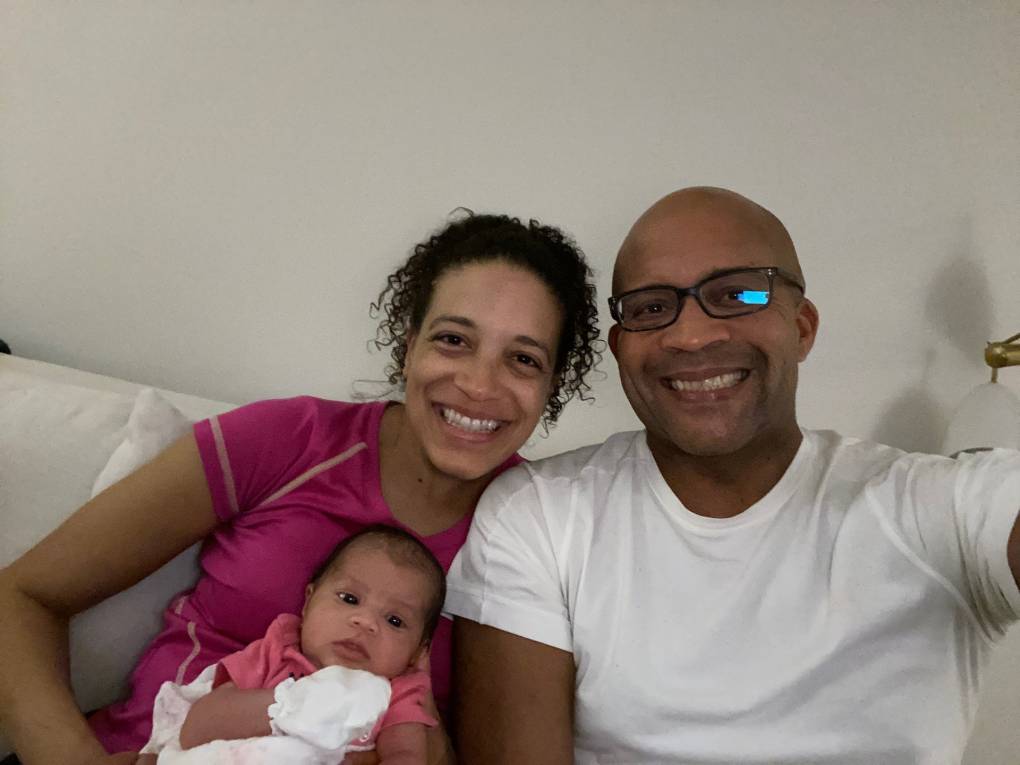
"caption": "New parents Erica Becks and Darryl Willis with their new baby daughter Emersyn Michelle Willis.",
"description": "New parents Erica Becks and Darryl Willis with their new baby daughter Emersyn Michelle Willis.",
"title": "RS42883_family becks-qut",
"credit": "Courtesy of Erica Becks",
"status": "inherit",
"isLoading": false,
"fetchFailed": false
},
"news_11775927": {
"type": "attachments",
"id": "news_11775927",
"meta": {
"index": "attachments_1716263798",
"site": "news",
"id": "11775927",
"found": true
},
"parent": 11775864,
"imgSizes": {
"apple_news_ca_landscape_5_5": {
"file": "https://ww2.kqed.org/app/uploads/sites/10/2019/09/Cropped-1044x783.jpg",
"width": 1044,
"mimeType": "image/jpeg",
"height": 783
},
"apple_news_ca_square_4_0": {
"file": "https://ww2.kqed.org/app/uploads/sites/10/2019/09/Cropped-470x470.jpg",
"width": 470,
"mimeType": "image/jpeg",
"height": 470
},
"twentyfourteen-full-width": {
"file": "https://ww2.kqed.org/app/uploads/sites/10/2019/09/Cropped-1038x576.jpg",
"width": 1038,
"mimeType": "image/jpeg",
"height": 576
},
"thumbnail": {
"file": "https://ww2.kqed.org/app/uploads/sites/10/2019/09/Cropped-160x75.jpg",
"width": 160,
"mimeType": "image/jpeg",
"height": 75
},
"post-thumbnail": {
"file": "https://ww2.kqed.org/app/uploads/sites/10/2019/09/Cropped-672x372.jpg",
"width": 672,
"mimeType": "image/jpeg",
"height": 372
},
"kqedFullSize": {
"file": "https://ww2.kqed.org/app/uploads/sites/10/2019/09/Cropped-e1569191729753.jpg",
"width": 1920,
"height": 895
},
"apple_news_ca_landscape_4_7": {
"file": "https://ww2.kqed.org/app/uploads/sites/10/2019/09/Cropped-632x474.jpg",
"width": 632,
"mimeType": "image/jpeg",
"height": 474
},
"large": {
"file": "https://ww2.kqed.org/app/uploads/sites/10/2019/09/Cropped-1020x476.jpg",
"width": 1020,
"mimeType": "image/jpeg",
"height": 476
},
"complete_open_graph": {
"file": "https://ww2.kqed.org/app/uploads/sites/10/2019/09/Cropped-1200x559.jpg",
"width": 1200,
"mimeType": "image/jpeg",
"height": 559
},
"apple_news_ca_landscape_4_0": {
"file": "https://ww2.kqed.org/app/uploads/sites/10/2019/09/Cropped-536x402.jpg",
"width": 536,
"mimeType": "image/jpeg",
"height": 402
},
"apple_news_ca_portrait_12_9": {
"file": "https://ww2.kqed.org/app/uploads/sites/10/2019/09/Cropped-1122x1496.jpg",
"width": 1122,
"mimeType": "image/jpeg",
"height": 1496
},
"medium": {
"file": "https://ww2.kqed.org/app/uploads/sites/10/2019/09/Cropped-800x373.jpg",
"width": 800,
"mimeType": "image/jpeg",
"height": 373
},
"apple_news_ca_portrait_4_0": {
"file": "https://ww2.kqed.org/app/uploads/sites/10/2019/09/Cropped-354x472.jpg",
"width": 354,
"mimeType": "image/jpeg",
"height": 472
},
"apple_news_ca_portrait_9_7": {
"file": "https://ww2.kqed.org/app/uploads/sites/10/2019/09/Cropped-840x1120.jpg",
"width": 840,
"mimeType": "image/jpeg",
"height": 1120
},
"apple_news_ca_landscape_12_9": {
"file": "https://ww2.kqed.org/app/uploads/sites/10/2019/09/Cropped-1832x1374.jpg",
"width": 1832,
"mimeType": "image/jpeg",
"height": 1374
},
"apple_news_ca_square_9_7": {
"file": "https://ww2.kqed.org/app/uploads/sites/10/2019/09/Cropped-1104x1104.jpg",
"width": 1104,
"mimeType": "image/jpeg",
"height": 1104
},
"apple_news_ca_portrait_4_7": {
"file": "https://ww2.kqed.org/app/uploads/sites/10/2019/09/Cropped-414x552.jpg",
"width": 414,
"mimeType": "image/jpeg",
"height": 552
},
"apple_news_ca_square_12_9": {
"file": "https://ww2.kqed.org/app/uploads/sites/10/2019/09/Cropped-1472x1472.jpg",
"width": 1472,
"mimeType": "image/jpeg",
"height": 1472
},
"apple_news_ca_portrait_5_5": {
"file": "https://ww2.kqed.org/app/uploads/sites/10/2019/09/Cropped-687x916.jpg",
"width": 687,
"mimeType": "image/jpeg",
"height": 916
},
"full-width": {
"file": "https://ww2.kqed.org/app/uploads/sites/10/2019/09/Cropped-1920x895.jpg",
"width": 1920,
"mimeType": "image/jpeg",
"height": 895
},
"apple_news_ca_square_4_7": {
"file": "https://ww2.kqed.org/app/uploads/sites/10/2019/09/Cropped-550x550.jpg",
"width": 550,
"mimeType": "image/jpeg",
"height": 550
},
"apple_news_ca_landscape_9_7": {
"file": "https://ww2.kqed.org/app/uploads/sites/10/2019/09/Cropped-1376x1032.jpg",
"width": 1376,
"mimeType": "image/jpeg",
"height": 1032
},
"apple_news_ca_square_5_5": {
"file": "https://ww2.kqed.org/app/uploads/sites/10/2019/09/Cropped-912x912.jpg",
"width": 912,
"mimeType": "image/jpeg",
"height": 912
}
},
"publishDate": 1569191703,
"modified": 1569191750,
"caption": "From the top of Sweeney Ridge in the Golden Gate National Recreation Area you can get a similar view of what Gaspar de Portola saw 250 years ago.",
"description": "From the top of Sweeney Ridge in the Golden Gate National Recreation Area you can get a similar view of what Gaspar de Portola saw 250 years ago.",
"title": "Cropped",
"credit": "Courtesy of Douglas Atmore",
"status": "inherit",
"isLoading": false,
"fetchFailed": false
},
"news_11751673": {
"type": "attachments",
"id": "news_11751673",
"meta": {
"index": "attachments_1716263798",
"site": "news",
"id": "11751673",
"found": true
},
"parent": 11751421,
"imgSizes": {
"apple_news_ca_landscape_5_5": {
"file": "https://ww2.kqed.org/app/uploads/sites/10/2019/05/Ebele-Okobi-Chinedu-Okobi-Lawsuit-1044x783.jpg",
"width": 1044,
"mimeType": "image/jpeg",
"height": 783
},
"apple_news_ca_square_4_0": {
"file": "https://ww2.kqed.org/app/uploads/sites/10/2019/05/Ebele-Okobi-Chinedu-Okobi-Lawsuit-470x470.jpg",
"width": 470,
"mimeType": "image/jpeg",
"height": 470
},
"twentyfourteen-full-width": {
"file": "https://ww2.kqed.org/app/uploads/sites/10/2019/05/Ebele-Okobi-Chinedu-Okobi-Lawsuit-1038x576.jpg",
"width": 1038,
"mimeType": "image/jpeg",
"height": 576
},
"thumbnail": {
"file": "https://ww2.kqed.org/app/uploads/sites/10/2019/05/Ebele-Okobi-Chinedu-Okobi-Lawsuit-160x120.jpg",
"width": 160,
"mimeType": "image/jpeg",
"height": 120
},
"post-thumbnail": {
"file": "https://ww2.kqed.org/app/uploads/sites/10/2019/05/Ebele-Okobi-Chinedu-Okobi-Lawsuit-672x372.jpg",
"width": 672,
"mimeType": "image/jpeg",
"height": 372
},
"kqedFullSize": {
"file": "https://ww2.kqed.org/app/uploads/sites/10/2019/05/Ebele-Okobi-Chinedu-Okobi-Lawsuit.jpg",
"width": 1920,
"height": 1440
},
"apple_news_ca_landscape_4_7": {
"file": "https://ww2.kqed.org/app/uploads/sites/10/2019/05/Ebele-Okobi-Chinedu-Okobi-Lawsuit-632x474.jpg",
"width": 632,
"mimeType": "image/jpeg",
"height": 474
},
"large": {
"file": "https://ww2.kqed.org/app/uploads/sites/10/2019/05/Ebele-Okobi-Chinedu-Okobi-Lawsuit-1020x765.jpg",
"width": 1020,
"mimeType": "image/jpeg",
"height": 765
},
"complete_open_graph": {
"file": "https://ww2.kqed.org/app/uploads/sites/10/2019/05/Ebele-Okobi-Chinedu-Okobi-Lawsuit-1200x900.jpg",
"width": 1200,
"mimeType": "image/jpeg",
"height": 900
},
"apple_news_ca_landscape_4_0": {
"file": "https://ww2.kqed.org/app/uploads/sites/10/2019/05/Ebele-Okobi-Chinedu-Okobi-Lawsuit-536x402.jpg",
"width": 536,
"mimeType": "image/jpeg",
"height": 402
},
"apple_news_ca_portrait_12_9": {
"file": "https://ww2.kqed.org/app/uploads/sites/10/2019/05/Ebele-Okobi-Chinedu-Okobi-Lawsuit-1122x1440.jpg",
"width": 1122,
"mimeType": "image/jpeg",
"height": 1440
},
"medium": {
"file": "https://ww2.kqed.org/app/uploads/sites/10/2019/05/Ebele-Okobi-Chinedu-Okobi-Lawsuit-800x600.jpg",
"width": 800,
"mimeType": "image/jpeg",
"height": 600
},
"apple_news_ca_portrait_4_0": {
"file": "https://ww2.kqed.org/app/uploads/sites/10/2019/05/Ebele-Okobi-Chinedu-Okobi-Lawsuit-354x472.jpg",
"width": 354,
"mimeType": "image/jpeg",
"height": 472
},
"apple_news_ca_portrait_9_7": {
"file": "https://ww2.kqed.org/app/uploads/sites/10/2019/05/Ebele-Okobi-Chinedu-Okobi-Lawsuit-840x1120.jpg",
"width": 840,
"mimeType": "image/jpeg",
"height": 1120
},
"apple_news_ca_landscape_12_9": {
"file": "https://ww2.kqed.org/app/uploads/sites/10/2019/05/Ebele-Okobi-Chinedu-Okobi-Lawsuit-1832x1374.jpg",
"width": 1832,
"mimeType": "image/jpeg",
"height": 1374
},
"apple_news_ca_square_9_7": {
"file": "https://ww2.kqed.org/app/uploads/sites/10/2019/05/Ebele-Okobi-Chinedu-Okobi-Lawsuit-1104x1104.jpg",
"width": 1104,
"mimeType": "image/jpeg",
"height": 1104
},
"apple_news_ca_portrait_4_7": {
"file": "https://ww2.kqed.org/app/uploads/sites/10/2019/05/Ebele-Okobi-Chinedu-Okobi-Lawsuit-414x552.jpg",
"width": 414,
"mimeType": "image/jpeg",
"height": 552
},
"apple_news_ca_square_12_9": {
"file": "https://ww2.kqed.org/app/uploads/sites/10/2019/05/Ebele-Okobi-Chinedu-Okobi-Lawsuit-1472x1440.jpg",
"width": 1472,
"mimeType": "image/jpeg",
"height": 1440
},
"apple_news_ca_portrait_5_5": {
"file": "https://ww2.kqed.org/app/uploads/sites/10/2019/05/Ebele-Okobi-Chinedu-Okobi-Lawsuit-687x916.jpg",
"width": 687,
"mimeType": "image/jpeg",
"height": 916
},
"full-width": {
"file": "https://ww2.kqed.org/app/uploads/sites/10/2019/05/Ebele-Okobi-Chinedu-Okobi-Lawsuit-1920x1440.jpg",
"width": 1920,
"mimeType": "image/jpeg",
"height": 1440
},
"apple_news_ca_square_4_7": {
"file": "https://ww2.kqed.org/app/uploads/sites/10/2019/05/Ebele-Okobi-Chinedu-Okobi-Lawsuit-550x550.jpg",
"width": 550,
"mimeType": "image/jpeg",
"height": 550
},
"apple_news_ca_landscape_9_7": {
"file": "https://ww2.kqed.org/app/uploads/sites/10/2019/05/Ebele-Okobi-Chinedu-Okobi-Lawsuit-1376x1032.jpg",
"width": 1376,
"mimeType": "image/jpeg",
"height": 1032
},
"apple_news_ca_square_5_5": {
"file": "https://ww2.kqed.org/app/uploads/sites/10/2019/05/Ebele-Okobi-Chinedu-Okobi-Lawsuit-912x912.jpg",
"width": 912,
"mimeType": "image/jpeg",
"height": 912
}
},
"publishDate": 1559352423,
"modified": 1559352542,
"caption": "Ebele Okobi said she hopes a lawsuit filed Friday over the death of her brother, Chinedu Okobi, will force policy change in the San Mateo County Sheriff's Office.",
"description": "Ebele Okobi said she hopes a lawsuit filed Friday over the death of her brother, Chinedu Okobi, will force policy change in the San Mateo County Sheriff's Office.",
"title": "Ebele Okobi Chinedu Okobi Lawsuit",
"credit": "Julie Small/KQED",
"status": "inherit",
"isLoading": false,
"fetchFailed": false
},
"news_11696923": {
"type": "attachments",
"id": "news_11696923",
"meta": {
"index": "attachments_1716263798",
"site": "news",
"id": "11696923",
"found": true
},
"parent": 11696828,
"imgSizes": {
"small": {
"file": "https://ww2.kqed.org/app/uploads/sites/10/2018/10/Okobi-520x342.jpg",
"width": 520,
"mimeType": "image/jpeg",
"height": 342
},
"thumbnail": {
"file": "https://ww2.kqed.org/app/uploads/sites/10/2018/10/Okobi-160x105.jpg",
"width": 160,
"mimeType": "image/jpeg",
"height": 105
},
"post-thumbnail": {
"file": "https://ww2.kqed.org/app/uploads/sites/10/2018/10/Okobi-672x372.jpg",
"width": 672,
"mimeType": "image/jpeg",
"height": 372
},
"xsmall": {
"file": "https://ww2.kqed.org/app/uploads/sites/10/2018/10/Okobi-375x247.jpg",
"width": 375,
"mimeType": "image/jpeg",
"height": 247
},
"kqedFullSize": {
"file": "https://ww2.kqed.org/app/uploads/sites/10/2018/10/Okobi.jpg",
"width": 800,
"height": 526
},
"guest-author-50": {
"file": "https://ww2.kqed.org/app/uploads/sites/10/2018/10/Okobi-50x50.jpg",
"width": 50,
"mimeType": "image/jpeg",
"height": 50
},
"guest-author-96": {
"file": "https://ww2.kqed.org/app/uploads/sites/10/2018/10/Okobi-96x96.jpg",
"width": 96,
"mimeType": "image/jpeg",
"height": 96
},
"medium": {
"file": "https://ww2.kqed.org/app/uploads/sites/10/2018/10/Okobi-800x526.jpg",
"width": 800,
"mimeType": "image/jpeg",
"height": 526
},
"guest-author-64": {
"file": "https://ww2.kqed.org/app/uploads/sites/10/2018/10/Okobi-64x64.jpg",
"width": 64,
"mimeType": "image/jpeg",
"height": 64
},
"guest-author-32": {
"file": "https://ww2.kqed.org/app/uploads/sites/10/2018/10/Okobi-32x32.jpg",
"width": 32,
"mimeType": "image/jpeg",
"height": 32
},
"detail": {
"file": "https://ww2.kqed.org/app/uploads/sites/10/2018/10/Okobi-150x150.jpg",
"width": 150,
"mimeType": "image/jpeg",
"height": 150
},
"guest-author-128": {
"file": "https://ww2.kqed.org/app/uploads/sites/10/2018/10/Okobi-128x128.jpg",
"width": 128,
"mimeType": "image/jpeg",
"height": 128
},
"xxsmall": {
"file": "https://ww2.kqed.org/app/uploads/sites/10/2018/10/Okobi-240x158.jpg",
"width": 240,
"mimeType": "image/jpeg",
"height": 158
}
},
"publishDate": 1538777957,
"modified": 1538777986,
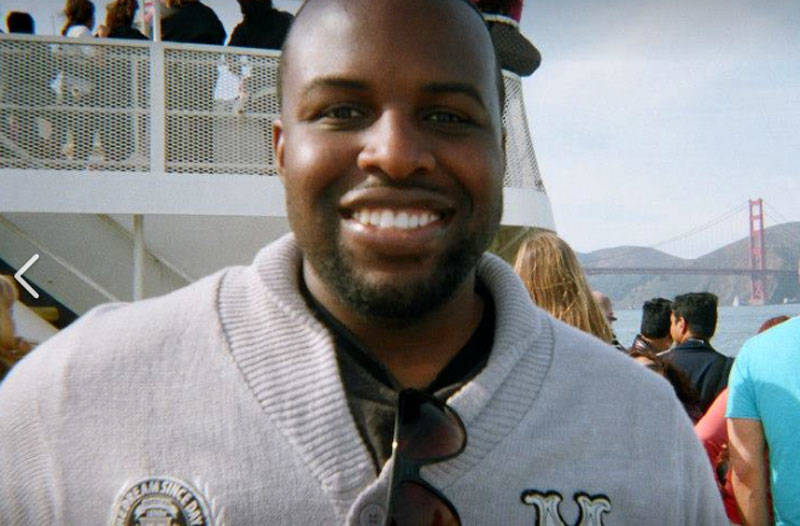
"caption": "Chinedu Valentine Okobi, in a photo posted to his Facebook page.",
"description": "Chinedu Valentine Okobi, in a photo posted to his Facebook page.",
"title": "Okobi",
"credit": "Facebook",
"status": "inherit",
"isLoading": false,
"fetchFailed": false
},
"news_11671083": {
"type": "attachments",
"id": "news_11671083",
"meta": {
"index": "attachments_1716263798",
"site": "news",
"id": "11671083",
"found": true
},
"parent": 11670851,
"imgSizes": {
"small": {
"file": "https://ww2.kqed.org/app/uploads/sites/10/2018/05/RS31182_SMateo-Sheriff-qut-520x293.jpg",
"width": 520,
"mimeType": "image/jpeg",
"height": 293
},
"twentyfourteen-full-width": {
"file": "https://ww2.kqed.org/app/uploads/sites/10/2018/05/RS31182_SMateo-Sheriff-qut-1038x576.jpg",
"width": 1038,
"mimeType": "image/jpeg",
"height": 576
},
"thumbnail": {
"file": "https://ww2.kqed.org/app/uploads/sites/10/2018/05/RS31182_SMateo-Sheriff-qut-160x90.jpg",
"width": 160,
"mimeType": "image/jpeg",
"height": 90
},
"fd-sm": {
"file": "https://ww2.kqed.org/app/uploads/sites/10/2018/05/RS31182_SMateo-Sheriff-qut-960x540.jpg",
"width": 960,
"mimeType": "image/jpeg",
"height": 540
},
"post-thumbnail": {
"file": "https://ww2.kqed.org/app/uploads/sites/10/2018/05/RS31182_SMateo-Sheriff-qut-672x372.jpg",
"width": 672,
"mimeType": "image/jpeg",
"height": 372
},
"xsmall": {
"file": "https://ww2.kqed.org/app/uploads/sites/10/2018/05/RS31182_SMateo-Sheriff-qut-375x211.jpg",
"width": 375,
"mimeType": "image/jpeg",
"height": 211
},
"kqedFullSize": {
"file": "https://ww2.kqed.org/app/uploads/sites/10/2018/05/RS31182_SMateo-Sheriff-qut.jpg",
"width": 1920,
"height": 1080
},
"large": {
"file": "https://ww2.kqed.org/app/uploads/sites/10/2018/05/RS31182_SMateo-Sheriff-qut-1020x574.jpg",
"width": 1020,
"mimeType": "image/jpeg",
"height": 574
},
"xlarge": {
"file": "https://ww2.kqed.org/app/uploads/sites/10/2018/05/RS31182_SMateo-Sheriff-qut-1180x664.jpg",
"width": 1180,
"mimeType": "image/jpeg",
"height": 664
},
"complete_open_graph": {
"file": "https://ww2.kqed.org/app/uploads/sites/10/2018/05/RS31182_SMateo-Sheriff-qut-1200x675.jpg",
"width": 1200,
"mimeType": "image/jpeg",
"height": 675
},
"guest-author-50": {
"file": "https://ww2.kqed.org/app/uploads/sites/10/2018/05/RS31182_SMateo-Sheriff-qut-50x50.jpg",
"width": 50,
"mimeType": "image/jpeg",
"height": 50
},
"guest-author-96": {
"file": "https://ww2.kqed.org/app/uploads/sites/10/2018/05/RS31182_SMateo-Sheriff-qut-96x96.jpg",
"width": 96,
"mimeType": "image/jpeg",
"height": 96
},
"medium": {
"file": "https://ww2.kqed.org/app/uploads/sites/10/2018/05/RS31182_SMateo-Sheriff-qut-800x450.jpg",
"width": 800,
"mimeType": "image/jpeg",
"height": 450
},
"guest-author-64": {
"file": "https://ww2.kqed.org/app/uploads/sites/10/2018/05/RS31182_SMateo-Sheriff-qut-64x64.jpg",
"width": 64,
"mimeType": "image/jpeg",
"height": 64
},
"guest-author-32": {
"file": "https://ww2.kqed.org/app/uploads/sites/10/2018/05/RS31182_SMateo-Sheriff-qut-32x32.jpg",
"width": 32,
"mimeType": "image/jpeg",
"height": 32
},
"fd-lrg": {
"file": "https://ww2.kqed.org/app/uploads/sites/10/2018/05/RS31182_SMateo-Sheriff-qut-1920x1080.jpg",
"width": 1920,
"mimeType": "image/jpeg",
"height": 1080
},
"fd-med": {
"file": "https://ww2.kqed.org/app/uploads/sites/10/2018/05/RS31182_SMateo-Sheriff-qut-1180x664.jpg",
"width": 1180,
"mimeType": "image/jpeg",
"height": 664
},
"full-width": {
"file": "https://ww2.kqed.org/app/uploads/sites/10/2018/05/RS31182_SMateo-Sheriff-qut-1920x1080.jpg",
"width": 1920,
"mimeType": "image/jpeg",
"height": 1080
},
"detail": {
"file": "https://ww2.kqed.org/app/uploads/sites/10/2018/05/RS31182_SMateo-Sheriff-qut-150x150.jpg",
"width": 150,
"mimeType": "image/jpeg",
"height": 150
},
"guest-author-128": {
"file": "https://ww2.kqed.org/app/uploads/sites/10/2018/05/RS31182_SMateo-Sheriff-qut-128x128.jpg",
"width": 128,
"mimeType": "image/jpeg",
"height": 128
},
"xxsmall": {
"file": "https://ww2.kqed.org/app/uploads/sites/10/2018/05/RS31182_SMateo-Sheriff-qut-240x135.jpg",
"width": 240,
"mimeType": "image/jpeg",
"height": 135
}
},
"publishDate": 1527457803,
"modified": 1527457855,
"caption": "San Mateo County Sheriff Carlos Bolanos (L) is facing a challenge from one of his deputies, Mark Melville (R) in the June election.",
"description": "San Mateo County Sheriff Carlos Bolanos (L) is facing a challenge from one of his deputies, Mark Melville (R) in the June election.",
"title": "RS31182_SMateo Sheriff-qut",
"credit": "Courtesy of San Mateo County Sheriff's Office/Deb Wong",
"status": "inherit",
"isLoading": false,
"fetchFailed": false
},
"news_11627046": {
"type": "attachments",
"id": "news_11627046",
"meta": {
"index": "attachments_1716263798",
"site": "news",
"id": "11627046",
"found": true
},
"parent": 11627043,
"imgSizes": {
"small": {
"file": "https://ww2.kqed.org/app/uploads/sites/10/2017/10/IMG_2616-520x390.jpg",
"width": 520,
"mimeType": "image/jpeg",
"height": 390
},
"twentyfourteen-full-width": {
"file": "https://ww2.kqed.org/app/uploads/sites/10/2017/10/IMG_2616-1038x576.jpg",
"width": 1038,
"mimeType": "image/jpeg",
"height": 576
},
"thumbnail": {
"file": "https://ww2.kqed.org/app/uploads/sites/10/2017/10/IMG_2616-160x120.jpg",
"width": 160,
"mimeType": "image/jpeg",
"height": 120
},
"fd-sm": {
"file": "https://ww2.kqed.org/app/uploads/sites/10/2017/10/IMG_2616-960x720.jpg",
"width": 960,
"mimeType": "image/jpeg",
"height": 720
},
"post-thumbnail": {
"file": "https://ww2.kqed.org/app/uploads/sites/10/2017/10/IMG_2616-672x372.jpg",
"width": 672,
"mimeType": "image/jpeg",
"height": 372
},
"xsmall": {
"file": "https://ww2.kqed.org/app/uploads/sites/10/2017/10/IMG_2616-375x281.jpg",
"width": 375,
"mimeType": "image/jpeg",
"height": 281
},
"kqedFullSize": {
"file": "https://ww2.kqed.org/app/uploads/sites/10/2017/10/IMG_2616-e1509552090856.jpg",
"width": 1920,
"height": 1440
},
"large": {
"file": "https://ww2.kqed.org/app/uploads/sites/10/2017/10/IMG_2616-1020x765.jpg",
"width": 1020,
"mimeType": "image/jpeg",
"height": 765
},
"xlarge": {
"file": "https://ww2.kqed.org/app/uploads/sites/10/2017/10/IMG_2616-1180x885.jpg",
"width": 1180,
"mimeType": "image/jpeg",
"height": 885
},
"guest-author-50": {
"file": "https://ww2.kqed.org/app/uploads/sites/10/2017/10/IMG_2616-50x50.jpg",
"width": 50,
"mimeType": "image/jpeg",
"height": 50
},
"guest-author-96": {
"file": "https://ww2.kqed.org/app/uploads/sites/10/2017/10/IMG_2616-96x96.jpg",
"width": 96,
"mimeType": "image/jpeg",
"height": 96
},
"medium": {
"file": "https://ww2.kqed.org/app/uploads/sites/10/2017/10/IMG_2616-800x600.jpg",
"width": 800,
"mimeType": "image/jpeg",
"height": 600
},
"guest-author-64": {
"file": "https://ww2.kqed.org/app/uploads/sites/10/2017/10/IMG_2616-64x64.jpg",
"width": 64,
"mimeType": "image/jpeg",
"height": 64
},
"guest-author-32": {
"file": "https://ww2.kqed.org/app/uploads/sites/10/2017/10/IMG_2616-32x32.jpg",
"width": 32,
"mimeType": "image/jpeg",
"height": 32
},
"fd-lrg": {
"file": "https://ww2.kqed.org/app/uploads/sites/10/2017/10/IMG_2616-1920x1440.jpg",
"width": 1920,
"mimeType": "image/jpeg",
"height": 1440
},
"fd-med": {
"file": "https://ww2.kqed.org/app/uploads/sites/10/2017/10/IMG_2616-1180x885.jpg",
"width": 1180,
"mimeType": "image/jpeg",
"height": 885
},
"full-width": {
"file": "https://ww2.kqed.org/app/uploads/sites/10/2017/10/IMG_2616-1920x1440.jpg",
"width": 1920,
"mimeType": "image/jpeg",
"height": 1440
},
"detail": {
"file": "https://ww2.kqed.org/app/uploads/sites/10/2017/10/IMG_2616-150x150.jpg",
"width": 150,
"mimeType": "image/jpeg",
"height": 150
},
"guest-author-128": {
"file": "https://ww2.kqed.org/app/uploads/sites/10/2017/10/IMG_2616-128x128.jpg",
"width": 128,
"mimeType": "image/jpeg",
"height": 128
},
"xxsmall": {
"file": "https://ww2.kqed.org/app/uploads/sites/10/2017/10/IMG_2616-240x180.jpg",
"width": 240,
"mimeType": "image/jpeg",
"height": 180
}
},
"publishDate": 1509466237,
"modified": 1509581771,
"caption": "San Mateo police Officer David Johnson visits residents of the Vendome Apartments in San Mateo.",
"description": null,
"title": "IMG_2616",
"credit": "Tonya Mosley/KQED",
"status": "inherit",
"isLoading": false,
"fetchFailed": false
},
"news_11107801": {
"type": "attachments",
"id": "news_11107801",
"meta": {
"index": "attachments_1716263798",
"site": "news",
"id": "11107801",
"found": true
},
"parent": 11107796,
"imgSizes": {
"twentyfourteen-full-width": {
"file": "https://ww2.kqed.org/app/uploads/sites/10/2016/09/IMG_2637-1038x576.jpg",
"width": 1038,
"mimeType": "image/jpeg",
"height": 576
},
"thumbnail": {
"file": "https://ww2.kqed.org/app/uploads/sites/10/2016/09/IMG_2637-400x300.jpg",
"width": 400,
"mimeType": "image/jpeg",
"height": 300
},
"fd-sm": {
"file": "https://ww2.kqed.org/app/uploads/sites/10/2016/09/IMG_2637-960x720.jpg",
"width": 960,
"mimeType": "image/jpeg",
"height": 720
},
"post-thumbnail": {
"file": "https://ww2.kqed.org/app/uploads/sites/10/2016/09/IMG_2637-672x372.jpg",
"width": 672,
"mimeType": "image/jpeg",
"height": 372
},
"kqedFullSize": {
"file": "https://ww2.kqed.org/app/uploads/sites/10/2016/09/IMG_2637.jpg",
"width": 3264,
"height": 2448
},
"large": {
"file": "https://ww2.kqed.org/app/uploads/sites/10/2016/09/IMG_2637-1920x1440.jpg",
"width": 1920,
"mimeType": "image/jpeg",
"height": 1440
},
"guest-author-50": {
"file": "https://ww2.kqed.org/app/uploads/sites/10/2016/09/IMG_2637-50x50.jpg",
"width": 50,
"mimeType": "image/jpeg",
"height": 50
},
"guest-author-96": {
"file": "https://ww2.kqed.org/app/uploads/sites/10/2016/09/IMG_2637-96x96.jpg",
"width": 96,
"mimeType": "image/jpeg",
"height": 96
},
"medium": {
"file": "https://ww2.kqed.org/app/uploads/sites/10/2016/09/IMG_2637-800x600.jpg",
"width": 800,
"mimeType": "image/jpeg",
"height": 600
},
"guest-author-64": {
"file": "https://ww2.kqed.org/app/uploads/sites/10/2016/09/IMG_2637-64x64.jpg",
"width": 64,
"mimeType": "image/jpeg",
"height": 64
},
"guest-author-32": {
"file": "https://ww2.kqed.org/app/uploads/sites/10/2016/09/IMG_2637-32x32.jpg",
"width": 32,
"mimeType": "image/jpeg",
"height": 32
},
"jmtc-small-thumb": {
"file": "https://ww2.kqed.org/app/uploads/sites/10/2016/09/IMG_2637-280x150.jpg",
"width": 280,
"mimeType": "image/jpeg",
"height": 150
},
"fd-lrg": {
"file": "https://ww2.kqed.org/app/uploads/sites/10/2016/09/IMG_2637-1920x1440.jpg",
"width": 1920,
"mimeType": "image/jpeg",
"height": 1440
},
"fd-med": {
"file": "https://ww2.kqed.org/app/uploads/sites/10/2016/09/IMG_2637-1180x885.jpg",
"width": 1180,
"mimeType": "image/jpeg",
"height": 885
},
"detail": {
"file": "https://ww2.kqed.org/app/uploads/sites/10/2016/09/IMG_2637-150x150.jpg",
"width": 150,
"mimeType": "image/jpeg",
"height": 150
},
"guest-author-128": {
"file": "https://ww2.kqed.org/app/uploads/sites/10/2016/09/IMG_2637-128x128.jpg",
"width": 128,
"mimeType": "image/jpeg",
"height": 128
}
},
"publishDate": 1475091694,
"modified": 1475091807,
"caption": "Karen Francisco, 69, bought her four-plex in 1979. She says building maintenance costs have become so unsustainable because of Oakland's rent control that she might become a landlord who is priced out.",
"description": null,
"title": "IMG_2637",
"credit": "Devin Katayama/KQED",
"status": "inherit",
"isLoading": false,
"fetchFailed": false
},
"news_11027155": {
"type": "attachments",
"id": "news_11027155",
"meta": {
"index": "attachments_1716263798",
"site": "news",
"id": "11027155",
"found": true
},
"parent": 11027090,
"imgSizes": {
"twentyfourteen-full-width": {
"file": "https://ww2.kqed.org/app/uploads/sites/10/2016/07/RS20324_alt_465-900x576.jpg",
"width": 900,
"mimeType": "image/jpeg",
"height": 576
},
"jmtc-small-thumb": {
"file": "https://ww2.kqed.org/app/uploads/sites/10/2016/07/RS20324_alt_465-280x150.jpg",
"width": 280,
"mimeType": "image/jpeg",
"height": 150
},
"thumbnail": {
"file": "https://ww2.kqed.org/app/uploads/sites/10/2016/07/RS20324_alt_465-400x290.jpg",
"width": 400,
"mimeType": "image/jpeg",
"height": 290
},
"post-thumbnail": {
"file": "https://ww2.kqed.org/app/uploads/sites/10/2016/07/RS20324_alt_465-672x372.jpg",
"width": 672,
"mimeType": "image/jpeg",
"height": 372
},
"kqedFullSize": {
"file": "https://ww2.kqed.org/app/uploads/sites/10/2016/07/RS20324_alt_465.jpg",
"width": 900,
"height": 652
},
"guest-author-50": {
"file": "https://ww2.kqed.org/app/uploads/sites/10/2016/07/RS20324_alt_465-50x50.jpg",
"width": 50,
"mimeType": "image/jpeg",
"height": 50
},
"guest-author-96": {
"file": "https://ww2.kqed.org/app/uploads/sites/10/2016/07/RS20324_alt_465-96x96.jpg",
"width": 96,
"mimeType": "image/jpeg",
"height": 96
},
"medium": {
"file": "https://ww2.kqed.org/app/uploads/sites/10/2016/07/RS20324_alt_465-800x580.jpg",
"width": 800,
"mimeType": "image/jpeg",
"height": 580
},
"guest-author-64": {
"file": "https://ww2.kqed.org/app/uploads/sites/10/2016/07/RS20324_alt_465-64x64.jpg",
"width": 64,
"mimeType": "image/jpeg",
"height": 64
},
"detail": {
"file": "https://ww2.kqed.org/app/uploads/sites/10/2016/07/RS20324_alt_465-150x150.jpg",
"width": 150,
"mimeType": "image/jpeg",
"height": 150
},
"guest-author-32": {
"file": "https://ww2.kqed.org/app/uploads/sites/10/2016/07/RS20324_alt_465-32x32.jpg",
"width": 32,
"mimeType": "image/jpeg",
"height": 32
},
"guest-author-128": {
"file": "https://ww2.kqed.org/app/uploads/sites/10/2016/07/RS20324_alt_465-128x128.jpg",
"width": 128,
"mimeType": "image/jpeg",
"height": 128
}
},
"publishDate": 1469139289,
"modified": 1469141498,
"caption": "San Mateo Police Officer Noah Winchester in August 2015.",
"description": "San Mateo Police Officer Winchester in August, 2015.",
"title": "RS20324_alt_465",
"credit": "Via San Mateo Police Department's Twitter account",
"status": "inherit",
"isLoading": false,
"fetchFailed": false
},
"news_10953653": {
"type": "attachments",
"id": "news_10953653",
"meta": {
"index": "attachments_1716263798",
"site": "news",
"id": "10953653",
"found": true
},
"parent": 10953651,
"imgSizes": {
"twentyfourteen-full-width": {
"file": "https://ww2.kqed.org/app/uploads/sites/10/2016/05/IMG_4379-1038x576.jpg",
"width": 1038,
"mimeType": "image/jpeg",
"height": 576
},
"thumbnail": {
"file": "https://ww2.kqed.org/app/uploads/sites/10/2016/05/IMG_4379-400x300.jpg",
"width": 400,
"mimeType": "image/jpeg",
"height": 300
},
"fd-sm": {
"file": "https://ww2.kqed.org/app/uploads/sites/10/2016/05/IMG_4379-960x720.jpg",
"width": 960,
"mimeType": "image/jpeg",
"height": 720
},
"post-thumbnail": {
"file": "https://ww2.kqed.org/app/uploads/sites/10/2016/05/IMG_4379-672x372.jpg",
"width": 672,
"mimeType": "image/jpeg",
"height": 372
},
"kqedFullSize": {
"file": "https://ww2.kqed.org/app/uploads/sites/10/2016/05/IMG_4379.jpg",
"width": 2048,
"height": 1536
},
"large": {
"file": "https://ww2.kqed.org/app/uploads/sites/10/2016/05/IMG_4379-1920x1440.jpg",
"width": 1920,
"mimeType": "image/jpeg",
"height": 1440
},
"guest-author-96": {
"file": "https://ww2.kqed.org/app/uploads/sites/10/2016/05/IMG_4379-96x96.jpg",
"width": 96,
"mimeType": "image/jpeg",
"height": 96
},
"medium": {
"file": "https://ww2.kqed.org/app/uploads/sites/10/2016/05/IMG_4379-800x600.jpg",
"width": 800,
"mimeType": "image/jpeg",
"height": 600
},
"guest-author-64": {
"file": "https://ww2.kqed.org/app/uploads/sites/10/2016/05/IMG_4379-64x64.jpg",
"width": 64,
"mimeType": "image/jpeg",
"height": 64
},
"guest-author-32": {
"file": "https://ww2.kqed.org/app/uploads/sites/10/2016/05/IMG_4379-32x32.jpg",
"width": 32,
"mimeType": "image/jpeg",
"height": 32
},
"jmtc-small-thumb": {
"file": "https://ww2.kqed.org/app/uploads/sites/10/2016/05/IMG_4379-280x150.jpg",
"width": 280,
"mimeType": "image/jpeg",
"height": 150
},
"fd-lrg": {
"file": "https://ww2.kqed.org/app/uploads/sites/10/2016/05/IMG_4379-1920x1440.jpg",
"width": 1920,
"mimeType": "image/jpeg",
"height": 1440
},
"fd-med": {
"file": "https://ww2.kqed.org/app/uploads/sites/10/2016/05/IMG_4379-1180x885.jpg",
"width": 1180,
"mimeType": "image/jpeg",
"height": 885
},
"detail": {
"file": "https://ww2.kqed.org/app/uploads/sites/10/2016/05/IMG_4379-150x150.jpg",
"width": 150,
"mimeType": "image/jpeg",
"height": 150
},
"guest-author-128": {
"file": "https://ww2.kqed.org/app/uploads/sites/10/2016/05/IMG_4379-128x128.jpg",
"width": 128,
"mimeType": "image/jpeg",
"height": 128
}
},
"publishDate": 1463082526,
"modified": 1463082590,
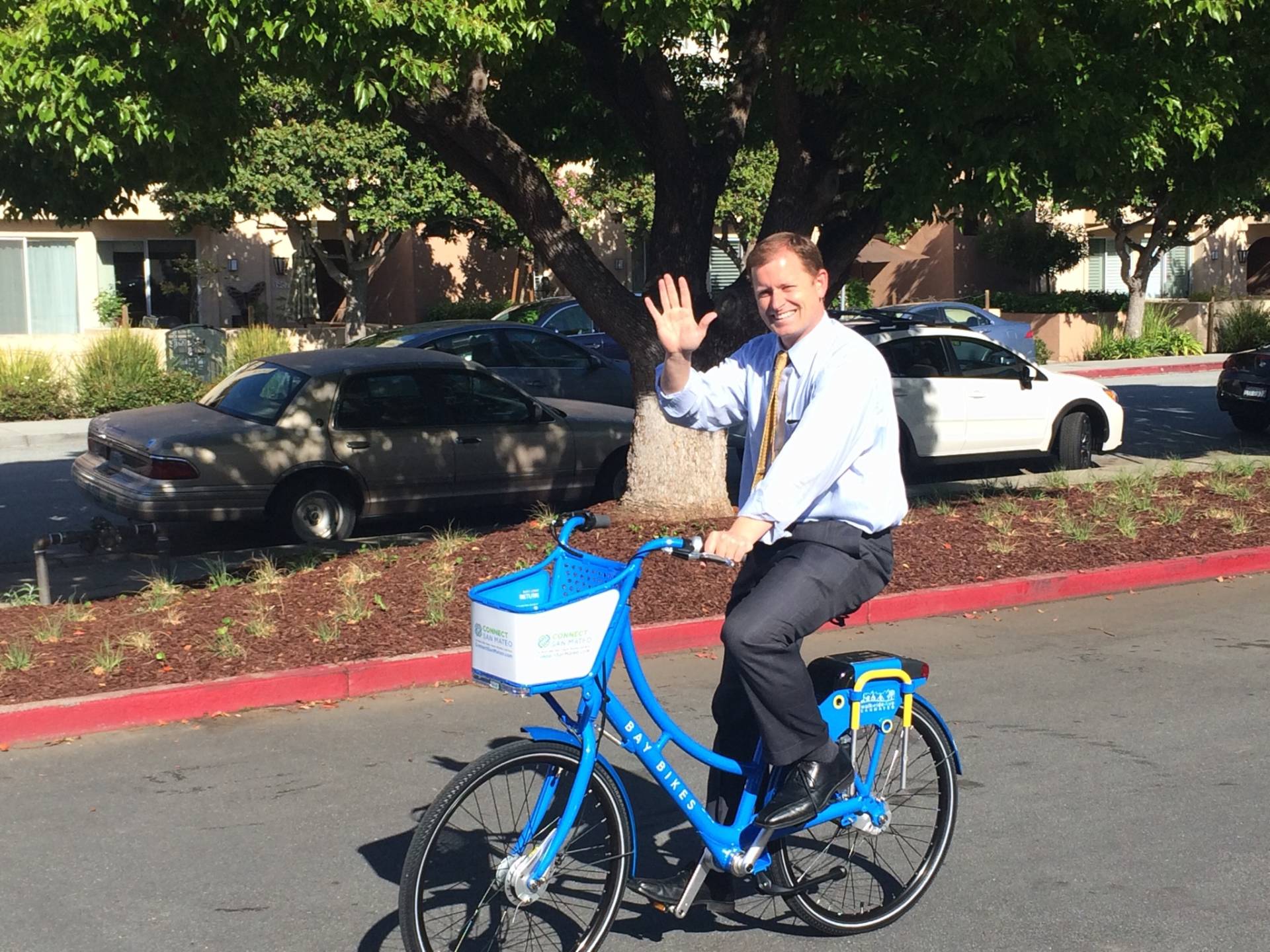
"caption": "San Mateo Mayor Joe Goethals tests out one of the new Bay Bikes. ",
"description": null,
"title": "IMG_4379",
"credit": "Kathy Kleinbaum/City of San Mateo",
"status": "inherit",
"isLoading": false,
"fetchFailed": false
},
"news_10874631": {
"type": "attachments",
"id": "news_10874631",
"meta": {
"index": "attachments_1716263798",
"site": "news",
"id": "10874631",
"found": true
},
"parent": 10872450,
"imgSizes": {
"twentyfourteen-full-width": {
"file": "https://ww2.kqed.org/app/uploads/sites/10/2016/02/Diane-1038x576.jpg",
"width": 1038,
"mimeType": "image/jpeg",
"height": 576
},
"thumbnail": {
"file": "https://ww2.kqed.org/app/uploads/sites/10/2016/02/Diane-400x270.jpg",
"width": 400,
"mimeType": "image/jpeg",
"height": 270
},
"fd-sm": {
"file": "https://ww2.kqed.org/app/uploads/sites/10/2016/02/Diane-960x649.jpg",
"width": 960,
"mimeType": "image/jpeg",
"height": 649
},
"post-thumbnail": {
"file": "https://ww2.kqed.org/app/uploads/sites/10/2016/02/Diane-672x372.jpg",
"width": 672,
"mimeType": "image/jpeg",
"height": 372
},
"kqedFullSize": {
"file": "https://ww2.kqed.org/app/uploads/sites/10/2016/02/Diane.jpg",
"width": 1920,
"height": 1298
},
"large": {
"file": "https://ww2.kqed.org/app/uploads/sites/10/2016/02/Diane-1920x1298.jpg",
"width": 1920,
"mimeType": "image/jpeg",
"height": 1298
},
"guest-author-96": {
"file": "https://ww2.kqed.org/app/uploads/sites/10/2016/02/Diane-96x96.jpg",
"width": 96,
"mimeType": "image/jpeg",
"height": 96
},
"medium": {
"file": "https://ww2.kqed.org/app/uploads/sites/10/2016/02/Diane-800x541.jpg",
"width": 800,
"mimeType": "image/jpeg",
"height": 541
},
"guest-author-64": {
"file": "https://ww2.kqed.org/app/uploads/sites/10/2016/02/Diane-64x64.jpg",
"width": 64,
"mimeType": "image/jpeg",
"height": 64
},
"guest-author-32": {
"file": "https://ww2.kqed.org/app/uploads/sites/10/2016/02/Diane-32x32.jpg",
"width": 32,
"mimeType": "image/jpeg",
"height": 32
},
"jmtc-small-thumb": {
"file": "https://ww2.kqed.org/app/uploads/sites/10/2016/02/Diane-280x150.jpg",
"width": 280,
"mimeType": "image/jpeg",
"height": 150
},
"fd-lrg": {
"file": "https://ww2.kqed.org/app/uploads/sites/10/2016/02/Diane-1920x1298.jpg",
"width": 1920,
"mimeType": "image/jpeg",
"height": 1298
},
"fd-med": {
"file": "https://ww2.kqed.org/app/uploads/sites/10/2016/02/Diane-1180x798.jpg",
"width": 1180,
"mimeType": "image/jpeg",
"height": 798
},
"detail": {
"file": "https://ww2.kqed.org/app/uploads/sites/10/2016/02/Diane-75x75.jpg",
"width": 75,
"mimeType": "image/jpeg",
"height": 75
},
"guest-author-128": {
"file": "https://ww2.kqed.org/app/uploads/sites/10/2016/02/Diane-128x128.jpg",
"width": 128,
"mimeType": "image/jpeg",
"height": 128
}
},
"publishDate": 1456171843,
"modified": 1456184147,
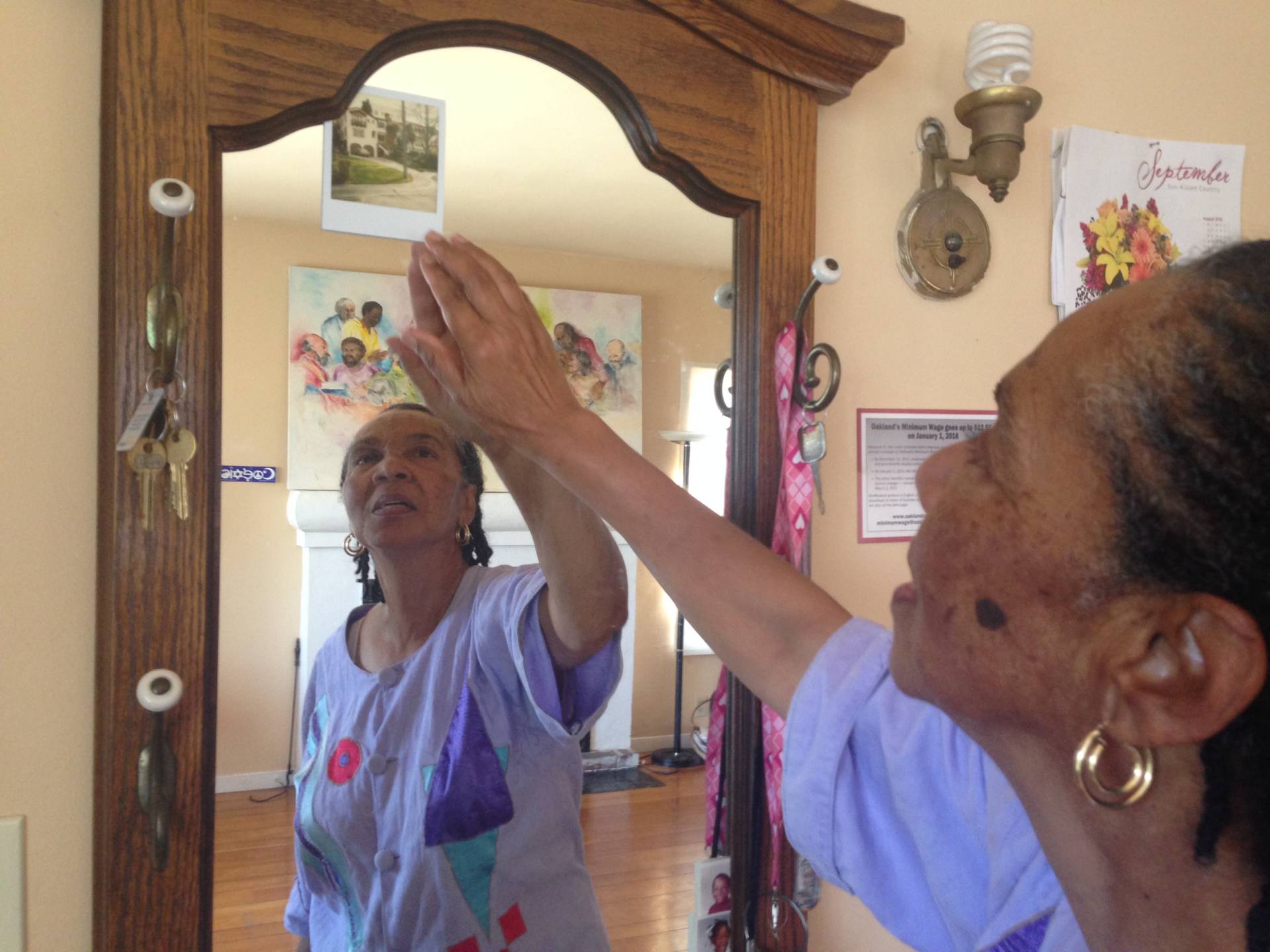
"caption": "Diane Fjelstad, a retired social worker, at home in her San Mateo apartment. She saw her rent go up by $1,000 in October last year, and the experience inspired her to volunteer with groups pushing for measures on rent control and just cause for eviction. ",
"description": "Diane Fjelstad, a retired social worker, at home in her San Mateo apartment. She saw her rent go up by $1,000 in October last year, and the experience inspired her to volunteer with groups pushing for rent control and just cause for eviction measures. ",
"title": "Diane",
"credit": "Farida Jhabvala Romero/KQED",
"status": "inherit",
"isLoading": false,
"fetchFailed": false
}
},
"audioPlayerReducer": {
"postId": "stream_live",
"isPaused": true,
"isPlaying": false,
"pfsActive": false,
"pledgeModalIsOpen": true,
"playerDrawerIsOpen": false,
"liveAudioPlayStartedAt": 0,
"liveAudioPlayContext": ""
},
"authorsReducer": {
"bgoebel": {
"type": "authors",
"id": "214",
"meta": {
"index": "authors_1716337520",
"id": "214",
"found": true
},
"name": "Bryan Goebel",
"firstName": "Bryan",
"lastName": "Goebel",
"slug": "bgoebel",
"email": "bgoebel@kqed.org",
"display_author_email": false,
"staff_mastheads": [],
"title": null,
"bio": "Bryan Goebel is a reporter focused on transportation and housing issues. He was previously the editor of Streetsblog San Francisco, and an anchor/editor at KCBS Radio. He's a lifelong Californian and has also worked at radio stations in Barstow, Redding and Sacramento.",
"avatar": "https://secure.gravatar.com/avatar/7fdd6b065bfe9a23a71bcfa80848df88?s=600&d=blank&r=g",
"twitter": "velobry",
"facebook": null,
"instagram": null,
"linkedin": null,
"sites": [
{
"site": "news",
"roles": [
"subscriber"
]
},
{
"site": "stateofhealth",
"roles": [
"subscriber"
]
}
],
"headData": {
"title": "Bryan Goebel | KQED",
"description": null,
"ogImgSrc": "https://secure.gravatar.com/avatar/7fdd6b065bfe9a23a71bcfa80848df88?s=600&d=blank&r=g",
"twImgSrc": "https://secure.gravatar.com/avatar/7fdd6b065bfe9a23a71bcfa80848df88?s=600&d=blank&r=g"
},
"isLoading": false,
"link": "/author/bgoebel"
},
"kqednewsstaffandwires": {
"type": "authors",
"id": "237",
"meta": {
"index": "authors_1716337520",
"id": "237",
"found": true
},
"name": "KQED News Staff and Wires",
"firstName": "KQED News Staff and Wires",
"lastName": null,
"slug": "kqednewsstaffandwires",
"email": "onlinenewsstaff@kqed.org",
"display_author_email": false,
"staff_mastheads": [],
"title": null,
"bio": null,
"avatar": "https://secure.gravatar.com/avatar/72295af8ebbfbd19a4948f5271285664?s=600&d=blank&r=g",
"twitter": null,
"facebook": null,
"instagram": null,
"linkedin": null,
"sites": [
{
"site": "arts",
"roles": [
"contributor"
]
},
{
"site": "news",
"roles": [
"contributor"
]
},
{
"site": "lowdown",
"roles": [
"author"
]
},
{
"site": "stateofhealth",
"roles": [
"contributor"
]
},
{
"site": "food",
"roles": [
"author"
]
}
],
"headData": {
"title": "KQED News Staff and Wires | KQED",
"description": null,
"ogImgSrc": "https://secure.gravatar.com/avatar/72295af8ebbfbd19a4948f5271285664?s=600&d=blank&r=g",
"twImgSrc": "https://secure.gravatar.com/avatar/72295af8ebbfbd19a4948f5271285664?s=600&d=blank&r=g"
},
"isLoading": false,
"link": "/author/kqednewsstaffandwires"
},
"tcamhi": {
"type": "authors",
"id": "3251",
"meta": {
"index": "authors_1716337520",
"id": "3251",
"found": true
},
"name": "Tiffany Camhi",
"firstName": "Tiffany",
"lastName": "Camhi",
"slug": "tcamhi",
"email": "tiffanycamhi@gmail.com",
"display_author_email": false,
"staff_mastheads": [],
"title": "KQED Contributor",
"bio": null,
"avatar": "https://secure.gravatar.com/avatar/f8204ce351139205d3b3dc1581016a5e30d7d8b38cb2c139348c151ec14b792e?s=600&d=blank&r=g",
"twitter": null,
"bluesky": null,
"facebook": null,
"instagram": null,
"linkedin": null,
"sites": [
{
"site": "arts",
"roles": [
"subscriber"
]
},
{
"site": "news",
"roles": [
"subscriber"
]
}
],
"headData": {
"title": "Tiffany Camhi | KQED",
"description": "KQED Contributor",
"ogImgSrc": "https://secure.gravatar.com/avatar/f8204ce351139205d3b3dc1581016a5e30d7d8b38cb2c139348c151ec14b792e?s=600&d=blank&r=g",
"twImgSrc": "https://secure.gravatar.com/avatar/f8204ce351139205d3b3dc1581016a5e30d7d8b38cb2c139348c151ec14b792e?s=600&d=blank&r=g"
},
"isLoading": false,
"link": "/author/tcamhi"
},
"jsmall": {
"type": "authors",
"id": "6625",
"meta": {
"index": "authors_1716337520",
"id": "6625",
"found": true
},
"name": "Julie Small",
"firstName": "Julie",
"lastName": "Small",
"slug": "jsmall",
"email": "jsmall@kqed.org",
"display_author_email": true,
"staff_mastheads": [
"news"
],
"title": "KQED Contributor",
"bio": "Julie Small reports on criminal justice and immigration.\r\n\r\nShe was part of a team at KQED awarded a regional 2019 Edward R. Murrow award for continuing coverage of the Trump Administration's family separation policy.\r\n\r\nThe Society for Professional Journalists recognized Julie's 2018 \u003ca href=\"https://www.kqed.org/news/11636262/the-officer-tased-him-31-times-the-sheriff-called-his-death-an-accident\">reporting\u003c/a> on the San Joaquin County Sheriff's \u003ca href=\"https://www.kqed.org/news/11634689/autopsy-doctors-sheriff-overrode-death-findings-to-protect-law-enforcement\">interference\u003c/a> in death investigations with an Excellence in Journalism Award for Ongoing Coverage.\r\n\r\nJulie's\u003ca href=\"https://www.kqed.org/news/11039666/two-mentally-ill-inmates-died-one-month-in-santa-clara\"> reporting\u003c/a> with Lisa Pickoff-White on the treatment of mentally ill offenders in California jails earned a 2017 regional Edward R. Murrow Award for news reporting and an investigative reporting award from the SPJ of Northern California.\r\n\r\nBefore joining KQED, Julie covered government and politics in Sacramento for Southern California Public Radio (SCPR). Her 2010 \u003ca href=\"https://www.scpr.org/specials/prisonmedical/\">series\u003c/a> on lapses in California’s prison medical care also won a regional Edward R. Murrow Award for investigative reporting and a Golden Mic Award from the RTNDA of Southern California.\r\n\r\nJulie began her career in journalism in 2000 as the deputy foreign editor for public radio's \u003cem>Marketplace, \u003c/em>while earning her master's degree in journalism from USC’s Annenberg School of Communication.",
"avatar": "https://secure.gravatar.com/avatar/4baedf201468df97be97c2a9dd7585d0?s=600&d=blank&r=g",
"twitter": "@SmallRadio2",
"facebook": null,
"instagram": null,
"linkedin": null,
"sites": [
{
"site": "news",
"roles": [
"editor"
]
},
{
"site": "stateofhealth",
"roles": [
"author"
]
},
{
"site": "science",
"roles": [
"author"
]
}
],
"headData": {
"title": "Julie Small | KQED",
"description": "KQED Contributor",
"ogImgSrc": "https://secure.gravatar.com/avatar/4baedf201468df97be97c2a9dd7585d0?s=600&d=blank&r=g",
"twImgSrc": "https://secure.gravatar.com/avatar/4baedf201468df97be97c2a9dd7585d0?s=600&d=blank&r=g"
},
"isLoading": false,
"link": "/author/jsmall"
},
"dkatayama": {
"type": "authors",
"id": "7240",
"meta": {
"index": "authors_1716337520",
"id": "7240",
"found": true
},
"name": "Devin Katayama",
"firstName": "Devin",
"lastName": "Katayama",
"slug": "dkatayama",
"email": "dkatayama@kqed.org",
"display_author_email": true,
"staff_mastheads": [
"news"
],
"title": "Editor of Talent and Development",
"bio": "Devin Katayama is former Editor of Talent and Development for KQED. He supported our internship program and on-call staff by looking for equitable opportunities to improve the newsroom.\r\n\r\nHe previously hosted The Bay and American Suburb podcasts from KQED News. Prior to returning to the Bay Area in 2015, Devin was the education reporter for WFPL in Louisville and worked as a producer with radio stations in Chicago and Portland, OR. His work has appeared on NPR’s \u003cem>Morning Edition, All Things Considered, The Takeaway\u003c/em> and \u003cem>Here and Now.\u003c/em>\r\n\r\nDevin earned his MA in Journalism from Columbia College Chicago, where he was a Follett Fellow and the recipient of the 2011 Studs Terkel Community Media Workshop Scholarship for his story on Chicago's homeless youth. He won WBUR's 2014 Daniel Schorr award and a regional RTNDA Edward R. Murrow Award for his documentary \"At Risk\" that looked at issues facing some of Louisville's students. Devin has also received numerous local awards from the Associated Press and the Society of Professional Journalists.",
"avatar": "https://secure.gravatar.com/avatar/d0d2978a31002fb2de107921a8e18405?s=600&d=blank&r=g",
"twitter": "RadioDevin",
"facebook": null,
"instagram": null,
"linkedin": null,
"sites": [
{
"site": "arts",
"roles": []
},
{
"site": "news",
"roles": [
"author"
]
},
{
"site": "stateofhealth",
"roles": [
"author"
]
},
{
"site": "forum",
"roles": [
"editor"
]
},
{
"site": "perspectives",
"roles": [
"editor"
]
}
],
"headData": {
"title": "Devin Katayama | KQED",
"description": "Editor of Talent and Development",
"ogImgSrc": "https://secure.gravatar.com/avatar/d0d2978a31002fb2de107921a8e18405?s=600&d=blank&r=g",
"twImgSrc": "https://secure.gravatar.com/avatar/d0d2978a31002fb2de107921a8e18405?s=600&d=blank&r=g"
},
"isLoading": false,
"link": "/author/dkatayama"
},
"cveltman": {
"type": "authors",
"id": "8608",
"meta": {
"index": "authors_1716337520",
"id": "8608",
"found": true
},
"name": "Chloe Veltman",
"firstName": "Chloe",
"lastName": "Veltman",
"slug": "cveltman",
"email": "cveltman@kqed.org",
"display_author_email": true,
"staff_mastheads": [],
"title": "Arts and Culture Reporter",
"bio": "Chloe Veltman is a former arts and culture reporter for KQED. Prior to joining the organization, she launched and led the arts bureau at Colorado Public Radio, served as the Bay Area's culture columnist for the New York Times, and was the founder, host and executive producer of VoiceBox, a national award-winning weekly podcast/radio show and live events series all about the human voice. Chloe is the recipient of numerous prizes, grants and fellowships including a Webby Award for her work on interactive storytelling, both the John S Knight Journalism Fellowship and Humanities Center Fellowship at Stanford University, the Sundance Arts Writing Fellowship and a Library of Congress Research Fellowship. She is the author of the book \"On Acting\" and has appeared as a guest lecturer at Yale University and the San Francisco Conservatory of Music among other institutions. She holds a BA in english literature from King's College, Cambridge, and a Masters in Dramaturgy from the Central School of Speech and Drama/Harvard Institute for Advanced Theater Training.\r\n\u003ca href=\"https://www.chloeveltman.com\">www.chloeveltman.com\u003c/a>",
"avatar": "https://secure.gravatar.com/avatar/55403394b00a1ddab683952c2eb2cf85?s=600&d=blank&r=g",
"twitter": "chloeveltman",
"facebook": null,
"instagram": null,
"linkedin": null,
"sites": [
{
"site": "arts",
"roles": []
},
{
"site": "news",
"roles": [
"author"
]
},
{
"site": "pop",
"roles": [
"editor"
]
},
{
"site": "science",
"roles": []
}
],
"headData": {
"title": "Chloe Veltman | KQED",
"description": "Arts and Culture Reporter",
"ogImgSrc": "https://secure.gravatar.com/avatar/55403394b00a1ddab683952c2eb2cf85?s=600&d=blank&r=g",
"twImgSrc": "https://secure.gravatar.com/avatar/55403394b00a1ddab683952c2eb2cf85?s=600&d=blank&r=g"
},
"isLoading": false,
"link": "/author/cveltman"
},
"fjhabvala": {
"type": "authors",
"id": "8659",
"meta": {
"index": "authors_1716337520",
"id": "8659",
"found": true
},
"name": "Farida Jhabvala Romero",
"firstName": "Farida",
"lastName": "Jhabvala Romero",
"slug": "fjhabvala",
"email": "fjhabvala@kqed.org",
"display_author_email": true,
"staff_mastheads": [
"news"
],
"title": "KQED Contributor",
"bio": "Farida Jhabvala Romero is a Labor Correspondent for KQED. She previously covered immigration. Farida was \u003ca href=\"https://www.ccnma.org/2022-most-influential-latina-journalists\">named\u003c/a> one of the 10 Most Influential Latina Journalists in California in 2022 by the California Chicano News Media Association. Her work has won awards from the Society of Professional Journalists (Northern California), as well as a national and regional Edward M. Murrow Award for the collaborative reporting projects “Dangerous Air” and “Graying California.” Before joining KQED, Farida worked as a producer at Radio Bilingüe, a national public radio network. Farida earned her master’s degree in journalism from Stanford University.",
"avatar": "https://secure.gravatar.com/avatar/f9f022d4e2609741874222a1e9d41f48fea74011aa7c615eef91d9a50c944ebe?s=600&d=blank&r=g",
"twitter": "FaridaJhabvala",
"bluesky": null,
"facebook": null,
"instagram": null,
"linkedin": "https://www.linkedin.com/in/faridajhabvala/",
"sites": [
{
"site": "news",
"roles": [
"editor"
]
},
{
"site": "stateofhealth",
"roles": [
"author"
]
},
{
"site": "liveblog",
"roles": [
"author"
]
}
],
"headData": {
"title": "Farida Jhabvala Romero | KQED",
"description": "KQED Contributor",
"ogImgSrc": "https://secure.gravatar.com/avatar/f9f022d4e2609741874222a1e9d41f48fea74011aa7c615eef91d9a50c944ebe?s=600&d=blank&r=g",
"twImgSrc": "https://secure.gravatar.com/avatar/f9f022d4e2609741874222a1e9d41f48fea74011aa7c615eef91d9a50c944ebe?s=600&d=blank&r=g"
},
"isLoading": false,
"link": "/author/fjhabvala"
},
"tmosley": {
"type": "authors",
"id": "11373",
"meta": {
"index": "authors_1716337520",
"id": "11373",
"found": true
},
"name": "Tonya Mosley",
"firstName": "Tonya",
"lastName": "Mosley",
"slug": "tmosley",
"email": "tmosley@kqed.org",
"display_author_email": false,
"staff_mastheads": [],
"title": "KQED Contributor",
"bio": "Tonya Mosley is a former Silicon Valley bureau chief for KQED. She served as the senior editor, leading a team of journalists covering the impacts of technology companies on the South Bay and society. Tonya is also a former host and reporter for KQED.\r\n\r\nPrior to KQED, Tonya served as a television reporter & anchor for several media outlets, including Al Jazeera America.\r\n\r\nIn 2015, Tonya was awarded a John S. Knight Journalism Fellowship at Stanford University where she co-created a workshop for journalists on the impacts of implicit bias, and co-wrote a Belgian/American experimental study on the effects of protest coverage.\r\n\r\nTonya has won several national awards for her work, most recently an Emmy Award in 2016 for her televised piece \"Beyond Ferguson,\" and a national Edward R. Murrow award for her public radio series \"Black in Seattle.\"\r\n\r\nYou can reach Tonya at: tmosley@kqed.org.",
"avatar": "https://secure.gravatar.com/avatar/0b2ea2bbfed6bafaacd21e9398c68e5e?s=600&d=blank&r=g",
"twitter": "tonyamosley",
"facebook": null,
"instagram": null,
"linkedin": null,
"sites": [
{
"site": "arts",
"roles": [
"editor"
]
},
{
"site": "news",
"roles": [
"subscriber"
]
},
{
"site": "about",
"roles": [
"author"
]
},
{
"site": "forum",
"roles": [
"author"
]
}
],
"headData": {
"title": "Tonya Mosley | KQED",
"description": "KQED Contributor",
"ogImgSrc": "https://secure.gravatar.com/avatar/0b2ea2bbfed6bafaacd21e9398c68e5e?s=600&d=blank&r=g",
"twImgSrc": "https://secure.gravatar.com/avatar/0b2ea2bbfed6bafaacd21e9398c68e5e?s=600&d=blank&r=g"
},
"isLoading": false,
"link": "/author/tmosley"
},
"nsebai": {
"type": "authors",
"id": "11412",
"meta": {
"index": "authors_1716337520",
"id": "11412",
"found": true
},
"name": "Nadine Sebai",
"firstName": "Nadine",
"lastName": "Sebai",
"slug": "nsebai",
"email": "nsebai@kqed.org",
"display_author_email": false,
"staff_mastheads": [],
"title": null,
"bio": null,
"avatar": "https://secure.gravatar.com/avatar/19a519d943a3c1cb0537d495677de5b5?s=600&d=blank&r=g",
"twitter": "@NadineSebai",
"facebook": null,
"instagram": null,
"linkedin": null,
"sites": [
{
"site": "news",
"roles": [
"author",
"edit_others_posts"
]
}
],
"headData": {
"title": "Nadine Sebai | KQED",
"description": null,
"ogImgSrc": "https://secure.gravatar.com/avatar/19a519d943a3c1cb0537d495677de5b5?s=600&d=blank&r=g",
"twImgSrc": "https://secure.gravatar.com/avatar/19a519d943a3c1cb0537d495677de5b5?s=600&d=blank&r=g"
},
"isLoading": false,
"link": "/author/nsebai"
}
},
"pagesReducer": {
"news_tag_san-mateo": {
"type": "terms",
"id": "news_19192",
"meta": {
"index": "terms_1716263798",
"site": "news",
"id": "19192",
"score": 8.668915
},
"featImg": null,
"name": "San Mateo",
"description": null,
"taxonomy": "tag",
"headData": {
"twImgId": null,
"twTitle": null,
"ogTitle": null,
"ogImgId": null,
"twDescription": null,
"description": null,
"title": "San Mateo Archives | KQED News",
"ogDescription": null
},
"ttid": 19209,
"slug": "san-mateo",
"isLoading": false,
"title": "San Mateo",
"pageMeta": {
"site": "news",
"WpPageTemplate": "page-topic-editorial",
"currentPage": 3
},
"blocks": [
{
"blockName": "kqed/post-list",
"attrs": {
"layout": "cardArticle2",
"query": "posts/news?tag=san-mateo",
"seeMore": false,
"paginated": true,
"page": 3
}
},
{
"blockName": "kqed/ad"
}
]
}
},
"pfsSessionReducer": {},
"postsReducer": {
"stream_live": {
"type": "live",
"id": "stream_live",
"audioUrl": "https://streams.kqed.org/kqedradio",
"title": "Live Stream",
"excerpt": "Live Stream information currently unavailable.",
"link": "/radio",
"featImg": "",
"label": {
"name": "KQED Live",
"link": "/"
}
},
"stream_kqedNewscast": {
"type": "posts",
"id": "stream_kqedNewscast",
"audioUrl": "https://www.kqed.org/.stream/anon/radio/RDnews/newscast.mp3?_=1",
"title": "KQED Newscast",
"featImg": "",
"label": {
"name": "88.5 FM",
"link": "/"
}
},
"news_11813744": {
"type": "posts",
"id": "news_11813744",
"meta": {
"index": "posts_1716263798",
"site": "news",
"id": "11813744",
"score": null,
"sort": [
1587650409000
]
},
"parent": 0,
"labelTerm": {},
"blocks": [],
"publishDate": 1587650409,
"format": "standard",
"disqusTitle": "New Bay Area Parents Adapt to Changing Birth Landscape Under COVID-19",
"title": "New Bay Area Parents Adapt to Changing Birth Landscape Under COVID-19",
"headTitle": "The California Report | KQED News",
"content": "\u003cp>Erica Becks had it all planned out. The first-time San Mateo mom had organized an early baby shower, hired a doula and lined up all her people to be with her at the hospital for the birth.\u003c/p>\n\u003cp>\"I had this dream of having my best friend there, my partner there, my doula there and my sister there,\" Becks said in a video interview with KQED during the final days of her pregnancy. \"And now that has all been shattered.\"\u003c/p>\n\u003cp>Many activities have been canceled or put on hold during the coronavirus pandemic. But when it comes to giving birth, there’s no such thing as rescheduling, and expectant parents across the Bay Area have to adapt fast to these extraordinary times.\u003c/p>\n\u003cp>Due to the coronavirus pandemic, hospitals have been forced to change their maternity policies — like providing masks for women in labor and limiting access to delivery rooms. And as a result, pregnant mothers, like Becks, are dealing with a slew of unforeseen worries.\u003c/p>\n\u003cp>[ad fullwidth]\u003c/p>\n\u003cp>\"I'm getting anxious about weird things that I never thought I would be thinking about, like whether or not I want medical professionals to even be touching my baby,\" Becks said. \"Or does the baby also need to wear a mask? Is that overkill?\"\u003c/p>\n\u003cp>Becks says she turned to her \u003ca href=\"https://www.facebook.com/SanMateoParentsClub/?eid=ARBs8y-0CYVd7l8hMMCO5Fus3mxc8hswzPAtZJBYIMEF_jfBjOzahPS0rkAYNV4PLRQx7GW5Mo_a3bD6\" target=\"_blank\" rel=\"noopener noreferrer\">San Mateo parents Facebook group\u003c/a> for emotional support, like when it came to the tough decision of having to choose between her partner or doula’s company in the maternity ward.\u003c/p>\n\u003cp>\"It’s hard to find other women who are in the same situation,\" Becks said. \"And so I was actually really grateful that I found the group. Because I'm like, 'OK, I'm not alone.' \"\u003c/p>\n\u003cfigure id=\"attachment_11813772\" class=\"wp-caption alignright\" style=\"max-width: 800px\">\u003cimg class=\"wp-image-11813772 size-medium\" src=\"https://ww2.kqed.org/app/uploads/sites/10/2020/04/RS42884_Michele-Berrios-and-daughters-qut-800x799.jpg\" alt=\"\" width=\"800\" height=\"799\" srcset=\"https://ww2.kqed.org/app/uploads/sites/10/2020/04/RS42884_Michele-Berrios-and-daughters-qut-800x799.jpg 800w, https://ww2.kqed.org/app/uploads/sites/10/2020/04/RS42884_Michele-Berrios-and-daughters-qut-160x160.jpg 160w, https://ww2.kqed.org/app/uploads/sites/10/2020/04/RS42884_Michele-Berrios-and-daughters-qut-1020x1019.jpg 1020w, https://ww2.kqed.org/app/uploads/sites/10/2020/04/RS42884_Michele-Berrios-and-daughters-qut-1472x1472.jpg 1472w, https://ww2.kqed.org/app/uploads/sites/10/2020/04/RS42884_Michele-Berrios-and-daughters-qut-1104x1104.jpg 1104w, https://ww2.kqed.org/app/uploads/sites/10/2020/04/RS42884_Michele-Berrios-and-daughters-qut-912x912.jpg 912w, https://ww2.kqed.org/app/uploads/sites/10/2020/04/RS42884_Michele-Berrios-and-daughters-qut-550x550.jpg 550w, https://ww2.kqed.org/app/uploads/sites/10/2020/04/RS42884_Michele-Berrios-and-daughters-qut-470x470.jpg 470w, https://ww2.kqed.org/app/uploads/sites/10/2020/04/RS42884_Michele-Berrios-and-daughters-qut.jpg 1797w\" sizes=\"(max-width: 800px) 100vw, 800px\">\u003cfigcaption class=\"wp-caption-text\">Michele Berrios with her two daughters, 18-month-old Chiara Nazzarena Berrios, and newborn Francesca Carolyn Berrios \u003ccite>(Courtesy of Michele Berrios)\u003c/cite>\u003c/figcaption>\u003c/figure>\n\u003cp>Michele Berrios was also thrown for a loop by hospitals’ decisions to limit bedside support. The Alameda mom had been planning for a natural birth — birth without the use of pain medications — at \u003ca href=\"https://healthy.kaiserpermanente.org/northern-california/facilities/san-leandro-medical-center-301981\" target=\"_blank\" rel=\"noopener noreferrer\">Kaiser Permanente San Leandro Medical Center.\u003c/a>\u003c/p>\n\u003cp>Berrios had relied on the help of her husband to get her through the delivery of their first child, 18 months ago, also through natural birth.\u003c/p>\n\u003cp>\"I needed his support through every contraction of that 36-hour labor. He was there with me and was helping me through it,\" Berrios said. \"And I can't imagine doing it without him.\"\u003c/p>\n\u003cp>So when Berrios started hearing rumors that hospitals were restricting visitor access to the labor ward, she panicked. She even added an advance directive to her birth plan, stating that if something were to go wrong during the delivery, the hospital had to save the child first.\u003c/p>\n\u003cp>\"My husband was like, 'That's really scary.' But I said, 'It has to be done,' \" Berrios said.\u003c/p>\n\u003cp>Berrios also started to think about alternatives. She asked Kaiser Permanente about the possibility of switching to a home birth.\u003c/p>\n\u003cp>\"And they told me that if my gynecologist would deem it medically necessary and prescribe a midwife, that they would cover the home birth,\" she said.\u003c/p>\n\u003cp>Only about 1% of parents opt for home births in the United States. Most insurance policies won’t cover them, and they’re only advisable for low-risk pregnancies. But the coronavirus pandemic is fueling an interest in the time-honored tradition.\u003c/p>\n\u003cp>\"There's definitely a slight uptick in the number of home births that are happening right now,\" said Berkeley-based midwife \u003ca href=\"http://hummingbirdmidwifery.com/\" target=\"_blank\" rel=\"noopener noreferrer\">Morgan West\u003c/a>, \"but a massive uptick in the number of people inquiring about the possibility of a home birth.\"\u003c/p>\n\u003cfigure id=\"attachment_11813880\" class=\"wp-caption aligncenter\" style=\"max-width: 640px\">\u003cimg class=\"size-full wp-image-11813880\" src=\"https://ww2.kqed.org/app/uploads/sites/10/2020/04/DSC09920-1.jpg\" alt=\"\" width=\"640\" height=\"428\" srcset=\"https://ww2.kqed.org/app/uploads/sites/10/2020/04/DSC09920-1.jpg 640w, https://ww2.kqed.org/app/uploads/sites/10/2020/04/DSC09920-1-160x107.jpg 160w\" sizes=\"(max-width: 640px) 100vw, 640px\">\u003cfigcaption class=\"wp-caption-text\">Midwife Morgan West of Berkeley-based Hummingbird Midwifery says there's currently a spike in people interested in home births. \u003ccite>(Courtesy of Morgan West)\u003c/cite>\u003c/figcaption>\u003c/figure>\n\u003cp>Berrios quickly obtained letters of support from her gynecologist, found a midwife and got into gear to have her baby at home.\u003c/p>\n\u003cp>At 39 weeks and after 12 hours of labor, Berrios gave birth.\u003c/p>\n\u003cp>\"Our baby girl was born at 5:38 p.m. on Saturday, March 21,\" Berrios said. \"On my couch.\"\u003c/p>\n\u003cp>Shortly after baby Francesca was born, Berrios learned that she had been misinformed: Her health care provider does not, in fact, authorize home births. So Berrios and her husband may end up having to foot the $7,000 bill themselves.\u003c/p>\n\u003cp>Kaiser Permanente wouldn’t grant KQED an interview or comment directly on Berrios’ case.\u003c/p>\n\u003cp>But the company did issue a written statement rearticulating its no home birth policy.\u003c/p>\n\u003cp>\"Our providers and hospitals offer many patient-centered options for delivery of their babies, and we are confident that we can keep new mothers and babies safe at delivery,\" the statement said. \"We do not provide authorization for home births or other prenatal care outside of Kaiser Permanente.\"\u003c/p>\n\u003cp>[aside label=\"Related Stories\" tag=\"coronavirus\"]\u003c/p>\n\u003cp>Berrios is currently fighting the denial of service. But she is full of hope.\u003c/p>\n\u003cp>\"I feel so fortunate to not have fears and despair bogging us down,\" Berrios said. \"That could be the case, and we don't feel that way.\"\u003c/p>\n\u003cp>Meanwhile, Becks gave birth to her daughter, Emersyn Michelle, on April 14. She said despite her fears, the birth went surprisingly smoothly at \u003ca href=\"https://locations.dignityhealth.org/sequoia-hospital-redwood-city-ca?utm_source=LocalSearch&utm_medium=Facility&utm_campaign=BayArea&utm_term=SequoiaHospital\" target=\"_blank\" rel=\"noopener noreferrer\">Sequoia Hospital\u003c/a> in Redwood City with her partner by her side.\u003c/p>\n\u003cp>But there have been other complications since: Emersyn has trouble breastfeeding.\u003c/p>\n\u003cp>\"She's been crying and fussy, and she hasn't been able to eat,\" Becks said.\u003c/p>\n\u003cp>Under normal circumstances, Becks said the doctor would have seen her right away. But she said office hours for non-essential services are reduced because of COVID-19. So she’ll have to wait.\u003c/p>\n\u003cp>To complicate matters, it's been hard to track down baby formula. Becks said bottles have been flying off store shelves during the pandemic. Luckily, she got help from friends, and now has enough to get by.\u003c/p>\n\u003cp>Becks called these \"first-world problems\" and said they pale in comparison to the joy she feels as a new mom.\u003c/p>\n\u003cp>\"It's totally worth it, and I would do it all over again,\" she said. \"Even in the midst of global pandemic.\"\u003c/p>\n\u003cp>\u003c/p>\n",
"disqusIdentifier": "11813744 https://ww2.kqed.org/news/?p=11813744",
"disqusUrl": "https://ww2.kqed.org/news/2020/04/23/new-bay-area-parents-adapt-to-changing-birth-landscape-under-covid-19/",
"stats": {
"hasVideo": false,
"hasChartOrMap": false,
"hasAudio": false,
"hasPolis": false,
"wordCount": 1026,
"hasGoogleForm": false,
"hasGallery": false,
"hasHearkenModule": false,
"iframeSrcs": [],
"paragraphCount": 35
},
"modified": 1587672039,
"excerpt": "When it comes to giving birth, there’s no such thing as rescheduling. Expectant parents have to adapt because hospitals have changed some of their policies for deliveries.\r\n",
"headData": {
"twImgId": "",
"twTitle": "",
"ogTitle": "",
"ogImgId": "",
"twDescription": "",
"description": "When it comes to giving birth, there’s no such thing as rescheduling. Expectant parents have to adapt because hospitals have changed some of their policies for deliveries.\r\n",
"title": "New Bay Area Parents Adapt to Changing Birth Landscape Under COVID-19 | KQED",
"ogDescription": "",
"schema": {
"@context": "https://schema.org",
"@type": "NewsArticle",
"headline": "New Bay Area Parents Adapt to Changing Birth Landscape Under COVID-19",
"datePublished": "2020-04-23T07:00:09-07:00",
"dateModified": "2020-04-23T13:00:39-07:00",
"image": "https://cdn.kqed.org/wp-content/uploads/2020/02/KQED-OG-Image@1x.png",
"isAccessibleForFree": "True",
"publisher": {
"@type": "NewsMediaOrganization",
"@id": "https://www.kqed.org/#organization",
"name": "KQED",
"logo": "https://cdn.kqed.org/wp-content/uploads/2020/02/KQED-OG-Image@1x.png",
"url": "https://www.kqed.org",
"sameAs": [
"https://www.facebook.com/KQED",
"https://twitter.com/KQED",
"https://www.instagram.com/kqed/",
"https://www.tiktok.com/@kqedofficial",
"https://www.linkedin.com/company/kqed",
"https://www.youtube.com/channel/UCeC0IOo7i1P_61zVUWbJ4nw"
]
}
}
},
"guestAuthors": [],
"slug": "new-bay-area-parents-adapt-to-changing-birth-landscape-under-covid-19",
"status": "publish",
"sourceUrl": "https://www.kqed.org/coronavirus",
"audioUrl": "https://traffic.omny.fm/d/clips/0af137ef-751e-4b19-a055-aaef00d2d578/ffca7e9f-6831-41c5-bcaf-aaef00f5a073/261c0c91-9ea2-4415-a03b-aba6011fcfcf/audio.mp3",
"source": "Coronavirus",
"path": "/news/11813744/new-bay-area-parents-adapt-to-changing-birth-landscape-under-covid-19",
"audioDuration": 250000,
"audioTrackLength": null,
"parsedContent": [
{
"type": "contentString",
"content": "\u003cdiv class=\"post-body\">\u003cp>\u003cp>Erica Becks had it all planned out. The first-time San Mateo mom had organized an early baby shower, hired a doula and lined up all her people to be with her at the hospital for the birth.\u003c/p>\n\u003cp>\"I had this dream of having my best friend there, my partner there, my doula there and my sister there,\" Becks said in a video interview with KQED during the final days of her pregnancy. \"And now that has all been shattered.\"\u003c/p>\n\u003cp>Many activities have been canceled or put on hold during the coronavirus pandemic. But when it comes to giving birth, there’s no such thing as rescheduling, and expectant parents across the Bay Area have to adapt fast to these extraordinary times.\u003c/p>\n\u003cp>Due to the coronavirus pandemic, hospitals have been forced to change their maternity policies — like providing masks for women in labor and limiting access to delivery rooms. And as a result, pregnant mothers, like Becks, are dealing with a slew of unforeseen worries.\u003c/p>\n\u003cp>\u003c/p>\u003c/div>",
"attributes": {
"named": {},
"numeric": []
}
},
{
"type": "component",
"content": "",
"name": "ad",
"attributes": {
"named": {
"label": "fullwidth"
},
"numeric": [
"fullwidth"
]
}
},
{
"type": "contentString",
"content": "\u003cdiv class=\"post-body\">\u003cp>\u003c/p>\n\u003cp>\"I'm getting anxious about weird things that I never thought I would be thinking about, like whether or not I want medical professionals to even be touching my baby,\" Becks said. \"Or does the baby also need to wear a mask? Is that overkill?\"\u003c/p>\n\u003cp>Becks says she turned to her \u003ca href=\"https://www.facebook.com/SanMateoParentsClub/?eid=ARBs8y-0CYVd7l8hMMCO5Fus3mxc8hswzPAtZJBYIMEF_jfBjOzahPS0rkAYNV4PLRQx7GW5Mo_a3bD6\" target=\"_blank\" rel=\"noopener noreferrer\">San Mateo parents Facebook group\u003c/a> for emotional support, like when it came to the tough decision of having to choose between her partner or doula’s company in the maternity ward.\u003c/p>\n\u003cp>\"It’s hard to find other women who are in the same situation,\" Becks said. \"And so I was actually really grateful that I found the group. Because I'm like, 'OK, I'm not alone.' \"\u003c/p>\n\u003cfigure id=\"attachment_11813772\" class=\"wp-caption alignright\" style=\"max-width: 800px\">\u003cimg class=\"wp-image-11813772 size-medium\" src=\"https://ww2.kqed.org/app/uploads/sites/10/2020/04/RS42884_Michele-Berrios-and-daughters-qut-800x799.jpg\" alt=\"\" width=\"800\" height=\"799\" srcset=\"https://ww2.kqed.org/app/uploads/sites/10/2020/04/RS42884_Michele-Berrios-and-daughters-qut-800x799.jpg 800w, https://ww2.kqed.org/app/uploads/sites/10/2020/04/RS42884_Michele-Berrios-and-daughters-qut-160x160.jpg 160w, https://ww2.kqed.org/app/uploads/sites/10/2020/04/RS42884_Michele-Berrios-and-daughters-qut-1020x1019.jpg 1020w, https://ww2.kqed.org/app/uploads/sites/10/2020/04/RS42884_Michele-Berrios-and-daughters-qut-1472x1472.jpg 1472w, https://ww2.kqed.org/app/uploads/sites/10/2020/04/RS42884_Michele-Berrios-and-daughters-qut-1104x1104.jpg 1104w, https://ww2.kqed.org/app/uploads/sites/10/2020/04/RS42884_Michele-Berrios-and-daughters-qut-912x912.jpg 912w, https://ww2.kqed.org/app/uploads/sites/10/2020/04/RS42884_Michele-Berrios-and-daughters-qut-550x550.jpg 550w, https://ww2.kqed.org/app/uploads/sites/10/2020/04/RS42884_Michele-Berrios-and-daughters-qut-470x470.jpg 470w, https://ww2.kqed.org/app/uploads/sites/10/2020/04/RS42884_Michele-Berrios-and-daughters-qut.jpg 1797w\" sizes=\"(max-width: 800px) 100vw, 800px\">\u003cfigcaption class=\"wp-caption-text\">Michele Berrios with her two daughters, 18-month-old Chiara Nazzarena Berrios, and newborn Francesca Carolyn Berrios \u003ccite>(Courtesy of Michele Berrios)\u003c/cite>\u003c/figcaption>\u003c/figure>\n\u003cp>Michele Berrios was also thrown for a loop by hospitals’ decisions to limit bedside support. The Alameda mom had been planning for a natural birth — birth without the use of pain medications — at \u003ca href=\"https://healthy.kaiserpermanente.org/northern-california/facilities/san-leandro-medical-center-301981\" target=\"_blank\" rel=\"noopener noreferrer\">Kaiser Permanente San Leandro Medical Center.\u003c/a>\u003c/p>\n\u003cp>Berrios had relied on the help of her husband to get her through the delivery of their first child, 18 months ago, also through natural birth.\u003c/p>\n\u003cp>\"I needed his support through every contraction of that 36-hour labor. He was there with me and was helping me through it,\" Berrios said. \"And I can't imagine doing it without him.\"\u003c/p>\n\u003cp>So when Berrios started hearing rumors that hospitals were restricting visitor access to the labor ward, she panicked. She even added an advance directive to her birth plan, stating that if something were to go wrong during the delivery, the hospital had to save the child first.\u003c/p>\n\u003cp>\"My husband was like, 'That's really scary.' But I said, 'It has to be done,' \" Berrios said.\u003c/p>\n\u003cp>Berrios also started to think about alternatives. She asked Kaiser Permanente about the possibility of switching to a home birth.\u003c/p>\n\u003cp>\"And they told me that if my gynecologist would deem it medically necessary and prescribe a midwife, that they would cover the home birth,\" she said.\u003c/p>\n\u003cp>Only about 1% of parents opt for home births in the United States. Most insurance policies won’t cover them, and they’re only advisable for low-risk pregnancies. But the coronavirus pandemic is fueling an interest in the time-honored tradition.\u003c/p>\n\u003cp>\"There's definitely a slight uptick in the number of home births that are happening right now,\" said Berkeley-based midwife \u003ca href=\"http://hummingbirdmidwifery.com/\" target=\"_blank\" rel=\"noopener noreferrer\">Morgan West\u003c/a>, \"but a massive uptick in the number of people inquiring about the possibility of a home birth.\"\u003c/p>\n\u003cfigure id=\"attachment_11813880\" class=\"wp-caption aligncenter\" style=\"max-width: 640px\">\u003cimg class=\"size-full wp-image-11813880\" src=\"https://ww2.kqed.org/app/uploads/sites/10/2020/04/DSC09920-1.jpg\" alt=\"\" width=\"640\" height=\"428\" srcset=\"https://ww2.kqed.org/app/uploads/sites/10/2020/04/DSC09920-1.jpg 640w, https://ww2.kqed.org/app/uploads/sites/10/2020/04/DSC09920-1-160x107.jpg 160w\" sizes=\"(max-width: 640px) 100vw, 640px\">\u003cfigcaption class=\"wp-caption-text\">Midwife Morgan West of Berkeley-based Hummingbird Midwifery says there's currently a spike in people interested in home births. \u003ccite>(Courtesy of Morgan West)\u003c/cite>\u003c/figcaption>\u003c/figure>\n\u003cp>Berrios quickly obtained letters of support from her gynecologist, found a midwife and got into gear to have her baby at home.\u003c/p>\n\u003cp>At 39 weeks and after 12 hours of labor, Berrios gave birth.\u003c/p>\n\u003cp>\"Our baby girl was born at 5:38 p.m. on Saturday, March 21,\" Berrios said. \"On my couch.\"\u003c/p>\n\u003cp>Shortly after baby Francesca was born, Berrios learned that she had been misinformed: Her health care provider does not, in fact, authorize home births. So Berrios and her husband may end up having to foot the $7,000 bill themselves.\u003c/p>\n\u003cp>Kaiser Permanente wouldn’t grant KQED an interview or comment directly on Berrios’ case.\u003c/p>\n\u003cp>But the company did issue a written statement rearticulating its no home birth policy.\u003c/p>\n\u003cp>\"Our providers and hospitals offer many patient-centered options for delivery of their babies, and we are confident that we can keep new mothers and babies safe at delivery,\" the statement said. \"We do not provide authorization for home births or other prenatal care outside of Kaiser Permanente.\"\u003c/p>\n\u003cp>\u003c/p>\u003c/div>",
"attributes": {
"named": {},
"numeric": []
}
},
{
"type": "component",
"content": "",
"name": "aside",
"attributes": {
"named": {
"label": "Related Stories ",
"tag": "coronavirus"
},
"numeric": []
}
},
{
"type": "contentString",
"content": "\u003cdiv class=\"post-body\">\u003cp>\u003c/p>\n\u003cp>Berrios is currently fighting the denial of service. But she is full of hope.\u003c/p>\n\u003cp>\"I feel so fortunate to not have fears and despair bogging us down,\" Berrios said. \"That could be the case, and we don't feel that way.\"\u003c/p>\n\u003cp>Meanwhile, Becks gave birth to her daughter, Emersyn Michelle, on April 14. She said despite her fears, the birth went surprisingly smoothly at \u003ca href=\"https://locations.dignityhealth.org/sequoia-hospital-redwood-city-ca?utm_source=LocalSearch&utm_medium=Facility&utm_campaign=BayArea&utm_term=SequoiaHospital\" target=\"_blank\" rel=\"noopener noreferrer\">Sequoia Hospital\u003c/a> in Redwood City with her partner by her side.\u003c/p>\n\u003cp>But there have been other complications since: Emersyn has trouble breastfeeding.\u003c/p>\n\u003cp>\"She's been crying and fussy, and she hasn't been able to eat,\" Becks said.\u003c/p>\n\u003cp>Under normal circumstances, Becks said the doctor would have seen her right away. But she said office hours for non-essential services are reduced because of COVID-19. So she’ll have to wait.\u003c/p>\n\u003cp>To complicate matters, it's been hard to track down baby formula. Becks said bottles have been flying off store shelves during the pandemic. Luckily, she got help from friends, and now has enough to get by.\u003c/p>\n\u003cp>Becks called these \"first-world problems\" and said they pale in comparison to the joy she feels as a new mom.\u003c/p>\n\u003cp>\"It's totally worth it, and I would do it all over again,\" she said. \"Even in the midst of global pandemic.\"\u003c/p>\n\u003cp>\u003c/p>\n\u003c/div>\u003c/p>",
"attributes": {
"named": {},
"numeric": []
}
}
],
"link": "/news/11813744/new-bay-area-parents-adapt-to-changing-birth-landscape-under-covid-19",
"authors": [
"8608"
],
"programs": [
"news_72"
],
"categories": [
"news_8"
],
"tags": [
"news_18848",
"news_27350",
"news_27504",
"news_421",
"news_17867",
"news_19192"
],
"featImg": "news_11813769",
"label": "source_news_11813744"
},
"news_11775864": {
"type": "posts",
"id": "news_11775864",
"meta": {
"index": "posts_1716263798",
"site": "news",
"id": "11775864",
"score": null,
"sort": [
1569195313000
]
},
"parent": 0,
"labelTerm": {
"site": "news"
},
"blocks": [],
"publishDate": 1569195313,
"format": "image",
"disqusTitle": "Two Stories, One Trail and the 'Discovery' of San Francisco Bay",
"title": "Two Stories, One Trail and the 'Discovery' of San Francisco Bay",
"headTitle": "KQED News",
"content": "\u003cp>This fall marks the 250th anniversary of a historic event that led to some profound consequences for California’s native people and European settlers: the first sighting of San Francisco Bay by Spanish explorers.\u003c/p>\n\u003cfigure id=\"attachment_11775924\" class=\"wp-caption alignright\" style=\"max-width: 594px\">\u003cimg class=\"size-full wp-image-11775924\" src=\"https://ww2.kqed.org/news/wp-content/uploads/sites/10/2019/09/RS39289_Heritage-Trail-Map-qut.jpg\" alt=\"\" width=\"594\" height=\"778\" srcset=\"https://ww2.kqed.org/app/uploads/sites/10/2019/09/RS39289_Heritage-Trail-Map-qut.jpg 594w, https://ww2.kqed.org/app/uploads/sites/10/2019/09/RS39289_Heritage-Trail-Map-qut-160x210.jpg 160w\" sizes=\"(max-width: 594px) 100vw, 594px\">\u003cfigcaption class=\"wp-caption-text\">The proposed route of the Ohlone-Portola Heritage Trail Project includes hiking, biking and several interpretive sites. \u003ccite>(Courtesy of the Ohlone-Portola Heritage Trail Project)\u003c/cite>\u003c/figcaption>\u003c/figure>\n\u003cp>Now, a new effort led by San Mateo County is looking to commemorate the event with the \u003ca href=\"https://parks.smcgov.org/ohlone-portol%C3%A1-heritage-trail-project\">Ohlone-Portola Heritage Trail\u003c/a> — a 90-mile trail that will trace the steps of the Spanish expedition.\u003c/p>\n\u003cp>The signs aren’t up yet, but half of the heritage trail already exists. It winds through local, state and federal parkland in San Mateo County. On an existing trail on Sweeney Ridge, a hilltop between Pacifica and San Bruno, you can see what Spanish captain Gaspar de Portola and his men saw for the first time on Nov. 4, 1769: nearly all of the San Francisco Bay.\u003c/p>\n\u003cp>\"With the discovery of the bay and this beautiful harbor, their entire idea about how they were going to set up their colony changed,\" said Mitch Postel, president of the \u003ca href=\"https://historysmc.org/\" target=\"_blank\" rel=\"noopener\">San Mateo County Historical Association\u003c/a>.\u003c/p>\n\u003cp>There’s a good chance the Spaniards wouldn’t have even seen the bay if it were not for a huge assist from the native Ohlone tribes.\u003c/p>\n\u003cp>According to diaries kept by men on the expedition, \u003ca href=\"http://www.ramaytush.com/spanish-arrival.html\" target=\"_blank\" rel=\"noopener\">the story goes like this\u003c/a>: Portola and his men were traveling on land from Baja California to Monterey Bay, where they would reunite with a supply ship. But when the expedition got to Monterey Bay, they failed to recognize it and — after seeing no ship — continued north.\u003c/p>\n\u003cfigure id=\"attachment_11775919\" class=\"wp-caption aligncenter\" style=\"max-width: 800px\">\u003cimg class=\"size-medium wp-image-11775919\" src=\"https://ww2.kqed.org/news/wp-content/uploads/sites/10/2019/09/RS39288_20100528_SWRI_DAtmore-16-qut-800x533.jpg\" alt=\"\" width=\"800\" height=\"533\" srcset=\"https://ww2.kqed.org/app/uploads/sites/10/2019/09/RS39288_20100528_SWRI_DAtmore-16-qut-800x533.jpg 800w, https://ww2.kqed.org/app/uploads/sites/10/2019/09/RS39288_20100528_SWRI_DAtmore-16-qut-160x107.jpg 160w, https://ww2.kqed.org/app/uploads/sites/10/2019/09/RS39288_20100528_SWRI_DAtmore-16-qut-1020x680.jpg 1020w, https://ww2.kqed.org/app/uploads/sites/10/2019/09/RS39288_20100528_SWRI_DAtmore-16-qut-1200x800.jpg 1200w, https://ww2.kqed.org/app/uploads/sites/10/2019/09/RS39288_20100528_SWRI_DAtmore-16-qut.jpg 1920w\" sizes=\"(max-width: 800px) 100vw, 800px\">\u003cfigcaption class=\"wp-caption-text\">San Bruno Mountain, Mount Diablo, Mount Tamalpais and the Farallon Islands can all be seen from this hilltop on a clear day. \u003ccite>(Courtesy of Douglas Atmore)\u003c/cite>\u003c/figcaption>\u003c/figure>\n\u003cp>Near the southern tip of San Mateo County, they came across an Ohlone tribe who indicated to the Spanish that they were near a large bay.\u003c/p>\n\u003cp>\"The Ohlone were quite gracious to these strangers on horseback, carrying weapons,\" said Sam Herzberg, a senior planner with the San Mateo County Parks Department. \"[The Ohlone] were not quite sure what their motivations were, and they led them 50 miles up the San Mateo coastside.\"\u003c/p>\n\u003cfigure id=\"attachment_11775921\" class=\"wp-caption alignright\" style=\"max-width: 438px\">\u003cimg class=\"wp-image-11775921 size-full\" src=\"https://ww2.kqed.org/news/wp-content/uploads/sites/10/2019/09/RS39291_ohlone-dance-headdress-edited-qut.jpg\" alt=\"\" width=\"438\" height=\"278\" srcset=\"https://ww2.kqed.org/app/uploads/sites/10/2019/09/RS39291_ohlone-dance-headdress-edited-qut.jpg 438w, https://ww2.kqed.org/app/uploads/sites/10/2019/09/RS39291_ohlone-dance-headdress-edited-qut-160x102.jpg 160w\" sizes=\"(max-width: 438px) 100vw, 438px\">\u003cfigcaption class=\"wp-caption-text\">Before the Spanish arrived in 1769 about 2,000 Ramaytush Ohlone lived on the peninsula, said Jonathan Cordero, chairperson of the Association of Ramaytush Ohlone. \u003ccite>(Courtesy of Jonathan Cordero)\u003c/cite>\u003c/figcaption>\u003c/figure>\n\u003cp>Herzberg said the heritage trail, which follows Ohlone trade routes, will include several interpretive signs that will tell the story of this fateful meeting: both from the perspective of the Ohlone and of the Spanish.\u003c/p>\n\u003cp>The San Francisco Bay discovery site is already a registered California Historical Landmark and on the National Register of Historic Places. But the markers that recognize the site currently do not mention the critical involvement of the Ohlone tribes.\u003c/p>\n\u003cp>Jonathan Cordero, chairman of the Association of Ramaytush Ohlone and a member of the trail committee, said he’s involved with the project to lend a voice to his ancestors and make sure their version of events is heard, too.\u003c/p>\n\u003cp>\"The Portola expedition marked the beginning of the end for the Ohlone people and for California Indians along the coast from Sonoma to San Diego,\" said Cordero.\u003c/p>\n\u003cfigure id=\"attachment_11775922\" class=\"wp-caption aligncenter\" style=\"max-width: 800px\">\u003cimg class=\"wp-image-11775922 size-medium\" src=\"https://ww2.kqed.org/news/wp-content/uploads/sites/10/2019/09/RS39290_dancing_at_the_mission-sm-qut-800x533.jpg\" alt=\"\" width=\"800\" height=\"533\" srcset=\"https://ww2.kqed.org/app/uploads/sites/10/2019/09/RS39290_dancing_at_the_mission-sm-qut-800x533.jpg 800w, https://ww2.kqed.org/app/uploads/sites/10/2019/09/RS39290_dancing_at_the_mission-sm-qut-160x107.jpg 160w, https://ww2.kqed.org/app/uploads/sites/10/2019/09/RS39290_dancing_at_the_mission-sm-qut-1020x680.jpg 1020w, https://ww2.kqed.org/app/uploads/sites/10/2019/09/RS39290_dancing_at_the_mission-sm-qut.jpg 1200w\" sizes=\"(max-width: 800px) 100vw, 800px\">\u003cfigcaption class=\"wp-caption-text\">Cordero said about 80 percent of the Pacific Coast Native Americans that were brought into the Spanish missions did not survive. \u003ccite>(Courtesy of Jonathan Cordero)\u003c/cite>\u003c/figcaption>\u003c/figure>\n\u003cp>When the Spanish returned to the Bay Area a few years later to colonize, the same Ohlone tribes that helped the expedition were coerced into the mission system. That ultimately led to the extinction of the native Pacific Coast people's way of life.\u003c/p>\n\u003cp>Something to think about as you hike the open portions of the Ohlone-Portola Heritage Trail.\u003c/p>\n\u003cp>\u003cem>On Oct. 26, the San Mateo County Historical Association is hosting a ribbon-cutting at the \u003ca href=\"https://historysmc.org/ohlone-day-event\">Sanchez Adobe Historic Site\u003c/a>, a new interpretive center along the Heritage Trail in Pacifica.\u003c/em>\u003c/p>\n\u003cp>[ad fullwidth]\u003c/p>\n\u003cp>\u003c/p>\n",
"disqusIdentifier": "11775864 https://ww2.kqed.org/news/?p=11775864",
"disqusUrl": "https://ww2.kqed.org/news/2019/09/22/two-stories-one-trail-and-the-discovery-of-the-san-francisco-bay/",
"stats": {
"hasVideo": false,
"hasChartOrMap": false,
"hasAudio": false,
"hasPolis": false,
"wordCount": 675,
"hasGoogleForm": false,
"hasGallery": false,
"hasHearkenModule": false,
"iframeSrcs": [],
"paragraphCount": 17
},
"modified": 1569281949,
"excerpt": "This fall marks the 250th anniversary of the first sighting of San Francisco Bay by Spanish explorers. San Mateo County plans to mark the milestone with the Ohlone-Portola Heritage Trail, which will interpret that 'discovery' from both Native American and settler perspectives.",
"headData": {
"twImgId": "",
"twTitle": "",
"ogTitle": "",
"ogImgId": "",
"twDescription": "",
"description": "This fall marks the 250th anniversary of the first sighting of San Francisco Bay by Spanish explorers. San Mateo County plans to mark the milestone with the Ohlone-Portola Heritage Trail, which will interpret that 'discovery' from both Native American and settler perspectives.",
"title": "Two Stories, One Trail and the 'Discovery' of San Francisco Bay | KQED",
"ogDescription": "",
"schema": {
"@context": "https://schema.org",
"@type": "NewsArticle",
"headline": "Two Stories, One Trail and the 'Discovery' of San Francisco Bay",
"datePublished": "2019-09-22T16:35:13-07:00",
"dateModified": "2019-09-23T16:39:09-07:00",
"image": "https://cdn.kqed.org/wp-content/uploads/2020/02/KQED-OG-Image@1x.png",
"isAccessibleForFree": "True",
"publisher": {
"@type": "NewsMediaOrganization",
"@id": "https://www.kqed.org/#organization",
"name": "KQED",
"logo": "https://cdn.kqed.org/wp-content/uploads/2020/02/KQED-OG-Image@1x.png",
"url": "https://www.kqed.org",
"sameAs": [
"https://www.facebook.com/KQED",
"https://twitter.com/KQED",
"https://www.instagram.com/kqed/",
"https://www.tiktok.com/@kqedofficial",
"https://www.linkedin.com/company/kqed",
"https://www.youtube.com/channel/UCeC0IOo7i1P_61zVUWbJ4nw"
]
}
}
},
"guestAuthors": [],
"slug": "two-stories-one-trail-and-the-discovery-of-the-san-francisco-bay",
"status": "publish",
"audioUrl": "https://www.kqed.org/.stream/anon/radio/RDnews/2019/09/CamhiHeritageTrail.mp3",
"audioTrackLength": 182,
"path": "/news/11775864/two-stories-one-trail-and-the-discovery-of-the-san-francisco-bay",
"audioDuration": 182000,
"parsedContent": [
{
"type": "contentString",
"content": "\u003cdiv class=\"post-body\">\u003cp>\u003cp>This fall marks the 250th anniversary of a historic event that led to some profound consequences for California’s native people and European settlers: the first sighting of San Francisco Bay by Spanish explorers.\u003c/p>\n\u003cfigure id=\"attachment_11775924\" class=\"wp-caption alignright\" style=\"max-width: 594px\">\u003cimg class=\"size-full wp-image-11775924\" src=\"https://ww2.kqed.org/news/wp-content/uploads/sites/10/2019/09/RS39289_Heritage-Trail-Map-qut.jpg\" alt=\"\" width=\"594\" height=\"778\" srcset=\"https://ww2.kqed.org/app/uploads/sites/10/2019/09/RS39289_Heritage-Trail-Map-qut.jpg 594w, https://ww2.kqed.org/app/uploads/sites/10/2019/09/RS39289_Heritage-Trail-Map-qut-160x210.jpg 160w\" sizes=\"(max-width: 594px) 100vw, 594px\">\u003cfigcaption class=\"wp-caption-text\">The proposed route of the Ohlone-Portola Heritage Trail Project includes hiking, biking and several interpretive sites. \u003ccite>(Courtesy of the Ohlone-Portola Heritage Trail Project)\u003c/cite>\u003c/figcaption>\u003c/figure>\n\u003cp>Now, a new effort led by San Mateo County is looking to commemorate the event with the \u003ca href=\"https://parks.smcgov.org/ohlone-portol%C3%A1-heritage-trail-project\">Ohlone-Portola Heritage Trail\u003c/a> — a 90-mile trail that will trace the steps of the Spanish expedition.\u003c/p>\n\u003cp>The signs aren’t up yet, but half of the heritage trail already exists. It winds through local, state and federal parkland in San Mateo County. On an existing trail on Sweeney Ridge, a hilltop between Pacifica and San Bruno, you can see what Spanish captain Gaspar de Portola and his men saw for the first time on Nov. 4, 1769: nearly all of the San Francisco Bay.\u003c/p>\n\u003cp>\"With the discovery of the bay and this beautiful harbor, their entire idea about how they were going to set up their colony changed,\" said Mitch Postel, president of the \u003ca href=\"https://historysmc.org/\" target=\"_blank\" rel=\"noopener\">San Mateo County Historical Association\u003c/a>.\u003c/p>\n\u003cp>There’s a good chance the Spaniards wouldn’t have even seen the bay if it were not for a huge assist from the native Ohlone tribes.\u003c/p>\n\u003cp>According to diaries kept by men on the expedition, \u003ca href=\"http://www.ramaytush.com/spanish-arrival.html\" target=\"_blank\" rel=\"noopener\">the story goes like this\u003c/a>: Portola and his men were traveling on land from Baja California to Monterey Bay, where they would reunite with a supply ship. But when the expedition got to Monterey Bay, they failed to recognize it and — after seeing no ship — continued north.\u003c/p>\n\u003cfigure id=\"attachment_11775919\" class=\"wp-caption aligncenter\" style=\"max-width: 800px\">\u003cimg class=\"size-medium wp-image-11775919\" src=\"https://ww2.kqed.org/news/wp-content/uploads/sites/10/2019/09/RS39288_20100528_SWRI_DAtmore-16-qut-800x533.jpg\" alt=\"\" width=\"800\" height=\"533\" srcset=\"https://ww2.kqed.org/app/uploads/sites/10/2019/09/RS39288_20100528_SWRI_DAtmore-16-qut-800x533.jpg 800w, https://ww2.kqed.org/app/uploads/sites/10/2019/09/RS39288_20100528_SWRI_DAtmore-16-qut-160x107.jpg 160w, https://ww2.kqed.org/app/uploads/sites/10/2019/09/RS39288_20100528_SWRI_DAtmore-16-qut-1020x680.jpg 1020w, https://ww2.kqed.org/app/uploads/sites/10/2019/09/RS39288_20100528_SWRI_DAtmore-16-qut-1200x800.jpg 1200w, https://ww2.kqed.org/app/uploads/sites/10/2019/09/RS39288_20100528_SWRI_DAtmore-16-qut.jpg 1920w\" sizes=\"(max-width: 800px) 100vw, 800px\">\u003cfigcaption class=\"wp-caption-text\">San Bruno Mountain, Mount Diablo, Mount Tamalpais and the Farallon Islands can all be seen from this hilltop on a clear day. \u003ccite>(Courtesy of Douglas Atmore)\u003c/cite>\u003c/figcaption>\u003c/figure>\n\u003cp>Near the southern tip of San Mateo County, they came across an Ohlone tribe who indicated to the Spanish that they were near a large bay.\u003c/p>\n\u003cp>\"The Ohlone were quite gracious to these strangers on horseback, carrying weapons,\" said Sam Herzberg, a senior planner with the San Mateo County Parks Department. \"[The Ohlone] were not quite sure what their motivations were, and they led them 50 miles up the San Mateo coastside.\"\u003c/p>\n\u003cfigure id=\"attachment_11775921\" class=\"wp-caption alignright\" style=\"max-width: 438px\">\u003cimg class=\"wp-image-11775921 size-full\" src=\"https://ww2.kqed.org/news/wp-content/uploads/sites/10/2019/09/RS39291_ohlone-dance-headdress-edited-qut.jpg\" alt=\"\" width=\"438\" height=\"278\" srcset=\"https://ww2.kqed.org/app/uploads/sites/10/2019/09/RS39291_ohlone-dance-headdress-edited-qut.jpg 438w, https://ww2.kqed.org/app/uploads/sites/10/2019/09/RS39291_ohlone-dance-headdress-edited-qut-160x102.jpg 160w\" sizes=\"(max-width: 438px) 100vw, 438px\">\u003cfigcaption class=\"wp-caption-text\">Before the Spanish arrived in 1769 about 2,000 Ramaytush Ohlone lived on the peninsula, said Jonathan Cordero, chairperson of the Association of Ramaytush Ohlone. \u003ccite>(Courtesy of Jonathan Cordero)\u003c/cite>\u003c/figcaption>\u003c/figure>\n\u003cp>Herzberg said the heritage trail, which follows Ohlone trade routes, will include several interpretive signs that will tell the story of this fateful meeting: both from the perspective of the Ohlone and of the Spanish.\u003c/p>\n\u003cp>The San Francisco Bay discovery site is already a registered California Historical Landmark and on the National Register of Historic Places. But the markers that recognize the site currently do not mention the critical involvement of the Ohlone tribes.\u003c/p>\n\u003cp>Jonathan Cordero, chairman of the Association of Ramaytush Ohlone and a member of the trail committee, said he’s involved with the project to lend a voice to his ancestors and make sure their version of events is heard, too.\u003c/p>\n\u003cp>\"The Portola expedition marked the beginning of the end for the Ohlone people and for California Indians along the coast from Sonoma to San Diego,\" said Cordero.\u003c/p>\n\u003cfigure id=\"attachment_11775922\" class=\"wp-caption aligncenter\" style=\"max-width: 800px\">\u003cimg class=\"wp-image-11775922 size-medium\" src=\"https://ww2.kqed.org/news/wp-content/uploads/sites/10/2019/09/RS39290_dancing_at_the_mission-sm-qut-800x533.jpg\" alt=\"\" width=\"800\" height=\"533\" srcset=\"https://ww2.kqed.org/app/uploads/sites/10/2019/09/RS39290_dancing_at_the_mission-sm-qut-800x533.jpg 800w, https://ww2.kqed.org/app/uploads/sites/10/2019/09/RS39290_dancing_at_the_mission-sm-qut-160x107.jpg 160w, https://ww2.kqed.org/app/uploads/sites/10/2019/09/RS39290_dancing_at_the_mission-sm-qut-1020x680.jpg 1020w, https://ww2.kqed.org/app/uploads/sites/10/2019/09/RS39290_dancing_at_the_mission-sm-qut.jpg 1200w\" sizes=\"(max-width: 800px) 100vw, 800px\">\u003cfigcaption class=\"wp-caption-text\">Cordero said about 80 percent of the Pacific Coast Native Americans that were brought into the Spanish missions did not survive. \u003ccite>(Courtesy of Jonathan Cordero)\u003c/cite>\u003c/figcaption>\u003c/figure>\n\u003cp>When the Spanish returned to the Bay Area a few years later to colonize, the same Ohlone tribes that helped the expedition were coerced into the mission system. That ultimately led to the extinction of the native Pacific Coast people's way of life.\u003c/p>\n\u003cp>Something to think about as you hike the open portions of the Ohlone-Portola Heritage Trail.\u003c/p>\n\u003cp>\u003cem>On Oct. 26, the San Mateo County Historical Association is hosting a ribbon-cutting at the \u003ca href=\"https://historysmc.org/ohlone-day-event\">Sanchez Adobe Historic Site\u003c/a>, a new interpretive center along the Heritage Trail in Pacifica.\u003c/em>\u003c/p>\n\u003cp>\u003c/p>\u003c/div>",
"attributes": {
"named": {},
"numeric": []
}
},
{
"type": "component",
"content": "",
"name": "ad",
"attributes": {
"named": {
"label": "fullwidth"
},
"numeric": [
"fullwidth"
]
}
},
{
"type": "contentString",
"content": "\u003cdiv class=\"post-body\">\u003cp>\u003c/p>\n\u003cp>\u003c/p>\n\u003c/div>\u003c/p>",
"attributes": {
"named": {},
"numeric": []
}
}
],
"link": "/news/11775864/two-stories-one-trail-and-the-discovery-of-the-san-francisco-bay",
"authors": [
"3251"
],
"categories": [
"news_19906",
"news_8"
],
"tags": [
"news_19542",
"news_21733",
"news_1861",
"news_19192"
],
"featImg": "news_11775927",
"label": "news"
},
"news_11751421": {
"type": "posts",
"id": "news_11751421",
"meta": {
"index": "posts_1716263798",
"site": "news",
"id": "11751421",
"score": null,
"sort": [
1559325625000
]
},
"parent": 0,
"labelTerm": {
"site": "news"
},
"blocks": [],
"publishDate": 1559325625,
"format": "standard",
"disqusTitle": "Family of Black Man Who Died During Arrest Sues San Mateo County",
"title": "Family of Black Man Who Died During Arrest Sues San Mateo County",
"headTitle": "KQED News",
"content": "\u003cp>\u003cem>Updated 6 p.m. Friday\u003c/em>\u003c/p>\n\u003cp>The mother of an African American man is alleging in a federal lawsuit filed Friday that racial profiling and repeated taser use by San Mateo County sheriff’s deputies led to the wrongful death of her son last October in Millbrae.\u003c/p>\n\u003cp>The fatal struggle between five sheriff deputies and Chinedu Okobi Oct. 3 lasted mere minutes, but by the time the unarmed 36-year-old was in handcuffs he had been tased three times, hit with a baton, pepper-sprayed and sat on.[pullquote align=\"right\" citation=\"Ebele Okobi, Chinedu’s sister\"]'We couldn't protect Chinedu in life, but we will be absolutely relentless about seeking justice and change in the aftermath of his death.'[/pullquote]\u003cbr>\nMoments later, Okobi became unresponsive. He was taken to a local hospital and pronounced dead later that day.\u003c/p>\n\u003cp>San Mateo County’s district attorney called the incident tragic but not criminal in March and declined to charge the deputies involved.\u003c/p>\n\u003cp>The Sheriff's Office is still investigating the incident.\u003c/p>\n\u003cp>“My brother, Chinedu Okobi, was electrocuted to death,” Ebele Okobi wrote in a Facebook post Friday. “District Attorney (Steve) Wagstaffe’s refusal to charge any of the officers, and Sheriff (Carlos) Bolanos’ refusal to properly investigate the killing or to impose any sanctions at all, shock the conscience.”\u003cbr>\n[ad fullwidth]\u003c/p>\n\u003cp>At a press conference later that day, Ebele told reporters, “This should not stand. It shouldn't be that a human being can be violently killed, can be tortured to death, with absolute impunity.\"\u003c/p>\n\u003cp>Warren Metlitzky, an attorney for the county acknowledged, \"the tragic nature\" of Okobi's death in an emailed statement. He added that \"the county intends to defend itself in federal court against these claims.\"\u003c/p>\n\u003cp>Civil rights attorney Adante Pointer represents Okobi’s mother, Maureen.\u003c/p>\n\u003cp>“It's pretty consistent that officers are not disciplined,” Pointer said. “They don't face any type of real backlash as it relates to employment, and very few are ever prosecuted in any way.”\u003c/p>\n\u003cp>Pointer said Okobi, like many other families, turned to the court to ensure accountability and to learn how their loved ones died.\u003c/p>\n\u003cp>In the complaint, attorneys allege that San Mateo County sheriff's deputies unlawfully detained and killed Okobi based on racial profiling.\u003c/p>\n\u003cp>Chinedu, a 300-pound African American man from Redwood City, was walking down a sidewalk on a busy street in downtown Millbrae in the afternoon when a deputy spotted him.\u003c/p>\n\u003cp>Sheriff's Deputy Joshua Wang told investigators with the district attorney’s office that when Okobi jaywalked across that street, he followed him in his car. Dash-cam video of the incident recorded Wang yelling out the window to Okobi to “hold up for a minute” and talk. When Okobi walked away, Wang called for backup.\u003c/p>\n\u003cp>Video from the patrol car shows that when Deputy Alyssa Lorenzatti first approached Okobi on foot, he held up his hands. When she put a hand on his shoulder, he shrugged it off and turned away from her. That’s when other deputies rushed in to grab him. During the following struggle, Wang shot him with a taser and he fell. When he tried to flee again one deputy pepper-sprayed him, and another hit him with a baton.[aside tag=\"police-shootings\" label=\"Policing and Deadly Force\"]\u003c/p>\n\u003cp>The district attorney found no evidence that Okobi “immediately assaulted” a deputy, as the sheriff’s office stated in a Oct. 3 press release about the incident.\u003c/p>\n\u003cp>Dashboard footage of the struggle showed a visibly frightened and confused Okobi imploring,“What did I do?” and screaming after he was tased, “Somebody help me!”\u003c/p>\n\u003cp>The investigation by District Attorney Steve Wagstaffe determined that Wang shot his taser seven times during the struggle. Four of the discharges actually shocked Okobi, with one of those delivering only a partial electric charge. The county coroner concluded that the tasing contributed to his death. Wagstaffe found the deputies’ use of force reasonable, given Okobi’s strength and size and the threat he posed to public safety if he continued to cross the busy street.\u003c/p>\n\u003cp>Wagstaffe’s investigation noted that Wang’s face was cut during the struggle, likely when Okobi punched him, requiring five stitches.\u003c/p>\n\u003cp>Okobi’s attorneys are suing deputies individually and as employees of the sheriff’s office.\u003c/p>\n\u003cp>They are also suing the sheriff’s office for an alleged pattern of making arrests without sufficient cause and using excessive force, including improper use of tasers.\u003c/p>\n\u003cp>The lawsuit claims the sheriff and other county officials failed in their duty to properly supervise and train deputies in taser use.\u003c/p>\n\u003cp>“The taser trigger was pulled seven times,” Pointer said. “That to us is indicative that the deputies are not properly trained because the taser company would tell you that's more times than any person should be tased.”\u003c/p>\n\u003cp>The lawsuit seeks money damages, but Okobi’s sister said she hopes it will also lead to systemic change in the use of force by law enforcement that will spare other families from suffering.\u003c/p>\n\u003cp>\"Think about how unimaginable it would be to lose your child in this way,\" Ebele said, as her mother sobbed, \"and not only to lose your child but to be told that the death of your child doesn't matter.\"\u003c/p>\n\u003cp>\u003c/p>\n",
"disqusIdentifier": "11751421 https://ww2.kqed.org/news/?p=11751421",
"disqusUrl": "https://ww2.kqed.org/news/2019/05/31/family-of-black-man-who-died-during-arrest-sues-san-mateo-county/",
"stats": {
"hasVideo": false,
"hasChartOrMap": false,
"hasAudio": false,
"hasPolis": false,
"wordCount": 914,
"hasGoogleForm": false,
"hasGallery": false,
"hasHearkenModule": false,
"iframeSrcs": [],
"paragraphCount": 26
},
"modified": 1559352674,
"excerpt": "Lawsuit alleges racial profiling, excessive force and improper use of tasers by San Mateo County sheriff's deputies.",
"headData": {
"twImgId": "",
"twTitle": "",
"ogTitle": "",
"ogImgId": "",
"twDescription": "",
"description": "Lawsuit alleges racial profiling, excessive force and improper use of tasers by San Mateo County sheriff's deputies.",
"title": "Family of Black Man Who Died During Arrest Sues San Mateo County | KQED",
"ogDescription": "",
"schema": {
"@context": "https://schema.org",
"@type": "NewsArticle",
"headline": "Family of Black Man Who Died During Arrest Sues San Mateo County",
"datePublished": "2019-05-31T11:00:25-07:00",
"dateModified": "2019-05-31T18:31:14-07:00",
"image": "https://cdn.kqed.org/wp-content/uploads/2020/02/KQED-OG-Image@1x.png",
"isAccessibleForFree": "True",
"publisher": {
"@type": "NewsMediaOrganization",
"@id": "https://www.kqed.org/#organization",
"name": "KQED",
"logo": "https://cdn.kqed.org/wp-content/uploads/2020/02/KQED-OG-Image@1x.png",
"url": "https://www.kqed.org",
"sameAs": [
"https://www.facebook.com/KQED",
"https://twitter.com/KQED",
"https://www.instagram.com/kqed/",
"https://www.tiktok.com/@kqedofficial",
"https://www.linkedin.com/company/kqed",
"https://www.youtube.com/channel/UCeC0IOo7i1P_61zVUWbJ4nw"
]
}
}
},
"guestAuthors": [],
"slug": "family-of-black-man-who-died-during-arrest-sues-san-mateo-county",
"status": "publish",
"path": "/news/11751421/family-of-black-man-who-died-during-arrest-sues-san-mateo-county",
"audioTrackLength": null,
"parsedContent": [
{
"type": "contentString",
"content": "\u003cdiv class=\"post-body\">\u003cp>\u003cp>\u003cem>Updated 6 p.m. Friday\u003c/em>\u003c/p>\n\u003cp>The mother of an African American man is alleging in a federal lawsuit filed Friday that racial profiling and repeated taser use by San Mateo County sheriff’s deputies led to the wrongful death of her son last October in Millbrae.\u003c/p>\n\u003cp>The fatal struggle between five sheriff deputies and Chinedu Okobi Oct. 3 lasted mere minutes, but by the time the unarmed 36-year-old was in handcuffs he had been tased three times, hit with a baton, pepper-sprayed and sat on.\u003c/p>\u003c/div>",
"attributes": {
"named": {},
"numeric": []
}
},
{
"type": "component",
"content": "'We couldn't protect Chinedu in life, but we will be absolutely relentless about seeking justice and change in the aftermath of his death.'",
"name": "pullquote",
"attributes": {
"named": {
"align": "right",
"citation": "Ebele Okobi, Chinedu’s sister",
"label": ""
},
"numeric": []
}
},
{
"type": "contentString",
"content": "\u003cdiv class=\"post-body\">\u003cp>\u003cbr>\nMoments later, Okobi became unresponsive. He was taken to a local hospital and pronounced dead later that day.\u003c/p>\n\u003cp>San Mateo County’s district attorney called the incident tragic but not criminal in March and declined to charge the deputies involved.\u003c/p>\n\u003cp>The Sheriff's Office is still investigating the incident.\u003c/p>\n\u003cp>“My brother, Chinedu Okobi, was electrocuted to death,” Ebele Okobi wrote in a Facebook post Friday. “District Attorney (Steve) Wagstaffe’s refusal to charge any of the officers, and Sheriff (Carlos) Bolanos’ refusal to properly investigate the killing or to impose any sanctions at all, shock the conscience.”\u003cbr>\n\u003c/p>\u003c/div>",
"attributes": {
"named": {},
"numeric": []
}
},
{
"type": "component",
"content": "",
"name": "ad",
"attributes": {
"named": {
"label": "fullwidth"
},
"numeric": [
"fullwidth"
]
}
},
{
"type": "contentString",
"content": "\u003cdiv class=\"post-body\">\u003cp>\u003c/p>\n\u003cp>At a press conference later that day, Ebele told reporters, “This should not stand. It shouldn't be that a human being can be violently killed, can be tortured to death, with absolute impunity.\"\u003c/p>\n\u003cp>Warren Metlitzky, an attorney for the county acknowledged, \"the tragic nature\" of Okobi's death in an emailed statement. He added that \"the county intends to defend itself in federal court against these claims.\"\u003c/p>\n\u003cp>Civil rights attorney Adante Pointer represents Okobi’s mother, Maureen.\u003c/p>\n\u003cp>“It's pretty consistent that officers are not disciplined,” Pointer said. “They don't face any type of real backlash as it relates to employment, and very few are ever prosecuted in any way.”\u003c/p>\n\u003cp>Pointer said Okobi, like many other families, turned to the court to ensure accountability and to learn how their loved ones died.\u003c/p>\n\u003cp>In the complaint, attorneys allege that San Mateo County sheriff's deputies unlawfully detained and killed Okobi based on racial profiling.\u003c/p>\n\u003cp>Chinedu, a 300-pound African American man from Redwood City, was walking down a sidewalk on a busy street in downtown Millbrae in the afternoon when a deputy spotted him.\u003c/p>\n\u003cp>Sheriff's Deputy Joshua Wang told investigators with the district attorney’s office that when Okobi jaywalked across that street, he followed him in his car. Dash-cam video of the incident recorded Wang yelling out the window to Okobi to “hold up for a minute” and talk. When Okobi walked away, Wang called for backup.\u003c/p>\n\u003cp>Video from the patrol car shows that when Deputy Alyssa Lorenzatti first approached Okobi on foot, he held up his hands. When she put a hand on his shoulder, he shrugged it off and turned away from her. That’s when other deputies rushed in to grab him. During the following struggle, Wang shot him with a taser and he fell. When he tried to flee again one deputy pepper-sprayed him, and another hit him with a baton.\u003c/p>\u003c/div>",
"attributes": {
"named": {},
"numeric": []
}
},
{
"type": "component",
"content": "",
"name": "aside",
"attributes": {
"named": {
"tag": "police-shootings",
"label": "Policing and Deadly Force "
},
"numeric": []
}
},
{
"type": "contentString",
"content": "\u003cdiv class=\"post-body\">\u003cp>\u003c/p>\n\u003cp>The district attorney found no evidence that Okobi “immediately assaulted” a deputy, as the sheriff’s office stated in a Oct. 3 press release about the incident.\u003c/p>\n\u003cp>Dashboard footage of the struggle showed a visibly frightened and confused Okobi imploring,“What did I do?” and screaming after he was tased, “Somebody help me!”\u003c/p>\n\u003cp>The investigation by District Attorney Steve Wagstaffe determined that Wang shot his taser seven times during the struggle. Four of the discharges actually shocked Okobi, with one of those delivering only a partial electric charge. The county coroner concluded that the tasing contributed to his death. Wagstaffe found the deputies’ use of force reasonable, given Okobi’s strength and size and the threat he posed to public safety if he continued to cross the busy street.\u003c/p>\n\u003cp>Wagstaffe’s investigation noted that Wang’s face was cut during the struggle, likely when Okobi punched him, requiring five stitches.\u003c/p>\n\u003cp>Okobi’s attorneys are suing deputies individually and as employees of the sheriff’s office.\u003c/p>\n\u003cp>They are also suing the sheriff’s office for an alleged pattern of making arrests without sufficient cause and using excessive force, including improper use of tasers.\u003c/p>\n\u003cp>The lawsuit claims the sheriff and other county officials failed in their duty to properly supervise and train deputies in taser use.\u003c/p>\n\u003cp>“The taser trigger was pulled seven times,” Pointer said. “That to us is indicative that the deputies are not properly trained because the taser company would tell you that's more times than any person should be tased.”\u003c/p>\n\u003cp>The lawsuit seeks money damages, but Okobi’s sister said she hopes it will also lead to systemic change in the use of force by law enforcement that will spare other families from suffering.\u003c/p>\n\u003cp>\"Think about how unimaginable it would be to lose your child in this way,\" Ebele said, as her mother sobbed, \"and not only to lose your child but to be told that the death of your child doesn't matter.\"\u003c/p>\n\u003cp>\u003c/p>\n\u003c/div>\u003c/p>",
"attributes": {
"named": {},
"numeric": []
}
}
],
"link": "/news/11751421/family-of-black-man-who-died-during-arrest-sues-san-mateo-county",
"authors": [
"6625"
],
"categories": [
"news_6188",
"news_8"
],
"tags": [
"news_24250",
"news_19192",
"news_20846",
"news_17656"
],
"featImg": "news_11751673",
"label": "news"
},
"news_11696828": {
"type": "posts",
"id": "news_11696828",
"meta": {
"index": "posts_1716263798",
"site": "news",
"id": "11696828",
"score": null,
"sort": [
1538778097000
]
},
"guestAuthors": [],
"slug": "san-mateo-d-a-says-man-who-died-after-deputy-tased-him-was-unarmed",
"title": "San Mateo DA Says Man Who Died After Deputy Tased Him Was Unarmed",
"publishDate": 1538778097,
"format": "standard",
"headTitle": "San Mateo DA Says Man Who Died After Deputy Tased Him Was Unarmed | KQED",
"labelTerm": {
"term": 72,
"site": "news"
},
"content": "\u003cp>\u003cstrong>Updated Tuesday, Oct. 9, 4:45 p.m.:\u003c/strong> The San Mateo County Sheriff’s Office on Tuesday identified the five employees involved in the Oct. 3 fatal arrest of Chinedu Valentine Okobi.\u003c/p>\n\u003cp>Their names are deputies John DeMartini, Alyssa Lorenzatti, Joshua Wang, Bryan Watt and also Sgt. David Weidner.\u003c/p>\n\u003cp>Okobi died after an altercation with sheriffs in which at least one officer deployed a taser during arrest. \u003c/p>\n\u003cp>\u003cstrong>Original Post, Friday, Oct. 5:\u003c/strong> An African-American man who died this week after a San Mateo County sheriff’s deputy used an electric stun gun to subdue him was not armed, according to San Mateo County’s top prosecutor.\u003c/p>\n\u003cp>Authorities say 36-year-old Chinedu Valentine Okobi of Redwood City was dodging in and out of traffic on El Camino Real in Millbrae on Wednesday afternoon when five sheriff’s deputies tried to arrest him.\u003c/p>\n\u003cp>[ad fullwidth]\u003c/p>\n\u003cp>When one of the deputies got out of his vehicle, Okobi “immediately assaulted” him, according to the San Mateo County Sheriff’s Office \u003ca href=\"http://www.smcsheriff.com/sites/default/files/articles/18-09733.pdf\" target=\"_blank\" rel=\"noopener\">release.\u003c/a>\u003c/p>\n\u003cp>“They were attempting to get control of him as he resisted, and during the course of that a Taser was discharged,” said District Attorney Steve Wagstaffe. “At this point we’re still investigating how many times.”\u003c/p>\n\u003cp>The district attorney’s office is trying to find out if any of the other four officers involved in Okobi’s arrest also used a Taser.\u003c/p>\n\u003cp>Wagstaffe emphasized that Okobi was unarmed.\u003c/p>\n\u003cp>“We have no information, no belief in anything of there being any weapon on his part,” he said.\u003c/p>\n\u003cp>After Okobi was arrested, he stopped breathing, Wagstaffe said. He was treated by paramedics and rushed to Mills Peninsula Medical Center, where he was later pronounced dead.\u003c/p>\n\u003cp>The deputy who was allegedly assaulted by Okobi was later transported to the hospital and treated for injuries.\u003c/p>\n\u003cp>San Mateo County sheriff’s officers do not wear body cameras. But Wagstaffe said his office has obtained footage from cameras mounted on the vehicle dashboards of responding deputies, along with numerous cellphone videos shot by witnesses, who have also been interviewed.\u003c/p>\n\u003cp>Okobi’s Facebook page demonstrates a love for spoken word poetry and includes a \u003ca href=\"https://www.reverbnation.com/chineduvalentine\" target=\"_blank\" rel=\"noopener\">link\u003c/a> to an album he recently posted on ReverbNation.com described as Christian gospel music.\u003c/p>\n\u003cp>His artist biography on the site describes him as a “Bay Area native, born to Nigerian parents who became naturalized American citizens.”\u003c/p>\n\u003cp>The site says he has been writing creatively since age 7 and started recording music at 17. His first album was called “Peace, Love, and Poetry.”\u003c/p>\n\u003cp>An autopsy of Okobi’s body was expected to be completed Friday, but the findings won’t be released to the public until the district attorney issues a final report, according to Wagstaffe.\u003c/p>\n\u003cp>At issue is whether the deputy’s use of a Taser stun gun played a role in Okobi’s death.\u003c/p>\n\u003cp>If it did, Wagstaffe said, Okobi’s death would be considered a homicide. The next step would be to determine whether officers were justified in their actions.\u003c/p>\n\u003cp>Wagstaffe was still waiting on Friday for the officers’ attorneys to allow them to be interviewed, but said he was confident he could reach a decision on whether they acted lawfully within 10 weeks.\u003c/p>\n\u003cp>\u003c/p>\n\u003cp>The sheriff’s office declined to comment on the status of the employees involved, but detective Rosemerry Blankswade said the agency planned to release the five names by the end of the week.\u003c/p>\n\n",
"blocks": [],
"excerpt": "The sheriff’s office said Chinedu Valentine Okobi, a 36-year-old African-American man, was tased after he ‘assaulted’ deputies who tried to arrest him in Millbrae on Wednesday.",
"status": "publish",
"parent": 0,
"modified": 1721112882,
"stats": {
"hasAudio": false,
"hasVideo": false,
"hasChartOrMap": false,
"iframeSrcs": [],
"hasGoogleForm": false,
"hasGallery": false,
"hasHearkenModule": false,
"hasPolis": false,
"paragraphCount": 23,
"wordCount": 602
},
"headData": {
"title": "San Mateo DA Says Man Who Died After Deputy Tased Him Was Unarmed | KQED",
"description": "The sheriff’s office said Chinedu Valentine Okobi, a 36-year-old African-American man, was tased after he ‘assaulted’ deputies who tried to arrest him in Millbrae on Wednesday.",
"ogTitle": "",
"ogDescription": "",
"ogImgId": "",
"twTitle": "",
"twDescription": "",
"twImgId": "",
"schema": {
"@context": "https://schema.org",
"@type": "NewsArticle",
"headline": "San Mateo DA Says Man Who Died After Deputy Tased Him Was Unarmed",
"datePublished": "2018-10-05T15:21:37-07:00",
"dateModified": "2024-07-15T23:54:42-07:00",
"image": "https://cdn.kqed.org/wp-content/uploads/2020/02/KQED-OG-Image@1x.png",
"isAccessibleForFree": "True",
"publisher": {
"@type": "NewsMediaOrganization",
"@id": "https://www.kqed.org/#organization",
"name": "KQED",
"logo": "https://cdn.kqed.org/wp-content/uploads/2020/02/KQED-OG-Image@1x.png",
"url": "https://www.kqed.org",
"sameAs": [
"https://www.facebook.com/KQED",
"https://twitter.com/KQED",
"https://www.instagram.com/kqed/",
"https://www.tiktok.com/@kqedofficial",
"https://www.linkedin.com/company/kqed",
"https://www.youtube.com/channel/UCeC0IOo7i1P_61zVUWbJ4nw"
]
}
}
},
"sticky": false,
"path": "/news/11696828/san-mateo-d-a-says-man-who-died-after-deputy-tased-him-was-unarmed",
"audioTrackLength": null,
"parsedContent": [
{
"type": "contentString",
"content": "\u003cdiv class=\"post-body\">\u003cp>\u003cp>\u003cstrong>Updated Tuesday, Oct. 9, 4:45 p.m.:\u003c/strong> The San Mateo County Sheriff’s Office on Tuesday identified the five employees involved in the Oct. 3 fatal arrest of Chinedu Valentine Okobi.\u003c/p>\n\u003cp>Their names are deputies John DeMartini, Alyssa Lorenzatti, Joshua Wang, Bryan Watt and also Sgt. David Weidner.\u003c/p>\n\u003cp>Okobi died after an altercation with sheriffs in which at least one officer deployed a taser during arrest. \u003c/p>\n\u003cp>\u003cstrong>Original Post, Friday, Oct. 5:\u003c/strong> An African-American man who died this week after a San Mateo County sheriff’s deputy used an electric stun gun to subdue him was not armed, according to San Mateo County’s top prosecutor.\u003c/p>\n\u003cp>Authorities say 36-year-old Chinedu Valentine Okobi of Redwood City was dodging in and out of traffic on El Camino Real in Millbrae on Wednesday afternoon when five sheriff’s deputies tried to arrest him.\u003c/p>\n\u003cp>\u003c/p>\u003c/div>",
"attributes": {
"named": {},
"numeric": []
}
},
{
"type": "component",
"content": "",
"name": "ad",
"attributes": {
"named": {
"label": "fullwidth"
},
"numeric": [
"fullwidth"
]
}
},
{
"type": "contentString",
"content": "\u003cdiv class=\"post-body\">\u003cp>\u003c/p>\n\u003cp>When one of the deputies got out of his vehicle, Okobi “immediately assaulted” him, according to the San Mateo County Sheriff’s Office \u003ca href=\"http://www.smcsheriff.com/sites/default/files/articles/18-09733.pdf\" target=\"_blank\" rel=\"noopener\">release.\u003c/a>\u003c/p>\n\u003cp>“They were attempting to get control of him as he resisted, and during the course of that a Taser was discharged,” said District Attorney Steve Wagstaffe. “At this point we’re still investigating how many times.”\u003c/p>\n\u003cp>The district attorney’s office is trying to find out if any of the other four officers involved in Okobi’s arrest also used a Taser.\u003c/p>\n\u003cp>Wagstaffe emphasized that Okobi was unarmed.\u003c/p>\n\u003cp>“We have no information, no belief in anything of there being any weapon on his part,” he said.\u003c/p>\n\u003cp>After Okobi was arrested, he stopped breathing, Wagstaffe said. He was treated by paramedics and rushed to Mills Peninsula Medical Center, where he was later pronounced dead.\u003c/p>\n\u003cp>The deputy who was allegedly assaulted by Okobi was later transported to the hospital and treated for injuries.\u003c/p>\n\u003cp>San Mateo County sheriff’s officers do not wear body cameras. But Wagstaffe said his office has obtained footage from cameras mounted on the vehicle dashboards of responding deputies, along with numerous cellphone videos shot by witnesses, who have also been interviewed.\u003c/p>\n\u003cp>Okobi’s Facebook page demonstrates a love for spoken word poetry and includes a \u003ca href=\"https://www.reverbnation.com/chineduvalentine\" target=\"_blank\" rel=\"noopener\">link\u003c/a> to an album he recently posted on ReverbNation.com described as Christian gospel music.\u003c/p>\n\u003cp>His artist biography on the site describes him as a “Bay Area native, born to Nigerian parents who became naturalized American citizens.”\u003c/p>\n\u003cp>The site says he has been writing creatively since age 7 and started recording music at 17. His first album was called “Peace, Love, and Poetry.”\u003c/p>\n\u003cp>An autopsy of Okobi’s body was expected to be completed Friday, but the findings won’t be released to the public until the district attorney issues a final report, according to Wagstaffe.\u003c/p>\n\u003cp>At issue is whether the deputy’s use of a Taser stun gun played a role in Okobi’s death.\u003c/p>\n\u003cp>If it did, Wagstaffe said, Okobi’s death would be considered a homicide. The next step would be to determine whether officers were justified in their actions.\u003c/p>\n\u003cp>Wagstaffe was still waiting on Friday for the officers’ attorneys to allow them to be interviewed, but said he was confident he could reach a decision on whether they acted lawfully within 10 weeks.\u003c/p>\n\u003cp>\u003c/p>\n\u003cp>The sheriff’s office declined to comment on the status of the employees involved, but detective Rosemerry Blankswade said the agency planned to release the five names by the end of the week.\u003c/p>\n\n\u003c/div>\u003c/p>",
"attributes": {
"named": {},
"numeric": []
}
}
],
"link": "/news/11696828/san-mateo-d-a-says-man-who-died-after-deputy-tased-him-was-unarmed",
"authors": [
"6625"
],
"programs": [
"news_72"
],
"categories": [
"news_6188",
"news_8"
],
"tags": [
"news_24250",
"news_17725",
"news_116",
"news_17867",
"news_19192",
"news_17656"
],
"featImg": "news_11696923",
"label": "news_72"
},
"news_11670851": {
"type": "posts",
"id": "news_11670851",
"meta": {
"index": "posts_1716263798",
"site": "news",
"id": "11670851",
"score": null,
"sort": [
1527492638000
]
},
"parent": 0,
"labelTerm": {
"site": "news"
},
"blocks": [],
"publishDate": 1527492638,
"format": "audio",
"disqusTitle": "'He's Not Being Truthful': San Mateo Sheriff's Deputy Running Against His Boss",
"title": "'He's Not Being Truthful': San Mateo Sheriff's Deputy Running Against His Boss",
"headTitle": "KQED News",
"content": "\u003cp>For the first time in 25 years, there are two candidates on the ballot running for San Mateo County sheriff. \u003c/p>\n\u003cp>Incumbent Carlos Bolanos has been sheriff since 2016, and he has wide support from government officials. But his opponent -- one of his own deputies -- says an incident more than a decade ago casts doubt on Bolanos' character.\u003c/p>\n\u003cp>Deputy Mark Melville is highlighting a \u003ca href=\"https://www.mercurynews.com/2007/04/24/san-mateo-county-sheriff-detained-during-prostitution-sting/\" rel=\"noopener\" target=\"_blank\">2007 incident\u003c/a> involving Bolanos and Greg Munks, who was the San Mateo County sheriff at the time. Bolanos was the undersheriff and Munks' second-in-command. The two were detained at a Las Vegas home that was operating as an illegal brothel during an FBI sting dubbed \"Operation Dollhouse.\"\u003c/p>\n\u003cp>Bolanos said he thought the brothel was a legitimate massage parlor and was outside of the building when the raid occurred.\u003c/p>\n\u003cp>But Melville isn’t buying it.\u003c/p>\n\u003cp>[ad fullwidth]\u003c/p>\n\u003cp>\"He's not being truthful and he needs to be,\" Melville says, \"because it goes back to his own credibility which in my opinion is nonexistent.\"\u003c/p>\n\u003cp>Melville referred to Bolanos as a \"liar.\"\u003c/p>\n\u003cp>\"You would never look at that facility and go 'Oh, that's a legitimate business,' \" Melville says. \"They're just skirting the issue because they got caught.\"\u003c/p>\n\u003cfigure id=\"attachment_11670867\" class=\"wp-caption alignnone\" style=\"max-width: 800px\">\u003cimg class=\"size-medium wp-image-11670867\" src=\"https://ww2.kqed.org/news/wp-content/uploads/sites/10/2018/05/02-RS31170_Screenshot-2018-05-24-10.51.58-qut-800x616.jpg\" alt=\"\" width=\"800\" height=\"616\" srcset=\"https://ww2.kqed.org/app/uploads/sites/10/2018/05/02-RS31170_Screenshot-2018-05-24-10.51.58-qut-800x616.jpg 800w, https://ww2.kqed.org/app/uploads/sites/10/2018/05/02-RS31170_Screenshot-2018-05-24-10.51.58-qut-160x123.jpg 160w, https://ww2.kqed.org/app/uploads/sites/10/2018/05/02-RS31170_Screenshot-2018-05-24-10.51.58-qut-1020x785.jpg 1020w, https://ww2.kqed.org/app/uploads/sites/10/2018/05/02-RS31170_Screenshot-2018-05-24-10.51.58-qut-1200x924.jpg 1200w, https://ww2.kqed.org/app/uploads/sites/10/2018/05/02-RS31170_Screenshot-2018-05-24-10.51.58-qut-1180x908.jpg 1180w, https://ww2.kqed.org/app/uploads/sites/10/2018/05/02-RS31170_Screenshot-2018-05-24-10.51.58-qut-960x739.jpg 960w, https://ww2.kqed.org/app/uploads/sites/10/2018/05/02-RS31170_Screenshot-2018-05-24-10.51.58-qut-240x185.jpg 240w, https://ww2.kqed.org/app/uploads/sites/10/2018/05/02-RS31170_Screenshot-2018-05-24-10.51.58-qut-375x289.jpg 375w, https://ww2.kqed.org/app/uploads/sites/10/2018/05/02-RS31170_Screenshot-2018-05-24-10.51.58-qut-520x400.jpg 520w, https://ww2.kqed.org/app/uploads/sites/10/2018/05/02-RS31170_Screenshot-2018-05-24-10.51.58-qut.jpg 1520w\" sizes=\"(max-width: 800px) 100vw, 800px\">\u003cfigcaption class=\"wp-caption-text\">A current screenshot of where the FBI raid occurred. In 2007, then Sheriff Greg Munks and Undersheriff Carlos Bolanos were detained here during the sting dubbed \"Operation Dollhouse.\" \u003ccite>(Google Street View)\u003c/cite>\u003c/figcaption>\u003c/figure>\n\u003cp>Bolanos declined to be interviewed for this story.\u003c/p>\n\u003cp>Despite the scandal, Bolanos continues to have loyal supporters, who say the department is running well under his leadership. San Mateo County District Attorney Steve Wagstaffe backs Bolanos and says the 2007 brothel incident is overblown.\u003c/p>\n\u003cp>\"It does not give me any pause or concern because it is so phenomenally outweighed,\" Wagstaffe says. \"It’s the weight of an elephant versus the weight of a fly in terms of concerns about can this man have the ethics and integrity to do the job the right way.\"\u003c/p>\n\u003cp>So how will voters view all this? Lee Miller is a political science professor at the College of San Mateo. He says this scandal isn't new, but he’s not surprised that Melville is bringing it back to life.\u003c/p>\n\u003cp>\"Right now you have a lot of issues with many voters concerning sexual morality and the treatment of women and the 'Me Too' movement,\" Miller says. \"So it could have some impact there.\"\u003c/p>\n\u003cp>\u003c/p>\n\u003cp>But Miller says it's hard to predict if this will affect the race because sheriff elections often have low turnout, and incumbents always have a strong advantage.\u003c/p>\n\n",
"disqusIdentifier": "11670851 https://ww2.kqed.org/news/?p=11670851",
"disqusUrl": "https://ww2.kqed.org/news/2018/05/28/hes-not-being-truthful-san-mateo-sheriffs-deputy-running-against-his-boss/",
"stats": {
"hasVideo": false,
"hasChartOrMap": false,
"hasAudio": false,
"hasPolis": false,
"wordCount": 430,
"hasGoogleForm": false,
"hasGallery": false,
"hasHearkenModule": false,
"iframeSrcs": [],
"paragraphCount": 16
},
"modified": 1527721788,
"excerpt": "An FBI sting at a Las Vegas brothel in 2007 is playing a central role in a challenge to San Mateo County Sheriff Carlos Bolanos.",
"headData": {
"twImgId": "",
"twTitle": "",
"ogTitle": "",
"ogImgId": "",
"twDescription": "",
"description": "An FBI sting at a Las Vegas brothel in 2007 is playing a central role in a challenge to San Mateo County Sheriff Carlos Bolanos.",
"title": "'He's Not Being Truthful': San Mateo Sheriff's Deputy Running Against His Boss | KQED",
"ogDescription": "",
"schema": {
"@context": "https://schema.org",
"@type": "NewsArticle",
"headline": "'He's Not Being Truthful': San Mateo Sheriff's Deputy Running Against His Boss",
"datePublished": "2018-05-28T00:30:38-07:00",
"dateModified": "2018-05-30T16:09:48-07:00",
"image": "https://cdn.kqed.org/wp-content/uploads/2020/02/KQED-OG-Image@1x.png",
"isAccessibleForFree": "True",
"publisher": {
"@type": "NewsMediaOrganization",
"@id": "https://www.kqed.org/#organization",
"name": "KQED",
"logo": "https://cdn.kqed.org/wp-content/uploads/2020/02/KQED-OG-Image@1x.png",
"url": "https://www.kqed.org",
"sameAs": [
"https://www.facebook.com/KQED",
"https://twitter.com/KQED",
"https://www.instagram.com/kqed/",
"https://www.tiktok.com/@kqedofficial",
"https://www.linkedin.com/company/kqed",
"https://www.youtube.com/channel/UCeC0IOo7i1P_61zVUWbJ4nw"
]
}
}
},
"guestAuthors": [],
"slug": "hes-not-being-truthful-san-mateo-sheriffs-deputy-running-against-his-boss",
"status": "publish",
"audioUrl": "https://www.kqed.org/.stream/anon/radio/RDnews/2018/05/SebaiSanMateoSheriff.mp3",
"path": "/news/11670851/hes-not-being-truthful-san-mateo-sheriffs-deputy-running-against-his-boss",
"audioDuration": 135000,
"audioTrackLength": null,
"parsedContent": [
{
"type": "contentString",
"content": "\u003cdiv class=\"post-body\">\u003cp>\u003cp>For the first time in 25 years, there are two candidates on the ballot running for San Mateo County sheriff. \u003c/p>\n\u003cp>Incumbent Carlos Bolanos has been sheriff since 2016, and he has wide support from government officials. But his opponent -- one of his own deputies -- says an incident more than a decade ago casts doubt on Bolanos' character.\u003c/p>\n\u003cp>Deputy Mark Melville is highlighting a \u003ca href=\"https://www.mercurynews.com/2007/04/24/san-mateo-county-sheriff-detained-during-prostitution-sting/\" rel=\"noopener\" target=\"_blank\">2007 incident\u003c/a> involving Bolanos and Greg Munks, who was the San Mateo County sheriff at the time. Bolanos was the undersheriff and Munks' second-in-command. The two were detained at a Las Vegas home that was operating as an illegal brothel during an FBI sting dubbed \"Operation Dollhouse.\"\u003c/p>\n\u003cp>Bolanos said he thought the brothel was a legitimate massage parlor and was outside of the building when the raid occurred.\u003c/p>\n\u003cp>But Melville isn’t buying it.\u003c/p>\n\u003cp>\u003c/p>\u003c/div>",
"attributes": {
"named": {},
"numeric": []
}
},
{
"type": "component",
"content": "",
"name": "ad",
"attributes": {
"named": {
"label": "fullwidth"
},
"numeric": [
"fullwidth"
]
}
},
{
"type": "contentString",
"content": "\u003cdiv class=\"post-body\">\u003cp>\u003c/p>\n\u003cp>\"He's not being truthful and he needs to be,\" Melville says, \"because it goes back to his own credibility which in my opinion is nonexistent.\"\u003c/p>\n\u003cp>Melville referred to Bolanos as a \"liar.\"\u003c/p>\n\u003cp>\"You would never look at that facility and go 'Oh, that's a legitimate business,' \" Melville says. \"They're just skirting the issue because they got caught.\"\u003c/p>\n\u003cfigure id=\"attachment_11670867\" class=\"wp-caption alignnone\" style=\"max-width: 800px\">\u003cimg class=\"size-medium wp-image-11670867\" src=\"https://ww2.kqed.org/news/wp-content/uploads/sites/10/2018/05/02-RS31170_Screenshot-2018-05-24-10.51.58-qut-800x616.jpg\" alt=\"\" width=\"800\" height=\"616\" srcset=\"https://ww2.kqed.org/app/uploads/sites/10/2018/05/02-RS31170_Screenshot-2018-05-24-10.51.58-qut-800x616.jpg 800w, https://ww2.kqed.org/app/uploads/sites/10/2018/05/02-RS31170_Screenshot-2018-05-24-10.51.58-qut-160x123.jpg 160w, https://ww2.kqed.org/app/uploads/sites/10/2018/05/02-RS31170_Screenshot-2018-05-24-10.51.58-qut-1020x785.jpg 1020w, https://ww2.kqed.org/app/uploads/sites/10/2018/05/02-RS31170_Screenshot-2018-05-24-10.51.58-qut-1200x924.jpg 1200w, https://ww2.kqed.org/app/uploads/sites/10/2018/05/02-RS31170_Screenshot-2018-05-24-10.51.58-qut-1180x908.jpg 1180w, https://ww2.kqed.org/app/uploads/sites/10/2018/05/02-RS31170_Screenshot-2018-05-24-10.51.58-qut-960x739.jpg 960w, https://ww2.kqed.org/app/uploads/sites/10/2018/05/02-RS31170_Screenshot-2018-05-24-10.51.58-qut-240x185.jpg 240w, https://ww2.kqed.org/app/uploads/sites/10/2018/05/02-RS31170_Screenshot-2018-05-24-10.51.58-qut-375x289.jpg 375w, https://ww2.kqed.org/app/uploads/sites/10/2018/05/02-RS31170_Screenshot-2018-05-24-10.51.58-qut-520x400.jpg 520w, https://ww2.kqed.org/app/uploads/sites/10/2018/05/02-RS31170_Screenshot-2018-05-24-10.51.58-qut.jpg 1520w\" sizes=\"(max-width: 800px) 100vw, 800px\">\u003cfigcaption class=\"wp-caption-text\">A current screenshot of where the FBI raid occurred. In 2007, then Sheriff Greg Munks and Undersheriff Carlos Bolanos were detained here during the sting dubbed \"Operation Dollhouse.\" \u003ccite>(Google Street View)\u003c/cite>\u003c/figcaption>\u003c/figure>\n\u003cp>Bolanos declined to be interviewed for this story.\u003c/p>\n\u003cp>Despite the scandal, Bolanos continues to have loyal supporters, who say the department is running well under his leadership. San Mateo County District Attorney Steve Wagstaffe backs Bolanos and says the 2007 brothel incident is overblown.\u003c/p>\n\u003cp>\"It does not give me any pause or concern because it is so phenomenally outweighed,\" Wagstaffe says. \"It’s the weight of an elephant versus the weight of a fly in terms of concerns about can this man have the ethics and integrity to do the job the right way.\"\u003c/p>\n\u003cp>So how will voters view all this? Lee Miller is a political science professor at the College of San Mateo. He says this scandal isn't new, but he’s not surprised that Melville is bringing it back to life.\u003c/p>\n\u003cp>\"Right now you have a lot of issues with many voters concerning sexual morality and the treatment of women and the 'Me Too' movement,\" Miller says. \"So it could have some impact there.\"\u003c/p>\n\u003cp>\u003c/p>\n\u003cp>But Miller says it's hard to predict if this will affect the race because sheriff elections often have low turnout, and incumbents always have a strong advantage.\u003c/p>\n\n\u003c/div>\u003c/p>",
"attributes": {
"named": {},
"numeric": []
}
}
],
"link": "/news/11670851/hes-not-being-truthful-san-mateo-sheriffs-deputy-running-against-his-boss",
"authors": [
"11412"
],
"categories": [
"news_6188",
"news_8",
"news_13"
],
"tags": [
"news_20191",
"news_19192"
],
"featImg": "news_11671083",
"label": "news"
},
"news_11627043": {
"type": "posts",
"id": "news_11627043",
"meta": {
"index": "posts_1716263798",
"site": "news",
"id": "11627043",
"score": null,
"sort": [
1509559359000
]
},
"parent": 0,
"labelTerm": {
"site": "news",
"term": 6944
},
"blocks": [],
"publishDate": 1509559359,
"format": "audio",
"disqusTitle": "San Mateo's Solution to Chronic Homelessness? Provide a Place to Live",
"title": "San Mateo's Solution to Chronic Homelessness? Provide a Place to Live",
"headTitle": "News Fix | KQED News",
"content": "\u003cp>When you’ve lived without the basics for so long, something as simple as washing and folding clothes can feel like a luxury.\u003c/p>\n\u003cp>\"When you're out on the street it's like, OK, I've got one clean set of clothes. I've got to go find a place to do laundry, I've got to find money to put in the machines,\" says Steve Kraft.\u003c/p>\n\u003cp>For nearly a year, Kraft slept in the alley behind the Starbucks in downtown San Mateo. He ended up there, he says, by drinking himself out his job, and then out of an apartment.\u003c/p>\n\u003cp>\"I ended up losing pretty much everything,\" Kraft says. Today, he lives in a dorm-size room at the Vendome. He still remembers his first night here.\u003c/p>\n\u003cp>\"The first thing I did, I went and took a shower because living on the streets you don't get that option every day,\" Kraft says.\u003c/p>\n\u003cp>[ad fullwidth]\u003c/p>\n\u003cp>Finding a solution to homelessness is a struggle for every Bay Area city, from large to small. San Mateo says it has found a way to help get its chronically homeless residents off the street by giving them a place to live.\u003c/p>\n\u003cp>The Vendome is an old hotel the city of San Mateo bought 10 years ago and converted into an apartment building. It was created for people who have been homeless for a decade or more -- some causing problems downtown.\u003c/p>\n\u003cp>\"These people were extremely problematic,\" says Steve Carey, project manager of the Vendome. \"One lady would literally shower in front of the movie theater. Take off her clothes and take a shower.\"\u003c/p>\n\u003cp>Carey says that before the city took on the problem, there were about 30 chronically homeless people within a four-block radius. Today that number is more like two or three.\u003c/p>\n\u003cp>\"They lost some dignity, they've lost who they are, and we get to give that to them. It starts with a room, but that's just the start,\" Carey says.\u003c/p>\n\u003cfigure id=\"attachment_11627047\" class=\"wp-caption alignright\" style=\"max-width: 400px\">\u003cimg class=\"size-full wp-image-11627047\" src=\"https://ww2.kqed.org/news/wp-content/uploads/sites/10/2017/10/vendome.jpg\" alt=\"\" width=\"400\" height=\"533\" srcset=\"https://ww2.kqed.org/app/uploads/sites/10/2017/10/vendome.jpg 400w, https://ww2.kqed.org/app/uploads/sites/10/2017/10/vendome-160x213.jpg 160w, https://ww2.kqed.org/app/uploads/sites/10/2017/10/vendome-240x320.jpg 240w, https://ww2.kqed.org/app/uploads/sites/10/2017/10/vendome-375x500.jpg 375w\" sizes=\"(max-width: 400px) 100vw, 400px\">\u003cfigcaption class=\"wp-caption-text\">The Vendome Place Apartments, a former hotel now used to house the city's chronically homeless. \u003ccite>(City of San Mateo)\u003c/cite>\u003c/figcaption>\u003c/figure>\n\u003cp>The 16 residents who live at the Vendome have access to health care and counseling through the homeless outreach organization LifeMoves. And they can live there for the rest of their lives if they want. The residents pay rent based on their income, but most of the cost is subsidized by the federal government and donations.\u003c/p>\n\u003cp>The Vendome also works in partnership with the Police Department and other city services. San Mateo police Officer David Johnson is one of four officers who walk the streets every day, identifying people they can direct to services -- like the Vendome. Jail or a psychiatric ward is a last resort.\u003c/p>\n\u003cp>\"You know a lot of times when you're on patrol you're just kind of a Band-Aid,\" Johnson says. \"With this position, I was given the time I need to actually make long-term solutions.\"\u003c/p>\n\u003cp>Brian Greenberg, LifeMoves vice president of programs and services, says that while the Vendome is a great example of a solution, fighting homelessness is not a one-size-fits-all solution. San Mateo is relatively small in comparison to places like San Francisco, and the Vendome specifically houses chronically homeless individuals in the downtown core. But Greenberg believes there is still a lot that other cities can learn from what works here. A decade ago it was a contentious idea -- the City Council had to get buy-in from residents and business owners.\u003c/p>\n\u003cp>\"I think it's a model for each community really taking proprietorship over their unsheltered population,\" Greenberg says. It's something that NIMBYism doesn’t always make possible.\u003c/p>\n\u003cp>Greenberg says that in Silicon Valley a significant portion of the homeless population travels from city to city in search of services.\u003c/p>\n\u003cp>\"The more communities step up and say we're going to find the right solution for our city, then you can really positively and visibly impact homelessness,\" Greenberg says.\u003c/p>\n\u003cp>This will be Steve Kraft's third year living at the Vendome, and now, he says, he has the clarity to think about his future. Maybe one day, he’ll move to Reno.\u003c/p>\n\u003cp>\"It's cheaper up there, they've got baseball up there,\" Kraft says.\u003c/p>\n\u003cp>\u003c/p>\n\u003cp>Getting off the streets, he says, has opened his mind up to think beyond day-to-day survival.\u003c/p>\n\n",
"disqusIdentifier": "11627043 https://ww2.kqed.org/news/?p=11627043",
"disqusUrl": "https://ww2.kqed.org/news/2017/11/01/san-mateos-solution-to-chronic-homelessness/",
"stats": {
"hasVideo": false,
"hasChartOrMap": false,
"hasAudio": false,
"hasPolis": false,
"wordCount": 738,
"hasGoogleForm": false,
"hasGallery": false,
"hasHearkenModule": false,
"iframeSrcs": [],
"paragraphCount": 22
},
"modified": 1521565870,
"excerpt": "People can live there for the rest of their lives if they want. Most of the cost is subsidized by the federal government and donations.",
"headData": {
"twImgId": "",
"twTitle": "",
"ogTitle": "",
"ogImgId": "",
"twDescription": "",
"description": "People can live there for the rest of their lives if they want. Most of the cost is subsidized by the federal government and donations.",
"title": "San Mateo's Solution to Chronic Homelessness? Provide a Place to Live | KQED",
"ogDescription": "",
"schema": {
"@context": "https://schema.org",
"@type": "NewsArticle",
"headline": "San Mateo's Solution to Chronic Homelessness? Provide a Place to Live",
"datePublished": "2017-11-01T11:02:39-07:00",
"dateModified": "2018-03-20T10:11:10-07:00",
"image": "https://cdn.kqed.org/wp-content/uploads/2020/02/KQED-OG-Image@1x.png",
"isAccessibleForFree": "True",
"publisher": {
"@type": "NewsMediaOrganization",
"@id": "https://www.kqed.org/#organization",
"name": "KQED",
"logo": "https://cdn.kqed.org/wp-content/uploads/2020/02/KQED-OG-Image@1x.png",
"url": "https://www.kqed.org",
"sameAs": [
"https://www.facebook.com/KQED",
"https://twitter.com/KQED",
"https://www.instagram.com/kqed/",
"https://www.tiktok.com/@kqedofficial",
"https://www.linkedin.com/company/kqed",
"https://www.youtube.com/channel/UCeC0IOo7i1P_61zVUWbJ4nw"
]
}
}
},
"guestAuthors": [],
"slug": "san-mateos-solution-to-chronic-homelessness",
"status": "publish",
"audioUrl": "https://www.kqed.org/.stream/anon/radio/RDnews/2017/11/MosleySanMateoHomeless.mp3",
"path": "/news/11627043/san-mateos-solution-to-chronic-homelessness",
"audioDuration": 202000,
"audioTrackLength": null,
"parsedContent": [
{
"type": "contentString",
"content": "\u003cdiv class=\"post-body\">\u003cp>\u003cp>When you’ve lived without the basics for so long, something as simple as washing and folding clothes can feel like a luxury.\u003c/p>\n\u003cp>\"When you're out on the street it's like, OK, I've got one clean set of clothes. I've got to go find a place to do laundry, I've got to find money to put in the machines,\" says Steve Kraft.\u003c/p>\n\u003cp>For nearly a year, Kraft slept in the alley behind the Starbucks in downtown San Mateo. He ended up there, he says, by drinking himself out his job, and then out of an apartment.\u003c/p>\n\u003cp>\"I ended up losing pretty much everything,\" Kraft says. Today, he lives in a dorm-size room at the Vendome. He still remembers his first night here.\u003c/p>\n\u003cp>\"The first thing I did, I went and took a shower because living on the streets you don't get that option every day,\" Kraft says.\u003c/p>\n\u003cp>\u003c/p>\u003c/div>",
"attributes": {
"named": {},
"numeric": []
}
},
{
"type": "component",
"content": "",
"name": "ad",
"attributes": {
"named": {
"label": "fullwidth"
},
"numeric": [
"fullwidth"
]
}
},
{
"type": "contentString",
"content": "\u003cdiv class=\"post-body\">\u003cp>\u003c/p>\n\u003cp>Finding a solution to homelessness is a struggle for every Bay Area city, from large to small. San Mateo says it has found a way to help get its chronically homeless residents off the street by giving them a place to live.\u003c/p>\n\u003cp>The Vendome is an old hotel the city of San Mateo bought 10 years ago and converted into an apartment building. It was created for people who have been homeless for a decade or more -- some causing problems downtown.\u003c/p>\n\u003cp>\"These people were extremely problematic,\" says Steve Carey, project manager of the Vendome. \"One lady would literally shower in front of the movie theater. Take off her clothes and take a shower.\"\u003c/p>\n\u003cp>Carey says that before the city took on the problem, there were about 30 chronically homeless people within a four-block radius. Today that number is more like two or three.\u003c/p>\n\u003cp>\"They lost some dignity, they've lost who they are, and we get to give that to them. It starts with a room, but that's just the start,\" Carey says.\u003c/p>\n\u003cfigure id=\"attachment_11627047\" class=\"wp-caption alignright\" style=\"max-width: 400px\">\u003cimg class=\"size-full wp-image-11627047\" src=\"https://ww2.kqed.org/news/wp-content/uploads/sites/10/2017/10/vendome.jpg\" alt=\"\" width=\"400\" height=\"533\" srcset=\"https://ww2.kqed.org/app/uploads/sites/10/2017/10/vendome.jpg 400w, https://ww2.kqed.org/app/uploads/sites/10/2017/10/vendome-160x213.jpg 160w, https://ww2.kqed.org/app/uploads/sites/10/2017/10/vendome-240x320.jpg 240w, https://ww2.kqed.org/app/uploads/sites/10/2017/10/vendome-375x500.jpg 375w\" sizes=\"(max-width: 400px) 100vw, 400px\">\u003cfigcaption class=\"wp-caption-text\">The Vendome Place Apartments, a former hotel now used to house the city's chronically homeless. \u003ccite>(City of San Mateo)\u003c/cite>\u003c/figcaption>\u003c/figure>\n\u003cp>The 16 residents who live at the Vendome have access to health care and counseling through the homeless outreach organization LifeMoves. And they can live there for the rest of their lives if they want. The residents pay rent based on their income, but most of the cost is subsidized by the federal government and donations.\u003c/p>\n\u003cp>The Vendome also works in partnership with the Police Department and other city services. San Mateo police Officer David Johnson is one of four officers who walk the streets every day, identifying people they can direct to services -- like the Vendome. Jail or a psychiatric ward is a last resort.\u003c/p>\n\u003cp>\"You know a lot of times when you're on patrol you're just kind of a Band-Aid,\" Johnson says. \"With this position, I was given the time I need to actually make long-term solutions.\"\u003c/p>\n\u003cp>Brian Greenberg, LifeMoves vice president of programs and services, says that while the Vendome is a great example of a solution, fighting homelessness is not a one-size-fits-all solution. San Mateo is relatively small in comparison to places like San Francisco, and the Vendome specifically houses chronically homeless individuals in the downtown core. But Greenberg believes there is still a lot that other cities can learn from what works here. A decade ago it was a contentious idea -- the City Council had to get buy-in from residents and business owners.\u003c/p>\n\u003cp>\"I think it's a model for each community really taking proprietorship over their unsheltered population,\" Greenberg says. It's something that NIMBYism doesn’t always make possible.\u003c/p>\n\u003cp>Greenberg says that in Silicon Valley a significant portion of the homeless population travels from city to city in search of services.\u003c/p>\n\u003cp>\"The more communities step up and say we're going to find the right solution for our city, then you can really positively and visibly impact homelessness,\" Greenberg says.\u003c/p>\n\u003cp>This will be Steve Kraft's third year living at the Vendome, and now, he says, he has the clarity to think about his future. Maybe one day, he’ll move to Reno.\u003c/p>\n\u003cp>\"It's cheaper up there, they've got baseball up there,\" Kraft says.\u003c/p>\n\u003cp>\u003c/p>\n\u003cp>Getting off the streets, he says, has opened his mind up to think beyond day-to-day survival.\u003c/p>\n\n\u003c/div>\u003c/p>",
"attributes": {
"named": {},
"numeric": []
}
}
],
"link": "/news/11627043/san-mateos-solution-to-chronic-homelessness",
"authors": [
"11373"
],
"programs": [
"news_6944"
],
"categories": [
"news_6266",
"news_8"
],
"tags": [
"news_4020",
"news_19192",
"news_22396"
],
"featImg": "news_11627046",
"label": "news_6944"
},
"news_11107796": {
"type": "posts",
"id": "news_11107796",
"meta": {
"index": "posts_1716263798",
"site": "news",
"id": "11107796",
"score": null,
"sort": [
1475800366000
]
},
"parent": 0,
"labelTerm": {
"site": "news",
"term": 6944
},
"blocks": [],
"publishDate": 1475800366,
"format": "standard",
"disqusTitle": "Is Rent Control Fair? The Question at the Heart of the Debate",
"title": "Is Rent Control Fair? The Question at the Heart of the Debate",
"headTitle": "Election 2016 | News Fix | KQED News",
"content": "\u003cp>The fight over who is responsible for California’s fast-rising rents and its housing crisis is playing out on ballots across the Bay Area. There are six cities in the region asking voters to weigh in on ballot measures that would limit certain evictions and make it harder for property owners to raise rents.\u003c/p>\n\u003cp>Voters in Alameda, Richmond, Oakland, Burlingame, San Mateo and Mountain View will be casting ballots this November in one of California's most politically relevant moments for rent regulation in decades.\u003c/p>\n\u003cp>[soundcloud url=\"https://api.soundcloud.com/tracks/286184505\" params=\"color=ff5500&auto_play=false&hide_related=false&show_comments=true&show_user=true&show_reposts=false\" width=\"100%\" height=\"166\" iframe=\"true\" /]\u003c/p>\n\u003cp>For renters, the argument for why cities need rent control or rent stabilization laws is simple. Stories about evictions and displacement have become common in the Bay Area, and many families are being forced, or choosing, to leave cities that are \u003ca href=\"http://www.urbandisplacement.org/map/sf\" target=\"_blank\">rapidly gentrifying\u003c/a>.\u003c/p>\n\u003cp>The work to get these measures on the ballot has been hard. Renters' advocates are spending well below the amount spent by the real estate industry for campaigning. Along the Peninsula, renters' groups have raised tens of thousands of dollars, compared with the hundreds of thousands raised by their competitors, according to campaign finance statements.\u003c/p>\n\u003cp>[ad fullwidth]\u003c/p>\n\u003cp>Overall, renters have lower voter turnout compared with homeowners, so rent-control advocates say they must work harder if they hope to gain the simple majority to win.\u003c/p>\n\u003cfigure id=\"attachment_11109675\" class=\"wp-caption alignleft\" style=\"max-width: 681px\">\u003cimg class=\"wp-image-11109675 size-full\" src=\"http://ww2.kqed.org/news/wp-content/uploads/sites/10/2016/09/Rent.jpg\" alt=\"Rent\" width=\"681\" height=\"419\" srcset=\"https://ww2.kqed.org/app/uploads/sites/10/2016/09/Rent.jpg 681w, https://ww2.kqed.org/app/uploads/sites/10/2016/09/Rent-400x246.jpg 400w\" sizes=\"(max-width: 681px) 100vw, 681px\">\u003cfigcaption class=\"wp-caption-text\">Courtesy of National Low Income Housing Coalition.\u003c/figcaption>\u003c/figure>\n\u003cp>\u003cstrong>Marshalling Renters in Burlingame\u003c/strong>\u003c/p>\n\u003cp>Volunteers gathered in the back of a dimly lit union hall near downtown Burlingame last month to look over maps of the city. They passed out stacks of fliers supporting Measure R, which would limit rent increases to inflation (not less than 1 percent and not more than 4 percent) on multifamily rental units built before 1995. Single-family homes and condos are exempt. The measure would also limit the ability of landlords to evict tenants in any residential building unless there was good reason -- like failure to pay rent or damaging the property.\u003c/p>\n\u003cp>Buildings in California constructed after 1995 are exempt from rent controls, according to state law.\u003c/p>\n\u003cp>On this particular day in Burlingame, the job for the renters' group was to find undecided voters, then try to convince those voters to join their side over the next few weeks.\u003c/p>\n\u003cp>\"Getting in the buildings is a little tough. But we have ways of getting in the buildings so we can talk to them,\" said Cindy Cornell, one of the campaign leaders.\u003c/p>\n\u003cfigure id=\"attachment_11109691\" class=\"wp-caption alignleft\" style=\"max-width: 800px\">\u003cimg class=\"size-medium wp-image-11109691\" src=\"http://ww2.kqed.org/news/wp-content/uploads/sites/10/2016/09/IMG_2585-800x600.jpg\" alt=\"Kristen Parks and Saundra Ardito are volunteers with the Measure R campaign. Behind them is a board, which shows how to rank a voter. The group wants to target those 3s and 4s who they might convince to join their side.\" width=\"800\" height=\"600\" srcset=\"https://ww2.kqed.org/app/uploads/sites/10/2016/09/IMG_2585-800x600.jpg 800w, https://ww2.kqed.org/app/uploads/sites/10/2016/09/IMG_2585-400x300.jpg 400w, https://ww2.kqed.org/app/uploads/sites/10/2016/09/IMG_2585-1920x1440.jpg 1920w, https://ww2.kqed.org/app/uploads/sites/10/2016/09/IMG_2585-1180x885.jpg 1180w, https://ww2.kqed.org/app/uploads/sites/10/2016/09/IMG_2585-960x720.jpg 960w\" sizes=\"(max-width: 800px) 100vw, 800px\">\u003cfigcaption class=\"wp-caption-text\">Kristen Parks and Saundra Ardito are volunteers with the Measure R campaign. Behind them is a board, which shows how to rank a voter. The group wants to target those 3's and 4's who they might convince to join their side. \u003ccite>(Devin Katayama/KQED)\u003c/cite>\u003c/figcaption>\u003c/figure>\n\u003cp>In each of the six cities with ballot measures, renters have clashed with elected city leaders about how far they should go to stop rising rents.\u003c/p>\n\u003cp>\u003ca href=\"http://www.eastbayexpress.com/SevenDays/archives/2016/09/14/richmond-rent-increase-and-eviction-moratorium-blocked-by-mayor-tom-butt-and-two-councilmembers\">Richmond\u003c/a> failed to pass a moratorium on rent increases in September; the city councils in Alameda and Mountain View approved their own rent regulation measures that will go before voters in November. Renters groups are generally critical of any city-approved ballot measure, claiming they offer weaker renter protections.\u003c/p>\n\u003cp>In San Mateo County, rents for two-bedroom units shot up about 50 percent over the last four years. But the city of Burlingame hasn’t backed Measure R. In fact, it wrote the argument against it, which upset renters like Cornell. The City Council called the measure bad public policy and, despite trying to study the issue, some council members said they didn't know enough about what the impact of Measure R would be on the city.\u003c/p>\n\u003cp>Though opposed, the Burlingame City Council decided to run the ballot measure in the November election rather than waiting a month and holding a special election when there would be lower voter turnout.\u003c/p>\n\u003cp>\u003cstrong>At the Heart of the Issue Is This Question About Fairness\u003c/strong>\u003c/p>\n\u003cp>The six cities with renter measures have a complicated question before them, says Chris Palmer, an associate professor at UC Berkeley’s Haas School of Business: Who do they want to enable to stay in the community, and who should pay for that?\u003c/p>\n\u003cp>Palmer echoes what many economists agree on -- that rent control or rent stabilization is a temporary fix for people living in communities now, and that cities need to figure out how to build more housing.\u003c/p>\n\u003cp>\"It's a Band-Aid to a gushing wound,\" he said.\u003c/p>\n\u003cp>The answer of who \u003cem>will\u003c/em> pay for it might come down to how many renters show up to vote, he said. Renters make up a majority of residents in most of the cities holding rent-control ballot measures.\u003c/p>\n\u003cp>Renters make up about 52 percent of the population in Alameda, 52 percent in Burlingame, 59 percent in Mountain View, 47 percent in San Mateo and 55 percent in Richmond. In Oakland, 60 percent of residents are renters.\u003c/p>\n\u003cp>\"I do think that the fraction of renters who are voting in a given city is going to be the biggest determinant,\" Palmer said. \"Then it’s going to be a question of how effective do they think this policy is going to be.\"\u003c/p>\n\u003cp>\u003cstrong>Small Property Owners Could Get Priced Out\u003c/strong>\u003c/p>\n\u003cp>In Oakland, vocal and persistent renter advocates pressured the city to pass a package of rent laws in September, including one that requires property owners to petition for rent increases higher than the annual consumer price index increase.\u003c/p>\n\u003cp>In addition, Ballot Measure JJ would also put the onus on landlords who want to raise rents above the index to petition a rent board for approval. The measure would also expand the city's just-cause eviction law to buildings constructed through 1995.\u003c/p>\n\u003cp>The new and proposed laws have caused some smaller landlords to feel that they, too, might get priced out of the city.\u003c/p>\n\u003cp>\"I did what they say don’t do -- don’t let your heart get in it,\" Karen Francisco said.\u003c/p>\n\u003cp>The 69-year-old landlord bought her fourplex right near Lake Merritt in 1979. It’s an older building with Mediterranean character from the 1930s. All four families who live in the building, including herself, share one furnace.\u003c/p>\n\u003cp>\"Each person has a thermostat, but if one person turns their thermostat on, they turn the heat on for everybody,\" she said.\u003c/p>\n\u003cp>Francisco wants to pay to install separate heating units. She also wants new windows with thicker panes, but she can’t afford it. She estimates she's spending about $1,000 more each month than she makes in income, she said.\u003c/p>\n\u003cfigure id=\"attachment_11109840\" class=\"wp-caption alignleft\" style=\"max-width: 800px\">\u003cimg class=\"size-medium wp-image-11109840\" src=\"http://ww2.kqed.org/news/wp-content/uploads/sites/10/2016/09/IMG_2620-800x600.jpg\" alt=\"Karen Francisco stands in her bare front room. She says she has been preparing to leave her fourplex, which she owns, because the costs to maintain it are too high.\" width=\"800\" height=\"600\" srcset=\"https://ww2.kqed.org/app/uploads/sites/10/2016/09/IMG_2620-800x600.jpg 800w, https://ww2.kqed.org/app/uploads/sites/10/2016/09/IMG_2620-400x300.jpg 400w, https://ww2.kqed.org/app/uploads/sites/10/2016/09/IMG_2620-1920x1440.jpg 1920w, https://ww2.kqed.org/app/uploads/sites/10/2016/09/IMG_2620-1180x885.jpg 1180w, https://ww2.kqed.org/app/uploads/sites/10/2016/09/IMG_2620-960x720.jpg 960w\" sizes=\"(max-width: 800px) 100vw, 800px\">\u003cfigcaption class=\"wp-caption-text\">Karen Francisco stands in her bare front room. She says she has been preparing to leave her fourplex, which she owns, because the costs to maintain it are too high. \u003ccite>(Devin Katayama/KQED)\u003c/cite>\u003c/figcaption>\u003c/figure>\n\u003cp>When you walk into her place there is hardly any furniture in the front room. She’s been downsizing and preparing to leave the building she owns.\u003c/p>\n\u003cp>\"I was ready to move out because I couldn’t afford it. But I’ve changed my mind because I’m not ready to go,\" she said.\u003c/p>\n\u003cp>But she also can’t afford to stay.\u003c/p>\n\u003cp>Francisco wants the city to reconsider what impact rent control has on small landlords in Oakland. She’s convinced the city could and should do better.\u003c/p>\n\u003cp>\"The big property owners seem to be able to take care of themselves. And some of them, it’s just sad to say, it’s just greed. Whereas those who are really here to make a contribution to this city can absolutely do so without hurting the next fellow,\" Francisco said.\u003c/p>\n\u003cp>[ad floatright]\u003c/p>\n\u003cp>If Palmer is right, and renter turnout has a big impact, Francisco could be in trouble. She has already prepared herself to leave.\u003c/p>\n\n",
"disqusIdentifier": "11107796 http://ww2.kqed.org/news/?p=11107796",
"disqusUrl": "https://ww2.kqed.org/news/2016/10/06/is-rent-control-fair-the-question-at-the-heart-of-the-debate/",
"stats": {
"hasVideo": false,
"hasChartOrMap": false,
"hasAudio": false,
"hasPolis": false,
"wordCount": 1351,
"hasGoogleForm": false,
"hasGallery": false,
"hasHearkenModule": false,
"iframeSrcs": [],
"paragraphCount": 38
},
"modified": 1478028234,
"excerpt": "As rent control heads to the ballot in six Bay Area cities, we take a look at this contentious public debate.",
"headData": {
"twImgId": "",
"twTitle": "",
"ogTitle": "",
"ogImgId": "",
"twDescription": "",
"description": "As rent control heads to the ballot in six Bay Area cities, we take a look at this contentious public debate.",
"title": "Is Rent Control Fair? The Question at the Heart of the Debate | KQED",
"ogDescription": "",
"schema": {
"@context": "https://schema.org",
"@type": "NewsArticle",
"headline": "Is Rent Control Fair? The Question at the Heart of the Debate",
"datePublished": "2016-10-06T17:32:46-07:00",
"dateModified": "2016-11-01T12:23:54-07:00",
"image": "https://cdn.kqed.org/wp-content/uploads/2020/02/KQED-OG-Image@1x.png",
"isAccessibleForFree": "True",
"publisher": {
"@type": "NewsMediaOrganization",
"@id": "https://www.kqed.org/#organization",
"name": "KQED",
"logo": "https://cdn.kqed.org/wp-content/uploads/2020/02/KQED-OG-Image@1x.png",
"url": "https://www.kqed.org",
"sameAs": [
"https://www.facebook.com/KQED",
"https://twitter.com/KQED",
"https://www.instagram.com/kqed/",
"https://www.tiktok.com/@kqedofficial",
"https://www.linkedin.com/company/kqed",
"https://www.youtube.com/channel/UCeC0IOo7i1P_61zVUWbJ4nw"
]
}
}
},
"guestAuthors": [],
"slug": "is-rent-control-fair-the-question-at-the-heart-of-the-debate",
"status": "publish",
"nprStoryId": "496952234",
"path": "/news/11107796/is-rent-control-fair-the-question-at-the-heart-of-the-debate",
"audioTrackLength": null,
"parsedContent": [
{
"type": "contentString",
"content": "\u003cdiv class=\"post-body\">\u003cp>\u003cp>The fight over who is responsible for California’s fast-rising rents and its housing crisis is playing out on ballots across the Bay Area. There are six cities in the region asking voters to weigh in on ballot measures that would limit certain evictions and make it harder for property owners to raise rents.\u003c/p>\n\u003cp>Voters in Alameda, Richmond, Oakland, Burlingame, San Mateo and Mountain View will be casting ballots this November in one of California's most politically relevant moments for rent regulation in decades.\u003c/p>\n\u003cp>\u003c/p>\u003cp>\u003cdiv class='utils-parseShortcode-shortcodes-__shortcodes__shortcodeWrapper'>\n \u003ciframe width='100%' height='166'\n scrolling='no' frameborder='no'\n src='https://w.soundcloud.com/player/?url=https://api.soundcloud.com/tracks/286184505&visual=true&color=ff5500&auto_play=false&hide_related=false&show_comments=true&show_user=true&show_reposts=false'\n title='https://api.soundcloud.com/tracks/286184505'>\n \u003c/iframe>\n \u003c/div>\u003c/p>\u003cp>\u003c/p>\n\u003cp>For renters, the argument for why cities need rent control or rent stabilization laws is simple. Stories about evictions and displacement have become common in the Bay Area, and many families are being forced, or choosing, to leave cities that are \u003ca href=\"http://www.urbandisplacement.org/map/sf\" target=\"_blank\">rapidly gentrifying\u003c/a>.\u003c/p>\n\u003cp>The work to get these measures on the ballot has been hard. Renters' advocates are spending well below the amount spent by the real estate industry for campaigning. Along the Peninsula, renters' groups have raised tens of thousands of dollars, compared with the hundreds of thousands raised by their competitors, according to campaign finance statements.\u003c/p>\n\u003cp>\u003c/p>\u003c/div>",
"attributes": {
"named": {},
"numeric": []
}
},
{
"type": "component",
"content": "",
"name": "ad",
"attributes": {
"named": {
"label": "fullwidth"
},
"numeric": [
"fullwidth"
]
}
},
{
"type": "contentString",
"content": "\u003cdiv class=\"post-body\">\u003cp>\u003c/p>\n\u003cp>Overall, renters have lower voter turnout compared with homeowners, so rent-control advocates say they must work harder if they hope to gain the simple majority to win.\u003c/p>\n\u003cfigure id=\"attachment_11109675\" class=\"wp-caption alignleft\" style=\"max-width: 681px\">\u003cimg class=\"wp-image-11109675 size-full\" src=\"http://ww2.kqed.org/news/wp-content/uploads/sites/10/2016/09/Rent.jpg\" alt=\"Rent\" width=\"681\" height=\"419\" srcset=\"https://ww2.kqed.org/app/uploads/sites/10/2016/09/Rent.jpg 681w, https://ww2.kqed.org/app/uploads/sites/10/2016/09/Rent-400x246.jpg 400w\" sizes=\"(max-width: 681px) 100vw, 681px\">\u003cfigcaption class=\"wp-caption-text\">Courtesy of National Low Income Housing Coalition.\u003c/figcaption>\u003c/figure>\n\u003cp>\u003cstrong>Marshalling Renters in Burlingame\u003c/strong>\u003c/p>\n\u003cp>Volunteers gathered in the back of a dimly lit union hall near downtown Burlingame last month to look over maps of the city. They passed out stacks of fliers supporting Measure R, which would limit rent increases to inflation (not less than 1 percent and not more than 4 percent) on multifamily rental units built before 1995. Single-family homes and condos are exempt. The measure would also limit the ability of landlords to evict tenants in any residential building unless there was good reason -- like failure to pay rent or damaging the property.\u003c/p>\n\u003cp>Buildings in California constructed after 1995 are exempt from rent controls, according to state law.\u003c/p>\n\u003cp>On this particular day in Burlingame, the job for the renters' group was to find undecided voters, then try to convince those voters to join their side over the next few weeks.\u003c/p>\n\u003cp>\"Getting in the buildings is a little tough. But we have ways of getting in the buildings so we can talk to them,\" said Cindy Cornell, one of the campaign leaders.\u003c/p>\n\u003cfigure id=\"attachment_11109691\" class=\"wp-caption alignleft\" style=\"max-width: 800px\">\u003cimg class=\"size-medium wp-image-11109691\" src=\"http://ww2.kqed.org/news/wp-content/uploads/sites/10/2016/09/IMG_2585-800x600.jpg\" alt=\"Kristen Parks and Saundra Ardito are volunteers with the Measure R campaign. Behind them is a board, which shows how to rank a voter. The group wants to target those 3s and 4s who they might convince to join their side.\" width=\"800\" height=\"600\" srcset=\"https://ww2.kqed.org/app/uploads/sites/10/2016/09/IMG_2585-800x600.jpg 800w, https://ww2.kqed.org/app/uploads/sites/10/2016/09/IMG_2585-400x300.jpg 400w, https://ww2.kqed.org/app/uploads/sites/10/2016/09/IMG_2585-1920x1440.jpg 1920w, https://ww2.kqed.org/app/uploads/sites/10/2016/09/IMG_2585-1180x885.jpg 1180w, https://ww2.kqed.org/app/uploads/sites/10/2016/09/IMG_2585-960x720.jpg 960w\" sizes=\"(max-width: 800px) 100vw, 800px\">\u003cfigcaption class=\"wp-caption-text\">Kristen Parks and Saundra Ardito are volunteers with the Measure R campaign. Behind them is a board, which shows how to rank a voter. The group wants to target those 3's and 4's who they might convince to join their side. \u003ccite>(Devin Katayama/KQED)\u003c/cite>\u003c/figcaption>\u003c/figure>\n\u003cp>In each of the six cities with ballot measures, renters have clashed with elected city leaders about how far they should go to stop rising rents.\u003c/p>\n\u003cp>\u003ca href=\"http://www.eastbayexpress.com/SevenDays/archives/2016/09/14/richmond-rent-increase-and-eviction-moratorium-blocked-by-mayor-tom-butt-and-two-councilmembers\">Richmond\u003c/a> failed to pass a moratorium on rent increases in September; the city councils in Alameda and Mountain View approved their own rent regulation measures that will go before voters in November. Renters groups are generally critical of any city-approved ballot measure, claiming they offer weaker renter protections.\u003c/p>\n\u003cp>In San Mateo County, rents for two-bedroom units shot up about 50 percent over the last four years. But the city of Burlingame hasn’t backed Measure R. In fact, it wrote the argument against it, which upset renters like Cornell. The City Council called the measure bad public policy and, despite trying to study the issue, some council members said they didn't know enough about what the impact of Measure R would be on the city.\u003c/p>\n\u003cp>Though opposed, the Burlingame City Council decided to run the ballot measure in the November election rather than waiting a month and holding a special election when there would be lower voter turnout.\u003c/p>\n\u003cp>\u003cstrong>At the Heart of the Issue Is This Question About Fairness\u003c/strong>\u003c/p>\n\u003cp>The six cities with renter measures have a complicated question before them, says Chris Palmer, an associate professor at UC Berkeley’s Haas School of Business: Who do they want to enable to stay in the community, and who should pay for that?\u003c/p>\n\u003cp>Palmer echoes what many economists agree on -- that rent control or rent stabilization is a temporary fix for people living in communities now, and that cities need to figure out how to build more housing.\u003c/p>\n\u003cp>\"It's a Band-Aid to a gushing wound,\" he said.\u003c/p>\n\u003cp>The answer of who \u003cem>will\u003c/em> pay for it might come down to how many renters show up to vote, he said. Renters make up a majority of residents in most of the cities holding rent-control ballot measures.\u003c/p>\n\u003cp>Renters make up about 52 percent of the population in Alameda, 52 percent in Burlingame, 59 percent in Mountain View, 47 percent in San Mateo and 55 percent in Richmond. In Oakland, 60 percent of residents are renters.\u003c/p>\n\u003cp>\"I do think that the fraction of renters who are voting in a given city is going to be the biggest determinant,\" Palmer said. \"Then it’s going to be a question of how effective do they think this policy is going to be.\"\u003c/p>\n\u003cp>\u003cstrong>Small Property Owners Could Get Priced Out\u003c/strong>\u003c/p>\n\u003cp>In Oakland, vocal and persistent renter advocates pressured the city to pass a package of rent laws in September, including one that requires property owners to petition for rent increases higher than the annual consumer price index increase.\u003c/p>\n\u003cp>In addition, Ballot Measure JJ would also put the onus on landlords who want to raise rents above the index to petition a rent board for approval. The measure would also expand the city's just-cause eviction law to buildings constructed through 1995.\u003c/p>\n\u003cp>The new and proposed laws have caused some smaller landlords to feel that they, too, might get priced out of the city.\u003c/p>\n\u003cp>\"I did what they say don’t do -- don’t let your heart get in it,\" Karen Francisco said.\u003c/p>\n\u003cp>The 69-year-old landlord bought her fourplex right near Lake Merritt in 1979. It’s an older building with Mediterranean character from the 1930s. All four families who live in the building, including herself, share one furnace.\u003c/p>\n\u003cp>\"Each person has a thermostat, but if one person turns their thermostat on, they turn the heat on for everybody,\" she said.\u003c/p>\n\u003cp>Francisco wants to pay to install separate heating units. She also wants new windows with thicker panes, but she can’t afford it. She estimates she's spending about $1,000 more each month than she makes in income, she said.\u003c/p>\n\u003cfigure id=\"attachment_11109840\" class=\"wp-caption alignleft\" style=\"max-width: 800px\">\u003cimg class=\"size-medium wp-image-11109840\" src=\"http://ww2.kqed.org/news/wp-content/uploads/sites/10/2016/09/IMG_2620-800x600.jpg\" alt=\"Karen Francisco stands in her bare front room. She says she has been preparing to leave her fourplex, which she owns, because the costs to maintain it are too high.\" width=\"800\" height=\"600\" srcset=\"https://ww2.kqed.org/app/uploads/sites/10/2016/09/IMG_2620-800x600.jpg 800w, https://ww2.kqed.org/app/uploads/sites/10/2016/09/IMG_2620-400x300.jpg 400w, https://ww2.kqed.org/app/uploads/sites/10/2016/09/IMG_2620-1920x1440.jpg 1920w, https://ww2.kqed.org/app/uploads/sites/10/2016/09/IMG_2620-1180x885.jpg 1180w, https://ww2.kqed.org/app/uploads/sites/10/2016/09/IMG_2620-960x720.jpg 960w\" sizes=\"(max-width: 800px) 100vw, 800px\">\u003cfigcaption class=\"wp-caption-text\">Karen Francisco stands in her bare front room. She says she has been preparing to leave her fourplex, which she owns, because the costs to maintain it are too high. \u003ccite>(Devin Katayama/KQED)\u003c/cite>\u003c/figcaption>\u003c/figure>\n\u003cp>When you walk into her place there is hardly any furniture in the front room. She’s been downsizing and preparing to leave the building she owns.\u003c/p>\n\u003cp>\"I was ready to move out because I couldn’t afford it. But I’ve changed my mind because I’m not ready to go,\" she said.\u003c/p>\n\u003cp>But she also can’t afford to stay.\u003c/p>\n\u003cp>Francisco wants the city to reconsider what impact rent control has on small landlords in Oakland. She’s convinced the city could and should do better.\u003c/p>\n\u003cp>\"The big property owners seem to be able to take care of themselves. And some of them, it’s just sad to say, it’s just greed. Whereas those who are really here to make a contribution to this city can absolutely do so without hurting the next fellow,\" Francisco said.\u003c/p>\n\u003cp>\u003c/p>\u003c/div>",
"attributes": {
"named": {},
"numeric": []
}
},
{
"type": "component",
"content": "",
"name": "ad",
"attributes": {
"named": {
"label": "floatright"
},
"numeric": [
"floatright"
]
}
},
{
"type": "contentString",
"content": "\u003cdiv class=\"post-body\">\u003cp>\u003c/p>\n\u003cp>If Palmer is right, and renter turnout has a big impact, Francisco could be in trouble. She has already prepared herself to leave.\u003c/p>\n\n\u003c/div>\u003c/p>",
"attributes": {
"named": {},
"numeric": []
}
}
],
"link": "/news/11107796/is-rent-control-fair-the-question-at-the-heart-of-the-debate",
"authors": [
"7240"
],
"programs": [
"news_6944"
],
"series": [
"news_19101"
],
"categories": [
"news_6266",
"news_8"
],
"tags": [
"news_18848",
"news_20006",
"news_638",
"news_18",
"news_3924",
"news_579",
"news_19192"
],
"featImg": "news_11107801",
"label": "news_6944"
},
"news_11027090": {
"type": "posts",
"id": "news_11027090",
"meta": {
"index": "posts_1716263798",
"site": "news",
"id": "11027090",
"score": null,
"sort": [
1469139580000
]
},
"parent": 0,
"labelTerm": {
"site": "news",
"term": 6944
},
"blocks": [],
"publishDate": 1469139580,
"format": "aside",
"disqusTitle": "Ex-San Mateo Police Officer Charged With Felony Sexual Assault",
"title": "Ex-San Mateo Police Officer Charged With Felony Sexual Assault",
"headTitle": "News Fix | KQED News",
"content": "\u003cfigure id=\"attachment_11027155\" class=\"wp-caption alignleft\" style=\"max-width: 350px\">\u003cimg class=\"wp-image-11027155\" src=\"http://ww2.kqed.org/news/wp-content/uploads/sites/10/2016/07/RS20324_alt_465-400x290.jpg\" alt=\"San Mateo Police Officer Winchester in August, 2015.\" width=\"350\" height=\"254\" srcset=\"https://ww2.kqed.org/app/uploads/sites/10/2016/07/RS20324_alt_465-400x290.jpg 400w, https://ww2.kqed.org/app/uploads/sites/10/2016/07/RS20324_alt_465-800x580.jpg 800w, https://ww2.kqed.org/app/uploads/sites/10/2016/07/RS20324_alt_465.jpg 900w\" sizes=\"(max-width: 350px) 100vw, 350px\">\u003cfigcaption class=\"wp-caption-text\">San Mateo Police Officer Noah Winchester in August 2015. \u003ccite>(Via San Mateo Police Department's Twitter account)\u003c/cite>\u003c/figcaption>\u003c/figure>\n\u003cp>A former San Mateo police officer was charged with 22 felony counts of sexual assault and related charges today for incidents on duty as an officer in San Mateo last year, as well as when he was a member of the Los Rios Community College District police in the Sacramento area in 2013, San Mateo County prosecutors announced today.\u003c/p>\n\u003cp>Noah Winchester, 31, was arrested near his Stockton home this morning and was booked into jail on $3.1 million bail, according to the district attorney's office. He remains in San Joaquin County and is scheduled to appear in court next week.\u003c/p>\n\u003cp>The San Mateo Police Department released a \u003ca href=\"https://local.nixle.com/alert/5687174/\" target=\"_blank\">statement\u003c/a> today saying that while it respects his presumption of innocence under the legal system, if proved true the allegations are a \"disgrace.\"\u003c/p>\n\u003cp>\"We are horrified by the news of the recent arrest of this former San Mateo and Los Rios Community College District Police Officer, and want to assure our community and our leaders that this neither reflects nor deflects the dedication to duty and selfless service that our men and women commit themselves to every day on every contact,\" police said in the statement.\u003c/p>\n\u003cp>Winchester faces charges relating to five victims between July 2, 2013, and Oct. 19, 2015. The charges include kidnapping with intent to commit rape, rape, sexual penetration and oral copulation under color of authority, battery, criminal threats and forcible sex offenses.\u003c/p>\n\u003cp>[ad fullwidth]\u003c/p>\n\u003cp>\u003ca href=\"http://www.sfgate.com/crime/article/Ex-San-Mateo-cop-charged-with-sexually-assaulting-8401742.php\" target=\"_blank\">SFGate reports\u003c/a> that Winchester assaulted women he came into contact with on the job, including a 17-year-old while he was working as an officer for the Los Rios Community College District in 2013.\u003c/p>\n\u003cblockquote>\u003cp>In the three most recent cases, which occurred between September and October, Winchester kidnapped and raped one woman, attempted to rape another woman after breaking into her hotel room and sexually battered a third, according to San Mateo County District Attorney Steve Wagstaffe.\u003c/p>\n\u003cp>Winchester was charged with four counts of sexual battery, one count of kidnapping and two counts of digital penetration on the 17-year-old girl stemming from one of the 2013 attacks. He was also charged Thursday with kidnapping, making criminal threats, two counts of rape and four counts of forcible oral copulation on another woman in 2013.\u003c/p>\n\u003cp>One of the Sacramento victims had reported the assault to law enforcement but no charges resulted, Wagstaffe said. He said that with “the multiplicity of victims” and further evidence prosecutors now have a case.\u003c/p>\n\u003cp>Wagstaffe said all of the women were strangers to Winchester and that he used his authority as a police officer to commit the assaults.\u003c/p>\n\u003cp>“These were not just random people on the street,” Wagstaffe said. “They were people he had reason to contact as a law enforcement officer.”\u003c/p>\u003c/blockquote>\n\u003cp>The investigation was opened in October and Winchester resigned in February. But news of the investigations into his conduct didn't surface publicly until May, when Wagstaffe and San Mateo Police Chief Susan Manheimer revealed he was under investigation.\u003c/p>\n\u003cp>\"[W]e as an organization recognize that the thought of someone committing criminal acts while wearing an SMPD uniform is deeply troubling and repulsive to this department and its members,\" Manheimer wrote in an \u003ca href=\"http://local.nixle.com/alert/5640060/\" target=\"_blank\">open letter\u003c/a> published online May 12. \"If these allegations are proven true, these acts will tarnish the community partnerships that our officers have worked so hard and long to build and preserve.\"\u003c/p>\n\u003cp>The San Mateo County investigation into Winchester was opened on Oct. 20, when police in Burlingame responded to a distressed driver in the area of El Camino Real and Chapin Avenue at about 5:15 a.m. After contacting the driver, Burlingame police referred the report to San Mateo police for further investigation, according to Burlingame police records.\u003c/p>\n\u003cp>The allegations concerned events that had happened the previous night about 10 p.m., San Mateo police said.\u003c/p>\n\u003cp>While Manheimer said that as soon as the allegations against Winchester came to light she immediately suspended his police powers and contacted the district attorney's office, even at the time Winchester was hired he was under investigation in Sacramento.\u003c/p>\n\u003cp>Sacramento police opened a criminal investigation into Winchester in 2013, when he was a member of the Los Rios Community College District police force, according to Sacramento police Sgt. Bryce Heinlein.\u003c/p>\n\u003cp>Winchester was briefly employed by the Sacramento Police Department in 2006 and 2007, but was released before his probationary period was up.\u003c/p>\n\u003cp>Responding to a California Public Records Act, Heinlein refused to provide more information about the Sacramento investigation into Winchester, citing the ongoing investigation.\u003c/p>\n\u003cp>In 2015, another victim came forward to the Sacramento County Sheriff's Department regarding a 2013 incident, according to sheriff's spokesman Sgt. Tony Turnbull.\u003c/p>\n\u003cp>Winchester served with the Los Rios Police Department from January 2009 to January 2015, according to district spokesman Mitchel Benson. He joined the San Mateo department early in 2015.\u003c/p>\n\u003cp>Los Rios Police Chief Cheryl Sears said in May that her department was cooperating with Wagstaffe's investigation, though his office had contacted the Los Rios department only after news reports of Winchester's conduct had already surfaced.\u003c/p>\n\u003cp>\u003c/p>\n\u003cp>\u003cem>This post contains reporting by Bay City News.\u003c/em>\u003c/p>\n\n",
"disqusIdentifier": "11027090 http://ww2.kqed.org/news/?p=11027090",
"disqusUrl": "https://ww2.kqed.org/news/2016/07/21/ex-san-mateo-police-officer-charged-with-felony-sexual-assault/",
"stats": {
"hasVideo": false,
"hasChartOrMap": false,
"hasAudio": false,
"hasPolis": false,
"wordCount": 876,
"hasGoogleForm": false,
"hasGallery": false,
"hasHearkenModule": false,
"iframeSrcs": [],
"paragraphCount": 25
},
"modified": 1469142560,
"excerpt": "Noah Winchester faces 22 felony counts relating to five victims between July 2, 2013, and Oct. 19, 2015.",
"headData": {
"twImgId": "",
"twTitle": "",
"ogTitle": "",
"ogImgId": "",
"twDescription": "",
"description": "Noah Winchester faces 22 felony counts relating to five victims between July 2, 2013, and Oct. 19, 2015.",
"title": "Ex-San Mateo Police Officer Charged With Felony Sexual Assault | KQED",
"ogDescription": "",
"schema": {
"@context": "https://schema.org",
"@type": "NewsArticle",
"headline": "Ex-San Mateo Police Officer Charged With Felony Sexual Assault",
"datePublished": "2016-07-21T15:19:40-07:00",
"dateModified": "2016-07-21T16:09:20-07:00",
"image": "https://cdn.kqed.org/wp-content/uploads/2020/02/KQED-OG-Image@1x.png",
"isAccessibleForFree": "True",
"publisher": {
"@type": "NewsMediaOrganization",
"@id": "https://www.kqed.org/#organization",
"name": "KQED",
"logo": "https://cdn.kqed.org/wp-content/uploads/2020/02/KQED-OG-Image@1x.png",
"url": "https://www.kqed.org",
"sameAs": [
"https://www.facebook.com/KQED",
"https://twitter.com/KQED",
"https://www.instagram.com/kqed/",
"https://www.tiktok.com/@kqedofficial",
"https://www.linkedin.com/company/kqed",
"https://www.youtube.com/channel/UCeC0IOo7i1P_61zVUWbJ4nw"
]
}
}
},
"guestAuthors": [],
"slug": "ex-san-mateo-police-officer-charged-with-felony-sexual-assault",
"status": "publish",
"path": "/news/11027090/ex-san-mateo-police-officer-charged-with-felony-sexual-assault",
"audioTrackLength": null,
"parsedContent": [
{
"type": "contentString",
"content": "\u003cdiv class=\"post-body\">\u003cp>\u003cfigure id=\"attachment_11027155\" class=\"wp-caption alignleft\" style=\"max-width: 350px\">\u003cimg class=\"wp-image-11027155\" src=\"http://ww2.kqed.org/news/wp-content/uploads/sites/10/2016/07/RS20324_alt_465-400x290.jpg\" alt=\"San Mateo Police Officer Winchester in August, 2015.\" width=\"350\" height=\"254\" srcset=\"https://ww2.kqed.org/app/uploads/sites/10/2016/07/RS20324_alt_465-400x290.jpg 400w, https://ww2.kqed.org/app/uploads/sites/10/2016/07/RS20324_alt_465-800x580.jpg 800w, https://ww2.kqed.org/app/uploads/sites/10/2016/07/RS20324_alt_465.jpg 900w\" sizes=\"(max-width: 350px) 100vw, 350px\">\u003cfigcaption class=\"wp-caption-text\">San Mateo Police Officer Noah Winchester in August 2015. \u003ccite>(Via San Mateo Police Department's Twitter account)\u003c/cite>\u003c/figcaption>\u003c/figure>\n\u003cp>A former San Mateo police officer was charged with 22 felony counts of sexual assault and related charges today for incidents on duty as an officer in San Mateo last year, as well as when he was a member of the Los Rios Community College District police in the Sacramento area in 2013, San Mateo County prosecutors announced today.\u003c/p>\n\u003cp>Noah Winchester, 31, was arrested near his Stockton home this morning and was booked into jail on $3.1 million bail, according to the district attorney's office. He remains in San Joaquin County and is scheduled to appear in court next week.\u003c/p>\n\u003cp>The San Mateo Police Department released a \u003ca href=\"https://local.nixle.com/alert/5687174/\" target=\"_blank\">statement\u003c/a> today saying that while it respects his presumption of innocence under the legal system, if proved true the allegations are a \"disgrace.\"\u003c/p>\n\u003cp>\"We are horrified by the news of the recent arrest of this former San Mateo and Los Rios Community College District Police Officer, and want to assure our community and our leaders that this neither reflects nor deflects the dedication to duty and selfless service that our men and women commit themselves to every day on every contact,\" police said in the statement.\u003c/p>\n\u003cp>Winchester faces charges relating to five victims between July 2, 2013, and Oct. 19, 2015. The charges include kidnapping with intent to commit rape, rape, sexual penetration and oral copulation under color of authority, battery, criminal threats and forcible sex offenses.\u003c/p>\n\u003cp>\u003c/p>\u003c/div>",
"attributes": {
"named": {},
"numeric": []
}
},
{
"type": "component",
"content": "",
"name": "ad",
"attributes": {
"named": {
"label": "fullwidth"
},
"numeric": [
"fullwidth"
]
}
},
{
"type": "contentString",
"content": "\u003cdiv class=\"post-body\">\u003cp>\u003c/p>\n\u003cp>\u003ca href=\"http://www.sfgate.com/crime/article/Ex-San-Mateo-cop-charged-with-sexually-assaulting-8401742.php\" target=\"_blank\">SFGate reports\u003c/a> that Winchester assaulted women he came into contact with on the job, including a 17-year-old while he was working as an officer for the Los Rios Community College District in 2013.\u003c/p>\n\u003cblockquote>\u003cp>In the three most recent cases, which occurred between September and October, Winchester kidnapped and raped one woman, attempted to rape another woman after breaking into her hotel room and sexually battered a third, according to San Mateo County District Attorney Steve Wagstaffe.\u003c/p>\n\u003cp>Winchester was charged with four counts of sexual battery, one count of kidnapping and two counts of digital penetration on the 17-year-old girl stemming from one of the 2013 attacks. He was also charged Thursday with kidnapping, making criminal threats, two counts of rape and four counts of forcible oral copulation on another woman in 2013.\u003c/p>\n\u003cp>One of the Sacramento victims had reported the assault to law enforcement but no charges resulted, Wagstaffe said. He said that with “the multiplicity of victims” and further evidence prosecutors now have a case.\u003c/p>\n\u003cp>Wagstaffe said all of the women were strangers to Winchester and that he used his authority as a police officer to commit the assaults.\u003c/p>\n\u003cp>“These were not just random people on the street,” Wagstaffe said. “They were people he had reason to contact as a law enforcement officer.”\u003c/p>\u003c/blockquote>\n\u003cp>The investigation was opened in October and Winchester resigned in February. But news of the investigations into his conduct didn't surface publicly until May, when Wagstaffe and San Mateo Police Chief Susan Manheimer revealed he was under investigation.\u003c/p>\n\u003cp>\"[W]e as an organization recognize that the thought of someone committing criminal acts while wearing an SMPD uniform is deeply troubling and repulsive to this department and its members,\" Manheimer wrote in an \u003ca href=\"http://local.nixle.com/alert/5640060/\" target=\"_blank\">open letter\u003c/a> published online May 12. \"If these allegations are proven true, these acts will tarnish the community partnerships that our officers have worked so hard and long to build and preserve.\"\u003c/p>\n\u003cp>The San Mateo County investigation into Winchester was opened on Oct. 20, when police in Burlingame responded to a distressed driver in the area of El Camino Real and Chapin Avenue at about 5:15 a.m. After contacting the driver, Burlingame police referred the report to San Mateo police for further investigation, according to Burlingame police records.\u003c/p>\n\u003cp>The allegations concerned events that had happened the previous night about 10 p.m., San Mateo police said.\u003c/p>\n\u003cp>While Manheimer said that as soon as the allegations against Winchester came to light she immediately suspended his police powers and contacted the district attorney's office, even at the time Winchester was hired he was under investigation in Sacramento.\u003c/p>\n\u003cp>Sacramento police opened a criminal investigation into Winchester in 2013, when he was a member of the Los Rios Community College District police force, according to Sacramento police Sgt. Bryce Heinlein.\u003c/p>\n\u003cp>Winchester was briefly employed by the Sacramento Police Department in 2006 and 2007, but was released before his probationary period was up.\u003c/p>\n\u003cp>Responding to a California Public Records Act, Heinlein refused to provide more information about the Sacramento investigation into Winchester, citing the ongoing investigation.\u003c/p>\n\u003cp>In 2015, another victim came forward to the Sacramento County Sheriff's Department regarding a 2013 incident, according to sheriff's spokesman Sgt. Tony Turnbull.\u003c/p>\n\u003cp>Winchester served with the Los Rios Police Department from January 2009 to January 2015, according to district spokesman Mitchel Benson. He joined the San Mateo department early in 2015.\u003c/p>\n\u003cp>Los Rios Police Chief Cheryl Sears said in May that her department was cooperating with Wagstaffe's investigation, though his office had contacted the Los Rios department only after news reports of Winchester's conduct had already surfaced.\u003c/p>\n\u003cp>\u003c/p>\n\u003cp>\u003cem>This post contains reporting by Bay City News.\u003c/em>\u003c/p>\n\n\u003c/div>\u003c/p>",
"attributes": {
"named": {},
"numeric": []
}
}
],
"link": "/news/11027090/ex-san-mateo-police-officer-charged-with-felony-sexual-assault",
"authors": [
"237"
],
"programs": [
"news_6944"
],
"categories": [
"news_6188",
"news_8"
],
"tags": [
"news_19192"
],
"featImg": "news_11027155",
"label": "news_6944"
},
"news_10953651": {
"type": "posts",
"id": "news_10953651",
"meta": {
"index": "posts_1716263798",
"site": "news",
"id": "10953651",
"score": null,
"sort": [
1463096544000
]
},
"guestAuthors": [],
"slug": "san-mateo-launches-a-bike-share-system-on-bike-to-work-day",
"title": "San Mateo Launches a Bike Share System on Bike to Work Day",
"publishDate": 1463096544,
"format": "standard",
"headTitle": "San Mateo Launches a Bike Share System on Bike to Work Day | KQED",
"labelTerm": {
"term": 6944,
"site": "news"
},
"content": "\u003cp>When Bay Area Bike Share \u003ca href=\"http://ww2.kqed.org/news/2015/04/03/bay-area-bike-share-to-reach-east-bay-under-proposed-expansion/\" target=\"_blank\" rel=\"noopener\">announced the system’s tenfold expansion\u003c/a> nearly a year ago, some bike advocates and city officials in San Mateo and Santa Clara counties were disappointed to hear Peninsula cities wouldn’t be included unless they covered the costs.\u003c/p>\n\u003cp>But now the city of San Mateo is launching its own bike share pilot that transportation officials say might serve as a better model for suburban communities.\u003c/p>\n\u003cp>The San Mateo system, called \u003ca href=\"http://baybikeshare.com/\" target=\"_blank\" rel=\"noopener\">Bay Bikes\u003c/a>, launched on Bike to Work Day Thursday with 50 bicycles at 11 stations. Though small, what makes this bike share system different is that the bikes are locked on bike racks. There are no docking stations.\u003c/p>\n\u003cp>“We think it’s an amazing model for a city like San Mateo,” said Kathy Kleinbaum, San Mateo’s interim economic development manager, who is overseeing the program.\u003c/p>\n\u003cp>Riders can find and reserve a bike using a mobile app through New York-based \u003ca href=\"http://socialbicycles.com/\" target=\"_blank\" rel=\"noopener\">Social Bicycles\u003c/a>, which designed and manufactured the bikes. Designated bike racks, or stations, have been placed around transit hubs, large employers and commercial districts.\u003c/p>\n\u003cp>[ad fullwidth]\u003c/p>\n\u003cp>You can actually lock the bike to any bike rack, but there is a $3 fee if it’s not parked at or near a bike station.\u003c/p>\n\u003cp>“I love these bikes, because I have the option of locking them anywhere in the city instead of bringing it back to a station. It really gives the flexibility to ride where I want when I want,” Ken Chin, San Mateo’s former transportation planner, said in a press release. \u003c/p>\n\u003cp>Shiloh Ballard, executive director of the \u003ca href=\"https://bikesiliconvalley.org/\" target=\"_blank\" rel=\"noopener\">Silicon Valley Bicycle Coalition\u003c/a>, said this type of system may also cost less, and involves a less cumbersome permitting process.\u003c/p>\n\u003cp>“We’re really excited,” said Ballard. “Between these different systems, you may have different models that work better for a more urbanized area, versus a more suburban community.”\u003c/p>\n\u003cp>Eventually, Kleinbaum says, it might be possible to integrate Bay Area Bike Share and Bay Bikes, and allow users to access both systems with a future version of the Clipper Card, which is used to pay transit fares electronically in the Bay Area. For now, people have to sign up separately.\u003c/p>\n\u003cp>Transportation officials cited low ridership last year for not wanting to include Bay Area Bike Share’s expansion to Palo Alto, Redwood City and Mountain View, which are pilot cities.\u003c/p>\n\u003cp>But Ballard said the key to making bike share work is the number of bikes and the density of docking stations, and “one can, I think, make the argument that we didn’t put enough bikes there and we didn’t put enough pods there.”\u003c/p>\n\u003cp>Ballard said the number of people biking is increasing in Santa Clara and San Mateo counties, due in part to better bike infrastructure. For Bike to Work Day, Ballard said the organization counted an 18 percent increase in bike commuters compared to last year, from 30,000 to 35,000. \u003c/p>\n\u003cp>The three Peninsula cities where Bay Area Bike Share was piloted have to decide soon whether to continue with the system, which will get a different name and branding to reflect its corporate sponsor when it expands to 7,000 bikes at 700 stations.\u003c/p>\n\u003cp>The Metropolitan Transportation Commission recently announced that $4.5 million in grants will be available to help cities fund bike share outside of the program’s expansion area, but the money does not cover operations, according to Palo Alto city officials.\u003c/p>\n\u003cp>Kleinbaum says those cities will be following San Mateo’s pilot closely. Similar bike share programs using Social Bicycles operate in Santa Monica, Long Beach and several cities in the U.S. and across the globe. The San Mateo system is being run by a San Francisco-based company called \u003ca href=\"http://bikesmakelifebetter.com/\" target=\"_blank\" rel=\"noopener\">Bikes Make Life Better\u003c/a>.\u003c/p>\n\u003cp>The system, which cost the city $350,000, will run as a pilot program for three years. But Kleinbaum says if it proves popular, it could be expanded sooner. \u003c/p>\n\u003cp>\u003c/p>\n\u003cp>“We’ve had a lot of interested people,” said Kleinbaum. “We’re just keeping our fingers crossed and hope that it goes smoothly.”\u003c/p>\n\n",
"blocks": [],
"excerpt": "Pilot uses 50 bicycles at 11 stations and is designed to work better in smaller suburban communities. ",
"status": "publish",
"parent": 0,
"modified": 1721103271,
"stats": {
"hasAudio": false,
"hasVideo": false,
"hasChartOrMap": false,
"iframeSrcs": [],
"hasGoogleForm": false,
"hasGallery": false,
"hasHearkenModule": false,
"hasPolis": false,
"paragraphCount": 20,
"wordCount": 711
},
"headData": {
"title": "San Mateo Launches a Bike Share System on Bike to Work Day | KQED",
"description": "Pilot uses 50 bicycles at 11 stations and is designed to work better in smaller suburban communities. ",
"ogTitle": "",
"ogDescription": "",
"ogImgId": "",
"twTitle": "",
"twDescription": "",
"twImgId": "",
"schema": {
"@context": "https://schema.org",
"@type": "NewsArticle",
"headline": "San Mateo Launches a Bike Share System on Bike to Work Day",
"datePublished": "2016-05-12T16:42:24-07:00",
"dateModified": "2024-07-15T21:14:31-07:00",
"image": "https://cdn.kqed.org/wp-content/uploads/2020/02/KQED-OG-Image@1x.png",
"isAccessibleForFree": "True",
"publisher": {
"@type": "NewsMediaOrganization",
"@id": "https://www.kqed.org/#organization",
"name": "KQED",
"logo": "https://cdn.kqed.org/wp-content/uploads/2020/02/KQED-OG-Image@1x.png",
"url": "https://www.kqed.org",
"sameAs": [
"https://www.facebook.com/KQED",
"https://twitter.com/KQED",
"https://www.instagram.com/kqed/",
"https://www.tiktok.com/@kqedofficial",
"https://www.linkedin.com/company/kqed",
"https://www.youtube.com/channel/UCeC0IOo7i1P_61zVUWbJ4nw"
]
}
}
},
"sticky": false,
"nprStoryId": "477871904",
"path": "/news/10953651/san-mateo-launches-a-bike-share-system-on-bike-to-work-day",
"audioTrackLength": null,
"parsedContent": [
{
"type": "contentString",
"content": "\u003cdiv class=\"post-body\">\u003cp>\u003cp>When Bay Area Bike Share \u003ca href=\"http://ww2.kqed.org/news/2015/04/03/bay-area-bike-share-to-reach-east-bay-under-proposed-expansion/\" target=\"_blank\" rel=\"noopener\">announced the system’s tenfold expansion\u003c/a> nearly a year ago, some bike advocates and city officials in San Mateo and Santa Clara counties were disappointed to hear Peninsula cities wouldn’t be included unless they covered the costs.\u003c/p>\n\u003cp>But now the city of San Mateo is launching its own bike share pilot that transportation officials say might serve as a better model for suburban communities.\u003c/p>\n\u003cp>The San Mateo system, called \u003ca href=\"http://baybikeshare.com/\" target=\"_blank\" rel=\"noopener\">Bay Bikes\u003c/a>, launched on Bike to Work Day Thursday with 50 bicycles at 11 stations. Though small, what makes this bike share system different is that the bikes are locked on bike racks. There are no docking stations.\u003c/p>\n\u003cp>“We think it’s an amazing model for a city like San Mateo,” said Kathy Kleinbaum, San Mateo’s interim economic development manager, who is overseeing the program.\u003c/p>\n\u003cp>Riders can find and reserve a bike using a mobile app through New York-based \u003ca href=\"http://socialbicycles.com/\" target=\"_blank\" rel=\"noopener\">Social Bicycles\u003c/a>, which designed and manufactured the bikes. Designated bike racks, or stations, have been placed around transit hubs, large employers and commercial districts.\u003c/p>\n\u003cp>\u003c/p>\u003c/div>",
"attributes": {
"named": {},
"numeric": []
}
},
{
"type": "component",
"content": "",
"name": "ad",
"attributes": {
"named": {
"label": "fullwidth"
},
"numeric": [
"fullwidth"
]
}
},
{
"type": "contentString",
"content": "\u003cdiv class=\"post-body\">\u003cp>\u003c/p>\n\u003cp>You can actually lock the bike to any bike rack, but there is a $3 fee if it’s not parked at or near a bike station.\u003c/p>\n\u003cp>“I love these bikes, because I have the option of locking them anywhere in the city instead of bringing it back to a station. It really gives the flexibility to ride where I want when I want,” Ken Chin, San Mateo’s former transportation planner, said in a press release. \u003c/p>\n\u003cp>Shiloh Ballard, executive director of the \u003ca href=\"https://bikesiliconvalley.org/\" target=\"_blank\" rel=\"noopener\">Silicon Valley Bicycle Coalition\u003c/a>, said this type of system may also cost less, and involves a less cumbersome permitting process.\u003c/p>\n\u003cp>“We’re really excited,” said Ballard. “Between these different systems, you may have different models that work better for a more urbanized area, versus a more suburban community.”\u003c/p>\n\u003cp>Eventually, Kleinbaum says, it might be possible to integrate Bay Area Bike Share and Bay Bikes, and allow users to access both systems with a future version of the Clipper Card, which is used to pay transit fares electronically in the Bay Area. For now, people have to sign up separately.\u003c/p>\n\u003cp>Transportation officials cited low ridership last year for not wanting to include Bay Area Bike Share’s expansion to Palo Alto, Redwood City and Mountain View, which are pilot cities.\u003c/p>\n\u003cp>But Ballard said the key to making bike share work is the number of bikes and the density of docking stations, and “one can, I think, make the argument that we didn’t put enough bikes there and we didn’t put enough pods there.”\u003c/p>\n\u003cp>Ballard said the number of people biking is increasing in Santa Clara and San Mateo counties, due in part to better bike infrastructure. For Bike to Work Day, Ballard said the organization counted an 18 percent increase in bike commuters compared to last year, from 30,000 to 35,000. \u003c/p>\n\u003cp>The three Peninsula cities where Bay Area Bike Share was piloted have to decide soon whether to continue with the system, which will get a different name and branding to reflect its corporate sponsor when it expands to 7,000 bikes at 700 stations.\u003c/p>\n\u003cp>The Metropolitan Transportation Commission recently announced that $4.5 million in grants will be available to help cities fund bike share outside of the program’s expansion area, but the money does not cover operations, according to Palo Alto city officials.\u003c/p>\n\u003cp>Kleinbaum says those cities will be following San Mateo’s pilot closely. Similar bike share programs using Social Bicycles operate in Santa Monica, Long Beach and several cities in the U.S. and across the globe. The San Mateo system is being run by a San Francisco-based company called \u003ca href=\"http://bikesmakelifebetter.com/\" target=\"_blank\" rel=\"noopener\">Bikes Make Life Better\u003c/a>.\u003c/p>\n\u003cp>The system, which cost the city $350,000, will run as a pilot program for three years. But Kleinbaum says if it proves popular, it could be expanded sooner. \u003c/p>\n\u003cp>\u003c/p>\n\u003cp>“We’ve had a lot of interested people,” said Kleinbaum. “We’re just keeping our fingers crossed and hope that it goes smoothly.”\u003c/p>\n\n\u003c/div>\u003c/p>",
"attributes": {
"named": {},
"numeric": []
}
}
],
"link": "/news/10953651/san-mateo-launches-a-bike-share-system-on-bike-to-work-day",
"authors": [
"214"
],
"programs": [
"news_6944"
],
"categories": [
"news_8",
"news_1397"
],
"tags": [
"news_18555",
"news_19192"
],
"featImg": "news_10953653",
"label": "news_6944"
},
"news_10872450": {
"type": "posts",
"id": "news_10872450",
"meta": {
"index": "posts_1716263798",
"site": "news",
"id": "10872450",
"score": null,
"sort": [
1456168531000
]
},
"parent": 0,
"labelTerm": {
"site": "news",
"term": 6944
},
"blocks": [],
"publishDate": 1456168531,
"format": "standard",
"disqusTitle": "San Mateo Renters, Officials Debate How to Keep City Affordable",
"title": "San Mateo Renters, Officials Debate How to Keep City Affordable",
"headTitle": "Priced Out | News Fix | KQED News",
"content": "\u003cp>Diane Fjelstad knew for months that her rent was going up. Her landlord had told her the increase was coming.\u003c/p>\n\u003cp>But when she finally read the official notice last year, she remembers feeling numb. She would have to pay $1,000 more per month for her two-bedroom apartment, a 54 percent hike.\u003c/p>\n\u003cp>\"It was quite shocking,\" says Fjelstad, a retired psychiatric social worker. \"I just immediately went into crisis management to figure out what I could do personally.\"\u003c/p>\n\u003cp>[soundcloud url=\"https://api.soundcloud.com/tracks/248367332\" params=\"color=ff5500&auto_play=false&hide_related=false&show_comments=true&show_user=true&show_reposts=false\" width=\"100%\" height=\"166\" iframe=\"true\" /]\u003c/p>\n\u003cp>Fjelstad ended up dipping into her Social Security benefits to pay the new rent of $2,850. She loves her immaculately kept apartment, on the edge of San Mateo's downtown and walking distance to restaurants, shops and public transit, and decided it was worth it.\u003c/p>\n\u003cp>[ad fullwidth]\u003c/p>\n\u003cp>But she's worried that there's nothing to stop her landlord from increasing the rent again, to a level that would force her to leave. She acknowledges that her rent had not gone up for the 13 years she had lived in the 15-unit building, but says getting hit with such a huge jump all at once was difficult.\u003c/p>\n\u003cp>\"I understand that rents go up. I would not be opposed to a reasonable rent increase. But certainly anything over 8 or 10 percent is just outrageous,\" said Fjelstad.\u003c/p>\n\u003cp>\u003cstrong>Landlord: Rent Is Below Market Rate\u003c/strong>\u003c/p>\n\u003cp>But Fjelstad's landlord, Victor Baiz, says her rent is still below the going rate. He estimates that similarly sized apartments in the area are renting for up to $3,800 a month.\u003c/p>\n\u003caside class=\"alignright\">\n\u003ch4>Town Hall: Renting in San Mateo\u003c/h4>\n\u003cp>Rep. Jackie Speier's \u003ca href=\"http://speier.house.gov/index.php?option=com_content&view=article&id=1824:town-hall-renting-in-san-mateo-county-2&catid=30&Itemid=181\" target=\"_blank\">Monday night town hall\u003c/a> on the housing affordability crisis in San Mateo is already at capacity. The event will be \u003ca href=\"http://www.pentv.tv/2016/02/watch-congresswoman-jackie-speiers-town-hall-live-this-monday-feb-22nd/\" target=\"_blank\">streamed live on PenTV.tv\u003c/a> and broadcast on San Mateo County community access channels: Comcast 26, Wave 27 and AT&T Uverse 99.\u003c/p>\n\u003c/aside>\n\u003cp>Baiz manages the property, which he says was built in the 1960s or '70s and is owned by a family trust. He took over the management from his late sister last year and refinanced the building, which was in need of extensive maintenance, he says.\u003c/p>\n\u003cp>\"Rents were increased across the board for long-term tenants that hadn’t had any rent increases for at least 13 years or so,\" said Baiz, an attorney who also lives in the building. \"I'm trying to meet a massive mortgage and also improve the building for the quality of life of residents.\"\u003c/p>\n\u003cp>He says the higher rents have helped cover the installation of security cameras, a new garage door, roof repairs and other upgrades.\u003c/p>\n\u003cp>\"The building needs a lot of work, and that costs a lot of money,\" said Baiz, who is considering additional rent increases.\u003c/p>\n\u003cp>Like most cities in the county, San Mateo does not have rent control or other tenant protections, such as \"just cause\" for eviction. San Mateo's proximity to San Francisco and Silicon Valley, the region's two main employment centers, is pushing housing costs to heights unimaginable a few years ago.\u003c/p>\n\u003cp>\u003cstrong>Rents Up Nearly 70 Percent\u003c/strong>\u003c/p>\n\u003cp>According to real estate service Zillow, the median rent in the city of San Mateo \u003ca href=\"http://www.zillow.com/san-mateo-ca/home-values/\" target=\"_blank\">rose nearly 70 percent\u003c/a>, from $2,320 to $3,913, between November 2010 and December 2015. The median home sales price in town now tops $1 million.\u003c/p>\n\u003cp>\"We live on the billion-dollar corridor of tech companies that has driven up the cost of living and the cost of housing. That is just a fact of our reality,\" said San Mateo Mayor Joe Goethals, who grew up in the city. \"Responding to that is something that we are trying to do with as much deliberation as we can.\"\u003c/p>\n\u003cp>Last year, the City Council declined to take up a temporary just-cause-for-eviction proposal by Deputy Mayor David Lim, opting instead to form a housing task force to study how the city can help ease the housing affordability burden, particularly for renters.\u003c/p>\n\u003cp>The council expects those recommendations within the next three months, and could decide later this year on more incentives and financing to create affordable housing, including the adoption of fees on new commercial developments. The new measures could also include limits on rent increases and evictions.\u003c/p>\n\u003cp>\"We will consider all of our options, and everything is on the table,\" said Goethals. \"Renter protections is one of the extreme measures that we could take.\"\u003c/p>\n\u003cp>The issue of tenant protections has come up elsewhere, too. The Alameda City Council voted last month to extend its moratorium on rent increases, and San Jose Mayor Sam Liccardo told \u003ca href=\"http://www.kqed.org/a/forum/R201602170900\" target=\"_blank\">KQED's Forum\u003c/a> that his city will probably tighten its 1979 rent-control ordinance, which allows landlords to raise rents by up to 8 percent a year.\u003c/p>\n\u003cp>\u003cstrong>Mayor: Rent Measures Are 'Imperfect Tools'\u003c/strong>\u003c/p>\n\u003cp>Goethals says he considers rent control and just cause for eviction \"imperfect tools.\" He mentions concerns that rent control may decrease the availability of affordable units on the market because tenants tend to stay even after they can afford to live elsewhere.\u003c/p>\n\u003cp>\"I’m very concerned that some of the policies we want to implement would actually make housing more difficult and decrease the number of affordable units,\" said Goethals. \"If it decreases the number of affordable units, it doesn’t help the city of San Mateo.\"\u003c/p>\n\u003cp>The city already requires new developments of 11 units of more to include 10 to 15 percent of that housing for low-income owners or renters. But Goethals said that to really make a dent in the housing crisis, the city must significantly ramp up its production of market-rate and affordable housing units.\u003c/p>\n\u003cp>A project Goethals wants the council to approve this year would build 400 units or more near downtown for city employees who make less than the \u003ca href=\"http://housing.smcgov.org/sites/housing.smcgov.org/files/AFFORD2014%2003%2020%202014.pdf\" target=\"_blank\">area's median income\u003c/a>.\u003c/p>\n\u003cp>As elsewhere in the Bay Area region, demand for housing in San Mateo County far outweighs supply. From 2010 through 2015, state statistics show, the county labor force grew by about 78,000 while the number of housing units increased by just 3,600.\u003c/p>\n\u003cp>That imbalance is drawing the attention of county officials, who are studying whether to implement renter protections and other strategies on housing.\u003c/p>\n\u003cp>\"I’ve had town hall meetings where a hundred people came and shared stories about evictions, but we wanted real data on rent increases and the real experience of people,\" said Warren Slocum, a member of the San Mateo County Board of Supervisors.\u003c/p>\n\u003cp>Slocum is also co-chair of the Closing the Jobs/Housing Gap task force, made up of elected officials, developers, nonprofits and business representatives, which plans to survey renters who live in pre-1995 buildings that are eligible for rent control.\u003c/p>\n\u003cp>If the county were to adopt rent control or just-cause-for-eviction ordinances, the measure would apply only to unincorporated areas such as North Fair Oaks, adjacent to Redwood City, Atherton and Menlo Park. Housing advocates say the county action could set a precedent for cities considering similar measures.\u003c/p>\n\u003cp>\u003cstrong>Overcrowding in Working-Class District\u003c/strong>\u003c/p>\n\u003cp>Bertha Sanchez, 78, has lived in San Mateo since 1946 and says she's sympathetic to the plight of residents who are increasingly unable to afford rents. She has noticed overcrowding of homes on her street in the North Central neighborhood, traditionally a working-class area -- eight to 10 people living in a two-bedroom unit, for example.\u003c/p>\n\u003cp>\"Sometimes, they even rent out mattress spaces for ... $200, even $300 a month\" said Sanchez, referring to other ways she's heard people can afford to live in the area.\u003c/p>\n\u003cp>Sanchez, whose family owns a couple of rentals in the city, says they try to keep some of their rents under market rate. She would not be opposed to some sort of city regulation of rent increases, but believes any legislation should apply only to landlords who own more than 25 units.\u003c/p>\n\u003cp>\"I do not agree with a blanket rent control,\" says Sanchez, co-president of the Home Association of North Central San Mateo.\u003c/p>\n\u003cp>Diane Fjeslstad, on the other hand, believes the city and county governments are failing residents because they are not addressing rent increases fast enough. Her personal experience was so shocking that it jolted her into working with groups pushing for rent control and just cause for eviction.\u003c/p>\n\u003cp>[ad floatright]\u003c/p>\n\u003cp>\"I don't think it's good when a large segment of the population lives in fear of not having a home,\" Fjelstad said.\u003c/p>\n\n",
"disqusIdentifier": "10872450 http://ww2.kqed.org/news/?p=10872450",
"disqusUrl": "https://ww2.kqed.org/news/2016/02/22/san-mateo-renters-officials-debate-how-to-keep-city-affordable/",
"stats": {
"hasVideo": false,
"hasChartOrMap": false,
"hasAudio": false,
"hasPolis": false,
"wordCount": 1485,
"hasGoogleForm": false,
"hasGallery": false,
"hasHearkenModule": false,
"iframeSrcs": [],
"paragraphCount": 41
},
"modified": 1456185073,
"excerpt": "With median rent up nearly 70 percent in just five years, tenants are pressing elected officials for action. ",
"headData": {
"twImgId": "",
"twTitle": "",
"ogTitle": "",
"ogImgId": "",
"twDescription": "",
"description": "With median rent up nearly 70 percent in just five years, tenants are pressing elected officials for action. ",
"title": "San Mateo Renters, Officials Debate How to Keep City Affordable | KQED",
"ogDescription": "",
"schema": {
"@context": "https://schema.org",
"@type": "NewsArticle",
"headline": "San Mateo Renters, Officials Debate How to Keep City Affordable",
"datePublished": "2016-02-22T11:15:31-08:00",
"dateModified": "2016-02-22T15:51:13-08:00",
"image": "https://cdn.kqed.org/wp-content/uploads/2020/02/KQED-OG-Image@1x.png",
"isAccessibleForFree": "True",
"publisher": {
"@type": "NewsMediaOrganization",
"@id": "https://www.kqed.org/#organization",
"name": "KQED",
"logo": "https://cdn.kqed.org/wp-content/uploads/2020/02/KQED-OG-Image@1x.png",
"url": "https://www.kqed.org",
"sameAs": [
"https://www.facebook.com/KQED",
"https://twitter.com/KQED",
"https://www.instagram.com/kqed/",
"https://www.tiktok.com/@kqedofficial",
"https://www.linkedin.com/company/kqed",
"https://www.youtube.com/channel/UCeC0IOo7i1P_61zVUWbJ4nw"
]
}
}
},
"guestAuthors": [],
"slug": "san-mateo-renters-officials-debate-how-to-keep-city-affordable",
"status": "publish",
"path": "/news/10872450/san-mateo-renters-officials-debate-how-to-keep-city-affordable",
"audioTrackLength": null,
"parsedContent": [
{
"type": "contentString",
"content": "\u003cdiv class=\"post-body\">\u003cp>\u003cp>Diane Fjelstad knew for months that her rent was going up. Her landlord had told her the increase was coming.\u003c/p>\n\u003cp>But when she finally read the official notice last year, she remembers feeling numb. She would have to pay $1,000 more per month for her two-bedroom apartment, a 54 percent hike.\u003c/p>\n\u003cp>\"It was quite shocking,\" says Fjelstad, a retired psychiatric social worker. \"I just immediately went into crisis management to figure out what I could do personally.\"\u003c/p>\n\u003cp>\u003c/p>\u003cp>\u003cdiv class='utils-parseShortcode-shortcodes-__shortcodes__shortcodeWrapper'>\n \u003ciframe width='100%' height='166'\n scrolling='no' frameborder='no'\n src='https://w.soundcloud.com/player/?url=https://api.soundcloud.com/tracks/248367332&visual=true&color=ff5500&auto_play=false&hide_related=false&show_comments=true&show_user=true&show_reposts=false'\n title='https://api.soundcloud.com/tracks/248367332'>\n \u003c/iframe>\n \u003c/div>\u003c/p>\u003cp>\u003c/p>\n\u003cp>Fjelstad ended up dipping into her Social Security benefits to pay the new rent of $2,850. She loves her immaculately kept apartment, on the edge of San Mateo's downtown and walking distance to restaurants, shops and public transit, and decided it was worth it.\u003c/p>\n\u003cp>\u003c/p>\u003c/div>",
"attributes": {
"named": {},
"numeric": []
}
},
{
"type": "component",
"content": "",
"name": "ad",
"attributes": {
"named": {
"label": "fullwidth"
},
"numeric": [
"fullwidth"
]
}
},
{
"type": "contentString",
"content": "\u003cdiv class=\"post-body\">\u003cp>\u003c/p>\n\u003cp>But she's worried that there's nothing to stop her landlord from increasing the rent again, to a level that would force her to leave. She acknowledges that her rent had not gone up for the 13 years she had lived in the 15-unit building, but says getting hit with such a huge jump all at once was difficult.\u003c/p>\n\u003cp>\"I understand that rents go up. I would not be opposed to a reasonable rent increase. But certainly anything over 8 or 10 percent is just outrageous,\" said Fjelstad.\u003c/p>\n\u003cp>\u003cstrong>Landlord: Rent Is Below Market Rate\u003c/strong>\u003c/p>\n\u003cp>But Fjelstad's landlord, Victor Baiz, says her rent is still below the going rate. He estimates that similarly sized apartments in the area are renting for up to $3,800 a month.\u003c/p>\n\u003caside class=\"alignright\">\n\u003ch4>Town Hall: Renting in San Mateo\u003c/h4>\n\u003cp>Rep. Jackie Speier's \u003ca href=\"http://speier.house.gov/index.php?option=com_content&view=article&id=1824:town-hall-renting-in-san-mateo-county-2&catid=30&Itemid=181\" target=\"_blank\">Monday night town hall\u003c/a> on the housing affordability crisis in San Mateo is already at capacity. The event will be \u003ca href=\"http://www.pentv.tv/2016/02/watch-congresswoman-jackie-speiers-town-hall-live-this-monday-feb-22nd/\" target=\"_blank\">streamed live on PenTV.tv\u003c/a> and broadcast on San Mateo County community access channels: Comcast 26, Wave 27 and AT&T Uverse 99.\u003c/p>\n\u003c/aside>\n\u003cp>Baiz manages the property, which he says was built in the 1960s or '70s and is owned by a family trust. He took over the management from his late sister last year and refinanced the building, which was in need of extensive maintenance, he says.\u003c/p>\n\u003cp>\"Rents were increased across the board for long-term tenants that hadn’t had any rent increases for at least 13 years or so,\" said Baiz, an attorney who also lives in the building. \"I'm trying to meet a massive mortgage and also improve the building for the quality of life of residents.\"\u003c/p>\n\u003cp>He says the higher rents have helped cover the installation of security cameras, a new garage door, roof repairs and other upgrades.\u003c/p>\n\u003cp>\"The building needs a lot of work, and that costs a lot of money,\" said Baiz, who is considering additional rent increases.\u003c/p>\n\u003cp>Like most cities in the county, San Mateo does not have rent control or other tenant protections, such as \"just cause\" for eviction. San Mateo's proximity to San Francisco and Silicon Valley, the region's two main employment centers, is pushing housing costs to heights unimaginable a few years ago.\u003c/p>\n\u003cp>\u003cstrong>Rents Up Nearly 70 Percent\u003c/strong>\u003c/p>\n\u003cp>According to real estate service Zillow, the median rent in the city of San Mateo \u003ca href=\"http://www.zillow.com/san-mateo-ca/home-values/\" target=\"_blank\">rose nearly 70 percent\u003c/a>, from $2,320 to $3,913, between November 2010 and December 2015. The median home sales price in town now tops $1 million.\u003c/p>\n\u003cp>\"We live on the billion-dollar corridor of tech companies that has driven up the cost of living and the cost of housing. That is just a fact of our reality,\" said San Mateo Mayor Joe Goethals, who grew up in the city. \"Responding to that is something that we are trying to do with as much deliberation as we can.\"\u003c/p>\n\u003cp>Last year, the City Council declined to take up a temporary just-cause-for-eviction proposal by Deputy Mayor David Lim, opting instead to form a housing task force to study how the city can help ease the housing affordability burden, particularly for renters.\u003c/p>\n\u003cp>The council expects those recommendations within the next three months, and could decide later this year on more incentives and financing to create affordable housing, including the adoption of fees on new commercial developments. The new measures could also include limits on rent increases and evictions.\u003c/p>\n\u003cp>\"We will consider all of our options, and everything is on the table,\" said Goethals. \"Renter protections is one of the extreme measures that we could take.\"\u003c/p>\n\u003cp>The issue of tenant protections has come up elsewhere, too. The Alameda City Council voted last month to extend its moratorium on rent increases, and San Jose Mayor Sam Liccardo told \u003ca href=\"http://www.kqed.org/a/forum/R201602170900\" target=\"_blank\">KQED's Forum\u003c/a> that his city will probably tighten its 1979 rent-control ordinance, which allows landlords to raise rents by up to 8 percent a year.\u003c/p>\n\u003cp>\u003cstrong>Mayor: Rent Measures Are 'Imperfect Tools'\u003c/strong>\u003c/p>\n\u003cp>Goethals says he considers rent control and just cause for eviction \"imperfect tools.\" He mentions concerns that rent control may decrease the availability of affordable units on the market because tenants tend to stay even after they can afford to live elsewhere.\u003c/p>\n\u003cp>\"I’m very concerned that some of the policies we want to implement would actually make housing more difficult and decrease the number of affordable units,\" said Goethals. \"If it decreases the number of affordable units, it doesn’t help the city of San Mateo.\"\u003c/p>\n\u003cp>The city already requires new developments of 11 units of more to include 10 to 15 percent of that housing for low-income owners or renters. But Goethals said that to really make a dent in the housing crisis, the city must significantly ramp up its production of market-rate and affordable housing units.\u003c/p>\n\u003cp>A project Goethals wants the council to approve this year would build 400 units or more near downtown for city employees who make less than the \u003ca href=\"http://housing.smcgov.org/sites/housing.smcgov.org/files/AFFORD2014%2003%2020%202014.pdf\" target=\"_blank\">area's median income\u003c/a>.\u003c/p>\n\u003cp>As elsewhere in the Bay Area region, demand for housing in San Mateo County far outweighs supply. From 2010 through 2015, state statistics show, the county labor force grew by about 78,000 while the number of housing units increased by just 3,600.\u003c/p>\n\u003cp>That imbalance is drawing the attention of county officials, who are studying whether to implement renter protections and other strategies on housing.\u003c/p>\n\u003cp>\"I’ve had town hall meetings where a hundred people came and shared stories about evictions, but we wanted real data on rent increases and the real experience of people,\" said Warren Slocum, a member of the San Mateo County Board of Supervisors.\u003c/p>\n\u003cp>Slocum is also co-chair of the Closing the Jobs/Housing Gap task force, made up of elected officials, developers, nonprofits and business representatives, which plans to survey renters who live in pre-1995 buildings that are eligible for rent control.\u003c/p>\n\u003cp>If the county were to adopt rent control or just-cause-for-eviction ordinances, the measure would apply only to unincorporated areas such as North Fair Oaks, adjacent to Redwood City, Atherton and Menlo Park. Housing advocates say the county action could set a precedent for cities considering similar measures.\u003c/p>\n\u003cp>\u003cstrong>Overcrowding in Working-Class District\u003c/strong>\u003c/p>\n\u003cp>Bertha Sanchez, 78, has lived in San Mateo since 1946 and says she's sympathetic to the plight of residents who are increasingly unable to afford rents. She has noticed overcrowding of homes on her street in the North Central neighborhood, traditionally a working-class area -- eight to 10 people living in a two-bedroom unit, for example.\u003c/p>\n\u003cp>\"Sometimes, they even rent out mattress spaces for ... $200, even $300 a month\" said Sanchez, referring to other ways she's heard people can afford to live in the area.\u003c/p>\n\u003cp>Sanchez, whose family owns a couple of rentals in the city, says they try to keep some of their rents under market rate. She would not be opposed to some sort of city regulation of rent increases, but believes any legislation should apply only to landlords who own more than 25 units.\u003c/p>\n\u003cp>\"I do not agree with a blanket rent control,\" says Sanchez, co-president of the Home Association of North Central San Mateo.\u003c/p>\n\u003cp>Diane Fjeslstad, on the other hand, believes the city and county governments are failing residents because they are not addressing rent increases fast enough. Her personal experience was so shocking that it jolted her into working with groups pushing for rent control and just cause for eviction.\u003c/p>\n\u003cp>\u003c/p>\u003c/div>",
"attributes": {
"named": {},
"numeric": []
}
},
{
"type": "component",
"content": "",
"name": "ad",
"attributes": {
"named": {
"label": "floatright"
},
"numeric": [
"floatright"
]
}
},
{
"type": "contentString",
"content": "\u003cdiv class=\"post-body\">\u003cp>\u003c/p>\n\u003cp>\"I don't think it's good when a large segment of the population lives in fear of not having a home,\" Fjelstad said.\u003c/p>\n\n\u003c/div>\u003c/p>",
"attributes": {
"named": {},
"numeric": []
}
}
],
"link": "/news/10872450/san-mateo-renters-officials-debate-how-to-keep-city-affordable",
"authors": [
"8659"
],
"programs": [
"news_6944"
],
"series": [
"news_17411",
"news_18549"
],
"categories": [
"news_1758",
"news_6266",
"news_8"
],
"tags": [
"news_3924",
"news_19192"
],
"featImg": "news_10874631",
"label": "news_6944"
}
},
"podcastsReducer": {
"isFetching": false,
"fetchFailed": false,
"hasFetched": false,
"podcasts": {}
},
"radioProgramsReducer": {
"isFetching": false,
"fetchFailed": false,
"hasFetched": false,
"radioPrograms": {}
},
"radioSearchSegmentsReducer": {},
"programsReducer": {
"all-things-considered": {
"id": "all-things-considered",
"title": "All Things Considered",
"info": "Every weekday, \u003cem>All Things Considered\u003c/em> hosts Robert Siegel, Audie Cornish, Ari Shapiro, and Kelly McEvers present the program's trademark mix of news, interviews, commentaries, reviews, and offbeat features. Michel Martin hosts on the weekends.",
"airtime": "MON-FRI 1pm-2pm, 4:30pm-6:30pm\u003cbr />SAT-SUN 5pm-6pm",
"imageSrc": "https://cdn.kqed.org/wp-content/uploads/2024/04/All-Things-Considered-Podcast-Tile-360x360-1.jpg",
"officialWebsiteLink": "https://www.npr.org/programs/all-things-considered/",
"meta": {
"site": "news",
"source": "npr"
},
"link": "/radio/program/all-things-considered"
},
"american-suburb-podcast": {
"id": "american-suburb-podcast",
"title": "American Suburb: The Podcast",
"tagline": "The flip side of gentrification, told through one town",
"info": "Gentrification is changing cities across America, forcing people from neighborhoods they have long called home. Call them the displaced. Now those priced out of the Bay Area are looking for a better life in an unlikely place. American Suburb follows this migration to one California town along the Delta, 45 miles from San Francisco. But is this once sleepy suburb ready for them?",
"imageSrc": "https://cdn.kqed.org/wp-content/uploads/2024/04/American-Suburb-Podcast-Tile-703x703-1.jpg",
"officialWebsiteLink": "/news/series/american-suburb-podcast",
"meta": {
"site": "news",
"source": "kqed",
"order": 19
},
"link": "/news/series/american-suburb-podcast/",
"subscribe": {
"npr": "https://rpb3r.app.goo.gl/RBrW",
"apple": "https://itunes.apple.com/WebObjects/MZStore.woa/wa/viewPodcast?mt=2&id=1287748328",
"tuneIn": "https://tunein.com/radio/American-Suburb-p1086805/",
"rss": "https://ww2.kqed.org/news/series/american-suburb-podcast/feed/podcast",
"google": "https://podcasts.google.com/feed/aHR0cHM6Ly9mZWVkcy5tZWdhcGhvbmUuZm0vS1FJTkMzMDExODgxNjA5"
}
},
"baycurious": {
"id": "baycurious",
"title": "Bay Curious",
"tagline": "Exploring the Bay Area, one question at a time",
"info": "KQED’s new podcast, Bay Curious, gets to the bottom of the mysteries — both profound and peculiar — that give the Bay Area its unique identity. And we’ll do it with your help! You ask the questions. You decide what Bay Curious investigates. And you join us on the journey to find the answers.",
"imageSrc": "https://cdn.kqed.org/wp-content/uploads/2024/04/Bay-Curious-Podcast-Tile-703x703-1.jpg",
"imageAlt": "KQED Bay Curious",
"officialWebsiteLink": "/news/series/baycurious",
"meta": {
"site": "news",
"source": "kqed",
"order": 3
},
"link": "/podcasts/baycurious",
"subscribe": {
"apple": "https://podcasts.apple.com/us/podcast/bay-curious/id1172473406",
"npr": "https://www.npr.org/podcasts/500557090/bay-curious",
"rss": "https://ww2.kqed.org/news/category/bay-curious-podcast/feed/podcast",
"amazon": "https://music.amazon.com/podcasts/9a90d476-aa04-455d-9a4c-0871ed6216d4/bay-curious",
"stitcher": "https://www.stitcher.com/podcast/kqed/bay-curious",
"spotify": "https://open.spotify.com/show/6O76IdmhixfijmhTZLIJ8k"
}
},
"bbc-world-service": {
"id": "bbc-world-service",
"title": "BBC World Service",
"info": "The day's top stories from BBC News compiled twice daily in the week, once at weekends.",
"airtime": "MON-FRI 9pm-10pm, TUE-FRI 1am-2am",
"imageSrc": "https://cdn.kqed.org/wp-content/uploads/2024/04/BBC-World-Service-Podcast-Tile-360x360-1.jpg",
"officialWebsiteLink": "https://www.bbc.co.uk/sounds/play/live:bbc_world_service",
"meta": {
"site": "news",
"source": "BBC World Service"
},
"link": "/radio/program/bbc-world-service",
"subscribe": {
"apple": "https://itunes.apple.com/us/podcast/global-news-podcast/id135067274?mt=2",
"tuneIn": "https://tunein.com/radio/BBC-World-Service-p455581/",
"rss": "https://podcasts.files.bbci.co.uk/p02nq0gn.rss"
}
},
"californiareport": {
"id": "californiareport",
"title": "The California Report",
"tagline": "California, day by day",
"info": "KQED’s statewide radio news program providing daily coverage of issues, trends and public policy decisions.",
"imageSrc": "https://cdn.kqed.org/wp-content/uploads/2024/04/The-California-Report-Podcast-Tile-703x703-1.jpg",
"imageAlt": "KQED The California Report",
"officialWebsiteLink": "/californiareport",
"meta": {
"site": "news",
"source": "kqed",
"order": 8
},
"link": "/californiareport",
"subscribe": {
"apple": "https://podcasts.apple.com/us/podcast/kqeds-the-california-report/id79681292",
"amazon": "https://music.amazon.com/podcasts/26099305-72af-4542-9dde-ac1807fe36d5/kqed-s-the-california-report",
"npr": "https://www.npr.org/podcasts/432285393/the-california-report",
"stitcher": "https://www.stitcher.com/podcast/kqedfm-kqeds-the-california-report-podcast-8838",
"rss": "https://ww2.kqed.org/news/tag/tcram/feed/podcast"
}
},
"californiareportmagazine": {
"id": "californiareportmagazine",
"title": "The California Report Magazine",
"tagline": "Your state, your stories",
"info": "Every week, The California Report Magazine takes you on a road trip for the ears: to visit the places and meet the people who make California unique. The in-depth storytelling podcast from the California Report.",
"airtime": "FRI 4:30pm-5pm, 6:30pm-7pm, 11pm-11:30pm",
"imageSrc": "https://cdn.kqed.org/wp-content/uploads/2024/04/The-California-Report-Magazine-Podcast-Tile-703x703-1.jpg",
"imageAlt": "KQED The California Report Magazine",
"officialWebsiteLink": "/californiareportmagazine",
"meta": {
"site": "news",
"source": "kqed",
"order": 10
},
"link": "/californiareportmagazine",
"subscribe": {
"apple": "https://podcasts.apple.com/us/podcast/the-california-report-magazine/id1314750545",
"google": "https://podcasts.google.com/feed/aHR0cHM6Ly9mZWVkcy5tZWdhcGhvbmUuZm0vS1FJTkM3NjkwNjk1OTAz",
"npr": "https://www.npr.org/podcasts/564733126/the-california-report-magazine",
"stitcher": "https://www.stitcher.com/podcast/kqed/the-california-report-magazine",
"rss": "https://ww2.kqed.org/news/tag/tcrmag/feed/podcast"
}
},
"city-arts": {
"id": "city-arts",
"title": "City Arts & Lectures",
"info": "A one-hour radio program to hear celebrated writers, artists and thinkers address contemporary ideas and values, often discussing the creative process. Please note: tapes or transcripts are not available",
"imageSrc": "https://ww2.kqed.org/radio/wp-content/uploads/sites/50/2018/05/cityartsandlecture-300x300.jpg",
"officialWebsiteLink": "https://www.cityarts.net/",
"airtime": "SUN 1pm-2pm, TUE 10pm, WED 1am",
"meta": {
"site": "news",
"source": "City Arts & Lectures"
},
"link": "https://www.cityarts.net",
"subscribe": {
"tuneIn": "https://tunein.com/radio/City-Arts-and-Lectures-p692/",
"rss": "https://www.cityarts.net/feed/"
}
},
"closealltabs": {
"id": "closealltabs",
"title": "Close All Tabs",
"tagline": "Your irreverent guide to the trends redefining our world",
"info": "Close All Tabs breaks down how digital culture shapes our world through thoughtful insights and irreverent humor.",
"imageSrc": "https://cdn.kqed.org/wp-content/uploads/2025/02/CAT_2_Tile-scaled.jpg",
"imageAlt": "KQED Close All Tabs",
"officialWebsiteLink": "/podcasts/closealltabs",
"meta": {
"site": "news",
"source": "kqed",
"order": 1
},
"link": "/podcasts/closealltabs",
"subscribe": {
"apple": "https://podcasts.apple.com/us/podcast/close-all-tabs/id214663465",
"rss": "https://feeds.megaphone.fm/KQINC6993880386",
"amazon": "https://music.amazon.com/podcasts/92d9d4ac-67a3-4eed-b10a-fb45d45b1ef2/close-all-tabs",
"spotify": "https://open.spotify.com/show/6LAJFHnGK1pYXYzv6SIol6?si=deb0cae19813417c"
}
},
"code-switch-life-kit": {
"id": "code-switch-life-kit",
"title": "Code Switch / Life Kit",
"info": "\u003cem>Code Switch\u003c/em>, which listeners will hear in the first part of the hour, has fearless and much-needed conversations about race. Hosted by journalists of color, the show tackles the subject of race head-on, exploring how it impacts every part of society — from politics and pop culture to history, sports and more.\u003cbr />\u003cbr />\u003cem>Life Kit\u003c/em>, which will be in the second part of the hour, guides you through spaces and feelings no one prepares you for — from finances to mental health, from workplace microaggressions to imposter syndrome, from relationships to parenting. The show features experts with real world experience and shares their knowledge. Because everyone needs a little help being human.\u003cbr />\u003cbr />\u003ca href=\"https://www.npr.org/podcasts/510312/codeswitch\">\u003cem>Code Switch\u003c/em> offical site and podcast\u003c/a>\u003cbr />\u003ca href=\"https://www.npr.org/lifekit\">\u003cem>Life Kit\u003c/em> offical site and podcast\u003c/a>\u003cbr />",
"airtime": "SUN 9pm-10pm",
"imageSrc": "https://cdn.kqed.org/wp-content/uploads/2024/04/Code-Switch-Life-Kit-Podcast-Tile-360x360-1.jpg",
"meta": {
"site": "radio",
"source": "npr"
},
"link": "/radio/program/code-switch-life-kit",
"subscribe": {
"apple": "https://podcasts.apple.com/podcast/1112190608?mt=2&at=11l79Y&ct=nprdirectory",
"google": "https://podcasts.google.com/feed/aHR0cHM6Ly93d3cubnByLm9yZy9yc3MvcG9kY2FzdC5waHA_aWQ9NTEwMzEy",
"spotify": "https://open.spotify.com/show/3bExJ9JQpkwNhoHvaIIuyV",
"rss": "https://feeds.npr.org/510312/podcast.xml"
}
},
"commonwealth-club": {
"id": "commonwealth-club",
"title": "Commonwealth Club of California Podcast",
"info": "The Commonwealth Club of California is the nation's oldest and largest public affairs forum. As a non-partisan forum, The Club brings to the public airwaves diverse viewpoints on important topics. The Club's weekly radio broadcast - the oldest in the U.S., dating back to 1924 - is carried across the nation on public radio stations and is now podcasting. Our website archive features audio of our recent programs, as well as selected speeches from our long and distinguished history. This podcast feed is usually updated twice a week and is always un-edited.",
"airtime": "THU 10pm, FRI 1am",
"imageSrc": "https://cdn.kqed.org/wp-content/uploads/2024/04/Commonwealth-Club-Podcast-Tile-360x360-1.jpg",
"officialWebsiteLink": "https://www.commonwealthclub.org/podcasts",
"meta": {
"site": "news",
"source": "Commonwealth Club of California"
},
"link": "/radio/program/commonwealth-club",
"subscribe": {
"apple": "https://itunes.apple.com/us/podcast/commonwealth-club-of-california-podcast/id976334034?mt=2",
"google": "https://podcasts.google.com/feed/aHR0cDovL3d3dy5jb21tb253ZWFsdGhjbHViLm9yZy9hdWRpby9wb2RjYXN0L3dlZWtseS54bWw",
"tuneIn": "https://tunein.com/radio/Commonwealth-Club-of-California-p1060/"
}
},
"forum": {
"id": "forum",
"title": "Forum",
"tagline": "The conversation starts here",
"info": "KQED’s live call-in program discussing local, state, national and international issues, as well as in-depth interviews.",
"airtime": "MON-FRI 9am-11am, 10pm-11pm",
"imageSrc": "https://cdn.kqed.org/wp-content/uploads/2024/04/Forum-Podcast-Tile-703x703-1.jpg",
"imageAlt": "KQED Forum with Mina Kim and Alexis Madrigal",
"officialWebsiteLink": "/forum",
"meta": {
"site": "news",
"source": "kqed",
"order": 9
},
"link": "/forum",
"subscribe": {
"apple": "https://podcasts.apple.com/us/podcast/kqeds-forum/id73329719",
"google": "https://podcasts.google.com/feed/aHR0cHM6Ly9mZWVkcy5tZWdhcGhvbmUuZm0vS1FJTkM5NTU3MzgxNjMz",
"npr": "https://www.npr.org/podcasts/432307980/forum",
"stitcher": "https://www.stitcher.com/podcast/kqedfm-kqeds-forum-podcast",
"rss": "https://feeds.megaphone.fm/KQINC9557381633"
}
},
"freakonomics-radio": {
"id": "freakonomics-radio",
"title": "Freakonomics Radio",
"info": "Freakonomics Radio is a one-hour award-winning podcast and public-radio project hosted by Stephen Dubner, with co-author Steve Levitt as a regular guest. It is produced in partnership with WNYC.",
"imageSrc": "https://ww2.kqed.org/news/wp-content/uploads/sites/10/2018/05/freakonomicsRadio.png",
"officialWebsiteLink": "http://freakonomics.com/",
"airtime": "SUN 1am-2am, SAT 3pm-4pm",
"meta": {
"site": "radio",
"source": "WNYC"
},
"link": "/radio/program/freakonomics-radio",
"subscribe": {
"npr": "https://rpb3r.app.goo.gl/4s8b",
"apple": "https://itunes.apple.com/us/podcast/freakonomics-radio/id354668519",
"tuneIn": "https://tunein.com/podcasts/WNYC-Podcasts/Freakonomics-Radio-p272293/",
"rss": "https://feeds.feedburner.com/freakonomicsradio"
}
},
"fresh-air": {
"id": "fresh-air",
"title": "Fresh Air",
"info": "Hosted by Terry Gross, \u003cem>Fresh Air from WHYY\u003c/em> is the Peabody Award-winning weekday magazine of contemporary arts and issues. One of public radio's most popular programs, Fresh Air features intimate conversations with today's biggest luminaries.",
"airtime": "MON-FRI 7pm-8pm",
"imageSrc": "https://cdn.kqed.org/wp-content/uploads/2024/04/Fresh-Air-Podcast-Tile-360x360-1.jpg",
"officialWebsiteLink": "https://www.npr.org/programs/fresh-air/",
"meta": {
"site": "radio",
"source": "npr"
},
"link": "/radio/program/fresh-air",
"subscribe": {
"npr": "https://rpb3r.app.goo.gl/4s8b",
"apple": "https://itunes.apple.com/WebObjects/MZStore.woa/wa/viewPodcast?s=143441&mt=2&id=214089682&at=11l79Y&ct=nprdirectory",
"tuneIn": "https://tunein.com/radio/Fresh-Air-p17/",
"rss": "https://feeds.npr.org/381444908/podcast.xml"
}
},
"here-and-now": {
"id": "here-and-now",
"title": "Here & Now",
"info": "A live production of NPR and WBUR Boston, in collaboration with stations across the country, Here & Now reflects the fluid world of news as it's happening in the middle of the day, with timely, in-depth news, interviews and conversation. Hosted by Robin Young, Jeremy Hobson and Tonya Mosley.",
"airtime": "MON-THU 11am-12pm",
"imageSrc": "https://cdn.kqed.org/wp-content/uploads/2024/04/Here-And-Now-Podcast-Tile-360x360-1.jpg",
"officialWebsiteLink": "http://www.wbur.org/hereandnow",
"meta": {
"site": "news",
"source": "npr"
},
"link": "/radio/program/here-and-now",
"subsdcribe": {
"apple": "https://itunes.apple.com/WebObjects/MZStore.woa/wa/viewPodcast?mt=2&id=426698661",
"tuneIn": "https://tunein.com/radio/Here--Now-p211/",
"rss": "https://feeds.npr.org/510051/podcast.xml"
}
},
"hidden-brain": {
"id": "hidden-brain",
"title": "Hidden Brain",
"info": "Shankar Vedantam uses science and storytelling to reveal the unconscious patterns that drive human behavior, shape our choices and direct our relationships.",
"imageSrc": "https://ww2.kqed.org/radio/wp-content/uploads/sites/50/2018/05/hiddenbrain.jpg",
"officialWebsiteLink": "https://www.npr.org/series/423302056/hidden-brain",
"airtime": "SUN 7pm-8pm",
"meta": {
"site": "news",
"source": "NPR"
},
"link": "/radio/program/hidden-brain",
"subscribe": {
"apple": "https://itunes.apple.com/us/podcast/hidden-brain/id1028908750?mt=2",
"tuneIn": "https://tunein.com/podcasts/Science-Podcasts/Hidden-Brain-p787503/",
"rss": "https://feeds.npr.org/510308/podcast.xml"
}
},
"how-i-built-this": {
"id": "how-i-built-this",
"title": "How I Built This with Guy Raz",
"info": "Guy Raz dives into the stories behind some of the world's best known companies. How I Built This weaves a narrative journey about innovators, entrepreneurs and idealists—and the movements they built.",
"imageSrc": "https://ww2.kqed.org/news/wp-content/uploads/sites/10/2018/05/howIBuiltThis.png",
"officialWebsiteLink": "https://www.npr.org/podcasts/510313/how-i-built-this",
"airtime": "SUN 7:30pm-8pm",
"meta": {
"site": "news",
"source": "npr"
},
"link": "/radio/program/how-i-built-this",
"subscribe": {
"npr": "https://rpb3r.app.goo.gl/3zxy",
"apple": "https://itunes.apple.com/us/podcast/how-i-built-this-with-guy-raz/id1150510297?mt=2",
"tuneIn": "https://tunein.com/podcasts/Arts--Culture-Podcasts/How-I-Built-This-p910896/",
"rss": "https://feeds.npr.org/510313/podcast.xml"
}
},
"hyphenacion": {
"id": "hyphenacion",
"title": "Hyphenación",
"tagline": "Where conversation and cultura meet",
"info": "What kind of no sabo word is Hyphenación? For us, it’s about living within a hyphenation. Like being a third-gen Mexican-American from the Texas border now living that Bay Area Chicano life. Like Xorje! Each week we bring together a couple of hyphenated Latinos to talk all about personal life choices: family, careers, relationships, belonging … everything is on the table. ",
"imageSrc": "https://cdn.kqed.org/wp-content/uploads/2025/03/Hyphenacion_FinalAssets_PodcastTile.png",
"imageAlt": "KQED Hyphenación",
"officialWebsiteLink": "/podcasts/hyphenacion",
"meta": {
"site": "news",
"source": "kqed",
"order": 15
},
"link": "/podcasts/hyphenacion",
"subscribe": {
"apple": "https://podcasts.apple.com/us/podcast/hyphenaci%C3%B3n/id1191591838",
"spotify": "https://open.spotify.com/show/2p3Fifq96nw9BPcmFdIq0o?si=39209f7b25774f38",
"youtube": "https://www.youtube.com/c/kqedarts",
"amazon": "https://music.amazon.com/podcasts/6c3dd23c-93fb-4aab-97ba-1725fa6315f1/hyphenaci%C3%B3n",
"rss": "https://feeds.megaphone.fm/KQINC2275451163"
}
},
"jerrybrown": {
"id": "jerrybrown",
"title": "The Political Mind of Jerry Brown",
"tagline": "Lessons from a lifetime in politics",
"info": "The Political Mind of Jerry Brown brings listeners the wisdom of the former Governor, Mayor, and presidential candidate. Scott Shafer interviewed Brown for more than 40 hours, covering the former governor's life and half-century in the political game – and Brown has some lessons he'd like to share. ",
"imageSrc": "https://cdn.kqed.org/wp-content/uploads/2024/04/The-Political-Mind-of-Jerry-Brown-Podcast-Tile-703x703-1.jpg",
"imageAlt": "KQED The Political Mind of Jerry Brown",
"officialWebsiteLink": "/podcasts/jerrybrown",
"meta": {
"site": "news",
"source": "kqed",
"order": 18
},
"link": "/podcasts/jerrybrown",
"subscribe": {
"npr": "https://www.npr.org/podcasts/790253322/the-political-mind-of-jerry-brown",
"apple": "https://itunes.apple.com/us/podcast/id1492194549",
"rss": "https://ww2.kqed.org/news/series/jerrybrown/feed/podcast/",
"tuneIn": "http://tun.in/pjGcK",
"stitcher": "https://www.stitcher.com/podcast/kqed/the-political-mind-of-jerry-brown",
"spotify": "https://open.spotify.com/show/54C1dmuyFyKMFttY6X2j6r?si=K8SgRCoISNK6ZbjpXrX5-w",
"amazon": "https://music.amazon.com/podcasts/44420f75-3b0e-4301-ab3b-16da6b09e543/the-political-mind-of-jerry-brown"
}
},
"latino-usa": {
"id": "latino-usa",
"title": "Latino USA",
"airtime": "MON 1am-2am, SUN 6pm-7pm",
"info": "Latino USA, the radio journal of news and culture, is the only national, English-language radio program produced from a Latino perspective.",
"imageSrc": "https://ww2.kqed.org/radio/wp-content/uploads/sites/50/2018/04/latinoUsa.jpg",
"officialWebsiteLink": "http://latinousa.org/",
"meta": {
"site": "news",
"source": "npr"
},
"link": "/radio/program/latino-usa",
"subscribe": {
"npr": "https://rpb3r.app.goo.gl/xtTd",
"apple": "https://itunes.apple.com/WebObjects/MZStore.woa/wa/viewPodcast?s=143441&mt=2&id=79681317&at=11l79Y&ct=nprdirectory",
"tuneIn": "https://tunein.com/radio/Latino-USA-p621/",
"rss": "https://feeds.npr.org/510016/podcast.xml"
}
},
"marketplace": {
"id": "marketplace",
"title": "Marketplace",
"info": "Our flagship program, helmed by Kai Ryssdal, examines what the day in money delivered, through stories, conversations, newsworthy numbers and more. Updated Monday through Friday at about 3:30 p.m. PT.",
"airtime": "MON-FRI 4pm-4:30pm, MON-WED 6:30pm-7pm",
"imageSrc": "https://cdn.kqed.org/wp-content/uploads/2024/04/Marketplace-Podcast-Tile-360x360-1.jpg",
"officialWebsiteLink": "https://www.marketplace.org/",
"meta": {
"site": "news",
"source": "American Public Media"
},
"link": "/radio/program/marketplace",
"subscribe": {
"apple": "https://itunes.apple.com/WebObjects/MZStore.woa/wa/viewPodcast?s=143441&mt=2&id=201853034&at=11l79Y&ct=nprdirectory",
"tuneIn": "https://tunein.com/radio/APM-Marketplace-p88/",
"rss": "https://feeds.publicradio.org/public_feeds/marketplace-pm/rss/rss"
}
},
"masters-of-scale": {
"id": "masters-of-scale",
"title": "Masters of Scale",
"info": "Masters of Scale is an original podcast in which LinkedIn co-founder and Greylock Partner Reid Hoffman sets out to describe and prove theories that explain how great entrepreneurs take their companies from zero to a gazillion in ingenious fashion.",
"airtime": "Every other Wednesday June 12 through October 16 at 8pm (repeats Thursdays at 2am)",
"imageSrc": "https://cdn.kqed.org/wp-content/uploads/2024/04/Masters-of-Scale-Podcast-Tile-360x360-1.jpg",
"officialWebsiteLink": "https://mastersofscale.com/",
"meta": {
"site": "radio",
"source": "WaitWhat"
},
"link": "/radio/program/masters-of-scale",
"subscribe": {
"apple": "http://mastersofscale.app.link/",
"rss": "https://rss.art19.com/masters-of-scale"
}
},
"mindshift": {
"id": "mindshift",
"title": "MindShift",
"tagline": "A podcast about the future of learning and how we raise our kids",
"info": "The MindShift podcast explores the innovations in education that are shaping how kids learn. Hosts Ki Sung and Katrina Schwartz introduce listeners to educators, researchers, parents and students who are developing effective ways to improve how kids learn. We cover topics like how fed-up administrators are developing surprising tactics to deal with classroom disruptions; how listening to podcasts are helping kids develop reading skills; the consequences of overparenting; and why interdisciplinary learning can engage students on all ends of the traditional achievement spectrum. This podcast is part of the MindShift education site, a division of KQED News. KQED is an NPR/PBS member station based in San Francisco. You can also visit the MindShift website for episodes and supplemental blog posts or tweet us \u003ca href=\"https://twitter.com/MindShiftKQED\">@MindShiftKQED\u003c/a> or visit us at \u003ca href=\"/mindshift\">MindShift.KQED.org\u003c/a>",
"imageSrc": "https://cdn.kqed.org/wp-content/uploads/2024/04/Mindshift-Podcast-Tile-703x703-1.jpg",
"imageAlt": "KQED MindShift: How We Will Learn",
"officialWebsiteLink": "/mindshift/",
"meta": {
"site": "news",
"source": "kqed",
"order": 12
},
"link": "/podcasts/mindshift",
"subscribe": {
"apple": "https://podcasts.apple.com/us/podcast/mindshift-podcast/id1078765985",
"google": "https://podcasts.google.com/feed/aHR0cHM6Ly9mZWVkcy5tZWdhcGhvbmUuZm0vS1FJTkM1NzY0NjAwNDI5",
"npr": "https://www.npr.org/podcasts/464615685/mind-shift-podcast",
"stitcher": "https://www.stitcher.com/podcast/kqed/stories-teachers-share",
"spotify": "https://open.spotify.com/show/0MxSpNYZKNprFLCl7eEtyx"
}
},
"morning-edition": {
"id": "morning-edition",
"title": "Morning Edition",
"info": "\u003cem>Morning Edition\u003c/em> takes listeners around the country and the world with multi-faceted stories and commentaries every weekday. Hosts Steve Inskeep, David Greene and Rachel Martin bring you the latest breaking news and features to prepare you for the day.",
"airtime": "MON-FRI 3am-9am",
"imageSrc": "https://cdn.kqed.org/wp-content/uploads/2024/04/Morning-Edition-Podcast-Tile-360x360-1.jpg",
"officialWebsiteLink": "https://www.npr.org/programs/morning-edition/",
"meta": {
"site": "news",
"source": "npr"
},
"link": "/radio/program/morning-edition"
},
"onourwatch": {
"id": "onourwatch",
"title": "On Our Watch",
"tagline": "Deeply-reported investigative journalism",
"info": "For decades, the process for how police police themselves has been inconsistent – if not opaque. In some states, like California, these proceedings were completely hidden. After a new police transparency law unsealed scores of internal affairs files, our reporters set out to examine these cases and the shadow world of police discipline. On Our Watch brings listeners into the rooms where officers are questioned and witnesses are interrogated to find out who this system is really protecting. Is it the officers, or the public they've sworn to serve?",
"imageSrc": "https://cdn.kqed.org/wp-content/uploads/2024/04/On-Our-Watch-Podcast-Tile-703x703-1.jpg",
"imageAlt": "On Our Watch from NPR and KQED",
"officialWebsiteLink": "/podcasts/onourwatch",
"meta": {
"site": "news",
"source": "kqed",
"order": 11
},
"link": "/podcasts/onourwatch",
"subscribe": {
"apple": "https://podcasts.apple.com/podcast/id1567098962",
"google": "https://podcasts.google.com/feed/aHR0cHM6Ly9mZWVkcy5ucHIub3JnLzUxMDM2MC9wb2RjYXN0LnhtbD9zYz1nb29nbGVwb2RjYXN0cw",
"npr": "https://rpb3r.app.goo.gl/onourwatch",
"spotify": "https://open.spotify.com/show/0OLWoyizopu6tY1XiuX70x",
"tuneIn": "https://tunein.com/radio/On-Our-Watch-p1436229/",
"stitcher": "https://www.stitcher.com/show/on-our-watch",
"rss": "https://feeds.npr.org/510360/podcast.xml"
}
},
"on-the-media": {
"id": "on-the-media",
"title": "On The Media",
"info": "Our weekly podcast explores how the media 'sausage' is made, casts an incisive eye on fluctuations in the marketplace of ideas, and examines threats to the freedom of information and expression in America and abroad. For one hour a week, the show tries to lift the veil from the process of \"making media,\" especially news media, because it's through that lens that we see the world and the world sees us",
"airtime": "SUN 2pm-3pm, MON 12am-1am",
"imageSrc": "https://ww2.kqed.org/radio/wp-content/uploads/sites/50/2018/04/onTheMedia.png",
"officialWebsiteLink": "https://www.wnycstudios.org/shows/otm",
"meta": {
"site": "news",
"source": "wnyc"
},
"link": "/radio/program/on-the-media",
"subscribe": {
"apple": "https://itunes.apple.com/us/podcast/on-the-media/id73330715?mt=2",
"tuneIn": "https://tunein.com/radio/On-the-Media-p69/",
"rss": "http://feeds.wnyc.org/onthemedia"
}
},
"pbs-newshour": {
"id": "pbs-newshour",
"title": "PBS NewsHour",
"info": "Analysis, background reports and updates from the PBS NewsHour putting today's news in context.",
"airtime": "MON-FRI 3pm-4pm",
"imageSrc": "https://cdn.kqed.org/wp-content/uploads/2024/04/PBS-News-Hour-Podcast-Tile-360x360-1.jpg",
"officialWebsiteLink": "https://www.pbs.org/newshour/",
"meta": {
"site": "news",
"source": "pbs"
},
"link": "/radio/program/pbs-newshour",
"subscribe": {
"apple": "https://itunes.apple.com/us/podcast/pbs-newshour-full-show/id394432287?mt=2",
"tuneIn": "https://tunein.com/radio/PBS-NewsHour---Full-Show-p425698/",
"rss": "https://www.pbs.org/newshour/feeds/rss/podcasts/show"
}
},
"perspectives": {
"id": "perspectives",
"title": "Perspectives",
"tagline": "KQED's series of daily listener commentaries since 1991",
"info": "KQED's series of daily listener commentaries since 1991.",
"imageSrc": "https://cdn.kqed.org/wp-content/uploads/2025/01/Perspectives_Tile_Final.jpg",
"imageAlt": "KQED Perspectives",
"officialWebsiteLink": "/perspectives/",
"meta": {
"site": "radio",
"source": "kqed",
"order": 14
},
"link": "/perspectives",
"subscribe": {
"apple": "https://podcasts.apple.com/us/podcast/id73801135",
"npr": "https://www.npr.org/podcasts/432309616/perspectives",
"rss": "https://ww2.kqed.org/perspectives/category/perspectives/feed/",
"google": "https://podcasts.google.com/feed/aHR0cHM6Ly93dzIua3FlZC5vcmcvcGVyc3BlY3RpdmVzL2NhdGVnb3J5L3BlcnNwZWN0aXZlcy9mZWVkLw"
}
},
"planet-money": {
"id": "planet-money",
"title": "Planet Money",
"info": "The economy explained. Imagine you could call up a friend and say, Meet me at the bar and tell me what's going on with the economy. Now imagine that's actually a fun evening.",
"airtime": "SUN 3pm-4pm",
"imageSrc": "https://ww2.kqed.org/radio/wp-content/uploads/sites/50/2018/04/planetmoney.jpg",
"officialWebsiteLink": "https://www.npr.org/sections/money/",
"meta": {
"site": "news",
"source": "npr"
},
"link": "/radio/program/planet-money",
"subscribe": {
"npr": "https://rpb3r.app.goo.gl/M4f5",
"apple": "https://itunes.apple.com/us/podcast/planet-money/id290783428?mt=2",
"tuneIn": "https://tunein.com/podcasts/Business--Economics-Podcasts/Planet-Money-p164680/",
"rss": "https://feeds.npr.org/510289/podcast.xml"
}
},
"politicalbreakdown": {
"id": "politicalbreakdown",
"title": "Political Breakdown",
"tagline": "Politics from a personal perspective",
"info": "Political Breakdown is a new series that explores the political intersection of California and the nation. Each week hosts Scott Shafer and Marisa Lagos are joined with a new special guest to unpack politics -- with personality — and offer an insider’s glimpse at how politics happens.",
"airtime": "THU 6:30pm-7pm",
"imageSrc": "https://cdn.kqed.org/wp-content/uploads/2024/04/Political-Breakdown-2024-Podcast-Tile-703x703-1.jpg",
"imageAlt": "KQED Political Breakdown",
"officialWebsiteLink": "/podcasts/politicalbreakdown",
"meta": {
"site": "radio",
"source": "kqed",
"order": 5
},
"link": "/podcasts/politicalbreakdown",
"subscribe": {
"apple": "https://podcasts.apple.com/us/podcast/political-breakdown/id1327641087",
"amazon": "https://music.amazon.com/podcasts/e0c2d153-ad36-4c8d-901d-f1da6a724824/political-breakdown",
"npr": "https://www.npr.org/podcasts/572155894/political-breakdown",
"stitcher": "https://www.stitcher.com/podcast/kqed/political-breakdown",
"spotify": "https://open.spotify.com/show/07RVyIjIdk2WDuVehvBMoN",
"rss": "https://ww2.kqed.org/news/tag/political-breakdown/feed/podcast"
}
},
"possible": {
"id": "possible",
"title": "Possible",
"info": "Possible is hosted by entrepreneur Reid Hoffman and writer Aria Finger. Together in Possible, Hoffman and Finger lead enlightening discussions about building a brighter collective future. The show features interviews with visionary guests like Trevor Noah, Sam Altman and Janette Sadik-Khan. Possible paints an optimistic portrait of the world we can create through science, policy, business, art and our shared humanity. It asks: What if everything goes right for once? How can we get there? Each episode also includes a short fiction story generated by advanced AI GPT-4, serving as a thought-provoking springboard to speculate how humanity could leverage technology for good.",
"airtime": "SUN 2pm",
"imageSrc": "https://cdn.kqed.org/wp-content/uploads/2024/04/Possible-Podcast-Tile-360x360-1.jpg",
"officialWebsiteLink": "https://www.possible.fm/",
"meta": {
"site": "news",
"source": "Possible"
},
"link": "/radio/program/possible",
"subscribe": {
"apple": "https://podcasts.apple.com/us/podcast/possible/id1677184070",
"spotify": "https://open.spotify.com/show/730YpdUSNlMyPQwNnyjp4k"
}
},
"pri-the-world": {
"id": "pri-the-world",
"title": "PRI's The World: Latest Edition",
"info": "Each weekday, host Marco Werman and his team of producers bring you the world's most interesting stories in an hour of radio that reminds us just how small our planet really is.",
"airtime": "MON-FRI 2pm-3pm",
"imageSrc": "https://cdn.kqed.org/wp-content/uploads/2024/04/The-World-Podcast-Tile-360x360-1.jpg",
"officialWebsiteLink": "https://www.pri.org/programs/the-world",
"meta": {
"site": "news",
"source": "PRI"
},
"link": "/radio/program/pri-the-world",
"subscribe": {
"apple": "https://itunes.apple.com/us/podcast/pris-the-world-latest-edition/id278196007?mt=2",
"tuneIn": "https://tunein.com/podcasts/News--Politics-Podcasts/PRIs-The-World-p24/",
"rss": "http://feeds.feedburner.com/pri/theworld"
}
},
"radiolab": {
"id": "radiolab",
"title": "Radiolab",
"info": "A two-time Peabody Award-winner, Radiolab is an investigation told through sounds and stories, and centered around one big idea. In the Radiolab world, information sounds like music and science and culture collide. Hosted by Jad Abumrad and Robert Krulwich, the show is designed for listeners who demand skepticism, but appreciate wonder. WNYC Studios is the producer of other leading podcasts including Freakonomics Radio, Death, Sex & Money, On the Media and many more.",
"airtime": "SUN 12am-1am, SAT 2pm-3pm",
"imageSrc": "https://ww2.kqed.org/radio/wp-content/uploads/sites/50/2018/04/radiolab1400.png",
"officialWebsiteLink": "https://www.wnycstudios.org/shows/radiolab/",
"meta": {
"site": "science",
"source": "WNYC"
},
"link": "/radio/program/radiolab",
"subscribe": {
"apple": "https://itunes.apple.com/us/podcast/radiolab/id152249110?mt=2",
"tuneIn": "https://tunein.com/radio/RadioLab-p68032/",
"rss": "https://feeds.wnyc.org/radiolab"
}
},
"reveal": {
"id": "reveal",
"title": "Reveal",
"info": "Created by The Center for Investigative Reporting and PRX, Reveal is public radios first one-hour weekly radio show and podcast dedicated to investigative reporting. Credible, fact based and without a partisan agenda, Reveal combines the power and artistry of driveway moment storytelling with data-rich reporting on critically important issues. The result is stories that inform and inspire, arming our listeners with information to right injustices, hold the powerful accountable and improve lives.Reveal is hosted by Al Letson and showcases the award-winning work of CIR and newsrooms large and small across the nation. In a radio and podcast market crowded with choices, Reveal focuses on important and often surprising stories that illuminate the world for our listeners.",
"airtime": "SAT 4pm-5pm",
"imageSrc": "https://ww2.kqed.org/radio/wp-content/uploads/sites/50/2018/04/reveal300px.png",
"officialWebsiteLink": "https://www.revealnews.org/episodes/",
"meta": {
"site": "news",
"source": "npr"
},
"link": "/radio/program/reveal",
"subscribe": {
"apple": "https://itunes.apple.com/us/podcast/reveal/id886009669",
"tuneIn": "https://tunein.com/radio/Reveal-p679597/",
"rss": "http://feeds.revealradio.org/revealpodcast"
}
},
"rightnowish": {
"id": "rightnowish",
"title": "Rightnowish",
"tagline": "Art is where you find it",
"info": "Rightnowish digs into life in the Bay Area right now… ish. Journalist Pendarvis Harshaw takes us to galleries painted on the sides of liquor stores in West Oakland. We'll dance in warehouses in the Bayview, make smoothies with kids in South Berkeley, and listen to classical music in a 1984 Cutlass Supreme in Richmond. Every week, Pen talks to movers and shakers about how the Bay Area shapes what they create, and how they shape the place we call home.",
"imageSrc": "https://cdn.kqed.org/wp-content/uploads/2024/04/Rightnowish-Podcast-Tile-500x500-1.jpg",
"imageAlt": "KQED Rightnowish with Pendarvis Harshaw",
"officialWebsiteLink": "/podcasts/rightnowish",
"meta": {
"site": "arts",
"source": "kqed",
"order": 16
},
"link": "/podcasts/rightnowish",
"subscribe": {
"npr": "https://www.npr.org/podcasts/721590300/rightnowish",
"rss": "https://ww2.kqed.org/arts/programs/rightnowish/feed/podcast",
"apple": "https://podcasts.apple.com/us/podcast/rightnowish/id1482187648",
"stitcher": "https://www.stitcher.com/podcast/kqed/rightnowish",
"google": "https://podcasts.google.com/feed/aHR0cHM6Ly9mZWVkcy5tZWdhcGhvbmUuZm0vS1FJTkMxMjU5MTY3NDc4",
"spotify": "https://open.spotify.com/show/7kEJuafTzTVan7B78ttz1I"
}
},
"science-friday": {
"id": "science-friday",
"title": "Science Friday",
"info": "Science Friday is a weekly science talk show, broadcast live over public radio stations nationwide. Each week, the show focuses on science topics that are in the news and tries to bring an educated, balanced discussion to bear on the scientific issues at hand. Panels of expert guests join host Ira Flatow, a veteran science journalist, to discuss science and to take questions from listeners during the call-in portion of the program.",
"airtime": "FRI 11am-1pm",
"imageSrc": "https://cdn.kqed.org/wp-content/uploads/2024/04/Science-Friday-Podcast-Tile-360x360-1.jpg",
"officialWebsiteLink": "https://www.wnycstudios.org/shows/science-friday",
"meta": {
"site": "news",
"source": "npr"
},
"link": "/radio/program/science-friday",
"subscribe": {
"apple": "https://itunes.apple.com/WebObjects/MZStore.woa/wa/viewPodcast?s=143441&mt=2&id=73329284&at=11l79Y&ct=nprdirectory",
"tuneIn": "https://tunein.com/radio/Science-Friday-p394/",
"rss": "http://feeds.wnyc.org/science-friday"
}
},
"snap-judgment": {
"id": "snap-judgment",
"title": "Snap Judgment",
"tagline": "Real stories with killer beats",
"info": "The Snap Judgment radio show and podcast mixes real stories with killer beats to produce cinematic, dramatic radio. Snap's musical brand of storytelling dares listeners to see the world through the eyes of another. This is storytelling... with a BEAT!! Snap first aired on public radio stations nationwide in July 2010. Today, Snap Judgment airs on over 450 public radio stations and is brought to the airwaves by KQED & PRX.",
"airtime": "SAT 1pm-2pm, 9pm-10pm",
"imageSrc": "https://cdn.kqed.org/wp-content/uploads/2024/05/Snap-Judgment-Podcast-Tile-703x703-1.jpg",
"imageAlt": "KQED Snap Judgment",
"officialWebsiteLink": "https://snapjudgment.org",
"meta": {
"site": "arts",
"source": "kqed",
"order": 4
},
"link": "https://snapjudgment.org",
"subscribe": {
"apple": "https://podcasts.apple.com/us/podcast/snap-judgment/id283657561",
"npr": "https://www.npr.org/podcasts/449018144/snap-judgment",
"stitcher": "https://www.pandora.com/podcast/snap-judgment/PC:241?source=stitcher-sunset",
"spotify": "https://open.spotify.com/show/3Cct7ZWmxHNAtLgBTqjC5v",
"rss": "https://snap.feed.snapjudgment.org/"
}
},
"soldout": {
"id": "soldout",
"title": "SOLD OUT: Rethinking Housing in America",
"tagline": "A new future for housing",
"info": "Sold Out: Rethinking Housing in America",
"imageSrc": "https://cdn.kqed.org/wp-content/uploads/2024/04/Sold-Out-Podcast-Tile-703x703-1.jpg",
"imageAlt": "KQED Sold Out: Rethinking Housing in America",
"officialWebsiteLink": "/podcasts/soldout",
"meta": {
"site": "news",
"source": "kqed",
"order": 13
},
"link": "/podcasts/soldout",
"subscribe": {
"npr": "https://www.npr.org/podcasts/911586047/s-o-l-d-o-u-t-a-new-future-for-housing",
"apple": "https://podcasts.apple.com/us/podcast/introducing-sold-out-rethinking-housing-in-america/id1531354937",
"rss": "https://feeds.megaphone.fm/soldout",
"spotify": "https://open.spotify.com/show/38dTBSk2ISFoPiyYNoKn1X",
"stitcher": "https://www.stitcher.com/podcast/kqed/sold-out-rethinking-housing-in-america",
"tunein": "https://tunein.com/radio/SOLD-OUT-Rethinking-Housing-in-America-p1365871/"
}
},
"spooked": {
"id": "spooked",
"title": "Spooked",
"tagline": "True-life supernatural stories",
"info": "",
"imageSrc": "https://cdn.kqed.org/wp-content/uploads/2024/10/Spooked-Podcast-Tile-703x703-1.jpg",
"imageAlt": "KQED Spooked",
"officialWebsiteLink": "https://spookedpodcast.org/",
"meta": {
"site": "news",
"source": "kqed",
"order": 7
},
"link": "https://spookedpodcast.org/",
"subscribe": {
"apple": "https://podcasts.apple.com/us/podcast/spooked/id1279361017",
"npr": "https://www.npr.org/podcasts/549547848/snap-judgment-presents-spooked",
"spotify": "https://open.spotify.com/show/76571Rfl3m7PLJQZKQIGCT",
"rss": "https://feeds.simplecast.com/TBotaapn"
}
},
"tech-nation": {
"id": "tech-nation",
"title": "Tech Nation Radio Podcast",
"info": "Tech Nation is a weekly public radio program, hosted by Dr. Moira Gunn. Founded in 1993, it has grown from a simple interview show to a multi-faceted production, featuring conversations with noted technology and science leaders, and a weekly science and technology-related commentary.",
"airtime": "FRI 10pm",
"imageSrc": "https://cdn.kqed.org/wp-content/uploads/2024/04/Tech-Nation-Radio-Podcast-Tile-360x360-1.jpg",
"officialWebsiteLink": "http://technation.podomatic.com/",
"meta": {
"site": "science",
"source": "Tech Nation Media"
},
"link": "/radio/program/tech-nation",
"subscribe": {
"rss": "https://technation.podomatic.com/rss2.xml"
}
},
"ted-radio-hour": {
"id": "ted-radio-hour",
"title": "TED Radio Hour",
"info": "The TED Radio Hour is a journey through fascinating ideas, astonishing inventions, fresh approaches to old problems, and new ways to think and create.",
"airtime": "SUN 3pm-4pm, SAT 10pm-11pm",
"imageSrc": "https://ww2.kqed.org/radio/wp-content/uploads/sites/50/2018/04/tedRadioHour.jpg",
"officialWebsiteLink": "https://www.npr.org/programs/ted-radio-hour/?showDate=2018-06-22",
"meta": {
"site": "news",
"source": "npr"
},
"link": "/radio/program/ted-radio-hour",
"subscribe": {
"npr": "https://rpb3r.app.goo.gl/8vsS",
"apple": "https://itunes.apple.com/WebObjects/MZStore.woa/wa/viewPodcast?s=143441&mt=2&id=523121474&at=11l79Y&ct=nprdirectory",
"tuneIn": "https://tunein.com/radio/TED-Radio-Hour-p418021/",
"rss": "https://feeds.npr.org/510298/podcast.xml"
}
},
"thebay": {
"id": "thebay",
"title": "The Bay",
"tagline": "Local news to keep you rooted",
"info": "Host Devin Katayama walks you through the biggest story of the day with reporters and newsmakers.",
"imageSrc": "https://cdn.kqed.org/wp-content/uploads/2024/04/The-Bay-Podcast-Tile-703x703-1.jpg",
"imageAlt": "KQED The Bay",
"officialWebsiteLink": "/podcasts/thebay",
"meta": {
"site": "radio",
"source": "kqed",
"order": 2
},
"link": "/podcasts/thebay",
"subscribe": {
"apple": "https://podcasts.apple.com/us/podcast/the-bay/id1350043452",
"amazon": "https://music.amazon.com/podcasts/d800ea4c-7a2c-42f2-b861-edaf78a5db0b/the-bay",
"npr": "https://www.npr.org/podcasts/586725995/the-bay",
"stitcher": "https://www.stitcher.com/podcast/kqed/the-bay",
"spotify": "https://open.spotify.com/show/4BIKBKIujizLHlIlBNaAqQ",
"rss": "https://feeds.megaphone.fm/KQINC8259786327"
}
},
"thelatest": {
"id": "thelatest",
"title": "The Latest",
"tagline": "Trusted local news in real time",
"info": "",
"imageSrc": "https://cdn.kqed.org/wp-content/uploads/2025/05/The-Latest-2025-Podcast-Tile-703x703-1.jpg",
"imageAlt": "KQED The Latest",
"officialWebsiteLink": "/thelatest",
"meta": {
"site": "news",
"source": "kqed",
"order": 6
},
"link": "/thelatest",
"subscribe": {
"apple": "https://podcasts.apple.com/us/podcast/the-latest-from-kqed/id1197721799",
"npr": "https://www.npr.org/podcasts/1257949365/the-latest-from-k-q-e-d",
"spotify": "https://open.spotify.com/show/5KIIXMgM9GTi5AepwOYvIZ?si=bd3053fec7244dba",
"rss": "https://feeds.megaphone.fm/KQINC9137121918"
}
},
"theleap": {
"id": "theleap",
"title": "The Leap",
"tagline": "What if you closed your eyes, and jumped?",
"info": "Stories about people making dramatic, risky changes, told by award-winning public radio reporter Judy Campbell.",
"imageSrc": "https://cdn.kqed.org/wp-content/uploads/2024/04/The-Leap-Podcast-Tile-703x703-1.jpg",
"imageAlt": "KQED The Leap",
"officialWebsiteLink": "/podcasts/theleap",
"meta": {
"site": "news",
"source": "kqed",
"order": 17
},
"link": "/podcasts/theleap",
"subscribe": {
"apple": "https://podcasts.apple.com/us/podcast/the-leap/id1046668171",
"npr": "https://www.npr.org/podcasts/447248267/the-leap",
"stitcher": "https://www.stitcher.com/podcast/kqed/the-leap",
"spotify": "https://open.spotify.com/show/3sSlVHHzU0ytLwuGs1SD1U",
"rss": "https://ww2.kqed.org/news/programs/the-leap/feed/podcast"
}
},
"the-moth-radio-hour": {
"id": "the-moth-radio-hour",
"title": "The Moth Radio Hour",
"info": "Since its launch in 1997, The Moth has presented thousands of true stories, told live and without notes, to standing-room-only crowds worldwide. Moth storytellers stand alone, under a spotlight, with only a microphone and a roomful of strangers. The storyteller and the audience embark on a high-wire act of shared experience which is both terrifying and exhilarating. Since 2008, The Moth podcast has featured many of our favorite stories told live on Moth stages around the country. For information on all of our programs and live events, visit themoth.org.",
"airtime": "SAT 8pm-9pm and SUN 11am-12pm",
"imageSrc": "https://ww2.kqed.org/radio/wp-content/uploads/sites/50/2018/04/theMoth.jpg",
"officialWebsiteLink": "https://themoth.org/",
"meta": {
"site": "arts",
"source": "prx"
},
"link": "/radio/program/the-moth-radio-hour",
"subscribe": {
"apple": "https://itunes.apple.com/us/podcast/the-moth-podcast/id275699983?mt=2",
"tuneIn": "https://tunein.com/radio/The-Moth-p273888/",
"rss": "http://feeds.themoth.org/themothpodcast"
}
},
"the-new-yorker-radio-hour": {
"id": "the-new-yorker-radio-hour",
"title": "The New Yorker Radio Hour",
"info": "The New Yorker Radio Hour is a weekly program presented by the magazine's editor, David Remnick, and produced by WNYC Studios and The New Yorker. Each episode features a diverse mix of interviews, profiles, storytelling, and an occasional burst of humor inspired by the magazine, and shaped by its writers, artists, and editors. This isn't a radio version of a magazine, but something all its own, reflecting the rich possibilities of audio storytelling and conversation. Theme music for the show was composed and performed by Merrill Garbus of tUnE-YArDs.",
"airtime": "SAT 10am-11am",
"imageSrc": "https://cdn.kqed.org/wp-content/uploads/2024/04/The-New-Yorker-Podcast-Tile-360x360-1.jpg",
"officialWebsiteLink": "https://www.wnycstudios.org/shows/tnyradiohour",
"meta": {
"site": "arts",
"source": "WNYC"
},
"link": "/radio/program/the-new-yorker-radio-hour",
"subscribe": {
"apple": "https://itunes.apple.com/us/podcast/id1050430296",
"tuneIn": "https://tunein.com/podcasts/WNYC-Podcasts/New-Yorker-Radio-Hour-p803804/",
"rss": "https://feeds.feedburner.com/newyorkerradiohour"
}
},
"the-sam-sanders-show": {
"id": "the-sam-sanders-show",
"title": "The Sam Sanders Show",
"info": "One of public radio's most dynamic voices, Sam Sanders helped launch The NPR Politics Podcast and hosted NPR's hit show It's Been A Minute. Now, the award-winning host returns with something brand new, The Sam Sanders Show. Every week, Sam Sanders and friends dig into the culture that shapes our lives: what's driving the biggest trends, how artists really think, and even the memes you can't stop scrolling past. Sam is beloved for his way of unpacking the world and bringing you up close to fresh currents and engaging conversations. The Sam Sanders Show is smart, funny and always a good time.",
"airtime": "FRI 12-1pm AND SAT 11am-12pm",
"imageSrc": "https://cdn.kqed.org/wp-content/uploads/2025/11/The-Sam-Sanders-Show-Podcast-Tile-400x400-1.jpg",
"officialWebsiteLink": "https://www.kcrw.com/shows/the-sam-sanders-show/latest",
"meta": {
"site": "arts",
"source": "KCRW"
},
"link": "https://www.kcrw.com/shows/the-sam-sanders-show/latest",
"subscribe": {
"rss": "https://feed.cdnstream1.com/zjb/feed/download/ac/28/59/ac28594c-e1d0-4231-8728-61865cdc80e8.xml"
}
},
"the-splendid-table": {
"id": "the-splendid-table",
"title": "The Splendid Table",
"info": "\u003cem>The Splendid Table\u003c/em> hosts our nation's conversations about cooking, sustainability and food culture.",
"imageSrc": "https://cdn.kqed.org/wp-content/uploads/2024/04/The-Splendid-Table-Podcast-Tile-360x360-1.jpg",
"officialWebsiteLink": "https://www.splendidtable.org/",
"airtime": "SUN 10-11 pm",
"meta": {
"site": "radio",
"source": "npr"
},
"link": "/radio/program/the-splendid-table"
},
"this-american-life": {
"id": "this-american-life",
"title": "This American Life",
"info": "This American Life is a weekly public radio show, heard by 2.2 million people on more than 500 stations. Another 2.5 million people download the weekly podcast. It is hosted by Ira Glass, produced in collaboration with Chicago Public Media, delivered to stations by PRX The Public Radio Exchange, and has won all of the major broadcasting awards.",
"airtime": "SAT 12pm-1pm, 7pm-8pm",
"imageSrc": "https://ww2.kqed.org/radio/wp-content/uploads/sites/50/2018/04/thisAmericanLife.png",
"officialWebsiteLink": "https://www.thisamericanlife.org/",
"meta": {
"site": "news",
"source": "wbez"
},
"link": "/radio/program/this-american-life",
"subscribe": {
"apple": "https://itunes.apple.com/WebObjects/MZStore.woa/wa/viewPodcast?s=143441&mt=2&id=201671138&at=11l79Y&ct=nprdirectory",
"rss": "https://www.thisamericanlife.org/podcast/rss.xml"
}
},
"tinydeskradio": {
"id": "tinydeskradio",
"title": "Tiny Desk Radio",
"info": "We're bringing the best of Tiny Desk to the airwaves, only on public radio.",
"airtime": "SUN 8pm and SAT 9pm",
"imageSrc": "https://cdn.kqed.org/wp-content/uploads/2025/04/300x300-For-Member-Station-Logo-Tiny-Desk-Radio-@2x.png",
"officialWebsiteLink": "https://www.npr.org/series/g-s1-52030/tiny-desk-radio",
"meta": {
"site": "news",
"source": "npr"
},
"link": "/radio/program/tinydeskradio",
"subscribe": {
"rss": "https://feeds.npr.org/g-s1-52030/rss.xml"
}
},
"wait-wait-dont-tell-me": {
"id": "wait-wait-dont-tell-me",
"title": "Wait Wait... Don't Tell Me!",
"info": "Peter Sagal and Bill Kurtis host the weekly NPR News quiz show alongside some of the best and brightest news and entertainment personalities.",
"airtime": "SUN 10am-11am, SAT 11am-12pm, SAT 6pm-7pm",
"imageSrc": "https://cdn.kqed.org/wp-content/uploads/2024/04/Wait-Wait-Podcast-Tile-300x300-1.jpg",
"officialWebsiteLink": "https://www.npr.org/programs/wait-wait-dont-tell-me/",
"meta": {
"site": "news",
"source": "npr"
},
"link": "/radio/program/wait-wait-dont-tell-me",
"subscribe": {
"npr": "https://rpb3r.app.goo.gl/Xogv",
"apple": "https://itunes.apple.com/WebObjects/MZStore.woa/wa/viewPodcast?s=143441&mt=2&id=121493804&at=11l79Y&ct=nprdirectory",
"tuneIn": "https://tunein.com/radio/Wait-Wait-Dont-Tell-Me-p46/",
"rss": "https://feeds.npr.org/344098539/podcast.xml"
}
},
"weekend-edition-saturday": {
"id": "weekend-edition-saturday",
"title": "Weekend Edition Saturday",
"info": "Weekend Edition Saturday wraps up the week's news and offers a mix of analysis and features on a wide range of topics, including arts, sports, entertainment, and human interest stories. The two-hour program is hosted by NPR's Peabody Award-winning Scott Simon.",
"airtime": "SAT 5am-10am",
"imageSrc": "https://cdn.kqed.org/wp-content/uploads/2024/04/Weekend-Edition-Podcast-Tile-360x360-1.jpg",
"officialWebsiteLink": "https://www.npr.org/programs/weekend-edition-saturday/",
"meta": {
"site": "news",
"source": "npr"
},
"link": "/radio/program/weekend-edition-saturday"
},
"weekend-edition-sunday": {
"id": "weekend-edition-sunday",
"title": "Weekend Edition Sunday",
"info": "Weekend Edition Sunday features interviews with newsmakers, artists, scientists, politicians, musicians, writers, theologians and historians. The program has covered news events from Nelson Mandela's 1990 release from a South African prison to the capture of Saddam Hussein.",
"airtime": "SUN 5am-10am",
"imageSrc": "https://cdn.kqed.org/wp-content/uploads/2024/04/Weekend-Edition-Podcast-Tile-360x360-1.jpg",
"officialWebsiteLink": "https://www.npr.org/programs/weekend-edition-sunday/",
"meta": {
"site": "news",
"source": "npr"
},
"link": "/radio/program/weekend-edition-sunday"
}
},
"racesReducer": {},
"racesGenElectionReducer": {},
"racesGenElection2026Reducer": {},
"radioSchedulesReducer": {},
"listsReducer": {
"posts/news?tag=san-mateo": {
"isFetching": false,
"latestQuery": {
"from": 24,
"size": 12
},
"vitalsOnly": false,
"totalRequested": 10,
"isLoading": false,
"isLoadingMore": true,
"total": {
"value": 34,
"relation": "eq"
},
"items": [
"news_11813744",
"news_11775864",
"news_11751421",
"news_11696828",
"news_11670851",
"news_11627043",
"news_11107796",
"news_11027090",
"news_10953651",
"news_10872450"
],
"complete": true
}
},
"recallGuideReducer": {
"intros": {},
"policy": {},
"candidates": {}
},
"savedArticleReducer": {
"articles": [],
"status": {}
},
"newslettersReducer": {
"isFetching": false,
"fetchFailed": false,
"hasFetched": false,
"newsletters": {},
"isSubscribing": false,
"isUnsubscribing": false,
"subscribedNewsletters": {}
},
"termsReducer": {
"about": {
"name": "About",
"type": "terms",
"id": "about",
"slug": "about",
"link": "/about",
"taxonomy": "site"
},
"arts": {
"name": "Arts & Culture",
"grouping": [
"arts",
"pop",
"trulyca"
],
"description": "KQED Arts provides daily in-depth coverage of the Bay Area's music, art, film, performing arts, literature and arts news, as well as cultural commentary and criticism.",
"type": "terms",
"id": "arts",
"slug": "arts",
"link": "/arts",
"taxonomy": "site"
},
"artschool": {
"name": "Art School",
"parent": "arts",
"type": "terms",
"id": "artschool",
"slug": "artschool",
"link": "/artschool",
"taxonomy": "site"
},
"bayareabites": {
"name": "KQED food",
"grouping": [
"food",
"bayareabites",
"checkplease"
],
"parent": "food",
"type": "terms",
"id": "bayareabites",
"slug": "bayareabites",
"link": "/food",
"taxonomy": "site"
},
"bayareahiphop": {
"name": "Bay Area Hiphop",
"type": "terms",
"id": "bayareahiphop",
"slug": "bayareahiphop",
"link": "/bayareahiphop",
"taxonomy": "site"
},
"campaign21": {
"name": "Campaign 21",
"type": "terms",
"id": "campaign21",
"slug": "campaign21",
"link": "/campaign21",
"taxonomy": "site"
},
"careers": {
"name": "Careers",
"type": "terms",
"id": "careers",
"slug": "careers",
"link": "/careers",
"taxonomy": "site"
},
"checkplease": {
"name": "KQED food",
"grouping": [
"food",
"bayareabites",
"checkplease"
],
"parent": "food",
"type": "terms",
"id": "checkplease",
"slug": "checkplease",
"link": "/food",
"taxonomy": "site"
},
"education": {
"name": "Education",
"grouping": [
"education"
],
"type": "terms",
"id": "education",
"slug": "education",
"link": "/education",
"taxonomy": "site"
},
"elections": {
"name": "Elections",
"type": "terms",
"id": "elections",
"slug": "elections",
"link": "/elections",
"taxonomy": "site"
},
"events": {
"name": "Events",
"type": "terms",
"id": "events",
"slug": "events",
"link": "/events",
"taxonomy": "site"
},
"event": {
"name": "Event",
"alias": "events",
"type": "terms",
"id": "event",
"slug": "event",
"link": "/event",
"taxonomy": "site"
},
"filmschoolshorts": {
"name": "Film School Shorts",
"type": "terms",
"id": "filmschoolshorts",
"slug": "filmschoolshorts",
"link": "/filmschoolshorts",
"taxonomy": "site"
},
"food": {
"name": "KQED food",
"grouping": [
"food",
"bayareabites",
"checkplease"
],
"type": "terms",
"id": "food",
"slug": "food",
"link": "/food",
"taxonomy": "site"
},
"forum": {
"name": "Forum",
"relatedContentQuery": "posts/forum?",
"parent": "news",
"type": "terms",
"id": "forum",
"slug": "forum",
"link": "/forum",
"taxonomy": "site"
},
"futureofyou": {
"name": "Future of You",
"grouping": [
"science",
"futureofyou"
],
"parent": "science",
"type": "terms",
"id": "futureofyou",
"slug": "futureofyou",
"link": "/futureofyou",
"taxonomy": "site"
},
"jpepinheart": {
"name": "KQED food",
"relatedContentQuery": "posts/food,bayareabites,checkplease",
"parent": "food",
"type": "terms",
"id": "jpepinheart",
"slug": "jpepinheart",
"link": "/food",
"taxonomy": "site"
},
"liveblog": {
"name": "Live Blog",
"type": "terms",
"id": "liveblog",
"slug": "liveblog",
"link": "/liveblog",
"taxonomy": "site"
},
"livetv": {
"name": "Live TV",
"parent": "tv",
"type": "terms",
"id": "livetv",
"slug": "livetv",
"link": "/livetv",
"taxonomy": "site"
},
"lowdown": {
"name": "The Lowdown",
"relatedContentQuery": "posts/lowdown?",
"parent": "news",
"type": "terms",
"id": "lowdown",
"slug": "lowdown",
"link": "/lowdown",
"taxonomy": "site"
},
"mindshift": {
"name": "Mindshift",
"parent": "news",
"description": "MindShift explores the future of education by highlighting the innovative – and sometimes counterintuitive – ways educators and parents are helping all children succeed.",
"type": "terms",
"id": "mindshift",
"slug": "mindshift",
"link": "/mindshift",
"taxonomy": "site"
},
"news": {
"name": "News",
"grouping": [
"news",
"forum"
],
"type": "terms",
"id": "news",
"slug": "news",
"link": "/news",
"taxonomy": "site"
},
"newsletters": {
"name": "newsletters",
"type": "terms",
"id": "newsletters",
"slug": "newsletters",
"link": "/newsletters",
"taxonomy": "site"
},
"perspectives": {
"name": "Perspectives",
"parent": "radio",
"type": "terms",
"id": "perspectives",
"slug": "perspectives",
"link": "/perspectives",
"taxonomy": "site"
},
"podcasts": {
"name": "Podcasts",
"type": "terms",
"id": "podcasts",
"slug": "podcasts",
"link": "/podcasts",
"taxonomy": "site"
},
"pop": {
"name": "Pop",
"parent": "arts",
"type": "terms",
"id": "pop",
"slug": "pop",
"link": "/pop",
"taxonomy": "site"
},
"pressroom": {
"name": "Pressroom",
"type": "terms",
"id": "pressroom",
"slug": "pressroom",
"link": "/pressroom",
"taxonomy": "site"
},
"quest": {
"name": "Quest",
"parent": "science",
"type": "terms",
"id": "quest",
"slug": "quest",
"link": "/quest",
"taxonomy": "site"
},
"radio": {
"name": "Radio",
"grouping": [
"forum",
"perspectives"
],
"description": "Listen to KQED Public Radio – home of Forum and The California Report – on 88.5 FM in San Francisco, 89.3 FM in Sacramento, 88.3 FM in Santa Rosa and 88.1 FM in Martinez.",
"type": "terms",
"id": "radio",
"slug": "radio",
"link": "/radio",
"taxonomy": "site"
},
"root": {
"name": "KQED",
"image": "https://ww2.kqed.org/app/uploads/2020/02/KQED-OG-Image@1x.png",
"imageWidth": 1200,
"imageHeight": 630,
"headData": {
"title": "KQED | News, Radio, Podcasts, TV | Public Media for Northern California",
"description": "KQED provides public radio, television, and independent reporting on issues that matter to the Bay Area. We’re the NPR and PBS member station for Northern California."
},
"type": "terms",
"id": "root",
"slug": "root",
"link": "/root",
"taxonomy": "site"
},
"science": {
"name": "Science",
"grouping": [
"science",
"futureofyou"
],
"description": "KQED Science brings you award-winning science and environment coverage from the Bay Area and beyond.",
"type": "terms",
"id": "science",
"slug": "science",
"link": "/science",
"taxonomy": "site"
},
"stateofhealth": {
"name": "State of Health",
"parent": "science",
"type": "terms",
"id": "stateofhealth",
"slug": "stateofhealth",
"link": "/stateofhealth",
"taxonomy": "site"
},
"support": {
"name": "Support",
"type": "terms",
"id": "support",
"slug": "support",
"link": "/support",
"taxonomy": "site"
},
"thedolist": {
"name": "The Do List",
"parent": "arts",
"type": "terms",
"id": "thedolist",
"slug": "thedolist",
"link": "/thedolist",
"taxonomy": "site"
},
"trulyca": {
"name": "Truly CA",
"grouping": [
"arts",
"pop",
"trulyca"
],
"parent": "arts",
"type": "terms",
"id": "trulyca",
"slug": "trulyca",
"link": "/trulyca",
"taxonomy": "site"
},
"tv": {
"name": "TV",
"type": "terms",
"id": "tv",
"slug": "tv",
"link": "/tv",
"taxonomy": "site"
},
"voterguide": {
"name": "Voter Guide",
"parent": "elections",
"alias": "elections",
"type": "terms",
"id": "voterguide",
"slug": "voterguide",
"link": "/voterguide",
"taxonomy": "site"
},
"guiaelectoral": {
"name": "Guia Electoral",
"parent": "elections",
"alias": "elections",
"type": "terms",
"id": "guiaelectoral",
"slug": "guiaelectoral",
"link": "/guiaelectoral",
"taxonomy": "site"
},
"news_tag_san-mateo": {
"isLoading": true
},
"news_19192": {
"type": "terms",
"id": "news_19192",
"meta": {
"index": "terms_1716263798",
"site": "news",
"id": "19192",
"found": true
},
"relationships": {},
"featImg": null,
"name": "San Mateo",
"description": null,
"taxonomy": "tag",
"headData": {
"twImgId": null,
"twTitle": null,
"ogTitle": null,
"ogImgId": null,
"twDescription": null,
"description": null,
"title": "San Mateo Archives | KQED News",
"ogDescription": null
},
"ttid": 19209,
"slug": "san-mateo",
"isLoading": false,
"link": "/news/tag/san-mateo"
},
"source_news_11813744": {
"type": "terms",
"id": "source_news_11813744",
"meta": {
"override": true
},
"name": "Coronavirus",
"link": "https://www.kqed.org/coronavirus",
"isLoading": false
},
"news_72": {
"type": "terms",
"id": "news_72",
"meta": {
"index": "terms_1716263798",
"site": "news",
"id": "72",
"found": true
},
"relationships": {},
"featImg": "https://ww2.kqed.org/app/uploads/sites/10/2014/10/TCR-2-Logo-Web-Banners-03.png",
"name": "The California Report",
"description": null,
"taxonomy": "program",
"headData": {
"twImgId": null,
"twTitle": null,
"ogTitle": null,
"ogImgId": null,
"twDescription": null,
"description": null,
"title": "The California Report Archives | KQED News",
"ogDescription": null
},
"ttid": 6969,
"slug": "the-california-report",
"isLoading": false,
"link": "/news/program/the-california-report"
},
"news_8": {
"type": "terms",
"id": "news_8",
"meta": {
"index": "terms_1716263798",
"site": "news",
"id": "8",
"found": true
},
"relationships": {},
"featImg": null,
"name": "News",
"description": null,
"taxonomy": "category",
"headData": {
"twImgId": null,
"twTitle": null,
"ogTitle": null,
"ogImgId": null,
"twDescription": null,
"description": null,
"title": "News Archives | KQED News",
"ogDescription": null
},
"ttid": 8,
"slug": "news",
"isLoading": false,
"link": "/news/category/news"
},
"news_18848": {
"type": "terms",
"id": "news_18848",
"meta": {
"index": "terms_1716263798",
"site": "news",
"id": "18848",
"found": true
},
"relationships": {},
"featImg": null,
"name": "Alameda",
"description": null,
"taxonomy": "tag",
"headData": {
"twImgId": null,
"twTitle": null,
"ogTitle": null,
"ogImgId": null,
"twDescription": null,
"description": null,
"title": "Alameda Archives | KQED News",
"ogDescription": null
},
"ttid": 18865,
"slug": "alameda",
"isLoading": false,
"link": "/news/tag/alameda"
},
"news_27350": {
"type": "terms",
"id": "news_27350",
"meta": {
"index": "terms_1716263798",
"site": "news",
"id": "27350",
"found": true
},
"relationships": {},
"featImg": null,
"name": "coronavirus",
"description": null,
"taxonomy": "tag",
"headData": {
"twImgId": null,
"twTitle": null,
"ogTitle": null,
"ogImgId": null,
"twDescription": null,
"description": null,
"title": "coronavirus Archives | KQED News",
"ogDescription": null
},
"ttid": 27367,
"slug": "coronavirus",
"isLoading": false,
"link": "/news/tag/coronavirus"
},
"news_27504": {
"type": "terms",
"id": "news_27504",
"meta": {
"index": "terms_1716263798",
"site": "news",
"id": "27504",
"found": true
},
"relationships": {},
"featImg": null,
"name": "covid-19",
"description": null,
"taxonomy": "tag",
"headData": {
"twImgId": null,
"twTitle": null,
"ogTitle": null,
"ogImgId": null,
"twDescription": null,
"description": null,
"title": "covid-19 Archives | KQED News",
"ogDescription": null
},
"ttid": 27521,
"slug": "covid-19",
"isLoading": false,
"link": "/news/tag/covid-19"
},
"news_421": {
"type": "terms",
"id": "news_421",
"meta": {
"index": "terms_1716263798",
"site": "news",
"id": "421",
"found": true
},
"relationships": {},
"featImg": null,
"name": "Kaiser Permanente",
"description": null,
"taxonomy": "tag",
"headData": {
"twImgId": null,
"twTitle": null,
"ogTitle": null,
"ogImgId": null,
"twDescription": null,
"description": null,
"title": "Kaiser Permanente Archives | KQED News",
"ogDescription": null
},
"ttid": 430,
"slug": "kaiser-permanente",
"isLoading": false,
"link": "/news/tag/kaiser-permanente"
},
"news_17867": {
"type": "terms",
"id": "news_17867",
"meta": {
"index": "terms_1716263798",
"site": "news",
"id": "17867",
"found": true
},
"relationships": {},
"featImg": null,
"name": "Redwood City",
"description": null,
"taxonomy": "tag",
"headData": {
"twImgId": null,
"twTitle": null,
"ogTitle": null,
"ogImgId": null,
"twDescription": null,
"description": null,
"title": "Redwood City Archives | KQED News",
"ogDescription": null
},
"ttid": 17901,
"slug": "redwood-city",
"isLoading": false,
"link": "/news/tag/redwood-city"
},
"news_19906": {
"type": "terms",
"id": "news_19906",
"meta": {
"index": "terms_1716263798",
"site": "news",
"id": "19906",
"found": true
},
"relationships": {},
"featImg": null,
"name": "Environment",
"description": null,
"taxonomy": "category",
"headData": {
"twImgId": null,
"twTitle": null,
"ogTitle": null,
"ogImgId": null,
"twDescription": null,
"description": null,
"title": "Environment Archives | KQED News",
"ogDescription": null
},
"ttid": 19923,
"slug": "environment",
"isLoading": false,
"link": "/news/category/environment"
},
"news_19542": {
"type": "terms",
"id": "news_19542",
"meta": {
"index": "terms_1716263798",
"site": "news",
"id": "19542",
"found": true
},
"relationships": {},
"featImg": null,
"name": "featured",
"description": null,
"taxonomy": "tag",
"headData": {
"twImgId": null,
"twTitle": null,
"ogTitle": null,
"ogImgId": null,
"twDescription": null,
"description": null,
"title": "featured Archives | KQED News",
"ogDescription": null
},
"ttid": 19559,
"slug": "featured",
"isLoading": false,
"link": "/news/tag/featured"
},
"news_21733": {
"type": "terms",
"id": "news_21733",
"meta": {
"index": "terms_1716263798",
"site": "news",
"id": "21733",
"found": true
},
"relationships": {},
"featImg": null,
"name": "Ohlone",
"description": null,
"taxonomy": "tag",
"headData": {
"twImgId": null,
"twTitle": null,
"ogTitle": null,
"ogImgId": null,
"twDescription": null,
"description": null,
"title": "Ohlone Archives | KQED News",
"ogDescription": null
},
"ttid": 21750,
"slug": "ohlone",
"isLoading": false,
"link": "/news/tag/ohlone"
},
"news_1861": {
"type": "terms",
"id": "news_1861",
"meta": {
"index": "terms_1716263798",
"site": "news",
"id": "1861",
"found": true
},
"relationships": {},
"featImg": null,
"name": "San Francisco Bay",
"description": null,
"taxonomy": "tag",
"headData": {
"twImgId": null,
"twTitle": null,
"ogTitle": null,
"ogImgId": null,
"twDescription": null,
"description": null,
"title": "San Francisco Bay Archives | KQED News",
"ogDescription": null
},
"ttid": 1876,
"slug": "san-francisco-bay",
"isLoading": false,
"link": "/news/tag/san-francisco-bay"
},
"news_6188": {
"type": "terms",
"id": "news_6188",
"meta": {
"index": "terms_1716263798",
"site": "news",
"id": "6188",
"found": true
},
"relationships": {},
"featImg": null,
"name": "Law and Justice",
"description": null,
"taxonomy": "category",
"headData": {
"twImgId": null,
"twTitle": null,
"ogTitle": null,
"ogImgId": null,
"twDescription": null,
"description": null,
"title": "Law and Justice Archives | KQED News",
"ogDescription": null
},
"ttid": 6212,
"slug": "law-and-justice",
"isLoading": false,
"link": "/news/category/law-and-justice"
},
"news_24250": {
"type": "terms",
"id": "news_24250",
"meta": {
"index": "terms_1716263798",
"site": "news",
"id": "24250",
"found": true
},
"relationships": {},
"name": "Chinedu Valentine Okobi",
"slug": "chinedu-valentine-okobi",
"taxonomy": "tag",
"description": null,
"featImg": null,
"headData": {
"title": "Chinedu Valentine Okobi | KQED News",
"description": null,
"ogTitle": null,
"ogDescription": null,
"ogImgId": null,
"twTitle": null,
"twDescription": null,
"twImgId": null,
"metaRobotsNoIndex": "noindex"
},
"ttid": 24267,
"isLoading": false,
"link": "/news/tag/chinedu-valentine-okobi"
},
"news_20846": {
"type": "terms",
"id": "news_20846",
"meta": {
"index": "terms_1716263798",
"site": "news",
"id": "20846",
"found": true
},
"relationships": {},
"featImg": null,
"name": "San Mateo County Sheriff's Office",
"description": null,
"taxonomy": "tag",
"headData": {
"twImgId": null,
"twTitle": null,
"ogTitle": null,
"ogImgId": null,
"twDescription": null,
"description": null,
"title": "San Mateo County Sheriff's Office Archives | KQED News",
"ogDescription": null
},
"ttid": 20863,
"slug": "san-mateo-county-sheriffs-office",
"isLoading": false,
"link": "/news/tag/san-mateo-county-sheriffs-office"
},
"news_17656": {
"type": "terms",
"id": "news_17656",
"meta": {
"index": "terms_1716263798",
"site": "news",
"id": "17656",
"found": true
},
"relationships": {},
"featImg": null,
"name": "Taser",
"description": null,
"taxonomy": "tag",
"headData": {
"twImgId": null,
"twTitle": null,
"ogTitle": null,
"ogImgId": null,
"twDescription": null,
"description": null,
"title": "Taser Archives | KQED News",
"ogDescription": null
},
"ttid": 17690,
"slug": "taser",
"isLoading": false,
"link": "/news/tag/taser"
},
"news_17725": {
"type": "terms",
"id": "news_17725",
"meta": {
"index": "terms_1716263798",
"site": "news",
"id": "17725",
"found": true
},
"relationships": {},
"featImg": null,
"name": "criminal justice",
"description": null,
"taxonomy": "tag",
"headData": {
"twImgId": null,
"twTitle": null,
"ogTitle": null,
"ogImgId": null,
"twDescription": null,
"description": null,
"title": "criminal justice Archives | KQED News",
"ogDescription": null
},
"ttid": 17759,
"slug": "criminal-justice",
"isLoading": false,
"link": "/news/tag/criminal-justice"
},
"news_116": {
"type": "terms",
"id": "news_116",
"meta": {
"index": "terms_1716263798",
"site": "news",
"id": "116",
"found": true
},
"relationships": {},
"featImg": null,
"name": "police",
"description": null,
"taxonomy": "tag",
"headData": {
"twImgId": null,
"twTitle": null,
"ogTitle": null,
"ogImgId": null,
"twDescription": null,
"description": null,
"title": "police Archives | KQED News",
"ogDescription": null
},
"ttid": 120,
"slug": "police",
"isLoading": false,
"link": "/news/tag/police"
},
"news_13": {
"type": "terms",
"id": "news_13",
"meta": {
"index": "terms_1716263798",
"site": "news",
"id": "13",
"found": true
},
"relationships": {},
"name": "Politics",
"slug": "politics",
"taxonomy": "category",
"description": null,
"featImg": null,
"headData": {
"title": "Politics | KQED News",
"description": null,
"ogTitle": null,
"ogDescription": null,
"ogImgId": null,
"twTitle": null,
"twDescription": null,
"twImgId": null
},
"ttid": 13,
"isLoading": false,
"link": "/news/category/politics"
},
"news_20191": {
"type": "terms",
"id": "news_20191",
"meta": {
"index": "terms_1716263798",
"site": "news",
"id": "20191",
"found": true
},
"relationships": {},
"featImg": null,
"name": "election 2018",
"description": null,
"taxonomy": "tag",
"headData": {
"twImgId": null,
"twTitle": null,
"ogTitle": null,
"ogImgId": null,
"twDescription": null,
"description": null,
"title": "election 2018 Archives | KQED News",
"ogDescription": null
},
"ttid": 20208,
"slug": "election-2018",
"isLoading": false,
"link": "/news/tag/election-2018"
},
"news_6944": {
"type": "terms",
"id": "news_6944",
"meta": {
"index": "terms_1716263798",
"site": "news",
"id": "6944",
"found": true
},
"relationships": {},
"featImg": "https://ww2.kqed.org/app/uploads/sites/10/2014/10/News-Fix-Logo-Web-Banners-04.png",
"name": "News Fix",
"description": null,
"taxonomy": "program",
"headData": {
"twImgId": null,
"twTitle": null,
"ogTitle": null,
"ogImgId": null,
"twDescription": null,
"description": "The News Fix is a daily news podcast from KQED that breaks down the latest headlines and provides in-depth analysis of the stories that matter to the Bay Area.",
"title": "News Fix - Daily Dose of Bay Area News | KQED",
"ogDescription": null
},
"ttid": 6968,
"slug": "news-fix",
"isLoading": false,
"link": "/news/program/news-fix"
},
"news_6266": {
"type": "terms",
"id": "news_6266",
"meta": {
"index": "terms_1716263798",
"site": "news",
"id": "6266",
"found": true
},
"relationships": {},
"featImg": null,
"name": "Housing",
"description": null,
"taxonomy": "category",
"headData": {
"twImgId": null,
"twTitle": null,
"ogTitle": null,
"ogImgId": null,
"twDescription": null,
"description": null,
"title": "Housing Archives | KQED News",
"ogDescription": null
},
"ttid": 6290,
"slug": "housing",
"isLoading": false,
"link": "/news/category/housing"
},
"news_4020": {
"type": "terms",
"id": "news_4020",
"meta": {
"index": "terms_1716263798",
"site": "news",
"id": "4020",
"found": true
},
"relationships": {},
"name": "Homelessness",
"slug": "homelessness",
"taxonomy": "tag",
"description": null,
"featImg": null,
"headData": {
"title": "Homelessness | KQED News",
"description": null,
"ogTitle": null,
"ogDescription": null,
"ogImgId": null,
"twTitle": null,
"twDescription": null,
"twImgId": null,
"metaRobotsNoIndex": "index"
},
"ttid": 4039,
"isLoading": false,
"link": "/news/tag/homelessness"
},
"news_22396": {
"type": "terms",
"id": "news_22396",
"meta": {
"index": "terms_1716263798",
"site": "news",
"id": "22396",
"found": true
},
"relationships": {},
"featImg": null,
"name": "Tonya Mosley",
"description": null,
"taxonomy": "tag",
"headData": {
"twImgId": null,
"twTitle": null,
"ogTitle": null,
"ogImgId": null,
"twDescription": null,
"description": null,
"title": "Tonya Mosley Archives | KQED News",
"ogDescription": null
},
"ttid": 22413,
"slug": "tonya-mosley",
"isLoading": false,
"link": "/news/tag/tonya-mosley"
},
"news_19101": {
"type": "terms",
"id": "news_19101",
"meta": {
"index": "terms_1716263798",
"site": "news",
"id": "19101",
"found": true
},
"relationships": {},
"featImg": "https://ww2.kqed.org/app/uploads/sites/10/2016/04/election2016_hor.png",
"name": "Election 2016",
"description": null,
"taxonomy": "series",
"headData": {
"twImgId": null,
"twTitle": null,
"ogTitle": null,
"ogImgId": null,
"twDescription": null,
"description": null,
"title": "Election 2016 Archives | KQED News",
"ogDescription": null
},
"ttid": 19118,
"slug": "election-2016",
"isLoading": false,
"link": "/news/series/election-2016"
},
"news_20006": {
"type": "terms",
"id": "news_20006",
"meta": {
"index": "terms_1716263798",
"site": "news",
"id": "20006",
"found": true
},
"relationships": {},
"name": "Burlingame",
"slug": "burlingame",
"taxonomy": "tag",
"description": null,
"featImg": null,
"headData": {
"title": "Burlingame | KQED News",
"description": null,
"ogTitle": null,
"ogDescription": null,
"ogImgId": null,
"twTitle": null,
"twDescription": null,
"twImgId": null,
"metaRobotsNoIndex": "noindex"
},
"ttid": 20023,
"isLoading": false,
"link": "/news/tag/burlingame"
},
"news_638": {
"type": "terms",
"id": "news_638",
"meta": {
"index": "terms_1716263798",
"site": "news",
"id": "638",
"found": true
},
"relationships": {},
"featImg": null,
"name": "Mountain View",
"description": null,
"taxonomy": "tag",
"headData": {
"twImgId": null,
"twTitle": null,
"ogTitle": null,
"ogImgId": null,
"twDescription": null,
"description": null,
"title": "Mountain View Archives | KQED News",
"ogDescription": null
},
"ttid": 647,
"slug": "mountain-view",
"isLoading": false,
"link": "/news/tag/mountain-view"
},
"news_3924": {
"type": "terms",
"id": "news_3924",
"meta": {
"index": "terms_1716263798",
"site": "news",
"id": "3924",
"found": true
},
"relationships": {},
"name": "Rent Control",
"slug": "rent-control",
"taxonomy": "tag",
"description": null,
"featImg": null,
"headData": {
"title": "Rent Control | KQED News",
"description": null,
"ogTitle": null,
"ogDescription": null,
"ogImgId": null,
"twTitle": null,
"twDescription": null,
"twImgId": null
},
"ttid": 3943,
"isLoading": false,
"link": "/news/tag/rent-control"
},
"news_579": {
"type": "terms",
"id": "news_579",
"meta": {
"index": "terms_1716263798",
"site": "news",
"id": "579",
"found": true
},
"relationships": {},
"featImg": null,
"name": "Richmond",
"description": null,
"taxonomy": "tag",
"headData": {
"twImgId": null,
"twTitle": null,
"ogTitle": null,
"ogImgId": null,
"twDescription": null,
"description": null,
"title": "Richmond Archives | KQED News",
"ogDescription": null
},
"ttid": 2717,
"slug": "richmond",
"isLoading": false,
"link": "/news/tag/richmond"
},
"news_1397": {
"type": "terms",
"id": "news_1397",
"meta": {
"index": "terms_1716263798",
"site": "news",
"id": "1397",
"found": true
},
"relationships": {},
"featImg": null,
"name": "Transportation",
"description": null,
"taxonomy": "category",
"headData": {
"twImgId": null,
"twTitle": null,
"ogTitle": null,
"ogImgId": null,
"twDescription": null,
"description": null,
"title": "Transportation Archives | KQED News",
"ogDescription": null
},
"ttid": 1409,
"slug": "transportation",
"isLoading": false,
"link": "/news/category/transportation"
},
"news_18555": {
"type": "terms",
"id": "news_18555",
"meta": {
"index": "terms_1716263798",
"site": "news",
"id": "18555",
"found": true
},
"relationships": {},
"featImg": null,
"name": "cycling",
"description": null,
"taxonomy": "tag",
"headData": {
"twImgId": null,
"twTitle": null,
"ogTitle": null,
"ogImgId": null,
"twDescription": null,
"description": null,
"title": "cycling Archives | KQED News",
"ogDescription": null
},
"ttid": 18572,
"slug": "cycling",
"isLoading": false,
"link": "/news/tag/cycling"
},
"news_17411": {
"type": "terms",
"id": "news_17411",
"meta": {
"index": "terms_1716263798",
"site": "news",
"id": "17411",
"found": true
},
"relationships": {},
"featImg": "https://ww2.kqed.org/app/uploads/sites/10/2014/12/boomtown-logo-series.jpg",
"name": "Boomtown",
"description": "Boom-bust. Starting with the Gold Rush in 1849, the Bay Area has experienced dramatic up-and-down cycles that generate tremendous new wealth for some and trouble for others. Exhibit A is the current tech boom.\r\n\r\nKQED’s “Boomtown” series seeks to identify not only what is happening in real time in this boom but drawing out the causes and possible solutions to the conflicts and pressures between the old and the new.",
"taxonomy": "series",
"headData": {
"twImgId": null,
"twTitle": null,
"ogTitle": null,
"ogImgId": null,
"twDescription": null,
"description": "Boom-bust. Starting with the Gold Rush in 1849, the Bay Area has experienced dramatic up-and-down cycles that generate tremendous new wealth for some and trouble for others. Exhibit A is the current tech boom. KQED’s “Boomtown” series seeks to identify not only what is happening in real time in this boom but drawing out the causes and possible solutions to the conflicts and pressures between the old and the new.",
"title": "Boomtown Archives | KQED News",
"ogDescription": null
},
"ttid": 17444,
"slug": "boomtown",
"isLoading": false,
"link": "/news/series/boomtown"
},
"news_18549": {
"type": "terms",
"id": "news_18549",
"meta": {
"index": "terms_1716263798",
"site": "news",
"id": "18549",
"found": true
},
"relationships": {},
"featImg": null,
"name": "Priced Out",
"description": "It seems that almost everyone in the Bay Area has a housing horror story to tell. Anecdotes abound of renters spending months looking for a new place, and the pound of flesh extracted when they do find one. Equally scary are the stories from aspiring, seemingly qualified homeowners who are turned away by banks. \r\n \r\nThroughout 2014, KQED brought out the facts and stories behind the Bay Area housing crisis as part of our series called ‘Priced Out.’ We told the stories of people struggling and surviving amidst the increasing cost of living. We examined the changing neighborhoods and cities in the Bay Area, looked at who is getting evicted and why, as well as the potential solutions that have emerged.",
"taxonomy": "series",
"headData": {
"twImgId": null,
"twTitle": null,
"ogTitle": null,
"ogImgId": null,
"twDescription": null,
"description": "It seems that almost everyone in the Bay Area has a housing horror story to tell. Anecdotes abound of renters spending months looking for a new place, and the pound of flesh extracted when they do find one. Equally scary are the stories from aspiring, seemingly qualified homeowners who are turned away by banks. Throughout 2014, KQED brought out the facts and stories behind the Bay Area housing crisis as part of our series called ‘Priced Out.’ We told the stories of people struggling and surviving amidst the increasing cost of living. We examined the changing neighborhoods and cities in the Bay Area, looked at who is getting evicted and why, as well as the potential solutions that have emerged.",
"title": "Priced Out Archives | KQED News",
"ogDescription": null
},
"ttid": 5066,
"slug": "priced-out",
"isLoading": false,
"link": "/news/series/priced-out"
},
"news_1758": {
"type": "terms",
"id": "news_1758",
"meta": {
"index": "terms_1716263798",
"site": "news",
"id": "1758",
"found": true
},
"relationships": {},
"featImg": null,
"name": "Economy",
"description": null,
"taxonomy": "category",
"headData": {
"twImgId": null,
"twTitle": null,
"ogTitle": null,
"ogImgId": null,
"twDescription": null,
"description": "Full coverage of the economy",
"title": "Economy Archives | KQED News",
"ogDescription": null
},
"ttid": 2648,
"slug": "economy",
"isLoading": false,
"link": "/news/category/economy"
}
},
"userPermissionsReducer": {
"wpLoggedIn": false
},
"eventsReducer": {},
"fssReducer": {},
"tvDailyScheduleReducer": {},
"tvWeeklyScheduleReducer": {},
"tvPrimetimeScheduleReducer": {},
"tvMonthlyScheduleReducer": {},
"userAccountReducer": {
"user": {
"email": null,
"emailStatus": "EMAIL_UNVALIDATED",
"loggedStatus": "LOGGED_OUT",
"loggingChecked": false,
"articles": [],
"firstName": null,
"lastName": null,
"phoneNumber": null,
"fetchingMembership": false,
"membershipError": false,
"memberships": [
{
"id": null,
"startDate": null,
"firstName": null,
"lastName": null,
"familyNumber": null,
"memberNumber": null,
"memberSince": null,
"expirationDate": null,
"pfsEligible": false,
"isSustaining": false,
"membershipLevel": "Prospect",
"membershipStatus": "Non Member",
"lastGiftDate": null,
"renewalDate": null,
"lastDonationAmount": null
}
]
},
"authModal": {
"isOpen": false,
"view": "LANDING_VIEW"
},
"error": null
},
"youthMediaReducer": {},
"checkPleaseReducer": {
"filterData": {
"region": {
"key": "Restaurant Region",
"filters": [
"Any Region"
]
},
"cuisine": {
"key": "Restaurant Cuisine",
"filters": [
"Any Cuisine"
]
}
},
"restaurantDataById": {},
"restaurantIdsSorted": [],
"error": null
},
"userAgentReducer": {
"userAgent": "Mozilla/5.0 AppleWebKit/537.36 (KHTML, like Gecko; compatible; ClaudeBot/1.0; +claudebot@anthropic.com)",
"isBot": true
},
"requestOutcomesReducer": {
"notFound": []
}
}