window.__IS_SSR__=true
window.__INITIAL_STATE__={
"attachmentsReducer": {
"audio_0": {
"type": "attachments",
"id": "audio_0",
"imgSizes": {
"kqedFullSize": {
"file": "https://ww2.kqed.org/news/wp-content/themes/KQED-unified/img/audio_bgs/background0.jpg"
}
}
},
"audio_1": {
"type": "attachments",
"id": "audio_1",
"imgSizes": {
"kqedFullSize": {
"file": "https://ww2.kqed.org/news/wp-content/themes/KQED-unified/img/audio_bgs/background1.jpg"
}
}
},
"audio_2": {
"type": "attachments",
"id": "audio_2",
"imgSizes": {
"kqedFullSize": {
"file": "https://ww2.kqed.org/news/wp-content/themes/KQED-unified/img/audio_bgs/background2.jpg"
}
}
},
"audio_3": {
"type": "attachments",
"id": "audio_3",
"imgSizes": {
"kqedFullSize": {
"file": "https://ww2.kqed.org/news/wp-content/themes/KQED-unified/img/audio_bgs/background3.jpg"
}
}
},
"audio_4": {
"type": "attachments",
"id": "audio_4",
"imgSizes": {
"kqedFullSize": {
"file": "https://ww2.kqed.org/news/wp-content/themes/KQED-unified/img/audio_bgs/background4.jpg"
}
}
},
"placeholder": {
"type": "attachments",
"id": "placeholder",
"imgSizes": {
"thumbnail": {
"file": "https://cdn.kqed.org/wp-content/uploads/2024/12/KQED-Default-Image-816638274-2000x1333-1-160x107.jpg",
"width": 160,
"height": 107,
"mimeType": "image/jpeg"
},
"medium": {
"file": "https://cdn.kqed.org/wp-content/uploads/2024/12/KQED-Default-Image-816638274-2000x1333-1-800x533.jpg",
"width": 800,
"height": 533,
"mimeType": "image/jpeg"
},
"medium_large": {
"file": "https://cdn.kqed.org/wp-content/uploads/2024/12/KQED-Default-Image-816638274-2000x1333-1-768x512.jpg",
"width": 768,
"height": 512,
"mimeType": "image/jpeg"
},
"large": {
"file": "https://cdn.kqed.org/wp-content/uploads/2024/12/KQED-Default-Image-816638274-2000x1333-1-1020x680.jpg",
"width": 1020,
"height": 680,
"mimeType": "image/jpeg"
},
"1536x1536": {
"file": "https://cdn.kqed.org/wp-content/uploads/2024/12/KQED-Default-Image-816638274-2000x1333-1-1536x1024.jpg",
"width": 1536,
"height": 1024,
"mimeType": "image/jpeg"
},
"fd-lrg": {
"file": "https://cdn.kqed.org/wp-content/uploads/2024/12/KQED-Default-Image-816638274-2000x1333-1-1536x1024.jpg",
"width": 1536,
"height": 1024,
"mimeType": "image/jpeg"
},
"fd-med": {
"file": "https://cdn.kqed.org/wp-content/uploads/2024/12/KQED-Default-Image-816638274-2000x1333-1-1020x680.jpg",
"width": 1020,
"height": 680,
"mimeType": "image/jpeg"
},
"fd-sm": {
"file": "https://cdn.kqed.org/wp-content/uploads/2024/12/KQED-Default-Image-816638274-2000x1333-1-800x533.jpg",
"width": 800,
"height": 533,
"mimeType": "image/jpeg"
},
"post-thumbnail": {
"file": "https://cdn.kqed.org/wp-content/uploads/2024/12/KQED-Default-Image-816638274-2000x1333-1-672x372.jpg",
"width": 672,
"height": 372,
"mimeType": "image/jpeg"
},
"twentyfourteen-full-width": {
"file": "https://cdn.kqed.org/wp-content/uploads/2024/12/KQED-Default-Image-816638274-2000x1333-1-1038x576.jpg",
"width": 1038,
"height": 576,
"mimeType": "image/jpeg"
},
"xxsmall": {
"file": "https://cdn.kqed.org/wp-content/uploads/2024/12/KQED-Default-Image-816638274-2000x1333-1-160x107.jpg",
"width": 160,
"height": 107,
"mimeType": "image/jpeg"
},
"xsmall": {
"file": "https://cdn.kqed.org/wp-content/uploads/2024/12/KQED-Default-Image-816638274-2000x1333-1-672x372.jpg",
"width": 672,
"height": 372,
"mimeType": "image/jpeg"
},
"small": {
"file": "https://cdn.kqed.org/wp-content/uploads/2024/12/KQED-Default-Image-816638274-2000x1333-1-672x372.jpg",
"width": 672,
"height": 372,
"mimeType": "image/jpeg"
},
"xlarge": {
"file": "https://cdn.kqed.org/wp-content/uploads/2024/12/KQED-Default-Image-816638274-2000x1333-1-1020x680.jpg",
"width": 1020,
"height": 680,
"mimeType": "image/jpeg"
},
"full-width": {
"file": "https://cdn.kqed.org/wp-content/uploads/2024/12/KQED-Default-Image-816638274-2000x1333-1-1920x1280.jpg",
"width": 1920,
"height": 1280,
"mimeType": "image/jpeg"
},
"guest-author-32": {
"file": "https://cdn.kqed.org/wp-content/uploads/2025/01/KQED-Default-Image-816638274-1333x1333-1-160x160.jpg",
"width": 32,
"height": 32,
"mimeType": "image/jpeg"
},
"guest-author-50": {
"file": "https://cdn.kqed.org/wp-content/uploads/2025/01/KQED-Default-Image-816638274-1333x1333-1-160x160.jpg",
"width": 50,
"height": 50,
"mimeType": "image/jpeg"
},
"guest-author-64": {
"file": "https://cdn.kqed.org/wp-content/uploads/2025/01/KQED-Default-Image-816638274-1333x1333-1-160x160.jpg",
"width": 64,
"height": 64,
"mimeType": "image/jpeg"
},
"guest-author-96": {
"file": "https://cdn.kqed.org/wp-content/uploads/2025/01/KQED-Default-Image-816638274-1333x1333-1-160x160.jpg",
"width": 96,
"height": 96,
"mimeType": "image/jpeg"
},
"guest-author-128": {
"file": "https://cdn.kqed.org/wp-content/uploads/2025/01/KQED-Default-Image-816638274-1333x1333-1-160x160.jpg",
"width": 128,
"height": 128,
"mimeType": "image/jpeg"
},
"detail": {
"file": "https://cdn.kqed.org/wp-content/uploads/2025/01/KQED-Default-Image-816638274-1333x1333-1-160x160.jpg",
"width": 160,
"height": 160,
"mimeType": "image/jpeg"
},
"kqedFullSize": {
"file": "https://cdn.kqed.org/wp-content/uploads/2024/12/KQED-Default-Image-816638274-2000x1333-1.jpg",
"width": 2000,
"height": 1333
}
}
},
"news_11860512": {
"type": "attachments",
"id": "news_11860512",
"meta": {
"index": "attachments_1716263798",
"site": "news",
"id": "11860512",
"found": true
},
"parent": 11860455,
"imgSizes": {
"apple_news_ca_landscape_5_5": {
"file": "https://ww2.kqed.org/app/uploads/sites/10/2021/02/032-Horton-Family-Photo-1044x783.jpeg",
"width": 1044,
"mimeType": "image/jpeg",
"height": 783
},
"apple_news_ca_square_4_0": {
"file": "https://ww2.kqed.org/app/uploads/sites/10/2021/02/032-Horton-Family-Photo-470x470.jpeg",
"width": 470,
"mimeType": "image/jpeg",
"height": 470
},
"twentyfourteen-full-width": {
"file": "https://ww2.kqed.org/app/uploads/sites/10/2021/02/032-Horton-Family-Photo-1038x576.jpeg",
"width": 1038,
"mimeType": "image/jpeg",
"height": 576
},
"thumbnail": {
"file": "https://ww2.kqed.org/app/uploads/sites/10/2021/02/032-Horton-Family-Photo-160x107.jpeg",
"width": 160,
"mimeType": "image/jpeg",
"height": 107
},
"post-thumbnail": {
"file": "https://ww2.kqed.org/app/uploads/sites/10/2021/02/032-Horton-Family-Photo-672x372.jpeg",
"width": 672,
"mimeType": "image/jpeg",
"height": 372
},
"kqedFullSize": {
"file": "https://ww2.kqed.org/app/uploads/sites/10/2021/02/032-Horton-Family-Photo.jpeg",
"width": 2021,
"height": 1346
},
"apple_news_ca_landscape_4_7": {
"file": "https://ww2.kqed.org/app/uploads/sites/10/2021/02/032-Horton-Family-Photo-632x474.jpeg",
"width": 632,
"mimeType": "image/jpeg",
"height": 474
},
"large": {
"file": "https://ww2.kqed.org/app/uploads/sites/10/2021/02/032-Horton-Family-Photo-1020x679.jpeg",
"width": 1020,
"mimeType": "image/jpeg",
"height": 679
},
"apple_news_ca_landscape_4_0": {
"file": "https://ww2.kqed.org/app/uploads/sites/10/2021/02/032-Horton-Family-Photo-536x402.jpeg",
"width": 536,
"mimeType": "image/jpeg",
"height": 402
},
"apple_news_ca_portrait_12_9": {
"file": "https://ww2.kqed.org/app/uploads/sites/10/2021/02/032-Horton-Family-Photo-1122x1346.jpeg",
"width": 1122,
"mimeType": "image/jpeg",
"height": 1346
},
"medium": {
"file": "https://ww2.kqed.org/app/uploads/sites/10/2021/02/032-Horton-Family-Photo-800x533.jpeg",
"width": 800,
"mimeType": "image/jpeg",
"height": 533
},
"apple_news_ca_portrait_4_0": {
"file": "https://ww2.kqed.org/app/uploads/sites/10/2021/02/032-Horton-Family-Photo-354x472.jpeg",
"width": 354,
"mimeType": "image/jpeg",
"height": 472
},
"apple_news_ca_portrait_9_7": {
"file": "https://ww2.kqed.org/app/uploads/sites/10/2021/02/032-Horton-Family-Photo-840x1120.jpeg",
"width": 840,
"mimeType": "image/jpeg",
"height": 1120
},
"apple_news_ca_landscape_12_9": {
"file": "https://ww2.kqed.org/app/uploads/sites/10/2021/02/032-Horton-Family-Photo-1832x1346.jpeg",
"width": 1832,
"mimeType": "image/jpeg",
"height": 1346
},
"apple_news_ca_square_9_7": {
"file": "https://ww2.kqed.org/app/uploads/sites/10/2021/02/032-Horton-Family-Photo-1104x1104.jpeg",
"width": 1104,
"mimeType": "image/jpeg",
"height": 1104
},
"1536x1536": {
"file": "https://ww2.kqed.org/app/uploads/sites/10/2021/02/032-Horton-Family-Photo-1536x1023.jpeg",
"width": 1536,
"mimeType": "image/jpeg",
"height": 1023
},
"apple_news_ca_portrait_4_7": {
"file": "https://ww2.kqed.org/app/uploads/sites/10/2021/02/032-Horton-Family-Photo-414x552.jpeg",
"width": 414,
"mimeType": "image/jpeg",
"height": 552
},
"apple_news_ca_square_12_9": {
"file": "https://ww2.kqed.org/app/uploads/sites/10/2021/02/032-Horton-Family-Photo-1472x1346.jpeg",
"width": 1472,
"mimeType": "image/jpeg",
"height": 1346
},
"apple_news_ca_portrait_5_5": {
"file": "https://ww2.kqed.org/app/uploads/sites/10/2021/02/032-Horton-Family-Photo-687x916.jpeg",
"width": 687,
"mimeType": "image/jpeg",
"height": 916
},
"full-width": {
"file": "https://ww2.kqed.org/app/uploads/sites/10/2021/02/032-Horton-Family-Photo-1920x1279.jpeg",
"width": 1920,
"mimeType": "image/jpeg",
"height": 1279
},
"apple_news_ca_square_4_7": {
"file": "https://ww2.kqed.org/app/uploads/sites/10/2021/02/032-Horton-Family-Photo-550x550.jpeg",
"width": 550,
"mimeType": "image/jpeg",
"height": 550
},
"apple_news_ca_landscape_9_7": {
"file": "https://ww2.kqed.org/app/uploads/sites/10/2021/02/032-Horton-Family-Photo-1376x1032.jpeg",
"width": 1376,
"mimeType": "image/jpeg",
"height": 1032
},
"apple_news_ca_square_5_5": {
"file": "https://ww2.kqed.org/app/uploads/sites/10/2021/02/032-Horton-Family-Photo-912x912.jpeg",
"width": 912,
"mimeType": "image/jpeg",
"height": 912
}
},
"publishDate": 1613504606,
"modified": 1613679483,
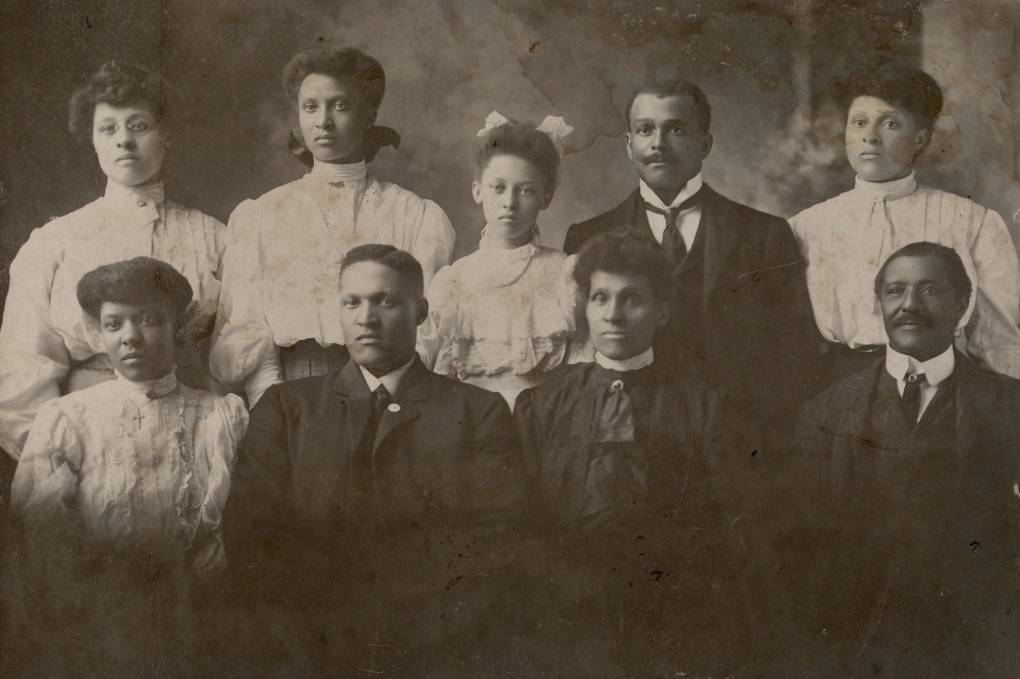
"caption": "The Horton family of San Jose. For her latest book about African Americans in Santa Clara County, Jan Batiste Adkins talked to families whose presence in the South Bay dates back several generations.",
"description": "The Horton family of San Jose. For her latest book about African Americans in Santa Clara County, Jan Batiste Adkins talked to families whose presence in the South Bay dates back several generations.",
"title": "#032-Horton Family Photo",
"credit": "Courtesy of Sourisseau Academy/San Jose State University",
"status": "inherit",
"altTag": "The Horton family of San Jose. For her latest book about African Americans in Santa Clara County, Jan Batiste Adkins talked to families whose presence in the South Bay dates back several generations.",
"isLoading": false,
"fetchFailed": false
},
"news_11818400": {
"type": "attachments",
"id": "news_11818400",
"meta": {
"index": "attachments_1716263798",
"site": "news",
"id": "11818400",
"found": true
},
"parent": 11818246,
"imgSizes": {
"apple_news_ca_landscape_5_5": {
"file": "https://ww2.kqed.org/app/uploads/sites/10/2020/05/Dive-Bar-San-Jose-1044x783.jpg",
"width": 1044,
"mimeType": "image/jpeg",
"height": 783
},
"apple_news_ca_square_4_0": {
"file": "https://ww2.kqed.org/app/uploads/sites/10/2020/05/Dive-Bar-San-Jose-470x470.jpg",
"width": 470,
"mimeType": "image/jpeg",
"height": 470
},
"twentyfourteen-full-width": {
"file": "https://ww2.kqed.org/app/uploads/sites/10/2020/05/Dive-Bar-San-Jose-1038x576.jpg",
"width": 1038,
"mimeType": "image/jpeg",
"height": 576
},
"thumbnail": {
"file": "https://ww2.kqed.org/app/uploads/sites/10/2020/05/Dive-Bar-San-Jose-160x113.jpg",
"width": 160,
"mimeType": "image/jpeg",
"height": 113
},
"post-thumbnail": {
"file": "https://ww2.kqed.org/app/uploads/sites/10/2020/05/Dive-Bar-San-Jose-672x372.jpg",
"width": 672,
"mimeType": "image/jpeg",
"height": 372
},
"kqedFullSize": {
"file": "https://ww2.kqed.org/app/uploads/sites/10/2020/05/Dive-Bar-San-Jose.jpg",
"width": 1920,
"height": 1355
},
"apple_news_ca_landscape_4_7": {
"file": "https://ww2.kqed.org/app/uploads/sites/10/2020/05/Dive-Bar-San-Jose-632x474.jpg",
"width": 632,
"mimeType": "image/jpeg",
"height": 474
},
"large": {
"file": "https://ww2.kqed.org/app/uploads/sites/10/2020/05/Dive-Bar-San-Jose-1020x720.jpg",
"width": 1020,
"mimeType": "image/jpeg",
"height": 720
},
"apple_news_ca_landscape_4_0": {
"file": "https://ww2.kqed.org/app/uploads/sites/10/2020/05/Dive-Bar-San-Jose-536x402.jpg",
"width": 536,
"mimeType": "image/jpeg",
"height": 402
},
"apple_news_ca_portrait_12_9": {
"file": "https://ww2.kqed.org/app/uploads/sites/10/2020/05/Dive-Bar-San-Jose-1122x1355.jpg",
"width": 1122,
"mimeType": "image/jpeg",
"height": 1355
},
"medium": {
"file": "https://ww2.kqed.org/app/uploads/sites/10/2020/05/Dive-Bar-San-Jose-800x565.jpg",
"width": 800,
"mimeType": "image/jpeg",
"height": 565
},
"apple_news_ca_portrait_4_0": {
"file": "https://ww2.kqed.org/app/uploads/sites/10/2020/05/Dive-Bar-San-Jose-354x472.jpg",
"width": 354,
"mimeType": "image/jpeg",
"height": 472
},
"apple_news_ca_portrait_9_7": {
"file": "https://ww2.kqed.org/app/uploads/sites/10/2020/05/Dive-Bar-San-Jose-840x1120.jpg",
"width": 840,
"mimeType": "image/jpeg",
"height": 1120
},
"apple_news_ca_landscape_12_9": {
"file": "https://ww2.kqed.org/app/uploads/sites/10/2020/05/Dive-Bar-San-Jose-1832x1355.jpg",
"width": 1832,
"mimeType": "image/jpeg",
"height": 1355
},
"apple_news_ca_square_9_7": {
"file": "https://ww2.kqed.org/app/uploads/sites/10/2020/05/Dive-Bar-San-Jose-1104x1104.jpg",
"width": 1104,
"mimeType": "image/jpeg",
"height": 1104
},
"apple_news_ca_portrait_4_7": {
"file": "https://ww2.kqed.org/app/uploads/sites/10/2020/05/Dive-Bar-San-Jose-414x552.jpg",
"width": 414,
"mimeType": "image/jpeg",
"height": 552
},
"apple_news_ca_square_12_9": {
"file": "https://ww2.kqed.org/app/uploads/sites/10/2020/05/Dive-Bar-San-Jose-1472x1355.jpg",
"width": 1472,
"mimeType": "image/jpeg",
"height": 1355
},
"apple_news_ca_portrait_5_5": {
"file": "https://ww2.kqed.org/app/uploads/sites/10/2020/05/Dive-Bar-San-Jose-687x916.jpg",
"width": 687,
"mimeType": "image/jpeg",
"height": 916
},
"full-width": {
"file": "https://ww2.kqed.org/app/uploads/sites/10/2020/05/Dive-Bar-San-Jose-1920x1355.jpg",
"width": 1920,
"mimeType": "image/jpeg",
"height": 1355
},
"apple_news_ca_square_4_7": {
"file": "https://ww2.kqed.org/app/uploads/sites/10/2020/05/Dive-Bar-San-Jose-550x550.jpg",
"width": 550,
"mimeType": "image/jpeg",
"height": 550
},
"apple_news_ca_landscape_9_7": {
"file": "https://ww2.kqed.org/app/uploads/sites/10/2020/05/Dive-Bar-San-Jose-1376x1032.jpg",
"width": 1376,
"mimeType": "image/jpeg",
"height": 1032
},
"apple_news_ca_square_5_5": {
"file": "https://ww2.kqed.org/app/uploads/sites/10/2020/05/Dive-Bar-San-Jose-912x912.jpg",
"width": 912,
"mimeType": "image/jpeg",
"height": 912
}
},
"publishDate": 1589493962,
"modified": 1589579180,
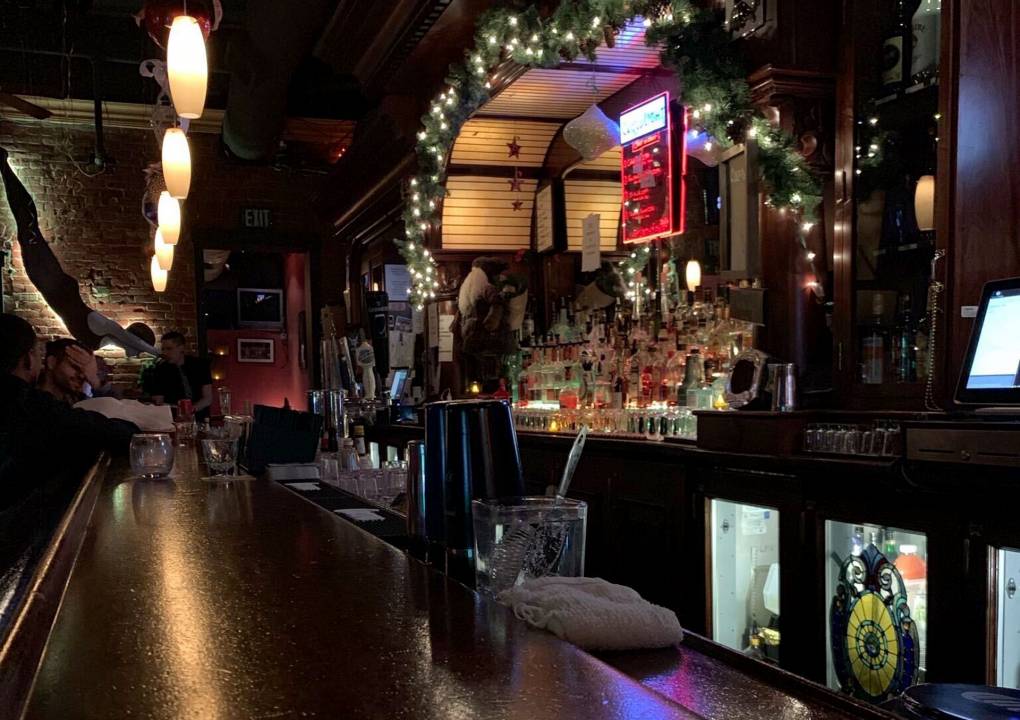
"caption": "Christos Louvis had to close Dive Bar in San Jose on St. Patrick's Day and hasn't opened the doors since. He's not sure when, or if, the bar will be able to open again.",
"description": "Christos Louvis had to close Dive Bar in San Jose on St. Patrick's Day, and hasn't opened the doors since. He's not sure when, or if the bar will be able to open again.",
"title": "Dive-Bar-San-Jose",
"credit": "Courtesy Christos Louvis",
"status": "inherit",
"isLoading": false,
"fetchFailed": false
},
"news_11764542": {
"type": "attachments",
"id": "news_11764542",
"meta": {
"index": "attachments_1716263798",
"site": "news",
"id": "11764542",
"found": true
},
"parent": 11763861,
"imgSizes": {
"apple_news_ca_landscape_5_5": {
"file": "https://ww2.kqed.org/app/uploads/sites/10/2019/07/Image-from-iOS-13-1044x783.jpg",
"width": 1044,
"mimeType": "image/jpeg",
"height": 783
},
"apple_news_ca_square_4_0": {
"file": "https://ww2.kqed.org/app/uploads/sites/10/2019/07/Image-from-iOS-13-470x470.jpg",
"width": 470,
"mimeType": "image/jpeg",
"height": 470
},
"twentyfourteen-full-width": {
"file": "https://ww2.kqed.org/app/uploads/sites/10/2019/07/Image-from-iOS-13-1038x576.jpg",
"width": 1038,
"mimeType": "image/jpeg",
"height": 576
},
"thumbnail": {
"file": "https://ww2.kqed.org/app/uploads/sites/10/2019/07/Image-from-iOS-13-160x120.jpg",
"width": 160,
"mimeType": "image/jpeg",
"height": 120
},
"post-thumbnail": {
"file": "https://ww2.kqed.org/app/uploads/sites/10/2019/07/Image-from-iOS-13-672x372.jpg",
"width": 672,
"mimeType": "image/jpeg",
"height": 372
},
"kqedFullSize": {
"file": "https://ww2.kqed.org/app/uploads/sites/10/2019/07/Image-from-iOS-13-e1564596615475.jpg",
"width": 1920,
"height": 1440
},
"apple_news_ca_landscape_4_7": {
"file": "https://ww2.kqed.org/app/uploads/sites/10/2019/07/Image-from-iOS-13-632x474.jpg",
"width": 632,
"mimeType": "image/jpeg",
"height": 474
},
"large": {
"file": "https://ww2.kqed.org/app/uploads/sites/10/2019/07/Image-from-iOS-13-1020x765.jpg",
"width": 1020,
"mimeType": "image/jpeg",
"height": 765
},
"complete_open_graph": {
"file": "https://ww2.kqed.org/app/uploads/sites/10/2019/07/Image-from-iOS-13-1200x900.jpg",
"width": 1200,
"mimeType": "image/jpeg",
"height": 900
},
"apple_news_ca_landscape_4_0": {
"file": "https://ww2.kqed.org/app/uploads/sites/10/2019/07/Image-from-iOS-13-536x402.jpg",
"width": 536,
"mimeType": "image/jpeg",
"height": 402
},
"apple_news_ca_portrait_12_9": {
"file": "https://ww2.kqed.org/app/uploads/sites/10/2019/07/Image-from-iOS-13-1122x1496.jpg",
"width": 1122,
"mimeType": "image/jpeg",
"height": 1496
},
"medium": {
"file": "https://ww2.kqed.org/app/uploads/sites/10/2019/07/Image-from-iOS-13-800x600.jpg",
"width": 800,
"mimeType": "image/jpeg",
"height": 600
},
"apple_news_ca_portrait_4_0": {
"file": "https://ww2.kqed.org/app/uploads/sites/10/2019/07/Image-from-iOS-13-354x472.jpg",
"width": 354,
"mimeType": "image/jpeg",
"height": 472
},
"apple_news_ca_portrait_9_7": {
"file": "https://ww2.kqed.org/app/uploads/sites/10/2019/07/Image-from-iOS-13-840x1120.jpg",
"width": 840,
"mimeType": "image/jpeg",
"height": 1120
},
"apple_news_ca_landscape_12_9": {
"file": "https://ww2.kqed.org/app/uploads/sites/10/2019/07/Image-from-iOS-13-1832x1374.jpg",
"width": 1832,
"mimeType": "image/jpeg",
"height": 1374
},
"apple_news_ca_square_9_7": {
"file": "https://ww2.kqed.org/app/uploads/sites/10/2019/07/Image-from-iOS-13-1104x1104.jpg",
"width": 1104,
"mimeType": "image/jpeg",
"height": 1104
},
"apple_news_ca_portrait_4_7": {
"file": "https://ww2.kqed.org/app/uploads/sites/10/2019/07/Image-from-iOS-13-414x552.jpg",
"width": 414,
"mimeType": "image/jpeg",
"height": 552
},
"apple_news_ca_square_12_9": {
"file": "https://ww2.kqed.org/app/uploads/sites/10/2019/07/Image-from-iOS-13-1472x1472.jpg",
"width": 1472,
"mimeType": "image/jpeg",
"height": 1472
},
"apple_news_ca_portrait_5_5": {
"file": "https://ww2.kqed.org/app/uploads/sites/10/2019/07/Image-from-iOS-13-687x916.jpg",
"width": 687,
"mimeType": "image/jpeg",
"height": 916
},
"full-width": {
"file": "https://ww2.kqed.org/app/uploads/sites/10/2019/07/Image-from-iOS-13-1920x1440.jpg",
"width": 1920,
"mimeType": "image/jpeg",
"height": 1440
},
"apple_news_ca_square_4_7": {
"file": "https://ww2.kqed.org/app/uploads/sites/10/2019/07/Image-from-iOS-13-550x550.jpg",
"width": 550,
"mimeType": "image/jpeg",
"height": 550
},
"apple_news_ca_landscape_9_7": {
"file": "https://ww2.kqed.org/app/uploads/sites/10/2019/07/Image-from-iOS-13-1376x1032.jpg",
"width": 1376,
"mimeType": "image/jpeg",
"height": 1032
},
"apple_news_ca_square_5_5": {
"file": "https://ww2.kqed.org/app/uploads/sites/10/2019/07/Image-from-iOS-13-912x912.jpg",
"width": 912,
"mimeType": "image/jpeg",
"height": 912
}
},
"publishDate": 1564596577,
"modified": 1564614447,
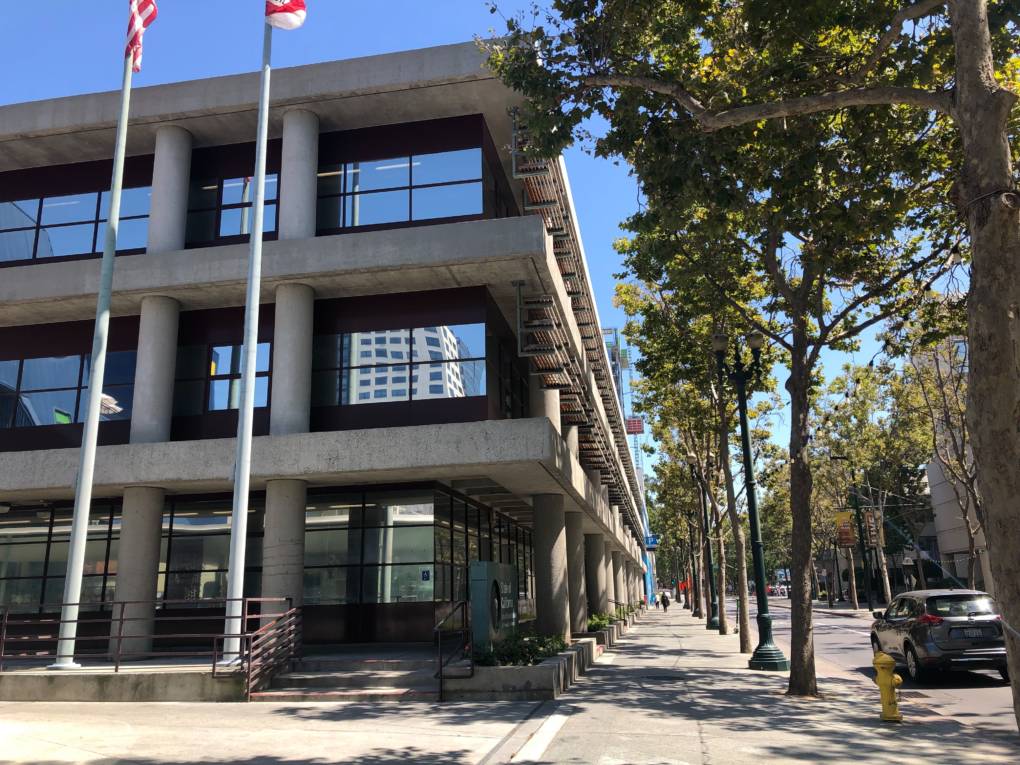
"caption": "The state-owned Alfred E. Alquist Building near San Jose State University may be converted into parking, retail and new residential housing.",
"description": "The state-owned Alfred E. Alquist office building near San Jose State University may be converted into parking, retail and new residential housing.",
"title": "Image from iOS (13)",
"credit": "Sonja Hutson/KQED",
"status": "inherit",
"isLoading": false,
"fetchFailed": false
},
"news_11660480": {
"type": "attachments",
"id": "news_11660480",
"meta": {
"index": "attachments_1716263798",
"site": "news",
"id": "11660480",
"found": true
},
"title": "RS30329_5D3_9543-qut",
"publishDate": 1523058875,
"status": "inherit",
"parent": 11660424,
"modified": 1719593772,
"caption": "Coach Yoshihiro 'Yosh' Uchida standing in front a case of judo medals outside the dojo in a building named after him at San José State.",
"credit": "Courtesy of David Schmitz",
"altTag": "Coach Yoshihiro \"Yosh\" Uchida standing in front a case of judo medals outside the dojo in a building named after him at San Jose State.",
"description": "Coach Yoshihiro \"Yosh\" Uchida standing in front a case of judo medals outside the dojo in a building named after him at San Jose State.",
"imgSizes": {
"thumbnail": {
"file": "https://cdn.kqed.org/wp-content/uploads/sites/10/2018/04/RS30329_5D3_9543-qut-160x107.jpg",
"width": 160,
"height": 107,
"mimeType": "image/jpeg"
},
"medium": {
"file": "https://cdn.kqed.org/wp-content/uploads/sites/10/2018/04/RS30329_5D3_9543-qut-800x533.jpg",
"width": 800,
"height": 533,
"mimeType": "image/jpeg"
},
"large": {
"file": "https://cdn.kqed.org/wp-content/uploads/sites/10/2018/04/RS30329_5D3_9543-qut-1020x680.jpg",
"width": 1020,
"height": 680,
"mimeType": "image/jpeg"
},
"fd-lrg": {
"file": "https://cdn.kqed.org/wp-content/uploads/sites/10/2018/04/RS30329_5D3_9543-qut-1920x1280.jpg",
"width": 1920,
"height": 1280,
"mimeType": "image/jpeg"
},
"fd-med": {
"file": "https://cdn.kqed.org/wp-content/uploads/sites/10/2018/04/RS30329_5D3_9543-qut-1180x787.jpg",
"width": 1180,
"height": 787,
"mimeType": "image/jpeg"
},
"fd-sm": {
"file": "https://cdn.kqed.org/wp-content/uploads/sites/10/2018/04/RS30329_5D3_9543-qut-960x640.jpg",
"width": 960,
"height": 640,
"mimeType": "image/jpeg"
},
"post-thumbnail": {
"file": "https://cdn.kqed.org/wp-content/uploads/sites/10/2018/04/RS30329_5D3_9543-qut-672x372.jpg",
"width": 672,
"height": 372,
"mimeType": "image/jpeg"
},
"twentyfourteen-full-width": {
"file": "https://cdn.kqed.org/wp-content/uploads/sites/10/2018/04/RS30329_5D3_9543-qut-1038x576.jpg",
"width": 1038,
"height": 576,
"mimeType": "image/jpeg"
},
"xxsmall": {
"file": "https://cdn.kqed.org/wp-content/uploads/sites/10/2018/04/RS30329_5D3_9543-qut-240x160.jpg",
"width": 240,
"height": 160,
"mimeType": "image/jpeg"
},
"xsmall": {
"file": "https://cdn.kqed.org/wp-content/uploads/sites/10/2018/04/RS30329_5D3_9543-qut-375x250.jpg",
"width": 375,
"height": 250,
"mimeType": "image/jpeg"
},
"small": {
"file": "https://cdn.kqed.org/wp-content/uploads/sites/10/2018/04/RS30329_5D3_9543-qut-520x347.jpg",
"width": 520,
"height": 347,
"mimeType": "image/jpeg"
},
"xlarge": {
"file": "https://cdn.kqed.org/wp-content/uploads/sites/10/2018/04/RS30329_5D3_9543-qut-1180x787.jpg",
"width": 1180,
"height": 787,
"mimeType": "image/jpeg"
},
"full-width": {
"file": "https://cdn.kqed.org/wp-content/uploads/sites/10/2018/04/RS30329_5D3_9543-qut-1920x1280.jpg",
"width": 1920,
"height": 1280,
"mimeType": "image/jpeg"
},
"guest-author-32": {
"file": "https://cdn.kqed.org/wp-content/uploads/sites/10/2018/04/RS30329_5D3_9543-qut-32x32.jpg",
"width": 32,
"height": 32,
"mimeType": "image/jpeg"
},
"guest-author-50": {
"file": "https://cdn.kqed.org/wp-content/uploads/sites/10/2018/04/RS30329_5D3_9543-qut-50x50.jpg",
"width": 50,
"height": 50,
"mimeType": "image/jpeg"
},
"guest-author-64": {
"file": "https://cdn.kqed.org/wp-content/uploads/sites/10/2018/04/RS30329_5D3_9543-qut-64x64.jpg",
"width": 64,
"height": 64,
"mimeType": "image/jpeg"
},
"guest-author-96": {
"file": "https://cdn.kqed.org/wp-content/uploads/sites/10/2018/04/RS30329_5D3_9543-qut-96x96.jpg",
"width": 96,
"height": 96,
"mimeType": "image/jpeg"
},
"guest-author-128": {
"file": "https://cdn.kqed.org/wp-content/uploads/sites/10/2018/04/RS30329_5D3_9543-qut-128x128.jpg",
"width": 128,
"height": 128,
"mimeType": "image/jpeg"
},
"detail": {
"file": "https://cdn.kqed.org/wp-content/uploads/sites/10/2018/04/RS30329_5D3_9543-qut-150x150.jpg",
"width": 150,
"height": 150,
"mimeType": "image/jpeg"
},
"kqedFullSize": {
"file": "https://cdn.kqed.org/wp-content/uploads/sites/10/2018/04/RS30329_5D3_9543-qut.jpg",
"width": 1920,
"height": 1280
}
},
"isLoading": false,
"fetchFailed": false
},
"news_11640511": {
"type": "attachments",
"id": "news_11640511",
"meta": {
"index": "attachments_1716263798",
"site": "news",
"id": "11640511",
"found": true
},
"parent": 11640508,
"imgSizes": {
"small": {
"file": "https://ww2.kqed.org/app/uploads/sites/10/2018/01/328845499_8c4679f755_b-2-520x293.jpg",
"width": 520,
"mimeType": "image/jpeg",
"height": 293
},
"twentyfourteen-full-width": {
"file": "https://ww2.kqed.org/app/uploads/sites/10/2018/01/328845499_8c4679f755_b-2-1024x576.jpg",
"width": 1024,
"mimeType": "image/jpeg",
"height": 576
},
"thumbnail": {
"file": "https://ww2.kqed.org/app/uploads/sites/10/2018/01/328845499_8c4679f755_b-2-160x90.jpg",
"width": 160,
"mimeType": "image/jpeg",
"height": 90
},
"fd-sm": {
"file": "https://ww2.kqed.org/app/uploads/sites/10/2018/01/328845499_8c4679f755_b-2-960x540.jpg",
"width": 960,
"mimeType": "image/jpeg",
"height": 540
},
"post-thumbnail": {
"file": "https://ww2.kqed.org/app/uploads/sites/10/2018/01/328845499_8c4679f755_b-2-672x372.jpg",
"width": 672,
"mimeType": "image/jpeg",
"height": 372
},
"xsmall": {
"file": "https://ww2.kqed.org/app/uploads/sites/10/2018/01/328845499_8c4679f755_b-2-375x211.jpg",
"width": 375,
"mimeType": "image/jpeg",
"height": 211
},
"kqedFullSize": {
"file": "https://ww2.kqed.org/app/uploads/sites/10/2018/01/328845499_8c4679f755_b-2.jpg",
"width": 1024,
"height": 576
},
"large": {
"file": "https://ww2.kqed.org/app/uploads/sites/10/2018/01/328845499_8c4679f755_b-2-1020x574.jpg",
"width": 1020,
"mimeType": "image/jpeg",
"height": 574
},
"guest-author-50": {
"file": "https://ww2.kqed.org/app/uploads/sites/10/2018/01/328845499_8c4679f755_b-2-50x50.jpg",
"width": 50,
"mimeType": "image/jpeg",
"height": 50
},
"guest-author-96": {
"file": "https://ww2.kqed.org/app/uploads/sites/10/2018/01/328845499_8c4679f755_b-2-96x96.jpg",
"width": 96,
"mimeType": "image/jpeg",
"height": 96
},
"medium": {
"file": "https://ww2.kqed.org/app/uploads/sites/10/2018/01/328845499_8c4679f755_b-2-800x450.jpg",
"width": 800,
"mimeType": "image/jpeg",
"height": 450
},
"guest-author-64": {
"file": "https://ww2.kqed.org/app/uploads/sites/10/2018/01/328845499_8c4679f755_b-2-64x64.jpg",
"width": 64,
"mimeType": "image/jpeg",
"height": 64
},
"guest-author-32": {
"file": "https://ww2.kqed.org/app/uploads/sites/10/2018/01/328845499_8c4679f755_b-2-32x32.jpg",
"width": 32,
"mimeType": "image/jpeg",
"height": 32
},
"detail": {
"file": "https://ww2.kqed.org/app/uploads/sites/10/2018/01/328845499_8c4679f755_b-2-150x150.jpg",
"width": 150,
"mimeType": "image/jpeg",
"height": 150
},
"guest-author-128": {
"file": "https://ww2.kqed.org/app/uploads/sites/10/2018/01/328845499_8c4679f755_b-2-128x128.jpg",
"width": 128,
"mimeType": "image/jpeg",
"height": 128
},
"xxsmall": {
"file": "https://ww2.kqed.org/app/uploads/sites/10/2018/01/328845499_8c4679f755_b-2-240x135.jpg",
"width": 240,
"mimeType": "image/jpeg",
"height": 135
}
},
"publishDate": 1515205946,
"modified": 1515251792,
"caption": "The Western Gray Squirrel",
"description": "The Western Gray Squirrel",
"title": "328845499_8c4679f755_b 2",
"credit": "Courtesy of Larry McCombs",
"status": "inherit",
"isLoading": false,
"fetchFailed": false
},
"news_11615187": {
"type": "attachments",
"id": "news_11615187",
"meta": {
"index": "attachments_1716263798",
"site": "news",
"id": "11615187",
"found": true
},
"parent": 11614958,
"imgSizes": {
"small": {
"file": "https://ww2.kqed.org/app/uploads/sites/10/2017/09/RS26473_IMG_3096-qut-520x293.jpg",
"width": 520,
"mimeType": "image/jpeg",
"height": 293
},
"twentyfourteen-full-width": {
"file": "https://ww2.kqed.org/app/uploads/sites/10/2017/09/RS26473_IMG_3096-qut-1038x576.jpg",
"width": 1038,
"mimeType": "image/jpeg",
"height": 576
},
"thumbnail": {
"file": "https://ww2.kqed.org/app/uploads/sites/10/2017/09/RS26473_IMG_3096-qut-160x90.jpg",
"width": 160,
"mimeType": "image/jpeg",
"height": 90
},
"fd-sm": {
"file": "https://ww2.kqed.org/app/uploads/sites/10/2017/09/RS26473_IMG_3096-qut-960x540.jpg",
"width": 960,
"mimeType": "image/jpeg",
"height": 540
},
"post-thumbnail": {
"file": "https://ww2.kqed.org/app/uploads/sites/10/2017/09/RS26473_IMG_3096-qut-672x372.jpg",
"width": 672,
"mimeType": "image/jpeg",
"height": 372
},
"xsmall": {
"file": "https://ww2.kqed.org/app/uploads/sites/10/2017/09/RS26473_IMG_3096-qut-375x211.jpg",
"width": 375,
"mimeType": "image/jpeg",
"height": 211
},
"kqedFullSize": {
"file": "https://ww2.kqed.org/app/uploads/sites/10/2017/09/RS26473_IMG_3096-qut.jpg",
"width": 1920,
"height": 1080
},
"large": {
"file": "https://ww2.kqed.org/app/uploads/sites/10/2017/09/RS26473_IMG_3096-qut-1020x574.jpg",
"width": 1020,
"mimeType": "image/jpeg",
"height": 574
},
"xlarge": {
"file": "https://ww2.kqed.org/app/uploads/sites/10/2017/09/RS26473_IMG_3096-qut-1180x664.jpg",
"width": 1180,
"mimeType": "image/jpeg",
"height": 664
},
"guest-author-50": {
"file": "https://ww2.kqed.org/app/uploads/sites/10/2017/09/RS26473_IMG_3096-qut-50x50.jpg",
"width": 50,
"mimeType": "image/jpeg",
"height": 50
},
"guest-author-96": {
"file": "https://ww2.kqed.org/app/uploads/sites/10/2017/09/RS26473_IMG_3096-qut-96x96.jpg",
"width": 96,
"mimeType": "image/jpeg",
"height": 96
},
"medium": {
"file": "https://ww2.kqed.org/app/uploads/sites/10/2017/09/RS26473_IMG_3096-qut-800x450.jpg",
"width": 800,
"mimeType": "image/jpeg",
"height": 450
},
"guest-author-64": {
"file": "https://ww2.kqed.org/app/uploads/sites/10/2017/09/RS26473_IMG_3096-qut-64x64.jpg",
"width": 64,
"mimeType": "image/jpeg",
"height": 64
},
"guest-author-32": {
"file": "https://ww2.kqed.org/app/uploads/sites/10/2017/09/RS26473_IMG_3096-qut-32x32.jpg",
"width": 32,
"mimeType": "image/jpeg",
"height": 32
},
"fd-lrg": {
"file": "https://ww2.kqed.org/app/uploads/sites/10/2017/09/RS26473_IMG_3096-qut-1920x1080.jpg",
"width": 1920,
"mimeType": "image/jpeg",
"height": 1080
},
"fd-med": {
"file": "https://ww2.kqed.org/app/uploads/sites/10/2017/09/RS26473_IMG_3096-qut-1180x664.jpg",
"width": 1180,
"mimeType": "image/jpeg",
"height": 664
},
"full-width": {
"file": "https://ww2.kqed.org/app/uploads/sites/10/2017/09/RS26473_IMG_3096-qut-1920x1080.jpg",
"width": 1920,
"mimeType": "image/jpeg",
"height": 1080
},
"detail": {
"file": "https://ww2.kqed.org/app/uploads/sites/10/2017/09/RS26473_IMG_3096-qut-150x150.jpg",
"width": 150,
"mimeType": "image/jpeg",
"height": 150
},
"guest-author-128": {
"file": "https://ww2.kqed.org/app/uploads/sites/10/2017/09/RS26473_IMG_3096-qut-128x128.jpg",
"width": 128,
"mimeType": "image/jpeg",
"height": 128
},
"xxsmall": {
"file": "https://ww2.kqed.org/app/uploads/sites/10/2017/09/RS26473_IMG_3096-qut-240x135.jpg",
"width": 240,
"mimeType": "image/jpeg",
"height": 135
}
},
"publishDate": 1504286742,
"modified": 1505172937,
"caption": "Now an emeritus lecturer at San Jose State University, Gil Villagran was expelled as an undergraduate for protesting against the Vietnam War outside this campus administration building.",
"description": "Now an Emeritus Lecturer at San Jose State, Gil Villagran was expelled as an undergraduate for protesting against the Vietnam War outside this campus administration building.",
"title": "RS26473_IMG_3096-qut",
"credit": "Rachael Myrow/KQED",
"status": "inherit",
"isLoading": false,
"fetchFailed": false
},
"news_107487": {
"type": "attachments",
"id": "news_107487",
"meta": {
"index": "attachments_1716263798",
"site": "news",
"id": "107487",
"found": true
},
"parent": 107481,
"imgSizes": {
"kqedFullSize": {
"file": "https://ww2.kqed.org/app/uploads/sites/10/2013/08/moocs.jpg",
"width": 640,
"height": 450
}
},
"publishDate": 1376950993,
"modified": 1376950993,
"caption": "Susan Snycerski, a psychology lecturer at San Jose State, says she's proud of the MOOC she co-created, but it was a \"tremendous amount of work.\" (Charla Bear/KQED)",
"description": null,
"title": "moocs",
"credit": null,
"status": "inherit",
"isLoading": false,
"fetchFailed": false
}
},
"audioPlayerReducer": {
"postId": "stream_live",
"isPaused": true,
"isPlaying": false,
"pfsActive": false,
"pledgeModalIsOpen": true,
"playerDrawerIsOpen": false,
"liveAudioPlayStartedAt": 0,
"liveAudioPlayContext": ""
},
"authorsReducer": {
"astupi": {
"type": "authors",
"id": "70",
"meta": {
"index": "authors_1716337520",
"id": "70",
"found": true
},
"name": "Amanda Stupi",
"firstName": "Amanda",
"lastName": "Stupi",
"slug": "astupi",
"email": "astupi@kqed.org",
"display_author_email": false,
"staff_mastheads": [],
"title": "Senior Engagement Producer",
"bio": "Amanda joined KQED Science’s engagement team as a Senior Audience Engagement Strategist in the spring of 2019. She has helped craft messaging around wildfires, the coronavirus pandemic, climate change and many other stories. She has also brought KQED Science to new platforms such as Reddit’s Ask Me Anything series. Prior to joining KQED Science, Amanda spent seven years as an engagement producer with Forum, KQED’s daily live call-in show. She got her start in radio at KALW's weekly call in show, City Visions, before going on to an internship and stint at NPR's Talk of the Nation.\r\n\r\nPrior to journalism, Amanda taught English at Lowell High School. She's a native of Petaluma and currently lives under the \"South San Francisco the Industrial City\" sign in South City. She believes that engagement is vital to news’s future and that good journalism listens as much as it asks questions.",
"avatar": "https://secure.gravatar.com/avatar/e981c503e5c162da701dcaccfbf87e35?s=600&d=blank&r=g",
"twitter": null,
"facebook": null,
"instagram": null,
"linkedin": null,
"sites": [
{
"site": "arts",
"roles": [
"Contributor"
]
},
{
"site": "news",
"roles": [
"editor"
]
},
{
"site": "pop",
"roles": [
"contributor"
]
},
{
"site": "stateofhealth",
"roles": [
"editor"
]
},
{
"site": "science",
"roles": []
},
{
"site": "perspectives",
"roles": [
"editor"
]
}
],
"headData": {
"title": "Amanda Stupi | KQED",
"description": "Senior Engagement Producer",
"ogImgSrc": "https://secure.gravatar.com/avatar/e981c503e5c162da701dcaccfbf87e35?s=600&d=blank&r=g",
"twImgSrc": "https://secure.gravatar.com/avatar/e981c503e5c162da701dcaccfbf87e35?s=600&d=blank&r=g"
},
"isLoading": false,
"link": "/author/astupi"
},
"charlabear": {
"type": "authors",
"id": "218",
"meta": {
"index": "authors_1716337520",
"id": "218",
"found": true
},
"name": "Charla Bear",
"firstName": "Charla",
"lastName": "Bear",
"slug": "charlabear",
"email": "cbear@kqed.org",
"display_author_email": false,
"staff_mastheads": [],
"title": null,
"bio": null,
"avatar": "https://secure.gravatar.com/avatar/1c0f304ac2fbc2593f452eb65bbb562c?s=600&d=blank&r=g",
"twitter": null,
"facebook": null,
"instagram": null,
"linkedin": null,
"sites": [
{
"site": "news",
"roles": [
"subscriber"
]
},
{
"site": "stateofhealth",
"roles": [
"author"
]
}
],
"headData": {
"title": "Charla Bear | KQED",
"description": null,
"ogImgSrc": "https://secure.gravatar.com/avatar/1c0f304ac2fbc2593f452eb65bbb562c?s=600&d=blank&r=g",
"twImgSrc": "https://secure.gravatar.com/avatar/1c0f304ac2fbc2593f452eb65bbb562c?s=600&d=blank&r=g"
},
"isLoading": false,
"link": "/author/charlabear"
},
"kqednewsstaffandwires": {
"type": "authors",
"id": "237",
"meta": {
"index": "authors_1716337520",
"id": "237",
"found": true
},
"name": "KQED News Staff and Wires",
"firstName": "KQED News Staff and Wires",
"lastName": null,
"slug": "kqednewsstaffandwires",
"email": "onlinenewsstaff@kqed.org",
"display_author_email": false,
"staff_mastheads": [],
"title": null,
"bio": null,
"avatar": "https://secure.gravatar.com/avatar/72295af8ebbfbd19a4948f5271285664?s=600&d=blank&r=g",
"twitter": null,
"facebook": null,
"instagram": null,
"linkedin": null,
"sites": [
{
"site": "arts",
"roles": [
"contributor"
]
},
{
"site": "news",
"roles": [
"contributor"
]
},
{
"site": "lowdown",
"roles": [
"author"
]
},
{
"site": "stateofhealth",
"roles": [
"contributor"
]
},
{
"site": "food",
"roles": [
"author"
]
}
],
"headData": {
"title": "KQED News Staff and Wires | KQED",
"description": null,
"ogImgSrc": "https://secure.gravatar.com/avatar/72295af8ebbfbd19a4948f5271285664?s=600&d=blank&r=g",
"twImgSrc": "https://secure.gravatar.com/avatar/72295af8ebbfbd19a4948f5271285664?s=600&d=blank&r=g"
},
"isLoading": false,
"link": "/author/kqednewsstaffandwires"
},
"rachael-myrow": {
"type": "authors",
"id": "251",
"meta": {
"index": "authors_1716337520",
"id": "251",
"found": true
},
"name": "Rachael Myrow",
"firstName": "Rachael",
"lastName": "Myrow",
"slug": "rachael-myrow",
"email": "rmyrow@kqed.org",
"display_author_email": true,
"staff_mastheads": [
"news"
],
"title": "Senior Editor of KQED's Silicon Valley News Desk",
"bio": "• I write and edit stories about how Silicon Valley power and policies shape everyday life in California. I’m also passionate about making Bay Area history and culture more accessible to a broad public. • I’ve been a journalist for most of my life, starting in high school with The Franklin Press in Los Angeles, where I grew up. While earning my first degree in English at UC Berkeley, I got my start in public radio at KALX-FM. After completing a second degree in journalism at Cal, I landed my first professional job at Marketplace, then moved on to KPCC (now LAist), and then KQED, where I hosted The California Report for more than seven years. • My reporting has appeared on NPR, The World, WBUR’s \u003ci>Here & Now\u003c/i>, and the BBC. I also guest host for KQED’s \u003ci>Forum\u003c/i>, as well as the Commonwealth Club in San Francisco. • I speak periodically on media, democracy and technology issues, and do voiceover work for documentaries and educational video projects. • Outside of the studio, you'll find me hiking Bay Area trails and whipping up Insta-ready meals in my kitchen. • I do not accept gifts, money, or favors from anyone connected to my reporting, I don't pay people for information, and I do not support or donate to political causes. • I strive to treat the people I report on with fairness, honesty, and respect. I also recognize there are often multiple sides to a story and work to verify information through multiple sources and documentation. If I get something wrong, I correct it.",
"avatar": "https://secure.gravatar.com/avatar/3ed8a3c5f26025e4a805ba634cda8cd764906b97438a6d9ce216b044e340da4e?s=600&d=blank&r=g",
"twitter": "rachaelmyrow",
"bluesky": null,
"facebook": null,
"instagram": null,
"linkedin": "https://www.linkedin.com/in/rachaelmyrow/",
"sites": [
{
"site": "arts",
"roles": [
"administrator"
]
},
{
"site": "news",
"roles": [
"edit_others_posts",
"editor"
]
},
{
"site": "futureofyou",
"roles": [
"editor"
]
},
{
"site": "bayareabites",
"roles": [
"editor"
]
},
{
"site": "stateofhealth",
"roles": [
"editor"
]
},
{
"site": "science",
"roles": [
"editor"
]
},
{
"site": "food",
"roles": [
"editor"
]
},
{
"site": "forum",
"roles": [
"editor"
]
},
{
"site": "liveblog",
"roles": [
"author"
]
}
],
"headData": {
"title": "Rachael Myrow | KQED",
"description": "Senior Editor of KQED's Silicon Valley News Desk",
"ogImgSrc": "https://secure.gravatar.com/avatar/3ed8a3c5f26025e4a805ba634cda8cd764906b97438a6d9ce216b044e340da4e?s=600&d=blank&r=g",
"twImgSrc": "https://secure.gravatar.com/avatar/3ed8a3c5f26025e4a805ba634cda8cd764906b97438a6d9ce216b044e340da4e?s=600&d=blank&r=g"
},
"isLoading": false,
"link": "/author/rachael-myrow"
},
"lairdharrison": {
"type": "authors",
"id": "1367",
"meta": {
"index": "authors_1716337520",
"id": "1367",
"found": true
},
"name": "Laird Harrison",
"firstName": "Laird",
"lastName": "Harrison",
"slug": "lairdharrison",
"email": "laird_harrison@yahoo.com",
"display_author_email": false,
"staff_mastheads": [],
"title": null,
"bio": null,
"avatar": "https://secure.gravatar.com/avatar/cd1a94b071427a71ecfcbc115c6b0efe?s=600&d=blank&r=g",
"twitter": null,
"facebook": null,
"instagram": null,
"linkedin": null,
"sites": [
{
"site": "news",
"roles": [
"subscriber"
]
}
],
"headData": {
"title": "Laird Harrison | KQED",
"description": null,
"ogImgSrc": "https://secure.gravatar.com/avatar/cd1a94b071427a71ecfcbc115c6b0efe?s=600&d=blank&r=g",
"twImgSrc": "https://secure.gravatar.com/avatar/cd1a94b071427a71ecfcbc115c6b0efe?s=600&d=blank&r=g"
},
"isLoading": false,
"link": "/author/lairdharrison"
},
"shutson": {
"type": "authors",
"id": "11216",
"meta": {
"index": "authors_1716337520",
"id": "11216",
"found": true
},
"name": "Sonja Hutson",
"firstName": "Sonja",
"lastName": "Hutson",
"slug": "shutson",
"email": "shutson@kqed.org",
"display_author_email": false,
"staff_mastheads": [],
"title": "KQED Contributor",
"bio": "Sonja Hutson is a former reporter for KQED's Silicon Valley desk and weekend newscasts. She primarily covers tech and housing. Sonja is a Bay Area native and now lives in San Francisco. When she's not working, you can find her camping, skiing, scuba diving, and struggling with the New York Times Crossword. Email: \u003ca href=\"mailto:shutson@kqed.org\">shutson@kqed.org. \u003c/a>Twitter: \u003ca href=\"https://twitter.com/SonjaHutson\">@SonjaHutson\u003c/a>",
"avatar": "https://secure.gravatar.com/avatar/7537c5e36818614e599b6c0f41d72b7a?s=600&d=blank&r=g",
"twitter": "SonjaHutson",
"facebook": null,
"instagram": null,
"linkedin": null,
"sites": [
{
"site": "arts",
"roles": [
"author"
]
},
{
"site": "news",
"roles": [
"subscriber"
]
}
],
"headData": {
"title": "Sonja Hutson | KQED",
"description": "KQED Contributor",
"ogImgSrc": "https://secure.gravatar.com/avatar/7537c5e36818614e599b6c0f41d72b7a?s=600&d=blank&r=g",
"twImgSrc": "https://secure.gravatar.com/avatar/7537c5e36818614e599b6c0f41d72b7a?s=600&d=blank&r=g"
},
"isLoading": false,
"link": "/author/shutson"
},
"abandlamudi": {
"type": "authors",
"id": "11672",
"meta": {
"index": "authors_1716337520",
"id": "11672",
"found": true
},
"name": "Adhiti Bandlamudi",
"firstName": "Adhiti",
"lastName": "Bandlamudi",
"slug": "abandlamudi",
"email": "abandlamudi@kqed.org",
"display_author_email": false,
"staff_mastheads": [
"news"
],
"title": "KQED Housing Reporter",
"bio": "Adhiti Bandlamudi reports for KQED's Housing desk. She focuses on how housing gets built across the Bay Area. Before joining KQED in 2020, she reported for WUNC in Durham, North Carolina, WABE in Atlanta, Georgia and Capital Public Radio in Sacramento. In 2017, she was awarded a Kroc Fellowship at NPR where she reported on everything from sprinkles to the Golden State Killer's arrest. When she's not reporting, she's baking new recipes in her kitchen or watching movies with friends and family. She's originally from Georgia and has strong opinions about Great British Bake Off.",
"avatar": "https://secure.gravatar.com/avatar/868129c8b257bb99a3500e2c86a65400?s=600&d=mm&r=g",
"twitter": "oddity_adhiti",
"facebook": null,
"instagram": null,
"linkedin": null,
"sites": [
{
"site": "arts",
"roles": [
"author"
]
},
{
"site": "news",
"roles": [
"editor"
]
},
{
"site": "liveblog",
"roles": [
"author"
]
}
],
"headData": {
"title": "Adhiti Bandlamudi | KQED",
"description": "KQED Housing Reporter",
"ogImgSrc": "https://secure.gravatar.com/avatar/868129c8b257bb99a3500e2c86a65400?s=600&d=mm&r=g",
"twImgSrc": "https://secure.gravatar.com/avatar/868129c8b257bb99a3500e2c86a65400?s=600&d=mm&r=g"
},
"isLoading": false,
"link": "/author/abandlamudi"
}
},
"pagesReducer": {
"news_tag_san-jose-state": {
"type": "terms",
"id": "news_1405",
"meta": {
"index": "terms_1716263798",
"site": "news",
"id": "1405",
"score": 9.89667
},
"featImg": null,
"name": "San Jose State",
"description": null,
"taxonomy": "tag",
"headData": {
"twImgId": null,
"twTitle": null,
"ogTitle": null,
"ogImgId": null,
"twDescription": null,
"description": null,
"title": "San Jose State Archives | KQED News",
"ogDescription": null
},
"ttid": 1417,
"slug": "san-jose-state",
"isLoading": false,
"title": "San Jose State",
"pageMeta": {
"site": "news",
"WpPageTemplate": "page-topic-editorial",
"currentPage": 2
},
"blocks": [
{
"blockName": "kqed/post-list",
"attrs": {
"layout": "cardArticle2",
"query": "posts/news?tag=san-jose-state",
"seeMore": false,
"paginated": true,
"page": 2
}
},
{
"blockName": "kqed/ad"
}
]
}
},
"pfsSessionReducer": {},
"postsReducer": {
"stream_live": {
"type": "live",
"id": "stream_live",
"audioUrl": "https://hls.kqed.org/hls/kqed_app/playlist.m3u8",
"title": "Live Stream",
"excerpt": "Live Stream information currently unavailable.",
"link": "/radio",
"featImg": "",
"label": {
"name": "KQED Live",
"link": "/"
}
},
"stream_kqedNewscast": {
"type": "posts",
"id": "stream_kqedNewscast",
"audioUrl": "https://www.kqed.org/.stream/anon/radio/RDnews/newscast.mp3?_=1",
"title": "KQED Newscast",
"featImg": "",
"label": {
"name": "88.5 FM",
"link": "/"
}
},
"news_11860455": {
"type": "posts",
"id": "news_11860455",
"meta": {
"index": "posts_1716263798",
"site": "news",
"id": "11860455",
"score": null,
"sort": [
1613676958000
]
},
"guestAuthors": [],
"slug": "since-before-the-beginning-the-black-pioneers-of-the-south-bay",
"title": "'Since Before the Beginning': The Black Pioneers of the South Bay",
"publishDate": 1613676958,
"format": "standard",
"headTitle": "‘Since Before the Beginning’: The Black Pioneers of the South Bay | KQED",
"labelTerm": {
"site": "news"
},
"content": "\u003cp>In 1777, five families of mixed Mexican and African heritage arrived in Alta California with the Spanish to help establish \u003ca href=\"https://artsandculture.google.com/exhibit/a-year-in-the-life-of-a-spanish-colonial-pueblo-san-jos%C3%A9%C2%A0de-guadalupe-in-1809-history-san-jose/qgJCEgJtbqBZLw?hl=en\" target=\"_blank\" rel=\"noopener noreferrer\">El Pueblo de San José de Guadalupe\u003c/a>.\u003c/p>\n\u003cp>“They grew the food for the presidios, the military installations in the Bay Area,” explains local historian Jan Batiste Adkins, who’s written \u003ca href=\"https://www.africanamericanhistories.com/\">three books\u003c/a> on the history of African Americans in the Bay Area. Adkins says those are the first Black families in the South Bay she’s found records for.\u003c/p>\n\u003cp>She notes there have historically been very few African Americans who have lived on the Peninsula and in the South Bay. This explains the relative lack of awareness of their cultural and economic contributions to those areas, particularly compared to those of the much larger Black communities in San Francisco and Oakland. But that’s not to say the South Bay’s Black communities have not been influential, from “since before the beginning,” she says.\u003c/p>\n\u003cp>Mexico abolished slavery in 1829, but it took the United States until 1865 to officially do so. And although California was admitted to the Union in 1850 as a “free state,” the experience of Black residents here was complicated. There was even a \u003ca href=\"https://www.kcet.org/shows/lost-la/los-angeles-1850s-slave-market-is-now-the-site-of-a-federal-courthouse\" target=\"_blank\" rel=\"noopener noreferrer\">slave market\u003c/a> in Los Angeles. Some Southerners who came to California after the Gold Rush brought slaves with them, and a number of them subsequently sued to secure their freedom.\u003c/p>\n\u003cfigure id=\"attachment_11860514\" class=\"wp-caption aligncenter\" style=\"max-width: 1280px\">\u003cimg loading=\"lazy\" decoding=\"async\" class=\"size-full wp-image-11860514\" src=\"https://ww2.kqed.org/app/uploads/sites/10/2021/02/040-Pop-Harris-new-adj.jpeg\" alt=\"James Williams was brought to California as a slave to mine in Sacramento Valley. Once he earned enough money, Williams was able to buy his freedom and moved to Murphy Ranch in Milpitas in 1852. Later he started his own business and operated freight teams between Hollister and San Francisco.\" width=\"1280\" height=\"865\" srcset=\"https://cdn.kqed.org/wp-content/uploads/sites/10/2021/02/040-Pop-Harris-new-adj.jpeg 1280w, https://cdn.kqed.org/wp-content/uploads/sites/10/2021/02/040-Pop-Harris-new-adj-800x541.jpeg 800w, https://cdn.kqed.org/wp-content/uploads/sites/10/2021/02/040-Pop-Harris-new-adj-1020x689.jpeg 1020w, https://cdn.kqed.org/wp-content/uploads/sites/10/2021/02/040-Pop-Harris-new-adj-160x108.jpeg 160w\" sizes=\"(max-width: 1280px) 100vw, 1280px\">\u003cfigcaption class=\"wp-caption-text\">James Williams was brought to California as a slave to mine for gold in the Sacramento Valley. Once he earned enough money, Williams was able to buy his freedom and moved in 1852 to Murphy Ranch in Milpitas. Later he started his own business and operated freight teams between Hollister and San Francisco. \u003ccite>(Courtesy of Santa Clara City Library)\u003c/cite>\u003c/figcaption>\u003c/figure>\n\u003cp>“Many of the families that came here came as freed men and women from the East Coast. Many of them [also] came as slaves, and found freedom here in California,” Adkins says.\u003c/p>\n\u003ch2>First Draft of Black History\u003c/h2>\n\u003cp>In the mid-19th century, a number of Black newspapers, like the \u003ca href=\"https://cdnc.ucr.edu/?a=cl&cl=CL1&sp=PA\" target=\"_blank\" rel=\"noopener noreferrer\">Pacific Appeal\u003c/a>, \u003ca href=\"https://www.loc.gov/item/sn83027100/\" target=\"_blank\" rel=\"noopener noreferrer\">Mirror of the Times \u003c/a>and the \u003ca href=\"https://cdnc.ucr.edu/?a=cl&cl=CL1&sp=EL&\" target=\"_blank\" rel=\"noopener noreferrer\">Elevator\u003c/a>, emerged in San Francisco. Today, they remain a treasure trove of tidbits of early Black history in the region.\u003c/p>\n\u003cp>Consider this plea for subscriptions in the very first issue of the Pacific Appeal, in April 1862:\u003c/p>\n\u003cblockquote>\u003cp>Reader! Our first number is before you. Will you sustain us in our infant enterprise? We have engaged in an undertaking which requires pecuniary outlay, energy, perseverance and ability. We have “Set our boat before the blast, Our breast before the gun,” and while there is a breeze to swell our canvas we will continue our voyage; — while we have a hand to wield a weapon (the pen,) we will battle against oppression and injustice. Will you support us?\u003c/p>\u003c/blockquote>\n\u003cp>“I just fell in love with reading about the history of African Americans,” Adkins said. “Those newspapers were published in San Francisco, and those newspapers carried the stories of local pioneers, not only in San Francisco, but in the entire Bay Area.”\u003c/p>\n\u003cp>African Americans in the South Bay built homes, \u003ca href=\"https://www.mercurynews.com/2018/07/28/san-joses-historic-antioch-baptist-church-marks-a-milestone/\" target=\"_blank\" rel=\"noopener noreferrer\">churches\u003c/a> and schools. They were \u003ca href=\"https://www.aclunc.org/sites/goldchains/explore/archy-lee.html\" target=\"_blank\" rel=\"noopener noreferrer\">abolitionists\u003c/a> before the Civil War, and sued for civil rights afterward. But the community was tiny, less than 100 people through much of the 19th century, according to Adkins.\u003c/p>\n\u003cp>[aside label=\"related coverage\" tag=\"tommie-smith\"]That changed with the Great Migration beginning in the early 20th century, as African Americans from southern and midwestern states seeking new economic opportunities were drawn to cities like San Jose, Palo Alto and Milpitas.\u003c/p>\n\u003cp>After World War II, some African Americans who had first arrived elsewhere in the Bay Area for military manufacturing jobs, later moved to the South Bay and the Peninsula for other industrial work, especially at \u003ca href=\"https://milpitashistoricalsociety.org/milpitas-history/milpitas-street-names/gross-street/\" target=\"_blank\" rel=\"noopener noreferrer\">Ford Motor Company\u003c/a> in Milpitas. A number of large technology companies, like IBM, were also hiring, as were local \u003ca href=\"https://www.paloaltoonline.com/news/2017/02/23/city-to-honor-distinguished-african-american-leaders\" target=\"_blank\" rel=\"noopener noreferrer\">governments\u003c/a> and universities.\u003c/p>\n\u003cp>But newly arrived African Americans quickly discovered they were shut out from living in most South Bay neighborhoods due to “\u003ca href=\"https://www.kqed.org/lowdown/18486/redlining\" target=\"_blank\" rel=\"noopener noreferrer\">redlining\u003c/a>” and other discriminatory local housing policies.\u003c/p>\n\u003cp>There were some exceptions, however, although few and far between. Adkins says some companies, like IBM, built worker housing where Black employees and their families could stay. And legendary Bay Area real estate developer \u003ca href=\"https://www.kqed.org/news/11635574/how-joseph-eichler-introduced-stylish-housing-for-the-masses\" target=\"_blank\" rel=\"noopener noreferrer\">Joseph Eichler\u003c/a> famously did not discriminate.\u003c/p>\n\u003cfigure id=\"attachment_11860517\" class=\"wp-caption aligncenter\" style=\"max-width: 1259px\">\u003cimg loading=\"lazy\" decoding=\"async\" class=\"wp-image-11860517 size-full\" src=\"https://ww2.kqed.org/app/uploads/sites/10/2021/02/037-jordanellington_0005.jpeg\" alt=\"The Jordan family poses for a photo in 1948. John Jordan settled in North San Jose in 1909, and was a leader in of the city's Antioch Baptist Church, itself established in 1893. \" width=\"1259\" height=\"960\" srcset=\"https://cdn.kqed.org/wp-content/uploads/sites/10/2021/02/037-jordanellington_0005.jpeg 1259w, https://cdn.kqed.org/wp-content/uploads/sites/10/2021/02/037-jordanellington_0005-800x610.jpeg 800w, https://cdn.kqed.org/wp-content/uploads/sites/10/2021/02/037-jordanellington_0005-1020x778.jpeg 1020w, https://cdn.kqed.org/wp-content/uploads/sites/10/2021/02/037-jordanellington_0005-160x122.jpeg 160w\" sizes=\"(max-width: 1259px) 100vw, 1259px\">\u003cfigcaption class=\"wp-caption-text\">The Jordan family poses for a photo in 1948. John Jordan settled in North San Jose in 1909 and was a leader in the city’s Antioch Baptist Church, which was established in 1893. \u003ccite>(Courtesy of Robert Ellington)\u003c/cite>\u003c/figcaption>\u003c/figure>\n\u003cp>In 1967, \u003ca href=\"https://www.kqed.org/news/tag/harry-edwards\" target=\"_blank\" rel=\"noopener noreferrer\">Harry Edwards\u003c/a>, a young San Jose State University faculty member and former student athlete, organized a demonstration on the first day of fall semester to protest the lack of student housing available to Black football players.\u003c/p>\n\u003cp>Former KQED host Belva Davis, then with KPIX, \u003ca href=\"https://diva.sfsu.edu/collections/sfbatv/bundles/230943\" target=\"_blank\" rel=\"noopener noreferrer\">reported\u003c/a>, “Protesting groups have given the administration until 11 a.m. Friday to do something about the situation, or else they say they’ll stop the coming weekend football game.”\u003c/p>\n\u003cp>[ad fullwidth]The president of the university ultimately canceled that game, and campus activism for racial equality continued to grow throughout the late 1960s. Most famously, San Jose State sprinters Tommie Smith and John Carlos \u003ca href=\"https://www.kqed.org/news/11711644/black-power-the-1968-olympics-and-the-san-jose-state-students-who-shook-the-world\" target=\"_blank\" rel=\"noopener noreferrer\">raised their clenched fists\u003c/a> in a Black Power salute while receiving their medals during the 1968 Summer Olympics in Mexico City — a protest against racial discrimination back home.\u003c/p>\n\u003cp>Today, though, the explosive growth of Silicon Valley and the concurrent explosion in real estate prices have driven many Black residents out of the South Bay. Roughly 55,000 African Americans now live in Santa Clara County, \u003ca href=\"https://www.census.gov/quickfacts/santaclaracountycalifornia\">less than 3%\u003c/a> of the total population, according to U.S. census figures.\u003c/p>\n\u003cp>Adkins says her research into the local history of African Americans has convinced her there are many more fascinating stories hidden in the state’s archives and family attics that must be discovered and told.\u003c/p>\n\u003cp>“My feeling,” she says, “is if we do not write our history, if we do not document our history, who will?”\u003c/p>\n\u003cp>\u003c/p>\n",
"blocks": [],
"excerpt": "Despite their relatively small population, the history of African Americans in the South Bay has been long and influential.",
"status": "publish",
"parent": 0,
"modified": 1729027944,
"stats": {
"hasAudio": false,
"hasVideo": false,
"hasChartOrMap": false,
"iframeSrcs": [],
"hasGoogleForm": false,
"hasGallery": false,
"hasHearkenModule": false,
"hasPolis": false,
"paragraphCount": 21,
"wordCount": 1026
},
"headData": {
"title": "'Since Before the Beginning': The Black Pioneers of the South Bay | KQED",
"description": "Despite their relatively small population, the history of African Americans in the South Bay has been long and influential.",
"ogTitle": "",
"ogDescription": "",
"ogImgId": "",
"twTitle": "",
"twDescription": "",
"twImgId": "",
"schema": {
"@context": "https://schema.org",
"@type": "NewsArticle",
"headline": "'Since Before the Beginning': The Black Pioneers of the South Bay",
"datePublished": "2021-02-18T11:35:58-08:00",
"dateModified": "2024-10-15T14:32:24-07:00",
"image": "https://cdn.kqed.org/wp-content/uploads/2020/02/KQED-OG-Image@1x.png",
"isAccessibleForFree": "True",
"publisher": {
"@type": "NewsMediaOrganization",
"@id": "https://www.kqed.org/#organization",
"name": "KQED",
"logo": "https://cdn.kqed.org/wp-content/uploads/2020/02/KQED-OG-Image@1x.png",
"url": "https://www.kqed.org",
"sameAs": [
"https://www.facebook.com/KQED",
"https://twitter.com/KQED",
"https://www.instagram.com/kqed/",
"https://www.tiktok.com/@kqedofficial",
"https://www.linkedin.com/company/kqed",
"https://www.youtube.com/channel/UCeC0IOo7i1P_61zVUWbJ4nw"
]
}
}
},
"audioUrl": "https://traffic.omny.fm/d/clips/0af137ef-751e-4b19-a055-aaef00d2d578/ffca7e9f-6831-4[…]f-aaef00f5a073/d8318e89-b1e3-49dc-b12e-acd20135d7c0/audio.mp3",
"sticky": false,
"path": "/news/11860455/since-before-the-beginning-the-black-pioneers-of-the-south-bay",
"audioTrackLength": null,
"parsedContent": [
{
"type": "contentString",
"content": "\u003cdiv class=\"post-body\">\u003cp>\u003cp>In 1777, five families of mixed Mexican and African heritage arrived in Alta California with the Spanish to help establish \u003ca href=\"https://artsandculture.google.com/exhibit/a-year-in-the-life-of-a-spanish-colonial-pueblo-san-jos%C3%A9%C2%A0de-guadalupe-in-1809-history-san-jose/qgJCEgJtbqBZLw?hl=en\" target=\"_blank\" rel=\"noopener noreferrer\">El Pueblo de San José de Guadalupe\u003c/a>.\u003c/p>\n\u003cp>“They grew the food for the presidios, the military installations in the Bay Area,” explains local historian Jan Batiste Adkins, who’s written \u003ca href=\"https://www.africanamericanhistories.com/\">three books\u003c/a> on the history of African Americans in the Bay Area. Adkins says those are the first Black families in the South Bay she’s found records for.\u003c/p>\n\u003cp>She notes there have historically been very few African Americans who have lived on the Peninsula and in the South Bay. This explains the relative lack of awareness of their cultural and economic contributions to those areas, particularly compared to those of the much larger Black communities in San Francisco and Oakland. But that’s not to say the South Bay’s Black communities have not been influential, from “since before the beginning,” she says.\u003c/p>\n\u003cp>Mexico abolished slavery in 1829, but it took the United States until 1865 to officially do so. And although California was admitted to the Union in 1850 as a “free state,” the experience of Black residents here was complicated. There was even a \u003ca href=\"https://www.kcet.org/shows/lost-la/los-angeles-1850s-slave-market-is-now-the-site-of-a-federal-courthouse\" target=\"_blank\" rel=\"noopener noreferrer\">slave market\u003c/a> in Los Angeles. Some Southerners who came to California after the Gold Rush brought slaves with them, and a number of them subsequently sued to secure their freedom.\u003c/p>\n\u003cfigure id=\"attachment_11860514\" class=\"wp-caption aligncenter\" style=\"max-width: 1280px\">\u003cimg loading=\"lazy\" decoding=\"async\" class=\"size-full wp-image-11860514\" src=\"https://ww2.kqed.org/app/uploads/sites/10/2021/02/040-Pop-Harris-new-adj.jpeg\" alt=\"James Williams was brought to California as a slave to mine in Sacramento Valley. Once he earned enough money, Williams was able to buy his freedom and moved to Murphy Ranch in Milpitas in 1852. Later he started his own business and operated freight teams between Hollister and San Francisco.\" width=\"1280\" height=\"865\" srcset=\"https://cdn.kqed.org/wp-content/uploads/sites/10/2021/02/040-Pop-Harris-new-adj.jpeg 1280w, https://cdn.kqed.org/wp-content/uploads/sites/10/2021/02/040-Pop-Harris-new-adj-800x541.jpeg 800w, https://cdn.kqed.org/wp-content/uploads/sites/10/2021/02/040-Pop-Harris-new-adj-1020x689.jpeg 1020w, https://cdn.kqed.org/wp-content/uploads/sites/10/2021/02/040-Pop-Harris-new-adj-160x108.jpeg 160w\" sizes=\"(max-width: 1280px) 100vw, 1280px\">\u003cfigcaption class=\"wp-caption-text\">James Williams was brought to California as a slave to mine for gold in the Sacramento Valley. Once he earned enough money, Williams was able to buy his freedom and moved in 1852 to Murphy Ranch in Milpitas. Later he started his own business and operated freight teams between Hollister and San Francisco. \u003ccite>(Courtesy of Santa Clara City Library)\u003c/cite>\u003c/figcaption>\u003c/figure>\n\u003cp>“Many of the families that came here came as freed men and women from the East Coast. Many of them [also] came as slaves, and found freedom here in California,” Adkins says.\u003c/p>\n\u003ch2>First Draft of Black History\u003c/h2>\n\u003cp>In the mid-19th century, a number of Black newspapers, like the \u003ca href=\"https://cdnc.ucr.edu/?a=cl&cl=CL1&sp=PA\" target=\"_blank\" rel=\"noopener noreferrer\">Pacific Appeal\u003c/a>, \u003ca href=\"https://www.loc.gov/item/sn83027100/\" target=\"_blank\" rel=\"noopener noreferrer\">Mirror of the Times \u003c/a>and the \u003ca href=\"https://cdnc.ucr.edu/?a=cl&cl=CL1&sp=EL&\" target=\"_blank\" rel=\"noopener noreferrer\">Elevator\u003c/a>, emerged in San Francisco. Today, they remain a treasure trove of tidbits of early Black history in the region.\u003c/p>\n\u003cp>Consider this plea for subscriptions in the very first issue of the Pacific Appeal, in April 1862:\u003c/p>\n\u003cblockquote>\u003cp>Reader! Our first number is before you. Will you sustain us in our infant enterprise? We have engaged in an undertaking which requires pecuniary outlay, energy, perseverance and ability. We have “Set our boat before the blast, Our breast before the gun,” and while there is a breeze to swell our canvas we will continue our voyage; — while we have a hand to wield a weapon (the pen,) we will battle against oppression and injustice. Will you support us?\u003c/p>\u003c/blockquote>\n\u003cp>“I just fell in love with reading about the history of African Americans,” Adkins said. “Those newspapers were published in San Francisco, and those newspapers carried the stories of local pioneers, not only in San Francisco, but in the entire Bay Area.”\u003c/p>\n\u003cp>African Americans in the South Bay built homes, \u003ca href=\"https://www.mercurynews.com/2018/07/28/san-joses-historic-antioch-baptist-church-marks-a-milestone/\" target=\"_blank\" rel=\"noopener noreferrer\">churches\u003c/a> and schools. They were \u003ca href=\"https://www.aclunc.org/sites/goldchains/explore/archy-lee.html\" target=\"_blank\" rel=\"noopener noreferrer\">abolitionists\u003c/a> before the Civil War, and sued for civil rights afterward. But the community was tiny, less than 100 people through much of the 19th century, according to Adkins.\u003c/p>\n\u003cp>\u003c/p>\u003c/div>",
"attributes": {
"named": {},
"numeric": []
}
},
{
"type": "component",
"content": "",
"name": "aside",
"attributes": {
"named": {
"label": "related coverage ",
"tag": "tommie-smith"
},
"numeric": []
}
},
{
"type": "contentString",
"content": "\u003cdiv class=\"post-body\">\u003cp>That changed with the Great Migration beginning in the early 20th century, as African Americans from southern and midwestern states seeking new economic opportunities were drawn to cities like San Jose, Palo Alto and Milpitas.\u003c/p>\n\u003cp>After World War II, some African Americans who had first arrived elsewhere in the Bay Area for military manufacturing jobs, later moved to the South Bay and the Peninsula for other industrial work, especially at \u003ca href=\"https://milpitashistoricalsociety.org/milpitas-history/milpitas-street-names/gross-street/\" target=\"_blank\" rel=\"noopener noreferrer\">Ford Motor Company\u003c/a> in Milpitas. A number of large technology companies, like IBM, were also hiring, as were local \u003ca href=\"https://www.paloaltoonline.com/news/2017/02/23/city-to-honor-distinguished-african-american-leaders\" target=\"_blank\" rel=\"noopener noreferrer\">governments\u003c/a> and universities.\u003c/p>\n\u003cp>But newly arrived African Americans quickly discovered they were shut out from living in most South Bay neighborhoods due to “\u003ca href=\"https://www.kqed.org/lowdown/18486/redlining\" target=\"_blank\" rel=\"noopener noreferrer\">redlining\u003c/a>” and other discriminatory local housing policies.\u003c/p>\n\u003cp>There were some exceptions, however, although few and far between. Adkins says some companies, like IBM, built worker housing where Black employees and their families could stay. And legendary Bay Area real estate developer \u003ca href=\"https://www.kqed.org/news/11635574/how-joseph-eichler-introduced-stylish-housing-for-the-masses\" target=\"_blank\" rel=\"noopener noreferrer\">Joseph Eichler\u003c/a> famously did not discriminate.\u003c/p>\n\u003cfigure id=\"attachment_11860517\" class=\"wp-caption aligncenter\" style=\"max-width: 1259px\">\u003cimg loading=\"lazy\" decoding=\"async\" class=\"wp-image-11860517 size-full\" src=\"https://ww2.kqed.org/app/uploads/sites/10/2021/02/037-jordanellington_0005.jpeg\" alt=\"The Jordan family poses for a photo in 1948. John Jordan settled in North San Jose in 1909, and was a leader in of the city's Antioch Baptist Church, itself established in 1893. \" width=\"1259\" height=\"960\" srcset=\"https://cdn.kqed.org/wp-content/uploads/sites/10/2021/02/037-jordanellington_0005.jpeg 1259w, https://cdn.kqed.org/wp-content/uploads/sites/10/2021/02/037-jordanellington_0005-800x610.jpeg 800w, https://cdn.kqed.org/wp-content/uploads/sites/10/2021/02/037-jordanellington_0005-1020x778.jpeg 1020w, https://cdn.kqed.org/wp-content/uploads/sites/10/2021/02/037-jordanellington_0005-160x122.jpeg 160w\" sizes=\"(max-width: 1259px) 100vw, 1259px\">\u003cfigcaption class=\"wp-caption-text\">The Jordan family poses for a photo in 1948. John Jordan settled in North San Jose in 1909 and was a leader in the city’s Antioch Baptist Church, which was established in 1893. \u003ccite>(Courtesy of Robert Ellington)\u003c/cite>\u003c/figcaption>\u003c/figure>\n\u003cp>In 1967, \u003ca href=\"https://www.kqed.org/news/tag/harry-edwards\" target=\"_blank\" rel=\"noopener noreferrer\">Harry Edwards\u003c/a>, a young San Jose State University faculty member and former student athlete, organized a demonstration on the first day of fall semester to protest the lack of student housing available to Black football players.\u003c/p>\n\u003cp>Former KQED host Belva Davis, then with KPIX, \u003ca href=\"https://diva.sfsu.edu/collections/sfbatv/bundles/230943\" target=\"_blank\" rel=\"noopener noreferrer\">reported\u003c/a>, “Protesting groups have given the administration until 11 a.m. Friday to do something about the situation, or else they say they’ll stop the coming weekend football game.”\u003c/p>\n\u003cp>\u003c/p>\u003c/div>",
"attributes": {
"named": {},
"numeric": []
}
},
{
"type": "component",
"content": "",
"name": "ad",
"attributes": {
"named": {
"label": "fullwidth"
},
"numeric": [
"fullwidth"
]
}
},
{
"type": "contentString",
"content": "\u003cdiv class=\"post-body\">\u003cp>The president of the university ultimately canceled that game, and campus activism for racial equality continued to grow throughout the late 1960s. Most famously, San Jose State sprinters Tommie Smith and John Carlos \u003ca href=\"https://www.kqed.org/news/11711644/black-power-the-1968-olympics-and-the-san-jose-state-students-who-shook-the-world\" target=\"_blank\" rel=\"noopener noreferrer\">raised their clenched fists\u003c/a> in a Black Power salute while receiving their medals during the 1968 Summer Olympics in Mexico City — a protest against racial discrimination back home.\u003c/p>\n\u003cp>Today, though, the explosive growth of Silicon Valley and the concurrent explosion in real estate prices have driven many Black residents out of the South Bay. Roughly 55,000 African Americans now live in Santa Clara County, \u003ca href=\"https://www.census.gov/quickfacts/santaclaracountycalifornia\">less than 3%\u003c/a> of the total population, according to U.S. census figures.\u003c/p>\n\u003cp>Adkins says her research into the local history of African Americans has convinced her there are many more fascinating stories hidden in the state’s archives and family attics that must be discovered and told.\u003c/p>\n\u003cp>“My feeling,” she says, “is if we do not write our history, if we do not document our history, who will?”\u003c/p>\n\u003cp>\u003c/p>\n\u003c/div>\u003c/p>",
"attributes": {
"named": {},
"numeric": []
}
}
],
"link": "/news/11860455/since-before-the-beginning-the-black-pioneers-of-the-south-bay",
"authors": [
"251"
],
"categories": [
"news_223",
"news_1758",
"news_18540",
"news_1169",
"news_8",
"news_248"
],
"tags": [
"news_1698",
"news_18541",
"news_1405",
"news_1394",
"news_1631"
],
"featImg": "news_11860512",
"label": "news"
},
"news_11818246": {
"type": "posts",
"id": "news_11818246",
"meta": {
"index": "posts_1716263798",
"site": "news",
"id": "11818246",
"score": null,
"sort": [
1589551278000
]
},
"guestAuthors": [],
"slug": "bars-with-food-are-open-for-curbside-cocktails-but-many-neighborhood-dives-are-hurting",
"title": "Bars With Food Are Open for 'Curbside Cocktails' — But Many Neighborhood Dives Are Hurting",
"publishDate": 1589551278,
"format": "standard",
"headTitle": "Bars With Food Are Open for ‘Curbside Cocktails’ — But Many Neighborhood Dives Are Hurting | KQED",
"labelTerm": {},
"content": "\u003cp>Many restaurant bars in California – and bars that collaborate with restaurants – have found a way to stay open during the COVID-19 pandemic: selling “curbside” cocktails along with takeout food. It’s a combination required by law for to-go alcohol sales.\u003c/p>\n\u003cp>So what do you do when you run a straight-ahead bar that typically just sells alcohol? For some bar owners, it’s turning out to be a recipe for disaster.\u003c/p>\n\u003cp>Consider the story of Christos Louvis, who’s been running downtown San Jose’s \u003ca href=\"https://www.sjdivebar.com/\">Dive Bar\u003c/a> with his parents since 2012.\u003c/p>\n\u003cp>“We always joke in the bar business that it’s recession proof,” Louvis said. “If anything, people drink more because they have more problems. They’re trying to just get out and enjoy themselves.”\u003c/p>\n\u003cp>Dive Bar prides itself on being a neighborhood joint: sports on the televisions, pool tables in the back and drink specials for the students a few blocks away at San Jose State University.\u003c/p>\n\u003cp>The bar has a \u003ca href=\"https://www.abc.ca.gov/licensing/license-types/\">Type 48 liquor license\u003c/a>, which allows it to sell alcohol without food. Because of that, the bar can’t remain open under Santa Clara County’s \u003ca href=\"https://www.sccgov.org/sites/covid19/Pages/public-health-orders.aspx#faq\">shelter-in-place restrictions\u003c/a>.\u003c/p>\n\u003cp>[ad fullwidth]\u003c/p>\n\u003cp>Louvis feels like he’s up against a wall.\u003c/p>\n\u003cp>“Allow us to [sell] a closed beer or a to-go cup of a drink,” he said. “Allow us to fight!”\u003c/p>\n\u003cp>Louvis did apply for a Paycheck Protection Program (PPP) loan through Wells Fargo, but his application was denied. He applied again for the second round of funding, but he’s now worried that if the loan does come through, his laid-off employees will refuse the money, because, with unemployment benefits, they can make \u003ca href=\"https://www.sfchronicle.com/business/networth/article/How-to-lure-back-California-workers-making-more-15258416.php\">roughly $2,400\u003c/a> a month – significantly more than he can afford to pay them.\u003c/p>\n\u003cp>“Our employees are like family. We’ve been with each other for so long,” Louvis said. “I don’t blame them, but I honestly don’t think they’d come back.”\u003c/p>\n\u003cp>[aside label='Coronavirus Coverage' tag='coronavirus']Teague Kernan can sympathize. He runs two bars in San Francisco’s North Beach neighborhood, \u003ca href=\"http://tupelosf.com/\">Tupelo\u003c/a>, which offers Southern soul food and creative cocktails, and \u003ca href=\"http://thebellecora.com/\">Belle Cora\u003c/a>, a bistro and bar for new American fare. Even though he’s allowed to sell to-go alcohol thanks to the food, Kernan said they’re still struggling hard and that stand-alone bars are in even bigger trouble.\u003c/p>\n\u003cp>“Bars will probably be closed longer than any other establishment or business,” Kernan said. “Owners are all looking at this like, if we can break even and not make any money in the next year, that would be a win.”\u003c/p>\n\u003cp>Kernan’s bars thrive when there are live concerts and sports seasons for people to watch together.\u003c/p>\n\u003cp>“We’re going to have to pretty much completely reconfigure our business model to try to adapt,” Kernan said.\u003c/p>\n\u003cp>After restrictions lift, Louvis isn’t sure he’ll even have customers left. His landlords have deferred rent for the next few months, but at some point, that rent will come due. In August, he’s also expecting a rent hike.\u003c/p>\n\u003cp>To save money, Louvis has moved out of his San Jose apartment and in with his parents. They’re also taking money out of their retirement savings to keep the lights on at Dive Bar for as long as they can.\u003c/p>\n\u003cp>“God forbid we lose the business without being able to sell it down the line,” Louvis said. “If they just take it from us, that’s it. That’s all we have.”\u003c/p>\n\u003cp>\u003c/p>\n",
"blocks": [],
"excerpt": "The age-old adage of bars being recession proof isn't exactly proving out for all bar owners during the coronavirus pandemic.",
"status": "publish",
"parent": 0,
"modified": 1726006959,
"stats": {
"hasAudio": false,
"hasVideo": false,
"hasChartOrMap": false,
"iframeSrcs": [],
"hasGoogleForm": false,
"hasGallery": false,
"hasHearkenModule": false,
"hasPolis": false,
"paragraphCount": 19,
"wordCount": 640
},
"headData": {
"title": "Bars With Food Are Open for 'Curbside Cocktails' — But Many Neighborhood Dives Are Hurting | KQED",
"description": "The age-old adage of bars being recession proof isn't exactly proving out during the coronavirus pandemic.",
"ogTitle": "",
"ogDescription": "",
"ogImgId": "",
"twTitle": "",
"twDescription": "",
"twImgId": "",
"socialDescription": "The age-old adage of bars being recession proof isn't exactly proving out during the coronavirus pandemic.",
"schema": {
"@context": "https://schema.org",
"@type": "NewsArticle",
"headline": "Bars With Food Are Open for 'Curbside Cocktails' — But Many Neighborhood Dives Are Hurting",
"datePublished": "2020-05-15T07:01:18-07:00",
"dateModified": "2024-09-10T15:22:39-07:00",
"image": "https://cdn.kqed.org/wp-content/uploads/2020/02/KQED-OG-Image@1x.png",
"isAccessibleForFree": "True",
"publisher": {
"@type": "NewsMediaOrganization",
"@id": "https://www.kqed.org/#organization",
"name": "KQED",
"logo": "https://cdn.kqed.org/wp-content/uploads/2020/02/KQED-OG-Image@1x.png",
"url": "https://www.kqed.org",
"sameAs": [
"https://www.facebook.com/KQED",
"https://twitter.com/KQED",
"https://www.instagram.com/kqed/",
"https://www.tiktok.com/@kqedofficial",
"https://www.linkedin.com/company/kqed",
"https://www.youtube.com/channel/UCeC0IOo7i1P_61zVUWbJ4nw"
]
}
}
},
"source": "Coronavirus",
"sourceUrl": "https://www.kqed.org/coronavirus",
"audioUrl": "https://traffic.omny.fm/d/clips/0af137ef-751e-4b19-a055-aaef00d2d578/ffca7e9f-6831-41c5-bcaf-aaef00f5a073/175a45c8-8f26-443b-9748-abba01319826/audio.mp3",
"sticky": false,
"path": "/news/11818246/bars-with-food-are-open-for-curbside-cocktails-but-many-neighborhood-dives-are-hurting",
"audioTrackLength": null,
"parsedContent": [
{
"type": "contentString",
"content": "\u003cdiv class=\"post-body\">\u003cp>\u003cp>Many restaurant bars in California – and bars that collaborate with restaurants – have found a way to stay open during the COVID-19 pandemic: selling “curbside” cocktails along with takeout food. It’s a combination required by law for to-go alcohol sales.\u003c/p>\n\u003cp>So what do you do when you run a straight-ahead bar that typically just sells alcohol? For some bar owners, it’s turning out to be a recipe for disaster.\u003c/p>\n\u003cp>Consider the story of Christos Louvis, who’s been running downtown San Jose’s \u003ca href=\"https://www.sjdivebar.com/\">Dive Bar\u003c/a> with his parents since 2012.\u003c/p>\n\u003cp>“We always joke in the bar business that it’s recession proof,” Louvis said. “If anything, people drink more because they have more problems. They’re trying to just get out and enjoy themselves.”\u003c/p>\n\u003cp>Dive Bar prides itself on being a neighborhood joint: sports on the televisions, pool tables in the back and drink specials for the students a few blocks away at San Jose State University.\u003c/p>\n\u003cp>The bar has a \u003ca href=\"https://www.abc.ca.gov/licensing/license-types/\">Type 48 liquor license\u003c/a>, which allows it to sell alcohol without food. Because of that, the bar can’t remain open under Santa Clara County’s \u003ca href=\"https://www.sccgov.org/sites/covid19/Pages/public-health-orders.aspx#faq\">shelter-in-place restrictions\u003c/a>.\u003c/p>\n\u003cp>\u003c/p>\u003c/div>",
"attributes": {
"named": {},
"numeric": []
}
},
{
"type": "component",
"content": "",
"name": "ad",
"attributes": {
"named": {
"label": "fullwidth"
},
"numeric": [
"fullwidth"
]
}
},
{
"type": "contentString",
"content": "\u003cdiv class=\"post-body\">\u003cp>\u003c/p>\n\u003cp>Louvis feels like he’s up against a wall.\u003c/p>\n\u003cp>“Allow us to [sell] a closed beer or a to-go cup of a drink,” he said. “Allow us to fight!”\u003c/p>\n\u003cp>Louvis did apply for a Paycheck Protection Program (PPP) loan through Wells Fargo, but his application was denied. He applied again for the second round of funding, but he’s now worried that if the loan does come through, his laid-off employees will refuse the money, because, with unemployment benefits, they can make \u003ca href=\"https://www.sfchronicle.com/business/networth/article/How-to-lure-back-California-workers-making-more-15258416.php\">roughly $2,400\u003c/a> a month – significantly more than he can afford to pay them.\u003c/p>\n\u003cp>“Our employees are like family. We’ve been with each other for so long,” Louvis said. “I don’t blame them, but I honestly don’t think they’d come back.”\u003c/p>\n\u003cp>\u003c/p>\u003c/div>",
"attributes": {
"named": {},
"numeric": []
}
},
{
"type": "component",
"content": "",
"name": "aside",
"attributes": {
"named": {
"label": "Coronavirus Coverage ",
"tag": "coronavirus"
},
"numeric": []
}
},
{
"type": "contentString",
"content": "\u003cdiv class=\"post-body\">\u003cp>Teague Kernan can sympathize. He runs two bars in San Francisco’s North Beach neighborhood, \u003ca href=\"http://tupelosf.com/\">Tupelo\u003c/a>, which offers Southern soul food and creative cocktails, and \u003ca href=\"http://thebellecora.com/\">Belle Cora\u003c/a>, a bistro and bar for new American fare. Even though he’s allowed to sell to-go alcohol thanks to the food, Kernan said they’re still struggling hard and that stand-alone bars are in even bigger trouble.\u003c/p>\n\u003cp>“Bars will probably be closed longer than any other establishment or business,” Kernan said. “Owners are all looking at this like, if we can break even and not make any money in the next year, that would be a win.”\u003c/p>\n\u003cp>Kernan’s bars thrive when there are live concerts and sports seasons for people to watch together.\u003c/p>\n\u003cp>“We’re going to have to pretty much completely reconfigure our business model to try to adapt,” Kernan said.\u003c/p>\n\u003cp>After restrictions lift, Louvis isn’t sure he’ll even have customers left. His landlords have deferred rent for the next few months, but at some point, that rent will come due. In August, he’s also expecting a rent hike.\u003c/p>\n\u003cp>To save money, Louvis has moved out of his San Jose apartment and in with his parents. They’re also taking money out of their retirement savings to keep the lights on at Dive Bar for as long as they can.\u003c/p>\n\u003cp>“God forbid we lose the business without being able to sell it down the line,” Louvis said. “If they just take it from us, that’s it. That’s all we have.”\u003c/p>\n\u003cp>\u003c/p>\n\u003c/div>\u003c/p>",
"attributes": {
"named": {},
"numeric": []
}
}
],
"link": "/news/11818246/bars-with-food-are-open-for-curbside-cocktails-but-many-neighborhood-dives-are-hurting",
"authors": [
"11672"
],
"categories": [
"news_223",
"news_1758",
"news_24114",
"news_457",
"news_8"
],
"tags": [
"news_27510",
"news_20353",
"news_24050",
"news_27350",
"news_27504",
"news_18543",
"news_27814",
"news_26943",
"news_38",
"news_18541",
"news_1405",
"news_2424"
],
"featImg": "news_11818400",
"label": "source_news_11818246"
},
"news_11763861": {
"type": "posts",
"id": "news_11763861",
"meta": {
"index": "posts_1716263798",
"site": "news",
"id": "11763861",
"score": null,
"sort": [
1564774764000
]
},
"guestAuthors": [],
"slug": "san-jose-state-could-turn-this-building-into-housing-but-who-should-get-to-live-there",
"title": "San Jose State Could Turn This Building Into Housing – But Who Should Get to Live There?",
"publishDate": 1564774764,
"format": "audio",
"headTitle": "San Jose State Could Turn This Building Into Housing – But Who Should Get to Live There? | KQED",
"labelTerm": {},
"content": "\u003cp>In the midst of the Bay Area’s housing crisis, San Jose State University may get a gift it could never afford today: an office building near campus, ripe for razing and replacing with apartments.\u003c/p>\n\u003cp>In the heart of downtown San Jose, a block from SJSU’s campus, sits the state-owned Alfred E. Alquist Building. From a design standpoint, it’s fair to say few people give it a second look.\u003c/p>\n\u003cp>[pullquote size='medium' align='right' citation='Charlie Faas, SJSU senior vice president of administration and finance']‘If we don’t solve the faculty staff housing issue, it’s going to be really hard to have classes and educate students.’[/pullquote]\u003c/p>\n\u003cp>“This building is ugly,” said Charlie Faas, SJSU’s senior vice president of administration and finance. “This building is a three-story concrete pillar-type building that has a lot of open spaces inside, a lot of less-than-good utilization of the space, and it’s short.”\u003c/p>\n\u003cp>The state agrees. In fact, California’s real estate division recommended that current tenants — like the Department of Public Health — move elsewhere so that the Alquist Building can be transferred to another state agency free of charge.\u003c/p>\n\u003cp>San Jose State wants to be that agency.\u003c/p>\n\u003cp>[ad fullwidth]\u003c/p>\n\u003ch2>Housing Help for Faculty Feeling the Squeeze\u003c/h2>\n\u003cp>Faas has big plans: parking, retail and several new residential towers, with up to 1,000 below-market-rate apartments for faculty and graduate students.\u003c/p>\n\u003cp>[pullquote size='medium' align='right' citation=\"William Armaline, professor of sociology at SJSU\"]‘You work very hard on a professional degree … I’m a tenured professor. You expect at least to not live a fully precarious existence in terms of, you know, housing and food.’[/pullquote]\u003c/p>\n\u003cp>“If we don’t solve the faculty staff housing issue, it’s going to be really hard to have classes and educate students, and at the end of the day that’s what we’re about,” Faas said.\u003c/p>\n\u003cp>The city has been named the hottest housing market in the country by Zillow two years in a row. The median rent is \u003ca href=\"https://www.zillow.com/san-jose-ca/home-values/\" target=\"_blank\" rel=\"noopener\">$3,500\u003c/a>. It can be difficult even for tenured professors to compete in that housing market.\u003c/p>\n\u003cp>“You work very hard on a professional degree or a doctorate and you work very hard to establish your career,” said SJSU sociology professor William Armaline. “I’m a tenured professor. You expect at least to not live a fully precarious existence in terms of, you know, housing and food.”\u003c/p>\n\u003cp>Armaline and his wife, who works as a social worker, can’t afford to buy a house in San Jose. They rent a condo about 2 miles from campus. They got a good deal on the rent, and the landlord hasn’t asked for market rate in seven years. But it’s a tight squeeze for the couple, their foster daughter and their foster grandkid. And it’s in need of some serious updates.\u003c/p>\n\u003cp>“When you’re in the kind of situation that we’re in, and I think many others are in, you basically start fixing everything yourself and seeing which you can live with,” Armaline said. “Because, you know, you’re really only living at the generosity of that landlord, who quite frankly has a great deal more interest in getting rid of you.”\u003c/p>\n\u003ch2>But What About Homeless Students?\u003c/h2>\n\u003cp>But faculty and staff should not be the school’s only priority, according to Mayra Bernabe of the \u003ca href=\"https://www.facebook.com/shasjsu/\" target=\"_blank\" rel=\"noopener\">Student Homeless Alliance\u003c/a>. \u003c/p>\n\u003cp>[aside label=\"Student Homelessness\" tag=\"student-homelessness\"]\u003c/p>\n\u003cp>\u003ca href=\"https://www2.calstate.edu/impact-of-the-csu/student-success/basic-needs-initiative/Documents/BasicNeedsStudy_phaseII_withAccessibilityComments.pdf\" target=\"_blank\" rel=\"noopener\">A 2018 survey\u003c/a> found that roughly 13 percent of San Jose State students experienced homelessness in the past year.\u003c/p>\n\u003cp>“Our students cannot go through their four years plus without the basic needs. And that’s, you know, food and housing,” Bernabe said.\u003c/p>\n\u003cp>Some homeless students spend the night in San Jose State’s 24-hour library. Juan Marrufo, who just graduated from San Jose State, used to sleep there sometimes between shifts at his part-time job and classes. He says you don’t get good sleep there.\u003c/p>\n\u003cp>“I would have my backpack around my arms because I was afraid that somebody might steal my backpack or my information,” Marrufo said.\u003c/p>\n\u003cp>The Alliance is asking that 20 percent of Faas’ planned units be affordable for very low-income and extremely low-income students. But even if he agrees, it would be several years before anyone gets a door key.\u003c/p>\n\u003cp>Assemblyman Ash Kalra helped put a $250,000 allocation to San Jose State into the California general budget to help the university create a development plan. It would need to be approved by the state.\u003c/p>\n\u003cp>“I think it’s a win for the state, a win for San Jose State University and certainly a win for the city of San Jose, ultimately benefiting students in need,” Kalra said.\u003c/p>\n\u003ch2>What Happens Next?\u003c/h2>\n\u003cp>San Jose State will deliver its plans for the project to the state. California’s Department of General Services will evaluate SJSU’s plans, and make a decision on the Alquist building’s fate.\u003c/p>\n\u003cp>“[The] decision would be guided by what is in the state’s best interest,” said Jennifer Lida, a Dept. of General Services spokesperson in an email to KQED. \u003c/p>\n\u003cp>“But it’s a balance of any number of factors, including: our authority; state needs, such as housing; our fiduciary responsibility; the tenant department’s needs; the constituents of the tenant departments and other state agency needs.”\u003c/p>\n\u003cp>\u003c/p>\n",
"blocks": [],
"excerpt": "San Jose State University is in the process of applying to take over an old state building near campus and replace it with up to 1,000 below-market-rate apartments.",
"status": "publish",
"parent": 0,
"modified": 1740612089,
"stats": {
"hasAudio": false,
"hasVideo": false,
"hasChartOrMap": false,
"iframeSrcs": [],
"hasGoogleForm": false,
"hasGallery": false,
"hasHearkenModule": false,
"hasPolis": false,
"paragraphCount": 27,
"wordCount": 966
},
"headData": {
"title": "San Jose State Could Turn This Building Into Housing – But Who Should Get to Live There? | KQED",
"description": "San Jose State University is in the process of applying to take over an old state building near campus and replace it with up to 1,000 below-market-rate apartments.",
"ogTitle": "",
"ogDescription": "",
"ogImgId": "",
"twTitle": "",
"twDescription": "",
"twImgId": "",
"schema": {
"@context": "https://schema.org",
"@type": "NewsArticle",
"headline": "San Jose State Could Turn This Building Into Housing – But Who Should Get to Live There?",
"datePublished": "2019-08-02T12:39:24-07:00",
"dateModified": "2025-02-26T15:21:29-08:00",
"image": "https://cdn.kqed.org/wp-content/uploads/2020/02/KQED-OG-Image@1x.png",
"isAccessibleForFree": "True",
"publisher": {
"@type": "NewsMediaOrganization",
"@id": "https://www.kqed.org/#organization",
"name": "KQED",
"logo": "https://cdn.kqed.org/wp-content/uploads/2020/02/KQED-OG-Image@1x.png",
"url": "https://www.kqed.org",
"sameAs": [
"https://www.facebook.com/KQED",
"https://twitter.com/KQED",
"https://www.instagram.com/kqed/",
"https://www.tiktok.com/@kqedofficial",
"https://www.linkedin.com/company/kqed",
"https://www.youtube.com/channel/UCeC0IOo7i1P_61zVUWbJ4nw"
]
}
}
},
"source": "News",
"sourceUrl": "https://www.kqed.org/news/",
"audioUrl": "https://www.kqed.org/.stream/anon/radio/tcr/2019/07/227754HutsonHousing.mp3",
"sticky": false,
"audioTrackLength": 139,
"path": "/news/11763861/san-jose-state-could-turn-this-building-into-housing-but-who-should-get-to-live-there",
"parsedContent": [
{
"type": "contentString",
"content": "\u003cdiv class=\"post-body\">\u003cp>\u003cp>In the midst of the Bay Area’s housing crisis, San Jose State University may get a gift it could never afford today: an office building near campus, ripe for razing and replacing with apartments.\u003c/p>\n\u003cp>In the heart of downtown San Jose, a block from SJSU’s campus, sits the state-owned Alfred E. Alquist Building. From a design standpoint, it’s fair to say few people give it a second look.\u003c/p>\n\u003cp>\u003c/p>\u003c/div>",
"attributes": {
"named": {},
"numeric": []
}
},
{
"type": "component",
"content": "‘If we don’t solve the faculty staff housing issue, it’s going to be really hard to have classes and educate students.’",
"name": "pullquote",
"attributes": {
"named": {
"size": "medium",
"align": "right",
"citation": "Charlie Faas, SJSU senior vice president of administration and finance",
"label": ""
},
"numeric": []
}
},
{
"type": "contentString",
"content": "\u003cdiv class=\"post-body\">\u003cp>\u003c/p>\n\u003cp>“This building is ugly,” said Charlie Faas, SJSU’s senior vice president of administration and finance. “This building is a three-story concrete pillar-type building that has a lot of open spaces inside, a lot of less-than-good utilization of the space, and it’s short.”\u003c/p>\n\u003cp>The state agrees. In fact, California’s real estate division recommended that current tenants — like the Department of Public Health — move elsewhere so that the Alquist Building can be transferred to another state agency free of charge.\u003c/p>\n\u003cp>San Jose State wants to be that agency.\u003c/p>\n\u003cp>\u003c/p>\u003c/div>",
"attributes": {
"named": {},
"numeric": []
}
},
{
"type": "component",
"content": "",
"name": "ad",
"attributes": {
"named": {
"label": "fullwidth"
},
"numeric": [
"fullwidth"
]
}
},
{
"type": "contentString",
"content": "\u003cdiv class=\"post-body\">\u003cp>\u003c/p>\n\u003ch2>Housing Help for Faculty Feeling the Squeeze\u003c/h2>\n\u003cp>Faas has big plans: parking, retail and several new residential towers, with up to 1,000 below-market-rate apartments for faculty and graduate students.\u003c/p>\n\u003cp>\u003c/p>\u003c/div>",
"attributes": {
"named": {},
"numeric": []
}
},
{
"type": "component",
"content": "‘You work very hard on a professional degree … I’m a tenured professor. You expect at least to not live a fully precarious existence in terms of, you know, housing and food.’",
"name": "pullquote",
"attributes": {
"named": {
"size": "medium",
"align": "right",
"citation": "William Armaline, professor of sociology at SJSU",
"label": ""
},
"numeric": []
}
},
{
"type": "contentString",
"content": "\u003cdiv class=\"post-body\">\u003cp>\u003c/p>\n\u003cp>“If we don’t solve the faculty staff housing issue, it’s going to be really hard to have classes and educate students, and at the end of the day that’s what we’re about,” Faas said.\u003c/p>\n\u003cp>The city has been named the hottest housing market in the country by Zillow two years in a row. The median rent is \u003ca href=\"https://www.zillow.com/san-jose-ca/home-values/\" target=\"_blank\" rel=\"noopener\">$3,500\u003c/a>. It can be difficult even for tenured professors to compete in that housing market.\u003c/p>\n\u003cp>“You work very hard on a professional degree or a doctorate and you work very hard to establish your career,” said SJSU sociology professor William Armaline. “I’m a tenured professor. You expect at least to not live a fully precarious existence in terms of, you know, housing and food.”\u003c/p>\n\u003cp>Armaline and his wife, who works as a social worker, can’t afford to buy a house in San Jose. They rent a condo about 2 miles from campus. They got a good deal on the rent, and the landlord hasn’t asked for market rate in seven years. But it’s a tight squeeze for the couple, their foster daughter and their foster grandkid. And it’s in need of some serious updates.\u003c/p>\n\u003cp>“When you’re in the kind of situation that we’re in, and I think many others are in, you basically start fixing everything yourself and seeing which you can live with,” Armaline said. “Because, you know, you’re really only living at the generosity of that landlord, who quite frankly has a great deal more interest in getting rid of you.”\u003c/p>\n\u003ch2>But What About Homeless Students?\u003c/h2>\n\u003cp>But faculty and staff should not be the school’s only priority, according to Mayra Bernabe of the \u003ca href=\"https://www.facebook.com/shasjsu/\" target=\"_blank\" rel=\"noopener\">Student Homeless Alliance\u003c/a>. \u003c/p>\n\u003cp>\u003c/p>\u003c/div>",
"attributes": {
"named": {},
"numeric": []
}
},
{
"type": "component",
"content": "",
"name": "aside",
"attributes": {
"named": {
"label": "Student Homelessness ",
"tag": "student-homelessness"
},
"numeric": []
}
},
{
"type": "contentString",
"content": "\u003cdiv class=\"post-body\">\u003cp>\u003c/p>\n\u003cp>\u003ca href=\"https://www2.calstate.edu/impact-of-the-csu/student-success/basic-needs-initiative/Documents/BasicNeedsStudy_phaseII_withAccessibilityComments.pdf\" target=\"_blank\" rel=\"noopener\">A 2018 survey\u003c/a> found that roughly 13 percent of San Jose State students experienced homelessness in the past year.\u003c/p>\n\u003cp>“Our students cannot go through their four years plus without the basic needs. And that’s, you know, food and housing,” Bernabe said.\u003c/p>\n\u003cp>Some homeless students spend the night in San Jose State’s 24-hour library. Juan Marrufo, who just graduated from San Jose State, used to sleep there sometimes between shifts at his part-time job and classes. He says you don’t get good sleep there.\u003c/p>\n\u003cp>“I would have my backpack around my arms because I was afraid that somebody might steal my backpack or my information,” Marrufo said.\u003c/p>\n\u003cp>The Alliance is asking that 20 percent of Faas’ planned units be affordable for very low-income and extremely low-income students. But even if he agrees, it would be several years before anyone gets a door key.\u003c/p>\n\u003cp>Assemblyman Ash Kalra helped put a $250,000 allocation to San Jose State into the California general budget to help the university create a development plan. It would need to be approved by the state.\u003c/p>\n\u003cp>“I think it’s a win for the state, a win for San Jose State University and certainly a win for the city of San Jose, ultimately benefiting students in need,” Kalra said.\u003c/p>\n\u003ch2>What Happens Next?\u003c/h2>\n\u003cp>San Jose State will deliver its plans for the project to the state. California’s Department of General Services will evaluate SJSU’s plans, and make a decision on the Alquist building’s fate.\u003c/p>\n\u003cp>“[The] decision would be guided by what is in the state’s best interest,” said Jennifer Lida, a Dept. of General Services spokesperson in an email to KQED. \u003c/p>\n\u003cp>“But it’s a balance of any number of factors, including: our authority; state needs, such as housing; our fiduciary responsibility; the tenant department’s needs; the constituents of the tenant departments and other state agency needs.”\u003c/p>\n\u003cp>\u003c/p>\n\u003c/div>\u003c/p>",
"attributes": {
"named": {},
"numeric": []
}
}
],
"link": "/news/11763861/san-jose-state-could-turn-this-building-into-housing-but-who-should-get-to-live-there",
"authors": [
"11216"
],
"programs": [
"news_72"
],
"categories": [
"news_18540",
"news_6266",
"news_8",
"news_33520",
"news_13"
],
"tags": [
"news_4020",
"news_17968",
"news_18541",
"news_1405",
"news_5711",
"news_1394"
],
"featImg": "news_11764542",
"label": "source_news_11763861"
},
"news_11660424": {
"type": "posts",
"id": "news_11660424",
"meta": {
"index": "posts_1716263798",
"site": "news",
"id": "11660424",
"score": null,
"sort": [
1523110587000
]
},
"guestAuthors": [],
"slug": "san-joses-own-grandfather-of-judo-still-kicking-at-98",
"title": "San Jose's Own 'Grandfather of Judo' Still Kicking at 98",
"publishDate": 1523110587,
"format": "audio",
"headTitle": "San Jose’s Own ‘Grandfather of Judo’ Still Kicking at 98 | KQED",
"labelTerm": {
"site": "news"
},
"content": "\u003cp>If you enjoy watching judo in the Olympics, there’s a local hero you have to thank: a coach who’s inspired several generations of judo champions for over \u003ci>70 years\u003c/i> at \u003ca href=\"http://www.sjsujudo.org\" target=\"_blank\" rel=\"noopener noreferrer\">San Jose State University\u003c/a>.\u003c/p>\n\u003cp>Under Coach Yoshihiro Uchida’s direction, San Jose State has dominated judo since the early 1950s. “Yosh,” as San Jose Spartans call him, coached the first team the US sent to the Olympics in 1964, and he’s been to more than ten Olympics since then, helping students bring back four medals, including the most recent, the bronze \u003ca href=\"https://www.youtube.com/watch?v=EUhClqgbYpg\" target=\"_blank\" rel=\"noopener noreferrer\">Marti Malloy won\u003c/a> in 2012.\u003c/p>\n\u003cp>“Mr. Uchida doesn’t mince words, so if you’re doing something wrong, he’s going to walk across the room, straight up to you and say ‘You’re doing it wrong. Why are you doing it that way? Do it this way and fix it.’ And the people who take what he says every time he tells them something are the ones who end up improving,” Malloy says.\u003c/p>\n\u003cp>But she goes on to say something you hear from just about everyone you talk to about Uchida. The 98-year-old sees judo primarily as a path to personal success off the mat.\u003c/p>\n\u003cfigure id=\"attachment_11660481\" class=\"wp-caption aligncenter\" style=\"max-width: 800px\">\u003cimg loading=\"lazy\" decoding=\"async\" class=\"size-medium wp-image-11660481\" src=\"https://ww2.kqed.org/news/wp-content/uploads/sites/10/2018/04/RS30330_1964OlympicJudoTeam-800x639.jpg\" alt=\"Yoshihiro Uchida at the 1964 Tokyo Olympics with George Lee Harris, Jim Bregman, Paul Maruyama and Ben Nighthorse Campbell.\" width=\"800\" height=\"639\" srcset=\"https://cdn.kqed.org/wp-content/uploads/sites/10/2018/04/RS30330_1964OlympicJudoTeam-800x639.jpg 800w, https://cdn.kqed.org/wp-content/uploads/sites/10/2018/04/RS30330_1964OlympicJudoTeam-160x128.jpg 160w, https://cdn.kqed.org/wp-content/uploads/sites/10/2018/04/RS30330_1964OlympicJudoTeam-1020x815.jpg 1020w, https://cdn.kqed.org/wp-content/uploads/sites/10/2018/04/RS30330_1964OlympicJudoTeam-1920x1533.jpg 1920w, https://cdn.kqed.org/wp-content/uploads/sites/10/2018/04/RS30330_1964OlympicJudoTeam-1180x942.jpg 1180w, https://cdn.kqed.org/wp-content/uploads/sites/10/2018/04/RS30330_1964OlympicJudoTeam-960x767.jpg 960w, https://cdn.kqed.org/wp-content/uploads/sites/10/2018/04/RS30330_1964OlympicJudoTeam-240x192.jpg 240w, https://cdn.kqed.org/wp-content/uploads/sites/10/2018/04/RS30330_1964OlympicJudoTeam-375x299.jpg 375w, https://cdn.kqed.org/wp-content/uploads/sites/10/2018/04/RS30330_1964OlympicJudoTeam-520x415.jpg 520w\" sizes=\"(max-width: 800px) 100vw, 800px\">\u003cfigcaption class=\"wp-caption-text\">Yoshihiro Uchida at the 1964 Tokyo Olympics with George Lee Harris, Jim Bregman, Paul Maruyama and Ben Nighthorse Campbell. \u003ccite>(Photo: Courtesy of Bruno Carmeni's Judo Blog)\u003c/cite>\u003c/figcaption>\u003c/figure>\n\u003cp>“Despite all of the successes and the Olympians and world champions that have come out of the program, it’s the facilitation of something coming later, which is a career, and a life, and probably a family,” says Malloy, who retired from competitive judo last August.\u003c/p>\n\u003cp>[ad fullwidth]\u003c/p>\n\u003cp>“No matter how many Olympian titles you have, that’s not going to put money on the table, and Mr. Uchida recognized that 70 years ago. He’s been pushing people to be educated, intelligent, and impact [the world] outside the sport. I think that’s the thing that makes San Jose State stand out the most from any other training center.”\u003c/p>\n\u003cp>At San Jose State’s Faculty Service Recognition and Awards Luncheon this past week, a delighted Uchida acknowledged a raucous standing ovation. “Thank you! Thank you!” he said, before retiring from the stage to chat with eager fans.\u003c/p>\n\u003cp>Over the years, Uchida has garnered a long list of awards, including the Order of the Sacred Treasure from the emperor of Japan. He has a building named after him on campus, Yoshihiro Uchida Hall, the athletic complex that includes his dojo. Now, there’s also a bench outside bearing his name.\u003c/p>\n\u003cfigure id=\"attachment_11660491\" class=\"wp-caption aligncenter\" style=\"max-width: 800px\">\u003cimg loading=\"lazy\" decoding=\"async\" class=\"size-medium wp-image-11660491\" src=\"https://ww2.kqed.org/news/wp-content/uploads/sites/10/2018/04/RS30335_5D3_9168-qut-800x494.jpg\" alt='Coach Yoshihiro \"Yosh\" Uchida gets a standing ovation at the 2018 San Jose State Faculty Service Recognition and Awards Luncheon, with SJSU President Mary Papazian standing by his side.' width=\"800\" height=\"494\" srcset=\"https://cdn.kqed.org/wp-content/uploads/sites/10/2018/04/RS30335_5D3_9168-qut-800x494.jpg 800w, https://cdn.kqed.org/wp-content/uploads/sites/10/2018/04/RS30335_5D3_9168-qut-160x99.jpg 160w, https://cdn.kqed.org/wp-content/uploads/sites/10/2018/04/RS30335_5D3_9168-qut-1020x630.jpg 1020w, https://cdn.kqed.org/wp-content/uploads/sites/10/2018/04/RS30335_5D3_9168-qut.jpg 1920w, https://cdn.kqed.org/wp-content/uploads/sites/10/2018/04/RS30335_5D3_9168-qut-1180x729.jpg 1180w, https://cdn.kqed.org/wp-content/uploads/sites/10/2018/04/RS30335_5D3_9168-qut-960x593.jpg 960w, https://cdn.kqed.org/wp-content/uploads/sites/10/2018/04/RS30335_5D3_9168-qut-240x148.jpg 240w, https://cdn.kqed.org/wp-content/uploads/sites/10/2018/04/RS30335_5D3_9168-qut-375x232.jpg 375w, https://cdn.kqed.org/wp-content/uploads/sites/10/2018/04/RS30335_5D3_9168-qut-520x321.jpg 520w\" sizes=\"(max-width: 800px) 100vw, 800px\">\u003cfigcaption class=\"wp-caption-text\">Coach Yoshihiro “Yosh” Uchida gets a standing ovation at the 2018 San Jose State Faculty Service Recognition and Awards Luncheon, with SJSU President Mary Papazian standing by his side. \u003ccite>(Photo: Courtesy of David Schmitz)\u003c/cite>\u003c/figcaption>\u003c/figure>\n\u003cp>Uchida was born in 1920, in Calexico. He grew up in Garden Grove, and he says his enthusiasm for American culture made his parents nervous he was out of touch with his heritage. “I was not learning any Japanese culture. They said ‘We gotta change that!'” So they introduced him to judo.\u003c/p>\n\u003cp>In 1940, as a freshman at San Jose State, Uchida was asked to teach judo as a student coach. He taught for two years before being drafted into the Army during World War II — during which his own family was separated and sent to internment camps across the American West.\u003c/p>\n\u003cp>Ironically, San Jose State was one of several processing centers in the Bay Area where Japanese-Americans were sorted and sent away to camps.\u003c/p>\n\u003cp>When Uchida returned from the war in 1947, he picked up where he left off — and then some. Over the years, he helped establish judo in the US. As a result of his advocacy, San Jose State sponsored the first nationwide Amateur Athletic Union championship in 1953. Since then, San Jose State has dominated the sport nationally, winning more competitions than university clubs in the rest of the country combined. Twenty-two San Jose Spartans have gone to the Olympics and four won medals.\u003c/p>\n\u003cp>“Uchida hasn’t just created a judo dynasty coaching at San Jose State. He’s responsible for judo becoming a competitive sport in America,” says ESPN’s Tom Rinaldi in this profile.\u003c/p>\n\u003cp>[youtube https://www.youtube.com/watch?v=6vVKVSySLjo]\u003c/p>\n\u003cp>\u003cspan class=\"Apple-converted-space\">Talking about his long career to reporters at the luncheon, Uchida mentioned Malloy’s win in London as a “recent” highlight. Then he immediately launched into distinctly fatherly praise for her new career in technology as a social media manager for 30 brands. \u003c/span>\u003c/p>\n\u003cp>“They came looking for someone like her,” Uchida says, explaining his long-term conviction about the powerful appeal of demonstrated excellence in sports and academics, starting with its effect on students’ self-confidence. “As students work out and get better and better, it gives confidence to push forward,” the coach says.\u003c/p>\n\u003cp>“I think it’s his joy in life, first of all, his belief in people to achieve and to challenge themselves, and his commitment to helping each and every person do that. It’s genuine, it’s authentic and it’s inspiring,” says San Jose State President Mary Papazian.\u003c/p>\n\u003cfigure id=\"attachment_11660482\" class=\"wp-caption aligncenter\" style=\"max-width: 800px\">\u003cimg loading=\"lazy\" decoding=\"async\" class=\"size-medium wp-image-11660482\" src=\"https://ww2.kqed.org/news/wp-content/uploads/sites/10/2018/04/RS30331_Screen-Shot-2018-04-06-at-4.52.42-PM-qut-800x329.jpg\" alt=\"Another practice begins with San Jose State Coach Uchida at the helm.\" width=\"800\" height=\"329\" srcset=\"https://cdn.kqed.org/wp-content/uploads/sites/10/2018/04/RS30331_Screen-Shot-2018-04-06-at-4.52.42-PM-qut-800x329.jpg 800w, https://cdn.kqed.org/wp-content/uploads/sites/10/2018/04/RS30331_Screen-Shot-2018-04-06-at-4.52.42-PM-qut-160x66.jpg 160w, https://cdn.kqed.org/wp-content/uploads/sites/10/2018/04/RS30331_Screen-Shot-2018-04-06-at-4.52.42-PM-qut-1020x420.jpg 1020w, https://cdn.kqed.org/wp-content/uploads/sites/10/2018/04/RS30331_Screen-Shot-2018-04-06-at-4.52.42-PM-qut-1180x486.jpg 1180w, https://cdn.kqed.org/wp-content/uploads/sites/10/2018/04/RS30331_Screen-Shot-2018-04-06-at-4.52.42-PM-qut-960x395.jpg 960w, https://cdn.kqed.org/wp-content/uploads/sites/10/2018/04/RS30331_Screen-Shot-2018-04-06-at-4.52.42-PM-qut-240x99.jpg 240w, https://cdn.kqed.org/wp-content/uploads/sites/10/2018/04/RS30331_Screen-Shot-2018-04-06-at-4.52.42-PM-qut-375x154.jpg 375w, https://cdn.kqed.org/wp-content/uploads/sites/10/2018/04/RS30331_Screen-Shot-2018-04-06-at-4.52.42-PM-qut-520x214.jpg 520w, https://cdn.kqed.org/wp-content/uploads/sites/10/2018/04/RS30331_Screen-Shot-2018-04-06-at-4.52.42-PM-qut.jpg 1914w\" sizes=\"(max-width: 800px) 100vw, 800px\">\u003cfigcaption class=\"wp-caption-text\">Another practice begins with San Jose State Coach Uchida at the helm. \u003ccite>(Photo: Courtesy of San Jose State University)\u003c/cite>\u003c/figcaption>\u003c/figure>\n\u003cp>Today, Eitan Gelber is the \u003ca href=\"http://www.stanfordsportsmedicine.com/athletic-training/bio-eitan-gelber/\" target=\"_blank\" rel=\"noopener noreferrer\">Director of Athletic Training\u003c/a> at Stanford. In 1999, he was a freshman at San Jose State. Having taken up judo as a child in Israel, Gelber came to San Jose specifically to train with the top judo program in the US, which helped lead him to where he is today.\u003c/p>\n\u003cp>“At the beginning of the year, he usually takes all the students and gives a famous speech about how you should focus on school and judo, don’t have a girlfriend, and stay out of trouble. I want good athletes, but I want better students,” Gelber says.\u003c/p>\n\u003cp>Uchida was not just emotionally invested in his students. He also supported some of them with financial loans, including to Gelber. He explains that students are often juggling judo, school and a job or two to cover their expenses. “[Uchida] understood that, and he was able to help, and willing to help,” Gelber says.\u003c/p>\n\u003cp>“He has shaped the lives of many individuals. A lot of times, people can’t see that until they look backwards and see the opportunity that he has given by creating that program.”\u003c/p>\n\u003cp>[ad floatright]\u003c/p>\n\u003cp>You can still find Yosh most nights at the campus dojo, keeping his students on their toes — with an eye to seeing his charges compete in the 2020 Olympics in Tokyo. Yosh plans to be there, too, even though he’ll be 100 by then.\u003c/p>\n\n",
"blocks": [],
"excerpt": "Coach Yoshihiro Uchida says plans on attending the 2020 Olympics in Tokyo. He'll be 100 then.",
"status": "publish",
"parent": 0,
"modified": 1721103614,
"stats": {
"hasAudio": false,
"hasVideo": true,
"hasChartOrMap": false,
"iframeSrcs": [],
"hasGoogleForm": false,
"hasGallery": false,
"hasHearkenModule": false,
"hasPolis": false,
"paragraphCount": 24,
"wordCount": 1184
},
"headData": {
"title": "San Jose's Own 'Grandfather of Judo' Still Kicking at 98 | KQED",
"description": "Coach Yoshihiro Uchida says plans on attending the 2020 Olympics in Tokyo. He'll be 100 then.",
"ogTitle": "",
"ogDescription": "",
"ogImgId": "",
"twTitle": "",
"twDescription": "",
"twImgId": "",
"schema": {
"@context": "https://schema.org",
"@type": "NewsArticle",
"headline": "San Jose's Own 'Grandfather of Judo' Still Kicking at 98",
"datePublished": "2018-04-07T07:16:27-07:00",
"dateModified": "2024-07-15T21:20:14-07:00",
"image": "https://cdn.kqed.org/wp-content/uploads/2020/02/KQED-OG-Image@1x.png",
"isAccessibleForFree": "True",
"publisher": {
"@type": "NewsMediaOrganization",
"@id": "https://www.kqed.org/#organization",
"name": "KQED",
"logo": "https://cdn.kqed.org/wp-content/uploads/2020/02/KQED-OG-Image@1x.png",
"url": "https://www.kqed.org",
"sameAs": [
"https://www.facebook.com/KQED",
"https://twitter.com/KQED",
"https://www.instagram.com/kqed/",
"https://www.tiktok.com/@kqedofficial",
"https://www.linkedin.com/company/kqed",
"https://www.youtube.com/channel/UCeC0IOo7i1P_61zVUWbJ4nw"
]
}
}
},
"audioUrl": "https://www.kqed.org/.stream/anon/radio/RDnews/2018/04/MyrowJudo.mp3",
"sticky": false,
"path": "/news/11660424/san-joses-own-grandfather-of-judo-still-kicking-at-98",
"audioDuration": 92000,
"audioTrackLength": null,
"parsedContent": [
{
"type": "contentString",
"content": "\u003cdiv class=\"post-body\">\u003cp>\u003cp>If you enjoy watching judo in the Olympics, there’s a local hero you have to thank: a coach who’s inspired several generations of judo champions for over \u003ci>70 years\u003c/i> at \u003ca href=\"http://www.sjsujudo.org\" target=\"_blank\" rel=\"noopener noreferrer\">San Jose State University\u003c/a>.\u003c/p>\n\u003cp>Under Coach Yoshihiro Uchida’s direction, San Jose State has dominated judo since the early 1950s. “Yosh,” as San Jose Spartans call him, coached the first team the US sent to the Olympics in 1964, and he’s been to more than ten Olympics since then, helping students bring back four medals, including the most recent, the bronze \u003ca href=\"https://www.youtube.com/watch?v=EUhClqgbYpg\" target=\"_blank\" rel=\"noopener noreferrer\">Marti Malloy won\u003c/a> in 2012.\u003c/p>\n\u003cp>“Mr. Uchida doesn’t mince words, so if you’re doing something wrong, he’s going to walk across the room, straight up to you and say ‘You’re doing it wrong. Why are you doing it that way? Do it this way and fix it.’ And the people who take what he says every time he tells them something are the ones who end up improving,” Malloy says.\u003c/p>\n\u003cp>But she goes on to say something you hear from just about everyone you talk to about Uchida. The 98-year-old sees judo primarily as a path to personal success off the mat.\u003c/p>\n\u003cfigure id=\"attachment_11660481\" class=\"wp-caption aligncenter\" style=\"max-width: 800px\">\u003cimg loading=\"lazy\" decoding=\"async\" class=\"size-medium wp-image-11660481\" src=\"https://ww2.kqed.org/news/wp-content/uploads/sites/10/2018/04/RS30330_1964OlympicJudoTeam-800x639.jpg\" alt=\"Yoshihiro Uchida at the 1964 Tokyo Olympics with George Lee Harris, Jim Bregman, Paul Maruyama and Ben Nighthorse Campbell.\" width=\"800\" height=\"639\" srcset=\"https://cdn.kqed.org/wp-content/uploads/sites/10/2018/04/RS30330_1964OlympicJudoTeam-800x639.jpg 800w, https://cdn.kqed.org/wp-content/uploads/sites/10/2018/04/RS30330_1964OlympicJudoTeam-160x128.jpg 160w, https://cdn.kqed.org/wp-content/uploads/sites/10/2018/04/RS30330_1964OlympicJudoTeam-1020x815.jpg 1020w, https://cdn.kqed.org/wp-content/uploads/sites/10/2018/04/RS30330_1964OlympicJudoTeam-1920x1533.jpg 1920w, https://cdn.kqed.org/wp-content/uploads/sites/10/2018/04/RS30330_1964OlympicJudoTeam-1180x942.jpg 1180w, https://cdn.kqed.org/wp-content/uploads/sites/10/2018/04/RS30330_1964OlympicJudoTeam-960x767.jpg 960w, https://cdn.kqed.org/wp-content/uploads/sites/10/2018/04/RS30330_1964OlympicJudoTeam-240x192.jpg 240w, https://cdn.kqed.org/wp-content/uploads/sites/10/2018/04/RS30330_1964OlympicJudoTeam-375x299.jpg 375w, https://cdn.kqed.org/wp-content/uploads/sites/10/2018/04/RS30330_1964OlympicJudoTeam-520x415.jpg 520w\" sizes=\"(max-width: 800px) 100vw, 800px\">\u003cfigcaption class=\"wp-caption-text\">Yoshihiro Uchida at the 1964 Tokyo Olympics with George Lee Harris, Jim Bregman, Paul Maruyama and Ben Nighthorse Campbell. \u003ccite>(Photo: Courtesy of Bruno Carmeni's Judo Blog)\u003c/cite>\u003c/figcaption>\u003c/figure>\n\u003cp>“Despite all of the successes and the Olympians and world champions that have come out of the program, it’s the facilitation of something coming later, which is a career, and a life, and probably a family,” says Malloy, who retired from competitive judo last August.\u003c/p>\n\u003cp>\u003c/p>\u003c/div>",
"attributes": {
"named": {},
"numeric": []
}
},
{
"type": "component",
"content": "",
"name": "ad",
"attributes": {
"named": {
"label": "fullwidth"
},
"numeric": [
"fullwidth"
]
}
},
{
"type": "contentString",
"content": "\u003cdiv class=\"post-body\">\u003cp>\u003c/p>\n\u003cp>“No matter how many Olympian titles you have, that’s not going to put money on the table, and Mr. Uchida recognized that 70 years ago. He’s been pushing people to be educated, intelligent, and impact [the world] outside the sport. I think that’s the thing that makes San Jose State stand out the most from any other training center.”\u003c/p>\n\u003cp>At San Jose State’s Faculty Service Recognition and Awards Luncheon this past week, a delighted Uchida acknowledged a raucous standing ovation. “Thank you! Thank you!” he said, before retiring from the stage to chat with eager fans.\u003c/p>\n\u003cp>Over the years, Uchida has garnered a long list of awards, including the Order of the Sacred Treasure from the emperor of Japan. He has a building named after him on campus, Yoshihiro Uchida Hall, the athletic complex that includes his dojo. Now, there’s also a bench outside bearing his name.\u003c/p>\n\u003cfigure id=\"attachment_11660491\" class=\"wp-caption aligncenter\" style=\"max-width: 800px\">\u003cimg loading=\"lazy\" decoding=\"async\" class=\"size-medium wp-image-11660491\" src=\"https://ww2.kqed.org/news/wp-content/uploads/sites/10/2018/04/RS30335_5D3_9168-qut-800x494.jpg\" alt='Coach Yoshihiro \"Yosh\" Uchida gets a standing ovation at the 2018 San Jose State Faculty Service Recognition and Awards Luncheon, with SJSU President Mary Papazian standing by his side.' width=\"800\" height=\"494\" srcset=\"https://cdn.kqed.org/wp-content/uploads/sites/10/2018/04/RS30335_5D3_9168-qut-800x494.jpg 800w, https://cdn.kqed.org/wp-content/uploads/sites/10/2018/04/RS30335_5D3_9168-qut-160x99.jpg 160w, https://cdn.kqed.org/wp-content/uploads/sites/10/2018/04/RS30335_5D3_9168-qut-1020x630.jpg 1020w, https://cdn.kqed.org/wp-content/uploads/sites/10/2018/04/RS30335_5D3_9168-qut.jpg 1920w, https://cdn.kqed.org/wp-content/uploads/sites/10/2018/04/RS30335_5D3_9168-qut-1180x729.jpg 1180w, https://cdn.kqed.org/wp-content/uploads/sites/10/2018/04/RS30335_5D3_9168-qut-960x593.jpg 960w, https://cdn.kqed.org/wp-content/uploads/sites/10/2018/04/RS30335_5D3_9168-qut-240x148.jpg 240w, https://cdn.kqed.org/wp-content/uploads/sites/10/2018/04/RS30335_5D3_9168-qut-375x232.jpg 375w, https://cdn.kqed.org/wp-content/uploads/sites/10/2018/04/RS30335_5D3_9168-qut-520x321.jpg 520w\" sizes=\"(max-width: 800px) 100vw, 800px\">\u003cfigcaption class=\"wp-caption-text\">Coach Yoshihiro “Yosh” Uchida gets a standing ovation at the 2018 San Jose State Faculty Service Recognition and Awards Luncheon, with SJSU President Mary Papazian standing by his side. \u003ccite>(Photo: Courtesy of David Schmitz)\u003c/cite>\u003c/figcaption>\u003c/figure>\n\u003cp>Uchida was born in 1920, in Calexico. He grew up in Garden Grove, and he says his enthusiasm for American culture made his parents nervous he was out of touch with his heritage. “I was not learning any Japanese culture. They said ‘We gotta change that!'” So they introduced him to judo.\u003c/p>\n\u003cp>In 1940, as a freshman at San Jose State, Uchida was asked to teach judo as a student coach. He taught for two years before being drafted into the Army during World War II — during which his own family was separated and sent to internment camps across the American West.\u003c/p>\n\u003cp>Ironically, San Jose State was one of several processing centers in the Bay Area where Japanese-Americans were sorted and sent away to camps.\u003c/p>\n\u003cp>When Uchida returned from the war in 1947, he picked up where he left off — and then some. Over the years, he helped establish judo in the US. As a result of his advocacy, San Jose State sponsored the first nationwide Amateur Athletic Union championship in 1953. Since then, San Jose State has dominated the sport nationally, winning more competitions than university clubs in the rest of the country combined. Twenty-two San Jose Spartans have gone to the Olympics and four won medals.\u003c/p>\n\u003cp>“Uchida hasn’t just created a judo dynasty coaching at San Jose State. He’s responsible for judo becoming a competitive sport in America,” says ESPN’s Tom Rinaldi in this profile.\u003c/p>\n\u003cp>\u003c/p>\u003cp>\u003cspan class='utils-parseShortcode-shortcodes-__youtubeShortcode__embedYoutube'>\n \u003cspan class='utils-parseShortcode-shortcodes-__youtubeShortcode__embedYoutubeInside'>\n \u003ciframe\n loading='lazy'\n class='utils-parseShortcode-shortcodes-__youtubeShortcode__youtubePlayer'\n type='text/html'\n src='//www.youtube.com/embed/6vVKVSySLjo'\n title='//www.youtube.com/embed/6vVKVSySLjo'\n allowfullscreen='true'\n style='border:0;'>\u003c/iframe>\n \u003c/span>\n \u003c/span>\u003c/p>\u003cp>\u003c/p>\n\u003cp>\u003cspan class=\"Apple-converted-space\">Talking about his long career to reporters at the luncheon, Uchida mentioned Malloy’s win in London as a “recent” highlight. Then he immediately launched into distinctly fatherly praise for her new career in technology as a social media manager for 30 brands. \u003c/span>\u003c/p>\n\u003cp>“They came looking for someone like her,” Uchida says, explaining his long-term conviction about the powerful appeal of demonstrated excellence in sports and academics, starting with its effect on students’ self-confidence. “As students work out and get better and better, it gives confidence to push forward,” the coach says.\u003c/p>\n\u003cp>“I think it’s his joy in life, first of all, his belief in people to achieve and to challenge themselves, and his commitment to helping each and every person do that. It’s genuine, it’s authentic and it’s inspiring,” says San Jose State President Mary Papazian.\u003c/p>\n\u003cfigure id=\"attachment_11660482\" class=\"wp-caption aligncenter\" style=\"max-width: 800px\">\u003cimg loading=\"lazy\" decoding=\"async\" class=\"size-medium wp-image-11660482\" src=\"https://ww2.kqed.org/news/wp-content/uploads/sites/10/2018/04/RS30331_Screen-Shot-2018-04-06-at-4.52.42-PM-qut-800x329.jpg\" alt=\"Another practice begins with San Jose State Coach Uchida at the helm.\" width=\"800\" height=\"329\" srcset=\"https://cdn.kqed.org/wp-content/uploads/sites/10/2018/04/RS30331_Screen-Shot-2018-04-06-at-4.52.42-PM-qut-800x329.jpg 800w, https://cdn.kqed.org/wp-content/uploads/sites/10/2018/04/RS30331_Screen-Shot-2018-04-06-at-4.52.42-PM-qut-160x66.jpg 160w, https://cdn.kqed.org/wp-content/uploads/sites/10/2018/04/RS30331_Screen-Shot-2018-04-06-at-4.52.42-PM-qut-1020x420.jpg 1020w, https://cdn.kqed.org/wp-content/uploads/sites/10/2018/04/RS30331_Screen-Shot-2018-04-06-at-4.52.42-PM-qut-1180x486.jpg 1180w, https://cdn.kqed.org/wp-content/uploads/sites/10/2018/04/RS30331_Screen-Shot-2018-04-06-at-4.52.42-PM-qut-960x395.jpg 960w, https://cdn.kqed.org/wp-content/uploads/sites/10/2018/04/RS30331_Screen-Shot-2018-04-06-at-4.52.42-PM-qut-240x99.jpg 240w, https://cdn.kqed.org/wp-content/uploads/sites/10/2018/04/RS30331_Screen-Shot-2018-04-06-at-4.52.42-PM-qut-375x154.jpg 375w, https://cdn.kqed.org/wp-content/uploads/sites/10/2018/04/RS30331_Screen-Shot-2018-04-06-at-4.52.42-PM-qut-520x214.jpg 520w, https://cdn.kqed.org/wp-content/uploads/sites/10/2018/04/RS30331_Screen-Shot-2018-04-06-at-4.52.42-PM-qut.jpg 1914w\" sizes=\"(max-width: 800px) 100vw, 800px\">\u003cfigcaption class=\"wp-caption-text\">Another practice begins with San Jose State Coach Uchida at the helm. \u003ccite>(Photo: Courtesy of San Jose State University)\u003c/cite>\u003c/figcaption>\u003c/figure>\n\u003cp>Today, Eitan Gelber is the \u003ca href=\"http://www.stanfordsportsmedicine.com/athletic-training/bio-eitan-gelber/\" target=\"_blank\" rel=\"noopener noreferrer\">Director of Athletic Training\u003c/a> at Stanford. In 1999, he was a freshman at San Jose State. Having taken up judo as a child in Israel, Gelber came to San Jose specifically to train with the top judo program in the US, which helped lead him to where he is today.\u003c/p>\n\u003cp>“At the beginning of the year, he usually takes all the students and gives a famous speech about how you should focus on school and judo, don’t have a girlfriend, and stay out of trouble. I want good athletes, but I want better students,” Gelber says.\u003c/p>\n\u003cp>Uchida was not just emotionally invested in his students. He also supported some of them with financial loans, including to Gelber. He explains that students are often juggling judo, school and a job or two to cover their expenses. “[Uchida] understood that, and he was able to help, and willing to help,” Gelber says.\u003c/p>\n\u003cp>“He has shaped the lives of many individuals. A lot of times, people can’t see that until they look backwards and see the opportunity that he has given by creating that program.”\u003c/p>\n\u003cp>\u003c/p>\u003c/div>",
"attributes": {
"named": {},
"numeric": []
}
},
{
"type": "component",
"content": "",
"name": "ad",
"attributes": {
"named": {
"label": "floatright"
},
"numeric": [
"floatright"
]
}
},
{
"type": "contentString",
"content": "\u003cdiv class=\"post-body\">\u003cp>\u003c/p>\n\u003cp>You can still find Yosh most nights at the campus dojo, keeping his students on their toes — with an eye to seeing his charges compete in the 2020 Olympics in Tokyo. Yosh plans to be there, too, even though he’ll be 100 by then.\u003c/p>\n\n\u003c/div>\u003c/p>",
"attributes": {
"named": {},
"numeric": []
}
}
],
"link": "/news/11660424/san-joses-own-grandfather-of-judo-still-kicking-at-98",
"authors": [
"251"
],
"categories": [
"news_8",
"news_10"
],
"tags": [
"news_17856",
"news_2808",
"news_2011",
"news_1405",
"news_34078"
],
"featImg": "news_11660480",
"label": "news"
},
"news_11640508": {
"type": "posts",
"id": "news_11640508",
"meta": {
"index": "posts_1716263798",
"site": "news",
"id": "11640508",
"score": null,
"sort": [
1515252607000
]
},
"parent": 0,
"labelTerm": {
"site": "news",
"term": 6944
},
"blocks": [],
"publishDate": 1515252607,
"format": "audio",
"disqusTitle": "The Incendiary Attraction Between Squirrels and Power Lines",
"title": "The Incendiary Attraction Between Squirrels and Power Lines",
"headTitle": "News Fix | KQED News",
"content": "\u003cp>\u003cspan style=\"font-weight: 400\">And now: the latest in Bay Area squirrel headlines. \u003ca href=\"https://www.mercurynews.com/2018/01/03/squirrel-causes-power-outage-at-san-jose-state-university/\" target=\"_blank\" rel=\"noopener\">Squirrel causes power outage at San Jose State University. \u003c/a>Also, \u003ca href=\"http://www.ktvu.com/news/squirrel-believed-to-cause-house-fire-in-menlo-park\" target=\"_blank\" rel=\"noopener\">Squirrel nearly burns down Menlo Park home\u003c/a>. Do you notice a pattern? \u003c/span>\u003c/p>\n\u003cp>\u003cspan style=\"font-weight: 400\">It can be incendiary news when squirrels do dramatic damage to human property. The attack on San Jose State last Wednesday shut down that campus for a day. \u003c/span>\u003c/p>\n\u003cp>\u003cspan style=\"font-weight: 400\">Should we be afraid of killer squirrels on the loose in the San Francisco Bay Area? No, says \u003c/span>\u003cspan style=\"font-weight: 400\">Captain Daniel Vega, Public Information Officer for the \u003ca href=\"http://www.sanjoseca.gov/index.aspx?NID=197\" target=\"_blank\" rel=\"noopener\">San Jose Fire Department\u003c/a>. \u003c/span>\u003c/p>\n\u003cp>\u003cspan style=\"font-weight: 400\">Captain Vega assures us that squirrels aren’t trying to incinerate humans. In fact, it typically goes the other way 'round, with the little critters electrocuted after one bite. \u003cstrong>\"\u003c/strong>\u003c/span>But that is a fire concern, too. If the animal were to actually catch on fire, then wherever their body lay, there would be a fire risk,\" Vega says.\u003c/p>\n\u003cp>\u003cspan style=\"font-weight: 400\">So why \u003cem>do\u003c/em> squirrels chew through power cables? Animal behaviorists say rodents in general are always looking for new food sources or nesting material — and squirrels in \u003c/span>\u003cspan style=\"font-weight: 400\">particular\u003c/span>\u003cspan style=\"font-weight: 400\"> often look for those goodies in and around trees. Which tend to be near -- you guessed it -- power lines. \u003c/span>\u003c/p>\n\u003cp>[ad fullwidth]\u003c/p>\n\u003cp>\u003cspan style=\"font-weight: 400\">\"Squirrels are essentially parrots without wings,\" says Dr. Joseph Garner, Associate Professor in the Department of Psychiatry and Behavioral Sciences at Stanford University.\u003c/span>\u003c/p>\n\u003cp>Garner adds, \"We don’t do a good job of appreciating how human environments look to other animals, and how we might inadvertently attract other animals into the spaces we create.\"\u003c/p>\n\u003cp>In other words, it's our own darn fault squirrels find power cables attractive: they're naturally curious, adaptable and keen for a challenge. The trouble is, they don't grasp the inherent dangers they face living in proximity to people.\u003c/p>\n\u003cp>Along those lines, here's an ad for a Canadian beer that shows a squirrel demonstrating impressive agility and mental flexibility traversing a human-designed obstacle course:\u003c/p>\n\u003cp>\u003c/p>\n\u003cp>[youtube https://www.youtube.com/watch?v=aY9GBl7UmVs]\u003c/p>\n\n",
"disqusIdentifier": "11640508 https://ww2.kqed.org/news/?p=11640508",
"disqusUrl": "https://ww2.kqed.org/news/2018/01/06/the-incendiary-attraction-between-squirrels-and-power-lines/",
"stats": {
"hasVideo": true,
"hasChartOrMap": false,
"hasAudio": false,
"hasPolis": false,
"wordCount": 335,
"hasGoogleForm": false,
"hasGallery": false,
"hasHearkenModule": false,
"iframeSrcs": [],
"paragraphCount": 12
},
"modified": 1515441523,
"excerpt": "It can be incendiary news when squirrels do dramatic damage to human property.",
"headData": {
"twImgId": "",
"twTitle": "",
"ogTitle": "",
"ogImgId": "",
"twDescription": "",
"description": "It can be incendiary news when squirrels do dramatic damage to human property.",
"title": "The Incendiary Attraction Between Squirrels and Power Lines | KQED",
"ogDescription": "",
"schema": {
"@context": "https://schema.org",
"@type": "NewsArticle",
"headline": "The Incendiary Attraction Between Squirrels and Power Lines",
"datePublished": "2018-01-06T07:30:07-08:00",
"dateModified": "2018-01-08T11:58:43-08:00",
"image": "https://cdn.kqed.org/wp-content/uploads/2020/02/KQED-OG-Image@1x.png",
"isAccessibleForFree": "True",
"publisher": {
"@type": "NewsMediaOrganization",
"@id": "https://www.kqed.org/#organization",
"name": "KQED",
"logo": "https://cdn.kqed.org/wp-content/uploads/2020/02/KQED-OG-Image@1x.png",
"url": "https://www.kqed.org",
"sameAs": [
"https://www.facebook.com/KQED",
"https://twitter.com/KQED",
"https://www.instagram.com/kqed/",
"https://www.tiktok.com/@kqedofficial",
"https://www.linkedin.com/company/kqed",
"https://www.youtube.com/channel/UCeC0IOo7i1P_61zVUWbJ4nw"
]
}
}
},
"guestAuthors": [],
"slug": "the-incendiary-attraction-between-squirrels-and-power-lines",
"status": "publish",
"audioUrl": "https://www.kqed.org/.stream/anon/radio/RDnews/2018/01/MyrowSquirrelsPowerLines.mp3",
"path": "/news/11640508/the-incendiary-attraction-between-squirrels-and-power-lines",
"audioTrackLength": null,
"parsedContent": [
{
"type": "contentString",
"content": "\u003cdiv class=\"post-body\">\u003cp>\u003cp>\u003cspan style=\"font-weight: 400\">And now: the latest in Bay Area squirrel headlines. \u003ca href=\"https://www.mercurynews.com/2018/01/03/squirrel-causes-power-outage-at-san-jose-state-university/\" target=\"_blank\" rel=\"noopener\">Squirrel causes power outage at San Jose State University. \u003c/a>Also, \u003ca href=\"http://www.ktvu.com/news/squirrel-believed-to-cause-house-fire-in-menlo-park\" target=\"_blank\" rel=\"noopener\">Squirrel nearly burns down Menlo Park home\u003c/a>. Do you notice a pattern? \u003c/span>\u003c/p>\n\u003cp>\u003cspan style=\"font-weight: 400\">It can be incendiary news when squirrels do dramatic damage to human property. The attack on San Jose State last Wednesday shut down that campus for a day. \u003c/span>\u003c/p>\n\u003cp>\u003cspan style=\"font-weight: 400\">Should we be afraid of killer squirrels on the loose in the San Francisco Bay Area? No, says \u003c/span>\u003cspan style=\"font-weight: 400\">Captain Daniel Vega, Public Information Officer for the \u003ca href=\"http://www.sanjoseca.gov/index.aspx?NID=197\" target=\"_blank\" rel=\"noopener\">San Jose Fire Department\u003c/a>. \u003c/span>\u003c/p>\n\u003cp>\u003cspan style=\"font-weight: 400\">Captain Vega assures us that squirrels aren’t trying to incinerate humans. In fact, it typically goes the other way 'round, with the little critters electrocuted after one bite. \u003cstrong>\"\u003c/strong>\u003c/span>But that is a fire concern, too. If the animal were to actually catch on fire, then wherever their body lay, there would be a fire risk,\" Vega says.\u003c/p>\n\u003cp>\u003cspan style=\"font-weight: 400\">So why \u003cem>do\u003c/em> squirrels chew through power cables? Animal behaviorists say rodents in general are always looking for new food sources or nesting material — and squirrels in \u003c/span>\u003cspan style=\"font-weight: 400\">particular\u003c/span>\u003cspan style=\"font-weight: 400\"> often look for those goodies in and around trees. Which tend to be near -- you guessed it -- power lines. \u003c/span>\u003c/p>\n\u003cp>\u003c/p>\u003c/div>",
"attributes": {
"named": {},
"numeric": []
}
},
{
"type": "component",
"content": "",
"name": "ad",
"attributes": {
"named": {
"label": "fullwidth"
},
"numeric": [
"fullwidth"
]
}
},
{
"type": "contentString",
"content": "\u003cdiv class=\"post-body\">\u003cp>\u003c/p>\n\u003cp>\u003cspan style=\"font-weight: 400\">\"Squirrels are essentially parrots without wings,\" says Dr. Joseph Garner, Associate Professor in the Department of Psychiatry and Behavioral Sciences at Stanford University.\u003c/span>\u003c/p>\n\u003cp>Garner adds, \"We don’t do a good job of appreciating how human environments look to other animals, and how we might inadvertently attract other animals into the spaces we create.\"\u003c/p>\n\u003cp>In other words, it's our own darn fault squirrels find power cables attractive: they're naturally curious, adaptable and keen for a challenge. The trouble is, they don't grasp the inherent dangers they face living in proximity to people.\u003c/p>\n\u003cp>Along those lines, here's an ad for a Canadian beer that shows a squirrel demonstrating impressive agility and mental flexibility traversing a human-designed obstacle course:\u003c/p>\n\u003cp>\u003c/p>\n\u003cp>\u003c/p>\u003cp>\u003cspan class='utils-parseShortcode-shortcodes-__youtubeShortcode__embedYoutube'>\n \u003cspan class='utils-parseShortcode-shortcodes-__youtubeShortcode__embedYoutubeInside'>\n \u003ciframe\n loading='lazy'\n class='utils-parseShortcode-shortcodes-__youtubeShortcode__youtubePlayer'\n type='text/html'\n src='//www.youtube.com/embed/aY9GBl7UmVs'\n title='//www.youtube.com/embed/aY9GBl7UmVs'\n allowfullscreen='true'\n style='border:0;'>\u003c/iframe>\n \u003c/span>\n \u003c/span>\u003c/p>\u003cp>\u003c/p>\n\n\u003c/div>\u003c/p>",
"attributes": {
"named": {},
"numeric": []
}
}
],
"link": "/news/11640508/the-incendiary-attraction-between-squirrels-and-power-lines",
"authors": [
"251"
],
"programs": [
"news_6944"
],
"categories": [
"news_8",
"news_356"
],
"tags": [
"news_480",
"news_1084",
"news_1405"
],
"featImg": "news_11640511",
"label": "news_6944"
},
"news_11614958": {
"type": "posts",
"id": "news_11614958",
"meta": {
"index": "posts_1716263798",
"site": "news",
"id": "11614958",
"score": null,
"sort": [
1505226009000
]
},
"guestAuthors": [],
"slug": "vietnam-war-inspires-a-lifetime-of-political-activism-in-san-jose",
"title": "Vietnam War Inspires a Lifetime of Political Activism in San Jose",
"publishDate": 1505226009,
"format": "audio",
"headTitle": "Vietnam War Inspires a Lifetime of Political Activism in San Jose | KQED",
"labelTerm": {
"term": 72,
"site": "news"
},
"content": "\u003cp>UC Berkeley is famous for its student protests during the Vietnam War era, but students protested all over the Bay Area.\u003c/p>\n\u003cp>Stanford students rioted to \u003ca href=\"http://www.mercurynews.com/2011/01/19/stanford-ponders-the-return-of-rotc-after-nearly-four-decades/\" target=\"_blank\" rel=\"noopener noreferrer\">kick the ROTC program\u003c/a> off-campus. San Francisco State University students gained notoriety for going\u003ca href=\"http://www.foundsf.org/index.php?title=STRIKE!..._Concerning_the_1968-69_Strike_at_San_Francisco_State_College\" target=\"_blank\" rel=\"noopener noreferrer\"> on strike\u003c/a> in 1968 to demand ethnic studies classes, but the campus was also a hotbed for \u003ca href=\"https://diva.sfsu.edu/collections/sfbatv/bundles/209216\" target=\"_blank\" rel=\"noopener noreferrer\">anti-war protest\u003c/a>.\u003c/p>\n\u003cp>And San Jose State University students garnered national headlines with a couple dynamic protests, like the one over campus recruiting by Dow Chemical.\u003c/p>\n\u003cp>Dow Chemical was a major manufacturer of napalm, a reviled weapon used extensively by the U.S. military in Vietnam, and on Nov. 20, 1967, roughly 3,000 people filled the plaza outside the administration building at San Jose State to protest the company’s presence.\u003c/p>\n\u003cp>The university’s archives contain footage of that protest:\u003c/p>\n\u003cp>[ad fullwidth]\u003c/p>\n\u003cp>https://www.youtube.com/watch?v=MOfs8iJNTeE\u003c/p>\n\u003cp>San Jose State journalism professor Gordon Greb reported on the chaotic scene, injecting some commentary that today belies what you can observe in the video footage. Many people who marched against the Vietnam War will tell you the media at that time tended to downplay the size of crowds and focus their reports on violence. (This demonstration had been peaceful for hours before the scene on this video.)\u003c/p>\n\u003cp>\u003ca href=\"https://ww2.kqed.org/arts/programs/vietnamwar/\">\u003cimg loading=\"lazy\" decoding=\"async\" class=\"alignright size-full wp-image-11616324\" src=\"https://ww2.kqed.org/news/wp-content/uploads/sites/10/2017/09/TheVietnamWar_web-banners-1180x177-e1505162432907.png\" alt=\"\" width=\"301\" height=\"301\">\u003c/a>\u003c/p>\n\u003cp>That was the perspective of one shy physics major who was part of the crowd that day, Gil Villagran. Today, Villagran’s hair is short and white. He walks with a cane. But on that day in 1967, Villagran was an obvious target for police photographers looking to identify troublemakers. He wore his hair long, and on top, a Che Guevera-style red beret, with a yellow felt star he’d sewn on himself.\u003c/p>\n\u003cp>People around Villagran spotted the photographers on the roof of the engineering building overlooking the plaza. “Somebody said, ‘Look, it’s the cops taking pictures of us. Wave to the cops.’”\u003c/p>\n\u003cfigure id=\"attachment_11616202\" class=\"wp-caption aligncenter\" style=\"max-width: 800px\">\u003cimg loading=\"lazy\" decoding=\"async\" class=\"size-medium wp-image-11616202\" src=\"https://ww2.kqed.org/news/wp-content/uploads/sites/10/2017/09/RS26507_IMG_0409-2-800x777.jpg\" alt=\"Gil Villagran's long hair and beard caught the eye of police photographers in 1967. He's trimmed since then, but his fervor for political protest remains strong.\" width=\"800\" height=\"777\" srcset=\"https://cdn.kqed.org/wp-content/uploads/sites/10/2017/09/RS26507_IMG_0409-2-800x777.jpg 800w, https://cdn.kqed.org/wp-content/uploads/sites/10/2017/09/RS26507_IMG_0409-2-160x155.jpg 160w, https://cdn.kqed.org/wp-content/uploads/sites/10/2017/09/RS26507_IMG_0409-2-1020x990.jpg 1020w, https://cdn.kqed.org/wp-content/uploads/sites/10/2017/09/RS26507_IMG_0409-2-1180x1145.jpg 1180w, https://cdn.kqed.org/wp-content/uploads/sites/10/2017/09/RS26507_IMG_0409-2-960x932.jpg 960w, https://cdn.kqed.org/wp-content/uploads/sites/10/2017/09/RS26507_IMG_0409-2-240x233.jpg 240w, https://cdn.kqed.org/wp-content/uploads/sites/10/2017/09/RS26507_IMG_0409-2-375x364.jpg 375w, https://cdn.kqed.org/wp-content/uploads/sites/10/2017/09/RS26507_IMG_0409-2-520x505.jpg 520w, https://cdn.kqed.org/wp-content/uploads/sites/10/2017/09/RS26507_IMG_0409-2-32x32.jpg 32w, https://cdn.kqed.org/wp-content/uploads/sites/10/2017/09/RS26507_IMG_0409-2-50x50.jpg 50w, https://cdn.kqed.org/wp-content/uploads/sites/10/2017/09/RS26507_IMG_0409-2.jpg 1536w\" sizes=\"(max-width: 800px) 100vw, 800px\">\u003cfigcaption class=\"wp-caption-text\">Gil Villagran’s long hair and beard caught the eye of police photographers in 1967. He’s trimmed since then, but his fervor for political protest remains strong. \u003ccite>(Photo: Courtesy of Gil Villagran)\u003c/cite>\u003c/figcaption>\u003c/figure>\n\u003cp>Those photos would lead to his expulsion, making Villagran one of a handful of demonstrators who paid a price for putting San Jose State in the national headlines. Later that week, a letter arrived, special delivery, at his parents’ home in Santa Clara.\u003c/p>\n\u003cp>It reads: “The Governor of the state of California, Ronald Reagan, the trustees of the California State University system, the president of the university, have determined that your presence on this campus is a danger to faculty, students and staff.”\u003c/p>\n\u003cp>“I’ve never seen my mother so distraught,” Villagran said.\u003c/p>\n\u003caside class=\"alignright\">\n\u003ch3>The Bay Area Reacts to the Vietnam War\u003c/h3>\n\u003cp>\u003c!-- iframe plugin v.4.3 wordpress.org/plugins/iframe/ -->\u003cbr>\n\u003ciframe loading=\"lazy\" width=\"560\" height=\"315\" src=\"https://www.youtube.com/embed/5N_CZoYSc7M?rel=0\" frameborder=\"0\" scrolling=\"yes\" class=\"iframe-class\">\u003c/iframe>\u003c/p>\n\u003c/aside>\n\u003cp>His parents were not happy about his penchant for political protest. Villagran’s father was a bracero, a farmworker from Mexico. Villagran was the first in his family to go to college. They wanted him to focus on his studies. They also worried for his physical safety.\u003c/p>\n\u003cp>But in 1967 Villlagran felt there was nothing more important than the war: a war he felt was unjust, unconstitutional and a horrific waste of human life.\u003c/p>\n\u003cp>“Two of my friends were dead. And I was a very bitter young man about that,” he says.\u003c/p>\n\u003cp>Villagran was already annoying less politically charged students by turning every class he attended into a seminar on the war.\u003c/p>\n\u003cp>“And many students would get very upset,” he says. “‘Hey, I came here to learn psychology. Why are we talking about this fucking war?’”\u003c/p>\n\u003cfigure id=\"attachment_11615194\" class=\"wp-caption aligncenter\" style=\"max-width: 800px\">\u003cimg loading=\"lazy\" decoding=\"async\" class=\"wp-image-11615194 size-medium\" src=\"https://ww2.kqed.org/news/wp-content/uploads/sites/10/2017/09/RS26474_f98ce8793f2c5f868f03355a973b2fd3-800x450.jpg\" alt=\"The Dow Chemical protest of 1967 was covered by the Spartan Daily.\" width=\"800\" height=\"450\" srcset=\"https://cdn.kqed.org/wp-content/uploads/sites/10/2017/09/RS26474_f98ce8793f2c5f868f03355a973b2fd3-800x450.jpg 800w, https://cdn.kqed.org/wp-content/uploads/sites/10/2017/09/RS26474_f98ce8793f2c5f868f03355a973b2fd3-160x90.jpg 160w, https://cdn.kqed.org/wp-content/uploads/sites/10/2017/09/RS26474_f98ce8793f2c5f868f03355a973b2fd3-960x540.jpg 960w, https://cdn.kqed.org/wp-content/uploads/sites/10/2017/09/RS26474_f98ce8793f2c5f868f03355a973b2fd3-240x135.jpg 240w, https://cdn.kqed.org/wp-content/uploads/sites/10/2017/09/RS26474_f98ce8793f2c5f868f03355a973b2fd3-375x211.jpg 375w, https://cdn.kqed.org/wp-content/uploads/sites/10/2017/09/RS26474_f98ce8793f2c5f868f03355a973b2fd3-520x293.jpg 520w, https://cdn.kqed.org/wp-content/uploads/sites/10/2017/09/RS26474_f98ce8793f2c5f868f03355a973b2fd3.jpg 999w\" sizes=\"(max-width: 800px) 100vw, 800px\">\u003cfigcaption class=\"wp-caption-text\">The Dow Chemical protest of 1967 was covered by the Spartan Daily. \u003ccite>(Photo: Courtesy of San José State University Special Collections & Archives)\u003c/cite>\u003c/figcaption>\u003c/figure>\n\u003cp>That’s when Villagran was still going to class. He admits he attended fewer and fewer classes, as the immediacy of the war gnawed on him. Almost every day, he says, there was a teach-in on the plaza by the administration building, or planning meetings for protests and marches at San Jose State. Underground newsletters like Sedition and The Red Eye kept student activists apprised of the latest news.\u003c/p>\n\u003cp>Villagran traveled with friends to other campuses to see famous people, including Angela Davis, Tom Hayden, Harry Edwards, Bobby Kennedy and Ralph Nader. But the 23,000 student campus at San Jose also pulled in top-line anti-war speakers and performers, including Joan Baez, who offered to sing a song for the first student who promised to burn his draft card should one come in the mail.\u003c/p>\n\u003cp>Villagran volunteered.\u003c/p>\n\u003cp>San Jose State students made national headlines again in 1970, when they marched to the San Jose Civic Auditorium, where President Richard Nixon’s \u003ca href=\"http://archives.chicagotribune.com/1970/10/30/page/1/article/mob-attacks-nixon-cars/\" target=\"_blank\" rel=\"noopener noreferrer\">motorcade left through a crowd\u003c/a> of angry demonstrators. GOP advertisements then used images of the scene to drum up political support for Republican candidates that election season.\u003c/p>\n\u003cp>San Jose State sociology Professor Emeritus Bob Gliner was also protesting the war back then. He says anti-war demonstrators were always a vocal minority on campus. In the decades since the Vietnam War, student activism has generally been episodic.\u003c/p>\n\u003cp>“Some people say, ‘Oh, they grew out of it, or they grew up.’ But I think, if we want to have a vibrant democracy, it’s not something you grow out of,” Gliner says. “It’s something you integrate into your day to day life, to be conscious of world events and to do something about problems that really bother you.”\u003c/p>\n\u003cp>Villagran, now 69, speaks proudly of a lifetime of political activism. After he was expelled in 1967, he returned to San Jose State to earn a masters degree. He became a social worker and returned to San Jose State to teach in the School of Social Work, where he’s still an emeritus lecturer.\u003c/p>\n\u003cp>Over the years, he’s written articles and opinion pieces for local papers and blogs. His interests range from current politics, like the presidency of \u003ca href=\"https://www.indybay.org/newsitems/2017/07/28/18801101.php\" target=\"_blank\" rel=\"noopener noreferrer\">Donald Trump\u003c/a>, to the historical, like \u003ca href=\"https://www.indybay.org/newsitems/2016/06/08/18787319.php#18786938\" target=\"_blank\" rel=\"noopener noreferrer\">this essay\u003c/a> on four San Jose women who attempted to block the loading of napalm bombs headed for Vietnam in 1966. Currently, Villagran is focused on highlighting the Latino history of the South Bay with a group called the \u003ca href=\"https://www.facebook.com/LaRazaHistoricalSocietySCV/\" target=\"_blank\" rel=\"noopener noreferrer\">La Raza Historical Society of Santa Clara Valley\u003c/a>.\u003c/p>\n\u003cp>Villagran says he would like the university to mark the area where students angrily protested Dow Chemical with a monument outside the administration building.\u003c/p>\n\u003cp>“There should be something here like that. Right here. Because that’s where it all happened,” he said.\u003c/p>\n\u003cp>[ad floatright]\u003c/p>\n\u003cp>\u003cem>To read more of KQED’s series of articles regarding the impact of the Vietnam War on the Bay Area, visit \u003ca href=\"https://ww2.kqed.org/arts/programs/vietnamwar/\" target=\"_blank\" rel=\"noopener noreferrer\">kqed.org/vietnamwar\u003c/a>. \u003c/em>\u003c/p>\n\n",
"blocks": [],
"excerpt": "Gil Villagran was expelled from San Jose State as an undergraduate for protesting against the Vietnam War.",
"status": "publish",
"parent": 0,
"modified": 1721150485,
"stats": {
"hasAudio": false,
"hasVideo": true,
"hasChartOrMap": false,
"iframeSrcs": [],
"hasGoogleForm": false,
"hasGallery": false,
"hasHearkenModule": false,
"hasPolis": false,
"paragraphCount": 31,
"wordCount": 1191
},
"headData": {
"title": "Vietnam War Inspires a Lifetime of Political Activism in San Jose | KQED",
"description": "Gil Villagran was expelled from San Jose State as an undergraduate for protesting against the Vietnam War.",
"ogTitle": "",
"ogDescription": "",
"ogImgId": "",
"twTitle": "",
"twDescription": "",
"twImgId": "",
"schema": {
"@context": "https://schema.org",
"@type": "NewsArticle",
"headline": "Vietnam War Inspires a Lifetime of Political Activism in San Jose",
"datePublished": "2017-09-12T07:20:09-07:00",
"dateModified": "2024-07-16T10:21:25-07:00",
"image": "https://cdn.kqed.org/wp-content/uploads/2020/02/KQED-OG-Image@1x.png",
"isAccessibleForFree": "True",
"publisher": {
"@type": "NewsMediaOrganization",
"@id": "https://www.kqed.org/#organization",
"name": "KQED",
"logo": "https://cdn.kqed.org/wp-content/uploads/2020/02/KQED-OG-Image@1x.png",
"url": "https://www.kqed.org",
"sameAs": [
"https://www.facebook.com/KQED",
"https://twitter.com/KQED",
"https://www.instagram.com/kqed/",
"https://www.tiktok.com/@kqedofficial",
"https://www.linkedin.com/company/kqed",
"https://www.youtube.com/channel/UCeC0IOo7i1P_61zVUWbJ4nw"
]
}
}
},
"audioUrl": "https://www.kqed.org/.stream/anon/radio/RDnews/2017/09/VietnamSJSUProtests.mp3",
"sticky": false,
"path": "/news/11614958/vietnam-war-inspires-a-lifetime-of-political-activism-in-san-jose",
"audioDuration": null,
"audioTrackLength": null,
"parsedContent": [
{
"type": "contentString",
"content": "\u003cdiv class=\"post-body\">\u003cp>\u003cp>UC Berkeley is famous for its student protests during the Vietnam War era, but students protested all over the Bay Area.\u003c/p>\n\u003cp>Stanford students rioted to \u003ca href=\"http://www.mercurynews.com/2011/01/19/stanford-ponders-the-return-of-rotc-after-nearly-four-decades/\" target=\"_blank\" rel=\"noopener noreferrer\">kick the ROTC program\u003c/a> off-campus. San Francisco State University students gained notoriety for going\u003ca href=\"http://www.foundsf.org/index.php?title=STRIKE!..._Concerning_the_1968-69_Strike_at_San_Francisco_State_College\" target=\"_blank\" rel=\"noopener noreferrer\"> on strike\u003c/a> in 1968 to demand ethnic studies classes, but the campus was also a hotbed for \u003ca href=\"https://diva.sfsu.edu/collections/sfbatv/bundles/209216\" target=\"_blank\" rel=\"noopener noreferrer\">anti-war protest\u003c/a>.\u003c/p>\n\u003cp>And San Jose State University students garnered national headlines with a couple dynamic protests, like the one over campus recruiting by Dow Chemical.\u003c/p>\n\u003cp>Dow Chemical was a major manufacturer of napalm, a reviled weapon used extensively by the U.S. military in Vietnam, and on Nov. 20, 1967, roughly 3,000 people filled the plaza outside the administration building at San Jose State to protest the company’s presence.\u003c/p>\n\u003cp>The university’s archives contain footage of that protest:\u003c/p>\n\u003cp>\u003c/p>\u003c/div>",
"attributes": {
"named": {},
"numeric": []
}
},
{
"type": "component",
"content": "",
"name": "ad",
"attributes": {
"named": {
"label": "fullwidth"
},
"numeric": [
"fullwidth"
]
}
},
{
"type": "contentString",
"content": "\u003cdiv class=\"post-body\">\u003cp>\u003c/p>\u003c/p>\u003cp>\u003cspan class='utils-parseShortcode-shortcodes-__youtubeShortcode__embedYoutube'>\n \u003cspan class='utils-parseShortcode-shortcodes-__youtubeShortcode__embedYoutubeInside'>\n \u003ciframe\n loading='lazy'\n class='utils-parseShortcode-shortcodes-__youtubeShortcode__youtubePlayer'\n type='text/html'\n src='//www.youtube.com/embed/MOfs8iJNTeE'\n title='//www.youtube.com/embed/MOfs8iJNTeE'\n allowfullscreen='true'\n style='border:0;'>\u003c/iframe>\n \u003c/span>\n \u003c/span>\u003c/p>\u003cp>\u003cp>San Jose State journalism professor Gordon Greb reported on the chaotic scene, injecting some commentary that today belies what you can observe in the video footage. Many people who marched against the Vietnam War will tell you the media at that time tended to downplay the size of crowds and focus their reports on violence. (This demonstration had been peaceful for hours before the scene on this video.)\u003c/p>\n\u003cp>\u003ca href=\"https://ww2.kqed.org/arts/programs/vietnamwar/\">\u003cimg loading=\"lazy\" decoding=\"async\" class=\"alignright size-full wp-image-11616324\" src=\"https://ww2.kqed.org/news/wp-content/uploads/sites/10/2017/09/TheVietnamWar_web-banners-1180x177-e1505162432907.png\" alt=\"\" width=\"301\" height=\"301\">\u003c/a>\u003c/p>\n\u003cp>That was the perspective of one shy physics major who was part of the crowd that day, Gil Villagran. Today, Villagran’s hair is short and white. He walks with a cane. But on that day in 1967, Villagran was an obvious target for police photographers looking to identify troublemakers. He wore his hair long, and on top, a Che Guevera-style red beret, with a yellow felt star he’d sewn on himself.\u003c/p>\n\u003cp>People around Villagran spotted the photographers on the roof of the engineering building overlooking the plaza. “Somebody said, ‘Look, it’s the cops taking pictures of us. Wave to the cops.’”\u003c/p>\n\u003cfigure id=\"attachment_11616202\" class=\"wp-caption aligncenter\" style=\"max-width: 800px\">\u003cimg loading=\"lazy\" decoding=\"async\" class=\"size-medium wp-image-11616202\" src=\"https://ww2.kqed.org/news/wp-content/uploads/sites/10/2017/09/RS26507_IMG_0409-2-800x777.jpg\" alt=\"Gil Villagran's long hair and beard caught the eye of police photographers in 1967. He's trimmed since then, but his fervor for political protest remains strong.\" width=\"800\" height=\"777\" srcset=\"https://cdn.kqed.org/wp-content/uploads/sites/10/2017/09/RS26507_IMG_0409-2-800x777.jpg 800w, https://cdn.kqed.org/wp-content/uploads/sites/10/2017/09/RS26507_IMG_0409-2-160x155.jpg 160w, https://cdn.kqed.org/wp-content/uploads/sites/10/2017/09/RS26507_IMG_0409-2-1020x990.jpg 1020w, https://cdn.kqed.org/wp-content/uploads/sites/10/2017/09/RS26507_IMG_0409-2-1180x1145.jpg 1180w, https://cdn.kqed.org/wp-content/uploads/sites/10/2017/09/RS26507_IMG_0409-2-960x932.jpg 960w, https://cdn.kqed.org/wp-content/uploads/sites/10/2017/09/RS26507_IMG_0409-2-240x233.jpg 240w, https://cdn.kqed.org/wp-content/uploads/sites/10/2017/09/RS26507_IMG_0409-2-375x364.jpg 375w, https://cdn.kqed.org/wp-content/uploads/sites/10/2017/09/RS26507_IMG_0409-2-520x505.jpg 520w, https://cdn.kqed.org/wp-content/uploads/sites/10/2017/09/RS26507_IMG_0409-2-32x32.jpg 32w, https://cdn.kqed.org/wp-content/uploads/sites/10/2017/09/RS26507_IMG_0409-2-50x50.jpg 50w, https://cdn.kqed.org/wp-content/uploads/sites/10/2017/09/RS26507_IMG_0409-2.jpg 1536w\" sizes=\"(max-width: 800px) 100vw, 800px\">\u003cfigcaption class=\"wp-caption-text\">Gil Villagran’s long hair and beard caught the eye of police photographers in 1967. He’s trimmed since then, but his fervor for political protest remains strong. \u003ccite>(Photo: Courtesy of Gil Villagran)\u003c/cite>\u003c/figcaption>\u003c/figure>\n\u003cp>Those photos would lead to his expulsion, making Villagran one of a handful of demonstrators who paid a price for putting San Jose State in the national headlines. Later that week, a letter arrived, special delivery, at his parents’ home in Santa Clara.\u003c/p>\n\u003cp>It reads: “The Governor of the state of California, Ronald Reagan, the trustees of the California State University system, the president of the university, have determined that your presence on this campus is a danger to faculty, students and staff.”\u003c/p>\n\u003cp>“I’ve never seen my mother so distraught,” Villagran said.\u003c/p>\n\u003caside class=\"alignright\">\n\u003ch3>The Bay Area Reacts to the Vietnam War\u003c/h3>\n\u003cp>\u003c!-- iframe plugin v.4.3 wordpress.org/plugins/iframe/ -->\u003cbr>\n\u003ciframe loading=\"lazy\" width=\"560\" height=\"315\" src=\"https://www.youtube.com/embed/5N_CZoYSc7M?rel=0\" frameborder=\"0\" scrolling=\"yes\" class=\"iframe-class\">\u003c/iframe>\u003c/p>\n\u003c/aside>\n\u003cp>His parents were not happy about his penchant for political protest. Villagran’s father was a bracero, a farmworker from Mexico. Villagran was the first in his family to go to college. They wanted him to focus on his studies. They also worried for his physical safety.\u003c/p>\n\u003cp>But in 1967 Villlagran felt there was nothing more important than the war: a war he felt was unjust, unconstitutional and a horrific waste of human life.\u003c/p>\n\u003cp>“Two of my friends were dead. And I was a very bitter young man about that,” he says.\u003c/p>\n\u003cp>Villagran was already annoying less politically charged students by turning every class he attended into a seminar on the war.\u003c/p>\n\u003cp>“And many students would get very upset,” he says. “‘Hey, I came here to learn psychology. Why are we talking about this fucking war?’”\u003c/p>\n\u003cfigure id=\"attachment_11615194\" class=\"wp-caption aligncenter\" style=\"max-width: 800px\">\u003cimg loading=\"lazy\" decoding=\"async\" class=\"wp-image-11615194 size-medium\" src=\"https://ww2.kqed.org/news/wp-content/uploads/sites/10/2017/09/RS26474_f98ce8793f2c5f868f03355a973b2fd3-800x450.jpg\" alt=\"The Dow Chemical protest of 1967 was covered by the Spartan Daily.\" width=\"800\" height=\"450\" srcset=\"https://cdn.kqed.org/wp-content/uploads/sites/10/2017/09/RS26474_f98ce8793f2c5f868f03355a973b2fd3-800x450.jpg 800w, https://cdn.kqed.org/wp-content/uploads/sites/10/2017/09/RS26474_f98ce8793f2c5f868f03355a973b2fd3-160x90.jpg 160w, https://cdn.kqed.org/wp-content/uploads/sites/10/2017/09/RS26474_f98ce8793f2c5f868f03355a973b2fd3-960x540.jpg 960w, https://cdn.kqed.org/wp-content/uploads/sites/10/2017/09/RS26474_f98ce8793f2c5f868f03355a973b2fd3-240x135.jpg 240w, https://cdn.kqed.org/wp-content/uploads/sites/10/2017/09/RS26474_f98ce8793f2c5f868f03355a973b2fd3-375x211.jpg 375w, https://cdn.kqed.org/wp-content/uploads/sites/10/2017/09/RS26474_f98ce8793f2c5f868f03355a973b2fd3-520x293.jpg 520w, https://cdn.kqed.org/wp-content/uploads/sites/10/2017/09/RS26474_f98ce8793f2c5f868f03355a973b2fd3.jpg 999w\" sizes=\"(max-width: 800px) 100vw, 800px\">\u003cfigcaption class=\"wp-caption-text\">The Dow Chemical protest of 1967 was covered by the Spartan Daily. \u003ccite>(Photo: Courtesy of San José State University Special Collections & Archives)\u003c/cite>\u003c/figcaption>\u003c/figure>\n\u003cp>That’s when Villagran was still going to class. He admits he attended fewer and fewer classes, as the immediacy of the war gnawed on him. Almost every day, he says, there was a teach-in on the plaza by the administration building, or planning meetings for protests and marches at San Jose State. Underground newsletters like Sedition and The Red Eye kept student activists apprised of the latest news.\u003c/p>\n\u003cp>Villagran traveled with friends to other campuses to see famous people, including Angela Davis, Tom Hayden, Harry Edwards, Bobby Kennedy and Ralph Nader. But the 23,000 student campus at San Jose also pulled in top-line anti-war speakers and performers, including Joan Baez, who offered to sing a song for the first student who promised to burn his draft card should one come in the mail.\u003c/p>\n\u003cp>Villagran volunteered.\u003c/p>\n\u003cp>San Jose State students made national headlines again in 1970, when they marched to the San Jose Civic Auditorium, where President Richard Nixon’s \u003ca href=\"http://archives.chicagotribune.com/1970/10/30/page/1/article/mob-attacks-nixon-cars/\" target=\"_blank\" rel=\"noopener noreferrer\">motorcade left through a crowd\u003c/a> of angry demonstrators. GOP advertisements then used images of the scene to drum up political support for Republican candidates that election season.\u003c/p>\n\u003cp>San Jose State sociology Professor Emeritus Bob Gliner was also protesting the war back then. He says anti-war demonstrators were always a vocal minority on campus. In the decades since the Vietnam War, student activism has generally been episodic.\u003c/p>\n\u003cp>“Some people say, ‘Oh, they grew out of it, or they grew up.’ But I think, if we want to have a vibrant democracy, it’s not something you grow out of,” Gliner says. “It’s something you integrate into your day to day life, to be conscious of world events and to do something about problems that really bother you.”\u003c/p>\n\u003cp>Villagran, now 69, speaks proudly of a lifetime of political activism. After he was expelled in 1967, he returned to San Jose State to earn a masters degree. He became a social worker and returned to San Jose State to teach in the School of Social Work, where he’s still an emeritus lecturer.\u003c/p>\n\u003cp>Over the years, he’s written articles and opinion pieces for local papers and blogs. His interests range from current politics, like the presidency of \u003ca href=\"https://www.indybay.org/newsitems/2017/07/28/18801101.php\" target=\"_blank\" rel=\"noopener noreferrer\">Donald Trump\u003c/a>, to the historical, like \u003ca href=\"https://www.indybay.org/newsitems/2016/06/08/18787319.php#18786938\" target=\"_blank\" rel=\"noopener noreferrer\">this essay\u003c/a> on four San Jose women who attempted to block the loading of napalm bombs headed for Vietnam in 1966. Currently, Villagran is focused on highlighting the Latino history of the South Bay with a group called the \u003ca href=\"https://www.facebook.com/LaRazaHistoricalSocietySCV/\" target=\"_blank\" rel=\"noopener noreferrer\">La Raza Historical Society of Santa Clara Valley\u003c/a>.\u003c/p>\n\u003cp>Villagran says he would like the university to mark the area where students angrily protested Dow Chemical with a monument outside the administration building.\u003c/p>\n\u003cp>“There should be something here like that. Right here. Because that’s where it all happened,” he said.\u003c/p>\n\u003cp>\u003c/p>\u003c/div>",
"attributes": {
"named": {},
"numeric": []
}
},
{
"type": "component",
"content": "",
"name": "ad",
"attributes": {
"named": {
"label": "floatright"
},
"numeric": [
"floatright"
]
}
},
{
"type": "contentString",
"content": "\u003cdiv class=\"post-body\">\u003cp>\u003c/p>\n\u003cp>\u003cem>To read more of KQED’s series of articles regarding the impact of the Vietnam War on the Bay Area, visit \u003ca href=\"https://ww2.kqed.org/arts/programs/vietnamwar/\" target=\"_blank\" rel=\"noopener noreferrer\">kqed.org/vietnamwar\u003c/a>. \u003c/em>\u003c/p>\n\n\u003c/div>\u003c/p>",
"attributes": {
"named": {},
"numeric": []
}
}
],
"link": "/news/11614958/vietnam-war-inspires-a-lifetime-of-political-activism-in-san-jose",
"authors": [
"251"
],
"programs": [
"news_6944",
"news_72"
],
"categories": [
"news_223",
"news_8"
],
"tags": [
"news_18541",
"news_1405",
"news_5711",
"news_5067"
],
"featImg": "news_11615187",
"label": "news_72"
},
"news_118972": {
"type": "posts",
"id": "news_118972",
"meta": {
"index": "posts_1716263798",
"site": "news",
"id": "118972",
"score": null,
"sort": [
1385060971000
]
},
"parent": 0,
"labelTerm": {
"site": "news",
"term": 6944
},
"blocks": [],
"publishDate": 1385060971,
"format": "aside",
"disqusTitle": "San Jose State Students Suspended Over Hate Crime Against Roommate",
"title": "San Jose State Students Suspended Over Hate Crime Against Roommate",
"headTitle": "News Fix | KQED News",
"content": "\u003cp>\u003cstrong>Update:\u003c/strong> San Jose State University says it has suspended the three students charged with misdemeanor hate crime and battery.\u003c/p>\n\u003cp>\"The university is outraged and saddened. This is very inconsistent with our history,\" said Pat Lopes Harris, San Jose State University's media relations director.\u003c/p>\n\u003cp>Harris says that Logan Beaschler, 18, Joseph Bomgardner, 19, and Colin Warren, 18, will be asked to leave university housing and will be unable to attend classes.\u003c/p>\n\u003cp>\"The students will have the opportunity to have their concerns heard,\" Harris said. \"We will continue to talk to witnesses, the victim, the suspects in this case. There will be a finding, and if the students disagree with this finding they are entitled to a hearing.\"\u003c/p>\n\u003cp>The three allegedly confined their black roommate with a bike lock and subjected him to racial taunts.\u003c/p>\n\u003cp>[ad fullwidth]\u003c/p>\n\u003cp>Harris pointed out that SJSU has more students from minority backgrounds than majority, \"so it is surprising, it is saddening, and it is causing us to dig deep and reexamine.\"\u003c/p>\n\u003cp>\u003cstrong>Original post:\u003c/strong>\u003c/p>\n\u003cp>SAN JOSE (BCN and KQED) Three San Jose State University students were charged Wednesday with misdemeanor hate crime and battery after allegedly confining their black roommate with a bike lock and subjecting him to racial taunts, a prosecutor said.\u003c/p>\n\u003cfigure id=\"attachment_118993\" class=\"wp-caption alignleft\" style=\"max-width: 280px\">\u003cimg class=\"size-medium wp-image-118993\" src=\"http://ww2.kqed.org/news/wp-content/uploads/sites/10/2013/11/sanjosestate.jpg-640x426.jpg\" alt=\"Aerial view of San Jose State University. (Steve McFarland/Flickr)\" width=\"280\" height=\"186\">\u003cfigcaption class=\"wp-caption-text\">Aerial view of San Jose State University. (Steve McFarland/Flickr)\u003c/figcaption>\u003c/figure>\n\u003cp>The men are Logan Beaschler, 18, of Bakersfield; Joseph Bomgardner, 19, of Clovis; and Colin Warren, 18, of Woodacre (Marin County).\u003c/p>\n\u003cp>They each face up to a year in county jail if convicted of the two misdemeanor charges, Deputy District Attorney Erin West said.\u003c/p>\n\u003cp>Sgt. John Laws, spokesman for the San Jose State University police, said that after an investigation of a report they received on Oct. 14, the incidents \"appear to meet the criteria for a hate crime.\"\u003c/p>\n\u003cp>The incidents reportedly took place in one the high-rise Campus Village Buildings housing university students on campus, Laws said.\u003c/p>\n\u003cp>Between Aug. 20 and Oct. 13 this year, the three defendants lived with the then 17-year-old black student, also a freshman, and four other white male students in an eight-person suite, West said.\u003c/p>\n\u003cp>The three defendants allegedly called their black roommate \"three-fifths\" and \"fraction\" and put up a Confederate flag in the campus suite they shared, West said.\u003c/p>\n\u003cp>\"Three-fifths\" is a reference to the fraction the U.S. Census used to count black slaves in the South in the 18th and early 19th centuries for the purpose of representation in Congress.\u003c/p>\n\u003cp>In early September, the defendants are alleged to have placed a \"U\" shaped bike lock on his neck and refused to give him the key for five to 10 minutes before finally letting him out, West said.\u003c/p>\n\u003cp>On another occasion, they tried to lock him in it again but he resisted and fought them and in the process bruised his lip, which led to the battery charge, West said.\u003c/p>\n\u003cp>The \u003ca href=\"http://www.mercurynews.com/crime-courts/ci_24566367/san-jose-state-students-charged-hate-crime\" target=\"_blank\">San Jose Mercury News\u003c/a> spoke to the student who is accusing the men of harassment.\u003c/p>\n\u003cblockquote>\u003cp>The freshman, now 18, said in a brief telephone interview that he's never experienced this kind of mistreatment, even though he was one of only a few black students at his high school in Santa Cruz. This newspaper is not naming him at his parents' request because of the ongoing campus investigation.\u003c/p>\n\u003cp>\"I'm still in shock,\" he said, noting he tried not to spend much time in the suite and didn't report the situation to campus police in hopes the conduct would stop. \"I tried not to dwell on this. But my family is upset and I'm upset.\"\u003c/p>\n\u003cp>He told university police he always locked his door at night because he was scared of most of the other students living in the four-bedroom suite. He also didn't feel safe studying in his own room and believes his grades weren't as good as they could be as a result.\u003c/p>\u003c/blockquote>\n\u003cp>Prosecutors decided to file the hate crime charge \"because of the bullying, the symbols of hatred in the room, as well as the fact he was the only person of color in the suite and he was the only one targeted,\" West said.\u003c/p>\n\u003cp>\"They gave him a racial nickname,\" West said. \"They continued to place a Confederate flag in the common area of the suite.\"\u003c/p>\n\u003cp>The suite where the eight students lived included a common kitchen, two hallways, two bedrooms and two baths, West said.\u003c/p>\n\u003cp>At one point, the three students together barricaded the victim in his bedroom with furniture and other items to keep him in, attempted to lock him in a closet and took away his shoes, West said.\u003c/p>\n\u003cp>Also contributing to the atmosphere of a hate crime, this time anti-Semitism, the defendants kept a photo of Adolf Hitler and placed a swastika on the picture of a person in a magazine, according to West.\u003c/p>\n\u003cp>They also put a picture of a pentagram on a wall of the suite that the black student, who is a Christian, found offensive, West said.\u003c/p>\n\u003cp>\"He was targeted because he was different, because he was black,\" West said.\u003c/p>\n\u003cp>All three of the defendants were 18 during the time of the incidents and the victim was still a juvenile at 17, although he has since turned 18, West said.\u003c/p>\n\u003cp>\u003c/p>\n\u003cp>The \u003ca href=\"https://www.facebook.com/pages/SJSU-Black-Student-Union/220209981360103\" target=\"_blank\">San Jose State Black Student Union\u003c/a> is calling for a rally on campus at noon today.\u003c/p>\n\n",
"disqusIdentifier": "118972 http://ww2.kqed.org/news/?p=118972",
"disqusUrl": "https://ww2.kqed.org/news/2013/11/21/san-jose-state-students-charged-with-hate-crime-over-harassment-of-black-roommate/",
"stats": {
"hasVideo": false,
"hasChartOrMap": false,
"hasAudio": false,
"hasPolis": false,
"wordCount": 897,
"hasGoogleForm": false,
"hasGallery": false,
"hasHearkenModule": false,
"iframeSrcs": [],
"paragraphCount": 32
},
"modified": 1385075729,
"excerpt": "Three students allegedly confined their black roommate with a bike lock and subjected him to racial taunts.",
"headData": {
"twImgId": "",
"twTitle": "",
"ogTitle": "",
"ogImgId": "",
"twDescription": "",
"description": "Three students allegedly confined their black roommate with a bike lock and subjected him to racial taunts.",
"title": "San Jose State Students Suspended Over Hate Crime Against Roommate | KQED",
"ogDescription": "",
"schema": {
"@context": "https://schema.org",
"@type": "NewsArticle",
"headline": "San Jose State Students Suspended Over Hate Crime Against Roommate",
"datePublished": "2013-11-21T11:09:31-08:00",
"dateModified": "2013-11-21T15:15:29-08:00",
"image": "https://cdn.kqed.org/wp-content/uploads/2020/02/KQED-OG-Image@1x.png",
"isAccessibleForFree": "True",
"publisher": {
"@type": "NewsMediaOrganization",
"@id": "https://www.kqed.org/#organization",
"name": "KQED",
"logo": "https://cdn.kqed.org/wp-content/uploads/2020/02/KQED-OG-Image@1x.png",
"url": "https://www.kqed.org",
"sameAs": [
"https://www.facebook.com/KQED",
"https://twitter.com/KQED",
"https://www.instagram.com/kqed/",
"https://www.tiktok.com/@kqedofficial",
"https://www.linkedin.com/company/kqed",
"https://www.youtube.com/channel/UCeC0IOo7i1P_61zVUWbJ4nw"
]
}
}
},
"guestAuthors": [],
"slug": "san-jose-state-students-charged-with-hate-crime-over-harassment-of-black-roommate",
"status": "publish",
"customPermalink": "2013/11/21/san-jose-state-hate-crime/",
"path": "/news/118972/san-jose-state-students-charged-with-hate-crime-over-harassment-of-black-roommate",
"audioTrackLength": null,
"parsedContent": [
{
"type": "contentString",
"content": "\u003cdiv class=\"post-body\">\u003cp>\u003cp>\u003cstrong>Update:\u003c/strong> San Jose State University says it has suspended the three students charged with misdemeanor hate crime and battery.\u003c/p>\n\u003cp>\"The university is outraged and saddened. This is very inconsistent with our history,\" said Pat Lopes Harris, San Jose State University's media relations director.\u003c/p>\n\u003cp>Harris says that Logan Beaschler, 18, Joseph Bomgardner, 19, and Colin Warren, 18, will be asked to leave university housing and will be unable to attend classes.\u003c/p>\n\u003cp>\"The students will have the opportunity to have their concerns heard,\" Harris said. \"We will continue to talk to witnesses, the victim, the suspects in this case. There will be a finding, and if the students disagree with this finding they are entitled to a hearing.\"\u003c/p>\n\u003cp>The three allegedly confined their black roommate with a bike lock and subjected him to racial taunts.\u003c/p>\n\u003cp>\u003c/p>\u003c/div>",
"attributes": {
"named": {},
"numeric": []
}
},
{
"type": "component",
"content": "",
"name": "ad",
"attributes": {
"named": {
"label": "fullwidth"
},
"numeric": [
"fullwidth"
]
}
},
{
"type": "contentString",
"content": "\u003cdiv class=\"post-body\">\u003cp>\u003c/p>\n\u003cp>Harris pointed out that SJSU has more students from minority backgrounds than majority, \"so it is surprising, it is saddening, and it is causing us to dig deep and reexamine.\"\u003c/p>\n\u003cp>\u003cstrong>Original post:\u003c/strong>\u003c/p>\n\u003cp>SAN JOSE (BCN and KQED) Three San Jose State University students were charged Wednesday with misdemeanor hate crime and battery after allegedly confining their black roommate with a bike lock and subjecting him to racial taunts, a prosecutor said.\u003c/p>\n\u003cfigure id=\"attachment_118993\" class=\"wp-caption alignleft\" style=\"max-width: 280px\">\u003cimg class=\"size-medium wp-image-118993\" src=\"http://ww2.kqed.org/news/wp-content/uploads/sites/10/2013/11/sanjosestate.jpg-640x426.jpg\" alt=\"Aerial view of San Jose State University. (Steve McFarland/Flickr)\" width=\"280\" height=\"186\">\u003cfigcaption class=\"wp-caption-text\">Aerial view of San Jose State University. (Steve McFarland/Flickr)\u003c/figcaption>\u003c/figure>\n\u003cp>The men are Logan Beaschler, 18, of Bakersfield; Joseph Bomgardner, 19, of Clovis; and Colin Warren, 18, of Woodacre (Marin County).\u003c/p>\n\u003cp>They each face up to a year in county jail if convicted of the two misdemeanor charges, Deputy District Attorney Erin West said.\u003c/p>\n\u003cp>Sgt. John Laws, spokesman for the San Jose State University police, said that after an investigation of a report they received on Oct. 14, the incidents \"appear to meet the criteria for a hate crime.\"\u003c/p>\n\u003cp>The incidents reportedly took place in one the high-rise Campus Village Buildings housing university students on campus, Laws said.\u003c/p>\n\u003cp>Between Aug. 20 and Oct. 13 this year, the three defendants lived with the then 17-year-old black student, also a freshman, and four other white male students in an eight-person suite, West said.\u003c/p>\n\u003cp>The three defendants allegedly called their black roommate \"three-fifths\" and \"fraction\" and put up a Confederate flag in the campus suite they shared, West said.\u003c/p>\n\u003cp>\"Three-fifths\" is a reference to the fraction the U.S. Census used to count black slaves in the South in the 18th and early 19th centuries for the purpose of representation in Congress.\u003c/p>\n\u003cp>In early September, the defendants are alleged to have placed a \"U\" shaped bike lock on his neck and refused to give him the key for five to 10 minutes before finally letting him out, West said.\u003c/p>\n\u003cp>On another occasion, they tried to lock him in it again but he resisted and fought them and in the process bruised his lip, which led to the battery charge, West said.\u003c/p>\n\u003cp>The \u003ca href=\"http://www.mercurynews.com/crime-courts/ci_24566367/san-jose-state-students-charged-hate-crime\" target=\"_blank\">San Jose Mercury News\u003c/a> spoke to the student who is accusing the men of harassment.\u003c/p>\n\u003cblockquote>\u003cp>The freshman, now 18, said in a brief telephone interview that he's never experienced this kind of mistreatment, even though he was one of only a few black students at his high school in Santa Cruz. This newspaper is not naming him at his parents' request because of the ongoing campus investigation.\u003c/p>\n\u003cp>\"I'm still in shock,\" he said, noting he tried not to spend much time in the suite and didn't report the situation to campus police in hopes the conduct would stop. \"I tried not to dwell on this. But my family is upset and I'm upset.\"\u003c/p>\n\u003cp>He told university police he always locked his door at night because he was scared of most of the other students living in the four-bedroom suite. He also didn't feel safe studying in his own room and believes his grades weren't as good as they could be as a result.\u003c/p>\u003c/blockquote>\n\u003cp>Prosecutors decided to file the hate crime charge \"because of the bullying, the symbols of hatred in the room, as well as the fact he was the only person of color in the suite and he was the only one targeted,\" West said.\u003c/p>\n\u003cp>\"They gave him a racial nickname,\" West said. \"They continued to place a Confederate flag in the common area of the suite.\"\u003c/p>\n\u003cp>The suite where the eight students lived included a common kitchen, two hallways, two bedrooms and two baths, West said.\u003c/p>\n\u003cp>At one point, the three students together barricaded the victim in his bedroom with furniture and other items to keep him in, attempted to lock him in a closet and took away his shoes, West said.\u003c/p>\n\u003cp>Also contributing to the atmosphere of a hate crime, this time anti-Semitism, the defendants kept a photo of Adolf Hitler and placed a swastika on the picture of a person in a magazine, according to West.\u003c/p>\n\u003cp>They also put a picture of a pentagram on a wall of the suite that the black student, who is a Christian, found offensive, West said.\u003c/p>\n\u003cp>\"He was targeted because he was different, because he was black,\" West said.\u003c/p>\n\u003cp>All three of the defendants were 18 during the time of the incidents and the victim was still a juvenile at 17, although he has since turned 18, West said.\u003c/p>\n\u003cp>\u003c/p>\n\u003cp>The \u003ca href=\"https://www.facebook.com/pages/SJSU-Black-Student-Union/220209981360103\" target=\"_blank\">San Jose State Black Student Union\u003c/a> is calling for a rally on campus at noon today.\u003c/p>\n\n\u003c/div>\u003c/p>",
"attributes": {
"named": {},
"numeric": []
}
}
],
"link": "/news/118972/san-jose-state-students-charged-with-hate-crime-over-harassment-of-black-roommate",
"authors": [
"237"
],
"programs": [
"news_6944"
],
"tags": [
"news_2162",
"news_18541",
"news_1405"
],
"label": "news_6944"
},
"news_107481": {
"type": "posts",
"id": "news_107481",
"meta": {
"index": "posts_1716263798",
"site": "news",
"id": "107481",
"score": null,
"sort": [
1377001834000
]
},
"guestAuthors": [],
"slug": "san-jose-state-rethinking-online-classes-after-dismal-start",
"title": "San Jose State Rethinking Online Classes After Dismal Start",
"publishDate": 1377001834,
"format": "aside",
"headTitle": "San Jose State Rethinking Online Classes After Dismal Start | KQED",
"labelTerm": {
"term": 6944,
"site": "news"
},
"content": "\u003cfigure id=\"attachment_107487\" class=\"wp-caption alignleft\" style=\"max-width: 300px\">\u003ca href=\"http://ww2.kqed.org/news/wp-content/uploads/sites/10/2013/08/moocs.jpg\">\u003cimg loading=\"lazy\" decoding=\"async\" class=\"size-medium wp-image-107487\" src=\"http://ww2.kqed.org/news/wp-content/uploads/sites/10/2013/08/moocs-300x210.jpg\" alt=\"Susan Snycerski, a psychology lecturer at San Jose State, says she's proud of the MOOC she co-created, but it was a "tremendous amount of work." (Charla Bear/KQED)\" width=\"300\" height=\"210\">\u003c/a>\u003cfigcaption class=\"wp-caption-text\">Susan Snycerski, a psychology lecturer at San Jose State, says she’s proud of the MOOC she co-created, but it was a “tremendous amount of work.” (Charla Bear/KQED)\u003c/figcaption>\u003c/figure>\n\u003cp>Public universities across the country have begun looking at MOOCs, or massive open online courses, as a way to make it cheaper and easier for students to get the classes they need to graduate.\u003c/p>\n\u003cp>California is at the forefront of the effort, and perhaps nowhere is that more evident than at San Jose State University. It launched a \u003ca href=\"http://blogs.sjsu.edu/today/2013/sjsu-and-udacity-partnership/\">bold experiment\u003c/a> in January, when it began creating MOOCs that a small group of students could take for credit.\u003c/p>\n\u003cp>Top state brass, including Gov. Jerry Brown and Gavin Newsom, attended the launch. The governor has funneled millions of tax dollars toward beefing up online classes.\u003c/p>\n\u003cp>The first semester’s results came as a bit of a blow. Most students failed the courses, forcing a more critical look at the MOOC hype.\u003c/p>\n\u003cp>\u003cstrong>The Trial Run\u003c/strong>\u003c/p>\n\u003cp>[ad fullwidth]\u003c/p>\n\u003cp>Marcum Martz and his two teenage sons signed up to take the \u003ca href=\"https://www.udacity.com/course/cs046\">intro to computer programming course\u003c/a> through San Jose State and Udacity over the summer. He says that, right off the bat, he noticed big problems.\u003c/p>\n\u003cp>“It became fairly obvious that the course content, the quizzes, the assignments and the way in which the class proceeded had not been beta tested thoroughly, if at all,” Martz says.\u003c/p>\n\u003cp>He might let that slide if the class were a normal, free MOOC. Instead, Martz paid $150 each for him and his sons to take the class and earn college credit.\u003c/p>\n\u003cp>Taking the courses for credit meant doing extra assignments, getting access to instructors and receiving actual grades.\u003c/p>\n\u003cp>Universities hope this model will get more kids through bottleneck classes — like entry-level math and science — and on to graduation.\u003c/p>\n\u003cp>The problem is that students didn’t do well in the first semester’s classes. In remedial math, nearly 80 percent of students failed. In elementary statistics, roughly half failed.\u003c!--more-->\u003c/p>\n\u003cp>\u003cstrong>New Models, New Challenges \u003c/strong>\u003c/p>\n\u003cp>“We clearly should not be trying to take this Orville and Wilbur machine across the Atlantic Ocean,” says Peter Hadreas, professor and philosophy department chair at San Jose State. “It’s treated like the Concorde and it’s ready to go, but in fact it’s a way of teaching that’s in a very formative stage.”\u003c/p>\n\u003cp>Hadreas is not just concerned about his school’s Udacity pilot. Variations on MOOC experiments are showing up in lots of different places.\u003c/p>\n\u003cp>Last spring, San Jose State administrators asked Hadreas’ department to use \u003ca href=\"https://www.edx.org/course/harvard-university/er22x/justice/571\">an EdX MOOC\u003c/a> to “flip” an ethics class, or have students watch the online class at home and use class time to work on assignments with local professors. The university had \u003ca href=\"http://blogs.sjsu.edu/today/2013/sjsuedx-expansion/\">successfully used the method\u003c/a> the prior semester to boost completion rates in a circuitry course.\u003c/p>\n\u003cp>After watching the ethics MOOC, taught by Harvard professor Michael Sandel, the San Jose philosophy faculty \u003ca href=\"http://chronicle.com/article/The-Document-an-Open-Letter/138937/\">wrote an open letter in protest\u003c/a>. Hadreas says it would be insulting to force diverse state university students to watch the Ivy League professor lecture to his affluent class.\u003c/p>\n\u003cp>“He would incorporate into his talks how privileged they were,” Hadreas says. “They were for the most part more white than our student body. So we got on the one hand this strange upstairs-downstairs situation, where the lower-class people could look at how the upper-class people were educated.”\u003c/p>\n\u003cp>He says the political science department also took issue with the format and refused to teach the class.\u003c/p>\n\u003cp>Another problem that’s causing concern is something called the “digital divide.” Some high school students in the first-semester Udacity pilot \u003ca href=\"http://www.mercurynews.com/education/ci_23366281/online-college-course-experiment-reveals-hidden-costs?source=pkg\">didn’t have computers\u003c/a>, as the Oakland Tribune reported.\u003c/p>\n\u003cp>\u003cstrong>Public-Private Partnership\u003c/strong>\u003c/p>\n\u003cp>The greatest worry that instructors have, though, is privatization, Hadreas says.\u003c/p>\n\u003cp>Some MOOC providers are for-profit companies. Right now, they live off venture capital and give their content to universities for cheap or free.\u003c/p>\n\u003cp>Professors say that can’t last. So they question who will pay for the months of work it takes to turn instructors’ lectures into scripts, shoot dozens of videos, and edit together the polished package.\u003c/p>\n\u003cp>Susan Snycerski, a full-time lecturer at San Jose State who co-developed an \u003ca href=\"https://www.udacity.com/course/ps001\">Intro to Psychology class\u003c/a> for the Udacity pilot, says it took more effort to create than a traditional in-person class.\u003c/p>\n\u003cp>“It’s been an enormous amount of time,” she says. “I had no idea when I signed up how much time.”\u003c/p>\n\u003cp>Here’s her outline of the process:\u003c/p>\n\u003cul>\n\u003cli>Divide up the course into sections\u003c/li>\n\u003cli>Choose which instructor would write the lesson plans for each section\u003c/li>\n\u003cli>Type out complete lectures for each lesson plan (Snycerski says some lectures were 17-20 single-spaced, typed pages)\u003c/li>\n\u003cli>Vet/edit lectures\u003c/li>\n\u003cli>Submit lectures to Udacity producer to turn into video scripts\u003c/li>\n\u003cli>Decide what types of shots to use for each lecture (headshot, reenactment, writing on tablet, etc)\u003c/li>\n\u003cli>Make multiple trips to Udacity studio in Mountain View to record lesson segments (Snycerski says at times she was at Udacity for eight hours a day, four days a week)\u003c/li>\n\u003cli>Review videos\u003c/li>\n\u003cli>Fix errors\u003c/li>\n\u003c/ul>\n\u003cp>Snycerski says she’s proud of her work, but the hours, criticism and politics have been tough.\u003c/p>\n\u003cp>“I would continue teaching my course,” Snycerski says. “I wouldn’t make a new course. I think right now, I’m just done.”\u003c/p>\n\u003cp>\u003cstrong>Evaluation Time\u003c/strong>\u003c/p>\n\u003cp>Everyone at San Jose State is done for the time being. After seeing the project’s initial results, university President Mo Qayoumi agreed to put it on pause.\u003c/p>\n\u003cp>Qayoumi is adamant that the university is \u003ca href=\"http://blogs.sjsu.edu/today/2013/update-sjsuudacity/\">not giving up on the experiment\u003c/a>. He says the hiatus will allow for a deeper analysis of the data.\u003c/p>\n\u003cp>“As we look at new approaches, sometimes we need to go back and adjust that and learn from it,” Qayoumi says. “Universities should be a place for exploration.”\u003c/p>\n\u003cp>Parent Marcum Martz wants universities to be more innovative, but says his experience as a guinea pig in the MOOC pilot seemed caught up in high-tech hype.\u003c/p>\n\u003cp>“This reminds me a lot of Windows Vista and Apple Maps,” Martz says. “Throw the spaghetti against the wall and see if it sticks. That’s fine if you’re putting out a free application. But when it’s college course curricula, they need to get it right.”\u003c/p>\n\u003cp>[ad floatright]\u003c/p>\n\u003cp>The National Science Foundation, which \u003ca href=\"http://www.nsf.gov/awardsearch/showAward?AWD_ID=1321336&HistoricalAwards=false\">gave money to the project\u003c/a>, expects to have a more detailed report on what went wrong later this month.\u003c/p>\n\n",
"blocks": [],
"excerpt": null,
"status": "publish",
"parent": 0,
"modified": 1721101365,
"stats": {
"hasAudio": false,
"hasVideo": false,
"hasChartOrMap": false,
"iframeSrcs": [],
"hasGoogleForm": false,
"hasGallery": false,
"hasHearkenModule": false,
"hasPolis": false,
"paragraphCount": 37,
"wordCount": 1135
},
"headData": {
"title": "San Jose State Rethinking Online Classes After Dismal Start | KQED",
"description": "Public universities across the country have begun looking at MOOCs, or massive open online courses, as a way to make it cheaper and easier for students to get the classes they need to graduate. California is at the forefront of the effort, and perhaps nowhere is that more evident than at San Jose State University.",
"ogTitle": "",
"ogDescription": "",
"ogImgId": "",
"twTitle": "",
"twDescription": "",
"twImgId": "",
"schema": {
"@context": "https://schema.org",
"@type": "NewsArticle",
"headline": "San Jose State Rethinking Online Classes After Dismal Start",
"datePublished": "2013-08-20T05:30:34-07:00",
"dateModified": "2024-07-15T20:42:45-07:00",
"image": "https://cdn.kqed.org/wp-content/uploads/2020/02/KQED-OG-Image@1x.png",
"isAccessibleForFree": "True",
"publisher": {
"@type": "NewsMediaOrganization",
"@id": "https://www.kqed.org/#organization",
"name": "KQED",
"logo": "https://cdn.kqed.org/wp-content/uploads/2020/02/KQED-OG-Image@1x.png",
"url": "https://www.kqed.org",
"sameAs": [
"https://www.facebook.com/KQED",
"https://twitter.com/KQED",
"https://www.instagram.com/kqed/",
"https://www.tiktok.com/@kqedofficial",
"https://www.linkedin.com/company/kqed",
"https://www.youtube.com/channel/UCeC0IOo7i1P_61zVUWbJ4nw"
]
}
}
},
"sticky": false,
"customPermalink": "2013/08/19/a-second-look-at-massive-online-classes-after-san-joe/",
"path": "/news/107481/san-jose-state-rethinking-online-classes-after-dismal-start",
"audioTrackLength": null,
"parsedContent": [
{
"type": "contentString",
"content": "\u003cdiv class=\"post-body\">\u003cp>\u003cfigure id=\"attachment_107487\" class=\"wp-caption alignleft\" style=\"max-width: 300px\">\u003ca href=\"http://ww2.kqed.org/news/wp-content/uploads/sites/10/2013/08/moocs.jpg\">\u003cimg loading=\"lazy\" decoding=\"async\" class=\"size-medium wp-image-107487\" src=\"http://ww2.kqed.org/news/wp-content/uploads/sites/10/2013/08/moocs-300x210.jpg\" alt=\"Susan Snycerski, a psychology lecturer at San Jose State, says she's proud of the MOOC she co-created, but it was a "tremendous amount of work." (Charla Bear/KQED)\" width=\"300\" height=\"210\">\u003c/a>\u003cfigcaption class=\"wp-caption-text\">Susan Snycerski, a psychology lecturer at San Jose State, says she’s proud of the MOOC she co-created, but it was a “tremendous amount of work.” (Charla Bear/KQED)\u003c/figcaption>\u003c/figure>\n\u003cp>Public universities across the country have begun looking at MOOCs, or massive open online courses, as a way to make it cheaper and easier for students to get the classes they need to graduate.\u003c/p>\n\u003cp>California is at the forefront of the effort, and perhaps nowhere is that more evident than at San Jose State University. It launched a \u003ca href=\"http://blogs.sjsu.edu/today/2013/sjsu-and-udacity-partnership/\">bold experiment\u003c/a> in January, when it began creating MOOCs that a small group of students could take for credit.\u003c/p>\n\u003cp>Top state brass, including Gov. Jerry Brown and Gavin Newsom, attended the launch. The governor has funneled millions of tax dollars toward beefing up online classes.\u003c/p>\n\u003cp>The first semester’s results came as a bit of a blow. Most students failed the courses, forcing a more critical look at the MOOC hype.\u003c/p>\n\u003cp>\u003cstrong>The Trial Run\u003c/strong>\u003c/p>\n\u003cp>\u003c/p>\u003c/div>",
"attributes": {
"named": {},
"numeric": []
}
},
{
"type": "component",
"content": "",
"name": "ad",
"attributes": {
"named": {
"label": "fullwidth"
},
"numeric": [
"fullwidth"
]
}
},
{
"type": "contentString",
"content": "\u003cdiv class=\"post-body\">\u003cp>\u003c/p>\n\u003cp>Marcum Martz and his two teenage sons signed up to take the \u003ca href=\"https://www.udacity.com/course/cs046\">intro to computer programming course\u003c/a> through San Jose State and Udacity over the summer. He says that, right off the bat, he noticed big problems.\u003c/p>\n\u003cp>“It became fairly obvious that the course content, the quizzes, the assignments and the way in which the class proceeded had not been beta tested thoroughly, if at all,” Martz says.\u003c/p>\n\u003cp>He might let that slide if the class were a normal, free MOOC. Instead, Martz paid $150 each for him and his sons to take the class and earn college credit.\u003c/p>\n\u003cp>Taking the courses for credit meant doing extra assignments, getting access to instructors and receiving actual grades.\u003c/p>\n\u003cp>Universities hope this model will get more kids through bottleneck classes — like entry-level math and science — and on to graduation.\u003c/p>\n\u003cp>The problem is that students didn’t do well in the first semester’s classes. In remedial math, nearly 80 percent of students failed. In elementary statistics, roughly half failed.\u003c!--more-->\u003c/p>\n\u003cp>\u003cstrong>New Models, New Challenges \u003c/strong>\u003c/p>\n\u003cp>“We clearly should not be trying to take this Orville and Wilbur machine across the Atlantic Ocean,” says Peter Hadreas, professor and philosophy department chair at San Jose State. “It’s treated like the Concorde and it’s ready to go, but in fact it’s a way of teaching that’s in a very formative stage.”\u003c/p>\n\u003cp>Hadreas is not just concerned about his school’s Udacity pilot. Variations on MOOC experiments are showing up in lots of different places.\u003c/p>\n\u003cp>Last spring, San Jose State administrators asked Hadreas’ department to use \u003ca href=\"https://www.edx.org/course/harvard-university/er22x/justice/571\">an EdX MOOC\u003c/a> to “flip” an ethics class, or have students watch the online class at home and use class time to work on assignments with local professors. The university had \u003ca href=\"http://blogs.sjsu.edu/today/2013/sjsuedx-expansion/\">successfully used the method\u003c/a> the prior semester to boost completion rates in a circuitry course.\u003c/p>\n\u003cp>After watching the ethics MOOC, taught by Harvard professor Michael Sandel, the San Jose philosophy faculty \u003ca href=\"http://chronicle.com/article/The-Document-an-Open-Letter/138937/\">wrote an open letter in protest\u003c/a>. Hadreas says it would be insulting to force diverse state university students to watch the Ivy League professor lecture to his affluent class.\u003c/p>\n\u003cp>“He would incorporate into his talks how privileged they were,” Hadreas says. “They were for the most part more white than our student body. So we got on the one hand this strange upstairs-downstairs situation, where the lower-class people could look at how the upper-class people were educated.”\u003c/p>\n\u003cp>He says the political science department also took issue with the format and refused to teach the class.\u003c/p>\n\u003cp>Another problem that’s causing concern is something called the “digital divide.” Some high school students in the first-semester Udacity pilot \u003ca href=\"http://www.mercurynews.com/education/ci_23366281/online-college-course-experiment-reveals-hidden-costs?source=pkg\">didn’t have computers\u003c/a>, as the Oakland Tribune reported.\u003c/p>\n\u003cp>\u003cstrong>Public-Private Partnership\u003c/strong>\u003c/p>\n\u003cp>The greatest worry that instructors have, though, is privatization, Hadreas says.\u003c/p>\n\u003cp>Some MOOC providers are for-profit companies. Right now, they live off venture capital and give their content to universities for cheap or free.\u003c/p>\n\u003cp>Professors say that can’t last. So they question who will pay for the months of work it takes to turn instructors’ lectures into scripts, shoot dozens of videos, and edit together the polished package.\u003c/p>\n\u003cp>Susan Snycerski, a full-time lecturer at San Jose State who co-developed an \u003ca href=\"https://www.udacity.com/course/ps001\">Intro to Psychology class\u003c/a> for the Udacity pilot, says it took more effort to create than a traditional in-person class.\u003c/p>\n\u003cp>“It’s been an enormous amount of time,” she says. “I had no idea when I signed up how much time.”\u003c/p>\n\u003cp>Here’s her outline of the process:\u003c/p>\n\u003cul>\n\u003cli>Divide up the course into sections\u003c/li>\n\u003cli>Choose which instructor would write the lesson plans for each section\u003c/li>\n\u003cli>Type out complete lectures for each lesson plan (Snycerski says some lectures were 17-20 single-spaced, typed pages)\u003c/li>\n\u003cli>Vet/edit lectures\u003c/li>\n\u003cli>Submit lectures to Udacity producer to turn into video scripts\u003c/li>\n\u003cli>Decide what types of shots to use for each lecture (headshot, reenactment, writing on tablet, etc)\u003c/li>\n\u003cli>Make multiple trips to Udacity studio in Mountain View to record lesson segments (Snycerski says at times she was at Udacity for eight hours a day, four days a week)\u003c/li>\n\u003cli>Review videos\u003c/li>\n\u003cli>Fix errors\u003c/li>\n\u003c/ul>\n\u003cp>Snycerski says she’s proud of her work, but the hours, criticism and politics have been tough.\u003c/p>\n\u003cp>“I would continue teaching my course,” Snycerski says. “I wouldn’t make a new course. I think right now, I’m just done.”\u003c/p>\n\u003cp>\u003cstrong>Evaluation Time\u003c/strong>\u003c/p>\n\u003cp>Everyone at San Jose State is done for the time being. After seeing the project’s initial results, university President Mo Qayoumi agreed to put it on pause.\u003c/p>\n\u003cp>Qayoumi is adamant that the university is \u003ca href=\"http://blogs.sjsu.edu/today/2013/update-sjsuudacity/\">not giving up on the experiment\u003c/a>. He says the hiatus will allow for a deeper analysis of the data.\u003c/p>\n\u003cp>“As we look at new approaches, sometimes we need to go back and adjust that and learn from it,” Qayoumi says. “Universities should be a place for exploration.”\u003c/p>\n\u003cp>Parent Marcum Martz wants universities to be more innovative, but says his experience as a guinea pig in the MOOC pilot seemed caught up in high-tech hype.\u003c/p>\n\u003cp>“This reminds me a lot of Windows Vista and Apple Maps,” Martz says. “Throw the spaghetti against the wall and see if it sticks. That’s fine if you’re putting out a free application. But when it’s college course curricula, they need to get it right.”\u003c/p>\n\u003cp>\u003c/p>\u003c/div>",
"attributes": {
"named": {},
"numeric": []
}
},
{
"type": "component",
"content": "",
"name": "ad",
"attributes": {
"named": {
"label": "floatright"
},
"numeric": [
"floatright"
]
}
},
{
"type": "contentString",
"content": "\u003cdiv class=\"post-body\">\u003cp>\u003c/p>\n\u003cp>The National Science Foundation, which \u003ca href=\"http://www.nsf.gov/awardsearch/showAward?AWD_ID=1321336&HistoricalAwards=false\">gave money to the project\u003c/a>, expects to have a more detailed report on what went wrong later this month.\u003c/p>\n\n\u003c/div>\u003c/p>",
"attributes": {
"named": {},
"numeric": []
}
}
],
"link": "/news/107481/san-jose-state-rethinking-online-classes-after-dismal-start",
"authors": [
"218"
],
"programs": [
"news_6944"
],
"categories": [
"news_18540",
"news_248"
],
"tags": [
"news_3857",
"news_3415",
"news_18541",
"news_1405"
],
"featImg": "news_107487",
"label": "news_6944"
},
"news_71799": {
"type": "posts",
"id": "news_71799",
"meta": {
"index": "posts_1716263798",
"site": "news",
"id": "71799",
"score": null,
"sort": [
1343664078000
]
},
"guestAuthors": [],
"slug": "san-jose-woman-wins-olympic-judo-bronze",
"title": "San Jose Woman Wins Olympic Judo Bronze",
"publishDate": 1343664078,
"format": "aside",
"headTitle": "San Jose Woman Wins Olympic Judo Bronze | KQED",
"labelTerm": {
"term": 6944,
"site": "news"
},
"content": "\u003cp>Marti Malloy, who perfected her judo skills at San Jose State University, won an Olympic bronze medal in the sport on Monday.\u003c/p>\n\u003cp>Malloy beat Portuguese fighter Telma Monteiro who had bested Malloy in their two last meetings. She later fell to Romania’s Corina Caprioriu, then came back to overcome Italy’s Giulia Quintavalle in the bronze medal match for the 57-kilogram division.\u003c/p>\n\u003cp>Japan’s Kaori Matsumoto later took the gold medal, while Caprioriu won the silver.\u003c/p>\n\u003cp>In this video by grouls002, Malloy battles with Monteiro earlier this year in the World Masters Almaty.\u003c/p>\n\u003cp>\u003ciframe loading=\"lazy\" src=\"http://www.youtube.com/embed/OobYcnfNlZU?rel=0\" frameborder=\"0\" width=\"420\" height=\"315\">\u003c/iframe>\u003c/p>\n\u003cp>[ad fullwidth]\u003c/p>\n\u003cp>Malloy’s victory is a triumph for \u003ca href=\"http://www.nytimes.com/2012/04/02/sports/san-jose-coach-yoshihiro-uchida-a-force-for-judo.html?pagewanted=all\">Yoshihiro Uchida\u003c/a>, the 92-year-old founder of San Jose State’s judo program, who played a key role in getting the sport started in the United States.\u003c/p>\n\u003cp>\u003c/p>\n\u003cp>NBC Bay Area has a \u003ca href=\"http://www.nbcbayarea.com/news/local/San-Jose-Judotka-164257736.html\">video about Malloy’s triumph\u003c/a> and ESPN offers \u003ca href=\"http://espn.go.com/videohub/video/clip?id=7946565&categoryid=2378529\">a mini-documentary about Uchida\u003c/a>.\u003c/p>\n\n",
"blocks": [],
"excerpt": null,
"status": "publish",
"parent": 0,
"modified": 1721150780,
"stats": {
"hasAudio": false,
"hasVideo": true,
"hasChartOrMap": false,
"iframeSrcs": [],
"hasGoogleForm": false,
"hasGallery": false,
"hasHearkenModule": false,
"hasPolis": false,
"paragraphCount": 9,
"wordCount": 156
},
"headData": {
"title": "San Jose Woman Wins Olympic Judo Bronze | KQED",
"description": "Marti Malloy, who perfected her judo skills at San Jose State University, won an Olympic bronze medal in the sport on Monday. Malloy beat Portuguese fighter Telma Monteiro who had bested Malloy in their two last meetings. She later fell to Romania’s Corina Caprioriu, then came back to overcome Italy’s Giulia Quintavalle in the bronze",
"ogTitle": "",
"ogDescription": "",
"ogImgId": "",
"twTitle": "",
"twDescription": "",
"twImgId": "",
"schema": {
"@context": "https://schema.org",
"@type": "NewsArticle",
"headline": "San Jose Woman Wins Olympic Judo Bronze",
"datePublished": "2012-07-30T09:01:18-07:00",
"dateModified": "2024-07-16T10:26:20-07:00",
"image": "https://cdn.kqed.org/wp-content/uploads/2020/02/KQED-OG-Image@1x.png",
"isAccessibleForFree": "True",
"publisher": {
"@type": "NewsMediaOrganization",
"@id": "https://www.kqed.org/#organization",
"name": "KQED",
"logo": "https://cdn.kqed.org/wp-content/uploads/2020/02/KQED-OG-Image@1x.png",
"url": "https://www.kqed.org",
"sameAs": [
"https://www.facebook.com/KQED",
"https://twitter.com/KQED",
"https://www.instagram.com/kqed/",
"https://www.tiktok.com/@kqedofficial",
"https://www.linkedin.com/company/kqed",
"https://www.youtube.com/channel/UCeC0IOo7i1P_61zVUWbJ4nw"
]
}
}
},
"sticky": false,
"path": "/news/71799/san-jose-woman-wins-olympic-judo-bronze",
"audioTrackLength": null,
"parsedContent": [
{
"type": "contentString",
"content": "\u003cdiv class=\"post-body\">\u003cp>\u003cp>Marti Malloy, who perfected her judo skills at San Jose State University, won an Olympic bronze medal in the sport on Monday.\u003c/p>\n\u003cp>Malloy beat Portuguese fighter Telma Monteiro who had bested Malloy in their two last meetings. She later fell to Romania’s Corina Caprioriu, then came back to overcome Italy’s Giulia Quintavalle in the bronze medal match for the 57-kilogram division.\u003c/p>\n\u003cp>Japan’s Kaori Matsumoto later took the gold medal, while Caprioriu won the silver.\u003c/p>\n\u003cp>In this video by grouls002, Malloy battles with Monteiro earlier this year in the World Masters Almaty.\u003c/p>\n\u003cp>\u003ciframe loading=\"lazy\" src=\"http://www.youtube.com/embed/OobYcnfNlZU?rel=0\" frameborder=\"0\" width=\"420\" height=\"315\">\u003c/iframe>\u003c/p>\n\u003cp>\u003c/p>\u003c/div>",
"attributes": {
"named": {},
"numeric": []
}
},
{
"type": "component",
"content": "",
"name": "ad",
"attributes": {
"named": {
"label": "fullwidth"
},
"numeric": [
"fullwidth"
]
}
},
{
"type": "contentString",
"content": "\u003cdiv class=\"post-body\">\u003cp>\u003c/p>\n\u003cp>Malloy’s victory is a triumph for \u003ca href=\"http://www.nytimes.com/2012/04/02/sports/san-jose-coach-yoshihiro-uchida-a-force-for-judo.html?pagewanted=all\">Yoshihiro Uchida\u003c/a>, the 92-year-old founder of San Jose State’s judo program, who played a key role in getting the sport started in the United States.\u003c/p>\n\u003cp>\u003c/p>\n\u003cp>NBC Bay Area has a \u003ca href=\"http://www.nbcbayarea.com/news/local/San-Jose-Judotka-164257736.html\">video about Malloy’s triumph\u003c/a> and ESPN offers \u003ca href=\"http://espn.go.com/videohub/video/clip?id=7946565&categoryid=2378529\">a mini-documentary about Uchida\u003c/a>.\u003c/p>\n\n\u003c/div>\u003c/p>",
"attributes": {
"named": {},
"numeric": []
}
}
],
"link": "/news/71799/san-jose-woman-wins-olympic-judo-bronze",
"authors": [
"1367"
],
"programs": [
"news_6944"
],
"categories": [
"news_10"
],
"tags": [
"news_2830",
"news_2835",
"news_2808",
"news_2782",
"news_1405",
"news_34078",
"news_2833",
"news_2836"
],
"label": "news_6944"
},
"news_27120": {
"type": "posts",
"id": "news_27120",
"meta": {
"index": "posts_1716263798",
"site": "news",
"id": "27120",
"score": null,
"sort": [
1305231174000
]
},
"parent": 0,
"labelTerm": {
"site": "news",
"term": 6944
},
"blocks": [],
"publishDate": 1305231174,
"format": "aside",
"title": "Identity of SJSU Shooting Victims Released",
"headTitle": "Identity of SJSU Shooting Victims Released | KQED",
"content": "\u003cfigure id=\"attachment_27131\" class=\"wp-caption alignleft\" style=\"max-width: 300px\">\u003ca href=\"http://ww2.kqed.org/news/wp-content/uploads/sites/10/2011/05/Flickr.jpg\">\u003cimg decoding=\"async\" loading=\"lazy\" class=\"size-medium wp-image-27131\" title=\"Flickr\" src=\"http://ww2.kqed.org/news/wp-content/uploads/sites/10/2011/05/Flickr-300x200.jpg\" alt=\"A tower on San Jose State's campus.\" width=\"300\" height=\"200\">\u003c/a>\u003cfigcaption class=\"wp-caption-text\">San Jose State's Tower Hall. Photo: Shu Wu/Flickr\u003c/figcaption>\u003c/figure>\n\u003cp>San Jose State University officials identified the victims of \u003ca href=\"http://ww2.kqed.org/news/2011/05/11/three-dead-following-shooting-at-sjsu/\">Tuesday night’s murder/suicide\u003c/a> as two graduating seniors. 25-year-old Marcory Tarlit Caliguiran and 26-year-old Thomas Kyle Williams were killed while sitting in Caliguiran’s car in a campus garage Tuesday evening. The alleged shooter, Caliguiran’s 54-year-old husband, Napolean Lavarias Caliguiran, is believed to have shot himself after killing the two students. He died at a nearby hospital.\u003c/p>\n\u003cp>The San Jose Police Department and university police are jointly investigating the case. They feel it is an isolated incident of domestic violence but have yet to determine the motive behind the shooting. People with information about the murder/suicide are encouraged to contact the university police at (408) 924-2168.\u003c/p>\n\u003cp>[ad fullwidth]\u003c/p>\u003cp>\u003c/p>\n",
"stats": {
"hasVideo": false,
"hasChartOrMap": false,
"hasAudio": false,
"hasPolis": false,
"wordCount": 141,
"hasGoogleForm": false,
"hasGallery": false,
"hasHearkenModule": false,
"iframeSrcs": [],
"paragraphCount": 4
},
"modified": 1685494449,
"excerpt": null,
"headData": {
"twImgId": "",
"twTitle": "",
"ogTitle": "",
"ogImgId": "",
"twDescription": "",
"description": "San Jose State University officials identified the victims of Tuesday night's murder/suicide as two graduating seniors. 25-year-old Marcory Tarlit Caliguiran and 26-year-old Thomas Kyle Williams were killed while sitting in Caliguiran's car in a campus garage Tuesday evening. The alleged shooter, Caliguiran's 54-year-old husband, Napolean Lavarias Caliguiran, is believed to have shot himself after killing the",
"title": "Identity of SJSU Shooting Victims Released | KQED",
"ogDescription": "",
"schema": {
"@context": "https://schema.org",
"@type": "NewsArticle",
"headline": "Identity of SJSU Shooting Victims Released",
"datePublished": "2011-05-12T13:12:54-07:00",
"dateModified": "2023-05-30T17:54:09-07:00",
"image": "https://cdn.kqed.org/wp-content/uploads/2020/02/KQED-OG-Image@1x.png",
"isAccessibleForFree": "True",
"publisher": {
"@type": "NewsMediaOrganization",
"@id": "https://www.kqed.org/#organization",
"name": "KQED",
"logo": "https://cdn.kqed.org/wp-content/uploads/2020/02/KQED-OG-Image@1x.png",
"url": "https://www.kqed.org",
"sameAs": [
"https://www.facebook.com/KQED",
"https://twitter.com/KQED",
"https://www.instagram.com/kqed/",
"https://www.tiktok.com/@kqedofficial",
"https://www.linkedin.com/company/kqed",
"https://www.youtube.com/channel/UCeC0IOo7i1P_61zVUWbJ4nw"
]
}
}
},
"guestAuthors": [],
"slug": "sjsu-shooting-victims-names-released",
"status": "publish",
"templateType": "standard",
"excludeFromSiteSearch": "Include",
"featuredImageType": "standard",
"articleAge": "0",
"path": "/news/27120/sjsu-shooting-victims-names-released",
"audioTrackLength": null,
"parsedContent": [
{
"type": "contentString",
"content": "\u003cdiv class=\"post-body\">\u003cp>\u003cfigure id=\"attachment_27131\" class=\"wp-caption alignleft\" style=\"max-width: 300px\">\u003ca href=\"http://ww2.kqed.org/news/wp-content/uploads/sites/10/2011/05/Flickr.jpg\">\u003cimg decoding=\"async\" loading=\"lazy\" class=\"size-medium wp-image-27131\" title=\"Flickr\" src=\"http://ww2.kqed.org/news/wp-content/uploads/sites/10/2011/05/Flickr-300x200.jpg\" alt=\"A tower on San Jose State's campus.\" width=\"300\" height=\"200\">\u003c/a>\u003cfigcaption class=\"wp-caption-text\">San Jose State's Tower Hall. Photo: Shu Wu/Flickr\u003c/figcaption>\u003c/figure>\n\u003cp>San Jose State University officials identified the victims of \u003ca href=\"http://ww2.kqed.org/news/2011/05/11/three-dead-following-shooting-at-sjsu/\">Tuesday night’s murder/suicide\u003c/a> as two graduating seniors. 25-year-old Marcory Tarlit Caliguiran and 26-year-old Thomas Kyle Williams were killed while sitting in Caliguiran’s car in a campus garage Tuesday evening. The alleged shooter, Caliguiran’s 54-year-old husband, Napolean Lavarias Caliguiran, is believed to have shot himself after killing the two students. He died at a nearby hospital.\u003c/p>\n\u003cp>The San Jose Police Department and university police are jointly investigating the case. They feel it is an isolated incident of domestic violence but have yet to determine the motive behind the shooting. People with information about the murder/suicide are encouraged to contact the university police at (408) 924-2168.\u003c/p>\n\u003cp>\u003c/p>\u003c/div>",
"attributes": {
"named": {},
"numeric": []
}
},
{
"type": "component",
"content": "",
"name": "ad",
"attributes": {
"named": {
"label": "fullwidth"
},
"numeric": [
"fullwidth"
]
}
},
{
"type": "contentString",
"content": "\u003cdiv class=\"post-body\">\u003cp>\u003c/p>\u003cp>\u003c/p>\n\u003c/div>\u003c/p>",
"attributes": {
"named": {},
"numeric": []
}
}
],
"link": "/news/27120/sjsu-shooting-victims-names-released",
"authors": [
"70"
],
"programs": [
"news_6944"
],
"categories": [
"news_18540",
"news_6188"
],
"tags": [
"news_18541",
"news_1405",
"news_1403",
"news_1404"
],
"label": "news_6944"
}
},
"podcastsReducer": {
"isFetching": false,
"fetchFailed": false,
"hasFetched": false,
"podcasts": {}
},
"radioProgramsReducer": {
"isFetching": false,
"fetchFailed": false,
"hasFetched": false,
"radioPrograms": {}
},
"radioSearchSegmentsReducer": {},
"programsReducer": {
"all-things-considered": {
"id": "all-things-considered",
"title": "All Things Considered",
"info": "Every weekday, \u003cem>All Things Considered\u003c/em> hosts Robert Siegel, Audie Cornish, Ari Shapiro, and Kelly McEvers present the program's trademark mix of news, interviews, commentaries, reviews, and offbeat features. Michel Martin hosts on the weekends.",
"airtime": "MON-FRI 1pm-2pm, 4:30pm-6:30pm\u003cbr />SAT-SUN 5pm-6pm",
"imageSrc": "https://cdn.kqed.org/wp-content/uploads/2024/04/All-Things-Considered-Podcast-Tile-360x360-1.jpg",
"officialWebsiteLink": "https://www.npr.org/programs/all-things-considered/",
"meta": {
"site": "news",
"source": "npr"
},
"link": "/radio/program/all-things-considered"
},
"american-suburb-podcast": {
"id": "american-suburb-podcast",
"title": "American Suburb: The Podcast",
"tagline": "The flip side of gentrification, told through one town",
"info": "Gentrification is changing cities across America, forcing people from neighborhoods they have long called home. Call them the displaced. Now those priced out of the Bay Area are looking for a better life in an unlikely place. American Suburb follows this migration to one California town along the Delta, 45 miles from San Francisco. But is this once sleepy suburb ready for them?",
"imageSrc": "https://cdn.kqed.org/wp-content/uploads/2024/04/American-Suburb-Podcast-Tile-703x703-1.jpg",
"officialWebsiteLink": "/news/series/american-suburb-podcast",
"meta": {
"site": "news",
"source": "kqed",
"order": 19
},
"link": "/news/series/american-suburb-podcast/",
"subscribe": {
"npr": "https://rpb3r.app.goo.gl/RBrW",
"apple": "https://itunes.apple.com/WebObjects/MZStore.woa/wa/viewPodcast?mt=2&id=1287748328",
"tuneIn": "https://tunein.com/radio/American-Suburb-p1086805/",
"rss": "https://ww2.kqed.org/news/series/american-suburb-podcast/feed/podcast",
"google": "https://podcasts.google.com/feed/aHR0cHM6Ly9mZWVkcy5tZWdhcGhvbmUuZm0vS1FJTkMzMDExODgxNjA5"
}
},
"baycurious": {
"id": "baycurious",
"title": "Bay Curious",
"tagline": "Exploring the Bay Area, one question at a time",
"info": "KQED’s new podcast, Bay Curious, gets to the bottom of the mysteries — both profound and peculiar — that give the Bay Area its unique identity. And we’ll do it with your help! You ask the questions. You decide what Bay Curious investigates. And you join us on the journey to find the answers.",
"imageSrc": "https://cdn.kqed.org/wp-content/uploads/2024/04/Bay-Curious-Podcast-Tile-703x703-1.jpg",
"imageAlt": "KQED Bay Curious",
"officialWebsiteLink": "/news/series/baycurious",
"meta": {
"site": "news",
"source": "kqed",
"order": 3
},
"link": "/podcasts/baycurious",
"subscribe": {
"apple": "https://podcasts.apple.com/us/podcast/bay-curious/id1172473406",
"npr": "https://www.npr.org/podcasts/500557090/bay-curious",
"rss": "https://ww2.kqed.org/news/category/bay-curious-podcast/feed/podcast",
"amazon": "https://music.amazon.com/podcasts/9a90d476-aa04-455d-9a4c-0871ed6216d4/bay-curious",
"stitcher": "https://www.stitcher.com/podcast/kqed/bay-curious",
"spotify": "https://open.spotify.com/show/6O76IdmhixfijmhTZLIJ8k"
}
},
"bbc-world-service": {
"id": "bbc-world-service",
"title": "BBC World Service",
"info": "The day's top stories from BBC News compiled twice daily in the week, once at weekends.",
"airtime": "MON-FRI 9pm-10pm, TUE-FRI 1am-2am",
"imageSrc": "https://cdn.kqed.org/wp-content/uploads/2024/04/BBC-World-Service-Podcast-Tile-360x360-1.jpg",
"officialWebsiteLink": "https://www.bbc.co.uk/sounds/play/live:bbc_world_service",
"meta": {
"site": "news",
"source": "BBC World Service"
},
"link": "/radio/program/bbc-world-service",
"subscribe": {
"apple": "https://itunes.apple.com/us/podcast/global-news-podcast/id135067274?mt=2",
"tuneIn": "https://tunein.com/radio/BBC-World-Service-p455581/",
"rss": "https://podcasts.files.bbci.co.uk/p02nq0gn.rss"
}
},
"californiareport": {
"id": "californiareport",
"title": "The California Report",
"tagline": "California, day by day",
"info": "KQED’s statewide radio news program providing daily coverage of issues, trends and public policy decisions.",
"imageSrc": "https://cdn.kqed.org/wp-content/uploads/2024/04/The-California-Report-Podcast-Tile-703x703-1.jpg",
"imageAlt": "KQED The California Report",
"officialWebsiteLink": "/californiareport",
"meta": {
"site": "news",
"source": "kqed",
"order": 8
},
"link": "/californiareport",
"subscribe": {
"apple": "https://podcasts.apple.com/us/podcast/kqeds-the-california-report/id79681292",
"amazon": "https://music.amazon.com/podcasts/26099305-72af-4542-9dde-ac1807fe36d5/kqed-s-the-california-report",
"npr": "https://www.npr.org/podcasts/432285393/the-california-report",
"stitcher": "https://www.stitcher.com/podcast/kqedfm-kqeds-the-california-report-podcast-8838",
"rss": "https://ww2.kqed.org/news/tag/tcram/feed/podcast"
}
},
"californiareportmagazine": {
"id": "californiareportmagazine",
"title": "The California Report Magazine",
"tagline": "Your state, your stories",
"info": "Every week, The California Report Magazine takes you on a road trip for the ears: to visit the places and meet the people who make California unique. The in-depth storytelling podcast from the California Report.",
"airtime": "FRI 4:30pm-5pm, 6:30pm-7pm, 11pm-11:30pm",
"imageSrc": "https://cdn.kqed.org/wp-content/uploads/2024/04/The-California-Report-Magazine-Podcast-Tile-703x703-1.jpg",
"imageAlt": "KQED The California Report Magazine",
"officialWebsiteLink": "/californiareportmagazine",
"meta": {
"site": "news",
"source": "kqed",
"order": 10
},
"link": "/californiareportmagazine",
"subscribe": {
"apple": "https://podcasts.apple.com/us/podcast/the-california-report-magazine/id1314750545",
"google": "https://podcasts.google.com/feed/aHR0cHM6Ly9mZWVkcy5tZWdhcGhvbmUuZm0vS1FJTkM3NjkwNjk1OTAz",
"npr": "https://www.npr.org/podcasts/564733126/the-california-report-magazine",
"stitcher": "https://www.stitcher.com/podcast/kqed/the-california-report-magazine",
"rss": "https://ww2.kqed.org/news/tag/tcrmag/feed/podcast"
}
},
"city-arts": {
"id": "city-arts",
"title": "City Arts & Lectures",
"info": "A one-hour radio program to hear celebrated writers, artists and thinkers address contemporary ideas and values, often discussing the creative process. Please note: tapes or transcripts are not available",
"imageSrc": "https://ww2.kqed.org/radio/wp-content/uploads/sites/50/2018/05/cityartsandlecture-300x300.jpg",
"officialWebsiteLink": "https://www.cityarts.net/",
"airtime": "SUN 1pm-2pm, TUE 10pm, WED 1am",
"meta": {
"site": "news",
"source": "City Arts & Lectures"
},
"link": "https://www.cityarts.net",
"subscribe": {
"tuneIn": "https://tunein.com/radio/City-Arts-and-Lectures-p692/",
"rss": "https://www.cityarts.net/feed/"
}
},
"closealltabs": {
"id": "closealltabs",
"title": "Close All Tabs",
"tagline": "Your irreverent guide to the trends redefining our world",
"info": "Close All Tabs breaks down how digital culture shapes our world through thoughtful insights and irreverent humor.",
"imageSrc": "https://cdn.kqed.org/wp-content/uploads/2025/02/CAT_2_Tile-scaled.jpg",
"imageAlt": "KQED Close All Tabs",
"officialWebsiteLink": "/podcasts/closealltabs",
"meta": {
"site": "news",
"source": "kqed",
"order": 1
},
"link": "/podcasts/closealltabs",
"subscribe": {
"apple": "https://podcasts.apple.com/us/podcast/close-all-tabs/id214663465",
"rss": "https://feeds.megaphone.fm/KQINC6993880386",
"amazon": "https://music.amazon.com/podcasts/92d9d4ac-67a3-4eed-b10a-fb45d45b1ef2/close-all-tabs",
"spotify": "https://open.spotify.com/show/6LAJFHnGK1pYXYzv6SIol6?si=deb0cae19813417c"
}
},
"code-switch-life-kit": {
"id": "code-switch-life-kit",
"title": "Code Switch / Life Kit",
"info": "\u003cem>Code Switch\u003c/em>, which listeners will hear in the first part of the hour, has fearless and much-needed conversations about race. Hosted by journalists of color, the show tackles the subject of race head-on, exploring how it impacts every part of society — from politics and pop culture to history, sports and more.\u003cbr />\u003cbr />\u003cem>Life Kit\u003c/em>, which will be in the second part of the hour, guides you through spaces and feelings no one prepares you for — from finances to mental health, from workplace microaggressions to imposter syndrome, from relationships to parenting. The show features experts with real world experience and shares their knowledge. Because everyone needs a little help being human.\u003cbr />\u003cbr />\u003ca href=\"https://www.npr.org/podcasts/510312/codeswitch\">\u003cem>Code Switch\u003c/em> offical site and podcast\u003c/a>\u003cbr />\u003ca href=\"https://www.npr.org/lifekit\">\u003cem>Life Kit\u003c/em> offical site and podcast\u003c/a>\u003cbr />",
"airtime": "SUN 9pm-10pm",
"imageSrc": "https://cdn.kqed.org/wp-content/uploads/2024/04/Code-Switch-Life-Kit-Podcast-Tile-360x360-1.jpg",
"meta": {
"site": "radio",
"source": "npr"
},
"link": "/radio/program/code-switch-life-kit",
"subscribe": {
"apple": "https://podcasts.apple.com/podcast/1112190608?mt=2&at=11l79Y&ct=nprdirectory",
"google": "https://podcasts.google.com/feed/aHR0cHM6Ly93d3cubnByLm9yZy9yc3MvcG9kY2FzdC5waHA_aWQ9NTEwMzEy",
"spotify": "https://open.spotify.com/show/3bExJ9JQpkwNhoHvaIIuyV",
"rss": "https://feeds.npr.org/510312/podcast.xml"
}
},
"commonwealth-club": {
"id": "commonwealth-club",
"title": "Commonwealth Club of California Podcast",
"info": "The Commonwealth Club of California is the nation's oldest and largest public affairs forum. As a non-partisan forum, The Club brings to the public airwaves diverse viewpoints on important topics. The Club's weekly radio broadcast - the oldest in the U.S., dating back to 1924 - is carried across the nation on public radio stations and is now podcasting. Our website archive features audio of our recent programs, as well as selected speeches from our long and distinguished history. This podcast feed is usually updated twice a week and is always un-edited.",
"airtime": "THU 10pm, FRI 1am",
"imageSrc": "https://cdn.kqed.org/wp-content/uploads/2024/04/Commonwealth-Club-Podcast-Tile-360x360-1.jpg",
"officialWebsiteLink": "https://www.commonwealthclub.org/podcasts",
"meta": {
"site": "news",
"source": "Commonwealth Club of California"
},
"link": "/radio/program/commonwealth-club",
"subscribe": {
"apple": "https://itunes.apple.com/us/podcast/commonwealth-club-of-california-podcast/id976334034?mt=2",
"google": "https://podcasts.google.com/feed/aHR0cDovL3d3dy5jb21tb253ZWFsdGhjbHViLm9yZy9hdWRpby9wb2RjYXN0L3dlZWtseS54bWw",
"tuneIn": "https://tunein.com/radio/Commonwealth-Club-of-California-p1060/"
}
},
"forum": {
"id": "forum",
"title": "Forum",
"tagline": "The conversation starts here",
"info": "KQED’s live call-in program discussing local, state, national and international issues, as well as in-depth interviews.",
"airtime": "MON-FRI 9am-11am, 10pm-11pm",
"imageSrc": "https://cdn.kqed.org/wp-content/uploads/2024/04/Forum-Podcast-Tile-703x703-1.jpg",
"imageAlt": "KQED Forum with Mina Kim and Alexis Madrigal",
"officialWebsiteLink": "/forum",
"meta": {
"site": "news",
"source": "kqed",
"order": 9
},
"link": "/forum",
"subscribe": {
"apple": "https://podcasts.apple.com/us/podcast/kqeds-forum/id73329719",
"google": "https://podcasts.google.com/feed/aHR0cHM6Ly9mZWVkcy5tZWdhcGhvbmUuZm0vS1FJTkM5NTU3MzgxNjMz",
"npr": "https://www.npr.org/podcasts/432307980/forum",
"stitcher": "https://www.stitcher.com/podcast/kqedfm-kqeds-forum-podcast",
"rss": "https://feeds.megaphone.fm/KQINC9557381633"
}
},
"freakonomics-radio": {
"id": "freakonomics-radio",
"title": "Freakonomics Radio",
"info": "Freakonomics Radio is a one-hour award-winning podcast and public-radio project hosted by Stephen Dubner, with co-author Steve Levitt as a regular guest. It is produced in partnership with WNYC.",
"imageSrc": "https://ww2.kqed.org/news/wp-content/uploads/sites/10/2018/05/freakonomicsRadio.png",
"officialWebsiteLink": "http://freakonomics.com/",
"airtime": "SUN 1am-2am, SAT 3pm-4pm",
"meta": {
"site": "radio",
"source": "WNYC"
},
"link": "/radio/program/freakonomics-radio",
"subscribe": {
"npr": "https://rpb3r.app.goo.gl/4s8b",
"apple": "https://itunes.apple.com/us/podcast/freakonomics-radio/id354668519",
"tuneIn": "https://tunein.com/podcasts/WNYC-Podcasts/Freakonomics-Radio-p272293/",
"rss": "https://feeds.feedburner.com/freakonomicsradio"
}
},
"fresh-air": {
"id": "fresh-air",
"title": "Fresh Air",
"info": "Hosted by Terry Gross, \u003cem>Fresh Air from WHYY\u003c/em> is the Peabody Award-winning weekday magazine of contemporary arts and issues. One of public radio's most popular programs, Fresh Air features intimate conversations with today's biggest luminaries.",
"airtime": "MON-FRI 7pm-8pm",
"imageSrc": "https://cdn.kqed.org/wp-content/uploads/2024/04/Fresh-Air-Podcast-Tile-360x360-1.jpg",
"officialWebsiteLink": "https://www.npr.org/programs/fresh-air/",
"meta": {
"site": "radio",
"source": "npr"
},
"link": "/radio/program/fresh-air",
"subscribe": {
"npr": "https://rpb3r.app.goo.gl/4s8b",
"apple": "https://itunes.apple.com/WebObjects/MZStore.woa/wa/viewPodcast?s=143441&mt=2&id=214089682&at=11l79Y&ct=nprdirectory",
"tuneIn": "https://tunein.com/radio/Fresh-Air-p17/",
"rss": "https://feeds.npr.org/381444908/podcast.xml"
}
},
"here-and-now": {
"id": "here-and-now",
"title": "Here & Now",
"info": "A live production of NPR and WBUR Boston, in collaboration with stations across the country, Here & Now reflects the fluid world of news as it's happening in the middle of the day, with timely, in-depth news, interviews and conversation. Hosted by Robin Young, Jeremy Hobson and Tonya Mosley.",
"airtime": "MON-THU 11am-12pm",
"imageSrc": "https://cdn.kqed.org/wp-content/uploads/2024/04/Here-And-Now-Podcast-Tile-360x360-1.jpg",
"officialWebsiteLink": "http://www.wbur.org/hereandnow",
"meta": {
"site": "news",
"source": "npr"
},
"link": "/radio/program/here-and-now",
"subsdcribe": {
"apple": "https://itunes.apple.com/WebObjects/MZStore.woa/wa/viewPodcast?mt=2&id=426698661",
"tuneIn": "https://tunein.com/radio/Here--Now-p211/",
"rss": "https://feeds.npr.org/510051/podcast.xml"
}
},
"hidden-brain": {
"id": "hidden-brain",
"title": "Hidden Brain",
"info": "Shankar Vedantam uses science and storytelling to reveal the unconscious patterns that drive human behavior, shape our choices and direct our relationships.",
"imageSrc": "https://ww2.kqed.org/radio/wp-content/uploads/sites/50/2018/05/hiddenbrain.jpg",
"officialWebsiteLink": "https://www.npr.org/series/423302056/hidden-brain",
"airtime": "SUN 7pm-8pm",
"meta": {
"site": "news",
"source": "NPR"
},
"link": "/radio/program/hidden-brain",
"subscribe": {
"apple": "https://itunes.apple.com/us/podcast/hidden-brain/id1028908750?mt=2",
"tuneIn": "https://tunein.com/podcasts/Science-Podcasts/Hidden-Brain-p787503/",
"rss": "https://feeds.npr.org/510308/podcast.xml"
}
},
"how-i-built-this": {
"id": "how-i-built-this",
"title": "How I Built This with Guy Raz",
"info": "Guy Raz dives into the stories behind some of the world's best known companies. How I Built This weaves a narrative journey about innovators, entrepreneurs and idealists—and the movements they built.",
"imageSrc": "https://ww2.kqed.org/news/wp-content/uploads/sites/10/2018/05/howIBuiltThis.png",
"officialWebsiteLink": "https://www.npr.org/podcasts/510313/how-i-built-this",
"airtime": "SUN 7:30pm-8pm",
"meta": {
"site": "news",
"source": "npr"
},
"link": "/radio/program/how-i-built-this",
"subscribe": {
"npr": "https://rpb3r.app.goo.gl/3zxy",
"apple": "https://itunes.apple.com/us/podcast/how-i-built-this-with-guy-raz/id1150510297?mt=2",
"tuneIn": "https://tunein.com/podcasts/Arts--Culture-Podcasts/How-I-Built-This-p910896/",
"rss": "https://feeds.npr.org/510313/podcast.xml"
}
},
"hyphenacion": {
"id": "hyphenacion",
"title": "Hyphenación",
"tagline": "Where conversation and cultura meet",
"info": "What kind of no sabo word is Hyphenación? For us, it’s about living within a hyphenation. Like being a third-gen Mexican-American from the Texas border now living that Bay Area Chicano life. Like Xorje! Each week we bring together a couple of hyphenated Latinos to talk all about personal life choices: family, careers, relationships, belonging … everything is on the table. ",
"imageSrc": "https://cdn.kqed.org/wp-content/uploads/2025/03/Hyphenacion_FinalAssets_PodcastTile.png",
"imageAlt": "KQED Hyphenación",
"officialWebsiteLink": "/podcasts/hyphenacion",
"meta": {
"site": "news",
"source": "kqed",
"order": 15
},
"link": "/podcasts/hyphenacion",
"subscribe": {
"apple": "https://podcasts.apple.com/us/podcast/hyphenaci%C3%B3n/id1191591838",
"spotify": "https://open.spotify.com/show/2p3Fifq96nw9BPcmFdIq0o?si=39209f7b25774f38",
"youtube": "https://www.youtube.com/c/kqedarts",
"amazon": "https://music.amazon.com/podcasts/6c3dd23c-93fb-4aab-97ba-1725fa6315f1/hyphenaci%C3%B3n",
"rss": "https://feeds.megaphone.fm/KQINC2275451163"
}
},
"jerrybrown": {
"id": "jerrybrown",
"title": "The Political Mind of Jerry Brown",
"tagline": "Lessons from a lifetime in politics",
"info": "The Political Mind of Jerry Brown brings listeners the wisdom of the former Governor, Mayor, and presidential candidate. Scott Shafer interviewed Brown for more than 40 hours, covering the former governor's life and half-century in the political game – and Brown has some lessons he'd like to share. ",
"imageSrc": "https://cdn.kqed.org/wp-content/uploads/2024/04/The-Political-Mind-of-Jerry-Brown-Podcast-Tile-703x703-1.jpg",
"imageAlt": "KQED The Political Mind of Jerry Brown",
"officialWebsiteLink": "/podcasts/jerrybrown",
"meta": {
"site": "news",
"source": "kqed",
"order": 18
},
"link": "/podcasts/jerrybrown",
"subscribe": {
"npr": "https://www.npr.org/podcasts/790253322/the-political-mind-of-jerry-brown",
"apple": "https://itunes.apple.com/us/podcast/id1492194549",
"rss": "https://ww2.kqed.org/news/series/jerrybrown/feed/podcast/",
"tuneIn": "http://tun.in/pjGcK",
"stitcher": "https://www.stitcher.com/podcast/kqed/the-political-mind-of-jerry-brown",
"spotify": "https://open.spotify.com/show/54C1dmuyFyKMFttY6X2j6r?si=K8SgRCoISNK6ZbjpXrX5-w",
"amazon": "https://music.amazon.com/podcasts/44420f75-3b0e-4301-ab3b-16da6b09e543/the-political-mind-of-jerry-brown"
}
},
"latino-usa": {
"id": "latino-usa",
"title": "Latino USA",
"airtime": "MON 1am-2am, SUN 6pm-7pm",
"info": "Latino USA, the radio journal of news and culture, is the only national, English-language radio program produced from a Latino perspective.",
"imageSrc": "https://ww2.kqed.org/radio/wp-content/uploads/sites/50/2018/04/latinoUsa.jpg",
"officialWebsiteLink": "http://latinousa.org/",
"meta": {
"site": "news",
"source": "npr"
},
"link": "/radio/program/latino-usa",
"subscribe": {
"npr": "https://rpb3r.app.goo.gl/xtTd",
"apple": "https://itunes.apple.com/WebObjects/MZStore.woa/wa/viewPodcast?s=143441&mt=2&id=79681317&at=11l79Y&ct=nprdirectory",
"tuneIn": "https://tunein.com/radio/Latino-USA-p621/",
"rss": "https://feeds.npr.org/510016/podcast.xml"
}
},
"marketplace": {
"id": "marketplace",
"title": "Marketplace",
"info": "Our flagship program, helmed by Kai Ryssdal, examines what the day in money delivered, through stories, conversations, newsworthy numbers and more. Updated Monday through Friday at about 3:30 p.m. PT.",
"airtime": "MON-FRI 4pm-4:30pm, MON-WED 6:30pm-7pm",
"imageSrc": "https://cdn.kqed.org/wp-content/uploads/2024/04/Marketplace-Podcast-Tile-360x360-1.jpg",
"officialWebsiteLink": "https://www.marketplace.org/",
"meta": {
"site": "news",
"source": "American Public Media"
},
"link": "/radio/program/marketplace",
"subscribe": {
"apple": "https://itunes.apple.com/WebObjects/MZStore.woa/wa/viewPodcast?s=143441&mt=2&id=201853034&at=11l79Y&ct=nprdirectory",
"tuneIn": "https://tunein.com/radio/APM-Marketplace-p88/",
"rss": "https://feeds.publicradio.org/public_feeds/marketplace-pm/rss/rss"
}
},
"masters-of-scale": {
"id": "masters-of-scale",
"title": "Masters of Scale",
"info": "Masters of Scale is an original podcast in which LinkedIn co-founder and Greylock Partner Reid Hoffman sets out to describe and prove theories that explain how great entrepreneurs take their companies from zero to a gazillion in ingenious fashion.",
"airtime": "Every other Wednesday June 12 through October 16 at 8pm (repeats Thursdays at 2am)",
"imageSrc": "https://cdn.kqed.org/wp-content/uploads/2024/04/Masters-of-Scale-Podcast-Tile-360x360-1.jpg",
"officialWebsiteLink": "https://mastersofscale.com/",
"meta": {
"site": "radio",
"source": "WaitWhat"
},
"link": "/radio/program/masters-of-scale",
"subscribe": {
"apple": "http://mastersofscale.app.link/",
"rss": "https://rss.art19.com/masters-of-scale"
}
},
"mindshift": {
"id": "mindshift",
"title": "MindShift",
"tagline": "A podcast about the future of learning and how we raise our kids",
"info": "The MindShift podcast explores the innovations in education that are shaping how kids learn. Hosts Ki Sung and Katrina Schwartz introduce listeners to educators, researchers, parents and students who are developing effective ways to improve how kids learn. We cover topics like how fed-up administrators are developing surprising tactics to deal with classroom disruptions; how listening to podcasts are helping kids develop reading skills; the consequences of overparenting; and why interdisciplinary learning can engage students on all ends of the traditional achievement spectrum. This podcast is part of the MindShift education site, a division of KQED News. KQED is an NPR/PBS member station based in San Francisco. You can also visit the MindShift website for episodes and supplemental blog posts or tweet us \u003ca href=\"https://twitter.com/MindShiftKQED\">@MindShiftKQED\u003c/a> or visit us at \u003ca href=\"/mindshift\">MindShift.KQED.org\u003c/a>",
"imageSrc": "https://cdn.kqed.org/wp-content/uploads/2024/04/Mindshift-Podcast-Tile-703x703-1.jpg",
"imageAlt": "KQED MindShift: How We Will Learn",
"officialWebsiteLink": "/mindshift/",
"meta": {
"site": "news",
"source": "kqed",
"order": 12
},
"link": "/podcasts/mindshift",
"subscribe": {
"apple": "https://podcasts.apple.com/us/podcast/mindshift-podcast/id1078765985",
"google": "https://podcasts.google.com/feed/aHR0cHM6Ly9mZWVkcy5tZWdhcGhvbmUuZm0vS1FJTkM1NzY0NjAwNDI5",
"npr": "https://www.npr.org/podcasts/464615685/mind-shift-podcast",
"stitcher": "https://www.stitcher.com/podcast/kqed/stories-teachers-share",
"spotify": "https://open.spotify.com/show/0MxSpNYZKNprFLCl7eEtyx"
}
},
"morning-edition": {
"id": "morning-edition",
"title": "Morning Edition",
"info": "\u003cem>Morning Edition\u003c/em> takes listeners around the country and the world with multi-faceted stories and commentaries every weekday. Hosts Steve Inskeep, David Greene and Rachel Martin bring you the latest breaking news and features to prepare you for the day.",
"airtime": "MON-FRI 3am-9am",
"imageSrc": "https://cdn.kqed.org/wp-content/uploads/2024/04/Morning-Edition-Podcast-Tile-360x360-1.jpg",
"officialWebsiteLink": "https://www.npr.org/programs/morning-edition/",
"meta": {
"site": "news",
"source": "npr"
},
"link": "/radio/program/morning-edition"
},
"onourwatch": {
"id": "onourwatch",
"title": "On Our Watch",
"tagline": "Deeply-reported investigative journalism",
"info": "For decades, the process for how police police themselves has been inconsistent – if not opaque. In some states, like California, these proceedings were completely hidden. After a new police transparency law unsealed scores of internal affairs files, our reporters set out to examine these cases and the shadow world of police discipline. On Our Watch brings listeners into the rooms where officers are questioned and witnesses are interrogated to find out who this system is really protecting. Is it the officers, or the public they've sworn to serve?",
"imageSrc": "https://cdn.kqed.org/wp-content/uploads/2024/04/On-Our-Watch-Podcast-Tile-703x703-1.jpg",
"imageAlt": "On Our Watch from NPR and KQED",
"officialWebsiteLink": "/podcasts/onourwatch",
"meta": {
"site": "news",
"source": "kqed",
"order": 11
},
"link": "/podcasts/onourwatch",
"subscribe": {
"apple": "https://podcasts.apple.com/podcast/id1567098962",
"google": "https://podcasts.google.com/feed/aHR0cHM6Ly9mZWVkcy5ucHIub3JnLzUxMDM2MC9wb2RjYXN0LnhtbD9zYz1nb29nbGVwb2RjYXN0cw",
"npr": "https://rpb3r.app.goo.gl/onourwatch",
"spotify": "https://open.spotify.com/show/0OLWoyizopu6tY1XiuX70x",
"tuneIn": "https://tunein.com/radio/On-Our-Watch-p1436229/",
"stitcher": "https://www.stitcher.com/show/on-our-watch",
"rss": "https://feeds.npr.org/510360/podcast.xml"
}
},
"on-the-media": {
"id": "on-the-media",
"title": "On The Media",
"info": "Our weekly podcast explores how the media 'sausage' is made, casts an incisive eye on fluctuations in the marketplace of ideas, and examines threats to the freedom of information and expression in America and abroad. For one hour a week, the show tries to lift the veil from the process of \"making media,\" especially news media, because it's through that lens that we see the world and the world sees us",
"airtime": "SUN 2pm-3pm, MON 12am-1am",
"imageSrc": "https://ww2.kqed.org/radio/wp-content/uploads/sites/50/2018/04/onTheMedia.png",
"officialWebsiteLink": "https://www.wnycstudios.org/shows/otm",
"meta": {
"site": "news",
"source": "wnyc"
},
"link": "/radio/program/on-the-media",
"subscribe": {
"apple": "https://itunes.apple.com/us/podcast/on-the-media/id73330715?mt=2",
"tuneIn": "https://tunein.com/radio/On-the-Media-p69/",
"rss": "http://feeds.wnyc.org/onthemedia"
}
},
"pbs-newshour": {
"id": "pbs-newshour",
"title": "PBS NewsHour",
"info": "Analysis, background reports and updates from the PBS NewsHour putting today's news in context.",
"airtime": "MON-FRI 3pm-4pm",
"imageSrc": "https://cdn.kqed.org/wp-content/uploads/2024/04/PBS-News-Hour-Podcast-Tile-360x360-1.jpg",
"officialWebsiteLink": "https://www.pbs.org/newshour/",
"meta": {
"site": "news",
"source": "pbs"
},
"link": "/radio/program/pbs-newshour",
"subscribe": {
"apple": "https://itunes.apple.com/us/podcast/pbs-newshour-full-show/id394432287?mt=2",
"tuneIn": "https://tunein.com/radio/PBS-NewsHour---Full-Show-p425698/",
"rss": "https://www.pbs.org/newshour/feeds/rss/podcasts/show"
}
},
"perspectives": {
"id": "perspectives",
"title": "Perspectives",
"tagline": "KQED's series of daily listener commentaries since 1991",
"info": "KQED's series of daily listener commentaries since 1991.",
"imageSrc": "https://cdn.kqed.org/wp-content/uploads/2025/01/Perspectives_Tile_Final.jpg",
"imageAlt": "KQED Perspectives",
"officialWebsiteLink": "/perspectives/",
"meta": {
"site": "radio",
"source": "kqed",
"order": 14
},
"link": "/perspectives",
"subscribe": {
"apple": "https://podcasts.apple.com/us/podcast/id73801135",
"npr": "https://www.npr.org/podcasts/432309616/perspectives",
"rss": "https://ww2.kqed.org/perspectives/category/perspectives/feed/",
"google": "https://podcasts.google.com/feed/aHR0cHM6Ly93dzIua3FlZC5vcmcvcGVyc3BlY3RpdmVzL2NhdGVnb3J5L3BlcnNwZWN0aXZlcy9mZWVkLw"
}
},
"planet-money": {
"id": "planet-money",
"title": "Planet Money",
"info": "The economy explained. Imagine you could call up a friend and say, Meet me at the bar and tell me what's going on with the economy. Now imagine that's actually a fun evening.",
"airtime": "SUN 3pm-4pm",
"imageSrc": "https://ww2.kqed.org/radio/wp-content/uploads/sites/50/2018/04/planetmoney.jpg",
"officialWebsiteLink": "https://www.npr.org/sections/money/",
"meta": {
"site": "news",
"source": "npr"
},
"link": "/radio/program/planet-money",
"subscribe": {
"npr": "https://rpb3r.app.goo.gl/M4f5",
"apple": "https://itunes.apple.com/us/podcast/planet-money/id290783428?mt=2",
"tuneIn": "https://tunein.com/podcasts/Business--Economics-Podcasts/Planet-Money-p164680/",
"rss": "https://feeds.npr.org/510289/podcast.xml"
}
},
"politicalbreakdown": {
"id": "politicalbreakdown",
"title": "Political Breakdown",
"tagline": "Politics from a personal perspective",
"info": "Political Breakdown is a new series that explores the political intersection of California and the nation. Each week hosts Scott Shafer and Marisa Lagos are joined with a new special guest to unpack politics -- with personality — and offer an insider’s glimpse at how politics happens.",
"airtime": "THU 6:30pm-7pm",
"imageSrc": "https://cdn.kqed.org/wp-content/uploads/2024/04/Political-Breakdown-2024-Podcast-Tile-703x703-1.jpg",
"imageAlt": "KQED Political Breakdown",
"officialWebsiteLink": "/podcasts/politicalbreakdown",
"meta": {
"site": "radio",
"source": "kqed",
"order": 5
},
"link": "/podcasts/politicalbreakdown",
"subscribe": {
"apple": "https://podcasts.apple.com/us/podcast/political-breakdown/id1327641087",
"amazon": "https://music.amazon.com/podcasts/e0c2d153-ad36-4c8d-901d-f1da6a724824/political-breakdown",
"npr": "https://www.npr.org/podcasts/572155894/political-breakdown",
"stitcher": "https://www.stitcher.com/podcast/kqed/political-breakdown",
"spotify": "https://open.spotify.com/show/07RVyIjIdk2WDuVehvBMoN",
"rss": "https://ww2.kqed.org/news/tag/political-breakdown/feed/podcast"
}
},
"possible": {
"id": "possible",
"title": "Possible",
"info": "Possible is hosted by entrepreneur Reid Hoffman and writer Aria Finger. Together in Possible, Hoffman and Finger lead enlightening discussions about building a brighter collective future. The show features interviews with visionary guests like Trevor Noah, Sam Altman and Janette Sadik-Khan. Possible paints an optimistic portrait of the world we can create through science, policy, business, art and our shared humanity. It asks: What if everything goes right for once? How can we get there? Each episode also includes a short fiction story generated by advanced AI GPT-4, serving as a thought-provoking springboard to speculate how humanity could leverage technology for good.",
"airtime": "SUN 2pm",
"imageSrc": "https://cdn.kqed.org/wp-content/uploads/2024/04/Possible-Podcast-Tile-360x360-1.jpg",
"officialWebsiteLink": "https://www.possible.fm/",
"meta": {
"site": "news",
"source": "Possible"
},
"link": "/radio/program/possible",
"subscribe": {
"apple": "https://podcasts.apple.com/us/podcast/possible/id1677184070",
"spotify": "https://open.spotify.com/show/730YpdUSNlMyPQwNnyjp4k"
}
},
"pri-the-world": {
"id": "pri-the-world",
"title": "PRI's The World: Latest Edition",
"info": "Each weekday, host Marco Werman and his team of producers bring you the world's most interesting stories in an hour of radio that reminds us just how small our planet really is.",
"airtime": "MON-FRI 2pm-3pm",
"imageSrc": "https://cdn.kqed.org/wp-content/uploads/2024/04/The-World-Podcast-Tile-360x360-1.jpg",
"officialWebsiteLink": "https://www.pri.org/programs/the-world",
"meta": {
"site": "news",
"source": "PRI"
},
"link": "/radio/program/pri-the-world",
"subscribe": {
"apple": "https://itunes.apple.com/us/podcast/pris-the-world-latest-edition/id278196007?mt=2",
"tuneIn": "https://tunein.com/podcasts/News--Politics-Podcasts/PRIs-The-World-p24/",
"rss": "http://feeds.feedburner.com/pri/theworld"
}
},
"radiolab": {
"id": "radiolab",
"title": "Radiolab",
"info": "A two-time Peabody Award-winner, Radiolab is an investigation told through sounds and stories, and centered around one big idea. In the Radiolab world, information sounds like music and science and culture collide. Hosted by Jad Abumrad and Robert Krulwich, the show is designed for listeners who demand skepticism, but appreciate wonder. WNYC Studios is the producer of other leading podcasts including Freakonomics Radio, Death, Sex & Money, On the Media and many more.",
"airtime": "SUN 12am-1am, SAT 2pm-3pm",
"imageSrc": "https://ww2.kqed.org/radio/wp-content/uploads/sites/50/2018/04/radiolab1400.png",
"officialWebsiteLink": "https://www.wnycstudios.org/shows/radiolab/",
"meta": {
"site": "science",
"source": "WNYC"
},
"link": "/radio/program/radiolab",
"subscribe": {
"apple": "https://itunes.apple.com/us/podcast/radiolab/id152249110?mt=2",
"tuneIn": "https://tunein.com/radio/RadioLab-p68032/",
"rss": "https://feeds.wnyc.org/radiolab"
}
},
"reveal": {
"id": "reveal",
"title": "Reveal",
"info": "Created by The Center for Investigative Reporting and PRX, Reveal is public radios first one-hour weekly radio show and podcast dedicated to investigative reporting. Credible, fact based and without a partisan agenda, Reveal combines the power and artistry of driveway moment storytelling with data-rich reporting on critically important issues. The result is stories that inform and inspire, arming our listeners with information to right injustices, hold the powerful accountable and improve lives.Reveal is hosted by Al Letson and showcases the award-winning work of CIR and newsrooms large and small across the nation. In a radio and podcast market crowded with choices, Reveal focuses on important and often surprising stories that illuminate the world for our listeners.",
"airtime": "SAT 4pm-5pm",
"imageSrc": "https://ww2.kqed.org/radio/wp-content/uploads/sites/50/2018/04/reveal300px.png",
"officialWebsiteLink": "https://www.revealnews.org/episodes/",
"meta": {
"site": "news",
"source": "npr"
},
"link": "/radio/program/reveal",
"subscribe": {
"apple": "https://itunes.apple.com/us/podcast/reveal/id886009669",
"tuneIn": "https://tunein.com/radio/Reveal-p679597/",
"rss": "http://feeds.revealradio.org/revealpodcast"
}
},
"rightnowish": {
"id": "rightnowish",
"title": "Rightnowish",
"tagline": "Art is where you find it",
"info": "Rightnowish digs into life in the Bay Area right now… ish. Journalist Pendarvis Harshaw takes us to galleries painted on the sides of liquor stores in West Oakland. We'll dance in warehouses in the Bayview, make smoothies with kids in South Berkeley, and listen to classical music in a 1984 Cutlass Supreme in Richmond. Every week, Pen talks to movers and shakers about how the Bay Area shapes what they create, and how they shape the place we call home.",
"imageSrc": "https://cdn.kqed.org/wp-content/uploads/2024/04/Rightnowish-Podcast-Tile-500x500-1.jpg",
"imageAlt": "KQED Rightnowish with Pendarvis Harshaw",
"officialWebsiteLink": "/podcasts/rightnowish",
"meta": {
"site": "arts",
"source": "kqed",
"order": 16
},
"link": "/podcasts/rightnowish",
"subscribe": {
"npr": "https://www.npr.org/podcasts/721590300/rightnowish",
"rss": "https://ww2.kqed.org/arts/programs/rightnowish/feed/podcast",
"apple": "https://podcasts.apple.com/us/podcast/rightnowish/id1482187648",
"stitcher": "https://www.stitcher.com/podcast/kqed/rightnowish",
"google": "https://podcasts.google.com/feed/aHR0cHM6Ly9mZWVkcy5tZWdhcGhvbmUuZm0vS1FJTkMxMjU5MTY3NDc4",
"spotify": "https://open.spotify.com/show/7kEJuafTzTVan7B78ttz1I"
}
},
"science-friday": {
"id": "science-friday",
"title": "Science Friday",
"info": "Science Friday is a weekly science talk show, broadcast live over public radio stations nationwide. Each week, the show focuses on science topics that are in the news and tries to bring an educated, balanced discussion to bear on the scientific issues at hand. Panels of expert guests join host Ira Flatow, a veteran science journalist, to discuss science and to take questions from listeners during the call-in portion of the program.",
"airtime": "FRI 11am-1pm",
"imageSrc": "https://cdn.kqed.org/wp-content/uploads/2024/04/Science-Friday-Podcast-Tile-360x360-1.jpg",
"officialWebsiteLink": "https://www.wnycstudios.org/shows/science-friday",
"meta": {
"site": "news",
"source": "npr"
},
"link": "/radio/program/science-friday",
"subscribe": {
"apple": "https://itunes.apple.com/WebObjects/MZStore.woa/wa/viewPodcast?s=143441&mt=2&id=73329284&at=11l79Y&ct=nprdirectory",
"tuneIn": "https://tunein.com/radio/Science-Friday-p394/",
"rss": "http://feeds.wnyc.org/science-friday"
}
},
"snap-judgment": {
"id": "snap-judgment",
"title": "Snap Judgment",
"tagline": "Real stories with killer beats",
"info": "The Snap Judgment radio show and podcast mixes real stories with killer beats to produce cinematic, dramatic radio. Snap's musical brand of storytelling dares listeners to see the world through the eyes of another. This is storytelling... with a BEAT!! Snap first aired on public radio stations nationwide in July 2010. Today, Snap Judgment airs on over 450 public radio stations and is brought to the airwaves by KQED & PRX.",
"airtime": "SAT 1pm-2pm, 9pm-10pm",
"imageSrc": "https://cdn.kqed.org/wp-content/uploads/2024/05/Snap-Judgment-Podcast-Tile-703x703-1.jpg",
"imageAlt": "KQED Snap Judgment",
"officialWebsiteLink": "https://snapjudgment.org",
"meta": {
"site": "arts",
"source": "kqed",
"order": 4
},
"link": "https://snapjudgment.org",
"subscribe": {
"apple": "https://podcasts.apple.com/us/podcast/snap-judgment/id283657561",
"npr": "https://www.npr.org/podcasts/449018144/snap-judgment",
"stitcher": "https://www.pandora.com/podcast/snap-judgment/PC:241?source=stitcher-sunset",
"spotify": "https://open.spotify.com/show/3Cct7ZWmxHNAtLgBTqjC5v",
"rss": "https://snap.feed.snapjudgment.org/"
}
},
"soldout": {
"id": "soldout",
"title": "SOLD OUT: Rethinking Housing in America",
"tagline": "A new future for housing",
"info": "Sold Out: Rethinking Housing in America",
"imageSrc": "https://cdn.kqed.org/wp-content/uploads/2024/04/Sold-Out-Podcast-Tile-703x703-1.jpg",
"imageAlt": "KQED Sold Out: Rethinking Housing in America",
"officialWebsiteLink": "/podcasts/soldout",
"meta": {
"site": "news",
"source": "kqed",
"order": 13
},
"link": "/podcasts/soldout",
"subscribe": {
"npr": "https://www.npr.org/podcasts/911586047/s-o-l-d-o-u-t-a-new-future-for-housing",
"apple": "https://podcasts.apple.com/us/podcast/introducing-sold-out-rethinking-housing-in-america/id1531354937",
"rss": "https://feeds.megaphone.fm/soldout",
"spotify": "https://open.spotify.com/show/38dTBSk2ISFoPiyYNoKn1X",
"stitcher": "https://www.stitcher.com/podcast/kqed/sold-out-rethinking-housing-in-america",
"tunein": "https://tunein.com/radio/SOLD-OUT-Rethinking-Housing-in-America-p1365871/"
}
},
"spooked": {
"id": "spooked",
"title": "Spooked",
"tagline": "True-life supernatural stories",
"info": "",
"imageSrc": "https://cdn.kqed.org/wp-content/uploads/2024/10/Spooked-Podcast-Tile-703x703-1.jpg",
"imageAlt": "KQED Spooked",
"officialWebsiteLink": "https://spookedpodcast.org/",
"meta": {
"site": "news",
"source": "kqed",
"order": 7
},
"link": "https://spookedpodcast.org/",
"subscribe": {
"apple": "https://podcasts.apple.com/us/podcast/spooked/id1279361017",
"npr": "https://www.npr.org/podcasts/549547848/snap-judgment-presents-spooked",
"spotify": "https://open.spotify.com/show/76571Rfl3m7PLJQZKQIGCT",
"rss": "https://feeds.simplecast.com/TBotaapn"
}
},
"tech-nation": {
"id": "tech-nation",
"title": "Tech Nation Radio Podcast",
"info": "Tech Nation is a weekly public radio program, hosted by Dr. Moira Gunn. Founded in 1993, it has grown from a simple interview show to a multi-faceted production, featuring conversations with noted technology and science leaders, and a weekly science and technology-related commentary.",
"airtime": "FRI 10pm",
"imageSrc": "https://cdn.kqed.org/wp-content/uploads/2024/04/Tech-Nation-Radio-Podcast-Tile-360x360-1.jpg",
"officialWebsiteLink": "http://technation.podomatic.com/",
"meta": {
"site": "science",
"source": "Tech Nation Media"
},
"link": "/radio/program/tech-nation",
"subscribe": {
"rss": "https://technation.podomatic.com/rss2.xml"
}
},
"ted-radio-hour": {
"id": "ted-radio-hour",
"title": "TED Radio Hour",
"info": "The TED Radio Hour is a journey through fascinating ideas, astonishing inventions, fresh approaches to old problems, and new ways to think and create.",
"airtime": "SUN 3pm-4pm, SAT 10pm-11pm",
"imageSrc": "https://ww2.kqed.org/radio/wp-content/uploads/sites/50/2018/04/tedRadioHour.jpg",
"officialWebsiteLink": "https://www.npr.org/programs/ted-radio-hour/?showDate=2018-06-22",
"meta": {
"site": "news",
"source": "npr"
},
"link": "/radio/program/ted-radio-hour",
"subscribe": {
"npr": "https://rpb3r.app.goo.gl/8vsS",
"apple": "https://itunes.apple.com/WebObjects/MZStore.woa/wa/viewPodcast?s=143441&mt=2&id=523121474&at=11l79Y&ct=nprdirectory",
"tuneIn": "https://tunein.com/radio/TED-Radio-Hour-p418021/",
"rss": "https://feeds.npr.org/510298/podcast.xml"
}
},
"thebay": {
"id": "thebay",
"title": "The Bay",
"tagline": "Local news to keep you rooted",
"info": "Host Devin Katayama walks you through the biggest story of the day with reporters and newsmakers.",
"imageSrc": "https://cdn.kqed.org/wp-content/uploads/2024/04/The-Bay-Podcast-Tile-703x703-1.jpg",
"imageAlt": "KQED The Bay",
"officialWebsiteLink": "/podcasts/thebay",
"meta": {
"site": "radio",
"source": "kqed",
"order": 2
},
"link": "/podcasts/thebay",
"subscribe": {
"apple": "https://podcasts.apple.com/us/podcast/the-bay/id1350043452",
"amazon": "https://music.amazon.com/podcasts/d800ea4c-7a2c-42f2-b861-edaf78a5db0b/the-bay",
"npr": "https://www.npr.org/podcasts/586725995/the-bay",
"stitcher": "https://www.stitcher.com/podcast/kqed/the-bay",
"spotify": "https://open.spotify.com/show/4BIKBKIujizLHlIlBNaAqQ",
"rss": "https://feeds.megaphone.fm/KQINC8259786327"
}
},
"thelatest": {
"id": "thelatest",
"title": "The Latest",
"tagline": "Trusted local news in real time",
"info": "",
"imageSrc": "https://cdn.kqed.org/wp-content/uploads/2025/05/The-Latest-2025-Podcast-Tile-703x703-1.jpg",
"imageAlt": "KQED The Latest",
"officialWebsiteLink": "/thelatest",
"meta": {
"site": "news",
"source": "kqed",
"order": 6
},
"link": "/thelatest",
"subscribe": {
"apple": "https://podcasts.apple.com/us/podcast/the-latest-from-kqed/id1197721799",
"npr": "https://www.npr.org/podcasts/1257949365/the-latest-from-k-q-e-d",
"spotify": "https://open.spotify.com/show/5KIIXMgM9GTi5AepwOYvIZ?si=bd3053fec7244dba",
"rss": "https://feeds.megaphone.fm/KQINC9137121918"
}
},
"theleap": {
"id": "theleap",
"title": "The Leap",
"tagline": "What if you closed your eyes, and jumped?",
"info": "Stories about people making dramatic, risky changes, told by award-winning public radio reporter Judy Campbell.",
"imageSrc": "https://cdn.kqed.org/wp-content/uploads/2024/04/The-Leap-Podcast-Tile-703x703-1.jpg",
"imageAlt": "KQED The Leap",
"officialWebsiteLink": "/podcasts/theleap",
"meta": {
"site": "news",
"source": "kqed",
"order": 17
},
"link": "/podcasts/theleap",
"subscribe": {
"apple": "https://podcasts.apple.com/us/podcast/the-leap/id1046668171",
"npr": "https://www.npr.org/podcasts/447248267/the-leap",
"stitcher": "https://www.stitcher.com/podcast/kqed/the-leap",
"spotify": "https://open.spotify.com/show/3sSlVHHzU0ytLwuGs1SD1U",
"rss": "https://ww2.kqed.org/news/programs/the-leap/feed/podcast"
}
},
"the-moth-radio-hour": {
"id": "the-moth-radio-hour",
"title": "The Moth Radio Hour",
"info": "Since its launch in 1997, The Moth has presented thousands of true stories, told live and without notes, to standing-room-only crowds worldwide. Moth storytellers stand alone, under a spotlight, with only a microphone and a roomful of strangers. The storyteller and the audience embark on a high-wire act of shared experience which is both terrifying and exhilarating. Since 2008, The Moth podcast has featured many of our favorite stories told live on Moth stages around the country. For information on all of our programs and live events, visit themoth.org.",
"airtime": "SAT 8pm-9pm and SUN 11am-12pm",
"imageSrc": "https://ww2.kqed.org/radio/wp-content/uploads/sites/50/2018/04/theMoth.jpg",
"officialWebsiteLink": "https://themoth.org/",
"meta": {
"site": "arts",
"source": "prx"
},
"link": "/radio/program/the-moth-radio-hour",
"subscribe": {
"apple": "https://itunes.apple.com/us/podcast/the-moth-podcast/id275699983?mt=2",
"tuneIn": "https://tunein.com/radio/The-Moth-p273888/",
"rss": "http://feeds.themoth.org/themothpodcast"
}
},
"the-new-yorker-radio-hour": {
"id": "the-new-yorker-radio-hour",
"title": "The New Yorker Radio Hour",
"info": "The New Yorker Radio Hour is a weekly program presented by the magazine's editor, David Remnick, and produced by WNYC Studios and The New Yorker. Each episode features a diverse mix of interviews, profiles, storytelling, and an occasional burst of humor inspired by the magazine, and shaped by its writers, artists, and editors. This isn't a radio version of a magazine, but something all its own, reflecting the rich possibilities of audio storytelling and conversation. Theme music for the show was composed and performed by Merrill Garbus of tUnE-YArDs.",
"airtime": "SAT 10am-11am",
"imageSrc": "https://cdn.kqed.org/wp-content/uploads/2024/04/The-New-Yorker-Podcast-Tile-360x360-1.jpg",
"officialWebsiteLink": "https://www.wnycstudios.org/shows/tnyradiohour",
"meta": {
"site": "arts",
"source": "WNYC"
},
"link": "/radio/program/the-new-yorker-radio-hour",
"subscribe": {
"apple": "https://itunes.apple.com/us/podcast/id1050430296",
"tuneIn": "https://tunein.com/podcasts/WNYC-Podcasts/New-Yorker-Radio-Hour-p803804/",
"rss": "https://feeds.feedburner.com/newyorkerradiohour"
}
},
"the-sam-sanders-show": {
"id": "the-sam-sanders-show",
"title": "The Sam Sanders Show",
"info": "One of public radio's most dynamic voices, Sam Sanders helped launch The NPR Politics Podcast and hosted NPR's hit show It's Been A Minute. Now, the award-winning host returns with something brand new, The Sam Sanders Show. Every week, Sam Sanders and friends dig into the culture that shapes our lives: what's driving the biggest trends, how artists really think, and even the memes you can't stop scrolling past. Sam is beloved for his way of unpacking the world and bringing you up close to fresh currents and engaging conversations. The Sam Sanders Show is smart, funny and always a good time.",
"airtime": "FRI 12-1pm AND SAT 11am-12pm",
"imageSrc": "https://cdn.kqed.org/wp-content/uploads/2025/11/The-Sam-Sanders-Show-Podcast-Tile-400x400-1.jpg",
"officialWebsiteLink": "https://www.kcrw.com/shows/the-sam-sanders-show/latest",
"meta": {
"site": "arts",
"source": "KCRW"
},
"link": "https://www.kcrw.com/shows/the-sam-sanders-show/latest",
"subscribe": {
"rss": "https://feed.cdnstream1.com/zjb/feed/download/ac/28/59/ac28594c-e1d0-4231-8728-61865cdc80e8.xml"
}
},
"the-splendid-table": {
"id": "the-splendid-table",
"title": "The Splendid Table",
"info": "\u003cem>The Splendid Table\u003c/em> hosts our nation's conversations about cooking, sustainability and food culture.",
"imageSrc": "https://cdn.kqed.org/wp-content/uploads/2024/04/The-Splendid-Table-Podcast-Tile-360x360-1.jpg",
"officialWebsiteLink": "https://www.splendidtable.org/",
"airtime": "SUN 10-11 pm",
"meta": {
"site": "radio",
"source": "npr"
},
"link": "/radio/program/the-splendid-table"
},
"this-american-life": {
"id": "this-american-life",
"title": "This American Life",
"info": "This American Life is a weekly public radio show, heard by 2.2 million people on more than 500 stations. Another 2.5 million people download the weekly podcast. It is hosted by Ira Glass, produced in collaboration with Chicago Public Media, delivered to stations by PRX The Public Radio Exchange, and has won all of the major broadcasting awards.",
"airtime": "SAT 12pm-1pm, 7pm-8pm",
"imageSrc": "https://ww2.kqed.org/radio/wp-content/uploads/sites/50/2018/04/thisAmericanLife.png",
"officialWebsiteLink": "https://www.thisamericanlife.org/",
"meta": {
"site": "news",
"source": "wbez"
},
"link": "/radio/program/this-american-life",
"subscribe": {
"apple": "https://itunes.apple.com/WebObjects/MZStore.woa/wa/viewPodcast?s=143441&mt=2&id=201671138&at=11l79Y&ct=nprdirectory",
"rss": "https://www.thisamericanlife.org/podcast/rss.xml"
}
},
"tinydeskradio": {
"id": "tinydeskradio",
"title": "Tiny Desk Radio",
"info": "We're bringing the best of Tiny Desk to the airwaves, only on public radio.",
"airtime": "SUN 8pm and SAT 9pm",
"imageSrc": "https://cdn.kqed.org/wp-content/uploads/2025/04/300x300-For-Member-Station-Logo-Tiny-Desk-Radio-@2x.png",
"officialWebsiteLink": "https://www.npr.org/series/g-s1-52030/tiny-desk-radio",
"meta": {
"site": "news",
"source": "npr"
},
"link": "/radio/program/tinydeskradio",
"subscribe": {
"rss": "https://feeds.npr.org/g-s1-52030/rss.xml"
}
},
"wait-wait-dont-tell-me": {
"id": "wait-wait-dont-tell-me",
"title": "Wait Wait... Don't Tell Me!",
"info": "Peter Sagal and Bill Kurtis host the weekly NPR News quiz show alongside some of the best and brightest news and entertainment personalities.",
"airtime": "SUN 10am-11am, SAT 11am-12pm, SAT 6pm-7pm",
"imageSrc": "https://cdn.kqed.org/wp-content/uploads/2024/04/Wait-Wait-Podcast-Tile-300x300-1.jpg",
"officialWebsiteLink": "https://www.npr.org/programs/wait-wait-dont-tell-me/",
"meta": {
"site": "news",
"source": "npr"
},
"link": "/radio/program/wait-wait-dont-tell-me",
"subscribe": {
"npr": "https://rpb3r.app.goo.gl/Xogv",
"apple": "https://itunes.apple.com/WebObjects/MZStore.woa/wa/viewPodcast?s=143441&mt=2&id=121493804&at=11l79Y&ct=nprdirectory",
"tuneIn": "https://tunein.com/radio/Wait-Wait-Dont-Tell-Me-p46/",
"rss": "https://feeds.npr.org/344098539/podcast.xml"
}
},
"weekend-edition-saturday": {
"id": "weekend-edition-saturday",
"title": "Weekend Edition Saturday",
"info": "Weekend Edition Saturday wraps up the week's news and offers a mix of analysis and features on a wide range of topics, including arts, sports, entertainment, and human interest stories. The two-hour program is hosted by NPR's Peabody Award-winning Scott Simon.",
"airtime": "SAT 5am-10am",
"imageSrc": "https://cdn.kqed.org/wp-content/uploads/2024/04/Weekend-Edition-Podcast-Tile-360x360-1.jpg",
"officialWebsiteLink": "https://www.npr.org/programs/weekend-edition-saturday/",
"meta": {
"site": "news",
"source": "npr"
},
"link": "/radio/program/weekend-edition-saturday"
},
"weekend-edition-sunday": {
"id": "weekend-edition-sunday",
"title": "Weekend Edition Sunday",
"info": "Weekend Edition Sunday features interviews with newsmakers, artists, scientists, politicians, musicians, writers, theologians and historians. The program has covered news events from Nelson Mandela's 1990 release from a South African prison to the capture of Saddam Hussein.",
"airtime": "SUN 5am-10am",
"imageSrc": "https://cdn.kqed.org/wp-content/uploads/2024/04/Weekend-Edition-Podcast-Tile-360x360-1.jpg",
"officialWebsiteLink": "https://www.npr.org/programs/weekend-edition-sunday/",
"meta": {
"site": "news",
"source": "npr"
},
"link": "/radio/program/weekend-edition-sunday"
}
},
"racesReducer": {},
"racesGenElectionReducer": {},
"racesGenElection2026Reducer": {},
"racesGeneralEl2026Reducer": {},
"radioSchedulesReducer": {},
"listsReducer": {
"posts/news?tag=san-jose-state": {
"isFetching": false,
"latestQuery": {
"from": 12,
"size": 12
},
"vitalsOnly": false,
"totalRequested": 10,
"isLoading": false,
"isLoadingMore": true,
"total": {
"value": 22,
"relation": "eq"
},
"items": [
"news_11860455",
"news_11818246",
"news_11763861",
"news_11660424",
"news_11640508",
"news_11614958",
"news_118972",
"news_107481",
"news_71799",
"news_27120"
],
"complete": true
}
},
"recallGuideReducer": {
"intros": {},
"policy": {},
"candidates": {}
},
"savedArticleReducer": {
"articles": [],
"status": {}
},
"newslettersReducer": {
"isFetching": false,
"fetchFailed": false,
"hasFetched": false,
"newsletters": {},
"isSubscribing": false,
"isUnsubscribing": false,
"subscribedNewsletters": {}
},
"termsReducer": {
"about": {
"name": "About",
"type": "terms",
"id": "about",
"slug": "about",
"link": "/about",
"taxonomy": "site"
},
"arts": {
"name": "Arts & Culture",
"grouping": [
"arts",
"pop",
"trulyca"
],
"description": "KQED Arts provides daily in-depth coverage of the Bay Area's music, art, film, performing arts, literature and arts news, as well as cultural commentary and criticism.",
"type": "terms",
"id": "arts",
"slug": "arts",
"link": "/arts",
"taxonomy": "site"
},
"artschool": {
"name": "Art School",
"parent": "arts",
"type": "terms",
"id": "artschool",
"slug": "artschool",
"link": "/artschool",
"taxonomy": "site"
},
"bayareabites": {
"name": "KQED food",
"grouping": [
"food",
"bayareabites",
"checkplease"
],
"parent": "food",
"type": "terms",
"id": "bayareabites",
"slug": "bayareabites",
"link": "/food",
"taxonomy": "site"
},
"bayareahiphop": {
"name": "Bay Area Hiphop",
"type": "terms",
"id": "bayareahiphop",
"slug": "bayareahiphop",
"link": "/bayareahiphop",
"taxonomy": "site"
},
"campaign21": {
"name": "Campaign 21",
"type": "terms",
"id": "campaign21",
"slug": "campaign21",
"link": "/campaign21",
"taxonomy": "site"
},
"careers": {
"name": "Careers",
"type": "terms",
"id": "careers",
"slug": "careers",
"link": "/careers",
"taxonomy": "site"
},
"checkplease": {
"name": "KQED food",
"grouping": [
"food",
"bayareabites",
"checkplease"
],
"parent": "food",
"type": "terms",
"id": "checkplease",
"slug": "checkplease",
"link": "/food",
"taxonomy": "site"
},
"education": {
"name": "Education",
"grouping": [
"education"
],
"type": "terms",
"id": "education",
"slug": "education",
"link": "/education",
"taxonomy": "site"
},
"elections": {
"name": "Elections",
"type": "terms",
"id": "elections",
"slug": "elections",
"link": "/elections",
"taxonomy": "site"
},
"events": {
"name": "Events",
"type": "terms",
"id": "events",
"slug": "events",
"link": "/events",
"taxonomy": "site"
},
"event": {
"name": "Event",
"alias": "events",
"type": "terms",
"id": "event",
"slug": "event",
"link": "/event",
"taxonomy": "site"
},
"filmschoolshorts": {
"name": "Film School Shorts",
"type": "terms",
"id": "filmschoolshorts",
"slug": "filmschoolshorts",
"link": "/filmschoolshorts",
"taxonomy": "site"
},
"food": {
"name": "KQED food",
"grouping": [
"food",
"bayareabites",
"checkplease"
],
"type": "terms",
"id": "food",
"slug": "food",
"link": "/food",
"taxonomy": "site"
},
"forum": {
"name": "Forum",
"relatedContentQuery": "posts/forum?",
"parent": "news",
"type": "terms",
"id": "forum",
"slug": "forum",
"link": "/forum",
"taxonomy": "site"
},
"futureofyou": {
"name": "Future of You",
"grouping": [
"science",
"futureofyou"
],
"parent": "science",
"type": "terms",
"id": "futureofyou",
"slug": "futureofyou",
"link": "/futureofyou",
"taxonomy": "site"
},
"jpepinheart": {
"name": "KQED food",
"relatedContentQuery": "posts/food,bayareabites,checkplease",
"parent": "food",
"type": "terms",
"id": "jpepinheart",
"slug": "jpepinheart",
"link": "/food",
"taxonomy": "site"
},
"liveblog": {
"name": "Live Blog",
"type": "terms",
"id": "liveblog",
"slug": "liveblog",
"link": "/liveblog",
"taxonomy": "site"
},
"livetv": {
"name": "Live TV",
"parent": "tv",
"type": "terms",
"id": "livetv",
"slug": "livetv",
"link": "/livetv",
"taxonomy": "site"
},
"lowdown": {
"name": "The Lowdown",
"relatedContentQuery": "posts/lowdown?",
"parent": "news",
"type": "terms",
"id": "lowdown",
"slug": "lowdown",
"link": "/lowdown",
"taxonomy": "site"
},
"mindshift": {
"name": "Mindshift",
"parent": "news",
"description": "MindShift explores the future of education by highlighting the innovative – and sometimes counterintuitive – ways educators and parents are helping all children succeed.",
"type": "terms",
"id": "mindshift",
"slug": "mindshift",
"link": "/mindshift",
"taxonomy": "site"
},
"news": {
"name": "News",
"grouping": [
"news",
"forum"
],
"type": "terms",
"id": "news",
"slug": "news",
"link": "/news",
"taxonomy": "site"
},
"newsletters": {
"name": "newsletters",
"type": "terms",
"id": "newsletters",
"slug": "newsletters",
"link": "/newsletters",
"taxonomy": "site"
},
"perspectives": {
"name": "Perspectives",
"parent": "radio",
"type": "terms",
"id": "perspectives",
"slug": "perspectives",
"link": "/perspectives",
"taxonomy": "site"
},
"podcasts": {
"name": "Podcasts",
"type": "terms",
"id": "podcasts",
"slug": "podcasts",
"link": "/podcasts",
"taxonomy": "site"
},
"pop": {
"name": "Pop",
"parent": "arts",
"type": "terms",
"id": "pop",
"slug": "pop",
"link": "/pop",
"taxonomy": "site"
},
"pressroom": {
"name": "Pressroom",
"type": "terms",
"id": "pressroom",
"slug": "pressroom",
"link": "/pressroom",
"taxonomy": "site"
},
"quest": {
"name": "Quest",
"parent": "science",
"type": "terms",
"id": "quest",
"slug": "quest",
"link": "/quest",
"taxonomy": "site"
},
"radio": {
"name": "Radio",
"grouping": [
"forum",
"perspectives"
],
"description": "Listen to KQED Public Radio – home of Forum and The California Report – on 88.5 FM in San Francisco, 89.3 FM in Sacramento, 88.3 FM in Santa Rosa and 88.1 FM in Martinez.",
"type": "terms",
"id": "radio",
"slug": "radio",
"link": "/radio",
"taxonomy": "site"
},
"root": {
"name": "KQED",
"image": "https://ww2.kqed.org/app/uploads/2020/02/KQED-OG-Image@1x.png",
"imageWidth": 1200,
"imageHeight": 630,
"headData": {
"title": "KQED | News, Radio, Podcasts, TV | Public Media for Northern California",
"description": "KQED provides public radio, television, and independent reporting on issues that matter to the Bay Area. We’re the NPR and PBS member station for Northern California."
},
"type": "terms",
"id": "root",
"slug": "root",
"link": "/root",
"taxonomy": "site"
},
"science": {
"name": "Science",
"grouping": [
"science",
"futureofyou"
],
"description": "KQED Science brings you award-winning science and environment coverage from the Bay Area and beyond.",
"type": "terms",
"id": "science",
"slug": "science",
"link": "/science",
"taxonomy": "site"
},
"stateofhealth": {
"name": "State of Health",
"parent": "science",
"type": "terms",
"id": "stateofhealth",
"slug": "stateofhealth",
"link": "/stateofhealth",
"taxonomy": "site"
},
"support": {
"name": "Support",
"type": "terms",
"id": "support",
"slug": "support",
"link": "/support",
"taxonomy": "site"
},
"thedolist": {
"name": "The Do List",
"parent": "arts",
"type": "terms",
"id": "thedolist",
"slug": "thedolist",
"link": "/thedolist",
"taxonomy": "site"
},
"trulyca": {
"name": "Truly CA",
"grouping": [
"arts",
"pop",
"trulyca"
],
"parent": "arts",
"type": "terms",
"id": "trulyca",
"slug": "trulyca",
"link": "/trulyca",
"taxonomy": "site"
},
"tv": {
"name": "TV",
"type": "terms",
"id": "tv",
"slug": "tv",
"link": "/tv",
"taxonomy": "site"
},
"voterguide": {
"name": "Voter Guide",
"parent": "elections",
"alias": "elections",
"type": "terms",
"id": "voterguide",
"slug": "voterguide",
"link": "/voterguide",
"taxonomy": "site"
},
"guiaelectoral": {
"name": "Guia Electoral",
"parent": "elections",
"alias": "elections",
"type": "terms",
"id": "guiaelectoral",
"slug": "guiaelectoral",
"link": "/guiaelectoral",
"taxonomy": "site"
},
"news_tag_san-jose-state": {
"isLoading": true
},
"news_1405": {
"type": "terms",
"id": "news_1405",
"meta": {
"index": "terms_1716263798",
"site": "news",
"id": "1405",
"found": true
},
"relationships": {},
"featImg": null,
"name": "San Jose State",
"description": null,
"taxonomy": "tag",
"headData": {
"twImgId": null,
"twTitle": null,
"ogTitle": null,
"ogImgId": null,
"twDescription": null,
"description": null,
"title": "San Jose State Archives | KQED News",
"ogDescription": null
},
"ttid": 1417,
"slug": "san-jose-state",
"isLoading": false,
"link": "/news/tag/san-jose-state"
},
"source_news_11818246": {
"type": "terms",
"id": "source_news_11818246",
"meta": {
"override": true
},
"name": "Coronavirus",
"link": "https://www.kqed.org/coronavirus",
"isLoading": false
},
"source_news_11763861": {
"type": "terms",
"id": "source_news_11763861",
"meta": {
"override": true
},
"name": "News",
"link": "https://www.kqed.org/news/",
"isLoading": false
},
"news_223": {
"type": "terms",
"id": "news_223",
"meta": {
"index": "terms_1716263798",
"site": "news",
"id": "223",
"found": true
},
"relationships": {},
"featImg": null,
"name": "Arts and Culture",
"description": null,
"taxonomy": "category",
"headData": {
"twImgId": null,
"twTitle": null,
"ogTitle": null,
"ogImgId": null,
"twDescription": null,
"description": null,
"title": "Arts and Culture Archives | KQED News",
"ogDescription": null
},
"ttid": 231,
"slug": "arts-and-culture",
"isLoading": false,
"link": "/news/category/arts-and-culture"
},
"news_1758": {
"type": "terms",
"id": "news_1758",
"meta": {
"index": "terms_1716263798",
"site": "news",
"id": "1758",
"found": true
},
"relationships": {},
"featImg": null,
"name": "Economy",
"description": null,
"taxonomy": "category",
"headData": {
"twImgId": null,
"twTitle": null,
"ogTitle": null,
"ogImgId": null,
"twDescription": null,
"description": "Full coverage of the economy",
"title": "Economy Archives | KQED News",
"ogDescription": null
},
"ttid": 2648,
"slug": "economy",
"isLoading": false,
"link": "/news/category/economy"
},
"news_18540": {
"type": "terms",
"id": "news_18540",
"meta": {
"index": "terms_1716263798",
"site": "news",
"id": "18540",
"found": true
},
"relationships": {},
"featImg": null,
"name": "Education",
"description": null,
"taxonomy": "category",
"headData": {
"twImgId": null,
"twTitle": null,
"ogTitle": null,
"ogImgId": null,
"twDescription": null,
"description": null,
"title": "Education Archives | KQED News",
"ogDescription": null
},
"ttid": 2595,
"slug": "education",
"isLoading": false,
"link": "/news/category/education"
},
"news_1169": {
"type": "terms",
"id": "news_1169",
"meta": {
"index": "terms_1716263798",
"site": "news",
"id": "1169",
"found": true
},
"relationships": {},
"featImg": null,
"name": "Immigration",
"description": null,
"taxonomy": "category",
"headData": {
"twImgId": null,
"twTitle": null,
"ogTitle": null,
"ogImgId": null,
"twDescription": null,
"description": null,
"title": "Immigration Archives | KQED News",
"ogDescription": null
},
"ttid": 1180,
"slug": "immigration",
"isLoading": false,
"link": "/news/category/immigration"
},
"news_8": {
"type": "terms",
"id": "news_8",
"meta": {
"index": "terms_1716263798",
"site": "news",
"id": "8",
"found": true
},
"relationships": {},
"featImg": null,
"name": "News",
"description": null,
"taxonomy": "category",
"headData": {
"twImgId": null,
"twTitle": null,
"ogTitle": null,
"ogImgId": null,
"twDescription": null,
"description": null,
"title": "News Archives | KQED News",
"ogDescription": null
},
"ttid": 8,
"slug": "news",
"isLoading": false,
"link": "/news/category/news"
},
"news_248": {
"type": "terms",
"id": "news_248",
"meta": {
"index": "terms_1716263798",
"site": "news",
"id": "248",
"found": true
},
"relationships": {},
"featImg": null,
"name": "Technology",
"description": null,
"taxonomy": "category",
"headData": {
"twImgId": null,
"twTitle": null,
"ogTitle": null,
"ogImgId": null,
"twDescription": null,
"description": null,
"title": "Technology Archives | KQED News",
"ogDescription": null
},
"ttid": 256,
"slug": "technology",
"isLoading": false,
"link": "/news/category/technology"
},
"news_1698": {
"type": "terms",
"id": "news_1698",
"meta": {
"index": "terms_1716263798",
"site": "news",
"id": "1698",
"found": true
},
"relationships": {},
"featImg": null,
"name": "Belva Davis",
"description": null,
"taxonomy": "tag",
"headData": {
"twImgId": null,
"twTitle": null,
"ogTitle": null,
"ogImgId": null,
"twDescription": null,
"description": null,
"title": "Belva Davis Archives | KQED News",
"ogDescription": null
},
"ttid": 1710,
"slug": "belva-davis",
"isLoading": false,
"link": "/news/tag/belva-davis"
},
"news_18541": {
"type": "terms",
"id": "news_18541",
"meta": {
"index": "terms_1716263798",
"site": "news",
"id": "18541",
"found": true
},
"relationships": {},
"featImg": null,
"name": "San Jose",
"description": null,
"taxonomy": "tag",
"headData": {
"twImgId": null,
"twTitle": null,
"ogTitle": null,
"ogImgId": null,
"twDescription": null,
"description": null,
"title": "San Jose Archives | KQED News",
"ogDescription": null
},
"ttid": 91,
"slug": "san-jose",
"isLoading": false,
"link": "/news/tag/san-jose"
},
"news_1394": {
"type": "terms",
"id": "news_1394",
"meta": {
"index": "terms_1716263798",
"site": "news",
"id": "1394",
"found": true
},
"relationships": {},
"featImg": null,
"name": "SJSU",
"description": null,
"taxonomy": "tag",
"headData": {
"twImgId": null,
"twTitle": null,
"ogTitle": null,
"ogImgId": null,
"twDescription": null,
"description": null,
"title": "SJSU Archives | KQED News",
"ogDescription": null
},
"ttid": 1406,
"slug": "sjsu",
"isLoading": false,
"link": "/news/tag/sjsu"
},
"news_1631": {
"type": "terms",
"id": "news_1631",
"meta": {
"index": "terms_1716263798",
"site": "news",
"id": "1631",
"found": true
},
"relationships": {},
"name": "Technology",
"slug": "technology",
"taxonomy": "tag",
"description": null,
"featImg": null,
"headData": {
"title": "Technology | KQED News",
"description": null,
"ogTitle": null,
"ogDescription": null,
"ogImgId": null,
"twTitle": null,
"twDescription": null,
"twImgId": null
},
"ttid": 1643,
"isLoading": false,
"link": "/news/tag/technology"
},
"news_24114": {
"type": "terms",
"id": "news_24114",
"meta": {
"index": "terms_1716263798",
"site": "news",
"id": "24114",
"found": true
},
"relationships": {},
"featImg": null,
"name": "Food",
"description": null,
"taxonomy": "category",
"headData": {
"twImgId": null,
"twTitle": null,
"ogTitle": null,
"ogImgId": null,
"twDescription": null,
"description": null,
"title": "Food Archives | KQED News",
"ogDescription": null
},
"ttid": 24131,
"slug": "food",
"isLoading": false,
"link": "/news/category/food"
},
"news_457": {
"type": "terms",
"id": "news_457",
"meta": {
"index": "terms_1716263798",
"site": "news",
"id": "457",
"found": true
},
"relationships": {},
"featImg": null,
"name": "Health",
"description": null,
"taxonomy": "category",
"headData": {
"twImgId": null,
"twTitle": null,
"ogTitle": null,
"ogImgId": null,
"twDescription": null,
"description": null,
"title": "Health Archives | KQED News",
"ogDescription": null
},
"ttid": 16998,
"slug": "health",
"isLoading": false,
"link": "/news/category/health"
},
"news_27510": {
"type": "terms",
"id": "news_27510",
"meta": {
"index": "terms_1716263798",
"site": "news",
"id": "27510",
"found": true
},
"relationships": {},
"featImg": null,
"name": "Adhiti Bandlamudi",
"description": null,
"taxonomy": "tag",
"headData": {
"twImgId": null,
"twTitle": null,
"ogTitle": null,
"ogImgId": null,
"twDescription": null,
"description": null,
"title": "Adhiti Bandlamudi Archives | KQED News",
"ogDescription": null
},
"ttid": 27527,
"slug": "adhiti-bandlamudi",
"isLoading": false,
"link": "/news/tag/adhiti-bandlamudi"
},
"news_20353": {
"type": "terms",
"id": "news_20353",
"meta": {
"index": "terms_1716263798",
"site": "news",
"id": "20353",
"found": true
},
"relationships": {},
"name": "alcohol",
"slug": "alcohol",
"taxonomy": "tag",
"description": null,
"featImg": null,
"headData": {
"title": "alcohol | KQED News",
"description": null,
"ogTitle": null,
"ogDescription": null,
"ogImgId": null,
"twTitle": null,
"twDescription": null,
"twImgId": null,
"metaRobotsNoIndex": "noindex"
},
"ttid": 20370,
"isLoading": false,
"link": "/news/tag/alcohol"
},
"news_24050": {
"type": "terms",
"id": "news_24050",
"meta": {
"index": "terms_1716263798",
"site": "news",
"id": "24050",
"found": true
},
"relationships": {},
"featImg": null,
"name": "bars",
"description": null,
"taxonomy": "tag",
"headData": {
"twImgId": null,
"twTitle": null,
"ogTitle": null,
"ogImgId": null,
"twDescription": null,
"description": null,
"title": "bars Archives | KQED News",
"ogDescription": null
},
"ttid": 24067,
"slug": "bars",
"isLoading": false,
"link": "/news/tag/bars"
},
"news_27350": {
"type": "terms",
"id": "news_27350",
"meta": {
"index": "terms_1716263798",
"site": "news",
"id": "27350",
"found": true
},
"relationships": {},
"featImg": null,
"name": "coronavirus",
"description": null,
"taxonomy": "tag",
"headData": {
"twImgId": null,
"twTitle": null,
"ogTitle": null,
"ogImgId": null,
"twDescription": null,
"description": null,
"title": "coronavirus Archives | KQED News",
"ogDescription": null
},
"ttid": 27367,
"slug": "coronavirus",
"isLoading": false,
"link": "/news/tag/coronavirus"
},
"news_27504": {
"type": "terms",
"id": "news_27504",
"meta": {
"index": "terms_1716263798",
"site": "news",
"id": "27504",
"found": true
},
"relationships": {},
"featImg": null,
"name": "covid-19",
"description": null,
"taxonomy": "tag",
"headData": {
"twImgId": null,
"twTitle": null,
"ogTitle": null,
"ogImgId": null,
"twDescription": null,
"description": null,
"title": "covid-19 Archives | KQED News",
"ogDescription": null
},
"ttid": 27521,
"slug": "covid-19",
"isLoading": false,
"link": "/news/tag/covid-19"
},
"news_18543": {
"type": "terms",
"id": "news_18543",
"meta": {
"index": "terms_1716263798",
"site": "news",
"id": "18543",
"found": true
},
"relationships": {},
"featImg": null,
"name": "Health",
"description": null,
"taxonomy": "tag",
"headData": {
"twImgId": null,
"twTitle": null,
"ogTitle": null,
"ogImgId": null,
"twDescription": null,
"description": null,
"title": "Health Archives | KQED News",
"ogDescription": null
},
"ttid": 466,
"slug": "health",
"isLoading": false,
"link": "/news/tag/health"
},
"news_27814": {
"type": "terms",
"id": "news_27814",
"meta": {
"index": "terms_1716263798",
"site": "news",
"id": "27814",
"found": true
},
"relationships": {},
"featImg": null,
"name": "Paycheck Protection Program",
"description": null,
"taxonomy": "tag",
"headData": {
"twImgId": null,
"twTitle": null,
"ogTitle": null,
"ogImgId": null,
"twDescription": null,
"description": null,
"title": "Paycheck Protection Program Archives | KQED News",
"ogDescription": null
},
"ttid": 27831,
"slug": "paycheck-protection-program",
"isLoading": false,
"link": "/news/tag/paycheck-protection-program"
},
"news_26943": {
"type": "terms",
"id": "news_26943",
"meta": {
"index": "terms_1716263798",
"site": "news",
"id": "26943",
"found": true
},
"relationships": {},
"featImg": null,
"name": "restaurant",
"description": null,
"taxonomy": "tag",
"headData": {
"twImgId": null,
"twTitle": null,
"ogTitle": null,
"ogImgId": null,
"twDescription": null,
"description": null,
"title": "restaurant Archives | KQED News",
"ogDescription": null
},
"ttid": 26960,
"slug": "restaurant",
"isLoading": false,
"link": "/news/tag/restaurant"
},
"news_38": {
"type": "terms",
"id": "news_38",
"meta": {
"index": "terms_1716263798",
"site": "news",
"id": "38",
"found": true
},
"relationships": {},
"featImg": null,
"name": "San Francisco",
"description": null,
"taxonomy": "tag",
"headData": {
"twImgId": null,
"twTitle": null,
"ogTitle": null,
"ogImgId": null,
"twDescription": null,
"description": null,
"title": "San Francisco Archives | KQED News",
"ogDescription": null
},
"ttid": 58,
"slug": "san-francisco",
"isLoading": false,
"link": "/news/tag/san-francisco"
},
"news_2424": {
"type": "terms",
"id": "news_2424",
"meta": {
"index": "terms_1716263798",
"site": "news",
"id": "2424",
"found": true
},
"relationships": {},
"featImg": null,
"name": "Wells Fargo",
"description": null,
"taxonomy": "tag",
"headData": {
"twImgId": null,
"twTitle": null,
"ogTitle": null,
"ogImgId": null,
"twDescription": null,
"description": null,
"title": "Wells Fargo Archives | KQED News",
"ogDescription": null
},
"ttid": 2439,
"slug": "wells-fargo",
"isLoading": false,
"link": "/news/tag/wells-fargo"
},
"news_72": {
"type": "terms",
"id": "news_72",
"meta": {
"index": "terms_1716263798",
"site": "news",
"id": "72",
"found": true
},
"relationships": {},
"featImg": "https://ww2.kqed.org/app/uploads/sites/10/2014/10/TCR-2-Logo-Web-Banners-03.png",
"name": "The California Report",
"description": null,
"taxonomy": "program",
"headData": {
"twImgId": null,
"twTitle": null,
"ogTitle": null,
"ogImgId": null,
"twDescription": null,
"description": null,
"title": "The California Report Archives | KQED News",
"ogDescription": null
},
"ttid": 6969,
"slug": "the-california-report",
"isLoading": false,
"link": "/news/program/the-california-report"
},
"news_6266": {
"type": "terms",
"id": "news_6266",
"meta": {
"index": "terms_1716263798",
"site": "news",
"id": "6266",
"found": true
},
"relationships": {},
"featImg": null,
"name": "Housing",
"description": null,
"taxonomy": "category",
"headData": {
"twImgId": null,
"twTitle": null,
"ogTitle": null,
"ogImgId": null,
"twDescription": null,
"description": null,
"title": "Housing Archives | KQED News",
"ogDescription": null
},
"ttid": 6290,
"slug": "housing",
"isLoading": false,
"link": "/news/category/housing"
},
"news_33520": {
"type": "terms",
"id": "news_33520",
"meta": {
"index": "terms_1716263798",
"site": "news",
"id": "33520",
"found": true
},
"relationships": {},
"featImg": null,
"name": "Podcast",
"description": null,
"taxonomy": "category",
"headData": {
"twImgId": null,
"twTitle": null,
"ogTitle": null,
"ogImgId": null,
"twDescription": null,
"description": null,
"title": "Podcast Archives | KQED News",
"ogDescription": null
},
"ttid": 33537,
"slug": "podcast",
"isLoading": false,
"link": "/news/category/podcast"
},
"news_13": {
"type": "terms",
"id": "news_13",
"meta": {
"index": "terms_1716263798",
"site": "news",
"id": "13",
"found": true
},
"relationships": {},
"name": "Politics",
"slug": "politics",
"taxonomy": "category",
"description": null,
"featImg": null,
"headData": {
"title": "Politics | KQED News",
"description": null,
"ogTitle": null,
"ogDescription": null,
"ogImgId": null,
"twTitle": null,
"twDescription": null,
"twImgId": null
},
"ttid": 13,
"isLoading": false,
"link": "/news/category/politics"
},
"news_4020": {
"type": "terms",
"id": "news_4020",
"meta": {
"index": "terms_1716263798",
"site": "news",
"id": "4020",
"found": true
},
"relationships": {},
"name": "Homelessness",
"slug": "homelessness",
"taxonomy": "tag",
"description": null,
"featImg": null,
"headData": {
"title": "Homelessness | KQED News",
"description": null,
"ogTitle": null,
"ogDescription": null,
"ogImgId": null,
"twTitle": null,
"twDescription": null,
"twImgId": null,
"metaRobotsNoIndex": "index"
},
"ttid": 4039,
"isLoading": false,
"link": "/news/tag/homelessness"
},
"news_17968": {
"type": "terms",
"id": "news_17968",
"meta": {
"index": "terms_1716263798",
"site": "news",
"id": "17968",
"found": true
},
"relationships": {},
"name": "Politics",
"slug": "politics",
"taxonomy": "tag",
"description": null,
"featImg": null,
"headData": {
"title": "Politics | KQED News",
"description": null,
"ogTitle": null,
"ogDescription": null,
"ogImgId": null,
"twTitle": null,
"twDescription": null,
"twImgId": null
},
"ttid": 18002,
"isLoading": false,
"link": "/news/tag/politics"
},
"news_5711": {
"type": "terms",
"id": "news_5711",
"meta": {
"index": "terms_1716263798",
"site": "news",
"id": "5711",
"found": true
},
"relationships": {},
"featImg": null,
"name": "San Jose State University",
"description": null,
"taxonomy": "tag",
"headData": {
"twImgId": null,
"twTitle": null,
"ogTitle": null,
"ogImgId": null,
"twDescription": null,
"description": null,
"title": "San Jose State University Archives | KQED News",
"ogDescription": null
},
"ttid": 5735,
"slug": "san-jose-state-university",
"isLoading": false,
"link": "/news/tag/san-jose-state-university"
},
"news_10": {
"type": "terms",
"id": "news_10",
"meta": {
"index": "terms_1716263798",
"site": "news",
"id": "10",
"found": true
},
"relationships": {},
"featImg": null,
"name": "Sports",
"description": null,
"taxonomy": "category",
"headData": {
"twImgId": null,
"twTitle": null,
"ogTitle": null,
"ogImgId": null,
"twDescription": null,
"description": null,
"title": "Sports Archives | KQED News",
"ogDescription": null
},
"ttid": 10,
"slug": "sports",
"isLoading": false,
"link": "/news/category/sports"
},
"news_17856": {
"type": "terms",
"id": "news_17856",
"meta": {
"index": "terms_1716263798",
"site": "news",
"id": "17856",
"found": true
},
"relationships": {},
"featImg": null,
"name": "Japanese Americans",
"description": null,
"taxonomy": "tag",
"headData": {
"twImgId": null,
"twTitle": null,
"ogTitle": null,
"ogImgId": null,
"twDescription": null,
"description": null,
"title": "Japanese Americans Archives | KQED News",
"ogDescription": null
},
"ttid": 17890,
"slug": "japanese-americans",
"isLoading": false,
"link": "/news/tag/japanese-americans"
},
"news_2808": {
"type": "terms",
"id": "news_2808",
"meta": {
"index": "terms_1716263798",
"site": "news",
"id": "2808",
"found": true
},
"relationships": {},
"featImg": null,
"name": "Olympics",
"description": null,
"taxonomy": "tag",
"headData": {
"twImgId": null,
"twTitle": null,
"ogTitle": null,
"ogImgId": null,
"twDescription": null,
"description": null,
"title": "Olympics Archives | KQED News",
"ogDescription": null
},
"ttid": 2826,
"slug": "olympics",
"isLoading": false,
"link": "/news/tag/olympics"
},
"news_2011": {
"type": "terms",
"id": "news_2011",
"meta": {
"index": "terms_1716263798",
"site": "news",
"id": "2011",
"found": true
},
"relationships": {},
"featImg": null,
"name": "Rachael Myrow",
"description": null,
"taxonomy": "tag",
"headData": {
"twImgId": null,
"twTitle": null,
"ogTitle": null,
"ogImgId": null,
"twDescription": null,
"description": null,
"title": "Rachael Myrow Archives | KQED News",
"ogDescription": null
},
"ttid": 2026,
"slug": "rachael-myrow-2",
"isLoading": false,
"link": "/news/tag/rachael-myrow-2"
},
"news_34078": {
"type": "terms",
"id": "news_34078",
"meta": {
"index": "terms_1716263798",
"site": "news",
"id": "34078",
"found": true
},
"relationships": {},
"featImg": null,
"name": "sports",
"description": null,
"taxonomy": "tag",
"headData": {
"twImgId": null,
"twTitle": null,
"ogTitle": null,
"ogImgId": null,
"twDescription": null,
"description": null,
"title": "sports Archives | KQED News",
"ogDescription": null
},
"ttid": 34095,
"slug": "sports",
"isLoading": false,
"link": "/news/tag/sports"
},
"news_6944": {
"type": "terms",
"id": "news_6944",
"meta": {
"index": "terms_1716263798",
"site": "news",
"id": "6944",
"found": true
},
"relationships": {},
"featImg": "https://ww2.kqed.org/app/uploads/sites/10/2014/10/News-Fix-Logo-Web-Banners-04.png",
"name": "News Fix",
"description": null,
"taxonomy": "program",
"headData": {
"twImgId": null,
"twTitle": null,
"ogTitle": null,
"ogImgId": null,
"twDescription": null,
"description": "The News Fix is a daily news podcast from KQED that breaks down the latest headlines and provides in-depth analysis of the stories that matter to the Bay Area.",
"title": "News Fix - Daily Dose of Bay Area News | KQED",
"ogDescription": null
},
"ttid": 6968,
"slug": "news-fix",
"isLoading": false,
"link": "/news/program/news-fix"
},
"news_356": {
"type": "terms",
"id": "news_356",
"meta": {
"index": "terms_1716263798",
"site": "news",
"id": "356",
"found": true
},
"relationships": {},
"featImg": null,
"name": "Science",
"description": null,
"taxonomy": "category",
"headData": {
"twImgId": null,
"twTitle": null,
"ogTitle": null,
"ogImgId": null,
"twDescription": null,
"description": null,
"title": "Science Archives | KQED News",
"ogDescription": null
},
"ttid": 364,
"slug": "science",
"isLoading": false,
"link": "/news/category/science"
},
"news_480": {
"type": "terms",
"id": "news_480",
"meta": {
"index": "terms_1716263798",
"site": "news",
"id": "480",
"found": true
},
"relationships": {},
"featImg": null,
"name": "Menlo Park",
"description": null,
"taxonomy": "tag",
"headData": {
"twImgId": null,
"twTitle": null,
"ogTitle": null,
"ogImgId": null,
"twDescription": null,
"description": null,
"title": "Menlo Park Archives | KQED News",
"ogDescription": null
},
"ttid": 489,
"slug": "menlo-park",
"isLoading": false,
"link": "/news/tag/menlo-park"
},
"news_1084": {
"type": "terms",
"id": "news_1084",
"meta": {
"index": "terms_1716263798",
"site": "news",
"id": "1084",
"found": true
},
"relationships": {},
"featImg": null,
"name": "power outage",
"description": null,
"taxonomy": "tag",
"headData": {
"twImgId": null,
"twTitle": null,
"ogTitle": null,
"ogImgId": null,
"twDescription": null,
"description": null,
"title": "power outage Archives | KQED News",
"ogDescription": null
},
"ttid": 1095,
"slug": "power-outage",
"isLoading": false,
"link": "/news/tag/power-outage"
},
"news_5067": {
"type": "terms",
"id": "news_5067",
"meta": {
"index": "terms_1716263798",
"site": "news",
"id": "5067",
"found": true
},
"relationships": {},
"featImg": null,
"name": "Vietnam War",
"description": null,
"taxonomy": "tag",
"headData": {
"twImgId": null,
"twTitle": null,
"ogTitle": null,
"ogImgId": null,
"twDescription": null,
"description": null,
"title": "Vietnam War Archives | KQED News",
"ogDescription": null
},
"ttid": 5088,
"slug": "vietnam-war",
"isLoading": false,
"link": "/news/tag/vietnam-war"
},
"news_2162": {
"type": "terms",
"id": "news_2162",
"meta": {
"index": "terms_1716263798",
"site": "news",
"id": "2162",
"found": true
},
"relationships": {},
"featImg": null,
"name": "Racial Issues",
"description": null,
"taxonomy": "tag",
"headData": {
"twImgId": null,
"twTitle": null,
"ogTitle": null,
"ogImgId": null,
"twDescription": null,
"description": null,
"title": "Racial Issues Archives | KQED News",
"ogDescription": null
},
"ttid": 2177,
"slug": "racial-issues",
"isLoading": false,
"link": "/news/tag/racial-issues"
},
"news_3857": {
"type": "terms",
"id": "news_3857",
"meta": {
"index": "terms_1716263798",
"site": "news",
"id": "3857",
"found": true
},
"relationships": {},
"name": "MOOC",
"slug": "mooc",
"taxonomy": "tag",
"description": null,
"featImg": null,
"headData": {
"title": "MOOC | KQED News",
"description": null,
"ogTitle": null,
"ogDescription": null,
"ogImgId": null,
"twTitle": null,
"twDescription": null,
"twImgId": null,
"metaRobotsNoIndex": "noindex"
},
"ttid": 3876,
"isLoading": false,
"link": "/news/tag/mooc"
},
"news_3415": {
"type": "terms",
"id": "news_3415",
"meta": {
"index": "terms_1716263798",
"site": "news",
"id": "3415",
"found": true
},
"relationships": {},
"name": "online",
"slug": "online",
"taxonomy": "tag",
"description": null,
"featImg": null,
"headData": {
"title": "online | KQED News",
"description": null,
"ogTitle": null,
"ogDescription": null,
"ogImgId": null,
"twTitle": null,
"twDescription": null,
"twImgId": null,
"metaRobotsNoIndex": "noindex"
},
"ttid": 3433,
"isLoading": false,
"link": "/news/tag/online"
},
"news_2830": {
"type": "terms",
"id": "news_2830",
"meta": {
"index": "terms_1716263798",
"site": "news",
"id": "2830",
"found": true
},
"relationships": {},
"name": "Mari Malloy",
"slug": "mari-malloy",
"taxonomy": "tag",
"description": null,
"featImg": null,
"headData": {
"title": "Mari Malloy | KQED News",
"description": null,
"ogTitle": null,
"ogDescription": null,
"ogImgId": null,
"twTitle": null,
"twDescription": null,
"twImgId": null,
"metaRobotsNoIndex": "noindex"
},
"ttid": 2848,
"isLoading": false,
"link": "/news/tag/mari-malloy"
},
"news_2835": {
"type": "terms",
"id": "news_2835",
"meta": {
"index": "terms_1716263798",
"site": "news",
"id": "2835",
"found": true
},
"relationships": {},
"name": "medals",
"slug": "medals",
"taxonomy": "tag",
"description": null,
"featImg": null,
"headData": {
"title": "medals | KQED News",
"description": null,
"ogTitle": null,
"ogDescription": null,
"ogImgId": null,
"twTitle": null,
"twDescription": null,
"twImgId": null,
"metaRobotsNoIndex": "noindex"
},
"ttid": 2853,
"isLoading": false,
"link": "/news/tag/medals"
},
"news_2782": {
"type": "terms",
"id": "news_2782",
"meta": {
"index": "terms_1716263798",
"site": "news",
"id": "2782",
"found": true
},
"relationships": {},
"featImg": null,
"name": "Olympics 2012",
"description": null,
"taxonomy": "tag",
"headData": {
"twImgId": null,
"twTitle": null,
"ogTitle": null,
"ogImgId": null,
"twDescription": null,
"description": null,
"title": "Olympics 2012 Archives | KQED News",
"ogDescription": null
},
"ttid": 2800,
"slug": "olympics-2012",
"isLoading": false,
"link": "/news/tag/olympics-2012"
},
"news_2833": {
"type": "terms",
"id": "news_2833",
"meta": {
"index": "terms_1716263798",
"site": "news",
"id": "2833",
"found": true
},
"relationships": {},
"featImg": null,
"name": "women",
"description": null,
"taxonomy": "tag",
"headData": {
"twImgId": null,
"twTitle": null,
"ogTitle": null,
"ogImgId": null,
"twDescription": null,
"description": null,
"title": "women Archives | KQED News",
"ogDescription": null
},
"ttid": 2851,
"slug": "women",
"isLoading": false,
"link": "/news/tag/women"
},
"news_2836": {
"type": "terms",
"id": "news_2836",
"meta": {
"index": "terms_1716263798",
"site": "news",
"id": "2836",
"found": true
},
"relationships": {},
"name": "Yoshihiro Uchida",
"slug": "yoshihiro-uchida",
"taxonomy": "tag",
"description": null,
"featImg": null,
"headData": {
"title": "Yoshihiro Uchida | KQED News",
"description": null,
"ogTitle": null,
"ogDescription": null,
"ogImgId": null,
"twTitle": null,
"twDescription": null,
"twImgId": null,
"metaRobotsNoIndex": "noindex"
},
"ttid": 2854,
"isLoading": false,
"link": "/news/tag/yoshihiro-uchida"
},
"news_6188": {
"type": "terms",
"id": "news_6188",
"meta": {
"index": "terms_1716263798",
"site": "news",
"id": "6188",
"found": true
},
"relationships": {},
"featImg": null,
"name": "Law and Justice",
"description": null,
"taxonomy": "category",
"headData": {
"twImgId": null,
"twTitle": null,
"ogTitle": null,
"ogImgId": null,
"twDescription": null,
"description": null,
"title": "Law and Justice Archives | KQED News",
"ogDescription": null
},
"ttid": 6212,
"slug": "law-and-justice",
"isLoading": false,
"link": "/news/category/law-and-justice"
}
},
"userPermissionsReducer": {
"wpLoggedIn": false
},
"eventsReducer": {},
"fssReducer": {},
"tvDailyScheduleReducer": {},
"tvWeeklyScheduleReducer": {},
"tvPrimetimeScheduleReducer": {},
"tvMonthlyScheduleReducer": {},
"userAccountReducer": {
"user": {
"email": null,
"emailStatus": "EMAIL_UNVALIDATED",
"loggedStatus": "LOGGED_OUT",
"loggingChecked": false,
"articles": [],
"firstName": null,
"lastName": null,
"phoneNumber": null,
"fetchingMembership": false,
"membershipError": false,
"memberships": [
{
"id": null,
"startDate": null,
"firstName": null,
"lastName": null,
"familyNumber": null,
"memberNumber": null,
"memberSince": null,
"expirationDate": null,
"pfsEligible": false,
"isSustaining": false,
"membershipLevel": "Prospect",
"membershipStatus": "Non Member",
"lastGiftDate": null,
"renewalDate": null,
"lastDonationAmount": null
}
]
},
"authModal": {
"isOpen": false,
"view": "LANDING_VIEW"
},
"error": null
},
"youthMediaReducer": {},
"checkPleaseReducer": {
"filterData": {
"region": {
"key": "Restaurant Region",
"filters": [
"Any Region"
]
},
"cuisine": {
"key": "Restaurant Cuisine",
"filters": [
"Any Cuisine"
]
}
},
"restaurantDataById": {},
"restaurantIdsSorted": [],
"error": null
},
"userAgentReducer": {
"userAgent": "Mozilla/5.0 AppleWebKit/537.36 (KHTML, like Gecko; compatible; ClaudeBot/1.0; +claudebot@anthropic.com)",
"isBot": true
},
"requestOutcomesReducer": {
"notFound": []
},
"navPromosReducer": {
"isFetching": false,
"fetchFailed": false,
"hasFetched": true,
"promos": {
"news": {},
"podcasts-radio": {},
"video-tv": {},
"events": {},
"support": {}
}
}
}