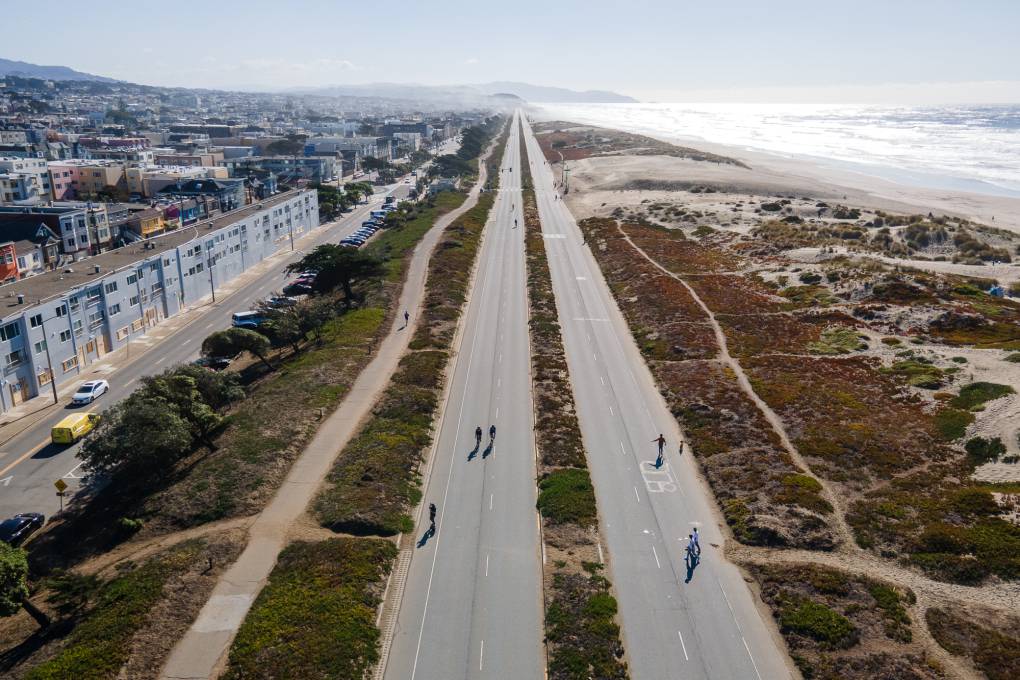
window.__IS_SSR__=true
window.__INITIAL_STATE__={
"attachmentsReducer": {
"audio_0": {
"type": "attachments",
"id": "audio_0",
"imgSizes": {
"kqedFullSize": {
"file": "https://ww2.kqed.org/news/wp-content/themes/KQED-unified/img/audio_bgs/background0.jpg"
}
}
},
"audio_1": {
"type": "attachments",
"id": "audio_1",
"imgSizes": {
"kqedFullSize": {
"file": "https://ww2.kqed.org/news/wp-content/themes/KQED-unified/img/audio_bgs/background1.jpg"
}
}
},
"audio_2": {
"type": "attachments",
"id": "audio_2",
"imgSizes": {
"kqedFullSize": {
"file": "https://ww2.kqed.org/news/wp-content/themes/KQED-unified/img/audio_bgs/background2.jpg"
}
}
},
"audio_3": {
"type": "attachments",
"id": "audio_3",
"imgSizes": {
"kqedFullSize": {
"file": "https://ww2.kqed.org/news/wp-content/themes/KQED-unified/img/audio_bgs/background3.jpg"
}
}
},
"audio_4": {
"type": "attachments",
"id": "audio_4",
"imgSizes": {
"kqedFullSize": {
"file": "https://ww2.kqed.org/news/wp-content/themes/KQED-unified/img/audio_bgs/background4.jpg"
}
}
},
"placeholder": {
"type": "attachments",
"id": "placeholder",
"imgSizes": {
"thumbnail": {
"file": "https://cdn.kqed.org/wp-content/uploads/2024/12/KQED-Default-Image-816638274-2000x1333-1-160x107.jpg",
"width": 160,
"height": 107,
"mimeType": "image/jpeg"
},
"medium": {
"file": "https://cdn.kqed.org/wp-content/uploads/2024/12/KQED-Default-Image-816638274-2000x1333-1-800x533.jpg",
"width": 800,
"height": 533,
"mimeType": "image/jpeg"
},
"medium_large": {
"file": "https://cdn.kqed.org/wp-content/uploads/2024/12/KQED-Default-Image-816638274-2000x1333-1-768x512.jpg",
"width": 768,
"height": 512,
"mimeType": "image/jpeg"
},
"large": {
"file": "https://cdn.kqed.org/wp-content/uploads/2024/12/KQED-Default-Image-816638274-2000x1333-1-1020x680.jpg",
"width": 1020,
"height": 680,
"mimeType": "image/jpeg"
},
"1536x1536": {
"file": "https://cdn.kqed.org/wp-content/uploads/2024/12/KQED-Default-Image-816638274-2000x1333-1-1536x1024.jpg",
"width": 1536,
"height": 1024,
"mimeType": "image/jpeg"
},
"fd-lrg": {
"file": "https://cdn.kqed.org/wp-content/uploads/2024/12/KQED-Default-Image-816638274-2000x1333-1-1536x1024.jpg",
"width": 1536,
"height": 1024,
"mimeType": "image/jpeg"
},
"fd-med": {
"file": "https://cdn.kqed.org/wp-content/uploads/2024/12/KQED-Default-Image-816638274-2000x1333-1-1020x680.jpg",
"width": 1020,
"height": 680,
"mimeType": "image/jpeg"
},
"fd-sm": {
"file": "https://cdn.kqed.org/wp-content/uploads/2024/12/KQED-Default-Image-816638274-2000x1333-1-800x533.jpg",
"width": 800,
"height": 533,
"mimeType": "image/jpeg"
},
"post-thumbnail": {
"file": "https://cdn.kqed.org/wp-content/uploads/2024/12/KQED-Default-Image-816638274-2000x1333-1-672x372.jpg",
"width": 672,
"height": 372,
"mimeType": "image/jpeg"
},
"twentyfourteen-full-width": {
"file": "https://cdn.kqed.org/wp-content/uploads/2024/12/KQED-Default-Image-816638274-2000x1333-1-1038x576.jpg",
"width": 1038,
"height": 576,
"mimeType": "image/jpeg"
},
"xxsmall": {
"file": "https://cdn.kqed.org/wp-content/uploads/2024/12/KQED-Default-Image-816638274-2000x1333-1-160x107.jpg",
"width": 160,
"height": 107,
"mimeType": "image/jpeg"
},
"xsmall": {
"file": "https://cdn.kqed.org/wp-content/uploads/2024/12/KQED-Default-Image-816638274-2000x1333-1-672x372.jpg",
"width": 672,
"height": 372,
"mimeType": "image/jpeg"
},
"small": {
"file": "https://cdn.kqed.org/wp-content/uploads/2024/12/KQED-Default-Image-816638274-2000x1333-1-672x372.jpg",
"width": 672,
"height": 372,
"mimeType": "image/jpeg"
},
"xlarge": {
"file": "https://cdn.kqed.org/wp-content/uploads/2024/12/KQED-Default-Image-816638274-2000x1333-1-1020x680.jpg",
"width": 1020,
"height": 680,
"mimeType": "image/jpeg"
},
"full-width": {
"file": "https://cdn.kqed.org/wp-content/uploads/2024/12/KQED-Default-Image-816638274-2000x1333-1-1920x1280.jpg",
"width": 1920,
"height": 1280,
"mimeType": "image/jpeg"
},
"guest-author-32": {
"file": "https://cdn.kqed.org/wp-content/uploads/2025/01/KQED-Default-Image-816638274-1333x1333-1-160x160.jpg",
"width": 32,
"height": 32,
"mimeType": "image/jpeg"
},
"guest-author-50": {
"file": "https://cdn.kqed.org/wp-content/uploads/2025/01/KQED-Default-Image-816638274-1333x1333-1-160x160.jpg",
"width": 50,
"height": 50,
"mimeType": "image/jpeg"
},
"guest-author-64": {
"file": "https://cdn.kqed.org/wp-content/uploads/2025/01/KQED-Default-Image-816638274-1333x1333-1-160x160.jpg",
"width": 64,
"height": 64,
"mimeType": "image/jpeg"
},
"guest-author-96": {
"file": "https://cdn.kqed.org/wp-content/uploads/2025/01/KQED-Default-Image-816638274-1333x1333-1-160x160.jpg",
"width": 96,
"height": 96,
"mimeType": "image/jpeg"
},
"guest-author-128": {
"file": "https://cdn.kqed.org/wp-content/uploads/2025/01/KQED-Default-Image-816638274-1333x1333-1-160x160.jpg",
"width": 128,
"height": 128,
"mimeType": "image/jpeg"
},
"detail": {
"file": "https://cdn.kqed.org/wp-content/uploads/2025/01/KQED-Default-Image-816638274-1333x1333-1-160x160.jpg",
"width": 160,
"height": 160,
"mimeType": "image/jpeg"
},
"kqedFullSize": {
"file": "https://cdn.kqed.org/wp-content/uploads/2024/12/KQED-Default-Image-816638274-2000x1333-1.jpg",
"width": 2000,
"height": 1333
}
}
},
"news_12014721": {
"type": "attachments",
"id": "news_12014721",
"meta": {
"index": "attachments_1716263798",
"site": "news",
"id": "12014721",
"found": true
},
"title": "241115-PropKFolo-18-BL",
"publishDate": 1731713342,
"status": "inherit",
"parent": 12054762,
"modified": 1757375377,
"caption": "Pedestrians stroll the Great Highway in San Francisco on Nov. 15, 2024. Months after voters passed Proposition K to permanently close part of the Great Highway to vehicles, the city has made traffic improvements in the area to prepare for a new park.",
"credit": "Beth LaBerge/KQED",
"altTag": null,
"description": null,
"imgSizes": {
"medium": {
"file": "https://cdn.kqed.org/wp-content/uploads/sites/10/2024/11/241115-PropKFolo-18-BL-800x533.jpg",
"width": 800,
"height": 533,
"mimeType": "image/jpeg"
},
"large": {
"file": "https://cdn.kqed.org/wp-content/uploads/sites/10/2024/11/241115-PropKFolo-18-BL-1020x680.jpg",
"width": 1020,
"height": 680,
"mimeType": "image/jpeg"
},
"thumbnail": {
"file": "https://cdn.kqed.org/wp-content/uploads/sites/10/2024/11/241115-PropKFolo-18-BL-160x107.jpg",
"width": 160,
"height": 107,
"mimeType": "image/jpeg"
},
"1536x1536": {
"file": "https://cdn.kqed.org/wp-content/uploads/sites/10/2024/11/241115-PropKFolo-18-BL-1536x1024.jpg",
"width": 1536,
"height": 1024,
"mimeType": "image/jpeg"
},
"post-thumbnail": {
"file": "https://cdn.kqed.org/wp-content/uploads/sites/10/2024/11/241115-PropKFolo-18-BL-672x372.jpg",
"width": 672,
"height": 372,
"mimeType": "image/jpeg"
},
"twentyfourteen-full-width": {
"file": "https://cdn.kqed.org/wp-content/uploads/sites/10/2024/11/241115-PropKFolo-18-BL-1038x576.jpg",
"width": 1038,
"height": 576,
"mimeType": "image/jpeg"
},
"full-width": {
"file": "https://cdn.kqed.org/wp-content/uploads/sites/10/2024/11/241115-PropKFolo-18-BL-1920x1280.jpg",
"width": 1920,
"height": 1280,
"mimeType": "image/jpeg"
},
"kqedFullSize": {
"file": "https://cdn.kqed.org/wp-content/uploads/sites/10/2024/11/241115-PropKFolo-18-BL.jpg",
"width": 2000,
"height": 1333
}
},
"isLoading": false,
"fetchFailed": false
},
"news_12024431": {
"type": "attachments",
"id": "news_12024431",
"meta": {
"index": "attachments_1716263798",
"site": "news",
"id": "12024431",
"found": true
},
"title": "250128-SFImmigration-14-BL",
"publishDate": 1738105107,
"status": "inherit",
"parent": 0,
"modified": 1738105360,
"caption": "San Francisco District Attorney Brooke Jenkins speaks during a press conference with elected and public safety officials and labor leaders in front of City Hall in San Francisco on Tuesday, Jan. 28, 2025, to reaffirm San Francisco’s commitment to being a Sanctuary City.",
"credit": "Beth LaBerge/KQED",
"altTag": null,
"description": null,
"imgSizes": {
"medium": {
"file": "https://cdn.kqed.org/wp-content/uploads/sites/10/2025/01/250128-SFImmigration-14-BL-800x533.jpg",
"width": 800,
"height": 533,
"mimeType": "image/jpeg"
},
"large": {
"file": "https://cdn.kqed.org/wp-content/uploads/sites/10/2025/01/250128-SFImmigration-14-BL-1020x680.jpg",
"width": 1020,
"height": 680,
"mimeType": "image/jpeg"
},
"thumbnail": {
"file": "https://cdn.kqed.org/wp-content/uploads/sites/10/2025/01/250128-SFImmigration-14-BL-160x107.jpg",
"width": 160,
"height": 107,
"mimeType": "image/jpeg"
},
"1536x1536": {
"file": "https://cdn.kqed.org/wp-content/uploads/sites/10/2025/01/250128-SFImmigration-14-BL-1536x1024.jpg",
"width": 1536,
"height": 1024,
"mimeType": "image/jpeg"
},
"post-thumbnail": {
"file": "https://cdn.kqed.org/wp-content/uploads/sites/10/2025/01/250128-SFImmigration-14-BL-672x372.jpg",
"width": 672,
"height": 372,
"mimeType": "image/jpeg"
},
"twentyfourteen-full-width": {
"file": "https://cdn.kqed.org/wp-content/uploads/sites/10/2025/01/250128-SFImmigration-14-BL-1038x576.jpg",
"width": 1038,
"height": 576,
"mimeType": "image/jpeg"
},
"full-width": {
"file": "https://cdn.kqed.org/wp-content/uploads/sites/10/2025/01/250128-SFImmigration-14-BL-1920x1280.jpg",
"width": 1920,
"height": 1280,
"mimeType": "image/jpeg"
},
"kqedFullSize": {
"file": "https://cdn.kqed.org/wp-content/uploads/sites/10/2025/01/250128-SFImmigration-14-BL.jpg",
"width": 2000,
"height": 1333
}
},
"isLoading": false,
"fetchFailed": false
},
"news_12027803": {
"type": "attachments",
"id": "news_12027803",
"meta": {
"index": "attachments_1716263798",
"site": "news",
"id": "12027803",
"found": true
},
"title": "241119-SFHomelessArrests-17-BL_qed",
"publishDate": 1740010572,
"status": "inherit",
"parent": 12027784,
"modified": 1740010647,
"caption": "San Francisco police officers go through the belongings of an unhoused person before their arrest in San Francisco’s Mission District on Nov. 19, 2024.",
"credit": "Beth LaBerge/KQED",
"altTag": null,
"description": null,
"imgSizes": {
"medium": {
"file": "https://cdn.kqed.org/wp-content/uploads/sites/10/2025/02/241119-SFHomelessArrests-17-BL_qed-800x533.jpg",
"width": 800,
"height": 533,
"mimeType": "image/jpeg"
},
"large": {
"file": "https://cdn.kqed.org/wp-content/uploads/sites/10/2025/02/241119-SFHomelessArrests-17-BL_qed-1020x680.jpg",
"width": 1020,
"height": 680,
"mimeType": "image/jpeg"
},
"thumbnail": {
"file": "https://cdn.kqed.org/wp-content/uploads/sites/10/2025/02/241119-SFHomelessArrests-17-BL_qed-160x107.jpg",
"width": 160,
"height": 107,
"mimeType": "image/jpeg"
},
"1536x1536": {
"file": "https://cdn.kqed.org/wp-content/uploads/sites/10/2025/02/241119-SFHomelessArrests-17-BL_qed-1536x1024.jpg",
"width": 1536,
"height": 1024,
"mimeType": "image/jpeg"
},
"post-thumbnail": {
"file": "https://cdn.kqed.org/wp-content/uploads/sites/10/2025/02/241119-SFHomelessArrests-17-BL_qed-672x372.jpg",
"width": 672,
"height": 372,
"mimeType": "image/jpeg"
},
"twentyfourteen-full-width": {
"file": "https://cdn.kqed.org/wp-content/uploads/sites/10/2025/02/241119-SFHomelessArrests-17-BL_qed-1038x576.jpg",
"width": 1038,
"height": 576,
"mimeType": "image/jpeg"
},
"full-width": {
"file": "https://cdn.kqed.org/wp-content/uploads/sites/10/2025/02/241119-SFHomelessArrests-17-BL_qed-1920x1280.jpg",
"width": 1920,
"height": 1280,
"mimeType": "image/jpeg"
},
"kqedFullSize": {
"file": "https://cdn.kqed.org/wp-content/uploads/sites/10/2025/02/241119-SFHomelessArrests-17-BL_qed.jpg",
"width": 2000,
"height": 1333
}
},
"isLoading": false,
"fetchFailed": false
},
"news_12027779": {
"type": "attachments",
"id": "news_12027779",
"meta": {
"index": "attachments_1716263798",
"site": "news",
"id": "12027779",
"found": true
},
"title": "241217-DaylightingLaws-06-BL_qed",
"publishDate": 1740007578,
"status": "inherit",
"parent": 12027759,
"modified": 1740008998,
"caption": "A red curb indicates a no parking area near a crosswalk on Dolores and 16th streets in San Francisco on Dec. 17, 2024.",
"credit": "Beth LaBerge/KQED",
"altTag": null,
"description": null,
"imgSizes": {
"medium": {
"file": "https://cdn.kqed.org/wp-content/uploads/sites/10/2025/02/241217-DaylightingLaws-06-BL_qed-800x533.jpg",
"width": 800,
"height": 533,
"mimeType": "image/jpeg"
},
"large": {
"file": "https://cdn.kqed.org/wp-content/uploads/sites/10/2025/02/241217-DaylightingLaws-06-BL_qed-1020x680.jpg",
"width": 1020,
"height": 680,
"mimeType": "image/jpeg"
},
"thumbnail": {
"file": "https://cdn.kqed.org/wp-content/uploads/sites/10/2025/02/241217-DaylightingLaws-06-BL_qed-160x107.jpg",
"width": 160,
"height": 107,
"mimeType": "image/jpeg"
},
"1536x1536": {
"file": "https://cdn.kqed.org/wp-content/uploads/sites/10/2025/02/241217-DaylightingLaws-06-BL_qed-1536x1024.jpg",
"width": 1536,
"height": 1024,
"mimeType": "image/jpeg"
},
"post-thumbnail": {
"file": "https://cdn.kqed.org/wp-content/uploads/sites/10/2025/02/241217-DaylightingLaws-06-BL_qed-672x372.jpg",
"width": 672,
"height": 372,
"mimeType": "image/jpeg"
},
"twentyfourteen-full-width": {
"file": "https://cdn.kqed.org/wp-content/uploads/sites/10/2025/02/241217-DaylightingLaws-06-BL_qed-1038x576.jpg",
"width": 1038,
"height": 576,
"mimeType": "image/jpeg"
},
"full-width": {
"file": "https://cdn.kqed.org/wp-content/uploads/sites/10/2025/02/241217-DaylightingLaws-06-BL_qed-1920x1280.jpg",
"width": 1920,
"height": 1280,
"mimeType": "image/jpeg"
},
"kqedFullSize": {
"file": "https://cdn.kqed.org/wp-content/uploads/sites/10/2025/02/241217-DaylightingLaws-06-BL_qed.jpg",
"width": 2000,
"height": 1333
}
},
"isLoading": false,
"fetchFailed": false
},
"news_12004626": {
"type": "attachments",
"id": "news_12004626",
"meta": {
"index": "attachments_1716263798",
"site": "news",
"id": "12004626",
"found": true
},
"title": "Huge dome atop governmental building",
"publishDate": 1726186254,
"status": "inherit",
"parent": 12004606,
"modified": 1727375643,
"caption": "San Francisco City Hall in Civic Center, San Francisco, on Oct. 14, 2013.",
"credit": "Barry Winiker/Getty Images",
"altTag": null,
"description": null,
"imgSizes": {
"medium": {
"file": "https://cdn.kqed.org/wp-content/uploads/sites/10/2024/09/GettyImages-184795463-800x533.jpg",
"width": 800,
"height": 533,
"mimeType": "image/jpeg"
},
"large": {
"file": "https://cdn.kqed.org/wp-content/uploads/sites/10/2024/09/GettyImages-184795463-1020x680.jpg",
"width": 1020,
"height": 680,
"mimeType": "image/jpeg"
},
"thumbnail": {
"file": "https://cdn.kqed.org/wp-content/uploads/sites/10/2024/09/GettyImages-184795463-160x107.jpg",
"width": 160,
"height": 107,
"mimeType": "image/jpeg"
},
"1536x1536": {
"file": "https://cdn.kqed.org/wp-content/uploads/sites/10/2024/09/GettyImages-184795463-1536x1023.jpg",
"width": 1536,
"height": 1023,
"mimeType": "image/jpeg"
},
"2048x2048": {
"file": "https://cdn.kqed.org/wp-content/uploads/sites/10/2024/09/GettyImages-184795463-2048x1364.jpg",
"width": 2048,
"height": 1364,
"mimeType": "image/jpeg"
},
"post-thumbnail": {
"file": "https://cdn.kqed.org/wp-content/uploads/sites/10/2024/09/GettyImages-184795463-672x372.jpg",
"width": 672,
"height": 372,
"mimeType": "image/jpeg"
},
"twentyfourteen-full-width": {
"file": "https://cdn.kqed.org/wp-content/uploads/sites/10/2024/09/GettyImages-184795463-1038x576.jpg",
"width": 1038,
"height": 576,
"mimeType": "image/jpeg"
},
"full-width": {
"file": "https://cdn.kqed.org/wp-content/uploads/sites/10/2024/09/GettyImages-184795463-1920x1279.jpg",
"width": 1920,
"height": 1279,
"mimeType": "image/jpeg"
},
"kqedFullSize": {
"file": "https://cdn.kqed.org/wp-content/uploads/sites/10/2024/09/GettyImages-184795463-e1733354345817.jpg",
"width": 2000,
"height": 1332
}
},
"isLoading": false,
"fetchFailed": false
},
"news_12027564": {
"type": "attachments",
"id": "news_12027564",
"meta": {
"index": "attachments_1716263798",
"site": "news",
"id": "12027564",
"found": true
},
"title": "250218-SFDowntown-06-BL",
"publishDate": 1739911241,
"status": "inherit",
"parent": 0,
"modified": 1739921749,
"caption": "Mayor Daniel Lurie speaks during a press conference announcing legislation to increase nightlife in Downtown San Francisco to help the recovery of the neighborhood in Union Square, San Francisco, on Tuesday, Feb. 18, 2025.",
"credit": "Beth LaBerge/KQED",
"altTag": null,
"description": null,
"imgSizes": {
"medium": {
"file": "https://cdn.kqed.org/wp-content/uploads/sites/10/2025/02/250218-SFDowntown-06-BL-800x533.jpg",
"width": 800,
"height": 533,
"mimeType": "image/jpeg"
},
"large": {
"file": "https://cdn.kqed.org/wp-content/uploads/sites/10/2025/02/250218-SFDowntown-06-BL-1020x680.jpg",
"width": 1020,
"height": 680,
"mimeType": "image/jpeg"
},
"thumbnail": {
"file": "https://cdn.kqed.org/wp-content/uploads/sites/10/2025/02/250218-SFDowntown-06-BL-160x107.jpg",
"width": 160,
"height": 107,
"mimeType": "image/jpeg"
},
"1536x1536": {
"file": "https://cdn.kqed.org/wp-content/uploads/sites/10/2025/02/250218-SFDowntown-06-BL-1536x1024.jpg",
"width": 1536,
"height": 1024,
"mimeType": "image/jpeg"
},
"post-thumbnail": {
"file": "https://cdn.kqed.org/wp-content/uploads/sites/10/2025/02/250218-SFDowntown-06-BL-672x372.jpg",
"width": 672,
"height": 372,
"mimeType": "image/jpeg"
},
"twentyfourteen-full-width": {
"file": "https://cdn.kqed.org/wp-content/uploads/sites/10/2025/02/250218-SFDowntown-06-BL-1038x576.jpg",
"width": 1038,
"height": 576,
"mimeType": "image/jpeg"
},
"full-width": {
"file": "https://cdn.kqed.org/wp-content/uploads/sites/10/2025/02/250218-SFDowntown-06-BL-1920x1280.jpg",
"width": 1920,
"height": 1280,
"mimeType": "image/jpeg"
},
"kqedFullSize": {
"file": "https://cdn.kqed.org/wp-content/uploads/sites/10/2025/02/250218-SFDowntown-06-BL.jpg",
"width": 2000,
"height": 1333
}
},
"isLoading": false,
"fetchFailed": false
},
"news_12027260": {
"type": "attachments",
"id": "news_12027260",
"meta": {
"index": "attachments_1716263798",
"site": "news",
"id": "12027260",
"found": true
},
"title": "250214-Dream Keeper Returns-01-KQED",
"publishDate": 1739574832,
"status": "inherit",
"parent": 0,
"modified": 1739898978,
"caption": "Volunteers serve food at All My Usos annual Family Day BBQ at Gilman Park in San Francisco on Aug. 17, 2024. All My Usos was a recipient of Dream Keeper Initiative funds before the program was frozen.",
"credit": "Courtesy of All My Usos",
"altTag": null,
"description": null,
"imgSizes": {
"medium": {
"file": "https://cdn.kqed.org/wp-content/uploads/sites/10/2025/02/250214-Dream-Keeper-Returns-01-KQED-800x533.jpg",
"width": 800,
"height": 533,
"mimeType": "image/jpeg"
},
"large": {
"file": "https://cdn.kqed.org/wp-content/uploads/sites/10/2025/02/250214-Dream-Keeper-Returns-01-KQED-1020x680.jpg",
"width": 1020,
"height": 680,
"mimeType": "image/jpeg"
},
"thumbnail": {
"file": "https://cdn.kqed.org/wp-content/uploads/sites/10/2025/02/250214-Dream-Keeper-Returns-01-KQED-160x107.jpg",
"width": 160,
"height": 107,
"mimeType": "image/jpeg"
},
"1536x1536": {
"file": "https://cdn.kqed.org/wp-content/uploads/sites/10/2025/02/250214-Dream-Keeper-Returns-01-KQED-1536x1024.jpg",
"width": 1536,
"height": 1024,
"mimeType": "image/jpeg"
},
"post-thumbnail": {
"file": "https://cdn.kqed.org/wp-content/uploads/sites/10/2025/02/250214-Dream-Keeper-Returns-01-KQED-672x372.jpg",
"width": 672,
"height": 372,
"mimeType": "image/jpeg"
},
"twentyfourteen-full-width": {
"file": "https://cdn.kqed.org/wp-content/uploads/sites/10/2025/02/250214-Dream-Keeper-Returns-01-KQED-1038x576.jpg",
"width": 1038,
"height": 576,
"mimeType": "image/jpeg"
},
"full-width": {
"file": "https://cdn.kqed.org/wp-content/uploads/sites/10/2025/02/250214-Dream-Keeper-Returns-01-KQED-1920x1280.jpg",
"width": 1920,
"height": 1280,
"mimeType": "image/jpeg"
},
"kqedFullSize": {
"file": "https://cdn.kqed.org/wp-content/uploads/sites/10/2025/02/250214-Dream-Keeper-Returns-01-KQED.jpg",
"width": 2000,
"height": 1333
}
},
"isLoading": false,
"fetchFailed": false
},
"news_12026728": {
"type": "attachments",
"id": "news_12026728",
"meta": {
"index": "attachments_1716263798",
"site": "news",
"id": "12026728",
"found": true
},
"title": "20250211_SFPOLICETRIAGE_GC-26-KQED",
"publishDate": 1739385334,
"status": "inherit",
"parent": 0,
"modified": 1739469658,
"caption": "Byron Carter walks out of a liquor store on 6th Street on Feb. 11, 2025. Carter lives at Hotel Henry.",
"credit": "Gina Castro/KQED",
"altTag": null,
"description": null,
"imgSizes": {
"medium": {
"file": "https://cdn.kqed.org/wp-content/uploads/sites/10/2025/02/20250211_SFPOLICETRIAGE_GC-26-KQED-800x533.jpg",
"width": 800,
"height": 533,
"mimeType": "image/jpeg"
},
"large": {
"file": "https://cdn.kqed.org/wp-content/uploads/sites/10/2025/02/20250211_SFPOLICETRIAGE_GC-26-KQED-1020x680.jpg",
"width": 1020,
"height": 680,
"mimeType": "image/jpeg"
},
"thumbnail": {
"file": "https://cdn.kqed.org/wp-content/uploads/sites/10/2025/02/20250211_SFPOLICETRIAGE_GC-26-KQED-160x107.jpg",
"width": 160,
"height": 107,
"mimeType": "image/jpeg"
},
"1536x1536": {
"file": "https://cdn.kqed.org/wp-content/uploads/sites/10/2025/02/20250211_SFPOLICETRIAGE_GC-26-KQED-1536x1024.jpg",
"width": 1536,
"height": 1024,
"mimeType": "image/jpeg"
},
"post-thumbnail": {
"file": "https://cdn.kqed.org/wp-content/uploads/sites/10/2025/02/20250211_SFPOLICETRIAGE_GC-26-KQED-672x372.jpg",
"width": 672,
"height": 372,
"mimeType": "image/jpeg"
},
"twentyfourteen-full-width": {
"file": "https://cdn.kqed.org/wp-content/uploads/sites/10/2025/02/20250211_SFPOLICETRIAGE_GC-26-KQED-1038x576.jpg",
"width": 1038,
"height": 576,
"mimeType": "image/jpeg"
},
"full-width": {
"file": "https://cdn.kqed.org/wp-content/uploads/sites/10/2025/02/20250211_SFPOLICETRIAGE_GC-26-KQED-1920x1280.jpg",
"width": 1920,
"height": 1280,
"mimeType": "image/jpeg"
},
"kqedFullSize": {
"file": "https://cdn.kqed.org/wp-content/uploads/sites/10/2025/02/20250211_SFPOLICETRIAGE_GC-26-KQED.jpg",
"width": 2000,
"height": 1333
}
},
"isLoading": false,
"fetchFailed": false
},
"news_12027372": {
"type": "attachments",
"id": "news_12027372",
"meta": {
"index": "attachments_1716263798",
"site": "news",
"id": "12027372",
"found": true
},
"title": "250215-ChineseNewYear-24-BL",
"publishDate": 1739729104,
"status": "inherit",
"parent": 0,
"modified": 1739742386,
"caption": "Leung's White Crane Lion and Dragon Dance Association carry a dragon during the finale of the Chinese New Year Parade in San Francisco on Feb. 15, 2025.",
"credit": "Beth LaBerge/KQED",
"altTag": "Several people carry a decorative dragon.",
"description": null,
"imgSizes": {
"medium": {
"file": "https://cdn.kqed.org/wp-content/uploads/sites/10/2025/02/250215-ChineseNewYear-24-BL-800x533.jpg",
"width": 800,
"height": 533,
"mimeType": "image/jpeg"
},
"large": {
"file": "https://cdn.kqed.org/wp-content/uploads/sites/10/2025/02/250215-ChineseNewYear-24-BL-1020x680.jpg",
"width": 1020,
"height": 680,
"mimeType": "image/jpeg"
},
"thumbnail": {
"file": "https://cdn.kqed.org/wp-content/uploads/sites/10/2025/02/250215-ChineseNewYear-24-BL-160x107.jpg",
"width": 160,
"height": 107,
"mimeType": "image/jpeg"
},
"1536x1536": {
"file": "https://cdn.kqed.org/wp-content/uploads/sites/10/2025/02/250215-ChineseNewYear-24-BL-1536x1024.jpg",
"width": 1536,
"height": 1024,
"mimeType": "image/jpeg"
},
"post-thumbnail": {
"file": "https://cdn.kqed.org/wp-content/uploads/sites/10/2025/02/250215-ChineseNewYear-24-BL-672x372.jpg",
"width": 672,
"height": 372,
"mimeType": "image/jpeg"
},
"twentyfourteen-full-width": {
"file": "https://cdn.kqed.org/wp-content/uploads/sites/10/2025/02/250215-ChineseNewYear-24-BL-1038x576.jpg",
"width": 1038,
"height": 576,
"mimeType": "image/jpeg"
},
"full-width": {
"file": "https://cdn.kqed.org/wp-content/uploads/sites/10/2025/02/250215-ChineseNewYear-24-BL-1920x1280.jpg",
"width": 1920,
"height": 1280,
"mimeType": "image/jpeg"
},
"kqedFullSize": {
"file": "https://cdn.kqed.org/wp-content/uploads/sites/10/2025/02/250215-ChineseNewYear-24-BL.jpg",
"width": 2000,
"height": 1333
}
},
"isLoading": false,
"fetchFailed": false
},
"news_11993605": {
"type": "attachments",
"id": "news_11993605",
"meta": {
"index": "attachments_1716263798",
"site": "news",
"id": "11993605",
"found": true
},
"title": "013_SanFrancisco_CCAStrike_02082022",
"publishDate": 1720715147,
"status": "inherit",
"parent": 11993603,
"modified": 1777309516,
"caption": "California’s political watchdog agency is investigating potential violations of state law by the campaign of Assemblymember Matt Haney.",
"credit": "Beth LaBerge/KQED",
"altTag": null,
"description": "Supervisor Matt Haney speaks outside of the California College of the Arts (CCA) San Francisco campus on Feb. 8, 2022, during a staff strike over claims of unfair labor practices.\n\n",
"imgSizes": {
"medium": {
"file": "https://cdn.kqed.org/wp-content/uploads/sites/10/2024/07/013_SanFrancisco_CCAStrike_02082022-800x533.jpg",
"width": 800,
"height": 533,
"mimeType": "image/jpeg"
},
"large": {
"file": "https://cdn.kqed.org/wp-content/uploads/sites/10/2024/07/013_SanFrancisco_CCAStrike_02082022-1020x680.jpg",
"width": 1020,
"height": 680,
"mimeType": "image/jpeg"
},
"thumbnail": {
"file": "https://cdn.kqed.org/wp-content/uploads/sites/10/2024/07/013_SanFrancisco_CCAStrike_02082022-160x107.jpg",
"width": 160,
"height": 107,
"mimeType": "image/jpeg"
},
"1536x1536": {
"file": "https://cdn.kqed.org/wp-content/uploads/sites/10/2024/07/013_SanFrancisco_CCAStrike_02082022-1536x1024.jpg",
"width": 1536,
"height": 1024,
"mimeType": "image/jpeg"
},
"post-thumbnail": {
"file": "https://cdn.kqed.org/wp-content/uploads/sites/10/2024/07/013_SanFrancisco_CCAStrike_02082022-672x372.jpg",
"width": 672,
"height": 372,
"mimeType": "image/jpeg"
},
"twentyfourteen-full-width": {
"file": "https://cdn.kqed.org/wp-content/uploads/sites/10/2024/07/013_SanFrancisco_CCAStrike_02082022-1038x576.jpg",
"width": 1038,
"height": 576,
"mimeType": "image/jpeg"
},
"full-width": {
"file": "https://cdn.kqed.org/wp-content/uploads/sites/10/2024/07/013_SanFrancisco_CCAStrike_02082022-1920x1280.jpg",
"width": 1920,
"height": 1280,
"mimeType": "image/jpeg"
},
"kqedFullSize": {
"file": "https://cdn.kqed.org/wp-content/uploads/sites/10/2024/07/013_SanFrancisco_CCAStrike_02082022.jpg",
"width": 2000,
"height": 1333
}
},
"isLoading": false,
"fetchFailed": false
},
"news_11996083": {
"type": "attachments",
"id": "news_11996083",
"meta": {
"index": "attachments_1716263798",
"site": "news",
"id": "11996083",
"found": true
},
"title": "SFPD",
"publishDate": 1721246365,
"status": "inherit",
"parent": 11996060,
"modified": 1743029026,
"caption": "Law enforcement arrested about 40 people in a large drug raid at Market and Van Ness in San Francisco last week, but prosecutors say there isn’t enough evidence to file charges.",
"credit": "Alex Emslie/KQED",
"altTag": null,
"description": null,
"imgSizes": {
"medium": {
"file": "https://cdn.kqed.org/wp-content/uploads/sites/10/2024/07/SFPD-800x600.jpg",
"width": 800,
"height": 600,
"mimeType": "image/jpeg"
},
"large": {
"file": "https://cdn.kqed.org/wp-content/uploads/sites/10/2024/07/SFPD-1020x765.jpg",
"width": 1020,
"height": 765,
"mimeType": "image/jpeg"
},
"thumbnail": {
"file": "https://cdn.kqed.org/wp-content/uploads/sites/10/2024/07/SFPD-160x120.jpg",
"width": 160,
"height": 120,
"mimeType": "image/jpeg"
},
"1536x1536": {
"file": "https://cdn.kqed.org/wp-content/uploads/sites/10/2024/07/SFPD-1536x1152.jpg",
"width": 1536,
"height": 1152,
"mimeType": "image/jpeg"
},
"post-thumbnail": {
"file": "https://cdn.kqed.org/wp-content/uploads/sites/10/2024/07/SFPD-672x372.jpg",
"width": 672,
"height": 372,
"mimeType": "image/jpeg"
},
"twentyfourteen-full-width": {
"file": "https://cdn.kqed.org/wp-content/uploads/sites/10/2024/07/SFPD-1038x576.jpg",
"width": 1038,
"height": 576,
"mimeType": "image/jpeg"
},
"full-width": {
"file": "https://cdn.kqed.org/wp-content/uploads/sites/10/2024/07/SFPD-1920x1440.jpg",
"width": 1920,
"height": 1440,
"mimeType": "image/jpeg"
},
"kqedFullSize": {
"file": "https://cdn.kqed.org/wp-content/uploads/sites/10/2024/07/SFPD.jpg",
"width": 2000,
"height": 1500
}
},
"isLoading": false,
"fetchFailed": false
},
"news_12024959": {
"type": "attachments",
"id": "news_12024959",
"meta": {
"index": "attachments_1716263798",
"site": "news",
"id": "12024959",
"found": true
},
"title": "240224-ChineseNYParade-38-BL_qed",
"publishDate": 1738280429,
"status": "inherit",
"parent": 12024779,
"modified": 1738280447,
"caption": "Lisa Performing Arts perform during the Chinese New Year Parade in San Francisco on Feb. 24, 2024.",
"credit": "Beth LaBerge/KQED",
"altTag": null,
"description": null,
"imgSizes": {
"medium": {
"file": "https://cdn.kqed.org/wp-content/uploads/sites/10/2026/01/240224-ChineseNYParade-38-BL_qed-800x533.jpg",
"width": 800,
"height": 533,
"mimeType": "image/jpeg"
},
"large": {
"file": "https://cdn.kqed.org/wp-content/uploads/sites/10/2026/01/240224-ChineseNYParade-38-BL_qed-1020x680.jpg",
"width": 1020,
"height": 680,
"mimeType": "image/jpeg"
},
"thumbnail": {
"file": "https://cdn.kqed.org/wp-content/uploads/sites/10/2026/01/240224-ChineseNYParade-38-BL_qed-160x107.jpg",
"width": 160,
"height": 107,
"mimeType": "image/jpeg"
},
"1536x1536": {
"file": "https://cdn.kqed.org/wp-content/uploads/sites/10/2026/01/240224-ChineseNYParade-38-BL_qed-1536x1024.jpg",
"width": 1536,
"height": 1024,
"mimeType": "image/jpeg"
},
"post-thumbnail": {
"file": "https://cdn.kqed.org/wp-content/uploads/sites/10/2026/01/240224-ChineseNYParade-38-BL_qed-672x372.jpg",
"width": 672,
"height": 372,
"mimeType": "image/jpeg"
},
"twentyfourteen-full-width": {
"file": "https://cdn.kqed.org/wp-content/uploads/sites/10/2026/01/240224-ChineseNYParade-38-BL_qed-1038x576.jpg",
"width": 1038,
"height": 576,
"mimeType": "image/jpeg"
},
"full-width": {
"file": "https://cdn.kqed.org/wp-content/uploads/sites/10/2026/01/240224-ChineseNYParade-38-BL_qed-1920x1280.jpg",
"width": 1920,
"height": 1280,
"mimeType": "image/jpeg"
},
"kqedFullSize": {
"file": "https://cdn.kqed.org/wp-content/uploads/sites/10/2026/01/240224-ChineseNYParade-38-BL_qed.jpg",
"width": 1999,
"height": 1333
}
},
"isLoading": false,
"fetchFailed": false
}
},
"audioPlayerReducer": {
"postId": "stream_live",
"isPaused": true,
"isPlaying": false,
"pfsActive": false,
"pledgeModalIsOpen": true,
"playerDrawerIsOpen": false,
"liveAudioPlayStartedAt": 0,
"liveAudioPlayContext": ""
},
"authorsReducer": {
"danbrekke": {
"type": "authors",
"id": "222",
"meta": {
"index": "authors_1716337520",
"id": "222",
"found": true
},
"name": "Dan Brekke",
"firstName": "Dan",
"lastName": "Brekke",
"slug": "danbrekke",
"email": "dbrekke@kqed.org",
"display_author_email": true,
"staff_mastheads": [
"news",
"science"
],
"title": "KQED Editor and Reporter",
"bio": "Dan Brekke is a reporter and editor for KQED News, responsible for coverage of topics ranging from California water issues to the Bay Area's transportation challenges. In a newsroom career that began in Chicago in 1972, Dan has worked for \u003cem>The San Francisco Examiner,\u003c/em> Wired and TechTV and has been published in The New York Times, The New York Times Magazine, Business 2.0, Salon and elsewhere.\r\n\r\nSince joining KQED in 2007, Dan has reported, edited and produced both radio and online features and breaking news pieces. He has shared as both editor and reporter in four Society of Professional Journalists Norcal Excellence in Journalism awards and one Edward R. Murrow regional award. He was chosen for a spring 2017 residency at the Mesa Refuge to advance his research on California salmon.\r\n\r\nEmail Dan at: \u003ca href=\"mailto:dbrekke@kqed.org\">dbrekke@kqed.org\u003c/a>\r\n\r\n\u003cstrong>Twitter:\u003c/strong> \u003ca href=\"https://twitter.com/danbrekke\" rel=\"noopener noreferrer\">twitter.com/danbrekke\u003c/a>\r\n\u003cstrong>Facebook:\u003c/strong> \u003ca href=\"https://www.facebook.com/danbrekke\" rel=\"noopener noreferrer\">www.facebook.com/danbrekke\u003c/a>\r\n\u003cstrong>LinkedIn:\u003c/strong> \u003ca href=\"https://www.linkedin.com/in/danbrekke\" rel=\"noopener noreferrer\">www.linkedin.com/in/danbrekke\u003c/a>",
"avatar": "https://secure.gravatar.com/avatar/c8126230345efca3f7aa89b1a402be45?s=600&d=mm&r=g",
"twitter": "danbrekke",
"facebook": null,
"instagram": "https://www.instagram.com/dan.brekke/",
"linkedin": "https://www.linkedin.com/in/danbrekke/",
"sites": [
{
"site": "news",
"roles": [
"administrator",
"create_posts"
]
},
{
"site": "stateofhealth",
"roles": [
"editor"
]
},
{
"site": "science",
"roles": [
"editor"
]
},
{
"site": "quest",
"roles": [
"contributor"
]
},
{
"site": "food",
"roles": [
"contributor"
]
},
{
"site": "forum",
"roles": [
"contributor"
]
},
{
"site": "liveblog",
"roles": [
"editor"
]
}
],
"headData": {
"title": "Dan Brekke | KQED",
"description": "KQED Editor and Reporter",
"ogImgSrc": "https://secure.gravatar.com/avatar/c8126230345efca3f7aa89b1a402be45?s=600&d=mm&r=g",
"twImgSrc": "https://secure.gravatar.com/avatar/c8126230345efca3f7aa89b1a402be45?s=600&d=mm&r=g"
},
"isLoading": false,
"link": "/author/danbrekke"
},
"mlagos": {
"type": "authors",
"id": "3239",
"meta": {
"index": "authors_1716337520",
"id": "3239",
"found": true
},
"name": "Marisa Lagos",
"firstName": "Marisa",
"lastName": "Lagos",
"slug": "mlagos",
"email": "mlagos@kqed.org",
"display_author_email": false,
"staff_mastheads": [
"news"
],
"title": "KQED Contributor",
"bio": "Marisa Lagos is a correspondent for KQED’s California Politics and Government Desk and co-hosts the award-winning show and podcast, Political Breakdown. At KQED, Lagos also conducts reporting, analysis and investigations into state, local and national politics for radio, TV, online and onstage. In 2022, she and co-host, Scott Shafer, moderated the only gubernatorial debate in California. In 2020, the \u003ci>Washington Post\u003c/i> named her one of the top political journalists in California; she was nominated for a Peabody and won several other awards for her work investigating the 2017 California wildfires. She has worked at the \u003ci>San Francisco Chronicle\u003c/i>, \u003ci>San Francisco Examiner\u003c/i> and \u003ci>Los Angeles Times\u003c/i>. A UC Santa Barbara graduate, she lives in San Francisco with her two sons and husband.",
"avatar": "https://secure.gravatar.com/avatar/a261a0d3696fc066871ef96b85b5e7d2?s=600&d=blank&r=g",
"twitter": "@mlagos",
"facebook": null,
"instagram": null,
"linkedin": null,
"sites": [
{
"site": "arts",
"roles": [
"author"
]
},
{
"site": "news",
"roles": [
"editor"
]
},
{
"site": "science",
"roles": [
"editor"
]
},
{
"site": "forum",
"roles": [
"author"
]
},
{
"site": "liveblog",
"roles": [
"author"
]
}
],
"headData": {
"title": "Marisa Lagos | KQED",
"description": "KQED Contributor",
"ogImgSrc": "https://secure.gravatar.com/avatar/a261a0d3696fc066871ef96b85b5e7d2?s=600&d=blank&r=g",
"twImgSrc": "https://secure.gravatar.com/avatar/a261a0d3696fc066871ef96b85b5e7d2?s=600&d=blank&r=g"
},
"isLoading": false,
"link": "/author/mlagos"
},
"blaberge": {
"type": "authors",
"id": "11667",
"meta": {
"index": "authors_1716337520",
"id": "11667",
"found": true
},
"name": "Beth LaBerge",
"firstName": "Beth",
"lastName": "LaBerge",
"slug": "blaberge",
"email": "blaberge@KQED.org",
"display_author_email": true,
"staff_mastheads": [
"news"
],
"title": "Photographer, News",
"bio": "Beth LaBerge is a visual journalist for \u003ca href=\"https://www.kqed.org/news\">KQED News\u003c/a>.",
"avatar": "https://secure.gravatar.com/avatar/ce49ecd7a1306685637b45a1f6f5dedfc4ae9481966eb596fea5160466dd6319?s=600&d=blank&r=g",
"twitter": null,
"bluesky": null,
"facebook": null,
"instagram": "https://www.instagram.com/bethlaberge/",
"linkedin": null,
"sites": [
{
"site": "arts",
"roles": [
"editor",
"manage_categories"
]
},
{
"site": "news",
"roles": [
"editor",
"edit_plugins",
"manage_categories"
]
},
{
"site": "science",
"roles": [
"editor",
"contributor",
"author",
"manage_categories"
]
},
{
"site": "perspectives",
"roles": [
"editor"
]
},
{
"site": "liveblog",
"roles": [
"editor"
]
}
],
"headData": {
"title": "Beth LaBerge | KQED",
"description": "Photographer, News",
"ogImgSrc": "https://secure.gravatar.com/avatar/ce49ecd7a1306685637b45a1f6f5dedfc4ae9481966eb596fea5160466dd6319?s=600&d=blank&r=g",
"twImgSrc": "https://secure.gravatar.com/avatar/ce49ecd7a1306685637b45a1f6f5dedfc4ae9481966eb596fea5160466dd6319?s=600&d=blank&r=g"
},
"isLoading": false,
"link": "/author/blaberge"
},
"jlara": {
"type": "authors",
"id": "11761",
"meta": {
"index": "authors_1716337520",
"id": "11761",
"found": true
},
"name": "Juan Carlos Lara",
"firstName": "Juan Carlos",
"lastName": "Lara",
"slug": "jlara",
"email": "jlara@kqed.org",
"display_author_email": false,
"staff_mastheads": [],
"title": "KQED Contributor",
"bio": null,
"avatar": "https://secure.gravatar.com/avatar/19e2052b9b05657c5ff2af2121846e9c?s=600&d=blank&r=g",
"twitter": null,
"facebook": null,
"instagram": null,
"linkedin": null,
"sites": [
{
"site": "arts",
"roles": [
"editor"
]
},
{
"site": "news",
"roles": [
"editor"
]
},
{
"site": "forum",
"roles": [
"editor"
]
},
{
"site": "liveblog",
"roles": [
"contributor"
]
}
],
"headData": {
"title": "Juan Carlos Lara | KQED",
"description": "KQED Contributor",
"ogImgSrc": "https://secure.gravatar.com/avatar/19e2052b9b05657c5ff2af2121846e9c?s=600&d=blank&r=g",
"twImgSrc": "https://secure.gravatar.com/avatar/19e2052b9b05657c5ff2af2121846e9c?s=600&d=blank&r=g"
},
"isLoading": false,
"link": "/author/jlara"
},
"sjohnson": {
"type": "authors",
"id": "11840",
"meta": {
"index": "authors_1716337520",
"id": "11840",
"found": true
},
"name": "Sydney Johnson",
"firstName": "Sydney",
"lastName": "Johnson",
"slug": "sjohnson",
"email": "sjohnson@kqed.org",
"display_author_email": false,
"staff_mastheads": [
"news"
],
"title": "KQED Reporter",
"bio": "Sydney Johnson is a general assignment reporter at KQED. She previously reported on public health and city government at the San Francisco Examiner, and before that, she covered statewide education policy for EdSource. Her reporting has won multiple local, state and national awards. Sydney is a graduate of the University of California, Berkeley and lives in San Francisco.",
"avatar": "https://secure.gravatar.com/avatar/97855f2719b72ad6190b7c535fe642c8?s=600&d=blank&r=g",
"twitter": "sydneyfjohnson",
"facebook": null,
"instagram": null,
"linkedin": null,
"sites": [
{
"site": "news",
"roles": [
"editor"
]
}
],
"headData": {
"title": "Sydney Johnson | KQED",
"description": "KQED Reporter",
"ogImgSrc": "https://secure.gravatar.com/avatar/97855f2719b72ad6190b7c535fe642c8?s=600&d=blank&r=g",
"twImgSrc": "https://secure.gravatar.com/avatar/97855f2719b72ad6190b7c535fe642c8?s=600&d=blank&r=g"
},
"isLoading": false,
"link": "/author/sjohnson"
},
"nkhan": {
"type": "authors",
"id": "11867",
"meta": {
"index": "authors_1716337520",
"id": "11867",
"found": true
},
"name": "Nisa Khan",
"firstName": "Nisa",
"lastName": "Khan",
"slug": "nkhan",
"email": "nkhan@kqed.org",
"display_author_email": false,
"staff_mastheads": [],
"title": "KQED Contributor",
"bio": "Nisa Khan is a reporter for KQED's Audience News Desk. She was formerly a data reporter at Michigan Radio. She earned a Bachelor of Science in Information from the University of Michigan and a Master of Arts in Communication from Stanford University.",
"avatar": "https://secure.gravatar.com/avatar/8720459eef081ff64582b3506b124d58523e80e120704a0cbd9892533c914991?s=600&d=blank&r=g",
"twitter": "mnisakhan",
"bluesky": null,
"facebook": null,
"instagram": null,
"linkedin": null,
"sites": [
{
"site": "arts",
"roles": [
"editor"
]
},
{
"site": "news",
"roles": [
"editor"
]
},
{
"site": "science",
"roles": [
"editor",
"author"
]
},
{
"site": "forum",
"roles": [
"editor"
]
},
{
"site": "liveblog",
"roles": [
"contributor"
]
}
],
"headData": {
"title": "Nisa Khan | KQED",
"description": "KQED Contributor",
"ogImgSrc": "https://secure.gravatar.com/avatar/8720459eef081ff64582b3506b124d58523e80e120704a0cbd9892533c914991?s=600&d=blank&r=g",
"twImgSrc": "https://secure.gravatar.com/avatar/8720459eef081ff64582b3506b124d58523e80e120704a0cbd9892533c914991?s=600&d=blank&r=g"
},
"isLoading": false,
"link": "/author/nkhan"
},
"gcastro": {
"type": "authors",
"id": "11908",
"meta": {
"index": "authors_1716337520",
"id": "11908",
"found": true
},
"name": "Gina Castro",
"firstName": "Gina",
"lastName": "Castro",
"slug": "gcastro",
"email": "gcastro@kqed.org",
"display_author_email": false,
"staff_mastheads": [
"news"
],
"title": "KQED Contributor",
"bio": null,
"avatar": "https://secure.gravatar.com/avatar/27b36c9ac0b86aced91deb0fc63fc510307488fa6761ac6062ac2eb798ed123f?s=600&d=blank&r=g",
"twitter": null,
"bluesky": null,
"facebook": null,
"instagram": null,
"linkedin": null,
"sites": [
{
"site": "arts",
"roles": [
"editor"
]
},
{
"site": "news",
"roles": [
"editor"
]
},
{
"site": "science",
"roles": [
"editor"
]
}
],
"headData": {
"title": "Gina Castro | KQED",
"description": "KQED Contributor",
"ogImgSrc": "https://secure.gravatar.com/avatar/27b36c9ac0b86aced91deb0fc63fc510307488fa6761ac6062ac2eb798ed123f?s=600&d=blank&r=g",
"twImgSrc": "https://secure.gravatar.com/avatar/27b36c9ac0b86aced91deb0fc63fc510307488fa6761ac6062ac2eb798ed123f?s=600&d=blank&r=g"
},
"isLoading": false,
"link": "/author/gcastro"
},
"kdebenedetti": {
"type": "authors",
"id": "11913",
"meta": {
"index": "authors_1716337520",
"id": "11913",
"found": true
},
"name": "Katie DeBenedetti",
"firstName": "Katie",
"lastName": "DeBenedetti",
"slug": "kdebenedetti",
"email": "kdebenedetti@kqed.org",
"display_author_email": false,
"staff_mastheads": [
"news",
"science"
],
"title": "KQED Contributor",
"bio": "Katie DeBenedetti is a digital reporter covering daily news for the Express Desk. Prior to joining KQED as a culture reporting intern in January 2024, she covered education and city government for the Napa Valley Register.",
"avatar": "https://secure.gravatar.com/avatar/6e31073cb8f7e4214ab03f42771d0f45?s=600&d=blank&r=g",
"twitter": null,
"facebook": null,
"instagram": null,
"linkedin": null,
"sites": [
{
"site": "news",
"roles": [
"author"
]
},
{
"site": "science",
"roles": [
"author"
]
},
{
"site": "liveblog",
"roles": [
"author"
]
}
],
"headData": {
"title": "Katie DeBenedetti | KQED",
"description": "KQED Contributor",
"ogImgSrc": "https://secure.gravatar.com/avatar/6e31073cb8f7e4214ab03f42771d0f45?s=600&d=blank&r=g",
"twImgSrc": "https://secure.gravatar.com/avatar/6e31073cb8f7e4214ab03f42771d0f45?s=600&d=blank&r=g"
},
"isLoading": false,
"link": "/author/kdebenedetti"
},
"emanoukian": {
"type": "authors",
"id": "11925",
"meta": {
"index": "authors_1716337520",
"id": "11925",
"found": true
},
"name": "Elize Manoukian",
"firstName": "Elize",
"lastName": "Manoukian",
"slug": "emanoukian",
"email": "emanoukian@KQED.org",
"display_author_email": false,
"staff_mastheads": [
"news"
],
"title": "Digital News Editor",
"bio": "Elize Manoukian is an award-winning audio producer and Senior Editor on the Express Desk, KQED's digital news platform. Her work has appeared on KPFA, Interlochen Public Radio, Oregon Public Broadcast, the New York Daily News, LA Times and the San Diego Union-Tribune.",
"avatar": "https://secure.gravatar.com/avatar/4525f1a8e46ccb30933b32653d9772064cfefe3fa655eb45b3b3a80341f6bdad?s=600&d=blank&r=g",
"twitter": null,
"bluesky": null,
"facebook": null,
"instagram": null,
"linkedin": null,
"sites": [
{
"site": "arts",
"roles": [
"editor"
]
},
{
"site": "news",
"roles": [
"editor"
]
},
{
"site": "science",
"roles": [
"editor"
]
}
],
"headData": {
"title": "Elize Manoukian | KQED",
"description": "Digital News Editor",
"ogImgSrc": "https://secure.gravatar.com/avatar/4525f1a8e46ccb30933b32653d9772064cfefe3fa655eb45b3b3a80341f6bdad?s=600&d=blank&r=g",
"twImgSrc": "https://secure.gravatar.com/avatar/4525f1a8e46ccb30933b32653d9772064cfefe3fa655eb45b3b3a80341f6bdad?s=600&d=blank&r=g"
},
"isLoading": false,
"link": "/author/emanoukian"
},
"dbarreda": {
"type": "authors",
"id": "11933",
"meta": {
"index": "authors_1716337520",
"id": "11933",
"found": true
},
"name": "David M. Barreda",
"firstName": "David M.",
"lastName": "Barreda",
"slug": "dbarreda",
"email": "dbarreda@kqed.org",
"display_author_email": false,
"staff_mastheads": [],
"title": "KQED Photojournalist and Photo Editor",
"bio": null,
"avatar": "https://secure.gravatar.com/avatar/a04eda7b1670aec0811c6666c072677f?s=600&d=blank&r=g",
"twitter": "inkaman",
"facebook": null,
"instagram": "http://instagram.com/inkaman",
"linkedin": "https://www.linkedin.com/in/davidbarreda",
"sites": [
{
"site": "arts",
"roles": [
"editor",
"manage_categories"
]
},
{
"site": "news",
"roles": [
"editor",
"manage_categories"
]
},
{
"site": "science",
"roles": [
"editor",
"manage_categories"
]
}
],
"headData": {
"title": "David M. Barreda | KQED",
"description": "KQED Photojournalist and Photo Editor",
"ogImgSrc": "https://secure.gravatar.com/avatar/a04eda7b1670aec0811c6666c072677f?s=600&d=blank&r=g",
"twImgSrc": "https://secure.gravatar.com/avatar/a04eda7b1670aec0811c6666c072677f?s=600&d=blank&r=g"
},
"isLoading": false,
"link": "/author/dbarreda"
}
},
"pagesReducer": {
"news_tag_san-francisco": {
"type": "terms",
"id": "news_38",
"meta": {
"index": "terms_1716263798",
"site": "news",
"id": "38",
"score": 6.7228813
},
"featImg": null,
"name": "San Francisco",
"description": null,
"taxonomy": "tag",
"headData": {
"twImgId": null,
"twTitle": null,
"ogTitle": null,
"ogImgId": null,
"twDescription": null,
"description": null,
"title": "San Francisco Archives | KQED News",
"ogDescription": null
},
"ttid": 58,
"slug": "san-francisco",
"isLoading": false,
"title": "San Francisco",
"pageMeta": {
"site": "news",
"WpPageTemplate": "page-topic-editorial",
"currentPage": 76
},
"blocks": [
{
"blockName": "kqed/post-list",
"attrs": {
"layout": "cardArticle2",
"query": "posts/news?tag=san-francisco",
"seeMore": false,
"paginated": true,
"page": 76
}
},
{
"blockName": "kqed/ad"
}
]
}
},
"pfsSessionReducer": {},
"postsReducer": {
"stream_live": {
"type": "live",
"id": "stream_live",
"audioUrl": "https://streams.kqed.org/kqedradio",
"title": "Live Stream",
"excerpt": "Live Stream information currently unavailable.",
"link": "/radio",
"featImg": "",
"label": {
"name": "KQED Live",
"link": "/"
}
},
"stream_kqedNewscast": {
"type": "posts",
"id": "stream_kqedNewscast",
"audioUrl": "https://www.kqed.org/.stream/anon/radio/RDnews/newscast.mp3?_=1",
"title": "KQED Newscast",
"featImg": "",
"label": {
"name": "88.5 FM",
"link": "/"
}
},
"news_12028190": {
"type": "posts",
"id": "news_12028190",
"meta": {
"index": "posts_1716263798",
"site": "news",
"id": "12028190",
"score": null,
"sort": [
1740180852000
]
},
"guestAuthors": [],
"slug": "san-franciscos-new-ocean-beach-park-on-track-for-spring-debut",
"title": "San Francisco’s New Ocean Beach Park on Track for Spring Debut",
"publishDate": 1740180852,
"format": "standard",
"headTitle": "San Francisco’s New Ocean Beach Park on Track for Spring Debut | KQED",
"labelTerm": {
"site": "news"
},
"content": "\u003cp>Months after San Franciscans voted to turn part of the \u003ca href=\"https://www.kqed.org/news/tag/great-highway\">Great Highway\u003c/a> into oceanfront recreational space, Ocean Beach Park is on track to debut this spring, organizers and city officials said Friday.\u003c/p>\n\u003cp>With the road permanently closed to vehicles, the city has already made traffic improvements meant to speed up alternate travel north and south from Lake Merced to Golden Gate Park and make the infrastructure around the Great Highway more pedestrian-friendly, according to Proposition K organizers and the San Francisco Recreation and Parks Department.\u003c/p>\n\u003cp>“These improvements lay the groundwork for the transformation of the Great Highway into an oceanfront park, creating a new recreational space while keeping the area navigable for all,” a city spokesperson said in a statement.\u003c/p>\n\u003cp>[ad fullwidth]\u003c/p>\n\u003cp>In November, San Francisco voters \u003ca href=\"https://www.kqed.org/science/1995182/proposition-k-victory-closing-part-of-the-great-highway-sparks-debate-and-delight\">approved repurposing the Great Highway\u003c/a>, a longtime commuter corridor for the city’s west side that became a beloved outdoor recreation space for the whole city during the COVID-19 pandemic when it was temporarily closed to vehicle traffic. For the last few years, that closure was limited to weekends, welcoming walkers, rollerbladers and bicyclists to cruise along Ocean Beach.\u003c/p>\n\u003cp>The measure to permanently make the Great Highway for pedestrians only from Lincoln Way to Sloat Boulevard seven days a week drew opposition from many west side residents who said traffic would be worse between Ingleside, the Sunset and the Richmond. This month, a group officially launched \u003ca href=\"https://www.kqed.org/news/12016404/divide-over-sfs-great-highway-closure-sparks-recall-push-against-supervisor\">its recall campaign\u003c/a> against Supervisor Joel Engardio over his support for the measure.\u003c/p>\n\u003cfigure id=\"attachment_12016406\" class=\"wp-caption alignnone\" style=\"max-width: 1999px\">\u003ca href=\"https://cdn.kqed.org/wp-content/uploads/sites/10/2024/12/20230915-SunsetNightMarket-13-JY_qed.jpg\">\u003cimg loading=\"lazy\" decoding=\"async\" class=\"size-full wp-image-12016406\" src=\"https://cdn.kqed.org/wp-content/uploads/sites/10/2024/12/20230915-SunsetNightMarket-13-JY_qed.jpg\" alt=\"\" width=\"1999\" height=\"1333\" srcset=\"https://cdn.kqed.org/wp-content/uploads/sites/10/2024/12/20230915-SunsetNightMarket-13-JY_qed.jpg 1999w, https://cdn.kqed.org/wp-content/uploads/sites/10/2024/12/20230915-SunsetNightMarket-13-JY_qed-800x533.jpg 800w, https://cdn.kqed.org/wp-content/uploads/sites/10/2024/12/20230915-SunsetNightMarket-13-JY_qed-1020x680.jpg 1020w, https://cdn.kqed.org/wp-content/uploads/sites/10/2024/12/20230915-SunsetNightMarket-13-JY_qed-160x107.jpg 160w, https://cdn.kqed.org/wp-content/uploads/sites/10/2024/12/20230915-SunsetNightMarket-13-JY_qed-1536x1024.jpg 1536w, https://cdn.kqed.org/wp-content/uploads/sites/10/2024/12/20230915-SunsetNightMarket-13-JY_qed-1920x1280.jpg 1920w\" sizes=\"auto, (max-width: 1999px) 100vw, 1999px\">\u003c/a>\u003cfigcaption class=\"wp-caption-text\">Supervisor Joel Engardio speaks on stage at the Sunset Night Market on Irving Street in San Francisco on Sept. 15, 2023. A group opposing the Great Highway’s closure officially launched a recall against Engardio this month. \u003ccite>(Juliana Yamada/KQED)\u003c/cite>\u003c/figcaption>\u003c/figure>\n\u003cp>In preparation for \u003ca href=\"https://www.kqed.org/news/12012206/12012206\">opening the park\u003c/a> that Proposition K supporters envision, city staff prioritized previously planned improvements to Sunset Boulevard — another key commuter road that spans the west side.\u003c/p>\n\u003cp>“With the Prop. K results, the city made sure [those improvements] got done before Prop. K was implemented,” said Lucas Lux, one of the organizers of the Yes on Prop. K campaign. “This is just a case of coordinating city actions well so that Sunset Boulevard was nice and smooth before folks needed to start using that for their north-south commute.\u003c/p>\n\u003cp>The Department of Public Works has repaved 44 blocks of the road, and Muni’s 29–Sunset bus route will now stop after passing through intersections instead of before, alleviating a build-up of cars waiting to turn right off the road.\u003c/p>\n\u003cp>Moving the stops after the intersection, Lux said, will speed up north and south travel while having a minimal impact on those turning right onto Sunset.\u003c/p>\n\u003cp>[aside postID=news_12027864 hero='https://cdn.kqed.org/wp-content/uploads/sites/10/2025/02/DSC_1576_qed-1.jpg']\u003c/p>\n\u003cp>“It’s a north-south thoroughfare, so that is the priority traffic, but I would keep in mind, if … you’re turning right onto Sunset Boulevard, you have a signal there, so you can turn into the second lane if you needed to,” he told KQED. “I don’t think that that will create much of an issue for those folks because there’s not a significant amount of traffic turning onto Sunset Boulevard during those signals.”\u003c/p>\n\u003cp>New bus stop benches are being installed, and intersections’ drainage systems have been improved.\u003c/p>\n\u003cp>The $7.5 million project was already part of the city’s budget for infrastructure improvements, Lux said.\u003c/p>\n\u003cp>The city is also putting traffic signals at key intersections in the Outer Sunset.\u003c/p>\n\u003cp>Stop signs at 41st Avenue and Lincoln Boulevard have been replaced by a light, and another is set to go live at Sloat and Skyline boulevards on Wednesday. Caltrans installed a traffic signal at the intersection of the Great Highway and Skyline — which previously had no signal control — to improve traffic flow and safety, according to the city’s press release.\u003c/p>\n\u003cp>“We are responding to these changes by taking action now, including installing new traffic signals to prepare the streets well ahead of the shift to a new park,” San Francisco Municipal Transportation Agency streets director Viktoriya Wise said in a statement. “Our priority is to keep people moving safely and efficiently as these changes take effect, whether they are walking, biking, or driving.”\u003c/p>\n\u003cfigure id=\"attachment_12026544\" class=\"wp-caption alignnone\" style=\"max-width: 2000px\">\u003ca href=\"https://cdn.kqed.org/wp-content/uploads/sites/10/2025/02/250210-SurferSewage-05-BL.jpg\">\u003cimg loading=\"lazy\" decoding=\"async\" class=\"wp-image-12026544 size-full\" src=\"https://cdn.kqed.org/wp-content/uploads/sites/10/2025/02/250210-SurferSewage-05-BL.jpg\" alt=\"\" width=\"2000\" height=\"1333\" srcset=\"https://cdn.kqed.org/wp-content/uploads/sites/10/2025/02/250210-SurferSewage-05-BL.jpg 2000w, https://cdn.kqed.org/wp-content/uploads/sites/10/2025/02/250210-SurferSewage-05-BL-800x533.jpg 800w, https://cdn.kqed.org/wp-content/uploads/sites/10/2025/02/250210-SurferSewage-05-BL-1020x680.jpg 1020w, https://cdn.kqed.org/wp-content/uploads/sites/10/2025/02/250210-SurferSewage-05-BL-160x107.jpg 160w, https://cdn.kqed.org/wp-content/uploads/sites/10/2025/02/250210-SurferSewage-05-BL-1536x1024.jpg 1536w, https://cdn.kqed.org/wp-content/uploads/sites/10/2025/02/250210-SurferSewage-05-BL-1920x1280.jpg 1920w\" sizes=\"auto, (max-width: 2000px) 100vw, 2000px\">\u003c/a>\u003cfigcaption class=\"wp-caption-text\">A surfer walks in the water at Ocean Beach in San Francisco on Feb. 10, 2025. \u003ccite>(Beth LaBerge/KQED)\u003c/cite>\u003c/figcaption>\u003c/figure>\n\u003cp>Lux said the next steps for Ocean Beach Park supporters is to get started on delivering a permanent park.\u003c/p>\n\u003cp>“This is a bit of a cart and a horse challenge where people don’t fund things that aren’t created or that there’s no voter mandate for, so now that there is a voter mandate for Proposition K, there’s actually been a few sources of funding rolling in already,” he told KQED.\u003c/p>\n\u003cp>The project has a $1 million park planning grant from the California State Coastal Conservancy, which was awarded to the Rec and Park Department, as well as a regional Metropolitan Transportation Commission award for more traffic updates. Private donors are also working with the city to install temporary art.\u003c/p>\n\u003cp>Lux said he wasn’t able to provide a total budget estimate for the park renovations but that it would depend on the planning period.\u003c/p>\n\u003cp>“The city is making the west side infrastructure ready for a park,” Lux said. “They’ve done that work, and what’s to come is now the really fun part, which is transitioning this special part of our coast to a park space that San Franciscans can enjoy on a daily basis.”\u003c/p>\n\u003cp>\u003c/p>\n",
"blocks": [],
"excerpt": "Months after voters passed Proposition K to permanently close part of the Great Highway to vehicles, the city has made traffic improvements in the area to prepare for a new park.\r\n",
"status": "publish",
"parent": 0,
"modified": 1740429495,
"stats": {
"hasAudio": false,
"hasVideo": false,
"hasChartOrMap": false,
"iframeSrcs": [],
"hasGoogleForm": false,
"hasGallery": false,
"hasHearkenModule": false,
"hasPolis": false,
"paragraphCount": 23,
"wordCount": 972
},
"headData": {
"title": "San Francisco’s New Ocean Beach Park on Track for Spring Debut | KQED",
"description": "Months after voters passed Proposition K to permanently close part of the Great Highway to vehicles, the city has made traffic improvements in the area to prepare for a new park.\r\n",
"ogTitle": "",
"ogDescription": "",
"ogImgId": "",
"twTitle": "",
"twDescription": "",
"twImgId": "",
"schema": {
"@context": "https://schema.org",
"@type": "NewsArticle",
"headline": "San Francisco’s New Ocean Beach Park on Track for Spring Debut",
"datePublished": "2025-02-21T15:34:12-08:00",
"dateModified": "2025-02-24T12:38:15-08:00",
"image": "https://cdn.kqed.org/wp-content/uploads/2020/02/KQED-OG-Image@1x.png",
"isAccessibleForFree": "True",
"publisher": {
"@type": "NewsMediaOrganization",
"@id": "https://www.kqed.org/#organization",
"name": "KQED",
"logo": "https://cdn.kqed.org/wp-content/uploads/2020/02/KQED-OG-Image@1x.png",
"url": "https://www.kqed.org",
"sameAs": [
"https://www.facebook.com/KQED",
"https://twitter.com/KQED",
"https://www.instagram.com/kqed/",
"https://www.tiktok.com/@kqedofficial",
"https://www.linkedin.com/company/kqed",
"https://www.youtube.com/channel/UCeC0IOo7i1P_61zVUWbJ4nw"
]
}
}
},
"sticky": false,
"nprStoryId": "kqed-12028190",
"excludeFromSiteSearch": "Include",
"articleAge": "0",
"path": "/news/12028190/san-franciscos-new-ocean-beach-park-on-track-for-spring-debut",
"audioTrackLength": null,
"parsedContent": [
{
"type": "contentString",
"content": "\u003cdiv class=\"post-body\">\u003cp>\u003cp>Months after San Franciscans voted to turn part of the \u003ca href=\"https://www.kqed.org/news/tag/great-highway\">Great Highway\u003c/a> into oceanfront recreational space, Ocean Beach Park is on track to debut this spring, organizers and city officials said Friday.\u003c/p>\n\u003cp>With the road permanently closed to vehicles, the city has already made traffic improvements meant to speed up alternate travel north and south from Lake Merced to Golden Gate Park and make the infrastructure around the Great Highway more pedestrian-friendly, according to Proposition K organizers and the San Francisco Recreation and Parks Department.\u003c/p>\n\u003cp>“These improvements lay the groundwork for the transformation of the Great Highway into an oceanfront park, creating a new recreational space while keeping the area navigable for all,” a city spokesperson said in a statement.\u003c/p>\n\u003cp>\u003c/p>\u003c/div>",
"attributes": {
"named": {},
"numeric": []
}
},
{
"type": "component",
"content": "",
"name": "ad",
"attributes": {
"named": {
"label": "fullwidth"
},
"numeric": [
"fullwidth"
]
}
},
{
"type": "contentString",
"content": "\u003cdiv class=\"post-body\">\u003cp>\u003c/p>\n\u003cp>In November, San Francisco voters \u003ca href=\"https://www.kqed.org/science/1995182/proposition-k-victory-closing-part-of-the-great-highway-sparks-debate-and-delight\">approved repurposing the Great Highway\u003c/a>, a longtime commuter corridor for the city’s west side that became a beloved outdoor recreation space for the whole city during the COVID-19 pandemic when it was temporarily closed to vehicle traffic. For the last few years, that closure was limited to weekends, welcoming walkers, rollerbladers and bicyclists to cruise along Ocean Beach.\u003c/p>\n\u003cp>The measure to permanently make the Great Highway for pedestrians only from Lincoln Way to Sloat Boulevard seven days a week drew opposition from many west side residents who said traffic would be worse between Ingleside, the Sunset and the Richmond. This month, a group officially launched \u003ca href=\"https://www.kqed.org/news/12016404/divide-over-sfs-great-highway-closure-sparks-recall-push-against-supervisor\">its recall campaign\u003c/a> against Supervisor Joel Engardio over his support for the measure.\u003c/p>\n\u003cfigure id=\"attachment_12016406\" class=\"wp-caption alignnone\" style=\"max-width: 1999px\">\u003ca href=\"https://cdn.kqed.org/wp-content/uploads/sites/10/2024/12/20230915-SunsetNightMarket-13-JY_qed.jpg\">\u003cimg loading=\"lazy\" decoding=\"async\" class=\"size-full wp-image-12016406\" src=\"https://cdn.kqed.org/wp-content/uploads/sites/10/2024/12/20230915-SunsetNightMarket-13-JY_qed.jpg\" alt=\"\" width=\"1999\" height=\"1333\" srcset=\"https://cdn.kqed.org/wp-content/uploads/sites/10/2024/12/20230915-SunsetNightMarket-13-JY_qed.jpg 1999w, https://cdn.kqed.org/wp-content/uploads/sites/10/2024/12/20230915-SunsetNightMarket-13-JY_qed-800x533.jpg 800w, https://cdn.kqed.org/wp-content/uploads/sites/10/2024/12/20230915-SunsetNightMarket-13-JY_qed-1020x680.jpg 1020w, https://cdn.kqed.org/wp-content/uploads/sites/10/2024/12/20230915-SunsetNightMarket-13-JY_qed-160x107.jpg 160w, https://cdn.kqed.org/wp-content/uploads/sites/10/2024/12/20230915-SunsetNightMarket-13-JY_qed-1536x1024.jpg 1536w, https://cdn.kqed.org/wp-content/uploads/sites/10/2024/12/20230915-SunsetNightMarket-13-JY_qed-1920x1280.jpg 1920w\" sizes=\"auto, (max-width: 1999px) 100vw, 1999px\">\u003c/a>\u003cfigcaption class=\"wp-caption-text\">Supervisor Joel Engardio speaks on stage at the Sunset Night Market on Irving Street in San Francisco on Sept. 15, 2023. A group opposing the Great Highway’s closure officially launched a recall against Engardio this month. \u003ccite>(Juliana Yamada/KQED)\u003c/cite>\u003c/figcaption>\u003c/figure>\n\u003cp>In preparation for \u003ca href=\"https://www.kqed.org/news/12012206/12012206\">opening the park\u003c/a> that Proposition K supporters envision, city staff prioritized previously planned improvements to Sunset Boulevard — another key commuter road that spans the west side.\u003c/p>\n\u003cp>“With the Prop. K results, the city made sure [those improvements] got done before Prop. K was implemented,” said Lucas Lux, one of the organizers of the Yes on Prop. K campaign. “This is just a case of coordinating city actions well so that Sunset Boulevard was nice and smooth before folks needed to start using that for their north-south commute.\u003c/p>\n\u003cp>The Department of Public Works has repaved 44 blocks of the road, and Muni’s 29–Sunset bus route will now stop after passing through intersections instead of before, alleviating a build-up of cars waiting to turn right off the road.\u003c/p>\n\u003cp>Moving the stops after the intersection, Lux said, will speed up north and south travel while having a minimal impact on those turning right onto Sunset.\u003c/p>\n\u003cp>\u003c/p>\u003c/div>",
"attributes": {
"named": {},
"numeric": []
}
},
{
"type": "component",
"content": "",
"name": "aside",
"attributes": {
"named": {
"postid": "news_12027864",
"hero": "https://cdn.kqed.org/wp-content/uploads/sites/10/2025/02/DSC_1576_qed-1.jpg",
"label": ""
},
"numeric": []
}
},
{
"type": "contentString",
"content": "\u003cdiv class=\"post-body\">\u003cp>\u003c/p>\n\u003cp>“It’s a north-south thoroughfare, so that is the priority traffic, but I would keep in mind, if … you’re turning right onto Sunset Boulevard, you have a signal there, so you can turn into the second lane if you needed to,” he told KQED. “I don’t think that that will create much of an issue for those folks because there’s not a significant amount of traffic turning onto Sunset Boulevard during those signals.”\u003c/p>\n\u003cp>New bus stop benches are being installed, and intersections’ drainage systems have been improved.\u003c/p>\n\u003cp>The $7.5 million project was already part of the city’s budget for infrastructure improvements, Lux said.\u003c/p>\n\u003cp>The city is also putting traffic signals at key intersections in the Outer Sunset.\u003c/p>\n\u003cp>Stop signs at 41st Avenue and Lincoln Boulevard have been replaced by a light, and another is set to go live at Sloat and Skyline boulevards on Wednesday. Caltrans installed a traffic signal at the intersection of the Great Highway and Skyline — which previously had no signal control — to improve traffic flow and safety, according to the city’s press release.\u003c/p>\n\u003cp>“We are responding to these changes by taking action now, including installing new traffic signals to prepare the streets well ahead of the shift to a new park,” San Francisco Municipal Transportation Agency streets director Viktoriya Wise said in a statement. “Our priority is to keep people moving safely and efficiently as these changes take effect, whether they are walking, biking, or driving.”\u003c/p>\n\u003cfigure id=\"attachment_12026544\" class=\"wp-caption alignnone\" style=\"max-width: 2000px\">\u003ca href=\"https://cdn.kqed.org/wp-content/uploads/sites/10/2025/02/250210-SurferSewage-05-BL.jpg\">\u003cimg loading=\"lazy\" decoding=\"async\" class=\"wp-image-12026544 size-full\" src=\"https://cdn.kqed.org/wp-content/uploads/sites/10/2025/02/250210-SurferSewage-05-BL.jpg\" alt=\"\" width=\"2000\" height=\"1333\" srcset=\"https://cdn.kqed.org/wp-content/uploads/sites/10/2025/02/250210-SurferSewage-05-BL.jpg 2000w, https://cdn.kqed.org/wp-content/uploads/sites/10/2025/02/250210-SurferSewage-05-BL-800x533.jpg 800w, https://cdn.kqed.org/wp-content/uploads/sites/10/2025/02/250210-SurferSewage-05-BL-1020x680.jpg 1020w, https://cdn.kqed.org/wp-content/uploads/sites/10/2025/02/250210-SurferSewage-05-BL-160x107.jpg 160w, https://cdn.kqed.org/wp-content/uploads/sites/10/2025/02/250210-SurferSewage-05-BL-1536x1024.jpg 1536w, https://cdn.kqed.org/wp-content/uploads/sites/10/2025/02/250210-SurferSewage-05-BL-1920x1280.jpg 1920w\" sizes=\"auto, (max-width: 2000px) 100vw, 2000px\">\u003c/a>\u003cfigcaption class=\"wp-caption-text\">A surfer walks in the water at Ocean Beach in San Francisco on Feb. 10, 2025. \u003ccite>(Beth LaBerge/KQED)\u003c/cite>\u003c/figcaption>\u003c/figure>\n\u003cp>Lux said the next steps for Ocean Beach Park supporters is to get started on delivering a permanent park.\u003c/p>\n\u003cp>“This is a bit of a cart and a horse challenge where people don’t fund things that aren’t created or that there’s no voter mandate for, so now that there is a voter mandate for Proposition K, there’s actually been a few sources of funding rolling in already,” he told KQED.\u003c/p>\n\u003cp>The project has a $1 million park planning grant from the California State Coastal Conservancy, which was awarded to the Rec and Park Department, as well as a regional Metropolitan Transportation Commission award for more traffic updates. Private donors are also working with the city to install temporary art.\u003c/p>\n\u003cp>Lux said he wasn’t able to provide a total budget estimate for the park renovations but that it would depend on the planning period.\u003c/p>\n\u003cp>“The city is making the west side infrastructure ready for a park,” Lux said. “They’ve done that work, and what’s to come is now the really fun part, which is transitioning this special part of our coast to a park space that San Franciscans can enjoy on a daily basis.”\u003c/p>\n\u003cp>\u003c/p>\n\u003c/div>\u003c/p>",
"attributes": {
"named": {},
"numeric": []
}
}
],
"link": "/news/12028190/san-franciscos-new-ocean-beach-park-on-track-for-spring-debut",
"authors": [
"11913"
],
"categories": [
"news_31795",
"news_34165",
"news_8"
],
"tags": [
"news_35074",
"news_19204",
"news_27626",
"news_3841",
"news_17996",
"news_38"
],
"featImg": "news_12014721",
"label": "news"
},
"news_12027911": {
"type": "posts",
"id": "news_12027911",
"meta": {
"index": "posts_1716263798",
"site": "news",
"id": "12027911",
"score": null,
"sort": [
1740157202000
]
},
"guestAuthors": [],
"slug": "california-republicans-push-bill-to-weaken-states-sanctuary-law",
"title": "California Republicans Push Bill to Weaken State's Sanctuary Law",
"publishDate": 1740157202,
"format": "standard",
"headTitle": "California Republicans Push Bill to Weaken State’s Sanctuary Law | KQED",
"labelTerm": {
"site": "news"
},
"content": "\u003cp>A group of Republican lawmakers are introducing a bill that would weaken \u003ca href=\"https://www.kqed.org/news/12016037/california-is-a-sanctuary-state-how-much-protection-will-that-give-immigrants-from-trumps-deportation-plans\">California’s sanctuary laws\u003c/a>, making it easier for law enforcement around the state to cooperate with federal immigration officials and overriding \u003ca href=\"https://www.kqed.org/news/12027607/sfs-long-history-as-sanctuary-city-faces-renewed-challenges-under-trump\">local laws in cities like San Francisco\u003c/a> that go beyond the state protections.\u003c/p>\n\u003cp>Senate Minority Leader Brian Jones, a Republican from San Diego, is leading the effort with support from several conservative Southern California elected leaders and law enforcement officials. He said his goal is to eliminate confusion and ensure that dangerous criminals are deported — not to target the broader undocumented community in California.\u003c/p>\n\u003cp>“We just need some standards across the state so that everybody knows what the playing field is, what the rules are. So that people that are here working hard, you know, they don’t feel like they’re under pressure, like they’re under threat,” he said. “But the people that are here illegally and committing violent crimes know that we’re going to deal with them to the fullest extent of the law that we can.”\u003c/p>\n\u003cp>[ad fullwidth]\u003c/p>\n\u003cp>The proposed legislation would need Democratic support to pass in the Legislature and the backing of Gov. Gavin Newsom to be signed into law. Jones said he thinks some Democrats are open to the bill, saying his initial conversations across the aisle “have been more positive than I expected.”\u003c/p>\n\u003cp>The proposal would change the state’s landmark sanctuary bill, \u003ca href=\"https://leginfo.legislature.ca.gov/faces/billCompareClient.xhtml?bill_id=201720180SB54&showamends=false\">SB 54\u003c/a>, which prohibits state and local resources from being used to investigate or assist in immigration enforcement. It also dictates that most undocumented immigrants cannot be transferred to Immigration and Customs Enforcement, or ICE, custody without a judge’s warrant.\u003c/p>\n\u003cp>The current law allows law enforcement to notify ICE about immigrants in their custody if they’ve been convicted of one of 800 specific crimes. Jones’ proposal would require law enforcement to provide ICE with an immigrant’s release date if they have one of those convictions.\u003c/p>\n\u003cp>Jones characterized the proposed change as narrow.\u003c/p>\n\u003cp>[aside postID=news_12027906 hero='https://cdn.kqed.org/wp-content/uploads/sites/10/2025/02/250213-HEADSTARTFUNDINGINTERRUPTION-03-BL-KQED-1020x680.jpg']\u003c/p>\n\u003cp>“If you have a violent criminal felon in your custody and the federal agencies call and ask about them, now you just have to say what’s going on and what the status is,” Jones said. “It’s not requiring felons to be turned over to ICE. It’s just requiring the communication between the local agencies and the federal agencies.”\u003c/p>\n\u003cp>Angela Chan, who helped write the state law as an immigrant advocate, disagreed. Now an assistant chief attorney at the San Francisco Public Defender’s office, Chan said the provision allowing law enforcement to provide ICE with someone’s release date would effectively “gut” the state law and would result in the broader undocumented community being targeted by ICE agents.\u003c/p>\n\u003cp>“It would make people extremely afraid of visiting loved ones in local jails,” she said.\u003c/p>\n\u003cp>The proposed law would also prohibit local agencies from having policies that go farther than the state law. That would override stricter local policies in counties like San Francisco and Jones’ home county of San Diego, which both have a narrower list than the state’s 800 crimes for when law enforcement can cooperate with immigration officials.\u003c/p>\n\u003cp>“This bill is not viable,” Chan said of Jones’ bill, noting that Republican lawmakers have made similar proposals in the past.\u003c/p>\n\u003cp>She called the bill a “desperate attempt to get attention. It’s about fear-mongering and scapegoating immigrants.”\u003c/p>\n\u003cp>“There’s no way this legislature goes for this,” she added.\u003c/p>\n\u003cp>Jones disagreed and said \u003ca href=\"https://www.kqed.org/news/12014260/is-california-back-to-tough-on-crime-policies-not-necessarily\">the politics around criminal justice and public safety have shifted\u003c/a> in California. He noted \u003ca href=\"https://www.kqed.org/elections/results/california/proposition-36\">the passage of Proposition 36 in November\u003c/a>, which rolled back some criminal justice reforms, and said “sensible” Democrats are “‘looking for common sense, middle-of-the-road reforms that we can work on together.”\u003c/p>\n\u003cp>“And they’re looking at this as possibly one of those avenues to be able to do that,” he said.\u003c/p>\n\u003cp>\u003cem>Feb. 21, 12:25 p.m.: A previous version of this story said Jones’ proposal would erase exceptions and allow law enforcement to provide ICE with the release date of any immigrant, no matter what crime they were convicted of. It does not remove the exceptions but requires such notification for immigrants convicted of one of 800 specific crimes.\u003c/em>\u003c/p>\n\u003cp>\u003c/p>\n",
"blocks": [],
"excerpt": "GOP lawmakers in California proposed rolling back state sanctuary protections by introducing a bill aiming to standardize rules and boost law enforcement cooperation with federal immigration officials.",
"status": "publish",
"parent": 0,
"modified": 1740169789,
"stats": {
"hasAudio": false,
"hasVideo": false,
"hasChartOrMap": false,
"iframeSrcs": [],
"hasGoogleForm": false,
"hasGallery": false,
"hasHearkenModule": false,
"hasPolis": false,
"paragraphCount": 20,
"wordCount": 776
},
"headData": {
"title": "California Republicans Push Bill to Weaken State's Sanctuary Law | KQED",
"description": "GOP lawmakers in California proposed rolling back state sanctuary protections by introducing a bill aiming to standardize rules and boost law enforcement cooperation with federal immigration officials.",
"ogTitle": "",
"ogDescription": "",
"ogImgId": "",
"twTitle": "",
"twDescription": "",
"twImgId": "",
"schema": {
"@context": "https://schema.org",
"@type": "NewsArticle",
"headline": "California Republicans Push Bill to Weaken State's Sanctuary Law",
"datePublished": "2025-02-21T09:00:02-08:00",
"dateModified": "2025-02-21T12:29:49-08:00",
"image": "https://cdn.kqed.org/wp-content/uploads/2020/02/KQED-OG-Image@1x.png",
"isAccessibleForFree": "True",
"publisher": {
"@type": "NewsMediaOrganization",
"@id": "https://www.kqed.org/#organization",
"name": "KQED",
"logo": "https://cdn.kqed.org/wp-content/uploads/2020/02/KQED-OG-Image@1x.png",
"url": "https://www.kqed.org",
"sameAs": [
"https://www.facebook.com/KQED",
"https://twitter.com/KQED",
"https://www.instagram.com/kqed/",
"https://www.tiktok.com/@kqedofficial",
"https://www.linkedin.com/company/kqed",
"https://www.youtube.com/channel/UCeC0IOo7i1P_61zVUWbJ4nw"
]
}
}
},
"sticky": false,
"nprStoryId": "kqed-12027911",
"excludeFromSiteSearch": "Include",
"articleAge": "0",
"path": "/news/12027911/california-republicans-push-bill-to-weaken-states-sanctuary-law",
"audioTrackLength": null,
"parsedContent": [
{
"type": "contentString",
"content": "\u003cdiv class=\"post-body\">\u003cp>\u003cp>A group of Republican lawmakers are introducing a bill that would weaken \u003ca href=\"https://www.kqed.org/news/12016037/california-is-a-sanctuary-state-how-much-protection-will-that-give-immigrants-from-trumps-deportation-plans\">California’s sanctuary laws\u003c/a>, making it easier for law enforcement around the state to cooperate with federal immigration officials and overriding \u003ca href=\"https://www.kqed.org/news/12027607/sfs-long-history-as-sanctuary-city-faces-renewed-challenges-under-trump\">local laws in cities like San Francisco\u003c/a> that go beyond the state protections.\u003c/p>\n\u003cp>Senate Minority Leader Brian Jones, a Republican from San Diego, is leading the effort with support from several conservative Southern California elected leaders and law enforcement officials. He said his goal is to eliminate confusion and ensure that dangerous criminals are deported — not to target the broader undocumented community in California.\u003c/p>\n\u003cp>“We just need some standards across the state so that everybody knows what the playing field is, what the rules are. So that people that are here working hard, you know, they don’t feel like they’re under pressure, like they’re under threat,” he said. “But the people that are here illegally and committing violent crimes know that we’re going to deal with them to the fullest extent of the law that we can.”\u003c/p>\n\u003cp>\u003c/p>\u003c/div>",
"attributes": {
"named": {},
"numeric": []
}
},
{
"type": "component",
"content": "",
"name": "ad",
"attributes": {
"named": {
"label": "fullwidth"
},
"numeric": [
"fullwidth"
]
}
},
{
"type": "contentString",
"content": "\u003cdiv class=\"post-body\">\u003cp>\u003c/p>\n\u003cp>The proposed legislation would need Democratic support to pass in the Legislature and the backing of Gov. Gavin Newsom to be signed into law. Jones said he thinks some Democrats are open to the bill, saying his initial conversations across the aisle “have been more positive than I expected.”\u003c/p>\n\u003cp>The proposal would change the state’s landmark sanctuary bill, \u003ca href=\"https://leginfo.legislature.ca.gov/faces/billCompareClient.xhtml?bill_id=201720180SB54&showamends=false\">SB 54\u003c/a>, which prohibits state and local resources from being used to investigate or assist in immigration enforcement. It also dictates that most undocumented immigrants cannot be transferred to Immigration and Customs Enforcement, or ICE, custody without a judge’s warrant.\u003c/p>\n\u003cp>The current law allows law enforcement to notify ICE about immigrants in their custody if they’ve been convicted of one of 800 specific crimes. Jones’ proposal would require law enforcement to provide ICE with an immigrant’s release date if they have one of those convictions.\u003c/p>\n\u003cp>Jones characterized the proposed change as narrow.\u003c/p>\n\u003cp>\u003c/p>\u003c/div>",
"attributes": {
"named": {},
"numeric": []
}
},
{
"type": "component",
"content": "",
"name": "aside",
"attributes": {
"named": {
"postid": "news_12027906",
"hero": "https://cdn.kqed.org/wp-content/uploads/sites/10/2025/02/250213-HEADSTARTFUNDINGINTERRUPTION-03-BL-KQED-1020x680.jpg",
"label": ""
},
"numeric": []
}
},
{
"type": "contentString",
"content": "\u003cdiv class=\"post-body\">\u003cp>\u003c/p>\n\u003cp>“If you have a violent criminal felon in your custody and the federal agencies call and ask about them, now you just have to say what’s going on and what the status is,” Jones said. “It’s not requiring felons to be turned over to ICE. It’s just requiring the communication between the local agencies and the federal agencies.”\u003c/p>\n\u003cp>Angela Chan, who helped write the state law as an immigrant advocate, disagreed. Now an assistant chief attorney at the San Francisco Public Defender’s office, Chan said the provision allowing law enforcement to provide ICE with someone’s release date would effectively “gut” the state law and would result in the broader undocumented community being targeted by ICE agents.\u003c/p>\n\u003cp>“It would make people extremely afraid of visiting loved ones in local jails,” she said.\u003c/p>\n\u003cp>The proposed law would also prohibit local agencies from having policies that go farther than the state law. That would override stricter local policies in counties like San Francisco and Jones’ home county of San Diego, which both have a narrower list than the state’s 800 crimes for when law enforcement can cooperate with immigration officials.\u003c/p>\n\u003cp>“This bill is not viable,” Chan said of Jones’ bill, noting that Republican lawmakers have made similar proposals in the past.\u003c/p>\n\u003cp>She called the bill a “desperate attempt to get attention. It’s about fear-mongering and scapegoating immigrants.”\u003c/p>\n\u003cp>“There’s no way this legislature goes for this,” she added.\u003c/p>\n\u003cp>Jones disagreed and said \u003ca href=\"https://www.kqed.org/news/12014260/is-california-back-to-tough-on-crime-policies-not-necessarily\">the politics around criminal justice and public safety have shifted\u003c/a> in California. He noted \u003ca href=\"https://www.kqed.org/elections/results/california/proposition-36\">the passage of Proposition 36 in November\u003c/a>, which rolled back some criminal justice reforms, and said “sensible” Democrats are “‘looking for common sense, middle-of-the-road reforms that we can work on together.”\u003c/p>\n\u003cp>“And they’re looking at this as possibly one of those avenues to be able to do that,” he said.\u003c/p>\n\u003cp>\u003cem>Feb. 21, 12:25 p.m.: A previous version of this story said Jones’ proposal would erase exceptions and allow law enforcement to provide ICE with the release date of any immigrant, no matter what crime they were convicted of. It does not remove the exceptions but requires such notification for immigrants convicted of one of 800 specific crimes.\u003c/em>\u003c/p>\n\u003cp>\u003c/p>\n\u003c/div>\u003c/p>",
"attributes": {
"named": {},
"numeric": []
}
}
],
"link": "/news/12027911/california-republicans-push-bill-to-weaken-states-sanctuary-law",
"authors": [
"3239"
],
"categories": [
"news_31795",
"news_8",
"news_13"
],
"tags": [
"news_18538",
"news_3976",
"news_1323",
"news_27626",
"news_34377",
"news_20202",
"news_17968",
"news_38",
"news_20445"
],
"featImg": "news_12024431",
"label": "news"
},
"news_12027784": {
"type": "posts",
"id": "news_12027784",
"meta": {
"index": "posts_1716263798",
"site": "news",
"id": "12027784",
"score": null,
"sort": [
1740063648000
]
},
"guestAuthors": [],
"slug": "sf-supervisors-call-for-outside-expert-to-lead-drug-market-crackdown",
"title": "SF Supervisors Call for Outside Expert to Lead Drug Market Crackdown",
"publishDate": 1740063648,
"format": "standard",
"headTitle": "SF Supervisors Call for Outside Expert to Lead Drug Market Crackdown | KQED",
"labelTerm": {
"site": "news"
},
"content": "\u003cp>San Francisco supervisors hope to use Mayor Daniel Lurie’s recent \u003ca href=\"https://www.kqed.org/news/12024579/luries-sf-fentanyl-emergency-ordinance-sails-through-its-first-test\">expansion of executive powers\u003c/a> in a new push to combat drug dealing — one that would bring an outside expert’s approach despite a looming \u003ca href=\"https://www.kqed.org/news/12021378/sf-mayor-daniel-lurie-freezes-most-city-hiring-on-day-1-in-office\">$840 million budget deficit\u003c/a>.\u003c/p>\n\u003cp>On Thursday, Supervisors Bilal Mahmood and Matt Dorsey will propose a new framework for law enforcement to shut down outdoor drug markets. The proposal comes as Lurie has \u003ca href=\"https://www.kqed.org/news/12020848/now-sf-mayor-lurie-unveils-emergency-plans-drug-homelessness-crises\">vowed to reduce drug dealing\u003c/a> on city streets with increased police enforcement, including \u003ca href=\"https://www.kqed.org/news/12026575/a-new-triage-center-opened-in-san-francisco-but-questions-remain\">opening new command centers\u003c/a> in the Tenderloin and South of Market, despite concern from some addiction experts.\u003c/p>\n\u003cp>The proposal draws from work by David Kennedy, a criminal justice professor at John Jay College of Criminal Justice at the City University of New York. The supervisors are also calling on the mayor to hire Kennedy to help devise a plan to keep drug sales off the streets.\u003c/p>\n\u003cp>“Once a market closes down on one block, you have to make sure it stays closed,” said Mahmood, whose district includes the Tenderloin, a neighborhood long plagued by drug dealing on sidewalks and other public spaces. “We have to develop a new solution.”\u003c/p>\n\u003cp>[ad fullwidth]\u003c/p>\n\u003cp>The framework aims to improve interdepartmental communication started by former Mayor London Breed under the Drug Market Agency Coordination Center, which includes the city’s police department, public health department, emergency management and other agencies. Kennedy’s approach also emphasizes deterrence, including deploying more community ambassadors for nighttime patrols and expanding job training to prevent people from entering or returning to the drug trade.\u003c/p>\n\u003cp>When Dorsey, who oversees the SoMa neighborhood, first attempted to introduce Kennedy’s plan in 2023 after he joined the board, it gained little traction. However, the political landscape has shifted since, with the board now holding a moderate majority aligned with Lurie’s public safety priorities.\u003c/p>\n\u003cp>”For the first time in recent years, all of the downtown supervisors are allies when it comes to public safety,” Dorsey said. “This is something we are closer to being able to implement.”\u003c/p>\n\u003cfigure id=\"attachment_12026726\" class=\"wp-caption aligncenter\" style=\"max-width: 2000px\">\u003cimg loading=\"lazy\" decoding=\"async\" class=\"size-full wp-image-12026726\" src=\"https://cdn.kqed.org/wp-content/uploads/sites/10/2025/02/20250211_SFPOLICETRIAGE_GC-20-KQED.jpg\" alt=\"\" width=\"2000\" height=\"1333\" srcset=\"https://cdn.kqed.org/wp-content/uploads/sites/10/2025/02/20250211_SFPOLICETRIAGE_GC-20-KQED.jpg 2000w, https://cdn.kqed.org/wp-content/uploads/sites/10/2025/02/20250211_SFPOLICETRIAGE_GC-20-KQED-800x533.jpg 800w, https://cdn.kqed.org/wp-content/uploads/sites/10/2025/02/20250211_SFPOLICETRIAGE_GC-20-KQED-1020x680.jpg 1020w, https://cdn.kqed.org/wp-content/uploads/sites/10/2025/02/20250211_SFPOLICETRIAGE_GC-20-KQED-160x107.jpg 160w, https://cdn.kqed.org/wp-content/uploads/sites/10/2025/02/20250211_SFPOLICETRIAGE_GC-20-KQED-1536x1024.jpg 1536w, https://cdn.kqed.org/wp-content/uploads/sites/10/2025/02/20250211_SFPOLICETRIAGE_GC-20-KQED-1920x1280.jpg 1920w\" sizes=\"auto, (max-width: 2000px) 100vw, 2000px\">\u003cfigcaption class=\"wp-caption-text\">James Patrick McDonald on Sixth Street in San Francisco after visiting the outdoor triage center to get a shelter space on Feb. 11, 2025. He has a broken hip. “I’ve been on the streets so long, I just want off,” he said. “I just want to cry.” \u003ccite>(Gina Castro/KQED)\u003c/cite>\u003c/figcaption>\u003c/figure>\n\u003cp>At least three supervisors have expressed support for the resolution, which will be introduced at the full board meeting on Tuesday.\u003c/p>\n\u003cp>If Lurie supports the idea, Mahmood and Dorsey may not need to get buy-in from all of their colleagues. Earlier this month, Lurie signed legislation allowing the city to more quickly hire and contract work for services related to the overdose crisis and homelessness by limiting certain requirements for board approval.\u003c/p>\n\u003cp>Mahmood said hiring Kennedy and swiftly implementing any future drug market response plans that come from the partnership “would not be possible” without the mayor’s newly expanded powers.\u003c/p>\n\u003cp>“It streamlines us to contract with professor David Kennedy and fund some of these public safety initiatives,” Mahmood said.\u003c/p>\n\u003cp>A spokesperson for the mayor’s office said, like previous administrations, Lurie will not comment on proposed resolutions.\u003c/p>\n\u003cp>Dorsey acknowledged the potential friction in bringing in an outside expert to assess San Francisco’s challenges and help the city find a solution that various agencies can agree on.\u003c/p>\n\u003cp>“It can be a real challenge to have someone come in and tell us what to do when we don’t have enough police to do the basics,” Dorsey said. “In my mind, we should.”\u003c/p>\n\u003cfigure id=\"attachment_11997276\" class=\"wp-caption aligncenter\" style=\"max-width: 2000px\">\u003cimg loading=\"lazy\" decoding=\"async\" class=\"size-full wp-image-11997276\" src=\"https://cdn.kqed.org/wp-content/uploads/sites/10/2024/07/TenderloinD5.jpg\" alt=\"\" width=\"2000\" height=\"1333\" srcset=\"https://cdn.kqed.org/wp-content/uploads/sites/10/2024/07/TenderloinD5.jpg 2000w, https://cdn.kqed.org/wp-content/uploads/sites/10/2024/07/TenderloinD5-800x533.jpg 800w, https://cdn.kqed.org/wp-content/uploads/sites/10/2024/07/TenderloinD5-1020x680.jpg 1020w, https://cdn.kqed.org/wp-content/uploads/sites/10/2024/07/TenderloinD5-160x107.jpg 160w, https://cdn.kqed.org/wp-content/uploads/sites/10/2024/07/TenderloinD5-1536x1024.jpg 1536w, https://cdn.kqed.org/wp-content/uploads/sites/10/2024/07/TenderloinD5-1920x1280.jpg 1920w\" sizes=\"auto, (max-width: 2000px) 100vw, 2000px\">\u003cfigcaption class=\"wp-caption-text\">People sit on the sidewalk in the Tenderloin neighborhood in San Francisco on April 5, 2024. \u003ccite>(Beth LaBerge/KQED)\u003c/cite>\u003c/figcaption>\u003c/figure>\n\u003cp>Another potential hurdle? Kennedy could cost roughly $550,000 over two years, according to estimates Dorsey previously shared.\u003c/p>\n\u003cp>“I think it’s 100% justified,” said Board of Supervisors President Rafael Mandelman, who supports the proposal. “This is having an impact on our local economy. Every day, this is impacting our general fund monumentally.”\u003c/p>\n\u003cp>The supervisors are hoping to lean on Kennedy’s roughly 30 years of working with local governments and law enforcement agencies to shut down outdoor drug markets in states such as North Carolina and Tennessee. His \u003ca href=\"https://nnscommunities.org/strategies/drug-market-intervention-2/\">Drug Market Intervention strategy\u003c/a> focuses on deterrence by arresting violent drug dealers and giving nonviolent dealers a choice: quit selling and agree to participate in social services or go to jail.\u003c/p>\n\u003cp>Kennedy developed the model in 2004 before fentanyl, an opioid 50 times stronger than heroin, hit U.S. cities. His approach has been \u003ca href=\"https://billypenn.com/2024/07/01/philadelphia-kensington-drug-market-shutdown/\">adapted in multiple cities\u003c/a>.[aside postID=news_12026575 hero='https://cdn.kqed.org/wp-content/uploads/sites/10/2025/02/20250211_SFPOLICETRIAGE_GC-12-KQED.jpg']\u003c/p>\n\u003cp>In San Francisco, 633 people died of accidental overdose in 2024, a drop from 2023 when the city had its highest year for overdose deaths — 810 — on record, according to data from the Office of the Chief Medical Examiner. Last month, 59 people died of accidental drug overdoses.\u003c/p>\n\u003cp>Supervisors supporting the proposal acknowledged potential health risks from disrupting drug dealing patterns, such as \u003ca href=\"https://ajph.aphapublications.org/doi/full/10.2105/AJPH.2023.307291?role=tab\">increased overdose risk\u003c/a>. But Mahmood and Dorsey believe Kennedy’s model should complement public health approaches to address overdoses and addiction, from connecting users to treatment to distributing overdose-reversal medications like Narcan.\u003c/p>\n\u003cp>Mahmood said he also supports ideas like former Supervisor Dean Preston’s push to introduce a \u003ca href=\"https://www.kqed.org/news/12014887/sf-report-offers-zurich-style-overdose-prevention-plan\">successful method used in Zurich, Switzerland\u003c/a>, for combating drug dealing and overdoses. It calls for greater cooperation between health and police agencies and supports supervised consumption sites where people can use drugs away from the sidewalk and under medical supervision in case of an overdose.\u003c/p>\n\u003cp>“All of these things have to be considered simultaneously,” Mahmood said. “Holistically, we have to arrest dealers, and that has to be done in complement with helping people on the street struggling with addiction.”\u003c/p>\n\u003cp>\u003c/p>\n",
"blocks": [],
"excerpt": "Supervisors Bilal Mahmood and Matt Dorsey are hoping to put San Francisco Mayor Daniel Lurie’s recent expansion of executive powers to use. ",
"status": "publish",
"parent": 0,
"modified": 1740075939,
"stats": {
"hasAudio": false,
"hasVideo": false,
"hasChartOrMap": false,
"iframeSrcs": [],
"hasGoogleForm": false,
"hasGallery": false,
"hasHearkenModule": false,
"hasPolis": false,
"paragraphCount": 24,
"wordCount": 1012
},
"headData": {
"title": "SF Supervisors Call for Outside Expert to Lead Drug Market Crackdown | KQED",
"description": "Supervisors Bilal Mahmood and Matt Dorsey are hoping to put San Francisco Mayor Daniel Lurie’s recent expansion of executive powers to use. ",
"ogTitle": "",
"ogDescription": "",
"ogImgId": "",
"twTitle": "",
"twDescription": "",
"twImgId": "",
"schema": {
"@context": "https://schema.org",
"@type": "NewsArticle",
"headline": "SF Supervisors Call for Outside Expert to Lead Drug Market Crackdown",
"datePublished": "2025-02-20T07:00:48-08:00",
"dateModified": "2025-02-20T10:25:39-08:00",
"image": "https://cdn.kqed.org/wp-content/uploads/2020/02/KQED-OG-Image@1x.png",
"isAccessibleForFree": "True",
"publisher": {
"@type": "NewsMediaOrganization",
"@id": "https://www.kqed.org/#organization",
"name": "KQED",
"logo": "https://cdn.kqed.org/wp-content/uploads/2020/02/KQED-OG-Image@1x.png",
"url": "https://www.kqed.org",
"sameAs": [
"https://www.facebook.com/KQED",
"https://twitter.com/KQED",
"https://www.instagram.com/kqed/",
"https://www.tiktok.com/@kqedofficial",
"https://www.linkedin.com/company/kqed",
"https://www.youtube.com/channel/UCeC0IOo7i1P_61zVUWbJ4nw"
]
}
}
},
"sticky": false,
"nprStoryId": "kqed-12027784",
"excludeFromSiteSearch": "Include",
"articleAge": "0",
"path": "/news/12027784/sf-supervisors-call-for-outside-expert-to-lead-drug-market-crackdown",
"audioTrackLength": null,
"parsedContent": [
{
"type": "contentString",
"content": "\u003cdiv class=\"post-body\">\u003cp>\u003cp>San Francisco supervisors hope to use Mayor Daniel Lurie’s recent \u003ca href=\"https://www.kqed.org/news/12024579/luries-sf-fentanyl-emergency-ordinance-sails-through-its-first-test\">expansion of executive powers\u003c/a> in a new push to combat drug dealing — one that would bring an outside expert’s approach despite a looming \u003ca href=\"https://www.kqed.org/news/12021378/sf-mayor-daniel-lurie-freezes-most-city-hiring-on-day-1-in-office\">$840 million budget deficit\u003c/a>.\u003c/p>\n\u003cp>On Thursday, Supervisors Bilal Mahmood and Matt Dorsey will propose a new framework for law enforcement to shut down outdoor drug markets. The proposal comes as Lurie has \u003ca href=\"https://www.kqed.org/news/12020848/now-sf-mayor-lurie-unveils-emergency-plans-drug-homelessness-crises\">vowed to reduce drug dealing\u003c/a> on city streets with increased police enforcement, including \u003ca href=\"https://www.kqed.org/news/12026575/a-new-triage-center-opened-in-san-francisco-but-questions-remain\">opening new command centers\u003c/a> in the Tenderloin and South of Market, despite concern from some addiction experts.\u003c/p>\n\u003cp>The proposal draws from work by David Kennedy, a criminal justice professor at John Jay College of Criminal Justice at the City University of New York. The supervisors are also calling on the mayor to hire Kennedy to help devise a plan to keep drug sales off the streets.\u003c/p>\n\u003cp>“Once a market closes down on one block, you have to make sure it stays closed,” said Mahmood, whose district includes the Tenderloin, a neighborhood long plagued by drug dealing on sidewalks and other public spaces. “We have to develop a new solution.”\u003c/p>\n\u003cp>\u003c/p>\u003c/div>",
"attributes": {
"named": {},
"numeric": []
}
},
{
"type": "component",
"content": "",
"name": "ad",
"attributes": {
"named": {
"label": "fullwidth"
},
"numeric": [
"fullwidth"
]
}
},
{
"type": "contentString",
"content": "\u003cdiv class=\"post-body\">\u003cp>\u003c/p>\n\u003cp>The framework aims to improve interdepartmental communication started by former Mayor London Breed under the Drug Market Agency Coordination Center, which includes the city’s police department, public health department, emergency management and other agencies. Kennedy’s approach also emphasizes deterrence, including deploying more community ambassadors for nighttime patrols and expanding job training to prevent people from entering or returning to the drug trade.\u003c/p>\n\u003cp>When Dorsey, who oversees the SoMa neighborhood, first attempted to introduce Kennedy’s plan in 2023 after he joined the board, it gained little traction. However, the political landscape has shifted since, with the board now holding a moderate majority aligned with Lurie’s public safety priorities.\u003c/p>\n\u003cp>”For the first time in recent years, all of the downtown supervisors are allies when it comes to public safety,” Dorsey said. “This is something we are closer to being able to implement.”\u003c/p>\n\u003cfigure id=\"attachment_12026726\" class=\"wp-caption aligncenter\" style=\"max-width: 2000px\">\u003cimg loading=\"lazy\" decoding=\"async\" class=\"size-full wp-image-12026726\" src=\"https://cdn.kqed.org/wp-content/uploads/sites/10/2025/02/20250211_SFPOLICETRIAGE_GC-20-KQED.jpg\" alt=\"\" width=\"2000\" height=\"1333\" srcset=\"https://cdn.kqed.org/wp-content/uploads/sites/10/2025/02/20250211_SFPOLICETRIAGE_GC-20-KQED.jpg 2000w, https://cdn.kqed.org/wp-content/uploads/sites/10/2025/02/20250211_SFPOLICETRIAGE_GC-20-KQED-800x533.jpg 800w, https://cdn.kqed.org/wp-content/uploads/sites/10/2025/02/20250211_SFPOLICETRIAGE_GC-20-KQED-1020x680.jpg 1020w, https://cdn.kqed.org/wp-content/uploads/sites/10/2025/02/20250211_SFPOLICETRIAGE_GC-20-KQED-160x107.jpg 160w, https://cdn.kqed.org/wp-content/uploads/sites/10/2025/02/20250211_SFPOLICETRIAGE_GC-20-KQED-1536x1024.jpg 1536w, https://cdn.kqed.org/wp-content/uploads/sites/10/2025/02/20250211_SFPOLICETRIAGE_GC-20-KQED-1920x1280.jpg 1920w\" sizes=\"auto, (max-width: 2000px) 100vw, 2000px\">\u003cfigcaption class=\"wp-caption-text\">James Patrick McDonald on Sixth Street in San Francisco after visiting the outdoor triage center to get a shelter space on Feb. 11, 2025. He has a broken hip. “I’ve been on the streets so long, I just want off,” he said. “I just want to cry.” \u003ccite>(Gina Castro/KQED)\u003c/cite>\u003c/figcaption>\u003c/figure>\n\u003cp>At least three supervisors have expressed support for the resolution, which will be introduced at the full board meeting on Tuesday.\u003c/p>\n\u003cp>If Lurie supports the idea, Mahmood and Dorsey may not need to get buy-in from all of their colleagues. Earlier this month, Lurie signed legislation allowing the city to more quickly hire and contract work for services related to the overdose crisis and homelessness by limiting certain requirements for board approval.\u003c/p>\n\u003cp>Mahmood said hiring Kennedy and swiftly implementing any future drug market response plans that come from the partnership “would not be possible” without the mayor’s newly expanded powers.\u003c/p>\n\u003cp>“It streamlines us to contract with professor David Kennedy and fund some of these public safety initiatives,” Mahmood said.\u003c/p>\n\u003cp>A spokesperson for the mayor’s office said, like previous administrations, Lurie will not comment on proposed resolutions.\u003c/p>\n\u003cp>Dorsey acknowledged the potential friction in bringing in an outside expert to assess San Francisco’s challenges and help the city find a solution that various agencies can agree on.\u003c/p>\n\u003cp>“It can be a real challenge to have someone come in and tell us what to do when we don’t have enough police to do the basics,” Dorsey said. “In my mind, we should.”\u003c/p>\n\u003cfigure id=\"attachment_11997276\" class=\"wp-caption aligncenter\" style=\"max-width: 2000px\">\u003cimg loading=\"lazy\" decoding=\"async\" class=\"size-full wp-image-11997276\" src=\"https://cdn.kqed.org/wp-content/uploads/sites/10/2024/07/TenderloinD5.jpg\" alt=\"\" width=\"2000\" height=\"1333\" srcset=\"https://cdn.kqed.org/wp-content/uploads/sites/10/2024/07/TenderloinD5.jpg 2000w, https://cdn.kqed.org/wp-content/uploads/sites/10/2024/07/TenderloinD5-800x533.jpg 800w, https://cdn.kqed.org/wp-content/uploads/sites/10/2024/07/TenderloinD5-1020x680.jpg 1020w, https://cdn.kqed.org/wp-content/uploads/sites/10/2024/07/TenderloinD5-160x107.jpg 160w, https://cdn.kqed.org/wp-content/uploads/sites/10/2024/07/TenderloinD5-1536x1024.jpg 1536w, https://cdn.kqed.org/wp-content/uploads/sites/10/2024/07/TenderloinD5-1920x1280.jpg 1920w\" sizes=\"auto, (max-width: 2000px) 100vw, 2000px\">\u003cfigcaption class=\"wp-caption-text\">People sit on the sidewalk in the Tenderloin neighborhood in San Francisco on April 5, 2024. \u003ccite>(Beth LaBerge/KQED)\u003c/cite>\u003c/figcaption>\u003c/figure>\n\u003cp>Another potential hurdle? Kennedy could cost roughly $550,000 over two years, according to estimates Dorsey previously shared.\u003c/p>\n\u003cp>“I think it’s 100% justified,” said Board of Supervisors President Rafael Mandelman, who supports the proposal. “This is having an impact on our local economy. Every day, this is impacting our general fund monumentally.”\u003c/p>\n\u003cp>The supervisors are hoping to lean on Kennedy’s roughly 30 years of working with local governments and law enforcement agencies to shut down outdoor drug markets in states such as North Carolina and Tennessee. His \u003ca href=\"https://nnscommunities.org/strategies/drug-market-intervention-2/\">Drug Market Intervention strategy\u003c/a> focuses on deterrence by arresting violent drug dealers and giving nonviolent dealers a choice: quit selling and agree to participate in social services or go to jail.\u003c/p>\n\u003cp>Kennedy developed the model in 2004 before fentanyl, an opioid 50 times stronger than heroin, hit U.S. cities. His approach has been \u003ca href=\"https://billypenn.com/2024/07/01/philadelphia-kensington-drug-market-shutdown/\">adapted in multiple cities\u003c/a>.\u003c/p>\u003c/div>",
"attributes": {
"named": {},
"numeric": []
}
},
{
"type": "component",
"content": "",
"name": "aside",
"attributes": {
"named": {
"postid": "news_12026575",
"hero": "https://cdn.kqed.org/wp-content/uploads/sites/10/2025/02/20250211_SFPOLICETRIAGE_GC-12-KQED.jpg",
"label": ""
},
"numeric": []
}
},
{
"type": "contentString",
"content": "\u003cdiv class=\"post-body\">\u003cp>\u003c/p>\n\u003cp>In San Francisco, 633 people died of accidental overdose in 2024, a drop from 2023 when the city had its highest year for overdose deaths — 810 — on record, according to data from the Office of the Chief Medical Examiner. Last month, 59 people died of accidental drug overdoses.\u003c/p>\n\u003cp>Supervisors supporting the proposal acknowledged potential health risks from disrupting drug dealing patterns, such as \u003ca href=\"https://ajph.aphapublications.org/doi/full/10.2105/AJPH.2023.307291?role=tab\">increased overdose risk\u003c/a>. But Mahmood and Dorsey believe Kennedy’s model should complement public health approaches to address overdoses and addiction, from connecting users to treatment to distributing overdose-reversal medications like Narcan.\u003c/p>\n\u003cp>Mahmood said he also supports ideas like former Supervisor Dean Preston’s push to introduce a \u003ca href=\"https://www.kqed.org/news/12014887/sf-report-offers-zurich-style-overdose-prevention-plan\">successful method used in Zurich, Switzerland\u003c/a>, for combating drug dealing and overdoses. It calls for greater cooperation between health and police agencies and supports supervised consumption sites where people can use drugs away from the sidewalk and under medical supervision in case of an overdose.\u003c/p>\n\u003cp>“All of these things have to be considered simultaneously,” Mahmood said. “Holistically, we have to arrest dealers, and that has to be done in complement with helping people on the street struggling with addiction.”\u003c/p>\n\u003cp>\u003c/p>\n\u003c/div>\u003c/p>",
"attributes": {
"named": {},
"numeric": []
}
}
],
"link": "/news/12027784/sf-supervisors-call-for-outside-expert-to-lead-drug-market-crackdown",
"authors": [
"11840"
],
"categories": [
"news_28250",
"news_8",
"news_13"
],
"tags": [
"news_34055",
"news_25968",
"news_25959",
"news_27626",
"news_34377",
"news_23051",
"news_33045",
"news_29524",
"news_18543",
"news_22774",
"news_17968",
"news_19960",
"news_22456",
"news_38",
"news_196"
],
"featImg": "news_12027803",
"label": "news"
},
"news_12027759": {
"type": "posts",
"id": "news_12027759",
"meta": {
"index": "posts_1716263798",
"site": "news",
"id": "12027759",
"score": null,
"sort": [
1740007780000
]
},
"guestAuthors": [],
"slug": "sf-transit-board-says-no-cutting-school-crossing-guards-save-money",
"title": "SF Transit Board Says No to Cutting School Crossing Guards to Save Money",
"publishDate": 1740007780,
"format": "standard",
"headTitle": "SF Transit Board Says No to Cutting School Crossing Guards to Save Money | KQED",
"labelTerm": {
"site": "news"
},
"content": "\u003cp>San Francisco transportation officials in search of ways to cut their budget have abandoned one idea that appears to be universally unpopular: eliminating the city’s school crossing-guard program.\u003c/p>\n\u003cp>That proposal was floated Tuesday as part of a menu of options to help the \u003ca href=\"https://www.kqed.org/news/tag/sfmta\">San Francisco Municipal Transportation Agency\u003c/a> deal with a $50 million budget shortfall in the next fiscal year. The agency’s financial staff has identified $35 million in cuts so far.\u003c/p>\n\u003cp>Doing away with the crossing-guard program would save about $3 million, but it was obvious at the SFMTA board’s Tuesday meeting that the idea wouldn’t fly with the public.\u003c/p>\n\u003cp>[ad fullwidth]\u003c/p>\n\u003cp>The board heard emotional pleas from students, parents, crossing guards and residents of school neighborhoods who all agreed that the notion of pulling guards from the streets is unthinkable, especially as the city continues to grapple with \u003ca href=\"https://www.kqed.org/news/12020559/can-san-francisco-stop-traffic-violence-so-far-efforts-failing\">a high number of pedestrian deaths and injuries\u003c/a> in traffic crashes.\u003c/p>\n\u003cp>“Traffic is dangerous to children like me, and public safety is essential,” said a sixth-grader at Creative Arts Charter School who identified herself as Mimi.\u003c/p>\n\u003cp>“My crossing guard at my school, Sean, is so nice and does his job so well every day,” she said, breaking down in tears.\u003c/p>\n\u003cp>Elizabeth Travelslight, the mother of a sixth-grader at Creative Arts, praised the same crossing guard for managing the chaotic crossing at Turk and Pierce streets in the city’s Western Addition neighborhood.\u003c/p>\n\u003cp>[aside postID=news_12026627 hero='https://cdn.kqed.org/wp-content/uploads/sites/10/2024/11/240111-TransitFile-11-BL_qed-1020x680.jpg']\u003c/p>\n\u003cp>“The skill Sean brings to his work is extraordinary,” Travelslight said. “At considerable personal risk, armed only with a stop sign, crossing guards like Sean protect and serve thousands of our city’s children. Every day, rain or shine. It’s not an exaggeration to say crossing guards are heroes, and they save lives.”\u003c/p>\n\u003cp>After hearing from the public and SFMTA staff, the board made it clear that cutting the crossing-guard program is off the table. And as they did earlier this month, several members said they’d \u003ca href=\"https://www.kqed.org/news/12025781/sf-muni-board-says-not-so-fast-proposed-service-cuts\">resist cuts in transit service\u003c/a>.\u003c/p>\n\u003cp>Board member Steve Heminger said he’s open to some of the other proposed cuts that the staff offered, which included trimming some maintenance programs and ending subsidies for lower-income residents who have their cars towed.\u003c/p>\n\u003cp>“I can live with the non-transit cuts, except for the crossing guards,” Heminger said. “I think everyone who came today said, ‘Except for the crossing guards.’ I was one of them in the 1960s, and I loved it. I’m still loyal to the crossing guards.”\u003c/p>\n\u003cp>The board’s discussion centered largely on what steps it can take to avoid cuts in Muni transit service. Heminger has advocated tapping the SFMTA’s $140 million operating reserve to make up the $15 million the agency needs to balance its budget next year.\u003c/p>\n\u003cp>“I think our first priority is to protect the service and honor the promises we’ve made to the public and the voters about what they’ll get for their tax money,” Heminger said.\u003c/p>\n\u003cp>However, other members of the board said that with much larger deficits \u003ca href=\"https://www.kqed.org/news/12026627/with-bay-area-transit-crisis-looming-lawmaker-pushes-for-urgent-state-funding\">expected beginning in 2026\u003c/a>, the agency should combine some of the cuts proposed Tuesday with a limited withdrawal from the reserve fund.\u003c/p>\n\u003cp>The next round of the budget-cutting discussion is due for the board’s meeting on March 4, with a final decision on a plan expected on March 18. The fiscal year begins July 1.\u003c/p>\n\u003cp>\u003c/p>\n",
"blocks": [],
"excerpt": "San Francisco’s transportation agency is looking for $15 million more in cuts to balance its budget, but eliminating the guard program is universally unpopular. ",
"status": "publish",
"parent": 0,
"modified": 1740009968,
"stats": {
"hasAudio": false,
"hasVideo": false,
"hasChartOrMap": false,
"iframeSrcs": [],
"hasGoogleForm": false,
"hasGallery": false,
"hasHearkenModule": false,
"hasPolis": false,
"paragraphCount": 18,
"wordCount": 618
},
"headData": {
"title": "SF Transit Board Says No to Cutting School Crossing Guards to Save Money | KQED",
"description": "San Francisco’s transportation agency is looking for $15 million more in cuts to balance its budget, but eliminating the guard program is universally unpopular. ",
"ogTitle": "",
"ogDescription": "",
"ogImgId": "",
"twTitle": "",
"twDescription": "",
"twImgId": "",
"schema": {
"@context": "https://schema.org",
"@type": "NewsArticle",
"headline": "SF Transit Board Says No to Cutting School Crossing Guards to Save Money",
"datePublished": "2025-02-19T15:29:40-08:00",
"dateModified": "2025-02-19T16:06:08-08:00",
"image": "https://cdn.kqed.org/wp-content/uploads/2020/02/KQED-OG-Image@1x.png",
"isAccessibleForFree": "True",
"publisher": {
"@type": "NewsMediaOrganization",
"@id": "https://www.kqed.org/#organization",
"name": "KQED",
"logo": "https://cdn.kqed.org/wp-content/uploads/2020/02/KQED-OG-Image@1x.png",
"url": "https://www.kqed.org",
"sameAs": [
"https://www.facebook.com/KQED",
"https://twitter.com/KQED",
"https://www.instagram.com/kqed/",
"https://www.tiktok.com/@kqedofficial",
"https://www.linkedin.com/company/kqed",
"https://www.youtube.com/channel/UCeC0IOo7i1P_61zVUWbJ4nw"
]
}
}
},
"sticky": false,
"nprStoryId": "kqed-12027759",
"excludeFromSiteSearch": "Include",
"articleAge": "0",
"path": "/news/12027759/sf-transit-board-says-no-cutting-school-crossing-guards-save-money",
"audioTrackLength": null,
"parsedContent": [
{
"type": "contentString",
"content": "\u003cdiv class=\"post-body\">\u003cp>\u003cp>San Francisco transportation officials in search of ways to cut their budget have abandoned one idea that appears to be universally unpopular: eliminating the city’s school crossing-guard program.\u003c/p>\n\u003cp>That proposal was floated Tuesday as part of a menu of options to help the \u003ca href=\"https://www.kqed.org/news/tag/sfmta\">San Francisco Municipal Transportation Agency\u003c/a> deal with a $50 million budget shortfall in the next fiscal year. The agency’s financial staff has identified $35 million in cuts so far.\u003c/p>\n\u003cp>Doing away with the crossing-guard program would save about $3 million, but it was obvious at the SFMTA board’s Tuesday meeting that the idea wouldn’t fly with the public.\u003c/p>\n\u003cp>\u003c/p>\u003c/div>",
"attributes": {
"named": {},
"numeric": []
}
},
{
"type": "component",
"content": "",
"name": "ad",
"attributes": {
"named": {
"label": "fullwidth"
},
"numeric": [
"fullwidth"
]
}
},
{
"type": "contentString",
"content": "\u003cdiv class=\"post-body\">\u003cp>\u003c/p>\n\u003cp>The board heard emotional pleas from students, parents, crossing guards and residents of school neighborhoods who all agreed that the notion of pulling guards from the streets is unthinkable, especially as the city continues to grapple with \u003ca href=\"https://www.kqed.org/news/12020559/can-san-francisco-stop-traffic-violence-so-far-efforts-failing\">a high number of pedestrian deaths and injuries\u003c/a> in traffic crashes.\u003c/p>\n\u003cp>“Traffic is dangerous to children like me, and public safety is essential,” said a sixth-grader at Creative Arts Charter School who identified herself as Mimi.\u003c/p>\n\u003cp>“My crossing guard at my school, Sean, is so nice and does his job so well every day,” she said, breaking down in tears.\u003c/p>\n\u003cp>Elizabeth Travelslight, the mother of a sixth-grader at Creative Arts, praised the same crossing guard for managing the chaotic crossing at Turk and Pierce streets in the city’s Western Addition neighborhood.\u003c/p>\n\u003cp>\u003c/p>\u003c/div>",
"attributes": {
"named": {},
"numeric": []
}
},
{
"type": "component",
"content": "",
"name": "aside",
"attributes": {
"named": {
"postid": "news_12026627",
"hero": "https://cdn.kqed.org/wp-content/uploads/sites/10/2024/11/240111-TransitFile-11-BL_qed-1020x680.jpg",
"label": ""
},
"numeric": []
}
},
{
"type": "contentString",
"content": "\u003cdiv class=\"post-body\">\u003cp>\u003c/p>\n\u003cp>“The skill Sean brings to his work is extraordinary,” Travelslight said. “At considerable personal risk, armed only with a stop sign, crossing guards like Sean protect and serve thousands of our city’s children. Every day, rain or shine. It’s not an exaggeration to say crossing guards are heroes, and they save lives.”\u003c/p>\n\u003cp>After hearing from the public and SFMTA staff, the board made it clear that cutting the crossing-guard program is off the table. And as they did earlier this month, several members said they’d \u003ca href=\"https://www.kqed.org/news/12025781/sf-muni-board-says-not-so-fast-proposed-service-cuts\">resist cuts in transit service\u003c/a>.\u003c/p>\n\u003cp>Board member Steve Heminger said he’s open to some of the other proposed cuts that the staff offered, which included trimming some maintenance programs and ending subsidies for lower-income residents who have their cars towed.\u003c/p>\n\u003cp>“I can live with the non-transit cuts, except for the crossing guards,” Heminger said. “I think everyone who came today said, ‘Except for the crossing guards.’ I was one of them in the 1960s, and I loved it. I’m still loyal to the crossing guards.”\u003c/p>\n\u003cp>The board’s discussion centered largely on what steps it can take to avoid cuts in Muni transit service. Heminger has advocated tapping the SFMTA’s $140 million operating reserve to make up the $15 million the agency needs to balance its budget next year.\u003c/p>\n\u003cp>“I think our first priority is to protect the service and honor the promises we’ve made to the public and the voters about what they’ll get for their tax money,” Heminger said.\u003c/p>\n\u003cp>However, other members of the board said that with much larger deficits \u003ca href=\"https://www.kqed.org/news/12026627/with-bay-area-transit-crisis-looming-lawmaker-pushes-for-urgent-state-funding\">expected beginning in 2026\u003c/a>, the agency should combine some of the cuts proposed Tuesday with a limited withdrawal from the reserve fund.\u003c/p>\n\u003cp>The next round of the budget-cutting discussion is due for the board’s meeting on March 4, with a final decision on a plan expected on March 18. The fiscal year begins July 1.\u003c/p>\n\u003cp>\u003c/p>\n\u003c/div>\u003c/p>",
"attributes": {
"named": {},
"numeric": []
}
}
],
"link": "/news/12027759/sf-transit-board-says-no-cutting-school-crossing-guards-save-money",
"authors": [
"222"
],
"categories": [
"news_28250",
"news_8",
"news_1397"
],
"tags": [
"news_269",
"news_3854",
"news_17768",
"news_320",
"news_1764",
"news_38",
"news_1334",
"news_20517"
],
"featImg": "news_12027779",
"label": "news"
},
"news_12027607": {
"type": "posts",
"id": "news_12027607",
"meta": {
"index": "posts_1716263798",
"site": "news",
"id": "12027607",
"score": null,
"sort": [
1739973606000
]
},
"guestAuthors": [],
"slug": "sfs-long-history-as-sanctuary-city-faces-renewed-challenges-under-trump",
"title": "SF’s Long History as a Sanctuary City Faces Renewed Challenges Under Trump",
"publishDate": 1739973606,
"format": "standard",
"headTitle": "SF’s Long History as a Sanctuary City Faces Renewed Challenges Under Trump | KQED",
"labelTerm": {
"site": "news"
},
"content": "\u003cp>A major component of \u003ca href=\"https://www.kqed.org/news/tag/donald-trump\">President Donald Trump’s\u003c/a> approach to cracking down on immigration focuses on so-called sanctuary jurisdictions — cities, counties and states that have laws or policies restricting local officials from helping with immigration enforcement.\u003c/p>\n\u003cp>At least 13 states and hundreds of cities and counties nationwide \u003ca href=\"https://www.kqed.org/news/12016037/california-is-a-sanctuary-state-how-much-protection-will-that-give-immigrants-from-trumps-deportation-plans\">have policies\u003c/a> that set rules on how and when local police can assist federal authorities with immigration actions. \u003ca href=\"https://www.kqed.org/news/12024325/sf-leaders-reaffirm-sanctuary-city-status-amid-trumps-immigration-crackdown\">Supporters argue\u003c/a> the policies keep communities safe by ensuring that immigrants feel comfortable reporting crimes and cooperating with law enforcement.\u003c/p>\n\u003cp>While Trump’s political rise has forced this debate to the forefront, sanctuary laws and policies are not new, and some are decades old. However, they are facing renewed scrutiny in both courts and public opinion because of Trump’s aggressive stance against them.\u003c/p>\n\u003cp>[ad fullwidth]\u003c/p>\n\u003cp>Since he took office on Jan. 20, Trump has issued an \u003ca href=\"https://www.federalregister.gov/documents/2025/01/29/2025-02006/protecting-the-american-people-against-invasion\">executive order\u003c/a> directing the federal government to cut off funding for sanctuary cities, counties and states. The Department of Justice issued two \u003ca href=\"https://www.justice.gov/ag/media/1388531/dl?inline\">memos\u003c/a> \u003ca href=\"https://www.documentcloud.org/documents/25501154-doj-all-staff-memo-jan-21/\">instructing\u003c/a> federal law enforcement to investigate and prosecute local officials who don’t actively assist in immigration enforcement. Additionally, the Department of Justice has filed lawsuits against Illinois and New York, challenging their sanctuary laws.\u003c/p>\n\u003cp>Sanctuary jurisdictions have also gone on the offensive, with San Francisco and Santa Clara counties \u003ca href=\"https://www.sfcityattorney.org/wp-content/uploads/2025/02/2025-02-07-Complaint.pdf\">leading a lawsuit\u003c/a> challenging the administration’s actions.\u003c/p>\n\u003cp>\u003ca href=\"https://www.kqed.org/news/11367881/long-history-of-sanctuary-laws-debate-in-san-francisco\">Here’s how we got here in San Francisco\u003c/a>, which was among the first places to enact sanctuary policies and laws.\u003c/p>\n\u003cfigure id=\"attachment_12024430\" class=\"wp-caption aligncenter\" style=\"max-width: 2000px\">\u003cimg loading=\"lazy\" decoding=\"async\" class=\"size-full wp-image-12024430\" src=\"https://cdn.kqed.org/wp-content/uploads/sites/10/2025/01/250128-SFImmigration-08-BL.jpg\" alt=\"\" width=\"2000\" height=\"1333\" srcset=\"https://cdn.kqed.org/wp-content/uploads/sites/10/2025/01/250128-SFImmigration-08-BL.jpg 2000w, https://cdn.kqed.org/wp-content/uploads/sites/10/2025/01/250128-SFImmigration-08-BL-800x533.jpg 800w, https://cdn.kqed.org/wp-content/uploads/sites/10/2025/01/250128-SFImmigration-08-BL-1020x680.jpg 1020w, https://cdn.kqed.org/wp-content/uploads/sites/10/2025/01/250128-SFImmigration-08-BL-160x107.jpg 160w, https://cdn.kqed.org/wp-content/uploads/sites/10/2025/01/250128-SFImmigration-08-BL-1536x1024.jpg 1536w, https://cdn.kqed.org/wp-content/uploads/sites/10/2025/01/250128-SFImmigration-08-BL-1920x1280.jpg 1920w\" sizes=\"auto, (max-width: 2000px) 100vw, 2000px\">\u003cfigcaption class=\"wp-caption-text\">A group of elected and public safety officials, labor leaders, and community members fill the steps in front of City Hall in San Francisco on Tuesday, Jan. 28, 2025, during a press conference to reaffirm San Francisco’s commitment to being a Sanctuary City. \u003ccite>(Beth LaBerge/KQED)\u003c/cite>\u003c/figcaption>\u003c/figure>\n\u003ch2>How did sanctuary policies emerge?\u003c/h2>\n\u003cp>Sanctuary policies arose in the 1980s in response to civil wars in Central America and refugees fleeing war-torn countries in the region. Berkeley was the first to have one in the Bay Area, followed by San Francisco. Initially, these were either policy statements passed by lawmakers without legal teeth behind them or simply police agency policies. Eventually, many were passed into law.\u003c/p>\n\u003cp>Then-President Ronald Reagan’s administration refused to recognize Central American migrants as asylum seekers. Federal immigration authorities would regularly show up at jails to look at records and question incarcerated people.\u003c/p>\n\u003ch2>How did San Francisco become a sanctuary city?\u003c/h2>\n\u003cp>The pivotal moment occurred in 1989 when San Francisco police officers joined federal immigration authorities to raid a Mission District dance club, Club Elegante. Dozens of people were detained for hours, some of them American citizens, and it sparked a political firestorm. Later that year, the city’s sanctuary ordinance was passed into law.\u003c/p>\n\u003ch2>Has there always been support for these policies in San Francisco?\u003c/h2>\n\u003cp>Generally, yes, but there have been moments of controversy, including after a horrific triple murder in 2008 when Gov. Gavin Newsom was San Francisco’s mayor. An undocumented gang member gunned down Tony Bologna and two of his children in a case of mistaken identity.\u003c/p>\n\u003cp>The shooter, Edwin Ramos, had previously been convicted of several violent felonies as a minor, but city officials didn’t turn him over to immigration officials because, at the time, San Francisco had a policy never to hand over juveniles.\u003c/p>\n\u003cp>[aside postID=news_12027154 hero='https://cdn.kqed.org/wp-content/uploads/sites/10/2024/07/240408-FCIDublin-012-BL_qed-1020x680.jpg']\u003c/p>\n\u003cp>The ensuing political outrage, including national attention, prompted Newsom to change city policy and begin turning over undocumented juveniles merely accused of felonies, a move that sparked backlash in the broader community and at City Hall.\u003c/p>\n\u003cp>The Board of Supervisors ultimately passed a law clarifying only juveniles convicted of a felony should be handed over. (\u003ca href=\"https://leginfo.legislature.ca.gov/faces/billNavClient.xhtml?bill_id=201720180SB54\">Current state law\u003c/a> mandates that anyone convicted of serious or violent crime can be handed over to Immigration and Customs Enforcement from prisons and jails; thousands have been in recent years.)\u003c/p>\n\u003cp>Another tragic case in 2015 again focused attention on San Francisco when 32-year-old Kate Steinle was fatally shot as she walked along an Embarcadero pier. Her accused killer, Juan Francisco Lopez-Sanchez, had previously been deported five times and had just been released from San Francisco County Jail when the shooting occurred. He was \u003ca href=\"https://www.kqed.org/news/11633296/steinle-trial-verdict\">acquitted of murder\u003c/a>.\u003c/p>\n\u003cp>Although federal officials blamed San Francisco’s sanctuary policy in both cases, evidence shows immigration officials were aware of both men and could have deported them. Lopez-Sanchez was in federal custody before authorities transferred him to San Francisco to face a 20-year-old marijuana charge, a relatively minor offense. And the gun he used was stolen from a federal park ranger who had left it in his car.\u003c/p>\n\u003cp>Federal authorities decided not to deport Ramos because they were trying to build a larger case around gang activity. Additionally, Ramos had applied for legal status, so they knew his whereabouts.\u003c/p>\n\u003ch2>Did the controversies result in San Francisco changing its law?\u003c/h2>\n\u003cp>There were attempts to tighten city law, but the 10 amendments to San Francisco’s sanctuary ordinance made it even harder for local officials to cooperate with ICE.\u003c/p>\n\u003cp>Most of those changes were initiated not in response to a Republican administration in Washington, D.C., but to policies rolled out under former Democratic President Barack Obama. Most of the pushback focused on a program called “Secure Communities,” which automatically sent the fingerprints of every person booked into a jail to immigration officials so they could check their legal status.\u003c/p>\n\u003cfigure id=\"attachment_12026446\" class=\"wp-caption aligncenter\" style=\"max-width: 2000px\">\u003cimg loading=\"lazy\" decoding=\"async\" class=\"size-full wp-image-12026446\" src=\"https://cdn.kqed.org/wp-content/uploads/sites/10/2025/02/020625-ICE-Arrest-AP-GB-01-CM.jpg\" alt=\"\" width=\"2000\" height=\"1333\" srcset=\"https://cdn.kqed.org/wp-content/uploads/sites/10/2025/02/020625-ICE-Arrest-AP-GB-01-CM.jpg 2000w, https://cdn.kqed.org/wp-content/uploads/sites/10/2025/02/020625-ICE-Arrest-AP-GB-01-CM-800x533.jpg 800w, https://cdn.kqed.org/wp-content/uploads/sites/10/2025/02/020625-ICE-Arrest-AP-GB-01-CM-1020x680.jpg 1020w, https://cdn.kqed.org/wp-content/uploads/sites/10/2025/02/020625-ICE-Arrest-AP-GB-01-CM-160x107.jpg 160w, https://cdn.kqed.org/wp-content/uploads/sites/10/2025/02/020625-ICE-Arrest-AP-GB-01-CM-1536x1024.jpg 1536w, https://cdn.kqed.org/wp-content/uploads/sites/10/2025/02/020625-ICE-Arrest-AP-GB-01-CM-1920x1280.jpg 1920w\" sizes=\"auto, (max-width: 2000px) 100vw, 2000px\">\u003cfigcaption class=\"wp-caption-text\">A U.S. Immigration and Customs Enforcement (ICE) officer escorts a man in handcuffs during an operation in Escondido on July 8, 2019. \u003ccite>(Gregory Bull/AP Photo)\u003c/cite>\u003c/figcaption>\u003c/figure>\n\u003cp>It also allowed ICE to send requests to local jails to hold undocumented immigrants after they qualified for release. Some counties ignored the requests and sued. In 2014, a federal appeals court ruled that \u003ca href=\"https://www.nytimes.com/2014/07/06/us/politics/fearing-lawsuits-sheriffs-balk-at-us-request-to-detain-noncitizens-for-extra-time.html?_r=0\">jails could be legally liable\u003c/a> for violating someone’s civil rights against unlawful detention since the requests were not legally binding warrants.\u003c/p>\n\u003cp>In response to Secure Communities, San Francisco passed a law in 2013 that limits the city’s cooperation with ICE to cases involving violent felons. A \u003ca href=\"https://leginfo.legislature.ca.gov/faces/billNavClient.xhtml?bill_id=201320140AB4\">similar law\u003c/a> was passed at the state level around the same time.\u003c/p>\n\u003cp>In 2016, though, the city passed another law making it slightly easier for local officials to cooperate with ICE. The law lets the sheriff notify immigration officials about an incarcerated person accused of a violent felony if the person was convicted of a violent or serious felony in the past seven years and if a judge decides there’s probable cause for the current charge.\u003c/p>\n\u003ch2>What’s at stake now?\u003c/h2>\n\u003cp>Sanctuary jurisdictions like San Francisco believe the law is on their side and that constitutional provisions will protect them from the Trump administration’s attacks. Currently, the debate is largely playing out in court, with lawsuits pending in \u003ca href=\"https://www.kqed.org/news/12026179/san-francisco-leads-lawsuit-against-trumps-threats-to-punish-sanctuary-cities\">California\u003c/a>, Illinois and New York.\u003c/p>\n\u003cp>Read more about the history of San Francisco’s sanctuary laws \u003ca href=\"https://www.kqed.org/news/11367881/long-history-of-sanctuary-laws-debate-in-san-francisco\">here\u003c/a>.\u003c/p>\n\u003cp>[ad floatright]\u003c/p>\n",
"blocks": [],
"excerpt": "Sanctuary policies are newly under attack by the Trump administration, but San Francisco's has existed for more than 30 years — and been the subject of controversies in the past.",
"status": "publish",
"parent": 0,
"modified": 1739984731,
"stats": {
"hasAudio": false,
"hasVideo": false,
"hasChartOrMap": false,
"iframeSrcs": [],
"hasGoogleForm": false,
"hasGallery": false,
"hasHearkenModule": false,
"hasPolis": false,
"paragraphCount": 26,
"wordCount": 1186
},
"headData": {
"title": "SF’s Long History as a Sanctuary City Faces Renewed Challenges Under Trump | KQED",
"description": "Sanctuary policies are newly under attack by the Trump administration, but San Francisco's has existed for more than 30 years — and been the subject of controversies in the past.",
"ogTitle": "",
"ogDescription": "",
"ogImgId": "",
"twTitle": "",
"twDescription": "",
"twImgId": "",
"schema": {
"@context": "https://schema.org",
"@type": "NewsArticle",
"headline": "SF’s Long History as a Sanctuary City Faces Renewed Challenges Under Trump",
"datePublished": "2025-02-19T06:00:06-08:00",
"dateModified": "2025-02-19T09:05:31-08:00",
"image": "https://cdn.kqed.org/wp-content/uploads/2020/02/KQED-OG-Image@1x.png",
"isAccessibleForFree": "True",
"publisher": {
"@type": "NewsMediaOrganization",
"@id": "https://www.kqed.org/#organization",
"name": "KQED",
"logo": "https://cdn.kqed.org/wp-content/uploads/2020/02/KQED-OG-Image@1x.png",
"url": "https://www.kqed.org",
"sameAs": [
"https://www.facebook.com/KQED",
"https://twitter.com/KQED",
"https://www.instagram.com/kqed/",
"https://www.tiktok.com/@kqedofficial",
"https://www.linkedin.com/company/kqed",
"https://www.youtube.com/channel/UCeC0IOo7i1P_61zVUWbJ4nw"
]
}
}
},
"audioUrl": "https://traffic.omny.fm/d/clips/0af137ef-751e-4b19-a055-aaef00d2d578/ffca7e9f-6831-41c5-bcaf-aaef00f5a073/fe471e73-0819-4bb7-8e6b-b2880117658d/audio.mp3",
"sticky": false,
"nprStoryId": "kqed-12027607",
"excludeFromSiteSearch": "Include",
"articleAge": "0",
"path": "/news/12027607/sfs-long-history-as-sanctuary-city-faces-renewed-challenges-under-trump",
"audioTrackLength": null,
"parsedContent": [
{
"type": "contentString",
"content": "\u003cdiv class=\"post-body\">\u003cp>\u003cp>A major component of \u003ca href=\"https://www.kqed.org/news/tag/donald-trump\">President Donald Trump’s\u003c/a> approach to cracking down on immigration focuses on so-called sanctuary jurisdictions — cities, counties and states that have laws or policies restricting local officials from helping with immigration enforcement.\u003c/p>\n\u003cp>At least 13 states and hundreds of cities and counties nationwide \u003ca href=\"https://www.kqed.org/news/12016037/california-is-a-sanctuary-state-how-much-protection-will-that-give-immigrants-from-trumps-deportation-plans\">have policies\u003c/a> that set rules on how and when local police can assist federal authorities with immigration actions. \u003ca href=\"https://www.kqed.org/news/12024325/sf-leaders-reaffirm-sanctuary-city-status-amid-trumps-immigration-crackdown\">Supporters argue\u003c/a> the policies keep communities safe by ensuring that immigrants feel comfortable reporting crimes and cooperating with law enforcement.\u003c/p>\n\u003cp>While Trump’s political rise has forced this debate to the forefront, sanctuary laws and policies are not new, and some are decades old. However, they are facing renewed scrutiny in both courts and public opinion because of Trump’s aggressive stance against them.\u003c/p>\n\u003cp>\u003c/p>\u003c/div>",
"attributes": {
"named": {},
"numeric": []
}
},
{
"type": "component",
"content": "",
"name": "ad",
"attributes": {
"named": {
"label": "fullwidth"
},
"numeric": [
"fullwidth"
]
}
},
{
"type": "contentString",
"content": "\u003cdiv class=\"post-body\">\u003cp>\u003c/p>\n\u003cp>Since he took office on Jan. 20, Trump has issued an \u003ca href=\"https://www.federalregister.gov/documents/2025/01/29/2025-02006/protecting-the-american-people-against-invasion\">executive order\u003c/a> directing the federal government to cut off funding for sanctuary cities, counties and states. The Department of Justice issued two \u003ca href=\"https://www.justice.gov/ag/media/1388531/dl?inline\">memos\u003c/a> \u003ca href=\"https://www.documentcloud.org/documents/25501154-doj-all-staff-memo-jan-21/\">instructing\u003c/a> federal law enforcement to investigate and prosecute local officials who don’t actively assist in immigration enforcement. Additionally, the Department of Justice has filed lawsuits against Illinois and New York, challenging their sanctuary laws.\u003c/p>\n\u003cp>Sanctuary jurisdictions have also gone on the offensive, with San Francisco and Santa Clara counties \u003ca href=\"https://www.sfcityattorney.org/wp-content/uploads/2025/02/2025-02-07-Complaint.pdf\">leading a lawsuit\u003c/a> challenging the administration’s actions.\u003c/p>\n\u003cp>\u003ca href=\"https://www.kqed.org/news/11367881/long-history-of-sanctuary-laws-debate-in-san-francisco\">Here’s how we got here in San Francisco\u003c/a>, which was among the first places to enact sanctuary policies and laws.\u003c/p>\n\u003cfigure id=\"attachment_12024430\" class=\"wp-caption aligncenter\" style=\"max-width: 2000px\">\u003cimg loading=\"lazy\" decoding=\"async\" class=\"size-full wp-image-12024430\" src=\"https://cdn.kqed.org/wp-content/uploads/sites/10/2025/01/250128-SFImmigration-08-BL.jpg\" alt=\"\" width=\"2000\" height=\"1333\" srcset=\"https://cdn.kqed.org/wp-content/uploads/sites/10/2025/01/250128-SFImmigration-08-BL.jpg 2000w, https://cdn.kqed.org/wp-content/uploads/sites/10/2025/01/250128-SFImmigration-08-BL-800x533.jpg 800w, https://cdn.kqed.org/wp-content/uploads/sites/10/2025/01/250128-SFImmigration-08-BL-1020x680.jpg 1020w, https://cdn.kqed.org/wp-content/uploads/sites/10/2025/01/250128-SFImmigration-08-BL-160x107.jpg 160w, https://cdn.kqed.org/wp-content/uploads/sites/10/2025/01/250128-SFImmigration-08-BL-1536x1024.jpg 1536w, https://cdn.kqed.org/wp-content/uploads/sites/10/2025/01/250128-SFImmigration-08-BL-1920x1280.jpg 1920w\" sizes=\"auto, (max-width: 2000px) 100vw, 2000px\">\u003cfigcaption class=\"wp-caption-text\">A group of elected and public safety officials, labor leaders, and community members fill the steps in front of City Hall in San Francisco on Tuesday, Jan. 28, 2025, during a press conference to reaffirm San Francisco’s commitment to being a Sanctuary City. \u003ccite>(Beth LaBerge/KQED)\u003c/cite>\u003c/figcaption>\u003c/figure>\n\u003ch2>How did sanctuary policies emerge?\u003c/h2>\n\u003cp>Sanctuary policies arose in the 1980s in response to civil wars in Central America and refugees fleeing war-torn countries in the region. Berkeley was the first to have one in the Bay Area, followed by San Francisco. Initially, these were either policy statements passed by lawmakers without legal teeth behind them or simply police agency policies. Eventually, many were passed into law.\u003c/p>\n\u003cp>Then-President Ronald Reagan’s administration refused to recognize Central American migrants as asylum seekers. Federal immigration authorities would regularly show up at jails to look at records and question incarcerated people.\u003c/p>\n\u003ch2>How did San Francisco become a sanctuary city?\u003c/h2>\n\u003cp>The pivotal moment occurred in 1989 when San Francisco police officers joined federal immigration authorities to raid a Mission District dance club, Club Elegante. Dozens of people were detained for hours, some of them American citizens, and it sparked a political firestorm. Later that year, the city’s sanctuary ordinance was passed into law.\u003c/p>\n\u003ch2>Has there always been support for these policies in San Francisco?\u003c/h2>\n\u003cp>Generally, yes, but there have been moments of controversy, including after a horrific triple murder in 2008 when Gov. Gavin Newsom was San Francisco’s mayor. An undocumented gang member gunned down Tony Bologna and two of his children in a case of mistaken identity.\u003c/p>\n\u003cp>The shooter, Edwin Ramos, had previously been convicted of several violent felonies as a minor, but city officials didn’t turn him over to immigration officials because, at the time, San Francisco had a policy never to hand over juveniles.\u003c/p>\n\u003cp>\u003c/p>\u003c/div>",
"attributes": {
"named": {},
"numeric": []
}
},
{
"type": "component",
"content": "",
"name": "aside",
"attributes": {
"named": {
"postid": "news_12027154",
"hero": "https://cdn.kqed.org/wp-content/uploads/sites/10/2024/07/240408-FCIDublin-012-BL_qed-1020x680.jpg",
"label": ""
},
"numeric": []
}
},
{
"type": "contentString",
"content": "\u003cdiv class=\"post-body\">\u003cp>\u003c/p>\n\u003cp>The ensuing political outrage, including national attention, prompted Newsom to change city policy and begin turning over undocumented juveniles merely accused of felonies, a move that sparked backlash in the broader community and at City Hall.\u003c/p>\n\u003cp>The Board of Supervisors ultimately passed a law clarifying only juveniles convicted of a felony should be handed over. (\u003ca href=\"https://leginfo.legislature.ca.gov/faces/billNavClient.xhtml?bill_id=201720180SB54\">Current state law\u003c/a> mandates that anyone convicted of serious or violent crime can be handed over to Immigration and Customs Enforcement from prisons and jails; thousands have been in recent years.)\u003c/p>\n\u003cp>Another tragic case in 2015 again focused attention on San Francisco when 32-year-old Kate Steinle was fatally shot as she walked along an Embarcadero pier. Her accused killer, Juan Francisco Lopez-Sanchez, had previously been deported five times and had just been released from San Francisco County Jail when the shooting occurred. He was \u003ca href=\"https://www.kqed.org/news/11633296/steinle-trial-verdict\">acquitted of murder\u003c/a>.\u003c/p>\n\u003cp>Although federal officials blamed San Francisco’s sanctuary policy in both cases, evidence shows immigration officials were aware of both men and could have deported them. Lopez-Sanchez was in federal custody before authorities transferred him to San Francisco to face a 20-year-old marijuana charge, a relatively minor offense. And the gun he used was stolen from a federal park ranger who had left it in his car.\u003c/p>\n\u003cp>Federal authorities decided not to deport Ramos because they were trying to build a larger case around gang activity. Additionally, Ramos had applied for legal status, so they knew his whereabouts.\u003c/p>\n\u003ch2>Did the controversies result in San Francisco changing its law?\u003c/h2>\n\u003cp>There were attempts to tighten city law, but the 10 amendments to San Francisco’s sanctuary ordinance made it even harder for local officials to cooperate with ICE.\u003c/p>\n\u003cp>Most of those changes were initiated not in response to a Republican administration in Washington, D.C., but to policies rolled out under former Democratic President Barack Obama. Most of the pushback focused on a program called “Secure Communities,” which automatically sent the fingerprints of every person booked into a jail to immigration officials so they could check their legal status.\u003c/p>\n\u003cfigure id=\"attachment_12026446\" class=\"wp-caption aligncenter\" style=\"max-width: 2000px\">\u003cimg loading=\"lazy\" decoding=\"async\" class=\"size-full wp-image-12026446\" src=\"https://cdn.kqed.org/wp-content/uploads/sites/10/2025/02/020625-ICE-Arrest-AP-GB-01-CM.jpg\" alt=\"\" width=\"2000\" height=\"1333\" srcset=\"https://cdn.kqed.org/wp-content/uploads/sites/10/2025/02/020625-ICE-Arrest-AP-GB-01-CM.jpg 2000w, https://cdn.kqed.org/wp-content/uploads/sites/10/2025/02/020625-ICE-Arrest-AP-GB-01-CM-800x533.jpg 800w, https://cdn.kqed.org/wp-content/uploads/sites/10/2025/02/020625-ICE-Arrest-AP-GB-01-CM-1020x680.jpg 1020w, https://cdn.kqed.org/wp-content/uploads/sites/10/2025/02/020625-ICE-Arrest-AP-GB-01-CM-160x107.jpg 160w, https://cdn.kqed.org/wp-content/uploads/sites/10/2025/02/020625-ICE-Arrest-AP-GB-01-CM-1536x1024.jpg 1536w, https://cdn.kqed.org/wp-content/uploads/sites/10/2025/02/020625-ICE-Arrest-AP-GB-01-CM-1920x1280.jpg 1920w\" sizes=\"auto, (max-width: 2000px) 100vw, 2000px\">\u003cfigcaption class=\"wp-caption-text\">A U.S. Immigration and Customs Enforcement (ICE) officer escorts a man in handcuffs during an operation in Escondido on July 8, 2019. \u003ccite>(Gregory Bull/AP Photo)\u003c/cite>\u003c/figcaption>\u003c/figure>\n\u003cp>It also allowed ICE to send requests to local jails to hold undocumented immigrants after they qualified for release. Some counties ignored the requests and sued. In 2014, a federal appeals court ruled that \u003ca href=\"https://www.nytimes.com/2014/07/06/us/politics/fearing-lawsuits-sheriffs-balk-at-us-request-to-detain-noncitizens-for-extra-time.html?_r=0\">jails could be legally liable\u003c/a> for violating someone’s civil rights against unlawful detention since the requests were not legally binding warrants.\u003c/p>\n\u003cp>In response to Secure Communities, San Francisco passed a law in 2013 that limits the city’s cooperation with ICE to cases involving violent felons. A \u003ca href=\"https://leginfo.legislature.ca.gov/faces/billNavClient.xhtml?bill_id=201320140AB4\">similar law\u003c/a> was passed at the state level around the same time.\u003c/p>\n\u003cp>In 2016, though, the city passed another law making it slightly easier for local officials to cooperate with ICE. The law lets the sheriff notify immigration officials about an incarcerated person accused of a violent felony if the person was convicted of a violent or serious felony in the past seven years and if a judge decides there’s probable cause for the current charge.\u003c/p>\n\u003ch2>What’s at stake now?\u003c/h2>\n\u003cp>Sanctuary jurisdictions like San Francisco believe the law is on their side and that constitutional provisions will protect them from the Trump administration’s attacks. Currently, the debate is largely playing out in court, with lawsuits pending in \u003ca href=\"https://www.kqed.org/news/12026179/san-francisco-leads-lawsuit-against-trumps-threats-to-punish-sanctuary-cities\">California\u003c/a>, Illinois and New York.\u003c/p>\n\u003cp>Read more about the history of San Francisco’s sanctuary laws \u003ca href=\"https://www.kqed.org/news/11367881/long-history-of-sanctuary-laws-debate-in-san-francisco\">here\u003c/a>.\u003c/p>\n\u003cp>\u003c/p>\u003c/div>",
"attributes": {
"named": {},
"numeric": []
}
},
{
"type": "component",
"content": "",
"name": "ad",
"attributes": {
"named": {
"label": "floatright"
},
"numeric": [
"floatright"
]
}
},
{
"type": "contentString",
"content": "\u003cdiv class=\"post-body\">\u003cp>\u003c/p>\n\u003c/div>\u003c/p>",
"attributes": {
"named": {},
"numeric": []
}
}
],
"link": "/news/12027607/sfs-long-history-as-sanctuary-city-faces-renewed-challenges-under-trump",
"authors": [
"3239"
],
"categories": [
"news_1169",
"news_8",
"news_13"
],
"tags": [
"news_335",
"news_1323",
"news_27626",
"news_34377",
"news_20202",
"news_717",
"news_17968",
"news_38",
"news_6627",
"news_20445"
],
"featImg": "news_12004626",
"label": "news"
},
"news_12027526": {
"type": "posts",
"id": "news_12027526",
"meta": {
"index": "posts_1716263798",
"site": "news",
"id": "12027526",
"score": null,
"sort": [
1739921249000
]
},
"guestAuthors": [],
"slug": "lurie-banks-on-more-bars-revive-san-franciscos-struggling-downtown",
"title": "Lurie Banks on More Bars to Revive San Francisco’s Struggling Downtown",
"publishDate": 1739921249,
"format": "standard",
"headTitle": "Lurie Banks on More Bars to Revive San Francisco’s Struggling Downtown | KQED",
"labelTerm": {
"site": "news"
},
"content": "\u003cp>As San Francisco Mayor \u003ca href=\"https://www.kqed.org/news/tag/daniel-lurie\">Daniel Lurie\u003c/a> on Tuesday touted new state legislation that aims to draw more bars and restaurants to the long-struggling downtown area, he returned to a familiar refrain for his administration: The city is on the rise.\u003c/p>\n\u003cp>“If you’re a business owner, this is your moment to invest,” Lurie said, standing in Union Square, which is coming off an unusually busy weekend thanks to \u003ca href=\"https://www.kqed.org/arts/13971948/nba-all-star-weekend-bay-area-culture-murals-rappers-community\">NBA All-Star Weekend\u003c/a> and \u003ca href=\"https://www.kqed.org/news/12027348/san-francisco-celebrates-the-lunar-new-year-with-iconic-chinatown-parade\">Lunar New Year festivities\u003c/a>. “If you’ve stayed away, come back and experience everything our city has to offer.”\u003c/p>\n\u003cp>The new legislation, introduced by state Sen. Scott Wiener (D–San Francisco), would allow San Francisco to sell an additional 20 liquor licenses at face value to bars and restaurants operating in downtown. Businesses buying licenses on the secondary market can spend hundreds of thousands of dollars since California’s Alcoholic Beverage Control Act limits the number of general licenses that can be issued within a jurisdiction based on county population. The bill would make an exception to increase that number in a specified zone in San Francisco.\u003c/p>\n\u003cp>[ad fullwidth]\u003c/p>\n\u003cp>The area that would be eligible for more liquor licenses has to be determined through a city ordinance approved by the Board of Supervisors. Lurie indicated that it would be built around the blocks of Union Square, the Moscone Center and Yerba Buena — a tourist and business hub that has become a focus of his administration and is closely aligned with the boundaries that his newly formed \u003ca href=\"https://www.kqed.org/news/12021879/sf-mayor-lurie-launches-1st-legislative-push-fentanyl-emergency-response\">“Hospitality Zone” police task force\u003c/a> is meant to patrol.\u003c/p>\n\u003cp>“This bill will allow us to do even more for that hospitality zone, bringing more restaurants and bars to our shopping areas in Union Square and Yerba Buena Gardens,” Lurie said. “This work is urgent, and that’s the energy our administration is bringing every single day.”\u003c/p>\n\u003cfigure id=\"attachment_12027566\" class=\"wp-caption aligncenter\" style=\"max-width: 2000px\">\u003cimg loading=\"lazy\" decoding=\"async\" class=\"wp-image-12027566 size-full\" src=\"https://cdn.kqed.org/wp-content/uploads/sites/10/2025/02/250218-SFDowntown-14-BL.jpg\" alt=\"\" width=\"2000\" height=\"1333\" srcset=\"https://cdn.kqed.org/wp-content/uploads/sites/10/2025/02/250218-SFDowntown-14-BL.jpg 2000w, https://cdn.kqed.org/wp-content/uploads/sites/10/2025/02/250218-SFDowntown-14-BL-800x533.jpg 800w, https://cdn.kqed.org/wp-content/uploads/sites/10/2025/02/250218-SFDowntown-14-BL-1020x680.jpg 1020w, https://cdn.kqed.org/wp-content/uploads/sites/10/2025/02/250218-SFDowntown-14-BL-160x107.jpg 160w, https://cdn.kqed.org/wp-content/uploads/sites/10/2025/02/250218-SFDowntown-14-BL-1536x1024.jpg 1536w, https://cdn.kqed.org/wp-content/uploads/sites/10/2025/02/250218-SFDowntown-14-BL-1920x1280.jpg 1920w\" sizes=\"auto, (max-width: 2000px) 100vw, 2000px\">\u003cfigcaption class=\"wp-caption-text\">Assemblymember Matt Haney speaks at a press conference in Union Square on Feb. 18, 2025, announcing legislation to boost nightlife in Downtown San Francisco as part of the neighborhood’s recovery efforts. Haney emphasized the need to attract visitors amid declining office foot traffic. \u003ccite>(Beth LaBerge/KQED)\u003c/cite>\u003c/figcaption>\u003c/figure>\n\u003cp>San Francisco’s downtown district has been \u003ca href=\"https://www.kqed.org/news/11966281/san-francisco-restaurants-bounce-back-but-downtown-retail-still-struggles\">slow to bounce back\u003c/a> from the COVID-19 pandemic. Retail stores and restaurants have closed, driven out in part by crime and increased drug use on the streets. San Francisco Centre, Market Street’s Westfield mall, now sits half empty, and Macy’s, once abounding with tourists, is \u003ca href=\"https://www.kqed.org/news/11977217/macys-to-close-flagship-san-francisco-union-square-store\">looking for a way out.\u003c/a>\u003c/p>\n\u003cp>Assemblymember Matt Haney said that without the foot traffic of workers who are required to be in office, the city has to give people a reason to visit the area.\u003c/p>\n\u003cp>[aside postID=news_12026600 hero='https://cdn.kqed.org/wp-content/uploads/sites/10/2025/02/250214-Dream-Keeper-Returns-01-KQED-1020x680.jpg']\u003c/p>\n\u003cp>“People now, in many cases, have a choice of where they go and how they spend their time,” he said at Tuesday’s Union Square press conference announcing the bill. “When they have places to go out in the evening that are enjoyable, where they can build community, where they can experience arts and culture, that’s where they want to be.”\u003c/p>\n\u003cp>Haney said downtown can’t primarily operate on “an eight-hour day” like it did before the pandemic but needs to have expanded attractions to survive.\u003c/p>\n\u003cp>Street festivals and events picking up this spring — like the Chinatown and Bhangra and Beats night markets and First Thursdays downtown parties — are part of that plan, according to Wiener. He said nightlife can be, too.\u003c/p>\n\u003cp>“We know that we need to reimagine downtown for the future and have more diversity so it’s not just [the] office, but more and more housing and retail and nightlife and food and drink, other kinds of recreation and entertainment,” Wiener said. “Nightlife is a key part of that strategy. We see that when you give people a reason to be downtown, they go downtown.”\u003c/p>\n\u003cp>\u003c/p>\n",
"blocks": [],
"excerpt": "San Francisco Mayor Daniel Lurie touted new legislation from Sen. Scott Wiener that would make 20 additional face-value liquor licenses available in a new “hospitality zone.”",
"status": "publish",
"parent": 0,
"modified": 1739922424,
"stats": {
"hasAudio": false,
"hasVideo": false,
"hasChartOrMap": false,
"iframeSrcs": [],
"hasGoogleForm": false,
"hasGallery": false,
"hasHearkenModule": false,
"hasPolis": false,
"paragraphCount": 14,
"wordCount": 692
},
"headData": {
"title": "Lurie Banks on More Bars to Revive San Francisco’s Struggling Downtown | KQED",
"description": "San Francisco Mayor Daniel Lurie touted new legislation from Sen. Scott Wiener that would make 20 additional face-value liquor licenses available in a new “hospitality zone.”",
"ogTitle": "",
"ogDescription": "",
"ogImgId": "",
"twTitle": "",
"twDescription": "",
"twImgId": "",
"schema": {
"@context": "https://schema.org",
"@type": "NewsArticle",
"headline": "Lurie Banks on More Bars to Revive San Francisco’s Struggling Downtown",
"datePublished": "2025-02-18T15:27:29-08:00",
"dateModified": "2025-02-18T15:47:04-08:00",
"image": "https://cdn.kqed.org/wp-content/uploads/2020/02/KQED-OG-Image@1x.png",
"isAccessibleForFree": "True",
"publisher": {
"@type": "NewsMediaOrganization",
"@id": "https://www.kqed.org/#organization",
"name": "KQED",
"logo": "https://cdn.kqed.org/wp-content/uploads/2020/02/KQED-OG-Image@1x.png",
"url": "https://www.kqed.org",
"sameAs": [
"https://www.facebook.com/KQED",
"https://twitter.com/KQED",
"https://www.instagram.com/kqed/",
"https://www.tiktok.com/@kqedofficial",
"https://www.linkedin.com/company/kqed",
"https://www.youtube.com/channel/UCeC0IOo7i1P_61zVUWbJ4nw"
]
}
}
},
"sticky": false,
"nprStoryId": "kqed-12027526",
"excludeFromSiteSearch": "Include",
"articleAge": "0",
"path": "/news/12027526/lurie-banks-on-more-bars-revive-san-franciscos-struggling-downtown",
"audioTrackLength": null,
"parsedContent": [
{
"type": "contentString",
"content": "\u003cdiv class=\"post-body\">\u003cp>\u003cp>As San Francisco Mayor \u003ca href=\"https://www.kqed.org/news/tag/daniel-lurie\">Daniel Lurie\u003c/a> on Tuesday touted new state legislation that aims to draw more bars and restaurants to the long-struggling downtown area, he returned to a familiar refrain for his administration: The city is on the rise.\u003c/p>\n\u003cp>“If you’re a business owner, this is your moment to invest,” Lurie said, standing in Union Square, which is coming off an unusually busy weekend thanks to \u003ca href=\"https://www.kqed.org/arts/13971948/nba-all-star-weekend-bay-area-culture-murals-rappers-community\">NBA All-Star Weekend\u003c/a> and \u003ca href=\"https://www.kqed.org/news/12027348/san-francisco-celebrates-the-lunar-new-year-with-iconic-chinatown-parade\">Lunar New Year festivities\u003c/a>. “If you’ve stayed away, come back and experience everything our city has to offer.”\u003c/p>\n\u003cp>The new legislation, introduced by state Sen. Scott Wiener (D–San Francisco), would allow San Francisco to sell an additional 20 liquor licenses at face value to bars and restaurants operating in downtown. Businesses buying licenses on the secondary market can spend hundreds of thousands of dollars since California’s Alcoholic Beverage Control Act limits the number of general licenses that can be issued within a jurisdiction based on county population. The bill would make an exception to increase that number in a specified zone in San Francisco.\u003c/p>\n\u003cp>\u003c/p>\u003c/div>",
"attributes": {
"named": {},
"numeric": []
}
},
{
"type": "component",
"content": "",
"name": "ad",
"attributes": {
"named": {
"label": "fullwidth"
},
"numeric": [
"fullwidth"
]
}
},
{
"type": "contentString",
"content": "\u003cdiv class=\"post-body\">\u003cp>\u003c/p>\n\u003cp>The area that would be eligible for more liquor licenses has to be determined through a city ordinance approved by the Board of Supervisors. Lurie indicated that it would be built around the blocks of Union Square, the Moscone Center and Yerba Buena — a tourist and business hub that has become a focus of his administration and is closely aligned with the boundaries that his newly formed \u003ca href=\"https://www.kqed.org/news/12021879/sf-mayor-lurie-launches-1st-legislative-push-fentanyl-emergency-response\">“Hospitality Zone” police task force\u003c/a> is meant to patrol.\u003c/p>\n\u003cp>“This bill will allow us to do even more for that hospitality zone, bringing more restaurants and bars to our shopping areas in Union Square and Yerba Buena Gardens,” Lurie said. “This work is urgent, and that’s the energy our administration is bringing every single day.”\u003c/p>\n\u003cfigure id=\"attachment_12027566\" class=\"wp-caption aligncenter\" style=\"max-width: 2000px\">\u003cimg loading=\"lazy\" decoding=\"async\" class=\"wp-image-12027566 size-full\" src=\"https://cdn.kqed.org/wp-content/uploads/sites/10/2025/02/250218-SFDowntown-14-BL.jpg\" alt=\"\" width=\"2000\" height=\"1333\" srcset=\"https://cdn.kqed.org/wp-content/uploads/sites/10/2025/02/250218-SFDowntown-14-BL.jpg 2000w, https://cdn.kqed.org/wp-content/uploads/sites/10/2025/02/250218-SFDowntown-14-BL-800x533.jpg 800w, https://cdn.kqed.org/wp-content/uploads/sites/10/2025/02/250218-SFDowntown-14-BL-1020x680.jpg 1020w, https://cdn.kqed.org/wp-content/uploads/sites/10/2025/02/250218-SFDowntown-14-BL-160x107.jpg 160w, https://cdn.kqed.org/wp-content/uploads/sites/10/2025/02/250218-SFDowntown-14-BL-1536x1024.jpg 1536w, https://cdn.kqed.org/wp-content/uploads/sites/10/2025/02/250218-SFDowntown-14-BL-1920x1280.jpg 1920w\" sizes=\"auto, (max-width: 2000px) 100vw, 2000px\">\u003cfigcaption class=\"wp-caption-text\">Assemblymember Matt Haney speaks at a press conference in Union Square on Feb. 18, 2025, announcing legislation to boost nightlife in Downtown San Francisco as part of the neighborhood’s recovery efforts. Haney emphasized the need to attract visitors amid declining office foot traffic. \u003ccite>(Beth LaBerge/KQED)\u003c/cite>\u003c/figcaption>\u003c/figure>\n\u003cp>San Francisco’s downtown district has been \u003ca href=\"https://www.kqed.org/news/11966281/san-francisco-restaurants-bounce-back-but-downtown-retail-still-struggles\">slow to bounce back\u003c/a> from the COVID-19 pandemic. Retail stores and restaurants have closed, driven out in part by crime and increased drug use on the streets. San Francisco Centre, Market Street’s Westfield mall, now sits half empty, and Macy’s, once abounding with tourists, is \u003ca href=\"https://www.kqed.org/news/11977217/macys-to-close-flagship-san-francisco-union-square-store\">looking for a way out.\u003c/a>\u003c/p>\n\u003cp>Assemblymember Matt Haney said that without the foot traffic of workers who are required to be in office, the city has to give people a reason to visit the area.\u003c/p>\n\u003cp>\u003c/p>\u003c/div>",
"attributes": {
"named": {},
"numeric": []
}
},
{
"type": "component",
"content": "",
"name": "aside",
"attributes": {
"named": {
"postid": "news_12026600",
"hero": "https://cdn.kqed.org/wp-content/uploads/sites/10/2025/02/250214-Dream-Keeper-Returns-01-KQED-1020x680.jpg",
"label": ""
},
"numeric": []
}
},
{
"type": "contentString",
"content": "\u003cdiv class=\"post-body\">\u003cp>\u003c/p>\n\u003cp>“People now, in many cases, have a choice of where they go and how they spend their time,” he said at Tuesday’s Union Square press conference announcing the bill. “When they have places to go out in the evening that are enjoyable, where they can build community, where they can experience arts and culture, that’s where they want to be.”\u003c/p>\n\u003cp>Haney said downtown can’t primarily operate on “an eight-hour day” like it did before the pandemic but needs to have expanded attractions to survive.\u003c/p>\n\u003cp>Street festivals and events picking up this spring — like the Chinatown and Bhangra and Beats night markets and First Thursdays downtown parties — are part of that plan, according to Wiener. He said nightlife can be, too.\u003c/p>\n\u003cp>“We know that we need to reimagine downtown for the future and have more diversity so it’s not just [the] office, but more and more housing and retail and nightlife and food and drink, other kinds of recreation and entertainment,” Wiener said. “Nightlife is a key part of that strategy. We see that when you give people a reason to be downtown, they go downtown.”\u003c/p>\n\u003cp>\u003c/p>\n\u003c/div>\u003c/p>",
"attributes": {
"named": {},
"numeric": []
}
}
],
"link": "/news/12027526/lurie-banks-on-more-bars-revive-san-franciscos-struggling-downtown",
"authors": [
"11913"
],
"categories": [
"news_31795",
"news_8",
"news_13"
],
"tags": [
"news_34055",
"news_18545",
"news_27626",
"news_34377",
"news_25468",
"news_59",
"news_17968",
"news_38",
"news_1217"
],
"featImg": "news_12027564",
"label": "news"
},
"news_12026600": {
"type": "posts",
"id": "news_12026600",
"meta": {
"index": "posts_1716263798",
"site": "news",
"id": "12026600",
"score": null,
"sort": [
1739899818000
]
},
"guestAuthors": [],
"slug": "sfs-black-social-equity-program-mired-in-scandal-being-revived-rebranded",
"title": "SF’s Black Social Equity Program, Mired in Scandal, Is Being Revived and Rebranded",
"publishDate": 1739899818,
"format": "standard",
"headTitle": "SF’s Black Social Equity Program, Mired in Scandal, Is Being Revived and Rebranded | KQED",
"labelTerm": {
"site": "news"
},
"content": "\u003cp>A book chronicling the lives of seniors in the Tenderloin. Job training in the cannabis industry with a focus on social equity. Backpacks for kids. Down payment assistance for families on the brink of being pushed out of San Francisco.\u003c/p>\n\u003cp>These were success stories of the Dream Keeper Initiative, \u003ca href=\"https://www.kqed.org/news/11862094/sf-mayor-breed-unveils-plan-for-reinvesting-120-million-from-police-into-black-communities\">a commitment made by San Francisco officials in 2021\u003c/a> to invest $120 million into the city’s Black community. But this dream was soon deferred — and \u003ca href=\"https://www.kqed.org/news/12004947/sf-mayor-breed-pushes-back-against-corruption-criticism-from-opponents\">overshadowed by allegations of corruption\u003c/a> and millions of misspent dollars.\u003c/p>\n\u003cp>Months after former Mayor London Breed froze the program’s funding amid that upheaval, incumbent \u003ca href=\"https://www.kqed.org/news/tag/daniel-lurie\">Daniel Lurie\u003c/a> announced last week at the city’s Black History Month celebration that the program would resume under a different name and with vastly more oversight.\u003c/p>\n\u003cp>[ad fullwidth]\u003c/p>\n\u003cp>“Investing in the Black community is a critical component of my administration,” Lurie \u003ca href=\"https://www.kqed.org/forum/2010101908873/san-francisco-mayor-daniel-lurie-takes-your-questions\">told KQED \u003cem>Forum’s\u003c/em> Alexis Madrigal\u003c/a> on Wednesday, adding that this work would continue with “accountability at its core.”\u003c/p>\n\u003cp>“We’re going to look at every group that has been part of the former Dream Keeper Initiative,” Lurie said. “And if there was malfeasance, they will not be getting funding.”\u003c/p>\n\u003cfigure id=\"attachment_12027266\" class=\"wp-caption aligncenter\" style=\"max-width: 2000px\">\u003cimg loading=\"lazy\" decoding=\"async\" class=\"size-full wp-image-12027266\" src=\"https://cdn.kqed.org/wp-content/uploads/sites/10/2025/02/250214-DREAMKEEPERRETURNS-03-BL-KQED.jpg\" alt=\"\" width=\"2000\" height=\"1333\" srcset=\"https://cdn.kqed.org/wp-content/uploads/sites/10/2025/02/250214-DREAMKEEPERRETURNS-03-BL-KQED.jpg 2000w, https://cdn.kqed.org/wp-content/uploads/sites/10/2025/02/250214-DREAMKEEPERRETURNS-03-BL-KQED-800x533.jpg 800w, https://cdn.kqed.org/wp-content/uploads/sites/10/2025/02/250214-DREAMKEEPERRETURNS-03-BL-KQED-1020x680.jpg 1020w, https://cdn.kqed.org/wp-content/uploads/sites/10/2025/02/250214-DREAMKEEPERRETURNS-03-BL-KQED-160x107.jpg 160w, https://cdn.kqed.org/wp-content/uploads/sites/10/2025/02/250214-DREAMKEEPERRETURNS-03-BL-KQED-1536x1024.jpg 1536w, https://cdn.kqed.org/wp-content/uploads/sites/10/2025/02/250214-DREAMKEEPERRETURNS-03-BL-KQED-1920x1280.jpg 1920w\" sizes=\"auto, (max-width: 2000px) 100vw, 2000px\">\u003cfigcaption class=\"wp-caption-text\">Coordinator Tina Sataraka-Faitala (left) speaks with program coordinator Jessica Ponce in the All My Usos offices in San Francisco on Feb. 14, 2025. All My Usos supports marginalized communities, especially Pacific Islander families in the Bay Area, through programs that build relationships and foster leadership. \u003ccite>(Beth LaBerge/KQED)\u003c/cite>\u003c/figcaption>\u003c/figure>\n\u003cp>On Thursday night, the agency that manages the Dream Keeper Initiative — the city’s Human Rights Commission — took its first steps toward restoring some of those funds for former recipients.\u003c/p>\n\u003cp>“I know that many organizations and community members have been negatively affected by the pause of contracts, and I want to say again that it is the mayor’s office who determines the release of funds and how those funds are spent,” acting executive director Mawuli Tugbenyoh said during the community meeting at City Hall. “We’ve been and continue to advocate for funding to be released.”\u003c/p>\n\u003cp>City officials and many prominent voices in San Francisco’s Black community have \u003ca href=\"https://www.kqed.org/news/12009818/sf-dream-keeper-scandal-supervisors-urgency-releasing-funds\">expressed widespread support for the program\u003c/a> and applauded the mayor’s decision to resume funding for nonprofits. Fred Blackwell, CEO of the San Francisco Foundation, a philanthropy that serves the Bay Area, noted the timing of the mayor’s decision amidst an ongoing backlash against DEI and affirmative action policies nationwide.\u003c/p>\n\u003cp>“Contrary to the narrative that is being put out right now, one community’s gain does not mean another community’s setback,” Blackwell said. “The way that we get to the kind of society and community that I think we aspire to sometimes means that we have to invest in the communities that have been left behind — and then sometimes kept behind — because we don’t win until we all win.”\u003c/p>\n\u003cfigure id=\"attachment_12027267\" class=\"wp-caption aligncenter\" style=\"max-width: 2000px\">\u003cimg loading=\"lazy\" decoding=\"async\" class=\"size-full wp-image-12027267\" src=\"https://cdn.kqed.org/wp-content/uploads/sites/10/2025/02/250214-DREAMKEEPERRETURNS-04-BL-KQED.jpg\" alt=\"\" width=\"2000\" height=\"1333\" srcset=\"https://cdn.kqed.org/wp-content/uploads/sites/10/2025/02/250214-DREAMKEEPERRETURNS-04-BL-KQED.jpg 2000w, https://cdn.kqed.org/wp-content/uploads/sites/10/2025/02/250214-DREAMKEEPERRETURNS-04-BL-KQED-800x533.jpg 800w, https://cdn.kqed.org/wp-content/uploads/sites/10/2025/02/250214-DREAMKEEPERRETURNS-04-BL-KQED-1020x680.jpg 1020w, https://cdn.kqed.org/wp-content/uploads/sites/10/2025/02/250214-DREAMKEEPERRETURNS-04-BL-KQED-160x107.jpg 160w, https://cdn.kqed.org/wp-content/uploads/sites/10/2025/02/250214-DREAMKEEPERRETURNS-04-BL-KQED-1536x1024.jpg 1536w, https://cdn.kqed.org/wp-content/uploads/sites/10/2025/02/250214-DREAMKEEPERRETURNS-04-BL-KQED-1920x1280.jpg 1920w\" sizes=\"auto, (max-width: 2000px) 100vw, 2000px\">\u003cfigcaption class=\"wp-caption-text\">Photos of community events hang in the offices of the organization All My Usos in San Francisco on Feb. 14, 2025. \u003ccite>(Beth LaBerge/KQED)\u003c/cite>\u003c/figcaption>\u003c/figure>\n\u003cp>But with more than a month before the city reopens requests for proposals, Dream Keeper’s former beneficiaries are tired of waiting.\u003c/p>\n\u003cp>“Where is our money?” asked Jessica Ponce, a program coordinator of All My Usos, an organization that serves Pacific Islanders across the city. At Thursday’s community meeting, Ponce described an annual event at Gilman Park that served more than 1,600 meals and provided access to critical resources last year.\u003c/p>\n\u003cp>“All of our work is at risk because of the lack of receiving our promised funds,” Ponce told the Human Rights Commission. “Our organization has not seen reimbursements for the last seven months. How do you expect us to continue providing care and support to our community when you limit our ability to help?”\u003c/p>\n\u003cp>[aside postID=news_12027158 hero='https://cdn.kqed.org/wp-content/uploads/sites/10/2024/10/241010-SFUSDClosures-11-BL_qed-1020x680.jpg']\u003c/p>\n\u003cp>Others, especially those who were involved with the early community conversations with Breed around the program, were frustrated to learn about Lurie’s plans to “rebrand” the program without grassroots input.\u003c/p>\n\u003cp>“What does rebranding look like? It was a community-led process from the gates,” Diane Gray of Youth Community Developers, whose 100% College Prep program received funding from Dream Keeper, told KQED. “We just want to make sure that that continues and that happens and that we have a voice in that.”\u003c/p>\n\u003cp>Inspired by the protests over the Minneapolis police killing of George Floyd, Breed and Supervisor Shamann Walton \u003ca href=\"https://www.kqed.org/news/11862094/sf-mayor-breed-unveils-plan-for-reinvesting-120-million-from-police-into-black-communities\">introduced the initiative in 2021\u003c/a>. Guided by public surveys and conversations with Black residents, Dream Keeper aimed to direct funding away from law enforcement and toward investment in the Black community.\u003c/p>\n\u003cp>At the time, the \u003ca href=\"https://www.sfchronicle.com/bayarea/article/San-Francisco-plans-to-redirect-120-million-from-15447811.php\">\u003cem>San Francisco\u003c/em> \u003cem>Chronicle\u003c/em> reported\u003c/a> that the reallocation of funds was intended to be “a gesture of reparations for decades of city policymaking that have created or exacerbated deep inequities for San Francisco’s African American residents.”\u003c/p>\n\u003cp>Black San Franciscans, who now make up just 3% of the city’s population, continue to face disproportionate challenges, including having the lowest household income and lowest rate of homeownership among all racial groups.\u003c/p>\n\u003cfigure id=\"attachment_12027265\" class=\"wp-caption aligncenter\" style=\"max-width: 2000px\">\u003cimg loading=\"lazy\" decoding=\"async\" class=\"size-full wp-image-12027265\" src=\"https://cdn.kqed.org/wp-content/uploads/sites/10/2025/02/250214-DREAMKEEPERRETURNS-01-BL-KQED.jpg\" alt=\"\" width=\"2000\" height=\"1333\" srcset=\"https://cdn.kqed.org/wp-content/uploads/sites/10/2025/02/250214-DREAMKEEPERRETURNS-01-BL-KQED.jpg 2000w, https://cdn.kqed.org/wp-content/uploads/sites/10/2025/02/250214-DREAMKEEPERRETURNS-01-BL-KQED-800x533.jpg 800w, https://cdn.kqed.org/wp-content/uploads/sites/10/2025/02/250214-DREAMKEEPERRETURNS-01-BL-KQED-1020x680.jpg 1020w, https://cdn.kqed.org/wp-content/uploads/sites/10/2025/02/250214-DREAMKEEPERRETURNS-01-BL-KQED-160x107.jpg 160w, https://cdn.kqed.org/wp-content/uploads/sites/10/2025/02/250214-DREAMKEEPERRETURNS-01-BL-KQED-1536x1024.jpg 1536w, https://cdn.kqed.org/wp-content/uploads/sites/10/2025/02/250214-DREAMKEEPERRETURNS-01-BL-KQED-1920x1280.jpg 1920w\" sizes=\"auto, (max-width: 2000px) 100vw, 2000px\">\u003cfigcaption class=\"wp-caption-text\">Program coordinator Jessica Ponce sits in the office of All My Usos in San Francisco on Feb. 14, 2025. Ponce keeps stuffed animals in her office to help create a welcoming space, especially for the children in the community. All My Usos supports marginalized communities, especially Pacific Islander families in the Bay Area, through programs that build relationships and foster leadership. \u003ccite>(Beth LaBerge/KQED)\u003c/cite>\u003c/figcaption>\u003c/figure>\n\u003cp>“We are in a state of emergency for the Black community in San Francisco,” said Dr. Jonathan Butler, president of San Francisco’s NAACP chapter, citing negative health outcomes for the Black residents and outmigration due to the city’s limited housing supply as primary reasons why programs such as Dream Keeper are necessary.\u003c/p>\n\u003cp>Between fiscal years 2022–25, the program disbursed $124 million, according to data provided by the HRC. Housing was a critical component of the Dream Keeper’s vision, including \u003ca href=\"https://static1.squarespace.com/static/60de9be61948f62b49a57ef5/t/6501fa3700873e1b5fd6daed/1694628408891/DKI+Progress+and+Impact+in+the+First+Two+Years+2023+%282%29.pdf\">down payment assistance\u003c/a>.\u003c/p>\n\u003cp>The program suffered a series of setbacks after problematic spending by the Human Rights Commission’s head, Sheryl Davis and several grant recipients were exposed in a series of investigations last summer.\u003c/p>\n\u003cp>Davis \u003ca href=\"https://www.kqed.org/news/12004687/mayor-breed-taps-new-sf-human-rights-director-as-misspending-scrutiny-intensifies\">resigned\u003c/a> amid reports that she misspent Dream Keeper funds, including up to $1.5 million in contracts for Collective Impact, a local nonprofit she ran until 2016, which is currently run by a man with whom she has a close relationship. Davis and James Spingola acknowledged their relationship to the \u003ca href=\"https://sfstandard.com/2024/09/12/san-francisco-dream-keeper-initiative-sheryl-davis-james-spingola-nonprofit/\">\u003cem>San Francisco Standard\u003c/em>\u003c/a>, but she did not formally disclose it to the city.\u003c/p>\n\u003cfigure id=\"attachment_12026935\" class=\"wp-caption alignleft\" style=\"max-width: 800px\">\u003cimg loading=\"lazy\" decoding=\"async\" class=\"size-medium wp-image-12026935\" src=\"https://cdn.kqed.org/wp-content/uploads/sites/10/2025/02/250213-DREAM-KEEPER-08-KQED-1-800x1066.jpg\" alt=\"\" width=\"800\" height=\"1066\" srcset=\"https://cdn.kqed.org/wp-content/uploads/sites/10/2025/02/250213-DREAM-KEEPER-08-KQED-1-800x1066.jpg 800w, https://cdn.kqed.org/wp-content/uploads/sites/10/2025/02/250213-DREAM-KEEPER-08-KQED-1-160x213.jpg 160w, https://cdn.kqed.org/wp-content/uploads/sites/10/2025/02/250213-DREAM-KEEPER-08-KQED-1.jpg 869w\" sizes=\"auto, (max-width: 800px) 100vw, 800px\">\u003cfigcaption class=\"wp-caption-text\">A portrait of Robert, a resident of the Curry Senior Center. The resident’s story appears in the book “My Life, My Stories: The Life Stories of Curry Senior Center Clients,” produced with Dream Keeper Initiative funding. \u003ccite>(Courtesy of The Curry Senior Center)\u003c/cite>\u003c/figcaption>\u003c/figure>\n\u003cp>Spingola appeared at the Thursday meeting to criticize the city’s decision to cancel various contracts with Collective Impact over what HRC officials described as “significant conflicts of interest” in a statement.\u003c/p>\n\u003cp>“They found me guilty — judge, jury and executioner — before they even had a conversation with me,” Spingola told KQED, adding that his organization is committed to its mission of serving hundreds of low-income and at-risk youth.\u003c/p>\n\u003cp>When asked about the nature of his relationship with Davis and whether it posed a conflict of interest, Spingola said, “At the end of the day, every contract we had went through the city attorney and the controller’s office. Sheryl Davis came from Collective Impact. Why didn’t the city attorney flag it then?”\u003c/p>\n\u003cp>The question remains about how Lurie’s iteration of Dream Keeper will look — and how the equity initiatives can avoid those same pitfalls. In an email, Tugbenyoh said the HRC will use a new procurement process, including a new scoring system for applicant organizations, and reorganize its departments to create more separation and compliance in finance.\u003c/p>\n\u003cp>“We are implementing stronger oversight measures to ensure funding reaches the communities it was intended to serve — especially those that have historically been kept out of access to critical resources,” he wrote. “This includes a sharper focus on funding impact and addressing gaps in services to ensure our investments create meaningful, lasting change.”\u003c/p>\n\u003cp>Liz Jackson-Simpson, the CEO of Success Centers, said that while cash flow and resources for the city’s legacy organizations are desperately needed, the city needs to take a closer look at how it builds out public-private partnerships.[aside postID=news_12026575 hero='https://cdn.kqed.org/wp-content/uploads/sites/10/2025/02/20250211_SFPOLICETRIAGE_GC-26-KQED-1020x680.jpg']“I truly believe in the ideals of the initiative, but there was very little investment in building out the infrastructure both internally (City) or externally (Organizations) to ensure the foundation was stable,” Jackson-Simpson said in an email.\u003c/p>\n\u003cp>Most of the $1.7 million Success Centers received, Jackson-Simpson said, was funneled to emerging organizations. The problem was that new organizations and their leaders lacked the knowledge required to comply with complex nonprofit regulations, Jackson-Simpson said.\u003c/p>\n\u003cp>“We anticipated that compliance would be a major challenge,” she said. “It was astonishing that the city did not recognize this need and ensure that these capacities were in place both internally and externally before launching this initiative.”\u003c/p>\n\u003cp>One challenge was that Dream Keeper funding was scattered across various city agencies, including the Department of Public Health, the Arts Commission and the Mayor’s Office of Housing and Community Development, among others. The HRC itself does not have the mechanism to manage procurement, contracts and negotiations, despite Breed consolidating much of the initiative’s funding under the department during her last budget cycle in office.\u003c/p>\n\u003cp>Some agencies routinely failed to pay the full costs of contracted services on time and did not honor their legal obligations of the contracts they signed, Jackson-Simpson said.\u003c/p>\n\u003cp>“Minimally, in any given year, [community-based organizations] are expected to float the city for three or four months before invoices are paid,” Jackson-Simpson said. “We don’t get reimbursed for bank fees if we are forced to take out loans.\u003c/p>\n\u003cp>[ad floatright]\u003c/p>\n",
"blocks": [],
"excerpt": "San Francisco Mayor Daniel Lurie said the Dream Keeper Initiative is resuming under a new name and with “accountability at its core” months after allegations of corruption and misspending.",
"status": "publish",
"parent": 0,
"modified": 1740612954,
"stats": {
"hasAudio": false,
"hasVideo": false,
"hasChartOrMap": false,
"iframeSrcs": [],
"hasGoogleForm": false,
"hasGallery": false,
"hasHearkenModule": false,
"hasPolis": false,
"paragraphCount": 35,
"wordCount": 1784
},
"headData": {
"title": "SF’s Black Social Equity Program, Mired in Scandal, Is Being Revived and Rebranded | KQED",
"description": "San Francisco Mayor Daniel Lurie said the Dream Keeper Initiative is resuming under a new name and with “accountability at its core” months after allegations of corruption and misspending.",
"ogTitle": "",
"ogDescription": "",
"ogImgId": "",
"twTitle": "",
"twDescription": "",
"twImgId": "",
"schema": {
"@context": "https://schema.org",
"@type": "NewsArticle",
"headline": "SF’s Black Social Equity Program, Mired in Scandal, Is Being Revived and Rebranded",
"datePublished": "2025-02-18T09:30:18-08:00",
"dateModified": "2025-02-26T15:35:54-08:00",
"image": "https://cdn.kqed.org/wp-content/uploads/2020/02/KQED-OG-Image@1x.png",
"isAccessibleForFree": "True",
"publisher": {
"@type": "NewsMediaOrganization",
"@id": "https://www.kqed.org/#organization",
"name": "KQED",
"logo": "https://cdn.kqed.org/wp-content/uploads/2020/02/KQED-OG-Image@1x.png",
"url": "https://www.kqed.org",
"sameAs": [
"https://www.facebook.com/KQED",
"https://twitter.com/KQED",
"https://www.instagram.com/kqed/",
"https://www.tiktok.com/@kqedofficial",
"https://www.linkedin.com/company/kqed",
"https://www.youtube.com/channel/UCeC0IOo7i1P_61zVUWbJ4nw"
]
}
}
},
"sticky": false,
"nprStoryId": "kqed-12026600",
"excludeFromSiteSearch": "Include",
"articleAge": "0",
"path": "/news/12026600/sfs-black-social-equity-program-mired-in-scandal-being-revived-rebranded",
"audioTrackLength": null,
"parsedContent": [
{
"type": "contentString",
"content": "\u003cdiv class=\"post-body\">\u003cp>\u003cp>A book chronicling the lives of seniors in the Tenderloin. Job training in the cannabis industry with a focus on social equity. Backpacks for kids. Down payment assistance for families on the brink of being pushed out of San Francisco.\u003c/p>\n\u003cp>These were success stories of the Dream Keeper Initiative, \u003ca href=\"https://www.kqed.org/news/11862094/sf-mayor-breed-unveils-plan-for-reinvesting-120-million-from-police-into-black-communities\">a commitment made by San Francisco officials in 2021\u003c/a> to invest $120 million into the city’s Black community. But this dream was soon deferred — and \u003ca href=\"https://www.kqed.org/news/12004947/sf-mayor-breed-pushes-back-against-corruption-criticism-from-opponents\">overshadowed by allegations of corruption\u003c/a> and millions of misspent dollars.\u003c/p>\n\u003cp>Months after former Mayor London Breed froze the program’s funding amid that upheaval, incumbent \u003ca href=\"https://www.kqed.org/news/tag/daniel-lurie\">Daniel Lurie\u003c/a> announced last week at the city’s Black History Month celebration that the program would resume under a different name and with vastly more oversight.\u003c/p>\n\u003cp>\u003c/p>\u003c/div>",
"attributes": {
"named": {},
"numeric": []
}
},
{
"type": "component",
"content": "",
"name": "ad",
"attributes": {
"named": {
"label": "fullwidth"
},
"numeric": [
"fullwidth"
]
}
},
{
"type": "contentString",
"content": "\u003cdiv class=\"post-body\">\u003cp>\u003c/p>\n\u003cp>“Investing in the Black community is a critical component of my administration,” Lurie \u003ca href=\"https://www.kqed.org/forum/2010101908873/san-francisco-mayor-daniel-lurie-takes-your-questions\">told KQED \u003cem>Forum’s\u003c/em> Alexis Madrigal\u003c/a> on Wednesday, adding that this work would continue with “accountability at its core.”\u003c/p>\n\u003cp>“We’re going to look at every group that has been part of the former Dream Keeper Initiative,” Lurie said. “And if there was malfeasance, they will not be getting funding.”\u003c/p>\n\u003cfigure id=\"attachment_12027266\" class=\"wp-caption aligncenter\" style=\"max-width: 2000px\">\u003cimg loading=\"lazy\" decoding=\"async\" class=\"size-full wp-image-12027266\" src=\"https://cdn.kqed.org/wp-content/uploads/sites/10/2025/02/250214-DREAMKEEPERRETURNS-03-BL-KQED.jpg\" alt=\"\" width=\"2000\" height=\"1333\" srcset=\"https://cdn.kqed.org/wp-content/uploads/sites/10/2025/02/250214-DREAMKEEPERRETURNS-03-BL-KQED.jpg 2000w, https://cdn.kqed.org/wp-content/uploads/sites/10/2025/02/250214-DREAMKEEPERRETURNS-03-BL-KQED-800x533.jpg 800w, https://cdn.kqed.org/wp-content/uploads/sites/10/2025/02/250214-DREAMKEEPERRETURNS-03-BL-KQED-1020x680.jpg 1020w, https://cdn.kqed.org/wp-content/uploads/sites/10/2025/02/250214-DREAMKEEPERRETURNS-03-BL-KQED-160x107.jpg 160w, https://cdn.kqed.org/wp-content/uploads/sites/10/2025/02/250214-DREAMKEEPERRETURNS-03-BL-KQED-1536x1024.jpg 1536w, https://cdn.kqed.org/wp-content/uploads/sites/10/2025/02/250214-DREAMKEEPERRETURNS-03-BL-KQED-1920x1280.jpg 1920w\" sizes=\"auto, (max-width: 2000px) 100vw, 2000px\">\u003cfigcaption class=\"wp-caption-text\">Coordinator Tina Sataraka-Faitala (left) speaks with program coordinator Jessica Ponce in the All My Usos offices in San Francisco on Feb. 14, 2025. All My Usos supports marginalized communities, especially Pacific Islander families in the Bay Area, through programs that build relationships and foster leadership. \u003ccite>(Beth LaBerge/KQED)\u003c/cite>\u003c/figcaption>\u003c/figure>\n\u003cp>On Thursday night, the agency that manages the Dream Keeper Initiative — the city’s Human Rights Commission — took its first steps toward restoring some of those funds for former recipients.\u003c/p>\n\u003cp>“I know that many organizations and community members have been negatively affected by the pause of contracts, and I want to say again that it is the mayor’s office who determines the release of funds and how those funds are spent,” acting executive director Mawuli Tugbenyoh said during the community meeting at City Hall. “We’ve been and continue to advocate for funding to be released.”\u003c/p>\n\u003cp>City officials and many prominent voices in San Francisco’s Black community have \u003ca href=\"https://www.kqed.org/news/12009818/sf-dream-keeper-scandal-supervisors-urgency-releasing-funds\">expressed widespread support for the program\u003c/a> and applauded the mayor’s decision to resume funding for nonprofits. Fred Blackwell, CEO of the San Francisco Foundation, a philanthropy that serves the Bay Area, noted the timing of the mayor’s decision amidst an ongoing backlash against DEI and affirmative action policies nationwide.\u003c/p>\n\u003cp>“Contrary to the narrative that is being put out right now, one community’s gain does not mean another community’s setback,” Blackwell said. “The way that we get to the kind of society and community that I think we aspire to sometimes means that we have to invest in the communities that have been left behind — and then sometimes kept behind — because we don’t win until we all win.”\u003c/p>\n\u003cfigure id=\"attachment_12027267\" class=\"wp-caption aligncenter\" style=\"max-width: 2000px\">\u003cimg loading=\"lazy\" decoding=\"async\" class=\"size-full wp-image-12027267\" src=\"https://cdn.kqed.org/wp-content/uploads/sites/10/2025/02/250214-DREAMKEEPERRETURNS-04-BL-KQED.jpg\" alt=\"\" width=\"2000\" height=\"1333\" srcset=\"https://cdn.kqed.org/wp-content/uploads/sites/10/2025/02/250214-DREAMKEEPERRETURNS-04-BL-KQED.jpg 2000w, https://cdn.kqed.org/wp-content/uploads/sites/10/2025/02/250214-DREAMKEEPERRETURNS-04-BL-KQED-800x533.jpg 800w, https://cdn.kqed.org/wp-content/uploads/sites/10/2025/02/250214-DREAMKEEPERRETURNS-04-BL-KQED-1020x680.jpg 1020w, https://cdn.kqed.org/wp-content/uploads/sites/10/2025/02/250214-DREAMKEEPERRETURNS-04-BL-KQED-160x107.jpg 160w, https://cdn.kqed.org/wp-content/uploads/sites/10/2025/02/250214-DREAMKEEPERRETURNS-04-BL-KQED-1536x1024.jpg 1536w, https://cdn.kqed.org/wp-content/uploads/sites/10/2025/02/250214-DREAMKEEPERRETURNS-04-BL-KQED-1920x1280.jpg 1920w\" sizes=\"auto, (max-width: 2000px) 100vw, 2000px\">\u003cfigcaption class=\"wp-caption-text\">Photos of community events hang in the offices of the organization All My Usos in San Francisco on Feb. 14, 2025. \u003ccite>(Beth LaBerge/KQED)\u003c/cite>\u003c/figcaption>\u003c/figure>\n\u003cp>But with more than a month before the city reopens requests for proposals, Dream Keeper’s former beneficiaries are tired of waiting.\u003c/p>\n\u003cp>“Where is our money?” asked Jessica Ponce, a program coordinator of All My Usos, an organization that serves Pacific Islanders across the city. At Thursday’s community meeting, Ponce described an annual event at Gilman Park that served more than 1,600 meals and provided access to critical resources last year.\u003c/p>\n\u003cp>“All of our work is at risk because of the lack of receiving our promised funds,” Ponce told the Human Rights Commission. “Our organization has not seen reimbursements for the last seven months. How do you expect us to continue providing care and support to our community when you limit our ability to help?”\u003c/p>\n\u003cp>\u003c/p>\u003c/div>",
"attributes": {
"named": {},
"numeric": []
}
},
{
"type": "component",
"content": "",
"name": "aside",
"attributes": {
"named": {
"postid": "news_12027158",
"hero": "https://cdn.kqed.org/wp-content/uploads/sites/10/2024/10/241010-SFUSDClosures-11-BL_qed-1020x680.jpg",
"label": ""
},
"numeric": []
}
},
{
"type": "contentString",
"content": "\u003cdiv class=\"post-body\">\u003cp>\u003c/p>\n\u003cp>Others, especially those who were involved with the early community conversations with Breed around the program, were frustrated to learn about Lurie’s plans to “rebrand” the program without grassroots input.\u003c/p>\n\u003cp>“What does rebranding look like? It was a community-led process from the gates,” Diane Gray of Youth Community Developers, whose 100% College Prep program received funding from Dream Keeper, told KQED. “We just want to make sure that that continues and that happens and that we have a voice in that.”\u003c/p>\n\u003cp>Inspired by the protests over the Minneapolis police killing of George Floyd, Breed and Supervisor Shamann Walton \u003ca href=\"https://www.kqed.org/news/11862094/sf-mayor-breed-unveils-plan-for-reinvesting-120-million-from-police-into-black-communities\">introduced the initiative in 2021\u003c/a>. Guided by public surveys and conversations with Black residents, Dream Keeper aimed to direct funding away from law enforcement and toward investment in the Black community.\u003c/p>\n\u003cp>At the time, the \u003ca href=\"https://www.sfchronicle.com/bayarea/article/San-Francisco-plans-to-redirect-120-million-from-15447811.php\">\u003cem>San Francisco\u003c/em> \u003cem>Chronicle\u003c/em> reported\u003c/a> that the reallocation of funds was intended to be “a gesture of reparations for decades of city policymaking that have created or exacerbated deep inequities for San Francisco’s African American residents.”\u003c/p>\n\u003cp>Black San Franciscans, who now make up just 3% of the city’s population, continue to face disproportionate challenges, including having the lowest household income and lowest rate of homeownership among all racial groups.\u003c/p>\n\u003cfigure id=\"attachment_12027265\" class=\"wp-caption aligncenter\" style=\"max-width: 2000px\">\u003cimg loading=\"lazy\" decoding=\"async\" class=\"size-full wp-image-12027265\" src=\"https://cdn.kqed.org/wp-content/uploads/sites/10/2025/02/250214-DREAMKEEPERRETURNS-01-BL-KQED.jpg\" alt=\"\" width=\"2000\" height=\"1333\" srcset=\"https://cdn.kqed.org/wp-content/uploads/sites/10/2025/02/250214-DREAMKEEPERRETURNS-01-BL-KQED.jpg 2000w, https://cdn.kqed.org/wp-content/uploads/sites/10/2025/02/250214-DREAMKEEPERRETURNS-01-BL-KQED-800x533.jpg 800w, https://cdn.kqed.org/wp-content/uploads/sites/10/2025/02/250214-DREAMKEEPERRETURNS-01-BL-KQED-1020x680.jpg 1020w, https://cdn.kqed.org/wp-content/uploads/sites/10/2025/02/250214-DREAMKEEPERRETURNS-01-BL-KQED-160x107.jpg 160w, https://cdn.kqed.org/wp-content/uploads/sites/10/2025/02/250214-DREAMKEEPERRETURNS-01-BL-KQED-1536x1024.jpg 1536w, https://cdn.kqed.org/wp-content/uploads/sites/10/2025/02/250214-DREAMKEEPERRETURNS-01-BL-KQED-1920x1280.jpg 1920w\" sizes=\"auto, (max-width: 2000px) 100vw, 2000px\">\u003cfigcaption class=\"wp-caption-text\">Program coordinator Jessica Ponce sits in the office of All My Usos in San Francisco on Feb. 14, 2025. Ponce keeps stuffed animals in her office to help create a welcoming space, especially for the children in the community. All My Usos supports marginalized communities, especially Pacific Islander families in the Bay Area, through programs that build relationships and foster leadership. \u003ccite>(Beth LaBerge/KQED)\u003c/cite>\u003c/figcaption>\u003c/figure>\n\u003cp>“We are in a state of emergency for the Black community in San Francisco,” said Dr. Jonathan Butler, president of San Francisco’s NAACP chapter, citing negative health outcomes for the Black residents and outmigration due to the city’s limited housing supply as primary reasons why programs such as Dream Keeper are necessary.\u003c/p>\n\u003cp>Between fiscal years 2022–25, the program disbursed $124 million, according to data provided by the HRC. Housing was a critical component of the Dream Keeper’s vision, including \u003ca href=\"https://static1.squarespace.com/static/60de9be61948f62b49a57ef5/t/6501fa3700873e1b5fd6daed/1694628408891/DKI+Progress+and+Impact+in+the+First+Two+Years+2023+%282%29.pdf\">down payment assistance\u003c/a>.\u003c/p>\n\u003cp>The program suffered a series of setbacks after problematic spending by the Human Rights Commission’s head, Sheryl Davis and several grant recipients were exposed in a series of investigations last summer.\u003c/p>\n\u003cp>Davis \u003ca href=\"https://www.kqed.org/news/12004687/mayor-breed-taps-new-sf-human-rights-director-as-misspending-scrutiny-intensifies\">resigned\u003c/a> amid reports that she misspent Dream Keeper funds, including up to $1.5 million in contracts for Collective Impact, a local nonprofit she ran until 2016, which is currently run by a man with whom she has a close relationship. Davis and James Spingola acknowledged their relationship to the \u003ca href=\"https://sfstandard.com/2024/09/12/san-francisco-dream-keeper-initiative-sheryl-davis-james-spingola-nonprofit/\">\u003cem>San Francisco Standard\u003c/em>\u003c/a>, but she did not formally disclose it to the city.\u003c/p>\n\u003cfigure id=\"attachment_12026935\" class=\"wp-caption alignleft\" style=\"max-width: 800px\">\u003cimg loading=\"lazy\" decoding=\"async\" class=\"size-medium wp-image-12026935\" src=\"https://cdn.kqed.org/wp-content/uploads/sites/10/2025/02/250213-DREAM-KEEPER-08-KQED-1-800x1066.jpg\" alt=\"\" width=\"800\" height=\"1066\" srcset=\"https://cdn.kqed.org/wp-content/uploads/sites/10/2025/02/250213-DREAM-KEEPER-08-KQED-1-800x1066.jpg 800w, https://cdn.kqed.org/wp-content/uploads/sites/10/2025/02/250213-DREAM-KEEPER-08-KQED-1-160x213.jpg 160w, https://cdn.kqed.org/wp-content/uploads/sites/10/2025/02/250213-DREAM-KEEPER-08-KQED-1.jpg 869w\" sizes=\"auto, (max-width: 800px) 100vw, 800px\">\u003cfigcaption class=\"wp-caption-text\">A portrait of Robert, a resident of the Curry Senior Center. The resident’s story appears in the book “My Life, My Stories: The Life Stories of Curry Senior Center Clients,” produced with Dream Keeper Initiative funding. \u003ccite>(Courtesy of The Curry Senior Center)\u003c/cite>\u003c/figcaption>\u003c/figure>\n\u003cp>Spingola appeared at the Thursday meeting to criticize the city’s decision to cancel various contracts with Collective Impact over what HRC officials described as “significant conflicts of interest” in a statement.\u003c/p>\n\u003cp>“They found me guilty — judge, jury and executioner — before they even had a conversation with me,” Spingola told KQED, adding that his organization is committed to its mission of serving hundreds of low-income and at-risk youth.\u003c/p>\n\u003cp>When asked about the nature of his relationship with Davis and whether it posed a conflict of interest, Spingola said, “At the end of the day, every contract we had went through the city attorney and the controller’s office. Sheryl Davis came from Collective Impact. Why didn’t the city attorney flag it then?”\u003c/p>\n\u003cp>The question remains about how Lurie’s iteration of Dream Keeper will look — and how the equity initiatives can avoid those same pitfalls. In an email, Tugbenyoh said the HRC will use a new procurement process, including a new scoring system for applicant organizations, and reorganize its departments to create more separation and compliance in finance.\u003c/p>\n\u003cp>“We are implementing stronger oversight measures to ensure funding reaches the communities it was intended to serve — especially those that have historically been kept out of access to critical resources,” he wrote. “This includes a sharper focus on funding impact and addressing gaps in services to ensure our investments create meaningful, lasting change.”\u003c/p>\n\u003cp>Liz Jackson-Simpson, the CEO of Success Centers, said that while cash flow and resources for the city’s legacy organizations are desperately needed, the city needs to take a closer look at how it builds out public-private partnerships.\u003c/p>\u003c/div>",
"attributes": {
"named": {},
"numeric": []
}
},
{
"type": "component",
"content": "",
"name": "aside",
"attributes": {
"named": {
"postid": "news_12026575",
"hero": "https://cdn.kqed.org/wp-content/uploads/sites/10/2025/02/20250211_SFPOLICETRIAGE_GC-26-KQED-1020x680.jpg",
"label": ""
},
"numeric": []
}
},
{
"type": "contentString",
"content": "\u003cdiv class=\"post-body\">\u003cp>“I truly believe in the ideals of the initiative, but there was very little investment in building out the infrastructure both internally (City) or externally (Organizations) to ensure the foundation was stable,” Jackson-Simpson said in an email.\u003c/p>\n\u003cp>Most of the $1.7 million Success Centers received, Jackson-Simpson said, was funneled to emerging organizations. The problem was that new organizations and their leaders lacked the knowledge required to comply with complex nonprofit regulations, Jackson-Simpson said.\u003c/p>\n\u003cp>“We anticipated that compliance would be a major challenge,” she said. “It was astonishing that the city did not recognize this need and ensure that these capacities were in place both internally and externally before launching this initiative.”\u003c/p>\n\u003cp>One challenge was that Dream Keeper funding was scattered across various city agencies, including the Department of Public Health, the Arts Commission and the Mayor’s Office of Housing and Community Development, among others. The HRC itself does not have the mechanism to manage procurement, contracts and negotiations, despite Breed consolidating much of the initiative’s funding under the department during her last budget cycle in office.\u003c/p>\n\u003cp>Some agencies routinely failed to pay the full costs of contracted services on time and did not honor their legal obligations of the contracts they signed, Jackson-Simpson said.\u003c/p>\n\u003cp>“Minimally, in any given year, [community-based organizations] are expected to float the city for three or four months before invoices are paid,” Jackson-Simpson said. “We don’t get reimbursed for bank fees if we are forced to take out loans.\u003c/p>\n\u003cp>\u003c/p>\u003c/div>",
"attributes": {
"named": {},
"numeric": []
}
},
{
"type": "component",
"content": "",
"name": "ad",
"attributes": {
"named": {
"label": "floatright"
},
"numeric": [
"floatright"
]
}
},
{
"type": "contentString",
"content": "\u003cdiv class=\"post-body\">\u003cp>\u003c/p>\n\u003c/div>\u003c/p>",
"attributes": {
"named": {},
"numeric": []
}
}
],
"link": "/news/12026600/sfs-black-social-equity-program-mired-in-scandal-being-revived-rebranded",
"authors": [
"11925"
],
"categories": [
"news_31795",
"news_8",
"news_13"
],
"tags": [
"news_28272",
"news_30652",
"news_34055",
"news_20013",
"news_33935",
"news_27626",
"news_34377",
"news_34512",
"news_6931",
"news_17968",
"news_2923",
"news_38",
"news_3457"
],
"featImg": "news_12027260",
"label": "news"
},
"news_12026575": {
"type": "posts",
"id": "news_12026575",
"meta": {
"index": "posts_1716263798",
"site": "news",
"id": "12026575",
"score": null,
"sort": [
1739887210000
]
},
"guestAuthors": [],
"slug": "a-new-triage-center-opened-in-san-francisco-but-questions-remain",
"title": "A New Triage Center Opened in San Francisco, but Questions Remain",
"publishDate": 1739887210,
"format": "standard",
"headTitle": "A New Triage Center Opened in San Francisco, but Questions Remain | KQED",
"labelTerm": {
"site": "news"
},
"content": "\u003cp>Alex Crafton stood at the corner of Sixth and Jessie streets in \u003ca href=\"https://www.kqed.org/news/tag/san-francisco\">San Francisco’s\u003c/a> South of Market neighborhood, holding a cup of coffee. A few weeks ago, police arrested the 26-year-old for drug possession outside his former SRO at the same corner, releasing him within 24 hours.\u003c/p>\n\u003cp>He’s currently living with a friend in the Mission, but he came back to the area recently to check out San Francisco’s latest experiment to address the fentanyl crisis, something he knows first-hand through struggling with addiction for several years.\u003c/p>\n\u003cp>“The cops have been cracking down more lately, but it’s a lawless city,” Crafton said after exiting a new triage center \u003ca href=\"https://www.kqed.org/news/tag/daniel-lurie\">Mayor Daniel Lurie\u003c/a> and other city agencies, including the San Francisco Police Department and Public Health Department, opened this month on 469 Stevenson St. in a fenced-off corner of a former Nordstrom parking lot. “I don’t know if I agree with forcing people to go into rehab because that generally doesn’t work.”\u003c/p>\n\u003cp>[ad fullwidth]\u003c/p>\n\u003cp>On a recent Tuesday, workers at the triage center offered free water, coffee and snacks, and helped visitors sign up for government IDs and other programs like emergency shelter and Journey Home, which offers bus tickets out of the city for people looking to reunite with loved ones.\u003c/p>\n\u003cp>John DaRosa, who lives in his car near Sixth and Jessie, stopped by the triage center to find a place to stay that night and a cup of coffee. While staff connected with him, he left, still unsure about a place to sleep.\u003c/p>\n\u003cp>“They were very welcoming,” he said. “I’d like to get help.”\u003c/p>\n\u003cp>They are some of the people that Lurie is hoping to reach with the space he envisions as a walk-in center where people can get connected with health and social services, as well as a drop-off point where law enforcement can bring people who have been arrested for processing.\u003c/p>\n\u003cp>The triage center opened to the public on Feb. 7, but details about how law enforcement will operate during the 30-day pilot remain scant.\u003c/p>\n\u003cp>In its first week, the site was primarily a few picnic tables and white tents. Spokespersons from both SFPD and the mayor’s office declined to say when police operations would start but noted that site outcomes and local conditions will be evaluated after 30 days.\u003c/p>\n\u003cp>“I can’t sit by, so we are trying this and demand that people move from the street into the triage center, a place where they can get a cup of coffee, they can be seen by somebody,” Lurie said on \u003ca href=\"https://www.kqed.org/forum/2010101908873/san-francisco-mayor-daniel-lurie-takes-your-questions\">KQED’s \u003cem>Forum\u003c/em>\u003c/a>. “We’re going to try something new, and that’s what the triage center is doing.”\u003c/p>\n\u003cfigure id=\"attachment_12026723\" class=\"wp-caption aligncenter\" style=\"max-width: 2000px\">\u003cimg loading=\"lazy\" decoding=\"async\" class=\"size-full wp-image-12026723\" src=\"https://cdn.kqed.org/wp-content/uploads/sites/10/2025/02/20250211_SFPOLICETRIAGE_GC-4-KQED.jpg\" alt=\"\" width=\"2000\" height=\"1333\" srcset=\"https://cdn.kqed.org/wp-content/uploads/sites/10/2025/02/20250211_SFPOLICETRIAGE_GC-4-KQED.jpg 2000w, https://cdn.kqed.org/wp-content/uploads/sites/10/2025/02/20250211_SFPOLICETRIAGE_GC-4-KQED-800x533.jpg 800w, https://cdn.kqed.org/wp-content/uploads/sites/10/2025/02/20250211_SFPOLICETRIAGE_GC-4-KQED-1020x680.jpg 1020w, https://cdn.kqed.org/wp-content/uploads/sites/10/2025/02/20250211_SFPOLICETRIAGE_GC-4-KQED-160x107.jpg 160w, https://cdn.kqed.org/wp-content/uploads/sites/10/2025/02/20250211_SFPOLICETRIAGE_GC-4-KQED-1536x1024.jpg 1536w, https://cdn.kqed.org/wp-content/uploads/sites/10/2025/02/20250211_SFPOLICETRIAGE_GC-4-KQED-1920x1280.jpg 1920w\" sizes=\"auto, (max-width: 2000px) 100vw, 2000px\">\u003cfigcaption class=\"wp-caption-text\">A new outdoor triage center in a parking lot on Stevenson Street on Feb. 11, 2025. At the site, individuals who are arrested will get dropped off by police so they can either get treatment, take a bus out of town or go to jail. The center, operating as a 30-day pilot program, also offers resources and food to individuals. \u003ccite>(Gina Castro/KQED)\u003c/cite>\u003c/figcaption>\u003c/figure>\n\u003cp>On Feb. 12, Lurie \u003ca href=\"https://www.kqed.org/news/12025495/luries-fentanyl-response-clears-san-francisco-board-of-supervisors\">signed his first major piece of legislation into law\u003c/a>, which aims to expedite hiring and contracting by limiting the Board of Supervisors’ approval for certain programs addressing the fentanyl crisis, an opioid about 50 times stronger than heroin that has been associated with the most overdose deaths in San Francisco in recent years.\u003c/p>\n\u003cp>The same day, Lurie announced a second site will open this spring in the Tenderloin at 822 Geary St. for law enforcement, paramedics and street outreach teams to place people experiencing mental health or substance use crises. The Tenderloin facility is a tenet of Lurie’s plan for his first six months in office, along with opening 1,500 shelter beds, which he’s acknowledged the city lacks enough of to direct people to at the drop-off sites.\u003c/p>\n\u003cp>“The center will be staffed by medical professionals,” he said at a press conference. “It will divert people from the emergency department at places like SF General (Hospital), and it will accept patients dropped off by police, paramedics and street crisis response teams. This will free up essential hospital and first responder resources.”\u003c/p>\n\u003cp>It’s not the first time that the city has tried a pop-up-style center aimed at improving street conditions and connecting people to drug treatment.\u003c/p>\n\u003cp>In 2022, as part of Mayor London Breed’s Tenderloin Emergency Initiative, \u003ca href=\"https://www.kqed.org/news/11915870/inside-san-franciscos-tenderloin-center-that-serves-hundreds-every-day\">the city opened the Tenderloin Center\u003c/a>, a temporary site that operated at United Nations Plaza and offered food, hygiene services and connections to health and social services. Unlike Lurie’s new sites, it allowed supervised drug consumption. Medical professionals there reversed more than 300 overdoses, with no lives lost.\u003c/p>\n\u003cp>However, the Tenderloin Center faced scrutiny from residents and local businesses for its location in the heart of the Civic Center, where it often drew hundreds of people daily.\u003c/p>\n\u003cp>“What was really great about that program (Tenderloin Center) is that with all of the many overdoses they encountered there, not a single life was lost,” said Crafton, who visited the Tenderloin Center during its 10-month run. “That was a good thing.”\u003c/p>\n\u003cfigure id=\"attachment_12026724\" class=\"wp-caption aligncenter\" style=\"max-width: 2000px\">\u003cimg loading=\"lazy\" decoding=\"async\" class=\"size-full wp-image-12026724\" src=\"https://cdn.kqed.org/wp-content/uploads/sites/10/2025/02/20250211_SFPOLICETRIAGE_GC-9-KQED.jpg\" alt=\"\" width=\"2000\" height=\"1333\" srcset=\"https://cdn.kqed.org/wp-content/uploads/sites/10/2025/02/20250211_SFPOLICETRIAGE_GC-9-KQED.jpg 2000w, https://cdn.kqed.org/wp-content/uploads/sites/10/2025/02/20250211_SFPOLICETRIAGE_GC-9-KQED-800x533.jpg 800w, https://cdn.kqed.org/wp-content/uploads/sites/10/2025/02/20250211_SFPOLICETRIAGE_GC-9-KQED-1020x680.jpg 1020w, https://cdn.kqed.org/wp-content/uploads/sites/10/2025/02/20250211_SFPOLICETRIAGE_GC-9-KQED-160x107.jpg 160w, https://cdn.kqed.org/wp-content/uploads/sites/10/2025/02/20250211_SFPOLICETRIAGE_GC-9-KQED-1536x1024.jpg 1536w, https://cdn.kqed.org/wp-content/uploads/sites/10/2025/02/20250211_SFPOLICETRIAGE_GC-9-KQED-1920x1280.jpg 1920w\" sizes=\"auto, (max-width: 2000px) 100vw, 2000px\">\u003cfigcaption class=\"wp-caption-text\">John DaRosa and April DaRosa outside of an outdoor triage area on Stevenson Street on Feb. 11, 2025. The two are hoping to get a shelter space. \u003ccite>(Gina Castro/KQED)\u003c/cite>\u003c/figcaption>\u003c/figure>\n\u003cp>Law enforcement, along with leaders from the public health and emergency management departments, expressed support for the city’s latest fentanyl response.\u003c/p>\n\u003cp>“This center will be a tremendous help to our officers who are working hard to enforce the law and improve street conditions in San Francisco,” SFPD Chief Bill Scott said in a statement. “I want to thank Mayor Daniel Lurie for moving swiftly to address this crisis and empowering our entire city in the effort.”\u003c/p>\n\u003cp>As of Monday, police have not yet used the triage center for any arrest processing or drop-offs, according to a spokesperson from the mayor’s office. He said police have so far been able to process arrests directly on the street and have not yet utilized the new command center in the SoMa parking lot.\u003c/p>\n\u003cp>The site was closed all Presidents Day weekend due to inadequate staffing, according to the mayor’s spokesperson.\u003c/p>\n\u003cp>But addiction experts like Vitka Eisen, CEO of HealthRIGHT 360, the city’s largest nonprofit drug treatment provider, remain skeptical. While HealthRIGHT has been asked to set aside additional beds for drop-offs at its SoMa RISE sobering center, the broader strategy of the drop-off sites remains unclear.[aside postID=news_12025495 hero='https://cdn.kqed.org/wp-content/uploads/sites/10/2025/02/250107-LurieInterfaithCeremony-31_qed.jpg']\u003c/p>\n\u003cp>“I don’t think the solution to people’s drug use on the streets — the solution doesn’t come from law enforcement,” said Eisen, as multiple people could be seen bent over using drugs openly in the recently power-washed alleyway near the triage center. “I’m not entirely clear on the intent of what’s been open on Jessie Street.”\u003c/p>\n\u003cp>Neighborhood residents like Byron Carter, who lives about a block from the site at Hotel Henry, are skeptical about the triage center’s long-term goals. He’s noticed cleaner streets during the day since it opened, but said drug dealing, public drug use and other dangerous activity resume after the center closes for the night.\u003c/p>\n\u003cp>Meanwhile, people like Crafton are still trying to navigate the new services. On his way out, he said the triage site could help anyone unaware of available resources. But the help he’s seeking — a place he can afford as he tries to get off fentanyl — wasn’t available.\u003c/p>\n\u003cp>“They have the HOT (Homeless Outreach Team) team there, the people who refer you to different programs like housing or getting public benefits like food stamps. You know, just pointing you in the right direction,” Crafton said. “But I pretty much knew about all those things, and I’m all good. I just wanted a cup of coffee.”\u003c/p>\n\u003cp>[ad floatright]\u003c/p>\n",
"blocks": [],
"excerpt": "Skepticism surrounds Mayor Daniel Lurie’s pilot triage sites, which aim to create drop-off points for police while also connecting voluntary walk-ins with health and social services. ",
"status": "publish",
"parent": 0,
"modified": 1739992715,
"stats": {
"hasAudio": false,
"hasVideo": false,
"hasChartOrMap": false,
"iframeSrcs": [],
"hasGoogleForm": false,
"hasGallery": false,
"hasHearkenModule": false,
"hasPolis": false,
"paragraphCount": 28,
"wordCount": 1412
},
"headData": {
"title": "A New Triage Center Opened in San Francisco, but Questions Remain | KQED",
"description": "Skepticism surrounds Mayor Daniel Lurie’s pilot triage sites, which aim to create drop-off points for police while also connecting voluntary walk-ins with health and social services. ",
"ogTitle": "",
"ogDescription": "",
"ogImgId": "",
"twTitle": "",
"twDescription": "",
"twImgId": "",
"schema": {
"@context": "https://schema.org",
"@type": "NewsArticle",
"headline": "A New Triage Center Opened in San Francisco, but Questions Remain",
"datePublished": "2025-02-18T06:00:10-08:00",
"dateModified": "2025-02-19T11:18:35-08:00",
"image": "https://cdn.kqed.org/wp-content/uploads/2020/02/KQED-OG-Image@1x.png",
"isAccessibleForFree": "True",
"publisher": {
"@type": "NewsMediaOrganization",
"@id": "https://www.kqed.org/#organization",
"name": "KQED",
"logo": "https://cdn.kqed.org/wp-content/uploads/2020/02/KQED-OG-Image@1x.png",
"url": "https://www.kqed.org",
"sameAs": [
"https://www.facebook.com/KQED",
"https://twitter.com/KQED",
"https://www.instagram.com/kqed/",
"https://www.tiktok.com/@kqedofficial",
"https://www.linkedin.com/company/kqed",
"https://www.youtube.com/channel/UCeC0IOo7i1P_61zVUWbJ4nw"
]
}
}
},
"audioUrl": "https://traffic.omny.fm/d/clips/0af137ef-751e-4b19-a055-aaef00d2d578/ffca7e9f-6831-41c5-bcaf-aaef00f5a073/2f1075b1-95f8-43cc-a6ac-b289011343ca/audio.mp3",
"sticky": false,
"nprStoryId": "kqed-12026575",
"excludeFromSiteSearch": "Include",
"articleAge": "0",
"path": "/news/12026575/a-new-triage-center-opened-in-san-francisco-but-questions-remain",
"audioTrackLength": null,
"parsedContent": [
{
"type": "contentString",
"content": "\u003cdiv class=\"post-body\">\u003cp>\u003cp>Alex Crafton stood at the corner of Sixth and Jessie streets in \u003ca href=\"https://www.kqed.org/news/tag/san-francisco\">San Francisco’s\u003c/a> South of Market neighborhood, holding a cup of coffee. A few weeks ago, police arrested the 26-year-old for drug possession outside his former SRO at the same corner, releasing him within 24 hours.\u003c/p>\n\u003cp>He’s currently living with a friend in the Mission, but he came back to the area recently to check out San Francisco’s latest experiment to address the fentanyl crisis, something he knows first-hand through struggling with addiction for several years.\u003c/p>\n\u003cp>“The cops have been cracking down more lately, but it’s a lawless city,” Crafton said after exiting a new triage center \u003ca href=\"https://www.kqed.org/news/tag/daniel-lurie\">Mayor Daniel Lurie\u003c/a> and other city agencies, including the San Francisco Police Department and Public Health Department, opened this month on 469 Stevenson St. in a fenced-off corner of a former Nordstrom parking lot. “I don’t know if I agree with forcing people to go into rehab because that generally doesn’t work.”\u003c/p>\n\u003cp>\u003c/p>\u003c/div>",
"attributes": {
"named": {},
"numeric": []
}
},
{
"type": "component",
"content": "",
"name": "ad",
"attributes": {
"named": {
"label": "fullwidth"
},
"numeric": [
"fullwidth"
]
}
},
{
"type": "contentString",
"content": "\u003cdiv class=\"post-body\">\u003cp>\u003c/p>\n\u003cp>On a recent Tuesday, workers at the triage center offered free water, coffee and snacks, and helped visitors sign up for government IDs and other programs like emergency shelter and Journey Home, which offers bus tickets out of the city for people looking to reunite with loved ones.\u003c/p>\n\u003cp>John DaRosa, who lives in his car near Sixth and Jessie, stopped by the triage center to find a place to stay that night and a cup of coffee. While staff connected with him, he left, still unsure about a place to sleep.\u003c/p>\n\u003cp>“They were very welcoming,” he said. “I’d like to get help.”\u003c/p>\n\u003cp>They are some of the people that Lurie is hoping to reach with the space he envisions as a walk-in center where people can get connected with health and social services, as well as a drop-off point where law enforcement can bring people who have been arrested for processing.\u003c/p>\n\u003cp>The triage center opened to the public on Feb. 7, but details about how law enforcement will operate during the 30-day pilot remain scant.\u003c/p>\n\u003cp>In its first week, the site was primarily a few picnic tables and white tents. Spokespersons from both SFPD and the mayor’s office declined to say when police operations would start but noted that site outcomes and local conditions will be evaluated after 30 days.\u003c/p>\n\u003cp>“I can’t sit by, so we are trying this and demand that people move from the street into the triage center, a place where they can get a cup of coffee, they can be seen by somebody,” Lurie said on \u003ca href=\"https://www.kqed.org/forum/2010101908873/san-francisco-mayor-daniel-lurie-takes-your-questions\">KQED’s \u003cem>Forum\u003c/em>\u003c/a>. “We’re going to try something new, and that’s what the triage center is doing.”\u003c/p>\n\u003cfigure id=\"attachment_12026723\" class=\"wp-caption aligncenter\" style=\"max-width: 2000px\">\u003cimg loading=\"lazy\" decoding=\"async\" class=\"size-full wp-image-12026723\" src=\"https://cdn.kqed.org/wp-content/uploads/sites/10/2025/02/20250211_SFPOLICETRIAGE_GC-4-KQED.jpg\" alt=\"\" width=\"2000\" height=\"1333\" srcset=\"https://cdn.kqed.org/wp-content/uploads/sites/10/2025/02/20250211_SFPOLICETRIAGE_GC-4-KQED.jpg 2000w, https://cdn.kqed.org/wp-content/uploads/sites/10/2025/02/20250211_SFPOLICETRIAGE_GC-4-KQED-800x533.jpg 800w, https://cdn.kqed.org/wp-content/uploads/sites/10/2025/02/20250211_SFPOLICETRIAGE_GC-4-KQED-1020x680.jpg 1020w, https://cdn.kqed.org/wp-content/uploads/sites/10/2025/02/20250211_SFPOLICETRIAGE_GC-4-KQED-160x107.jpg 160w, https://cdn.kqed.org/wp-content/uploads/sites/10/2025/02/20250211_SFPOLICETRIAGE_GC-4-KQED-1536x1024.jpg 1536w, https://cdn.kqed.org/wp-content/uploads/sites/10/2025/02/20250211_SFPOLICETRIAGE_GC-4-KQED-1920x1280.jpg 1920w\" sizes=\"auto, (max-width: 2000px) 100vw, 2000px\">\u003cfigcaption class=\"wp-caption-text\">A new outdoor triage center in a parking lot on Stevenson Street on Feb. 11, 2025. At the site, individuals who are arrested will get dropped off by police so they can either get treatment, take a bus out of town or go to jail. The center, operating as a 30-day pilot program, also offers resources and food to individuals. \u003ccite>(Gina Castro/KQED)\u003c/cite>\u003c/figcaption>\u003c/figure>\n\u003cp>On Feb. 12, Lurie \u003ca href=\"https://www.kqed.org/news/12025495/luries-fentanyl-response-clears-san-francisco-board-of-supervisors\">signed his first major piece of legislation into law\u003c/a>, which aims to expedite hiring and contracting by limiting the Board of Supervisors’ approval for certain programs addressing the fentanyl crisis, an opioid about 50 times stronger than heroin that has been associated with the most overdose deaths in San Francisco in recent years.\u003c/p>\n\u003cp>The same day, Lurie announced a second site will open this spring in the Tenderloin at 822 Geary St. for law enforcement, paramedics and street outreach teams to place people experiencing mental health or substance use crises. The Tenderloin facility is a tenet of Lurie’s plan for his first six months in office, along with opening 1,500 shelter beds, which he’s acknowledged the city lacks enough of to direct people to at the drop-off sites.\u003c/p>\n\u003cp>“The center will be staffed by medical professionals,” he said at a press conference. “It will divert people from the emergency department at places like SF General (Hospital), and it will accept patients dropped off by police, paramedics and street crisis response teams. This will free up essential hospital and first responder resources.”\u003c/p>\n\u003cp>It’s not the first time that the city has tried a pop-up-style center aimed at improving street conditions and connecting people to drug treatment.\u003c/p>\n\u003cp>In 2022, as part of Mayor London Breed’s Tenderloin Emergency Initiative, \u003ca href=\"https://www.kqed.org/news/11915870/inside-san-franciscos-tenderloin-center-that-serves-hundreds-every-day\">the city opened the Tenderloin Center\u003c/a>, a temporary site that operated at United Nations Plaza and offered food, hygiene services and connections to health and social services. Unlike Lurie’s new sites, it allowed supervised drug consumption. Medical professionals there reversed more than 300 overdoses, with no lives lost.\u003c/p>\n\u003cp>However, the Tenderloin Center faced scrutiny from residents and local businesses for its location in the heart of the Civic Center, where it often drew hundreds of people daily.\u003c/p>\n\u003cp>“What was really great about that program (Tenderloin Center) is that with all of the many overdoses they encountered there, not a single life was lost,” said Crafton, who visited the Tenderloin Center during its 10-month run. “That was a good thing.”\u003c/p>\n\u003cfigure id=\"attachment_12026724\" class=\"wp-caption aligncenter\" style=\"max-width: 2000px\">\u003cimg loading=\"lazy\" decoding=\"async\" class=\"size-full wp-image-12026724\" src=\"https://cdn.kqed.org/wp-content/uploads/sites/10/2025/02/20250211_SFPOLICETRIAGE_GC-9-KQED.jpg\" alt=\"\" width=\"2000\" height=\"1333\" srcset=\"https://cdn.kqed.org/wp-content/uploads/sites/10/2025/02/20250211_SFPOLICETRIAGE_GC-9-KQED.jpg 2000w, https://cdn.kqed.org/wp-content/uploads/sites/10/2025/02/20250211_SFPOLICETRIAGE_GC-9-KQED-800x533.jpg 800w, https://cdn.kqed.org/wp-content/uploads/sites/10/2025/02/20250211_SFPOLICETRIAGE_GC-9-KQED-1020x680.jpg 1020w, https://cdn.kqed.org/wp-content/uploads/sites/10/2025/02/20250211_SFPOLICETRIAGE_GC-9-KQED-160x107.jpg 160w, https://cdn.kqed.org/wp-content/uploads/sites/10/2025/02/20250211_SFPOLICETRIAGE_GC-9-KQED-1536x1024.jpg 1536w, https://cdn.kqed.org/wp-content/uploads/sites/10/2025/02/20250211_SFPOLICETRIAGE_GC-9-KQED-1920x1280.jpg 1920w\" sizes=\"auto, (max-width: 2000px) 100vw, 2000px\">\u003cfigcaption class=\"wp-caption-text\">John DaRosa and April DaRosa outside of an outdoor triage area on Stevenson Street on Feb. 11, 2025. The two are hoping to get a shelter space. \u003ccite>(Gina Castro/KQED)\u003c/cite>\u003c/figcaption>\u003c/figure>\n\u003cp>Law enforcement, along with leaders from the public health and emergency management departments, expressed support for the city’s latest fentanyl response.\u003c/p>\n\u003cp>“This center will be a tremendous help to our officers who are working hard to enforce the law and improve street conditions in San Francisco,” SFPD Chief Bill Scott said in a statement. “I want to thank Mayor Daniel Lurie for moving swiftly to address this crisis and empowering our entire city in the effort.”\u003c/p>\n\u003cp>As of Monday, police have not yet used the triage center for any arrest processing or drop-offs, according to a spokesperson from the mayor’s office. He said police have so far been able to process arrests directly on the street and have not yet utilized the new command center in the SoMa parking lot.\u003c/p>\n\u003cp>The site was closed all Presidents Day weekend due to inadequate staffing, according to the mayor’s spokesperson.\u003c/p>\n\u003cp>But addiction experts like Vitka Eisen, CEO of HealthRIGHT 360, the city’s largest nonprofit drug treatment provider, remain skeptical. While HealthRIGHT has been asked to set aside additional beds for drop-offs at its SoMa RISE sobering center, the broader strategy of the drop-off sites remains unclear.\u003c/p>\u003c/div>",
"attributes": {
"named": {},
"numeric": []
}
},
{
"type": "component",
"content": "",
"name": "aside",
"attributes": {
"named": {
"postid": "news_12025495",
"hero": "https://cdn.kqed.org/wp-content/uploads/sites/10/2025/02/250107-LurieInterfaithCeremony-31_qed.jpg",
"label": ""
},
"numeric": []
}
},
{
"type": "contentString",
"content": "\u003cdiv class=\"post-body\">\u003cp>\u003c/p>\n\u003cp>“I don’t think the solution to people’s drug use on the streets — the solution doesn’t come from law enforcement,” said Eisen, as multiple people could be seen bent over using drugs openly in the recently power-washed alleyway near the triage center. “I’m not entirely clear on the intent of what’s been open on Jessie Street.”\u003c/p>\n\u003cp>Neighborhood residents like Byron Carter, who lives about a block from the site at Hotel Henry, are skeptical about the triage center’s long-term goals. He’s noticed cleaner streets during the day since it opened, but said drug dealing, public drug use and other dangerous activity resume after the center closes for the night.\u003c/p>\n\u003cp>Meanwhile, people like Crafton are still trying to navigate the new services. On his way out, he said the triage site could help anyone unaware of available resources. But the help he’s seeking — a place he can afford as he tries to get off fentanyl — wasn’t available.\u003c/p>\n\u003cp>“They have the HOT (Homeless Outreach Team) team there, the people who refer you to different programs like housing or getting public benefits like food stamps. You know, just pointing you in the right direction,” Crafton said. “But I pretty much knew about all those things, and I’m all good. I just wanted a cup of coffee.”\u003c/p>\n\u003cp>\u003c/p>\u003c/div>",
"attributes": {
"named": {},
"numeric": []
}
},
{
"type": "component",
"content": "",
"name": "ad",
"attributes": {
"named": {
"label": "floatright"
},
"numeric": [
"floatright"
]
}
},
{
"type": "contentString",
"content": "\u003cdiv class=\"post-body\">\u003cp>\u003c/p>\n\u003c/div>\u003c/p>",
"attributes": {
"named": {},
"numeric": []
}
}
],
"link": "/news/12026575/a-new-triage-center-opened-in-san-francisco-but-questions-remain",
"authors": [
"11840"
],
"categories": [
"news_31795",
"news_8",
"news_13"
],
"tags": [
"news_34055",
"news_25959",
"news_27626",
"news_34377",
"news_4020",
"news_2109",
"news_17968",
"news_19960",
"news_38",
"news_545"
],
"featImg": "news_12026728",
"label": "news"
},
"news_12027348": {
"type": "posts",
"id": "news_12027348",
"meta": {
"index": "posts_1716263798",
"site": "news",
"id": "12027348",
"score": null,
"sort": [
1739742884000
]
},
"guestAuthors": [],
"slug": "san-francisco-celebrates-the-lunar-new-year-with-iconic-chinatown-parade",
"title": "San Francisco Celebrates the Lunar New Year With Iconic Chinatown Parade",
"publishDate": 1739742884,
"format": "image",
"headTitle": "San Francisco Celebrates the Lunar New Year With Iconic Chinatown Parade | KQED",
"labelTerm": {
"site": "news"
},
"content": "\u003cp>Thousands of revelers from throughout the Bay Area and beyond converged on San Francisco’s Chinatown Saturday for Lunar New Year celebrations.\u003c/p>\n\u003cp>The official first day of the Year of the Snake was in late January, but this weekend brought the peak of festivities, culminating in Saturday night’s annual parade along Market Street. The NBA All-Star Weekend also takes place in San Francisco this year, making for a lively weekend in the city at a time when concerns over its revitalization following the COVID-19 pandemic are front of mind.\u003c/p>\n\u003cfigure id=\"attachment_12027371\" class=\"wp-caption aligncenter\" style=\"max-width: 2000px\">\u003ca href=\"https://cdn.kqed.org/wp-content/uploads/sites/10/2025/02/250215-ChineseNewYear-04-BL.jpg\">\u003cimg loading=\"lazy\" decoding=\"async\" class=\"size-full wp-image-12027371\" src=\"https://cdn.kqed.org/wp-content/uploads/sites/10/2025/02/250215-ChineseNewYear-04-BL.jpg\" alt=\"Two people dressed in decorative outfits walk on stilts in the street.\" width=\"2000\" height=\"1333\" srcset=\"https://cdn.kqed.org/wp-content/uploads/sites/10/2025/02/250215-ChineseNewYear-04-BL.jpg 2000w, https://cdn.kqed.org/wp-content/uploads/sites/10/2025/02/250215-ChineseNewYear-04-BL-800x533.jpg 800w, https://cdn.kqed.org/wp-content/uploads/sites/10/2025/02/250215-ChineseNewYear-04-BL-1020x680.jpg 1020w, https://cdn.kqed.org/wp-content/uploads/sites/10/2025/02/250215-ChineseNewYear-04-BL-160x107.jpg 160w, https://cdn.kqed.org/wp-content/uploads/sites/10/2025/02/250215-ChineseNewYear-04-BL-1536x1024.jpg 1536w, https://cdn.kqed.org/wp-content/uploads/sites/10/2025/02/250215-ChineseNewYear-04-BL-1920x1280.jpg 1920w\" sizes=\"auto, (max-width: 2000px) 100vw, 2000px\">\u003c/a>\u003cfigcaption class=\"wp-caption-text\">Members of the Asian Performing Arts Program of San Francisco perform in the Chinese New Year Parade in San Francisco on Feb. 15, 2025. \u003ccite>(Beth LaBerge/KQED)\u003c/cite>\u003c/figcaption>\u003c/figure>\n\u003cp>“The Year of the Snake symbolizes rebirth and renewal,” said Malcolm Yeung, executive director of the Chinatown Community Development Center. “Every year the snake sheds its scales, it puts on new skin and it’s reborn…this was particularly important because this is a moment in which San Francisco and California could always use some rebirth and renewal and we’re really hoping the energy from the Year of the Snake is captured by the city as a whole.”\u003c/p>\n\u003cfigure id=\"attachment_12027370\" class=\"wp-caption aligncenter\" style=\"max-width: 2000px\">\u003ca href=\"https://cdn.kqed.org/wp-content/uploads/sites/10/2025/02/20250215_ChineseNewYearParade_GC-8_duo.jpg\">\u003cimg loading=\"lazy\" decoding=\"async\" class=\"size-full wp-image-12027370\" src=\"https://cdn.kqed.org/wp-content/uploads/sites/10/2025/02/20250215_ChineseNewYearParade_GC-8_duo.jpg\" alt=\"Left: A headshot of a Black woman wearing glasses and a red jacket.Right: Colorful masks and decor piled together on the street.\" width=\"2000\" height=\"790\" srcset=\"https://cdn.kqed.org/wp-content/uploads/sites/10/2025/02/20250215_ChineseNewYearParade_GC-8_duo.jpg 2000w, https://cdn.kqed.org/wp-content/uploads/sites/10/2025/02/20250215_ChineseNewYearParade_GC-8_duo-800x316.jpg 800w, https://cdn.kqed.org/wp-content/uploads/sites/10/2025/02/20250215_ChineseNewYearParade_GC-8_duo-1020x403.jpg 1020w, https://cdn.kqed.org/wp-content/uploads/sites/10/2025/02/20250215_ChineseNewYearParade_GC-8_duo-160x63.jpg 160w, https://cdn.kqed.org/wp-content/uploads/sites/10/2025/02/20250215_ChineseNewYearParade_GC-8_duo-1536x607.jpg 1536w, https://cdn.kqed.org/wp-content/uploads/sites/10/2025/02/20250215_ChineseNewYearParade_GC-8_duo-1920x758.jpg 1920w\" sizes=\"auto, (max-width: 2000px) 100vw, 2000px\">\u003c/a>\u003cfigcaption class=\"wp-caption-text\">(left) Lanai Windsong, of Castro Valley, wears earrings for the Year of the Snake on her way to see the Chinese New Year Parade for her first time in San Francisco. (right) Masks and decor with the Ma Tsu Temple rests on the sidewalk ahead of the Chinese New Year parade. \u003ccite>(Gina Castro/KQED)\u003c/cite>\u003c/figcaption>\u003c/figure>\n\u003cfigure id=\"attachment_12027369\" class=\"wp-caption aligncenter\" style=\"max-width: 2000px\">\u003ca href=\"https://cdn.kqed.org/wp-content/uploads/sites/10/2025/02/20250215_ChineseNewYearParade_GC-9_duo.jpg\">\u003cimg loading=\"lazy\" decoding=\"async\" class=\"size-full wp-image-12027369\" src=\"https://cdn.kqed.org/wp-content/uploads/sites/10/2025/02/20250215_ChineseNewYearParade_GC-9_duo.jpg\" alt=\"Left: A man wearing a red suit poses for a photo while another person holds the camera. Right: A young girl wearing a red and white outfit sits atop a man's shoulders.\" width=\"2000\" height=\"660\" srcset=\"https://cdn.kqed.org/wp-content/uploads/sites/10/2025/02/20250215_ChineseNewYearParade_GC-9_duo.jpg 2000w, https://cdn.kqed.org/wp-content/uploads/sites/10/2025/02/20250215_ChineseNewYearParade_GC-9_duo-800x264.jpg 800w, https://cdn.kqed.org/wp-content/uploads/sites/10/2025/02/20250215_ChineseNewYearParade_GC-9_duo-1020x337.jpg 1020w, https://cdn.kqed.org/wp-content/uploads/sites/10/2025/02/20250215_ChineseNewYearParade_GC-9_duo-160x53.jpg 160w, https://cdn.kqed.org/wp-content/uploads/sites/10/2025/02/20250215_ChineseNewYearParade_GC-9_duo-1536x507.jpg 1536w, https://cdn.kqed.org/wp-content/uploads/sites/10/2025/02/20250215_ChineseNewYearParade_GC-9_duo-1920x634.jpg 1920w\" sizes=\"auto, (max-width: 2000px) 100vw, 2000px\">\u003c/a>\u003cfigcaption class=\"wp-caption-text\">(left) Daniel Callejas, of Pacifica, poses for a photo taken by his friend Jaden De La Cruz, of Visitation Valley, in a Northeast China Big Flower suit on Grant Street in San Francisco. (right) Ziyan You and her father Xuehe You watch the parade on Market Street. \u003ccite>((left) David M. Barreda/KQED; (right) Gina Castro/KQED)\u003c/cite>\u003c/figcaption>\u003c/figure>\n\u003cp>[aside postID=news_12024779 hero='https://cdn.kqed.org/wp-content/uploads/sites/10/2026/01/240224-ChineseNYParade-38-BL_qed-1020x680.jpg'] The parade route began on Second and Market streets and continued for over a mile through Chinatown on Kearny Street. The celebrations continue on Sunday with a street fair on Grant Avenue until 5 p.m. Nearly 100 organizations participated in the parade, with colorful floats, signs and other decorations displayed as onlookers cheered and waved at the performers and dancers. Banners flying over Grant Avenue also acknowledged that this is the first year under new Mayor Daniel Lurie, who ran a campaign as an outsider to local government.\u003c/p>\n\u003cfigure id=\"attachment_12027368\" class=\"wp-caption aligncenter\" style=\"max-width: 2000px\">\u003ca href=\"https://cdn.kqed.org/wp-content/uploads/sites/10/2025/02/20250215_Lunar-Parade_DMB_02000.jpg\">\u003cimg loading=\"lazy\" decoding=\"async\" class=\"size-full wp-image-12027368\" src=\"https://cdn.kqed.org/wp-content/uploads/sites/10/2025/02/20250215_Lunar-Parade_DMB_02000.jpg\" alt=\"A fire truck flashes headlights with a man waving from the top of the vehicle on the street.\" width=\"2000\" height=\"1333\" srcset=\"https://cdn.kqed.org/wp-content/uploads/sites/10/2025/02/20250215_Lunar-Parade_DMB_02000.jpg 2000w, https://cdn.kqed.org/wp-content/uploads/sites/10/2025/02/20250215_Lunar-Parade_DMB_02000-800x533.jpg 800w, https://cdn.kqed.org/wp-content/uploads/sites/10/2025/02/20250215_Lunar-Parade_DMB_02000-1020x680.jpg 1020w, https://cdn.kqed.org/wp-content/uploads/sites/10/2025/02/20250215_Lunar-Parade_DMB_02000-160x107.jpg 160w, https://cdn.kqed.org/wp-content/uploads/sites/10/2025/02/20250215_Lunar-Parade_DMB_02000-1536x1024.jpg 1536w, https://cdn.kqed.org/wp-content/uploads/sites/10/2025/02/20250215_Lunar-Parade_DMB_02000-1920x1280.jpg 1920w\" sizes=\"auto, (max-width: 2000px) 100vw, 2000px\">\u003c/a>\u003cfigcaption class=\"wp-caption-text\">Members of the San Francisco Fire Department turn the corner from Kearney Street to Columbus Ave at the end of the Chinese New Year Parade in San Francisco on Saturday, Feb. 15, 2025. \u003ccite>(David M. Barreda/KQED)\u003c/cite>\u003c/figcaption>\u003c/figure>\n\u003cfigure id=\"attachment_12027366\" class=\"wp-caption aligncenter\" style=\"max-width: 2000px\">\u003ca href=\"https://cdn.kqed.org/wp-content/uploads/sites/10/2025/02/250215-ChineseNewYear-09-BL.jpg\">\u003cimg loading=\"lazy\" decoding=\"async\" class=\"size-full wp-image-12027366\" src=\"https://cdn.kqed.org/wp-content/uploads/sites/10/2025/02/250215-ChineseNewYear-09-BL.jpg\" alt=\"Several women dressed in dance costumes perform on the street.\" width=\"2000\" height=\"1333\" srcset=\"https://cdn.kqed.org/wp-content/uploads/sites/10/2025/02/250215-ChineseNewYear-09-BL.jpg 2000w, https://cdn.kqed.org/wp-content/uploads/sites/10/2025/02/250215-ChineseNewYear-09-BL-800x533.jpg 800w, https://cdn.kqed.org/wp-content/uploads/sites/10/2025/02/250215-ChineseNewYear-09-BL-1020x680.jpg 1020w, https://cdn.kqed.org/wp-content/uploads/sites/10/2025/02/250215-ChineseNewYear-09-BL-160x107.jpg 160w, https://cdn.kqed.org/wp-content/uploads/sites/10/2025/02/250215-ChineseNewYear-09-BL-1536x1024.jpg 1536w, https://cdn.kqed.org/wp-content/uploads/sites/10/2025/02/250215-ChineseNewYear-09-BL-1920x1280.jpg 1920w\" sizes=\"auto, (max-width: 2000px) 100vw, 2000px\">\u003c/a>\u003cfigcaption class=\"wp-caption-text\">Members of Xiaopei Chinese Dance perform in the Chinese New Year Parade in San Francisco. \u003ccite>(Beth LaBerge/KQED)\u003c/cite>\u003c/figcaption>\u003c/figure>\n\u003cfigure id=\"attachment_12027367\" class=\"wp-caption aligncenter\" style=\"max-width: 2000px\">\u003ca href=\"https://cdn.kqed.org/wp-content/uploads/sites/10/2025/02/20250215_ChineseNewYearParade_GC-29.jpg\">\u003cimg loading=\"lazy\" decoding=\"async\" class=\"size-full wp-image-12027367\" src=\"https://cdn.kqed.org/wp-content/uploads/sites/10/2025/02/20250215_ChineseNewYearParade_GC-29.jpg\" alt=\"Two people wearing yellow and holding stands to raise a decorative snake walk in front of a crowd.\" width=\"2000\" height=\"1333\" srcset=\"https://cdn.kqed.org/wp-content/uploads/sites/10/2025/02/20250215_ChineseNewYearParade_GC-29.jpg 2000w, https://cdn.kqed.org/wp-content/uploads/sites/10/2025/02/20250215_ChineseNewYearParade_GC-29-800x533.jpg 800w, https://cdn.kqed.org/wp-content/uploads/sites/10/2025/02/20250215_ChineseNewYearParade_GC-29-1020x680.jpg 1020w, https://cdn.kqed.org/wp-content/uploads/sites/10/2025/02/20250215_ChineseNewYearParade_GC-29-160x107.jpg 160w, https://cdn.kqed.org/wp-content/uploads/sites/10/2025/02/20250215_ChineseNewYearParade_GC-29-1536x1024.jpg 1536w, https://cdn.kqed.org/wp-content/uploads/sites/10/2025/02/20250215_ChineseNewYearParade_GC-29-1920x1280.jpg 1920w\" sizes=\"auto, (max-width: 2000px) 100vw, 2000px\">\u003c/a>\u003cfigcaption class=\"wp-caption-text\">Yau Kung Moon Kung Fu performers walk around holding a snake, for year of the snake, during the Chinese New Year parade. \u003ccite>(Gina Castro/KQED)\u003c/cite>\u003c/figcaption>\u003c/figure>\n\u003cp>A portion of Grant Avenue — where the parade was held until the 1970s — was closed to cars Saturday for the annual Community Street Fair. Attendees completely filled the street for several blocks, filtering in and out of neighborhood shops and stopping at the scores of booths selling snacks and holiday goods.\u003c/p>\n\u003cfigure id=\"attachment_12027365\" class=\"wp-caption aligncenter\" style=\"max-width: 2000px\">\u003ca href=\"https://cdn.kqed.org/wp-content/uploads/sites/10/2025/02/250215-ChineseNewYear-11-BL.jpg\">\u003cimg loading=\"lazy\" decoding=\"async\" class=\"size-full wp-image-12027365\" src=\"https://cdn.kqed.org/wp-content/uploads/sites/10/2025/02/250215-ChineseNewYear-11-BL.jpg\" alt=\"An Asian man and woman sit in a car with flags behind them.\" width=\"2000\" height=\"1333\" srcset=\"https://cdn.kqed.org/wp-content/uploads/sites/10/2025/02/250215-ChineseNewYear-11-BL.jpg 2000w, https://cdn.kqed.org/wp-content/uploads/sites/10/2025/02/250215-ChineseNewYear-11-BL-800x533.jpg 800w, https://cdn.kqed.org/wp-content/uploads/sites/10/2025/02/250215-ChineseNewYear-11-BL-1020x680.jpg 1020w, https://cdn.kqed.org/wp-content/uploads/sites/10/2025/02/250215-ChineseNewYear-11-BL-160x107.jpg 160w, https://cdn.kqed.org/wp-content/uploads/sites/10/2025/02/250215-ChineseNewYear-11-BL-1536x1024.jpg 1536w, https://cdn.kqed.org/wp-content/uploads/sites/10/2025/02/250215-ChineseNewYear-11-BL-1920x1280.jpg 1920w\" sizes=\"auto, (max-width: 2000px) 100vw, 2000px\">\u003c/a>\u003cfigcaption class=\"wp-caption-text\">Grand Marshal Joan Chen rides in a car during the Chinese New Year Parade in San Francisco. \u003ccite>(Beth LaBerge/KQED)\u003c/cite>\u003c/figcaption>\u003c/figure>\n\u003cfigure id=\"attachment_12027364\" class=\"wp-caption aligncenter\" style=\"max-width: 2000px\">\u003ca href=\"https://cdn.kqed.org/wp-content/uploads/sites/10/2025/02/250215-ChineseNewYear-14-BL.jpg\">\u003cimg loading=\"lazy\" decoding=\"async\" class=\"size-full wp-image-12027364\" src=\"https://cdn.kqed.org/wp-content/uploads/sites/10/2025/02/250215-ChineseNewYear-14-BL.jpg\" alt=\"Fireworks explode in the night sky while people on the street look.\" width=\"2000\" height=\"1333\" srcset=\"https://cdn.kqed.org/wp-content/uploads/sites/10/2025/02/250215-ChineseNewYear-14-BL.jpg 2000w, https://cdn.kqed.org/wp-content/uploads/sites/10/2025/02/250215-ChineseNewYear-14-BL-800x533.jpg 800w, https://cdn.kqed.org/wp-content/uploads/sites/10/2025/02/250215-ChineseNewYear-14-BL-1020x680.jpg 1020w, https://cdn.kqed.org/wp-content/uploads/sites/10/2025/02/250215-ChineseNewYear-14-BL-160x107.jpg 160w, https://cdn.kqed.org/wp-content/uploads/sites/10/2025/02/250215-ChineseNewYear-14-BL-1536x1024.jpg 1536w, https://cdn.kqed.org/wp-content/uploads/sites/10/2025/02/250215-ChineseNewYear-14-BL-1920x1280.jpg 1920w\" sizes=\"auto, (max-width: 2000px) 100vw, 2000px\">\u003c/a>\u003cfigcaption class=\"wp-caption-text\">Fireworks go off in Chinatown during the Chinese New Year Parade in San Francisco. \u003ccite>(Beth LaBerge/KQED)\u003c/cite>\u003c/figcaption>\u003c/figure>\n\u003cp>“I think it’s great, especially with the NBA All-Star weekend, there’s a lot more people coming in,” said Evan Wong, a local content creator and videographer selling merchandise from a booth.\u003c/p>\n\u003cp>“For us, it’s kind of like a full circle moment because when we were younger, we used to watch the parade,” Wong said of himself and his business partner. “Then years later, we would be in the parade as lion dancers, and now we’re here at the booth meeting the community.”\u003c/p>\n\u003cfigure id=\"attachment_12027363\" class=\"wp-caption aligncenter\" style=\"max-width: 2000px\">\u003ca href=\"https://cdn.kqed.org/wp-content/uploads/sites/10/2025/02/20250215_Lunar-Parade_DMB_04105.jpg\">\u003cimg loading=\"lazy\" decoding=\"async\" class=\"size-full wp-image-12027363\" src=\"https://cdn.kqed.org/wp-content/uploads/sites/10/2025/02/20250215_Lunar-Parade_DMB_04105.jpg\" alt=\"A large crowd behind metal gates on the street.\" width=\"2000\" height=\"1333\" srcset=\"https://cdn.kqed.org/wp-content/uploads/sites/10/2025/02/20250215_Lunar-Parade_DMB_04105.jpg 2000w, https://cdn.kqed.org/wp-content/uploads/sites/10/2025/02/20250215_Lunar-Parade_DMB_04105-800x533.jpg 800w, https://cdn.kqed.org/wp-content/uploads/sites/10/2025/02/20250215_Lunar-Parade_DMB_04105-1020x680.jpg 1020w, https://cdn.kqed.org/wp-content/uploads/sites/10/2025/02/20250215_Lunar-Parade_DMB_04105-160x107.jpg 160w, https://cdn.kqed.org/wp-content/uploads/sites/10/2025/02/20250215_Lunar-Parade_DMB_04105-1536x1024.jpg 1536w, https://cdn.kqed.org/wp-content/uploads/sites/10/2025/02/20250215_Lunar-Parade_DMB_04105-1920x1280.jpg 1920w\" sizes=\"auto, (max-width: 2000px) 100vw, 2000px\">\u003c/a>\u003cfigcaption class=\"wp-caption-text\">Crowds pack Kearney Street in the Chinese New Year Parade in San Francisco. \u003ccite>(David M. Barreda/KQED)\u003c/cite>\u003c/figcaption>\u003c/figure>\n\u003cfigure id=\"attachment_12027360\" class=\"wp-caption aligncenter\" style=\"max-width: 2020px\">\u003ca href=\"https://cdn.kqed.org/wp-content/uploads/sites/10/2025/02/20250215_Lunar-Parade_DMB_03050_duo.jpg\">\u003cimg loading=\"lazy\" decoding=\"async\" class=\"size-full wp-image-12027360\" src=\"https://cdn.kqed.org/wp-content/uploads/sites/10/2025/02/20250215_Lunar-Parade_DMB_03050_duo.jpg\" alt=\"Left: The remains of empty fireworks on the ground. Right: A snake-printed cape.\" width=\"2020\" height=\"667\" srcset=\"https://cdn.kqed.org/wp-content/uploads/sites/10/2025/02/20250215_Lunar-Parade_DMB_03050_duo.jpg 2020w, https://cdn.kqed.org/wp-content/uploads/sites/10/2025/02/20250215_Lunar-Parade_DMB_03050_duo-800x264.jpg 800w, https://cdn.kqed.org/wp-content/uploads/sites/10/2025/02/20250215_Lunar-Parade_DMB_03050_duo-1020x337.jpg 1020w, https://cdn.kqed.org/wp-content/uploads/sites/10/2025/02/20250215_Lunar-Parade_DMB_03050_duo-160x53.jpg 160w, https://cdn.kqed.org/wp-content/uploads/sites/10/2025/02/20250215_Lunar-Parade_DMB_03050_duo-1536x507.jpg 1536w, https://cdn.kqed.org/wp-content/uploads/sites/10/2025/02/20250215_Lunar-Parade_DMB_03050_duo-1920x634.jpg 1920w\" sizes=\"auto, (max-width: 2020px) 100vw, 2020px\">\u003c/a>\u003cfigcaption class=\"wp-caption-text\">(left) Fireworks on the street near the end of the parade. (right) A snake skin-printed cape nods to the Year of the Snake. \u003ccite>((left) Beth LaBerge/KQED; (right) David M. Barreda/KQED)\u003c/cite>\u003c/figcaption>\u003c/figure>\n\u003cp>Simon Huong grew up in the city and regularly attended the fair and parade.\u003c/p>\n\u003cp>“I moved to the East Bay about seven years ago,” Huong said. “I’m taking my son out to our second fair together just to see and expose him to the culture.”\u003c/p>\n\u003cp>Huong said they planned to watch the parade on television as he’s worried it will be too loud for his 3-year-old.\u003c/p>\n\u003cfigure id=\"attachment_12027361\" class=\"wp-caption aligncenter\" style=\"max-width: 2000px\">\u003ca href=\"https://cdn.kqed.org/wp-content/uploads/sites/10/2025/02/20250215_ChineseNewYearParade_GC-35.jpg\">\u003cimg loading=\"lazy\" decoding=\"async\" class=\"size-full wp-image-12027361\" src=\"https://cdn.kqed.org/wp-content/uploads/sites/10/2025/02/20250215_ChineseNewYearParade_GC-35.jpg\" alt=\"An Asian woman wearing a crown and sash sits next to a man in a red car with several people in the background.\" width=\"2000\" height=\"1333\" srcset=\"https://cdn.kqed.org/wp-content/uploads/sites/10/2025/02/20250215_ChineseNewYearParade_GC-35.jpg 2000w, https://cdn.kqed.org/wp-content/uploads/sites/10/2025/02/20250215_ChineseNewYearParade_GC-35-800x533.jpg 800w, https://cdn.kqed.org/wp-content/uploads/sites/10/2025/02/20250215_ChineseNewYearParade_GC-35-1020x680.jpg 1020w, https://cdn.kqed.org/wp-content/uploads/sites/10/2025/02/20250215_ChineseNewYearParade_GC-35-160x107.jpg 160w, https://cdn.kqed.org/wp-content/uploads/sites/10/2025/02/20250215_ChineseNewYearParade_GC-35-1536x1024.jpg 1536w, https://cdn.kqed.org/wp-content/uploads/sites/10/2025/02/20250215_ChineseNewYearParade_GC-35-1920x1280.jpg 1920w\" sizes=\"auto, (max-width: 2000px) 100vw, 2000px\">\u003c/a>\u003cfigcaption class=\"wp-caption-text\">Miss Chinatown USA 2024 Tara Wong Nash passes in a convertible during the Chinese New Year parade. \u003ccite>(Gina Castro/KQED)\u003c/cite>\u003c/figcaption>\u003c/figure>\n\u003cfigure id=\"attachment_12027362\" class=\"wp-caption aligncenter\" style=\"max-width: 2000px\">\u003ca href=\"https://cdn.kqed.org/wp-content/uploads/sites/10/2025/02/20250215_ChineseNewYearParade_GC-39.jpg\">\u003cimg loading=\"lazy\" decoding=\"async\" class=\"size-full wp-image-12027362\" src=\"https://cdn.kqed.org/wp-content/uploads/sites/10/2025/02/20250215_ChineseNewYearParade_GC-39.jpg\" alt=\"A crowd behind a metal gate reach out to touch a yellow decorative costume on the street.\" width=\"2000\" height=\"1333\" srcset=\"https://cdn.kqed.org/wp-content/uploads/sites/10/2025/02/20250215_ChineseNewYearParade_GC-39.jpg 2000w, https://cdn.kqed.org/wp-content/uploads/sites/10/2025/02/20250215_ChineseNewYearParade_GC-39-800x533.jpg 800w, https://cdn.kqed.org/wp-content/uploads/sites/10/2025/02/20250215_ChineseNewYearParade_GC-39-1020x680.jpg 1020w, https://cdn.kqed.org/wp-content/uploads/sites/10/2025/02/20250215_ChineseNewYearParade_GC-39-160x107.jpg 160w, https://cdn.kqed.org/wp-content/uploads/sites/10/2025/02/20250215_ChineseNewYearParade_GC-39-1536x1024.jpg 1536w, https://cdn.kqed.org/wp-content/uploads/sites/10/2025/02/20250215_ChineseNewYearParade_GC-39-1920x1280.jpg 1920w\" sizes=\"auto, (max-width: 2000px) 100vw, 2000px\">\u003c/a>\u003cfigcaption class=\"wp-caption-text\">West Coast Lion Dance Troupe dancers approach the crowd during the Chinese New Year parade. \u003ccite>(Gina Castro/KQED)\u003c/cite>\u003c/figcaption>\u003c/figure>\n\u003cp>Some visitors expressed hope that the new year will bring new opportunities.\u003c/p>\n\u003cp>“I’m going to be graduating from university this semester, and that’s going to be a bit nerve-wracking,” said Tricia Nguyen, who went to the fair with her mother and her film camera to capture the festivities. “I’m really hoping that a lot of things turn out well, especially with the job market and all.”\u003c/p>\n\u003cfigure id=\"attachment_12027359\" class=\"wp-caption aligncenter\" style=\"max-width: 2000px\">\u003ca href=\"https://cdn.kqed.org/wp-content/uploads/sites/10/2025/02/250215-ChineseNewYear-25-BL.jpg\">\u003cimg loading=\"lazy\" decoding=\"async\" class=\"size-full wp-image-12027359\" src=\"https://cdn.kqed.org/wp-content/uploads/sites/10/2025/02/250215-ChineseNewYear-25-BL.jpg\" alt=\"Fireworks are seen above a string of red lanterns.\" width=\"2000\" height=\"1333\" srcset=\"https://cdn.kqed.org/wp-content/uploads/sites/10/2025/02/250215-ChineseNewYear-25-BL.jpg 2000w, https://cdn.kqed.org/wp-content/uploads/sites/10/2025/02/250215-ChineseNewYear-25-BL-800x533.jpg 800w, https://cdn.kqed.org/wp-content/uploads/sites/10/2025/02/250215-ChineseNewYear-25-BL-1020x680.jpg 1020w, https://cdn.kqed.org/wp-content/uploads/sites/10/2025/02/250215-ChineseNewYear-25-BL-160x107.jpg 160w, https://cdn.kqed.org/wp-content/uploads/sites/10/2025/02/250215-ChineseNewYear-25-BL-1536x1024.jpg 1536w, https://cdn.kqed.org/wp-content/uploads/sites/10/2025/02/250215-ChineseNewYear-25-BL-1920x1280.jpg 1920w\" sizes=\"auto, (max-width: 2000px) 100vw, 2000px\">\u003c/a>\u003cfigcaption class=\"wp-caption-text\">Fireworks go off in Chinatown during the Chinese New Year Parade in San Francisco. \u003ccite>(Beth LaBerge/KQED)\u003c/cite>\u003c/figcaption>\u003c/figure>\n\u003cp>The festivities will continue in San Francisco with events and street fairs in accordance with the moon’s 12 phases through March 2.\u003c/p>\n\u003cp>[ad fullwidth]\u003c/p>\n\u003cp>\u003c/p>\n",
"blocks": [],
"excerpt": "Bay Area residents ushered in the Year of the Snake at San Francisco’s Chinese New Year Parade on Saturday, with actress Joan Chen as grand marshal.",
"status": "publish",
"parent": 0,
"modified": 1741278458,
"stats": {
"hasAudio": false,
"hasVideo": false,
"hasChartOrMap": false,
"iframeSrcs": [],
"hasGoogleForm": false,
"hasGallery": false,
"hasHearkenModule": false,
"hasPolis": false,
"paragraphCount": 15,
"wordCount": 978
},
"headData": {
"title": "San Francisco Celebrates the Lunar New Year With Iconic Chinatown Parade | KQED",
"description": "Bay Area residents ushered in the Year of the Snake at San Francisco’s Chinese New Year Parade on Saturday, with actress Joan Chen as grand marshal.",
"ogTitle": "",
"ogDescription": "",
"ogImgId": "",
"twTitle": "",
"twDescription": "",
"twImgId": "",
"schema": {
"@context": "https://schema.org",
"@type": "NewsArticle",
"headline": "San Francisco Celebrates the Lunar New Year With Iconic Chinatown Parade",
"datePublished": "2025-02-16T13:54:44-08:00",
"dateModified": "2025-03-06T08:27:38-08:00",
"image": "https://cdn.kqed.org/wp-content/uploads/2020/02/KQED-OG-Image@1x.png",
"isAccessibleForFree": "True",
"publisher": {
"@type": "NewsMediaOrganization",
"@id": "https://www.kqed.org/#organization",
"name": "KQED",
"logo": "https://cdn.kqed.org/wp-content/uploads/2020/02/KQED-OG-Image@1x.png",
"url": "https://www.kqed.org",
"sameAs": [
"https://www.facebook.com/KQED",
"https://twitter.com/KQED",
"https://www.instagram.com/kqed/",
"https://www.tiktok.com/@kqedofficial",
"https://www.linkedin.com/company/kqed",
"https://www.youtube.com/channel/UCeC0IOo7i1P_61zVUWbJ4nw"
]
}
}
},
"sticky": false,
"nprStoryId": "kqed-12027348",
"templateType": "standard",
"featuredImageType": "standard",
"excludeFromSiteSearch": "Include",
"articleAge": "0",
"path": "/news/12027348/san-francisco-celebrates-the-lunar-new-year-with-iconic-chinatown-parade",
"audioTrackLength": null,
"parsedContent": [
{
"type": "contentString",
"content": "\u003cdiv class=\"post-body\">\u003cp>\u003cp>Thousands of revelers from throughout the Bay Area and beyond converged on San Francisco’s Chinatown Saturday for Lunar New Year celebrations.\u003c/p>\n\u003cp>The official first day of the Year of the Snake was in late January, but this weekend brought the peak of festivities, culminating in Saturday night’s annual parade along Market Street. The NBA All-Star Weekend also takes place in San Francisco this year, making for a lively weekend in the city at a time when concerns over its revitalization following the COVID-19 pandemic are front of mind.\u003c/p>\n\u003cfigure id=\"attachment_12027371\" class=\"wp-caption aligncenter\" style=\"max-width: 2000px\">\u003ca href=\"https://cdn.kqed.org/wp-content/uploads/sites/10/2025/02/250215-ChineseNewYear-04-BL.jpg\">\u003cimg loading=\"lazy\" decoding=\"async\" class=\"size-full wp-image-12027371\" src=\"https://cdn.kqed.org/wp-content/uploads/sites/10/2025/02/250215-ChineseNewYear-04-BL.jpg\" alt=\"Two people dressed in decorative outfits walk on stilts in the street.\" width=\"2000\" height=\"1333\" srcset=\"https://cdn.kqed.org/wp-content/uploads/sites/10/2025/02/250215-ChineseNewYear-04-BL.jpg 2000w, https://cdn.kqed.org/wp-content/uploads/sites/10/2025/02/250215-ChineseNewYear-04-BL-800x533.jpg 800w, https://cdn.kqed.org/wp-content/uploads/sites/10/2025/02/250215-ChineseNewYear-04-BL-1020x680.jpg 1020w, https://cdn.kqed.org/wp-content/uploads/sites/10/2025/02/250215-ChineseNewYear-04-BL-160x107.jpg 160w, https://cdn.kqed.org/wp-content/uploads/sites/10/2025/02/250215-ChineseNewYear-04-BL-1536x1024.jpg 1536w, https://cdn.kqed.org/wp-content/uploads/sites/10/2025/02/250215-ChineseNewYear-04-BL-1920x1280.jpg 1920w\" sizes=\"auto, (max-width: 2000px) 100vw, 2000px\">\u003c/a>\u003cfigcaption class=\"wp-caption-text\">Members of the Asian Performing Arts Program of San Francisco perform in the Chinese New Year Parade in San Francisco on Feb. 15, 2025. \u003ccite>(Beth LaBerge/KQED)\u003c/cite>\u003c/figcaption>\u003c/figure>\n\u003cp>“The Year of the Snake symbolizes rebirth and renewal,” said Malcolm Yeung, executive director of the Chinatown Community Development Center. “Every year the snake sheds its scales, it puts on new skin and it’s reborn…this was particularly important because this is a moment in which San Francisco and California could always use some rebirth and renewal and we’re really hoping the energy from the Year of the Snake is captured by the city as a whole.”\u003c/p>\n\u003cfigure id=\"attachment_12027370\" class=\"wp-caption aligncenter\" style=\"max-width: 2000px\">\u003ca href=\"https://cdn.kqed.org/wp-content/uploads/sites/10/2025/02/20250215_ChineseNewYearParade_GC-8_duo.jpg\">\u003cimg loading=\"lazy\" decoding=\"async\" class=\"size-full wp-image-12027370\" src=\"https://cdn.kqed.org/wp-content/uploads/sites/10/2025/02/20250215_ChineseNewYearParade_GC-8_duo.jpg\" alt=\"Left: A headshot of a Black woman wearing glasses and a red jacket.Right: Colorful masks and decor piled together on the street.\" width=\"2000\" height=\"790\" srcset=\"https://cdn.kqed.org/wp-content/uploads/sites/10/2025/02/20250215_ChineseNewYearParade_GC-8_duo.jpg 2000w, https://cdn.kqed.org/wp-content/uploads/sites/10/2025/02/20250215_ChineseNewYearParade_GC-8_duo-800x316.jpg 800w, https://cdn.kqed.org/wp-content/uploads/sites/10/2025/02/20250215_ChineseNewYearParade_GC-8_duo-1020x403.jpg 1020w, https://cdn.kqed.org/wp-content/uploads/sites/10/2025/02/20250215_ChineseNewYearParade_GC-8_duo-160x63.jpg 160w, https://cdn.kqed.org/wp-content/uploads/sites/10/2025/02/20250215_ChineseNewYearParade_GC-8_duo-1536x607.jpg 1536w, https://cdn.kqed.org/wp-content/uploads/sites/10/2025/02/20250215_ChineseNewYearParade_GC-8_duo-1920x758.jpg 1920w\" sizes=\"auto, (max-width: 2000px) 100vw, 2000px\">\u003c/a>\u003cfigcaption class=\"wp-caption-text\">(left) Lanai Windsong, of Castro Valley, wears earrings for the Year of the Snake on her way to see the Chinese New Year Parade for her first time in San Francisco. (right) Masks and decor with the Ma Tsu Temple rests on the sidewalk ahead of the Chinese New Year parade. \u003ccite>(Gina Castro/KQED)\u003c/cite>\u003c/figcaption>\u003c/figure>\n\u003cfigure id=\"attachment_12027369\" class=\"wp-caption aligncenter\" style=\"max-width: 2000px\">\u003ca href=\"https://cdn.kqed.org/wp-content/uploads/sites/10/2025/02/20250215_ChineseNewYearParade_GC-9_duo.jpg\">\u003cimg loading=\"lazy\" decoding=\"async\" class=\"size-full wp-image-12027369\" src=\"https://cdn.kqed.org/wp-content/uploads/sites/10/2025/02/20250215_ChineseNewYearParade_GC-9_duo.jpg\" alt=\"Left: A man wearing a red suit poses for a photo while another person holds the camera. Right: A young girl wearing a red and white outfit sits atop a man's shoulders.\" width=\"2000\" height=\"660\" srcset=\"https://cdn.kqed.org/wp-content/uploads/sites/10/2025/02/20250215_ChineseNewYearParade_GC-9_duo.jpg 2000w, https://cdn.kqed.org/wp-content/uploads/sites/10/2025/02/20250215_ChineseNewYearParade_GC-9_duo-800x264.jpg 800w, https://cdn.kqed.org/wp-content/uploads/sites/10/2025/02/20250215_ChineseNewYearParade_GC-9_duo-1020x337.jpg 1020w, https://cdn.kqed.org/wp-content/uploads/sites/10/2025/02/20250215_ChineseNewYearParade_GC-9_duo-160x53.jpg 160w, https://cdn.kqed.org/wp-content/uploads/sites/10/2025/02/20250215_ChineseNewYearParade_GC-9_duo-1536x507.jpg 1536w, https://cdn.kqed.org/wp-content/uploads/sites/10/2025/02/20250215_ChineseNewYearParade_GC-9_duo-1920x634.jpg 1920w\" sizes=\"auto, (max-width: 2000px) 100vw, 2000px\">\u003c/a>\u003cfigcaption class=\"wp-caption-text\">(left) Daniel Callejas, of Pacifica, poses for a photo taken by his friend Jaden De La Cruz, of Visitation Valley, in a Northeast China Big Flower suit on Grant Street in San Francisco. (right) Ziyan You and her father Xuehe You watch the parade on Market Street. \u003ccite>((left) David M. Barreda/KQED; (right) Gina Castro/KQED)\u003c/cite>\u003c/figcaption>\u003c/figure>\n\u003cp>\u003c/p>\u003c/div>",
"attributes": {
"named": {},
"numeric": []
}
},
{
"type": "component",
"content": "",
"name": "aside",
"attributes": {
"named": {
"postid": "news_12024779",
"hero": "https://cdn.kqed.org/wp-content/uploads/sites/10/2026/01/240224-ChineseNYParade-38-BL_qed-1020x680.jpg",
"label": ""
},
"numeric": []
}
},
{
"type": "contentString",
"content": "\u003cdiv class=\"post-body\">\u003cp> The parade route began on Second and Market streets and continued for over a mile through Chinatown on Kearny Street. The celebrations continue on Sunday with a street fair on Grant Avenue until 5 p.m. Nearly 100 organizations participated in the parade, with colorful floats, signs and other decorations displayed as onlookers cheered and waved at the performers and dancers. Banners flying over Grant Avenue also acknowledged that this is the first year under new Mayor Daniel Lurie, who ran a campaign as an outsider to local government.\u003c/p>\n\u003cfigure id=\"attachment_12027368\" class=\"wp-caption aligncenter\" style=\"max-width: 2000px\">\u003ca href=\"https://cdn.kqed.org/wp-content/uploads/sites/10/2025/02/20250215_Lunar-Parade_DMB_02000.jpg\">\u003cimg loading=\"lazy\" decoding=\"async\" class=\"size-full wp-image-12027368\" src=\"https://cdn.kqed.org/wp-content/uploads/sites/10/2025/02/20250215_Lunar-Parade_DMB_02000.jpg\" alt=\"A fire truck flashes headlights with a man waving from the top of the vehicle on the street.\" width=\"2000\" height=\"1333\" srcset=\"https://cdn.kqed.org/wp-content/uploads/sites/10/2025/02/20250215_Lunar-Parade_DMB_02000.jpg 2000w, https://cdn.kqed.org/wp-content/uploads/sites/10/2025/02/20250215_Lunar-Parade_DMB_02000-800x533.jpg 800w, https://cdn.kqed.org/wp-content/uploads/sites/10/2025/02/20250215_Lunar-Parade_DMB_02000-1020x680.jpg 1020w, https://cdn.kqed.org/wp-content/uploads/sites/10/2025/02/20250215_Lunar-Parade_DMB_02000-160x107.jpg 160w, https://cdn.kqed.org/wp-content/uploads/sites/10/2025/02/20250215_Lunar-Parade_DMB_02000-1536x1024.jpg 1536w, https://cdn.kqed.org/wp-content/uploads/sites/10/2025/02/20250215_Lunar-Parade_DMB_02000-1920x1280.jpg 1920w\" sizes=\"auto, (max-width: 2000px) 100vw, 2000px\">\u003c/a>\u003cfigcaption class=\"wp-caption-text\">Members of the San Francisco Fire Department turn the corner from Kearney Street to Columbus Ave at the end of the Chinese New Year Parade in San Francisco on Saturday, Feb. 15, 2025. \u003ccite>(David M. Barreda/KQED)\u003c/cite>\u003c/figcaption>\u003c/figure>\n\u003cfigure id=\"attachment_12027366\" class=\"wp-caption aligncenter\" style=\"max-width: 2000px\">\u003ca href=\"https://cdn.kqed.org/wp-content/uploads/sites/10/2025/02/250215-ChineseNewYear-09-BL.jpg\">\u003cimg loading=\"lazy\" decoding=\"async\" class=\"size-full wp-image-12027366\" src=\"https://cdn.kqed.org/wp-content/uploads/sites/10/2025/02/250215-ChineseNewYear-09-BL.jpg\" alt=\"Several women dressed in dance costumes perform on the street.\" width=\"2000\" height=\"1333\" srcset=\"https://cdn.kqed.org/wp-content/uploads/sites/10/2025/02/250215-ChineseNewYear-09-BL.jpg 2000w, https://cdn.kqed.org/wp-content/uploads/sites/10/2025/02/250215-ChineseNewYear-09-BL-800x533.jpg 800w, https://cdn.kqed.org/wp-content/uploads/sites/10/2025/02/250215-ChineseNewYear-09-BL-1020x680.jpg 1020w, https://cdn.kqed.org/wp-content/uploads/sites/10/2025/02/250215-ChineseNewYear-09-BL-160x107.jpg 160w, https://cdn.kqed.org/wp-content/uploads/sites/10/2025/02/250215-ChineseNewYear-09-BL-1536x1024.jpg 1536w, https://cdn.kqed.org/wp-content/uploads/sites/10/2025/02/250215-ChineseNewYear-09-BL-1920x1280.jpg 1920w\" sizes=\"auto, (max-width: 2000px) 100vw, 2000px\">\u003c/a>\u003cfigcaption class=\"wp-caption-text\">Members of Xiaopei Chinese Dance perform in the Chinese New Year Parade in San Francisco. \u003ccite>(Beth LaBerge/KQED)\u003c/cite>\u003c/figcaption>\u003c/figure>\n\u003cfigure id=\"attachment_12027367\" class=\"wp-caption aligncenter\" style=\"max-width: 2000px\">\u003ca href=\"https://cdn.kqed.org/wp-content/uploads/sites/10/2025/02/20250215_ChineseNewYearParade_GC-29.jpg\">\u003cimg loading=\"lazy\" decoding=\"async\" class=\"size-full wp-image-12027367\" src=\"https://cdn.kqed.org/wp-content/uploads/sites/10/2025/02/20250215_ChineseNewYearParade_GC-29.jpg\" alt=\"Two people wearing yellow and holding stands to raise a decorative snake walk in front of a crowd.\" width=\"2000\" height=\"1333\" srcset=\"https://cdn.kqed.org/wp-content/uploads/sites/10/2025/02/20250215_ChineseNewYearParade_GC-29.jpg 2000w, https://cdn.kqed.org/wp-content/uploads/sites/10/2025/02/20250215_ChineseNewYearParade_GC-29-800x533.jpg 800w, https://cdn.kqed.org/wp-content/uploads/sites/10/2025/02/20250215_ChineseNewYearParade_GC-29-1020x680.jpg 1020w, https://cdn.kqed.org/wp-content/uploads/sites/10/2025/02/20250215_ChineseNewYearParade_GC-29-160x107.jpg 160w, https://cdn.kqed.org/wp-content/uploads/sites/10/2025/02/20250215_ChineseNewYearParade_GC-29-1536x1024.jpg 1536w, https://cdn.kqed.org/wp-content/uploads/sites/10/2025/02/20250215_ChineseNewYearParade_GC-29-1920x1280.jpg 1920w\" sizes=\"auto, (max-width: 2000px) 100vw, 2000px\">\u003c/a>\u003cfigcaption class=\"wp-caption-text\">Yau Kung Moon Kung Fu performers walk around holding a snake, for year of the snake, during the Chinese New Year parade. \u003ccite>(Gina Castro/KQED)\u003c/cite>\u003c/figcaption>\u003c/figure>\n\u003cp>A portion of Grant Avenue — where the parade was held until the 1970s — was closed to cars Saturday for the annual Community Street Fair. Attendees completely filled the street for several blocks, filtering in and out of neighborhood shops and stopping at the scores of booths selling snacks and holiday goods.\u003c/p>\n\u003cfigure id=\"attachment_12027365\" class=\"wp-caption aligncenter\" style=\"max-width: 2000px\">\u003ca href=\"https://cdn.kqed.org/wp-content/uploads/sites/10/2025/02/250215-ChineseNewYear-11-BL.jpg\">\u003cimg loading=\"lazy\" decoding=\"async\" class=\"size-full wp-image-12027365\" src=\"https://cdn.kqed.org/wp-content/uploads/sites/10/2025/02/250215-ChineseNewYear-11-BL.jpg\" alt=\"An Asian man and woman sit in a car with flags behind them.\" width=\"2000\" height=\"1333\" srcset=\"https://cdn.kqed.org/wp-content/uploads/sites/10/2025/02/250215-ChineseNewYear-11-BL.jpg 2000w, https://cdn.kqed.org/wp-content/uploads/sites/10/2025/02/250215-ChineseNewYear-11-BL-800x533.jpg 800w, https://cdn.kqed.org/wp-content/uploads/sites/10/2025/02/250215-ChineseNewYear-11-BL-1020x680.jpg 1020w, https://cdn.kqed.org/wp-content/uploads/sites/10/2025/02/250215-ChineseNewYear-11-BL-160x107.jpg 160w, https://cdn.kqed.org/wp-content/uploads/sites/10/2025/02/250215-ChineseNewYear-11-BL-1536x1024.jpg 1536w, https://cdn.kqed.org/wp-content/uploads/sites/10/2025/02/250215-ChineseNewYear-11-BL-1920x1280.jpg 1920w\" sizes=\"auto, (max-width: 2000px) 100vw, 2000px\">\u003c/a>\u003cfigcaption class=\"wp-caption-text\">Grand Marshal Joan Chen rides in a car during the Chinese New Year Parade in San Francisco. \u003ccite>(Beth LaBerge/KQED)\u003c/cite>\u003c/figcaption>\u003c/figure>\n\u003cfigure id=\"attachment_12027364\" class=\"wp-caption aligncenter\" style=\"max-width: 2000px\">\u003ca href=\"https://cdn.kqed.org/wp-content/uploads/sites/10/2025/02/250215-ChineseNewYear-14-BL.jpg\">\u003cimg loading=\"lazy\" decoding=\"async\" class=\"size-full wp-image-12027364\" src=\"https://cdn.kqed.org/wp-content/uploads/sites/10/2025/02/250215-ChineseNewYear-14-BL.jpg\" alt=\"Fireworks explode in the night sky while people on the street look.\" width=\"2000\" height=\"1333\" srcset=\"https://cdn.kqed.org/wp-content/uploads/sites/10/2025/02/250215-ChineseNewYear-14-BL.jpg 2000w, https://cdn.kqed.org/wp-content/uploads/sites/10/2025/02/250215-ChineseNewYear-14-BL-800x533.jpg 800w, https://cdn.kqed.org/wp-content/uploads/sites/10/2025/02/250215-ChineseNewYear-14-BL-1020x680.jpg 1020w, https://cdn.kqed.org/wp-content/uploads/sites/10/2025/02/250215-ChineseNewYear-14-BL-160x107.jpg 160w, https://cdn.kqed.org/wp-content/uploads/sites/10/2025/02/250215-ChineseNewYear-14-BL-1536x1024.jpg 1536w, https://cdn.kqed.org/wp-content/uploads/sites/10/2025/02/250215-ChineseNewYear-14-BL-1920x1280.jpg 1920w\" sizes=\"auto, (max-width: 2000px) 100vw, 2000px\">\u003c/a>\u003cfigcaption class=\"wp-caption-text\">Fireworks go off in Chinatown during the Chinese New Year Parade in San Francisco. \u003ccite>(Beth LaBerge/KQED)\u003c/cite>\u003c/figcaption>\u003c/figure>\n\u003cp>“I think it’s great, especially with the NBA All-Star weekend, there’s a lot more people coming in,” said Evan Wong, a local content creator and videographer selling merchandise from a booth.\u003c/p>\n\u003cp>“For us, it’s kind of like a full circle moment because when we were younger, we used to watch the parade,” Wong said of himself and his business partner. “Then years later, we would be in the parade as lion dancers, and now we’re here at the booth meeting the community.”\u003c/p>\n\u003cfigure id=\"attachment_12027363\" class=\"wp-caption aligncenter\" style=\"max-width: 2000px\">\u003ca href=\"https://cdn.kqed.org/wp-content/uploads/sites/10/2025/02/20250215_Lunar-Parade_DMB_04105.jpg\">\u003cimg loading=\"lazy\" decoding=\"async\" class=\"size-full wp-image-12027363\" src=\"https://cdn.kqed.org/wp-content/uploads/sites/10/2025/02/20250215_Lunar-Parade_DMB_04105.jpg\" alt=\"A large crowd behind metal gates on the street.\" width=\"2000\" height=\"1333\" srcset=\"https://cdn.kqed.org/wp-content/uploads/sites/10/2025/02/20250215_Lunar-Parade_DMB_04105.jpg 2000w, https://cdn.kqed.org/wp-content/uploads/sites/10/2025/02/20250215_Lunar-Parade_DMB_04105-800x533.jpg 800w, https://cdn.kqed.org/wp-content/uploads/sites/10/2025/02/20250215_Lunar-Parade_DMB_04105-1020x680.jpg 1020w, https://cdn.kqed.org/wp-content/uploads/sites/10/2025/02/20250215_Lunar-Parade_DMB_04105-160x107.jpg 160w, https://cdn.kqed.org/wp-content/uploads/sites/10/2025/02/20250215_Lunar-Parade_DMB_04105-1536x1024.jpg 1536w, https://cdn.kqed.org/wp-content/uploads/sites/10/2025/02/20250215_Lunar-Parade_DMB_04105-1920x1280.jpg 1920w\" sizes=\"auto, (max-width: 2000px) 100vw, 2000px\">\u003c/a>\u003cfigcaption class=\"wp-caption-text\">Crowds pack Kearney Street in the Chinese New Year Parade in San Francisco. \u003ccite>(David M. Barreda/KQED)\u003c/cite>\u003c/figcaption>\u003c/figure>\n\u003cfigure id=\"attachment_12027360\" class=\"wp-caption aligncenter\" style=\"max-width: 2020px\">\u003ca href=\"https://cdn.kqed.org/wp-content/uploads/sites/10/2025/02/20250215_Lunar-Parade_DMB_03050_duo.jpg\">\u003cimg loading=\"lazy\" decoding=\"async\" class=\"size-full wp-image-12027360\" src=\"https://cdn.kqed.org/wp-content/uploads/sites/10/2025/02/20250215_Lunar-Parade_DMB_03050_duo.jpg\" alt=\"Left: The remains of empty fireworks on the ground. Right: A snake-printed cape.\" width=\"2020\" height=\"667\" srcset=\"https://cdn.kqed.org/wp-content/uploads/sites/10/2025/02/20250215_Lunar-Parade_DMB_03050_duo.jpg 2020w, https://cdn.kqed.org/wp-content/uploads/sites/10/2025/02/20250215_Lunar-Parade_DMB_03050_duo-800x264.jpg 800w, https://cdn.kqed.org/wp-content/uploads/sites/10/2025/02/20250215_Lunar-Parade_DMB_03050_duo-1020x337.jpg 1020w, https://cdn.kqed.org/wp-content/uploads/sites/10/2025/02/20250215_Lunar-Parade_DMB_03050_duo-160x53.jpg 160w, https://cdn.kqed.org/wp-content/uploads/sites/10/2025/02/20250215_Lunar-Parade_DMB_03050_duo-1536x507.jpg 1536w, https://cdn.kqed.org/wp-content/uploads/sites/10/2025/02/20250215_Lunar-Parade_DMB_03050_duo-1920x634.jpg 1920w\" sizes=\"auto, (max-width: 2020px) 100vw, 2020px\">\u003c/a>\u003cfigcaption class=\"wp-caption-text\">(left) Fireworks on the street near the end of the parade. (right) A snake skin-printed cape nods to the Year of the Snake. \u003ccite>((left) Beth LaBerge/KQED; (right) David M. Barreda/KQED)\u003c/cite>\u003c/figcaption>\u003c/figure>\n\u003cp>Simon Huong grew up in the city and regularly attended the fair and parade.\u003c/p>\n\u003cp>“I moved to the East Bay about seven years ago,” Huong said. “I’m taking my son out to our second fair together just to see and expose him to the culture.”\u003c/p>\n\u003cp>Huong said they planned to watch the parade on television as he’s worried it will be too loud for his 3-year-old.\u003c/p>\n\u003cfigure id=\"attachment_12027361\" class=\"wp-caption aligncenter\" style=\"max-width: 2000px\">\u003ca href=\"https://cdn.kqed.org/wp-content/uploads/sites/10/2025/02/20250215_ChineseNewYearParade_GC-35.jpg\">\u003cimg loading=\"lazy\" decoding=\"async\" class=\"size-full wp-image-12027361\" src=\"https://cdn.kqed.org/wp-content/uploads/sites/10/2025/02/20250215_ChineseNewYearParade_GC-35.jpg\" alt=\"An Asian woman wearing a crown and sash sits next to a man in a red car with several people in the background.\" width=\"2000\" height=\"1333\" srcset=\"https://cdn.kqed.org/wp-content/uploads/sites/10/2025/02/20250215_ChineseNewYearParade_GC-35.jpg 2000w, https://cdn.kqed.org/wp-content/uploads/sites/10/2025/02/20250215_ChineseNewYearParade_GC-35-800x533.jpg 800w, https://cdn.kqed.org/wp-content/uploads/sites/10/2025/02/20250215_ChineseNewYearParade_GC-35-1020x680.jpg 1020w, https://cdn.kqed.org/wp-content/uploads/sites/10/2025/02/20250215_ChineseNewYearParade_GC-35-160x107.jpg 160w, https://cdn.kqed.org/wp-content/uploads/sites/10/2025/02/20250215_ChineseNewYearParade_GC-35-1536x1024.jpg 1536w, https://cdn.kqed.org/wp-content/uploads/sites/10/2025/02/20250215_ChineseNewYearParade_GC-35-1920x1280.jpg 1920w\" sizes=\"auto, (max-width: 2000px) 100vw, 2000px\">\u003c/a>\u003cfigcaption class=\"wp-caption-text\">Miss Chinatown USA 2024 Tara Wong Nash passes in a convertible during the Chinese New Year parade. \u003ccite>(Gina Castro/KQED)\u003c/cite>\u003c/figcaption>\u003c/figure>\n\u003cfigure id=\"attachment_12027362\" class=\"wp-caption aligncenter\" style=\"max-width: 2000px\">\u003ca href=\"https://cdn.kqed.org/wp-content/uploads/sites/10/2025/02/20250215_ChineseNewYearParade_GC-39.jpg\">\u003cimg loading=\"lazy\" decoding=\"async\" class=\"size-full wp-image-12027362\" src=\"https://cdn.kqed.org/wp-content/uploads/sites/10/2025/02/20250215_ChineseNewYearParade_GC-39.jpg\" alt=\"A crowd behind a metal gate reach out to touch a yellow decorative costume on the street.\" width=\"2000\" height=\"1333\" srcset=\"https://cdn.kqed.org/wp-content/uploads/sites/10/2025/02/20250215_ChineseNewYearParade_GC-39.jpg 2000w, https://cdn.kqed.org/wp-content/uploads/sites/10/2025/02/20250215_ChineseNewYearParade_GC-39-800x533.jpg 800w, https://cdn.kqed.org/wp-content/uploads/sites/10/2025/02/20250215_ChineseNewYearParade_GC-39-1020x680.jpg 1020w, https://cdn.kqed.org/wp-content/uploads/sites/10/2025/02/20250215_ChineseNewYearParade_GC-39-160x107.jpg 160w, https://cdn.kqed.org/wp-content/uploads/sites/10/2025/02/20250215_ChineseNewYearParade_GC-39-1536x1024.jpg 1536w, https://cdn.kqed.org/wp-content/uploads/sites/10/2025/02/20250215_ChineseNewYearParade_GC-39-1920x1280.jpg 1920w\" sizes=\"auto, (max-width: 2000px) 100vw, 2000px\">\u003c/a>\u003cfigcaption class=\"wp-caption-text\">West Coast Lion Dance Troupe dancers approach the crowd during the Chinese New Year parade. \u003ccite>(Gina Castro/KQED)\u003c/cite>\u003c/figcaption>\u003c/figure>\n\u003cp>Some visitors expressed hope that the new year will bring new opportunities.\u003c/p>\n\u003cp>“I’m going to be graduating from university this semester, and that’s going to be a bit nerve-wracking,” said Tricia Nguyen, who went to the fair with her mother and her film camera to capture the festivities. “I’m really hoping that a lot of things turn out well, especially with the job market and all.”\u003c/p>\n\u003cfigure id=\"attachment_12027359\" class=\"wp-caption aligncenter\" style=\"max-width: 2000px\">\u003ca href=\"https://cdn.kqed.org/wp-content/uploads/sites/10/2025/02/250215-ChineseNewYear-25-BL.jpg\">\u003cimg loading=\"lazy\" decoding=\"async\" class=\"size-full wp-image-12027359\" src=\"https://cdn.kqed.org/wp-content/uploads/sites/10/2025/02/250215-ChineseNewYear-25-BL.jpg\" alt=\"Fireworks are seen above a string of red lanterns.\" width=\"2000\" height=\"1333\" srcset=\"https://cdn.kqed.org/wp-content/uploads/sites/10/2025/02/250215-ChineseNewYear-25-BL.jpg 2000w, https://cdn.kqed.org/wp-content/uploads/sites/10/2025/02/250215-ChineseNewYear-25-BL-800x533.jpg 800w, https://cdn.kqed.org/wp-content/uploads/sites/10/2025/02/250215-ChineseNewYear-25-BL-1020x680.jpg 1020w, https://cdn.kqed.org/wp-content/uploads/sites/10/2025/02/250215-ChineseNewYear-25-BL-160x107.jpg 160w, https://cdn.kqed.org/wp-content/uploads/sites/10/2025/02/250215-ChineseNewYear-25-BL-1536x1024.jpg 1536w, https://cdn.kqed.org/wp-content/uploads/sites/10/2025/02/250215-ChineseNewYear-25-BL-1920x1280.jpg 1920w\" sizes=\"auto, (max-width: 2000px) 100vw, 2000px\">\u003c/a>\u003cfigcaption class=\"wp-caption-text\">Fireworks go off in Chinatown during the Chinese New Year Parade in San Francisco. \u003ccite>(Beth LaBerge/KQED)\u003c/cite>\u003c/figcaption>\u003c/figure>\n\u003cp>The festivities will continue in San Francisco with events and street fairs in accordance with the moon’s 12 phases through March 2.\u003c/p>\n\u003cp>\u003c/p>\u003c/div>",
"attributes": {
"named": {},
"numeric": []
}
},
{
"type": "component",
"content": "",
"name": "ad",
"attributes": {
"named": {
"label": "fullwidth"
},
"numeric": [
"fullwidth"
]
}
},
{
"type": "contentString",
"content": "\u003cdiv class=\"post-body\">\u003cp>\u003c/p>\n\u003cp>\u003c/p>\n\u003c/div>\u003c/p>",
"attributes": {
"named": {},
"numeric": []
}
}
],
"link": "/news/12027348/san-francisco-celebrates-the-lunar-new-year-with-iconic-chinatown-parade",
"authors": [
"11761",
"11667",
"11908",
"11933"
],
"categories": [
"news_223",
"news_8"
],
"tags": [
"news_24788",
"news_393",
"news_17653",
"news_31655",
"news_32319",
"news_27626",
"news_24932",
"news_2672",
"news_38",
"news_30076"
],
"featImg": "news_12027372",
"label": "news"
},
"news_12026891": {
"type": "posts",
"id": "news_12026891",
"meta": {
"index": "posts_1716263798",
"site": "news",
"id": "12026891",
"score": null,
"sort": [
1739543411000
]
},
"guestAuthors": [],
"slug": "california-lawmakers-push-protect-free-hiv-prevention-amid-legal-threats",
"title": "California Lawmakers Push to Protect Free HIV Prevention Amid Legal Threats",
"publishDate": 1739543411,
"format": "standard",
"headTitle": "California Lawmakers Push to Protect Free HIV Prevention Amid Legal Threats | KQED",
"labelTerm": {
"site": "news"
},
"content": "\u003cp>More than 40 years after the national HIV/AIDS epidemic began, San Francisco still holds the reminders — in memorials, in murals, in the stories of survivors and in the voids left by the tens of thousands of deaths — of the deep loss suffered during that time.\u003c/p>\n\u003cp>“I came of age as a gay man in the late 1980s during the absolute worst period in the AIDS crisis, with gay men and others having a mass die-off,” state Sen. Scott Wiener said. “It was absolutely terrifying.”\u003c/p>\n\u003cp>That story is not just one of loss but also eventual triumph. Medical advancements mean that people with HIV can live longer with minimal to no risk of transmitting the disease to partners. And highly effective preventative treatments like preexposure prophylaxis, better known as PrEP, help people avoid contracting HIV.\u003c/p>\n\u003cp>[ad fullwidth]\u003c/p>\n\u003cp>“When PrEP came around, for me and for so many other people, it was a game changer that we actually had a tool to protect our health and to stay negative,” said Wiener, who was the first elected official to publicly acknowledge being on the medication. “PrEP is an absolutely essential part of any strategy to end new HIV infections.”\u003c/p>\n\u003cp>Public health experts now hope to dramatically reduce the number of HIV transmissions by the end of the decade, but a lawsuit filed by a business in Texas against parts of the Affordable Care Act could derail ambitions.\u003c/p>\n\u003cfigure id=\"attachment_12004484\" class=\"wp-caption aligncenter\" style=\"max-width: 2000px\">\u003cimg loading=\"lazy\" decoding=\"async\" class=\"size-full wp-image-12004484\" src=\"https://cdn.kqed.org/wp-content/uploads/sites/10/2024/09/AIDSLifecycleGetty1.jpg\" alt=\"\" width=\"2000\" height=\"1271\" srcset=\"https://cdn.kqed.org/wp-content/uploads/sites/10/2024/09/AIDSLifecycleGetty1.jpg 2000w, https://cdn.kqed.org/wp-content/uploads/sites/10/2024/09/AIDSLifecycleGetty1-800x508.jpg 800w, https://cdn.kqed.org/wp-content/uploads/sites/10/2024/09/AIDSLifecycleGetty1-1020x648.jpg 1020w, https://cdn.kqed.org/wp-content/uploads/sites/10/2024/09/AIDSLifecycleGetty1-160x102.jpg 160w, https://cdn.kqed.org/wp-content/uploads/sites/10/2024/09/AIDSLifecycleGetty1-1536x976.jpg 1536w, https://cdn.kqed.org/wp-content/uploads/sites/10/2024/09/AIDSLifecycleGetty1-1920x1220.jpg 1920w\" sizes=\"auto, (max-width: 2000px) 100vw, 2000px\">\u003cfigcaption class=\"wp-caption-text\">A crowd cheers on cyclists at the beginning of the second annual AIDS/LifeCycle event on June 8, 2003, in San Francisco, California. More than 1,500 cyclists are taking part in a 585-mile tour from San Francisco to Los Angeles over seven days to raise money for AIDS and HIV services. \u003ccite>(Justin Sullivan/Getty Images)\u003c/cite>\u003c/figcaption>\u003c/figure>\n\u003cp>The lawsuit, currently under review by the Supreme Court, questions the constitutionality of a mandate requiring that health care providers offer some preventative care, including for HIV, at no cost. In response, Bay Area legislators are pushing to enshrine the no-cost mandate for HIV prevention medication in state law.\u003c/p>\n\u003cp>Wiener and Assemblymember Matt Haney introduced legislation in the state Assembly on Thursday that seeks to protect the no-cost-sharing requirement for existing HIV prevention treatments — and for treatments that could become publicly available in the coming years.\u003c/p>\n\u003cp>“There are so many people who have lost their lives, who have lost loved ones over a number of decades,” Haney said. “California, I think, has a responsibility — certainly San Francisco does as well, to step up and say this medication needs to be protected. It needs to be made available for all who need it.”\u003c/p>\n\u003cp>[aside postID=news_11968984 hero='https://ww2.kqed.org/app/uploads/sites/10/2023/12/231204-WORLD-AIDS-DAY-GETTY-JS-KQED-1020x645.jpg']\u003c/p>\n\u003ch2>A Promising Future for PrEP\u003c/h2>\n\u003cp>In 1987, San Francisco reported roughly 5,000 new HIV cases per year. In recent years, that figure has fallen below 200 and is trending downward.\u003c/p>\n\u003cp>Public health experts attribute that drop in large part to the development of preventative treatments like PrEP. The medication most commonly comes in pill form and is taken daily or before sexual activity to reduce transmission risk. Postexposure prophylaxis, known as PEP, is taken in the hours after sexual activity for the same purpose.\u003c/p>\n\u003cp>The Food and Drug Administration approved PrEP in 2012. In the years since, San Francisco has seen a 67% decline in new HIV diagnoses, according to Susan Buchbinder, director of Bridge HIV, an HIV prevention research unit within the San Francisco Department of Public Health.\u003c/p>\n\u003cp>“The U.S. Preventive Services Task Force gave PrEP an A rating, which means that there’s really substantial evidence that it makes a dramatic difference in prevention of HIV acquisition,” Buchbinder said. “So it should be covered for everyone, free of charge. That’s not always the case, but it should be the case. And it really would make a huge difference.”\u003c/p>\n\u003cp>An injectable version of PrEP requires a shot every two months, and a dosage that lasts six months is currently under FDA review. The proposed legislation would require healthcare providers to offer an option for oral medication and different injection cycles.\u003c/p>\n\u003cfigure id=\"attachment_12010450\" class=\"wp-caption aligncenter\" style=\"max-width: 2000px\">\u003cimg loading=\"lazy\" decoding=\"async\" class=\"size-full wp-image-12010450\" src=\"https://cdn.kqed.org/wp-content/uploads/sites/10/2024/10/241021-SFUSD-BREED-STATE-PRESSER-MD-09-KQED.jpg\" alt=\"\" width=\"2000\" height=\"1333\" srcset=\"https://cdn.kqed.org/wp-content/uploads/sites/10/2024/10/241021-SFUSD-BREED-STATE-PRESSER-MD-09-KQED.jpg 2000w, https://cdn.kqed.org/wp-content/uploads/sites/10/2024/10/241021-SFUSD-BREED-STATE-PRESSER-MD-09-KQED-800x533.jpg 800w, https://cdn.kqed.org/wp-content/uploads/sites/10/2024/10/241021-SFUSD-BREED-STATE-PRESSER-MD-09-KQED-1020x680.jpg 1020w, https://cdn.kqed.org/wp-content/uploads/sites/10/2024/10/241021-SFUSD-BREED-STATE-PRESSER-MD-09-KQED-160x107.jpg 160w, https://cdn.kqed.org/wp-content/uploads/sites/10/2024/10/241021-SFUSD-BREED-STATE-PRESSER-MD-09-KQED-1536x1024.jpg 1536w, https://cdn.kqed.org/wp-content/uploads/sites/10/2024/10/241021-SFUSD-BREED-STATE-PRESSER-MD-09-KQED-1920x1280.jpg 1920w\" sizes=\"auto, (max-width: 2000px) 100vw, 2000px\">\u003cfigcaption class=\"wp-caption-text\">State Sen. Scott Wiener speaks at a press event in front of the SFUSD offices in San Francisco on Oct. 21, 2024. \u003ccite>(Martin do Nascimento/KQED)\u003c/cite>\u003c/figcaption>\u003c/figure>\n\u003cp>“What we want to do is not only ensure that insurance providers in California cover this critical preventative care that can help us eliminate HIV transmissions,” Haney said. “But also that we cover these new forms of medication that will be even more effective because they cover people for longer periods of time.”\u003c/p>\n\u003cp>Buchbinder believes the six-month version of PrEP will be enticing.\u003c/p>\n\u003cp>“We know that an every-six-month injectable will appeal to some people and could really make a difference in increasing the number of people who are on PrEP because, for some people, taking a daily pill isn’t very practical,” Buchbinder said.\u003c/p>\n\u003cp>Working Toward Zero HIV Transmissions Eradicating HIV in the United States has been a goal for many since the epidemic first broke out. In 2019, President Donald Trump set a deadline to end the disease within a decade.\u003c/p>\n\u003cp>“Scientific breakthroughs have brought a once-distant dream within reach. My budget will ask Democrats and Republicans to make the needed commitment to eliminate the HIV epidemic in the United States within 10 years,” Trump said during his State of the Union address.[aside postID=forum_2010101883856 hero='https://ww2.kqed.org/app/uploads/sites/43/2021/06/GettyImages-72693997-1-1020x574.jpg']An initiative led by the U.S. Department of Health and Human Services, Ending the HIV Epidemic in the U.S., set out to decrease transmissions by 75% by 2025 and 90% by 2030. However, 2023 had more than 38,000 cases nationwide, according to preliminary data. That’s up from the more than 36,000 documented cases in 2019, the year Trump made his pledge.\u003c/p>\n\u003cp>Locally, things look more hopeful. Not only are new yearly transmissions in the low hundreds, but other data points look promising as well. Of the people who have HIV in San Francisco, 95% are estimated to be aware of their status, and more than 90% receive care within one month of diagnosis, according to federal data.\u003c/p>\n\u003cp>“So many people have not only dreamed but have worked towards this reality that we are now able to actualize,” Haney said. “Because of this medication, we can actually get to zero new transmissions a year, and there are so many people who have lost their lives, who have lost loved ones over a number of decades who have dreamed of this moment.”\u003c/p>\n\u003cp>Buchbinder acknowledged it is an aggressive target.\u003c/p>\n\u003cp>“We are really working hard on that goal here in San Francisco … We think that there need to be additional tools that would help get us towards that goal.”\u003c/p>\n\u003cp>While Buchbinder did not express confidence that new cases could be all but eliminated by the turn of the decade, she was confident that keeping the medication affordable and accessible is key to continuing current trends.\u003c/p>\n\u003cp>“Cost is always an issue, particularly for preventive treatments,” she said. “People often don’t have the funds to pay for PrEP, and so having government coverage of that and having insurance coverage of that is really a key part of [the] rollout of PrEP.\u003c/p>\n\u003cp>“We know that when people lose their insurance coverage, they often go off of PrEP, and that’s when they may be vulnerable to acquiring HIV.”\u003c/p>\n\u003cp>[ad floatright]\u003c/p>\n",
"blocks": [],
"excerpt": "State Sen. Scott Wiener and Assemblymember Matt Haney introduced legislation on Thursday that would protect the no-cost-sharing requirement for existing HIV prevention treatments.",
"status": "publish",
"parent": 0,
"modified": 1739906676,
"stats": {
"hasAudio": false,
"hasVideo": false,
"hasChartOrMap": false,
"iframeSrcs": [],
"hasGoogleForm": false,
"hasGallery": false,
"hasHearkenModule": false,
"hasPolis": false,
"paragraphCount": 28,
"wordCount": 1304
},
"headData": {
"title": "California Lawmakers Push to Protect Free HIV Prevention Amid Legal Threats | KQED",
"description": "State Sen. Scott Wiener and Assemblymember Matt Haney introduced legislation on Thursday that would protect the no-cost-sharing requirement for existing HIV prevention treatments.",
"ogTitle": "",
"ogDescription": "",
"ogImgId": "",
"twTitle": "",
"twDescription": "",
"twImgId": "",
"schema": {
"@context": "https://schema.org",
"@type": "NewsArticle",
"headline": "California Lawmakers Push to Protect Free HIV Prevention Amid Legal Threats",
"datePublished": "2025-02-14T06:30:11-08:00",
"dateModified": "2025-02-18T11:24:36-08:00",
"image": "https://cdn.kqed.org/wp-content/uploads/2020/02/KQED-OG-Image@1x.png",
"isAccessibleForFree": "True",
"publisher": {
"@type": "NewsMediaOrganization",
"@id": "https://www.kqed.org/#organization",
"name": "KQED",
"logo": "https://cdn.kqed.org/wp-content/uploads/2020/02/KQED-OG-Image@1x.png",
"url": "https://www.kqed.org",
"sameAs": [
"https://www.facebook.com/KQED",
"https://twitter.com/KQED",
"https://www.instagram.com/kqed/",
"https://www.tiktok.com/@kqedofficial",
"https://www.linkedin.com/company/kqed",
"https://www.youtube.com/channel/UCeC0IOo7i1P_61zVUWbJ4nw"
]
}
}
},
"audioUrl": "https://traffic.omny.fm/d/clips/0af137ef-751e-4b19-a055-aaef00d2d578/ffca7e9f-6831-41c5-bcaf-aaef00f5a073/275e3b89-9c2e-4ccc-a60f-b283011ae02e/audio.mp3",
"sticky": false,
"nprStoryId": "kqed-12026891",
"excludeFromSiteSearch": "Include",
"articleAge": "0",
"path": "/news/12026891/california-lawmakers-push-protect-free-hiv-prevention-amid-legal-threats",
"audioTrackLength": null,
"parsedContent": [
{
"type": "contentString",
"content": "\u003cdiv class=\"post-body\">\u003cp>\u003cp>More than 40 years after the national HIV/AIDS epidemic began, San Francisco still holds the reminders — in memorials, in murals, in the stories of survivors and in the voids left by the tens of thousands of deaths — of the deep loss suffered during that time.\u003c/p>\n\u003cp>“I came of age as a gay man in the late 1980s during the absolute worst period in the AIDS crisis, with gay men and others having a mass die-off,” state Sen. Scott Wiener said. “It was absolutely terrifying.”\u003c/p>\n\u003cp>That story is not just one of loss but also eventual triumph. Medical advancements mean that people with HIV can live longer with minimal to no risk of transmitting the disease to partners. And highly effective preventative treatments like preexposure prophylaxis, better known as PrEP, help people avoid contracting HIV.\u003c/p>\n\u003cp>\u003c/p>\u003c/div>",
"attributes": {
"named": {},
"numeric": []
}
},
{
"type": "component",
"content": "",
"name": "ad",
"attributes": {
"named": {
"label": "fullwidth"
},
"numeric": [
"fullwidth"
]
}
},
{
"type": "contentString",
"content": "\u003cdiv class=\"post-body\">\u003cp>\u003c/p>\n\u003cp>“When PrEP came around, for me and for so many other people, it was a game changer that we actually had a tool to protect our health and to stay negative,” said Wiener, who was the first elected official to publicly acknowledge being on the medication. “PrEP is an absolutely essential part of any strategy to end new HIV infections.”\u003c/p>\n\u003cp>Public health experts now hope to dramatically reduce the number of HIV transmissions by the end of the decade, but a lawsuit filed by a business in Texas against parts of the Affordable Care Act could derail ambitions.\u003c/p>\n\u003cfigure id=\"attachment_12004484\" class=\"wp-caption aligncenter\" style=\"max-width: 2000px\">\u003cimg loading=\"lazy\" decoding=\"async\" class=\"size-full wp-image-12004484\" src=\"https://cdn.kqed.org/wp-content/uploads/sites/10/2024/09/AIDSLifecycleGetty1.jpg\" alt=\"\" width=\"2000\" height=\"1271\" srcset=\"https://cdn.kqed.org/wp-content/uploads/sites/10/2024/09/AIDSLifecycleGetty1.jpg 2000w, https://cdn.kqed.org/wp-content/uploads/sites/10/2024/09/AIDSLifecycleGetty1-800x508.jpg 800w, https://cdn.kqed.org/wp-content/uploads/sites/10/2024/09/AIDSLifecycleGetty1-1020x648.jpg 1020w, https://cdn.kqed.org/wp-content/uploads/sites/10/2024/09/AIDSLifecycleGetty1-160x102.jpg 160w, https://cdn.kqed.org/wp-content/uploads/sites/10/2024/09/AIDSLifecycleGetty1-1536x976.jpg 1536w, https://cdn.kqed.org/wp-content/uploads/sites/10/2024/09/AIDSLifecycleGetty1-1920x1220.jpg 1920w\" sizes=\"auto, (max-width: 2000px) 100vw, 2000px\">\u003cfigcaption class=\"wp-caption-text\">A crowd cheers on cyclists at the beginning of the second annual AIDS/LifeCycle event on June 8, 2003, in San Francisco, California. More than 1,500 cyclists are taking part in a 585-mile tour from San Francisco to Los Angeles over seven days to raise money for AIDS and HIV services. \u003ccite>(Justin Sullivan/Getty Images)\u003c/cite>\u003c/figcaption>\u003c/figure>\n\u003cp>The lawsuit, currently under review by the Supreme Court, questions the constitutionality of a mandate requiring that health care providers offer some preventative care, including for HIV, at no cost. In response, Bay Area legislators are pushing to enshrine the no-cost mandate for HIV prevention medication in state law.\u003c/p>\n\u003cp>Wiener and Assemblymember Matt Haney introduced legislation in the state Assembly on Thursday that seeks to protect the no-cost-sharing requirement for existing HIV prevention treatments — and for treatments that could become publicly available in the coming years.\u003c/p>\n\u003cp>“There are so many people who have lost their lives, who have lost loved ones over a number of decades,” Haney said. “California, I think, has a responsibility — certainly San Francisco does as well, to step up and say this medication needs to be protected. It needs to be made available for all who need it.”\u003c/p>\n\u003cp>\u003c/p>\u003c/div>",
"attributes": {
"named": {},
"numeric": []
}
},
{
"type": "component",
"content": "",
"name": "aside",
"attributes": {
"named": {
"postid": "news_11968984",
"hero": "https://ww2.kqed.org/app/uploads/sites/10/2023/12/231204-WORLD-AIDS-DAY-GETTY-JS-KQED-1020x645.jpg",
"label": ""
},
"numeric": []
}
},
{
"type": "contentString",
"content": "\u003cdiv class=\"post-body\">\u003cp>\u003c/p>\n\u003ch2>A Promising Future for PrEP\u003c/h2>\n\u003cp>In 1987, San Francisco reported roughly 5,000 new HIV cases per year. In recent years, that figure has fallen below 200 and is trending downward.\u003c/p>\n\u003cp>Public health experts attribute that drop in large part to the development of preventative treatments like PrEP. The medication most commonly comes in pill form and is taken daily or before sexual activity to reduce transmission risk. Postexposure prophylaxis, known as PEP, is taken in the hours after sexual activity for the same purpose.\u003c/p>\n\u003cp>The Food and Drug Administration approved PrEP in 2012. In the years since, San Francisco has seen a 67% decline in new HIV diagnoses, according to Susan Buchbinder, director of Bridge HIV, an HIV prevention research unit within the San Francisco Department of Public Health.\u003c/p>\n\u003cp>“The U.S. Preventive Services Task Force gave PrEP an A rating, which means that there’s really substantial evidence that it makes a dramatic difference in prevention of HIV acquisition,” Buchbinder said. “So it should be covered for everyone, free of charge. That’s not always the case, but it should be the case. And it really would make a huge difference.”\u003c/p>\n\u003cp>An injectable version of PrEP requires a shot every two months, and a dosage that lasts six months is currently under FDA review. The proposed legislation would require healthcare providers to offer an option for oral medication and different injection cycles.\u003c/p>\n\u003cfigure id=\"attachment_12010450\" class=\"wp-caption aligncenter\" style=\"max-width: 2000px\">\u003cimg loading=\"lazy\" decoding=\"async\" class=\"size-full wp-image-12010450\" src=\"https://cdn.kqed.org/wp-content/uploads/sites/10/2024/10/241021-SFUSD-BREED-STATE-PRESSER-MD-09-KQED.jpg\" alt=\"\" width=\"2000\" height=\"1333\" srcset=\"https://cdn.kqed.org/wp-content/uploads/sites/10/2024/10/241021-SFUSD-BREED-STATE-PRESSER-MD-09-KQED.jpg 2000w, https://cdn.kqed.org/wp-content/uploads/sites/10/2024/10/241021-SFUSD-BREED-STATE-PRESSER-MD-09-KQED-800x533.jpg 800w, https://cdn.kqed.org/wp-content/uploads/sites/10/2024/10/241021-SFUSD-BREED-STATE-PRESSER-MD-09-KQED-1020x680.jpg 1020w, https://cdn.kqed.org/wp-content/uploads/sites/10/2024/10/241021-SFUSD-BREED-STATE-PRESSER-MD-09-KQED-160x107.jpg 160w, https://cdn.kqed.org/wp-content/uploads/sites/10/2024/10/241021-SFUSD-BREED-STATE-PRESSER-MD-09-KQED-1536x1024.jpg 1536w, https://cdn.kqed.org/wp-content/uploads/sites/10/2024/10/241021-SFUSD-BREED-STATE-PRESSER-MD-09-KQED-1920x1280.jpg 1920w\" sizes=\"auto, (max-width: 2000px) 100vw, 2000px\">\u003cfigcaption class=\"wp-caption-text\">State Sen. Scott Wiener speaks at a press event in front of the SFUSD offices in San Francisco on Oct. 21, 2024. \u003ccite>(Martin do Nascimento/KQED)\u003c/cite>\u003c/figcaption>\u003c/figure>\n\u003cp>“What we want to do is not only ensure that insurance providers in California cover this critical preventative care that can help us eliminate HIV transmissions,” Haney said. “But also that we cover these new forms of medication that will be even more effective because they cover people for longer periods of time.”\u003c/p>\n\u003cp>Buchbinder believes the six-month version of PrEP will be enticing.\u003c/p>\n\u003cp>“We know that an every-six-month injectable will appeal to some people and could really make a difference in increasing the number of people who are on PrEP because, for some people, taking a daily pill isn’t very practical,” Buchbinder said.\u003c/p>\n\u003cp>Working Toward Zero HIV Transmissions Eradicating HIV in the United States has been a goal for many since the epidemic first broke out. In 2019, President Donald Trump set a deadline to end the disease within a decade.\u003c/p>\n\u003cp>“Scientific breakthroughs have brought a once-distant dream within reach. My budget will ask Democrats and Republicans to make the needed commitment to eliminate the HIV epidemic in the United States within 10 years,” Trump said during his State of the Union address.\u003c/p>\u003c/div>",
"attributes": {
"named": {},
"numeric": []
}
},
{
"type": "component",
"content": "",
"name": "aside",
"attributes": {
"named": {
"postid": "forum_2010101883856",
"hero": "https://ww2.kqed.org/app/uploads/sites/43/2021/06/GettyImages-72693997-1-1020x574.jpg",
"label": ""
},
"numeric": []
}
},
{
"type": "contentString",
"content": "\u003cdiv class=\"post-body\">\u003cp>An initiative led by the U.S. Department of Health and Human Services, Ending the HIV Epidemic in the U.S., set out to decrease transmissions by 75% by 2025 and 90% by 2030. However, 2023 had more than 38,000 cases nationwide, according to preliminary data. That’s up from the more than 36,000 documented cases in 2019, the year Trump made his pledge.\u003c/p>\n\u003cp>Locally, things look more hopeful. Not only are new yearly transmissions in the low hundreds, but other data points look promising as well. Of the people who have HIV in San Francisco, 95% are estimated to be aware of their status, and more than 90% receive care within one month of diagnosis, according to federal data.\u003c/p>\n\u003cp>“So many people have not only dreamed but have worked towards this reality that we are now able to actualize,” Haney said. “Because of this medication, we can actually get to zero new transmissions a year, and there are so many people who have lost their lives, who have lost loved ones over a number of decades who have dreamed of this moment.”\u003c/p>\n\u003cp>Buchbinder acknowledged it is an aggressive target.\u003c/p>\n\u003cp>“We are really working hard on that goal here in San Francisco … We think that there need to be additional tools that would help get us towards that goal.”\u003c/p>\n\u003cp>While Buchbinder did not express confidence that new cases could be all but eliminated by the turn of the decade, she was confident that keeping the medication affordable and accessible is key to continuing current trends.\u003c/p>\n\u003cp>“Cost is always an issue, particularly for preventive treatments,” she said. “People often don’t have the funds to pay for PrEP, and so having government coverage of that and having insurance coverage of that is really a key part of [the] rollout of PrEP.\u003c/p>\n\u003cp>“We know that when people lose their insurance coverage, they often go off of PrEP, and that’s when they may be vulnerable to acquiring HIV.”\u003c/p>\n\u003cp>\u003c/p>\u003c/div>",
"attributes": {
"named": {},
"numeric": []
}
},
{
"type": "component",
"content": "",
"name": "ad",
"attributes": {
"named": {
"label": "floatright"
},
"numeric": [
"floatright"
]
}
},
{
"type": "contentString",
"content": "\u003cdiv class=\"post-body\">\u003cp>\u003c/p>\n\u003c/div>\u003c/p>",
"attributes": {
"named": {},
"numeric": []
}
}
],
"link": "/news/12026891/california-lawmakers-push-protect-free-hiv-prevention-amid-legal-threats",
"authors": [
"11761"
],
"categories": [
"news_457",
"news_8",
"news_13"
],
"tags": [
"news_18538",
"news_548",
"news_1323",
"news_27626",
"news_34377",
"news_18543",
"news_1054",
"news_34036",
"news_29548",
"news_25468",
"news_17968",
"news_19960",
"news_38",
"news_1217"
],
"featImg": "news_11993605",
"label": "news"
},
"news_12026974": {
"type": "posts",
"id": "news_12026974",
"meta": {
"index": "posts_1716263798",
"site": "news",
"id": "12026974",
"score": null,
"sort": [
1739485278000
]
},
"guestAuthors": [],
"slug": "sf-police-chase-that-injured-6-in-bar-crash-wouldve-been-barred-before-prop-e",
"title": "SF Police Chase That Injured 6 in Bar Crash Would’ve Been Barred Before Proposition E",
"publishDate": 1739485278,
"format": "standard",
"headTitle": "SF Police Chase That Injured 6 in Bar Crash Would’ve Been Barred Before Proposition E | KQED",
"labelTerm": {
"site": "news"
},
"content": "\u003cp>San Francisco officials are pressing the Police Department on its loosened car pursuit policy after a chase on Super Bowl Sunday \u003ca href=\"https://www.kqed.org/news/12026453/a-miracle-no-one-died-sf-bar-crash-that-draws-new-look-police-chase-rules\">ended in a crash\u003c/a> in the Mission District that sent six people to the hospital.\u003c/p>\n\u003cp>Under questioning from the Police Commission on Wednesday night, Chief Bill Scott said the pursuit is still being investigated. He acknowledged, however, that it would not have been allowed under the department’s previous policy.\u003c/p>\n\u003cp>That policy was relaxed in March when voters approved former Mayor London Breed’s \u003ca href=\"https://www.kqed.org/news/11978236/propositions-e-and-f-in-san-francisco-appear-headed-for-victory\">Proposition E\u003c/a>, expanding police powers to pursue vehicles whose occupants were suspects in any felony or a “violent misdemeanor.” The move broke from a national trend to limit dangerous chases to situations involving violent felonies or misdemeanors that pose an imminent public safety threat.\u003c/p>\n\u003cp>[ad fullwidth]\u003c/p>\n\u003cp>“There was a real concern that if we liberalized our policy even further, that we would have more collisions, more injuries to innocent members of the public. That’s what we got this week,” said Police Commissioner Max Carter-Oberstone. “It’s early in Prop. E’s tenure —- do you think it’s worth reconsidering whether this policy is serving the public interest and public safety?”\u003c/p>\n\u003cp>Sunday’s chase ended when a silver SUV plowed through the outdoor seating at the Napper Tandy sports bar just after the Super Bowl kicked off, destroying the parklet and injuring patrons who were watching the game on a large outdoor screen. Police had tried to pull over the silver Audi at Stonestown Galleria on the city’s west side about 30 minutes earlier after getting a notice that it had been stolen in the East Bay.\u003c/p>\n\u003cfigure id=\"attachment_12026566\" class=\"wp-caption alignnone\" style=\"max-width: 1999px\">\u003ca href=\"https://cdn.kqed.org/wp-content/uploads/sites/10/2025/02/250210_SF-Parklet-Crash_MD_04_qed.jpg\">\u003cimg loading=\"lazy\" decoding=\"async\" class=\"size-full wp-image-12026566\" src=\"https://cdn.kqed.org/wp-content/uploads/sites/10/2025/02/250210_SF-Parklet-Crash_MD_04_qed.jpg\" alt=\"\" width=\"1999\" height=\"1333\" srcset=\"https://cdn.kqed.org/wp-content/uploads/sites/10/2025/02/250210_SF-Parklet-Crash_MD_04_qed.jpg 1999w, https://cdn.kqed.org/wp-content/uploads/sites/10/2025/02/250210_SF-Parklet-Crash_MD_04_qed-800x533.jpg 800w, https://cdn.kqed.org/wp-content/uploads/sites/10/2025/02/250210_SF-Parklet-Crash_MD_04_qed-1020x680.jpg 1020w, https://cdn.kqed.org/wp-content/uploads/sites/10/2025/02/250210_SF-Parklet-Crash_MD_04_qed-160x107.jpg 160w, https://cdn.kqed.org/wp-content/uploads/sites/10/2025/02/250210_SF-Parklet-Crash_MD_04_qed-1536x1024.jpg 1536w, https://cdn.kqed.org/wp-content/uploads/sites/10/2025/02/250210_SF-Parklet-Crash_MD_04_qed-1920x1280.jpg 1920w\" sizes=\"auto, (max-width: 1999px) 100vw, 1999px\">\u003c/a>\u003cfigcaption class=\"wp-caption-text\">The Napper Tandy bar in San Francisco on Feb. 10, 2025. \u003ccite>(Martin do Nascimento/KQED)\u003c/cite>\u003c/figcaption>\u003c/figure>\n\u003cp>The driver, Taylor Ross of San Francisco, “failed to yield” to officers’ attempt to pull over the car, fleeing east across the city to the Mission, sideswiping multiple cars and a traffic pole near the BART station at 24th and Mission streets as she swerved through the busy commercial corridor, police said.\u003c/p>\n\u003cp>Ross, 27, and Eureeka Abrams of Bay Point, 29, were \u003ca href=\"https://www.kqed.org/news/12026453/a-miracle-no-one-died-sf-bar-crash-that-draws-new-look-police-chase-rules\">arrested \u003c/a>shortly after the crash and charged Wednesday by District Attorney Brooke Jenkins. Ross faces 24 counts related to evading a police officer, vehicle theft, and a hit and run causing injuries. Abrams also faces seven charges. The women both had outstanding warrants in other California counties, including for grand theft.\u003c/p>\n\u003cp>The vehicle they were driving was reported stolen out of Richmond.\u003c/p>\n\u003cp>Supervisor Jackie Fielder, who represents the Mission, criticized the police pursuit on Sunday, calling it a “miracle” that no one died in the “dangerous high-speed chase.”\u003c/p>\n\u003cp>[aside postID=news_12026508 hero='https://cdn.kqed.org/wp-content/uploads/sites/10/2015/04/RS9050_475371683-e1428090565437.jpg']\u003c/p>\n\u003cp>She sent a formal letter of inquiry to Scott this week, requesting additional information about the department’s decision to pursue the car.\u003c/p>\n\u003cp>“How did this incident comply with current SFPD policy, and how did it rise to the level of vehicle pursuit that ultimately put many lives in danger?” Fielder’s letter asks.\u003c/p>\n\u003cp>She opposed Proposition E during her campaign, pointing to data showing that police chases often go wrong and kill upwards of two people per day nationwide.\u003c/p>\n\u003cp>Among California law enforcement agencies, the San Francisco Police Department has one of the worst apprehension rates and highest collision rates during pursuits, according to Carter-Oberstone, a progressive commissioner who \u003ca href=\"https://www.kqed.org/news/12025784/lurie-aims-oust-sf-police-commissioner-pushed-reforms-clashed-breed\">Mayor Daniel Lurie is trying to oust\u003c/a>.\u003c/p>\n\u003cp>“When there is a threat to people’s lives, it is understood that there may be a need for such a policy, however, in this case, the public deserves to know if were there other options that could have avoided such a confrontation that resulted in significant bystander injuries and extensive damages to a local business establishment,” Fielder wrote in her inquiry.\u003c/p>\n\u003cp>Scott said he was open to a wider discussion about pursuits but added that the expanded policy — approved by voters — had to be followed.\u003c/p>\n\u003cp>“In this situation, it ended up with a bad outcome, but let’s not draw any conclusions as to why those outcomes [happened],” he told commissioners. “The bottom line is the driver of that vehicle ran into that parklet, not the officers.”\u003c/p>\n\u003cfigure id=\"attachment_11979165\" class=\"wp-caption alignnone\" style=\"max-width: 2000px\">\u003ca href=\"https://cdn.kqed.org/wp-content/uploads/sites/10/2024/03/240312-MAX-CARTER-OBERSTONE-MD-04-KQED.jpg?ver=1710347365\">\u003cimg loading=\"lazy\" decoding=\"async\" class=\"size-full wp-image-11979165\" src=\"https://cdn.kqed.org/wp-content/uploads/sites/10/2024/03/240312-MAX-CARTER-OBERSTONE-MD-04-KQED.jpg\" alt=\"\" width=\"2000\" height=\"1333\" srcset=\"https://cdn.kqed.org/wp-content/uploads/sites/10/2024/03/240312-MAX-CARTER-OBERSTONE-MD-04-KQED.jpg 2000w, https://cdn.kqed.org/wp-content/uploads/sites/10/2024/03/240312-MAX-CARTER-OBERSTONE-MD-04-KQED-800x533.jpg 800w, https://cdn.kqed.org/wp-content/uploads/sites/10/2024/03/240312-MAX-CARTER-OBERSTONE-MD-04-KQED-1020x680.jpg 1020w, https://cdn.kqed.org/wp-content/uploads/sites/10/2024/03/240312-MAX-CARTER-OBERSTONE-MD-04-KQED-160x107.jpg 160w, https://cdn.kqed.org/wp-content/uploads/sites/10/2024/03/240312-MAX-CARTER-OBERSTONE-MD-04-KQED-1536x1024.jpg 1536w, https://cdn.kqed.org/wp-content/uploads/sites/10/2024/03/240312-MAX-CARTER-OBERSTONE-MD-04-KQED-1920x1280.jpg 1920w\" sizes=\"auto, (max-width: 2000px) 100vw, 2000px\">\u003c/a>\u003cfigcaption class=\"wp-caption-text\">Max Carter-Oberstone stands in front of the SFPD Northern District Police Station in the Fillmore District in San Francisco on Mar. 12, 2024. \u003ccite>(Martin do Nascimento/KQED)\u003c/cite>\u003c/figcaption>\u003c/figure>\n\u003cp>Carter-Oberstone also pressed Scott about why drones, another \u003ca href=\"https://www.kqed.org/news/11999063/san-francisco-police-deploy-drone-surveillance-after-24-year-break\">controversial power\u003c/a> expanded by Proposition E, couldn’t be used in such police chases to avoid putting bystanders in danger.\u003c/p>\n\u003cp>“I remember one of the biggest selling points of Prop. E was that we were going to deploy drones in precisely these scenarios, and it would avoid these types of outcomes,” Carter-Oberstone said. “But I hear you saying now that we actually don’t have the types of drones that are capable of doing that.”\u003c/p>\n\u003cp>There are some drones with the technology to join a vehicle pursuit and allow officers to maintain a greater distance, Scott said, but the city’s current fleet doesn’t have that capability.\u003c/p>\n\u003cp>He said the six drones in use now work in short, lower-speed pursuits but can’t keep pace with ones like Sunday’s. The department has also ordered 22 more for district stations that don’t have the technology.\u003c/p>\n\u003cp>\u003c/p>\n",
"blocks": [],
"excerpt": "San Francisco’s police chief said Sunday’s pursuit is under investigation as officials raised questions about the department’s loosened pursuit policy.",
"status": "publish",
"parent": 0,
"modified": 1739493718,
"stats": {
"hasAudio": false,
"hasVideo": false,
"hasChartOrMap": false,
"iframeSrcs": [],
"hasGoogleForm": false,
"hasGallery": false,
"hasHearkenModule": false,
"hasPolis": false,
"paragraphCount": 23,
"wordCount": 937
},
"headData": {
"title": "SF Police Chase That Injured 6 in Bar Crash Would’ve Been Barred Before Proposition E | KQED",
"description": "San Francisco’s police chief said Sunday’s pursuit is under investigation as officials raised questions about the department’s loosened pursuit policy.",
"ogTitle": "",
"ogDescription": "",
"ogImgId": "",
"twTitle": "",
"twDescription": "",
"twImgId": "",
"schema": {
"@context": "https://schema.org",
"@type": "NewsArticle",
"headline": "SF Police Chase That Injured 6 in Bar Crash Would’ve Been Barred Before Proposition E",
"datePublished": "2025-02-13T14:21:18-08:00",
"dateModified": "2025-02-13T16:41:58-08:00",
"image": "https://cdn.kqed.org/wp-content/uploads/2020/02/KQED-OG-Image@1x.png",
"isAccessibleForFree": "True",
"publisher": {
"@type": "NewsMediaOrganization",
"@id": "https://www.kqed.org/#organization",
"name": "KQED",
"logo": "https://cdn.kqed.org/wp-content/uploads/2020/02/KQED-OG-Image@1x.png",
"url": "https://www.kqed.org",
"sameAs": [
"https://www.facebook.com/KQED",
"https://twitter.com/KQED",
"https://www.instagram.com/kqed/",
"https://www.tiktok.com/@kqedofficial",
"https://www.linkedin.com/company/kqed",
"https://www.youtube.com/channel/UCeC0IOo7i1P_61zVUWbJ4nw"
]
}
}
},
"sticky": false,
"nprStoryId": "kqed-12026974",
"excludeFromSiteSearch": "Include",
"articleAge": "0",
"path": "/news/12026974/sf-police-chase-that-injured-6-in-bar-crash-wouldve-been-barred-before-prop-e",
"audioTrackLength": null,
"parsedContent": [
{
"type": "contentString",
"content": "\u003cdiv class=\"post-body\">\u003cp>\u003cp>San Francisco officials are pressing the Police Department on its loosened car pursuit policy after a chase on Super Bowl Sunday \u003ca href=\"https://www.kqed.org/news/12026453/a-miracle-no-one-died-sf-bar-crash-that-draws-new-look-police-chase-rules\">ended in a crash\u003c/a> in the Mission District that sent six people to the hospital.\u003c/p>\n\u003cp>Under questioning from the Police Commission on Wednesday night, Chief Bill Scott said the pursuit is still being investigated. He acknowledged, however, that it would not have been allowed under the department’s previous policy.\u003c/p>\n\u003cp>That policy was relaxed in March when voters approved former Mayor London Breed’s \u003ca href=\"https://www.kqed.org/news/11978236/propositions-e-and-f-in-san-francisco-appear-headed-for-victory\">Proposition E\u003c/a>, expanding police powers to pursue vehicles whose occupants were suspects in any felony or a “violent misdemeanor.” The move broke from a national trend to limit dangerous chases to situations involving violent felonies or misdemeanors that pose an imminent public safety threat.\u003c/p>\n\u003cp>\u003c/p>\u003c/div>",
"attributes": {
"named": {},
"numeric": []
}
},
{
"type": "component",
"content": "",
"name": "ad",
"attributes": {
"named": {
"label": "fullwidth"
},
"numeric": [
"fullwidth"
]
}
},
{
"type": "contentString",
"content": "\u003cdiv class=\"post-body\">\u003cp>\u003c/p>\n\u003cp>“There was a real concern that if we liberalized our policy even further, that we would have more collisions, more injuries to innocent members of the public. That’s what we got this week,” said Police Commissioner Max Carter-Oberstone. “It’s early in Prop. E’s tenure —- do you think it’s worth reconsidering whether this policy is serving the public interest and public safety?”\u003c/p>\n\u003cp>Sunday’s chase ended when a silver SUV plowed through the outdoor seating at the Napper Tandy sports bar just after the Super Bowl kicked off, destroying the parklet and injuring patrons who were watching the game on a large outdoor screen. Police had tried to pull over the silver Audi at Stonestown Galleria on the city’s west side about 30 minutes earlier after getting a notice that it had been stolen in the East Bay.\u003c/p>\n\u003cfigure id=\"attachment_12026566\" class=\"wp-caption alignnone\" style=\"max-width: 1999px\">\u003ca href=\"https://cdn.kqed.org/wp-content/uploads/sites/10/2025/02/250210_SF-Parklet-Crash_MD_04_qed.jpg\">\u003cimg loading=\"lazy\" decoding=\"async\" class=\"size-full wp-image-12026566\" src=\"https://cdn.kqed.org/wp-content/uploads/sites/10/2025/02/250210_SF-Parklet-Crash_MD_04_qed.jpg\" alt=\"\" width=\"1999\" height=\"1333\" srcset=\"https://cdn.kqed.org/wp-content/uploads/sites/10/2025/02/250210_SF-Parklet-Crash_MD_04_qed.jpg 1999w, https://cdn.kqed.org/wp-content/uploads/sites/10/2025/02/250210_SF-Parklet-Crash_MD_04_qed-800x533.jpg 800w, https://cdn.kqed.org/wp-content/uploads/sites/10/2025/02/250210_SF-Parklet-Crash_MD_04_qed-1020x680.jpg 1020w, https://cdn.kqed.org/wp-content/uploads/sites/10/2025/02/250210_SF-Parklet-Crash_MD_04_qed-160x107.jpg 160w, https://cdn.kqed.org/wp-content/uploads/sites/10/2025/02/250210_SF-Parklet-Crash_MD_04_qed-1536x1024.jpg 1536w, https://cdn.kqed.org/wp-content/uploads/sites/10/2025/02/250210_SF-Parklet-Crash_MD_04_qed-1920x1280.jpg 1920w\" sizes=\"auto, (max-width: 1999px) 100vw, 1999px\">\u003c/a>\u003cfigcaption class=\"wp-caption-text\">The Napper Tandy bar in San Francisco on Feb. 10, 2025. \u003ccite>(Martin do Nascimento/KQED)\u003c/cite>\u003c/figcaption>\u003c/figure>\n\u003cp>The driver, Taylor Ross of San Francisco, “failed to yield” to officers’ attempt to pull over the car, fleeing east across the city to the Mission, sideswiping multiple cars and a traffic pole near the BART station at 24th and Mission streets as she swerved through the busy commercial corridor, police said.\u003c/p>\n\u003cp>Ross, 27, and Eureeka Abrams of Bay Point, 29, were \u003ca href=\"https://www.kqed.org/news/12026453/a-miracle-no-one-died-sf-bar-crash-that-draws-new-look-police-chase-rules\">arrested \u003c/a>shortly after the crash and charged Wednesday by District Attorney Brooke Jenkins. Ross faces 24 counts related to evading a police officer, vehicle theft, and a hit and run causing injuries. Abrams also faces seven charges. The women both had outstanding warrants in other California counties, including for grand theft.\u003c/p>\n\u003cp>The vehicle they were driving was reported stolen out of Richmond.\u003c/p>\n\u003cp>Supervisor Jackie Fielder, who represents the Mission, criticized the police pursuit on Sunday, calling it a “miracle” that no one died in the “dangerous high-speed chase.”\u003c/p>\n\u003cp>\u003c/p>\u003c/div>",
"attributes": {
"named": {},
"numeric": []
}
},
{
"type": "component",
"content": "",
"name": "aside",
"attributes": {
"named": {
"postid": "news_12026508",
"hero": "https://cdn.kqed.org/wp-content/uploads/sites/10/2015/04/RS9050_475371683-e1428090565437.jpg",
"label": ""
},
"numeric": []
}
},
{
"type": "contentString",
"content": "\u003cdiv class=\"post-body\">\u003cp>\u003c/p>\n\u003cp>She sent a formal letter of inquiry to Scott this week, requesting additional information about the department’s decision to pursue the car.\u003c/p>\n\u003cp>“How did this incident comply with current SFPD policy, and how did it rise to the level of vehicle pursuit that ultimately put many lives in danger?” Fielder’s letter asks.\u003c/p>\n\u003cp>She opposed Proposition E during her campaign, pointing to data showing that police chases often go wrong and kill upwards of two people per day nationwide.\u003c/p>\n\u003cp>Among California law enforcement agencies, the San Francisco Police Department has one of the worst apprehension rates and highest collision rates during pursuits, according to Carter-Oberstone, a progressive commissioner who \u003ca href=\"https://www.kqed.org/news/12025784/lurie-aims-oust-sf-police-commissioner-pushed-reforms-clashed-breed\">Mayor Daniel Lurie is trying to oust\u003c/a>.\u003c/p>\n\u003cp>“When there is a threat to people’s lives, it is understood that there may be a need for such a policy, however, in this case, the public deserves to know if were there other options that could have avoided such a confrontation that resulted in significant bystander injuries and extensive damages to a local business establishment,” Fielder wrote in her inquiry.\u003c/p>\n\u003cp>Scott said he was open to a wider discussion about pursuits but added that the expanded policy — approved by voters — had to be followed.\u003c/p>\n\u003cp>“In this situation, it ended up with a bad outcome, but let’s not draw any conclusions as to why those outcomes [happened],” he told commissioners. “The bottom line is the driver of that vehicle ran into that parklet, not the officers.”\u003c/p>\n\u003cfigure id=\"attachment_11979165\" class=\"wp-caption alignnone\" style=\"max-width: 2000px\">\u003ca href=\"https://cdn.kqed.org/wp-content/uploads/sites/10/2024/03/240312-MAX-CARTER-OBERSTONE-MD-04-KQED.jpg?ver=1710347365\">\u003cimg loading=\"lazy\" decoding=\"async\" class=\"size-full wp-image-11979165\" src=\"https://cdn.kqed.org/wp-content/uploads/sites/10/2024/03/240312-MAX-CARTER-OBERSTONE-MD-04-KQED.jpg\" alt=\"\" width=\"2000\" height=\"1333\" srcset=\"https://cdn.kqed.org/wp-content/uploads/sites/10/2024/03/240312-MAX-CARTER-OBERSTONE-MD-04-KQED.jpg 2000w, https://cdn.kqed.org/wp-content/uploads/sites/10/2024/03/240312-MAX-CARTER-OBERSTONE-MD-04-KQED-800x533.jpg 800w, https://cdn.kqed.org/wp-content/uploads/sites/10/2024/03/240312-MAX-CARTER-OBERSTONE-MD-04-KQED-1020x680.jpg 1020w, https://cdn.kqed.org/wp-content/uploads/sites/10/2024/03/240312-MAX-CARTER-OBERSTONE-MD-04-KQED-160x107.jpg 160w, https://cdn.kqed.org/wp-content/uploads/sites/10/2024/03/240312-MAX-CARTER-OBERSTONE-MD-04-KQED-1536x1024.jpg 1536w, https://cdn.kqed.org/wp-content/uploads/sites/10/2024/03/240312-MAX-CARTER-OBERSTONE-MD-04-KQED-1920x1280.jpg 1920w\" sizes=\"auto, (max-width: 2000px) 100vw, 2000px\">\u003c/a>\u003cfigcaption class=\"wp-caption-text\">Max Carter-Oberstone stands in front of the SFPD Northern District Police Station in the Fillmore District in San Francisco on Mar. 12, 2024. \u003ccite>(Martin do Nascimento/KQED)\u003c/cite>\u003c/figcaption>\u003c/figure>\n\u003cp>Carter-Oberstone also pressed Scott about why drones, another \u003ca href=\"https://www.kqed.org/news/11999063/san-francisco-police-deploy-drone-surveillance-after-24-year-break\">controversial power\u003c/a> expanded by Proposition E, couldn’t be used in such police chases to avoid putting bystanders in danger.\u003c/p>\n\u003cp>“I remember one of the biggest selling points of Prop. E was that we were going to deploy drones in precisely these scenarios, and it would avoid these types of outcomes,” Carter-Oberstone said. “But I hear you saying now that we actually don’t have the types of drones that are capable of doing that.”\u003c/p>\n\u003cp>There are some drones with the technology to join a vehicle pursuit and allow officers to maintain a greater distance, Scott said, but the city’s current fleet doesn’t have that capability.\u003c/p>\n\u003cp>He said the six drones in use now work in short, lower-speed pursuits but can’t keep pace with ones like Sunday’s. The department has also ordered 22 more for district stations that don’t have the technology.\u003c/p>\n\u003cp>\u003c/p>\n\u003c/div>\u003c/p>",
"attributes": {
"named": {},
"numeric": []
}
}
],
"link": "/news/12026974/sf-police-chase-that-injured-6-in-bar-crash-wouldve-been-barred-before-prop-e",
"authors": [
"11913"
],
"categories": [
"news_31795",
"news_34167",
"news_8"
],
"tags": [
"news_18538",
"news_17996",
"news_38",
"news_20331",
"news_35026"
],
"featImg": "news_11996083",
"label": "news"
},
"news_12024779": {
"type": "posts",
"id": "news_12024779",
"meta": {
"index": "posts_1716263798",
"site": "news",
"id": "12024779",
"score": null,
"sort": [
1739476512000
]
},
"guestAuthors": [],
"slug": "2025-san-francisco-chinese-new-year-parade-map-route-closures-events",
"title": "Guide to the San Francisco Chinese New Year Parade: Routes & Events",
"publishDate": 1739476512,
"format": "standard",
"headTitle": "Guide to the San Francisco Chinese New Year Parade: Routes & Events | KQED",
"labelTerm": {
"site": "news"
},
"content": "\u003cp>Bay Area residents can celebrate the Year of the Snake with San Francisco’s \u003ca href=\"https://chineseparade.com/\">Chinese New Year Parade\u003c/a> on Saturday — which this year is closing out with \u003ca href=\"https://www.bart.gov/news/articles/2025/news20250129-0#:~:text=San%20Francisco's%20annual%20Chinese%20New,wisdom%2C%20intuition%2C%20and%20transformation!\">“a choreographed drone light”\u003c/a> show over the Embarcadero.\u003c/p>\n\u003cp>The 2025 Grand Marshal is celebrated actor Joan Chen, who recently starred in and produced the \u003ca href=\"https://www.kqed.org/forum/2010101906515/sean-wang-and-joan-chen-reflect-on-didi-%e5%bc%9f%e5%bc%9f-their-coming-of-age-film-set-in-fremont\">Bay Area coming-of-age movie \u003cem>Dìdi\u003c/em>\u003c/a>\u003cem>. \u003c/em>\u003c/p>\n\u003cp>Keep reading for what to know about the San Francisco Chinese New Year Parade on Feb. 15, including the parade route map and street closures that day. For timely updates, you can follow the Chinese New Year Festival and Parade’s official \u003ca href=\"https://www.instagram.com/chineseparade/\">social media pages\u003c/a> and \u003ca href=\"https://chineseparade.com/faq/\">website\u003c/a>.\u003c/p>\n\u003cp>\u003cstrong>Jump straight to:\u003c/strong>\u003c/p>\n\u003cul>\n\u003cli>\u003cstrong>\u003ca href=\"#sf-chinese-new-year-parade-route-map\">What’s the San Francisco Chinese New Year parade route?\u003c/a>\u003c/strong>\u003c/li>\n\u003cli>\u003cstrong>\u003ca href=\"#sf-chinese-new-year-parade-street-closures\">What streets will be closed Saturday for the parade?\u003c/a>\u003c/strong>\u003c/li>\n\u003cli>\u003cstrong>\u003ca href=\"#lunar-new-year-parties-bay-area\">Where are other Lunar New Year celebrations in the next few weeks?\u003c/a>\u003c/strong>\u003c/li>\n\u003c/ul>\n\u003cfigure id=\"attachment_11939659\" class=\"wp-caption aligncenter\" style=\"max-width: 1920px\">\u003ca href=\"https://cdn.kqed.org/wp-content/uploads/sites/10/2023/01/043_KQED_OaklandLunarNewYearParade_01292023.jpg\">\u003cimg loading=\"lazy\" decoding=\"async\" class=\"size-full wp-image-11939659\" src=\"https://cdn.kqed.org/wp-content/uploads/sites/10/2023/01/043_KQED_OaklandLunarNewYearParade_01292023.jpg\" alt=\"A man wearing a red t shirt holds a dragon's head prop outdoors.\" width=\"1920\" height=\"1280\" srcset=\"https://cdn.kqed.org/wp-content/uploads/sites/10/2023/01/043_KQED_OaklandLunarNewYearParade_01292023.jpg 1920w, https://cdn.kqed.org/wp-content/uploads/sites/10/2023/01/043_KQED_OaklandLunarNewYearParade_01292023-800x533.jpg 800w, https://cdn.kqed.org/wp-content/uploads/sites/10/2023/01/043_KQED_OaklandLunarNewYearParade_01292023-1020x680.jpg 1020w, https://cdn.kqed.org/wp-content/uploads/sites/10/2023/01/043_KQED_OaklandLunarNewYearParade_01292023-160x107.jpg 160w, https://cdn.kqed.org/wp-content/uploads/sites/10/2023/01/043_KQED_OaklandLunarNewYearParade_01292023-1536x1024.jpg 1536w\" sizes=\"auto, (max-width: 1920px) 100vw, 1920px\">\u003c/a>\u003cfigcaption class=\"wp-caption-text\">Dylan Gong leads Boy Scout Troop 201 during the Lunar New Year parade in Oakland’s Chinatown neighborhood on Jan. 29, 2023. \u003ccite>(Beth LaBerge/KQED)\u003c/cite>\u003c/figcaption>\u003c/figure>\n\u003cp>The Year of the Snake symbolizes \u003ca href=\"https://www.forbes.com/sites/maryroeloffs/2025/01/29/year-of-the-snake-kicks-off-what-to-know-about-the-lunar-new-year-in-2025-photos/\">rebirth\u003c/a> and \u003ca href=\"https://www.nbcnews.com/news/asian-america/-lunar-new-year-china-spring-festival-year-snake-rcna188025\">regeneration\u003c/a> — and since the snake’s element is wood in 2025, it also represents\u003ca href=\"https://www.forbes.com/sites/maryroeloffs/2025/01/29/year-of-the-snake-kicks-off-what-to-know-about-the-lunar-new-year-in-2025-photos/\"> growth and flexibility\u003c/a>.\u003c/p>\n\u003cp>People born under this year are described as \u003ca href=\"https://www.sydney.edu.au/news-opinion/news/2025/01/23/lunar-new-year-chinese-2025-year-of-the-snake.html\">courageous and resilient\u003c/a>. These birth years include \u003ca href=\"https://www.forbes.com/sites/jamiecartereurope/2025/01/26/chinese-lunar-new-year-2025-which-zodiac-animal-are-you/\">1953, 1965, 1977, 1989, 2001 and 2013\u003c/a>.\u003c/p>\n\u003cp>Keep reading for our guide to attending one of the biggest celebrations in the Bay Area to mark Lunar New Year 2025 — and the other events happening across the region to celebrate.\u003c/p>\n\u003ch2>\u003ca id=\"sf-chinese-new-year-parade-route-map\">\u003c/a>What is the San Francisco Chinese New Year Parade route?\u003c/h2>\n\u003cp>Saturday’s Chinese New Year parade will begin at Second and Market streets at \u003ca href=\"https://chineseparade.com/faq/\">5:00 p.m. PT\u003c/a>\u003ca href=\"https://www.bart.gov/news/articles/2025/news20250129-0#:~:text=San%20Francisco's%20annual%20Chinese%20New,wisdom%2C%20intuition%2C%20and%20transformation!\">.\u003c/a> (Remember, \u003ca href=\"https://www.timeanddate.com/sun/usa/san-francisco\">sunset will be just before 6 p.m. that evening\u003c/a>.)\u003c/p>\n\u003cfigure id=\"attachment_11976618\" class=\"wp-caption aligncenter\" style=\"max-width: 1200px\">\u003ca href=\"https://cdn.kqed.org/wp-content/uploads/sites/10/2024/02/muni_reroute_map_for_chinese_new_year_parade_2023_0.png\">\u003cimg loading=\"lazy\" decoding=\"async\" class=\"size-full wp-image-11976618\" src=\"https://cdn.kqed.org/wp-content/uploads/sites/10/2024/02/muni_reroute_map_for_chinese_new_year_parade_2023_0.png\" alt=\"A map showing transit lines within a city.\" width=\"1200\" height=\"975\" srcset=\"https://cdn.kqed.org/wp-content/uploads/sites/10/2024/02/muni_reroute_map_for_chinese_new_year_parade_2023_0.png 1200w, https://cdn.kqed.org/wp-content/uploads/sites/10/2024/02/muni_reroute_map_for_chinese_new_year_parade_2023_0-800x650.png 800w, https://cdn.kqed.org/wp-content/uploads/sites/10/2024/02/muni_reroute_map_for_chinese_new_year_parade_2023_0-1020x829.png 1020w, https://cdn.kqed.org/wp-content/uploads/sites/10/2024/02/muni_reroute_map_for_chinese_new_year_parade_2023_0-160x130.png 160w\" sizes=\"auto, (max-width: 1200px) 100vw, 1200px\">\u003c/a>\u003cfigcaption class=\"wp-caption-text\">A map detailing the Chinese Lunar New Year parade route and transportation reroutes. \u003ccite>(Courtesy ofSFMTA)\u003c/cite>\u003c/figcaption>\u003c/figure>\n\u003cp>Crowds will get busier as the route approaches Chinatown, so depending on where you’re hoping to watch from, you may want to get there early (around 4 p.m.) to secure a good viewing spot.\u003c/p>\n\u003cp>The parade then goes around Union Square and ends at Kearny and Columbus Avenue. The parade is around 1.3 miles and will last around two and a half hours.\u003c/p>\n\u003cp>The closing drone light show over the Embarcadero will begin at 8 p.m.\u003c/p>\n\u003ch2>Do I need tickets to the San Francisco Chinese New Year parade?\u003c/h2>\n\u003cp>The parade is \u003ca href=\"https://chineseparade.com/faq/\">a free event\u003c/a>. However, if you want to sit on the bleachers, you will need \u003ca href=\"https://www.eventeny.com/events/2025chineseparade-14414/\">paid tickets\u003c/a> to be assigned a specific section (but not a specific seat).\u003c/p>\n\u003cp>\u003ca href=\"https://i0.wp.com/chineseparade.com/wp-content/uploads/2022/10/bleachers.png?resize=720%2C344&ssl=1\">There are four bleacher sections\u003c/a>, each on:\u003c/p>\n\u003cul>\n\u003cli style=\"font-weight: 400;\">Washington and Jackson streets\u003c/li>\n\u003cli style=\"font-weight: 400;\">California and Sacramento streets\u003c/li>\n\u003cli style=\"font-weight: 400;\">Kearny and Grant streets\u003c/li>\n\u003cli style=\"font-weight: 400;\">Stockton and Powell streets\u003c/li>\n\u003c/ul>\n\u003cp>Tickets range from \u003ca href=\"https://www.eventeny.com/events/2025chineseparade-14414/\">$45 to $75, and can be bought online. \u003c/a>The more expensive tickets come with a gift bag.\u003c/p>\n\u003cp>The bleacher seating is free for children under two, as long as they are sitting on the lap of a caregiver. Organizers suggest that if you buy tickets, you’ll need to be seated early, close to 4 p.m., to be ready for the start of the parade.\u003c/p>\n\u003cfigure id=\"attachment_11939668\" class=\"wp-caption aligncenter\" style=\"max-width: 1920px\">\u003ca href=\"https://cdn.kqed.org/wp-content/uploads/sites/10/2023/01/RS62390_026_KQED_OaklandLunarNewYearParade_01292023-qut.jpg\">\u003cimg loading=\"lazy\" decoding=\"async\" class=\"size-full wp-image-11939668\" src=\"https://cdn.kqed.org/wp-content/uploads/sites/10/2023/01/RS62390_026_KQED_OaklandLunarNewYearParade_01292023-qut.jpg\" alt=\"People dressed in bright green costumes and pink hats with face masks walk in formation while holding red drums and drum sticks.\" width=\"1920\" height=\"1280\" srcset=\"https://cdn.kqed.org/wp-content/uploads/sites/10/2023/01/RS62390_026_KQED_OaklandLunarNewYearParade_01292023-qut.jpg 1920w, https://cdn.kqed.org/wp-content/uploads/sites/10/2023/01/RS62390_026_KQED_OaklandLunarNewYearParade_01292023-qut-800x533.jpg 800w, https://cdn.kqed.org/wp-content/uploads/sites/10/2023/01/RS62390_026_KQED_OaklandLunarNewYearParade_01292023-qut-1020x680.jpg 1020w, https://cdn.kqed.org/wp-content/uploads/sites/10/2023/01/RS62390_026_KQED_OaklandLunarNewYearParade_01292023-qut-160x107.jpg 160w, https://cdn.kqed.org/wp-content/uploads/sites/10/2023/01/RS62390_026_KQED_OaklandLunarNewYearParade_01292023-qut-1536x1024.jpg 1536w\" sizes=\"auto, (max-width: 1920px) 100vw, 1920px\">\u003c/a>\u003cfigcaption class=\"wp-caption-text\">A group performs a waist drum dance followed by traditional fan dancers during the Lunar New Year parade in Oakland’s Chinatown neighborhood on Jan. 29, 2023. \u003ccite>(Beth LaBerge/KQED)\u003c/cite>\u003c/figcaption>\u003c/figure>\n\u003cp>All sections of the bleachers will have wheelchair seating, but you will need a ticket regardless. If you need accessible spaces, you will also need a ticket.\u003c/p>\n\u003cp>Portable restrooms will be available near the bleachers.\u003c/p>\n\u003ch2>\u003ca id=\"sf-chinese-new-year-parade-street-closures\">\u003c/a>How can I get to the San Francisco Chinese New Year parade? Are there street closures?\u003c/h2>\n\u003cp>Chinese New Year organizers \u003ca href=\"https://chineseparade.com/transportation/\">strongly encourage public transportation\u003c/a> with their list of transportation options.\u003c/p>\n\u003cp>The SF Muni bus system has \u003ca href=\"https://www.sfmta.com/project-updates/chinese-new-year-parade-service-alert\">a webpage where you can view updates and changes\u003c/a> to the MUNI service and reroutes.\u003c/p>\n\u003cp>Street closures for the parade will be on Saturday from \u003ca href=\"https://www.sfmta.com/project-updates/chinese-new-year-parade-service-alert\">3 p.m. to around 9:30 p.m. \u003c/a>in the following areas:\u003c/p>\n\u003cul>\n\u003cli style=\"font-weight: 400;\">Second Street between Market and Mission (starting earlier, at 2 p.m.)\u003c/li>\n\u003cli style=\"font-weight: 400;\">Market between Second Street and Geary\u003c/li>\n\u003cli style=\"font-weight: 400;\">Geary between Market and Powell\u003c/li>\n\u003cli style=\"font-weight: 400;\">Powell between Geary and Post\u003c/li>\n\u003cli style=\"font-weight: 400;\">Post between Kearny to Powell\u003c/li>\n\u003cli style=\"font-weight: 400;\">Kearny between Geary and Pacific\u003c/li>\n\u003c/ul>\n\u003cdiv class=\"mceTemp\">\u003c/div>\n\u003cp>\u003ca href=\"https://www.bart.gov/news/articles/2025/news20250129-0#:~:text=San%20Francisco's%20annual%20Chinese%20New,wisdom%2C%20intuition%2C%20and%20transformation!\">BART also has guidance for the parade\u003c/a>, and Montgomery Station is the closest stop to the parade, at Market and 2nd streets. Embarcadero and Powell St. are also nearby.\u003c/p>\n\u003cfigure id=\"attachment_12024891\" class=\"wp-caption alignnone\" style=\"max-width: 800px\">\u003cimg loading=\"lazy\" decoding=\"async\" class=\"size-medium wp-image-12024891\" src=\"https://cdn.kqed.org/wp-content/uploads/sites/10/2026/01/SF-Chinese-New-Year-Parade-2025-Rider-Guide-800x800.png\" alt=\"\" width=\"800\" height=\"800\" srcset=\"https://cdn.kqed.org/wp-content/uploads/sites/10/2026/01/SF-Chinese-New-Year-Parade-2025-Rider-Guide-800x800.png 800w, https://cdn.kqed.org/wp-content/uploads/sites/10/2026/01/SF-Chinese-New-Year-Parade-2025-Rider-Guide-160x160.png 160w, https://cdn.kqed.org/wp-content/uploads/sites/10/2026/01/SF-Chinese-New-Year-Parade-2025-Rider-Guide.png 1020w\" sizes=\"auto, (max-width: 800px) 100vw, 800px\">\u003cfigcaption class=\"wp-caption-text\">Rider guidance for BART on Chinese New Year parade.\u003c/figcaption>\u003c/figure>\n\u003cp>For transit fans, BART is offering\u003ca href=\"https://www.railgoods.com/\"> shirts to celebrate the Year of the Snake,\u003c/a> continuing the trend of \u003ca href=\"https://www.sfchronicle.com/bayarea/article/bart-muni-transit-merchandise-18492112.php\">very wearable merch repping Bay Area public transportation\u003c/a>.\u003c/p>\n\u003ch2>Is there any parking for the Chinese New Year parade?\u003c/h2>\n\u003cp>There are \u003ca href=\"https://chineseparade.com/transportation/\">parking garages\u003c/a> at:\u003c/p>\n\u003cul>\n\u003cli style=\"font-weight: 400;\">Union Street at 123 O’Farrell St.\u003c/li>\n\u003cli style=\"font-weight: 400;\">Chinatown at 250 Clay St. and 733 Kearny St.\u003c/li>\n\u003cli style=\"font-weight: 400;\">North Beach at 735 Vallejo St. and 766 Vallejo St.\u003c/li>\n\u003c/ul>\n\u003cp>You can also get \u003ca href=\"https://spothero.com/search?kind=destination&id=49876&%243p=a_hasoffers&%24affiliate_json=http%3A%2F%2Ftracking.spothero.com%2Faff_c%3Foffer_id%3D1%26aff_id%3D1391%26file_id%3D28%26source%3Dsanfranciscochinesenewyearandfestival%26aff_sub2%3Dparkingpage%26format%3Djson&_branch_match_id=1200175964809914211&utm_source=Partnerships&utm_campaign=Tune_Platform&utm_medium=paid+advertising&_branch_referrer=H4sIAAAAAAAAA5WSW2%2FjIBCFf415zAUnsbsSWlVK%2B7gvVZ%2BtCR4CGwdYBrfKv%2B8Qp1F60WpX4mUOzOHMBzbnSD%2Fmc4ohW0xhBjHOBucP80zLKH%2F9ecLlz4PzveqRsvOQXfDC9Wp11zYbUclVHRV0FigYg4mKAsa4wUHG7jcFryxfUdX3lXzklRNottvPrhfqcGSdezpd1Y9nl871Vb1dVnJT5Kmo70rNxjgJsuWSwpg0ckXgTQKvHemgrfNI6PH1hMBib0ryFxgufjTuJLdESCVIhD0W45COkFkukcWYhnNsuub%2BwqfMciXEwSu5LizY4YYGG38aqGoe9OD04aIsZN%2F02Mp2bVYGzLpdMNa6MVg3dXs5Hih3ekwJvT5xz%2FPT9maDxxoLgMWkEerge0inLo67wRFH5s1CykJ3fZeL9L%2Fw9gGGQk4K0haPOCESlnOoL3xEhGzVB0rf%2FJazpZLinZJaiimW%2BqdQ4gan%2BjtM8RmlYpDiA0a1eANaxB3DDgMAAA%3D%3D&view=dl\">a parking pass on websites like SpotHero\u003c/a>.\u003c/p>\n\u003ch2>What will the weather be like on Saturday for the Chinese New Year parade?\u003c/h2>\n\u003cp>The parade will be happening rain or shine, according to the \u003ca href=\"https://chineseparade.com/faq/\">Chinese New Year parade’s official website\u003c/a>. It may be \u003ca href=\"https://forecast.weather.gov/MapClick.php?lat=37.7771&lon=-122.4196\">a sunny day that Saturday\u003c/a>, but it’s the Bay Area, so plan to bring warm layers and perhaps an umbrella, just in case.\u003c/p>\n\u003cp>You can also adorn yourself in lucky colors like \u003ca href=\"https://www.lofficielusa.com/fashion/chinese-new-year-fashion-red-and-gold-runway-looks\">red and gold\u003c/a> to mark the Lunar New Year.\u003c/p>\n\u003cp>[ad fullwidth]\u003c/p>\n\u003ch2>What should I \u003cb>\u003ci>not \u003c/i>\u003c/b>\u003cb>bring to the Chinese New Year parade?\u003c/b>\u003c/h2>\n\u003cp>Organizers say the parade is a public event, so \u003ca href=\"https://chineseparade.com/faq/\">you should not bring things like weapons, firearms, explosives or drones. \u003c/a>\u003c/p>\n\u003cp>“In consideration of others, we also ask that \u003ca href=\"https://chineseparade.com/faq/\">no coolers, pets, selfie sticks or camera tripods\u003c/a> are allowed in the bleacher sections,” organizers said.\u003c/p>\n\u003ch2>\u003ca id=\"lunar-new-year-parties-bay-area\">\u003c/a>What other events are happening to mark the Lunar New Year?\u003c/h2>\n\u003cp>You can view the official event calendar \u003ca href=\"https://chineseparade.com/eventscalendar/\">on the Chinese New Year Festival and Parade’s website\u003c/a>. Events include:\u003c/p>\n\u003cul>\n\u003cli>Friday, Feb. 14: \u003ca href=\"https://chineseparade.com/eventscalendar/\">Miss Chinatown USA\u003c/a>\u003c/li>\n\u003cli>Saturday, Feb. 22: \u003ca href=\"https://www.visitoakland.com/event/ocic-3rd-annual-lunar-new-year-parade-in-oakland-chinatown/33514/\">Oakland Chinatown Lunar New Year Parade\u003c/a>\u003c/li>\n\u003cli>Saturday and Sunday, Feb. 15–16: \u003ca href=\"https://chineseparade.com/eventscalendar/\">Community Street Fair\u003c/a>\u003c/li>\n\u003cli>Sunday, March 2: \u003ca href=\"https://chineseparade.com/eventscalendar/\">YMCA Run\u003c/a>\u003c/li>\n\u003c/ul>\n\u003cp>\u003cem>A version of this story originally published on Feb. 1.\u003c/em>\u003c/p>\n\u003cp>\u003c/p>\n",
"blocks": [],
"excerpt": "Read our guide to find out how to attend one of the biggest celebrations in the Bay Area to mark Lunar New Year 2025.",
"status": "publish",
"parent": 0,
"modified": 1749136659,
"stats": {
"hasAudio": false,
"hasVideo": false,
"hasChartOrMap": false,
"iframeSrcs": [],
"hasGoogleForm": false,
"hasGallery": false,
"hasHearkenModule": false,
"hasPolis": false,
"paragraphCount": 32,
"wordCount": 1037
},
"headData": {
"title": "Guide to the San Francisco Chinese New Year Parade | KQED",
"description": "Celebrate the Chinese New Year in San Francisco! Find out about the parade route, street closures, bleacher locations, and other key event details.",
"ogTitle": "",
"ogDescription": "",
"ogImgId": "",
"twTitle": "",
"twDescription": "",
"twImgId": "",
"socialTitle": "Guide to the San Francisco Chinese New Year Parade | KQED",
"socialDescription": "Celebrate the Chinese New Year in San Francisco! Find out about the parade route, street closures, bleacher locations, and other key event details.",
"schema": {
"@context": "https://schema.org",
"@type": "NewsArticle",
"headline": "Guide to the San Francisco Chinese New Year Parade: Routes & Events",
"datePublished": "2025-02-13T11:55:12-08:00",
"dateModified": "2025-06-05T08:17:39-07:00",
"image": "https://cdn.kqed.org/wp-content/uploads/2020/02/KQED-OG-Image@1x.png",
"isAccessibleForFree": "True",
"publisher": {
"@type": "NewsMediaOrganization",
"@id": "https://www.kqed.org/#organization",
"name": "KQED",
"logo": "https://cdn.kqed.org/wp-content/uploads/2020/02/KQED-OG-Image@1x.png",
"url": "https://www.kqed.org",
"sameAs": [
"https://www.facebook.com/KQED",
"https://twitter.com/KQED",
"https://www.instagram.com/kqed/",
"https://www.tiktok.com/@kqedofficial",
"https://www.linkedin.com/company/kqed",
"https://www.youtube.com/channel/UCeC0IOo7i1P_61zVUWbJ4nw"
]
}
}
},
"sticky": false,
"templateType": "standard",
"featuredImageType": "standard",
"excludeFromSiteSearch": "Include",
"articleAge": "0",
"path": "/news/12024779/2025-san-francisco-chinese-new-year-parade-map-route-closures-events",
"audioTrackLength": null,
"parsedContent": [
{
"type": "contentString",
"content": "\u003cdiv class=\"post-body\">\u003cp>\u003cp>Bay Area residents can celebrate the Year of the Snake with San Francisco’s \u003ca href=\"https://chineseparade.com/\">Chinese New Year Parade\u003c/a> on Saturday — which this year is closing out with \u003ca href=\"https://www.bart.gov/news/articles/2025/news20250129-0#:~:text=San%20Francisco's%20annual%20Chinese%20New,wisdom%2C%20intuition%2C%20and%20transformation!\">“a choreographed drone light”\u003c/a> show over the Embarcadero.\u003c/p>\n\u003cp>The 2025 Grand Marshal is celebrated actor Joan Chen, who recently starred in and produced the \u003ca href=\"https://www.kqed.org/forum/2010101906515/sean-wang-and-joan-chen-reflect-on-didi-%e5%bc%9f%e5%bc%9f-their-coming-of-age-film-set-in-fremont\">Bay Area coming-of-age movie \u003cem>Dìdi\u003c/em>\u003c/a>\u003cem>. \u003c/em>\u003c/p>\n\u003cp>Keep reading for what to know about the San Francisco Chinese New Year Parade on Feb. 15, including the parade route map and street closures that day. For timely updates, you can follow the Chinese New Year Festival and Parade’s official \u003ca href=\"https://www.instagram.com/chineseparade/\">social media pages\u003c/a> and \u003ca href=\"https://chineseparade.com/faq/\">website\u003c/a>.\u003c/p>\n\u003cp>\u003cstrong>Jump straight to:\u003c/strong>\u003c/p>\n\u003cul>\n\u003cli>\u003cstrong>\u003ca href=\"#sf-chinese-new-year-parade-route-map\">What’s the San Francisco Chinese New Year parade route?\u003c/a>\u003c/strong>\u003c/li>\n\u003cli>\u003cstrong>\u003ca href=\"#sf-chinese-new-year-parade-street-closures\">What streets will be closed Saturday for the parade?\u003c/a>\u003c/strong>\u003c/li>\n\u003cli>\u003cstrong>\u003ca href=\"#lunar-new-year-parties-bay-area\">Where are other Lunar New Year celebrations in the next few weeks?\u003c/a>\u003c/strong>\u003c/li>\n\u003c/ul>\n\u003cfigure id=\"attachment_11939659\" class=\"wp-caption aligncenter\" style=\"max-width: 1920px\">\u003ca href=\"https://cdn.kqed.org/wp-content/uploads/sites/10/2023/01/043_KQED_OaklandLunarNewYearParade_01292023.jpg\">\u003cimg loading=\"lazy\" decoding=\"async\" class=\"size-full wp-image-11939659\" src=\"https://cdn.kqed.org/wp-content/uploads/sites/10/2023/01/043_KQED_OaklandLunarNewYearParade_01292023.jpg\" alt=\"A man wearing a red t shirt holds a dragon's head prop outdoors.\" width=\"1920\" height=\"1280\" srcset=\"https://cdn.kqed.org/wp-content/uploads/sites/10/2023/01/043_KQED_OaklandLunarNewYearParade_01292023.jpg 1920w, https://cdn.kqed.org/wp-content/uploads/sites/10/2023/01/043_KQED_OaklandLunarNewYearParade_01292023-800x533.jpg 800w, https://cdn.kqed.org/wp-content/uploads/sites/10/2023/01/043_KQED_OaklandLunarNewYearParade_01292023-1020x680.jpg 1020w, https://cdn.kqed.org/wp-content/uploads/sites/10/2023/01/043_KQED_OaklandLunarNewYearParade_01292023-160x107.jpg 160w, https://cdn.kqed.org/wp-content/uploads/sites/10/2023/01/043_KQED_OaklandLunarNewYearParade_01292023-1536x1024.jpg 1536w\" sizes=\"auto, (max-width: 1920px) 100vw, 1920px\">\u003c/a>\u003cfigcaption class=\"wp-caption-text\">Dylan Gong leads Boy Scout Troop 201 during the Lunar New Year parade in Oakland’s Chinatown neighborhood on Jan. 29, 2023. \u003ccite>(Beth LaBerge/KQED)\u003c/cite>\u003c/figcaption>\u003c/figure>\n\u003cp>The Year of the Snake symbolizes \u003ca href=\"https://www.forbes.com/sites/maryroeloffs/2025/01/29/year-of-the-snake-kicks-off-what-to-know-about-the-lunar-new-year-in-2025-photos/\">rebirth\u003c/a> and \u003ca href=\"https://www.nbcnews.com/news/asian-america/-lunar-new-year-china-spring-festival-year-snake-rcna188025\">regeneration\u003c/a> — and since the snake’s element is wood in 2025, it also represents\u003ca href=\"https://www.forbes.com/sites/maryroeloffs/2025/01/29/year-of-the-snake-kicks-off-what-to-know-about-the-lunar-new-year-in-2025-photos/\"> growth and flexibility\u003c/a>.\u003c/p>\n\u003cp>People born under this year are described as \u003ca href=\"https://www.sydney.edu.au/news-opinion/news/2025/01/23/lunar-new-year-chinese-2025-year-of-the-snake.html\">courageous and resilient\u003c/a>. These birth years include \u003ca href=\"https://www.forbes.com/sites/jamiecartereurope/2025/01/26/chinese-lunar-new-year-2025-which-zodiac-animal-are-you/\">1953, 1965, 1977, 1989, 2001 and 2013\u003c/a>.\u003c/p>\n\u003cp>Keep reading for our guide to attending one of the biggest celebrations in the Bay Area to mark Lunar New Year 2025 — and the other events happening across the region to celebrate.\u003c/p>\n\u003ch2>\u003ca id=\"sf-chinese-new-year-parade-route-map\">\u003c/a>What is the San Francisco Chinese New Year Parade route?\u003c/h2>\n\u003cp>Saturday’s Chinese New Year parade will begin at Second and Market streets at \u003ca href=\"https://chineseparade.com/faq/\">5:00 p.m. PT\u003c/a>\u003ca href=\"https://www.bart.gov/news/articles/2025/news20250129-0#:~:text=San%20Francisco's%20annual%20Chinese%20New,wisdom%2C%20intuition%2C%20and%20transformation!\">.\u003c/a> (Remember, \u003ca href=\"https://www.timeanddate.com/sun/usa/san-francisco\">sunset will be just before 6 p.m. that evening\u003c/a>.)\u003c/p>\n\u003cfigure id=\"attachment_11976618\" class=\"wp-caption aligncenter\" style=\"max-width: 1200px\">\u003ca href=\"https://cdn.kqed.org/wp-content/uploads/sites/10/2024/02/muni_reroute_map_for_chinese_new_year_parade_2023_0.png\">\u003cimg loading=\"lazy\" decoding=\"async\" class=\"size-full wp-image-11976618\" src=\"https://cdn.kqed.org/wp-content/uploads/sites/10/2024/02/muni_reroute_map_for_chinese_new_year_parade_2023_0.png\" alt=\"A map showing transit lines within a city.\" width=\"1200\" height=\"975\" srcset=\"https://cdn.kqed.org/wp-content/uploads/sites/10/2024/02/muni_reroute_map_for_chinese_new_year_parade_2023_0.png 1200w, https://cdn.kqed.org/wp-content/uploads/sites/10/2024/02/muni_reroute_map_for_chinese_new_year_parade_2023_0-800x650.png 800w, https://cdn.kqed.org/wp-content/uploads/sites/10/2024/02/muni_reroute_map_for_chinese_new_year_parade_2023_0-1020x829.png 1020w, https://cdn.kqed.org/wp-content/uploads/sites/10/2024/02/muni_reroute_map_for_chinese_new_year_parade_2023_0-160x130.png 160w\" sizes=\"auto, (max-width: 1200px) 100vw, 1200px\">\u003c/a>\u003cfigcaption class=\"wp-caption-text\">A map detailing the Chinese Lunar New Year parade route and transportation reroutes. \u003ccite>(Courtesy ofSFMTA)\u003c/cite>\u003c/figcaption>\u003c/figure>\n\u003cp>Crowds will get busier as the route approaches Chinatown, so depending on where you’re hoping to watch from, you may want to get there early (around 4 p.m.) to secure a good viewing spot.\u003c/p>\n\u003cp>The parade then goes around Union Square and ends at Kearny and Columbus Avenue. The parade is around 1.3 miles and will last around two and a half hours.\u003c/p>\n\u003cp>The closing drone light show over the Embarcadero will begin at 8 p.m.\u003c/p>\n\u003ch2>Do I need tickets to the San Francisco Chinese New Year parade?\u003c/h2>\n\u003cp>The parade is \u003ca href=\"https://chineseparade.com/faq/\">a free event\u003c/a>. However, if you want to sit on the bleachers, you will need \u003ca href=\"https://www.eventeny.com/events/2025chineseparade-14414/\">paid tickets\u003c/a> to be assigned a specific section (but not a specific seat).\u003c/p>\n\u003cp>\u003ca href=\"https://i0.wp.com/chineseparade.com/wp-content/uploads/2022/10/bleachers.png?resize=720%2C344&ssl=1\">There are four bleacher sections\u003c/a>, each on:\u003c/p>\n\u003cul>\n\u003cli style=\"font-weight: 400;\">Washington and Jackson streets\u003c/li>\n\u003cli style=\"font-weight: 400;\">California and Sacramento streets\u003c/li>\n\u003cli style=\"font-weight: 400;\">Kearny and Grant streets\u003c/li>\n\u003cli style=\"font-weight: 400;\">Stockton and Powell streets\u003c/li>\n\u003c/ul>\n\u003cp>Tickets range from \u003ca href=\"https://www.eventeny.com/events/2025chineseparade-14414/\">$45 to $75, and can be bought online. \u003c/a>The more expensive tickets come with a gift bag.\u003c/p>\n\u003cp>The bleacher seating is free for children under two, as long as they are sitting on the lap of a caregiver. Organizers suggest that if you buy tickets, you’ll need to be seated early, close to 4 p.m., to be ready for the start of the parade.\u003c/p>\n\u003cfigure id=\"attachment_11939668\" class=\"wp-caption aligncenter\" style=\"max-width: 1920px\">\u003ca href=\"https://cdn.kqed.org/wp-content/uploads/sites/10/2023/01/RS62390_026_KQED_OaklandLunarNewYearParade_01292023-qut.jpg\">\u003cimg loading=\"lazy\" decoding=\"async\" class=\"size-full wp-image-11939668\" src=\"https://cdn.kqed.org/wp-content/uploads/sites/10/2023/01/RS62390_026_KQED_OaklandLunarNewYearParade_01292023-qut.jpg\" alt=\"People dressed in bright green costumes and pink hats with face masks walk in formation while holding red drums and drum sticks.\" width=\"1920\" height=\"1280\" srcset=\"https://cdn.kqed.org/wp-content/uploads/sites/10/2023/01/RS62390_026_KQED_OaklandLunarNewYearParade_01292023-qut.jpg 1920w, https://cdn.kqed.org/wp-content/uploads/sites/10/2023/01/RS62390_026_KQED_OaklandLunarNewYearParade_01292023-qut-800x533.jpg 800w, https://cdn.kqed.org/wp-content/uploads/sites/10/2023/01/RS62390_026_KQED_OaklandLunarNewYearParade_01292023-qut-1020x680.jpg 1020w, https://cdn.kqed.org/wp-content/uploads/sites/10/2023/01/RS62390_026_KQED_OaklandLunarNewYearParade_01292023-qut-160x107.jpg 160w, https://cdn.kqed.org/wp-content/uploads/sites/10/2023/01/RS62390_026_KQED_OaklandLunarNewYearParade_01292023-qut-1536x1024.jpg 1536w\" sizes=\"auto, (max-width: 1920px) 100vw, 1920px\">\u003c/a>\u003cfigcaption class=\"wp-caption-text\">A group performs a waist drum dance followed by traditional fan dancers during the Lunar New Year parade in Oakland’s Chinatown neighborhood on Jan. 29, 2023. \u003ccite>(Beth LaBerge/KQED)\u003c/cite>\u003c/figcaption>\u003c/figure>\n\u003cp>All sections of the bleachers will have wheelchair seating, but you will need a ticket regardless. If you need accessible spaces, you will also need a ticket.\u003c/p>\n\u003cp>Portable restrooms will be available near the bleachers.\u003c/p>\n\u003ch2>\u003ca id=\"sf-chinese-new-year-parade-street-closures\">\u003c/a>How can I get to the San Francisco Chinese New Year parade? Are there street closures?\u003c/h2>\n\u003cp>Chinese New Year organizers \u003ca href=\"https://chineseparade.com/transportation/\">strongly encourage public transportation\u003c/a> with their list of transportation options.\u003c/p>\n\u003cp>The SF Muni bus system has \u003ca href=\"https://www.sfmta.com/project-updates/chinese-new-year-parade-service-alert\">a webpage where you can view updates and changes\u003c/a> to the MUNI service and reroutes.\u003c/p>\n\u003cp>Street closures for the parade will be on Saturday from \u003ca href=\"https://www.sfmta.com/project-updates/chinese-new-year-parade-service-alert\">3 p.m. to around 9:30 p.m. \u003c/a>in the following areas:\u003c/p>\n\u003cul>\n\u003cli style=\"font-weight: 400;\">Second Street between Market and Mission (starting earlier, at 2 p.m.)\u003c/li>\n\u003cli style=\"font-weight: 400;\">Market between Second Street and Geary\u003c/li>\n\u003cli style=\"font-weight: 400;\">Geary between Market and Powell\u003c/li>\n\u003cli style=\"font-weight: 400;\">Powell between Geary and Post\u003c/li>\n\u003cli style=\"font-weight: 400;\">Post between Kearny to Powell\u003c/li>\n\u003cli style=\"font-weight: 400;\">Kearny between Geary and Pacific\u003c/li>\n\u003c/ul>\n\u003cdiv class=\"mceTemp\">\u003c/div>\n\u003cp>\u003ca href=\"https://www.bart.gov/news/articles/2025/news20250129-0#:~:text=San%20Francisco's%20annual%20Chinese%20New,wisdom%2C%20intuition%2C%20and%20transformation!\">BART also has guidance for the parade\u003c/a>, and Montgomery Station is the closest stop to the parade, at Market and 2nd streets. Embarcadero and Powell St. are also nearby.\u003c/p>\n\u003cfigure id=\"attachment_12024891\" class=\"wp-caption alignnone\" style=\"max-width: 800px\">\u003cimg loading=\"lazy\" decoding=\"async\" class=\"size-medium wp-image-12024891\" src=\"https://cdn.kqed.org/wp-content/uploads/sites/10/2026/01/SF-Chinese-New-Year-Parade-2025-Rider-Guide-800x800.png\" alt=\"\" width=\"800\" height=\"800\" srcset=\"https://cdn.kqed.org/wp-content/uploads/sites/10/2026/01/SF-Chinese-New-Year-Parade-2025-Rider-Guide-800x800.png 800w, https://cdn.kqed.org/wp-content/uploads/sites/10/2026/01/SF-Chinese-New-Year-Parade-2025-Rider-Guide-160x160.png 160w, https://cdn.kqed.org/wp-content/uploads/sites/10/2026/01/SF-Chinese-New-Year-Parade-2025-Rider-Guide.png 1020w\" sizes=\"auto, (max-width: 800px) 100vw, 800px\">\u003cfigcaption class=\"wp-caption-text\">Rider guidance for BART on Chinese New Year parade.\u003c/figcaption>\u003c/figure>\n\u003cp>For transit fans, BART is offering\u003ca href=\"https://www.railgoods.com/\"> shirts to celebrate the Year of the Snake,\u003c/a> continuing the trend of \u003ca href=\"https://www.sfchronicle.com/bayarea/article/bart-muni-transit-merchandise-18492112.php\">very wearable merch repping Bay Area public transportation\u003c/a>.\u003c/p>\n\u003ch2>Is there any parking for the Chinese New Year parade?\u003c/h2>\n\u003cp>There are \u003ca href=\"https://chineseparade.com/transportation/\">parking garages\u003c/a> at:\u003c/p>\n\u003cul>\n\u003cli style=\"font-weight: 400;\">Union Street at 123 O’Farrell St.\u003c/li>\n\u003cli style=\"font-weight: 400;\">Chinatown at 250 Clay St. and 733 Kearny St.\u003c/li>\n\u003cli style=\"font-weight: 400;\">North Beach at 735 Vallejo St. and 766 Vallejo St.\u003c/li>\n\u003c/ul>\n\u003cp>You can also get \u003ca href=\"https://spothero.com/search?kind=destination&id=49876&%243p=a_hasoffers&%24affiliate_json=http%3A%2F%2Ftracking.spothero.com%2Faff_c%3Foffer_id%3D1%26aff_id%3D1391%26file_id%3D28%26source%3Dsanfranciscochinesenewyearandfestival%26aff_sub2%3Dparkingpage%26format%3Djson&_branch_match_id=1200175964809914211&utm_source=Partnerships&utm_campaign=Tune_Platform&utm_medium=paid+advertising&_branch_referrer=H4sIAAAAAAAAA5WSW2%2FjIBCFf415zAUnsbsSWlVK%2B7gvVZ%2BtCR4CGwdYBrfKv%2B8Qp1F60WpX4mUOzOHMBzbnSD%2Fmc4ohW0xhBjHOBucP80zLKH%2F9ecLlz4PzveqRsvOQXfDC9Wp11zYbUclVHRV0FigYg4mKAsa4wUHG7jcFryxfUdX3lXzklRNottvPrhfqcGSdezpd1Y9nl871Vb1dVnJT5Kmo70rNxjgJsuWSwpg0ckXgTQKvHemgrfNI6PH1hMBib0ryFxgufjTuJLdESCVIhD0W45COkFkukcWYhnNsuub%2BwqfMciXEwSu5LizY4YYGG38aqGoe9OD04aIsZN%2F02Mp2bVYGzLpdMNa6MVg3dXs5Hih3ekwJvT5xz%2FPT9maDxxoLgMWkEerge0inLo67wRFH5s1CykJ3fZeL9L%2Fw9gGGQk4K0haPOCESlnOoL3xEhGzVB0rf%2FJazpZLinZJaiimW%2BqdQ4gan%2BjtM8RmlYpDiA0a1eANaxB3DDgMAAA%3D%3D&view=dl\">a parking pass on websites like SpotHero\u003c/a>.\u003c/p>\n\u003ch2>What will the weather be like on Saturday for the Chinese New Year parade?\u003c/h2>\n\u003cp>The parade will be happening rain or shine, according to the \u003ca href=\"https://chineseparade.com/faq/\">Chinese New Year parade’s official website\u003c/a>. It may be \u003ca href=\"https://forecast.weather.gov/MapClick.php?lat=37.7771&lon=-122.4196\">a sunny day that Saturday\u003c/a>, but it’s the Bay Area, so plan to bring warm layers and perhaps an umbrella, just in case.\u003c/p>\n\u003cp>You can also adorn yourself in lucky colors like \u003ca href=\"https://www.lofficielusa.com/fashion/chinese-new-year-fashion-red-and-gold-runway-looks\">red and gold\u003c/a> to mark the Lunar New Year.\u003c/p>\n\u003cp>\u003c/p>\u003c/div>",
"attributes": {
"named": {},
"numeric": []
}
},
{
"type": "component",
"content": "",
"name": "ad",
"attributes": {
"named": {
"label": "fullwidth"
},
"numeric": [
"fullwidth"
]
}
},
{
"type": "contentString",
"content": "\u003cdiv class=\"post-body\">\u003cp>\u003c/p>\n\u003ch2>What should I \u003cb>\u003ci>not \u003c/i>\u003c/b>\u003cb>bring to the Chinese New Year parade?\u003c/b>\u003c/h2>\n\u003cp>Organizers say the parade is a public event, so \u003ca href=\"https://chineseparade.com/faq/\">you should not bring things like weapons, firearms, explosives or drones. \u003c/a>\u003c/p>\n\u003cp>“In consideration of others, we also ask that \u003ca href=\"https://chineseparade.com/faq/\">no coolers, pets, selfie sticks or camera tripods\u003c/a> are allowed in the bleacher sections,” organizers said.\u003c/p>\n\u003ch2>\u003ca id=\"lunar-new-year-parties-bay-area\">\u003c/a>What other events are happening to mark the Lunar New Year?\u003c/h2>\n\u003cp>You can view the official event calendar \u003ca href=\"https://chineseparade.com/eventscalendar/\">on the Chinese New Year Festival and Parade’s website\u003c/a>. Events include:\u003c/p>\n\u003cul>\n\u003cli>Friday, Feb. 14: \u003ca href=\"https://chineseparade.com/eventscalendar/\">Miss Chinatown USA\u003c/a>\u003c/li>\n\u003cli>Saturday, Feb. 22: \u003ca href=\"https://www.visitoakland.com/event/ocic-3rd-annual-lunar-new-year-parade-in-oakland-chinatown/33514/\">Oakland Chinatown Lunar New Year Parade\u003c/a>\u003c/li>\n\u003cli>Saturday and Sunday, Feb. 15–16: \u003ca href=\"https://chineseparade.com/eventscalendar/\">Community Street Fair\u003c/a>\u003c/li>\n\u003cli>Sunday, March 2: \u003ca href=\"https://chineseparade.com/eventscalendar/\">YMCA Run\u003c/a>\u003c/li>\n\u003c/ul>\n\u003cp>\u003cem>A version of this story originally published on Feb. 1.\u003c/em>\u003c/p>\n\u003cp>\u003c/p>\n\u003c/div>\u003c/p>",
"attributes": {
"named": {},
"numeric": []
}
}
],
"link": "/news/12024779/2025-san-francisco-chinese-new-year-parade-map-route-closures-events",
"authors": [
"11867"
],
"categories": [
"news_8"
],
"tags": [
"news_32707",
"news_32319",
"news_1159",
"news_38",
"news_20517"
],
"featImg": "news_12024959",
"label": "news"
}
},
"podcastsReducer": {
"isFetching": false,
"fetchFailed": false,
"hasFetched": false,
"podcasts": {}
},
"radioProgramsReducer": {
"isFetching": false,
"fetchFailed": false,
"hasFetched": false,
"radioPrograms": {}
},
"radioSearchSegmentsReducer": {},
"programsReducer": {
"all-things-considered": {
"id": "all-things-considered",
"title": "All Things Considered",
"info": "Every weekday, \u003cem>All Things Considered\u003c/em> hosts Robert Siegel, Audie Cornish, Ari Shapiro, and Kelly McEvers present the program's trademark mix of news, interviews, commentaries, reviews, and offbeat features. Michel Martin hosts on the weekends.",
"airtime": "MON-FRI 1pm-2pm, 4:30pm-6:30pm\u003cbr />SAT-SUN 5pm-6pm",
"imageSrc": "https://cdn.kqed.org/wp-content/uploads/2024/04/All-Things-Considered-Podcast-Tile-360x360-1.jpg",
"officialWebsiteLink": "https://www.npr.org/programs/all-things-considered/",
"meta": {
"site": "news",
"source": "npr"
},
"link": "/radio/program/all-things-considered"
},
"american-suburb-podcast": {
"id": "american-suburb-podcast",
"title": "American Suburb: The Podcast",
"tagline": "The flip side of gentrification, told through one town",
"info": "Gentrification is changing cities across America, forcing people from neighborhoods they have long called home. Call them the displaced. Now those priced out of the Bay Area are looking for a better life in an unlikely place. American Suburb follows this migration to one California town along the Delta, 45 miles from San Francisco. But is this once sleepy suburb ready for them?",
"imageSrc": "https://cdn.kqed.org/wp-content/uploads/2024/04/American-Suburb-Podcast-Tile-703x703-1.jpg",
"officialWebsiteLink": "/news/series/american-suburb-podcast",
"meta": {
"site": "news",
"source": "kqed",
"order": 19
},
"link": "/news/series/american-suburb-podcast/",
"subscribe": {
"npr": "https://rpb3r.app.goo.gl/RBrW",
"apple": "https://itunes.apple.com/WebObjects/MZStore.woa/wa/viewPodcast?mt=2&id=1287748328",
"tuneIn": "https://tunein.com/radio/American-Suburb-p1086805/",
"rss": "https://ww2.kqed.org/news/series/american-suburb-podcast/feed/podcast",
"google": "https://podcasts.google.com/feed/aHR0cHM6Ly9mZWVkcy5tZWdhcGhvbmUuZm0vS1FJTkMzMDExODgxNjA5"
}
},
"baycurious": {
"id": "baycurious",
"title": "Bay Curious",
"tagline": "Exploring the Bay Area, one question at a time",
"info": "KQED’s new podcast, Bay Curious, gets to the bottom of the mysteries — both profound and peculiar — that give the Bay Area its unique identity. And we’ll do it with your help! You ask the questions. You decide what Bay Curious investigates. And you join us on the journey to find the answers.",
"imageSrc": "https://cdn.kqed.org/wp-content/uploads/2024/04/Bay-Curious-Podcast-Tile-703x703-1.jpg",
"imageAlt": "KQED Bay Curious",
"officialWebsiteLink": "/news/series/baycurious",
"meta": {
"site": "news",
"source": "kqed",
"order": 3
},
"link": "/podcasts/baycurious",
"subscribe": {
"apple": "https://podcasts.apple.com/us/podcast/bay-curious/id1172473406",
"npr": "https://www.npr.org/podcasts/500557090/bay-curious",
"rss": "https://ww2.kqed.org/news/category/bay-curious-podcast/feed/podcast",
"amazon": "https://music.amazon.com/podcasts/9a90d476-aa04-455d-9a4c-0871ed6216d4/bay-curious",
"stitcher": "https://www.stitcher.com/podcast/kqed/bay-curious",
"spotify": "https://open.spotify.com/show/6O76IdmhixfijmhTZLIJ8k"
}
},
"bbc-world-service": {
"id": "bbc-world-service",
"title": "BBC World Service",
"info": "The day's top stories from BBC News compiled twice daily in the week, once at weekends.",
"airtime": "MON-FRI 9pm-10pm, TUE-FRI 1am-2am",
"imageSrc": "https://cdn.kqed.org/wp-content/uploads/2024/04/BBC-World-Service-Podcast-Tile-360x360-1.jpg",
"officialWebsiteLink": "https://www.bbc.co.uk/sounds/play/live:bbc_world_service",
"meta": {
"site": "news",
"source": "BBC World Service"
},
"link": "/radio/program/bbc-world-service",
"subscribe": {
"apple": "https://itunes.apple.com/us/podcast/global-news-podcast/id135067274?mt=2",
"tuneIn": "https://tunein.com/radio/BBC-World-Service-p455581/",
"rss": "https://podcasts.files.bbci.co.uk/p02nq0gn.rss"
}
},
"californiareport": {
"id": "californiareport",
"title": "The California Report",
"tagline": "California, day by day",
"info": "KQED’s statewide radio news program providing daily coverage of issues, trends and public policy decisions.",
"imageSrc": "https://cdn.kqed.org/wp-content/uploads/2024/04/The-California-Report-Podcast-Tile-703x703-1.jpg",
"imageAlt": "KQED The California Report",
"officialWebsiteLink": "/californiareport",
"meta": {
"site": "news",
"source": "kqed",
"order": 8
},
"link": "/californiareport",
"subscribe": {
"apple": "https://podcasts.apple.com/us/podcast/kqeds-the-california-report/id79681292",
"amazon": "https://music.amazon.com/podcasts/26099305-72af-4542-9dde-ac1807fe36d5/kqed-s-the-california-report",
"npr": "https://www.npr.org/podcasts/432285393/the-california-report",
"stitcher": "https://www.stitcher.com/podcast/kqedfm-kqeds-the-california-report-podcast-8838",
"rss": "https://ww2.kqed.org/news/tag/tcram/feed/podcast"
}
},
"californiareportmagazine": {
"id": "californiareportmagazine",
"title": "The California Report Magazine",
"tagline": "Your state, your stories",
"info": "Every week, The California Report Magazine takes you on a road trip for the ears: to visit the places and meet the people who make California unique. The in-depth storytelling podcast from the California Report.",
"airtime": "FRI 4:30pm-5pm, 6:30pm-7pm, 11pm-11:30pm",
"imageSrc": "https://cdn.kqed.org/wp-content/uploads/2024/04/The-California-Report-Magazine-Podcast-Tile-703x703-1.jpg",
"imageAlt": "KQED The California Report Magazine",
"officialWebsiteLink": "/californiareportmagazine",
"meta": {
"site": "news",
"source": "kqed",
"order": 10
},
"link": "/californiareportmagazine",
"subscribe": {
"apple": "https://podcasts.apple.com/us/podcast/the-california-report-magazine/id1314750545",
"google": "https://podcasts.google.com/feed/aHR0cHM6Ly9mZWVkcy5tZWdhcGhvbmUuZm0vS1FJTkM3NjkwNjk1OTAz",
"npr": "https://www.npr.org/podcasts/564733126/the-california-report-magazine",
"stitcher": "https://www.stitcher.com/podcast/kqed/the-california-report-magazine",
"rss": "https://ww2.kqed.org/news/tag/tcrmag/feed/podcast"
}
},
"city-arts": {
"id": "city-arts",
"title": "City Arts & Lectures",
"info": "A one-hour radio program to hear celebrated writers, artists and thinkers address contemporary ideas and values, often discussing the creative process. Please note: tapes or transcripts are not available",
"imageSrc": "https://ww2.kqed.org/radio/wp-content/uploads/sites/50/2018/05/cityartsandlecture-300x300.jpg",
"officialWebsiteLink": "https://www.cityarts.net/",
"airtime": "SUN 1pm-2pm, TUE 10pm, WED 1am",
"meta": {
"site": "news",
"source": "City Arts & Lectures"
},
"link": "https://www.cityarts.net",
"subscribe": {
"tuneIn": "https://tunein.com/radio/City-Arts-and-Lectures-p692/",
"rss": "https://www.cityarts.net/feed/"
}
},
"closealltabs": {
"id": "closealltabs",
"title": "Close All Tabs",
"tagline": "Your irreverent guide to the trends redefining our world",
"info": "Close All Tabs breaks down how digital culture shapes our world through thoughtful insights and irreverent humor.",
"imageSrc": "https://cdn.kqed.org/wp-content/uploads/2025/02/CAT_2_Tile-scaled.jpg",
"imageAlt": "KQED Close All Tabs",
"officialWebsiteLink": "/podcasts/closealltabs",
"meta": {
"site": "news",
"source": "kqed",
"order": 1
},
"link": "/podcasts/closealltabs",
"subscribe": {
"apple": "https://podcasts.apple.com/us/podcast/close-all-tabs/id214663465",
"rss": "https://feeds.megaphone.fm/KQINC6993880386",
"amazon": "https://music.amazon.com/podcasts/92d9d4ac-67a3-4eed-b10a-fb45d45b1ef2/close-all-tabs",
"spotify": "https://open.spotify.com/show/6LAJFHnGK1pYXYzv6SIol6?si=deb0cae19813417c"
}
},
"code-switch-life-kit": {
"id": "code-switch-life-kit",
"title": "Code Switch / Life Kit",
"info": "\u003cem>Code Switch\u003c/em>, which listeners will hear in the first part of the hour, has fearless and much-needed conversations about race. Hosted by journalists of color, the show tackles the subject of race head-on, exploring how it impacts every part of society — from politics and pop culture to history, sports and more.\u003cbr />\u003cbr />\u003cem>Life Kit\u003c/em>, which will be in the second part of the hour, guides you through spaces and feelings no one prepares you for — from finances to mental health, from workplace microaggressions to imposter syndrome, from relationships to parenting. The show features experts with real world experience and shares their knowledge. Because everyone needs a little help being human.\u003cbr />\u003cbr />\u003ca href=\"https://www.npr.org/podcasts/510312/codeswitch\">\u003cem>Code Switch\u003c/em> offical site and podcast\u003c/a>\u003cbr />\u003ca href=\"https://www.npr.org/lifekit\">\u003cem>Life Kit\u003c/em> offical site and podcast\u003c/a>\u003cbr />",
"airtime": "SUN 9pm-10pm",
"imageSrc": "https://cdn.kqed.org/wp-content/uploads/2024/04/Code-Switch-Life-Kit-Podcast-Tile-360x360-1.jpg",
"meta": {
"site": "radio",
"source": "npr"
},
"link": "/radio/program/code-switch-life-kit",
"subscribe": {
"apple": "https://podcasts.apple.com/podcast/1112190608?mt=2&at=11l79Y&ct=nprdirectory",
"google": "https://podcasts.google.com/feed/aHR0cHM6Ly93d3cubnByLm9yZy9yc3MvcG9kY2FzdC5waHA_aWQ9NTEwMzEy",
"spotify": "https://open.spotify.com/show/3bExJ9JQpkwNhoHvaIIuyV",
"rss": "https://feeds.npr.org/510312/podcast.xml"
}
},
"commonwealth-club": {
"id": "commonwealth-club",
"title": "Commonwealth Club of California Podcast",
"info": "The Commonwealth Club of California is the nation's oldest and largest public affairs forum. As a non-partisan forum, The Club brings to the public airwaves diverse viewpoints on important topics. The Club's weekly radio broadcast - the oldest in the U.S., dating back to 1924 - is carried across the nation on public radio stations and is now podcasting. Our website archive features audio of our recent programs, as well as selected speeches from our long and distinguished history. This podcast feed is usually updated twice a week and is always un-edited.",
"airtime": "THU 10pm, FRI 1am",
"imageSrc": "https://cdn.kqed.org/wp-content/uploads/2024/04/Commonwealth-Club-Podcast-Tile-360x360-1.jpg",
"officialWebsiteLink": "https://www.commonwealthclub.org/podcasts",
"meta": {
"site": "news",
"source": "Commonwealth Club of California"
},
"link": "/radio/program/commonwealth-club",
"subscribe": {
"apple": "https://itunes.apple.com/us/podcast/commonwealth-club-of-california-podcast/id976334034?mt=2",
"google": "https://podcasts.google.com/feed/aHR0cDovL3d3dy5jb21tb253ZWFsdGhjbHViLm9yZy9hdWRpby9wb2RjYXN0L3dlZWtseS54bWw",
"tuneIn": "https://tunein.com/radio/Commonwealth-Club-of-California-p1060/"
}
},
"forum": {
"id": "forum",
"title": "Forum",
"tagline": "The conversation starts here",
"info": "KQED’s live call-in program discussing local, state, national and international issues, as well as in-depth interviews.",
"airtime": "MON-FRI 9am-11am, 10pm-11pm",
"imageSrc": "https://cdn.kqed.org/wp-content/uploads/2024/04/Forum-Podcast-Tile-703x703-1.jpg",
"imageAlt": "KQED Forum with Mina Kim and Alexis Madrigal",
"officialWebsiteLink": "/forum",
"meta": {
"site": "news",
"source": "kqed",
"order": 9
},
"link": "/forum",
"subscribe": {
"apple": "https://podcasts.apple.com/us/podcast/kqeds-forum/id73329719",
"google": "https://podcasts.google.com/feed/aHR0cHM6Ly9mZWVkcy5tZWdhcGhvbmUuZm0vS1FJTkM5NTU3MzgxNjMz",
"npr": "https://www.npr.org/podcasts/432307980/forum",
"stitcher": "https://www.stitcher.com/podcast/kqedfm-kqeds-forum-podcast",
"rss": "https://feeds.megaphone.fm/KQINC9557381633"
}
},
"freakonomics-radio": {
"id": "freakonomics-radio",
"title": "Freakonomics Radio",
"info": "Freakonomics Radio is a one-hour award-winning podcast and public-radio project hosted by Stephen Dubner, with co-author Steve Levitt as a regular guest. It is produced in partnership with WNYC.",
"imageSrc": "https://ww2.kqed.org/news/wp-content/uploads/sites/10/2018/05/freakonomicsRadio.png",
"officialWebsiteLink": "http://freakonomics.com/",
"airtime": "SUN 1am-2am, SAT 3pm-4pm",
"meta": {
"site": "radio",
"source": "WNYC"
},
"link": "/radio/program/freakonomics-radio",
"subscribe": {
"npr": "https://rpb3r.app.goo.gl/4s8b",
"apple": "https://itunes.apple.com/us/podcast/freakonomics-radio/id354668519",
"tuneIn": "https://tunein.com/podcasts/WNYC-Podcasts/Freakonomics-Radio-p272293/",
"rss": "https://feeds.feedburner.com/freakonomicsradio"
}
},
"fresh-air": {
"id": "fresh-air",
"title": "Fresh Air",
"info": "Hosted by Terry Gross, \u003cem>Fresh Air from WHYY\u003c/em> is the Peabody Award-winning weekday magazine of contemporary arts and issues. One of public radio's most popular programs, Fresh Air features intimate conversations with today's biggest luminaries.",
"airtime": "MON-FRI 7pm-8pm",
"imageSrc": "https://cdn.kqed.org/wp-content/uploads/2024/04/Fresh-Air-Podcast-Tile-360x360-1.jpg",
"officialWebsiteLink": "https://www.npr.org/programs/fresh-air/",
"meta": {
"site": "radio",
"source": "npr"
},
"link": "/radio/program/fresh-air",
"subscribe": {
"npr": "https://rpb3r.app.goo.gl/4s8b",
"apple": "https://itunes.apple.com/WebObjects/MZStore.woa/wa/viewPodcast?s=143441&mt=2&id=214089682&at=11l79Y&ct=nprdirectory",
"tuneIn": "https://tunein.com/radio/Fresh-Air-p17/",
"rss": "https://feeds.npr.org/381444908/podcast.xml"
}
},
"here-and-now": {
"id": "here-and-now",
"title": "Here & Now",
"info": "A live production of NPR and WBUR Boston, in collaboration with stations across the country, Here & Now reflects the fluid world of news as it's happening in the middle of the day, with timely, in-depth news, interviews and conversation. Hosted by Robin Young, Jeremy Hobson and Tonya Mosley.",
"airtime": "MON-THU 11am-12pm",
"imageSrc": "https://cdn.kqed.org/wp-content/uploads/2024/04/Here-And-Now-Podcast-Tile-360x360-1.jpg",
"officialWebsiteLink": "http://www.wbur.org/hereandnow",
"meta": {
"site": "news",
"source": "npr"
},
"link": "/radio/program/here-and-now",
"subsdcribe": {
"apple": "https://itunes.apple.com/WebObjects/MZStore.woa/wa/viewPodcast?mt=2&id=426698661",
"tuneIn": "https://tunein.com/radio/Here--Now-p211/",
"rss": "https://feeds.npr.org/510051/podcast.xml"
}
},
"hidden-brain": {
"id": "hidden-brain",
"title": "Hidden Brain",
"info": "Shankar Vedantam uses science and storytelling to reveal the unconscious patterns that drive human behavior, shape our choices and direct our relationships.",
"imageSrc": "https://ww2.kqed.org/radio/wp-content/uploads/sites/50/2018/05/hiddenbrain.jpg",
"officialWebsiteLink": "https://www.npr.org/series/423302056/hidden-brain",
"airtime": "SUN 7pm-8pm",
"meta": {
"site": "news",
"source": "NPR"
},
"link": "/radio/program/hidden-brain",
"subscribe": {
"apple": "https://itunes.apple.com/us/podcast/hidden-brain/id1028908750?mt=2",
"tuneIn": "https://tunein.com/podcasts/Science-Podcasts/Hidden-Brain-p787503/",
"rss": "https://feeds.npr.org/510308/podcast.xml"
}
},
"how-i-built-this": {
"id": "how-i-built-this",
"title": "How I Built This with Guy Raz",
"info": "Guy Raz dives into the stories behind some of the world's best known companies. How I Built This weaves a narrative journey about innovators, entrepreneurs and idealists—and the movements they built.",
"imageSrc": "https://ww2.kqed.org/news/wp-content/uploads/sites/10/2018/05/howIBuiltThis.png",
"officialWebsiteLink": "https://www.npr.org/podcasts/510313/how-i-built-this",
"airtime": "SUN 7:30pm-8pm",
"meta": {
"site": "news",
"source": "npr"
},
"link": "/radio/program/how-i-built-this",
"subscribe": {
"npr": "https://rpb3r.app.goo.gl/3zxy",
"apple": "https://itunes.apple.com/us/podcast/how-i-built-this-with-guy-raz/id1150510297?mt=2",
"tuneIn": "https://tunein.com/podcasts/Arts--Culture-Podcasts/How-I-Built-This-p910896/",
"rss": "https://feeds.npr.org/510313/podcast.xml"
}
},
"hyphenacion": {
"id": "hyphenacion",
"title": "Hyphenación",
"tagline": "Where conversation and cultura meet",
"info": "What kind of no sabo word is Hyphenación? For us, it’s about living within a hyphenation. Like being a third-gen Mexican-American from the Texas border now living that Bay Area Chicano life. Like Xorje! Each week we bring together a couple of hyphenated Latinos to talk all about personal life choices: family, careers, relationships, belonging … everything is on the table. ",
"imageSrc": "https://cdn.kqed.org/wp-content/uploads/2025/03/Hyphenacion_FinalAssets_PodcastTile.png",
"imageAlt": "KQED Hyphenación",
"officialWebsiteLink": "/podcasts/hyphenacion",
"meta": {
"site": "news",
"source": "kqed",
"order": 15
},
"link": "/podcasts/hyphenacion",
"subscribe": {
"apple": "https://podcasts.apple.com/us/podcast/hyphenaci%C3%B3n/id1191591838",
"spotify": "https://open.spotify.com/show/2p3Fifq96nw9BPcmFdIq0o?si=39209f7b25774f38",
"youtube": "https://www.youtube.com/c/kqedarts",
"amazon": "https://music.amazon.com/podcasts/6c3dd23c-93fb-4aab-97ba-1725fa6315f1/hyphenaci%C3%B3n",
"rss": "https://feeds.megaphone.fm/KQINC2275451163"
}
},
"jerrybrown": {
"id": "jerrybrown",
"title": "The Political Mind of Jerry Brown",
"tagline": "Lessons from a lifetime in politics",
"info": "The Political Mind of Jerry Brown brings listeners the wisdom of the former Governor, Mayor, and presidential candidate. Scott Shafer interviewed Brown for more than 40 hours, covering the former governor's life and half-century in the political game – and Brown has some lessons he'd like to share. ",
"imageSrc": "https://cdn.kqed.org/wp-content/uploads/2024/04/The-Political-Mind-of-Jerry-Brown-Podcast-Tile-703x703-1.jpg",
"imageAlt": "KQED The Political Mind of Jerry Brown",
"officialWebsiteLink": "/podcasts/jerrybrown",
"meta": {
"site": "news",
"source": "kqed",
"order": 18
},
"link": "/podcasts/jerrybrown",
"subscribe": {
"npr": "https://www.npr.org/podcasts/790253322/the-political-mind-of-jerry-brown",
"apple": "https://itunes.apple.com/us/podcast/id1492194549",
"rss": "https://ww2.kqed.org/news/series/jerrybrown/feed/podcast/",
"tuneIn": "http://tun.in/pjGcK",
"stitcher": "https://www.stitcher.com/podcast/kqed/the-political-mind-of-jerry-brown",
"spotify": "https://open.spotify.com/show/54C1dmuyFyKMFttY6X2j6r?si=K8SgRCoISNK6ZbjpXrX5-w",
"amazon": "https://music.amazon.com/podcasts/44420f75-3b0e-4301-ab3b-16da6b09e543/the-political-mind-of-jerry-brown"
}
},
"latino-usa": {
"id": "latino-usa",
"title": "Latino USA",
"airtime": "MON 1am-2am, SUN 6pm-7pm",
"info": "Latino USA, the radio journal of news and culture, is the only national, English-language radio program produced from a Latino perspective.",
"imageSrc": "https://ww2.kqed.org/radio/wp-content/uploads/sites/50/2018/04/latinoUsa.jpg",
"officialWebsiteLink": "http://latinousa.org/",
"meta": {
"site": "news",
"source": "npr"
},
"link": "/radio/program/latino-usa",
"subscribe": {
"npr": "https://rpb3r.app.goo.gl/xtTd",
"apple": "https://itunes.apple.com/WebObjects/MZStore.woa/wa/viewPodcast?s=143441&mt=2&id=79681317&at=11l79Y&ct=nprdirectory",
"tuneIn": "https://tunein.com/radio/Latino-USA-p621/",
"rss": "https://feeds.npr.org/510016/podcast.xml"
}
},
"marketplace": {
"id": "marketplace",
"title": "Marketplace",
"info": "Our flagship program, helmed by Kai Ryssdal, examines what the day in money delivered, through stories, conversations, newsworthy numbers and more. Updated Monday through Friday at about 3:30 p.m. PT.",
"airtime": "MON-FRI 4pm-4:30pm, MON-WED 6:30pm-7pm",
"imageSrc": "https://cdn.kqed.org/wp-content/uploads/2024/04/Marketplace-Podcast-Tile-360x360-1.jpg",
"officialWebsiteLink": "https://www.marketplace.org/",
"meta": {
"site": "news",
"source": "American Public Media"
},
"link": "/radio/program/marketplace",
"subscribe": {
"apple": "https://itunes.apple.com/WebObjects/MZStore.woa/wa/viewPodcast?s=143441&mt=2&id=201853034&at=11l79Y&ct=nprdirectory",
"tuneIn": "https://tunein.com/radio/APM-Marketplace-p88/",
"rss": "https://feeds.publicradio.org/public_feeds/marketplace-pm/rss/rss"
}
},
"masters-of-scale": {
"id": "masters-of-scale",
"title": "Masters of Scale",
"info": "Masters of Scale is an original podcast in which LinkedIn co-founder and Greylock Partner Reid Hoffman sets out to describe and prove theories that explain how great entrepreneurs take their companies from zero to a gazillion in ingenious fashion.",
"airtime": "Every other Wednesday June 12 through October 16 at 8pm (repeats Thursdays at 2am)",
"imageSrc": "https://cdn.kqed.org/wp-content/uploads/2024/04/Masters-of-Scale-Podcast-Tile-360x360-1.jpg",
"officialWebsiteLink": "https://mastersofscale.com/",
"meta": {
"site": "radio",
"source": "WaitWhat"
},
"link": "/radio/program/masters-of-scale",
"subscribe": {
"apple": "http://mastersofscale.app.link/",
"rss": "https://rss.art19.com/masters-of-scale"
}
},
"mindshift": {
"id": "mindshift",
"title": "MindShift",
"tagline": "A podcast about the future of learning and how we raise our kids",
"info": "The MindShift podcast explores the innovations in education that are shaping how kids learn. Hosts Ki Sung and Katrina Schwartz introduce listeners to educators, researchers, parents and students who are developing effective ways to improve how kids learn. We cover topics like how fed-up administrators are developing surprising tactics to deal with classroom disruptions; how listening to podcasts are helping kids develop reading skills; the consequences of overparenting; and why interdisciplinary learning can engage students on all ends of the traditional achievement spectrum. This podcast is part of the MindShift education site, a division of KQED News. KQED is an NPR/PBS member station based in San Francisco. You can also visit the MindShift website for episodes and supplemental blog posts or tweet us \u003ca href=\"https://twitter.com/MindShiftKQED\">@MindShiftKQED\u003c/a> or visit us at \u003ca href=\"/mindshift\">MindShift.KQED.org\u003c/a>",
"imageSrc": "https://cdn.kqed.org/wp-content/uploads/2024/04/Mindshift-Podcast-Tile-703x703-1.jpg",
"imageAlt": "KQED MindShift: How We Will Learn",
"officialWebsiteLink": "/mindshift/",
"meta": {
"site": "news",
"source": "kqed",
"order": 12
},
"link": "/podcasts/mindshift",
"subscribe": {
"apple": "https://podcasts.apple.com/us/podcast/mindshift-podcast/id1078765985",
"google": "https://podcasts.google.com/feed/aHR0cHM6Ly9mZWVkcy5tZWdhcGhvbmUuZm0vS1FJTkM1NzY0NjAwNDI5",
"npr": "https://www.npr.org/podcasts/464615685/mind-shift-podcast",
"stitcher": "https://www.stitcher.com/podcast/kqed/stories-teachers-share",
"spotify": "https://open.spotify.com/show/0MxSpNYZKNprFLCl7eEtyx"
}
},
"morning-edition": {
"id": "morning-edition",
"title": "Morning Edition",
"info": "\u003cem>Morning Edition\u003c/em> takes listeners around the country and the world with multi-faceted stories and commentaries every weekday. Hosts Steve Inskeep, David Greene and Rachel Martin bring you the latest breaking news and features to prepare you for the day.",
"airtime": "MON-FRI 3am-9am",
"imageSrc": "https://cdn.kqed.org/wp-content/uploads/2024/04/Morning-Edition-Podcast-Tile-360x360-1.jpg",
"officialWebsiteLink": "https://www.npr.org/programs/morning-edition/",
"meta": {
"site": "news",
"source": "npr"
},
"link": "/radio/program/morning-edition"
},
"onourwatch": {
"id": "onourwatch",
"title": "On Our Watch",
"tagline": "Deeply-reported investigative journalism",
"info": "For decades, the process for how police police themselves has been inconsistent – if not opaque. In some states, like California, these proceedings were completely hidden. After a new police transparency law unsealed scores of internal affairs files, our reporters set out to examine these cases and the shadow world of police discipline. On Our Watch brings listeners into the rooms where officers are questioned and witnesses are interrogated to find out who this system is really protecting. Is it the officers, or the public they've sworn to serve?",
"imageSrc": "https://cdn.kqed.org/wp-content/uploads/2024/04/On-Our-Watch-Podcast-Tile-703x703-1.jpg",
"imageAlt": "On Our Watch from NPR and KQED",
"officialWebsiteLink": "/podcasts/onourwatch",
"meta": {
"site": "news",
"source": "kqed",
"order": 11
},
"link": "/podcasts/onourwatch",
"subscribe": {
"apple": "https://podcasts.apple.com/podcast/id1567098962",
"google": "https://podcasts.google.com/feed/aHR0cHM6Ly9mZWVkcy5ucHIub3JnLzUxMDM2MC9wb2RjYXN0LnhtbD9zYz1nb29nbGVwb2RjYXN0cw",
"npr": "https://rpb3r.app.goo.gl/onourwatch",
"spotify": "https://open.spotify.com/show/0OLWoyizopu6tY1XiuX70x",
"tuneIn": "https://tunein.com/radio/On-Our-Watch-p1436229/",
"stitcher": "https://www.stitcher.com/show/on-our-watch",
"rss": "https://feeds.npr.org/510360/podcast.xml"
}
},
"on-the-media": {
"id": "on-the-media",
"title": "On The Media",
"info": "Our weekly podcast explores how the media 'sausage' is made, casts an incisive eye on fluctuations in the marketplace of ideas, and examines threats to the freedom of information and expression in America and abroad. For one hour a week, the show tries to lift the veil from the process of \"making media,\" especially news media, because it's through that lens that we see the world and the world sees us",
"airtime": "SUN 2pm-3pm, MON 12am-1am",
"imageSrc": "https://ww2.kqed.org/radio/wp-content/uploads/sites/50/2018/04/onTheMedia.png",
"officialWebsiteLink": "https://www.wnycstudios.org/shows/otm",
"meta": {
"site": "news",
"source": "wnyc"
},
"link": "/radio/program/on-the-media",
"subscribe": {
"apple": "https://itunes.apple.com/us/podcast/on-the-media/id73330715?mt=2",
"tuneIn": "https://tunein.com/radio/On-the-Media-p69/",
"rss": "http://feeds.wnyc.org/onthemedia"
}
},
"pbs-newshour": {
"id": "pbs-newshour",
"title": "PBS NewsHour",
"info": "Analysis, background reports and updates from the PBS NewsHour putting today's news in context.",
"airtime": "MON-FRI 3pm-4pm",
"imageSrc": "https://cdn.kqed.org/wp-content/uploads/2024/04/PBS-News-Hour-Podcast-Tile-360x360-1.jpg",
"officialWebsiteLink": "https://www.pbs.org/newshour/",
"meta": {
"site": "news",
"source": "pbs"
},
"link": "/radio/program/pbs-newshour",
"subscribe": {
"apple": "https://itunes.apple.com/us/podcast/pbs-newshour-full-show/id394432287?mt=2",
"tuneIn": "https://tunein.com/radio/PBS-NewsHour---Full-Show-p425698/",
"rss": "https://www.pbs.org/newshour/feeds/rss/podcasts/show"
}
},
"perspectives": {
"id": "perspectives",
"title": "Perspectives",
"tagline": "KQED's series of daily listener commentaries since 1991",
"info": "KQED's series of daily listener commentaries since 1991.",
"imageSrc": "https://cdn.kqed.org/wp-content/uploads/2025/01/Perspectives_Tile_Final.jpg",
"imageAlt": "KQED Perspectives",
"officialWebsiteLink": "/perspectives/",
"meta": {
"site": "radio",
"source": "kqed",
"order": 14
},
"link": "/perspectives",
"subscribe": {
"apple": "https://podcasts.apple.com/us/podcast/id73801135",
"npr": "https://www.npr.org/podcasts/432309616/perspectives",
"rss": "https://ww2.kqed.org/perspectives/category/perspectives/feed/",
"google": "https://podcasts.google.com/feed/aHR0cHM6Ly93dzIua3FlZC5vcmcvcGVyc3BlY3RpdmVzL2NhdGVnb3J5L3BlcnNwZWN0aXZlcy9mZWVkLw"
}
},
"planet-money": {
"id": "planet-money",
"title": "Planet Money",
"info": "The economy explained. Imagine you could call up a friend and say, Meet me at the bar and tell me what's going on with the economy. Now imagine that's actually a fun evening.",
"airtime": "SUN 3pm-4pm",
"imageSrc": "https://ww2.kqed.org/radio/wp-content/uploads/sites/50/2018/04/planetmoney.jpg",
"officialWebsiteLink": "https://www.npr.org/sections/money/",
"meta": {
"site": "news",
"source": "npr"
},
"link": "/radio/program/planet-money",
"subscribe": {
"npr": "https://rpb3r.app.goo.gl/M4f5",
"apple": "https://itunes.apple.com/us/podcast/planet-money/id290783428?mt=2",
"tuneIn": "https://tunein.com/podcasts/Business--Economics-Podcasts/Planet-Money-p164680/",
"rss": "https://feeds.npr.org/510289/podcast.xml"
}
},
"politicalbreakdown": {
"id": "politicalbreakdown",
"title": "Political Breakdown",
"tagline": "Politics from a personal perspective",
"info": "Political Breakdown is a new series that explores the political intersection of California and the nation. Each week hosts Scott Shafer and Marisa Lagos are joined with a new special guest to unpack politics -- with personality — and offer an insider’s glimpse at how politics happens.",
"airtime": "THU 6:30pm-7pm",
"imageSrc": "https://cdn.kqed.org/wp-content/uploads/2024/04/Political-Breakdown-2024-Podcast-Tile-703x703-1.jpg",
"imageAlt": "KQED Political Breakdown",
"officialWebsiteLink": "/podcasts/politicalbreakdown",
"meta": {
"site": "radio",
"source": "kqed",
"order": 5
},
"link": "/podcasts/politicalbreakdown",
"subscribe": {
"apple": "https://podcasts.apple.com/us/podcast/political-breakdown/id1327641087",
"amazon": "https://music.amazon.com/podcasts/e0c2d153-ad36-4c8d-901d-f1da6a724824/political-breakdown",
"npr": "https://www.npr.org/podcasts/572155894/political-breakdown",
"stitcher": "https://www.stitcher.com/podcast/kqed/political-breakdown",
"spotify": "https://open.spotify.com/show/07RVyIjIdk2WDuVehvBMoN",
"rss": "https://ww2.kqed.org/news/tag/political-breakdown/feed/podcast"
}
},
"possible": {
"id": "possible",
"title": "Possible",
"info": "Possible is hosted by entrepreneur Reid Hoffman and writer Aria Finger. Together in Possible, Hoffman and Finger lead enlightening discussions about building a brighter collective future. The show features interviews with visionary guests like Trevor Noah, Sam Altman and Janette Sadik-Khan. Possible paints an optimistic portrait of the world we can create through science, policy, business, art and our shared humanity. It asks: What if everything goes right for once? How can we get there? Each episode also includes a short fiction story generated by advanced AI GPT-4, serving as a thought-provoking springboard to speculate how humanity could leverage technology for good.",
"airtime": "SUN 2pm",
"imageSrc": "https://cdn.kqed.org/wp-content/uploads/2024/04/Possible-Podcast-Tile-360x360-1.jpg",
"officialWebsiteLink": "https://www.possible.fm/",
"meta": {
"site": "news",
"source": "Possible"
},
"link": "/radio/program/possible",
"subscribe": {
"apple": "https://podcasts.apple.com/us/podcast/possible/id1677184070",
"spotify": "https://open.spotify.com/show/730YpdUSNlMyPQwNnyjp4k"
}
},
"pri-the-world": {
"id": "pri-the-world",
"title": "PRI's The World: Latest Edition",
"info": "Each weekday, host Marco Werman and his team of producers bring you the world's most interesting stories in an hour of radio that reminds us just how small our planet really is.",
"airtime": "MON-FRI 2pm-3pm",
"imageSrc": "https://cdn.kqed.org/wp-content/uploads/2024/04/The-World-Podcast-Tile-360x360-1.jpg",
"officialWebsiteLink": "https://www.pri.org/programs/the-world",
"meta": {
"site": "news",
"source": "PRI"
},
"link": "/radio/program/pri-the-world",
"subscribe": {
"apple": "https://itunes.apple.com/us/podcast/pris-the-world-latest-edition/id278196007?mt=2",
"tuneIn": "https://tunein.com/podcasts/News--Politics-Podcasts/PRIs-The-World-p24/",
"rss": "http://feeds.feedburner.com/pri/theworld"
}
},
"radiolab": {
"id": "radiolab",
"title": "Radiolab",
"info": "A two-time Peabody Award-winner, Radiolab is an investigation told through sounds and stories, and centered around one big idea. In the Radiolab world, information sounds like music and science and culture collide. Hosted by Jad Abumrad and Robert Krulwich, the show is designed for listeners who demand skepticism, but appreciate wonder. WNYC Studios is the producer of other leading podcasts including Freakonomics Radio, Death, Sex & Money, On the Media and many more.",
"airtime": "SUN 12am-1am, SAT 2pm-3pm",
"imageSrc": "https://ww2.kqed.org/radio/wp-content/uploads/sites/50/2018/04/radiolab1400.png",
"officialWebsiteLink": "https://www.wnycstudios.org/shows/radiolab/",
"meta": {
"site": "science",
"source": "WNYC"
},
"link": "/radio/program/radiolab",
"subscribe": {
"apple": "https://itunes.apple.com/us/podcast/radiolab/id152249110?mt=2",
"tuneIn": "https://tunein.com/radio/RadioLab-p68032/",
"rss": "https://feeds.wnyc.org/radiolab"
}
},
"reveal": {
"id": "reveal",
"title": "Reveal",
"info": "Created by The Center for Investigative Reporting and PRX, Reveal is public radios first one-hour weekly radio show and podcast dedicated to investigative reporting. Credible, fact based and without a partisan agenda, Reveal combines the power and artistry of driveway moment storytelling with data-rich reporting on critically important issues. The result is stories that inform and inspire, arming our listeners with information to right injustices, hold the powerful accountable and improve lives.Reveal is hosted by Al Letson and showcases the award-winning work of CIR and newsrooms large and small across the nation. In a radio and podcast market crowded with choices, Reveal focuses on important and often surprising stories that illuminate the world for our listeners.",
"airtime": "SAT 4pm-5pm",
"imageSrc": "https://ww2.kqed.org/radio/wp-content/uploads/sites/50/2018/04/reveal300px.png",
"officialWebsiteLink": "https://www.revealnews.org/episodes/",
"meta": {
"site": "news",
"source": "npr"
},
"link": "/radio/program/reveal",
"subscribe": {
"apple": "https://itunes.apple.com/us/podcast/reveal/id886009669",
"tuneIn": "https://tunein.com/radio/Reveal-p679597/",
"rss": "http://feeds.revealradio.org/revealpodcast"
}
},
"rightnowish": {
"id": "rightnowish",
"title": "Rightnowish",
"tagline": "Art is where you find it",
"info": "Rightnowish digs into life in the Bay Area right now… ish. Journalist Pendarvis Harshaw takes us to galleries painted on the sides of liquor stores in West Oakland. We'll dance in warehouses in the Bayview, make smoothies with kids in South Berkeley, and listen to classical music in a 1984 Cutlass Supreme in Richmond. Every week, Pen talks to movers and shakers about how the Bay Area shapes what they create, and how they shape the place we call home.",
"imageSrc": "https://cdn.kqed.org/wp-content/uploads/2024/04/Rightnowish-Podcast-Tile-500x500-1.jpg",
"imageAlt": "KQED Rightnowish with Pendarvis Harshaw",
"officialWebsiteLink": "/podcasts/rightnowish",
"meta": {
"site": "arts",
"source": "kqed",
"order": 16
},
"link": "/podcasts/rightnowish",
"subscribe": {
"npr": "https://www.npr.org/podcasts/721590300/rightnowish",
"rss": "https://ww2.kqed.org/arts/programs/rightnowish/feed/podcast",
"apple": "https://podcasts.apple.com/us/podcast/rightnowish/id1482187648",
"stitcher": "https://www.stitcher.com/podcast/kqed/rightnowish",
"google": "https://podcasts.google.com/feed/aHR0cHM6Ly9mZWVkcy5tZWdhcGhvbmUuZm0vS1FJTkMxMjU5MTY3NDc4",
"spotify": "https://open.spotify.com/show/7kEJuafTzTVan7B78ttz1I"
}
},
"science-friday": {
"id": "science-friday",
"title": "Science Friday",
"info": "Science Friday is a weekly science talk show, broadcast live over public radio stations nationwide. Each week, the show focuses on science topics that are in the news and tries to bring an educated, balanced discussion to bear on the scientific issues at hand. Panels of expert guests join host Ira Flatow, a veteran science journalist, to discuss science and to take questions from listeners during the call-in portion of the program.",
"airtime": "FRI 11am-1pm",
"imageSrc": "https://cdn.kqed.org/wp-content/uploads/2024/04/Science-Friday-Podcast-Tile-360x360-1.jpg",
"officialWebsiteLink": "https://www.wnycstudios.org/shows/science-friday",
"meta": {
"site": "news",
"source": "npr"
},
"link": "/radio/program/science-friday",
"subscribe": {
"apple": "https://itunes.apple.com/WebObjects/MZStore.woa/wa/viewPodcast?s=143441&mt=2&id=73329284&at=11l79Y&ct=nprdirectory",
"tuneIn": "https://tunein.com/radio/Science-Friday-p394/",
"rss": "http://feeds.wnyc.org/science-friday"
}
},
"snap-judgment": {
"id": "snap-judgment",
"title": "Snap Judgment",
"tagline": "Real stories with killer beats",
"info": "The Snap Judgment radio show and podcast mixes real stories with killer beats to produce cinematic, dramatic radio. Snap's musical brand of storytelling dares listeners to see the world through the eyes of another. This is storytelling... with a BEAT!! Snap first aired on public radio stations nationwide in July 2010. Today, Snap Judgment airs on over 450 public radio stations and is brought to the airwaves by KQED & PRX.",
"airtime": "SAT 1pm-2pm, 9pm-10pm",
"imageSrc": "https://cdn.kqed.org/wp-content/uploads/2024/05/Snap-Judgment-Podcast-Tile-703x703-1.jpg",
"imageAlt": "KQED Snap Judgment",
"officialWebsiteLink": "https://snapjudgment.org",
"meta": {
"site": "arts",
"source": "kqed",
"order": 4
},
"link": "https://snapjudgment.org",
"subscribe": {
"apple": "https://podcasts.apple.com/us/podcast/snap-judgment/id283657561",
"npr": "https://www.npr.org/podcasts/449018144/snap-judgment",
"stitcher": "https://www.pandora.com/podcast/snap-judgment/PC:241?source=stitcher-sunset",
"spotify": "https://open.spotify.com/show/3Cct7ZWmxHNAtLgBTqjC5v",
"rss": "https://snap.feed.snapjudgment.org/"
}
},
"soldout": {
"id": "soldout",
"title": "SOLD OUT: Rethinking Housing in America",
"tagline": "A new future for housing",
"info": "Sold Out: Rethinking Housing in America",
"imageSrc": "https://cdn.kqed.org/wp-content/uploads/2024/04/Sold-Out-Podcast-Tile-703x703-1.jpg",
"imageAlt": "KQED Sold Out: Rethinking Housing in America",
"officialWebsiteLink": "/podcasts/soldout",
"meta": {
"site": "news",
"source": "kqed",
"order": 13
},
"link": "/podcasts/soldout",
"subscribe": {
"npr": "https://www.npr.org/podcasts/911586047/s-o-l-d-o-u-t-a-new-future-for-housing",
"apple": "https://podcasts.apple.com/us/podcast/introducing-sold-out-rethinking-housing-in-america/id1531354937",
"rss": "https://feeds.megaphone.fm/soldout",
"spotify": "https://open.spotify.com/show/38dTBSk2ISFoPiyYNoKn1X",
"stitcher": "https://www.stitcher.com/podcast/kqed/sold-out-rethinking-housing-in-america",
"tunein": "https://tunein.com/radio/SOLD-OUT-Rethinking-Housing-in-America-p1365871/"
}
},
"spooked": {
"id": "spooked",
"title": "Spooked",
"tagline": "True-life supernatural stories",
"info": "",
"imageSrc": "https://cdn.kqed.org/wp-content/uploads/2024/10/Spooked-Podcast-Tile-703x703-1.jpg",
"imageAlt": "KQED Spooked",
"officialWebsiteLink": "https://spookedpodcast.org/",
"meta": {
"site": "news",
"source": "kqed",
"order": 7
},
"link": "https://spookedpodcast.org/",
"subscribe": {
"apple": "https://podcasts.apple.com/us/podcast/spooked/id1279361017",
"npr": "https://www.npr.org/podcasts/549547848/snap-judgment-presents-spooked",
"spotify": "https://open.spotify.com/show/76571Rfl3m7PLJQZKQIGCT",
"rss": "https://feeds.simplecast.com/TBotaapn"
}
},
"tech-nation": {
"id": "tech-nation",
"title": "Tech Nation Radio Podcast",
"info": "Tech Nation is a weekly public radio program, hosted by Dr. Moira Gunn. Founded in 1993, it has grown from a simple interview show to a multi-faceted production, featuring conversations with noted technology and science leaders, and a weekly science and technology-related commentary.",
"airtime": "FRI 10pm",
"imageSrc": "https://cdn.kqed.org/wp-content/uploads/2024/04/Tech-Nation-Radio-Podcast-Tile-360x360-1.jpg",
"officialWebsiteLink": "http://technation.podomatic.com/",
"meta": {
"site": "science",
"source": "Tech Nation Media"
},
"link": "/radio/program/tech-nation",
"subscribe": {
"rss": "https://technation.podomatic.com/rss2.xml"
}
},
"ted-radio-hour": {
"id": "ted-radio-hour",
"title": "TED Radio Hour",
"info": "The TED Radio Hour is a journey through fascinating ideas, astonishing inventions, fresh approaches to old problems, and new ways to think and create.",
"airtime": "SUN 3pm-4pm, SAT 10pm-11pm",
"imageSrc": "https://ww2.kqed.org/radio/wp-content/uploads/sites/50/2018/04/tedRadioHour.jpg",
"officialWebsiteLink": "https://www.npr.org/programs/ted-radio-hour/?showDate=2018-06-22",
"meta": {
"site": "news",
"source": "npr"
},
"link": "/radio/program/ted-radio-hour",
"subscribe": {
"npr": "https://rpb3r.app.goo.gl/8vsS",
"apple": "https://itunes.apple.com/WebObjects/MZStore.woa/wa/viewPodcast?s=143441&mt=2&id=523121474&at=11l79Y&ct=nprdirectory",
"tuneIn": "https://tunein.com/radio/TED-Radio-Hour-p418021/",
"rss": "https://feeds.npr.org/510298/podcast.xml"
}
},
"thebay": {
"id": "thebay",
"title": "The Bay",
"tagline": "Local news to keep you rooted",
"info": "Host Devin Katayama walks you through the biggest story of the day with reporters and newsmakers.",
"imageSrc": "https://cdn.kqed.org/wp-content/uploads/2024/04/The-Bay-Podcast-Tile-703x703-1.jpg",
"imageAlt": "KQED The Bay",
"officialWebsiteLink": "/podcasts/thebay",
"meta": {
"site": "radio",
"source": "kqed",
"order": 2
},
"link": "/podcasts/thebay",
"subscribe": {
"apple": "https://podcasts.apple.com/us/podcast/the-bay/id1350043452",
"amazon": "https://music.amazon.com/podcasts/d800ea4c-7a2c-42f2-b861-edaf78a5db0b/the-bay",
"npr": "https://www.npr.org/podcasts/586725995/the-bay",
"stitcher": "https://www.stitcher.com/podcast/kqed/the-bay",
"spotify": "https://open.spotify.com/show/4BIKBKIujizLHlIlBNaAqQ",
"rss": "https://feeds.megaphone.fm/KQINC8259786327"
}
},
"thelatest": {
"id": "thelatest",
"title": "The Latest",
"tagline": "Trusted local news in real time",
"info": "",
"imageSrc": "https://cdn.kqed.org/wp-content/uploads/2025/05/The-Latest-2025-Podcast-Tile-703x703-1.jpg",
"imageAlt": "KQED The Latest",
"officialWebsiteLink": "/thelatest",
"meta": {
"site": "news",
"source": "kqed",
"order": 6
},
"link": "/thelatest",
"subscribe": {
"apple": "https://podcasts.apple.com/us/podcast/the-latest-from-kqed/id1197721799",
"npr": "https://www.npr.org/podcasts/1257949365/the-latest-from-k-q-e-d",
"spotify": "https://open.spotify.com/show/5KIIXMgM9GTi5AepwOYvIZ?si=bd3053fec7244dba",
"rss": "https://feeds.megaphone.fm/KQINC9137121918"
}
},
"theleap": {
"id": "theleap",
"title": "The Leap",
"tagline": "What if you closed your eyes, and jumped?",
"info": "Stories about people making dramatic, risky changes, told by award-winning public radio reporter Judy Campbell.",
"imageSrc": "https://cdn.kqed.org/wp-content/uploads/2024/04/The-Leap-Podcast-Tile-703x703-1.jpg",
"imageAlt": "KQED The Leap",
"officialWebsiteLink": "/podcasts/theleap",
"meta": {
"site": "news",
"source": "kqed",
"order": 17
},
"link": "/podcasts/theleap",
"subscribe": {
"apple": "https://podcasts.apple.com/us/podcast/the-leap/id1046668171",
"npr": "https://www.npr.org/podcasts/447248267/the-leap",
"stitcher": "https://www.stitcher.com/podcast/kqed/the-leap",
"spotify": "https://open.spotify.com/show/3sSlVHHzU0ytLwuGs1SD1U",
"rss": "https://ww2.kqed.org/news/programs/the-leap/feed/podcast"
}
},
"the-moth-radio-hour": {
"id": "the-moth-radio-hour",
"title": "The Moth Radio Hour",
"info": "Since its launch in 1997, The Moth has presented thousands of true stories, told live and without notes, to standing-room-only crowds worldwide. Moth storytellers stand alone, under a spotlight, with only a microphone and a roomful of strangers. The storyteller and the audience embark on a high-wire act of shared experience which is both terrifying and exhilarating. Since 2008, The Moth podcast has featured many of our favorite stories told live on Moth stages around the country. For information on all of our programs and live events, visit themoth.org.",
"airtime": "SAT 8pm-9pm and SUN 11am-12pm",
"imageSrc": "https://ww2.kqed.org/radio/wp-content/uploads/sites/50/2018/04/theMoth.jpg",
"officialWebsiteLink": "https://themoth.org/",
"meta": {
"site": "arts",
"source": "prx"
},
"link": "/radio/program/the-moth-radio-hour",
"subscribe": {
"apple": "https://itunes.apple.com/us/podcast/the-moth-podcast/id275699983?mt=2",
"tuneIn": "https://tunein.com/radio/The-Moth-p273888/",
"rss": "http://feeds.themoth.org/themothpodcast"
}
},
"the-new-yorker-radio-hour": {
"id": "the-new-yorker-radio-hour",
"title": "The New Yorker Radio Hour",
"info": "The New Yorker Radio Hour is a weekly program presented by the magazine's editor, David Remnick, and produced by WNYC Studios and The New Yorker. Each episode features a diverse mix of interviews, profiles, storytelling, and an occasional burst of humor inspired by the magazine, and shaped by its writers, artists, and editors. This isn't a radio version of a magazine, but something all its own, reflecting the rich possibilities of audio storytelling and conversation. Theme music for the show was composed and performed by Merrill Garbus of tUnE-YArDs.",
"airtime": "SAT 10am-11am",
"imageSrc": "https://cdn.kqed.org/wp-content/uploads/2024/04/The-New-Yorker-Podcast-Tile-360x360-1.jpg",
"officialWebsiteLink": "https://www.wnycstudios.org/shows/tnyradiohour",
"meta": {
"site": "arts",
"source": "WNYC"
},
"link": "/radio/program/the-new-yorker-radio-hour",
"subscribe": {
"apple": "https://itunes.apple.com/us/podcast/id1050430296",
"tuneIn": "https://tunein.com/podcasts/WNYC-Podcasts/New-Yorker-Radio-Hour-p803804/",
"rss": "https://feeds.feedburner.com/newyorkerradiohour"
}
},
"the-sam-sanders-show": {
"id": "the-sam-sanders-show",
"title": "The Sam Sanders Show",
"info": "One of public radio's most dynamic voices, Sam Sanders helped launch The NPR Politics Podcast and hosted NPR's hit show It's Been A Minute. Now, the award-winning host returns with something brand new, The Sam Sanders Show. Every week, Sam Sanders and friends dig into the culture that shapes our lives: what's driving the biggest trends, how artists really think, and even the memes you can't stop scrolling past. Sam is beloved for his way of unpacking the world and bringing you up close to fresh currents and engaging conversations. The Sam Sanders Show is smart, funny and always a good time.",
"airtime": "FRI 12-1pm AND SAT 11am-12pm",
"imageSrc": "https://cdn.kqed.org/wp-content/uploads/2025/11/The-Sam-Sanders-Show-Podcast-Tile-400x400-1.jpg",
"officialWebsiteLink": "https://www.kcrw.com/shows/the-sam-sanders-show/latest",
"meta": {
"site": "arts",
"source": "KCRW"
},
"link": "https://www.kcrw.com/shows/the-sam-sanders-show/latest",
"subscribe": {
"rss": "https://feed.cdnstream1.com/zjb/feed/download/ac/28/59/ac28594c-e1d0-4231-8728-61865cdc80e8.xml"
}
},
"the-splendid-table": {
"id": "the-splendid-table",
"title": "The Splendid Table",
"info": "\u003cem>The Splendid Table\u003c/em> hosts our nation's conversations about cooking, sustainability and food culture.",
"imageSrc": "https://cdn.kqed.org/wp-content/uploads/2024/04/The-Splendid-Table-Podcast-Tile-360x360-1.jpg",
"officialWebsiteLink": "https://www.splendidtable.org/",
"airtime": "SUN 10-11 pm",
"meta": {
"site": "radio",
"source": "npr"
},
"link": "/radio/program/the-splendid-table"
},
"this-american-life": {
"id": "this-american-life",
"title": "This American Life",
"info": "This American Life is a weekly public radio show, heard by 2.2 million people on more than 500 stations. Another 2.5 million people download the weekly podcast. It is hosted by Ira Glass, produced in collaboration with Chicago Public Media, delivered to stations by PRX The Public Radio Exchange, and has won all of the major broadcasting awards.",
"airtime": "SAT 12pm-1pm, 7pm-8pm",
"imageSrc": "https://ww2.kqed.org/radio/wp-content/uploads/sites/50/2018/04/thisAmericanLife.png",
"officialWebsiteLink": "https://www.thisamericanlife.org/",
"meta": {
"site": "news",
"source": "wbez"
},
"link": "/radio/program/this-american-life",
"subscribe": {
"apple": "https://itunes.apple.com/WebObjects/MZStore.woa/wa/viewPodcast?s=143441&mt=2&id=201671138&at=11l79Y&ct=nprdirectory",
"rss": "https://www.thisamericanlife.org/podcast/rss.xml"
}
},
"tinydeskradio": {
"id": "tinydeskradio",
"title": "Tiny Desk Radio",
"info": "We're bringing the best of Tiny Desk to the airwaves, only on public radio.",
"airtime": "SUN 8pm and SAT 9pm",
"imageSrc": "https://cdn.kqed.org/wp-content/uploads/2025/04/300x300-For-Member-Station-Logo-Tiny-Desk-Radio-@2x.png",
"officialWebsiteLink": "https://www.npr.org/series/g-s1-52030/tiny-desk-radio",
"meta": {
"site": "news",
"source": "npr"
},
"link": "/radio/program/tinydeskradio",
"subscribe": {
"rss": "https://feeds.npr.org/g-s1-52030/rss.xml"
}
},
"wait-wait-dont-tell-me": {
"id": "wait-wait-dont-tell-me",
"title": "Wait Wait... Don't Tell Me!",
"info": "Peter Sagal and Bill Kurtis host the weekly NPR News quiz show alongside some of the best and brightest news and entertainment personalities.",
"airtime": "SUN 10am-11am, SAT 11am-12pm, SAT 6pm-7pm",
"imageSrc": "https://cdn.kqed.org/wp-content/uploads/2024/04/Wait-Wait-Podcast-Tile-300x300-1.jpg",
"officialWebsiteLink": "https://www.npr.org/programs/wait-wait-dont-tell-me/",
"meta": {
"site": "news",
"source": "npr"
},
"link": "/radio/program/wait-wait-dont-tell-me",
"subscribe": {
"npr": "https://rpb3r.app.goo.gl/Xogv",
"apple": "https://itunes.apple.com/WebObjects/MZStore.woa/wa/viewPodcast?s=143441&mt=2&id=121493804&at=11l79Y&ct=nprdirectory",
"tuneIn": "https://tunein.com/radio/Wait-Wait-Dont-Tell-Me-p46/",
"rss": "https://feeds.npr.org/344098539/podcast.xml"
}
},
"weekend-edition-saturday": {
"id": "weekend-edition-saturday",
"title": "Weekend Edition Saturday",
"info": "Weekend Edition Saturday wraps up the week's news and offers a mix of analysis and features on a wide range of topics, including arts, sports, entertainment, and human interest stories. The two-hour program is hosted by NPR's Peabody Award-winning Scott Simon.",
"airtime": "SAT 5am-10am",
"imageSrc": "https://cdn.kqed.org/wp-content/uploads/2024/04/Weekend-Edition-Podcast-Tile-360x360-1.jpg",
"officialWebsiteLink": "https://www.npr.org/programs/weekend-edition-saturday/",
"meta": {
"site": "news",
"source": "npr"
},
"link": "/radio/program/weekend-edition-saturday"
},
"weekend-edition-sunday": {
"id": "weekend-edition-sunday",
"title": "Weekend Edition Sunday",
"info": "Weekend Edition Sunday features interviews with newsmakers, artists, scientists, politicians, musicians, writers, theologians and historians. The program has covered news events from Nelson Mandela's 1990 release from a South African prison to the capture of Saddam Hussein.",
"airtime": "SUN 5am-10am",
"imageSrc": "https://cdn.kqed.org/wp-content/uploads/2024/04/Weekend-Edition-Podcast-Tile-360x360-1.jpg",
"officialWebsiteLink": "https://www.npr.org/programs/weekend-edition-sunday/",
"meta": {
"site": "news",
"source": "npr"
},
"link": "/radio/program/weekend-edition-sunday"
}
},
"racesReducer": {},
"racesGenElectionReducer": {},
"racesGenElection2026Reducer": {},
"radioSchedulesReducer": {},
"listsReducer": {
"posts/news?tag=san-francisco": {
"isFetching": false,
"latestQuery": {
"from": 900,
"size": 12
},
"vitalsOnly": false,
"totalRequested": 12,
"isLoading": false,
"isLoadingMore": true,
"total": {
"value": 3222,
"relation": "eq"
},
"items": [
"news_12028190",
"news_12027911",
"news_12027784",
"news_12027759",
"news_12027607",
"news_12027526",
"news_12026600",
"news_12026575",
"news_12027348",
"news_12026891",
"news_12026974",
"news_12024779"
],
"complete": true
}
},
"recallGuideReducer": {
"intros": {},
"policy": {},
"candidates": {}
},
"savedArticleReducer": {
"articles": [],
"status": {}
},
"newslettersReducer": {
"isFetching": false,
"fetchFailed": false,
"hasFetched": false,
"newsletters": {},
"isSubscribing": false,
"isUnsubscribing": false,
"subscribedNewsletters": {}
},
"termsReducer": {
"about": {
"name": "About",
"type": "terms",
"id": "about",
"slug": "about",
"link": "/about",
"taxonomy": "site"
},
"arts": {
"name": "Arts & Culture",
"grouping": [
"arts",
"pop",
"trulyca"
],
"description": "KQED Arts provides daily in-depth coverage of the Bay Area's music, art, film, performing arts, literature and arts news, as well as cultural commentary and criticism.",
"type": "terms",
"id": "arts",
"slug": "arts",
"link": "/arts",
"taxonomy": "site"
},
"artschool": {
"name": "Art School",
"parent": "arts",
"type": "terms",
"id": "artschool",
"slug": "artschool",
"link": "/artschool",
"taxonomy": "site"
},
"bayareabites": {
"name": "KQED food",
"grouping": [
"food",
"bayareabites",
"checkplease"
],
"parent": "food",
"type": "terms",
"id": "bayareabites",
"slug": "bayareabites",
"link": "/food",
"taxonomy": "site"
},
"bayareahiphop": {
"name": "Bay Area Hiphop",
"type": "terms",
"id": "bayareahiphop",
"slug": "bayareahiphop",
"link": "/bayareahiphop",
"taxonomy": "site"
},
"campaign21": {
"name": "Campaign 21",
"type": "terms",
"id": "campaign21",
"slug": "campaign21",
"link": "/campaign21",
"taxonomy": "site"
},
"careers": {
"name": "Careers",
"type": "terms",
"id": "careers",
"slug": "careers",
"link": "/careers",
"taxonomy": "site"
},
"checkplease": {
"name": "KQED food",
"grouping": [
"food",
"bayareabites",
"checkplease"
],
"parent": "food",
"type": "terms",
"id": "checkplease",
"slug": "checkplease",
"link": "/food",
"taxonomy": "site"
},
"education": {
"name": "Education",
"grouping": [
"education"
],
"type": "terms",
"id": "education",
"slug": "education",
"link": "/education",
"taxonomy": "site"
},
"elections": {
"name": "Elections",
"type": "terms",
"id": "elections",
"slug": "elections",
"link": "/elections",
"taxonomy": "site"
},
"events": {
"name": "Events",
"type": "terms",
"id": "events",
"slug": "events",
"link": "/events",
"taxonomy": "site"
},
"event": {
"name": "Event",
"alias": "events",
"type": "terms",
"id": "event",
"slug": "event",
"link": "/event",
"taxonomy": "site"
},
"filmschoolshorts": {
"name": "Film School Shorts",
"type": "terms",
"id": "filmschoolshorts",
"slug": "filmschoolshorts",
"link": "/filmschoolshorts",
"taxonomy": "site"
},
"food": {
"name": "KQED food",
"grouping": [
"food",
"bayareabites",
"checkplease"
],
"type": "terms",
"id": "food",
"slug": "food",
"link": "/food",
"taxonomy": "site"
},
"forum": {
"name": "Forum",
"relatedContentQuery": "posts/forum?",
"parent": "news",
"type": "terms",
"id": "forum",
"slug": "forum",
"link": "/forum",
"taxonomy": "site"
},
"futureofyou": {
"name": "Future of You",
"grouping": [
"science",
"futureofyou"
],
"parent": "science",
"type": "terms",
"id": "futureofyou",
"slug": "futureofyou",
"link": "/futureofyou",
"taxonomy": "site"
},
"jpepinheart": {
"name": "KQED food",
"relatedContentQuery": "posts/food,bayareabites,checkplease",
"parent": "food",
"type": "terms",
"id": "jpepinheart",
"slug": "jpepinheart",
"link": "/food",
"taxonomy": "site"
},
"liveblog": {
"name": "Live Blog",
"type": "terms",
"id": "liveblog",
"slug": "liveblog",
"link": "/liveblog",
"taxonomy": "site"
},
"livetv": {
"name": "Live TV",
"parent": "tv",
"type": "terms",
"id": "livetv",
"slug": "livetv",
"link": "/livetv",
"taxonomy": "site"
},
"lowdown": {
"name": "The Lowdown",
"relatedContentQuery": "posts/lowdown?",
"parent": "news",
"type": "terms",
"id": "lowdown",
"slug": "lowdown",
"link": "/lowdown",
"taxonomy": "site"
},
"mindshift": {
"name": "Mindshift",
"parent": "news",
"description": "MindShift explores the future of education by highlighting the innovative – and sometimes counterintuitive – ways educators and parents are helping all children succeed.",
"type": "terms",
"id": "mindshift",
"slug": "mindshift",
"link": "/mindshift",
"taxonomy": "site"
},
"news": {
"name": "News",
"grouping": [
"news",
"forum"
],
"type": "terms",
"id": "news",
"slug": "news",
"link": "/news",
"taxonomy": "site"
},
"newsletters": {
"name": "newsletters",
"type": "terms",
"id": "newsletters",
"slug": "newsletters",
"link": "/newsletters",
"taxonomy": "site"
},
"perspectives": {
"name": "Perspectives",
"parent": "radio",
"type": "terms",
"id": "perspectives",
"slug": "perspectives",
"link": "/perspectives",
"taxonomy": "site"
},
"podcasts": {
"name": "Podcasts",
"type": "terms",
"id": "podcasts",
"slug": "podcasts",
"link": "/podcasts",
"taxonomy": "site"
},
"pop": {
"name": "Pop",
"parent": "arts",
"type": "terms",
"id": "pop",
"slug": "pop",
"link": "/pop",
"taxonomy": "site"
},
"pressroom": {
"name": "Pressroom",
"type": "terms",
"id": "pressroom",
"slug": "pressroom",
"link": "/pressroom",
"taxonomy": "site"
},
"quest": {
"name": "Quest",
"parent": "science",
"type": "terms",
"id": "quest",
"slug": "quest",
"link": "/quest",
"taxonomy": "site"
},
"radio": {
"name": "Radio",
"grouping": [
"forum",
"perspectives"
],
"description": "Listen to KQED Public Radio – home of Forum and The California Report – on 88.5 FM in San Francisco, 89.3 FM in Sacramento, 88.3 FM in Santa Rosa and 88.1 FM in Martinez.",
"type": "terms",
"id": "radio",
"slug": "radio",
"link": "/radio",
"taxonomy": "site"
},
"root": {
"name": "KQED",
"image": "https://ww2.kqed.org/app/uploads/2020/02/KQED-OG-Image@1x.png",
"imageWidth": 1200,
"imageHeight": 630,
"headData": {
"title": "KQED | News, Radio, Podcasts, TV | Public Media for Northern California",
"description": "KQED provides public radio, television, and independent reporting on issues that matter to the Bay Area. We’re the NPR and PBS member station for Northern California."
},
"type": "terms",
"id": "root",
"slug": "root",
"link": "/root",
"taxonomy": "site"
},
"science": {
"name": "Science",
"grouping": [
"science",
"futureofyou"
],
"description": "KQED Science brings you award-winning science and environment coverage from the Bay Area and beyond.",
"type": "terms",
"id": "science",
"slug": "science",
"link": "/science",
"taxonomy": "site"
},
"stateofhealth": {
"name": "State of Health",
"parent": "science",
"type": "terms",
"id": "stateofhealth",
"slug": "stateofhealth",
"link": "/stateofhealth",
"taxonomy": "site"
},
"support": {
"name": "Support",
"type": "terms",
"id": "support",
"slug": "support",
"link": "/support",
"taxonomy": "site"
},
"thedolist": {
"name": "The Do List",
"parent": "arts",
"type": "terms",
"id": "thedolist",
"slug": "thedolist",
"link": "/thedolist",
"taxonomy": "site"
},
"trulyca": {
"name": "Truly CA",
"grouping": [
"arts",
"pop",
"trulyca"
],
"parent": "arts",
"type": "terms",
"id": "trulyca",
"slug": "trulyca",
"link": "/trulyca",
"taxonomy": "site"
},
"tv": {
"name": "TV",
"type": "terms",
"id": "tv",
"slug": "tv",
"link": "/tv",
"taxonomy": "site"
},
"voterguide": {
"name": "Voter Guide",
"parent": "elections",
"alias": "elections",
"type": "terms",
"id": "voterguide",
"slug": "voterguide",
"link": "/voterguide",
"taxonomy": "site"
},
"guiaelectoral": {
"name": "Guia Electoral",
"parent": "elections",
"alias": "elections",
"type": "terms",
"id": "guiaelectoral",
"slug": "guiaelectoral",
"link": "/guiaelectoral",
"taxonomy": "site"
},
"news_tag_san-francisco": {
"isLoading": true
},
"news_38": {
"type": "terms",
"id": "news_38",
"meta": {
"index": "terms_1716263798",
"site": "news",
"id": "38",
"found": true
},
"relationships": {},
"featImg": null,
"name": "San Francisco",
"description": null,
"taxonomy": "tag",
"headData": {
"twImgId": null,
"twTitle": null,
"ogTitle": null,
"ogImgId": null,
"twDescription": null,
"description": null,
"title": "San Francisco Archives | KQED News",
"ogDescription": null
},
"ttid": 58,
"slug": "san-francisco",
"isLoading": false,
"link": "/news/tag/san-francisco"
},
"news_31795": {
"type": "terms",
"id": "news_31795",
"meta": {
"index": "terms_1716263798",
"site": "news",
"id": "31795",
"found": true
},
"relationships": {},
"featImg": null,
"name": "California",
"description": null,
"taxonomy": "category",
"headData": {
"twImgId": null,
"twTitle": null,
"ogTitle": null,
"ogImgId": null,
"twDescription": null,
"description": null,
"title": "California Archives | KQED News",
"ogDescription": null
},
"ttid": 31812,
"slug": "california",
"isLoading": false,
"link": "/news/category/california"
},
"news_34165": {
"type": "terms",
"id": "news_34165",
"meta": {
"index": "terms_1716263798",
"site": "news",
"id": "34165",
"found": true
},
"relationships": {},
"name": "Climate",
"slug": "climate",
"taxonomy": "category",
"description": null,
"featImg": null,
"headData": {
"title": "Climate Archives | KQED News",
"description": null,
"ogTitle": null,
"ogDescription": null,
"ogImgId": null,
"twTitle": null,
"twDescription": null,
"twImgId": null
},
"ttid": 34182,
"isLoading": false,
"link": "/news/category/climate"
},
"news_8": {
"type": "terms",
"id": "news_8",
"meta": {
"index": "terms_1716263798",
"site": "news",
"id": "8",
"found": true
},
"relationships": {},
"featImg": null,
"name": "News",
"description": null,
"taxonomy": "category",
"headData": {
"twImgId": null,
"twTitle": null,
"ogTitle": null,
"ogImgId": null,
"twDescription": null,
"description": null,
"title": "News Archives | KQED News",
"ogDescription": null
},
"ttid": 8,
"slug": "news",
"isLoading": false,
"link": "/news/category/news"
},
"news_35074": {
"type": "terms",
"id": "news_35074",
"meta": {
"index": "terms_1716263798",
"site": "news",
"id": "35074",
"found": true
},
"relationships": {},
"name": "action",
"slug": "action",
"taxonomy": "tag",
"description": null,
"featImg": null,
"headData": {
"title": "action | KQED News",
"description": null,
"ogTitle": null,
"ogDescription": null,
"ogImgId": null,
"twTitle": null,
"twDescription": null,
"twImgId": null
},
"ttid": 35091,
"isLoading": false,
"link": "/news/tag/action"
},
"news_19204": {
"type": "terms",
"id": "news_19204",
"meta": {
"index": "terms_1716263798",
"site": "news",
"id": "19204",
"found": true
},
"relationships": {},
"featImg": null,
"name": "climate",
"description": null,
"taxonomy": "tag",
"headData": {
"twImgId": null,
"twTitle": null,
"ogTitle": null,
"ogImgId": null,
"twDescription": null,
"description": null,
"title": "climate Archives | KQED News",
"ogDescription": null
},
"ttid": 19221,
"slug": "climate",
"isLoading": false,
"link": "/news/tag/climate"
},
"news_27626": {
"type": "terms",
"id": "news_27626",
"meta": {
"index": "terms_1716263798",
"site": "news",
"id": "27626",
"found": true
},
"relationships": {},
"featImg": null,
"name": "featured-news",
"description": null,
"taxonomy": "tag",
"headData": {
"twImgId": null,
"twTitle": null,
"ogTitle": null,
"ogImgId": null,
"twDescription": null,
"description": null,
"title": "featured-news Archives | KQED News",
"ogDescription": null
},
"ttid": 27643,
"slug": "featured-news",
"isLoading": false,
"link": "/news/tag/featured-news"
},
"news_3841": {
"type": "terms",
"id": "news_3841",
"meta": {
"index": "terms_1716263798",
"site": "news",
"id": "3841",
"found": true
},
"relationships": {},
"featImg": null,
"name": "Great Highway",
"description": null,
"taxonomy": "tag",
"headData": {
"twImgId": null,
"twTitle": null,
"ogTitle": null,
"ogImgId": null,
"twDescription": null,
"description": null,
"title": "Great Highway Archives | KQED News",
"ogDescription": null
},
"ttid": 3860,
"slug": "great-highway",
"isLoading": false,
"link": "/news/tag/great-highway"
},
"news_17996": {
"type": "terms",
"id": "news_17996",
"meta": {
"index": "terms_1716263798",
"site": "news",
"id": "17996",
"found": true
},
"relationships": {},
"featImg": null,
"name": "News",
"description": null,
"taxonomy": "tag",
"headData": {
"twImgId": null,
"twTitle": null,
"ogTitle": null,
"ogImgId": null,
"twDescription": null,
"description": null,
"title": "News Archives | KQED News",
"ogDescription": null
},
"ttid": 18030,
"slug": "news",
"isLoading": false,
"link": "/news/tag/news"
},
"news_33734": {
"type": "terms",
"id": "news_33734",
"meta": {
"index": "terms_1716263798",
"site": "news",
"id": "33734",
"found": true
},
"relationships": {},
"featImg": null,
"name": "Local Politics",
"description": null,
"taxonomy": "interest",
"headData": {
"twImgId": null,
"twTitle": null,
"ogTitle": null,
"ogImgId": null,
"twDescription": null,
"description": null,
"title": "Local Politics Archives | KQED News",
"ogDescription": null
},
"ttid": 33751,
"slug": "local-politics",
"isLoading": false,
"link": "/news/interest/local-politics"
},
"news_33733": {
"type": "terms",
"id": "news_33733",
"meta": {
"index": "terms_1716263798",
"site": "news",
"id": "33733",
"found": true
},
"relationships": {},
"featImg": null,
"name": "News",
"description": null,
"taxonomy": "interest",
"headData": {
"twImgId": null,
"twTitle": null,
"ogTitle": null,
"ogImgId": null,
"twDescription": null,
"description": null,
"title": "News Archives | KQED News",
"ogDescription": null
},
"ttid": 33750,
"slug": "news",
"isLoading": false,
"link": "/news/interest/news"
},
"news_33729": {
"type": "terms",
"id": "news_33729",
"meta": {
"index": "terms_1716263798",
"site": "news",
"id": "33729",
"found": true
},
"relationships": {},
"featImg": null,
"name": "San Francisco",
"description": null,
"taxonomy": "interest",
"headData": {
"twImgId": null,
"twTitle": null,
"ogTitle": null,
"ogImgId": null,
"twDescription": null,
"description": null,
"title": "San Francisco Archives | KQED News",
"ogDescription": null
},
"ttid": 33746,
"slug": "san-francisco",
"isLoading": false,
"link": "/news/interest/san-francisco"
},
"news_13": {
"type": "terms",
"id": "news_13",
"meta": {
"index": "terms_1716263798",
"site": "news",
"id": "13",
"found": true
},
"relationships": {},
"name": "Politics",
"slug": "politics",
"taxonomy": "category",
"description": null,
"featImg": null,
"headData": {
"title": "Politics | KQED News",
"description": null,
"ogTitle": null,
"ogDescription": null,
"ogImgId": null,
"twTitle": null,
"twDescription": null,
"twImgId": null
},
"ttid": 13,
"isLoading": false,
"link": "/news/category/politics"
},
"news_18538": {
"type": "terms",
"id": "news_18538",
"meta": {
"index": "terms_1716263798",
"site": "news",
"id": "18538",
"found": true
},
"relationships": {},
"featImg": null,
"name": "California",
"description": null,
"taxonomy": "tag",
"headData": {
"twImgId": null,
"twTitle": null,
"ogTitle": null,
"ogImgId": null,
"twDescription": null,
"description": null,
"title": "California Archives | KQED News",
"ogDescription": null
},
"ttid": 31,
"slug": "california",
"isLoading": false,
"link": "/news/tag/california"
},
"news_3976": {
"type": "terms",
"id": "news_3976",
"meta": {
"index": "terms_1716263798",
"site": "news",
"id": "3976",
"found": true
},
"relationships": {},
"featImg": null,
"name": "California Republicans",
"description": null,
"taxonomy": "tag",
"headData": {
"twImgId": null,
"twTitle": null,
"ogTitle": null,
"ogImgId": null,
"twDescription": null,
"description": null,
"title": "California Republicans Archives | KQED News",
"ogDescription": null
},
"ttid": 3995,
"slug": "california-republicans",
"isLoading": false,
"link": "/news/tag/california-republicans"
},
"news_1323": {
"type": "terms",
"id": "news_1323",
"meta": {
"index": "terms_1716263798",
"site": "news",
"id": "1323",
"found": true
},
"relationships": {},
"featImg": null,
"name": "Donald Trump",
"description": null,
"taxonomy": "tag",
"headData": {
"twImgId": null,
"twTitle": null,
"ogTitle": null,
"ogImgId": null,
"twDescription": null,
"description": null,
"title": "Donald Trump Archives | KQED News",
"ogDescription": null
},
"ttid": 1335,
"slug": "donald-trump",
"isLoading": false,
"link": "/news/tag/donald-trump"
},
"news_34377": {
"type": "terms",
"id": "news_34377",
"meta": {
"index": "terms_1716263798",
"site": "news",
"id": "34377",
"found": true
},
"relationships": {},
"name": "featured-politics",
"slug": "featured-politics",
"taxonomy": "tag",
"description": null,
"featImg": null,
"headData": {
"title": "featured-politics Archives | KQED News",
"description": null,
"ogTitle": null,
"ogDescription": null,
"ogImgId": null,
"twTitle": null,
"twDescription": null,
"twImgId": null
},
"ttid": 34394,
"isLoading": false,
"link": "/news/tag/featured-politics"
},
"news_20202": {
"type": "terms",
"id": "news_20202",
"meta": {
"index": "terms_1716263798",
"site": "news",
"id": "20202",
"found": true
},
"relationships": {},
"featImg": null,
"name": "immigration",
"description": null,
"taxonomy": "tag",
"headData": {
"twImgId": null,
"twTitle": null,
"ogTitle": null,
"ogImgId": null,
"twDescription": null,
"description": null,
"title": "immigration Archives | KQED News",
"ogDescription": null
},
"ttid": 20219,
"slug": "immigration",
"isLoading": false,
"link": "/news/tag/immigration"
},
"news_17968": {
"type": "terms",
"id": "news_17968",
"meta": {
"index": "terms_1716263798",
"site": "news",
"id": "17968",
"found": true
},
"relationships": {},
"name": "Politics",
"slug": "politics",
"taxonomy": "tag",
"description": null,
"featImg": null,
"headData": {
"title": "Politics | KQED News",
"description": null,
"ogTitle": null,
"ogDescription": null,
"ogImgId": null,
"twTitle": null,
"twDescription": null,
"twImgId": null
},
"ttid": 18002,
"isLoading": false,
"link": "/news/tag/politics"
},
"news_20445": {
"type": "terms",
"id": "news_20445",
"meta": {
"index": "terms_1716263798",
"site": "news",
"id": "20445",
"found": true
},
"relationships": {},
"featImg": null,
"name": "Sanctuary Cities",
"description": null,
"taxonomy": "tag",
"headData": {
"twImgId": null,
"twTitle": null,
"ogTitle": null,
"ogImgId": null,
"twDescription": null,
"description": null,
"title": "Sanctuary Cities Archives | KQED News",
"ogDescription": null
},
"ttid": 20462,
"slug": "sanctuary-cities",
"isLoading": false,
"link": "/news/tag/sanctuary-cities"
},
"news_33738": {
"type": "terms",
"id": "news_33738",
"meta": {
"index": "terms_1716263798",
"site": "news",
"id": "33738",
"found": true
},
"relationships": {},
"featImg": null,
"name": "California",
"description": null,
"taxonomy": "interest",
"headData": {
"twImgId": null,
"twTitle": null,
"ogTitle": null,
"ogImgId": null,
"twDescription": null,
"description": null,
"title": "California Archives | KQED News",
"ogDescription": null
},
"ttid": 33755,
"slug": "california",
"isLoading": false,
"link": "/news/interest/california"
},
"news_28250": {
"type": "terms",
"id": "news_28250",
"meta": {
"index": "terms_1716263798",
"site": "news",
"id": "28250",
"found": true
},
"relationships": {},
"featImg": null,
"name": "Local",
"description": null,
"taxonomy": "category",
"headData": {
"twImgId": null,
"twTitle": null,
"ogTitle": null,
"ogImgId": null,
"twDescription": null,
"description": null,
"title": "Local Archives | KQED News",
"ogDescription": null
},
"ttid": 28267,
"slug": "local",
"isLoading": false,
"link": "/news/category/local"
},
"news_34055": {
"type": "terms",
"id": "news_34055",
"meta": {
"index": "terms_1716263798",
"site": "news",
"id": "34055",
"found": true
},
"relationships": {},
"name": "Daniel Lurie",
"slug": "daniel-lurie",
"taxonomy": "tag",
"description": null,
"featImg": null,
"headData": {
"title": "Daniel Lurie | KQED News",
"description": null,
"ogTitle": null,
"ogDescription": null,
"ogImgId": null,
"twTitle": null,
"twDescription": null,
"twImgId": null
},
"ttid": 34072,
"isLoading": false,
"link": "/news/tag/daniel-lurie"
},
"news_25968": {
"type": "terms",
"id": "news_25968",
"meta": {
"index": "terms_1716263798",
"site": "news",
"id": "25968",
"found": true
},
"relationships": {},
"featImg": null,
"name": "drug addiction",
"description": null,
"taxonomy": "tag",
"headData": {
"twImgId": null,
"twTitle": null,
"ogTitle": null,
"ogImgId": null,
"twDescription": null,
"description": null,
"title": "drug addiction Archives | KQED News",
"ogDescription": null
},
"ttid": 25985,
"slug": "drug-addiction",
"isLoading": false,
"link": "/news/tag/drug-addiction"
},
"news_25959": {
"type": "terms",
"id": "news_25959",
"meta": {
"index": "terms_1716263798",
"site": "news",
"id": "25959",
"found": true
},
"relationships": {},
"featImg": null,
"name": "drug treatment",
"description": null,
"taxonomy": "tag",
"headData": {
"twImgId": null,
"twTitle": null,
"ogTitle": null,
"ogImgId": null,
"twDescription": null,
"description": null,
"title": "drug treatment Archives | KQED News",
"ogDescription": null
},
"ttid": 25976,
"slug": "drug-treatment",
"isLoading": false,
"link": "/news/tag/drug-treatment"
},
"news_23051": {
"type": "terms",
"id": "news_23051",
"meta": {
"index": "terms_1716263798",
"site": "news",
"id": "23051",
"found": true
},
"relationships": {},
"featImg": null,
"name": "fentanyl",
"description": null,
"taxonomy": "tag",
"headData": {
"twImgId": null,
"twTitle": null,
"ogTitle": null,
"ogImgId": null,
"twDescription": null,
"description": null,
"title": "fentanyl Archives | KQED News",
"ogDescription": null
},
"ttid": 23068,
"slug": "fentanyl",
"isLoading": false,
"link": "/news/tag/fentanyl"
},
"news_33045": {
"type": "terms",
"id": "news_33045",
"meta": {
"index": "terms_1716263798",
"site": "news",
"id": "33045",
"found": true
},
"relationships": {},
"featImg": null,
"name": "fentanyl crisis",
"description": null,
"taxonomy": "tag",
"headData": {
"twImgId": null,
"twTitle": null,
"ogTitle": null,
"ogImgId": null,
"twDescription": null,
"description": null,
"title": "fentanyl crisis Archives | KQED News",
"ogDescription": null
},
"ttid": 33062,
"slug": "fentanyl-crisis",
"isLoading": false,
"link": "/news/tag/fentanyl-crisis"
},
"news_29524": {
"type": "terms",
"id": "news_29524",
"meta": {
"index": "terms_1716263798",
"site": "news",
"id": "29524",
"found": true
},
"relationships": {},
"featImg": null,
"name": "Fentanyl overdoses",
"description": null,
"taxonomy": "tag",
"headData": {
"twImgId": null,
"twTitle": null,
"ogTitle": null,
"ogImgId": null,
"twDescription": null,
"description": null,
"title": "Fentanyl overdoses Archives | KQED News",
"ogDescription": null
},
"ttid": 29541,
"slug": "fentanyl-overdoses",
"isLoading": false,
"link": "/news/tag/fentanyl-overdoses"
},
"news_18543": {
"type": "terms",
"id": "news_18543",
"meta": {
"index": "terms_1716263798",
"site": "news",
"id": "18543",
"found": true
},
"relationships": {},
"featImg": null,
"name": "Health",
"description": null,
"taxonomy": "tag",
"headData": {
"twImgId": null,
"twTitle": null,
"ogTitle": null,
"ogImgId": null,
"twDescription": null,
"description": null,
"title": "Health Archives | KQED News",
"ogDescription": null
},
"ttid": 466,
"slug": "health",
"isLoading": false,
"link": "/news/tag/health"
},
"news_22774": {
"type": "terms",
"id": "news_22774",
"meta": {
"index": "terms_1716263798",
"site": "news",
"id": "22774",
"found": true
},
"relationships": {},
"featImg": null,
"name": "opioids",
"description": null,
"taxonomy": "tag",
"headData": {
"twImgId": null,
"twTitle": null,
"ogTitle": null,
"ogImgId": null,
"twDescription": null,
"description": null,
"title": "opioids Archives | KQED News",
"ogDescription": null
},
"ttid": 22791,
"slug": "opioids",
"isLoading": false,
"link": "/news/tag/opioids"
},
"news_19960": {
"type": "terms",
"id": "news_19960",
"meta": {
"index": "terms_1716263798",
"site": "news",
"id": "19960",
"found": true
},
"relationships": {},
"featImg": null,
"name": "public health",
"description": null,
"taxonomy": "tag",
"headData": {
"twImgId": null,
"twTitle": null,
"ogTitle": null,
"ogImgId": null,
"twDescription": null,
"description": null,
"title": "public health Archives | KQED News",
"ogDescription": null
},
"ttid": 19977,
"slug": "public-health",
"isLoading": false,
"link": "/news/tag/public-health"
},
"news_22456": {
"type": "terms",
"id": "news_22456",
"meta": {
"index": "terms_1716263798",
"site": "news",
"id": "22456",
"found": true
},
"relationships": {},
"featImg": null,
"name": "public safety",
"description": null,
"taxonomy": "tag",
"headData": {
"twImgId": null,
"twTitle": null,
"ogTitle": null,
"ogImgId": null,
"twDescription": null,
"description": null,
"title": "public safety Archives | KQED News",
"ogDescription": null
},
"ttid": 22473,
"slug": "public-safety",
"isLoading": false,
"link": "/news/tag/public-safety"
},
"news_196": {
"type": "terms",
"id": "news_196",
"meta": {
"index": "terms_1716263798",
"site": "news",
"id": "196",
"found": true
},
"relationships": {},
"featImg": null,
"name": "San Francisco Board of Supervisors",
"description": null,
"taxonomy": "tag",
"headData": {
"twImgId": null,
"twTitle": null,
"ogTitle": null,
"ogImgId": null,
"twDescription": null,
"description": null,
"title": "San Francisco Board of Supervisors Archives | KQED News",
"ogDescription": null
},
"ttid": 204,
"slug": "san-francisco-board-of-supervisors",
"isLoading": false,
"link": "/news/tag/san-francisco-board-of-supervisors"
},
"news_1397": {
"type": "terms",
"id": "news_1397",
"meta": {
"index": "terms_1716263798",
"site": "news",
"id": "1397",
"found": true
},
"relationships": {},
"featImg": null,
"name": "Transportation",
"description": null,
"taxonomy": "category",
"headData": {
"twImgId": null,
"twTitle": null,
"ogTitle": null,
"ogImgId": null,
"twDescription": null,
"description": null,
"title": "Transportation Archives | KQED News",
"ogDescription": null
},
"ttid": 1409,
"slug": "transportation",
"isLoading": false,
"link": "/news/category/transportation"
},
"news_269": {
"type": "terms",
"id": "news_269",
"meta": {
"index": "terms_1716263798",
"site": "news",
"id": "269",
"found": true
},
"relationships": {},
"featImg": null,
"name": "BART",
"description": null,
"taxonomy": "tag",
"headData": {
"twImgId": null,
"twTitle": null,
"ogTitle": null,
"ogImgId": null,
"twDescription": null,
"description": null,
"title": "BART Archives | KQED News",
"ogDescription": null
},
"ttid": 277,
"slug": "bart",
"isLoading": false,
"link": "/news/tag/bart"
},
"news_3854": {
"type": "terms",
"id": "news_3854",
"meta": {
"index": "terms_1716263798",
"site": "news",
"id": "3854",
"found": true
},
"relationships": {},
"featImg": null,
"name": "budget cuts",
"description": null,
"taxonomy": "tag",
"headData": {
"twImgId": null,
"twTitle": null,
"ogTitle": null,
"ogImgId": null,
"twDescription": null,
"description": null,
"title": "budget cuts Archives | KQED News",
"ogDescription": null
},
"ttid": 3873,
"slug": "budget-cuts",
"isLoading": false,
"link": "/news/tag/budget-cuts"
},
"news_17768": {
"type": "terms",
"id": "news_17768",
"meta": {
"index": "terms_1716263798",
"site": "news",
"id": "17768",
"found": true
},
"relationships": {},
"featImg": null,
"name": "commuting",
"description": null,
"taxonomy": "tag",
"headData": {
"twImgId": null,
"twTitle": null,
"ogTitle": null,
"ogImgId": null,
"twDescription": null,
"description": null,
"title": "commuting Archives | KQED News",
"ogDescription": null
},
"ttid": 17802,
"slug": "commuting",
"isLoading": false,
"link": "/news/tag/commuting"
},
"news_320": {
"type": "terms",
"id": "news_320",
"meta": {
"index": "terms_1716263798",
"site": "news",
"id": "320",
"found": true
},
"relationships": {},
"featImg": null,
"name": "Muni",
"description": null,
"taxonomy": "tag",
"headData": {
"twImgId": null,
"twTitle": null,
"ogTitle": null,
"ogImgId": null,
"twDescription": null,
"description": null,
"title": "Muni Archives | KQED News",
"ogDescription": null
},
"ttid": 328,
"slug": "muni",
"isLoading": false,
"link": "/news/tag/muni"
},
"news_1764": {
"type": "terms",
"id": "news_1764",
"meta": {
"index": "terms_1716263798",
"site": "news",
"id": "1764",
"found": true
},
"relationships": {},
"featImg": null,
"name": "public transit",
"description": null,
"taxonomy": "tag",
"headData": {
"twImgId": null,
"twTitle": null,
"ogTitle": null,
"ogImgId": null,
"twDescription": null,
"description": null,
"title": "public transit Archives | KQED News",
"ogDescription": null
},
"ttid": 1777,
"slug": "public-transit",
"isLoading": false,
"link": "/news/tag/public-transit"
},
"news_1334": {
"type": "terms",
"id": "news_1334",
"meta": {
"index": "terms_1716263798",
"site": "news",
"id": "1334",
"found": true
},
"relationships": {},
"featImg": null,
"name": "SFMTA",
"description": null,
"taxonomy": "tag",
"headData": {
"twImgId": null,
"twTitle": null,
"ogTitle": null,
"ogImgId": null,
"twDescription": null,
"description": null,
"title": "SFMTA Archives | KQED News",
"ogDescription": null
},
"ttid": 1346,
"slug": "sfmta",
"isLoading": false,
"link": "/news/tag/sfmta"
},
"news_20517": {
"type": "terms",
"id": "news_20517",
"meta": {
"index": "terms_1716263798",
"site": "news",
"id": "20517",
"found": true
},
"relationships": {},
"featImg": null,
"name": "transportation",
"description": null,
"taxonomy": "tag",
"headData": {
"twImgId": null,
"twTitle": null,
"ogTitle": null,
"ogImgId": null,
"twDescription": null,
"description": null,
"title": "transportation Archives | KQED News",
"ogDescription": null
},
"ttid": 20534,
"slug": "transportation",
"isLoading": false,
"link": "/news/tag/transportation"
},
"news_1169": {
"type": "terms",
"id": "news_1169",
"meta": {
"index": "terms_1716263798",
"site": "news",
"id": "1169",
"found": true
},
"relationships": {},
"featImg": null,
"name": "Immigration",
"description": null,
"taxonomy": "category",
"headData": {
"twImgId": null,
"twTitle": null,
"ogTitle": null,
"ogImgId": null,
"twDescription": null,
"description": null,
"title": "Immigration Archives | KQED News",
"ogDescription": null
},
"ttid": 1180,
"slug": "immigration",
"isLoading": false,
"link": "/news/category/immigration"
},
"news_335": {
"type": "terms",
"id": "news_335",
"meta": {
"index": "terms_1716263798",
"site": "news",
"id": "335",
"found": true
},
"relationships": {},
"featImg": null,
"name": "Barack Obama",
"description": null,
"taxonomy": "tag",
"headData": {
"twImgId": null,
"twTitle": null,
"ogTitle": null,
"ogImgId": null,
"twDescription": null,
"description": null,
"title": "Barack Obama Archives | KQED News",
"ogDescription": null
},
"ttid": 343,
"slug": "barack-obama",
"isLoading": false,
"link": "/news/tag/barack-obama"
},
"news_717": {
"type": "terms",
"id": "news_717",
"meta": {
"index": "terms_1716263798",
"site": "news",
"id": "717",
"found": true
},
"relationships": {},
"featImg": null,
"name": "Joe Biden",
"description": null,
"taxonomy": "tag",
"headData": {
"twImgId": null,
"twTitle": null,
"ogTitle": null,
"ogImgId": null,
"twDescription": null,
"description": null,
"title": "Joe Biden Archives | KQED News",
"ogDescription": null
},
"ttid": 726,
"slug": "joe-biden",
"isLoading": false,
"link": "/news/tag/joe-biden"
},
"news_6627": {
"type": "terms",
"id": "news_6627",
"meta": {
"index": "terms_1716263798",
"site": "news",
"id": "6627",
"found": true
},
"relationships": {},
"featImg": null,
"name": "San Francisco history",
"description": null,
"taxonomy": "tag",
"headData": {
"twImgId": null,
"twTitle": null,
"ogTitle": null,
"ogImgId": null,
"twDescription": null,
"description": null,
"title": "San Francisco history Archives | KQED News",
"ogDescription": null
},
"ttid": 6651,
"slug": "san-francisco-history",
"isLoading": false,
"link": "/news/tag/san-francisco-history"
},
"news_18545": {
"type": "terms",
"id": "news_18545",
"meta": {
"index": "terms_1716263798",
"site": "news",
"id": "18545",
"found": true
},
"relationships": {},
"featImg": null,
"name": "Economy",
"description": null,
"taxonomy": "tag",
"headData": {
"twImgId": null,
"twTitle": null,
"ogTitle": null,
"ogImgId": null,
"twDescription": null,
"description": null,
"title": "Economy Archives | KQED News",
"ogDescription": null
},
"ttid": 1771,
"slug": "economy",
"isLoading": false,
"link": "/news/tag/economy"
},
"news_25468": {
"type": "terms",
"id": "news_25468",
"meta": {
"index": "terms_1716263798",
"site": "news",
"id": "25468",
"found": true
},
"relationships": {},
"featImg": null,
"name": "Matt Haney",
"description": null,
"taxonomy": "tag",
"headData": {
"twImgId": null,
"twTitle": null,
"ogTitle": null,
"ogImgId": null,
"twDescription": null,
"description": null,
"title": "Matt Haney Archives | KQED News",
"ogDescription": null
},
"ttid": 25485,
"slug": "matt-haney",
"isLoading": false,
"link": "/news/tag/matt-haney"
},
"news_59": {
"type": "terms",
"id": "news_59",
"meta": {
"index": "terms_1716263798",
"site": "news",
"id": "59",
"found": true
},
"relationships": {},
"featImg": null,
"name": "night life",
"description": null,
"taxonomy": "tag",
"headData": {
"twImgId": null,
"twTitle": null,
"ogTitle": null,
"ogImgId": null,
"twDescription": null,
"description": null,
"title": "night life Archives | KQED News",
"ogDescription": null
},
"ttid": 60,
"slug": "night-life",
"isLoading": false,
"link": "/news/tag/night-life"
},
"news_1217": {
"type": "terms",
"id": "news_1217",
"meta": {
"index": "terms_1716263798",
"site": "news",
"id": "1217",
"found": true
},
"relationships": {},
"featImg": null,
"name": "Scott Wiener",
"description": null,
"taxonomy": "tag",
"headData": {
"twImgId": null,
"twTitle": null,
"ogTitle": null,
"ogImgId": null,
"twDescription": null,
"description": null,
"title": "Scott Wiener Archives | KQED News",
"ogDescription": null
},
"ttid": 1229,
"slug": "scott-wiener",
"isLoading": false,
"link": "/news/tag/scott-wiener"
},
"news_28272": {
"type": "terms",
"id": "news_28272",
"meta": {
"index": "terms_1716263798",
"site": "news",
"id": "28272",
"found": true
},
"relationships": {},
"featImg": null,
"name": "black californians",
"description": null,
"taxonomy": "tag",
"headData": {
"twImgId": null,
"twTitle": null,
"ogTitle": null,
"ogImgId": null,
"twDescription": null,
"description": null,
"title": "black californians Archives | KQED News",
"ogDescription": null
},
"ttid": 28289,
"slug": "black-californians",
"isLoading": false,
"link": "/news/tag/black-californians"
},
"news_30652": {
"type": "terms",
"id": "news_30652",
"meta": {
"index": "terms_1716263798",
"site": "news",
"id": "30652",
"found": true
},
"relationships": {},
"featImg": null,
"name": "california-reparations",
"description": null,
"taxonomy": "tag",
"headData": {
"twImgId": null,
"twTitle": null,
"ogTitle": null,
"ogImgId": null,
"twDescription": null,
"description": null,
"title": "california-reparations Archives | KQED News",
"ogDescription": null
},
"ttid": 30669,
"slug": "california-reparations",
"isLoading": false,
"link": "/news/tag/california-reparations"
},
"news_20013": {
"type": "terms",
"id": "news_20013",
"meta": {
"index": "terms_1716263798",
"site": "news",
"id": "20013",
"found": true
},
"relationships": {},
"featImg": null,
"name": "education",
"description": null,
"taxonomy": "tag",
"headData": {
"twImgId": null,
"twTitle": null,
"ogTitle": null,
"ogImgId": null,
"twDescription": null,
"description": null,
"title": "education Archives | KQED News",
"ogDescription": null
},
"ttid": 20030,
"slug": "education",
"isLoading": false,
"link": "/news/tag/education"
},
"news_33935": {
"type": "terms",
"id": "news_33935",
"meta": {
"index": "terms_1716263798",
"site": "news",
"id": "33935",
"found": true
},
"relationships": {},
"featImg": null,
"name": "featured-california-reparations",
"description": null,
"taxonomy": "tag",
"headData": {
"twImgId": null,
"twTitle": null,
"ogTitle": null,
"ogImgId": null,
"twDescription": null,
"description": null,
"title": "featured-california-reparations Archives | KQED News",
"ogDescription": null
},
"ttid": 33952,
"slug": "featured-california-reparations",
"isLoading": false,
"link": "/news/tag/featured-california-reparations"
},
"news_34512": {
"type": "terms",
"id": "news_34512",
"meta": {
"index": "terms_1716263798",
"site": "news",
"id": "34512",
"found": true
},
"relationships": {},
"name": "featured-reparations",
"slug": "featured-reparations",
"taxonomy": "tag",
"description": null,
"featImg": null,
"headData": {
"title": "featured-reparations | KQED News",
"description": null,
"ogTitle": null,
"ogDescription": null,
"ogImgId": null,
"twTitle": null,
"twDescription": null,
"twImgId": null
},
"ttid": 34529,
"isLoading": false,
"link": "/news/tag/featured-reparations"
},
"news_6931": {
"type": "terms",
"id": "news_6931",
"meta": {
"index": "terms_1716263798",
"site": "news",
"id": "6931",
"found": true
},
"relationships": {},
"featImg": null,
"name": "London Breed",
"description": null,
"taxonomy": "tag",
"headData": {
"twImgId": null,
"twTitle": null,
"ogTitle": null,
"ogImgId": null,
"twDescription": null,
"description": null,
"title": "London Breed Archives | KQED News",
"ogDescription": null
},
"ttid": 6955,
"slug": "london-breed",
"isLoading": false,
"link": "/news/tag/london-breed"
},
"news_2923": {
"type": "terms",
"id": "news_2923",
"meta": {
"index": "terms_1716263798",
"site": "news",
"id": "2923",
"found": true
},
"relationships": {},
"featImg": null,
"name": "reparations",
"description": null,
"taxonomy": "tag",
"headData": {
"twImgId": null,
"twTitle": null,
"ogTitle": null,
"ogImgId": null,
"twDescription": null,
"description": null,
"title": "reparations Archives | KQED News",
"ogDescription": null
},
"ttid": 2941,
"slug": "reparations",
"isLoading": false,
"link": "/news/tag/reparations"
},
"news_3457": {
"type": "terms",
"id": "news_3457",
"meta": {
"index": "terms_1716263798",
"site": "news",
"id": "3457",
"found": true
},
"relationships": {},
"name": "Students",
"slug": "students",
"taxonomy": "tag",
"description": null,
"featImg": null,
"headData": {
"title": "Students | KQED News",
"description": null,
"ogTitle": null,
"ogDescription": null,
"ogImgId": null,
"twTitle": null,
"twDescription": null,
"twImgId": null
},
"ttid": 3475,
"isLoading": false,
"link": "/news/tag/students"
},
"news_4020": {
"type": "terms",
"id": "news_4020",
"meta": {
"index": "terms_1716263798",
"site": "news",
"id": "4020",
"found": true
},
"relationships": {},
"name": "Homelessness",
"slug": "homelessness",
"taxonomy": "tag",
"description": null,
"featImg": null,
"headData": {
"title": "Homelessness | KQED News",
"description": null,
"ogTitle": null,
"ogDescription": null,
"ogImgId": null,
"twTitle": null,
"twDescription": null,
"twImgId": null,
"metaRobotsNoIndex": "index"
},
"ttid": 4039,
"isLoading": false,
"link": "/news/tag/homelessness"
},
"news_2109": {
"type": "terms",
"id": "news_2109",
"meta": {
"index": "terms_1716263798",
"site": "news",
"id": "2109",
"found": true
},
"relationships": {},
"featImg": null,
"name": "mental health",
"description": null,
"taxonomy": "tag",
"headData": {
"twImgId": null,
"twTitle": null,
"ogTitle": null,
"ogImgId": null,
"twDescription": null,
"description": null,
"title": "mental health Archives | KQED News",
"ogDescription": null
},
"ttid": 2124,
"slug": "mental-health",
"isLoading": false,
"link": "/news/tag/mental-health"
},
"news_545": {
"type": "terms",
"id": "news_545",
"meta": {
"index": "terms_1716263798",
"site": "news",
"id": "545",
"found": true
},
"relationships": {},
"featImg": null,
"name": "San Francisco Police Department",
"description": null,
"taxonomy": "tag",
"headData": {
"twImgId": null,
"twTitle": null,
"ogTitle": null,
"ogImgId": null,
"twDescription": null,
"description": null,
"title": "San Francisco Police Department Archives | KQED News",
"ogDescription": null
},
"ttid": 554,
"slug": "san-francisco-police-department",
"isLoading": false,
"link": "/news/tag/san-francisco-police-department"
},
"news_223": {
"type": "terms",
"id": "news_223",
"meta": {
"index": "terms_1716263798",
"site": "news",
"id": "223",
"found": true
},
"relationships": {},
"featImg": null,
"name": "Arts and Culture",
"description": null,
"taxonomy": "category",
"headData": {
"twImgId": null,
"twTitle": null,
"ogTitle": null,
"ogImgId": null,
"twDescription": null,
"description": null,
"title": "Arts and Culture Archives | KQED News",
"ogDescription": null
},
"ttid": 231,
"slug": "arts-and-culture",
"isLoading": false,
"link": "/news/category/arts-and-culture"
},
"news_24788": {
"type": "terms",
"id": "news_24788",
"meta": {
"index": "terms_1716263798",
"site": "news",
"id": "24788",
"found": true
},
"relationships": {},
"featImg": null,
"name": "Asian American",
"description": null,
"taxonomy": "tag",
"headData": {
"twImgId": null,
"twTitle": null,
"ogTitle": null,
"ogImgId": null,
"twDescription": null,
"description": null,
"title": "Asian American Archives | KQED News",
"ogDescription": null
},
"ttid": 24805,
"slug": "asian-american",
"isLoading": false,
"link": "/news/tag/asian-american"
},
"news_393": {
"type": "terms",
"id": "news_393",
"meta": {
"index": "terms_1716263798",
"site": "news",
"id": "393",
"found": true
},
"relationships": {},
"featImg": null,
"name": "Chinatown",
"description": null,
"taxonomy": "tag",
"headData": {
"twImgId": null,
"twTitle": null,
"ogTitle": null,
"ogImgId": null,
"twDescription": null,
"description": null,
"title": "Chinatown Archives | KQED News",
"ogDescription": null
},
"ttid": 401,
"slug": "chinatown",
"isLoading": false,
"link": "/news/tag/chinatown"
},
"news_17653": {
"type": "terms",
"id": "news_17653",
"meta": {
"index": "terms_1716263798",
"site": "news",
"id": "17653",
"found": true
},
"relationships": {},
"featImg": null,
"name": "Chinese",
"description": null,
"taxonomy": "tag",
"headData": {
"twImgId": null,
"twTitle": null,
"ogTitle": null,
"ogImgId": null,
"twDescription": null,
"description": null,
"title": "Chinese Archives | KQED News",
"ogDescription": null
},
"ttid": 17687,
"slug": "chinese",
"isLoading": false,
"link": "/news/tag/chinese"
},
"news_31655": {
"type": "terms",
"id": "news_31655",
"meta": {
"index": "terms_1716263798",
"site": "news",
"id": "31655",
"found": true
},
"relationships": {},
"featImg": null,
"name": "Chinese American",
"description": null,
"taxonomy": "tag",
"headData": {
"twImgId": null,
"twTitle": null,
"ogTitle": null,
"ogImgId": null,
"twDescription": null,
"description": null,
"title": "Chinese American Archives | KQED News",
"ogDescription": null
},
"ttid": 31672,
"slug": "chinese-american",
"isLoading": false,
"link": "/news/tag/chinese-american"
},
"news_32319": {
"type": "terms",
"id": "news_32319",
"meta": {
"index": "terms_1716263798",
"site": "news",
"id": "32319",
"found": true
},
"relationships": {},
"featImg": null,
"name": "Chinese Lunar New Year",
"description": null,
"taxonomy": "tag",
"headData": {
"twImgId": null,
"twTitle": null,
"ogTitle": null,
"ogImgId": null,
"twDescription": null,
"description": null,
"title": "Chinese Lunar New Year Archives | KQED News",
"ogDescription": null
},
"ttid": 32336,
"slug": "chinese-lunar-new-year",
"isLoading": false,
"link": "/news/tag/chinese-lunar-new-year"
},
"news_24932": {
"type": "terms",
"id": "news_24932",
"meta": {
"index": "terms_1716263798",
"site": "news",
"id": "24932",
"found": true
},
"relationships": {},
"featImg": null,
"name": "Lunar new year",
"description": null,
"taxonomy": "tag",
"headData": {
"twImgId": null,
"twTitle": null,
"ogTitle": null,
"ogImgId": null,
"twDescription": null,
"description": null,
"title": "Lunar new year Archives | KQED News",
"ogDescription": null
},
"ttid": 24949,
"slug": "lunar-new-year",
"isLoading": false,
"link": "/news/tag/lunar-new-year"
},
"news_2672": {
"type": "terms",
"id": "news_2672",
"meta": {
"index": "terms_1716263798",
"site": "news",
"id": "2672",
"found": true
},
"relationships": {},
"featImg": null,
"name": "Photography",
"description": "Witness the Bay Area through captivating images and compelling narratives. Explore the latest visually-driven storytelling by KQED and immerse yourself in the heart of our community.",
"taxonomy": "tag",
"headData": {
"twImgId": null,
"twTitle": null,
"ogTitle": null,
"ogImgId": null,
"twDescription": null,
"description": "Witness the Bay Area through captivating images and compelling narratives. Explore the latest visually-driven storytelling by KQED and immerse yourself in the heart of our community.",
"title": "Photography Archives | KQED News",
"ogDescription": null
},
"ttid": 2689,
"slug": "photography",
"isLoading": false,
"link": "/news/tag/photography"
},
"news_30076": {
"type": "terms",
"id": "news_30076",
"meta": {
"index": "terms_1716263798",
"site": "news",
"id": "30076",
"found": true
},
"relationships": {},
"featImg": null,
"name": "San Francisco Chinatown",
"description": null,
"taxonomy": "tag",
"headData": {
"twImgId": null,
"twTitle": null,
"ogTitle": null,
"ogImgId": null,
"twDescription": null,
"description": null,
"title": "San Francisco Chinatown Archives | KQED News",
"ogDescription": null
},
"ttid": 30093,
"slug": "san-francisco-chinatown",
"isLoading": false,
"link": "/news/tag/san-francisco-chinatown"
},
"news_33736": {
"type": "terms",
"id": "news_33736",
"meta": {
"index": "terms_1716263798",
"site": "news",
"id": "33736",
"found": true
},
"relationships": {},
"featImg": null,
"name": "Arts and Culture",
"description": null,
"taxonomy": "interest",
"headData": {
"twImgId": null,
"twTitle": null,
"ogTitle": null,
"ogImgId": null,
"twDescription": null,
"description": null,
"title": "Arts and Culture Archives | KQED News",
"ogDescription": null
},
"ttid": 33753,
"slug": "arts-and-culture",
"isLoading": false,
"link": "/news/interest/arts-and-culture"
},
"news_33749": {
"type": "terms",
"id": "news_33749",
"meta": {
"index": "terms_1716263798",
"site": "news",
"id": "33749",
"found": true
},
"relationships": {},
"featImg": null,
"name": "Entertainment",
"description": null,
"taxonomy": "interest",
"headData": {
"twImgId": null,
"twTitle": null,
"ogTitle": null,
"ogImgId": null,
"twDescription": null,
"description": null,
"title": "Entertainment Archives | KQED News",
"ogDescription": null
},
"ttid": 33766,
"slug": "entertainment",
"isLoading": false,
"link": "/news/interest/entertainment"
},
"news_33740": {
"type": "terms",
"id": "news_33740",
"meta": {
"index": "terms_1716263798",
"site": "news",
"id": "33740",
"found": true
},
"relationships": {},
"featImg": null,
"name": "Events",
"description": null,
"taxonomy": "interest",
"headData": {
"twImgId": null,
"twTitle": null,
"ogTitle": null,
"ogImgId": null,
"twDescription": null,
"description": null,
"title": "Events Archives | KQED News",
"ogDescription": null
},
"ttid": 33757,
"slug": "events",
"isLoading": false,
"link": "/news/interest/events"
},
"news_457": {
"type": "terms",
"id": "news_457",
"meta": {
"index": "terms_1716263798",
"site": "news",
"id": "457",
"found": true
},
"relationships": {},
"featImg": null,
"name": "Health",
"description": null,
"taxonomy": "category",
"headData": {
"twImgId": null,
"twTitle": null,
"ogTitle": null,
"ogImgId": null,
"twDescription": null,
"description": null,
"title": "Health Archives | KQED News",
"ogDescription": null
},
"ttid": 16998,
"slug": "health",
"isLoading": false,
"link": "/news/category/health"
},
"news_548": {
"type": "terms",
"id": "news_548",
"meta": {
"index": "terms_1716263798",
"site": "news",
"id": "548",
"found": true
},
"relationships": {},
"featImg": null,
"name": "California Supreme Court",
"description": null,
"taxonomy": "tag",
"headData": {
"twImgId": null,
"twTitle": null,
"ogTitle": null,
"ogImgId": null,
"twDescription": null,
"description": null,
"title": "California Supreme Court Archives | KQED News",
"ogDescription": null
},
"ttid": 557,
"slug": "california-supreme-court",
"isLoading": false,
"link": "/news/tag/california-supreme-court"
},
"news_1054": {
"type": "terms",
"id": "news_1054",
"meta": {
"index": "terms_1716263798",
"site": "news",
"id": "1054",
"found": true
},
"relationships": {},
"featImg": null,
"name": "health insurance",
"description": null,
"taxonomy": "tag",
"headData": {
"twImgId": null,
"twTitle": null,
"ogTitle": null,
"ogImgId": null,
"twDescription": null,
"description": null,
"title": "health insurance Archives | KQED News",
"ogDescription": null
},
"ttid": 1065,
"slug": "health-insurance",
"isLoading": false,
"link": "/news/tag/health-insurance"
},
"news_34036": {
"type": "terms",
"id": "news_34036",
"meta": {
"index": "terms_1716263798",
"site": "news",
"id": "34036",
"found": true
},
"relationships": {},
"featImg": null,
"name": "HIV",
"description": null,
"taxonomy": "tag",
"headData": {
"twImgId": null,
"twTitle": null,
"ogTitle": null,
"ogImgId": null,
"twDescription": null,
"description": null,
"title": "HIV Archives | KQED News",
"ogDescription": null
},
"ttid": 34053,
"slug": "hiv",
"isLoading": false,
"link": "/news/tag/hiv"
},
"news_29548": {
"type": "terms",
"id": "news_29548",
"meta": {
"index": "terms_1716263798",
"site": "news",
"id": "29548",
"found": true
},
"relationships": {},
"featImg": null,
"name": "HIV/AIDS",
"description": null,
"taxonomy": "tag",
"headData": {
"twImgId": null,
"twTitle": null,
"ogTitle": null,
"ogImgId": null,
"twDescription": null,
"description": null,
"title": "HIV/AIDS Archives | KQED News",
"ogDescription": null
},
"ttid": 29565,
"slug": "hiv-aids",
"isLoading": false,
"link": "/news/tag/hiv-aids"
},
"news_33747": {
"type": "terms",
"id": "news_33747",
"meta": {
"index": "terms_1716263798",
"site": "news",
"id": "33747",
"found": true
},
"relationships": {},
"featImg": null,
"name": "Health",
"description": null,
"taxonomy": "interest",
"headData": {
"twImgId": null,
"twTitle": null,
"ogTitle": null,
"ogImgId": null,
"twDescription": null,
"description": null,
"title": "Health Archives | KQED News",
"ogDescription": null
},
"ttid": 33764,
"slug": "health",
"isLoading": false,
"link": "/news/interest/health"
},
"news_34167": {
"type": "terms",
"id": "news_34167",
"meta": {
"index": "terms_1716263798",
"site": "news",
"id": "34167",
"found": true
},
"relationships": {},
"name": "Criminal Justice",
"slug": "criminal-justice",
"taxonomy": "category",
"description": null,
"featImg": null,
"headData": {
"title": "Criminal Justice Archives | KQED News",
"description": null,
"ogTitle": null,
"ogDescription": null,
"ogImgId": null,
"twTitle": null,
"twDescription": null,
"twImgId": null
},
"ttid": 34184,
"isLoading": false,
"link": "/news/category/criminal-justice"
},
"news_20331": {
"type": "terms",
"id": "news_20331",
"meta": {
"index": "terms_1716263798",
"site": "news",
"id": "20331",
"found": true
},
"relationships": {},
"featImg": null,
"name": "SFPD",
"description": null,
"taxonomy": "tag",
"headData": {
"twImgId": null,
"twTitle": null,
"ogTitle": null,
"ogImgId": null,
"twDescription": null,
"description": null,
"title": "SFPD Archives | KQED News",
"ogDescription": null
},
"ttid": 20348,
"slug": "sfpd",
"isLoading": false,
"link": "/news/tag/sfpd"
},
"news_35026": {
"type": "terms",
"id": "news_35026",
"meta": {
"index": "terms_1716263798",
"site": "news",
"id": "35026",
"found": true
},
"relationships": {},
"name": "SFPD chase policy",
"slug": "sfpd-chase-policy",
"taxonomy": "tag",
"description": null,
"featImg": null,
"headData": {
"title": "SFPD chase policy | KQED News",
"description": null,
"ogTitle": null,
"ogDescription": null,
"ogImgId": null,
"twTitle": null,
"twDescription": null,
"twImgId": null
},
"ttid": 35043,
"isLoading": false,
"link": "/news/tag/sfpd-chase-policy"
},
"news_33745": {
"type": "terms",
"id": "news_33745",
"meta": {
"index": "terms_1716263798",
"site": "news",
"id": "33745",
"found": true
},
"relationships": {},
"featImg": null,
"name": "Criminal Justice",
"description": null,
"taxonomy": "interest",
"headData": {
"twImgId": null,
"twTitle": null,
"ogTitle": null,
"ogImgId": null,
"twDescription": null,
"description": null,
"title": "Criminal Justice Archives | KQED News",
"ogDescription": null
},
"ttid": 33762,
"slug": "criminal-justice",
"isLoading": false,
"link": "/news/interest/criminal-justice"
},
"news_32707": {
"type": "terms",
"id": "news_32707",
"meta": {
"index": "terms_1716263798",
"site": "news",
"id": "32707",
"found": true
},
"relationships": {},
"featImg": null,
"name": "audience-news",
"description": null,
"taxonomy": "tag",
"headData": {
"twImgId": null,
"twTitle": null,
"ogTitle": null,
"ogImgId": null,
"twDescription": null,
"description": null,
"title": "audience-news Archives | KQED News",
"ogDescription": null
},
"ttid": 32724,
"slug": "audience-news",
"isLoading": false,
"link": "/news/tag/audience-news"
},
"news_1159": {
"type": "terms",
"id": "news_1159",
"meta": {
"index": "terms_1716263798",
"site": "news",
"id": "1159",
"found": true
},
"relationships": {},
"featImg": null,
"name": "Parking",
"description": null,
"taxonomy": "tag",
"headData": {
"twImgId": null,
"twTitle": null,
"ogTitle": null,
"ogImgId": null,
"twDescription": null,
"description": null,
"title": "Parking Archives | KQED News",
"ogDescription": null
},
"ttid": 1170,
"slug": "parking",
"isLoading": false,
"link": "/news/tag/parking"
}
},
"userPermissionsReducer": {
"wpLoggedIn": false
},
"eventsReducer": {},
"fssReducer": {},
"tvDailyScheduleReducer": {},
"tvWeeklyScheduleReducer": {},
"tvPrimetimeScheduleReducer": {},
"tvMonthlyScheduleReducer": {},
"userAccountReducer": {
"user": {
"email": null,
"emailStatus": "EMAIL_UNVALIDATED",
"loggedStatus": "LOGGED_OUT",
"loggingChecked": false,
"articles": [],
"firstName": null,
"lastName": null,
"phoneNumber": null,
"fetchingMembership": false,
"membershipError": false,
"memberships": [
{
"id": null,
"startDate": null,
"firstName": null,
"lastName": null,
"familyNumber": null,
"memberNumber": null,
"memberSince": null,
"expirationDate": null,
"pfsEligible": false,
"isSustaining": false,
"membershipLevel": "Prospect",
"membershipStatus": "Non Member",
"lastGiftDate": null,
"renewalDate": null,
"lastDonationAmount": null
}
]
},
"authModal": {
"isOpen": false,
"view": "LANDING_VIEW"
},
"error": null
},
"youthMediaReducer": {},
"checkPleaseReducer": {
"filterData": {
"region": {
"key": "Restaurant Region",
"filters": [
"Any Region"
]
},
"cuisine": {
"key": "Restaurant Cuisine",
"filters": [
"Any Cuisine"
]
}
},
"restaurantDataById": {},
"restaurantIdsSorted": [],
"error": null
},
"userAgentReducer": {
"userAgent": "Mozilla/5.0 AppleWebKit/537.36 (KHTML, like Gecko; compatible; ClaudeBot/1.0; +claudebot@anthropic.com)",
"isBot": true
},
"requestOutcomesReducer": {
"notFound": []
}
}