window.__IS_SSR__=true
window.__INITIAL_STATE__={
"attachmentsReducer": {
"audio_0": {
"type": "attachments",
"id": "audio_0",
"imgSizes": {
"kqedFullSize": {
"file": "https://ww2.kqed.org/news/wp-content/themes/KQED-unified/img/audio_bgs/background0.jpg"
}
}
},
"audio_1": {
"type": "attachments",
"id": "audio_1",
"imgSizes": {
"kqedFullSize": {
"file": "https://ww2.kqed.org/news/wp-content/themes/KQED-unified/img/audio_bgs/background1.jpg"
}
}
},
"audio_2": {
"type": "attachments",
"id": "audio_2",
"imgSizes": {
"kqedFullSize": {
"file": "https://ww2.kqed.org/news/wp-content/themes/KQED-unified/img/audio_bgs/background2.jpg"
}
}
},
"audio_3": {
"type": "attachments",
"id": "audio_3",
"imgSizes": {
"kqedFullSize": {
"file": "https://ww2.kqed.org/news/wp-content/themes/KQED-unified/img/audio_bgs/background3.jpg"
}
}
},
"audio_4": {
"type": "attachments",
"id": "audio_4",
"imgSizes": {
"kqedFullSize": {
"file": "https://ww2.kqed.org/news/wp-content/themes/KQED-unified/img/audio_bgs/background4.jpg"
}
}
},
"placeholder": {
"type": "attachments",
"id": "placeholder",
"imgSizes": {
"thumbnail": {
"file": "https://cdn.kqed.org/wp-content/uploads/2024/12/KQED-Default-Image-816638274-2000x1333-1-160x107.jpg",
"width": 160,
"height": 107,
"mimeType": "image/jpeg"
},
"medium": {
"file": "https://cdn.kqed.org/wp-content/uploads/2024/12/KQED-Default-Image-816638274-2000x1333-1-800x533.jpg",
"width": 800,
"height": 533,
"mimeType": "image/jpeg"
},
"medium_large": {
"file": "https://cdn.kqed.org/wp-content/uploads/2024/12/KQED-Default-Image-816638274-2000x1333-1-768x512.jpg",
"width": 768,
"height": 512,
"mimeType": "image/jpeg"
},
"large": {
"file": "https://cdn.kqed.org/wp-content/uploads/2024/12/KQED-Default-Image-816638274-2000x1333-1-1020x680.jpg",
"width": 1020,
"height": 680,
"mimeType": "image/jpeg"
},
"1536x1536": {
"file": "https://cdn.kqed.org/wp-content/uploads/2024/12/KQED-Default-Image-816638274-2000x1333-1-1536x1024.jpg",
"width": 1536,
"height": 1024,
"mimeType": "image/jpeg"
},
"fd-lrg": {
"file": "https://cdn.kqed.org/wp-content/uploads/2024/12/KQED-Default-Image-816638274-2000x1333-1-1536x1024.jpg",
"width": 1536,
"height": 1024,
"mimeType": "image/jpeg"
},
"fd-med": {
"file": "https://cdn.kqed.org/wp-content/uploads/2024/12/KQED-Default-Image-816638274-2000x1333-1-1020x680.jpg",
"width": 1020,
"height": 680,
"mimeType": "image/jpeg"
},
"fd-sm": {
"file": "https://cdn.kqed.org/wp-content/uploads/2024/12/KQED-Default-Image-816638274-2000x1333-1-800x533.jpg",
"width": 800,
"height": 533,
"mimeType": "image/jpeg"
},
"post-thumbnail": {
"file": "https://cdn.kqed.org/wp-content/uploads/2024/12/KQED-Default-Image-816638274-2000x1333-1-672x372.jpg",
"width": 672,
"height": 372,
"mimeType": "image/jpeg"
},
"twentyfourteen-full-width": {
"file": "https://cdn.kqed.org/wp-content/uploads/2024/12/KQED-Default-Image-816638274-2000x1333-1-1038x576.jpg",
"width": 1038,
"height": 576,
"mimeType": "image/jpeg"
},
"xxsmall": {
"file": "https://cdn.kqed.org/wp-content/uploads/2024/12/KQED-Default-Image-816638274-2000x1333-1-160x107.jpg",
"width": 160,
"height": 107,
"mimeType": "image/jpeg"
},
"xsmall": {
"file": "https://cdn.kqed.org/wp-content/uploads/2024/12/KQED-Default-Image-816638274-2000x1333-1-672x372.jpg",
"width": 672,
"height": 372,
"mimeType": "image/jpeg"
},
"small": {
"file": "https://cdn.kqed.org/wp-content/uploads/2024/12/KQED-Default-Image-816638274-2000x1333-1-672x372.jpg",
"width": 672,
"height": 372,
"mimeType": "image/jpeg"
},
"xlarge": {
"file": "https://cdn.kqed.org/wp-content/uploads/2024/12/KQED-Default-Image-816638274-2000x1333-1-1020x680.jpg",
"width": 1020,
"height": 680,
"mimeType": "image/jpeg"
},
"full-width": {
"file": "https://cdn.kqed.org/wp-content/uploads/2024/12/KQED-Default-Image-816638274-2000x1333-1-1920x1280.jpg",
"width": 1920,
"height": 1280,
"mimeType": "image/jpeg"
},
"guest-author-32": {
"file": "https://cdn.kqed.org/wp-content/uploads/2025/01/KQED-Default-Image-816638274-1333x1333-1-160x160.jpg",
"width": 32,
"height": 32,
"mimeType": "image/jpeg"
},
"guest-author-50": {
"file": "https://cdn.kqed.org/wp-content/uploads/2025/01/KQED-Default-Image-816638274-1333x1333-1-160x160.jpg",
"width": 50,
"height": 50,
"mimeType": "image/jpeg"
},
"guest-author-64": {
"file": "https://cdn.kqed.org/wp-content/uploads/2025/01/KQED-Default-Image-816638274-1333x1333-1-160x160.jpg",
"width": 64,
"height": 64,
"mimeType": "image/jpeg"
},
"guest-author-96": {
"file": "https://cdn.kqed.org/wp-content/uploads/2025/01/KQED-Default-Image-816638274-1333x1333-1-160x160.jpg",
"width": 96,
"height": 96,
"mimeType": "image/jpeg"
},
"guest-author-128": {
"file": "https://cdn.kqed.org/wp-content/uploads/2025/01/KQED-Default-Image-816638274-1333x1333-1-160x160.jpg",
"width": 128,
"height": 128,
"mimeType": "image/jpeg"
},
"detail": {
"file": "https://cdn.kqed.org/wp-content/uploads/2025/01/KQED-Default-Image-816638274-1333x1333-1-160x160.jpg",
"width": 160,
"height": 160,
"mimeType": "image/jpeg"
},
"kqedFullSize": {
"file": "https://cdn.kqed.org/wp-content/uploads/2024/12/KQED-Default-Image-816638274-2000x1333-1.jpg",
"width": 2000,
"height": 1333
}
}
},
"news_109121": {
"type": "attachments",
"id": "news_109121",
"meta": {
"index": "attachments_1716263798",
"site": "news",
"id": "109121",
"found": true
},
"parent": 109110,
"imgSizes": {
"kqedFullSize": {
"file": "https://ww2.kqed.org/app/uploads/sites/10/2013/08/bike-share-1.jpg",
"width": 640,
"height": 449
}
},
"publishDate": 1377805480,
"modified": 1377805480,
"caption": null,
"description": null,
"title": "bike share (1)",
"credit": null,
"status": "inherit",
"isLoading": false,
"fetchFailed": false
},
"news_109006": {
"type": "attachments",
"id": "news_109006",
"meta": {
"index": "attachments_1716263798",
"site": "news",
"id": "109006",
"found": true
},
"parent": 108973,
"imgSizes": {
"kqedFullSize": {
"file": "https://ww2.kqed.org/app/uploads/sites/10/2013/08/RS6352_032-hpf.jpg",
"width": 640,
"height": 427
}
},
"publishDate": 1377757831,
"modified": 1377757831,
"caption": "One of the last cars to cross the Bay Bridge. (Deborah Svoboda/KQED)",
"description": null,
"title": "RS6352_032-hpf",
"credit": null,
"status": "inherit",
"isLoading": false,
"fetchFailed": false
},
"news_108334": {
"type": "attachments",
"id": "news_108334",
"meta": {
"index": "attachments_1716263798",
"site": "news",
"id": "108334",
"found": true
},
"parent": 108332,
"imgSizes": {
"kqedFullSize": {
"file": "https://ww2.kqed.org/app/uploads/sites/10/2013/08/RS6282_smokecloud082113-scr-e1377377704192.jpg",
"width": 640,
"height": 427
}
},
"publishDate": 1377368942,
"modified": 1377368942,
"caption": "Smoke from the Rim Fire rises above a ridge in Yosemite National Park on Wednesday, Aug. 21. The view is across an area of the park that burned several years ago. (Dan Brekke/KQED)",
"description": null,
"title": "Rim Fire",
"credit": null,
"status": "inherit",
"isLoading": false,
"fetchFailed": false
},
"news_107889": {
"type": "attachments",
"id": "news_107889",
"meta": {
"index": "attachments_1716263798",
"site": "news",
"id": "107889",
"found": true
},
"parent": 107883,
"imgSizes": {
"kqedFullSize": {
"file": "https://ww2.kqed.org/app/uploads/sites/10/2013/08/2966063453_b9fc4c86eb_z.jpg",
"width": 640,
"height": 426
}
},
"publishDate": 1377184720,
"modified": 1377184720,
"caption": "Electric bike (selftrading / Flickr)",
"description": "Electric bike (selftrading / Flickr)",
"title": "2966063453_b9fc4c86eb_z",
"credit": null,
"status": "inherit",
"isLoading": false,
"fetchFailed": false
},
"news_107567": {
"type": "attachments",
"id": "news_107567",
"meta": {
"index": "attachments_1716263798",
"site": "news",
"id": "107567",
"found": true
},
"parent": 107558,
"imgSizes": {
"kqedFullSize": {
"file": "https://ww2.kqed.org/app/uploads/sites/10/2013/08/facade-3-640.jpg",
"width": 640,
"height": 960
}
},
"publishDate": 1377020151,
"modified": 1377020151,
"caption": "The Balboa Theatre’s glowing lights illuminate the street from blocks away, but operators say the theater could go dark if it can’t pay to install digital projection equipment. (Victor Casillas Valle/Ocean Beach Bulletin)",
"description": null,
"title": "facade-3-640",
"credit": null,
"status": "inherit",
"isLoading": false,
"fetchFailed": false
},
"news_106773": {
"type": "attachments",
"id": "news_106773",
"meta": {
"index": "attachments_1716263798",
"site": "news",
"id": "106773",
"found": true
},
"parent": 106731,
"imgSizes": {
"kqedFullSize": {
"file": "https://ww2.kqed.org/app/uploads/sites/10/2013/08/RS6129_CCSF-student-pic.JPG-alt_40-e1376670492218.jpg",
"width": 640,
"height": 504
}
},
"publishDate": 1376443112,
"modified": 1376443112,
"caption": "Todd Brewer, a second-year student at City College of San Francisco, waits to take a math placement test. He says the pressure is on to finish his classes with the school's accreditation on shaky ground. (Charla Bear/KQED)",
"description": null,
"title": "RS6129_CCSF student pic.JPG-alt_40",
"credit": null,
"status": "inherit",
"isLoading": false,
"fetchFailed": false
},
"news_107163": {
"type": "attachments",
"id": "news_107163",
"meta": {
"index": "attachments_1716263798",
"site": "news",
"id": "107163",
"found": true
},
"parent": 107159,
"imgSizes": {
"kqedFullSize": {
"file": "https://ww2.kqed.org/app/uploads/sites/10/2013/08/8928191141_21d881805c_z.jpg",
"width": 640,
"height": 480
}
},
"publishDate": 1376666673,
"modified": 1376666673,
"caption": "(Ray Bouknight/Flickr)",
"description": "(Ray Bouknight/Flickr)",
"title": "8928191141_21d881805c_z",
"credit": null,
"status": "inherit",
"isLoading": false,
"fetchFailed": false
},
"news_106745": {
"type": "attachments",
"id": "news_106745",
"meta": {
"index": "attachments_1716263798",
"site": "news",
"id": "106745",
"found": true
},
"parent": 106741,
"imgSizes": {
"kqedFullSize": {
"file": "https://ww2.kqed.org/app/uploads/sites/10/2013/08/6131_transform.jpg",
"width": 640,
"height": 360
}
},
"publishDate": 1376440702,
"modified": 1376440702,
"caption": "The Chronicle. (Justin Sullivan/Getty Images)",
"description": "<> on February 24, 2009 in San Francisco, California.",
"title": "SF Chronicle Announces Job Cuts In Response To Mounting Losses",
"credit": null,
"status": "inherit",
"isLoading": false,
"fetchFailed": false
},
"news_106529": {
"type": "attachments",
"id": "news_106529",
"meta": {
"index": "attachments_1716263798",
"site": "news",
"id": "106529",
"found": true
},
"parent": 106454,
"imgSizes": {
"kqedFullSize": {
"file": "https://ww2.kqed.org/app/uploads/sites/10/2013/08/mccarntey.jpg",
"width": 565,
"height": 682
}
},
"publishDate": 1376336679,
"modified": 1376336679,
"caption": null,
"description": null,
"title": null,
"credit": null,
"status": "inherit",
"isLoading": false,
"fetchFailed": false
}
},
"audioPlayerReducer": {
"postId": "stream_live",
"isPaused": true,
"isPlaying": false,
"pfsActive": false,
"pledgeModalIsOpen": true,
"playerDrawerIsOpen": false,
"liveAudioPlayStartedAt": 0,
"liveAudioPlayContext": ""
},
"authorsReducer": {
"jbrooks": {
"type": "authors",
"id": "80",
"meta": {
"index": "authors_1716337520",
"id": "80",
"found": true
},
"name": "Jon Brooks",
"firstName": "Jon",
"lastName": "Brooks",
"slug": "jbrooks",
"email": "jbrooks@kqed.org",
"display_author_email": true,
"staff_mastheads": [
"science"
],
"title": "Digital Editor",
"bio": "Jon Brooks is a former Digital Editor for KQED Science. He is the former editor of KQED’s daily news blog, News Fix. In 2014, he won a California Journalism Award for his coverage of ride services like Uber and Lyft and the taxi industry. A veteran blogger, he previously worked for Yahoo! in various news writing and editing roles. Jon is also a playwright whose work has been produced in San Francisco, New York, Italy, and around the U.S. He has written about film for his own blog and studied film at Boston University.",
"avatar": "https://secure.gravatar.com/avatar/98887f7ed1c876ed414d4c915e969584?s=600&d=blank&r=g",
"twitter": "jbrooksfoy",
"facebook": null,
"instagram": null,
"linkedin": null,
"sites": [
{
"site": "arts",
"roles": [
"Contributor",
"editor"
]
},
{
"site": "news",
"roles": [
"author"
]
},
{
"site": "futureofyou",
"roles": [
"administrator"
]
},
{
"site": "mindshift",
"roles": [
"editor"
]
},
{
"site": "stateofhealth",
"roles": [
"editor"
]
},
{
"site": "science",
"roles": [
"administrator"
]
},
{
"site": "quest",
"roles": [
"editor"
]
}
],
"headData": {
"title": "Jon Brooks | KQED",
"description": "Digital Editor",
"ogImgSrc": "https://secure.gravatar.com/avatar/98887f7ed1c876ed414d4c915e969584?s=600&d=blank&r=g",
"twImgSrc": "https://secure.gravatar.com/avatar/98887f7ed1c876ed414d4c915e969584?s=600&d=blank&r=g"
},
"isLoading": false,
"link": "/author/jbrooks"
},
"lisapickoffwhite-2": {
"type": "authors",
"id": "199",
"meta": {
"index": "authors_1716337520",
"id": "199",
"found": true
},
"name": "Lisa Pickoff-White",
"firstName": "Lisa",
"lastName": "Pickoff-White",
"slug": "lisapickoffwhite-2",
"email": "lpickoffwhite@kqed.org",
"display_author_email": false,
"staff_mastheads": [
"news"
],
"title": "Data Journalist, Senior Producer",
"bio": "Lisa Pickoff-White is KQED's data reporter. Lisa specializes in simplifying complex topics and bringing them to life through compelling visuals, including photography and data visualizations. She previously has worked at the Center for Investigative Reporting and other national outlets. Her work has been honored with awards from the Online News Association, Investigative Reporters and Editors, the Society of Professional Journalists and SXSW Interactive. \u003cstrong> \u003c/strong>",
"avatar": "https://secure.gravatar.com/avatar/5513c5f3967df792aa65bee2501e84d6?s=600&d=blank&r=g",
"twitter": "pickoffwhite",
"facebook": null,
"instagram": null,
"linkedin": null,
"sites": [
{
"site": "",
"roles": [
"editor"
]
},
{
"site": "arts",
"roles": []
},
{
"site": "news",
"roles": [
"administrator"
]
},
{
"site": "about",
"roles": [
"editor"
]
},
{
"site": "stateofhealth",
"roles": [
"administrator"
]
},
{
"site": "science",
"roles": [
"editor"
]
},
{
"site": "quest",
"roles": [
"editor"
]
},
{
"site": "forum",
"roles": [
"editor"
]
}
],
"headData": {
"title": "Lisa Pickoff-White | KQED",
"description": "Data Journalist, Senior Producer",
"ogImgSrc": "https://secure.gravatar.com/avatar/5513c5f3967df792aa65bee2501e84d6?s=600&d=blank&r=g",
"twImgSrc": "https://secure.gravatar.com/avatar/5513c5f3967df792aa65bee2501e84d6?s=600&d=blank&r=g"
},
"isLoading": false,
"link": "/author/lisapickoffwhite-2"
},
"bgoebel": {
"type": "authors",
"id": "214",
"meta": {
"index": "authors_1716337520",
"id": "214",
"found": true
},
"name": "Bryan Goebel",
"firstName": "Bryan",
"lastName": "Goebel",
"slug": "bgoebel",
"email": "bgoebel@kqed.org",
"display_author_email": false,
"staff_mastheads": [],
"title": null,
"bio": "Bryan Goebel is a reporter focused on transportation and housing issues. He was previously the editor of Streetsblog San Francisco, and an anchor/editor at KCBS Radio. He's a lifelong Californian and has also worked at radio stations in Barstow, Redding and Sacramento.",
"avatar": "https://secure.gravatar.com/avatar/7fdd6b065bfe9a23a71bcfa80848df88?s=600&d=blank&r=g",
"twitter": "velobry",
"facebook": null,
"instagram": null,
"linkedin": null,
"sites": [
{
"site": "news",
"roles": [
"subscriber"
]
},
{
"site": "stateofhealth",
"roles": [
"subscriber"
]
}
],
"headData": {
"title": "Bryan Goebel | KQED",
"description": null,
"ogImgSrc": "https://secure.gravatar.com/avatar/7fdd6b065bfe9a23a71bcfa80848df88?s=600&d=blank&r=g",
"twImgSrc": "https://secure.gravatar.com/avatar/7fdd6b065bfe9a23a71bcfa80848df88?s=600&d=blank&r=g"
},
"isLoading": false,
"link": "/author/bgoebel"
},
"katrinaschwartz": {
"type": "authors",
"id": "234",
"meta": {
"index": "authors_1716337520",
"id": "234",
"found": true
},
"name": "Katrina Schwartz",
"firstName": "Katrina",
"lastName": "Schwartz",
"slug": "katrinaschwartz",
"email": "kschwartz@kqed.org",
"display_author_email": false,
"staff_mastheads": [
"news"
],
"title": "Producer",
"bio": "Katrina Schwartz is a journalist based in San Francisco. She's worked at KPCC public radio in LA and has reported on air and online for KQED since 2010. She covered how teaching and learning is changing for MindShift between 2012 and 2020. She is the co-host of the MindShift podcast and now produces KQED's Bay Curious podcast.",
"avatar": "https://secure.gravatar.com/avatar/edb4ee79070447a018538c9aae6eeecf28786515b8a0c30e43b6b7dce5aa44c8?s=600&d=blank&r=g",
"twitter": "kschwart",
"bluesky": null,
"facebook": null,
"instagram": null,
"linkedin": null,
"sites": [
{
"site": "",
"roles": [
"editor"
]
},
{
"site": "news",
"roles": [
"editor"
]
},
{
"site": "mindshift",
"roles": [
"administrator"
]
},
{
"site": "stateofhealth",
"roles": [
"author"
]
},
{
"site": "science",
"roles": [
"editor"
]
}
],
"headData": {
"title": "Katrina Schwartz | KQED",
"description": "Producer",
"ogImgSrc": "https://secure.gravatar.com/avatar/edb4ee79070447a018538c9aae6eeecf28786515b8a0c30e43b6b7dce5aa44c8?s=600&d=blank&r=g",
"twImgSrc": "https://secure.gravatar.com/avatar/edb4ee79070447a018538c9aae6eeecf28786515b8a0c30e43b6b7dce5aa44c8?s=600&d=blank&r=g"
},
"isLoading": false,
"link": "/author/katrinaschwartz"
},
"kqed": {
"type": "authors",
"id": "236",
"meta": {
"index": "authors_1716337520",
"id": "236",
"found": true
},
"name": "KQED News Staff",
"firstName": "KQED News Staff",
"lastName": null,
"slug": "kqed",
"email": "faq@kqed.org",
"display_author_email": false,
"staff_mastheads": [],
"title": null,
"bio": null,
"avatar": "https://secure.gravatar.com/avatar/ef0e801a68c4c54afa9180db14084167?s=600&d=blank&r=g",
"twitter": null,
"facebook": null,
"instagram": null,
"linkedin": null,
"sites": [
{
"site": "arts",
"roles": [
"contributor"
]
},
{
"site": "news",
"roles": [
"editor"
]
},
{
"site": "futureofyou",
"roles": [
"author"
]
}
],
"headData": {
"title": "KQED News Staff | KQED",
"description": null,
"ogImgSrc": "https://secure.gravatar.com/avatar/ef0e801a68c4c54afa9180db14084167?s=600&d=blank&r=g",
"twImgSrc": "https://secure.gravatar.com/avatar/ef0e801a68c4c54afa9180db14084167?s=600&d=blank&r=g"
},
"isLoading": false,
"link": "/author/kqed"
},
"kqednewsstaffandwires": {
"type": "authors",
"id": "237",
"meta": {
"index": "authors_1716337520",
"id": "237",
"found": true
},
"name": "KQED News Staff and Wires",
"firstName": "KQED News Staff and Wires",
"lastName": null,
"slug": "kqednewsstaffandwires",
"email": "onlinenewsstaff@kqed.org",
"display_author_email": false,
"staff_mastheads": [],
"title": null,
"bio": null,
"avatar": "https://secure.gravatar.com/avatar/72295af8ebbfbd19a4948f5271285664?s=600&d=blank&r=g",
"twitter": null,
"facebook": null,
"instagram": null,
"linkedin": null,
"sites": [
{
"site": "arts",
"roles": [
"contributor"
]
},
{
"site": "news",
"roles": [
"contributor"
]
},
{
"site": "lowdown",
"roles": [
"author"
]
},
{
"site": "stateofhealth",
"roles": [
"contributor"
]
},
{
"site": "food",
"roles": [
"author"
]
}
],
"headData": {
"title": "KQED News Staff and Wires | KQED",
"description": null,
"ogImgSrc": "https://secure.gravatar.com/avatar/72295af8ebbfbd19a4948f5271285664?s=600&d=blank&r=g",
"twImgSrc": "https://secure.gravatar.com/avatar/72295af8ebbfbd19a4948f5271285664?s=600&d=blank&r=g"
},
"isLoading": false,
"link": "/author/kqednewsstaffandwires"
},
"rachael-myrow": {
"type": "authors",
"id": "251",
"meta": {
"index": "authors_1716337520",
"id": "251",
"found": true
},
"name": "Rachael Myrow",
"firstName": "Rachael",
"lastName": "Myrow",
"slug": "rachael-myrow",
"email": "rmyrow@kqed.org",
"display_author_email": true,
"staff_mastheads": [
"news"
],
"title": "Senior Editor of KQED's Silicon Valley News Desk",
"bio": "• I write and edit stories about how Silicon Valley power and policies shape everyday life in California. I’m also passionate about making Bay Area history and culture more accessible to a broad public. • I’ve been a journalist for most of my life, starting in high school with The Franklin Press in Los Angeles, where I grew up. While earning my first degree in English at UC Berkeley, I got my start in public radio at KALX-FM. After completing a second degree in journalism at Cal, I landed my first professional job at Marketplace, then moved on to KPCC (now LAist), and then KQED, where I hosted The California Report for more than seven years. • My reporting has appeared on NPR, The World, WBUR’s \u003ci>Here & Now\u003c/i>, and the BBC. I also guest host for KQED’s \u003ci>Forum\u003c/i>, as well as the Commonwealth Club in San Francisco. • I speak periodically on media, democracy and technology issues, and do voiceover work for documentaries and educational video projects. • Outside of the studio, you'll find me hiking Bay Area trails and whipping up Insta-ready meals in my kitchen. • I do not accept gifts, money, or favors from anyone connected to my reporting, I don't pay people for information, and I do not support or donate to political causes. • I strive to treat the people I report on with fairness, honesty, and respect. I also recognize there are often multiple sides to a story and work to verify information through multiple sources and documentation. If I get something wrong, I correct it.",
"avatar": "https://secure.gravatar.com/avatar/3ed8a3c5f26025e4a805ba634cda8cd764906b97438a6d9ce216b044e340da4e?s=600&d=blank&r=g",
"twitter": "rachaelmyrow",
"bluesky": null,
"facebook": null,
"instagram": null,
"linkedin": "https://www.linkedin.com/in/rachaelmyrow/",
"sites": [
{
"site": "arts",
"roles": [
"administrator"
]
},
{
"site": "news",
"roles": [
"edit_others_posts",
"editor"
]
},
{
"site": "futureofyou",
"roles": [
"editor"
]
},
{
"site": "bayareabites",
"roles": [
"editor"
]
},
{
"site": "stateofhealth",
"roles": [
"editor"
]
},
{
"site": "science",
"roles": [
"editor"
]
},
{
"site": "food",
"roles": [
"editor"
]
},
{
"site": "forum",
"roles": [
"editor"
]
},
{
"site": "liveblog",
"roles": [
"author"
]
}
],
"headData": {
"title": "Rachael Myrow | KQED",
"description": "Senior Editor of KQED's Silicon Valley News Desk",
"ogImgSrc": "https://secure.gravatar.com/avatar/3ed8a3c5f26025e4a805ba634cda8cd764906b97438a6d9ce216b044e340da4e?s=600&d=blank&r=g",
"twImgSrc": "https://secure.gravatar.com/avatar/3ed8a3c5f26025e4a805ba634cda8cd764906b97438a6d9ce216b044e340da4e?s=600&d=blank&r=g"
},
"isLoading": false,
"link": "/author/rachael-myrow"
}
},
"pagesReducer": {
"news_tag_san-francisco": {
"type": "terms",
"id": "news_38",
"meta": {
"index": "terms_1716263798",
"site": "news",
"id": "38",
"score": 6.7234282
},
"featImg": null,
"name": "San Francisco",
"description": null,
"taxonomy": "tag",
"headData": {
"twImgId": null,
"twTitle": null,
"ogTitle": null,
"ogImgId": null,
"twDescription": null,
"description": null,
"title": "San Francisco Archives | KQED News",
"ogDescription": null
},
"ttid": 58,
"slug": "san-francisco",
"isLoading": false,
"title": "San Francisco",
"pageMeta": {
"site": "news",
"WpPageTemplate": "page-topic-editorial",
"currentPage": 207
},
"blocks": [
{
"blockName": "kqed/post-list",
"attrs": {
"layout": "cardArticle2",
"query": "posts/news?tag=san-francisco",
"seeMore": false,
"paginated": true,
"page": 207
}
},
{
"blockName": "kqed/ad"
}
]
}
},
"pfsSessionReducer": {},
"postsReducer": {
"stream_live": {
"type": "live",
"id": "stream_live",
"audioUrl": "https://streams.kqed.org/kqedradio",
"title": "Live Stream",
"excerpt": "Live Stream information currently unavailable.",
"link": "/radio",
"featImg": "",
"label": {
"name": "KQED Live",
"link": "/"
}
},
"stream_kqedNewscast": {
"type": "posts",
"id": "stream_kqedNewscast",
"audioUrl": "https://www.kqed.org/.stream/anon/radio/RDnews/newscast.mp3?_=1",
"title": "KQED Newscast",
"featImg": "",
"label": {
"name": "88.5 FM",
"link": "/"
}
},
"news_109110": {
"type": "posts",
"id": "news_109110",
"meta": {
"index": "posts_1716263798",
"site": "news",
"id": "109110",
"score": null,
"sort": [
1377891032000
]
},
"parent": 0,
"labelTerm": {
"site": "news",
"term": 6944
},
"blocks": [],
"publishDate": 1377891032,
"format": "aside",
"disqusTitle": "News Pix: Fire Crews Clean Up After Rim Fire, Bay Bridge Closes and Berkeley Mourns Family Camp",
"title": "News Pix: Fire Crews Clean Up After Rim Fire, Bay Bridge Closes and Berkeley Mourns Family Camp",
"headTitle": "News Fix | KQED News",
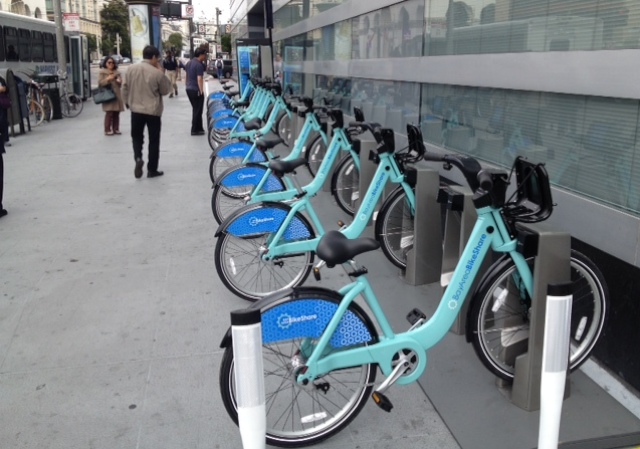
"content": "\u003cp>\u003cimg class=\"aligncenter size-full wp-image-109112\" src=\"http://ww2.kqed.org/news/wp-content/uploads/sites/10/2013/08/Rim-fire-cleanup.jpg\" alt=\"Rim fire cleanup\" width=\"640\" height=\"450\">\u003cbr>\nFire crews work to clean up after the \u003ca href=\"http://ww2.kqed.org/news/2013/08/29/109027/Rim-Fire-Yosemite\">Rim Fire raging\u003c/a> in Yosemite \u003ca href=\"http://ww2.kqed.org/news/2013/08/27/berkeley-tuolomne-camp/\">burned Berkeley Tuolumne Family Camp\u003c/a>. The camp has been operated by the city of Berkeley under a special use permit since 1922. Berkeley residents were given priority to register for the camp over the general public, and generations of local citizens have taken advantage of the privilege. The Rim Fire has already burned 192,737 acres, or 301 square miles, and is the sixth-largest fire in the state's history. (Grace Rubenstein / KQED)\u003c/p>\n\u003cp> \u003c/p>\n\u003cp>\u003cimg class=\"aligncenter size-full wp-image-109119\" src=\"http://ww2.kqed.org/news/wp-content/uploads/sites/10/2013/08/PhotoWeek130830toulomnecamp.jpg\" alt=\"PhotoWeek130830toulomnecamp\" width=\"640\" height=\"450\">\u003cbr>\nAn estimated \u003ca href=\"http://www.berkeleyside.com/2013/08/27/berkeley-gathers-to-remember-much-loved-tuolumne-camp/\">300 people gathered \u003c/a>on Monday night, Aug. 26, in the heart of Berkeley to share memories of their time spent at Berkeley Tuolumne Family Camp. The city-run camp was obliterated Sunday in the Rim Fire that continues to rage in the Yosemite area. (Ted Friedman / \u003ca href=\"http://www.berkeleyside.com/\">Berkeleyside\u003c/a>)\u003c/p>\n\u003cp>\u003c!--more-->\u003c/p>\n\u003cp>\u003cimg class=\"aligncenter size-full wp-image-109116\" src=\"http://ww2.kqed.org/news/wp-content/uploads/sites/10/2013/08/lastcars.jpg\" alt=\"lastcars\" width=\"640\" height=\"450\">\u003cbr>\nA few last cars trickle over the Bay Bridge Wednesday, Aug. 28, before the \u003ca href=\"http://ww2.kqed.org/news/2013/08/27/5-things-to-know/\">bridge closes for five days\u003c/a>. Workers will transfer the new eastern span of the Bay Bridge to Treasure Island and demolish one part of the old span over the next few days. (Deborah Svoboda / KQED)\u003c/p>\n\u003cp>[ad fullwidth]\u003c/p>\n\u003cp>\u003cimg class=\"aligncenter size-full wp-image-109117\" src=\"http://ww2.kqed.org/news/wp-content/uploads/sites/10/2013/08/BARTallnight.jpg\" alt=\"BARTallnight\" width=\"640\" height=\"450\">\u003cbr>\nBART service is running all night while the Bay Bridge is closed between 8 p.m. on Aug. 28 and 5 a.m. Sept. 3. On the first night of all-night service about a dozen people wait at the MacArthur BART Station to take the 1:28 a.m. train to San Francisco. (Deborah Svoboda / KQED)\u003c/p>\n\u003cp> \u003c/p>\n\u003cp>\u003cimg class=\"aligncenter size-full wp-image-109134\" src=\"http://ww2.kqed.org/news/wp-content/uploads/sites/10/2013/08/alameda-ferry.jpg\" alt=\"alameda ferry\" width=\"640\" height=\"449\">\u003c/p>\n\u003cp>Thousands of Bay Area \u003ca href=\"http://ww2.kqed.org/news/2013/08/28/bay-bridge-closure-commute/\">commuters found alternate routes\u003c/a> to work Thursday morning while the Bay Bridge is closed to cars. Those who chose the ferry between Alameda and San Francisco rode with plenty of space. KQED staff who rode BART into work reported the trains were not overly crowded. (Cy Musiker / KQED)\u003c/p>\n\u003cp> \u003c/p>\n\u003cp>\u003cimg class=\"aligncenter size-full wp-image-109120\" src=\"http://ww2.kqed.org/news/wp-content/uploads/sites/10/2013/08/PhotoWeek130830march.jpg\" alt=\"PhotoWeek130830march\" width=\"640\" height=\"450\">\u003cbr>\nOver 600 people marched in San Jose on Saturday, Aug. 24, to \u003ca href=\"http://ww2.kqed.org/news/2013/08/28/march-on-washington-1963-news-report/\">commemorate the 50th anniversary of the March on Washington\u003c/a>. (Charisse Domingo / San Jose Beez)\u003c/p>\n\u003cp> \u003c/p>\n\u003cp>\u003cimg class=\"aligncenter size-full wp-image-109121\" src=\"http://ww2.kqed.org/news/wp-content/uploads/sites/10/2013/08/bike-share-1.jpg\" alt=\"bike share (1)\" width=\"640\" height=\"449\">\u003cbr>\n\u003ca href=\"http://ww2.kqed.org/news/2013/08/29/109049/bike-share-Bay-Area-bike-share\">Bay Area Bike Share debuted\u003c/a> Thursday, Aug. 29, with 700 spanking new baby-blue bikes available at 70 locations in San Francisco, the Peninsula and San Jose. Half the heavy-duty, extra-durable bikes will be stationed at kiosks in SF (mostly concentrated in the Financial District, Union Square, Civic Center and SoMa), with the rest at various spots along the Caltrain corridor and in downtown areas of Redwood City, Palo Alto, Mountain View and San Jose. (Bryan Goebel / KQED)\u003c/p>\n\u003cp> \u003c/p>\n\u003cp>\u003cimg class=\"aligncenter size-full wp-image-109124\" src=\"http://ww2.kqed.org/news/wp-content/uploads/sites/10/2013/08/mural.jpg\" alt=\"mural\" width=\"640\" height=\"450\">\u003cbr>\nFriends of Oakland artist Alicia McCarthy finish painting the stripes in her new piece painted on a blank wall along Divisadero Street in San Francisco. Artists from Los Angeles to New York, including those from the Bay Area, took over a block of the busy thoroughfare, turning storefronts and blank walls into a diverse array of art projects. (Deborah Svoboda / KQED)\u003c/p>\n\u003cp>\u003c/p>\n\u003cp> \u003c/p>\n\n",
"disqusIdentifier": "109110 http://ww2.kqed.org/news/?p=109110",
"disqusUrl": "https://ww2.kqed.org/news/2013/08/30/news-pix-fire-crews-clean-up-after-rim-fire-bay-bridge-closes-and-berkeley-mourns-family-camp/",
"stats": {
"hasVideo": false,
"hasChartOrMap": false,
"hasAudio": false,
"hasPolis": false,
"wordCount": 469,
"hasGoogleForm": false,
"hasGallery": false,
"hasHearkenModule": false,
"iframeSrcs": [],
"paragraphCount": 12
},
"modified": 1377900138,
"excerpt": "The best photos from the week's news events and happenings.",
"headData": {
"twImgId": "",
"twTitle": "",
"ogTitle": "",
"ogImgId": "",
"twDescription": "",
"description": "The best photos from the week's news events and happenings.",
"title": "News Pix: Fire Crews Clean Up After Rim Fire, Bay Bridge Closes and Berkeley Mourns Family Camp | KQED",
"ogDescription": "",
"schema": {
"@context": "https://schema.org",
"@type": "NewsArticle",
"headline": "News Pix: Fire Crews Clean Up After Rim Fire, Bay Bridge Closes and Berkeley Mourns Family Camp",
"datePublished": "2013-08-30T12:30:32-07:00",
"dateModified": "2013-08-30T15:02:18-07:00",
"image": "https://cdn.kqed.org/wp-content/uploads/2020/02/KQED-OG-Image@1x.png",
"isAccessibleForFree": "True",
"publisher": {
"@type": "NewsMediaOrganization",
"@id": "https://www.kqed.org/#organization",
"name": "KQED",
"logo": "https://cdn.kqed.org/wp-content/uploads/2020/02/KQED-OG-Image@1x.png",
"url": "https://www.kqed.org",
"sameAs": [
"https://www.facebook.com/KQED",
"https://twitter.com/KQED",
"https://www.instagram.com/kqed/",
"https://www.tiktok.com/@kqedofficial",
"https://www.linkedin.com/company/kqed",
"https://www.youtube.com/channel/UCeC0IOo7i1P_61zVUWbJ4nw"
]
}
}
},
"guestAuthors": [],
"slug": "news-pix-fire-crews-clean-up-after-rim-fire-bay-bridge-closes-and-berkeley-mourns-family-camp",
"status": "publish",
"customPermalink": "2013/08/29/news-pix-rim-fire-clean-up-bay-bridge-closure-and-berkeley-mourns-family-camp/",
"path": "/news/109110/news-pix-fire-crews-clean-up-after-rim-fire-bay-bridge-closes-and-berkeley-mourns-family-camp",
"audioTrackLength": null,
"parsedContent": [
{
"type": "contentString",
"content": "\u003cdiv class=\"post-body\">\u003cp>\u003cp>\u003cimg class=\"aligncenter size-full wp-image-109112\" src=\"http://ww2.kqed.org/news/wp-content/uploads/sites/10/2013/08/Rim-fire-cleanup.jpg\" alt=\"Rim fire cleanup\" width=\"640\" height=\"450\">\u003cbr>\nFire crews work to clean up after the \u003ca href=\"http://ww2.kqed.org/news/2013/08/29/109027/Rim-Fire-Yosemite\">Rim Fire raging\u003c/a> in Yosemite \u003ca href=\"http://ww2.kqed.org/news/2013/08/27/berkeley-tuolomne-camp/\">burned Berkeley Tuolumne Family Camp\u003c/a>. The camp has been operated by the city of Berkeley under a special use permit since 1922. Berkeley residents were given priority to register for the camp over the general public, and generations of local citizens have taken advantage of the privilege. The Rim Fire has already burned 192,737 acres, or 301 square miles, and is the sixth-largest fire in the state's history. (Grace Rubenstein / KQED)\u003c/p>\n\u003cp> \u003c/p>\n\u003cp>\u003cimg class=\"aligncenter size-full wp-image-109119\" src=\"http://ww2.kqed.org/news/wp-content/uploads/sites/10/2013/08/PhotoWeek130830toulomnecamp.jpg\" alt=\"PhotoWeek130830toulomnecamp\" width=\"640\" height=\"450\">\u003cbr>\nAn estimated \u003ca href=\"http://www.berkeleyside.com/2013/08/27/berkeley-gathers-to-remember-much-loved-tuolumne-camp/\">300 people gathered \u003c/a>on Monday night, Aug. 26, in the heart of Berkeley to share memories of their time spent at Berkeley Tuolumne Family Camp. The city-run camp was obliterated Sunday in the Rim Fire that continues to rage in the Yosemite area. (Ted Friedman / \u003ca href=\"http://www.berkeleyside.com/\">Berkeleyside\u003c/a>)\u003c/p>\n\u003cp>\u003c!--more-->\u003c/p>\n\u003cp>\u003cimg class=\"aligncenter size-full wp-image-109116\" src=\"http://ww2.kqed.org/news/wp-content/uploads/sites/10/2013/08/lastcars.jpg\" alt=\"lastcars\" width=\"640\" height=\"450\">\u003cbr>\nA few last cars trickle over the Bay Bridge Wednesday, Aug. 28, before the \u003ca href=\"http://ww2.kqed.org/news/2013/08/27/5-things-to-know/\">bridge closes for five days\u003c/a>. Workers will transfer the new eastern span of the Bay Bridge to Treasure Island and demolish one part of the old span over the next few days. (Deborah Svoboda / KQED)\u003c/p>\n\u003cp>\u003c/p>\u003c/div>",
"attributes": {
"named": {},
"numeric": []
}
},
{
"type": "component",
"content": "",
"name": "ad",
"attributes": {
"named": {
"label": "fullwidth"
},
"numeric": [
"fullwidth"
]
}
},
{
"type": "contentString",
"content": "\u003cdiv class=\"post-body\">\u003cp>\u003c/p>\n\u003cp>\u003cimg class=\"aligncenter size-full wp-image-109117\" src=\"http://ww2.kqed.org/news/wp-content/uploads/sites/10/2013/08/BARTallnight.jpg\" alt=\"BARTallnight\" width=\"640\" height=\"450\">\u003cbr>\nBART service is running all night while the Bay Bridge is closed between 8 p.m. on Aug. 28 and 5 a.m. Sept. 3. On the first night of all-night service about a dozen people wait at the MacArthur BART Station to take the 1:28 a.m. train to San Francisco. (Deborah Svoboda / KQED)\u003c/p>\n\u003cp> \u003c/p>\n\u003cp>\u003cimg class=\"aligncenter size-full wp-image-109134\" src=\"http://ww2.kqed.org/news/wp-content/uploads/sites/10/2013/08/alameda-ferry.jpg\" alt=\"alameda ferry\" width=\"640\" height=\"449\">\u003c/p>\n\u003cp>Thousands of Bay Area \u003ca href=\"http://ww2.kqed.org/news/2013/08/28/bay-bridge-closure-commute/\">commuters found alternate routes\u003c/a> to work Thursday morning while the Bay Bridge is closed to cars. Those who chose the ferry between Alameda and San Francisco rode with plenty of space. KQED staff who rode BART into work reported the trains were not overly crowded. (Cy Musiker / KQED)\u003c/p>\n\u003cp> \u003c/p>\n\u003cp>\u003cimg class=\"aligncenter size-full wp-image-109120\" src=\"http://ww2.kqed.org/news/wp-content/uploads/sites/10/2013/08/PhotoWeek130830march.jpg\" alt=\"PhotoWeek130830march\" width=\"640\" height=\"450\">\u003cbr>\nOver 600 people marched in San Jose on Saturday, Aug. 24, to \u003ca href=\"http://ww2.kqed.org/news/2013/08/28/march-on-washington-1963-news-report/\">commemorate the 50th anniversary of the March on Washington\u003c/a>. (Charisse Domingo / San Jose Beez)\u003c/p>\n\u003cp> \u003c/p>\n\u003cp>\u003cimg class=\"aligncenter size-full wp-image-109121\" src=\"http://ww2.kqed.org/news/wp-content/uploads/sites/10/2013/08/bike-share-1.jpg\" alt=\"bike share (1)\" width=\"640\" height=\"449\">\u003cbr>\n\u003ca href=\"http://ww2.kqed.org/news/2013/08/29/109049/bike-share-Bay-Area-bike-share\">Bay Area Bike Share debuted\u003c/a> Thursday, Aug. 29, with 700 spanking new baby-blue bikes available at 70 locations in San Francisco, the Peninsula and San Jose. Half the heavy-duty, extra-durable bikes will be stationed at kiosks in SF (mostly concentrated in the Financial District, Union Square, Civic Center and SoMa), with the rest at various spots along the Caltrain corridor and in downtown areas of Redwood City, Palo Alto, Mountain View and San Jose. (Bryan Goebel / KQED)\u003c/p>\n\u003cp> \u003c/p>\n\u003cp>\u003cimg class=\"aligncenter size-full wp-image-109124\" src=\"http://ww2.kqed.org/news/wp-content/uploads/sites/10/2013/08/mural.jpg\" alt=\"mural\" width=\"640\" height=\"450\">\u003cbr>\nFriends of Oakland artist Alicia McCarthy finish painting the stripes in her new piece painted on a blank wall along Divisadero Street in San Francisco. Artists from Los Angeles to New York, including those from the Bay Area, took over a block of the busy thoroughfare, turning storefronts and blank walls into a diverse array of art projects. (Deborah Svoboda / KQED)\u003c/p>\n\u003cp>\u003c/p>\n\u003cp> \u003c/p>\n\n\u003c/div>\u003c/p>",
"attributes": {
"named": {},
"numeric": []
}
}
],
"link": "/news/109110/news-pix-fire-crews-clean-up-after-rim-fire-bay-bridge-closes-and-berkeley-mourns-family-camp",
"authors": [
"234"
],
"programs": [
"news_6944"
],
"categories": [
"news_223",
"news_19906",
"news_1397"
],
"tags": [
"news_231",
"news_881",
"news_3094",
"news_4745",
"news_38",
"news_18541"
],
"featImg": "news_109121",
"label": "news_6944"
},
"news_108973": {
"type": "posts",
"id": "news_108973",
"meta": {
"index": "posts_1716263798",
"site": "news",
"id": "108973",
"score": null,
"sort": [
1377742827000
]
},
"parent": 0,
"labelTerm": {
"site": "news",
"term": 6944
},
"blocks": [],
"publishDate": 1377742827,
"format": "aside",
"disqusTitle": "Photos: The End of the Road for the Bay Bridge's Eastern Span",
"title": "Photos: The End of the Road for the Bay Bridge's Eastern Span",
"headTitle": "News Fix | KQED News",
"content": "\u003cfigure id=\"attachment_109006\" class=\"wp-caption aligncenter\" style=\"max-width: 640px\">\u003ca href=\"http://ww2.kqed.org/news/wp-content/uploads/sites/10/2013/08/RS6352_032-hpf.jpg\">\u003cimg class=\"size-full wp-image-109006\" src=\"http://ww2.kqed.org/news/wp-content/uploads/sites/10/2013/08/RS6352_032-hpf.jpg\" alt=\"One of the last cars to cross the Bay Bridge. (Deborah Svoboda/KQED)\" width=\"640\" height=\"427\">\u003c/a>\u003cfigcaption class=\"wp-caption-text\">One of the last cars to cross the Bay Bridge. (Deborah Svoboda/KQED)\u003c/figcaption>\u003c/figure>\n\u003cp>A wall of fog fell across the Bay Bridge minutes before the last cars would pass over on Wednesday night. It was the final curtain call for a span that had connected the East Bay to Treasure Island for decades.\u003c/p>\n\u003cblockquote>\n\u003cul>\n\u003cli>\u003ca href=\"http://ww2.kqed.org/news/2013/08/28/bay-bridge-closure-commute/\" target=\"_blank\">Complete take on the morning commute.\u003c/a>\u003c/li>\n\u003cli>\u003ca href=\"http://ww2.kqed.org/news/2013/08/29/what-was-your-morning-commute-like/\" target=\"_blank\">A Morning Commute Without the Bay Bridge\u003c/a>\u003c/li>\n\u003c/ul>\n\u003c/blockquote>\n\u003cp>By Thursday morning, workers already had started to demolish part of the old Bay Bridge and pave the way to connect the new span. The bridge will reopen by 5 a.m. on Tuesday, Sept. 3.\u003c/p>\n\u003cp>Drivers faced heavy traffic on alternative bridges Thursday morning. BART and ferry riders reported a relatively smooth commute despite a higher volume of riders.\u003c/p>\n\u003cdiv class=\"storify\">\u003ciframe src=\"//storify.com/kqednews/last-moments-of-the-bay-bridge-s-eastern-span/embed?header=false&template=grid\" frameborder=\"no\" width=\"100%\" height=\"750\">\u003c/iframe>[\u003ca href=\"//storify.com/kqednews/last-moments-of-the-bay-bridge-s-eastern-span\" target=\"_blank\">View the story \"The End of the Road\" on Storify\u003c/a>]\u003c/div>\n\u003cp>[ad fullwidth]\u003c/p>\u003cp>\u003c/p>\n",
"disqusIdentifier": "108973 http://ww2.kqed.org/news/?p=108973",
"disqusUrl": "https://ww2.kqed.org/news/2013/08/28/the-last-moments-of-the-bay-bridges-old-eastern-span/",
"stats": {
"hasVideo": false,
"hasChartOrMap": false,
"hasAudio": false,
"hasPolis": false,
"wordCount": 138,
"hasGoogleForm": false,
"hasGallery": false,
"hasHearkenModule": false,
"iframeSrcs": [],
"paragraphCount": 5
},
"modified": 1377812634,
"excerpt": null,
"headData": {
"twImgId": "",
"twTitle": "",
"ogTitle": "",
"ogImgId": "",
"twDescription": "",
"description": "A wall of fog fell across the Bay Bridge minutes before the last cars would pass over on Wednesday night. It was the final curtain call for a span that had connected the East Bay to Treasure Island for decades. Complete take on the morning commute. A Morning Commute Without the Bay Bridge By Thursday",
"title": "Photos: The End of the Road for the Bay Bridge's Eastern Span | KQED",
"ogDescription": "",
"schema": {
"@context": "https://schema.org",
"@type": "NewsArticle",
"headline": "Photos: The End of the Road for the Bay Bridge's Eastern Span",
"datePublished": "2013-08-28T19:20:27-07:00",
"dateModified": "2013-08-29T14:43:54-07:00",
"image": "https://cdn.kqed.org/wp-content/uploads/2020/02/KQED-OG-Image@1x.png",
"isAccessibleForFree": "True",
"publisher": {
"@type": "NewsMediaOrganization",
"@id": "https://www.kqed.org/#organization",
"name": "KQED",
"logo": "https://cdn.kqed.org/wp-content/uploads/2020/02/KQED-OG-Image@1x.png",
"url": "https://www.kqed.org",
"sameAs": [
"https://www.facebook.com/KQED",
"https://twitter.com/KQED",
"https://www.instagram.com/kqed/",
"https://www.tiktok.com/@kqedofficial",
"https://www.linkedin.com/company/kqed",
"https://www.youtube.com/channel/UCeC0IOo7i1P_61zVUWbJ4nw"
]
}
}
},
"guestAuthors": [],
"slug": "the-last-moments-of-the-bay-bridges-old-eastern-span",
"status": "publish",
"customPermalink": "2013/08/28/the/bay-bridge-eastern-span-photos/",
"path": "/news/108973/the-last-moments-of-the-bay-bridges-old-eastern-span",
"audioTrackLength": null,
"parsedContent": [
{
"type": "contentString",
"content": "\u003cdiv class=\"post-body\">\u003cp>\u003cfigure id=\"attachment_109006\" class=\"wp-caption aligncenter\" style=\"max-width: 640px\">\u003ca href=\"http://ww2.kqed.org/news/wp-content/uploads/sites/10/2013/08/RS6352_032-hpf.jpg\">\u003cimg class=\"size-full wp-image-109006\" src=\"http://ww2.kqed.org/news/wp-content/uploads/sites/10/2013/08/RS6352_032-hpf.jpg\" alt=\"One of the last cars to cross the Bay Bridge. (Deborah Svoboda/KQED)\" width=\"640\" height=\"427\">\u003c/a>\u003cfigcaption class=\"wp-caption-text\">One of the last cars to cross the Bay Bridge. (Deborah Svoboda/KQED)\u003c/figcaption>\u003c/figure>\n\u003cp>A wall of fog fell across the Bay Bridge minutes before the last cars would pass over on Wednesday night. It was the final curtain call for a span that had connected the East Bay to Treasure Island for decades.\u003c/p>\n\u003cblockquote>\n\u003cul>\n\u003cli>\u003ca href=\"http://ww2.kqed.org/news/2013/08/28/bay-bridge-closure-commute/\" target=\"_blank\">Complete take on the morning commute.\u003c/a>\u003c/li>\n\u003cli>\u003ca href=\"http://ww2.kqed.org/news/2013/08/29/what-was-your-morning-commute-like/\" target=\"_blank\">A Morning Commute Without the Bay Bridge\u003c/a>\u003c/li>\n\u003c/ul>\n\u003c/blockquote>\n\u003cp>By Thursday morning, workers already had started to demolish part of the old Bay Bridge and pave the way to connect the new span. The bridge will reopen by 5 a.m. on Tuesday, Sept. 3.\u003c/p>\n\u003cp>Drivers faced heavy traffic on alternative bridges Thursday morning. BART and ferry riders reported a relatively smooth commute despite a higher volume of riders.\u003c/p>\n\u003cdiv class=\"storify\">\u003ciframe src=\"//storify.com/kqednews/last-moments-of-the-bay-bridge-s-eastern-span/embed?header=false&template=grid\" frameborder=\"no\" width=\"100%\" height=\"750\">\u003c/iframe>[\u003ca href=\"//storify.com/kqednews/last-moments-of-the-bay-bridge-s-eastern-span\" target=\"_blank\">View the story \"The End of the Road\" on Storify\u003c/a>]\u003c/div>\n\u003cp>\u003c/p>\u003c/div>",
"attributes": {
"named": {},
"numeric": []
}
},
{
"type": "component",
"content": "",
"name": "ad",
"attributes": {
"named": {
"label": "fullwidth"
},
"numeric": [
"fullwidth"
]
}
},
{
"type": "contentString",
"content": "\u003cdiv class=\"post-body\">\u003cp>\u003c/p>\u003cp>\u003c/p>\n\u003c/div>\u003c/p>",
"attributes": {
"named": {},
"numeric": []
}
}
],
"link": "/news/108973/the-last-moments-of-the-bay-bridges-old-eastern-span",
"authors": [
"199"
],
"programs": [
"news_6944"
],
"categories": [
"news_8",
"news_1397"
],
"tags": [
"news_231",
"news_18",
"news_38"
],
"featImg": "news_109006",
"label": "news_6944"
},
"news_108776": {
"type": "posts",
"id": "news_108776",
"meta": {
"index": "posts_1716263798",
"site": "news",
"id": "108776",
"score": null,
"sort": [
1377712704000
]
},
"parent": 0,
"labelTerm": {
"site": "news",
"term": 6944
},
"blocks": [],
"publishDate": 1377712704,
"format": "aside",
"disqusTitle": "Once a Mighty Bay Bridge Span, Soon Just a Nifty T-Shirt",
"title": "Once a Mighty Bay Bridge Span, Soon Just a Nifty T-Shirt",
"headTitle": "News Fix | KQED News",
"content": "\u003cfigure id=\"attachment_108778\" class=\"wp-caption alignleft\" style=\"max-width: 300px\">\u003ca href=\"http://ww2.kqed.org/news/2013/08/28/108776/m_bridge_aqua_lifestyle/\" rel=\"attachment wp-att-108778\">\u003cimg class=\"size-medium wp-image-108778 \" src=\"http://ww2.kqed.org/news/wp-content/uploads/sites/10/2013/08/m_bridge_aqua_lifestyle-300x300.jpg\" alt=\"Oakland pride, Oakland nostalgia now. (Courtesy: Oaklandish)\" width=\"300\" height=\"300\">\u003c/a>\u003cfigcaption class=\"wp-caption-text\">Oakland pride, Oakland nostalgia now (Courtesy: Oaklandish)\u003c/figcaption>\u003c/figure>\n\u003cp>Are you ready, Bay Area? Ye Olde East Span of the San Francisco-Oakland Bay Bridge is about to be retired. “Rest in pieces!” said KPIX reporter Elizabeth Cook in a recent \u003ca href=\"http://www.sfgate.com/ndnvideos/?freewheel=45981&sitesection=sfgate_nws_loc_sty_pp&VID=25071875\" target=\"_blank\">report\u003c/a>.\u003c/p>\n\u003cp>Whatever you think of the new span -- its design, how much it cost to build, the contentious politics that delayed construction -- there’s little doubt its predecessor will go out with a whimper, not a bang.\u003c/p>\n\u003cp>For one thing, there’s no way \u003ca href=\"http://www.dot.ca.gov/dist4/\">Caltrans District 4\u003c/a> will blow up the old cantilever section, given all the lead paint on it. At least, so says Jaxon Van Derbeken of the San Francisco Chronicle to \u003ca href=\"http://www.californiareport.org/archive/R201308280850/b\">The California Report\u003c/a>. For another … it was never the architectural marvel of that other bridge over by Marin.\u003c/p>\n\u003cp>And yet…\u003c/p>\n\u003cp>A lot of East Bay commuters will feel a little twinge of sadness this week. The old span did its job remarkably well, long past its recommended use-by-date. It also had a certain aesthetic charm: the rhythmic bump of your car passing over its concrete sections, the flicker of natural light between the supports on the lower deck, the flash of gorgeous views on either side. \u003c!--more-->\u003c/p>\n\u003cp>[ad fullwidth]\u003c/p>\n\u003cp>Graphic artist Carol Klammer noticed it one day years ago when she snapped a photo while driving on the bridge. (She knows: bad idea. She was young and reckless.) Nonetheless, when a friend suggested she submit a few T-shirt design ideas to \u003ca href=\"http://oaklandish.com/mens/tees/mens-bridge-black-aqua.html\">Oaklandish\u003c/a>, a retail fashion firm created to celebrate all things Oakland, it was that photo of the Bay Bridge she chose.\u003c/p>\n\u003cfigure id=\"attachment_108777\" class=\"wp-caption alignright\" style=\"max-width: 275px\">\u003ca href=\"http://ww2.kqed.org/news/2013/08/28/108776/m_oakbridge2_detail/\" rel=\"attachment wp-att-108777\">\u003cimg class=\"size-medium wp-image-108777 \" src=\"http://ww2.kqed.org/news/wp-content/uploads/sites/10/2013/08/m_oakbridge2_detail-275x300.jpg\" alt=\"Detail of the Oakland Bridge t-shirt Carol Klammer designed for Oaklandish. (Courtesy of: Oaklandish)\" width=\"275\" height=\"300\">\u003c/a>\u003cfigcaption class=\"wp-caption-text\">Detail of the Oakland Bridge t-shirt Carol Klammer designed for Oaklandish. (Courtesy: Oaklandish)\u003c/figcaption>\u003c/figure>\n\u003cp>Klammer says she found the photograph compelling because of its first-person perspective. “It wasn’t your typical landscape shot of the bridge.” You don’t see a lot of pictures of this particular section, and there are even less taken from the driver’s perspective (for good reason). Of course, this view has particular resonance for local commuters.\u003c/p>\n\u003cp>Klammer processed the photograph from color to black and white. Then, with tracing paper, she traced along the areas with the strongest contrast. She adds, “I think it works because it’s not contained in a box.” Letting the design float on the T-shirt is visually “liberating,” she says.\u003c/p>\n\u003cp>Klammer, by the way, now works for the \u003ca href=\"http://www.parksconservancy.org/\">Golden Gate National Parks Conservancy\u003c/a>, designing souvenirs for their stores. For equal time, she's shown some love for the Golden Gate Bridge with another T-shirt design for \u003ca href=\"http://therethere.com/san-francisco/mens-sf-golden-gate-bridge-grey.html?___SID=U\">there-there\u003c/a>.\u003c/p>\n\u003cp>Here’s a video documentary of the Bay Bridge's original construction.\u003c/p>\n\u003cp>\u003ciframe src=\"//www.youtube.com/embed/EwnGKMsW3Gg\" frameborder=\"0\" width=\"420\" height=\"315\">\u003c/iframe>\u003c/p>\n\u003cp>When you think about what the paint color known as industrial red did for the Golden Gate Bridge, you have to ask why those in charge of the Bay Bridge decided to go gray. Whatever the case, Klammer thinks it was a mistake, aesthetically speaking.\u003c/p>\n\u003cp>“Gray didn’t do anything for it, that’s for sure.” She'd have chosen a vibrant green.\u003c/p>\n\u003cp>\u003c/p>\n\u003cp>At this point, I suppose, the discussion is moot.\u003c/p>\n\n",
"disqusIdentifier": "108776 http://ww2.kqed.org/news/?p=108776",
"disqusUrl": "https://ww2.kqed.org/news/2013/08/28/once-a-mighty-bay-bridge-span-soon-just-a-nifty-t-shirt/",
"stats": {
"hasVideo": true,
"hasChartOrMap": false,
"hasAudio": false,
"hasPolis": false,
"wordCount": 534,
"hasGoogleForm": false,
"hasGallery": false,
"hasHearkenModule": false,
"iframeSrcs": [],
"paragraphCount": 16
},
"modified": 1377725907,
"excerpt": null,
"headData": {
"twImgId": "",
"twTitle": "",
"ogTitle": "",
"ogImgId": "",
"twDescription": "",
"description": "Are you ready, Bay Area? Ye Olde East Span of the San Francisco-Oakland Bay Bridge is about to be retired. “Rest in pieces!” said KPIX reporter Elizabeth Cook in a recent report. Whatever you think of the new span -- its design, how much it cost to build, the contentious politics that delayed construction --",
"title": "Once a Mighty Bay Bridge Span, Soon Just a Nifty T-Shirt | KQED",
"ogDescription": "",
"schema": {
"@context": "https://schema.org",
"@type": "NewsArticle",
"headline": "Once a Mighty Bay Bridge Span, Soon Just a Nifty T-Shirt",
"datePublished": "2013-08-28T10:58:24-07:00",
"dateModified": "2013-08-28T14:38:27-07:00",
"image": "https://cdn.kqed.org/wp-content/uploads/2020/02/KQED-OG-Image@1x.png",
"isAccessibleForFree": "True",
"publisher": {
"@type": "NewsMediaOrganization",
"@id": "https://www.kqed.org/#organization",
"name": "KQED",
"logo": "https://cdn.kqed.org/wp-content/uploads/2020/02/KQED-OG-Image@1x.png",
"url": "https://www.kqed.org",
"sameAs": [
"https://www.facebook.com/KQED",
"https://twitter.com/KQED",
"https://www.instagram.com/kqed/",
"https://www.tiktok.com/@kqedofficial",
"https://www.linkedin.com/company/kqed",
"https://www.youtube.com/channel/UCeC0IOo7i1P_61zVUWbJ4nw"
]
}
}
},
"guestAuthors": [],
"slug": "once-a-mighty-bay-bridge-span-soon-just-a-nifty-t-shirt",
"status": "publish",
"customPermalink": "2013/08/28/bay_bridge_oaklandish_tshirt/",
"path": "/news/108776/once-a-mighty-bay-bridge-span-soon-just-a-nifty-t-shirt",
"audioTrackLength": null,
"parsedContent": [
{
"type": "contentString",
"content": "\u003cdiv class=\"post-body\">\u003cp>\u003cfigure id=\"attachment_108778\" class=\"wp-caption alignleft\" style=\"max-width: 300px\">\u003ca href=\"http://ww2.kqed.org/news/2013/08/28/108776/m_bridge_aqua_lifestyle/\" rel=\"attachment wp-att-108778\">\u003cimg class=\"size-medium wp-image-108778 \" src=\"http://ww2.kqed.org/news/wp-content/uploads/sites/10/2013/08/m_bridge_aqua_lifestyle-300x300.jpg\" alt=\"Oakland pride, Oakland nostalgia now. (Courtesy: Oaklandish)\" width=\"300\" height=\"300\">\u003c/a>\u003cfigcaption class=\"wp-caption-text\">Oakland pride, Oakland nostalgia now (Courtesy: Oaklandish)\u003c/figcaption>\u003c/figure>\n\u003cp>Are you ready, Bay Area? Ye Olde East Span of the San Francisco-Oakland Bay Bridge is about to be retired. “Rest in pieces!” said KPIX reporter Elizabeth Cook in a recent \u003ca href=\"http://www.sfgate.com/ndnvideos/?freewheel=45981&sitesection=sfgate_nws_loc_sty_pp&VID=25071875\" target=\"_blank\">report\u003c/a>.\u003c/p>\n\u003cp>Whatever you think of the new span -- its design, how much it cost to build, the contentious politics that delayed construction -- there’s little doubt its predecessor will go out with a whimper, not a bang.\u003c/p>\n\u003cp>For one thing, there’s no way \u003ca href=\"http://www.dot.ca.gov/dist4/\">Caltrans District 4\u003c/a> will blow up the old cantilever section, given all the lead paint on it. At least, so says Jaxon Van Derbeken of the San Francisco Chronicle to \u003ca href=\"http://www.californiareport.org/archive/R201308280850/b\">The California Report\u003c/a>. For another … it was never the architectural marvel of that other bridge over by Marin.\u003c/p>\n\u003cp>And yet…\u003c/p>\n\u003cp>A lot of East Bay commuters will feel a little twinge of sadness this week. The old span did its job remarkably well, long past its recommended use-by-date. It also had a certain aesthetic charm: the rhythmic bump of your car passing over its concrete sections, the flicker of natural light between the supports on the lower deck, the flash of gorgeous views on either side. \u003c!--more-->\u003c/p>\n\u003cp>\u003c/p>\u003c/div>",
"attributes": {
"named": {},
"numeric": []
}
},
{
"type": "component",
"content": "",
"name": "ad",
"attributes": {
"named": {
"label": "fullwidth"
},
"numeric": [
"fullwidth"
]
}
},
{
"type": "contentString",
"content": "\u003cdiv class=\"post-body\">\u003cp>\u003c/p>\n\u003cp>Graphic artist Carol Klammer noticed it one day years ago when she snapped a photo while driving on the bridge. (She knows: bad idea. She was young and reckless.) Nonetheless, when a friend suggested she submit a few T-shirt design ideas to \u003ca href=\"http://oaklandish.com/mens/tees/mens-bridge-black-aqua.html\">Oaklandish\u003c/a>, a retail fashion firm created to celebrate all things Oakland, it was that photo of the Bay Bridge she chose.\u003c/p>\n\u003cfigure id=\"attachment_108777\" class=\"wp-caption alignright\" style=\"max-width: 275px\">\u003ca href=\"http://ww2.kqed.org/news/2013/08/28/108776/m_oakbridge2_detail/\" rel=\"attachment wp-att-108777\">\u003cimg class=\"size-medium wp-image-108777 \" src=\"http://ww2.kqed.org/news/wp-content/uploads/sites/10/2013/08/m_oakbridge2_detail-275x300.jpg\" alt=\"Detail of the Oakland Bridge t-shirt Carol Klammer designed for Oaklandish. (Courtesy of: Oaklandish)\" width=\"275\" height=\"300\">\u003c/a>\u003cfigcaption class=\"wp-caption-text\">Detail of the Oakland Bridge t-shirt Carol Klammer designed for Oaklandish. (Courtesy: Oaklandish)\u003c/figcaption>\u003c/figure>\n\u003cp>Klammer says she found the photograph compelling because of its first-person perspective. “It wasn’t your typical landscape shot of the bridge.” You don’t see a lot of pictures of this particular section, and there are even less taken from the driver’s perspective (for good reason). Of course, this view has particular resonance for local commuters.\u003c/p>\n\u003cp>Klammer processed the photograph from color to black and white. Then, with tracing paper, she traced along the areas with the strongest contrast. She adds, “I think it works because it’s not contained in a box.” Letting the design float on the T-shirt is visually “liberating,” she says.\u003c/p>\n\u003cp>Klammer, by the way, now works for the \u003ca href=\"http://www.parksconservancy.org/\">Golden Gate National Parks Conservancy\u003c/a>, designing souvenirs for their stores. For equal time, she's shown some love for the Golden Gate Bridge with another T-shirt design for \u003ca href=\"http://therethere.com/san-francisco/mens-sf-golden-gate-bridge-grey.html?___SID=U\">there-there\u003c/a>.\u003c/p>\n\u003cp>Here’s a video documentary of the Bay Bridge's original construction.\u003c/p>\n\u003cp>\u003ciframe src=\"//www.youtube.com/embed/EwnGKMsW3Gg\" frameborder=\"0\" width=\"420\" height=\"315\">\u003c/iframe>\u003c/p>\n\u003cp>When you think about what the paint color known as industrial red did for the Golden Gate Bridge, you have to ask why those in charge of the Bay Bridge decided to go gray. Whatever the case, Klammer thinks it was a mistake, aesthetically speaking.\u003c/p>\n\u003cp>“Gray didn’t do anything for it, that’s for sure.” She'd have chosen a vibrant green.\u003c/p>\n\u003cp>\u003c/p>\n\u003cp>At this point, I suppose, the discussion is moot.\u003c/p>\n\n\u003c/div>\u003c/p>",
"attributes": {
"named": {},
"numeric": []
}
}
],
"link": "/news/108776/once-a-mighty-bay-bridge-span-soon-just-a-nifty-t-shirt",
"authors": [
"251"
],
"programs": [
"news_6944"
],
"categories": [
"news_223"
],
"tags": [
"news_231",
"news_18",
"news_38",
"news_566"
],
"label": "news_6944"
},
"news_108647": {
"type": "posts",
"id": "news_108647",
"meta": {
"index": "posts_1716263798",
"site": "news",
"id": "108647",
"score": null,
"sort": [
1377631846000
]
},
"parent": 0,
"labelTerm": {
"site": "news",
"term": 6944
},
"blocks": [],
"publishDate": 1377631846,
"format": "aside",
"disqusTitle": "San Francisco Police, Bicyclists Clash Over Fatal Collisions",
"title": "San Francisco Police, Bicyclists Clash Over Fatal Collisions",
"headTitle": "News Fix | KQED News",
"content": "\u003cfigure id=\"attachment_108651\" class=\"wp-caption alignright\" style=\"max-width: 300px\">\u003ca href=\"http://ww2.kqed.org/news/2013/08/27/108647/amelie-le-moullac/\" rel=\"attachment wp-att-108651\">\u003cimg class=\"size-medium wp-image-108651\" src=\"http://ww2.kqed.org/news/wp-content/uploads/sites/10/2013/08/Amelie-Le-Moullac-300x173.jpg\" alt=\"Amelie Le Moullac was killed while riding her bicycle on Folsom Street. Photo from Voce Communications via Streetsblog SF\" width=\"300\" height=\"173\">\u003c/a>\u003cfigcaption class=\"wp-caption-text\">Amelie Le Moullac was killed while riding her bicycle on Folsom Street. Photo from Voce Communications via Streetsblog SF \u003ccite>(Courtesy of Voce Communications )\u003c/cite>\u003c/figcaption>\u003c/figure>\n\u003cp>Bicycle advocates are accusing the San Francisco Police Department of shoddy evidence-gathering in the case of a bicyclist who was killed by a big-rig driver on a SoMa street earlier this month. They say it might be part of a troubling pattern of police bias against bike riders.\u003c/p>\n\u003cp>On Aug. 14, Amelie Le Moullac, 24, was on her way to work, traveling east in the bike lane on Folsom Street, when she was struck and killed by a truck making a right turn onto Sixth Street. It was the third death of a bicyclist hit by a vehicle this year. All of the crashes have happened in or near SoMa and have involved trucks. None of the drivers has been cited or charged, according to bike advocates.\u003c/p>\n\u003cp>A week after the crash that killed Le Moullac, the San Francisco Bicycle Coalition (SFBC) held a memorial and safety event near the crash site. They gathered signatures for a petition to Mayor Ed Lee to make “some much needed and overdue changes” to SoMa streets.\u003c/p>\n\u003cp>At the event, San Francisco police \u003ca href=\"http://www.youtube.com/watch?v=vzLInp_Hs9g\">Sgt. Richard Ernst\u003c/a> shocked bike advocates and some of the victim’s co-workers by blaming Le Moullac for the collision, even though the investigation was ongoing. \u003c!--more-->\u003c/p>\n\u003cp>Streetsblog San Francisco \u003ca href=\"http://sf.streetsblog.org/2013/08/21/at-safe-streets-rally-sfpd-blocks-bike-lane-to-make-point-of-victim-blaming/\">reports\u003c/a>:\u003c/p>\n\u003cblockquote>\u003cp>When Ernst arrived on the scene, he didn’t express sympathy for Le Moullac and other victims, or show support for safety improvements. Instead, he illegally parked his cruiser in the bike lane next to an empty parking space for up to 10 minutes, stating that he \u003ca href=\"http://www.sfbg.com/politics/2013/08/21/memorial-cyclist-marred-sfpd-harassment\">wanted to send a message to people on bicycles\u003c/a> that the onus was on them to pass to the left of right-turning cars. He reportedly made no mention of \u003ca href=\"http://sf.streetsblog.org/2013/08/16/cbs-5-exacerbates-deadly-confusion-about-bike-lane-right-of-way/\">widespread violations by drivers who turn across bike lanes\u003c/a> instead of merging fully into them.\u003c/p>\n\u003cp>He said it was his “right” to be there.\u003c/p>\n\u003cp>According to SFBC Executive Director Leah Shahum, Ernst blamed all three victims who were killed by truck drivers in SoMa and the Mission this year, and refused to leave until she “understood that it was the bicyclist’s fault.”\u003c/p>\u003c/blockquote>\n\u003caside class=\"pullquote alignleft\">\u003cstrong>Bike advocates are disturbed that many fatal collisions caused by drivers are written off as “tragic accidents.\"\u003c/strong> \u003c/aside>\n\u003cp>While San Francisco police wouldn’t comment directly on Ernst’s behavior, San Francisco Chronicle columnist Chuck Nevius \u003ca href=\"http://www.sfgate.com/bayarea/nevius/article/Discord-growing-between-bicyclists-police-4757178.php\">talked to SFPD brass\u003c/a> who privately “confirmed that not only was he acting on his own, they considered his actions an embarrassment.\"\u003c/p>\n\u003cp>[ad fullwidth]\u003c/p>\n\u003cp>The same day of the event, a staffer from the SFBC decided to canvass the neighborhood for any surveillance video that might have captured the crash. He surveyed five businesses, and found an auto shop that had footage of the collision from a camera pointed directly at the intersection.\u003c/p>\n\u003cp>“What was so upsetting and distressing to find out is that the police had told us at the San Francisco Bicycle Coalition on three separate occasions they looked for video footage and that none could be found,” said Kristin Smith, communications director for the SFBC. “It was in a 15-minute quick check that our staffer was able to find this. It was really just basic police work.”\u003c/p>\n\u003cp>Smith said they found the footage in the nick of time because the auto shop had planned to erase it the next morning.\u003c/p>\n\u003cp>An attorney for Le Moullac’s family, Micha Star Liberty, said the video confirms her client did not cause the collision.\u003c/p>\n\u003cp>“What’s most important is that it reveals to me that she was a true victim with respect to this collision and did nothing wrong,” said Liberty.\u003c/p>\n\u003cp>To make matters worse, the police initially refused to give Liberty a copy of the police report.\u003c/p>\n\u003cp>“It’s crystal clear that the family of Amelie Le Moullac and me as their attorney should be given information contained in the report,” Liberty said.\u003c/p>\n\u003cp>It was only after media calls that police finally indicated they were going to release it\u003ca href=\"http://www.sfgate.com/bayarea/nevius/article/Police-response-to-cyclist-s-death-offtrack-4762740.php\">, according to Nevius\u003c/a>:\u003c/p>\n\u003cblockquote>\u003cp>By Monday, the department had changed its tune, probably after the intervention of Police Chief \u003ca href=\"http://www.sfgate.com/?controllerName=search&action=search&channel=bayarea%2Fnevius&search=1&inlineLink=1&query=%22Greg+Suhr%22\">Greg Suhr\u003c/a>, who responded quickly to a text questioning the delay.\u003c/p>\n\u003cp>\"Normally we do not release accident reports that result in death,\" Suhr replied. \"That said, we're working on getting a copy of the report to the family.\"\u003c/p>\n\u003cp>Liberty said she had been told to expect an e-mail copy of the report that afternoon.\u003c/p>\u003c/blockquote>\n\u003cp>Nevius described the SFPD’s response to the crash as “tone-deaf.”\u003c/p>\n\u003cp>Bike advocates say they're disturbed that many collisions caused by drivers that end in the deaths of bicyclists \u003ca href=\"http://cironline.org/reports/bay-area-drivers-who-kill-pedestrians-rarely-face-punishment-analysis-finds-4420\">and pedestrians\u003c/a> are written off as “tragic accidents,\" with no citations or charges except in drunken driving and hit-and-run cases. Some have accused the police of having a bias against bicyclists.\u003c/p>\n\u003cp>“We’ve heard from many of our members that they’ve had unfortunate interactions with the police,” said Smith. “What’s really distressing right now is that this might not be an isolated incident.”\u003c/p>\n\u003cp>A spokesman for the San Francisco Police Department, Albie Esparza, said he understands the “perception” and “concern” from bike advocates.\u003c/p>\n\u003cp>“I don’t know the information that was available to the investigators. We do certainly ask for the public’s help and assistance,” said Esparza. “If this piece of evidence was not retrieved, it is now. We have it in our possession and we’re grateful for the people who came forward and provided us with that information, which we’re going to take a look at and incorporate into our investigation.”\u003c/p>\n\u003cp>The police investigation will be forwarded to the San Francisco district attorney’s office, which will decide whether formal charges will be filed against the truck driver.\u003c/p>\n\u003cp>In the meantime, the SFBC says it is \u003ca href=\"http://www.sfbike.org/main/open-letter-to-mayor-lee-take-action-on-soma-streets/\">pushing the mayor\u003c/a> and the Municipal Transportation Agency to install a green protected bikeway on Folsom Street.\u003c/p>\n\u003cp>[ad floatright]\u003c/p>\n\u003cp>“We’re really keeping our eye on the larger picture, which is the need to redesign our streets so that they’re safer for people biking and walking,” said Smith. “We’re really asking the city to make some changes so there is separation from these large fast-moving trucks and people biking and walking.”\u003c/p>\n\n",
"disqusIdentifier": "108647 http://ww2.kqed.org/news/?p=108647",
"disqusUrl": "https://ww2.kqed.org/news/2013/08/27/san-francisco-police-dept-accused-of-fumbling-investigation-into-bicyclists-death/",
"stats": {
"hasVideo": false,
"hasChartOrMap": false,
"hasAudio": false,
"hasPolis": false,
"wordCount": 1115,
"hasGoogleForm": false,
"hasGallery": false,
"hasHearkenModule": false,
"iframeSrcs": [],
"paragraphCount": 30
},
"modified": 1377723516,
"excerpt": null,
"headData": {
"twImgId": "",
"twTitle": "",
"ogTitle": "",
"ogImgId": "",
"twDescription": "",
"description": "Bicycle advocates are accusing the San Francisco Police Department of shoddy evidence-gathering in the case of a bicyclist who was killed by a big-rig driver on a SoMa street earlier this month. They say it might be part of a troubling pattern of police bias against bike riders. On Aug. 14, Amelie Le Moullac, 24,",
"title": "San Francisco Police, Bicyclists Clash Over Fatal Collisions | KQED",
"ogDescription": "",
"schema": {
"@context": "https://schema.org",
"@type": "NewsArticle",
"headline": "San Francisco Police, Bicyclists Clash Over Fatal Collisions",
"datePublished": "2013-08-27T12:30:46-07:00",
"dateModified": "2013-08-28T13:58:36-07:00",
"image": "https://cdn.kqed.org/wp-content/uploads/2020/02/KQED-OG-Image@1x.png",
"isAccessibleForFree": "True",
"publisher": {
"@type": "NewsMediaOrganization",
"@id": "https://www.kqed.org/#organization",
"name": "KQED",
"logo": "https://cdn.kqed.org/wp-content/uploads/2020/02/KQED-OG-Image@1x.png",
"url": "https://www.kqed.org",
"sameAs": [
"https://www.facebook.com/KQED",
"https://twitter.com/KQED",
"https://www.instagram.com/kqed/",
"https://www.tiktok.com/@kqedofficial",
"https://www.linkedin.com/company/kqed",
"https://www.youtube.com/channel/UCeC0IOo7i1P_61zVUWbJ4nw"
]
}
}
},
"guestAuthors": [],
"slug": "san-francisco-police-dept-accused-of-fumbling-investigation-into-bicyclists-death",
"status": "publish",
"customPermalink": "2013/08/27/108647/",
"path": "/news/108647/san-francisco-police-dept-accused-of-fumbling-investigation-into-bicyclists-death",
"audioTrackLength": null,
"parsedContent": [
{
"type": "contentString",
"content": "\u003cdiv class=\"post-body\">\u003cp>\u003cfigure id=\"attachment_108651\" class=\"wp-caption alignright\" style=\"max-width: 300px\">\u003ca href=\"http://ww2.kqed.org/news/2013/08/27/108647/amelie-le-moullac/\" rel=\"attachment wp-att-108651\">\u003cimg class=\"size-medium wp-image-108651\" src=\"http://ww2.kqed.org/news/wp-content/uploads/sites/10/2013/08/Amelie-Le-Moullac-300x173.jpg\" alt=\"Amelie Le Moullac was killed while riding her bicycle on Folsom Street. Photo from Voce Communications via Streetsblog SF\" width=\"300\" height=\"173\">\u003c/a>\u003cfigcaption class=\"wp-caption-text\">Amelie Le Moullac was killed while riding her bicycle on Folsom Street. Photo from Voce Communications via Streetsblog SF \u003ccite>(Courtesy of Voce Communications )\u003c/cite>\u003c/figcaption>\u003c/figure>\n\u003cp>Bicycle advocates are accusing the San Francisco Police Department of shoddy evidence-gathering in the case of a bicyclist who was killed by a big-rig driver on a SoMa street earlier this month. They say it might be part of a troubling pattern of police bias against bike riders.\u003c/p>\n\u003cp>On Aug. 14, Amelie Le Moullac, 24, was on her way to work, traveling east in the bike lane on Folsom Street, when she was struck and killed by a truck making a right turn onto Sixth Street. It was the third death of a bicyclist hit by a vehicle this year. All of the crashes have happened in or near SoMa and have involved trucks. None of the drivers has been cited or charged, according to bike advocates.\u003c/p>\n\u003cp>A week after the crash that killed Le Moullac, the San Francisco Bicycle Coalition (SFBC) held a memorial and safety event near the crash site. They gathered signatures for a petition to Mayor Ed Lee to make “some much needed and overdue changes” to SoMa streets.\u003c/p>\n\u003cp>At the event, San Francisco police \u003ca href=\"http://www.youtube.com/watch?v=vzLInp_Hs9g\">Sgt. Richard Ernst\u003c/a> shocked bike advocates and some of the victim’s co-workers by blaming Le Moullac for the collision, even though the investigation was ongoing. \u003c!--more-->\u003c/p>\n\u003cp>Streetsblog San Francisco \u003ca href=\"http://sf.streetsblog.org/2013/08/21/at-safe-streets-rally-sfpd-blocks-bike-lane-to-make-point-of-victim-blaming/\">reports\u003c/a>:\u003c/p>\n\u003cblockquote>\u003cp>When Ernst arrived on the scene, he didn’t express sympathy for Le Moullac and other victims, or show support for safety improvements. Instead, he illegally parked his cruiser in the bike lane next to an empty parking space for up to 10 minutes, stating that he \u003ca href=\"http://www.sfbg.com/politics/2013/08/21/memorial-cyclist-marred-sfpd-harassment\">wanted to send a message to people on bicycles\u003c/a> that the onus was on them to pass to the left of right-turning cars. He reportedly made no mention of \u003ca href=\"http://sf.streetsblog.org/2013/08/16/cbs-5-exacerbates-deadly-confusion-about-bike-lane-right-of-way/\">widespread violations by drivers who turn across bike lanes\u003c/a> instead of merging fully into them.\u003c/p>\n\u003cp>He said it was his “right” to be there.\u003c/p>\n\u003cp>According to SFBC Executive Director Leah Shahum, Ernst blamed all three victims who were killed by truck drivers in SoMa and the Mission this year, and refused to leave until she “understood that it was the bicyclist’s fault.”\u003c/p>\u003c/blockquote>\n\u003caside class=\"pullquote alignleft\">\u003cstrong>Bike advocates are disturbed that many fatal collisions caused by drivers are written off as “tragic accidents.\"\u003c/strong> \u003c/aside>\n\u003cp>While San Francisco police wouldn’t comment directly on Ernst’s behavior, San Francisco Chronicle columnist Chuck Nevius \u003ca href=\"http://www.sfgate.com/bayarea/nevius/article/Discord-growing-between-bicyclists-police-4757178.php\">talked to SFPD brass\u003c/a> who privately “confirmed that not only was he acting on his own, they considered his actions an embarrassment.\"\u003c/p>\n\u003cp>\u003c/p>\u003c/div>",
"attributes": {
"named": {},
"numeric": []
}
},
{
"type": "component",
"content": "",
"name": "ad",
"attributes": {
"named": {
"label": "fullwidth"
},
"numeric": [
"fullwidth"
]
}
},
{
"type": "contentString",
"content": "\u003cdiv class=\"post-body\">\u003cp>\u003c/p>\n\u003cp>The same day of the event, a staffer from the SFBC decided to canvass the neighborhood for any surveillance video that might have captured the crash. He surveyed five businesses, and found an auto shop that had footage of the collision from a camera pointed directly at the intersection.\u003c/p>\n\u003cp>“What was so upsetting and distressing to find out is that the police had told us at the San Francisco Bicycle Coalition on three separate occasions they looked for video footage and that none could be found,” said Kristin Smith, communications director for the SFBC. “It was in a 15-minute quick check that our staffer was able to find this. It was really just basic police work.”\u003c/p>\n\u003cp>Smith said they found the footage in the nick of time because the auto shop had planned to erase it the next morning.\u003c/p>\n\u003cp>An attorney for Le Moullac’s family, Micha Star Liberty, said the video confirms her client did not cause the collision.\u003c/p>\n\u003cp>“What’s most important is that it reveals to me that she was a true victim with respect to this collision and did nothing wrong,” said Liberty.\u003c/p>\n\u003cp>To make matters worse, the police initially refused to give Liberty a copy of the police report.\u003c/p>\n\u003cp>“It’s crystal clear that the family of Amelie Le Moullac and me as their attorney should be given information contained in the report,” Liberty said.\u003c/p>\n\u003cp>It was only after media calls that police finally indicated they were going to release it\u003ca href=\"http://www.sfgate.com/bayarea/nevius/article/Police-response-to-cyclist-s-death-offtrack-4762740.php\">, according to Nevius\u003c/a>:\u003c/p>\n\u003cblockquote>\u003cp>By Monday, the department had changed its tune, probably after the intervention of Police Chief \u003ca href=\"http://www.sfgate.com/?controllerName=search&action=search&channel=bayarea%2Fnevius&search=1&inlineLink=1&query=%22Greg+Suhr%22\">Greg Suhr\u003c/a>, who responded quickly to a text questioning the delay.\u003c/p>\n\u003cp>\"Normally we do not release accident reports that result in death,\" Suhr replied. \"That said, we're working on getting a copy of the report to the family.\"\u003c/p>\n\u003cp>Liberty said she had been told to expect an e-mail copy of the report that afternoon.\u003c/p>\u003c/blockquote>\n\u003cp>Nevius described the SFPD’s response to the crash as “tone-deaf.”\u003c/p>\n\u003cp>Bike advocates say they're disturbed that many collisions caused by drivers that end in the deaths of bicyclists \u003ca href=\"http://cironline.org/reports/bay-area-drivers-who-kill-pedestrians-rarely-face-punishment-analysis-finds-4420\">and pedestrians\u003c/a> are written off as “tragic accidents,\" with no citations or charges except in drunken driving and hit-and-run cases. Some have accused the police of having a bias against bicyclists.\u003c/p>\n\u003cp>“We’ve heard from many of our members that they’ve had unfortunate interactions with the police,” said Smith. “What’s really distressing right now is that this might not be an isolated incident.”\u003c/p>\n\u003cp>A spokesman for the San Francisco Police Department, Albie Esparza, said he understands the “perception” and “concern” from bike advocates.\u003c/p>\n\u003cp>“I don’t know the information that was available to the investigators. We do certainly ask for the public’s help and assistance,” said Esparza. “If this piece of evidence was not retrieved, it is now. We have it in our possession and we’re grateful for the people who came forward and provided us with that information, which we’re going to take a look at and incorporate into our investigation.”\u003c/p>\n\u003cp>The police investigation will be forwarded to the San Francisco district attorney’s office, which will decide whether formal charges will be filed against the truck driver.\u003c/p>\n\u003cp>In the meantime, the SFBC says it is \u003ca href=\"http://www.sfbike.org/main/open-letter-to-mayor-lee-take-action-on-soma-streets/\">pushing the mayor\u003c/a> and the Municipal Transportation Agency to install a green protected bikeway on Folsom Street.\u003c/p>\n\u003cp>\u003c/p>\u003c/div>",
"attributes": {
"named": {},
"numeric": []
}
},
{
"type": "component",
"content": "",
"name": "ad",
"attributes": {
"named": {
"label": "floatright"
},
"numeric": [
"floatright"
]
}
},
{
"type": "contentString",
"content": "\u003cdiv class=\"post-body\">\u003cp>\u003c/p>\n\u003cp>“We’re really keeping our eye on the larger picture, which is the need to redesign our streets so that they’re safer for people biking and walking,” said Smith. “We’re really asking the city to make some changes so there is separation from these large fast-moving trucks and people biking and walking.”\u003c/p>\n\n\u003c/div>\u003c/p>",
"attributes": {
"named": {},
"numeric": []
}
}
],
"link": "/news/108647/san-francisco-police-dept-accused-of-fumbling-investigation-into-bicyclists-death",
"authors": [
"214"
],
"programs": [
"news_6944"
],
"categories": [
"news_6188",
"news_1397"
],
"tags": [
"news_810",
"news_383",
"news_38",
"news_545"
],
"label": "news_6944"
},
"news_108332": {
"type": "posts",
"id": "news_108332",
"meta": {
"index": "posts_1716263798",
"site": "news",
"id": "108332",
"score": null,
"sort": [
1377556849000
]
},
"parent": 0,
"labelTerm": {
"site": "news",
"term": 6944
},
"blocks": [],
"publishDate": 1377556849,
"format": "aside",
"title": "Rim Fire: Update on San Francisco Water Supply",
"headTitle": "Rim Fire: Update on San Francisco Water Supply | KQED",
"content": "\u003cfigure id=\"attachment_108350\" class=\"wp-caption aligncenter\" style=\"max-width: 640px\">\u003ca href=\"https://ww2.kqed.org/news/smokecloud082113a/\" rel=\"attachment wp-att-108350\">\u003cimg decoding=\"async\" loading=\"lazy\" class=\"size-full wp-image-108350\" src=\"http://ww2.kqed.org/news/wp-content/uploads/sites/10/2013/08/smokecloud082113a.jpg\" alt=\"Smoke from the Rim Fire rises above a ridge in Yosemite National Park on Wednesday, Aug. 21. The view is across an area of the park that burned several years ago. (Dan Brekke/KQED)\" width=\"640\" height=\"427\">\u003c/a>\u003cfigcaption class=\"wp-caption-text\">Smoke from the Rim Fire rises above a ridge in Yosemite National Park on Wednesday, Aug. 21. The view is across an area of the park that burned several years ago. (Dan Brekke/KQED)\u003c/figcaption>\u003c/figure>\n\u003caside class=\"pullquote alignleft\">Updates\n\u003cul>\n\u003cli>\u003ca href=\"http://www.modbee.com/2013/08/25/2884465/fighting-the-flames-residents.html\" target=\"_blank\" rel=\"noopener\">Modesto Bee\u003c/a>\u003c/li>\n\u003cli>\u003ca href=\"http://www.uniondemocrat.com/\" target=\"_blank\" rel=\"noopener\">Sonora Union Democrat\u003c/a>\u003c/li>\n\u003cli>\u003ca href=\"http://www.mymotherlode.com/news/index.php\" target=\"_blank\" rel=\"noopener\">myMotherLode.com\u003c/a>\u003c/li>\n\u003cli>\u003ca href=\"http://cdfdata.fire.ca.gov/incidents/incidents_current\" target=\"_blank\" rel=\"noopener\">Cal Fire\u003c/a>\u003c/li>\n\u003c/ul>\n\u003c/aside>\n\u003cp>\u003cstrong>Update 3:10 p.m.\u003c/strong> \u003cem>SF not “scrambling” to relocate water supply, says SFPUC\u003c/em>\u003c/p>\n\u003cp>We’ve seen some \u003ca href=\"http://www.foxnews.com/weather/2013/08/26/officials-try-to-protect-giant-sequoias-from-california-wildfire/\" target=\"_blank\" rel=\"noopener\">headlines\u003c/a> out there about the Rim Fire threatening San Francisco’s water supply as it moves closer to the Hetch Hetchy Reservoir. AP wrote that water officials “were scrambling to fill area reservoirs with water from Hetch Hetchy before ash taints supplies.” This morning, on KQED’s “Forum,” SFPUC General Manager Harlan Kelly said the agency was indeed concerned that the ash produced by the fire would eventually work its way into the water supply.\u003c/p>\n\u003cp>Charles Sheehan, spokesman for the San Francisco Public Utilities Commission, told KQED’s Dan Brekke this afternoon that “there is some ash but most of the water is clear.” And he also emphatically denied the city was “scrambling” to move water into other reservoirs. Sheehan said that San Francisco had started to ship water from Hetch Hetchy to its Bay Area reservoirs as part of a seasonal move to begin to free up capacity at Hetch Hetchy in anticipation of the upcoming rainy season. He emphasized that those water shipments were standard practice for this time of year.\u003c/p>\n\u003cp>Sheehan also told Brekke that water officials have seen no indication of a change in quality of Hetch Hetchy water. He said remote monitoring is ongoing all along the system, and so far there’s no sign of any change in the level of particles in the water. He mentioned, as many others from SFPUC have, that water from Hetch Hetchy is drawn through an outlet 270 feet below the lake surface. That’s relevant because it means the water there is more likely to be free of contaminants.\u003c/p>\n\u003cp>“It’s a bit too soon to speculate” on the longer-term impact on water quality or how the city would address it, Sheehan said.\u003c/p>\n\u003cp>[ad fullwidth]\u003c/p>\n\u003cp>You can see the latest data on the \u003ca href=\"http://cdec.water.ca.gov/cgi-progs/selectQuery?station_id=HHY&sensor_num=15&dur_code=E&start_date=&end_date=now\" target=\"_blank\" rel=\"noopener\">water level at Hetch Hetchy at this California Department of Water Resources link\u003c/a>.\u003c!--more-->\u003c/p>\n\u003cp>\u003cstrong>Update: 1 p.m. \u003c/strong>The latest from AP:\u003c/p>\n\u003cblockquote>\u003cp>Containment of the Rim Fire more than doubled to 15 percent, although it was within a mile of Hetch Hetchy Reservoir, the source of San Francisco’s famously pure drinking water, officials said Monday.\u003c/p>\n\u003cp>“Obviously, it’s the water supply of the city of San Francisco, so we’re paying a lot of attention to that,” said Glen Stratton, an operations section chief on the fire.\u003c/p>\n\u003cp>The fire, which has grown to 234 square miles in size, also posed a threat to giant sequoias in Yosemite National Park. Crews were using sprinklers and lighting fires to clear brush, though the fire remained several miles from the massive trees, Stratton said.\u003c/p>\u003c/blockquote>\n\u003cp>Julie Hutchinson, battalion chief for Cal Fire in Riverside, said on KQED’s “\u003ca href=\"http://www.kqed.org/a/forum/R201308260930\" target=\"_blank\" rel=\"noopener\">Forum”\u003c/a> this morning that the weather is the wild card in fighting the fire. “A wind shift in any direction can cause the fire to make runs in the direction that the wind is pushing it,” she said.\u003c/p>\n\u003cp>Also on on “Forum” this morning, San Francisco Public Utilities Commission General Manager Harlan Kelly said that the fire’s close proximity to Hetch Hetchy has not affected the ability to deliver water and power to meet the city’s needs. But he also said the agency was concerned about the ash produced by the fire that would eventually work its way into the water supply. More from AP on this aspect of the story …\u003c/p>\n\u003cblockquote>\u003cp>Ash from the 234-square-mile fire has been falling on the reservoir, but so far hasn’t sunk far enough into the lake to reach intake pumps, Kelly said. Water quality remained good on Monday.\u003c/p>\n\u003cp>San Francisco gets 85 percent of its water from Hetch Hetchy as well as power for municipal buildings, the international airport and San Francisco General Hospital.\u003c/p>\u003c/blockquote>\n\u003cp>Kelly said on “Forum” that two of the three area plants used to generate power for the city have been taken offline. The remaining plant is producing less than a third of the power the city typically needs, he said, and power purchased on the open market is being used to make up the gap.\u003c/p>\n\u003cp>While Berkeley’s \u003ca href=\"http://www.berkeleyside.com/2013/08/25/rim-fire-destroys-berkeley-tuolumne-family-camp/\" target=\"_blank\" rel=\"noopener\">Tuolumne Family Camp was destroyed by the fire\u003c/a> (info on refunds at the \u003ca href=\"http://www.ci.berkeley.ca.us/Parks_Rec_Waterfront/Recreation/Tuolumne_Camp.aspx\" target=\"_blank\" rel=\"noopener\">city of Berkeley’s website\u003c/a>), San Francisco Rec & Park is reporting that the city’s \u003ca href=\"http://sfrecpark.org/camp-mather-update/\" target=\"_blank\" rel=\"noopener\">Camp Mather site has sustained only minor damage\u003c/a>. The Strawberry Music festival, however, scheduled for Aug. 29 to Sept. 2 at the camp, has been \u003ca href=\"http://www.strawberrymusic.com/Home.aspx\" target=\"_blank\" rel=\"noopener\">canceled\u003c/a>.\u003c/p>\n\u003cp>As far as Yosemite National Park goes, the National Park Service says that as of 9:30 a.m. most of the park was not affected and is “relatively smoke free.” However, there are multiple closures of roads, campsites, trails and other attractions. Look at the \u003ca href=\"http://www.nps.gov/yose/planyourvisit/rimfire.htm\">National Park Service’s Rim Fire update page\u003c/a> to find out what those are.\u003c/p>\n\u003cp>Meanwhile, the White House announced today that President Obama had called Gov. Jerry Brown for an update on the fires. Brown got his own briefing at a fire base camp today. Said Brown …\u003c/p>\n\u003cblockquote class=\"twitter-tweet\">\u003cp>.\u003ca href=\"https://twitter.com/JerryBrownGov\">@JerryBrownGov\u003c/a> on costs of CA fires: “We’re going to ask the President to prob pitch in some more before the season is over.” \u003ca href=\"https://twitter.com/search?q=%23RimFire&src=hash\">#RimFire\u003c/a>\u003c/p>\n\u003cp>— John Myers (@johnmyers) \u003ca href=\"https://twitter.com/johnmyers/statuses/372064003784060930\">August 26, 2013\u003c/a>\u003c/p>\u003c/blockquote>\n\u003cp>In other fire news, some evacuated residents from communities like Pine Mountain Lake are now returning. Fire officials say crews defended the town with a fire break that slowed the spread of the blaze. Maggie Dowd, a Groveland district ranger for the Stanislaus National Forest, said residents had done a lot to minimize damage from fires by limbing trees and clearing brush around their homes.\u003c/p>\n\u003cp>“I live in Pine Mountain Lake,” Dowd said, “and as a resident we are expected to do defensible space every year. We have a certain period of time to do that, and if we don’t, then we are fined. And I think that over the past couple of years they’ve had a lot of success with residents, and if fire was to come to that larger community it wouldn’t have engulfed it as it has in other populations.”\u003c/p>\n\u003cp>\u003c!--more-->\u003c/p>\n\u003cp>\u003cstrong>Monday, 8:10 a.m.: \u003c/strong> Fire officials say the fire has now burned just under 150,000 acres. That moves the \u003ca href=\"http://www.inciweb.org/incident/3660/#\" target=\"_blank\" rel=\"noopener\">Rim Fire\u003c/a> up to No.13 on Cal Fire’s \u003ca href=\"http://www.fire.ca.gov/communications/downloads/fact_sheets/20LACRES.pdf\" target=\"_blank\" rel=\"noopener\">list\u003c/a> of the biggest fires in state history. The blaze is also now the biggest recorded in the Sierra Nevada since at least the 1930s, the earliest date on the Cal Fire list. The state fire agency warned in an advisory early this morning that conditions today will continue to be tough: “Winds again today will pose a challenge with gusts of 26 mph out of the south, pushing the fire further to the northeast.”\u003c/p>\n\u003cp>The good news this morning: Cal Fire says containment on the fire doubled this morning from 7 percent to 15 percent.\u003c/p>\n\u003cp>[ad floatright]\u003c/p>\n\u003cp>In other developments early Monday:\u003c/p>\n\u003cul>\n\u003cli>Berkeley’s much-loved Tuolumne Family Camp became a casualty of the fire. KQED News Associate \u003ca href=\"http://www.berkeleyside.com/2013/08/25/breaking-berkeley-tuolumne-family-camp-burns/\" target=\"_blank\" rel=\"noopener\">Berkeleyside reports the fire swept through the 90-year-old camp on Sunday. KGO-TV just posted this video of the burned camp:\u003c/a>\u003c/li>\n\u003c/ul>\n\u003cul>\n\u003cli>\u003cstrong>Earlier update: (11:45 p.m., Sunday, Aug. 25):\u003c/strong> Federal and state fire officials say the \u003ca href=\"http://www.inciweb.org/incident/3660/#\" target=\"_blank\" rel=\"noopener\">Rim Fire\u003c/a> has now burned about 144,000 acres, or 225 square miles. That makes it the 14th biggest fire in California history (or at least since 1932, \u003ca href=\"http://www.fire.ca.gov/communications/downloads/fact_sheets/20LACRES.pdf\" target=\"_blank\" rel=\"noopener\">according to Cal Fire’s official list\u003c/a>). But that total also signals a slowdown in the growth of the fire, which trebled in size from Wednesday into Thursday, then more than doubled again from Thursday through Friday evening. More than 2,800 firefighters are battling the blaze, which is 7 percent contained. Crews made enough progress on securing firelines that officials Saturday evening lifted an evacuation advisory for two communities, Pine Mountain Lake and Buck Meadows. About 4,500 residences are still threatened. Officials say 23 structures have burned, including at least four homes. Despite tentative signs of progress in fighting the blaze, officials say the fire is far from tamed. From the latest Associated Press report:\u003cbr>\n\u003cblockquote>\u003cp>Overnight the fire grew 7 square miles as firefighters gained little ground in slowing the now 207-square-mile blaze, said Daniel Berlant of the California Department of Forestry and Fire Protection.\u003c/p>\n\u003cp>“Today, unfortunately, we are expecting strong winds out of the south,” he said. “It’s going to allow the fire to advance to the northeast.”\u003cbr>\n\u003c!--more-->\u003cbr>\nFire officials are using bulldozers to clear contingency lines on the Rim Fire’s north side to protect the towns of Tuolumne City, Ponderosa Hills and Twain Hart. The lines are being cut a mile ahead of the fire in locations where fire officials hope they will help protect the communities should the fire jump containment lines.\u003c/p>\n\u003cp>The high winds and movement of the fire from bone-dry brush on the ground to 100-foot oak and pine treetops have created dire conditions.\u003c/p>\n\u003cp>“A crown fire is much more difficult to fight,” Berlant told The Associated Press Sunday. “Our firefighters are on the ground having to spray up.”\u003c/p>\u003c/blockquote>\n\u003cp>Other details:\u003c/p>\n\u003cul>\n\u003cli>San Francisco officials said Sunday the fire still has had no impact on the quality of water from the city’s Hetch Hetchy Reservoir.\u003c/li>\n\u003cli>They added that utilities crews are returning today to the Kirkwood Powerhouse, shut down last week when the fire swept through the canyons downstream from the reservoir, to start repairs. A second generating facility, the Holm Powerhouse, was also shut down. Crews haven’t been able to make it back to that facility to assess any fire damage that occurred there. The generating stations normally supply power to the Municipal Railway transit system and a wide array of other municipal facilities, including San Francisco’s City Hall and San Francisco General Hospital. The city says it has spent $600,000 so far to buy power to replace the normal supply.\u003c/li>\n\u003cli>Tuolumne County education officials have \u003ca href=\"http://www.mymotherlode.com/news/local/2224644/Silva-All-Tuolumne-County-Schools-Closed.html\" target=\"_blank\" rel=\"noopener\">canceled school\u003c/a> for tomorrow and Tuesday. That’s partly out of concern for the difficulty of traveling through some areas of the county and party because of smoky, unhealthy air in the area.\u003c/li>\n\u003cli>Officials in Yosemite National Park are taking special steps to protect the two groves of giant sequoias that the fire could threaten. Crews have cleared brush from around trees and installed sprinklers in the Tuolumne and Merced groves just in case. “All of the plants and trees in Yosemite are important, but the giant sequoias are incredibly important both for what they are and as symbols of the National Park System,” park spokesman Scott Gediman told the Associated Press.\u003c/li>\n\u003c/ul>\n\u003cp>\u003cstrong>More on the fire:\u003c/strong>\u003c/p>\n\u003cp>KPCC’s “Fire Tracker” graphic summary of the blaze:\u003c/p>\n\u003cp>\u003ciframe loading=\"lazy\" src=\"http://projects.scpr.org/firetracker/rim-fire/embed\" frameborder=\"no\" scrolling=\"no\" width=\"100%\" height=\"450\">\u003c/iframe>\u003c/p>\n\u003cp>\u003cstrong>Earlier post (Saturday, Aug. 24): \u003c/strong>Acting on a request from San Francisco officials, Gov. Jerry Brown \u003ca href=\"http://gov.ca.gov/news.php?id=18169\" target=\"_blank\" rel=\"noopener\">has issued an emergency declaration\u003c/a> to help the city cope with the Rim Fire’s potential impacts to the Hetch Hetchy water and hydropower system. City utility officials shut down two of the system’s three powerhouses and nearby electrical transmission lines last Saturday as the fire began to sweep through steep, heavily wooded terrain west of Yosemite National Park. The power generated in the system is used to run the Municipal Railway transit system, City Hall, police and fire stations, San Francisco General Hospital, San Francisco International Airport and other municipal facilities. For now the city is replacing that electricity by using power banked with PG&E or by buying it from other suppliers on the open market.\u003c/p>\n\u003cp>Michael Carlin, deputy general manager of the San Francisco Public Utilities Commission, told us this afternoon that there’s no suggestion in the emergency declaration — or in the potential damage to the city’s electricity-generating facilities near Yosemite — that power will be interrupted to San Francisco.\u003c/p>\n\u003cp>\u003cstrong>In other developments Saturday: \u003c/strong>\u003c/p>\n\u003cul>\n\u003cli>The joint federal/state fire command says the fire has burned 125,620 acres—about 200 square miles. That’s more than four times the area of San Francisco or equivalent to the entire area of San Jose and Santa Clara.\u003c/li>\n\u003cli>Fire officials reported the fire is 5 percent contained. They continue to rate the blaze’s growth potential as “extreme” due to inaccessible terrain and very dry conditions.\u003c/li>\n\u003cli>Officials say 23 structures, including four homes, have burned. AP reports 5,500 homes are threatened, and officials have issued evacuation advisories for several towns and hamlets west of Yosemite. Resorts and summer camps in the area have also been shut down.\u003c/li>\n\u003c/ul>\n\u003cp>Brown’s Friday night declaration, which cited the possibility of a temporary interruption to power and water deliveries from the Hetch Hetchy system, frees state resources to help the city deal with any damage to its infrastructure. The state declaration also makes it possible for the city to ask for federal aid.\u003c/p>\n\u003cp>Michael Carlin, the SFPUC’s deputy general manager, said that utility crews are in the fire zone today to try to assess the condition of power facilities shut down last weekend after the fire started. Carlin said a full assessment of 12.5 miles of transmission lines and two powerhouses probably won’t be finished until Monday or Tuesday. Crews are visiting the Kirkwood powerhouse, 12 miles below O’Shaughnessy Dam, to see how much damage it sustained as the fire burned in the area. Inspection of power lines and the Holm Powerhouse, downstream of the system’s Cherry Lake reservoir, is on hold today. Carlin said crews are checking the condition of service roads and other forest routes and waiting for an all-clear from fire officials to access the area.\u003c/p>\n\u003cp>As far as the city’s Hetch Hetchy water supply goes, Carlin said there’s no sign yet the fire has affected water from the system’s main reservoir behind O’Shaugnessy Dam. He said the reservoir has been off-limits to everyone but fire personnel, “So we’ve had no eyes on the water there.” But he said remote monitoring of the water supply at the Kirkwood Powerhouse and at other downstream locations has shown no change in the water’s clarity. City officials have noted that Hetch Hetchy water is transported toward the Bay Area in underground pipelines and should be safe from ash and debris.\u003c/p>\n\u003cp>Carlin said if Hetch Hetchy water quality is seriously degraded, the city would tap its water resources closer to the Bay Area—San Antonio and Calaveras reservoirs in Alameda County and the Crystal Springs reservoirs in San Mateo County. Customers would get at least 36 hours’ notice if that happens, he said.\u003c/p>\n\u003cp>An interruption of the flow of Hetch Hetchy water would reach far beyond San Francisco. The system serves not only the city’s businesses and 800,000 residents, but also 1.7 million people on the Peninsula and Alameda County.\u003c/p>\u003c/li>\n\u003c/ul>\n\n",
"stats": {
"hasVideo": false,
"hasChartOrMap": true,
"hasAudio": false,
"hasPolis": false,
"wordCount": 2617,
"hasGoogleForm": false,
"hasGallery": false,
"hasHearkenModule": false,
"iframeSrcs": [
"http://projects.scpr.org/firetracker/rim-fire/embed"
],
"paragraphCount": 44
},
"modified": 1685487291,
"excerpt": null,
"headData": {
"twImgId": "",
"twTitle": "",
"ogTitle": "",
"ogImgId": "",
"twDescription": "",
"description": "Updates Modesto Bee Sonora Union Democrat myMotherLode.com Cal Fire Update 3:10 p.m. SF not "scrambling" to relocate water supply, says SFPUC We've seen some headlines out there about the Rim Fire threatening San Francisco's water supply as it moves closer to the Hetch Hetchy Reservoir. AP wrote that water officials "were scrambling to fill area",
"title": "Rim Fire: Update on San Francisco Water Supply | KQED",
"ogDescription": "",
"schema": {
"@context": "https://schema.org",
"@type": "NewsArticle",
"headline": "Rim Fire: Update on San Francisco Water Supply",
"datePublished": "2013-08-26T15:40:49-07:00",
"dateModified": "2023-05-30T15:54:51-07:00",
"image": "https://cdn.kqed.org/wp-content/uploads/2020/02/KQED-OG-Image@1x.png",
"isAccessibleForFree": "True",
"publisher": {
"@type": "NewsMediaOrganization",
"@id": "https://www.kqed.org/#organization",
"name": "KQED",
"logo": "https://cdn.kqed.org/wp-content/uploads/2020/02/KQED-OG-Image@1x.png",
"url": "https://www.kqed.org",
"sameAs": [
"https://www.facebook.com/KQED",
"https://twitter.com/KQED",
"https://www.instagram.com/kqed/",
"https://www.tiktok.com/@kqedofficial",
"https://www.linkedin.com/company/kqed",
"https://www.youtube.com/channel/UCeC0IOo7i1P_61zVUWbJ4nw"
]
}
}
},
"guestAuthors": [],
"slug": "rim-fire-update-state-of-emergency-for-san-francisco-utilities-blaze-still-growing",
"status": "publish",
"customPermalink": "2013/08/24/rim-fire-update/",
"templateType": "standard",
"excludeFromSiteSearch": "Include",
"featuredImageType": "standard",
"articleAge": "0",
"path": "/news/108332/rim-fire-update-state-of-emergency-for-san-francisco-utilities-blaze-still-growing",
"audioTrackLength": null,
"parsedContent": [
{
"type": "contentString",
"content": "\u003cdiv class=\"post-body\">\u003cp>\u003cfigure id=\"attachment_108350\" class=\"wp-caption aligncenter\" style=\"max-width: 640px\">\u003ca href=\"https://ww2.kqed.org/news/smokecloud082113a/\" rel=\"attachment wp-att-108350\">\u003cimg decoding=\"async\" loading=\"lazy\" class=\"size-full wp-image-108350\" src=\"http://ww2.kqed.org/news/wp-content/uploads/sites/10/2013/08/smokecloud082113a.jpg\" alt=\"Smoke from the Rim Fire rises above a ridge in Yosemite National Park on Wednesday, Aug. 21. The view is across an area of the park that burned several years ago. (Dan Brekke/KQED)\" width=\"640\" height=\"427\">\u003c/a>\u003cfigcaption class=\"wp-caption-text\">Smoke from the Rim Fire rises above a ridge in Yosemite National Park on Wednesday, Aug. 21. The view is across an area of the park that burned several years ago. (Dan Brekke/KQED)\u003c/figcaption>\u003c/figure>\n\u003caside class=\"pullquote alignleft\">Updates\n\u003cul>\n\u003cli>\u003ca href=\"http://www.modbee.com/2013/08/25/2884465/fighting-the-flames-residents.html\" target=\"_blank\" rel=\"noopener\">Modesto Bee\u003c/a>\u003c/li>\n\u003cli>\u003ca href=\"http://www.uniondemocrat.com/\" target=\"_blank\" rel=\"noopener\">Sonora Union Democrat\u003c/a>\u003c/li>\n\u003cli>\u003ca href=\"http://www.mymotherlode.com/news/index.php\" target=\"_blank\" rel=\"noopener\">myMotherLode.com\u003c/a>\u003c/li>\n\u003cli>\u003ca href=\"http://cdfdata.fire.ca.gov/incidents/incidents_current\" target=\"_blank\" rel=\"noopener\">Cal Fire\u003c/a>\u003c/li>\n\u003c/ul>\n\u003c/aside>\n\u003cp>\u003cstrong>Update 3:10 p.m.\u003c/strong> \u003cem>SF not “scrambling” to relocate water supply, says SFPUC\u003c/em>\u003c/p>\n\u003cp>We’ve seen some \u003ca href=\"http://www.foxnews.com/weather/2013/08/26/officials-try-to-protect-giant-sequoias-from-california-wildfire/\" target=\"_blank\" rel=\"noopener\">headlines\u003c/a> out there about the Rim Fire threatening San Francisco’s water supply as it moves closer to the Hetch Hetchy Reservoir. AP wrote that water officials “were scrambling to fill area reservoirs with water from Hetch Hetchy before ash taints supplies.” This morning, on KQED’s “Forum,” SFPUC General Manager Harlan Kelly said the agency was indeed concerned that the ash produced by the fire would eventually work its way into the water supply.\u003c/p>\n\u003cp>Charles Sheehan, spokesman for the San Francisco Public Utilities Commission, told KQED’s Dan Brekke this afternoon that “there is some ash but most of the water is clear.” And he also emphatically denied the city was “scrambling” to move water into other reservoirs. Sheehan said that San Francisco had started to ship water from Hetch Hetchy to its Bay Area reservoirs as part of a seasonal move to begin to free up capacity at Hetch Hetchy in anticipation of the upcoming rainy season. He emphasized that those water shipments were standard practice for this time of year.\u003c/p>\n\u003cp>Sheehan also told Brekke that water officials have seen no indication of a change in quality of Hetch Hetchy water. He said remote monitoring is ongoing all along the system, and so far there’s no sign of any change in the level of particles in the water. He mentioned, as many others from SFPUC have, that water from Hetch Hetchy is drawn through an outlet 270 feet below the lake surface. That’s relevant because it means the water there is more likely to be free of contaminants.\u003c/p>\n\u003cp>“It’s a bit too soon to speculate” on the longer-term impact on water quality or how the city would address it, Sheehan said.\u003c/p>\n\u003cp>\u003c/p>\u003c/div>",
"attributes": {
"named": {},
"numeric": []
}
},
{
"type": "component",
"content": "",
"name": "ad",
"attributes": {
"named": {
"label": "fullwidth"
},
"numeric": [
"fullwidth"
]
}
},
{
"type": "contentString",
"content": "\u003cdiv class=\"post-body\">\u003cp>\u003c/p>\n\u003cp>You can see the latest data on the \u003ca href=\"http://cdec.water.ca.gov/cgi-progs/selectQuery?station_id=HHY&sensor_num=15&dur_code=E&start_date=&end_date=now\" target=\"_blank\" rel=\"noopener\">water level at Hetch Hetchy at this California Department of Water Resources link\u003c/a>.\u003c!--more-->\u003c/p>\n\u003cp>\u003cstrong>Update: 1 p.m. \u003c/strong>The latest from AP:\u003c/p>\n\u003cblockquote>\u003cp>Containment of the Rim Fire more than doubled to 15 percent, although it was within a mile of Hetch Hetchy Reservoir, the source of San Francisco’s famously pure drinking water, officials said Monday.\u003c/p>\n\u003cp>“Obviously, it’s the water supply of the city of San Francisco, so we’re paying a lot of attention to that,” said Glen Stratton, an operations section chief on the fire.\u003c/p>\n\u003cp>The fire, which has grown to 234 square miles in size, also posed a threat to giant sequoias in Yosemite National Park. Crews were using sprinklers and lighting fires to clear brush, though the fire remained several miles from the massive trees, Stratton said.\u003c/p>\u003c/blockquote>\n\u003cp>Julie Hutchinson, battalion chief for Cal Fire in Riverside, said on KQED’s “\u003ca href=\"http://www.kqed.org/a/forum/R201308260930\" target=\"_blank\" rel=\"noopener\">Forum”\u003c/a> this morning that the weather is the wild card in fighting the fire. “A wind shift in any direction can cause the fire to make runs in the direction that the wind is pushing it,” she said.\u003c/p>\n\u003cp>Also on on “Forum” this morning, San Francisco Public Utilities Commission General Manager Harlan Kelly said that the fire’s close proximity to Hetch Hetchy has not affected the ability to deliver water and power to meet the city’s needs. But he also said the agency was concerned about the ash produced by the fire that would eventually work its way into the water supply. More from AP on this aspect of the story …\u003c/p>\n\u003cblockquote>\u003cp>Ash from the 234-square-mile fire has been falling on the reservoir, but so far hasn’t sunk far enough into the lake to reach intake pumps, Kelly said. Water quality remained good on Monday.\u003c/p>\n\u003cp>San Francisco gets 85 percent of its water from Hetch Hetchy as well as power for municipal buildings, the international airport and San Francisco General Hospital.\u003c/p>\u003c/blockquote>\n\u003cp>Kelly said on “Forum” that two of the three area plants used to generate power for the city have been taken offline. The remaining plant is producing less than a third of the power the city typically needs, he said, and power purchased on the open market is being used to make up the gap.\u003c/p>\n\u003cp>While Berkeley’s \u003ca href=\"http://www.berkeleyside.com/2013/08/25/rim-fire-destroys-berkeley-tuolumne-family-camp/\" target=\"_blank\" rel=\"noopener\">Tuolumne Family Camp was destroyed by the fire\u003c/a> (info on refunds at the \u003ca href=\"http://www.ci.berkeley.ca.us/Parks_Rec_Waterfront/Recreation/Tuolumne_Camp.aspx\" target=\"_blank\" rel=\"noopener\">city of Berkeley’s website\u003c/a>), San Francisco Rec & Park is reporting that the city’s \u003ca href=\"http://sfrecpark.org/camp-mather-update/\" target=\"_blank\" rel=\"noopener\">Camp Mather site has sustained only minor damage\u003c/a>. The Strawberry Music festival, however, scheduled for Aug. 29 to Sept. 2 at the camp, has been \u003ca href=\"http://www.strawberrymusic.com/Home.aspx\" target=\"_blank\" rel=\"noopener\">canceled\u003c/a>.\u003c/p>\n\u003cp>As far as Yosemite National Park goes, the National Park Service says that as of 9:30 a.m. most of the park was not affected and is “relatively smoke free.” However, there are multiple closures of roads, campsites, trails and other attractions. Look at the \u003ca href=\"http://www.nps.gov/yose/planyourvisit/rimfire.htm\">National Park Service’s Rim Fire update page\u003c/a> to find out what those are.\u003c/p>\n\u003cp>Meanwhile, the White House announced today that President Obama had called Gov. Jerry Brown for an update on the fires. Brown got his own briefing at a fire base camp today. Said Brown …\u003c/p>\n\u003cblockquote class=\"twitter-tweet\">\u003cp>.\u003ca href=\"https://twitter.com/JerryBrownGov\">@JerryBrownGov\u003c/a> on costs of CA fires: “We’re going to ask the President to prob pitch in some more before the season is over.” \u003ca href=\"https://twitter.com/search?q=%23RimFire&src=hash\">#RimFire\u003c/a>\u003c/p>\n\u003cp>— John Myers (@johnmyers) \u003ca href=\"https://twitter.com/johnmyers/statuses/372064003784060930\">August 26, 2013\u003c/a>\u003c/p>\u003c/blockquote>\n\u003cp>In other fire news, some evacuated residents from communities like Pine Mountain Lake are now returning. Fire officials say crews defended the town with a fire break that slowed the spread of the blaze. Maggie Dowd, a Groveland district ranger for the Stanislaus National Forest, said residents had done a lot to minimize damage from fires by limbing trees and clearing brush around their homes.\u003c/p>\n\u003cp>“I live in Pine Mountain Lake,” Dowd said, “and as a resident we are expected to do defensible space every year. We have a certain period of time to do that, and if we don’t, then we are fined. And I think that over the past couple of years they’ve had a lot of success with residents, and if fire was to come to that larger community it wouldn’t have engulfed it as it has in other populations.”\u003c/p>\n\u003cp>\u003c!--more-->\u003c/p>\n\u003cp>\u003cstrong>Monday, 8:10 a.m.: \u003c/strong> Fire officials say the fire has now burned just under 150,000 acres. That moves the \u003ca href=\"http://www.inciweb.org/incident/3660/#\" target=\"_blank\" rel=\"noopener\">Rim Fire\u003c/a> up to No.13 on Cal Fire’s \u003ca href=\"http://www.fire.ca.gov/communications/downloads/fact_sheets/20LACRES.pdf\" target=\"_blank\" rel=\"noopener\">list\u003c/a> of the biggest fires in state history. The blaze is also now the biggest recorded in the Sierra Nevada since at least the 1930s, the earliest date on the Cal Fire list. The state fire agency warned in an advisory early this morning that conditions today will continue to be tough: “Winds again today will pose a challenge with gusts of 26 mph out of the south, pushing the fire further to the northeast.”\u003c/p>\n\u003cp>The good news this morning: Cal Fire says containment on the fire doubled this morning from 7 percent to 15 percent.\u003c/p>\n\u003cp>\u003c/p>\u003c/div>",
"attributes": {
"named": {},
"numeric": []
}
},
{
"type": "component",
"content": "",
"name": "ad",
"attributes": {
"named": {
"label": "floatright"
},
"numeric": [
"floatright"
]
}
},
{
"type": "contentString",
"content": "\u003cdiv class=\"post-body\">\u003cp>\u003c/p>\n\u003cp>In other developments early Monday:\u003c/p>\n\u003cul>\n\u003cli>Berkeley’s much-loved Tuolumne Family Camp became a casualty of the fire. KQED News Associate \u003ca href=\"http://www.berkeleyside.com/2013/08/25/breaking-berkeley-tuolumne-family-camp-burns/\" target=\"_blank\" rel=\"noopener\">Berkeleyside reports the fire swept through the 90-year-old camp on Sunday. KGO-TV just posted this video of the burned camp:\u003c/a>\u003c/li>\n\u003c/ul>\n\u003cul>\n\u003cli>\u003cstrong>Earlier update: (11:45 p.m., Sunday, Aug. 25):\u003c/strong> Federal and state fire officials say the \u003ca href=\"http://www.inciweb.org/incident/3660/#\" target=\"_blank\" rel=\"noopener\">Rim Fire\u003c/a> has now burned about 144,000 acres, or 225 square miles. That makes it the 14th biggest fire in California history (or at least since 1932, \u003ca href=\"http://www.fire.ca.gov/communications/downloads/fact_sheets/20LACRES.pdf\" target=\"_blank\" rel=\"noopener\">according to Cal Fire’s official list\u003c/a>). But that total also signals a slowdown in the growth of the fire, which trebled in size from Wednesday into Thursday, then more than doubled again from Thursday through Friday evening. More than 2,800 firefighters are battling the blaze, which is 7 percent contained. Crews made enough progress on securing firelines that officials Saturday evening lifted an evacuation advisory for two communities, Pine Mountain Lake and Buck Meadows. About 4,500 residences are still threatened. Officials say 23 structures have burned, including at least four homes. Despite tentative signs of progress in fighting the blaze, officials say the fire is far from tamed. From the latest Associated Press report:\u003cbr>\n\u003cblockquote>\u003cp>Overnight the fire grew 7 square miles as firefighters gained little ground in slowing the now 207-square-mile blaze, said Daniel Berlant of the California Department of Forestry and Fire Protection.\u003c/p>\n\u003cp>“Today, unfortunately, we are expecting strong winds out of the south,” he said. “It’s going to allow the fire to advance to the northeast.”\u003cbr>\n\u003c!--more-->\u003cbr>\nFire officials are using bulldozers to clear contingency lines on the Rim Fire’s north side to protect the towns of Tuolumne City, Ponderosa Hills and Twain Hart. The lines are being cut a mile ahead of the fire in locations where fire officials hope they will help protect the communities should the fire jump containment lines.\u003c/p>\n\u003cp>The high winds and movement of the fire from bone-dry brush on the ground to 100-foot oak and pine treetops have created dire conditions.\u003c/p>\n\u003cp>“A crown fire is much more difficult to fight,” Berlant told The Associated Press Sunday. “Our firefighters are on the ground having to spray up.”\u003c/p>\u003c/blockquote>\n\u003cp>Other details:\u003c/p>\n\u003cul>\n\u003cli>San Francisco officials said Sunday the fire still has had no impact on the quality of water from the city’s Hetch Hetchy Reservoir.\u003c/li>\n\u003cli>They added that utilities crews are returning today to the Kirkwood Powerhouse, shut down last week when the fire swept through the canyons downstream from the reservoir, to start repairs. A second generating facility, the Holm Powerhouse, was also shut down. Crews haven’t been able to make it back to that facility to assess any fire damage that occurred there. The generating stations normally supply power to the Municipal Railway transit system and a wide array of other municipal facilities, including San Francisco’s City Hall and San Francisco General Hospital. The city says it has spent $600,000 so far to buy power to replace the normal supply.\u003c/li>\n\u003cli>Tuolumne County education officials have \u003ca href=\"http://www.mymotherlode.com/news/local/2224644/Silva-All-Tuolumne-County-Schools-Closed.html\" target=\"_blank\" rel=\"noopener\">canceled school\u003c/a> for tomorrow and Tuesday. That’s partly out of concern for the difficulty of traveling through some areas of the county and party because of smoky, unhealthy air in the area.\u003c/li>\n\u003cli>Officials in Yosemite National Park are taking special steps to protect the two groves of giant sequoias that the fire could threaten. Crews have cleared brush from around trees and installed sprinklers in the Tuolumne and Merced groves just in case. “All of the plants and trees in Yosemite are important, but the giant sequoias are incredibly important both for what they are and as symbols of the National Park System,” park spokesman Scott Gediman told the Associated Press.\u003c/li>\n\u003c/ul>\n\u003cp>\u003cstrong>More on the fire:\u003c/strong>\u003c/p>\n\u003cp>KPCC’s “Fire Tracker” graphic summary of the blaze:\u003c/p>\n\u003cp>\u003ciframe loading=\"lazy\" src=\"http://projects.scpr.org/firetracker/rim-fire/embed\" frameborder=\"no\" scrolling=\"no\" width=\"100%\" height=\"450\">\u003c/iframe>\u003c/p>\n\u003cp>\u003cstrong>Earlier post (Saturday, Aug. 24): \u003c/strong>Acting on a request from San Francisco officials, Gov. Jerry Brown \u003ca href=\"http://gov.ca.gov/news.php?id=18169\" target=\"_blank\" rel=\"noopener\">has issued an emergency declaration\u003c/a> to help the city cope with the Rim Fire’s potential impacts to the Hetch Hetchy water and hydropower system. City utility officials shut down two of the system’s three powerhouses and nearby electrical transmission lines last Saturday as the fire began to sweep through steep, heavily wooded terrain west of Yosemite National Park. The power generated in the system is used to run the Municipal Railway transit system, City Hall, police and fire stations, San Francisco General Hospital, San Francisco International Airport and other municipal facilities. For now the city is replacing that electricity by using power banked with PG&E or by buying it from other suppliers on the open market.\u003c/p>\n\u003cp>Michael Carlin, deputy general manager of the San Francisco Public Utilities Commission, told us this afternoon that there’s no suggestion in the emergency declaration — or in the potential damage to the city’s electricity-generating facilities near Yosemite — that power will be interrupted to San Francisco.\u003c/p>\n\u003cp>\u003cstrong>In other developments Saturday: \u003c/strong>\u003c/p>\n\u003cul>\n\u003cli>The joint federal/state fire command says the fire has burned 125,620 acres—about 200 square miles. That’s more than four times the area of San Francisco or equivalent to the entire area of San Jose and Santa Clara.\u003c/li>\n\u003cli>Fire officials reported the fire is 5 percent contained. They continue to rate the blaze’s growth potential as “extreme” due to inaccessible terrain and very dry conditions.\u003c/li>\n\u003cli>Officials say 23 structures, including four homes, have burned. AP reports 5,500 homes are threatened, and officials have issued evacuation advisories for several towns and hamlets west of Yosemite. Resorts and summer camps in the area have also been shut down.\u003c/li>\n\u003c/ul>\n\u003cp>Brown’s Friday night declaration, which cited the possibility of a temporary interruption to power and water deliveries from the Hetch Hetchy system, frees state resources to help the city deal with any damage to its infrastructure. The state declaration also makes it possible for the city to ask for federal aid.\u003c/p>\n\u003cp>Michael Carlin, the SFPUC’s deputy general manager, said that utility crews are in the fire zone today to try to assess the condition of power facilities shut down last weekend after the fire started. Carlin said a full assessment of 12.5 miles of transmission lines and two powerhouses probably won’t be finished until Monday or Tuesday. Crews are visiting the Kirkwood powerhouse, 12 miles below O’Shaughnessy Dam, to see how much damage it sustained as the fire burned in the area. Inspection of power lines and the Holm Powerhouse, downstream of the system’s Cherry Lake reservoir, is on hold today. Carlin said crews are checking the condition of service roads and other forest routes and waiting for an all-clear from fire officials to access the area.\u003c/p>\n\u003cp>As far as the city’s Hetch Hetchy water supply goes, Carlin said there’s no sign yet the fire has affected water from the system’s main reservoir behind O’Shaugnessy Dam. He said the reservoir has been off-limits to everyone but fire personnel, “So we’ve had no eyes on the water there.” But he said remote monitoring of the water supply at the Kirkwood Powerhouse and at other downstream locations has shown no change in the water’s clarity. City officials have noted that Hetch Hetchy water is transported toward the Bay Area in underground pipelines and should be safe from ash and debris.\u003c/p>\n\u003cp>Carlin said if Hetch Hetchy water quality is seriously degraded, the city would tap its water resources closer to the Bay Area—San Antonio and Calaveras reservoirs in Alameda County and the Crystal Springs reservoirs in San Mateo County. Customers would get at least 36 hours’ notice if that happens, he said.\u003c/p>\n\u003cp>An interruption of the flow of Hetch Hetchy water would reach far beyond San Francisco. The system serves not only the city’s businesses and 800,000 residents, but also 1.7 million people on the Peninsula and Alameda County.\u003c/p>\u003c/li>\n\u003c/ul>\n\n\u003c/div>\u003c/p>",
"attributes": {
"named": {},
"numeric": []
}
}
],
"link": "/news/108332/rim-fire-update-state-of-emergency-for-san-francisco-utilities-blaze-still-growing",
"authors": [
"236"
],
"programs": [
"news_6944"
],
"categories": [
"news_19906",
"news_356"
],
"tags": [
"news_787",
"news_3776",
"news_30",
"news_881",
"news_4745",
"news_38"
],
"featImg": "news_108334",
"label": "news_6944"
},
"news_107883": {
"type": "posts",
"id": "news_107883",
"meta": {
"index": "posts_1716263798",
"site": "news",
"id": "107883",
"score": null,
"sort": [
1377184920000
]
},
"guestAuthors": [],
"slug": "electric-bike-sharing-coming-to-sf-and-berkeley",
"title": "Electric Bike-Sharing Coming to SF and Berkeley",
"publishDate": 1377184920,
"format": "aside",
"headTitle": "Electric Bike-Sharing Coming to SF and Berkeley | KQED",
"labelTerm": {
"term": 6944,
"site": "news"
},
"content": "\u003cfigure id=\"attachment_107889\" class=\"wp-caption alignleft\" style=\"max-width: 640px\">\u003ca href=\"http://ww2.kqed.org/news/2013/08/22/107883/electric-bike-sharing/2966063453_b9fc4c86eb_z/\" rel=\"attachment wp-att-107889\">\u003cimg loading=\"lazy\" decoding=\"async\" class=\" wp-image-107889 \" src=\"http://ww2.kqed.org/news/wp-content/uploads/sites/10/2013/08/2966063453_b9fc4c86eb_z.jpg\" alt=\"Electric bike (selftrading / Flickr)\" width=\"640\" height=\"426\">\u003c/a>\u003cfigcaption class=\"wp-caption-text\">Electric bicycle (selftrading / Flickr)\u003c/figcaption>\u003c/figure>\n\u003cp>SAN FRANCISCO (BCN) — Electric bicycles are coming to San Francisco and Berkeley next year as part of a bike-sharing pilot program approved by transportation officials Tuesday.\u003c/p>\n\u003cp>The San Francisco Municipal Transportation Agency board of directors gave the go-ahead for a $1.5 million grant toward an electric bike-share program that will partner with City CarShare and the UC Berkeley Transportation Sustainability Research Center.\u003c/p>\n\u003cp>City CarShare is a Bay Area nonprofit member-based car-sharing organization that serves San Francisco, Berkeley, Oakland and other East Bay cities.\u003c/p>\n\u003cp>In San Francisco $740,000 will be diverted to the program, which will offer electric bicycles to City CarShare members at 20 stations in San Francisco and Berkeley.\u003c/p>\n\u003cp>The other portion of the money will be used in Berkeley, where the research group will monitor usage of the alternative travel option during the pilot that will end in 2018.\u003c/p>\n\u003cp>[ad fullwidth]\u003c/p>\n\u003cp>City CarShare will run and maintain the bicycles and stations. Electric bicycles have a low-powered motor that allow riders to reach up to 20 mph.\u003c/p>\n\u003cp>SFMTA spokesman Paul Rose said the program will launch in summer 2014.\u003c/p>\n\u003cp>\u003c/p>\n\u003cp>Funding for the grant comes from the Federal Highway Administration.\u003c/p>\n\n",
"blocks": [],
"excerpt": null,
"status": "publish",
"parent": 0,
"modified": 1721105282,
"stats": {
"hasAudio": false,
"hasVideo": false,
"hasChartOrMap": false,
"iframeSrcs": [],
"hasGoogleForm": false,
"hasGallery": false,
"hasHearkenModule": false,
"hasPolis": false,
"paragraphCount": 10,
"wordCount": 203
},
"headData": {
"title": "Electric Bike-Sharing Coming to SF and Berkeley | KQED",
"description": "SAN FRANCISCO (BCN) — Electric bicycles are coming to San Francisco and Berkeley next year as part of a bike-sharing pilot program approved by transportation officials Tuesday. The San Francisco Municipal Transportation Agency board of directors gave the go-ahead for a $1.5 million grant toward an electric bike-share program that will partner with City CarShare",
"ogTitle": "",
"ogDescription": "",
"ogImgId": "",
"twTitle": "",
"twDescription": "",
"twImgId": "",
"schema": {
"@context": "https://schema.org",
"@type": "NewsArticle",
"headline": "Electric Bike-Sharing Coming to SF and Berkeley",
"datePublished": "2013-08-22T08:22:00-07:00",
"dateModified": "2024-07-15T21:48:02-07:00",
"image": "https://cdn.kqed.org/wp-content/uploads/2020/02/KQED-OG-Image@1x.png",
"isAccessibleForFree": "True",
"publisher": {
"@type": "NewsMediaOrganization",
"@id": "https://www.kqed.org/#organization",
"name": "KQED",
"logo": "https://cdn.kqed.org/wp-content/uploads/2020/02/KQED-OG-Image@1x.png",
"url": "https://www.kqed.org",
"sameAs": [
"https://www.facebook.com/KQED",
"https://twitter.com/KQED",
"https://www.instagram.com/kqed/",
"https://www.tiktok.com/@kqedofficial",
"https://www.linkedin.com/company/kqed",
"https://www.youtube.com/channel/UCeC0IOo7i1P_61zVUWbJ4nw"
]
}
}
},
"sticky": false,
"customPermalink": "2013/08/22/107883/electric-bike-sharing/",
"path": "/news/107883/electric-bike-sharing-coming-to-sf-and-berkeley",
"audioTrackLength": null,
"parsedContent": [
{
"type": "contentString",
"content": "\u003cdiv class=\"post-body\">\u003cp>\u003cfigure id=\"attachment_107889\" class=\"wp-caption alignleft\" style=\"max-width: 640px\">\u003ca href=\"http://ww2.kqed.org/news/2013/08/22/107883/electric-bike-sharing/2966063453_b9fc4c86eb_z/\" rel=\"attachment wp-att-107889\">\u003cimg loading=\"lazy\" decoding=\"async\" class=\" wp-image-107889 \" src=\"http://ww2.kqed.org/news/wp-content/uploads/sites/10/2013/08/2966063453_b9fc4c86eb_z.jpg\" alt=\"Electric bike (selftrading / Flickr)\" width=\"640\" height=\"426\">\u003c/a>\u003cfigcaption class=\"wp-caption-text\">Electric bicycle (selftrading / Flickr)\u003c/figcaption>\u003c/figure>\n\u003cp>SAN FRANCISCO (BCN) — Electric bicycles are coming to San Francisco and Berkeley next year as part of a bike-sharing pilot program approved by transportation officials Tuesday.\u003c/p>\n\u003cp>The San Francisco Municipal Transportation Agency board of directors gave the go-ahead for a $1.5 million grant toward an electric bike-share program that will partner with City CarShare and the UC Berkeley Transportation Sustainability Research Center.\u003c/p>\n\u003cp>City CarShare is a Bay Area nonprofit member-based car-sharing organization that serves San Francisco, Berkeley, Oakland and other East Bay cities.\u003c/p>\n\u003cp>In San Francisco $740,000 will be diverted to the program, which will offer electric bicycles to City CarShare members at 20 stations in San Francisco and Berkeley.\u003c/p>\n\u003cp>The other portion of the money will be used in Berkeley, where the research group will monitor usage of the alternative travel option during the pilot that will end in 2018.\u003c/p>\n\u003cp>\u003c/p>\u003c/div>",
"attributes": {
"named": {},
"numeric": []
}
},
{
"type": "component",
"content": "",
"name": "ad",
"attributes": {
"named": {
"label": "fullwidth"
},
"numeric": [
"fullwidth"
]
}
},
{
"type": "contentString",
"content": "\u003cdiv class=\"post-body\">\u003cp>\u003c/p>\n\u003cp>City CarShare will run and maintain the bicycles and stations. Electric bicycles have a low-powered motor that allow riders to reach up to 20 mph.\u003c/p>\n\u003cp>SFMTA spokesman Paul Rose said the program will launch in summer 2014.\u003c/p>\n\u003cp>\u003c/p>\n\u003cp>Funding for the grant comes from the Federal Highway Administration.\u003c/p>\n\n\u003c/div>\u003c/p>",
"attributes": {
"named": {},
"numeric": []
}
}
],
"link": "/news/107883/electric-bike-sharing-coming-to-sf-and-berkeley",
"authors": [
"237"
],
"programs": [
"news_6944"
],
"categories": [
"news_19906",
"news_1397"
],
"tags": [
"news_18555",
"news_38"
],
"featImg": "news_107889",
"label": "news_6944"
},
"news_107558": {
"type": "posts",
"id": "news_107558",
"meta": {
"index": "posts_1716263798",
"site": "news",
"id": "107558",
"score": null,
"sort": [
1377021377000
]
},
"parent": 0,
"labelTerm": {
"site": "news",
"term": 6944
},
"blocks": [],
"publishDate": 1377021377,
"format": "aside",
"disqusTitle": "SF's Balboa Theatre Says It May Close if It Can't Raise Enough Money to Convert to Digital",
"title": "SF's Balboa Theatre Says It May Close if It Can't Raise Enough Money to Convert to Digital",
"headTitle": "News Fix | KQED News",
"content": "\u003cp>\u003cstrong>By Victor Casillas Valle, \u003ca href=\"http://oceanbeachbulletin.com/\">Ocean Beach Bulletin\u003c/a>\u003c/strong>\u003c/p>\n\u003cfigure id=\"attachment_107567\" class=\"wp-caption alignleft\" style=\"max-width: 200px\">\u003cimg class=\"size-medium wp-image-107567 \" src=\"http://ww2.kqed.org/news/wp-content/uploads/sites/10/2013/08/facade-3-640-200x300.jpg\" alt=\"The Balboa Theatre’s glowing lights illuminate the street from blocks away, but operators say the theater could go dark if it can’t pay to install digital projection equipment. (Victor Casillas Valle/Ocean Beach Bulletin)\" width=\"200\" height=\"300\">\u003cfigcaption class=\"wp-caption-text\">The Balboa Theatre’s glowing lights illuminate the street from blocks away, but operators say the theater could go dark if it can’t pay to install digital projection equipment. (Victor Casillas Valle/Ocean Beach Bulletin)\u003c/figcaption>\u003c/figure>\n\u003cp>The Richmond District’s Balboa Theatre could close if it can’t raise enough money to fund a conversion from film projection to digital, the owners say, and they’re asking the public for help.\u003c/p>\n\u003cp>To keep up with the U.S. movie industry’s conversion to digital projection, \u003ca href=\"http://www.voguesf.com/\" target=\"_blank\">the Balboa\u003c/a> must convert its equipment. But the bill is high for the neighborhood theater: $150,000.\u003c/p>\n\u003cp>\u003cstrong>Deadline to convert\u003c/strong>\u003c/p>\n\u003cp>“Thirty-five millimeter has been the way that people watch movies for 110 to 120 years. We’ve had digital projection capabilities for a number of years. However, by the end of 2013, the big distributors will be switching completely to digital, so they won’t be making 35 millimeter film at all,” said Adam Bergeron, theater manager and co-founder of theater operator CinemaSF.\u003c/p>\n\u003cp>[ad fullwidth]\u003c/p>\n\u003cp>The problem is that the Balboa’s two auditoriums are made to play only 35 mm films, and the digital conversion will involve revamping not just the projectorssan frbut also the sound in both rooms.\u003c/p>\n\u003cp>The money is a lot to pay for a neighborhood theater operator, even when Bergeron’s CinemaSF and the Balboa’s partner, the San Francisco Neighborhood Theater Foundation, combine their efforts. So, the project has been put on hold.\u003c/p>\n\u003cp>To help take the edge off the cost, the theater has begun a Kickstarter campaign titled “\u003ca href=\"http://www.kickstarter.com/projects/2063252829/balboa-theatre-go-digital-or-go-dark\" target=\"_blank\">Balboa Theatre: Go Digital or Go Dark\u003c/a>,” which it is hoped will generate enough money to convert one of its theaters.\u003c/p>\n\u003cp>\u003cimg class=\"alignright\" src=\"http://ww2.kqed.org/news/wp-content/uploads/sites/10/2013/08/obb-logo-320.jpg\" alt=\"obb-logo-320\" width=\"320\" height=\"41\">Any extra funds raised beyond the $75,000 mark will be put toward the conversion of the second auditorium, according to the Kickstarter pitch.\u003c/p>\n\u003cp>The Kickstarter campaign is scheduled to end Sept. 27, but Bergeron said if the effort doesn’t work the Balboa will have to close. \u003c!--more-->\u003c/p>\n\u003cp>\u003cstrong>Neighborhood anchor\u003c/strong>\u003c/p>\n\u003cp>The Balboa, with red velvet gracing the entrances, old movie posters around the walls and the classic smell of popcorn in the lobby, opened in 1926. Since then, it has shown first-run films but also has been home to foreign films, double bills and many other special features.\u003c/p>\n\u003cp>It is nestled in the Balboa Street commercial corridor between 36th and 38th avenues, home to a number of restaurants, coffee shops and other businesses. In the neighborhood surrounding the Balboa, the thought of the theater closing down has been met with shock and worry.\u003c/p>\n\u003cfigure id=\"attachment_107564\" class=\"wp-caption alignright\" style=\"max-width: 300px\">\u003cimg class=\"size-medium wp-image-107564 \" src=\"http://ww2.kqed.org/news/wp-content/uploads/sites/10/2013/08/Margarita-Rossi-1-640-300x195.jpg\" alt=\"Margarita Rossi, an usher at the Balboa Theatre, stands at concessions stand in the lobby. (Victor Casillas Valle/Ocean Beach Bulletin)\" width=\"300\" height=\"195\">\u003cfigcaption class=\"wp-caption-text\">Margarita Rossi, an usher at the Balboa Theatre, is seen here at the concessions stand in the lobby. (Victor Casillas Valle/Ocean Beach Bulletin)\u003c/figcaption>\u003c/figure>\n\u003cp>“It’s certainly a problem if the Balboa Theatre shuts down. A lot of people go see movies and come here after to eat. It’s also the only theater of its kind around this area,” said Antoine Nacouzi, owner of Victoria’s New York Pizza just across the street from the Balboa. “The theater is important to the area and businesses around here.”\u003c/p>\n\u003cp>At Simple Pleasures Cafe down the street, owner and coffee roaster Ahmed Riad was surprised by the news of the theater’s situation.\u003c/p>\n\u003cp>“I didn’t even know,” Riad said. “If we did, we would do whatever we could to help. We have a direct interest to keep them alive for this community – it’s a landmark.”\u003c/p>\n\u003cp>Rob Meyer, who said he’s a frequent Balboa Theatre moviegoer, said, “I love the Balboa. I look to see what’s playing here first before anywhere else.”\u003c/p>\n\u003cp>“To see theaters like this fall to the wayside would break my heart,” Meyer added. “This is the kind of theater I like to go to.”\u003c/p>\n\u003cfigure id=\"attachment_107565\" class=\"wp-caption alignleft\" style=\"max-width: 300px\">\u003cimg class=\"size-medium wp-image-107565 \" src=\"http://ww2.kqed.org/news/wp-content/uploads/sites/10/2013/08/Lobby-1-640-300x200.jpg\" alt=\"The Balboa Theatre’s lobby is filled with old movie posters and flyers. (Victor Casillas Valle/Ocean Beach Bulletin)\" width=\"300\" height=\"200\">\u003cfigcaption class=\"wp-caption-text\">The Balboa Theatre’s lobby is filled with old movie posters and flyers. (Victor Casillas Valle/Ocean Beach Bulletin)\u003c/figcaption>\u003c/figure>\n\u003cp>The Kickstarter campaign is currently the main way that patrons can help the Balboa, but the theater plans on having other events to raise money as necessary.\u003c/p>\n\u003cp>On Nov. 7, a benefit for the San Francisco Neighborhood Theater Foundation will feature horror memorabilia displayed in the lobby, and films owned by Metallica’s Kirk Hammett will be screened in the two auditoriums.\u003c/p>\n\u003cp>“We have a little more than half raised for the Kickstarter so far,” said Bergeron, “but my worry is that the rest of the way up until our deadline will be a slow, bumpy ride.”\u003c/p>\n\u003cp>\u003c/p>\n\u003cp>As of Aug. 20, Kickstarter officially listed $44,138 in pledges for the Balboa’s campaign.\u003c/p>\n\n",
"disqusIdentifier": "107558 http://ww2.kqed.org/news/?p=107558",
"disqusUrl": "https://ww2.kqed.org/news/2013/08/20/san-franciscos-balboa-theatre-looking-to-convert-to-digital-in-order-to-stay-open/",
"stats": {
"hasVideo": false,
"hasChartOrMap": false,
"hasAudio": false,
"hasPolis": false,
"wordCount": 812,
"hasGoogleForm": false,
"hasGallery": false,
"hasHearkenModule": false,
"iframeSrcs": [],
"paragraphCount": 24
},
"modified": 1377036079,
"excerpt": null,
"headData": {
"twImgId": "",
"twTitle": "",
"ogTitle": "",
"ogImgId": "",
"twDescription": "",
"description": "By Victor Casillas Valle, Ocean Beach Bulletin The Richmond District’s Balboa Theatre could close if it can’t raise enough money to fund a conversion from film projection to digital, the owners say, and they’re asking the public for help. To keep up with the U.S. movie industry’s conversion to digital projection, the Balboa must convert its",
"title": "SF's Balboa Theatre Says It May Close if It Can't Raise Enough Money to Convert to Digital | KQED",
"ogDescription": "",
"schema": {
"@context": "https://schema.org",
"@type": "NewsArticle",
"headline": "SF's Balboa Theatre Says It May Close if It Can't Raise Enough Money to Convert to Digital",
"datePublished": "2013-08-20T10:56:17-07:00",
"dateModified": "2013-08-20T15:01:19-07:00",
"image": "https://cdn.kqed.org/wp-content/uploads/2020/02/KQED-OG-Image@1x.png",
"isAccessibleForFree": "True",
"publisher": {
"@type": "NewsMediaOrganization",
"@id": "https://www.kqed.org/#organization",
"name": "KQED",
"logo": "https://cdn.kqed.org/wp-content/uploads/2020/02/KQED-OG-Image@1x.png",
"url": "https://www.kqed.org",
"sameAs": [
"https://www.facebook.com/KQED",
"https://twitter.com/KQED",
"https://www.instagram.com/kqed/",
"https://www.tiktok.com/@kqedofficial",
"https://www.linkedin.com/company/kqed",
"https://www.youtube.com/channel/UCeC0IOo7i1P_61zVUWbJ4nw"
]
}
}
},
"guestAuthors": [],
"slug": "san-franciscos-balboa-theatre-looking-to-convert-to-digital-in-order-to-stay-open",
"status": "publish",
"customPermalink": "2013/08/20/107558/Balboa-Theatre-Could-Close/",
"path": "/news/107558/san-franciscos-balboa-theatre-looking-to-convert-to-digital-in-order-to-stay-open",
"audioTrackLength": null,
"parsedContent": [
{
"type": "contentString",
"content": "\u003cdiv class=\"post-body\">\u003cp>\u003cp>\u003cstrong>By Victor Casillas Valle, \u003ca href=\"http://oceanbeachbulletin.com/\">Ocean Beach Bulletin\u003c/a>\u003c/strong>\u003c/p>\n\u003cfigure id=\"attachment_107567\" class=\"wp-caption alignleft\" style=\"max-width: 200px\">\u003cimg class=\"size-medium wp-image-107567 \" src=\"http://ww2.kqed.org/news/wp-content/uploads/sites/10/2013/08/facade-3-640-200x300.jpg\" alt=\"The Balboa Theatre’s glowing lights illuminate the street from blocks away, but operators say the theater could go dark if it can’t pay to install digital projection equipment. (Victor Casillas Valle/Ocean Beach Bulletin)\" width=\"200\" height=\"300\">\u003cfigcaption class=\"wp-caption-text\">The Balboa Theatre’s glowing lights illuminate the street from blocks away, but operators say the theater could go dark if it can’t pay to install digital projection equipment. (Victor Casillas Valle/Ocean Beach Bulletin)\u003c/figcaption>\u003c/figure>\n\u003cp>The Richmond District’s Balboa Theatre could close if it can’t raise enough money to fund a conversion from film projection to digital, the owners say, and they’re asking the public for help.\u003c/p>\n\u003cp>To keep up with the U.S. movie industry’s conversion to digital projection, \u003ca href=\"http://www.voguesf.com/\" target=\"_blank\">the Balboa\u003c/a> must convert its equipment. But the bill is high for the neighborhood theater: $150,000.\u003c/p>\n\u003cp>\u003cstrong>Deadline to convert\u003c/strong>\u003c/p>\n\u003cp>“Thirty-five millimeter has been the way that people watch movies for 110 to 120 years. We’ve had digital projection capabilities for a number of years. However, by the end of 2013, the big distributors will be switching completely to digital, so they won’t be making 35 millimeter film at all,” said Adam Bergeron, theater manager and co-founder of theater operator CinemaSF.\u003c/p>\n\u003cp>\u003c/p>\u003c/div>",
"attributes": {
"named": {},
"numeric": []
}
},
{
"type": "component",
"content": "",
"name": "ad",
"attributes": {
"named": {
"label": "fullwidth"
},
"numeric": [
"fullwidth"
]
}
},
{
"type": "contentString",
"content": "\u003cdiv class=\"post-body\">\u003cp>\u003c/p>\n\u003cp>The problem is that the Balboa’s two auditoriums are made to play only 35 mm films, and the digital conversion will involve revamping not just the projectorssan frbut also the sound in both rooms.\u003c/p>\n\u003cp>The money is a lot to pay for a neighborhood theater operator, even when Bergeron’s CinemaSF and the Balboa’s partner, the San Francisco Neighborhood Theater Foundation, combine their efforts. So, the project has been put on hold.\u003c/p>\n\u003cp>To help take the edge off the cost, the theater has begun a Kickstarter campaign titled “\u003ca href=\"http://www.kickstarter.com/projects/2063252829/balboa-theatre-go-digital-or-go-dark\" target=\"_blank\">Balboa Theatre: Go Digital or Go Dark\u003c/a>,” which it is hoped will generate enough money to convert one of its theaters.\u003c/p>\n\u003cp>\u003cimg class=\"alignright\" src=\"http://ww2.kqed.org/news/wp-content/uploads/sites/10/2013/08/obb-logo-320.jpg\" alt=\"obb-logo-320\" width=\"320\" height=\"41\">Any extra funds raised beyond the $75,000 mark will be put toward the conversion of the second auditorium, according to the Kickstarter pitch.\u003c/p>\n\u003cp>The Kickstarter campaign is scheduled to end Sept. 27, but Bergeron said if the effort doesn’t work the Balboa will have to close. \u003c!--more-->\u003c/p>\n\u003cp>\u003cstrong>Neighborhood anchor\u003c/strong>\u003c/p>\n\u003cp>The Balboa, with red velvet gracing the entrances, old movie posters around the walls and the classic smell of popcorn in the lobby, opened in 1926. Since then, it has shown first-run films but also has been home to foreign films, double bills and many other special features.\u003c/p>\n\u003cp>It is nestled in the Balboa Street commercial corridor between 36th and 38th avenues, home to a number of restaurants, coffee shops and other businesses. In the neighborhood surrounding the Balboa, the thought of the theater closing down has been met with shock and worry.\u003c/p>\n\u003cfigure id=\"attachment_107564\" class=\"wp-caption alignright\" style=\"max-width: 300px\">\u003cimg class=\"size-medium wp-image-107564 \" src=\"http://ww2.kqed.org/news/wp-content/uploads/sites/10/2013/08/Margarita-Rossi-1-640-300x195.jpg\" alt=\"Margarita Rossi, an usher at the Balboa Theatre, stands at concessions stand in the lobby. (Victor Casillas Valle/Ocean Beach Bulletin)\" width=\"300\" height=\"195\">\u003cfigcaption class=\"wp-caption-text\">Margarita Rossi, an usher at the Balboa Theatre, is seen here at the concessions stand in the lobby. (Victor Casillas Valle/Ocean Beach Bulletin)\u003c/figcaption>\u003c/figure>\n\u003cp>“It’s certainly a problem if the Balboa Theatre shuts down. A lot of people go see movies and come here after to eat. It’s also the only theater of its kind around this area,” said Antoine Nacouzi, owner of Victoria’s New York Pizza just across the street from the Balboa. “The theater is important to the area and businesses around here.”\u003c/p>\n\u003cp>At Simple Pleasures Cafe down the street, owner and coffee roaster Ahmed Riad was surprised by the news of the theater’s situation.\u003c/p>\n\u003cp>“I didn’t even know,” Riad said. “If we did, we would do whatever we could to help. We have a direct interest to keep them alive for this community – it’s a landmark.”\u003c/p>\n\u003cp>Rob Meyer, who said he’s a frequent Balboa Theatre moviegoer, said, “I love the Balboa. I look to see what’s playing here first before anywhere else.”\u003c/p>\n\u003cp>“To see theaters like this fall to the wayside would break my heart,” Meyer added. “This is the kind of theater I like to go to.”\u003c/p>\n\u003cfigure id=\"attachment_107565\" class=\"wp-caption alignleft\" style=\"max-width: 300px\">\u003cimg class=\"size-medium wp-image-107565 \" src=\"http://ww2.kqed.org/news/wp-content/uploads/sites/10/2013/08/Lobby-1-640-300x200.jpg\" alt=\"The Balboa Theatre’s lobby is filled with old movie posters and flyers. (Victor Casillas Valle/Ocean Beach Bulletin)\" width=\"300\" height=\"200\">\u003cfigcaption class=\"wp-caption-text\">The Balboa Theatre’s lobby is filled with old movie posters and flyers. (Victor Casillas Valle/Ocean Beach Bulletin)\u003c/figcaption>\u003c/figure>\n\u003cp>The Kickstarter campaign is currently the main way that patrons can help the Balboa, but the theater plans on having other events to raise money as necessary.\u003c/p>\n\u003cp>On Nov. 7, a benefit for the San Francisco Neighborhood Theater Foundation will feature horror memorabilia displayed in the lobby, and films owned by Metallica’s Kirk Hammett will be screened in the two auditoriums.\u003c/p>\n\u003cp>“We have a little more than half raised for the Kickstarter so far,” said Bergeron, “but my worry is that the rest of the way up until our deadline will be a slow, bumpy ride.”\u003c/p>\n\u003cp>\u003c/p>\n\u003cp>As of Aug. 20, Kickstarter officially listed $44,138 in pledges for the Balboa’s campaign.\u003c/p>\n\n\u003c/div>\u003c/p>",
"attributes": {
"named": {},
"numeric": []
}
}
],
"link": "/news/107558/san-franciscos-balboa-theatre-looking-to-convert-to-digital-in-order-to-stay-open",
"authors": [
"236"
],
"programs": [
"news_6944"
],
"categories": [
"news_223"
],
"tags": [
"news_4730",
"news_38",
"news_4731"
],
"featImg": "news_107567",
"label": "news_6944"
},
"news_107230": {
"type": "posts",
"id": "news_107230",
"meta": {
"index": "posts_1716263798",
"site": "news",
"id": "107230",
"score": null,
"sort": [
1376692678000
]
},
"guestAuthors": [],
"slug": "news-pix-berkeley-spark-brings-art-downtown-and-san-francisco-bike-sharing-program-gears-up",
"title": "News Pix: Berkeley Spark Brings Art Downtown and San Francisco Bike-Sharing Program Gears Up",
"publishDate": 1376692678,
"format": "aside",
"headTitle": "News Pix: Berkeley Spark Brings Art Downtown and San Francisco Bike-Sharing Program Gears Up | KQED",
"labelTerm": {
"term": 6944,
"site": "news"
},
"content": "\u003cp>\u003cimg loading=\"lazy\" decoding=\"async\" class=\"aligncenter size-full wp-image-107231\" src=\"http://ww2.kqed.org/news/wp-content/uploads/sites/10/2013/08/PhotoWeek130816spark.jpg\" alt=\"PhotoWeek130816spark\" width=\"640\" height=\"450\">\u003cbr>\nHundreds of people flocked to central Berkeley on Saturday to take part in \u003ca href=\"http://www.berkeleyside.com/2013/08/12/berkeley-spark-ignites-downtown/\">Berkeley Spark\u003c/a>, a one-day festival that was billed as bringing the spirit of the popular Burning Man Festival to the East Bay. The centerpiece of the festival was the sculpture “Arc of Reflection” by Amy Stabler. Here a young girl looks at multiple reflections of herself and the park. (\u003ca href=\"http://www.flickr.com/photos/quinnanya/\">Quinn Dombrowski\u003c/a> / \u003ca href=\"http://www.berkeleyside.com/\">Berkeleyside\u003c/a>)\u003c/p>\n\u003cp>\u003cimg loading=\"lazy\" decoding=\"async\" class=\"aligncenter size-full wp-image-107232\" src=\"http://ww2.kqed.org/news/wp-content/uploads/sites/10/2013/08/PhotoWeek130816fox.jpg\" alt=\"PhotoWeek130816fox\" width=\"640\" height=\"450\">\u003cbr>\nA mangy \u003ca href=\"http://www.berkeleyside.com/2013/08/12/sick-red-fox-seen-in-berkeley-hills-near-tilden/\">red fox has been seen in the Berkeley Hills\u003c/a> near Tilden in the past few weeks, spurring varied responses by neighbors on how to deal with injured and sick wildlife, especially given the fact that the red fox is not native to California and has caused rampant ecological damage across the state. The fox has been seen in the areas around Fairlawn Drive and Queens Drive. (Phyllis Steiber / \u003ca href=\"http://www.berkeleyside.com/\">Berkeleyside\u003c/a>)\u003c/p>\n\u003cp>\u003cimg loading=\"lazy\" decoding=\"async\" class=\"aligncenter size-full wp-image-107233\" src=\"http://ww2.kqed.org/news/wp-content/uploads/sites/10/2013/08/bike-share.jpg\" alt=\"bike share\" width=\"640\" height=\"450\">\u003cbr>\nA much anticipated \u003ca href=\"http://ww2.kqed.org/news/2013/08/12/bay-area-bike-share-set-to-launch-august-29th/\">bike-share program will launch \u003c/a>on Aug. 29, Bay Area air quality officials announced this week, with a fleet of 700 bicycles at 70 kiosks in San Francisco, San Jose, Palo Alto, Redwood City and Mountain View. (Bryan Goebel / KQED)\u003c!--more-->\u003c/p>\n\u003cp>\u003cimg loading=\"lazy\" decoding=\"async\" class=\"aligncenter size-full wp-image-107234\" src=\"http://ww2.kqed.org/news/wp-content/uploads/sites/10/2013/08/health-care-language.jpg\" alt=\"health care language\" width=\"640\" height=\"450\">\u003cbr>\nAssemblyman Phil Ting held a community meeting on language access and the Affordable Care Act. A woman named Un Un Che spoke in Cantonese, telling the story of her daughter’s visit to the hospital after breaking bones at school. Their 10-year-old daughter had to translate everything and couldn’t understand it all. They were told they were too late in the day for an interpreter. (Deborah Svoboda / KQED)\u003c/p>\n\u003cp>\u003cimg loading=\"lazy\" decoding=\"async\" class=\"aligncenter size-full wp-image-107235\" src=\"http://ww2.kqed.org/news/wp-content/uploads/sites/10/2013/08/community-college.jpg\" alt=\"community college\" width=\"640\" height=\"449\">\u003cbr>\nTodd Brewer, a second-year student at City College of San Francisco, waits to take a math placement test. He says the pressure is on to finish his classes with the \u003ca href=\"http://ww2.kqed.org/news/2013/08/13/106731/city-college-ccsf-accreditation\">school’s accreditation on shaky ground\u003c/a>. (Charla Bear / KQED)\u003c/p>\n\u003cp>[ad fullwidth]\u003c/p>\n\u003cp>\u003cimg loading=\"lazy\" decoding=\"async\" class=\"aligncenter size-full wp-image-107236\" src=\"http://ww2.kqed.org/news/wp-content/uploads/sites/10/2013/08/PhotoWeek130816mural.jpg\" alt=\"PhotoWeek130816mural\" width=\"640\" height=\"450\">\u003cbr>\nCommunity members who live near the corner of Sacramento Street and Ashby Avenue have taken beautification into their own hands by creating a large mural to celebrate two neighborhood civil rights leaders. It covers the front of a property that has been vacant for decades. The Sacramento Street mural honors two local civil rights heroes, Burl Toler Sr. and William Byron Rumford. (Sofia Zander / \u003ca href=\"http://www.berkeleyside.com/\">Berkeleyside\u003c/a>)\u003c/p>\n\u003cp>\u003cimg loading=\"lazy\" decoding=\"async\" class=\"aligncenter size-full wp-image-107237\" src=\"http://ww2.kqed.org/news/wp-content/uploads/sites/10/2013/08/bmx-bikes.jpg\" alt=\"bmx bikes\" width=\"639\" height=\"450\">\u003c/p>\n\u003cp>About 100 kids from Fresno County earned free BMX bikes this week after successfully completing pro racer Tony Hoffman’s summer bike camp. But the camp is not just about taking bikes out on rough terrain. It’s also about character development and staying off drugs – lessons Hoffman teaches straight out of his past. (Alice Daniel / KQED)\u003c/p>\n\u003cp>\u003c/p>\n\u003cp>\u003cimg loading=\"lazy\" decoding=\"async\" class=\"aligncenter size-full wp-image-107238\" src=\"http://ww2.kqed.org/news/wp-content/uploads/sites/10/2013/08/bike-death.jpg\" alt=\"bike death\" width=\"640\" height=\"449\">\u003cbr>\nThe Marin County bicyclist who \u003ca href=\"http://ww2.kqed.org/news/2013/08/15/107079/Chris-Bucchere-Sutchi-Hui-bicyclist-pedestrian\">fatally struck a pedestrian crossing the street\u003c/a> in San Francisco’s Castro neighborhood was sentenced Thursday to three years of probation and 1,000 hours of community service. Terry Hui, son of the victim, 71-year-old Sutchi Hui, read a statement in court. “Please don’t squander the second chance you have to become a good and compassionate person,” Hui said to Chris Bucchere. (Bryan Goebel / KQED)\u003c/p>\n\n",
"blocks": [],
"excerpt": null,
"status": "publish",
"parent": 0,
"modified": 1726009728,
"stats": {
"hasAudio": false,
"hasVideo": false,
"hasChartOrMap": false,
"iframeSrcs": [],
"hasGoogleForm": false,
"hasGallery": false,
"hasHearkenModule": false,
"hasPolis": false,
"paragraphCount": 11,
"wordCount": 500
},
"headData": {
"title": "News Pix: Berkeley Spark Brings Art Downtown and San Francisco Bike-Sharing Program Gears Up | KQED",
"description": "Hundreds of people flocked to central Berkeley on Saturday to take part in Berkeley Spark, a one-day festival that was billed as bringing the spirit of the popular Burning Man Festival to the East Bay. The centerpiece of the festival was the sculpture "Arc of Reflection" by Amy Stabler. Here a young girl looks at multiple reflections of herself and the park. (Quinn Dombrowski / Berkeleyside) A mangy red fox has been seen in the Berkeley Hills near Tilden in the past few weeks, spurring varied responses by neighbors on how to deal with injured and sick wildlife, especially given",
"ogTitle": "",
"ogDescription": "",
"ogImgId": "",
"twTitle": "",
"twDescription": "",
"twImgId": "",
"schema": {
"@context": "https://schema.org",
"@type": "NewsArticle",
"headline": "News Pix: Berkeley Spark Brings Art Downtown and San Francisco Bike-Sharing Program Gears Up",
"datePublished": "2013-08-16T15:37:58-07:00",
"dateModified": "2024-09-10T16:08:48-07:00",
"image": "https://cdn.kqed.org/wp-content/uploads/2020/02/KQED-OG-Image@1x.png",
"isAccessibleForFree": "True",
"publisher": {
"@type": "NewsMediaOrganization",
"@id": "https://www.kqed.org/#organization",
"name": "KQED",
"logo": "https://cdn.kqed.org/wp-content/uploads/2020/02/KQED-OG-Image@1x.png",
"url": "https://www.kqed.org",
"sameAs": [
"https://www.facebook.com/KQED",
"https://twitter.com/KQED",
"https://www.instagram.com/kqed/",
"https://www.tiktok.com/@kqedofficial",
"https://www.linkedin.com/company/kqed",
"https://www.youtube.com/channel/UCeC0IOo7i1P_61zVUWbJ4nw"
]
}
}
},
"sticky": false,
"customPermalink": "2013/08/16/news-pix-berkeley-spark-brings-art-downtown-and-san/",
"path": "/news/107230/news-pix-berkeley-spark-brings-art-downtown-and-san-francisco-bike-sharing-program-gears-up",
"audioTrackLength": null,
"parsedContent": [
{
"type": "contentString",
"content": "\u003cdiv class=\"post-body\">\u003cp>\u003cp>\u003cimg loading=\"lazy\" decoding=\"async\" class=\"aligncenter size-full wp-image-107231\" src=\"http://ww2.kqed.org/news/wp-content/uploads/sites/10/2013/08/PhotoWeek130816spark.jpg\" alt=\"PhotoWeek130816spark\" width=\"640\" height=\"450\">\u003cbr>\nHundreds of people flocked to central Berkeley on Saturday to take part in \u003ca href=\"http://www.berkeleyside.com/2013/08/12/berkeley-spark-ignites-downtown/\">Berkeley Spark\u003c/a>, a one-day festival that was billed as bringing the spirit of the popular Burning Man Festival to the East Bay. The centerpiece of the festival was the sculpture “Arc of Reflection” by Amy Stabler. Here a young girl looks at multiple reflections of herself and the park. (\u003ca href=\"http://www.flickr.com/photos/quinnanya/\">Quinn Dombrowski\u003c/a> / \u003ca href=\"http://www.berkeleyside.com/\">Berkeleyside\u003c/a>)\u003c/p>\n\u003cp>\u003cimg loading=\"lazy\" decoding=\"async\" class=\"aligncenter size-full wp-image-107232\" src=\"http://ww2.kqed.org/news/wp-content/uploads/sites/10/2013/08/PhotoWeek130816fox.jpg\" alt=\"PhotoWeek130816fox\" width=\"640\" height=\"450\">\u003cbr>\nA mangy \u003ca href=\"http://www.berkeleyside.com/2013/08/12/sick-red-fox-seen-in-berkeley-hills-near-tilden/\">red fox has been seen in the Berkeley Hills\u003c/a> near Tilden in the past few weeks, spurring varied responses by neighbors on how to deal with injured and sick wildlife, especially given the fact that the red fox is not native to California and has caused rampant ecological damage across the state. The fox has been seen in the areas around Fairlawn Drive and Queens Drive. (Phyllis Steiber / \u003ca href=\"http://www.berkeleyside.com/\">Berkeleyside\u003c/a>)\u003c/p>\n\u003cp>\u003cimg loading=\"lazy\" decoding=\"async\" class=\"aligncenter size-full wp-image-107233\" src=\"http://ww2.kqed.org/news/wp-content/uploads/sites/10/2013/08/bike-share.jpg\" alt=\"bike share\" width=\"640\" height=\"450\">\u003cbr>\nA much anticipated \u003ca href=\"http://ww2.kqed.org/news/2013/08/12/bay-area-bike-share-set-to-launch-august-29th/\">bike-share program will launch \u003c/a>on Aug. 29, Bay Area air quality officials announced this week, with a fleet of 700 bicycles at 70 kiosks in San Francisco, San Jose, Palo Alto, Redwood City and Mountain View. (Bryan Goebel / KQED)\u003c!--more-->\u003c/p>\n\u003cp>\u003cimg loading=\"lazy\" decoding=\"async\" class=\"aligncenter size-full wp-image-107234\" src=\"http://ww2.kqed.org/news/wp-content/uploads/sites/10/2013/08/health-care-language.jpg\" alt=\"health care language\" width=\"640\" height=\"450\">\u003cbr>\nAssemblyman Phil Ting held a community meeting on language access and the Affordable Care Act. A woman named Un Un Che spoke in Cantonese, telling the story of her daughter’s visit to the hospital after breaking bones at school. Their 10-year-old daughter had to translate everything and couldn’t understand it all. They were told they were too late in the day for an interpreter. (Deborah Svoboda / KQED)\u003c/p>\n\u003cp>\u003cimg loading=\"lazy\" decoding=\"async\" class=\"aligncenter size-full wp-image-107235\" src=\"http://ww2.kqed.org/news/wp-content/uploads/sites/10/2013/08/community-college.jpg\" alt=\"community college\" width=\"640\" height=\"449\">\u003cbr>\nTodd Brewer, a second-year student at City College of San Francisco, waits to take a math placement test. He says the pressure is on to finish his classes with the \u003ca href=\"http://ww2.kqed.org/news/2013/08/13/106731/city-college-ccsf-accreditation\">school’s accreditation on shaky ground\u003c/a>. (Charla Bear / KQED)\u003c/p>\n\u003cp>\u003c/p>\u003c/div>",
"attributes": {
"named": {},
"numeric": []
}
},
{
"type": "component",
"content": "",
"name": "ad",
"attributes": {
"named": {
"label": "fullwidth"
},
"numeric": [
"fullwidth"
]
}
},
{
"type": "contentString",
"content": "\u003cdiv class=\"post-body\">\u003cp>\u003c/p>\n\u003cp>\u003cimg loading=\"lazy\" decoding=\"async\" class=\"aligncenter size-full wp-image-107236\" src=\"http://ww2.kqed.org/news/wp-content/uploads/sites/10/2013/08/PhotoWeek130816mural.jpg\" alt=\"PhotoWeek130816mural\" width=\"640\" height=\"450\">\u003cbr>\nCommunity members who live near the corner of Sacramento Street and Ashby Avenue have taken beautification into their own hands by creating a large mural to celebrate two neighborhood civil rights leaders. It covers the front of a property that has been vacant for decades. The Sacramento Street mural honors two local civil rights heroes, Burl Toler Sr. and William Byron Rumford. (Sofia Zander / \u003ca href=\"http://www.berkeleyside.com/\">Berkeleyside\u003c/a>)\u003c/p>\n\u003cp>\u003cimg loading=\"lazy\" decoding=\"async\" class=\"aligncenter size-full wp-image-107237\" src=\"http://ww2.kqed.org/news/wp-content/uploads/sites/10/2013/08/bmx-bikes.jpg\" alt=\"bmx bikes\" width=\"639\" height=\"450\">\u003c/p>\n\u003cp>About 100 kids from Fresno County earned free BMX bikes this week after successfully completing pro racer Tony Hoffman’s summer bike camp. But the camp is not just about taking bikes out on rough terrain. It’s also about character development and staying off drugs – lessons Hoffman teaches straight out of his past. (Alice Daniel / KQED)\u003c/p>\n\u003cp>\u003c/p>\n\u003cp>\u003cimg loading=\"lazy\" decoding=\"async\" class=\"aligncenter size-full wp-image-107238\" src=\"http://ww2.kqed.org/news/wp-content/uploads/sites/10/2013/08/bike-death.jpg\" alt=\"bike death\" width=\"640\" height=\"449\">\u003cbr>\nThe Marin County bicyclist who \u003ca href=\"http://ww2.kqed.org/news/2013/08/15/107079/Chris-Bucchere-Sutchi-Hui-bicyclist-pedestrian\">fatally struck a pedestrian crossing the street\u003c/a> in San Francisco’s Castro neighborhood was sentenced Thursday to three years of probation and 1,000 hours of community service. Terry Hui, son of the victim, 71-year-old Sutchi Hui, read a statement in court. “Please don’t squander the second chance you have to become a good and compassionate person,” Hui said to Chris Bucchere. (Bryan Goebel / KQED)\u003c/p>\n\n\u003c/div>\u003c/p>",
"attributes": {
"named": {},
"numeric": []
}
}
],
"link": "/news/107230/news-pix-berkeley-spark-brings-art-downtown-and-san-francisco-bike-sharing-program-gears-up",
"authors": [
"234"
],
"programs": [
"news_6944"
],
"categories": [
"news_223",
"news_457",
"news_6188",
"news_1397"
],
"tags": [
"news_18543",
"news_3094",
"news_38"
],
"label": "news_6944"
},
"news_107170": {
"type": "posts",
"id": "news_107170",
"meta": {
"index": "posts_1716263798",
"site": "news",
"id": "107170",
"score": null,
"sort": [
1376670912000
]
},
"parent": 0,
"labelTerm": {
"site": "news",
"term": 6944
},
"blocks": [],
"publishDate": 1376670912,
"format": "aside",
"title": "City College of San Francisco: Saviors, Standards And a Ticking Clock",
"headTitle": "City College of San Francisco: Saviors, Standards And a Ticking Clock | KQED",
"content": "\u003cfigure id=\"attachment_102483\" class=\"wp-caption alignright\" style=\"max-width: 300px\">\u003ca href=\"http://ww2.kqed.org/news/2013/07/03/city-college-accreditation/citycollege/\" rel=\"attachment wp-att-102483\">\u003cimg decoding=\"async\" loading=\"lazy\" class=\"size-full wp-image-102483 \" src=\"http://ww2.kqed.org/news/wp-content/uploads/sites/10/2013/07/citycollege.jpg\" alt=\"City College of San Francisco (Charla Bear/KQED)\" width=\"300\" height=\"200\">\u003c/a>\u003cfigcaption class=\"wp-caption-text\">City College of San Francisco (Charla Bear/KQED)\u003c/figcaption>\u003c/figure>\n\u003cp dir=\"ltr\">\u003cstrong>By Ana Tintocalis\u003c/strong>\u003c/p>\n\u003cp>Years of budget cuts have been brutal for California’s 112 community colleges. The hard times also have exposed deficits in management at nearly a quarter of the colleges, including the system’s biggest: City College of San Francisco. CCSF is the only school at risk of losing its accreditation.\u003c/p>\n\u003cp>Enter Robert Agrella, the state-appointed trustee tapped to fix a myriad of financial and leadership issues plaguing CCSF. That position gives him sole power to make sweeping changes at an institution that serves as many as 85,000 students.\u003c/p>\n\u003cp>If Agrella is successful, CCSF could become an example of how a community college can come back from the brink of closure. If not, the school will lose its accreditation by the end of this academic year.\u003c/p>\n\u003cp dir=\"ltr\">Some faculty members have questioned whether Agrella, a veteran college administrator and son of a cop, is the right man for the job. He’s been advising the college’s board of trustees for the past year on which reforms to take, without much success. Agrella says his plans haven’t worked because trustees and faculty leaders didn’t listen.\u003c/p>\n\u003cp>[ad fullwidth]\u003c/p>\n\u003cp>“What worries me is the magnitude of the task and getting people to work together,” Agrella says. “Some of those people will perhaps change their minds, some will not. And for those that (do) not, move on. Our agenda is too big and too important to be sidetracked by other agendas.”\u003c/p>\n\u003cp dir=\"ltr\">Agrella’s agenda includes everything from hiring an outside auditor to possibly closing campuses and training centers. He also has to develop a worst-case scenario if the school closes, spelling out where students could go to finish their education, and how the college would handle severance pay and pensions for more than 9,000 unemployed faculty and staff.\u003c/p>\n\u003cp>\u003c!--more-->Meanwhile, faculty members and San Francisco city officials have accused the Accrediting Commission of Community and Junior Colleges of overstepping its authority. San Francisco supervisors recently challenged the commission’s methods. When Supervisor David Campos asked the group’s liaison, Gojar Momjian, what standards it follows in making its accreditation decision, Momjian replied, “I can’t answer that question.”\u003c/p>\n\u003cp dir=\"ltr\">That lack of transparency frustrates CCSF faculty, such as counselor Li Lovett. Lovett says the commission has disregarded the fact that CCSF students transition into jobs and universities at a higher rate than students at other state community colleges. She says accreditors are grading schools based on strict administrative benchmarks.\u003c/p>\n\u003cp>“Did it acknowledge that we’re a quality public institution?” Lovett asks rhetorically. “Yes. But it has started to focus and make the issues around finance and governance trump the issues of what we are doing for our students and what the importance of this community college is to the surrounding community.”\u003c/p>\n\u003cp dir=\"ltr\">Lovett might have a point. An investigation conducted by a Cal State Sacramento graduate student found the commission was sanctioning institutions at a rate that is excessive, compared with other regional commissions. Just this week federal education officials criticized the commission for being out of compliance in four key areas, citing an appearance of conflict of interest and too few faculty members on evaluation teams.\u003c/p>\n\u003cp>For its part, the commission’s chair, Sherrill Amador, says her group is simply upholding tough standards that keep colleges accountable.\u003c/p>\n\u003cp dir=\"ltr\">“If a college is going to collapse because they run out of money, then that’s the first thing you have to be concerned about,” Amador says. “Because you can’t deal with the educational issues if in fact you have such looming financial issues that you can’t continue to operate.”\u003c/p>\n\u003cp>\u003c/p>\n\u003cp dir=\"ltr\">Agrella agrees with that analysis. Now he begins the work of uniting a faculty on behalf of tens of thousands of students. “This is not an issue of ‘Can Bob Agrella save City College?’, contrary to how it’s reported,” Agrella says. “This is an issue, ‘Can Bob Agrella work with the administrators, the faculty and the staff here to save City College?’ We’ve got to work collectively. We’ve got to work together.”\u003c/p>\n\n",
"stats": {
"hasVideo": false,
"hasChartOrMap": false,
"hasAudio": false,
"hasPolis": false,
"wordCount": 725,
"hasGoogleForm": false,
"hasGallery": false,
"hasHearkenModule": false,
"iframeSrcs": [],
"paragraphCount": 9
},
"modified": 1685487370,
"excerpt": null,
"headData": {
"twImgId": "",
"twTitle": "",
"ogTitle": "",
"ogImgId": "",
"twDescription": "",
"description": "By Ana Tintocalis Years of budget cuts have been brutal for California’s 112 community colleges. The hard times also have exposed deficits in management at nearly a quarter of the colleges, including the system's biggest: City College of San Francisco. CCSF is the only school at risk of losing its accreditation. Enter Robert Agrella, the",
"title": "City College of San Francisco: Saviors, Standards And a Ticking Clock | KQED",
"ogDescription": "",
"schema": {
"@context": "https://schema.org",
"@type": "NewsArticle",
"headline": "City College of San Francisco: Saviors, Standards And a Ticking Clock",
"datePublished": "2013-08-16T09:35:12-07:00",
"dateModified": "2023-05-30T15:56:10-07:00",
"image": "https://cdn.kqed.org/wp-content/uploads/2020/02/KQED-OG-Image@1x.png",
"isAccessibleForFree": "True",
"publisher": {
"@type": "NewsMediaOrganization",
"@id": "https://www.kqed.org/#organization",
"name": "KQED",
"logo": "https://cdn.kqed.org/wp-content/uploads/2020/02/KQED-OG-Image@1x.png",
"url": "https://www.kqed.org",
"sameAs": [
"https://www.facebook.com/KQED",
"https://twitter.com/KQED",
"https://www.instagram.com/kqed/",
"https://www.tiktok.com/@kqedofficial",
"https://www.linkedin.com/company/kqed",
"https://www.youtube.com/channel/UCeC0IOo7i1P_61zVUWbJ4nw"
]
}
}
},
"guestAuthors": [],
"slug": "city-college-of-san-francisco-saviors-standards-and-a-ticking-clock",
"status": "publish",
"customPermalink": "2013/08/16/107170/City-College-of-San-Francisco/",
"templateType": "standard",
"excludeFromSiteSearch": "Include",
"featuredImageType": "standard",
"articleAge": "0",
"path": "/news/107170/city-college-of-san-francisco-saviors-standards-and-a-ticking-clock",
"audioTrackLength": null,
"parsedContent": [
{
"type": "contentString",
"content": "\u003cdiv class=\"post-body\">\u003cp>\u003cfigure id=\"attachment_102483\" class=\"wp-caption alignright\" style=\"max-width: 300px\">\u003ca href=\"http://ww2.kqed.org/news/2013/07/03/city-college-accreditation/citycollege/\" rel=\"attachment wp-att-102483\">\u003cimg decoding=\"async\" loading=\"lazy\" class=\"size-full wp-image-102483 \" src=\"http://ww2.kqed.org/news/wp-content/uploads/sites/10/2013/07/citycollege.jpg\" alt=\"City College of San Francisco (Charla Bear/KQED)\" width=\"300\" height=\"200\">\u003c/a>\u003cfigcaption class=\"wp-caption-text\">City College of San Francisco (Charla Bear/KQED)\u003c/figcaption>\u003c/figure>\n\u003cp dir=\"ltr\">\u003cstrong>By Ana Tintocalis\u003c/strong>\u003c/p>\n\u003cp>Years of budget cuts have been brutal for California’s 112 community colleges. The hard times also have exposed deficits in management at nearly a quarter of the colleges, including the system’s biggest: City College of San Francisco. CCSF is the only school at risk of losing its accreditation.\u003c/p>\n\u003cp>Enter Robert Agrella, the state-appointed trustee tapped to fix a myriad of financial and leadership issues plaguing CCSF. That position gives him sole power to make sweeping changes at an institution that serves as many as 85,000 students.\u003c/p>\n\u003cp>If Agrella is successful, CCSF could become an example of how a community college can come back from the brink of closure. If not, the school will lose its accreditation by the end of this academic year.\u003c/p>\n\u003cp dir=\"ltr\">Some faculty members have questioned whether Agrella, a veteran college administrator and son of a cop, is the right man for the job. He’s been advising the college’s board of trustees for the past year on which reforms to take, without much success. Agrella says his plans haven’t worked because trustees and faculty leaders didn’t listen.\u003c/p>\n\u003cp>\u003c/p>\u003c/div>",
"attributes": {
"named": {},
"numeric": []
}
},
{
"type": "component",
"content": "",
"name": "ad",
"attributes": {
"named": {
"label": "fullwidth"
},
"numeric": [
"fullwidth"
]
}
},
{
"type": "contentString",
"content": "\u003cdiv class=\"post-body\">\u003cp>\u003c/p>\n\u003cp>“What worries me is the magnitude of the task and getting people to work together,” Agrella says. “Some of those people will perhaps change their minds, some will not. And for those that (do) not, move on. Our agenda is too big and too important to be sidetracked by other agendas.”\u003c/p>\n\u003cp dir=\"ltr\">Agrella’s agenda includes everything from hiring an outside auditor to possibly closing campuses and training centers. He also has to develop a worst-case scenario if the school closes, spelling out where students could go to finish their education, and how the college would handle severance pay and pensions for more than 9,000 unemployed faculty and staff.\u003c/p>\n\u003cp>\u003c!--more-->Meanwhile, faculty members and San Francisco city officials have accused the Accrediting Commission of Community and Junior Colleges of overstepping its authority. San Francisco supervisors recently challenged the commission’s methods. When Supervisor David Campos asked the group’s liaison, Gojar Momjian, what standards it follows in making its accreditation decision, Momjian replied, “I can’t answer that question.”\u003c/p>\n\u003cp dir=\"ltr\">That lack of transparency frustrates CCSF faculty, such as counselor Li Lovett. Lovett says the commission has disregarded the fact that CCSF students transition into jobs and universities at a higher rate than students at other state community colleges. She says accreditors are grading schools based on strict administrative benchmarks.\u003c/p>\n\u003cp>“Did it acknowledge that we’re a quality public institution?” Lovett asks rhetorically. “Yes. But it has started to focus and make the issues around finance and governance trump the issues of what we are doing for our students and what the importance of this community college is to the surrounding community.”\u003c/p>\n\u003cp dir=\"ltr\">Lovett might have a point. An investigation conducted by a Cal State Sacramento graduate student found the commission was sanctioning institutions at a rate that is excessive, compared with other regional commissions. Just this week federal education officials criticized the commission for being out of compliance in four key areas, citing an appearance of conflict of interest and too few faculty members on evaluation teams.\u003c/p>\n\u003cp>For its part, the commission’s chair, Sherrill Amador, says her group is simply upholding tough standards that keep colleges accountable.\u003c/p>\n\u003cp dir=\"ltr\">“If a college is going to collapse because they run out of money, then that’s the first thing you have to be concerned about,” Amador says. “Because you can’t deal with the educational issues if in fact you have such looming financial issues that you can’t continue to operate.”\u003c/p>\n\u003cp>\u003c/p>\n\u003cp dir=\"ltr\">Agrella agrees with that analysis. Now he begins the work of uniting a faculty on behalf of tens of thousands of students. “This is not an issue of ‘Can Bob Agrella save City College?’, contrary to how it’s reported,” Agrella says. “This is an issue, ‘Can Bob Agrella work with the administrators, the faculty and the staff here to save City College?’ We’ve got to work collectively. We’ve got to work together.”\u003c/p>\n\n\u003c/div>\u003c/p>",
"attributes": {
"named": {},
"numeric": []
}
}
],
"link": "/news/107170/city-college-of-san-francisco-saviors-standards-and-a-ticking-clock",
"authors": [
"236"
],
"programs": [
"news_6944"
],
"categories": [
"news_18540"
],
"tags": [
"news_2863",
"news_38"
],
"featImg": "news_106773",
"label": "news_6944"
},
"news_107159": {
"type": "posts",
"id": "news_107159",
"meta": {
"index": "posts_1716263798",
"site": "news",
"id": "107159",
"score": null,
"sort": [
1376667039000
]
},
"guestAuthors": [],
"slug": "exploratorium-to-cut-staff-due-to-poor-attendance",
"title": "Exploratorium To Cut Staff Due To Poor Attendance",
"publishDate": 1376667039,
"format": "aside",
"headTitle": "Exploratorium To Cut Staff Due To Poor Attendance | KQED",
"labelTerm": {
"term": 6944,
"site": "news"
},
"content": "\u003cfigure id=\"attachment_107163\" class=\"wp-caption alignleft\" style=\"max-width: 300px\">\u003cimg loading=\"lazy\" decoding=\"async\" class=\"size-medium wp-image-107163 \" src=\"http://ww2.kqed.org/news/wp-content/uploads/sites/10/2013/08/8928191141_21d881805c_z-300x225.jpg\" alt=\"(Ray Bouknight/Flickr)\" width=\"300\" height=\"225\">\u003cfigcaption class=\"wp-caption-text\">(Ray Bouknight/Flickr)\u003c/figcaption>\u003c/figure>\n\u003cp>San Francisco’s Exploratorium, which recently moved to spanking new digs at Pier 15 on the Embarcadero, is laying off 18 percent of its staff because of low attendance.\u003c/p>\n\u003cp>\u003ca href=\"http://www.sfgate.com/bayarea/article/Exploratorium-cuts-18-of-staff-as-attendance-lags-4737148.php\">The San Francisco Chronicle \u003c/a>says that the acclaimed science museum will cut 80 of its 435 paid positions four months after moving to its waterfront location.\u003c/p>\n\u003cp>Museum officials say fewer people than anticipated have visited. Instead of the expected 6,000 to 7,000 daily visitors, actual attendance has been between 3,000 and 4,000, resulting in 20 percent less revenue than expected.\u003c/p>\n\u003cp>The Exploratorium’s new home cost $300 million and has more than 600 exhibits.\u003c/p>\n\u003cp>[ad fullwidth]\u003c/p>\u003cp>\u003c/p>\n",
"blocks": [],
"excerpt": null,
"status": "publish",
"parent": 0,
"modified": 1721105269,
"stats": {
"hasAudio": false,
"hasVideo": false,
"hasChartOrMap": false,
"iframeSrcs": [],
"hasGoogleForm": false,
"hasGallery": false,
"hasHearkenModule": false,
"hasPolis": false,
"paragraphCount": 6,
"wordCount": 114
},
"headData": {
"title": "Exploratorium To Cut Staff Due To Poor Attendance | KQED",
"description": "San Francisco’s Exploratorium, which recently moved to spanking new digs at Pier 15 on the Embarcadero, is laying off 18 percent of its staff because of low attendance. The San Francisco Chronicle says that the acclaimed science museum will cut 80 of its 435 paid positions four months after moving to its waterfront location. Museum",
"ogTitle": "",
"ogDescription": "",
"ogImgId": "",
"twTitle": "",
"twDescription": "",
"twImgId": "",
"schema": {
"@context": "https://schema.org",
"@type": "NewsArticle",
"headline": "Exploratorium To Cut Staff Due To Poor Attendance",
"datePublished": "2013-08-16T08:30:39-07:00",
"dateModified": "2024-07-15T21:47:49-07:00",
"image": "https://cdn.kqed.org/wp-content/uploads/2020/02/KQED-OG-Image@1x.png",
"isAccessibleForFree": "True",
"publisher": {
"@type": "NewsMediaOrganization",
"@id": "https://www.kqed.org/#organization",
"name": "KQED",
"logo": "https://cdn.kqed.org/wp-content/uploads/2020/02/KQED-OG-Image@1x.png",
"url": "https://www.kqed.org",
"sameAs": [
"https://www.facebook.com/KQED",
"https://twitter.com/KQED",
"https://www.instagram.com/kqed/",
"https://www.tiktok.com/@kqedofficial",
"https://www.linkedin.com/company/kqed",
"https://www.youtube.com/channel/UCeC0IOo7i1P_61zVUWbJ4nw"
]
}
}
},
"sticky": false,
"customPermalink": "2013/08/16/107159/Exploratorium/",
"path": "/news/107159/exploratorium-to-cut-staff-due-to-poor-attendance",
"audioTrackLength": null,
"parsedContent": [
{
"type": "contentString",
"content": "\u003cdiv class=\"post-body\">\u003cp>\u003cfigure id=\"attachment_107163\" class=\"wp-caption alignleft\" style=\"max-width: 300px\">\u003cimg loading=\"lazy\" decoding=\"async\" class=\"size-medium wp-image-107163 \" src=\"http://ww2.kqed.org/news/wp-content/uploads/sites/10/2013/08/8928191141_21d881805c_z-300x225.jpg\" alt=\"(Ray Bouknight/Flickr)\" width=\"300\" height=\"225\">\u003cfigcaption class=\"wp-caption-text\">(Ray Bouknight/Flickr)\u003c/figcaption>\u003c/figure>\n\u003cp>San Francisco’s Exploratorium, which recently moved to spanking new digs at Pier 15 on the Embarcadero, is laying off 18 percent of its staff because of low attendance.\u003c/p>\n\u003cp>\u003ca href=\"http://www.sfgate.com/bayarea/article/Exploratorium-cuts-18-of-staff-as-attendance-lags-4737148.php\">The San Francisco Chronicle \u003c/a>says that the acclaimed science museum will cut 80 of its 435 paid positions four months after moving to its waterfront location.\u003c/p>\n\u003cp>Museum officials say fewer people than anticipated have visited. Instead of the expected 6,000 to 7,000 daily visitors, actual attendance has been between 3,000 and 4,000, resulting in 20 percent less revenue than expected.\u003c/p>\n\u003cp>The Exploratorium’s new home cost $300 million and has more than 600 exhibits.\u003c/p>\n\u003cp>\u003c/p>\u003c/div>",
"attributes": {
"named": {},
"numeric": []
}
},
{
"type": "component",
"content": "",
"name": "ad",
"attributes": {
"named": {
"label": "fullwidth"
},
"numeric": [
"fullwidth"
]
}
},
{
"type": "contentString",
"content": "\u003cdiv class=\"post-body\">\u003cp>\u003c/p>\u003cp>\u003c/p>\n\u003c/div>\u003c/p>",
"attributes": {
"named": {},
"numeric": []
}
}
],
"link": "/news/107159/exploratorium-to-cut-staff-due-to-poor-attendance",
"authors": [
"237"
],
"programs": [
"news_6944"
],
"categories": [
"news_223",
"news_356"
],
"tags": [
"news_19133",
"news_1284",
"news_38",
"news_3187"
],
"featImg": "news_107163",
"label": "news_6944"
},
"news_106741": {
"type": "posts",
"id": "news_106741",
"meta": {
"index": "posts_1716263798",
"site": "news",
"id": "106741",
"score": null,
"sort": [
1376441881000
]
},
"parent": 0,
"labelTerm": {
"site": "news",
"term": 6944
},
"blocks": [],
"publishDate": 1376441881,
"format": "aside",
"disqusTitle": "After Only Four Months the Chronicle Kills its Paywall",
"title": "After Only Four Months the Chronicle Kills its Paywall",
"headTitle": "News Fix | KQED News",
"content": "\u003cfigure id=\"attachment_106745\" class=\"wp-caption alignleft\" style=\"max-width: 300px\">\u003ca href=\"http://ww2.kqed.org/news/wp-content/uploads/sites/10/2013/08/6131_transform.jpg\">\u003cimg class=\"size-medium wp-image-106745\" src=\"http://ww2.kqed.org/news/wp-content/uploads/sites/10/2013/08/6131_transform-300x168.jpg\" alt=\"The Chronicle. (Justin Sullivan/Getty Images)\" width=\"300\" height=\"168\">\u003c/a>\u003cfigcaption class=\"wp-caption-text\">The Chronicle. (Justin Sullivan/Getty Images)\u003c/figcaption>\u003c/figure>\n\u003cp>On Monday the San Francisco Chronicle announced to staff that the paper will end its short-lived paywall separating \u003ca href=\"http://www.sfchronicle.com/\" target=\"_blank\">Chronicle\u003c/a> and \u003ca href=\"http://www.sfgate.com/\" target=\"_blank\">SFGate\u003c/a>content. All Chronicle content will now also appear on SFGate.\u003c/p>\n\u003cp>In a memo, Chronicle executives Joanne Bradford and Jeffrey Johnson said that they believe \"we can grow the SFGate audience and revenue faster by having 100% of the SF Chronicle free on it everyday.\" The Chronicle website will continue to house an online version of the paper. Bradford and Johnson wrote that the paper will continue to experiment to find the right \"membership offering\" to drive digital subscriptions.\u003c/p>\n\u003cp>The Chronicle's former president, Mark Adkins, announced the paywall \u003ca href=\"http://ww2.kqed.org/news/2013/03/25/san-francisco-chronicle-launches-pay-wall-reporters-launch-twitter-strike/\" target=\"_blank\">four months ago\u003c/a>, calling the move \u003ca href=\"http://www.sfgate.com/news/article/SF-Chronicle-launches-premium-website-SFGate-4378389.php\">\"one more step in this Chronicle's journey through the digital age.\"\u003c/a> Since then Adkins was \u003ca href=\"http://blogs.sfweekly.com/thesnitch/2013/05/sf_chronicle_loses_two_bigwigs.php\" target=\"_blank\">transferred to Beaumont, Texas\u003c/a>.\u003c/p>\n\u003cp>The Chronicle's spokesman, Michael Keith, said that the paper has \"no comment.\"\u003c/p>\n\u003cp>[ad fullwidth]\u003c/p>\u003cp>\u003c/p>\n",
"disqusIdentifier": "106741 http://ww2.kqed.org/news/?p=106741",
"disqusUrl": "https://ww2.kqed.org/news/2013/08/13/after-only-four-months-the-chronicle-kills-its-paywall/",
"stats": {
"hasVideo": false,
"hasChartOrMap": false,
"hasAudio": false,
"hasPolis": false,
"wordCount": 156,
"hasGoogleForm": false,
"hasGallery": false,
"hasHearkenModule": false,
"iframeSrcs": [],
"paragraphCount": 6
},
"modified": 1376442992,
"excerpt": null,
"headData": {
"twImgId": "",
"twTitle": "",
"ogTitle": "",
"ogImgId": "",
"twDescription": "",
"description": "On Monday the San Francisco Chronicle announced to staff that the paper will end its short-lived paywall separating Chronicle and SFGatecontent. All Chronicle content will now also appear on SFGate. In a memo, Chronicle executives Joanne Bradford and Jeffrey Johnson said that they believe "we can grow the SFGate audience and revenue faster by having",
"title": "After Only Four Months the Chronicle Kills its Paywall | KQED",
"ogDescription": "",
"schema": {
"@context": "https://schema.org",
"@type": "NewsArticle",
"headline": "After Only Four Months the Chronicle Kills its Paywall",
"datePublished": "2013-08-13T17:58:01-07:00",
"dateModified": "2013-08-13T18:16:32-07:00",
"image": "https://cdn.kqed.org/wp-content/uploads/2020/02/KQED-OG-Image@1x.png",
"isAccessibleForFree": "True",
"publisher": {
"@type": "NewsMediaOrganization",
"@id": "https://www.kqed.org/#organization",
"name": "KQED",
"logo": "https://cdn.kqed.org/wp-content/uploads/2020/02/KQED-OG-Image@1x.png",
"url": "https://www.kqed.org",
"sameAs": [
"https://www.facebook.com/KQED",
"https://twitter.com/KQED",
"https://www.instagram.com/kqed/",
"https://www.tiktok.com/@kqedofficial",
"https://www.linkedin.com/company/kqed",
"https://www.youtube.com/channel/UCeC0IOo7i1P_61zVUWbJ4nw"
]
}
}
},
"guestAuthors": [],
"slug": "after-only-four-months-the-chronicle-kills-its-paywall",
"status": "publish",
"path": "/news/106741/after-only-four-months-the-chronicle-kills-its-paywall",
"audioTrackLength": null,
"parsedContent": [
{
"type": "contentString",
"content": "\u003cdiv class=\"post-body\">\u003cp>\u003cfigure id=\"attachment_106745\" class=\"wp-caption alignleft\" style=\"max-width: 300px\">\u003ca href=\"http://ww2.kqed.org/news/wp-content/uploads/sites/10/2013/08/6131_transform.jpg\">\u003cimg class=\"size-medium wp-image-106745\" src=\"http://ww2.kqed.org/news/wp-content/uploads/sites/10/2013/08/6131_transform-300x168.jpg\" alt=\"The Chronicle. (Justin Sullivan/Getty Images)\" width=\"300\" height=\"168\">\u003c/a>\u003cfigcaption class=\"wp-caption-text\">The Chronicle. (Justin Sullivan/Getty Images)\u003c/figcaption>\u003c/figure>\n\u003cp>On Monday the San Francisco Chronicle announced to staff that the paper will end its short-lived paywall separating \u003ca href=\"http://www.sfchronicle.com/\" target=\"_blank\">Chronicle\u003c/a> and \u003ca href=\"http://www.sfgate.com/\" target=\"_blank\">SFGate\u003c/a>content. All Chronicle content will now also appear on SFGate.\u003c/p>\n\u003cp>In a memo, Chronicle executives Joanne Bradford and Jeffrey Johnson said that they believe \"we can grow the SFGate audience and revenue faster by having 100% of the SF Chronicle free on it everyday.\" The Chronicle website will continue to house an online version of the paper. Bradford and Johnson wrote that the paper will continue to experiment to find the right \"membership offering\" to drive digital subscriptions.\u003c/p>\n\u003cp>The Chronicle's former president, Mark Adkins, announced the paywall \u003ca href=\"http://ww2.kqed.org/news/2013/03/25/san-francisco-chronicle-launches-pay-wall-reporters-launch-twitter-strike/\" target=\"_blank\">four months ago\u003c/a>, calling the move \u003ca href=\"http://www.sfgate.com/news/article/SF-Chronicle-launches-premium-website-SFGate-4378389.php\">\"one more step in this Chronicle's journey through the digital age.\"\u003c/a> Since then Adkins was \u003ca href=\"http://blogs.sfweekly.com/thesnitch/2013/05/sf_chronicle_loses_two_bigwigs.php\" target=\"_blank\">transferred to Beaumont, Texas\u003c/a>.\u003c/p>\n\u003cp>The Chronicle's spokesman, Michael Keith, said that the paper has \"no comment.\"\u003c/p>\n\u003cp>\u003c/p>\u003c/div>",
"attributes": {
"named": {},
"numeric": []
}
},
{
"type": "component",
"content": "",
"name": "ad",
"attributes": {
"named": {
"label": "fullwidth"
},
"numeric": [
"fullwidth"
]
}
},
{
"type": "contentString",
"content": "\u003cdiv class=\"post-body\">\u003cp>\u003c/p>\u003cp>\u003c/p>\n\u003c/div>\u003c/p>",
"attributes": {
"named": {},
"numeric": []
}
}
],
"link": "/news/106741/after-only-four-months-the-chronicle-kills-its-paywall",
"authors": [
"199"
],
"programs": [
"news_6944"
],
"tags": [
"news_38",
"news_1258",
"news_35"
],
"featImg": "news_106745",
"label": "news_6944"
},
"news_106454": {
"type": "posts",
"id": "news_106454",
"meta": {
"index": "posts_1716263798",
"site": "news",
"id": "106454",
"score": null,
"sort": [
1376321769000
]
},
"parent": 0,
"labelTerm": {
"site": "news",
"term": 6944
},
"blocks": [],
"publishDate": 1376321769,
"format": "aside",
"disqusTitle": "Video: 8 Songs From Paul McCartney at Outside Lands",
"title": "Video: 8 Songs From Paul McCartney at Outside Lands",
"headTitle": "News Fix | KQED News",
"content": "\u003cp>You kind of had to be there -- or in the generation right after, at least -- to understand the residual excitement still extant in any Beatle sighting. Thus, a nice Monday morning post for some: \u003ca href=\"http://www.rollingstone.com/music/videos/kronos-quartet-backs-paul-mccartney-on-yesterday-at-outside-lands-20130810\" target=\"_blank\">Paul McCartney, backed by San Francisco's own Kronos Quartet\u003c/a>, singing \"Yesterday\" at Outside Lands on Friday ...\u003c/p>\n\u003cp>\u003ciframe src=\"//www.youtube.com/embed/UK2cvkoUk1U\" frameborder=\"0\" width=\"560\" height=\"315\">\u003c/iframe>\u003c/p>\n\u003cp>\u003ca href=\"http://www.rollingstone.com/music/news/red-hot-chili-peppers-hall-and-oates-close-outside-lands-2013-20130812\" target=\"_blank\">Report\u003c/a> and \u003ca href=\"http://www.rollingstone.com/music/pictures/outside-lands-music-and-arts-festival-2013-20130810\" target=\"_blank\">photos\u003c/a> from Rolling Stone. And the San Jose Mercury News wrapup of each day \u003ca href=\"http://www.mercurynews.com/spotlight/ci_23835208/review-outside-lands-kicks-off-fab-fashion?source=pkg\" target=\"_blank\">here\u003c/a>, \u003ca href=\"http://www.mercurynews.com/spotlight/ci_23839313/outside-lands-5-best-moments-from-day-two?source=pkg\" target=\"_blank\">here\u003c/a> and \u003ca href=\"http://www.mercurynews.com/spotlight/ci_23842700/outside-lands-7-best-moments-from-day-three\" target=\"_blank\">here\u003c/a>.\u003c/p>\n\u003cp>More from McCartney's set on YouTube below, and \u003ca href=\"https://www.youtube.com/results?search_query=outside+lands&filters=week&lclk=week\" target=\"_blank\">YouTube video of other performers here\u003c/a>.\u003c/p>\n\u003cp>\"The End\"\u003c/p>\n\u003cp>[ad fullwidth]\u003c/p>\n\u003cp>\u003ciframe src=\"//www.youtube.com/embed/UtkT8ueSs88\" frameborder=\"0\" width=\"560\" height=\"315\">\u003c/iframe>\u003c/p>\n\u003cp> \u003c/p>\n\u003cp>\"Hey Jude\"\u003c/p>\n\u003cp>\u003ciframe src=\"//www.youtube.com/embed/C1xMkBy84CA\" frameborder=\"0\" width=\"560\" height=\"315\">\u003c/iframe>\u003c/p>\n\u003cp> \u003c/p>\n\u003cp>\u003c!--more-->\u003c/p>\n\u003cp>\"Lady Madonna\"\u003c/p>\n\u003cp>\u003ciframe src=\"//www.youtube.com/embed/rdkRSg34JE8\" frameborder=\"0\" width=\"560\" height=\"315\">\u003c/iframe>\u003c/p>\n\u003cp> \u003c/p>\n\u003cp>\"Blackbird\"\u003c/p>\n\u003cp>\u003ciframe src=\"//www.youtube.com/embed/uoMXWjWv7r0\" frameborder=\"0\" width=\"560\" height=\"315\">\u003c/iframe>\u003c/p>\n\u003cp> \u003c/p>\n\u003cp>\"Eight Days a Week\"\u003c/p>\n\u003cp>\u003ciframe src=\"//www.youtube.com/embed/b72cll9FHCE\" frameborder=\"0\" width=\"560\" height=\"315\">\u003c/iframe>\u003c/p>\n\u003cp> \u003c/p>\n\u003cp>\"We Can Work It Out\"\u003c/p>\n\u003cp>\u003ciframe src=\"//www.youtube.com/embed/U41gQfqnVXc\" frameborder=\"0\" width=\"560\" height=\"315\">\u003c/iframe>\u003c/p>\n\u003cp> \u003c/p>\n\u003cp>\"Helter Skelter\"\u003c/p>\n\u003cp>\u003c/p>\n\u003cp>\u003ciframe src=\"//www.youtube.com/embed/--i9i7xlw1Y\" frameborder=\"0\" width=\"560\" height=\"315\">\u003c/iframe>\u003c/p>\n\n",
"disqusIdentifier": "106454 http://ww2.kqed.org/news/?p=106454",
"disqusUrl": "https://ww2.kqed.org/news/2013/08/12/video-paul-mccartney-and-kronos-quartet-peform-yesterday-at-outside-lands/",
"stats": {
"hasVideo": true,
"hasChartOrMap": false,
"hasAudio": false,
"hasPolis": false,
"wordCount": 112,
"hasGoogleForm": false,
"hasGallery": false,
"hasHearkenModule": false,
"iframeSrcs": [],
"paragraphCount": 21
},
"modified": 1376341624,
"excerpt": null,
"headData": {
"twImgId": "",
"twTitle": "",
"ogTitle": "",
"ogImgId": "",
"twDescription": "",
"description": "You kind of had to be there -- or in the generation right after, at least -- to understand the residual excitement still extant in any Beatle sighting. Thus, a nice Monday morning post for some: Paul McCartney, backed by San Francisco's own Kronos Quartet, singing "Yesterday" at Outside Lands on Friday ... Report and",
"title": "Video: 8 Songs From Paul McCartney at Outside Lands | KQED",
"ogDescription": "",
"schema": {
"@context": "https://schema.org",
"@type": "NewsArticle",
"headline": "Video: 8 Songs From Paul McCartney at Outside Lands",
"datePublished": "2013-08-12T08:36:09-07:00",
"dateModified": "2013-08-12T14:07:04-07:00",
"image": "https://cdn.kqed.org/wp-content/uploads/2020/02/KQED-OG-Image@1x.png",
"isAccessibleForFree": "True",
"publisher": {
"@type": "NewsMediaOrganization",
"@id": "https://www.kqed.org/#organization",
"name": "KQED",
"logo": "https://cdn.kqed.org/wp-content/uploads/2020/02/KQED-OG-Image@1x.png",
"url": "https://www.kqed.org",
"sameAs": [
"https://www.facebook.com/KQED",
"https://twitter.com/KQED",
"https://www.instagram.com/kqed/",
"https://www.tiktok.com/@kqedofficial",
"https://www.linkedin.com/company/kqed",
"https://www.youtube.com/channel/UCeC0IOo7i1P_61zVUWbJ4nw"
]
}
}
},
"guestAuthors": [],
"slug": "video-paul-mccartney-and-kronos-quartet-peform-yesterday-at-outside-lands",
"status": "publish",
"customPermalink": "2013/08/12/paul-mccartney-kronos-quartet-outside-lands/",
"path": "/news/106454/video-paul-mccartney-and-kronos-quartet-peform-yesterday-at-outside-lands",
"audioTrackLength": null,
"parsedContent": [
{
"type": "contentString",
"content": "\u003cdiv class=\"post-body\">\u003cp>\u003cp>You kind of had to be there -- or in the generation right after, at least -- to understand the residual excitement still extant in any Beatle sighting. Thus, a nice Monday morning post for some: \u003ca href=\"http://www.rollingstone.com/music/videos/kronos-quartet-backs-paul-mccartney-on-yesterday-at-outside-lands-20130810\" target=\"_blank\">Paul McCartney, backed by San Francisco's own Kronos Quartet\u003c/a>, singing \"Yesterday\" at Outside Lands on Friday ...\u003c/p>\n\u003cp>\u003ciframe src=\"//www.youtube.com/embed/UK2cvkoUk1U\" frameborder=\"0\" width=\"560\" height=\"315\">\u003c/iframe>\u003c/p>\n\u003cp>\u003ca href=\"http://www.rollingstone.com/music/news/red-hot-chili-peppers-hall-and-oates-close-outside-lands-2013-20130812\" target=\"_blank\">Report\u003c/a> and \u003ca href=\"http://www.rollingstone.com/music/pictures/outside-lands-music-and-arts-festival-2013-20130810\" target=\"_blank\">photos\u003c/a> from Rolling Stone. And the San Jose Mercury News wrapup of each day \u003ca href=\"http://www.mercurynews.com/spotlight/ci_23835208/review-outside-lands-kicks-off-fab-fashion?source=pkg\" target=\"_blank\">here\u003c/a>, \u003ca href=\"http://www.mercurynews.com/spotlight/ci_23839313/outside-lands-5-best-moments-from-day-two?source=pkg\" target=\"_blank\">here\u003c/a> and \u003ca href=\"http://www.mercurynews.com/spotlight/ci_23842700/outside-lands-7-best-moments-from-day-three\" target=\"_blank\">here\u003c/a>.\u003c/p>\n\u003cp>More from McCartney's set on YouTube below, and \u003ca href=\"https://www.youtube.com/results?search_query=outside+lands&filters=week&lclk=week\" target=\"_blank\">YouTube video of other performers here\u003c/a>.\u003c/p>\n\u003cp>\"The End\"\u003c/p>\n\u003cp>\u003c/p>\u003c/div>",
"attributes": {
"named": {},
"numeric": []
}
},
{
"type": "component",
"content": "",
"name": "ad",
"attributes": {
"named": {
"label": "fullwidth"
},
"numeric": [
"fullwidth"
]
}
},
{
"type": "contentString",
"content": "\u003cdiv class=\"post-body\">\u003cp>\u003c/p>\n\u003cp>\u003ciframe src=\"//www.youtube.com/embed/UtkT8ueSs88\" frameborder=\"0\" width=\"560\" height=\"315\">\u003c/iframe>\u003c/p>\n\u003cp> \u003c/p>\n\u003cp>\"Hey Jude\"\u003c/p>\n\u003cp>\u003ciframe src=\"//www.youtube.com/embed/C1xMkBy84CA\" frameborder=\"0\" width=\"560\" height=\"315\">\u003c/iframe>\u003c/p>\n\u003cp> \u003c/p>\n\u003cp>\u003c!--more-->\u003c/p>\n\u003cp>\"Lady Madonna\"\u003c/p>\n\u003cp>\u003ciframe src=\"//www.youtube.com/embed/rdkRSg34JE8\" frameborder=\"0\" width=\"560\" height=\"315\">\u003c/iframe>\u003c/p>\n\u003cp> \u003c/p>\n\u003cp>\"Blackbird\"\u003c/p>\n\u003cp>\u003ciframe src=\"//www.youtube.com/embed/uoMXWjWv7r0\" frameborder=\"0\" width=\"560\" height=\"315\">\u003c/iframe>\u003c/p>\n\u003cp> \u003c/p>\n\u003cp>\"Eight Days a Week\"\u003c/p>\n\u003cp>\u003ciframe src=\"//www.youtube.com/embed/b72cll9FHCE\" frameborder=\"0\" width=\"560\" height=\"315\">\u003c/iframe>\u003c/p>\n\u003cp> \u003c/p>\n\u003cp>\"We Can Work It Out\"\u003c/p>\n\u003cp>\u003ciframe src=\"//www.youtube.com/embed/U41gQfqnVXc\" frameborder=\"0\" width=\"560\" height=\"315\">\u003c/iframe>\u003c/p>\n\u003cp> \u003c/p>\n\u003cp>\"Helter Skelter\"\u003c/p>\n\u003cp>\u003c/p>\n\u003cp>\u003ciframe src=\"//www.youtube.com/embed/--i9i7xlw1Y\" frameborder=\"0\" width=\"560\" height=\"315\">\u003c/iframe>\u003c/p>\n\n\u003c/div>\u003c/p>",
"attributes": {
"named": {},
"numeric": []
}
}
],
"link": "/news/106454/video-paul-mccartney-and-kronos-quartet-peform-yesterday-at-outside-lands",
"authors": [
"80"
],
"programs": [
"news_6944"
],
"categories": [
"news_223"
],
"tags": [
"news_38"
],
"featImg": "news_106529",
"label": "news_6944"
}
},
"podcastsReducer": {
"isFetching": false,
"fetchFailed": false,
"hasFetched": false,
"podcasts": {}
},
"radioProgramsReducer": {
"isFetching": false,
"fetchFailed": false,
"hasFetched": false,
"radioPrograms": {}
},
"radioSearchSegmentsReducer": {},
"programsReducer": {
"all-things-considered": {
"id": "all-things-considered",
"title": "All Things Considered",
"info": "Every weekday, \u003cem>All Things Considered\u003c/em> hosts Robert Siegel, Audie Cornish, Ari Shapiro, and Kelly McEvers present the program's trademark mix of news, interviews, commentaries, reviews, and offbeat features. Michel Martin hosts on the weekends.",
"airtime": "MON-FRI 1pm-2pm, 4:30pm-6:30pm\u003cbr />SAT-SUN 5pm-6pm",
"imageSrc": "https://cdn.kqed.org/wp-content/uploads/2024/04/All-Things-Considered-Podcast-Tile-360x360-1.jpg",
"officialWebsiteLink": "https://www.npr.org/programs/all-things-considered/",
"meta": {
"site": "news",
"source": "npr"
},
"link": "/radio/program/all-things-considered"
},
"american-suburb-podcast": {
"id": "american-suburb-podcast",
"title": "American Suburb: The Podcast",
"tagline": "The flip side of gentrification, told through one town",
"info": "Gentrification is changing cities across America, forcing people from neighborhoods they have long called home. Call them the displaced. Now those priced out of the Bay Area are looking for a better life in an unlikely place. American Suburb follows this migration to one California town along the Delta, 45 miles from San Francisco. But is this once sleepy suburb ready for them?",
"imageSrc": "https://cdn.kqed.org/wp-content/uploads/2024/04/American-Suburb-Podcast-Tile-703x703-1.jpg",
"officialWebsiteLink": "/news/series/american-suburb-podcast",
"meta": {
"site": "news",
"source": "kqed",
"order": 19
},
"link": "/news/series/american-suburb-podcast/",
"subscribe": {
"npr": "https://rpb3r.app.goo.gl/RBrW",
"apple": "https://itunes.apple.com/WebObjects/MZStore.woa/wa/viewPodcast?mt=2&id=1287748328",
"tuneIn": "https://tunein.com/radio/American-Suburb-p1086805/",
"rss": "https://ww2.kqed.org/news/series/american-suburb-podcast/feed/podcast",
"google": "https://podcasts.google.com/feed/aHR0cHM6Ly9mZWVkcy5tZWdhcGhvbmUuZm0vS1FJTkMzMDExODgxNjA5"
}
},
"baycurious": {
"id": "baycurious",
"title": "Bay Curious",
"tagline": "Exploring the Bay Area, one question at a time",
"info": "KQED’s new podcast, Bay Curious, gets to the bottom of the mysteries — both profound and peculiar — that give the Bay Area its unique identity. And we’ll do it with your help! You ask the questions. You decide what Bay Curious investigates. And you join us on the journey to find the answers.",
"imageSrc": "https://cdn.kqed.org/wp-content/uploads/2024/04/Bay-Curious-Podcast-Tile-703x703-1.jpg",
"imageAlt": "KQED Bay Curious",
"officialWebsiteLink": "/news/series/baycurious",
"meta": {
"site": "news",
"source": "kqed",
"order": 3
},
"link": "/podcasts/baycurious",
"subscribe": {
"apple": "https://podcasts.apple.com/us/podcast/bay-curious/id1172473406",
"npr": "https://www.npr.org/podcasts/500557090/bay-curious",
"rss": "https://ww2.kqed.org/news/category/bay-curious-podcast/feed/podcast",
"amazon": "https://music.amazon.com/podcasts/9a90d476-aa04-455d-9a4c-0871ed6216d4/bay-curious",
"stitcher": "https://www.stitcher.com/podcast/kqed/bay-curious",
"spotify": "https://open.spotify.com/show/6O76IdmhixfijmhTZLIJ8k"
}
},
"bbc-world-service": {
"id": "bbc-world-service",
"title": "BBC World Service",
"info": "The day's top stories from BBC News compiled twice daily in the week, once at weekends.",
"airtime": "MON-FRI 9pm-10pm, TUE-FRI 1am-2am",
"imageSrc": "https://cdn.kqed.org/wp-content/uploads/2024/04/BBC-World-Service-Podcast-Tile-360x360-1.jpg",
"officialWebsiteLink": "https://www.bbc.co.uk/sounds/play/live:bbc_world_service",
"meta": {
"site": "news",
"source": "BBC World Service"
},
"link": "/radio/program/bbc-world-service",
"subscribe": {
"apple": "https://itunes.apple.com/us/podcast/global-news-podcast/id135067274?mt=2",
"tuneIn": "https://tunein.com/radio/BBC-World-Service-p455581/",
"rss": "https://podcasts.files.bbci.co.uk/p02nq0gn.rss"
}
},
"californiareport": {
"id": "californiareport",
"title": "The California Report",
"tagline": "California, day by day",
"info": "KQED’s statewide radio news program providing daily coverage of issues, trends and public policy decisions.",
"imageSrc": "https://cdn.kqed.org/wp-content/uploads/2024/04/The-California-Report-Podcast-Tile-703x703-1.jpg",
"imageAlt": "KQED The California Report",
"officialWebsiteLink": "/californiareport",
"meta": {
"site": "news",
"source": "kqed",
"order": 8
},
"link": "/californiareport",
"subscribe": {
"apple": "https://podcasts.apple.com/us/podcast/kqeds-the-california-report/id79681292",
"amazon": "https://music.amazon.com/podcasts/26099305-72af-4542-9dde-ac1807fe36d5/kqed-s-the-california-report",
"npr": "https://www.npr.org/podcasts/432285393/the-california-report",
"stitcher": "https://www.stitcher.com/podcast/kqedfm-kqeds-the-california-report-podcast-8838",
"rss": "https://ww2.kqed.org/news/tag/tcram/feed/podcast"
}
},
"californiareportmagazine": {
"id": "californiareportmagazine",
"title": "The California Report Magazine",
"tagline": "Your state, your stories",
"info": "Every week, The California Report Magazine takes you on a road trip for the ears: to visit the places and meet the people who make California unique. The in-depth storytelling podcast from the California Report.",
"airtime": "FRI 4:30pm-5pm, 6:30pm-7pm, 11pm-11:30pm",
"imageSrc": "https://cdn.kqed.org/wp-content/uploads/2024/04/The-California-Report-Magazine-Podcast-Tile-703x703-1.jpg",
"imageAlt": "KQED The California Report Magazine",
"officialWebsiteLink": "/californiareportmagazine",
"meta": {
"site": "news",
"source": "kqed",
"order": 10
},
"link": "/californiareportmagazine",
"subscribe": {
"apple": "https://podcasts.apple.com/us/podcast/the-california-report-magazine/id1314750545",
"google": "https://podcasts.google.com/feed/aHR0cHM6Ly9mZWVkcy5tZWdhcGhvbmUuZm0vS1FJTkM3NjkwNjk1OTAz",
"npr": "https://www.npr.org/podcasts/564733126/the-california-report-magazine",
"stitcher": "https://www.stitcher.com/podcast/kqed/the-california-report-magazine",
"rss": "https://ww2.kqed.org/news/tag/tcrmag/feed/podcast"
}
},
"city-arts": {
"id": "city-arts",
"title": "City Arts & Lectures",
"info": "A one-hour radio program to hear celebrated writers, artists and thinkers address contemporary ideas and values, often discussing the creative process. Please note: tapes or transcripts are not available",
"imageSrc": "https://ww2.kqed.org/radio/wp-content/uploads/sites/50/2018/05/cityartsandlecture-300x300.jpg",
"officialWebsiteLink": "https://www.cityarts.net/",
"airtime": "SUN 1pm-2pm, TUE 10pm, WED 1am",
"meta": {
"site": "news",
"source": "City Arts & Lectures"
},
"link": "https://www.cityarts.net",
"subscribe": {
"tuneIn": "https://tunein.com/radio/City-Arts-and-Lectures-p692/",
"rss": "https://www.cityarts.net/feed/"
}
},
"closealltabs": {
"id": "closealltabs",
"title": "Close All Tabs",
"tagline": "Your irreverent guide to the trends redefining our world",
"info": "Close All Tabs breaks down how digital culture shapes our world through thoughtful insights and irreverent humor.",
"imageSrc": "https://cdn.kqed.org/wp-content/uploads/2025/02/CAT_2_Tile-scaled.jpg",
"imageAlt": "KQED Close All Tabs",
"officialWebsiteLink": "/podcasts/closealltabs",
"meta": {
"site": "news",
"source": "kqed",
"order": 1
},
"link": "/podcasts/closealltabs",
"subscribe": {
"apple": "https://podcasts.apple.com/us/podcast/close-all-tabs/id214663465",
"rss": "https://feeds.megaphone.fm/KQINC6993880386",
"amazon": "https://music.amazon.com/podcasts/92d9d4ac-67a3-4eed-b10a-fb45d45b1ef2/close-all-tabs",
"spotify": "https://open.spotify.com/show/6LAJFHnGK1pYXYzv6SIol6?si=deb0cae19813417c"
}
},
"code-switch-life-kit": {
"id": "code-switch-life-kit",
"title": "Code Switch / Life Kit",
"info": "\u003cem>Code Switch\u003c/em>, which listeners will hear in the first part of the hour, has fearless and much-needed conversations about race. Hosted by journalists of color, the show tackles the subject of race head-on, exploring how it impacts every part of society — from politics and pop culture to history, sports and more.\u003cbr />\u003cbr />\u003cem>Life Kit\u003c/em>, which will be in the second part of the hour, guides you through spaces and feelings no one prepares you for — from finances to mental health, from workplace microaggressions to imposter syndrome, from relationships to parenting. The show features experts with real world experience and shares their knowledge. Because everyone needs a little help being human.\u003cbr />\u003cbr />\u003ca href=\"https://www.npr.org/podcasts/510312/codeswitch\">\u003cem>Code Switch\u003c/em> offical site and podcast\u003c/a>\u003cbr />\u003ca href=\"https://www.npr.org/lifekit\">\u003cem>Life Kit\u003c/em> offical site and podcast\u003c/a>\u003cbr />",
"airtime": "SUN 9pm-10pm",
"imageSrc": "https://cdn.kqed.org/wp-content/uploads/2024/04/Code-Switch-Life-Kit-Podcast-Tile-360x360-1.jpg",
"meta": {
"site": "radio",
"source": "npr"
},
"link": "/radio/program/code-switch-life-kit",
"subscribe": {
"apple": "https://podcasts.apple.com/podcast/1112190608?mt=2&at=11l79Y&ct=nprdirectory",
"google": "https://podcasts.google.com/feed/aHR0cHM6Ly93d3cubnByLm9yZy9yc3MvcG9kY2FzdC5waHA_aWQ9NTEwMzEy",
"spotify": "https://open.spotify.com/show/3bExJ9JQpkwNhoHvaIIuyV",
"rss": "https://feeds.npr.org/510312/podcast.xml"
}
},
"commonwealth-club": {
"id": "commonwealth-club",
"title": "Commonwealth Club of California Podcast",
"info": "The Commonwealth Club of California is the nation's oldest and largest public affairs forum. As a non-partisan forum, The Club brings to the public airwaves diverse viewpoints on important topics. The Club's weekly radio broadcast - the oldest in the U.S., dating back to 1924 - is carried across the nation on public radio stations and is now podcasting. Our website archive features audio of our recent programs, as well as selected speeches from our long and distinguished history. This podcast feed is usually updated twice a week and is always un-edited.",
"airtime": "THU 10pm, FRI 1am",
"imageSrc": "https://cdn.kqed.org/wp-content/uploads/2024/04/Commonwealth-Club-Podcast-Tile-360x360-1.jpg",
"officialWebsiteLink": "https://www.commonwealthclub.org/podcasts",
"meta": {
"site": "news",
"source": "Commonwealth Club of California"
},
"link": "/radio/program/commonwealth-club",
"subscribe": {
"apple": "https://itunes.apple.com/us/podcast/commonwealth-club-of-california-podcast/id976334034?mt=2",
"google": "https://podcasts.google.com/feed/aHR0cDovL3d3dy5jb21tb253ZWFsdGhjbHViLm9yZy9hdWRpby9wb2RjYXN0L3dlZWtseS54bWw",
"tuneIn": "https://tunein.com/radio/Commonwealth-Club-of-California-p1060/"
}
},
"forum": {
"id": "forum",
"title": "Forum",
"tagline": "The conversation starts here",
"info": "KQED’s live call-in program discussing local, state, national and international issues, as well as in-depth interviews.",
"airtime": "MON-FRI 9am-11am, 10pm-11pm",
"imageSrc": "https://cdn.kqed.org/wp-content/uploads/2024/04/Forum-Podcast-Tile-703x703-1.jpg",
"imageAlt": "KQED Forum with Mina Kim and Alexis Madrigal",
"officialWebsiteLink": "/forum",
"meta": {
"site": "news",
"source": "kqed",
"order": 9
},
"link": "/forum",
"subscribe": {
"apple": "https://podcasts.apple.com/us/podcast/kqeds-forum/id73329719",
"google": "https://podcasts.google.com/feed/aHR0cHM6Ly9mZWVkcy5tZWdhcGhvbmUuZm0vS1FJTkM5NTU3MzgxNjMz",
"npr": "https://www.npr.org/podcasts/432307980/forum",
"stitcher": "https://www.stitcher.com/podcast/kqedfm-kqeds-forum-podcast",
"rss": "https://feeds.megaphone.fm/KQINC9557381633"
}
},
"freakonomics-radio": {
"id": "freakonomics-radio",
"title": "Freakonomics Radio",
"info": "Freakonomics Radio is a one-hour award-winning podcast and public-radio project hosted by Stephen Dubner, with co-author Steve Levitt as a regular guest. It is produced in partnership with WNYC.",
"imageSrc": "https://ww2.kqed.org/news/wp-content/uploads/sites/10/2018/05/freakonomicsRadio.png",
"officialWebsiteLink": "http://freakonomics.com/",
"airtime": "SUN 1am-2am, SAT 3pm-4pm",
"meta": {
"site": "radio",
"source": "WNYC"
},
"link": "/radio/program/freakonomics-radio",
"subscribe": {
"npr": "https://rpb3r.app.goo.gl/4s8b",
"apple": "https://itunes.apple.com/us/podcast/freakonomics-radio/id354668519",
"tuneIn": "https://tunein.com/podcasts/WNYC-Podcasts/Freakonomics-Radio-p272293/",
"rss": "https://feeds.feedburner.com/freakonomicsradio"
}
},
"fresh-air": {
"id": "fresh-air",
"title": "Fresh Air",
"info": "Hosted by Terry Gross, \u003cem>Fresh Air from WHYY\u003c/em> is the Peabody Award-winning weekday magazine of contemporary arts and issues. One of public radio's most popular programs, Fresh Air features intimate conversations with today's biggest luminaries.",
"airtime": "MON-FRI 7pm-8pm",
"imageSrc": "https://cdn.kqed.org/wp-content/uploads/2024/04/Fresh-Air-Podcast-Tile-360x360-1.jpg",
"officialWebsiteLink": "https://www.npr.org/programs/fresh-air/",
"meta": {
"site": "radio",
"source": "npr"
},
"link": "/radio/program/fresh-air",
"subscribe": {
"npr": "https://rpb3r.app.goo.gl/4s8b",
"apple": "https://itunes.apple.com/WebObjects/MZStore.woa/wa/viewPodcast?s=143441&mt=2&id=214089682&at=11l79Y&ct=nprdirectory",
"tuneIn": "https://tunein.com/radio/Fresh-Air-p17/",
"rss": "https://feeds.npr.org/381444908/podcast.xml"
}
},
"here-and-now": {
"id": "here-and-now",
"title": "Here & Now",
"info": "A live production of NPR and WBUR Boston, in collaboration with stations across the country, Here & Now reflects the fluid world of news as it's happening in the middle of the day, with timely, in-depth news, interviews and conversation. Hosted by Robin Young, Jeremy Hobson and Tonya Mosley.",
"airtime": "MON-THU 11am-12pm",
"imageSrc": "https://cdn.kqed.org/wp-content/uploads/2024/04/Here-And-Now-Podcast-Tile-360x360-1.jpg",
"officialWebsiteLink": "http://www.wbur.org/hereandnow",
"meta": {
"site": "news",
"source": "npr"
},
"link": "/radio/program/here-and-now",
"subsdcribe": {
"apple": "https://itunes.apple.com/WebObjects/MZStore.woa/wa/viewPodcast?mt=2&id=426698661",
"tuneIn": "https://tunein.com/radio/Here--Now-p211/",
"rss": "https://feeds.npr.org/510051/podcast.xml"
}
},
"hidden-brain": {
"id": "hidden-brain",
"title": "Hidden Brain",
"info": "Shankar Vedantam uses science and storytelling to reveal the unconscious patterns that drive human behavior, shape our choices and direct our relationships.",
"imageSrc": "https://ww2.kqed.org/radio/wp-content/uploads/sites/50/2018/05/hiddenbrain.jpg",
"officialWebsiteLink": "https://www.npr.org/series/423302056/hidden-brain",
"airtime": "SUN 7pm-8pm",
"meta": {
"site": "news",
"source": "NPR"
},
"link": "/radio/program/hidden-brain",
"subscribe": {
"apple": "https://itunes.apple.com/us/podcast/hidden-brain/id1028908750?mt=2",
"tuneIn": "https://tunein.com/podcasts/Science-Podcasts/Hidden-Brain-p787503/",
"rss": "https://feeds.npr.org/510308/podcast.xml"
}
},
"how-i-built-this": {
"id": "how-i-built-this",
"title": "How I Built This with Guy Raz",
"info": "Guy Raz dives into the stories behind some of the world's best known companies. How I Built This weaves a narrative journey about innovators, entrepreneurs and idealists—and the movements they built.",
"imageSrc": "https://ww2.kqed.org/news/wp-content/uploads/sites/10/2018/05/howIBuiltThis.png",
"officialWebsiteLink": "https://www.npr.org/podcasts/510313/how-i-built-this",
"airtime": "SUN 7:30pm-8pm",
"meta": {
"site": "news",
"source": "npr"
},
"link": "/radio/program/how-i-built-this",
"subscribe": {
"npr": "https://rpb3r.app.goo.gl/3zxy",
"apple": "https://itunes.apple.com/us/podcast/how-i-built-this-with-guy-raz/id1150510297?mt=2",
"tuneIn": "https://tunein.com/podcasts/Arts--Culture-Podcasts/How-I-Built-This-p910896/",
"rss": "https://feeds.npr.org/510313/podcast.xml"
}
},
"hyphenacion": {
"id": "hyphenacion",
"title": "Hyphenación",
"tagline": "Where conversation and cultura meet",
"info": "What kind of no sabo word is Hyphenación? For us, it’s about living within a hyphenation. Like being a third-gen Mexican-American from the Texas border now living that Bay Area Chicano life. Like Xorje! Each week we bring together a couple of hyphenated Latinos to talk all about personal life choices: family, careers, relationships, belonging … everything is on the table. ",
"imageSrc": "https://cdn.kqed.org/wp-content/uploads/2025/03/Hyphenacion_FinalAssets_PodcastTile.png",
"imageAlt": "KQED Hyphenación",
"officialWebsiteLink": "/podcasts/hyphenacion",
"meta": {
"site": "news",
"source": "kqed",
"order": 15
},
"link": "/podcasts/hyphenacion",
"subscribe": {
"apple": "https://podcasts.apple.com/us/podcast/hyphenaci%C3%B3n/id1191591838",
"spotify": "https://open.spotify.com/show/2p3Fifq96nw9BPcmFdIq0o?si=39209f7b25774f38",
"youtube": "https://www.youtube.com/c/kqedarts",
"amazon": "https://music.amazon.com/podcasts/6c3dd23c-93fb-4aab-97ba-1725fa6315f1/hyphenaci%C3%B3n",
"rss": "https://feeds.megaphone.fm/KQINC2275451163"
}
},
"jerrybrown": {
"id": "jerrybrown",
"title": "The Political Mind of Jerry Brown",
"tagline": "Lessons from a lifetime in politics",
"info": "The Political Mind of Jerry Brown brings listeners the wisdom of the former Governor, Mayor, and presidential candidate. Scott Shafer interviewed Brown for more than 40 hours, covering the former governor's life and half-century in the political game – and Brown has some lessons he'd like to share. ",
"imageSrc": "https://cdn.kqed.org/wp-content/uploads/2024/04/The-Political-Mind-of-Jerry-Brown-Podcast-Tile-703x703-1.jpg",
"imageAlt": "KQED The Political Mind of Jerry Brown",
"officialWebsiteLink": "/podcasts/jerrybrown",
"meta": {
"site": "news",
"source": "kqed",
"order": 18
},
"link": "/podcasts/jerrybrown",
"subscribe": {
"npr": "https://www.npr.org/podcasts/790253322/the-political-mind-of-jerry-brown",
"apple": "https://itunes.apple.com/us/podcast/id1492194549",
"rss": "https://ww2.kqed.org/news/series/jerrybrown/feed/podcast/",
"tuneIn": "http://tun.in/pjGcK",
"stitcher": "https://www.stitcher.com/podcast/kqed/the-political-mind-of-jerry-brown",
"spotify": "https://open.spotify.com/show/54C1dmuyFyKMFttY6X2j6r?si=K8SgRCoISNK6ZbjpXrX5-w",
"amazon": "https://music.amazon.com/podcasts/44420f75-3b0e-4301-ab3b-16da6b09e543/the-political-mind-of-jerry-brown"
}
},
"latino-usa": {
"id": "latino-usa",
"title": "Latino USA",
"airtime": "MON 1am-2am, SUN 6pm-7pm",
"info": "Latino USA, the radio journal of news and culture, is the only national, English-language radio program produced from a Latino perspective.",
"imageSrc": "https://ww2.kqed.org/radio/wp-content/uploads/sites/50/2018/04/latinoUsa.jpg",
"officialWebsiteLink": "http://latinousa.org/",
"meta": {
"site": "news",
"source": "npr"
},
"link": "/radio/program/latino-usa",
"subscribe": {
"npr": "https://rpb3r.app.goo.gl/xtTd",
"apple": "https://itunes.apple.com/WebObjects/MZStore.woa/wa/viewPodcast?s=143441&mt=2&id=79681317&at=11l79Y&ct=nprdirectory",
"tuneIn": "https://tunein.com/radio/Latino-USA-p621/",
"rss": "https://feeds.npr.org/510016/podcast.xml"
}
},
"marketplace": {
"id": "marketplace",
"title": "Marketplace",
"info": "Our flagship program, helmed by Kai Ryssdal, examines what the day in money delivered, through stories, conversations, newsworthy numbers and more. Updated Monday through Friday at about 3:30 p.m. PT.",
"airtime": "MON-FRI 4pm-4:30pm, MON-WED 6:30pm-7pm",
"imageSrc": "https://cdn.kqed.org/wp-content/uploads/2024/04/Marketplace-Podcast-Tile-360x360-1.jpg",
"officialWebsiteLink": "https://www.marketplace.org/",
"meta": {
"site": "news",
"source": "American Public Media"
},
"link": "/radio/program/marketplace",
"subscribe": {
"apple": "https://itunes.apple.com/WebObjects/MZStore.woa/wa/viewPodcast?s=143441&mt=2&id=201853034&at=11l79Y&ct=nprdirectory",
"tuneIn": "https://tunein.com/radio/APM-Marketplace-p88/",
"rss": "https://feeds.publicradio.org/public_feeds/marketplace-pm/rss/rss"
}
},
"masters-of-scale": {
"id": "masters-of-scale",
"title": "Masters of Scale",
"info": "Masters of Scale is an original podcast in which LinkedIn co-founder and Greylock Partner Reid Hoffman sets out to describe and prove theories that explain how great entrepreneurs take their companies from zero to a gazillion in ingenious fashion.",
"airtime": "Every other Wednesday June 12 through October 16 at 8pm (repeats Thursdays at 2am)",
"imageSrc": "https://cdn.kqed.org/wp-content/uploads/2024/04/Masters-of-Scale-Podcast-Tile-360x360-1.jpg",
"officialWebsiteLink": "https://mastersofscale.com/",
"meta": {
"site": "radio",
"source": "WaitWhat"
},
"link": "/radio/program/masters-of-scale",
"subscribe": {
"apple": "http://mastersofscale.app.link/",
"rss": "https://rss.art19.com/masters-of-scale"
}
},
"mindshift": {
"id": "mindshift",
"title": "MindShift",
"tagline": "A podcast about the future of learning and how we raise our kids",
"info": "The MindShift podcast explores the innovations in education that are shaping how kids learn. Hosts Ki Sung and Katrina Schwartz introduce listeners to educators, researchers, parents and students who are developing effective ways to improve how kids learn. We cover topics like how fed-up administrators are developing surprising tactics to deal with classroom disruptions; how listening to podcasts are helping kids develop reading skills; the consequences of overparenting; and why interdisciplinary learning can engage students on all ends of the traditional achievement spectrum. This podcast is part of the MindShift education site, a division of KQED News. KQED is an NPR/PBS member station based in San Francisco. You can also visit the MindShift website for episodes and supplemental blog posts or tweet us \u003ca href=\"https://twitter.com/MindShiftKQED\">@MindShiftKQED\u003c/a> or visit us at \u003ca href=\"/mindshift\">MindShift.KQED.org\u003c/a>",
"imageSrc": "https://cdn.kqed.org/wp-content/uploads/2024/04/Mindshift-Podcast-Tile-703x703-1.jpg",
"imageAlt": "KQED MindShift: How We Will Learn",
"officialWebsiteLink": "/mindshift/",
"meta": {
"site": "news",
"source": "kqed",
"order": 12
},
"link": "/podcasts/mindshift",
"subscribe": {
"apple": "https://podcasts.apple.com/us/podcast/mindshift-podcast/id1078765985",
"google": "https://podcasts.google.com/feed/aHR0cHM6Ly9mZWVkcy5tZWdhcGhvbmUuZm0vS1FJTkM1NzY0NjAwNDI5",
"npr": "https://www.npr.org/podcasts/464615685/mind-shift-podcast",
"stitcher": "https://www.stitcher.com/podcast/kqed/stories-teachers-share",
"spotify": "https://open.spotify.com/show/0MxSpNYZKNprFLCl7eEtyx"
}
},
"morning-edition": {
"id": "morning-edition",
"title": "Morning Edition",
"info": "\u003cem>Morning Edition\u003c/em> takes listeners around the country and the world with multi-faceted stories and commentaries every weekday. Hosts Steve Inskeep, David Greene and Rachel Martin bring you the latest breaking news and features to prepare you for the day.",
"airtime": "MON-FRI 3am-9am",
"imageSrc": "https://cdn.kqed.org/wp-content/uploads/2024/04/Morning-Edition-Podcast-Tile-360x360-1.jpg",
"officialWebsiteLink": "https://www.npr.org/programs/morning-edition/",
"meta": {
"site": "news",
"source": "npr"
},
"link": "/radio/program/morning-edition"
},
"onourwatch": {
"id": "onourwatch",
"title": "On Our Watch",
"tagline": "Deeply-reported investigative journalism",
"info": "For decades, the process for how police police themselves has been inconsistent – if not opaque. In some states, like California, these proceedings were completely hidden. After a new police transparency law unsealed scores of internal affairs files, our reporters set out to examine these cases and the shadow world of police discipline. On Our Watch brings listeners into the rooms where officers are questioned and witnesses are interrogated to find out who this system is really protecting. Is it the officers, or the public they've sworn to serve?",
"imageSrc": "https://cdn.kqed.org/wp-content/uploads/2024/04/On-Our-Watch-Podcast-Tile-703x703-1.jpg",
"imageAlt": "On Our Watch from NPR and KQED",
"officialWebsiteLink": "/podcasts/onourwatch",
"meta": {
"site": "news",
"source": "kqed",
"order": 11
},
"link": "/podcasts/onourwatch",
"subscribe": {
"apple": "https://podcasts.apple.com/podcast/id1567098962",
"google": "https://podcasts.google.com/feed/aHR0cHM6Ly9mZWVkcy5ucHIub3JnLzUxMDM2MC9wb2RjYXN0LnhtbD9zYz1nb29nbGVwb2RjYXN0cw",
"npr": "https://rpb3r.app.goo.gl/onourwatch",
"spotify": "https://open.spotify.com/show/0OLWoyizopu6tY1XiuX70x",
"tuneIn": "https://tunein.com/radio/On-Our-Watch-p1436229/",
"stitcher": "https://www.stitcher.com/show/on-our-watch",
"rss": "https://feeds.npr.org/510360/podcast.xml"
}
},
"on-the-media": {
"id": "on-the-media",
"title": "On The Media",
"info": "Our weekly podcast explores how the media 'sausage' is made, casts an incisive eye on fluctuations in the marketplace of ideas, and examines threats to the freedom of information and expression in America and abroad. For one hour a week, the show tries to lift the veil from the process of \"making media,\" especially news media, because it's through that lens that we see the world and the world sees us",
"airtime": "SUN 2pm-3pm, MON 12am-1am",
"imageSrc": "https://ww2.kqed.org/radio/wp-content/uploads/sites/50/2018/04/onTheMedia.png",
"officialWebsiteLink": "https://www.wnycstudios.org/shows/otm",
"meta": {
"site": "news",
"source": "wnyc"
},
"link": "/radio/program/on-the-media",
"subscribe": {
"apple": "https://itunes.apple.com/us/podcast/on-the-media/id73330715?mt=2",
"tuneIn": "https://tunein.com/radio/On-the-Media-p69/",
"rss": "http://feeds.wnyc.org/onthemedia"
}
},
"pbs-newshour": {
"id": "pbs-newshour",
"title": "PBS NewsHour",
"info": "Analysis, background reports and updates from the PBS NewsHour putting today's news in context.",
"airtime": "MON-FRI 3pm-4pm",
"imageSrc": "https://cdn.kqed.org/wp-content/uploads/2024/04/PBS-News-Hour-Podcast-Tile-360x360-1.jpg",
"officialWebsiteLink": "https://www.pbs.org/newshour/",
"meta": {
"site": "news",
"source": "pbs"
},
"link": "/radio/program/pbs-newshour",
"subscribe": {
"apple": "https://itunes.apple.com/us/podcast/pbs-newshour-full-show/id394432287?mt=2",
"tuneIn": "https://tunein.com/radio/PBS-NewsHour---Full-Show-p425698/",
"rss": "https://www.pbs.org/newshour/feeds/rss/podcasts/show"
}
},
"perspectives": {
"id": "perspectives",
"title": "Perspectives",
"tagline": "KQED's series of daily listener commentaries since 1991",
"info": "KQED's series of daily listener commentaries since 1991.",
"imageSrc": "https://cdn.kqed.org/wp-content/uploads/2025/01/Perspectives_Tile_Final.jpg",
"imageAlt": "KQED Perspectives",
"officialWebsiteLink": "/perspectives/",
"meta": {
"site": "radio",
"source": "kqed",
"order": 14
},
"link": "/perspectives",
"subscribe": {
"apple": "https://podcasts.apple.com/us/podcast/id73801135",
"npr": "https://www.npr.org/podcasts/432309616/perspectives",
"rss": "https://ww2.kqed.org/perspectives/category/perspectives/feed/",
"google": "https://podcasts.google.com/feed/aHR0cHM6Ly93dzIua3FlZC5vcmcvcGVyc3BlY3RpdmVzL2NhdGVnb3J5L3BlcnNwZWN0aXZlcy9mZWVkLw"
}
},
"planet-money": {
"id": "planet-money",
"title": "Planet Money",
"info": "The economy explained. Imagine you could call up a friend and say, Meet me at the bar and tell me what's going on with the economy. Now imagine that's actually a fun evening.",
"airtime": "SUN 3pm-4pm",
"imageSrc": "https://ww2.kqed.org/radio/wp-content/uploads/sites/50/2018/04/planetmoney.jpg",
"officialWebsiteLink": "https://www.npr.org/sections/money/",
"meta": {
"site": "news",
"source": "npr"
},
"link": "/radio/program/planet-money",
"subscribe": {
"npr": "https://rpb3r.app.goo.gl/M4f5",
"apple": "https://itunes.apple.com/us/podcast/planet-money/id290783428?mt=2",
"tuneIn": "https://tunein.com/podcasts/Business--Economics-Podcasts/Planet-Money-p164680/",
"rss": "https://feeds.npr.org/510289/podcast.xml"
}
},
"politicalbreakdown": {
"id": "politicalbreakdown",
"title": "Political Breakdown",
"tagline": "Politics from a personal perspective",
"info": "Political Breakdown is a new series that explores the political intersection of California and the nation. Each week hosts Scott Shafer and Marisa Lagos are joined with a new special guest to unpack politics -- with personality — and offer an insider’s glimpse at how politics happens.",
"airtime": "THU 6:30pm-7pm",
"imageSrc": "https://cdn.kqed.org/wp-content/uploads/2024/04/Political-Breakdown-2024-Podcast-Tile-703x703-1.jpg",
"imageAlt": "KQED Political Breakdown",
"officialWebsiteLink": "/podcasts/politicalbreakdown",
"meta": {
"site": "radio",
"source": "kqed",
"order": 5
},
"link": "/podcasts/politicalbreakdown",
"subscribe": {
"apple": "https://podcasts.apple.com/us/podcast/political-breakdown/id1327641087",
"amazon": "https://music.amazon.com/podcasts/e0c2d153-ad36-4c8d-901d-f1da6a724824/political-breakdown",
"npr": "https://www.npr.org/podcasts/572155894/political-breakdown",
"stitcher": "https://www.stitcher.com/podcast/kqed/political-breakdown",
"spotify": "https://open.spotify.com/show/07RVyIjIdk2WDuVehvBMoN",
"rss": "https://ww2.kqed.org/news/tag/political-breakdown/feed/podcast"
}
},
"possible": {
"id": "possible",
"title": "Possible",
"info": "Possible is hosted by entrepreneur Reid Hoffman and writer Aria Finger. Together in Possible, Hoffman and Finger lead enlightening discussions about building a brighter collective future. The show features interviews with visionary guests like Trevor Noah, Sam Altman and Janette Sadik-Khan. Possible paints an optimistic portrait of the world we can create through science, policy, business, art and our shared humanity. It asks: What if everything goes right for once? How can we get there? Each episode also includes a short fiction story generated by advanced AI GPT-4, serving as a thought-provoking springboard to speculate how humanity could leverage technology for good.",
"airtime": "SUN 2pm",
"imageSrc": "https://cdn.kqed.org/wp-content/uploads/2024/04/Possible-Podcast-Tile-360x360-1.jpg",
"officialWebsiteLink": "https://www.possible.fm/",
"meta": {
"site": "news",
"source": "Possible"
},
"link": "/radio/program/possible",
"subscribe": {
"apple": "https://podcasts.apple.com/us/podcast/possible/id1677184070",
"spotify": "https://open.spotify.com/show/730YpdUSNlMyPQwNnyjp4k"
}
},
"pri-the-world": {
"id": "pri-the-world",
"title": "PRI's The World: Latest Edition",
"info": "Each weekday, host Marco Werman and his team of producers bring you the world's most interesting stories in an hour of radio that reminds us just how small our planet really is.",
"airtime": "MON-FRI 2pm-3pm",
"imageSrc": "https://cdn.kqed.org/wp-content/uploads/2024/04/The-World-Podcast-Tile-360x360-1.jpg",
"officialWebsiteLink": "https://www.pri.org/programs/the-world",
"meta": {
"site": "news",
"source": "PRI"
},
"link": "/radio/program/pri-the-world",
"subscribe": {
"apple": "https://itunes.apple.com/us/podcast/pris-the-world-latest-edition/id278196007?mt=2",
"tuneIn": "https://tunein.com/podcasts/News--Politics-Podcasts/PRIs-The-World-p24/",
"rss": "http://feeds.feedburner.com/pri/theworld"
}
},
"radiolab": {
"id": "radiolab",
"title": "Radiolab",
"info": "A two-time Peabody Award-winner, Radiolab is an investigation told through sounds and stories, and centered around one big idea. In the Radiolab world, information sounds like music and science and culture collide. Hosted by Jad Abumrad and Robert Krulwich, the show is designed for listeners who demand skepticism, but appreciate wonder. WNYC Studios is the producer of other leading podcasts including Freakonomics Radio, Death, Sex & Money, On the Media and many more.",
"airtime": "SUN 12am-1am, SAT 2pm-3pm",
"imageSrc": "https://ww2.kqed.org/radio/wp-content/uploads/sites/50/2018/04/radiolab1400.png",
"officialWebsiteLink": "https://www.wnycstudios.org/shows/radiolab/",
"meta": {
"site": "science",
"source": "WNYC"
},
"link": "/radio/program/radiolab",
"subscribe": {
"apple": "https://itunes.apple.com/us/podcast/radiolab/id152249110?mt=2",
"tuneIn": "https://tunein.com/radio/RadioLab-p68032/",
"rss": "https://feeds.wnyc.org/radiolab"
}
},
"reveal": {
"id": "reveal",
"title": "Reveal",
"info": "Created by The Center for Investigative Reporting and PRX, Reveal is public radios first one-hour weekly radio show and podcast dedicated to investigative reporting. Credible, fact based and without a partisan agenda, Reveal combines the power and artistry of driveway moment storytelling with data-rich reporting on critically important issues. The result is stories that inform and inspire, arming our listeners with information to right injustices, hold the powerful accountable and improve lives.Reveal is hosted by Al Letson and showcases the award-winning work of CIR and newsrooms large and small across the nation. In a radio and podcast market crowded with choices, Reveal focuses on important and often surprising stories that illuminate the world for our listeners.",
"airtime": "SAT 4pm-5pm",
"imageSrc": "https://ww2.kqed.org/radio/wp-content/uploads/sites/50/2018/04/reveal300px.png",
"officialWebsiteLink": "https://www.revealnews.org/episodes/",
"meta": {
"site": "news",
"source": "npr"
},
"link": "/radio/program/reveal",
"subscribe": {
"apple": "https://itunes.apple.com/us/podcast/reveal/id886009669",
"tuneIn": "https://tunein.com/radio/Reveal-p679597/",
"rss": "http://feeds.revealradio.org/revealpodcast"
}
},
"rightnowish": {
"id": "rightnowish",
"title": "Rightnowish",
"tagline": "Art is where you find it",
"info": "Rightnowish digs into life in the Bay Area right now… ish. Journalist Pendarvis Harshaw takes us to galleries painted on the sides of liquor stores in West Oakland. We'll dance in warehouses in the Bayview, make smoothies with kids in South Berkeley, and listen to classical music in a 1984 Cutlass Supreme in Richmond. Every week, Pen talks to movers and shakers about how the Bay Area shapes what they create, and how they shape the place we call home.",
"imageSrc": "https://cdn.kqed.org/wp-content/uploads/2024/04/Rightnowish-Podcast-Tile-500x500-1.jpg",
"imageAlt": "KQED Rightnowish with Pendarvis Harshaw",
"officialWebsiteLink": "/podcasts/rightnowish",
"meta": {
"site": "arts",
"source": "kqed",
"order": 16
},
"link": "/podcasts/rightnowish",
"subscribe": {
"npr": "https://www.npr.org/podcasts/721590300/rightnowish",
"rss": "https://ww2.kqed.org/arts/programs/rightnowish/feed/podcast",
"apple": "https://podcasts.apple.com/us/podcast/rightnowish/id1482187648",
"stitcher": "https://www.stitcher.com/podcast/kqed/rightnowish",
"google": "https://podcasts.google.com/feed/aHR0cHM6Ly9mZWVkcy5tZWdhcGhvbmUuZm0vS1FJTkMxMjU5MTY3NDc4",
"spotify": "https://open.spotify.com/show/7kEJuafTzTVan7B78ttz1I"
}
},
"science-friday": {
"id": "science-friday",
"title": "Science Friday",
"info": "Science Friday is a weekly science talk show, broadcast live over public radio stations nationwide. Each week, the show focuses on science topics that are in the news and tries to bring an educated, balanced discussion to bear on the scientific issues at hand. Panels of expert guests join host Ira Flatow, a veteran science journalist, to discuss science and to take questions from listeners during the call-in portion of the program.",
"airtime": "FRI 11am-1pm",
"imageSrc": "https://cdn.kqed.org/wp-content/uploads/2024/04/Science-Friday-Podcast-Tile-360x360-1.jpg",
"officialWebsiteLink": "https://www.wnycstudios.org/shows/science-friday",
"meta": {
"site": "news",
"source": "npr"
},
"link": "/radio/program/science-friday",
"subscribe": {
"apple": "https://itunes.apple.com/WebObjects/MZStore.woa/wa/viewPodcast?s=143441&mt=2&id=73329284&at=11l79Y&ct=nprdirectory",
"tuneIn": "https://tunein.com/radio/Science-Friday-p394/",
"rss": "http://feeds.wnyc.org/science-friday"
}
},
"snap-judgment": {
"id": "snap-judgment",
"title": "Snap Judgment",
"tagline": "Real stories with killer beats",
"info": "The Snap Judgment radio show and podcast mixes real stories with killer beats to produce cinematic, dramatic radio. Snap's musical brand of storytelling dares listeners to see the world through the eyes of another. This is storytelling... with a BEAT!! Snap first aired on public radio stations nationwide in July 2010. Today, Snap Judgment airs on over 450 public radio stations and is brought to the airwaves by KQED & PRX.",
"airtime": "SAT 1pm-2pm, 9pm-10pm",
"imageSrc": "https://cdn.kqed.org/wp-content/uploads/2024/05/Snap-Judgment-Podcast-Tile-703x703-1.jpg",
"imageAlt": "KQED Snap Judgment",
"officialWebsiteLink": "https://snapjudgment.org",
"meta": {
"site": "arts",
"source": "kqed",
"order": 4
},
"link": "https://snapjudgment.org",
"subscribe": {
"apple": "https://podcasts.apple.com/us/podcast/snap-judgment/id283657561",
"npr": "https://www.npr.org/podcasts/449018144/snap-judgment",
"stitcher": "https://www.pandora.com/podcast/snap-judgment/PC:241?source=stitcher-sunset",
"spotify": "https://open.spotify.com/show/3Cct7ZWmxHNAtLgBTqjC5v",
"rss": "https://snap.feed.snapjudgment.org/"
}
},
"soldout": {
"id": "soldout",
"title": "SOLD OUT: Rethinking Housing in America",
"tagline": "A new future for housing",
"info": "Sold Out: Rethinking Housing in America",
"imageSrc": "https://cdn.kqed.org/wp-content/uploads/2024/04/Sold-Out-Podcast-Tile-703x703-1.jpg",
"imageAlt": "KQED Sold Out: Rethinking Housing in America",
"officialWebsiteLink": "/podcasts/soldout",
"meta": {
"site": "news",
"source": "kqed",
"order": 13
},
"link": "/podcasts/soldout",
"subscribe": {
"npr": "https://www.npr.org/podcasts/911586047/s-o-l-d-o-u-t-a-new-future-for-housing",
"apple": "https://podcasts.apple.com/us/podcast/introducing-sold-out-rethinking-housing-in-america/id1531354937",
"rss": "https://feeds.megaphone.fm/soldout",
"spotify": "https://open.spotify.com/show/38dTBSk2ISFoPiyYNoKn1X",
"stitcher": "https://www.stitcher.com/podcast/kqed/sold-out-rethinking-housing-in-america",
"tunein": "https://tunein.com/radio/SOLD-OUT-Rethinking-Housing-in-America-p1365871/"
}
},
"spooked": {
"id": "spooked",
"title": "Spooked",
"tagline": "True-life supernatural stories",
"info": "",
"imageSrc": "https://cdn.kqed.org/wp-content/uploads/2024/10/Spooked-Podcast-Tile-703x703-1.jpg",
"imageAlt": "KQED Spooked",
"officialWebsiteLink": "https://spookedpodcast.org/",
"meta": {
"site": "news",
"source": "kqed",
"order": 7
},
"link": "https://spookedpodcast.org/",
"subscribe": {
"apple": "https://podcasts.apple.com/us/podcast/spooked/id1279361017",
"npr": "https://www.npr.org/podcasts/549547848/snap-judgment-presents-spooked",
"spotify": "https://open.spotify.com/show/76571Rfl3m7PLJQZKQIGCT",
"rss": "https://feeds.simplecast.com/TBotaapn"
}
},
"tech-nation": {
"id": "tech-nation",
"title": "Tech Nation Radio Podcast",
"info": "Tech Nation is a weekly public radio program, hosted by Dr. Moira Gunn. Founded in 1993, it has grown from a simple interview show to a multi-faceted production, featuring conversations with noted technology and science leaders, and a weekly science and technology-related commentary.",
"airtime": "FRI 10pm",
"imageSrc": "https://cdn.kqed.org/wp-content/uploads/2024/04/Tech-Nation-Radio-Podcast-Tile-360x360-1.jpg",
"officialWebsiteLink": "http://technation.podomatic.com/",
"meta": {
"site": "science",
"source": "Tech Nation Media"
},
"link": "/radio/program/tech-nation",
"subscribe": {
"rss": "https://technation.podomatic.com/rss2.xml"
}
},
"ted-radio-hour": {
"id": "ted-radio-hour",
"title": "TED Radio Hour",
"info": "The TED Radio Hour is a journey through fascinating ideas, astonishing inventions, fresh approaches to old problems, and new ways to think and create.",
"airtime": "SUN 3pm-4pm, SAT 10pm-11pm",
"imageSrc": "https://ww2.kqed.org/radio/wp-content/uploads/sites/50/2018/04/tedRadioHour.jpg",
"officialWebsiteLink": "https://www.npr.org/programs/ted-radio-hour/?showDate=2018-06-22",
"meta": {
"site": "news",
"source": "npr"
},
"link": "/radio/program/ted-radio-hour",
"subscribe": {
"npr": "https://rpb3r.app.goo.gl/8vsS",
"apple": "https://itunes.apple.com/WebObjects/MZStore.woa/wa/viewPodcast?s=143441&mt=2&id=523121474&at=11l79Y&ct=nprdirectory",
"tuneIn": "https://tunein.com/radio/TED-Radio-Hour-p418021/",
"rss": "https://feeds.npr.org/510298/podcast.xml"
}
},
"thebay": {
"id": "thebay",
"title": "The Bay",
"tagline": "Local news to keep you rooted",
"info": "Host Devin Katayama walks you through the biggest story of the day with reporters and newsmakers.",
"imageSrc": "https://cdn.kqed.org/wp-content/uploads/2024/04/The-Bay-Podcast-Tile-703x703-1.jpg",
"imageAlt": "KQED The Bay",
"officialWebsiteLink": "/podcasts/thebay",
"meta": {
"site": "radio",
"source": "kqed",
"order": 2
},
"link": "/podcasts/thebay",
"subscribe": {
"apple": "https://podcasts.apple.com/us/podcast/the-bay/id1350043452",
"amazon": "https://music.amazon.com/podcasts/d800ea4c-7a2c-42f2-b861-edaf78a5db0b/the-bay",
"npr": "https://www.npr.org/podcasts/586725995/the-bay",
"stitcher": "https://www.stitcher.com/podcast/kqed/the-bay",
"spotify": "https://open.spotify.com/show/4BIKBKIujizLHlIlBNaAqQ",
"rss": "https://feeds.megaphone.fm/KQINC8259786327"
}
},
"thelatest": {
"id": "thelatest",
"title": "The Latest",
"tagline": "Trusted local news in real time",
"info": "",
"imageSrc": "https://cdn.kqed.org/wp-content/uploads/2025/05/The-Latest-2025-Podcast-Tile-703x703-1.jpg",
"imageAlt": "KQED The Latest",
"officialWebsiteLink": "/thelatest",
"meta": {
"site": "news",
"source": "kqed",
"order": 6
},
"link": "/thelatest",
"subscribe": {
"apple": "https://podcasts.apple.com/us/podcast/the-latest-from-kqed/id1197721799",
"npr": "https://www.npr.org/podcasts/1257949365/the-latest-from-k-q-e-d",
"spotify": "https://open.spotify.com/show/5KIIXMgM9GTi5AepwOYvIZ?si=bd3053fec7244dba",
"rss": "https://feeds.megaphone.fm/KQINC9137121918"
}
},
"theleap": {
"id": "theleap",
"title": "The Leap",
"tagline": "What if you closed your eyes, and jumped?",
"info": "Stories about people making dramatic, risky changes, told by award-winning public radio reporter Judy Campbell.",
"imageSrc": "https://cdn.kqed.org/wp-content/uploads/2024/04/The-Leap-Podcast-Tile-703x703-1.jpg",
"imageAlt": "KQED The Leap",
"officialWebsiteLink": "/podcasts/theleap",
"meta": {
"site": "news",
"source": "kqed",
"order": 17
},
"link": "/podcasts/theleap",
"subscribe": {
"apple": "https://podcasts.apple.com/us/podcast/the-leap/id1046668171",
"npr": "https://www.npr.org/podcasts/447248267/the-leap",
"stitcher": "https://www.stitcher.com/podcast/kqed/the-leap",
"spotify": "https://open.spotify.com/show/3sSlVHHzU0ytLwuGs1SD1U",
"rss": "https://ww2.kqed.org/news/programs/the-leap/feed/podcast"
}
},
"the-moth-radio-hour": {
"id": "the-moth-radio-hour",
"title": "The Moth Radio Hour",
"info": "Since its launch in 1997, The Moth has presented thousands of true stories, told live and without notes, to standing-room-only crowds worldwide. Moth storytellers stand alone, under a spotlight, with only a microphone and a roomful of strangers. The storyteller and the audience embark on a high-wire act of shared experience which is both terrifying and exhilarating. Since 2008, The Moth podcast has featured many of our favorite stories told live on Moth stages around the country. For information on all of our programs and live events, visit themoth.org.",
"airtime": "SAT 8pm-9pm and SUN 11am-12pm",
"imageSrc": "https://ww2.kqed.org/radio/wp-content/uploads/sites/50/2018/04/theMoth.jpg",
"officialWebsiteLink": "https://themoth.org/",
"meta": {
"site": "arts",
"source": "prx"
},
"link": "/radio/program/the-moth-radio-hour",
"subscribe": {
"apple": "https://itunes.apple.com/us/podcast/the-moth-podcast/id275699983?mt=2",
"tuneIn": "https://tunein.com/radio/The-Moth-p273888/",
"rss": "http://feeds.themoth.org/themothpodcast"
}
},
"the-new-yorker-radio-hour": {
"id": "the-new-yorker-radio-hour",
"title": "The New Yorker Radio Hour",
"info": "The New Yorker Radio Hour is a weekly program presented by the magazine's editor, David Remnick, and produced by WNYC Studios and The New Yorker. Each episode features a diverse mix of interviews, profiles, storytelling, and an occasional burst of humor inspired by the magazine, and shaped by its writers, artists, and editors. This isn't a radio version of a magazine, but something all its own, reflecting the rich possibilities of audio storytelling and conversation. Theme music for the show was composed and performed by Merrill Garbus of tUnE-YArDs.",
"airtime": "SAT 10am-11am",
"imageSrc": "https://cdn.kqed.org/wp-content/uploads/2024/04/The-New-Yorker-Podcast-Tile-360x360-1.jpg",
"officialWebsiteLink": "https://www.wnycstudios.org/shows/tnyradiohour",
"meta": {
"site": "arts",
"source": "WNYC"
},
"link": "/radio/program/the-new-yorker-radio-hour",
"subscribe": {
"apple": "https://itunes.apple.com/us/podcast/id1050430296",
"tuneIn": "https://tunein.com/podcasts/WNYC-Podcasts/New-Yorker-Radio-Hour-p803804/",
"rss": "https://feeds.feedburner.com/newyorkerradiohour"
}
},
"the-sam-sanders-show": {
"id": "the-sam-sanders-show",
"title": "The Sam Sanders Show",
"info": "One of public radio's most dynamic voices, Sam Sanders helped launch The NPR Politics Podcast and hosted NPR's hit show It's Been A Minute. Now, the award-winning host returns with something brand new, The Sam Sanders Show. Every week, Sam Sanders and friends dig into the culture that shapes our lives: what's driving the biggest trends, how artists really think, and even the memes you can't stop scrolling past. Sam is beloved for his way of unpacking the world and bringing you up close to fresh currents and engaging conversations. The Sam Sanders Show is smart, funny and always a good time.",
"airtime": "FRI 12-1pm AND SAT 11am-12pm",
"imageSrc": "https://cdn.kqed.org/wp-content/uploads/2025/11/The-Sam-Sanders-Show-Podcast-Tile-400x400-1.jpg",
"officialWebsiteLink": "https://www.kcrw.com/shows/the-sam-sanders-show/latest",
"meta": {
"site": "arts",
"source": "KCRW"
},
"link": "https://www.kcrw.com/shows/the-sam-sanders-show/latest",
"subscribe": {
"rss": "https://feed.cdnstream1.com/zjb/feed/download/ac/28/59/ac28594c-e1d0-4231-8728-61865cdc80e8.xml"
}
},
"the-splendid-table": {
"id": "the-splendid-table",
"title": "The Splendid Table",
"info": "\u003cem>The Splendid Table\u003c/em> hosts our nation's conversations about cooking, sustainability and food culture.",
"imageSrc": "https://cdn.kqed.org/wp-content/uploads/2024/04/The-Splendid-Table-Podcast-Tile-360x360-1.jpg",
"officialWebsiteLink": "https://www.splendidtable.org/",
"airtime": "SUN 10-11 pm",
"meta": {
"site": "radio",
"source": "npr"
},
"link": "/radio/program/the-splendid-table"
},
"this-american-life": {
"id": "this-american-life",
"title": "This American Life",
"info": "This American Life is a weekly public radio show, heard by 2.2 million people on more than 500 stations. Another 2.5 million people download the weekly podcast. It is hosted by Ira Glass, produced in collaboration with Chicago Public Media, delivered to stations by PRX The Public Radio Exchange, and has won all of the major broadcasting awards.",
"airtime": "SAT 12pm-1pm, 7pm-8pm",
"imageSrc": "https://ww2.kqed.org/radio/wp-content/uploads/sites/50/2018/04/thisAmericanLife.png",
"officialWebsiteLink": "https://www.thisamericanlife.org/",
"meta": {
"site": "news",
"source": "wbez"
},
"link": "/radio/program/this-american-life",
"subscribe": {
"apple": "https://itunes.apple.com/WebObjects/MZStore.woa/wa/viewPodcast?s=143441&mt=2&id=201671138&at=11l79Y&ct=nprdirectory",
"rss": "https://www.thisamericanlife.org/podcast/rss.xml"
}
},
"tinydeskradio": {
"id": "tinydeskradio",
"title": "Tiny Desk Radio",
"info": "We're bringing the best of Tiny Desk to the airwaves, only on public radio.",
"airtime": "SUN 8pm and SAT 9pm",
"imageSrc": "https://cdn.kqed.org/wp-content/uploads/2025/04/300x300-For-Member-Station-Logo-Tiny-Desk-Radio-@2x.png",
"officialWebsiteLink": "https://www.npr.org/series/g-s1-52030/tiny-desk-radio",
"meta": {
"site": "news",
"source": "npr"
},
"link": "/radio/program/tinydeskradio",
"subscribe": {
"rss": "https://feeds.npr.org/g-s1-52030/rss.xml"
}
},
"wait-wait-dont-tell-me": {
"id": "wait-wait-dont-tell-me",
"title": "Wait Wait... Don't Tell Me!",
"info": "Peter Sagal and Bill Kurtis host the weekly NPR News quiz show alongside some of the best and brightest news and entertainment personalities.",
"airtime": "SUN 10am-11am, SAT 11am-12pm, SAT 6pm-7pm",
"imageSrc": "https://cdn.kqed.org/wp-content/uploads/2024/04/Wait-Wait-Podcast-Tile-300x300-1.jpg",
"officialWebsiteLink": "https://www.npr.org/programs/wait-wait-dont-tell-me/",
"meta": {
"site": "news",
"source": "npr"
},
"link": "/radio/program/wait-wait-dont-tell-me",
"subscribe": {
"npr": "https://rpb3r.app.goo.gl/Xogv",
"apple": "https://itunes.apple.com/WebObjects/MZStore.woa/wa/viewPodcast?s=143441&mt=2&id=121493804&at=11l79Y&ct=nprdirectory",
"tuneIn": "https://tunein.com/radio/Wait-Wait-Dont-Tell-Me-p46/",
"rss": "https://feeds.npr.org/344098539/podcast.xml"
}
},
"weekend-edition-saturday": {
"id": "weekend-edition-saturday",
"title": "Weekend Edition Saturday",
"info": "Weekend Edition Saturday wraps up the week's news and offers a mix of analysis and features on a wide range of topics, including arts, sports, entertainment, and human interest stories. The two-hour program is hosted by NPR's Peabody Award-winning Scott Simon.",
"airtime": "SAT 5am-10am",
"imageSrc": "https://cdn.kqed.org/wp-content/uploads/2024/04/Weekend-Edition-Podcast-Tile-360x360-1.jpg",
"officialWebsiteLink": "https://www.npr.org/programs/weekend-edition-saturday/",
"meta": {
"site": "news",
"source": "npr"
},
"link": "/radio/program/weekend-edition-saturday"
},
"weekend-edition-sunday": {
"id": "weekend-edition-sunday",
"title": "Weekend Edition Sunday",
"info": "Weekend Edition Sunday features interviews with newsmakers, artists, scientists, politicians, musicians, writers, theologians and historians. The program has covered news events from Nelson Mandela's 1990 release from a South African prison to the capture of Saddam Hussein.",
"airtime": "SUN 5am-10am",
"imageSrc": "https://cdn.kqed.org/wp-content/uploads/2024/04/Weekend-Edition-Podcast-Tile-360x360-1.jpg",
"officialWebsiteLink": "https://www.npr.org/programs/weekend-edition-sunday/",
"meta": {
"site": "news",
"source": "npr"
},
"link": "/radio/program/weekend-edition-sunday"
}
},
"racesReducer": {},
"racesGenElectionReducer": {},
"racesGenElection2026Reducer": {},
"radioSchedulesReducer": {},
"listsReducer": {
"posts/news?tag=san-francisco": {
"isFetching": false,
"latestQuery": {
"from": 2472,
"size": 12
},
"vitalsOnly": false,
"totalRequested": 12,
"isLoading": false,
"isLoadingMore": true,
"total": {
"value": 3227,
"relation": "eq"
},
"items": [
"news_109110",
"news_108973",
"news_108776",
"news_108647",
"news_108332",
"news_107883",
"news_107558",
"news_107230",
"news_107170",
"news_107159",
"news_106741",
"news_106454"
],
"complete": true
}
},
"recallGuideReducer": {
"intros": {},
"policy": {},
"candidates": {}
},
"savedArticleReducer": {
"articles": [],
"status": {}
},
"newslettersReducer": {
"isFetching": false,
"fetchFailed": false,
"hasFetched": false,
"newsletters": {},
"isSubscribing": false,
"isUnsubscribing": false,
"subscribedNewsletters": {}
},
"termsReducer": {
"about": {
"name": "About",
"type": "terms",
"id": "about",
"slug": "about",
"link": "/about",
"taxonomy": "site"
},
"arts": {
"name": "Arts & Culture",
"grouping": [
"arts",
"pop",
"trulyca"
],
"description": "KQED Arts provides daily in-depth coverage of the Bay Area's music, art, film, performing arts, literature and arts news, as well as cultural commentary and criticism.",
"type": "terms",
"id": "arts",
"slug": "arts",
"link": "/arts",
"taxonomy": "site"
},
"artschool": {
"name": "Art School",
"parent": "arts",
"type": "terms",
"id": "artschool",
"slug": "artschool",
"link": "/artschool",
"taxonomy": "site"
},
"bayareabites": {
"name": "KQED food",
"grouping": [
"food",
"bayareabites",
"checkplease"
],
"parent": "food",
"type": "terms",
"id": "bayareabites",
"slug": "bayareabites",
"link": "/food",
"taxonomy": "site"
},
"bayareahiphop": {
"name": "Bay Area Hiphop",
"type": "terms",
"id": "bayareahiphop",
"slug": "bayareahiphop",
"link": "/bayareahiphop",
"taxonomy": "site"
},
"campaign21": {
"name": "Campaign 21",
"type": "terms",
"id": "campaign21",
"slug": "campaign21",
"link": "/campaign21",
"taxonomy": "site"
},
"careers": {
"name": "Careers",
"type": "terms",
"id": "careers",
"slug": "careers",
"link": "/careers",
"taxonomy": "site"
},
"checkplease": {
"name": "KQED food",
"grouping": [
"food",
"bayareabites",
"checkplease"
],
"parent": "food",
"type": "terms",
"id": "checkplease",
"slug": "checkplease",
"link": "/food",
"taxonomy": "site"
},
"education": {
"name": "Education",
"grouping": [
"education"
],
"type": "terms",
"id": "education",
"slug": "education",
"link": "/education",
"taxonomy": "site"
},
"elections": {
"name": "Elections",
"type": "terms",
"id": "elections",
"slug": "elections",
"link": "/elections",
"taxonomy": "site"
},
"events": {
"name": "Events",
"type": "terms",
"id": "events",
"slug": "events",
"link": "/events",
"taxonomy": "site"
},
"event": {
"name": "Event",
"alias": "events",
"type": "terms",
"id": "event",
"slug": "event",
"link": "/event",
"taxonomy": "site"
},
"filmschoolshorts": {
"name": "Film School Shorts",
"type": "terms",
"id": "filmschoolshorts",
"slug": "filmschoolshorts",
"link": "/filmschoolshorts",
"taxonomy": "site"
},
"food": {
"name": "KQED food",
"grouping": [
"food",
"bayareabites",
"checkplease"
],
"type": "terms",
"id": "food",
"slug": "food",
"link": "/food",
"taxonomy": "site"
},
"forum": {
"name": "Forum",
"relatedContentQuery": "posts/forum?",
"parent": "news",
"type": "terms",
"id": "forum",
"slug": "forum",
"link": "/forum",
"taxonomy": "site"
},
"futureofyou": {
"name": "Future of You",
"grouping": [
"science",
"futureofyou"
],
"parent": "science",
"type": "terms",
"id": "futureofyou",
"slug": "futureofyou",
"link": "/futureofyou",
"taxonomy": "site"
},
"jpepinheart": {
"name": "KQED food",
"relatedContentQuery": "posts/food,bayareabites,checkplease",
"parent": "food",
"type": "terms",
"id": "jpepinheart",
"slug": "jpepinheart",
"link": "/food",
"taxonomy": "site"
},
"liveblog": {
"name": "Live Blog",
"type": "terms",
"id": "liveblog",
"slug": "liveblog",
"link": "/liveblog",
"taxonomy": "site"
},
"livetv": {
"name": "Live TV",
"parent": "tv",
"type": "terms",
"id": "livetv",
"slug": "livetv",
"link": "/livetv",
"taxonomy": "site"
},
"lowdown": {
"name": "The Lowdown",
"relatedContentQuery": "posts/lowdown?",
"parent": "news",
"type": "terms",
"id": "lowdown",
"slug": "lowdown",
"link": "/lowdown",
"taxonomy": "site"
},
"mindshift": {
"name": "Mindshift",
"parent": "news",
"description": "MindShift explores the future of education by highlighting the innovative – and sometimes counterintuitive – ways educators and parents are helping all children succeed.",
"type": "terms",
"id": "mindshift",
"slug": "mindshift",
"link": "/mindshift",
"taxonomy": "site"
},
"news": {
"name": "News",
"grouping": [
"news",
"forum"
],
"type": "terms",
"id": "news",
"slug": "news",
"link": "/news",
"taxonomy": "site"
},
"newsletters": {
"name": "newsletters",
"type": "terms",
"id": "newsletters",
"slug": "newsletters",
"link": "/newsletters",
"taxonomy": "site"
},
"perspectives": {
"name": "Perspectives",
"parent": "radio",
"type": "terms",
"id": "perspectives",
"slug": "perspectives",
"link": "/perspectives",
"taxonomy": "site"
},
"podcasts": {
"name": "Podcasts",
"type": "terms",
"id": "podcasts",
"slug": "podcasts",
"link": "/podcasts",
"taxonomy": "site"
},
"pop": {
"name": "Pop",
"parent": "arts",
"type": "terms",
"id": "pop",
"slug": "pop",
"link": "/pop",
"taxonomy": "site"
},
"pressroom": {
"name": "Pressroom",
"type": "terms",
"id": "pressroom",
"slug": "pressroom",
"link": "/pressroom",
"taxonomy": "site"
},
"quest": {
"name": "Quest",
"parent": "science",
"type": "terms",
"id": "quest",
"slug": "quest",
"link": "/quest",
"taxonomy": "site"
},
"radio": {
"name": "Radio",
"grouping": [
"forum",
"perspectives"
],
"description": "Listen to KQED Public Radio – home of Forum and The California Report – on 88.5 FM in San Francisco, 89.3 FM in Sacramento, 88.3 FM in Santa Rosa and 88.1 FM in Martinez.",
"type": "terms",
"id": "radio",
"slug": "radio",
"link": "/radio",
"taxonomy": "site"
},
"root": {
"name": "KQED",
"image": "https://ww2.kqed.org/app/uploads/2020/02/KQED-OG-Image@1x.png",
"imageWidth": 1200,
"imageHeight": 630,
"headData": {
"title": "KQED | News, Radio, Podcasts, TV | Public Media for Northern California",
"description": "KQED provides public radio, television, and independent reporting on issues that matter to the Bay Area. We’re the NPR and PBS member station for Northern California."
},
"type": "terms",
"id": "root",
"slug": "root",
"link": "/root",
"taxonomy": "site"
},
"science": {
"name": "Science",
"grouping": [
"science",
"futureofyou"
],
"description": "KQED Science brings you award-winning science and environment coverage from the Bay Area and beyond.",
"type": "terms",
"id": "science",
"slug": "science",
"link": "/science",
"taxonomy": "site"
},
"stateofhealth": {
"name": "State of Health",
"parent": "science",
"type": "terms",
"id": "stateofhealth",
"slug": "stateofhealth",
"link": "/stateofhealth",
"taxonomy": "site"
},
"support": {
"name": "Support",
"type": "terms",
"id": "support",
"slug": "support",
"link": "/support",
"taxonomy": "site"
},
"thedolist": {
"name": "The Do List",
"parent": "arts",
"type": "terms",
"id": "thedolist",
"slug": "thedolist",
"link": "/thedolist",
"taxonomy": "site"
},
"trulyca": {
"name": "Truly CA",
"grouping": [
"arts",
"pop",
"trulyca"
],
"parent": "arts",
"type": "terms",
"id": "trulyca",
"slug": "trulyca",
"link": "/trulyca",
"taxonomy": "site"
},
"tv": {
"name": "TV",
"type": "terms",
"id": "tv",
"slug": "tv",
"link": "/tv",
"taxonomy": "site"
},
"voterguide": {
"name": "Voter Guide",
"parent": "elections",
"alias": "elections",
"type": "terms",
"id": "voterguide",
"slug": "voterguide",
"link": "/voterguide",
"taxonomy": "site"
},
"guiaelectoral": {
"name": "Guia Electoral",
"parent": "elections",
"alias": "elections",
"type": "terms",
"id": "guiaelectoral",
"slug": "guiaelectoral",
"link": "/guiaelectoral",
"taxonomy": "site"
},
"news_tag_san-francisco": {
"isLoading": true
},
"news_38": {
"type": "terms",
"id": "news_38",
"meta": {
"index": "terms_1716263798",
"site": "news",
"id": "38",
"found": true
},
"relationships": {},
"featImg": null,
"name": "San Francisco",
"description": null,
"taxonomy": "tag",
"headData": {
"twImgId": null,
"twTitle": null,
"ogTitle": null,
"ogImgId": null,
"twDescription": null,
"description": null,
"title": "San Francisco Archives | KQED News",
"ogDescription": null
},
"ttid": 58,
"slug": "san-francisco",
"isLoading": false,
"link": "/news/tag/san-francisco"
},
"news_6944": {
"type": "terms",
"id": "news_6944",
"meta": {
"index": "terms_1716263798",
"site": "news",
"id": "6944",
"found": true
},
"relationships": {},
"featImg": "https://ww2.kqed.org/app/uploads/sites/10/2014/10/News-Fix-Logo-Web-Banners-04.png",
"name": "News Fix",
"description": null,
"taxonomy": "program",
"headData": {
"twImgId": null,
"twTitle": null,
"ogTitle": null,
"ogImgId": null,
"twDescription": null,
"description": "The News Fix is a daily news podcast from KQED that breaks down the latest headlines and provides in-depth analysis of the stories that matter to the Bay Area.",
"title": "News Fix - Daily Dose of Bay Area News | KQED",
"ogDescription": null
},
"ttid": 6968,
"slug": "news-fix",
"isLoading": false,
"link": "/news/program/news-fix"
},
"news_223": {
"type": "terms",
"id": "news_223",
"meta": {
"index": "terms_1716263798",
"site": "news",
"id": "223",
"found": true
},
"relationships": {},
"featImg": null,
"name": "Arts and Culture",
"description": null,
"taxonomy": "category",
"headData": {
"twImgId": null,
"twTitle": null,
"ogTitle": null,
"ogImgId": null,
"twDescription": null,
"description": null,
"title": "Arts and Culture Archives | KQED News",
"ogDescription": null
},
"ttid": 231,
"slug": "arts-and-culture",
"isLoading": false,
"link": "/news/category/arts-and-culture"
},
"news_19906": {
"type": "terms",
"id": "news_19906",
"meta": {
"index": "terms_1716263798",
"site": "news",
"id": "19906",
"found": true
},
"relationships": {},
"featImg": null,
"name": "Environment",
"description": null,
"taxonomy": "category",
"headData": {
"twImgId": null,
"twTitle": null,
"ogTitle": null,
"ogImgId": null,
"twDescription": null,
"description": null,
"title": "Environment Archives | KQED News",
"ogDescription": null
},
"ttid": 19923,
"slug": "environment",
"isLoading": false,
"link": "/news/category/environment"
},
"news_1397": {
"type": "terms",
"id": "news_1397",
"meta": {
"index": "terms_1716263798",
"site": "news",
"id": "1397",
"found": true
},
"relationships": {},
"featImg": null,
"name": "Transportation",
"description": null,
"taxonomy": "category",
"headData": {
"twImgId": null,
"twTitle": null,
"ogTitle": null,
"ogImgId": null,
"twDescription": null,
"description": null,
"title": "Transportation Archives | KQED News",
"ogDescription": null
},
"ttid": 1409,
"slug": "transportation",
"isLoading": false,
"link": "/news/category/transportation"
},
"news_231": {
"type": "terms",
"id": "news_231",
"meta": {
"index": "terms_1716263798",
"site": "news",
"id": "231",
"found": true
},
"relationships": {},
"featImg": null,
"name": "Bay Bridge",
"description": null,
"taxonomy": "tag",
"headData": {
"twImgId": null,
"twTitle": null,
"ogTitle": null,
"ogImgId": null,
"twDescription": null,
"description": null,
"title": "Bay Bridge Archives | KQED News",
"ogDescription": null
},
"ttid": 239,
"slug": "bay-bridge",
"isLoading": false,
"link": "/news/tag/bay-bridge"
},
"news_881": {
"type": "terms",
"id": "news_881",
"meta": {
"index": "terms_1716263798",
"site": "news",
"id": "881",
"found": true
},
"relationships": {},
"featImg": null,
"name": "Natural Disasters",
"description": null,
"taxonomy": "tag",
"headData": {
"twImgId": null,
"twTitle": null,
"ogTitle": null,
"ogImgId": null,
"twDescription": null,
"description": null,
"title": "Natural Disasters Archives | KQED News",
"ogDescription": null
},
"ttid": 891,
"slug": "natural-disasters",
"isLoading": false,
"link": "/news/tag/natural-disasters"
},
"news_3094": {
"type": "terms",
"id": "news_3094",
"meta": {
"index": "terms_1716263798",
"site": "news",
"id": "3094",
"found": true
},
"relationships": {},
"featImg": null,
"name": "News Pix",
"description": null,
"taxonomy": "tag",
"headData": {
"twImgId": null,
"twTitle": null,
"ogTitle": null,
"ogImgId": null,
"twDescription": null,
"description": null,
"title": "News Pix Archives | KQED News",
"ogDescription": null
},
"ttid": 3112,
"slug": "news-pix",
"isLoading": false,
"link": "/news/tag/news-pix"
},
"news_4745": {
"type": "terms",
"id": "news_4745",
"meta": {
"index": "terms_1716263798",
"site": "news",
"id": "4745",
"found": true
},
"relationships": {},
"featImg": null,
"name": "Rim Fire",
"description": null,
"taxonomy": "tag",
"headData": {
"twImgId": null,
"twTitle": null,
"ogTitle": null,
"ogImgId": null,
"twDescription": null,
"description": null,
"title": "Rim Fire Archives | KQED News",
"ogDescription": null
},
"ttid": 4764,
"slug": "rim-fire",
"isLoading": false,
"link": "/news/tag/rim-fire"
},
"news_18541": {
"type": "terms",
"id": "news_18541",
"meta": {
"index": "terms_1716263798",
"site": "news",
"id": "18541",
"found": true
},
"relationships": {},
"featImg": null,
"name": "San Jose",
"description": null,
"taxonomy": "tag",
"headData": {
"twImgId": null,
"twTitle": null,
"ogTitle": null,
"ogImgId": null,
"twDescription": null,
"description": null,
"title": "San Jose Archives | KQED News",
"ogDescription": null
},
"ttid": 91,
"slug": "san-jose",
"isLoading": false,
"link": "/news/tag/san-jose"
},
"news_8": {
"type": "terms",
"id": "news_8",
"meta": {
"index": "terms_1716263798",
"site": "news",
"id": "8",
"found": true
},
"relationships": {},
"featImg": null,
"name": "News",
"description": null,
"taxonomy": "category",
"headData": {
"twImgId": null,
"twTitle": null,
"ogTitle": null,
"ogImgId": null,
"twDescription": null,
"description": null,
"title": "News Archives | KQED News",
"ogDescription": null
},
"ttid": 8,
"slug": "news",
"isLoading": false,
"link": "/news/category/news"
},
"news_566": {
"type": "terms",
"id": "news_566",
"meta": {
"index": "terms_1716263798",
"site": "news",
"id": "566",
"found": true
},
"relationships": {},
"featImg": null,
"name": "Tourism",
"description": null,
"taxonomy": "tag",
"headData": {
"twImgId": null,
"twTitle": null,
"ogTitle": null,
"ogImgId": null,
"twDescription": null,
"description": null,
"title": "Tourism Archives | KQED News",
"ogDescription": null
},
"ttid": 575,
"slug": "tourism",
"isLoading": false,
"link": "/news/tag/tourism"
},
"news_6188": {
"type": "terms",
"id": "news_6188",
"meta": {
"index": "terms_1716263798",
"site": "news",
"id": "6188",
"found": true
},
"relationships": {},
"featImg": null,
"name": "Law and Justice",
"description": null,
"taxonomy": "category",
"headData": {
"twImgId": null,
"twTitle": null,
"ogTitle": null,
"ogImgId": null,
"twDescription": null,
"description": null,
"title": "Law and Justice Archives | KQED News",
"ogDescription": null
},
"ttid": 6212,
"slug": "law-and-justice",
"isLoading": false,
"link": "/news/category/law-and-justice"
},
"news_810": {
"type": "terms",
"id": "news_810",
"meta": {
"index": "terms_1716263798",
"site": "news",
"id": "810",
"found": true
},
"relationships": {},
"featImg": null,
"name": "biking",
"description": null,
"taxonomy": "tag",
"headData": {
"twImgId": null,
"twTitle": null,
"ogTitle": null,
"ogImgId": null,
"twDescription": null,
"description": null,
"title": "biking Archives | KQED News",
"ogDescription": null
},
"ttid": 820,
"slug": "biking",
"isLoading": false,
"link": "/news/tag/biking"
},
"news_383": {
"type": "terms",
"id": "news_383",
"meta": {
"index": "terms_1716263798",
"site": "news",
"id": "383",
"found": true
},
"relationships": {},
"featImg": null,
"name": "Recreation",
"description": null,
"taxonomy": "tag",
"headData": {
"twImgId": null,
"twTitle": null,
"ogTitle": null,
"ogImgId": null,
"twDescription": null,
"description": null,
"title": "Recreation Archives | KQED News",
"ogDescription": null
},
"ttid": 391,
"slug": "recreation",
"isLoading": false,
"link": "/news/tag/recreation"
},
"news_545": {
"type": "terms",
"id": "news_545",
"meta": {
"index": "terms_1716263798",
"site": "news",
"id": "545",
"found": true
},
"relationships": {},
"featImg": null,
"name": "San Francisco Police Department",
"description": null,
"taxonomy": "tag",
"headData": {
"twImgId": null,
"twTitle": null,
"ogTitle": null,
"ogImgId": null,
"twDescription": null,
"description": null,
"title": "San Francisco Police Department Archives | KQED News",
"ogDescription": null
},
"ttid": 554,
"slug": "san-francisco-police-department",
"isLoading": false,
"link": "/news/tag/san-francisco-police-department"
},
"news_356": {
"type": "terms",
"id": "news_356",
"meta": {
"index": "terms_1716263798",
"site": "news",
"id": "356",
"found": true
},
"relationships": {},
"featImg": null,
"name": "Science",
"description": null,
"taxonomy": "category",
"headData": {
"twImgId": null,
"twTitle": null,
"ogTitle": null,
"ogImgId": null,
"twDescription": null,
"description": null,
"title": "Science Archives | KQED News",
"ogDescription": null
},
"ttid": 364,
"slug": "science",
"isLoading": false,
"link": "/news/category/science"
},
"news_787": {
"type": "terms",
"id": "news_787",
"meta": {
"index": "terms_1716263798",
"site": "news",
"id": "787",
"found": true
},
"relationships": {},
"featImg": null,
"name": "fire",
"description": null,
"taxonomy": "tag",
"headData": {
"twImgId": null,
"twTitle": null,
"ogTitle": null,
"ogImgId": null,
"twDescription": null,
"description": null,
"title": "fire Archives | KQED News",
"ogDescription": null
},
"ttid": 797,
"slug": "fire-2",
"isLoading": false,
"link": "/news/tag/fire-2"
},
"news_3776": {
"type": "terms",
"id": "news_3776",
"meta": {
"index": "terms_1716263798",
"site": "news",
"id": "3776",
"found": true
},
"relationships": {},
"featImg": null,
"name": "Hetch Hetchy",
"description": null,
"taxonomy": "tag",
"headData": {
"twImgId": null,
"twTitle": null,
"ogTitle": null,
"ogImgId": null,
"twDescription": null,
"description": null,
"title": "Hetch Hetchy Archives | KQED News",
"ogDescription": null
},
"ttid": 3794,
"slug": "hetch-hetchy",
"isLoading": false,
"link": "/news/tag/hetch-hetchy"
},
"news_30": {
"type": "terms",
"id": "news_30",
"meta": {
"index": "terms_1716263798",
"site": "news",
"id": "30",
"found": true
},
"relationships": {},
"featImg": null,
"name": "Jerry Brown",
"description": null,
"taxonomy": "tag",
"headData": {
"twImgId": null,
"twTitle": null,
"ogTitle": null,
"ogImgId": null,
"twDescription": null,
"description": null,
"title": "Jerry Brown Archives | KQED News",
"ogDescription": null
},
"ttid": 30,
"slug": "jerry-brown",
"isLoading": false,
"link": "/news/tag/jerry-brown"
},
"news_18555": {
"type": "terms",
"id": "news_18555",
"meta": {
"index": "terms_1716263798",
"site": "news",
"id": "18555",
"found": true
},
"relationships": {},
"featImg": null,
"name": "cycling",
"description": null,
"taxonomy": "tag",
"headData": {
"twImgId": null,
"twTitle": null,
"ogTitle": null,
"ogImgId": null,
"twDescription": null,
"description": null,
"title": "cycling Archives | KQED News",
"ogDescription": null
},
"ttid": 18572,
"slug": "cycling",
"isLoading": false,
"link": "/news/tag/cycling"
},
"news_4730": {
"type": "terms",
"id": "news_4730",
"meta": {
"index": "terms_1716263798",
"site": "news",
"id": "4730",
"found": true
},
"relationships": {},
"featImg": null,
"name": "Balboa Theatre",
"description": null,
"taxonomy": "tag",
"headData": {
"twImgId": null,
"twTitle": null,
"ogTitle": null,
"ogImgId": null,
"twDescription": null,
"description": null,
"title": "Balboa Theatre Archives | KQED News",
"ogDescription": null
},
"ttid": 4749,
"slug": "balboa-theatre",
"isLoading": false,
"link": "/news/tag/balboa-theatre"
},
"news_4731": {
"type": "terms",
"id": "news_4731",
"meta": {
"index": "terms_1716263798",
"site": "news",
"id": "4731",
"found": true
},
"relationships": {},
"featImg": null,
"name": "Theater",
"description": null,
"taxonomy": "tag",
"headData": {
"twImgId": null,
"twTitle": null,
"ogTitle": null,
"ogImgId": null,
"twDescription": null,
"description": null,
"title": "Theater Archives | KQED News",
"ogDescription": null
},
"ttid": 4750,
"slug": "theater",
"isLoading": false,
"link": "/news/tag/theater"
},
"news_457": {
"type": "terms",
"id": "news_457",
"meta": {
"index": "terms_1716263798",
"site": "news",
"id": "457",
"found": true
},
"relationships": {},
"featImg": null,
"name": "Health",
"description": null,
"taxonomy": "category",
"headData": {
"twImgId": null,
"twTitle": null,
"ogTitle": null,
"ogImgId": null,
"twDescription": null,
"description": null,
"title": "Health Archives | KQED News",
"ogDescription": null
},
"ttid": 16998,
"slug": "health",
"isLoading": false,
"link": "/news/category/health"
},
"news_18543": {
"type": "terms",
"id": "news_18543",
"meta": {
"index": "terms_1716263798",
"site": "news",
"id": "18543",
"found": true
},
"relationships": {},
"featImg": null,
"name": "Health",
"description": null,
"taxonomy": "tag",
"headData": {
"twImgId": null,
"twTitle": null,
"ogTitle": null,
"ogImgId": null,
"twDescription": null,
"description": null,
"title": "Health Archives | KQED News",
"ogDescription": null
},
"ttid": 466,
"slug": "health",
"isLoading": false,
"link": "/news/tag/health"
},
"news_18540": {
"type": "terms",
"id": "news_18540",
"meta": {
"index": "terms_1716263798",
"site": "news",
"id": "18540",
"found": true
},
"relationships": {},
"featImg": null,
"name": "Education",
"description": null,
"taxonomy": "category",
"headData": {
"twImgId": null,
"twTitle": null,
"ogTitle": null,
"ogImgId": null,
"twDescription": null,
"description": null,
"title": "Education Archives | KQED News",
"ogDescription": null
},
"ttid": 2595,
"slug": "education",
"isLoading": false,
"link": "/news/category/education"
},
"news_2863": {
"type": "terms",
"id": "news_2863",
"meta": {
"index": "terms_1716263798",
"site": "news",
"id": "2863",
"found": true
},
"relationships": {},
"featImg": null,
"name": "City College of San Francisco",
"description": null,
"taxonomy": "tag",
"headData": {
"twImgId": null,
"twTitle": null,
"ogTitle": null,
"ogImgId": null,
"twDescription": null,
"description": null,
"title": "City College of San Francisco Archives | KQED News",
"ogDescription": null
},
"ttid": 2881,
"slug": "city-college-of-san-francisco",
"isLoading": false,
"link": "/news/tag/city-college-of-san-francisco"
},
"news_19133": {
"type": "terms",
"id": "news_19133",
"meta": {
"index": "terms_1716263798",
"site": "news",
"id": "19133",
"found": true
},
"relationships": {},
"featImg": null,
"name": "Arts",
"description": null,
"taxonomy": "tag",
"headData": {
"twImgId": null,
"twTitle": null,
"ogTitle": null,
"ogImgId": null,
"twDescription": null,
"description": null,
"title": "Arts Archives | KQED News",
"ogDescription": null
},
"ttid": 19150,
"slug": "arts",
"isLoading": false,
"link": "/news/tag/arts"
},
"news_1284": {
"type": "terms",
"id": "news_1284",
"meta": {
"index": "terms_1716263798",
"site": "news",
"id": "1284",
"found": true
},
"relationships": {},
"featImg": null,
"name": "Exploratorium",
"description": null,
"taxonomy": "tag",
"headData": {
"twImgId": null,
"twTitle": null,
"ogTitle": null,
"ogImgId": null,
"twDescription": null,
"description": null,
"title": "Exploratorium Archives | KQED News",
"ogDescription": null
},
"ttid": 1296,
"slug": "exploratorium",
"isLoading": false,
"link": "/news/tag/exploratorium"
},
"news_3187": {
"type": "terms",
"id": "news_3187",
"meta": {
"index": "terms_1716263798",
"site": "news",
"id": "3187",
"found": true
},
"relationships": {},
"featImg": null,
"name": "science",
"description": null,
"taxonomy": "tag",
"headData": {
"twImgId": null,
"twTitle": null,
"ogTitle": null,
"ogImgId": null,
"twDescription": null,
"description": null,
"title": "science Archives | KQED News",
"ogDescription": null
},
"ttid": 3205,
"slug": "science-2",
"isLoading": false,
"link": "/news/tag/science-2"
},
"news_1258": {
"type": "terms",
"id": "news_1258",
"meta": {
"index": "terms_1716263798",
"site": "news",
"id": "1258",
"found": true
},
"relationships": {},
"featImg": null,
"name": "San Francisco Chronicle",
"description": null,
"taxonomy": "tag",
"headData": {
"twImgId": null,
"twTitle": null,
"ogTitle": null,
"ogImgId": null,
"twDescription": null,
"description": null,
"title": "San Francisco Chronicle Archives | KQED News",
"ogDescription": null
},
"ttid": 1270,
"slug": "san-francisco-chronicle",
"isLoading": false,
"link": "/news/tag/san-francisco-chronicle"
},
"news_35": {
"type": "terms",
"id": "news_35",
"meta": {
"index": "terms_1716263798",
"site": "news",
"id": "35",
"found": true
},
"relationships": {},
"featImg": null,
"name": "The Chronicle",
"description": null,
"taxonomy": "tag",
"headData": {
"twImgId": null,
"twTitle": null,
"ogTitle": null,
"ogImgId": null,
"twDescription": null,
"description": null,
"title": "The Chronicle Archives | KQED News",
"ogDescription": null
},
"ttid": 35,
"slug": "the-chronicle",
"isLoading": false,
"link": "/news/tag/the-chronicle"
}
},
"userPermissionsReducer": {
"wpLoggedIn": false
},
"eventsReducer": {},
"fssReducer": {},
"tvDailyScheduleReducer": {},
"tvWeeklyScheduleReducer": {},
"tvPrimetimeScheduleReducer": {},
"tvMonthlyScheduleReducer": {},
"userAccountReducer": {
"user": {
"email": null,
"emailStatus": "EMAIL_UNVALIDATED",
"loggedStatus": "LOGGED_OUT",
"loggingChecked": false,
"articles": [],
"firstName": null,
"lastName": null,
"phoneNumber": null,
"fetchingMembership": false,
"membershipError": false,
"memberships": [
{
"id": null,
"startDate": null,
"firstName": null,
"lastName": null,
"familyNumber": null,
"memberNumber": null,
"memberSince": null,
"expirationDate": null,
"pfsEligible": false,
"isSustaining": false,
"membershipLevel": "Prospect",
"membershipStatus": "Non Member",
"lastGiftDate": null,
"renewalDate": null,
"lastDonationAmount": null
}
]
},
"authModal": {
"isOpen": false,
"view": "LANDING_VIEW"
},
"error": null
},
"youthMediaReducer": {},
"checkPleaseReducer": {
"filterData": {
"region": {
"key": "Restaurant Region",
"filters": [
"Any Region"
]
},
"cuisine": {
"key": "Restaurant Cuisine",
"filters": [
"Any Cuisine"
]
}
},
"restaurantDataById": {},
"restaurantIdsSorted": [],
"error": null
},
"userAgentReducer": {
"userAgent": "Mozilla/5.0 AppleWebKit/537.36 (KHTML, like Gecko; compatible; ClaudeBot/1.0; +claudebot@anthropic.com)",
"isBot": true
},
"requestOutcomesReducer": {
"notFound": []
}
}