window.__IS_SSR__=true
window.__INITIAL_STATE__={
"attachmentsReducer": {
"audio_0": {
"type": "attachments",
"id": "audio_0",
"imgSizes": {
"kqedFullSize": {
"file": "https://ww2.kqed.org/news/wp-content/themes/KQED-unified/img/audio_bgs/background0.jpg"
}
}
},
"audio_1": {
"type": "attachments",
"id": "audio_1",
"imgSizes": {
"kqedFullSize": {
"file": "https://ww2.kqed.org/news/wp-content/themes/KQED-unified/img/audio_bgs/background1.jpg"
}
}
},
"audio_2": {
"type": "attachments",
"id": "audio_2",
"imgSizes": {
"kqedFullSize": {
"file": "https://ww2.kqed.org/news/wp-content/themes/KQED-unified/img/audio_bgs/background2.jpg"
}
}
},
"audio_3": {
"type": "attachments",
"id": "audio_3",
"imgSizes": {
"kqedFullSize": {
"file": "https://ww2.kqed.org/news/wp-content/themes/KQED-unified/img/audio_bgs/background3.jpg"
}
}
},
"audio_4": {
"type": "attachments",
"id": "audio_4",
"imgSizes": {
"kqedFullSize": {
"file": "https://ww2.kqed.org/news/wp-content/themes/KQED-unified/img/audio_bgs/background4.jpg"
}
}
},
"placeholder": {
"type": "attachments",
"id": "placeholder",
"imgSizes": {
"thumbnail": {
"file": "https://cdn.kqed.org/wp-content/uploads/2024/12/KQED-Default-Image-816638274-2000x1333-1-160x107.jpg",
"width": 160,
"height": 107,
"mimeType": "image/jpeg"
},
"medium": {
"file": "https://cdn.kqed.org/wp-content/uploads/2024/12/KQED-Default-Image-816638274-2000x1333-1-800x533.jpg",
"width": 800,
"height": 533,
"mimeType": "image/jpeg"
},
"medium_large": {
"file": "https://cdn.kqed.org/wp-content/uploads/2024/12/KQED-Default-Image-816638274-2000x1333-1-768x512.jpg",
"width": 768,
"height": 512,
"mimeType": "image/jpeg"
},
"large": {
"file": "https://cdn.kqed.org/wp-content/uploads/2024/12/KQED-Default-Image-816638274-2000x1333-1-1020x680.jpg",
"width": 1020,
"height": 680,
"mimeType": "image/jpeg"
},
"1536x1536": {
"file": "https://cdn.kqed.org/wp-content/uploads/2024/12/KQED-Default-Image-816638274-2000x1333-1-1536x1024.jpg",
"width": 1536,
"height": 1024,
"mimeType": "image/jpeg"
},
"fd-lrg": {
"file": "https://cdn.kqed.org/wp-content/uploads/2024/12/KQED-Default-Image-816638274-2000x1333-1-1536x1024.jpg",
"width": 1536,
"height": 1024,
"mimeType": "image/jpeg"
},
"fd-med": {
"file": "https://cdn.kqed.org/wp-content/uploads/2024/12/KQED-Default-Image-816638274-2000x1333-1-1020x680.jpg",
"width": 1020,
"height": 680,
"mimeType": "image/jpeg"
},
"fd-sm": {
"file": "https://cdn.kqed.org/wp-content/uploads/2024/12/KQED-Default-Image-816638274-2000x1333-1-800x533.jpg",
"width": 800,
"height": 533,
"mimeType": "image/jpeg"
},
"post-thumbnail": {
"file": "https://cdn.kqed.org/wp-content/uploads/2024/12/KQED-Default-Image-816638274-2000x1333-1-672x372.jpg",
"width": 672,
"height": 372,
"mimeType": "image/jpeg"
},
"twentyfourteen-full-width": {
"file": "https://cdn.kqed.org/wp-content/uploads/2024/12/KQED-Default-Image-816638274-2000x1333-1-1038x576.jpg",
"width": 1038,
"height": 576,
"mimeType": "image/jpeg"
},
"xxsmall": {
"file": "https://cdn.kqed.org/wp-content/uploads/2024/12/KQED-Default-Image-816638274-2000x1333-1-160x107.jpg",
"width": 160,
"height": 107,
"mimeType": "image/jpeg"
},
"xsmall": {
"file": "https://cdn.kqed.org/wp-content/uploads/2024/12/KQED-Default-Image-816638274-2000x1333-1-672x372.jpg",
"width": 672,
"height": 372,
"mimeType": "image/jpeg"
},
"small": {
"file": "https://cdn.kqed.org/wp-content/uploads/2024/12/KQED-Default-Image-816638274-2000x1333-1-672x372.jpg",
"width": 672,
"height": 372,
"mimeType": "image/jpeg"
},
"xlarge": {
"file": "https://cdn.kqed.org/wp-content/uploads/2024/12/KQED-Default-Image-816638274-2000x1333-1-1020x680.jpg",
"width": 1020,
"height": 680,
"mimeType": "image/jpeg"
},
"full-width": {
"file": "https://cdn.kqed.org/wp-content/uploads/2024/12/KQED-Default-Image-816638274-2000x1333-1-1920x1280.jpg",
"width": 1920,
"height": 1280,
"mimeType": "image/jpeg"
},
"guest-author-32": {
"file": "https://cdn.kqed.org/wp-content/uploads/2025/01/KQED-Default-Image-816638274-1333x1333-1-160x160.jpg",
"width": 32,
"height": 32,
"mimeType": "image/jpeg"
},
"guest-author-50": {
"file": "https://cdn.kqed.org/wp-content/uploads/2025/01/KQED-Default-Image-816638274-1333x1333-1-160x160.jpg",
"width": 50,
"height": 50,
"mimeType": "image/jpeg"
},
"guest-author-64": {
"file": "https://cdn.kqed.org/wp-content/uploads/2025/01/KQED-Default-Image-816638274-1333x1333-1-160x160.jpg",
"width": 64,
"height": 64,
"mimeType": "image/jpeg"
},
"guest-author-96": {
"file": "https://cdn.kqed.org/wp-content/uploads/2025/01/KQED-Default-Image-816638274-1333x1333-1-160x160.jpg",
"width": 96,
"height": 96,
"mimeType": "image/jpeg"
},
"guest-author-128": {
"file": "https://cdn.kqed.org/wp-content/uploads/2025/01/KQED-Default-Image-816638274-1333x1333-1-160x160.jpg",
"width": 128,
"height": 128,
"mimeType": "image/jpeg"
},
"detail": {
"file": "https://cdn.kqed.org/wp-content/uploads/2025/01/KQED-Default-Image-816638274-1333x1333-1-160x160.jpg",
"width": 160,
"height": 160,
"mimeType": "image/jpeg"
},
"kqedFullSize": {
"file": "https://cdn.kqed.org/wp-content/uploads/2024/12/KQED-Default-Image-816638274-2000x1333-1.jpg",
"width": 2000,
"height": 1333
}
}
},
"news_140976": {
"type": "attachments",
"id": "news_140976",
"meta": {
"index": "attachments_1716263798",
"site": "news",
"id": "140976",
"found": true
},
"parent": 140940,
"imgSizes": {
"kqedFullSize": {
"file": "https://ww2.kqed.org/app/uploads/sites/10/2014/07/450828518.jpg",
"width": 4500,
"height": 2780
}
},
"publishDate": 1404347776,
"modified": 1404347776,
"caption": "Both San Francisco and Berkeley will have soda taxes on the ballot this November. ( Frederic J. Brown/AFP/Getty Images)",
"description": "A woman shops for food items near a display of bottes of soda at a superrmarket in Rosemead, California on June 18, 2014, a day after a bill in California that would require soft drinks to have health warning labels failed to clear a key committee. Under the measure, sugary drinks sold in the most populous US state would have had to carry a label with a warning that sugar contributes to obesity, diabetes and tooth decay and the legislation, which would have been the first of its kind in the United States, passed the state Senate in May, but on it failed to win enough votes in the health commission of the California State Assembly on June 17, the Los Angeles Times reported. AFP PHOTO/Frederic J. BROWN (Photo credit should read FREDERIC J. BROWN/AFP/Getty Images)",
"title": "US-FOOD-BEVERAGE-HEALTH",
"credit": null,
"status": "inherit",
"isLoading": false,
"fetchFailed": false
},
"news_140445": {
"type": "attachments",
"id": "news_140445",
"meta": {
"index": "attachments_1716263798",
"site": "news",
"id": "140445",
"found": true
},
"parent": 140429,
"imgSizes": {
"kqedFullSize": {
"file": "https://ww2.kqed.org/app/uploads/sites/10/2014/06/RS4734_8018354805_34f007d510_k-lpr.jpg",
"width": 2000,
"height": 1333
}
},
"publishDate": 1403896304,
"modified": 1403896304,
"caption": "Who owns these spots? (Panchenks/Flickr)",
"description": null,
"title": "RS4734_8018354805_34f007d510_k-lpr",
"credit": null,
"status": "inherit",
"isLoading": false,
"fetchFailed": false
},
"news_140349": {
"type": "attachments",
"id": "news_140349",
"meta": {
"index": "attachments_1716263798",
"site": "news",
"id": "140349",
"found": true
},
"parent": 140333,
"imgSizes": {
"kqedFullSize": {
"file": "https://ww2.kqed.org/app/uploads/sites/10/2014/06/RS11076_photo-lpr.jpg",
"width": 2000,
"height": 1500
}
},
"publishDate": 1403822133,
"modified": 1403822133,
"caption": null,
"description": "The 'Let There Be' art installation, near 6th and Market streets in San Francisco. (Cy Musiker/KQED)",
"title": "Let There Be",
"credit": null,
"status": "inherit",
"isLoading": false,
"fetchFailed": false
},
"news_140301": {
"type": "attachments",
"id": "news_140301",
"meta": {
"index": "attachments_1716263798",
"site": "news",
"id": "140301",
"found": true
},
"parent": 140286,
"imgSizes": {
"kqedFullSize": {
"file": "https://ww2.kqed.org/app/uploads/sites/10/2014/06/world-cup-3.jpg",
"width": 800,
"height": 533
}
},
"publishDate": 1403811984,
"modified": 1403811984,
"caption": null,
"description": "US fans react after a missed opportunity near the end of the game (Mark Andrew Boyer / KQED)",
"title": "World Cup at Civic Center Plaza",
"credit": null,
"status": "inherit",
"isLoading": false,
"fetchFailed": false
},
"news_129434": {
"type": "attachments",
"id": "news_129434",
"meta": {
"index": "attachments_1716263798",
"site": "news",
"id": "129434",
"found": true
},
"parent": 129418,
"imgSizes": {
"kqedFullSize": {
"file": "https://ww2.kqed.org/app/uploads/sites/10/2014/03/missionbayfire2.jpg",
"width": 899,
"height": 1280
}
},
"publishDate": 1394819772,
"modified": 1394819772,
"caption": null,
"description": null,
"title": "missionbayfire2",
"credit": null,
"status": "inherit",
"isLoading": false,
"fetchFailed": false
},
"news_139129": {
"type": "attachments",
"id": "news_139129",
"meta": {
"index": "attachments_1716263798",
"site": "news",
"id": "139129",
"found": true
},
"parent": 139119,
"imgSizes": {
"kqedFullSize": {
"file": "https://ww2.kqed.org/app/uploads/sites/10/2014/06/IMG_7000.jpg",
"width": 800,
"height": 533
}
},
"publishDate": 1402696640,
"modified": 1402696640,
"caption": "An aerial view of the Transbay Transit Center construction site, viewed from 201 Mission Street (Mark Andrew Boyer / KQED)",
"description": null,
"title": "Transbay Transit Center",
"credit": null,
"status": "inherit",
"isLoading": false,
"fetchFailed": false
},
"news_137761": {
"type": "attachments",
"id": "news_137761",
"meta": {
"index": "attachments_1716263798",
"site": "news",
"id": "137761",
"found": true
},
"parent": 137755,
"imgSizes": {
"kqedFullSize": {
"file": "https://ww2.kqed.org/app/uploads/sites/10/2014/06/ryanchamberlain-1-of-1-e1455740255755.jpg",
"width": 1346,
"height": 1093
}
},
"publishDate": 1401737785,
"modified": 1455740359,
"caption": "Ryan K. Chamberlain II, who agreed to plead guilty to charges of unregistered possession of a biological toxin and possession of an illegally altered firearm. ",
"description": "Ryan K. Chamberlain II, wanted in connection in photo released by FBI. ",
"title": "Ryan Chamberlain-FBI",
"credit": "FBI",
"status": "inherit",
"isLoading": false,
"fetchFailed": false
},
"news_137748": {
"type": "attachments",
"id": "news_137748",
"meta": {
"index": "attachments_1716263798",
"site": "news",
"id": "137748",
"found": true
},
"parent": 137717,
"imgSizes": {
"kqedFullSize": {
"file": "https://ww2.kqed.org/app/uploads/sites/10/2014/06/muniyard060214a-1-of-1.jpg",
"width": 2325,
"height": 1562
}
},
"publishDate": 1401729695,
"modified": 1401729695,
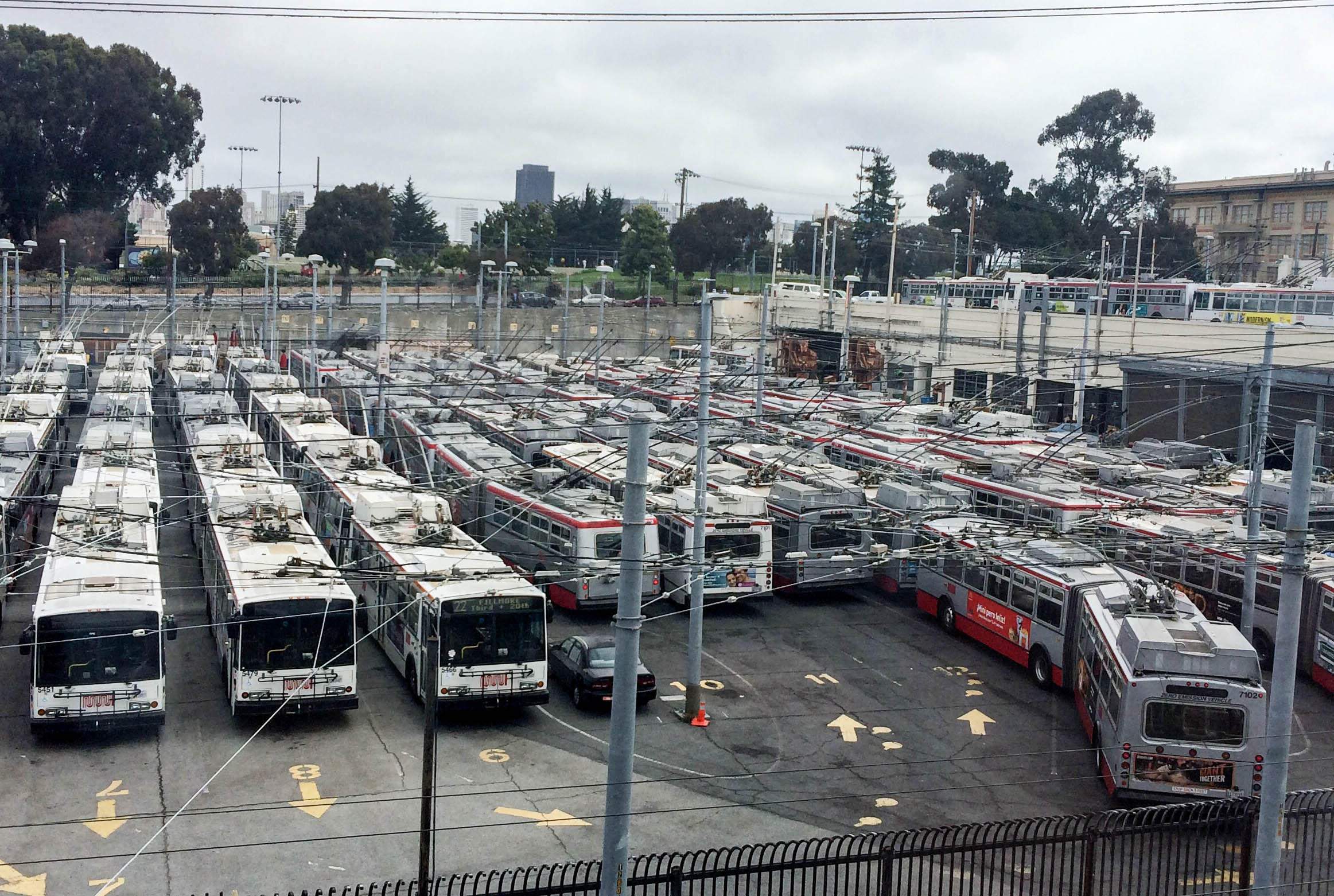
"caption": "Buses idled at Muni's Potrero Division yard during last week's driver 'sick out.' (Olivia Allen-Price)",
"description": "Buses idled at Muni's Potrero Division yard during Monday's driver 'sick out.' (Olivia Allen-Price)",
"title": "Muni-Bus Yard",
"credit": null,
"status": "inherit",
"isLoading": false,
"fetchFailed": false
},
"news_137332": {
"type": "attachments",
"id": "news_137332",
"meta": {
"index": "attachments_1716263798",
"site": "news",
"id": "137332",
"found": true
},
"parent": 137321,
"imgSizes": {
"kqedFullSize": {
"file": "https://ww2.kqed.org/app/uploads/sites/10/2014/05/angelou.png",
"width": 636,
"height": 324
}
},
"publishDate": 1401293524,
"modified": 1401293524,
"caption": "Maya Angelou in her November 2012 interview with Belva Davis on \"This Week in Northern California.\"",
"description": "Maya Angelou in her November 2012 interview with Belva Davis on \"This Week in Northern California.\"",
"title": "Maya Angelous-KQED",
"credit": null,
"status": "inherit",
"isLoading": false,
"fetchFailed": false
},
"news_136505": {
"type": "attachments",
"id": "news_136505",
"meta": {
"index": "attachments_1716263798",
"site": "news",
"id": "136505",
"found": true
},
"parent": 136495,
"imgSizes": {
"kqedFullSize": {
"file": "https://ww2.kqed.org/app/uploads/sites/10/2014/05/IMG_4969.jpg",
"width": 800,
"height": 533
}
},
"publishDate": 1400531134,
"modified": 1400531134,
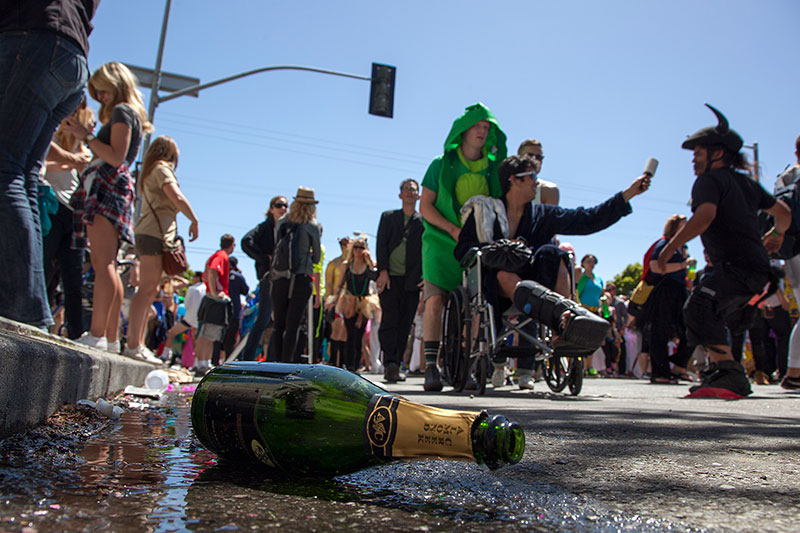
"caption": "Although police took steps to curb alcohol consumption, there was still plenty of booze to go around (Mark Andrew Boyer / KQED)",
"description": null,
"title": "Bay to Breakers",
"credit": null,
"status": "inherit",
"isLoading": false,
"fetchFailed": false
},
"news_136362": {
"type": "attachments",
"id": "news_136362",
"meta": {
"index": "attachments_1716263798",
"site": "news",
"id": "136362",
"found": true
},
"parent": 136343,
"imgSizes": {
"kqedFullSize": {
"file": "https://ww2.kqed.org/app/uploads/sites/10/2014/05/RS8141_005-lpr.jpg",
"width": 2000,
"height": 1334
}
},
"publishDate": 1400279706,
"modified": 1400279706,
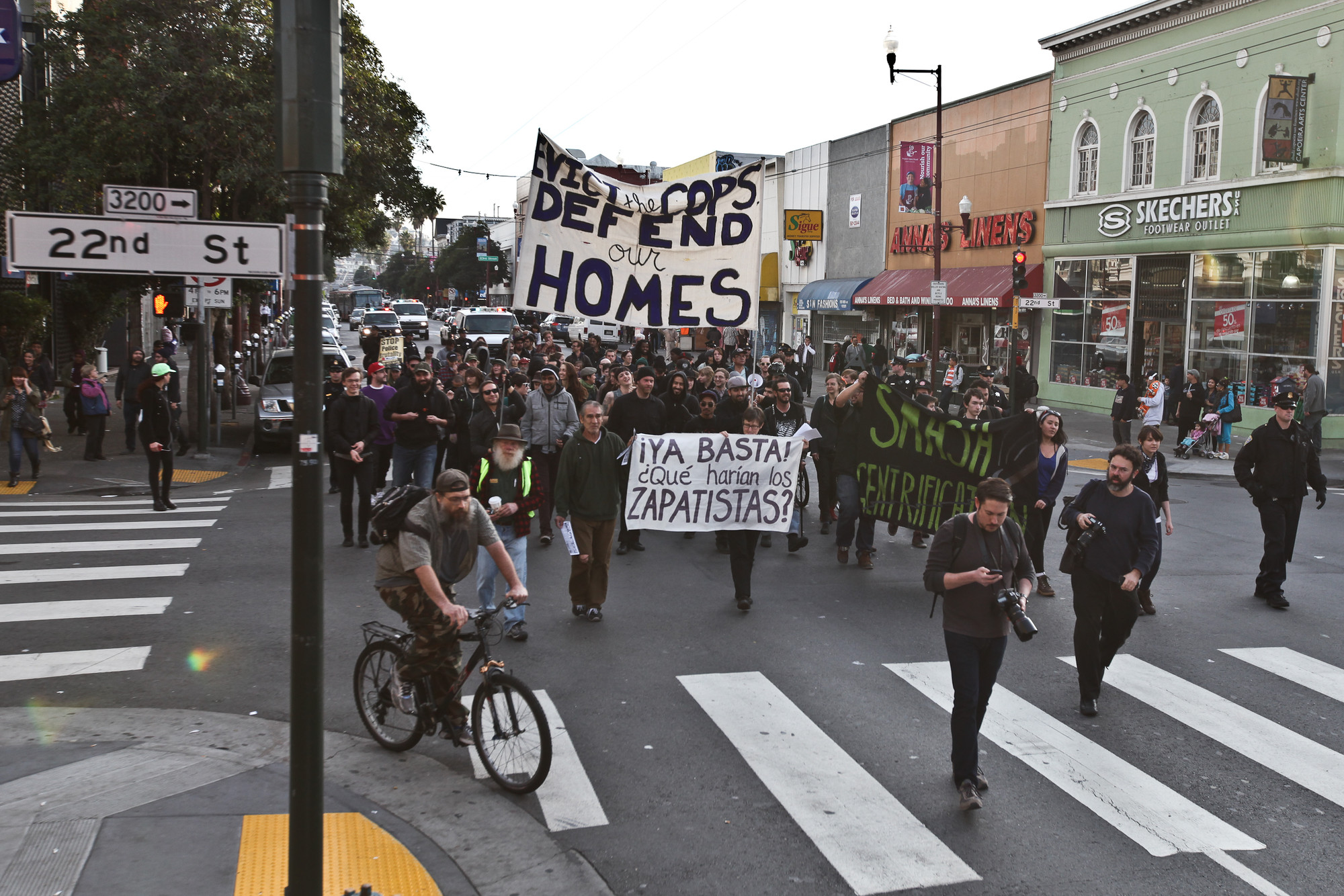
"caption": "Anti-gentrification protesters welcomed in 2014 with a march through San Francisco's Mission district. (Deborah Svoboda/KQED)",
"description": null,
"title": "RS8141_005-lpr",
"credit": null,
"status": "inherit",
"isLoading": false,
"fetchFailed": false
},
"news_136285": {
"type": "attachments",
"id": "news_136285",
"meta": {
"index": "attachments_1716263798",
"site": "news",
"id": "136285",
"found": true
},
"parent": 136281,
"imgSizes": {
"kqedFullSize": {
"file": "https://ww2.kqed.org/app/uploads/sites/10/2014/05/elmwood-prom.jpg",
"width": 1280,
"height": 900
}
},
"publishDate": 1400259456,
"modified": 1400259456,
"caption": null,
"description": null,
"title": "elmwood-prom",
"credit": null,
"status": "inherit",
"isLoading": false,
"fetchFailed": false
}
},
"audioPlayerReducer": {
"postId": "stream_live",
"isPaused": true,
"isPlaying": false,
"pfsActive": false,
"pledgeModalIsOpen": true,
"playerDrawerIsOpen": false,
"liveAudioPlayStartedAt": 0,
"liveAudioPlayContext": ""
},
"authorsReducer": {
"cmusiker": {
"type": "authors",
"id": "32",
"meta": {
"index": "authors_1716337520",
"id": "32",
"found": true
},
"name": "Cy Musiker",
"firstName": "Cy",
"lastName": "Musiker",
"slug": "cmusiker",
"email": "cmusiker@kqed.org",
"display_author_email": false,
"staff_mastheads": [],
"title": "KQED Contributor",
"bio": "Cy Musiker is a former co-host of The Do List and a former reporter covering the arts for KQED News and The California Report. He loves live performance, especially great theater, jazz, roots music, anything by Mahler. Cy has an MJ from UC Berkeley's School of Journalism, and got his BA from Hampshire College. His work has been recognized by the Society for Professional Journalists with their Sigma Delta Chi Award for Public Service in Journalism. When he can, Cy likes to swim in Tomales Bay, run with his dog in the East Bay Hills, and hike the Sierra.",
"avatar": "https://secure.gravatar.com/avatar/05eaba5c5696ce8f062e4ea2df428a43?s=600&d=blank&r=g",
"twitter": null,
"facebook": null,
"instagram": null,
"linkedin": null,
"sites": [
{
"site": "arts",
"roles": [
"Contributor",
"subscriber"
]
},
{
"site": "news",
"roles": [
"author"
]
},
{
"site": "bayareabites",
"roles": [
"contributor"
]
}
],
"headData": {
"title": "Cy Musiker | KQED",
"description": "KQED Contributor",
"ogImgSrc": "https://secure.gravatar.com/avatar/05eaba5c5696ce8f062e4ea2df428a43?s=600&d=blank&r=g",
"twImgSrc": "https://secure.gravatar.com/avatar/05eaba5c5696ce8f062e4ea2df428a43?s=600&d=blank&r=g"
},
"isLoading": false,
"link": "/author/cmusiker"
},
"danbrekke": {
"type": "authors",
"id": "222",
"meta": {
"index": "authors_1716337520",
"id": "222",
"found": true
},
"name": "Dan Brekke",
"firstName": "Dan",
"lastName": "Brekke",
"slug": "danbrekke",
"email": "dbrekke@kqed.org",
"display_author_email": true,
"staff_mastheads": [
"news",
"science"
],
"title": "KQED Editor and Reporter",
"bio": "Dan Brekke is a reporter and editor for KQED News, responsible for coverage of topics ranging from California water issues to the Bay Area's transportation challenges. In a newsroom career that began in Chicago in 1972, Dan has worked for \u003cem>The San Francisco Examiner,\u003c/em> Wired and TechTV and has been published in The New York Times, The New York Times Magazine, Business 2.0, Salon and elsewhere.\r\n\r\nSince joining KQED in 2007, Dan has reported, edited and produced both radio and online features and breaking news pieces. He has shared as both editor and reporter in four Society of Professional Journalists Norcal Excellence in Journalism awards and one Edward R. Murrow regional award. He was chosen for a spring 2017 residency at the Mesa Refuge to advance his research on California salmon.\r\n\r\nEmail Dan at: \u003ca href=\"mailto:dbrekke@kqed.org\">dbrekke@kqed.org\u003c/a>\r\n\r\n\u003cstrong>Twitter:\u003c/strong> \u003ca href=\"https://twitter.com/danbrekke\" rel=\"noopener noreferrer\">twitter.com/danbrekke\u003c/a>\r\n\u003cstrong>Facebook:\u003c/strong> \u003ca href=\"https://www.facebook.com/danbrekke\" rel=\"noopener noreferrer\">www.facebook.com/danbrekke\u003c/a>\r\n\u003cstrong>LinkedIn:\u003c/strong> \u003ca href=\"https://www.linkedin.com/in/danbrekke\" rel=\"noopener noreferrer\">www.linkedin.com/in/danbrekke\u003c/a>",
"avatar": "https://secure.gravatar.com/avatar/c8126230345efca3f7aa89b1a402be45?s=600&d=mm&r=g",
"twitter": "danbrekke",
"facebook": null,
"instagram": "https://www.instagram.com/dan.brekke/",
"linkedin": "https://www.linkedin.com/in/danbrekke/",
"sites": [
{
"site": "news",
"roles": [
"administrator",
"create_posts"
]
},
{
"site": "stateofhealth",
"roles": [
"editor"
]
},
{
"site": "science",
"roles": [
"editor"
]
},
{
"site": "quest",
"roles": [
"contributor"
]
},
{
"site": "food",
"roles": [
"contributor"
]
},
{
"site": "forum",
"roles": [
"contributor"
]
},
{
"site": "liveblog",
"roles": [
"editor"
]
}
],
"headData": {
"title": "Dan Brekke | KQED",
"description": "KQED Editor and Reporter",
"ogImgSrc": "https://secure.gravatar.com/avatar/c8126230345efca3f7aa89b1a402be45?s=600&d=mm&r=g",
"twImgSrc": "https://secure.gravatar.com/avatar/c8126230345efca3f7aa89b1a402be45?s=600&d=mm&r=g"
},
"isLoading": false,
"link": "/author/danbrekke"
},
"katrinaschwartz": {
"type": "authors",
"id": "234",
"meta": {
"index": "authors_1716337520",
"id": "234",
"found": true
},
"name": "Katrina Schwartz",
"firstName": "Katrina",
"lastName": "Schwartz",
"slug": "katrinaschwartz",
"email": "kschwartz@kqed.org",
"display_author_email": false,
"staff_mastheads": [
"news"
],
"title": "Producer",
"bio": "Katrina Schwartz is a journalist based in San Francisco. She's worked at KPCC public radio in LA and has reported on air and online for KQED since 2010. She covered how teaching and learning is changing for MindShift between 2012 and 2020. She is the co-host of the MindShift podcast and now produces KQED's Bay Curious podcast.",
"avatar": "https://secure.gravatar.com/avatar/edb4ee79070447a018538c9aae6eeecf28786515b8a0c30e43b6b7dce5aa44c8?s=600&d=blank&r=g",
"twitter": "kschwart",
"bluesky": null,
"facebook": null,
"instagram": null,
"linkedin": null,
"sites": [
{
"site": "",
"roles": [
"editor"
]
},
{
"site": "news",
"roles": [
"editor"
]
},
{
"site": "mindshift",
"roles": [
"administrator"
]
},
{
"site": "stateofhealth",
"roles": [
"author"
]
},
{
"site": "science",
"roles": [
"editor"
]
}
],
"headData": {
"title": "Katrina Schwartz | KQED",
"description": "Producer",
"ogImgSrc": "https://secure.gravatar.com/avatar/edb4ee79070447a018538c9aae6eeecf28786515b8a0c30e43b6b7dce5aa44c8?s=600&d=blank&r=g",
"twImgSrc": "https://secure.gravatar.com/avatar/edb4ee79070447a018538c9aae6eeecf28786515b8a0c30e43b6b7dce5aa44c8?s=600&d=blank&r=g"
},
"isLoading": false,
"link": "/author/katrinaschwartz"
},
"kqed": {
"type": "authors",
"id": "236",
"meta": {
"index": "authors_1716337520",
"id": "236",
"found": true
},
"name": "KQED News Staff",
"firstName": "KQED News Staff",
"lastName": null,
"slug": "kqed",
"email": "faq@kqed.org",
"display_author_email": false,
"staff_mastheads": [],
"title": null,
"bio": null,
"avatar": "https://secure.gravatar.com/avatar/ef0e801a68c4c54afa9180db14084167?s=600&d=blank&r=g",
"twitter": null,
"facebook": null,
"instagram": null,
"linkedin": null,
"sites": [
{
"site": "arts",
"roles": [
"contributor"
]
},
{
"site": "news",
"roles": [
"editor"
]
},
{
"site": "futureofyou",
"roles": [
"author"
]
}
],
"headData": {
"title": "KQED News Staff | KQED",
"description": null,
"ogImgSrc": "https://secure.gravatar.com/avatar/ef0e801a68c4c54afa9180db14084167?s=600&d=blank&r=g",
"twImgSrc": "https://secure.gravatar.com/avatar/ef0e801a68c4c54afa9180db14084167?s=600&d=blank&r=g"
},
"isLoading": false,
"link": "/author/kqed"
},
"mboyer": {
"type": "authors",
"id": "242",
"meta": {
"index": "authors_1716337520",
"id": "242",
"found": true
},
"name": "Mark Andrew Boyer",
"firstName": "Mark Andrew",
"lastName": "Boyer",
"slug": "mboyer",
"email": "mboyer@kqed.org",
"display_author_email": false,
"staff_mastheads": [],
"title": null,
"bio": null,
"avatar": "https://secure.gravatar.com/avatar/97f25e563059e57d6a08f9c09b43851a?s=600&d=blank&r=g",
"twitter": null,
"facebook": null,
"instagram": null,
"linkedin": null,
"sites": [
{
"site": "news",
"roles": [
"contributor"
]
}
],
"headData": {
"title": "Mark Andrew Boyer | KQED",
"description": null,
"ogImgSrc": "https://secure.gravatar.com/avatar/97f25e563059e57d6a08f9c09b43851a?s=600&d=blank&r=g",
"twImgSrc": "https://secure.gravatar.com/avatar/97f25e563059e57d6a08f9c09b43851a?s=600&d=blank&r=g"
},
"isLoading": false,
"link": "/author/mboyer"
},
"tgoldberg": {
"type": "authors",
"id": "258",
"meta": {
"index": "authors_1716337520",
"id": "258",
"found": true
},
"name": "Ted Goldberg",
"firstName": "Ted",
"lastName": "Goldberg",
"slug": "tgoldberg",
"email": "tgoldberg@kqed.org",
"display_author_email": true,
"staff_mastheads": [
"news"
],
"title": "KQED Managing Editor, News and Newscasts",
"bio": "Ted Goldberg is Managing Editor of News and Newscasts at KQED. His main reporting beat is the Bay Area's oil refining industry.\r\n\r\nPrior to joining KQED in 2014, Ted worked at CBS News and WCBS AM in New York and Bay City News and KCBS Radio in San Francisco. He graduated from Oberlin College in Ohio in 1998.",
"avatar": "https://secure.gravatar.com/avatar/30ce2e4fe89135e104f89be2394d16225b9d36c121b5b3cb7651ce642978b96f?s=600&d=blank&r=g",
"twitter": "TedrickG",
"bluesky": null,
"facebook": null,
"instagram": null,
"linkedin": null,
"sites": [
{
"site": "news",
"roles": [
"editor"
]
},
{
"site": "science",
"roles": [
"editor"
]
}
],
"headData": {
"title": "Ted Goldberg | KQED",
"description": "KQED Managing Editor, News and Newscasts",
"ogImgSrc": "https://secure.gravatar.com/avatar/30ce2e4fe89135e104f89be2394d16225b9d36c121b5b3cb7651ce642978b96f?s=600&d=blank&r=g",
"twImgSrc": "https://secure.gravatar.com/avatar/30ce2e4fe89135e104f89be2394d16225b9d36c121b5b3cb7651ce642978b96f?s=600&d=blank&r=g"
},
"isLoading": false,
"link": "/author/tgoldberg"
}
},
"pagesReducer": {
"news_tag_san-francisco": {
"type": "terms",
"id": "news_38",
"meta": {
"index": "terms_1716263798",
"site": "news",
"id": "38",
"score": 6.7234282
},
"featImg": null,
"name": "San Francisco",
"description": null,
"taxonomy": "tag",
"headData": {
"twImgId": null,
"twTitle": null,
"ogTitle": null,
"ogImgId": null,
"twDescription": null,
"description": null,
"title": "San Francisco Archives | KQED News",
"ogDescription": null
},
"ttid": 58,
"slug": "san-francisco",
"isLoading": false,
"title": "San Francisco",
"pageMeta": {
"site": "news",
"WpPageTemplate": "page-topic-editorial",
"currentPage": 186
},
"blocks": [
{
"blockName": "kqed/post-list",
"attrs": {
"layout": "cardArticle2",
"query": "posts/news?tag=san-francisco",
"seeMore": false,
"paginated": true,
"page": 186
}
},
{
"blockName": "kqed/ad"
}
]
}
},
"pfsSessionReducer": {},
"postsReducer": {
"stream_live": {
"type": "live",
"id": "stream_live",
"audioUrl": "https://streams.kqed.org/kqedradio",
"title": "Live Stream",
"excerpt": "Live Stream information currently unavailable.",
"link": "/radio",
"featImg": "",
"label": {
"name": "KQED Live",
"link": "/"
}
},
"stream_kqedNewscast": {
"type": "posts",
"id": "stream_kqedNewscast",
"audioUrl": "https://www.kqed.org/.stream/anon/radio/RDnews/newscast.mp3?_=1",
"title": "KQED Newscast",
"featImg": "",
"label": {
"name": "88.5 FM",
"link": "/"
}
},
"news_140940": {
"type": "posts",
"id": "news_140940",
"meta": {
"index": "posts_1716263798",
"site": "news",
"id": "140940",
"score": null,
"sort": [
1404396017000
]
},
"parent": 0,
"labelTerm": {
"site": "news",
"term": 6944
},
"blocks": [],
"publishDate": 1404396017,
"format": "aside",
"disqusTitle": "Can Berkeley and San Francisco Pass a Soda Tax in November?",
"title": "Can Berkeley and San Francisco Pass a Soda Tax in November?",
"headTitle": "California Election Watch 2014 | News Fix | KQED News",
"content": "\u003cp>\u003cstrong>By Mina Kim and Lisa Pickoff-White\u003c/strong>\u003c/p>\n\u003cfigure id=\"attachment_140976\" class=\"wp-caption aligncenter\" style=\"max-width: 640px\">\u003ca href=\"http://ww2.kqed.org/news/wp-content/uploads/sites/10/2014/07/450828518.jpg\">\u003cimg class=\"size-medium wp-image-140976\" src=\"http://ww2.kqed.org/news/wp-content/uploads/sites/10/2014/07/450828518-640x395.jpg\" alt=\"Both San Francisco and Berkeley will have soda taxes on the ballot this November. ( Frederic J. Brown/AFP/Getty Images)\" width=\"640\" height=\"395\">\u003c/a>\u003cfigcaption class=\"wp-caption-text\">Both San Francisco and Berkeley will have soda taxes on the ballot this November. ( Frederic J. Brown/AFP/Getty Images)\u003c/figcaption>\u003c/figure>\n\u003cp>Berkeley residents will have a chance to tax sugar-sweetened beverages a penny per ounce this fall. The Berkeley City Council voted unanimously on Monday to add the initiative to the November ballot. San Francisco will put a 2-cent-per-ounce tax before voters.\u003c/p>\n\u003cp>But unlike San Francisco, which designated tax revenues to nutrition programs, Berkeley will direct revenues to the general fund. Berkeley's measure would require only a simple majority to pass because it's a general tax. A special tax, like San Francisco's, requires a two-thirds majority to pass.\u003c/p>\n\u003cp>\"We wanted to be certain that our measure would pass,\" said Linda Maio, vice president of the Berkeley City Council. \"We know that even though we've done very good polling and we have good numbers on support for taxing the industry, that once the industry gets rolling and pours its millions of dollars into a campaign it will have an effect of some kind.\"\u003c/p>\n\u003caside class=\"pullquote alignleft\">UCSF study: A penny-per-ounce tax on sweetened beverages would prevent nearly 100,000 cases of heart disease, 8,000 strokes and 26,000 deaths over the next decade\u003c/aside>\n\u003cp>The city of Richmond's initiative in 2012 \u003ca href=\"http://www.kqed.org/news/story/2012/11/07/110752/richmond_soda_tax_unpalatable_to_voters?category=politics\" target=\"_blank\">went down\u003c/a> with 67 percent of voters rejecting it. Some voters specifically called out the general fund as the reason.\u003c/p>\n\u003cp>[ad fullwidth]\u003c/p>\n\u003cp>\"These lobbies are extremely powerful,\" Maio said. \"We know our residents, we know our residents are very devoted to kids, and I think that's what sets us apart.\"\u003c/p>\n\u003cp>The Community Coalition Against the Beverage Tax, funded mostly by the soda industry, spent more than \u003ca href=\"http://blogs.kqed.org/election2012/2012/10/25/locals-react-to-anti-soda-tax-campaign-in-richmond/#more-4655\" target=\"_blank\">$2 million\u003c/a> in 2012 to defeat Measure N in Richmond.\u003c/p>\n\u003cp>Maio says she feels confident that Berkeley residents will vote for the measure regardless of where the funding goes — 66 percent of residents said they would support the current measure in a poll.\u003c/p>\n\u003cp>Lawmakers have let proposals die in committee for a statewide penny-per-ounce tax and warning labels on sugary drinks.\u003c/p>\n\u003cp>Both taxes are on the distributors of sugary beverages and not on consumers. However, consumers are likely to pay the cost, said Roger Salazar with Californians for Food and Beverage Choice, an organization spearheaded by a beverage industry trade group.\u003c/p>\n\u003cp>\"We believe this is a regressive tax on grocery items like sugar-sweetened beverages and it won't make people in Berkeley any healthier,\" Salazar said.\u003c/p>\n\u003cp>A \u003ca href=\"http://www.ucsf.edu/news/2012/01/11267/how-many-lives-could-soda-tax-save\" target=\"_blank\">UCSF study\u003c/a> estimated that slapping a penny-per-ounce tax on sweetened beverages would prevent nearly 100,000 cases of heart disease, 8,000 strokes and 26,000 deaths over the next decade.\u003c/p>\n\u003cp>\"The consumption of sugar-sweetened beverages is down nationally at the same time diabetes is up and obesity is up, so we feel it is misleading to single out sugar-sweetened beverages as a unique or significant contributor to health issues,\" Salazar said.\u003c/p>\n\u003cp>\u003c/p>\n\u003cp>Residents of San Francisco and Berkeley can expect a heated campaign from both sides this fall.\u003c/p>\n\n",
"disqusIdentifier": "140940 http://ww2.kqed.org/news/?p=140940",
"disqusUrl": "https://ww2.kqed.org/news/2014/07/03/can-berkeley-and-san-francisco-pass-a-soda-tax-in-november/",
"stats": {
"hasVideo": false,
"hasChartOrMap": false,
"hasAudio": false,
"hasPolis": false,
"wordCount": 515,
"hasGoogleForm": false,
"hasGallery": false,
"hasHearkenModule": false,
"iframeSrcs": [],
"paragraphCount": 16
},
"modified": 1413325025,
"excerpt": "Berkeley's sugar tax funds would go to the general fund, and San Francisco's to health programs.",
"headData": {
"twImgId": "",
"twTitle": "",
"ogTitle": "",
"ogImgId": "",
"twDescription": "",
"description": "Berkeley's sugar tax funds would go to the general fund, and San Francisco's to health programs.",
"title": "Can Berkeley and San Francisco Pass a Soda Tax in November? | KQED",
"ogDescription": "",
"schema": {
"@context": "https://schema.org",
"@type": "NewsArticle",
"headline": "Can Berkeley and San Francisco Pass a Soda Tax in November?",
"datePublished": "2014-07-03T07:00:17-07:00",
"dateModified": "2014-10-14T15:17:05-07:00",
"image": "https://cdn.kqed.org/wp-content/uploads/2020/02/KQED-OG-Image@1x.png",
"isAccessibleForFree": "True",
"publisher": {
"@type": "NewsMediaOrganization",
"@id": "https://www.kqed.org/#organization",
"name": "KQED",
"logo": "https://cdn.kqed.org/wp-content/uploads/2020/02/KQED-OG-Image@1x.png",
"url": "https://www.kqed.org",
"sameAs": [
"https://www.facebook.com/KQED",
"https://twitter.com/KQED",
"https://www.instagram.com/kqed/",
"https://www.tiktok.com/@kqedofficial",
"https://www.linkedin.com/company/kqed",
"https://www.youtube.com/channel/UCeC0IOo7i1P_61zVUWbJ4nw"
]
}
}
},
"guestAuthors": [],
"slug": "can-berkeley-and-san-francisco-pass-a-soda-tax-in-november",
"status": "publish",
"customPermalink": "2014/07/03/berkeley-san-francisco-soda-tax/",
"path": "/news/140940/can-berkeley-and-san-francisco-pass-a-soda-tax-in-november",
"audioTrackLength": null,
"parsedContent": [
{
"type": "contentString",
"content": "\u003cdiv class=\"post-body\">\u003cp>\u003cp>\u003cstrong>By Mina Kim and Lisa Pickoff-White\u003c/strong>\u003c/p>\n\u003cfigure id=\"attachment_140976\" class=\"wp-caption aligncenter\" style=\"max-width: 640px\">\u003ca href=\"http://ww2.kqed.org/news/wp-content/uploads/sites/10/2014/07/450828518.jpg\">\u003cimg class=\"size-medium wp-image-140976\" src=\"http://ww2.kqed.org/news/wp-content/uploads/sites/10/2014/07/450828518-640x395.jpg\" alt=\"Both San Francisco and Berkeley will have soda taxes on the ballot this November. ( Frederic J. Brown/AFP/Getty Images)\" width=\"640\" height=\"395\">\u003c/a>\u003cfigcaption class=\"wp-caption-text\">Both San Francisco and Berkeley will have soda taxes on the ballot this November. ( Frederic J. Brown/AFP/Getty Images)\u003c/figcaption>\u003c/figure>\n\u003cp>Berkeley residents will have a chance to tax sugar-sweetened beverages a penny per ounce this fall. The Berkeley City Council voted unanimously on Monday to add the initiative to the November ballot. San Francisco will put a 2-cent-per-ounce tax before voters.\u003c/p>\n\u003cp>But unlike San Francisco, which designated tax revenues to nutrition programs, Berkeley will direct revenues to the general fund. Berkeley's measure would require only a simple majority to pass because it's a general tax. A special tax, like San Francisco's, requires a two-thirds majority to pass.\u003c/p>\n\u003cp>\"We wanted to be certain that our measure would pass,\" said Linda Maio, vice president of the Berkeley City Council. \"We know that even though we've done very good polling and we have good numbers on support for taxing the industry, that once the industry gets rolling and pours its millions of dollars into a campaign it will have an effect of some kind.\"\u003c/p>\n\u003caside class=\"pullquote alignleft\">UCSF study: A penny-per-ounce tax on sweetened beverages would prevent nearly 100,000 cases of heart disease, 8,000 strokes and 26,000 deaths over the next decade\u003c/aside>\n\u003cp>The city of Richmond's initiative in 2012 \u003ca href=\"http://www.kqed.org/news/story/2012/11/07/110752/richmond_soda_tax_unpalatable_to_voters?category=politics\" target=\"_blank\">went down\u003c/a> with 67 percent of voters rejecting it. Some voters specifically called out the general fund as the reason.\u003c/p>\n\u003cp>\u003c/p>\u003c/div>",
"attributes": {
"named": {},
"numeric": []
}
},
{
"type": "component",
"content": "",
"name": "ad",
"attributes": {
"named": {
"label": "fullwidth"
},
"numeric": [
"fullwidth"
]
}
},
{
"type": "contentString",
"content": "\u003cdiv class=\"post-body\">\u003cp>\u003c/p>\n\u003cp>\"These lobbies are extremely powerful,\" Maio said. \"We know our residents, we know our residents are very devoted to kids, and I think that's what sets us apart.\"\u003c/p>\n\u003cp>The Community Coalition Against the Beverage Tax, funded mostly by the soda industry, spent more than \u003ca href=\"http://blogs.kqed.org/election2012/2012/10/25/locals-react-to-anti-soda-tax-campaign-in-richmond/#more-4655\" target=\"_blank\">$2 million\u003c/a> in 2012 to defeat Measure N in Richmond.\u003c/p>\n\u003cp>Maio says she feels confident that Berkeley residents will vote for the measure regardless of where the funding goes — 66 percent of residents said they would support the current measure in a poll.\u003c/p>\n\u003cp>Lawmakers have let proposals die in committee for a statewide penny-per-ounce tax and warning labels on sugary drinks.\u003c/p>\n\u003cp>Both taxes are on the distributors of sugary beverages and not on consumers. However, consumers are likely to pay the cost, said Roger Salazar with Californians for Food and Beverage Choice, an organization spearheaded by a beverage industry trade group.\u003c/p>\n\u003cp>\"We believe this is a regressive tax on grocery items like sugar-sweetened beverages and it won't make people in Berkeley any healthier,\" Salazar said.\u003c/p>\n\u003cp>A \u003ca href=\"http://www.ucsf.edu/news/2012/01/11267/how-many-lives-could-soda-tax-save\" target=\"_blank\">UCSF study\u003c/a> estimated that slapping a penny-per-ounce tax on sweetened beverages would prevent nearly 100,000 cases of heart disease, 8,000 strokes and 26,000 deaths over the next decade.\u003c/p>\n\u003cp>\"The consumption of sugar-sweetened beverages is down nationally at the same time diabetes is up and obesity is up, so we feel it is misleading to single out sugar-sweetened beverages as a unique or significant contributor to health issues,\" Salazar said.\u003c/p>\n\u003cp>\u003c/p>\n\u003cp>Residents of San Francisco and Berkeley can expect a heated campaign from both sides this fall.\u003c/p>\n\n\u003c/div>\u003c/p>",
"attributes": {
"named": {},
"numeric": []
}
}
],
"link": "/news/140940/can-berkeley-and-san-francisco-pass-a-soda-tax-in-november",
"authors": [
"236"
],
"programs": [
"news_6944"
],
"series": [
"news_6304"
],
"categories": [
"news_8",
"news_13"
],
"tags": [
"news_129",
"news_6310",
"news_19960",
"news_38",
"news_3448",
"news_423"
],
"featImg": "news_140976",
"label": "news_6944"
},
"news_140429": {
"type": "posts",
"id": "news_140429",
"meta": {
"index": "posts_1716263798",
"site": "news",
"id": "140429",
"score": null,
"sort": [
1403906271000
]
},
"parent": 0,
"labelTerm": {
"site": "news",
"term": 6944
},
"blocks": [],
"publishDate": 1403906271,
"format": "aside",
"disqusTitle": "What's MonkeyParking Really Selling? ",
"title": "What's MonkeyParking Really Selling? ",
"headTitle": "News Fix | KQED News",
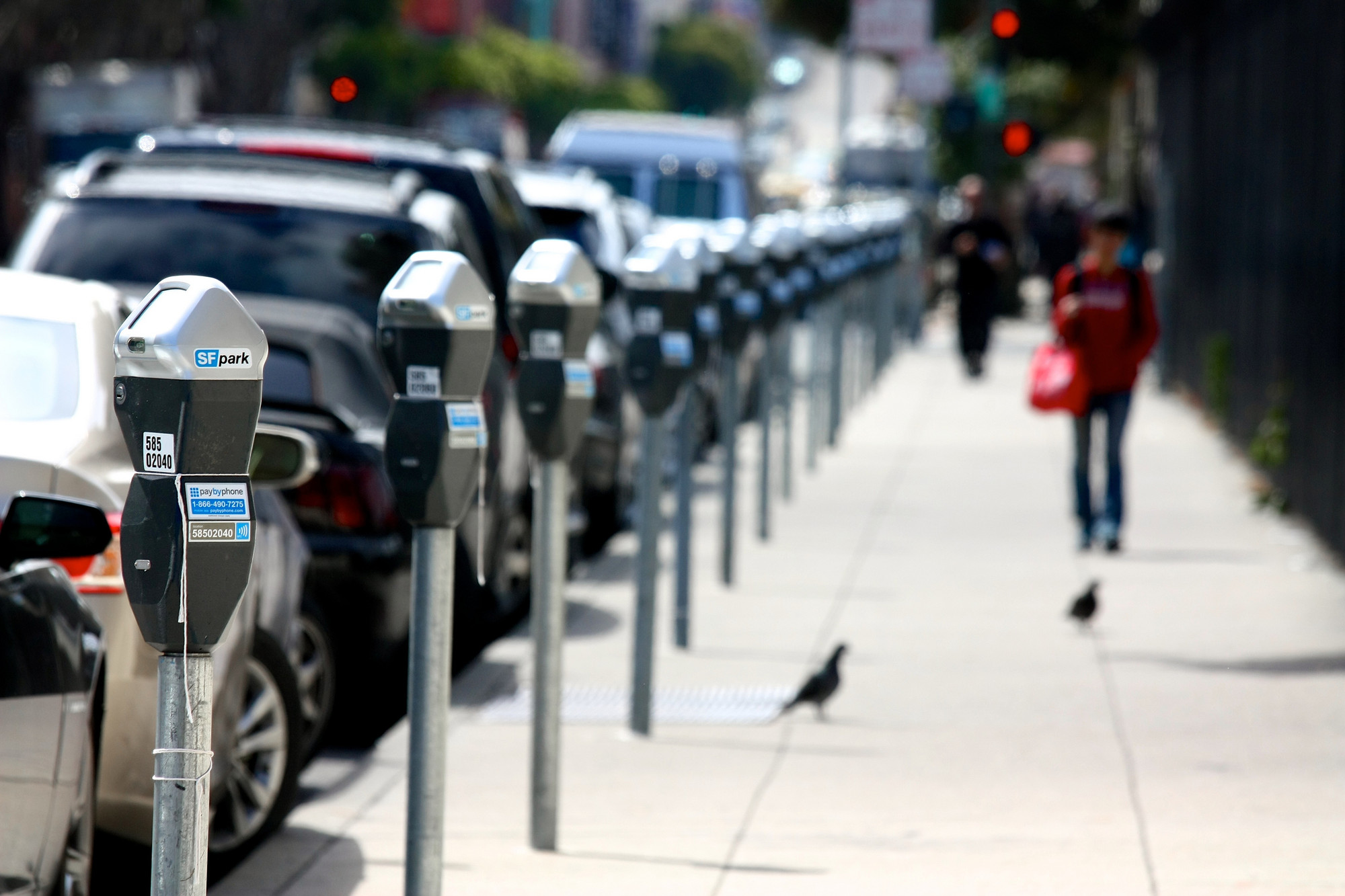
"content": "\u003cp>\u003cstrong>By Lisa Pickoff-White and Dan Brekke\u003c/strong>\u003c/p>\n\u003cfigure id=\"attachment_140445\" class=\"wp-caption aligncenter\" style=\"max-width: 640px\">\u003ca href=\"http://ww2.kqed.org/news/wp-content/uploads/sites/10/2014/06/RS4734_8018354805_34f007d510_k-lpr.jpg\">\u003cimg class=\"size-medium wp-image-140445\" src=\"http://ww2.kqed.org/news/wp-content/uploads/sites/10/2014/06/RS4734_8018354805_34f007d510_k-lpr-640x426.jpg\" alt=\"Who owns these spots? (Panchenks/Flickr)\" width=\"640\" height=\"426\">\u003c/a>\u003cfigcaption class=\"wp-caption-text\">MonkeyParking says it's not selling these parking spaces, just information about when they're available. (Panchenks/Flickr)\u003c/figcaption>\u003c/figure>\n\u003cp>\u003cem>Note: Post updated Saturday, June 28. \u003c/em>\u003c/p>\n\u003cp>No, \u003ca href=\"http://ww2.kqed.org/news/san-francisco-monkeyparking-cease-and-desist/\" target=\"_blank\">it's not a complete surprise\u003c/a> that MonkeyParking, the smartphone app that appears to facilitate buying and selling of public parking spaces, \u003ca href=\"http://blog.sfgate.com/cityinsider/2014/06/26/monkeyparking-tells-sf-its-not-going-to-kill-its-parking-app/\" target=\"_blank\">is now telling the city of San Francisco\u003c/a>, \"Whoa — that's not what we're doing at all.\"\u003c/p>\n\u003caside class=\"pullquote alignleft\">'It’s like a prostitute saying she’s not selling sex — she’s only selling information about her willingness to have sex with you.'\u003ccite>— Matt Dorsey,\u003cbr>\nCity attorney's spokesman\u003c/cite>\u003c/aside>\n\u003cp>City Attorney Dennis Herrera told the Rome-based firm the other day that the app violates an ordinance that forbids renting, leasing or selling street or sidewalk space. Herrera gave the company until July 11 to shut down. MonkeyParking has responded with \u003ca href=\"http://monkeyparkingapp.strikingly.com/\">an online declaration\u003c/a> that it's not about to cease operations.\u003c/p>\n\u003cp>\"MonkeyParking is an innovative social sharing app that lets registered users communicate with each other when a parking spot becomes available,\" the statement says. \"Users have the opportunity to be paid for the information communicated based on whether or not the communication successfully identifies a parking spot that is available. MP is not in the business of selling or auctioning parking spots.\"\u003c/p>\n\u003cp>[ad fullwidth]\u003c/p>\n\u003cp>The MonkeyParking statement also decries the way the city is trampling on fundamental freedoms:\u003c/p>\n\u003cblockquote>\u003cp>The shared economy trades on information, not on goods or services or other commodities. We are very surprised that the City of San Francisco, which prides itself of being a liberal and tolerating city, does not see that their cease and desist letter is an open violation of free speech, contrary to the First Amendment of the US Constitution (“I have the right to tell people if I am about to leave a parking spot and they have the right to pay me for such information”).\u003c/p>\u003c/blockquote>\n\u003cp>Herrera spokesman Matt Dorsey told \u003ca href=\"http://blog.sfgate.com/cityinsider/2014/06/26/monkeyparking-tells-sf-its-not-going-to-kill-its-parking-app/\" target=\"_blank\">the \u003cem>San Francisco Chronicle\u003c/em>\u003c/a> that's \"wildly inventive verbal gymnastics.\"\u003c/p>\n\u003cp>“Let’s be honest,\" Dorsey told the Chron. \"It’s like a prostitute saying she’s not selling sex — she’s only selling information about her willingness to have sex with you. It’s semantic hair-splitting, and it’s absurd.”\u003c/p>\n\u003cp>MonkeyParking's statement also appears to fly in the face of the way it has pitched its service, both on its website and in its app. Just a couple of days ago, a sample app screen on the MonkeyParking site included this dialogue: \"John will pay $10 for your current parking spot. Are you in?\"\u003c/p>\n\u003cp>That sure sounds like a parking spot, not just the information about it, is up for sale. We note that the sample screen displayed on MonkeyParking's site has changed in the last 48 hours. It now says, \"Maggie will pay $10 to find a parking spot. Can you help her?\" (And yes, that sounds like Maggie is willing to pay \u003ca href=\"http://boards.straightdope.com/sdmb/showthread.php?t=7323\" target=\"_blank\">a sawbuck\u003c/a> just to have someone tell her where she can find parking.)\u003c/p>\n\u003cfigure id=\"attachment_140491\" class=\"wp-caption alignright\" style=\"max-width: 315px\">\u003ca href=\"http://ww2.kqed.org/news/wp-content/uploads/sites/10/2014/06/monkeyparking5.png\">\u003cimg class=\"size-medium wp-image-140491\" src=\"http://ww2.kqed.org/news/wp-content/uploads/sites/10/2014/06/monkeyparking5-360x640.png\" alt=\"A screenshot of the MonkeyParking app, informing users they can make $150 a month by selling on-street parking spots. \" width=\"315\" height=\"560\">\u003c/a>\u003cfigcaption class=\"wp-caption-text\">A screenshot of the MonkeyParking app, informing users they can make $150 a month by selling on-street parking spots.\u003c/figcaption>\u003c/figure>\n\u003cp>The MonkeyParking app, as downloaded from the iTunes App Store Friday afternoon, seems more explicit about what you're buying and selling. A setup screen says, \"Make up to $150/month by selling your on-street parking spots.\"\u003c/p>\n\u003cp>Another screen in the app describes the MonkeyParking process:\u003c/p>\n\u003cul>\n\u003cli>Whenever you park your car, publish your parking spot.\u003c/li>\n\u003cli>Get notified about drivers willing to pay for it.\u003c/li>\n\u003cli>Leave your spot to a driver and get paid for the effort.\u003c/li>\n\u003c/ul>\n\u003cp>Similarly, MonkeyParking's sample screens in the App Store say the program allows you to \"broadcast your price for a parking spot,\" \"request a parking spot\" and \"let the highest bidder park at your place.\"\u003c/p>\n\u003cp>Though we don't claim to be doctors of jurisprudence or Nobel economics laureates, MonkeyParking's pitch doesn't seem real subtle: While the app furnishes information about parking, what users are paying for, and getting paid for, is concrete real estate.\u003c/p>\n\u003cp>\u003c/p>\n\u003cp>\u003cstrong>Update:\u003c/strong> Saturday morning (June 28), we got an email from MonkeyParking CEO Paolo Dobrowolny, based in Rome, responding to our questions about the wording on the MonkeyParking site and app. He says:\u003c/p>\n\u003cblockquote>\u003cp>Regarding your statements on our initial pitch, I can confirm we recently worked on the wording on our website (and on our app) to clarify what is our business model. We used a lot of very controversial and straightforward communication messages in the last months. That was a marketing strategy (and it worked!) but we are now focusing more on our value proposition.\u003c/p>\n\u003cp>The process behind the app and the mission to get rid of circling the block are still the same since the very first version of MonkeyParking.\u003c/p>\u003c/blockquote>\n\n",
"disqusIdentifier": "140429 http://ww2.kqed.org/news/?p=140429",
"disqusUrl": "https://ww2.kqed.org/news/2014/06/27/whats-monkeyparking-really-selling/",
"stats": {
"hasVideo": false,
"hasChartOrMap": false,
"hasAudio": false,
"hasPolis": false,
"wordCount": 816,
"hasGoogleForm": false,
"hasGallery": false,
"hasHearkenModule": false,
"iframeSrcs": [],
"paragraphCount": 20
},
"modified": 1403983524,
"excerpt": "Firm says app offers information, not parking spaces. But the app itself seems to say otherwise.",
"headData": {
"twImgId": "",
"twTitle": "",
"ogTitle": "",
"ogImgId": "",
"twDescription": "",
"description": "Firm says app offers information, not parking spaces. But the app itself seems to say otherwise.",
"title": "What's MonkeyParking Really Selling? | KQED",
"ogDescription": "",
"schema": {
"@context": "https://schema.org",
"@type": "NewsArticle",
"headline": "What's MonkeyParking Really Selling? ",
"datePublished": "2014-06-27T14:57:51-07:00",
"dateModified": "2014-06-28T12:25:24-07:00",
"image": "https://cdn.kqed.org/wp-content/uploads/2020/02/KQED-OG-Image@1x.png",
"isAccessibleForFree": "True",
"publisher": {
"@type": "NewsMediaOrganization",
"@id": "https://www.kqed.org/#organization",
"name": "KQED",
"logo": "https://cdn.kqed.org/wp-content/uploads/2020/02/KQED-OG-Image@1x.png",
"url": "https://www.kqed.org",
"sameAs": [
"https://www.facebook.com/KQED",
"https://twitter.com/KQED",
"https://www.instagram.com/kqed/",
"https://www.tiktok.com/@kqedofficial",
"https://www.linkedin.com/company/kqed",
"https://www.youtube.com/channel/UCeC0IOo7i1P_61zVUWbJ4nw"
]
}
}
},
"guestAuthors": [],
"slug": "whats-monkeyparking-really-selling",
"status": "publish",
"customPermalink": "2014/06/27/monkeyparking-san-francisco-cease-and-desist/",
"path": "/news/140429/whats-monkeyparking-really-selling",
"audioTrackLength": null,
"parsedContent": [
{
"type": "contentString",
"content": "\u003cdiv class=\"post-body\">\u003cp>\u003cp>\u003cstrong>By Lisa Pickoff-White and Dan Brekke\u003c/strong>\u003c/p>\n\u003cfigure id=\"attachment_140445\" class=\"wp-caption aligncenter\" style=\"max-width: 640px\">\u003ca href=\"http://ww2.kqed.org/news/wp-content/uploads/sites/10/2014/06/RS4734_8018354805_34f007d510_k-lpr.jpg\">\u003cimg class=\"size-medium wp-image-140445\" src=\"http://ww2.kqed.org/news/wp-content/uploads/sites/10/2014/06/RS4734_8018354805_34f007d510_k-lpr-640x426.jpg\" alt=\"Who owns these spots? (Panchenks/Flickr)\" width=\"640\" height=\"426\">\u003c/a>\u003cfigcaption class=\"wp-caption-text\">MonkeyParking says it's not selling these parking spaces, just information about when they're available. (Panchenks/Flickr)\u003c/figcaption>\u003c/figure>\n\u003cp>\u003cem>Note: Post updated Saturday, June 28. \u003c/em>\u003c/p>\n\u003cp>No, \u003ca href=\"http://ww2.kqed.org/news/san-francisco-monkeyparking-cease-and-desist/\" target=\"_blank\">it's not a complete surprise\u003c/a> that MonkeyParking, the smartphone app that appears to facilitate buying and selling of public parking spaces, \u003ca href=\"http://blog.sfgate.com/cityinsider/2014/06/26/monkeyparking-tells-sf-its-not-going-to-kill-its-parking-app/\" target=\"_blank\">is now telling the city of San Francisco\u003c/a>, \"Whoa — that's not what we're doing at all.\"\u003c/p>\n\u003caside class=\"pullquote alignleft\">'It’s like a prostitute saying she’s not selling sex — she’s only selling information about her willingness to have sex with you.'\u003ccite>— Matt Dorsey,\u003cbr>\nCity attorney's spokesman\u003c/cite>\u003c/aside>\n\u003cp>City Attorney Dennis Herrera told the Rome-based firm the other day that the app violates an ordinance that forbids renting, leasing or selling street or sidewalk space. Herrera gave the company until July 11 to shut down. MonkeyParking has responded with \u003ca href=\"http://monkeyparkingapp.strikingly.com/\">an online declaration\u003c/a> that it's not about to cease operations.\u003c/p>\n\u003cp>\"MonkeyParking is an innovative social sharing app that lets registered users communicate with each other when a parking spot becomes available,\" the statement says. \"Users have the opportunity to be paid for the information communicated based on whether or not the communication successfully identifies a parking spot that is available. MP is not in the business of selling or auctioning parking spots.\"\u003c/p>\n\u003cp>\u003c/p>\u003c/div>",
"attributes": {
"named": {},
"numeric": []
}
},
{
"type": "component",
"content": "",
"name": "ad",
"attributes": {
"named": {
"label": "fullwidth"
},
"numeric": [
"fullwidth"
]
}
},
{
"type": "contentString",
"content": "\u003cdiv class=\"post-body\">\u003cp>\u003c/p>\n\u003cp>The MonkeyParking statement also decries the way the city is trampling on fundamental freedoms:\u003c/p>\n\u003cblockquote>\u003cp>The shared economy trades on information, not on goods or services or other commodities. We are very surprised that the City of San Francisco, which prides itself of being a liberal and tolerating city, does not see that their cease and desist letter is an open violation of free speech, contrary to the First Amendment of the US Constitution (“I have the right to tell people if I am about to leave a parking spot and they have the right to pay me for such information”).\u003c/p>\u003c/blockquote>\n\u003cp>Herrera spokesman Matt Dorsey told \u003ca href=\"http://blog.sfgate.com/cityinsider/2014/06/26/monkeyparking-tells-sf-its-not-going-to-kill-its-parking-app/\" target=\"_blank\">the \u003cem>San Francisco Chronicle\u003c/em>\u003c/a> that's \"wildly inventive verbal gymnastics.\"\u003c/p>\n\u003cp>“Let’s be honest,\" Dorsey told the Chron. \"It’s like a prostitute saying she’s not selling sex — she’s only selling information about her willingness to have sex with you. It’s semantic hair-splitting, and it’s absurd.”\u003c/p>\n\u003cp>MonkeyParking's statement also appears to fly in the face of the way it has pitched its service, both on its website and in its app. Just a couple of days ago, a sample app screen on the MonkeyParking site included this dialogue: \"John will pay $10 for your current parking spot. Are you in?\"\u003c/p>\n\u003cp>That sure sounds like a parking spot, not just the information about it, is up for sale. We note that the sample screen displayed on MonkeyParking's site has changed in the last 48 hours. It now says, \"Maggie will pay $10 to find a parking spot. Can you help her?\" (And yes, that sounds like Maggie is willing to pay \u003ca href=\"http://boards.straightdope.com/sdmb/showthread.php?t=7323\" target=\"_blank\">a sawbuck\u003c/a> just to have someone tell her where she can find parking.)\u003c/p>\n\u003cfigure id=\"attachment_140491\" class=\"wp-caption alignright\" style=\"max-width: 315px\">\u003ca href=\"http://ww2.kqed.org/news/wp-content/uploads/sites/10/2014/06/monkeyparking5.png\">\u003cimg class=\"size-medium wp-image-140491\" src=\"http://ww2.kqed.org/news/wp-content/uploads/sites/10/2014/06/monkeyparking5-360x640.png\" alt=\"A screenshot of the MonkeyParking app, informing users they can make $150 a month by selling on-street parking spots. \" width=\"315\" height=\"560\">\u003c/a>\u003cfigcaption class=\"wp-caption-text\">A screenshot of the MonkeyParking app, informing users they can make $150 a month by selling on-street parking spots.\u003c/figcaption>\u003c/figure>\n\u003cp>The MonkeyParking app, as downloaded from the iTunes App Store Friday afternoon, seems more explicit about what you're buying and selling. A setup screen says, \"Make up to $150/month by selling your on-street parking spots.\"\u003c/p>\n\u003cp>Another screen in the app describes the MonkeyParking process:\u003c/p>\n\u003cul>\n\u003cli>Whenever you park your car, publish your parking spot.\u003c/li>\n\u003cli>Get notified about drivers willing to pay for it.\u003c/li>\n\u003cli>Leave your spot to a driver and get paid for the effort.\u003c/li>\n\u003c/ul>\n\u003cp>Similarly, MonkeyParking's sample screens in the App Store say the program allows you to \"broadcast your price for a parking spot,\" \"request a parking spot\" and \"let the highest bidder park at your place.\"\u003c/p>\n\u003cp>Though we don't claim to be doctors of jurisprudence or Nobel economics laureates, MonkeyParking's pitch doesn't seem real subtle: While the app furnishes information about parking, what users are paying for, and getting paid for, is concrete real estate.\u003c/p>\n\u003cp>\u003c/p>\n\u003cp>\u003cstrong>Update:\u003c/strong> Saturday morning (June 28), we got an email from MonkeyParking CEO Paolo Dobrowolny, based in Rome, responding to our questions about the wording on the MonkeyParking site and app. He says:\u003c/p>\n\u003cblockquote>\u003cp>Regarding your statements on our initial pitch, I can confirm we recently worked on the wording on our website (and on our app) to clarify what is our business model. We used a lot of very controversial and straightforward communication messages in the last months. That was a marketing strategy (and it worked!) but we are now focusing more on our value proposition.\u003c/p>\n\u003cp>The process behind the app and the mission to get rid of circling the block are still the same since the very first version of MonkeyParking.\u003c/p>\u003c/blockquote>\n\n\u003c/div>\u003c/p>",
"attributes": {
"named": {},
"numeric": []
}
}
],
"link": "/news/140429/whats-monkeyparking-really-selling",
"authors": [
"236"
],
"programs": [
"news_6944"
],
"categories": [
"news_248",
"news_1397"
],
"tags": [
"news_1692",
"news_6553",
"news_6536",
"news_38"
],
"featImg": "news_140445",
"label": "news_6944"
},
"news_140333": {
"type": "posts",
"id": "news_140333",
"meta": {
"index": "posts_1716263798",
"site": "news",
"id": "140333",
"score": null,
"sort": [
1403877634000
]
},
"parent": 0,
"labelTerm": {
"site": "news",
"term": 6944
},
"blocks": [],
"publishDate": 1403877634,
"format": "aside",
"disqusTitle": "A Visual Celebration in San Francisco's Changing Mid-Market Neighborhood",
"title": "A Visual Celebration in San Francisco's Changing Mid-Market Neighborhood",
"headTitle": "News Fix | KQED News",
"content": "\u003cfigure id=\"attachment_140349\" class=\"wp-caption alignright\" style=\"max-width: 640px\">\u003ca href=\"http://ww2.kqed.org/news/wp-content/uploads/sites/10/2014/06/RS11076_photo-lpr.jpg\">\u003cimg class=\"size-medium wp-image-140349\" src=\"http://ww2.kqed.org/news/wp-content/uploads/sites/10/2014/06/RS11076_photo-lpr-640x480.jpg\" alt=\"The 'Let There Be' art installation, near 6th and Market streets in San Francisco. (Cy Musiker/KQED)\" width=\"640\" height=\"480\">\u003c/a>\u003cfigcaption class=\"wp-caption-text\">The \"Let There Be\" art installation, near Sixth and Market streets in San Francisco. (Cy Musiker/KQED)\u003c/figcaption>\u003c/figure>\n\u003cp>A new public art piece debuted Thursday evening on San Francisco’s Market Street. It's called \"Let There Be\" and, for the moment at least, it features a series of photographs by Bay Area artists projected onto the east wall of the \u003ca href=\"http://www.zendesk.com/\" target=\"_blank\">recently renovated home of Zendesk\u003c/a>.\u003c/p>\n\u003cp>Ben Davis runs \u003ca href=\"http://illuminatethearts.org/\" target=\"_blank\">Illuminate the Arts\u003c/a>, the nonprofit that raised funds for \"\u003ca href=\"http://illuminatethearts.org/our-projects/the-bay-lights/\" target=\"_blank\">The Bay Lights\u003c/a>,\" the Leo Villareal light sculpture on the western span of the Bay Bridge. He says he designed this new piece as a way to celebrate the neighborhood's past, present and hoped-for future.\u003c/p>\n\u003cp>“I think it’s about letting the innate energy of Market Street reveal itself,” Davis said, “If you look at the rich history of the street, it has always performed a really important cultural and creative role in our community.”\u003c/p>\n\u003cp>I talked to Davis Wednesday night as we watched a test run of \"Let There Be\" from the offices of music-streaming service Spotify, just across Market Street.\u003c/p>\n\u003cp>Zendesk and Spotify, along with Twitter's headquarters just up the street and a host of major new residential developments, are transforming a neighborhood that's been an affordable haven for artists.\u003c/p>\n\u003cp>[ad fullwidth]\u003c/p>\n\u003cp>“It's important to find a way to unleash that creativity, and put a marker down again.” Davis said. “At the same time respecting absolutely everyone who's here. This is not about asking anyone to leave. This is about encouraging more people to come.”\u003c/p>\n\u003cp>\u003c/p>\n\u003cp>Davis and his team raised $60,000 for \"Let There Be\" from what Davis calls anonymous donors. He says the project will open with contemporary and historical images of Market Street taken or collected by local photographer Mark Ellinger . They’ll be interspersed with images or videos by artists showing their work at neighborhood galleries, including SF Camerawork, the Luggage Gallery and the Yerba Buena Center For the Arts.\u003c/p>\n\n",
"disqusIdentifier": "140333 http://ww2.kqed.org/news/?p=140333",
"disqusUrl": "https://ww2.kqed.org/news/2014/06/27/a-visual-celebration-of-san-franciscos-changing-mid-market-neighborhood/",
"stats": {
"hasVideo": false,
"hasChartOrMap": false,
"hasAudio": false,
"hasPolis": false,
"wordCount": 341,
"hasGoogleForm": false,
"hasGallery": false,
"hasHearkenModule": false,
"iframeSrcs": [],
"paragraphCount": 9
},
"modified": 1414788888,
"excerpt": "New installation highlights the past and looks to the future of a rapidly evolving part of the city.",
"headData": {
"twImgId": "",
"twTitle": "",
"ogTitle": "",
"ogImgId": "",
"twDescription": "",
"description": "New installation highlights the past and looks to the future of a rapidly evolving part of the city.",
"title": "A Visual Celebration in San Francisco's Changing Mid-Market Neighborhood | KQED",
"ogDescription": "",
"schema": {
"@context": "https://schema.org",
"@type": "NewsArticle",
"headline": "A Visual Celebration in San Francisco's Changing Mid-Market Neighborhood",
"datePublished": "2014-06-27T07:00:34-07:00",
"dateModified": "2014-10-31T13:54:48-07:00",
"image": "https://cdn.kqed.org/wp-content/uploads/2020/02/KQED-OG-Image@1x.png",
"isAccessibleForFree": "True",
"publisher": {
"@type": "NewsMediaOrganization",
"@id": "https://www.kqed.org/#organization",
"name": "KQED",
"logo": "https://cdn.kqed.org/wp-content/uploads/2020/02/KQED-OG-Image@1x.png",
"url": "https://www.kqed.org",
"sameAs": [
"https://www.facebook.com/KQED",
"https://twitter.com/KQED",
"https://www.instagram.com/kqed/",
"https://www.tiktok.com/@kqedofficial",
"https://www.linkedin.com/company/kqed",
"https://www.youtube.com/channel/UCeC0IOo7i1P_61zVUWbJ4nw"
]
}
}
},
"guestAuthors": [],
"slug": "a-visual-celebration-of-san-franciscos-changing-mid-market-neighborhood",
"status": "publish",
"customPermalink": "let-there-be-illuminate-the-arts-mid-market/",
"path": "/news/140333/a-visual-celebration-of-san-franciscos-changing-mid-market-neighborhood",
"audioTrackLength": null,
"parsedContent": [
{
"type": "contentString",
"content": "\u003cdiv class=\"post-body\">\u003cp>\u003cfigure id=\"attachment_140349\" class=\"wp-caption alignright\" style=\"max-width: 640px\">\u003ca href=\"http://ww2.kqed.org/news/wp-content/uploads/sites/10/2014/06/RS11076_photo-lpr.jpg\">\u003cimg class=\"size-medium wp-image-140349\" src=\"http://ww2.kqed.org/news/wp-content/uploads/sites/10/2014/06/RS11076_photo-lpr-640x480.jpg\" alt=\"The 'Let There Be' art installation, near 6th and Market streets in San Francisco. (Cy Musiker/KQED)\" width=\"640\" height=\"480\">\u003c/a>\u003cfigcaption class=\"wp-caption-text\">The \"Let There Be\" art installation, near Sixth and Market streets in San Francisco. (Cy Musiker/KQED)\u003c/figcaption>\u003c/figure>\n\u003cp>A new public art piece debuted Thursday evening on San Francisco’s Market Street. It's called \"Let There Be\" and, for the moment at least, it features a series of photographs by Bay Area artists projected onto the east wall of the \u003ca href=\"http://www.zendesk.com/\" target=\"_blank\">recently renovated home of Zendesk\u003c/a>.\u003c/p>\n\u003cp>Ben Davis runs \u003ca href=\"http://illuminatethearts.org/\" target=\"_blank\">Illuminate the Arts\u003c/a>, the nonprofit that raised funds for \"\u003ca href=\"http://illuminatethearts.org/our-projects/the-bay-lights/\" target=\"_blank\">The Bay Lights\u003c/a>,\" the Leo Villareal light sculpture on the western span of the Bay Bridge. He says he designed this new piece as a way to celebrate the neighborhood's past, present and hoped-for future.\u003c/p>\n\u003cp>“I think it’s about letting the innate energy of Market Street reveal itself,” Davis said, “If you look at the rich history of the street, it has always performed a really important cultural and creative role in our community.”\u003c/p>\n\u003cp>I talked to Davis Wednesday night as we watched a test run of \"Let There Be\" from the offices of music-streaming service Spotify, just across Market Street.\u003c/p>\n\u003cp>Zendesk and Spotify, along with Twitter's headquarters just up the street and a host of major new residential developments, are transforming a neighborhood that's been an affordable haven for artists.\u003c/p>\n\u003cp>\u003c/p>\u003c/div>",
"attributes": {
"named": {},
"numeric": []
}
},
{
"type": "component",
"content": "",
"name": "ad",
"attributes": {
"named": {
"label": "fullwidth"
},
"numeric": [
"fullwidth"
]
}
},
{
"type": "contentString",
"content": "\u003cdiv class=\"post-body\">\u003cp>\u003c/p>\n\u003cp>“It's important to find a way to unleash that creativity, and put a marker down again.” Davis said. “At the same time respecting absolutely everyone who's here. This is not about asking anyone to leave. This is about encouraging more people to come.”\u003c/p>\n\u003cp>\u003c/p>\n\u003cp>Davis and his team raised $60,000 for \"Let There Be\" from what Davis calls anonymous donors. He says the project will open with contemporary and historical images of Market Street taken or collected by local photographer Mark Ellinger . They’ll be interspersed with images or videos by artists showing their work at neighborhood galleries, including SF Camerawork, the Luggage Gallery and the Yerba Buena Center For the Arts.\u003c/p>\n\n\u003c/div>\u003c/p>",
"attributes": {
"named": {},
"numeric": []
}
}
],
"link": "/news/140333/a-visual-celebration-of-san-franciscos-changing-mid-market-neighborhood",
"authors": [
"32"
],
"programs": [
"news_6944"
],
"categories": [
"news_223"
],
"tags": [
"news_38"
],
"featImg": "news_140349",
"label": "news_6944"
},
"news_140286": {
"type": "posts",
"id": "news_140286",
"meta": {
"index": "posts_1716263798",
"site": "news",
"id": "140286",
"score": null,
"sort": [
1403814924000
]
},
"parent": 0,
"labelTerm": {
"site": "news",
"term": 6944
},
"blocks": [],
"publishDate": 1403814924,
"format": "aside",
"disqusTitle": "San Francisco Civic Center Turns Into World Cup Central",
"title": "San Francisco Civic Center Turns Into World Cup Central",
"headTitle": "News Fix | KQED News",
"content": "\u003cfigure id=\"attachment_140296\" class=\"wp-caption alignnone\" style=\"max-width: 640px\">\u003ca href=\"http://ww2.kqed.org/news/wp-content/uploads/sites/10/2014/06/world-cup-1.jpg\">\u003cimg class=\"size-medium wp-image-140296\" src=\"http://ww2.kqed.org/news/wp-content/uploads/sites/10/2014/06/world-cup-1-640x426.jpg\" alt=\"World Cup at Civic Center Plaza\" width=\"640\" height=\"426\">\u003c/a>\u003cfigcaption class=\"wp-caption-text\">Despite losing 1-0 to Germany, U.S. fans celebrated at Civic Center Plaza. (Mark Andrew Boyer/KQED) \u003ccite>(Mark Andrew Boyer/KQED)\u003c/cite>\u003c/figcaption>\u003c/figure>\n\u003cp>Bay Area soccer fans played hooky from work for a couple hours Thursday morning so they could be in San Francisco's Civic Center to watch a big-screen broadcast of the U.S. men's soccer match against Germany. Despite losing 1-0, the USA will advance to the round of 16, thanks to Portugal's 2-1 victory over Ghana.\u003c/p>\n\u003cp>Thursday's crowd was smaller than the one that showed up on Sunday afternoon to watch the American men take on Portugal. The San Francisco Recreation and Park Department estimated that 5,000 to 7,000 people watched that game on the big screen. Still, the mood was lively, and the crowd let out a roar of approval when news broke that Cristiano Ronaldo had scored Portugal's second goal, punching the U.S. team's ticket to the knockout round.\u003c/p>\n\u003cfigure id=\"attachment_140297\" class=\"wp-caption alignnone\" style=\"max-width: 640px\">\u003ca href=\"http://ww2.kqed.org/news/wp-content/uploads/sites/10/2014/06/world-cup-2.jpg\">\u003cimg class=\"size-medium wp-image-140297\" src=\"http://ww2.kqed.org/news/wp-content/uploads/sites/10/2014/06/world-cup-2-640x426.jpg\" alt=\"World Cup at Civic Center Plaza\" width=\"640\" height=\"426\">\u003c/a>\u003cfigcaption class=\"wp-caption-text\">German fans watch Thursday's World Cup match at Civic Center Plaza. (Mark Andrew Boyer/KQED)\u003c/figcaption>\u003c/figure>\n\u003cp>The vast majority of the crowd was cheering on the American side, but supporters of the German team also turned out in large numbers. Matthias Kellersohn and Sascha Gissler were visiting San Francisco from Germany for a business trip, and they caught the game before heading to the airport to fly home. Both were pleased with the game's outcome, but said they were still disappointed in the German team's performance and the overall quality of play.\u003c/p>\n\u003cp>\"America is through, we're through -- that's great. But they played really bad,\" said Gissler.\u003c/p>\n\u003cfigure id=\"attachment_140301\" class=\"wp-caption alignnone\" style=\"max-width: 640px\">\u003ca href=\"http://ww2.kqed.org/news/wp-content/uploads/sites/10/2014/06/world-cup-3.jpg\">\u003cimg class=\"size-medium wp-image-140301\" src=\"http://ww2.kqed.org/news/wp-content/uploads/sites/10/2014/06/world-cup-3-640x426.jpg\" alt=\"World Cup at Civic Center Plaza\" width=\"640\" height=\"426\">\u003c/a>\u003cfigcaption class=\"wp-caption-text\">U.S. fans react to a missed scoring opportunity near the end of the game. (Mark Andrew Boyer/KQED)\u003c/figcaption>\u003c/figure>\n\u003cp>Nancy Lindeman traveled from San Carlos to join the Civic Center viewing party, the second World Cup game she's seen on the big screen. \"I came up on BART. Everyone else was going to work, and here I was, coming up here.\"\u003c/p>\n\u003cp>[ad fullwidth]\u003c/p>\n\u003cp>It's very likely that the Americans will play Belgium in the next round, and Lindeman is optimistic about the U.S. chances. \"It's hard to say, but anything could happen.\"\u003c/p>\n\u003cfigure id=\"attachment_140304\" class=\"wp-caption alignnone\" style=\"max-width: 640px\">\u003ca href=\"http://ww2.kqed.org/news/wp-content/uploads/sites/10/2014/06/world-cup-4.jpg\">\u003cimg class=\"size-medium wp-image-140304\" src=\"http://ww2.kqed.org/news/wp-content/uploads/sites/10/2014/06/world-cup-4-640x426.jpg\" alt=\"World Cup at Civic Center Plaza\" width=\"640\" height=\"426\">\u003c/a>\u003cfigcaption class=\"wp-caption-text\">Heavy fog burned off midway through the first half. (Mark Andrew Boyer/KQED)\u003c/figcaption>\u003c/figure>\n\u003cp>Mike Dela Cruz said he's psyched to see the U.S. team advance.\u003c/p>\n\u003cp>\"When the draw came out in December, I was thinking, 'That's it, I don't think we're going to make it.' But as long as we're alive, there's hope.\"\u003c/p>\n\u003cp>\u003c/p>\n\u003cp>The \u003ca href=\"http://www.worldcupsf.com/\" target=\"_blank\">San Francisco Recreation and Park Department is planning\u003c/a> to screen the semifinals and finals next month.\u003c/p>\n\u003cfigure id=\"attachment_140305\" class=\"wp-caption alignnone\" style=\"max-width: 640px\">\u003ca href=\"http://ww2.kqed.org/news/wp-content/uploads/sites/10/2014/06/world-cup-5.jpg\">\u003cimg class=\"size-medium wp-image-140305\" src=\"http://ww2.kqed.org/news/wp-content/uploads/sites/10/2014/06/world-cup-5-640x426.jpg\" alt=\"World Cup at Civic Center Plaza\" width=\"640\" height=\"426\">\u003c/a>\u003cfigcaption class=\"wp-caption-text\">World Cup fans watch USA versus Germany at Civic Center Plaza. (Mark Andrew Boyer / KQED)\u003c/figcaption>\u003c/figure>\n\n",
"disqusIdentifier": "140286 http://ww2.kqed.org/news/?p=140286",
"disqusUrl": "https://ww2.kqed.org/news/2014/06/26/san-francisco-civic-center-turns-into-world-cup-central/",
"stats": {
"hasVideo": false,
"hasChartOrMap": false,
"hasAudio": false,
"hasPolis": false,
"wordCount": 464,
"hasGoogleForm": false,
"hasGallery": false,
"hasHearkenModule": false,
"iframeSrcs": [],
"paragraphCount": 11
},
"modified": 1403818243,
"excerpt": "Soccer fans play hooky for a chance to watch the U.S take on Germany — and advance, despite losing 1-0.\r\n",
"headData": {
"twImgId": "",
"twTitle": "",
"ogTitle": "",
"ogImgId": "",
"twDescription": "",
"description": "Soccer fans play hooky for a chance to watch the U.S take on Germany — and advance, despite losing 1-0.\r\n",
"title": "San Francisco Civic Center Turns Into World Cup Central | KQED",
"ogDescription": "",
"schema": {
"@context": "https://schema.org",
"@type": "NewsArticle",
"headline": "San Francisco Civic Center Turns Into World Cup Central",
"datePublished": "2014-06-26T13:35:24-07:00",
"dateModified": "2014-06-26T14:30:43-07:00",
"image": "https://cdn.kqed.org/wp-content/uploads/2020/02/KQED-OG-Image@1x.png",
"isAccessibleForFree": "True",
"publisher": {
"@type": "NewsMediaOrganization",
"@id": "https://www.kqed.org/#organization",
"name": "KQED",
"logo": "https://cdn.kqed.org/wp-content/uploads/2020/02/KQED-OG-Image@1x.png",
"url": "https://www.kqed.org",
"sameAs": [
"https://www.facebook.com/KQED",
"https://twitter.com/KQED",
"https://www.instagram.com/kqed/",
"https://www.tiktok.com/@kqedofficial",
"https://www.linkedin.com/company/kqed",
"https://www.youtube.com/channel/UCeC0IOo7i1P_61zVUWbJ4nw"
]
}
}
},
"guestAuthors": [],
"slug": "san-francisco-civic-center-turns-into-world-cup-central",
"status": "publish",
"customPermalink": "2014/06/26/world-cup-usa-germany-san-francisco-civic-center/",
"path": "/news/140286/san-francisco-civic-center-turns-into-world-cup-central",
"audioTrackLength": null,
"parsedContent": [
{
"type": "contentString",
"content": "\u003cdiv class=\"post-body\">\u003cp>\u003cfigure id=\"attachment_140296\" class=\"wp-caption alignnone\" style=\"max-width: 640px\">\u003ca href=\"http://ww2.kqed.org/news/wp-content/uploads/sites/10/2014/06/world-cup-1.jpg\">\u003cimg class=\"size-medium wp-image-140296\" src=\"http://ww2.kqed.org/news/wp-content/uploads/sites/10/2014/06/world-cup-1-640x426.jpg\" alt=\"World Cup at Civic Center Plaza\" width=\"640\" height=\"426\">\u003c/a>\u003cfigcaption class=\"wp-caption-text\">Despite losing 1-0 to Germany, U.S. fans celebrated at Civic Center Plaza. (Mark Andrew Boyer/KQED) \u003ccite>(Mark Andrew Boyer/KQED)\u003c/cite>\u003c/figcaption>\u003c/figure>\n\u003cp>Bay Area soccer fans played hooky from work for a couple hours Thursday morning so they could be in San Francisco's Civic Center to watch a big-screen broadcast of the U.S. men's soccer match against Germany. Despite losing 1-0, the USA will advance to the round of 16, thanks to Portugal's 2-1 victory over Ghana.\u003c/p>\n\u003cp>Thursday's crowd was smaller than the one that showed up on Sunday afternoon to watch the American men take on Portugal. The San Francisco Recreation and Park Department estimated that 5,000 to 7,000 people watched that game on the big screen. Still, the mood was lively, and the crowd let out a roar of approval when news broke that Cristiano Ronaldo had scored Portugal's second goal, punching the U.S. team's ticket to the knockout round.\u003c/p>\n\u003cfigure id=\"attachment_140297\" class=\"wp-caption alignnone\" style=\"max-width: 640px\">\u003ca href=\"http://ww2.kqed.org/news/wp-content/uploads/sites/10/2014/06/world-cup-2.jpg\">\u003cimg class=\"size-medium wp-image-140297\" src=\"http://ww2.kqed.org/news/wp-content/uploads/sites/10/2014/06/world-cup-2-640x426.jpg\" alt=\"World Cup at Civic Center Plaza\" width=\"640\" height=\"426\">\u003c/a>\u003cfigcaption class=\"wp-caption-text\">German fans watch Thursday's World Cup match at Civic Center Plaza. (Mark Andrew Boyer/KQED)\u003c/figcaption>\u003c/figure>\n\u003cp>The vast majority of the crowd was cheering on the American side, but supporters of the German team also turned out in large numbers. Matthias Kellersohn and Sascha Gissler were visiting San Francisco from Germany for a business trip, and they caught the game before heading to the airport to fly home. Both were pleased with the game's outcome, but said they were still disappointed in the German team's performance and the overall quality of play.\u003c/p>\n\u003cp>\"America is through, we're through -- that's great. But they played really bad,\" said Gissler.\u003c/p>\n\u003cfigure id=\"attachment_140301\" class=\"wp-caption alignnone\" style=\"max-width: 640px\">\u003ca href=\"http://ww2.kqed.org/news/wp-content/uploads/sites/10/2014/06/world-cup-3.jpg\">\u003cimg class=\"size-medium wp-image-140301\" src=\"http://ww2.kqed.org/news/wp-content/uploads/sites/10/2014/06/world-cup-3-640x426.jpg\" alt=\"World Cup at Civic Center Plaza\" width=\"640\" height=\"426\">\u003c/a>\u003cfigcaption class=\"wp-caption-text\">U.S. fans react to a missed scoring opportunity near the end of the game. (Mark Andrew Boyer/KQED)\u003c/figcaption>\u003c/figure>\n\u003cp>Nancy Lindeman traveled from San Carlos to join the Civic Center viewing party, the second World Cup game she's seen on the big screen. \"I came up on BART. Everyone else was going to work, and here I was, coming up here.\"\u003c/p>\n\u003cp>\u003c/p>\u003c/div>",
"attributes": {
"named": {},
"numeric": []
}
},
{
"type": "component",
"content": "",
"name": "ad",
"attributes": {
"named": {
"label": "fullwidth"
},
"numeric": [
"fullwidth"
]
}
},
{
"type": "contentString",
"content": "\u003cdiv class=\"post-body\">\u003cp>\u003c/p>\n\u003cp>It's very likely that the Americans will play Belgium in the next round, and Lindeman is optimistic about the U.S. chances. \"It's hard to say, but anything could happen.\"\u003c/p>\n\u003cfigure id=\"attachment_140304\" class=\"wp-caption alignnone\" style=\"max-width: 640px\">\u003ca href=\"http://ww2.kqed.org/news/wp-content/uploads/sites/10/2014/06/world-cup-4.jpg\">\u003cimg class=\"size-medium wp-image-140304\" src=\"http://ww2.kqed.org/news/wp-content/uploads/sites/10/2014/06/world-cup-4-640x426.jpg\" alt=\"World Cup at Civic Center Plaza\" width=\"640\" height=\"426\">\u003c/a>\u003cfigcaption class=\"wp-caption-text\">Heavy fog burned off midway through the first half. (Mark Andrew Boyer/KQED)\u003c/figcaption>\u003c/figure>\n\u003cp>Mike Dela Cruz said he's psyched to see the U.S. team advance.\u003c/p>\n\u003cp>\"When the draw came out in December, I was thinking, 'That's it, I don't think we're going to make it.' But as long as we're alive, there's hope.\"\u003c/p>\n\u003cp>\u003c/p>\n\u003cp>The \u003ca href=\"http://www.worldcupsf.com/\" target=\"_blank\">San Francisco Recreation and Park Department is planning\u003c/a> to screen the semifinals and finals next month.\u003c/p>\n\u003cfigure id=\"attachment_140305\" class=\"wp-caption alignnone\" style=\"max-width: 640px\">\u003ca href=\"http://ww2.kqed.org/news/wp-content/uploads/sites/10/2014/06/world-cup-5.jpg\">\u003cimg class=\"size-medium wp-image-140305\" src=\"http://ww2.kqed.org/news/wp-content/uploads/sites/10/2014/06/world-cup-5-640x426.jpg\" alt=\"World Cup at Civic Center Plaza\" width=\"640\" height=\"426\">\u003c/a>\u003cfigcaption class=\"wp-caption-text\">World Cup fans watch USA versus Germany at Civic Center Plaza. (Mark Andrew Boyer / KQED)\u003c/figcaption>\u003c/figure>\n\n\u003c/div>\u003c/p>",
"attributes": {
"named": {},
"numeric": []
}
}
],
"link": "/news/140286/san-francisco-civic-center-turns-into-world-cup-central",
"authors": [
"242"
],
"programs": [
"news_6944"
],
"categories": [
"news_10"
],
"tags": [
"news_38",
"news_1489",
"news_6464"
],
"featImg": "news_140301",
"label": "news_6944"
},
"news_139302": {
"type": "posts",
"id": "news_139302",
"meta": {
"index": "posts_1716263798",
"site": "news",
"id": "139302",
"score": null,
"sort": [
1402953375000
]
},
"parent": 0,
"labelTerm": {
"site": "news",
"term": 6944
},
"blocks": [],
"publishDate": 1402953375,
"format": "aside",
"disqusTitle": "Subcontractor in Mission Bay Fire Pushes Back Against City Penalty",
"title": "Subcontractor in Mission Bay Fire Pushes Back Against City Penalty",
"headTitle": "News Fix | KQED News",
"content": "\u003cfigure id=\"attachment_129427\" class=\"wp-caption alignleft\" style=\"max-width: 300px\">\u003ca href=\"http://ww2.kqed.org/news/wp-content/uploads/sites/10/2014/03/missionbayfire.jpg\">\u003cimg class=\"wp-image-129427\" src=\"http://ww2.kqed.org/news/wp-content/uploads/sites/10/2014/03/missionbayfire-300x300.jpg\" alt=\"San Francisco firefighters respond to the March 11, 2014, fire at Fourth and China Basin streets. (KQED)\" width=\"300\" height=\"300\">\u003c/a>\u003cfigcaption class=\"wp-caption-text\">San Francisco firefighters respond to the March 11, 2014, fire at Fourth and China Basin streets. (KQED) \u003ccite>(Mark Andrew Boyer/KQED)\u003c/cite>\u003c/figcaption>\u003c/figure>\n\u003cp>The subcontractor cited in connection with a five-alarm fire in San Francisco’s Mission Bay neighborhood earlier this year is disputing a Fire Department finding that its workers failed to keep a required watch in an area where they had been doing \"hot work\" — welding and grinding — before the blaze began.\u003c/p>\n\u003cp>The company says that a Fire Department investigator's findings in the case arose from confusion or mistranslation when a Cantonese-speaking welder was interviewed by investigators the day after the March 11 blaze. The fire gutted a 172-unit apartment building under construction at Fourth and China Basin streets, near AT&T Park. Several firefighters suffered minor injuries in the blaze, which \u003ca href=\"http://ww2.kqed.org/news/2014/04/15/mission-bay-fire-damage/\" target=\"_blank\">caused at least $40 million in damage\u003c/a>.\u003c/p>\n\u003cp>The subcontractor, Petaluma-based T.C. Steel, is appealing a Fire Department citation and $1,000 fine issued last month. The company says it maintained a required 30-minute fire watch after its hot work was done and that its workers are highly trained in following fire safety rules at construction sites.\u003c/p>\n\u003cp>In issuing the citation and fine, the Fire Department relied on \u003ca href=\"http://ww2.kqed.org/news/san-francisco-fire-department-issues-citation-in-massive-mission-bay-blaze\" target=\"_blank\">a report from department fire investigator Stephen Engler\u003c/a>, which pointed to welding and grinding on the building's top floor or roof as the possible cause of the blaze. Engler's investigation cited accounts from two workers on the job who were quoted as saying they had left the work site just minutes after finishing hot work on the project's roof for the day.\u003c/p>\n\u003cp>One of those workers, described in Engler's report as W-9, a \"Cantonese-speaking employee,\" said he spent his last 25 minutes on the job on March 11 grinding pieces of steel that were to be welded into place the next day, and was at street level just five minutes later. A second worker, designated W-10 in Engler's report, is described as an apprentice who was assigned to maintain the fire watch. He is quoted in the investigator's account as saying he spent his final 15 to 20 minutes cutting and grinding steel parts. He, too, said he left the site within minutes of finishing the grinding job.\u003c/p>\n\u003cp>[ad fullwidth]\u003c/p>\n\u003cp>In its appeal, T.C. Steel says those findings are the result of confusion involving the account from W-9, whom the company identifies as a veteran welder named Jia Yan. The company says Jia Yan's statements \"should not be taken literally\" because he speaks a different Chinese dialect from San Francisco police Officer Jason Hui, who interviewed him. The appeal also says that Jia Yan \"is easily confused\" about matters unrelated to welding \"even when spoken to in a language he understands.\" The appeal attributes the confusion to the fact \"his education in reading and writing took place in China over 40 years ago.\"\u003c/p>\n\u003cp>According to T.C. Steel, an employee identified as Juan Baros was the crew member designated to perform the fire watch. The company said Baros was trained to wait the standard 30 minutes and fulfilled fire code safety requirements the day of the fire. The company attached an affidavit from Baros that says, “When all hot work ended on March 11, 2014, I stayed on site at 1200 4th Street no less than 30 minutes to ensure that there was no danger of fire.”\u003c/p>\n\u003cp>T.C Steel emphasized in its appeal that it repeated the fire watch procedure every day of its work on the construction project. In any case, the company stated, it usually takes 30 minutes to pick up tools and equipment after a welding or grinding job is done. “It is unlikely and virtually impossible for T.C. Steel’s workers to leave the job site any sooner than 30 minutes after hot work is complete,” the appeal says.\u003c/p>\n\u003cp>Officials at the San Francisco City Controller’s Office said they received the appeal and a $1,000 check from T.C. Steel last Thursday. That money is not considered an official payment for the fine. When a fire citation is appealed, the company being fined must send in a check for the entire amount in order to hold a hearing. If the citation is dropped, T.C. Steel would get that money back.\u003c/p>\n\u003cp>City officials expect the hearing on the appeal to be held later this year.\u003c/p>\n\u003cp>The Mission Bay fire prompted the city's fire marshal and Department of Building Inspection to warn construction crews about obeying safety rules. The two agencies published an information sheet weeks after the blaze, clarifying fire safety rules. “That was obviously the largest, most dangerous fire the city has seen in quite some time,” building inspection spokesman Bill Strawn told KQED. “We want the contractors and actual workers who are involved to pay very careful attention to what they are doing.\"\u003c/p>\n\u003cp>The rules require crews, among other things, to designate a specific worker to keep an eye out for smoldering embers after work wraps up. Fire Department spokeswoman Lt. Mindy Talmadge said the devastation from the Mission Bay fire “shows (construction crews) what can happen and hopefully be a motivator to maintain the conditions of the permit.”\u003c/p>\n\u003cp>The “hot work” rules for construction jobs like welding and grinding that involve “high-temperature devices” are laid out in the International Building Code. Those same rules were adopted by California’s building code. They require crews to use insulating blankets, keep work areas free of “combustibles”, and maintain fire prevention protocols that can help workers detect and suppress any possible fires, like keeping an extinguisher nearby and maintaining fire watches.\u003c/p>\n\u003cp>Experts say it’s difficult for fire officials to inspect the majority of construction sites to ensure that those “hot work” rules are followed. In many cases, fire departments rely on the private sector to ensure crews are abiding by the safety codes, said David Rich, a principal at Reax Engineering, a Berkeley-based consulting firm made up of combustion and fire scientists, specializing in fire safety design and code consulting. “I think they need the construction crews and their supervisors to take responsibility for these procedures,” Rich said in an interview.\u003c/p>\n\u003cp>Rich said the updated information sheet on hot work issued by fire and building inspection officials to construction crews represents a new step taken by city officials to create a stronger fire safety system in San Francisco on the heels of the Mission Bay Fire.\u003c/p>\n\u003cp>“Big fires result in change,” Rich said. “They identified some areas that really needed explaining to the owners, developers and contractors and they wanted to be crystal-clear about this,” he said.\u003c/p>\n\u003cp>[ad floatright]\u003c/p>\n\u003cp>\u003cem>KQED's Dan Brekke contributed to this report. \u003c/em>\u003c/p>\n\n",
"disqusIdentifier": "139302 http://ww2.kqed.org/news/?p=139302",
"disqusUrl": "https://ww2.kqed.org/news/2014/06/16/subcontractor-in-mission-bay-fire-disputes-penalty/",
"stats": {
"hasVideo": false,
"hasChartOrMap": false,
"hasAudio": false,
"hasPolis": false,
"wordCount": 1159,
"hasGoogleForm": false,
"hasGallery": false,
"hasHearkenModule": false,
"iframeSrcs": [],
"paragraphCount": 19
},
"modified": 1413236794,
"excerpt": "Firm says Fire Department probe relied on possible mistranslation of a Chinese worker's account.",
"headData": {
"twImgId": "",
"twTitle": "",
"ogTitle": "",
"ogImgId": "",
"twDescription": "",
"description": "Firm says Fire Department probe relied on possible mistranslation of a Chinese worker's account.",
"title": "Subcontractor in Mission Bay Fire Pushes Back Against City Penalty | KQED",
"ogDescription": "",
"schema": {
"@context": "https://schema.org",
"@type": "NewsArticle",
"headline": "Subcontractor in Mission Bay Fire Pushes Back Against City Penalty",
"datePublished": "2014-06-16T14:16:15-07:00",
"dateModified": "2014-10-13T14:46:34-07:00",
"image": "https://cdn.kqed.org/wp-content/uploads/2020/02/KQED-OG-Image@1x.png",
"isAccessibleForFree": "True",
"publisher": {
"@type": "NewsMediaOrganization",
"@id": "https://www.kqed.org/#organization",
"name": "KQED",
"logo": "https://cdn.kqed.org/wp-content/uploads/2020/02/KQED-OG-Image@1x.png",
"url": "https://www.kqed.org",
"sameAs": [
"https://www.facebook.com/KQED",
"https://twitter.com/KQED",
"https://www.instagram.com/kqed/",
"https://www.tiktok.com/@kqedofficial",
"https://www.linkedin.com/company/kqed",
"https://www.youtube.com/channel/UCeC0IOo7i1P_61zVUWbJ4nw"
]
}
}
},
"guestAuthors": [],
"slug": "subcontractor-in-mission-bay-fire-disputes-penalty",
"status": "publish",
"customPermalink": "2014/06/16/subcontractor-mission-bay-fire-disputes/",
"path": "/news/139302/subcontractor-in-mission-bay-fire-disputes-penalty",
"audioTrackLength": null,
"parsedContent": [
{
"type": "contentString",
"content": "\u003cdiv class=\"post-body\">\u003cp>\u003cfigure id=\"attachment_129427\" class=\"wp-caption alignleft\" style=\"max-width: 300px\">\u003ca href=\"http://ww2.kqed.org/news/wp-content/uploads/sites/10/2014/03/missionbayfire.jpg\">\u003cimg class=\"wp-image-129427\" src=\"http://ww2.kqed.org/news/wp-content/uploads/sites/10/2014/03/missionbayfire-300x300.jpg\" alt=\"San Francisco firefighters respond to the March 11, 2014, fire at Fourth and China Basin streets. (KQED)\" width=\"300\" height=\"300\">\u003c/a>\u003cfigcaption class=\"wp-caption-text\">San Francisco firefighters respond to the March 11, 2014, fire at Fourth and China Basin streets. (KQED) \u003ccite>(Mark Andrew Boyer/KQED)\u003c/cite>\u003c/figcaption>\u003c/figure>\n\u003cp>The subcontractor cited in connection with a five-alarm fire in San Francisco’s Mission Bay neighborhood earlier this year is disputing a Fire Department finding that its workers failed to keep a required watch in an area where they had been doing \"hot work\" — welding and grinding — before the blaze began.\u003c/p>\n\u003cp>The company says that a Fire Department investigator's findings in the case arose from confusion or mistranslation when a Cantonese-speaking welder was interviewed by investigators the day after the March 11 blaze. The fire gutted a 172-unit apartment building under construction at Fourth and China Basin streets, near AT&T Park. Several firefighters suffered minor injuries in the blaze, which \u003ca href=\"http://ww2.kqed.org/news/2014/04/15/mission-bay-fire-damage/\" target=\"_blank\">caused at least $40 million in damage\u003c/a>.\u003c/p>\n\u003cp>The subcontractor, Petaluma-based T.C. Steel, is appealing a Fire Department citation and $1,000 fine issued last month. The company says it maintained a required 30-minute fire watch after its hot work was done and that its workers are highly trained in following fire safety rules at construction sites.\u003c/p>\n\u003cp>In issuing the citation and fine, the Fire Department relied on \u003ca href=\"http://ww2.kqed.org/news/san-francisco-fire-department-issues-citation-in-massive-mission-bay-blaze\" target=\"_blank\">a report from department fire investigator Stephen Engler\u003c/a>, which pointed to welding and grinding on the building's top floor or roof as the possible cause of the blaze. Engler's investigation cited accounts from two workers on the job who were quoted as saying they had left the work site just minutes after finishing hot work on the project's roof for the day.\u003c/p>\n\u003cp>One of those workers, described in Engler's report as W-9, a \"Cantonese-speaking employee,\" said he spent his last 25 minutes on the job on March 11 grinding pieces of steel that were to be welded into place the next day, and was at street level just five minutes later. A second worker, designated W-10 in Engler's report, is described as an apprentice who was assigned to maintain the fire watch. He is quoted in the investigator's account as saying he spent his final 15 to 20 minutes cutting and grinding steel parts. He, too, said he left the site within minutes of finishing the grinding job.\u003c/p>\n\u003cp>\u003c/p>\u003c/div>",
"attributes": {
"named": {},
"numeric": []
}
},
{
"type": "component",
"content": "",
"name": "ad",
"attributes": {
"named": {
"label": "fullwidth"
},
"numeric": [
"fullwidth"
]
}
},
{
"type": "contentString",
"content": "\u003cdiv class=\"post-body\">\u003cp>\u003c/p>\n\u003cp>In its appeal, T.C. Steel says those findings are the result of confusion involving the account from W-9, whom the company identifies as a veteran welder named Jia Yan. The company says Jia Yan's statements \"should not be taken literally\" because he speaks a different Chinese dialect from San Francisco police Officer Jason Hui, who interviewed him. The appeal also says that Jia Yan \"is easily confused\" about matters unrelated to welding \"even when spoken to in a language he understands.\" The appeal attributes the confusion to the fact \"his education in reading and writing took place in China over 40 years ago.\"\u003c/p>\n\u003cp>According to T.C. Steel, an employee identified as Juan Baros was the crew member designated to perform the fire watch. The company said Baros was trained to wait the standard 30 minutes and fulfilled fire code safety requirements the day of the fire. The company attached an affidavit from Baros that says, “When all hot work ended on March 11, 2014, I stayed on site at 1200 4th Street no less than 30 minutes to ensure that there was no danger of fire.”\u003c/p>\n\u003cp>T.C Steel emphasized in its appeal that it repeated the fire watch procedure every day of its work on the construction project. In any case, the company stated, it usually takes 30 minutes to pick up tools and equipment after a welding or grinding job is done. “It is unlikely and virtually impossible for T.C. Steel’s workers to leave the job site any sooner than 30 minutes after hot work is complete,” the appeal says.\u003c/p>\n\u003cp>Officials at the San Francisco City Controller’s Office said they received the appeal and a $1,000 check from T.C. Steel last Thursday. That money is not considered an official payment for the fine. When a fire citation is appealed, the company being fined must send in a check for the entire amount in order to hold a hearing. If the citation is dropped, T.C. Steel would get that money back.\u003c/p>\n\u003cp>City officials expect the hearing on the appeal to be held later this year.\u003c/p>\n\u003cp>The Mission Bay fire prompted the city's fire marshal and Department of Building Inspection to warn construction crews about obeying safety rules. The two agencies published an information sheet weeks after the blaze, clarifying fire safety rules. “That was obviously the largest, most dangerous fire the city has seen in quite some time,” building inspection spokesman Bill Strawn told KQED. “We want the contractors and actual workers who are involved to pay very careful attention to what they are doing.\"\u003c/p>\n\u003cp>The rules require crews, among other things, to designate a specific worker to keep an eye out for smoldering embers after work wraps up. Fire Department spokeswoman Lt. Mindy Talmadge said the devastation from the Mission Bay fire “shows (construction crews) what can happen and hopefully be a motivator to maintain the conditions of the permit.”\u003c/p>\n\u003cp>The “hot work” rules for construction jobs like welding and grinding that involve “high-temperature devices” are laid out in the International Building Code. Those same rules were adopted by California’s building code. They require crews to use insulating blankets, keep work areas free of “combustibles”, and maintain fire prevention protocols that can help workers detect and suppress any possible fires, like keeping an extinguisher nearby and maintaining fire watches.\u003c/p>\n\u003cp>Experts say it’s difficult for fire officials to inspect the majority of construction sites to ensure that those “hot work” rules are followed. In many cases, fire departments rely on the private sector to ensure crews are abiding by the safety codes, said David Rich, a principal at Reax Engineering, a Berkeley-based consulting firm made up of combustion and fire scientists, specializing in fire safety design and code consulting. “I think they need the construction crews and their supervisors to take responsibility for these procedures,” Rich said in an interview.\u003c/p>\n\u003cp>Rich said the updated information sheet on hot work issued by fire and building inspection officials to construction crews represents a new step taken by city officials to create a stronger fire safety system in San Francisco on the heels of the Mission Bay Fire.\u003c/p>\n\u003cp>“Big fires result in change,” Rich said. “They identified some areas that really needed explaining to the owners, developers and contractors and they wanted to be crystal-clear about this,” he said.\u003c/p>\n\u003cp>\u003c/p>\u003c/div>",
"attributes": {
"named": {},
"numeric": []
}
},
{
"type": "component",
"content": "",
"name": "ad",
"attributes": {
"named": {
"label": "floatright"
},
"numeric": [
"floatright"
]
}
},
{
"type": "contentString",
"content": "\u003cdiv class=\"post-body\">\u003cp>\u003c/p>\n\u003cp>\u003cem>KQED's Dan Brekke contributed to this report. \u003c/em>\u003c/p>\n\n\u003c/div>\u003c/p>",
"attributes": {
"named": {},
"numeric": []
}
}
],
"link": "/news/139302/subcontractor-in-mission-bay-fire-disputes-penalty",
"authors": [
"258"
],
"programs": [
"news_6944"
],
"categories": [
"news_8"
],
"tags": [
"news_212",
"news_38"
],
"featImg": "news_129434",
"label": "news_6944"
},
"news_139119": {
"type": "posts",
"id": "news_139119",
"meta": {
"index": "posts_1716263798",
"site": "news",
"id": "139119",
"score": null,
"sort": [
1402930841000
]
},
"parent": 0,
"labelTerm": {
"site": "news",
"term": 6944
},
"blocks": [],
"publishDate": 1402930841,
"format": "aside",
"disqusTitle": "Transbay Transit Center Construction Reaches Halfway Point",
"title": "Transbay Transit Center Construction Reaches Halfway Point",
"headTitle": "News Fix | KQED News",
"content": "\u003cfigure id=\"attachment_139129\" class=\"wp-caption alignnone\" style=\"max-width: 640px\">\u003ca href=\"http://ww2.kqed.org/news/wp-content/uploads/sites/10/2014/06/IMG_7000.jpg\">\u003cimg class=\"size-medium wp-image-139129\" src=\"http://ww2.kqed.org/news/wp-content/uploads/sites/10/2014/06/IMG_7000-640x426.jpg\" alt=\"Transbay Transit Center\" width=\"640\" height=\"426\">\u003c/a>\u003cfigcaption class=\"wp-caption-text\">An aerial view of the Transbay Transit Center construction site, viewed from 201 Mission St. (Mark Andrew Boyer/KQED)\u003c/figcaption>\u003c/figure>\n\u003cp>\u003cspan style=\"font-size: 4.6875em;float: left;line-height: 0.733em;padding: 0.05em 0.1em 0 0;font-family: times, serif, georgia\">\"N\u003c/span>o great thing is created suddenly.\"\u003c/p>\n\u003cp>The quote, attributed to the Greek philosopher Epictetus, is splashed across plywood panels at Fremont and Mission streets in downtown San Francisco. It's part of an ad campaign for the soon-to-be-built Salesforce Tower, but it could also apply to the neighboring Transbay Transit Center, the grand transportation terminal that has rendered a large chunk of SoMa a construction zone for the past several years.\u003c/p>\n\u003cp>Workers officially broke ground on the transit center in 2010, beginning with the demolition of the old Transbay Terminal. Nearly four years later, the site still looks like a 1,500-foot-long chasm, buttressed by dozens of huge steel tubes. But that will change soon. According to the Transbay Joint Powers Authority, construction is at about the halfway point. After two years of underground work, the above-ground portion of the building will begin to take shape this fall.\u003c/p>\n\u003cp>Last week, the TJPA conducted a tour of the construction site to show off its cavernous underground portion before vertical construction begins.\u003c/p>\n\u003cfigure id=\"attachment_139132\" class=\"wp-caption alignnone\" style=\"max-width: 640px\">\u003ca href=\"http://ww2.kqed.org/news/wp-content/uploads/sites/10/2014/06/IMG_7003.jpg\">\u003cimg class=\"size-medium wp-image-139132\" src=\"http://ww2.kqed.org/news/wp-content/uploads/sites/10/2014/06/IMG_7003-640x426.jpg\" alt=\"Transbay Transit Center\" width=\"640\" height=\"426\">\u003c/a>\u003cfigcaption class=\"wp-caption-text\">The walls are supported by a series of horizontal steel pipes, which are 3 feet in diameter. (Mark Andrew Boyer/KQED)\u003c/figcaption>\u003c/figure>\n\u003cp>It's difficult to get a sense for the scale of the project from street level, because all of the work up to this point has been underground. \"You get your exercise,\" said Chris Jones, who serves as the project's quality assurance coordinator. \"Basically, if I do my rounds, that's one lap around the project. It's half a mile.\"\u003c/p>\n\u003cp>[ad fullwidth]\u003c/p>\n\u003cp>To give you an idea of just how big it is, two Transamerica Pyramids, laid down end to end, would nearly fit in the hole. During excavation, workers removed enough material to fill 120 Olympic swimming pools. (Other excavation trivia \u003ca href=\"http://transbaycenter.org/uploads/2014/02/Transbay-Transit-Center-Excavation-Fact-Sheet-2.10.14.pdf\">can be found here\u003c/a>.)\u003c/p>\n\u003cp>The steel that will support the new building will come from seven fabrication shops that are spread out all over the country. \"Our job numbers just came in, and I think we're employing upwards of 6,000 people from around the country to create the steel,\" said Stephanie Reichin, a spokeswoman for the TJPA.\u003c/p>\n\u003cfigure id=\"attachment_139133\" class=\"wp-caption alignnone\" style=\"max-width: 640px\">\u003ca href=\"http://ww2.kqed.org/news/wp-content/uploads/sites/10/2014/06/IMG_7021.jpg\">\u003cimg class=\"size-medium wp-image-139133\" src=\"http://ww2.kqed.org/news/wp-content/uploads/sites/10/2014/06/IMG_7021-640x426.jpg\" alt=\"Transbay Transit Center\" width=\"640\" height=\"426\">\u003c/a>\u003cfigcaption class=\"wp-caption-text\">\"We're employing upwards of 6,000 people from around the country to create the steel,\" said TJPA spokeswoman Stephanie Reichin. (Mark Andrew Boyer/KQED)\u003c/figcaption>\u003c/figure>\n\u003cp>The center's $1.9 billion first phase will include a five-story bus terminal, which will stretch across four blocks. The building will be topped with a 5.4-acre rooftop park, which has been compared to \u003ca href=\"http://www.viator.com/tours/New-York-City/New-York-High-Line-Park-Walking-Tour/d687-5196HIGH?pref=204&aid=m5858\">New York's High Line\u003c/a>. Future phases, which have yet to receive funding, will link high-speed rail and Caltrain to the station.\u003c/p>\n\u003cp>One of the biggest challenges associated with the site is groundwater. In the 1840s, the bay's shoreline was roughly where First Street is today. So, when workers began to dig, they encountered a lot of water.\u003c/p>\n\u003cp>\"We created, essentially, a bathtub,\" said Reichin. That enabled workers to excavate the site without disrupting the surrounding water table. Crews pounded 100-foot-long I-beams into the ground, creating underground walls that are supported by a series of horizontal steel pipes, which are 3 feet in diameter. Those walls serve to prevent dirt and water from the surrounding neighborhood from pouring into the site.\u003c/p>\n\u003cfigure id=\"attachment_139146\" class=\"wp-caption alignnone\" style=\"max-width: 640px\">\u003ca href=\"http://ww2.kqed.org/news/wp-content/uploads/sites/10/2014/06/IMG_7040.jpg\">\u003cimg class=\"size-medium wp-image-139146\" src=\"http://ww2.kqed.org/news/wp-content/uploads/sites/10/2014/06/IMG_7040-640x426.jpg\" alt=\"Transbay Transit Center\" width=\"640\" height=\"426\">\u003c/a>\u003cfigcaption class=\"wp-caption-text\">Workers tour the lower levels of the Transbay Transit Center construction site. (Mark Andrew Boyer/KQED)\u003c/figcaption>\u003c/figure>\n\u003cp>Workers found more than just water when excavating the site. They famously discovered a 1,300-year-old woolly mammoth tooth, some gold chips and a treasure trove of \u003ca href=\"http://transbaycenter.org/project/archaeology\">Gold Rush-era artifacts\u003c/a>.\u003c/p>\n\u003cp>Recently, the transit center has been making headlines for its escalating price tag. Last month, \u003ca href=\"http://www.sfgate.com/bayarea/matier-ross/article/Transbay-Transit-Center-s-construction-costs-keep-5486433.php\">the Chronicle reported\u003c/a> that the project's costs had risen by $150 million, forcing officials to drop more than $50 million in \"cosmetic\" expenses.\u003c/p>\n\u003cp>The enormous size of the building is an obvious contributor to the hefty price. But there are other reasons.\u003c/p>\n\u003cp>\"We're building it correctly,\" said Reichin. \"We have to build it for seismic structural integrity.\"\u003c/p>\n\u003cp>The building must also conform to Federal Transit Administration and federal security requirements. The Bay Area's recent construction boom is also to blame, enabling construction companies to take their pick of projects, driving up prices in the bidding process.\u003c/p>\n\u003cp>\u003c/p>\n\u003cp>Standing at the base of the concrete chasm in a maze of scaffolding and rebar, it's still pretty difficult to picture the curvy, metal-clad structure that will rise over the next three years. But construction is moving steadily forward. The first four decks of the lower concourse have been poured, and beginning this fall, the building will begin to take shape above ground.\u003c/p>\n\u003cfigure id=\"attachment_139140\" class=\"wp-caption alignnone\" style=\"max-width: 640px\">\u003ca href=\"http://ww2.kqed.org/news/wp-content/uploads/sites/10/2014/06/IMG_7189.jpg\">\u003cimg class=\"size-medium wp-image-139140\" src=\"http://ww2.kqed.org/news/wp-content/uploads/sites/10/2014/06/IMG_7189-640x426.jpg\" alt=\"Transbay Transit Center\" width=\"640\" height=\"426\">\u003c/a>\u003cfigcaption class=\"wp-caption-text\">Construction is expected to be complete in late 2017. (Mark Andrew Boyer/KQED)\u003c/figcaption>\u003c/figure>\n\n",
"disqusIdentifier": "139119 http://ww2.kqed.org/news/?p=139119",
"disqusUrl": "https://ww2.kqed.org/news/2014/06/16/transbay-transit-center-construction-reaches-halfway-point/",
"stats": {
"hasVideo": false,
"hasChartOrMap": false,
"hasAudio": false,
"hasPolis": false,
"wordCount": 814,
"hasGoogleForm": false,
"hasGallery": false,
"hasHearkenModule": false,
"iframeSrcs": [],
"paragraphCount": 18
},
"modified": 1402956489,
"excerpt": "How big is the site? Two Transamerica Pyramids, laid down end to end, could nearly fit in the hole. ",
"headData": {
"twImgId": "",
"twTitle": "",
"ogTitle": "",
"ogImgId": "",
"twDescription": "",
"description": "How big is the site? Two Transamerica Pyramids, laid down end to end, could nearly fit in the hole. ",
"title": "Transbay Transit Center Construction Reaches Halfway Point | KQED",
"ogDescription": "",
"schema": {
"@context": "https://schema.org",
"@type": "NewsArticle",
"headline": "Transbay Transit Center Construction Reaches Halfway Point",
"datePublished": "2014-06-16T08:00:41-07:00",
"dateModified": "2014-06-16T15:08:09-07:00",
"image": "https://cdn.kqed.org/wp-content/uploads/2020/02/KQED-OG-Image@1x.png",
"isAccessibleForFree": "True",
"publisher": {
"@type": "NewsMediaOrganization",
"@id": "https://www.kqed.org/#organization",
"name": "KQED",
"logo": "https://cdn.kqed.org/wp-content/uploads/2020/02/KQED-OG-Image@1x.png",
"url": "https://www.kqed.org",
"sameAs": [
"https://www.facebook.com/KQED",
"https://twitter.com/KQED",
"https://www.instagram.com/kqed/",
"https://www.tiktok.com/@kqedofficial",
"https://www.linkedin.com/company/kqed",
"https://www.youtube.com/channel/UCeC0IOo7i1P_61zVUWbJ4nw"
]
}
}
},
"guestAuthors": [],
"slug": "transbay-transit-center-construction-reaches-halfway-point",
"status": "publish",
"path": "/news/139119/transbay-transit-center-construction-reaches-halfway-point",
"audioTrackLength": null,
"parsedContent": [
{
"type": "contentString",
"content": "\u003cdiv class=\"post-body\">\u003cp>\u003cfigure id=\"attachment_139129\" class=\"wp-caption alignnone\" style=\"max-width: 640px\">\u003ca href=\"http://ww2.kqed.org/news/wp-content/uploads/sites/10/2014/06/IMG_7000.jpg\">\u003cimg class=\"size-medium wp-image-139129\" src=\"http://ww2.kqed.org/news/wp-content/uploads/sites/10/2014/06/IMG_7000-640x426.jpg\" alt=\"Transbay Transit Center\" width=\"640\" height=\"426\">\u003c/a>\u003cfigcaption class=\"wp-caption-text\">An aerial view of the Transbay Transit Center construction site, viewed from 201 Mission St. (Mark Andrew Boyer/KQED)\u003c/figcaption>\u003c/figure>\n\u003cp>\u003cspan style=\"font-size: 4.6875em;float: left;line-height: 0.733em;padding: 0.05em 0.1em 0 0;font-family: times, serif, georgia\">\"N\u003c/span>o great thing is created suddenly.\"\u003c/p>\n\u003cp>The quote, attributed to the Greek philosopher Epictetus, is splashed across plywood panels at Fremont and Mission streets in downtown San Francisco. It's part of an ad campaign for the soon-to-be-built Salesforce Tower, but it could also apply to the neighboring Transbay Transit Center, the grand transportation terminal that has rendered a large chunk of SoMa a construction zone for the past several years.\u003c/p>\n\u003cp>Workers officially broke ground on the transit center in 2010, beginning with the demolition of the old Transbay Terminal. Nearly four years later, the site still looks like a 1,500-foot-long chasm, buttressed by dozens of huge steel tubes. But that will change soon. According to the Transbay Joint Powers Authority, construction is at about the halfway point. After two years of underground work, the above-ground portion of the building will begin to take shape this fall.\u003c/p>\n\u003cp>Last week, the TJPA conducted a tour of the construction site to show off its cavernous underground portion before vertical construction begins.\u003c/p>\n\u003cfigure id=\"attachment_139132\" class=\"wp-caption alignnone\" style=\"max-width: 640px\">\u003ca href=\"http://ww2.kqed.org/news/wp-content/uploads/sites/10/2014/06/IMG_7003.jpg\">\u003cimg class=\"size-medium wp-image-139132\" src=\"http://ww2.kqed.org/news/wp-content/uploads/sites/10/2014/06/IMG_7003-640x426.jpg\" alt=\"Transbay Transit Center\" width=\"640\" height=\"426\">\u003c/a>\u003cfigcaption class=\"wp-caption-text\">The walls are supported by a series of horizontal steel pipes, which are 3 feet in diameter. (Mark Andrew Boyer/KQED)\u003c/figcaption>\u003c/figure>\n\u003cp>It's difficult to get a sense for the scale of the project from street level, because all of the work up to this point has been underground. \"You get your exercise,\" said Chris Jones, who serves as the project's quality assurance coordinator. \"Basically, if I do my rounds, that's one lap around the project. It's half a mile.\"\u003c/p>\n\u003cp>\u003c/p>\u003c/div>",
"attributes": {
"named": {},
"numeric": []
}
},
{
"type": "component",
"content": "",
"name": "ad",
"attributes": {
"named": {
"label": "fullwidth"
},
"numeric": [
"fullwidth"
]
}
},
{
"type": "contentString",
"content": "\u003cdiv class=\"post-body\">\u003cp>\u003c/p>\n\u003cp>To give you an idea of just how big it is, two Transamerica Pyramids, laid down end to end, would nearly fit in the hole. During excavation, workers removed enough material to fill 120 Olympic swimming pools. (Other excavation trivia \u003ca href=\"http://transbaycenter.org/uploads/2014/02/Transbay-Transit-Center-Excavation-Fact-Sheet-2.10.14.pdf\">can be found here\u003c/a>.)\u003c/p>\n\u003cp>The steel that will support the new building will come from seven fabrication shops that are spread out all over the country. \"Our job numbers just came in, and I think we're employing upwards of 6,000 people from around the country to create the steel,\" said Stephanie Reichin, a spokeswoman for the TJPA.\u003c/p>\n\u003cfigure id=\"attachment_139133\" class=\"wp-caption alignnone\" style=\"max-width: 640px\">\u003ca href=\"http://ww2.kqed.org/news/wp-content/uploads/sites/10/2014/06/IMG_7021.jpg\">\u003cimg class=\"size-medium wp-image-139133\" src=\"http://ww2.kqed.org/news/wp-content/uploads/sites/10/2014/06/IMG_7021-640x426.jpg\" alt=\"Transbay Transit Center\" width=\"640\" height=\"426\">\u003c/a>\u003cfigcaption class=\"wp-caption-text\">\"We're employing upwards of 6,000 people from around the country to create the steel,\" said TJPA spokeswoman Stephanie Reichin. (Mark Andrew Boyer/KQED)\u003c/figcaption>\u003c/figure>\n\u003cp>The center's $1.9 billion first phase will include a five-story bus terminal, which will stretch across four blocks. The building will be topped with a 5.4-acre rooftop park, which has been compared to \u003ca href=\"http://www.viator.com/tours/New-York-City/New-York-High-Line-Park-Walking-Tour/d687-5196HIGH?pref=204&aid=m5858\">New York's High Line\u003c/a>. Future phases, which have yet to receive funding, will link high-speed rail and Caltrain to the station.\u003c/p>\n\u003cp>One of the biggest challenges associated with the site is groundwater. In the 1840s, the bay's shoreline was roughly where First Street is today. So, when workers began to dig, they encountered a lot of water.\u003c/p>\n\u003cp>\"We created, essentially, a bathtub,\" said Reichin. That enabled workers to excavate the site without disrupting the surrounding water table. Crews pounded 100-foot-long I-beams into the ground, creating underground walls that are supported by a series of horizontal steel pipes, which are 3 feet in diameter. Those walls serve to prevent dirt and water from the surrounding neighborhood from pouring into the site.\u003c/p>\n\u003cfigure id=\"attachment_139146\" class=\"wp-caption alignnone\" style=\"max-width: 640px\">\u003ca href=\"http://ww2.kqed.org/news/wp-content/uploads/sites/10/2014/06/IMG_7040.jpg\">\u003cimg class=\"size-medium wp-image-139146\" src=\"http://ww2.kqed.org/news/wp-content/uploads/sites/10/2014/06/IMG_7040-640x426.jpg\" alt=\"Transbay Transit Center\" width=\"640\" height=\"426\">\u003c/a>\u003cfigcaption class=\"wp-caption-text\">Workers tour the lower levels of the Transbay Transit Center construction site. (Mark Andrew Boyer/KQED)\u003c/figcaption>\u003c/figure>\n\u003cp>Workers found more than just water when excavating the site. They famously discovered a 1,300-year-old woolly mammoth tooth, some gold chips and a treasure trove of \u003ca href=\"http://transbaycenter.org/project/archaeology\">Gold Rush-era artifacts\u003c/a>.\u003c/p>\n\u003cp>Recently, the transit center has been making headlines for its escalating price tag. Last month, \u003ca href=\"http://www.sfgate.com/bayarea/matier-ross/article/Transbay-Transit-Center-s-construction-costs-keep-5486433.php\">the Chronicle reported\u003c/a> that the project's costs had risen by $150 million, forcing officials to drop more than $50 million in \"cosmetic\" expenses.\u003c/p>\n\u003cp>The enormous size of the building is an obvious contributor to the hefty price. But there are other reasons.\u003c/p>\n\u003cp>\"We're building it correctly,\" said Reichin. \"We have to build it for seismic structural integrity.\"\u003c/p>\n\u003cp>The building must also conform to Federal Transit Administration and federal security requirements. The Bay Area's recent construction boom is also to blame, enabling construction companies to take their pick of projects, driving up prices in the bidding process.\u003c/p>\n\u003cp>\u003c/p>\n\u003cp>Standing at the base of the concrete chasm in a maze of scaffolding and rebar, it's still pretty difficult to picture the curvy, metal-clad structure that will rise over the next three years. But construction is moving steadily forward. The first four decks of the lower concourse have been poured, and beginning this fall, the building will begin to take shape above ground.\u003c/p>\n\u003cfigure id=\"attachment_139140\" class=\"wp-caption alignnone\" style=\"max-width: 640px\">\u003ca href=\"http://ww2.kqed.org/news/wp-content/uploads/sites/10/2014/06/IMG_7189.jpg\">\u003cimg class=\"size-medium wp-image-139140\" src=\"http://ww2.kqed.org/news/wp-content/uploads/sites/10/2014/06/IMG_7189-640x426.jpg\" alt=\"Transbay Transit Center\" width=\"640\" height=\"426\">\u003c/a>\u003cfigcaption class=\"wp-caption-text\">Construction is expected to be complete in late 2017. (Mark Andrew Boyer/KQED)\u003c/figcaption>\u003c/figure>\n\n\u003c/div>\u003c/p>",
"attributes": {
"named": {},
"numeric": []
}
}
],
"link": "/news/139119/transbay-transit-center-construction-reaches-halfway-point",
"authors": [
"242"
],
"programs": [
"news_6944"
],
"categories": [
"news_8",
"news_1397"
],
"tags": [
"news_6467",
"news_38",
"news_361",
"news_362"
],
"featImg": "news_139129",
"label": "news_6944"
},
"news_137755": {
"type": "posts",
"id": "news_137755",
"meta": {
"index": "posts_1716263798",
"site": "news",
"id": "137755",
"score": null,
"sort": [
1402696834000
]
},
"guestAuthors": [],
"slug": "fbi-hunts-for-san-francisco-consultant-as-message-surfaces",
"title": "S.F. Man Indicted on Gun, Destructive Device Charges",
"publishDate": 1402696834,
"format": "aside",
"headTitle": "S.F. Man Indicted on Gun, Destructive Device Charges | KQED",
"labelTerm": {
"term": 6944,
"site": "news"
},
"content": "\u003cp>\u003cstrong>Update, 3 p.m. Friday:\u003c/strong> The U.S. Attorney’s Office in San Francisco announced the charges against 42-year-old Ryan Chamberlain. The San Francisco political and media consultant was arrested last week after a three-day manhunt that authorities say was prompted by the discovery of bomb-making materials at his apartment.\u003c/p>\n\u003cp>The indictment alleges possession of a destructive device, and replaces a criminal complaint that accused Chamberlain of trying to build a remote-controlled bomb. The indictment also charges Chamberlain with possessing a handgun without serial numbers.\u003c/p>\n\u003cp>Chamberlain’s public defender didn’t immediately return a call seeking comment. He is expected to return to court Monday and Tuesday for a detention hearing and arraignment.\u003c/p>\n\u003cp>Chamberlain faces up to 10 years in prison if he’s convicted.\u003c/p>\n\u003cp>\u003cem>– The Associated Press\u003c/em>\u003c/p>\n\u003cp>[ad fullwidth]\u003c/p>\n\u003cp>\u003cstrong>Here’s the indictment:\u003c/strong>\u003c/p>\n\u003cp>\u003ciframe loading=\"lazy\" id=\"doc_57190\" class=\"scribd_iframe_embed\" src=\"//www.scribd.com/embeds/229586267/content?start_page=1&view_mode=scroll&show_recommendations=true\" width=\"100%\" height=\"600\" frameborder=\"0\" scrolling=\"no\">\u003c/iframe>\u003c/p>\n\u003cp>\u003cstrong>Update, 12:20 p.m. Tuesday June 3:\u003c/strong>\u003c/p>\n\u003cp>\u003ciframe loading=\"lazy\" src=\"http://abc7news.com/video/embed/?pid=90457\" width=\"640\" height=\"400\" frameborder=\"0\" allowfullscreen=\"allowfullscreen\">\u003c/iframe>\u003c/p>\n\u003cp>The criminal complaint against Chamberlain has been \u003ca href=\"http://www.cand.uscourts.gov/pages/1058\" target=\"_blank\" rel=\"noopener\">made public\u003c/a> after Judge Nathanael Cousins unsealed it Tuesday morning. Chamberlain is being charged with possession of an illegal destructive device.\u003c/p>\n\u003cp>After a press conference at 8:30 a.m., where few questions were answered about potential charges or evidence, federal agents said off the record to a group of reporters that an explosive device had been found in Chamberlain’s Russian Hill apartment, according to KQED’s Bryan Goebel, who was on the scene. When Chamberlain made his first court appearance later this morning, Cousins criticized federal prosecutor Philip Kearney for arguing that the complaint documents should remain sealed at the same time details were being leaked to the media.\u003c/p>\n\u003cp>According to the complaint, FBI Special Agent Michael Eldridge met with Chamberlain in a coffee shop on May 31, where Chamberlain admitted “that he was aware of the Tor network, and that he sometimes played poker on ‘black market’ websites.” Chamberlain was then allowed to leave the coffee shop and returned to his apartment, but agents following him called off the pursuit when he drove recklessly through stoplights and at a high speed. Acting on a search warrant, agents then entered Chamberlain’s apartment. The complaint outlines what was found there, including:\u003c/p>\n\u003cp>– a screw-top glass jar containing batteries and a powdery green substance\u003cbr>\n– a model rocket motor lodged within the green powdery substance\u003cbr>\n– an “electric match,” a common igniter for improvised explosive devices (IEDs)\u003cbr>\n– an assortment of ball bearings and screws believed to be intended projectiles\u003cbr>\n– a wire extending from the glass jar attached to the metal lid of the jar\u003cbr>\n– a circuit board, configured as a remote-controlled receiver\u003c/p>\n\u003cp>According to the complaint, all the components necessary to comprise an IED were found in his apartment and it was believed that a destructive device was designed to “maim or kill a human being or human beings.”\u003c/p>\n\u003cp>\u003ca href=\"http://www.cand.uscourts.gov/pages/1058\" target=\"_blank\" rel=\"noopener\">Read the full complaint against Chamberlain online\u003c/a>.\u003c/p>\n\u003cp>\u003cstrong>Update, 7:20 a.m. Tuesday June 3:\u003c/strong> The FBI and San Francisco police will hold a joint press conference at 8:30 a.m. Tuesday to discuss the arrest of Ryan Chamberlain. He’s the former San Francisco political consultant wanted on explosives charges after a raid on his apartment over the weekend. He was taken into custody (see the video above) Monday night near Crissy Field.\u003c/p>\n\u003cp>Friends have started a \u003ca href=\"https://www.crowdtilt.com/campaigns/ryan-chamberlain-legal-defense-fund\" target=\"_blank\" rel=\"noopener\">Ryan Chamberlain Legal Defense Fund\u003c/a> on crowdfunding site Crowdtilt. The campaign administrator is \u003ca href=\"http://nationbuilder.com/adriel_hampton\" target=\"_blank\" rel=\"noopener\">Adriel Hampton\u003c/a>, business development director for NationBuilder, which offers software for political organizers.\u003c/p>\n\u003cp>Hampton’s fundraising pitch: “Ryan Chamberlain is part of the San Francisco political family and he’s got a great community of friends. He’s a great guy who broke a little bad. Let’s help him out.” \u003ca href=\"https://twitter.com/adrielhampton\" target=\"_blank\" rel=\"noopener\">On Twitter, Hampton invites contributions\u003c/a> “if you’re against an out of control police state.”\u003c/p>\n\u003cp>By early Tuesday morning, the fund had raised \u003cdel datetime=\"2014-06-03T14:31:20+00:00\">$4,570\u003c/del> \u003cdel datetime=\"2014-06-03T14:37:32+00:00\">$5,620\u003c/del> $5,870.\u003c/p>\n\u003cp>\u003cstrong>Update, 8:25 p.m. Monday June 2:\u003c/strong> The FBI has confirmed that Ryan Chamberlain, the subject of a manhunt since explosives were allegedly found in his San Francisco apartment on Saturday, has been arrested.\u003c/p>\n\u003cfigure id=\"attachment_137761\" class=\"wp-caption alignright\" style=\"max-width: 240px\">\u003ca href=\"http://ww2.kqed.org/news/wp-content/uploads/sites/10/2014/06/ryanchamberlain-1-of-1.jpg\">\u003cimg loading=\"lazy\" decoding=\"async\" class=\"wp-image-137761\" src=\"http://ww2.kqed.org/news/wp-content/uploads/sites/10/2014/06/ryanchamberlain-1-of-1-469x640.jpg\" alt=\"Ryan K. Chamberlain II, wanted in connection in photo released by FBI. \" width=\"240\" height=\"328\">\u003c/a>\u003cfigcaption class=\"wp-caption-text\">Ryan K. Chamberlain II, wanted in connection with explosives probe, shown in photo released by FBI. \u003ccite>(FBI)\u003c/cite>\u003c/figcaption>\u003c/figure>\n\u003cp>Morgan Manos, identified in media reports as an Uber driver who was parked near the scene of the arrest at Crissy Field, shot a video of the end of the arrest (embedded in KGO-TV report above). Manos is quoted by the San Francisco Chronicle’s Peter Fimrite as saying that Chamberlain was panicked as police and federal agents closed in.\u003c/p>\n\u003cblockquote class=\"twitter-tweet\" lang=\"en\">\u003cp>“They took him down hard,” said Morgan Manos about Chamberlain’s arrest. “He seemed pretty panicked. He was asking for help.”\u003c/p>\n\u003cp>— Peter Fimrite (@pfimrite) \u003ca href=\"https://twitter.com/pfimrite/statuses/473647138597912578\">June 3, 2014\u003c/a>\u003c/p>\u003c/blockquote>\n\u003cp>Following the account of Twitter user \u003ca href=\"https://twitter.com/ScannerSays\" target=\"_blank\" rel=\"noopener\">ScannerSays\u003c/a>, San Francisco police made the arrest after spotting Chamberlain at Crissy Field shortly after 6 p.m. Police requested backup, reported “the subject is resisting arrest,” and followed that report with requests for the police explosive disposal detail, Fire Department units and medical assistance.\u003c/p>\n\u003cp>\u003cstrong>Update, 6:25 p.m. Monday June 2: \u003c/strong>Several news outlets are reporting that the FBI is investigating the possibility Ryan Chamberlain, the fugitive political consultant/PR pro wanted on explosives charges, visited a bar on Haight Street on Monday afternoon.\u003c/p>\n\u003cp>CBS San Francisco reports:\u003c/p>\n\u003cblockquote>\u003cp>The bartender at The Mad Dog in the Fog bar at 530 Haight Street told KPIX 5 that FBI agents were in the bar earlier Monday afternoon.\u003c/p>\n\u003cp>Agents questioned bar staff and informed them Chamberlain was inside the bar around 2 p.m. and got cash out of the ATM. The bartender said that the agents told her that they believed Chamberlain might be at an establishment nearby drinking. …\u003c/p>\n\u003cp>…FBI Agency spokesperson Peter Lee said, “We take every lead very seriously. When there is a sighting, we will deploy agents and police officers to that area. We’re running down every lead.”\u003c/p>\u003c/blockquote>\n\u003cp>\u003cstrong>Original post on June 2: \u003c/strong>The FBI is withholding comment on a message purportedly posted by a San Francisco political consultant and PR professional who is a fugitive in an explosives investigation.\u003c/p>\n\u003cp>On Saturday, federal agents raided the San Francisco apartment of Ryan Kelly Chamberlain II, where they reportedly found illegal explosives. The FBI says Chamberlain fled and was last seen driving somewhere south of the city.\u003c/p>\n\u003cp>As noted \u003ca href=\"http://www.sfgate.com/crime/article/S-F-man-wanted-by-FBI-posts-apparent-suicide-note-5522548.php\" target=\"_blank\" rel=\"noopener\">in the San Francisco Chronicle\u003c/a> and elsewhere, Chamberlain was active as a consultant to several political campaigns in the city between 2002 and 2009, including Gavin Newsom’s first campaign for mayor in 2003. \u003ca href=\"http://blogs.sfweekly.com/thesnitch/2014/06/ryan_chamberlain_longtime_san.php\" target=\"_blank\" rel=\"noopener\">SF Weekly’s Joe Eskinazi notes that Chamberlain was accused\u003c/a> of being behind at least one campaign low blow aimed at former Supervisor Chris Daly. Chamberlain’s friends and acquaintances have taken to social media to express shock at the FBI’s allegations against him.\u003c/p>\n\u003cp>Early Monday, a long missive purportedly posted to an iCloud account by Chamberlain speaks at length of his personal and professional disappointments.\u003c/p>\n\u003cp>“I’ve isolated two things I need,” the letter says. “A person and a purpose.” It continues:\u003c/p>\n\u003cblockquote>\u003cp>All I’ve ever wanted was someone to be madly in love with, to go through life with in that great, dedicated relationship. Then, all I needed was a great reason to get up everyday. Some great work to do. That’s pretty easy. Everyone wants that. Lots of people get it.\u003c/p>\n\u003cp>But it always eluded me. I’d give my all to a girl and she’d take it and run. I’d bust my ass at a job, but the company would fail, the economy would drop out, the campaign would lose … or it would win and leave me behind. As I hustled year in and year out, fought through another failed relationship with someone who cheated and/or left, and scrambled for another half-ass job that didn’t work out, my mental state got more stressed and panicked. I don’t know if my depression caused the outcome, or if the outcome built on the depression, but the result is the same.\u003c/p>\u003c/blockquote>\n\u003cp>The message also says that the writer was close to running out of money and only recently had a job prospect after more than a year of searching. As a result, the letter says, “I got dark. I got real dark. I explored myriad ways I could put an end to what I was going through. I binge-watched dark TV, sometimes didn’t get off the couch for days, and scoured the Internet absorbing fuel for morbid fantasies.”\u003c/p>\n\u003cp>And in what appears to be a direct allusion to the Saturday FBI raid of Chamberlain’s apartment at Polk and Jackson streets, the note says, “Some of that activity seemed to attract the attention of some visitors today … who made it rather evident that this is the end of the line for me.”\u003c/p>\n\u003cp>Peter Lee, the FBI’s spokesman in San Francisco, said Monday the FBI has no comment on the purported Chamberlain message posted Monday.\u003c/p>\n\u003cp>Lee said agents joined by San Francisco police and fire personnel executed a search warrant at Chamberlain’s apartment, which he said officials believed has “a criminal nexus to a federal crime.” Lee said Chamberlain is alleged to possess explosive materials. The bureau’s alert for Chamberlain describes him as armed and dangerous.\u003c/p>\n\u003cp>[ad floatright]\u003c/p>\n\u003cp>A follow-up message posted on Chamberlain’s Twitter account, @poliholic, denied the FBI’s account:\u003c/p>\n\u003cblockquote class=\"twitter-tweet\" lang=\"en\">\u003cp>A panicked update to my letter that should have posted by now. Nothing they’re reporting is true. No “stashes.” Not “armed and…\u003c/p>\n\u003cp>— Ryan Chamberlain (@poliholic) \u003ca href=\"https://twitter.com/poliholic/statuses/473514454748250112\">June 2, 2014\u003c/a>\u003c/p>\u003c/blockquote>\n\n",
"blocks": [],
"excerpt": "A federal grand jury has indicted Ryan Chamberlain, who was the subject of an FBI manhunt on bomb and gun charges.",
"status": "publish",
"parent": 0,
"modified": 1721150082,
"stats": {
"hasAudio": false,
"hasVideo": false,
"hasChartOrMap": true,
"iframeSrcs": [
"//www.scribd.com/embeds/229586267/content"
],
"hasGoogleForm": false,
"hasGallery": false,
"hasHearkenModule": false,
"hasPolis": false,
"paragraphCount": 45,
"wordCount": 1666
},
"headData": {
"title": "S.F. Man Indicted on Gun, Destructive Device Charges | KQED",
"description": "A federal grand jury has indicted Ryan Chamberlain, who was the subject of an FBI manhunt on bomb and gun charges.",
"ogTitle": "",
"ogDescription": "",
"ogImgId": "",
"twTitle": "",
"twDescription": "",
"twImgId": "",
"schema": {
"@context": "https://schema.org",
"@type": "NewsArticle",
"headline": "S.F. Man Indicted on Gun, Destructive Device Charges",
"datePublished": "2014-06-13T15:00:34-07:00",
"dateModified": "2024-07-16T10:14:42-07:00",
"image": "https://cdn.kqed.org/wp-content/uploads/2020/02/KQED-OG-Image@1x.png",
"isAccessibleForFree": "True",
"publisher": {
"@type": "NewsMediaOrganization",
"@id": "https://www.kqed.org/#organization",
"name": "KQED",
"logo": "https://cdn.kqed.org/wp-content/uploads/2020/02/KQED-OG-Image@1x.png",
"url": "https://www.kqed.org",
"sameAs": [
"https://www.facebook.com/KQED",
"https://twitter.com/KQED",
"https://www.instagram.com/kqed/",
"https://www.tiktok.com/@kqedofficial",
"https://www.linkedin.com/company/kqed",
"https://www.youtube.com/channel/UCeC0IOo7i1P_61zVUWbJ4nw"
]
}
}
},
"sticky": false,
"customPermalink": "fbi-seeks-san-francisco-political-consultant-ryan-chamberlain-on-explosives-charges/",
"path": "/news/137755/fbi-hunts-for-san-francisco-consultant-as-message-surfaces",
"audioTrackLength": null,
"parsedContent": [
{
"type": "contentString",
"content": "\u003cdiv class=\"post-body\">\u003cp>\u003cp>\u003cstrong>Update, 3 p.m. Friday:\u003c/strong> The U.S. Attorney’s Office in San Francisco announced the charges against 42-year-old Ryan Chamberlain. The San Francisco political and media consultant was arrested last week after a three-day manhunt that authorities say was prompted by the discovery of bomb-making materials at his apartment.\u003c/p>\n\u003cp>The indictment alleges possession of a destructive device, and replaces a criminal complaint that accused Chamberlain of trying to build a remote-controlled bomb. The indictment also charges Chamberlain with possessing a handgun without serial numbers.\u003c/p>\n\u003cp>Chamberlain’s public defender didn’t immediately return a call seeking comment. He is expected to return to court Monday and Tuesday for a detention hearing and arraignment.\u003c/p>\n\u003cp>Chamberlain faces up to 10 years in prison if he’s convicted.\u003c/p>\n\u003cp>\u003cem>– The Associated Press\u003c/em>\u003c/p>\n\u003cp>\u003c/p>\u003c/div>",
"attributes": {
"named": {},
"numeric": []
}
},
{
"type": "component",
"content": "",
"name": "ad",
"attributes": {
"named": {
"label": "fullwidth"
},
"numeric": [
"fullwidth"
]
}
},
{
"type": "contentString",
"content": "\u003cdiv class=\"post-body\">\u003cp>\u003c/p>\n\u003cp>\u003cstrong>Here’s the indictment:\u003c/strong>\u003c/p>\n\u003cp>\u003ciframe loading=\"lazy\" id=\"doc_57190\" class=\"scribd_iframe_embed\" src=\"//www.scribd.com/embeds/229586267/content?start_page=1&view_mode=scroll&show_recommendations=true\" width=\"100%\" height=\"600\" frameborder=\"0\" scrolling=\"no\">\u003c/iframe>\u003c/p>\n\u003cp>\u003cstrong>Update, 12:20 p.m. Tuesday June 3:\u003c/strong>\u003c/p>\n\u003cp>\u003ciframe loading=\"lazy\" src=\"http://abc7news.com/video/embed/?pid=90457\" width=\"640\" height=\"400\" frameborder=\"0\" allowfullscreen=\"allowfullscreen\">\u003c/iframe>\u003c/p>\n\u003cp>The criminal complaint against Chamberlain has been \u003ca href=\"http://www.cand.uscourts.gov/pages/1058\" target=\"_blank\" rel=\"noopener\">made public\u003c/a> after Judge Nathanael Cousins unsealed it Tuesday morning. Chamberlain is being charged with possession of an illegal destructive device.\u003c/p>\n\u003cp>After a press conference at 8:30 a.m., where few questions were answered about potential charges or evidence, federal agents said off the record to a group of reporters that an explosive device had been found in Chamberlain’s Russian Hill apartment, according to KQED’s Bryan Goebel, who was on the scene. When Chamberlain made his first court appearance later this morning, Cousins criticized federal prosecutor Philip Kearney for arguing that the complaint documents should remain sealed at the same time details were being leaked to the media.\u003c/p>\n\u003cp>According to the complaint, FBI Special Agent Michael Eldridge met with Chamberlain in a coffee shop on May 31, where Chamberlain admitted “that he was aware of the Tor network, and that he sometimes played poker on ‘black market’ websites.” Chamberlain was then allowed to leave the coffee shop and returned to his apartment, but agents following him called off the pursuit when he drove recklessly through stoplights and at a high speed. Acting on a search warrant, agents then entered Chamberlain’s apartment. The complaint outlines what was found there, including:\u003c/p>\n\u003cp>– a screw-top glass jar containing batteries and a powdery green substance\u003cbr>\n– a model rocket motor lodged within the green powdery substance\u003cbr>\n– an “electric match,” a common igniter for improvised explosive devices (IEDs)\u003cbr>\n– an assortment of ball bearings and screws believed to be intended projectiles\u003cbr>\n– a wire extending from the glass jar attached to the metal lid of the jar\u003cbr>\n– a circuit board, configured as a remote-controlled receiver\u003c/p>\n\u003cp>According to the complaint, all the components necessary to comprise an IED were found in his apartment and it was believed that a destructive device was designed to “maim or kill a human being or human beings.”\u003c/p>\n\u003cp>\u003ca href=\"http://www.cand.uscourts.gov/pages/1058\" target=\"_blank\" rel=\"noopener\">Read the full complaint against Chamberlain online\u003c/a>.\u003c/p>\n\u003cp>\u003cstrong>Update, 7:20 a.m. Tuesday June 3:\u003c/strong> The FBI and San Francisco police will hold a joint press conference at 8:30 a.m. Tuesday to discuss the arrest of Ryan Chamberlain. He’s the former San Francisco political consultant wanted on explosives charges after a raid on his apartment over the weekend. He was taken into custody (see the video above) Monday night near Crissy Field.\u003c/p>\n\u003cp>Friends have started a \u003ca href=\"https://www.crowdtilt.com/campaigns/ryan-chamberlain-legal-defense-fund\" target=\"_blank\" rel=\"noopener\">Ryan Chamberlain Legal Defense Fund\u003c/a> on crowdfunding site Crowdtilt. The campaign administrator is \u003ca href=\"http://nationbuilder.com/adriel_hampton\" target=\"_blank\" rel=\"noopener\">Adriel Hampton\u003c/a>, business development director for NationBuilder, which offers software for political organizers.\u003c/p>\n\u003cp>Hampton’s fundraising pitch: “Ryan Chamberlain is part of the San Francisco political family and he’s got a great community of friends. He’s a great guy who broke a little bad. Let’s help him out.” \u003ca href=\"https://twitter.com/adrielhampton\" target=\"_blank\" rel=\"noopener\">On Twitter, Hampton invites contributions\u003c/a> “if you’re against an out of control police state.”\u003c/p>\n\u003cp>By early Tuesday morning, the fund had raised \u003cdel datetime=\"2014-06-03T14:31:20+00:00\">$4,570\u003c/del> \u003cdel datetime=\"2014-06-03T14:37:32+00:00\">$5,620\u003c/del> $5,870.\u003c/p>\n\u003cp>\u003cstrong>Update, 8:25 p.m. Monday June 2:\u003c/strong> The FBI has confirmed that Ryan Chamberlain, the subject of a manhunt since explosives were allegedly found in his San Francisco apartment on Saturday, has been arrested.\u003c/p>\n\u003cfigure id=\"attachment_137761\" class=\"wp-caption alignright\" style=\"max-width: 240px\">\u003ca href=\"http://ww2.kqed.org/news/wp-content/uploads/sites/10/2014/06/ryanchamberlain-1-of-1.jpg\">\u003cimg loading=\"lazy\" decoding=\"async\" class=\"wp-image-137761\" src=\"http://ww2.kqed.org/news/wp-content/uploads/sites/10/2014/06/ryanchamberlain-1-of-1-469x640.jpg\" alt=\"Ryan K. Chamberlain II, wanted in connection in photo released by FBI. \" width=\"240\" height=\"328\">\u003c/a>\u003cfigcaption class=\"wp-caption-text\">Ryan K. Chamberlain II, wanted in connection with explosives probe, shown in photo released by FBI. \u003ccite>(FBI)\u003c/cite>\u003c/figcaption>\u003c/figure>\n\u003cp>Morgan Manos, identified in media reports as an Uber driver who was parked near the scene of the arrest at Crissy Field, shot a video of the end of the arrest (embedded in KGO-TV report above). Manos is quoted by the San Francisco Chronicle’s Peter Fimrite as saying that Chamberlain was panicked as police and federal agents closed in.\u003c/p>\n\u003cblockquote class=\"twitter-tweet\" lang=\"en\">\u003cp>“They took him down hard,” said Morgan Manos about Chamberlain’s arrest. “He seemed pretty panicked. He was asking for help.”\u003c/p>\n\u003cp>— Peter Fimrite (@pfimrite) \u003ca href=\"https://twitter.com/pfimrite/statuses/473647138597912578\">June 3, 2014\u003c/a>\u003c/p>\u003c/blockquote>\n\u003cp>Following the account of Twitter user \u003ca href=\"https://twitter.com/ScannerSays\" target=\"_blank\" rel=\"noopener\">ScannerSays\u003c/a>, San Francisco police made the arrest after spotting Chamberlain at Crissy Field shortly after 6 p.m. Police requested backup, reported “the subject is resisting arrest,” and followed that report with requests for the police explosive disposal detail, Fire Department units and medical assistance.\u003c/p>\n\u003cp>\u003cstrong>Update, 6:25 p.m. Monday June 2: \u003c/strong>Several news outlets are reporting that the FBI is investigating the possibility Ryan Chamberlain, the fugitive political consultant/PR pro wanted on explosives charges, visited a bar on Haight Street on Monday afternoon.\u003c/p>\n\u003cp>CBS San Francisco reports:\u003c/p>\n\u003cblockquote>\u003cp>The bartender at The Mad Dog in the Fog bar at 530 Haight Street told KPIX 5 that FBI agents were in the bar earlier Monday afternoon.\u003c/p>\n\u003cp>Agents questioned bar staff and informed them Chamberlain was inside the bar around 2 p.m. and got cash out of the ATM. The bartender said that the agents told her that they believed Chamberlain might be at an establishment nearby drinking. …\u003c/p>\n\u003cp>…FBI Agency spokesperson Peter Lee said, “We take every lead very seriously. When there is a sighting, we will deploy agents and police officers to that area. We’re running down every lead.”\u003c/p>\u003c/blockquote>\n\u003cp>\u003cstrong>Original post on June 2: \u003c/strong>The FBI is withholding comment on a message purportedly posted by a San Francisco political consultant and PR professional who is a fugitive in an explosives investigation.\u003c/p>\n\u003cp>On Saturday, federal agents raided the San Francisco apartment of Ryan Kelly Chamberlain II, where they reportedly found illegal explosives. The FBI says Chamberlain fled and was last seen driving somewhere south of the city.\u003c/p>\n\u003cp>As noted \u003ca href=\"http://www.sfgate.com/crime/article/S-F-man-wanted-by-FBI-posts-apparent-suicide-note-5522548.php\" target=\"_blank\" rel=\"noopener\">in the San Francisco Chronicle\u003c/a> and elsewhere, Chamberlain was active as a consultant to several political campaigns in the city between 2002 and 2009, including Gavin Newsom’s first campaign for mayor in 2003. \u003ca href=\"http://blogs.sfweekly.com/thesnitch/2014/06/ryan_chamberlain_longtime_san.php\" target=\"_blank\" rel=\"noopener\">SF Weekly’s Joe Eskinazi notes that Chamberlain was accused\u003c/a> of being behind at least one campaign low blow aimed at former Supervisor Chris Daly. Chamberlain’s friends and acquaintances have taken to social media to express shock at the FBI’s allegations against him.\u003c/p>\n\u003cp>Early Monday, a long missive purportedly posted to an iCloud account by Chamberlain speaks at length of his personal and professional disappointments.\u003c/p>\n\u003cp>“I’ve isolated two things I need,” the letter says. “A person and a purpose.” It continues:\u003c/p>\n\u003cblockquote>\u003cp>All I’ve ever wanted was someone to be madly in love with, to go through life with in that great, dedicated relationship. Then, all I needed was a great reason to get up everyday. Some great work to do. That’s pretty easy. Everyone wants that. Lots of people get it.\u003c/p>\n\u003cp>But it always eluded me. I’d give my all to a girl and she’d take it and run. I’d bust my ass at a job, but the company would fail, the economy would drop out, the campaign would lose … or it would win and leave me behind. As I hustled year in and year out, fought through another failed relationship with someone who cheated and/or left, and scrambled for another half-ass job that didn’t work out, my mental state got more stressed and panicked. I don’t know if my depression caused the outcome, or if the outcome built on the depression, but the result is the same.\u003c/p>\u003c/blockquote>\n\u003cp>The message also says that the writer was close to running out of money and only recently had a job prospect after more than a year of searching. As a result, the letter says, “I got dark. I got real dark. I explored myriad ways I could put an end to what I was going through. I binge-watched dark TV, sometimes didn’t get off the couch for days, and scoured the Internet absorbing fuel for morbid fantasies.”\u003c/p>\n\u003cp>And in what appears to be a direct allusion to the Saturday FBI raid of Chamberlain’s apartment at Polk and Jackson streets, the note says, “Some of that activity seemed to attract the attention of some visitors today … who made it rather evident that this is the end of the line for me.”\u003c/p>\n\u003cp>Peter Lee, the FBI’s spokesman in San Francisco, said Monday the FBI has no comment on the purported Chamberlain message posted Monday.\u003c/p>\n\u003cp>Lee said agents joined by San Francisco police and fire personnel executed a search warrant at Chamberlain’s apartment, which he said officials believed has “a criminal nexus to a federal crime.” Lee said Chamberlain is alleged to possess explosive materials. The bureau’s alert for Chamberlain describes him as armed and dangerous.\u003c/p>\n\u003cp>\u003c/p>\u003c/div>",
"attributes": {
"named": {},
"numeric": []
}
},
{
"type": "component",
"content": "",
"name": "ad",
"attributes": {
"named": {
"label": "floatright"
},
"numeric": [
"floatright"
]
}
},
{
"type": "contentString",
"content": "\u003cdiv class=\"post-body\">\u003cp>\u003c/p>\n\u003cp>A follow-up message posted on Chamberlain’s Twitter account, @poliholic, denied the FBI’s account:\u003c/p>\n\u003cblockquote class=\"twitter-tweet\" lang=\"en\">\u003cp>A panicked update to my letter that should have posted by now. Nothing they’re reporting is true. No “stashes.” Not “armed and…\u003c/p>\n\u003cp>— Ryan Chamberlain (@poliholic) \u003ca href=\"https://twitter.com/poliholic/statuses/473514454748250112\">June 2, 2014\u003c/a>\u003c/p>\u003c/blockquote>\n\n\u003c/div>\u003c/p>",
"attributes": {
"named": {},
"numeric": []
}
}
],
"link": "/news/137755/fbi-hunts-for-san-francisco-consultant-as-message-surfaces",
"authors": [
"222"
],
"programs": [
"news_6944"
],
"categories": [
"news_6188"
],
"tags": [
"news_425",
"news_38"
],
"featImg": "news_137761",
"label": "news_6944"
},
"news_137717": {
"type": "posts",
"id": "news_137717",
"meta": {
"index": "posts_1716263798",
"site": "news",
"id": "137717",
"score": null,
"sort": [
1401986250000
]
},
"parent": 0,
"labelTerm": {
"site": "news",
"term": 6944
},
"blocks": [],
"publishDate": 1401986250,
"format": "aside",
"disqusTitle": "Muni's Sickout Ends and Even the Cable Cars Are Returning",
"title": "Muni's Sickout Ends and Even the Cable Cars Are Returning",
"headTitle": "News Fix | KQED News",
"content": "\u003cfigure id=\"attachment_137748\" class=\"wp-caption aligncenter\" style=\"max-width: 640px\">\u003ca href=\"http://ww2.kqed.org/news/wp-content/uploads/sites/10/2014/06/muniyard060214a-1-of-1.jpg\">\u003cimg class=\"size-medium wp-image-137748\" src=\"http://ww2.kqed.org/news/wp-content/uploads/sites/10/2014/06/muniyard060214a-1-of-1-640x429.jpg\" alt=\"Idle buses at Muni’s Potrero Division yard during Monday’s driver sickout. (Olivia Allen-Price)\" width=\"640\" height=\"429\">\u003c/a>\u003cfigcaption class=\"wp-caption-text\">Idle buses at Muni’s Potrero Division yard during Monday’s driver sickout. (Olivia Allen-Price)\u003c/figcaption>\u003c/figure>\n\u003cp>\u003cstrong>Update, 9:30 a.m. Thursday:\u003c/strong> The Great Muni Sickout of 2014 has ended. The San Francisco Municipal Transportation Agency is telling riders that all vehicles, including cable cars, will be following their regular routes this morning. The return to transit normalcy comes after a three-day sickout by operators that appeared to be the result of an ongoing contract dispute.\u003c/p>\n\u003cp>According to the SFMTA site: \"Muni service availability has steadily improved over the past few days, and is expected to provide approximately 90 percent of this morning's service based on pre-service data. Muni operated at 54 percent, 61 percent, and 80 percent of total service on Monday, Tuesday and Wednesday, this week respectively.\"\u003c/p>\n\u003cp>The agency said that buses, trolley coaches, cable cars, the Muni Metro and the F-Market & Wharves historic streetcar line will all be back to business as usual.\u003c/p>\n\u003cp>Yesterday, San Francisco City Attorney Dennis Herrera \u003ca href=\"http://sfcityattorney.org/index.aspx?page=597\" target=\"_blank\">filed unfair labor practice charges\u003c/a> with the state's Public Employment Relations Board in an attempt to end the sickout. Although the union denies any involvement in the sickout, the charges allege that Transport Workers Union Local 250-A was flouting contract and City Charter provisions.\u003c/p>\n\u003cp>The complaint maintains that the sickout is illegal under state law as well as the existing contract with Muni workers. Given the union's rejection of the SFMTA's offer, the complaint says, a neutral three-member arbitration board should resolve the impasse.\u003c/p>\n\u003cp>[ad fullwidth]\u003c/p>\n\u003cp>The \u003ca href=\"http://www.sfgate.com/default/article/S-F-city-attorney-files-legal-charges-to-halt-5527895.php\" target=\"_blank\">San Francisco Chronicle reports\u003c/a> that an arbitrator is scheduled to meet with negotiators from labor and management on Saturday, but that a spokesman for the city attorney's office said the union's lawyer sent a letter saying the union wouldn't attend. The story also reported that transit workers voted 1,198-47 against the proposed contract, according to union officials.\u003c/p>\n\u003cp>\u003cstrong>Update, 9 a.m. Wednesday: \u003c/strong>Here's Muni's \u003ca href=\"http://www.sfmta.com/news/press-releases/sfmta-updates-muni-service-plan-wednesday-morning\" target=\"_blank\">updated service plan for Wednesday morning\u003c/a>. Again, the agency says about 440 of its normal fleet of 600 buses, light-rail vehicles, streetcars and cable cars are operating.\u003c/p>\n\u003cp>\u003cstrong>Update, 6 a.m. Wednesday:\u003c/strong> The San Francisco Municipal Transportation Agency is saying that things are looking better than the past couple of mornings. The agency is putting about 70 percent of its fleet on the street as some bus drivers and rail operators continue a job action fueled by anger over a city contract proposal.\u003c/p>\n\u003cp>Muni's count of vehicles on the road this morning is about 440 of the normal 600 buses, light-rail vehicles, streetcars and cable cars. Significant \"gaps and delays\" are expected again throughout the system, though Muni is restoring service where it can.\u003c/p>\n\u003cp>A few details:\u003c/p>\n\u003cul>\n\u003cli>Service will return on all bus lines, including Muni's express (X) and limited (L) lines.\u003c/li>\n\u003cli>Muni Metro light-rail service will operate two-car trains.\u003c/li>\n\u003cli>F-Line streetcars will run between Fisherman's Wharf and the Ferry Building but not on Market Street.\u003c/li>\n\u003cli>Cable cars continue to be shut down. Some limited shuttle bus service is available along the car routes.\u003c/li>\n\u003cli>BART will continue to honor Muni fares and transfers between the Daly City and Embarcadero stations.\u003c/li>\n\u003c/ul>\n\u003cp>\u003cstrong>Update, 5:30 p.m. Tuesday: \u003c/strong>SFMTA Director Ed Reiskin says things are looking up for tomorrow.\u003c/p>\n\u003cp class=\"p1\">“We are starting to see a little bit of turnaround in terms of attendance coming back,\" Reiskin said. \"I’m cautiously optimistic that tomorrow should be much better.\"\u003c/p>\n\u003cp>In the meantime, San Francisco supervisors voted unanimously for a resolution calling on workers to return to their jobs.\u003c/p>\n\u003cp>\"We need to be very strong and clear as elected representatives of the people of San Francisco that it is not OK to debilitate the Muni system,\" said Supervisor Scott Wiener, who introduced the resolution.\u003c/p>\n\u003cp>The SFMTA is also telling the Muni operators' union that it will seek damages for the sickout by operators. Transport Workers Union Local 250-A President Eric Williams said that the union had nothing to do with the sickout but that \"it's understandable, given the frustration over how the men and women are being treated by the city and the agency.\" In a letter, Williams also called on workers to return.\u003c/p>\n\u003cp>\u003cstrong>Update 2:30 p.m. Tuesday:\u003c/strong> Already worrying about the evening commute? The San Francisco Municipal Transportation Agency just released new bus and light-rail schedules.\u003c/p>\n\u003cp>Beginning at 3 p.m., the J, L, M and N will now operate on short routes with limited bus shuttles to the terminals. Also, note that we've heard from several riders who were able to ride buses listed as not in operation today. Cable cars are still not in operation, and their lines are covered by limited bus shuttles.\u003c/p>\n\u003cp>\u003cstrong>Muni Metro\u003c/strong>\u003c/p>\n\u003cul>\n\u003cli>J-Church — Will operate between Embarcadero Station and 30th Street. Limited bus shuttle service will be provided between 30th Street and Balboa Park Station. Customers traveling between Balboa Park Station and 30th are encouraged to use BART or Mission Street routes.\u003c/li>\n\u003cli>K-Ingleside — Will operate on its regular route\u003c/li>\n\u003cli>L-Taraval — Will operate between Embarcadero Station and 22nd Avenue. Limited bus shuttle service will be provided between 22nd Avenue and the Zoo.\u003c/li>\n\u003cli>M-Ocean View — Will operate between Embarcadero Station and S.F. State. Limited bus shuttle service will be provided between 19th Avenue and Holloway and Balboa Park Station.\u003c/li>\n\u003cli>N-Judah — Will operate between Embarcadero Station and 19th Avenue. Limited bus shuttle service will be provided between 19th Avenue and Ocean Beach. T-Third trains will provide service from Embarcadero to Caltrain at Fourth and King.\u003c/li>\n\u003cli>T-Third— Will operate on its regular route\u003c/li>\n\u003c/ul>\n\u003cp>\u003cstrong>Muni Bus Service\u003c/strong>\u003c/p>\n\u003cul>\n\u003cli>No limited-stop service on the 5L, 9L, 14L, 28L, 38L and 71L routes\u003c/li>\n\u003cli>The following routes will not operate:\u003c/li>\n\u003cli>1AX/BX, 31AX/BX, 38AX/BX\u003c/li>\n\u003cli>16X, 88\u003c/li>\n\u003cli>3-Jackson – The majority of stops on this route are covered by the 2-Clement\u003c/li>\n\u003cli>8AX-Bayshore Express and 8BX will operate without changes.\u003c/li>\n\u003c/ul>\n\u003cp>\u003cstrong>Update, 12:30 p.m. Tuesday:\u003c/strong> Muni officials announced that an arbitration hearing on the contract dispute is scheduled to take place Saturday. But Eric Williams, president of the local transport workers union, said he wants to resume contract talks before then.\u003c/p>\n\u003cfigure id=\"attachment_137875\" class=\"wp-caption alignright\" style=\"max-width: 300px\">\u003ca href=\"http://ww2.kqed.org/news/wp-content/uploads/sites/10/2014/06/10432108_10101294004865738_5079752475817251047_n.jpg\">\u003cimg class=\"wp-image-137875 size-thumbnail\" src=\"http://ww2.kqed.org/news/wp-content/uploads/sites/10/2014/06/10432108_10101294004865738_5079752475817251047_n-300x300.jpg\" alt='Ian Sherr caught a nearly empty 1AX bus Tuesday morning despite the Muni \"sickout.\" (Courtesy Ian Sherr)' width=\"300\" height=\"300\">\u003c/a>\u003cfigcaption class=\"wp-caption-text\">Ian Sherr caught a nearly empty 1AX bus Tuesday morning despite the Muni sickout. (Courtesy Ian Sherr)\u003c/figcaption>\u003c/figure>\n\u003cp>\"You know, we are ready and prepared to go back to the table with the agency,\" Williams said. \"We just want to assure the public that we're here to offer up the services that we're supposed to. We're here. We're just asking to be treated fairly.\"\u003c/p>\n\u003cp>The union has played no role in the sickout, and was surprised when it happened. Williams apologized to residents of San Francisco, but blamed the process.\u003c/p>\n\u003cp>\"I apologize,\" he said. \"But actually it's on the city. For 30 years there was a system in place that helped negotiate or navigate these issues through negotiations. That's been taken away.\"\u003c/p>\n\u003cp>Mayor Ed Lee criticized the 300 or so drivers who have called in sick over the last two days, and called on them to return to work.\u003c/p>\n\u003cp>\u003cstrong>Update, 9 a.m. Tuesday:\u003c/strong> It's Day Two of the Great Muni Sickout of 2014. The San Francisco Municipal Transportation Agency is reporting that bus and rail operators have again called in sick in large numbers, meaning that just a fraction of normal service is available for the Tuesday morning commute.\u003c/p>\n\u003cp>Muni reported Tuesday that about 300 of the usual fleet of 600 vehicles rolled out this morning. Transit delays are reported on most lines in the city, and the agency says commuters should expect big crowds and delays of up to an hour.\u003c/p>\n\u003cp>Transport Workers Union Local 250-A, which represents Muni operators staging a sickout, released a statement Tuesday morning on its contract negotiations with the city. The statement said in part:\u003c/p>\n\u003cblockquote>\u003cp>SFMTA managers had told workers throughout the bargaining process that any shift from the city’s pension contributions to a plan funded by individuals would be offset by wage increases and would be “cost neutral.” However, even with wage increases of more than 8.05 percent proposed by SFMTA, drivers would experience a cut in their take-home pay.\u003c/p>\n\u003cp>Over the past three years, drivers received no wage increases and are currently paid less than their counterparts in Seattle, Santa Clara, and other comparable public transit systems. Rather than improving wages and benefits, under the transit agency’s proposal, the vast majority of drivers would be paid less in real wages over the life of the agreement than they make now. MUNI workers are the only public employees in the City of San Francisco being targeted for a reduction in earnings.\u003c/p>\n\u003cp>“This is a great city, but a very difficult place to operate a bus, streetcar or cable car,” said TWU 250-A President Eric Williams. “This also is a very expensive city and while SFMTA’s ridership and revenues are on rising, the agency seeks to cut wages and benefits and convert full-time positions to part time.”\u003c/p>\n\u003cp>TWU 250-A has offered to return to the bargaining table -- but that offer has been rejected. Rather than bargain in good faith, management hopes that an arbitrator will shift pension costs, reduce wages and allow the replacement of full-time experienced drivers with part-time drivers paid at rates far below the full-timers. The transit agency also seeks to establish a 5-year wage progression schedule that would create two classes of workers.\u003c/p>\u003c/blockquote>\n\u003cp>The agency says its light-rail lines — the J-Church, K-Ingleside, L-Taraval, M-Ocean View, N-Judah and T-Third — are all running. To maximize capacity, each train is operating with just two cars. The F-Line streetcars are operating only between the Ferry Building and Fisherman's Wharf — no service is being offered up Market Street to the Castro. The city's cable car lines are shut down for a second straight day.\u003c/p>\n\u003cp>Tuesday bus service details, per Muni:\u003c/p>\n\u003cp>The 8AX Bayshore Express and 8BX will operate without changes. There will be no limited-stop service (affects the 5L, 9L, 14L, 28L, 38L). And the following routes will not operate: 1AX/BX, 31AX/BX, 38AX/BX, 16X, 88, 3-Jackson (the majority of stops on the 3 are covered by the 2-Clement).\u003c/p>\n\u003cp>\u003cstrong>Update, 3:30 p.m. Monday:\u003c/strong> The SFMTA \u003ca href=\"#memo\">sent a memo to workers\u003c/a> today stating that the agency will not pay workers without a doctor's note or other verification. Chief of Staff Alicia John-Baptiste also reminded workers that they are forbidden to strike under their contract.\u003c/p>\n\u003cp>\u003cstrong>Update, 2 p.m. Monday: \u003c/strong>The union that represents Muni operators has overwhelmingly rejected a contract proposal made by SFMTA. The proposal would have given Muni drivers an 11.25 percent raise over two years and required that they contribute 7.5 percent to their pensions.\u003c/p>\n\u003cp>[contextly_sidebar id=\"d134f0359725d385e10f4eedab35370b\"]\u003c/p>\n\u003cp>Hundreds of Muni bus, light rail and cable car operations remain offline, and there are widespread delays across the system.\u003c/p>\n\u003cp class=\"p1\">“I think I’ve been here 15 minutes,\" said Ernestine Jensen, a retired San Francisco resident waiting for an F-line historic streetcar at Market Street and Van Ness Avenue. After she learned that only two of 20 trains were running, she left. \"I’ll do my shopping another day,\" she said.\u003c/p>\n\u003cp>\u003cstrong>Update, 10:25 a.m. Monday:\u003c/strong> Muni is scrambling to patch together service as bus and rail operators follow through with a threatened sickout this morning.\u003c/p>\n\u003cp>Via Twitter (\u003ca href=\"https://twitter.com/sfmta_muni\" target=\"_blank\">@sfmta_muni\u003c/a>), the San Francisco Municipal Transportation Agency said it's seeing \"major delays\" throughout the city. Agency spokesman Paul Rose says that 400 of the 600 buses, light-rail vehicles, streetcars and cable cars that would normally be on the streets have been idled because of driver absences. The sickout is in response to widespread anger over a city contract proposal (see original post below for details).\u003c/p>\n\u003cp>Muni urged riders to take alternate service Monday if possible and announced that BART will honor Muni passes and transfers between Daly City and downtown San Francisco stops today.\u003c/p>\n\u003cp>Limited service is rolling, Muni says, but all express buses will operate as local runs. F-Line streetcar service has been hit by long delays and is being supplemented with shuttle bus service. No cable car service will operate until at least noon, the agency says.\u003c/p>\n\u003cp>\"We've called in as many operators as we could to help fill service,\" Rose told KQED's Ted Goldberg, \"and they account for the 200 vehicles we were able to put out this morning.\"\u003c/p>\n\u003cp>Rose said Muni is trying to make plans to deal with a second day of operator absences. He said the agency is contacting other transit providers in the region that might be able to supplement Muni's severely curtailed service.\u003c/p>\n\u003cp>\"We're hoping that today is the only day this will impact our riders,\" Rose said. \"We're certainly hoping for the best but planning for the worst.\"\u003c/p>\n\u003cfigure id=\"attachment_137767\" class=\"wp-caption alignright\" style=\"max-width: 320px\">\u003cimg class=\"wp-image-137767 size-medium\" src=\"http://ww2.kqed.org/news/wp-content/uploads/sites/10/2014/06/waiting-640x460.jpg\" alt=\"Riders faced long waits at Muni stops. (Isabel Angell/KQED)\" width=\"320\" height=\"230\">\u003cfigcaption class=\"wp-caption-text\">Riders faced long waits at Muni stops. (Isabel Angell/KQED)\u003c/figcaption>\u003c/figure>\n\u003cp>\u003cstrong>Original post (Sunday night): \u003c/strong>A Muni spokesman said Sunday night that a higher-than-normal number of bus and light-rail operators have called in ill for Monday morning, increasing the chance that union members unhappy with a city contract proposal will stage a sickout on Monday morning.\u003c/p>\n\u003cp>“While it appears the majority of our transit operators will be on the job tomorrow, early attendance reports indicate that service could be impacted,” said San Francisco Municipal Transportation Agency spokesman Paul Rose. “We will be working through the night and morning to balance service the best we can across the city.”\u003c/p>\n\u003cp>Rose said Muni is urging riders to leave early in the morning and follow updates on Twitter — \u003ca href=\"https://twitter.com/sfmta_muni\" target=\"_blank\">@sfmta_Muni\u003c/a> — and to sign up for email and text alerts on the \u003ca href=\"http://www.sfmta.com/\" target=\"_blank\">SFMTA’s website\u003c/a>.\u003c/p>\n\u003cp>The rumored sickout, \u003ca href=\"http://blogs.sfweekly.com/thesnitch/2014/05/muni_drivers_voting_on_union_c.php\" target=\"_blank\">first reported Friday by SF Weekly\u003c/a>, came on the same day that Muni's 2,200 operators and mechanics began voting on a contract that Eric Williams, president of Transit Workers Local 250-A, \u003ca href=\"http://www.twusf.org/PresidentsCorner.aspx\" target=\"_blank\">said was full of “unreasonable takeaways in wages and benefits\u003c/a>.”\u003c/p>\n\u003cp>The principal dispute between Muni and the operators — who, like other municipal workers, are \u003ca href=\"http://www.sfdhr.org/modules/showdocument.aspx?documentid=15396\" target=\"_blank\">barred from striking\u003c/a> by the City Charter — revolves around two monetary issues: pay raises in the new two-year contract and a requirement for new pension contributions by union members.\u003c/p>\n\u003cp>A \u003ca href=\"http://www.twusf.org/Portals/21/PDFs/9163_CBA_Summary.pdf\" target=\"_blank\">summary of the contract\u003c/a> posted by Local 250-A shows that operators hired before July 1, 2011, will get a 5.05 percent \"base wage increase\" starting next month, plus another 3 percent. In exchange, the contract requires operators to pay a 7.5 percent pension contribution that until now was paid by Muni. The second year of the contract includes a raise of between 2.25 and 3.25 percent, depending on inflation.\u003c/p>\n\u003cp>Local 250-A voted on the contract Friday, with \u003ca href=\"http://blogs.sfweekly.com/thesnitch/2014/05/muni_drivers_voting_on_union_c.php\" target=\"_blank\">members predicting it would be voted down\u003c/a>. No results had been announced by late Sunday. If operators reject the contract, the dispute will be submitted to arbitration.\u003c/p>\n\u003cp>\u003cstrong>\u003ca id=\"memo\">\u003c/a>SFMTA Memo to Workers\u003c/strong>\u003c/p>\n\u003cp style=\"margin: 12px auto 6px auto;font-family: Helvetica,Arial,Sans-serif;font-style: normal;font-variant: normal;font-weight: normal;font-size: 14px;line-height: normal\">\u003ca style=\"text-decoration: underline\" title=\"View SFMTA Memo to 'Sick-out' Transit Operators on Scribd\" href=\"http://www.scribd.com/doc/227718786/SFMTA-Memo-to-Sick-out-Transit-Operators?secret_password=Q3cnZHf3fhUj43FJXslf\">SFMTA Memo to 'Sick-out' Transit Operators\u003c/a> by \u003ca style=\"text-decoration: underline\" title=\"View KQED News's profile on Scribd\" href=\"http://www.scribd.com/KQED_News\">KQED News\u003c/a>\u003c/p>\n\u003cp>[ad floatright]\u003c/p>\n\u003cp>\u003ciframe id=\"doc_92153\" class=\"scribd_iframe_embed\" src=\"//www.scribd.com/embeds/227718786/content?start_page=1&view_mode=scroll&access_key=key-QefEWhJkjFLrvMkLVMhG&show_recommendations=true\" width=\"640\" height=\"853\" frameborder=\"0\" scrolling=\"no\">\u003c/iframe>\u003cbr>\n\u003cem>\u003cbr>\nKQED's Dan Brekke, Olivia Allen-Price, Lisa Pickoff-White, Bryan Goebel, Isabel Angell, Guy Marzorati and Ted Goldberg contributed to this post. \u003c/em>\u003c/p>\n\n",
"disqusIdentifier": "137717 http://ww2.kqed.org/news/?p=137717",
"disqusUrl": "https://ww2.kqed.org/news/2014/06/05/san-francisco-muni-operators-may-stage-monday-sick-out/",
"stats": {
"hasVideo": false,
"hasChartOrMap": false,
"hasAudio": false,
"hasPolis": false,
"wordCount": 2607,
"hasGoogleForm": false,
"hasGallery": false,
"hasHearkenModule": false,
"iframeSrcs": [],
"paragraphCount": 55
},
"modified": 1402010903,
"excerpt": "Transit agency expects system to provide 90 percent of service on Thursday morning.",
"headData": {
"twImgId": "",
"twTitle": "",
"ogTitle": "",
"ogImgId": "",
"twDescription": "",
"description": "Transit agency expects system to provide 90 percent of service on Thursday morning.",
"title": "Muni's Sickout Ends and Even the Cable Cars Are Returning | KQED",
"ogDescription": "",
"schema": {
"@context": "https://schema.org",
"@type": "NewsArticle",
"headline": "Muni's Sickout Ends and Even the Cable Cars Are Returning",
"datePublished": "2014-06-05T09:37:30-07:00",
"dateModified": "2014-06-05T16:28:23-07:00",
"image": "https://cdn.kqed.org/wp-content/uploads/2020/02/KQED-OG-Image@1x.png",
"isAccessibleForFree": "True",
"publisher": {
"@type": "NewsMediaOrganization",
"@id": "https://www.kqed.org/#organization",
"name": "KQED",
"logo": "https://cdn.kqed.org/wp-content/uploads/2020/02/KQED-OG-Image@1x.png",
"url": "https://www.kqed.org",
"sameAs": [
"https://www.facebook.com/KQED",
"https://twitter.com/KQED",
"https://www.instagram.com/kqed/",
"https://www.tiktok.com/@kqedofficial",
"https://www.linkedin.com/company/kqed",
"https://www.youtube.com/channel/UCeC0IOo7i1P_61zVUWbJ4nw"
]
}
}
},
"guestAuthors": [],
"slug": "san-francisco-muni-operators-may-stage-monday-sick-out",
"status": "publish",
"customPermalink": "2014/06/01/san-francisco-muni-operators-may-stage-monday-sick-out/",
"path": "/news/137717/san-francisco-muni-operators-may-stage-monday-sick-out",
"audioTrackLength": null,
"parsedContent": [
{
"type": "contentString",
"content": "\u003cdiv class=\"post-body\">\u003cp>\u003cfigure id=\"attachment_137748\" class=\"wp-caption aligncenter\" style=\"max-width: 640px\">\u003ca href=\"http://ww2.kqed.org/news/wp-content/uploads/sites/10/2014/06/muniyard060214a-1-of-1.jpg\">\u003cimg class=\"size-medium wp-image-137748\" src=\"http://ww2.kqed.org/news/wp-content/uploads/sites/10/2014/06/muniyard060214a-1-of-1-640x429.jpg\" alt=\"Idle buses at Muni’s Potrero Division yard during Monday’s driver sickout. (Olivia Allen-Price)\" width=\"640\" height=\"429\">\u003c/a>\u003cfigcaption class=\"wp-caption-text\">Idle buses at Muni’s Potrero Division yard during Monday’s driver sickout. (Olivia Allen-Price)\u003c/figcaption>\u003c/figure>\n\u003cp>\u003cstrong>Update, 9:30 a.m. Thursday:\u003c/strong> The Great Muni Sickout of 2014 has ended. The San Francisco Municipal Transportation Agency is telling riders that all vehicles, including cable cars, will be following their regular routes this morning. The return to transit normalcy comes after a three-day sickout by operators that appeared to be the result of an ongoing contract dispute.\u003c/p>\n\u003cp>According to the SFMTA site: \"Muni service availability has steadily improved over the past few days, and is expected to provide approximately 90 percent of this morning's service based on pre-service data. Muni operated at 54 percent, 61 percent, and 80 percent of total service on Monday, Tuesday and Wednesday, this week respectively.\"\u003c/p>\n\u003cp>The agency said that buses, trolley coaches, cable cars, the Muni Metro and the F-Market & Wharves historic streetcar line will all be back to business as usual.\u003c/p>\n\u003cp>Yesterday, San Francisco City Attorney Dennis Herrera \u003ca href=\"http://sfcityattorney.org/index.aspx?page=597\" target=\"_blank\">filed unfair labor practice charges\u003c/a> with the state's Public Employment Relations Board in an attempt to end the sickout. Although the union denies any involvement in the sickout, the charges allege that Transport Workers Union Local 250-A was flouting contract and City Charter provisions.\u003c/p>\n\u003cp>The complaint maintains that the sickout is illegal under state law as well as the existing contract with Muni workers. Given the union's rejection of the SFMTA's offer, the complaint says, a neutral three-member arbitration board should resolve the impasse.\u003c/p>\n\u003cp>\u003c/p>\u003c/div>",
"attributes": {
"named": {},
"numeric": []
}
},
{
"type": "component",
"content": "",
"name": "ad",
"attributes": {
"named": {
"label": "fullwidth"
},
"numeric": [
"fullwidth"
]
}
},
{
"type": "contentString",
"content": "\u003cdiv class=\"post-body\">\u003cp>\u003c/p>\n\u003cp>The \u003ca href=\"http://www.sfgate.com/default/article/S-F-city-attorney-files-legal-charges-to-halt-5527895.php\" target=\"_blank\">San Francisco Chronicle reports\u003c/a> that an arbitrator is scheduled to meet with negotiators from labor and management on Saturday, but that a spokesman for the city attorney's office said the union's lawyer sent a letter saying the union wouldn't attend. The story also reported that transit workers voted 1,198-47 against the proposed contract, according to union officials.\u003c/p>\n\u003cp>\u003cstrong>Update, 9 a.m. Wednesday: \u003c/strong>Here's Muni's \u003ca href=\"http://www.sfmta.com/news/press-releases/sfmta-updates-muni-service-plan-wednesday-morning\" target=\"_blank\">updated service plan for Wednesday morning\u003c/a>. Again, the agency says about 440 of its normal fleet of 600 buses, light-rail vehicles, streetcars and cable cars are operating.\u003c/p>\n\u003cp>\u003cstrong>Update, 6 a.m. Wednesday:\u003c/strong> The San Francisco Municipal Transportation Agency is saying that things are looking better than the past couple of mornings. The agency is putting about 70 percent of its fleet on the street as some bus drivers and rail operators continue a job action fueled by anger over a city contract proposal.\u003c/p>\n\u003cp>Muni's count of vehicles on the road this morning is about 440 of the normal 600 buses, light-rail vehicles, streetcars and cable cars. Significant \"gaps and delays\" are expected again throughout the system, though Muni is restoring service where it can.\u003c/p>\n\u003cp>A few details:\u003c/p>\n\u003cul>\n\u003cli>Service will return on all bus lines, including Muni's express (X) and limited (L) lines.\u003c/li>\n\u003cli>Muni Metro light-rail service will operate two-car trains.\u003c/li>\n\u003cli>F-Line streetcars will run between Fisherman's Wharf and the Ferry Building but not on Market Street.\u003c/li>\n\u003cli>Cable cars continue to be shut down. Some limited shuttle bus service is available along the car routes.\u003c/li>\n\u003cli>BART will continue to honor Muni fares and transfers between the Daly City and Embarcadero stations.\u003c/li>\n\u003c/ul>\n\u003cp>\u003cstrong>Update, 5:30 p.m. Tuesday: \u003c/strong>SFMTA Director Ed Reiskin says things are looking up for tomorrow.\u003c/p>\n\u003cp class=\"p1\">“We are starting to see a little bit of turnaround in terms of attendance coming back,\" Reiskin said. \"I’m cautiously optimistic that tomorrow should be much better.\"\u003c/p>\n\u003cp>In the meantime, San Francisco supervisors voted unanimously for a resolution calling on workers to return to their jobs.\u003c/p>\n\u003cp>\"We need to be very strong and clear as elected representatives of the people of San Francisco that it is not OK to debilitate the Muni system,\" said Supervisor Scott Wiener, who introduced the resolution.\u003c/p>\n\u003cp>The SFMTA is also telling the Muni operators' union that it will seek damages for the sickout by operators. Transport Workers Union Local 250-A President Eric Williams said that the union had nothing to do with the sickout but that \"it's understandable, given the frustration over how the men and women are being treated by the city and the agency.\" In a letter, Williams also called on workers to return.\u003c/p>\n\u003cp>\u003cstrong>Update 2:30 p.m. Tuesday:\u003c/strong> Already worrying about the evening commute? The San Francisco Municipal Transportation Agency just released new bus and light-rail schedules.\u003c/p>\n\u003cp>Beginning at 3 p.m., the J, L, M and N will now operate on short routes with limited bus shuttles to the terminals. Also, note that we've heard from several riders who were able to ride buses listed as not in operation today. Cable cars are still not in operation, and their lines are covered by limited bus shuttles.\u003c/p>\n\u003cp>\u003cstrong>Muni Metro\u003c/strong>\u003c/p>\n\u003cul>\n\u003cli>J-Church — Will operate between Embarcadero Station and 30th Street. Limited bus shuttle service will be provided between 30th Street and Balboa Park Station. Customers traveling between Balboa Park Station and 30th are encouraged to use BART or Mission Street routes.\u003c/li>\n\u003cli>K-Ingleside — Will operate on its regular route\u003c/li>\n\u003cli>L-Taraval — Will operate between Embarcadero Station and 22nd Avenue. Limited bus shuttle service will be provided between 22nd Avenue and the Zoo.\u003c/li>\n\u003cli>M-Ocean View — Will operate between Embarcadero Station and S.F. State. Limited bus shuttle service will be provided between 19th Avenue and Holloway and Balboa Park Station.\u003c/li>\n\u003cli>N-Judah — Will operate between Embarcadero Station and 19th Avenue. Limited bus shuttle service will be provided between 19th Avenue and Ocean Beach. T-Third trains will provide service from Embarcadero to Caltrain at Fourth and King.\u003c/li>\n\u003cli>T-Third— Will operate on its regular route\u003c/li>\n\u003c/ul>\n\u003cp>\u003cstrong>Muni Bus Service\u003c/strong>\u003c/p>\n\u003cul>\n\u003cli>No limited-stop service on the 5L, 9L, 14L, 28L, 38L and 71L routes\u003c/li>\n\u003cli>The following routes will not operate:\u003c/li>\n\u003cli>1AX/BX, 31AX/BX, 38AX/BX\u003c/li>\n\u003cli>16X, 88\u003c/li>\n\u003cli>3-Jackson – The majority of stops on this route are covered by the 2-Clement\u003c/li>\n\u003cli>8AX-Bayshore Express and 8BX will operate without changes.\u003c/li>\n\u003c/ul>\n\u003cp>\u003cstrong>Update, 12:30 p.m. Tuesday:\u003c/strong> Muni officials announced that an arbitration hearing on the contract dispute is scheduled to take place Saturday. But Eric Williams, president of the local transport workers union, said he wants to resume contract talks before then.\u003c/p>\n\u003cfigure id=\"attachment_137875\" class=\"wp-caption alignright\" style=\"max-width: 300px\">\u003ca href=\"http://ww2.kqed.org/news/wp-content/uploads/sites/10/2014/06/10432108_10101294004865738_5079752475817251047_n.jpg\">\u003cimg class=\"wp-image-137875 size-thumbnail\" src=\"http://ww2.kqed.org/news/wp-content/uploads/sites/10/2014/06/10432108_10101294004865738_5079752475817251047_n-300x300.jpg\" alt='Ian Sherr caught a nearly empty 1AX bus Tuesday morning despite the Muni \"sickout.\" (Courtesy Ian Sherr)' width=\"300\" height=\"300\">\u003c/a>\u003cfigcaption class=\"wp-caption-text\">Ian Sherr caught a nearly empty 1AX bus Tuesday morning despite the Muni sickout. (Courtesy Ian Sherr)\u003c/figcaption>\u003c/figure>\n\u003cp>\"You know, we are ready and prepared to go back to the table with the agency,\" Williams said. \"We just want to assure the public that we're here to offer up the services that we're supposed to. We're here. We're just asking to be treated fairly.\"\u003c/p>\n\u003cp>The union has played no role in the sickout, and was surprised when it happened. Williams apologized to residents of San Francisco, but blamed the process.\u003c/p>\n\u003cp>\"I apologize,\" he said. \"But actually it's on the city. For 30 years there was a system in place that helped negotiate or navigate these issues through negotiations. That's been taken away.\"\u003c/p>\n\u003cp>Mayor Ed Lee criticized the 300 or so drivers who have called in sick over the last two days, and called on them to return to work.\u003c/p>\n\u003cp>\u003cstrong>Update, 9 a.m. Tuesday:\u003c/strong> It's Day Two of the Great Muni Sickout of 2014. The San Francisco Municipal Transportation Agency is reporting that bus and rail operators have again called in sick in large numbers, meaning that just a fraction of normal service is available for the Tuesday morning commute.\u003c/p>\n\u003cp>Muni reported Tuesday that about 300 of the usual fleet of 600 vehicles rolled out this morning. Transit delays are reported on most lines in the city, and the agency says commuters should expect big crowds and delays of up to an hour.\u003c/p>\n\u003cp>Transport Workers Union Local 250-A, which represents Muni operators staging a sickout, released a statement Tuesday morning on its contract negotiations with the city. The statement said in part:\u003c/p>\n\u003cblockquote>\u003cp>SFMTA managers had told workers throughout the bargaining process that any shift from the city’s pension contributions to a plan funded by individuals would be offset by wage increases and would be “cost neutral.” However, even with wage increases of more than 8.05 percent proposed by SFMTA, drivers would experience a cut in their take-home pay.\u003c/p>\n\u003cp>Over the past three years, drivers received no wage increases and are currently paid less than their counterparts in Seattle, Santa Clara, and other comparable public transit systems. Rather than improving wages and benefits, under the transit agency’s proposal, the vast majority of drivers would be paid less in real wages over the life of the agreement than they make now. MUNI workers are the only public employees in the City of San Francisco being targeted for a reduction in earnings.\u003c/p>\n\u003cp>“This is a great city, but a very difficult place to operate a bus, streetcar or cable car,” said TWU 250-A President Eric Williams. “This also is a very expensive city and while SFMTA’s ridership and revenues are on rising, the agency seeks to cut wages and benefits and convert full-time positions to part time.”\u003c/p>\n\u003cp>TWU 250-A has offered to return to the bargaining table -- but that offer has been rejected. Rather than bargain in good faith, management hopes that an arbitrator will shift pension costs, reduce wages and allow the replacement of full-time experienced drivers with part-time drivers paid at rates far below the full-timers. The transit agency also seeks to establish a 5-year wage progression schedule that would create two classes of workers.\u003c/p>\u003c/blockquote>\n\u003cp>The agency says its light-rail lines — the J-Church, K-Ingleside, L-Taraval, M-Ocean View, N-Judah and T-Third — are all running. To maximize capacity, each train is operating with just two cars. The F-Line streetcars are operating only between the Ferry Building and Fisherman's Wharf — no service is being offered up Market Street to the Castro. The city's cable car lines are shut down for a second straight day.\u003c/p>\n\u003cp>Tuesday bus service details, per Muni:\u003c/p>\n\u003cp>The 8AX Bayshore Express and 8BX will operate without changes. There will be no limited-stop service (affects the 5L, 9L, 14L, 28L, 38L). And the following routes will not operate: 1AX/BX, 31AX/BX, 38AX/BX, 16X, 88, 3-Jackson (the majority of stops on the 3 are covered by the 2-Clement).\u003c/p>\n\u003cp>\u003cstrong>Update, 3:30 p.m. Monday:\u003c/strong> The SFMTA \u003ca href=\"#memo\">sent a memo to workers\u003c/a> today stating that the agency will not pay workers without a doctor's note or other verification. Chief of Staff Alicia John-Baptiste also reminded workers that they are forbidden to strike under their contract.\u003c/p>\n\u003cp>\u003cstrong>Update, 2 p.m. Monday: \u003c/strong>The union that represents Muni operators has overwhelmingly rejected a contract proposal made by SFMTA. The proposal would have given Muni drivers an 11.25 percent raise over two years and required that they contribute 7.5 percent to their pensions.\u003c/p>\n\u003cp>\u003c/p>\u003cp>\u003c/p>\u003cp>\u003c/p>\n\u003cp>Hundreds of Muni bus, light rail and cable car operations remain offline, and there are widespread delays across the system.\u003c/p>\n\u003cp class=\"p1\">“I think I’ve been here 15 minutes,\" said Ernestine Jensen, a retired San Francisco resident waiting for an F-line historic streetcar at Market Street and Van Ness Avenue. After she learned that only two of 20 trains were running, she left. \"I’ll do my shopping another day,\" she said.\u003c/p>\n\u003cp>\u003cstrong>Update, 10:25 a.m. Monday:\u003c/strong> Muni is scrambling to patch together service as bus and rail operators follow through with a threatened sickout this morning.\u003c/p>\n\u003cp>Via Twitter (\u003ca href=\"https://twitter.com/sfmta_muni\" target=\"_blank\">@sfmta_muni\u003c/a>), the San Francisco Municipal Transportation Agency said it's seeing \"major delays\" throughout the city. Agency spokesman Paul Rose says that 400 of the 600 buses, light-rail vehicles, streetcars and cable cars that would normally be on the streets have been idled because of driver absences. The sickout is in response to widespread anger over a city contract proposal (see original post below for details).\u003c/p>\n\u003cp>Muni urged riders to take alternate service Monday if possible and announced that BART will honor Muni passes and transfers between Daly City and downtown San Francisco stops today.\u003c/p>\n\u003cp>Limited service is rolling, Muni says, but all express buses will operate as local runs. F-Line streetcar service has been hit by long delays and is being supplemented with shuttle bus service. No cable car service will operate until at least noon, the agency says.\u003c/p>\n\u003cp>\"We've called in as many operators as we could to help fill service,\" Rose told KQED's Ted Goldberg, \"and they account for the 200 vehicles we were able to put out this morning.\"\u003c/p>\n\u003cp>Rose said Muni is trying to make plans to deal with a second day of operator absences. He said the agency is contacting other transit providers in the region that might be able to supplement Muni's severely curtailed service.\u003c/p>\n\u003cp>\"We're hoping that today is the only day this will impact our riders,\" Rose said. \"We're certainly hoping for the best but planning for the worst.\"\u003c/p>\n\u003cfigure id=\"attachment_137767\" class=\"wp-caption alignright\" style=\"max-width: 320px\">\u003cimg class=\"wp-image-137767 size-medium\" src=\"http://ww2.kqed.org/news/wp-content/uploads/sites/10/2014/06/waiting-640x460.jpg\" alt=\"Riders faced long waits at Muni stops. (Isabel Angell/KQED)\" width=\"320\" height=\"230\">\u003cfigcaption class=\"wp-caption-text\">Riders faced long waits at Muni stops. (Isabel Angell/KQED)\u003c/figcaption>\u003c/figure>\n\u003cp>\u003cstrong>Original post (Sunday night): \u003c/strong>A Muni spokesman said Sunday night that a higher-than-normal number of bus and light-rail operators have called in ill for Monday morning, increasing the chance that union members unhappy with a city contract proposal will stage a sickout on Monday morning.\u003c/p>\n\u003cp>“While it appears the majority of our transit operators will be on the job tomorrow, early attendance reports indicate that service could be impacted,” said San Francisco Municipal Transportation Agency spokesman Paul Rose. “We will be working through the night and morning to balance service the best we can across the city.”\u003c/p>\n\u003cp>Rose said Muni is urging riders to leave early in the morning and follow updates on Twitter — \u003ca href=\"https://twitter.com/sfmta_muni\" target=\"_blank\">@sfmta_Muni\u003c/a> — and to sign up for email and text alerts on the \u003ca href=\"http://www.sfmta.com/\" target=\"_blank\">SFMTA’s website\u003c/a>.\u003c/p>\n\u003cp>The rumored sickout, \u003ca href=\"http://blogs.sfweekly.com/thesnitch/2014/05/muni_drivers_voting_on_union_c.php\" target=\"_blank\">first reported Friday by SF Weekly\u003c/a>, came on the same day that Muni's 2,200 operators and mechanics began voting on a contract that Eric Williams, president of Transit Workers Local 250-A, \u003ca href=\"http://www.twusf.org/PresidentsCorner.aspx\" target=\"_blank\">said was full of “unreasonable takeaways in wages and benefits\u003c/a>.”\u003c/p>\n\u003cp>The principal dispute between Muni and the operators — who, like other municipal workers, are \u003ca href=\"http://www.sfdhr.org/modules/showdocument.aspx?documentid=15396\" target=\"_blank\">barred from striking\u003c/a> by the City Charter — revolves around two monetary issues: pay raises in the new two-year contract and a requirement for new pension contributions by union members.\u003c/p>\n\u003cp>A \u003ca href=\"http://www.twusf.org/Portals/21/PDFs/9163_CBA_Summary.pdf\" target=\"_blank\">summary of the contract\u003c/a> posted by Local 250-A shows that operators hired before July 1, 2011, will get a 5.05 percent \"base wage increase\" starting next month, plus another 3 percent. In exchange, the contract requires operators to pay a 7.5 percent pension contribution that until now was paid by Muni. The second year of the contract includes a raise of between 2.25 and 3.25 percent, depending on inflation.\u003c/p>\n\u003cp>Local 250-A voted on the contract Friday, with \u003ca href=\"http://blogs.sfweekly.com/thesnitch/2014/05/muni_drivers_voting_on_union_c.php\" target=\"_blank\">members predicting it would be voted down\u003c/a>. No results had been announced by late Sunday. If operators reject the contract, the dispute will be submitted to arbitration.\u003c/p>\n\u003cp>\u003cstrong>\u003ca id=\"memo\">\u003c/a>SFMTA Memo to Workers\u003c/strong>\u003c/p>\n\u003cp style=\"margin: 12px auto 6px auto;font-family: Helvetica,Arial,Sans-serif;font-style: normal;font-variant: normal;font-weight: normal;font-size: 14px;line-height: normal\">\u003ca style=\"text-decoration: underline\" title=\"View SFMTA Memo to 'Sick-out' Transit Operators on Scribd\" href=\"http://www.scribd.com/doc/227718786/SFMTA-Memo-to-Sick-out-Transit-Operators?secret_password=Q3cnZHf3fhUj43FJXslf\">SFMTA Memo to 'Sick-out' Transit Operators\u003c/a> by \u003ca style=\"text-decoration: underline\" title=\"View KQED News's profile on Scribd\" href=\"http://www.scribd.com/KQED_News\">KQED News\u003c/a>\u003c/p>\n\u003cp>\u003c/p>\u003c/div>",
"attributes": {
"named": {},
"numeric": []
}
},
{
"type": "component",
"content": "",
"name": "ad",
"attributes": {
"named": {
"label": "floatright"
},
"numeric": [
"floatright"
]
}
},
{
"type": "contentString",
"content": "\u003cdiv class=\"post-body\">\u003cp>\u003c/p>\n\u003cp>\u003ciframe id=\"doc_92153\" class=\"scribd_iframe_embed\" src=\"//www.scribd.com/embeds/227718786/content?start_page=1&view_mode=scroll&access_key=key-QefEWhJkjFLrvMkLVMhG&show_recommendations=true\" width=\"640\" height=\"853\" frameborder=\"0\" scrolling=\"no\">\u003c/iframe>\u003cbr>\n\u003cem>\u003cbr>\nKQED's Dan Brekke, Olivia Allen-Price, Lisa Pickoff-White, Bryan Goebel, Isabel Angell, Guy Marzorati and Ted Goldberg contributed to this post. \u003c/em>\u003c/p>\n\n\u003c/div>\u003c/p>",
"attributes": {
"named": {},
"numeric": []
}
}
],
"link": "/news/137717/san-francisco-muni-operators-may-stage-monday-sick-out",
"authors": [
"236"
],
"programs": [
"news_6944"
],
"categories": [
"news_8",
"news_1397"
],
"tags": [
"news_19904",
"news_320",
"news_38",
"news_1334",
"news_2684",
"news_794"
],
"featImg": "news_137748",
"label": "news_6944"
},
"news_137321": {
"type": "posts",
"id": "news_137321",
"meta": {
"index": "posts_1716263798",
"site": "news",
"id": "137321",
"score": null,
"sort": [
1401294147000
]
},
"parent": 0,
"labelTerm": {
"site": "news",
"term": 6944
},
"blocks": [],
"publishDate": 1401294147,
"format": "video",
"disqusTitle": "Maya Angelou: Remembering a Cultural Giant's Life in San Francisco",
"title": "Maya Angelou: Remembering a Cultural Giant's Life in San Francisco",
"headTitle": "News Fix | KQED News",
"content": "\u003cp>\u003cstrong>By Olivia Allen-Price and Dan Brekke\u003c/strong>\u003c/p>\n\u003cp>When veteran KQED journalist Belva Davis bowed out of her longtime post as host of \"This Week in Northern California\" 18 months ago, she asked her longtime friend Maya Angelou to sum up the importance of enduring relationships and friendship.\u003c/p>\n\u003cp>Davis visited Angelou, then 84, at her home in North Carolina. She talked about the literature that mattered most to her, from Shakespeare to Amiri Baraka, and recapped her career as entertainer, novelist, poet and cultural inspiration. That arc brought her at one point to KQED, where in 1968 she wrote, produced and narrated a documentary series called \"Blacks, Blues, Black!\"\u003c/p>\n\u003cp>As the Associated Press recounts, San Francisco was an important part of Angelou's early life, too:\u003c/p>\n\u003cblockquote>\u003cp>Her very name as an adult was a reinvention. Angelou was born Marguerite Johnson in St. Louis and raised in Stamps, Arkansas, and San Francisco, moving back and forth between her parents and her grandmother. She was smart and fresh to the point of danger, packed off by her family to California after sassing a white store clerk in Arkansas. Other times, she didn't speak at all: At age 7, she was raped by her mother's boyfriend and didn't talk for years. She learned by reading, and listening.\u003c/p>\n\u003cp>...At age 9, she was writing poetry. By 17, she was a single mother. In her early 20s, she danced at a strip joint, ran a brothel, was married, and then divorced. But by her mid-20s, she was performing at the Purple Onion in San Francisco, where she shared billing with another future star, Phyllis Diller. She also spent a few days with Billie Holiday, who was kind enough to sing a lullaby to Angelou's son, Guy, surly enough to heckle her off the stage and astute enough to tell her: \"You're going to be famous. But it won't be for singing.\"\u003c/p>\u003c/blockquote>\n\u003cp>WNYC (yes, a New York public media outlet beating us to the punch) relates Angelou's story of being the city's first African-American streetcar conductor:\u003c/p>\n\u003cblockquote>\u003cp>Angelou ... also has a place in civil rights transportation history: At the age of 16, she said she became San Francisco's first black streetcar conductor.\u003c/p>\n\u003cp>In an interview with Oprah Winfrey, she said \"I loved the uniforms. So I said, 'That's the job I want!' \"\u003c/p>\n\u003cp>But when she applied for the job, at first the office wouldn't give her an application. On the advice of her mother, she essentially staged a sit-in.\u003c/p>\n\u003cp>\"I sat there (at the office) for two weeks, every day. And then after two weeks, a man came out of his office and said, 'Come here.' And he asked me 'why do you want the job?' I said, 'I like the uniforms.' And I said, 'And I like people.' And so I got the job.\"\u003c/p>\u003c/blockquote>\n\u003cp>That would have been around 1944. Angela also told Winfrey that her mother kept a watchful eye on the brand-new streetcar conductor when she began her first run every morning:\u003c/p>\n\u003cblockquote>\u003cp>She would drive me out to the beach, and she would have her pistol on the seat of the car, and she would follow the streetcar all the way from the beach to the Ferry Building, right through San Francisco, and back again out to the beach, until daybreak. I mean, stayed close so that nobody got on that she didn't see. ...\u003c/p>\u003c/blockquote>\n\u003cp>Muni said last year that \"anecdotal evidence we’ve gathered over the years indicate several African-Americans found employment on the streetcars a little earlier than Dr. Angelou,\" but added that that didn't diminish the 16-year-old's accomplishment in getting the job. Here is Muni's link to Angelou's story, complete with a video of the \"Oprah\" appearance: \"\u003ca href=\"http://www.streetcar.org/blog/2013/05/maya-angelou-and-market-street-railway.html\" target=\"_blank\">Maya Angelou and the Market Street Railway\u003c/a>.\"\u003c/p>\n\u003cp>[ad fullwidth]\u003c/p>\n\u003cp>\u003c/p>\n\u003cp>In her interview with Belva Davis, Angelou declared she had a firm notion of life's cardinal virtue:\u003c/p>\n\u003cblockquote>\u003cp>I owe it to another to say what I've learned. I think each one of us lives in direct relation to the heroes and sheroes we have, always and in all ways. And you have to have enough courage to be a hero/shero. Courage is the most important of all the virtues, because without courage you can't practice any of the other virtues consistently; you can be anything erratically — kind, fair, true, generous, blah, blah, blah. But to be that thing time after time, you have to have courage.\u003c/p>\u003c/blockquote>\n\n",
"disqusIdentifier": "137321 http://ww2.kqed.org/news/?p=137321",
"disqusUrl": "https://ww2.kqed.org/news/2014/05/28/maya-angelou-remembering-a-cultural-giants-life-in-san-francisco/",
"stats": {
"hasVideo": false,
"hasChartOrMap": false,
"hasAudio": false,
"hasPolis": false,
"wordCount": 758,
"hasGoogleForm": false,
"hasGallery": false,
"hasHearkenModule": false,
"iframeSrcs": [],
"paragraphCount": 18
},
"modified": 1471544469,
"excerpt": "For the poet and novelist, courage was a cardinal virtue, a lesson learned in part during her life here.",
"headData": {
"twImgId": "",
"twTitle": "",
"ogTitle": "",
"ogImgId": "",
"twDescription": "",
"description": "For the poet and novelist, courage was a cardinal virtue, a lesson learned in part during her life here.",
"title": "Maya Angelou: Remembering a Cultural Giant's Life in San Francisco | KQED",
"ogDescription": "",
"schema": {
"@context": "https://schema.org",
"@type": "NewsArticle",
"headline": "Maya Angelou: Remembering a Cultural Giant's Life in San Francisco",
"datePublished": "2014-05-28T09:22:27-07:00",
"dateModified": "2016-08-18T11:21:09-07:00",
"image": "https://cdn.kqed.org/wp-content/uploads/2020/02/KQED-OG-Image@1x.png",
"isAccessibleForFree": "True",
"publisher": {
"@type": "NewsMediaOrganization",
"@id": "https://www.kqed.org/#organization",
"name": "KQED",
"logo": "https://cdn.kqed.org/wp-content/uploads/2020/02/KQED-OG-Image@1x.png",
"url": "https://www.kqed.org",
"sameAs": [
"https://www.facebook.com/KQED",
"https://twitter.com/KQED",
"https://www.instagram.com/kqed/",
"https://www.tiktok.com/@kqedofficial",
"https://www.linkedin.com/company/kqed",
"https://www.youtube.com/channel/UCeC0IOo7i1P_61zVUWbJ4nw"
]
}
}
},
"guestAuthors": [],
"slug": "maya-angelou-remembering-a-cultural-giants-life-in-san-francisco",
"status": "publish",
"customPermalink": "2014/05/28/maya-angelou-in-san-francisco/",
"videoEmbed": "https://www.youtube.com/watch?v=rHWuSrCU_X0",
"path": "/news/137321/maya-angelou-remembering-a-cultural-giants-life-in-san-francisco",
"audioTrackLength": null,
"parsedContent": [
{
"type": "contentString",
"content": "\u003cdiv class=\"post-body\">\u003cp>\u003cp>\u003cstrong>By Olivia Allen-Price and Dan Brekke\u003c/strong>\u003c/p>\n\u003cp>When veteran KQED journalist Belva Davis bowed out of her longtime post as host of \"This Week in Northern California\" 18 months ago, she asked her longtime friend Maya Angelou to sum up the importance of enduring relationships and friendship.\u003c/p>\n\u003cp>Davis visited Angelou, then 84, at her home in North Carolina. She talked about the literature that mattered most to her, from Shakespeare to Amiri Baraka, and recapped her career as entertainer, novelist, poet and cultural inspiration. That arc brought her at one point to KQED, where in 1968 she wrote, produced and narrated a documentary series called \"Blacks, Blues, Black!\"\u003c/p>\n\u003cp>As the Associated Press recounts, San Francisco was an important part of Angelou's early life, too:\u003c/p>\n\u003cblockquote>\u003cp>Her very name as an adult was a reinvention. Angelou was born Marguerite Johnson in St. Louis and raised in Stamps, Arkansas, and San Francisco, moving back and forth between her parents and her grandmother. She was smart and fresh to the point of danger, packed off by her family to California after sassing a white store clerk in Arkansas. Other times, she didn't speak at all: At age 7, she was raped by her mother's boyfriend and didn't talk for years. She learned by reading, and listening.\u003c/p>\n\u003cp>...At age 9, she was writing poetry. By 17, she was a single mother. In her early 20s, she danced at a strip joint, ran a brothel, was married, and then divorced. But by her mid-20s, she was performing at the Purple Onion in San Francisco, where she shared billing with another future star, Phyllis Diller. She also spent a few days with Billie Holiday, who was kind enough to sing a lullaby to Angelou's son, Guy, surly enough to heckle her off the stage and astute enough to tell her: \"You're going to be famous. But it won't be for singing.\"\u003c/p>\u003c/blockquote>\n\u003cp>WNYC (yes, a New York public media outlet beating us to the punch) relates Angelou's story of being the city's first African-American streetcar conductor:\u003c/p>\n\u003cblockquote>\u003cp>Angelou ... also has a place in civil rights transportation history: At the age of 16, she said she became San Francisco's first black streetcar conductor.\u003c/p>\n\u003cp>In an interview with Oprah Winfrey, she said \"I loved the uniforms. So I said, 'That's the job I want!' \"\u003c/p>\n\u003cp>But when she applied for the job, at first the office wouldn't give her an application. On the advice of her mother, she essentially staged a sit-in.\u003c/p>\n\u003cp>\"I sat there (at the office) for two weeks, every day. And then after two weeks, a man came out of his office and said, 'Come here.' And he asked me 'why do you want the job?' I said, 'I like the uniforms.' And I said, 'And I like people.' And so I got the job.\"\u003c/p>\u003c/blockquote>\n\u003cp>That would have been around 1944. Angela also told Winfrey that her mother kept a watchful eye on the brand-new streetcar conductor when she began her first run every morning:\u003c/p>\n\u003cblockquote>\u003cp>She would drive me out to the beach, and she would have her pistol on the seat of the car, and she would follow the streetcar all the way from the beach to the Ferry Building, right through San Francisco, and back again out to the beach, until daybreak. I mean, stayed close so that nobody got on that she didn't see. ...\u003c/p>\u003c/blockquote>\n\u003cp>Muni said last year that \"anecdotal evidence we’ve gathered over the years indicate several African-Americans found employment on the streetcars a little earlier than Dr. Angelou,\" but added that that didn't diminish the 16-year-old's accomplishment in getting the job. Here is Muni's link to Angelou's story, complete with a video of the \"Oprah\" appearance: \"\u003ca href=\"http://www.streetcar.org/blog/2013/05/maya-angelou-and-market-street-railway.html\" target=\"_blank\">Maya Angelou and the Market Street Railway\u003c/a>.\"\u003c/p>\n\u003cp>\u003c/p>\u003c/div>",
"attributes": {
"named": {},
"numeric": []
}
},
{
"type": "component",
"content": "",
"name": "ad",
"attributes": {
"named": {
"label": "fullwidth"
},
"numeric": [
"fullwidth"
]
}
},
{
"type": "contentString",
"content": "\u003cdiv class=\"post-body\">\u003cp>\u003c/p>\n\u003cp>\u003c/p>\n\u003cp>In her interview with Belva Davis, Angelou declared she had a firm notion of life's cardinal virtue:\u003c/p>\n\u003cblockquote>\u003cp>I owe it to another to say what I've learned. I think each one of us lives in direct relation to the heroes and sheroes we have, always and in all ways. And you have to have enough courage to be a hero/shero. Courage is the most important of all the virtues, because without courage you can't practice any of the other virtues consistently; you can be anything erratically — kind, fair, true, generous, blah, blah, blah. But to be that thing time after time, you have to have courage.\u003c/p>\u003c/blockquote>\n\n\u003c/div>\u003c/p>",
"attributes": {
"named": {},
"numeric": []
}
}
],
"link": "/news/137321/maya-angelou-remembering-a-cultural-giants-life-in-san-francisco",
"authors": [
"236"
],
"programs": [
"news_6944"
],
"categories": [
"news_223"
],
"tags": [
"news_1698",
"news_6384",
"news_38"
],
"featImg": "news_137332",
"label": "news_6944"
},
"news_136495": {
"type": "posts",
"id": "news_136495",
"meta": {
"index": "posts_1716263798",
"site": "news",
"id": "136495",
"score": null,
"sort": [
1400534980000
]
},
"guestAuthors": [],
"slug": "thousands-turn-out-for-only-slightly-subdued-bay-to-breakers",
"title": "Video: Tens of Thousands Turn Out for Slightly Subdued Bay To Breakers",
"publishDate": 1400534980,
"format": "aside",
"headTitle": "Video: Tens of Thousands Turn Out for Slightly Subdued Bay To Breakers | KQED",
"labelTerm": {
"term": 6944,
"site": "news"
},
"content": "\u003caside class=\"aligncenter\">[vimeo 96000028 w=640 h=360]\u003c/aside>\n\u003cp>Bay To Breakers isn’t what it once was, but it’s still a good time. That was the consensus of a handful of runners and revelers interviewed along the race route Sunday morning. Floats and kegs are a thing of the past, and in an effort to make the event more family-friendly, the number of security personnel was increased by 20 percent this year, according to \u003ca href=\"http://sanfrancisco.cbslocal.com/2014/05/18/b2b-drunk-drinking-injured-marathon-san-francisco-costume-at-least-3-hurt-during-bay-to-breakers-race-officials-pleased-with-event/\" target=\"_blank\" rel=\"noopener\">CBS San Francisco\u003c/a>. Police took steps to reduce alcohol consumption, arresting two dozen people and citing several others. But San Franciscans still found a way to let it all hang out in the annual race-slash-dance party (as usual, there were still plenty of nude people).\u003c/p>\n\u003cfigure id=\"attachment_136498\" class=\"wp-caption alignnone\" style=\"max-width: 640px\">\u003ca href=\"http://ww2.kqed.org/news/wp-content/uploads/sites/10/2014/05/IMG_4705.jpg\">\u003cimg loading=\"lazy\" decoding=\"async\" class=\"size-medium wp-image-136498\" src=\"http://ww2.kqed.org/news/wp-content/uploads/sites/10/2014/05/IMG_4705-640x426.jpg\" alt=\"Bay To Breakers, San Francisco\" width=\"640\" height=\"426\">\u003c/a>\u003cfigcaption class=\"wp-caption-text\">Participants run, walk and dance up Howard Street near Yerba Buena Gardens. (Mark Andrew Boyer/KQED)\u003c/figcaption>\u003c/figure>\n\u003cp>About 40,000 people participated in the 7.46-mile race, which starts near the Embarcadero and weaves through Golden Gate Park before ending at Ocean Beach. And about 100,000 people attended the event and took part in the mobile block party, according to race organizer Wasserman Media Group.\u003c/p>\n\u003cfigure id=\"attachment_136499\" class=\"wp-caption alignnone\" style=\"max-width: 640px\">\u003ca href=\"http://ww2.kqed.org/news/wp-content/uploads/sites/10/2014/05/IMG_4614.jpg\">\u003cimg loading=\"lazy\" decoding=\"async\" class=\"size-medium wp-image-136499\" src=\"http://ww2.kqed.org/news/wp-content/uploads/sites/10/2014/05/IMG_4614-640x426.jpg\" alt=\"Bay to Breakers, San Francisco\" width=\"640\" height=\"426\">\u003c/a>\u003cfigcaption class=\"wp-caption-text\">As part of an annual tradition, racers dressed in costumes. (Mark Andrew Boyer/KQED)\u003c/figcaption>\u003c/figure>\n\u003cp>Kenyan runner Geoffrey Kenisi \u003ca href=\"http://sanfrancisco.cbslocal.com/2014/05/18/geoffrey-kenisi-diane-johnson-first-to-cross-bay-to-breakers-finish-line/\">won the race\u003c/a> with a time of 35:06. At the other end of the course, a parade of Mr. Potato Heads, Santa Clauses and Teenage Mutant Ninja Turtles jogged, walked and danced their way across the city.\u003c/p>\n\u003cfigure id=\"attachment_136501\" class=\"wp-caption alignnone\" style=\"max-width: 640px\">\u003ca href=\"http://ww2.kqed.org/news/wp-content/uploads/sites/10/2014/05/IMG_4742.jpg\">\u003cimg loading=\"lazy\" decoding=\"async\" class=\"size-medium wp-image-136501\" src=\"http://ww2.kqed.org/news/wp-content/uploads/sites/10/2014/05/IMG_4742-640x426.jpg\" alt=\"For the first year, Alamo Square -- the site of drunken revelry in years past -- was closed (Mark Andrew Boyer / KQED)\" width=\"640\" height=\"426\">\u003c/a>\u003cfigcaption class=\"wp-caption-text\">For the first year, Alamo Square — the site of drunken revelry in years past — was closed. (Mark Andrew Boyer/KQED)\u003c/figcaption>\u003c/figure>\n\u003cp>In a notable change from last year, Alamo Square Park — often the site of drunken partying — \u003ca href=\"http://blog.sfgate.com/stew/2014/05/13/part-of-alamo-square-park-to-close-for-bay-to-breakers/\">was fenced off and closed\u003c/a> to the public during Bay To Breakers. Several police officers lined up at the top of the Hayes Street hill to enforce the ban on public drinking. And in response to complaints about public urination, officials installed a long line of portable bathrooms next to the park.\u003c/p>\n\u003cfigure id=\"attachment_136503\" class=\"wp-caption alignnone\" style=\"max-width: 640px\">\u003ca href=\"http://ww2.kqed.org/news/wp-content/uploads/sites/10/2014/05/IMG_4873.jpg\">\u003cimg loading=\"lazy\" decoding=\"async\" class=\"size-medium wp-image-136503\" src=\"http://ww2.kqed.org/news/wp-content/uploads/sites/10/2014/05/IMG_4873-640x426.jpg\" alt=\"By about 11:00 a.m., the Panhandle was transformed into a dance party (Mark Andrew Boyer / KQED)\" width=\"640\" height=\"426\">\u003c/a>\u003cfigcaption class=\"wp-caption-text\">By about 11 a.m., the Panhandle was transformed into a dance party. (Mark Andrew Boyer/KQED)\u003c/figcaption>\u003c/figure>\n\u003cp>With Alamo Square Park closed, the party shifted down to the Panhandle, which became the site of a midmorning dance party. At 1 p.m., police arrested \u003ca href=\"http://sfist.com/2014/05/18/bay_to_breakers_2014_naked_man_hops.php\">a naked man who broke into the bison paddock\u003c/a> in Golden Gate Park and was challenging a buffalo. “The bison seemed unimpressed,” according to \u003ca href=\"https://twitter.com/sfpdrichmond?original_referer=http%3A%2F%2Fsfist.com%2F2014%2F05%2F18%2Fbay_to_breakers_2014_naked_man_hops.php&tw_i=468121426226991104&tw_p=tweetembed\">the SFPD Richmond Station’s Twitter account\u003c/a>.\u003c/p>\n\u003cfigure id=\"attachment_136505\" class=\"wp-caption alignnone\" style=\"max-width: 640px\">\u003ca href=\"http://ww2.kqed.org/news/wp-content/uploads/sites/10/2014/05/IMG_4969.jpg\">\u003cimg loading=\"lazy\" decoding=\"async\" class=\"size-medium wp-image-136505\" src=\"http://ww2.kqed.org/news/wp-content/uploads/sites/10/2014/05/IMG_4969-640x426.jpg\" alt=\"Although police took steps to curb alcohol consumption, there was still plenty of booze to go around (Mark Andrew Boyer / KQED)\" width=\"640\" height=\"426\">\u003c/a>\u003cfigcaption class=\"wp-caption-text\">Although police took steps to curb alcohol consumption, there was still plenty of booze to go around. (Mark Andrew Boyer/KQED)\u003c/figcaption>\u003c/figure>\n\u003cp>\u003cem>Speakers heard in the above video, in order: James Anderson, Hayley Nenadal, Brian Gillis, Jeff, Mike Brauch, Jackson Sullivan.\u003c/em>\u003c/p>\n\u003cp>[ad fullwidth]\u003c/p>\u003cp>\u003c/p>\n",
"blocks": [],
"excerpt": "The race isn't what it once was, but it's still a good time.",
"status": "publish",
"parent": 0,
"modified": 1729713131,
"stats": {
"hasAudio": false,
"hasVideo": true,
"hasChartOrMap": false,
"iframeSrcs": [],
"hasGoogleForm": false,
"hasGallery": false,
"hasHearkenModule": false,
"hasPolis": false,
"paragraphCount": 8,
"wordCount": 462
},
"headData": {
"title": "Video: Tens of Thousands Turn Out for Slightly Subdued Bay To Breakers | KQED",
"description": "The race isn't what it once was, but it's still a good time.",
"ogTitle": "",
"ogDescription": "",
"ogImgId": "",
"twTitle": "",
"twDescription": "",
"twImgId": "",
"schema": {
"@context": "https://schema.org",
"@type": "NewsArticle",
"headline": "Video: Tens of Thousands Turn Out for Slightly Subdued Bay To Breakers",
"datePublished": "2014-05-19T14:29:40-07:00",
"dateModified": "2024-10-23T12:52:11-07:00",
"image": "https://cdn.kqed.org/wp-content/uploads/2020/02/KQED-OG-Image@1x.png",
"isAccessibleForFree": "True",
"publisher": {
"@type": "NewsMediaOrganization",
"@id": "https://www.kqed.org/#organization",
"name": "KQED",
"logo": "https://cdn.kqed.org/wp-content/uploads/2020/02/KQED-OG-Image@1x.png",
"url": "https://www.kqed.org",
"sameAs": [
"https://www.facebook.com/KQED",
"https://twitter.com/KQED",
"https://www.instagram.com/kqed/",
"https://www.tiktok.com/@kqedofficial",
"https://www.linkedin.com/company/kqed",
"https://www.youtube.com/channel/UCeC0IOo7i1P_61zVUWbJ4nw"
]
}
}
},
"sticky": false,
"path": "/news/136495/thousands-turn-out-for-only-slightly-subdued-bay-to-breakers",
"audioTrackLength": null,
"parsedContent": [
{
"type": "contentString",
"content": "\u003cdiv class=\"post-body\">\u003cp>\u003caside class=\"aligncenter\">\u003c/p>\u003c/div>",
"attributes": {
"named": {},
"numeric": []
}
},
{
"type": "component",
"content": "",
"name": "vimeo",
"attributes": {
"named": {
"w": "640",
"h": "360",
"label": "96000028"
},
"numeric": [
"96000028"
]
}
},
{
"type": "contentString",
"content": "\u003cdiv class=\"post-body\">\u003cp>\u003c/aside>\n\u003cp>Bay To Breakers isn’t what it once was, but it’s still a good time. That was the consensus of a handful of runners and revelers interviewed along the race route Sunday morning. Floats and kegs are a thing of the past, and in an effort to make the event more family-friendly, the number of security personnel was increased by 20 percent this year, according to \u003ca href=\"http://sanfrancisco.cbslocal.com/2014/05/18/b2b-drunk-drinking-injured-marathon-san-francisco-costume-at-least-3-hurt-during-bay-to-breakers-race-officials-pleased-with-event/\" target=\"_blank\" rel=\"noopener\">CBS San Francisco\u003c/a>. Police took steps to reduce alcohol consumption, arresting two dozen people and citing several others. But San Franciscans still found a way to let it all hang out in the annual race-slash-dance party (as usual, there were still plenty of nude people).\u003c/p>\n\u003cfigure id=\"attachment_136498\" class=\"wp-caption alignnone\" style=\"max-width: 640px\">\u003ca href=\"http://ww2.kqed.org/news/wp-content/uploads/sites/10/2014/05/IMG_4705.jpg\">\u003cimg loading=\"lazy\" decoding=\"async\" class=\"size-medium wp-image-136498\" src=\"http://ww2.kqed.org/news/wp-content/uploads/sites/10/2014/05/IMG_4705-640x426.jpg\" alt=\"Bay To Breakers, San Francisco\" width=\"640\" height=\"426\">\u003c/a>\u003cfigcaption class=\"wp-caption-text\">Participants run, walk and dance up Howard Street near Yerba Buena Gardens. (Mark Andrew Boyer/KQED)\u003c/figcaption>\u003c/figure>\n\u003cp>About 40,000 people participated in the 7.46-mile race, which starts near the Embarcadero and weaves through Golden Gate Park before ending at Ocean Beach. And about 100,000 people attended the event and took part in the mobile block party, according to race organizer Wasserman Media Group.\u003c/p>\n\u003cfigure id=\"attachment_136499\" class=\"wp-caption alignnone\" style=\"max-width: 640px\">\u003ca href=\"http://ww2.kqed.org/news/wp-content/uploads/sites/10/2014/05/IMG_4614.jpg\">\u003cimg loading=\"lazy\" decoding=\"async\" class=\"size-medium wp-image-136499\" src=\"http://ww2.kqed.org/news/wp-content/uploads/sites/10/2014/05/IMG_4614-640x426.jpg\" alt=\"Bay to Breakers, San Francisco\" width=\"640\" height=\"426\">\u003c/a>\u003cfigcaption class=\"wp-caption-text\">As part of an annual tradition, racers dressed in costumes. (Mark Andrew Boyer/KQED)\u003c/figcaption>\u003c/figure>\n\u003cp>Kenyan runner Geoffrey Kenisi \u003ca href=\"http://sanfrancisco.cbslocal.com/2014/05/18/geoffrey-kenisi-diane-johnson-first-to-cross-bay-to-breakers-finish-line/\">won the race\u003c/a> with a time of 35:06. At the other end of the course, a parade of Mr. Potato Heads, Santa Clauses and Teenage Mutant Ninja Turtles jogged, walked and danced their way across the city.\u003c/p>\n\u003cfigure id=\"attachment_136501\" class=\"wp-caption alignnone\" style=\"max-width: 640px\">\u003ca href=\"http://ww2.kqed.org/news/wp-content/uploads/sites/10/2014/05/IMG_4742.jpg\">\u003cimg loading=\"lazy\" decoding=\"async\" class=\"size-medium wp-image-136501\" src=\"http://ww2.kqed.org/news/wp-content/uploads/sites/10/2014/05/IMG_4742-640x426.jpg\" alt=\"For the first year, Alamo Square -- the site of drunken revelry in years past -- was closed (Mark Andrew Boyer / KQED)\" width=\"640\" height=\"426\">\u003c/a>\u003cfigcaption class=\"wp-caption-text\">For the first year, Alamo Square — the site of drunken revelry in years past — was closed. (Mark Andrew Boyer/KQED)\u003c/figcaption>\u003c/figure>\n\u003cp>In a notable change from last year, Alamo Square Park — often the site of drunken partying — \u003ca href=\"http://blog.sfgate.com/stew/2014/05/13/part-of-alamo-square-park-to-close-for-bay-to-breakers/\">was fenced off and closed\u003c/a> to the public during Bay To Breakers. Several police officers lined up at the top of the Hayes Street hill to enforce the ban on public drinking. And in response to complaints about public urination, officials installed a long line of portable bathrooms next to the park.\u003c/p>\n\u003cfigure id=\"attachment_136503\" class=\"wp-caption alignnone\" style=\"max-width: 640px\">\u003ca href=\"http://ww2.kqed.org/news/wp-content/uploads/sites/10/2014/05/IMG_4873.jpg\">\u003cimg loading=\"lazy\" decoding=\"async\" class=\"size-medium wp-image-136503\" src=\"http://ww2.kqed.org/news/wp-content/uploads/sites/10/2014/05/IMG_4873-640x426.jpg\" alt=\"By about 11:00 a.m., the Panhandle was transformed into a dance party (Mark Andrew Boyer / KQED)\" width=\"640\" height=\"426\">\u003c/a>\u003cfigcaption class=\"wp-caption-text\">By about 11 a.m., the Panhandle was transformed into a dance party. (Mark Andrew Boyer/KQED)\u003c/figcaption>\u003c/figure>\n\u003cp>With Alamo Square Park closed, the party shifted down to the Panhandle, which became the site of a midmorning dance party. At 1 p.m., police arrested \u003ca href=\"http://sfist.com/2014/05/18/bay_to_breakers_2014_naked_man_hops.php\">a naked man who broke into the bison paddock\u003c/a> in Golden Gate Park and was challenging a buffalo. “The bison seemed unimpressed,” according to \u003ca href=\"https://twitter.com/sfpdrichmond?original_referer=http%3A%2F%2Fsfist.com%2F2014%2F05%2F18%2Fbay_to_breakers_2014_naked_man_hops.php&tw_i=468121426226991104&tw_p=tweetembed\">the SFPD Richmond Station’s Twitter account\u003c/a>.\u003c/p>\n\u003cfigure id=\"attachment_136505\" class=\"wp-caption alignnone\" style=\"max-width: 640px\">\u003ca href=\"http://ww2.kqed.org/news/wp-content/uploads/sites/10/2014/05/IMG_4969.jpg\">\u003cimg loading=\"lazy\" decoding=\"async\" class=\"size-medium wp-image-136505\" src=\"http://ww2.kqed.org/news/wp-content/uploads/sites/10/2014/05/IMG_4969-640x426.jpg\" alt=\"Although police took steps to curb alcohol consumption, there was still plenty of booze to go around (Mark Andrew Boyer / KQED)\" width=\"640\" height=\"426\">\u003c/a>\u003cfigcaption class=\"wp-caption-text\">Although police took steps to curb alcohol consumption, there was still plenty of booze to go around. (Mark Andrew Boyer/KQED)\u003c/figcaption>\u003c/figure>\n\u003cp>\u003cem>Speakers heard in the above video, in order: James Anderson, Hayley Nenadal, Brian Gillis, Jeff, Mike Brauch, Jackson Sullivan.\u003c/em>\u003c/p>\n\u003cp>\u003c/p>\u003c/div>",
"attributes": {
"named": {},
"numeric": []
}
},
{
"type": "component",
"content": "",
"name": "ad",
"attributes": {
"named": {
"label": "fullwidth"
},
"numeric": [
"fullwidth"
]
}
},
{
"type": "contentString",
"content": "\u003cdiv class=\"post-body\">\u003cp>\u003c/p>\u003cp>\u003c/p>\n\u003c/div>\u003c/p>",
"attributes": {
"named": {},
"numeric": []
}
}
],
"link": "/news/136495/thousands-turn-out-for-only-slightly-subdued-bay-to-breakers",
"authors": [
"242"
],
"programs": [
"news_6944"
],
"categories": [
"news_223",
"news_8"
],
"tags": [
"news_1422",
"news_20219",
"news_1426",
"news_38"
],
"featImg": "news_136505",
"label": "news_6944"
},
"news_136343": {
"type": "posts",
"id": "news_136343",
"meta": {
"index": "posts_1716263798",
"site": "news",
"id": "136343",
"score": null,
"sort": [
1400425214000
]
},
"parent": 0,
"labelTerm": {
"site": "news",
"term": 6944
},
"blocks": [],
"publishDate": 1400425214,
"format": "aside",
"disqusTitle": "When and Where Did the Word Gentrification Originate?",
"title": "When and Where Did the Word Gentrification Originate?",
"headTitle": "Priced Out | News Fix | KQED News",
"content": "\u003cfigure id=\"attachment_136362\" class=\"wp-caption aligncenter\" style=\"max-width: 640px\">\u003ca href=\"http://ww2.kqed.org/news/wp-content/uploads/sites/10/2014/05/RS8141_005-lpr.jpg\">\u003cimg class=\"size-medium wp-image-136362\" src=\"http://ww2.kqed.org/news/wp-content/uploads/sites/10/2014/05/RS8141_005-lpr-640x426.jpg\" alt=\"Anti-gentrification protesters welcomed in 2014 with a march through San Francisco's Mission district. (Deborah Svoboda/KQED)\" width=\"640\" height=\"426\">\u003c/a>\u003cfigcaption class=\"wp-caption-text\">Anti-gentrification protesters welcomed in 2014 with a march through San Francisco's Mission district. (Deborah Svoboda/KQED)\u003c/figcaption>\u003c/figure>\n\u003cp class=\"Normal\" style=\"color: #000000\">\u003cstrong>By Jane Solomon\u003c/strong>\u003c/p>\n\u003cp class=\"Normal\" style=\"color: #000000\">\u003cspan class=\"Normal__Char\">Alongside \u003cspan class=\"Normal__Char\" style=\"font-style: italic\">Siri\u003c/span>, \u003cspan class=\"Normal__Char\" style=\"font-style: italic\">artisanal \u003c/span>and \u003cspan class=\"Normal__Char\" style=\"font-style: italic\">mixologist\u003c/span>, the term \u003ca href=\"http://dictionary.reference.com/browse/gentrification?s=t\">\u003cspan class=\"Normal__Char\" style=\"font-style: italic\">gentrification\u003c/span>\u003c/a> has become a permanent part of the Bay Area vernacular. The term is in heavy rotation these days as residents on both sides of the Bay speculate about what the latest influx of tech wealth means for their neighborhoods. \u003c/span>\u003c/p>\n\u003cp class=\"Normal\" style=\"color: #000000\">\u003cspan class=\"Normal__Char\">But where did this scientific-sounding word come from?\u003c/span>\u003c/p>\n\u003cp class=\"Normal\" style=\"color: #000000\">\u003cspan class=\"Normal__Char\">The term\u003cspan class=\"Normal__Char\" style=\"font-style: italic\"> gentrification\u003c/span> emerged in 1960s London when a German-British sociologist and city planner, Ruth Glass, described the displacement of the poor in London as upper-class people moved in to refurbish houses in previously working-class areas. \u003c/span>\u003c/p>\n\u003cp class=\"Normal\" style=\"color: #000000\">\u003cspan class=\"Normal__Char\">In 1964, Glass observed “One by one, many of the working-class quarters of London have been invaded by the middle-class ... until all or most of the working-class occupiers are displaced and the whole social character of the district is changed.” \u003c/span>\u003c/p>\n\u003cp>[ad fullwidth]\u003c/p>\n\u003cp class=\"Normal\" style=\"color: #000000\">\u003cspan class=\"Normal__Char\">Her term for this, \u003cspan class=\"Normal__Char\" style=\"font-style: italic\">gentrification\u003c/span>, soon spread to other major English-speaking metropolises as similar neighborhood shifts occurred.\u003c/span>\u003c/p>\n\u003cp class=\"Normal\" style=\"color: #000000\">\u003cspan class=\"Normal__Char\">Unsurprisingly, this term finds its roots in the word \u003cspan class=\"Normal__Char\" style=\"font-style: italic\">gentry\u003c/span>, a broad term that could refer to any high-born gentleperson, including members of the aristocracy. But when Glass coined \u003cspan class=\"Normal__Char\" style=\"font-style: italic\">gentrification\u003c/span>, she was tapping into a specific British class sense of \u003cspan class=\"Normal__Char\" style=\"font-style: italic\">gentry\u003c/span>: the class below the nobility. \u003c/span>\u003c/p>\n\u003cp class=\"Normal\" style=\"color: #000000\">\u003cspan class=\"Normal__Char\">The members of this class, sometimes called the \u003cspan class=\"Normal__Char\" style=\"font-style: italic\">landed gentry\u003c/span>, were generally wealthy landowners who supported themselves with the rent of their tenants and cuts of their tenant farmers’ earnings. The gentry were also expected to govern over their land, acting as local magistrates and general caretakers of their tenants.\u003c/span>\u003c/p>\n\u003cp class=\"Normal\" style=\"color: #000000\">\u003cspan class=\"Normal__Char\">Long before Glass described this phenomenon, class struggles conflicted with population movement in and around London. Issues arose in the early 18th century because a population boom in London changed the culture of the surrounding rural communities. \u003c/span>\u003c/p>\n\u003cp class=\"Normal\" style=\"color: #000000\">\u003cspan class=\"Normal__Char\">Higher demand for crops required farmers to increase productivity if they wanted to stay competitive. In this economic landscape, the farmers with larger operations reigned supreme, pushing out their poorer counterparts. The prosperity of the gentry was, in many ways, directly related to that of their tenants.\u003c/span>\u003c/p>\n\u003cp class=\"Normal\" style=\"color: #000000\">\u003cspan class=\"Normal__Char\">Many centuries later and thousands of miles away, \u003cspan class=\"Normal__Char\" style=\"font-style: italic\">gentrification\u003c/span> is still a mutating part of a growing city. This ubiquitous phenomenon has since spun off other related terms, including \u003cspan class=\"Normal__Char\" style=\"font-style: italic\">hyper-gentrification\u003c/span>, \u003cspan class=\"Normal__Char\" style=\"font-style: italic\">super-gentrification\u003c/span>, \u003cspan class=\"Normal__Char\" style=\"font-style: italic\">third-wave gentrification\u003c/span>, \u003cspan class=\"Normal__Char\" style=\"font-style: italic\">yuppification\u003c/span>, \u003cspan class=\"Normal__Char\" style=\"font-style: italic\">West Egg-ification\u003c/span>, the playful \u003c/span>\u003cspan class=\"Normal__Char\" style=\"font-style: italic;color: #1155cc\">\u003ca href=\"https://mail.kqed.org/owa/redir.aspx?C=388f12d5ebf24db49086ecb2cc9a15f9&URL=http%3a%2f%2fwww.theonion.com%2farticles%2freport-nations-gentrified-neighborhoods-threatened%2c2419%2f\" target=\"_blank\">aristocratization\u003c/a> \u003c/span>\u003cspan class=\"Normal__Char\">and the more neutral \u003cspan class=\"Normal__Char\" style=\"font-style: italic\">regeneration\u003c/span>. With no resolution in sight, the term \u003cspan class=\"Normal__Char\" style=\"font-style: italic\">gentrification\u003c/span> is unlikely to fall into obscurity anytime soon.\u003c/span>\u003c/p>\n\u003cp>\u003c/p>\n\u003cp class=\"Normal\" style=\"color: #000000\">\u003cem>\u003ca href=\"http://blog.dictionary.com/author/jane-solomon/\">Jane Solomon\u003c/a> is a lexicographer at \u003ca href=\"http://dictionary.reference.com/\">Dictionary.com\u003c/a>.\u003c/em>\u003c/p>\n\n",
"disqusIdentifier": "136343 http://ww2.kqed.org/news/?p=136343",
"disqusUrl": "https://ww2.kqed.org/news/2014/05/18/gentrification-a-word-from-another-place-and-time/",
"stats": {
"hasVideo": false,
"hasChartOrMap": false,
"hasAudio": false,
"hasPolis": false,
"wordCount": 460,
"hasGoogleForm": false,
"hasGallery": false,
"hasHearkenModule": false,
"iframeSrcs": [],
"paragraphCount": 2
},
"modified": 1400537110,
"excerpt": "Term emerged in 1960s London when sociologist described displacement of the poor in working-class areas.",
"headData": {
"twImgId": "",
"twTitle": "",
"ogTitle": "",
"ogImgId": "",
"twDescription": "",
"description": "Term emerged in 1960s London when sociologist described displacement of the poor in working-class areas.",
"title": "When and Where Did the Word Gentrification Originate? | KQED",
"ogDescription": "",
"schema": {
"@context": "https://schema.org",
"@type": "NewsArticle",
"headline": "When and Where Did the Word Gentrification Originate?",
"datePublished": "2014-05-18T08:00:14-07:00",
"dateModified": "2014-05-19T15:05:10-07:00",
"image": "https://cdn.kqed.org/wp-content/uploads/2020/02/KQED-OG-Image@1x.png",
"isAccessibleForFree": "True",
"publisher": {
"@type": "NewsMediaOrganization",
"@id": "https://www.kqed.org/#organization",
"name": "KQED",
"logo": "https://cdn.kqed.org/wp-content/uploads/2020/02/KQED-OG-Image@1x.png",
"url": "https://www.kqed.org",
"sameAs": [
"https://www.facebook.com/KQED",
"https://twitter.com/KQED",
"https://www.instagram.com/kqed/",
"https://www.tiktok.com/@kqedofficial",
"https://www.linkedin.com/company/kqed",
"https://www.youtube.com/channel/UCeC0IOo7i1P_61zVUWbJ4nw"
]
}
}
},
"guestAuthors": [],
"slug": "gentrification-a-word-from-another-place-and-time",
"status": "publish",
"customPermalink": "gentrification-word-of-the-day/",
"path": "/news/136343/gentrification-a-word-from-another-place-and-time",
"audioTrackLength": null,
"parsedContent": [
{
"type": "contentString",
"content": "\u003cdiv class=\"post-body\">\u003cp>\u003cfigure id=\"attachment_136362\" class=\"wp-caption aligncenter\" style=\"max-width: 640px\">\u003ca href=\"http://ww2.kqed.org/news/wp-content/uploads/sites/10/2014/05/RS8141_005-lpr.jpg\">\u003cimg class=\"size-medium wp-image-136362\" src=\"http://ww2.kqed.org/news/wp-content/uploads/sites/10/2014/05/RS8141_005-lpr-640x426.jpg\" alt=\"Anti-gentrification protesters welcomed in 2014 with a march through San Francisco's Mission district. (Deborah Svoboda/KQED)\" width=\"640\" height=\"426\">\u003c/a>\u003cfigcaption class=\"wp-caption-text\">Anti-gentrification protesters welcomed in 2014 with a march through San Francisco's Mission district. (Deborah Svoboda/KQED)\u003c/figcaption>\u003c/figure>\n\u003cp class=\"Normal\" style=\"color: #000000\">\u003cstrong>By Jane Solomon\u003c/strong>\u003c/p>\n\u003cp class=\"Normal\" style=\"color: #000000\">\u003cspan class=\"Normal__Char\">Alongside \u003cspan class=\"Normal__Char\" style=\"font-style: italic\">Siri\u003c/span>, \u003cspan class=\"Normal__Char\" style=\"font-style: italic\">artisanal \u003c/span>and \u003cspan class=\"Normal__Char\" style=\"font-style: italic\">mixologist\u003c/span>, the term \u003ca href=\"http://dictionary.reference.com/browse/gentrification?s=t\">\u003cspan class=\"Normal__Char\" style=\"font-style: italic\">gentrification\u003c/span>\u003c/a> has become a permanent part of the Bay Area vernacular. The term is in heavy rotation these days as residents on both sides of the Bay speculate about what the latest influx of tech wealth means for their neighborhoods. \u003c/span>\u003c/p>\n\u003cp class=\"Normal\" style=\"color: #000000\">\u003cspan class=\"Normal__Char\">But where did this scientific-sounding word come from?\u003c/span>\u003c/p>\n\u003cp class=\"Normal\" style=\"color: #000000\">\u003cspan class=\"Normal__Char\">The term\u003cspan class=\"Normal__Char\" style=\"font-style: italic\"> gentrification\u003c/span> emerged in 1960s London when a German-British sociologist and city planner, Ruth Glass, described the displacement of the poor in London as upper-class people moved in to refurbish houses in previously working-class areas. \u003c/span>\u003c/p>\n\u003cp class=\"Normal\" style=\"color: #000000\">\u003cspan class=\"Normal__Char\">In 1964, Glass observed “One by one, many of the working-class quarters of London have been invaded by the middle-class ... until all or most of the working-class occupiers are displaced and the whole social character of the district is changed.” \u003c/span>\u003c/p>\n\u003cp>\u003c/p>\u003c/div>",
"attributes": {
"named": {},
"numeric": []
}
},
{
"type": "component",
"content": "",
"name": "ad",
"attributes": {
"named": {
"label": "fullwidth"
},
"numeric": [
"fullwidth"
]
}
},
{
"type": "contentString",
"content": "\u003cdiv class=\"post-body\">\u003cp>\u003c/p>\n\u003cp class=\"Normal\" style=\"color: #000000\">\u003cspan class=\"Normal__Char\">Her term for this, \u003cspan class=\"Normal__Char\" style=\"font-style: italic\">gentrification\u003c/span>, soon spread to other major English-speaking metropolises as similar neighborhood shifts occurred.\u003c/span>\u003c/p>\n\u003cp class=\"Normal\" style=\"color: #000000\">\u003cspan class=\"Normal__Char\">Unsurprisingly, this term finds its roots in the word \u003cspan class=\"Normal__Char\" style=\"font-style: italic\">gentry\u003c/span>, a broad term that could refer to any high-born gentleperson, including members of the aristocracy. But when Glass coined \u003cspan class=\"Normal__Char\" style=\"font-style: italic\">gentrification\u003c/span>, she was tapping into a specific British class sense of \u003cspan class=\"Normal__Char\" style=\"font-style: italic\">gentry\u003c/span>: the class below the nobility. \u003c/span>\u003c/p>\n\u003cp class=\"Normal\" style=\"color: #000000\">\u003cspan class=\"Normal__Char\">The members of this class, sometimes called the \u003cspan class=\"Normal__Char\" style=\"font-style: italic\">landed gentry\u003c/span>, were generally wealthy landowners who supported themselves with the rent of their tenants and cuts of their tenant farmers’ earnings. The gentry were also expected to govern over their land, acting as local magistrates and general caretakers of their tenants.\u003c/span>\u003c/p>\n\u003cp class=\"Normal\" style=\"color: #000000\">\u003cspan class=\"Normal__Char\">Long before Glass described this phenomenon, class struggles conflicted with population movement in and around London. Issues arose in the early 18th century because a population boom in London changed the culture of the surrounding rural communities. \u003c/span>\u003c/p>\n\u003cp class=\"Normal\" style=\"color: #000000\">\u003cspan class=\"Normal__Char\">Higher demand for crops required farmers to increase productivity if they wanted to stay competitive. In this economic landscape, the farmers with larger operations reigned supreme, pushing out their poorer counterparts. The prosperity of the gentry was, in many ways, directly related to that of their tenants.\u003c/span>\u003c/p>\n\u003cp class=\"Normal\" style=\"color: #000000\">\u003cspan class=\"Normal__Char\">Many centuries later and thousands of miles away, \u003cspan class=\"Normal__Char\" style=\"font-style: italic\">gentrification\u003c/span> is still a mutating part of a growing city. This ubiquitous phenomenon has since spun off other related terms, including \u003cspan class=\"Normal__Char\" style=\"font-style: italic\">hyper-gentrification\u003c/span>, \u003cspan class=\"Normal__Char\" style=\"font-style: italic\">super-gentrification\u003c/span>, \u003cspan class=\"Normal__Char\" style=\"font-style: italic\">third-wave gentrification\u003c/span>, \u003cspan class=\"Normal__Char\" style=\"font-style: italic\">yuppification\u003c/span>, \u003cspan class=\"Normal__Char\" style=\"font-style: italic\">West Egg-ification\u003c/span>, the playful \u003c/span>\u003cspan class=\"Normal__Char\" style=\"font-style: italic;color: #1155cc\">\u003ca href=\"https://mail.kqed.org/owa/redir.aspx?C=388f12d5ebf24db49086ecb2cc9a15f9&URL=http%3a%2f%2fwww.theonion.com%2farticles%2freport-nations-gentrified-neighborhoods-threatened%2c2419%2f\" target=\"_blank\">aristocratization\u003c/a> \u003c/span>\u003cspan class=\"Normal__Char\">and the more neutral \u003cspan class=\"Normal__Char\" style=\"font-style: italic\">regeneration\u003c/span>. With no resolution in sight, the term \u003cspan class=\"Normal__Char\" style=\"font-style: italic\">gentrification\u003c/span> is unlikely to fall into obscurity anytime soon.\u003c/span>\u003c/p>\n\u003cp>\u003c/p>\n\u003cp class=\"Normal\" style=\"color: #000000\">\u003cem>\u003ca href=\"http://blog.dictionary.com/author/jane-solomon/\">Jane Solomon\u003c/a> is a lexicographer at \u003ca href=\"http://dictionary.reference.com/\">Dictionary.com\u003c/a>.\u003c/em>\u003c/p>\n\n\u003c/div>\u003c/p>",
"attributes": {
"named": {},
"numeric": []
}
}
],
"link": "/news/136343/gentrification-a-word-from-another-place-and-time",
"authors": [
"236"
],
"programs": [
"news_6944"
],
"series": [
"news_18549"
],
"categories": [
"news_6266",
"news_8"
],
"tags": [
"news_4613",
"news_6321",
"news_18",
"news_38"
],
"featImg": "news_136362",
"label": "news_6944"
},
"news_136281": {
"type": "posts",
"id": "news_136281",
"meta": {
"index": "posts_1716263798",
"site": "news",
"id": "136281",
"score": null,
"sort": [
1400266727000
]
},
"parent": 0,
"labelTerm": {
"site": "news",
"term": 6944
},
"blocks": [],
"publishDate": 1400266727,
"format": "aside",
"disqusTitle": "News Pix: Judge Visits Martins Beach, Oakland Hires Police Chief, Fires Rage",
"title": "News Pix: Judge Visits Martins Beach, Oakland Hires Police Chief, Fires Rage",
"headTitle": "News Fix | KQED News",
"content": "\u003cp>\u003ca href=\"http://ww2.kqed.org/news/wp-content/uploads/sites/10/2014/05/martins-beach.jpg\">\u003cimg class=\"aligncenter size-medium wp-image-136287\" src=\"http://ww2.kqed.org/news/wp-content/uploads/sites/10/2014/05/martins-beach-640x450.jpg\" alt=\"martins-beach\" width=\"640\" height=\"450\">\u003c/a> The courtroom battle over whether Silicon Valley billionaire Vinod Khosla can \u003ca href=\"http://ww2.kqed.org/news/vinod-khosla-says-he-cannot-recall-decision-to-close-road-to-beach\" target=\"_blank\">legally bar the public from a coastal property\u003c/a> he owns moved to the beach in question on Thursday, May 15. Superior Court Judge Barbara Mallach stands on the right while touring Martins Beach. (Peter Jon Shuler/KQED) \u003ca href=\"http://ww2.kqed.org/news/wp-content/uploads/sites/10/2014/05/whent1.jpg\">\u003cimg class=\"aligncenter size-medium wp-image-136282\" src=\"http://ww2.kqed.org/news/wp-content/uploads/sites/10/2014/05/whent1-640x450.jpg\" alt=\"whent\" width=\"640\" height=\"450\">\u003c/a> After a year as interim chief, Sean Whent has been named Oakland's police chief. Whent has spent his entire 18-year law enforcement career with the Oakland Police Department, serving for a time overseeing the Internal Affairs Division, which scored him some points with police critics but may have ruffled feathers with the rank-and-file on the force. (Alex Emslie/KQED) \u003ca href=\"http://ww2.kqed.org/news/wp-content/uploads/sites/10/2014/05/10341_transform.jpg\">\u003cimg class=\"aligncenter size-medium wp-image-136283\" src=\"http://ww2.kqed.org/news/wp-content/uploads/sites/10/2014/05/10341_transform-640x449.jpg\" alt=\"10341_transform\" width=\"640\" height=\"449\">\u003c/a> Thousands of cat lovers attended Oakland's first-ever \u003ca href=\"http://ww2.kqed.org/news/internet_cat_video_festival\" target=\"_blank\">Internet Cat Video Festival\u003c/a> on Saturday, May 10, crowding into four blocked-off streets in the Uptown area. The all-day event celebrated everything feline, with cat adoptions, cat art, a cat photo booth, aerial acrobatics and live music. Organizers said more than 6,000 people attended. (Kathryn Hunts/KQED) \u003ca href=\"http://ww2.kqed.org/news/wp-content/uploads/sites/10/2014/05/san-diego-fires.jpg\">\u003cimg class=\"aligncenter size-medium wp-image-136284\" src=\"http://ww2.kqed.org/news/wp-content/uploads/sites/10/2014/05/san-diego-fires-640x450.jpg\" alt=\"Wildfire Forces Evacuation Of Thousands In Carlsbad, California\" width=\"640\" height=\"450\">\u003c/a> One of the nine fires burning in San Diego County suddenly flared Thursday afternoon, May 15, and burned very near homes, triggering thousands of new evacuation orders. County Sheriff Bill Gore said new evacuation notices were transmitted to 12,952 phone numbers. They were in addition to more than 20,000 evacuation notices issued Wednesday. (David McNew/Getty Images) \u003ca href=\"http://ww2.kqed.org/news/wp-content/uploads/sites/10/2014/05/elmwood-prom.jpg\">\u003cimg class=\"aligncenter size-medium wp-image-136285\" src=\"http://ww2.kqed.org/news/wp-content/uploads/sites/10/2014/05/elmwood-prom-640x450.jpg\" alt=\"elmwood-prom\" width=\"640\" height=\"450\">\u003c/a> A Berkeley teenager named Zane used Elmwood Rialto Cinema’s marquee to \u003ca href=\"http://www.berkeleyside.com/2014/05/15/guy-asks-girl-to-the-prom-using-berkeley-movie-theater-marquee/\" target=\"_blank\">ask his gal to the prom\u003c/a>. Katie said yes. (Nick Kukkurovaca/\u003ca href=\"http://www.berkeleyside.com/\" target=\"_blank\">Berkeleyside\u003c/a>) \u003ca href=\"http://ww2.kqed.org/news/wp-content/uploads/sites/10/2014/05/10353_transform.jpg\">\u003cimg class=\"aligncenter size-medium wp-image-136286\" src=\"http://ww2.kqed.org/news/wp-content/uploads/sites/10/2014/05/10353_transform-640x449.jpg\" alt=\"10353_transform\" width=\"640\" height=\"449\"> Low-income residents of \u003c/a>\u003ca href=\"http://ww2.kqed.org/news/palo-alto-residents-fight-to-save-mobile-home-park\" target=\"_blank\">Palo Alto's only mobile home park\u003c/a>\u003ca href=\"http://ww2.kqed.org/news/wp-content/uploads/sites/10/2014/05/10353_transform.jpg\"> rallied on May 12 \u003c/a>with some of their better-off neighbors to keep open this rare source of affordable housing in the city. The owners of the Buena Vista Mobile Home Park want to sell the 4.5-acre parcel to developers who plan to build luxury housing. (Francesca \u003cspan style=\"color: #000000\">Segrè\u003c/span>/KQED)\u003c/p>\n\u003cp>[ad fullwidth]\u003c/p>\u003cp>\u003c/p>\n",
"disqusIdentifier": "136281 http://ww2.kqed.org/news/?p=136281",
"disqusUrl": "https://ww2.kqed.org/news/2014/05/16/news-pix-judge-visits-martins-beach-oakland-hires-police-chief-fires-rage/",
"stats": {
"hasVideo": false,
"hasChartOrMap": false,
"hasAudio": false,
"hasPolis": false,
"wordCount": 319,
"hasGoogleForm": false,
"hasGallery": false,
"hasHearkenModule": false,
"iframeSrcs": [],
"paragraphCount": 3
},
"modified": 1400275053,
"excerpt": "The news in photos from around the Bay Area.",
"headData": {
"twImgId": "",
"twTitle": "",
"ogTitle": "",
"ogImgId": "",
"twDescription": "",
"description": "The news in photos from around the Bay Area.",
"title": "News Pix: Judge Visits Martins Beach, Oakland Hires Police Chief, Fires Rage | KQED",
"ogDescription": "",
"schema": {
"@context": "https://schema.org",
"@type": "NewsArticle",
"headline": "News Pix: Judge Visits Martins Beach, Oakland Hires Police Chief, Fires Rage",
"datePublished": "2014-05-16T11:58:47-07:00",
"dateModified": "2014-05-16T14:17:33-07:00",
"image": "https://cdn.kqed.org/wp-content/uploads/2020/02/KQED-OG-Image@1x.png",
"isAccessibleForFree": "True",
"publisher": {
"@type": "NewsMediaOrganization",
"@id": "https://www.kqed.org/#organization",
"name": "KQED",
"logo": "https://cdn.kqed.org/wp-content/uploads/2020/02/KQED-OG-Image@1x.png",
"url": "https://www.kqed.org",
"sameAs": [
"https://www.facebook.com/KQED",
"https://twitter.com/KQED",
"https://www.instagram.com/kqed/",
"https://www.tiktok.com/@kqedofficial",
"https://www.linkedin.com/company/kqed",
"https://www.youtube.com/channel/UCeC0IOo7i1P_61zVUWbJ4nw"
]
}
}
},
"guestAuthors": [],
"slug": "news-pix-judge-visits-martins-beach-oakland-hires-police-chief-fires-rage",
"status": "publish",
"customPermalink": "martins-beach-oakland-police-chief-san-diego-fires/",
"path": "/news/136281/news-pix-judge-visits-martins-beach-oakland-hires-police-chief-fires-rage",
"audioTrackLength": null,
"parsedContent": [
{
"type": "contentString",
"content": "\u003cdiv class=\"post-body\">\u003cp>\u003cp>\u003ca href=\"http://ww2.kqed.org/news/wp-content/uploads/sites/10/2014/05/martins-beach.jpg\">\u003cimg class=\"aligncenter size-medium wp-image-136287\" src=\"http://ww2.kqed.org/news/wp-content/uploads/sites/10/2014/05/martins-beach-640x450.jpg\" alt=\"martins-beach\" width=\"640\" height=\"450\">\u003c/a> The courtroom battle over whether Silicon Valley billionaire Vinod Khosla can \u003ca href=\"http://ww2.kqed.org/news/vinod-khosla-says-he-cannot-recall-decision-to-close-road-to-beach\" target=\"_blank\">legally bar the public from a coastal property\u003c/a> he owns moved to the beach in question on Thursday, May 15. Superior Court Judge Barbara Mallach stands on the right while touring Martins Beach. (Peter Jon Shuler/KQED) \u003ca href=\"http://ww2.kqed.org/news/wp-content/uploads/sites/10/2014/05/whent1.jpg\">\u003cimg class=\"aligncenter size-medium wp-image-136282\" src=\"http://ww2.kqed.org/news/wp-content/uploads/sites/10/2014/05/whent1-640x450.jpg\" alt=\"whent\" width=\"640\" height=\"450\">\u003c/a> After a year as interim chief, Sean Whent has been named Oakland's police chief. Whent has spent his entire 18-year law enforcement career with the Oakland Police Department, serving for a time overseeing the Internal Affairs Division, which scored him some points with police critics but may have ruffled feathers with the rank-and-file on the force. (Alex Emslie/KQED) \u003ca href=\"http://ww2.kqed.org/news/wp-content/uploads/sites/10/2014/05/10341_transform.jpg\">\u003cimg class=\"aligncenter size-medium wp-image-136283\" src=\"http://ww2.kqed.org/news/wp-content/uploads/sites/10/2014/05/10341_transform-640x449.jpg\" alt=\"10341_transform\" width=\"640\" height=\"449\">\u003c/a> Thousands of cat lovers attended Oakland's first-ever \u003ca href=\"http://ww2.kqed.org/news/internet_cat_video_festival\" target=\"_blank\">Internet Cat Video Festival\u003c/a> on Saturday, May 10, crowding into four blocked-off streets in the Uptown area. The all-day event celebrated everything feline, with cat adoptions, cat art, a cat photo booth, aerial acrobatics and live music. Organizers said more than 6,000 people attended. (Kathryn Hunts/KQED) \u003ca href=\"http://ww2.kqed.org/news/wp-content/uploads/sites/10/2014/05/san-diego-fires.jpg\">\u003cimg class=\"aligncenter size-medium wp-image-136284\" src=\"http://ww2.kqed.org/news/wp-content/uploads/sites/10/2014/05/san-diego-fires-640x450.jpg\" alt=\"Wildfire Forces Evacuation Of Thousands In Carlsbad, California\" width=\"640\" height=\"450\">\u003c/a> One of the nine fires burning in San Diego County suddenly flared Thursday afternoon, May 15, and burned very near homes, triggering thousands of new evacuation orders. County Sheriff Bill Gore said new evacuation notices were transmitted to 12,952 phone numbers. They were in addition to more than 20,000 evacuation notices issued Wednesday. (David McNew/Getty Images) \u003ca href=\"http://ww2.kqed.org/news/wp-content/uploads/sites/10/2014/05/elmwood-prom.jpg\">\u003cimg class=\"aligncenter size-medium wp-image-136285\" src=\"http://ww2.kqed.org/news/wp-content/uploads/sites/10/2014/05/elmwood-prom-640x450.jpg\" alt=\"elmwood-prom\" width=\"640\" height=\"450\">\u003c/a> A Berkeley teenager named Zane used Elmwood Rialto Cinema’s marquee to \u003ca href=\"http://www.berkeleyside.com/2014/05/15/guy-asks-girl-to-the-prom-using-berkeley-movie-theater-marquee/\" target=\"_blank\">ask his gal to the prom\u003c/a>. Katie said yes. (Nick Kukkurovaca/\u003ca href=\"http://www.berkeleyside.com/\" target=\"_blank\">Berkeleyside\u003c/a>) \u003ca href=\"http://ww2.kqed.org/news/wp-content/uploads/sites/10/2014/05/10353_transform.jpg\">\u003cimg class=\"aligncenter size-medium wp-image-136286\" src=\"http://ww2.kqed.org/news/wp-content/uploads/sites/10/2014/05/10353_transform-640x449.jpg\" alt=\"10353_transform\" width=\"640\" height=\"449\"> Low-income residents of \u003c/a>\u003ca href=\"http://ww2.kqed.org/news/palo-alto-residents-fight-to-save-mobile-home-park\" target=\"_blank\">Palo Alto's only mobile home park\u003c/a>\u003ca href=\"http://ww2.kqed.org/news/wp-content/uploads/sites/10/2014/05/10353_transform.jpg\"> rallied on May 12 \u003c/a>with some of their better-off neighbors to keep open this rare source of affordable housing in the city. The owners of the Buena Vista Mobile Home Park want to sell the 4.5-acre parcel to developers who plan to build luxury housing. (Francesca \u003cspan style=\"color: #000000\">Segrè\u003c/span>/KQED)\u003c/p>\n\u003cp>\u003c/p>\u003c/div>",
"attributes": {
"named": {},
"numeric": []
}
},
{
"type": "component",
"content": "",
"name": "ad",
"attributes": {
"named": {
"label": "fullwidth"
},
"numeric": [
"fullwidth"
]
}
},
{
"type": "contentString",
"content": "\u003cdiv class=\"post-body\">\u003cp>\u003c/p>\u003cp>\u003c/p>\n\u003c/div>\u003c/p>",
"attributes": {
"named": {},
"numeric": []
}
}
],
"link": "/news/136281/news-pix-judge-visits-martins-beach-oakland-hires-police-chief-fires-rage",
"authors": [
"234"
],
"programs": [
"news_6944"
],
"categories": [
"news_223",
"news_6266",
"news_8"
],
"tags": [
"news_3094",
"news_18",
"news_38"
],
"featImg": "news_136285",
"label": "news_6944"
}
},
"podcastsReducer": {
"isFetching": false,
"fetchFailed": false,
"hasFetched": false,
"podcasts": {}
},
"radioProgramsReducer": {
"isFetching": false,
"fetchFailed": false,
"hasFetched": false,
"radioPrograms": {}
},
"radioSearchSegmentsReducer": {},
"programsReducer": {
"all-things-considered": {
"id": "all-things-considered",
"title": "All Things Considered",
"info": "Every weekday, \u003cem>All Things Considered\u003c/em> hosts Robert Siegel, Audie Cornish, Ari Shapiro, and Kelly McEvers present the program's trademark mix of news, interviews, commentaries, reviews, and offbeat features. Michel Martin hosts on the weekends.",
"airtime": "MON-FRI 1pm-2pm, 4:30pm-6:30pm\u003cbr />SAT-SUN 5pm-6pm",
"imageSrc": "https://cdn.kqed.org/wp-content/uploads/2024/04/All-Things-Considered-Podcast-Tile-360x360-1.jpg",
"officialWebsiteLink": "https://www.npr.org/programs/all-things-considered/",
"meta": {
"site": "news",
"source": "npr"
},
"link": "/radio/program/all-things-considered"
},
"american-suburb-podcast": {
"id": "american-suburb-podcast",
"title": "American Suburb: The Podcast",
"tagline": "The flip side of gentrification, told through one town",
"info": "Gentrification is changing cities across America, forcing people from neighborhoods they have long called home. Call them the displaced. Now those priced out of the Bay Area are looking for a better life in an unlikely place. American Suburb follows this migration to one California town along the Delta, 45 miles from San Francisco. But is this once sleepy suburb ready for them?",
"imageSrc": "https://cdn.kqed.org/wp-content/uploads/2024/04/American-Suburb-Podcast-Tile-703x703-1.jpg",
"officialWebsiteLink": "/news/series/american-suburb-podcast",
"meta": {
"site": "news",
"source": "kqed",
"order": 19
},
"link": "/news/series/american-suburb-podcast/",
"subscribe": {
"npr": "https://rpb3r.app.goo.gl/RBrW",
"apple": "https://itunes.apple.com/WebObjects/MZStore.woa/wa/viewPodcast?mt=2&id=1287748328",
"tuneIn": "https://tunein.com/radio/American-Suburb-p1086805/",
"rss": "https://ww2.kqed.org/news/series/american-suburb-podcast/feed/podcast",
"google": "https://podcasts.google.com/feed/aHR0cHM6Ly9mZWVkcy5tZWdhcGhvbmUuZm0vS1FJTkMzMDExODgxNjA5"
}
},
"baycurious": {
"id": "baycurious",
"title": "Bay Curious",
"tagline": "Exploring the Bay Area, one question at a time",
"info": "KQED’s new podcast, Bay Curious, gets to the bottom of the mysteries — both profound and peculiar — that give the Bay Area its unique identity. And we’ll do it with your help! You ask the questions. You decide what Bay Curious investigates. And you join us on the journey to find the answers.",
"imageSrc": "https://cdn.kqed.org/wp-content/uploads/2024/04/Bay-Curious-Podcast-Tile-703x703-1.jpg",
"imageAlt": "KQED Bay Curious",
"officialWebsiteLink": "/news/series/baycurious",
"meta": {
"site": "news",
"source": "kqed",
"order": 3
},
"link": "/podcasts/baycurious",
"subscribe": {
"apple": "https://podcasts.apple.com/us/podcast/bay-curious/id1172473406",
"npr": "https://www.npr.org/podcasts/500557090/bay-curious",
"rss": "https://ww2.kqed.org/news/category/bay-curious-podcast/feed/podcast",
"amazon": "https://music.amazon.com/podcasts/9a90d476-aa04-455d-9a4c-0871ed6216d4/bay-curious",
"stitcher": "https://www.stitcher.com/podcast/kqed/bay-curious",
"spotify": "https://open.spotify.com/show/6O76IdmhixfijmhTZLIJ8k"
}
},
"bbc-world-service": {
"id": "bbc-world-service",
"title": "BBC World Service",
"info": "The day's top stories from BBC News compiled twice daily in the week, once at weekends.",
"airtime": "MON-FRI 9pm-10pm, TUE-FRI 1am-2am",
"imageSrc": "https://cdn.kqed.org/wp-content/uploads/2024/04/BBC-World-Service-Podcast-Tile-360x360-1.jpg",
"officialWebsiteLink": "https://www.bbc.co.uk/sounds/play/live:bbc_world_service",
"meta": {
"site": "news",
"source": "BBC World Service"
},
"link": "/radio/program/bbc-world-service",
"subscribe": {
"apple": "https://itunes.apple.com/us/podcast/global-news-podcast/id135067274?mt=2",
"tuneIn": "https://tunein.com/radio/BBC-World-Service-p455581/",
"rss": "https://podcasts.files.bbci.co.uk/p02nq0gn.rss"
}
},
"californiareport": {
"id": "californiareport",
"title": "The California Report",
"tagline": "California, day by day",
"info": "KQED’s statewide radio news program providing daily coverage of issues, trends and public policy decisions.",
"imageSrc": "https://cdn.kqed.org/wp-content/uploads/2024/04/The-California-Report-Podcast-Tile-703x703-1.jpg",
"imageAlt": "KQED The California Report",
"officialWebsiteLink": "/californiareport",
"meta": {
"site": "news",
"source": "kqed",
"order": 8
},
"link": "/californiareport",
"subscribe": {
"apple": "https://podcasts.apple.com/us/podcast/kqeds-the-california-report/id79681292",
"amazon": "https://music.amazon.com/podcasts/26099305-72af-4542-9dde-ac1807fe36d5/kqed-s-the-california-report",
"npr": "https://www.npr.org/podcasts/432285393/the-california-report",
"stitcher": "https://www.stitcher.com/podcast/kqedfm-kqeds-the-california-report-podcast-8838",
"rss": "https://ww2.kqed.org/news/tag/tcram/feed/podcast"
}
},
"californiareportmagazine": {
"id": "californiareportmagazine",
"title": "The California Report Magazine",
"tagline": "Your state, your stories",
"info": "Every week, The California Report Magazine takes you on a road trip for the ears: to visit the places and meet the people who make California unique. The in-depth storytelling podcast from the California Report.",
"airtime": "FRI 4:30pm-5pm, 6:30pm-7pm, 11pm-11:30pm",
"imageSrc": "https://cdn.kqed.org/wp-content/uploads/2024/04/The-California-Report-Magazine-Podcast-Tile-703x703-1.jpg",
"imageAlt": "KQED The California Report Magazine",
"officialWebsiteLink": "/californiareportmagazine",
"meta": {
"site": "news",
"source": "kqed",
"order": 10
},
"link": "/californiareportmagazine",
"subscribe": {
"apple": "https://podcasts.apple.com/us/podcast/the-california-report-magazine/id1314750545",
"google": "https://podcasts.google.com/feed/aHR0cHM6Ly9mZWVkcy5tZWdhcGhvbmUuZm0vS1FJTkM3NjkwNjk1OTAz",
"npr": "https://www.npr.org/podcasts/564733126/the-california-report-magazine",
"stitcher": "https://www.stitcher.com/podcast/kqed/the-california-report-magazine",
"rss": "https://ww2.kqed.org/news/tag/tcrmag/feed/podcast"
}
},
"city-arts": {
"id": "city-arts",
"title": "City Arts & Lectures",
"info": "A one-hour radio program to hear celebrated writers, artists and thinkers address contemporary ideas and values, often discussing the creative process. Please note: tapes or transcripts are not available",
"imageSrc": "https://ww2.kqed.org/radio/wp-content/uploads/sites/50/2018/05/cityartsandlecture-300x300.jpg",
"officialWebsiteLink": "https://www.cityarts.net/",
"airtime": "SUN 1pm-2pm, TUE 10pm, WED 1am",
"meta": {
"site": "news",
"source": "City Arts & Lectures"
},
"link": "https://www.cityarts.net",
"subscribe": {
"tuneIn": "https://tunein.com/radio/City-Arts-and-Lectures-p692/",
"rss": "https://www.cityarts.net/feed/"
}
},
"closealltabs": {
"id": "closealltabs",
"title": "Close All Tabs",
"tagline": "Your irreverent guide to the trends redefining our world",
"info": "Close All Tabs breaks down how digital culture shapes our world through thoughtful insights and irreverent humor.",
"imageSrc": "https://cdn.kqed.org/wp-content/uploads/2025/02/CAT_2_Tile-scaled.jpg",
"imageAlt": "KQED Close All Tabs",
"officialWebsiteLink": "/podcasts/closealltabs",
"meta": {
"site": "news",
"source": "kqed",
"order": 1
},
"link": "/podcasts/closealltabs",
"subscribe": {
"apple": "https://podcasts.apple.com/us/podcast/close-all-tabs/id214663465",
"rss": "https://feeds.megaphone.fm/KQINC6993880386",
"amazon": "https://music.amazon.com/podcasts/92d9d4ac-67a3-4eed-b10a-fb45d45b1ef2/close-all-tabs",
"spotify": "https://open.spotify.com/show/6LAJFHnGK1pYXYzv6SIol6?si=deb0cae19813417c"
}
},
"code-switch-life-kit": {
"id": "code-switch-life-kit",
"title": "Code Switch / Life Kit",
"info": "\u003cem>Code Switch\u003c/em>, which listeners will hear in the first part of the hour, has fearless and much-needed conversations about race. Hosted by journalists of color, the show tackles the subject of race head-on, exploring how it impacts every part of society — from politics and pop culture to history, sports and more.\u003cbr />\u003cbr />\u003cem>Life Kit\u003c/em>, which will be in the second part of the hour, guides you through spaces and feelings no one prepares you for — from finances to mental health, from workplace microaggressions to imposter syndrome, from relationships to parenting. The show features experts with real world experience and shares their knowledge. Because everyone needs a little help being human.\u003cbr />\u003cbr />\u003ca href=\"https://www.npr.org/podcasts/510312/codeswitch\">\u003cem>Code Switch\u003c/em> offical site and podcast\u003c/a>\u003cbr />\u003ca href=\"https://www.npr.org/lifekit\">\u003cem>Life Kit\u003c/em> offical site and podcast\u003c/a>\u003cbr />",
"airtime": "SUN 9pm-10pm",
"imageSrc": "https://cdn.kqed.org/wp-content/uploads/2024/04/Code-Switch-Life-Kit-Podcast-Tile-360x360-1.jpg",
"meta": {
"site": "radio",
"source": "npr"
},
"link": "/radio/program/code-switch-life-kit",
"subscribe": {
"apple": "https://podcasts.apple.com/podcast/1112190608?mt=2&at=11l79Y&ct=nprdirectory",
"google": "https://podcasts.google.com/feed/aHR0cHM6Ly93d3cubnByLm9yZy9yc3MvcG9kY2FzdC5waHA_aWQ9NTEwMzEy",
"spotify": "https://open.spotify.com/show/3bExJ9JQpkwNhoHvaIIuyV",
"rss": "https://feeds.npr.org/510312/podcast.xml"
}
},
"commonwealth-club": {
"id": "commonwealth-club",
"title": "Commonwealth Club of California Podcast",
"info": "The Commonwealth Club of California is the nation's oldest and largest public affairs forum. As a non-partisan forum, The Club brings to the public airwaves diverse viewpoints on important topics. The Club's weekly radio broadcast - the oldest in the U.S., dating back to 1924 - is carried across the nation on public radio stations and is now podcasting. Our website archive features audio of our recent programs, as well as selected speeches from our long and distinguished history. This podcast feed is usually updated twice a week and is always un-edited.",
"airtime": "THU 10pm, FRI 1am",
"imageSrc": "https://cdn.kqed.org/wp-content/uploads/2024/04/Commonwealth-Club-Podcast-Tile-360x360-1.jpg",
"officialWebsiteLink": "https://www.commonwealthclub.org/podcasts",
"meta": {
"site": "news",
"source": "Commonwealth Club of California"
},
"link": "/radio/program/commonwealth-club",
"subscribe": {
"apple": "https://itunes.apple.com/us/podcast/commonwealth-club-of-california-podcast/id976334034?mt=2",
"google": "https://podcasts.google.com/feed/aHR0cDovL3d3dy5jb21tb253ZWFsdGhjbHViLm9yZy9hdWRpby9wb2RjYXN0L3dlZWtseS54bWw",
"tuneIn": "https://tunein.com/radio/Commonwealth-Club-of-California-p1060/"
}
},
"forum": {
"id": "forum",
"title": "Forum",
"tagline": "The conversation starts here",
"info": "KQED’s live call-in program discussing local, state, national and international issues, as well as in-depth interviews.",
"airtime": "MON-FRI 9am-11am, 10pm-11pm",
"imageSrc": "https://cdn.kqed.org/wp-content/uploads/2024/04/Forum-Podcast-Tile-703x703-1.jpg",
"imageAlt": "KQED Forum with Mina Kim and Alexis Madrigal",
"officialWebsiteLink": "/forum",
"meta": {
"site": "news",
"source": "kqed",
"order": 9
},
"link": "/forum",
"subscribe": {
"apple": "https://podcasts.apple.com/us/podcast/kqeds-forum/id73329719",
"google": "https://podcasts.google.com/feed/aHR0cHM6Ly9mZWVkcy5tZWdhcGhvbmUuZm0vS1FJTkM5NTU3MzgxNjMz",
"npr": "https://www.npr.org/podcasts/432307980/forum",
"stitcher": "https://www.stitcher.com/podcast/kqedfm-kqeds-forum-podcast",
"rss": "https://feeds.megaphone.fm/KQINC9557381633"
}
},
"freakonomics-radio": {
"id": "freakonomics-radio",
"title": "Freakonomics Radio",
"info": "Freakonomics Radio is a one-hour award-winning podcast and public-radio project hosted by Stephen Dubner, with co-author Steve Levitt as a regular guest. It is produced in partnership with WNYC.",
"imageSrc": "https://ww2.kqed.org/news/wp-content/uploads/sites/10/2018/05/freakonomicsRadio.png",
"officialWebsiteLink": "http://freakonomics.com/",
"airtime": "SUN 1am-2am, SAT 3pm-4pm",
"meta": {
"site": "radio",
"source": "WNYC"
},
"link": "/radio/program/freakonomics-radio",
"subscribe": {
"npr": "https://rpb3r.app.goo.gl/4s8b",
"apple": "https://itunes.apple.com/us/podcast/freakonomics-radio/id354668519",
"tuneIn": "https://tunein.com/podcasts/WNYC-Podcasts/Freakonomics-Radio-p272293/",
"rss": "https://feeds.feedburner.com/freakonomicsradio"
}
},
"fresh-air": {
"id": "fresh-air",
"title": "Fresh Air",
"info": "Hosted by Terry Gross, \u003cem>Fresh Air from WHYY\u003c/em> is the Peabody Award-winning weekday magazine of contemporary arts and issues. One of public radio's most popular programs, Fresh Air features intimate conversations with today's biggest luminaries.",
"airtime": "MON-FRI 7pm-8pm",
"imageSrc": "https://cdn.kqed.org/wp-content/uploads/2024/04/Fresh-Air-Podcast-Tile-360x360-1.jpg",
"officialWebsiteLink": "https://www.npr.org/programs/fresh-air/",
"meta": {
"site": "radio",
"source": "npr"
},
"link": "/radio/program/fresh-air",
"subscribe": {
"npr": "https://rpb3r.app.goo.gl/4s8b",
"apple": "https://itunes.apple.com/WebObjects/MZStore.woa/wa/viewPodcast?s=143441&mt=2&id=214089682&at=11l79Y&ct=nprdirectory",
"tuneIn": "https://tunein.com/radio/Fresh-Air-p17/",
"rss": "https://feeds.npr.org/381444908/podcast.xml"
}
},
"here-and-now": {
"id": "here-and-now",
"title": "Here & Now",
"info": "A live production of NPR and WBUR Boston, in collaboration with stations across the country, Here & Now reflects the fluid world of news as it's happening in the middle of the day, with timely, in-depth news, interviews and conversation. Hosted by Robin Young, Jeremy Hobson and Tonya Mosley.",
"airtime": "MON-THU 11am-12pm",
"imageSrc": "https://cdn.kqed.org/wp-content/uploads/2024/04/Here-And-Now-Podcast-Tile-360x360-1.jpg",
"officialWebsiteLink": "http://www.wbur.org/hereandnow",
"meta": {
"site": "news",
"source": "npr"
},
"link": "/radio/program/here-and-now",
"subsdcribe": {
"apple": "https://itunes.apple.com/WebObjects/MZStore.woa/wa/viewPodcast?mt=2&id=426698661",
"tuneIn": "https://tunein.com/radio/Here--Now-p211/",
"rss": "https://feeds.npr.org/510051/podcast.xml"
}
},
"hidden-brain": {
"id": "hidden-brain",
"title": "Hidden Brain",
"info": "Shankar Vedantam uses science and storytelling to reveal the unconscious patterns that drive human behavior, shape our choices and direct our relationships.",
"imageSrc": "https://ww2.kqed.org/radio/wp-content/uploads/sites/50/2018/05/hiddenbrain.jpg",
"officialWebsiteLink": "https://www.npr.org/series/423302056/hidden-brain",
"airtime": "SUN 7pm-8pm",
"meta": {
"site": "news",
"source": "NPR"
},
"link": "/radio/program/hidden-brain",
"subscribe": {
"apple": "https://itunes.apple.com/us/podcast/hidden-brain/id1028908750?mt=2",
"tuneIn": "https://tunein.com/podcasts/Science-Podcasts/Hidden-Brain-p787503/",
"rss": "https://feeds.npr.org/510308/podcast.xml"
}
},
"how-i-built-this": {
"id": "how-i-built-this",
"title": "How I Built This with Guy Raz",
"info": "Guy Raz dives into the stories behind some of the world's best known companies. How I Built This weaves a narrative journey about innovators, entrepreneurs and idealists—and the movements they built.",
"imageSrc": "https://ww2.kqed.org/news/wp-content/uploads/sites/10/2018/05/howIBuiltThis.png",
"officialWebsiteLink": "https://www.npr.org/podcasts/510313/how-i-built-this",
"airtime": "SUN 7:30pm-8pm",
"meta": {
"site": "news",
"source": "npr"
},
"link": "/radio/program/how-i-built-this",
"subscribe": {
"npr": "https://rpb3r.app.goo.gl/3zxy",
"apple": "https://itunes.apple.com/us/podcast/how-i-built-this-with-guy-raz/id1150510297?mt=2",
"tuneIn": "https://tunein.com/podcasts/Arts--Culture-Podcasts/How-I-Built-This-p910896/",
"rss": "https://feeds.npr.org/510313/podcast.xml"
}
},
"hyphenacion": {
"id": "hyphenacion",
"title": "Hyphenación",
"tagline": "Where conversation and cultura meet",
"info": "What kind of no sabo word is Hyphenación? For us, it’s about living within a hyphenation. Like being a third-gen Mexican-American from the Texas border now living that Bay Area Chicano life. Like Xorje! Each week we bring together a couple of hyphenated Latinos to talk all about personal life choices: family, careers, relationships, belonging … everything is on the table. ",
"imageSrc": "https://cdn.kqed.org/wp-content/uploads/2025/03/Hyphenacion_FinalAssets_PodcastTile.png",
"imageAlt": "KQED Hyphenación",
"officialWebsiteLink": "/podcasts/hyphenacion",
"meta": {
"site": "news",
"source": "kqed",
"order": 15
},
"link": "/podcasts/hyphenacion",
"subscribe": {
"apple": "https://podcasts.apple.com/us/podcast/hyphenaci%C3%B3n/id1191591838",
"spotify": "https://open.spotify.com/show/2p3Fifq96nw9BPcmFdIq0o?si=39209f7b25774f38",
"youtube": "https://www.youtube.com/c/kqedarts",
"amazon": "https://music.amazon.com/podcasts/6c3dd23c-93fb-4aab-97ba-1725fa6315f1/hyphenaci%C3%B3n",
"rss": "https://feeds.megaphone.fm/KQINC2275451163"
}
},
"jerrybrown": {
"id": "jerrybrown",
"title": "The Political Mind of Jerry Brown",
"tagline": "Lessons from a lifetime in politics",
"info": "The Political Mind of Jerry Brown brings listeners the wisdom of the former Governor, Mayor, and presidential candidate. Scott Shafer interviewed Brown for more than 40 hours, covering the former governor's life and half-century in the political game – and Brown has some lessons he'd like to share. ",
"imageSrc": "https://cdn.kqed.org/wp-content/uploads/2024/04/The-Political-Mind-of-Jerry-Brown-Podcast-Tile-703x703-1.jpg",
"imageAlt": "KQED The Political Mind of Jerry Brown",
"officialWebsiteLink": "/podcasts/jerrybrown",
"meta": {
"site": "news",
"source": "kqed",
"order": 18
},
"link": "/podcasts/jerrybrown",
"subscribe": {
"npr": "https://www.npr.org/podcasts/790253322/the-political-mind-of-jerry-brown",
"apple": "https://itunes.apple.com/us/podcast/id1492194549",
"rss": "https://ww2.kqed.org/news/series/jerrybrown/feed/podcast/",
"tuneIn": "http://tun.in/pjGcK",
"stitcher": "https://www.stitcher.com/podcast/kqed/the-political-mind-of-jerry-brown",
"spotify": "https://open.spotify.com/show/54C1dmuyFyKMFttY6X2j6r?si=K8SgRCoISNK6ZbjpXrX5-w",
"amazon": "https://music.amazon.com/podcasts/44420f75-3b0e-4301-ab3b-16da6b09e543/the-political-mind-of-jerry-brown"
}
},
"latino-usa": {
"id": "latino-usa",
"title": "Latino USA",
"airtime": "MON 1am-2am, SUN 6pm-7pm",
"info": "Latino USA, the radio journal of news and culture, is the only national, English-language radio program produced from a Latino perspective.",
"imageSrc": "https://ww2.kqed.org/radio/wp-content/uploads/sites/50/2018/04/latinoUsa.jpg",
"officialWebsiteLink": "http://latinousa.org/",
"meta": {
"site": "news",
"source": "npr"
},
"link": "/radio/program/latino-usa",
"subscribe": {
"npr": "https://rpb3r.app.goo.gl/xtTd",
"apple": "https://itunes.apple.com/WebObjects/MZStore.woa/wa/viewPodcast?s=143441&mt=2&id=79681317&at=11l79Y&ct=nprdirectory",
"tuneIn": "https://tunein.com/radio/Latino-USA-p621/",
"rss": "https://feeds.npr.org/510016/podcast.xml"
}
},
"marketplace": {
"id": "marketplace",
"title": "Marketplace",
"info": "Our flagship program, helmed by Kai Ryssdal, examines what the day in money delivered, through stories, conversations, newsworthy numbers and more. Updated Monday through Friday at about 3:30 p.m. PT.",
"airtime": "MON-FRI 4pm-4:30pm, MON-WED 6:30pm-7pm",
"imageSrc": "https://cdn.kqed.org/wp-content/uploads/2024/04/Marketplace-Podcast-Tile-360x360-1.jpg",
"officialWebsiteLink": "https://www.marketplace.org/",
"meta": {
"site": "news",
"source": "American Public Media"
},
"link": "/radio/program/marketplace",
"subscribe": {
"apple": "https://itunes.apple.com/WebObjects/MZStore.woa/wa/viewPodcast?s=143441&mt=2&id=201853034&at=11l79Y&ct=nprdirectory",
"tuneIn": "https://tunein.com/radio/APM-Marketplace-p88/",
"rss": "https://feeds.publicradio.org/public_feeds/marketplace-pm/rss/rss"
}
},
"masters-of-scale": {
"id": "masters-of-scale",
"title": "Masters of Scale",
"info": "Masters of Scale is an original podcast in which LinkedIn co-founder and Greylock Partner Reid Hoffman sets out to describe and prove theories that explain how great entrepreneurs take their companies from zero to a gazillion in ingenious fashion.",
"airtime": "Every other Wednesday June 12 through October 16 at 8pm (repeats Thursdays at 2am)",
"imageSrc": "https://cdn.kqed.org/wp-content/uploads/2024/04/Masters-of-Scale-Podcast-Tile-360x360-1.jpg",
"officialWebsiteLink": "https://mastersofscale.com/",
"meta": {
"site": "radio",
"source": "WaitWhat"
},
"link": "/radio/program/masters-of-scale",
"subscribe": {
"apple": "http://mastersofscale.app.link/",
"rss": "https://rss.art19.com/masters-of-scale"
}
},
"mindshift": {
"id": "mindshift",
"title": "MindShift",
"tagline": "A podcast about the future of learning and how we raise our kids",
"info": "The MindShift podcast explores the innovations in education that are shaping how kids learn. Hosts Ki Sung and Katrina Schwartz introduce listeners to educators, researchers, parents and students who are developing effective ways to improve how kids learn. We cover topics like how fed-up administrators are developing surprising tactics to deal with classroom disruptions; how listening to podcasts are helping kids develop reading skills; the consequences of overparenting; and why interdisciplinary learning can engage students on all ends of the traditional achievement spectrum. This podcast is part of the MindShift education site, a division of KQED News. KQED is an NPR/PBS member station based in San Francisco. You can also visit the MindShift website for episodes and supplemental blog posts or tweet us \u003ca href=\"https://twitter.com/MindShiftKQED\">@MindShiftKQED\u003c/a> or visit us at \u003ca href=\"/mindshift\">MindShift.KQED.org\u003c/a>",
"imageSrc": "https://cdn.kqed.org/wp-content/uploads/2024/04/Mindshift-Podcast-Tile-703x703-1.jpg",
"imageAlt": "KQED MindShift: How We Will Learn",
"officialWebsiteLink": "/mindshift/",
"meta": {
"site": "news",
"source": "kqed",
"order": 12
},
"link": "/podcasts/mindshift",
"subscribe": {
"apple": "https://podcasts.apple.com/us/podcast/mindshift-podcast/id1078765985",
"google": "https://podcasts.google.com/feed/aHR0cHM6Ly9mZWVkcy5tZWdhcGhvbmUuZm0vS1FJTkM1NzY0NjAwNDI5",
"npr": "https://www.npr.org/podcasts/464615685/mind-shift-podcast",
"stitcher": "https://www.stitcher.com/podcast/kqed/stories-teachers-share",
"spotify": "https://open.spotify.com/show/0MxSpNYZKNprFLCl7eEtyx"
}
},
"morning-edition": {
"id": "morning-edition",
"title": "Morning Edition",
"info": "\u003cem>Morning Edition\u003c/em> takes listeners around the country and the world with multi-faceted stories and commentaries every weekday. Hosts Steve Inskeep, David Greene and Rachel Martin bring you the latest breaking news and features to prepare you for the day.",
"airtime": "MON-FRI 3am-9am",
"imageSrc": "https://cdn.kqed.org/wp-content/uploads/2024/04/Morning-Edition-Podcast-Tile-360x360-1.jpg",
"officialWebsiteLink": "https://www.npr.org/programs/morning-edition/",
"meta": {
"site": "news",
"source": "npr"
},
"link": "/radio/program/morning-edition"
},
"onourwatch": {
"id": "onourwatch",
"title": "On Our Watch",
"tagline": "Deeply-reported investigative journalism",
"info": "For decades, the process for how police police themselves has been inconsistent – if not opaque. In some states, like California, these proceedings were completely hidden. After a new police transparency law unsealed scores of internal affairs files, our reporters set out to examine these cases and the shadow world of police discipline. On Our Watch brings listeners into the rooms where officers are questioned and witnesses are interrogated to find out who this system is really protecting. Is it the officers, or the public they've sworn to serve?",
"imageSrc": "https://cdn.kqed.org/wp-content/uploads/2024/04/On-Our-Watch-Podcast-Tile-703x703-1.jpg",
"imageAlt": "On Our Watch from NPR and KQED",
"officialWebsiteLink": "/podcasts/onourwatch",
"meta": {
"site": "news",
"source": "kqed",
"order": 11
},
"link": "/podcasts/onourwatch",
"subscribe": {
"apple": "https://podcasts.apple.com/podcast/id1567098962",
"google": "https://podcasts.google.com/feed/aHR0cHM6Ly9mZWVkcy5ucHIub3JnLzUxMDM2MC9wb2RjYXN0LnhtbD9zYz1nb29nbGVwb2RjYXN0cw",
"npr": "https://rpb3r.app.goo.gl/onourwatch",
"spotify": "https://open.spotify.com/show/0OLWoyizopu6tY1XiuX70x",
"tuneIn": "https://tunein.com/radio/On-Our-Watch-p1436229/",
"stitcher": "https://www.stitcher.com/show/on-our-watch",
"rss": "https://feeds.npr.org/510360/podcast.xml"
}
},
"on-the-media": {
"id": "on-the-media",
"title": "On The Media",
"info": "Our weekly podcast explores how the media 'sausage' is made, casts an incisive eye on fluctuations in the marketplace of ideas, and examines threats to the freedom of information and expression in America and abroad. For one hour a week, the show tries to lift the veil from the process of \"making media,\" especially news media, because it's through that lens that we see the world and the world sees us",
"airtime": "SUN 2pm-3pm, MON 12am-1am",
"imageSrc": "https://ww2.kqed.org/radio/wp-content/uploads/sites/50/2018/04/onTheMedia.png",
"officialWebsiteLink": "https://www.wnycstudios.org/shows/otm",
"meta": {
"site": "news",
"source": "wnyc"
},
"link": "/radio/program/on-the-media",
"subscribe": {
"apple": "https://itunes.apple.com/us/podcast/on-the-media/id73330715?mt=2",
"tuneIn": "https://tunein.com/radio/On-the-Media-p69/",
"rss": "http://feeds.wnyc.org/onthemedia"
}
},
"pbs-newshour": {
"id": "pbs-newshour",
"title": "PBS NewsHour",
"info": "Analysis, background reports and updates from the PBS NewsHour putting today's news in context.",
"airtime": "MON-FRI 3pm-4pm",
"imageSrc": "https://cdn.kqed.org/wp-content/uploads/2024/04/PBS-News-Hour-Podcast-Tile-360x360-1.jpg",
"officialWebsiteLink": "https://www.pbs.org/newshour/",
"meta": {
"site": "news",
"source": "pbs"
},
"link": "/radio/program/pbs-newshour",
"subscribe": {
"apple": "https://itunes.apple.com/us/podcast/pbs-newshour-full-show/id394432287?mt=2",
"tuneIn": "https://tunein.com/radio/PBS-NewsHour---Full-Show-p425698/",
"rss": "https://www.pbs.org/newshour/feeds/rss/podcasts/show"
}
},
"perspectives": {
"id": "perspectives",
"title": "Perspectives",
"tagline": "KQED's series of daily listener commentaries since 1991",
"info": "KQED's series of daily listener commentaries since 1991.",
"imageSrc": "https://cdn.kqed.org/wp-content/uploads/2025/01/Perspectives_Tile_Final.jpg",
"imageAlt": "KQED Perspectives",
"officialWebsiteLink": "/perspectives/",
"meta": {
"site": "radio",
"source": "kqed",
"order": 14
},
"link": "/perspectives",
"subscribe": {
"apple": "https://podcasts.apple.com/us/podcast/id73801135",
"npr": "https://www.npr.org/podcasts/432309616/perspectives",
"rss": "https://ww2.kqed.org/perspectives/category/perspectives/feed/",
"google": "https://podcasts.google.com/feed/aHR0cHM6Ly93dzIua3FlZC5vcmcvcGVyc3BlY3RpdmVzL2NhdGVnb3J5L3BlcnNwZWN0aXZlcy9mZWVkLw"
}
},
"planet-money": {
"id": "planet-money",
"title": "Planet Money",
"info": "The economy explained. Imagine you could call up a friend and say, Meet me at the bar and tell me what's going on with the economy. Now imagine that's actually a fun evening.",
"airtime": "SUN 3pm-4pm",
"imageSrc": "https://ww2.kqed.org/radio/wp-content/uploads/sites/50/2018/04/planetmoney.jpg",
"officialWebsiteLink": "https://www.npr.org/sections/money/",
"meta": {
"site": "news",
"source": "npr"
},
"link": "/radio/program/planet-money",
"subscribe": {
"npr": "https://rpb3r.app.goo.gl/M4f5",
"apple": "https://itunes.apple.com/us/podcast/planet-money/id290783428?mt=2",
"tuneIn": "https://tunein.com/podcasts/Business--Economics-Podcasts/Planet-Money-p164680/",
"rss": "https://feeds.npr.org/510289/podcast.xml"
}
},
"politicalbreakdown": {
"id": "politicalbreakdown",
"title": "Political Breakdown",
"tagline": "Politics from a personal perspective",
"info": "Political Breakdown is a new series that explores the political intersection of California and the nation. Each week hosts Scott Shafer and Marisa Lagos are joined with a new special guest to unpack politics -- with personality — and offer an insider’s glimpse at how politics happens.",
"airtime": "THU 6:30pm-7pm",
"imageSrc": "https://cdn.kqed.org/wp-content/uploads/2024/04/Political-Breakdown-2024-Podcast-Tile-703x703-1.jpg",
"imageAlt": "KQED Political Breakdown",
"officialWebsiteLink": "/podcasts/politicalbreakdown",
"meta": {
"site": "radio",
"source": "kqed",
"order": 5
},
"link": "/podcasts/politicalbreakdown",
"subscribe": {
"apple": "https://podcasts.apple.com/us/podcast/political-breakdown/id1327641087",
"amazon": "https://music.amazon.com/podcasts/e0c2d153-ad36-4c8d-901d-f1da6a724824/political-breakdown",
"npr": "https://www.npr.org/podcasts/572155894/political-breakdown",
"stitcher": "https://www.stitcher.com/podcast/kqed/political-breakdown",
"spotify": "https://open.spotify.com/show/07RVyIjIdk2WDuVehvBMoN",
"rss": "https://ww2.kqed.org/news/tag/political-breakdown/feed/podcast"
}
},
"possible": {
"id": "possible",
"title": "Possible",
"info": "Possible is hosted by entrepreneur Reid Hoffman and writer Aria Finger. Together in Possible, Hoffman and Finger lead enlightening discussions about building a brighter collective future. The show features interviews with visionary guests like Trevor Noah, Sam Altman and Janette Sadik-Khan. Possible paints an optimistic portrait of the world we can create through science, policy, business, art and our shared humanity. It asks: What if everything goes right for once? How can we get there? Each episode also includes a short fiction story generated by advanced AI GPT-4, serving as a thought-provoking springboard to speculate how humanity could leverage technology for good.",
"airtime": "SUN 2pm",
"imageSrc": "https://cdn.kqed.org/wp-content/uploads/2024/04/Possible-Podcast-Tile-360x360-1.jpg",
"officialWebsiteLink": "https://www.possible.fm/",
"meta": {
"site": "news",
"source": "Possible"
},
"link": "/radio/program/possible",
"subscribe": {
"apple": "https://podcasts.apple.com/us/podcast/possible/id1677184070",
"spotify": "https://open.spotify.com/show/730YpdUSNlMyPQwNnyjp4k"
}
},
"pri-the-world": {
"id": "pri-the-world",
"title": "PRI's The World: Latest Edition",
"info": "Each weekday, host Marco Werman and his team of producers bring you the world's most interesting stories in an hour of radio that reminds us just how small our planet really is.",
"airtime": "MON-FRI 2pm-3pm",
"imageSrc": "https://cdn.kqed.org/wp-content/uploads/2024/04/The-World-Podcast-Tile-360x360-1.jpg",
"officialWebsiteLink": "https://www.pri.org/programs/the-world",
"meta": {
"site": "news",
"source": "PRI"
},
"link": "/radio/program/pri-the-world",
"subscribe": {
"apple": "https://itunes.apple.com/us/podcast/pris-the-world-latest-edition/id278196007?mt=2",
"tuneIn": "https://tunein.com/podcasts/News--Politics-Podcasts/PRIs-The-World-p24/",
"rss": "http://feeds.feedburner.com/pri/theworld"
}
},
"radiolab": {
"id": "radiolab",
"title": "Radiolab",
"info": "A two-time Peabody Award-winner, Radiolab is an investigation told through sounds and stories, and centered around one big idea. In the Radiolab world, information sounds like music and science and culture collide. Hosted by Jad Abumrad and Robert Krulwich, the show is designed for listeners who demand skepticism, but appreciate wonder. WNYC Studios is the producer of other leading podcasts including Freakonomics Radio, Death, Sex & Money, On the Media and many more.",
"airtime": "SUN 12am-1am, SAT 2pm-3pm",
"imageSrc": "https://ww2.kqed.org/radio/wp-content/uploads/sites/50/2018/04/radiolab1400.png",
"officialWebsiteLink": "https://www.wnycstudios.org/shows/radiolab/",
"meta": {
"site": "science",
"source": "WNYC"
},
"link": "/radio/program/radiolab",
"subscribe": {
"apple": "https://itunes.apple.com/us/podcast/radiolab/id152249110?mt=2",
"tuneIn": "https://tunein.com/radio/RadioLab-p68032/",
"rss": "https://feeds.wnyc.org/radiolab"
}
},
"reveal": {
"id": "reveal",
"title": "Reveal",
"info": "Created by The Center for Investigative Reporting and PRX, Reveal is public radios first one-hour weekly radio show and podcast dedicated to investigative reporting. Credible, fact based and without a partisan agenda, Reveal combines the power and artistry of driveway moment storytelling with data-rich reporting on critically important issues. The result is stories that inform and inspire, arming our listeners with information to right injustices, hold the powerful accountable and improve lives.Reveal is hosted by Al Letson and showcases the award-winning work of CIR and newsrooms large and small across the nation. In a radio and podcast market crowded with choices, Reveal focuses on important and often surprising stories that illuminate the world for our listeners.",
"airtime": "SAT 4pm-5pm",
"imageSrc": "https://ww2.kqed.org/radio/wp-content/uploads/sites/50/2018/04/reveal300px.png",
"officialWebsiteLink": "https://www.revealnews.org/episodes/",
"meta": {
"site": "news",
"source": "npr"
},
"link": "/radio/program/reveal",
"subscribe": {
"apple": "https://itunes.apple.com/us/podcast/reveal/id886009669",
"tuneIn": "https://tunein.com/radio/Reveal-p679597/",
"rss": "http://feeds.revealradio.org/revealpodcast"
}
},
"rightnowish": {
"id": "rightnowish",
"title": "Rightnowish",
"tagline": "Art is where you find it",
"info": "Rightnowish digs into life in the Bay Area right now… ish. Journalist Pendarvis Harshaw takes us to galleries painted on the sides of liquor stores in West Oakland. We'll dance in warehouses in the Bayview, make smoothies with kids in South Berkeley, and listen to classical music in a 1984 Cutlass Supreme in Richmond. Every week, Pen talks to movers and shakers about how the Bay Area shapes what they create, and how they shape the place we call home.",
"imageSrc": "https://cdn.kqed.org/wp-content/uploads/2024/04/Rightnowish-Podcast-Tile-500x500-1.jpg",
"imageAlt": "KQED Rightnowish with Pendarvis Harshaw",
"officialWebsiteLink": "/podcasts/rightnowish",
"meta": {
"site": "arts",
"source": "kqed",
"order": 16
},
"link": "/podcasts/rightnowish",
"subscribe": {
"npr": "https://www.npr.org/podcasts/721590300/rightnowish",
"rss": "https://ww2.kqed.org/arts/programs/rightnowish/feed/podcast",
"apple": "https://podcasts.apple.com/us/podcast/rightnowish/id1482187648",
"stitcher": "https://www.stitcher.com/podcast/kqed/rightnowish",
"google": "https://podcasts.google.com/feed/aHR0cHM6Ly9mZWVkcy5tZWdhcGhvbmUuZm0vS1FJTkMxMjU5MTY3NDc4",
"spotify": "https://open.spotify.com/show/7kEJuafTzTVan7B78ttz1I"
}
},
"science-friday": {
"id": "science-friday",
"title": "Science Friday",
"info": "Science Friday is a weekly science talk show, broadcast live over public radio stations nationwide. Each week, the show focuses on science topics that are in the news and tries to bring an educated, balanced discussion to bear on the scientific issues at hand. Panels of expert guests join host Ira Flatow, a veteran science journalist, to discuss science and to take questions from listeners during the call-in portion of the program.",
"airtime": "FRI 11am-1pm",
"imageSrc": "https://cdn.kqed.org/wp-content/uploads/2024/04/Science-Friday-Podcast-Tile-360x360-1.jpg",
"officialWebsiteLink": "https://www.wnycstudios.org/shows/science-friday",
"meta": {
"site": "news",
"source": "npr"
},
"link": "/radio/program/science-friday",
"subscribe": {
"apple": "https://itunes.apple.com/WebObjects/MZStore.woa/wa/viewPodcast?s=143441&mt=2&id=73329284&at=11l79Y&ct=nprdirectory",
"tuneIn": "https://tunein.com/radio/Science-Friday-p394/",
"rss": "http://feeds.wnyc.org/science-friday"
}
},
"snap-judgment": {
"id": "snap-judgment",
"title": "Snap Judgment",
"tagline": "Real stories with killer beats",
"info": "The Snap Judgment radio show and podcast mixes real stories with killer beats to produce cinematic, dramatic radio. Snap's musical brand of storytelling dares listeners to see the world through the eyes of another. This is storytelling... with a BEAT!! Snap first aired on public radio stations nationwide in July 2010. Today, Snap Judgment airs on over 450 public radio stations and is brought to the airwaves by KQED & PRX.",
"airtime": "SAT 1pm-2pm, 9pm-10pm",
"imageSrc": "https://cdn.kqed.org/wp-content/uploads/2024/05/Snap-Judgment-Podcast-Tile-703x703-1.jpg",
"imageAlt": "KQED Snap Judgment",
"officialWebsiteLink": "https://snapjudgment.org",
"meta": {
"site": "arts",
"source": "kqed",
"order": 4
},
"link": "https://snapjudgment.org",
"subscribe": {
"apple": "https://podcasts.apple.com/us/podcast/snap-judgment/id283657561",
"npr": "https://www.npr.org/podcasts/449018144/snap-judgment",
"stitcher": "https://www.pandora.com/podcast/snap-judgment/PC:241?source=stitcher-sunset",
"spotify": "https://open.spotify.com/show/3Cct7ZWmxHNAtLgBTqjC5v",
"rss": "https://snap.feed.snapjudgment.org/"
}
},
"soldout": {
"id": "soldout",
"title": "SOLD OUT: Rethinking Housing in America",
"tagline": "A new future for housing",
"info": "Sold Out: Rethinking Housing in America",
"imageSrc": "https://cdn.kqed.org/wp-content/uploads/2024/04/Sold-Out-Podcast-Tile-703x703-1.jpg",
"imageAlt": "KQED Sold Out: Rethinking Housing in America",
"officialWebsiteLink": "/podcasts/soldout",
"meta": {
"site": "news",
"source": "kqed",
"order": 13
},
"link": "/podcasts/soldout",
"subscribe": {
"npr": "https://www.npr.org/podcasts/911586047/s-o-l-d-o-u-t-a-new-future-for-housing",
"apple": "https://podcasts.apple.com/us/podcast/introducing-sold-out-rethinking-housing-in-america/id1531354937",
"rss": "https://feeds.megaphone.fm/soldout",
"spotify": "https://open.spotify.com/show/38dTBSk2ISFoPiyYNoKn1X",
"stitcher": "https://www.stitcher.com/podcast/kqed/sold-out-rethinking-housing-in-america",
"tunein": "https://tunein.com/radio/SOLD-OUT-Rethinking-Housing-in-America-p1365871/"
}
},
"spooked": {
"id": "spooked",
"title": "Spooked",
"tagline": "True-life supernatural stories",
"info": "",
"imageSrc": "https://cdn.kqed.org/wp-content/uploads/2024/10/Spooked-Podcast-Tile-703x703-1.jpg",
"imageAlt": "KQED Spooked",
"officialWebsiteLink": "https://spookedpodcast.org/",
"meta": {
"site": "news",
"source": "kqed",
"order": 7
},
"link": "https://spookedpodcast.org/",
"subscribe": {
"apple": "https://podcasts.apple.com/us/podcast/spooked/id1279361017",
"npr": "https://www.npr.org/podcasts/549547848/snap-judgment-presents-spooked",
"spotify": "https://open.spotify.com/show/76571Rfl3m7PLJQZKQIGCT",
"rss": "https://feeds.simplecast.com/TBotaapn"
}
},
"tech-nation": {
"id": "tech-nation",
"title": "Tech Nation Radio Podcast",
"info": "Tech Nation is a weekly public radio program, hosted by Dr. Moira Gunn. Founded in 1993, it has grown from a simple interview show to a multi-faceted production, featuring conversations with noted technology and science leaders, and a weekly science and technology-related commentary.",
"airtime": "FRI 10pm",
"imageSrc": "https://cdn.kqed.org/wp-content/uploads/2024/04/Tech-Nation-Radio-Podcast-Tile-360x360-1.jpg",
"officialWebsiteLink": "http://technation.podomatic.com/",
"meta": {
"site": "science",
"source": "Tech Nation Media"
},
"link": "/radio/program/tech-nation",
"subscribe": {
"rss": "https://technation.podomatic.com/rss2.xml"
}
},
"ted-radio-hour": {
"id": "ted-radio-hour",
"title": "TED Radio Hour",
"info": "The TED Radio Hour is a journey through fascinating ideas, astonishing inventions, fresh approaches to old problems, and new ways to think and create.",
"airtime": "SUN 3pm-4pm, SAT 10pm-11pm",
"imageSrc": "https://ww2.kqed.org/radio/wp-content/uploads/sites/50/2018/04/tedRadioHour.jpg",
"officialWebsiteLink": "https://www.npr.org/programs/ted-radio-hour/?showDate=2018-06-22",
"meta": {
"site": "news",
"source": "npr"
},
"link": "/radio/program/ted-radio-hour",
"subscribe": {
"npr": "https://rpb3r.app.goo.gl/8vsS",
"apple": "https://itunes.apple.com/WebObjects/MZStore.woa/wa/viewPodcast?s=143441&mt=2&id=523121474&at=11l79Y&ct=nprdirectory",
"tuneIn": "https://tunein.com/radio/TED-Radio-Hour-p418021/",
"rss": "https://feeds.npr.org/510298/podcast.xml"
}
},
"thebay": {
"id": "thebay",
"title": "The Bay",
"tagline": "Local news to keep you rooted",
"info": "Host Devin Katayama walks you through the biggest story of the day with reporters and newsmakers.",
"imageSrc": "https://cdn.kqed.org/wp-content/uploads/2024/04/The-Bay-Podcast-Tile-703x703-1.jpg",
"imageAlt": "KQED The Bay",
"officialWebsiteLink": "/podcasts/thebay",
"meta": {
"site": "radio",
"source": "kqed",
"order": 2
},
"link": "/podcasts/thebay",
"subscribe": {
"apple": "https://podcasts.apple.com/us/podcast/the-bay/id1350043452",
"amazon": "https://music.amazon.com/podcasts/d800ea4c-7a2c-42f2-b861-edaf78a5db0b/the-bay",
"npr": "https://www.npr.org/podcasts/586725995/the-bay",
"stitcher": "https://www.stitcher.com/podcast/kqed/the-bay",
"spotify": "https://open.spotify.com/show/4BIKBKIujizLHlIlBNaAqQ",
"rss": "https://feeds.megaphone.fm/KQINC8259786327"
}
},
"thelatest": {
"id": "thelatest",
"title": "The Latest",
"tagline": "Trusted local news in real time",
"info": "",
"imageSrc": "https://cdn.kqed.org/wp-content/uploads/2025/05/The-Latest-2025-Podcast-Tile-703x703-1.jpg",
"imageAlt": "KQED The Latest",
"officialWebsiteLink": "/thelatest",
"meta": {
"site": "news",
"source": "kqed",
"order": 6
},
"link": "/thelatest",
"subscribe": {
"apple": "https://podcasts.apple.com/us/podcast/the-latest-from-kqed/id1197721799",
"npr": "https://www.npr.org/podcasts/1257949365/the-latest-from-k-q-e-d",
"spotify": "https://open.spotify.com/show/5KIIXMgM9GTi5AepwOYvIZ?si=bd3053fec7244dba",
"rss": "https://feeds.megaphone.fm/KQINC9137121918"
}
},
"theleap": {
"id": "theleap",
"title": "The Leap",
"tagline": "What if you closed your eyes, and jumped?",
"info": "Stories about people making dramatic, risky changes, told by award-winning public radio reporter Judy Campbell.",
"imageSrc": "https://cdn.kqed.org/wp-content/uploads/2024/04/The-Leap-Podcast-Tile-703x703-1.jpg",
"imageAlt": "KQED The Leap",
"officialWebsiteLink": "/podcasts/theleap",
"meta": {
"site": "news",
"source": "kqed",
"order": 17
},
"link": "/podcasts/theleap",
"subscribe": {
"apple": "https://podcasts.apple.com/us/podcast/the-leap/id1046668171",
"npr": "https://www.npr.org/podcasts/447248267/the-leap",
"stitcher": "https://www.stitcher.com/podcast/kqed/the-leap",
"spotify": "https://open.spotify.com/show/3sSlVHHzU0ytLwuGs1SD1U",
"rss": "https://ww2.kqed.org/news/programs/the-leap/feed/podcast"
}
},
"the-moth-radio-hour": {
"id": "the-moth-radio-hour",
"title": "The Moth Radio Hour",
"info": "Since its launch in 1997, The Moth has presented thousands of true stories, told live and without notes, to standing-room-only crowds worldwide. Moth storytellers stand alone, under a spotlight, with only a microphone and a roomful of strangers. The storyteller and the audience embark on a high-wire act of shared experience which is both terrifying and exhilarating. Since 2008, The Moth podcast has featured many of our favorite stories told live on Moth stages around the country. For information on all of our programs and live events, visit themoth.org.",
"airtime": "SAT 8pm-9pm and SUN 11am-12pm",
"imageSrc": "https://ww2.kqed.org/radio/wp-content/uploads/sites/50/2018/04/theMoth.jpg",
"officialWebsiteLink": "https://themoth.org/",
"meta": {
"site": "arts",
"source": "prx"
},
"link": "/radio/program/the-moth-radio-hour",
"subscribe": {
"apple": "https://itunes.apple.com/us/podcast/the-moth-podcast/id275699983?mt=2",
"tuneIn": "https://tunein.com/radio/The-Moth-p273888/",
"rss": "http://feeds.themoth.org/themothpodcast"
}
},
"the-new-yorker-radio-hour": {
"id": "the-new-yorker-radio-hour",
"title": "The New Yorker Radio Hour",
"info": "The New Yorker Radio Hour is a weekly program presented by the magazine's editor, David Remnick, and produced by WNYC Studios and The New Yorker. Each episode features a diverse mix of interviews, profiles, storytelling, and an occasional burst of humor inspired by the magazine, and shaped by its writers, artists, and editors. This isn't a radio version of a magazine, but something all its own, reflecting the rich possibilities of audio storytelling and conversation. Theme music for the show was composed and performed by Merrill Garbus of tUnE-YArDs.",
"airtime": "SAT 10am-11am",
"imageSrc": "https://cdn.kqed.org/wp-content/uploads/2024/04/The-New-Yorker-Podcast-Tile-360x360-1.jpg",
"officialWebsiteLink": "https://www.wnycstudios.org/shows/tnyradiohour",
"meta": {
"site": "arts",
"source": "WNYC"
},
"link": "/radio/program/the-new-yorker-radio-hour",
"subscribe": {
"apple": "https://itunes.apple.com/us/podcast/id1050430296",
"tuneIn": "https://tunein.com/podcasts/WNYC-Podcasts/New-Yorker-Radio-Hour-p803804/",
"rss": "https://feeds.feedburner.com/newyorkerradiohour"
}
},
"the-sam-sanders-show": {
"id": "the-sam-sanders-show",
"title": "The Sam Sanders Show",
"info": "One of public radio's most dynamic voices, Sam Sanders helped launch The NPR Politics Podcast and hosted NPR's hit show It's Been A Minute. Now, the award-winning host returns with something brand new, The Sam Sanders Show. Every week, Sam Sanders and friends dig into the culture that shapes our lives: what's driving the biggest trends, how artists really think, and even the memes you can't stop scrolling past. Sam is beloved for his way of unpacking the world and bringing you up close to fresh currents and engaging conversations. The Sam Sanders Show is smart, funny and always a good time.",
"airtime": "FRI 12-1pm AND SAT 11am-12pm",
"imageSrc": "https://cdn.kqed.org/wp-content/uploads/2025/11/The-Sam-Sanders-Show-Podcast-Tile-400x400-1.jpg",
"officialWebsiteLink": "https://www.kcrw.com/shows/the-sam-sanders-show/latest",
"meta": {
"site": "arts",
"source": "KCRW"
},
"link": "https://www.kcrw.com/shows/the-sam-sanders-show/latest",
"subscribe": {
"rss": "https://feed.cdnstream1.com/zjb/feed/download/ac/28/59/ac28594c-e1d0-4231-8728-61865cdc80e8.xml"
}
},
"the-splendid-table": {
"id": "the-splendid-table",
"title": "The Splendid Table",
"info": "\u003cem>The Splendid Table\u003c/em> hosts our nation's conversations about cooking, sustainability and food culture.",
"imageSrc": "https://cdn.kqed.org/wp-content/uploads/2024/04/The-Splendid-Table-Podcast-Tile-360x360-1.jpg",
"officialWebsiteLink": "https://www.splendidtable.org/",
"airtime": "SUN 10-11 pm",
"meta": {
"site": "radio",
"source": "npr"
},
"link": "/radio/program/the-splendid-table"
},
"this-american-life": {
"id": "this-american-life",
"title": "This American Life",
"info": "This American Life is a weekly public radio show, heard by 2.2 million people on more than 500 stations. Another 2.5 million people download the weekly podcast. It is hosted by Ira Glass, produced in collaboration with Chicago Public Media, delivered to stations by PRX The Public Radio Exchange, and has won all of the major broadcasting awards.",
"airtime": "SAT 12pm-1pm, 7pm-8pm",
"imageSrc": "https://ww2.kqed.org/radio/wp-content/uploads/sites/50/2018/04/thisAmericanLife.png",
"officialWebsiteLink": "https://www.thisamericanlife.org/",
"meta": {
"site": "news",
"source": "wbez"
},
"link": "/radio/program/this-american-life",
"subscribe": {
"apple": "https://itunes.apple.com/WebObjects/MZStore.woa/wa/viewPodcast?s=143441&mt=2&id=201671138&at=11l79Y&ct=nprdirectory",
"rss": "https://www.thisamericanlife.org/podcast/rss.xml"
}
},
"tinydeskradio": {
"id": "tinydeskradio",
"title": "Tiny Desk Radio",
"info": "We're bringing the best of Tiny Desk to the airwaves, only on public radio.",
"airtime": "SUN 8pm and SAT 9pm",
"imageSrc": "https://cdn.kqed.org/wp-content/uploads/2025/04/300x300-For-Member-Station-Logo-Tiny-Desk-Radio-@2x.png",
"officialWebsiteLink": "https://www.npr.org/series/g-s1-52030/tiny-desk-radio",
"meta": {
"site": "news",
"source": "npr"
},
"link": "/radio/program/tinydeskradio",
"subscribe": {
"rss": "https://feeds.npr.org/g-s1-52030/rss.xml"
}
},
"wait-wait-dont-tell-me": {
"id": "wait-wait-dont-tell-me",
"title": "Wait Wait... Don't Tell Me!",
"info": "Peter Sagal and Bill Kurtis host the weekly NPR News quiz show alongside some of the best and brightest news and entertainment personalities.",
"airtime": "SUN 10am-11am, SAT 11am-12pm, SAT 6pm-7pm",
"imageSrc": "https://cdn.kqed.org/wp-content/uploads/2024/04/Wait-Wait-Podcast-Tile-300x300-1.jpg",
"officialWebsiteLink": "https://www.npr.org/programs/wait-wait-dont-tell-me/",
"meta": {
"site": "news",
"source": "npr"
},
"link": "/radio/program/wait-wait-dont-tell-me",
"subscribe": {
"npr": "https://rpb3r.app.goo.gl/Xogv",
"apple": "https://itunes.apple.com/WebObjects/MZStore.woa/wa/viewPodcast?s=143441&mt=2&id=121493804&at=11l79Y&ct=nprdirectory",
"tuneIn": "https://tunein.com/radio/Wait-Wait-Dont-Tell-Me-p46/",
"rss": "https://feeds.npr.org/344098539/podcast.xml"
}
},
"weekend-edition-saturday": {
"id": "weekend-edition-saturday",
"title": "Weekend Edition Saturday",
"info": "Weekend Edition Saturday wraps up the week's news and offers a mix of analysis and features on a wide range of topics, including arts, sports, entertainment, and human interest stories. The two-hour program is hosted by NPR's Peabody Award-winning Scott Simon.",
"airtime": "SAT 5am-10am",
"imageSrc": "https://cdn.kqed.org/wp-content/uploads/2024/04/Weekend-Edition-Podcast-Tile-360x360-1.jpg",
"officialWebsiteLink": "https://www.npr.org/programs/weekend-edition-saturday/",
"meta": {
"site": "news",
"source": "npr"
},
"link": "/radio/program/weekend-edition-saturday"
},
"weekend-edition-sunday": {
"id": "weekend-edition-sunday",
"title": "Weekend Edition Sunday",
"info": "Weekend Edition Sunday features interviews with newsmakers, artists, scientists, politicians, musicians, writers, theologians and historians. The program has covered news events from Nelson Mandela's 1990 release from a South African prison to the capture of Saddam Hussein.",
"airtime": "SUN 5am-10am",
"imageSrc": "https://cdn.kqed.org/wp-content/uploads/2024/04/Weekend-Edition-Podcast-Tile-360x360-1.jpg",
"officialWebsiteLink": "https://www.npr.org/programs/weekend-edition-sunday/",
"meta": {
"site": "news",
"source": "npr"
},
"link": "/radio/program/weekend-edition-sunday"
}
},
"racesReducer": {},
"racesGenElectionReducer": {},
"racesGenElection2026Reducer": {},
"radioSchedulesReducer": {},
"listsReducer": {
"posts/news?tag=san-francisco": {
"isFetching": false,
"latestQuery": {
"from": 2220,
"size": 12
},
"vitalsOnly": false,
"totalRequested": 12,
"isLoading": false,
"isLoadingMore": true,
"total": {
"value": 3227,
"relation": "eq"
},
"items": [
"news_140940",
"news_140429",
"news_140333",
"news_140286",
"news_139302",
"news_139119",
"news_137755",
"news_137717",
"news_137321",
"news_136495",
"news_136343",
"news_136281"
],
"complete": true
}
},
"recallGuideReducer": {
"intros": {},
"policy": {},
"candidates": {}
},
"savedArticleReducer": {
"articles": [],
"status": {}
},
"newslettersReducer": {
"isFetching": false,
"fetchFailed": false,
"hasFetched": false,
"newsletters": {},
"isSubscribing": false,
"isUnsubscribing": false,
"subscribedNewsletters": {}
},
"termsReducer": {
"about": {
"name": "About",
"type": "terms",
"id": "about",
"slug": "about",
"link": "/about",
"taxonomy": "site"
},
"arts": {
"name": "Arts & Culture",
"grouping": [
"arts",
"pop",
"trulyca"
],
"description": "KQED Arts provides daily in-depth coverage of the Bay Area's music, art, film, performing arts, literature and arts news, as well as cultural commentary and criticism.",
"type": "terms",
"id": "arts",
"slug": "arts",
"link": "/arts",
"taxonomy": "site"
},
"artschool": {
"name": "Art School",
"parent": "arts",
"type": "terms",
"id": "artschool",
"slug": "artschool",
"link": "/artschool",
"taxonomy": "site"
},
"bayareabites": {
"name": "KQED food",
"grouping": [
"food",
"bayareabites",
"checkplease"
],
"parent": "food",
"type": "terms",
"id": "bayareabites",
"slug": "bayareabites",
"link": "/food",
"taxonomy": "site"
},
"bayareahiphop": {
"name": "Bay Area Hiphop",
"type": "terms",
"id": "bayareahiphop",
"slug": "bayareahiphop",
"link": "/bayareahiphop",
"taxonomy": "site"
},
"campaign21": {
"name": "Campaign 21",
"type": "terms",
"id": "campaign21",
"slug": "campaign21",
"link": "/campaign21",
"taxonomy": "site"
},
"careers": {
"name": "Careers",
"type": "terms",
"id": "careers",
"slug": "careers",
"link": "/careers",
"taxonomy": "site"
},
"checkplease": {
"name": "KQED food",
"grouping": [
"food",
"bayareabites",
"checkplease"
],
"parent": "food",
"type": "terms",
"id": "checkplease",
"slug": "checkplease",
"link": "/food",
"taxonomy": "site"
},
"education": {
"name": "Education",
"grouping": [
"education"
],
"type": "terms",
"id": "education",
"slug": "education",
"link": "/education",
"taxonomy": "site"
},
"elections": {
"name": "Elections",
"type": "terms",
"id": "elections",
"slug": "elections",
"link": "/elections",
"taxonomy": "site"
},
"events": {
"name": "Events",
"type": "terms",
"id": "events",
"slug": "events",
"link": "/events",
"taxonomy": "site"
},
"event": {
"name": "Event",
"alias": "events",
"type": "terms",
"id": "event",
"slug": "event",
"link": "/event",
"taxonomy": "site"
},
"filmschoolshorts": {
"name": "Film School Shorts",
"type": "terms",
"id": "filmschoolshorts",
"slug": "filmschoolshorts",
"link": "/filmschoolshorts",
"taxonomy": "site"
},
"food": {
"name": "KQED food",
"grouping": [
"food",
"bayareabites",
"checkplease"
],
"type": "terms",
"id": "food",
"slug": "food",
"link": "/food",
"taxonomy": "site"
},
"forum": {
"name": "Forum",
"relatedContentQuery": "posts/forum?",
"parent": "news",
"type": "terms",
"id": "forum",
"slug": "forum",
"link": "/forum",
"taxonomy": "site"
},
"futureofyou": {
"name": "Future of You",
"grouping": [
"science",
"futureofyou"
],
"parent": "science",
"type": "terms",
"id": "futureofyou",
"slug": "futureofyou",
"link": "/futureofyou",
"taxonomy": "site"
},
"jpepinheart": {
"name": "KQED food",
"relatedContentQuery": "posts/food,bayareabites,checkplease",
"parent": "food",
"type": "terms",
"id": "jpepinheart",
"slug": "jpepinheart",
"link": "/food",
"taxonomy": "site"
},
"liveblog": {
"name": "Live Blog",
"type": "terms",
"id": "liveblog",
"slug": "liveblog",
"link": "/liveblog",
"taxonomy": "site"
},
"livetv": {
"name": "Live TV",
"parent": "tv",
"type": "terms",
"id": "livetv",
"slug": "livetv",
"link": "/livetv",
"taxonomy": "site"
},
"lowdown": {
"name": "The Lowdown",
"relatedContentQuery": "posts/lowdown?",
"parent": "news",
"type": "terms",
"id": "lowdown",
"slug": "lowdown",
"link": "/lowdown",
"taxonomy": "site"
},
"mindshift": {
"name": "Mindshift",
"parent": "news",
"description": "MindShift explores the future of education by highlighting the innovative – and sometimes counterintuitive – ways educators and parents are helping all children succeed.",
"type": "terms",
"id": "mindshift",
"slug": "mindshift",
"link": "/mindshift",
"taxonomy": "site"
},
"news": {
"name": "News",
"grouping": [
"news",
"forum"
],
"type": "terms",
"id": "news",
"slug": "news",
"link": "/news",
"taxonomy": "site"
},
"newsletters": {
"name": "newsletters",
"type": "terms",
"id": "newsletters",
"slug": "newsletters",
"link": "/newsletters",
"taxonomy": "site"
},
"perspectives": {
"name": "Perspectives",
"parent": "radio",
"type": "terms",
"id": "perspectives",
"slug": "perspectives",
"link": "/perspectives",
"taxonomy": "site"
},
"podcasts": {
"name": "Podcasts",
"type": "terms",
"id": "podcasts",
"slug": "podcasts",
"link": "/podcasts",
"taxonomy": "site"
},
"pop": {
"name": "Pop",
"parent": "arts",
"type": "terms",
"id": "pop",
"slug": "pop",
"link": "/pop",
"taxonomy": "site"
},
"pressroom": {
"name": "Pressroom",
"type": "terms",
"id": "pressroom",
"slug": "pressroom",
"link": "/pressroom",
"taxonomy": "site"
},
"quest": {
"name": "Quest",
"parent": "science",
"type": "terms",
"id": "quest",
"slug": "quest",
"link": "/quest",
"taxonomy": "site"
},
"radio": {
"name": "Radio",
"grouping": [
"forum",
"perspectives"
],
"description": "Listen to KQED Public Radio – home of Forum and The California Report – on 88.5 FM in San Francisco, 89.3 FM in Sacramento, 88.3 FM in Santa Rosa and 88.1 FM in Martinez.",
"type": "terms",
"id": "radio",
"slug": "radio",
"link": "/radio",
"taxonomy": "site"
},
"root": {
"name": "KQED",
"image": "https://ww2.kqed.org/app/uploads/2020/02/KQED-OG-Image@1x.png",
"imageWidth": 1200,
"imageHeight": 630,
"headData": {
"title": "KQED | News, Radio, Podcasts, TV | Public Media for Northern California",
"description": "KQED provides public radio, television, and independent reporting on issues that matter to the Bay Area. We’re the NPR and PBS member station for Northern California."
},
"type": "terms",
"id": "root",
"slug": "root",
"link": "/root",
"taxonomy": "site"
},
"science": {
"name": "Science",
"grouping": [
"science",
"futureofyou"
],
"description": "KQED Science brings you award-winning science and environment coverage from the Bay Area and beyond.",
"type": "terms",
"id": "science",
"slug": "science",
"link": "/science",
"taxonomy": "site"
},
"stateofhealth": {
"name": "State of Health",
"parent": "science",
"type": "terms",
"id": "stateofhealth",
"slug": "stateofhealth",
"link": "/stateofhealth",
"taxonomy": "site"
},
"support": {
"name": "Support",
"type": "terms",
"id": "support",
"slug": "support",
"link": "/support",
"taxonomy": "site"
},
"thedolist": {
"name": "The Do List",
"parent": "arts",
"type": "terms",
"id": "thedolist",
"slug": "thedolist",
"link": "/thedolist",
"taxonomy": "site"
},
"trulyca": {
"name": "Truly CA",
"grouping": [
"arts",
"pop",
"trulyca"
],
"parent": "arts",
"type": "terms",
"id": "trulyca",
"slug": "trulyca",
"link": "/trulyca",
"taxonomy": "site"
},
"tv": {
"name": "TV",
"type": "terms",
"id": "tv",
"slug": "tv",
"link": "/tv",
"taxonomy": "site"
},
"voterguide": {
"name": "Voter Guide",
"parent": "elections",
"alias": "elections",
"type": "terms",
"id": "voterguide",
"slug": "voterguide",
"link": "/voterguide",
"taxonomy": "site"
},
"guiaelectoral": {
"name": "Guia Electoral",
"parent": "elections",
"alias": "elections",
"type": "terms",
"id": "guiaelectoral",
"slug": "guiaelectoral",
"link": "/guiaelectoral",
"taxonomy": "site"
},
"news_tag_san-francisco": {
"isLoading": true
},
"news_38": {
"type": "terms",
"id": "news_38",
"meta": {
"index": "terms_1716263798",
"site": "news",
"id": "38",
"found": true
},
"relationships": {},
"featImg": null,
"name": "San Francisco",
"description": null,
"taxonomy": "tag",
"headData": {
"twImgId": null,
"twTitle": null,
"ogTitle": null,
"ogImgId": null,
"twDescription": null,
"description": null,
"title": "San Francisco Archives | KQED News",
"ogDescription": null
},
"ttid": 58,
"slug": "san-francisco",
"isLoading": false,
"link": "/news/tag/san-francisco"
},
"news_6944": {
"type": "terms",
"id": "news_6944",
"meta": {
"index": "terms_1716263798",
"site": "news",
"id": "6944",
"found": true
},
"relationships": {},
"featImg": "https://ww2.kqed.org/app/uploads/sites/10/2014/10/News-Fix-Logo-Web-Banners-04.png",
"name": "News Fix",
"description": null,
"taxonomy": "program",
"headData": {
"twImgId": null,
"twTitle": null,
"ogTitle": null,
"ogImgId": null,
"twDescription": null,
"description": "The News Fix is a daily news podcast from KQED that breaks down the latest headlines and provides in-depth analysis of the stories that matter to the Bay Area.",
"title": "News Fix - Daily Dose of Bay Area News | KQED",
"ogDescription": null
},
"ttid": 6968,
"slug": "news-fix",
"isLoading": false,
"link": "/news/program/news-fix"
},
"news_6304": {
"type": "terms",
"id": "news_6304",
"meta": {
"index": "terms_1716263798",
"site": "news",
"id": "6304",
"found": true
},
"relationships": {},
"featImg": null,
"name": "California Election Watch 2014",
"description": "\u003cstyle>\r\n.column-left{ float: left; width: 33%; }\r\n.column-right{ float: right; width: 33%; }\r\n.column-center{ display: inline-block; width: 33%; }\r\n.archive-title{display:none;}\r\n@media screen and (max-width: 680px) {\r\n.column-left, .column-right, .column-center { float: none; width: auto; }\r\n}\r\n\u003c/style>\r\n\u003cimg class=\"aligncenter size-medium wp-image-10343791\" src=\"http://u.s.kqed.net/2014/10/14/cewseries.png\" alt=\"\" width=\"500px\" />\r\n\u003cdiv class=\"column-left\">\r\n\u003ch3>Get The Latest\u003c/h3>\r\n\u003cul>\r\n\u003cli>\u003ca href=\"https://twitter.com/kqednews\" target=\"_blank\">Follow @KQEDNews\u003c/a>\u003c/li>\r\n\u003c/ul>\r\n\u003ch3>Propositions\u003c/h3>\r\n\u003cul>\r\n\u003cli>\u003ca href=\"http://ww2.kqed.org/news/tag/proposition-1/\" target=\"_blank\">Prop 1\u003c/a>\u003c/li>\r\n\u003cli>\u003ca href=\"http://ww2.kqed.org/news/tag/proposition-2/\" target=\"_blank\">Prop 2\u003c/a>\u003c/li>\r\n\u003cli>\u003ca href=\"http://ww2.kqed.org/news/tag/proposition-45/\" target=\"_blank\">Prop 45\u003c/a>\u003c/li>\r\n\u003cli>\u003ca href=\"http://ww2.kqed.org/news/tag/proposition-46/\" target=\"_blank\">Prop 46\u003c/a>\u003c/li>\r\n\u003cli>\u003ca href=\"http://ww2.kqed.org/news/tag/proposition-47/\" target=\"_blank\">Prop 47\u003c/a>\u003c/li>\r\n\u003cli>\u003ca href=\"http://ww2.kqed.org/news/tag/proposition-48/\" target=\"_blank\">Prop 48\u003c/a>\u003c/li>\r\n\u003c/ul>\r\n\u003c/div>\r\n\u003cdiv class=\"column-center\">\r\n\u003ch3>Statewide Races\u003c/h3>\r\n\u003cul>\r\n\u003cli>\u003ca href=\"http://ww2.kqed.org/news/tag/governor/\" target=\"_blank\">Governor\u003c/a>\u003c/li>\r\n\u003cli>\u003ca href=\"http://ww2.kqed.org/news/tag/lieutenant-governor/\" target=\"_blank\">Lieutenant Governor\u003c/a>\u003c/li>\r\n\u003cli>\u003ca href=\"http://ww2.kqed.org/news/tag/attorney-general/\" target=\"_blank\">Attorney General\u003c/a>\u003c/li>\r\n\u003cli>\u003ca href=\"http://ww2.kqed.org/news/tag/secretary-of-state\" target=\"_blank\">Secretary of State\u003c/a>\u003c/li>\r\n\u003cli>\u003ca href=\"http://ww2.kqed.org/news/tag/controller\" target=\"_blank\">Controller\u003c/a>\u003c/li>\r\n\u003cli>\u003ca href=\"http://ww2.kqed.org/news/tag/treasurer\" target=\"_blank\">Treasurer\u003c/a>\u003c/li>\r\n\u003cli>\u003ca href=\"http://ww2.kqed.org/news/tag/insurance-commissioner\" target=\"_blank\">Insurance Commissioner\u003c/a>\u003c/li>\r\n\u003cli>\u003ca href=\"http://ww2.kqed.org/news/tag/Superintendent-of-Public-Instruction\" target=\"_blank\">Superintendent of Public Instruction\u003c/a>\u003c/li>\r\n\u003c/ul>\r\n\u003c/div>\r\n\u003cdiv class=\"column-right\">\r\n\u003ch3>Local Measures & Races\u003c/h3>\r\n\u003cul>\r\n\u003cli>\u003ca href=\"http://ww2.kqed.org/news/tag/soda-tax\" target=\"_blank\">Soda Tax\u003c/a>\u003c/li>\r\n\u003cli>\u003ca href=\"http://ww2.kqed.org/news/tag/17th-congressional-district\" target=\"_blank\">Congressional District 17\u003c/a>\u003c/li>\r\n\u003cli>\u003ca href=\"http://ww2.kqed.org/news/tag/district-17\" target=\"_blank\">Assembly District 17\u003c/a>\u003c/li>\r\n\u003cli>\u003ca href=\"http://ww2.kqed.org/news/tag/oakland-mayor\" target=\"_blank\">Oakland Mayoral\u003c/a>\u003c/li>\r\n\u003cli>\u003ca href=\"http://ww2.kqed.org/news/tag/san-jose-mayor\" target=\"_blank\">San Jose Mayoral\u003c/a>\u003c/li>\r\n\u003c/ul>\r\n\u003ch3>Guides\u003c/h3>\r\n\u003cul>\r\n\u003cli>\u003ca href=\"http://ww2.kqed.org/news/2014/10/03/california-watch-2014-election-guide\" target=\"_blank\">KQED Election Guide\u003c/a>\u003c/li>\r\n\u003cbr />\r\n\u003c/ul>\r\n\u003c/div>\r\n\u003ch2>Latest Coverage\u003c/h2>",
"taxonomy": "series",
"headData": {
"twImgId": null,
"twTitle": null,
"ogTitle": null,
"ogImgId": null,
"twDescription": null,
"description": "Get The Latest Follow @KQEDNews Propositions Prop 1 Prop 2 Prop 45 Prop 46 Prop 47 Prop 48 Statewide Races Governor Lieutenant Governor Attorney General Secretary of State Controller Treasurer Insurance Commissioner Superintendent of Public Instruction Local Measures & Races Soda Tax Congressional District 17 Assembly District 17 Oakland Mayoral San Jose Mayoral Guides KQED Election Guide Latest Coverage",
"title": "California Election Watch 2014 Archives | KQED News",
"ogDescription": null
},
"ttid": 6328,
"slug": "election-watch-2014",
"isLoading": false,
"link": "/news/series/election-watch-2014"
},
"news_8": {
"type": "terms",
"id": "news_8",
"meta": {
"index": "terms_1716263798",
"site": "news",
"id": "8",
"found": true
},
"relationships": {},
"featImg": null,
"name": "News",
"description": null,
"taxonomy": "category",
"headData": {
"twImgId": null,
"twTitle": null,
"ogTitle": null,
"ogImgId": null,
"twDescription": null,
"description": null,
"title": "News Archives | KQED News",
"ogDescription": null
},
"ttid": 8,
"slug": "news",
"isLoading": false,
"link": "/news/category/news"
},
"news_13": {
"type": "terms",
"id": "news_13",
"meta": {
"index": "terms_1716263798",
"site": "news",
"id": "13",
"found": true
},
"relationships": {},
"name": "Politics",
"slug": "politics",
"taxonomy": "category",
"description": null,
"featImg": null,
"headData": {
"title": "Politics | KQED News",
"description": null,
"ogTitle": null,
"ogDescription": null,
"ogImgId": null,
"twTitle": null,
"twDescription": null,
"twImgId": null
},
"ttid": 13,
"isLoading": false,
"link": "/news/category/politics"
},
"news_129": {
"type": "terms",
"id": "news_129",
"meta": {
"index": "terms_1716263798",
"site": "news",
"id": "129",
"found": true
},
"relationships": {},
"featImg": null,
"name": "Berkeley",
"description": null,
"taxonomy": "tag",
"headData": {
"twImgId": null,
"twTitle": null,
"ogTitle": null,
"ogImgId": null,
"twDescription": null,
"description": null,
"title": "Berkeley Archives | KQED News",
"ogDescription": null
},
"ttid": 133,
"slug": "berkeley",
"isLoading": false,
"link": "/news/tag/berkeley"
},
"news_6310": {
"type": "terms",
"id": "news_6310",
"meta": {
"index": "terms_1716263798",
"site": "news",
"id": "6310",
"found": true
},
"relationships": {},
"featImg": null,
"name": "Election Watch 2014",
"description": null,
"taxonomy": "tag",
"headData": {
"twImgId": null,
"twTitle": null,
"ogTitle": null,
"ogImgId": null,
"twDescription": null,
"description": null,
"title": "Election Watch 2014 Archives | KQED News",
"ogDescription": null
},
"ttid": 6334,
"slug": "election-watch-2014-2",
"isLoading": false,
"link": "/news/tag/election-watch-2014-2"
},
"news_19960": {
"type": "terms",
"id": "news_19960",
"meta": {
"index": "terms_1716263798",
"site": "news",
"id": "19960",
"found": true
},
"relationships": {},
"featImg": null,
"name": "public health",
"description": null,
"taxonomy": "tag",
"headData": {
"twImgId": null,
"twTitle": null,
"ogTitle": null,
"ogImgId": null,
"twDescription": null,
"description": null,
"title": "public health Archives | KQED News",
"ogDescription": null
},
"ttid": 19977,
"slug": "public-health",
"isLoading": false,
"link": "/news/tag/public-health"
},
"news_3448": {
"type": "terms",
"id": "news_3448",
"meta": {
"index": "terms_1716263798",
"site": "news",
"id": "3448",
"found": true
},
"relationships": {},
"featImg": null,
"name": "soda tax",
"description": "Berkeley will became the first city in America to impose a soda tax after the passage of Measure D. A similar measure was defeated in San Francisco. ",
"taxonomy": "tag",
"headData": {
"twImgId": null,
"twTitle": null,
"ogTitle": null,
"ogImgId": null,
"twDescription": null,
"description": "Berkeley will became the first city in America to impose a soda tax after the passage of Measure D. A similar measure was defeated in San Francisco.",
"title": "soda tax Archives | KQED News",
"ogDescription": null
},
"ttid": 3466,
"slug": "soda-tax",
"isLoading": false,
"link": "/news/tag/soda-tax"
},
"news_423": {
"type": "terms",
"id": "news_423",
"meta": {
"index": "terms_1716263798",
"site": "news",
"id": "423",
"found": true
},
"relationships": {},
"featImg": null,
"name": "taxes",
"description": null,
"taxonomy": "tag",
"headData": {
"twImgId": null,
"twTitle": null,
"ogTitle": null,
"ogImgId": null,
"twDescription": null,
"description": null,
"title": "taxes Archives | KQED News",
"ogDescription": null
},
"ttid": 432,
"slug": "taxes",
"isLoading": false,
"link": "/news/tag/taxes"
},
"news_248": {
"type": "terms",
"id": "news_248",
"meta": {
"index": "terms_1716263798",
"site": "news",
"id": "248",
"found": true
},
"relationships": {},
"featImg": null,
"name": "Technology",
"description": null,
"taxonomy": "category",
"headData": {
"twImgId": null,
"twTitle": null,
"ogTitle": null,
"ogImgId": null,
"twDescription": null,
"description": null,
"title": "Technology Archives | KQED News",
"ogDescription": null
},
"ttid": 256,
"slug": "technology",
"isLoading": false,
"link": "/news/category/technology"
},
"news_1397": {
"type": "terms",
"id": "news_1397",
"meta": {
"index": "terms_1716263798",
"site": "news",
"id": "1397",
"found": true
},
"relationships": {},
"featImg": null,
"name": "Transportation",
"description": null,
"taxonomy": "category",
"headData": {
"twImgId": null,
"twTitle": null,
"ogTitle": null,
"ogImgId": null,
"twDescription": null,
"description": null,
"title": "Transportation Archives | KQED News",
"ogDescription": null
},
"ttid": 1409,
"slug": "transportation",
"isLoading": false,
"link": "/news/category/transportation"
},
"news_1692": {
"type": "terms",
"id": "news_1692",
"meta": {
"index": "terms_1716263798",
"site": "news",
"id": "1692",
"found": true
},
"relationships": {},
"featImg": null,
"name": "Dennis Herrera",
"description": null,
"taxonomy": "tag",
"headData": {
"twImgId": null,
"twTitle": null,
"ogTitle": null,
"ogImgId": null,
"twDescription": null,
"description": null,
"title": "Dennis Herrera Archives | KQED News",
"ogDescription": null
},
"ttid": 1704,
"slug": "dennis-herrera",
"isLoading": false,
"link": "/news/tag/dennis-herrera"
},
"news_6553": {
"type": "terms",
"id": "news_6553",
"meta": {
"index": "terms_1716263798",
"site": "news",
"id": "6553",
"found": true
},
"relationships": {},
"featImg": null,
"name": "Matt Dorsey",
"description": null,
"taxonomy": "tag",
"headData": {
"twImgId": null,
"twTitle": null,
"ogTitle": null,
"ogImgId": null,
"twDescription": null,
"description": null,
"title": "Matt Dorsey Archives | KQED News",
"ogDescription": null
},
"ttid": 6577,
"slug": "matt-dorsey",
"isLoading": false,
"link": "/news/tag/matt-dorsey"
},
"news_6536": {
"type": "terms",
"id": "news_6536",
"meta": {
"index": "terms_1716263798",
"site": "news",
"id": "6536",
"found": true
},
"relationships": {},
"name": "MonkeyParking",
"slug": "monkeyparking",
"taxonomy": "tag",
"description": null,
"featImg": null,
"headData": {
"title": "MonkeyParking | KQED News",
"description": null,
"ogTitle": null,
"ogDescription": null,
"ogImgId": null,
"twTitle": null,
"twDescription": null,
"twImgId": null,
"metaRobotsNoIndex": "noindex"
},
"ttid": 6560,
"isLoading": false,
"link": "/news/tag/monkeyparking"
},
"news_223": {
"type": "terms",
"id": "news_223",
"meta": {
"index": "terms_1716263798",
"site": "news",
"id": "223",
"found": true
},
"relationships": {},
"featImg": null,
"name": "Arts and Culture",
"description": null,
"taxonomy": "category",
"headData": {
"twImgId": null,
"twTitle": null,
"ogTitle": null,
"ogImgId": null,
"twDescription": null,
"description": null,
"title": "Arts and Culture Archives | KQED News",
"ogDescription": null
},
"ttid": 231,
"slug": "arts-and-culture",
"isLoading": false,
"link": "/news/category/arts-and-culture"
},
"news_10": {
"type": "terms",
"id": "news_10",
"meta": {
"index": "terms_1716263798",
"site": "news",
"id": "10",
"found": true
},
"relationships": {},
"featImg": null,
"name": "Sports",
"description": null,
"taxonomy": "category",
"headData": {
"twImgId": null,
"twTitle": null,
"ogTitle": null,
"ogImgId": null,
"twDescription": null,
"description": null,
"title": "Sports Archives | KQED News",
"ogDescription": null
},
"ttid": 10,
"slug": "sports",
"isLoading": false,
"link": "/news/category/sports"
},
"news_1489": {
"type": "terms",
"id": "news_1489",
"meta": {
"index": "terms_1716263798",
"site": "news",
"id": "1489",
"found": true
},
"relationships": {},
"featImg": null,
"name": "soccer",
"description": null,
"taxonomy": "tag",
"headData": {
"twImgId": null,
"twTitle": null,
"ogTitle": null,
"ogImgId": null,
"twDescription": null,
"description": null,
"title": "soccer Archives | KQED News",
"ogDescription": null
},
"ttid": 1501,
"slug": "soccer",
"isLoading": false,
"link": "/news/tag/soccer"
},
"news_6464": {
"type": "terms",
"id": "news_6464",
"meta": {
"index": "terms_1716263798",
"site": "news",
"id": "6464",
"found": true
},
"relationships": {},
"featImg": null,
"name": "World Cup",
"description": null,
"taxonomy": "tag",
"headData": {
"twImgId": null,
"twTitle": null,
"ogTitle": null,
"ogImgId": null,
"twDescription": null,
"description": null,
"title": "World Cup Archives | KQED News",
"ogDescription": null
},
"ttid": 6488,
"slug": "world-cup",
"isLoading": false,
"link": "/news/tag/world-cup"
},
"news_212": {
"type": "terms",
"id": "news_212",
"meta": {
"index": "terms_1716263798",
"site": "news",
"id": "212",
"found": true
},
"relationships": {},
"featImg": null,
"name": "Fire",
"description": null,
"taxonomy": "tag",
"headData": {
"twImgId": null,
"twTitle": null,
"ogTitle": null,
"ogImgId": null,
"twDescription": null,
"description": null,
"title": "Fire Archives | KQED News",
"ogDescription": null
},
"ttid": 220,
"slug": "fire",
"isLoading": false,
"link": "/news/tag/fire"
},
"news_6467": {
"type": "terms",
"id": "news_6467",
"meta": {
"index": "terms_1716263798",
"site": "news",
"id": "6467",
"found": true
},
"relationships": {},
"name": "Salesforce Tower",
"slug": "salesforce-tower",
"taxonomy": "tag",
"description": null,
"featImg": null,
"headData": {
"title": "Salesforce Tower | KQED News",
"description": null,
"ogTitle": null,
"ogDescription": null,
"ogImgId": null,
"twTitle": null,
"twDescription": null,
"twImgId": null,
"metaRobotsNoIndex": "noindex"
},
"ttid": 6491,
"isLoading": false,
"link": "/news/tag/salesforce-tower"
},
"news_361": {
"type": "terms",
"id": "news_361",
"meta": {
"index": "terms_1716263798",
"site": "news",
"id": "361",
"found": true
},
"relationships": {},
"featImg": null,
"name": "Transbay Terminal",
"description": null,
"taxonomy": "tag",
"headData": {
"twImgId": null,
"twTitle": null,
"ogTitle": null,
"ogImgId": null,
"twDescription": null,
"description": null,
"title": "Transbay Terminal Archives | KQED News",
"ogDescription": null
},
"ttid": 369,
"slug": "transbay-terminal",
"isLoading": false,
"link": "/news/tag/transbay-terminal"
},
"news_362": {
"type": "terms",
"id": "news_362",
"meta": {
"index": "terms_1716263798",
"site": "news",
"id": "362",
"found": true
},
"relationships": {},
"featImg": null,
"name": "Transbay Transit Center",
"description": null,
"taxonomy": "tag",
"headData": {
"twImgId": null,
"twTitle": null,
"ogTitle": null,
"ogImgId": null,
"twDescription": null,
"description": null,
"title": "Transbay Transit Center Archives | KQED News",
"ogDescription": null
},
"ttid": 370,
"slug": "transbay-transit-center",
"isLoading": false,
"link": "/news/tag/transbay-transit-center"
},
"news_6188": {
"type": "terms",
"id": "news_6188",
"meta": {
"index": "terms_1716263798",
"site": "news",
"id": "6188",
"found": true
},
"relationships": {},
"featImg": null,
"name": "Law and Justice",
"description": null,
"taxonomy": "category",
"headData": {
"twImgId": null,
"twTitle": null,
"ogTitle": null,
"ogImgId": null,
"twDescription": null,
"description": null,
"title": "Law and Justice Archives | KQED News",
"ogDescription": null
},
"ttid": 6212,
"slug": "law-and-justice",
"isLoading": false,
"link": "/news/category/law-and-justice"
},
"news_425": {
"type": "terms",
"id": "news_425",
"meta": {
"index": "terms_1716263798",
"site": "news",
"id": "425",
"found": true
},
"relationships": {},
"featImg": null,
"name": "FBI",
"description": null,
"taxonomy": "tag",
"headData": {
"twImgId": null,
"twTitle": null,
"ogTitle": null,
"ogImgId": null,
"twDescription": null,
"description": null,
"title": "FBI Archives | KQED News",
"ogDescription": null
},
"ttid": 434,
"slug": "fbi",
"isLoading": false,
"link": "/news/tag/fbi"
},
"news_19904": {
"type": "terms",
"id": "news_19904",
"meta": {
"index": "terms_1716263798",
"site": "news",
"id": "19904",
"found": true
},
"relationships": {},
"name": "Labor",
"slug": "labor",
"taxonomy": "tag",
"description": null,
"featImg": null,
"headData": {
"title": "Labor | KQED News",
"description": null,
"ogTitle": null,
"ogDescription": null,
"ogImgId": null,
"twTitle": null,
"twDescription": null,
"twImgId": null
},
"ttid": 19921,
"isLoading": false,
"link": "/news/tag/labor"
},
"news_320": {
"type": "terms",
"id": "news_320",
"meta": {
"index": "terms_1716263798",
"site": "news",
"id": "320",
"found": true
},
"relationships": {},
"featImg": null,
"name": "Muni",
"description": null,
"taxonomy": "tag",
"headData": {
"twImgId": null,
"twTitle": null,
"ogTitle": null,
"ogImgId": null,
"twDescription": null,
"description": null,
"title": "Muni Archives | KQED News",
"ogDescription": null
},
"ttid": 328,
"slug": "muni",
"isLoading": false,
"link": "/news/tag/muni"
},
"news_1334": {
"type": "terms",
"id": "news_1334",
"meta": {
"index": "terms_1716263798",
"site": "news",
"id": "1334",
"found": true
},
"relationships": {},
"featImg": null,
"name": "SFMTA",
"description": null,
"taxonomy": "tag",
"headData": {
"twImgId": null,
"twTitle": null,
"ogTitle": null,
"ogImgId": null,
"twDescription": null,
"description": null,
"title": "SFMTA Archives | KQED News",
"ogDescription": null
},
"ttid": 1346,
"slug": "sfmta",
"isLoading": false,
"link": "/news/tag/sfmta"
},
"news_2684": {
"type": "terms",
"id": "news_2684",
"meta": {
"index": "terms_1716263798",
"site": "news",
"id": "2684",
"found": true
},
"relationships": {},
"featImg": null,
"name": "transit",
"description": null,
"taxonomy": "tag",
"headData": {
"twImgId": null,
"twTitle": null,
"ogTitle": null,
"ogImgId": null,
"twDescription": null,
"description": null,
"title": "transit Archives | KQED News",
"ogDescription": null
},
"ttid": 2701,
"slug": "transit",
"isLoading": false,
"link": "/news/tag/transit"
},
"news_794": {
"type": "terms",
"id": "news_794",
"meta": {
"index": "terms_1716263798",
"site": "news",
"id": "794",
"found": true
},
"relationships": {},
"name": "Unions",
"slug": "unions",
"taxonomy": "tag",
"description": null,
"featImg": null,
"headData": {
"title": "Unions | KQED News",
"description": null,
"ogTitle": null,
"ogDescription": null,
"ogImgId": null,
"twTitle": null,
"twDescription": null,
"twImgId": null
},
"ttid": 804,
"isLoading": false,
"link": "/news/tag/unions"
},
"news_1698": {
"type": "terms",
"id": "news_1698",
"meta": {
"index": "terms_1716263798",
"site": "news",
"id": "1698",
"found": true
},
"relationships": {},
"featImg": null,
"name": "Belva Davis",
"description": null,
"taxonomy": "tag",
"headData": {
"twImgId": null,
"twTitle": null,
"ogTitle": null,
"ogImgId": null,
"twDescription": null,
"description": null,
"title": "Belva Davis Archives | KQED News",
"ogDescription": null
},
"ttid": 1710,
"slug": "belva-davis",
"isLoading": false,
"link": "/news/tag/belva-davis"
},
"news_6384": {
"type": "terms",
"id": "news_6384",
"meta": {
"index": "terms_1716263798",
"site": "news",
"id": "6384",
"found": true
},
"relationships": {},
"featImg": null,
"name": "Maya Angelou",
"description": null,
"taxonomy": "tag",
"headData": {
"twImgId": null,
"twTitle": null,
"ogTitle": null,
"ogImgId": null,
"twDescription": null,
"description": null,
"title": "Maya Angelou Archives | KQED News",
"ogDescription": null
},
"ttid": 6408,
"slug": "maya-angelou",
"isLoading": false,
"link": "/news/tag/maya-angelou"
},
"news_1422": {
"type": "terms",
"id": "news_1422",
"meta": {
"index": "terms_1716263798",
"site": "news",
"id": "1422",
"found": true
},
"relationships": {},
"featImg": null,
"name": "Bay to Breakers",
"description": null,
"taxonomy": "tag",
"headData": {
"twImgId": null,
"twTitle": null,
"ogTitle": null,
"ogImgId": null,
"twDescription": null,
"description": null,
"title": "Bay to Breakers Archives | KQED News",
"ogDescription": null
},
"ttid": 1434,
"slug": "bay-to-breakers",
"isLoading": false,
"link": "/news/tag/bay-to-breakers"
},
"news_20219": {
"type": "terms",
"id": "news_20219",
"meta": {
"index": "terms_1716263798",
"site": "news",
"id": "20219",
"found": true
},
"relationships": {},
"featImg": null,
"name": "race",
"description": null,
"taxonomy": "tag",
"headData": {
"twImgId": null,
"twTitle": null,
"ogTitle": null,
"ogImgId": null,
"twDescription": null,
"description": null,
"title": "race Archives | KQED News",
"ogDescription": null
},
"ttid": 20236,
"slug": "race",
"isLoading": false,
"link": "/news/tag/race"
},
"news_1426": {
"type": "terms",
"id": "news_1426",
"meta": {
"index": "terms_1716263798",
"site": "news",
"id": "1426",
"found": true
},
"relationships": {},
"featImg": null,
"name": "running",
"description": null,
"taxonomy": "tag",
"headData": {
"twImgId": null,
"twTitle": null,
"ogTitle": null,
"ogImgId": null,
"twDescription": null,
"description": null,
"title": "running Archives | KQED News",
"ogDescription": null
},
"ttid": 1438,
"slug": "running",
"isLoading": false,
"link": "/news/tag/running"
},
"news_18549": {
"type": "terms",
"id": "news_18549",
"meta": {
"index": "terms_1716263798",
"site": "news",
"id": "18549",
"found": true
},
"relationships": {},
"featImg": null,
"name": "Priced Out",
"description": "It seems that almost everyone in the Bay Area has a housing horror story to tell. Anecdotes abound of renters spending months looking for a new place, and the pound of flesh extracted when they do find one. Equally scary are the stories from aspiring, seemingly qualified homeowners who are turned away by banks. \r\n \r\nThroughout 2014, KQED brought out the facts and stories behind the Bay Area housing crisis as part of our series called ‘Priced Out.’ We told the stories of people struggling and surviving amidst the increasing cost of living. We examined the changing neighborhoods and cities in the Bay Area, looked at who is getting evicted and why, as well as the potential solutions that have emerged.",
"taxonomy": "series",
"headData": {
"twImgId": null,
"twTitle": null,
"ogTitle": null,
"ogImgId": null,
"twDescription": null,
"description": "It seems that almost everyone in the Bay Area has a housing horror story to tell. Anecdotes abound of renters spending months looking for a new place, and the pound of flesh extracted when they do find one. Equally scary are the stories from aspiring, seemingly qualified homeowners who are turned away by banks. Throughout 2014, KQED brought out the facts and stories behind the Bay Area housing crisis as part of our series called ‘Priced Out.’ We told the stories of people struggling and surviving amidst the increasing cost of living. We examined the changing neighborhoods and cities in the Bay Area, looked at who is getting evicted and why, as well as the potential solutions that have emerged.",
"title": "Priced Out Archives | KQED News",
"ogDescription": null
},
"ttid": 5066,
"slug": "priced-out",
"isLoading": false,
"link": "/news/series/priced-out"
},
"news_6266": {
"type": "terms",
"id": "news_6266",
"meta": {
"index": "terms_1716263798",
"site": "news",
"id": "6266",
"found": true
},
"relationships": {},
"featImg": null,
"name": "Housing",
"description": null,
"taxonomy": "category",
"headData": {
"twImgId": null,
"twTitle": null,
"ogTitle": null,
"ogImgId": null,
"twDescription": null,
"description": null,
"title": "Housing Archives | KQED News",
"ogDescription": null
},
"ttid": 6290,
"slug": "housing",
"isLoading": false,
"link": "/news/category/housing"
},
"news_4613": {
"type": "terms",
"id": "news_4613",
"meta": {
"index": "terms_1716263798",
"site": "news",
"id": "4613",
"found": true
},
"relationships": {},
"featImg": null,
"name": "gentrification",
"description": null,
"taxonomy": "tag",
"headData": {
"twImgId": null,
"twTitle": null,
"ogTitle": null,
"ogImgId": null,
"twDescription": null,
"description": null,
"title": "gentrification Archives | KQED News",
"ogDescription": null
},
"ttid": 4632,
"slug": "gentrification",
"isLoading": false,
"link": "/news/tag/gentrification"
},
"news_6321": {
"type": "terms",
"id": "news_6321",
"meta": {
"index": "terms_1716263798",
"site": "news",
"id": "6321",
"found": true
},
"relationships": {},
"featImg": null,
"name": "Jane Solomon",
"description": null,
"taxonomy": "tag",
"headData": {
"twImgId": null,
"twTitle": null,
"ogTitle": null,
"ogImgId": null,
"twDescription": null,
"description": null,
"title": "Jane Solomon Archives | KQED News",
"ogDescription": null
},
"ttid": 6345,
"slug": "jane-solomon",
"isLoading": false,
"link": "/news/tag/jane-solomon"
},
"news_3094": {
"type": "terms",
"id": "news_3094",
"meta": {
"index": "terms_1716263798",
"site": "news",
"id": "3094",
"found": true
},
"relationships": {},
"featImg": null,
"name": "News Pix",
"description": null,
"taxonomy": "tag",
"headData": {
"twImgId": null,
"twTitle": null,
"ogTitle": null,
"ogImgId": null,
"twDescription": null,
"description": null,
"title": "News Pix Archives | KQED News",
"ogDescription": null
},
"ttid": 3112,
"slug": "news-pix",
"isLoading": false,
"link": "/news/tag/news-pix"
}
},
"userPermissionsReducer": {
"wpLoggedIn": false
},
"eventsReducer": {},
"fssReducer": {},
"tvDailyScheduleReducer": {},
"tvWeeklyScheduleReducer": {},
"tvPrimetimeScheduleReducer": {},
"tvMonthlyScheduleReducer": {},
"userAccountReducer": {
"user": {
"email": null,
"emailStatus": "EMAIL_UNVALIDATED",
"loggedStatus": "LOGGED_OUT",
"loggingChecked": false,
"articles": [],
"firstName": null,
"lastName": null,
"phoneNumber": null,
"fetchingMembership": false,
"membershipError": false,
"memberships": [
{
"id": null,
"startDate": null,
"firstName": null,
"lastName": null,
"familyNumber": null,
"memberNumber": null,
"memberSince": null,
"expirationDate": null,
"pfsEligible": false,
"isSustaining": false,
"membershipLevel": "Prospect",
"membershipStatus": "Non Member",
"lastGiftDate": null,
"renewalDate": null,
"lastDonationAmount": null
}
]
},
"authModal": {
"isOpen": false,
"view": "LANDING_VIEW"
},
"error": null
},
"youthMediaReducer": {},
"checkPleaseReducer": {
"filterData": {
"region": {
"key": "Restaurant Region",
"filters": [
"Any Region"
]
},
"cuisine": {
"key": "Restaurant Cuisine",
"filters": [
"Any Cuisine"
]
}
},
"restaurantDataById": {},
"restaurantIdsSorted": [],
"error": null
},
"userAgentReducer": {
"userAgent": "Mozilla/5.0 AppleWebKit/537.36 (KHTML, like Gecko; compatible; ClaudeBot/1.0; +claudebot@anthropic.com)",
"isBot": true
},
"requestOutcomesReducer": {
"notFound": []
}
}