window.__IS_SSR__=true
window.__INITIAL_STATE__={
"attachmentsReducer": {
"audio_0": {
"type": "attachments",
"id": "audio_0",
"imgSizes": {
"kqedFullSize": {
"file": "https://ww2.kqed.org/news/wp-content/themes/KQED-unified/img/audio_bgs/background0.jpg"
}
}
},
"audio_1": {
"type": "attachments",
"id": "audio_1",
"imgSizes": {
"kqedFullSize": {
"file": "https://ww2.kqed.org/news/wp-content/themes/KQED-unified/img/audio_bgs/background1.jpg"
}
}
},
"audio_2": {
"type": "attachments",
"id": "audio_2",
"imgSizes": {
"kqedFullSize": {
"file": "https://ww2.kqed.org/news/wp-content/themes/KQED-unified/img/audio_bgs/background2.jpg"
}
}
},
"audio_3": {
"type": "attachments",
"id": "audio_3",
"imgSizes": {
"kqedFullSize": {
"file": "https://ww2.kqed.org/news/wp-content/themes/KQED-unified/img/audio_bgs/background3.jpg"
}
}
},
"audio_4": {
"type": "attachments",
"id": "audio_4",
"imgSizes": {
"kqedFullSize": {
"file": "https://ww2.kqed.org/news/wp-content/themes/KQED-unified/img/audio_bgs/background4.jpg"
}
}
},
"placeholder": {
"type": "attachments",
"id": "placeholder",
"imgSizes": {
"thumbnail": {
"file": "https://cdn.kqed.org/wp-content/uploads/2024/12/KQED-Default-Image-816638274-2000x1333-1-160x107.jpg",
"width": 160,
"height": 107,
"mimeType": "image/jpeg"
},
"medium": {
"file": "https://cdn.kqed.org/wp-content/uploads/2024/12/KQED-Default-Image-816638274-2000x1333-1-800x533.jpg",
"width": 800,
"height": 533,
"mimeType": "image/jpeg"
},
"medium_large": {
"file": "https://cdn.kqed.org/wp-content/uploads/2024/12/KQED-Default-Image-816638274-2000x1333-1-768x512.jpg",
"width": 768,
"height": 512,
"mimeType": "image/jpeg"
},
"large": {
"file": "https://cdn.kqed.org/wp-content/uploads/2024/12/KQED-Default-Image-816638274-2000x1333-1-1020x680.jpg",
"width": 1020,
"height": 680,
"mimeType": "image/jpeg"
},
"1536x1536": {
"file": "https://cdn.kqed.org/wp-content/uploads/2024/12/KQED-Default-Image-816638274-2000x1333-1-1536x1024.jpg",
"width": 1536,
"height": 1024,
"mimeType": "image/jpeg"
},
"fd-lrg": {
"file": "https://cdn.kqed.org/wp-content/uploads/2024/12/KQED-Default-Image-816638274-2000x1333-1-1536x1024.jpg",
"width": 1536,
"height": 1024,
"mimeType": "image/jpeg"
},
"fd-med": {
"file": "https://cdn.kqed.org/wp-content/uploads/2024/12/KQED-Default-Image-816638274-2000x1333-1-1020x680.jpg",
"width": 1020,
"height": 680,
"mimeType": "image/jpeg"
},
"fd-sm": {
"file": "https://cdn.kqed.org/wp-content/uploads/2024/12/KQED-Default-Image-816638274-2000x1333-1-800x533.jpg",
"width": 800,
"height": 533,
"mimeType": "image/jpeg"
},
"post-thumbnail": {
"file": "https://cdn.kqed.org/wp-content/uploads/2024/12/KQED-Default-Image-816638274-2000x1333-1-672x372.jpg",
"width": 672,
"height": 372,
"mimeType": "image/jpeg"
},
"twentyfourteen-full-width": {
"file": "https://cdn.kqed.org/wp-content/uploads/2024/12/KQED-Default-Image-816638274-2000x1333-1-1038x576.jpg",
"width": 1038,
"height": 576,
"mimeType": "image/jpeg"
},
"xxsmall": {
"file": "https://cdn.kqed.org/wp-content/uploads/2024/12/KQED-Default-Image-816638274-2000x1333-1-160x107.jpg",
"width": 160,
"height": 107,
"mimeType": "image/jpeg"
},
"xsmall": {
"file": "https://cdn.kqed.org/wp-content/uploads/2024/12/KQED-Default-Image-816638274-2000x1333-1-672x372.jpg",
"width": 672,
"height": 372,
"mimeType": "image/jpeg"
},
"small": {
"file": "https://cdn.kqed.org/wp-content/uploads/2024/12/KQED-Default-Image-816638274-2000x1333-1-672x372.jpg",
"width": 672,
"height": 372,
"mimeType": "image/jpeg"
},
"xlarge": {
"file": "https://cdn.kqed.org/wp-content/uploads/2024/12/KQED-Default-Image-816638274-2000x1333-1-1020x680.jpg",
"width": 1020,
"height": 680,
"mimeType": "image/jpeg"
},
"full-width": {
"file": "https://cdn.kqed.org/wp-content/uploads/2024/12/KQED-Default-Image-816638274-2000x1333-1-1920x1280.jpg",
"width": 1920,
"height": 1280,
"mimeType": "image/jpeg"
},
"guest-author-32": {
"file": "https://cdn.kqed.org/wp-content/uploads/2025/01/KQED-Default-Image-816638274-1333x1333-1-160x160.jpg",
"width": 32,
"height": 32,
"mimeType": "image/jpeg"
},
"guest-author-50": {
"file": "https://cdn.kqed.org/wp-content/uploads/2025/01/KQED-Default-Image-816638274-1333x1333-1-160x160.jpg",
"width": 50,
"height": 50,
"mimeType": "image/jpeg"
},
"guest-author-64": {
"file": "https://cdn.kqed.org/wp-content/uploads/2025/01/KQED-Default-Image-816638274-1333x1333-1-160x160.jpg",
"width": 64,
"height": 64,
"mimeType": "image/jpeg"
},
"guest-author-96": {
"file": "https://cdn.kqed.org/wp-content/uploads/2025/01/KQED-Default-Image-816638274-1333x1333-1-160x160.jpg",
"width": 96,
"height": 96,
"mimeType": "image/jpeg"
},
"guest-author-128": {
"file": "https://cdn.kqed.org/wp-content/uploads/2025/01/KQED-Default-Image-816638274-1333x1333-1-160x160.jpg",
"width": 128,
"height": 128,
"mimeType": "image/jpeg"
},
"detail": {
"file": "https://cdn.kqed.org/wp-content/uploads/2025/01/KQED-Default-Image-816638274-1333x1333-1-160x160.jpg",
"width": 160,
"height": 160,
"mimeType": "image/jpeg"
},
"kqedFullSize": {
"file": "https://cdn.kqed.org/wp-content/uploads/2024/12/KQED-Default-Image-816638274-2000x1333-1.jpg",
"width": 2000,
"height": 1333
}
}
},
"news_11614161": {
"type": "attachments",
"id": "news_11614161",
"meta": {
"index": "attachments_1716263798",
"site": "news",
"id": "11614161",
"found": true
},
"parent": 11613873,
"imgSizes": {
"small": {
"file": "https://ww2.kqed.org/app/uploads/sites/10/2017/08/Image-uploaded-from-iOS-2-520x347.jpg",
"width": 520,
"mimeType": "image/jpeg",
"height": 347
},
"twentyfourteen-full-width": {
"file": "https://ww2.kqed.org/app/uploads/sites/10/2017/08/Image-uploaded-from-iOS-2-1038x576.jpg",
"width": 1038,
"mimeType": "image/jpeg",
"height": 576
},
"thumbnail": {
"file": "https://ww2.kqed.org/app/uploads/sites/10/2017/08/Image-uploaded-from-iOS-2-160x107.jpg",
"width": 160,
"mimeType": "image/jpeg",
"height": 107
},
"fd-sm": {
"file": "https://ww2.kqed.org/app/uploads/sites/10/2017/08/Image-uploaded-from-iOS-2-960x640.jpg",
"width": 960,
"mimeType": "image/jpeg",
"height": 640
},
"post-thumbnail": {
"file": "https://ww2.kqed.org/app/uploads/sites/10/2017/08/Image-uploaded-from-iOS-2-672x372.jpg",
"width": 672,
"mimeType": "image/jpeg",
"height": 372
},
"xsmall": {
"file": "https://ww2.kqed.org/app/uploads/sites/10/2017/08/Image-uploaded-from-iOS-2-375x250.jpg",
"width": 375,
"mimeType": "image/jpeg",
"height": 250
},
"kqedFullSize": {
"file": "https://ww2.kqed.org/app/uploads/sites/10/2017/08/Image-uploaded-from-iOS-2-e1503789450930.jpg",
"width": 1920,
"height": 1280
},
"large": {
"file": "https://ww2.kqed.org/app/uploads/sites/10/2017/08/Image-uploaded-from-iOS-2-1020x680.jpg",
"width": 1020,
"mimeType": "image/jpeg",
"height": 680
},
"xlarge": {
"file": "https://ww2.kqed.org/app/uploads/sites/10/2017/08/Image-uploaded-from-iOS-2-1180x787.jpg",
"width": 1180,
"mimeType": "image/jpeg",
"height": 787
},
"guest-author-50": {
"file": "https://ww2.kqed.org/app/uploads/sites/10/2017/08/Image-uploaded-from-iOS-2-50x50.jpg",
"width": 50,
"mimeType": "image/jpeg",
"height": 50
},
"guest-author-96": {
"file": "https://ww2.kqed.org/app/uploads/sites/10/2017/08/Image-uploaded-from-iOS-2-96x96.jpg",
"width": 96,
"mimeType": "image/jpeg",
"height": 96
},
"medium": {
"file": "https://ww2.kqed.org/app/uploads/sites/10/2017/08/Image-uploaded-from-iOS-2-800x533.jpg",
"width": 800,
"mimeType": "image/jpeg",
"height": 533
},
"guest-author-64": {
"file": "https://ww2.kqed.org/app/uploads/sites/10/2017/08/Image-uploaded-from-iOS-2-64x64.jpg",
"width": 64,
"mimeType": "image/jpeg",
"height": 64
},
"guest-author-32": {
"file": "https://ww2.kqed.org/app/uploads/sites/10/2017/08/Image-uploaded-from-iOS-2-32x32.jpg",
"width": 32,
"mimeType": "image/jpeg",
"height": 32
},
"fd-lrg": {
"file": "https://ww2.kqed.org/app/uploads/sites/10/2017/08/Image-uploaded-from-iOS-2-1920x1280.jpg",
"width": 1920,
"mimeType": "image/jpeg",
"height": 1280
},
"fd-med": {
"file": "https://ww2.kqed.org/app/uploads/sites/10/2017/08/Image-uploaded-from-iOS-2-1180x787.jpg",
"width": 1180,
"mimeType": "image/jpeg",
"height": 787
},
"full-width": {
"file": "https://ww2.kqed.org/app/uploads/sites/10/2017/08/Image-uploaded-from-iOS-2-1920x1280.jpg",
"width": 1920,
"mimeType": "image/jpeg",
"height": 1280
},
"detail": {
"file": "https://ww2.kqed.org/app/uploads/sites/10/2017/08/Image-uploaded-from-iOS-2-150x150.jpg",
"width": 150,
"mimeType": "image/jpeg",
"height": 150
},
"guest-author-128": {
"file": "https://ww2.kqed.org/app/uploads/sites/10/2017/08/Image-uploaded-from-iOS-2-128x128.jpg",
"width": 128,
"mimeType": "image/jpeg",
"height": 128
},
"xxsmall": {
"file": "https://ww2.kqed.org/app/uploads/sites/10/2017/08/Image-uploaded-from-iOS-2-240x160.jpg",
"width": 240,
"mimeType": "image/jpeg",
"height": 160
}
},
"publishDate": 1503789321,
"modified": 1503795461,
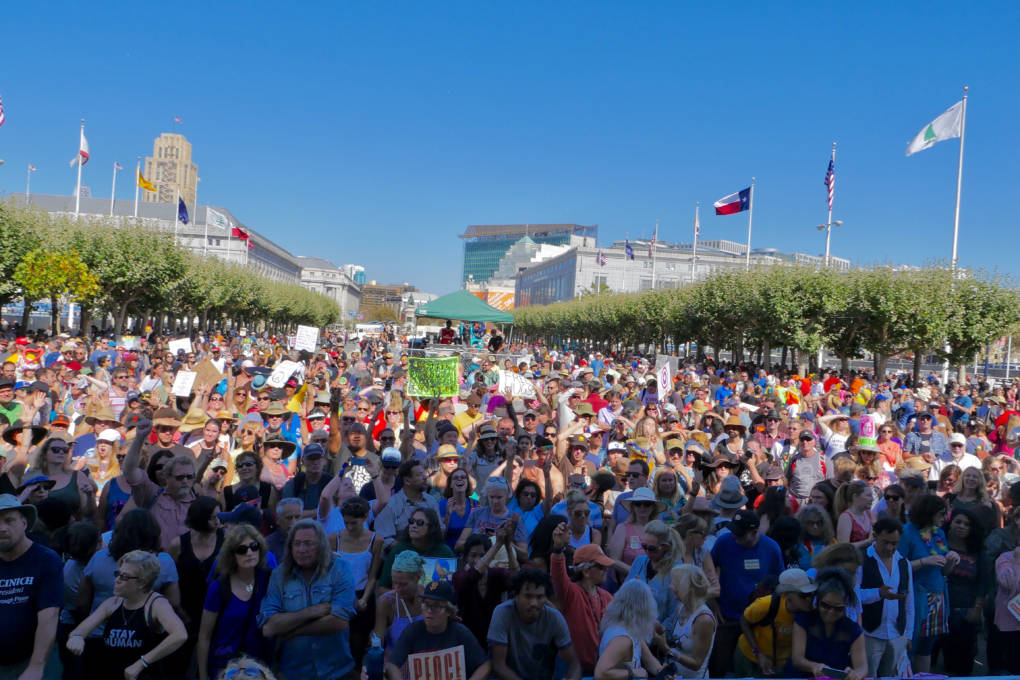
"caption": "Thousands gather at Civic Center PLaza on Aug. 26, 2017 to protest against the far-right rally Patriot Prayer. The group canceled a planned rally.",
"description": null,
"title": "Image uploaded from iOS",
"credit": "Sheraz Sadiq/KQED",
"status": "inherit",
"isLoading": false,
"fetchFailed": false
},
"news_11613657": {
"type": "attachments",
"id": "news_11613657",
"meta": {
"index": "attachments_1716263798",
"site": "news",
"id": "11613657",
"found": true
},
"parent": 11613655,
"imgSizes": {
"small": {
"file": "https://ww2.kqed.org/app/uploads/sites/10/2017/08/RS26296_McBride-qut-520x347.jpg",
"width": 520,
"mimeType": "image/jpeg",
"height": 347
},
"twentyfourteen-full-width": {
"file": "https://ww2.kqed.org/app/uploads/sites/10/2017/08/RS26296_McBride-qut-1038x576.jpg",
"width": 1038,
"mimeType": "image/jpeg",
"height": 576
},
"thumbnail": {
"file": "https://ww2.kqed.org/app/uploads/sites/10/2017/08/RS26296_McBride-qut-160x107.jpg",
"width": 160,
"mimeType": "image/jpeg",
"height": 107
},
"fd-sm": {
"file": "https://ww2.kqed.org/app/uploads/sites/10/2017/08/RS26296_McBride-qut-960x640.jpg",
"width": 960,
"mimeType": "image/jpeg",
"height": 640
},
"post-thumbnail": {
"file": "https://ww2.kqed.org/app/uploads/sites/10/2017/08/RS26296_McBride-qut-672x372.jpg",
"width": 672,
"mimeType": "image/jpeg",
"height": 372
},
"xsmall": {
"file": "https://ww2.kqed.org/app/uploads/sites/10/2017/08/RS26296_McBride-qut-375x250.jpg",
"width": 375,
"mimeType": "image/jpeg",
"height": 250
},
"kqedFullSize": {
"file": "https://ww2.kqed.org/app/uploads/sites/10/2017/08/RS26296_McBride-qut.jpg",
"width": 1920,
"height": 1280
},
"large": {
"file": "https://ww2.kqed.org/app/uploads/sites/10/2017/08/RS26296_McBride-qut-1020x680.jpg",
"width": 1020,
"mimeType": "image/jpeg",
"height": 680
},
"xlarge": {
"file": "https://ww2.kqed.org/app/uploads/sites/10/2017/08/RS26296_McBride-qut-1180x787.jpg",
"width": 1180,
"mimeType": "image/jpeg",
"height": 787
},
"guest-author-50": {
"file": "https://ww2.kqed.org/app/uploads/sites/10/2017/08/RS26296_McBride-qut-50x50.jpg",
"width": 50,
"mimeType": "image/jpeg",
"height": 50
},
"guest-author-96": {
"file": "https://ww2.kqed.org/app/uploads/sites/10/2017/08/RS26296_McBride-qut-96x96.jpg",
"width": 96,
"mimeType": "image/jpeg",
"height": 96
},
"medium": {
"file": "https://ww2.kqed.org/app/uploads/sites/10/2017/08/RS26296_McBride-qut-800x533.jpg",
"width": 800,
"mimeType": "image/jpeg",
"height": 533
},
"guest-author-64": {
"file": "https://ww2.kqed.org/app/uploads/sites/10/2017/08/RS26296_McBride-qut-64x64.jpg",
"width": 64,
"mimeType": "image/jpeg",
"height": 64
},
"guest-author-32": {
"file": "https://ww2.kqed.org/app/uploads/sites/10/2017/08/RS26296_McBride-qut-32x32.jpg",
"width": 32,
"mimeType": "image/jpeg",
"height": 32
},
"fd-lrg": {
"file": "https://ww2.kqed.org/app/uploads/sites/10/2017/08/RS26296_McBride-qut-1920x1280.jpg",
"width": 1920,
"mimeType": "image/jpeg",
"height": 1280
},
"fd-med": {
"file": "https://ww2.kqed.org/app/uploads/sites/10/2017/08/RS26296_McBride-qut-1180x787.jpg",
"width": 1180,
"mimeType": "image/jpeg",
"height": 787
},
"full-width": {
"file": "https://ww2.kqed.org/app/uploads/sites/10/2017/08/RS26296_McBride-qut-1920x1280.jpg",
"width": 1920,
"mimeType": "image/jpeg",
"height": 1280
},
"detail": {
"file": "https://ww2.kqed.org/app/uploads/sites/10/2017/08/RS26296_McBride-qut-150x150.jpg",
"width": 150,
"mimeType": "image/jpeg",
"height": 150
},
"guest-author-128": {
"file": "https://ww2.kqed.org/app/uploads/sites/10/2017/08/RS26296_McBride-qut-128x128.jpg",
"width": 128,
"mimeType": "image/jpeg",
"height": 128
},
"xxsmall": {
"file": "https://ww2.kqed.org/app/uploads/sites/10/2017/08/RS26296_McBride-qut-240x160.jpg",
"width": 240,
"mimeType": "image/jpeg",
"height": 160
}
},
"publishDate": 1503600549,
"modified": 1503697901,
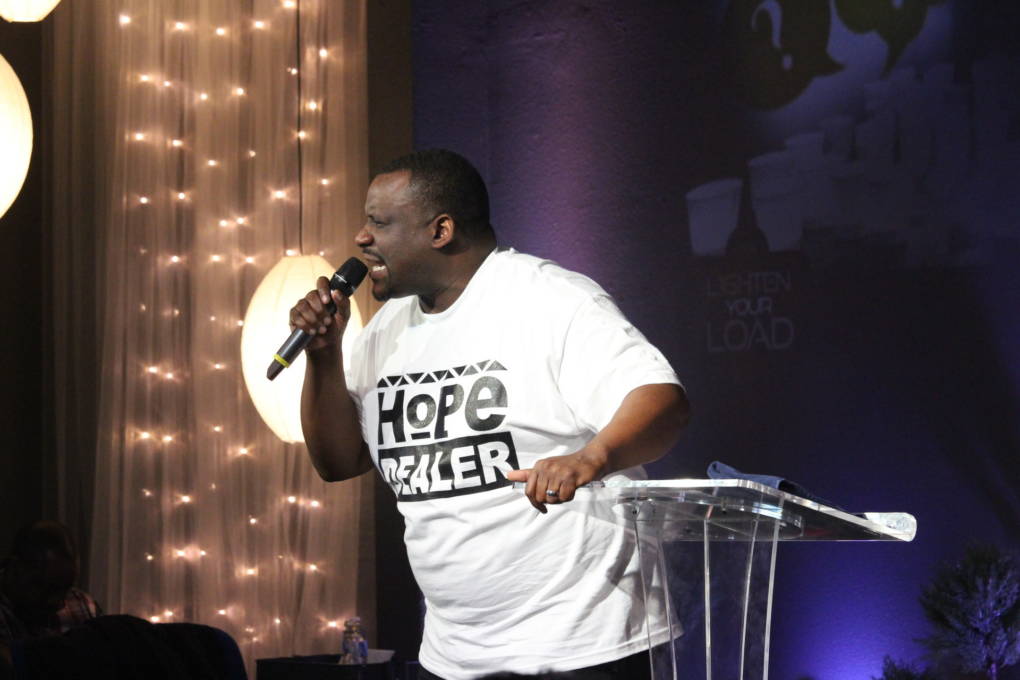
"caption": "The Rev. Michael McBride is encouraging his congregation in Berkeley to nonviolently stand up against far-right rallies in their city.",
"description": null,
"title": "Michael McBride",
"credit": "Farida Jhabvala Romero/KQED",
"status": "inherit",
"isLoading": false,
"fetchFailed": false
},
"news_11613860": {
"type": "attachments",
"id": "news_11613860",
"meta": {
"index": "attachments_1716263798",
"site": "news",
"id": "11613860",
"found": true
},
"parent": 11613853,
"imgSizes": {
"small": {
"file": "https://ww2.kqed.org/app/uploads/sites/10/2017/08/RS26387_Poop-Map-qut-520x473.jpg",
"width": 520,
"mimeType": "image/jpeg",
"height": 473
},
"thumbnail": {
"file": "https://ww2.kqed.org/app/uploads/sites/10/2017/08/RS26387_Poop-Map-qut-160x146.jpg",
"width": 160,
"mimeType": "image/jpeg",
"height": 146
},
"post-thumbnail": {
"file": "https://ww2.kqed.org/app/uploads/sites/10/2017/08/RS26387_Poop-Map-qut-544x372.jpg",
"width": 544,
"mimeType": "image/jpeg",
"height": 372
},
"xsmall": {
"file": "https://ww2.kqed.org/app/uploads/sites/10/2017/08/RS26387_Poop-Map-qut-375x341.jpg",
"width": 375,
"mimeType": "image/jpeg",
"height": 341
},
"kqedFullSize": {
"file": "https://ww2.kqed.org/app/uploads/sites/10/2017/08/RS26387_Poop-Map-qut.jpg",
"width": 544,
"height": 495
},
"guest-author-50": {
"file": "https://ww2.kqed.org/app/uploads/sites/10/2017/08/RS26387_Poop-Map-qut-50x50.jpg",
"width": 50,
"mimeType": "image/jpeg",
"height": 50
},
"guest-author-96": {
"file": "https://ww2.kqed.org/app/uploads/sites/10/2017/08/RS26387_Poop-Map-qut-96x96.jpg",
"width": 96,
"mimeType": "image/jpeg",
"height": 96
},
"guest-author-64": {
"file": "https://ww2.kqed.org/app/uploads/sites/10/2017/08/RS26387_Poop-Map-qut-64x64.jpg",
"width": 64,
"mimeType": "image/jpeg",
"height": 64
},
"detail": {
"file": "https://ww2.kqed.org/app/uploads/sites/10/2017/08/RS26387_Poop-Map-qut-150x150.jpg",
"width": 150,
"mimeType": "image/jpeg",
"height": 150
},
"guest-author-32": {
"file": "https://ww2.kqed.org/app/uploads/sites/10/2017/08/RS26387_Poop-Map-qut-32x32.jpg",
"width": 32,
"mimeType": "image/jpeg",
"height": 32
},
"guest-author-128": {
"file": "https://ww2.kqed.org/app/uploads/sites/10/2017/08/RS26387_Poop-Map-qut-128x128.jpg",
"width": 128,
"mimeType": "image/jpeg",
"height": 128
},
"xxsmall": {
"file": "https://ww2.kqed.org/app/uploads/sites/10/2017/08/RS26387_Poop-Map-qut-240x218.jpg",
"width": 240,
"mimeType": "image/jpeg",
"height": 218
}
},
"publishDate": 1503679737,
"modified": 1503689515,
"caption": "As a joke for his friends, Terrance Ryan created a Facebook event (including this map) inviting people to bring their dogs to Crissy Field, where the Patriot Prayer rally is being held on Saturday, and poop. He didn't realize he'd made the event public, and it quickly went viral.",
"description": null,
"title": "RS26387_Poop Map-qut",
"credit": "Courtesy of Terrance Ryan",
"status": "inherit",
"isLoading": false,
"fetchFailed": false
},
"news_11613839": {
"type": "attachments",
"id": "news_11613839",
"meta": {
"index": "attachments_1716263798",
"site": "news",
"id": "11613839",
"found": true
},
"parent": 11613520,
"imgSizes": {
"small": {
"file": "https://ww2.kqed.org/app/uploads/sites/10/2017/08/RS24967_20170415_BerkeleyProtest_Credit_BertJohnson-4-qut-520x347.jpg",
"width": 520,
"mimeType": "image/jpeg",
"height": 347
},
"twentyfourteen-full-width": {
"file": "https://ww2.kqed.org/app/uploads/sites/10/2017/08/RS24967_20170415_BerkeleyProtest_Credit_BertJohnson-4-qut-1038x576.jpg",
"width": 1038,
"mimeType": "image/jpeg",
"height": 576
},
"thumbnail": {
"file": "https://ww2.kqed.org/app/uploads/sites/10/2017/08/RS24967_20170415_BerkeleyProtest_Credit_BertJohnson-4-qut-160x107.jpg",
"width": 160,
"mimeType": "image/jpeg",
"height": 107
},
"fd-sm": {
"file": "https://ww2.kqed.org/app/uploads/sites/10/2017/08/RS24967_20170415_BerkeleyProtest_Credit_BertJohnson-4-qut-960x640.jpg",
"width": 960,
"mimeType": "image/jpeg",
"height": 640
},
"post-thumbnail": {
"file": "https://ww2.kqed.org/app/uploads/sites/10/2017/08/RS24967_20170415_BerkeleyProtest_Credit_BertJohnson-4-qut-672x372.jpg",
"width": 672,
"mimeType": "image/jpeg",
"height": 372
},
"xsmall": {
"file": "https://ww2.kqed.org/app/uploads/sites/10/2017/08/RS24967_20170415_BerkeleyProtest_Credit_BertJohnson-4-qut-375x250.jpg",
"width": 375,
"mimeType": "image/jpeg",
"height": 250
},
"kqedFullSize": {
"file": "https://ww2.kqed.org/app/uploads/sites/10/2017/08/RS24967_20170415_BerkeleyProtest_Credit_BertJohnson-4-qut.jpg",
"width": 1920,
"height": 1280
},
"large": {
"file": "https://ww2.kqed.org/app/uploads/sites/10/2017/08/RS24967_20170415_BerkeleyProtest_Credit_BertJohnson-4-qut-1020x680.jpg",
"width": 1020,
"mimeType": "image/jpeg",
"height": 680
},
"xlarge": {
"file": "https://ww2.kqed.org/app/uploads/sites/10/2017/08/RS24967_20170415_BerkeleyProtest_Credit_BertJohnson-4-qut-1180x787.jpg",
"width": 1180,
"mimeType": "image/jpeg",
"height": 787
},
"guest-author-50": {
"file": "https://ww2.kqed.org/app/uploads/sites/10/2017/08/RS24967_20170415_BerkeleyProtest_Credit_BertJohnson-4-qut-50x50.jpg",
"width": 50,
"mimeType": "image/jpeg",
"height": 50
},
"guest-author-96": {
"file": "https://ww2.kqed.org/app/uploads/sites/10/2017/08/RS24967_20170415_BerkeleyProtest_Credit_BertJohnson-4-qut-96x96.jpg",
"width": 96,
"mimeType": "image/jpeg",
"height": 96
},
"medium": {
"file": "https://ww2.kqed.org/app/uploads/sites/10/2017/08/RS24967_20170415_BerkeleyProtest_Credit_BertJohnson-4-qut-800x533.jpg",
"width": 800,
"mimeType": "image/jpeg",
"height": 533
},
"guest-author-64": {
"file": "https://ww2.kqed.org/app/uploads/sites/10/2017/08/RS24967_20170415_BerkeleyProtest_Credit_BertJohnson-4-qut-64x64.jpg",
"width": 64,
"mimeType": "image/jpeg",
"height": 64
},
"guest-author-32": {
"file": "https://ww2.kqed.org/app/uploads/sites/10/2017/08/RS24967_20170415_BerkeleyProtest_Credit_BertJohnson-4-qut-32x32.jpg",
"width": 32,
"mimeType": "image/jpeg",
"height": 32
},
"fd-lrg": {
"file": "https://ww2.kqed.org/app/uploads/sites/10/2017/08/RS24967_20170415_BerkeleyProtest_Credit_BertJohnson-4-qut-1920x1280.jpg",
"width": 1920,
"mimeType": "image/jpeg",
"height": 1280
},
"fd-med": {
"file": "https://ww2.kqed.org/app/uploads/sites/10/2017/08/RS24967_20170415_BerkeleyProtest_Credit_BertJohnson-4-qut-1180x787.jpg",
"width": 1180,
"mimeType": "image/jpeg",
"height": 787
},
"full-width": {
"file": "https://ww2.kqed.org/app/uploads/sites/10/2017/08/RS24967_20170415_BerkeleyProtest_Credit_BertJohnson-4-qut-1920x1280.jpg",
"width": 1920,
"mimeType": "image/jpeg",
"height": 1280
},
"detail": {
"file": "https://ww2.kqed.org/app/uploads/sites/10/2017/08/RS24967_20170415_BerkeleyProtest_Credit_BertJohnson-4-qut-150x150.jpg",
"width": 150,
"mimeType": "image/jpeg",
"height": 150
},
"guest-author-128": {
"file": "https://ww2.kqed.org/app/uploads/sites/10/2017/08/RS24967_20170415_BerkeleyProtest_Credit_BertJohnson-4-qut-128x128.jpg",
"width": 128,
"mimeType": "image/jpeg",
"height": 128
},
"xxsmall": {
"file": "https://ww2.kqed.org/app/uploads/sites/10/2017/08/RS24967_20170415_BerkeleyProtest_Credit_BertJohnson-4-qut-240x160.jpg",
"width": 240,
"mimeType": "image/jpeg",
"height": 160
}
},
"publishDate": 1503623447,
"modified": 1503623799,
"caption": "Clashes broke out between far-right protesters and counter-demonstrators at the so-called \"Battle of Berkeley\" on April 15, 2017.",
"description": null,
"title": "RS24967_20170415_BerkeleyProtest_Credit_BertJohnson-4-qut",
"credit": "Bert Johnson/KQED",
"status": "inherit",
"isLoading": false,
"fetchFailed": false
},
"news_11613043": {
"type": "attachments",
"id": "news_11613043",
"meta": {
"index": "attachments_1716263798",
"site": "news",
"id": "11613043",
"found": true
},
"parent": 11612977,
"imgSizes": {
"small": {
"file": "https://ww2.kqed.org/app/uploads/sites/10/2017/08/NR444_WEB-2_MARQ-520x293.jpg",
"width": 520,
"mimeType": "image/jpeg",
"height": 293
},
"twentyfourteen-full-width": {
"file": "https://ww2.kqed.org/app/uploads/sites/10/2017/08/NR444_WEB-2_MARQ-1038x576.jpg",
"width": 1038,
"mimeType": "image/jpeg",
"height": 576
},
"thumbnail": {
"file": "https://ww2.kqed.org/app/uploads/sites/10/2017/08/NR444_WEB-2_MARQ-160x90.jpg",
"width": 160,
"mimeType": "image/jpeg",
"height": 90
},
"fd-sm": {
"file": "https://ww2.kqed.org/app/uploads/sites/10/2017/08/NR444_WEB-2_MARQ-960x540.jpg",
"width": 960,
"mimeType": "image/jpeg",
"height": 540
},
"post-thumbnail": {
"file": "https://ww2.kqed.org/app/uploads/sites/10/2017/08/NR444_WEB-2_MARQ-672x372.jpg",
"width": 672,
"mimeType": "image/jpeg",
"height": 372
},
"xsmall": {
"file": "https://ww2.kqed.org/app/uploads/sites/10/2017/08/NR444_WEB-2_MARQ-375x211.jpg",
"width": 375,
"mimeType": "image/jpeg",
"height": 211
},
"kqedFullSize": {
"file": "https://ww2.kqed.org/app/uploads/sites/10/2017/08/NR444_WEB-2_MARQ.jpg",
"width": 1280,
"height": 720
},
"large": {
"file": "https://ww2.kqed.org/app/uploads/sites/10/2017/08/NR444_WEB-2_MARQ-1020x574.jpg",
"width": 1020,
"mimeType": "image/jpeg",
"height": 574
},
"xlarge": {
"file": "https://ww2.kqed.org/app/uploads/sites/10/2017/08/NR444_WEB-2_MARQ-1180x664.jpg",
"width": 1180,
"mimeType": "image/jpeg",
"height": 664
},
"guest-author-50": {
"file": "https://ww2.kqed.org/app/uploads/sites/10/2017/08/NR444_WEB-2_MARQ-50x50.jpg",
"width": 50,
"mimeType": "image/jpeg",
"height": 50
},
"guest-author-96": {
"file": "https://ww2.kqed.org/app/uploads/sites/10/2017/08/NR444_WEB-2_MARQ-96x96.jpg",
"width": 96,
"mimeType": "image/jpeg",
"height": 96
},
"medium": {
"file": "https://ww2.kqed.org/app/uploads/sites/10/2017/08/NR444_WEB-2_MARQ-800x450.jpg",
"width": 800,
"mimeType": "image/jpeg",
"height": 450
},
"guest-author-64": {
"file": "https://ww2.kqed.org/app/uploads/sites/10/2017/08/NR444_WEB-2_MARQ-64x64.jpg",
"width": 64,
"mimeType": "image/jpeg",
"height": 64
},
"guest-author-32": {
"file": "https://ww2.kqed.org/app/uploads/sites/10/2017/08/NR444_WEB-2_MARQ-32x32.jpg",
"width": 32,
"mimeType": "image/jpeg",
"height": 32
},
"fd-med": {
"file": "https://ww2.kqed.org/app/uploads/sites/10/2017/08/NR444_WEB-2_MARQ-1180x664.jpg",
"width": 1180,
"mimeType": "image/jpeg",
"height": 664
},
"detail": {
"file": "https://ww2.kqed.org/app/uploads/sites/10/2017/08/NR444_WEB-2_MARQ-150x150.jpg",
"width": 150,
"mimeType": "image/jpeg",
"height": 150
},
"guest-author-128": {
"file": "https://ww2.kqed.org/app/uploads/sites/10/2017/08/NR444_WEB-2_MARQ-128x128.jpg",
"width": 128,
"mimeType": "image/jpeg",
"height": 128
},
"xxsmall": {
"file": "https://ww2.kqed.org/app/uploads/sites/10/2017/08/NR444_WEB-2_MARQ-240x135.jpg",
"width": 240,
"mimeType": "image/jpeg",
"height": 135
}
},
"publishDate": 1503100436,
"modified": 1503100436,
"caption": null,
"description": null,
"title": "NR444_WEB 2_MARQ",
"credit": null,
"status": "inherit",
"isLoading": false,
"fetchFailed": false
},
"news_11611452": {
"type": "attachments",
"id": "news_11611452",
"meta": {
"index": "attachments_1716263798",
"site": "news",
"id": "11611452",
"found": true
},
"parent": 11611303,
"imgSizes": {
"small": {
"file": "https://ww2.kqed.org/app/uploads/sites/10/2017/08/FreeClinicMain2-520x545.jpg",
"width": 520,
"mimeType": "image/jpeg",
"height": 545
},
"twentyfourteen-full-width": {
"file": "https://ww2.kqed.org/app/uploads/sites/10/2017/08/FreeClinicMain2-1038x576.jpg",
"width": 1038,
"mimeType": "image/jpeg",
"height": 576
},
"thumbnail": {
"file": "https://ww2.kqed.org/app/uploads/sites/10/2017/08/FreeClinicMain2-160x168.jpg",
"width": 160,
"mimeType": "image/jpeg",
"height": 168
},
"fd-sm": {
"file": "https://ww2.kqed.org/app/uploads/sites/10/2017/08/FreeClinicMain2-960x1007.jpg",
"width": 960,
"mimeType": "image/jpeg",
"height": 1007
},
"post-thumbnail": {
"file": "https://ww2.kqed.org/app/uploads/sites/10/2017/08/FreeClinicMain2-672x372.jpg",
"width": 672,
"mimeType": "image/jpeg",
"height": 372
},
"xsmall": {
"file": "https://ww2.kqed.org/app/uploads/sites/10/2017/08/FreeClinicMain2-375x393.jpg",
"width": 375,
"mimeType": "image/jpeg",
"height": 393
},
"kqedFullSize": {
"file": "https://ww2.kqed.org/app/uploads/sites/10/2017/08/FreeClinicMain2.jpg",
"width": 1920,
"height": 2013
},
"large": {
"file": "https://ww2.kqed.org/app/uploads/sites/10/2017/08/FreeClinicMain2-1020x1069.jpg",
"width": 1020,
"mimeType": "image/jpeg",
"height": 1069
},
"xlarge": {
"file": "https://ww2.kqed.org/app/uploads/sites/10/2017/08/FreeClinicMain2-1180x1237.jpg",
"width": 1180,
"mimeType": "image/jpeg",
"height": 1237
},
"guest-author-50": {
"file": "https://ww2.kqed.org/app/uploads/sites/10/2017/08/FreeClinicMain2-50x50.jpg",
"width": 50,
"mimeType": "image/jpeg",
"height": 50
},
"guest-author-96": {
"file": "https://ww2.kqed.org/app/uploads/sites/10/2017/08/FreeClinicMain2-96x96.jpg",
"width": 96,
"mimeType": "image/jpeg",
"height": 96
},
"medium": {
"file": "https://ww2.kqed.org/app/uploads/sites/10/2017/08/FreeClinicMain2-800x839.jpg",
"width": 800,
"mimeType": "image/jpeg",
"height": 839
},
"guest-author-64": {
"file": "https://ww2.kqed.org/app/uploads/sites/10/2017/08/FreeClinicMain2-64x64.jpg",
"width": 64,
"mimeType": "image/jpeg",
"height": 64
},
"guest-author-32": {
"file": "https://ww2.kqed.org/app/uploads/sites/10/2017/08/FreeClinicMain2-32x32.jpg",
"width": 32,
"mimeType": "image/jpeg",
"height": 32
},
"fd-lrg": {
"file": "https://ww2.kqed.org/app/uploads/sites/10/2017/08/FreeClinicMain2-1920x2013.jpg",
"width": 1920,
"mimeType": "image/jpeg",
"height": 2013
},
"fd-med": {
"file": "https://ww2.kqed.org/app/uploads/sites/10/2017/08/FreeClinicMain2-1180x1237.jpg",
"width": 1180,
"mimeType": "image/jpeg",
"height": 1237
},
"full-width": {
"file": "https://ww2.kqed.org/app/uploads/sites/10/2017/08/FreeClinicMain2-1920x2013.jpg",
"width": 1920,
"mimeType": "image/jpeg",
"height": 2013
},
"detail": {
"file": "https://ww2.kqed.org/app/uploads/sites/10/2017/08/FreeClinicMain2-150x150.jpg",
"width": 150,
"mimeType": "image/jpeg",
"height": 150
},
"guest-author-128": {
"file": "https://ww2.kqed.org/app/uploads/sites/10/2017/08/FreeClinicMain2-128x128.jpg",
"width": 128,
"mimeType": "image/jpeg",
"height": 128
},
"xxsmall": {
"file": "https://ww2.kqed.org/app/uploads/sites/10/2017/08/FreeClinicMain2-240x252.jpg",
"width": 240,
"mimeType": "image/jpeg",
"height": 252
}
},
"publishDate": 1502492692,
"modified": 1502492993,
"caption": "Inside the Haight Ashbury Free Medical Clinic in its earliest days. The clinic opened on June 7, 1967, and remained open past midnight. This photo was taken by Gene Anthony, who chronicled much of the Summer of Love.",
"description": "Inside the Haight Ashbury Free Medical Clinic in its earliest days. The clinic opened on June 7, 1967, and remained open past midnight. This photo was taken by Gene Anthony, who chronicled much of the Summer of Love.",
"title": "FreeClinicMain2",
"credit": "Gene Anthony/David Smith Archives",
"status": "inherit",
"isLoading": false,
"fetchFailed": false
},
"news_11610536": {
"type": "attachments",
"id": "news_11610536",
"meta": {
"index": "attachments_1716263798",
"site": "news",
"id": "11610536",
"found": true
},
"parent": 11610533,
"imgSizes": {
"small": {
"file": "https://ww2.kqed.org/app/uploads/sites/10/2017/08/PresidioTerr-520x311.jpg",
"width": 520,
"mimeType": "image/jpeg",
"height": 311
},
"twentyfourteen-full-width": {
"file": "https://ww2.kqed.org/app/uploads/sites/10/2017/08/PresidioTerr-1038x576.jpg",
"width": 1038,
"mimeType": "image/jpeg",
"height": 576
},
"thumbnail": {
"file": "https://ww2.kqed.org/app/uploads/sites/10/2017/08/PresidioTerr-160x96.jpg",
"width": 160,
"mimeType": "image/jpeg",
"height": 96
},
"fd-sm": {
"file": "https://ww2.kqed.org/app/uploads/sites/10/2017/08/PresidioTerr-960x574.jpg",
"width": 960,
"mimeType": "image/jpeg",
"height": 574
},
"post-thumbnail": {
"file": "https://ww2.kqed.org/app/uploads/sites/10/2017/08/PresidioTerr-672x372.jpg",
"width": 672,
"mimeType": "image/jpeg",
"height": 372
},
"xsmall": {
"file": "https://ww2.kqed.org/app/uploads/sites/10/2017/08/PresidioTerr-375x224.jpg",
"width": 375,
"mimeType": "image/jpeg",
"height": 224
},
"kqedFullSize": {
"file": "https://ww2.kqed.org/app/uploads/sites/10/2017/08/PresidioTerr.jpg",
"width": 1920,
"height": 1147
},
"large": {
"file": "https://ww2.kqed.org/app/uploads/sites/10/2017/08/PresidioTerr-1020x609.jpg",
"width": 1020,
"mimeType": "image/jpeg",
"height": 609
},
"xlarge": {
"file": "https://ww2.kqed.org/app/uploads/sites/10/2017/08/PresidioTerr-1180x705.jpg",
"width": 1180,
"mimeType": "image/jpeg",
"height": 705
},
"guest-author-50": {
"file": "https://ww2.kqed.org/app/uploads/sites/10/2017/08/PresidioTerr-50x50.jpg",
"width": 50,
"mimeType": "image/jpeg",
"height": 50
},
"guest-author-96": {
"file": "https://ww2.kqed.org/app/uploads/sites/10/2017/08/PresidioTerr-96x96.jpg",
"width": 96,
"mimeType": "image/jpeg",
"height": 96
},
"medium": {
"file": "https://ww2.kqed.org/app/uploads/sites/10/2017/08/PresidioTerr-800x478.jpg",
"width": 800,
"mimeType": "image/jpeg",
"height": 478
},
"guest-author-64": {
"file": "https://ww2.kqed.org/app/uploads/sites/10/2017/08/PresidioTerr-64x64.jpg",
"width": 64,
"mimeType": "image/jpeg",
"height": 64
},
"guest-author-32": {
"file": "https://ww2.kqed.org/app/uploads/sites/10/2017/08/PresidioTerr-32x32.jpg",
"width": 32,
"mimeType": "image/jpeg",
"height": 32
},
"fd-lrg": {
"file": "https://ww2.kqed.org/app/uploads/sites/10/2017/08/PresidioTerr-1920x1147.jpg",
"width": 1920,
"mimeType": "image/jpeg",
"height": 1147
},
"fd-med": {
"file": "https://ww2.kqed.org/app/uploads/sites/10/2017/08/PresidioTerr-1180x705.jpg",
"width": 1180,
"mimeType": "image/jpeg",
"height": 705
},
"full-width": {
"file": "https://ww2.kqed.org/app/uploads/sites/10/2017/08/PresidioTerr-1920x1147.jpg",
"width": 1920,
"mimeType": "image/jpeg",
"height": 1147
},
"detail": {
"file": "https://ww2.kqed.org/app/uploads/sites/10/2017/08/PresidioTerr-150x150.jpg",
"width": 150,
"mimeType": "image/jpeg",
"height": 150
},
"guest-author-128": {
"file": "https://ww2.kqed.org/app/uploads/sites/10/2017/08/PresidioTerr-128x128.jpg",
"width": 128,
"mimeType": "image/jpeg",
"height": 128
},
"xxsmall": {
"file": "https://ww2.kqed.org/app/uploads/sites/10/2017/08/PresidioTerr-240x143.jpg",
"width": 240,
"mimeType": "image/jpeg",
"height": 143
}
},
"publishDate": 1502155334,
"modified": 1502155368,
"caption": "A 2008 photo shows Presidio Terrace, a gated community in San Francisco. A San Jose couple bought the street — a private road — after the homeowners association failed to pay a tax bill.",
"description": "A 2008 photo shows Presidio Terrace, a gated community in San Francisco. A San Jose couple bought the street — a private road — after the homeowners association failed to pay a tax bill.",
"title": "PresidioTerr",
"credit": "Dale/Flickr",
"status": "inherit",
"isLoading": false,
"fetchFailed": false
},
"news_11599252": {
"type": "attachments",
"id": "news_11599252",
"meta": {
"index": "attachments_1716263798",
"site": "news",
"id": "11599252",
"found": true
},
"parent": 11599227,
"imgSizes": {
"small": {
"file": "https://ww2.kqed.org/app/uploads/sites/10/2017/07/nr441-web-graphic-marguee-520x293.jpg",
"width": 520,
"mimeType": "image/jpeg",
"height": 293
},
"twentyfourteen-full-width": {
"file": "https://ww2.kqed.org/app/uploads/sites/10/2017/07/nr441-web-graphic-marguee-1038x576.jpg",
"width": 1038,
"mimeType": "image/jpeg",
"height": 576
},
"thumbnail": {
"file": "https://ww2.kqed.org/app/uploads/sites/10/2017/07/nr441-web-graphic-marguee-160x90.jpg",
"width": 160,
"mimeType": "image/jpeg",
"height": 90
},
"fd-sm": {
"file": "https://ww2.kqed.org/app/uploads/sites/10/2017/07/nr441-web-graphic-marguee-960x540.jpg",
"width": 960,
"mimeType": "image/jpeg",
"height": 540
},
"post-thumbnail": {
"file": "https://ww2.kqed.org/app/uploads/sites/10/2017/07/nr441-web-graphic-marguee-672x372.jpg",
"width": 672,
"mimeType": "image/jpeg",
"height": 372
},
"xsmall": {
"file": "https://ww2.kqed.org/app/uploads/sites/10/2017/07/nr441-web-graphic-marguee-375x211.jpg",
"width": 375,
"mimeType": "image/jpeg",
"height": 211
},
"kqedFullSize": {
"file": "https://ww2.kqed.org/app/uploads/sites/10/2017/07/nr441-web-graphic-marguee.jpg",
"width": 1280,
"height": 720
},
"large": {
"file": "https://ww2.kqed.org/app/uploads/sites/10/2017/07/nr441-web-graphic-marguee-1020x574.jpg",
"width": 1020,
"mimeType": "image/jpeg",
"height": 574
},
"xlarge": {
"file": "https://ww2.kqed.org/app/uploads/sites/10/2017/07/nr441-web-graphic-marguee-1180x664.jpg",
"width": 1180,
"mimeType": "image/jpeg",
"height": 664
},
"guest-author-50": {
"file": "https://ww2.kqed.org/app/uploads/sites/10/2017/07/nr441-web-graphic-marguee-50x50.jpg",
"width": 50,
"mimeType": "image/jpeg",
"height": 50
},
"guest-author-96": {
"file": "https://ww2.kqed.org/app/uploads/sites/10/2017/07/nr441-web-graphic-marguee-96x96.jpg",
"width": 96,
"mimeType": "image/jpeg",
"height": 96
},
"medium": {
"file": "https://ww2.kqed.org/app/uploads/sites/10/2017/07/nr441-web-graphic-marguee-800x450.jpg",
"width": 800,
"mimeType": "image/jpeg",
"height": 450
},
"guest-author-64": {
"file": "https://ww2.kqed.org/app/uploads/sites/10/2017/07/nr441-web-graphic-marguee-64x64.jpg",
"width": 64,
"mimeType": "image/jpeg",
"height": 64
},
"guest-author-32": {
"file": "https://ww2.kqed.org/app/uploads/sites/10/2017/07/nr441-web-graphic-marguee-32x32.jpg",
"width": 32,
"mimeType": "image/jpeg",
"height": 32
},
"fd-med": {
"file": "https://ww2.kqed.org/app/uploads/sites/10/2017/07/nr441-web-graphic-marguee-1180x664.jpg",
"width": 1180,
"mimeType": "image/jpeg",
"height": 664
},
"detail": {
"file": "https://ww2.kqed.org/app/uploads/sites/10/2017/07/nr441-web-graphic-marguee-150x150.jpg",
"width": 150,
"mimeType": "image/jpeg",
"height": 150
},
"guest-author-128": {
"file": "https://ww2.kqed.org/app/uploads/sites/10/2017/07/nr441-web-graphic-marguee-128x128.jpg",
"width": 128,
"mimeType": "image/jpeg",
"height": 128
},
"xxsmall": {
"file": "https://ww2.kqed.org/app/uploads/sites/10/2017/07/nr441-web-graphic-marguee-240x135.jpg",
"width": 240,
"mimeType": "image/jpeg",
"height": 135
}
},
"publishDate": 1501286012,
"modified": 1501286012,
"caption": null,
"description": null,
"title": "nr441 web graphic marguee",
"credit": null,
"status": "inherit",
"isLoading": false,
"fetchFailed": false
},
"news_11166689": {
"type": "attachments",
"id": "news_11166689",
"meta": {
"index": "attachments_1716263798",
"site": "news",
"id": "11166689",
"found": true
},
"parent": 11166615,
"imgSizes": {
"small": {
"file": "https://ww2.kqed.org/app/uploads/sites/10/2016/11/GettyImages-1174642-520x341.jpg",
"width": 520,
"mimeType": "image/jpeg",
"height": 341
},
"twentyfourteen-full-width": {
"file": "https://ww2.kqed.org/app/uploads/sites/10/2016/11/GettyImages-1174642-1038x576.jpg",
"width": 1038,
"mimeType": "image/jpeg",
"height": 576
},
"thumbnail": {
"file": "https://ww2.kqed.org/app/uploads/sites/10/2016/11/GettyImages-1174642-160x105.jpg",
"width": 160,
"mimeType": "image/jpeg",
"height": 105
},
"fd-sm": {
"file": "https://ww2.kqed.org/app/uploads/sites/10/2016/11/GettyImages-1174642-960x630.jpg",
"width": 960,
"mimeType": "image/jpeg",
"height": 630
},
"post-thumbnail": {
"file": "https://ww2.kqed.org/app/uploads/sites/10/2016/11/GettyImages-1174642-672x372.jpg",
"width": 672,
"mimeType": "image/jpeg",
"height": 372
},
"xsmall": {
"file": "https://ww2.kqed.org/app/uploads/sites/10/2016/11/GettyImages-1174642-375x246.jpg",
"width": 375,
"mimeType": "image/jpeg",
"height": 246
},
"kqedFullSize": {
"file": "https://ww2.kqed.org/app/uploads/sites/10/2016/11/GettyImages-1174642-e1500057178233.jpg",
"width": 1920,
"height": 1260
},
"large": {
"file": "https://ww2.kqed.org/app/uploads/sites/10/2016/11/GettyImages-1174642-1020x669.jpg",
"width": 1020,
"mimeType": "image/jpeg",
"height": 669
},
"xlarge": {
"file": "https://ww2.kqed.org/app/uploads/sites/10/2016/11/GettyImages-1174642-1180x774.jpg",
"width": 1180,
"mimeType": "image/jpeg",
"height": 774
},
"guest-author-50": {
"file": "https://ww2.kqed.org/app/uploads/sites/10/2016/11/GettyImages-1174642-50x50.jpg",
"width": 50,
"mimeType": "image/jpeg",
"height": 50
},
"guest-author-96": {
"file": "https://ww2.kqed.org/app/uploads/sites/10/2016/11/GettyImages-1174642-96x96.jpg",
"width": 96,
"mimeType": "image/jpeg",
"height": 96
},
"medium": {
"file": "https://ww2.kqed.org/app/uploads/sites/10/2016/11/GettyImages-1174642-800x525.jpg",
"width": 800,
"mimeType": "image/jpeg",
"height": 525
},
"guest-author-64": {
"file": "https://ww2.kqed.org/app/uploads/sites/10/2016/11/GettyImages-1174642-64x64.jpg",
"width": 64,
"mimeType": "image/jpeg",
"height": 64
},
"guest-author-32": {
"file": "https://ww2.kqed.org/app/uploads/sites/10/2016/11/GettyImages-1174642-32x32.jpg",
"width": 32,
"mimeType": "image/jpeg",
"height": 32
},
"jmtc-small-thumb": {
"file": "https://ww2.kqed.org/app/uploads/sites/10/2016/11/GettyImages-1174642-280x150.jpg",
"width": 280,
"mimeType": "image/jpeg",
"height": 150
},
"fd-lrg": {
"file": "https://ww2.kqed.org/app/uploads/sites/10/2016/11/GettyImages-1174642-1920x1260.jpg",
"width": 1920,
"mimeType": "image/jpeg",
"height": 1260
},
"fd-med": {
"file": "https://ww2.kqed.org/app/uploads/sites/10/2016/11/GettyImages-1174642-1180x774.jpg",
"width": 1180,
"mimeType": "image/jpeg",
"height": 774
},
"full-width": {
"file": "https://ww2.kqed.org/app/uploads/sites/10/2016/11/GettyImages-1174642-1920x1260.jpg",
"width": 1920,
"mimeType": "image/jpeg",
"height": 1260
},
"detail": {
"file": "https://ww2.kqed.org/app/uploads/sites/10/2016/11/GettyImages-1174642-150x150.jpg",
"width": 150,
"mimeType": "image/jpeg",
"height": 150
},
"guest-author-128": {
"file": "https://ww2.kqed.org/app/uploads/sites/10/2016/11/GettyImages-1174642-128x128.jpg",
"width": 128,
"mimeType": "image/jpeg",
"height": 128
},
"xxsmall": {
"file": "https://ww2.kqed.org/app/uploads/sites/10/2016/11/GettyImages-1174642-240x157.jpg",
"width": 240,
"mimeType": "image/jpeg",
"height": 157
}
},
"publishDate": 1478707982,
"modified": 1500057168,
"caption": "Baggies of marijuana ready for distribution at the San Francisco Patients Cooperative, a medical cannabis cooperative.",
"description": null,
"title": "Cannabis Club Operates in San Francisco",
"credit": "Justin Sullivan/Getty Images",
"status": "inherit",
"isLoading": false,
"fetchFailed": false
},
"news_11595169": {
"type": "attachments",
"id": "news_11595169",
"meta": {
"index": "attachments_1716263798",
"site": "news",
"id": "11595169",
"found": true
},
"parent": 11595062,
"imgSizes": {
"small": {
"file": "https://ww2.kqed.org/app/uploads/sites/10/2017/07/RS6712_cityhall-520x347.jpg",
"width": 520,
"mimeType": "image/jpeg",
"height": 347
},
"thumbnail": {
"file": "https://ww2.kqed.org/app/uploads/sites/10/2017/07/RS6712_cityhall-160x107.jpg",
"width": 160,
"mimeType": "image/jpeg",
"height": 107
},
"post-thumbnail": {
"file": "https://ww2.kqed.org/app/uploads/sites/10/2017/07/RS6712_cityhall-640x372.jpg",
"width": 640,
"mimeType": "image/jpeg",
"height": 372
},
"xsmall": {
"file": "https://ww2.kqed.org/app/uploads/sites/10/2017/07/RS6712_cityhall-375x250.jpg",
"width": 375,
"mimeType": "image/jpeg",
"height": 250
},
"kqedFullSize": {
"file": "https://ww2.kqed.org/app/uploads/sites/10/2017/07/RS6712_cityhall.jpg",
"width": 640,
"height": 427
},
"guest-author-50": {
"file": "https://ww2.kqed.org/app/uploads/sites/10/2017/07/RS6712_cityhall-50x50.jpg",
"width": 50,
"mimeType": "image/jpeg",
"height": 50
},
"guest-author-96": {
"file": "https://ww2.kqed.org/app/uploads/sites/10/2017/07/RS6712_cityhall-96x96.jpg",
"width": 96,
"mimeType": "image/jpeg",
"height": 96
},
"guest-author-64": {
"file": "https://ww2.kqed.org/app/uploads/sites/10/2017/07/RS6712_cityhall-64x64.jpg",
"width": 64,
"mimeType": "image/jpeg",
"height": 64
},
"detail": {
"file": "https://ww2.kqed.org/app/uploads/sites/10/2017/07/RS6712_cityhall-150x150.jpg",
"width": 150,
"mimeType": "image/jpeg",
"height": 150
},
"guest-author-32": {
"file": "https://ww2.kqed.org/app/uploads/sites/10/2017/07/RS6712_cityhall-32x32.jpg",
"width": 32,
"mimeType": "image/jpeg",
"height": 32
},
"guest-author-128": {
"file": "https://ww2.kqed.org/app/uploads/sites/10/2017/07/RS6712_cityhall-128x128.jpg",
"width": 128,
"mimeType": "image/jpeg",
"height": 128
},
"xxsmall": {
"file": "https://ww2.kqed.org/app/uploads/sites/10/2017/07/RS6712_cityhall-240x160.jpg",
"width": 240,
"mimeType": "image/jpeg",
"height": 160
}
},
"publishDate": 1501101763,
"modified": 1501101763,
"caption": null,
"description": null,
"title": "RS6712_cityhall",
"credit": null,
"status": "inherit",
"isLoading": false,
"fetchFailed": false
},
"news_11562343": {
"type": "attachments",
"id": "news_11562343",
"meta": {
"index": "attachments_1716263798",
"site": "news",
"id": "11562343",
"found": true
},
"parent": 11562128,
"imgSizes": {
"small": {
"file": "https://ww2.kqed.org/app/uploads/sites/10/2017/07/RS15566_BUDGET_22-qut-520x347.jpg",
"width": 520,
"mimeType": "image/jpeg",
"height": 347
},
"twentyfourteen-full-width": {
"file": "https://ww2.kqed.org/app/uploads/sites/10/2017/07/RS15566_BUDGET_22-qut-1038x576.jpg",
"width": 1038,
"mimeType": "image/jpeg",
"height": 576
},
"thumbnail": {
"file": "https://ww2.kqed.org/app/uploads/sites/10/2017/07/RS15566_BUDGET_22-qut-160x107.jpg",
"width": 160,
"mimeType": "image/jpeg",
"height": 107
},
"fd-sm": {
"file": "https://ww2.kqed.org/app/uploads/sites/10/2017/07/RS15566_BUDGET_22-qut-960x640.jpg",
"width": 960,
"mimeType": "image/jpeg",
"height": 640
},
"post-thumbnail": {
"file": "https://ww2.kqed.org/app/uploads/sites/10/2017/07/RS15566_BUDGET_22-qut-672x372.jpg",
"width": 672,
"mimeType": "image/jpeg",
"height": 372
},
"xsmall": {
"file": "https://ww2.kqed.org/app/uploads/sites/10/2017/07/RS15566_BUDGET_22-qut-375x250.jpg",
"width": 375,
"mimeType": "image/jpeg",
"height": 250
},
"kqedFullSize": {
"file": "https://ww2.kqed.org/app/uploads/sites/10/2017/07/RS15566_BUDGET_22-qut.jpg",
"width": 1920,
"height": 1280
},
"large": {
"file": "https://ww2.kqed.org/app/uploads/sites/10/2017/07/RS15566_BUDGET_22-qut-1020x680.jpg",
"width": 1020,
"mimeType": "image/jpeg",
"height": 680
},
"xlarge": {
"file": "https://ww2.kqed.org/app/uploads/sites/10/2017/07/RS15566_BUDGET_22-qut-1180x787.jpg",
"width": 1180,
"mimeType": "image/jpeg",
"height": 787
},
"guest-author-50": {
"file": "https://ww2.kqed.org/app/uploads/sites/10/2017/07/RS15566_BUDGET_22-qut-50x50.jpg",
"width": 50,
"mimeType": "image/jpeg",
"height": 50
},
"guest-author-96": {
"file": "https://ww2.kqed.org/app/uploads/sites/10/2017/07/RS15566_BUDGET_22-qut-96x96.jpg",
"width": 96,
"mimeType": "image/jpeg",
"height": 96
},
"medium": {
"file": "https://ww2.kqed.org/app/uploads/sites/10/2017/07/RS15566_BUDGET_22-qut-800x533.jpg",
"width": 800,
"mimeType": "image/jpeg",
"height": 533
},
"guest-author-64": {
"file": "https://ww2.kqed.org/app/uploads/sites/10/2017/07/RS15566_BUDGET_22-qut-64x64.jpg",
"width": 64,
"mimeType": "image/jpeg",
"height": 64
},
"guest-author-32": {
"file": "https://ww2.kqed.org/app/uploads/sites/10/2017/07/RS15566_BUDGET_22-qut-32x32.jpg",
"width": 32,
"mimeType": "image/jpeg",
"height": 32
},
"fd-lrg": {
"file": "https://ww2.kqed.org/app/uploads/sites/10/2017/07/RS15566_BUDGET_22-qut-1920x1280.jpg",
"width": 1920,
"mimeType": "image/jpeg",
"height": 1280
},
"fd-med": {
"file": "https://ww2.kqed.org/app/uploads/sites/10/2017/07/RS15566_BUDGET_22-qut-1180x787.jpg",
"width": 1180,
"mimeType": "image/jpeg",
"height": 787
},
"full-width": {
"file": "https://ww2.kqed.org/app/uploads/sites/10/2017/07/RS15566_BUDGET_22-qut-1920x1280.jpg",
"width": 1920,
"mimeType": "image/jpeg",
"height": 1280
},
"detail": {
"file": "https://ww2.kqed.org/app/uploads/sites/10/2017/07/RS15566_BUDGET_22-qut-150x150.jpg",
"width": 150,
"mimeType": "image/jpeg",
"height": 150
},
"guest-author-128": {
"file": "https://ww2.kqed.org/app/uploads/sites/10/2017/07/RS15566_BUDGET_22-qut-128x128.jpg",
"width": 128,
"mimeType": "image/jpeg",
"height": 128
},
"xxsmall": {
"file": "https://ww2.kqed.org/app/uploads/sites/10/2017/07/RS15566_BUDGET_22-qut-240x160.jpg",
"width": 240,
"mimeType": "image/jpeg",
"height": 160
}
},
"publishDate": 1499816089,
"modified": 1499896731,
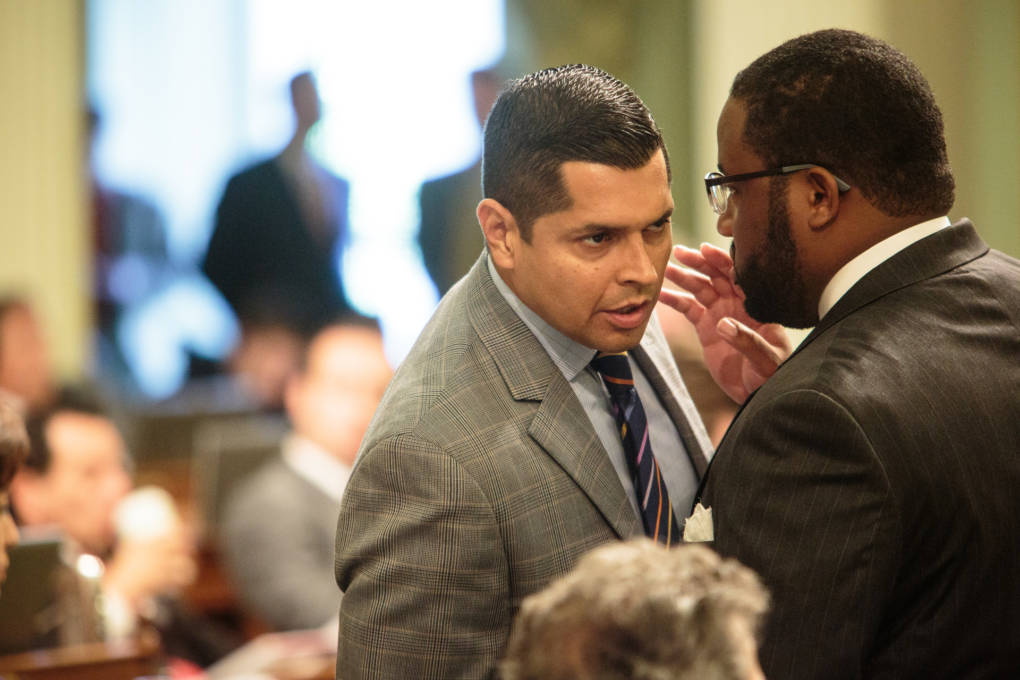
"caption": "At left, Assemblyman Miguel Santiago (D-Los Angeles) is carrying AB 943. ",
"description": null,
"title": "RS15566_BUDGET_22-qut",
"credit": "Max Whittaker/KQED",
"status": "inherit",
"isLoading": false,
"fetchFailed": false
},
"news_11541071": {
"type": "attachments",
"id": "news_11541071",
"meta": {
"index": "attachments_1716263798",
"site": "news",
"id": "11541071",
"found": true
},
"parent": 11541070,
"imgSizes": {
"small": {
"file": "https://ww2.kqed.org/app/uploads/sites/10/2017/06/437_Marquee_02-1-520x293.jpg",
"width": 520,
"mimeType": "image/jpeg",
"height": 293
},
"twentyfourteen-full-width": {
"file": "https://ww2.kqed.org/app/uploads/sites/10/2017/06/437_Marquee_02-1-1038x576.jpg",
"width": 1038,
"mimeType": "image/jpeg",
"height": 576
},
"thumbnail": {
"file": "https://ww2.kqed.org/app/uploads/sites/10/2017/06/437_Marquee_02-1-160x90.jpg",
"width": 160,
"mimeType": "image/jpeg",
"height": 90
},
"fd-sm": {
"file": "https://ww2.kqed.org/app/uploads/sites/10/2017/06/437_Marquee_02-1-960x540.jpg",
"width": 960,
"mimeType": "image/jpeg",
"height": 540
},
"post-thumbnail": {
"file": "https://ww2.kqed.org/app/uploads/sites/10/2017/06/437_Marquee_02-1-672x372.jpg",
"width": 672,
"mimeType": "image/jpeg",
"height": 372
},
"xsmall": {
"file": "https://ww2.kqed.org/app/uploads/sites/10/2017/06/437_Marquee_02-1-375x211.jpg",
"width": 375,
"mimeType": "image/jpeg",
"height": 211
},
"kqedFullSize": {
"file": "https://ww2.kqed.org/app/uploads/sites/10/2017/06/437_Marquee_02-1.jpg",
"width": 1280,
"height": 720
},
"large": {
"file": "https://ww2.kqed.org/app/uploads/sites/10/2017/06/437_Marquee_02-1-1020x574.jpg",
"width": 1020,
"mimeType": "image/jpeg",
"height": 574
},
"xlarge": {
"file": "https://ww2.kqed.org/app/uploads/sites/10/2017/06/437_Marquee_02-1-1180x664.jpg",
"width": 1180,
"mimeType": "image/jpeg",
"height": 664
},
"guest-author-50": {
"file": "https://ww2.kqed.org/app/uploads/sites/10/2017/06/437_Marquee_02-1-50x50.jpg",
"width": 50,
"mimeType": "image/jpeg",
"height": 50
},
"guest-author-96": {
"file": "https://ww2.kqed.org/app/uploads/sites/10/2017/06/437_Marquee_02-1-96x96.jpg",
"width": 96,
"mimeType": "image/jpeg",
"height": 96
},
"medium": {
"file": "https://ww2.kqed.org/app/uploads/sites/10/2017/06/437_Marquee_02-1-800x450.jpg",
"width": 800,
"mimeType": "image/jpeg",
"height": 450
},
"guest-author-64": {
"file": "https://ww2.kqed.org/app/uploads/sites/10/2017/06/437_Marquee_02-1-64x64.jpg",
"width": 64,
"mimeType": "image/jpeg",
"height": 64
},
"guest-author-32": {
"file": "https://ww2.kqed.org/app/uploads/sites/10/2017/06/437_Marquee_02-1-32x32.jpg",
"width": 32,
"mimeType": "image/jpeg",
"height": 32
},
"fd-med": {
"file": "https://ww2.kqed.org/app/uploads/sites/10/2017/06/437_Marquee_02-1-1180x664.jpg",
"width": 1180,
"mimeType": "image/jpeg",
"height": 664
},
"detail": {
"file": "https://ww2.kqed.org/app/uploads/sites/10/2017/06/437_Marquee_02-1-150x150.jpg",
"width": 150,
"mimeType": "image/jpeg",
"height": 150
},
"guest-author-128": {
"file": "https://ww2.kqed.org/app/uploads/sites/10/2017/06/437_Marquee_02-1-128x128.jpg",
"width": 128,
"mimeType": "image/jpeg",
"height": 128
},
"xxsmall": {
"file": "https://ww2.kqed.org/app/uploads/sites/10/2017/06/437_Marquee_02-1-240x135.jpg",
"width": 240,
"mimeType": "image/jpeg",
"height": 135
}
},
"publishDate": 1498859655,
"modified": 1498859655,
"caption": null,
"description": null,
"title": "437_Marquee_02 (1)",
"credit": null,
"status": "inherit",
"isLoading": false,
"fetchFailed": false
}
},
"audioPlayerReducer": {
"postId": "stream_live",
"isPaused": true,
"isPlaying": false,
"pfsActive": false,
"pledgeModalIsOpen": true,
"playerDrawerIsOpen": false,
"liveAudioPlayStartedAt": 0,
"liveAudioPlayContext": ""
},
"authorsReducer": {
"byline_news_11610533": {
"type": "authors",
"id": "byline_news_11610533",
"meta": {
"override": true
},
"slug": "byline_news_11610533",
"name": "Camila Domonoske",
"isLoading": false
},
"dclyde": {
"type": "authors",
"id": "104",
"meta": {
"index": "authors_1716337520",
"id": "104",
"found": true
},
"name": "Don Clyde",
"firstName": "Don",
"lastName": "Clyde",
"slug": "dclyde",
"email": "dclyde@kqed.org",
"display_author_email": false,
"staff_mastheads": [],
"title": "KQED Contributor",
"bio": "Don Clyde is an online producer, reporter and copy editor for KQED News. Before venturing into journalism, he worked as a medical device engineer and scientist for nearly a decade after earning a degree in physics from UC Berkeley. He loves travel, reading, living in Oakland, and most importantly, a good walk. Email him at dclyde@kqed.org or follow him @clydedon.",
"avatar": "https://secure.gravatar.com/avatar/decd3e640c3eedbd0a574275aebb2d19?s=600&d=blank&r=g",
"twitter": "clydedon",
"facebook": null,
"instagram": null,
"linkedin": null,
"sites": [
{
"site": "artschool",
"roles": [
"editor"
]
},
{
"site": "news",
"roles": [
"administrator"
]
},
{
"site": "futureofyou",
"roles": [
"editor"
]
},
{
"site": "about",
"roles": [
"editor"
]
},
{
"site": "mindshift",
"roles": [
"contributor"
]
},
{
"site": "bayareabites",
"roles": [
"contributor"
]
},
{
"site": "lowdown",
"roles": [
"editor"
]
},
{
"site": "stateofhealth",
"roles": [
"administrator"
]
},
{
"site": "spark",
"roles": [
"administrator"
]
},
{
"site": "trulyca",
"roles": [
"administrator"
]
},
{
"site": "imagemakers",
"roles": [
"administrator"
]
},
{
"site": "science",
"roles": []
},
{
"site": "education",
"roles": [
"editor"
]
},
{
"site": "quest",
"roles": [
"subscriber"
]
},
{
"site": "checkplease",
"roles": [
"subscriber"
]
},
{
"site": "forum",
"roles": [
"editor"
]
},
{
"site": "perspectives",
"roles": [
"editor"
]
}
],
"headData": {
"title": "Don Clyde | KQED",
"description": "KQED Contributor",
"ogImgSrc": "https://secure.gravatar.com/avatar/decd3e640c3eedbd0a574275aebb2d19?s=600&d=blank&r=g",
"twImgSrc": "https://secure.gravatar.com/avatar/decd3e640c3eedbd0a574275aebb2d19?s=600&d=blank&r=g"
},
"isLoading": false,
"link": "/author/dclyde"
},
"gmarzorati": {
"type": "authors",
"id": "227",
"meta": {
"index": "authors_1716337520",
"id": "227",
"found": true
},
"name": "Guy Marzorati",
"firstName": "Guy",
"lastName": "Marzorati",
"slug": "gmarzorati",
"email": "gmarzorati@KQED.org",
"display_author_email": true,
"staff_mastheads": [
"news"
],
"title": "Correspondent",
"bio": "Guy Marzorati is a correspondent on KQED's California Politics and Government Desk, based in San Jose. A graduate of Santa Clara University, Guy joined KQED in 2013. He reports on state and local politics and produces KQED's digital voter guide.",
"avatar": "https://secure.gravatar.com/avatar/e7038b8dbfd55b104369b76b1cd0b9de?s=600&d=blank&r=g",
"twitter": "guymarzorati",
"facebook": null,
"instagram": null,
"linkedin": null,
"sites": [
{
"site": "",
"roles": [
"editor"
]
},
{
"site": "news",
"roles": [
"editor"
]
},
{
"site": "science",
"roles": [
"editor"
]
},
{
"site": "forum",
"roles": [
"editor"
]
},
{
"site": "elections",
"roles": [
"editor"
]
},
{
"site": "liveblog",
"roles": [
"editor"
]
}
],
"headData": {
"title": "Guy Marzorati | KQED",
"description": "Correspondent",
"ogImgSrc": "https://secure.gravatar.com/avatar/e7038b8dbfd55b104369b76b1cd0b9de?s=600&d=blank&r=g",
"twImgSrc": "https://secure.gravatar.com/avatar/e7038b8dbfd55b104369b76b1cd0b9de?s=600&d=blank&r=g"
},
"isLoading": false,
"link": "/author/gmarzorati"
},
"kqed": {
"type": "authors",
"id": "236",
"meta": {
"index": "authors_1716337520",
"id": "236",
"found": true
},
"name": "KQED News Staff",
"firstName": "KQED News Staff",
"lastName": null,
"slug": "kqed",
"email": "faq@kqed.org",
"display_author_email": false,
"staff_mastheads": [],
"title": null,
"bio": null,
"avatar": "https://secure.gravatar.com/avatar/ef0e801a68c4c54afa9180db14084167?s=600&d=blank&r=g",
"twitter": null,
"facebook": null,
"instagram": null,
"linkedin": null,
"sites": [
{
"site": "arts",
"roles": [
"contributor"
]
},
{
"site": "news",
"roles": [
"editor"
]
},
{
"site": "futureofyou",
"roles": [
"author"
]
}
],
"headData": {
"title": "KQED News Staff | KQED",
"description": null,
"ogImgSrc": "https://secure.gravatar.com/avatar/ef0e801a68c4c54afa9180db14084167?s=600&d=blank&r=g",
"twImgSrc": "https://secure.gravatar.com/avatar/ef0e801a68c4c54afa9180db14084167?s=600&d=blank&r=g"
},
"isLoading": false,
"link": "/author/kqed"
},
"sdirks": {
"type": "authors",
"id": "7239",
"meta": {
"index": "authors_1716337520",
"id": "7239",
"found": true
},
"name": "Sandhya Dirks",
"firstName": "Sandhya",
"lastName": "Dirks",
"slug": "sdirks",
"email": "sdirks@kqed.org",
"display_author_email": true,
"staff_mastheads": [],
"title": null,
"bio": "Sandhya Dirks was the race and equity reporter at KQED. She approaches race and equity not as a beat, but as a fundamental lens for all investigative and explanatory reporting.\r\n\r\nSandhya covered policing, housing, social justice movements, and the shifting demographics of cities and suburbs.\r\n\r\nShe was the creator and co-host of the podcast American Suburb, about the transformation of suburbia into the most diverse space in American life. She was the editor for Truth Be Told, an advice show for and by people of color. \r\n\r\nHer stories about race, space, and belonging were part of KQED's So Well Spoken project, which won RNDTA's Kaleidoscope award, honoring outstanding achievements in the coverage of diversity.\r\n\r\nPrior to joining KQED in 2015, Sandhya covered the 2012 presidential election from the swing state of Iowa for Iowa Public Radio. At KPBS in San Diego, she broke the story of a sexual harassment scandal that led to the mayor's resignation.\r\n\r\nShe got her start in radio working on documentaries about Oakland that investigated the high drop-out rate in public schools and mistrust between the police and the community.\r\n\r\nSandhya lives in Oakland and believes all stories are stories about power.",
"avatar": "https://secure.gravatar.com/avatar/c0247cb15929cd4c197672fd73d45300?s=600&d=blank&r=g",
"twitter": "audiosand",
"facebook": null,
"instagram": null,
"linkedin": null,
"sites": [
{
"site": "news",
"roles": [
"subscriber"
]
},
{
"site": "stateofhealth",
"roles": [
"author"
]
}
],
"headData": {
"title": "Sandhya Dirks | KQED",
"description": null,
"ogImgSrc": "https://secure.gravatar.com/avatar/c0247cb15929cd4c197672fd73d45300?s=600&d=blank&r=g",
"twImgSrc": "https://secure.gravatar.com/avatar/c0247cb15929cd4c197672fd73d45300?s=600&d=blank&r=g"
},
"isLoading": false,
"link": "/author/sdirks"
},
"fjhabvala": {
"type": "authors",
"id": "8659",
"meta": {
"index": "authors_1716337520",
"id": "8659",
"found": true
},
"name": "Farida Jhabvala Romero",
"firstName": "Farida",
"lastName": "Jhabvala Romero",
"slug": "fjhabvala",
"email": "fjhabvala@kqed.org",
"display_author_email": true,
"staff_mastheads": [
"news"
],
"title": "KQED Contributor",
"bio": "Farida Jhabvala Romero is a Labor Correspondent for KQED. She previously covered immigration. Farida was \u003ca href=\"https://www.ccnma.org/2022-most-influential-latina-journalists\">named\u003c/a> one of the 10 Most Influential Latina Journalists in California in 2022 by the California Chicano News Media Association. Her work has won awards from the Society of Professional Journalists (Northern California), as well as a national and regional Edward M. Murrow Award for the collaborative reporting projects “Dangerous Air” and “Graying California.” Before joining KQED, Farida worked as a producer at Radio Bilingüe, a national public radio network. Farida earned her master’s degree in journalism from Stanford University.",
"avatar": "https://secure.gravatar.com/avatar/f9f022d4e2609741874222a1e9d41f48fea74011aa7c615eef91d9a50c944ebe?s=600&d=blank&r=g",
"twitter": "FaridaJhabvala",
"bluesky": null,
"facebook": null,
"instagram": null,
"linkedin": "https://www.linkedin.com/in/faridajhabvala/",
"sites": [
{
"site": "news",
"roles": [
"editor"
]
},
{
"site": "stateofhealth",
"roles": [
"author"
]
},
{
"site": "liveblog",
"roles": [
"author"
]
}
],
"headData": {
"title": "Farida Jhabvala Romero | KQED",
"description": "KQED Contributor",
"ogImgSrc": "https://secure.gravatar.com/avatar/f9f022d4e2609741874222a1e9d41f48fea74011aa7c615eef91d9a50c944ebe?s=600&d=blank&r=g",
"twImgSrc": "https://secure.gravatar.com/avatar/f9f022d4e2609741874222a1e9d41f48fea74011aa7c615eef91d9a50c944ebe?s=600&d=blank&r=g"
},
"isLoading": false,
"link": "/author/fjhabvala"
},
"shutson": {
"type": "authors",
"id": "11216",
"meta": {
"index": "authors_1716337520",
"id": "11216",
"found": true
},
"name": "Sonja Hutson",
"firstName": "Sonja",
"lastName": "Hutson",
"slug": "shutson",
"email": "shutson@kqed.org",
"display_author_email": false,
"staff_mastheads": [],
"title": "KQED Contributor",
"bio": "Sonja Hutson is a former reporter for KQED's Silicon Valley desk and weekend newscasts. She primarily covers tech and housing. Sonja is a Bay Area native and now lives in San Francisco. When she's not working, you can find her camping, skiing, scuba diving, and struggling with the New York Times Crossword. Email: \u003ca href=\"mailto:shutson@kqed.org\">shutson@kqed.org. \u003c/a>Twitter: \u003ca href=\"https://twitter.com/SonjaHutson\">@SonjaHutson\u003c/a>",
"avatar": "https://secure.gravatar.com/avatar/7537c5e36818614e599b6c0f41d72b7a?s=600&d=blank&r=g",
"twitter": "SonjaHutson",
"facebook": null,
"instagram": null,
"linkedin": null,
"sites": [
{
"site": "arts",
"roles": [
"author"
]
},
{
"site": "news",
"roles": [
"subscriber"
]
}
],
"headData": {
"title": "Sonja Hutson | KQED",
"description": "KQED Contributor",
"ogImgSrc": "https://secure.gravatar.com/avatar/7537c5e36818614e599b6c0f41d72b7a?s=600&d=blank&r=g",
"twImgSrc": "https://secure.gravatar.com/avatar/7537c5e36818614e599b6c0f41d72b7a?s=600&d=blank&r=g"
},
"isLoading": false,
"link": "/author/shutson"
},
"bwatt": {
"type": "authors",
"id": "11238",
"meta": {
"index": "authors_1716337520",
"id": "11238",
"found": true
},
"name": "Brian Watt",
"firstName": "Brian",
"lastName": "Watt",
"slug": "bwatt",
"email": "bwatt@KQED.org",
"display_author_email": false,
"staff_mastheads": [
"news"
],
"title": "Morning News Anchor",
"bio": "Brian Watt is KQED's morning radio news anchor. He joined the KQED News team in April of 2016. Prior to that, he worked as a Reporter for KPCC in Los Angeles and a producer at \u003cem>Marketplace.\u003c/em>\r\n\r\nDuring eight years at KPCC, Brian covered business and economics, and his work won several awards. In 2008, he won the Los Angeles Press Club’s first-place award for Business and Financial Reporting, Broadcast. He’s also received honorable mention and been first runner up for the Press Club’s Radio Journalist of the Year. He won two Golden Mike awards from the Radio and TV News Association of Southern California.\r\n\r\nBrian holds degrees in theater from Yale University and the Sorbonne, and has worked as an actor in France, Italy, Brazil, Hungary and . . . Hollywood. He appeared in a few television shows, including \u003cem>The West Wing, Judging Amy\u003c/em> and \u003cem>The District.\u003c/em>\r\n\r\nEmail: bwatt@KQED.org Twitter: @RadioBWatt",
"avatar": "https://secure.gravatar.com/avatar/55393ff57ed34e2be773ba4789dd6a19?s=600&d=blank&r=g",
"twitter": "@RadioBWatt",
"facebook": null,
"instagram": null,
"linkedin": null,
"sites": [
{
"site": "arts",
"roles": [
"contributor"
]
},
{
"site": "news",
"roles": [
"editor"
]
}
],
"headData": {
"title": "Brian Watt | KQED",
"description": "Morning News Anchor",
"ogImgSrc": "https://secure.gravatar.com/avatar/55393ff57ed34e2be773ba4789dd6a19?s=600&d=blank&r=g",
"twImgSrc": "https://secure.gravatar.com/avatar/55393ff57ed34e2be773ba4789dd6a19?s=600&d=blank&r=g"
},
"isLoading": false,
"link": "/author/bwatt"
},
"ewirtschafter": {
"type": "authors",
"id": "11259",
"meta": {
"index": "authors_1716337520",
"id": "11259",
"found": true
},
"name": "Eli Wirtschafter",
"firstName": "Eli",
"lastName": "Wirtschafter",
"slug": "ewirtschafter",
"email": "ewirtschafter@KQED.org",
"display_author_email": false,
"staff_mastheads": [],
"title": "KQED Contributor",
"bio": "Eli Wirtschafter is a freelance reporter and producer focusing on transportation, art, and activism. He previously interned with \u003cem>The California Report\u003c/em> and KQED Local News\u003cem>.\u003c/em> Eli is also KALW's transportation reporter, and a graduate of KALW's \u003ca href=\"http://kalw.org/post/enrollment-now-open-kalws-audio-academy#stream/0\" target=\"_blank\" rel=\"noopener noreferrer\">Audio Academy.\u003c/a> Eli's work has been heard on NPR, Here & Now, and BackStory. Find him on Twitter at \u003ca href=\"https://twitter.com/RadioEli\" target=\"_blank\" rel=\"noopener noreferrer\">@RadioEli\u003c/a>.",
"avatar": "https://secure.gravatar.com/avatar/dd6917a8f3309e9659ae1da5ffc10865559102003d58d9f077ca49c7f7ca792e?s=600&d=blank&r=g",
"twitter": "RadioEli",
"bluesky": null,
"facebook": null,
"instagram": null,
"linkedin": null,
"sites": [
{
"site": "arts",
"roles": [
"subscriber"
]
},
{
"site": "news",
"roles": [
"author"
]
},
{
"site": "science",
"roles": [
"author"
]
}
],
"headData": {
"title": "Eli Wirtschafter | KQED",
"description": "KQED Contributor",
"ogImgSrc": "https://secure.gravatar.com/avatar/dd6917a8f3309e9659ae1da5ffc10865559102003d58d9f077ca49c7f7ca792e?s=600&d=blank&r=g",
"twImgSrc": "https://secure.gravatar.com/avatar/dd6917a8f3309e9659ae1da5ffc10865559102003d58d9f077ca49c7f7ca792e?s=600&d=blank&r=g"
},
"isLoading": false,
"link": "/author/ewirtschafter"
},
"rlevi": {
"type": "authors",
"id": "11260",
"meta": {
"index": "authors_1716337520",
"id": "11260",
"found": true
},
"name": "Ryan Levi",
"firstName": "Ryan",
"lastName": "Levi",
"slug": "rlevi",
"email": "rlevi@KQED.org",
"display_author_email": false,
"staff_mastheads": [],
"title": "KQED Contributor",
"bio": "Ryan Levi was a reporter and podcast producer at KQED News from 2016-2019. He worked on \u003ca href=\"https://www.kqed.org/news/series/baycurious\">Bay Curious\u003c/a>, \u003ca href=\"https://www.kqed.org/news/tag/the-bay/\">The Bay, \u003c/a>and \u003ca href=\"https://podcasts.apple.com/us/podcast/the-california-report-magazine/id1314750545\">The California Report Magazine\u003c/a>, as well as hosting and producing the weekly \u003ca href=\"https://www.kqed.org/news/program/qedup/\">Q'ed Up podcast. \u003c/a>He also helped inaugurate KQED's weekend news coverage in 2017 as one of two original digital producers. Ryan holds degrees in multimedia journalism and Spanish from the University of Missouri.",
"avatar": "https://secure.gravatar.com/avatar/4cb2ddd028ac8807d1adf09609c5555d?s=600&d=blank&r=g",
"twitter": "ryan_levi",
"facebook": null,
"instagram": null,
"linkedin": null,
"sites": [
{
"site": "arts",
"roles": [
"editor"
]
},
{
"site": "news",
"roles": [
"subscriber"
]
},
{
"site": "stateofhealth",
"roles": [
"editor"
]
},
{
"site": "science",
"roles": [
"editor"
]
},
{
"site": "forum",
"roles": [
"administrator"
]
},
{
"site": "perspectives",
"roles": [
"administrator"
]
}
],
"headData": {
"title": "Ryan Levi | KQED",
"description": "KQED Contributor",
"ogImgSrc": "https://secure.gravatar.com/avatar/4cb2ddd028ac8807d1adf09609c5555d?s=600&d=blank&r=g",
"twImgSrc": "https://secure.gravatar.com/avatar/4cb2ddd028ac8807d1adf09609c5555d?s=600&d=blank&r=g"
},
"isLoading": false,
"link": "/author/rlevi"
},
"jsepulvado": {
"type": "authors",
"id": "11298",
"meta": {
"index": "authors_1716337520",
"id": "11298",
"found": true
},
"name": "John Sepulvado",
"firstName": "John",
"lastName": "Sepulvado",
"slug": "jsepulvado",
"email": "jsepulvado@KQED.org",
"display_author_email": false,
"staff_mastheads": [],
"title": null,
"bio": "John Sepulvado is a former morning host of \u003cem>The California Report\u003c/em>. Prior to joining KQED in September 2016, John was the local host of NPR’s \u003cem>Weekend Edition\u003c/em> at Oregon Public Broadcasting (OPB). He has also served as a producer for America Public Media’s \u003cem>Marketplace Weekend\u003c/em> and worked as a national correspondent for CNN and as news director at WUSF in Tampa, Florida. John has earned prestigious RTDNA Murrow and PRNDI awards for investigative reporting, and helped CNN take home a Peabody Award for coverage of the 2010 Gulf oil spill. John attended Florida A&M in Tallahassee and is also a member of Phi Theta Kappa. He left KQED in 2019.",
"avatar": "https://secure.gravatar.com/avatar/b976d3c4cf11750a793b670e5acb7a1c?s=600&d=blank&r=g",
"twitter": null,
"facebook": null,
"instagram": null,
"linkedin": null,
"sites": [
{
"site": "news",
"roles": [
"author",
"edit_others_posts"
]
}
],
"headData": {
"title": "John Sepulvado | KQED",
"description": null,
"ogImgSrc": "https://secure.gravatar.com/avatar/b976d3c4cf11750a793b670e5acb7a1c?s=600&d=blank&r=g",
"twImgSrc": "https://secure.gravatar.com/avatar/b976d3c4cf11750a793b670e5acb7a1c?s=600&d=blank&r=g"
},
"isLoading": false,
"link": "/author/jsepulvado"
},
"cfeibel": {
"type": "authors",
"id": "11314",
"meta": {
"index": "authors_1716337520",
"id": "11314",
"found": true
},
"name": "Carrie Feibel",
"firstName": "Carrie",
"lastName": "Feibel",
"slug": "cfeibel",
"email": "cfeibel@KQED.org",
"display_author_email": false,
"staff_mastheads": [],
"title": "KQED Contributor",
"bio": "Carrie Feibel is a former health editor at KQED, where she has also reported for radio and online. Her stories have appeared on the national NPR shows \u003cem>Morning Edition\u003c/em>, \u003cem>All Things Considered\u003c/em>, and \u003cem>Here & Now\u003c/em>, and on the national website, Kaiser Health News. Her print career included stints at the \u003cem>Houston Chronicle\u003c/em>, \u003cem>The (Bergen) Record,\u003c/em> and the Associated Press in New York City. A native of St. Louis, Feibel attended Cornell University, and earned a master's in journalism from Columbia University.",
"avatar": "https://secure.gravatar.com/avatar/c64a7e3c9a910e1bffd4ad32a5264aa9?s=600&d=blank&r=g",
"twitter": "KQEDHealth",
"facebook": null,
"instagram": null,
"linkedin": null,
"sites": [
{
"site": "news",
"roles": [
"subscriber"
]
},
{
"site": "stateofhealth",
"roles": [
"administrator"
]
}
],
"headData": {
"title": "Carrie Feibel | KQED",
"description": "KQED Contributor",
"ogImgSrc": "https://secure.gravatar.com/avatar/c64a7e3c9a910e1bffd4ad32a5264aa9?s=600&d=blank&r=g",
"twImgSrc": "https://secure.gravatar.com/avatar/c64a7e3c9a910e1bffd4ad32a5264aa9?s=600&d=blank&r=g"
},
"isLoading": false,
"link": "/author/cfeibel"
}
},
"pagesReducer": {
"news_tag_san-francisco": {
"type": "terms",
"id": "news_38",
"meta": {
"index": "terms_1716263798",
"site": "news",
"id": "38",
"score": 6.723307
},
"featImg": null,
"name": "San Francisco",
"description": null,
"taxonomy": "tag",
"headData": {
"twImgId": null,
"twTitle": null,
"ogTitle": null,
"ogImgId": null,
"twDescription": null,
"description": null,
"title": "San Francisco Archives | KQED News",
"ogDescription": null
},
"ttid": 58,
"slug": "san-francisco",
"isLoading": false,
"title": "San Francisco",
"pageMeta": {
"site": "news",
"WpPageTemplate": "page-topic-editorial",
"currentPage": 166
},
"blocks": [
{
"blockName": "kqed/post-list",
"attrs": {
"layout": "cardArticle2",
"query": "posts/news?tag=san-francisco",
"seeMore": false,
"paginated": true,
"page": 166
}
},
{
"blockName": "kqed/ad"
}
]
}
},
"pfsSessionReducer": {},
"postsReducer": {
"stream_live": {
"type": "live",
"id": "stream_live",
"audioUrl": "https://streams.kqed.org/kqedradio",
"title": "Live Stream",
"excerpt": "Live Stream information currently unavailable.",
"link": "/radio",
"featImg": "",
"label": {
"name": "KQED Live",
"link": "/"
}
},
"stream_kqedNewscast": {
"type": "posts",
"id": "stream_kqedNewscast",
"audioUrl": "https://www.kqed.org/.stream/anon/radio/RDnews/newscast.mp3?_=1",
"title": "KQED Newscast",
"featImg": "",
"label": {
"name": "88.5 FM",
"link": "/"
}
},
"news_11613873": {
"type": "posts",
"id": "news_11613873",
"meta": {
"index": "posts_1716263798",
"site": "news",
"id": "11613873",
"score": null,
"sort": [
1503701375000
]
},
"parent": 0,
"labelTerm": {
"site": "news",
"term": 72
},
"blocks": [],
"publishDate": 1503701375,
"format": "audio",
"disqusTitle": "S.F. Right-Wing Rally Canceled as Bay Area Officials Push Back Against Fringe-Right Rallies",
"title": "S.F. Right-Wing Rally Canceled as Bay Area Officials Push Back Against Fringe-Right Rallies",
"headTitle": "The California Report | KQED News",
"content": "\u003cp>\u003cstrong>Updated Saturday, Aug. 26 at 3:40 p.m.\u003c/strong>\u003c/p>\n\u003cp>Authorities in San Francisco and Alameda counties prepared for the influx of fringe-right supporters over the weekend, hoping to squelch the assemblies from turning violent -- like they have in the past -- through a series of legal maneuvers and bureaucratic red tape.\u003c/p>\n\u003cp>And it seems to be working.\u003c/p>\n\u003cp>The San Francisco Police Department limited access to Alamo Square Park Saturday, where the far-right Patriot Prayer group had planned a press conference. That came after Patriot Prayer organizer Joey Gibson scrapped a rally scheduled for Saturday at Crissy Field.\u003c/p>\n\u003cfigure id=\"attachment_11614073\" class=\"wp-caption alignright\" style=\"max-width: 800px\">\u003cimg class=\"size-medium wp-image-11614073\" src=\"https://ww2.kqed.org/news/wp-content/uploads/sites/10/2017/08/Image-uploaded-from-iOS-800x600.jpg\" alt=\"\" width=\"800\" height=\"600\">\u003cfigcaption class=\"wp-caption-text\">Fencing around Alamo Square in San Francisco on Aug. 26, 2017. \u003ccite>(Polly Stryker/KQED)\u003c/cite>\u003c/figcaption>\u003c/figure>\n\u003cp>\"We are working with Park and Rec at this time to make sure that public safety is our No. 1 priority, whoever may show up, who may not show up. That’s really what’s happening at this time,\" SFPD spokeswoman Giselle Linnnane said.\u003c/p>\n\u003cp>[ad fullwidth]\u003c/p>\n\u003cp>\"We’ve spoken with the residents in the neighborhood yesterday to let them know to assure that cops will be in the area and that we will be keeping this neighborhood safe whatever happens.\"\u003c/p>\n\u003cp>The city placed fencing around the park, and Linnane said to expect delays in the area. She mentioned the park is still open but is only accessible through one entrance.\u003c/p>\n\u003cp>[contextly_sidebar id=\"CLNPSp6xrFj3TrFKsZ7OONKI9PgtxdCR\"]\u003c/p>\n\u003cp>Gibson responded to the restrictions on Facebook.\u003c/p>\n\u003cp>\"So they closed down Alamo Center Park. I apologize for everyone that spent money and plane tickets to come down here. Stay tuned,\" Gibson wrote.\u003c/p>\n\u003cp>He added that he would be \"doing an indoor news conference at 2 p.m., then will pop up at random spots in the city to talk with any citizens of S.F.\"\u003c/p>\n\u003cp>Gibson held a 2 p.m. press conference in Pacifica with other members of Patriot Prayer, but quickly packed up and left after hearing word that anti-fascist counter-protesters were heading toward his press event.\u003c/p>\n\u003cfigure id=\"attachment_11614172\" class=\"wp-caption aligncenter\" style=\"max-width: 640px\">\u003cimg class=\"size-large wp-image-11614172\" src=\"https://ww2.kqed.org/news/wp-content/uploads/sites/10/2017/08/RS26412_20170826_PatriotPrayerpresser_Credit_BertJohnson-1-qut-1020x680.jpg\" alt=\"\" width=\"640\" height=\"427\" srcset=\"https://ww2.kqed.org/app/uploads/sites/10/2017/08/RS26412_20170826_PatriotPrayerpresser_Credit_BertJohnson-1-qut-1020x680.jpg 1020w, https://ww2.kqed.org/app/uploads/sites/10/2017/08/RS26412_20170826_PatriotPrayerpresser_Credit_BertJohnson-1-qut-160x107.jpg 160w, https://ww2.kqed.org/app/uploads/sites/10/2017/08/RS26412_20170826_PatriotPrayerpresser_Credit_BertJohnson-1-qut-800x533.jpg 800w, https://ww2.kqed.org/app/uploads/sites/10/2017/08/RS26412_20170826_PatriotPrayerpresser_Credit_BertJohnson-1-qut.jpg 1920w, https://ww2.kqed.org/app/uploads/sites/10/2017/08/RS26412_20170826_PatriotPrayerpresser_Credit_BertJohnson-1-qut-1180x787.jpg 1180w, https://ww2.kqed.org/app/uploads/sites/10/2017/08/RS26412_20170826_PatriotPrayerpresser_Credit_BertJohnson-1-qut-960x640.jpg 960w, https://ww2.kqed.org/app/uploads/sites/10/2017/08/RS26412_20170826_PatriotPrayerpresser_Credit_BertJohnson-1-qut-240x160.jpg 240w, https://ww2.kqed.org/app/uploads/sites/10/2017/08/RS26412_20170826_PatriotPrayerpresser_Credit_BertJohnson-1-qut-375x250.jpg 375w, https://ww2.kqed.org/app/uploads/sites/10/2017/08/RS26412_20170826_PatriotPrayerpresser_Credit_BertJohnson-1-qut-520x347.jpg 520w\" sizes=\"(max-width: 640px) 100vw, 640px\">\u003cfigcaption class=\"wp-caption-text\">Joey Gibson, founder of the fringe right group Patriot Prayer, speaks at a hastily-arranged press conference in Pacifica after he cancelled a rally in Crissy Field. He cited safety concerns for his followers after several counter-demonstrations were announced and authorities banned helmets at his event. \u003ccite>(Bert Johnson/KQED)\u003c/cite>\u003c/figcaption>\u003c/figure>\n\u003cp>Counter-protesters have been intent on dwarfing any kind of far-right rally in San Francisco, trying to copy the success of the \u003ca href=\"https://www.washingtonpost.com/news/post-nation/wp/2017/08/19/thousands-expected-at-boston-free-speech-rally-and-counter-protest/?utm_term=.ba21ee24ef5c\" target=\"_blank\" rel=\"noopener noreferrer\">demonstrations that occurred in Boston\u003c/a> last weekend.\u003c/p>\n\u003cp>In San Francisco, a large police presence deployed near Alamo Square, where approximately 1,000 demonstrators gathered. Rally-goers chanted \"Whose streets? Our streets\" and \"When immigrants are under attack, what do we do? Stand up, fight back.\" At least one counter-protester was detained by police. The protest swelled to about 3,000 as it marched to the Mission District. Demonstrators began dispersing at approximately 3 p.m.\u003c/p>\n\u003cp>At Civic Center Plaza, people did yoga as a form of resistance against far-right rallies. \"We are not here to fight Nazis,\" said \u003ca href=\"https://www.michaelfranti.com/\" target=\"_blank\" rel=\"noopener noreferrer\">musician and activist Michael Franti\u003c/a>. \"We want to make a safe place for everybody.\"\u003c/p>\n\u003cp>\"We want this to be a day of music and families and a show of strength through solidarity. Not through weapons,\" Franti said. \"And that’s what makes the Bay Area great and our country great ... is the solidarity that we have in the belief that all people are created equal.\"\u003c/p>\n\u003cp>Hina Shah and her 6-year-old son Amir and 9-year-old daughter Simran had a picnic at Civic Center Plaza. \"This is about us as people of color,\" said Shah, who is an immigration lawyer and lives in San Francisco. \"We can't stand by and do nothing.\"\u003c/p>\n\u003cp>Shah said it was important to bring her kids to events like this to immerse them in justice issues.\u003c/p>\n\u003cp>\"We wanted to do something, and this feels like a safer space,\" Shah said.\u003c/p>\n\u003cp>Steve Garber and Rena Pasick of San Francisco also attended the demonstration at Civic Center. \"You can't be quiet when people are preaching hate,\" Garber said.\u003c/p>\n\u003cp>James Morrison, 70, went to Civic Center carrying a sign reading \"Not on my watch.\" He says he moved from Baton Rouge, Louisiana to the Bay Area in the '60s for economic opportunities and was the first black man to load bags on planes for Delta Airlines at San Francisco International Airport.\u003c/p>\n\u003cp>\"The Klan never left. The Nazis never left. They just became unfashionable. Now with [President] Trump in office, it's becoming fashionable again. They have credence,\" Morrison said.\u003c/p>\n\u003cp>\"The most important thing is to show up,\" Morrison said. \"If you don't fight and show up, then it looks like everything is alright.\"\u003c/p>\n\u003cp>In the Castro District, more than 1,000 protesters also gathered.\u003c/p>\n\u003cfigure id=\"attachment_11614096\" class=\"wp-caption aligncenter\" style=\"max-width: 800px\">\u003cimg class=\"size-medium wp-image-11614096\" src=\"https://ww2.kqed.org/news/wp-content/uploads/sites/10/2017/08/Image-uploaded-from-iOS-1-800x600.jpg\" alt=\"\" width=\"800\" height=\"600\">\u003cfigcaption class=\"wp-caption-text\">Demonstrators gather in the Castro District in San Francisco on Aug. 26, 2017 to protest against a previously planned far-right rally at Crissy Field. \u003ccite>(Kevin Jones/KQED)\u003c/cite>\u003c/figcaption>\u003c/figure>\n\u003cp>Patriot Prayer's Joey Gibson announced Friday that he was canceling the rally at Crissy Park on Saturday, and would instead hold a press conference at Alamo Square Park.\u003c/p>\n\u003cp>\"After several conversations with the police, we've decided that tomorrow really seems like a setup,\" Gibson said during a \u003ca href=\"https://www.facebook.com/uniteamericafirst/videos/683391841864101/?fref=mentions\">Facebook Live\u003c/a>. \"The rhetoric from Nancy Pelosi -- Mayor Lee -- the media -- is bringing in tons of extremists. We're not going to fall into that trap.\"\u003c/p>\n\u003cp>Late Friday, the Golden Gate National Recreation Area, in which Crissy Field is located, said Gibson confirmed that he had relinquished the permit for the event.\u003c/p>\n\u003cp>Earlier in the day before the announcement, Gibson told KQED that he was considering canceling the rally because the National Park Service banned helmets, along with other items, including firearms.\u003c/p>\n\u003cp>“Anyone who has any experience with these rallies knows helmets are really essential,” Gibson said. “The head is a really important body part.”\u003c/p>\n\u003cp>Meanwhile, the organizer of the Berkeley rally has called off her event as well, and told KQED that she is telling supporters not to go to Berkeley on Sunday.\u003c/p>\n\u003cp>This comes after notable fringe-right people and groups pulled out of the events. White nationalists Augustus Invictus, \u003ca href=\"https://ww2.kqed.org/news/2017/08/14/californian-who-helped-organize-charlottesville-protests-used-berkeley-as-a-test-run/\">Nathan Damigo\u003c/a>, \u003ca href=\"https://view.publitas.com/p222-14268/charlottesville/page/1\">Cole White\u003c/a> and members of paramilitary groups Oath Keepers and Three Percenters \u003ca href=\"http://www.thethreepercenters.org/single-post/2017/08/12/The-Three-Percenters-Official-Statement-Regarding-the-Violent-Protests-in-Charlottesville\">all indicated they would not attend\u003c/a> one or both of the rallies.\u003c/p>\n\u003cp>\u003cstrong>San Francisco and Berkeley Officials Moved Early to Halt Rally Momentum\u003c/strong>\u003c/p>\n\u003cp>After the violent rally at Charlottesville, white supremacists and other members of the fringe right said they believed they had some momentum -- despite the deaths of two state police officers and the killing of counterprotester Heather Heyer, 32.\u003c/p>\n\u003cp>“I think that there will be some people ... who come over to us,” Nathan Damigo told KQED from Charlottesville.\u003c/p>\n\u003cp>Then, after a poor showing in last weekend's Boston rally, in which counterprotesters vastly outnumbered them, the fringe right seemed subdued and disorganized.\u003c/p>\n\u003cp>But white supremacists got another shot of social adrenaline from President Trump, who gave a speech where he blamed “both sides” for the violence in Charlottesville. That position energized the right, which had been making similar arguments in their social media sphere.\u003c/p>\n\u003cp>Yet, while the fringe right looked to find -- and document -- new conflicts, officials in Alameda and San Francisco counties took steps to lessen the enthusiasm for these rallies, and reduce the chance for violence, before the gatherings even began.\u003c/p>\n\u003cp>San Francisco Mayor Ed Lee took an immediate hard stand against the rally at Crissy Field, urging the National Park Service to cancel the permit. Meanwhile, congressional members, including House Minority Leader Nancy Pelosi, also spoke out forcefully against the rally.\u003c/p>\n\u003cp>According to two San Francisco officials with knowledge of the negotiations, the political pressure and public outcry yielded major rewards for public safety, including a list of banned items such as firearms, weapons and helmets. The officials spoke to KQED on the condition they would not be identified, since they were not authorized to speak about the negotiations.\u003c/p>\n\u003cfigure id=\"attachment_11613956\" class=\"wp-caption aligncenter\" style=\"max-width: 800px\">\u003ca href=\"https://ww2.kqed.org/news/wp-content/uploads/sites/10/2017/08/RS24966_20170415_BerkeleyProtest_Credit_BertJohnson-3-qut-1.jpg\">\u003cimg class=\"wp-image-11613956 size-medium\" src=\"https://ww2.kqed.org/news/wp-content/uploads/sites/10/2017/08/RS24966_20170415_BerkeleyProtest_Credit_BertJohnson-3-qut-1-800x533.jpg\" alt=\"\" width=\"800\" height=\"533\" srcset=\"https://ww2.kqed.org/app/uploads/sites/10/2017/08/RS24966_20170415_BerkeleyProtest_Credit_BertJohnson-3-qut-1-800x533.jpg 800w, https://ww2.kqed.org/app/uploads/sites/10/2017/08/RS24966_20170415_BerkeleyProtest_Credit_BertJohnson-3-qut-1-160x107.jpg 160w, https://ww2.kqed.org/app/uploads/sites/10/2017/08/RS24966_20170415_BerkeleyProtest_Credit_BertJohnson-3-qut-1-1020x680.jpg 1020w, https://ww2.kqed.org/app/uploads/sites/10/2017/08/RS24966_20170415_BerkeleyProtest_Credit_BertJohnson-3-qut-1.jpg 1920w, https://ww2.kqed.org/app/uploads/sites/10/2017/08/RS24966_20170415_BerkeleyProtest_Credit_BertJohnson-3-qut-1-1180x787.jpg 1180w, https://ww2.kqed.org/app/uploads/sites/10/2017/08/RS24966_20170415_BerkeleyProtest_Credit_BertJohnson-3-qut-1-960x640.jpg 960w, https://ww2.kqed.org/app/uploads/sites/10/2017/08/RS24966_20170415_BerkeleyProtest_Credit_BertJohnson-3-qut-1-240x160.jpg 240w, https://ww2.kqed.org/app/uploads/sites/10/2017/08/RS24966_20170415_BerkeleyProtest_Credit_BertJohnson-3-qut-1-375x250.jpg 375w, https://ww2.kqed.org/app/uploads/sites/10/2017/08/RS24966_20170415_BerkeleyProtest_Credit_BertJohnson-3-qut-1-520x347.jpg 520w\" sizes=\"(max-width: 800px) 100vw, 800px\">\u003c/a>\u003cfigcaption class=\"wp-caption-text\">Kyle “Based Stickman” Chapman, at a fringe-right rally in Berkeley on April 15, 2017. The Alameda County district attorney ordered Chapman, who often leads others into violent clashes, to stay away from the Berkeley protest. \u003ccite>(Bert Johnson/KQED)\u003c/cite>\u003c/figcaption>\u003c/figure>\n\u003cp>Mayor Lee told reporters that San Francisco police would be out in full force to stop violence from spilling over from Crissy Field. He encouraged counterprotesters to stay away from the park, too.\u003c/p>\n\u003cp>“Do not engage with the members of this group, whose only priority is to incite violence through divisive rhetoric,” Lee said.\u003c/p>\n\u003cp>Meanwhile, across the bay in Alameda County, three moves by officials also have helped take the wind out of the fringe right’s sails.\u003c/p>\n\u003cp>First, the Alameda County district attorney charged Kyle “Based Stickman” Chapman with a felony count of having a leaded stick. At his bond hearing, an Alameda County judge ordered Chapman -- who often leads others into violent clashes -- to stay away from the Berkeley protest should he post a $135,000 bail.\u003c/p>\n\u003cp>Second, Berkeley city officials \u003ca href=\"http://www.berkeleyside.com/2017/08/18/berkeley-grants-city-manager-power-make-temporary-protest-rules/\">passed an ordinance\u003c/a> granting the city manager broad powers to ban weapons during rallies that don't have permits. The move -- criticized by both the far left and right -- is expected to allow police to act more aggressively when protests turn to riots.\u003c/p>\n\u003cp>“I think our goal is to contain the event around the block so it doesn’t spill out to a broader area,” Berkeley Mayor Jesse Arreguin told KQED. “The rules we will be putting in place around objects will make a big difference, and we will have a very visible police presence.”\u003c/p>\n\u003cp>Third, Berkeley Assistant City Manager Jovan Grogan denied a permit to organizer Amber Cummings. The denial was issued in part because Cummings wanted to use amplified sound powered by a generator.\u003c/p>\n\u003cp>“Applicants wishing to use sound outdoors for an event must obtain a permit no less than thirty days from the date of the event,” Grogan wrote in the denial letter. “Failure to do so is grounds for an automatic denial.”\u003c/p>\n\u003cp>Cummings applied for the permit 10 days before the rally was scheduled.\u003c/p>\n\u003cp>The haphazard organizing has been a hallmark of many of these events, which are often thrown together at sensitive times as a tool to incite anger and violence.\u003c/p>\n\u003cp>And if this weekend passes without major acts of violence, it should be examined if officials like Grogan helped keep the peace by cutting the power.\u003c/p>\n\u003cp>\u003cstrong>In Limiting Weapons, Officials Cut Fringe-Right Media Production Options\u003c/strong>\u003c/p>\n\u003cp>The threat of violence at these rallies – \u003ca href=\"http://www.opb.org/news/article/jeremy-joseph-christian-portland-stabbing-suspect-charged-with-murder/\">and in the days afterward\u003c/a> -- is real, and city officials have urged counterprotesters to stay away.\u003c/p>\n\u003cp>And under the guise of public safety, officials have quietly taken away the tools that make creating on-the-scene media easy for the fringe right. Media production \u003ca href=\"https://ww2.kqed.org/news/2017/08/17/why-trumps-words-spoken-and-unspoken-matter-to-white-supremacists/\">is an essential component\u003c/a> for their recruitment drives since it gives white supremacists and others the ability to portray themselves as a besieged, righteous movement fighting against liberals and the mainstream media. These videos \u003ca href=\"https://ww2.kqed.org/news/2017/08/16/do-police-allow-safe-spaces-for-white-nationalist-violence/\">are a key motivator\u003c/a> in attending these chaotic rallies, and often fuel conspiracy theories used to deflect from criticism of violence.\u003c/p>\n\u003cp>Indeed, organizers of both Bay Area rallies said they chose the locations because of the powerful backdrops they provide.\u003c/p>\n\u003cp>“It’s beautiful, obviously,” said Patriot Prayer organizer Gibson.\u003c/p>\n\u003cp>While officials couldn’t stop these political actors from using their sets of choice, they have seriously curtailed their ability to record and livestream the action. In San Francisco, for example, selfie sticks, camera helmets, drones, tripods and large bags that often hold over-the-shoulder cameras would not be allowed in the demonstration area.\u003c/p>\n\u003cp>San Francisco officials negotiated with the National Park Service to ban these items. Mayor Lee said it was solely related to public safety.\u003c/p>\n\u003cp>“We insisted on the highest levels of public safety,” Lee said. “And these things were used as weapons [at other rallies].”\u003c/p>\n\u003cp>Yet, a real-world side consequence is that the fringe right won’t be able to livestream their event and have both hands free to fight. San Francisco Board of Supervisors President London Breed said if the banned items mean it’s harder for the fringe right to broadcast themselves, then so be it.\u003c/p>\n\u003cp>“These images continue to tear our country apart,” Breed said. “They want all eyes on them, which is why they’re doing what they’re doing.”\u003c/p>\n\u003cfigure id=\"attachment_11613966\" class=\"wp-caption aligncenter\" style=\"max-width: 800px\">\u003cimg class=\"wp-image-11613966 size-medium\" src=\"https://ww2.kqed.org/news/wp-content/uploads/sites/10/2017/08/RS23997_20170201_MiloYiannopoulos_protest_Cal_Credit_BertJohnson-12-qut-800x533.jpg\" alt=\"\" width=\"800\" height=\"533\" srcset=\"https://ww2.kqed.org/app/uploads/sites/10/2017/08/RS23997_20170201_MiloYiannopoulos_protest_Cal_Credit_BertJohnson-12-qut-800x533.jpg 800w, https://ww2.kqed.org/app/uploads/sites/10/2017/08/RS23997_20170201_MiloYiannopoulos_protest_Cal_Credit_BertJohnson-12-qut-160x107.jpg 160w, https://ww2.kqed.org/app/uploads/sites/10/2017/08/RS23997_20170201_MiloYiannopoulos_protest_Cal_Credit_BertJohnson-12-qut-1020x680.jpg 1020w, https://ww2.kqed.org/app/uploads/sites/10/2017/08/RS23997_20170201_MiloYiannopoulos_protest_Cal_Credit_BertJohnson-12-qut.jpg 1920w, https://ww2.kqed.org/app/uploads/sites/10/2017/08/RS23997_20170201_MiloYiannopoulos_protest_Cal_Credit_BertJohnson-12-qut-1180x787.jpg 1180w, https://ww2.kqed.org/app/uploads/sites/10/2017/08/RS23997_20170201_MiloYiannopoulos_protest_Cal_Credit_BertJohnson-12-qut-960x640.jpg 960w, https://ww2.kqed.org/app/uploads/sites/10/2017/08/RS23997_20170201_MiloYiannopoulos_protest_Cal_Credit_BertJohnson-12-qut-240x160.jpg 240w, https://ww2.kqed.org/app/uploads/sites/10/2017/08/RS23997_20170201_MiloYiannopoulos_protest_Cal_Credit_BertJohnson-12-qut-375x250.jpg 375w, https://ww2.kqed.org/app/uploads/sites/10/2017/08/RS23997_20170201_MiloYiannopoulos_protest_Cal_Credit_BertJohnson-12-qut-520x347.jpg 520w\" sizes=\"(max-width: 800px) 100vw, 800px\">\u003cfigcaption class=\"wp-caption-text\">People take photos and video of a \"Make America Great Again\" hat on that was burned during a demonstration against the scheduled appearance of Milo Yiannopoulos at UC Berkeley on Feb. 1, 2017. Images of violent protests have become an important recruiting tool for fringe-right groups. \u003ccite>(Bert Johnson/KQED)\u003c/cite>\u003c/figcaption>\u003c/figure>\n\u003cp>Before canceling the event, Gibson told KQED he was concerned that the turnout at Crissy Field would be much lower than he first anticipated because of the conditions negotiated between San Francisco officials and the National Park Service.\u003c/p>\n\u003cp>“Even if we can find ways to record or livestream, they’ll probably jam our livestream like they did in Boston,” Gibson said, referring to a \u003ca href=\"https://altright.com/2017/08/12/unite-the-right-livestream-up-and-ready-to-go/\">conspiracy theory circulating on the fringe right\u003c/a>. “But it’s going to be harder to show what’s going to happen to us. We can’t protect ourselves and livestream it.”\u003c/p>\n\u003cp>Many \u003ca href=\"https://ww2.kqed.org/arts/2017/08/24/bay-area-preps-to-protest-alt-right-rallies-with-clowning-dance-song/\" target=\"_blank\" rel=\"noopener noreferrer\">creative counterdemonstrations\u003c/a> across the Bay Area have sprung up in response to the rallies, with hundreds of people already showing up on the streets of San Francisco to denounce the fringe right.\u003c/p>\n\u003cp>Though city leaders have asked the public to stay away, many people said they felt they needed to hit the streets and take a stand.\u003c/p>\n\u003cp>“We’re going to go to church and be filled with the Holy Ghost,” said the Rev. Mike McBride, pastor of The Way church in Berkeley that’s close to where the Sunday rally is planned. “Then we’re going to take that power, walk down the street and cast the devil out of our city.”\u003c/p>\n\u003cp>\u003cem>KQED News' Brian Watt, Sukey Lewis, Alex Emslie, Erika Aguilar, Sheraz Sadiq, Farida Jhabvala Romero, Miranda Leitsinger, Lina Blanco and Bert Johnson contributed to this story.\u003c/em>\u003c/p>\n\u003cp>[ad floatright]\u003c/p>\n\u003cp>[askquestions]\u003c/p>\n\n",
"disqusIdentifier": "11613873 https://ww2.kqed.org/news/?p=11613873",
"disqusUrl": "https://ww2.kqed.org/news/2017/08/25/one-right-wing-rally-canceled-as-bay-area-officials-push-back-against-fringe-right-rallies/",
"stats": {
"hasVideo": false,
"hasChartOrMap": false,
"hasAudio": false,
"hasPolis": false,
"wordCount": 2415,
"hasGoogleForm": false,
"hasGallery": false,
"hasHearkenModule": false,
"iframeSrcs": [],
"paragraphCount": 69
},
"modified": 1503863654,
"excerpt": "A series of moves by S.F. and Berkeley officials may have outmaneuvered and reduced the chance for violence by the fringe right wing this weekend.",
"headData": {
"twImgId": "",
"twTitle": "",
"ogTitle": "",
"ogImgId": "",
"twDescription": "",
"description": "A series of moves by S.F. and Berkeley officials may have outmaneuvered and reduced the chance for violence by the fringe right wing this weekend.",
"title": "S.F. Right-Wing Rally Canceled as Bay Area Officials Push Back Against Fringe-Right Rallies | KQED",
"ogDescription": "",
"schema": {
"@context": "https://schema.org",
"@type": "NewsArticle",
"headline": "S.F. Right-Wing Rally Canceled as Bay Area Officials Push Back Against Fringe-Right Rallies",
"datePublished": "2017-08-25T15:49:35-07:00",
"dateModified": "2017-08-27T12:54:14-07:00",
"image": "https://cdn.kqed.org/wp-content/uploads/2020/02/KQED-OG-Image@1x.png",
"isAccessibleForFree": "True",
"publisher": {
"@type": "NewsMediaOrganization",
"@id": "https://www.kqed.org/#organization",
"name": "KQED",
"logo": "https://cdn.kqed.org/wp-content/uploads/2020/02/KQED-OG-Image@1x.png",
"url": "https://www.kqed.org",
"sameAs": [
"https://www.facebook.com/KQED",
"https://twitter.com/KQED",
"https://www.instagram.com/kqed/",
"https://www.tiktok.com/@kqedofficial",
"https://www.linkedin.com/company/kqed",
"https://www.youtube.com/channel/UCeC0IOo7i1P_61zVUWbJ4nw"
]
}
}
},
"guestAuthors": [],
"slug": "one-right-wing-rally-canceled-as-bay-area-officials-push-back-against-fringe-right-rallies",
"status": "publish",
"audioUrl": "http://www.kqed.org/.stream/anon/radio/RDnews/2017/08/KQEDSpecial082517.mp3",
"guestFields": "0",
"path": "/news/11613873/one-right-wing-rally-canceled-as-bay-area-officials-push-back-against-fringe-right-rallies",
"audioDuration": 3530000,
"audioTrackLength": null,
"parsedContent": [
{
"type": "contentString",
"content": "\u003cdiv class=\"post-body\">\u003cp>\u003cp>\u003cstrong>Updated Saturday, Aug. 26 at 3:40 p.m.\u003c/strong>\u003c/p>\n\u003cp>Authorities in San Francisco and Alameda counties prepared for the influx of fringe-right supporters over the weekend, hoping to squelch the assemblies from turning violent -- like they have in the past -- through a series of legal maneuvers and bureaucratic red tape.\u003c/p>\n\u003cp>And it seems to be working.\u003c/p>\n\u003cp>The San Francisco Police Department limited access to Alamo Square Park Saturday, where the far-right Patriot Prayer group had planned a press conference. That came after Patriot Prayer organizer Joey Gibson scrapped a rally scheduled for Saturday at Crissy Field.\u003c/p>\n\u003cfigure id=\"attachment_11614073\" class=\"wp-caption alignright\" style=\"max-width: 800px\">\u003cimg class=\"size-medium wp-image-11614073\" src=\"https://ww2.kqed.org/news/wp-content/uploads/sites/10/2017/08/Image-uploaded-from-iOS-800x600.jpg\" alt=\"\" width=\"800\" height=\"600\">\u003cfigcaption class=\"wp-caption-text\">Fencing around Alamo Square in San Francisco on Aug. 26, 2017. \u003ccite>(Polly Stryker/KQED)\u003c/cite>\u003c/figcaption>\u003c/figure>\n\u003cp>\"We are working with Park and Rec at this time to make sure that public safety is our No. 1 priority, whoever may show up, who may not show up. That’s really what’s happening at this time,\" SFPD spokeswoman Giselle Linnnane said.\u003c/p>\n\u003cp>\u003c/p>\u003c/div>",
"attributes": {
"named": {},
"numeric": []
}
},
{
"type": "component",
"content": "",
"name": "ad",
"attributes": {
"named": {
"label": "fullwidth"
},
"numeric": [
"fullwidth"
]
}
},
{
"type": "contentString",
"content": "\u003cdiv class=\"post-body\">\u003cp>\u003c/p>\n\u003cp>\"We’ve spoken with the residents in the neighborhood yesterday to let them know to assure that cops will be in the area and that we will be keeping this neighborhood safe whatever happens.\"\u003c/p>\n\u003cp>The city placed fencing around the park, and Linnane said to expect delays in the area. She mentioned the park is still open but is only accessible through one entrance.\u003c/p>\n\u003cp>\u003c/p>\u003cp>\u003c/p>\u003cp>\u003c/p>\n\u003cp>Gibson responded to the restrictions on Facebook.\u003c/p>\n\u003cp>\"So they closed down Alamo Center Park. I apologize for everyone that spent money and plane tickets to come down here. Stay tuned,\" Gibson wrote.\u003c/p>\n\u003cp>He added that he would be \"doing an indoor news conference at 2 p.m., then will pop up at random spots in the city to talk with any citizens of S.F.\"\u003c/p>\n\u003cp>Gibson held a 2 p.m. press conference in Pacifica with other members of Patriot Prayer, but quickly packed up and left after hearing word that anti-fascist counter-protesters were heading toward his press event.\u003c/p>\n\u003cfigure id=\"attachment_11614172\" class=\"wp-caption aligncenter\" style=\"max-width: 640px\">\u003cimg class=\"size-large wp-image-11614172\" src=\"https://ww2.kqed.org/news/wp-content/uploads/sites/10/2017/08/RS26412_20170826_PatriotPrayerpresser_Credit_BertJohnson-1-qut-1020x680.jpg\" alt=\"\" width=\"640\" height=\"427\" srcset=\"https://ww2.kqed.org/app/uploads/sites/10/2017/08/RS26412_20170826_PatriotPrayerpresser_Credit_BertJohnson-1-qut-1020x680.jpg 1020w, https://ww2.kqed.org/app/uploads/sites/10/2017/08/RS26412_20170826_PatriotPrayerpresser_Credit_BertJohnson-1-qut-160x107.jpg 160w, https://ww2.kqed.org/app/uploads/sites/10/2017/08/RS26412_20170826_PatriotPrayerpresser_Credit_BertJohnson-1-qut-800x533.jpg 800w, https://ww2.kqed.org/app/uploads/sites/10/2017/08/RS26412_20170826_PatriotPrayerpresser_Credit_BertJohnson-1-qut.jpg 1920w, https://ww2.kqed.org/app/uploads/sites/10/2017/08/RS26412_20170826_PatriotPrayerpresser_Credit_BertJohnson-1-qut-1180x787.jpg 1180w, https://ww2.kqed.org/app/uploads/sites/10/2017/08/RS26412_20170826_PatriotPrayerpresser_Credit_BertJohnson-1-qut-960x640.jpg 960w, https://ww2.kqed.org/app/uploads/sites/10/2017/08/RS26412_20170826_PatriotPrayerpresser_Credit_BertJohnson-1-qut-240x160.jpg 240w, https://ww2.kqed.org/app/uploads/sites/10/2017/08/RS26412_20170826_PatriotPrayerpresser_Credit_BertJohnson-1-qut-375x250.jpg 375w, https://ww2.kqed.org/app/uploads/sites/10/2017/08/RS26412_20170826_PatriotPrayerpresser_Credit_BertJohnson-1-qut-520x347.jpg 520w\" sizes=\"(max-width: 640px) 100vw, 640px\">\u003cfigcaption class=\"wp-caption-text\">Joey Gibson, founder of the fringe right group Patriot Prayer, speaks at a hastily-arranged press conference in Pacifica after he cancelled a rally in Crissy Field. He cited safety concerns for his followers after several counter-demonstrations were announced and authorities banned helmets at his event. \u003ccite>(Bert Johnson/KQED)\u003c/cite>\u003c/figcaption>\u003c/figure>\n\u003cp>Counter-protesters have been intent on dwarfing any kind of far-right rally in San Francisco, trying to copy the success of the \u003ca href=\"https://www.washingtonpost.com/news/post-nation/wp/2017/08/19/thousands-expected-at-boston-free-speech-rally-and-counter-protest/?utm_term=.ba21ee24ef5c\" target=\"_blank\" rel=\"noopener noreferrer\">demonstrations that occurred in Boston\u003c/a> last weekend.\u003c/p>\n\u003cp>In San Francisco, a large police presence deployed near Alamo Square, where approximately 1,000 demonstrators gathered. Rally-goers chanted \"Whose streets? Our streets\" and \"When immigrants are under attack, what do we do? Stand up, fight back.\" At least one counter-protester was detained by police. The protest swelled to about 3,000 as it marched to the Mission District. Demonstrators began dispersing at approximately 3 p.m.\u003c/p>\n\u003cp>At Civic Center Plaza, people did yoga as a form of resistance against far-right rallies. \"We are not here to fight Nazis,\" said \u003ca href=\"https://www.michaelfranti.com/\" target=\"_blank\" rel=\"noopener noreferrer\">musician and activist Michael Franti\u003c/a>. \"We want to make a safe place for everybody.\"\u003c/p>\n\u003cp>\"We want this to be a day of music and families and a show of strength through solidarity. Not through weapons,\" Franti said. \"And that’s what makes the Bay Area great and our country great ... is the solidarity that we have in the belief that all people are created equal.\"\u003c/p>\n\u003cp>Hina Shah and her 6-year-old son Amir and 9-year-old daughter Simran had a picnic at Civic Center Plaza. \"This is about us as people of color,\" said Shah, who is an immigration lawyer and lives in San Francisco. \"We can't stand by and do nothing.\"\u003c/p>\n\u003cp>Shah said it was important to bring her kids to events like this to immerse them in justice issues.\u003c/p>\n\u003cp>\"We wanted to do something, and this feels like a safer space,\" Shah said.\u003c/p>\n\u003cp>Steve Garber and Rena Pasick of San Francisco also attended the demonstration at Civic Center. \"You can't be quiet when people are preaching hate,\" Garber said.\u003c/p>\n\u003cp>James Morrison, 70, went to Civic Center carrying a sign reading \"Not on my watch.\" He says he moved from Baton Rouge, Louisiana to the Bay Area in the '60s for economic opportunities and was the first black man to load bags on planes for Delta Airlines at San Francisco International Airport.\u003c/p>\n\u003cp>\"The Klan never left. The Nazis never left. They just became unfashionable. Now with [President] Trump in office, it's becoming fashionable again. They have credence,\" Morrison said.\u003c/p>\n\u003cp>\"The most important thing is to show up,\" Morrison said. \"If you don't fight and show up, then it looks like everything is alright.\"\u003c/p>\n\u003cp>In the Castro District, more than 1,000 protesters also gathered.\u003c/p>\n\u003cfigure id=\"attachment_11614096\" class=\"wp-caption aligncenter\" style=\"max-width: 800px\">\u003cimg class=\"size-medium wp-image-11614096\" src=\"https://ww2.kqed.org/news/wp-content/uploads/sites/10/2017/08/Image-uploaded-from-iOS-1-800x600.jpg\" alt=\"\" width=\"800\" height=\"600\">\u003cfigcaption class=\"wp-caption-text\">Demonstrators gather in the Castro District in San Francisco on Aug. 26, 2017 to protest against a previously planned far-right rally at Crissy Field. \u003ccite>(Kevin Jones/KQED)\u003c/cite>\u003c/figcaption>\u003c/figure>\n\u003cp>Patriot Prayer's Joey Gibson announced Friday that he was canceling the rally at Crissy Park on Saturday, and would instead hold a press conference at Alamo Square Park.\u003c/p>\n\u003cp>\"After several conversations with the police, we've decided that tomorrow really seems like a setup,\" Gibson said during a \u003ca href=\"https://www.facebook.com/uniteamericafirst/videos/683391841864101/?fref=mentions\">Facebook Live\u003c/a>. \"The rhetoric from Nancy Pelosi -- Mayor Lee -- the media -- is bringing in tons of extremists. We're not going to fall into that trap.\"\u003c/p>\n\u003cp>Late Friday, the Golden Gate National Recreation Area, in which Crissy Field is located, said Gibson confirmed that he had relinquished the permit for the event.\u003c/p>\n\u003cp>Earlier in the day before the announcement, Gibson told KQED that he was considering canceling the rally because the National Park Service banned helmets, along with other items, including firearms.\u003c/p>\n\u003cp>“Anyone who has any experience with these rallies knows helmets are really essential,” Gibson said. “The head is a really important body part.”\u003c/p>\n\u003cp>Meanwhile, the organizer of the Berkeley rally has called off her event as well, and told KQED that she is telling supporters not to go to Berkeley on Sunday.\u003c/p>\n\u003cp>This comes after notable fringe-right people and groups pulled out of the events. White nationalists Augustus Invictus, \u003ca href=\"https://ww2.kqed.org/news/2017/08/14/californian-who-helped-organize-charlottesville-protests-used-berkeley-as-a-test-run/\">Nathan Damigo\u003c/a>, \u003ca href=\"https://view.publitas.com/p222-14268/charlottesville/page/1\">Cole White\u003c/a> and members of paramilitary groups Oath Keepers and Three Percenters \u003ca href=\"http://www.thethreepercenters.org/single-post/2017/08/12/The-Three-Percenters-Official-Statement-Regarding-the-Violent-Protests-in-Charlottesville\">all indicated they would not attend\u003c/a> one or both of the rallies.\u003c/p>\n\u003cp>\u003cstrong>San Francisco and Berkeley Officials Moved Early to Halt Rally Momentum\u003c/strong>\u003c/p>\n\u003cp>After the violent rally at Charlottesville, white supremacists and other members of the fringe right said they believed they had some momentum -- despite the deaths of two state police officers and the killing of counterprotester Heather Heyer, 32.\u003c/p>\n\u003cp>“I think that there will be some people ... who come over to us,” Nathan Damigo told KQED from Charlottesville.\u003c/p>\n\u003cp>Then, after a poor showing in last weekend's Boston rally, in which counterprotesters vastly outnumbered them, the fringe right seemed subdued and disorganized.\u003c/p>\n\u003cp>But white supremacists got another shot of social adrenaline from President Trump, who gave a speech where he blamed “both sides” for the violence in Charlottesville. That position energized the right, which had been making similar arguments in their social media sphere.\u003c/p>\n\u003cp>Yet, while the fringe right looked to find -- and document -- new conflicts, officials in Alameda and San Francisco counties took steps to lessen the enthusiasm for these rallies, and reduce the chance for violence, before the gatherings even began.\u003c/p>\n\u003cp>San Francisco Mayor Ed Lee took an immediate hard stand against the rally at Crissy Field, urging the National Park Service to cancel the permit. Meanwhile, congressional members, including House Minority Leader Nancy Pelosi, also spoke out forcefully against the rally.\u003c/p>\n\u003cp>According to two San Francisco officials with knowledge of the negotiations, the political pressure and public outcry yielded major rewards for public safety, including a list of banned items such as firearms, weapons and helmets. The officials spoke to KQED on the condition they would not be identified, since they were not authorized to speak about the negotiations.\u003c/p>\n\u003cfigure id=\"attachment_11613956\" class=\"wp-caption aligncenter\" style=\"max-width: 800px\">\u003ca href=\"https://ww2.kqed.org/news/wp-content/uploads/sites/10/2017/08/RS24966_20170415_BerkeleyProtest_Credit_BertJohnson-3-qut-1.jpg\">\u003cimg class=\"wp-image-11613956 size-medium\" src=\"https://ww2.kqed.org/news/wp-content/uploads/sites/10/2017/08/RS24966_20170415_BerkeleyProtest_Credit_BertJohnson-3-qut-1-800x533.jpg\" alt=\"\" width=\"800\" height=\"533\" srcset=\"https://ww2.kqed.org/app/uploads/sites/10/2017/08/RS24966_20170415_BerkeleyProtest_Credit_BertJohnson-3-qut-1-800x533.jpg 800w, https://ww2.kqed.org/app/uploads/sites/10/2017/08/RS24966_20170415_BerkeleyProtest_Credit_BertJohnson-3-qut-1-160x107.jpg 160w, https://ww2.kqed.org/app/uploads/sites/10/2017/08/RS24966_20170415_BerkeleyProtest_Credit_BertJohnson-3-qut-1-1020x680.jpg 1020w, https://ww2.kqed.org/app/uploads/sites/10/2017/08/RS24966_20170415_BerkeleyProtest_Credit_BertJohnson-3-qut-1.jpg 1920w, https://ww2.kqed.org/app/uploads/sites/10/2017/08/RS24966_20170415_BerkeleyProtest_Credit_BertJohnson-3-qut-1-1180x787.jpg 1180w, https://ww2.kqed.org/app/uploads/sites/10/2017/08/RS24966_20170415_BerkeleyProtest_Credit_BertJohnson-3-qut-1-960x640.jpg 960w, https://ww2.kqed.org/app/uploads/sites/10/2017/08/RS24966_20170415_BerkeleyProtest_Credit_BertJohnson-3-qut-1-240x160.jpg 240w, https://ww2.kqed.org/app/uploads/sites/10/2017/08/RS24966_20170415_BerkeleyProtest_Credit_BertJohnson-3-qut-1-375x250.jpg 375w, https://ww2.kqed.org/app/uploads/sites/10/2017/08/RS24966_20170415_BerkeleyProtest_Credit_BertJohnson-3-qut-1-520x347.jpg 520w\" sizes=\"(max-width: 800px) 100vw, 800px\">\u003c/a>\u003cfigcaption class=\"wp-caption-text\">Kyle “Based Stickman” Chapman, at a fringe-right rally in Berkeley on April 15, 2017. The Alameda County district attorney ordered Chapman, who often leads others into violent clashes, to stay away from the Berkeley protest. \u003ccite>(Bert Johnson/KQED)\u003c/cite>\u003c/figcaption>\u003c/figure>\n\u003cp>Mayor Lee told reporters that San Francisco police would be out in full force to stop violence from spilling over from Crissy Field. He encouraged counterprotesters to stay away from the park, too.\u003c/p>\n\u003cp>“Do not engage with the members of this group, whose only priority is to incite violence through divisive rhetoric,” Lee said.\u003c/p>\n\u003cp>Meanwhile, across the bay in Alameda County, three moves by officials also have helped take the wind out of the fringe right’s sails.\u003c/p>\n\u003cp>First, the Alameda County district attorney charged Kyle “Based Stickman” Chapman with a felony count of having a leaded stick. At his bond hearing, an Alameda County judge ordered Chapman -- who often leads others into violent clashes -- to stay away from the Berkeley protest should he post a $135,000 bail.\u003c/p>\n\u003cp>Second, Berkeley city officials \u003ca href=\"http://www.berkeleyside.com/2017/08/18/berkeley-grants-city-manager-power-make-temporary-protest-rules/\">passed an ordinance\u003c/a> granting the city manager broad powers to ban weapons during rallies that don't have permits. The move -- criticized by both the far left and right -- is expected to allow police to act more aggressively when protests turn to riots.\u003c/p>\n\u003cp>“I think our goal is to contain the event around the block so it doesn’t spill out to a broader area,” Berkeley Mayor Jesse Arreguin told KQED. “The rules we will be putting in place around objects will make a big difference, and we will have a very visible police presence.”\u003c/p>\n\u003cp>Third, Berkeley Assistant City Manager Jovan Grogan denied a permit to organizer Amber Cummings. The denial was issued in part because Cummings wanted to use amplified sound powered by a generator.\u003c/p>\n\u003cp>“Applicants wishing to use sound outdoors for an event must obtain a permit no less than thirty days from the date of the event,” Grogan wrote in the denial letter. “Failure to do so is grounds for an automatic denial.”\u003c/p>\n\u003cp>Cummings applied for the permit 10 days before the rally was scheduled.\u003c/p>\n\u003cp>The haphazard organizing has been a hallmark of many of these events, which are often thrown together at sensitive times as a tool to incite anger and violence.\u003c/p>\n\u003cp>And if this weekend passes without major acts of violence, it should be examined if officials like Grogan helped keep the peace by cutting the power.\u003c/p>\n\u003cp>\u003cstrong>In Limiting Weapons, Officials Cut Fringe-Right Media Production Options\u003c/strong>\u003c/p>\n\u003cp>The threat of violence at these rallies – \u003ca href=\"http://www.opb.org/news/article/jeremy-joseph-christian-portland-stabbing-suspect-charged-with-murder/\">and in the days afterward\u003c/a> -- is real, and city officials have urged counterprotesters to stay away.\u003c/p>\n\u003cp>And under the guise of public safety, officials have quietly taken away the tools that make creating on-the-scene media easy for the fringe right. Media production \u003ca href=\"https://ww2.kqed.org/news/2017/08/17/why-trumps-words-spoken-and-unspoken-matter-to-white-supremacists/\">is an essential component\u003c/a> for their recruitment drives since it gives white supremacists and others the ability to portray themselves as a besieged, righteous movement fighting against liberals and the mainstream media. These videos \u003ca href=\"https://ww2.kqed.org/news/2017/08/16/do-police-allow-safe-spaces-for-white-nationalist-violence/\">are a key motivator\u003c/a> in attending these chaotic rallies, and often fuel conspiracy theories used to deflect from criticism of violence.\u003c/p>\n\u003cp>Indeed, organizers of both Bay Area rallies said they chose the locations because of the powerful backdrops they provide.\u003c/p>\n\u003cp>“It’s beautiful, obviously,” said Patriot Prayer organizer Gibson.\u003c/p>\n\u003cp>While officials couldn’t stop these political actors from using their sets of choice, they have seriously curtailed their ability to record and livestream the action. In San Francisco, for example, selfie sticks, camera helmets, drones, tripods and large bags that often hold over-the-shoulder cameras would not be allowed in the demonstration area.\u003c/p>\n\u003cp>San Francisco officials negotiated with the National Park Service to ban these items. Mayor Lee said it was solely related to public safety.\u003c/p>\n\u003cp>“We insisted on the highest levels of public safety,” Lee said. “And these things were used as weapons [at other rallies].”\u003c/p>\n\u003cp>Yet, a real-world side consequence is that the fringe right won’t be able to livestream their event and have both hands free to fight. San Francisco Board of Supervisors President London Breed said if the banned items mean it’s harder for the fringe right to broadcast themselves, then so be it.\u003c/p>\n\u003cp>“These images continue to tear our country apart,” Breed said. “They want all eyes on them, which is why they’re doing what they’re doing.”\u003c/p>\n\u003cfigure id=\"attachment_11613966\" class=\"wp-caption aligncenter\" style=\"max-width: 800px\">\u003cimg class=\"wp-image-11613966 size-medium\" src=\"https://ww2.kqed.org/news/wp-content/uploads/sites/10/2017/08/RS23997_20170201_MiloYiannopoulos_protest_Cal_Credit_BertJohnson-12-qut-800x533.jpg\" alt=\"\" width=\"800\" height=\"533\" srcset=\"https://ww2.kqed.org/app/uploads/sites/10/2017/08/RS23997_20170201_MiloYiannopoulos_protest_Cal_Credit_BertJohnson-12-qut-800x533.jpg 800w, https://ww2.kqed.org/app/uploads/sites/10/2017/08/RS23997_20170201_MiloYiannopoulos_protest_Cal_Credit_BertJohnson-12-qut-160x107.jpg 160w, https://ww2.kqed.org/app/uploads/sites/10/2017/08/RS23997_20170201_MiloYiannopoulos_protest_Cal_Credit_BertJohnson-12-qut-1020x680.jpg 1020w, https://ww2.kqed.org/app/uploads/sites/10/2017/08/RS23997_20170201_MiloYiannopoulos_protest_Cal_Credit_BertJohnson-12-qut.jpg 1920w, https://ww2.kqed.org/app/uploads/sites/10/2017/08/RS23997_20170201_MiloYiannopoulos_protest_Cal_Credit_BertJohnson-12-qut-1180x787.jpg 1180w, https://ww2.kqed.org/app/uploads/sites/10/2017/08/RS23997_20170201_MiloYiannopoulos_protest_Cal_Credit_BertJohnson-12-qut-960x640.jpg 960w, https://ww2.kqed.org/app/uploads/sites/10/2017/08/RS23997_20170201_MiloYiannopoulos_protest_Cal_Credit_BertJohnson-12-qut-240x160.jpg 240w, https://ww2.kqed.org/app/uploads/sites/10/2017/08/RS23997_20170201_MiloYiannopoulos_protest_Cal_Credit_BertJohnson-12-qut-375x250.jpg 375w, https://ww2.kqed.org/app/uploads/sites/10/2017/08/RS23997_20170201_MiloYiannopoulos_protest_Cal_Credit_BertJohnson-12-qut-520x347.jpg 520w\" sizes=\"(max-width: 800px) 100vw, 800px\">\u003cfigcaption class=\"wp-caption-text\">People take photos and video of a \"Make America Great Again\" hat on that was burned during a demonstration against the scheduled appearance of Milo Yiannopoulos at UC Berkeley on Feb. 1, 2017. Images of violent protests have become an important recruiting tool for fringe-right groups. \u003ccite>(Bert Johnson/KQED)\u003c/cite>\u003c/figcaption>\u003c/figure>\n\u003cp>Before canceling the event, Gibson told KQED he was concerned that the turnout at Crissy Field would be much lower than he first anticipated because of the conditions negotiated between San Francisco officials and the National Park Service.\u003c/p>\n\u003cp>“Even if we can find ways to record or livestream, they’ll probably jam our livestream like they did in Boston,” Gibson said, referring to a \u003ca href=\"https://altright.com/2017/08/12/unite-the-right-livestream-up-and-ready-to-go/\">conspiracy theory circulating on the fringe right\u003c/a>. “But it’s going to be harder to show what’s going to happen to us. We can’t protect ourselves and livestream it.”\u003c/p>\n\u003cp>Many \u003ca href=\"https://ww2.kqed.org/arts/2017/08/24/bay-area-preps-to-protest-alt-right-rallies-with-clowning-dance-song/\" target=\"_blank\" rel=\"noopener noreferrer\">creative counterdemonstrations\u003c/a> across the Bay Area have sprung up in response to the rallies, with hundreds of people already showing up on the streets of San Francisco to denounce the fringe right.\u003c/p>\n\u003cp>Though city leaders have asked the public to stay away, many people said they felt they needed to hit the streets and take a stand.\u003c/p>\n\u003cp>“We’re going to go to church and be filled with the Holy Ghost,” said the Rev. Mike McBride, pastor of The Way church in Berkeley that’s close to where the Sunday rally is planned. “Then we’re going to take that power, walk down the street and cast the devil out of our city.”\u003c/p>\n\u003cp>\u003cem>KQED News' Brian Watt, Sukey Lewis, Alex Emslie, Erika Aguilar, Sheraz Sadiq, Farida Jhabvala Romero, Miranda Leitsinger, Lina Blanco and Bert Johnson contributed to this story.\u003c/em>\u003c/p>\n\u003cp>\u003c/p>\u003c/div>",
"attributes": {
"named": {},
"numeric": []
}
},
{
"type": "component",
"content": "",
"name": "ad",
"attributes": {
"named": {
"label": "floatright"
},
"numeric": [
"floatright"
]
}
},
{
"type": "contentString",
"content": "\u003cdiv class=\"post-body\">\u003cp>\u003c/p>\n\u003cp>[askquestions]\u003c/p>\n\n\u003c/div>\u003c/p>",
"attributes": {
"named": {},
"numeric": []
}
}
],
"link": "/news/11613873/one-right-wing-rally-canceled-as-bay-area-officials-push-back-against-fringe-right-rallies",
"authors": [
"11298",
"104"
],
"programs": [
"news_6944",
"news_72"
],
"categories": [
"news_8"
],
"tags": [
"news_129",
"news_4867",
"news_19542",
"news_21518",
"news_38"
],
"featImg": "news_11614161",
"label": "news_72"
},
"news_11613655": {
"type": "posts",
"id": "news_11613655",
"meta": {
"index": "posts_1716263798",
"site": "news",
"id": "11613655",
"score": null,
"sort": [
1503698295000
]
},
"guestAuthors": [],
"slug": "black-pastor-holocaust-survivor-vet-and-immigrant-join-anti-far-right-protest-ranks",
"title": "Black Pastor, Holocaust Survivor, Vet and Immigrant Join Anti-Far Right Protest Ranks",
"publishDate": 1503698295,
"format": "audio",
"headTitle": "Black Pastor, Holocaust Survivor, Vet and Immigrant Join Anti-Far Right Protest Ranks | KQED",
"labelTerm": {
"term": 72,
"site": "news"
},
"content": "\u003cp>Two \u003ca href=\"https://ww2.kqed.org/news/2017/08/24/what-you-need-to-know-about-this-weekends-rallies/\" target=\"_blank\" rel=\"noopener noreferrer\">far-right rallies\u003c/a> planned in San Francisco and Berkeley this weekend have spawned large counterprotests across the Bay Area. Even though city leaders have asked the public to stay away, many people are saying they feel the need to stand up against such gatherings.\u003c/p>\n\u003cp>The far-right Patriot Prayer is holding a rally at Crissy Field on Saturday, and a “No to Marxism in America” rally is planned for Martin Luther King Jr. Civic Center Park in Berkeley on Sunday. Here are the stories of a few counterdemonstrators and why they are going out to protest.\u003c/p>\n\u003cp>\u003cstrong>Sunday Service Protesting\u003c/strong>\u003c/p>\n\u003cp>The Rev. Mike McBride is the pastor of The Way, a church on University Avenue in Berkeley that is not far from Martin Luther King Jr. Civic Center Park, where a far-right rally is planned for Sunday.\u003c/p>\n\u003cp>He’s also the director of urban strategies of the faith-based PICO National Network and part of a \u003ca href=\"http://thisisworr.org/\" target=\"_blank\" rel=\"noopener noreferrer\">nationwide coalition\u003c/a> of clergy who have produced a “\u003ca href=\"http://thisisworr.org/wp-content/multiverso-files/1_5992181908ac4/CLERGY-ANTI-RACISM-PREPAREDNESS-TOOLKIT.FINAL_.pdf\" target=\"_blank\" rel=\"noopener noreferrer\">tool kit\u003c/a>” for those who want to engage in #righteousresistance when white nationalist rallies come to their cities.\u003c/p>\n\u003cp>[ad fullwidth]\u003c/p>\n\u003cp>“We need to train our folks on how to publicly resist evil,” McBride said. “We do not ignore evil and hope it goes away. We publicly confront evil and overcome it with good.”\u003c/p>\n\u003cp>Even though city leaders are asking residents to stay away, McBride plans to lead his congregation in standing up against the far-right rally.\u003c/p>\n\u003cp>[contextly_sidebar id=”EJWKkXjOh5QnnXYmK7WlD6ShMSgvIrDg”]\u003c/p>\n\u003cp>“We’re going to go to church and be filled with the Holy Ghost,” McBride said. “Then we’re going to take that power, walk down the street and cast the devil out of our city.”\u003c/p>\n\u003cp>McBride said many black people who migrated to the Bay Area during the 1940s, ’50s and ’60s were fleeing the racial terror of the Ku Klux Klan and police departments in the southern United States.\u003c/p>\n\u003cp>“I will not be the clergy leader who pastors 60-, 70-, 80-year-old black folks who fled the South from this racial terror … and tells them to stay at home while this terror descends upon our cities,” McBride said.\u003c/p>\n\u003cp>\u003cstrong>Nanny Standing Up for Ethnic Diversity\u003c/strong>\u003c/p>\n\u003cfigure id=\"attachment_11613903\" class=\"wp-caption aligncenter\" style=\"max-width: 1920px\">\u003cimg loading=\"lazy\" decoding=\"async\" class=\"wp-image-11613903 size-full\" src=\"https://ww2.kqed.org/news/wp-content/uploads/sites/10/2017/08/RS26389_IMG_7706-qut.jpg\" alt=\"\" width=\"1920\" height=\"1440\" srcset=\"https://cdn.kqed.org/wp-content/uploads/sites/10/2017/08/RS26389_IMG_7706-qut.jpg 1920w, https://cdn.kqed.org/wp-content/uploads/sites/10/2017/08/RS26389_IMG_7706-qut-160x120.jpg 160w, https://cdn.kqed.org/wp-content/uploads/sites/10/2017/08/RS26389_IMG_7706-qut-800x600.jpg 800w, https://cdn.kqed.org/wp-content/uploads/sites/10/2017/08/RS26389_IMG_7706-qut-1020x765.jpg 1020w, https://cdn.kqed.org/wp-content/uploads/sites/10/2017/08/RS26389_IMG_7706-qut-1180x885.jpg 1180w, https://cdn.kqed.org/wp-content/uploads/sites/10/2017/08/RS26389_IMG_7706-qut-960x720.jpg 960w, https://cdn.kqed.org/wp-content/uploads/sites/10/2017/08/RS26389_IMG_7706-qut-240x180.jpg 240w, https://cdn.kqed.org/wp-content/uploads/sites/10/2017/08/RS26389_IMG_7706-qut-375x281.jpg 375w, https://cdn.kqed.org/wp-content/uploads/sites/10/2017/08/RS26389_IMG_7706-qut-520x390.jpg 520w\" sizes=\"(max-width: 1920px) 100vw, 1920px\">\u003cfigcaption class=\"wp-caption-text\">Ana Melva Perez, 36, visits a Mission playground while working as a nanny in San Francisco on Aug. 25, 2017. \u003ccite>(Farida Jhabvala Romero/KQED News)\u003c/cite>\u003c/figcaption>\u003c/figure>\n\u003cp>\u003cspan style=\"font-weight: 400\">Ana Perez moved from Seattle to the Bay Area 14 years ago in part because of the region’s racial and ethnic diversity. \u003c/span>\u003c/p>\n\u003cp>\u003cspan style=\"font-weight: 400\">“It felt so good to start speaking Spanish again here,” said Perez, who is originally from Peru. “I wanted more opportunities to be part of a larger Latino community.”\u003c/span>\u003c/p>\n\u003cp>\u003cspan style=\"font-weight: 400\">Now Perez lives and works in San Francisco’s Mission District as a nanny and Spanish-language tutor at after-school programs. She is a vocal critic of the area’s gentrification and skyrocketing housing prices, but this weekend she’ll be directing her energy to oppose the rallies that are expected to attract white nationalists at Crissy Field and in Berkeley.\u003c/span>\u003c/p>\n\u003cp>\u003cspan style=\"font-weight: 400\">“It’s very important to show them that we are united as immigrants, as women to fight for our human rights,” said Perez, 36, who will be heading on Saturday to a counterprotest at Civic Center Plaza. “We have to continue this fight. It’s our lives that are at stake.”\u003c/span>\u003c/p>\n\u003cp>\u003cstrong>A Holocaust Survivor Protests at Age 95\u003c/strong>\u003c/p>\n\u003cfigure id=\"attachment_11613784\" class=\"wp-caption alignnone\" style=\"max-width: 800px\">\u003cimg loading=\"lazy\" decoding=\"async\" class=\"size-medium wp-image-11613784\" src=\"https://ww2.kqed.org/news/wp-content/uploads/sites/10/2017/08/RS26375_imag2676-qut-800x453.jpg\" alt=\"\" width=\"800\" height=\"453\" srcset=\"https://cdn.kqed.org/wp-content/uploads/sites/10/2017/08/RS26375_imag2676-qut-800x453.jpg 800w, https://cdn.kqed.org/wp-content/uploads/sites/10/2017/08/RS26375_imag2676-qut-160x91.jpg 160w, https://cdn.kqed.org/wp-content/uploads/sites/10/2017/08/RS26375_imag2676-qut-1020x577.jpg 1020w, https://cdn.kqed.org/wp-content/uploads/sites/10/2017/08/RS26375_imag2676-qut.jpg 1920w, https://cdn.kqed.org/wp-content/uploads/sites/10/2017/08/RS26375_imag2676-qut-1180x667.jpg 1180w, https://cdn.kqed.org/wp-content/uploads/sites/10/2017/08/RS26375_imag2676-qut-960x543.jpg 960w, https://cdn.kqed.org/wp-content/uploads/sites/10/2017/08/RS26375_imag2676-qut-240x136.jpg 240w, https://cdn.kqed.org/wp-content/uploads/sites/10/2017/08/RS26375_imag2676-qut-375x212.jpg 375w, https://cdn.kqed.org/wp-content/uploads/sites/10/2017/08/RS26375_imag2676-qut-520x294.jpg 520w\" sizes=\"(max-width: 800px) 100vw, 800px\">\u003cfigcaption class=\"wp-caption-text\">Holocaust survivor Ben Stern, 95, plans to march in Berkeley this Sunday. \u003ccite>(Eli Wirtschafter)\u003c/cite>\u003c/figcaption>\u003c/figure>\n\u003cp>Ben Stern is a 95-year-old survivor of the Holocaust. He lived through two ghettos and nine concentration camps. He says it’s painful to watch videos from Charlottesville of white supremacists shouting anti-Semitic slogans.\u003c/p>\n\u003cp>“It only reminds me of the rise of Nazism in Germany in the ’20s and ’30s,” Stern said. “People ignored the power of that rise until it was too late.”\u003c/p>\n\u003cp>On Sunday, Stern plans to march in Berkeley with his daughter.\u003c/p>\n\u003cp>“I plan to stand up and be seen,” Stern said. “We’re standing united against oppression, against racism in any shape or form.”\u003c/p>\n\u003cp>After World War II, Stern came to the United States as a refugee. In 1978, he helped lead the resistance to a planned neo-Nazi march through his adopted hometown of Skokie, Illinois.\u003c/p>\n\u003cp>[contextly_sidebar id=”dJtALDDQatVvuEdliJFYHJyITY9imFrd”]\u003c/p>\n\u003cp>Stern says that while hate groups make up a small part of the population, they’ve been encouraged by President Trump’s election and by his public statements.\u003c/p>\n\u003cp>“Our president has been going back and forth, unsteady, not speaking out strongly against the degrading of the American total dedication to freedom,” Stern says. Today’s hate groups have forgotten the price the country paid to defeat fascism in Europe, he said.\u003c/p>\n\u003cp>“They’re a small number,” Stern said, “but if people will not express opposition to their agenda, we will have to pay a dear price after.”\u003c/p>\n\u003cp>On Sunday, Stern wants to stay far from any violent confrontation. He’s sprightly for his age, but he still can’t run like he used to. Even if the rally is an exhausting experience, Stern says it will be worth it.\u003c/p>\n\u003cp>“I’m not concerned about my health,” Stern said. The harder part will be “to accept why I’m there — to defend the honor of my loved ones who perished by the hands of the Nazis.”\u003c/p>\n\u003cp>Stern had nine siblings, and all but one died in the Holocaust.\u003c/p>\n\u003cp>“They’ll be marching in front of me, in my mind.”\u003c/p>\n\u003cp>\u003cstrong>Vietnam Vet: ‘This is the Time to Step Up’\u003c/strong>\u003c/p>\n\u003cfigure id=\"attachment_11613844\" class=\"wp-caption aligncenter\" style=\"max-width: 1920px\">\u003cimg loading=\"lazy\" decoding=\"async\" class=\"size-full wp-image-11613844\" src=\"https://ww2.kqed.org/news/wp-content/uploads/sites/10/2017/08/RS26383_IMG_7692-qut.jpg\" alt=\"\" width=\"1920\" height=\"1440\" srcset=\"https://cdn.kqed.org/wp-content/uploads/sites/10/2017/08/RS26383_IMG_7692-qut.jpg 1920w, https://cdn.kqed.org/wp-content/uploads/sites/10/2017/08/RS26383_IMG_7692-qut-160x120.jpg 160w, https://cdn.kqed.org/wp-content/uploads/sites/10/2017/08/RS26383_IMG_7692-qut-800x600.jpg 800w, https://cdn.kqed.org/wp-content/uploads/sites/10/2017/08/RS26383_IMG_7692-qut-1020x765.jpg 1020w, https://cdn.kqed.org/wp-content/uploads/sites/10/2017/08/RS26383_IMG_7692-qut-1180x885.jpg 1180w, https://cdn.kqed.org/wp-content/uploads/sites/10/2017/08/RS26383_IMG_7692-qut-960x720.jpg 960w, https://cdn.kqed.org/wp-content/uploads/sites/10/2017/08/RS26383_IMG_7692-qut-240x180.jpg 240w, https://cdn.kqed.org/wp-content/uploads/sites/10/2017/08/RS26383_IMG_7692-qut-375x281.jpg 375w, https://cdn.kqed.org/wp-content/uploads/sites/10/2017/08/RS26383_IMG_7692-qut-520x390.jpg 520w\" sizes=\"(max-width: 1920px) 100vw, 1920px\">\u003cfigcaption class=\"wp-caption-text\">William Bruce at his apartment complex at the Presidio in San Francisco, California on Aug. 24, 2017. \u003ccite>(Farida Jhabvala Romero/KQED)\u003c/cite>\u003c/figcaption>\u003c/figure>\n\u003cp class=\"p1\">\u003cspan class=\"s1\">William Bruce parked his car in a small lot one recent morning in the Presidio, with sweeping views of San Francisco Bay and Alcatraz Island. Then he walked slowly, using a cane, to the apartment complex for military veterans he’s called home for 14 years.\u003c/span>\u003c/p>\n\u003cp class=\"p1\">\u003cspan class=\"s1\">“This is a beautiful place,” said Bruce, 69. “I met my wife here, but she passed away.”\u003c/span>\u003c/p>\n\u003cp class=\"p1\">\u003cspan class=\"s1\">As Bruce opened the door to the lobby, he found three of his neighbors talking critically about the Patriot Prayer “Freedom Rally” scheduled for this weekend at nearby Crissy Field. Most of the veterans living here object to the group’s history of attracting white nationalists to past events, Bruce said.\u003c/span>\u003c/p>\n\u003cp class=\"p1\">\u003cspan class=\"s1\">“If you really care about this country you don’t separate by color,” said Bruce, a San Francisco native, “because when you are out there wounded on a war field, all you care for is a fellow American to help you.”\u003c/span>\u003c/p>\n\u003cp class=\"p1\">\u003cspan class=\"s1\">Bruce firmly plans to attend a counterprotest at San Francisco’s Civic Center Plaza this weekend.\u003c/span>\u003c/p>\n\u003cp class=\"p1\">\u003cspan class=\"s1\">“I need to be there for peace and to represent all veterans,” said Bruce, who served in the U.S. Marine Corps for more than a decade. “This is the time to step up and show what team you are on. This is not the time to stay in the bleachers. It’s a very important game for the future of this country.”\u003c/span>\u003c/p>\n\u003cp>[ad floatright]\u003c/p>\n\u003cp>[askquestions]\u003c/p>\n\n",
"blocks": [],
"excerpt": "Four Bay Area residents share why and how they plan to protest this weekend's far-right rallies.",
"status": "publish",
"parent": 0,
"modified": 1721152126,
"stats": {
"hasAudio": false,
"hasVideo": false,
"hasChartOrMap": false,
"iframeSrcs": [],
"hasGoogleForm": false,
"hasGallery": false,
"hasHearkenModule": false,
"hasPolis": false,
"paragraphCount": 34,
"wordCount": 1272
},
"headData": {
"title": "Black Pastor, Holocaust Survivor, Vet and Immigrant Join Anti-Far Right Protest Ranks | KQED",
"description": "Four Bay Area residents share why and how they plan to protest this weekend's far-right rallies.",
"ogTitle": "",
"ogDescription": "",
"ogImgId": "",
"twTitle": "",
"twDescription": "",
"twImgId": "",
"schema": {
"@context": "https://schema.org",
"@type": "NewsArticle",
"headline": "Black Pastor, Holocaust Survivor, Vet and Immigrant Join Anti-Far Right Protest Ranks",
"datePublished": "2017-08-25T14:58:15-07:00",
"dateModified": "2024-07-16T10:48:46-07:00",
"image": "https://cdn.kqed.org/wp-content/uploads/2020/02/KQED-OG-Image@1x.png",
"isAccessibleForFree": "True",
"publisher": {
"@type": "NewsMediaOrganization",
"@id": "https://www.kqed.org/#organization",
"name": "KQED",
"logo": "https://cdn.kqed.org/wp-content/uploads/2020/02/KQED-OG-Image@1x.png",
"url": "https://www.kqed.org",
"sameAs": [
"https://www.facebook.com/KQED",
"https://twitter.com/KQED",
"https://www.instagram.com/kqed/",
"https://www.tiktok.com/@kqedofficial",
"https://www.linkedin.com/company/kqed",
"https://www.youtube.com/channel/UCeC0IOo7i1P_61zVUWbJ4nw"
]
}
}
},
"audioUrl": "http://www.kqed.org/.stream/anon/radio/RDnews/2017/08/Pastor2Way.mp3",
"guestFields": "0",
"sticky": false,
"path": "/news/11613655/black-pastor-holocaust-survivor-vet-and-immigrant-join-anti-far-right-protest-ranks",
"audioTrackLength": null,
"parsedContent": [
{
"type": "contentString",
"content": "\u003cdiv class=\"post-body\">\u003cp>\u003cp>Two \u003ca href=\"https://ww2.kqed.org/news/2017/08/24/what-you-need-to-know-about-this-weekends-rallies/\" target=\"_blank\" rel=\"noopener noreferrer\">far-right rallies\u003c/a> planned in San Francisco and Berkeley this weekend have spawned large counterprotests across the Bay Area. Even though city leaders have asked the public to stay away, many people are saying they feel the need to stand up against such gatherings.\u003c/p>\n\u003cp>The far-right Patriot Prayer is holding a rally at Crissy Field on Saturday, and a “No to Marxism in America” rally is planned for Martin Luther King Jr. Civic Center Park in Berkeley on Sunday. Here are the stories of a few counterdemonstrators and why they are going out to protest.\u003c/p>\n\u003cp>\u003cstrong>Sunday Service Protesting\u003c/strong>\u003c/p>\n\u003cp>The Rev. Mike McBride is the pastor of The Way, a church on University Avenue in Berkeley that is not far from Martin Luther King Jr. Civic Center Park, where a far-right rally is planned for Sunday.\u003c/p>\n\u003cp>He’s also the director of urban strategies of the faith-based PICO National Network and part of a \u003ca href=\"http://thisisworr.org/\" target=\"_blank\" rel=\"noopener noreferrer\">nationwide coalition\u003c/a> of clergy who have produced a “\u003ca href=\"http://thisisworr.org/wp-content/multiverso-files/1_5992181908ac4/CLERGY-ANTI-RACISM-PREPAREDNESS-TOOLKIT.FINAL_.pdf\" target=\"_blank\" rel=\"noopener noreferrer\">tool kit\u003c/a>” for those who want to engage in #righteousresistance when white nationalist rallies come to their cities.\u003c/p>\n\u003cp>\u003c/p>\u003c/div>",
"attributes": {
"named": {},
"numeric": []
}
},
{
"type": "component",
"content": "",
"name": "ad",
"attributes": {
"named": {
"label": "fullwidth"
},
"numeric": [
"fullwidth"
]
}
},
{
"type": "contentString",
"content": "\u003cdiv class=\"post-body\">\u003cp>\u003c/p>\n\u003cp>“We need to train our folks on how to publicly resist evil,” McBride said. “We do not ignore evil and hope it goes away. We publicly confront evil and overcome it with good.”\u003c/p>\n\u003cp>Even though city leaders are asking residents to stay away, McBride plans to lead his congregation in standing up against the far-right rally.\u003c/p>\n\u003cp>\u003c/p>\u003cp>\u003c/p>\u003cp>\u003c/p>\n\u003cp>“We’re going to go to church and be filled with the Holy Ghost,” McBride said. “Then we’re going to take that power, walk down the street and cast the devil out of our city.”\u003c/p>\n\u003cp>McBride said many black people who migrated to the Bay Area during the 1940s, ’50s and ’60s were fleeing the racial terror of the Ku Klux Klan and police departments in the southern United States.\u003c/p>\n\u003cp>“I will not be the clergy leader who pastors 60-, 70-, 80-year-old black folks who fled the South from this racial terror … and tells them to stay at home while this terror descends upon our cities,” McBride said.\u003c/p>\n\u003cp>\u003cstrong>Nanny Standing Up for Ethnic Diversity\u003c/strong>\u003c/p>\n\u003cfigure id=\"attachment_11613903\" class=\"wp-caption aligncenter\" style=\"max-width: 1920px\">\u003cimg loading=\"lazy\" decoding=\"async\" class=\"wp-image-11613903 size-full\" src=\"https://ww2.kqed.org/news/wp-content/uploads/sites/10/2017/08/RS26389_IMG_7706-qut.jpg\" alt=\"\" width=\"1920\" height=\"1440\" srcset=\"https://cdn.kqed.org/wp-content/uploads/sites/10/2017/08/RS26389_IMG_7706-qut.jpg 1920w, https://cdn.kqed.org/wp-content/uploads/sites/10/2017/08/RS26389_IMG_7706-qut-160x120.jpg 160w, https://cdn.kqed.org/wp-content/uploads/sites/10/2017/08/RS26389_IMG_7706-qut-800x600.jpg 800w, https://cdn.kqed.org/wp-content/uploads/sites/10/2017/08/RS26389_IMG_7706-qut-1020x765.jpg 1020w, https://cdn.kqed.org/wp-content/uploads/sites/10/2017/08/RS26389_IMG_7706-qut-1180x885.jpg 1180w, https://cdn.kqed.org/wp-content/uploads/sites/10/2017/08/RS26389_IMG_7706-qut-960x720.jpg 960w, https://cdn.kqed.org/wp-content/uploads/sites/10/2017/08/RS26389_IMG_7706-qut-240x180.jpg 240w, https://cdn.kqed.org/wp-content/uploads/sites/10/2017/08/RS26389_IMG_7706-qut-375x281.jpg 375w, https://cdn.kqed.org/wp-content/uploads/sites/10/2017/08/RS26389_IMG_7706-qut-520x390.jpg 520w\" sizes=\"(max-width: 1920px) 100vw, 1920px\">\u003cfigcaption class=\"wp-caption-text\">Ana Melva Perez, 36, visits a Mission playground while working as a nanny in San Francisco on Aug. 25, 2017. \u003ccite>(Farida Jhabvala Romero/KQED News)\u003c/cite>\u003c/figcaption>\u003c/figure>\n\u003cp>\u003cspan style=\"font-weight: 400\">Ana Perez moved from Seattle to the Bay Area 14 years ago in part because of the region’s racial and ethnic diversity. \u003c/span>\u003c/p>\n\u003cp>\u003cspan style=\"font-weight: 400\">“It felt so good to start speaking Spanish again here,” said Perez, who is originally from Peru. “I wanted more opportunities to be part of a larger Latino community.”\u003c/span>\u003c/p>\n\u003cp>\u003cspan style=\"font-weight: 400\">Now Perez lives and works in San Francisco’s Mission District as a nanny and Spanish-language tutor at after-school programs. She is a vocal critic of the area’s gentrification and skyrocketing housing prices, but this weekend she’ll be directing her energy to oppose the rallies that are expected to attract white nationalists at Crissy Field and in Berkeley.\u003c/span>\u003c/p>\n\u003cp>\u003cspan style=\"font-weight: 400\">“It’s very important to show them that we are united as immigrants, as women to fight for our human rights,” said Perez, 36, who will be heading on Saturday to a counterprotest at Civic Center Plaza. “We have to continue this fight. It’s our lives that are at stake.”\u003c/span>\u003c/p>\n\u003cp>\u003cstrong>A Holocaust Survivor Protests at Age 95\u003c/strong>\u003c/p>\n\u003cfigure id=\"attachment_11613784\" class=\"wp-caption alignnone\" style=\"max-width: 800px\">\u003cimg loading=\"lazy\" decoding=\"async\" class=\"size-medium wp-image-11613784\" src=\"https://ww2.kqed.org/news/wp-content/uploads/sites/10/2017/08/RS26375_imag2676-qut-800x453.jpg\" alt=\"\" width=\"800\" height=\"453\" srcset=\"https://cdn.kqed.org/wp-content/uploads/sites/10/2017/08/RS26375_imag2676-qut-800x453.jpg 800w, https://cdn.kqed.org/wp-content/uploads/sites/10/2017/08/RS26375_imag2676-qut-160x91.jpg 160w, https://cdn.kqed.org/wp-content/uploads/sites/10/2017/08/RS26375_imag2676-qut-1020x577.jpg 1020w, https://cdn.kqed.org/wp-content/uploads/sites/10/2017/08/RS26375_imag2676-qut.jpg 1920w, https://cdn.kqed.org/wp-content/uploads/sites/10/2017/08/RS26375_imag2676-qut-1180x667.jpg 1180w, https://cdn.kqed.org/wp-content/uploads/sites/10/2017/08/RS26375_imag2676-qut-960x543.jpg 960w, https://cdn.kqed.org/wp-content/uploads/sites/10/2017/08/RS26375_imag2676-qut-240x136.jpg 240w, https://cdn.kqed.org/wp-content/uploads/sites/10/2017/08/RS26375_imag2676-qut-375x212.jpg 375w, https://cdn.kqed.org/wp-content/uploads/sites/10/2017/08/RS26375_imag2676-qut-520x294.jpg 520w\" sizes=\"(max-width: 800px) 100vw, 800px\">\u003cfigcaption class=\"wp-caption-text\">Holocaust survivor Ben Stern, 95, plans to march in Berkeley this Sunday. \u003ccite>(Eli Wirtschafter)\u003c/cite>\u003c/figcaption>\u003c/figure>\n\u003cp>Ben Stern is a 95-year-old survivor of the Holocaust. He lived through two ghettos and nine concentration camps. He says it’s painful to watch videos from Charlottesville of white supremacists shouting anti-Semitic slogans.\u003c/p>\n\u003cp>“It only reminds me of the rise of Nazism in Germany in the ’20s and ’30s,” Stern said. “People ignored the power of that rise until it was too late.”\u003c/p>\n\u003cp>On Sunday, Stern plans to march in Berkeley with his daughter.\u003c/p>\n\u003cp>“I plan to stand up and be seen,” Stern said. “We’re standing united against oppression, against racism in any shape or form.”\u003c/p>\n\u003cp>After World War II, Stern came to the United States as a refugee. In 1978, he helped lead the resistance to a planned neo-Nazi march through his adopted hometown of Skokie, Illinois.\u003c/p>\n\u003cp>\u003c/p>\u003cp>\u003c/p>\u003cp>\u003c/p>\n\u003cp>Stern says that while hate groups make up a small part of the population, they’ve been encouraged by President Trump’s election and by his public statements.\u003c/p>\n\u003cp>“Our president has been going back and forth, unsteady, not speaking out strongly against the degrading of the American total dedication to freedom,” Stern says. Today’s hate groups have forgotten the price the country paid to defeat fascism in Europe, he said.\u003c/p>\n\u003cp>“They’re a small number,” Stern said, “but if people will not express opposition to their agenda, we will have to pay a dear price after.”\u003c/p>\n\u003cp>On Sunday, Stern wants to stay far from any violent confrontation. He’s sprightly for his age, but he still can’t run like he used to. Even if the rally is an exhausting experience, Stern says it will be worth it.\u003c/p>\n\u003cp>“I’m not concerned about my health,” Stern said. The harder part will be “to accept why I’m there — to defend the honor of my loved ones who perished by the hands of the Nazis.”\u003c/p>\n\u003cp>Stern had nine siblings, and all but one died in the Holocaust.\u003c/p>\n\u003cp>“They’ll be marching in front of me, in my mind.”\u003c/p>\n\u003cp>\u003cstrong>Vietnam Vet: ‘This is the Time to Step Up’\u003c/strong>\u003c/p>\n\u003cfigure id=\"attachment_11613844\" class=\"wp-caption aligncenter\" style=\"max-width: 1920px\">\u003cimg loading=\"lazy\" decoding=\"async\" class=\"size-full wp-image-11613844\" src=\"https://ww2.kqed.org/news/wp-content/uploads/sites/10/2017/08/RS26383_IMG_7692-qut.jpg\" alt=\"\" width=\"1920\" height=\"1440\" srcset=\"https://cdn.kqed.org/wp-content/uploads/sites/10/2017/08/RS26383_IMG_7692-qut.jpg 1920w, https://cdn.kqed.org/wp-content/uploads/sites/10/2017/08/RS26383_IMG_7692-qut-160x120.jpg 160w, https://cdn.kqed.org/wp-content/uploads/sites/10/2017/08/RS26383_IMG_7692-qut-800x600.jpg 800w, https://cdn.kqed.org/wp-content/uploads/sites/10/2017/08/RS26383_IMG_7692-qut-1020x765.jpg 1020w, https://cdn.kqed.org/wp-content/uploads/sites/10/2017/08/RS26383_IMG_7692-qut-1180x885.jpg 1180w, https://cdn.kqed.org/wp-content/uploads/sites/10/2017/08/RS26383_IMG_7692-qut-960x720.jpg 960w, https://cdn.kqed.org/wp-content/uploads/sites/10/2017/08/RS26383_IMG_7692-qut-240x180.jpg 240w, https://cdn.kqed.org/wp-content/uploads/sites/10/2017/08/RS26383_IMG_7692-qut-375x281.jpg 375w, https://cdn.kqed.org/wp-content/uploads/sites/10/2017/08/RS26383_IMG_7692-qut-520x390.jpg 520w\" sizes=\"(max-width: 1920px) 100vw, 1920px\">\u003cfigcaption class=\"wp-caption-text\">William Bruce at his apartment complex at the Presidio in San Francisco, California on Aug. 24, 2017. \u003ccite>(Farida Jhabvala Romero/KQED)\u003c/cite>\u003c/figcaption>\u003c/figure>\n\u003cp class=\"p1\">\u003cspan class=\"s1\">William Bruce parked his car in a small lot one recent morning in the Presidio, with sweeping views of San Francisco Bay and Alcatraz Island. Then he walked slowly, using a cane, to the apartment complex for military veterans he’s called home for 14 years.\u003c/span>\u003c/p>\n\u003cp class=\"p1\">\u003cspan class=\"s1\">“This is a beautiful place,” said Bruce, 69. “I met my wife here, but she passed away.”\u003c/span>\u003c/p>\n\u003cp class=\"p1\">\u003cspan class=\"s1\">As Bruce opened the door to the lobby, he found three of his neighbors talking critically about the Patriot Prayer “Freedom Rally” scheduled for this weekend at nearby Crissy Field. Most of the veterans living here object to the group’s history of attracting white nationalists to past events, Bruce said.\u003c/span>\u003c/p>\n\u003cp class=\"p1\">\u003cspan class=\"s1\">“If you really care about this country you don’t separate by color,” said Bruce, a San Francisco native, “because when you are out there wounded on a war field, all you care for is a fellow American to help you.”\u003c/span>\u003c/p>\n\u003cp class=\"p1\">\u003cspan class=\"s1\">Bruce firmly plans to attend a counterprotest at San Francisco’s Civic Center Plaza this weekend.\u003c/span>\u003c/p>\n\u003cp class=\"p1\">\u003cspan class=\"s1\">“I need to be there for peace and to represent all veterans,” said Bruce, who served in the U.S. Marine Corps for more than a decade. “This is the time to step up and show what team you are on. This is not the time to stay in the bleachers. It’s a very important game for the future of this country.”\u003c/span>\u003c/p>\n\u003cp>\u003c/p>\u003c/div>",
"attributes": {
"named": {},
"numeric": []
}
},
{
"type": "component",
"content": "",
"name": "ad",
"attributes": {
"named": {
"label": "floatright"
},
"numeric": [
"floatright"
]
}
},
{
"type": "contentString",
"content": "\u003cdiv class=\"post-body\">\u003cp>\u003c/p>\n\u003cp>[askquestions]\u003c/p>\n\n\u003c/div>\u003c/p>",
"attributes": {
"named": {},
"numeric": []
}
}
],
"link": "/news/11613655/black-pastor-holocaust-survivor-vet-and-immigrant-join-anti-far-right-protest-ranks",
"authors": [
"11238",
"8659",
"11259"
],
"programs": [
"news_6944",
"news_72"
],
"categories": [
"news_6188",
"news_8",
"news_13"
],
"tags": [
"news_129",
"news_4867",
"news_38",
"news_21025"
],
"featImg": "news_11613657",
"label": "news_72"
},
"news_11613853": {
"type": "posts",
"id": "news_11613853",
"meta": {
"index": "posts_1716263798",
"site": "news",
"id": "11613853",
"score": null,
"sort": [
1503685653000
]
},
"guestAuthors": [],
"slug": "dog-owners-plan-poop-protest-of-far-right-rally-at-crissy-field",
"title": "Dog Owners Plan Poop Protest of Far-Right Rally at Crissy Field",
"publishDate": 1503685653,
"format": "standard",
"headTitle": "Dog Owners Plan Poop Protest of Far-Right Rally at Crissy Field | KQED",
"labelTerm": {
"term": 72,
"site": "news"
},
"content": "\u003cp>\u003cstrong>Update: Friday, Aug. 25 5:30 p.m.:\u003c/strong> The planned “poop protest” has been cancelled after the far-right rally at Crissy Field was called off by its organizer.\u003c/p>\n\u003cp>“Thanks everyone for your support,” wrote organizer Terrance Ryan on the event’s Facebook page. “Patriot Prayer has canceled their event at Crissy Field and your dog’s services are no longer needed!”\u003c/p>\n\u003cp>\u003cstrong>Original post:\u003c/strong>\u003c/p>\n\u003cp>Terrance Ryan was out walking his dogs recently thinking about the deadly white \u003ca href=\"https://ww2.kqed.org/news/2017/08/12/1-dead-after-car-plows-into-crowd-at-white-nationalist-protest-in-virginia/\" target=\"_blank\" rel=\"noopener noreferrer\">supremacist assembly\u003c/a> in Charlottesville, Virginia, and the far-right Patriot Prayer rally coming to San Francisco \u003ca href=\"https://ww2.kqed.org/news/2017/08/24/what-you-need-to-know-about-this-weekends-rallies/\" target=\"_blank\" rel=\"noopener noreferrer\">this weekend\u003c/a> when inspiration struck.\u003c/p>\n\u003cp>As his Patterdale terriers, Bob and Chuck, “were doing their business, I just had the image in my head of a bunch of alt-right fans walking around a field of poop,” said Ryan, an artist and designer living in San Francisco who goes by Tuffy Tuffington in his work.\u003c/p>\n\u003cp>[ad fullwidth]\u003c/p>\n\u003cp>As a joke for his friends, Ryan created a \u003ca href=\"https://www.facebook.com/events/333457693777088/\" target=\"_blank\" rel=\"noopener noreferrer\">Facebook event\u003c/a> inviting people to bring their dogs to Crissy Field, where the Patriot Prayer rally is being held on Saturday. The idea: Let the canines poop there and then leave the excrement behind as a kind of welcome mat for rally attendees.\u003c/p>\n\u003cp>[audio src=\"http:www.kqed.org/.stream/anon/radio//2017/08/newscast.mp3\" Image=\"https://ww2.kqed.org/news/wp-content/uploads/sites/10/2017/08/RS26384_Poop-Map-qut.jpg\" Title=\"Dog Owners Plan Poop Protest of Far-Right Rally at Crissy Field\" program=\"KQED News\"]\u003c/p>\n\u003cp>“Leave a gift for our Alt-Right friends. Take your dog to Crissy Field and let them do their business and be sure not to clean it up!” the Facebook page reads. “We can get together Sunday and clean up the mess and hug each other!”\u003c/p>\n\u003cp>Ryan didn’t realize he’d made the event public. Within a few hours, “Operation: Doggy Droppings” had gone viral.\u003c/p>\n\u003cp>“It became kind of a real thing,” he said.\u003c/p>\n\u003cp>As of Friday morning, more than 1,000 people had RSVP’d to the event on Facebook and nearly 6,000 said they were interested.\u003c/p>\n\u003cp>But not everyone is a fan of the creative protest, which has a “poomit area.” A lot of people aren’t sold on the idea of encouraging thousands of people to leave their dogs’ droppings on a public field.\u003c/p>\n\u003cp>Depending on how the rally goes on Saturday, Ryan said he’ll either go out to the field that afternoon or on Sunday to clean everything up.\u003c/p>\n\u003cfigure id=\"attachment_11613863\" class=\"wp-caption alignright\" style=\"max-width: 800px\">\u003ca href=\"https://ww2.kqed.org/news/wp-content/uploads/sites/10/2017/08/RS26385_Tuffington-and-Dogs-qut.jpg\">\u003cimg loading=\"lazy\" decoding=\"async\" class=\"wp-image-11613863 size-medium\" src=\"https://ww2.kqed.org/news/wp-content/uploads/sites/10/2017/08/RS26385_Tuffington-and-Dogs-qut-800x800.jpg\" alt=\"Terrance Ryan and his two dogs. He was walking these dogs when he came up with the idea for his poop protest.\" width=\"800\" height=\"800\" srcset=\"https://cdn.kqed.org/wp-content/uploads/sites/10/2017/08/RS26385_Tuffington-and-Dogs-qut-800x800.jpg 800w, https://cdn.kqed.org/wp-content/uploads/sites/10/2017/08/RS26385_Tuffington-and-Dogs-qut-160x160.jpg 160w, https://cdn.kqed.org/wp-content/uploads/sites/10/2017/08/RS26385_Tuffington-and-Dogs-qut.jpg 960w, https://cdn.kqed.org/wp-content/uploads/sites/10/2017/08/RS26385_Tuffington-and-Dogs-qut-240x240.jpg 240w, https://cdn.kqed.org/wp-content/uploads/sites/10/2017/08/RS26385_Tuffington-and-Dogs-qut-375x375.jpg 375w, https://cdn.kqed.org/wp-content/uploads/sites/10/2017/08/RS26385_Tuffington-and-Dogs-qut-520x520.jpg 520w, https://cdn.kqed.org/wp-content/uploads/sites/10/2017/08/RS26385_Tuffington-and-Dogs-qut-32x32.jpg 32w, https://cdn.kqed.org/wp-content/uploads/sites/10/2017/08/RS26385_Tuffington-and-Dogs-qut-50x50.jpg 50w, https://cdn.kqed.org/wp-content/uploads/sites/10/2017/08/RS26385_Tuffington-and-Dogs-qut-64x64.jpg 64w, https://cdn.kqed.org/wp-content/uploads/sites/10/2017/08/RS26385_Tuffington-and-Dogs-qut-96x96.jpg 96w, https://cdn.kqed.org/wp-content/uploads/sites/10/2017/08/RS26385_Tuffington-and-Dogs-qut-128x128.jpg 128w, https://cdn.kqed.org/wp-content/uploads/sites/10/2017/08/RS26385_Tuffington-and-Dogs-qut-150x150.jpg 150w\" sizes=\"(max-width: 800px) 100vw, 800px\">\u003c/a>\u003cfigcaption class=\"wp-caption-text\">Terrance Ryan and his two dogs. He was walking these dogs when he came up with the idea for his poop protest. \u003ccite>(Courtesy of Terrance Ryan)\u003c/cite>\u003c/figcaption>\u003c/figure>\n\u003cp>“I went down there Monday just to see what the condition of the field is now, and there’s already a lot of goose droppings all over the place, which are the same size as my dogs’, ” Ryan said. “So it’s already a pretty big mess.”\u003c/p>\n\u003cp>The National Park Service \u003ca href=\"https://ww2.kqed.org/news/2017/08/23/permitted-national-park-service-to-allow-right-wing-rally-on-federal-land-in-s-f/\">approved a permit\u003c/a> for the rally at Crissy Field, which is part of the Golden Gate National Recreation Area, despite calls from city and state leaders to deny it. The park service said it was balancing free speech and public safety concerns, and issuing a permit would allow police to put together a “comprehensive” safety plan.\u003c/p>\n\u003cp>Many \u003ca href=\"https://ww2.kqed.org/arts/2017/08/24/bay-area-preps-to-protest-alt-right-rallies-with-clowning-dance-song/\" target=\"_blank\" rel=\"noopener noreferrer\">creative counterdemonstrations\u003c/a> across the Bay Area have sprung up in response to the Crissy Field rally and another far-right assembly taking place in Berkeley on Sunday, including Ryan’s poop protest.\u003c/p>\n\u003cp>Initially, Ryan said he hoped his event would help discourage people from attending the rally and that the \u003ca href=\"https://ww2.kqed.org/news/2017/08/23/permitted-national-park-service-to-allow-right-wing-rally-on-federal-land-in-s-f/\" target=\"_blank\" rel=\"noopener noreferrer\">permit might be revoked\u003c/a>. He said he’s watched a lot of Patriot Prayer’s videos to try to understand what the group is trying to accomplish.\u003c/p>\n\u003cp>“It sounds like they’re provocateurs and they’re trying to instigate some sort of conflict,” he said. “They say they want to have a peaceful prayer rally, but there’s no clergy involved. They say they want to keep things peaceful, but they have a militia as their security. So it just doesn’t add up.”\u003c/p>\n\u003cp>The head of Patriot Prayer, Joey Gibson, has repeatedly denied his organization involves white nationalism, white supremacy or other bigoted ideologies. However, the organization has ties to militias that frequently show up armed to white supremacist events and has featured white nationalist speakers.\u003c/p>\n\u003cp>\u003c/p>\n\u003cp>\u003cem>KQED’s Sukey Lewis contributed reporting to this story.\u003c/em>\u003c/p>\n\n",
"blocks": [],
"excerpt": "A San Francisco artist is encouraging people to leave their dogs' poop on Crissy Field ahead of Saturday's far-right rally.",
"status": "publish",
"parent": 0,
"modified": 1721111740,
"stats": {
"hasAudio": true,
"hasVideo": false,
"hasChartOrMap": false,
"iframeSrcs": [],
"hasGoogleForm": false,
"hasGallery": false,
"hasHearkenModule": false,
"hasPolis": false,
"paragraphCount": 21,
"wordCount": 791
},
"headData": {
"title": "Dog Owners Plan Poop Protest of Far-Right Rally at Crissy Field | KQED",
"description": "A San Francisco artist is encouraging people to leave their dogs' poop on Crissy Field ahead of Saturday's far-right rally.",
"ogTitle": "",
"ogDescription": "",
"ogImgId": "",
"twTitle": "",
"twDescription": "",
"twImgId": "",
"schema": {
"@context": "https://schema.org",
"@type": "NewsArticle",
"headline": "Dog Owners Plan Poop Protest of Far-Right Rally at Crissy Field",
"datePublished": "2017-08-25T11:27:33-07:00",
"dateModified": "2024-07-15T23:35:40-07:00",
"image": "https://cdn.kqed.org/wp-content/uploads/2020/02/KQED-OG-Image@1x.png",
"isAccessibleForFree": "True",
"publisher": {
"@type": "NewsMediaOrganization",
"@id": "https://www.kqed.org/#organization",
"name": "KQED",
"logo": "https://cdn.kqed.org/wp-content/uploads/2020/02/KQED-OG-Image@1x.png",
"url": "https://www.kqed.org",
"sameAs": [
"https://www.facebook.com/KQED",
"https://twitter.com/KQED",
"https://www.instagram.com/kqed/",
"https://www.tiktok.com/@kqedofficial",
"https://www.linkedin.com/company/kqed",
"https://www.youtube.com/channel/UCeC0IOo7i1P_61zVUWbJ4nw"
]
}
}
},
"sticky": false,
"path": "/news/11613853/dog-owners-plan-poop-protest-of-far-right-rally-at-crissy-field",
"audioTrackLength": null,
"parsedContent": [
{
"type": "contentString",
"content": "\u003cdiv class=\"post-body\">\u003cp>\u003cp>\u003cstrong>Update: Friday, Aug. 25 5:30 p.m.:\u003c/strong> The planned “poop protest” has been cancelled after the far-right rally at Crissy Field was called off by its organizer.\u003c/p>\n\u003cp>“Thanks everyone for your support,” wrote organizer Terrance Ryan on the event’s Facebook page. “Patriot Prayer has canceled their event at Crissy Field and your dog’s services are no longer needed!”\u003c/p>\n\u003cp>\u003cstrong>Original post:\u003c/strong>\u003c/p>\n\u003cp>Terrance Ryan was out walking his dogs recently thinking about the deadly white \u003ca href=\"https://ww2.kqed.org/news/2017/08/12/1-dead-after-car-plows-into-crowd-at-white-nationalist-protest-in-virginia/\" target=\"_blank\" rel=\"noopener noreferrer\">supremacist assembly\u003c/a> in Charlottesville, Virginia, and the far-right Patriot Prayer rally coming to San Francisco \u003ca href=\"https://ww2.kqed.org/news/2017/08/24/what-you-need-to-know-about-this-weekends-rallies/\" target=\"_blank\" rel=\"noopener noreferrer\">this weekend\u003c/a> when inspiration struck.\u003c/p>\n\u003cp>As his Patterdale terriers, Bob and Chuck, “were doing their business, I just had the image in my head of a bunch of alt-right fans walking around a field of poop,” said Ryan, an artist and designer living in San Francisco who goes by Tuffy Tuffington in his work.\u003c/p>\n\u003cp>\u003c/p>\u003c/div>",
"attributes": {
"named": {},
"numeric": []
}
},
{
"type": "component",
"content": "",
"name": "ad",
"attributes": {
"named": {
"label": "fullwidth"
},
"numeric": [
"fullwidth"
]
}
},
{
"type": "contentString",
"content": "\u003cdiv class=\"post-body\">\u003cp>\u003c/p>\n\u003cp>As a joke for his friends, Ryan created a \u003ca href=\"https://www.facebook.com/events/333457693777088/\" target=\"_blank\" rel=\"noopener noreferrer\">Facebook event\u003c/a> inviting people to bring their dogs to Crissy Field, where the Patriot Prayer rally is being held on Saturday. The idea: Let the canines poop there and then leave the excrement behind as a kind of welcome mat for rally attendees.\u003c/p>\n\u003cp>\u003c/p>\u003c/div>",
"attributes": {
"named": {},
"numeric": []
}
},
{
"type": "component",
"content": "",
"name": "audio",
"attributes": {
"named": {
"src": "http:www.kqed.org/.stream/anon/radio//2017/08/newscast.mp3",
"image": "https://ww2.kqed.org/news/wp-content/uploads/sites/10/2017/08/RS26384_Poop-Map-qut.jpg",
"title": "Dog Owners Plan Poop Protest of Far-Right Rally at Crissy Field",
"program": "KQED News",
"label": ""
},
"numeric": []
}
},
{
"type": "contentString",
"content": "\u003cdiv class=\"post-body\">\u003cp>\u003c/p>\n\u003cp>“Leave a gift for our Alt-Right friends. Take your dog to Crissy Field and let them do their business and be sure not to clean it up!” the Facebook page reads. “We can get together Sunday and clean up the mess and hug each other!”\u003c/p>\n\u003cp>Ryan didn’t realize he’d made the event public. Within a few hours, “Operation: Doggy Droppings” had gone viral.\u003c/p>\n\u003cp>“It became kind of a real thing,” he said.\u003c/p>\n\u003cp>As of Friday morning, more than 1,000 people had RSVP’d to the event on Facebook and nearly 6,000 said they were interested.\u003c/p>\n\u003cp>But not everyone is a fan of the creative protest, which has a “poomit area.” A lot of people aren’t sold on the idea of encouraging thousands of people to leave their dogs’ droppings on a public field.\u003c/p>\n\u003cp>Depending on how the rally goes on Saturday, Ryan said he’ll either go out to the field that afternoon or on Sunday to clean everything up.\u003c/p>\n\u003cfigure id=\"attachment_11613863\" class=\"wp-caption alignright\" style=\"max-width: 800px\">\u003ca href=\"https://ww2.kqed.org/news/wp-content/uploads/sites/10/2017/08/RS26385_Tuffington-and-Dogs-qut.jpg\">\u003cimg loading=\"lazy\" decoding=\"async\" class=\"wp-image-11613863 size-medium\" src=\"https://ww2.kqed.org/news/wp-content/uploads/sites/10/2017/08/RS26385_Tuffington-and-Dogs-qut-800x800.jpg\" alt=\"Terrance Ryan and his two dogs. He was walking these dogs when he came up with the idea for his poop protest.\" width=\"800\" height=\"800\" srcset=\"https://cdn.kqed.org/wp-content/uploads/sites/10/2017/08/RS26385_Tuffington-and-Dogs-qut-800x800.jpg 800w, https://cdn.kqed.org/wp-content/uploads/sites/10/2017/08/RS26385_Tuffington-and-Dogs-qut-160x160.jpg 160w, https://cdn.kqed.org/wp-content/uploads/sites/10/2017/08/RS26385_Tuffington-and-Dogs-qut.jpg 960w, https://cdn.kqed.org/wp-content/uploads/sites/10/2017/08/RS26385_Tuffington-and-Dogs-qut-240x240.jpg 240w, https://cdn.kqed.org/wp-content/uploads/sites/10/2017/08/RS26385_Tuffington-and-Dogs-qut-375x375.jpg 375w, https://cdn.kqed.org/wp-content/uploads/sites/10/2017/08/RS26385_Tuffington-and-Dogs-qut-520x520.jpg 520w, https://cdn.kqed.org/wp-content/uploads/sites/10/2017/08/RS26385_Tuffington-and-Dogs-qut-32x32.jpg 32w, https://cdn.kqed.org/wp-content/uploads/sites/10/2017/08/RS26385_Tuffington-and-Dogs-qut-50x50.jpg 50w, https://cdn.kqed.org/wp-content/uploads/sites/10/2017/08/RS26385_Tuffington-and-Dogs-qut-64x64.jpg 64w, https://cdn.kqed.org/wp-content/uploads/sites/10/2017/08/RS26385_Tuffington-and-Dogs-qut-96x96.jpg 96w, https://cdn.kqed.org/wp-content/uploads/sites/10/2017/08/RS26385_Tuffington-and-Dogs-qut-128x128.jpg 128w, https://cdn.kqed.org/wp-content/uploads/sites/10/2017/08/RS26385_Tuffington-and-Dogs-qut-150x150.jpg 150w\" sizes=\"(max-width: 800px) 100vw, 800px\">\u003c/a>\u003cfigcaption class=\"wp-caption-text\">Terrance Ryan and his two dogs. He was walking these dogs when he came up with the idea for his poop protest. \u003ccite>(Courtesy of Terrance Ryan)\u003c/cite>\u003c/figcaption>\u003c/figure>\n\u003cp>“I went down there Monday just to see what the condition of the field is now, and there’s already a lot of goose droppings all over the place, which are the same size as my dogs’, ” Ryan said. “So it’s already a pretty big mess.”\u003c/p>\n\u003cp>The National Park Service \u003ca href=\"https://ww2.kqed.org/news/2017/08/23/permitted-national-park-service-to-allow-right-wing-rally-on-federal-land-in-s-f/\">approved a permit\u003c/a> for the rally at Crissy Field, which is part of the Golden Gate National Recreation Area, despite calls from city and state leaders to deny it. The park service said it was balancing free speech and public safety concerns, and issuing a permit would allow police to put together a “comprehensive” safety plan.\u003c/p>\n\u003cp>Many \u003ca href=\"https://ww2.kqed.org/arts/2017/08/24/bay-area-preps-to-protest-alt-right-rallies-with-clowning-dance-song/\" target=\"_blank\" rel=\"noopener noreferrer\">creative counterdemonstrations\u003c/a> across the Bay Area have sprung up in response to the Crissy Field rally and another far-right assembly taking place in Berkeley on Sunday, including Ryan’s poop protest.\u003c/p>\n\u003cp>Initially, Ryan said he hoped his event would help discourage people from attending the rally and that the \u003ca href=\"https://ww2.kqed.org/news/2017/08/23/permitted-national-park-service-to-allow-right-wing-rally-on-federal-land-in-s-f/\" target=\"_blank\" rel=\"noopener noreferrer\">permit might be revoked\u003c/a>. He said he’s watched a lot of Patriot Prayer’s videos to try to understand what the group is trying to accomplish.\u003c/p>\n\u003cp>“It sounds like they’re provocateurs and they’re trying to instigate some sort of conflict,” he said. “They say they want to have a peaceful prayer rally, but there’s no clergy involved. They say they want to keep things peaceful, but they have a militia as their security. So it just doesn’t add up.”\u003c/p>\n\u003cp>The head of Patriot Prayer, Joey Gibson, has repeatedly denied his organization involves white nationalism, white supremacy or other bigoted ideologies. However, the organization has ties to militias that frequently show up armed to white supremacist events and has featured white nationalist speakers.\u003c/p>\n\u003cp>\u003c/p>\n\u003cp>\u003cem>KQED’s Sukey Lewis contributed reporting to this story.\u003c/em>\u003c/p>\n\n\u003c/div>\u003c/p>",
"attributes": {
"named": {},
"numeric": []
}
}
],
"link": "/news/11613853/dog-owners-plan-poop-protest-of-far-right-rally-at-crissy-field",
"authors": [
"11260"
],
"programs": [
"news_6944",
"news_72"
],
"categories": [
"news_8",
"news_13"
],
"tags": [
"news_4867",
"news_21518",
"news_17968",
"news_38"
],
"featImg": "news_11613860",
"label": "news_72"
},
"news_11613520": {
"type": "posts",
"id": "news_11613520",
"meta": {
"index": "posts_1716263798",
"site": "news",
"id": "11613520",
"score": null,
"sort": [
1503615297000
]
},
"parent": 0,
"labelTerm": {
"site": "news",
"term": 6944
},
"blocks": [],
"publishDate": 1503615297,
"format": "standard",
"disqusTitle": "What You Need to Know About This Weekend's Far-Right Rallies",
"title": "What You Need to Know About This Weekend's Far-Right Rallies",
"headTitle": "News Fix | KQED News",
"content": "\u003cp>\u003cstrong>Updates Saturday, Aug. 26, 11:30 a.m.:\u003c/strong>\u003c/p>\n\u003cp>The San Francisco Police Department limited access to Alamo Square Park Saturday, where the far-right Patriot Prayer group had planned a press conference. It comes after the Patriot Prayer founder Joey Gibson scrapped a rally they had scheduled for Saturday at Crissy Field.\u003c/p>\n\u003cp>Counterprotests against the original rally are still planned at Alamo Square Park, Civic Center Plaza and in the Castro District.\u003c/p>\n\u003cp>KQED has also confirmed that Amber Cummings, organizer of the \"No to Marxism\" rally planned for Sunday in Berkeley, has canceled that rally.\u003c/p>\n\u003cp>\u003cstrong>Update Friday, Aug. 25, 9:00 p.m.:\u003c/strong> The National Park Service has confirmed that Joey Gibson of Patriot Prayer has relinquished his permit for his Crissy Field event.\u003c/p>\n\u003cp>[ad fullwidth]\u003c/p>\n\u003cp>\"Crissy Field will be open for public use on Saturday,” said Cicely Muldoon, Acting General Superintendent of Golden Gate National Recreation Area, in a statement on Friday night. “We thank the community for your patience over the last week and your continued support of the Presidio.”\u003c/p>\n\u003cp>The NPS says there will be no road closures as previously planned and that businesses at Crissy Field and the Presidio Main Post will be allowed to reopen. The Presidio Visitor Center and Fort Point National Historic Site will remain closed, along with other \"park-operated visitor facilities.\"\u003c/p>\n\u003cp>City officials in Berkeley have released a long list of \u003ca href=\"https://www.cityofberkeley.info/City_Manager/Press_Releases/2017/2017-08-25_Rules_Imposed_for_Sunday,_August_27_at_Civic_Center_Park.aspx\" target=\"_blank\" rel=\"noopener noreferrer\">banned items\u003c/a> that will not be allowed at Martin Luther King Jr. Civic Center Park where a far-right rally is planned for Sunday. These items include firearms, metal pipes, bats, pepper spray, knives, shields and \"any other item that is generally considered an 'implement of riot' that can be used as a weapon.\"\u003c/p>\n\u003cp>Also banned is \"the wearing of a mask, scarf, bandana or any other accessory or item that covers or partially covers the face and shields the wearer's face from view, or partially from view\" except for religious coverings.\u003c/p>\n\u003cp>Additionally, numerous items including bricks, rocks, axes, mace, knives, firearms, dynamite, and torches will not be allowed in the several blocks surrounding the park between \"Martin Luther King, Jr. Boulevard to the west, Oxford to the east, Bancroft Way and Channing to the south, and University Avenue to the north.\"\u003c/p>\n\u003cp>\u003cstrong>Update Friday, Aug. 25, 4:55 p.m.:\u003c/strong> Someone claiming to be Amber Cummings, the organizer of the far-right rally in Berkeley on Sunday has sent an email to several media outlets saying that she is asking people not to attend the event. KQED has yet to independently confirm that the even has been cancelled.\u003c/p>\n\u003cp>https://twitter.com/michael_bodley/status/901226053103833088\u003c/p>\n\u003cp>\u003cstrong>Update Friday, Aug. 25, 3:15 p.m.:\u003c/strong> Joey Gibson, the leader of Patriot Prayer, has cancelled the rally at Crissy Field that was scheduled for tomorrow. Gibson made the announcement in a \u003ca href=\"https://www.facebook.com/uniteamericafirst/videos/683391841864101/?fref=mentions\" target=\"_blank\" rel=\"noopener noreferrer\">Facebook Live\u003c/a>, citing safety concerns. He said the group will instead hold a press conference at Alamo Square Park at 2 p.m.\u003c/p>\n\u003cp>\"It doesn't seem safe,\" Gibson said in the Facebook Live. \"A lot of people's lives are going to be in danger tomorrow.\"\u003c/p>\n\u003cp>Gibson blamed House Minority Leader Nancy Pelosi and San Francisco Mayor Ed Lee as well as the media, saying their rhetoric referring to Patriot Prayer as white supremacists is bringing in \"tons of extremists.\" He said he was worried about rally-goers and counterprotesters \"intermingling\" during the rally.\u003c/p>\n\u003cp>\"In our opinion, it would've been a huge riot,\" Gibson said. \"At the end of the day we want people to be safe.\"\u003c/p>\n\u003cp>“Reason has prevailed because the people of San Francisco have demonstrated our determination to protect the freedom of peaceful expression as well as public safety,\" Pelosi said in a statement following the cancellation. \"We must be ever vigilant across our country against those who would abuse the Constitution to inflict harm on our communities.”\u003c/p>\n\u003cp>\u003cstrong>Update Friday, Aug. 25, 12:10 p.m.:\u003c/strong> The city of Berkeley has denied the permit request for the \"No to Marxism\" rally, citing a late, incomplete application that lacked critical information like security plans. The rally organizer was told they may be able to submit alternate dates with a complete application. Organizers say they still plan to move forward with the rally.\u003c/p>\n\u003cp>\u003cstrong>Original post:\u003c/strong>\u003c/p>\n\u003cp>Two far-right rallies are planned in San Francisco and Berkeley this weekend. They come just two weeks after a \u003ca href=\"https://ww2.kqed.org/news/2017/08/12/1-dead-after-car-plows-into-crowd-at-white-nationalist-protest-in-virginia/\" target=\"_blank\" rel=\"noopener noreferrer\">violent white supremacist rally\u003c/a> in Charlottesville, Virginia, that left one anti-racism protester and two police officers dead.\u003c/p>\n\u003cp>On Wednesday, the National Park Service \u003ca href=\"https://ww2.kqed.org/news/2017/08/23/permitted-national-park-service-to-allow-right-wing-rally-on-federal-land-in-s-f/\" target=\"_blank\" rel=\"noopener noreferrer\">approved a permit\u003c/a> for a rally led by the far-right group Patriot Prayer at Crissy Field in San Francisco on Saturday, Aug. 26.\u003c/p>\n\u003cp>A \"No to Marxism in America\" protest is scheduled for Martin Luther King Jr. Civic Center Park in Berkeley on Sunday, Aug. 27. Organizers of both rallies have repeatedly said the rallies are not associated with white supremacists or Nazi ideology, but members of white supremacist organizations and militias that have come armed to previous far-right rallies are expected to attend both rallies.\u003c/p>\n\u003cp>Numerous counterprotests have been scheduled over the weekend in response. BART and Caltrain say there will be no changes to their normal weekend service because of the rallies.\u003c/p>\n\u003cp>Here's what you need to know about this weekend's Bay Area rallies. This post will be updated as more information becomes available.\u003c/p>\n\u003ch3>\u003ca href=\"https://www.facebook.com/events/1454498877929964/\" target=\"_blank\" rel=\"noopener noreferrer\">Patriot Prayer\u003c/a>\u003c/h3>\n\u003cp>\u003cstrong>When:\u003c/strong> Saturday, Aug. 26, 2-5 p.m.\u003c/p>\n\u003cp>\u003cstrong>Where:\u003c/strong> Crissy Field in San Francisco\u003c/p>\n\u003cp>\u003cstrong>Restrictions and closures:\u003c/strong> The Golden Gate National Recreation Area has banned \u003ca href=\"https://www.nps.gov/goga/first-amendment-permits.htm#whatitems\" target=\"_blank\" rel=\"noopener noreferrer\">numerous items\u003c/a> from the event on Saturday including: weapons of any kind, bags exceeding 18\"x13\"x7\", bicycles, coolers, drones, helmets, explosives, selfie sticks, signs larger than 24\"x36\"x1/4\", sticks, grills and liquids other than factory-sealed water bottles. While people who are permitted to carry concealed weapons are normally allowed on GGNRA land, the permit governing Saturday's rally bans all weapons.\u003c/p>\n\u003cfigure id=\"attachment_11613706\" class=\"wp-caption aligncenter\" style=\"max-width: 800px\">\u003ca href=\"https://ww2.kqed.org/news/wp-content/uploads/sites/10/2017/08/Screen-Shot-2017-08-24-at-1.49.12-PM.png\">\u003cimg class=\"size-medium wp-image-11613706\" src=\"https://ww2.kqed.org/news/wp-content/uploads/sites/10/2017/08/Screen-Shot-2017-08-24-at-1.49.12-PM-800x501.png\" alt=\"\" width=\"800\" height=\"501\" srcset=\"https://ww2.kqed.org/app/uploads/sites/10/2017/08/Screen-Shot-2017-08-24-at-1.49.12-PM-800x501.png 800w, https://ww2.kqed.org/app/uploads/sites/10/2017/08/Screen-Shot-2017-08-24-at-1.49.12-PM-160x100.png 160w, https://ww2.kqed.org/app/uploads/sites/10/2017/08/Screen-Shot-2017-08-24-at-1.49.12-PM-1020x638.png 1020w, https://ww2.kqed.org/app/uploads/sites/10/2017/08/Screen-Shot-2017-08-24-at-1.49.12-PM-1920x1201.png 1920w, https://ww2.kqed.org/app/uploads/sites/10/2017/08/Screen-Shot-2017-08-24-at-1.49.12-PM-1180x738.png 1180w, https://ww2.kqed.org/app/uploads/sites/10/2017/08/Screen-Shot-2017-08-24-at-1.49.12-PM-960x601.png 960w, https://ww2.kqed.org/app/uploads/sites/10/2017/08/Screen-Shot-2017-08-24-at-1.49.12-PM-240x150.png 240w, https://ww2.kqed.org/app/uploads/sites/10/2017/08/Screen-Shot-2017-08-24-at-1.49.12-PM-375x235.png 375w, https://ww2.kqed.org/app/uploads/sites/10/2017/08/Screen-Shot-2017-08-24-at-1.49.12-PM-520x325.png 520w\" sizes=\"(max-width: 800px) 100vw, 800px\">\u003c/a>\u003cfigcaption class=\"wp-caption-text\">The Golden Gate National Recreational Area has released this map detailing road closures and prohibited items for Saturday's rally at Crissy Field. \u003ccite>(Golden Gate National Recreation Area)\u003c/cite>\u003c/figcaption>\u003c/figure>\n\u003cp>The Presidio will be divided into two zones during the rally. Zone 1, which includes Crissy Field, will be accessible only by foot via the Marina Gate at Mason and Lyon streets. No vehicles or bicycles will be allowed in Zone 1. Visitors will be screened upon entry to make sure they do not have any prohibited items.\u003c/p>\n\u003cp>Zone 2 includes the Presidio Main Post and surrounding area. No vehicles, bicycles or pedestrians will be allowed in Zone 2.\u003c/p>\n\u003cp>There will be \u003ca href=\"https://www.nps.gov/goga/first-amendment-permits.htm#whatroads\" target=\"_blank\" rel=\"noopener noreferrer\">numerous road closures\u003c/a> inside the Presidio on Saturday.\u003c/p>\n\u003cp>The parking lots on the San Francisco side of the Golden Gate Bridge will be closed beginning at 9 p.m. on Friday, Aug. 25. They will remain closed, along with all visitor amenities on that side of the bridge, through Saturday. The bridge will remain open to vehicle, bicycle and pedestrian traffic.\u003c/p>\n\u003cp>The GGNRA also says parts of the Presidio, including \u003ca href=\"https://www.nps.gov/goga/first-amendment-permits.htm#businesses\" target=\"_blank\" rel=\"noopener noreferrer\">many businesses\u003c/a> within the Presidio (where Crissy Field is located), will be closed to the public on Saturday. \"We strongly encourage visitors who will not be attending the Patriot Prayer event to consider coming to the Presidio on another day,\" said acting Golden Gate National Recreation Area General Superintendent Cicely Muldoon in a release announcing the permit.\u003c/p>\n\u003cp>\u003cstrong>Law enforcement presence:\u003c/strong> There will be a \"strong police presence\" at the event, according to a San Francisco Police Department spokeswoman. Numerous law enforcement agencies are involved in planning and protecting the event, including the United States Park Police, SFPD, the San Francisco Sheriff's Office, the California Highway Patrol and the California Office of Emergency Services. SFPD says if anyone sees something amiss, they should find a police officer or call 911, 311 or the SFPD non-emergency line at 415-553-0123.\u003c/p>\n\u003cp>\u003cstrong>What the organizers say about the event:\u003c/strong> Patriot Prayer leader Joey Gibson says the goal of the event is to \"spread a message of love.\" The event's Facebook page says: \"No extremists will be allowed in. No Nazis, Communist, KKK, Antifa, white supremacist, I.E., or white nationalists.\"\u003c/p>\n\u003cp>\u003cstrong>What elected officials say about the event:\u003c/strong> San Francisco Mayor Ed Lee and other city leaders asked the National Park Service to deny Patriot Prayer the permit for the event. Now that the permit has been issued, Lee has asked people to not go to Crissy Field to protest, but instead to attend counterevents taking place at Civic Center Plaza in San Francisco (see below).\u003c/p>\n\u003cp>\u003cstrong>Counterevents:\u003c/strong> Numerous counterevents have been scheduled over the weekend in response to the Patriot Prayer event. The list below is not exhaustive.\u003c/p>\n\u003cp>\u003cstrong>-- Friday:\u003c/strong> \u003ca href=\"https://www.facebook.com/events/1511844322238029/\" target=\"_blank\" rel=\"noopener noreferrer\">Unite Against Hate Rally\u003c/a> at Civic Center Plaza from 12-2 p.m. hosted by the San Francisco Human Rights Commission; People’s Town Hall Candlelight Vigil at Crissy Field at 7 p.m. hosted by Gays Without Borders\u003c/p>\n\u003cp>\u003cstrong>-- Saturday:\u003c/strong> \u003ca href=\"https://www.facebook.com/events/1461327617288267\" target=\"_blank\" rel=\"noopener noreferrer\">Come Together Rally and March for Equality\u003c/a> at Harvey Milk Plaza from 2-4 p.m. hosted by various groups; \u003ca href=\"https://www.facebook.com/events/266804640483421\" target=\"_blank\" rel=\"noopener noreferrer\">Peace, Love & Understanding: A Gathering Against Hate\u003c/a> at Civic Center from 12-5 p.m. hosted by various groups; Better Angels San Francisco at Ocean Beach from 1-4 p.m. hosted by Annette Hurst; \u003ca href=\"https://www.eventbrite.com/e/heart-shaped-human-banner-tickets-37119116276\" target=\"_blank\" rel=\"noopener noreferrer\">Stop Hate Human Banner\u003c/a> at Ocean Beach from 2-4 p.m. hosted by Together We Will San Francisco\u003c/p>\n\u003cp>\u003cstrong>Public transportation:\u003c/strong> The San Francisco Municipal Transportation Agency is asking people to avoid driving around the city on Saturday because of increased congestion and limited parking. Muni service to the Presidio and Marina will not be running, in addition to other closures and reroutes (see a full list \u003ca href=\"https://www.sfmta.com/calendar/alerts/august-26-demonstrations\" target=\"_blank\" rel=\"noopener noreferrer\">here\u003c/a>).\u003c/p>\n\u003cfigure id=\"attachment_11613694\" class=\"wp-caption aligncenter\" style=\"max-width: 800px\">\u003ca href=\"https://ww2.kqed.org/news/wp-content/uploads/sites/10/2017/08/Screen-Shot-2017-08-24-at-1.34.03-PM.png\">\u003cimg class=\"wp-image-11613694 size-medium\" src=\"https://ww2.kqed.org/news/wp-content/uploads/sites/10/2017/08/Screen-Shot-2017-08-24-at-1.34.03-PM-800x378.png\" alt=\"\" width=\"800\" height=\"378\" srcset=\"https://ww2.kqed.org/app/uploads/sites/10/2017/08/Screen-Shot-2017-08-24-at-1.34.03-PM-800x378.png 800w, https://ww2.kqed.org/app/uploads/sites/10/2017/08/Screen-Shot-2017-08-24-at-1.34.03-PM-160x76.png 160w, https://ww2.kqed.org/app/uploads/sites/10/2017/08/Screen-Shot-2017-08-24-at-1.34.03-PM-1020x482.png 1020w, https://ww2.kqed.org/app/uploads/sites/10/2017/08/Screen-Shot-2017-08-24-at-1.34.03-PM-1920x906.png 1920w, https://ww2.kqed.org/app/uploads/sites/10/2017/08/Screen-Shot-2017-08-24-at-1.34.03-PM-1180x557.png 1180w, https://ww2.kqed.org/app/uploads/sites/10/2017/08/Screen-Shot-2017-08-24-at-1.34.03-PM-960x453.png 960w, https://ww2.kqed.org/app/uploads/sites/10/2017/08/Screen-Shot-2017-08-24-at-1.34.03-PM-240x113.png 240w, https://ww2.kqed.org/app/uploads/sites/10/2017/08/Screen-Shot-2017-08-24-at-1.34.03-PM-375x177.png 375w, https://ww2.kqed.org/app/uploads/sites/10/2017/08/Screen-Shot-2017-08-24-at-1.34.03-PM-520x246.png 520w\" sizes=\"(max-width: 800px) 100vw, 800px\">\u003c/a>\u003cfigcaption class=\"wp-caption-text\">There will be several changes to Muni service in light of the planned events at Crissy Field and Civic Center. \u003ccite>(San Francisco Municipal Transportation Agency)\u003c/cite>\u003c/figcaption>\u003c/figure>\n\u003cp>SFMTA says there are no street closures currently planned around Civic Center, but there will be no parking on the surrounding streets and Civic Center Garage. SFPD and SFMTA personnel will be on-site directing traffic and could close streets if the need arises.\u003c/p>\n\u003cp>There are no planned changes to BART or Caltrain service.\u003c/p>\n\u003ch3>\u003ca href=\"https://www.facebook.com/events/1356598631088305/\" target=\"_blank\" rel=\"noopener noreferrer\">No to Marxism in America\u003c/a>\u003c/h3>\n\u003cp>\u003cstrong>When:\u003c/strong> Sunday, Aug. 27, 1-5 p.m.\u003c/p>\n\u003cp>\u003cstrong>Where:\u003c/strong> Martin Luther King Jr. Civic Center Park in Berkeley\u003c/p>\n\u003cp>\u003cstrong>Restrictions:\u003c/strong> No restrictions have been announced for this event, but the city is asking people to \u003ca href=\"https://www.cityofberkeley.info/City_Manager/Press_Releases/2017/2017-08-16_With_rally_promoted,_stay_away_from_conflict.aspx\" target=\"_blank\" rel=\"noopener noreferrer\">stay away\u003c/a> from both this event and counterevents that could pull police to different locations.\u003c/p>\n\u003cp>\u003cstrong>Law enforcement presence:\u003c/strong> All Berkeley police officers not assigned to other patrols will be in uniform and on duty at the event. The Alameda County Sheriff's Office and other agencies will be providing support to Berkeley police.\u003c/p>\n\u003cp>A Berkeley police spokeswoman said that if violence occurs, people should separate themselves from the situation, get to a safe place and contact police if possible. Updates based on how the event progresses will be posted on Twitter @berkeleypolice.\u003c/p>\n\u003cp>\u003cstrong>What the organizers say about the event:\u003c/strong> Host Amber Cummings says the event is to protest Marxism in America. On the Facebook event page she said, \"I do not invite or condone anyone showing up to this event with the intent of starting violence. I also want to add I do not stand with any racist groups like the KKK, neo-Nazis or any form of racist groups.\"\u003c/p>\n\u003cp>\u003cstrong>What elected officials say about the event:\u003c/strong> Berkeley Mayor Jesse Arreguin is urging residents to stay away from the rally. He says he will not be at the rally because of death threats he has received since February when violence erupted before the planned appearance of right-wing provocateur Milo Yiannopoulos at UC Berkeley.\u003c/p>\n\u003cp>\u003cstrong>Counterevents:\u003c/strong> Multiple events have also been planned in Berkeley in opposition to the far-right rally.\u003c/p>\n\u003cp>\u003cstrong>-- Sunday:\u003c/strong> \u003ca href=\"https://www.facebook.com/events/1554573591279582/\" target=\"_blank\" rel=\"noopener noreferrer\">Bay Area Rally Against Hate\u003c/a> at the Crescent Lawn at UC Berkeley 10:30 a.m.-12:30 p.m. hosted by Unite for Freedom from Right Wing Violence in the Bay Area; \u003ca href=\"https://www.facebook.com/events/1456134894478324/\" target=\"_blank\" rel=\"noopener noreferrer\">Resist Racist Violence & Hate in Berkeley\u003c/a> at Ohlone Park from 11 a.m. - 2 p.m. hosted by SURJ - Oakland/Bay Area\u003c/p>\n\u003cp>[ad floatright]\u003c/p>\n\u003cp>[askquestions]\u003c/p>\n\n",
"disqusIdentifier": "11613520 https://ww2.kqed.org/news/?p=11613520",
"disqusUrl": "https://ww2.kqed.org/news/2017/08/24/what-you-need-to-know-about-this-weekends-rallies/",
"stats": {
"hasVideo": false,
"hasChartOrMap": false,
"hasAudio": false,
"hasPolis": false,
"wordCount": 2018,
"hasGoogleForm": false,
"hasGallery": false,
"hasHearkenModule": false,
"iframeSrcs": [],
"paragraphCount": 52
},
"modified": 1503851645,
"excerpt": "Two far-right events and various counterprotests are planned in San Francisco and Berkeley this weekend.",
"headData": {
"twImgId": "",
"twTitle": "",
"ogTitle": "",
"ogImgId": "",
"twDescription": "",
"description": "Two far-right events and various counterprotests are planned in San Francisco and Berkeley this weekend.",
"title": "What You Need to Know About This Weekend's Far-Right Rallies | KQED",
"ogDescription": "",
"schema": {
"@context": "https://schema.org",
"@type": "NewsArticle",
"headline": "What You Need to Know About This Weekend's Far-Right Rallies",
"datePublished": "2017-08-24T15:54:57-07:00",
"dateModified": "2017-08-27T09:34:05-07:00",
"image": "https://cdn.kqed.org/wp-content/uploads/2020/02/KQED-OG-Image@1x.png",
"isAccessibleForFree": "True",
"publisher": {
"@type": "NewsMediaOrganization",
"@id": "https://www.kqed.org/#organization",
"name": "KQED",
"logo": "https://cdn.kqed.org/wp-content/uploads/2020/02/KQED-OG-Image@1x.png",
"url": "https://www.kqed.org",
"sameAs": [
"https://www.facebook.com/KQED",
"https://twitter.com/KQED",
"https://www.instagram.com/kqed/",
"https://www.tiktok.com/@kqedofficial",
"https://www.linkedin.com/company/kqed",
"https://www.youtube.com/channel/UCeC0IOo7i1P_61zVUWbJ4nw"
]
}
}
},
"guestAuthors": [],
"slug": "what-you-need-to-know-about-this-weekends-rallies",
"status": "publish",
"path": "/news/11613520/what-you-need-to-know-about-this-weekends-rallies",
"audioTrackLength": null,
"parsedContent": [
{
"type": "contentString",
"content": "\u003cdiv class=\"post-body\">\u003cp>\u003cp>\u003cstrong>Updates Saturday, Aug. 26, 11:30 a.m.:\u003c/strong>\u003c/p>\n\u003cp>The San Francisco Police Department limited access to Alamo Square Park Saturday, where the far-right Patriot Prayer group had planned a press conference. It comes after the Patriot Prayer founder Joey Gibson scrapped a rally they had scheduled for Saturday at Crissy Field.\u003c/p>\n\u003cp>Counterprotests against the original rally are still planned at Alamo Square Park, Civic Center Plaza and in the Castro District.\u003c/p>\n\u003cp>KQED has also confirmed that Amber Cummings, organizer of the \"No to Marxism\" rally planned for Sunday in Berkeley, has canceled that rally.\u003c/p>\n\u003cp>\u003cstrong>Update Friday, Aug. 25, 9:00 p.m.:\u003c/strong> The National Park Service has confirmed that Joey Gibson of Patriot Prayer has relinquished his permit for his Crissy Field event.\u003c/p>\n\u003cp>\u003c/p>\u003c/div>",
"attributes": {
"named": {},
"numeric": []
}
},
{
"type": "component",
"content": "",
"name": "ad",
"attributes": {
"named": {
"label": "fullwidth"
},
"numeric": [
"fullwidth"
]
}
},
{
"type": "contentString",
"content": "\u003cdiv class=\"post-body\">\u003cp>\u003c/p>\n\u003cp>\"Crissy Field will be open for public use on Saturday,” said Cicely Muldoon, Acting General Superintendent of Golden Gate National Recreation Area, in a statement on Friday night. “We thank the community for your patience over the last week and your continued support of the Presidio.”\u003c/p>\n\u003cp>The NPS says there will be no road closures as previously planned and that businesses at Crissy Field and the Presidio Main Post will be allowed to reopen. The Presidio Visitor Center and Fort Point National Historic Site will remain closed, along with other \"park-operated visitor facilities.\"\u003c/p>\n\u003cp>City officials in Berkeley have released a long list of \u003ca href=\"https://www.cityofberkeley.info/City_Manager/Press_Releases/2017/2017-08-25_Rules_Imposed_for_Sunday,_August_27_at_Civic_Center_Park.aspx\" target=\"_blank\" rel=\"noopener noreferrer\">banned items\u003c/a> that will not be allowed at Martin Luther King Jr. Civic Center Park where a far-right rally is planned for Sunday. These items include firearms, metal pipes, bats, pepper spray, knives, shields and \"any other item that is generally considered an 'implement of riot' that can be used as a weapon.\"\u003c/p>\n\u003cp>Also banned is \"the wearing of a mask, scarf, bandana or any other accessory or item that covers or partially covers the face and shields the wearer's face from view, or partially from view\" except for religious coverings.\u003c/p>\n\u003cp>Additionally, numerous items including bricks, rocks, axes, mace, knives, firearms, dynamite, and torches will not be allowed in the several blocks surrounding the park between \"Martin Luther King, Jr. Boulevard to the west, Oxford to the east, Bancroft Way and Channing to the south, and University Avenue to the north.\"\u003c/p>\n\u003cp>\u003cstrong>Update Friday, Aug. 25, 4:55 p.m.:\u003c/strong> Someone claiming to be Amber Cummings, the organizer of the far-right rally in Berkeley on Sunday has sent an email to several media outlets saying that she is asking people not to attend the event. KQED has yet to independently confirm that the even has been cancelled.\u003c/p>\u003c/p>\u003c/div>",
"attributes": {
"named": {},
"numeric": []
}
},
{
"type": "component",
"content": "",
"name": "singleTwitterStatus",
"attributes": {
"named": {
"id": "901226053103833088"
},
"numeric": []
}
},
{
"type": "contentString",
"content": "\u003cdiv class=\"post-body\">\u003cp>\n\u003cp>\u003cstrong>Update Friday, Aug. 25, 3:15 p.m.:\u003c/strong> Joey Gibson, the leader of Patriot Prayer, has cancelled the rally at Crissy Field that was scheduled for tomorrow. Gibson made the announcement in a \u003ca href=\"https://www.facebook.com/uniteamericafirst/videos/683391841864101/?fref=mentions\" target=\"_blank\" rel=\"noopener noreferrer\">Facebook Live\u003c/a>, citing safety concerns. He said the group will instead hold a press conference at Alamo Square Park at 2 p.m.\u003c/p>\n\u003cp>\"It doesn't seem safe,\" Gibson said in the Facebook Live. \"A lot of people's lives are going to be in danger tomorrow.\"\u003c/p>\n\u003cp>Gibson blamed House Minority Leader Nancy Pelosi and San Francisco Mayor Ed Lee as well as the media, saying their rhetoric referring to Patriot Prayer as white supremacists is bringing in \"tons of extremists.\" He said he was worried about rally-goers and counterprotesters \"intermingling\" during the rally.\u003c/p>\n\u003cp>\"In our opinion, it would've been a huge riot,\" Gibson said. \"At the end of the day we want people to be safe.\"\u003c/p>\n\u003cp>“Reason has prevailed because the people of San Francisco have demonstrated our determination to protect the freedom of peaceful expression as well as public safety,\" Pelosi said in a statement following the cancellation. \"We must be ever vigilant across our country against those who would abuse the Constitution to inflict harm on our communities.”\u003c/p>\n\u003cp>\u003cstrong>Update Friday, Aug. 25, 12:10 p.m.:\u003c/strong> The city of Berkeley has denied the permit request for the \"No to Marxism\" rally, citing a late, incomplete application that lacked critical information like security plans. The rally organizer was told they may be able to submit alternate dates with a complete application. Organizers say they still plan to move forward with the rally.\u003c/p>\n\u003cp>\u003cstrong>Original post:\u003c/strong>\u003c/p>\n\u003cp>Two far-right rallies are planned in San Francisco and Berkeley this weekend. They come just two weeks after a \u003ca href=\"https://ww2.kqed.org/news/2017/08/12/1-dead-after-car-plows-into-crowd-at-white-nationalist-protest-in-virginia/\" target=\"_blank\" rel=\"noopener noreferrer\">violent white supremacist rally\u003c/a> in Charlottesville, Virginia, that left one anti-racism protester and two police officers dead.\u003c/p>\n\u003cp>On Wednesday, the National Park Service \u003ca href=\"https://ww2.kqed.org/news/2017/08/23/permitted-national-park-service-to-allow-right-wing-rally-on-federal-land-in-s-f/\" target=\"_blank\" rel=\"noopener noreferrer\">approved a permit\u003c/a> for a rally led by the far-right group Patriot Prayer at Crissy Field in San Francisco on Saturday, Aug. 26.\u003c/p>\n\u003cp>A \"No to Marxism in America\" protest is scheduled for Martin Luther King Jr. Civic Center Park in Berkeley on Sunday, Aug. 27. Organizers of both rallies have repeatedly said the rallies are not associated with white supremacists or Nazi ideology, but members of white supremacist organizations and militias that have come armed to previous far-right rallies are expected to attend both rallies.\u003c/p>\n\u003cp>Numerous counterprotests have been scheduled over the weekend in response. BART and Caltrain say there will be no changes to their normal weekend service because of the rallies.\u003c/p>\n\u003cp>Here's what you need to know about this weekend's Bay Area rallies. This post will be updated as more information becomes available.\u003c/p>\n\u003ch3>\u003ca href=\"https://www.facebook.com/events/1454498877929964/\" target=\"_blank\" rel=\"noopener noreferrer\">Patriot Prayer\u003c/a>\u003c/h3>\n\u003cp>\u003cstrong>When:\u003c/strong> Saturday, Aug. 26, 2-5 p.m.\u003c/p>\n\u003cp>\u003cstrong>Where:\u003c/strong> Crissy Field in San Francisco\u003c/p>\n\u003cp>\u003cstrong>Restrictions and closures:\u003c/strong> The Golden Gate National Recreation Area has banned \u003ca href=\"https://www.nps.gov/goga/first-amendment-permits.htm#whatitems\" target=\"_blank\" rel=\"noopener noreferrer\">numerous items\u003c/a> from the event on Saturday including: weapons of any kind, bags exceeding 18\"x13\"x7\", bicycles, coolers, drones, helmets, explosives, selfie sticks, signs larger than 24\"x36\"x1/4\", sticks, grills and liquids other than factory-sealed water bottles. While people who are permitted to carry concealed weapons are normally allowed on GGNRA land, the permit governing Saturday's rally bans all weapons.\u003c/p>\n\u003cfigure id=\"attachment_11613706\" class=\"wp-caption aligncenter\" style=\"max-width: 800px\">\u003ca href=\"https://ww2.kqed.org/news/wp-content/uploads/sites/10/2017/08/Screen-Shot-2017-08-24-at-1.49.12-PM.png\">\u003cimg class=\"size-medium wp-image-11613706\" src=\"https://ww2.kqed.org/news/wp-content/uploads/sites/10/2017/08/Screen-Shot-2017-08-24-at-1.49.12-PM-800x501.png\" alt=\"\" width=\"800\" height=\"501\" srcset=\"https://ww2.kqed.org/app/uploads/sites/10/2017/08/Screen-Shot-2017-08-24-at-1.49.12-PM-800x501.png 800w, https://ww2.kqed.org/app/uploads/sites/10/2017/08/Screen-Shot-2017-08-24-at-1.49.12-PM-160x100.png 160w, https://ww2.kqed.org/app/uploads/sites/10/2017/08/Screen-Shot-2017-08-24-at-1.49.12-PM-1020x638.png 1020w, https://ww2.kqed.org/app/uploads/sites/10/2017/08/Screen-Shot-2017-08-24-at-1.49.12-PM-1920x1201.png 1920w, https://ww2.kqed.org/app/uploads/sites/10/2017/08/Screen-Shot-2017-08-24-at-1.49.12-PM-1180x738.png 1180w, https://ww2.kqed.org/app/uploads/sites/10/2017/08/Screen-Shot-2017-08-24-at-1.49.12-PM-960x601.png 960w, https://ww2.kqed.org/app/uploads/sites/10/2017/08/Screen-Shot-2017-08-24-at-1.49.12-PM-240x150.png 240w, https://ww2.kqed.org/app/uploads/sites/10/2017/08/Screen-Shot-2017-08-24-at-1.49.12-PM-375x235.png 375w, https://ww2.kqed.org/app/uploads/sites/10/2017/08/Screen-Shot-2017-08-24-at-1.49.12-PM-520x325.png 520w\" sizes=\"(max-width: 800px) 100vw, 800px\">\u003c/a>\u003cfigcaption class=\"wp-caption-text\">The Golden Gate National Recreational Area has released this map detailing road closures and prohibited items for Saturday's rally at Crissy Field. \u003ccite>(Golden Gate National Recreation Area)\u003c/cite>\u003c/figcaption>\u003c/figure>\n\u003cp>The Presidio will be divided into two zones during the rally. Zone 1, which includes Crissy Field, will be accessible only by foot via the Marina Gate at Mason and Lyon streets. No vehicles or bicycles will be allowed in Zone 1. Visitors will be screened upon entry to make sure they do not have any prohibited items.\u003c/p>\n\u003cp>Zone 2 includes the Presidio Main Post and surrounding area. No vehicles, bicycles or pedestrians will be allowed in Zone 2.\u003c/p>\n\u003cp>There will be \u003ca href=\"https://www.nps.gov/goga/first-amendment-permits.htm#whatroads\" target=\"_blank\" rel=\"noopener noreferrer\">numerous road closures\u003c/a> inside the Presidio on Saturday.\u003c/p>\n\u003cp>The parking lots on the San Francisco side of the Golden Gate Bridge will be closed beginning at 9 p.m. on Friday, Aug. 25. They will remain closed, along with all visitor amenities on that side of the bridge, through Saturday. The bridge will remain open to vehicle, bicycle and pedestrian traffic.\u003c/p>\n\u003cp>The GGNRA also says parts of the Presidio, including \u003ca href=\"https://www.nps.gov/goga/first-amendment-permits.htm#businesses\" target=\"_blank\" rel=\"noopener noreferrer\">many businesses\u003c/a> within the Presidio (where Crissy Field is located), will be closed to the public on Saturday. \"We strongly encourage visitors who will not be attending the Patriot Prayer event to consider coming to the Presidio on another day,\" said acting Golden Gate National Recreation Area General Superintendent Cicely Muldoon in a release announcing the permit.\u003c/p>\n\u003cp>\u003cstrong>Law enforcement presence:\u003c/strong> There will be a \"strong police presence\" at the event, according to a San Francisco Police Department spokeswoman. Numerous law enforcement agencies are involved in planning and protecting the event, including the United States Park Police, SFPD, the San Francisco Sheriff's Office, the California Highway Patrol and the California Office of Emergency Services. SFPD says if anyone sees something amiss, they should find a police officer or call 911, 311 or the SFPD non-emergency line at 415-553-0123.\u003c/p>\n\u003cp>\u003cstrong>What the organizers say about the event:\u003c/strong> Patriot Prayer leader Joey Gibson says the goal of the event is to \"spread a message of love.\" The event's Facebook page says: \"No extremists will be allowed in. No Nazis, Communist, KKK, Antifa, white supremacist, I.E., or white nationalists.\"\u003c/p>\n\u003cp>\u003cstrong>What elected officials say about the event:\u003c/strong> San Francisco Mayor Ed Lee and other city leaders asked the National Park Service to deny Patriot Prayer the permit for the event. Now that the permit has been issued, Lee has asked people to not go to Crissy Field to protest, but instead to attend counterevents taking place at Civic Center Plaza in San Francisco (see below).\u003c/p>\n\u003cp>\u003cstrong>Counterevents:\u003c/strong> Numerous counterevents have been scheduled over the weekend in response to the Patriot Prayer event. The list below is not exhaustive.\u003c/p>\n\u003cp>\u003cstrong>-- Friday:\u003c/strong> \u003ca href=\"https://www.facebook.com/events/1511844322238029/\" target=\"_blank\" rel=\"noopener noreferrer\">Unite Against Hate Rally\u003c/a> at Civic Center Plaza from 12-2 p.m. hosted by the San Francisco Human Rights Commission; People’s Town Hall Candlelight Vigil at Crissy Field at 7 p.m. hosted by Gays Without Borders\u003c/p>\n\u003cp>\u003cstrong>-- Saturday:\u003c/strong> \u003ca href=\"https://www.facebook.com/events/1461327617288267\" target=\"_blank\" rel=\"noopener noreferrer\">Come Together Rally and March for Equality\u003c/a> at Harvey Milk Plaza from 2-4 p.m. hosted by various groups; \u003ca href=\"https://www.facebook.com/events/266804640483421\" target=\"_blank\" rel=\"noopener noreferrer\">Peace, Love & Understanding: A Gathering Against Hate\u003c/a> at Civic Center from 12-5 p.m. hosted by various groups; Better Angels San Francisco at Ocean Beach from 1-4 p.m. hosted by Annette Hurst; \u003ca href=\"https://www.eventbrite.com/e/heart-shaped-human-banner-tickets-37119116276\" target=\"_blank\" rel=\"noopener noreferrer\">Stop Hate Human Banner\u003c/a> at Ocean Beach from 2-4 p.m. hosted by Together We Will San Francisco\u003c/p>\n\u003cp>\u003cstrong>Public transportation:\u003c/strong> The San Francisco Municipal Transportation Agency is asking people to avoid driving around the city on Saturday because of increased congestion and limited parking. Muni service to the Presidio and Marina will not be running, in addition to other closures and reroutes (see a full list \u003ca href=\"https://www.sfmta.com/calendar/alerts/august-26-demonstrations\" target=\"_blank\" rel=\"noopener noreferrer\">here\u003c/a>).\u003c/p>\n\u003cfigure id=\"attachment_11613694\" class=\"wp-caption aligncenter\" style=\"max-width: 800px\">\u003ca href=\"https://ww2.kqed.org/news/wp-content/uploads/sites/10/2017/08/Screen-Shot-2017-08-24-at-1.34.03-PM.png\">\u003cimg class=\"wp-image-11613694 size-medium\" src=\"https://ww2.kqed.org/news/wp-content/uploads/sites/10/2017/08/Screen-Shot-2017-08-24-at-1.34.03-PM-800x378.png\" alt=\"\" width=\"800\" height=\"378\" srcset=\"https://ww2.kqed.org/app/uploads/sites/10/2017/08/Screen-Shot-2017-08-24-at-1.34.03-PM-800x378.png 800w, https://ww2.kqed.org/app/uploads/sites/10/2017/08/Screen-Shot-2017-08-24-at-1.34.03-PM-160x76.png 160w, https://ww2.kqed.org/app/uploads/sites/10/2017/08/Screen-Shot-2017-08-24-at-1.34.03-PM-1020x482.png 1020w, https://ww2.kqed.org/app/uploads/sites/10/2017/08/Screen-Shot-2017-08-24-at-1.34.03-PM-1920x906.png 1920w, https://ww2.kqed.org/app/uploads/sites/10/2017/08/Screen-Shot-2017-08-24-at-1.34.03-PM-1180x557.png 1180w, https://ww2.kqed.org/app/uploads/sites/10/2017/08/Screen-Shot-2017-08-24-at-1.34.03-PM-960x453.png 960w, https://ww2.kqed.org/app/uploads/sites/10/2017/08/Screen-Shot-2017-08-24-at-1.34.03-PM-240x113.png 240w, https://ww2.kqed.org/app/uploads/sites/10/2017/08/Screen-Shot-2017-08-24-at-1.34.03-PM-375x177.png 375w, https://ww2.kqed.org/app/uploads/sites/10/2017/08/Screen-Shot-2017-08-24-at-1.34.03-PM-520x246.png 520w\" sizes=\"(max-width: 800px) 100vw, 800px\">\u003c/a>\u003cfigcaption class=\"wp-caption-text\">There will be several changes to Muni service in light of the planned events at Crissy Field and Civic Center. \u003ccite>(San Francisco Municipal Transportation Agency)\u003c/cite>\u003c/figcaption>\u003c/figure>\n\u003cp>SFMTA says there are no street closures currently planned around Civic Center, but there will be no parking on the surrounding streets and Civic Center Garage. SFPD and SFMTA personnel will be on-site directing traffic and could close streets if the need arises.\u003c/p>\n\u003cp>There are no planned changes to BART or Caltrain service.\u003c/p>\n\u003ch3>\u003ca href=\"https://www.facebook.com/events/1356598631088305/\" target=\"_blank\" rel=\"noopener noreferrer\">No to Marxism in America\u003c/a>\u003c/h3>\n\u003cp>\u003cstrong>When:\u003c/strong> Sunday, Aug. 27, 1-5 p.m.\u003c/p>\n\u003cp>\u003cstrong>Where:\u003c/strong> Martin Luther King Jr. Civic Center Park in Berkeley\u003c/p>\n\u003cp>\u003cstrong>Restrictions:\u003c/strong> No restrictions have been announced for this event, but the city is asking people to \u003ca href=\"https://www.cityofberkeley.info/City_Manager/Press_Releases/2017/2017-08-16_With_rally_promoted,_stay_away_from_conflict.aspx\" target=\"_blank\" rel=\"noopener noreferrer\">stay away\u003c/a> from both this event and counterevents that could pull police to different locations.\u003c/p>\n\u003cp>\u003cstrong>Law enforcement presence:\u003c/strong> All Berkeley police officers not assigned to other patrols will be in uniform and on duty at the event. The Alameda County Sheriff's Office and other agencies will be providing support to Berkeley police.\u003c/p>\n\u003cp>A Berkeley police spokeswoman said that if violence occurs, people should separate themselves from the situation, get to a safe place and contact police if possible. Updates based on how the event progresses will be posted on Twitter @berkeleypolice.\u003c/p>\n\u003cp>\u003cstrong>What the organizers say about the event:\u003c/strong> Host Amber Cummings says the event is to protest Marxism in America. On the Facebook event page she said, \"I do not invite or condone anyone showing up to this event with the intent of starting violence. I also want to add I do not stand with any racist groups like the KKK, neo-Nazis or any form of racist groups.\"\u003c/p>\n\u003cp>\u003cstrong>What elected officials say about the event:\u003c/strong> Berkeley Mayor Jesse Arreguin is urging residents to stay away from the rally. He says he will not be at the rally because of death threats he has received since February when violence erupted before the planned appearance of right-wing provocateur Milo Yiannopoulos at UC Berkeley.\u003c/p>\n\u003cp>\u003cstrong>Counterevents:\u003c/strong> Multiple events have also been planned in Berkeley in opposition to the far-right rally.\u003c/p>\n\u003cp>\u003cstrong>-- Sunday:\u003c/strong> \u003ca href=\"https://www.facebook.com/events/1554573591279582/\" target=\"_blank\" rel=\"noopener noreferrer\">Bay Area Rally Against Hate\u003c/a> at the Crescent Lawn at UC Berkeley 10:30 a.m.-12:30 p.m. hosted by Unite for Freedom from Right Wing Violence in the Bay Area; \u003ca href=\"https://www.facebook.com/events/1456134894478324/\" target=\"_blank\" rel=\"noopener noreferrer\">Resist Racist Violence & Hate in Berkeley\u003c/a> at Ohlone Park from 11 a.m. - 2 p.m. hosted by SURJ - Oakland/Bay Area\u003c/p>\n\u003cp>\u003c/p>\u003c/div>",
"attributes": {
"named": {},
"numeric": []
}
},
{
"type": "component",
"content": "",
"name": "ad",
"attributes": {
"named": {
"label": "floatright"
},
"numeric": [
"floatright"
]
}
},
{
"type": "contentString",
"content": "\u003cdiv class=\"post-body\">\u003cp>\u003c/p>\n\u003cp>[askquestions]\u003c/p>\n\n\u003c/div>\u003c/p>",
"attributes": {
"named": {},
"numeric": []
}
}
],
"link": "/news/11613520/what-you-need-to-know-about-this-weekends-rallies",
"authors": [
"11260"
],
"programs": [
"news_6944"
],
"categories": [
"news_8"
],
"tags": [
"news_129",
"news_38"
],
"featImg": "news_11613839",
"label": "news_6944"
},
"news_11612977": {
"type": "posts",
"id": "news_11612977",
"meta": {
"index": "posts_1716263798",
"site": "news",
"id": "11612977",
"score": null,
"sort": [
1503102403000
]
},
"guestAuthors": [],
"slug": "charlottesville-fallout-congressman-adam-schiff-meet-chancellor-carol-christ",
"title": "Charlottesville Fallout, Congressman Adam Schiff, Meet Chancellor Carol Christ",
"publishDate": 1503102403,
"format": "video",
"headTitle": "Charlottesville Fallout, Congressman Adam Schiff, Meet Chancellor Carol Christ | KQED",
"labelTerm": {
"term": 7052,
"site": "news"
},
"content": "\u003cp>\u003cstrong>Charlottesville Fallout\u003c/strong>\u003c/p>\n\u003cp>Steve Bannon was removed today from his post as White House strategist, ending his highly controversial career at the center of the Trump administration. In the wake of the violence in Charlottesville, Virginia, San Francisco city officials are calling on the National Park Service to revoke its permit for a right-wing rally later this month at Crissy Field. In Washington, Republican lawmakers find themselves once again weighing the costs of remaining loyal to President Trump after his controversial comments about white supremacists.\u003c/p>\n\u003cp>Guests:\u003c/p>\n\u003cul>\n\u003cli> Lanhee Chen, Hoover Institution\u003c/li>\n\u003cli> Carla Marinucci, senior Politico reporter\u003c/li>\n\u003c/ul>\n\u003cp>\u003cstrong>Congressman Adam Schiff\u003c/strong>\u003c/p>\n\u003cp>U.S. Rep. Adam Schiff (D-Burbank) joins us in studio to talk about the fallout from Charlottesville, the latest developments on North Korea and his committee’s Russia investigation.\u003c/p>\n\u003cp>[ad fullwidth]\u003c/p>\n\u003cp>\u003cstrong>Meet Chancellor Carol Christ\u003c/strong>\u003c/p>\n\u003cp>\u003c/p>\n\u003cp>This week was orientation for thousands of freshmen at UC Berkeley. It’s also the start of the year for Carol Christ\u003cstrong>,\u003c/strong> Cal’s first female chancellor. Christ discusses her goals for the university, from balancing the budget to protecting free speech.\u003c/p>\n\n",
"blocks": [],
"excerpt": "San Francisco city officials are hoping to block a right wing rally later this month at Crissy Field.",
"status": "publish",
"parent": 0,
"modified": 1738180317,
"stats": {
"hasAudio": false,
"hasVideo": false,
"hasChartOrMap": false,
"iframeSrcs": [],
"hasGoogleForm": false,
"hasGallery": false,
"hasHearkenModule": false,
"hasPolis": false,
"paragraphCount": 9,
"wordCount": 195
},
"headData": {
"title": "Charlottesville Fallout, Congressman Adam Schiff, Meet Chancellor Carol Christ | KQED",
"description": "San Francisco city officials are hoping to block a right wing rally later this month at Crissy Field.",
"ogTitle": "",
"ogDescription": "",
"ogImgId": "",
"twTitle": "",
"twDescription": "",
"twImgId": "",
"schema": {
"@context": "https://schema.org",
"@type": "NewsArticle",
"headline": "Charlottesville Fallout, Congressman Adam Schiff, Meet Chancellor Carol Christ",
"datePublished": "2017-08-18T17:26:43-07:00",
"dateModified": "2025-01-29T11:51:57-08:00",
"image": "https://cdn.kqed.org/wp-content/uploads/2020/02/KQED-OG-Image@1x.png",
"isAccessibleForFree": "True",
"publisher": {
"@type": "NewsMediaOrganization",
"@id": "https://www.kqed.org/#organization",
"name": "KQED",
"logo": "https://cdn.kqed.org/wp-content/uploads/2020/02/KQED-OG-Image@1x.png",
"url": "https://www.kqed.org",
"sameAs": [
"https://www.facebook.com/KQED",
"https://twitter.com/KQED",
"https://www.instagram.com/kqed/",
"https://www.tiktok.com/@kqedofficial",
"https://www.linkedin.com/company/kqed",
"https://www.youtube.com/channel/UCeC0IOo7i1P_61zVUWbJ4nw"
]
}
}
},
"videoEmbed": "https://youtu.be/Metc2ek6OGk",
"sticky": false,
"path": "/news/11612977/charlottesville-fallout-congressman-adam-schiff-meet-chancellor-carol-christ",
"audioTrackLength": null,
"parsedContent": [
{
"type": "contentString",
"content": "\u003cdiv class=\"post-body\">\u003cp>\u003cp>\u003cstrong>Charlottesville Fallout\u003c/strong>\u003c/p>\n\u003cp>Steve Bannon was removed today from his post as White House strategist, ending his highly controversial career at the center of the Trump administration. In the wake of the violence in Charlottesville, Virginia, San Francisco city officials are calling on the National Park Service to revoke its permit for a right-wing rally later this month at Crissy Field. In Washington, Republican lawmakers find themselves once again weighing the costs of remaining loyal to President Trump after his controversial comments about white supremacists.\u003c/p>\n\u003cp>Guests:\u003c/p>\n\u003cul>\n\u003cli> Lanhee Chen, Hoover Institution\u003c/li>\n\u003cli> Carla Marinucci, senior Politico reporter\u003c/li>\n\u003c/ul>\n\u003cp>\u003cstrong>Congressman Adam Schiff\u003c/strong>\u003c/p>\n\u003cp>U.S. Rep. Adam Schiff (D-Burbank) joins us in studio to talk about the fallout from Charlottesville, the latest developments on North Korea and his committee’s Russia investigation.\u003c/p>\n\u003cp>\u003c/p>\u003c/div>",
"attributes": {
"named": {},
"numeric": []
}
},
{
"type": "component",
"content": "",
"name": "ad",
"attributes": {
"named": {
"label": "fullwidth"
},
"numeric": [
"fullwidth"
]
}
},
{
"type": "contentString",
"content": "\u003cdiv class=\"post-body\">\u003cp>\u003c/p>\n\u003cp>\u003cstrong>Meet Chancellor Carol Christ\u003c/strong>\u003c/p>\n\u003cp>\u003c/p>\n\u003cp>This week was orientation for thousands of freshmen at UC Berkeley. It’s also the start of the year for Carol Christ\u003cstrong>,\u003c/strong> Cal’s first female chancellor. Christ discusses her goals for the university, from balancing the budget to protecting free speech.\u003c/p>\n\n\u003c/div>\u003c/p>",
"attributes": {
"named": {},
"numeric": []
}
}
],
"link": "/news/11612977/charlottesville-fallout-congressman-adam-schiff-meet-chancellor-carol-christ",
"authors": [
"236"
],
"programs": [
"news_7052"
],
"categories": [
"news_18540",
"news_6188",
"news_8",
"news_13"
],
"tags": [
"news_20716",
"news_1759",
"news_20156",
"news_21448",
"news_1323",
"news_18797",
"news_4593",
"news_20297",
"news_19177",
"news_2166",
"news_17968",
"news_21447",
"news_20279",
"news_38",
"news_20614",
"news_20198",
"news_797",
"news_17597",
"news_21025"
],
"featImg": "news_11613043",
"label": "news_7052"
},
"news_11611303": {
"type": "posts",
"id": "news_11611303",
"meta": {
"index": "posts_1716263798",
"site": "news",
"id": "11611303",
"score": null,
"sort": [
1502490453000
]
},
"guestAuthors": [],
"slug": "how-a-hippie-clinic-in-the-haight-ashbury-started-a-medical-revolution",
"title": "How a 'Hippie Clinic' in the Haight-Ashbury Started a Medical Revolution",
"publishDate": 1502490453,
"format": "standard",
"headTitle": "How a ‘Hippie Clinic’ in the Haight-Ashbury Started a Medical Revolution | KQED",
"labelTerm": {
"term": 72,
"site": "news"
},
"content": "\u003cp>Unlike many things from the Summer of Love, the Haight Ashbury Free Clinic survived. The clinic still operates out of a second-floor office overlooking Haight Street. You enter by way of a steep wooden staircase, which leads to a warren of small rooms. One exam room still has a wall covered by a faded psychedelic mural, featuring a collage of famous rock stars, naked bodies and peace signs.\u003c/p>\n\u003cp>The decor used to be even more colorful, according to lab manager Pam Olton. She has worked at the Free Clinic for more than 40 years.\u003c/p>\n\u003cp>“Pink, aqua, Day-Glo orange … all of these exam rooms were painted in those Day-Glo colors,” she said.\u003c/p>\n\u003cp>Olton explained the colors helped the hippies feel welcome, easing their drug-induced paranoia or reassuring them that the clinic was a safe space. In the summer of ’67, and for years after, the Free Clinic treated the countercultural denizens of the Haight-Ashbury neighborhood. They were often the patients that nobody else wanted.\u003c/p>\n\u003cp>[audio src=\"http://www.kqed.org/.stream/anon/radio/tcrmag/2017/08/TCRMag20170811a.mp3\" Image=\"https://ww2.kqed.org/news/wp-content/uploads/sites/10/2017/08/RS26136_HAFMC-2-qut-800x494.jpg\" Title=\"How a 'Hippie Clinic' in the Haight-Ashbury Started a Medical Revolution\" program=\"The California Report\"]\u003c/p>\n\u003cp>“You had a big flash mob of kids coming to this neighborhood, from all over, from everywhere in America,” Olton said.\u003c/p>\n\u003cp>[ad fullwidth]\u003c/p>\n\u003cp>Most were uninsured, and some were living in parks, on the street, or sharing crowded apartments.\u003c/p>\n\u003cp>“They’re kids, they’re dirty, they’re a mess and they’re addicted, but we have to take care of their medical needs first,” Olton said. “And we have to be nonjudgmental. They’re human beings, they’re somebody’s kid and we need to take care of them.”\u003c/p>\n\u003cfigure id=\"attachment_11615332\" class=\"wp-caption alignnone\" style=\"max-width: 800px\">\u003cimg loading=\"lazy\" decoding=\"async\" src=\"https://ww2.kqed.org/news/wp-content/uploads/sites/10/2017/08/Free-Clinic-Pam-and-Mural-e1504305340780-800x600.jpg\" alt=\"\" width=\"800\" height=\"600\" class=\"size-medium wp-image-11615332\" srcset=\"https://cdn.kqed.org/wp-content/uploads/sites/10/2017/08/Free-Clinic-Pam-and-Mural-e1504305340780-800x600.jpg 800w, https://cdn.kqed.org/wp-content/uploads/sites/10/2017/08/Free-Clinic-Pam-and-Mural-e1504305340780-160x120.jpg 160w, https://cdn.kqed.org/wp-content/uploads/sites/10/2017/08/Free-Clinic-Pam-and-Mural-e1504305340780-1020x765.jpg 1020w, https://cdn.kqed.org/wp-content/uploads/sites/10/2017/08/Free-Clinic-Pam-and-Mural-e1504305340780-1920x1440.jpg 1920w, https://cdn.kqed.org/wp-content/uploads/sites/10/2017/08/Free-Clinic-Pam-and-Mural-e1504305340780-1180x885.jpg 1180w, https://cdn.kqed.org/wp-content/uploads/sites/10/2017/08/Free-Clinic-Pam-and-Mural-e1504305340780-960x720.jpg 960w, https://cdn.kqed.org/wp-content/uploads/sites/10/2017/08/Free-Clinic-Pam-and-Mural-e1504305340780-240x180.jpg 240w, https://cdn.kqed.org/wp-content/uploads/sites/10/2017/08/Free-Clinic-Pam-and-Mural-e1504305340780-375x281.jpg 375w, https://cdn.kqed.org/wp-content/uploads/sites/10/2017/08/Free-Clinic-Pam-and-Mural-e1504305340780-520x390.jpg 520w\" sizes=\"auto, (max-width: 800px) 100vw, 800px\">\u003cfigcaption class=\"wp-caption-text\">Pam Olton, a lab manager and accupuncturist, has worked at the Haight Ashbury Free Clinics for more than 40 years. An exam room at the original location in the Haight still has a mural created by a grateful patient. \u003ccite>(Carrie Feibel/KQED)\u003c/cite>\u003c/figcaption>\u003c/figure>\n\u003cp>Dr. David Smith was a young faculty member at UCSF when he started the free clinic 50 years ago. He’s now 78, but still works in addiction medicine.\u003c/p>\n\u003cfigure id=\"attachment_11611306\" class=\"wp-caption aligncenter\" style=\"max-width: 600px\">\u003cimg loading=\"lazy\" decoding=\"async\" class=\"wp-image-11611306 size-full\" src=\"https://ww2.kqed.org/news/wp-content/uploads/sites/10/2017/08/RS26134_HAFMC-4-qut.jpg\" alt=\"\" width=\"600\" height=\"900\" srcset=\"https://cdn.kqed.org/wp-content/uploads/sites/10/2017/08/RS26134_HAFMC-4-qut.jpg 600w, https://cdn.kqed.org/wp-content/uploads/sites/10/2017/08/RS26134_HAFMC-4-qut-160x240.jpg 160w, https://cdn.kqed.org/wp-content/uploads/sites/10/2017/08/RS26134_HAFMC-4-qut-240x360.jpg 240w, https://cdn.kqed.org/wp-content/uploads/sites/10/2017/08/RS26134_HAFMC-4-qut-375x563.jpg 375w, https://cdn.kqed.org/wp-content/uploads/sites/10/2017/08/RS26134_HAFMC-4-qut-520x780.jpg 520w\" sizes=\"auto, (max-width: 600px) 100vw, 600px\">\u003cfigcaption class=\"wp-caption-text\">Dr. David Smith stands outside the Haight Ashbury Free Medical Clinic circa 1975. The clinic still provides treatment today, and the iconic sign remains. \u003ccite>(Courtesy of David Smith Archives)\u003c/cite>\u003c/figcaption>\u003c/figure>\n\u003cp>“We were kind of the caregivers to the love generation,” he said. At the beginning of 1967, Smith had one foot in the world of academic medicine and one foot in the burgeoning counterculture. He lived in the Haight and had experimented with drugs.\u003c/p>\n\u003cp>“I had an LSD spiritual experience, and a vision that denial of health care to one segment of the population is a denial to all,” Smith recalled.\u003c/p>\n\u003cp>“So there was a transformation of me in that period, in ’67, like what happened to so many young people. I just happened to have a medical skill when that transformation occurred.”\u003c/p>\n\u003ch3>‘Health Care Is a Right, Not a Privilege’\u003c/h3>\n\u003cp>Smith knew that thousands of young adults would flood into San Francisco that summer, and he was worried not only about who would treat them, but how these young people would be treated by people in mainstream medicine.\u003c/p>\n\u003cp>“Some of us went to the city and said there’s going to be a huge problem this summer, and we need what we called then ‘a hippie clinic,’ ” Smith said. “And it was soundly rejected by the health department. They had no interest in this. They said, ‘We don’t want to take care of them. We want them to go away.’ ”\u003c/p>\n\u003cp>Smith and his colleagues, along with residents of the Haight, started getting ready anyway.\u003c/p>\n\u003cp>It was during one of their planning meetings when Smith stood up and declared: “Health care is a right, not a privilege.”\u003c/p>\n\u003cp>As far as he knows, Smith coined the phrase right then and there. “It became the founding slogan of our Haight Ashbury Free Clinic,” he said.\u003c/p>\n\u003cfigure id=\"attachment_11611312\" class=\"wp-caption aligncenter\" style=\"max-width: 800px\">\u003cimg loading=\"lazy\" decoding=\"async\" class=\"wp-image-11611312 size-medium\" src=\"https://ww2.kqed.org/news/wp-content/uploads/sites/10/2017/08/RS26140_HA2-qut-800x533.jpg\" alt=\"\" width=\"800\" height=\"533\" srcset=\"https://cdn.kqed.org/wp-content/uploads/sites/10/2017/08/RS26140_HA2-qut-800x533.jpg 800w, https://cdn.kqed.org/wp-content/uploads/sites/10/2017/08/RS26140_HA2-qut-160x107.jpg 160w, https://cdn.kqed.org/wp-content/uploads/sites/10/2017/08/RS26140_HA2-qut-240x160.jpg 240w, https://cdn.kqed.org/wp-content/uploads/sites/10/2017/08/RS26140_HA2-qut-375x250.jpg 375w, https://cdn.kqed.org/wp-content/uploads/sites/10/2017/08/RS26140_HA2-qut-520x347.jpg 520w, https://cdn.kqed.org/wp-content/uploads/sites/10/2017/08/RS26140_HA2-qut.jpg 900w\" sizes=\"auto, (max-width: 800px) 100vw, 800px\">\u003cfigcaption class=\"wp-caption-text\">Dr. David Smith (C), Dr. George ‘Skip’ Gay (R) and an unidentified man look over papers in an office at the Haight Ashbury Free Clinic. \u003ccite>(Courtesy of David Smith Archives)\u003c/cite>\u003c/figcaption>\u003c/figure>\n\u003cp>The clinic opened on June 7, 1967, to a line of people stretching down the block. As Smith recalls, the team treated 250 people and worked through the night. The next day, the staff treated 350 people.\u003c/p>\n\u003cp>At that time, the staff was entirely volunteer — a mix of sympathetic doctors, progressive nurses and politically driven students from the medical and pharmacy schools.\u003c/p>\n\u003cp>Keeping the clinic going was a struggle. Public health officials opposed it. Money, for rent and supplies, was in short supply. Police officers would frequently show up and search the rooms, looking for illicit drugs and underage runaways.\u003c/p>\n\u003cp>But Smith was determined to keep the clinic open. The established medical institutions had made their disdain for the counterculture quite clear.\u003c/p>\n\u003ch3>Free of Charge, Free From Judgment\u003c/h3>\n\u003cp>If hippies hurt themselves, for example, lots of doctors thought they got what they deserved. Sometimes hospitals turned them away. And when they got sick from taking illegal drugs, or overdosed, or became psychotic, they were often shamed, restrained or thrown in jail.\u003c/p>\n\u003cp>But the Free Clinic offered a safe space.\u003c/p>\n\u003cp>“If you were taken to the Haight Ashbury Free Clinic, you would be put into a room with a tie-dye, and a talk-down guide, and a lava lamp,” he said. “You’d be examined by a physician to see if you needed medication to help you come down.”\u003c/p>\n\u003cp>And it was free. Not only free of charge, but also free from hierarchy, moral judgment and condescension.\u003c/p>\n\u003cfigure id=\"attachment_11611309\" class=\"wp-caption aligncenter\" style=\"max-width: 800px\">\u003cimg loading=\"lazy\" decoding=\"async\" class=\"wp-image-11611309 size-medium\" src=\"https://ww2.kqed.org/news/wp-content/uploads/sites/10/2017/08/RS26137_HAFMC-1-qut-e1502472021980-800x533.jpg\" alt=\"\" width=\"800\" height=\"533\" srcset=\"https://cdn.kqed.org/wp-content/uploads/sites/10/2017/08/RS26137_HAFMC-1-qut-e1502472021980-800x533.jpg 800w, https://cdn.kqed.org/wp-content/uploads/sites/10/2017/08/RS26137_HAFMC-1-qut-e1502472021980-160x107.jpg 160w, https://cdn.kqed.org/wp-content/uploads/sites/10/2017/08/RS26137_HAFMC-1-qut-e1502472021980-1020x680.jpg 1020w, https://cdn.kqed.org/wp-content/uploads/sites/10/2017/08/RS26137_HAFMC-1-qut-e1502472021980-1180x787.jpg 1180w, https://cdn.kqed.org/wp-content/uploads/sites/10/2017/08/RS26137_HAFMC-1-qut-e1502472021980-960x640.jpg 960w, https://cdn.kqed.org/wp-content/uploads/sites/10/2017/08/RS26137_HAFMC-1-qut-e1502472021980-240x160.jpg 240w, https://cdn.kqed.org/wp-content/uploads/sites/10/2017/08/RS26137_HAFMC-1-qut-e1502472021980-375x250.jpg 375w, https://cdn.kqed.org/wp-content/uploads/sites/10/2017/08/RS26137_HAFMC-1-qut-e1502472021980-520x347.jpg 520w, https://cdn.kqed.org/wp-content/uploads/sites/10/2017/08/RS26137_HAFMC-1-qut-e1502472021980.jpg 1756w\" sizes=\"auto, (max-width: 800px) 100vw, 800px\">\u003cfigcaption class=\"wp-caption-text\">Dr. David Smith (second from left) helps a young woman by bandaging her feet as part of the clinic’s street medicine in 1968. \u003ccite>(Courtesy of David Smith Archives)\u003c/cite>\u003c/figcaption>\u003c/figure>\n\u003cp>After the Summer of Love, the clinic continued to function as a medical refuge, offering help to alienated and traumatized Vietnam veterans, hard-core addicts, AIDS patients and the homeless.\u003c/p>\n\u003cp>Eric Smith remembers visiting the Free Clinic about 15 years ago. He was living on the streets of San Francisco and using heroin. He can’t remember why he went there for care, but he does remember what it felt like to be there.\u003c/p>\n\u003cp>“I went in there, there was a whole bunch of people hanging out. It was cool,” he said. They asked him, “How can we help you out?”\u003c/p>\n\u003cp>“People were eating,” he said. “Some girl asked if I was hungry. She brought me a vegetarian burrito.\u003c/p>\n\u003cp>“It was very welcoming and I didn’t feel nervous or ashamed being in there. You know? I felt like these are my people, they’ll help me out. I can be honest with them. I think that carries on right now.”\u003c/p>\n\u003ch3>Meeting Modern Challenges\u003c/h3>\n\u003cp>Eric Smith eventually got sober, and for the last two years has worked for the clinic as a patient coordinator. He is usually based at the clinic’s second location, a larger building in the Mission District of San Francisco.\u003c/p>\n\u003cp>When patients come to the clinic, Eric makes sure they are connected to the services they need — whether that’s medical or dental care, therapy, detox or a drug recovery program.\u003c/p>\n\u003cp>But he also walks the neighborhood, doing outreach.\u003c/p>\n\u003caside class=\"pullquote alignright\">‘You want the best for everybody, but you can’t really push yourself too hard on them. You’ve got to meet them where they’re at.’\u003ccite>Eric Smith, Haight Ashbury Free Clinic\u003c/cite>\u003c/aside>\n\u003cp>He brings Narcan for opioid overdoses and a CPR mask. He has a big backpack full of snacks to hand out, along with gloves, socks, condoms and toothbrushes.\u003c/p>\n\u003cfigure id=\"attachment_11615319\" class=\"wp-caption alignnone\" style=\"max-width: 800px\">\u003cimg loading=\"lazy\" decoding=\"async\" class=\"size-medium wp-image-11615319\" src=\"https://ww2.kqed.org/news/wp-content/uploads/sites/10/2017/08/Free-Clinic-Eric-Smith-at-work-e1504304263652-800x600.jpg\" alt=\"\" width=\"800\" height=\"600\" srcset=\"https://cdn.kqed.org/wp-content/uploads/sites/10/2017/08/Free-Clinic-Eric-Smith-at-work-e1504304263652-800x600.jpg 800w, https://cdn.kqed.org/wp-content/uploads/sites/10/2017/08/Free-Clinic-Eric-Smith-at-work-e1504304263652-160x120.jpg 160w, https://cdn.kqed.org/wp-content/uploads/sites/10/2017/08/Free-Clinic-Eric-Smith-at-work-e1504304263652-1020x765.jpg 1020w, https://cdn.kqed.org/wp-content/uploads/sites/10/2017/08/Free-Clinic-Eric-Smith-at-work-e1504304263652-1920x1440.jpg 1920w, https://cdn.kqed.org/wp-content/uploads/sites/10/2017/08/Free-Clinic-Eric-Smith-at-work-e1504304263652-1180x885.jpg 1180w, https://cdn.kqed.org/wp-content/uploads/sites/10/2017/08/Free-Clinic-Eric-Smith-at-work-e1504304263652-960x720.jpg 960w, https://cdn.kqed.org/wp-content/uploads/sites/10/2017/08/Free-Clinic-Eric-Smith-at-work-e1504304263652-240x180.jpg 240w, https://cdn.kqed.org/wp-content/uploads/sites/10/2017/08/Free-Clinic-Eric-Smith-at-work-e1504304263652-375x281.jpg 375w, https://cdn.kqed.org/wp-content/uploads/sites/10/2017/08/Free-Clinic-Eric-Smith-at-work-e1504304263652-520x390.jpg 520w\" sizes=\"auto, (max-width: 800px) 100vw, 800px\">\u003cfigcaption class=\"wp-caption-text\">Eric Smith shares socks, snacks and advice with Kat and Sean, who recently moved to San Francisco from Ukiah, in Mendocino County. “There’s businesses that will absolutely refuse to serve you if you’re homeless,” Sean said, explaining why they left Ukiah. “It’s actually nicer down here than it is up there. The homeless community is actually somewhat being taken care of.” \u003ccite>(Carrie Feibel/KQED )\u003c/cite>\u003c/figcaption>\u003c/figure>\n\u003cp>On the day I joined him for his rounds, Eric stopped by a row of tents on Folsom Street. Men gathered around as he passed out supplies.\u003c/p>\n\u003cp>“You guys know who I work with, right?” he asked as he handed out socks and granola bars. “So you guys need any services at all? Is there anything you need?”\u003c/p>\n\u003cp>None of the men were interested in visiting the clinic that day.\u003c/p>\n\u003cp>Eric just smiled and moved on. He told me no encounter is ever wasted.\u003c/p>\n\u003cp>“I have to build a trust and rapport with the individual, so they know no matter what they tell me, that it’s safe,” he said.\u003c/p>\n\u003cp>“You want the best for everybody, but you can’t really push yourself too hard on them,” he added. “You’ve got to meet them where they’re at, and in their time they’ll come around eventually, you hope.”\u003c/p>\n\u003cfigure id=\"attachment_11611310\" class=\"wp-caption alignright\" style=\"max-width: 355px\">\u003cimg loading=\"lazy\" decoding=\"async\" class=\"size-full wp-image-11611310\" src=\"https://ww2.kqed.org/news/wp-content/uploads/sites/10/2017/08/RS26138_Detox-Door-Trimed-2-DSC_0018-qut.jpg\" alt=\"\" width=\"355\" height=\"800\" srcset=\"https://cdn.kqed.org/wp-content/uploads/sites/10/2017/08/RS26138_Detox-Door-Trimed-2-DSC_0018-qut.jpg 355w, https://cdn.kqed.org/wp-content/uploads/sites/10/2017/08/RS26138_Detox-Door-Trimed-2-DSC_0018-qut-160x361.jpg 160w, https://cdn.kqed.org/wp-content/uploads/sites/10/2017/08/RS26138_Detox-Door-Trimed-2-DSC_0018-qut-240x541.jpg 240w\" sizes=\"auto, (max-width: 355px) 100vw, 355px\">\u003cfigcaption class=\"wp-caption-text\">This painted door marked the entrance to the detox clinic across the street from the Haight Ashbury Free Medical Clinic. \u003ccite>(Courtesy of David Smith archives)\u003c/cite>\u003c/figcaption>\u003c/figure>\n\u003cp>Erie Street is just one block from the Haight Ashbury Free Clinic’s location in the Mission. District. It’s a long alleyway of sharp shadows and slants of sunlight. There was a tent at the far end, and a guy on a stepladder, spray-painting a mural on a large blank wall.\u003c/p>\n\u003cp>“It’s heartbreaking,” Eric said. “I used to get high in this alley, too.”\u003c/p>\n\u003cp>He nodded to a spot on the curb. “Right here.” He pointed to another: “Right here. So for someone who’s come from the pit, I actually really care. I feel for these individuals.”\u003c/p>\n\u003cp>But there was no time to dwell on that past, because Eric had spotted some new faces.\u003c/p>\n\u003cp>“Hey, guys,” he boomed, smiling and striding over. “You need any socks?”\u003c/p>\n\u003cp>A man and a woman were cuddling together sleepily with just thin sleeping bags against the hard sidewalk.\u003c/p>\n\u003cp>Nearby was a shopping cart stuffed with belongings and a cooler. A pit bull puppy flopped across their legs. They sat up and happily accepted everything Eric offered.\u003c/p>\n\u003cp>“Hey, so you guys, you guys need any medical attention at all?” Eric asked. “Do you got Medi-Cal?”\u003c/p>\n\u003cp>Sean and Kat are from Ukiah, in Mendocino County, and had been in San Francisco for only a month. They needed advice, and Eric had plenty: They talked about places to get day-old pastries, charities that offered free breakfast or lunch, or even showers. Eric pointed out the clinic. They discussed getting the puppy fixed at the SPCA.\u003c/p>\n\u003cp>“You guys use?” Eric asked. “I mean I’m an old junkie, all right?”\u003c/p>\n\u003cp>“We’re working on quitting,” Kat said.\u003c/p>\n\u003cp>“Oh what, heroin?”\u003c/p>\n\u003cp>“No,” said Sean.\u003c/p>\n\u003cp>“Meth?”\u003c/p>\n\u003cp>“Yeah.”\u003c/p>\n\u003cp>“Slamming it?”\u003c/p>\n\u003cp>“No.”\u003c/p>\n\u003cp>“Smoking?”\u003c/p>\n\u003cp>“Yeah, we smoke.”\u003c/p>\n\u003cp>Kat told Eric she used to slam, meaning she used to inject it. But after meeting Sean, she was able to stop that. He helped her “get off the needle.”\u003c/p>\n\u003cp>Eric jumped on this: “Really? So you guys are together. And you’re supporting one another, all right?”\u003c/p>\n\u003cp>Giving up the needle is a small step, but a positive one. It’s a little less harmful. Eric wanted them to know he gets it: They’re \u003ci>trying\u003c/i>.\u003c/p>\n\u003cp>“So you guys, come and talk to me, OK?” he told them. “Seriously, if you want help at all. I don’t care if you don’t want recovery or not, but just to know that there’s someone out there. I used to get high right here in this alley, dude, back in the day.”\u003c/p>\n\u003cp>The kind of care Eric is offering — nonjudgmental, patient, compassionate — goes straight back to the earliest days of the Haight Ashbury Free Clinic.\u003c/p>\n\u003cp>It’s an unremarkable approach these days, common in social services. But 50 years ago, before the Summer of Love, it was radical and new.\u003c/p>\n\u003ch3>Survival in Consolidation\u003c/h3>\n\u003cp>Today, the Haight Ashbury Free Clinics are part of an umbrella organization called \u003ca href=\"https://www.healthright360.org/\">HealthRIGHT 360\u003c/a>. It’s a large network of social service agencies, tackling a variety of problems besides health care: domestic abuse, rehabilitation for ex-inmates, gay, lesbian and transgender health, and addiction.\u003c/p>\n\u003cp>Consolidating with other agencies helped the Haight Ashbury Free Clinic survive.\u003c/p>\n\u003cp>Seven years ago, in 2010, it was struggling financially. Some staffers had been caught embezzling, and the clinic couldn’t afford the transition to electronic medical records, a new requirement of the Affordable Care Act.\u003c/p>\n\u003cp>In 2011, the Free Clinic joined forces with \u003ca href=\"https://www.healthright360.org/agency/walden-house\">\u003cspan style=\"font-weight: 400\">Walden House\u003c/span>\u003c/a>\u003cspan style=\"font-weight: 400\">, a nearby addiction recovery center. Other nonprofits soon joined as well, and HealthRIGHT 360 became the umbrella brand, allowing the smaller agencies to pool resources for administration, electronic records and fundraising.\u003c/span>\u003c/p>\n\u003cp>[contextly_sidebar id=”NckxdwUTJRX5RxeRAHpp4vO0ZfgWRb0b”]\u003c/p>\n\u003cp>Dr. David Smith, who started it all, applauds the decision to consolidate with other nonprofits. But he does miss the intimacy of those early days, when volunteers from the neighborhood worked at the clinic.\u003c/p>\n\u003cp>When money got tight, there were benefit concerts featuring local bands like Big Brother and the Holding Company, during the time Janis Joplin was the lead singer.\u003c/p>\n\u003cp>Dr. Smith lived in the Haight, and so did Janis Joplin. He remembered the night he saved her life.\u003c/p>\n\u003cp>“There was somebody at our clinic that was close with her — her name was Sunshine,” he recalled. “It was near the Grateful Dead house, and we got a call that she’d overdosed. So we zipped up there with the Narcan and reversed her overdose.”\u003c/p>\n\u003cp>“She was a wonderful woman, a great singer, very involved in the community,” Smith said. “But she had a very serious addiction problem, bounced back and forth between heroin and alcohol.”\u003c/p>\n\u003cp>After the Summer of Love, free clinics opened in Seattle, L.A. and Berkeley. By the end of the ’60s, the U.S. had dozens of free clinics, a third of them in California.\u003c/p>\n\u003cp>All were founded on that simple principle Dr. Smith first articulated 50 years ago: Health care is a right, not a privilege. No matter how you look, dress or act.\u003c/p>\n\u003cp>[ad floatright]\u003c/p>\n\u003cp>“In other words, when you get treated in a humane way in the medical system, the spirit of the Summer of Love lives on,” Smith said.\u003c/p>\n\n",
"blocks": [],
"excerpt": "In the Summer of Love and for years after, the Free Clinic treated countercultural denizens. They were often patients that nobody else wanted.",
"status": "publish",
"parent": 0,
"modified": 1738187027,
"stats": {
"hasAudio": true,
"hasVideo": false,
"hasChartOrMap": false,
"iframeSrcs": [],
"hasGoogleForm": false,
"hasGallery": false,
"hasHearkenModule": false,
"hasPolis": false,
"paragraphCount": 79,
"wordCount": 2566
},
"headData": {
"title": "How a 'Hippie Clinic' in the Haight-Ashbury Started a Medical Revolution | KQED",
"description": "In the Summer of Love and for years after, the Free Clinic treated countercultural denizens. They were often patients that nobody else wanted.",
"ogTitle": "",
"ogDescription": "",
"ogImgId": "",
"twTitle": "",
"twDescription": "",
"twImgId": "",
"schema": {
"@context": "https://schema.org",
"@type": "NewsArticle",
"headline": "How a 'Hippie Clinic' in the Haight-Ashbury Started a Medical Revolution",
"datePublished": "2017-08-11T15:27:33-07:00",
"dateModified": "2025-01-29T13:43:47-08:00",
"image": "https://cdn.kqed.org/wp-content/uploads/2020/02/KQED-OG-Image@1x.png",
"isAccessibleForFree": "True",
"publisher": {
"@type": "NewsMediaOrganization",
"@id": "https://www.kqed.org/#organization",
"name": "KQED",
"logo": "https://cdn.kqed.org/wp-content/uploads/2020/02/KQED-OG-Image@1x.png",
"url": "https://www.kqed.org",
"sameAs": [
"https://www.facebook.com/KQED",
"https://twitter.com/KQED",
"https://www.instagram.com/kqed/",
"https://www.tiktok.com/@kqedofficial",
"https://www.linkedin.com/company/kqed",
"https://www.youtube.com/channel/UCeC0IOo7i1P_61zVUWbJ4nw"
]
}
}
},
"sticky": false,
"path": "/news/11611303/how-a-hippie-clinic-in-the-haight-ashbury-started-a-medical-revolution",
"audioUrl": "http://www.kqed.org/.stream/anon/radio/tcrmag/2017/08/TCRMag20170811a.mp3",
"audioDuration": null,
"audioTrackLength": null,
"parsedContent": [
{
"type": "contentString",
"content": "\u003cdiv class=\"post-body\">\u003cp>\u003cp>Unlike many things from the Summer of Love, the Haight Ashbury Free Clinic survived. The clinic still operates out of a second-floor office overlooking Haight Street. You enter by way of a steep wooden staircase, which leads to a warren of small rooms. One exam room still has a wall covered by a faded psychedelic mural, featuring a collage of famous rock stars, naked bodies and peace signs.\u003c/p>\n\u003cp>The decor used to be even more colorful, according to lab manager Pam Olton. She has worked at the Free Clinic for more than 40 years.\u003c/p>\n\u003cp>“Pink, aqua, Day-Glo orange … all of these exam rooms were painted in those Day-Glo colors,” she said.\u003c/p>\n\u003cp>Olton explained the colors helped the hippies feel welcome, easing their drug-induced paranoia or reassuring them that the clinic was a safe space. In the summer of ’67, and for years after, the Free Clinic treated the countercultural denizens of the Haight-Ashbury neighborhood. They were often the patients that nobody else wanted.\u003c/p>\n\u003cp>\u003c/p>\u003c/div>",
"attributes": {
"named": {},
"numeric": []
}
},
{
"type": "component",
"content": "",
"name": "audio",
"attributes": {
"named": {
"src": "http://www.kqed.org/.stream/anon/radio/tcrmag/2017/08/TCRMag20170811a.mp3",
"image": "https://ww2.kqed.org/news/wp-content/uploads/sites/10/2017/08/RS26136_HAFMC-2-qut-800x494.jpg",
"title": "How a 'Hippie Clinic' in the Haight-Ashbury Started a Medical Revolution",
"program": "The California Report",
"label": ""
},
"numeric": []
}
},
{
"type": "contentString",
"content": "\u003cdiv class=\"post-body\">\u003cp>\u003c/p>\n\u003cp>“You had a big flash mob of kids coming to this neighborhood, from all over, from everywhere in America,” Olton said.\u003c/p>\n\u003cp>\u003c/p>\u003c/div>",
"attributes": {
"named": {},
"numeric": []
}
},
{
"type": "component",
"content": "",
"name": "ad",
"attributes": {
"named": {
"label": "fullwidth"
},
"numeric": [
"fullwidth"
]
}
},
{
"type": "contentString",
"content": "\u003cdiv class=\"post-body\">\u003cp>\u003c/p>\n\u003cp>Most were uninsured, and some were living in parks, on the street, or sharing crowded apartments.\u003c/p>\n\u003cp>“They’re kids, they’re dirty, they’re a mess and they’re addicted, but we have to take care of their medical needs first,” Olton said. “And we have to be nonjudgmental. They’re human beings, they’re somebody’s kid and we need to take care of them.”\u003c/p>\n\u003cfigure id=\"attachment_11615332\" class=\"wp-caption alignnone\" style=\"max-width: 800px\">\u003cimg loading=\"lazy\" decoding=\"async\" src=\"https://ww2.kqed.org/news/wp-content/uploads/sites/10/2017/08/Free-Clinic-Pam-and-Mural-e1504305340780-800x600.jpg\" alt=\"\" width=\"800\" height=\"600\" class=\"size-medium wp-image-11615332\" srcset=\"https://cdn.kqed.org/wp-content/uploads/sites/10/2017/08/Free-Clinic-Pam-and-Mural-e1504305340780-800x600.jpg 800w, https://cdn.kqed.org/wp-content/uploads/sites/10/2017/08/Free-Clinic-Pam-and-Mural-e1504305340780-160x120.jpg 160w, https://cdn.kqed.org/wp-content/uploads/sites/10/2017/08/Free-Clinic-Pam-and-Mural-e1504305340780-1020x765.jpg 1020w, https://cdn.kqed.org/wp-content/uploads/sites/10/2017/08/Free-Clinic-Pam-and-Mural-e1504305340780-1920x1440.jpg 1920w, https://cdn.kqed.org/wp-content/uploads/sites/10/2017/08/Free-Clinic-Pam-and-Mural-e1504305340780-1180x885.jpg 1180w, https://cdn.kqed.org/wp-content/uploads/sites/10/2017/08/Free-Clinic-Pam-and-Mural-e1504305340780-960x720.jpg 960w, https://cdn.kqed.org/wp-content/uploads/sites/10/2017/08/Free-Clinic-Pam-and-Mural-e1504305340780-240x180.jpg 240w, https://cdn.kqed.org/wp-content/uploads/sites/10/2017/08/Free-Clinic-Pam-and-Mural-e1504305340780-375x281.jpg 375w, https://cdn.kqed.org/wp-content/uploads/sites/10/2017/08/Free-Clinic-Pam-and-Mural-e1504305340780-520x390.jpg 520w\" sizes=\"auto, (max-width: 800px) 100vw, 800px\">\u003cfigcaption class=\"wp-caption-text\">Pam Olton, a lab manager and accupuncturist, has worked at the Haight Ashbury Free Clinics for more than 40 years. An exam room at the original location in the Haight still has a mural created by a grateful patient. \u003ccite>(Carrie Feibel/KQED)\u003c/cite>\u003c/figcaption>\u003c/figure>\n\u003cp>Dr. David Smith was a young faculty member at UCSF when he started the free clinic 50 years ago. He’s now 78, but still works in addiction medicine.\u003c/p>\n\u003cfigure id=\"attachment_11611306\" class=\"wp-caption aligncenter\" style=\"max-width: 600px\">\u003cimg loading=\"lazy\" decoding=\"async\" class=\"wp-image-11611306 size-full\" src=\"https://ww2.kqed.org/news/wp-content/uploads/sites/10/2017/08/RS26134_HAFMC-4-qut.jpg\" alt=\"\" width=\"600\" height=\"900\" srcset=\"https://cdn.kqed.org/wp-content/uploads/sites/10/2017/08/RS26134_HAFMC-4-qut.jpg 600w, https://cdn.kqed.org/wp-content/uploads/sites/10/2017/08/RS26134_HAFMC-4-qut-160x240.jpg 160w, https://cdn.kqed.org/wp-content/uploads/sites/10/2017/08/RS26134_HAFMC-4-qut-240x360.jpg 240w, https://cdn.kqed.org/wp-content/uploads/sites/10/2017/08/RS26134_HAFMC-4-qut-375x563.jpg 375w, https://cdn.kqed.org/wp-content/uploads/sites/10/2017/08/RS26134_HAFMC-4-qut-520x780.jpg 520w\" sizes=\"auto, (max-width: 600px) 100vw, 600px\">\u003cfigcaption class=\"wp-caption-text\">Dr. David Smith stands outside the Haight Ashbury Free Medical Clinic circa 1975. The clinic still provides treatment today, and the iconic sign remains. \u003ccite>(Courtesy of David Smith Archives)\u003c/cite>\u003c/figcaption>\u003c/figure>\n\u003cp>“We were kind of the caregivers to the love generation,” he said. At the beginning of 1967, Smith had one foot in the world of academic medicine and one foot in the burgeoning counterculture. He lived in the Haight and had experimented with drugs.\u003c/p>\n\u003cp>“I had an LSD spiritual experience, and a vision that denial of health care to one segment of the population is a denial to all,” Smith recalled.\u003c/p>\n\u003cp>“So there was a transformation of me in that period, in ’67, like what happened to so many young people. I just happened to have a medical skill when that transformation occurred.”\u003c/p>\n\u003ch3>‘Health Care Is a Right, Not a Privilege’\u003c/h3>\n\u003cp>Smith knew that thousands of young adults would flood into San Francisco that summer, and he was worried not only about who would treat them, but how these young people would be treated by people in mainstream medicine.\u003c/p>\n\u003cp>“Some of us went to the city and said there’s going to be a huge problem this summer, and we need what we called then ‘a hippie clinic,’ ” Smith said. “And it was soundly rejected by the health department. They had no interest in this. They said, ‘We don’t want to take care of them. We want them to go away.’ ”\u003c/p>\n\u003cp>Smith and his colleagues, along with residents of the Haight, started getting ready anyway.\u003c/p>\n\u003cp>It was during one of their planning meetings when Smith stood up and declared: “Health care is a right, not a privilege.”\u003c/p>\n\u003cp>As far as he knows, Smith coined the phrase right then and there. “It became the founding slogan of our Haight Ashbury Free Clinic,” he said.\u003c/p>\n\u003cfigure id=\"attachment_11611312\" class=\"wp-caption aligncenter\" style=\"max-width: 800px\">\u003cimg loading=\"lazy\" decoding=\"async\" class=\"wp-image-11611312 size-medium\" src=\"https://ww2.kqed.org/news/wp-content/uploads/sites/10/2017/08/RS26140_HA2-qut-800x533.jpg\" alt=\"\" width=\"800\" height=\"533\" srcset=\"https://cdn.kqed.org/wp-content/uploads/sites/10/2017/08/RS26140_HA2-qut-800x533.jpg 800w, https://cdn.kqed.org/wp-content/uploads/sites/10/2017/08/RS26140_HA2-qut-160x107.jpg 160w, https://cdn.kqed.org/wp-content/uploads/sites/10/2017/08/RS26140_HA2-qut-240x160.jpg 240w, https://cdn.kqed.org/wp-content/uploads/sites/10/2017/08/RS26140_HA2-qut-375x250.jpg 375w, https://cdn.kqed.org/wp-content/uploads/sites/10/2017/08/RS26140_HA2-qut-520x347.jpg 520w, https://cdn.kqed.org/wp-content/uploads/sites/10/2017/08/RS26140_HA2-qut.jpg 900w\" sizes=\"auto, (max-width: 800px) 100vw, 800px\">\u003cfigcaption class=\"wp-caption-text\">Dr. David Smith (C), Dr. George ‘Skip’ Gay (R) and an unidentified man look over papers in an office at the Haight Ashbury Free Clinic. \u003ccite>(Courtesy of David Smith Archives)\u003c/cite>\u003c/figcaption>\u003c/figure>\n\u003cp>The clinic opened on June 7, 1967, to a line of people stretching down the block. As Smith recalls, the team treated 250 people and worked through the night. The next day, the staff treated 350 people.\u003c/p>\n\u003cp>At that time, the staff was entirely volunteer — a mix of sympathetic doctors, progressive nurses and politically driven students from the medical and pharmacy schools.\u003c/p>\n\u003cp>Keeping the clinic going was a struggle. Public health officials opposed it. Money, for rent and supplies, was in short supply. Police officers would frequently show up and search the rooms, looking for illicit drugs and underage runaways.\u003c/p>\n\u003cp>But Smith was determined to keep the clinic open. The established medical institutions had made their disdain for the counterculture quite clear.\u003c/p>\n\u003ch3>Free of Charge, Free From Judgment\u003c/h3>\n\u003cp>If hippies hurt themselves, for example, lots of doctors thought they got what they deserved. Sometimes hospitals turned them away. And when they got sick from taking illegal drugs, or overdosed, or became psychotic, they were often shamed, restrained or thrown in jail.\u003c/p>\n\u003cp>But the Free Clinic offered a safe space.\u003c/p>\n\u003cp>“If you were taken to the Haight Ashbury Free Clinic, you would be put into a room with a tie-dye, and a talk-down guide, and a lava lamp,” he said. “You’d be examined by a physician to see if you needed medication to help you come down.”\u003c/p>\n\u003cp>And it was free. Not only free of charge, but also free from hierarchy, moral judgment and condescension.\u003c/p>\n\u003cfigure id=\"attachment_11611309\" class=\"wp-caption aligncenter\" style=\"max-width: 800px\">\u003cimg loading=\"lazy\" decoding=\"async\" class=\"wp-image-11611309 size-medium\" src=\"https://ww2.kqed.org/news/wp-content/uploads/sites/10/2017/08/RS26137_HAFMC-1-qut-e1502472021980-800x533.jpg\" alt=\"\" width=\"800\" height=\"533\" srcset=\"https://cdn.kqed.org/wp-content/uploads/sites/10/2017/08/RS26137_HAFMC-1-qut-e1502472021980-800x533.jpg 800w, https://cdn.kqed.org/wp-content/uploads/sites/10/2017/08/RS26137_HAFMC-1-qut-e1502472021980-160x107.jpg 160w, https://cdn.kqed.org/wp-content/uploads/sites/10/2017/08/RS26137_HAFMC-1-qut-e1502472021980-1020x680.jpg 1020w, https://cdn.kqed.org/wp-content/uploads/sites/10/2017/08/RS26137_HAFMC-1-qut-e1502472021980-1180x787.jpg 1180w, https://cdn.kqed.org/wp-content/uploads/sites/10/2017/08/RS26137_HAFMC-1-qut-e1502472021980-960x640.jpg 960w, https://cdn.kqed.org/wp-content/uploads/sites/10/2017/08/RS26137_HAFMC-1-qut-e1502472021980-240x160.jpg 240w, https://cdn.kqed.org/wp-content/uploads/sites/10/2017/08/RS26137_HAFMC-1-qut-e1502472021980-375x250.jpg 375w, https://cdn.kqed.org/wp-content/uploads/sites/10/2017/08/RS26137_HAFMC-1-qut-e1502472021980-520x347.jpg 520w, https://cdn.kqed.org/wp-content/uploads/sites/10/2017/08/RS26137_HAFMC-1-qut-e1502472021980.jpg 1756w\" sizes=\"auto, (max-width: 800px) 100vw, 800px\">\u003cfigcaption class=\"wp-caption-text\">Dr. David Smith (second from left) helps a young woman by bandaging her feet as part of the clinic’s street medicine in 1968. \u003ccite>(Courtesy of David Smith Archives)\u003c/cite>\u003c/figcaption>\u003c/figure>\n\u003cp>After the Summer of Love, the clinic continued to function as a medical refuge, offering help to alienated and traumatized Vietnam veterans, hard-core addicts, AIDS patients and the homeless.\u003c/p>\n\u003cp>Eric Smith remembers visiting the Free Clinic about 15 years ago. He was living on the streets of San Francisco and using heroin. He can’t remember why he went there for care, but he does remember what it felt like to be there.\u003c/p>\n\u003cp>“I went in there, there was a whole bunch of people hanging out. It was cool,” he said. They asked him, “How can we help you out?”\u003c/p>\n\u003cp>“People were eating,” he said. “Some girl asked if I was hungry. She brought me a vegetarian burrito.\u003c/p>\n\u003cp>“It was very welcoming and I didn’t feel nervous or ashamed being in there. You know? I felt like these are my people, they’ll help me out. I can be honest with them. I think that carries on right now.”\u003c/p>\n\u003ch3>Meeting Modern Challenges\u003c/h3>\n\u003cp>Eric Smith eventually got sober, and for the last two years has worked for the clinic as a patient coordinator. He is usually based at the clinic’s second location, a larger building in the Mission District of San Francisco.\u003c/p>\n\u003cp>When patients come to the clinic, Eric makes sure they are connected to the services they need — whether that’s medical or dental care, therapy, detox or a drug recovery program.\u003c/p>\n\u003cp>But he also walks the neighborhood, doing outreach.\u003c/p>\n\u003caside class=\"pullquote alignright\">‘You want the best for everybody, but you can’t really push yourself too hard on them. You’ve got to meet them where they’re at.’\u003ccite>Eric Smith, Haight Ashbury Free Clinic\u003c/cite>\u003c/aside>\n\u003cp>He brings Narcan for opioid overdoses and a CPR mask. He has a big backpack full of snacks to hand out, along with gloves, socks, condoms and toothbrushes.\u003c/p>\n\u003cfigure id=\"attachment_11615319\" class=\"wp-caption alignnone\" style=\"max-width: 800px\">\u003cimg loading=\"lazy\" decoding=\"async\" class=\"size-medium wp-image-11615319\" src=\"https://ww2.kqed.org/news/wp-content/uploads/sites/10/2017/08/Free-Clinic-Eric-Smith-at-work-e1504304263652-800x600.jpg\" alt=\"\" width=\"800\" height=\"600\" srcset=\"https://cdn.kqed.org/wp-content/uploads/sites/10/2017/08/Free-Clinic-Eric-Smith-at-work-e1504304263652-800x600.jpg 800w, https://cdn.kqed.org/wp-content/uploads/sites/10/2017/08/Free-Clinic-Eric-Smith-at-work-e1504304263652-160x120.jpg 160w, https://cdn.kqed.org/wp-content/uploads/sites/10/2017/08/Free-Clinic-Eric-Smith-at-work-e1504304263652-1020x765.jpg 1020w, https://cdn.kqed.org/wp-content/uploads/sites/10/2017/08/Free-Clinic-Eric-Smith-at-work-e1504304263652-1920x1440.jpg 1920w, https://cdn.kqed.org/wp-content/uploads/sites/10/2017/08/Free-Clinic-Eric-Smith-at-work-e1504304263652-1180x885.jpg 1180w, https://cdn.kqed.org/wp-content/uploads/sites/10/2017/08/Free-Clinic-Eric-Smith-at-work-e1504304263652-960x720.jpg 960w, https://cdn.kqed.org/wp-content/uploads/sites/10/2017/08/Free-Clinic-Eric-Smith-at-work-e1504304263652-240x180.jpg 240w, https://cdn.kqed.org/wp-content/uploads/sites/10/2017/08/Free-Clinic-Eric-Smith-at-work-e1504304263652-375x281.jpg 375w, https://cdn.kqed.org/wp-content/uploads/sites/10/2017/08/Free-Clinic-Eric-Smith-at-work-e1504304263652-520x390.jpg 520w\" sizes=\"auto, (max-width: 800px) 100vw, 800px\">\u003cfigcaption class=\"wp-caption-text\">Eric Smith shares socks, snacks and advice with Kat and Sean, who recently moved to San Francisco from Ukiah, in Mendocino County. “There’s businesses that will absolutely refuse to serve you if you’re homeless,” Sean said, explaining why they left Ukiah. “It’s actually nicer down here than it is up there. The homeless community is actually somewhat being taken care of.” \u003ccite>(Carrie Feibel/KQED )\u003c/cite>\u003c/figcaption>\u003c/figure>\n\u003cp>On the day I joined him for his rounds, Eric stopped by a row of tents on Folsom Street. Men gathered around as he passed out supplies.\u003c/p>\n\u003cp>“You guys know who I work with, right?” he asked as he handed out socks and granola bars. “So you guys need any services at all? Is there anything you need?”\u003c/p>\n\u003cp>None of the men were interested in visiting the clinic that day.\u003c/p>\n\u003cp>Eric just smiled and moved on. He told me no encounter is ever wasted.\u003c/p>\n\u003cp>“I have to build a trust and rapport with the individual, so they know no matter what they tell me, that it’s safe,” he said.\u003c/p>\n\u003cp>“You want the best for everybody, but you can’t really push yourself too hard on them,” he added. “You’ve got to meet them where they’re at, and in their time they’ll come around eventually, you hope.”\u003c/p>\n\u003cfigure id=\"attachment_11611310\" class=\"wp-caption alignright\" style=\"max-width: 355px\">\u003cimg loading=\"lazy\" decoding=\"async\" class=\"size-full wp-image-11611310\" src=\"https://ww2.kqed.org/news/wp-content/uploads/sites/10/2017/08/RS26138_Detox-Door-Trimed-2-DSC_0018-qut.jpg\" alt=\"\" width=\"355\" height=\"800\" srcset=\"https://cdn.kqed.org/wp-content/uploads/sites/10/2017/08/RS26138_Detox-Door-Trimed-2-DSC_0018-qut.jpg 355w, https://cdn.kqed.org/wp-content/uploads/sites/10/2017/08/RS26138_Detox-Door-Trimed-2-DSC_0018-qut-160x361.jpg 160w, https://cdn.kqed.org/wp-content/uploads/sites/10/2017/08/RS26138_Detox-Door-Trimed-2-DSC_0018-qut-240x541.jpg 240w\" sizes=\"auto, (max-width: 355px) 100vw, 355px\">\u003cfigcaption class=\"wp-caption-text\">This painted door marked the entrance to the detox clinic across the street from the Haight Ashbury Free Medical Clinic. \u003ccite>(Courtesy of David Smith archives)\u003c/cite>\u003c/figcaption>\u003c/figure>\n\u003cp>Erie Street is just one block from the Haight Ashbury Free Clinic’s location in the Mission. District. It’s a long alleyway of sharp shadows and slants of sunlight. There was a tent at the far end, and a guy on a stepladder, spray-painting a mural on a large blank wall.\u003c/p>\n\u003cp>“It’s heartbreaking,” Eric said. “I used to get high in this alley, too.”\u003c/p>\n\u003cp>He nodded to a spot on the curb. “Right here.” He pointed to another: “Right here. So for someone who’s come from the pit, I actually really care. I feel for these individuals.”\u003c/p>\n\u003cp>But there was no time to dwell on that past, because Eric had spotted some new faces.\u003c/p>\n\u003cp>“Hey, guys,” he boomed, smiling and striding over. “You need any socks?”\u003c/p>\n\u003cp>A man and a woman were cuddling together sleepily with just thin sleeping bags against the hard sidewalk.\u003c/p>\n\u003cp>Nearby was a shopping cart stuffed with belongings and a cooler. A pit bull puppy flopped across their legs. They sat up and happily accepted everything Eric offered.\u003c/p>\n\u003cp>“Hey, so you guys, you guys need any medical attention at all?” Eric asked. “Do you got Medi-Cal?”\u003c/p>\n\u003cp>Sean and Kat are from Ukiah, in Mendocino County, and had been in San Francisco for only a month. They needed advice, and Eric had plenty: They talked about places to get day-old pastries, charities that offered free breakfast or lunch, or even showers. Eric pointed out the clinic. They discussed getting the puppy fixed at the SPCA.\u003c/p>\n\u003cp>“You guys use?” Eric asked. “I mean I’m an old junkie, all right?”\u003c/p>\n\u003cp>“We’re working on quitting,” Kat said.\u003c/p>\n\u003cp>“Oh what, heroin?”\u003c/p>\n\u003cp>“No,” said Sean.\u003c/p>\n\u003cp>“Meth?”\u003c/p>\n\u003cp>“Yeah.”\u003c/p>\n\u003cp>“Slamming it?”\u003c/p>\n\u003cp>“No.”\u003c/p>\n\u003cp>“Smoking?”\u003c/p>\n\u003cp>“Yeah, we smoke.”\u003c/p>\n\u003cp>Kat told Eric she used to slam, meaning she used to inject it. But after meeting Sean, she was able to stop that. He helped her “get off the needle.”\u003c/p>\n\u003cp>Eric jumped on this: “Really? So you guys are together. And you’re supporting one another, all right?”\u003c/p>\n\u003cp>Giving up the needle is a small step, but a positive one. It’s a little less harmful. Eric wanted them to know he gets it: They’re \u003ci>trying\u003c/i>.\u003c/p>\n\u003cp>“So you guys, come and talk to me, OK?” he told them. “Seriously, if you want help at all. I don’t care if you don’t want recovery or not, but just to know that there’s someone out there. I used to get high right here in this alley, dude, back in the day.”\u003c/p>\n\u003cp>The kind of care Eric is offering — nonjudgmental, patient, compassionate — goes straight back to the earliest days of the Haight Ashbury Free Clinic.\u003c/p>\n\u003cp>It’s an unremarkable approach these days, common in social services. But 50 years ago, before the Summer of Love, it was radical and new.\u003c/p>\n\u003ch3>Survival in Consolidation\u003c/h3>\n\u003cp>Today, the Haight Ashbury Free Clinics are part of an umbrella organization called \u003ca href=\"https://www.healthright360.org/\">HealthRIGHT 360\u003c/a>. It’s a large network of social service agencies, tackling a variety of problems besides health care: domestic abuse, rehabilitation for ex-inmates, gay, lesbian and transgender health, and addiction.\u003c/p>\n\u003cp>Consolidating with other agencies helped the Haight Ashbury Free Clinic survive.\u003c/p>\n\u003cp>Seven years ago, in 2010, it was struggling financially. Some staffers had been caught embezzling, and the clinic couldn’t afford the transition to electronic medical records, a new requirement of the Affordable Care Act.\u003c/p>\n\u003cp>In 2011, the Free Clinic joined forces with \u003ca href=\"https://www.healthright360.org/agency/walden-house\">\u003cspan style=\"font-weight: 400\">Walden House\u003c/span>\u003c/a>\u003cspan style=\"font-weight: 400\">, a nearby addiction recovery center. Other nonprofits soon joined as well, and HealthRIGHT 360 became the umbrella brand, allowing the smaller agencies to pool resources for administration, electronic records and fundraising.\u003c/span>\u003c/p>\n\u003cp>\u003c/p>\u003cp>\u003c/p>\u003cp>\u003c/p>\n\u003cp>Dr. David Smith, who started it all, applauds the decision to consolidate with other nonprofits. But he does miss the intimacy of those early days, when volunteers from the neighborhood worked at the clinic.\u003c/p>\n\u003cp>When money got tight, there were benefit concerts featuring local bands like Big Brother and the Holding Company, during the time Janis Joplin was the lead singer.\u003c/p>\n\u003cp>Dr. Smith lived in the Haight, and so did Janis Joplin. He remembered the night he saved her life.\u003c/p>\n\u003cp>“There was somebody at our clinic that was close with her — her name was Sunshine,” he recalled. “It was near the Grateful Dead house, and we got a call that she’d overdosed. So we zipped up there with the Narcan and reversed her overdose.”\u003c/p>\n\u003cp>“She was a wonderful woman, a great singer, very involved in the community,” Smith said. “But she had a very serious addiction problem, bounced back and forth between heroin and alcohol.”\u003c/p>\n\u003cp>After the Summer of Love, free clinics opened in Seattle, L.A. and Berkeley. By the end of the ’60s, the U.S. had dozens of free clinics, a third of them in California.\u003c/p>\n\u003cp>All were founded on that simple principle Dr. Smith first articulated 50 years ago: Health care is a right, not a privilege. No matter how you look, dress or act.\u003c/p>\n\u003cp>\u003c/p>\u003c/div>",
"attributes": {
"named": {},
"numeric": []
}
},
{
"type": "component",
"content": "",
"name": "ad",
"attributes": {
"named": {
"label": "floatright"
},
"numeric": [
"floatright"
]
}
},
{
"type": "contentString",
"content": "\u003cdiv class=\"post-body\">\u003cp>\u003c/p>\n\u003cp>“In other words, when you get treated in a humane way in the medical system, the spirit of the Summer of Love lives on,” Smith said.\u003c/p>\n\n\u003c/div>\u003c/p>",
"attributes": {
"named": {},
"numeric": []
}
}
],
"link": "/news/11611303/how-a-hippie-clinic-in-the-haight-ashbury-started-a-medical-revolution",
"authors": [
"11314"
],
"programs": [
"news_6944",
"news_72"
],
"categories": [
"news_223",
"news_457",
"news_6266",
"news_8",
"news_33520"
],
"tags": [
"news_3631",
"news_2587",
"news_357",
"news_18543",
"news_4020",
"news_38",
"news_21150",
"news_17286",
"news_17041"
],
"featImg": "news_11611452",
"label": "news_72"
},
"news_11610533": {
"type": "posts",
"id": "news_11610533",
"meta": {
"index": "posts_1716263798",
"site": "news",
"id": "11610533",
"score": null,
"sort": [
1502193621000
]
},
"parent": 0,
"labelTerm": {},
"blocks": [],
"publishDate": 1502193621,
"format": "standard",
"disqusTitle": "Wealthy San Francisco Neighborhood Fails to Pay Taxes, Loses Private Street",
"title": "Wealthy San Francisco Neighborhood Fails to Pay Taxes, Loses Private Street",
"headTitle": "The California Report | KQED News",
"content": "\u003cp>26 Presidio Terrace, a four-floor San Francisco mansion, was recently \u003ca href=\"https://sf.curbed.com/2016/7/11/12149666/presidio-terrance-mansion-price-home-sf\">on the market\u003c/a> for $14.5 million. 30 Presidio Terrace, a neighbor in the gated community, last sold for \u003ca href=\"https://www.redfin.com/CA/San-Francisco/30-Presidio-Ter-94118/home/1278737\">$9.5 million\u003c/a>.\u003c/p>\n\u003cp>But Presidio Terrace itself? As in, the street? The strip of pavement these tony residents rely on to reach their front doors? The private road the homeowners association has owned for more than a century?\u003c/p>\n\u003cp>That's a bargain. After the homeowners association failed to pay a $14 tax bill -- for three decades -- the street went up for auction, the \u003cem>San Francisco Chronicle\u003c/em> reports. A San Jose couple snagged it for about $90,000.\u003c/p>\n\u003cp>Tina Lam and Michael Cheng made their strategic purchase in 2015. But now, the newspaper writes, \"they're looking to cash in — maybe by charging the residents of those mansions to park on their own private street.\" Or, lacking that, opening the spots up to the general public.\u003c/p>\n\u003cp>Cheng, a real estate investor who was born in Taiwan, tells the newspaper the couple \"got lucky.\" Lam, a Silicon Valley engineer who immigrated from Hong Kong, says she \"really just wanted to own something in San Francisco\" because she loves the city so much.\u003c/p>\n\u003cp>[ad fullwidth]\u003c/p>\n\u003cp>The whole story is well worth a read \u003ca href=\"http://www.sfchronicle.com/bayarea/matier-ross/article/Rich-SF-residents-get-a-shock-Someone-bought-11738236.php\">over at the Chronicle\u003c/a>.\u003c/p>\n\u003cp>Presidio Terrace was originally built as an enclave for white residents, as \u003ca href=\"https://sf.curbed.com/2016/5/24/11760976/presidio-terrace-home-millions\">Curbed San Francisco\u003c/a> noted last year. The Virtual Museum of San Francisco \u003ca href=\"http://www.sfmuseum.net/hist/timeline.html\">quotes an ad from 1906\u003c/a>, bemoaning the fact that Japanese and Chinese residents were moving into neighborhoods and saying, \"There is only one spot in San Francisco where only Caucasians are permitted to buy or lease real estate or where they may reside. That place is Presidio Terrace.\"\u003c/p>\n\u003cp>Presidio Terrace, along with many other wealthy neighborhoods, continued to prohibit ownership by nonwhites until 1948, the \u003cem>Chronicle\u003c/em> notes. That year, the Supreme Court blocked such racial covenants from being enforced. (Some neighborhoods tried to uphold their racial covenants even after they were illegal; member station WAMU has \u003ca href=\"http://wamu.org/story/14/01/17/how_racial_covenants_shaped_dc_neighborhoods/\">reported on\u003c/a> an example in Washington, D.C.)\u003c/p>\n\u003cp>These days, Presidio Terrace is \u003ca href=\"http://sfist.com/2007/06/06/sfist_photo_presdio_terrace_sfs_gated_community.php\">gated and guarded\u003c/a>. SFGate \u003ca href=\"http://www.sfgate.com/bayarea/matier-ross/article/Feinstein-s-16-5-million-view-in-Pacific-Heights-2523619.php\">described\u003c/a> it as \"very private and swank.\" San Francisco's late former mayor \u003ca href=\"https://www.forbes.com/sites/zillow/2013/04/05/mansion-once-home-to-former-san-fran-mayor-joe-alioto-for-sale/#d888b8eb976d\">Joseph Alioto\u003c/a> used to be a resident, as did \u003ca href=\"https://www.forbes.com/2005/08/01/luxuryrealestate-mansions-lifestyle-cx_sc_0801how_ls.html\">Sen. Dianne Feinstein\u003c/a>\u003ca href=\"https://www.forbes.com/2005/08/01/luxuryrealestate-mansions-lifestyle-cx_sc_0801how_ls.html\">.\u003c/a>\u003c/p>\n\u003cp>According to \u003ca href=\"https://www.documentcloud.org/documents/3914473-Presidio-Lawsuit.html\">a lawsuit\u003c/a> filed by the Presidio Terrace Association, the neighborhood's current residents didn't find out about the sale of their private road until this May — more than two years after it happened.\u003c/p>\n\u003cp>It all started with a $14 bill. Or, well, a lot of $14 bills.\u003c/p>\n\u003cp>The homeowners association says in the lawsuit that, based on city records, \"the property taxes on the Common Area have been less than $14.00 annually for the past several years.\"\u003c/p>\n\u003cp>The taxes weren't paid for \"many years,\" the association says, because the city was sending the bills to an address \"associated with an accountant who last performed work for the Association in the 1980s.\" A warning that the account was in default, owing $994.77, was sent to the same address. It, too, went unnoticed.\u003c/p>\n\u003cp>A few months later, the street was auctioned off.\u003c/p>\n\u003cp>(Incidentally, are you wondering how much each resident paid to that HOA? \u003ca href=\"https://sf.curbed.com/2013/10/21/10184914/presidio-terrace-trophy-property-takes-245k-off-its-price\">Based\u003c/a> on \u003ca href=\"http://blog.sfgate.com/ontheblock/2013/04/01/former-mayor-alioto-mansion-in-presidio-terrace-hits-the-mls/\">news reports\u003c/a>, it's well north of $500 a month.)\u003c/p>\n\u003cp>The city should have known the address was wrong, the residents say. They're calling for the sale to be rescinded.\u003c/p>\n\u003cp>The office of the treasurer-tax collector does not seem persuaded by that argument. A spokeswoman told the \u003cem>San Francisco Chronicle \u003c/em>there was nothing they could do.\u003c/p>\n\u003cp>\u003c/p>\n\u003cp>And, the spokeswoman told the paper, \"Ninety-nine percent of property owners in San Francisco know what they need to do, and they pay their taxes on time — and they keep their mailing address up to date.\"\u003c/p>\n\u003cdiv class=\"fullattribution\">Copyright 2017 NPR. To see more, visit http://www.npr.org/.\u003cimg src=\"https://www.google-analytics.com/__utm.gif?utmac=UA-5828686-4&utmdt=Wealthy+San+Francisco+Neighborhood+Fails+To+Pay+Taxes%2C+Loses+Private+Street&utme=8(APIKey)9(MDAxOTAwOTE4MDEyMTkxMDAzNjczZDljZA004)\">\u003c/div>\n\n",
"disqusIdentifier": "11610533 https://ww2.kqed.org/news/?p=11610533",
"disqusUrl": "https://ww2.kqed.org/news/2017/08/08/wealthy-san-francisco-neighborhood-fails-to-pay-taxes-loses-private-street/",
"stats": {
"hasVideo": false,
"hasChartOrMap": false,
"hasAudio": false,
"hasPolis": false,
"wordCount": 645,
"hasGoogleForm": false,
"hasGallery": false,
"hasHearkenModule": false,
"iframeSrcs": [],
"paragraphCount": 20
},
"modified": 1502230438,
"excerpt": "After a series of $14 tax bills went unnoticed, San Francisco auctioned Presidio Terrace off to the highest bidder -- a couple from San Jose. They're thinking of charging residents to park there.",
"headData": {
"twImgId": "",
"twTitle": "",
"ogTitle": "",
"ogImgId": "",
"twDescription": "",
"description": "After a series of $14 tax bills went unnoticed, San Francisco auctioned Presidio Terrace off to the highest bidder -- a couple from San Jose. They're thinking of charging residents to park there.",
"title": "Wealthy San Francisco Neighborhood Fails to Pay Taxes, Loses Private Street | KQED",
"ogDescription": "",
"schema": {
"@context": "https://schema.org",
"@type": "NewsArticle",
"headline": "Wealthy San Francisco Neighborhood Fails to Pay Taxes, Loses Private Street",
"datePublished": "2017-08-08T05:00:21-07:00",
"dateModified": "2017-08-08T15:13:58-07:00",
"image": "https://cdn.kqed.org/wp-content/uploads/2020/02/KQED-OG-Image@1x.png",
"isAccessibleForFree": "True",
"publisher": {
"@type": "NewsMediaOrganization",
"@id": "https://www.kqed.org/#organization",
"name": "KQED",
"logo": "https://cdn.kqed.org/wp-content/uploads/2020/02/KQED-OG-Image@1x.png",
"url": "https://www.kqed.org",
"sameAs": [
"https://www.facebook.com/KQED",
"https://twitter.com/KQED",
"https://www.instagram.com/kqed/",
"https://www.tiktok.com/@kqedofficial",
"https://www.linkedin.com/company/kqed",
"https://www.youtube.com/channel/UCeC0IOo7i1P_61zVUWbJ4nw"
]
}
}
},
"guestAuthors": [],
"slug": "wealthy-san-francisco-neighborhood-fails-to-pay-taxes-loses-private-street",
"status": "publish",
"sourceUrl": "http://www.npr.org/",
"nprApiLink": "http://api.npr.org/query?id=542076983&apiKey=MDAxOTAwOTE4MDEyMTkxMDAzNjczZDljZA004",
"nprByline": "Camila Domonoske",
"nprStoryDate": "Mon, 07 Aug 2017 18:14:00 -0400",
"nprLastModifiedDate": "Mon, 07 Aug 2017 18:14:58 -0400",
"nprHtmlLink": "http://www.npr.org/2017/08/07/542076983/wealthy-san-francisco-neighborhood-fails-to-pay-taxes-loses-private-street?ft=nprml&f=542076983",
"source": "NPR",
"nprStoryId": "542076983",
"nprRetrievedStory": "1",
"nprPubDate": "Mon, 07 Aug 2017 18:14:00 -0400",
"path": "/news/11610533/wealthy-san-francisco-neighborhood-fails-to-pay-taxes-loses-private-street",
"audioTrackLength": null,
"parsedContent": [
{
"type": "contentString",
"content": "\u003cdiv class=\"post-body\">\u003cp>\u003cp>26 Presidio Terrace, a four-floor San Francisco mansion, was recently \u003ca href=\"https://sf.curbed.com/2016/7/11/12149666/presidio-terrance-mansion-price-home-sf\">on the market\u003c/a> for $14.5 million. 30 Presidio Terrace, a neighbor in the gated community, last sold for \u003ca href=\"https://www.redfin.com/CA/San-Francisco/30-Presidio-Ter-94118/home/1278737\">$9.5 million\u003c/a>.\u003c/p>\n\u003cp>But Presidio Terrace itself? As in, the street? The strip of pavement these tony residents rely on to reach their front doors? The private road the homeowners association has owned for more than a century?\u003c/p>\n\u003cp>That's a bargain. After the homeowners association failed to pay a $14 tax bill -- for three decades -- the street went up for auction, the \u003cem>San Francisco Chronicle\u003c/em> reports. A San Jose couple snagged it for about $90,000.\u003c/p>\n\u003cp>Tina Lam and Michael Cheng made their strategic purchase in 2015. But now, the newspaper writes, \"they're looking to cash in — maybe by charging the residents of those mansions to park on their own private street.\" Or, lacking that, opening the spots up to the general public.\u003c/p>\n\u003cp>Cheng, a real estate investor who was born in Taiwan, tells the newspaper the couple \"got lucky.\" Lam, a Silicon Valley engineer who immigrated from Hong Kong, says she \"really just wanted to own something in San Francisco\" because she loves the city so much.\u003c/p>\n\u003cp>\u003c/p>\u003c/div>",
"attributes": {
"named": {},
"numeric": []
}
},
{
"type": "component",
"content": "",
"name": "ad",
"attributes": {
"named": {
"label": "fullwidth"
},
"numeric": [
"fullwidth"
]
}
},
{
"type": "contentString",
"content": "\u003cdiv class=\"post-body\">\u003cp>\u003c/p>\n\u003cp>The whole story is well worth a read \u003ca href=\"http://www.sfchronicle.com/bayarea/matier-ross/article/Rich-SF-residents-get-a-shock-Someone-bought-11738236.php\">over at the Chronicle\u003c/a>.\u003c/p>\n\u003cp>Presidio Terrace was originally built as an enclave for white residents, as \u003ca href=\"https://sf.curbed.com/2016/5/24/11760976/presidio-terrace-home-millions\">Curbed San Francisco\u003c/a> noted last year. The Virtual Museum of San Francisco \u003ca href=\"http://www.sfmuseum.net/hist/timeline.html\">quotes an ad from 1906\u003c/a>, bemoaning the fact that Japanese and Chinese residents were moving into neighborhoods and saying, \"There is only one spot in San Francisco where only Caucasians are permitted to buy or lease real estate or where they may reside. That place is Presidio Terrace.\"\u003c/p>\n\u003cp>Presidio Terrace, along with many other wealthy neighborhoods, continued to prohibit ownership by nonwhites until 1948, the \u003cem>Chronicle\u003c/em> notes. That year, the Supreme Court blocked such racial covenants from being enforced. (Some neighborhoods tried to uphold their racial covenants even after they were illegal; member station WAMU has \u003ca href=\"http://wamu.org/story/14/01/17/how_racial_covenants_shaped_dc_neighborhoods/\">reported on\u003c/a> an example in Washington, D.C.)\u003c/p>\n\u003cp>These days, Presidio Terrace is \u003ca href=\"http://sfist.com/2007/06/06/sfist_photo_presdio_terrace_sfs_gated_community.php\">gated and guarded\u003c/a>. SFGate \u003ca href=\"http://www.sfgate.com/bayarea/matier-ross/article/Feinstein-s-16-5-million-view-in-Pacific-Heights-2523619.php\">described\u003c/a> it as \"very private and swank.\" San Francisco's late former mayor \u003ca href=\"https://www.forbes.com/sites/zillow/2013/04/05/mansion-once-home-to-former-san-fran-mayor-joe-alioto-for-sale/#d888b8eb976d\">Joseph Alioto\u003c/a> used to be a resident, as did \u003ca href=\"https://www.forbes.com/2005/08/01/luxuryrealestate-mansions-lifestyle-cx_sc_0801how_ls.html\">Sen. Dianne Feinstein\u003c/a>\u003ca href=\"https://www.forbes.com/2005/08/01/luxuryrealestate-mansions-lifestyle-cx_sc_0801how_ls.html\">.\u003c/a>\u003c/p>\n\u003cp>According to \u003ca href=\"https://www.documentcloud.org/documents/3914473-Presidio-Lawsuit.html\">a lawsuit\u003c/a> filed by the Presidio Terrace Association, the neighborhood's current residents didn't find out about the sale of their private road until this May — more than two years after it happened.\u003c/p>\n\u003cp>It all started with a $14 bill. Or, well, a lot of $14 bills.\u003c/p>\n\u003cp>The homeowners association says in the lawsuit that, based on city records, \"the property taxes on the Common Area have been less than $14.00 annually for the past several years.\"\u003c/p>\n\u003cp>The taxes weren't paid for \"many years,\" the association says, because the city was sending the bills to an address \"associated with an accountant who last performed work for the Association in the 1980s.\" A warning that the account was in default, owing $994.77, was sent to the same address. It, too, went unnoticed.\u003c/p>\n\u003cp>A few months later, the street was auctioned off.\u003c/p>\n\u003cp>(Incidentally, are you wondering how much each resident paid to that HOA? \u003ca href=\"https://sf.curbed.com/2013/10/21/10184914/presidio-terrace-trophy-property-takes-245k-off-its-price\">Based\u003c/a> on \u003ca href=\"http://blog.sfgate.com/ontheblock/2013/04/01/former-mayor-alioto-mansion-in-presidio-terrace-hits-the-mls/\">news reports\u003c/a>, it's well north of $500 a month.)\u003c/p>\n\u003cp>The city should have known the address was wrong, the residents say. They're calling for the sale to be rescinded.\u003c/p>\n\u003cp>The office of the treasurer-tax collector does not seem persuaded by that argument. A spokeswoman told the \u003cem>San Francisco Chronicle \u003c/em>there was nothing they could do.\u003c/p>\n\u003cp>\u003c/p>\n\u003cp>And, the spokeswoman told the paper, \"Ninety-nine percent of property owners in San Francisco know what they need to do, and they pay their taxes on time — and they keep their mailing address up to date.\"\u003c/p>\n\u003cdiv class=\"fullattribution\">Copyright 2017 NPR. To see more, visit http://www.npr.org/.\u003cimg src=\"https://www.google-analytics.com/__utm.gif?utmac=UA-5828686-4&utmdt=Wealthy+San+Francisco+Neighborhood+Fails+To+Pay+Taxes%2C+Loses+Private+Street&utme=8(APIKey)9(MDAxOTAwOTE4MDEyMTkxMDAzNjczZDljZA004)\">\u003c/div>\n\n\u003c/div>\u003c/p>",
"attributes": {
"named": {},
"numeric": []
}
}
],
"link": "/news/11610533/wealthy-san-francisco-neighborhood-fails-to-pay-taxes-loses-private-street",
"authors": [
"byline_news_11610533"
],
"programs": [
"news_6944",
"news_72"
],
"categories": [
"news_1758",
"news_6266",
"news_8",
"news_1397"
],
"tags": [
"news_19542",
"news_137",
"news_38",
"news_17041"
],
"featImg": "news_11610536",
"label": "source_news_11610533"
},
"news_11599227": {
"type": "posts",
"id": "news_11599227",
"meta": {
"index": "posts_1716263798",
"site": "news",
"id": "11599227",
"score": null,
"sort": [
1501291347000
]
},
"guestAuthors": [],
"slug": "turmoil-in-the-trump-administration-david-chiu-interview-artist-sophie-calle",
"title": "Turmoil in the Trump Administration, David Chiu Interview, Artist Sophie Calle",
"publishDate": 1501291347,
"format": "video",
"headTitle": "Turmoil in the Trump Administration, David Chiu Interview, Artist Sophie Calle | KQED",
"labelTerm": {
"term": 7052,
"site": "news"
},
"content": "\u003cp>\u003cstrong>Turmoil in the Trump Administration\u003c/strong>\u003c/p>\n\u003cp>In signs of continuing turmoil in the Trump administration, the president announced today that he is replacing White House Chief of Staff Reince Priebus with Homeland Security Secretary John Kelly. And in the early hours Friday, the Senate’s latest attempt to dismantle Obamacare failed after three key Republicans voted against it. Earlier this week, President Trump announced via Twitter that he would bar transgender people from serving openly in the United States military.\u003c/p>\n\u003cp>Guests:\u003c/p>\n\u003cul>\n\u003cli> Lisa Garcia Bedolla, UC Berkeley political science professor\u003c/li>\n\u003cli> Joe Garofoli, San Francisco Chronicle senior political writer\u003c/li>\n\u003cli> Sean Walsh, Wilson Walsh Consulting\u003c/li>\n\u003c/ul>\n\u003cp>\u003cstrong>David Chiu Interview\u003c/strong>\u003c/p>\n\u003cp>Gov. Jerry Brown and Democratic leaders say they are turning their attention to the state’s housing crisis when they return from a midsummer recess. California Assemblyman David Chiu (D-San Francisco) discusses the legislation that he’s backing.\u003c/p>\n\u003cp>[ad fullwidth]\u003c/p>\n\u003cp>\u003cstrong>Artist Sophie Calle\u003c/strong>\u003c/p>\n\u003cp>\u003c/p>\n\u003cp>French artist Sophie Calle’s new exhibition at the Fort Mason Center for Arts and Culture explores themes of disappearance and loss. Calle has a strong connection to the Bay Area — she got her start in Bolinas, where she recently made the unusual move of buying herself a grave plot. KQED Senior Arts Editor Chloe Veltman caught up with Calle among the gravestones.\u003c/p>\n\n",
"blocks": [],
"excerpt": "The Senate’s latest attempt to dismantle Obamacare failed after three key Republicans voted against it.",
"status": "publish",
"parent": 0,
"modified": 1738777807,
"stats": {
"hasAudio": false,
"hasVideo": false,
"hasChartOrMap": false,
"iframeSrcs": [],
"hasGoogleForm": false,
"hasGallery": false,
"hasHearkenModule": false,
"hasPolis": false,
"paragraphCount": 9,
"wordCount": 240
},
"headData": {
"title": "Turmoil in the Trump Administration, David Chiu Interview, Artist Sophie Calle | KQED",
"description": "The Senate’s latest attempt to dismantle Obamacare failed after three key Republicans voted against it.",
"ogTitle": "",
"ogDescription": "",
"ogImgId": "",
"twTitle": "",
"twDescription": "",
"twImgId": "",
"schema": {
"@context": "https://schema.org",
"@type": "NewsArticle",
"headline": "Turmoil in the Trump Administration, David Chiu Interview, Artist Sophie Calle",
"datePublished": "2017-07-28T18:22:27-07:00",
"dateModified": "2025-02-05T09:50:07-08:00",
"image": "https://cdn.kqed.org/wp-content/uploads/2020/02/KQED-OG-Image@1x.png",
"isAccessibleForFree": "True",
"publisher": {
"@type": "NewsMediaOrganization",
"@id": "https://www.kqed.org/#organization",
"name": "KQED",
"logo": "https://cdn.kqed.org/wp-content/uploads/2020/02/KQED-OG-Image@1x.png",
"url": "https://www.kqed.org",
"sameAs": [
"https://www.facebook.com/KQED",
"https://twitter.com/KQED",
"https://www.instagram.com/kqed/",
"https://www.tiktok.com/@kqedofficial",
"https://www.linkedin.com/company/kqed",
"https://www.youtube.com/channel/UCeC0IOo7i1P_61zVUWbJ4nw"
]
}
}
},
"videoEmbed": "https://youtu.be/XY9Rfle33BQ",
"sticky": false,
"path": "/news/11599227/turmoil-in-the-trump-administration-david-chiu-interview-artist-sophie-calle",
"audioTrackLength": null,
"parsedContent": [
{
"type": "contentString",
"content": "\u003cdiv class=\"post-body\">\u003cp>\u003cp>\u003cstrong>Turmoil in the Trump Administration\u003c/strong>\u003c/p>\n\u003cp>In signs of continuing turmoil in the Trump administration, the president announced today that he is replacing White House Chief of Staff Reince Priebus with Homeland Security Secretary John Kelly. And in the early hours Friday, the Senate’s latest attempt to dismantle Obamacare failed after three key Republicans voted against it. Earlier this week, President Trump announced via Twitter that he would bar transgender people from serving openly in the United States military.\u003c/p>\n\u003cp>Guests:\u003c/p>\n\u003cul>\n\u003cli> Lisa Garcia Bedolla, UC Berkeley political science professor\u003c/li>\n\u003cli> Joe Garofoli, San Francisco Chronicle senior political writer\u003c/li>\n\u003cli> Sean Walsh, Wilson Walsh Consulting\u003c/li>\n\u003c/ul>\n\u003cp>\u003cstrong>David Chiu Interview\u003c/strong>\u003c/p>\n\u003cp>Gov. Jerry Brown and Democratic leaders say they are turning their attention to the state’s housing crisis when they return from a midsummer recess. California Assemblyman David Chiu (D-San Francisco) discusses the legislation that he’s backing.\u003c/p>\n\u003cp>\u003c/p>\u003c/div>",
"attributes": {
"named": {},
"numeric": []
}
},
{
"type": "component",
"content": "",
"name": "ad",
"attributes": {
"named": {
"label": "fullwidth"
},
"numeric": [
"fullwidth"
]
}
},
{
"type": "contentString",
"content": "\u003cdiv class=\"post-body\">\u003cp>\u003c/p>\n\u003cp>\u003cstrong>Artist Sophie Calle\u003c/strong>\u003c/p>\n\u003cp>\u003c/p>\n\u003cp>French artist Sophie Calle’s new exhibition at the Fort Mason Center for Arts and Culture explores themes of disappearance and loss. Calle has a strong connection to the Bay Area — she got her start in Bolinas, where she recently made the unusual move of buying herself a grave plot. KQED Senior Arts Editor Chloe Veltman caught up with Calle among the gravestones.\u003c/p>\n\n\u003c/div>\u003c/p>",
"attributes": {
"named": {},
"numeric": []
}
}
],
"link": "/news/11599227/turmoil-in-the-trump-administration-david-chiu-interview-artist-sophie-calle",
"authors": [
"236"
],
"programs": [
"news_7052"
],
"categories": [
"news_223",
"news_6266",
"news_8",
"news_13"
],
"tags": [
"news_167",
"news_1323",
"news_21358",
"news_21264",
"news_4593",
"news_20297",
"news_19177",
"news_3890",
"news_17968",
"news_38",
"news_2486"
],
"featImg": "news_11599252",
"label": "news_7052"
},
"news_11567673": {
"type": "posts",
"id": "news_11567673",
"meta": {
"index": "posts_1716263798",
"site": "news",
"id": "11567673",
"score": null,
"sort": [
1501268459000
]
},
"parent": 0,
"labelTerm": {
"site": "news",
"term": 6944
},
"blocks": [],
"publishDate": 1501268459,
"format": "standard",
"disqusTitle": "Former Oakland Mayor Quan's Medical Pot Shop Faces Fierce Opposition",
"title": "Former Oakland Mayor Quan's Medical Pot Shop Faces Fierce Opposition",
"headTitle": "News Fix | KQED News",
"content": "\u003cp>A plan to open a medical marijuana dispensary in San Francisco's Sunset District -- put forth by former Oakland Mayor Jean Quan and her husband, Floyd Huen -- faces fierce opposition. Opponents filed an appeal with San Francisco's Planning Commission yesterday.\u003c/p>\n\u003cp>They argue that the dispensary would violate California law because it would be less than 600 feet from a preschool.\u003c/p>\n\u003cp>“We are hopeful the city of San Francisco will choose to do what's right legally and principally,” said Brad Dacus, president of the Pacific Justice Institute. “If they don't, then we believe at the end of the day they'll be forced to in a court of law.”\u003c/p>\n\u003cp>Apothecarium, the medical marijuana company partnering with Quan and her huband, argues that the state law doesn’t go into effect until January. They also say San Francisco can set up its own marijuana laws later this year that could make the dispensary’s location legal.\u003c/p>\n\u003cp>“Pacific Justice Institute has repeatedly been wrong about the law,” said Apothecarium spokesman Eliot Dobris. “They have made false argument after false argument and this is another one.”\u003c/p>\n\u003cp>[ad fullwidth]\u003c/p>\n\u003cp>Located at Noriega Street and 32nd Avenue, the dispensary would cater to the largely Asian-American population in the Outer Sunset neighborhood. Around 3,900 people who live in the neighborhood travel to a dispensary in the Castro, according to the Apothecarium, a medical marijuana company partnering with Quan and Huen to open the dispensary.\u003c/p>\n\u003cfigure id=\"attachment_11598836\" class=\"wp-caption alignnone\" style=\"max-width: 800px\">\u003cimg class=\"size-medium wp-image-11598836\" src=\"https://ww2.kqed.org/news/wp-content/uploads/sites/10/2017/07/RS936_quan111711-800x527.jpg\" alt=\"\" width=\"800\" height=\"527\">\u003cfigcaption class=\"wp-caption-text\">Former Oakland Mayor Jean Quan and her husband, Floyd Huen, face opposition to their plan to put in a medical marijuana dispensary in San Francisco's Sunset District. \u003ccite>(Photo by Justin Sullivan/Getty Images)\u003c/cite>\u003c/figcaption>\u003c/figure>\n\u003cp>Sunset resident Nick Lau, whose grandmother uses medical marijuana for chronic pain, said the dispensary -- approved by a 5-1 vote by San Francisco's Planning Commission on July 13 -- is sorely needed in his neighborhood.\u003c/p>\n\u003cp>“Someone like my grandma or her caregiver shouldn’t have to travel across the city to access this medicine,” Lau said. “There’s no reason why we shouldn’t have it in our own neighborhood.”\u003c/p>\n\u003cp>Huen will provide bilingual service in Cantonese and English to the large Chinese-American population in the Outer Sunset, something Lau said is greatly needed. The Apothecarium says it received 660 letters of support from Sunset District residents.\u003c/p>\n\u003cp>But the dispensary faces fierce opposition from anti-marijuana groups, who said they’re concerned about the dispensary’s proximity to a preschool and several churches. The Coalition Against Legalization of Marijuana held a rally outside City Hall before Quan and Huen’s hearing two weeks ago.\u003c/p>\n\u003cp>“Children come first,” said coalition member Teresa Duque. “We don’t want any marijuana in the children’s playground.”\u003c/p>\n\u003cp>Hundreds lined up to speak against the dispensary at the July 13 hearing.\u003c/p>\n\u003cp>The coalition also announced a petition for the federal government to start enforcing federal drug laws in California.\u003c/p>\n\u003cp>“We want them to take actions right now because marijuana has already caused huge problems in various aspects,” said coalition member Frank Lee. “With your signature, our voices are stronger and our society will be better protected.”\u003c/p>\n\u003cp>Quan and Huen’s support of medical marijuana stretches back years. In 2004, Quan authored legislation that allowed Oakland to be the first California city to issue a permit for a dispensary.\u003c/p>\n\u003cp>Huen is an internal medicine doctor and has been prescribing marijuana for patients with chronic pain for years.\u003c/p>\n\u003cp>\u003c/p>\n\u003cp>\u003cem>This post has been updated to reflect the recent repeal filed by groups opposed to the medical marijuana dispensary. \u003c/em>\u003c/p>\n\n",
"disqusIdentifier": "11567673 https://ww2.kqed.org/news/?p=11567673",
"disqusUrl": "https://ww2.kqed.org/news/2017/07/28/s-f-commission-approves-former-oakland-mayor-quans-medical-pot-shop/",
"stats": {
"hasVideo": false,
"hasChartOrMap": false,
"hasAudio": false,
"hasPolis": false,
"wordCount": 624,
"hasGoogleForm": false,
"hasGallery": false,
"hasHearkenModule": false,
"iframeSrcs": [],
"paragraphCount": 19
},
"modified": 1501520868,
"excerpt": "Located at Noriega Street and 32nd Avenue in San Francisco, the dispensary would cater to the largely Asian-American population in the Outer Sunset neighborhood.",
"headData": {
"twImgId": "",
"twTitle": "",
"ogTitle": "",
"ogImgId": "",
"twDescription": "",
"description": "Located at Noriega Street and 32nd Avenue in San Francisco, the dispensary would cater to the largely Asian-American population in the Outer Sunset neighborhood.",
"title": "Former Oakland Mayor Quan's Medical Pot Shop Faces Fierce Opposition | KQED",
"ogDescription": "",
"schema": {
"@context": "https://schema.org",
"@type": "NewsArticle",
"headline": "Former Oakland Mayor Quan's Medical Pot Shop Faces Fierce Opposition",
"datePublished": "2017-07-28T12:00:59-07:00",
"dateModified": "2017-07-31T10:07:48-07:00",
"image": "https://cdn.kqed.org/wp-content/uploads/2020/02/KQED-OG-Image@1x.png",
"isAccessibleForFree": "True",
"publisher": {
"@type": "NewsMediaOrganization",
"@id": "https://www.kqed.org/#organization",
"name": "KQED",
"logo": "https://cdn.kqed.org/wp-content/uploads/2020/02/KQED-OG-Image@1x.png",
"url": "https://www.kqed.org",
"sameAs": [
"https://www.facebook.com/KQED",
"https://twitter.com/KQED",
"https://www.instagram.com/kqed/",
"https://www.tiktok.com/@kqedofficial",
"https://www.linkedin.com/company/kqed",
"https://www.youtube.com/channel/UCeC0IOo7i1P_61zVUWbJ4nw"
]
}
}
},
"guestAuthors": [],
"slug": "s-f-commission-approves-former-oakland-mayor-quans-medical-pot-shop",
"status": "publish",
"path": "/news/11567673/s-f-commission-approves-former-oakland-mayor-quans-medical-pot-shop",
"audioTrackLength": null,
"parsedContent": [
{
"type": "contentString",
"content": "\u003cdiv class=\"post-body\">\u003cp>\u003cp>A plan to open a medical marijuana dispensary in San Francisco's Sunset District -- put forth by former Oakland Mayor Jean Quan and her husband, Floyd Huen -- faces fierce opposition. Opponents filed an appeal with San Francisco's Planning Commission yesterday.\u003c/p>\n\u003cp>They argue that the dispensary would violate California law because it would be less than 600 feet from a preschool.\u003c/p>\n\u003cp>“We are hopeful the city of San Francisco will choose to do what's right legally and principally,” said Brad Dacus, president of the Pacific Justice Institute. “If they don't, then we believe at the end of the day they'll be forced to in a court of law.”\u003c/p>\n\u003cp>Apothecarium, the medical marijuana company partnering with Quan and her huband, argues that the state law doesn’t go into effect until January. They also say San Francisco can set up its own marijuana laws later this year that could make the dispensary’s location legal.\u003c/p>\n\u003cp>“Pacific Justice Institute has repeatedly been wrong about the law,” said Apothecarium spokesman Eliot Dobris. “They have made false argument after false argument and this is another one.”\u003c/p>\n\u003cp>\u003c/p>\u003c/div>",
"attributes": {
"named": {},
"numeric": []
}
},
{
"type": "component",
"content": "",
"name": "ad",
"attributes": {
"named": {
"label": "fullwidth"
},
"numeric": [
"fullwidth"
]
}
},
{
"type": "contentString",
"content": "\u003cdiv class=\"post-body\">\u003cp>\u003c/p>\n\u003cp>Located at Noriega Street and 32nd Avenue, the dispensary would cater to the largely Asian-American population in the Outer Sunset neighborhood. Around 3,900 people who live in the neighborhood travel to a dispensary in the Castro, according to the Apothecarium, a medical marijuana company partnering with Quan and Huen to open the dispensary.\u003c/p>\n\u003cfigure id=\"attachment_11598836\" class=\"wp-caption alignnone\" style=\"max-width: 800px\">\u003cimg class=\"size-medium wp-image-11598836\" src=\"https://ww2.kqed.org/news/wp-content/uploads/sites/10/2017/07/RS936_quan111711-800x527.jpg\" alt=\"\" width=\"800\" height=\"527\">\u003cfigcaption class=\"wp-caption-text\">Former Oakland Mayor Jean Quan and her husband, Floyd Huen, face opposition to their plan to put in a medical marijuana dispensary in San Francisco's Sunset District. \u003ccite>(Photo by Justin Sullivan/Getty Images)\u003c/cite>\u003c/figcaption>\u003c/figure>\n\u003cp>Sunset resident Nick Lau, whose grandmother uses medical marijuana for chronic pain, said the dispensary -- approved by a 5-1 vote by San Francisco's Planning Commission on July 13 -- is sorely needed in his neighborhood.\u003c/p>\n\u003cp>“Someone like my grandma or her caregiver shouldn’t have to travel across the city to access this medicine,” Lau said. “There’s no reason why we shouldn’t have it in our own neighborhood.”\u003c/p>\n\u003cp>Huen will provide bilingual service in Cantonese and English to the large Chinese-American population in the Outer Sunset, something Lau said is greatly needed. The Apothecarium says it received 660 letters of support from Sunset District residents.\u003c/p>\n\u003cp>But the dispensary faces fierce opposition from anti-marijuana groups, who said they’re concerned about the dispensary’s proximity to a preschool and several churches. The Coalition Against Legalization of Marijuana held a rally outside City Hall before Quan and Huen’s hearing two weeks ago.\u003c/p>\n\u003cp>“Children come first,” said coalition member Teresa Duque. “We don’t want any marijuana in the children’s playground.”\u003c/p>\n\u003cp>Hundreds lined up to speak against the dispensary at the July 13 hearing.\u003c/p>\n\u003cp>The coalition also announced a petition for the federal government to start enforcing federal drug laws in California.\u003c/p>\n\u003cp>“We want them to take actions right now because marijuana has already caused huge problems in various aspects,” said coalition member Frank Lee. “With your signature, our voices are stronger and our society will be better protected.”\u003c/p>\n\u003cp>Quan and Huen’s support of medical marijuana stretches back years. In 2004, Quan authored legislation that allowed Oakland to be the first California city to issue a permit for a dispensary.\u003c/p>\n\u003cp>Huen is an internal medicine doctor and has been prescribing marijuana for patients with chronic pain for years.\u003c/p>\n\u003cp>\u003c/p>\n\u003cp>\u003cem>This post has been updated to reflect the recent repeal filed by groups opposed to the medical marijuana dispensary. \u003c/em>\u003c/p>\n\n\u003c/div>\u003c/p>",
"attributes": {
"named": {},
"numeric": []
}
}
],
"link": "/news/11567673/s-f-commission-approves-former-oakland-mayor-quans-medical-pot-shop",
"authors": [
"11216"
],
"programs": [
"news_6944"
],
"categories": [
"news_457",
"news_8"
],
"tags": [
"news_431",
"news_38"
],
"featImg": "news_11166689",
"label": "news_6944"
},
"news_11595062": {
"type": "posts",
"id": "news_11595062",
"meta": {
"index": "posts_1716263798",
"site": "news",
"id": "11595062",
"score": null,
"sort": [
1501116024000
]
},
"guestAuthors": [],
"slug": "the-committee-no-one-wants-to-be-on",
"title": "The Committee No One Wants to Be on",
"publishDate": 1501116024,
"format": "audio",
"headTitle": "The Committee No One Wants to Be on | KQED",
"labelTerm": {
"term": 20407,
"site": "news"
},
"content": "\u003cp>In every city, there are a handful of committees that are essential to the way government functions. Committees made up of average, unpaid citizens. It’s the people part of that “for the people, by the people” thing in our constitution.\u003c/p>\n\u003cp>So just who wants to be on one of these committees? From our friends at \u003ca href=\"http://www.specialistpodcast.com/\">The Specialist\u003c/a> producer Raja Shah went to find out.\u003c/p>\n\u003cp>[ad fullwidth]\u003c/p>\u003cp>\u003c/p>\n",
"blocks": [],
"excerpt": null,
"status": "publish",
"parent": 0,
"modified": 1721111160,
"stats": {
"hasAudio": false,
"hasVideo": false,
"hasChartOrMap": false,
"iframeSrcs": [],
"hasGoogleForm": false,
"hasGallery": false,
"hasHearkenModule": false,
"hasPolis": false,
"paragraphCount": 4,
"wordCount": 73
},
"headData": {
"title": "The Committee No One Wants to Be on | KQED",
"description": "In every city, there are a handful of committees that are essential to the way government functions. Committees made up of average, unpaid citizens. It’s the people part of that “for the people, by the people” thing in our constitution. So just who wants to be on one of these committees? From our friends at The",
"ogTitle": "",
"ogDescription": "",
"ogImgId": "",
"twTitle": "",
"twDescription": "",
"twImgId": "",
"schema": {
"@context": "https://schema.org",
"@type": "NewsArticle",
"headline": "The Committee No One Wants to Be on",
"datePublished": "2017-07-26T17:40:24-07:00",
"dateModified": "2024-07-15T23:26:00-07:00",
"image": "https://cdn.kqed.org/wp-content/uploads/2020/02/KQED-OG-Image@1x.png",
"isAccessibleForFree": "True",
"publisher": {
"@type": "NewsMediaOrganization",
"@id": "https://www.kqed.org/#organization",
"name": "KQED",
"logo": "https://cdn.kqed.org/wp-content/uploads/2020/02/KQED-OG-Image@1x.png",
"url": "https://www.kqed.org",
"sameAs": [
"https://www.facebook.com/KQED",
"https://twitter.com/KQED",
"https://www.instagram.com/kqed/",
"https://www.tiktok.com/@kqedofficial",
"https://www.linkedin.com/company/kqed",
"https://www.youtube.com/channel/UCeC0IOo7i1P_61zVUWbJ4nw"
]
}
}
},
"audioUrl": "https://www.kqed.org/.stream/mp3splice/radio/qed-up/2017/07/TheCommitteeFINAL.mp3",
"sticky": false,
"path": "/news/11595062/the-committee-no-one-wants-to-be-on",
"audioDuration": 566000,
"audioTrackLength": null,
"parsedContent": [
{
"type": "contentString",
"content": "\u003cdiv class=\"post-body\">\u003cp>\u003cp>In every city, there are a handful of committees that are essential to the way government functions. Committees made up of average, unpaid citizens. It’s the people part of that “for the people, by the people” thing in our constitution.\u003c/p>\n\u003cp>So just who wants to be on one of these committees? From our friends at \u003ca href=\"http://www.specialistpodcast.com/\">The Specialist\u003c/a> producer Raja Shah went to find out.\u003c/p>\n\u003cp>\u003c/p>\u003c/div>",
"attributes": {
"named": {},
"numeric": []
}
},
{
"type": "component",
"content": "",
"name": "ad",
"attributes": {
"named": {
"label": "fullwidth"
},
"numeric": [
"fullwidth"
]
}
},
{
"type": "contentString",
"content": "\u003cdiv class=\"post-body\">\u003cp>\u003c/p>\u003cp>\u003c/p>\n\u003c/div>\u003c/p>",
"attributes": {
"named": {},
"numeric": []
}
}
],
"link": "/news/11595062/the-committee-no-one-wants-to-be-on",
"authors": [
"7239"
],
"programs": [
"news_20407"
],
"categories": [
"news_8"
],
"tags": [
"news_17725",
"news_17968",
"news_38"
],
"featImg": "news_11595169",
"label": "news_20407"
},
"news_11562128": {
"type": "posts",
"id": "news_11562128",
"meta": {
"index": "posts_1716263798",
"site": "news",
"id": "11562128",
"score": null,
"sort": [
1499822901000
]
},
"parent": 0,
"labelTerm": {
"site": "news",
"term": 6944
},
"blocks": [],
"publishDate": 1499822901,
"format": "standard",
"disqusTitle": "Rift in San Francisco Over Bill to Make it Harder for Voters to Block Developments",
"title": "Rift in San Francisco Over Bill to Make it Harder for Voters to Block Developments",
"headTitle": "News Fix | KQED News",
"content": "\u003cp>State legislation that would make it harder for voters to block developments at the ballot box has split politicians in San Francisco, the latest example of a rift within the liberal city over how to address the city's housing crisis.\u003c/p>\n\u003cp>Assembly Bill 943, carried by Assemblyman Miguel Santiago (D-Los Angeles), would require that local measures to \"reduce density or stop development or construction,\" brought to the ballot by voters in certain cities and counties, would need 55 percent of the vote to pass instead of the current majority threshold.\u003c/p>\n\u003cp>It's one of several bills \u003ca href=\"https://ww2.kqed.org/news/2017/06/01/legislature-approves-bills-to-address-californias-housing-crisis/\" target=\"_blank\" rel=\"noopener noreferrer\">in the Legislature\u003c/a> this year aimed at easing the state's housing crisis.\u003c/p>\n\u003cp>San Francisco's statewide delegation in the Legislature has generally supported the measure, but on Tuesday former state senator and mayoral hopeful Mark Leno and Supervisor Aaron Peskin both came out in opposition to the bill.\u003c/p>\n\u003cp>\"From my experience serving in the Legislature, I always found it to be poor policy to impose a supermajority mandate that shifts the power from the majority to the minority of voters,\" Leno wrote in a letter to the Senate Committee on Elections and Constitutional Amendments, which is set to hear the bill on Wednesday.\u003c/p>\n\u003cp>[ad fullwidth]\u003c/p>\n\u003cp>In Tuesday's Board of Supervisors meeting, Peskin called the bill a \"harmful, wholesale gutting of voters' rights.\"\u003c/p>\n\u003cp>AB 943 was introduced in response to Measure S, a failed local initiative in Los Angeles earlier this year that would have put a two-year moratorium on certain construction. Supporters of the measure argue that NIMBY-backed ballot measures can be a significant obstacle in helping the state build more housing.\u003c/p>\n\u003cp>“When we took a look at what happened in Los Angeles, we started to realize that this is a larger state problem,\" Santiago said. \"If we’re going to vote for an area not to have housing, it ought to have a higher level of scrutiny by the voters.\"\u003c/p>\n\u003cp>The bill sailed through the Assembly in May, picking up the votes of San Francisco Assemblymen Phil Ting and David Chiu.\u003c/p>\n\u003cp>San Francisco Sen. Scott Wiener hasn't taken a position on AB 943, but a spokesman said he is \"inclined to support\" the bill.\u003c/p>\n\u003cp>Amendments made throughout the legislative process have already significantly watered down the legislation. The voter threshold was reduced from two-thirds to 55 percent, and counties with fewer than 750,000 people were excluded. In the Bay Area that means the bill only applies to the counties of Santa Clara, Alameda, Contra Costa, San Francisco, San Mateo and the cities within those counties.\u003c/p>\n\u003cp>The bill also wouldn't apply to ballot measures brought by elected officials, or those affecting developments further than a mile from a major transit stop.\u003c/p>\n\u003cp>Still, opponents of AB 943 question whether the Legislature can legally raise the threshold for housing measures.\u003c/p>\n\u003cp>\"The voters can clearly impose restrictions on themselves\" said Dan Carrigg, legislative director at the League of California Cities, referring to past supermajority thresholds enacted in statewide measures like Proposition 13. \"But it's inappropriate and there's a legal problem with the Legislature stepping in.\"\u003c/p>\n\u003cp>They also worry that a phrase in the bill calling out any measure that would \"reduce density\" could be applied loosely and end up imposing a 55 percent vote threshold on a host of voter initiatives, including rent control efforts.\u003c/p>\n\u003cp>\"What it will do is open up litigation every single time,” said Jon Golinger, a community activist in San Francisco whose group, No Wall on the Waterfront, has opposed development proposals in San Francisco and is fighting the state bill.\u003c/p>\n\u003cp>A spokeswoman for Santiago said the intent is that the threshold apply only in cases where citizens bring a ballot measure that would block development or construction with a \"yes\" vote.\u003c/p>\n\u003cp>A review of the 147 ballot measures put before San Francisco voters in the last decade finds that only two directly met that definition, and neither was decided by a thin margin.\u003c/p>\n\u003cp>In June 2014, Proposition B was passed to limit construction on the city's waterfront, with 58 percent of the vote.\u003c/p>\n\u003cp>In November 2015, Proposition I, referred to as the \"Mission Moratorium,\" would have blocked new market rate housing in the Mission District. Fifty-seven percent of voters rejected that initiative.\u003c/p>\n\u003cp>\u003c/p>\n\u003cp>But a supermajority threshold would have proved important in the approval of Proposition M in 1986, a controversial plan to limit office development that was passed with just over 51 percent of the vote.\u003c/p>\n\n",
"disqusIdentifier": "11562128 https://ww2.kqed.org/news/?p=11562128",
"disqusUrl": "https://ww2.kqed.org/news/2017/07/11/rift-in-san-francisco-over-bill-to-make-it-harder-for-voters-to-block-developments/",
"stats": {
"hasVideo": false,
"hasChartOrMap": false,
"hasAudio": false,
"hasPolis": false,
"wordCount": 763,
"hasGoogleForm": false,
"hasGallery": false,
"hasHearkenModule": false,
"iframeSrcs": [],
"paragraphCount": 23
},
"modified": 1499897384,
"excerpt": "Assembly Bill 943 would place a 55 percent vote threshold on certain citizen initiatives to block development.",
"headData": {
"twImgId": "",
"twTitle": "",
"ogTitle": "",
"ogImgId": "",
"twDescription": "",
"description": "Assembly Bill 943 would place a 55 percent vote threshold on certain citizen initiatives to block development.",
"title": "Rift in San Francisco Over Bill to Make it Harder for Voters to Block Developments | KQED",
"ogDescription": "",
"schema": {
"@context": "https://schema.org",
"@type": "NewsArticle",
"headline": "Rift in San Francisco Over Bill to Make it Harder for Voters to Block Developments",
"datePublished": "2017-07-11T18:28:21-07:00",
"dateModified": "2017-07-12T15:09:44-07:00",
"image": "https://cdn.kqed.org/wp-content/uploads/2020/02/KQED-OG-Image@1x.png",
"isAccessibleForFree": "True",
"publisher": {
"@type": "NewsMediaOrganization",
"@id": "https://www.kqed.org/#organization",
"name": "KQED",
"logo": "https://cdn.kqed.org/wp-content/uploads/2020/02/KQED-OG-Image@1x.png",
"url": "https://www.kqed.org",
"sameAs": [
"https://www.facebook.com/KQED",
"https://twitter.com/KQED",
"https://www.instagram.com/kqed/",
"https://www.tiktok.com/@kqedofficial",
"https://www.linkedin.com/company/kqed",
"https://www.youtube.com/channel/UCeC0IOo7i1P_61zVUWbJ4nw"
]
}
}
},
"guestAuthors": [],
"slug": "rift-in-san-francisco-over-bill-to-make-it-harder-for-voters-to-block-developments",
"status": "publish",
"path": "/news/11562128/rift-in-san-francisco-over-bill-to-make-it-harder-for-voters-to-block-developments",
"audioTrackLength": null,
"parsedContent": [
{
"type": "contentString",
"content": "\u003cdiv class=\"post-body\">\u003cp>\u003cp>State legislation that would make it harder for voters to block developments at the ballot box has split politicians in San Francisco, the latest example of a rift within the liberal city over how to address the city's housing crisis.\u003c/p>\n\u003cp>Assembly Bill 943, carried by Assemblyman Miguel Santiago (D-Los Angeles), would require that local measures to \"reduce density or stop development or construction,\" brought to the ballot by voters in certain cities and counties, would need 55 percent of the vote to pass instead of the current majority threshold.\u003c/p>\n\u003cp>It's one of several bills \u003ca href=\"https://ww2.kqed.org/news/2017/06/01/legislature-approves-bills-to-address-californias-housing-crisis/\" target=\"_blank\" rel=\"noopener noreferrer\">in the Legislature\u003c/a> this year aimed at easing the state's housing crisis.\u003c/p>\n\u003cp>San Francisco's statewide delegation in the Legislature has generally supported the measure, but on Tuesday former state senator and mayoral hopeful Mark Leno and Supervisor Aaron Peskin both came out in opposition to the bill.\u003c/p>\n\u003cp>\"From my experience serving in the Legislature, I always found it to be poor policy to impose a supermajority mandate that shifts the power from the majority to the minority of voters,\" Leno wrote in a letter to the Senate Committee on Elections and Constitutional Amendments, which is set to hear the bill on Wednesday.\u003c/p>\n\u003cp>\u003c/p>\u003c/div>",
"attributes": {
"named": {},
"numeric": []
}
},
{
"type": "component",
"content": "",
"name": "ad",
"attributes": {
"named": {
"label": "fullwidth"
},
"numeric": [
"fullwidth"
]
}
},
{
"type": "contentString",
"content": "\u003cdiv class=\"post-body\">\u003cp>\u003c/p>\n\u003cp>In Tuesday's Board of Supervisors meeting, Peskin called the bill a \"harmful, wholesale gutting of voters' rights.\"\u003c/p>\n\u003cp>AB 943 was introduced in response to Measure S, a failed local initiative in Los Angeles earlier this year that would have put a two-year moratorium on certain construction. Supporters of the measure argue that NIMBY-backed ballot measures can be a significant obstacle in helping the state build more housing.\u003c/p>\n\u003cp>“When we took a look at what happened in Los Angeles, we started to realize that this is a larger state problem,\" Santiago said. \"If we’re going to vote for an area not to have housing, it ought to have a higher level of scrutiny by the voters.\"\u003c/p>\n\u003cp>The bill sailed through the Assembly in May, picking up the votes of San Francisco Assemblymen Phil Ting and David Chiu.\u003c/p>\n\u003cp>San Francisco Sen. Scott Wiener hasn't taken a position on AB 943, but a spokesman said he is \"inclined to support\" the bill.\u003c/p>\n\u003cp>Amendments made throughout the legislative process have already significantly watered down the legislation. The voter threshold was reduced from two-thirds to 55 percent, and counties with fewer than 750,000 people were excluded. In the Bay Area that means the bill only applies to the counties of Santa Clara, Alameda, Contra Costa, San Francisco, San Mateo and the cities within those counties.\u003c/p>\n\u003cp>The bill also wouldn't apply to ballot measures brought by elected officials, or those affecting developments further than a mile from a major transit stop.\u003c/p>\n\u003cp>Still, opponents of AB 943 question whether the Legislature can legally raise the threshold for housing measures.\u003c/p>\n\u003cp>\"The voters can clearly impose restrictions on themselves\" said Dan Carrigg, legislative director at the League of California Cities, referring to past supermajority thresholds enacted in statewide measures like Proposition 13. \"But it's inappropriate and there's a legal problem with the Legislature stepping in.\"\u003c/p>\n\u003cp>They also worry that a phrase in the bill calling out any measure that would \"reduce density\" could be applied loosely and end up imposing a 55 percent vote threshold on a host of voter initiatives, including rent control efforts.\u003c/p>\n\u003cp>\"What it will do is open up litigation every single time,” said Jon Golinger, a community activist in San Francisco whose group, No Wall on the Waterfront, has opposed development proposals in San Francisco and is fighting the state bill.\u003c/p>\n\u003cp>A spokeswoman for Santiago said the intent is that the threshold apply only in cases where citizens bring a ballot measure that would block development or construction with a \"yes\" vote.\u003c/p>\n\u003cp>A review of the 147 ballot measures put before San Francisco voters in the last decade finds that only two directly met that definition, and neither was decided by a thin margin.\u003c/p>\n\u003cp>In June 2014, Proposition B was passed to limit construction on the city's waterfront, with 58 percent of the vote.\u003c/p>\n\u003cp>In November 2015, Proposition I, referred to as the \"Mission Moratorium,\" would have blocked new market rate housing in the Mission District. Fifty-seven percent of voters rejected that initiative.\u003c/p>\n\u003cp>\u003c/p>\n\u003cp>But a supermajority threshold would have proved important in the approval of Proposition M in 1986, a controversial plan to limit office development that was passed with just over 51 percent of the vote.\u003c/p>\n\n\u003c/div>\u003c/p>",
"attributes": {
"named": {},
"numeric": []
}
}
],
"link": "/news/11562128/rift-in-san-francisco-over-bill-to-make-it-harder-for-voters-to-block-developments",
"authors": [
"227"
],
"programs": [
"news_6944"
],
"categories": [
"news_6266",
"news_8",
"news_13"
],
"tags": [
"news_19542",
"news_1775",
"news_1665",
"news_38"
],
"featImg": "news_11562343",
"label": "news_6944"
},
"news_11541070": {
"type": "posts",
"id": "news_11541070",
"meta": {
"index": "posts_1716263798",
"site": "news",
"id": "11541070",
"score": null,
"sort": [
1498876864000
]
},
"guestAuthors": [],
"slug": "kqed-newsroom-national-and-state-politics-homelessness-and-working",
"title": "KQED Newsroom: National and State Politics, Homelessness and Working",
"publishDate": 1498876864,
"format": "video",
"headTitle": "KQED Newsroom: National and State Politics, Homelessness and Working | KQED",
"labelTerm": {
"term": 7052,
"site": "news"
},
"content": "\u003cp>\u003cstrong>Political Analysis\u003c/strong>\u003c/p>\n\u003cp>KQED Newsroom goes on the road again to UC Hastings College of the Law to discuss the week’s big political and legal news. We discuss President Trump’s and California’s travel bans, the fate of national health care reform and statewide single-payer health care, and cases concerning religion and the environment.\u003c/p>\n\u003cp>Guests:\u003c/p>\n\u003cul>\n\u003cli>Professor Rory Little, UC Hastings College of the Law\u003c/li>\n\u003cli>Scott Shafer, KQED politics and government senior editor\u003c/li>\n\u003cli>Carla Marinucci, Politico senior writer\u003c/li>\n\u003c/ul>\n\u003cp>\u003cstrong>Working Homeless\u003c/strong>\u003c/p>\n\u003cp>Many of the thousands of homeless people in the Bay Area work part- or full-time jobs even as they struggle to find a place to shower and sleep. We hear from three individuals about the challenges and misconceptions that many working homeless must overcome.\u003c/p>\n\u003cp>[ad fullwidth]\u003c/p>\n\u003cp>Guests:\u003c/p>\n\u003cul>\n\u003cli>Kevin McCracken, Social Imprints co-founder\u003c/li>\n\u003cli>Andrew Jackson, Civicorps member\u003c/li>\n\u003cli>Dominic Griffin, currently homeless\u003c/li>\n\u003c/ul>\n\u003cp>\u003c/p>\n\u003cp>This segment is part of our ongoing coverage of homelessness in the Bay Area, and is also part of the SF Homeless Project, a collaboration of more than 80 media organizations from the Bay Area and beyond.\u003c/p>\n\n",
"blocks": [],
"excerpt": "KQED Newsroom goes on the road again to UC Hastings College of the Law to discuss the week’s big political and legal news. We hear from three individuals about the challenges and misconceptions that many working homeless must overcome.",
"status": "publish",
"parent": 0,
"modified": 1740612005,
"stats": {
"hasAudio": false,
"hasVideo": false,
"hasChartOrMap": false,
"iframeSrcs": [],
"hasGoogleForm": false,
"hasGallery": false,
"hasHearkenModule": false,
"hasPolis": false,
"paragraphCount": 9,
"wordCount": 183
},
"headData": {
"title": "KQED Newsroom: National and State Politics, Homelessness and Working | KQED",
"description": "KQED Newsroom goes on the road again to UC Hastings College of the Law to discuss the week’s big political and legal news. We hear from three individuals about the challenges and misconceptions that many working homeless must overcome.",
"ogTitle": "",
"ogDescription": "",
"ogImgId": "",
"twTitle": "",
"twDescription": "",
"twImgId": "",
"schema": {
"@context": "https://schema.org",
"@type": "NewsArticle",
"headline": "KQED Newsroom: National and State Politics, Homelessness and Working",
"datePublished": "2017-06-30T19:41:04-07:00",
"dateModified": "2025-02-26T15:20:05-08:00",
"image": "https://cdn.kqed.org/wp-content/uploads/2020/02/KQED-OG-Image@1x.png",
"isAccessibleForFree": "True",
"publisher": {
"@type": "NewsMediaOrganization",
"@id": "https://www.kqed.org/#organization",
"name": "KQED",
"logo": "https://cdn.kqed.org/wp-content/uploads/2020/02/KQED-OG-Image@1x.png",
"url": "https://www.kqed.org",
"sameAs": [
"https://www.facebook.com/KQED",
"https://twitter.com/KQED",
"https://www.instagram.com/kqed/",
"https://www.tiktok.com/@kqedofficial",
"https://www.linkedin.com/company/kqed",
"https://www.youtube.com/channel/UCeC0IOo7i1P_61zVUWbJ4nw"
]
}
}
},
"videoEmbed": "https://youtu.be/bbzq7XVB1wQ",
"sticky": false,
"path": "/news/11541070/kqed-newsroom-national-and-state-politics-homelessness-and-working",
"audioTrackLength": null,
"parsedContent": [
{
"type": "contentString",
"content": "\u003cdiv class=\"post-body\">\u003cp>\u003cp>\u003cstrong>Political Analysis\u003c/strong>\u003c/p>\n\u003cp>KQED Newsroom goes on the road again to UC Hastings College of the Law to discuss the week’s big political and legal news. We discuss President Trump’s and California’s travel bans, the fate of national health care reform and statewide single-payer health care, and cases concerning religion and the environment.\u003c/p>\n\u003cp>Guests:\u003c/p>\n\u003cul>\n\u003cli>Professor Rory Little, UC Hastings College of the Law\u003c/li>\n\u003cli>Scott Shafer, KQED politics and government senior editor\u003c/li>\n\u003cli>Carla Marinucci, Politico senior writer\u003c/li>\n\u003c/ul>\n\u003cp>\u003cstrong>Working Homeless\u003c/strong>\u003c/p>\n\u003cp>Many of the thousands of homeless people in the Bay Area work part- or full-time jobs even as they struggle to find a place to shower and sleep. We hear from three individuals about the challenges and misconceptions that many working homeless must overcome.\u003c/p>\n\u003cp>\u003c/p>\u003c/div>",
"attributes": {
"named": {},
"numeric": []
}
},
{
"type": "component",
"content": "",
"name": "ad",
"attributes": {
"named": {
"label": "fullwidth"
},
"numeric": [
"fullwidth"
]
}
},
{
"type": "contentString",
"content": "\u003cdiv class=\"post-body\">\u003cp>\u003c/p>\n\u003cp>Guests:\u003c/p>\n\u003cul>\n\u003cli>Kevin McCracken, Social Imprints co-founder\u003c/li>\n\u003cli>Andrew Jackson, Civicorps member\u003c/li>\n\u003cli>Dominic Griffin, currently homeless\u003c/li>\n\u003c/ul>\n\u003cp>\u003c/p>\n\u003cp>This segment is part of our ongoing coverage of homelessness in the Bay Area, and is also part of the SF Homeless Project, a collaboration of more than 80 media organizations from the Bay Area and beyond.\u003c/p>\n\n\u003c/div>\u003c/p>",
"attributes": {
"named": {},
"numeric": []
}
}
],
"link": "/news/11541070/kqed-newsroom-national-and-state-politics-homelessness-and-working",
"authors": [
"236"
],
"programs": [
"news_7052"
],
"categories": [
"news_6266",
"news_6188",
"news_8",
"news_13"
],
"tags": [
"news_1386",
"news_782",
"news_262",
"news_255",
"news_1323",
"news_18543",
"news_4020",
"news_20297",
"news_19177",
"news_17968",
"news_856",
"news_38",
"news_163",
"news_20467",
"news_21185"
],
"featImg": "news_11541071",
"label": "news_7052"
}
},
"podcastsReducer": {
"isFetching": false,
"fetchFailed": false,
"hasFetched": false,
"podcasts": {}
},
"radioProgramsReducer": {
"isFetching": false,
"fetchFailed": false,
"hasFetched": false,
"radioPrograms": {}
},
"radioSearchSegmentsReducer": {},
"programsReducer": {
"all-things-considered": {
"id": "all-things-considered",
"title": "All Things Considered",
"info": "Every weekday, \u003cem>All Things Considered\u003c/em> hosts Robert Siegel, Audie Cornish, Ari Shapiro, and Kelly McEvers present the program's trademark mix of news, interviews, commentaries, reviews, and offbeat features. Michel Martin hosts on the weekends.",
"airtime": "MON-FRI 1pm-2pm, 4:30pm-6:30pm\u003cbr />SAT-SUN 5pm-6pm",
"imageSrc": "https://cdn.kqed.org/wp-content/uploads/2024/04/All-Things-Considered-Podcast-Tile-360x360-1.jpg",
"officialWebsiteLink": "https://www.npr.org/programs/all-things-considered/",
"meta": {
"site": "news",
"source": "npr"
},
"link": "/radio/program/all-things-considered"
},
"american-suburb-podcast": {
"id": "american-suburb-podcast",
"title": "American Suburb: The Podcast",
"tagline": "The flip side of gentrification, told through one town",
"info": "Gentrification is changing cities across America, forcing people from neighborhoods they have long called home. Call them the displaced. Now those priced out of the Bay Area are looking for a better life in an unlikely place. American Suburb follows this migration to one California town along the Delta, 45 miles from San Francisco. But is this once sleepy suburb ready for them?",
"imageSrc": "https://cdn.kqed.org/wp-content/uploads/2024/04/American-Suburb-Podcast-Tile-703x703-1.jpg",
"officialWebsiteLink": "/news/series/american-suburb-podcast",
"meta": {
"site": "news",
"source": "kqed",
"order": 19
},
"link": "/news/series/american-suburb-podcast/",
"subscribe": {
"npr": "https://rpb3r.app.goo.gl/RBrW",
"apple": "https://itunes.apple.com/WebObjects/MZStore.woa/wa/viewPodcast?mt=2&id=1287748328",
"tuneIn": "https://tunein.com/radio/American-Suburb-p1086805/",
"rss": "https://ww2.kqed.org/news/series/american-suburb-podcast/feed/podcast",
"google": "https://podcasts.google.com/feed/aHR0cHM6Ly9mZWVkcy5tZWdhcGhvbmUuZm0vS1FJTkMzMDExODgxNjA5"
}
},
"baycurious": {
"id": "baycurious",
"title": "Bay Curious",
"tagline": "Exploring the Bay Area, one question at a time",
"info": "KQED’s new podcast, Bay Curious, gets to the bottom of the mysteries — both profound and peculiar — that give the Bay Area its unique identity. And we’ll do it with your help! You ask the questions. You decide what Bay Curious investigates. And you join us on the journey to find the answers.",
"imageSrc": "https://cdn.kqed.org/wp-content/uploads/2024/04/Bay-Curious-Podcast-Tile-703x703-1.jpg",
"imageAlt": "KQED Bay Curious",
"officialWebsiteLink": "/news/series/baycurious",
"meta": {
"site": "news",
"source": "kqed",
"order": 3
},
"link": "/podcasts/baycurious",
"subscribe": {
"apple": "https://podcasts.apple.com/us/podcast/bay-curious/id1172473406",
"npr": "https://www.npr.org/podcasts/500557090/bay-curious",
"rss": "https://ww2.kqed.org/news/category/bay-curious-podcast/feed/podcast",
"amazon": "https://music.amazon.com/podcasts/9a90d476-aa04-455d-9a4c-0871ed6216d4/bay-curious",
"stitcher": "https://www.stitcher.com/podcast/kqed/bay-curious",
"spotify": "https://open.spotify.com/show/6O76IdmhixfijmhTZLIJ8k"
}
},
"bbc-world-service": {
"id": "bbc-world-service",
"title": "BBC World Service",
"info": "The day's top stories from BBC News compiled twice daily in the week, once at weekends.",
"airtime": "MON-FRI 9pm-10pm, TUE-FRI 1am-2am",
"imageSrc": "https://cdn.kqed.org/wp-content/uploads/2024/04/BBC-World-Service-Podcast-Tile-360x360-1.jpg",
"officialWebsiteLink": "https://www.bbc.co.uk/sounds/play/live:bbc_world_service",
"meta": {
"site": "news",
"source": "BBC World Service"
},
"link": "/radio/program/bbc-world-service",
"subscribe": {
"apple": "https://itunes.apple.com/us/podcast/global-news-podcast/id135067274?mt=2",
"tuneIn": "https://tunein.com/radio/BBC-World-Service-p455581/",
"rss": "https://podcasts.files.bbci.co.uk/p02nq0gn.rss"
}
},
"californiareport": {
"id": "californiareport",
"title": "The California Report",
"tagline": "California, day by day",
"info": "KQED’s statewide radio news program providing daily coverage of issues, trends and public policy decisions.",
"imageSrc": "https://cdn.kqed.org/wp-content/uploads/2024/04/The-California-Report-Podcast-Tile-703x703-1.jpg",
"imageAlt": "KQED The California Report",
"officialWebsiteLink": "/californiareport",
"meta": {
"site": "news",
"source": "kqed",
"order": 8
},
"link": "/californiareport",
"subscribe": {
"apple": "https://podcasts.apple.com/us/podcast/kqeds-the-california-report/id79681292",
"amazon": "https://music.amazon.com/podcasts/26099305-72af-4542-9dde-ac1807fe36d5/kqed-s-the-california-report",
"npr": "https://www.npr.org/podcasts/432285393/the-california-report",
"stitcher": "https://www.stitcher.com/podcast/kqedfm-kqeds-the-california-report-podcast-8838",
"rss": "https://ww2.kqed.org/news/tag/tcram/feed/podcast"
}
},
"californiareportmagazine": {
"id": "californiareportmagazine",
"title": "The California Report Magazine",
"tagline": "Your state, your stories",
"info": "Every week, The California Report Magazine takes you on a road trip for the ears: to visit the places and meet the people who make California unique. The in-depth storytelling podcast from the California Report.",
"airtime": "FRI 4:30pm-5pm, 6:30pm-7pm, 11pm-11:30pm",
"imageSrc": "https://cdn.kqed.org/wp-content/uploads/2024/04/The-California-Report-Magazine-Podcast-Tile-703x703-1.jpg",
"imageAlt": "KQED The California Report Magazine",
"officialWebsiteLink": "/californiareportmagazine",
"meta": {
"site": "news",
"source": "kqed",
"order": 10
},
"link": "/californiareportmagazine",
"subscribe": {
"apple": "https://podcasts.apple.com/us/podcast/the-california-report-magazine/id1314750545",
"google": "https://podcasts.google.com/feed/aHR0cHM6Ly9mZWVkcy5tZWdhcGhvbmUuZm0vS1FJTkM3NjkwNjk1OTAz",
"npr": "https://www.npr.org/podcasts/564733126/the-california-report-magazine",
"stitcher": "https://www.stitcher.com/podcast/kqed/the-california-report-magazine",
"rss": "https://ww2.kqed.org/news/tag/tcrmag/feed/podcast"
}
},
"city-arts": {
"id": "city-arts",
"title": "City Arts & Lectures",
"info": "A one-hour radio program to hear celebrated writers, artists and thinkers address contemporary ideas and values, often discussing the creative process. Please note: tapes or transcripts are not available",
"imageSrc": "https://ww2.kqed.org/radio/wp-content/uploads/sites/50/2018/05/cityartsandlecture-300x300.jpg",
"officialWebsiteLink": "https://www.cityarts.net/",
"airtime": "SUN 1pm-2pm, TUE 10pm, WED 1am",
"meta": {
"site": "news",
"source": "City Arts & Lectures"
},
"link": "https://www.cityarts.net",
"subscribe": {
"tuneIn": "https://tunein.com/radio/City-Arts-and-Lectures-p692/",
"rss": "https://www.cityarts.net/feed/"
}
},
"closealltabs": {
"id": "closealltabs",
"title": "Close All Tabs",
"tagline": "Your irreverent guide to the trends redefining our world",
"info": "Close All Tabs breaks down how digital culture shapes our world through thoughtful insights and irreverent humor.",
"imageSrc": "https://cdn.kqed.org/wp-content/uploads/2025/02/CAT_2_Tile-scaled.jpg",
"imageAlt": "KQED Close All Tabs",
"officialWebsiteLink": "/podcasts/closealltabs",
"meta": {
"site": "news",
"source": "kqed",
"order": 1
},
"link": "/podcasts/closealltabs",
"subscribe": {
"apple": "https://podcasts.apple.com/us/podcast/close-all-tabs/id214663465",
"rss": "https://feeds.megaphone.fm/KQINC6993880386",
"amazon": "https://music.amazon.com/podcasts/92d9d4ac-67a3-4eed-b10a-fb45d45b1ef2/close-all-tabs",
"spotify": "https://open.spotify.com/show/6LAJFHnGK1pYXYzv6SIol6?si=deb0cae19813417c"
}
},
"code-switch-life-kit": {
"id": "code-switch-life-kit",
"title": "Code Switch / Life Kit",
"info": "\u003cem>Code Switch\u003c/em>, which listeners will hear in the first part of the hour, has fearless and much-needed conversations about race. Hosted by journalists of color, the show tackles the subject of race head-on, exploring how it impacts every part of society — from politics and pop culture to history, sports and more.\u003cbr />\u003cbr />\u003cem>Life Kit\u003c/em>, which will be in the second part of the hour, guides you through spaces and feelings no one prepares you for — from finances to mental health, from workplace microaggressions to imposter syndrome, from relationships to parenting. The show features experts with real world experience and shares their knowledge. Because everyone needs a little help being human.\u003cbr />\u003cbr />\u003ca href=\"https://www.npr.org/podcasts/510312/codeswitch\">\u003cem>Code Switch\u003c/em> offical site and podcast\u003c/a>\u003cbr />\u003ca href=\"https://www.npr.org/lifekit\">\u003cem>Life Kit\u003c/em> offical site and podcast\u003c/a>\u003cbr />",
"airtime": "SUN 9pm-10pm",
"imageSrc": "https://cdn.kqed.org/wp-content/uploads/2024/04/Code-Switch-Life-Kit-Podcast-Tile-360x360-1.jpg",
"meta": {
"site": "radio",
"source": "npr"
},
"link": "/radio/program/code-switch-life-kit",
"subscribe": {
"apple": "https://podcasts.apple.com/podcast/1112190608?mt=2&at=11l79Y&ct=nprdirectory",
"google": "https://podcasts.google.com/feed/aHR0cHM6Ly93d3cubnByLm9yZy9yc3MvcG9kY2FzdC5waHA_aWQ9NTEwMzEy",
"spotify": "https://open.spotify.com/show/3bExJ9JQpkwNhoHvaIIuyV",
"rss": "https://feeds.npr.org/510312/podcast.xml"
}
},
"commonwealth-club": {
"id": "commonwealth-club",
"title": "Commonwealth Club of California Podcast",
"info": "The Commonwealth Club of California is the nation's oldest and largest public affairs forum. As a non-partisan forum, The Club brings to the public airwaves diverse viewpoints on important topics. The Club's weekly radio broadcast - the oldest in the U.S., dating back to 1924 - is carried across the nation on public radio stations and is now podcasting. Our website archive features audio of our recent programs, as well as selected speeches from our long and distinguished history. This podcast feed is usually updated twice a week and is always un-edited.",
"airtime": "THU 10pm, FRI 1am",
"imageSrc": "https://cdn.kqed.org/wp-content/uploads/2024/04/Commonwealth-Club-Podcast-Tile-360x360-1.jpg",
"officialWebsiteLink": "https://www.commonwealthclub.org/podcasts",
"meta": {
"site": "news",
"source": "Commonwealth Club of California"
},
"link": "/radio/program/commonwealth-club",
"subscribe": {
"apple": "https://itunes.apple.com/us/podcast/commonwealth-club-of-california-podcast/id976334034?mt=2",
"google": "https://podcasts.google.com/feed/aHR0cDovL3d3dy5jb21tb253ZWFsdGhjbHViLm9yZy9hdWRpby9wb2RjYXN0L3dlZWtseS54bWw",
"tuneIn": "https://tunein.com/radio/Commonwealth-Club-of-California-p1060/"
}
},
"forum": {
"id": "forum",
"title": "Forum",
"tagline": "The conversation starts here",
"info": "KQED’s live call-in program discussing local, state, national and international issues, as well as in-depth interviews.",
"airtime": "MON-FRI 9am-11am, 10pm-11pm",
"imageSrc": "https://cdn.kqed.org/wp-content/uploads/2024/04/Forum-Podcast-Tile-703x703-1.jpg",
"imageAlt": "KQED Forum with Mina Kim and Alexis Madrigal",
"officialWebsiteLink": "/forum",
"meta": {
"site": "news",
"source": "kqed",
"order": 9
},
"link": "/forum",
"subscribe": {
"apple": "https://podcasts.apple.com/us/podcast/kqeds-forum/id73329719",
"google": "https://podcasts.google.com/feed/aHR0cHM6Ly9mZWVkcy5tZWdhcGhvbmUuZm0vS1FJTkM5NTU3MzgxNjMz",
"npr": "https://www.npr.org/podcasts/432307980/forum",
"stitcher": "https://www.stitcher.com/podcast/kqedfm-kqeds-forum-podcast",
"rss": "https://feeds.megaphone.fm/KQINC9557381633"
}
},
"freakonomics-radio": {
"id": "freakonomics-radio",
"title": "Freakonomics Radio",
"info": "Freakonomics Radio is a one-hour award-winning podcast and public-radio project hosted by Stephen Dubner, with co-author Steve Levitt as a regular guest. It is produced in partnership with WNYC.",
"imageSrc": "https://ww2.kqed.org/news/wp-content/uploads/sites/10/2018/05/freakonomicsRadio.png",
"officialWebsiteLink": "http://freakonomics.com/",
"airtime": "SUN 1am-2am, SAT 3pm-4pm",
"meta": {
"site": "radio",
"source": "WNYC"
},
"link": "/radio/program/freakonomics-radio",
"subscribe": {
"npr": "https://rpb3r.app.goo.gl/4s8b",
"apple": "https://itunes.apple.com/us/podcast/freakonomics-radio/id354668519",
"tuneIn": "https://tunein.com/podcasts/WNYC-Podcasts/Freakonomics-Radio-p272293/",
"rss": "https://feeds.feedburner.com/freakonomicsradio"
}
},
"fresh-air": {
"id": "fresh-air",
"title": "Fresh Air",
"info": "Hosted by Terry Gross, \u003cem>Fresh Air from WHYY\u003c/em> is the Peabody Award-winning weekday magazine of contemporary arts and issues. One of public radio's most popular programs, Fresh Air features intimate conversations with today's biggest luminaries.",
"airtime": "MON-FRI 7pm-8pm",
"imageSrc": "https://cdn.kqed.org/wp-content/uploads/2024/04/Fresh-Air-Podcast-Tile-360x360-1.jpg",
"officialWebsiteLink": "https://www.npr.org/programs/fresh-air/",
"meta": {
"site": "radio",
"source": "npr"
},
"link": "/radio/program/fresh-air",
"subscribe": {
"npr": "https://rpb3r.app.goo.gl/4s8b",
"apple": "https://itunes.apple.com/WebObjects/MZStore.woa/wa/viewPodcast?s=143441&mt=2&id=214089682&at=11l79Y&ct=nprdirectory",
"tuneIn": "https://tunein.com/radio/Fresh-Air-p17/",
"rss": "https://feeds.npr.org/381444908/podcast.xml"
}
},
"here-and-now": {
"id": "here-and-now",
"title": "Here & Now",
"info": "A live production of NPR and WBUR Boston, in collaboration with stations across the country, Here & Now reflects the fluid world of news as it's happening in the middle of the day, with timely, in-depth news, interviews and conversation. Hosted by Robin Young, Jeremy Hobson and Tonya Mosley.",
"airtime": "MON-THU 11am-12pm",
"imageSrc": "https://cdn.kqed.org/wp-content/uploads/2024/04/Here-And-Now-Podcast-Tile-360x360-1.jpg",
"officialWebsiteLink": "http://www.wbur.org/hereandnow",
"meta": {
"site": "news",
"source": "npr"
},
"link": "/radio/program/here-and-now",
"subsdcribe": {
"apple": "https://itunes.apple.com/WebObjects/MZStore.woa/wa/viewPodcast?mt=2&id=426698661",
"tuneIn": "https://tunein.com/radio/Here--Now-p211/",
"rss": "https://feeds.npr.org/510051/podcast.xml"
}
},
"hidden-brain": {
"id": "hidden-brain",
"title": "Hidden Brain",
"info": "Shankar Vedantam uses science and storytelling to reveal the unconscious patterns that drive human behavior, shape our choices and direct our relationships.",
"imageSrc": "https://ww2.kqed.org/radio/wp-content/uploads/sites/50/2018/05/hiddenbrain.jpg",
"officialWebsiteLink": "https://www.npr.org/series/423302056/hidden-brain",
"airtime": "SUN 7pm-8pm",
"meta": {
"site": "news",
"source": "NPR"
},
"link": "/radio/program/hidden-brain",
"subscribe": {
"apple": "https://itunes.apple.com/us/podcast/hidden-brain/id1028908750?mt=2",
"tuneIn": "https://tunein.com/podcasts/Science-Podcasts/Hidden-Brain-p787503/",
"rss": "https://feeds.npr.org/510308/podcast.xml"
}
},
"how-i-built-this": {
"id": "how-i-built-this",
"title": "How I Built This with Guy Raz",
"info": "Guy Raz dives into the stories behind some of the world's best known companies. How I Built This weaves a narrative journey about innovators, entrepreneurs and idealists—and the movements they built.",
"imageSrc": "https://ww2.kqed.org/news/wp-content/uploads/sites/10/2018/05/howIBuiltThis.png",
"officialWebsiteLink": "https://www.npr.org/podcasts/510313/how-i-built-this",
"airtime": "SUN 7:30pm-8pm",
"meta": {
"site": "news",
"source": "npr"
},
"link": "/radio/program/how-i-built-this",
"subscribe": {
"npr": "https://rpb3r.app.goo.gl/3zxy",
"apple": "https://itunes.apple.com/us/podcast/how-i-built-this-with-guy-raz/id1150510297?mt=2",
"tuneIn": "https://tunein.com/podcasts/Arts--Culture-Podcasts/How-I-Built-This-p910896/",
"rss": "https://feeds.npr.org/510313/podcast.xml"
}
},
"hyphenacion": {
"id": "hyphenacion",
"title": "Hyphenación",
"tagline": "Where conversation and cultura meet",
"info": "What kind of no sabo word is Hyphenación? For us, it’s about living within a hyphenation. Like being a third-gen Mexican-American from the Texas border now living that Bay Area Chicano life. Like Xorje! Each week we bring together a couple of hyphenated Latinos to talk all about personal life choices: family, careers, relationships, belonging … everything is on the table. ",
"imageSrc": "https://cdn.kqed.org/wp-content/uploads/2025/03/Hyphenacion_FinalAssets_PodcastTile.png",
"imageAlt": "KQED Hyphenación",
"officialWebsiteLink": "/podcasts/hyphenacion",
"meta": {
"site": "news",
"source": "kqed",
"order": 15
},
"link": "/podcasts/hyphenacion",
"subscribe": {
"apple": "https://podcasts.apple.com/us/podcast/hyphenaci%C3%B3n/id1191591838",
"spotify": "https://open.spotify.com/show/2p3Fifq96nw9BPcmFdIq0o?si=39209f7b25774f38",
"youtube": "https://www.youtube.com/c/kqedarts",
"amazon": "https://music.amazon.com/podcasts/6c3dd23c-93fb-4aab-97ba-1725fa6315f1/hyphenaci%C3%B3n",
"rss": "https://feeds.megaphone.fm/KQINC2275451163"
}
},
"jerrybrown": {
"id": "jerrybrown",
"title": "The Political Mind of Jerry Brown",
"tagline": "Lessons from a lifetime in politics",
"info": "The Political Mind of Jerry Brown brings listeners the wisdom of the former Governor, Mayor, and presidential candidate. Scott Shafer interviewed Brown for more than 40 hours, covering the former governor's life and half-century in the political game – and Brown has some lessons he'd like to share. ",
"imageSrc": "https://cdn.kqed.org/wp-content/uploads/2024/04/The-Political-Mind-of-Jerry-Brown-Podcast-Tile-703x703-1.jpg",
"imageAlt": "KQED The Political Mind of Jerry Brown",
"officialWebsiteLink": "/podcasts/jerrybrown",
"meta": {
"site": "news",
"source": "kqed",
"order": 18
},
"link": "/podcasts/jerrybrown",
"subscribe": {
"npr": "https://www.npr.org/podcasts/790253322/the-political-mind-of-jerry-brown",
"apple": "https://itunes.apple.com/us/podcast/id1492194549",
"rss": "https://ww2.kqed.org/news/series/jerrybrown/feed/podcast/",
"tuneIn": "http://tun.in/pjGcK",
"stitcher": "https://www.stitcher.com/podcast/kqed/the-political-mind-of-jerry-brown",
"spotify": "https://open.spotify.com/show/54C1dmuyFyKMFttY6X2j6r?si=K8SgRCoISNK6ZbjpXrX5-w",
"amazon": "https://music.amazon.com/podcasts/44420f75-3b0e-4301-ab3b-16da6b09e543/the-political-mind-of-jerry-brown"
}
},
"latino-usa": {
"id": "latino-usa",
"title": "Latino USA",
"airtime": "MON 1am-2am, SUN 6pm-7pm",
"info": "Latino USA, the radio journal of news and culture, is the only national, English-language radio program produced from a Latino perspective.",
"imageSrc": "https://ww2.kqed.org/radio/wp-content/uploads/sites/50/2018/04/latinoUsa.jpg",
"officialWebsiteLink": "http://latinousa.org/",
"meta": {
"site": "news",
"source": "npr"
},
"link": "/radio/program/latino-usa",
"subscribe": {
"npr": "https://rpb3r.app.goo.gl/xtTd",
"apple": "https://itunes.apple.com/WebObjects/MZStore.woa/wa/viewPodcast?s=143441&mt=2&id=79681317&at=11l79Y&ct=nprdirectory",
"tuneIn": "https://tunein.com/radio/Latino-USA-p621/",
"rss": "https://feeds.npr.org/510016/podcast.xml"
}
},
"marketplace": {
"id": "marketplace",
"title": "Marketplace",
"info": "Our flagship program, helmed by Kai Ryssdal, examines what the day in money delivered, through stories, conversations, newsworthy numbers and more. Updated Monday through Friday at about 3:30 p.m. PT.",
"airtime": "MON-FRI 4pm-4:30pm, MON-WED 6:30pm-7pm",
"imageSrc": "https://cdn.kqed.org/wp-content/uploads/2024/04/Marketplace-Podcast-Tile-360x360-1.jpg",
"officialWebsiteLink": "https://www.marketplace.org/",
"meta": {
"site": "news",
"source": "American Public Media"
},
"link": "/radio/program/marketplace",
"subscribe": {
"apple": "https://itunes.apple.com/WebObjects/MZStore.woa/wa/viewPodcast?s=143441&mt=2&id=201853034&at=11l79Y&ct=nprdirectory",
"tuneIn": "https://tunein.com/radio/APM-Marketplace-p88/",
"rss": "https://feeds.publicradio.org/public_feeds/marketplace-pm/rss/rss"
}
},
"masters-of-scale": {
"id": "masters-of-scale",
"title": "Masters of Scale",
"info": "Masters of Scale is an original podcast in which LinkedIn co-founder and Greylock Partner Reid Hoffman sets out to describe and prove theories that explain how great entrepreneurs take their companies from zero to a gazillion in ingenious fashion.",
"airtime": "Every other Wednesday June 12 through October 16 at 8pm (repeats Thursdays at 2am)",
"imageSrc": "https://cdn.kqed.org/wp-content/uploads/2024/04/Masters-of-Scale-Podcast-Tile-360x360-1.jpg",
"officialWebsiteLink": "https://mastersofscale.com/",
"meta": {
"site": "radio",
"source": "WaitWhat"
},
"link": "/radio/program/masters-of-scale",
"subscribe": {
"apple": "http://mastersofscale.app.link/",
"rss": "https://rss.art19.com/masters-of-scale"
}
},
"mindshift": {
"id": "mindshift",
"title": "MindShift",
"tagline": "A podcast about the future of learning and how we raise our kids",
"info": "The MindShift podcast explores the innovations in education that are shaping how kids learn. Hosts Ki Sung and Katrina Schwartz introduce listeners to educators, researchers, parents and students who are developing effective ways to improve how kids learn. We cover topics like how fed-up administrators are developing surprising tactics to deal with classroom disruptions; how listening to podcasts are helping kids develop reading skills; the consequences of overparenting; and why interdisciplinary learning can engage students on all ends of the traditional achievement spectrum. This podcast is part of the MindShift education site, a division of KQED News. KQED is an NPR/PBS member station based in San Francisco. You can also visit the MindShift website for episodes and supplemental blog posts or tweet us \u003ca href=\"https://twitter.com/MindShiftKQED\">@MindShiftKQED\u003c/a> or visit us at \u003ca href=\"/mindshift\">MindShift.KQED.org\u003c/a>",
"imageSrc": "https://cdn.kqed.org/wp-content/uploads/2024/04/Mindshift-Podcast-Tile-703x703-1.jpg",
"imageAlt": "KQED MindShift: How We Will Learn",
"officialWebsiteLink": "/mindshift/",
"meta": {
"site": "news",
"source": "kqed",
"order": 12
},
"link": "/podcasts/mindshift",
"subscribe": {
"apple": "https://podcasts.apple.com/us/podcast/mindshift-podcast/id1078765985",
"google": "https://podcasts.google.com/feed/aHR0cHM6Ly9mZWVkcy5tZWdhcGhvbmUuZm0vS1FJTkM1NzY0NjAwNDI5",
"npr": "https://www.npr.org/podcasts/464615685/mind-shift-podcast",
"stitcher": "https://www.stitcher.com/podcast/kqed/stories-teachers-share",
"spotify": "https://open.spotify.com/show/0MxSpNYZKNprFLCl7eEtyx"
}
},
"morning-edition": {
"id": "morning-edition",
"title": "Morning Edition",
"info": "\u003cem>Morning Edition\u003c/em> takes listeners around the country and the world with multi-faceted stories and commentaries every weekday. Hosts Steve Inskeep, David Greene and Rachel Martin bring you the latest breaking news and features to prepare you for the day.",
"airtime": "MON-FRI 3am-9am",
"imageSrc": "https://cdn.kqed.org/wp-content/uploads/2024/04/Morning-Edition-Podcast-Tile-360x360-1.jpg",
"officialWebsiteLink": "https://www.npr.org/programs/morning-edition/",
"meta": {
"site": "news",
"source": "npr"
},
"link": "/radio/program/morning-edition"
},
"onourwatch": {
"id": "onourwatch",
"title": "On Our Watch",
"tagline": "Deeply-reported investigative journalism",
"info": "For decades, the process for how police police themselves has been inconsistent – if not opaque. In some states, like California, these proceedings were completely hidden. After a new police transparency law unsealed scores of internal affairs files, our reporters set out to examine these cases and the shadow world of police discipline. On Our Watch brings listeners into the rooms where officers are questioned and witnesses are interrogated to find out who this system is really protecting. Is it the officers, or the public they've sworn to serve?",
"imageSrc": "https://cdn.kqed.org/wp-content/uploads/2024/04/On-Our-Watch-Podcast-Tile-703x703-1.jpg",
"imageAlt": "On Our Watch from NPR and KQED",
"officialWebsiteLink": "/podcasts/onourwatch",
"meta": {
"site": "news",
"source": "kqed",
"order": 11
},
"link": "/podcasts/onourwatch",
"subscribe": {
"apple": "https://podcasts.apple.com/podcast/id1567098962",
"google": "https://podcasts.google.com/feed/aHR0cHM6Ly9mZWVkcy5ucHIub3JnLzUxMDM2MC9wb2RjYXN0LnhtbD9zYz1nb29nbGVwb2RjYXN0cw",
"npr": "https://rpb3r.app.goo.gl/onourwatch",
"spotify": "https://open.spotify.com/show/0OLWoyizopu6tY1XiuX70x",
"tuneIn": "https://tunein.com/radio/On-Our-Watch-p1436229/",
"stitcher": "https://www.stitcher.com/show/on-our-watch",
"rss": "https://feeds.npr.org/510360/podcast.xml"
}
},
"on-the-media": {
"id": "on-the-media",
"title": "On The Media",
"info": "Our weekly podcast explores how the media 'sausage' is made, casts an incisive eye on fluctuations in the marketplace of ideas, and examines threats to the freedom of information and expression in America and abroad. For one hour a week, the show tries to lift the veil from the process of \"making media,\" especially news media, because it's through that lens that we see the world and the world sees us",
"airtime": "SUN 2pm-3pm, MON 12am-1am",
"imageSrc": "https://ww2.kqed.org/radio/wp-content/uploads/sites/50/2018/04/onTheMedia.png",
"officialWebsiteLink": "https://www.wnycstudios.org/shows/otm",
"meta": {
"site": "news",
"source": "wnyc"
},
"link": "/radio/program/on-the-media",
"subscribe": {
"apple": "https://itunes.apple.com/us/podcast/on-the-media/id73330715?mt=2",
"tuneIn": "https://tunein.com/radio/On-the-Media-p69/",
"rss": "http://feeds.wnyc.org/onthemedia"
}
},
"pbs-newshour": {
"id": "pbs-newshour",
"title": "PBS NewsHour",
"info": "Analysis, background reports and updates from the PBS NewsHour putting today's news in context.",
"airtime": "MON-FRI 3pm-4pm",
"imageSrc": "https://cdn.kqed.org/wp-content/uploads/2024/04/PBS-News-Hour-Podcast-Tile-360x360-1.jpg",
"officialWebsiteLink": "https://www.pbs.org/newshour/",
"meta": {
"site": "news",
"source": "pbs"
},
"link": "/radio/program/pbs-newshour",
"subscribe": {
"apple": "https://itunes.apple.com/us/podcast/pbs-newshour-full-show/id394432287?mt=2",
"tuneIn": "https://tunein.com/radio/PBS-NewsHour---Full-Show-p425698/",
"rss": "https://www.pbs.org/newshour/feeds/rss/podcasts/show"
}
},
"perspectives": {
"id": "perspectives",
"title": "Perspectives",
"tagline": "KQED's series of daily listener commentaries since 1991",
"info": "KQED's series of daily listener commentaries since 1991.",
"imageSrc": "https://cdn.kqed.org/wp-content/uploads/2025/01/Perspectives_Tile_Final.jpg",
"imageAlt": "KQED Perspectives",
"officialWebsiteLink": "/perspectives/",
"meta": {
"site": "radio",
"source": "kqed",
"order": 14
},
"link": "/perspectives",
"subscribe": {
"apple": "https://podcasts.apple.com/us/podcast/id73801135",
"npr": "https://www.npr.org/podcasts/432309616/perspectives",
"rss": "https://ww2.kqed.org/perspectives/category/perspectives/feed/",
"google": "https://podcasts.google.com/feed/aHR0cHM6Ly93dzIua3FlZC5vcmcvcGVyc3BlY3RpdmVzL2NhdGVnb3J5L3BlcnNwZWN0aXZlcy9mZWVkLw"
}
},
"planet-money": {
"id": "planet-money",
"title": "Planet Money",
"info": "The economy explained. Imagine you could call up a friend and say, Meet me at the bar and tell me what's going on with the economy. Now imagine that's actually a fun evening.",
"airtime": "SUN 3pm-4pm",
"imageSrc": "https://ww2.kqed.org/radio/wp-content/uploads/sites/50/2018/04/planetmoney.jpg",
"officialWebsiteLink": "https://www.npr.org/sections/money/",
"meta": {
"site": "news",
"source": "npr"
},
"link": "/radio/program/planet-money",
"subscribe": {
"npr": "https://rpb3r.app.goo.gl/M4f5",
"apple": "https://itunes.apple.com/us/podcast/planet-money/id290783428?mt=2",
"tuneIn": "https://tunein.com/podcasts/Business--Economics-Podcasts/Planet-Money-p164680/",
"rss": "https://feeds.npr.org/510289/podcast.xml"
}
},
"politicalbreakdown": {
"id": "politicalbreakdown",
"title": "Political Breakdown",
"tagline": "Politics from a personal perspective",
"info": "Political Breakdown is a new series that explores the political intersection of California and the nation. Each week hosts Scott Shafer and Marisa Lagos are joined with a new special guest to unpack politics -- with personality — and offer an insider’s glimpse at how politics happens.",
"airtime": "THU 6:30pm-7pm",
"imageSrc": "https://cdn.kqed.org/wp-content/uploads/2024/04/Political-Breakdown-2024-Podcast-Tile-703x703-1.jpg",
"imageAlt": "KQED Political Breakdown",
"officialWebsiteLink": "/podcasts/politicalbreakdown",
"meta": {
"site": "radio",
"source": "kqed",
"order": 5
},
"link": "/podcasts/politicalbreakdown",
"subscribe": {
"apple": "https://podcasts.apple.com/us/podcast/political-breakdown/id1327641087",
"amazon": "https://music.amazon.com/podcasts/e0c2d153-ad36-4c8d-901d-f1da6a724824/political-breakdown",
"npr": "https://www.npr.org/podcasts/572155894/political-breakdown",
"stitcher": "https://www.stitcher.com/podcast/kqed/political-breakdown",
"spotify": "https://open.spotify.com/show/07RVyIjIdk2WDuVehvBMoN",
"rss": "https://ww2.kqed.org/news/tag/political-breakdown/feed/podcast"
}
},
"possible": {
"id": "possible",
"title": "Possible",
"info": "Possible is hosted by entrepreneur Reid Hoffman and writer Aria Finger. Together in Possible, Hoffman and Finger lead enlightening discussions about building a brighter collective future. The show features interviews with visionary guests like Trevor Noah, Sam Altman and Janette Sadik-Khan. Possible paints an optimistic portrait of the world we can create through science, policy, business, art and our shared humanity. It asks: What if everything goes right for once? How can we get there? Each episode also includes a short fiction story generated by advanced AI GPT-4, serving as a thought-provoking springboard to speculate how humanity could leverage technology for good.",
"airtime": "SUN 2pm",
"imageSrc": "https://cdn.kqed.org/wp-content/uploads/2024/04/Possible-Podcast-Tile-360x360-1.jpg",
"officialWebsiteLink": "https://www.possible.fm/",
"meta": {
"site": "news",
"source": "Possible"
},
"link": "/radio/program/possible",
"subscribe": {
"apple": "https://podcasts.apple.com/us/podcast/possible/id1677184070",
"spotify": "https://open.spotify.com/show/730YpdUSNlMyPQwNnyjp4k"
}
},
"pri-the-world": {
"id": "pri-the-world",
"title": "PRI's The World: Latest Edition",
"info": "Each weekday, host Marco Werman and his team of producers bring you the world's most interesting stories in an hour of radio that reminds us just how small our planet really is.",
"airtime": "MON-FRI 2pm-3pm",
"imageSrc": "https://cdn.kqed.org/wp-content/uploads/2024/04/The-World-Podcast-Tile-360x360-1.jpg",
"officialWebsiteLink": "https://www.pri.org/programs/the-world",
"meta": {
"site": "news",
"source": "PRI"
},
"link": "/radio/program/pri-the-world",
"subscribe": {
"apple": "https://itunes.apple.com/us/podcast/pris-the-world-latest-edition/id278196007?mt=2",
"tuneIn": "https://tunein.com/podcasts/News--Politics-Podcasts/PRIs-The-World-p24/",
"rss": "http://feeds.feedburner.com/pri/theworld"
}
},
"radiolab": {
"id": "radiolab",
"title": "Radiolab",
"info": "A two-time Peabody Award-winner, Radiolab is an investigation told through sounds and stories, and centered around one big idea. In the Radiolab world, information sounds like music and science and culture collide. Hosted by Jad Abumrad and Robert Krulwich, the show is designed for listeners who demand skepticism, but appreciate wonder. WNYC Studios is the producer of other leading podcasts including Freakonomics Radio, Death, Sex & Money, On the Media and many more.",
"airtime": "SUN 12am-1am, SAT 2pm-3pm",
"imageSrc": "https://ww2.kqed.org/radio/wp-content/uploads/sites/50/2018/04/radiolab1400.png",
"officialWebsiteLink": "https://www.wnycstudios.org/shows/radiolab/",
"meta": {
"site": "science",
"source": "WNYC"
},
"link": "/radio/program/radiolab",
"subscribe": {
"apple": "https://itunes.apple.com/us/podcast/radiolab/id152249110?mt=2",
"tuneIn": "https://tunein.com/radio/RadioLab-p68032/",
"rss": "https://feeds.wnyc.org/radiolab"
}
},
"reveal": {
"id": "reveal",
"title": "Reveal",
"info": "Created by The Center for Investigative Reporting and PRX, Reveal is public radios first one-hour weekly radio show and podcast dedicated to investigative reporting. Credible, fact based and without a partisan agenda, Reveal combines the power and artistry of driveway moment storytelling with data-rich reporting on critically important issues. The result is stories that inform and inspire, arming our listeners with information to right injustices, hold the powerful accountable and improve lives.Reveal is hosted by Al Letson and showcases the award-winning work of CIR and newsrooms large and small across the nation. In a radio and podcast market crowded with choices, Reveal focuses on important and often surprising stories that illuminate the world for our listeners.",
"airtime": "SAT 4pm-5pm",
"imageSrc": "https://ww2.kqed.org/radio/wp-content/uploads/sites/50/2018/04/reveal300px.png",
"officialWebsiteLink": "https://www.revealnews.org/episodes/",
"meta": {
"site": "news",
"source": "npr"
},
"link": "/radio/program/reveal",
"subscribe": {
"apple": "https://itunes.apple.com/us/podcast/reveal/id886009669",
"tuneIn": "https://tunein.com/radio/Reveal-p679597/",
"rss": "http://feeds.revealradio.org/revealpodcast"
}
},
"rightnowish": {
"id": "rightnowish",
"title": "Rightnowish",
"tagline": "Art is where you find it",
"info": "Rightnowish digs into life in the Bay Area right now… ish. Journalist Pendarvis Harshaw takes us to galleries painted on the sides of liquor stores in West Oakland. We'll dance in warehouses in the Bayview, make smoothies with kids in South Berkeley, and listen to classical music in a 1984 Cutlass Supreme in Richmond. Every week, Pen talks to movers and shakers about how the Bay Area shapes what they create, and how they shape the place we call home.",
"imageSrc": "https://cdn.kqed.org/wp-content/uploads/2024/04/Rightnowish-Podcast-Tile-500x500-1.jpg",
"imageAlt": "KQED Rightnowish with Pendarvis Harshaw",
"officialWebsiteLink": "/podcasts/rightnowish",
"meta": {
"site": "arts",
"source": "kqed",
"order": 16
},
"link": "/podcasts/rightnowish",
"subscribe": {
"npr": "https://www.npr.org/podcasts/721590300/rightnowish",
"rss": "https://ww2.kqed.org/arts/programs/rightnowish/feed/podcast",
"apple": "https://podcasts.apple.com/us/podcast/rightnowish/id1482187648",
"stitcher": "https://www.stitcher.com/podcast/kqed/rightnowish",
"google": "https://podcasts.google.com/feed/aHR0cHM6Ly9mZWVkcy5tZWdhcGhvbmUuZm0vS1FJTkMxMjU5MTY3NDc4",
"spotify": "https://open.spotify.com/show/7kEJuafTzTVan7B78ttz1I"
}
},
"science-friday": {
"id": "science-friday",
"title": "Science Friday",
"info": "Science Friday is a weekly science talk show, broadcast live over public radio stations nationwide. Each week, the show focuses on science topics that are in the news and tries to bring an educated, balanced discussion to bear on the scientific issues at hand. Panels of expert guests join host Ira Flatow, a veteran science journalist, to discuss science and to take questions from listeners during the call-in portion of the program.",
"airtime": "FRI 11am-1pm",
"imageSrc": "https://cdn.kqed.org/wp-content/uploads/2024/04/Science-Friday-Podcast-Tile-360x360-1.jpg",
"officialWebsiteLink": "https://www.wnycstudios.org/shows/science-friday",
"meta": {
"site": "news",
"source": "npr"
},
"link": "/radio/program/science-friday",
"subscribe": {
"apple": "https://itunes.apple.com/WebObjects/MZStore.woa/wa/viewPodcast?s=143441&mt=2&id=73329284&at=11l79Y&ct=nprdirectory",
"tuneIn": "https://tunein.com/radio/Science-Friday-p394/",
"rss": "http://feeds.wnyc.org/science-friday"
}
},
"snap-judgment": {
"id": "snap-judgment",
"title": "Snap Judgment",
"tagline": "Real stories with killer beats",
"info": "The Snap Judgment radio show and podcast mixes real stories with killer beats to produce cinematic, dramatic radio. Snap's musical brand of storytelling dares listeners to see the world through the eyes of another. This is storytelling... with a BEAT!! Snap first aired on public radio stations nationwide in July 2010. Today, Snap Judgment airs on over 450 public radio stations and is brought to the airwaves by KQED & PRX.",
"airtime": "SAT 1pm-2pm, 9pm-10pm",
"imageSrc": "https://cdn.kqed.org/wp-content/uploads/2024/05/Snap-Judgment-Podcast-Tile-703x703-1.jpg",
"imageAlt": "KQED Snap Judgment",
"officialWebsiteLink": "https://snapjudgment.org",
"meta": {
"site": "arts",
"source": "kqed",
"order": 4
},
"link": "https://snapjudgment.org",
"subscribe": {
"apple": "https://podcasts.apple.com/us/podcast/snap-judgment/id283657561",
"npr": "https://www.npr.org/podcasts/449018144/snap-judgment",
"stitcher": "https://www.pandora.com/podcast/snap-judgment/PC:241?source=stitcher-sunset",
"spotify": "https://open.spotify.com/show/3Cct7ZWmxHNAtLgBTqjC5v",
"rss": "https://snap.feed.snapjudgment.org/"
}
},
"soldout": {
"id": "soldout",
"title": "SOLD OUT: Rethinking Housing in America",
"tagline": "A new future for housing",
"info": "Sold Out: Rethinking Housing in America",
"imageSrc": "https://cdn.kqed.org/wp-content/uploads/2024/04/Sold-Out-Podcast-Tile-703x703-1.jpg",
"imageAlt": "KQED Sold Out: Rethinking Housing in America",
"officialWebsiteLink": "/podcasts/soldout",
"meta": {
"site": "news",
"source": "kqed",
"order": 13
},
"link": "/podcasts/soldout",
"subscribe": {
"npr": "https://www.npr.org/podcasts/911586047/s-o-l-d-o-u-t-a-new-future-for-housing",
"apple": "https://podcasts.apple.com/us/podcast/introducing-sold-out-rethinking-housing-in-america/id1531354937",
"rss": "https://feeds.megaphone.fm/soldout",
"spotify": "https://open.spotify.com/show/38dTBSk2ISFoPiyYNoKn1X",
"stitcher": "https://www.stitcher.com/podcast/kqed/sold-out-rethinking-housing-in-america",
"tunein": "https://tunein.com/radio/SOLD-OUT-Rethinking-Housing-in-America-p1365871/"
}
},
"spooked": {
"id": "spooked",
"title": "Spooked",
"tagline": "True-life supernatural stories",
"info": "",
"imageSrc": "https://cdn.kqed.org/wp-content/uploads/2024/10/Spooked-Podcast-Tile-703x703-1.jpg",
"imageAlt": "KQED Spooked",
"officialWebsiteLink": "https://spookedpodcast.org/",
"meta": {
"site": "news",
"source": "kqed",
"order": 7
},
"link": "https://spookedpodcast.org/",
"subscribe": {
"apple": "https://podcasts.apple.com/us/podcast/spooked/id1279361017",
"npr": "https://www.npr.org/podcasts/549547848/snap-judgment-presents-spooked",
"spotify": "https://open.spotify.com/show/76571Rfl3m7PLJQZKQIGCT",
"rss": "https://feeds.simplecast.com/TBotaapn"
}
},
"tech-nation": {
"id": "tech-nation",
"title": "Tech Nation Radio Podcast",
"info": "Tech Nation is a weekly public radio program, hosted by Dr. Moira Gunn. Founded in 1993, it has grown from a simple interview show to a multi-faceted production, featuring conversations with noted technology and science leaders, and a weekly science and technology-related commentary.",
"airtime": "FRI 10pm",
"imageSrc": "https://cdn.kqed.org/wp-content/uploads/2024/04/Tech-Nation-Radio-Podcast-Tile-360x360-1.jpg",
"officialWebsiteLink": "http://technation.podomatic.com/",
"meta": {
"site": "science",
"source": "Tech Nation Media"
},
"link": "/radio/program/tech-nation",
"subscribe": {
"rss": "https://technation.podomatic.com/rss2.xml"
}
},
"ted-radio-hour": {
"id": "ted-radio-hour",
"title": "TED Radio Hour",
"info": "The TED Radio Hour is a journey through fascinating ideas, astonishing inventions, fresh approaches to old problems, and new ways to think and create.",
"airtime": "SUN 3pm-4pm, SAT 10pm-11pm",
"imageSrc": "https://ww2.kqed.org/radio/wp-content/uploads/sites/50/2018/04/tedRadioHour.jpg",
"officialWebsiteLink": "https://www.npr.org/programs/ted-radio-hour/?showDate=2018-06-22",
"meta": {
"site": "news",
"source": "npr"
},
"link": "/radio/program/ted-radio-hour",
"subscribe": {
"npr": "https://rpb3r.app.goo.gl/8vsS",
"apple": "https://itunes.apple.com/WebObjects/MZStore.woa/wa/viewPodcast?s=143441&mt=2&id=523121474&at=11l79Y&ct=nprdirectory",
"tuneIn": "https://tunein.com/radio/TED-Radio-Hour-p418021/",
"rss": "https://feeds.npr.org/510298/podcast.xml"
}
},
"thebay": {
"id": "thebay",
"title": "The Bay",
"tagline": "Local news to keep you rooted",
"info": "Host Devin Katayama walks you through the biggest story of the day with reporters and newsmakers.",
"imageSrc": "https://cdn.kqed.org/wp-content/uploads/2024/04/The-Bay-Podcast-Tile-703x703-1.jpg",
"imageAlt": "KQED The Bay",
"officialWebsiteLink": "/podcasts/thebay",
"meta": {
"site": "radio",
"source": "kqed",
"order": 2
},
"link": "/podcasts/thebay",
"subscribe": {
"apple": "https://podcasts.apple.com/us/podcast/the-bay/id1350043452",
"amazon": "https://music.amazon.com/podcasts/d800ea4c-7a2c-42f2-b861-edaf78a5db0b/the-bay",
"npr": "https://www.npr.org/podcasts/586725995/the-bay",
"stitcher": "https://www.stitcher.com/podcast/kqed/the-bay",
"spotify": "https://open.spotify.com/show/4BIKBKIujizLHlIlBNaAqQ",
"rss": "https://feeds.megaphone.fm/KQINC8259786327"
}
},
"thelatest": {
"id": "thelatest",
"title": "The Latest",
"tagline": "Trusted local news in real time",
"info": "",
"imageSrc": "https://cdn.kqed.org/wp-content/uploads/2025/05/The-Latest-2025-Podcast-Tile-703x703-1.jpg",
"imageAlt": "KQED The Latest",
"officialWebsiteLink": "/thelatest",
"meta": {
"site": "news",
"source": "kqed",
"order": 6
},
"link": "/thelatest",
"subscribe": {
"apple": "https://podcasts.apple.com/us/podcast/the-latest-from-kqed/id1197721799",
"npr": "https://www.npr.org/podcasts/1257949365/the-latest-from-k-q-e-d",
"spotify": "https://open.spotify.com/show/5KIIXMgM9GTi5AepwOYvIZ?si=bd3053fec7244dba",
"rss": "https://feeds.megaphone.fm/KQINC9137121918"
}
},
"theleap": {
"id": "theleap",
"title": "The Leap",
"tagline": "What if you closed your eyes, and jumped?",
"info": "Stories about people making dramatic, risky changes, told by award-winning public radio reporter Judy Campbell.",
"imageSrc": "https://cdn.kqed.org/wp-content/uploads/2024/04/The-Leap-Podcast-Tile-703x703-1.jpg",
"imageAlt": "KQED The Leap",
"officialWebsiteLink": "/podcasts/theleap",
"meta": {
"site": "news",
"source": "kqed",
"order": 17
},
"link": "/podcasts/theleap",
"subscribe": {
"apple": "https://podcasts.apple.com/us/podcast/the-leap/id1046668171",
"npr": "https://www.npr.org/podcasts/447248267/the-leap",
"stitcher": "https://www.stitcher.com/podcast/kqed/the-leap",
"spotify": "https://open.spotify.com/show/3sSlVHHzU0ytLwuGs1SD1U",
"rss": "https://ww2.kqed.org/news/programs/the-leap/feed/podcast"
}
},
"the-moth-radio-hour": {
"id": "the-moth-radio-hour",
"title": "The Moth Radio Hour",
"info": "Since its launch in 1997, The Moth has presented thousands of true stories, told live and without notes, to standing-room-only crowds worldwide. Moth storytellers stand alone, under a spotlight, with only a microphone and a roomful of strangers. The storyteller and the audience embark on a high-wire act of shared experience which is both terrifying and exhilarating. Since 2008, The Moth podcast has featured many of our favorite stories told live on Moth stages around the country. For information on all of our programs and live events, visit themoth.org.",
"airtime": "SAT 8pm-9pm and SUN 11am-12pm",
"imageSrc": "https://ww2.kqed.org/radio/wp-content/uploads/sites/50/2018/04/theMoth.jpg",
"officialWebsiteLink": "https://themoth.org/",
"meta": {
"site": "arts",
"source": "prx"
},
"link": "/radio/program/the-moth-radio-hour",
"subscribe": {
"apple": "https://itunes.apple.com/us/podcast/the-moth-podcast/id275699983?mt=2",
"tuneIn": "https://tunein.com/radio/The-Moth-p273888/",
"rss": "http://feeds.themoth.org/themothpodcast"
}
},
"the-new-yorker-radio-hour": {
"id": "the-new-yorker-radio-hour",
"title": "The New Yorker Radio Hour",
"info": "The New Yorker Radio Hour is a weekly program presented by the magazine's editor, David Remnick, and produced by WNYC Studios and The New Yorker. Each episode features a diverse mix of interviews, profiles, storytelling, and an occasional burst of humor inspired by the magazine, and shaped by its writers, artists, and editors. This isn't a radio version of a magazine, but something all its own, reflecting the rich possibilities of audio storytelling and conversation. Theme music for the show was composed and performed by Merrill Garbus of tUnE-YArDs.",
"airtime": "SAT 10am-11am",
"imageSrc": "https://cdn.kqed.org/wp-content/uploads/2024/04/The-New-Yorker-Podcast-Tile-360x360-1.jpg",
"officialWebsiteLink": "https://www.wnycstudios.org/shows/tnyradiohour",
"meta": {
"site": "arts",
"source": "WNYC"
},
"link": "/radio/program/the-new-yorker-radio-hour",
"subscribe": {
"apple": "https://itunes.apple.com/us/podcast/id1050430296",
"tuneIn": "https://tunein.com/podcasts/WNYC-Podcasts/New-Yorker-Radio-Hour-p803804/",
"rss": "https://feeds.feedburner.com/newyorkerradiohour"
}
},
"the-sam-sanders-show": {
"id": "the-sam-sanders-show",
"title": "The Sam Sanders Show",
"info": "One of public radio's most dynamic voices, Sam Sanders helped launch The NPR Politics Podcast and hosted NPR's hit show It's Been A Minute. Now, the award-winning host returns with something brand new, The Sam Sanders Show. Every week, Sam Sanders and friends dig into the culture that shapes our lives: what's driving the biggest trends, how artists really think, and even the memes you can't stop scrolling past. Sam is beloved for his way of unpacking the world and bringing you up close to fresh currents and engaging conversations. The Sam Sanders Show is smart, funny and always a good time.",
"airtime": "FRI 12-1pm AND SAT 11am-12pm",
"imageSrc": "https://cdn.kqed.org/wp-content/uploads/2025/11/The-Sam-Sanders-Show-Podcast-Tile-400x400-1.jpg",
"officialWebsiteLink": "https://www.kcrw.com/shows/the-sam-sanders-show/latest",
"meta": {
"site": "arts",
"source": "KCRW"
},
"link": "https://www.kcrw.com/shows/the-sam-sanders-show/latest",
"subscribe": {
"rss": "https://feed.cdnstream1.com/zjb/feed/download/ac/28/59/ac28594c-e1d0-4231-8728-61865cdc80e8.xml"
}
},
"the-splendid-table": {
"id": "the-splendid-table",
"title": "The Splendid Table",
"info": "\u003cem>The Splendid Table\u003c/em> hosts our nation's conversations about cooking, sustainability and food culture.",
"imageSrc": "https://cdn.kqed.org/wp-content/uploads/2024/04/The-Splendid-Table-Podcast-Tile-360x360-1.jpg",
"officialWebsiteLink": "https://www.splendidtable.org/",
"airtime": "SUN 10-11 pm",
"meta": {
"site": "radio",
"source": "npr"
},
"link": "/radio/program/the-splendid-table"
},
"this-american-life": {
"id": "this-american-life",
"title": "This American Life",
"info": "This American Life is a weekly public radio show, heard by 2.2 million people on more than 500 stations. Another 2.5 million people download the weekly podcast. It is hosted by Ira Glass, produced in collaboration with Chicago Public Media, delivered to stations by PRX The Public Radio Exchange, and has won all of the major broadcasting awards.",
"airtime": "SAT 12pm-1pm, 7pm-8pm",
"imageSrc": "https://ww2.kqed.org/radio/wp-content/uploads/sites/50/2018/04/thisAmericanLife.png",
"officialWebsiteLink": "https://www.thisamericanlife.org/",
"meta": {
"site": "news",
"source": "wbez"
},
"link": "/radio/program/this-american-life",
"subscribe": {
"apple": "https://itunes.apple.com/WebObjects/MZStore.woa/wa/viewPodcast?s=143441&mt=2&id=201671138&at=11l79Y&ct=nprdirectory",
"rss": "https://www.thisamericanlife.org/podcast/rss.xml"
}
},
"tinydeskradio": {
"id": "tinydeskradio",
"title": "Tiny Desk Radio",
"info": "We're bringing the best of Tiny Desk to the airwaves, only on public radio.",
"airtime": "SUN 8pm and SAT 9pm",
"imageSrc": "https://cdn.kqed.org/wp-content/uploads/2025/04/300x300-For-Member-Station-Logo-Tiny-Desk-Radio-@2x.png",
"officialWebsiteLink": "https://www.npr.org/series/g-s1-52030/tiny-desk-radio",
"meta": {
"site": "news",
"source": "npr"
},
"link": "/radio/program/tinydeskradio",
"subscribe": {
"rss": "https://feeds.npr.org/g-s1-52030/rss.xml"
}
},
"wait-wait-dont-tell-me": {
"id": "wait-wait-dont-tell-me",
"title": "Wait Wait... Don't Tell Me!",
"info": "Peter Sagal and Bill Kurtis host the weekly NPR News quiz show alongside some of the best and brightest news and entertainment personalities.",
"airtime": "SUN 10am-11am, SAT 11am-12pm, SAT 6pm-7pm",
"imageSrc": "https://cdn.kqed.org/wp-content/uploads/2024/04/Wait-Wait-Podcast-Tile-300x300-1.jpg",
"officialWebsiteLink": "https://www.npr.org/programs/wait-wait-dont-tell-me/",
"meta": {
"site": "news",
"source": "npr"
},
"link": "/radio/program/wait-wait-dont-tell-me",
"subscribe": {
"npr": "https://rpb3r.app.goo.gl/Xogv",
"apple": "https://itunes.apple.com/WebObjects/MZStore.woa/wa/viewPodcast?s=143441&mt=2&id=121493804&at=11l79Y&ct=nprdirectory",
"tuneIn": "https://tunein.com/radio/Wait-Wait-Dont-Tell-Me-p46/",
"rss": "https://feeds.npr.org/344098539/podcast.xml"
}
},
"weekend-edition-saturday": {
"id": "weekend-edition-saturday",
"title": "Weekend Edition Saturday",
"info": "Weekend Edition Saturday wraps up the week's news and offers a mix of analysis and features on a wide range of topics, including arts, sports, entertainment, and human interest stories. The two-hour program is hosted by NPR's Peabody Award-winning Scott Simon.",
"airtime": "SAT 5am-10am",
"imageSrc": "https://cdn.kqed.org/wp-content/uploads/2024/04/Weekend-Edition-Podcast-Tile-360x360-1.jpg",
"officialWebsiteLink": "https://www.npr.org/programs/weekend-edition-saturday/",
"meta": {
"site": "news",
"source": "npr"
},
"link": "/radio/program/weekend-edition-saturday"
},
"weekend-edition-sunday": {
"id": "weekend-edition-sunday",
"title": "Weekend Edition Sunday",
"info": "Weekend Edition Sunday features interviews with newsmakers, artists, scientists, politicians, musicians, writers, theologians and historians. The program has covered news events from Nelson Mandela's 1990 release from a South African prison to the capture of Saddam Hussein.",
"airtime": "SUN 5am-10am",
"imageSrc": "https://cdn.kqed.org/wp-content/uploads/2024/04/Weekend-Edition-Podcast-Tile-360x360-1.jpg",
"officialWebsiteLink": "https://www.npr.org/programs/weekend-edition-sunday/",
"meta": {
"site": "news",
"source": "npr"
},
"link": "/radio/program/weekend-edition-sunday"
}
},
"racesReducer": {},
"racesGenElectionReducer": {},
"racesGenElection2026Reducer": {},
"radioSchedulesReducer": {},
"listsReducer": {
"posts/news?tag=san-francisco": {
"isFetching": false,
"latestQuery": {
"from": 1980,
"size": 12
},
"vitalsOnly": false,
"totalRequested": 12,
"isLoading": false,
"isLoadingMore": true,
"total": {
"value": 3226,
"relation": "eq"
},
"items": [
"news_11613873",
"news_11613655",
"news_11613853",
"news_11613520",
"news_11612977",
"news_11611303",
"news_11610533",
"news_11599227",
"news_11567673",
"news_11595062",
"news_11562128",
"news_11541070"
],
"complete": true
}
},
"recallGuideReducer": {
"intros": {},
"policy": {},
"candidates": {}
},
"savedArticleReducer": {
"articles": [],
"status": {}
},
"newslettersReducer": {
"isFetching": false,
"fetchFailed": false,
"hasFetched": false,
"newsletters": {},
"isSubscribing": false,
"isUnsubscribing": false,
"subscribedNewsletters": {}
},
"termsReducer": {
"about": {
"name": "About",
"type": "terms",
"id": "about",
"slug": "about",
"link": "/about",
"taxonomy": "site"
},
"arts": {
"name": "Arts & Culture",
"grouping": [
"arts",
"pop",
"trulyca"
],
"description": "KQED Arts provides daily in-depth coverage of the Bay Area's music, art, film, performing arts, literature and arts news, as well as cultural commentary and criticism.",
"type": "terms",
"id": "arts",
"slug": "arts",
"link": "/arts",
"taxonomy": "site"
},
"artschool": {
"name": "Art School",
"parent": "arts",
"type": "terms",
"id": "artschool",
"slug": "artschool",
"link": "/artschool",
"taxonomy": "site"
},
"bayareabites": {
"name": "KQED food",
"grouping": [
"food",
"bayareabites",
"checkplease"
],
"parent": "food",
"type": "terms",
"id": "bayareabites",
"slug": "bayareabites",
"link": "/food",
"taxonomy": "site"
},
"bayareahiphop": {
"name": "Bay Area Hiphop",
"type": "terms",
"id": "bayareahiphop",
"slug": "bayareahiphop",
"link": "/bayareahiphop",
"taxonomy": "site"
},
"campaign21": {
"name": "Campaign 21",
"type": "terms",
"id": "campaign21",
"slug": "campaign21",
"link": "/campaign21",
"taxonomy": "site"
},
"careers": {
"name": "Careers",
"type": "terms",
"id": "careers",
"slug": "careers",
"link": "/careers",
"taxonomy": "site"
},
"checkplease": {
"name": "KQED food",
"grouping": [
"food",
"bayareabites",
"checkplease"
],
"parent": "food",
"type": "terms",
"id": "checkplease",
"slug": "checkplease",
"link": "/food",
"taxonomy": "site"
},
"education": {
"name": "Education",
"grouping": [
"education"
],
"type": "terms",
"id": "education",
"slug": "education",
"link": "/education",
"taxonomy": "site"
},
"elections": {
"name": "Elections",
"type": "terms",
"id": "elections",
"slug": "elections",
"link": "/elections",
"taxonomy": "site"
},
"events": {
"name": "Events",
"type": "terms",
"id": "events",
"slug": "events",
"link": "/events",
"taxonomy": "site"
},
"event": {
"name": "Event",
"alias": "events",
"type": "terms",
"id": "event",
"slug": "event",
"link": "/event",
"taxonomy": "site"
},
"filmschoolshorts": {
"name": "Film School Shorts",
"type": "terms",
"id": "filmschoolshorts",
"slug": "filmschoolshorts",
"link": "/filmschoolshorts",
"taxonomy": "site"
},
"food": {
"name": "KQED food",
"grouping": [
"food",
"bayareabites",
"checkplease"
],
"type": "terms",
"id": "food",
"slug": "food",
"link": "/food",
"taxonomy": "site"
},
"forum": {
"name": "Forum",
"relatedContentQuery": "posts/forum?",
"parent": "news",
"type": "terms",
"id": "forum",
"slug": "forum",
"link": "/forum",
"taxonomy": "site"
},
"futureofyou": {
"name": "Future of You",
"grouping": [
"science",
"futureofyou"
],
"parent": "science",
"type": "terms",
"id": "futureofyou",
"slug": "futureofyou",
"link": "/futureofyou",
"taxonomy": "site"
},
"jpepinheart": {
"name": "KQED food",
"relatedContentQuery": "posts/food,bayareabites,checkplease",
"parent": "food",
"type": "terms",
"id": "jpepinheart",
"slug": "jpepinheart",
"link": "/food",
"taxonomy": "site"
},
"liveblog": {
"name": "Live Blog",
"type": "terms",
"id": "liveblog",
"slug": "liveblog",
"link": "/liveblog",
"taxonomy": "site"
},
"livetv": {
"name": "Live TV",
"parent": "tv",
"type": "terms",
"id": "livetv",
"slug": "livetv",
"link": "/livetv",
"taxonomy": "site"
},
"lowdown": {
"name": "The Lowdown",
"relatedContentQuery": "posts/lowdown?",
"parent": "news",
"type": "terms",
"id": "lowdown",
"slug": "lowdown",
"link": "/lowdown",
"taxonomy": "site"
},
"mindshift": {
"name": "Mindshift",
"parent": "news",
"description": "MindShift explores the future of education by highlighting the innovative – and sometimes counterintuitive – ways educators and parents are helping all children succeed.",
"type": "terms",
"id": "mindshift",
"slug": "mindshift",
"link": "/mindshift",
"taxonomy": "site"
},
"news": {
"name": "News",
"grouping": [
"news",
"forum"
],
"type": "terms",
"id": "news",
"slug": "news",
"link": "/news",
"taxonomy": "site"
},
"newsletters": {
"name": "newsletters",
"type": "terms",
"id": "newsletters",
"slug": "newsletters",
"link": "/newsletters",
"taxonomy": "site"
},
"perspectives": {
"name": "Perspectives",
"parent": "radio",
"type": "terms",
"id": "perspectives",
"slug": "perspectives",
"link": "/perspectives",
"taxonomy": "site"
},
"podcasts": {
"name": "Podcasts",
"type": "terms",
"id": "podcasts",
"slug": "podcasts",
"link": "/podcasts",
"taxonomy": "site"
},
"pop": {
"name": "Pop",
"parent": "arts",
"type": "terms",
"id": "pop",
"slug": "pop",
"link": "/pop",
"taxonomy": "site"
},
"pressroom": {
"name": "Pressroom",
"type": "terms",
"id": "pressroom",
"slug": "pressroom",
"link": "/pressroom",
"taxonomy": "site"
},
"quest": {
"name": "Quest",
"parent": "science",
"type": "terms",
"id": "quest",
"slug": "quest",
"link": "/quest",
"taxonomy": "site"
},
"radio": {
"name": "Radio",
"grouping": [
"forum",
"perspectives"
],
"description": "Listen to KQED Public Radio – home of Forum and The California Report – on 88.5 FM in San Francisco, 89.3 FM in Sacramento, 88.3 FM in Santa Rosa and 88.1 FM in Martinez.",
"type": "terms",
"id": "radio",
"slug": "radio",
"link": "/radio",
"taxonomy": "site"
},
"root": {
"name": "KQED",
"image": "https://ww2.kqed.org/app/uploads/2020/02/KQED-OG-Image@1x.png",
"imageWidth": 1200,
"imageHeight": 630,
"headData": {
"title": "KQED | News, Radio, Podcasts, TV | Public Media for Northern California",
"description": "KQED provides public radio, television, and independent reporting on issues that matter to the Bay Area. We’re the NPR and PBS member station for Northern California."
},
"type": "terms",
"id": "root",
"slug": "root",
"link": "/root",
"taxonomy": "site"
},
"science": {
"name": "Science",
"grouping": [
"science",
"futureofyou"
],
"description": "KQED Science brings you award-winning science and environment coverage from the Bay Area and beyond.",
"type": "terms",
"id": "science",
"slug": "science",
"link": "/science",
"taxonomy": "site"
},
"stateofhealth": {
"name": "State of Health",
"parent": "science",
"type": "terms",
"id": "stateofhealth",
"slug": "stateofhealth",
"link": "/stateofhealth",
"taxonomy": "site"
},
"support": {
"name": "Support",
"type": "terms",
"id": "support",
"slug": "support",
"link": "/support",
"taxonomy": "site"
},
"thedolist": {
"name": "The Do List",
"parent": "arts",
"type": "terms",
"id": "thedolist",
"slug": "thedolist",
"link": "/thedolist",
"taxonomy": "site"
},
"trulyca": {
"name": "Truly CA",
"grouping": [
"arts",
"pop",
"trulyca"
],
"parent": "arts",
"type": "terms",
"id": "trulyca",
"slug": "trulyca",
"link": "/trulyca",
"taxonomy": "site"
},
"tv": {
"name": "TV",
"type": "terms",
"id": "tv",
"slug": "tv",
"link": "/tv",
"taxonomy": "site"
},
"voterguide": {
"name": "Voter Guide",
"parent": "elections",
"alias": "elections",
"type": "terms",
"id": "voterguide",
"slug": "voterguide",
"link": "/voterguide",
"taxonomy": "site"
},
"guiaelectoral": {
"name": "Guia Electoral",
"parent": "elections",
"alias": "elections",
"type": "terms",
"id": "guiaelectoral",
"slug": "guiaelectoral",
"link": "/guiaelectoral",
"taxonomy": "site"
},
"news_tag_san-francisco": {
"isLoading": true
},
"news_38": {
"type": "terms",
"id": "news_38",
"meta": {
"index": "terms_1716263798",
"site": "news",
"id": "38",
"found": true
},
"relationships": {},
"featImg": null,
"name": "San Francisco",
"description": null,
"taxonomy": "tag",
"headData": {
"twImgId": null,
"twTitle": null,
"ogTitle": null,
"ogImgId": null,
"twDescription": null,
"description": null,
"title": "San Francisco Archives | KQED News",
"ogDescription": null
},
"ttid": 58,
"slug": "san-francisco",
"isLoading": false,
"link": "/news/tag/san-francisco"
},
"source_news_11610533": {
"type": "terms",
"id": "source_news_11610533",
"meta": {
"override": true
},
"name": "NPR",
"link": "http://www.npr.org/",
"isLoading": false
},
"news_6944": {
"type": "terms",
"id": "news_6944",
"meta": {
"index": "terms_1716263798",
"site": "news",
"id": "6944",
"found": true
},
"relationships": {},
"featImg": "https://ww2.kqed.org/app/uploads/sites/10/2014/10/News-Fix-Logo-Web-Banners-04.png",
"name": "News Fix",
"description": null,
"taxonomy": "program",
"headData": {
"twImgId": null,
"twTitle": null,
"ogTitle": null,
"ogImgId": null,
"twDescription": null,
"description": "The News Fix is a daily news podcast from KQED that breaks down the latest headlines and provides in-depth analysis of the stories that matter to the Bay Area.",
"title": "News Fix - Daily Dose of Bay Area News | KQED",
"ogDescription": null
},
"ttid": 6968,
"slug": "news-fix",
"isLoading": false,
"link": "/news/program/news-fix"
},
"news_72": {
"type": "terms",
"id": "news_72",
"meta": {
"index": "terms_1716263798",
"site": "news",
"id": "72",
"found": true
},
"relationships": {},
"featImg": "https://ww2.kqed.org/app/uploads/sites/10/2014/10/TCR-2-Logo-Web-Banners-03.png",
"name": "The California Report",
"description": null,
"taxonomy": "program",
"headData": {
"twImgId": null,
"twTitle": null,
"ogTitle": null,
"ogImgId": null,
"twDescription": null,
"description": null,
"title": "The California Report Archives | KQED News",
"ogDescription": null
},
"ttid": 6969,
"slug": "the-california-report",
"isLoading": false,
"link": "/news/program/the-california-report"
},
"news_8": {
"type": "terms",
"id": "news_8",
"meta": {
"index": "terms_1716263798",
"site": "news",
"id": "8",
"found": true
},
"relationships": {},
"featImg": null,
"name": "News",
"description": null,
"taxonomy": "category",
"headData": {
"twImgId": null,
"twTitle": null,
"ogTitle": null,
"ogImgId": null,
"twDescription": null,
"description": null,
"title": "News Archives | KQED News",
"ogDescription": null
},
"ttid": 8,
"slug": "news",
"isLoading": false,
"link": "/news/category/news"
},
"news_129": {
"type": "terms",
"id": "news_129",
"meta": {
"index": "terms_1716263798",
"site": "news",
"id": "129",
"found": true
},
"relationships": {},
"featImg": null,
"name": "Berkeley",
"description": null,
"taxonomy": "tag",
"headData": {
"twImgId": null,
"twTitle": null,
"ogTitle": null,
"ogImgId": null,
"twDescription": null,
"description": null,
"title": "Berkeley Archives | KQED News",
"ogDescription": null
},
"ttid": 133,
"slug": "berkeley",
"isLoading": false,
"link": "/news/tag/berkeley"
},
"news_4867": {
"type": "terms",
"id": "news_4867",
"meta": {
"index": "terms_1716263798",
"site": "news",
"id": "4867",
"found": true
},
"relationships": {},
"featImg": null,
"name": "Crissy Field",
"description": null,
"taxonomy": "tag",
"headData": {
"twImgId": null,
"twTitle": null,
"ogTitle": null,
"ogImgId": null,
"twDescription": null,
"description": null,
"title": "Crissy Field Archives | KQED News",
"ogDescription": null
},
"ttid": 4886,
"slug": "crissy-field",
"isLoading": false,
"link": "/news/tag/crissy-field"
},
"news_19542": {
"type": "terms",
"id": "news_19542",
"meta": {
"index": "terms_1716263798",
"site": "news",
"id": "19542",
"found": true
},
"relationships": {},
"featImg": null,
"name": "featured",
"description": null,
"taxonomy": "tag",
"headData": {
"twImgId": null,
"twTitle": null,
"ogTitle": null,
"ogImgId": null,
"twDescription": null,
"description": null,
"title": "featured Archives | KQED News",
"ogDescription": null
},
"ttid": 19559,
"slug": "featured",
"isLoading": false,
"link": "/news/tag/featured"
},
"news_21518": {
"type": "terms",
"id": "news_21518",
"meta": {
"index": "terms_1716263798",
"site": "news",
"id": "21518",
"found": true
},
"relationships": {},
"featImg": null,
"name": "Patriot Prayer",
"description": null,
"taxonomy": "tag",
"headData": {
"twImgId": null,
"twTitle": null,
"ogTitle": null,
"ogImgId": null,
"twDescription": null,
"description": null,
"title": "Patriot Prayer Archives | KQED News",
"ogDescription": null
},
"ttid": 21535,
"slug": "patriot-prayer",
"isLoading": false,
"link": "/news/tag/patriot-prayer"
},
"news_6188": {
"type": "terms",
"id": "news_6188",
"meta": {
"index": "terms_1716263798",
"site": "news",
"id": "6188",
"found": true
},
"relationships": {},
"featImg": null,
"name": "Law and Justice",
"description": null,
"taxonomy": "category",
"headData": {
"twImgId": null,
"twTitle": null,
"ogTitle": null,
"ogImgId": null,
"twDescription": null,
"description": null,
"title": "Law and Justice Archives | KQED News",
"ogDescription": null
},
"ttid": 6212,
"slug": "law-and-justice",
"isLoading": false,
"link": "/news/category/law-and-justice"
},
"news_13": {
"type": "terms",
"id": "news_13",
"meta": {
"index": "terms_1716263798",
"site": "news",
"id": "13",
"found": true
},
"relationships": {},
"name": "Politics",
"slug": "politics",
"taxonomy": "category",
"description": null,
"featImg": null,
"headData": {
"title": "Politics | KQED News",
"description": null,
"ogTitle": null,
"ogDescription": null,
"ogImgId": null,
"twTitle": null,
"twDescription": null,
"twImgId": null
},
"ttid": 13,
"isLoading": false,
"link": "/news/category/politics"
},
"news_21025": {
"type": "terms",
"id": "news_21025",
"meta": {
"index": "terms_1716263798",
"site": "news",
"id": "21025",
"found": true
},
"relationships": {},
"featImg": null,
"name": "white supremacy",
"description": null,
"taxonomy": "tag",
"headData": {
"twImgId": null,
"twTitle": null,
"ogTitle": null,
"ogImgId": null,
"twDescription": null,
"description": null,
"title": "white supremacy Archives | KQED News",
"ogDescription": null
},
"ttid": 21042,
"slug": "white-supremacy",
"isLoading": false,
"link": "/news/tag/white-supremacy"
},
"news_17968": {
"type": "terms",
"id": "news_17968",
"meta": {
"index": "terms_1716263798",
"site": "news",
"id": "17968",
"found": true
},
"relationships": {},
"name": "Politics",
"slug": "politics",
"taxonomy": "tag",
"description": null,
"featImg": null,
"headData": {
"title": "Politics | KQED News",
"description": null,
"ogTitle": null,
"ogDescription": null,
"ogImgId": null,
"twTitle": null,
"twDescription": null,
"twImgId": null
},
"ttid": 18002,
"isLoading": false,
"link": "/news/tag/politics"
},
"news_7052": {
"type": "terms",
"id": "news_7052",
"meta": {
"index": "terms_1716263798",
"site": "news",
"id": "7052",
"found": true
},
"relationships": {
"ogImgId": {
"data": {
"type": "attachments",
"id": "news_117396"
}
}
},
"featImg": "https://ww2.kqed.org/app/uploads/sites/10/2014/10/KQED-Newsroom-Logo-Web-Banners-051.png",
"name": "KQED Newsroom",
"description": null,
"taxonomy": "program",
"headData": {
"twImgId": null,
"twTitle": null,
"ogTitle": "KQED Newsroom",
"ogImgId": "news_117396",
"twDescription": null,
"description": "KQED Newsroom airs every Friday on KQED-9",
"title": "KQED Newsroom | KQED Arts",
"ogDescription": "KQED Newsroom is our weekly show highlighting the issues that matter most to the people of Northern California."
},
"ttid": 7078,
"slug": "kqed-newsroom",
"isLoading": false,
"link": "/news/program/kqed-newsroom"
},
"news_18540": {
"type": "terms",
"id": "news_18540",
"meta": {
"index": "terms_1716263798",
"site": "news",
"id": "18540",
"found": true
},
"relationships": {},
"featImg": null,
"name": "Education",
"description": null,
"taxonomy": "category",
"headData": {
"twImgId": null,
"twTitle": null,
"ogTitle": null,
"ogImgId": null,
"twDescription": null,
"description": null,
"title": "Education Archives | KQED News",
"ogDescription": null
},
"ttid": 2595,
"slug": "education",
"isLoading": false,
"link": "/news/category/education"
},
"news_20716": {
"type": "terms",
"id": "news_20716",
"meta": {
"index": "terms_1716263798",
"site": "news",
"id": "20716",
"found": true
},
"relationships": {},
"featImg": null,
"name": "Adam Schiff",
"description": null,
"taxonomy": "tag",
"headData": {
"twImgId": null,
"twTitle": null,
"ogTitle": null,
"ogImgId": null,
"twDescription": null,
"description": null,
"title": "Adam Schiff Archives | KQED News",
"ogDescription": null
},
"ttid": 20733,
"slug": "adam-schiff",
"isLoading": false,
"link": "/news/tag/adam-schiff"
},
"news_1759": {
"type": "terms",
"id": "news_1759",
"meta": {
"index": "terms_1716263798",
"site": "news",
"id": "1759",
"found": true
},
"relationships": {},
"featImg": null,
"name": "budget",
"description": null,
"taxonomy": "tag",
"headData": {
"twImgId": null,
"twTitle": null,
"ogTitle": null,
"ogImgId": null,
"twDescription": null,
"description": null,
"title": "budget Archives | KQED News",
"ogDescription": null
},
"ttid": 1772,
"slug": "budget",
"isLoading": false,
"link": "/news/tag/budget"
},
"news_20156": {
"type": "terms",
"id": "news_20156",
"meta": {
"index": "terms_1716263798",
"site": "news",
"id": "20156",
"found": true
},
"relationships": {},
"featImg": null,
"name": "California Democratic Party",
"description": null,
"taxonomy": "tag",
"headData": {
"twImgId": null,
"twTitle": null,
"ogTitle": null,
"ogImgId": null,
"twDescription": null,
"description": null,
"title": "California Democratic Party Archives | KQED News",
"ogDescription": null
},
"ttid": 20173,
"slug": "california-democratic-party",
"isLoading": false,
"link": "/news/tag/california-democratic-party"
},
"news_21448": {
"type": "terms",
"id": "news_21448",
"meta": {
"index": "terms_1716263798",
"site": "news",
"id": "21448",
"found": true
},
"relationships": {},
"featImg": null,
"name": "Charlottesville",
"description": null,
"taxonomy": "tag",
"headData": {
"twImgId": null,
"twTitle": null,
"ogTitle": null,
"ogImgId": null,
"twDescription": null,
"description": null,
"title": "Charlottesville Archives | KQED News",
"ogDescription": null
},
"ttid": 21465,
"slug": "charlottesville",
"isLoading": false,
"link": "/news/tag/charlottesville"
},
"news_1323": {
"type": "terms",
"id": "news_1323",
"meta": {
"index": "terms_1716263798",
"site": "news",
"id": "1323",
"found": true
},
"relationships": {},
"featImg": null,
"name": "Donald Trump",
"description": null,
"taxonomy": "tag",
"headData": {
"twImgId": null,
"twTitle": null,
"ogTitle": null,
"ogImgId": null,
"twDescription": null,
"description": null,
"title": "Donald Trump Archives | KQED News",
"ogDescription": null
},
"ttid": 1335,
"slug": "donald-trump",
"isLoading": false,
"link": "/news/tag/donald-trump"
},
"news_18797": {
"type": "terms",
"id": "news_18797",
"meta": {
"index": "terms_1716263798",
"site": "news",
"id": "18797",
"found": true
},
"relationships": {},
"featImg": null,
"name": "free speech",
"description": null,
"taxonomy": "tag",
"headData": {
"twImgId": null,
"twTitle": null,
"ogTitle": null,
"ogImgId": null,
"twDescription": null,
"description": null,
"title": "free speech Archives | KQED News",
"ogDescription": null
},
"ttid": 18814,
"slug": "free-speech",
"isLoading": false,
"link": "/news/tag/free-speech"
},
"news_4593": {
"type": "terms",
"id": "news_4593",
"meta": {
"index": "terms_1716263798",
"site": "news",
"id": "4593",
"found": true
},
"relationships": {},
"featImg": null,
"name": "KQED newsroom",
"description": null,
"taxonomy": "tag",
"headData": {
"twImgId": null,
"twTitle": null,
"ogTitle": null,
"ogImgId": null,
"twDescription": null,
"description": null,
"title": "KQED newsroom Archives | KQED News",
"ogDescription": null
},
"ttid": 4612,
"slug": "newsroom-kqed",
"isLoading": false,
"link": "/news/tag/newsroom-kqed"
},
"news_20297": {
"type": "terms",
"id": "news_20297",
"meta": {
"index": "terms_1716263798",
"site": "news",
"id": "20297",
"found": true
},
"relationships": {},
"featImg": "https://ww2.kqed.org/app/uploads/sites/10/2014/10/KQED-Newsroom-Logo-Web-Banners-051.png",
"name": "KQED Newsroom Full Episodes",
"description": null,
"taxonomy": "tag",
"headData": {
"twImgId": null,
"twTitle": null,
"ogTitle": null,
"ogImgId": null,
"twDescription": null,
"description": null,
"title": "KQED Newsroom Full Episodes Archives | KQED News",
"ogDescription": null
},
"ttid": 20314,
"slug": "kqed-newsroom-episode",
"isLoading": false,
"link": "/news/tag/kqed-newsroom-episode"
},
"news_19177": {
"type": "terms",
"id": "news_19177",
"meta": {
"index": "terms_1716263798",
"site": "news",
"id": "19177",
"found": true
},
"relationships": {},
"featImg": null,
"name": "kqed-newsroom-featured",
"description": null,
"taxonomy": "tag",
"headData": {
"twImgId": null,
"twTitle": null,
"ogTitle": null,
"ogImgId": null,
"twDescription": null,
"description": null,
"title": "kqed-newsroom-featured Archives | KQED News",
"ogDescription": null
},
"ttid": 19194,
"slug": "kqed-newsroom-featured",
"isLoading": false,
"link": "/news/tag/kqed-newsroom-featured"
},
"news_2166": {
"type": "terms",
"id": "news_2166",
"meta": {
"index": "terms_1716263798",
"site": "news",
"id": "2166",
"found": true
},
"relationships": {},
"featImg": null,
"name": "North Korea",
"description": null,
"taxonomy": "tag",
"headData": {
"twImgId": null,
"twTitle": null,
"ogTitle": null,
"ogImgId": null,
"twDescription": null,
"description": null,
"title": "North Korea Archives | KQED News",
"ogDescription": null
},
"ttid": 2181,
"slug": "north-korea",
"isLoading": false,
"link": "/news/tag/north-korea"
},
"news_21447": {
"type": "terms",
"id": "news_21447",
"meta": {
"index": "terms_1716263798",
"site": "news",
"id": "21447",
"found": true
},
"relationships": {},
"featImg": null,
"name": "Republican Party",
"description": null,
"taxonomy": "tag",
"headData": {
"twImgId": null,
"twTitle": null,
"ogTitle": null,
"ogImgId": null,
"twDescription": null,
"description": null,
"title": "Republican Party Archives | KQED News",
"ogDescription": null
},
"ttid": 21464,
"slug": "republican-party",
"isLoading": false,
"link": "/news/tag/republican-party"
},
"news_20279": {
"type": "terms",
"id": "news_20279",
"meta": {
"index": "terms_1716263798",
"site": "news",
"id": "20279",
"found": true
},
"relationships": {},
"featImg": null,
"name": "Russia",
"description": null,
"taxonomy": "tag",
"headData": {
"twImgId": null,
"twTitle": null,
"ogTitle": null,
"ogImgId": null,
"twDescription": null,
"description": null,
"title": "Russia Archives | KQED News",
"ogDescription": null
},
"ttid": 20296,
"slug": "russia",
"isLoading": false,
"link": "/news/tag/russia"
},
"news_20614": {
"type": "terms",
"id": "news_20614",
"meta": {
"index": "terms_1716263798",
"site": "news",
"id": "20614",
"found": true
},
"relationships": {},
"featImg": null,
"name": "sexual harrassment",
"description": null,
"taxonomy": "tag",
"headData": {
"twImgId": null,
"twTitle": null,
"ogTitle": null,
"ogImgId": null,
"twDescription": null,
"description": null,
"title": "sexual harrassment Archives | KQED News",
"ogDescription": null
},
"ttid": 20631,
"slug": "sexual-harrassment",
"isLoading": false,
"link": "/news/tag/sexual-harrassment"
},
"news_20198": {
"type": "terms",
"id": "news_20198",
"meta": {
"index": "terms_1716263798",
"site": "news",
"id": "20198",
"found": true
},
"relationships": {},
"featImg": null,
"name": "Steve Bannon",
"description": null,
"taxonomy": "tag",
"headData": {
"twImgId": null,
"twTitle": null,
"ogTitle": null,
"ogImgId": null,
"twDescription": null,
"description": null,
"title": "Steve Bannon Archives | KQED News",
"ogDescription": null
},
"ttid": 20215,
"slug": "steve-bannon",
"isLoading": false,
"link": "/news/tag/steve-bannon"
},
"news_797": {
"type": "terms",
"id": "news_797",
"meta": {
"index": "terms_1716263798",
"site": "news",
"id": "797",
"found": true
},
"relationships": {},
"featImg": null,
"name": "tuition",
"description": null,
"taxonomy": "tag",
"headData": {
"twImgId": null,
"twTitle": null,
"ogTitle": null,
"ogImgId": null,
"twDescription": null,
"description": null,
"title": "tuition Archives | KQED News",
"ogDescription": null
},
"ttid": 807,
"slug": "tuition",
"isLoading": false,
"link": "/news/tag/tuition"
},
"news_17597": {
"type": "terms",
"id": "news_17597",
"meta": {
"index": "terms_1716263798",
"site": "news",
"id": "17597",
"found": true
},
"relationships": {},
"featImg": null,
"name": "UC Berkeley",
"description": null,
"taxonomy": "tag",
"headData": {
"twImgId": null,
"twTitle": null,
"ogTitle": null,
"ogImgId": null,
"twDescription": null,
"description": null,
"title": "UC Berkeley Archives | KQED News",
"ogDescription": null
},
"ttid": 17631,
"slug": "uc-berkeley",
"isLoading": false,
"link": "/news/tag/uc-berkeley"
},
"news_223": {
"type": "terms",
"id": "news_223",
"meta": {
"index": "terms_1716263798",
"site": "news",
"id": "223",
"found": true
},
"relationships": {},
"featImg": null,
"name": "Arts and Culture",
"description": null,
"taxonomy": "category",
"headData": {
"twImgId": null,
"twTitle": null,
"ogTitle": null,
"ogImgId": null,
"twDescription": null,
"description": null,
"title": "Arts and Culture Archives | KQED News",
"ogDescription": null
},
"ttid": 231,
"slug": "arts-and-culture",
"isLoading": false,
"link": "/news/category/arts-and-culture"
},
"news_457": {
"type": "terms",
"id": "news_457",
"meta": {
"index": "terms_1716263798",
"site": "news",
"id": "457",
"found": true
},
"relationships": {},
"featImg": null,
"name": "Health",
"description": null,
"taxonomy": "category",
"headData": {
"twImgId": null,
"twTitle": null,
"ogTitle": null,
"ogImgId": null,
"twDescription": null,
"description": null,
"title": "Health Archives | KQED News",
"ogDescription": null
},
"ttid": 16998,
"slug": "health",
"isLoading": false,
"link": "/news/category/health"
},
"news_6266": {
"type": "terms",
"id": "news_6266",
"meta": {
"index": "terms_1716263798",
"site": "news",
"id": "6266",
"found": true
},
"relationships": {},
"featImg": null,
"name": "Housing",
"description": null,
"taxonomy": "category",
"headData": {
"twImgId": null,
"twTitle": null,
"ogTitle": null,
"ogImgId": null,
"twDescription": null,
"description": null,
"title": "Housing Archives | KQED News",
"ogDescription": null
},
"ttid": 6290,
"slug": "housing",
"isLoading": false,
"link": "/news/category/housing"
},
"news_33520": {
"type": "terms",
"id": "news_33520",
"meta": {
"index": "terms_1716263798",
"site": "news",
"id": "33520",
"found": true
},
"relationships": {},
"featImg": null,
"name": "Podcast",
"description": null,
"taxonomy": "category",
"headData": {
"twImgId": null,
"twTitle": null,
"ogTitle": null,
"ogImgId": null,
"twDescription": null,
"description": null,
"title": "Podcast Archives | KQED News",
"ogDescription": null
},
"ttid": 33537,
"slug": "podcast",
"isLoading": false,
"link": "/news/category/podcast"
},
"news_3631": {
"type": "terms",
"id": "news_3631",
"meta": {
"index": "terms_1716263798",
"site": "news",
"id": "3631",
"found": true
},
"relationships": {},
"featImg": null,
"name": "Bay Area History",
"description": null,
"taxonomy": "tag",
"headData": {
"twImgId": null,
"twTitle": null,
"ogTitle": null,
"ogImgId": null,
"twDescription": null,
"description": null,
"title": "Bay Area History Archives | KQED News",
"ogDescription": null
},
"ttid": 3649,
"slug": "bay-area-history",
"isLoading": false,
"link": "/news/tag/bay-area-history"
},
"news_2587": {
"type": "terms",
"id": "news_2587",
"meta": {
"index": "terms_1716263798",
"site": "news",
"id": "2587",
"found": true
},
"relationships": {},
"featImg": null,
"name": "drugs",
"description": null,
"taxonomy": "tag",
"headData": {
"twImgId": null,
"twTitle": null,
"ogTitle": null,
"ogImgId": null,
"twDescription": null,
"description": null,
"title": "drugs Archives | KQED News",
"ogDescription": null
},
"ttid": 2603,
"slug": "drugs",
"isLoading": false,
"link": "/news/tag/drugs"
},
"news_357": {
"type": "terms",
"id": "news_357",
"meta": {
"index": "terms_1716263798",
"site": "news",
"id": "357",
"found": true
},
"relationships": {},
"featImg": null,
"name": "Haight",
"description": null,
"taxonomy": "tag",
"headData": {
"twImgId": null,
"twTitle": null,
"ogTitle": null,
"ogImgId": null,
"twDescription": null,
"description": null,
"title": "Haight Archives | KQED News",
"ogDescription": null
},
"ttid": 365,
"slug": "haight",
"isLoading": false,
"link": "/news/tag/haight"
},
"news_18543": {
"type": "terms",
"id": "news_18543",
"meta": {
"index": "terms_1716263798",
"site": "news",
"id": "18543",
"found": true
},
"relationships": {},
"featImg": null,
"name": "Health",
"description": null,
"taxonomy": "tag",
"headData": {
"twImgId": null,
"twTitle": null,
"ogTitle": null,
"ogImgId": null,
"twDescription": null,
"description": null,
"title": "Health Archives | KQED News",
"ogDescription": null
},
"ttid": 466,
"slug": "health",
"isLoading": false,
"link": "/news/tag/health"
},
"news_4020": {
"type": "terms",
"id": "news_4020",
"meta": {
"index": "terms_1716263798",
"site": "news",
"id": "4020",
"found": true
},
"relationships": {},
"name": "Homelessness",
"slug": "homelessness",
"taxonomy": "tag",
"description": null,
"featImg": null,
"headData": {
"title": "Homelessness | KQED News",
"description": null,
"ogTitle": null,
"ogDescription": null,
"ogImgId": null,
"twTitle": null,
"twDescription": null,
"twImgId": null,
"metaRobotsNoIndex": "index"
},
"ttid": 4039,
"isLoading": false,
"link": "/news/tag/homelessness"
},
"news_21150": {
"type": "terms",
"id": "news_21150",
"meta": {
"index": "terms_1716263798",
"site": "news",
"id": "21150",
"found": true
},
"relationships": {},
"name": "Summer of Love",
"slug": "summer-of-love",
"taxonomy": "tag",
"description": null,
"featImg": null,
"headData": {
"title": "Summer of Love | KQED News",
"description": null,
"ogTitle": null,
"ogDescription": null,
"ogImgId": null,
"twTitle": null,
"twDescription": null,
"twImgId": null,
"metaRobotsNoIndex": "noindex"
},
"ttid": 21167,
"isLoading": false,
"link": "/news/tag/summer-of-love"
},
"news_17286": {
"type": "terms",
"id": "news_17286",
"meta": {
"index": "terms_1716263798",
"site": "news",
"id": "17286",
"found": true
},
"relationships": {},
"featImg": null,
"name": "tcr",
"description": null,
"taxonomy": "tag",
"headData": {
"twImgId": null,
"twTitle": null,
"ogTitle": null,
"ogImgId": null,
"twDescription": null,
"description": null,
"title": "tcr Archives | KQED News",
"ogDescription": null
},
"ttid": 17318,
"slug": "tcr",
"isLoading": false,
"link": "/news/tag/tcr"
},
"news_17041": {
"type": "terms",
"id": "news_17041",
"meta": {
"index": "terms_1716263798",
"site": "news",
"id": "17041",
"found": true
},
"relationships": {},
"featImg": null,
"name": "the-california-report-featured",
"description": null,
"taxonomy": "tag",
"headData": {
"twImgId": null,
"twTitle": null,
"ogTitle": null,
"ogImgId": null,
"twDescription": null,
"description": null,
"title": "the-california-report-featured Archives | KQED News",
"ogDescription": null
},
"ttid": 17067,
"slug": "the-california-report-featured",
"isLoading": false,
"link": "/news/tag/the-california-report-featured"
},
"news_1758": {
"type": "terms",
"id": "news_1758",
"meta": {
"index": "terms_1716263798",
"site": "news",
"id": "1758",
"found": true
},
"relationships": {},
"featImg": null,
"name": "Economy",
"description": null,
"taxonomy": "category",
"headData": {
"twImgId": null,
"twTitle": null,
"ogTitle": null,
"ogImgId": null,
"twDescription": null,
"description": "Full coverage of the economy",
"title": "Economy Archives | KQED News",
"ogDescription": null
},
"ttid": 2648,
"slug": "economy",
"isLoading": false,
"link": "/news/category/economy"
},
"news_1397": {
"type": "terms",
"id": "news_1397",
"meta": {
"index": "terms_1716263798",
"site": "news",
"id": "1397",
"found": true
},
"relationships": {},
"featImg": null,
"name": "Transportation",
"description": null,
"taxonomy": "category",
"headData": {
"twImgId": null,
"twTitle": null,
"ogTitle": null,
"ogImgId": null,
"twDescription": null,
"description": null,
"title": "Transportation Archives | KQED News",
"ogDescription": null
},
"ttid": 1409,
"slug": "transportation",
"isLoading": false,
"link": "/news/category/transportation"
},
"news_137": {
"type": "terms",
"id": "news_137",
"meta": {
"index": "terms_1716263798",
"site": "news",
"id": "137",
"found": true
},
"relationships": {},
"featImg": null,
"name": "real estate",
"description": null,
"taxonomy": "tag",
"headData": {
"twImgId": null,
"twTitle": null,
"ogTitle": null,
"ogImgId": null,
"twDescription": null,
"description": null,
"title": "real estate Archives | KQED News",
"ogDescription": null
},
"ttid": 141,
"slug": "real-estate",
"isLoading": false,
"link": "/news/tag/real-estate"
},
"news_167": {
"type": "terms",
"id": "news_167",
"meta": {
"index": "terms_1716263798",
"site": "news",
"id": "167",
"found": true
},
"relationships": {},
"featImg": null,
"name": "David Chiu",
"description": null,
"taxonomy": "tag",
"headData": {
"twImgId": null,
"twTitle": null,
"ogTitle": null,
"ogImgId": null,
"twDescription": null,
"description": null,
"title": "David Chiu Archives | KQED News",
"ogDescription": null
},
"ttid": 174,
"slug": "david-chiu",
"isLoading": false,
"link": "/news/tag/david-chiu"
},
"news_21358": {
"type": "terms",
"id": "news_21358",
"meta": {
"index": "terms_1716263798",
"site": "news",
"id": "21358",
"found": true
},
"relationships": {},
"featImg": null,
"name": "housing crisis",
"description": null,
"taxonomy": "tag",
"headData": {
"twImgId": null,
"twTitle": null,
"ogTitle": null,
"ogImgId": null,
"twDescription": null,
"description": null,
"title": "housing crisis Archives | KQED News",
"ogDescription": null
},
"ttid": 21375,
"slug": "housing-crisis",
"isLoading": false,
"link": "/news/tag/housing-crisis"
},
"news_21264": {
"type": "terms",
"id": "news_21264",
"meta": {
"index": "terms_1716263798",
"site": "news",
"id": "21264",
"found": true
},
"relationships": {},
"featImg": null,
"name": "John McCain",
"description": null,
"taxonomy": "tag",
"headData": {
"twImgId": null,
"twTitle": null,
"ogTitle": null,
"ogImgId": null,
"twDescription": null,
"description": null,
"title": "John McCain Archives | KQED News",
"ogDescription": null
},
"ttid": 21281,
"slug": "john-mccain",
"isLoading": false,
"link": "/news/tag/john-mccain"
},
"news_3890": {
"type": "terms",
"id": "news_3890",
"meta": {
"index": "terms_1716263798",
"site": "news",
"id": "3890",
"found": true
},
"relationships": {},
"featImg": null,
"name": "Obamacare",
"description": null,
"taxonomy": "tag",
"headData": {
"twImgId": null,
"twTitle": null,
"ogTitle": null,
"ogImgId": null,
"twDescription": null,
"description": null,
"title": "Obamacare Archives | KQED News",
"ogDescription": null
},
"ttid": 3909,
"slug": "obamacare",
"isLoading": false,
"link": "/news/tag/obamacare"
},
"news_2486": {
"type": "terms",
"id": "news_2486",
"meta": {
"index": "terms_1716263798",
"site": "news",
"id": "2486",
"found": true
},
"relationships": {},
"featImg": null,
"name": "transgender",
"description": null,
"taxonomy": "tag",
"headData": {
"twImgId": null,
"twTitle": null,
"ogTitle": null,
"ogImgId": null,
"twDescription": null,
"description": null,
"title": "transgender Archives | KQED News",
"ogDescription": null
},
"ttid": 2501,
"slug": "transgender",
"isLoading": false,
"link": "/news/tag/transgender"
},
"news_431": {
"type": "terms",
"id": "news_431",
"meta": {
"index": "terms_1716263798",
"site": "news",
"id": "431",
"found": true
},
"relationships": {},
"featImg": null,
"name": "medical marijuana",
"description": null,
"taxonomy": "tag",
"headData": {
"twImgId": null,
"twTitle": null,
"ogTitle": null,
"ogImgId": null,
"twDescription": null,
"description": null,
"title": "medical marijuana Archives | KQED News",
"ogDescription": null
},
"ttid": 440,
"slug": "medical-marijuana",
"isLoading": false,
"link": "/news/tag/medical-marijuana"
},
"news_20407": {
"type": "terms",
"id": "news_20407",
"meta": {
"index": "terms_1716263798",
"site": "news",
"id": "20407",
"found": true
},
"relationships": {},
"featImg": "https://ww2.kqed.org/app/uploads/sites/10/2017/01/QedUp_HorizontalEdit_014.png",
"name": "Q'ed Up",
"description": "\u003caside>\r\n\u003cdiv style=\"width: 100%;padding-right: 20px\">\r\n\r\nQ’ed Up is a weekly podcast that delivers the best local news stories from KQED News directly to your ears. There’s a lot of news happening, and it can be easy to tune out or miss what’s going on outside of Washington D.C. Make sure you don’t miss the voices and stories that are important to your community by listening to Q’ed Up every week.\r\n\r\n\u003cspan class=\"alignleft\">\u003ca href=\"https://itunes.apple.com/us/podcast/id1197721799\">\u003cimg src=\"https://ww2.kqed.org/news/wp-content/uploads/sites/10/2016/11/DownloadOniTunes_100x100.png\" width=\"75px\" />\u003c/a> \u003ca href=\"https://play.google.com/music/m/Izrkn6uu75zcpstnzechu2pnqzu?t=Qed_Up\">\u003cimg src=\"https://ww2.kqed.org/news/wp-content/uploads/sites/10/2016/11/Google_Play_100x100.png\" width=\"75px\" />\u003c/a>\u003c/span>\r\n\r\n\u003c/div>\r\n\u003c/aside>",
"taxonomy": "program",
"headData": {
"twImgId": null,
"twTitle": null,
"ogTitle": null,
"ogImgId": null,
"twDescription": null,
"description": "Q'ed Up is a weekly podcast that delivers a comprehensive look at the week's local news and provides insights to break down what's happening in your community.",
"title": "Q'ed Up - Bay Area's Most Important Issues | KQED",
"ogDescription": null
},
"ttid": 20424,
"slug": "qedup",
"isLoading": false,
"link": "/news/program/qedup"
},
"news_17725": {
"type": "terms",
"id": "news_17725",
"meta": {
"index": "terms_1716263798",
"site": "news",
"id": "17725",
"found": true
},
"relationships": {},
"featImg": null,
"name": "criminal justice",
"description": null,
"taxonomy": "tag",
"headData": {
"twImgId": null,
"twTitle": null,
"ogTitle": null,
"ogImgId": null,
"twDescription": null,
"description": null,
"title": "criminal justice Archives | KQED News",
"ogDescription": null
},
"ttid": 17759,
"slug": "criminal-justice",
"isLoading": false,
"link": "/news/tag/criminal-justice"
},
"news_1775": {
"type": "terms",
"id": "news_1775",
"meta": {
"index": "terms_1716263798",
"site": "news",
"id": "1775",
"found": true
},
"relationships": {},
"featImg": null,
"name": "housing",
"description": null,
"taxonomy": "tag",
"headData": {
"twImgId": null,
"twTitle": null,
"ogTitle": null,
"ogImgId": null,
"twDescription": null,
"description": null,
"title": "housing Archives | KQED News",
"ogDescription": null
},
"ttid": 1790,
"slug": "housing",
"isLoading": false,
"link": "/news/tag/housing"
},
"news_1665": {
"type": "terms",
"id": "news_1665",
"meta": {
"index": "terms_1716263798",
"site": "news",
"id": "1665",
"found": true
},
"relationships": {},
"featImg": null,
"name": "Mark Leno",
"description": null,
"taxonomy": "tag",
"headData": {
"twImgId": null,
"twTitle": null,
"ogTitle": null,
"ogImgId": null,
"twDescription": null,
"description": null,
"title": "Mark Leno Archives | KQED News",
"ogDescription": null
},
"ttid": 1677,
"slug": "mark-leno",
"isLoading": false,
"link": "/news/tag/mark-leno"
},
"news_1386": {
"type": "terms",
"id": "news_1386",
"meta": {
"index": "terms_1716263798",
"site": "news",
"id": "1386",
"found": true
},
"relationships": {},
"featImg": null,
"name": "Bay Area",
"description": null,
"taxonomy": "tag",
"headData": {
"twImgId": null,
"twTitle": null,
"ogTitle": null,
"ogImgId": null,
"twDescription": null,
"description": null,
"title": "Bay Area Archives | KQED News",
"ogDescription": null
},
"ttid": 1398,
"slug": "bay-area",
"isLoading": false,
"link": "/news/tag/bay-area"
},
"news_782": {
"type": "terms",
"id": "news_782",
"meta": {
"index": "terms_1716263798",
"site": "news",
"id": "782",
"found": true
},
"relationships": {},
"featImg": null,
"name": "cap and trade",
"description": null,
"taxonomy": "tag",
"headData": {
"twImgId": null,
"twTitle": null,
"ogTitle": null,
"ogImgId": null,
"twDescription": null,
"description": null,
"title": "cap and trade Archives | KQED News",
"ogDescription": null
},
"ttid": 791,
"slug": "cap-and-trade",
"isLoading": false,
"link": "/news/tag/cap-and-trade"
},
"news_262": {
"type": "terms",
"id": "news_262",
"meta": {
"index": "terms_1716263798",
"site": "news",
"id": "262",
"found": true
},
"relationships": {},
"featImg": null,
"name": "Carla Marinucci",
"description": null,
"taxonomy": "tag",
"headData": {
"twImgId": null,
"twTitle": null,
"ogTitle": null,
"ogImgId": null,
"twDescription": null,
"description": null,
"title": "Carla Marinucci Archives | KQED News",
"ogDescription": null
},
"ttid": 270,
"slug": "carla-marinucci",
"isLoading": false,
"link": "/news/tag/carla-marinucci"
},
"news_255": {
"type": "terms",
"id": "news_255",
"meta": {
"index": "terms_1716263798",
"site": "news",
"id": "255",
"found": true
},
"relationships": {},
"featImg": null,
"name": "climate change",
"description": null,
"taxonomy": "tag",
"headData": {
"twImgId": null,
"twTitle": null,
"ogTitle": null,
"ogImgId": null,
"twDescription": null,
"description": null,
"title": "climate change Archives | KQED News",
"ogDescription": null
},
"ttid": 263,
"slug": "climate-change",
"isLoading": false,
"link": "/news/tag/climate-change"
},
"news_856": {
"type": "terms",
"id": "news_856",
"meta": {
"index": "terms_1716263798",
"site": "news",
"id": "856",
"found": true
},
"relationships": {},
"featImg": null,
"name": "Religion",
"description": null,
"taxonomy": "tag",
"headData": {
"twImgId": null,
"twTitle": null,
"ogTitle": null,
"ogImgId": null,
"twDescription": null,
"description": null,
"title": "Religion Archives | KQED News",
"ogDescription": null
},
"ttid": 866,
"slug": "religion",
"isLoading": false,
"link": "/news/tag/religion"
},
"news_163": {
"type": "terms",
"id": "news_163",
"meta": {
"index": "terms_1716263798",
"site": "news",
"id": "163",
"found": true
},
"relationships": {},
"featImg": null,
"name": "Scott Shafer",
"description": null,
"taxonomy": "tag",
"headData": {
"twImgId": null,
"twTitle": null,
"ogTitle": null,
"ogImgId": null,
"twDescription": null,
"description": null,
"title": "Scott Shafer Archives | KQED News",
"ogDescription": null
},
"ttid": 170,
"slug": "scott-shafer",
"isLoading": false,
"link": "/news/tag/scott-shafer"
},
"news_20467": {
"type": "terms",
"id": "news_20467",
"meta": {
"index": "terms_1716263798",
"site": "news",
"id": "20467",
"found": true
},
"relationships": {},
"featImg": null,
"name": "Travel Ban",
"description": null,
"taxonomy": "tag",
"headData": {
"twImgId": null,
"twTitle": null,
"ogTitle": null,
"ogImgId": null,
"twDescription": null,
"description": null,
"title": "Travel Ban Archives | KQED News",
"ogDescription": null
},
"ttid": 20484,
"slug": "travel-ban",
"isLoading": false,
"link": "/news/tag/travel-ban"
},
"news_21185": {
"type": "terms",
"id": "news_21185",
"meta": {
"index": "terms_1716263798",
"site": "news",
"id": "21185",
"found": true
},
"relationships": {},
"name": "UC Hastings College of the Law",
"slug": "uc-hastings-college-of-the-law",
"taxonomy": "tag",
"description": null,
"featImg": null,
"headData": {
"title": "UC Hastings College of the Law | KQED News",
"description": null,
"ogTitle": null,
"ogDescription": null,
"ogImgId": null,
"twTitle": null,
"twDescription": null,
"twImgId": null,
"metaRobotsNoIndex": "noindex"
},
"ttid": 21202,
"isLoading": false,
"link": "/news/tag/uc-hastings-college-of-the-law"
}
},
"userPermissionsReducer": {
"wpLoggedIn": false
},
"eventsReducer": {},
"fssReducer": {},
"tvDailyScheduleReducer": {},
"tvWeeklyScheduleReducer": {},
"tvPrimetimeScheduleReducer": {},
"tvMonthlyScheduleReducer": {},
"userAccountReducer": {
"user": {
"email": null,
"emailStatus": "EMAIL_UNVALIDATED",
"loggedStatus": "LOGGED_OUT",
"loggingChecked": false,
"articles": [],
"firstName": null,
"lastName": null,
"phoneNumber": null,
"fetchingMembership": false,
"membershipError": false,
"memberships": [
{
"id": null,
"startDate": null,
"firstName": null,
"lastName": null,
"familyNumber": null,
"memberNumber": null,
"memberSince": null,
"expirationDate": null,
"pfsEligible": false,
"isSustaining": false,
"membershipLevel": "Prospect",
"membershipStatus": "Non Member",
"lastGiftDate": null,
"renewalDate": null,
"lastDonationAmount": null
}
]
},
"authModal": {
"isOpen": false,
"view": "LANDING_VIEW"
},
"error": null
},
"youthMediaReducer": {},
"checkPleaseReducer": {
"filterData": {
"region": {
"key": "Restaurant Region",
"filters": [
"Any Region"
]
},
"cuisine": {
"key": "Restaurant Cuisine",
"filters": [
"Any Cuisine"
]
}
},
"restaurantDataById": {},
"restaurantIdsSorted": [],
"error": null
},
"userAgentReducer": {
"userAgent": "Mozilla/5.0 AppleWebKit/537.36 (KHTML, like Gecko; compatible; ClaudeBot/1.0; +claudebot@anthropic.com)",
"isBot": true
},
"requestOutcomesReducer": {
"notFound": []
}
}