window.__IS_SSR__=true
window.__INITIAL_STATE__={
"attachmentsReducer": {
"audio_0": {
"type": "attachments",
"id": "audio_0",
"imgSizes": {
"kqedFullSize": {
"file": "https://ww2.kqed.org/news/wp-content/themes/KQED-unified/img/audio_bgs/background0.jpg"
}
}
},
"audio_1": {
"type": "attachments",
"id": "audio_1",
"imgSizes": {
"kqedFullSize": {
"file": "https://ww2.kqed.org/news/wp-content/themes/KQED-unified/img/audio_bgs/background1.jpg"
}
}
},
"audio_2": {
"type": "attachments",
"id": "audio_2",
"imgSizes": {
"kqedFullSize": {
"file": "https://ww2.kqed.org/news/wp-content/themes/KQED-unified/img/audio_bgs/background2.jpg"
}
}
},
"audio_3": {
"type": "attachments",
"id": "audio_3",
"imgSizes": {
"kqedFullSize": {
"file": "https://ww2.kqed.org/news/wp-content/themes/KQED-unified/img/audio_bgs/background3.jpg"
}
}
},
"audio_4": {
"type": "attachments",
"id": "audio_4",
"imgSizes": {
"kqedFullSize": {
"file": "https://ww2.kqed.org/news/wp-content/themes/KQED-unified/img/audio_bgs/background4.jpg"
}
}
},
"placeholder": {
"type": "attachments",
"id": "placeholder",
"imgSizes": {
"thumbnail": {
"file": "https://cdn.kqed.org/wp-content/uploads/2024/12/KQED-Default-Image-816638274-2000x1333-1-160x107.jpg",
"width": 160,
"height": 107,
"mimeType": "image/jpeg"
},
"medium": {
"file": "https://cdn.kqed.org/wp-content/uploads/2024/12/KQED-Default-Image-816638274-2000x1333-1-800x533.jpg",
"width": 800,
"height": 533,
"mimeType": "image/jpeg"
},
"medium_large": {
"file": "https://cdn.kqed.org/wp-content/uploads/2024/12/KQED-Default-Image-816638274-2000x1333-1-768x512.jpg",
"width": 768,
"height": 512,
"mimeType": "image/jpeg"
},
"large": {
"file": "https://cdn.kqed.org/wp-content/uploads/2024/12/KQED-Default-Image-816638274-2000x1333-1-1020x680.jpg",
"width": 1020,
"height": 680,
"mimeType": "image/jpeg"
},
"1536x1536": {
"file": "https://cdn.kqed.org/wp-content/uploads/2024/12/KQED-Default-Image-816638274-2000x1333-1-1536x1024.jpg",
"width": 1536,
"height": 1024,
"mimeType": "image/jpeg"
},
"fd-lrg": {
"file": "https://cdn.kqed.org/wp-content/uploads/2024/12/KQED-Default-Image-816638274-2000x1333-1-1536x1024.jpg",
"width": 1536,
"height": 1024,
"mimeType": "image/jpeg"
},
"fd-med": {
"file": "https://cdn.kqed.org/wp-content/uploads/2024/12/KQED-Default-Image-816638274-2000x1333-1-1020x680.jpg",
"width": 1020,
"height": 680,
"mimeType": "image/jpeg"
},
"fd-sm": {
"file": "https://cdn.kqed.org/wp-content/uploads/2024/12/KQED-Default-Image-816638274-2000x1333-1-800x533.jpg",
"width": 800,
"height": 533,
"mimeType": "image/jpeg"
},
"post-thumbnail": {
"file": "https://cdn.kqed.org/wp-content/uploads/2024/12/KQED-Default-Image-816638274-2000x1333-1-672x372.jpg",
"width": 672,
"height": 372,
"mimeType": "image/jpeg"
},
"twentyfourteen-full-width": {
"file": "https://cdn.kqed.org/wp-content/uploads/2024/12/KQED-Default-Image-816638274-2000x1333-1-1038x576.jpg",
"width": 1038,
"height": 576,
"mimeType": "image/jpeg"
},
"xxsmall": {
"file": "https://cdn.kqed.org/wp-content/uploads/2024/12/KQED-Default-Image-816638274-2000x1333-1-160x107.jpg",
"width": 160,
"height": 107,
"mimeType": "image/jpeg"
},
"xsmall": {
"file": "https://cdn.kqed.org/wp-content/uploads/2024/12/KQED-Default-Image-816638274-2000x1333-1-672x372.jpg",
"width": 672,
"height": 372,
"mimeType": "image/jpeg"
},
"small": {
"file": "https://cdn.kqed.org/wp-content/uploads/2024/12/KQED-Default-Image-816638274-2000x1333-1-672x372.jpg",
"width": 672,
"height": 372,
"mimeType": "image/jpeg"
},
"xlarge": {
"file": "https://cdn.kqed.org/wp-content/uploads/2024/12/KQED-Default-Image-816638274-2000x1333-1-1020x680.jpg",
"width": 1020,
"height": 680,
"mimeType": "image/jpeg"
},
"full-width": {
"file": "https://cdn.kqed.org/wp-content/uploads/2024/12/KQED-Default-Image-816638274-2000x1333-1-1920x1280.jpg",
"width": 1920,
"height": 1280,
"mimeType": "image/jpeg"
},
"guest-author-32": {
"file": "https://cdn.kqed.org/wp-content/uploads/2025/01/KQED-Default-Image-816638274-1333x1333-1-160x160.jpg",
"width": 32,
"height": 32,
"mimeType": "image/jpeg"
},
"guest-author-50": {
"file": "https://cdn.kqed.org/wp-content/uploads/2025/01/KQED-Default-Image-816638274-1333x1333-1-160x160.jpg",
"width": 50,
"height": 50,
"mimeType": "image/jpeg"
},
"guest-author-64": {
"file": "https://cdn.kqed.org/wp-content/uploads/2025/01/KQED-Default-Image-816638274-1333x1333-1-160x160.jpg",
"width": 64,
"height": 64,
"mimeType": "image/jpeg"
},
"guest-author-96": {
"file": "https://cdn.kqed.org/wp-content/uploads/2025/01/KQED-Default-Image-816638274-1333x1333-1-160x160.jpg",
"width": 96,
"height": 96,
"mimeType": "image/jpeg"
},
"guest-author-128": {
"file": "https://cdn.kqed.org/wp-content/uploads/2025/01/KQED-Default-Image-816638274-1333x1333-1-160x160.jpg",
"width": 128,
"height": 128,
"mimeType": "image/jpeg"
},
"detail": {
"file": "https://cdn.kqed.org/wp-content/uploads/2025/01/KQED-Default-Image-816638274-1333x1333-1-160x160.jpg",
"width": 160,
"height": 160,
"mimeType": "image/jpeg"
},
"kqedFullSize": {
"file": "https://cdn.kqed.org/wp-content/uploads/2024/12/KQED-Default-Image-816638274-2000x1333-1.jpg",
"width": 2000,
"height": 1333
}
}
},
"news_12004391": {
"type": "attachments",
"id": "news_12004391",
"meta": {
"index": "attachments_1716263798",
"site": "news",
"id": "12004391",
"found": true
},
"title": null,
"publishDate": 1726086686,
"status": "inherit",
"parent": 12004368,
"modified": 1726091610,
"caption": "Women incarcerated at the Central California Women’s facility in Chowchilla say officers used pepper spray, tear gas and rubber bullets on them, including while they were restrained.",
"credit": "Wikimedia Commons",
"altTag": null,
"description": null,
"imgSizes": {
"medium": {
"file": "https://cdn.kqed.org/wp-content/uploads/sites/10/2024/09/CentralCaliforniaWomensFacility-800x640.jpg",
"width": 800,
"height": 640,
"mimeType": "image/jpeg"
},
"large": {
"file": "https://cdn.kqed.org/wp-content/uploads/sites/10/2024/09/CentralCaliforniaWomensFacility-1020x816.jpg",
"width": 1020,
"height": 816,
"mimeType": "image/jpeg"
},
"thumbnail": {
"file": "https://cdn.kqed.org/wp-content/uploads/sites/10/2024/09/CentralCaliforniaWomensFacility-160x128.jpg",
"width": 160,
"height": 128,
"mimeType": "image/jpeg"
},
"1536x1536": {
"file": "https://cdn.kqed.org/wp-content/uploads/sites/10/2024/09/CentralCaliforniaWomensFacility-1536x1229.jpg",
"width": 1536,
"height": 1229,
"mimeType": "image/jpeg"
},
"2048x2048": {
"file": "https://cdn.kqed.org/wp-content/uploads/sites/10/2024/09/CentralCaliforniaWomensFacility-2048x1638.jpg",
"width": 2048,
"height": 1638,
"mimeType": "image/jpeg"
},
"post-thumbnail": {
"file": "https://cdn.kqed.org/wp-content/uploads/sites/10/2024/09/CentralCaliforniaWomensFacility-672x372.jpg",
"width": 672,
"height": 372,
"mimeType": "image/jpeg"
},
"twentyfourteen-full-width": {
"file": "https://cdn.kqed.org/wp-content/uploads/sites/10/2024/09/CentralCaliforniaWomensFacility-1038x576.jpg",
"width": 1038,
"height": 576,
"mimeType": "image/jpeg"
},
"full-width": {
"file": "https://cdn.kqed.org/wp-content/uploads/sites/10/2024/09/CentralCaliforniaWomensFacility-1920x1536.jpg",
"width": 1920,
"height": 1536,
"mimeType": "image/jpeg"
},
"kqedFullSize": {
"file": "https://cdn.kqed.org/wp-content/uploads/sites/10/2024/09/CentralCaliforniaWomensFacility-scaled-e1736960985623.jpg",
"width": 2000,
"height": 1600
}
},
"isLoading": false,
"fetchFailed": false
},
"news_12003275": {
"type": "attachments",
"id": "news_12003275",
"meta": {
"index": "attachments_1716263798",
"site": "news",
"id": "12003275",
"found": true
},
"title": "Justice Department Headquarters Building",
"publishDate": 1725564890,
"status": "inherit",
"parent": 12003230,
"modified": 1788997808,
"caption": "The U.S. Department of Justice headquarters on Sept. 5, 2024.",
"credit": "J. David Ake/Getty Images",
"altTag": null,
"description": null,
"imgSizes": {
"medium": {
"file": "https://cdn.kqed.org/wp-content/uploads/sites/10/2024/09/USDeptofJusticeGetty-800x533.jpg",
"width": 800,
"height": 533,
"mimeType": "image/jpeg"
},
"large": {
"file": "https://cdn.kqed.org/wp-content/uploads/sites/10/2024/09/USDeptofJusticeGetty-1020x680.jpg",
"width": 1020,
"height": 680,
"mimeType": "image/jpeg"
},
"thumbnail": {
"file": "https://cdn.kqed.org/wp-content/uploads/sites/10/2024/09/USDeptofJusticeGetty-160x107.jpg",
"width": 160,
"height": 107,
"mimeType": "image/jpeg"
},
"1536x1536": {
"file": "https://cdn.kqed.org/wp-content/uploads/sites/10/2024/09/USDeptofJusticeGetty-1536x1024.jpg",
"width": 1536,
"height": 1024,
"mimeType": "image/jpeg"
},
"post-thumbnail": {
"file": "https://cdn.kqed.org/wp-content/uploads/sites/10/2024/09/USDeptofJusticeGetty-672x372.jpg",
"width": 672,
"height": 372,
"mimeType": "image/jpeg"
},
"twentyfourteen-full-width": {
"file": "https://cdn.kqed.org/wp-content/uploads/sites/10/2024/09/USDeptofJusticeGetty-1038x576.jpg",
"width": 1038,
"height": 576,
"mimeType": "image/jpeg"
},
"full-width": {
"file": "https://cdn.kqed.org/wp-content/uploads/sites/10/2024/09/USDeptofJusticeGetty-1920x1280.jpg",
"width": 1920,
"height": 1280,
"mimeType": "image/jpeg"
},
"kqedFullSize": {
"file": "https://cdn.kqed.org/wp-content/uploads/sites/10/2024/09/USDeptofJusticeGetty.jpg",
"width": 2000,
"height": 1333
}
},
"isLoading": false,
"fetchFailed": false
},
"news_12003209": {
"type": "attachments",
"id": "news_12003209",
"meta": {
"index": "attachments_1716263798",
"site": "news",
"id": "12003209",
"found": true
},
"title": "hot-wx-renters-66d9b95001062",
"publishDate": 1725544816,
"status": "inherit",
"parent": 12003208,
"modified": 1725544880,
"caption": "Krystal Garcia, 17, sits on her bed, which is arranged to have maximum fan exposure. Garcia’s home in Lamont relies on an evaporative cooling system, which struggles to function in excessive heat.",
"credit": "Joshua Yeager/KVPR",
"altTag": "hot wx",
"description": null,
"imgSizes": {
"medium": {
"file": "https://cdn.kqed.org/wp-content/uploads/sites/10/2024/09/hot-wx-renters-66d9b95001062-800x534.jpg",
"width": 800,
"height": 534,
"mimeType": "image/jpeg"
},
"large": {
"file": "https://cdn.kqed.org/wp-content/uploads/sites/10/2024/09/hot-wx-renters-66d9b95001062-1020x680.jpg",
"width": 1020,
"height": 680,
"mimeType": "image/jpeg"
},
"thumbnail": {
"file": "https://cdn.kqed.org/wp-content/uploads/sites/10/2024/09/hot-wx-renters-66d9b95001062-160x107.jpg",
"width": 160,
"height": 107,
"mimeType": "image/jpeg"
},
"1536x1536": {
"file": "https://cdn.kqed.org/wp-content/uploads/sites/10/2024/09/hot-wx-renters-66d9b95001062-1536x1025.jpg",
"width": 1536,
"height": 1025,
"mimeType": "image/jpeg"
},
"post-thumbnail": {
"file": "https://cdn.kqed.org/wp-content/uploads/sites/10/2024/09/hot-wx-renters-66d9b95001062-672x372.jpg",
"width": 672,
"height": 372,
"mimeType": "image/jpeg"
},
"twentyfourteen-full-width": {
"file": "https://cdn.kqed.org/wp-content/uploads/sites/10/2024/09/hot-wx-renters-66d9b95001062-1038x576.jpg",
"width": 1038,
"height": 576,
"mimeType": "image/jpeg"
},
"kqedFullSize": {
"file": "https://cdn.kqed.org/wp-content/uploads/sites/10/2024/09/hot-wx-renters-66d9b95001062.jpg",
"width": 1760,
"height": 1174
}
},
"isLoading": false,
"fetchFailed": false
},
"news_11979627": {
"type": "attachments",
"id": "news_11979627",
"meta": {
"index": "attachments_1716263798",
"site": "news",
"id": "11979627",
"found": true
},
"parent": 11979622,
"imgSizes": {
"twentyfourteen-full-width": {
"file": "https://cdn.kqed.org/wp-content/uploads/sites/10/2024/03/230816-FCI-DUBLIN-WOMENS-PRISON-MD-02_qut-1038x576.jpg",
"width": 1038,
"mimeType": "image/jpeg",
"height": 576
},
"thumbnail": {
"file": "https://cdn.kqed.org/wp-content/uploads/sites/10/2024/03/230816-FCI-DUBLIN-WOMENS-PRISON-MD-02_qut-160x107.jpg",
"width": 160,
"mimeType": "image/jpeg",
"height": 107
},
"post-thumbnail": {
"file": "https://cdn.kqed.org/wp-content/uploads/sites/10/2024/03/230816-FCI-DUBLIN-WOMENS-PRISON-MD-02_qut-672x372.jpg",
"width": 672,
"mimeType": "image/jpeg",
"height": 372
},
"kqedFullSize": {
"file": "https://cdn.kqed.org/wp-content/uploads/sites/10/2024/03/230816-FCI-DUBLIN-WOMENS-PRISON-MD-02_qut.jpg",
"width": 1920,
"height": 1280
},
"large": {
"file": "https://cdn.kqed.org/wp-content/uploads/sites/10/2024/03/230816-FCI-DUBLIN-WOMENS-PRISON-MD-02_qut-1020x680.jpg",
"width": 1020,
"mimeType": "image/jpeg",
"height": 680
},
"1536x1536": {
"file": "https://cdn.kqed.org/wp-content/uploads/sites/10/2024/03/230816-FCI-DUBLIN-WOMENS-PRISON-MD-02_qut-1536x1024.jpg",
"width": 1536,
"mimeType": "image/jpeg",
"height": 1024
},
"medium": {
"file": "https://cdn.kqed.org/wp-content/uploads/sites/10/2024/03/230816-FCI-DUBLIN-WOMENS-PRISON-MD-02_qut-800x533.jpg",
"width": 800,
"mimeType": "image/jpeg",
"height": 533
}
},
"publishDate": 1710539543,
"modified": 1710539568,
"caption": "FCI Dublin Women's Prison in Dublin on Aug. 16, 2023.",
"description": null,
"title": "230816-FCI DUBLIN WOMENS PRISON-MD-02_qut",
"credit": "Martin do Nascimento/KQED",
"status": "inherit",
"altTag": null,
"isLoading": false,
"fetchFailed": false
},
"news_11985294": {
"type": "attachments",
"id": "news_11985294",
"meta": {
"index": "attachments_1716263798",
"site": "news",
"id": "11985294",
"found": true
},
"parent": 11985098,
"imgSizes": {
"twentyfourteen-full-width": {
"file": "https://cdn.kqed.org/wp-content/uploads/sites/10/2024/05/BonusEp9_webimg-1038x576.jpeg",
"width": 1038,
"mimeType": "image/jpeg",
"height": 576
},
"thumbnail": {
"file": "https://cdn.kqed.org/wp-content/uploads/sites/10/2024/05/BonusEp9_webimg-160x90.jpeg",
"width": 160,
"mimeType": "image/jpeg",
"height": 90
},
"post-thumbnail": {
"file": "https://cdn.kqed.org/wp-content/uploads/sites/10/2024/05/BonusEp9_webimg-672x372.jpeg",
"width": 672,
"mimeType": "image/jpeg",
"height": 372
},
"kqedFullSize": {
"file": "https://cdn.kqed.org/wp-content/uploads/sites/10/2024/05/BonusEp9_webimg.jpeg",
"width": 1920,
"height": 1080
},
"large": {
"file": "https://cdn.kqed.org/wp-content/uploads/sites/10/2024/05/BonusEp9_webimg-1020x574.jpeg",
"width": 1020,
"mimeType": "image/jpeg",
"height": 574
},
"1536x1536": {
"file": "https://cdn.kqed.org/wp-content/uploads/sites/10/2024/05/BonusEp9_webimg-1536x864.jpeg",
"width": 1536,
"mimeType": "image/jpeg",
"height": 864
},
"medium": {
"file": "https://cdn.kqed.org/wp-content/uploads/sites/10/2024/05/BonusEp9_webimg-800x450.jpeg",
"width": 800,
"mimeType": "image/jpeg",
"height": 450
}
},
"publishDate": 1715126332,
"modified": 1715126361,
"caption": "A watch tower at California State Prison, Sacramento, also known as New Folsom Prison, on April 13, 2023.",
"description": null,
"title": "BonusEp9_webimg",
"credit": null,
"status": "inherit",
"altTag": "Image of a prison guard tower. In the foreground, a gray concrete wall topped with barbed wire transitions into a chain-link fence on the right, also crowned with barbed wire. In the right third of the frame, a prominent five-sided dark blue guard tower ascends into a cloudless deep blue sky. The top of the tower widens into a control room covered with reflective windows.",
"isLoading": false,
"fetchFailed": false
},
"news_11992341": {
"type": "attachments",
"id": "news_11992341",
"meta": {
"index": "attachments_1716263798",
"site": "news",
"id": "11992341",
"found": true
},
"title": "006_KQED_NEWFOLSOMPRISONSACRAMENTO_04132023-KQED",
"publishDate": 1719530043,
"status": "inherit",
"parent": 12088386,
"modified": 1782161688,
"caption": "A watch tower at California State Prison, Sacramento, on April 13, 2023.",
"credit": "Beth LaBerge/KQED",
"altTag": "A watchtower at a prison, with prison walls and barbed wire in the foreground.",
"description": null,
"imgSizes": {
"medium": {
"file": "https://cdn.kqed.org/wp-content/uploads/sites/10/2024/06/006_KQED_NEWFOLSOMPRISONSACRAMENTO_04132023-KQED-800x533.jpg",
"width": 800,
"height": 533,
"mimeType": "image/jpeg"
},
"large": {
"file": "https://cdn.kqed.org/wp-content/uploads/sites/10/2024/06/006_KQED_NEWFOLSOMPRISONSACRAMENTO_04132023-KQED-1020x680.jpg",
"width": 1020,
"height": 680,
"mimeType": "image/jpeg"
},
"thumbnail": {
"file": "https://cdn.kqed.org/wp-content/uploads/sites/10/2024/06/006_KQED_NEWFOLSOMPRISONSACRAMENTO_04132023-KQED-160x107.jpg",
"width": 160,
"height": 107,
"mimeType": "image/jpeg"
},
"1536x1536": {
"file": "https://cdn.kqed.org/wp-content/uploads/sites/10/2024/06/006_KQED_NEWFOLSOMPRISONSACRAMENTO_04132023-KQED-1536x1024.jpg",
"width": 1536,
"height": 1024,
"mimeType": "image/jpeg"
},
"post-thumbnail": {
"file": "https://cdn.kqed.org/wp-content/uploads/sites/10/2024/06/006_KQED_NEWFOLSOMPRISONSACRAMENTO_04132023-KQED-672x372.jpg",
"width": 672,
"height": 372,
"mimeType": "image/jpeg"
},
"twentyfourteen-full-width": {
"file": "https://cdn.kqed.org/wp-content/uploads/sites/10/2024/06/006_KQED_NEWFOLSOMPRISONSACRAMENTO_04132023-KQED-1038x576.jpg",
"width": 1038,
"height": 576,
"mimeType": "image/jpeg"
},
"full-width": {
"file": "https://cdn.kqed.org/wp-content/uploads/sites/10/2024/06/006_KQED_NEWFOLSOMPRISONSACRAMENTO_04132023-KQED-1920x1280.jpg",
"width": 1920,
"height": 1280,
"mimeType": "image/jpeg"
},
"kqedFullSize": {
"file": "https://cdn.kqed.org/wp-content/uploads/sites/10/2024/06/006_KQED_NEWFOLSOMPRISONSACRAMENTO_04132023-KQED.jpg",
"width": 2000,
"height": 1333
}
},
"isLoading": false,
"fetchFailed": false
},
"news_11990565": {
"type": "attachments",
"id": "news_11990565",
"meta": {
"index": "attachments_1716263798",
"site": "news",
"id": "11990565",
"found": true
},
"title": "Nancy Skinner_web img 02",
"publishDate": 1718421344,
"status": "inherit",
"parent": 11990523,
"modified": 1718421376,
"caption": "California State Senator Nancy Skinner, photographed in 2016. Skinner co-authored the \"Right to Know\" Act, a law enforcement transparency bill that passed in 2018.",
"credit": null,
"altTag": "Portrait of California State Senator Nancy Skinner, a white, middle-aged woman with chin-length brown hair. She is smiling and wearing a gray blazer over a purple top with a necklace. She is standing outside in front of an out-of-focus building. The background surrounding the portrait is blurred with gradient colors from blue to green. The text 'ON OUR WATCH' is written in the lower-left corner.",
"description": null,
"imgSizes": {
"medium": {
"file": "https://cdn.kqed.org/wp-content/uploads/sites/10/2024/06/Nancy-Skinner_web-img-02-800x450.png",
"width": 800,
"height": 450,
"mimeType": "image/png"
},
"large": {
"file": "https://cdn.kqed.org/wp-content/uploads/sites/10/2024/06/Nancy-Skinner_web-img-02-1020x574.png",
"width": 1020,
"height": 574,
"mimeType": "image/png"
},
"thumbnail": {
"file": "https://cdn.kqed.org/wp-content/uploads/sites/10/2024/06/Nancy-Skinner_web-img-02-160x90.png",
"width": 160,
"height": 90,
"mimeType": "image/png"
},
"1536x1536": {
"file": "https://cdn.kqed.org/wp-content/uploads/sites/10/2024/06/Nancy-Skinner_web-img-02-1536x864.png",
"width": 1536,
"height": 864,
"mimeType": "image/png"
},
"post-thumbnail": {
"file": "https://cdn.kqed.org/wp-content/uploads/sites/10/2024/06/Nancy-Skinner_web-img-02-672x372.png",
"width": 672,
"height": 372,
"mimeType": "image/png"
},
"twentyfourteen-full-width": {
"file": "https://cdn.kqed.org/wp-content/uploads/sites/10/2024/06/Nancy-Skinner_web-img-02-1038x576.png",
"width": 1038,
"height": 576,
"mimeType": "image/png"
},
"kqedFullSize": {
"file": "https://cdn.kqed.org/wp-content/uploads/sites/10/2024/06/Nancy-Skinner_web-img-02.png",
"width": 1920,
"height": 1080
}
},
"isLoading": false,
"fetchFailed": false
},
"news_11988838": {
"type": "attachments",
"id": "news_11988838",
"meta": {
"index": "attachments_1716263798",
"site": "news",
"id": "11988838",
"found": true
},
"title": "OOW Bonus Ep10_web img",
"publishDate": 1717455849,
"status": "inherit",
"parent": 11988710,
"modified": 1717482206,
"caption": "Journalists Jesse Vasquez (left), executive director of the Pollen Initiative, and Rahsaan Thomas (right), executive director of Empowerment Avenue.",
"credit": null,
"altTag": "A side-by-side image of Jesse Vasquez on the left and Rahsaan Thomas on the right. Jesse Vasquez, who has a shaved head and is wearing a light blue checkered shirt, is seated outdoors with greenery in the background. Rahsaan Thomas, who has a goatee and is wearing a red \"Ear Hustle\" T-shirt, is standing outside, smiling, with trees and a clear sky behind him. Both are formerly incarcerated journalists. The words \"On Our Watch\" are visible in the lower left corner of Jesse's photo.",
"description": null,
"imgSizes": {
"medium": {
"file": "https://cdn.kqed.org/wp-content/uploads/sites/10/2024/06/OOW-Bonus-Ep10_web-img-800x450.png",
"width": 800,
"height": 450,
"mimeType": "image/png"
},
"large": {
"file": "https://cdn.kqed.org/wp-content/uploads/sites/10/2024/06/OOW-Bonus-Ep10_web-img-1020x574.png",
"width": 1020,
"height": 574,
"mimeType": "image/png"
},
"thumbnail": {
"file": "https://cdn.kqed.org/wp-content/uploads/sites/10/2024/06/OOW-Bonus-Ep10_web-img-160x90.png",
"width": 160,
"height": 90,
"mimeType": "image/png"
},
"1536x1536": {
"file": "https://cdn.kqed.org/wp-content/uploads/sites/10/2024/06/OOW-Bonus-Ep10_web-img-1536x864.png",
"width": 1536,
"height": 864,
"mimeType": "image/png"
},
"post-thumbnail": {
"file": "https://cdn.kqed.org/wp-content/uploads/sites/10/2024/06/OOW-Bonus-Ep10_web-img-672x372.png",
"width": 672,
"height": 372,
"mimeType": "image/png"
},
"twentyfourteen-full-width": {
"file": "https://cdn.kqed.org/wp-content/uploads/sites/10/2024/06/OOW-Bonus-Ep10_web-img-1038x576.png",
"width": 1038,
"height": 576,
"mimeType": "image/png"
},
"kqedFullSize": {
"file": "https://cdn.kqed.org/wp-content/uploads/sites/10/2024/06/OOW-Bonus-Ep10_web-img.png",
"width": 1920,
"height": 1080
}
},
"isLoading": false,
"fetchFailed": false
},
"news_11987058": {
"type": "attachments",
"id": "news_11987058",
"meta": {
"index": "attachments_1716263798",
"site": "news",
"id": "11987058",
"found": true
},
"parent": 11987051,
"imgSizes": {
"twentyfourteen-full-width": {
"file": "https://cdn.kqed.org/wp-content/uploads/sites/10/2024/05/OOW-Whistleblowers_web-img-1038x576.png",
"width": 1038,
"mimeType": "image/png",
"height": 576
},
"thumbnail": {
"file": "https://cdn.kqed.org/wp-content/uploads/sites/10/2024/05/OOW-Whistleblowers_web-img-160x90.png",
"width": 160,
"mimeType": "image/png",
"height": 90
},
"post-thumbnail": {
"file": "https://cdn.kqed.org/wp-content/uploads/sites/10/2024/05/OOW-Whistleblowers_web-img-672x372.png",
"width": 672,
"mimeType": "image/png",
"height": 372
},
"kqedFullSize": {
"file": "https://cdn.kqed.org/wp-content/uploads/sites/10/2024/05/OOW-Whistleblowers_web-img.png",
"width": 1920,
"height": 1080
},
"large": {
"file": "https://cdn.kqed.org/wp-content/uploads/sites/10/2024/05/OOW-Whistleblowers_web-img-1020x574.png",
"width": 1020,
"mimeType": "image/png",
"height": 574
},
"1536x1536": {
"file": "https://cdn.kqed.org/wp-content/uploads/sites/10/2024/05/OOW-Whistleblowers_web-img-1536x864.png",
"width": 1536,
"mimeType": "image/png",
"height": 864
},
"medium": {
"file": "https://cdn.kqed.org/wp-content/uploads/sites/10/2024/05/OOW-Whistleblowers_web-img-800x450.png",
"width": 800,
"mimeType": "image/png",
"height": 450
}
},
"publishDate": 1716251605,
"modified": 1716251803,
"caption": "Mary Inman (left) and Poppy Alexander (right), partners at the whistleblower law firm Whistleblower Partners, LLP. (Photo courtesy of Whistleblower Partners, LLP)",
"description": null,
"title": "OOW Whistleblowers_web img",
"credit": null,
"status": "inherit",
"altTag": "Composite photo showing two women: Mary Inman on the left, smiling with short, curly hair, wearing glasses on top of her head, and a dark jacket; Poppy Alexander on the right, smiling with shoulder-length hair, wearing a dark blazer, sitting with hands clasped. Both are partners at the whistleblower law firm Whistleblower Partners, LLP.",
"isLoading": false,
"fetchFailed": false
},
"news_11985654": {
"type": "attachments",
"id": "news_11985654",
"meta": {
"index": "attachments_1716263798",
"site": "news",
"id": "11985654",
"found": true
},
"parent": 11985645,
"imgSizes": {
"twentyfourteen-full-width": {
"file": "https://cdn.kqed.org/wp-content/uploads/sites/10/2024/05/GettyImages-1181905632-1024x576.jpg",
"width": 1024,
"mimeType": "image/jpeg",
"height": 576
},
"thumbnail": {
"file": "https://cdn.kqed.org/wp-content/uploads/sites/10/2024/05/GettyImages-1181905632-160x107.jpg",
"width": 160,
"mimeType": "image/jpeg",
"height": 107
},
"post-thumbnail": {
"file": "https://cdn.kqed.org/wp-content/uploads/sites/10/2024/05/GettyImages-1181905632-672x372.jpg",
"width": 672,
"mimeType": "image/jpeg",
"height": 372
},
"kqedFullSize": {
"file": "https://cdn.kqed.org/wp-content/uploads/sites/10/2024/05/GettyImages-1181905632.jpg",
"width": 1024,
"height": 683
},
"large": {
"file": "https://cdn.kqed.org/wp-content/uploads/sites/10/2024/05/GettyImages-1181905632-1020x680.jpg",
"width": 1020,
"mimeType": "image/jpeg",
"height": 680
},
"medium": {
"file": "https://cdn.kqed.org/wp-content/uploads/sites/10/2024/05/GettyImages-1181905632-800x534.jpg",
"width": 800,
"mimeType": "image/jpeg",
"height": 534
}
},
"publishDate": 1715299970,
"modified": 1715301716,
"caption": "The Dublin Federal Correctional Institution is photographed in Dublin, Alameda County, on Sept. 13, 2019. ",
"description": null,
"title": "Dublin Federal Correctional Institution",
"credit": "Anda Chu/MediaNews Group/The Mercury News via Getty Images",
"status": "inherit",
"altTag": "A stone sign that reads 'Federal Correctional Institution.'",
"isLoading": false,
"fetchFailed": false
},
"news_11983294": {
"type": "attachments",
"id": "news_11983294",
"meta": {
"index": "attachments_1716263798",
"site": "news",
"id": "11983294",
"found": true
},
"parent": 11983285,
"imgSizes": {
"twentyfourteen-full-width": {
"file": "https://cdn.kqed.org/wp-content/uploads/sites/10/2024/04/240408-FCIDublin-018-BL_qut-1038x576.jpg",
"width": 1038,
"mimeType": "image/jpeg",
"height": 576
},
"thumbnail": {
"file": "https://cdn.kqed.org/wp-content/uploads/sites/10/2024/04/240408-FCIDublin-018-BL_qut-160x107.jpg",
"width": 160,
"mimeType": "image/jpeg",
"height": 107
},
"post-thumbnail": {
"file": "https://cdn.kqed.org/wp-content/uploads/sites/10/2024/04/240408-FCIDublin-018-BL_qut-672x372.jpg",
"width": 672,
"mimeType": "image/jpeg",
"height": 372
},
"kqedFullSize": {
"file": "https://cdn.kqed.org/wp-content/uploads/sites/10/2024/04/240408-FCIDublin-018-BL_qut.jpg",
"width": 1920,
"height": 1280
},
"large": {
"file": "https://cdn.kqed.org/wp-content/uploads/sites/10/2024/04/240408-FCIDublin-018-BL_qut-1020x680.jpg",
"width": 1020,
"mimeType": "image/jpeg",
"height": 680
},
"1536x1536": {
"file": "https://cdn.kqed.org/wp-content/uploads/sites/10/2024/04/240408-FCIDublin-018-BL_qut-1536x1024.jpg",
"width": 1536,
"mimeType": "image/jpeg",
"height": 1024
},
"medium": {
"file": "https://cdn.kqed.org/wp-content/uploads/sites/10/2024/04/240408-FCIDublin-018-BL_qut-800x533.jpg",
"width": 800,
"mimeType": "image/jpeg",
"height": 533
}
},
"publishDate": 1713395313,
"modified": 1713398577,
"caption": "The Federal Correctional Institution, Dublin, a prison for women on April 8, 2024.",
"description": null,
"title": "240408-FCIDublin-018-BL_qut",
"credit": "Beth LaBerge/KQED",
"status": "inherit",
"altTag": "A photo of a large prison behind a fence.",
"isLoading": false,
"fetchFailed": false
},
"news_11982976": {
"type": "attachments",
"id": "news_11982976",
"meta": {
"index": "attachments_1716263798",
"site": "news",
"id": "11982976",
"found": true
},
"parent": 11982973,
"imgSizes": {
"twentyfourteen-full-width": {
"file": "https://cdn.kqed.org/wp-content/uploads/sites/10/2024/04/240408-FCIDublin-012-BL_qut-1038x576.jpg",
"width": 1038,
"mimeType": "image/jpeg",
"height": 576
},
"thumbnail": {
"file": "https://cdn.kqed.org/wp-content/uploads/sites/10/2024/04/240408-FCIDublin-012-BL_qut-160x107.jpg",
"width": 160,
"mimeType": "image/jpeg",
"height": 107
},
"post-thumbnail": {
"file": "https://cdn.kqed.org/wp-content/uploads/sites/10/2024/04/240408-FCIDublin-012-BL_qut-672x372.jpg",
"width": 672,
"mimeType": "image/jpeg",
"height": 372
},
"kqedFullSize": {
"file": "https://cdn.kqed.org/wp-content/uploads/sites/10/2024/04/240408-FCIDublin-012-BL_qut.jpg",
"width": 1920,
"height": 1280
},
"large": {
"file": "https://cdn.kqed.org/wp-content/uploads/sites/10/2024/04/240408-FCIDublin-012-BL_qut-1020x680.jpg",
"width": 1020,
"mimeType": "image/jpeg",
"height": 680
},
"1536x1536": {
"file": "https://cdn.kqed.org/wp-content/uploads/sites/10/2024/04/240408-FCIDublin-012-BL_qut-1536x1024.jpg",
"width": 1536,
"mimeType": "image/jpeg",
"height": 1024
},
"medium": {
"file": "https://cdn.kqed.org/wp-content/uploads/sites/10/2024/04/240408-FCIDublin-012-BL_qut-800x533.jpg",
"width": 800,
"mimeType": "image/jpeg",
"height": 533
}
},
"publishDate": 1713200608,
"modified": 1713204708,
"caption": "The closure comes after a judge ordered independent third-party oversight of the scandal-plagued prison. ",
"description": null,
"title": "240408-FCIDublin-012-BL_qut",
"credit": "Beth LaBerge/KQED",
"status": "inherit",
"altTag": null,
"isLoading": false,
"fetchFailed": false
}
},
"audioPlayerReducer": {
"postId": "stream_live",
"isPaused": true,
"isPlaying": false,
"pfsActive": false,
"pledgeModalIsOpen": true,
"playerDrawerIsOpen": false,
"liveAudioPlayStartedAt": 0,
"liveAudioPlayContext": ""
},
"authorsReducer": {
"byline_news_11985645": {
"type": "authors",
"id": "byline_news_11985645",
"meta": {
"override": true
},
"slug": "byline_news_11985645",
"name": "Christopher Weber\u003cbr>Associated Press",
"isLoading": false
},
"jsmall": {
"type": "authors",
"id": "6625",
"meta": {
"index": "authors_1716337520",
"id": "6625",
"found": true
},
"name": "Julie Small",
"firstName": "Julie",
"lastName": "Small",
"slug": "jsmall",
"email": "jsmall@kqed.org",
"display_author_email": true,
"staff_mastheads": [
"news"
],
"title": "KQED Contributor",
"bio": "Julie Small reports on criminal justice and immigration.\r\n\r\nShe was part of a team at KQED awarded a regional 2019 Edward R. Murrow award for continuing coverage of the Trump Administration's family separation policy.\r\n\r\nThe Society for Professional Journalists recognized Julie's 2018 \u003ca href=\"https://www.kqed.org/news/11636262/the-officer-tased-him-31-times-the-sheriff-called-his-death-an-accident\">reporting\u003c/a> on the San Joaquin County Sheriff's \u003ca href=\"https://www.kqed.org/news/11634689/autopsy-doctors-sheriff-overrode-death-findings-to-protect-law-enforcement\">interference\u003c/a> in death investigations with an Excellence in Journalism Award for Ongoing Coverage.\r\n\r\nJulie's\u003ca href=\"https://www.kqed.org/news/11039666/two-mentally-ill-inmates-died-one-month-in-santa-clara\"> reporting\u003c/a> with Lisa Pickoff-White on the treatment of mentally ill offenders in California jails earned a 2017 regional Edward R. Murrow Award for news reporting and an investigative reporting award from the SPJ of Northern California.\r\n\r\nBefore joining KQED, Julie covered government and politics in Sacramento for Southern California Public Radio (SCPR). Her 2010 \u003ca href=\"https://www.scpr.org/specials/prisonmedical/\">series\u003c/a> on lapses in California’s prison medical care also won a regional Edward R. Murrow Award for investigative reporting and a Golden Mic Award from the RTNDA of Southern California.\r\n\r\nJulie began her career in journalism in 2000 as the deputy foreign editor for public radio's \u003cem>Marketplace, \u003c/em>while earning her master's degree in journalism from USC’s Annenberg School of Communication.",
"avatar": "https://secure.gravatar.com/avatar/4baedf201468df97be97c2a9dd7585d0?s=600&d=blank&r=g",
"twitter": "@SmallRadio2",
"facebook": null,
"instagram": null,
"linkedin": null,
"sites": [
{
"site": "news",
"roles": [
"editor"
]
},
{
"site": "stateofhealth",
"roles": [
"author"
]
},
{
"site": "science",
"roles": [
"author"
]
}
],
"headData": {
"title": "Julie Small | KQED",
"description": "KQED Contributor",
"ogImgSrc": "https://secure.gravatar.com/avatar/4baedf201468df97be97c2a9dd7585d0?s=600&d=blank&r=g",
"twImgSrc": "https://secure.gravatar.com/avatar/4baedf201468df97be97c2a9dd7585d0?s=600&d=blank&r=g"
},
"isLoading": false,
"link": "/author/jsmall"
},
"ecruzguevarra": {
"type": "authors",
"id": "8654",
"meta": {
"index": "authors_1716337520",
"id": "8654",
"found": true
},
"name": "Ericka Cruz Guevarra",
"firstName": "Ericka",
"lastName": "Cruz Guevarra",
"slug": "ecruzguevarra",
"email": "ecruzguevarra@kqed.org",
"display_author_email": true,
"staff_mastheads": [
"news"
],
"title": "Producer, The Bay Podcast",
"bio": "Ericka Cruz Guevarra is host of \u003ca href=\"https://www.kqed.org/podcasts/thebay\">\u003cem>The Bay\u003c/em>\u003c/a> podcast at KQED. Before host, she was the show’s producer. Her work in that capacity includes a three-part reported series on policing in Vallejo, which won a 2020 excellence in journalism award from the Society of Professional Journalists. Ericka has worked as a breaking news reporter at Oregon Public Broadcasting, helped produce the Code Switch podcast, and was KQED’s inaugural Raul Ramirez Diversity Fund intern. She’s also an alumna of NPR’s Next Generation Radio program. Send her an email if you have strong feelings about whether Fairfield and Suisun City are the Bay. Ericka is represented by SAG-AFTRA.",
"avatar": "https://secure.gravatar.com/avatar/accefc1de4bafc7e234b69bcb9b6f6536c130fd84709bc3069ef11a78787e1bb?s=600&d=blank&r=g",
"twitter": "NotoriousECG",
"bluesky": null,
"facebook": null,
"instagram": null,
"linkedin": null,
"sites": [
{
"site": "arts",
"roles": [
"subscriber"
]
},
{
"site": "news",
"roles": [
"editor",
"manage_categories"
]
},
{
"site": "futureofyou",
"roles": [
"subscriber"
]
},
{
"site": "stateofhealth",
"roles": [
"subscriber"
]
},
{
"site": "science",
"roles": [
"editor"
]
},
{
"site": "forum",
"roles": [
"subscriber"
]
}
],
"headData": {
"title": "Ericka Cruz Guevarra | KQED",
"description": "Producer, The Bay Podcast",
"ogImgSrc": "https://secure.gravatar.com/avatar/accefc1de4bafc7e234b69bcb9b6f6536c130fd84709bc3069ef11a78787e1bb?s=600&d=blank&r=g",
"twImgSrc": "https://secure.gravatar.com/avatar/accefc1de4bafc7e234b69bcb9b6f6536c130fd84709bc3069ef11a78787e1bb?s=600&d=blank&r=g"
},
"isLoading": false,
"link": "/author/ecruzguevarra"
},
"slewis": {
"type": "authors",
"id": "8676",
"meta": {
"index": "authors_1716337520",
"id": "8676",
"found": true
},
"name": "Sukey Lewis",
"firstName": "Sukey",
"lastName": "Lewis",
"slug": "slewis",
"email": "slewis@kqed.org",
"display_author_email": true,
"staff_mastheads": [
"news"
],
"title": "KQED Contributor",
"bio": "Sukey Lewis is a criminal justice reporter and host of \u003cem>On Our Watch\u003c/em>, a new podcast from NPR and KQED about the shadow world of police discipline. In 2018, she co-founded the California Reporting Project, a coalition of newsrooms across the state focused on obtaining previously sealed internal affairs records from law enforcement. In addition to her reporting on police accountability, Sukey has investigated the bail bonds industry, California's wildfires and the high cost of prison phone calls. Sukey earned a master's degree in journalism from the University of California at Berkeley. Send news tips to slewis@kqed.org.",
"avatar": "https://secure.gravatar.com/avatar/03fd6b21024f99d8b0a1966654586de7?s=600&d=blank&r=g",
"twitter": "SukeyLewis",
"facebook": null,
"instagram": null,
"linkedin": null,
"sites": [
{
"site": "news",
"roles": [
"author",
"edit_others_posts"
]
}
],
"headData": {
"title": "Sukey Lewis | KQED",
"description": "KQED Contributor",
"ogImgSrc": "https://secure.gravatar.com/avatar/03fd6b21024f99d8b0a1966654586de7?s=600&d=blank&r=g",
"twImgSrc": "https://secure.gravatar.com/avatar/03fd6b21024f99d8b0a1966654586de7?s=600&d=blank&r=g"
},
"isLoading": false,
"link": "/author/slewis"
},
"ahall": {
"type": "authors",
"id": "11490",
"meta": {
"index": "authors_1716337520",
"id": "11490",
"found": true
},
"name": "Alex Hall",
"firstName": "Alex",
"lastName": "Hall",
"slug": "ahall",
"email": "ahall@kqed.org",
"display_author_email": false,
"staff_mastheads": [
"news"
],
"title": "KQED Enterprise & Accountability Reporter",
"bio": "Alex Hall is KQED's Enterprise and Accountability Reporter. She previously covered the Central Valley for five years from KQED's bureau in Fresno. Before joining KQED, Alex was an investigative reporting fellow at Wisconsin Public Radio and the Wisconsin Center for Investigative Journalism. She has also worked as a bilingual producer for NPR's investigative unit and freelance video producer for Reuters TV on the Latin America desk. She got her start in journalism in South America, where she worked as a radio producer and Spanish-English translator for CNN Chile. Her documentary and investigation into the series of deadly COVID-19 outbreaks at Foster Farms won a national Edward R. Murrow award and was named an Investigative Reporters & Editors award finalist. Alex's reporting for Reveal on the Wisconsin dairy industry's reliance on undocumented immigrant labor was made into a film, Los Lecheros, which won a regional Edward R. Murrow award for best news documentary.",
"avatar": "https://secure.gravatar.com/avatar/04c28ad4a7caa7ac2ef39c655c4030c993a3f331481d1da4799bb76ea85b9afa?s=600&d=blank&r=g",
"twitter": "@chalexhall",
"bluesky": null,
"facebook": null,
"instagram": null,
"linkedin": null,
"sites": [
{
"site": "news",
"roles": [
"editor"
]
},
{
"site": "liveblog",
"roles": [
"author"
]
}
],
"headData": {
"title": "Alex Hall | KQED",
"description": "KQED Enterprise & Accountability Reporter",
"ogImgSrc": "https://secure.gravatar.com/avatar/04c28ad4a7caa7ac2ef39c655c4030c993a3f331481d1da4799bb76ea85b9afa?s=600&d=blank&r=g",
"twImgSrc": "https://secure.gravatar.com/avatar/04c28ad4a7caa7ac2ef39c655c4030c993a3f331481d1da4799bb76ea85b9afa?s=600&d=blank&r=g"
},
"isLoading": false,
"link": "/author/ahall"
},
"amontecillo": {
"type": "authors",
"id": "11649",
"meta": {
"index": "authors_1716337520",
"id": "11649",
"found": true
},
"name": "Alan Montecillo",
"firstName": "Alan",
"lastName": "Montecillo",
"slug": "amontecillo",
"email": "amontecillo@kqed.org",
"display_author_email": false,
"staff_mastheads": [
"news"
],
"title": "KQED Contributor",
"bio": "Alan Montecillo is the senior editor of \u003cem>\u003ca href=\"http://kqed.org/thebay\">The Bay\u003c/a>, \u003c/em> KQED's local news podcast. Before moving to the Bay Area, he worked as a senior talk show producer for WILL in Champaign-Urbana, Illinois and at Oregon Public Broadcasting in Portland, Oregon. He has won journalism awards from the Society of Professional Journalists Northern California, the Public Media Journalists Association, The Signal Awards, and has also received a regional Edward R. Murrow award. Alan is a Filipino American from Hong Kong and a graduate of Reed College.",
"avatar": "https://secure.gravatar.com/avatar/268f53a2066899ea9efdd8a5900218b17c822d9862cbc9326cccec53ef41d349?s=600&d=blank&r=g",
"twitter": "alanmontecillo",
"bluesky": null,
"facebook": null,
"instagram": null,
"linkedin": null,
"sites": [
{
"site": "",
"roles": [
"editor"
]
},
{
"site": "news",
"roles": [
"editor",
"manage_categories"
]
}
],
"headData": {
"title": "Alan Montecillo | KQED",
"description": "KQED Contributor",
"ogImgSrc": "https://secure.gravatar.com/avatar/268f53a2066899ea9efdd8a5900218b17c822d9862cbc9326cccec53ef41d349?s=600&d=blank&r=g",
"twImgSrc": "https://secure.gravatar.com/avatar/268f53a2066899ea9efdd8a5900218b17c822d9862cbc9326cccec53ef41d349?s=600&d=blank&r=g"
},
"isLoading": false,
"link": "/author/amontecillo"
},
"kmizuguchi": {
"type": "authors",
"id": "11739",
"meta": {
"index": "authors_1716337520",
"id": "11739",
"found": true
},
"name": "Keith Mizuguchi",
"firstName": "Keith",
"lastName": "Mizuguchi",
"slug": "kmizuguchi",
"email": "kmizuguchi@kqed.org",
"display_author_email": false,
"staff_mastheads": [],
"title": "KQED Contributor",
"bio": null,
"avatar": "https://secure.gravatar.com/avatar/64d8a7de0723d4099b9fe4e915136103febcc20809abce228ee4415bcb237023?s=600&d=blank&r=g",
"twitter": null,
"bluesky": null,
"facebook": null,
"instagram": null,
"linkedin": null,
"sites": [
{
"site": "news",
"roles": [
"editor"
]
},
{
"site": "science",
"roles": [
"editor"
]
}
],
"headData": {
"title": "Keith Mizuguchi | KQED",
"description": "KQED Contributor",
"ogImgSrc": "https://secure.gravatar.com/avatar/64d8a7de0723d4099b9fe4e915136103febcc20809abce228ee4415bcb237023?s=600&d=blank&r=g",
"twImgSrc": "https://secure.gravatar.com/avatar/64d8a7de0723d4099b9fe4e915136103febcc20809abce228ee4415bcb237023?s=600&d=blank&r=g"
},
"isLoading": false,
"link": "/author/kmizuguchi"
},
"afinney": {
"type": "authors",
"id": "11772",
"meta": {
"index": "authors_1716337520",
"id": "11772",
"found": true
},
"name": "Annelise Finney",
"firstName": "Annelise",
"lastName": "Finney",
"slug": "afinney",
"email": "afinney@kqed.org",
"display_author_email": true,
"staff_mastheads": [
"news"
],
"title": "Reporter",
"bio": "Annelise reports on reparations in California and East Bay politics. She co-produced the Sunday Music Drop, a limited-term radio series featuring Bay Area musicians that aired between Sept 2022 and Oct 2024. She joined KQED in 2021 as a general assignment reporter and is an alumna of KALW's Audio Academy. She was born and raised in the East Bay. She is currently away from KQED completing a year-long reporting project in Berlin, Germany as a Alexander Von Humboldt German Chancellor Fellow.",
"avatar": "https://secure.gravatar.com/avatar/5fded66cae47704cdfc5021cde0f3aa4?s=600&d=blank&r=g",
"twitter": null,
"facebook": null,
"instagram": null,
"linkedin": null,
"sites": [
{
"site": "news",
"roles": [
"editor"
]
},
{
"site": "liveblog",
"roles": [
"author"
]
}
],
"headData": {
"title": "Annelise Finney | KQED",
"description": "Reporter",
"ogImgSrc": "https://secure.gravatar.com/avatar/5fded66cae47704cdfc5021cde0f3aa4?s=600&d=blank&r=g",
"twImgSrc": "https://secure.gravatar.com/avatar/5fded66cae47704cdfc5021cde0f3aa4?s=600&d=blank&r=g"
},
"isLoading": false,
"link": "/author/afinney"
},
"mesquinca": {
"type": "authors",
"id": "11802",
"meta": {
"index": "authors_1716337520",
"id": "11802",
"found": true
},
"name": "Maria Esquinca",
"firstName": "Maria",
"lastName": "Esquinca",
"slug": "mesquinca",
"email": "mesquinca@kqed.org",
"display_author_email": false,
"staff_mastheads": [],
"title": "Producer, The Bay",
"bio": "María Esquinca is a producer of The Bay. Before that, she was a New York Women’s Foundation IGNITE Fellow at Latino USA. She worked at Radio Bilingue where she covered the San Joaquin Valley. Maria has interned at WLRN, News 21, The New York Times Student Journalism Institute and at Crain’s Detroit Business as a Dow Jones News Fund Business Reporting Intern. She is an MFA graduate from the University of Miami. In 2017, she graduated from the Walter Cronkite School of Journalism and Mass Communication with a Master of Mass Communication. A fronteriza, she was born in Ciudad Juárez, Chihuahua, Mexico and grew up in El Paso, Texas.",
"avatar": "https://secure.gravatar.com/avatar/77cedba18aae91da775038ba06dcd8d0?s=600&d=blank&r=g",
"twitter": "@m_esquinca",
"facebook": null,
"instagram": null,
"linkedin": null,
"sites": [
{
"site": "news",
"roles": []
}
],
"headData": {
"title": "Maria Esquinca | KQED",
"description": "Producer, The Bay",
"ogImgSrc": "https://secure.gravatar.com/avatar/77cedba18aae91da775038ba06dcd8d0?s=600&d=blank&r=g",
"twImgSrc": "https://secure.gravatar.com/avatar/77cedba18aae91da775038ba06dcd8d0?s=600&d=blank&r=g"
},
"isLoading": false,
"link": "/author/mesquinca"
},
"mbolanos": {
"type": "authors",
"id": "11895",
"meta": {
"index": "authors_1716337520",
"id": "11895",
"found": true
},
"name": "Madi Bolaños",
"firstName": "Madi",
"lastName": "Bolaños",
"slug": "mbolanos",
"email": "mbolanos@kqed.org",
"display_author_email": false,
"staff_mastheads": [],
"title": "KQED Contributor",
"bio": null,
"avatar": "https://secure.gravatar.com/avatar/e6df5601c1f2d951e46a3fb42764330f?s=600&d=blank&r=g",
"twitter": null,
"bluesky": null,
"facebook": null,
"instagram": null,
"linkedin": null,
"sites": [
{
"site": "news",
"roles": [
"author"
]
}
],
"headData": {
"title": "Madi Bolaños | KQED",
"description": "KQED Contributor",
"ogImgSrc": "https://secure.gravatar.com/avatar/e6df5601c1f2d951e46a3fb42764330f?s=600&d=blank&r=g",
"twImgSrc": "https://secure.gravatar.com/avatar/e6df5601c1f2d951e46a3fb42764330f?s=600&d=blank&r=g"
},
"isLoading": false,
"link": "/author/mbolanos"
},
"eprickettmorgan": {
"type": "authors",
"id": "11898",
"meta": {
"index": "authors_1716337520",
"id": "11898",
"found": true
},
"name": "Ellie Prickett-Morgan",
"firstName": "Ellie",
"lastName": "Prickett-Morgan",
"slug": "eprickettmorgan",
"email": "eprickettmorgan@kqed.org",
"display_author_email": false,
"staff_mastheads": [],
"title": "KQED Contributor",
"bio": null,
"avatar": "https://secure.gravatar.com/avatar/fb236cba85704b1a64dc213889cd2886?s=600&d=blank&r=g",
"twitter": null,
"facebook": null,
"instagram": null,
"linkedin": null,
"sites": [
{
"site": "news",
"roles": []
}
],
"headData": {
"title": "Ellie Prickett-Morgan | KQED",
"description": "KQED Contributor",
"ogImgSrc": "https://secure.gravatar.com/avatar/fb236cba85704b1a64dc213889cd2886?s=600&d=blank&r=g",
"twImgSrc": "https://secure.gravatar.com/avatar/fb236cba85704b1a64dc213889cd2886?s=600&d=blank&r=g"
},
"isLoading": false,
"link": "/author/eprickettmorgan"
},
"kdebenedetti": {
"type": "authors",
"id": "11913",
"meta": {
"index": "authors_1716337520",
"id": "11913",
"found": true
},
"name": "Katie DeBenedetti",
"firstName": "Katie",
"lastName": "DeBenedetti",
"slug": "kdebenedetti",
"email": "kdebenedetti@kqed.org",
"display_author_email": false,
"staff_mastheads": [
"news",
"science"
],
"title": "KQED Contributor",
"bio": "Katie DeBenedetti is a digital reporter covering daily news for the Express Desk. Prior to joining KQED as a culture reporting intern in January 2024, she covered education and city government for the Napa Valley Register.",
"avatar": "https://secure.gravatar.com/avatar/6e31073cb8f7e4214ab03f42771d0f45?s=600&d=blank&r=g",
"twitter": null,
"facebook": null,
"instagram": null,
"linkedin": null,
"sites": [
{
"site": "news",
"roles": [
"author"
]
},
{
"site": "science",
"roles": [
"author"
]
},
{
"site": "liveblog",
"roles": [
"author"
]
}
],
"headData": {
"title": "Katie DeBenedetti | KQED",
"description": "KQED Contributor",
"ogImgSrc": "https://secure.gravatar.com/avatar/6e31073cb8f7e4214ab03f42771d0f45?s=600&d=blank&r=g",
"twImgSrc": "https://secure.gravatar.com/avatar/6e31073cb8f7e4214ab03f42771d0f45?s=600&d=blank&r=g"
},
"isLoading": false,
"link": "/author/kdebenedetti"
},
"emanoukian": {
"type": "authors",
"id": "11925",
"meta": {
"index": "authors_1716337520",
"id": "11925",
"found": true
},
"name": "Elize Manoukian",
"firstName": "Elize",
"lastName": "Manoukian",
"slug": "emanoukian",
"email": "emanoukian@KQED.org",
"display_author_email": false,
"staff_mastheads": [
"news"
],
"title": "Digital News Editor",
"bio": "Elize Manoukian is an award-winning audio producer and Senior Editor on the Express Desk, KQED's digital news platform. Her work has appeared on KPFA, Interlochen Public Radio, Oregon Public Broadcast, the New York Daily News, LA Times and the San Diego Union-Tribune.",
"avatar": "https://secure.gravatar.com/avatar/4525f1a8e46ccb30933b32653d9772064cfefe3fa655eb45b3b3a80341f6bdad?s=600&d=blank&r=g",
"twitter": null,
"bluesky": null,
"facebook": null,
"instagram": null,
"linkedin": null,
"sites": [
{
"site": "arts",
"roles": [
"editor"
]
},
{
"site": "news",
"roles": [
"editor"
]
},
{
"site": "science",
"roles": [
"editor"
]
}
],
"headData": {
"title": "Elize Manoukian | KQED",
"description": "Digital News Editor",
"ogImgSrc": "https://secure.gravatar.com/avatar/4525f1a8e46ccb30933b32653d9772064cfefe3fa655eb45b3b3a80341f6bdad?s=600&d=blank&r=g",
"twImgSrc": "https://secure.gravatar.com/avatar/4525f1a8e46ccb30933b32653d9772064cfefe3fa655eb45b3b3a80341f6bdad?s=600&d=blank&r=g"
},
"isLoading": false,
"link": "/author/emanoukian"
}
},
"pagesReducer": {
"news_tag_prisons": {
"type": "terms",
"id": "news_1471",
"meta": {
"index": "terms_1716263798",
"site": "news",
"id": "1471",
"score": 9.305508
},
"featImg": null,
"name": "prisons",
"description": null,
"taxonomy": "tag",
"headData": {
"twImgId": null,
"twTitle": null,
"ogTitle": null,
"ogImgId": null,
"twDescription": null,
"description": null,
"title": "prisons Archives | KQED News",
"ogDescription": null
},
"ttid": 1483,
"slug": "prisons",
"isLoading": false,
"title": "prisons",
"pageMeta": {
"site": "news",
"WpPageTemplate": "page-topic-editorial",
"currentPage": 3
},
"blocks": [
{
"blockName": "kqed/post-list",
"attrs": {
"layout": "cardArticle2",
"query": "posts/news?tag=prisons",
"seeMore": false,
"paginated": true,
"page": 3
}
},
{
"blockName": "kqed/ad"
}
]
}
},
"pfsSessionReducer": {},
"postsReducer": {
"stream_live": {
"type": "live",
"id": "stream_live",
"audioUrl": "https://streams.kqed.org/kqedradio",
"title": "Live Stream",
"excerpt": "Live Stream information currently unavailable.",
"link": "/radio",
"featImg": "",
"label": {
"name": "KQED Live",
"link": "/"
}
},
"stream_kqedNewscast": {
"type": "posts",
"id": "stream_kqedNewscast",
"audioUrl": "https://www.kqed.org/.stream/anon/radio/RDnews/newscast.mp3?_=1",
"title": "KQED Newscast",
"featImg": "",
"label": {
"name": "88.5 FM",
"link": "/"
}
},
"news_12004368": {
"type": "posts",
"id": "news_12004368",
"meta": {
"index": "posts_1716263798",
"site": "news",
"id": "12004368",
"score": null,
"sort": [
1726138886000
]
},
"guestAuthors": [],
"slug": "like-a-war-zone-prison-officers-used-unprecedented-force-in-august-attack-incarcerated-women-say",
"title": "'Like a War Zone': Prison Officers Used Unprecedented Force in August Attack, Incarcerated Women Say",
"publishDate": 1726138886,
"format": "standard",
"headTitle": "‘Like a War Zone’: Prison Officers Used Unprecedented Force in August Attack, Incarcerated Women Say | KQED",
"labelTerm": {
"term": 72,
"site": "news"
},
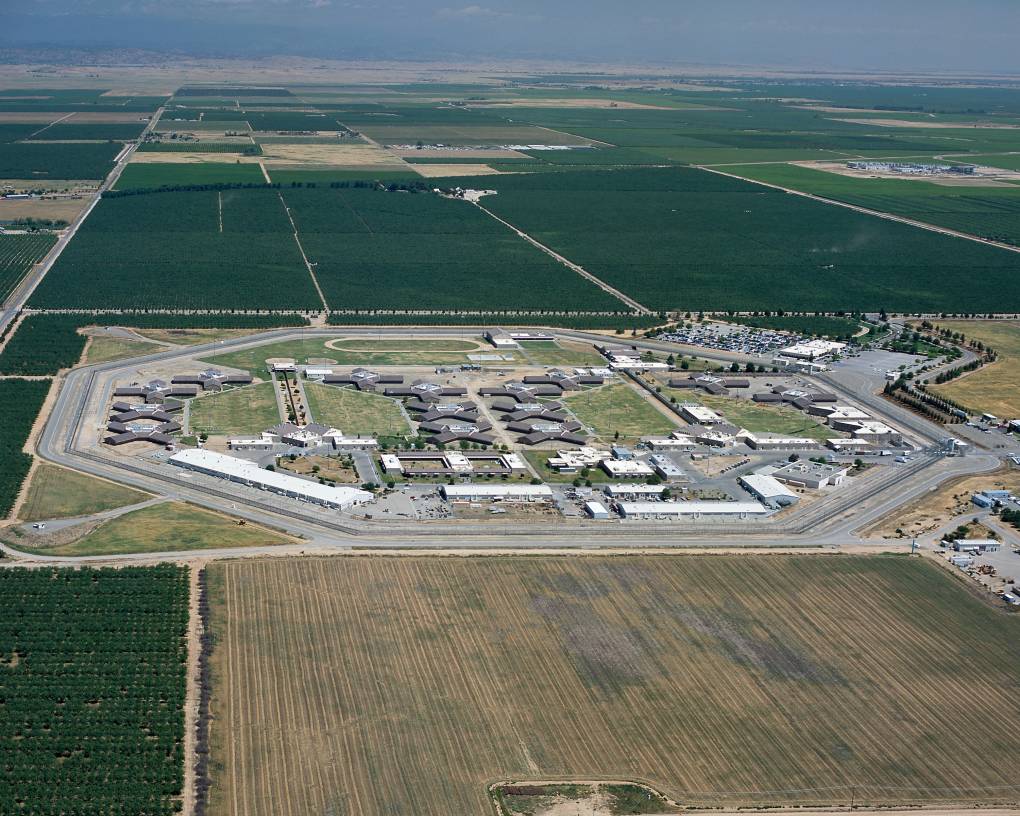
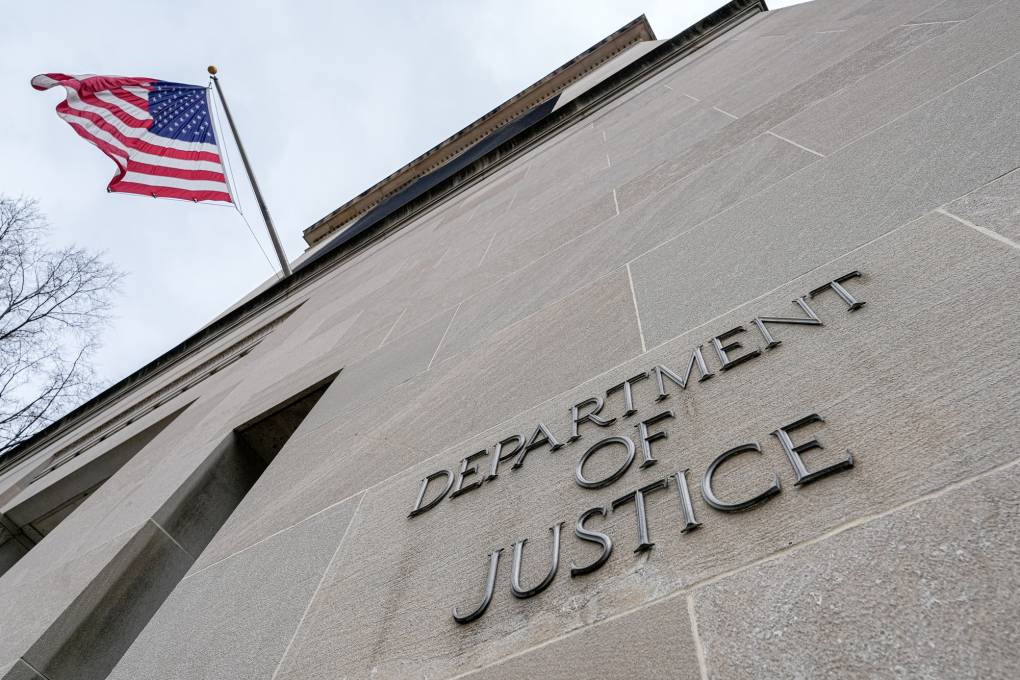
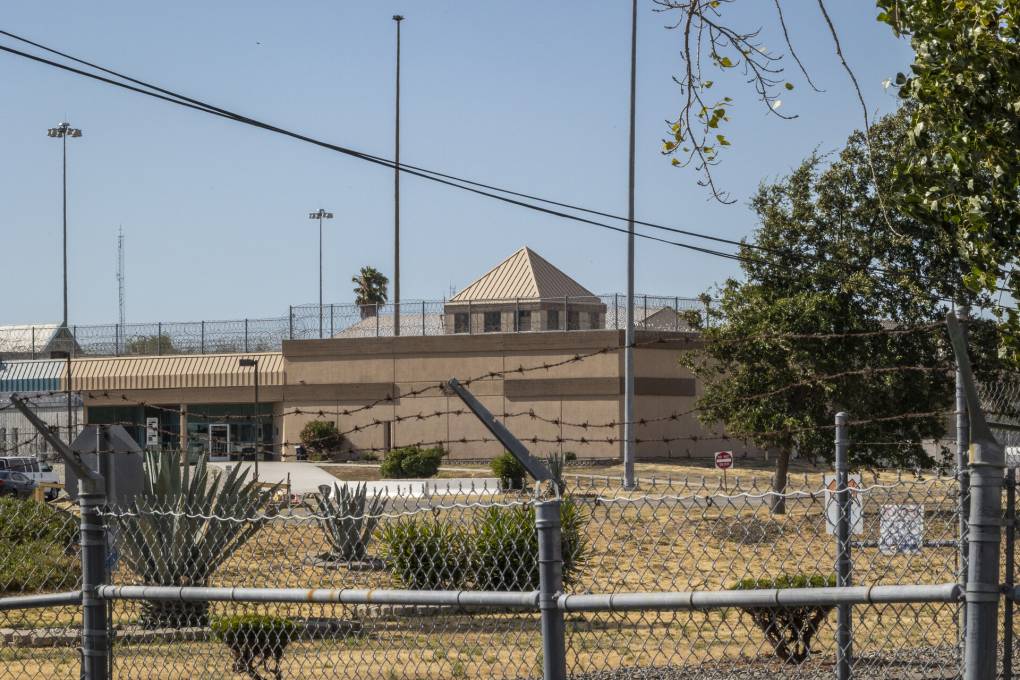
"content": "\u003cp>[dropcap]I[/dropcap]ncarcerated women at the Central California Women’s facility in Chowchilla say correctional officers used pepper spray, tear gas and rubber bullets on them after forcing them into a cafeteria with no food, water or medication for more than four hours.\u003c/p>\n\u003cp>Four women told KQED they were left injured, had difficulty breathing and were traumatized by the incident that occurred last month on Aug. 2.\u003c/p>\n\u003cp>Three incarcerated people had difficulty breathing and were transported to an offsite medical facility, according to an emailed statement from the California Department of Corrections and Rehabilitation.\u003c/p>\n\u003cp>In its statement, CDCR said officials have “identified concerning information about the handling of the Aug. 2 incident at the Central California Women’s Facility (CCWF) and are taking swift action.” The statement adds that a fight between two inmates prompted the incident and that approximately 100 others became “disruptive,” requiring staff to “quell the incident.”\u003c/p>\n\u003cp>Sources told KQED that a fight had broken out earlier, well before the alleged use of force by officers, whose later behavior was unprovoked.\u003c/p>\n\u003cp>[ad fullwidth]\u003c/p>\n\u003cp>The Central California Women’s Facility is the largest female institution in the state. It houses over 2,000 incarcerated people at all security levels, \u003ca href=\"https://www.oig.ca.gov/wp-content/uploads/2019/05/Warden-Mary-Lattimore-One-Year-Audit-Central-California-Womens-Facility.pdf\">according to a report\u003c/a> by the California Office of the Inspector General.\u003c/p>\n\u003ch2>‘People were screaming for help’\u003c/h2>\n\u003cp>On Aug. 2, correctional officers informed the women in one of the units that they were going to conduct a contraband search of the entire building, according to half a dozen formerly and currently incarcerated women who spoke to KQED.\u003c/p>\n\u003cp>Antoinette Yancey said she is a member of the Inmate Advisory Council, which communicates with prison staff about prisoners’ needs. She said everyone who was there that day complied with the order from officers to file into the cafeteria, also known as the chow hall.\u003c/p>\n\u003cp>Yancey said that after nearly four hours inside the cafeteria, the women had missed their state-issued lunch and others had not been given their medication. She said she asked to speak to Sergeant Fernando Arroyo, the officer she believed to be in charge that day. Meanwhile, another woman was seen having a seizure, according to Yancey and other witnesses. Yancey told KQED that a guard called a “medical code.” Moments later, she said, 30 to 40 officers entered the cafeteria, including Sgt. Arroyo.\u003c/p>\n\u003cp>“When I saw Sergeant Arroyo, I assumed that he was coming in to talk to us about lunches, food, water and things like that,” she said. Yancey said Arroyo did not address the women.\u003c/p>\n\u003cp>The officers then formed a skirmish line around them, according to three of the women. Yancey said she saw Sergeant Arroyo tap officers on the shoulder before officers started screaming “Get back!” at the women, who, she said, posed no threat. Officers began to spray pepper spray and tear gas at the women, according to four accounts.\u003c/p>\n\u003cp>“Some of the inmates ran away from the [chemical] bomb. Officers chased them, body slamming people who had walkers and couldn’t get down,” Yancey said, “Snatching shirts off people’s faces and [pepper] spraying them directly in the face.”\u003c/p>\n\u003cp>As the chaos unfolded, Elaine De Leon Guerrero, an Iraq war veteran, said she immediately threw herself to the ground.\u003c/p>\n\u003cp>“I ended up getting trampled on. People were screaming for help, crying, asking to please stop,” she said. “There were multiple orders being sent by different staff. Some were screaming at us, saying, get down. Others were saying, ‘Get up and file.’”\u003c/p>\n\u003cp>De Leon Guerrero said she saw two women have seizures.\u003c/p>\n\u003cp>In the statement, CDCR officials acknowledged that correctional officers used chemical weapons but would not provide any more details; the agency said no rubber bullets were used and maintained that the incident did not amount to excessive force. CDCR declined to specify whether other projectiles were used.\u003c/p>\n\u003cp>The agency also declined to confirm whether a Sgt. Fernando Arroyo works at the Chowchilla facility or was in charge that day. \u003ca href=\"https://openpayrolls.com/employee/fernando-arroyo-9571\">Public records show\u003c/a> that a Sgt. Fernando Arroyo worked at the Chowchilla facility until at least 2023. A Chowchilla prison employee named Fernando Arroyo is listed as one of several defendants in an \u003ca href=\"https://www.courthousenews.com/wp-content/uploads/2024/09/roe-vs-cdcr-complaint-sacramento.pdf\">ongoing civil suit filed by 144 plaintiffs\u003c/a> in Sacramento County alleging sexual assault and sexual battery at the Chowchilla facility. Arroyo could not be reached by phone; CDCR did not respond to KQED’s request to make Arroyo available for an interview.\u003c/p>\n\u003ch2>‘They just wouldn’t stop. It was like a war zone’\u003c/h2>\n\u003cp>Witnesses interviewed by KQED said that eventually, officers zip-tied all the women’s hands and escorted them outside to the yard, where they were made to sit.\u003c/p>\n\u003cp>“We’re thinking, okay, we’re sitting, we’re defenseless, now we’re going to get answers,” inmate Johnnyne Ramirez said. Instead, Ramirez said the officers continued another round of pepper spraying and tear gas bombing. Yancey and De Leon Guerrero gave KQED a matching account of the events.\u003c/p>\n\u003cp>“I really thought I was going to die that day because they were shooting. They were throwing [tear gas] grenades. They just wouldn’t stop. It was like a war zone,” Ramirez said.\u003c/p>\n\u003cp>[aside postID=news_12003230 hero='https://cdn.kqed.org/wp-content/uploads/sites/10/2024/09/USDeptofJusticeGetty-1020x680.jpg']\u003c/p>\n\u003cp>Witnesses told KQED that the unrest in the yard went on for another hour before prison staff escorted the women back to their cells.\u003c/p>\n\u003cp>“But they didn’t decontaminate us after using the chemical agents, which they’re supposed to do,” De Leon Guerrero said. “They just sent us, little at a time, back to the cells.”\u003c/p>\n\u003cp>A CDCR spokesperson declined to comment on specific allegations following the system’s written statement, citing an active investigation.\u003c/p>\n\u003cp>Staff at the facility began an immediate week-long intensive training on appropriate incident response, according to the statement from CDRC.\u003c/p>\n\u003ch2>An unprecedented use of force\u003c/h2>\n\u003cp>When told about the incident, Deputy Director for the ACLU National Prison Project Corene Kendrick said she had never seen this level of force at a women’s prison.\u003c/p>\n\u003cp>“I’ve never heard of anything this severe of an overreaction, especially when it’s in the context of something like a property search. And the women were just asking ‘what’s going on? And how much longer is this going to take?’” she said.\u003c/p>\n\u003cp>She pointed to a CDCR policy that states chemical agents should not be used once a person is restrained.\u003c/p>\n\u003cp>Sara Norman, an attorney who monitors jails and prisons, said the alleged violence by CDCR staff is disturbing but not surprising. In 2020, staff at the men’s correctional facility in Soledad rounded up incarcerated Black men and locked them in a cafeteria for hours at a time.\u003c/p>\n\u003cp>“They were zip-tied and they were interrogated about involvement with Black Lives Matter,” Norman said. “So these sorts of things tend to burst out in the current culture at CDCR.”\u003c/p>\n\u003ch2>History of alleged abuse at the Chowchilla Facility\u003c/h2>\n\u003cp>The U.S. Department of Justice \u003ca href=\"https://www.kqed.org/news/12003230/feds-investigate-california-prisons-where-women-say-culture-of-impunity-surrounded-abuse\">announced last week\u003c/a> that it is investigating the CDCR’s handling of sexual abuse allegations at the state women’s prisons in Chowchilla and Chino.\u003c/p>\n\u003cp>\u003ca href=\"https://www.justice.gov/opa/pr/justice-department-announces-civil-rights-investigation-correctional-staff-sexual-abuse-two\">In a statement\u003c/a>, the DOJ said it found significant justification to open the investigation, including “hundreds of private lawsuits” and reports alleging sexual abuse by correctional officers. Last year a correctional officer at the Chowchilla facility was charged with \u003ca href=\"https://www.theguardian.com/us-news/2023/oct/25/gregory-rodriguez-california-correctional-officer-accused-sexual-assault-womens-prison\">96 criminal counts\u003c/a>, including rape, sodomy and sexual battery over a 13-year period.\u003c/p>\n\u003cp>The DOJ’s investigation is appropriate given the charges brought against the correctional officer, said state Sen. Nancy Skinner, the chair of the Women’s Legislative Caucus.\u003c/p>\n\u003cp>“It’s hard to imagine that that individual was able to get away with that without other officials knowing. And it really puts a spotlight on what is happening there,” the East Bay lawmaker told KQED.\u003c/p>\n\u003cp>The women who were in the chow hall at the Central California Women’s Facility on Aug. 2 said they hope the CDCR’s investigation leads to transparency and accountability. All of the women said they were traumatized by the alleged attack.\u003c/p>\n\u003cp>“I don’t like being around a lot of people now, so I kind of stay secluded,” De Leon Guerrero said. “I cannot go into the chow hall. I’ve tried it. I start[ed] getting anxiety and a panic attack.”\u003c/p>\n\u003cp>[ad floatright]\u003c/p>\n\u003cp>\u003cem>This story has been updated.\u003c/em>\u003c/p>\n\n",
"blocks": [],
"excerpt": "Women incarcerated at a Chowchilla state prison say officers used pepper spray and tear gas on them after forcing them into a cafeteria with no food, water or medication for more than four hours.",
"status": "publish",
"parent": 0,
"modified": 1726164627,
"stats": {
"hasAudio": false,
"hasVideo": false,
"hasChartOrMap": false,
"iframeSrcs": [],
"hasGoogleForm": false,
"hasGallery": false,
"hasHearkenModule": false,
"hasPolis": false,
"paragraphCount": 39,
"wordCount": 1474
},
"headData": {
"title": "'Like a War Zone': Prison Officers Used Unprecedented Force in August Attack, Incarcerated Women Say | KQED",
"description": "Women incarcerated at a Chowchilla state prison say officers used pepper spray and tear gas on them after forcing them into a cafeteria with no food, water or medication for more than four hours.",
"ogTitle": "",
"ogDescription": "",
"ogImgId": "",
"twTitle": "",
"twDescription": "",
"twImgId": "",
"schema": {
"@context": "https://schema.org",
"@type": "NewsArticle",
"headline": "'Like a War Zone': Prison Officers Used Unprecedented Force in August Attack, Incarcerated Women Say",
"datePublished": "2024-09-12T04:01:26-07:00",
"dateModified": "2024-09-12T11:10:27-07:00",
"image": "https://cdn.kqed.org/wp-content/uploads/2020/02/KQED-OG-Image@1x.png",
"isAccessibleForFree": "True",
"publisher": {
"@type": "NewsMediaOrganization",
"@id": "https://www.kqed.org/#organization",
"name": "KQED",
"logo": "https://cdn.kqed.org/wp-content/uploads/2020/02/KQED-OG-Image@1x.png",
"url": "https://www.kqed.org",
"sameAs": [
"https://www.facebook.com/KQED",
"https://twitter.com/KQED",
"https://www.instagram.com/kqed/",
"https://www.tiktok.com/@kqedofficial",
"https://www.linkedin.com/company/kqed",
"https://www.youtube.com/channel/UCeC0IOo7i1P_61zVUWbJ4nw"
]
}
}
},
"audioUrl": "https://traffic.omny.fm/d/clips/0af137ef-751e-4b19-a055-aaef00d2d578/ffca7e9f-6831-41c5-bcaf-aaef00f5a073/0f7adbbf-feaa-48cc-bf14-b1e90107f085/audio.mp3",
"sticky": false,
"nprStoryId": "kqed-12004368",
"excludeFromSiteSearch": "Include",
"articleAge": "0",
"path": "/news/12004368/like-a-war-zone-prison-officers-used-unprecedented-force-in-august-attack-incarcerated-women-say",
"audioTrackLength": null,
"parsedContent": [
{
"type": "contentString",
"content": "\u003cdiv class=\"post-body\">\u003cp>\u003cp>\u003c/p>\u003cp>\u003cspan class=\"utils-parseShortcode-shortcodes-__dropcapShortcode__dropcap\">I\u003c/span>\u003c/p>\u003cp>ncarcerated women at the Central California Women’s facility in Chowchilla say correctional officers used pepper spray, tear gas and rubber bullets on them after forcing them into a cafeteria with no food, water or medication for more than four hours.\u003c/p>\n\u003cp>Four women told KQED they were left injured, had difficulty breathing and were traumatized by the incident that occurred last month on Aug. 2.\u003c/p>\n\u003cp>Three incarcerated people had difficulty breathing and were transported to an offsite medical facility, according to an emailed statement from the California Department of Corrections and Rehabilitation.\u003c/p>\n\u003cp>In its statement, CDCR said officials have “identified concerning information about the handling of the Aug. 2 incident at the Central California Women’s Facility (CCWF) and are taking swift action.” The statement adds that a fight between two inmates prompted the incident and that approximately 100 others became “disruptive,” requiring staff to “quell the incident.”\u003c/p>\n\u003cp>Sources told KQED that a fight had broken out earlier, well before the alleged use of force by officers, whose later behavior was unprovoked.\u003c/p>\n\u003cp>\u003c/p>\u003c/div>",
"attributes": {
"named": {},
"numeric": []
}
},
{
"type": "component",
"content": "",
"name": "ad",
"attributes": {
"named": {
"label": "fullwidth"
},
"numeric": [
"fullwidth"
]
}
},
{
"type": "contentString",
"content": "\u003cdiv class=\"post-body\">\u003cp>\u003c/p>\n\u003cp>The Central California Women’s Facility is the largest female institution in the state. It houses over 2,000 incarcerated people at all security levels, \u003ca href=\"https://www.oig.ca.gov/wp-content/uploads/2019/05/Warden-Mary-Lattimore-One-Year-Audit-Central-California-Womens-Facility.pdf\">according to a report\u003c/a> by the California Office of the Inspector General.\u003c/p>\n\u003ch2>‘People were screaming for help’\u003c/h2>\n\u003cp>On Aug. 2, correctional officers informed the women in one of the units that they were going to conduct a contraband search of the entire building, according to half a dozen formerly and currently incarcerated women who spoke to KQED.\u003c/p>\n\u003cp>Antoinette Yancey said she is a member of the Inmate Advisory Council, which communicates with prison staff about prisoners’ needs. She said everyone who was there that day complied with the order from officers to file into the cafeteria, also known as the chow hall.\u003c/p>\n\u003cp>Yancey said that after nearly four hours inside the cafeteria, the women had missed their state-issued lunch and others had not been given their medication. She said she asked to speak to Sergeant Fernando Arroyo, the officer she believed to be in charge that day. Meanwhile, another woman was seen having a seizure, according to Yancey and other witnesses. Yancey told KQED that a guard called a “medical code.” Moments later, she said, 30 to 40 officers entered the cafeteria, including Sgt. Arroyo.\u003c/p>\n\u003cp>“When I saw Sergeant Arroyo, I assumed that he was coming in to talk to us about lunches, food, water and things like that,” she said. Yancey said Arroyo did not address the women.\u003c/p>\n\u003cp>The officers then formed a skirmish line around them, according to three of the women. Yancey said she saw Sergeant Arroyo tap officers on the shoulder before officers started screaming “Get back!” at the women, who, she said, posed no threat. Officers began to spray pepper spray and tear gas at the women, according to four accounts.\u003c/p>\n\u003cp>“Some of the inmates ran away from the [chemical] bomb. Officers chased them, body slamming people who had walkers and couldn’t get down,” Yancey said, “Snatching shirts off people’s faces and [pepper] spraying them directly in the face.”\u003c/p>\n\u003cp>As the chaos unfolded, Elaine De Leon Guerrero, an Iraq war veteran, said she immediately threw herself to the ground.\u003c/p>\n\u003cp>“I ended up getting trampled on. People were screaming for help, crying, asking to please stop,” she said. “There were multiple orders being sent by different staff. Some were screaming at us, saying, get down. Others were saying, ‘Get up and file.’”\u003c/p>\n\u003cp>De Leon Guerrero said she saw two women have seizures.\u003c/p>\n\u003cp>In the statement, CDCR officials acknowledged that correctional officers used chemical weapons but would not provide any more details; the agency said no rubber bullets were used and maintained that the incident did not amount to excessive force. CDCR declined to specify whether other projectiles were used.\u003c/p>\n\u003cp>The agency also declined to confirm whether a Sgt. Fernando Arroyo works at the Chowchilla facility or was in charge that day. \u003ca href=\"https://openpayrolls.com/employee/fernando-arroyo-9571\">Public records show\u003c/a> that a Sgt. Fernando Arroyo worked at the Chowchilla facility until at least 2023. A Chowchilla prison employee named Fernando Arroyo is listed as one of several defendants in an \u003ca href=\"https://www.courthousenews.com/wp-content/uploads/2024/09/roe-vs-cdcr-complaint-sacramento.pdf\">ongoing civil suit filed by 144 plaintiffs\u003c/a> in Sacramento County alleging sexual assault and sexual battery at the Chowchilla facility. Arroyo could not be reached by phone; CDCR did not respond to KQED’s request to make Arroyo available for an interview.\u003c/p>\n\u003ch2>‘They just wouldn’t stop. It was like a war zone’\u003c/h2>\n\u003cp>Witnesses interviewed by KQED said that eventually, officers zip-tied all the women’s hands and escorted them outside to the yard, where they were made to sit.\u003c/p>\n\u003cp>“We’re thinking, okay, we’re sitting, we’re defenseless, now we’re going to get answers,” inmate Johnnyne Ramirez said. Instead, Ramirez said the officers continued another round of pepper spraying and tear gas bombing. Yancey and De Leon Guerrero gave KQED a matching account of the events.\u003c/p>\n\u003cp>“I really thought I was going to die that day because they were shooting. They were throwing [tear gas] grenades. They just wouldn’t stop. It was like a war zone,” Ramirez said.\u003c/p>\n\u003cp>\u003c/p>\u003c/div>",
"attributes": {
"named": {},
"numeric": []
}
},
{
"type": "component",
"content": "",
"name": "aside",
"attributes": {
"named": {
"postid": "news_12003230",
"hero": "https://cdn.kqed.org/wp-content/uploads/sites/10/2024/09/USDeptofJusticeGetty-1020x680.jpg",
"label": ""
},
"numeric": []
}
},
{
"type": "contentString",
"content": "\u003cdiv class=\"post-body\">\u003cp>\u003c/p>\n\u003cp>Witnesses told KQED that the unrest in the yard went on for another hour before prison staff escorted the women back to their cells.\u003c/p>\n\u003cp>“But they didn’t decontaminate us after using the chemical agents, which they’re supposed to do,” De Leon Guerrero said. “They just sent us, little at a time, back to the cells.”\u003c/p>\n\u003cp>A CDCR spokesperson declined to comment on specific allegations following the system’s written statement, citing an active investigation.\u003c/p>\n\u003cp>Staff at the facility began an immediate week-long intensive training on appropriate incident response, according to the statement from CDRC.\u003c/p>\n\u003ch2>An unprecedented use of force\u003c/h2>\n\u003cp>When told about the incident, Deputy Director for the ACLU National Prison Project Corene Kendrick said she had never seen this level of force at a women’s prison.\u003c/p>\n\u003cp>“I’ve never heard of anything this severe of an overreaction, especially when it’s in the context of something like a property search. And the women were just asking ‘what’s going on? And how much longer is this going to take?’” she said.\u003c/p>\n\u003cp>She pointed to a CDCR policy that states chemical agents should not be used once a person is restrained.\u003c/p>\n\u003cp>Sara Norman, an attorney who monitors jails and prisons, said the alleged violence by CDCR staff is disturbing but not surprising. In 2020, staff at the men’s correctional facility in Soledad rounded up incarcerated Black men and locked them in a cafeteria for hours at a time.\u003c/p>\n\u003cp>“They were zip-tied and they were interrogated about involvement with Black Lives Matter,” Norman said. “So these sorts of things tend to burst out in the current culture at CDCR.”\u003c/p>\n\u003ch2>History of alleged abuse at the Chowchilla Facility\u003c/h2>\n\u003cp>The U.S. Department of Justice \u003ca href=\"https://www.kqed.org/news/12003230/feds-investigate-california-prisons-where-women-say-culture-of-impunity-surrounded-abuse\">announced last week\u003c/a> that it is investigating the CDCR’s handling of sexual abuse allegations at the state women’s prisons in Chowchilla and Chino.\u003c/p>\n\u003cp>\u003ca href=\"https://www.justice.gov/opa/pr/justice-department-announces-civil-rights-investigation-correctional-staff-sexual-abuse-two\">In a statement\u003c/a>, the DOJ said it found significant justification to open the investigation, including “hundreds of private lawsuits” and reports alleging sexual abuse by correctional officers. Last year a correctional officer at the Chowchilla facility was charged with \u003ca href=\"https://www.theguardian.com/us-news/2023/oct/25/gregory-rodriguez-california-correctional-officer-accused-sexual-assault-womens-prison\">96 criminal counts\u003c/a>, including rape, sodomy and sexual battery over a 13-year period.\u003c/p>\n\u003cp>The DOJ’s investigation is appropriate given the charges brought against the correctional officer, said state Sen. Nancy Skinner, the chair of the Women’s Legislative Caucus.\u003c/p>\n\u003cp>“It’s hard to imagine that that individual was able to get away with that without other officials knowing. And it really puts a spotlight on what is happening there,” the East Bay lawmaker told KQED.\u003c/p>\n\u003cp>The women who were in the chow hall at the Central California Women’s Facility on Aug. 2 said they hope the CDCR’s investigation leads to transparency and accountability. All of the women said they were traumatized by the alleged attack.\u003c/p>\n\u003cp>“I don’t like being around a lot of people now, so I kind of stay secluded,” De Leon Guerrero said. “I cannot go into the chow hall. I’ve tried it. I start[ed] getting anxiety and a panic attack.”\u003c/p>\n\u003cp>\u003c/p>\u003c/div>",
"attributes": {
"named": {},
"numeric": []
}
},
{
"type": "component",
"content": "",
"name": "ad",
"attributes": {
"named": {
"label": "floatright"
},
"numeric": [
"floatright"
]
}
},
{
"type": "contentString",
"content": "\u003cdiv class=\"post-body\">\u003cp>\u003c/p>\n\u003cp>\u003cem>This story has been updated.\u003c/em>\u003c/p>\n\n\u003c/div>\u003c/p>",
"attributes": {
"named": {},
"numeric": []
}
}
],
"link": "/news/12004368/like-a-war-zone-prison-officers-used-unprecedented-force-in-august-attack-incarcerated-women-say",
"authors": [
"11895"
],
"programs": [
"news_72"
],
"categories": [
"news_34167",
"news_6188",
"news_8"
],
"tags": [
"news_616",
"news_1629",
"news_22050",
"news_1471",
"news_32043"
],
"featImg": "news_12004391",
"label": "news_72"
},
"news_12003230": {
"type": "posts",
"id": "news_12003230",
"meta": {
"index": "posts_1716263798",
"site": "news",
"id": "12003230",
"score": null,
"sort": [
1725571843000
]
},
"guestAuthors": [],
"slug": "feds-investigate-california-prisons-where-women-say-culture-of-impunity-surrounded-abuse",
"title": "Feds Investigate California Prisons Where Women Say ‘Culture of Impunity’ Surrounded Abuse",
"publishDate": 1725571843,
"format": "standard",
"headTitle": "Feds Investigate California Prisons Where Women Say ‘Culture of Impunity’ Surrounded Abuse | KQED",
"labelTerm": {
"site": "news"
},
"content": "\u003cp>Following hundreds of lawsuits alleging systemic sexual abuse by correctional officers at two California state prisons, advocates for incarcerated women are hopeful a newly launched federal investigation by the Department of Justice will bring change.\u003c/p>\n\u003cp>The department said on Wednesday that it had “significant justification” to evaluate whether the state was meeting its constitutional duty to protect residents of the Central California Women’s Facility in Chowchilla and the California Institution for Women in Chino, which for years have been plagued by misconduct scandals.\u003c/p>\n\u003cp>The announcement references\u003ca href=\"https://www.kqed.org/news/11936438/former-california-prison-officer-accused-of-sexual-misconduct-against-multiple-inmates\"> the May arrest of \u003c/a>Gregory Rodriguez, 56, who is accused of abusing or raping 22 women in his custody at Chowchilla, the state’s largest women’s facility, for years. The former correctional officer is set to go on trial in state court this week on nearly 100 counts of sexual abuse.\u003c/p>\n\u003cp>Among his accusers is Latasha Brown, a Vallejo woman who has been incarcerated at both the Chino and Chowchilla facilities over the past 21 years. She \u003ca href=\"https://www.theguardian.com/us-news/2023/oct/29/womens-prison-guards-sexual-abuse\">testified \u003c/a>last year at a legislative hearing on sexual violence that she suffered abuse at the hands of Rodriguez and other officers.\u003c/p>\n\u003cp>[ad fullwidth]\u003c/p>\n\u003cp>“Not everyone employed by [California Department of Corrections and Rehabilitation] is a predator. I’m only saying that the uniform or the suit makes a perfect camouflage for one,” Brown said in recorded remarks from prison.\u003c/p>\n\u003cp>In the Justice Department’s announcement of its investigation, Kristen Clarke, who leads the department’s Civil Rights Division, said, “California must ensure that the people it incarcerates are housed in conditions that protect them from sexual abuse.”\u003c/p>\n\u003cp>“No woman incarcerated in a jail or prison should be subjected to sexual abuse by prison staff who are constitutionally bound to protect them,” Clarke said.\u003c/p>\n\u003cp>The investigation comes more than two and a half years after the \u003ca href=\"https://leginfo.legislature.ca.gov/faces/billNavClient.xhtml?bill_id=202120220AB1455\">passage of a state bill\u003c/a> that extended the statute of limitations for victims of sexual assault by police and correctional officers to sue their assailants in civil court.\u003c/p>\n\u003cp>[aside postID=news_12002790 hero='https://cdn.kqed.org/wp-content/uploads/sites/10/2024/09/240408-FCIDublin-009-BL_qed-1020x680.jpg']\u003c/p>\n\u003cp>“We are incredibly grateful that the DOJ is stepping in,” said Amika Mota, executive director of advocacy group Sister Warriors Freedom Coalition.\u003c/p>\n\u003cp>“As formerly incarcerated people that have lived inside, it tends to be when the feds get involved that we see some action and shift. And unfortunately, in these last couple of years working closely with CDCR and also trying to get access to provide more trauma-informed support to people on the inside, we’ve seen reluctance to allow advocates inside.”\u003c/p>\n\u003cp>The state bill, AB 1455, allows victims to sue in civil court up to 10 years after their assailants are convicted of sexual assault or a crime in which sexual assault was initially alleged. It also gives victims the option to sue up to 10 years after their assailants leave the law enforcement agency they were working at when the assault occurred.\u003c/p>\n\u003cp>Since the law took effect, women have filed hundreds of lawsuits describing numerous instances of sexual assault by correctional officers overseen by CDCR, including the Chowchilla and Chino facilities.\u003c/p>\n\u003cp>The lawsuits range from allegations of inappropriate searching to forcible rape, and officers at both facilities reportedly sought sexual favors in return for contraband and privileges, the DOJ said in a press release. And among the correctional officers accused of misconduct are some of the very people responsible for handling complaints of sexual abuse made by women incarcerated there, according to the DOJ.\u003c/p>\n\u003cfigure id=\"attachment_11997597\" class=\"wp-caption aligncenter\" style=\"max-width: 2000px\">\u003cimg loading=\"lazy\" decoding=\"async\" class=\"size-full wp-image-11997597\" src=\"https://cdn.kqed.org/wp-content/uploads/sites/10/2024/07/240408-FCIDublin-012-BL_qed.jpg\" alt=\"\" width=\"2000\" height=\"1333\" srcset=\"https://cdn.kqed.org/wp-content/uploads/sites/10/2024/07/240408-FCIDublin-012-BL_qed.jpg 2000w, https://cdn.kqed.org/wp-content/uploads/sites/10/2024/07/240408-FCIDublin-012-BL_qed-800x533.jpg 800w, https://cdn.kqed.org/wp-content/uploads/sites/10/2024/07/240408-FCIDublin-012-BL_qed-1020x680.jpg 1020w, https://cdn.kqed.org/wp-content/uploads/sites/10/2024/07/240408-FCIDublin-012-BL_qed-160x107.jpg 160w, https://cdn.kqed.org/wp-content/uploads/sites/10/2024/07/240408-FCIDublin-012-BL_qed-1536x1024.jpg 1536w, https://cdn.kqed.org/wp-content/uploads/sites/10/2024/07/240408-FCIDublin-012-BL_qed-1920x1280.jpg 1920w\" sizes=\"auto, (max-width: 2000px) 100vw, 2000px\">\u003cfigcaption class=\"wp-caption-text\">A sign for the Federal Correctional Institution, Dublin, a prison for women, in Dublin on April 8, 2024. \u003ccite>(Beth LaBerge/KQED)\u003c/cite>\u003c/figcaption>\u003c/figure>\n\u003cp>“Prisons were initially built to ‘reform,’ places of ‘penance,’ but they have become places where society’s throwaways suffer a litany of abuses by the ones we hold responsible for our safety and security. Places where a culture of impunity pervades,” Brown said.\u003c/p>\n\u003cp>In her testimony, Brown described the retribution she faced after speaking out against sexual violence.\u003c/p>\n\u003cp>“Since I am completely at the mercy of my captors, I have a feeling of perpetual uneasiness since I know the lengths they will go to cover up their misconduct,” she said. “I was stripped of my property, isolated, surveilled and deprived of communication with my loved ones when I came forward.”\u003c/p>\n\u003cp>State Sen. Nancy Skinner, who represents the East Bay, visited the Chowchilla prison with other legislators last January and spoke with women inside about the difficulties of reporting abuse.\u003c/p>\n\u003cp>“No person, … no matter what the actions that they took that resulted in their getting a sentence, should be subject to being assaulted or raped while they are incarcerated. Nobody,” said Skinner, chair of the California Legislative Women’s Caucus.\u003c/p>\n\u003cp>[aside postID=news_11999317 hero='https://cdn.kqed.org/wp-content/uploads/sites/10/2023/07/230726-SAN-QUENTIN-MHN-04-KQED-1020x680.jpg']\u003c/p>\n\u003cp>The joint efforts of the California Legislative Women’s Caucus and Sister Warriors Freedom Coalition to shine a light on sexual abuse were cited by the Justice Department for helping launch its investigation.\u003c/p>\n\u003cp>“I’m relieved that some of our work in the Women’s Caucus has come to the surface, and people are acknowledging the work we’ve done by having this investigation,” said Assemblymember Cecilia Aguiar-Curry of East Sacramento.\u003c/p>\n\u003cp>“When people say the government doesn’t work, well, it does. Sometimes, it takes a little bit longer than we would like.”\u003c/p>\n\u003cp>As part of their work, the Women’s Caucus will travel next week to visit prisons in the United Kingdom and Ireland, Aguiar-Curry added, to learn from other countries about rehabilitation and how they prepare women for reentry into society.\u003c/p>\n\u003cp>In response to the allegations around the Chowchilla and Chino facilities, CDCR plans to intensify staff training with a focus on misconduct and will increase cameras and surveillance at both of the facilities, according to a statement from department secretary Jeff Macomber.\u003c/p>\n\u003cp>“Sexual assault is a heinous violation of fundamental human dignity that is not tolerated — under any circumstances — within California’s state prison system,” Macomber said.\u003c/p>\n\u003cp>“Our department embraces transparency, and we fully welcome the U.S. Department of Justice’s independent investigation.”\u003c/p>\n\u003cp>The investigation also comes after the closure of a federal women’s prison in the East Bay following years of sexual misconduct allegations and scandals. Seven former corrections officers at FCI Dublin have been sentenced, and the eighth is set to go to trial after \u003ca href=\"https://www.kqed.org/news/12002790/fci-dublin-officer-pleads-not-guilty-after-facing-new-sex-abuse-charges\">pleading not guilty on Tuesday\u003c/a> to 15 counts of sexual abuse of incarcerated women.\u003c/p>\n\u003cp>\u003cem>KQED’s \u003ca href=\"https://www.kqed.org/author/mbolanos\">Madi Bolaños\u003c/a> contributed to this report.\u003c/em>\u003c/p>\n\u003cp>[ad floatright]\u003c/p>\n",
"blocks": [],
"excerpt": "The Department of Justice found “significant justification” to investigate whether California protected incarcerated people from sexual abuse by correctional officers.",
"status": "publish",
"parent": 0,
"modified": 1738782727,
"stats": {
"hasAudio": false,
"hasVideo": false,
"hasChartOrMap": false,
"iframeSrcs": [],
"hasGoogleForm": false,
"hasGallery": false,
"hasHearkenModule": false,
"hasPolis": false,
"paragraphCount": 31,
"wordCount": 1154
},
"headData": {
"title": "Feds Investigate California Prisons Where Women Say ‘Culture of Impunity’ Surrounded Abuse | KQED",
"description": "The Department of Justice found “significant justification” to investigate whether California protected incarcerated people from sexual abuse by correctional officers.",
"ogTitle": "",
"ogDescription": "",
"ogImgId": "",
"twTitle": "",
"twDescription": "",
"twImgId": "",
"schema": {
"@context": "https://schema.org",
"@type": "NewsArticle",
"headline": "Feds Investigate California Prisons Where Women Say ‘Culture of Impunity’ Surrounded Abuse",
"datePublished": "2024-09-05T14:30:43-07:00",
"dateModified": "2025-02-05T11:12:07-08:00",
"image": "https://cdn.kqed.org/wp-content/uploads/2020/02/KQED-OG-Image@1x.png",
"isAccessibleForFree": "True",
"publisher": {
"@type": "NewsMediaOrganization",
"@id": "https://www.kqed.org/#organization",
"name": "KQED",
"logo": "https://cdn.kqed.org/wp-content/uploads/2020/02/KQED-OG-Image@1x.png",
"url": "https://www.kqed.org",
"sameAs": [
"https://www.facebook.com/KQED",
"https://twitter.com/KQED",
"https://www.instagram.com/kqed/",
"https://www.tiktok.com/@kqedofficial",
"https://www.linkedin.com/company/kqed",
"https://www.youtube.com/channel/UCeC0IOo7i1P_61zVUWbJ4nw"
]
}
}
},
"sticky": false,
"nprStoryId": "kqed-12003230",
"excludeFromSiteSearch": "Include",
"showOnAuthorArchivePages": "No",
"articleAge": "0",
"path": "/news/12003230/feds-investigate-california-prisons-where-women-say-culture-of-impunity-surrounded-abuse",
"audioTrackLength": null,
"parsedContent": [
{
"type": "contentString",
"content": "\u003cdiv class=\"post-body\">\u003cp>\u003cp>Following hundreds of lawsuits alleging systemic sexual abuse by correctional officers at two California state prisons, advocates for incarcerated women are hopeful a newly launched federal investigation by the Department of Justice will bring change.\u003c/p>\n\u003cp>The department said on Wednesday that it had “significant justification” to evaluate whether the state was meeting its constitutional duty to protect residents of the Central California Women’s Facility in Chowchilla and the California Institution for Women in Chino, which for years have been plagued by misconduct scandals.\u003c/p>\n\u003cp>The announcement references\u003ca href=\"https://www.kqed.org/news/11936438/former-california-prison-officer-accused-of-sexual-misconduct-against-multiple-inmates\"> the May arrest of \u003c/a>Gregory Rodriguez, 56, who is accused of abusing or raping 22 women in his custody at Chowchilla, the state’s largest women’s facility, for years. The former correctional officer is set to go on trial in state court this week on nearly 100 counts of sexual abuse.\u003c/p>\n\u003cp>Among his accusers is Latasha Brown, a Vallejo woman who has been incarcerated at both the Chino and Chowchilla facilities over the past 21 years. She \u003ca href=\"https://www.theguardian.com/us-news/2023/oct/29/womens-prison-guards-sexual-abuse\">testified \u003c/a>last year at a legislative hearing on sexual violence that she suffered abuse at the hands of Rodriguez and other officers.\u003c/p>\n\u003cp>\u003c/p>\u003c/div>",
"attributes": {
"named": {},
"numeric": []
}
},
{
"type": "component",
"content": "",
"name": "ad",
"attributes": {
"named": {
"label": "fullwidth"
},
"numeric": [
"fullwidth"
]
}
},
{
"type": "contentString",
"content": "\u003cdiv class=\"post-body\">\u003cp>\u003c/p>\n\u003cp>“Not everyone employed by [California Department of Corrections and Rehabilitation] is a predator. I’m only saying that the uniform or the suit makes a perfect camouflage for one,” Brown said in recorded remarks from prison.\u003c/p>\n\u003cp>In the Justice Department’s announcement of its investigation, Kristen Clarke, who leads the department’s Civil Rights Division, said, “California must ensure that the people it incarcerates are housed in conditions that protect them from sexual abuse.”\u003c/p>\n\u003cp>“No woman incarcerated in a jail or prison should be subjected to sexual abuse by prison staff who are constitutionally bound to protect them,” Clarke said.\u003c/p>\n\u003cp>The investigation comes more than two and a half years after the \u003ca href=\"https://leginfo.legislature.ca.gov/faces/billNavClient.xhtml?bill_id=202120220AB1455\">passage of a state bill\u003c/a> that extended the statute of limitations for victims of sexual assault by police and correctional officers to sue their assailants in civil court.\u003c/p>\n\u003cp>\u003c/p>\u003c/div>",
"attributes": {
"named": {},
"numeric": []
}
},
{
"type": "component",
"content": "",
"name": "aside",
"attributes": {
"named": {
"postid": "news_12002790",
"hero": "https://cdn.kqed.org/wp-content/uploads/sites/10/2024/09/240408-FCIDublin-009-BL_qed-1020x680.jpg",
"label": ""
},
"numeric": []
}
},
{
"type": "contentString",
"content": "\u003cdiv class=\"post-body\">\u003cp>\u003c/p>\n\u003cp>“We are incredibly grateful that the DOJ is stepping in,” said Amika Mota, executive director of advocacy group Sister Warriors Freedom Coalition.\u003c/p>\n\u003cp>“As formerly incarcerated people that have lived inside, it tends to be when the feds get involved that we see some action and shift. And unfortunately, in these last couple of years working closely with CDCR and also trying to get access to provide more trauma-informed support to people on the inside, we’ve seen reluctance to allow advocates inside.”\u003c/p>\n\u003cp>The state bill, AB 1455, allows victims to sue in civil court up to 10 years after their assailants are convicted of sexual assault or a crime in which sexual assault was initially alleged. It also gives victims the option to sue up to 10 years after their assailants leave the law enforcement agency they were working at when the assault occurred.\u003c/p>\n\u003cp>Since the law took effect, women have filed hundreds of lawsuits describing numerous instances of sexual assault by correctional officers overseen by CDCR, including the Chowchilla and Chino facilities.\u003c/p>\n\u003cp>The lawsuits range from allegations of inappropriate searching to forcible rape, and officers at both facilities reportedly sought sexual favors in return for contraband and privileges, the DOJ said in a press release. And among the correctional officers accused of misconduct are some of the very people responsible for handling complaints of sexual abuse made by women incarcerated there, according to the DOJ.\u003c/p>\n\u003cfigure id=\"attachment_11997597\" class=\"wp-caption aligncenter\" style=\"max-width: 2000px\">\u003cimg loading=\"lazy\" decoding=\"async\" class=\"size-full wp-image-11997597\" src=\"https://cdn.kqed.org/wp-content/uploads/sites/10/2024/07/240408-FCIDublin-012-BL_qed.jpg\" alt=\"\" width=\"2000\" height=\"1333\" srcset=\"https://cdn.kqed.org/wp-content/uploads/sites/10/2024/07/240408-FCIDublin-012-BL_qed.jpg 2000w, https://cdn.kqed.org/wp-content/uploads/sites/10/2024/07/240408-FCIDublin-012-BL_qed-800x533.jpg 800w, https://cdn.kqed.org/wp-content/uploads/sites/10/2024/07/240408-FCIDublin-012-BL_qed-1020x680.jpg 1020w, https://cdn.kqed.org/wp-content/uploads/sites/10/2024/07/240408-FCIDublin-012-BL_qed-160x107.jpg 160w, https://cdn.kqed.org/wp-content/uploads/sites/10/2024/07/240408-FCIDublin-012-BL_qed-1536x1024.jpg 1536w, https://cdn.kqed.org/wp-content/uploads/sites/10/2024/07/240408-FCIDublin-012-BL_qed-1920x1280.jpg 1920w\" sizes=\"auto, (max-width: 2000px) 100vw, 2000px\">\u003cfigcaption class=\"wp-caption-text\">A sign for the Federal Correctional Institution, Dublin, a prison for women, in Dublin on April 8, 2024. \u003ccite>(Beth LaBerge/KQED)\u003c/cite>\u003c/figcaption>\u003c/figure>\n\u003cp>“Prisons were initially built to ‘reform,’ places of ‘penance,’ but they have become places where society’s throwaways suffer a litany of abuses by the ones we hold responsible for our safety and security. Places where a culture of impunity pervades,” Brown said.\u003c/p>\n\u003cp>In her testimony, Brown described the retribution she faced after speaking out against sexual violence.\u003c/p>\n\u003cp>“Since I am completely at the mercy of my captors, I have a feeling of perpetual uneasiness since I know the lengths they will go to cover up their misconduct,” she said. “I was stripped of my property, isolated, surveilled and deprived of communication with my loved ones when I came forward.”\u003c/p>\n\u003cp>State Sen. Nancy Skinner, who represents the East Bay, visited the Chowchilla prison with other legislators last January and spoke with women inside about the difficulties of reporting abuse.\u003c/p>\n\u003cp>“No person, … no matter what the actions that they took that resulted in their getting a sentence, should be subject to being assaulted or raped while they are incarcerated. Nobody,” said Skinner, chair of the California Legislative Women’s Caucus.\u003c/p>\n\u003cp>\u003c/p>\u003c/div>",
"attributes": {
"named": {},
"numeric": []
}
},
{
"type": "component",
"content": "",
"name": "aside",
"attributes": {
"named": {
"postid": "news_11999317",
"hero": "https://cdn.kqed.org/wp-content/uploads/sites/10/2023/07/230726-SAN-QUENTIN-MHN-04-KQED-1020x680.jpg",
"label": ""
},
"numeric": []
}
},
{
"type": "contentString",
"content": "\u003cdiv class=\"post-body\">\u003cp>\u003c/p>\n\u003cp>The joint efforts of the California Legislative Women’s Caucus and Sister Warriors Freedom Coalition to shine a light on sexual abuse were cited by the Justice Department for helping launch its investigation.\u003c/p>\n\u003cp>“I’m relieved that some of our work in the Women’s Caucus has come to the surface, and people are acknowledging the work we’ve done by having this investigation,” said Assemblymember Cecilia Aguiar-Curry of East Sacramento.\u003c/p>\n\u003cp>“When people say the government doesn’t work, well, it does. Sometimes, it takes a little bit longer than we would like.”\u003c/p>\n\u003cp>As part of their work, the Women’s Caucus will travel next week to visit prisons in the United Kingdom and Ireland, Aguiar-Curry added, to learn from other countries about rehabilitation and how they prepare women for reentry into society.\u003c/p>\n\u003cp>In response to the allegations around the Chowchilla and Chino facilities, CDCR plans to intensify staff training with a focus on misconduct and will increase cameras and surveillance at both of the facilities, according to a statement from department secretary Jeff Macomber.\u003c/p>\n\u003cp>“Sexual assault is a heinous violation of fundamental human dignity that is not tolerated — under any circumstances — within California’s state prison system,” Macomber said.\u003c/p>\n\u003cp>“Our department embraces transparency, and we fully welcome the U.S. Department of Justice’s independent investigation.”\u003c/p>\n\u003cp>The investigation also comes after the closure of a federal women’s prison in the East Bay following years of sexual misconduct allegations and scandals. Seven former corrections officers at FCI Dublin have been sentenced, and the eighth is set to go to trial after \u003ca href=\"https://www.kqed.org/news/12002790/fci-dublin-officer-pleads-not-guilty-after-facing-new-sex-abuse-charges\">pleading not guilty on Tuesday\u003c/a> to 15 counts of sexual abuse of incarcerated women.\u003c/p>\n\u003cp>\u003cem>KQED’s \u003ca href=\"https://www.kqed.org/author/mbolanos\">Madi Bolaños\u003c/a> contributed to this report.\u003c/em>\u003c/p>\n\u003cp>\u003c/p>\u003c/div>",
"attributes": {
"named": {},
"numeric": []
}
},
{
"type": "component",
"content": "",
"name": "ad",
"attributes": {
"named": {
"label": "floatright"
},
"numeric": [
"floatright"
]
}
},
{
"type": "contentString",
"content": "\u003cdiv class=\"post-body\">\u003cp>\u003c/p>\n\u003c/div>\u003c/p>",
"attributes": {
"named": {},
"numeric": []
}
}
],
"link": "/news/12003230/feds-investigate-california-prisons-where-women-say-culture-of-impunity-surrounded-abuse",
"authors": [
"11925"
],
"categories": [
"news_31795",
"news_34167",
"news_8"
],
"tags": [
"news_616",
"news_17725",
"news_4016",
"news_27626",
"news_2842",
"news_1305",
"news_1471",
"news_2700",
"news_1527",
"news_32043"
],
"featImg": "news_12003275",
"label": "news"
},
"news_12003208": {
"type": "posts",
"id": "news_12003208",
"meta": {
"index": "posts_1716263798",
"site": "news",
"id": "12003208",
"score": null,
"sort": [
1725554937000
]
},
"guestAuthors": [],
"slug": "renters-call-for-added-protections-as-california-faces-another-heat-wave",
"title": "Renters Call For Added Protections As California Faces Another Heat Wave",
"publishDate": 1725554937,
"format": "standard",
"headTitle": "Renters Call For Added Protections As California Faces Another Heat Wave | KQED",
"labelTerm": {},
"content": "\u003cp>\u003cb>Here are the morning’s top stories on Thursday, September 5, 2024…\u003c/b>\u003c/p>\n\u003cul>\n\u003cli style=\"font-weight: 400\">\u003cspan style=\"font-weight: 400\">California is once again facing a major heat wave. The extreme heat can be life-threatening for many Californians, especially those without air conditioning in their homes. And there’s \u003c/span>\u003ca href=\"https://www.kvpr.org/environment/2024-08-07/as-californias-central-valley-bakes-calls-grow-for-renter-protections\">\u003cspan style=\"font-weight: 400\">no protections in place\u003c/span>\u003c/a>\u003cspan style=\"font-weight: 400\"> for renters looking to get some relief.\u003c/span>\u003c/li>\n\u003cli style=\"font-weight: 400\">\u003cspan style=\"font-weight: 400\">Cities that aren’t following state housing laws are on notice: California Governor Gavin Newsom says \u003c/span>\u003ca href=\"https://www.courthousenews.com/newsom-says-hell-sign-bill-slamming-cities-that-run-afoul-of-california-housing-laws/\">\u003cspan style=\"font-weight: 400\">he’ll sign a bill \u003c/span>\u003c/a>\u003cspan style=\"font-weight: 400\">that will impose hefty penalties for those that don’t follow the rules.\u003c/span>\u003c/li>\n\u003cli>The U.S. Department of Justice announced Wednesday \u003ca href=\"https://apnews.com/article/california-womens-prisons-sex-abuse-investigation-1716bde81959c1710039cc9fd844b955\">it’s opened an investigation\u003c/a> into whether state prison officials are protecting the people incarcerated at two state women’s prisons from being sexually abused by prison staff.\u003c/li>\n\u003c/ul>\n\u003ch2>\u003ca href=\"https://www.kvpr.org/environment/2024-08-07/as-californias-central-valley-bakes-calls-grow-for-renter-protections\">\u003cb>As California’s Central Valley Bakes, Calls Grow For Renter Protections\u003c/b>\u003c/a>\u003c/h2>\n\u003cp>\u003cspan style=\"font-weight: 400\">This summer has been particularly scorching for families across much of California, including the Central Valley. Several prolonged heat waves have brought triple digit temperatures to the area. \u003c/span>\u003c/p>\n\u003cp>\u003cspan style=\"font-weight: 400\">During the first half of July, temperatures hit daily records \u003c/span>\u003ca href=\"https://x.com/NWSHanford\">\u003cspan style=\"font-weight: 400\">across the San Joaquin Valley\u003c/span>\u003c/a>\u003cspan style=\"font-weight: 400\">, including 114 degrees in Bakersfield and Fresno on July 7. Nearby Hanford recorded its longest consecutive stretch of days at or above 105 degrees in early July. Experts say the future will be even worse due to climate change. Without reducing emissions or increasing people’s access to adequate air conditioning, excessive heat could kill more than 11,000 Californians annually by 2050, \u003c/span>\u003ca href=\"https://pubmed.ncbi.nlm.nih.gov/21975126/#full-view-affiliation-1\">\u003cspan style=\"font-weight: 400\">researchers predict\u003c/span>\u003c/a>\u003cspan style=\"font-weight: 400\">.\u003c/span>\u003c/p>\n\u003cp>\u003cspan style=\"font-weight: 400\">Yet no matter how high the mercury climbs, renters can’t force their landlords to install air conditioners or take other measures to protect them. Although landlords must maintain AC units they have installed, California law doesn’t require them to provide it, and there’s no upper limit on temperatures inside rental properties.\u003c/span>\u003c/p>\n\u003cp>\u003cspan style=\"font-weight: 400\">Advocates are calling on local and state officials to act. They point out that California law requires landlords to \u003c/span>\u003ca href=\"https://nchh.org/resource-library/HH_Codes_CA_9-9-07.pdf\">\u003cspan style=\"font-weight: 400\">provide heat during the winter months\u003c/span>\u003c/a>\u003cspan style=\"font-weight: 400\"> so tenants can keep their homes at or above 70 degrees. Given California’s increasingly hot climate, they say, it’s time to protect tenants from high temperatures as well.\u003c/span>\u003c/p>\n\u003ch2>\u003cb>Governor Newsom Warns Cities Of Consequences If They Don’t Follow Housing Laws \u003c/b>\u003c/h2>\n\u003cp>\u003cspan style=\"font-weight: 400\">Governor Gavin Newsom said \u003c/span>\u003ca href=\"https://www.courthousenews.com/newsom-says-hell-sign-bill-slamming-cities-that-run-afoul-of-california-housing-laws/\">\u003cspan style=\"font-weight: 400\">he plans to sign a bill\u003c/span>\u003c/a>\u003cspan style=\"font-weight: 400\"> that would give the state more power to fine cities if they don’t obey housing laws.\u003c/span>\u003c/p>\n\u003cp>[ad fullwidth]\u003c/p>\n\u003cp>\u003ca href=\"https://digitaldemocracy.calmatters.org/bills/ca_202320240sb1037\">\u003cspan style=\"font-weight: 400\">SB 1037\u003c/span>\u003c/a>\u003cspan style=\"font-weight: 400\"> is authored by San Francisco State Senator Scott Wiener. The measure would allow the state to fine cities up to $50,000 for every month they’re in violation of certain housing laws. It only applies in specific circumstances and only if a court finds that the city is acting in bad faith. The money collected through the fines would go towards building affordable housing in those cities. \u003c/span>\u003c/p>\n\u003cp>\u003cspan style=\"font-weight: 400\">In \u003c/span>\u003ca href=\"https://sd11.senate.ca.gov/news/senator-wiener-governor-newsom-announcing-he-will-sign-wieners-housing-enforcement-bill\">\u003cspan style=\"font-weight: 400\">a statement\u003c/span>\u003c/a>\u003cspan style=\"font-weight: 400\">, Wiener said “\u003c/span>\u003cspan style=\"font-weight: 400\">I’m thrilled that the Governor is continuing that commitment to meeting California’s housing goals by vowing to sign SB 1037 into law to provide the Attorney General with better tools for swift accountability when cities engage in egregious violations.” \u003c/span>\u003c/p>\n\u003ch2>\u003ca href=\"https://apnews.com/article/california-womens-prisons-sex-abuse-investigation-1716bde81959c1710039cc9fd844b955\">\u003cb>Justice Department Investigating Sexual Abuse Allegations At California Women’s Prisons\u003c/b>\u003c/a>\u003c/h2>\n\u003cp>\u003cspan style=\"font-weight: 400\">The U.S. Department of Justice announced Wednesday that it has opened an investigation into allegations that correctional officers systematically sexually abused incarcerated women at two state-run California prisons.\u003c/span>\u003c/p>\n\u003cp>\u003cspan style=\"font-weight: 400\">Authorities found “significant justification” to open an investigation into the Central California Women’s Facility in Chowchilla and the California Institution for Women in Chino, the DOJ said \u003ca href=\"https://www.justice.gov/opa/pr/justice-department-announces-civil-rights-investigation-correctional-staff-sexual-abuse-two\">in a news release.\u003c/a> Both are run by the California Department of Corrections and Rehabilitation.\u003c/span>\u003c/p>\n\u003cp>\u003c/p>\n\u003cp>\u003cspan style=\"font-weight: 400\">The corrections department said in a statement Wednesday that it does not tolerate sexual abuse in its prisons and that it welcomes the investigation.\u003c/span>\u003c/p>\n\n",
"blocks": [],
"excerpt": null,
"status": "publish",
"parent": 0,
"modified": 1738783802,
"stats": {
"hasAudio": false,
"hasVideo": false,
"hasChartOrMap": false,
"iframeSrcs": [],
"hasGoogleForm": false,
"hasGallery": false,
"hasHearkenModule": false,
"hasPolis": false,
"paragraphCount": 13,
"wordCount": 649
},
"headData": {
"title": "Renters Call For Added Protections As California Faces Another Heat Wave | KQED",
"description": "Here are the morning's top stories on Thursday, September 5, 2024… California is once again facing a major heat wave. The extreme heat can be life-threatening for many Californians, especially those without air conditioning in their homes. And there’s no protections in place for renters looking to get some relief. Cities that aren't following state housing laws are on notice: California Governor Gavin Newsom says he’ll sign a bill that will impose hefty penalties for those that don’t follow the rules. The U.S. Department of Justice announced Wednesday it's opened an investigation into whether state prison officials are protecting the",
"ogTitle": "",
"ogDescription": "",
"ogImgId": "",
"twTitle": "",
"twDescription": "",
"twImgId": "",
"schema": {
"@context": "https://schema.org",
"@type": "NewsArticle",
"headline": "Renters Call For Added Protections As California Faces Another Heat Wave",
"datePublished": "2024-09-05T09:48:57-07:00",
"dateModified": "2025-02-05T11:30:02-08:00",
"image": "https://cdn.kqed.org/wp-content/uploads/2020/02/KQED-OG-Image@1x.png",
"isAccessibleForFree": "True",
"publisher": {
"@type": "NewsMediaOrganization",
"@id": "https://www.kqed.org/#organization",
"name": "KQED",
"logo": "https://cdn.kqed.org/wp-content/uploads/2020/02/KQED-OG-Image@1x.png",
"url": "https://www.kqed.org",
"sameAs": [
"https://www.facebook.com/KQED",
"https://twitter.com/KQED",
"https://www.instagram.com/kqed/",
"https://www.tiktok.com/@kqedofficial",
"https://www.linkedin.com/company/kqed",
"https://www.youtube.com/channel/UCeC0IOo7i1P_61zVUWbJ4nw"
]
}
}
},
"source": "The California Report",
"sourceUrl": "https://www.kqed.org/news/tag/tcrarchive/",
"audioUrl": "https://www.podtrac.com/pts/redirect.mp3/chrt.fm/track/G6C7C3/traffic.megaphone.fm/KQINC2097673221.mp3?updated=1725546348",
"sticky": false,
"nprStoryId": "kqed-12003208",
"excludeFromSiteSearch": "Include",
"articleAge": "0",
"path": "/news/12003208/renters-call-for-added-protections-as-california-faces-another-heat-wave",
"audioTrackLength": null,
"parsedContent": [
{
"type": "contentString",
"content": "\u003cdiv class=\"post-body\">\u003cp>\u003cp>\u003cb>Here are the morning’s top stories on Thursday, September 5, 2024…\u003c/b>\u003c/p>\n\u003cul>\n\u003cli style=\"font-weight: 400\">\u003cspan style=\"font-weight: 400\">California is once again facing a major heat wave. The extreme heat can be life-threatening for many Californians, especially those without air conditioning in their homes. And there’s \u003c/span>\u003ca href=\"https://www.kvpr.org/environment/2024-08-07/as-californias-central-valley-bakes-calls-grow-for-renter-protections\">\u003cspan style=\"font-weight: 400\">no protections in place\u003c/span>\u003c/a>\u003cspan style=\"font-weight: 400\"> for renters looking to get some relief.\u003c/span>\u003c/li>\n\u003cli style=\"font-weight: 400\">\u003cspan style=\"font-weight: 400\">Cities that aren’t following state housing laws are on notice: California Governor Gavin Newsom says \u003c/span>\u003ca href=\"https://www.courthousenews.com/newsom-says-hell-sign-bill-slamming-cities-that-run-afoul-of-california-housing-laws/\">\u003cspan style=\"font-weight: 400\">he’ll sign a bill \u003c/span>\u003c/a>\u003cspan style=\"font-weight: 400\">that will impose hefty penalties for those that don’t follow the rules.\u003c/span>\u003c/li>\n\u003cli>The U.S. Department of Justice announced Wednesday \u003ca href=\"https://apnews.com/article/california-womens-prisons-sex-abuse-investigation-1716bde81959c1710039cc9fd844b955\">it’s opened an investigation\u003c/a> into whether state prison officials are protecting the people incarcerated at two state women’s prisons from being sexually abused by prison staff.\u003c/li>\n\u003c/ul>\n\u003ch2>\u003ca href=\"https://www.kvpr.org/environment/2024-08-07/as-californias-central-valley-bakes-calls-grow-for-renter-protections\">\u003cb>As California’s Central Valley Bakes, Calls Grow For Renter Protections\u003c/b>\u003c/a>\u003c/h2>\n\u003cp>\u003cspan style=\"font-weight: 400\">This summer has been particularly scorching for families across much of California, including the Central Valley. Several prolonged heat waves have brought triple digit temperatures to the area. \u003c/span>\u003c/p>\n\u003cp>\u003cspan style=\"font-weight: 400\">During the first half of July, temperatures hit daily records \u003c/span>\u003ca href=\"https://x.com/NWSHanford\">\u003cspan style=\"font-weight: 400\">across the San Joaquin Valley\u003c/span>\u003c/a>\u003cspan style=\"font-weight: 400\">, including 114 degrees in Bakersfield and Fresno on July 7. Nearby Hanford recorded its longest consecutive stretch of days at or above 105 degrees in early July. Experts say the future will be even worse due to climate change. Without reducing emissions or increasing people’s access to adequate air conditioning, excessive heat could kill more than 11,000 Californians annually by 2050, \u003c/span>\u003ca href=\"https://pubmed.ncbi.nlm.nih.gov/21975126/#full-view-affiliation-1\">\u003cspan style=\"font-weight: 400\">researchers predict\u003c/span>\u003c/a>\u003cspan style=\"font-weight: 400\">.\u003c/span>\u003c/p>\n\u003cp>\u003cspan style=\"font-weight: 400\">Yet no matter how high the mercury climbs, renters can’t force their landlords to install air conditioners or take other measures to protect them. Although landlords must maintain AC units they have installed, California law doesn’t require them to provide it, and there’s no upper limit on temperatures inside rental properties.\u003c/span>\u003c/p>\n\u003cp>\u003cspan style=\"font-weight: 400\">Advocates are calling on local and state officials to act. They point out that California law requires landlords to \u003c/span>\u003ca href=\"https://nchh.org/resource-library/HH_Codes_CA_9-9-07.pdf\">\u003cspan style=\"font-weight: 400\">provide heat during the winter months\u003c/span>\u003c/a>\u003cspan style=\"font-weight: 400\"> so tenants can keep their homes at or above 70 degrees. Given California’s increasingly hot climate, they say, it’s time to protect tenants from high temperatures as well.\u003c/span>\u003c/p>\n\u003ch2>\u003cb>Governor Newsom Warns Cities Of Consequences If They Don’t Follow Housing Laws \u003c/b>\u003c/h2>\n\u003cp>\u003cspan style=\"font-weight: 400\">Governor Gavin Newsom said \u003c/span>\u003ca href=\"https://www.courthousenews.com/newsom-says-hell-sign-bill-slamming-cities-that-run-afoul-of-california-housing-laws/\">\u003cspan style=\"font-weight: 400\">he plans to sign a bill\u003c/span>\u003c/a>\u003cspan style=\"font-weight: 400\"> that would give the state more power to fine cities if they don’t obey housing laws.\u003c/span>\u003c/p>\n\u003cp>\u003c/p>\u003c/div>",
"attributes": {
"named": {},
"numeric": []
}
},
{
"type": "component",
"content": "",
"name": "ad",
"attributes": {
"named": {
"label": "fullwidth"
},
"numeric": [
"fullwidth"
]
}
},
{
"type": "contentString",
"content": "\u003cdiv class=\"post-body\">\u003cp>\u003c/p>\n\u003cp>\u003ca href=\"https://digitaldemocracy.calmatters.org/bills/ca_202320240sb1037\">\u003cspan style=\"font-weight: 400\">SB 1037\u003c/span>\u003c/a>\u003cspan style=\"font-weight: 400\"> is authored by San Francisco State Senator Scott Wiener. The measure would allow the state to fine cities up to $50,000 for every month they’re in violation of certain housing laws. It only applies in specific circumstances and only if a court finds that the city is acting in bad faith. The money collected through the fines would go towards building affordable housing in those cities. \u003c/span>\u003c/p>\n\u003cp>\u003cspan style=\"font-weight: 400\">In \u003c/span>\u003ca href=\"https://sd11.senate.ca.gov/news/senator-wiener-governor-newsom-announcing-he-will-sign-wieners-housing-enforcement-bill\">\u003cspan style=\"font-weight: 400\">a statement\u003c/span>\u003c/a>\u003cspan style=\"font-weight: 400\">, Wiener said “\u003c/span>\u003cspan style=\"font-weight: 400\">I’m thrilled that the Governor is continuing that commitment to meeting California’s housing goals by vowing to sign SB 1037 into law to provide the Attorney General with better tools for swift accountability when cities engage in egregious violations.” \u003c/span>\u003c/p>\n\u003ch2>\u003ca href=\"https://apnews.com/article/california-womens-prisons-sex-abuse-investigation-1716bde81959c1710039cc9fd844b955\">\u003cb>Justice Department Investigating Sexual Abuse Allegations At California Women’s Prisons\u003c/b>\u003c/a>\u003c/h2>\n\u003cp>\u003cspan style=\"font-weight: 400\">The U.S. Department of Justice announced Wednesday that it has opened an investigation into allegations that correctional officers systematically sexually abused incarcerated women at two state-run California prisons.\u003c/span>\u003c/p>\n\u003cp>\u003cspan style=\"font-weight: 400\">Authorities found “significant justification” to open an investigation into the Central California Women’s Facility in Chowchilla and the California Institution for Women in Chino, the DOJ said \u003ca href=\"https://www.justice.gov/opa/pr/justice-department-announces-civil-rights-investigation-correctional-staff-sexual-abuse-two\">in a news release.\u003c/a> Both are run by the California Department of Corrections and Rehabilitation.\u003c/span>\u003c/p>\n\u003cp>\u003c/p>\n\u003cp>\u003cspan style=\"font-weight: 400\">The corrections department said in a statement Wednesday that it does not tolerate sexual abuse in its prisons and that it welcomes the investigation.\u003c/span>\u003c/p>\n\n\u003c/div>\u003c/p>",
"attributes": {
"named": {},
"numeric": []
}
}
],
"link": "/news/12003208/renters-call-for-added-protections-as-california-faces-another-heat-wave",
"authors": [
"11739"
],
"programs": [
"news_72"
],
"categories": [
"news_33520",
"news_34018"
],
"tags": [
"news_34501",
"news_2929",
"news_34502",
"news_2240",
"news_1471",
"news_21998",
"news_21268",
"news_27707"
],
"featImg": "news_12003209",
"label": "source_news_12003208"
},
"news_11998682": {
"type": "posts",
"id": "news_11998682",
"meta": {
"index": "posts_1716263798",
"site": "news",
"id": "11998682",
"score": null,
"sort": [
1722651702000
]
},
"guestAuthors": [],
"slug": "special-master-slams-conditions-at-fci-dublin-in-report",
"title": "Special Master Slams Conditions at FCI Dublin in Report",
"publishDate": 1722651702,
"format": "standard",
"headTitle": "Special Master Slams Conditions at FCI Dublin in Report | KQED",
"labelTerm": {
"site": "news"
},
"content": "\u003cp>Documents ordered unsealed on Friday by a federal judge included a special master’s report that detailed systemic abuse and inadequate medical and mental health care at the Federal Correctional Institution, Dublin.\u003c/p>\n\u003cp>“Management’s failure to ensure staff adhered to [the Bureau of Prison] policy put the health, safety and liberty of [adults in custody] at great risk for many years,” the report from Wendy Still, who was \u003ca href=\"https://www.kqed.org/news/11982014/judge-chooses-top-pick-for-special-master-to-oversee-womens-prison-following-rampant-abuse\">appointed special master in April\u003c/a>, reads. “It is unconscionable that any correctional agency could allow incarcerated individuals under their control and responsibility to be subject to the conditions that existed at FCI-Dublin for such an extended period of time without correction.”\u003c/p>\n\u003cp>U.S. District Judge Yvonne Gonzalez Rogers ordered that Still’s report, along with other previously sealed documents in the class action lawsuit, be made available to the public during a hearing. The lawsuit, \u003ca href=\"https://www.kqed.org/news/11987292/trial-for-class-action-lawsuit-over-troubled-womens-prison-slated-for-june-2025\">filed in August 2023\u003c/a>, alleges that women incarcerated at FCI Dublin were subjected to a culture of abuse, retaliation, and cover-ups.\u003c/p>\n\u003cp>The lawsuit demanded systemic changes at the facility. It is \u003ca href=\"https://www.kqed.org/news/11978712/infamous-east-bay-womens-prison-hit-with-12-additional-sexual-assault-lawsuits\">one of more than 60\u003c/a> filed since 2021 alleging sexual assault and retaliation by FCI Dublin officials.\u003c/p>\n\u003cp>Earlier this year, Rogers \u003ca href=\"https://www.kqed.org/news/11987292/trial-for-class-action-lawsuit-over-troubled-womens-prison-slated-for-june-2025\">set a trial date\u003c/a> for June 2025 after assigning Still to oversee changes to the prison. In April, federal officials \u003ca href=\"https://www.kqed.org/news/11982973/feds-abruptly-close-east-bay-womens-prison-following-sexual-abuse-scandals\">abruptly shut down\u003c/a> the facility and transferred hundreds of people incarcerated there to other federal facilities across the country.\u003c/p>\n\u003cp>[ad fullwidth]\u003c/p>\n\u003cp>Still wrote in her \u003ca href=\"https://www.documentcloud.org/documents/25030691-fci-dublin-special-master-report\">report\u003c/a> that the facility faced staffing shortages, failed to provide timely access to mental and medical health care and created an environment where inmates feared retaliation if they filed complaints with the warden.\u003c/p>\n\u003cp>She added that she “continues to have concerns that the mistreatment, neglect and abuse” inmates experienced at the facility not be repeated where they were transferred, “as many of the conditions that existed at this facility appear to be longstanding and systemic in nature.”\u003c/p>\n\u003cp>After the facility shut down, the Biden Administration \u003ca href=\"https://www.kqed.org/news/11990979/biden-administration-seeks-to-dismiss-lawsuit-over-bay-area-womens-prison-abuses\">requested the case be dismissed\u003c/a>, calling it “moot.” William Lonthrop, deputy director of the Federal Bureau of Prisons, wrote in a court declaration that there are no immediate plans to reopen the facility, but if overcrowding or other factors affecting federal prisons did force the facility to reopen, it would not house women.\u003c/p>\n\u003cp>Rogers did not rule on the government’s request. She said that there were still issues raised by women who were previously incarcerated at FCI Dublin that needed to be resolved.\u003c/p>\n\u003cp>“You want this court to wipe its hands clean and go its merry way with respect to those hundreds of individuals that are out there?” she asked federal attorneys during the hearing.\u003c/p>\n\u003cp>“What we heard was the judge say really clearly that the issues are ongoing and that the [Bureau of Prisons] needs to be accountable for the harms that they caused,” Susan Beaty, an attorney representing the class of women incarcerated at the prison, told KQED after the hearing.\u003c/p>\n\u003cp>Meanwhile, eight former correctional officers at the prison have been criminally charged with sexual abuse of women who were incarcerated there. Seven have been sentenced. The last, \u003ca href=\"https://www.kqed.org/news/11997595/former-east-bay-prison-officer-charged-with-more-sex-crimes-against-women-in-his-custody\">Darrell Wayne Smith\u003c/a>, is set to go on trial in March on 15 charges and faces a potential life sentence if convicted.\u003c/p>\n\u003cp>Rogers said the documents she ordered unsealed must be available to the public by Monday.\u003c/p>\n\u003cp>\u003c/p>\n\u003cp>\u003ci>\u003cspan style=\"font-weight: 400\">KQED’s \u003ca href=\"https://www.kqed.org/author/ahall\">Alex Hall\u003c/a> and Gilare Zada contributed to this report. \u003c/span>\u003c/i>\u003c/p>\n\n",
"blocks": [],
"excerpt": "U.S. District Judge Yvonne Gonzalez Rogers ordered the special master's report, along with many other previously sealed documents, be made available to the public.",
"status": "publish",
"parent": 0,
"modified": 1738783040,
"stats": {
"hasAudio": false,
"hasVideo": false,
"hasChartOrMap": false,
"iframeSrcs": [],
"hasGoogleForm": false,
"hasGallery": false,
"hasHearkenModule": false,
"hasPolis": false,
"paragraphCount": 16,
"wordCount": 588
},
"headData": {
"title": "Special Master Slams Conditions at FCI Dublin in Report | KQED",
"description": "U.S. District Judge Yvonne Gonzalez Rogers ordered the special master's report, along with many other previously sealed documents, be made available to the public.",
"ogTitle": "",
"ogDescription": "",
"ogImgId": "",
"twTitle": "",
"twDescription": "",
"twImgId": "",
"schema": {
"@context": "https://schema.org",
"@type": "NewsArticle",
"headline": "Special Master Slams Conditions at FCI Dublin in Report",
"datePublished": "2024-08-02T19:21:42-07:00",
"dateModified": "2025-02-05T11:17:20-08:00",
"image": "https://cdn.kqed.org/wp-content/uploads/2020/02/KQED-OG-Image@1x.png",
"isAccessibleForFree": "True",
"publisher": {
"@type": "NewsMediaOrganization",
"@id": "https://www.kqed.org/#organization",
"name": "KQED",
"logo": "https://cdn.kqed.org/wp-content/uploads/2020/02/KQED-OG-Image@1x.png",
"url": "https://www.kqed.org",
"sameAs": [
"https://www.facebook.com/KQED",
"https://twitter.com/KQED",
"https://www.instagram.com/kqed/",
"https://www.tiktok.com/@kqedofficial",
"https://www.linkedin.com/company/kqed",
"https://www.youtube.com/channel/UCeC0IOo7i1P_61zVUWbJ4nw"
]
}
}
},
"sticky": false,
"nprStoryId": "kqed-11998682",
"excludeFromSiteSearch": "Include",
"articleAge": "0",
"path": "/news/11998682/special-master-slams-conditions-at-fci-dublin-in-report",
"audioTrackLength": null,
"parsedContent": [
{
"type": "contentString",
"content": "\u003cdiv class=\"post-body\">\u003cp>\u003cp>Documents ordered unsealed on Friday by a federal judge included a special master’s report that detailed systemic abuse and inadequate medical and mental health care at the Federal Correctional Institution, Dublin.\u003c/p>\n\u003cp>“Management’s failure to ensure staff adhered to [the Bureau of Prison] policy put the health, safety and liberty of [adults in custody] at great risk for many years,” the report from Wendy Still, who was \u003ca href=\"https://www.kqed.org/news/11982014/judge-chooses-top-pick-for-special-master-to-oversee-womens-prison-following-rampant-abuse\">appointed special master in April\u003c/a>, reads. “It is unconscionable that any correctional agency could allow incarcerated individuals under their control and responsibility to be subject to the conditions that existed at FCI-Dublin for such an extended period of time without correction.”\u003c/p>\n\u003cp>U.S. District Judge Yvonne Gonzalez Rogers ordered that Still’s report, along with other previously sealed documents in the class action lawsuit, be made available to the public during a hearing. The lawsuit, \u003ca href=\"https://www.kqed.org/news/11987292/trial-for-class-action-lawsuit-over-troubled-womens-prison-slated-for-june-2025\">filed in August 2023\u003c/a>, alleges that women incarcerated at FCI Dublin were subjected to a culture of abuse, retaliation, and cover-ups.\u003c/p>\n\u003cp>The lawsuit demanded systemic changes at the facility. It is \u003ca href=\"https://www.kqed.org/news/11978712/infamous-east-bay-womens-prison-hit-with-12-additional-sexual-assault-lawsuits\">one of more than 60\u003c/a> filed since 2021 alleging sexual assault and retaliation by FCI Dublin officials.\u003c/p>\n\u003cp>Earlier this year, Rogers \u003ca href=\"https://www.kqed.org/news/11987292/trial-for-class-action-lawsuit-over-troubled-womens-prison-slated-for-june-2025\">set a trial date\u003c/a> for June 2025 after assigning Still to oversee changes to the prison. In April, federal officials \u003ca href=\"https://www.kqed.org/news/11982973/feds-abruptly-close-east-bay-womens-prison-following-sexual-abuse-scandals\">abruptly shut down\u003c/a> the facility and transferred hundreds of people incarcerated there to other federal facilities across the country.\u003c/p>\n\u003cp>\u003c/p>\u003c/div>",
"attributes": {
"named": {},
"numeric": []
}
},
{
"type": "component",
"content": "",
"name": "ad",
"attributes": {
"named": {
"label": "fullwidth"
},
"numeric": [
"fullwidth"
]
}
},
{
"type": "contentString",
"content": "\u003cdiv class=\"post-body\">\u003cp>\u003c/p>\n\u003cp>Still wrote in her \u003ca href=\"https://www.documentcloud.org/documents/25030691-fci-dublin-special-master-report\">report\u003c/a> that the facility faced staffing shortages, failed to provide timely access to mental and medical health care and created an environment where inmates feared retaliation if they filed complaints with the warden.\u003c/p>\n\u003cp>She added that she “continues to have concerns that the mistreatment, neglect and abuse” inmates experienced at the facility not be repeated where they were transferred, “as many of the conditions that existed at this facility appear to be longstanding and systemic in nature.”\u003c/p>\n\u003cp>After the facility shut down, the Biden Administration \u003ca href=\"https://www.kqed.org/news/11990979/biden-administration-seeks-to-dismiss-lawsuit-over-bay-area-womens-prison-abuses\">requested the case be dismissed\u003c/a>, calling it “moot.” William Lonthrop, deputy director of the Federal Bureau of Prisons, wrote in a court declaration that there are no immediate plans to reopen the facility, but if overcrowding or other factors affecting federal prisons did force the facility to reopen, it would not house women.\u003c/p>\n\u003cp>Rogers did not rule on the government’s request. She said that there were still issues raised by women who were previously incarcerated at FCI Dublin that needed to be resolved.\u003c/p>\n\u003cp>“You want this court to wipe its hands clean and go its merry way with respect to those hundreds of individuals that are out there?” she asked federal attorneys during the hearing.\u003c/p>\n\u003cp>“What we heard was the judge say really clearly that the issues are ongoing and that the [Bureau of Prisons] needs to be accountable for the harms that they caused,” Susan Beaty, an attorney representing the class of women incarcerated at the prison, told KQED after the hearing.\u003c/p>\n\u003cp>Meanwhile, eight former correctional officers at the prison have been criminally charged with sexual abuse of women who were incarcerated there. Seven have been sentenced. The last, \u003ca href=\"https://www.kqed.org/news/11997595/former-east-bay-prison-officer-charged-with-more-sex-crimes-against-women-in-his-custody\">Darrell Wayne Smith\u003c/a>, is set to go on trial in March on 15 charges and faces a potential life sentence if convicted.\u003c/p>\n\u003cp>Rogers said the documents she ordered unsealed must be available to the public by Monday.\u003c/p>\n\u003cp>\u003c/p>\n\u003cp>\u003ci>\u003cspan style=\"font-weight: 400\">KQED’s \u003ca href=\"https://www.kqed.org/author/ahall\">Alex Hall\u003c/a> and Gilare Zada contributed to this report. \u003c/span>\u003c/i>\u003c/p>\n\n\u003c/div>\u003c/p>",
"attributes": {
"named": {},
"numeric": []
}
}
],
"link": "/news/11998682/special-master-slams-conditions-at-fci-dublin-in-report",
"authors": [
"11913"
],
"categories": [
"news_6188",
"news_8"
],
"tags": [
"news_3543",
"news_33723",
"news_27626",
"news_33888",
"news_1305",
"news_1471",
"news_2700",
"news_1527",
"news_32043"
],
"featImg": "news_11979627",
"label": "news"
},
"news_11985098": {
"type": "posts",
"id": "news_11985098",
"meta": {
"index": "posts_1716263798",
"site": "news",
"id": "11985098",
"score": null,
"sort": [
1720465210000
]
},
"guestAuthors": [],
"slug": "bonus-sukey-on-nprs-the-sunday-story-s2-new-folsom",
"title": "BONUS: Sukey on NPR’s The Sunday Story | S2: New Folsom",
"publishDate": 1720465210,
"format": "audio",
"headTitle": "BONUS: Sukey on NPR’s The Sunday Story | S2: New Folsom | KQED",
"labelTerm": {
"term": 33521,
"site": "news"
},
"content": "\u003cp>\u003ca href=\"#episode-transcript\">\u003ci>\u003cspan style=\"font-weight: 400\">View the full episode transcript.\u003c/span>\u003c/i>\u003c/a>\u003c/p>\n\u003cp>Get a behind-the-scenes peek at the reporting for On Our Watch: New Folsom as Ayesha Rascoe, host of NPR’s \u003ca href=\"https://www.npr.org/series/1213771050/the-sunday-story-from-up-first\">The Sunday Story from Up First\u003c/a>, speaks with Sukey about the season and the wider context of this kind of journalism.\u003c/p>\n\u003cp>\u003c!-- iframe plugin v.4.3 wordpress.org/plugins/iframe/ -->\u003cbr>\n\u003ciframe loading=\"lazy\" frameborder=\"0\" height=\"200\" scrolling=\"no\" src=\"https://playlist.megaphone.fm/?e=KQINC6251136710\" width=\"100%\" class=\"iframe-class\">\u003c/iframe>\u003c/p>\n\u003cp> \u003c/p>\n\u003cp>\u003cb>Mental health resources\u003c/b>\u003c/p>\n\u003cp>\u003cspan style=\"font-weight: 400\">If you are currently in crisis, you can dial 988 [U.S.] to reach the National Suicide and Crisis Lifeline.\u003c/span>\u003c/p>\n\u003cp>\u003ca href=\"https://www.samhsa.gov/find-help/national-helpline\">\u003cspan style=\"font-weight: 400\">SAMHSA National Help Line\u003c/span>\u003c/a>\u003cbr>\n\u003ca href=\"https://988lifeline.org/\">\u003cspan style=\"font-weight: 400\">988 Suicide and Crisis Lifeline\u003c/span>\u003c/a>\u003cbr>\n\u003ca href=\"https://www.nami.org/help\">\u003cspan style=\"font-weight: 400\">NAMI (National Alliance on Mental Illness) Helpline\u003c/span>\u003c/a>\u003cbr>\n\u003ca href=\"https://www.hhs.gov/programs/prevention-and-wellness/mental-health-substance-abuse/index.html\">\u003cspan style=\"font-weight: 400\">US Health and Human Services\u003c/span>\u003c/a>\u003cbr>\n\u003ca href=\"https://warmline.org/warmdir.html\">\u003cspan style=\"font-weight: 400\">Warmline Directory\u003c/span>\u003c/a>\u003c/p>\n\u003cp>\u003cb>Whistleblower resources\u003c/b>\u003c/p>\n\u003cp>\u003ca href=\"http://www.thelamplighterproject.org\">\u003cspan style=\"font-weight: 400\">The Lamplighter Project\u003c/span>\u003c/a>\u003cbr>\n\u003ca href=\"https://thesignalsnetwork.org/\">\u003cspan style=\"font-weight: 400\">The Signals Network\u003c/span>\u003c/a>\u003cbr>\n\u003ca href=\"https://empowr.us/\">\u003cspan style=\"font-weight: 400\">EMPOWR\u003c/span>\u003c/a>\u003cbr>\n\u003ca href=\"https://www.whistleblowersofamerica.org/\">\u003cspan style=\"font-weight: 400\">Whistleblowers of America\u003c/span>\u003c/a>\u003cbr>\n\u003ca href=\"https://whistleblower.org/\">\u003cspan style=\"font-weight: 400\">Government Accountability Project\u003c/span>\u003c/a>\u003cbr>\n\u003ca href=\"https://www.whistleblowers.org/\">\u003cspan style=\"font-weight: 400\">National Whistleblower Center\u003c/span>\u003c/a>\u003cbr>\n\u003ca href=\"https://whistlebloweraid.org/\">\u003cspan style=\"font-weight: 400\">Whistleblower Aid\u003c/span>\u003c/a>\u003c/p>\n\u003cp> \u003c/p>\n\u003cp>\u003ci>\u003cspan style=\"font-weight: 400\">The \u003c/span>\u003c/i>\u003ca href=\"https://journalism.berkeley.edu/programs/mj/investigative-reporting/\">\u003ci>\u003cspan style=\"font-weight: 400\">Investigative Reporting Program\u003c/span>\u003c/i>\u003c/a>\u003ci>\u003cspan style=\"font-weight: 400\"> at UC Berkeley’s Graduate School of Journalism was a key partner in making Season 2 of On Our Watch.\u003c/span>\u003c/i>\u003c/p>\n\u003cp>\u003ci>\u003cspan style=\"font-weight: 400\">The records obtained for this project are part of the\u003c/span>\u003c/i>\u003ca href=\"https://projects.scpr.org/california-reporting-project/\">\u003ci>\u003cspan style=\"font-weight: 400\"> California Reporting Project\u003c/span>\u003c/i>\u003c/a>\u003ci>\u003cspan style=\"font-weight: 400\">, a coalition of news organizations in California. If you have tips or feedback about this series please reach out to us at \u003c/span>\u003c/i>\u003ca href=\"mailto:onourwatch@kqed.org\">\u003ci>\u003cspan style=\"font-weight: 400\">onourwatch@kqed.org\u003c/span>\u003c/i>\u003c/a>\u003ci>\u003cspan style=\"font-weight: 400\">. \u003c/span>\u003c/i>\u003c/p>\n\u003cp>[ad fullwidth]\u003c/p>\n\u003cp> \u003c/p>\n\u003ch2 id=\"episode-transcript\">Episode Transcript\u003c/h2>\n\u003cp>\u003cem>This is a computer-generated transcript. While our team has reviewed it, there may be errors.\u003c/em>\u003c/p>\n\u003cp>\u003cb>Sukey Lewis:\u003c/b>\u003cspan style=\"font-weight: 400\"> Hi, it’s Sukey. This will be our last bonus episode for a while, but we’ll definitely update you if there are any new developments in our reporting. And from time to time, we’ll also share some other podcasts we think you might be interested in checking out. Today I wanted to share a conversation I had on a different show, the Up First podcast from NPR, where you’ll get to hear more of the backstory behind On Our Watch. Here’s that conversation. \u003c/span>\u003c/p>\n\u003cp>\u003cb>Ayesha Rascoe: \u003c/b>\u003cspan style=\"font-weight: 400\">I’m Ayesha Rascoe, and this is a Sunday story. A warning before we get started, this episode contains mentions of suicide. In recent years, high profile cases of police brutality across the US have brought increased attention and scrutiny to police misconduct and use of force incidents. When something happens, the police often say, “We’re investigating.” But what’s really being done, or not done, to ensure police are held accountable for their actions? \u003c/span>\u003c/p>\n\u003cp>\u003cspan style=\"font-weight: 400\">In 2021, a team of reporters from KQED partnered with NPR to take a closer look at the process for how police policed themselves. They made a podcast called On Our Watch, and it was focused on select cases of police misconduct in California. Today, I’m speaking with criminal justice reporter Sukey Lewis, the host of On Our Watch. She and her team have continued to uncover thousands of previously sealed Internal Affairs law enforcement records as part of the multi-newsroom California Reporting Project. Sukey tells me about the reporting behind the new season of her show. In season two, the show digs into recent incidents at one of the most dangerous prisons in California. Our conversation about the story she found within the closed world of correctional facilities, and what it takes to investigate what happens inside of a prison… After the break. \u003c/span>\u003c/p>\n\u003cp>\u003cspan style=\"font-weight: 400\">We’re back with The Sunday Story. Here with criminal justice reporter Sukey Lewis, host of the KQED podcast On Our Watch. Sukey, welcome to the program. \u003c/span>\u003c/p>\n\u003cp>\u003cb>Sukey Lewis: \u003c/b>\u003cspan style=\"font-weight: 400\">Thanks so much for having me on. \u003c/span>\u003c/p>\n\u003cp>\u003cb>Ayesha Rascoe: \u003c/b>\u003cspan style=\"font-weight: 400\">Before we get into the reporting for the season of On Our Watch, talk to me about the California Reporting Project. You co-founded that in 2018, right? \u003c/span>\u003c/p>\n\u003cp>\u003cb>Sukey Lewis: \u003c/b>\u003cspan style=\"font-weight: 400\">Yeah. So in 2018, the state here in California passed a new law that would open up internal police records, you know, for the first time, basically, we’d get to see inside this black box of police internal affairs. And that law was called the Right to Know Act. And it affected certain categories of internal records, including deadly use of force incidents, serious use of force incidents, which means, you know, when somebody gets really badly injured by police, and dishonesty and sexual assault or sexual misconduct on duty by police officers. \u003c/span>\u003c/p>\n\u003cp>\u003cb>Ayesha Rascoe: \u003c/b>\u003cspan style=\"font-weight: 400\">This law gave you access to the paper trail that opened the window to these police departments and how they run, because there’s always a paper trail, right? \u003c/span>\u003c/p>\n\u003cp>\u003cb>Sukey Lewis: \u003c/b>\u003cspan style=\"font-weight: 400\">Yes. And for years here in California, it was very secretive. You couldn’t see that paper trail. So some states, like Florida, have had open records laws for a long time. But here in California, because of the power of the police unions, you just could never know. You could never know if somebody was disciplined or fired or like what had happened. And so we teamed up with a group of different news organizations across the state to file blanket public records requests at all 700 law enforcement agencies across the state to start understanding how these systems work. What happens when serious police shooting happens? What happens when you file a complaint against a police officer for excessive force? And they say we’re going to investigate. How does a deadly use of force investigation unfold? \u003c/span>\u003c/p>\n\u003cp>\u003cb>Ayesha Rascoe: \u003c/b>\u003cspan style=\"font-weight: 400\">So. So season one of On Our Watch came directly out of this reporting. You examined select misconduct cases and and kind of the shadowy world of police discipline. So what were some of the big lessons or takeaways from your reporting on season one? \u003c/span>\u003c/p>\n\u003cp>\u003cb>Sukey Lewis: \u003c/b>\u003cspan style=\"font-weight: 400\">I think one of our biggest findings was that those promises that we have been made in the public that, “we’re investigating, people will be held accountable,” are really based on this false assumption that its purpose is to provide accountability and that that’s actually not its purpose. It’s a risk management tool. Basically like H.R. Right? If you’re an employee and you make a complaint to H.R., their goal isn’t necessarily to hold the person you made a complaint about to justice. Their goal is to protect the company from liability. That’s what we really found, especially in a secretive system with internal affairs in the world of policing, it was much more about protecting the police department and the city from liability. So sometimes that would mean accountability. Sometimes that would mean an officer gets fired or disciplined because that’s what would protect the city. But that was not actually the goal or the purpose of this institution or the system. \u003c/span>\u003c/p>\n\u003cp>\u003cb>Ayesha Rascoe: \u003c/b>\u003cspan style=\"font-weight: 400\">In this season, you focused on correctional facilities, prisons. How did you decide on that? \u003c/span>\u003c/p>\n\u003cp>\u003cb>Sukey Lewis: \u003c/b>\u003cspan style=\"font-weight: 400\">We decided to turn to the world of correctional facilities in California, because the California Department of Corrections and Rehabilitation is actually the largest employer of peace officers in the state. And while we had gotten some insight into how police departments were functioning and how these internal affairs systems were working in police departments, the world of corrections is even more of a closed system. I mean, it’s literally behind walls, right? And so getting behind those walls, even if it was just through the paper trail, as you say, seemed like a really important thing to do. And to understand how these prisons, how these small cities work, and how, accountability works in a, in a system where often the people who are making complaints are incarcerated and have even less power than a civilian on the street. \u003c/span>\u003c/p>\n\u003cp>\u003cb>Ayesha Rascoe: \u003c/b>\u003cspan style=\"font-weight: 400\">How did you land on the prison that you focused on? \u003c/span>\u003c/p>\n\u003cp>\u003cb>Sukey Lewis: \u003c/b>\u003cspan style=\"font-weight: 400\">So we ended up focusing on a prison known as New Folsom or California State Prison Sacramento. And that’s because as we are analyzing data and records from prisons all across the state, there was this pattern that kind of jumped off the page at us. And it for this category of serious use of force incidents — that’s when an officer uses deadly force or seriously injures somebody — there were three times as many of those type of incidents at this one prison than any other prison in the state. And this just kind of raised our alarm bells. We were like, you know, “What is going on at this prison? You know, why is that such an anomaly in the data? Let’s look closer.” \u003c/span>\u003c/p>\n\u003cp>\u003cspan style=\"font-weight: 400\">We took our findings to some attorneys who work in this space. And these attorneys, they were also surprised. But they said this prison has been, you know, kind of known, known problem. They said, did you know about the whistleblowers that died there? There are these two whistleblowers that died there in the last year. And those two whistleblowers names were correctional officer Valentino Rodriguez and Sergeant Kevin Steele. Officer Valentino Rodriguez. His death was found to be accidental overdose due to fentanyl. And the second officer, Sergeant Kevin Steele, who died about ten months later, died by suicide. \u003c/span>\u003c/p>\n\u003cp>\u003cb>Ayesha Rascoe: \u003c/b>\u003cspan style=\"font-weight: 400\">So within the space of a year, two whistleblowers at this prison had died. I mean, I think that’s going to stop anybody in they tracks. What did you think when you first heard that? \u003c/span>\u003c/p>\n\u003cp>\u003cb>Sukey Lewis: \u003c/b>\u003cspan style=\"font-weight: 400\">You know, your first thought goes to, is there foul play? Is someone retaliating against these whistleblowers? And so we started doing, you know, what we as investigative journalists do. My colleague Julie Small reached out to the family of Valentino Rodriguez. We both started filing public records requests for the death investigations of each of these men to try and understand what had happened to them, and if there was anything in those death investigations that pointed back to the prison or to to anything else that we needed to uncover. Ultimately, we did not find any evidence of foul play in either case, but we learned a lot more about what they had each been uncovering before they died. \u003c/span>\u003c/p>\n\u003cp>\u003cb>Ayesha Rascoe: \u003c/b>\u003cspan style=\"font-weight: 400\">Coming up after the break, Sukey and her team follow the trail of evidence left by correctional officer Valentino Rodriguez and Sergeant Kevin Steele after their deaths. We’re back with a Sunday story. Sukey, once you heard about the two whistleblowers who’d worked at the same prison, New Folsom, you started retracing the events before their deaths. How did you go about that? \u003c/span>\u003c/p>\n\u003cp>\u003cb>Sukey Lewis: \u003c/b>\u003cspan style=\"font-weight: 400\">So one person who ended up being a really key source for us was the father of correctional officer Valentino Rodriguez, who has the same name. So his name is Valentino Rodriguez, Senior. And he ended up being really central to our story. My colleague Julie reached out to him and at first he was really, you know, cautious. \u003c/span>\u003c/p>\n\u003cp>\u003cb>Valentino Rodriguez, Sr.: \u003c/b>\u003cspan style=\"font-weight: 400\">I just I just want this to work both ways. \u003c/span>\u003c/p>\n\u003cp>\u003cb>Julie Small: \u003c/b>\u003cspan style=\"font-weight: 400\">Right. \u003c/span>\u003c/p>\n\u003cp>\u003cb>Valentino Rodriguez, Sr.: \u003c/b>\u003cspan style=\"font-weight: 400\">Right? \u003c/span>\u003c/p>\n\u003cp>\u003cb>Julie Small: \u003c/b>\u003cspan style=\"font-weight: 400\">Okay. \u003c/span>\u003c/p>\n\u003cp>\u003cb>Valentino Rodriguez, Sr.: \u003c/b>\u003cspan style=\"font-weight: 400\">I need to know what you’re doing. \u003c/span>\u003c/p>\n\u003cp>\u003cb>Julie Small: \u003c/b>\u003cspan style=\"font-weight: 400\">Okay. \u003c/span>\u003c/p>\n\u003cp>\u003cb>Valentino Rodriguez, Sr.: \u003c/b>\u003cspan style=\"font-weight: 400\">That’s all I’ve ever asked. I- nobody even knows we’re having these meetings other than my wife. Right? \u003c/span>\u003c/p>\n\u003cp>\u003cb>Sukey Lewis: \u003c/b>\u003cspan style=\"font-weight: 400\">When we met him, Val Senior was really clearly, you know, still in the midst of the grieving process. And I think part of that process for him was trying to understand, you know, what led to his son’s passing. \u003c/span>\u003c/p>\n\u003cp>\u003cb>Valentino Rodriguez, Sr.: \u003c/b>\u003cspan style=\"font-weight: 400\">I just can’t I just can’t turn my back on my son, you know what I mean? And, I owe that to him, and I’m going to go as far as I can. And. And then in the end, if nothing, there’s nothing I tried. Right? I’ll find my answers when my time comes. \u003c/span>\u003c/p>\n\u003cp>\u003cb>Sukey Lewis: \u003c/b>\u003cspan style=\"font-weight: 400\">So he started to share with us the evidence that he had been gathering, including his son’s phone. \u003c/span>\u003c/p>\n\u003cp>\u003cb>Ayesha Rascoe: \u003c/b>\u003cspan style=\"font-weight: 400\">What did you learn about who Valentino Rodriguez was, how he was as a person, and and this journey that he was on? \u003c/span>\u003c/p>\n\u003cp>\u003cb>Sukey Lewis: \u003c/b>\u003cspan style=\"font-weight: 400\">It was it was really incredible. We learned a lot about him. He was a really kind of funny, goofy guy. One of the, you know, things that we found on his phone was this video of him in the Investigative Services unit offices inside this prison. It’s one of the most dangerous prisons in the state of California. And he sets up the camera, and then he steps back, and then he starts dancing, and he’s practicing. He’s learning the cumbia because he’s about to get married. And so he’s practicing the cumbia in this, you know, in this office. And, I just loved kind of coming across these little artifacts of who this person was. He also had a dog named Daisy that he loved and would sing to his dog.\u003c/span>\u003c/p>\n\u003cp>\u003cb>Valentino Rodriguez, Jr.: \u003c/b>\u003cspan style=\"font-weight: 400\">Super Dog. Super Dog. This the song about Daisy, the Super Dog. One day there was a dog named Daisy, and she was super lazy… \u003c/span>\u003c/p>\n\u003cp>\u003cb>Sukey Lewis: \u003c/b>\u003cspan style=\"font-weight: 400\">And he really worked hard at the prison, like he was really wanted to get into this investigative unit. It was a big career opportunity for him. But the unit itself, once he joined, they didn’t really think he had earned the right to be there. \u003c/span>\u003c/p>\n\u003cp>\u003cb>Valentino Rodriguez, Sr.: \u003c/b>\u003cspan style=\"font-weight: 400\">So when he had his first day there, he had come over after. And, I asked him, “How’s your how was your first day?” And he goes, “It was a bunch of older guys that have been there.” He called them OGs. I says, “How do you go?” And he goes, “They asked who the f*** are you?” You know, his first day, and I just, “Eh that’s prison talk, I guess.” \u003c/span>\u003c/p>\n\u003cp>\u003cb>Sukey Lewis: \u003c/b>\u003cspan style=\"font-weight: 400\">You know, they they had a nickname for him called “Half Patch” to indicate, like he he wasn’t a full member of the team, and he didn’t quite deserve to be there yet. And you can see in his phone, you know, he is trying really hard to fit in with this group of guys and they kind of needle him and call him names, like, just really kind of harassing behavior, you know, from work colleagues. You can see that it really does begin to take a toll on Valentino, and he starts to struggle with his mental health. So he actually has a breakdown at work one day and shares with the chief deputy warden that he is going through some, some really difficult things. And she tells him, okay, you should go out on stress leave. And so he takes some time off work from the prison. But even once he leaves the prison, he really can’t leave it all the way. Like he’s still mentally there and still kind of struggling with the effects of his time there. \u003c/span>\u003c/p>\n\u003cp>\u003cb>Mimy Rodriguez: \u003c/b>\u003cspan style=\"font-weight: 400\">I remember sitting on the couch with him and him saying. \u003c/span>\u003c/p>\n\u003cp>\u003cb>Sukey Lewis: \u003c/b>\u003cspan style=\"font-weight: 400\">This is Mimy Rodriguez, Valentino’s wife. \u003c/span>\u003c/p>\n\u003cp>\u003cb>Mimy Rodriguez: \u003c/b>\u003cspan style=\"font-weight: 400\">I remember this very clearly. He said, “This is my identity.” He’s like, “I feel like I’ve given up on everything. I feel like I gave up on my job.” He wasn’t at the prison physically, but mentally he was still there. He was still talking to people from the prison. He was still reaching out to people from the- people from the prison were reaching out to him, telling him what was going on within the prison. He he had not at all let that go. \u003c/span>\u003c/p>\n\u003cp>\u003cb>Sukey Lewis: \u003c/b>\u003cspan style=\"font-weight: 400\">Reading through his text messages, you can see it’s not like he sets out to become a whistleblower. It’s just eating away at him and he can’t quite let it go. He can’t quite turn away from what he’s seen in the prison. And so six days before his death, he ends up going in to talk to the warden, and he tells them about the harassment that he experienced personally, and also different kinds of misconduct that he witnessed, including allegations that other officers in the unit that he worked in were involved in planting drugs and weapons on incarcerated people. And that’s really important because the unit that he worked in is kind of like the police force for the prison. They have this very special role. And so if they’re dirty, that could taint criminal cases that stem from the investigations they do. And the officers in this unit are supposed to be held to a higher standard because they have this higher level of responsibility in the prison than other officers do. So after he makes this report, the word eventually gets out that he’s talked. And he was really nervous about that happening. \u003c/span>\u003c/p>\n\u003cp>\u003cb>Mimy Rodriguez: \u003c/b>\u003cspan style=\"font-weight: 400\">So he was nervous about anybody coming to the house. At one point he had put things at the door, so if someone opened it, you can hear the door open. He also like he had a gun and he would sleep with it just to make sure. And I’m like, “What? Who’s coming?” And I would ask him like, “Is everything okay?” You know, “Who’s- who are you nervous about coming? What is going on?” It’s hard to. It’s hard to see the person you love turn into something different. \u003c/span>\u003c/p>\n\u003cp>\u003cb>Sukey Lewis: \u003c/b>\u003cspan style=\"font-weight: 400\">The night that he died, one of the last text messages you can see he sent to his wife was, “It’s out now that I told on the team.” And then she comes home to find him slumped over in the bathroom and no longer breathing. \u003c/span>\u003c/p>\n\u003cp>\u003cb>Ayesha Rascoe: \u003c/b>\u003cspan style=\"font-weight: 400\">I mean, it’s I mean, it’s so horrible. Who is the other whistleblower? Tell me about him. \u003c/span>\u003c/p>\n\u003cp>\u003cb>Sukey Lewis: \u003c/b>\u003cspan style=\"font-weight: 400\">So the other whistleblower, his name is Sergeant Kevin Steele. He had worked for the California Department of Corrections for about 20 years at this point. He is a military veteran. Just this real kind of straight arrow guy had a very kind of rigorous sense of morality, a very rigorous sense of right and wrong. He’s seen a lot and been through a lot, and was beginning to come to this point of disillusionment with these systems that he had been promised were going to affect change and provide accountability. \u003c/span>\u003c/p>\n\u003cp>\u003cspan style=\"font-weight: 400\">And it’s in this environment that his friend Valentino Rodriguez passes away. And so I think for Steele at this point, Valentino’s death was kind of like the last straw for him. He felt like all these things he’s seen over the years and tried to report up the chain had not been properly addressed. And then there was this kind of moral failing in response to the death of an officer and how they treated Latino’s family after his death. And so Steele decides to make his last stand, basically. And what he does is he writes up a memo to the warden detailing the list of failings, as he sees it — times where the institution failed to keep its promises to the public, and times where it failed to keep people safe, and times where it failed to protect officers from harassment and things like that. \u003c/span>\u003c/p>\n\u003cp>\u003cspan style=\"font-weight: 400\">And so he writes up this memo and sends it off to the warden. And after that, he actually leaves California. He moves to Missouri, and it seems like his plan was to drop this bomb and then right off into the sunset. He was planning to retire at the end of the year and just kind of be done with the prison and with this whole institution. But much like we saw with Valentino, even though Sergeant Kevin Steele is out of the prison and, you know, even miles and miles away, he’s still trapped there mentally. And, you know, at one point, about eight months after he’s he’s left the state, things reach a head for him. And one day, Steele goes into the shed on his property in Missouri and he doesn’t come out again. \u003c/span>\u003c/p>\n\u003cp>\u003cb>Ayesha Rascoe: \u003c/b>\u003cspan style=\"font-weight: 400\">I mean these are, you know, two extremely tragic losses. But both of these whistleblowers, they left behind evidence for you to understand New Folsom, right? The the failures that happened there, like for Valentino, you had his phone and and Steele wrote a memo that talked about his concerns about use of force incidents going back years. What did you find out when you started looking into those? \u003c/span>\u003c/p>\n\u003cp>\u003cb>Sukey Lewis: \u003c/b>\u003cspan style=\"font-weight: 400\">So one of the things that was really incredible about this story is the evidence that was left behind. Steele’s memo kind of gave us this key to understanding what he saw was wrong with these incidents, which was that the injuries that people were showing up in the hospital with — incarcerated people — were not matching the reports. So we started kind of looking at our incident reports, kind of through this lens that he had left for us. And seeing how repeatedly, these incident reports had this kind of pattern to them, almost. And a lot of these incidents, that appeared very troubling, you know, occurred in areas where there was no camera coverage. And the use of force described often did not, you know, at all make sense on how they got injured. So it would be something like I think one of them was like, “We guided the man to the floor and they ended up, you know, with internal bleeding and, and broken ribs.” And you’re like, okay, like how how does that even make- make that makes sense, right? \u003c/span>\u003c/p>\n\u003cp>\u003cspan style=\"font-weight: 400\">And what we saw over and over again in these cases is that they didn’t result in discipline for officers. Well, you know, one theme that we just kind of ran into over and over again is the code of silence. And it’s basically an agreement, you know, unspoken agreement to never tell on each other. And it’s this is something that we’ve seen in policing as well with the Thin Blue line. But I would say it’s even stronger in a prison context. And because there isn’t that thing of a bystander who can kind of intercede or be an outside witness to events, that code of silence is just a really, really thick wall to break. \u003c/span>\u003c/p>\n\u003cp>\u003cspan style=\"font-weight: 400\">And so many people that we talked to, we talked to correctional officers for this story, many of whom did not want to go on the record because they fear retaliation. Even retired officers who still feel like potentially the agency could come after them for their pensions if they talk. There is no real incentive to do so. Like even institutionally, you will be reassigned. You will not be rewarded basically for for reporting things like that. \u003c/span>\u003c/p>\n\u003cp>\u003cb>Ayesha Rascoe: \u003c/b>\u003cspan style=\"font-weight: 400\">You’re confirming this culture of silence that both Steele and Val experienced and and tried to disrupt. What did you ultimately end up finding out about their deaths? \u003c/span>\u003c/p>\n\u003cp>\u003cb>Sukey Lewis: \u003c/b>\u003cspan style=\"font-weight: 400\">So again, we did not find there was any evidence of foul play. But I feel like our reporting really does clearly show that they were victims. They were victims of this system, and they were victims of this code of silence and that fear and the kind of psychosocial trauma that they experienced by having to go against this, this machine, in order to try and do what they felt was the right thing, really contributed to their deaths, and contributed to the decline of their mental health and led them to to their end. And this was, in fact, a finding that was made after their deaths. Their widows filed basically workers compensation claims with the state to get their death benefits. And during that process, they found that these deaths were industrial. These deaths were related to their jobs and their work as correctional officers for the state of California. \u003c/span>\u003c/p>\n\u003cp>\u003cb>Ayesha Rascoe: \u003c/b>\u003cspan style=\"font-weight: 400\">Your sources included law enforcement, former law enforcement, incarcerated people, their their family members. Like, what are the particular challenges of reporting in and about a prison? Like how does it require a different approach, especially when you’re dealing with people who likely have dealt with some very traumatic things? \u003c/span>\u003c/p>\n\u003cp>\u003cb>Sukey Lewis: \u003c/b>\u003cspan style=\"font-weight: 400\">Yeah, there are a lot of different challenges. I think, you know, in terms of bringing correctional officers in in to feeling like they could speak to us and trust us, it was a lot of conversations about confidentiality, how we could keep them protected, and also that we were trying to tell a deep, nuanced story that that wasn’t just a story about how correctional officers always are using excessive force or something like that. It was this story that we had found, which was very complicated, and it was about the the mental impacts of working inside a prison on officers, and that they experienced some of the same difficult things that incarcerated people experience. \u003c/span>\u003c/p>\n\u003cp>\u003cspan style=\"font-weight: 400\">And then for the incarcerated people that we spoke to, there was also a lot of different factors to consider. You know, for one thing, a lot of the phone conversations, or all the phone conversations that we had are recorded. So you know that you are being listened in on and that what they say could have impacts for their lives. Some people I talked to have been in prison for years have kind of a vague idea about what a podcast is, but not everybody does, you know? So just kind of walking people through like what- what this means, what their participation means, what going on their record means and stuff like that, so they can be informed and make informed decisions about participating or not. \u003c/span>\u003c/p>\n\u003cp>\u003cspan style=\"font-weight: 400\">And then, you know, in terms of people who have been dealing with trauma, you know, we talked to Val Senior, obviously, who was kind of in in the throes of his own grieving process. We talked to the family of Sergeant Kevin Steele as well, his brother, who agreed to go on the record with us. And we talked to Mimy, Valentino Rodriguez’s wife. And I think, you know, just in terms of having a trauma informed approach as much as possible, a lot of it was about giving them the power, not trying to be extractive, or just take their story and see how it fit in with our narrative. But to hold space for them to talk about what they had gone through and also the power to be like, “Okay, if you don’t feel like you said that right, or if you want to rethink that, like this is how you’re going to be portrayed in the story, this is the context in which your story is going to be used. Are you comfortable with that?” And saying “if you’re not, you can take it back any time.” \u003c/span>\u003c/p>\n\u003cp>\u003cspan style=\"font-weight: 400\">And so it was a lot more conversation than I think you would normally have of going back to sources and playing pieces of tape for them and that kind of thing, but it really felt like the responsible thing to do. So there were no surprises when the podcast came out. And so we could also be sure that we were being accurate and that we were accurately representing the experience of our primary sources. \u003c/span>\u003c/p>\n\u003cp>\u003cb>Ayesha Rascoe: \u003c/b>\u003cspan style=\"font-weight: 400\">You know, people will say sunlight is the best disinfectant. Is it making the difference? Is the reporting, the transparency… How is it impacting these, these prisons? \u003c/span>\u003c/p>\n\u003cp>\u003cb>Sukey Lewis: \u003c/b>\u003cspan style=\"font-weight: 400\">I think it’s it’s still too soon to say. And it’s also kind of the next step. I feel like this is the first step is saying like, “Look, this is what’s happening.” And then the next step is actually beyond our power as journalists. I feel like it’s in the hands of lawmakers and the oversight bodies over the prisons, here in California or nationally. \u003c/span>\u003c/p>\n\u003cp>\u003cspan style=\"font-weight: 400\">One thing that’s interesting to know about the California prison system is that there’s there is an oversight body called the office of the Inspector General of Prisons, and they do get a lot of insight into the prisons, but they have no power. So they regularly issue these reports that say “you’re doing a bad job, you need to do better.” Or like, “this person violated policy. We don’t agree with this.” But until there is a real appetite in internally in the agency to take action or body like that has teeth, this transparency only gets you so far. \u003c/span>\u003c/p>\n\u003cp>\u003cspan style=\"font-weight: 400\">I think it’s really important again, for the public to know about it, because that is how change happens, is people taking an interest and people, taking a care about this public institution that we own. Like this is our this is our bag. And so I think that’s that’s why I do this work. But then I have to hand it off and see where it goes from there. \u003c/span>\u003c/p>\n\u003cp>\u003cb>Ayesha Rascoe: \u003c/b>\u003cspan style=\"font-weight: 400\">Yeah. Well thank you so much. I think this reporting is so important. And it’s the- it’s reporting on people who truly don’t have a voice, people who have died, people who are incarcerated. And you give them a voice. So we’re so grateful to to be able to tell this story. \u003c/span>\u003c/p>\n\u003cp>\u003cb>Sukey Lewis: \u003c/b>\u003cspan style=\"font-weight: 400\">Thank you. And and I also feel honored, you know, that people allowed me to share their stories with so many people. \u003c/span>\u003c/p>\n\u003cp>\u003cb>Ayesha Rascoe: \u003c/b>\u003cspan style=\"font-weight: 400\">That was criminal justice reporter Sukey Lewis, host of On Our Watch from KQED in San Francisco. You can listen to all eight episodes of their latest season at kqed.org/onourwatch, or wherever you get your podcasts. This episode of The Sunday Story was produced by Justine Yan and edited by Liana Simstrom, with additional editing by Jen Chien, the director of podcasts at KQED. Production support from Chris Egusa. Our engineer was Robert Rodriguez. \u003c/span>\u003c/p>\n\u003cp>\u003cspan style=\"font-weight: 400\">The Sunday Story team includes Abby Windle and our senior editor, Jenny Schmidt. Liana Simstrom is our supervising producer and Irene Noguchi is our executive producer. If you are experiencing mental health related distress or have a loved one who needs crisis support, please call or text 988. The Suicide and Crisis Lifeline. I’m Ayesha Rascoe. Up First is back tomorrow with all the news you need to start your week. Until then, have a great rest of your weekend. \u003c/span>\u003c/p>\n\u003cp>[ad floatright]\u003c/p>\n",
"blocks": [],
"excerpt": null,
"status": "publish",
"parent": 0,
"modified": 1726870689,
"stats": {
"hasAudio": true,
"hasVideo": false,
"hasChartOrMap": false,
"iframeSrcs": [],
"hasGoogleForm": false,
"hasGallery": false,
"hasHearkenModule": false,
"hasPolis": false,
"paragraphCount": 78,
"wordCount": 5291
},
"headData": {
"title": "BONUS: Sukey on NPR’s The Sunday Story | S2: New Folsom | KQED",
"description": "Get a behind-the-scenes peek at the reporting for On Our Watch: New Folsom as Ayesha Rascoe, host of NPR’s The Sunday Story from Up First, speaks with Sukey about the season and the wider context of this kind of journalism.",
"ogTitle": "",
"ogDescription": "",
"ogImgId": "",
"twTitle": "",
"twDescription": "",
"twImgId": "",
"socialDescription": "Get a behind-the-scenes peek at the reporting for On Our Watch: New Folsom as Ayesha Rascoe, host of NPR’s The Sunday Story from Up First, speaks with Sukey about the season and the wider context of this kind of journalism.",
"schema": {
"@context": "https://schema.org",
"@type": "NewsArticle",
"headline": "BONUS: Sukey on NPR’s The Sunday Story | S2: New Folsom",
"datePublished": "2024-07-08T12:00:10-07:00",
"dateModified": "2024-09-20T15:18:09-07:00",
"image": "https://cdn.kqed.org/wp-content/uploads/2020/02/KQED-OG-Image@1x.png",
"isAccessibleForFree": "True",
"publisher": {
"@type": "NewsMediaOrganization",
"@id": "https://www.kqed.org/#organization",
"name": "KQED",
"logo": "https://cdn.kqed.org/wp-content/uploads/2020/02/KQED-OG-Image@1x.png",
"url": "https://www.kqed.org",
"sameAs": [
"https://www.facebook.com/KQED",
"https://twitter.com/KQED",
"https://www.instagram.com/kqed/",
"https://www.tiktok.com/@kqedofficial",
"https://www.linkedin.com/company/kqed",
"https://www.youtube.com/channel/UCeC0IOo7i1P_61zVUWbJ4nw"
]
}
}
},
"audioUrl": "https://chrt.fm/track/G6C7C3/traffic.megaphone.fm/KQINC6251136710.mp3?updated=1719517454",
"sticky": false,
"excludeFromSiteSearch": "Include",
"articleAge": "0",
"path": "/news/11985098/bonus-sukey-on-nprs-the-sunday-story-s2-new-folsom",
"audioTrackLength": null,
"parsedContent": [
{
"type": "contentString",
"content": "\u003cdiv class=\"post-body\">\u003cp>\u003cp>\u003ca href=\"#episode-transcript\">\u003ci>\u003cspan style=\"font-weight: 400\">View the full episode transcript.\u003c/span>\u003c/i>\u003c/a>\u003c/p>\n\u003cp>Get a behind-the-scenes peek at the reporting for On Our Watch: New Folsom as Ayesha Rascoe, host of NPR’s \u003ca href=\"https://www.npr.org/series/1213771050/the-sunday-story-from-up-first\">The Sunday Story from Up First\u003c/a>, speaks with Sukey about the season and the wider context of this kind of journalism.\u003c/p>\n\u003cp>\u003c!-- iframe plugin v.4.3 wordpress.org/plugins/iframe/ -->\u003cbr>\n\u003ciframe loading=\"lazy\" frameborder=\"0\" height=\"200\" scrolling=\"no\" src=\"https://playlist.megaphone.fm/?e=KQINC6251136710\" width=\"100%\" class=\"iframe-class\">\u003c/iframe>\u003c/p>\n\u003cp> \u003c/p>\n\u003cp>\u003cb>Mental health resources\u003c/b>\u003c/p>\n\u003cp>\u003cspan style=\"font-weight: 400\">If you are currently in crisis, you can dial 988 [U.S.] to reach the National Suicide and Crisis Lifeline.\u003c/span>\u003c/p>\n\u003cp>\u003ca href=\"https://www.samhsa.gov/find-help/national-helpline\">\u003cspan style=\"font-weight: 400\">SAMHSA National Help Line\u003c/span>\u003c/a>\u003cbr>\n\u003ca href=\"https://988lifeline.org/\">\u003cspan style=\"font-weight: 400\">988 Suicide and Crisis Lifeline\u003c/span>\u003c/a>\u003cbr>\n\u003ca href=\"https://www.nami.org/help\">\u003cspan style=\"font-weight: 400\">NAMI (National Alliance on Mental Illness) Helpline\u003c/span>\u003c/a>\u003cbr>\n\u003ca href=\"https://www.hhs.gov/programs/prevention-and-wellness/mental-health-substance-abuse/index.html\">\u003cspan style=\"font-weight: 400\">US Health and Human Services\u003c/span>\u003c/a>\u003cbr>\n\u003ca href=\"https://warmline.org/warmdir.html\">\u003cspan style=\"font-weight: 400\">Warmline Directory\u003c/span>\u003c/a>\u003c/p>\n\u003cp>\u003cb>Whistleblower resources\u003c/b>\u003c/p>\n\u003cp>\u003ca href=\"http://www.thelamplighterproject.org\">\u003cspan style=\"font-weight: 400\">The Lamplighter Project\u003c/span>\u003c/a>\u003cbr>\n\u003ca href=\"https://thesignalsnetwork.org/\">\u003cspan style=\"font-weight: 400\">The Signals Network\u003c/span>\u003c/a>\u003cbr>\n\u003ca href=\"https://empowr.us/\">\u003cspan style=\"font-weight: 400\">EMPOWR\u003c/span>\u003c/a>\u003cbr>\n\u003ca href=\"https://www.whistleblowersofamerica.org/\">\u003cspan style=\"font-weight: 400\">Whistleblowers of America\u003c/span>\u003c/a>\u003cbr>\n\u003ca href=\"https://whistleblower.org/\">\u003cspan style=\"font-weight: 400\">Government Accountability Project\u003c/span>\u003c/a>\u003cbr>\n\u003ca href=\"https://www.whistleblowers.org/\">\u003cspan style=\"font-weight: 400\">National Whistleblower Center\u003c/span>\u003c/a>\u003cbr>\n\u003ca href=\"https://whistlebloweraid.org/\">\u003cspan style=\"font-weight: 400\">Whistleblower Aid\u003c/span>\u003c/a>\u003c/p>\n\u003cp> \u003c/p>\n\u003cp>\u003ci>\u003cspan style=\"font-weight: 400\">The \u003c/span>\u003c/i>\u003ca href=\"https://journalism.berkeley.edu/programs/mj/investigative-reporting/\">\u003ci>\u003cspan style=\"font-weight: 400\">Investigative Reporting Program\u003c/span>\u003c/i>\u003c/a>\u003ci>\u003cspan style=\"font-weight: 400\"> at UC Berkeley’s Graduate School of Journalism was a key partner in making Season 2 of On Our Watch.\u003c/span>\u003c/i>\u003c/p>\n\u003cp>\u003ci>\u003cspan style=\"font-weight: 400\">The records obtained for this project are part of the\u003c/span>\u003c/i>\u003ca href=\"https://projects.scpr.org/california-reporting-project/\">\u003ci>\u003cspan style=\"font-weight: 400\"> California Reporting Project\u003c/span>\u003c/i>\u003c/a>\u003ci>\u003cspan style=\"font-weight: 400\">, a coalition of news organizations in California. If you have tips or feedback about this series please reach out to us at \u003c/span>\u003c/i>\u003ca href=\"mailto:onourwatch@kqed.org\">\u003ci>\u003cspan style=\"font-weight: 400\">onourwatch@kqed.org\u003c/span>\u003c/i>\u003c/a>\u003ci>\u003cspan style=\"font-weight: 400\">. \u003c/span>\u003c/i>\u003c/p>\n\u003cp>\u003c/p>\u003c/div>",
"attributes": {
"named": {},
"numeric": []
}
},
{
"type": "component",
"content": "",
"name": "ad",
"attributes": {
"named": {
"label": "fullwidth"
},
"numeric": [
"fullwidth"
]
}
},
{
"type": "contentString",
"content": "\u003cdiv class=\"post-body\">\u003c/div>",
"attributes": {
"named": {},
"numeric": []
}
},
{
"type": "contentString",
"content": "\u003cdiv class=\"post-content post-body\">\u003ch2 id=\"episode-transcript\">Episode Transcript\u003c/h2>\n\u003cp>\u003cem>This is a computer-generated transcript. While our team has reviewed it, there may be errors.\u003c/em>\u003c/p>\n\u003cp>\u003cb>Sukey Lewis:\u003c/b>\u003cspan style=\"font-weight: 400\"> Hi, it’s Sukey. This will be our last bonus episode for a while, but we’ll definitely update you if there are any new developments in our reporting. And from time to time, we’ll also share some other podcasts we think you might be interested in checking out. Today I wanted to share a conversation I had on a different show, the Up First podcast from NPR, where you’ll get to hear more of the backstory behind On Our Watch. Here’s that conversation. \u003c/span>\u003c/p>\n\u003cp>\u003cb>Ayesha Rascoe: \u003c/b>\u003cspan style=\"font-weight: 400\">I’m Ayesha Rascoe, and this is a Sunday story. A warning before we get started, this episode contains mentions of suicide. In recent years, high profile cases of police brutality across the US have brought increased attention and scrutiny to police misconduct and use of force incidents. When something happens, the police often say, “We’re investigating.” But what’s really being done, or not done, to ensure police are held accountable for their actions? \u003c/span>\u003c/p>\n\u003cp>\u003cspan style=\"font-weight: 400\">In 2021, a team of reporters from KQED partnered with NPR to take a closer look at the process for how police policed themselves. They made a podcast called On Our Watch, and it was focused on select cases of police misconduct in California. Today, I’m speaking with criminal justice reporter Sukey Lewis, the host of On Our Watch. She and her team have continued to uncover thousands of previously sealed Internal Affairs law enforcement records as part of the multi-newsroom California Reporting Project. Sukey tells me about the reporting behind the new season of her show. In season two, the show digs into recent incidents at one of the most dangerous prisons in California. Our conversation about the story she found within the closed world of correctional facilities, and what it takes to investigate what happens inside of a prison… After the break. \u003c/span>\u003c/p>\n\u003cp>\u003cspan style=\"font-weight: 400\">We’re back with The Sunday Story. Here with criminal justice reporter Sukey Lewis, host of the KQED podcast On Our Watch. Sukey, welcome to the program. \u003c/span>\u003c/p>\n\u003cp>\u003cb>Sukey Lewis: \u003c/b>\u003cspan style=\"font-weight: 400\">Thanks so much for having me on. \u003c/span>\u003c/p>\n\u003cp>\u003cb>Ayesha Rascoe: \u003c/b>\u003cspan style=\"font-weight: 400\">Before we get into the reporting for the season of On Our Watch, talk to me about the California Reporting Project. You co-founded that in 2018, right? \u003c/span>\u003c/p>\n\u003cp>\u003cb>Sukey Lewis: \u003c/b>\u003cspan style=\"font-weight: 400\">Yeah. So in 2018, the state here in California passed a new law that would open up internal police records, you know, for the first time, basically, we’d get to see inside this black box of police internal affairs. And that law was called the Right to Know Act. And it affected certain categories of internal records, including deadly use of force incidents, serious use of force incidents, which means, you know, when somebody gets really badly injured by police, and dishonesty and sexual assault or sexual misconduct on duty by police officers. \u003c/span>\u003c/p>\n\u003cp>\u003cb>Ayesha Rascoe: \u003c/b>\u003cspan style=\"font-weight: 400\">This law gave you access to the paper trail that opened the window to these police departments and how they run, because there’s always a paper trail, right? \u003c/span>\u003c/p>\n\u003cp>\u003cb>Sukey Lewis: \u003c/b>\u003cspan style=\"font-weight: 400\">Yes. And for years here in California, it was very secretive. You couldn’t see that paper trail. So some states, like Florida, have had open records laws for a long time. But here in California, because of the power of the police unions, you just could never know. You could never know if somebody was disciplined or fired or like what had happened. And so we teamed up with a group of different news organizations across the state to file blanket public records requests at all 700 law enforcement agencies across the state to start understanding how these systems work. What happens when serious police shooting happens? What happens when you file a complaint against a police officer for excessive force? And they say we’re going to investigate. How does a deadly use of force investigation unfold? \u003c/span>\u003c/p>\n\u003cp>\u003cb>Ayesha Rascoe: \u003c/b>\u003cspan style=\"font-weight: 400\">So. So season one of On Our Watch came directly out of this reporting. You examined select misconduct cases and and kind of the shadowy world of police discipline. So what were some of the big lessons or takeaways from your reporting on season one? \u003c/span>\u003c/p>\n\u003cp>\u003cb>Sukey Lewis: \u003c/b>\u003cspan style=\"font-weight: 400\">I think one of our biggest findings was that those promises that we have been made in the public that, “we’re investigating, people will be held accountable,” are really based on this false assumption that its purpose is to provide accountability and that that’s actually not its purpose. It’s a risk management tool. Basically like H.R. Right? If you’re an employee and you make a complaint to H.R., their goal isn’t necessarily to hold the person you made a complaint about to justice. Their goal is to protect the company from liability. That’s what we really found, especially in a secretive system with internal affairs in the world of policing, it was much more about protecting the police department and the city from liability. So sometimes that would mean accountability. Sometimes that would mean an officer gets fired or disciplined because that’s what would protect the city. But that was not actually the goal or the purpose of this institution or the system. \u003c/span>\u003c/p>\n\u003cp>\u003cb>Ayesha Rascoe: \u003c/b>\u003cspan style=\"font-weight: 400\">In this season, you focused on correctional facilities, prisons. How did you decide on that? \u003c/span>\u003c/p>\n\u003cp>\u003cb>Sukey Lewis: \u003c/b>\u003cspan style=\"font-weight: 400\">We decided to turn to the world of correctional facilities in California, because the California Department of Corrections and Rehabilitation is actually the largest employer of peace officers in the state. And while we had gotten some insight into how police departments were functioning and how these internal affairs systems were working in police departments, the world of corrections is even more of a closed system. I mean, it’s literally behind walls, right? And so getting behind those walls, even if it was just through the paper trail, as you say, seemed like a really important thing to do. And to understand how these prisons, how these small cities work, and how, accountability works in a, in a system where often the people who are making complaints are incarcerated and have even less power than a civilian on the street. \u003c/span>\u003c/p>\n\u003cp>\u003cb>Ayesha Rascoe: \u003c/b>\u003cspan style=\"font-weight: 400\">How did you land on the prison that you focused on? \u003c/span>\u003c/p>\n\u003cp>\u003cb>Sukey Lewis: \u003c/b>\u003cspan style=\"font-weight: 400\">So we ended up focusing on a prison known as New Folsom or California State Prison Sacramento. And that’s because as we are analyzing data and records from prisons all across the state, there was this pattern that kind of jumped off the page at us. And it for this category of serious use of force incidents — that’s when an officer uses deadly force or seriously injures somebody — there were three times as many of those type of incidents at this one prison than any other prison in the state. And this just kind of raised our alarm bells. We were like, you know, “What is going on at this prison? You know, why is that such an anomaly in the data? Let’s look closer.” \u003c/span>\u003c/p>\n\u003cp>\u003cspan style=\"font-weight: 400\">We took our findings to some attorneys who work in this space. And these attorneys, they were also surprised. But they said this prison has been, you know, kind of known, known problem. They said, did you know about the whistleblowers that died there? There are these two whistleblowers that died there in the last year. And those two whistleblowers names were correctional officer Valentino Rodriguez and Sergeant Kevin Steele. Officer Valentino Rodriguez. His death was found to be accidental overdose due to fentanyl. And the second officer, Sergeant Kevin Steele, who died about ten months later, died by suicide. \u003c/span>\u003c/p>\n\u003cp>\u003cb>Ayesha Rascoe: \u003c/b>\u003cspan style=\"font-weight: 400\">So within the space of a year, two whistleblowers at this prison had died. I mean, I think that’s going to stop anybody in they tracks. What did you think when you first heard that? \u003c/span>\u003c/p>\n\u003cp>\u003cb>Sukey Lewis: \u003c/b>\u003cspan style=\"font-weight: 400\">You know, your first thought goes to, is there foul play? Is someone retaliating against these whistleblowers? And so we started doing, you know, what we as investigative journalists do. My colleague Julie Small reached out to the family of Valentino Rodriguez. We both started filing public records requests for the death investigations of each of these men to try and understand what had happened to them, and if there was anything in those death investigations that pointed back to the prison or to to anything else that we needed to uncover. Ultimately, we did not find any evidence of foul play in either case, but we learned a lot more about what they had each been uncovering before they died. \u003c/span>\u003c/p>\n\u003cp>\u003cb>Ayesha Rascoe: \u003c/b>\u003cspan style=\"font-weight: 400\">Coming up after the break, Sukey and her team follow the trail of evidence left by correctional officer Valentino Rodriguez and Sergeant Kevin Steele after their deaths. We’re back with a Sunday story. Sukey, once you heard about the two whistleblowers who’d worked at the same prison, New Folsom, you started retracing the events before their deaths. How did you go about that? \u003c/span>\u003c/p>\n\u003cp>\u003cb>Sukey Lewis: \u003c/b>\u003cspan style=\"font-weight: 400\">So one person who ended up being a really key source for us was the father of correctional officer Valentino Rodriguez, who has the same name. So his name is Valentino Rodriguez, Senior. And he ended up being really central to our story. My colleague Julie reached out to him and at first he was really, you know, cautious. \u003c/span>\u003c/p>\n\u003cp>\u003cb>Valentino Rodriguez, Sr.: \u003c/b>\u003cspan style=\"font-weight: 400\">I just I just want this to work both ways. \u003c/span>\u003c/p>\n\u003cp>\u003cb>Julie Small: \u003c/b>\u003cspan style=\"font-weight: 400\">Right. \u003c/span>\u003c/p>\n\u003cp>\u003cb>Valentino Rodriguez, Sr.: \u003c/b>\u003cspan style=\"font-weight: 400\">Right? \u003c/span>\u003c/p>\n\u003cp>\u003cb>Julie Small: \u003c/b>\u003cspan style=\"font-weight: 400\">Okay. \u003c/span>\u003c/p>\n\u003cp>\u003cb>Valentino Rodriguez, Sr.: \u003c/b>\u003cspan style=\"font-weight: 400\">I need to know what you’re doing. \u003c/span>\u003c/p>\n\u003cp>\u003cb>Julie Small: \u003c/b>\u003cspan style=\"font-weight: 400\">Okay. \u003c/span>\u003c/p>\n\u003cp>\u003cb>Valentino Rodriguez, Sr.: \u003c/b>\u003cspan style=\"font-weight: 400\">That’s all I’ve ever asked. I- nobody even knows we’re having these meetings other than my wife. Right? \u003c/span>\u003c/p>\n\u003cp>\u003cb>Sukey Lewis: \u003c/b>\u003cspan style=\"font-weight: 400\">When we met him, Val Senior was really clearly, you know, still in the midst of the grieving process. And I think part of that process for him was trying to understand, you know, what led to his son’s passing. \u003c/span>\u003c/p>\n\u003cp>\u003cb>Valentino Rodriguez, Sr.: \u003c/b>\u003cspan style=\"font-weight: 400\">I just can’t I just can’t turn my back on my son, you know what I mean? And, I owe that to him, and I’m going to go as far as I can. And. And then in the end, if nothing, there’s nothing I tried. Right? I’ll find my answers when my time comes. \u003c/span>\u003c/p>\n\u003cp>\u003cb>Sukey Lewis: \u003c/b>\u003cspan style=\"font-weight: 400\">So he started to share with us the evidence that he had been gathering, including his son’s phone. \u003c/span>\u003c/p>\n\u003cp>\u003cb>Ayesha Rascoe: \u003c/b>\u003cspan style=\"font-weight: 400\">What did you learn about who Valentino Rodriguez was, how he was as a person, and and this journey that he was on? \u003c/span>\u003c/p>\n\u003cp>\u003cb>Sukey Lewis: \u003c/b>\u003cspan style=\"font-weight: 400\">It was it was really incredible. We learned a lot about him. He was a really kind of funny, goofy guy. One of the, you know, things that we found on his phone was this video of him in the Investigative Services unit offices inside this prison. It’s one of the most dangerous prisons in the state of California. And he sets up the camera, and then he steps back, and then he starts dancing, and he’s practicing. He’s learning the cumbia because he’s about to get married. And so he’s practicing the cumbia in this, you know, in this office. And, I just loved kind of coming across these little artifacts of who this person was. He also had a dog named Daisy that he loved and would sing to his dog.\u003c/span>\u003c/p>\n\u003cp>\u003cb>Valentino Rodriguez, Jr.: \u003c/b>\u003cspan style=\"font-weight: 400\">Super Dog. Super Dog. This the song about Daisy, the Super Dog. One day there was a dog named Daisy, and she was super lazy… \u003c/span>\u003c/p>\n\u003cp>\u003cb>Sukey Lewis: \u003c/b>\u003cspan style=\"font-weight: 400\">And he really worked hard at the prison, like he was really wanted to get into this investigative unit. It was a big career opportunity for him. But the unit itself, once he joined, they didn’t really think he had earned the right to be there. \u003c/span>\u003c/p>\n\u003cp>\u003cb>Valentino Rodriguez, Sr.: \u003c/b>\u003cspan style=\"font-weight: 400\">So when he had his first day there, he had come over after. And, I asked him, “How’s your how was your first day?” And he goes, “It was a bunch of older guys that have been there.” He called them OGs. I says, “How do you go?” And he goes, “They asked who the f*** are you?” You know, his first day, and I just, “Eh that’s prison talk, I guess.” \u003c/span>\u003c/p>\n\u003cp>\u003cb>Sukey Lewis: \u003c/b>\u003cspan style=\"font-weight: 400\">You know, they they had a nickname for him called “Half Patch” to indicate, like he he wasn’t a full member of the team, and he didn’t quite deserve to be there yet. And you can see in his phone, you know, he is trying really hard to fit in with this group of guys and they kind of needle him and call him names, like, just really kind of harassing behavior, you know, from work colleagues. You can see that it really does begin to take a toll on Valentino, and he starts to struggle with his mental health. So he actually has a breakdown at work one day and shares with the chief deputy warden that he is going through some, some really difficult things. And she tells him, okay, you should go out on stress leave. And so he takes some time off work from the prison. But even once he leaves the prison, he really can’t leave it all the way. Like he’s still mentally there and still kind of struggling with the effects of his time there. \u003c/span>\u003c/p>\n\u003cp>\u003cb>Mimy Rodriguez: \u003c/b>\u003cspan style=\"font-weight: 400\">I remember sitting on the couch with him and him saying. \u003c/span>\u003c/p>\n\u003cp>\u003cb>Sukey Lewis: \u003c/b>\u003cspan style=\"font-weight: 400\">This is Mimy Rodriguez, Valentino’s wife. \u003c/span>\u003c/p>\n\u003cp>\u003cb>Mimy Rodriguez: \u003c/b>\u003cspan style=\"font-weight: 400\">I remember this very clearly. He said, “This is my identity.” He’s like, “I feel like I’ve given up on everything. I feel like I gave up on my job.” He wasn’t at the prison physically, but mentally he was still there. He was still talking to people from the prison. He was still reaching out to people from the- people from the prison were reaching out to him, telling him what was going on within the prison. He he had not at all let that go. \u003c/span>\u003c/p>\n\u003cp>\u003cb>Sukey Lewis: \u003c/b>\u003cspan style=\"font-weight: 400\">Reading through his text messages, you can see it’s not like he sets out to become a whistleblower. It’s just eating away at him and he can’t quite let it go. He can’t quite turn away from what he’s seen in the prison. And so six days before his death, he ends up going in to talk to the warden, and he tells them about the harassment that he experienced personally, and also different kinds of misconduct that he witnessed, including allegations that other officers in the unit that he worked in were involved in planting drugs and weapons on incarcerated people. And that’s really important because the unit that he worked in is kind of like the police force for the prison. They have this very special role. And so if they’re dirty, that could taint criminal cases that stem from the investigations they do. And the officers in this unit are supposed to be held to a higher standard because they have this higher level of responsibility in the prison than other officers do. So after he makes this report, the word eventually gets out that he’s talked. And he was really nervous about that happening. \u003c/span>\u003c/p>\n\u003cp>\u003cb>Mimy Rodriguez: \u003c/b>\u003cspan style=\"font-weight: 400\">So he was nervous about anybody coming to the house. At one point he had put things at the door, so if someone opened it, you can hear the door open. He also like he had a gun and he would sleep with it just to make sure. And I’m like, “What? Who’s coming?” And I would ask him like, “Is everything okay?” You know, “Who’s- who are you nervous about coming? What is going on?” It’s hard to. It’s hard to see the person you love turn into something different. \u003c/span>\u003c/p>\n\u003cp>\u003cb>Sukey Lewis: \u003c/b>\u003cspan style=\"font-weight: 400\">The night that he died, one of the last text messages you can see he sent to his wife was, “It’s out now that I told on the team.” And then she comes home to find him slumped over in the bathroom and no longer breathing. \u003c/span>\u003c/p>\n\u003cp>\u003cb>Ayesha Rascoe: \u003c/b>\u003cspan style=\"font-weight: 400\">I mean, it’s I mean, it’s so horrible. Who is the other whistleblower? Tell me about him. \u003c/span>\u003c/p>\n\u003cp>\u003cb>Sukey Lewis: \u003c/b>\u003cspan style=\"font-weight: 400\">So the other whistleblower, his name is Sergeant Kevin Steele. He had worked for the California Department of Corrections for about 20 years at this point. He is a military veteran. Just this real kind of straight arrow guy had a very kind of rigorous sense of morality, a very rigorous sense of right and wrong. He’s seen a lot and been through a lot, and was beginning to come to this point of disillusionment with these systems that he had been promised were going to affect change and provide accountability. \u003c/span>\u003c/p>\n\u003cp>\u003cspan style=\"font-weight: 400\">And it’s in this environment that his friend Valentino Rodriguez passes away. And so I think for Steele at this point, Valentino’s death was kind of like the last straw for him. He felt like all these things he’s seen over the years and tried to report up the chain had not been properly addressed. And then there was this kind of moral failing in response to the death of an officer and how they treated Latino’s family after his death. And so Steele decides to make his last stand, basically. And what he does is he writes up a memo to the warden detailing the list of failings, as he sees it — times where the institution failed to keep its promises to the public, and times where it failed to keep people safe, and times where it failed to protect officers from harassment and things like that. \u003c/span>\u003c/p>\n\u003cp>\u003cspan style=\"font-weight: 400\">And so he writes up this memo and sends it off to the warden. And after that, he actually leaves California. He moves to Missouri, and it seems like his plan was to drop this bomb and then right off into the sunset. He was planning to retire at the end of the year and just kind of be done with the prison and with this whole institution. But much like we saw with Valentino, even though Sergeant Kevin Steele is out of the prison and, you know, even miles and miles away, he’s still trapped there mentally. And, you know, at one point, about eight months after he’s he’s left the state, things reach a head for him. And one day, Steele goes into the shed on his property in Missouri and he doesn’t come out again. \u003c/span>\u003c/p>\n\u003cp>\u003cb>Ayesha Rascoe: \u003c/b>\u003cspan style=\"font-weight: 400\">I mean these are, you know, two extremely tragic losses. But both of these whistleblowers, they left behind evidence for you to understand New Folsom, right? The the failures that happened there, like for Valentino, you had his phone and and Steele wrote a memo that talked about his concerns about use of force incidents going back years. What did you find out when you started looking into those? \u003c/span>\u003c/p>\n\u003cp>\u003cb>Sukey Lewis: \u003c/b>\u003cspan style=\"font-weight: 400\">So one of the things that was really incredible about this story is the evidence that was left behind. Steele’s memo kind of gave us this key to understanding what he saw was wrong with these incidents, which was that the injuries that people were showing up in the hospital with — incarcerated people — were not matching the reports. So we started kind of looking at our incident reports, kind of through this lens that he had left for us. And seeing how repeatedly, these incident reports had this kind of pattern to them, almost. And a lot of these incidents, that appeared very troubling, you know, occurred in areas where there was no camera coverage. And the use of force described often did not, you know, at all make sense on how they got injured. So it would be something like I think one of them was like, “We guided the man to the floor and they ended up, you know, with internal bleeding and, and broken ribs.” And you’re like, okay, like how how does that even make- make that makes sense, right? \u003c/span>\u003c/p>\n\u003cp>\u003cspan style=\"font-weight: 400\">And what we saw over and over again in these cases is that they didn’t result in discipline for officers. Well, you know, one theme that we just kind of ran into over and over again is the code of silence. And it’s basically an agreement, you know, unspoken agreement to never tell on each other. And it’s this is something that we’ve seen in policing as well with the Thin Blue line. But I would say it’s even stronger in a prison context. And because there isn’t that thing of a bystander who can kind of intercede or be an outside witness to events, that code of silence is just a really, really thick wall to break. \u003c/span>\u003c/p>\n\u003cp>\u003cspan style=\"font-weight: 400\">And so many people that we talked to, we talked to correctional officers for this story, many of whom did not want to go on the record because they fear retaliation. Even retired officers who still feel like potentially the agency could come after them for their pensions if they talk. There is no real incentive to do so. Like even institutionally, you will be reassigned. You will not be rewarded basically for for reporting things like that. \u003c/span>\u003c/p>\n\u003cp>\u003cb>Ayesha Rascoe: \u003c/b>\u003cspan style=\"font-weight: 400\">You’re confirming this culture of silence that both Steele and Val experienced and and tried to disrupt. What did you ultimately end up finding out about their deaths? \u003c/span>\u003c/p>\n\u003cp>\u003cb>Sukey Lewis: \u003c/b>\u003cspan style=\"font-weight: 400\">So again, we did not find there was any evidence of foul play. But I feel like our reporting really does clearly show that they were victims. They were victims of this system, and they were victims of this code of silence and that fear and the kind of psychosocial trauma that they experienced by having to go against this, this machine, in order to try and do what they felt was the right thing, really contributed to their deaths, and contributed to the decline of their mental health and led them to to their end. And this was, in fact, a finding that was made after their deaths. Their widows filed basically workers compensation claims with the state to get their death benefits. And during that process, they found that these deaths were industrial. These deaths were related to their jobs and their work as correctional officers for the state of California. \u003c/span>\u003c/p>\n\u003cp>\u003cb>Ayesha Rascoe: \u003c/b>\u003cspan style=\"font-weight: 400\">Your sources included law enforcement, former law enforcement, incarcerated people, their their family members. Like, what are the particular challenges of reporting in and about a prison? Like how does it require a different approach, especially when you’re dealing with people who likely have dealt with some very traumatic things? \u003c/span>\u003c/p>\n\u003cp>\u003cb>Sukey Lewis: \u003c/b>\u003cspan style=\"font-weight: 400\">Yeah, there are a lot of different challenges. I think, you know, in terms of bringing correctional officers in in to feeling like they could speak to us and trust us, it was a lot of conversations about confidentiality, how we could keep them protected, and also that we were trying to tell a deep, nuanced story that that wasn’t just a story about how correctional officers always are using excessive force or something like that. It was this story that we had found, which was very complicated, and it was about the the mental impacts of working inside a prison on officers, and that they experienced some of the same difficult things that incarcerated people experience. \u003c/span>\u003c/p>\n\u003cp>\u003cspan style=\"font-weight: 400\">And then for the incarcerated people that we spoke to, there was also a lot of different factors to consider. You know, for one thing, a lot of the phone conversations, or all the phone conversations that we had are recorded. So you know that you are being listened in on and that what they say could have impacts for their lives. Some people I talked to have been in prison for years have kind of a vague idea about what a podcast is, but not everybody does, you know? So just kind of walking people through like what- what this means, what their participation means, what going on their record means and stuff like that, so they can be informed and make informed decisions about participating or not. \u003c/span>\u003c/p>\n\u003cp>\u003cspan style=\"font-weight: 400\">And then, you know, in terms of people who have been dealing with trauma, you know, we talked to Val Senior, obviously, who was kind of in in the throes of his own grieving process. We talked to the family of Sergeant Kevin Steele as well, his brother, who agreed to go on the record with us. And we talked to Mimy, Valentino Rodriguez’s wife. And I think, you know, just in terms of having a trauma informed approach as much as possible, a lot of it was about giving them the power, not trying to be extractive, or just take their story and see how it fit in with our narrative. But to hold space for them to talk about what they had gone through and also the power to be like, “Okay, if you don’t feel like you said that right, or if you want to rethink that, like this is how you’re going to be portrayed in the story, this is the context in which your story is going to be used. Are you comfortable with that?” And saying “if you’re not, you can take it back any time.” \u003c/span>\u003c/p>\n\u003cp>\u003cspan style=\"font-weight: 400\">And so it was a lot more conversation than I think you would normally have of going back to sources and playing pieces of tape for them and that kind of thing, but it really felt like the responsible thing to do. So there were no surprises when the podcast came out. And so we could also be sure that we were being accurate and that we were accurately representing the experience of our primary sources. \u003c/span>\u003c/p>\n\u003cp>\u003cb>Ayesha Rascoe: \u003c/b>\u003cspan style=\"font-weight: 400\">You know, people will say sunlight is the best disinfectant. Is it making the difference? Is the reporting, the transparency… How is it impacting these, these prisons? \u003c/span>\u003c/p>\n\u003cp>\u003cb>Sukey Lewis: \u003c/b>\u003cspan style=\"font-weight: 400\">I think it’s it’s still too soon to say. And it’s also kind of the next step. I feel like this is the first step is saying like, “Look, this is what’s happening.” And then the next step is actually beyond our power as journalists. I feel like it’s in the hands of lawmakers and the oversight bodies over the prisons, here in California or nationally. \u003c/span>\u003c/p>\n\u003cp>\u003cspan style=\"font-weight: 400\">One thing that’s interesting to know about the California prison system is that there’s there is an oversight body called the office of the Inspector General of Prisons, and they do get a lot of insight into the prisons, but they have no power. So they regularly issue these reports that say “you’re doing a bad job, you need to do better.” Or like, “this person violated policy. We don’t agree with this.” But until there is a real appetite in internally in the agency to take action or body like that has teeth, this transparency only gets you so far. \u003c/span>\u003c/p>\n\u003cp>\u003cspan style=\"font-weight: 400\">I think it’s really important again, for the public to know about it, because that is how change happens, is people taking an interest and people, taking a care about this public institution that we own. Like this is our this is our bag. And so I think that’s that’s why I do this work. But then I have to hand it off and see where it goes from there. \u003c/span>\u003c/p>\n\u003cp>\u003cb>Ayesha Rascoe: \u003c/b>\u003cspan style=\"font-weight: 400\">Yeah. Well thank you so much. I think this reporting is so important. And it’s the- it’s reporting on people who truly don’t have a voice, people who have died, people who are incarcerated. And you give them a voice. So we’re so grateful to to be able to tell this story. \u003c/span>\u003c/p>\n\u003cp>\u003cb>Sukey Lewis: \u003c/b>\u003cspan style=\"font-weight: 400\">Thank you. And and I also feel honored, you know, that people allowed me to share their stories with so many people. \u003c/span>\u003c/p>\n\u003cp>\u003cb>Ayesha Rascoe: \u003c/b>\u003cspan style=\"font-weight: 400\">That was criminal justice reporter Sukey Lewis, host of On Our Watch from KQED in San Francisco. You can listen to all eight episodes of their latest season at kqed.org/onourwatch, or wherever you get your podcasts. This episode of The Sunday Story was produced by Justine Yan and edited by Liana Simstrom, with additional editing by Jen Chien, the director of podcasts at KQED. Production support from Chris Egusa. Our engineer was Robert Rodriguez. \u003c/span>\u003c/p>\n\u003cp>\u003cspan style=\"font-weight: 400\">The Sunday Story team includes Abby Windle and our senior editor, Jenny Schmidt. Liana Simstrom is our supervising producer and Irene Noguchi is our executive producer. If you are experiencing mental health related distress or have a loved one who needs crisis support, please call or text 988. The Suicide and Crisis Lifeline. I’m Ayesha Rascoe. Up First is back tomorrow with all the news you need to start your week. Until then, have a great rest of your weekend. \u003c/span>\u003c/p>\n\u003cp>\u003c/p>\n\u003c/div>"
}
],
"link": "/news/11985098/bonus-sukey-on-nprs-the-sunday-story-s2-new-folsom",
"authors": [
"8676",
"6625"
],
"programs": [
"news_33521"
],
"categories": [
"news_31795",
"news_34167",
"news_6188",
"news_8",
"news_33520"
],
"tags": [
"news_18538",
"news_17725",
"news_29466",
"news_1471"
],
"featImg": "news_11985294",
"label": "news_33521"
},
"news_11992329": {
"type": "posts",
"id": "news_11992329",
"meta": {
"index": "posts_1716263798",
"site": "news",
"id": "11992329",
"score": null,
"sort": [
1719531143000
]
},
"guestAuthors": [],
"slug": "californians-will-vote-on-whether-to-end-forced-prison-labor-this-november",
"title": "Californians Will Vote on Whether to End Forced Prison Labor This November",
"publishDate": 1719531143,
"format": "standard",
"headTitle": "Californians Will Vote on Whether to End Forced Prison Labor This November | KQED",
"labelTerm": {
"term": 34369,
"site": "news"
},
"content": "\u003cp>California’s Senate voted Thursday to end forced labor in the state’s prisons and jails. The state constitutional amendment will go to voters for final approval in November. If passed, the change would mark \u003ca href=\"https://www.kqed.org/news/11986615/state-assembly-passes-bill-apologizing-for-californias-role-in-supporting-slavery\">another win\u003c/a> for the state’s first-in-the-nation effort to \u003ca href=\"https://www.kqed.org/reparations\">provide state-level reparations to Black residents\u003c/a>.\u003c/p>\n\u003cp>Assembly Constitutional Amendment 8 is one of the \u003ca href=\"https://www.kqed.org/news/11981271/track-the-success-of-californias-14-reparations-bills-for-black-residents\">California Legislative Black Caucus’ 14 reparations bills\u003c/a> moving through the Legislature this year. The bills draw on recommendations made by the \u003ca href=\"https://oag.ca.gov/ab3121/report\">state’s reparations task force last June\u003c/a>.\u003c/p>\n\u003cp>“Slavery takes a modern form in involuntary servitude, including forced labor in prisons,” former task force member Sen. Steven Bradford (D-Gardena) said on the Senate floor. “Slavery is wrong in all forms, and California should be clear in denouncing that in our Constitution.”\u003c/p>\n\u003cp>The task force defined reparations not only as compensation for past discriminatory policies but also as efforts to end ongoing practices that disproportionately harm Black residents.\u003c/p>\n\u003cp>[ad fullwidth]\u003c/p>\n\u003cp>The amendment would close a loophole in the state constitution that bans involuntary servitude, except as punishment for a crime. Though only 5% of the state population, Black Californians make up 28% of the prison population, which means the state’s involuntary servitude exception disproportionately impacts Black Californians.\u003c/p>\n\u003cp>If approved, the amendment would prevent the Department of Corrections and Rehabilitation from disciplining an incarcerated person who refuses a work assignment.\u003c/p>\n\u003cp>“As we do the work of reparations, we refer to slavery as a relic of the past. But as I stand here today, we have thousands of indentured servants in our penal system,” caucus member Sen. Lola Smallwood-Cuevas (D-Los Angeles) said, speaking in support of the amendment before the vote on the Senate floor. “When you have folks in a prison who are making 2 and 5 and 8 cents an hour, it undermines everyone’s ability to earn a living wage in California.”\u003c/p>\n\u003cp>After the bill’s passage in the Senate on Thursday, applause and cheering broke out in the gallery, and Smallwood-Cuevas raised a fist in celebration. The amendment, endorsed by the California Democratic Party, received some bipartisan support in both houses. Republicans cast all votes against the bill.\u003c/p>\n\u003cp>In 2022, a similar proposal was voted down, in part, over concerns that the \u003ca href=\"https://apnews.com/article/prisons-california-gavin-newsom-minimum-wage-slavery-a0aed840fc6dc54c7eb0da98d0f6bb05\">end of involuntary servitude would require wage increases\u003c/a> for prison labor, adding significant costs to the state prison system, according to analysts with the state Department of Finance. This year, the bill was amended to allow CDCR to provide credits instead of pay for voluntary work in state prisons.\u003c/p>\n\u003cp>Last week, the state set aside \u003ca href=\"https://www.sacbee.com/news/politics-government/capitol-alert/article289463820.html\">$12 million in its budget\u003c/a> to support reparations programs passed by the Legislature this year.\u003c/p>\n\u003cp>California is one of only 16 states with an exception clause for involuntary servitude in its constitution. Most recently, voters in Alabama, Oregon, Tennessee and Vermont removed involuntary servitude language from their state’s constitution.\u003c/p>\n\u003cp>\u003c/p>\n",
"blocks": [],
"excerpt": "Assembly Constitutional Amendment 8 is one of the California Legislative Black Caucus’ 14 reparations bills moving through the Legislature this year. ",
"status": "publish",
"parent": 0,
"modified": 1738778748,
"stats": {
"hasAudio": false,
"hasVideo": false,
"hasChartOrMap": false,
"iframeSrcs": [],
"hasGoogleForm": false,
"hasGallery": false,
"hasHearkenModule": false,
"hasPolis": false,
"paragraphCount": 13,
"wordCount": 502
},
"headData": {
"title": "Californians Will Vote on Whether to End Forced Prison Labor This November | KQED",
"description": "Assembly Constitutional Amendment 8 is one of the California Legislative Black Caucus’ 14 reparations bills moving through the Legislature this year. ",
"ogTitle": "",
"ogDescription": "",
"ogImgId": "",
"twTitle": "",
"twDescription": "",
"twImgId": "",
"schema": {
"@context": "https://schema.org",
"@type": "NewsArticle",
"headline": "Californians Will Vote on Whether to End Forced Prison Labor This November",
"datePublished": "2024-06-27T16:32:23-07:00",
"dateModified": "2025-02-05T10:05:48-08:00",
"image": "https://cdn.kqed.org/wp-content/uploads/2020/02/KQED-OG-Image@1x.png",
"isAccessibleForFree": "True",
"publisher": {
"@type": "NewsMediaOrganization",
"@id": "https://www.kqed.org/#organization",
"name": "KQED",
"logo": "https://cdn.kqed.org/wp-content/uploads/2020/02/KQED-OG-Image@1x.png",
"url": "https://www.kqed.org",
"sameAs": [
"https://www.facebook.com/KQED",
"https://twitter.com/KQED",
"https://www.instagram.com/kqed/",
"https://www.tiktok.com/@kqedofficial",
"https://www.linkedin.com/company/kqed",
"https://www.youtube.com/channel/UCeC0IOo7i1P_61zVUWbJ4nw"
]
}
}
},
"sticky": false,
"nprStoryId": "kqed-11992329",
"excludeFromSiteSearch": "Include",
"articleAge": "0",
"path": "/news/11992329/californians-will-vote-on-whether-to-end-forced-prison-labor-this-november",
"audioTrackLength": null,
"parsedContent": [
{
"type": "contentString",
"content": "\u003cdiv class=\"post-body\">\u003cp>\u003cp>California’s Senate voted Thursday to end forced labor in the state’s prisons and jails. The state constitutional amendment will go to voters for final approval in November. If passed, the change would mark \u003ca href=\"https://www.kqed.org/news/11986615/state-assembly-passes-bill-apologizing-for-californias-role-in-supporting-slavery\">another win\u003c/a> for the state’s first-in-the-nation effort to \u003ca href=\"https://www.kqed.org/reparations\">provide state-level reparations to Black residents\u003c/a>.\u003c/p>\n\u003cp>Assembly Constitutional Amendment 8 is one of the \u003ca href=\"https://www.kqed.org/news/11981271/track-the-success-of-californias-14-reparations-bills-for-black-residents\">California Legislative Black Caucus’ 14 reparations bills\u003c/a> moving through the Legislature this year. The bills draw on recommendations made by the \u003ca href=\"https://oag.ca.gov/ab3121/report\">state’s reparations task force last June\u003c/a>.\u003c/p>\n\u003cp>“Slavery takes a modern form in involuntary servitude, including forced labor in prisons,” former task force member Sen. Steven Bradford (D-Gardena) said on the Senate floor. “Slavery is wrong in all forms, and California should be clear in denouncing that in our Constitution.”\u003c/p>\n\u003cp>The task force defined reparations not only as compensation for past discriminatory policies but also as efforts to end ongoing practices that disproportionately harm Black residents.\u003c/p>\n\u003cp>\u003c/p>\u003c/div>",
"attributes": {
"named": {},
"numeric": []
}
},
{
"type": "component",
"content": "",
"name": "ad",
"attributes": {
"named": {
"label": "fullwidth"
},
"numeric": [
"fullwidth"
]
}
},
{
"type": "contentString",
"content": "\u003cdiv class=\"post-body\">\u003cp>\u003c/p>\n\u003cp>The amendment would close a loophole in the state constitution that bans involuntary servitude, except as punishment for a crime. Though only 5% of the state population, Black Californians make up 28% of the prison population, which means the state’s involuntary servitude exception disproportionately impacts Black Californians.\u003c/p>\n\u003cp>If approved, the amendment would prevent the Department of Corrections and Rehabilitation from disciplining an incarcerated person who refuses a work assignment.\u003c/p>\n\u003cp>“As we do the work of reparations, we refer to slavery as a relic of the past. But as I stand here today, we have thousands of indentured servants in our penal system,” caucus member Sen. Lola Smallwood-Cuevas (D-Los Angeles) said, speaking in support of the amendment before the vote on the Senate floor. “When you have folks in a prison who are making 2 and 5 and 8 cents an hour, it undermines everyone’s ability to earn a living wage in California.”\u003c/p>\n\u003cp>After the bill’s passage in the Senate on Thursday, applause and cheering broke out in the gallery, and Smallwood-Cuevas raised a fist in celebration. The amendment, endorsed by the California Democratic Party, received some bipartisan support in both houses. Republicans cast all votes against the bill.\u003c/p>\n\u003cp>In 2022, a similar proposal was voted down, in part, over concerns that the \u003ca href=\"https://apnews.com/article/prisons-california-gavin-newsom-minimum-wage-slavery-a0aed840fc6dc54c7eb0da98d0f6bb05\">end of involuntary servitude would require wage increases\u003c/a> for prison labor, adding significant costs to the state prison system, according to analysts with the state Department of Finance. This year, the bill was amended to allow CDCR to provide credits instead of pay for voluntary work in state prisons.\u003c/p>\n\u003cp>Last week, the state set aside \u003ca href=\"https://www.sacbee.com/news/politics-government/capitol-alert/article289463820.html\">$12 million in its budget\u003c/a> to support reparations programs passed by the Legislature this year.\u003c/p>\n\u003cp>California is one of only 16 states with an exception clause for involuntary servitude in its constitution. Most recently, voters in Alabama, Oregon, Tennessee and Vermont removed involuntary servitude language from their state’s constitution.\u003c/p>\n\u003cp>\u003c/p>\n\u003c/div>\u003c/p>",
"attributes": {
"named": {},
"numeric": []
}
}
],
"link": "/news/11992329/californians-will-vote-on-whether-to-end-forced-prison-labor-this-november",
"authors": [
"11772"
],
"series": [
"news_34369"
],
"categories": [
"news_34551",
"news_6188",
"news_8",
"news_34199"
],
"tags": [
"news_30345",
"news_30652",
"news_28654",
"news_19904",
"news_1471",
"news_2923",
"news_22493"
],
"featImg": "news_11992341",
"label": "news_34369"
},
"news_11990523": {
"type": "posts",
"id": "news_11990523",
"meta": {
"index": "posts_1716263798",
"site": "news",
"id": "11990523",
"score": null,
"sort": [
1718704844000
]
},
"guestAuthors": [],
"slug": "bonus-right-to-know-s2-new-folsom",
"title": "BONUS: Right to Know | S2: New Folsom",
"publishDate": 1718704844,
"format": "audio",
"headTitle": "BONUS: Right to Know | S2: New Folsom | KQED",
"labelTerm": {
"term": 33521,
"site": "news"
},
"content": "\u003cp>\u003ca href=\"#episode-transcript\">\u003ci>\u003cspan style=\"font-weight: 400\">View the full episode transcript.\u003c/span>\u003c/i>\u003c/a>\u003c/p>\n\u003cp>\u003ci>\u003cspan style=\"font-weight: 400\">On Our Watch \u003c/span>\u003c/i>\u003cspan style=\"font-weight: 400\">was made possible by the passage of a groundbreaking law enforcement sunshine bill in 2018. Today we talk to California State Senator Nancy Skinner, who co-authored the state’s “Right to Know Act,” about the legacy of her landmark bill, ongoing obstacles to transparency, and the need for accountability in California prisons.\u003c/span>\u003c/p>\n\u003cp>\u003c!-- iframe plugin v.4.3 wordpress.org/plugins/iframe/ -->\u003cbr>\n\u003ciframe loading=\"lazy\" frameborder=\"0\" height=\"200\" scrolling=\"no\" src=\"https://playlist.megaphone.fm/?e=KQINC4741087741\" width=\"100%\" class=\"iframe-class\">\u003c/iframe>\u003c/p>\n\u003cp> \u003c/p>\n\u003cp>Learn more about Sen. Skinner’s work on law enforcement transparency, including The Right to Know Act (SB 1421) and SB 16, by visiting her \u003ca href=\"https://sd09.senate.ca.gov/\" target=\"_blank\" rel=\"noopener noreferrer\">webpage\u003c/a>. The \u003ca href=\"https://projects.scpr.org/california-reporting-project/\" target=\"_blank\" rel=\"noopener noreferrer\">California Reporting Project\u003c/a>, a coalition of newsrooms, provides insights into how these open-records acts are being implemented.\u003c/p>\n\u003cp> \u003c/p>\n\u003cp>\u003cb>Mental health resources\u003c/b>\u003c/p>\n\u003cp>\u003cspan style=\"font-weight: 400\">If you are currently in crisis, you can dial 988 [U.S.] to reach the National Suicide and Crisis Lifeline.\u003c/span>\u003c/p>\n\u003cp>\u003ca href=\"https://www.samhsa.gov/find-help/national-helpline\">\u003cspan style=\"font-weight: 400\">SAMHSA National Help Line\u003c/span>\u003c/a>\u003cbr>\n\u003ca href=\"https://988lifeline.org/\">\u003cspan style=\"font-weight: 400\">988 Suicide and Crisis Lifeline\u003c/span>\u003c/a>\u003cbr>\n\u003ca href=\"https://www.nami.org/help\">\u003cspan style=\"font-weight: 400\">NAMI (National Alliance on Mental Illness) Helpline\u003c/span>\u003c/a>\u003cbr>\n\u003ca href=\"https://www.hhs.gov/programs/prevention-and-wellness/mental-health-substance-abuse/index.html\">\u003cspan style=\"font-weight: 400\">US Health and Human Services\u003c/span>\u003c/a>\u003cbr>\n\u003ca href=\"https://warmline.org/warmdir.html\">\u003cspan style=\"font-weight: 400\">Warmline Directory\u003c/span>\u003c/a>\u003c/p>\n\u003cp> \u003c/p>\n\u003cp>\u003ci>\u003cspan style=\"font-weight: 400\">The \u003c/span>\u003c/i>\u003ca href=\"https://journalism.berkeley.edu/programs/mj/investigative-reporting/\">\u003ci>\u003cspan style=\"font-weight: 400\">Investigative Reporting Program\u003c/span>\u003c/i>\u003c/a>\u003ci>\u003cspan style=\"font-weight: 400\"> at UC Berkeley’s Graduate School of Journalism was a key partner in making Season 2 of On Our Watch.\u003c/span>\u003c/i>\u003c/p>\n\u003cp>\u003ci>\u003cspan style=\"font-weight: 400\">The records obtained for this project are part of the\u003c/span>\u003c/i>\u003ca href=\"https://projects.scpr.org/california-reporting-project/\">\u003ci>\u003cspan style=\"font-weight: 400\"> California Reporting Project\u003c/span>\u003c/i>\u003c/a>\u003ci>\u003cspan style=\"font-weight: 400\">, a coalition of news organizations in California. If you have tips or feedback about this series please reach out to us at \u003c/span>\u003c/i>\u003ca href=\"mailto:onourwatch@kqed.org\">\u003ci>\u003cspan style=\"font-weight: 400\">onourwatch@kqed.org\u003c/span>\u003c/i>\u003c/a>\u003ci>\u003cspan style=\"font-weight: 400\">. \u003c/span>\u003c/i>\u003c/p>\n\u003cp>[ad fullwidth]\u003c/p>\n\u003cp> \u003c/p>\n\u003ch2 id=\"episode-transcript\">Episode Transcript\u003c/h2>\n\u003cp>\u003cem>This is a computer-generated transcript. While our team has reviewed it, there may be errors.\u003c/em>\u003c/p>\n\u003cp>\u003cb>Chris Egusa: \u003c/b>\u003cspan style=\"font-weight: 400\">Before we start, just wanted to give you a heads up that this episode briefly references violence, sexual assault, and suicide. If you or someone you know needs support, we’ve got links to resources in the episode description. \u003c/span>\u003c/p>\n\u003cp>\u003cb>Sukey Lewis:\u003c/b> \u003cspan style=\"font-weight: 400\">Hey everyone, Sukey here. I’ve got a conversation with a very special guest to share with you in this bonus episode of On Our Watch. Those internal affairs recordings that you heard in this podcast, both in Season One and in Season Two, never would have been made public without California State Senator \u003c/span>\u003cspan style=\"font-weight: 400\">Nancy Skinner\u003c/span>\u003cspan style=\"font-weight: 400\">. She authored a landmark police transparency bill — Senate Bill 1421 — which was signed into law in 2018 as the Right to Know Act. This law finally broke through decades of secrecy in the state, and she further expanded it a few years later with SB 16. Skinner is serving her final term in the legislature this year and joined me to talk about her legacy, the ongoing barriers to transparency, and I was able to share with her some of what we found out about use of force at New Folsom and the crisis among correctional staff. \u003c/span>\u003c/p>\n\u003cp>\u003cspan style=\"font-weight: 400\">Thank you so much for joining me, Senator. As the architect of this law, which has done so much for law enforcement transparency in California, I wanted to bring you on the podcast to reflect on what’s changed in the past five years. You know, where you still see the need for improvement in terms of transparency. But before we get into all that, can you also just give us a little insight into how the law came to be? \u003c/span>\u003c/p>\n\u003cp>\u003cb>Nancy Skinner:\u003c/b> \u003cspan style=\"font-weight: 400\">Certainly, and thank you for doing the podcast and for focusing on this very important issue. Back in the 70s, California passed a law that blocked public access to any and all records related to police conduct. And if you compare that to California’s Public Records Act, where you can pretty much request or receive any info you might want about a city or county employee, whether they’re a librarian or a street sweeper, you can find out anything. It doesn’t even have to be misconduct. But not police. They were the one category of, say, city or county employees, just as an example, where you could get no information. So California had almost a 50 year block and a total secrecy on police records, which made us arguably the least transparent state in the US of A. Which is odd when you consider, you know, what we pride ourselves about. And there were numerous previous attempts by other legislators. And when those efforts came around, when I was in the Assembly, I voted yes on each one of them, but none of them made it. I can tell you a little bit more about then why my staff and I in 2018 decided to act. \u003c/span>\u003c/p>\n\u003cp>\u003cb>Sukey Lewis:\u003c/b> \u003cspan style=\"font-weight: 400\">Yeah, tell me about that. Like what made the conditions kind of ripe for it to to finally go through in 2018? \u003c/span>\u003c/p>\n\u003cp>\u003cb>Nancy Skinner:\u003c/b> \u003cspan style=\"font-weight: 400\">There were a number of well publicized law enforcement incidents, whether it’s Rodney King or other things, Oscar Grant, the shooting at the BART platform on a New Year’s Eve, you know, where the public was like, “Hey, what happened? What went on? And were these people investigated and or did the police act justifiably, you know, what were the conditions?” But we couldn’t find out. So, you know, there’s always been some high profile incidents, but there just seemed to be much more public attention to a number of high profile incidents in 2018, in that time period, where there was an openness for some access to police records. So those were some of the things that then made my staff and I sit down and think, “Okay, if we’re going to attempt this, given that every attempt prior has failed, how are we going to frame it?” And we thought, “All right, we’re going to focus on three specific areas. If an officer kills someone or causes great bodily injury or used a gun on someone, that those are things that of course the public feels like, ‘Hey, I want to know what happened there.’ If there was sexual assault by an officer on a member of the public, or if an officer is engaged in falsifying records or dishonesty, tampering of evidence, that kind of thing.” So we thought, “Those three who could, who could in a justifiably or with their head held up high, argue that those things should not be made publicly available.” \u003c/span>\u003c/p>\n\u003cp>\u003cb>Sukey Lewis:\u003c/b> \u003cspan style=\"font-weight: 400\">The law, The Right to Know Act, went into effect, actually before the killing of George Floyd in Minneapolis and the massive protests, which was really interesting just as a reporter, to be equipped when that happened to begin to respond to questions here in California about police departments, we finally were able to get some answers and to get some transparency. In the last season of this podcast, we were able to find out new details about the killing of Oscar Grant that were really impactful for the family. And also, I think really important and understanding that like seminal incident for you, you know, what’s the most gratifying impact that you’ve seen from the law that you’re the most proud of? \u003c/span>\u003c/p>\n\u003cp>\u003cb>Nancy Skinner:\u003c/b> \u003cspan style=\"font-weight: 400\">Well, let’s talk the Oscar Grant situation. The Fruitvale Bart station is in my district. Oscar Grant was my constituent. I know now his mother very well. His uncle, Uncle Bobby, various other family members. And, when that incident occurred, BART itself did not have good police review. And so that was one of the big issues that people felt like, “Wow, BART doesn’t even have an independent review board of their police. And of course, we can’t get records on this incident.” And of course, the family, I mean, they were kept in the dark until there were the lawsuits. I mean, sure, there were charges taken against the officer who killed Oscar Grant. That officer was Johannes Mehserle. But the only information they got was that which was revealed in court. They had no other information, and it was just horrible to watch that. So I was very, very happy when 1421 passed. That immediately of course, Oscar Grant’s family requested those records. It took a while for BART to release them, but they did finally get them, and it brought a lot of closure for them. \u003c/span>\u003c/p>\n\u003cp>\u003cspan style=\"font-weight: 400\">But now let’s go to: how does public safety work? How do we achieve public safety? It’s not just having police in our communities. It’s that the police have the cooperation and respect from community members. So from my point of view, if we know that our police departments and our law enforcement agencies take misconduct seriously and that they hold officers accountable for misconduct, then we’re going to trust them more. And when we get the records, it lets us know, “Hey, you know, it was officer X accused of anything? And if so, what steps did our police department take in investigating officer X? And then, what consequences were there?” That’s why having access to these records is important. \u003c/span>\u003c/p>\n\u003cp>\u003cb>Sukey Lewis:\u003c/b> \u003cspan style=\"font-weight: 400\">And where is the conversation around law enforcement transparency now? Like what have you heard from your constituents? What are the conversations you have with other lawmakers? \u003c/span>\u003c/p>\n\u003cp>\u003cb>Nancy Skinner:\u003c/b> \u003cspan style=\"font-weight: 400\">Well, you know, we’ve discussed already that 1421, the first attempt that was successful in over 40 years was modest. And then we did SB 16, because we saw, you know, whether it was George Floyd or other incidents — we just saw that look, racial bias is a legitimate thing for the public to know. Are there a set of officers in a particular department that have, you know, umpteen numbers of complaints around racial bias that have been investigated and upheld? And then some of the other things that SB 16 did was look at what other kinds of excessive use of force — so not just the gun. There are many other types of excessive force. Or the other thing we wanted to ensure, let’s say you’re an officer who, under 1421 that you had some falsifying of records, you had committed some dishonesty. And we you know, we want to find out about this. Well, you quit the force before the investigation is completed. So then it’s not on your personnel record and it’s not available to me. So then you go and get hired by another police agency. So basically, by not requiring that records follow the officer and that each agency who hires an officer requests explicitly whether there were, you know, such investigations on that officer — we allow bad apples to move around to different law enforcement agencies. So that was another really important improvement of SB 16. \u003c/span>\u003c/p>\n\u003cp>\u003cspan style=\"font-weight: 400\">But of course, there are probably other legitimate things that the public has the right to know that aren’t covered yet in 1421 or 16. And, you know, we can talk about some of that, I have ideas. Somebody in the future will have to do them. \u003c/span>\u003c/p>\n\u003cp>\u003cb>Sukey Lewis:\u003c/b> \u003cspan style=\"font-weight: 400\">One thing that we’ve seen, you know, in recent years, especially like since the passage of the Right to Know Act, are these memorandums that are being entered into between the employers- the employing agency and the unions, basically giving notice or agreeing to give notice to any officer who is named in their records before they’re released. And, you know, in some lights, like you can see how that makes sense, right? Like, oh, my name is going to go out to the public. I would like to know that as an individual. But I think my concern from a transparency perspective is that it also gives the ability then for the union lawyers to intervene and say, oh, this is actually not a discloseable record. And they get kind of a first shot at claiming that it’s non-discloseable before the public gets a chance to look at the underlying misconduct. And so I just wanted to know if you’ve heard anything about that or you know if you have any thoughts on it. \u003c/span>\u003c/p>\n\u003cp>\u003cb>Nancy Skinner:\u003c/b> \u003cspan style=\"font-weight: 400\">Well I’ve definitely heard some about it. And I’ll preface my next set of comments about it with, look, police officers have a very difficult job. I do not envy police officers. Every time they walk out of their door, meaning, you know, they leave home to go to work in uniform, they take their lives in their hands. I’m careful about the way I do legislation, such as both SB 1421 and SB 16, to legitimately give our officers some right to privacy. Their names should not be disclosed when it’s not appropriate. We don’t need them to be targets if they have not, you know, really engaged in serious misconduct. \u003c/span>\u003c/p>\n\u003cp>\u003cspan style=\"font-weight: 400\">So I’m very, very protective of that privacy. And I also respect their ability to have a collective bargaining unit, to be in a union. Now, on the other hand, it’s I don’t like MOU agreements that unnecessarily or unlawfully delay the release of records that the public have a right to know about. So it is a balance. We want to protect their privacy, but we do not want MOUs that are counter to good laws that we have passed. \u003c/span>\u003c/p>\n\u003cp>\u003cb>Sukey Lewis:\u003c/b> \u003cspan style=\"font-weight: 400\">At my organization, KQED, you know, we’ve really made a push statewide to try and get as many of these internal records as possible to help the public, you know, gain access and understanding of these, you know, key public institutions — our local police departments, state law enforcement agencies. And most recently, my focus has really been on the California Department of Corrections and Rehabilitation, which is the largest employer of peace officers in the state and is also one of the most kind of, obscure, not obscure agencies, but opaque. Yeah, very, you know, hard, hard to see inside of it’s a closed world, literally. You know, with everything happens behind these walls. And, you know, one thing that we were able to find out by, you know, utilizing the public records law by utilizing the Right to Know Act, was the incredibly high number of these very serious use of force incidents at this one prison, California State Prison, Sacramento, which is also kind of colloquially known as New Folsom. And I was just wondering, like in your years kind of on the public Safety Committee and, you know, overseeing CDCR and other, via other committees, if this prison had come to your attention before. \u003c/span>\u003c/p>\n\u003cp>\u003cb>Nancy Skinner:\u003c/b> \u003cspan style=\"font-weight: 400\">Well, first, this is exactly the proof of the validity and the need for bills like 1421 and SB 16 — to enable us to get that information about… If we have a particular prison that has far higher incidence, then we have to wonder, what is it about the culture at that prison that creates this kind of violence? Staff on incarcerated individual violence, which your request of the record seems to indicate. Because we, interestingly, even legislators, I can’t just go to a prison unannounced and visit it. No, there’s all kinds of rules that prohibit. And California now, you know, we already talked about we had the 40 year kind of, 50 year really blackout on these records. Well, we’ve had almost an equivalent number of years where we’ve denied media access to our prisons. \u003c/span>\u003c/p>\n\u003cp>\u003cspan style=\"font-weight: 400\">And again, this is where we are an outlier. Many, many states, Maine, Rhode Island, many others allow much more journalistic access to their prisons than California does. Which is why I’m carrying a bill this year, SB 254, which would restore limited access of news media to our California prisons, as well as access to our judicial branch and legislators to be able to, you know, go in and check out the conditions in our prisons. \u003c/span>\u003c/p>\n\u003cp>\u003cspan style=\"font-weight: 400\">I chair California’s Women’s Caucus, which is now 50 strong. We have 50 women in the legislature out of 120. So we’re really proud of that. But we’ve been focused on there’s two women’s state prisons. And just this year we have a situation where a D.A. in, I believe it’s Madera County, has charged one officer from our facility in Chowchilla — our women’s facility in Chowchilla — charged that officer with 90 counts of sexual assault against some 16 different incarcerated individuals. \u003c/span>\u003c/p>\n\u003cp>\u003cspan style=\"font-weight: 400\">And the horrific part was that he did this sexual assault while these women were waiting to go before the parole board. So here you are. You’re prepping yourself. You know, this is the determination of whether you can go free or not. And this man is taking you into a room and assaulting you. I mean, it is beyond horrific. So the Women’s Caucus, we have gotten very involved in that. We did a trip to that prison. \u003c/span>\u003c/p>\n\u003cp>\u003cspan style=\"font-weight: 400\">So far, we don’t have a comprehensive set of things that we’re trying to enact to change the conditions, but we certainly have strengthened California’s Office of the Inspector General over our prisons, for the incarcerated individuals to get complaints of this sort of behavior to the inspector general rather than just to officials within the prison therein. Because, of course, when you’re in that kind of closed environment, you don’t know, is your complaint even going to be taken seriously? So those are some of the issues that having transparency, getting records, getting journalists into our prisons is going to help us. \u003c/span>\u003c/p>\n\u003cp>\u003cb>Sukey Lewis:\u003c/b> \u003cspan style=\"font-weight: 400\">I have, also in my reporting, talked to quite a few incarcerated women who, you know, experienced things themselves and also just experienced the brokenness of the grievance system. I think one of the, you know, very concerning patterns that we found in our reporting was just how many similar grievances we found piling up against a particular officer. So it was very easy to identify somebody who was repeatedly using very serious use of force and injuring people. And people were filing grievances on this person, but there was no upholding of it. There was no discipline. And a lot of that goes down to kind of the credibility issue that the incarcerated people filing the grievances didn’t have credibility, and it wasn’t captured on camera. And I think for some of the sexual assault instances, it’s been the same where it’s like piled up. \u003c/span>\u003c/p>\n\u003cp>\u003cb>Nancy Skinner:\u003c/b> \u003cspan style=\"font-weight: 400\">Yeah. Well, the the officer I mentioned with the 80 counts against him, his name is Rod- Rodriguez. You know, he took the women in a room. He knew the camera was not there. There was no camera in the room that he took them. And, you know, that was definitely purposefully done. And it was over a number of years, the assaults. And it’s hard to imagine that no one else knew. So the other thing that we have to make sure is that whatever reforms we put in not only go after the perpetrator, but anyone who aids or abets or… Aids or abets the perpetrator or sees it and does nothing about it. \u003c/span>\u003c/p>\n\u003cp>\u003cb>Sukey Lewis:\u003c/b> \u003cspan style=\"font-weight: 400\">Yeah. And I think that is going to be the key, which is also, I think, a really tough nut to crack, you know, which is the issue of the code of silence, the culture of fear inside CDCR. And that that is not just the people who are incarcerated, that’s staff as well. You know, medical staff that I’ve spoken to, psychiatric staff and also correctional officers, and they fear blowing the whistle. They fear coming forward. And they say if they do, you know, they fear that they will be, you know, labeled a rat by their fellow officers and mistreated by them. And then that administrators also, they’ll kind of blacklist them and put them off to the side. It will be very kind of subtle and hard to see retaliation, but that retaliation that they know will come or that they say they know will come. \u003c/span>\u003c/p>\n\u003cp>\u003cb>Nancy Skinner:\u003c/b> \u003cspan style=\"font-weight: 400\">The terrible, terrible irony of this mistreatment — this, in some cases, brutal conditions — in our prison facilities against our incarcerated individuals. The damage is not just the incarcerated individual. Our corrections officers, they have high rates of suicide. They have their average life expectancy is they die before age 60. While they can retire with great retirement benefits at, I think, age 52 or so. They don’t even live past that. And so the level of stress when you’re in a setting like that, where either you are yourself engaged in this, you know, very inhumane conditions, inhumane treatment — or that you are, you know, going against your own moral self to observing it — it damages everyone. \u003c/span>\u003c/p>\n\u003cp>\u003cspan style=\"font-weight: 400\">And this is why I think Governor Newsom has adopted this Norway model. And a number of US legislators have taken trips. And I was one of them, who we’ve gone and seen the prisons in Norway and what they do instead and how they treat it. They look at their prison system as, “Yes, the individual committed a heinous act, however likely that individual at some point is going to go back home, is going to live in our community. So how do we use the time that we have them in custody to best bring them to a circumstance where they can be productive and healthy and contribute to their community instead of hurting it?” So I was very, very happy to see Governor Newsom embrace that. \u003c/span>\u003c/p>\n\u003cp>\u003cb>Sukey Lewis:\u003c/b> \u003cspan style=\"font-weight: 400\">You brought up, you know, officer suicide, which was, you know, a really recurrent theme and and problem that we found in our reporting as well. And I think one thing that really shocked me was just how many suicides there were. You know, we found through talking to the correctional officers union, the CCPOA and other word of mouth sources that 31 officers died over a four year period by suicide between 2020 and 2024. And that was just a pretty staggering number and also not a complete number. And so I went to CDCR and asked them for their numbers, and they said, “We don’t track this.” And the fact that they said they don’t track this problem, which I feel is like the highest level red flag indicator of a mental health crisis in their employee base, I think is very problematic. I don’t know if you can comment on that. \u003c/span>\u003c/p>\n\u003cp>\u003cb>Nancy Skinner:\u003c/b> \u003cspan style=\"font-weight: 400\">Well, they should track it, and I feel that CCPOA should also, because there’s often tension between the legislature and CCPOA, that’s the prison guards union. But I think if- the legislature in general, we don’t want unhealthy work conditions for anyone. And here this is one of our largest base of state workers. And the consequences of bad conditions on the job for them have great consequences, not only on them, as you’ve indicated with the suicides, but also just their, you know, their life expectancy rate. \u003c/span>\u003c/p>\n\u003cp>\u003cspan style=\"font-weight: 400\">But it also has bad consequences on the individuals who are in the prison. And while California hasn’t embraced completely Norway’s sense that, “Look, our role at prisons is not focused really on punishment, but it should be to prepare you to go home.” The reality is the majority of our people go home, too. In other words, the majority of people that we’re holding in a state prison eventually go home. So what good does it do if we send them home damaged? And what good does it do if the employees who are in charge of them in custody are also damaged? None of that is healthy. So it’s one thing I’ve done a lot is engaged with our CCPOA to, you know, really work with them together to kind of embrace, “Hey, we could do it differently and it could be much improved for you, the worker and for that individual who’s being held by us.” \u003c/span>\u003c/p>\n\u003cp>\u003cb>Sukey Lewis:\u003c/b> \u003cspan style=\"font-weight: 400\">All right. I know I’ve taken up a lot of your time, and I just so appreciate it. And I wanted to know, is there anything else that I didn’t ask you about that you want to bring up today or talk about on the podcast? \u003c/span>\u003c/p>\n\u003cp>\u003cb>Nancy Skinner:\u003c/b> \u003cspan style=\"font-weight: 400\">Well, I- this is my last year in the legislature, so I won’t get to, you know, add more police transparency, at least as a legislator for the moment. But I certainly, as chair of the Women’s Caucus, we have engaged more in these issues because I really hope that more of my colleagues that are going to continue in the legislature beyond me, will, will really embrace the importance of, that we have a good carceral system. And I know for some people that just putting those two words together is from their, their point of view, an oxymoron. But public safety is our objective. And having a inhumane system does not help public safety. And I think more of my women colleagues are understanding that. And we’re even- we’ve arranged a trip to Scotland, Northern Ireland and Ireland for some women legislators in September to visit their women’s carceral facilities and to see how they’re doing it differently in those countries, to see what lessons learned we can bring home to California. \u003c/span>\u003c/p>\n\u003cp>\u003cb>Sukey Lewis:\u003c/b> \u003cspan style=\"font-weight: 400\">Thank you so much for your time, Senator. \u003c/span>\u003c/p>\n\u003cp>\u003cb>Nancy Skinner:\u003c/b> \u003cspan style=\"font-weight: 400\">Okay. Thank you. \u003c/span>\u003c/p>\n\u003cp>\u003cb>Sukey Lewis:\u003c/b> \u003cspan style=\"font-weight: 400\">If you want to learn more about the Right to Know Act and other law enforcement transparency bills, we’ll include links in the episode description. Please continue to send tips or feedback about the series to onourwatch@kqed.org. \u003c/span>\u003c/p>\n\u003cp>\u003cspan style=\"font-weight: 400\">This episode was hosted by me, \u003c/span>\u003cspan style=\"font-weight: 400\">Sukey Lewis\u003c/span>\u003cspan style=\"font-weight: 400\">. It was edited by Jen Chien, who is also KQED’s Director of podcasts. It was produced by Chris Egusa, final mixing by Christopher Beale. Original music by Ramtin Arablouei, including our theme song. Additional music from APM Music and Audio Network. Funding for On Our Watch is provided in part by Arnold Ventures and the California Endowment. Thank you to Katie Sprenger, our podcast operations manager; our Managing Editor of News and Enterprise, Otis R. Taylor Jr.; Ethan Toven-Lindsay, our Vice President of News; and KQED Chief Content Officer Holly Kernan. And thanks to all of you for listening. \u003c/span>\u003c/p>\n\u003cp>[ad floatright]\u003c/p>\n",
"blocks": [],
"excerpt": null,
"status": "publish",
"parent": 0,
"modified": 1726870696,
"stats": {
"hasAudio": true,
"hasVideo": false,
"hasChartOrMap": false,
"iframeSrcs": [],
"hasGoogleForm": false,
"hasGallery": false,
"hasHearkenModule": false,
"hasPolis": false,
"paragraphCount": 47,
"wordCount": 4557
},
"headData": {
"title": "BONUS: Right to Know | S2: New Folsom | KQED",
"description": "On Our Watch was made possible by the passage of a groundbreaking law enforcement sunshine bill in 2018. Today we talk to California State Senator Nancy Skinner, who co-authored the state’s “Right to Know Act," about the legacy of her landmark bill, ongoing obstacles to transparency, and the need for accountability in California prisons.",
"ogTitle": "",
"ogDescription": "",
"ogImgId": "",
"twTitle": "",
"twDescription": "",
"twImgId": "",
"socialDescription": "On Our Watch was made possible by the passage of a groundbreaking law enforcement sunshine bill in 2018. Today we talk to California State Senator Nancy Skinner, who co-authored the state’s “Right to Know Act," about the legacy of her landmark bill, ongoing obstacles to transparency, and the need for accountability in California prisons.",
"schema": {
"@context": "https://schema.org",
"@type": "NewsArticle",
"headline": "BONUS: Right to Know | S2: New Folsom",
"datePublished": "2024-06-18T03:00:44-07:00",
"dateModified": "2024-09-20T15:18:16-07:00",
"image": "https://cdn.kqed.org/wp-content/uploads/2020/02/KQED-OG-Image@1x.png",
"isAccessibleForFree": "True",
"publisher": {
"@type": "NewsMediaOrganization",
"@id": "https://www.kqed.org/#organization",
"name": "KQED",
"logo": "https://cdn.kqed.org/wp-content/uploads/2020/02/KQED-OG-Image@1x.png",
"url": "https://www.kqed.org",
"sameAs": [
"https://www.facebook.com/KQED",
"https://twitter.com/KQED",
"https://www.instagram.com/kqed/",
"https://www.tiktok.com/@kqedofficial",
"https://www.linkedin.com/company/kqed",
"https://www.youtube.com/channel/UCeC0IOo7i1P_61zVUWbJ4nw"
]
}
}
},
"audioUrl": "https://chrt.fm/track/G6C7C3/traffic.megaphone.fm/KQINC4741087741.mp3?updated=1718421553",
"sticky": false,
"excludeFromSiteSearch": "Include",
"articleAge": "0",
"path": "/news/11990523/bonus-right-to-know-s2-new-folsom",
"audioTrackLength": null,
"parsedContent": [
{
"type": "contentString",
"content": "\u003cdiv class=\"post-body\">\u003cp>\u003cp>\u003ca href=\"#episode-transcript\">\u003ci>\u003cspan style=\"font-weight: 400\">View the full episode transcript.\u003c/span>\u003c/i>\u003c/a>\u003c/p>\n\u003cp>\u003ci>\u003cspan style=\"font-weight: 400\">On Our Watch \u003c/span>\u003c/i>\u003cspan style=\"font-weight: 400\">was made possible by the passage of a groundbreaking law enforcement sunshine bill in 2018. Today we talk to California State Senator Nancy Skinner, who co-authored the state’s “Right to Know Act,” about the legacy of her landmark bill, ongoing obstacles to transparency, and the need for accountability in California prisons.\u003c/span>\u003c/p>\n\u003cp>\u003c!-- iframe plugin v.4.3 wordpress.org/plugins/iframe/ -->\u003cbr>\n\u003ciframe loading=\"lazy\" frameborder=\"0\" height=\"200\" scrolling=\"no\" src=\"https://playlist.megaphone.fm/?e=KQINC4741087741\" width=\"100%\" class=\"iframe-class\">\u003c/iframe>\u003c/p>\n\u003cp> \u003c/p>\n\u003cp>Learn more about Sen. Skinner’s work on law enforcement transparency, including The Right to Know Act (SB 1421) and SB 16, by visiting her \u003ca href=\"https://sd09.senate.ca.gov/\" target=\"_blank\" rel=\"noopener noreferrer\">webpage\u003c/a>. The \u003ca href=\"https://projects.scpr.org/california-reporting-project/\" target=\"_blank\" rel=\"noopener noreferrer\">California Reporting Project\u003c/a>, a coalition of newsrooms, provides insights into how these open-records acts are being implemented.\u003c/p>\n\u003cp> \u003c/p>\n\u003cp>\u003cb>Mental health resources\u003c/b>\u003c/p>\n\u003cp>\u003cspan style=\"font-weight: 400\">If you are currently in crisis, you can dial 988 [U.S.] to reach the National Suicide and Crisis Lifeline.\u003c/span>\u003c/p>\n\u003cp>\u003ca href=\"https://www.samhsa.gov/find-help/national-helpline\">\u003cspan style=\"font-weight: 400\">SAMHSA National Help Line\u003c/span>\u003c/a>\u003cbr>\n\u003ca href=\"https://988lifeline.org/\">\u003cspan style=\"font-weight: 400\">988 Suicide and Crisis Lifeline\u003c/span>\u003c/a>\u003cbr>\n\u003ca href=\"https://www.nami.org/help\">\u003cspan style=\"font-weight: 400\">NAMI (National Alliance on Mental Illness) Helpline\u003c/span>\u003c/a>\u003cbr>\n\u003ca href=\"https://www.hhs.gov/programs/prevention-and-wellness/mental-health-substance-abuse/index.html\">\u003cspan style=\"font-weight: 400\">US Health and Human Services\u003c/span>\u003c/a>\u003cbr>\n\u003ca href=\"https://warmline.org/warmdir.html\">\u003cspan style=\"font-weight: 400\">Warmline Directory\u003c/span>\u003c/a>\u003c/p>\n\u003cp> \u003c/p>\n\u003cp>\u003ci>\u003cspan style=\"font-weight: 400\">The \u003c/span>\u003c/i>\u003ca href=\"https://journalism.berkeley.edu/programs/mj/investigative-reporting/\">\u003ci>\u003cspan style=\"font-weight: 400\">Investigative Reporting Program\u003c/span>\u003c/i>\u003c/a>\u003ci>\u003cspan style=\"font-weight: 400\"> at UC Berkeley’s Graduate School of Journalism was a key partner in making Season 2 of On Our Watch.\u003c/span>\u003c/i>\u003c/p>\n\u003cp>\u003ci>\u003cspan style=\"font-weight: 400\">The records obtained for this project are part of the\u003c/span>\u003c/i>\u003ca href=\"https://projects.scpr.org/california-reporting-project/\">\u003ci>\u003cspan style=\"font-weight: 400\"> California Reporting Project\u003c/span>\u003c/i>\u003c/a>\u003ci>\u003cspan style=\"font-weight: 400\">, a coalition of news organizations in California. If you have tips or feedback about this series please reach out to us at \u003c/span>\u003c/i>\u003ca href=\"mailto:onourwatch@kqed.org\">\u003ci>\u003cspan style=\"font-weight: 400\">onourwatch@kqed.org\u003c/span>\u003c/i>\u003c/a>\u003ci>\u003cspan style=\"font-weight: 400\">. \u003c/span>\u003c/i>\u003c/p>\n\u003cp>\u003c/p>\u003c/div>",
"attributes": {
"named": {},
"numeric": []
}
},
{
"type": "component",
"content": "",
"name": "ad",
"attributes": {
"named": {
"label": "fullwidth"
},
"numeric": [
"fullwidth"
]
}
},
{
"type": "contentString",
"content": "\u003cdiv class=\"post-body\">\u003c/div>",
"attributes": {
"named": {},
"numeric": []
}
},
{
"type": "contentString",
"content": "\u003cdiv class=\"post-content post-body\">\u003ch2 id=\"episode-transcript\">Episode Transcript\u003c/h2>\n\u003cp>\u003cem>This is a computer-generated transcript. While our team has reviewed it, there may be errors.\u003c/em>\u003c/p>\n\u003cp>\u003cb>Chris Egusa: \u003c/b>\u003cspan style=\"font-weight: 400\">Before we start, just wanted to give you a heads up that this episode briefly references violence, sexual assault, and suicide. If you or someone you know needs support, we’ve got links to resources in the episode description. \u003c/span>\u003c/p>\n\u003cp>\u003cb>Sukey Lewis:\u003c/b> \u003cspan style=\"font-weight: 400\">Hey everyone, Sukey here. I’ve got a conversation with a very special guest to share with you in this bonus episode of On Our Watch. Those internal affairs recordings that you heard in this podcast, both in Season One and in Season Two, never would have been made public without California State Senator \u003c/span>\u003cspan style=\"font-weight: 400\">Nancy Skinner\u003c/span>\u003cspan style=\"font-weight: 400\">. She authored a landmark police transparency bill — Senate Bill 1421 — which was signed into law in 2018 as the Right to Know Act. This law finally broke through decades of secrecy in the state, and she further expanded it a few years later with SB 16. Skinner is serving her final term in the legislature this year and joined me to talk about her legacy, the ongoing barriers to transparency, and I was able to share with her some of what we found out about use of force at New Folsom and the crisis among correctional staff. \u003c/span>\u003c/p>\n\u003cp>\u003cspan style=\"font-weight: 400\">Thank you so much for joining me, Senator. As the architect of this law, which has done so much for law enforcement transparency in California, I wanted to bring you on the podcast to reflect on what’s changed in the past five years. You know, where you still see the need for improvement in terms of transparency. But before we get into all that, can you also just give us a little insight into how the law came to be? \u003c/span>\u003c/p>\n\u003cp>\u003cb>Nancy Skinner:\u003c/b> \u003cspan style=\"font-weight: 400\">Certainly, and thank you for doing the podcast and for focusing on this very important issue. Back in the 70s, California passed a law that blocked public access to any and all records related to police conduct. And if you compare that to California’s Public Records Act, where you can pretty much request or receive any info you might want about a city or county employee, whether they’re a librarian or a street sweeper, you can find out anything. It doesn’t even have to be misconduct. But not police. They were the one category of, say, city or county employees, just as an example, where you could get no information. So California had almost a 50 year block and a total secrecy on police records, which made us arguably the least transparent state in the US of A. Which is odd when you consider, you know, what we pride ourselves about. And there were numerous previous attempts by other legislators. And when those efforts came around, when I was in the Assembly, I voted yes on each one of them, but none of them made it. I can tell you a little bit more about then why my staff and I in 2018 decided to act. \u003c/span>\u003c/p>\n\u003cp>\u003cb>Sukey Lewis:\u003c/b> \u003cspan style=\"font-weight: 400\">Yeah, tell me about that. Like what made the conditions kind of ripe for it to to finally go through in 2018? \u003c/span>\u003c/p>\n\u003cp>\u003cb>Nancy Skinner:\u003c/b> \u003cspan style=\"font-weight: 400\">There were a number of well publicized law enforcement incidents, whether it’s Rodney King or other things, Oscar Grant, the shooting at the BART platform on a New Year’s Eve, you know, where the public was like, “Hey, what happened? What went on? And were these people investigated and or did the police act justifiably, you know, what were the conditions?” But we couldn’t find out. So, you know, there’s always been some high profile incidents, but there just seemed to be much more public attention to a number of high profile incidents in 2018, in that time period, where there was an openness for some access to police records. So those were some of the things that then made my staff and I sit down and think, “Okay, if we’re going to attempt this, given that every attempt prior has failed, how are we going to frame it?” And we thought, “All right, we’re going to focus on three specific areas. If an officer kills someone or causes great bodily injury or used a gun on someone, that those are things that of course the public feels like, ‘Hey, I want to know what happened there.’ If there was sexual assault by an officer on a member of the public, or if an officer is engaged in falsifying records or dishonesty, tampering of evidence, that kind of thing.” So we thought, “Those three who could, who could in a justifiably or with their head held up high, argue that those things should not be made publicly available.” \u003c/span>\u003c/p>\n\u003cp>\u003cb>Sukey Lewis:\u003c/b> \u003cspan style=\"font-weight: 400\">The law, The Right to Know Act, went into effect, actually before the killing of George Floyd in Minneapolis and the massive protests, which was really interesting just as a reporter, to be equipped when that happened to begin to respond to questions here in California about police departments, we finally were able to get some answers and to get some transparency. In the last season of this podcast, we were able to find out new details about the killing of Oscar Grant that were really impactful for the family. And also, I think really important and understanding that like seminal incident for you, you know, what’s the most gratifying impact that you’ve seen from the law that you’re the most proud of? \u003c/span>\u003c/p>\n\u003cp>\u003cb>Nancy Skinner:\u003c/b> \u003cspan style=\"font-weight: 400\">Well, let’s talk the Oscar Grant situation. The Fruitvale Bart station is in my district. Oscar Grant was my constituent. I know now his mother very well. His uncle, Uncle Bobby, various other family members. And, when that incident occurred, BART itself did not have good police review. And so that was one of the big issues that people felt like, “Wow, BART doesn’t even have an independent review board of their police. And of course, we can’t get records on this incident.” And of course, the family, I mean, they were kept in the dark until there were the lawsuits. I mean, sure, there were charges taken against the officer who killed Oscar Grant. That officer was Johannes Mehserle. But the only information they got was that which was revealed in court. They had no other information, and it was just horrible to watch that. So I was very, very happy when 1421 passed. That immediately of course, Oscar Grant’s family requested those records. It took a while for BART to release them, but they did finally get them, and it brought a lot of closure for them. \u003c/span>\u003c/p>\n\u003cp>\u003cspan style=\"font-weight: 400\">But now let’s go to: how does public safety work? How do we achieve public safety? It’s not just having police in our communities. It’s that the police have the cooperation and respect from community members. So from my point of view, if we know that our police departments and our law enforcement agencies take misconduct seriously and that they hold officers accountable for misconduct, then we’re going to trust them more. And when we get the records, it lets us know, “Hey, you know, it was officer X accused of anything? And if so, what steps did our police department take in investigating officer X? And then, what consequences were there?” That’s why having access to these records is important. \u003c/span>\u003c/p>\n\u003cp>\u003cb>Sukey Lewis:\u003c/b> \u003cspan style=\"font-weight: 400\">And where is the conversation around law enforcement transparency now? Like what have you heard from your constituents? What are the conversations you have with other lawmakers? \u003c/span>\u003c/p>\n\u003cp>\u003cb>Nancy Skinner:\u003c/b> \u003cspan style=\"font-weight: 400\">Well, you know, we’ve discussed already that 1421, the first attempt that was successful in over 40 years was modest. And then we did SB 16, because we saw, you know, whether it was George Floyd or other incidents — we just saw that look, racial bias is a legitimate thing for the public to know. Are there a set of officers in a particular department that have, you know, umpteen numbers of complaints around racial bias that have been investigated and upheld? And then some of the other things that SB 16 did was look at what other kinds of excessive use of force — so not just the gun. There are many other types of excessive force. Or the other thing we wanted to ensure, let’s say you’re an officer who, under 1421 that you had some falsifying of records, you had committed some dishonesty. And we you know, we want to find out about this. Well, you quit the force before the investigation is completed. So then it’s not on your personnel record and it’s not available to me. So then you go and get hired by another police agency. So basically, by not requiring that records follow the officer and that each agency who hires an officer requests explicitly whether there were, you know, such investigations on that officer — we allow bad apples to move around to different law enforcement agencies. So that was another really important improvement of SB 16. \u003c/span>\u003c/p>\n\u003cp>\u003cspan style=\"font-weight: 400\">But of course, there are probably other legitimate things that the public has the right to know that aren’t covered yet in 1421 or 16. And, you know, we can talk about some of that, I have ideas. Somebody in the future will have to do them. \u003c/span>\u003c/p>\n\u003cp>\u003cb>Sukey Lewis:\u003c/b> \u003cspan style=\"font-weight: 400\">One thing that we’ve seen, you know, in recent years, especially like since the passage of the Right to Know Act, are these memorandums that are being entered into between the employers- the employing agency and the unions, basically giving notice or agreeing to give notice to any officer who is named in their records before they’re released. And, you know, in some lights, like you can see how that makes sense, right? Like, oh, my name is going to go out to the public. I would like to know that as an individual. But I think my concern from a transparency perspective is that it also gives the ability then for the union lawyers to intervene and say, oh, this is actually not a discloseable record. And they get kind of a first shot at claiming that it’s non-discloseable before the public gets a chance to look at the underlying misconduct. And so I just wanted to know if you’ve heard anything about that or you know if you have any thoughts on it. \u003c/span>\u003c/p>\n\u003cp>\u003cb>Nancy Skinner:\u003c/b> \u003cspan style=\"font-weight: 400\">Well I’ve definitely heard some about it. And I’ll preface my next set of comments about it with, look, police officers have a very difficult job. I do not envy police officers. Every time they walk out of their door, meaning, you know, they leave home to go to work in uniform, they take their lives in their hands. I’m careful about the way I do legislation, such as both SB 1421 and SB 16, to legitimately give our officers some right to privacy. Their names should not be disclosed when it’s not appropriate. We don’t need them to be targets if they have not, you know, really engaged in serious misconduct. \u003c/span>\u003c/p>\n\u003cp>\u003cspan style=\"font-weight: 400\">So I’m very, very protective of that privacy. And I also respect their ability to have a collective bargaining unit, to be in a union. Now, on the other hand, it’s I don’t like MOU agreements that unnecessarily or unlawfully delay the release of records that the public have a right to know about. So it is a balance. We want to protect their privacy, but we do not want MOUs that are counter to good laws that we have passed. \u003c/span>\u003c/p>\n\u003cp>\u003cb>Sukey Lewis:\u003c/b> \u003cspan style=\"font-weight: 400\">At my organization, KQED, you know, we’ve really made a push statewide to try and get as many of these internal records as possible to help the public, you know, gain access and understanding of these, you know, key public institutions — our local police departments, state law enforcement agencies. And most recently, my focus has really been on the California Department of Corrections and Rehabilitation, which is the largest employer of peace officers in the state and is also one of the most kind of, obscure, not obscure agencies, but opaque. Yeah, very, you know, hard, hard to see inside of it’s a closed world, literally. You know, with everything happens behind these walls. And, you know, one thing that we were able to find out by, you know, utilizing the public records law by utilizing the Right to Know Act, was the incredibly high number of these very serious use of force incidents at this one prison, California State Prison, Sacramento, which is also kind of colloquially known as New Folsom. And I was just wondering, like in your years kind of on the public Safety Committee and, you know, overseeing CDCR and other, via other committees, if this prison had come to your attention before. \u003c/span>\u003c/p>\n\u003cp>\u003cb>Nancy Skinner:\u003c/b> \u003cspan style=\"font-weight: 400\">Well, first, this is exactly the proof of the validity and the need for bills like 1421 and SB 16 — to enable us to get that information about… If we have a particular prison that has far higher incidence, then we have to wonder, what is it about the culture at that prison that creates this kind of violence? Staff on incarcerated individual violence, which your request of the record seems to indicate. Because we, interestingly, even legislators, I can’t just go to a prison unannounced and visit it. No, there’s all kinds of rules that prohibit. And California now, you know, we already talked about we had the 40 year kind of, 50 year really blackout on these records. Well, we’ve had almost an equivalent number of years where we’ve denied media access to our prisons. \u003c/span>\u003c/p>\n\u003cp>\u003cspan style=\"font-weight: 400\">And again, this is where we are an outlier. Many, many states, Maine, Rhode Island, many others allow much more journalistic access to their prisons than California does. Which is why I’m carrying a bill this year, SB 254, which would restore limited access of news media to our California prisons, as well as access to our judicial branch and legislators to be able to, you know, go in and check out the conditions in our prisons. \u003c/span>\u003c/p>\n\u003cp>\u003cspan style=\"font-weight: 400\">I chair California’s Women’s Caucus, which is now 50 strong. We have 50 women in the legislature out of 120. So we’re really proud of that. But we’ve been focused on there’s two women’s state prisons. And just this year we have a situation where a D.A. in, I believe it’s Madera County, has charged one officer from our facility in Chowchilla — our women’s facility in Chowchilla — charged that officer with 90 counts of sexual assault against some 16 different incarcerated individuals. \u003c/span>\u003c/p>\n\u003cp>\u003cspan style=\"font-weight: 400\">And the horrific part was that he did this sexual assault while these women were waiting to go before the parole board. So here you are. You’re prepping yourself. You know, this is the determination of whether you can go free or not. And this man is taking you into a room and assaulting you. I mean, it is beyond horrific. So the Women’s Caucus, we have gotten very involved in that. We did a trip to that prison. \u003c/span>\u003c/p>\n\u003cp>\u003cspan style=\"font-weight: 400\">So far, we don’t have a comprehensive set of things that we’re trying to enact to change the conditions, but we certainly have strengthened California’s Office of the Inspector General over our prisons, for the incarcerated individuals to get complaints of this sort of behavior to the inspector general rather than just to officials within the prison therein. Because, of course, when you’re in that kind of closed environment, you don’t know, is your complaint even going to be taken seriously? So those are some of the issues that having transparency, getting records, getting journalists into our prisons is going to help us. \u003c/span>\u003c/p>\n\u003cp>\u003cb>Sukey Lewis:\u003c/b> \u003cspan style=\"font-weight: 400\">I have, also in my reporting, talked to quite a few incarcerated women who, you know, experienced things themselves and also just experienced the brokenness of the grievance system. I think one of the, you know, very concerning patterns that we found in our reporting was just how many similar grievances we found piling up against a particular officer. So it was very easy to identify somebody who was repeatedly using very serious use of force and injuring people. And people were filing grievances on this person, but there was no upholding of it. There was no discipline. And a lot of that goes down to kind of the credibility issue that the incarcerated people filing the grievances didn’t have credibility, and it wasn’t captured on camera. And I think for some of the sexual assault instances, it’s been the same where it’s like piled up. \u003c/span>\u003c/p>\n\u003cp>\u003cb>Nancy Skinner:\u003c/b> \u003cspan style=\"font-weight: 400\">Yeah. Well, the the officer I mentioned with the 80 counts against him, his name is Rod- Rodriguez. You know, he took the women in a room. He knew the camera was not there. There was no camera in the room that he took them. And, you know, that was definitely purposefully done. And it was over a number of years, the assaults. And it’s hard to imagine that no one else knew. So the other thing that we have to make sure is that whatever reforms we put in not only go after the perpetrator, but anyone who aids or abets or… Aids or abets the perpetrator or sees it and does nothing about it. \u003c/span>\u003c/p>\n\u003cp>\u003cb>Sukey Lewis:\u003c/b> \u003cspan style=\"font-weight: 400\">Yeah. And I think that is going to be the key, which is also, I think, a really tough nut to crack, you know, which is the issue of the code of silence, the culture of fear inside CDCR. And that that is not just the people who are incarcerated, that’s staff as well. You know, medical staff that I’ve spoken to, psychiatric staff and also correctional officers, and they fear blowing the whistle. They fear coming forward. And they say if they do, you know, they fear that they will be, you know, labeled a rat by their fellow officers and mistreated by them. And then that administrators also, they’ll kind of blacklist them and put them off to the side. It will be very kind of subtle and hard to see retaliation, but that retaliation that they know will come or that they say they know will come. \u003c/span>\u003c/p>\n\u003cp>\u003cb>Nancy Skinner:\u003c/b> \u003cspan style=\"font-weight: 400\">The terrible, terrible irony of this mistreatment — this, in some cases, brutal conditions — in our prison facilities against our incarcerated individuals. The damage is not just the incarcerated individual. Our corrections officers, they have high rates of suicide. They have their average life expectancy is they die before age 60. While they can retire with great retirement benefits at, I think, age 52 or so. They don’t even live past that. And so the level of stress when you’re in a setting like that, where either you are yourself engaged in this, you know, very inhumane conditions, inhumane treatment — or that you are, you know, going against your own moral self to observing it — it damages everyone. \u003c/span>\u003c/p>\n\u003cp>\u003cspan style=\"font-weight: 400\">And this is why I think Governor Newsom has adopted this Norway model. And a number of US legislators have taken trips. And I was one of them, who we’ve gone and seen the prisons in Norway and what they do instead and how they treat it. They look at their prison system as, “Yes, the individual committed a heinous act, however likely that individual at some point is going to go back home, is going to live in our community. So how do we use the time that we have them in custody to best bring them to a circumstance where they can be productive and healthy and contribute to their community instead of hurting it?” So I was very, very happy to see Governor Newsom embrace that. \u003c/span>\u003c/p>\n\u003cp>\u003cb>Sukey Lewis:\u003c/b> \u003cspan style=\"font-weight: 400\">You brought up, you know, officer suicide, which was, you know, a really recurrent theme and and problem that we found in our reporting as well. And I think one thing that really shocked me was just how many suicides there were. You know, we found through talking to the correctional officers union, the CCPOA and other word of mouth sources that 31 officers died over a four year period by suicide between 2020 and 2024. And that was just a pretty staggering number and also not a complete number. And so I went to CDCR and asked them for their numbers, and they said, “We don’t track this.” And the fact that they said they don’t track this problem, which I feel is like the highest level red flag indicator of a mental health crisis in their employee base, I think is very problematic. I don’t know if you can comment on that. \u003c/span>\u003c/p>\n\u003cp>\u003cb>Nancy Skinner:\u003c/b> \u003cspan style=\"font-weight: 400\">Well, they should track it, and I feel that CCPOA should also, because there’s often tension between the legislature and CCPOA, that’s the prison guards union. But I think if- the legislature in general, we don’t want unhealthy work conditions for anyone. And here this is one of our largest base of state workers. And the consequences of bad conditions on the job for them have great consequences, not only on them, as you’ve indicated with the suicides, but also just their, you know, their life expectancy rate. \u003c/span>\u003c/p>\n\u003cp>\u003cspan style=\"font-weight: 400\">But it also has bad consequences on the individuals who are in the prison. And while California hasn’t embraced completely Norway’s sense that, “Look, our role at prisons is not focused really on punishment, but it should be to prepare you to go home.” The reality is the majority of our people go home, too. In other words, the majority of people that we’re holding in a state prison eventually go home. So what good does it do if we send them home damaged? And what good does it do if the employees who are in charge of them in custody are also damaged? None of that is healthy. So it’s one thing I’ve done a lot is engaged with our CCPOA to, you know, really work with them together to kind of embrace, “Hey, we could do it differently and it could be much improved for you, the worker and for that individual who’s being held by us.” \u003c/span>\u003c/p>\n\u003cp>\u003cb>Sukey Lewis:\u003c/b> \u003cspan style=\"font-weight: 400\">All right. I know I’ve taken up a lot of your time, and I just so appreciate it. And I wanted to know, is there anything else that I didn’t ask you about that you want to bring up today or talk about on the podcast? \u003c/span>\u003c/p>\n\u003cp>\u003cb>Nancy Skinner:\u003c/b> \u003cspan style=\"font-weight: 400\">Well, I- this is my last year in the legislature, so I won’t get to, you know, add more police transparency, at least as a legislator for the moment. But I certainly, as chair of the Women’s Caucus, we have engaged more in these issues because I really hope that more of my colleagues that are going to continue in the legislature beyond me, will, will really embrace the importance of, that we have a good carceral system. And I know for some people that just putting those two words together is from their, their point of view, an oxymoron. But public safety is our objective. And having a inhumane system does not help public safety. And I think more of my women colleagues are understanding that. And we’re even- we’ve arranged a trip to Scotland, Northern Ireland and Ireland for some women legislators in September to visit their women’s carceral facilities and to see how they’re doing it differently in those countries, to see what lessons learned we can bring home to California. \u003c/span>\u003c/p>\n\u003cp>\u003cb>Sukey Lewis:\u003c/b> \u003cspan style=\"font-weight: 400\">Thank you so much for your time, Senator. \u003c/span>\u003c/p>\n\u003cp>\u003cb>Nancy Skinner:\u003c/b> \u003cspan style=\"font-weight: 400\">Okay. Thank you. \u003c/span>\u003c/p>\n\u003cp>\u003cb>Sukey Lewis:\u003c/b> \u003cspan style=\"font-weight: 400\">If you want to learn more about the Right to Know Act and other law enforcement transparency bills, we’ll include links in the episode description. Please continue to send tips or feedback about the series to onourwatch@kqed.org. \u003c/span>\u003c/p>\n\u003cp>\u003cspan style=\"font-weight: 400\">This episode was hosted by me, \u003c/span>\u003cspan style=\"font-weight: 400\">Sukey Lewis\u003c/span>\u003cspan style=\"font-weight: 400\">. It was edited by Jen Chien, who is also KQED’s Director of podcasts. It was produced by Chris Egusa, final mixing by Christopher Beale. Original music by Ramtin Arablouei, including our theme song. Additional music from APM Music and Audio Network. Funding for On Our Watch is provided in part by Arnold Ventures and the California Endowment. Thank you to Katie Sprenger, our podcast operations manager; our Managing Editor of News and Enterprise, Otis R. Taylor Jr.; Ethan Toven-Lindsay, our Vice President of News; and KQED Chief Content Officer Holly Kernan. And thanks to all of you for listening. \u003c/span>\u003c/p>\n\u003cp>\u003c/p>\n\u003c/div>"
}
],
"link": "/news/11990523/bonus-right-to-know-s2-new-folsom",
"authors": [
"8676"
],
"programs": [
"news_33521"
],
"categories": [
"news_31795",
"news_34167",
"news_8",
"news_33520"
],
"tags": [
"news_18538",
"news_17725",
"news_29466",
"news_1471"
],
"featImg": "news_11990565",
"label": "news_33521"
},
"news_11988710": {
"type": "posts",
"id": "news_11988710",
"meta": {
"index": "posts_1716263798",
"site": "news",
"id": "11988710",
"score": null,
"sort": [
1717495236000
]
},
"guestAuthors": [],
"slug": "bonus-the-prison-beat-s2-new-folsom",
"title": "BONUS: “The Prison Beat” | S2: New Folsom",
"publishDate": 1717495236,
"format": "audio",
"headTitle": "BONUS: “The Prison Beat” | S2: New Folsom | KQED",
"labelTerm": {
"term": 33521,
"site": "news"
},
"content": "\u003cp>\u003ca href=\"#episode-transcript\">\u003ci>\u003cspan style=\"font-weight: 400\">View the full episode transcript.\u003c/span>\u003c/i>\u003c/a>\u003c/p>\n\u003cp>Reporting on prisons from the outside is often difficult; it’s a closed and secretive world. But there is also important reporting being done by people who are inside prison, which comes with dangers of its own. Sukey and Julie sit down with two formerly incarcerated journalists, Rahsaan Thomas and Jesse Vasquez, to talk about the challenges and opportunities of prison reporting.\u003c/p>\n\u003cp>\u003c!-- iframe plugin v.4.3 wordpress.org/plugins/iframe/ -->\u003cbr>\n\u003ciframe loading=\"lazy\" frameborder=\"0\" height=\"200\" scrolling=\"no\" src=\"https://playlist.megaphone.fm/?e=KQINC6919454101\" width=\"100%\" class=\"iframe-class\">\u003c/iframe>\u003c/p>\n\u003cp> \u003c/p>\n\u003cp>Rahsaan Thomas is the Executive Director of \u003ca href=\"https://www.empowermentave.org/\" target=\"_blank\" rel=\"noopener noreferrer\">Empowerment Avenue\u003c/a> and a producer at \u003ca href=\"https://www.earhustlesq.com/\" target=\"_blank\" rel=\"noopener noreferrer\">Ear Hustle\u003c/a>.\u003c/p>\n\u003cp>Jesse Vasquez is the Executive Director of the \u003ca href=\"https://polleninitiative.org/\" target=\"_blank\" rel=\"noopener noreferrer\">Pollen Initiative\u003c/a> and former Editor-in-Chief of the \u003ca href=\"https://sanquentinnews.com/\" target=\"_blank\" rel=\"noopener noreferrer\">San Quentin News\u003c/a>.\u003c/p>\n\u003cp> \u003c/p>\n\u003cp>\u003cb>Mental health resources\u003c/b>\u003c/p>\n\u003cp>\u003cspan style=\"font-weight: 400\">If you are currently in crisis, you can dial 988 [U.S.] to reach the National Suicide and Crisis Lifeline.\u003c/span>\u003c/p>\n\u003cp>\u003ca href=\"https://www.samhsa.gov/find-help/national-helpline\">\u003cspan style=\"font-weight: 400\">SAMHSA National Help Line\u003c/span>\u003c/a>\u003cbr>\n\u003ca href=\"https://988lifeline.org/\">\u003cspan style=\"font-weight: 400\">988 Suicide and Crisis Lifeline\u003c/span>\u003c/a>\u003cbr>\n\u003ca href=\"https://www.nami.org/help\">\u003cspan style=\"font-weight: 400\">NAMI (National Alliance on Mental Illness) Helpline\u003c/span>\u003c/a>\u003cbr>\n\u003ca href=\"https://www.hhs.gov/programs/prevention-and-wellness/mental-health-substance-abuse/index.html\">\u003cspan style=\"font-weight: 400\">US Health and Human Services\u003c/span>\u003c/a>\u003cbr>\n\u003ca href=\"https://warmline.org/warmdir.html\">\u003cspan style=\"font-weight: 400\">Warmline Directory\u003c/span>\u003c/a>\u003c/p>\n\u003cp> \u003c/p>\n\u003cp>\u003ci>\u003cspan style=\"font-weight: 400\">The \u003c/span>\u003c/i>\u003ca href=\"https://journalism.berkeley.edu/programs/mj/investigative-reporting/\">\u003ci>\u003cspan style=\"font-weight: 400\">Investigative Reporting Program\u003c/span>\u003c/i>\u003c/a>\u003ci>\u003cspan style=\"font-weight: 400\"> at UC Berkeley’s Graduate School of Journalism was a key partner in making Season 2 of On Our Watch.\u003c/span>\u003c/i>\u003c/p>\n\u003cp>\u003ci>\u003cspan style=\"font-weight: 400\">The records obtained for this project are part of the\u003c/span>\u003c/i>\u003ca href=\"https://projects.scpr.org/california-reporting-project/\">\u003ci>\u003cspan style=\"font-weight: 400\"> California Reporting Project\u003c/span>\u003c/i>\u003c/a>\u003ci>\u003cspan style=\"font-weight: 400\">, a coalition of news organizations in California. If you have tips or feedback about this series please reach out to us at \u003c/span>\u003c/i>\u003ca href=\"mailto:onourwatch@kqed.org\">\u003ci>\u003cspan style=\"font-weight: 400\">onourwatch@kqed.org\u003c/span>\u003c/i>\u003c/a>\u003ci>\u003cspan style=\"font-weight: 400\">. \u003c/span>\u003c/i>\u003c/p>\n\u003cp>[ad fullwidth]\u003c/p>\n\u003ch2>\u003c/h2>\n\u003ch2 id=\"episode-transcript\">Episode Transcript\u003c/h2>\n\u003cp>\u003cem>This is a computer-generated transcript. While our team has reviewed it, there may be errors.\u003c/em>\u003c/p>\n\u003cp>\u003cb>Chris Egusa: \u003c/b>\u003cspan style=\"font-weight: 400\">Before we start. Just wanted to give you a heads up that this episode references acts of violence. If you or someone you know needs support. We’ve got links to resources in the episode description. \u003c/span>\u003c/p>\n\u003cp>\u003cb>Sukey Lewis:\u003c/b> \u003cspan style=\"font-weight: 400\">Hi and welcome back to another bonus episode of On Our Watch I’m \u003c/span>\u003cspan style=\"font-weight: 400\">Sukey Lewis\u003c/span>\u003cspan style=\"font-weight: 400\">. Throughout reporting this season, my co-reporter \u003c/span>\u003cspan style=\"font-weight: 400\">Julie Small\u003c/span>\u003cspan style=\"font-weight: 400\"> and I knocked on a lot of closed doors, pored over hundreds of pages of documents that were often redacted beyond recognition, and our best hope of contacting a source in prison was usually to send a letter via snail mail and hope they responded. In general, reporting on prisons can be really difficult, finding sources and navigating the politics of a closed world. But in recent years, there’s also been a revival of the prison journalism movement. Newspapers and podcasts created from inside that world by incarcerated reporters. \u003c/span>\u003c/p>\n\u003cp>\u003cspan style=\"font-weight: 400\">In this episode, Julie and I talk to two journalists who started their careers inside prison. Rahsaan “New York” Thomas, who consulted on this season of On Our Watch, is also a producer for the Ear Hustle podcast and started a nonprofit called Empowerment Avenue that supports incarcerated writers and artists. \u003c/span>\u003cspan style=\"font-weight: 400\">Jesse Vasquez:\u003c/span>\u003cspan style=\"font-weight: 400\"> was editor in chief of the San Quentin News newspaper and now directs a nonprofit called the Pollen Initiative, which provides multimedia training to other people in California prisons. Here’s our conversation. \u003c/span>\u003c/p>\n\u003cp>\u003cspan style=\"font-weight: 400\">Thank you, everybody, for coming here today to the various places that we are joining, joining each other from. Rahsaan, how did you become a journalist? \u003c/span>\u003c/p>\n\u003cp>\u003cb>Rahsaan Thomas:\u003c/b> \u003cspan style=\"font-weight: 400\">I became a journalist by accident and half way because of a scam. I arrived in the San Quentin prison yard after working on this book for like, maybe seven, eight, almost ten years. And, but the book was mostly handwritten and there was no way to really edit it. Like when you want to edit it, you have to rewrite it or retype it and it’s like… And so I wanted to work for San Quentin News because they had computers and I wanted to type my book and set a computer so I can get somebody to help me edit it and hopefully publish it and get it on the New York Times bestseller list and change the world. \u003c/span>\u003c/p>\n\u003cp>\u003cspan style=\"font-weight: 400\">And so I went in there with that mindset. But I started fell in love with journalism. They made me the, sports reporter. And at first I was like, I want to write about bigger and better issues. Sports just seems so limited. But then I realized that. There was some social justice things happening, some really beautiful human interest things happening on the basketball court because it was uniting worlds that never meet normally, like billionaires and millionaires were playing basketball with kids from the streets of Los Angeles. And so something beautiful happening. And I fell in love with writing. And I found out at the same time that my book was horrible. Nobody ever deserves to see it. I need to rewrite it anyway. And but I got so caught up with journalism I never got to finish the book. \u003c/span>\u003c/p>\n\u003cp>\u003cb>Sukey Lewis:\u003c/b> \u003cspan style=\"font-weight: 400\">I feel you, I’m a I’m a failed novelist and poet. So journalism. Same save the universe from my creative writing as well. Jesse, what was your journey to journalism? How did you become involved in this world? \u003c/span>\u003c/p>\n\u003cp>\u003cb>Jesse Vasquez:\u003c/b> \u003cspan style=\"font-weight: 400\">Yeah, I think my journey started with kind of like Rahsaan as an accident. I was more into daily journaling, and I was a pretty good writer in my academic, pursuits. Then I decided to transfer to San Quentin because I saw the San Quentin News join the Journalism Guild. And I fell in love with just telling people stories and meeting people in the yard and seeing what they were up to and making a difference in our community inside. I think journalism for me was what gave me purpose. In spite of the multiple life sentences that I was serving. It gave me an outlet to share people’s stories and make a difference while I was incarcerated. \u003c/span>\u003c/p>\n\u003cp>\u003cb>Sukey Lewis:\u003c/b> \u003cspan style=\"font-weight: 400\">And now you’re an editor. Like, how how was that transition and what’s the difference in in your mind if there is one between the work that you did as a journalist and as an editor? \u003c/span>\u003c/p>\n\u003cp>\u003cb>Jesse Vasquez:\u003c/b> \u003cspan style=\"font-weight: 400\">I think the huge difference is I have to think more in terms of management and structure, like it’s… Before it was just, you know, I want to tell impactful stories, powerful stories, you know, human interest stories. And then I realized that there’s, you know, a ripple effect to what we say, how we say it and to who we say it, depending on the platform that we’re using. And editing and overseeing the management of incarcerated produced content for, like an institutional publication like San Quentin News can be a bit tricky just because, you know, there’s certain things that we want to be mindful of when it comes to what we publish and produce. So it’s very it’s a very political position. I never understood that being an editor was very political, and you have to be very mindful of, you know, how you approach a subject, you know, not just because of the liabilities, you know, but also because we have a certain responsibility to the community that we represent. \u003c/span>\u003c/p>\n\u003cp>\u003cb>Sukey Lewis:\u003c/b> \u003cspan style=\"font-weight: 400\">Yeah. The San Quentin News is such a unique publication. I myself am an alum of that program. When I was in graduate school at UC Berkeley Graduate School of Journalism, I got to go in with my professor, Bill Drummond, and work with some of the incarcerated journalists. And for me, you know, as a baby reporter myself, just figuring out the world of journalism, it was so inspiring to work with incarcerated reporters and also just to learn more about the this world of prison, prison reporting and criminal justice and kind of got me started heading down deeper and deeper into gaining expertise in the field and becoming a criminal justice reporter myself. What about you, Julie? Like what- what drew you to prison reporting in the first place? And, you know, is there a kind of seminal story for you about it? \u003c/span>\u003c/p>\n\u003cp>\u003cb>Julie Small:\u003c/b> \u003cspan style=\"font-weight: 400\">Well, I, I like to say that it picked me. I didn’t pick prisons, picked prisons, picked me because my first day on the job in Sacramento was the day the then Governor Schwarzenegger declared a state of emergency in the prisons for overcrowding. The first major story I did was, you know, going into San Quentin, actually, with the federal receiver who’d been appointed by a federal judge to improve prison medical care because one person a day was dying inside our prisons because they couldn’t get access to care. There were like 200,000, almost 200,000 people incarcerated in California in 2006 for facilities designed for 80,000 people. And you can only imagine that’s going to compromise every aspect of life, especially medical care. So the Supreme Court ordered California to reduce the crowding. And that was sort of unprecedented, kind of order to get from the US Supreme Court. So it’s just been a part of my life following that, mostly, for over a decade. \u003c/span>\u003c/p>\n\u003cp>\u003cb>Sukey Lewis:\u003c/b> \u003cspan style=\"font-weight: 400\">Or San for you, is there a story that you feel kind of most proud of reporting, or a moment where you feel like your journalism was kind of able to, you know, affect the broadest number of people or anything like that? \u003c/span>\u003c/p>\n\u003cp>\u003cb>Rahsaan Thomas:\u003c/b> \u003cspan style=\"font-weight: 400\">There’s definitely a story I’m proud of, but I don’t feel it had the impact I wanted. I wrote a story for Wall City Magazine, which is a division of San Quentin News, about stopping gun violence, because I was watching TV one day and the senator was acting like he’s an expert on stopping gun violence because he talked to a gunshot victim. And based on talking to this gunshot victim, he came up with this or supported this idea of arming the teachers. And I’m sitting here thinking like, if you arm to teachers, that’s where the next guns are going to come from, you big dummy. And I just felt like, here I am in a prison with 2500 lifers running around with very little supervision at times, and it’s one of the safest places I had ever been up at that point in my life. And most of these guys that committed violence and we stopped it by therapy really, like putting restorative justice into place, not as a way to deal with harm, but as a as a way of life. So when harm is thinking about happening, this way of life is already in place to prevent it. Right. And just that therapy and being included in a community, being exclusioned, leaving people out of society, right, and rubbing in their face that you’re here but you’re not one of us. There’s all these different things that were happening in San Quentin, and I felt like were an answer to gun violence. And I wanted to get that out there. And so I did a lot of research and wrote this article I’m really proud of, and I think I’m the only that read it. Cuz we still get shot. Ah it’s sad. It’s sad.\u003c/span>\u003c/p>\n\u003cp>\u003cb>Sukey Lewis:\u003c/b> \u003cspan style=\"font-weight: 400\">Oh I’m sorry. That that’s one of the most frustrating things is finding an audience for for your reporting. What about you, Jesse? Is there a story that you’re the most, you know, proud of writing or, you know, being an editor for getting getting in the paper? You know, despite obstacles?\u003c/span>\u003c/p>\n\u003cp>\u003cb>Jesse Vasquez:\u003c/b> \u003cspan style=\"font-weight: 400\">I will clarify that. I did read Roseanne’s piece on gun violence. So it was two of us. \u003c/span>\u003c/p>\n\u003cp>\u003cb>Sukey Lewis:\u003c/b> \u003cspan style=\"font-weight: 400\">At least two people. \u003c/span>\u003c/p>\n\u003cp>\u003cb>Jesse Vasquez:\u003c/b> \u003cspan style=\"font-weight: 400\">At least two of us read it. Well, there was probably one adviser who read it to to proofread it. So we did the best we could. There is one story that I think, I, I mean, I wrote and it was based on the victim compensation fund and the Department of Corrections. And I think the reason why I remember that story very vividly, because I had a couple guys on the prison yard actually come to me, right? And tell me, like, dude, like I didn’t know where my restitution money was going. I didn’t understand that there’s this victim compensation fund that is there, but the victims had to actually request it. You know, it’s not an automatic thing where, you know, like you’re paying into the restitution and a check is sent to the victims every, you know, month or every six months or whatever. It’s they have to keep their address up to date. They have to check that the money is there. They have to make sure that they tell the, you know, victim compensation board to make sure that they, you know, get their money. So I had a couple guys come to me and say, like, ‘You know what, I contacted my family to contact so-and-so to let them know, like, hey, there’s some money waiting for you because I’m getting charged for it. And I want to make sure that the victims get it. Instead of it being rolled into the general fund or whatever, you know that the state does.’ And I think the reason why I’m most proud of that story in particular, is because I’ve always wanted to at least make a difference in the small community that we were serving. And for me, that immediate context is the people that I was locked up with. And that’s why, like, you know, still to this day, I remember that one story. \u003c/span>\u003c/p>\n\u003cp>\u003cb>Sukey Lewis:\u003c/b> \u003cspan style=\"font-weight: 400\">Rahsaan, I was also wanting to ask you about the stories that you didn’t get to tell. Like, are there any stories that you wished you could tell, you know, while you were incarcerated but could not, because of, you know, the pressures or the censorship from others or just the limitations of the environment?\u003c/span>\u003c/p>\n\u003cp>\u003cb>Rahsaan Thomas:\u003c/b> \u003cspan style=\"font-weight: 400\">Honestly, there’s stories that I wish were told, but I didn’t want to tell them. For instance, there were like prison officials and wardens that were like getting in legal troubles. And so it felt hypocritical that they weren’t being punished and they were responsible for holding us accountable. But at the same time, I’m not trying to do stories about, like, blood and crip stuff, right? Like I’m trying to do positive stories or story that’s going to make a difference in stories like, look what they’re doing, right? I wanted to do stories that like, ‘Look what we could be doing and be a better place.’ So I can’t say there’s any stories that I really held back on. There’s stories I haven’t finished yet. There’s stories I’m working on, but nothing’s stopping me with me. \u003c/span>\u003c/p>\n\u003cp>\u003cb>Sukey Lewis:\u003c/b> \u003cspan style=\"font-weight: 400\">And you know, Jesse, I have a slightly different question for you, which is just, you know, as an editor, has there ever been a time where, you know, CDCR leadership or, you know, the warden of San Quentin or now that you’ve spread to other, you know, places has, you know, shut down a story or killed a story. \u003c/span>\u003c/p>\n\u003cp>\u003cb>Jesse Vasquez:\u003c/b> \u003cspan style=\"font-weight: 400\">Yeah, there was a story, one in particular that was going to go into Wall City Magazine. And it was a great story about, you know, two people finding love inside of the carceral system. I don’t know if you remember this one Rahsaan, but it was going to go in Wall City Magazine, and it was a great story written by Joe Garcia. And the lead editor on that was Kate McQueen. And it was an awesome piece, maybe about 2500 words. \u003c/span>\u003c/p>\n\u003cp>\u003cspan style=\"font-weight: 400\">But the reason why it became an issue was for safety concerns. You know, inside of the California prison system, you can imagine the amount of, you know, machismo and, let’s say gender bias and stuff that exists, and a lot of the violence that is perpetuated against trans and, you know, other communities that people consider other. So it was like the administration was like, ‘We can’t let you run that story. It’s going to jeopardize these individuals, you know, if they get transferred somewhere else. San Quentin is a more, let’s say, tolerant environment, a more accepting environment. But if they ever get transferred somewhere else, you’re jeopardizing their safety. And, you know, we can’t allow that.’ \u003c/span>\u003c/p>\n\u003cp>\u003cspan style=\"font-weight: 400\">So that was one issue where I didn’t agree with the decision. But I also understood that it’s not my responsibility to worry about people’s safety. That’s the state responsibility. And they’re seeing it from a liability perspective that I wasn’t paying attention to. I was just looking at it as a good story. They were looking at it well, there’s liability, you know, and there’s implications. \u003c/span>\u003c/p>\n\u003cp>\u003cb>Sukey Lewis:\u003c/b> \u003cspan style=\"font-weight: 400\">Well, I wanted to shift us into talking a little bit about some of the things that we ran into reporting this podcast, you know, this season of On Our Watch. Rahsaan, you were an editorial consultant for On Our Watch, and you gave feedback along the way about the series. And, you know, I always just really appreciated your input. \u003c/span>\u003c/p>\n\u003cp>\u003cspan style=\"font-weight: 400\">One of the things that you just kind of, I think brought home for me, in the editorial room was the kind of wildness of the situation with the murder of Luis Giovanny Aguilar. The fact that deadly force was not used, you know, in this unit and, you know, when this was transpiring. And you really wanted to, you know, help us get that across to listeners because we, you know, in our earlier drafts, we’re not doing so. Can you talk a little bit about that, like why that particular environment, why it was so kind of startling to you — who has a familiarity with the world inside prison — why the deadly force was not used as an option? \u003c/span>\u003c/p>\n\u003cp>\u003cb>Rahsaan Thomas:\u003c/b> \u003cspan style=\"font-weight: 400\">Yeah. The first thing you see, or one of the first things you notice that sounds really cold is the sign on the wall that says no warning shots, and they mean it. They don’t yell, you know, ‘Stop, break up the fight.’ They break up fights with gunfire. And so I know them to be really harsh with that weapon that Mini 14. I’ve been on the yard with people who have bullets in them from that Mini 14, and for it not to be used in that incident where the that might have been a viable way to stop somebody from getting killed? And they didn’t? It just spoke to me it like that was a setup. Like that was a huge clue to me that that’s not how that world works. I’ve actually seen the gun fired at San Quentin before, and this is like one guy had another guy in a headlock. No weapons were involved, but he just wouldn’t let him out of a headlock. And then, thank God, the officer fired into the ground. But he fired into the ground three times, right next to where the guy had the other guy in a headlock for a wrestling match, right? So I just don’t know a world where somebody’s gets stabbed to death and they don’t use that gun. \u003c/span>\u003c/p>\n\u003cp>\u003cb>Sukey Lewis:\u003c/b> \u003cspan style=\"font-weight: 400\">Yeah. And you talked about the kind of psychological impact of, like, living under that gun, like that, you know, that gun is in the control booth kind of looking over you all the time. And that really made an impact on me because I was kind of thinking about it more from the perspective of just like, ‘Oh, this is this person’s job is supposed to keep people safe.’ But there is just always this gun looking over you no matter what you’re doing. \u003c/span>\u003c/p>\n\u003cp>\u003cb>Rahsaan Thomas:\u003c/b> \u003cspan style=\"font-weight: 400\">Yeah. And I always felt like it’s supposed to protect you, but I always felt like because they have a bad habit of hitting people of color, not using them when your lives on the line, just, like, really selective. And even in a perfect world where they’re trying to do the right thing, it’s still a matter of aim and movement and just all these different factors. I rather take my chances with the ice pick. Y’all mind y’all business. I rather take my chances with the ice pick than that gun being over my head. \u003c/span>\u003c/p>\n\u003cp>\u003cb>Sukey Lewis:\u003c/b> \u003cspan style=\"font-weight: 400\">Wow. Jesse, I also called you a number of times while working on this series because I just think of you as somebody who’s got really good advice about how to deal with tricky situations, ethical decisions, and, you know, just to make sure, like, do a gut check on myself about how I’m approaching certain things. And I know you have really strong feelings about this, but like, can you tell me, you know, what are your pet peeves? What are the pitfalls that you see reporters or news organizations falling prey to, you know, when they’re reporting on prisons and incarceration? \u003c/span>\u003c/p>\n\u003cp>\u003cb>Jesse Vasquez:\u003c/b> \u003cspan style=\"font-weight: 400\">Yeah. It’s, I think it’s it’s personal to me just because, like, I know the folks inside, you know, and having been there for, you know, two decades, you get to learn people’s mannerisms and stuff and you have a different appreciation for life. So some of the things that I know, you know, when people report on the incarcerated or just on things that pertain to our living environment, there’s certain things that need to be said and told. Right? But they have repercussions for us as a population. It’s just like one thing, right? Like, for instance, they told the story about us getting, you know, Snickers bars and peanuts back in the days for Christmas. We used to get free Christmas packages, you know, that were paid for by the state. And a reporter happened to run the story and stuff like that. And it was great that the state was doing something for the incarcerated during Christmas time, you know. \u003c/span>\u003c/p>\n\u003cp>\u003cspan style=\"font-weight: 400\">But unfortunately, when the story came out, there was so much backlash behind the state being “soft on crime” that they stopped that program. So it’s like, did you do this story as a human interest story or were you doing the story? Just because look at what taxpayer money is doing. Look at what they’re doing. They’re feeding these criminals and stuff. Right. So it’s the twist that they put on it. And sadly, you know, most of the stories that have come out of prison, you know, have been detrimental to the incarcerated, to our conditions. And everybody’s been speaking on our behalf, taking our quotes out of context. And it’s like, well, how come you just don’t let me tell the story, you know, how come you just don’t, like, report accurately what I’m trying to mention. \u003c/span>\u003c/p>\n\u003cp>\u003cspan style=\"font-weight: 400\">Most reporters, they parachute into the prisons, they parachute in, get a story, run that story, and they tell you like, you know, number one is like, we want to protect people’s, you know, safety and well-being and stuff like that. That’s an illusion. That’s to appease your conscience. You can’t. You can’t guarantee anything. You know, once you take that story and run with it. Right. You can’t guarantee nobody’s safety. That’s number one. Number two, the idea of, you know, journalism doing no harm. It’s like nobody tells a story not intending to do harm. Sometimes we tell the story one and people to go to jail wanting things to change. Like that’s a reality. That’s harm. That’s going to happen to somebody’s family somewhere, somehow. You know, so when you take a story that a reporter publishes and then they don’t come back to talk to the person that they interviewed, when they don’t try to create community or relationships or stay engaged to make sure that nothing does happen to this person, like, that’s a disservice to that individual and to themselves as journalists, because now you’ve lost your credibility with the incarcerated because you told them you wanted this story to make a difference, but then you, like, let them down by just walking away after you got a Pulitzer or something. \u003c/span>\u003c/p>\n\u003cp>\u003cb>Rahsaan Thomas:\u003c/b> \u003cspan style=\"font-weight: 400\">As part of Empowerment Avenue, we have help writers publish stories that are critical to CDCR and major platforms, and they have gotten flack for it. One writer in particular, he was put into a cell with a guy known for attacking people, and we feel it was on purpose. Like, you know, this guy’s attacking. You know, he keeps attacking people. He’s an old man with mental health issues. You know, this is going to happen. Sure enough, my boy got attacked. He didn’t fight back, though. He just did enough to, like, stop the attack. And they still put him in a hole even though he was the victim. Right. So we really feel like it was retaliatory. And in situations like that, your heart goes out and it’s a reminder that everybody’s not in San Quentin. Where the retaliat- I believe there’s retaliation as well, but it looks different. It doesn’t look like violence. \u003c/span>\u003c/p>\n\u003cp>\u003cb>Sukey Lewis:\u003c/b> \u003cspan style=\"font-weight: 400\">Was he was that person okay? Like what? What happened to them? Physically? \u003c/span>\u003c/p>\n\u003cp>\u003cb>Rahsaan Thomas:\u003c/b> \u003cspan style=\"font-weight: 400\">They’re fine. They survived it. Got hit in the head with a lock. So he survived it. And we’re trying to like right now sue to get the video footage to try to do something. \u003c/span>\u003c/p>\n\u003cp>\u003cb>Sukey Lewis:\u003c/b> \u003cspan style=\"font-weight: 400\">Julie, I was going to ask you, was is there anything, you know, that you’ve noticed in your years of reporting about prisons, you know, blind spots that you see regularly in the media or, you know, things that you’ve learned over the years that have kind of informed the way you approach prison reporting? \u003c/span>\u003c/p>\n\u003cp>\u003cb>Julie Small:\u003c/b> \u003cspan style=\"font-weight: 400\">Well, I like what was said about people parachuting in. That happens a lot. I like to think that I didn’t parachute in, but, because I kept covering the stories. But I can see now that I, I relied too heavily on advocates and people on the outside. It was harder before to actually speak to people who are incarcerated. And the first experience of having good access was during Covid. And I was able to talk to people in San Quentin as things were happening. But that was relatively new and recorded on a decent line. And, so it’s it’s changed and there’s better access now, but, a lot of times people will just focus in on one issue. There’s so many systemic issues. It needs to be covered over a period of time. So you can see if anything’s changing, if anything’s coming out of your reporting. It’s nearly impossible because it’s such a closed system. And I didn’t really appreciate that until we did this podcast. \u003c/span>\u003c/p>\n\u003cp>\u003cspan style=\"font-weight: 400\">And, and I was thinking about the things that are being measured throughout my career, you know, the medical care, mental health care, how many visits to the therapist, dental care. You know, those were tangible things that I could measure, and even use of force going up or use of force going down. But we actually aren’t told what’s going on inside the prisons, where if a crime occurs inside, it’s not a public record. There’s so much going on, and it’s really hard for us to gauge how how dangerous it is because it’s completely being withheld from us. And, this podcast was the first time I really got to talk to correctional officers who were open about it, and also realizing that there are- they’re also people on that side caught in this, you know, silence, this code of silence that you can’t break it. They don’t agree with it. They’re aware of the problems, but they go along. And so I guess. That’s a much harder story to get at. And it took two years for us to get it. That’s, you know, and that’s maybe why people don’t get at it. But, this is breaking through that silence. The only way is to find to talk to more people who are formerly incarcerated and more people who are currently incarcerated and former staff of any stripe, whether they’re officers or psych techs or whatever they are. It’s the only way we’re going to know, really, what’s going on. \u003c/span>\u003c/p>\n\u003cp>\u003cb>Sukey Lewis:\u003c/b> \u003cspan style=\"font-weight: 400\">Jesse, you know, two of the kind of main subjects of the series were these two correctional officers who became whistleblowers, who reported misconduct, you know, within the ISU, the investigative services unit that they worked. And I just wonder about your experience with that. Like, have you had experience with correctional officers who became whistleblowers, who are willing to talk to you for stories or willing to talk to reporters for the San Quentin News? \u003c/span>\u003c/p>\n\u003cp>\u003cb>Jesse Vasquez:\u003c/b> \u003cspan style=\"font-weight: 400\">So I’ve. I’ve gotten, I mean, I know some corrections officers, now. It’s interesting to say, you know, that we’re friends to some extent. You know, it’s it would be odd, you know, to say that they weren’t, though, just because the level of intimacy that we’ve developed over time, and I think that just came with, like, developing a relationship where there was like, care and concern for the individual as a person versus just as a source for a story. And even though some of the stories that they’ve shared. Right, they go back, you know, five years, ten years, 15 years. Right. We haven’t really pursued them in a formal way, in an official way. Like if I get a story, I’ll usually pawn it off on somebody else because it’s not what we actually do at San Quentin News, or it’s something that I know is going to jeopardize, you know, that individual’s job or his safety. And it’s a story that I believe that, it’s not going to necessarily influence policy. Right. Because one of the things, right, when I hear stories of corrections officers in the struggles that they go through, you know, they go through the same issues that we go through as a culture inside of the prison system. \u003c/span>\u003c/p>\n\u003cp>\u003cb>Sukey Lewis:\u003c/b> \u003cspan style=\"font-weight: 400\">And, Rahsaan, what was your experience, you know, as a journalist incarcerated, you know, trying to get people to talk, you know, trying to get people to break that code of silence or that taboo against, you know, quote unquote, snitching?\u003c/span>\u003c/p>\n\u003cp>\u003cb>Rahsaan Thomas:\u003c/b> \u003cspan style=\"font-weight: 400\">Yeah, I had different experiences. Some I never broke it, some I did, but for the most part, I wasn’t asking people to snitch on anything. Right. I allow people to be comfortable talking about the story without editing. And then I would edit in a way that would be to tell a story, but be respectful to the to their lives, to their trust in me, their faith in me. Because I always tell people, ‘I’m not TMZ, right? I’m trying to tell a story to make a difference. Right? I’m not. I’m a solution based reporter. I’m not. I’m just telling the story for entertainment. I don’t care about clicks. I don’t care about ratings. I don’t care about none of that stuff.’ I just want to put some intelligence on our world and show people like how we can deal with things in a way that’s gonna be effective. \u003c/span>\u003c/p>\n\u003cp>\u003cspan style=\"font-weight: 400\">And so people trusted me with their stories because I wouldn’t put stuff out there that didn’t belong out there. That wasn’t necessary for the story. And if there was something edgy where we walking the line, I would talk about it with them and ask them did they feel comfortable? And they would have to make a grown person decision. Then when we started doing that, there were like OGs that would vouch for us. There were like there were people in the community be like, ‘Nah.’ Then an OG be like, ‘Yo, they good, I good bro. Like, you can talk to them.’ And they would get the green light to do the interview. \u003c/span>\u003c/p>\n\u003cp>\u003cb>Sukey Lewis:\u003c/b> \u003cspan style=\"font-weight: 400\">That’s really amazing. Another like really big hurdle that we dealt with and also that incarcerated people face, not just in the world of journalism, but overall is this perceived lack of credibility. And we saw this over and over again, you know, incarcerated people who had reported officers for using excessive force. But if the use of force happened in a place where there were no cameras, if there was no other tangible evidence to back up their story, it was not their story did not prevail. Jesse, can you talk a little bit about how you deal with these issues of credibility as an editor and how you advise journalists that you work with to think about these issues and help them get, you know, accountability or get justice through reporting? \u003c/span>\u003c/p>\n\u003cp>\u003cb>Jesse Vasquez:\u003c/b> \u003cspan style=\"font-weight: 400\">Yeah. It’s, very tricky. Just because there’s, a couple of things, right, that I learned when I first went into the system before I became a journalist. Right. That have carried over into how we set editorial, reporting expectations. You know, it’s like you can go to an interview, hear a story from somebody, and then if it’s an allegation of misconduct or something like that, then we ask for like, documentation, paperwork, you know, appointment dockets. We ask for corroborating evidence, you know, like maybe a witness or two. Right. Somebody that was there and stuff like that. But the other thing that we also tell our reporters is the people that they’re interviewing, like if there isn’t documentation yet, had them document it now and start lodging those, you know, grievance forms like a 602, right. Start writing the ombudsman, start sending something to the attorney general and stuff like that. \u003c/span>\u003c/p>\n\u003cp>\u003cspan style=\"font-weight: 400\">And then that way our story isn’t just, you know, he said she said, because that also protects us. Like, I want to make sure that above all else, right, that we continue to have some institutional credibility as a publication that at least tries to fact check and, you know, try to advise the people that were interviewing to do what’s right. Because the main thing that I realize about, the outside world and how they look at prison journalism, the way that we do it, is they think that it’s always advocacy journalism. And it’s not always that, you know, but they think because it’s prison journalists producing journalism, that it has to be advocacy because we’re talking against a system. And sometimes I think what we’re actually doing is just, you know, as they say, historically, journalism happens to be the first rough draft of human history. And I think that’s what we’re doing, just chronicling, you know, what’s happening. \u003c/span>\u003c/p>\n\u003cp>\u003cb>Sukey Lewis:\u003c/b> \u003cspan style=\"font-weight: 400\">What about you, Rahsaan? Is there, like any difference in the way that you think about credibility in, in prison or in talking to incarcerated sources versus just, you know, any source that you might talk to for a story? \u003c/span>\u003c/p>\n\u003cp>\u003cb>Rahsaan Thomas:\u003c/b> \u003cspan style=\"font-weight: 400\">No, I start out with talking with anyone as if they’re telling the truth, unless my instincts or they give me a reason not to believe them, or they make a claim that the world might not believe. And like Jesse said, you need proof to back it up. Not for me, but because if we’re going to print, it could be a lawsuit. Whatever I need to be able to back this up, it needs to be a fact, right? I think one of my greatest problems or greatest issues I ran into was being a freelancer. When it came to quoting incarcerated people in the yard. There were organizations that wanted like, it was just hard for them to accept a quote from an incarcerated person. They wanted, like notes and verification and just all this extra layers. But yet they’ll take a CDCR quote and run with it. Just don’t even fact check nothing, just run with it, put out propaganda. \u003c/span>\u003c/p>\n\u003cp>\u003cspan style=\"font-weight: 400\">And I just felt like what makes their work better than ours? Or what as a journalist like, why would you devalue- is it me? Because like, you know, we have people on NBC that was known liars, like all kinds of journalists, on major platforms. So it’s not where you at, you know, that determines your level of integrity. And so I felt like I was almost being censored by my colleagues because you’re putting a higher standard on who’s quotable or who’s reliable. When I’m telling you I’m living right here. And I see this person’s daily walk every day. They’re reliable, right? They have a reliable track record. Right. And so who are you doubting, me? Them? Both? And what are you using to weigh credibility? \u003c/span>\u003c/p>\n\u003cp>\u003cb>Sukey Lewis:\u003c/b> \u003cspan style=\"font-weight: 400\">Julie, I know you have spent many years covering prisons, a lot of years talking to public information officers and public affairs officers for CDCR. A lot of years, you know, trying to break through the wall of bureaucracy and official speak to get real answers on things that are incredibly important, you know, both for people who are incarcerated and for people who are not incarcerated, who pay for this incredibly expensive system that we all own here in California. You know, what are your, you know, tips, and, and how to do that or if not tips, what are your frustrations with trying to do that? \u003c/span>\u003c/p>\n\u003cp>\u003cb>Julie Small:\u003c/b> \u003cspan style=\"font-weight: 400\">Yeah, I, I’m going to be a little negative here. I don’t think you’ll ever get a specific answer to a specific question unless it’s innocuous or makes them look good. I think the way to deal with it is to get your information and to dig deep and have your facts. And like we did in the podcast, like, say, ‘This, this and this happened, what’s your response?’ So that it’s like you’re giving them enough rope. They are saying something ludicrous in response to evidence that you’re presenting in your story. So I think it’s like going every other place to get the information, stacking it up and presenting it and then saying, ‘Okay, now try to deny all this.’ And then let them, let them deny it. And they it just exposes them as for what they are, just not telling the truth. Not not being forthright. \u003c/span>\u003c/p>\n\u003cp>\u003cb>Sukey Lewis:\u003c/b> \u003cspan style=\"font-weight: 400\">And what’s been your experience like, Jesse? I mean, I know, like when you were incarcerated, you would have to, you know, try and get response from CDCR and now, you know, as you know, kind of a publisher, like helping other journalists who are incarcerated, you know, how do you kind of bring accountability questions to, you know, CDC, our public affairs, and what are the kinds of answers you get? \u003c/span>\u003c/p>\n\u003cp>\u003cb>Jesse Vasquez:\u003c/b> \u003cspan style=\"font-weight: 400\">So it’s pretty interesting because the whole profession of being a public information officer, right? It’s a lot of damage control. You know, it’s a lot of damage control. It’s a lot of, you know, trying to salvage an image, you know, and I think, again, like I always preface what I say with, I try to give people a lot of grace because I understand as individuals you’re put in between a rock and a hard spot, right? When this is your job, this is what you get paid for. This is what you’re supposed to do, right? Ethically and morally, you may not agree with it, right? And you may have questions. But, you know, at the end of the day, you have to protect your institution from liability, you know? So I’m very mindful of that. \u003c/span>\u003c/p>\n\u003cp>\u003cspan style=\"font-weight: 400\">You know, when I talk to our reporters and everybody that we’re training to be reporters inside the carceral system, it’s like, don’t expect people to validate the truth that you know. You know, like, just know that there’s going to be some version that’s going to come out that may not be the actual truth, you know, but you have to find a way to tell that story anyway. And then we have to be able to, not just bring them accountability, but also bring enough awareness and notoriety to the issue that it’s going to make a difference. Right? Because it can’t just come from one person and one source. And I think that’s been the thing that has helped us. Right? It’s not just about like the incarcerated. So our editor in chief wants to know this, you know, do you have an answer for him? It’s like, well, our editor in chief, you know, these two other publications and these five organizations, you know, are interested in what’s happening here. And all of a sudden it’s like, oh, you got more people involved and stuff, right? So it’s like there’s more eyeballs. There’s more accountability, right? Having more like institutions that produce journalism be involved with prison journalists is essential if we’re going to hold the systems accountable. Right. Because I think at the end of the day, most people want accountability and transparency, right? But it’s scary to go through that change. \u003c/span>\u003c/p>\n\u003cp>\u003cb>Sukey Lewis:\u003c/b> \u003cspan style=\"font-weight: 400\">You know, Rahsaan, I know we’ve talked in the past before about like, the frustrations that you have about the kinds of stories you feel like you’re allowed to tell, or people want you to tell. Can you speak to that a little bit about just, you know, the limitations that people of the journalism people allow you? \u003c/span>\u003c/p>\n\u003cp>\u003cb>Rahsaan Thomas:\u003c/b> \u003cspan style=\"font-weight: 400\">It goes back to credibility again. Right? For whatever reason, they don’t respect incarcerated people as real journalists, even though we are behind enemy lines, so to speak, and speaking from the belly of the beast, which is a tough. But certain organizations limit you to opinion pieces. Right. And so I try to be positive about that. Like we do enough opinion pieces and they’ll respect, like, we’ll build a relationship and then they’ll respect us. And then a guy will end up, you know, doing a feature piece, doing an actual reported piece. And, you know, here and there that works out, but some of us are still stuck, and some of these organizations still got it stuck in opinion piece mode. And I just think we’re so much better than that. \u003c/span>\u003c/p>\n\u003cp>\u003cspan style=\"font-weight: 400\">And I know that sometimes somebody might take offense that they’ve been to journalism school and got this degree and spent all this money and here comes somebody who just bootleg trained off the yard in the Journalism Guild, and they’re able to earn a living from prison or take up space in that paper that maybe these journalists feel like that belongs to me and my degree. But I think that if you want a better society, you have to get the whole story. Then we’ll be doing what we supposed to do as journalists, which I believe is a- to foster democracy, a world that’s inclusive, a world that’s better, a world that works for all of us. But if we only featuring one side of the story and we limit ourselves to this crap. This clickbait. We get what we we going to keep getting what we’ve been getting. \u003c/span>\u003c/p>\n\u003cp>\u003cspan style=\"font-weight: 400\">And I do want to say that I think things are getting somewhat better. Empowerment Avenue launched during Covid when reporters couldn’t get the story except having direct access to us. And so we controlled the narrative and we were able to put stories out. But COVID’s gone and the demand for incarcerated voices has gone up. And now guys have actual journalism jobs as like editors and reporters from prison and making decent salaries. So I think the world is changing. But there’s still some organizations that don’t have incarcerated voices connected. They haven’t built that community. They don’t know where the experts are. So there’s still more work to be done. But because that the demand for our voices has grown, and formerly incarcerated people keep winning Pulitzer Prizes. So I’m super proud. Like the world wants to hear our side of the story, they tired of the same old law and order crap, right? And so I’m really going into the future hopeful, but yet still speaking loudly about all the flaws that we need to fix so we can hurry up and fix them. \u003c/span>\u003c/p>\n\u003cp>\u003cb>Jesse Vasquez:\u003c/b> \u003cspan style=\"font-weight: 400\">Yeah. And I think I’ll just add that what made prison journalism a force to be reckoned with in the 1800s early 1900s, up until 1991, when we had, you know 300 newspapers inside of prisons, it was community engagement, you know, like deep engagement, you know, with the prison system and, you know, just paying attention to those stories and holding the system accountable. \u003c/span>\u003c/p>\n\u003cp>\u003cspan style=\"font-weight: 400\">The other thing, too, like a lot of times we think that change in policy is going to change the world. And it doesn’t. You know, you can’t legislate how people feel about each other. You can’t tell me I gotta like somebody. You have to create a culture and an environment and a space where I want to help, where I want to care, where I want to be involved. Right. And I think creating spaces like this prison journalism movement that we have going on, like we’re actually trying to develop more civic engagement because people who are civically engaged care about their communities, and their communities start caring about them. So and I think that’s going to be at the core of how we create a cultural change that’s going to, you know, supersede policy, you know, by maybe five, ten years. So be mindful that, you know, like how you report on people, shows what you care for. \u003c/span>\u003c/p>\n\u003cp>\u003cb>Sukey Lewis:\u003c/b> \u003cspan style=\"font-weight: 400\">All right. Thank you so much for coming in. Thank you, Jessie and Roseanne and Julie for having this great conversation about journalism. \u003c/span>\u003c/p>\n\u003cp>\u003cb>Julie Small:\u003c/b> \u003cspan style=\"font-weight: 400\">Bye. \u003c/span>\u003c/p>\n\u003cp>\u003cb>Rahsaan Thomas:\u003c/b> \u003cspan style=\"font-weight: 400\">Thank you. I appreciate being here. \u003c/span>\u003c/p>\n\u003cp>\u003cb>Jesse Vasquez:\u003c/b> \u003cspan style=\"font-weight: 400\">Yeah. Thanks for having us as colleagues on here. It’s great. \u003c/span>\u003c/p>\n\u003cp>\u003cb>Sukey Lewis:\u003c/b> \u003cspan style=\"font-weight: 400\">We have links to Jesse and Rahsaan’s work in our episode description, as well as other resources to support prison journalism. Please continue to send tips or feedback about the series to onourwatch@KQED.org. This episode was hosted by me, \u003c/span>\u003cspan style=\"font-weight: 400\">Sukey Lewis\u003c/span>\u003cspan style=\"font-weight: 400\">. It was edited by Jen Chien, who is also KQED’s Director of Podcasts. It was produced by Chris Egusa. Final mixing by Brendan Willard. \u003c/span>\u003c/p>\n\u003cp>\u003cspan style=\"font-weight: 400\">Original music by Ramtin Arablouei, including our theme song. Additional music from APM Music and Audio Network. Funding for On Our Watch is provided in part by Arnold Ventures and the California Endowment. Thank you to Katie Sprenger, our podcast operations manager, our managing Editor of News and Enterprise, Otis R. Taylor Jr., Ethan Toven-Lindsay, our Vice President of News and KQED Chief Content Officer Holly Kernan. And thanks to all of you for listening. \u003c/span>\u003c/p>\n\u003cp>[ad floatright]\u003c/p>\n",
"blocks": [],
"excerpt": null,
"status": "publish",
"parent": 0,
"modified": 1726870702,
"stats": {
"hasAudio": true,
"hasVideo": false,
"hasChartOrMap": false,
"iframeSrcs": [],
"hasGoogleForm": false,
"hasGallery": false,
"hasHearkenModule": false,
"hasPolis": false,
"paragraphCount": 80,
"wordCount": 8427
},
"headData": {
"title": "BONUS: “The Prison Beat” | S2: New Folsom | KQED",
"description": "Reporting on prisons from the outside is often difficult; it’s a closed and secretive world. But there is also important reporting being done by people who are inside prison, which comes with dangers of its own. Sukey and Julie sit down with two formerly incarcerated journalists, Rahsaan Thomas and Jesse Vasquez, to talk about the challenges and opportunities of prison reporting.",
"ogTitle": "",
"ogDescription": "",
"ogImgId": "",
"twTitle": "",
"twDescription": "",
"twImgId": "",
"socialDescription": "Reporting on prisons from the outside is often difficult; it’s a closed and secretive world. But there is also important reporting being done by people who are inside prison, which comes with dangers of its own. Sukey and Julie sit down with two formerly incarcerated journalists, Rahsaan Thomas and Jesse Vasquez, to talk about the challenges and opportunities of prison reporting.",
"schema": {
"@context": "https://schema.org",
"@type": "NewsArticle",
"headline": "BONUS: “The Prison Beat” | S2: New Folsom",
"datePublished": "2024-06-04T03:00:36-07:00",
"dateModified": "2024-09-20T15:18:22-07:00",
"image": "https://cdn.kqed.org/wp-content/uploads/2020/02/KQED-OG-Image@1x.png",
"isAccessibleForFree": "True",
"publisher": {
"@type": "NewsMediaOrganization",
"@id": "https://www.kqed.org/#organization",
"name": "KQED",
"logo": "https://cdn.kqed.org/wp-content/uploads/2020/02/KQED-OG-Image@1x.png",
"url": "https://www.kqed.org",
"sameAs": [
"https://www.facebook.com/KQED",
"https://twitter.com/KQED",
"https://www.instagram.com/kqed/",
"https://www.tiktok.com/@kqedofficial",
"https://www.linkedin.com/company/kqed",
"https://www.youtube.com/channel/UCeC0IOo7i1P_61zVUWbJ4nw"
]
}
}
},
"audioUrl": "https://chrt.fm/track/G6C7C3/traffic.megaphone.fm/KQINC6919454101.mp3?updated=1717488082",
"sticky": false,
"excludeFromSiteSearch": "Include",
"articleAge": "0",
"path": "/news/11988710/bonus-the-prison-beat-s2-new-folsom",
"audioTrackLength": null,
"parsedContent": [
{
"type": "contentString",
"content": "\u003cdiv class=\"post-body\">\u003cp>\u003cp>\u003ca href=\"#episode-transcript\">\u003ci>\u003cspan style=\"font-weight: 400\">View the full episode transcript.\u003c/span>\u003c/i>\u003c/a>\u003c/p>\n\u003cp>Reporting on prisons from the outside is often difficult; it’s a closed and secretive world. But there is also important reporting being done by people who are inside prison, which comes with dangers of its own. Sukey and Julie sit down with two formerly incarcerated journalists, Rahsaan Thomas and Jesse Vasquez, to talk about the challenges and opportunities of prison reporting.\u003c/p>\n\u003cp>\u003c!-- iframe plugin v.4.3 wordpress.org/plugins/iframe/ -->\u003cbr>\n\u003ciframe loading=\"lazy\" frameborder=\"0\" height=\"200\" scrolling=\"no\" src=\"https://playlist.megaphone.fm/?e=KQINC6919454101\" width=\"100%\" class=\"iframe-class\">\u003c/iframe>\u003c/p>\n\u003cp> \u003c/p>\n\u003cp>Rahsaan Thomas is the Executive Director of \u003ca href=\"https://www.empowermentave.org/\" target=\"_blank\" rel=\"noopener noreferrer\">Empowerment Avenue\u003c/a> and a producer at \u003ca href=\"https://www.earhustlesq.com/\" target=\"_blank\" rel=\"noopener noreferrer\">Ear Hustle\u003c/a>.\u003c/p>\n\u003cp>Jesse Vasquez is the Executive Director of the \u003ca href=\"https://polleninitiative.org/\" target=\"_blank\" rel=\"noopener noreferrer\">Pollen Initiative\u003c/a> and former Editor-in-Chief of the \u003ca href=\"https://sanquentinnews.com/\" target=\"_blank\" rel=\"noopener noreferrer\">San Quentin News\u003c/a>.\u003c/p>\n\u003cp> \u003c/p>\n\u003cp>\u003cb>Mental health resources\u003c/b>\u003c/p>\n\u003cp>\u003cspan style=\"font-weight: 400\">If you are currently in crisis, you can dial 988 [U.S.] to reach the National Suicide and Crisis Lifeline.\u003c/span>\u003c/p>\n\u003cp>\u003ca href=\"https://www.samhsa.gov/find-help/national-helpline\">\u003cspan style=\"font-weight: 400\">SAMHSA National Help Line\u003c/span>\u003c/a>\u003cbr>\n\u003ca href=\"https://988lifeline.org/\">\u003cspan style=\"font-weight: 400\">988 Suicide and Crisis Lifeline\u003c/span>\u003c/a>\u003cbr>\n\u003ca href=\"https://www.nami.org/help\">\u003cspan style=\"font-weight: 400\">NAMI (National Alliance on Mental Illness) Helpline\u003c/span>\u003c/a>\u003cbr>\n\u003ca href=\"https://www.hhs.gov/programs/prevention-and-wellness/mental-health-substance-abuse/index.html\">\u003cspan style=\"font-weight: 400\">US Health and Human Services\u003c/span>\u003c/a>\u003cbr>\n\u003ca href=\"https://warmline.org/warmdir.html\">\u003cspan style=\"font-weight: 400\">Warmline Directory\u003c/span>\u003c/a>\u003c/p>\n\u003cp> \u003c/p>\n\u003cp>\u003ci>\u003cspan style=\"font-weight: 400\">The \u003c/span>\u003c/i>\u003ca href=\"https://journalism.berkeley.edu/programs/mj/investigative-reporting/\">\u003ci>\u003cspan style=\"font-weight: 400\">Investigative Reporting Program\u003c/span>\u003c/i>\u003c/a>\u003ci>\u003cspan style=\"font-weight: 400\"> at UC Berkeley’s Graduate School of Journalism was a key partner in making Season 2 of On Our Watch.\u003c/span>\u003c/i>\u003c/p>\n\u003cp>\u003ci>\u003cspan style=\"font-weight: 400\">The records obtained for this project are part of the\u003c/span>\u003c/i>\u003ca href=\"https://projects.scpr.org/california-reporting-project/\">\u003ci>\u003cspan style=\"font-weight: 400\"> California Reporting Project\u003c/span>\u003c/i>\u003c/a>\u003ci>\u003cspan style=\"font-weight: 400\">, a coalition of news organizations in California. If you have tips or feedback about this series please reach out to us at \u003c/span>\u003c/i>\u003ca href=\"mailto:onourwatch@kqed.org\">\u003ci>\u003cspan style=\"font-weight: 400\">onourwatch@kqed.org\u003c/span>\u003c/i>\u003c/a>\u003ci>\u003cspan style=\"font-weight: 400\">. \u003c/span>\u003c/i>\u003c/p>\n\u003cp>\u003c/p>\u003c/div>",
"attributes": {
"named": {},
"numeric": []
}
},
{
"type": "component",
"content": "",
"name": "ad",
"attributes": {
"named": {
"label": "fullwidth"
},
"numeric": [
"fullwidth"
]
}
},
{
"type": "contentString",
"content": "\u003cdiv class=\"post-body\">\u003cp>\u003c/p>\n\u003ch2>\u003c/h2>\u003c/div>",
"attributes": {
"named": {},
"numeric": []
}
},
{
"type": "contentString",
"content": "\u003cdiv class=\"post-content post-body\">\u003ch2 id=\"episode-transcript\">Episode Transcript\u003c/h2>\n\u003cp>\u003cem>This is a computer-generated transcript. While our team has reviewed it, there may be errors.\u003c/em>\u003c/p>\n\u003cp>\u003cb>Chris Egusa: \u003c/b>\u003cspan style=\"font-weight: 400\">Before we start. Just wanted to give you a heads up that this episode references acts of violence. If you or someone you know needs support. We’ve got links to resources in the episode description. \u003c/span>\u003c/p>\n\u003cp>\u003cb>Sukey Lewis:\u003c/b> \u003cspan style=\"font-weight: 400\">Hi and welcome back to another bonus episode of On Our Watch I’m \u003c/span>\u003cspan style=\"font-weight: 400\">Sukey Lewis\u003c/span>\u003cspan style=\"font-weight: 400\">. Throughout reporting this season, my co-reporter \u003c/span>\u003cspan style=\"font-weight: 400\">Julie Small\u003c/span>\u003cspan style=\"font-weight: 400\"> and I knocked on a lot of closed doors, pored over hundreds of pages of documents that were often redacted beyond recognition, and our best hope of contacting a source in prison was usually to send a letter via snail mail and hope they responded. In general, reporting on prisons can be really difficult, finding sources and navigating the politics of a closed world. But in recent years, there’s also been a revival of the prison journalism movement. Newspapers and podcasts created from inside that world by incarcerated reporters. \u003c/span>\u003c/p>\n\u003cp>\u003cspan style=\"font-weight: 400\">In this episode, Julie and I talk to two journalists who started their careers inside prison. Rahsaan “New York” Thomas, who consulted on this season of On Our Watch, is also a producer for the Ear Hustle podcast and started a nonprofit called Empowerment Avenue that supports incarcerated writers and artists. \u003c/span>\u003cspan style=\"font-weight: 400\">Jesse Vasquez:\u003c/span>\u003cspan style=\"font-weight: 400\"> was editor in chief of the San Quentin News newspaper and now directs a nonprofit called the Pollen Initiative, which provides multimedia training to other people in California prisons. Here’s our conversation. \u003c/span>\u003c/p>\n\u003cp>\u003cspan style=\"font-weight: 400\">Thank you, everybody, for coming here today to the various places that we are joining, joining each other from. Rahsaan, how did you become a journalist? \u003c/span>\u003c/p>\n\u003cp>\u003cb>Rahsaan Thomas:\u003c/b> \u003cspan style=\"font-weight: 400\">I became a journalist by accident and half way because of a scam. I arrived in the San Quentin prison yard after working on this book for like, maybe seven, eight, almost ten years. And, but the book was mostly handwritten and there was no way to really edit it. Like when you want to edit it, you have to rewrite it or retype it and it’s like… And so I wanted to work for San Quentin News because they had computers and I wanted to type my book and set a computer so I can get somebody to help me edit it and hopefully publish it and get it on the New York Times bestseller list and change the world. \u003c/span>\u003c/p>\n\u003cp>\u003cspan style=\"font-weight: 400\">And so I went in there with that mindset. But I started fell in love with journalism. They made me the, sports reporter. And at first I was like, I want to write about bigger and better issues. Sports just seems so limited. But then I realized that. There was some social justice things happening, some really beautiful human interest things happening on the basketball court because it was uniting worlds that never meet normally, like billionaires and millionaires were playing basketball with kids from the streets of Los Angeles. And so something beautiful happening. And I fell in love with writing. And I found out at the same time that my book was horrible. Nobody ever deserves to see it. I need to rewrite it anyway. And but I got so caught up with journalism I never got to finish the book. \u003c/span>\u003c/p>\n\u003cp>\u003cb>Sukey Lewis:\u003c/b> \u003cspan style=\"font-weight: 400\">I feel you, I’m a I’m a failed novelist and poet. So journalism. Same save the universe from my creative writing as well. Jesse, what was your journey to journalism? How did you become involved in this world? \u003c/span>\u003c/p>\n\u003cp>\u003cb>Jesse Vasquez:\u003c/b> \u003cspan style=\"font-weight: 400\">Yeah, I think my journey started with kind of like Rahsaan as an accident. I was more into daily journaling, and I was a pretty good writer in my academic, pursuits. Then I decided to transfer to San Quentin because I saw the San Quentin News join the Journalism Guild. And I fell in love with just telling people stories and meeting people in the yard and seeing what they were up to and making a difference in our community inside. I think journalism for me was what gave me purpose. In spite of the multiple life sentences that I was serving. It gave me an outlet to share people’s stories and make a difference while I was incarcerated. \u003c/span>\u003c/p>\n\u003cp>\u003cb>Sukey Lewis:\u003c/b> \u003cspan style=\"font-weight: 400\">And now you’re an editor. Like, how how was that transition and what’s the difference in in your mind if there is one between the work that you did as a journalist and as an editor? \u003c/span>\u003c/p>\n\u003cp>\u003cb>Jesse Vasquez:\u003c/b> \u003cspan style=\"font-weight: 400\">I think the huge difference is I have to think more in terms of management and structure, like it’s… Before it was just, you know, I want to tell impactful stories, powerful stories, you know, human interest stories. And then I realized that there’s, you know, a ripple effect to what we say, how we say it and to who we say it, depending on the platform that we’re using. And editing and overseeing the management of incarcerated produced content for, like an institutional publication like San Quentin News can be a bit tricky just because, you know, there’s certain things that we want to be mindful of when it comes to what we publish and produce. So it’s very it’s a very political position. I never understood that being an editor was very political, and you have to be very mindful of, you know, how you approach a subject, you know, not just because of the liabilities, you know, but also because we have a certain responsibility to the community that we represent. \u003c/span>\u003c/p>\n\u003cp>\u003cb>Sukey Lewis:\u003c/b> \u003cspan style=\"font-weight: 400\">Yeah. The San Quentin News is such a unique publication. I myself am an alum of that program. When I was in graduate school at UC Berkeley Graduate School of Journalism, I got to go in with my professor, Bill Drummond, and work with some of the incarcerated journalists. And for me, you know, as a baby reporter myself, just figuring out the world of journalism, it was so inspiring to work with incarcerated reporters and also just to learn more about the this world of prison, prison reporting and criminal justice and kind of got me started heading down deeper and deeper into gaining expertise in the field and becoming a criminal justice reporter myself. What about you, Julie? Like what- what drew you to prison reporting in the first place? And, you know, is there a kind of seminal story for you about it? \u003c/span>\u003c/p>\n\u003cp>\u003cb>Julie Small:\u003c/b> \u003cspan style=\"font-weight: 400\">Well, I, I like to say that it picked me. I didn’t pick prisons, picked prisons, picked me because my first day on the job in Sacramento was the day the then Governor Schwarzenegger declared a state of emergency in the prisons for overcrowding. The first major story I did was, you know, going into San Quentin, actually, with the federal receiver who’d been appointed by a federal judge to improve prison medical care because one person a day was dying inside our prisons because they couldn’t get access to care. There were like 200,000, almost 200,000 people incarcerated in California in 2006 for facilities designed for 80,000 people. And you can only imagine that’s going to compromise every aspect of life, especially medical care. So the Supreme Court ordered California to reduce the crowding. And that was sort of unprecedented, kind of order to get from the US Supreme Court. So it’s just been a part of my life following that, mostly, for over a decade. \u003c/span>\u003c/p>\n\u003cp>\u003cb>Sukey Lewis:\u003c/b> \u003cspan style=\"font-weight: 400\">Or San for you, is there a story that you feel kind of most proud of reporting, or a moment where you feel like your journalism was kind of able to, you know, affect the broadest number of people or anything like that? \u003c/span>\u003c/p>\n\u003cp>\u003cb>Rahsaan Thomas:\u003c/b> \u003cspan style=\"font-weight: 400\">There’s definitely a story I’m proud of, but I don’t feel it had the impact I wanted. I wrote a story for Wall City Magazine, which is a division of San Quentin News, about stopping gun violence, because I was watching TV one day and the senator was acting like he’s an expert on stopping gun violence because he talked to a gunshot victim. And based on talking to this gunshot victim, he came up with this or supported this idea of arming the teachers. And I’m sitting here thinking like, if you arm to teachers, that’s where the next guns are going to come from, you big dummy. And I just felt like, here I am in a prison with 2500 lifers running around with very little supervision at times, and it’s one of the safest places I had ever been up at that point in my life. And most of these guys that committed violence and we stopped it by therapy really, like putting restorative justice into place, not as a way to deal with harm, but as a as a way of life. So when harm is thinking about happening, this way of life is already in place to prevent it. Right. And just that therapy and being included in a community, being exclusioned, leaving people out of society, right, and rubbing in their face that you’re here but you’re not one of us. There’s all these different things that were happening in San Quentin, and I felt like were an answer to gun violence. And I wanted to get that out there. And so I did a lot of research and wrote this article I’m really proud of, and I think I’m the only that read it. Cuz we still get shot. Ah it’s sad. It’s sad.\u003c/span>\u003c/p>\n\u003cp>\u003cb>Sukey Lewis:\u003c/b> \u003cspan style=\"font-weight: 400\">Oh I’m sorry. That that’s one of the most frustrating things is finding an audience for for your reporting. What about you, Jesse? Is there a story that you’re the most, you know, proud of writing or, you know, being an editor for getting getting in the paper? You know, despite obstacles?\u003c/span>\u003c/p>\n\u003cp>\u003cb>Jesse Vasquez:\u003c/b> \u003cspan style=\"font-weight: 400\">I will clarify that. I did read Roseanne’s piece on gun violence. So it was two of us. \u003c/span>\u003c/p>\n\u003cp>\u003cb>Sukey Lewis:\u003c/b> \u003cspan style=\"font-weight: 400\">At least two people. \u003c/span>\u003c/p>\n\u003cp>\u003cb>Jesse Vasquez:\u003c/b> \u003cspan style=\"font-weight: 400\">At least two of us read it. Well, there was probably one adviser who read it to to proofread it. So we did the best we could. There is one story that I think, I, I mean, I wrote and it was based on the victim compensation fund and the Department of Corrections. And I think the reason why I remember that story very vividly, because I had a couple guys on the prison yard actually come to me, right? And tell me, like, dude, like I didn’t know where my restitution money was going. I didn’t understand that there’s this victim compensation fund that is there, but the victims had to actually request it. You know, it’s not an automatic thing where, you know, like you’re paying into the restitution and a check is sent to the victims every, you know, month or every six months or whatever. It’s they have to keep their address up to date. They have to check that the money is there. They have to make sure that they tell the, you know, victim compensation board to make sure that they, you know, get their money. So I had a couple guys come to me and say, like, ‘You know what, I contacted my family to contact so-and-so to let them know, like, hey, there’s some money waiting for you because I’m getting charged for it. And I want to make sure that the victims get it. Instead of it being rolled into the general fund or whatever, you know that the state does.’ And I think the reason why I’m most proud of that story in particular, is because I’ve always wanted to at least make a difference in the small community that we were serving. And for me, that immediate context is the people that I was locked up with. And that’s why, like, you know, still to this day, I remember that one story. \u003c/span>\u003c/p>\n\u003cp>\u003cb>Sukey Lewis:\u003c/b> \u003cspan style=\"font-weight: 400\">Rahsaan, I was also wanting to ask you about the stories that you didn’t get to tell. Like, are there any stories that you wished you could tell, you know, while you were incarcerated but could not, because of, you know, the pressures or the censorship from others or just the limitations of the environment?\u003c/span>\u003c/p>\n\u003cp>\u003cb>Rahsaan Thomas:\u003c/b> \u003cspan style=\"font-weight: 400\">Honestly, there’s stories that I wish were told, but I didn’t want to tell them. For instance, there were like prison officials and wardens that were like getting in legal troubles. And so it felt hypocritical that they weren’t being punished and they were responsible for holding us accountable. But at the same time, I’m not trying to do stories about, like, blood and crip stuff, right? Like I’m trying to do positive stories or story that’s going to make a difference in stories like, look what they’re doing, right? I wanted to do stories that like, ‘Look what we could be doing and be a better place.’ So I can’t say there’s any stories that I really held back on. There’s stories I haven’t finished yet. There’s stories I’m working on, but nothing’s stopping me with me. \u003c/span>\u003c/p>\n\u003cp>\u003cb>Sukey Lewis:\u003c/b> \u003cspan style=\"font-weight: 400\">And you know, Jesse, I have a slightly different question for you, which is just, you know, as an editor, has there ever been a time where, you know, CDCR leadership or, you know, the warden of San Quentin or now that you’ve spread to other, you know, places has, you know, shut down a story or killed a story. \u003c/span>\u003c/p>\n\u003cp>\u003cb>Jesse Vasquez:\u003c/b> \u003cspan style=\"font-weight: 400\">Yeah, there was a story, one in particular that was going to go into Wall City Magazine. And it was a great story about, you know, two people finding love inside of the carceral system. I don’t know if you remember this one Rahsaan, but it was going to go in Wall City Magazine, and it was a great story written by Joe Garcia. And the lead editor on that was Kate McQueen. And it was an awesome piece, maybe about 2500 words. \u003c/span>\u003c/p>\n\u003cp>\u003cspan style=\"font-weight: 400\">But the reason why it became an issue was for safety concerns. You know, inside of the California prison system, you can imagine the amount of, you know, machismo and, let’s say gender bias and stuff that exists, and a lot of the violence that is perpetuated against trans and, you know, other communities that people consider other. So it was like the administration was like, ‘We can’t let you run that story. It’s going to jeopardize these individuals, you know, if they get transferred somewhere else. San Quentin is a more, let’s say, tolerant environment, a more accepting environment. But if they ever get transferred somewhere else, you’re jeopardizing their safety. And, you know, we can’t allow that.’ \u003c/span>\u003c/p>\n\u003cp>\u003cspan style=\"font-weight: 400\">So that was one issue where I didn’t agree with the decision. But I also understood that it’s not my responsibility to worry about people’s safety. That’s the state responsibility. And they’re seeing it from a liability perspective that I wasn’t paying attention to. I was just looking at it as a good story. They were looking at it well, there’s liability, you know, and there’s implications. \u003c/span>\u003c/p>\n\u003cp>\u003cb>Sukey Lewis:\u003c/b> \u003cspan style=\"font-weight: 400\">Well, I wanted to shift us into talking a little bit about some of the things that we ran into reporting this podcast, you know, this season of On Our Watch. Rahsaan, you were an editorial consultant for On Our Watch, and you gave feedback along the way about the series. And, you know, I always just really appreciated your input. \u003c/span>\u003c/p>\n\u003cp>\u003cspan style=\"font-weight: 400\">One of the things that you just kind of, I think brought home for me, in the editorial room was the kind of wildness of the situation with the murder of Luis Giovanny Aguilar. The fact that deadly force was not used, you know, in this unit and, you know, when this was transpiring. And you really wanted to, you know, help us get that across to listeners because we, you know, in our earlier drafts, we’re not doing so. Can you talk a little bit about that, like why that particular environment, why it was so kind of startling to you — who has a familiarity with the world inside prison — why the deadly force was not used as an option? \u003c/span>\u003c/p>\n\u003cp>\u003cb>Rahsaan Thomas:\u003c/b> \u003cspan style=\"font-weight: 400\">Yeah. The first thing you see, or one of the first things you notice that sounds really cold is the sign on the wall that says no warning shots, and they mean it. They don’t yell, you know, ‘Stop, break up the fight.’ They break up fights with gunfire. And so I know them to be really harsh with that weapon that Mini 14. I’ve been on the yard with people who have bullets in them from that Mini 14, and for it not to be used in that incident where the that might have been a viable way to stop somebody from getting killed? And they didn’t? It just spoke to me it like that was a setup. Like that was a huge clue to me that that’s not how that world works. I’ve actually seen the gun fired at San Quentin before, and this is like one guy had another guy in a headlock. No weapons were involved, but he just wouldn’t let him out of a headlock. And then, thank God, the officer fired into the ground. But he fired into the ground three times, right next to where the guy had the other guy in a headlock for a wrestling match, right? So I just don’t know a world where somebody’s gets stabbed to death and they don’t use that gun. \u003c/span>\u003c/p>\n\u003cp>\u003cb>Sukey Lewis:\u003c/b> \u003cspan style=\"font-weight: 400\">Yeah. And you talked about the kind of psychological impact of, like, living under that gun, like that, you know, that gun is in the control booth kind of looking over you all the time. And that really made an impact on me because I was kind of thinking about it more from the perspective of just like, ‘Oh, this is this person’s job is supposed to keep people safe.’ But there is just always this gun looking over you no matter what you’re doing. \u003c/span>\u003c/p>\n\u003cp>\u003cb>Rahsaan Thomas:\u003c/b> \u003cspan style=\"font-weight: 400\">Yeah. And I always felt like it’s supposed to protect you, but I always felt like because they have a bad habit of hitting people of color, not using them when your lives on the line, just, like, really selective. And even in a perfect world where they’re trying to do the right thing, it’s still a matter of aim and movement and just all these different factors. I rather take my chances with the ice pick. Y’all mind y’all business. I rather take my chances with the ice pick than that gun being over my head. \u003c/span>\u003c/p>\n\u003cp>\u003cb>Sukey Lewis:\u003c/b> \u003cspan style=\"font-weight: 400\">Wow. Jesse, I also called you a number of times while working on this series because I just think of you as somebody who’s got really good advice about how to deal with tricky situations, ethical decisions, and, you know, just to make sure, like, do a gut check on myself about how I’m approaching certain things. And I know you have really strong feelings about this, but like, can you tell me, you know, what are your pet peeves? What are the pitfalls that you see reporters or news organizations falling prey to, you know, when they’re reporting on prisons and incarceration? \u003c/span>\u003c/p>\n\u003cp>\u003cb>Jesse Vasquez:\u003c/b> \u003cspan style=\"font-weight: 400\">Yeah. It’s, I think it’s it’s personal to me just because, like, I know the folks inside, you know, and having been there for, you know, two decades, you get to learn people’s mannerisms and stuff and you have a different appreciation for life. So some of the things that I know, you know, when people report on the incarcerated or just on things that pertain to our living environment, there’s certain things that need to be said and told. Right? But they have repercussions for us as a population. It’s just like one thing, right? Like, for instance, they told the story about us getting, you know, Snickers bars and peanuts back in the days for Christmas. We used to get free Christmas packages, you know, that were paid for by the state. And a reporter happened to run the story and stuff like that. And it was great that the state was doing something for the incarcerated during Christmas time, you know. \u003c/span>\u003c/p>\n\u003cp>\u003cspan style=\"font-weight: 400\">But unfortunately, when the story came out, there was so much backlash behind the state being “soft on crime” that they stopped that program. So it’s like, did you do this story as a human interest story or were you doing the story? Just because look at what taxpayer money is doing. Look at what they’re doing. They’re feeding these criminals and stuff. Right. So it’s the twist that they put on it. And sadly, you know, most of the stories that have come out of prison, you know, have been detrimental to the incarcerated, to our conditions. And everybody’s been speaking on our behalf, taking our quotes out of context. And it’s like, well, how come you just don’t let me tell the story, you know, how come you just don’t, like, report accurately what I’m trying to mention. \u003c/span>\u003c/p>\n\u003cp>\u003cspan style=\"font-weight: 400\">Most reporters, they parachute into the prisons, they parachute in, get a story, run that story, and they tell you like, you know, number one is like, we want to protect people’s, you know, safety and well-being and stuff like that. That’s an illusion. That’s to appease your conscience. You can’t. You can’t guarantee anything. You know, once you take that story and run with it. Right. You can’t guarantee nobody’s safety. That’s number one. Number two, the idea of, you know, journalism doing no harm. It’s like nobody tells a story not intending to do harm. Sometimes we tell the story one and people to go to jail wanting things to change. Like that’s a reality. That’s harm. That’s going to happen to somebody’s family somewhere, somehow. You know, so when you take a story that a reporter publishes and then they don’t come back to talk to the person that they interviewed, when they don’t try to create community or relationships or stay engaged to make sure that nothing does happen to this person, like, that’s a disservice to that individual and to themselves as journalists, because now you’ve lost your credibility with the incarcerated because you told them you wanted this story to make a difference, but then you, like, let them down by just walking away after you got a Pulitzer or something. \u003c/span>\u003c/p>\n\u003cp>\u003cb>Rahsaan Thomas:\u003c/b> \u003cspan style=\"font-weight: 400\">As part of Empowerment Avenue, we have help writers publish stories that are critical to CDCR and major platforms, and they have gotten flack for it. One writer in particular, he was put into a cell with a guy known for attacking people, and we feel it was on purpose. Like, you know, this guy’s attacking. You know, he keeps attacking people. He’s an old man with mental health issues. You know, this is going to happen. Sure enough, my boy got attacked. He didn’t fight back, though. He just did enough to, like, stop the attack. And they still put him in a hole even though he was the victim. Right. So we really feel like it was retaliatory. And in situations like that, your heart goes out and it’s a reminder that everybody’s not in San Quentin. Where the retaliat- I believe there’s retaliation as well, but it looks different. It doesn’t look like violence. \u003c/span>\u003c/p>\n\u003cp>\u003cb>Sukey Lewis:\u003c/b> \u003cspan style=\"font-weight: 400\">Was he was that person okay? Like what? What happened to them? Physically? \u003c/span>\u003c/p>\n\u003cp>\u003cb>Rahsaan Thomas:\u003c/b> \u003cspan style=\"font-weight: 400\">They’re fine. They survived it. Got hit in the head with a lock. So he survived it. And we’re trying to like right now sue to get the video footage to try to do something. \u003c/span>\u003c/p>\n\u003cp>\u003cb>Sukey Lewis:\u003c/b> \u003cspan style=\"font-weight: 400\">Julie, I was going to ask you, was is there anything, you know, that you’ve noticed in your years of reporting about prisons, you know, blind spots that you see regularly in the media or, you know, things that you’ve learned over the years that have kind of informed the way you approach prison reporting? \u003c/span>\u003c/p>\n\u003cp>\u003cb>Julie Small:\u003c/b> \u003cspan style=\"font-weight: 400\">Well, I like what was said about people parachuting in. That happens a lot. I like to think that I didn’t parachute in, but, because I kept covering the stories. But I can see now that I, I relied too heavily on advocates and people on the outside. It was harder before to actually speak to people who are incarcerated. And the first experience of having good access was during Covid. And I was able to talk to people in San Quentin as things were happening. But that was relatively new and recorded on a decent line. And, so it’s it’s changed and there’s better access now, but, a lot of times people will just focus in on one issue. There’s so many systemic issues. It needs to be covered over a period of time. So you can see if anything’s changing, if anything’s coming out of your reporting. It’s nearly impossible because it’s such a closed system. And I didn’t really appreciate that until we did this podcast. \u003c/span>\u003c/p>\n\u003cp>\u003cspan style=\"font-weight: 400\">And, and I was thinking about the things that are being measured throughout my career, you know, the medical care, mental health care, how many visits to the therapist, dental care. You know, those were tangible things that I could measure, and even use of force going up or use of force going down. But we actually aren’t told what’s going on inside the prisons, where if a crime occurs inside, it’s not a public record. There’s so much going on, and it’s really hard for us to gauge how how dangerous it is because it’s completely being withheld from us. And, this podcast was the first time I really got to talk to correctional officers who were open about it, and also realizing that there are- they’re also people on that side caught in this, you know, silence, this code of silence that you can’t break it. They don’t agree with it. They’re aware of the problems, but they go along. And so I guess. That’s a much harder story to get at. And it took two years for us to get it. That’s, you know, and that’s maybe why people don’t get at it. But, this is breaking through that silence. The only way is to find to talk to more people who are formerly incarcerated and more people who are currently incarcerated and former staff of any stripe, whether they’re officers or psych techs or whatever they are. It’s the only way we’re going to know, really, what’s going on. \u003c/span>\u003c/p>\n\u003cp>\u003cb>Sukey Lewis:\u003c/b> \u003cspan style=\"font-weight: 400\">Jesse, you know, two of the kind of main subjects of the series were these two correctional officers who became whistleblowers, who reported misconduct, you know, within the ISU, the investigative services unit that they worked. And I just wonder about your experience with that. Like, have you had experience with correctional officers who became whistleblowers, who are willing to talk to you for stories or willing to talk to reporters for the San Quentin News? \u003c/span>\u003c/p>\n\u003cp>\u003cb>Jesse Vasquez:\u003c/b> \u003cspan style=\"font-weight: 400\">So I’ve. I’ve gotten, I mean, I know some corrections officers, now. It’s interesting to say, you know, that we’re friends to some extent. You know, it’s it would be odd, you know, to say that they weren’t, though, just because the level of intimacy that we’ve developed over time, and I think that just came with, like, developing a relationship where there was like, care and concern for the individual as a person versus just as a source for a story. And even though some of the stories that they’ve shared. Right, they go back, you know, five years, ten years, 15 years. Right. We haven’t really pursued them in a formal way, in an official way. Like if I get a story, I’ll usually pawn it off on somebody else because it’s not what we actually do at San Quentin News, or it’s something that I know is going to jeopardize, you know, that individual’s job or his safety. And it’s a story that I believe that, it’s not going to necessarily influence policy. Right. Because one of the things, right, when I hear stories of corrections officers in the struggles that they go through, you know, they go through the same issues that we go through as a culture inside of the prison system. \u003c/span>\u003c/p>\n\u003cp>\u003cb>Sukey Lewis:\u003c/b> \u003cspan style=\"font-weight: 400\">And, Rahsaan, what was your experience, you know, as a journalist incarcerated, you know, trying to get people to talk, you know, trying to get people to break that code of silence or that taboo against, you know, quote unquote, snitching?\u003c/span>\u003c/p>\n\u003cp>\u003cb>Rahsaan Thomas:\u003c/b> \u003cspan style=\"font-weight: 400\">Yeah, I had different experiences. Some I never broke it, some I did, but for the most part, I wasn’t asking people to snitch on anything. Right. I allow people to be comfortable talking about the story without editing. And then I would edit in a way that would be to tell a story, but be respectful to the to their lives, to their trust in me, their faith in me. Because I always tell people, ‘I’m not TMZ, right? I’m trying to tell a story to make a difference. Right? I’m not. I’m a solution based reporter. I’m not. I’m just telling the story for entertainment. I don’t care about clicks. I don’t care about ratings. I don’t care about none of that stuff.’ I just want to put some intelligence on our world and show people like how we can deal with things in a way that’s gonna be effective. \u003c/span>\u003c/p>\n\u003cp>\u003cspan style=\"font-weight: 400\">And so people trusted me with their stories because I wouldn’t put stuff out there that didn’t belong out there. That wasn’t necessary for the story. And if there was something edgy where we walking the line, I would talk about it with them and ask them did they feel comfortable? And they would have to make a grown person decision. Then when we started doing that, there were like OGs that would vouch for us. There were like there were people in the community be like, ‘Nah.’ Then an OG be like, ‘Yo, they good, I good bro. Like, you can talk to them.’ And they would get the green light to do the interview. \u003c/span>\u003c/p>\n\u003cp>\u003cb>Sukey Lewis:\u003c/b> \u003cspan style=\"font-weight: 400\">That’s really amazing. Another like really big hurdle that we dealt with and also that incarcerated people face, not just in the world of journalism, but overall is this perceived lack of credibility. And we saw this over and over again, you know, incarcerated people who had reported officers for using excessive force. But if the use of force happened in a place where there were no cameras, if there was no other tangible evidence to back up their story, it was not their story did not prevail. Jesse, can you talk a little bit about how you deal with these issues of credibility as an editor and how you advise journalists that you work with to think about these issues and help them get, you know, accountability or get justice through reporting? \u003c/span>\u003c/p>\n\u003cp>\u003cb>Jesse Vasquez:\u003c/b> \u003cspan style=\"font-weight: 400\">Yeah. It’s, very tricky. Just because there’s, a couple of things, right, that I learned when I first went into the system before I became a journalist. Right. That have carried over into how we set editorial, reporting expectations. You know, it’s like you can go to an interview, hear a story from somebody, and then if it’s an allegation of misconduct or something like that, then we ask for like, documentation, paperwork, you know, appointment dockets. We ask for corroborating evidence, you know, like maybe a witness or two. Right. Somebody that was there and stuff like that. But the other thing that we also tell our reporters is the people that they’re interviewing, like if there isn’t documentation yet, had them document it now and start lodging those, you know, grievance forms like a 602, right. Start writing the ombudsman, start sending something to the attorney general and stuff like that. \u003c/span>\u003c/p>\n\u003cp>\u003cspan style=\"font-weight: 400\">And then that way our story isn’t just, you know, he said she said, because that also protects us. Like, I want to make sure that above all else, right, that we continue to have some institutional credibility as a publication that at least tries to fact check and, you know, try to advise the people that were interviewing to do what’s right. Because the main thing that I realize about, the outside world and how they look at prison journalism, the way that we do it, is they think that it’s always advocacy journalism. And it’s not always that, you know, but they think because it’s prison journalists producing journalism, that it has to be advocacy because we’re talking against a system. And sometimes I think what we’re actually doing is just, you know, as they say, historically, journalism happens to be the first rough draft of human history. And I think that’s what we’re doing, just chronicling, you know, what’s happening. \u003c/span>\u003c/p>\n\u003cp>\u003cb>Sukey Lewis:\u003c/b> \u003cspan style=\"font-weight: 400\">What about you, Rahsaan? Is there, like any difference in the way that you think about credibility in, in prison or in talking to incarcerated sources versus just, you know, any source that you might talk to for a story? \u003c/span>\u003c/p>\n\u003cp>\u003cb>Rahsaan Thomas:\u003c/b> \u003cspan style=\"font-weight: 400\">No, I start out with talking with anyone as if they’re telling the truth, unless my instincts or they give me a reason not to believe them, or they make a claim that the world might not believe. And like Jesse said, you need proof to back it up. Not for me, but because if we’re going to print, it could be a lawsuit. Whatever I need to be able to back this up, it needs to be a fact, right? I think one of my greatest problems or greatest issues I ran into was being a freelancer. When it came to quoting incarcerated people in the yard. There were organizations that wanted like, it was just hard for them to accept a quote from an incarcerated person. They wanted, like notes and verification and just all this extra layers. But yet they’ll take a CDCR quote and run with it. Just don’t even fact check nothing, just run with it, put out propaganda. \u003c/span>\u003c/p>\n\u003cp>\u003cspan style=\"font-weight: 400\">And I just felt like what makes their work better than ours? Or what as a journalist like, why would you devalue- is it me? Because like, you know, we have people on NBC that was known liars, like all kinds of journalists, on major platforms. So it’s not where you at, you know, that determines your level of integrity. And so I felt like I was almost being censored by my colleagues because you’re putting a higher standard on who’s quotable or who’s reliable. When I’m telling you I’m living right here. And I see this person’s daily walk every day. They’re reliable, right? They have a reliable track record. Right. And so who are you doubting, me? Them? Both? And what are you using to weigh credibility? \u003c/span>\u003c/p>\n\u003cp>\u003cb>Sukey Lewis:\u003c/b> \u003cspan style=\"font-weight: 400\">Julie, I know you have spent many years covering prisons, a lot of years talking to public information officers and public affairs officers for CDCR. A lot of years, you know, trying to break through the wall of bureaucracy and official speak to get real answers on things that are incredibly important, you know, both for people who are incarcerated and for people who are not incarcerated, who pay for this incredibly expensive system that we all own here in California. You know, what are your, you know, tips, and, and how to do that or if not tips, what are your frustrations with trying to do that? \u003c/span>\u003c/p>\n\u003cp>\u003cb>Julie Small:\u003c/b> \u003cspan style=\"font-weight: 400\">Yeah, I, I’m going to be a little negative here. I don’t think you’ll ever get a specific answer to a specific question unless it’s innocuous or makes them look good. I think the way to deal with it is to get your information and to dig deep and have your facts. And like we did in the podcast, like, say, ‘This, this and this happened, what’s your response?’ So that it’s like you’re giving them enough rope. They are saying something ludicrous in response to evidence that you’re presenting in your story. So I think it’s like going every other place to get the information, stacking it up and presenting it and then saying, ‘Okay, now try to deny all this.’ And then let them, let them deny it. And they it just exposes them as for what they are, just not telling the truth. Not not being forthright. \u003c/span>\u003c/p>\n\u003cp>\u003cb>Sukey Lewis:\u003c/b> \u003cspan style=\"font-weight: 400\">And what’s been your experience like, Jesse? I mean, I know, like when you were incarcerated, you would have to, you know, try and get response from CDCR and now, you know, as you know, kind of a publisher, like helping other journalists who are incarcerated, you know, how do you kind of bring accountability questions to, you know, CDC, our public affairs, and what are the kinds of answers you get? \u003c/span>\u003c/p>\n\u003cp>\u003cb>Jesse Vasquez:\u003c/b> \u003cspan style=\"font-weight: 400\">So it’s pretty interesting because the whole profession of being a public information officer, right? It’s a lot of damage control. You know, it’s a lot of damage control. It’s a lot of, you know, trying to salvage an image, you know, and I think, again, like I always preface what I say with, I try to give people a lot of grace because I understand as individuals you’re put in between a rock and a hard spot, right? When this is your job, this is what you get paid for. This is what you’re supposed to do, right? Ethically and morally, you may not agree with it, right? And you may have questions. But, you know, at the end of the day, you have to protect your institution from liability, you know? So I’m very mindful of that. \u003c/span>\u003c/p>\n\u003cp>\u003cspan style=\"font-weight: 400\">You know, when I talk to our reporters and everybody that we’re training to be reporters inside the carceral system, it’s like, don’t expect people to validate the truth that you know. You know, like, just know that there’s going to be some version that’s going to come out that may not be the actual truth, you know, but you have to find a way to tell that story anyway. And then we have to be able to, not just bring them accountability, but also bring enough awareness and notoriety to the issue that it’s going to make a difference. Right? Because it can’t just come from one person and one source. And I think that’s been the thing that has helped us. Right? It’s not just about like the incarcerated. So our editor in chief wants to know this, you know, do you have an answer for him? It’s like, well, our editor in chief, you know, these two other publications and these five organizations, you know, are interested in what’s happening here. And all of a sudden it’s like, oh, you got more people involved and stuff, right? So it’s like there’s more eyeballs. There’s more accountability, right? Having more like institutions that produce journalism be involved with prison journalists is essential if we’re going to hold the systems accountable. Right. Because I think at the end of the day, most people want accountability and transparency, right? But it’s scary to go through that change. \u003c/span>\u003c/p>\n\u003cp>\u003cb>Sukey Lewis:\u003c/b> \u003cspan style=\"font-weight: 400\">You know, Rahsaan, I know we’ve talked in the past before about like, the frustrations that you have about the kinds of stories you feel like you’re allowed to tell, or people want you to tell. Can you speak to that a little bit about just, you know, the limitations that people of the journalism people allow you? \u003c/span>\u003c/p>\n\u003cp>\u003cb>Rahsaan Thomas:\u003c/b> \u003cspan style=\"font-weight: 400\">It goes back to credibility again. Right? For whatever reason, they don’t respect incarcerated people as real journalists, even though we are behind enemy lines, so to speak, and speaking from the belly of the beast, which is a tough. But certain organizations limit you to opinion pieces. Right. And so I try to be positive about that. Like we do enough opinion pieces and they’ll respect, like, we’ll build a relationship and then they’ll respect us. And then a guy will end up, you know, doing a feature piece, doing an actual reported piece. And, you know, here and there that works out, but some of us are still stuck, and some of these organizations still got it stuck in opinion piece mode. And I just think we’re so much better than that. \u003c/span>\u003c/p>\n\u003cp>\u003cspan style=\"font-weight: 400\">And I know that sometimes somebody might take offense that they’ve been to journalism school and got this degree and spent all this money and here comes somebody who just bootleg trained off the yard in the Journalism Guild, and they’re able to earn a living from prison or take up space in that paper that maybe these journalists feel like that belongs to me and my degree. But I think that if you want a better society, you have to get the whole story. Then we’ll be doing what we supposed to do as journalists, which I believe is a- to foster democracy, a world that’s inclusive, a world that’s better, a world that works for all of us. But if we only featuring one side of the story and we limit ourselves to this crap. This clickbait. We get what we we going to keep getting what we’ve been getting. \u003c/span>\u003c/p>\n\u003cp>\u003cspan style=\"font-weight: 400\">And I do want to say that I think things are getting somewhat better. Empowerment Avenue launched during Covid when reporters couldn’t get the story except having direct access to us. And so we controlled the narrative and we were able to put stories out. But COVID’s gone and the demand for incarcerated voices has gone up. And now guys have actual journalism jobs as like editors and reporters from prison and making decent salaries. So I think the world is changing. But there’s still some organizations that don’t have incarcerated voices connected. They haven’t built that community. They don’t know where the experts are. So there’s still more work to be done. But because that the demand for our voices has grown, and formerly incarcerated people keep winning Pulitzer Prizes. So I’m super proud. Like the world wants to hear our side of the story, they tired of the same old law and order crap, right? And so I’m really going into the future hopeful, but yet still speaking loudly about all the flaws that we need to fix so we can hurry up and fix them. \u003c/span>\u003c/p>\n\u003cp>\u003cb>Jesse Vasquez:\u003c/b> \u003cspan style=\"font-weight: 400\">Yeah. And I think I’ll just add that what made prison journalism a force to be reckoned with in the 1800s early 1900s, up until 1991, when we had, you know 300 newspapers inside of prisons, it was community engagement, you know, like deep engagement, you know, with the prison system and, you know, just paying attention to those stories and holding the system accountable. \u003c/span>\u003c/p>\n\u003cp>\u003cspan style=\"font-weight: 400\">The other thing, too, like a lot of times we think that change in policy is going to change the world. And it doesn’t. You know, you can’t legislate how people feel about each other. You can’t tell me I gotta like somebody. You have to create a culture and an environment and a space where I want to help, where I want to care, where I want to be involved. Right. And I think creating spaces like this prison journalism movement that we have going on, like we’re actually trying to develop more civic engagement because people who are civically engaged care about their communities, and their communities start caring about them. So and I think that’s going to be at the core of how we create a cultural change that’s going to, you know, supersede policy, you know, by maybe five, ten years. So be mindful that, you know, like how you report on people, shows what you care for. \u003c/span>\u003c/p>\n\u003cp>\u003cb>Sukey Lewis:\u003c/b> \u003cspan style=\"font-weight: 400\">All right. Thank you so much for coming in. Thank you, Jessie and Roseanne and Julie for having this great conversation about journalism. \u003c/span>\u003c/p>\n\u003cp>\u003cb>Julie Small:\u003c/b> \u003cspan style=\"font-weight: 400\">Bye. \u003c/span>\u003c/p>\n\u003cp>\u003cb>Rahsaan Thomas:\u003c/b> \u003cspan style=\"font-weight: 400\">Thank you. I appreciate being here. \u003c/span>\u003c/p>\n\u003cp>\u003cb>Jesse Vasquez:\u003c/b> \u003cspan style=\"font-weight: 400\">Yeah. Thanks for having us as colleagues on here. It’s great. \u003c/span>\u003c/p>\n\u003cp>\u003cb>Sukey Lewis:\u003c/b> \u003cspan style=\"font-weight: 400\">We have links to Jesse and Rahsaan’s work in our episode description, as well as other resources to support prison journalism. Please continue to send tips or feedback about the series to onourwatch@KQED.org. This episode was hosted by me, \u003c/span>\u003cspan style=\"font-weight: 400\">Sukey Lewis\u003c/span>\u003cspan style=\"font-weight: 400\">. It was edited by Jen Chien, who is also KQED’s Director of Podcasts. It was produced by Chris Egusa. Final mixing by Brendan Willard. \u003c/span>\u003c/p>\n\u003cp>\u003cspan style=\"font-weight: 400\">Original music by Ramtin Arablouei, including our theme song. Additional music from APM Music and Audio Network. Funding for On Our Watch is provided in part by Arnold Ventures and the California Endowment. Thank you to Katie Sprenger, our podcast operations manager, our managing Editor of News and Enterprise, Otis R. Taylor Jr., Ethan Toven-Lindsay, our Vice President of News and KQED Chief Content Officer Holly Kernan. And thanks to all of you for listening. \u003c/span>\u003c/p>\n\u003cp>\u003c/p>\n\u003c/div>"
}
],
"link": "/news/11988710/bonus-the-prison-beat-s2-new-folsom",
"authors": [
"8676",
"6625"
],
"programs": [
"news_33521"
],
"categories": [
"news_31795",
"news_34167",
"news_6188",
"news_8",
"news_33520"
],
"tags": [
"news_18538",
"news_17725",
"news_29466",
"news_1471"
],
"featImg": "news_11988838",
"label": "news_33521"
},
"news_11987051": {
"type": "posts",
"id": "news_11987051",
"meta": {
"index": "posts_1716263798",
"site": "news",
"id": "11987051",
"score": null,
"sort": [
1716285653000
]
},
"guestAuthors": [],
"slug": "bonus-the-fifth-estate-s2-new-folsom",
"title": "BONUS: The Whistleblower Playbook | S2: New Folsom",
"publishDate": 1716285653,
"format": "audio",
"headTitle": "BONUS: The Whistleblower Playbook | S2: New Folsom | KQED",
"labelTerm": {
"term": 33521,
"site": "news"
},
"content": "\u003cp>\u003ca href=\"#episode-transcript\">\u003ci>\u003cspan style=\"font-weight: 400\">View the full episode transcript.\u003c/span>\u003c/i>\u003c/a>\u003c/p>\n\u003cp>Sukey sits down with Mary Inman and Poppy Alexander, two whistleblower attorneys who talk about the cost of speaking up, and unpack the playbook that employers use to keep people quiet. They also discuss a shift in thinking that can protect both whistleblowers and their organizations.\u003c/p>\n\u003cp>\u003c!-- iframe plugin v.4.3 wordpress.org/plugins/iframe/ -->\u003cbr>\n\u003ciframe loading=\"lazy\" frameborder=\"0\" height=\"200\" scrolling=\"no\" src=\"https://playlist.megaphone.fm/?e=KQINC4625892902\" width=\"100%\" class=\"iframe-class\">\u003c/iframe>\u003c/p>\n\u003cp> \u003c/p>\n\u003cp>\u003cb>Mental health resources\u003c/b>\u003c/p>\n\u003cp>\u003cspan style=\"font-weight: 400\">If you are currently in crisis, you can dial 988 [U.S.] to reach the National Suicide and Crisis Lifeline.\u003c/span>\u003c/p>\n\u003cp>\u003ca href=\"https://www.samhsa.gov/find-help/national-helpline\">\u003cspan style=\"font-weight: 400\">SAMHSA National Help Line\u003c/span>\u003c/a>\u003cbr>\n\u003ca href=\"https://988lifeline.org/\">\u003cspan style=\"font-weight: 400\">988 Suicide and Crisis Lifeline\u003c/span>\u003c/a>\u003cbr>\n\u003ca href=\"https://www.nami.org/help\">\u003cspan style=\"font-weight: 400\">NAMI (National Alliance on Mental Illness) Helpline\u003c/span>\u003c/a>\u003cbr>\n\u003ca href=\"https://www.hhs.gov/programs/prevention-and-wellness/mental-health-substance-abuse/index.html\">\u003cspan style=\"font-weight: 400\">US Health and Human Services\u003c/span>\u003c/a>\u003cbr>\n\u003ca href=\"https://warmline.org/warmdir.html\">\u003cspan style=\"font-weight: 400\">Warmline Directory\u003c/span>\u003c/a>\u003c/p>\n\u003cp>\u003cb>Whistleblower resources\u003c/b>\u003c/p>\n\u003cp>\u003ca href=\"https://www.whistleblower.law/\">Whistleblower Partners, LLP\u003c/a> (where Mary and Poppy are partners)\u003cbr>\n\u003ca href=\"http://www.thelamplighterproject.org\">\u003cspan style=\"font-weight: 400\">The Lamplighter Project\u003c/span>\u003c/a>\u003cbr>\n\u003ca href=\"https://thesignalsnetwork.org/\">\u003cspan style=\"font-weight: 400\">The Signals Network\u003c/span>\u003c/a>\u003cbr>\n\u003ca href=\"https://empowr.us/\">\u003cspan style=\"font-weight: 400\">EMPOWR\u003c/span>\u003c/a>\u003cbr>\n\u003ca href=\"https://www.whistleblowersofamerica.org/\">\u003cspan style=\"font-weight: 400\">Whistleblowers of America\u003c/span>\u003c/a>\u003cbr>\n\u003ca href=\"https://whistleblower.org/\">\u003cspan style=\"font-weight: 400\">Government Accountability Project\u003c/span>\u003c/a>\u003cbr>\n\u003ca href=\"https://www.whistleblowers.org/\">\u003cspan style=\"font-weight: 400\">National Whistleblower Center\u003c/span>\u003c/a>\u003cbr>\n\u003ca href=\"https://whistlebloweraid.org/\">\u003cspan style=\"font-weight: 400\">Whistleblower Aid\u003c/span>\u003c/a>\u003c/p>\n\u003cp>\u003cem>Mary Inman was profiled in the New Yorker piece, \u003ca href=\"https://www.newyorker.com/magazine/2019/02/04/the-personal-toll-of-whistle-blowing\">“The Personal Toll of Whistleblowing.”\u003c/a>\u003c/em>\u003c/p>\n\u003cp>\u003ci>\u003cspan style=\"font-weight: 400\">The \u003c/span>\u003c/i>\u003ca href=\"https://journalism.berkeley.edu/programs/mj/investigative-reporting/\">\u003ci>\u003cspan style=\"font-weight: 400\">Investigative Reporting Program\u003c/span>\u003c/i>\u003c/a>\u003ci>\u003cspan style=\"font-weight: 400\"> at UC Berkeley’s Graduate School of Journalism was a key partner in making Season 2 of On Our Watch.\u003c/span>\u003c/i>\u003c/p>\n\u003cp>\u003ci>\u003cspan style=\"font-weight: 400\">The records obtained for this project are part of the\u003c/span>\u003c/i>\u003ca href=\"https://projects.scpr.org/california-reporting-project/\">\u003ci>\u003cspan style=\"font-weight: 400\"> California Reporting Project\u003c/span>\u003c/i>\u003c/a>\u003ci>\u003cspan style=\"font-weight: 400\">, a coalition of news organizations in California. If you have tips or feedback about this series please reach out to us at \u003c/span>\u003c/i>\u003ca href=\"mailto:onourwatch@kqed.org\">\u003ci>\u003cspan style=\"font-weight: 400\">onourwatch@kqed.org\u003c/span>\u003c/i>\u003c/a>\u003ci>\u003cspan style=\"font-weight: 400\">. \u003c/span>\u003c/i>\u003c/p>\n\u003cp>[ad fullwidth]\u003c/p>\n\u003cp> \u003c/p>\n\u003ch2 id=\"episode-transcript\">Episode Transcript\u003c/h2>\n\u003cp>\u003cem>This is a computer-generated transcript. While our team has reviewed it, there may be errors.\u003c/em>\u003c/p>\n\u003cp>\u003cb>Chris Egusa: \u003c/b>\u003cspan style=\"font-weight: 400\">Before we start, I just wanted to give you a heads up that this episode references suicide. If you or someone you know needs support, we’ve got links to resources in the episode description. \u003c/span>\u003c/p>\n\u003cp>\u003cb>Sukey Lewis: \u003c/b>\u003cspan style=\"font-weight: 400\">Hi, listeners, it’s Sukey. We’re back. Over the next few weeks, we’re going to be bringing you some brand new bonus episodes. We’re going to dip into some of the stories that didn’t make it in the podcast, and talk to some experts to help us understand Correctional Officer Valentino Rodriguez and Sergeant Kevin Steele in a broader light. We’re starting off this week with a really interesting conversation about what it means to be a whistleblower. \u003c/span>\u003c/p>\n\u003cp>\u003ci>\u003cspan style=\"font-weight: 400\">[Music]\u003c/span>\u003c/i>\u003c/p>\n\u003cp>\u003cspan style=\"font-weight: 400\">When my colleague Julie first spoke to Val Senior about his son and his friend, Sergeant Kevin Steele, he was hesitant to call them whistleblowers. \u003c/span>\u003c/p>\n\u003cp>\u003cb>Valentino Rodriguez, Sr.: \u003c/b>\u003cspan style=\"font-weight: 400\">That name doesn’t do justice to people that have come forward, for me. When we were kids, being a whistleblower is tattletale. \u003c/span>\u003c/p>\n\u003cp>\u003cb>Julie Small: \u003c/b>\u003cspan style=\"font-weight: 400\">Oh, see I think of it as heroic. \u003c/span>\u003c/p>\n\u003cp>\u003cb>Sukey Lewis: \u003c/b>\u003cspan style=\"font-weight: 400\">The term and its many fraught interpretations are woven throughout our story. \u003c/span>\u003c/p>\n\u003cp>\u003cb>Dion Green: \u003c/b>\u003cspan style=\"font-weight: 400\">But I’m a whistleblower rat for ex- exposing this ongoing corruption of staff and that I need to be taken out. \u003c/span>\u003c/p>\n\u003cp>\u003cb>Sgt. Kevin Steele: \u003c/b>\u003cspan style=\"font-weight: 400\">It can take on a bad connotation sometimes, but it is, again, a government program intended to expose corruption. That’s what it’s designed for. \u003c/span>\u003c/p>\n\u003cp>\u003cb>Tinkerbell: \u003c/b>\u003cspan style=\"font-weight: 400\">I still haven’t been confirmed with whistleblower status, so that’s another reason why I’m a little still… I mean, I would venture to say that hopefully, the legal system would protect me. \u003c/span>\u003c/p>\n\u003cp>\u003cb>Sukey Lewis: \u003c/b>\u003cspan style=\"font-weight: 400\">And so we wanted to spend some time talking to two people who can help us understand this term and the challenges of coming forward. Thank you both so much for coming in. Could we just start off by having you each introduce yourselves? \u003c/span>\u003c/p>\n\u003cp>\u003cb>Mary Inman: \u003c/b>\u003cspan style=\"font-weight: 400\">Sure. My name’s Mary Inman. I’m a partner at the law firm Whistleblower Partners, and I’m in the San Francisco office, and we specialize in representing whistleblowers under the various U.S. whistleblower reward programs. \u003c/span>\u003c/p>\n\u003cp>\u003cb>Poppy Alexander: \u003c/b>\u003cspan style=\"font-weight: 400\">And I am Poppy Alexander. I am Mary’s partner here at Whistleblower Partners in the San Francisco office. \u003c/span>\u003c/p>\n\u003cp>\u003cb>Sukey Lewis: \u003c/b>\u003cspan style=\"font-weight: 400\">We wanted to talk to Mary and Poppy to better understand the journey that Officer Valentino Rodriguez and Sergeant Kevin Steele went through to become whistleblowers, and to see if they had any solutions for how to better support people like them in the future. \u003c/span>\u003c/p>\n\u003cp>\u003cspan style=\"font-weight: 400\">So, yeah, these were two correctional officers. Well, one was a correctional officer, the other was a correctional sergeant, who both took it upon themselves to report the misconduct of their fellow officers, which is, you know, a very difficult thing to do. And, you know, had pretty serious consequences because of it. And I was just wondering, Mary, if you can put their stories in a broader context, you know, how common are experiences like theirs, among whistleblowers that you speak to or that you have, you know, studied? \u003c/span>\u003c/p>\n\u003cp>\u003cb>Mary Inman: \u003c/b>\u003cspan style=\"font-weight: 400\">Yeah. Unfortunately, the experiences that both Valentino and Sergeant Steele had are incredibly common. There seems to be a playbook that organizations — whether they’re private or public — have when someone blows the whistle. It’s often people reverting to what I call a ‘medieval mindset,’ where the playbook says we shoot the messenger to divert attention from the message. \u003c/span>\u003c/p>\n\u003cp>\u003cspan style=\"font-weight: 400\">So that certainly seems very much to be the case that happened here. But it happens regardless of industry or sector. Poppy and I have represented whistleblowers in the tech sector, in health care, in transportation, in finance, and it’s very similar. When you would hope that what a whistleblower does is just shine a light on a fraud for people to look at it or wrongdoing for people to examine it is incredibly demoralizing to a whistleblower that the spotlight gets moved away from that and shown solidly on them. And that can be incredibly disorienting and incredibly demoralizing. \u003c/span>\u003c/p>\n\u003cp>\u003cb>Poppy Alexander: \u003c/b>\u003cspan style=\"font-weight: 400\">Mary is absolutely right. We see this all the time in every industry. But I do think that there’s something special about the prison context here. We’re talking about folks who are literally locked up, whether you are a guard or you’re a prisoner, you’re in the same space. You’re sort of stuck together. That is inevitably going to lead to a different mentality that is very much about, you know, circling up, guarding the wagons. That is more extreme even than what we see in sort of the normal context as well. There is a real incentive in these kinds of spaces to guard the institution, to shoot the messenger, to keep the doors closed. \u003c/span>\u003c/p>\n\u003cp>\u003cb>Mary Inman: \u003c/b>\u003cspan style=\"font-weight: 400\">There’s all these perceptions from very- when we’re a very young age that, you know, you don’t rat out or you don’t tattle. That is just magnified a thousand fold when you enter the scenario of military or security or in this case, prison guards. \u003c/span>\u003c/p>\n\u003cp>\u003cb>Sukey Lewis: \u003c/b>\u003cspan style=\"font-weight: 400\">Yeah. And peace officers as well, kind of have, you know, a unique bind or perhaps a unique bind, which is that they’re often both required by policy to report misconduct and not insulated from retaliation if they do so. And if they end up stepping outside the chain of command to report misconduct, you know, to the media, for example, they can get disciplined for sharing confidential information. And I think it also just makes it so difficult for peace officers, in particular, to know what the right thing to do is, you know, they’re they’re bound by all these conflicting rules. And then where does their own moral compass come into things? \u003c/span>\u003c/p>\n\u003cp>\u003cb>Mary Inman: \u003c/b>\u003cspan style=\"font-weight: 400\">I totally agree, and I think, as you were pointing out, Sukey, the the fact that there can be all of these competing obligations that you have… One of the things that can be most difficult is what was present here — is that the wrongdoing that both Valentino and Sergeant Steele were trying to expose went to the very top. And so it can be- it feels like it’s, it’s futile in a way to expose that internally when you’re exposing it to the very chain of command that’s engaged in the wrongdoing. I do understand that, you know, the Office of Internal Affairs is supposed to be, you know, playing a particular ro- role, but it’s incredibly fraught when the fraud has really been designed, and the architects of the fraud are the people who really control your fate. \u003c/span>\u003c/p>\n\u003cp>\u003cb>Sukey Lewis: \u003c/b>\u003cspan style=\"font-weight: 400\">And as you’re saying, you know, if the whistleblower is exposed internally, that can create incredible psychological and emotional pressures on them. And I think we saw that with both Sergeant Kevin Steele and Valentino Rodriguez, in that kind of isolation and ostracization that they experienced. There are also a number of other officers, you know, who have died by suicide after reporting misconduct and feeling like everyone has turned against them, and I think also that their efforts aren’t aren’t- don’t amount to anything. So that frustration that, ‘I did risk so much, I did put my ass on the line to expose the misconduct. And still there’s nothing being done.’ I know you have, you know, this is an area that’s near and dear to your work, Mary. Can you talk a little bit about the psychosocial impacts of whistleblowing and, you know, these very, very serious, you know, deadly consequences? \u003c/span>\u003c/p>\n\u003cp>\u003cb>Mary Inman: \u003c/b>\u003cspan style=\"font-weight: 400\">Yeah. I mean, I think we’ve seen this, you’re alluding to, unfortunately, I’ve had the great tragedy of losing two clients in my life. And one of them, The New Yorker did an article talking about the personal toll of whistleblowing. But we’ve also seen it very recently with John Barnett, who’s the whistleblower in the, in the, in the Boeing case, who it appears that he took his life. There’s still, you know, I think some questions about that. \u003c/span>\u003c/p>\n\u003cp>\u003cspan style=\"font-weight: 400\">So I think one of the hardest pieces, and where I think we would all be really well served, is creating a level of psychosocial support, not just for whistleblowers, which I think is vital, but also for the first responders, for the people who deal with whistleblowers — for lawyers like myself. I learned the hard way on having to know more about resources that whistleblowers need. \u003c/span>\u003c/p>\n\u003cp>\u003cspan style=\"font-weight: 400\">One of the best things that anyone can do when they’re first dealing with a whistleblower, whether it’s someone in H.R., or it’s the lawyers who they ultimately come to, or even the media, is to say, ‘I believe you.’ Right? Because that’s the issue, is that they have been in this unreality where, you know, they have been made the problem, and the problem they’re seeking to expose has been swept under the rug. So their whole world has been turned upside down and they’ve lost their support network. So everyone at work now knows that they are, you know, they’re radioactive. ‘Don’t do what you know, Valentino did because it’s not it’s not going to inure to your benefit.’ \u003c/span>\u003c/p>\n\u003cp>\u003cspan style=\"font-weight: 400\">So all of a sudden you’re- you’re isolated. You’ve lost your support network. Then you magnify this by going at home and you’ve lost your job, and your spouse is now or your significant other is incredibly angry, and resentful. So you, you know, the walls do start to feel like they’re closing in. And that’s why I think society we’re at a point — we need whistleblowers so much. They’re often I, I like to say the ‘Fifth Estate.’ They’re they’re a lot of the folks who are actually exposing and holding people to account, but yet we don’t have the even most basic, psycho- psychosocial supports for these people. \u003c/span>\u003c/p>\n\u003cp>\u003cb>Sukey Lewis: \u003c/b>\u003cspan style=\"font-weight: 400\">And it feels like this kind of vicious cycle as well, too, that, you know, then because you’re under the psychological pressure and you, you know, begin to feel gaslit or what have you or you do take your life, then we see these cases where the employer or the organization can point at them and say, ‘Look, see, we don’t have to believe what they said. They were the ones having trouble. They were the one, you know, they were in mental distress. They were crazy.’ And so discount their reports even after, you know, their deaths. \u003c/span>\u003c/p>\n\u003cp>\u003cb>Poppy Alexander: \u003c/b>\u003cspan style=\"font-weight: 400\">I mean, first of all, that’s not good logic. And secondly, I hope that the folks, the other folks that that message is directed to, which, of course, is the other employees can recognize how circular that logic is and how self-serving, and how it simply doesn’t reflect the truth. And again, that’s why it’s so important that those whistleblowers who are in a position to do so can be public and can come forward and say, ‘Look: I did this. I survived, and this is what the process looks like.’ No one sets out to be a whistleblower. No one. You know, this is not anyone’s life goal or career aspiration. It happens. You’re forced into it for all sorts of different reasons. And knowing that people have come before and have made it through to the other side is really important. \u003c/span>\u003c/p>\n\u003cp>\u003cb>Mary Inman: \u003c/b>\u003cspan style=\"font-weight: 400\">Totally agree. And I think one of the one of the hardest things for whistleblowers that results in these, very desperate situations in terms of whistleblowers taking their own lives, I think, is that whistleblowers start out not thinking that they’re whistleblowers at all. They’re just trying to expose wrongdoing. And then the world gets turned upside down and the wrongdoing is ignored and the spotlight gets turned on them, that they’re the problem. What makes it so difficult is that I think they have an abiding sense of, ‘There’s an injustice, there’s something wrong, and it hasn’t been addressed. And yet all of this energy, like enormous amounts of energy and resources which could have been used to address the problem, are now being focused on me as the problem.’\u003c/span>\u003c/p>\n\u003cp>\u003cspan style=\"font-weight: 400\">I think those are just- it’s so hard to reconcile that. And I think one of the best services that Poppy and I can offer is to describe the playbook to the whistleblower and say, ‘If you talk to me early on, I’m going to spell out for you how this is going to go.’ And then at least it takes some of the sting out of it. And it’s, it’s really quite ironic. Our clients are like, ‘You are completely prescient. Do you have a crystal ball? Like, how did you know this was going to happen?’ And we just said, unfortunately, this is just the path. And so if you know that that’s going to happen and you can try and plan for it, it does help whistleblowers to at least absorb those blows. \u003c/span>\u003c/p>\n\u003cp>\u003cb>Sukey Lewis: \u003c/b>\u003cspan style=\"font-weight: 400\">And I think that, like you’re talking about the psychological journey of the whistleblower. And I think, you know, especially for Sergeant Kevin Steele, he… he really did you kind of see this arc of his, you know, disillusionment with his institution and that the place that he begins in is one of such faith in these, you know, pillars that he believed in and that were of, you know, fairness and accountability. And, you know, he’s just so kind of by the book, dude. And the betrayal that he experienced when he did try to report misconduct and having that not be taken seriously was incredibly crushing to him. \u003c/span>\u003c/p>\n\u003cp>\u003cb>Mary Inman: \u003c/b>\u003cspan style=\"font-weight: 400\">Yeah. I mean, I think with Sergeant Steele, it’s a particularly acute scenario because in addition to him feeling, you know, having the expectation that all of these policies and, you know, oaths that they took would be taken seriously. And to have the scales fall from your eyes is, you know, it’s a very disillusioning process. But I think what magnified it for him and amplified it, is that he became close with Valentino’s father and he was really traumatized by Valentino’s death, and this question of whether or not this was, you know, a suspicious death. Whether he died under particular circumstances. So I think there was also a level of guilt, because Valentino was on his team and someone that he should protect. \u003c/span>\u003c/p>\n\u003cp>\u003cspan style=\"font-weight: 400\">This is absolutely the same thing we see. I- we see this day in and day out with whistleblowers in terms of the journeys that they have. And I think that a lot of us have observed this that there’s sort of this culture, at least, at least in the United States, as to whistleblowing that they’re either heroes or villains. And I think a lot of us believe that one of the best things, psychologically, for whistleblowers is if we could normalize it. They don’t want to be either. And I think that that is probably one of the things that they get caught up in \u003c/span>\u003ci>\u003cspan style=\"font-weight: 400\">[Laughs]\u003c/span>\u003c/i>\u003cspan style=\"font-weight: 400\"> is in this, in this sort of dilemma. \u003c/span>\u003c/p>\n\u003cp>\u003cspan style=\"font-weight: 400\">We saw with the MeToo movement that a lot of this is- the psychological journey can also involve gaslighting and starting to doubt yourself. I think that’s what we see with Sergeant Steele is that he believed all of these things to be true. And then his reality started to change. And then that really makes you start to doubt yourself. And, and the circling the wagons phenomenon that Poppy talked about just makes this worse, is that everybody else is trying to suggest that this is not how it happened. And you start to then that makes even more self-doubt, which can be a very vicious cycle. \u003c/span>\u003c/p>\n\u003cp>\u003cspan style=\"font-weight: 400\">It’s interesting. There’s some studies that talk a lot about what happens to whistleblowers. Because of the pressures they lose their friends, they lose their social network. And so the New England Journal of Medicine did a study on pharmaceutical whistleblowers who expose the pharmaceutical industry. You know, they’re seeing higher incidences of divorce, of depression, anxiety, substance abuse. I think these are all outward indicators of tools that- and the occasion of what happens when, you know, you expose something and then, instead of it being corrected, it gets covered up. And then you yourself, as the whistleblower, often become persona non grata. The retaliation is done by your employer as a way to send a signal to other whistleblowers, ‘You shouldn’t do this.’ So your sort of almost made, basically made an example of. So I think all of these are, you know, is an environment that’s just incredibly difficult. And it adds insult to injury. \u003c/span>\u003c/p>\n\u003cp>\u003cb>Sukey Lewis: \u003c/b>\u003cspan style=\"font-weight: 400\">You mentioned the MeToo movement, and I think one of the things that we have found in our reporting as well, is how, you know, discrimination, misogyny, racism also become tools to enforce the code of silence and to keep people from speaking up. I mean, I know as a woman, that feeling of like, oh, I’ve got to be cool to get along. You know, I’m not going to like, rock the boat or push back if somebody makes an inappropriate comment — you know, taken to a much more serious level, obviously, with Valentino Rodriguez. But does that translate to other contexts outside the prison as well? \u003c/span>\u003c/p>\n\u003cp>\u003cb>Poppy Alexander: \u003c/b>\u003cspan style=\"font-weight: 400\">Absolutely. Unfortunately, we see this a lot. It is rarer than any of us would like to see female whistleblowers, to see whistleblowers of color. And so much of that has to do with that mentality you just mentioned. That, you know, ‘we’re trained to get along,’ and we’re trained that ‘to get along’ means to value the traditional workplace culture of white cis men. And that obviously is amplified in the prison context. But that’s true everywhere. \u003c/span>\u003c/p>\n\u003cp>\u003cspan style=\"font-weight: 400\">I- this is my completely uneducated guess, but I do feel like we’re starting to see a shift there. And certainly starting to see more female whistleblowers just coming in the door. And I do wonder how much of that is the MeToo movement. I wonder how much of that is people just being fed up with that attitude. But it still is very much a problem. And, you know, as Mary said, we have this tradition of we either see whistleblowers as heroes or villains, but either way, it’s oftentimes this sort of mentality of, you know, the single man standing alone on the hilltop shouting, you know, shouting the truth. \u003c/span>\u003c/p>\n\u003cp>\u003cspan style=\"font-weight: 400\">And that’s not true. Women have been whistleblowers forever. People of color have been whistleblowers forever. They have found other ways to make sure that that information gets out. You know, some have been very public about it. Erin Brockovich is, you know, maybe the quintessential example on some level. But, and other people do it in different ways. They help their community. They make sure that the information gets out via a whisper network, what have you. There’s all sorts of strategies to make sure that the truth gets told. \u003c/span>\u003c/p>\n\u003cp>\u003cspan style=\"font-weight: 400\">But when it comes to this sort of ‘in-group outgroup mentality’ of making sure that you were sort of getting along in a confined space, whether that’s a workplace, whether that’s a prison, whether that’s whatever it might be, there certainly are added incentives to put your head down, do your work, ignore what is oftentimes right in front of your face as a wrong. \u003c/span>\u003c/p>\n\u003cp>\u003cb>Mary Inman: \u003c/b>\u003cspan style=\"font-weight: 400\">Yeah, I agree, the power differential is something that is really significant, right? In terms of you see, a lot of studies have shown that women and people of color are more likely to leave an organization than to report. And I do think that MeToo started to show us a way that, if we can create a solidarity among whistleblowers, I think that’s one of the strongest way we can encourage, reporting. \u003c/span>\u003c/p>\n\u003cp>\u003ci>\u003cspan style=\"font-weight: 400\">[Music]\u003c/span>\u003c/i>\u003c/p>\n\u003cp>\u003cspan style=\"font-weight: 400\">And I would love to see us have more avenues to find ways to bring whistleblowers together. So it isn’t, just that lone wolf as Poppy said. But that there are multiple people linking arms, saying that this happened to them as well. And then you really do have to pay, give it more credence than if it’s just one sole person. \u003c/span>\u003c/p>\n\u003cp>\u003ci>\u003cspan style=\"font-weight: 400\">[Ad break]\u003c/span>\u003c/i>\u003c/p>\n\u003cp>\u003cb>Sukey Lewis: \u003c/b>\u003cspan style=\"font-weight: 400\">I think within, you know, the California Department of Corrections and going back to the policy of their, you know, ban on the code of silence, there’s been an unintended consequence, at least according — or maybe it’s intended, I don’t know — but at least according to the correctional officers that we spoke to, which is that if you don’t report right away, you can then get in trouble when you report later. Like, if you see an incident happen, excessive use of force, maybe you’re fearful to come forward initially, and then you- you gather that internal fortitude and you decide to make that report, you can often then get disciplined for, you know, holding to the code of silence thus far. And it creates a disincentive to come forward rather than, you know, the stated purpose of this policy, which is to create an incentive to come forward. \u003c/span>\u003c/p>\n\u003cp>\u003cb>Poppy Alexander: \u003c/b>\u003cspan style=\"font-weight: 400\">That’s such a challenge. You know, we have clients who come forward sometimes and tell us about information that’s many, many years old. And there’s lots of reasons why they might suddenly wake up one day and say, ‘Now’s the time. I have to tell someone.’ Of course, it’s probably better in terms of trying to solve problems, when people come to us with fresh information, we can usually do more with it. But that doesn’t mean that that’s a less valid whistleblower simply because they waited. It usually means that there’s something else going on in their lives that prevented them from coming forward first. And we need to recognize that in how we design our policies and how we think through this. \u003c/span>\u003c/p>\n\u003cp>\u003cb>Sukey Lewis: \u003c/b>\u003cspan style=\"font-weight: 400\">Yeah, we’ve heard from a number of correctional officers since the podcast came out saying that just hearing these stories made them feel like, you know, they might have an opportunity to speak up. \u003c/span>\u003ci>\u003cspan style=\"font-weight: 400\">[Laughs]\u003c/span>\u003c/i>\u003cspan style=\"font-weight: 400\"> And that’s, you know, really heartening, obviously, in terms of just the rewarding work of getting these voices out into the world. But I’ve also talked to correctional officers who have, you know, tried to get whistleblower protections, and often they want to do it before they blow the whistle. They want to know, like, ‘Oh, I’m going to be protected ahead of time. Like, where do I go to, you know, get my whistleblower card or whatever.’ \u003c/span>\u003ci>\u003cspan style=\"font-weight: 400\">[Laughs]\u003c/span>\u003c/i>\u003cspan style=\"font-weight: 400\"> And, you know, from my understanding, it really doesn’t work like that. Like it’s very based on, you know, retroactive retaliation. And if you can prove that you were retaliated against, maybe you can get some retroactive protection. But can either of you address that issue? \u003c/span>\u003c/p>\n\u003cp>\u003cb>Mary Inman: \u003c/b>\u003cspan style=\"font-weight: 400\">I think there really, it can be very difficult to prove retaliation. Sort of the statistics of the ability of someone to succeed in a retaliation claim in the United States are very dire. \u003c/span>\u003ci>\u003cspan style=\"font-weight: 400\">[Laughs]\u003c/span>\u003c/i>\u003cspan style=\"font-weight: 400\"> They’re not great. And I think part of that is because it’s very difficult to prove that you were retaliated against for speaking up as compared to some- any other reason that someone can pretextual come up with, right? Like, oh, you’re chronically late, even though your chronic lateness was something that everyone tolerated for years. But until you spoke up, then all of a sudden that becomes a problem. \u003c/span>\u003c/p>\n\u003cp>\u003cb>Sukey Lewis: \u003c/b>\u003cspan style=\"font-weight: 400\">Is there something that needs to change in the law to make that an easier argument to make, or to, you know, the lower the standard of proof that you have to reach in order to prove that retaliation happened? What are some fixes that you see for that? \u003c/span>\u003c/p>\n\u003cp>\u003cb>Mary Inman: \u003c/b>\u003cspan style=\"font-weight: 400\">Well, it’s interesting, in Europe there’s now something called the European Whistleblowing Directive. And one of the changes that they made that I would love to see being made across all of the various retaliation protections laws, is this burden- shifting the burden of proof. That the burden initially, and for too long, remains on the plaintiff. To have to prove that, you know, they were retaliated against because they spoke up. And if we can reverse- shift that burden of proof and put it on the employer, actually, to prove that, you know, they did do it for a legitimate reason, I think that would be one concrete way that we could improve the odds that people could succeed. \u003c/span>\u003c/p>\n\u003cp>\u003cb>Poppy Alexander: \u003c/b>\u003cspan style=\"font-weight: 400\">I think the, you know, looking domestically, I think the SEC also provides a really excellent model here where the SEC takes very seriously any accusations of retaliation related to someone who has reported securities fraud to the, to the agency. And they take it very seriously and they, you know, will tell employers at every opportunity that they take it very seriously. And that public messaging has been extremely important and protective. And then oftentimes it then puts whistleblowers in the somewhat uncomfortable position of having to decide where they’re going to publicly declare to the company that they, in fact, did report to the SEC, because then that does provide them some level of protection. \u003c/span>\u003c/p>\n\u003cp>\u003cspan style=\"font-weight: 400\">That only applies to some small subset of the whistle blowing world. But there’s no reason that has to be true. There’s lots of other ways to try to build off of that same level of protection that we see. There’s other agencies that are involved and whistle-blowing in all sorts of forms, we have- you know, OSHA is involved in many of these cases. There’s- we have lots of agencies here. So I think there’s lots of other strategies to try to build in more of a protection. But it does. It always starts with culture. Right? And that’s culture both from the government side of telling companies and telling organizations what’s important. And then of course, it starts on the company side. \u003c/span>\u003c/p>\n\u003cp>\u003cb>Sukey Lewis: \u003c/b>\u003cspan style=\"font-weight: 400\">Yeah. I think the- the long tail of fear that correctional officers experience after- even after they leave… Like, they’ve retired for years, but they’re still afraid to speak up. They don’t know if their pension can be taken away. They don’t know what power the institution still has over them. There’s also, you know, obviously just their their friendship groups and their culture that they’re afraid of losing. But there’s just this very long tail of oppression, I would say, that they experience psychologically and that it’s not entirely dissipated when they leave the prison at all. \u003c/span>\u003c/p>\n\u003cp>\u003cb>Poppy Alexander: \u003c/b>\u003cspan style=\"font-weight: 400\">Absolutely. And you know, so, so many times prisons, right, are and very small towns. And so even if you’re not working at the prison, you’re still- most other people in the town are going to be. And that then means there’s really no way to sort of escape that. But of course, you shouldn’t have to. You shouldn’t have to lose all your friends and community simply because you’re willing to take a stand and tell the truth. That should never be a consequence of telling the truth. And- but of course it acts as a disincentive for coming forward, for speaking out against the pack, for what have you, which can only be remedied by changing the culture, can only be remedied by encouraging people to see that as a good. \u003c/span>\u003c/p>\n\u003cp>\u003cb>Mary Inman: \u003c/b>\u003cspan style=\"font-weight: 400\">And Sukey, you’re right that the retaliation doesn’t stop when they leave the prison. And there’s sort of a long tail of retaliation, right? Which is often when you go to that next job, unfortunately that next employer will often call for a recommendation or a reference to your existing employer. And, we often see that even if they’re not doing it directly, there’s word of mouth that, ‘You don’t want this person. This is, this person is disloyal. They, you know, they’ve exposed us and created all this difficulty. They’re a troublemaker and you shouldn’t hire them.’ \u003c/span>\u003c/p>\n\u003cp>\u003cspan style=\"font-weight: 400\">And so that certainly, you know, in the case of my whistleblower client that was featured in \u003c/span>\u003ci>\u003cspan style=\"font-weight: 400\">The New Yorker\u003c/span>\u003c/i>\u003cspan style=\"font-weight: 400\">, that was really ultimately his undoing, right? Is that he ended up, because he couldn’t leave the, the part of Florida where he was practicing. He would get interviews and get to a certain place, and then in, in getting his next job position. And when it got to that reference point and they’d say like, ‘Oh, he seems great.’ And you get all these signals. And then all of a sudden when it came to closing the deal, they would never hire him. So that ends up in you draining your 401K, you now don’t have, you know, you’re no longer gainfully employed, and now you’re blocklisted or blacklisted. \u003c/span>\u003c/p>\n\u003cp>\u003cspan style=\"font-weight: 400\">So I think that is one of the other problems that just makes it, again, incredibly insidious that… I always talk about there’s this ‘Scarlet W’ on your chest that’s emblazoned. And that you may want to put it down, you may even want to put down the mantle of whistleblower, but often you’re not allowed to. And that is a cross that you are bearing again and again. \u003c/span>\u003c/p>\n\u003cp>\u003cb>Sukey Lewis: \u003c/b>\u003cspan style=\"font-weight: 400\">You know, one of the things that really struck me just doing this reporting is the disconnect between the formal institutional stance, which says, you know, ‘The code of silence is banned. And we want, you know, we take all reports of employee misconduct very seriously, and we want people to come forward.’ And then that what actually happens in response to that. And I’m just wondering if either of you can speak to… is there a policy change that can fix this? Or because there is this disconnect already between policy and action, you know, do we need a different intervention? \u003c/span>\u003c/p>\n\u003cp>\u003cb>Poppy Alexander: \u003c/b>\u003cspan style=\"font-weight: 400\">This is a cultural problem much more than a policy problem. Though the policies obviously are then tied together because if you know that the company’s policy is that they’re going to, you know, they’re going to take every whistleblower complaint with this huge grain of salt, they’re not going to start from the presumption that the whistleblower is correct. They’re not going to start from the presumption, which is usually true, that the whistleblower is reporting this because they love the company or the organization or, you know, the group. They’re doing it out of love. They’re doing it because they want it to be better. They’ve, you know, they found a problem and they want to fix the problem, and they want to do it before someone from the outside finds out about the problem. \u003c/span>\u003c/p>\n\u003cp>\u003cspan style=\"font-weight: 400\">That so often is what the energy is that our clients bring when they’re coming forward. And what they’re met with is this culture of silence there. You know, you talk into a black box, you never hear what happens again. All too often, our clients say to us that we are the first person to ever listen to them about what they’re talking about. And that’s sad because we are never someone’s first call. We really aren’t. They’re always trying to get some change to happen before they resort to calling a whistleblower attorney — as as they should be, quite honestly. And if smart organizations and smart companies would just listen to their whistleblowers, they would put us out of a job. But that’s good. That would be better for everybody. \u003c/span>\u003c/p>\n\u003cp>\u003cb>Mary Inman: \u003c/b>\u003cspan style=\"font-weight: 400\">I agree, and there’s some really great empirical data and research coming out of George Washington University and the University of Utah that really reinforces this idea that whistleblowers are actually your best risk management tool. They’re the canaries in the coal mine that actually help you see a problem before we’re all overtaken by noxious fumes. And this research really basically underscores that companies that actually see whistleblowers in this way as, as, you know, people who can help mitigate risks and deal with problems before they metastasize into something like a big public relations scandal… If you use them in this way, it actually allows companies to be more profitable. \u003c/span>\u003c/p>\n\u003cp>\u003cspan style=\"font-weight: 400\">So I think one of the biggest things that needs to happen is just an education on who whistleblowers really are. As Poppy said, whistleblowers are- not only are they not disloyal, they are your \u003c/span>\u003ci>\u003cspan style=\"font-weight: 400\">most\u003c/span>\u003c/i>\u003cspan style=\"font-weight: 400\"> loyal employees because it takes a lot of intestinal fortitude to be the type of employee who is going to tell you the hard truths at considerable potential risk to themselves. \u003c/span>\u003c/p>\n\u003cp>\u003cb>Sukey Lewis: \u003c/b>\u003cspan style=\"font-weight: 400\">Thank you for coming into the studio and just lending your expertise and your empathy to this conversation. \u003c/span>\u003c/p>\n\u003cp>\u003cb>Mary Inman: \u003c/b>\u003cspan style=\"font-weight: 400\">Yeah, it’s been a real pleasure to be on this podcast. It’s a real testament that the only way we’re going to get change is, is to, you know, point to really great investigative journalists like this. \u003c/span>\u003c/p>\n\u003cp>\u003cb>Poppy Alexander: \u003c/b>\u003cspan style=\"font-weight: 400\">Absolutely. It’s, it’s a horrible topic, but it brings great joy to talk about it because it’s so important and so misunderstood, quite honestly, I think, so much about the process of whistleblowing. And so every opportunity to be able to talk about it and really go in depth as you are in this podcast series is just invaluable. And it’s invaluable for the future whistleblowers, for the next person who finds themself in an uncomfortable situation where they really need to speak up and they don’t know what it means and they don’t know how. You know, the education of learning what that process looks like is something we all need to work on. \u003c/span>\u003c/p>\n\u003cp>\u003ci>\u003cspan style=\"font-weight: 400\">[Music]\u003c/span>\u003c/i>\u003c/p>\n\u003cp>\u003cb>Sukey Lewis: \u003c/b>\u003cspan style=\"font-weight: 400\">Again, that was Poppy Alexander and Mary Inman. They are also working right now with federal legislators to try and introduce a bill that would provide mental health support for whistleblowers. We have a link to Mary and Poppy’s website in our episode description, along with other resources for whistleblowers. Please continue to send tips or feedback about the series to On Our Watch at K-Q-E-D dot O-R-G. \u003c/span>\u003c/p>\n\u003cp>\u003cspan style=\"font-weight: 400\">This episode was hosted by me, Sukey Lewis. It was edited by Jen Chien, who is also KQED’s Director of Podcasts. It was produced, scored, and cut by Chris Egusa. Final mixing by Christopher Beale. Original music by Ramtin Arablouei, including our theme song. Additional music from APM Music and Audio Network. Funding for On Our Watch is provided in part by Arnold Ventures and the California Endowment. Thank you to Katie Sprenger, our Podcast Operations Manager, our Managing Editor of News and Enterprise, Otis, R. Taylor, Jr., Ethan Toven-Lindsay, our Vice President of News, and KQED Chief Content Officer Holly Kernan. \u003c/span>\u003c/p>\n\u003cp>\u003cspan style=\"font-weight: 400\">And thanks to all of you for listening. \u003c/span>\u003c/p>\n\u003cp>[ad floatright]\u003c/p>\n",
"blocks": [],
"excerpt": null,
"status": "publish",
"parent": 0,
"modified": 1726870709,
"stats": {
"hasAudio": true,
"hasVideo": false,
"hasChartOrMap": false,
"iframeSrcs": [],
"hasGoogleForm": false,
"hasGallery": false,
"hasHearkenModule": false,
"hasPolis": false,
"paragraphCount": 83,
"wordCount": 6562
},
"headData": {
"title": "BONUS: The Whistleblower Playbook | S2: New Folsom | KQED",
"description": "Sukey Lewis sits down with Mary Inman and Poppy Alexander, two whistleblower attorneys who talk about the cost of speaking up, and unpack the playbook that employers use to keep people quiet. They also discuss a shift in thinking that can protect both whistleblowers and their organizations.",
"ogTitle": "",
"ogDescription": "",
"ogImgId": "",
"twTitle": "",
"twDescription": "",
"twImgId": "",
"socialDescription": "Sukey Lewis sits down with Mary Inman and Poppy Alexander, two whistleblower attorneys who talk about the cost of speaking up, and unpack the playbook that employers use to keep people quiet. They also discuss a shift in thinking that can protect both whistleblowers and their organizations.",
"schema": {
"@context": "https://schema.org",
"@type": "NewsArticle",
"headline": "BONUS: The Whistleblower Playbook | S2: New Folsom",
"datePublished": "2024-05-21T03:00:53-07:00",
"dateModified": "2024-09-20T15:18:29-07:00",
"image": "https://cdn.kqed.org/wp-content/uploads/2020/02/KQED-OG-Image@1x.png",
"isAccessibleForFree": "True",
"publisher": {
"@type": "NewsMediaOrganization",
"@id": "https://www.kqed.org/#organization",
"name": "KQED",
"logo": "https://cdn.kqed.org/wp-content/uploads/2020/02/KQED-OG-Image@1x.png",
"url": "https://www.kqed.org",
"sameAs": [
"https://www.facebook.com/KQED",
"https://twitter.com/KQED",
"https://www.instagram.com/kqed/",
"https://www.tiktok.com/@kqedofficial",
"https://www.linkedin.com/company/kqed",
"https://www.youtube.com/channel/UCeC0IOo7i1P_61zVUWbJ4nw"
]
}
}
},
"audioUrl": "https://chrt.fm/track/G6C7C3/traffic.megaphone.fm/KQINC4625892902.mp3?updated=1716251553",
"sticky": false,
"nprStoryId": "kqed-11987051",
"excludeFromSiteSearch": "Include",
"articleAge": "0",
"path": "/news/11987051/bonus-the-fifth-estate-s2-new-folsom",
"audioTrackLength": null,
"parsedContent": [
{
"type": "contentString",
"content": "\u003cdiv class=\"post-body\">\u003cp>\u003cp>\u003ca href=\"#episode-transcript\">\u003ci>\u003cspan style=\"font-weight: 400\">View the full episode transcript.\u003c/span>\u003c/i>\u003c/a>\u003c/p>\n\u003cp>Sukey sits down with Mary Inman and Poppy Alexander, two whistleblower attorneys who talk about the cost of speaking up, and unpack the playbook that employers use to keep people quiet. They also discuss a shift in thinking that can protect both whistleblowers and their organizations.\u003c/p>\n\u003cp>\u003c!-- iframe plugin v.4.3 wordpress.org/plugins/iframe/ -->\u003cbr>\n\u003ciframe loading=\"lazy\" frameborder=\"0\" height=\"200\" scrolling=\"no\" src=\"https://playlist.megaphone.fm/?e=KQINC4625892902\" width=\"100%\" class=\"iframe-class\">\u003c/iframe>\u003c/p>\n\u003cp> \u003c/p>\n\u003cp>\u003cb>Mental health resources\u003c/b>\u003c/p>\n\u003cp>\u003cspan style=\"font-weight: 400\">If you are currently in crisis, you can dial 988 [U.S.] to reach the National Suicide and Crisis Lifeline.\u003c/span>\u003c/p>\n\u003cp>\u003ca href=\"https://www.samhsa.gov/find-help/national-helpline\">\u003cspan style=\"font-weight: 400\">SAMHSA National Help Line\u003c/span>\u003c/a>\u003cbr>\n\u003ca href=\"https://988lifeline.org/\">\u003cspan style=\"font-weight: 400\">988 Suicide and Crisis Lifeline\u003c/span>\u003c/a>\u003cbr>\n\u003ca href=\"https://www.nami.org/help\">\u003cspan style=\"font-weight: 400\">NAMI (National Alliance on Mental Illness) Helpline\u003c/span>\u003c/a>\u003cbr>\n\u003ca href=\"https://www.hhs.gov/programs/prevention-and-wellness/mental-health-substance-abuse/index.html\">\u003cspan style=\"font-weight: 400\">US Health and Human Services\u003c/span>\u003c/a>\u003cbr>\n\u003ca href=\"https://warmline.org/warmdir.html\">\u003cspan style=\"font-weight: 400\">Warmline Directory\u003c/span>\u003c/a>\u003c/p>\n\u003cp>\u003cb>Whistleblower resources\u003c/b>\u003c/p>\n\u003cp>\u003ca href=\"https://www.whistleblower.law/\">Whistleblower Partners, LLP\u003c/a> (where Mary and Poppy are partners)\u003cbr>\n\u003ca href=\"http://www.thelamplighterproject.org\">\u003cspan style=\"font-weight: 400\">The Lamplighter Project\u003c/span>\u003c/a>\u003cbr>\n\u003ca href=\"https://thesignalsnetwork.org/\">\u003cspan style=\"font-weight: 400\">The Signals Network\u003c/span>\u003c/a>\u003cbr>\n\u003ca href=\"https://empowr.us/\">\u003cspan style=\"font-weight: 400\">EMPOWR\u003c/span>\u003c/a>\u003cbr>\n\u003ca href=\"https://www.whistleblowersofamerica.org/\">\u003cspan style=\"font-weight: 400\">Whistleblowers of America\u003c/span>\u003c/a>\u003cbr>\n\u003ca href=\"https://whistleblower.org/\">\u003cspan style=\"font-weight: 400\">Government Accountability Project\u003c/span>\u003c/a>\u003cbr>\n\u003ca href=\"https://www.whistleblowers.org/\">\u003cspan style=\"font-weight: 400\">National Whistleblower Center\u003c/span>\u003c/a>\u003cbr>\n\u003ca href=\"https://whistlebloweraid.org/\">\u003cspan style=\"font-weight: 400\">Whistleblower Aid\u003c/span>\u003c/a>\u003c/p>\n\u003cp>\u003cem>Mary Inman was profiled in the New Yorker piece, \u003ca href=\"https://www.newyorker.com/magazine/2019/02/04/the-personal-toll-of-whistle-blowing\">“The Personal Toll of Whistleblowing.”\u003c/a>\u003c/em>\u003c/p>\n\u003cp>\u003ci>\u003cspan style=\"font-weight: 400\">The \u003c/span>\u003c/i>\u003ca href=\"https://journalism.berkeley.edu/programs/mj/investigative-reporting/\">\u003ci>\u003cspan style=\"font-weight: 400\">Investigative Reporting Program\u003c/span>\u003c/i>\u003c/a>\u003ci>\u003cspan style=\"font-weight: 400\"> at UC Berkeley’s Graduate School of Journalism was a key partner in making Season 2 of On Our Watch.\u003c/span>\u003c/i>\u003c/p>\n\u003cp>\u003ci>\u003cspan style=\"font-weight: 400\">The records obtained for this project are part of the\u003c/span>\u003c/i>\u003ca href=\"https://projects.scpr.org/california-reporting-project/\">\u003ci>\u003cspan style=\"font-weight: 400\"> California Reporting Project\u003c/span>\u003c/i>\u003c/a>\u003ci>\u003cspan style=\"font-weight: 400\">, a coalition of news organizations in California. If you have tips or feedback about this series please reach out to us at \u003c/span>\u003c/i>\u003ca href=\"mailto:onourwatch@kqed.org\">\u003ci>\u003cspan style=\"font-weight: 400\">onourwatch@kqed.org\u003c/span>\u003c/i>\u003c/a>\u003ci>\u003cspan style=\"font-weight: 400\">. \u003c/span>\u003c/i>\u003c/p>\n\u003cp>\u003c/p>\u003c/div>",
"attributes": {
"named": {},
"numeric": []
}
},
{
"type": "component",
"content": "",
"name": "ad",
"attributes": {
"named": {
"label": "fullwidth"
},
"numeric": [
"fullwidth"
]
}
},
{
"type": "contentString",
"content": "\u003cdiv class=\"post-body\">\u003c/div>",
"attributes": {
"named": {},
"numeric": []
}
},
{
"type": "contentString",
"content": "\u003cdiv class=\"post-content post-body\">\u003ch2 id=\"episode-transcript\">Episode Transcript\u003c/h2>\n\u003cp>\u003cem>This is a computer-generated transcript. While our team has reviewed it, there may be errors.\u003c/em>\u003c/p>\n\u003cp>\u003cb>Chris Egusa: \u003c/b>\u003cspan style=\"font-weight: 400\">Before we start, I just wanted to give you a heads up that this episode references suicide. If you or someone you know needs support, we’ve got links to resources in the episode description. \u003c/span>\u003c/p>\n\u003cp>\u003cb>Sukey Lewis: \u003c/b>\u003cspan style=\"font-weight: 400\">Hi, listeners, it’s Sukey. We’re back. Over the next few weeks, we’re going to be bringing you some brand new bonus episodes. We’re going to dip into some of the stories that didn’t make it in the podcast, and talk to some experts to help us understand Correctional Officer Valentino Rodriguez and Sergeant Kevin Steele in a broader light. We’re starting off this week with a really interesting conversation about what it means to be a whistleblower. \u003c/span>\u003c/p>\n\u003cp>\u003ci>\u003cspan style=\"font-weight: 400\">[Music]\u003c/span>\u003c/i>\u003c/p>\n\u003cp>\u003cspan style=\"font-weight: 400\">When my colleague Julie first spoke to Val Senior about his son and his friend, Sergeant Kevin Steele, he was hesitant to call them whistleblowers. \u003c/span>\u003c/p>\n\u003cp>\u003cb>Valentino Rodriguez, Sr.: \u003c/b>\u003cspan style=\"font-weight: 400\">That name doesn’t do justice to people that have come forward, for me. When we were kids, being a whistleblower is tattletale. \u003c/span>\u003c/p>\n\u003cp>\u003cb>Julie Small: \u003c/b>\u003cspan style=\"font-weight: 400\">Oh, see I think of it as heroic. \u003c/span>\u003c/p>\n\u003cp>\u003cb>Sukey Lewis: \u003c/b>\u003cspan style=\"font-weight: 400\">The term and its many fraught interpretations are woven throughout our story. \u003c/span>\u003c/p>\n\u003cp>\u003cb>Dion Green: \u003c/b>\u003cspan style=\"font-weight: 400\">But I’m a whistleblower rat for ex- exposing this ongoing corruption of staff and that I need to be taken out. \u003c/span>\u003c/p>\n\u003cp>\u003cb>Sgt. Kevin Steele: \u003c/b>\u003cspan style=\"font-weight: 400\">It can take on a bad connotation sometimes, but it is, again, a government program intended to expose corruption. That’s what it’s designed for. \u003c/span>\u003c/p>\n\u003cp>\u003cb>Tinkerbell: \u003c/b>\u003cspan style=\"font-weight: 400\">I still haven’t been confirmed with whistleblower status, so that’s another reason why I’m a little still… I mean, I would venture to say that hopefully, the legal system would protect me. \u003c/span>\u003c/p>\n\u003cp>\u003cb>Sukey Lewis: \u003c/b>\u003cspan style=\"font-weight: 400\">And so we wanted to spend some time talking to two people who can help us understand this term and the challenges of coming forward. Thank you both so much for coming in. Could we just start off by having you each introduce yourselves? \u003c/span>\u003c/p>\n\u003cp>\u003cb>Mary Inman: \u003c/b>\u003cspan style=\"font-weight: 400\">Sure. My name’s Mary Inman. I’m a partner at the law firm Whistleblower Partners, and I’m in the San Francisco office, and we specialize in representing whistleblowers under the various U.S. whistleblower reward programs. \u003c/span>\u003c/p>\n\u003cp>\u003cb>Poppy Alexander: \u003c/b>\u003cspan style=\"font-weight: 400\">And I am Poppy Alexander. I am Mary’s partner here at Whistleblower Partners in the San Francisco office. \u003c/span>\u003c/p>\n\u003cp>\u003cb>Sukey Lewis: \u003c/b>\u003cspan style=\"font-weight: 400\">We wanted to talk to Mary and Poppy to better understand the journey that Officer Valentino Rodriguez and Sergeant Kevin Steele went through to become whistleblowers, and to see if they had any solutions for how to better support people like them in the future. \u003c/span>\u003c/p>\n\u003cp>\u003cspan style=\"font-weight: 400\">So, yeah, these were two correctional officers. Well, one was a correctional officer, the other was a correctional sergeant, who both took it upon themselves to report the misconduct of their fellow officers, which is, you know, a very difficult thing to do. And, you know, had pretty serious consequences because of it. And I was just wondering, Mary, if you can put their stories in a broader context, you know, how common are experiences like theirs, among whistleblowers that you speak to or that you have, you know, studied? \u003c/span>\u003c/p>\n\u003cp>\u003cb>Mary Inman: \u003c/b>\u003cspan style=\"font-weight: 400\">Yeah. Unfortunately, the experiences that both Valentino and Sergeant Steele had are incredibly common. There seems to be a playbook that organizations — whether they’re private or public — have when someone blows the whistle. It’s often people reverting to what I call a ‘medieval mindset,’ where the playbook says we shoot the messenger to divert attention from the message. \u003c/span>\u003c/p>\n\u003cp>\u003cspan style=\"font-weight: 400\">So that certainly seems very much to be the case that happened here. But it happens regardless of industry or sector. Poppy and I have represented whistleblowers in the tech sector, in health care, in transportation, in finance, and it’s very similar. When you would hope that what a whistleblower does is just shine a light on a fraud for people to look at it or wrongdoing for people to examine it is incredibly demoralizing to a whistleblower that the spotlight gets moved away from that and shown solidly on them. And that can be incredibly disorienting and incredibly demoralizing. \u003c/span>\u003c/p>\n\u003cp>\u003cb>Poppy Alexander: \u003c/b>\u003cspan style=\"font-weight: 400\">Mary is absolutely right. We see this all the time in every industry. But I do think that there’s something special about the prison context here. We’re talking about folks who are literally locked up, whether you are a guard or you’re a prisoner, you’re in the same space. You’re sort of stuck together. That is inevitably going to lead to a different mentality that is very much about, you know, circling up, guarding the wagons. That is more extreme even than what we see in sort of the normal context as well. There is a real incentive in these kinds of spaces to guard the institution, to shoot the messenger, to keep the doors closed. \u003c/span>\u003c/p>\n\u003cp>\u003cb>Mary Inman: \u003c/b>\u003cspan style=\"font-weight: 400\">There’s all these perceptions from very- when we’re a very young age that, you know, you don’t rat out or you don’t tattle. That is just magnified a thousand fold when you enter the scenario of military or security or in this case, prison guards. \u003c/span>\u003c/p>\n\u003cp>\u003cb>Sukey Lewis: \u003c/b>\u003cspan style=\"font-weight: 400\">Yeah. And peace officers as well, kind of have, you know, a unique bind or perhaps a unique bind, which is that they’re often both required by policy to report misconduct and not insulated from retaliation if they do so. And if they end up stepping outside the chain of command to report misconduct, you know, to the media, for example, they can get disciplined for sharing confidential information. And I think it also just makes it so difficult for peace officers, in particular, to know what the right thing to do is, you know, they’re they’re bound by all these conflicting rules. And then where does their own moral compass come into things? \u003c/span>\u003c/p>\n\u003cp>\u003cb>Mary Inman: \u003c/b>\u003cspan style=\"font-weight: 400\">I totally agree, and I think, as you were pointing out, Sukey, the the fact that there can be all of these competing obligations that you have… One of the things that can be most difficult is what was present here — is that the wrongdoing that both Valentino and Sergeant Steele were trying to expose went to the very top. And so it can be- it feels like it’s, it’s futile in a way to expose that internally when you’re exposing it to the very chain of command that’s engaged in the wrongdoing. I do understand that, you know, the Office of Internal Affairs is supposed to be, you know, playing a particular ro- role, but it’s incredibly fraught when the fraud has really been designed, and the architects of the fraud are the people who really control your fate. \u003c/span>\u003c/p>\n\u003cp>\u003cb>Sukey Lewis: \u003c/b>\u003cspan style=\"font-weight: 400\">And as you’re saying, you know, if the whistleblower is exposed internally, that can create incredible psychological and emotional pressures on them. And I think we saw that with both Sergeant Kevin Steele and Valentino Rodriguez, in that kind of isolation and ostracization that they experienced. There are also a number of other officers, you know, who have died by suicide after reporting misconduct and feeling like everyone has turned against them, and I think also that their efforts aren’t aren’t- don’t amount to anything. So that frustration that, ‘I did risk so much, I did put my ass on the line to expose the misconduct. And still there’s nothing being done.’ I know you have, you know, this is an area that’s near and dear to your work, Mary. Can you talk a little bit about the psychosocial impacts of whistleblowing and, you know, these very, very serious, you know, deadly consequences? \u003c/span>\u003c/p>\n\u003cp>\u003cb>Mary Inman: \u003c/b>\u003cspan style=\"font-weight: 400\">Yeah. I mean, I think we’ve seen this, you’re alluding to, unfortunately, I’ve had the great tragedy of losing two clients in my life. And one of them, The New Yorker did an article talking about the personal toll of whistleblowing. But we’ve also seen it very recently with John Barnett, who’s the whistleblower in the, in the, in the Boeing case, who it appears that he took his life. There’s still, you know, I think some questions about that. \u003c/span>\u003c/p>\n\u003cp>\u003cspan style=\"font-weight: 400\">So I think one of the hardest pieces, and where I think we would all be really well served, is creating a level of psychosocial support, not just for whistleblowers, which I think is vital, but also for the first responders, for the people who deal with whistleblowers — for lawyers like myself. I learned the hard way on having to know more about resources that whistleblowers need. \u003c/span>\u003c/p>\n\u003cp>\u003cspan style=\"font-weight: 400\">One of the best things that anyone can do when they’re first dealing with a whistleblower, whether it’s someone in H.R., or it’s the lawyers who they ultimately come to, or even the media, is to say, ‘I believe you.’ Right? Because that’s the issue, is that they have been in this unreality where, you know, they have been made the problem, and the problem they’re seeking to expose has been swept under the rug. So their whole world has been turned upside down and they’ve lost their support network. So everyone at work now knows that they are, you know, they’re radioactive. ‘Don’t do what you know, Valentino did because it’s not it’s not going to inure to your benefit.’ \u003c/span>\u003c/p>\n\u003cp>\u003cspan style=\"font-weight: 400\">So all of a sudden you’re- you’re isolated. You’ve lost your support network. Then you magnify this by going at home and you’ve lost your job, and your spouse is now or your significant other is incredibly angry, and resentful. So you, you know, the walls do start to feel like they’re closing in. And that’s why I think society we’re at a point — we need whistleblowers so much. They’re often I, I like to say the ‘Fifth Estate.’ They’re they’re a lot of the folks who are actually exposing and holding people to account, but yet we don’t have the even most basic, psycho- psychosocial supports for these people. \u003c/span>\u003c/p>\n\u003cp>\u003cb>Sukey Lewis: \u003c/b>\u003cspan style=\"font-weight: 400\">And it feels like this kind of vicious cycle as well, too, that, you know, then because you’re under the psychological pressure and you, you know, begin to feel gaslit or what have you or you do take your life, then we see these cases where the employer or the organization can point at them and say, ‘Look, see, we don’t have to believe what they said. They were the ones having trouble. They were the one, you know, they were in mental distress. They were crazy.’ And so discount their reports even after, you know, their deaths. \u003c/span>\u003c/p>\n\u003cp>\u003cb>Poppy Alexander: \u003c/b>\u003cspan style=\"font-weight: 400\">I mean, first of all, that’s not good logic. And secondly, I hope that the folks, the other folks that that message is directed to, which, of course, is the other employees can recognize how circular that logic is and how self-serving, and how it simply doesn’t reflect the truth. And again, that’s why it’s so important that those whistleblowers who are in a position to do so can be public and can come forward and say, ‘Look: I did this. I survived, and this is what the process looks like.’ No one sets out to be a whistleblower. No one. You know, this is not anyone’s life goal or career aspiration. It happens. You’re forced into it for all sorts of different reasons. And knowing that people have come before and have made it through to the other side is really important. \u003c/span>\u003c/p>\n\u003cp>\u003cb>Mary Inman: \u003c/b>\u003cspan style=\"font-weight: 400\">Totally agree. And I think one of the one of the hardest things for whistleblowers that results in these, very desperate situations in terms of whistleblowers taking their own lives, I think, is that whistleblowers start out not thinking that they’re whistleblowers at all. They’re just trying to expose wrongdoing. And then the world gets turned upside down and the wrongdoing is ignored and the spotlight gets turned on them, that they’re the problem. What makes it so difficult is that I think they have an abiding sense of, ‘There’s an injustice, there’s something wrong, and it hasn’t been addressed. And yet all of this energy, like enormous amounts of energy and resources which could have been used to address the problem, are now being focused on me as the problem.’\u003c/span>\u003c/p>\n\u003cp>\u003cspan style=\"font-weight: 400\">I think those are just- it’s so hard to reconcile that. And I think one of the best services that Poppy and I can offer is to describe the playbook to the whistleblower and say, ‘If you talk to me early on, I’m going to spell out for you how this is going to go.’ And then at least it takes some of the sting out of it. And it’s, it’s really quite ironic. Our clients are like, ‘You are completely prescient. Do you have a crystal ball? Like, how did you know this was going to happen?’ And we just said, unfortunately, this is just the path. And so if you know that that’s going to happen and you can try and plan for it, it does help whistleblowers to at least absorb those blows. \u003c/span>\u003c/p>\n\u003cp>\u003cb>Sukey Lewis: \u003c/b>\u003cspan style=\"font-weight: 400\">And I think that, like you’re talking about the psychological journey of the whistleblower. And I think, you know, especially for Sergeant Kevin Steele, he… he really did you kind of see this arc of his, you know, disillusionment with his institution and that the place that he begins in is one of such faith in these, you know, pillars that he believed in and that were of, you know, fairness and accountability. And, you know, he’s just so kind of by the book, dude. And the betrayal that he experienced when he did try to report misconduct and having that not be taken seriously was incredibly crushing to him. \u003c/span>\u003c/p>\n\u003cp>\u003cb>Mary Inman: \u003c/b>\u003cspan style=\"font-weight: 400\">Yeah. I mean, I think with Sergeant Steele, it’s a particularly acute scenario because in addition to him feeling, you know, having the expectation that all of these policies and, you know, oaths that they took would be taken seriously. And to have the scales fall from your eyes is, you know, it’s a very disillusioning process. But I think what magnified it for him and amplified it, is that he became close with Valentino’s father and he was really traumatized by Valentino’s death, and this question of whether or not this was, you know, a suspicious death. Whether he died under particular circumstances. So I think there was also a level of guilt, because Valentino was on his team and someone that he should protect. \u003c/span>\u003c/p>\n\u003cp>\u003cspan style=\"font-weight: 400\">This is absolutely the same thing we see. I- we see this day in and day out with whistleblowers in terms of the journeys that they have. And I think that a lot of us have observed this that there’s sort of this culture, at least, at least in the United States, as to whistleblowing that they’re either heroes or villains. And I think a lot of us believe that one of the best things, psychologically, for whistleblowers is if we could normalize it. They don’t want to be either. And I think that that is probably one of the things that they get caught up in \u003c/span>\u003ci>\u003cspan style=\"font-weight: 400\">[Laughs]\u003c/span>\u003c/i>\u003cspan style=\"font-weight: 400\"> is in this, in this sort of dilemma. \u003c/span>\u003c/p>\n\u003cp>\u003cspan style=\"font-weight: 400\">We saw with the MeToo movement that a lot of this is- the psychological journey can also involve gaslighting and starting to doubt yourself. I think that’s what we see with Sergeant Steele is that he believed all of these things to be true. And then his reality started to change. And then that really makes you start to doubt yourself. And, and the circling the wagons phenomenon that Poppy talked about just makes this worse, is that everybody else is trying to suggest that this is not how it happened. And you start to then that makes even more self-doubt, which can be a very vicious cycle. \u003c/span>\u003c/p>\n\u003cp>\u003cspan style=\"font-weight: 400\">It’s interesting. There’s some studies that talk a lot about what happens to whistleblowers. Because of the pressures they lose their friends, they lose their social network. And so the New England Journal of Medicine did a study on pharmaceutical whistleblowers who expose the pharmaceutical industry. You know, they’re seeing higher incidences of divorce, of depression, anxiety, substance abuse. I think these are all outward indicators of tools that- and the occasion of what happens when, you know, you expose something and then, instead of it being corrected, it gets covered up. And then you yourself, as the whistleblower, often become persona non grata. The retaliation is done by your employer as a way to send a signal to other whistleblowers, ‘You shouldn’t do this.’ So your sort of almost made, basically made an example of. So I think all of these are, you know, is an environment that’s just incredibly difficult. And it adds insult to injury. \u003c/span>\u003c/p>\n\u003cp>\u003cb>Sukey Lewis: \u003c/b>\u003cspan style=\"font-weight: 400\">You mentioned the MeToo movement, and I think one of the things that we have found in our reporting as well, is how, you know, discrimination, misogyny, racism also become tools to enforce the code of silence and to keep people from speaking up. I mean, I know as a woman, that feeling of like, oh, I’ve got to be cool to get along. You know, I’m not going to like, rock the boat or push back if somebody makes an inappropriate comment — you know, taken to a much more serious level, obviously, with Valentino Rodriguez. But does that translate to other contexts outside the prison as well? \u003c/span>\u003c/p>\n\u003cp>\u003cb>Poppy Alexander: \u003c/b>\u003cspan style=\"font-weight: 400\">Absolutely. Unfortunately, we see this a lot. It is rarer than any of us would like to see female whistleblowers, to see whistleblowers of color. And so much of that has to do with that mentality you just mentioned. That, you know, ‘we’re trained to get along,’ and we’re trained that ‘to get along’ means to value the traditional workplace culture of white cis men. And that obviously is amplified in the prison context. But that’s true everywhere. \u003c/span>\u003c/p>\n\u003cp>\u003cspan style=\"font-weight: 400\">I- this is my completely uneducated guess, but I do feel like we’re starting to see a shift there. And certainly starting to see more female whistleblowers just coming in the door. And I do wonder how much of that is the MeToo movement. I wonder how much of that is people just being fed up with that attitude. But it still is very much a problem. And, you know, as Mary said, we have this tradition of we either see whistleblowers as heroes or villains, but either way, it’s oftentimes this sort of mentality of, you know, the single man standing alone on the hilltop shouting, you know, shouting the truth. \u003c/span>\u003c/p>\n\u003cp>\u003cspan style=\"font-weight: 400\">And that’s not true. Women have been whistleblowers forever. People of color have been whistleblowers forever. They have found other ways to make sure that that information gets out. You know, some have been very public about it. Erin Brockovich is, you know, maybe the quintessential example on some level. But, and other people do it in different ways. They help their community. They make sure that the information gets out via a whisper network, what have you. There’s all sorts of strategies to make sure that the truth gets told. \u003c/span>\u003c/p>\n\u003cp>\u003cspan style=\"font-weight: 400\">But when it comes to this sort of ‘in-group outgroup mentality’ of making sure that you were sort of getting along in a confined space, whether that’s a workplace, whether that’s a prison, whether that’s whatever it might be, there certainly are added incentives to put your head down, do your work, ignore what is oftentimes right in front of your face as a wrong. \u003c/span>\u003c/p>\n\u003cp>\u003cb>Mary Inman: \u003c/b>\u003cspan style=\"font-weight: 400\">Yeah, I agree, the power differential is something that is really significant, right? In terms of you see, a lot of studies have shown that women and people of color are more likely to leave an organization than to report. And I do think that MeToo started to show us a way that, if we can create a solidarity among whistleblowers, I think that’s one of the strongest way we can encourage, reporting. \u003c/span>\u003c/p>\n\u003cp>\u003ci>\u003cspan style=\"font-weight: 400\">[Music]\u003c/span>\u003c/i>\u003c/p>\n\u003cp>\u003cspan style=\"font-weight: 400\">And I would love to see us have more avenues to find ways to bring whistleblowers together. So it isn’t, just that lone wolf as Poppy said. But that there are multiple people linking arms, saying that this happened to them as well. And then you really do have to pay, give it more credence than if it’s just one sole person. \u003c/span>\u003c/p>\n\u003cp>\u003ci>\u003cspan style=\"font-weight: 400\">[Ad break]\u003c/span>\u003c/i>\u003c/p>\n\u003cp>\u003cb>Sukey Lewis: \u003c/b>\u003cspan style=\"font-weight: 400\">I think within, you know, the California Department of Corrections and going back to the policy of their, you know, ban on the code of silence, there’s been an unintended consequence, at least according — or maybe it’s intended, I don’t know — but at least according to the correctional officers that we spoke to, which is that if you don’t report right away, you can then get in trouble when you report later. Like, if you see an incident happen, excessive use of force, maybe you’re fearful to come forward initially, and then you- you gather that internal fortitude and you decide to make that report, you can often then get disciplined for, you know, holding to the code of silence thus far. And it creates a disincentive to come forward rather than, you know, the stated purpose of this policy, which is to create an incentive to come forward. \u003c/span>\u003c/p>\n\u003cp>\u003cb>Poppy Alexander: \u003c/b>\u003cspan style=\"font-weight: 400\">That’s such a challenge. You know, we have clients who come forward sometimes and tell us about information that’s many, many years old. And there’s lots of reasons why they might suddenly wake up one day and say, ‘Now’s the time. I have to tell someone.’ Of course, it’s probably better in terms of trying to solve problems, when people come to us with fresh information, we can usually do more with it. But that doesn’t mean that that’s a less valid whistleblower simply because they waited. It usually means that there’s something else going on in their lives that prevented them from coming forward first. And we need to recognize that in how we design our policies and how we think through this. \u003c/span>\u003c/p>\n\u003cp>\u003cb>Sukey Lewis: \u003c/b>\u003cspan style=\"font-weight: 400\">Yeah, we’ve heard from a number of correctional officers since the podcast came out saying that just hearing these stories made them feel like, you know, they might have an opportunity to speak up. \u003c/span>\u003ci>\u003cspan style=\"font-weight: 400\">[Laughs]\u003c/span>\u003c/i>\u003cspan style=\"font-weight: 400\"> And that’s, you know, really heartening, obviously, in terms of just the rewarding work of getting these voices out into the world. But I’ve also talked to correctional officers who have, you know, tried to get whistleblower protections, and often they want to do it before they blow the whistle. They want to know, like, ‘Oh, I’m going to be protected ahead of time. Like, where do I go to, you know, get my whistleblower card or whatever.’ \u003c/span>\u003ci>\u003cspan style=\"font-weight: 400\">[Laughs]\u003c/span>\u003c/i>\u003cspan style=\"font-weight: 400\"> And, you know, from my understanding, it really doesn’t work like that. Like it’s very based on, you know, retroactive retaliation. And if you can prove that you were retaliated against, maybe you can get some retroactive protection. But can either of you address that issue? \u003c/span>\u003c/p>\n\u003cp>\u003cb>Mary Inman: \u003c/b>\u003cspan style=\"font-weight: 400\">I think there really, it can be very difficult to prove retaliation. Sort of the statistics of the ability of someone to succeed in a retaliation claim in the United States are very dire. \u003c/span>\u003ci>\u003cspan style=\"font-weight: 400\">[Laughs]\u003c/span>\u003c/i>\u003cspan style=\"font-weight: 400\"> They’re not great. And I think part of that is because it’s very difficult to prove that you were retaliated against for speaking up as compared to some- any other reason that someone can pretextual come up with, right? Like, oh, you’re chronically late, even though your chronic lateness was something that everyone tolerated for years. But until you spoke up, then all of a sudden that becomes a problem. \u003c/span>\u003c/p>\n\u003cp>\u003cb>Sukey Lewis: \u003c/b>\u003cspan style=\"font-weight: 400\">Is there something that needs to change in the law to make that an easier argument to make, or to, you know, the lower the standard of proof that you have to reach in order to prove that retaliation happened? What are some fixes that you see for that? \u003c/span>\u003c/p>\n\u003cp>\u003cb>Mary Inman: \u003c/b>\u003cspan style=\"font-weight: 400\">Well, it’s interesting, in Europe there’s now something called the European Whistleblowing Directive. And one of the changes that they made that I would love to see being made across all of the various retaliation protections laws, is this burden- shifting the burden of proof. That the burden initially, and for too long, remains on the plaintiff. To have to prove that, you know, they were retaliated against because they spoke up. And if we can reverse- shift that burden of proof and put it on the employer, actually, to prove that, you know, they did do it for a legitimate reason, I think that would be one concrete way that we could improve the odds that people could succeed. \u003c/span>\u003c/p>\n\u003cp>\u003cb>Poppy Alexander: \u003c/b>\u003cspan style=\"font-weight: 400\">I think the, you know, looking domestically, I think the SEC also provides a really excellent model here where the SEC takes very seriously any accusations of retaliation related to someone who has reported securities fraud to the, to the agency. And they take it very seriously and they, you know, will tell employers at every opportunity that they take it very seriously. And that public messaging has been extremely important and protective. And then oftentimes it then puts whistleblowers in the somewhat uncomfortable position of having to decide where they’re going to publicly declare to the company that they, in fact, did report to the SEC, because then that does provide them some level of protection. \u003c/span>\u003c/p>\n\u003cp>\u003cspan style=\"font-weight: 400\">That only applies to some small subset of the whistle blowing world. But there’s no reason that has to be true. There’s lots of other ways to try to build off of that same level of protection that we see. There’s other agencies that are involved and whistle-blowing in all sorts of forms, we have- you know, OSHA is involved in many of these cases. There’s- we have lots of agencies here. So I think there’s lots of other strategies to try to build in more of a protection. But it does. It always starts with culture. Right? And that’s culture both from the government side of telling companies and telling organizations what’s important. And then of course, it starts on the company side. \u003c/span>\u003c/p>\n\u003cp>\u003cb>Sukey Lewis: \u003c/b>\u003cspan style=\"font-weight: 400\">Yeah. I think the- the long tail of fear that correctional officers experience after- even after they leave… Like, they’ve retired for years, but they’re still afraid to speak up. They don’t know if their pension can be taken away. They don’t know what power the institution still has over them. There’s also, you know, obviously just their their friendship groups and their culture that they’re afraid of losing. But there’s just this very long tail of oppression, I would say, that they experience psychologically and that it’s not entirely dissipated when they leave the prison at all. \u003c/span>\u003c/p>\n\u003cp>\u003cb>Poppy Alexander: \u003c/b>\u003cspan style=\"font-weight: 400\">Absolutely. And you know, so, so many times prisons, right, are and very small towns. And so even if you’re not working at the prison, you’re still- most other people in the town are going to be. And that then means there’s really no way to sort of escape that. But of course, you shouldn’t have to. You shouldn’t have to lose all your friends and community simply because you’re willing to take a stand and tell the truth. That should never be a consequence of telling the truth. And- but of course it acts as a disincentive for coming forward, for speaking out against the pack, for what have you, which can only be remedied by changing the culture, can only be remedied by encouraging people to see that as a good. \u003c/span>\u003c/p>\n\u003cp>\u003cb>Mary Inman: \u003c/b>\u003cspan style=\"font-weight: 400\">And Sukey, you’re right that the retaliation doesn’t stop when they leave the prison. And there’s sort of a long tail of retaliation, right? Which is often when you go to that next job, unfortunately that next employer will often call for a recommendation or a reference to your existing employer. And, we often see that even if they’re not doing it directly, there’s word of mouth that, ‘You don’t want this person. This is, this person is disloyal. They, you know, they’ve exposed us and created all this difficulty. They’re a troublemaker and you shouldn’t hire them.’ \u003c/span>\u003c/p>\n\u003cp>\u003cspan style=\"font-weight: 400\">And so that certainly, you know, in the case of my whistleblower client that was featured in \u003c/span>\u003ci>\u003cspan style=\"font-weight: 400\">The New Yorker\u003c/span>\u003c/i>\u003cspan style=\"font-weight: 400\">, that was really ultimately his undoing, right? Is that he ended up, because he couldn’t leave the, the part of Florida where he was practicing. He would get interviews and get to a certain place, and then in, in getting his next job position. And when it got to that reference point and they’d say like, ‘Oh, he seems great.’ And you get all these signals. And then all of a sudden when it came to closing the deal, they would never hire him. So that ends up in you draining your 401K, you now don’t have, you know, you’re no longer gainfully employed, and now you’re blocklisted or blacklisted. \u003c/span>\u003c/p>\n\u003cp>\u003cspan style=\"font-weight: 400\">So I think that is one of the other problems that just makes it, again, incredibly insidious that… I always talk about there’s this ‘Scarlet W’ on your chest that’s emblazoned. And that you may want to put it down, you may even want to put down the mantle of whistleblower, but often you’re not allowed to. And that is a cross that you are bearing again and again. \u003c/span>\u003c/p>\n\u003cp>\u003cb>Sukey Lewis: \u003c/b>\u003cspan style=\"font-weight: 400\">You know, one of the things that really struck me just doing this reporting is the disconnect between the formal institutional stance, which says, you know, ‘The code of silence is banned. And we want, you know, we take all reports of employee misconduct very seriously, and we want people to come forward.’ And then that what actually happens in response to that. And I’m just wondering if either of you can speak to… is there a policy change that can fix this? Or because there is this disconnect already between policy and action, you know, do we need a different intervention? \u003c/span>\u003c/p>\n\u003cp>\u003cb>Poppy Alexander: \u003c/b>\u003cspan style=\"font-weight: 400\">This is a cultural problem much more than a policy problem. Though the policies obviously are then tied together because if you know that the company’s policy is that they’re going to, you know, they’re going to take every whistleblower complaint with this huge grain of salt, they’re not going to start from the presumption that the whistleblower is correct. They’re not going to start from the presumption, which is usually true, that the whistleblower is reporting this because they love the company or the organization or, you know, the group. They’re doing it out of love. They’re doing it because they want it to be better. They’ve, you know, they found a problem and they want to fix the problem, and they want to do it before someone from the outside finds out about the problem. \u003c/span>\u003c/p>\n\u003cp>\u003cspan style=\"font-weight: 400\">That so often is what the energy is that our clients bring when they’re coming forward. And what they’re met with is this culture of silence there. You know, you talk into a black box, you never hear what happens again. All too often, our clients say to us that we are the first person to ever listen to them about what they’re talking about. And that’s sad because we are never someone’s first call. We really aren’t. They’re always trying to get some change to happen before they resort to calling a whistleblower attorney — as as they should be, quite honestly. And if smart organizations and smart companies would just listen to their whistleblowers, they would put us out of a job. But that’s good. That would be better for everybody. \u003c/span>\u003c/p>\n\u003cp>\u003cb>Mary Inman: \u003c/b>\u003cspan style=\"font-weight: 400\">I agree, and there’s some really great empirical data and research coming out of George Washington University and the University of Utah that really reinforces this idea that whistleblowers are actually your best risk management tool. They’re the canaries in the coal mine that actually help you see a problem before we’re all overtaken by noxious fumes. And this research really basically underscores that companies that actually see whistleblowers in this way as, as, you know, people who can help mitigate risks and deal with problems before they metastasize into something like a big public relations scandal… If you use them in this way, it actually allows companies to be more profitable. \u003c/span>\u003c/p>\n\u003cp>\u003cspan style=\"font-weight: 400\">So I think one of the biggest things that needs to happen is just an education on who whistleblowers really are. As Poppy said, whistleblowers are- not only are they not disloyal, they are your \u003c/span>\u003ci>\u003cspan style=\"font-weight: 400\">most\u003c/span>\u003c/i>\u003cspan style=\"font-weight: 400\"> loyal employees because it takes a lot of intestinal fortitude to be the type of employee who is going to tell you the hard truths at considerable potential risk to themselves. \u003c/span>\u003c/p>\n\u003cp>\u003cb>Sukey Lewis: \u003c/b>\u003cspan style=\"font-weight: 400\">Thank you for coming into the studio and just lending your expertise and your empathy to this conversation. \u003c/span>\u003c/p>\n\u003cp>\u003cb>Mary Inman: \u003c/b>\u003cspan style=\"font-weight: 400\">Yeah, it’s been a real pleasure to be on this podcast. It’s a real testament that the only way we’re going to get change is, is to, you know, point to really great investigative journalists like this. \u003c/span>\u003c/p>\n\u003cp>\u003cb>Poppy Alexander: \u003c/b>\u003cspan style=\"font-weight: 400\">Absolutely. It’s, it’s a horrible topic, but it brings great joy to talk about it because it’s so important and so misunderstood, quite honestly, I think, so much about the process of whistleblowing. And so every opportunity to be able to talk about it and really go in depth as you are in this podcast series is just invaluable. And it’s invaluable for the future whistleblowers, for the next person who finds themself in an uncomfortable situation where they really need to speak up and they don’t know what it means and they don’t know how. You know, the education of learning what that process looks like is something we all need to work on. \u003c/span>\u003c/p>\n\u003cp>\u003ci>\u003cspan style=\"font-weight: 400\">[Music]\u003c/span>\u003c/i>\u003c/p>\n\u003cp>\u003cb>Sukey Lewis: \u003c/b>\u003cspan style=\"font-weight: 400\">Again, that was Poppy Alexander and Mary Inman. They are also working right now with federal legislators to try and introduce a bill that would provide mental health support for whistleblowers. We have a link to Mary and Poppy’s website in our episode description, along with other resources for whistleblowers. Please continue to send tips or feedback about the series to On Our Watch at K-Q-E-D dot O-R-G. \u003c/span>\u003c/p>\n\u003cp>\u003cspan style=\"font-weight: 400\">This episode was hosted by me, Sukey Lewis. It was edited by Jen Chien, who is also KQED’s Director of Podcasts. It was produced, scored, and cut by Chris Egusa. Final mixing by Christopher Beale. Original music by Ramtin Arablouei, including our theme song. Additional music from APM Music and Audio Network. Funding for On Our Watch is provided in part by Arnold Ventures and the California Endowment. Thank you to Katie Sprenger, our Podcast Operations Manager, our Managing Editor of News and Enterprise, Otis, R. Taylor, Jr., Ethan Toven-Lindsay, our Vice President of News, and KQED Chief Content Officer Holly Kernan. \u003c/span>\u003c/p>\n\u003cp>\u003cspan style=\"font-weight: 400\">And thanks to all of you for listening. \u003c/span>\u003c/p>\n\u003cp>\u003c/p>\n\u003c/div>"
}
],
"link": "/news/11987051/bonus-the-fifth-estate-s2-new-folsom",
"authors": [
"8676"
],
"programs": [
"news_33521"
],
"categories": [
"news_31795",
"news_34167",
"news_6188",
"news_8",
"news_33520"
],
"tags": [
"news_18538",
"news_17725",
"news_29466",
"news_1471"
],
"featImg": "news_11987058",
"label": "news_33521"
},
"news_11985645": {
"type": "posts",
"id": "news_11985645",
"meta": {
"index": "posts_1716263798",
"site": "news",
"id": "11985645",
"score": null,
"sort": [
1715301558000
]
},
"guestAuthors": [],
"slug": "closure-of-california-federal-prison-was-poorly-planned-judge-says-ordering-further-monitoring",
"title": "Closure of California Federal Prison Was Poorly Planned, Judge Says, Ordering Further Monitoring",
"publishDate": 1715301558,
"format": "standard",
"headTitle": "Closure of California Federal Prison Was Poorly Planned, Judge Says, Ordering Further Monitoring | KQED",
"labelTerm": {
"site": "news"
},
"content": "\u003cp>The \u003ca href=\"https://apnews.com/article/federal-prison-dublin-california-sexual-abuse-bureau-of-prisons-17731ecb5d0a14adf6011e853bf7e05d\">plan to close a troubled prison\u003c/a> in California where female inmates suffered sexual abuse by guards was “ill-conceived,” a judge said while ordering close monitoring and care of the incarcerated women who were moved to other federal facilities across the country.\u003c/p>\n\u003cp>U.S. District Court Judge Yvonne Gonzalez Rogers said in Wednesday’s order that last month’s decision by the Bureau of Prisons, or BOP, to shut down FCI Dublin “created serious concerns” for the well-being of more than 600 women who were transferred out.\u003c/p>\n\u003cp>The prisons bureau announced on April 15 that it would shutter FCI Dublin despite attempts to reform the beleaguered facility after \u003ca href=\"https://apnews.com/article/prisons-california-united-states-sexual-abuse-only-on-ap-d321ae51fe93dfd9d6e5754383a95801\">an \u003cem>Associated Press\u003c/em> investigation\u003c/a> exposed rampant staff-on-inmate abuse. Just 10 days before the closure announcement, the judge took the unprecedented step of \u003ca href=\"https://apnews.com/article/california-prison-sexual-abuse-special-master-dublin-3398d7ffdd6f0e7e31ed229404f725e1\">appointing a special master to oversee the prison\u003c/a> near Oakland.\u003c/p>\n\u003cp>[ad fullwidth]\u003c/p>\n\u003cp>“Although it had as much time as needed to prepare, BOP’s operational plan for closure of FCI Dublin was ill-conceived and, like Swiss cheese, full of holes,” the judge wrote Wednesday.\u003c/p>\n\u003cp>Gonzalez Rogers ordered the bureau to provide a weekly status update for each transfer to the judge, the special master and attorneys for the incarcerated women who are suing the bureau.\u003c/p>\n\u003cp>In addition, federal officials must submit a monthly staffing report for each prison where the incarcerated women ended up, along with details of the mental health and medical health care the inmates are receiving.\u003c/p>\n\u003cp>Late last month, members of the Senate Judiciary Committee sent a letter to the BOP expressing concern over claims of a chaotic transfer process during which FCI Dublin inmates on buses and planes didn’t receive proper medical care and were reportedly subjected to “mistreatment, harassment, neglect, and abuse while in transit.”\u003c/p>\n\u003cp>Gonzalez Rogers emphasized those concerns and said that “BOP ignored other operational issues,” including the proper movement of inmates’ property.\u003c/p>\n\u003cp>[aside label=\"Related Stories\" postID=\"news_11982973,news_11984115,news_11982014\"]The BOP said Thursday that it doesn’t comment on matters pending before the court. However, the bureau reiterated that its closure plan had been carefully considered for months.\u003c/p>\n\u003cp>“The process involved careful planning and coordination to ensure the safe transfer of women to other facilities, with special attention given to their unique programming, medical, and mental health requirements,” the BOP statement said. “We continue to expect that the women’s needs are addressed with compassion and respect, providing ongoing support as needed.”\u003c/p>\n\u003cp>Gonzalez Rogers on Wednesday also denied a recent motion filed by the BOP questioning the authority of the special master. The judge scheduled a May 16 hearing on that issue.\u003c/p>\n\u003cp>A 2021\u003cem> Associated Press\u003c/em> investigation exposed a \u003ca href=\"https://apnews.com/article/prisons-california-united-states-sexual-abuse-only-on-ap-d321ae51fe93dfd9d6e5754383a95801\">“rape club”\u003c/a> culture at the prison where a pattern of abuse and mismanagement went back years, even decades. The bureau repeatedly promised to improve the culture and environment — but the decision to shutter the facility represented an extraordinary acknowledgment that reform efforts have failed.\u003c/p>\n\u003cp>\u003c/p>\n",
"blocks": [],
"excerpt": "U.S. District Court Judge Yvonne Gonzalez Rogers says a plan to close the troubled prison in Dublin where female inmates suffered sexual abuse by guards was 'ill-conceived and, like Swiss cheese, full of holes.'",
"status": "publish",
"parent": 0,
"modified": 1738778009,
"stats": {
"hasAudio": false,
"hasVideo": false,
"hasChartOrMap": false,
"iframeSrcs": [],
"hasGoogleForm": false,
"hasGallery": false,
"hasHearkenModule": false,
"hasPolis": false,
"paragraphCount": 14,
"wordCount": 519
},
"headData": {
"title": "Closure of California Federal Prison Was Poorly Planned, Judge Says, Ordering Further Monitoring | KQED",
"description": "U.S. District Court Judge Yvonne Gonzalez Rogers says a plan to close the troubled prison in Dublin where female inmates suffered sexual abuse by guards was 'ill-conceived and, like Swiss cheese, full of holes.'",
"ogTitle": "",
"ogDescription": "",
"ogImgId": "",
"twTitle": "",
"twDescription": "",
"twImgId": "",
"schema": {
"@context": "https://schema.org",
"@type": "NewsArticle",
"headline": "Closure of California Federal Prison Was Poorly Planned, Judge Says, Ordering Further Monitoring",
"datePublished": "2024-05-09T17:39:18-07:00",
"dateModified": "2025-02-05T09:53:29-08:00",
"image": "https://cdn.kqed.org/wp-content/uploads/2020/02/KQED-OG-Image@1x.png",
"isAccessibleForFree": "True",
"publisher": {
"@type": "NewsMediaOrganization",
"@id": "https://www.kqed.org/#organization",
"name": "KQED",
"logo": "https://cdn.kqed.org/wp-content/uploads/2020/02/KQED-OG-Image@1x.png",
"url": "https://www.kqed.org",
"sameAs": [
"https://www.facebook.com/KQED",
"https://twitter.com/KQED",
"https://www.instagram.com/kqed/",
"https://www.tiktok.com/@kqedofficial",
"https://www.linkedin.com/company/kqed",
"https://www.youtube.com/channel/UCeC0IOo7i1P_61zVUWbJ4nw"
]
}
}
},
"sticky": false,
"nprByline": "Christopher Weber\u003cbr>Associated Press",
"nprStoryId": "kqed-11985645",
"excludeFromSiteSearch": "Include",
"showOnAuthorArchivePages": "No",
"articleAge": "0",
"path": "/news/11985645/closure-of-california-federal-prison-was-poorly-planned-judge-says-ordering-further-monitoring",
"audioTrackLength": null,
"parsedContent": [
{
"type": "contentString",
"content": "\u003cdiv class=\"post-body\">\u003cp>\u003cp>The \u003ca href=\"https://apnews.com/article/federal-prison-dublin-california-sexual-abuse-bureau-of-prisons-17731ecb5d0a14adf6011e853bf7e05d\">plan to close a troubled prison\u003c/a> in California where female inmates suffered sexual abuse by guards was “ill-conceived,” a judge said while ordering close monitoring and care of the incarcerated women who were moved to other federal facilities across the country.\u003c/p>\n\u003cp>U.S. District Court Judge Yvonne Gonzalez Rogers said in Wednesday’s order that last month’s decision by the Bureau of Prisons, or BOP, to shut down FCI Dublin “created serious concerns” for the well-being of more than 600 women who were transferred out.\u003c/p>\n\u003cp>The prisons bureau announced on April 15 that it would shutter FCI Dublin despite attempts to reform the beleaguered facility after \u003ca href=\"https://apnews.com/article/prisons-california-united-states-sexual-abuse-only-on-ap-d321ae51fe93dfd9d6e5754383a95801\">an \u003cem>Associated Press\u003c/em> investigation\u003c/a> exposed rampant staff-on-inmate abuse. Just 10 days before the closure announcement, the judge took the unprecedented step of \u003ca href=\"https://apnews.com/article/california-prison-sexual-abuse-special-master-dublin-3398d7ffdd6f0e7e31ed229404f725e1\">appointing a special master to oversee the prison\u003c/a> near Oakland.\u003c/p>\n\u003cp>\u003c/p>\u003c/div>",
"attributes": {
"named": {},
"numeric": []
}
},
{
"type": "component",
"content": "",
"name": "ad",
"attributes": {
"named": {
"label": "fullwidth"
},
"numeric": [
"fullwidth"
]
}
},
{
"type": "contentString",
"content": "\u003cdiv class=\"post-body\">\u003cp>\u003c/p>\n\u003cp>“Although it had as much time as needed to prepare, BOP’s operational plan for closure of FCI Dublin was ill-conceived and, like Swiss cheese, full of holes,” the judge wrote Wednesday.\u003c/p>\n\u003cp>Gonzalez Rogers ordered the bureau to provide a weekly status update for each transfer to the judge, the special master and attorneys for the incarcerated women who are suing the bureau.\u003c/p>\n\u003cp>In addition, federal officials must submit a monthly staffing report for each prison where the incarcerated women ended up, along with details of the mental health and medical health care the inmates are receiving.\u003c/p>\n\u003cp>Late last month, members of the Senate Judiciary Committee sent a letter to the BOP expressing concern over claims of a chaotic transfer process during which FCI Dublin inmates on buses and planes didn’t receive proper medical care and were reportedly subjected to “mistreatment, harassment, neglect, and abuse while in transit.”\u003c/p>\n\u003cp>Gonzalez Rogers emphasized those concerns and said that “BOP ignored other operational issues,” including the proper movement of inmates’ property.\u003c/p>\n\u003cp>\u003c/p>\u003c/div>",
"attributes": {
"named": {},
"numeric": []
}
},
{
"type": "component",
"content": "",
"name": "aside",
"attributes": {
"named": {
"label": "Related Stories ",
"postid": "news_11982973,news_11984115,news_11982014"
},
"numeric": []
}
},
{
"type": "contentString",
"content": "\u003cdiv class=\"post-body\">\u003cp>The BOP said Thursday that it doesn’t comment on matters pending before the court. However, the bureau reiterated that its closure plan had been carefully considered for months.\u003c/p>\n\u003cp>“The process involved careful planning and coordination to ensure the safe transfer of women to other facilities, with special attention given to their unique programming, medical, and mental health requirements,” the BOP statement said. “We continue to expect that the women’s needs are addressed with compassion and respect, providing ongoing support as needed.”\u003c/p>\n\u003cp>Gonzalez Rogers on Wednesday also denied a recent motion filed by the BOP questioning the authority of the special master. The judge scheduled a May 16 hearing on that issue.\u003c/p>\n\u003cp>A 2021\u003cem> Associated Press\u003c/em> investigation exposed a \u003ca href=\"https://apnews.com/article/prisons-california-united-states-sexual-abuse-only-on-ap-d321ae51fe93dfd9d6e5754383a95801\">“rape club”\u003c/a> culture at the prison where a pattern of abuse and mismanagement went back years, even decades. The bureau repeatedly promised to improve the culture and environment — but the decision to shutter the facility represented an extraordinary acknowledgment that reform efforts have failed.\u003c/p>\n\u003cp>\u003c/p>\n\u003c/div>\u003c/p>",
"attributes": {
"named": {},
"numeric": []
}
}
],
"link": "/news/11985645/closure-of-california-federal-prison-was-poorly-planned-judge-says-ordering-further-monitoring",
"authors": [
"byline_news_11985645"
],
"categories": [
"news_6188",
"news_8"
],
"tags": [
"news_1629",
"news_33723",
"news_1471"
],
"featImg": "news_11985654",
"label": "news"
},
"news_11983285": {
"type": "posts",
"id": "news_11983285",
"meta": {
"index": "posts_1716263798",
"site": "news",
"id": "11983285",
"score": null,
"sort": [
1713396565000
]
},
"guestAuthors": [],
"slug": "federal-bureau-of-prisons-challenges-judges-decision-to-delay-inmate-transfers-from-fci-dublin",
"title": "Federal Bureau of Prisons Challenges Judge’s Order Delaying Inmate Transfers from FCI Dublin",
"publishDate": 1713396565,
"format": "standard",
"headTitle": "Federal Bureau of Prisons Challenges Judge’s Order Delaying Inmate Transfers from FCI Dublin | KQED",
"labelTerm": {
"site": "news"
},
"content": "\u003cp>The Federal Bureau of Prisons is pushing back on a judge’s order delaying the mass transfer of hundreds of incarcerated women at FCI Dublin, days after the agency’s director publicly announced it was shutting down the prison.\u003c/p>\n\u003cp>In a brief filed Tuesday, government attorneys said the court’s order, as well as the interpretation of that order by the recently appointed special master, have significantly delayed the transfer of women to other facilities.\u003c/p>\n\u003cp>“The logistical details involved with the mass transfer of all [incarcerated people] at a particular facility cannot be changed on the fly,” the government’s brief reads. “Extensive resources and employee hours have already been invested in the move.”\u003c/p>\n\u003cp>\u003cb>Catch up fast: \u003c/b>\u003ca href=\"https://www.kqed.org/news/11983151/infamous-womens-prison-plagued-by-sex-abuse-closes\">The federal Bureau of Prisons announced Monday it would close FCI Dublin\u003c/a> after years of staff sexual misconduct allegations, multiple criminal indictments and dozens of lawsuits alleging sexual assault, harassment and retaliation.\u003c/p>\n\u003cp>In a statement, BOP Director Colette S. Peters said that the agency had provided tremendous resources to address the culture at FCI Dublin. “Despite these steps and resources, we have determined that FCI Dublin is not meeting expected standards and that the best course of action is to close the facility,” she added.\u003c/p>\n\u003cp>[ad fullwidth]\u003c/p>\n\u003cp>[aside postID=\"news_11979936,news_11980960,news_11978878\" label=\"Related Stories\"]Within hours of the announcement, U.S. District Judge Yvonne Gonzalez Rogers issued an order requiring prison officials to update casework for all inmates to ensure they are sent to the correct location — another BOP facility, home confinement or a halfway house, or if they should be granted compassionate release. “The result of these case reviews and transfer designations shall be reviewed with the Special Master prior to transfer,” the order reads. Another document detailing additional guidance to BOP on the transfers was filed under seal.\u003c/p>\n\u003cp>In the Tuesday brief, government attorneys wrote that the special master, Wendy Still, had told FCI Dublin’s interim warden, Nancy McKinney, that she interpreted the court’s order as authorizing her to have each incarcerated person medically reviewed by her staff and a BOP doctor before approving the transfer. “These procedures — above what BOP requires — are significantly delaying the transfer process,” attorneys wrote, arguing that the court does not have the authority to decide when inmates in its custody should be transferred.\u003c/p>\n\u003cp>“It is beyond question that transfer of inmates falls within the exclusive authority of the BOP, and it is not subject to judicial review,” the brief reads.\u003c/p>\n\u003cp>\u003cb>How many people have been transferred so far?\u003c/b> It’s unclear. A BOP spokesperson declined to comment beyond Peters’ initial statement on the closure — which said the timing of transfers would not be shared — citing “safety and security reasons.”\u003c/p>\n\u003cp>In an interview with KQED on Tuesday, an incarcerated woman described a chaotic scene at the prison as officials attempted to transfer roughly 600 or so people.\u003c/p>\n\u003cp>Ashley Castillo said she and other prisoners learned about the closure on Monday morning through news reports. They were subsequently told 100 people would be transferred per day, with the first group of prisoners — including Castillo — leaving that same day. As the women were given a green bag to fill with their belongings, they noticed officers from other BOP facilities had replaced the prison’s usual staff, Castillo said. Some women got on a bus to leave but ultimately returned to the prison, she added.\u003c/p>\n\u003cp>“They packed people out and they even dressed them out, and they let them board the bus,” Castillo said. “And then at the end, like around three o’clock, they brought them back. They dressed them out again, gave them their uniforms again, and they said you guys are not going nowhere.”\u003c/p>\n\u003cp>Still, who Gonzalez Rogers appointed barely a week and a half ago, and is tasked with overseeing a series of reforms at FCI Dublin, was at the prison on Monday and Tuesday communicating with prisoners, according to Castillo.\u003c/p>\n\u003cp>“We were all going crazy not knowing what was going on. [Still] said, ‘Don’t worry, I’m talking to the judge right now, and I’m trying to put a stop to it because you guys are not medically cleared to go anywhere,’” Castillo recalled, adding that the uncertainty of the announcement had created confusion and distress among women at the prison who were frantically trying to get ahold of their families.\u003c/p>\n\u003cp>\u003cb>The latest: \u003c/b>Two hearings were held this morning that were closed to the public. Shortly after, Gonzalez Rogers issued another order, under seal, with further guidance on the transfers. Attorneys representing women in the class-action lawsuit did not respond to a request for comment on hearings held this morning.\u003c/p>\n\u003cp>Castillo’s attorney, Alana McMains, told KQED she received emails from both of her clients at FCI Dublin saying they expected to be transferred on Wednesday.\u003c/p>\n\u003cp>“I have no idea if they actually got a chance to meet the special master and inquire about compassionate release,” McMains said.\u003c/p>\n\u003cp>\u003cb>How did we get here?: \u003c/b>In March, FBI agents raided FCI Dublin. BOP announced it was replacing core members of the prison’s leadership staff hours later.\u003c/p>\n\u003cul>\n\u003cli style=\"font-weight: 400\">Several days later, Gonzalez Rogers ordered the appointment of a special master, an independent third party, to oversee immediate changes at the facility.\u003c/li>\n\u003cli style=\"font-weight: 400\">Still, the former chief probation officer for Alameda and San Francisco counties was appointed special master on April 5. Still and her staff were given full access to the prison and its records.\u003c/li>\n\u003cli style=\"font-weight: 400\">According to an attorney representing incarcerated women in a class action lawsuit, Still was at FCI Dublin the following April 8 and at least one other time that week.\u003c/li>\n\u003cli style=\"font-weight: 400\">On April 15, BOP announced it was closing FCI Dublin.\u003c/li>\n\u003c/ul>\n\u003cp>\u003cb>What’s next: \u003c/b>On Thursday, Darrell Wayne Smith, the last FCI Dublin officer facing criminal charges for alleged sex abuse, is scheduled for a status conference.\u003c/p>\n\u003cp>Smith was arrested in May 2023 and charged with five counts of sexual abuse of a prisoner, six counts of abusive sexual contact and one count of aggravated sexual abuse. An indictment describes 12 incidents between May 2019 and May 2021, during which Smith allegedly had sexual contact with three women incarcerated at the prison.\u003c/p>\n\u003cp>[ad floatright]\u003c/p>\n\u003cp>Earlier this month, Smith’s attorneys filed a motion to withdraw themselves from his case, saying that his financial circumstances had significantly changed and that he could no longer afford private counsel.\u003c/p>\n\n",
"blocks": [],
"excerpt": "The Federal Bureau of Prisons is pushing back on a judge’s order delaying the mass transfer of hundreds of incarcerated women at FCI Dublin, days after the agency’s director publicly announced it was shutting down the prison. ",
"status": "publish",
"parent": 0,
"modified": 1738778015,
"stats": {
"hasAudio": false,
"hasVideo": false,
"hasChartOrMap": false,
"iframeSrcs": [],
"hasGoogleForm": false,
"hasGallery": false,
"hasHearkenModule": false,
"hasPolis": false,
"paragraphCount": 23,
"wordCount": 1105
},
"headData": {
"title": "Federal Bureau of Prisons Challenges Judge’s Order Delaying Inmate Transfers from FCI Dublin | KQED",
"description": "The Federal Bureau of Prisons is pushing back on a judge’s order delaying the mass transfer of hundreds of incarcerated women at FCI Dublin, days after the agency’s director publicly announced it was shutting down the prison. ",
"ogTitle": "",
"ogDescription": "",
"ogImgId": "",
"twTitle": "",
"twDescription": "",
"twImgId": "",
"schema": {
"@context": "https://schema.org",
"@type": "NewsArticle",
"headline": "Federal Bureau of Prisons Challenges Judge’s Order Delaying Inmate Transfers from FCI Dublin",
"datePublished": "2024-04-17T16:29:25-07:00",
"dateModified": "2025-02-05T09:53:35-08:00",
"image": "https://cdn.kqed.org/wp-content/uploads/2020/02/KQED-OG-Image@1x.png",
"isAccessibleForFree": "True",
"publisher": {
"@type": "NewsMediaOrganization",
"@id": "https://www.kqed.org/#organization",
"name": "KQED",
"logo": "https://cdn.kqed.org/wp-content/uploads/2020/02/KQED-OG-Image@1x.png",
"url": "https://www.kqed.org",
"sameAs": [
"https://www.facebook.com/KQED",
"https://twitter.com/KQED",
"https://www.instagram.com/kqed/",
"https://www.tiktok.com/@kqedofficial",
"https://www.linkedin.com/company/kqed",
"https://www.youtube.com/channel/UCeC0IOo7i1P_61zVUWbJ4nw"
]
}
}
},
"sticky": false,
"excludeFromSiteSearch": "Include",
"articleAge": "0",
"path": "/news/11983285/federal-bureau-of-prisons-challenges-judges-decision-to-delay-inmate-transfers-from-fci-dublin",
"audioTrackLength": null,
"parsedContent": [
{
"type": "contentString",
"content": "\u003cdiv class=\"post-body\">\u003cp>\u003cp>The Federal Bureau of Prisons is pushing back on a judge’s order delaying the mass transfer of hundreds of incarcerated women at FCI Dublin, days after the agency’s director publicly announced it was shutting down the prison.\u003c/p>\n\u003cp>In a brief filed Tuesday, government attorneys said the court’s order, as well as the interpretation of that order by the recently appointed special master, have significantly delayed the transfer of women to other facilities.\u003c/p>\n\u003cp>“The logistical details involved with the mass transfer of all [incarcerated people] at a particular facility cannot be changed on the fly,” the government’s brief reads. “Extensive resources and employee hours have already been invested in the move.”\u003c/p>\n\u003cp>\u003cb>Catch up fast: \u003c/b>\u003ca href=\"https://www.kqed.org/news/11983151/infamous-womens-prison-plagued-by-sex-abuse-closes\">The federal Bureau of Prisons announced Monday it would close FCI Dublin\u003c/a> after years of staff sexual misconduct allegations, multiple criminal indictments and dozens of lawsuits alleging sexual assault, harassment and retaliation.\u003c/p>\n\u003cp>In a statement, BOP Director Colette S. Peters said that the agency had provided tremendous resources to address the culture at FCI Dublin. “Despite these steps and resources, we have determined that FCI Dublin is not meeting expected standards and that the best course of action is to close the facility,” she added.\u003c/p>\n\u003cp>\u003c/p>\u003c/div>",
"attributes": {
"named": {},
"numeric": []
}
},
{
"type": "component",
"content": "",
"name": "ad",
"attributes": {
"named": {
"label": "fullwidth"
},
"numeric": [
"fullwidth"
]
}
},
{
"type": "contentString",
"content": "\u003cdiv class=\"post-body\">\u003cp>\u003c/p>\n\u003cp>\u003c/p>\u003c/div>",
"attributes": {
"named": {},
"numeric": []
}
},
{
"type": "component",
"content": "",
"name": "aside",
"attributes": {
"named": {
"postid": "news_11979936,news_11980960,news_11978878",
"label": "Related Stories "
},
"numeric": []
}
},
{
"type": "contentString",
"content": "\u003cdiv class=\"post-body\">\u003cp>Within hours of the announcement, U.S. District Judge Yvonne Gonzalez Rogers issued an order requiring prison officials to update casework for all inmates to ensure they are sent to the correct location — another BOP facility, home confinement or a halfway house, or if they should be granted compassionate release. “The result of these case reviews and transfer designations shall be reviewed with the Special Master prior to transfer,” the order reads. Another document detailing additional guidance to BOP on the transfers was filed under seal.\u003c/p>\n\u003cp>In the Tuesday brief, government attorneys wrote that the special master, Wendy Still, had told FCI Dublin’s interim warden, Nancy McKinney, that she interpreted the court’s order as authorizing her to have each incarcerated person medically reviewed by her staff and a BOP doctor before approving the transfer. “These procedures — above what BOP requires — are significantly delaying the transfer process,” attorneys wrote, arguing that the court does not have the authority to decide when inmates in its custody should be transferred.\u003c/p>\n\u003cp>“It is beyond question that transfer of inmates falls within the exclusive authority of the BOP, and it is not subject to judicial review,” the brief reads.\u003c/p>\n\u003cp>\u003cb>How many people have been transferred so far?\u003c/b> It’s unclear. A BOP spokesperson declined to comment beyond Peters’ initial statement on the closure — which said the timing of transfers would not be shared — citing “safety and security reasons.”\u003c/p>\n\u003cp>In an interview with KQED on Tuesday, an incarcerated woman described a chaotic scene at the prison as officials attempted to transfer roughly 600 or so people.\u003c/p>\n\u003cp>Ashley Castillo said she and other prisoners learned about the closure on Monday morning through news reports. They were subsequently told 100 people would be transferred per day, with the first group of prisoners — including Castillo — leaving that same day. As the women were given a green bag to fill with their belongings, they noticed officers from other BOP facilities had replaced the prison’s usual staff, Castillo said. Some women got on a bus to leave but ultimately returned to the prison, she added.\u003c/p>\n\u003cp>“They packed people out and they even dressed them out, and they let them board the bus,” Castillo said. “And then at the end, like around three o’clock, they brought them back. They dressed them out again, gave them their uniforms again, and they said you guys are not going nowhere.”\u003c/p>\n\u003cp>Still, who Gonzalez Rogers appointed barely a week and a half ago, and is tasked with overseeing a series of reforms at FCI Dublin, was at the prison on Monday and Tuesday communicating with prisoners, according to Castillo.\u003c/p>\n\u003cp>“We were all going crazy not knowing what was going on. [Still] said, ‘Don’t worry, I’m talking to the judge right now, and I’m trying to put a stop to it because you guys are not medically cleared to go anywhere,’” Castillo recalled, adding that the uncertainty of the announcement had created confusion and distress among women at the prison who were frantically trying to get ahold of their families.\u003c/p>\n\u003cp>\u003cb>The latest: \u003c/b>Two hearings were held this morning that were closed to the public. Shortly after, Gonzalez Rogers issued another order, under seal, with further guidance on the transfers. Attorneys representing women in the class-action lawsuit did not respond to a request for comment on hearings held this morning.\u003c/p>\n\u003cp>Castillo’s attorney, Alana McMains, told KQED she received emails from both of her clients at FCI Dublin saying they expected to be transferred on Wednesday.\u003c/p>\n\u003cp>“I have no idea if they actually got a chance to meet the special master and inquire about compassionate release,” McMains said.\u003c/p>\n\u003cp>\u003cb>How did we get here?: \u003c/b>In March, FBI agents raided FCI Dublin. BOP announced it was replacing core members of the prison’s leadership staff hours later.\u003c/p>\n\u003cul>\n\u003cli style=\"font-weight: 400\">Several days later, Gonzalez Rogers ordered the appointment of a special master, an independent third party, to oversee immediate changes at the facility.\u003c/li>\n\u003cli style=\"font-weight: 400\">Still, the former chief probation officer for Alameda and San Francisco counties was appointed special master on April 5. Still and her staff were given full access to the prison and its records.\u003c/li>\n\u003cli style=\"font-weight: 400\">According to an attorney representing incarcerated women in a class action lawsuit, Still was at FCI Dublin the following April 8 and at least one other time that week.\u003c/li>\n\u003cli style=\"font-weight: 400\">On April 15, BOP announced it was closing FCI Dublin.\u003c/li>\n\u003c/ul>\n\u003cp>\u003cb>What’s next: \u003c/b>On Thursday, Darrell Wayne Smith, the last FCI Dublin officer facing criminal charges for alleged sex abuse, is scheduled for a status conference.\u003c/p>\n\u003cp>Smith was arrested in May 2023 and charged with five counts of sexual abuse of a prisoner, six counts of abusive sexual contact and one count of aggravated sexual abuse. An indictment describes 12 incidents between May 2019 and May 2021, during which Smith allegedly had sexual contact with three women incarcerated at the prison.\u003c/p>\n\u003cp>\u003c/p>\u003c/div>",
"attributes": {
"named": {},
"numeric": []
}
},
{
"type": "component",
"content": "",
"name": "ad",
"attributes": {
"named": {
"label": "floatright"
},
"numeric": [
"floatright"
]
}
},
{
"type": "contentString",
"content": "\u003cdiv class=\"post-body\">\u003cp>\u003c/p>\n\u003cp>Earlier this month, Smith’s attorneys filed a motion to withdraw themselves from his case, saying that his financial circumstances had significantly changed and that he could no longer afford private counsel.\u003c/p>\n\n\u003c/div>\u003c/p>",
"attributes": {
"named": {},
"numeric": []
}
}
],
"link": "/news/11983285/federal-bureau-of-prisons-challenges-judges-decision-to-delay-inmate-transfers-from-fci-dublin",
"authors": [
"11490"
],
"categories": [
"news_8"
],
"tags": [
"news_27626",
"news_33888",
"news_1471"
],
"featImg": "news_11983294",
"label": "news"
},
"news_11983151": {
"type": "posts",
"id": "news_11983151",
"meta": {
"index": "posts_1716263798",
"site": "news",
"id": "11983151",
"score": null,
"sort": [
1713348023000
]
},
"guestAuthors": [],
"slug": "infamous-womens-prison-plagued-by-sex-abuse-closes",
"title": "Infamous Women’s Prison Plagued by Sex Abuse Closes",
"publishDate": 1713348023,
"format": "audio",
"headTitle": "Infamous Women’s Prison Plagued by Sex Abuse Closes | KQED",
"labelTerm": {},
"content": "\u003cp class=\"p1\">\u003ca href=\"#episode-transcript\">\u003ci>View the full episode transcript.\u003c/i>\u003c/a>\u003c/p>\n\u003cp>The Federal Bureau of Prisons abruptly announced that it will shut down Federal Correctional Institution Dublin, the federal women’s prison infamous for an alleged culture of sexual abuse. KQED’s Alex Hall tells us why this news took many people by surprise, and what it could mean for the hundreds of women inside.\u003c/p>\n\u003cp id=\"embed-code\" class=\"inconsolata\">\n\u003c!-- iframe plugin v.4.3 wordpress.org/plugins/iframe/ -->\u003cbr>\n\u003ciframe loading=\"lazy\" frameborder=\"0\" height=\"200\" scrolling=\"no\" src=\"https://playlist.megaphone.fm/?e=KQINC5784740829&light=true\" width=\"100%\" class=\"iframe-class\">\u003c/iframe>\n\u003c/p>\n\u003ch2 id=\"episode-transcript\">Episode Transcript\u003c/h2>\n\u003cp>\u003ci>This is a computer-generated transcript. While our team has reviewed it, there may be errors.\u003c/i>\u003c/p>\n\u003cp>\u003cstrong>Ericka Cruz Guevarra: \u003c/strong>I’m Ericka Cruz Guevarra and welcome to the Bay. Local news to keep you rooted. The Federal Correctional Institution, Dublin or FCI Dublin, has faced allegations of sexual abuse for years. There are nearly 60 lawsuits against the women’s prison, including a class action lawsuit alleging sexual assault and retaliation from guards and other prison officials.\u003c/p>\n\u003cp>[ad fullwidth]\u003c/p>\n\u003cp>\u003cstrong>Speaker: \u003c/strong>I mean, I’ve personally witnessed a bunch of, like, sexual assault the officers used to cover for each other. Officers used to stand, stand, point, like, you know, stand and keep a lookout for other officers while they do whatever they do.\u003c/p>\n\u003cp>\u003cstrong>Ericka Cruz Guevarra: \u003c/strong>In recent weeks, it seemed like the feds were bent on cleaning up the place. The FBI raided the facility, and a third party was appointed to make sure the prison implemented reforms. Then suddenly, this week, the Bureau of Prisons ordered FCI Dublin to shut down.\u003c/p>\n\u003cp>\u003cstrong>Newscaster: \u003c/strong>We’ve talked to a number of lawyers, attorneys who represent women inside this prison, who have been involved in some lawsuits surrounding the prison, saying they’re pretty shocked to hear the news this morning. There are about 600 inmates at the all female.\u003c/p>\n\u003cp>\u003cstrong>Ericka Cruz Guevarra: \u003c/strong>Today, the closure of FCI Dublin, and what this could mean for the hundreds of women who are incarcerated there.\u003c/p>\n\u003cp>\u003cstrong>Alex Hall: \u003c/strong>So the Bureau of Prisons announced this week that they are officially closing FCI Dublin.\u003c/p>\n\u003cp>\u003cstrong>Ericka Cruz Guevarra: \u003c/strong>Alex Hall is an enterprise and accountability reporter for KQED.\u003c/p>\n\u003cp>\u003cstrong>Alex Hall: \u003c/strong>The Federal Bureau of Prisons is the government agency that oversees and operates all of the federal prisons in the United States. At the agency’s director, Collette Peters, issued a statement saying that, you know, for the past several years, the Bureau of Prisons has really taken unprecedented steps and provided a tremendous amount of resources to address the culture at FCI Dublin. But despite those steps, the prison is not meeting expected standards.\u003c/p>\n\u003cp>\u003cstrong>Ericka Cruz Guevarra: \u003c/strong>I mean, was this a big surprise, this announcement, Alex?\u003c/p>\n\u003cp>\u003cstrong>Alex Hall: \u003c/strong>This has been a long time coming. There’s been waves of sexual abuse and misconduct allegations. There’s numerous lawsuits alleging harassment, retaliation, sexual assault. The question is, why now? We’re at a very specific and unprecedented moment in the timeline of FCI Dublin and all of the challenges that the facility has faced in recent years.\u003c/p>\n\u003cp>\u003cstrong>Alex Hall: \u003c/strong>It was only about a week ago that a federal judge appointed a special master to oversee a series of reforms at FCI Dublin. So the special master has full access to the prison’s records. She has a team of experts hired to support her. She is tasked with overseeing a number of immediate changes at the prison. Wendy still was appointed on April 5th\u003c/p>\n\u003cp>\u003cstrong>Alex Hall: \u003c/strong>That’s a week ago last Friday. From what I heard, she really hit the ground running. She was at the prison at least twice last week. And then on Monday we heard, actually, the prison is shutting down. So I think a lot of people are asking the question of what was Bureau prisons leadership thinking?\u003c/p>\n\u003cp>\u003cstrong>Ericka Cruz Guevarra: \u003c/strong>What have their reactions been so far? What are you hearing, especially from inside the prison?\u003c/p>\n\u003cp>\u003cstrong>Alex Hall: \u003c/strong>I spoke with Ashley Castillo. She’s an inmate at FCI Dublin. She’s been there for about six years. She says she found out Monday morning when she woke up because other inmates were saying the prison is shutting down.\u003c/p>\n\u003cp>\u003cstrong>Ashley Castillo: \u003c/strong>Around 830 in the in the morning. We just got woken up and it was by inmates saying, we’re on the news. We’re on the news. They’re closing Dublin down. So we were like, what?\u003c/p>\n\u003cp>\u003cstrong>Alex Hall: \u003c/strong>She told me that Monday when people were notified, they were told, 100 women are going to leave the prison per day, and that by Friday everyone would be gone.\u003c/p>\n\u003cp>\u003cstrong>Ashley Castillo: \u003c/strong>And then they called my name and they said, oh, Castillo, you know, you need to pack your stuff if you’re one of the one that’s leaving today.\u003c/p>\n\u003cp>\u003cstrong>Alex Hall: \u003c/strong>They were told, you know, what items they could bring with them, which items they couldn’t bring with them. She said they were given a green bag to to put their items in. Some women actually got on a bus, she said. And then some point they just turned around and came right back.\u003c/p>\n\u003cp>\u003cstrong>Ashley Castillo: \u003c/strong>Like around 230 ish, the special master, she came in and said, the judge has put a stop to our movement because we’re not medically cleared to go. So yeah, so they just made us pack our lives and then for nothing.\u003c/p>\n\u003cp>\u003cstrong>Alex Hall: \u003c/strong>The situation sounds a little chaotic. I’ve spoken with attorneys, too, who have said Monday they were hearing from their clients that I’m going to be sent somewhere. I don’t know where. I don’t know when. Bopp wouldn’t disclose when the women were being transferred for security reasons.\u003c/p>\n\u003cp>\u003cstrong>Alex Hall: \u003c/strong>And then within a matter of hours, I was hearing from attorneys who said, actually, now we’re being told that the transfers are on hold. So we know as much as you we’re just trying to keep up with what’s going on. One attorney told me that she couldn’t even get a hold of her clients.\u003c/p>\n\u003cp>\u003cstrong>Ericka Cruz Guevarra: \u003c/strong>We’re talking about more than 650 people incarcerated caught up in this chaos. What do we know, Alex, about what is going to happen to them? Or do we know where these women are going?\u003c/p>\n\u003cp>\u003cstrong>Alex Hall: \u003c/strong>We don’t. I mean, we heard word that women were being transferred Monday, but then the situation changed very quickly when there was a hearing that was held immediately within, you know, hours of this announcement being made. Basically, Judge Yvonne Gonzalez Rogers issued this order saying that Bop sHall: update casework for all of the women at FCI Dublin, and that this is required in part to ensure that they are transferred to the correct location.\u003c/p>\n\u003cp>\u003cstrong>Alex Hall: \u003c/strong>That includes whether the women should be released to another Bop facility, of which, you know, there are a limited number of low security female federal women’s prisons in this country. They’re not all clustered on the West Coast, so it is possible that they could be transferred to facilities states away from their families.\u003c/p>\n\u003cp>\u003cstrong>Kara Janssen: \u003c/strong>Folks may want the facility overall to close, or people may see that as a positive things. At the same time, it has some negative impacts on folks.\u003c/p>\n\u003cp>\u003cstrong>Alex Hall: \u003c/strong>So I spoke with Kara Janssen, who is one of the attorneys who’s representing women who filed this class action lawsuit back in August.\u003c/p>\n\u003cp>\u003cstrong>Kara Janssen: \u003c/strong>If your family is here and you’re transferred, you know, across the country to another camp, that’s going to be harder to see your family. It’s going to be harder to talk to your kids on the phone if you’re in a different time zone.\u003c/p>\n\u003cp>\u003cstrong>Alex Hall: \u003c/strong>Her understanding is that people were transferred on Monday before the judge really caught wind that this was happening.\u003c/p>\n\u003cp>\u003cstrong>Kara Janssen: \u003c/strong>People who were supposed to get transferred or had released these coming up are worried that in that transfer process, you know, things will go wrong, you know, and folks don’t know what they’re going to face or where they’re even going to go. So there’s a lot of fear and concern in the facility.\u003c/p>\n\u003cp>\u003cstrong>Alex Hall: \u003c/strong>We’re hearing a lot of different things right now. Some say nobody has been transferred yet. Some say some of the women were transferred on Monday and that, you know, the transfers were put on hold once the judge’s order was issued. But it’s just really hard to know for sure right now.\u003c/p>\n\u003cp>\u003cstrong>Ericka Cruz Guevarra: \u003c/strong>What about the staff of this prison? Alex? Will they be transferred somewhere else? Will they be fired? What’s going on with them?\u003c/p>\n\u003cp>\u003cstrong>Alex Hall: \u003c/strong>I mean, BOP says that staff will not lose their jobs. There are multiple employees. We’re on administrative leave right now. The. So the facility has really struggled with staffing in recent months. For those who are still working there, it’s unclear what’s going to happen to them, but apparently they will maintain employment with the agency whether or not they are transferred to another facility and they have to move or not. It’s it’s unclear.\u003c/p>\n\u003cp>\u003cstrong>Ericka Cruz Guevarra: \u003c/strong>And what about the actual building itself? Is it going to get torn down? What’s going to happen with with the facility?\u003c/p>\n\u003cp>\u003cstrong>Alex Hall: \u003c/strong>That’s another really big unknown. Bob, in their statement said that the closure may be temporary, which was pretty ambiguous. It’s unclear if that means that the prison is going to resume operations at some point in the future, or if the government is still working that out, we really don’t know.\u003c/p>\n\u003cp>\u003cstrong>Ericka Cruz Guevarra: \u003c/strong>Well, I guess besides the shock that people are feeling in the in the chaos, how would you, I guess, describe the range of reactions and emotions you’ve seen to this news so far?\u003c/p>\n\u003cp> \u003c/p>\n\u003cp>\u003cstrong>Alex Hall: \u003c/strong>I think on the one hand, people you know can see the value in the decision and that this facility has had major issues for years.\u003c/p>\n\u003cp> \u003c/p>\n\u003cp>\u003cstrong>Jenna Davidson: \u003c/strong>My first reaction is, thank God, honestly.\u003c/p>\n\u003cp>\u003cstrong>Alex Hall: \u003c/strong>Jenna Davidson was formerly incarcerated at FCI Dublin for a couple of years. She was recently released and she’s now living nearby with her family, but she’s in really close contact with a lot of the women inside.\u003c/p>\n\u003cp>\u003cstrong>Jenna Davidson: \u003c/strong>It does suck for some of the women that are in there because they have to be transferred, but at least are not dealing with the same administration. That has been like screwing them over, you know what I mean?\u003c/p>\n\u003cp>\u003cstrong>Alex Hall: \u003c/strong>I think on the one hand, it’s probably, you know, a relief. But on the other hand, you know, obviously these women are being abruptly uprooted and being sent to they don’t know where. And so, you know, if you’re being told you’re have to leave today or by the end of the week, get rid of all your stuff. It can just be really scary.\u003c/p>\n\u003cp>\u003cstrong>Ashley Castillo \u003c/strong>I’m stressed out a lot because I’m from California. I don’t want to leave.\u003c/p>\n\u003cp>\u003cstrong>Alex Hall: \u003c/strong>Ashley told me she is stressed out. Her family is in California. She said that she hasn’t seen her son for years since he was 11 months old. She says she gave birth to him in prison and hasn’t seen him since. You know, he was almost a year old, you know? Now, at this point, depending on, you know, where she’s going, it’s most likely going to be pretty far away.\u003c/p>\n\u003cp>\u003cstrong>Ashley Castillo: \u003c/strong>My parents are here. They were going to just come and me for my birthday. Like I want to see my family. I haven’t seen them since Covid. Like I just want to go home so bad.\u003c/p>\n\u003cp>\u003cstrong>Alex Hall: \u003c/strong>You know, her attorney told me her family most likely is not going to be able to afford to fly to wherever she’s going to be next. She doesn’t know where she’s going next. She said that in her attorney said that sometimes when you are transferred in Bop custody, it takes quite a bit of time to come out on the other side. You don’t know where you’re going because bop says, you know, that’s a security breach.\u003c/p>\n\u003cp>\u003cstrong>Alex Hall: \u003c/strong>You don’t want to tell the inmates exactly where they’re going, so they don’t know until they get there. She might go to some sort of detention facility before she actually reaches her final destination and might not be able to contact her attorney or her family for a couple of weeks a week. So it’s just really stressful. You know, she has no idea what’s going to happen.\u003c/p>\n\u003cp>\u003cstrong>Ericka Cruz Guevarra: \u003c/strong>What about all of these lawsuits that we’ve talked about in the in the beginning? Is there a chance still for these victims to get justice now that the prison is closing?\u003c/p>\n\u003cp>\u003cstrong>Alex Hall: \u003c/strong>These lawsuits are seeking monetary compensation for abuse or harassment that is alleged to have happened in the past. And this doesn’t change that, right? But what it could impact is the access that women have to their attorneys. It might be harder for plaintiffs lawyers to access their clients. Most of the women have West Coast attorneys.\u003c/p>\n\u003cp>\u003cstrong>Alex Hall: \u003c/strong>So if they’re moved to another state like Texas, for example, that kind of complicates things. One of the attorneys I talked to said that she was scheduling a meeting with a psychological expert to evaluate her client. Now she has to find a new one. You know, there are concerns that the women will be shipped away from their support systems and their families, and that they could face similar problems in other facilities.\u003c/p>\n\u003cp>\u003cstrong>Alex Hall: \u003c/strong>But, you know, in another sense, it might help the lawsuits and that it kind of shows the magnitude of the problems at FCI Dublin. When you have an acknowledgment directly from Bop that FCI Dublin cannot be reasonably operated any longer, that could impact the outcomes of these claims.\u003c/p>\n\u003cp>\u003cstrong>Ericka Cruz Guevarra: \u003c/strong>What happens from here? Like what updates could unfold over the next couple of weeks, given there’s so much we don’t know yet?\u003c/p>\n\u003cp>\u003cstrong>Alex Hall: \u003c/strong>I think that we’re going to know within days what is happening with a lot of these women and where they’re going. One looming question is, will there be more indictments? The Department of Justice’s investigation into FCI Dublin is still ongoing. The FBI was just at the prison conducting a court authorized search last month.\u003c/p>\n\u003cp>\u003cstrong>Alex Hall: \u003c/strong>So it’s unclear whether or not there will be more criminal charges against officials at FCI Dublin. The also the outcomes of the lawsuits, the class action and the 58 other individual damages cases. I think that the special master’s presence was expected to do a lot for transparency and help us all understand what was actually happening inside of the prison. She was already at the prison last week.\u003c/p>\n\u003cp>\u003cstrong>Alex Hall: \u003c/strong>We don’t know exactly what she was doing, but she was expected to write reports about what she was finding out. And so I think that some of that information might still come out. It’s unclear exactly what is going to happen with the special master or where the women end up, but a lot of that, I think, will become clear in the coming days, in the coming weeks.\u003c/p>\n\u003cp>\u003cstrong>Ericka Cruz Guevarra: \u003c/strong>Well, Alex, thanks so much for breaking this all down for us. I really appreciate it.\u003c/p>\n\u003cp>\u003cstrong>Alex Hall: \u003c/strong>Absolutely. Thanks for inviting me.\u003c/p>\n\u003cp>\u003cstrong>Ericka Cruz Guevarra: \u003c/strong>That was Alex Hall, enterprise and accountability reporter for KQED. This 35 minute conversation with Alex was cut down and edited by senior editor Alan Montecillo. Ellie Prickett-Morgan is our intern. They scored this episode and added all the tape. Maria Esquinca is our producer.\u003c/p>\n\u003cp>[ad floatright]\u003c/p>\n\u003cp>\u003cstrong>Ericka Cruz Guevarra: \u003c/strong>Extra production support from me. Music courtesy of Bluedot sessions. The Bay is a production of listener supported KQED in San Francisco. I’m Ericka Cruz Guevarra. Thanks for listening. Talk to you next time.\u003c/p>\n\n",
"blocks": [],
"excerpt": "The Federal Bureau of Prisons announced that it will shut down Federal Correctional Institution Dublin — or FCI Dublin — the infamous federal women’s prison in Dublin plagued by sexual assault allegations, sending shockwaves through the prison. \r\n",
"status": "publish",
"parent": 0,
"modified": 1738778039,
"stats": {
"hasAudio": true,
"hasVideo": false,
"hasChartOrMap": false,
"iframeSrcs": [],
"hasGoogleForm": false,
"hasGallery": false,
"hasHearkenModule": false,
"hasPolis": false,
"paragraphCount": 61,
"wordCount": 2823
},
"headData": {
"title": "Infamous Women’s Prison Plagued by Sex Abuse Closes | KQED",
"description": "The Federal Bureau of Prisons announced that it will shut down Federal Correctional Institution Dublin — or FCI Dublin — the infamous federal women’s prison in Dublin plagued by sexual assault allegations, sending shockwaves through the prison. \r\n",
"ogTitle": "",
"ogDescription": "",
"ogImgId": "",
"twTitle": "",
"twDescription": "",
"twImgId": "",
"schema": {
"@context": "https://schema.org",
"@type": "NewsArticle",
"headline": "Infamous Women’s Prison Plagued by Sex Abuse Closes",
"datePublished": "2024-04-17T03:00:23-07:00",
"dateModified": "2025-02-05T09:53:59-08:00",
"image": "https://cdn.kqed.org/wp-content/uploads/2020/02/KQED-OG-Image@1x.png",
"isAccessibleForFree": "True",
"publisher": {
"@type": "NewsMediaOrganization",
"@id": "https://www.kqed.org/#organization",
"name": "KQED",
"logo": "https://cdn.kqed.org/wp-content/uploads/2020/02/KQED-OG-Image@1x.png",
"url": "https://www.kqed.org",
"sameAs": [
"https://www.facebook.com/KQED",
"https://twitter.com/KQED",
"https://www.instagram.com/kqed/",
"https://www.tiktok.com/@kqedofficial",
"https://www.linkedin.com/company/kqed",
"https://www.youtube.com/channel/UCeC0IOo7i1P_61zVUWbJ4nw"
]
}
}
},
"source": "The Bay",
"sourceUrl": "https://www.kqed.org/podcasts/thebay",
"audioUrl": "https://www.podtrac.com/pts/redirect.mp3/chrt.fm/track/G6C7C3/traffic.megaphone.fm/KQINC5784740829.mp3?updated=1713301776",
"sticky": false,
"excludeFromSiteSearch": "Include",
"articleAge": "0",
"path": "/news/11983151/infamous-womens-prison-plagued-by-sex-abuse-closes",
"audioTrackLength": null,
"parsedContent": [
{
"type": "contentString",
"content": "\u003cdiv class=\"post-body\">\u003cp>\u003cp class=\"p1\">\u003ca href=\"#episode-transcript\">\u003ci>View the full episode transcript.\u003c/i>\u003c/a>\u003c/p>\n\u003cp>The Federal Bureau of Prisons abruptly announced that it will shut down Federal Correctional Institution Dublin, the federal women’s prison infamous for an alleged culture of sexual abuse. KQED’s Alex Hall tells us why this news took many people by surprise, and what it could mean for the hundreds of women inside.\u003c/p>\n\u003cp id=\"embed-code\" class=\"inconsolata\">\n\u003c!-- iframe plugin v.4.3 wordpress.org/plugins/iframe/ -->\u003cbr>\n\u003ciframe loading=\"lazy\" frameborder=\"0\" height=\"200\" scrolling=\"no\" src=\"https://playlist.megaphone.fm/?e=KQINC5784740829&light=true\" width=\"100%\" class=\"iframe-class\">\u003c/iframe>\u003c/div>",
"attributes": {
"named": {},
"numeric": []
}
},
{
"type": "contentString",
"content": "\u003cdiv class=\"post-content post-body\">\u003ch2 id=\"episode-transcript\">Episode Transcript\u003c/h2>\n\u003cp>\u003ci>This is a computer-generated transcript. While our team has reviewed it, there may be errors.\u003c/i>\u003c/p>\n\u003cp>\u003cstrong>Ericka Cruz Guevarra: \u003c/strong>I’m Ericka Cruz Guevarra and welcome to the Bay. Local news to keep you rooted. The Federal Correctional Institution, Dublin or FCI Dublin, has faced allegations of sexual abuse for years. There are nearly 60 lawsuits against the women’s prison, including a class action lawsuit alleging sexual assault and retaliation from guards and other prison officials.\u003c/p>\n\u003cp>\u003c/p>\n\u003cp>\u003cstrong>Speaker: \u003c/strong>I mean, I’ve personally witnessed a bunch of, like, sexual assault the officers used to cover for each other. Officers used to stand, stand, point, like, you know, stand and keep a lookout for other officers while they do whatever they do.\u003c/p>\n\u003cp>\u003cstrong>Ericka Cruz Guevarra: \u003c/strong>In recent weeks, it seemed like the feds were bent on cleaning up the place. The FBI raided the facility, and a third party was appointed to make sure the prison implemented reforms. Then suddenly, this week, the Bureau of Prisons ordered FCI Dublin to shut down.\u003c/p>\n\u003cp>\u003cstrong>Newscaster: \u003c/strong>We’ve talked to a number of lawyers, attorneys who represent women inside this prison, who have been involved in some lawsuits surrounding the prison, saying they’re pretty shocked to hear the news this morning. There are about 600 inmates at the all female.\u003c/p>\n\u003cp>\u003cstrong>Ericka Cruz Guevarra: \u003c/strong>Today, the closure of FCI Dublin, and what this could mean for the hundreds of women who are incarcerated there.\u003c/p>\n\u003cp>\u003cstrong>Alex Hall: \u003c/strong>So the Bureau of Prisons announced this week that they are officially closing FCI Dublin.\u003c/p>\n\u003cp>\u003cstrong>Ericka Cruz Guevarra: \u003c/strong>Alex Hall is an enterprise and accountability reporter for KQED.\u003c/p>\n\u003cp>\u003cstrong>Alex Hall: \u003c/strong>The Federal Bureau of Prisons is the government agency that oversees and operates all of the federal prisons in the United States. At the agency’s director, Collette Peters, issued a statement saying that, you know, for the past several years, the Bureau of Prisons has really taken unprecedented steps and provided a tremendous amount of resources to address the culture at FCI Dublin. But despite those steps, the prison is not meeting expected standards.\u003c/p>\n\u003cp>\u003cstrong>Ericka Cruz Guevarra: \u003c/strong>I mean, was this a big surprise, this announcement, Alex?\u003c/p>\n\u003cp>\u003cstrong>Alex Hall: \u003c/strong>This has been a long time coming. There’s been waves of sexual abuse and misconduct allegations. There’s numerous lawsuits alleging harassment, retaliation, sexual assault. The question is, why now? We’re at a very specific and unprecedented moment in the timeline of FCI Dublin and all of the challenges that the facility has faced in recent years.\u003c/p>\n\u003cp>\u003cstrong>Alex Hall: \u003c/strong>It was only about a week ago that a federal judge appointed a special master to oversee a series of reforms at FCI Dublin. So the special master has full access to the prison’s records. She has a team of experts hired to support her. She is tasked with overseeing a number of immediate changes at the prison. Wendy still was appointed on April 5th\u003c/p>\n\u003cp>\u003cstrong>Alex Hall: \u003c/strong>That’s a week ago last Friday. From what I heard, she really hit the ground running. She was at the prison at least twice last week. And then on Monday we heard, actually, the prison is shutting down. So I think a lot of people are asking the question of what was Bureau prisons leadership thinking?\u003c/p>\n\u003cp>\u003cstrong>Ericka Cruz Guevarra: \u003c/strong>What have their reactions been so far? What are you hearing, especially from inside the prison?\u003c/p>\n\u003cp>\u003cstrong>Alex Hall: \u003c/strong>I spoke with Ashley Castillo. She’s an inmate at FCI Dublin. She’s been there for about six years. She says she found out Monday morning when she woke up because other inmates were saying the prison is shutting down.\u003c/p>\n\u003cp>\u003cstrong>Ashley Castillo: \u003c/strong>Around 830 in the in the morning. We just got woken up and it was by inmates saying, we’re on the news. We’re on the news. They’re closing Dublin down. So we were like, what?\u003c/p>\n\u003cp>\u003cstrong>Alex Hall: \u003c/strong>She told me that Monday when people were notified, they were told, 100 women are going to leave the prison per day, and that by Friday everyone would be gone.\u003c/p>\n\u003cp>\u003cstrong>Ashley Castillo: \u003c/strong>And then they called my name and they said, oh, Castillo, you know, you need to pack your stuff if you’re one of the one that’s leaving today.\u003c/p>\n\u003cp>\u003cstrong>Alex Hall: \u003c/strong>They were told, you know, what items they could bring with them, which items they couldn’t bring with them. She said they were given a green bag to to put their items in. Some women actually got on a bus, she said. And then some point they just turned around and came right back.\u003c/p>\n\u003cp>\u003cstrong>Ashley Castillo: \u003c/strong>Like around 230 ish, the special master, she came in and said, the judge has put a stop to our movement because we’re not medically cleared to go. So yeah, so they just made us pack our lives and then for nothing.\u003c/p>\n\u003cp>\u003cstrong>Alex Hall: \u003c/strong>The situation sounds a little chaotic. I’ve spoken with attorneys, too, who have said Monday they were hearing from their clients that I’m going to be sent somewhere. I don’t know where. I don’t know when. Bopp wouldn’t disclose when the women were being transferred for security reasons.\u003c/p>\n\u003cp>\u003cstrong>Alex Hall: \u003c/strong>And then within a matter of hours, I was hearing from attorneys who said, actually, now we’re being told that the transfers are on hold. So we know as much as you we’re just trying to keep up with what’s going on. One attorney told me that she couldn’t even get a hold of her clients.\u003c/p>\n\u003cp>\u003cstrong>Ericka Cruz Guevarra: \u003c/strong>We’re talking about more than 650 people incarcerated caught up in this chaos. What do we know, Alex, about what is going to happen to them? Or do we know where these women are going?\u003c/p>\n\u003cp>\u003cstrong>Alex Hall: \u003c/strong>We don’t. I mean, we heard word that women were being transferred Monday, but then the situation changed very quickly when there was a hearing that was held immediately within, you know, hours of this announcement being made. Basically, Judge Yvonne Gonzalez Rogers issued this order saying that Bop sHall: update casework for all of the women at FCI Dublin, and that this is required in part to ensure that they are transferred to the correct location.\u003c/p>\n\u003cp>\u003cstrong>Alex Hall: \u003c/strong>That includes whether the women should be released to another Bop facility, of which, you know, there are a limited number of low security female federal women’s prisons in this country. They’re not all clustered on the West Coast, so it is possible that they could be transferred to facilities states away from their families.\u003c/p>\n\u003cp>\u003cstrong>Kara Janssen: \u003c/strong>Folks may want the facility overall to close, or people may see that as a positive things. At the same time, it has some negative impacts on folks.\u003c/p>\n\u003cp>\u003cstrong>Alex Hall: \u003c/strong>So I spoke with Kara Janssen, who is one of the attorneys who’s representing women who filed this class action lawsuit back in August.\u003c/p>\n\u003cp>\u003cstrong>Kara Janssen: \u003c/strong>If your family is here and you’re transferred, you know, across the country to another camp, that’s going to be harder to see your family. It’s going to be harder to talk to your kids on the phone if you’re in a different time zone.\u003c/p>\n\u003cp>\u003cstrong>Alex Hall: \u003c/strong>Her understanding is that people were transferred on Monday before the judge really caught wind that this was happening.\u003c/p>\n\u003cp>\u003cstrong>Kara Janssen: \u003c/strong>People who were supposed to get transferred or had released these coming up are worried that in that transfer process, you know, things will go wrong, you know, and folks don’t know what they’re going to face or where they’re even going to go. So there’s a lot of fear and concern in the facility.\u003c/p>\n\u003cp>\u003cstrong>Alex Hall: \u003c/strong>We’re hearing a lot of different things right now. Some say nobody has been transferred yet. Some say some of the women were transferred on Monday and that, you know, the transfers were put on hold once the judge’s order was issued. But it’s just really hard to know for sure right now.\u003c/p>\n\u003cp>\u003cstrong>Ericka Cruz Guevarra: \u003c/strong>What about the staff of this prison? Alex? Will they be transferred somewhere else? Will they be fired? What’s going on with them?\u003c/p>\n\u003cp>\u003cstrong>Alex Hall: \u003c/strong>I mean, BOP says that staff will not lose their jobs. There are multiple employees. We’re on administrative leave right now. The. So the facility has really struggled with staffing in recent months. For those who are still working there, it’s unclear what’s going to happen to them, but apparently they will maintain employment with the agency whether or not they are transferred to another facility and they have to move or not. It’s it’s unclear.\u003c/p>\n\u003cp>\u003cstrong>Ericka Cruz Guevarra: \u003c/strong>And what about the actual building itself? Is it going to get torn down? What’s going to happen with with the facility?\u003c/p>\n\u003cp>\u003cstrong>Alex Hall: \u003c/strong>That’s another really big unknown. Bob, in their statement said that the closure may be temporary, which was pretty ambiguous. It’s unclear if that means that the prison is going to resume operations at some point in the future, or if the government is still working that out, we really don’t know.\u003c/p>\n\u003cp>\u003cstrong>Ericka Cruz Guevarra: \u003c/strong>Well, I guess besides the shock that people are feeling in the in the chaos, how would you, I guess, describe the range of reactions and emotions you’ve seen to this news so far?\u003c/p>\n\u003cp> \u003c/p>\n\u003cp>\u003cstrong>Alex Hall: \u003c/strong>I think on the one hand, people you know can see the value in the decision and that this facility has had major issues for years.\u003c/p>\n\u003cp> \u003c/p>\n\u003cp>\u003cstrong>Jenna Davidson: \u003c/strong>My first reaction is, thank God, honestly.\u003c/p>\n\u003cp>\u003cstrong>Alex Hall: \u003c/strong>Jenna Davidson was formerly incarcerated at FCI Dublin for a couple of years. She was recently released and she’s now living nearby with her family, but she’s in really close contact with a lot of the women inside.\u003c/p>\n\u003cp>\u003cstrong>Jenna Davidson: \u003c/strong>It does suck for some of the women that are in there because they have to be transferred, but at least are not dealing with the same administration. That has been like screwing them over, you know what I mean?\u003c/p>\n\u003cp>\u003cstrong>Alex Hall: \u003c/strong>I think on the one hand, it’s probably, you know, a relief. But on the other hand, you know, obviously these women are being abruptly uprooted and being sent to they don’t know where. And so, you know, if you’re being told you’re have to leave today or by the end of the week, get rid of all your stuff. It can just be really scary.\u003c/p>\n\u003cp>\u003cstrong>Ashley Castillo \u003c/strong>I’m stressed out a lot because I’m from California. I don’t want to leave.\u003c/p>\n\u003cp>\u003cstrong>Alex Hall: \u003c/strong>Ashley told me she is stressed out. Her family is in California. She said that she hasn’t seen her son for years since he was 11 months old. She says she gave birth to him in prison and hasn’t seen him since. You know, he was almost a year old, you know? Now, at this point, depending on, you know, where she’s going, it’s most likely going to be pretty far away.\u003c/p>\n\u003cp>\u003cstrong>Ashley Castillo: \u003c/strong>My parents are here. They were going to just come and me for my birthday. Like I want to see my family. I haven’t seen them since Covid. Like I just want to go home so bad.\u003c/p>\n\u003cp>\u003cstrong>Alex Hall: \u003c/strong>You know, her attorney told me her family most likely is not going to be able to afford to fly to wherever she’s going to be next. She doesn’t know where she’s going next. She said that in her attorney said that sometimes when you are transferred in Bop custody, it takes quite a bit of time to come out on the other side. You don’t know where you’re going because bop says, you know, that’s a security breach.\u003c/p>\n\u003cp>\u003cstrong>Alex Hall: \u003c/strong>You don’t want to tell the inmates exactly where they’re going, so they don’t know until they get there. She might go to some sort of detention facility before she actually reaches her final destination and might not be able to contact her attorney or her family for a couple of weeks a week. So it’s just really stressful. You know, she has no idea what’s going to happen.\u003c/p>\n\u003cp>\u003cstrong>Ericka Cruz Guevarra: \u003c/strong>What about all of these lawsuits that we’ve talked about in the in the beginning? Is there a chance still for these victims to get justice now that the prison is closing?\u003c/p>\n\u003cp>\u003cstrong>Alex Hall: \u003c/strong>These lawsuits are seeking monetary compensation for abuse or harassment that is alleged to have happened in the past. And this doesn’t change that, right? But what it could impact is the access that women have to their attorneys. It might be harder for plaintiffs lawyers to access their clients. Most of the women have West Coast attorneys.\u003c/p>\n\u003cp>\u003cstrong>Alex Hall: \u003c/strong>So if they’re moved to another state like Texas, for example, that kind of complicates things. One of the attorneys I talked to said that she was scheduling a meeting with a psychological expert to evaluate her client. Now she has to find a new one. You know, there are concerns that the women will be shipped away from their support systems and their families, and that they could face similar problems in other facilities.\u003c/p>\n\u003cp>\u003cstrong>Alex Hall: \u003c/strong>But, you know, in another sense, it might help the lawsuits and that it kind of shows the magnitude of the problems at FCI Dublin. When you have an acknowledgment directly from Bop that FCI Dublin cannot be reasonably operated any longer, that could impact the outcomes of these claims.\u003c/p>\n\u003cp>\u003cstrong>Ericka Cruz Guevarra: \u003c/strong>What happens from here? Like what updates could unfold over the next couple of weeks, given there’s so much we don’t know yet?\u003c/p>\n\u003cp>\u003cstrong>Alex Hall: \u003c/strong>I think that we’re going to know within days what is happening with a lot of these women and where they’re going. One looming question is, will there be more indictments? The Department of Justice’s investigation into FCI Dublin is still ongoing. The FBI was just at the prison conducting a court authorized search last month.\u003c/p>\n\u003cp>\u003cstrong>Alex Hall: \u003c/strong>So it’s unclear whether or not there will be more criminal charges against officials at FCI Dublin. The also the outcomes of the lawsuits, the class action and the 58 other individual damages cases. I think that the special master’s presence was expected to do a lot for transparency and help us all understand what was actually happening inside of the prison. She was already at the prison last week.\u003c/p>\n\u003cp>\u003cstrong>Alex Hall: \u003c/strong>We don’t know exactly what she was doing, but she was expected to write reports about what she was finding out. And so I think that some of that information might still come out. It’s unclear exactly what is going to happen with the special master or where the women end up, but a lot of that, I think, will become clear in the coming days, in the coming weeks.\u003c/p>\n\u003cp>\u003cstrong>Ericka Cruz Guevarra: \u003c/strong>Well, Alex, thanks so much for breaking this all down for us. I really appreciate it.\u003c/p>\n\u003cp>\u003cstrong>Alex Hall: \u003c/strong>Absolutely. Thanks for inviting me.\u003c/p>\n\u003cp>\u003cstrong>Ericka Cruz Guevarra: \u003c/strong>That was Alex Hall, enterprise and accountability reporter for KQED. This 35 minute conversation with Alex was cut down and edited by senior editor Alan Montecillo. Ellie Prickett-Morgan is our intern. They scored this episode and added all the tape. Maria Esquinca is our producer.\u003c/p>\n\u003cp>\u003c/p>\n\u003cp>\u003cstrong>Ericka Cruz Guevarra: \u003c/strong>Extra production support from me. Music courtesy of Bluedot sessions. The Bay is a production of listener supported KQED in San Francisco. I’m Ericka Cruz Guevarra. Thanks for listening. Talk to you next time.\u003c/p>\n\n\u003c/div>"
}
],
"link": "/news/11983151/infamous-womens-prison-plagued-by-sex-abuse-closes",
"authors": [
"8654",
"11490",
"11649",
"11898",
"11802"
],
"programs": [
"news_28779"
],
"categories": [
"news_8",
"news_33520"
],
"tags": [
"news_32143",
"news_33723",
"news_33812",
"news_1471",
"news_2700",
"news_22598"
],
"featImg": "news_11982976",
"label": "source_news_11983151"
}
},
"podcastsReducer": {
"isFetching": false,
"fetchFailed": false,
"hasFetched": false,
"podcasts": {}
},
"radioProgramsReducer": {
"isFetching": false,
"fetchFailed": false,
"hasFetched": false,
"radioPrograms": {}
},
"radioSearchSegmentsReducer": {},
"programsReducer": {
"all-things-considered": {
"id": "all-things-considered",
"title": "All Things Considered",
"info": "Every weekday, \u003cem>All Things Considered\u003c/em> hosts Robert Siegel, Audie Cornish, Ari Shapiro, and Kelly McEvers present the program's trademark mix of news, interviews, commentaries, reviews, and offbeat features. Michel Martin hosts on the weekends.",
"airtime": "MON-FRI 1pm-2pm, 4:30pm-6:30pm\u003cbr />SAT-SUN 5pm-6pm",
"imageSrc": "https://cdn.kqed.org/wp-content/uploads/2024/04/All-Things-Considered-Podcast-Tile-360x360-1.jpg",
"officialWebsiteLink": "https://www.npr.org/programs/all-things-considered/",
"meta": {
"site": "news",
"source": "npr"
},
"link": "/radio/program/all-things-considered"
},
"american-suburb-podcast": {
"id": "american-suburb-podcast",
"title": "American Suburb: The Podcast",
"tagline": "The flip side of gentrification, told through one town",
"info": "Gentrification is changing cities across America, forcing people from neighborhoods they have long called home. Call them the displaced. Now those priced out of the Bay Area are looking for a better life in an unlikely place. American Suburb follows this migration to one California town along the Delta, 45 miles from San Francisco. But is this once sleepy suburb ready for them?",
"imageSrc": "https://cdn.kqed.org/wp-content/uploads/2024/04/American-Suburb-Podcast-Tile-703x703-1.jpg",
"officialWebsiteLink": "/news/series/american-suburb-podcast",
"meta": {
"site": "news",
"source": "kqed",
"order": 19
},
"link": "/news/series/american-suburb-podcast/",
"subscribe": {
"npr": "https://rpb3r.app.goo.gl/RBrW",
"apple": "https://itunes.apple.com/WebObjects/MZStore.woa/wa/viewPodcast?mt=2&id=1287748328",
"tuneIn": "https://tunein.com/radio/American-Suburb-p1086805/",
"rss": "https://ww2.kqed.org/news/series/american-suburb-podcast/feed/podcast",
"google": "https://podcasts.google.com/feed/aHR0cHM6Ly9mZWVkcy5tZWdhcGhvbmUuZm0vS1FJTkMzMDExODgxNjA5"
}
},
"baycurious": {
"id": "baycurious",
"title": "Bay Curious",
"tagline": "Exploring the Bay Area, one question at a time",
"info": "KQED’s new podcast, Bay Curious, gets to the bottom of the mysteries — both profound and peculiar — that give the Bay Area its unique identity. And we’ll do it with your help! You ask the questions. You decide what Bay Curious investigates. And you join us on the journey to find the answers.",
"imageSrc": "https://cdn.kqed.org/wp-content/uploads/2024/04/Bay-Curious-Podcast-Tile-703x703-1.jpg",
"imageAlt": "KQED Bay Curious",
"officialWebsiteLink": "/news/series/baycurious",
"meta": {
"site": "news",
"source": "kqed",
"order": 3
},
"link": "/podcasts/baycurious",
"subscribe": {
"apple": "https://podcasts.apple.com/us/podcast/bay-curious/id1172473406",
"npr": "https://www.npr.org/podcasts/500557090/bay-curious",
"rss": "https://ww2.kqed.org/news/category/bay-curious-podcast/feed/podcast",
"amazon": "https://music.amazon.com/podcasts/9a90d476-aa04-455d-9a4c-0871ed6216d4/bay-curious",
"stitcher": "https://www.stitcher.com/podcast/kqed/bay-curious",
"spotify": "https://open.spotify.com/show/6O76IdmhixfijmhTZLIJ8k"
}
},
"bbc-world-service": {
"id": "bbc-world-service",
"title": "BBC World Service",
"info": "The day's top stories from BBC News compiled twice daily in the week, once at weekends.",
"airtime": "MON-FRI 9pm-10pm, TUE-FRI 1am-2am",
"imageSrc": "https://cdn.kqed.org/wp-content/uploads/2024/04/BBC-World-Service-Podcast-Tile-360x360-1.jpg",
"officialWebsiteLink": "https://www.bbc.co.uk/sounds/play/live:bbc_world_service",
"meta": {
"site": "news",
"source": "BBC World Service"
},
"link": "/radio/program/bbc-world-service",
"subscribe": {
"apple": "https://itunes.apple.com/us/podcast/global-news-podcast/id135067274?mt=2",
"tuneIn": "https://tunein.com/radio/BBC-World-Service-p455581/",
"rss": "https://podcasts.files.bbci.co.uk/p02nq0gn.rss"
}
},
"californiareport": {
"id": "californiareport",
"title": "The California Report",
"tagline": "California, day by day",
"info": "KQED’s statewide radio news program providing daily coverage of issues, trends and public policy decisions.",
"imageSrc": "https://cdn.kqed.org/wp-content/uploads/2024/04/The-California-Report-Podcast-Tile-703x703-1.jpg",
"imageAlt": "KQED The California Report",
"officialWebsiteLink": "/californiareport",
"meta": {
"site": "news",
"source": "kqed",
"order": 8
},
"link": "/californiareport",
"subscribe": {
"apple": "https://podcasts.apple.com/us/podcast/kqeds-the-california-report/id79681292",
"amazon": "https://music.amazon.com/podcasts/26099305-72af-4542-9dde-ac1807fe36d5/kqed-s-the-california-report",
"npr": "https://www.npr.org/podcasts/432285393/the-california-report",
"stitcher": "https://www.stitcher.com/podcast/kqedfm-kqeds-the-california-report-podcast-8838",
"rss": "https://ww2.kqed.org/news/tag/tcram/feed/podcast"
}
},
"californiareportmagazine": {
"id": "californiareportmagazine",
"title": "The California Report Magazine",
"tagline": "Your state, your stories",
"info": "Every week, The California Report Magazine takes you on a road trip for the ears: to visit the places and meet the people who make California unique. The in-depth storytelling podcast from the California Report.",
"airtime": "FRI 4:30pm-5pm, 6:30pm-7pm, 11pm-11:30pm",
"imageSrc": "https://cdn.kqed.org/wp-content/uploads/2024/04/The-California-Report-Magazine-Podcast-Tile-703x703-1.jpg",
"imageAlt": "KQED The California Report Magazine",
"officialWebsiteLink": "/californiareportmagazine",
"meta": {
"site": "news",
"source": "kqed",
"order": 10
},
"link": "/californiareportmagazine",
"subscribe": {
"apple": "https://podcasts.apple.com/us/podcast/the-california-report-magazine/id1314750545",
"google": "https://podcasts.google.com/feed/aHR0cHM6Ly9mZWVkcy5tZWdhcGhvbmUuZm0vS1FJTkM3NjkwNjk1OTAz",
"npr": "https://www.npr.org/podcasts/564733126/the-california-report-magazine",
"stitcher": "https://www.stitcher.com/podcast/kqed/the-california-report-magazine",
"rss": "https://ww2.kqed.org/news/tag/tcrmag/feed/podcast"
}
},
"city-arts": {
"id": "city-arts",
"title": "City Arts & Lectures",
"info": "A one-hour radio program to hear celebrated writers, artists and thinkers address contemporary ideas and values, often discussing the creative process. Please note: tapes or transcripts are not available",
"imageSrc": "https://ww2.kqed.org/radio/wp-content/uploads/sites/50/2018/05/cityartsandlecture-300x300.jpg",
"officialWebsiteLink": "https://www.cityarts.net/",
"airtime": "SUN 1pm-2pm, TUE 10pm, WED 1am",
"meta": {
"site": "news",
"source": "City Arts & Lectures"
},
"link": "https://www.cityarts.net",
"subscribe": {
"tuneIn": "https://tunein.com/radio/City-Arts-and-Lectures-p692/",
"rss": "https://www.cityarts.net/feed/"
}
},
"closealltabs": {
"id": "closealltabs",
"title": "Close All Tabs",
"tagline": "Your irreverent guide to the trends redefining our world",
"info": "Close All Tabs breaks down how digital culture shapes our world through thoughtful insights and irreverent humor.",
"imageSrc": "https://cdn.kqed.org/wp-content/uploads/2025/02/CAT_2_Tile-scaled.jpg",
"imageAlt": "KQED Close All Tabs",
"officialWebsiteLink": "/podcasts/closealltabs",
"meta": {
"site": "news",
"source": "kqed",
"order": 1
},
"link": "/podcasts/closealltabs",
"subscribe": {
"apple": "https://podcasts.apple.com/us/podcast/close-all-tabs/id214663465",
"rss": "https://feeds.megaphone.fm/KQINC6993880386",
"amazon": "https://music.amazon.com/podcasts/92d9d4ac-67a3-4eed-b10a-fb45d45b1ef2/close-all-tabs",
"spotify": "https://open.spotify.com/show/6LAJFHnGK1pYXYzv6SIol6?si=deb0cae19813417c"
}
},
"code-switch-life-kit": {
"id": "code-switch-life-kit",
"title": "Code Switch / Life Kit",
"info": "\u003cem>Code Switch\u003c/em>, which listeners will hear in the first part of the hour, has fearless and much-needed conversations about race. Hosted by journalists of color, the show tackles the subject of race head-on, exploring how it impacts every part of society — from politics and pop culture to history, sports and more.\u003cbr />\u003cbr />\u003cem>Life Kit\u003c/em>, which will be in the second part of the hour, guides you through spaces and feelings no one prepares you for — from finances to mental health, from workplace microaggressions to imposter syndrome, from relationships to parenting. The show features experts with real world experience and shares their knowledge. Because everyone needs a little help being human.\u003cbr />\u003cbr />\u003ca href=\"https://www.npr.org/podcasts/510312/codeswitch\">\u003cem>Code Switch\u003c/em> offical site and podcast\u003c/a>\u003cbr />\u003ca href=\"https://www.npr.org/lifekit\">\u003cem>Life Kit\u003c/em> offical site and podcast\u003c/a>\u003cbr />",
"airtime": "SUN 9pm-10pm",
"imageSrc": "https://cdn.kqed.org/wp-content/uploads/2024/04/Code-Switch-Life-Kit-Podcast-Tile-360x360-1.jpg",
"meta": {
"site": "radio",
"source": "npr"
},
"link": "/radio/program/code-switch-life-kit",
"subscribe": {
"apple": "https://podcasts.apple.com/podcast/1112190608?mt=2&at=11l79Y&ct=nprdirectory",
"google": "https://podcasts.google.com/feed/aHR0cHM6Ly93d3cubnByLm9yZy9yc3MvcG9kY2FzdC5waHA_aWQ9NTEwMzEy",
"spotify": "https://open.spotify.com/show/3bExJ9JQpkwNhoHvaIIuyV",
"rss": "https://feeds.npr.org/510312/podcast.xml"
}
},
"commonwealth-club": {
"id": "commonwealth-club",
"title": "Commonwealth Club of California Podcast",
"info": "The Commonwealth Club of California is the nation's oldest and largest public affairs forum. As a non-partisan forum, The Club brings to the public airwaves diverse viewpoints on important topics. The Club's weekly radio broadcast - the oldest in the U.S., dating back to 1924 - is carried across the nation on public radio stations and is now podcasting. Our website archive features audio of our recent programs, as well as selected speeches from our long and distinguished history. This podcast feed is usually updated twice a week and is always un-edited.",
"airtime": "THU 10pm, FRI 1am",
"imageSrc": "https://cdn.kqed.org/wp-content/uploads/2024/04/Commonwealth-Club-Podcast-Tile-360x360-1.jpg",
"officialWebsiteLink": "https://www.commonwealthclub.org/podcasts",
"meta": {
"site": "news",
"source": "Commonwealth Club of California"
},
"link": "/radio/program/commonwealth-club",
"subscribe": {
"apple": "https://itunes.apple.com/us/podcast/commonwealth-club-of-california-podcast/id976334034?mt=2",
"google": "https://podcasts.google.com/feed/aHR0cDovL3d3dy5jb21tb253ZWFsdGhjbHViLm9yZy9hdWRpby9wb2RjYXN0L3dlZWtseS54bWw",
"tuneIn": "https://tunein.com/radio/Commonwealth-Club-of-California-p1060/"
}
},
"forum": {
"id": "forum",
"title": "Forum",
"tagline": "The conversation starts here",
"info": "KQED’s live call-in program discussing local, state, national and international issues, as well as in-depth interviews.",
"airtime": "MON-FRI 9am-11am, 10pm-11pm",
"imageSrc": "https://cdn.kqed.org/wp-content/uploads/2024/04/Forum-Podcast-Tile-703x703-1.jpg",
"imageAlt": "KQED Forum with Mina Kim and Alexis Madrigal",
"officialWebsiteLink": "/forum",
"meta": {
"site": "news",
"source": "kqed",
"order": 9
},
"link": "/forum",
"subscribe": {
"apple": "https://podcasts.apple.com/us/podcast/kqeds-forum/id73329719",
"google": "https://podcasts.google.com/feed/aHR0cHM6Ly9mZWVkcy5tZWdhcGhvbmUuZm0vS1FJTkM5NTU3MzgxNjMz",
"npr": "https://www.npr.org/podcasts/432307980/forum",
"stitcher": "https://www.stitcher.com/podcast/kqedfm-kqeds-forum-podcast",
"rss": "https://feeds.megaphone.fm/KQINC9557381633"
}
},
"freakonomics-radio": {
"id": "freakonomics-radio",
"title": "Freakonomics Radio",
"info": "Freakonomics Radio is a one-hour award-winning podcast and public-radio project hosted by Stephen Dubner, with co-author Steve Levitt as a regular guest. It is produced in partnership with WNYC.",
"imageSrc": "https://ww2.kqed.org/news/wp-content/uploads/sites/10/2018/05/freakonomicsRadio.png",
"officialWebsiteLink": "http://freakonomics.com/",
"airtime": "SUN 1am-2am, SAT 3pm-4pm",
"meta": {
"site": "radio",
"source": "WNYC"
},
"link": "/radio/program/freakonomics-radio",
"subscribe": {
"npr": "https://rpb3r.app.goo.gl/4s8b",
"apple": "https://itunes.apple.com/us/podcast/freakonomics-radio/id354668519",
"tuneIn": "https://tunein.com/podcasts/WNYC-Podcasts/Freakonomics-Radio-p272293/",
"rss": "https://feeds.feedburner.com/freakonomicsradio"
}
},
"fresh-air": {
"id": "fresh-air",
"title": "Fresh Air",
"info": "Hosted by Terry Gross, \u003cem>Fresh Air from WHYY\u003c/em> is the Peabody Award-winning weekday magazine of contemporary arts and issues. One of public radio's most popular programs, Fresh Air features intimate conversations with today's biggest luminaries.",
"airtime": "MON-FRI 7pm-8pm",
"imageSrc": "https://cdn.kqed.org/wp-content/uploads/2024/04/Fresh-Air-Podcast-Tile-360x360-1.jpg",
"officialWebsiteLink": "https://www.npr.org/programs/fresh-air/",
"meta": {
"site": "radio",
"source": "npr"
},
"link": "/radio/program/fresh-air",
"subscribe": {
"npr": "https://rpb3r.app.goo.gl/4s8b",
"apple": "https://itunes.apple.com/WebObjects/MZStore.woa/wa/viewPodcast?s=143441&mt=2&id=214089682&at=11l79Y&ct=nprdirectory",
"tuneIn": "https://tunein.com/radio/Fresh-Air-p17/",
"rss": "https://feeds.npr.org/381444908/podcast.xml"
}
},
"here-and-now": {
"id": "here-and-now",
"title": "Here & Now",
"info": "A live production of NPR and WBUR Boston, in collaboration with stations across the country, Here & Now reflects the fluid world of news as it's happening in the middle of the day, with timely, in-depth news, interviews and conversation. Hosted by Robin Young, Jeremy Hobson and Tonya Mosley.",
"airtime": "MON-THU 11am-12pm",
"imageSrc": "https://cdn.kqed.org/wp-content/uploads/2024/04/Here-And-Now-Podcast-Tile-360x360-1.jpg",
"officialWebsiteLink": "http://www.wbur.org/hereandnow",
"meta": {
"site": "news",
"source": "npr"
},
"link": "/radio/program/here-and-now",
"subsdcribe": {
"apple": "https://itunes.apple.com/WebObjects/MZStore.woa/wa/viewPodcast?mt=2&id=426698661",
"tuneIn": "https://tunein.com/radio/Here--Now-p211/",
"rss": "https://feeds.npr.org/510051/podcast.xml"
}
},
"hidden-brain": {
"id": "hidden-brain",
"title": "Hidden Brain",
"info": "Shankar Vedantam uses science and storytelling to reveal the unconscious patterns that drive human behavior, shape our choices and direct our relationships.",
"imageSrc": "https://ww2.kqed.org/radio/wp-content/uploads/sites/50/2018/05/hiddenbrain.jpg",
"officialWebsiteLink": "https://www.npr.org/series/423302056/hidden-brain",
"airtime": "SUN 7pm-8pm",
"meta": {
"site": "news",
"source": "NPR"
},
"link": "/radio/program/hidden-brain",
"subscribe": {
"apple": "https://itunes.apple.com/us/podcast/hidden-brain/id1028908750?mt=2",
"tuneIn": "https://tunein.com/podcasts/Science-Podcasts/Hidden-Brain-p787503/",
"rss": "https://feeds.npr.org/510308/podcast.xml"
}
},
"how-i-built-this": {
"id": "how-i-built-this",
"title": "How I Built This with Guy Raz",
"info": "Guy Raz dives into the stories behind some of the world's best known companies. How I Built This weaves a narrative journey about innovators, entrepreneurs and idealists—and the movements they built.",
"imageSrc": "https://ww2.kqed.org/news/wp-content/uploads/sites/10/2018/05/howIBuiltThis.png",
"officialWebsiteLink": "https://www.npr.org/podcasts/510313/how-i-built-this",
"airtime": "SUN 7:30pm-8pm",
"meta": {
"site": "news",
"source": "npr"
},
"link": "/radio/program/how-i-built-this",
"subscribe": {
"npr": "https://rpb3r.app.goo.gl/3zxy",
"apple": "https://itunes.apple.com/us/podcast/how-i-built-this-with-guy-raz/id1150510297?mt=2",
"tuneIn": "https://tunein.com/podcasts/Arts--Culture-Podcasts/How-I-Built-This-p910896/",
"rss": "https://feeds.npr.org/510313/podcast.xml"
}
},
"hyphenacion": {
"id": "hyphenacion",
"title": "Hyphenación",
"tagline": "Where conversation and cultura meet",
"info": "What kind of no sabo word is Hyphenación? For us, it’s about living within a hyphenation. Like being a third-gen Mexican-American from the Texas border now living that Bay Area Chicano life. Like Xorje! Each week we bring together a couple of hyphenated Latinos to talk all about personal life choices: family, careers, relationships, belonging … everything is on the table. ",
"imageSrc": "https://cdn.kqed.org/wp-content/uploads/2025/03/Hyphenacion_FinalAssets_PodcastTile.png",
"imageAlt": "KQED Hyphenación",
"officialWebsiteLink": "/podcasts/hyphenacion",
"meta": {
"site": "news",
"source": "kqed",
"order": 15
},
"link": "/podcasts/hyphenacion",
"subscribe": {
"apple": "https://podcasts.apple.com/us/podcast/hyphenaci%C3%B3n/id1191591838",
"spotify": "https://open.spotify.com/show/2p3Fifq96nw9BPcmFdIq0o?si=39209f7b25774f38",
"youtube": "https://www.youtube.com/c/kqedarts",
"amazon": "https://music.amazon.com/podcasts/6c3dd23c-93fb-4aab-97ba-1725fa6315f1/hyphenaci%C3%B3n",
"rss": "https://feeds.megaphone.fm/KQINC2275451163"
}
},
"jerrybrown": {
"id": "jerrybrown",
"title": "The Political Mind of Jerry Brown",
"tagline": "Lessons from a lifetime in politics",
"info": "The Political Mind of Jerry Brown brings listeners the wisdom of the former Governor, Mayor, and presidential candidate. Scott Shafer interviewed Brown for more than 40 hours, covering the former governor's life and half-century in the political game – and Brown has some lessons he'd like to share. ",
"imageSrc": "https://cdn.kqed.org/wp-content/uploads/2024/04/The-Political-Mind-of-Jerry-Brown-Podcast-Tile-703x703-1.jpg",
"imageAlt": "KQED The Political Mind of Jerry Brown",
"officialWebsiteLink": "/podcasts/jerrybrown",
"meta": {
"site": "news",
"source": "kqed",
"order": 18
},
"link": "/podcasts/jerrybrown",
"subscribe": {
"npr": "https://www.npr.org/podcasts/790253322/the-political-mind-of-jerry-brown",
"apple": "https://itunes.apple.com/us/podcast/id1492194549",
"rss": "https://ww2.kqed.org/news/series/jerrybrown/feed/podcast/",
"tuneIn": "http://tun.in/pjGcK",
"stitcher": "https://www.stitcher.com/podcast/kqed/the-political-mind-of-jerry-brown",
"spotify": "https://open.spotify.com/show/54C1dmuyFyKMFttY6X2j6r?si=K8SgRCoISNK6ZbjpXrX5-w",
"amazon": "https://music.amazon.com/podcasts/44420f75-3b0e-4301-ab3b-16da6b09e543/the-political-mind-of-jerry-brown"
}
},
"latino-usa": {
"id": "latino-usa",
"title": "Latino USA",
"airtime": "MON 1am-2am, SUN 6pm-7pm",
"info": "Latino USA, the radio journal of news and culture, is the only national, English-language radio program produced from a Latino perspective.",
"imageSrc": "https://ww2.kqed.org/radio/wp-content/uploads/sites/50/2018/04/latinoUsa.jpg",
"officialWebsiteLink": "http://latinousa.org/",
"meta": {
"site": "news",
"source": "npr"
},
"link": "/radio/program/latino-usa",
"subscribe": {
"npr": "https://rpb3r.app.goo.gl/xtTd",
"apple": "https://itunes.apple.com/WebObjects/MZStore.woa/wa/viewPodcast?s=143441&mt=2&id=79681317&at=11l79Y&ct=nprdirectory",
"tuneIn": "https://tunein.com/radio/Latino-USA-p621/",
"rss": "https://feeds.npr.org/510016/podcast.xml"
}
},
"marketplace": {
"id": "marketplace",
"title": "Marketplace",
"info": "Our flagship program, helmed by Kai Ryssdal, examines what the day in money delivered, through stories, conversations, newsworthy numbers and more. Updated Monday through Friday at about 3:30 p.m. PT.",
"airtime": "MON-FRI 4pm-4:30pm, MON-WED 6:30pm-7pm",
"imageSrc": "https://cdn.kqed.org/wp-content/uploads/2024/04/Marketplace-Podcast-Tile-360x360-1.jpg",
"officialWebsiteLink": "https://www.marketplace.org/",
"meta": {
"site": "news",
"source": "American Public Media"
},
"link": "/radio/program/marketplace",
"subscribe": {
"apple": "https://itunes.apple.com/WebObjects/MZStore.woa/wa/viewPodcast?s=143441&mt=2&id=201853034&at=11l79Y&ct=nprdirectory",
"tuneIn": "https://tunein.com/radio/APM-Marketplace-p88/",
"rss": "https://feeds.publicradio.org/public_feeds/marketplace-pm/rss/rss"
}
},
"masters-of-scale": {
"id": "masters-of-scale",
"title": "Masters of Scale",
"info": "Masters of Scale is an original podcast in which LinkedIn co-founder and Greylock Partner Reid Hoffman sets out to describe and prove theories that explain how great entrepreneurs take their companies from zero to a gazillion in ingenious fashion.",
"airtime": "Every other Wednesday June 12 through October 16 at 8pm (repeats Thursdays at 2am)",
"imageSrc": "https://cdn.kqed.org/wp-content/uploads/2024/04/Masters-of-Scale-Podcast-Tile-360x360-1.jpg",
"officialWebsiteLink": "https://mastersofscale.com/",
"meta": {
"site": "radio",
"source": "WaitWhat"
},
"link": "/radio/program/masters-of-scale",
"subscribe": {
"apple": "http://mastersofscale.app.link/",
"rss": "https://rss.art19.com/masters-of-scale"
}
},
"mindshift": {
"id": "mindshift",
"title": "MindShift",
"tagline": "A podcast about the future of learning and how we raise our kids",
"info": "The MindShift podcast explores the innovations in education that are shaping how kids learn. Hosts Ki Sung and Katrina Schwartz introduce listeners to educators, researchers, parents and students who are developing effective ways to improve how kids learn. We cover topics like how fed-up administrators are developing surprising tactics to deal with classroom disruptions; how listening to podcasts are helping kids develop reading skills; the consequences of overparenting; and why interdisciplinary learning can engage students on all ends of the traditional achievement spectrum. This podcast is part of the MindShift education site, a division of KQED News. KQED is an NPR/PBS member station based in San Francisco. You can also visit the MindShift website for episodes and supplemental blog posts or tweet us \u003ca href=\"https://twitter.com/MindShiftKQED\">@MindShiftKQED\u003c/a> or visit us at \u003ca href=\"/mindshift\">MindShift.KQED.org\u003c/a>",
"imageSrc": "https://cdn.kqed.org/wp-content/uploads/2024/04/Mindshift-Podcast-Tile-703x703-1.jpg",
"imageAlt": "KQED MindShift: How We Will Learn",
"officialWebsiteLink": "/mindshift/",
"meta": {
"site": "news",
"source": "kqed",
"order": 12
},
"link": "/podcasts/mindshift",
"subscribe": {
"apple": "https://podcasts.apple.com/us/podcast/mindshift-podcast/id1078765985",
"google": "https://podcasts.google.com/feed/aHR0cHM6Ly9mZWVkcy5tZWdhcGhvbmUuZm0vS1FJTkM1NzY0NjAwNDI5",
"npr": "https://www.npr.org/podcasts/464615685/mind-shift-podcast",
"stitcher": "https://www.stitcher.com/podcast/kqed/stories-teachers-share",
"spotify": "https://open.spotify.com/show/0MxSpNYZKNprFLCl7eEtyx"
}
},
"morning-edition": {
"id": "morning-edition",
"title": "Morning Edition",
"info": "\u003cem>Morning Edition\u003c/em> takes listeners around the country and the world with multi-faceted stories and commentaries every weekday. Hosts Steve Inskeep, David Greene and Rachel Martin bring you the latest breaking news and features to prepare you for the day.",
"airtime": "MON-FRI 3am-9am",
"imageSrc": "https://cdn.kqed.org/wp-content/uploads/2024/04/Morning-Edition-Podcast-Tile-360x360-1.jpg",
"officialWebsiteLink": "https://www.npr.org/programs/morning-edition/",
"meta": {
"site": "news",
"source": "npr"
},
"link": "/radio/program/morning-edition"
},
"onourwatch": {
"id": "onourwatch",
"title": "On Our Watch",
"tagline": "Deeply-reported investigative journalism",
"info": "For decades, the process for how police police themselves has been inconsistent – if not opaque. In some states, like California, these proceedings were completely hidden. After a new police transparency law unsealed scores of internal affairs files, our reporters set out to examine these cases and the shadow world of police discipline. On Our Watch brings listeners into the rooms where officers are questioned and witnesses are interrogated to find out who this system is really protecting. Is it the officers, or the public they've sworn to serve?",
"imageSrc": "https://cdn.kqed.org/wp-content/uploads/2024/04/On-Our-Watch-Podcast-Tile-703x703-1.jpg",
"imageAlt": "On Our Watch from NPR and KQED",
"officialWebsiteLink": "/podcasts/onourwatch",
"meta": {
"site": "news",
"source": "kqed",
"order": 11
},
"link": "/podcasts/onourwatch",
"subscribe": {
"apple": "https://podcasts.apple.com/podcast/id1567098962",
"google": "https://podcasts.google.com/feed/aHR0cHM6Ly9mZWVkcy5ucHIub3JnLzUxMDM2MC9wb2RjYXN0LnhtbD9zYz1nb29nbGVwb2RjYXN0cw",
"npr": "https://rpb3r.app.goo.gl/onourwatch",
"spotify": "https://open.spotify.com/show/0OLWoyizopu6tY1XiuX70x",
"tuneIn": "https://tunein.com/radio/On-Our-Watch-p1436229/",
"stitcher": "https://www.stitcher.com/show/on-our-watch",
"rss": "https://feeds.npr.org/510360/podcast.xml"
}
},
"on-the-media": {
"id": "on-the-media",
"title": "On The Media",
"info": "Our weekly podcast explores how the media 'sausage' is made, casts an incisive eye on fluctuations in the marketplace of ideas, and examines threats to the freedom of information and expression in America and abroad. For one hour a week, the show tries to lift the veil from the process of \"making media,\" especially news media, because it's through that lens that we see the world and the world sees us",
"airtime": "SUN 2pm-3pm, MON 12am-1am",
"imageSrc": "https://ww2.kqed.org/radio/wp-content/uploads/sites/50/2018/04/onTheMedia.png",
"officialWebsiteLink": "https://www.wnycstudios.org/shows/otm",
"meta": {
"site": "news",
"source": "wnyc"
},
"link": "/radio/program/on-the-media",
"subscribe": {
"apple": "https://itunes.apple.com/us/podcast/on-the-media/id73330715?mt=2",
"tuneIn": "https://tunein.com/radio/On-the-Media-p69/",
"rss": "http://feeds.wnyc.org/onthemedia"
}
},
"pbs-newshour": {
"id": "pbs-newshour",
"title": "PBS NewsHour",
"info": "Analysis, background reports and updates from the PBS NewsHour putting today's news in context.",
"airtime": "MON-FRI 3pm-4pm",
"imageSrc": "https://cdn.kqed.org/wp-content/uploads/2024/04/PBS-News-Hour-Podcast-Tile-360x360-1.jpg",
"officialWebsiteLink": "https://www.pbs.org/newshour/",
"meta": {
"site": "news",
"source": "pbs"
},
"link": "/radio/program/pbs-newshour",
"subscribe": {
"apple": "https://itunes.apple.com/us/podcast/pbs-newshour-full-show/id394432287?mt=2",
"tuneIn": "https://tunein.com/radio/PBS-NewsHour---Full-Show-p425698/",
"rss": "https://www.pbs.org/newshour/feeds/rss/podcasts/show"
}
},
"perspectives": {
"id": "perspectives",
"title": "Perspectives",
"tagline": "KQED's series of daily listener commentaries since 1991",
"info": "KQED's series of daily listener commentaries since 1991.",
"imageSrc": "https://cdn.kqed.org/wp-content/uploads/2025/01/Perspectives_Tile_Final.jpg",
"imageAlt": "KQED Perspectives",
"officialWebsiteLink": "/perspectives/",
"meta": {
"site": "radio",
"source": "kqed",
"order": 14
},
"link": "/perspectives",
"subscribe": {
"apple": "https://podcasts.apple.com/us/podcast/id73801135",
"npr": "https://www.npr.org/podcasts/432309616/perspectives",
"rss": "https://ww2.kqed.org/perspectives/category/perspectives/feed/",
"google": "https://podcasts.google.com/feed/aHR0cHM6Ly93dzIua3FlZC5vcmcvcGVyc3BlY3RpdmVzL2NhdGVnb3J5L3BlcnNwZWN0aXZlcy9mZWVkLw"
}
},
"planet-money": {
"id": "planet-money",
"title": "Planet Money",
"info": "The economy explained. Imagine you could call up a friend and say, Meet me at the bar and tell me what's going on with the economy. Now imagine that's actually a fun evening.",
"airtime": "SUN 3pm-4pm",
"imageSrc": "https://ww2.kqed.org/radio/wp-content/uploads/sites/50/2018/04/planetmoney.jpg",
"officialWebsiteLink": "https://www.npr.org/sections/money/",
"meta": {
"site": "news",
"source": "npr"
},
"link": "/radio/program/planet-money",
"subscribe": {
"npr": "https://rpb3r.app.goo.gl/M4f5",
"apple": "https://itunes.apple.com/us/podcast/planet-money/id290783428?mt=2",
"tuneIn": "https://tunein.com/podcasts/Business--Economics-Podcasts/Planet-Money-p164680/",
"rss": "https://feeds.npr.org/510289/podcast.xml"
}
},
"politicalbreakdown": {
"id": "politicalbreakdown",
"title": "Political Breakdown",
"tagline": "Politics from a personal perspective",
"info": "Political Breakdown is a new series that explores the political intersection of California and the nation. Each week hosts Scott Shafer and Marisa Lagos are joined with a new special guest to unpack politics -- with personality — and offer an insider’s glimpse at how politics happens.",
"airtime": "THU 6:30pm-7pm",
"imageSrc": "https://cdn.kqed.org/wp-content/uploads/2024/04/Political-Breakdown-2024-Podcast-Tile-703x703-1.jpg",
"imageAlt": "KQED Political Breakdown",
"officialWebsiteLink": "/podcasts/politicalbreakdown",
"meta": {
"site": "radio",
"source": "kqed",
"order": 5
},
"link": "/podcasts/politicalbreakdown",
"subscribe": {
"apple": "https://podcasts.apple.com/us/podcast/political-breakdown/id1327641087",
"amazon": "https://music.amazon.com/podcasts/e0c2d153-ad36-4c8d-901d-f1da6a724824/political-breakdown",
"npr": "https://www.npr.org/podcasts/572155894/political-breakdown",
"stitcher": "https://www.stitcher.com/podcast/kqed/political-breakdown",
"spotify": "https://open.spotify.com/show/07RVyIjIdk2WDuVehvBMoN",
"rss": "https://ww2.kqed.org/news/tag/political-breakdown/feed/podcast"
}
},
"possible": {
"id": "possible",
"title": "Possible",
"info": "Possible is hosted by entrepreneur Reid Hoffman and writer Aria Finger. Together in Possible, Hoffman and Finger lead enlightening discussions about building a brighter collective future. The show features interviews with visionary guests like Trevor Noah, Sam Altman and Janette Sadik-Khan. Possible paints an optimistic portrait of the world we can create through science, policy, business, art and our shared humanity. It asks: What if everything goes right for once? How can we get there? Each episode also includes a short fiction story generated by advanced AI GPT-4, serving as a thought-provoking springboard to speculate how humanity could leverage technology for good.",
"airtime": "SUN 2pm",
"imageSrc": "https://cdn.kqed.org/wp-content/uploads/2024/04/Possible-Podcast-Tile-360x360-1.jpg",
"officialWebsiteLink": "https://www.possible.fm/",
"meta": {
"site": "news",
"source": "Possible"
},
"link": "/radio/program/possible",
"subscribe": {
"apple": "https://podcasts.apple.com/us/podcast/possible/id1677184070",
"spotify": "https://open.spotify.com/show/730YpdUSNlMyPQwNnyjp4k"
}
},
"pri-the-world": {
"id": "pri-the-world",
"title": "PRI's The World: Latest Edition",
"info": "Each weekday, host Marco Werman and his team of producers bring you the world's most interesting stories in an hour of radio that reminds us just how small our planet really is.",
"airtime": "MON-FRI 2pm-3pm",
"imageSrc": "https://cdn.kqed.org/wp-content/uploads/2024/04/The-World-Podcast-Tile-360x360-1.jpg",
"officialWebsiteLink": "https://www.pri.org/programs/the-world",
"meta": {
"site": "news",
"source": "PRI"
},
"link": "/radio/program/pri-the-world",
"subscribe": {
"apple": "https://itunes.apple.com/us/podcast/pris-the-world-latest-edition/id278196007?mt=2",
"tuneIn": "https://tunein.com/podcasts/News--Politics-Podcasts/PRIs-The-World-p24/",
"rss": "http://feeds.feedburner.com/pri/theworld"
}
},
"radiolab": {
"id": "radiolab",
"title": "Radiolab",
"info": "A two-time Peabody Award-winner, Radiolab is an investigation told through sounds and stories, and centered around one big idea. In the Radiolab world, information sounds like music and science and culture collide. Hosted by Jad Abumrad and Robert Krulwich, the show is designed for listeners who demand skepticism, but appreciate wonder. WNYC Studios is the producer of other leading podcasts including Freakonomics Radio, Death, Sex & Money, On the Media and many more.",
"airtime": "SUN 12am-1am, SAT 2pm-3pm",
"imageSrc": "https://ww2.kqed.org/radio/wp-content/uploads/sites/50/2018/04/radiolab1400.png",
"officialWebsiteLink": "https://www.wnycstudios.org/shows/radiolab/",
"meta": {
"site": "science",
"source": "WNYC"
},
"link": "/radio/program/radiolab",
"subscribe": {
"apple": "https://itunes.apple.com/us/podcast/radiolab/id152249110?mt=2",
"tuneIn": "https://tunein.com/radio/RadioLab-p68032/",
"rss": "https://feeds.wnyc.org/radiolab"
}
},
"reveal": {
"id": "reveal",
"title": "Reveal",
"info": "Created by The Center for Investigative Reporting and PRX, Reveal is public radios first one-hour weekly radio show and podcast dedicated to investigative reporting. Credible, fact based and without a partisan agenda, Reveal combines the power and artistry of driveway moment storytelling with data-rich reporting on critically important issues. The result is stories that inform and inspire, arming our listeners with information to right injustices, hold the powerful accountable and improve lives.Reveal is hosted by Al Letson and showcases the award-winning work of CIR and newsrooms large and small across the nation. In a radio and podcast market crowded with choices, Reveal focuses on important and often surprising stories that illuminate the world for our listeners.",
"airtime": "SAT 4pm-5pm",
"imageSrc": "https://ww2.kqed.org/radio/wp-content/uploads/sites/50/2018/04/reveal300px.png",
"officialWebsiteLink": "https://www.revealnews.org/episodes/",
"meta": {
"site": "news",
"source": "npr"
},
"link": "/radio/program/reveal",
"subscribe": {
"apple": "https://itunes.apple.com/us/podcast/reveal/id886009669",
"tuneIn": "https://tunein.com/radio/Reveal-p679597/",
"rss": "http://feeds.revealradio.org/revealpodcast"
}
},
"rightnowish": {
"id": "rightnowish",
"title": "Rightnowish",
"tagline": "Art is where you find it",
"info": "Rightnowish digs into life in the Bay Area right now… ish. Journalist Pendarvis Harshaw takes us to galleries painted on the sides of liquor stores in West Oakland. We'll dance in warehouses in the Bayview, make smoothies with kids in South Berkeley, and listen to classical music in a 1984 Cutlass Supreme in Richmond. Every week, Pen talks to movers and shakers about how the Bay Area shapes what they create, and how they shape the place we call home.",
"imageSrc": "https://cdn.kqed.org/wp-content/uploads/2024/04/Rightnowish-Podcast-Tile-500x500-1.jpg",
"imageAlt": "KQED Rightnowish with Pendarvis Harshaw",
"officialWebsiteLink": "/podcasts/rightnowish",
"meta": {
"site": "arts",
"source": "kqed",
"order": 16
},
"link": "/podcasts/rightnowish",
"subscribe": {
"npr": "https://www.npr.org/podcasts/721590300/rightnowish",
"rss": "https://ww2.kqed.org/arts/programs/rightnowish/feed/podcast",
"apple": "https://podcasts.apple.com/us/podcast/rightnowish/id1482187648",
"stitcher": "https://www.stitcher.com/podcast/kqed/rightnowish",
"google": "https://podcasts.google.com/feed/aHR0cHM6Ly9mZWVkcy5tZWdhcGhvbmUuZm0vS1FJTkMxMjU5MTY3NDc4",
"spotify": "https://open.spotify.com/show/7kEJuafTzTVan7B78ttz1I"
}
},
"science-friday": {
"id": "science-friday",
"title": "Science Friday",
"info": "Science Friday is a weekly science talk show, broadcast live over public radio stations nationwide. Each week, the show focuses on science topics that are in the news and tries to bring an educated, balanced discussion to bear on the scientific issues at hand. Panels of expert guests join host Ira Flatow, a veteran science journalist, to discuss science and to take questions from listeners during the call-in portion of the program.",
"airtime": "FRI 11am-1pm",
"imageSrc": "https://cdn.kqed.org/wp-content/uploads/2024/04/Science-Friday-Podcast-Tile-360x360-1.jpg",
"officialWebsiteLink": "https://www.wnycstudios.org/shows/science-friday",
"meta": {
"site": "news",
"source": "npr"
},
"link": "/radio/program/science-friday",
"subscribe": {
"apple": "https://itunes.apple.com/WebObjects/MZStore.woa/wa/viewPodcast?s=143441&mt=2&id=73329284&at=11l79Y&ct=nprdirectory",
"tuneIn": "https://tunein.com/radio/Science-Friday-p394/",
"rss": "http://feeds.wnyc.org/science-friday"
}
},
"snap-judgment": {
"id": "snap-judgment",
"title": "Snap Judgment",
"tagline": "Real stories with killer beats",
"info": "The Snap Judgment radio show and podcast mixes real stories with killer beats to produce cinematic, dramatic radio. Snap's musical brand of storytelling dares listeners to see the world through the eyes of another. This is storytelling... with a BEAT!! Snap first aired on public radio stations nationwide in July 2010. Today, Snap Judgment airs on over 450 public radio stations and is brought to the airwaves by KQED & PRX.",
"airtime": "SAT 1pm-2pm, 9pm-10pm",
"imageSrc": "https://cdn.kqed.org/wp-content/uploads/2024/05/Snap-Judgment-Podcast-Tile-703x703-1.jpg",
"imageAlt": "KQED Snap Judgment",
"officialWebsiteLink": "https://snapjudgment.org",
"meta": {
"site": "arts",
"source": "kqed",
"order": 4
},
"link": "https://snapjudgment.org",
"subscribe": {
"apple": "https://podcasts.apple.com/us/podcast/snap-judgment/id283657561",
"npr": "https://www.npr.org/podcasts/449018144/snap-judgment",
"stitcher": "https://www.pandora.com/podcast/snap-judgment/PC:241?source=stitcher-sunset",
"spotify": "https://open.spotify.com/show/3Cct7ZWmxHNAtLgBTqjC5v",
"rss": "https://snap.feed.snapjudgment.org/"
}
},
"soldout": {
"id": "soldout",
"title": "SOLD OUT: Rethinking Housing in America",
"tagline": "A new future for housing",
"info": "Sold Out: Rethinking Housing in America",
"imageSrc": "https://cdn.kqed.org/wp-content/uploads/2024/04/Sold-Out-Podcast-Tile-703x703-1.jpg",
"imageAlt": "KQED Sold Out: Rethinking Housing in America",
"officialWebsiteLink": "/podcasts/soldout",
"meta": {
"site": "news",
"source": "kqed",
"order": 13
},
"link": "/podcasts/soldout",
"subscribe": {
"npr": "https://www.npr.org/podcasts/911586047/s-o-l-d-o-u-t-a-new-future-for-housing",
"apple": "https://podcasts.apple.com/us/podcast/introducing-sold-out-rethinking-housing-in-america/id1531354937",
"rss": "https://feeds.megaphone.fm/soldout",
"spotify": "https://open.spotify.com/show/38dTBSk2ISFoPiyYNoKn1X",
"stitcher": "https://www.stitcher.com/podcast/kqed/sold-out-rethinking-housing-in-america",
"tunein": "https://tunein.com/radio/SOLD-OUT-Rethinking-Housing-in-America-p1365871/"
}
},
"spooked": {
"id": "spooked",
"title": "Spooked",
"tagline": "True-life supernatural stories",
"info": "",
"imageSrc": "https://cdn.kqed.org/wp-content/uploads/2024/10/Spooked-Podcast-Tile-703x703-1.jpg",
"imageAlt": "KQED Spooked",
"officialWebsiteLink": "https://spookedpodcast.org/",
"meta": {
"site": "news",
"source": "kqed",
"order": 7
},
"link": "https://spookedpodcast.org/",
"subscribe": {
"apple": "https://podcasts.apple.com/us/podcast/spooked/id1279361017",
"npr": "https://www.npr.org/podcasts/549547848/snap-judgment-presents-spooked",
"spotify": "https://open.spotify.com/show/76571Rfl3m7PLJQZKQIGCT",
"rss": "https://feeds.simplecast.com/TBotaapn"
}
},
"tech-nation": {
"id": "tech-nation",
"title": "Tech Nation Radio Podcast",
"info": "Tech Nation is a weekly public radio program, hosted by Dr. Moira Gunn. Founded in 1993, it has grown from a simple interview show to a multi-faceted production, featuring conversations with noted technology and science leaders, and a weekly science and technology-related commentary.",
"airtime": "FRI 10pm",
"imageSrc": "https://cdn.kqed.org/wp-content/uploads/2024/04/Tech-Nation-Radio-Podcast-Tile-360x360-1.jpg",
"officialWebsiteLink": "http://technation.podomatic.com/",
"meta": {
"site": "science",
"source": "Tech Nation Media"
},
"link": "/radio/program/tech-nation",
"subscribe": {
"rss": "https://technation.podomatic.com/rss2.xml"
}
},
"ted-radio-hour": {
"id": "ted-radio-hour",
"title": "TED Radio Hour",
"info": "The TED Radio Hour is a journey through fascinating ideas, astonishing inventions, fresh approaches to old problems, and new ways to think and create.",
"airtime": "SUN 3pm-4pm, SAT 10pm-11pm",
"imageSrc": "https://ww2.kqed.org/radio/wp-content/uploads/sites/50/2018/04/tedRadioHour.jpg",
"officialWebsiteLink": "https://www.npr.org/programs/ted-radio-hour/?showDate=2018-06-22",
"meta": {
"site": "news",
"source": "npr"
},
"link": "/radio/program/ted-radio-hour",
"subscribe": {
"npr": "https://rpb3r.app.goo.gl/8vsS",
"apple": "https://itunes.apple.com/WebObjects/MZStore.woa/wa/viewPodcast?s=143441&mt=2&id=523121474&at=11l79Y&ct=nprdirectory",
"tuneIn": "https://tunein.com/radio/TED-Radio-Hour-p418021/",
"rss": "https://feeds.npr.org/510298/podcast.xml"
}
},
"thebay": {
"id": "thebay",
"title": "The Bay",
"tagline": "Local news to keep you rooted",
"info": "Host Devin Katayama walks you through the biggest story of the day with reporters and newsmakers.",
"imageSrc": "https://cdn.kqed.org/wp-content/uploads/2024/04/The-Bay-Podcast-Tile-703x703-1.jpg",
"imageAlt": "KQED The Bay",
"officialWebsiteLink": "/podcasts/thebay",
"meta": {
"site": "radio",
"source": "kqed",
"order": 2
},
"link": "/podcasts/thebay",
"subscribe": {
"apple": "https://podcasts.apple.com/us/podcast/the-bay/id1350043452",
"amazon": "https://music.amazon.com/podcasts/d800ea4c-7a2c-42f2-b861-edaf78a5db0b/the-bay",
"npr": "https://www.npr.org/podcasts/586725995/the-bay",
"stitcher": "https://www.stitcher.com/podcast/kqed/the-bay",
"spotify": "https://open.spotify.com/show/4BIKBKIujizLHlIlBNaAqQ",
"rss": "https://feeds.megaphone.fm/KQINC8259786327"
}
},
"thelatest": {
"id": "thelatest",
"title": "The Latest",
"tagline": "Trusted local news in real time",
"info": "",
"imageSrc": "https://cdn.kqed.org/wp-content/uploads/2025/05/The-Latest-2025-Podcast-Tile-703x703-1.jpg",
"imageAlt": "KQED The Latest",
"officialWebsiteLink": "/thelatest",
"meta": {
"site": "news",
"source": "kqed",
"order": 6
},
"link": "/thelatest",
"subscribe": {
"apple": "https://podcasts.apple.com/us/podcast/the-latest-from-kqed/id1197721799",
"npr": "https://www.npr.org/podcasts/1257949365/the-latest-from-k-q-e-d",
"spotify": "https://open.spotify.com/show/5KIIXMgM9GTi5AepwOYvIZ?si=bd3053fec7244dba",
"rss": "https://feeds.megaphone.fm/KQINC9137121918"
}
},
"theleap": {
"id": "theleap",
"title": "The Leap",
"tagline": "What if you closed your eyes, and jumped?",
"info": "Stories about people making dramatic, risky changes, told by award-winning public radio reporter Judy Campbell.",
"imageSrc": "https://cdn.kqed.org/wp-content/uploads/2024/04/The-Leap-Podcast-Tile-703x703-1.jpg",
"imageAlt": "KQED The Leap",
"officialWebsiteLink": "/podcasts/theleap",
"meta": {
"site": "news",
"source": "kqed",
"order": 17
},
"link": "/podcasts/theleap",
"subscribe": {
"apple": "https://podcasts.apple.com/us/podcast/the-leap/id1046668171",
"npr": "https://www.npr.org/podcasts/447248267/the-leap",
"stitcher": "https://www.stitcher.com/podcast/kqed/the-leap",
"spotify": "https://open.spotify.com/show/3sSlVHHzU0ytLwuGs1SD1U",
"rss": "https://ww2.kqed.org/news/programs/the-leap/feed/podcast"
}
},
"the-moth-radio-hour": {
"id": "the-moth-radio-hour",
"title": "The Moth Radio Hour",
"info": "Since its launch in 1997, The Moth has presented thousands of true stories, told live and without notes, to standing-room-only crowds worldwide. Moth storytellers stand alone, under a spotlight, with only a microphone and a roomful of strangers. The storyteller and the audience embark on a high-wire act of shared experience which is both terrifying and exhilarating. Since 2008, The Moth podcast has featured many of our favorite stories told live on Moth stages around the country. For information on all of our programs and live events, visit themoth.org.",
"airtime": "SAT 8pm-9pm and SUN 11am-12pm",
"imageSrc": "https://ww2.kqed.org/radio/wp-content/uploads/sites/50/2018/04/theMoth.jpg",
"officialWebsiteLink": "https://themoth.org/",
"meta": {
"site": "arts",
"source": "prx"
},
"link": "/radio/program/the-moth-radio-hour",
"subscribe": {
"apple": "https://itunes.apple.com/us/podcast/the-moth-podcast/id275699983?mt=2",
"tuneIn": "https://tunein.com/radio/The-Moth-p273888/",
"rss": "http://feeds.themoth.org/themothpodcast"
}
},
"the-new-yorker-radio-hour": {
"id": "the-new-yorker-radio-hour",
"title": "The New Yorker Radio Hour",
"info": "The New Yorker Radio Hour is a weekly program presented by the magazine's editor, David Remnick, and produced by WNYC Studios and The New Yorker. Each episode features a diverse mix of interviews, profiles, storytelling, and an occasional burst of humor inspired by the magazine, and shaped by its writers, artists, and editors. This isn't a radio version of a magazine, but something all its own, reflecting the rich possibilities of audio storytelling and conversation. Theme music for the show was composed and performed by Merrill Garbus of tUnE-YArDs.",
"airtime": "SAT 10am-11am",
"imageSrc": "https://cdn.kqed.org/wp-content/uploads/2024/04/The-New-Yorker-Podcast-Tile-360x360-1.jpg",
"officialWebsiteLink": "https://www.wnycstudios.org/shows/tnyradiohour",
"meta": {
"site": "arts",
"source": "WNYC"
},
"link": "/radio/program/the-new-yorker-radio-hour",
"subscribe": {
"apple": "https://itunes.apple.com/us/podcast/id1050430296",
"tuneIn": "https://tunein.com/podcasts/WNYC-Podcasts/New-Yorker-Radio-Hour-p803804/",
"rss": "https://feeds.feedburner.com/newyorkerradiohour"
}
},
"the-sam-sanders-show": {
"id": "the-sam-sanders-show",
"title": "The Sam Sanders Show",
"info": "One of public radio's most dynamic voices, Sam Sanders helped launch The NPR Politics Podcast and hosted NPR's hit show It's Been A Minute. Now, the award-winning host returns with something brand new, The Sam Sanders Show. Every week, Sam Sanders and friends dig into the culture that shapes our lives: what's driving the biggest trends, how artists really think, and even the memes you can't stop scrolling past. Sam is beloved for his way of unpacking the world and bringing you up close to fresh currents and engaging conversations. The Sam Sanders Show is smart, funny and always a good time.",
"airtime": "FRI 12-1pm AND SAT 11am-12pm",
"imageSrc": "https://cdn.kqed.org/wp-content/uploads/2025/11/The-Sam-Sanders-Show-Podcast-Tile-400x400-1.jpg",
"officialWebsiteLink": "https://www.kcrw.com/shows/the-sam-sanders-show/latest",
"meta": {
"site": "arts",
"source": "KCRW"
},
"link": "https://www.kcrw.com/shows/the-sam-sanders-show/latest",
"subscribe": {
"rss": "https://feed.cdnstream1.com/zjb/feed/download/ac/28/59/ac28594c-e1d0-4231-8728-61865cdc80e8.xml"
}
},
"the-splendid-table": {
"id": "the-splendid-table",
"title": "The Splendid Table",
"info": "\u003cem>The Splendid Table\u003c/em> hosts our nation's conversations about cooking, sustainability and food culture.",
"imageSrc": "https://cdn.kqed.org/wp-content/uploads/2024/04/The-Splendid-Table-Podcast-Tile-360x360-1.jpg",
"officialWebsiteLink": "https://www.splendidtable.org/",
"airtime": "SUN 10-11 pm",
"meta": {
"site": "radio",
"source": "npr"
},
"link": "/radio/program/the-splendid-table"
},
"this-american-life": {
"id": "this-american-life",
"title": "This American Life",
"info": "This American Life is a weekly public radio show, heard by 2.2 million people on more than 500 stations. Another 2.5 million people download the weekly podcast. It is hosted by Ira Glass, produced in collaboration with Chicago Public Media, delivered to stations by PRX The Public Radio Exchange, and has won all of the major broadcasting awards.",
"airtime": "SAT 12pm-1pm, 7pm-8pm",
"imageSrc": "https://ww2.kqed.org/radio/wp-content/uploads/sites/50/2018/04/thisAmericanLife.png",
"officialWebsiteLink": "https://www.thisamericanlife.org/",
"meta": {
"site": "news",
"source": "wbez"
},
"link": "/radio/program/this-american-life",
"subscribe": {
"apple": "https://itunes.apple.com/WebObjects/MZStore.woa/wa/viewPodcast?s=143441&mt=2&id=201671138&at=11l79Y&ct=nprdirectory",
"rss": "https://www.thisamericanlife.org/podcast/rss.xml"
}
},
"tinydeskradio": {
"id": "tinydeskradio",
"title": "Tiny Desk Radio",
"info": "We're bringing the best of Tiny Desk to the airwaves, only on public radio.",
"airtime": "SUN 8pm and SAT 9pm",
"imageSrc": "https://cdn.kqed.org/wp-content/uploads/2025/04/300x300-For-Member-Station-Logo-Tiny-Desk-Radio-@2x.png",
"officialWebsiteLink": "https://www.npr.org/series/g-s1-52030/tiny-desk-radio",
"meta": {
"site": "news",
"source": "npr"
},
"link": "/radio/program/tinydeskradio",
"subscribe": {
"rss": "https://feeds.npr.org/g-s1-52030/rss.xml"
}
},
"wait-wait-dont-tell-me": {
"id": "wait-wait-dont-tell-me",
"title": "Wait Wait... Don't Tell Me!",
"info": "Peter Sagal and Bill Kurtis host the weekly NPR News quiz show alongside some of the best and brightest news and entertainment personalities.",
"airtime": "SUN 10am-11am, SAT 11am-12pm, SAT 6pm-7pm",
"imageSrc": "https://cdn.kqed.org/wp-content/uploads/2024/04/Wait-Wait-Podcast-Tile-300x300-1.jpg",
"officialWebsiteLink": "https://www.npr.org/programs/wait-wait-dont-tell-me/",
"meta": {
"site": "news",
"source": "npr"
},
"link": "/radio/program/wait-wait-dont-tell-me",
"subscribe": {
"npr": "https://rpb3r.app.goo.gl/Xogv",
"apple": "https://itunes.apple.com/WebObjects/MZStore.woa/wa/viewPodcast?s=143441&mt=2&id=121493804&at=11l79Y&ct=nprdirectory",
"tuneIn": "https://tunein.com/radio/Wait-Wait-Dont-Tell-Me-p46/",
"rss": "https://feeds.npr.org/344098539/podcast.xml"
}
},
"weekend-edition-saturday": {
"id": "weekend-edition-saturday",
"title": "Weekend Edition Saturday",
"info": "Weekend Edition Saturday wraps up the week's news and offers a mix of analysis and features on a wide range of topics, including arts, sports, entertainment, and human interest stories. The two-hour program is hosted by NPR's Peabody Award-winning Scott Simon.",
"airtime": "SAT 5am-10am",
"imageSrc": "https://cdn.kqed.org/wp-content/uploads/2024/04/Weekend-Edition-Podcast-Tile-360x360-1.jpg",
"officialWebsiteLink": "https://www.npr.org/programs/weekend-edition-saturday/",
"meta": {
"site": "news",
"source": "npr"
},
"link": "/radio/program/weekend-edition-saturday"
},
"weekend-edition-sunday": {
"id": "weekend-edition-sunday",
"title": "Weekend Edition Sunday",
"info": "Weekend Edition Sunday features interviews with newsmakers, artists, scientists, politicians, musicians, writers, theologians and historians. The program has covered news events from Nelson Mandela's 1990 release from a South African prison to the capture of Saddam Hussein.",
"airtime": "SUN 5am-10am",
"imageSrc": "https://cdn.kqed.org/wp-content/uploads/2024/04/Weekend-Edition-Podcast-Tile-360x360-1.jpg",
"officialWebsiteLink": "https://www.npr.org/programs/weekend-edition-sunday/",
"meta": {
"site": "news",
"source": "npr"
},
"link": "/radio/program/weekend-edition-sunday"
}
},
"racesReducer": {},
"racesGenElectionReducer": {},
"racesGenElection2026Reducer": {},
"racesGenElection2026PresidentialReducer": {},
"radioSchedulesReducer": {},
"listsReducer": {
"posts/news?tag=prisons": {
"isFetching": false,
"latestQuery": {
"from": 24,
"size": 12
},
"vitalsOnly": false,
"totalRequested": 12,
"isLoading": false,
"isLoadingMore": true,
"total": {
"value": 208,
"relation": "eq"
},
"items": [
"news_12004368",
"news_12003230",
"news_12003208",
"news_11998682",
"news_11985098",
"news_11992329",
"news_11990523",
"news_11988710",
"news_11987051",
"news_11985645",
"news_11983285",
"news_11983151"
],
"complete": true
}
},
"recallGuideReducer": {
"intros": {},
"policy": {},
"candidates": {}
},
"savedArticleReducer": {
"articles": [],
"status": {}
},
"newslettersReducer": {
"isFetching": false,
"fetchFailed": false,
"hasFetched": false,
"newsletters": {},
"isSubscribing": false,
"isUnsubscribing": false,
"subscribedNewsletters": {}
},
"termsReducer": {
"about": {
"name": "About",
"type": "terms",
"id": "about",
"slug": "about",
"link": "/about",
"taxonomy": "site"
},
"arts": {
"name": "Arts & Culture",
"grouping": [
"arts",
"pop",
"trulyca"
],
"description": "KQED Arts provides daily in-depth coverage of the Bay Area's music, art, film, performing arts, literature and arts news, as well as cultural commentary and criticism.",
"type": "terms",
"id": "arts",
"slug": "arts",
"link": "/arts",
"taxonomy": "site"
},
"artschool": {
"name": "Art School",
"parent": "arts",
"type": "terms",
"id": "artschool",
"slug": "artschool",
"link": "/artschool",
"taxonomy": "site"
},
"bayareabites": {
"name": "KQED food",
"grouping": [
"food",
"bayareabites",
"checkplease"
],
"parent": "food",
"type": "terms",
"id": "bayareabites",
"slug": "bayareabites",
"link": "/food",
"taxonomy": "site"
},
"bayareahiphop": {
"name": "Bay Area Hiphop",
"type": "terms",
"id": "bayareahiphop",
"slug": "bayareahiphop",
"link": "/bayareahiphop",
"taxonomy": "site"
},
"campaign21": {
"name": "Campaign 21",
"type": "terms",
"id": "campaign21",
"slug": "campaign21",
"link": "/campaign21",
"taxonomy": "site"
},
"careers": {
"name": "Careers",
"type": "terms",
"id": "careers",
"slug": "careers",
"link": "/careers",
"taxonomy": "site"
},
"checkplease": {
"name": "KQED food",
"grouping": [
"food",
"bayareabites",
"checkplease"
],
"parent": "food",
"type": "terms",
"id": "checkplease",
"slug": "checkplease",
"link": "/food",
"taxonomy": "site"
},
"education": {
"name": "Education",
"grouping": [
"education"
],
"type": "terms",
"id": "education",
"slug": "education",
"link": "/education",
"taxonomy": "site"
},
"elections": {
"name": "Elections",
"type": "terms",
"id": "elections",
"slug": "elections",
"link": "/elections",
"taxonomy": "site"
},
"events": {
"name": "Events",
"type": "terms",
"id": "events",
"slug": "events",
"link": "/events",
"taxonomy": "site"
},
"event": {
"name": "Event",
"alias": "events",
"type": "terms",
"id": "event",
"slug": "event",
"link": "/event",
"taxonomy": "site"
},
"filmschoolshorts": {
"name": "Film School Shorts",
"type": "terms",
"id": "filmschoolshorts",
"slug": "filmschoolshorts",
"link": "/filmschoolshorts",
"taxonomy": "site"
},
"food": {
"name": "KQED food",
"grouping": [
"food",
"bayareabites",
"checkplease"
],
"type": "terms",
"id": "food",
"slug": "food",
"link": "/food",
"taxonomy": "site"
},
"forum": {
"name": "Forum",
"relatedContentQuery": "posts/forum?",
"parent": "news",
"type": "terms",
"id": "forum",
"slug": "forum",
"link": "/forum",
"taxonomy": "site"
},
"futureofyou": {
"name": "Future of You",
"grouping": [
"science",
"futureofyou"
],
"parent": "science",
"type": "terms",
"id": "futureofyou",
"slug": "futureofyou",
"link": "/futureofyou",
"taxonomy": "site"
},
"jpepinheart": {
"name": "KQED food",
"relatedContentQuery": "posts/food,bayareabites,checkplease",
"parent": "food",
"type": "terms",
"id": "jpepinheart",
"slug": "jpepinheart",
"link": "/food",
"taxonomy": "site"
},
"liveblog": {
"name": "Live Blog",
"type": "terms",
"id": "liveblog",
"slug": "liveblog",
"link": "/liveblog",
"taxonomy": "site"
},
"livetv": {
"name": "Live TV",
"parent": "tv",
"type": "terms",
"id": "livetv",
"slug": "livetv",
"link": "/livetv",
"taxonomy": "site"
},
"lowdown": {
"name": "The Lowdown",
"relatedContentQuery": "posts/lowdown?",
"parent": "news",
"type": "terms",
"id": "lowdown",
"slug": "lowdown",
"link": "/lowdown",
"taxonomy": "site"
},
"mindshift": {
"name": "Mindshift",
"parent": "news",
"description": "MindShift explores the future of education by highlighting the innovative – and sometimes counterintuitive – ways educators and parents are helping all children succeed.",
"type": "terms",
"id": "mindshift",
"slug": "mindshift",
"link": "/mindshift",
"taxonomy": "site"
},
"news": {
"name": "News",
"grouping": [
"news",
"forum"
],
"type": "terms",
"id": "news",
"slug": "news",
"link": "/news",
"taxonomy": "site"
},
"newsletters": {
"name": "newsletters",
"type": "terms",
"id": "newsletters",
"slug": "newsletters",
"link": "/newsletters",
"taxonomy": "site"
},
"perspectives": {
"name": "Perspectives",
"parent": "radio",
"type": "terms",
"id": "perspectives",
"slug": "perspectives",
"link": "/perspectives",
"taxonomy": "site"
},
"podcasts": {
"name": "Podcasts",
"type": "terms",
"id": "podcasts",
"slug": "podcasts",
"link": "/podcasts",
"taxonomy": "site"
},
"pop": {
"name": "Pop",
"parent": "arts",
"type": "terms",
"id": "pop",
"slug": "pop",
"link": "/pop",
"taxonomy": "site"
},
"pressroom": {
"name": "Pressroom",
"type": "terms",
"id": "pressroom",
"slug": "pressroom",
"link": "/pressroom",
"taxonomy": "site"
},
"quest": {
"name": "Quest",
"parent": "science",
"type": "terms",
"id": "quest",
"slug": "quest",
"link": "/quest",
"taxonomy": "site"
},
"radio": {
"name": "Radio",
"grouping": [
"forum",
"perspectives"
],
"description": "Listen to KQED Public Radio – home of Forum and The California Report – on 88.5 FM in San Francisco, 89.3 FM in Sacramento, 88.3 FM in Santa Rosa and 88.1 FM in Martinez.",
"type": "terms",
"id": "radio",
"slug": "radio",
"link": "/radio",
"taxonomy": "site"
},
"root": {
"name": "KQED",
"image": "https://ww2.kqed.org/app/uploads/2020/02/KQED-OG-Image@1x.png",
"imageWidth": 1200,
"imageHeight": 630,
"headData": {
"title": "KQED | News, Radio, Podcasts, TV | Public Media for Northern California",
"description": "KQED provides public radio, television, and independent reporting on issues that matter to the Bay Area. We’re the NPR and PBS member station for Northern California."
},
"type": "terms",
"id": "root",
"slug": "root",
"link": "/root",
"taxonomy": "site"
},
"science": {
"name": "Science",
"grouping": [
"science",
"futureofyou"
],
"description": "KQED Science brings you award-winning science and environment coverage from the Bay Area and beyond.",
"type": "terms",
"id": "science",
"slug": "science",
"link": "/science",
"taxonomy": "site"
},
"stateofhealth": {
"name": "State of Health",
"parent": "science",
"type": "terms",
"id": "stateofhealth",
"slug": "stateofhealth",
"link": "/stateofhealth",
"taxonomy": "site"
},
"support": {
"name": "Support",
"type": "terms",
"id": "support",
"slug": "support",
"link": "/support",
"taxonomy": "site"
},
"thedolist": {
"name": "The Do List",
"parent": "arts",
"type": "terms",
"id": "thedolist",
"slug": "thedolist",
"link": "/thedolist",
"taxonomy": "site"
},
"trulyca": {
"name": "Truly CA",
"grouping": [
"arts",
"pop",
"trulyca"
],
"parent": "arts",
"type": "terms",
"id": "trulyca",
"slug": "trulyca",
"link": "/trulyca",
"taxonomy": "site"
},
"tv": {
"name": "TV",
"type": "terms",
"id": "tv",
"slug": "tv",
"link": "/tv",
"taxonomy": "site"
},
"voterguide": {
"name": "Voter Guide",
"parent": "elections",
"alias": "elections",
"type": "terms",
"id": "voterguide",
"slug": "voterguide",
"link": "/voterguide",
"taxonomy": "site"
},
"guiaelectoral": {
"name": "Guia Electoral",
"parent": "elections",
"alias": "elections",
"type": "terms",
"id": "guiaelectoral",
"slug": "guiaelectoral",
"link": "/guiaelectoral",
"taxonomy": "site"
},
"news_tag_prisons": {
"isLoading": true
},
"news_1471": {
"type": "terms",
"id": "news_1471",
"meta": {
"index": "terms_1716263798",
"site": "news",
"id": "1471",
"found": true
},
"relationships": {},
"featImg": null,
"name": "prisons",
"description": null,
"taxonomy": "tag",
"headData": {
"twImgId": null,
"twTitle": null,
"ogTitle": null,
"ogImgId": null,
"twDescription": null,
"description": null,
"title": "prisons Archives | KQED News",
"ogDescription": null
},
"ttid": 1483,
"slug": "prisons",
"isLoading": false,
"link": "/news/tag/prisons"
},
"source_news_12003208": {
"type": "terms",
"id": "source_news_12003208",
"meta": {
"override": true
},
"name": "The California Report",
"link": "https://www.kqed.org/news/tag/tcrarchive/",
"isLoading": false
},
"source_news_11983151": {
"type": "terms",
"id": "source_news_11983151",
"meta": {
"override": true
},
"name": "The Bay",
"link": "https://www.kqed.org/podcasts/thebay",
"isLoading": false
},
"news_72": {
"type": "terms",
"id": "news_72",
"meta": {
"index": "terms_1716263798",
"site": "news",
"id": "72",
"found": true
},
"relationships": {},
"featImg": "https://ww2.kqed.org/app/uploads/sites/10/2014/10/TCR-2-Logo-Web-Banners-03.png",
"name": "The California Report",
"description": null,
"taxonomy": "program",
"headData": {
"twImgId": null,
"twTitle": null,
"ogTitle": null,
"ogImgId": null,
"twDescription": null,
"description": null,
"title": "The California Report Archives | KQED News",
"ogDescription": null
},
"ttid": 6969,
"slug": "the-california-report",
"isLoading": false,
"link": "/news/program/the-california-report"
},
"news_34167": {
"type": "terms",
"id": "news_34167",
"meta": {
"index": "terms_1716263798",
"site": "news",
"id": "34167",
"found": true
},
"relationships": {},
"name": "Criminal Justice",
"slug": "criminal-justice",
"taxonomy": "category",
"description": null,
"featImg": null,
"headData": {
"title": "Criminal Justice Archives | KQED News",
"description": null,
"ogTitle": null,
"ogDescription": null,
"ogImgId": null,
"twTitle": null,
"twDescription": null,
"twImgId": null
},
"ttid": 34184,
"isLoading": false,
"link": "/news/category/criminal-justice"
},
"news_6188": {
"type": "terms",
"id": "news_6188",
"meta": {
"index": "terms_1716263798",
"site": "news",
"id": "6188",
"found": true
},
"relationships": {},
"featImg": null,
"name": "Law and Justice",
"description": null,
"taxonomy": "category",
"headData": {
"twImgId": null,
"twTitle": null,
"ogTitle": null,
"ogImgId": null,
"twDescription": null,
"description": null,
"title": "Law and Justice Archives | KQED News",
"ogDescription": null
},
"ttid": 6212,
"slug": "law-and-justice",
"isLoading": false,
"link": "/news/category/law-and-justice"
},
"news_8": {
"type": "terms",
"id": "news_8",
"meta": {
"index": "terms_1716263798",
"site": "news",
"id": "8",
"found": true
},
"relationships": {},
"featImg": null,
"name": "News",
"description": null,
"taxonomy": "category",
"headData": {
"twImgId": null,
"twTitle": null,
"ogTitle": null,
"ogImgId": null,
"twDescription": null,
"description": null,
"title": "News Archives | KQED News",
"ogDescription": null
},
"ttid": 8,
"slug": "news",
"isLoading": false,
"link": "/news/category/news"
},
"news_616": {
"type": "terms",
"id": "news_616",
"meta": {
"index": "terms_1716263798",
"site": "news",
"id": "616",
"found": true
},
"relationships": {},
"featImg": null,
"name": "California prisons",
"description": null,
"taxonomy": "tag",
"headData": {
"twImgId": null,
"twTitle": null,
"ogTitle": null,
"ogImgId": null,
"twDescription": null,
"description": null,
"title": "California prisons Archives | KQED News",
"ogDescription": null
},
"ttid": 625,
"slug": "california-prisons",
"isLoading": false,
"link": "/news/tag/california-prisons"
},
"news_1629": {
"type": "terms",
"id": "news_1629",
"meta": {
"index": "terms_1716263798",
"site": "news",
"id": "1629",
"found": true
},
"relationships": {},
"featImg": null,
"name": "CDCR",
"description": null,
"taxonomy": "tag",
"headData": {
"twImgId": null,
"twTitle": null,
"ogTitle": null,
"ogImgId": null,
"twDescription": null,
"description": null,
"title": "CDCR Archives | KQED News",
"ogDescription": null
},
"ttid": 1641,
"slug": "cdcr",
"isLoading": false,
"link": "/news/tag/cdcr"
},
"news_22050": {
"type": "terms",
"id": "news_22050",
"meta": {
"index": "terms_1716263798",
"site": "news",
"id": "22050",
"found": true
},
"relationships": {},
"featImg": null,
"name": "police brutality",
"description": null,
"taxonomy": "tag",
"headData": {
"twImgId": null,
"twTitle": null,
"ogTitle": null,
"ogImgId": null,
"twDescription": null,
"description": null,
"title": "police brutality Archives | KQED News",
"ogDescription": null
},
"ttid": 22067,
"slug": "police-brutality",
"isLoading": false,
"link": "/news/tag/police-brutality"
},
"news_32043": {
"type": "terms",
"id": "news_32043",
"meta": {
"index": "terms_1716263798",
"site": "news",
"id": "32043",
"found": true
},
"relationships": {},
"featImg": null,
"name": "women's prison",
"description": null,
"taxonomy": "tag",
"headData": {
"twImgId": null,
"twTitle": null,
"ogTitle": null,
"ogImgId": null,
"twDescription": null,
"description": null,
"title": "women's prison Archives | KQED News",
"ogDescription": null
},
"ttid": 32060,
"slug": "womens-prison",
"isLoading": false,
"link": "/news/tag/womens-prison"
},
"news_33738": {
"type": "terms",
"id": "news_33738",
"meta": {
"index": "terms_1716263798",
"site": "news",
"id": "33738",
"found": true
},
"relationships": {},
"featImg": null,
"name": "California",
"description": null,
"taxonomy": "interest",
"headData": {
"twImgId": null,
"twTitle": null,
"ogTitle": null,
"ogImgId": null,
"twDescription": null,
"description": null,
"title": "California Archives | KQED News",
"ogDescription": null
},
"ttid": 33755,
"slug": "california",
"isLoading": false,
"link": "/news/interest/california"
},
"news_33745": {
"type": "terms",
"id": "news_33745",
"meta": {
"index": "terms_1716263798",
"site": "news",
"id": "33745",
"found": true
},
"relationships": {},
"featImg": null,
"name": "Criminal Justice",
"description": null,
"taxonomy": "interest",
"headData": {
"twImgId": null,
"twTitle": null,
"ogTitle": null,
"ogImgId": null,
"twDescription": null,
"description": null,
"title": "Criminal Justice Archives | KQED News",
"ogDescription": null
},
"ttid": 33762,
"slug": "criminal-justice",
"isLoading": false,
"link": "/news/interest/criminal-justice"
},
"news_33733": {
"type": "terms",
"id": "news_33733",
"meta": {
"index": "terms_1716263798",
"site": "news",
"id": "33733",
"found": true
},
"relationships": {},
"featImg": null,
"name": "News",
"description": null,
"taxonomy": "interest",
"headData": {
"twImgId": null,
"twTitle": null,
"ogTitle": null,
"ogImgId": null,
"twDescription": null,
"description": null,
"title": "News Archives | KQED News",
"ogDescription": null
},
"ttid": 33750,
"slug": "news",
"isLoading": false,
"link": "/news/interest/news"
},
"news_31795": {
"type": "terms",
"id": "news_31795",
"meta": {
"index": "terms_1716263798",
"site": "news",
"id": "31795",
"found": true
},
"relationships": {},
"featImg": null,
"name": "California",
"description": null,
"taxonomy": "category",
"headData": {
"twImgId": null,
"twTitle": null,
"ogTitle": null,
"ogImgId": null,
"twDescription": null,
"description": null,
"title": "California Archives | KQED News",
"ogDescription": null
},
"ttid": 31812,
"slug": "california",
"isLoading": false,
"link": "/news/category/california"
},
"news_17725": {
"type": "terms",
"id": "news_17725",
"meta": {
"index": "terms_1716263798",
"site": "news",
"id": "17725",
"found": true
},
"relationships": {},
"featImg": null,
"name": "criminal justice",
"description": null,
"taxonomy": "tag",
"headData": {
"twImgId": null,
"twTitle": null,
"ogTitle": null,
"ogImgId": null,
"twDescription": null,
"description": null,
"title": "criminal justice Archives | KQED News",
"ogDescription": null
},
"ttid": 17759,
"slug": "criminal-justice",
"isLoading": false,
"link": "/news/tag/criminal-justice"
},
"news_4016": {
"type": "terms",
"id": "news_4016",
"meta": {
"index": "terms_1716263798",
"site": "news",
"id": "4016",
"found": true
},
"relationships": {},
"featImg": null,
"name": "Department of Justice",
"description": null,
"taxonomy": "tag",
"headData": {
"twImgId": null,
"twTitle": null,
"ogTitle": null,
"ogImgId": null,
"twDescription": null,
"description": null,
"title": "Department of Justice Archives | KQED News",
"ogDescription": null
},
"ttid": 4035,
"slug": "department-of-justice",
"isLoading": false,
"link": "/news/tag/department-of-justice"
},
"news_27626": {
"type": "terms",
"id": "news_27626",
"meta": {
"index": "terms_1716263798",
"site": "news",
"id": "27626",
"found": true
},
"relationships": {},
"featImg": null,
"name": "featured-news",
"description": null,
"taxonomy": "tag",
"headData": {
"twImgId": null,
"twTitle": null,
"ogTitle": null,
"ogImgId": null,
"twDescription": null,
"description": null,
"title": "featured-news Archives | KQED News",
"ogDescription": null
},
"ttid": 27643,
"slug": "featured-news",
"isLoading": false,
"link": "/news/tag/featured-news"
},
"news_2842": {
"type": "terms",
"id": "news_2842",
"meta": {
"index": "terms_1716263798",
"site": "news",
"id": "2842",
"found": true
},
"relationships": {},
"featImg": null,
"name": "incarceration",
"description": null,
"taxonomy": "tag",
"headData": {
"twImgId": null,
"twTitle": null,
"ogTitle": null,
"ogImgId": null,
"twDescription": null,
"description": null,
"title": "incarceration Archives | KQED News",
"ogDescription": null
},
"ttid": 2860,
"slug": "incarceration",
"isLoading": false,
"link": "/news/tag/incarceration"
},
"news_1305": {
"type": "terms",
"id": "news_1305",
"meta": {
"index": "terms_1716263798",
"site": "news",
"id": "1305",
"found": true
},
"relationships": {},
"featImg": null,
"name": "prison guards",
"description": null,
"taxonomy": "tag",
"headData": {
"twImgId": null,
"twTitle": null,
"ogTitle": null,
"ogImgId": null,
"twDescription": null,
"description": null,
"title": "prison guards Archives | KQED News",
"ogDescription": null
},
"ttid": 1317,
"slug": "prison-guards",
"isLoading": false,
"link": "/news/tag/prison-guards"
},
"news_2700": {
"type": "terms",
"id": "news_2700",
"meta": {
"index": "terms_1716263798",
"site": "news",
"id": "2700",
"found": true
},
"relationships": {},
"featImg": null,
"name": "sexual abuse",
"description": null,
"taxonomy": "tag",
"headData": {
"twImgId": null,
"twTitle": null,
"ogTitle": null,
"ogImgId": null,
"twDescription": null,
"description": null,
"title": "sexual abuse Archives | KQED News",
"ogDescription": null
},
"ttid": 2718,
"slug": "sexual-abuse",
"isLoading": false,
"link": "/news/tag/sexual-abuse"
},
"news_1527": {
"type": "terms",
"id": "news_1527",
"meta": {
"index": "terms_1716263798",
"site": "news",
"id": "1527",
"found": true
},
"relationships": {},
"featImg": null,
"name": "sexual assault",
"description": null,
"taxonomy": "tag",
"headData": {
"twImgId": null,
"twTitle": null,
"ogTitle": null,
"ogImgId": null,
"twDescription": null,
"description": null,
"title": "sexual assault Archives | KQED News",
"ogDescription": null
},
"ttid": 1539,
"slug": "sexual-assault",
"isLoading": false,
"link": "/news/tag/sexual-assault"
},
"news_33520": {
"type": "terms",
"id": "news_33520",
"meta": {
"index": "terms_1716263798",
"site": "news",
"id": "33520",
"found": true
},
"relationships": {},
"featImg": null,
"name": "Podcast",
"description": null,
"taxonomy": "category",
"headData": {
"twImgId": null,
"twTitle": null,
"ogTitle": null,
"ogImgId": null,
"twDescription": null,
"description": null,
"title": "Podcast Archives | KQED News",
"ogDescription": null
},
"ttid": 33537,
"slug": "podcast",
"isLoading": false,
"link": "/news/category/podcast"
},
"news_34018": {
"type": "terms",
"id": "news_34018",
"meta": {
"index": "terms_1716263798",
"site": "news",
"id": "34018",
"found": true
},
"relationships": {},
"featImg": null,
"name": "tcr",
"description": null,
"taxonomy": "category",
"headData": {
"twImgId": null,
"twTitle": null,
"ogTitle": null,
"ogImgId": null,
"twDescription": null,
"description": null,
"title": "tcr Archives | KQED News",
"ogDescription": null
},
"ttid": 34035,
"slug": "tcr",
"isLoading": false,
"link": "/news/category/tcr"
},
"news_34501": {
"type": "terms",
"id": "news_34501",
"meta": {
"index": "terms_1716263798",
"site": "news",
"id": "34501",
"found": true
},
"relationships": {},
"name": "air conditioning",
"slug": "air-conditioning",
"taxonomy": "tag",
"description": null,
"featImg": null,
"headData": {
"title": "air conditioning | KQED News",
"description": null,
"ogTitle": null,
"ogDescription": null,
"ogImgId": null,
"twTitle": null,
"twDescription": null,
"twImgId": null,
"metaRobotsNoIndex": "noindex"
},
"ttid": 34518,
"isLoading": false,
"link": "/news/tag/air-conditioning"
},
"news_2929": {
"type": "terms",
"id": "news_2929",
"meta": {
"index": "terms_1716263798",
"site": "news",
"id": "2929",
"found": true
},
"relationships": {},
"featImg": null,
"name": "heat",
"description": null,
"taxonomy": "tag",
"headData": {
"twImgId": null,
"twTitle": null,
"ogTitle": null,
"ogImgId": null,
"twDescription": null,
"description": null,
"title": "heat Archives | KQED News",
"ogDescription": null
},
"ttid": 2947,
"slug": "heat",
"isLoading": false,
"link": "/news/tag/heat"
},
"news_34502": {
"type": "terms",
"id": "news_34502",
"meta": {
"index": "terms_1716263798",
"site": "news",
"id": "34502",
"found": true
},
"relationships": {},
"name": "housing laws",
"slug": "housing-laws",
"taxonomy": "tag",
"description": null,
"featImg": null,
"headData": {
"title": "housing laws | KQED News",
"description": null,
"ogTitle": null,
"ogDescription": null,
"ogImgId": null,
"twTitle": null,
"twDescription": null,
"twImgId": null
},
"ttid": 34519,
"isLoading": false,
"link": "/news/tag/housing-laws"
},
"news_2240": {
"type": "terms",
"id": "news_2240",
"meta": {
"index": "terms_1716263798",
"site": "news",
"id": "2240",
"found": true
},
"relationships": {},
"featImg": null,
"name": "Justice Department",
"description": null,
"taxonomy": "tag",
"headData": {
"twImgId": null,
"twTitle": null,
"ogTitle": null,
"ogImgId": null,
"twDescription": null,
"description": null,
"title": "Justice Department Archives | KQED News",
"ogDescription": null
},
"ttid": 2255,
"slug": "justice-department",
"isLoading": false,
"link": "/news/tag/justice-department"
},
"news_21998": {
"type": "terms",
"id": "news_21998",
"meta": {
"index": "terms_1716263798",
"site": "news",
"id": "21998",
"found": true
},
"relationships": {},
"featImg": null,
"name": "TCRAM",
"description": null,
"taxonomy": "tag",
"headData": {
"twImgId": null,
"twTitle": null,
"ogTitle": null,
"ogImgId": null,
"twDescription": null,
"description": null,
"title": "TCRAM Archives | KQED News",
"ogDescription": null
},
"ttid": 22015,
"slug": "tcram",
"isLoading": false,
"link": "/news/tag/tcram"
},
"news_21268": {
"type": "terms",
"id": "news_21268",
"meta": {
"index": "terms_1716263798",
"site": "news",
"id": "21268",
"found": true
},
"relationships": {},
"featImg": null,
"name": "tcrarchive",
"description": null,
"taxonomy": "tag",
"headData": {
"twImgId": null,
"twTitle": null,
"ogTitle": null,
"ogImgId": null,
"twDescription": null,
"description": null,
"title": "tcrarchive Archives | KQED News",
"ogDescription": null
},
"ttid": 21285,
"slug": "tcrarchive",
"isLoading": false,
"link": "/news/tag/tcrarchive"
},
"news_27707": {
"type": "terms",
"id": "news_27707",
"meta": {
"index": "terms_1716263798",
"site": "news",
"id": "27707",
"found": true
},
"relationships": {},
"featImg": null,
"name": "tenants",
"description": null,
"taxonomy": "tag",
"headData": {
"twImgId": null,
"twTitle": null,
"ogTitle": null,
"ogImgId": null,
"twDescription": null,
"description": null,
"title": "tenants Archives | KQED News",
"ogDescription": null
},
"ttid": 27724,
"slug": "tenants",
"isLoading": false,
"link": "/news/tag/tenants"
},
"news_3543": {
"type": "terms",
"id": "news_3543",
"meta": {
"index": "terms_1716263798",
"site": "news",
"id": "3543",
"found": true
},
"relationships": {},
"featImg": null,
"name": "Dublin",
"description": null,
"taxonomy": "tag",
"headData": {
"twImgId": null,
"twTitle": null,
"ogTitle": null,
"ogImgId": null,
"twDescription": null,
"description": null,
"title": "Dublin Archives | KQED News",
"ogDescription": null
},
"ttid": 3561,
"slug": "dublin",
"isLoading": false,
"link": "/news/tag/dublin"
},
"news_33723": {
"type": "terms",
"id": "news_33723",
"meta": {
"index": "terms_1716263798",
"site": "news",
"id": "33723",
"found": true
},
"relationships": {},
"featImg": null,
"name": "fci dublin",
"description": null,
"taxonomy": "tag",
"headData": {
"twImgId": null,
"twTitle": null,
"ogTitle": null,
"ogImgId": null,
"twDescription": null,
"description": null,
"title": "fci dublin Archives | KQED News",
"ogDescription": null
},
"ttid": 33740,
"slug": "fci-dublin",
"isLoading": false,
"link": "/news/tag/fci-dublin"
},
"news_33888": {
"type": "terms",
"id": "news_33888",
"meta": {
"index": "terms_1716263798",
"site": "news",
"id": "33888",
"found": true
},
"relationships": {},
"featImg": null,
"name": "Federal Correctional Institution in Dublin",
"description": null,
"taxonomy": "tag",
"headData": {
"twImgId": null,
"twTitle": null,
"ogTitle": null,
"ogImgId": null,
"twDescription": null,
"description": null,
"title": "Federal Correctional Institution in Dublin Archives | KQED News",
"ogDescription": null
},
"ttid": 33905,
"slug": "federal-correctional-institution-in-dublin",
"isLoading": false,
"link": "/news/tag/federal-correctional-institution-in-dublin"
},
"news_33741": {
"type": "terms",
"id": "news_33741",
"meta": {
"index": "terms_1716263798",
"site": "news",
"id": "33741",
"found": true
},
"relationships": {},
"featImg": null,
"name": "East Bay",
"description": null,
"taxonomy": "interest",
"headData": {
"twImgId": null,
"twTitle": null,
"ogTitle": null,
"ogImgId": null,
"twDescription": null,
"description": null,
"title": "East Bay Archives | KQED News",
"ogDescription": null
},
"ttid": 33758,
"slug": "east-bay",
"isLoading": false,
"link": "/news/interest/east-bay"
},
"news_33521": {
"type": "terms",
"id": "news_33521",
"meta": {
"index": "terms_1716263798",
"site": "news",
"id": "33521",
"found": true
},
"relationships": {},
"featImg": null,
"name": "On Our Watch",
"description": null,
"taxonomy": "program",
"headData": {
"twImgId": null,
"twTitle": null,
"ogTitle": null,
"ogImgId": null,
"twDescription": null,
"description": null,
"title": "On Our Watch Archives | KQED News",
"ogDescription": null
},
"ttid": 33538,
"slug": "on-our-watch",
"isLoading": false,
"link": "/news/program/on-our-watch"
},
"news_18538": {
"type": "terms",
"id": "news_18538",
"meta": {
"index": "terms_1716263798",
"site": "news",
"id": "18538",
"found": true
},
"relationships": {},
"featImg": null,
"name": "California",
"description": null,
"taxonomy": "tag",
"headData": {
"twImgId": null,
"twTitle": null,
"ogTitle": null,
"ogImgId": null,
"twDescription": null,
"description": null,
"title": "California Archives | KQED News",
"ogDescription": null
},
"ttid": 31,
"slug": "california",
"isLoading": false,
"link": "/news/tag/california"
},
"news_29466": {
"type": "terms",
"id": "news_29466",
"meta": {
"index": "terms_1716263798",
"site": "news",
"id": "29466",
"found": true
},
"relationships": {},
"featImg": null,
"name": "onourwatch",
"description": null,
"taxonomy": "tag",
"headData": {
"twImgId": null,
"twTitle": null,
"ogTitle": null,
"ogImgId": null,
"twDescription": null,
"description": null,
"title": "onourwatch Archives | KQED News",
"ogDescription": null
},
"ttid": 29483,
"slug": "onourwatch",
"isLoading": false,
"link": "/news/tag/onourwatch"
},
"news_34369": {
"type": "terms",
"id": "news_34369",
"meta": {
"index": "terms_1716263798",
"site": "news",
"id": "34369",
"found": true
},
"relationships": {},
"name": "Reparations",
"slug": "reparations",
"taxonomy": "series",
"description": null,
"featImg": null,
"headData": {
"title": "Reparations Archives | KQED News",
"description": null,
"ogTitle": null,
"ogDescription": null,
"ogImgId": null,
"twTitle": null,
"twDescription": null,
"twImgId": null
},
"ttid": 34386,
"isLoading": false,
"link": "/news/series/reparations"
},
"news_34551": {
"type": "terms",
"id": "news_34551",
"meta": {
"index": "terms_1716263798",
"site": "news",
"id": "34551",
"found": true
},
"relationships": {},
"name": "Labor",
"slug": "labor",
"taxonomy": "category",
"description": "We examine worker safety, workplace regulation, employment trends and union organizing.",
"featImg": null,
"headData": {
"title": "Labor | KQED News",
"description": "We examine worker safety, workplace regulation, employment trends and union organizing.",
"ogTitle": null,
"ogDescription": null,
"ogImgId": null,
"twTitle": null,
"twDescription": null,
"twImgId": null
},
"ttid": 34568,
"isLoading": false,
"link": "/news/category/labor"
},
"news_34199": {
"type": "terms",
"id": "news_34199",
"meta": {
"index": "terms_1716263798",
"site": "news",
"id": "34199",
"found": true
},
"relationships": {},
"name": "Reparations",
"slug": "reparations",
"taxonomy": "category",
"description": null,
"featImg": null,
"headData": {
"title": "Reparations Archives | KQED News",
"description": null,
"ogTitle": null,
"ogDescription": null,
"ogImgId": null,
"twTitle": null,
"twDescription": null,
"twImgId": null
},
"ttid": 34216,
"isLoading": false,
"link": "/news/category/reparations"
},
"news_30345": {
"type": "terms",
"id": "news_30345",
"meta": {
"index": "terms_1716263798",
"site": "news",
"id": "30345",
"found": true
},
"relationships": {},
"featImg": null,
"name": "California reparations task force",
"description": null,
"taxonomy": "tag",
"headData": {
"twImgId": null,
"twTitle": null,
"ogTitle": null,
"ogImgId": null,
"twDescription": null,
"description": null,
"title": "California reparations task force Archives | KQED News",
"ogDescription": null
},
"ttid": 30362,
"slug": "california-reparations-task-force",
"isLoading": false,
"link": "/news/tag/california-reparations-task-force"
},
"news_30652": {
"type": "terms",
"id": "news_30652",
"meta": {
"index": "terms_1716263798",
"site": "news",
"id": "30652",
"found": true
},
"relationships": {},
"featImg": null,
"name": "california-reparations",
"description": null,
"taxonomy": "tag",
"headData": {
"twImgId": null,
"twTitle": null,
"ogTitle": null,
"ogImgId": null,
"twDescription": null,
"description": null,
"title": "california-reparations Archives | KQED News",
"ogDescription": null
},
"ttid": 30669,
"slug": "california-reparations",
"isLoading": false,
"link": "/news/tag/california-reparations"
},
"news_28654": {
"type": "terms",
"id": "news_28654",
"meta": {
"index": "terms_1716263798",
"site": "news",
"id": "28654",
"found": true
},
"relationships": {},
"featImg": null,
"name": "incarcerated",
"description": null,
"taxonomy": "tag",
"headData": {
"twImgId": null,
"twTitle": null,
"ogTitle": null,
"ogImgId": null,
"twDescription": null,
"description": null,
"title": "incarcerated Archives | KQED News",
"ogDescription": null
},
"ttid": 28671,
"slug": "incarcerated",
"isLoading": false,
"link": "/news/tag/incarcerated"
},
"news_19904": {
"type": "terms",
"id": "news_19904",
"meta": {
"index": "terms_1716263798",
"site": "news",
"id": "19904",
"found": true
},
"relationships": {},
"name": "Labor",
"slug": "labor",
"taxonomy": "tag",
"description": null,
"featImg": null,
"headData": {
"title": "Labor | KQED News",
"description": null,
"ogTitle": null,
"ogDescription": null,
"ogImgId": null,
"twTitle": null,
"twDescription": null,
"twImgId": null
},
"ttid": 19921,
"isLoading": false,
"link": "/news/tag/labor"
},
"news_2923": {
"type": "terms",
"id": "news_2923",
"meta": {
"index": "terms_1716263798",
"site": "news",
"id": "2923",
"found": true
},
"relationships": {},
"featImg": null,
"name": "reparations",
"description": null,
"taxonomy": "tag",
"headData": {
"twImgId": null,
"twTitle": null,
"ogTitle": null,
"ogImgId": null,
"twDescription": null,
"description": null,
"title": "reparations Archives | KQED News",
"ogDescription": null
},
"ttid": 2941,
"slug": "reparations",
"isLoading": false,
"link": "/news/tag/reparations"
},
"news_22493": {
"type": "terms",
"id": "news_22493",
"meta": {
"index": "terms_1716263798",
"site": "news",
"id": "22493",
"found": true
},
"relationships": {},
"featImg": null,
"name": "Slavery",
"description": null,
"taxonomy": "tag",
"headData": {
"twImgId": null,
"twTitle": null,
"ogTitle": null,
"ogImgId": null,
"twDescription": null,
"description": null,
"title": "Slavery Archives | KQED News",
"ogDescription": null
},
"ttid": 22510,
"slug": "slavery",
"isLoading": false,
"link": "/news/tag/slavery"
},
"news_28779": {
"type": "terms",
"id": "news_28779",
"meta": {
"index": "terms_1716263798",
"site": "news",
"id": "28779",
"found": true
},
"relationships": {},
"featImg": null,
"name": "The Bay",
"description": null,
"taxonomy": "program",
"headData": {
"twImgId": null,
"twTitle": null,
"ogTitle": null,
"ogImgId": null,
"twDescription": null,
"description": "The Bay is a daily news and culture program from KQED that covers the latest headlines, trends, and stories that matter to the Bay Area.",
"title": "The Bay Area Archives | KQED",
"ogDescription": null
},
"ttid": 28796,
"slug": "the-bay",
"isLoading": false,
"link": "/news/program/the-bay"
},
"news_32143": {
"type": "terms",
"id": "news_32143",
"meta": {
"index": "terms_1716263798",
"site": "news",
"id": "32143",
"found": true
},
"relationships": {},
"name": "California prison closures",
"slug": "california-prison-closures",
"taxonomy": "tag",
"description": null,
"featImg": null,
"headData": {
"title": "California prison closures | KQED News",
"description": null,
"ogTitle": null,
"ogDescription": null,
"ogImgId": null,
"twTitle": null,
"twDescription": null,
"twImgId": null,
"metaRobotsNoIndex": "noindex"
},
"ttid": 32160,
"isLoading": false,
"link": "/news/tag/california-prison-closures"
},
"news_33812": {
"type": "terms",
"id": "news_33812",
"meta": {
"index": "terms_1716263798",
"site": "news",
"id": "33812",
"found": true
},
"relationships": {},
"featImg": null,
"name": "Interests",
"description": null,
"taxonomy": "tag",
"headData": {
"twImgId": null,
"twTitle": null,
"ogTitle": null,
"ogImgId": null,
"twDescription": null,
"description": null,
"title": "Interests Archives | KQED News",
"ogDescription": null
},
"ttid": 33829,
"slug": "interests",
"isLoading": false,
"link": "/news/tag/interests"
},
"news_22598": {
"type": "terms",
"id": "news_22598",
"meta": {
"index": "terms_1716263798",
"site": "news",
"id": "22598",
"found": true
},
"relationships": {},
"featImg": null,
"name": "The Bay",
"description": "\u003cimg class=\"alignnone size-medium wp-image-11638190\" src=\"https://ww2.kqed.org/news/wp-content/uploads/sites/10/2018/02/TheBay_1200x6301.png\" alt=\"\" />\r\n\u003cbr/>\r\n\r\nEvery good story starts local. So that’s where we start. \u003ci>The Bay\u003c/i> is storytelling for daily news. KQED host Devin Katayama talks with reporters to help us make sense of what’s happening in the Bay Area. One story. One conversation. One idea.\r\n\r\n\u003cstrong>Subscribe to The Bay:\u003c/strong>\r\n\r\n\u003ca href=\"https://itunes.apple.com/us/podcast/the-bay/id1350043452?mt=2\">\u003cimg src=\"https://ww2.kqed.org/news/wp-content/uploads/sites/10/2018/01/Listen_on_Apple_Podcasts_sRGB_US-e1515635079510.png\" />\u003c/a>",
"taxonomy": "tag",
"headData": {
"twImgId": null,
"twTitle": null,
"ogTitle": null,
"ogImgId": null,
"twDescription": null,
"description": "Every good story starts local. So that’s where we start. The Bay is storytelling for daily news. KQED host Devin Katayama talks with reporters to help us make sense of what’s happening in the Bay Area. One story. One conversation. One idea. Subscribe to The Bay:",
"title": "The Bay Archives | KQED News",
"ogDescription": null
},
"ttid": 22615,
"slug": "the-bay",
"isLoading": false,
"link": "/news/tag/the-bay"
}
},
"userPermissionsReducer": {
"wpLoggedIn": false
},
"eventsReducer": {},
"fssReducer": {},
"tvDailyScheduleReducer": {},
"tvWeeklyScheduleReducer": {},
"tvPrimetimeScheduleReducer": {},
"tvMonthlyScheduleReducer": {},
"userAccountReducer": {
"user": {
"email": null,
"emailStatus": "EMAIL_UNVALIDATED",
"loggedStatus": "LOGGED_OUT",
"loggingChecked": false,
"articles": [],
"firstName": null,
"lastName": null,
"phoneNumber": null,
"fetchingMembership": false,
"membershipError": false,
"memberships": [
{
"id": null,
"startDate": null,
"firstName": null,
"lastName": null,
"familyNumber": null,
"memberNumber": null,
"memberSince": null,
"expirationDate": null,
"pfsEligible": false,
"isSustaining": false,
"membershipLevel": "Prospect",
"membershipStatus": "Non Member",
"lastGiftDate": null,
"renewalDate": null,
"lastDonationAmount": null
}
]
},
"authModal": {
"isOpen": false,
"view": "LANDING_VIEW"
},
"error": null
},
"youthMediaReducer": {},
"checkPleaseReducer": {
"filterData": {
"region": {
"key": "Restaurant Region",
"filters": [
"Any Region"
]
},
"cuisine": {
"key": "Restaurant Cuisine",
"filters": [
"Any Cuisine"
]
}
},
"restaurantDataById": {},
"restaurantIdsSorted": [],
"error": null
},
"userAgentReducer": {
"userAgent": "Mozilla/5.0 AppleWebKit/537.36 (KHTML, like Gecko; compatible; ClaudeBot/1.0; +claudebot@anthropic.com)",
"isBot": true
},
"requestOutcomesReducer": {
"notFound": []
}
}