window.__IS_SSR__=true
window.__INITIAL_STATE__={
"attachmentsReducer": {
"audio_0": {
"type": "attachments",
"id": "audio_0",
"imgSizes": {
"kqedFullSize": {
"file": "https://ww2.kqed.org/news/wp-content/themes/KQED-unified/img/audio_bgs/background0.jpg"
}
}
},
"audio_1": {
"type": "attachments",
"id": "audio_1",
"imgSizes": {
"kqedFullSize": {
"file": "https://ww2.kqed.org/news/wp-content/themes/KQED-unified/img/audio_bgs/background1.jpg"
}
}
},
"audio_2": {
"type": "attachments",
"id": "audio_2",
"imgSizes": {
"kqedFullSize": {
"file": "https://ww2.kqed.org/news/wp-content/themes/KQED-unified/img/audio_bgs/background2.jpg"
}
}
},
"audio_3": {
"type": "attachments",
"id": "audio_3",
"imgSizes": {
"kqedFullSize": {
"file": "https://ww2.kqed.org/news/wp-content/themes/KQED-unified/img/audio_bgs/background3.jpg"
}
}
},
"audio_4": {
"type": "attachments",
"id": "audio_4",
"imgSizes": {
"kqedFullSize": {
"file": "https://ww2.kqed.org/news/wp-content/themes/KQED-unified/img/audio_bgs/background4.jpg"
}
}
},
"placeholder": {
"type": "attachments",
"id": "placeholder",
"imgSizes": {
"thumbnail": {
"file": "https://cdn.kqed.org/wp-content/uploads/2024/12/KQED-Default-Image-816638274-2000x1333-1-160x107.jpg",
"width": 160,
"height": 107,
"mimeType": "image/jpeg"
},
"medium": {
"file": "https://cdn.kqed.org/wp-content/uploads/2024/12/KQED-Default-Image-816638274-2000x1333-1-800x533.jpg",
"width": 800,
"height": 533,
"mimeType": "image/jpeg"
},
"medium_large": {
"file": "https://cdn.kqed.org/wp-content/uploads/2024/12/KQED-Default-Image-816638274-2000x1333-1-768x512.jpg",
"width": 768,
"height": 512,
"mimeType": "image/jpeg"
},
"large": {
"file": "https://cdn.kqed.org/wp-content/uploads/2024/12/KQED-Default-Image-816638274-2000x1333-1-1020x680.jpg",
"width": 1020,
"height": 680,
"mimeType": "image/jpeg"
},
"1536x1536": {
"file": "https://cdn.kqed.org/wp-content/uploads/2024/12/KQED-Default-Image-816638274-2000x1333-1-1536x1024.jpg",
"width": 1536,
"height": 1024,
"mimeType": "image/jpeg"
},
"fd-lrg": {
"file": "https://cdn.kqed.org/wp-content/uploads/2024/12/KQED-Default-Image-816638274-2000x1333-1-1536x1024.jpg",
"width": 1536,
"height": 1024,
"mimeType": "image/jpeg"
},
"fd-med": {
"file": "https://cdn.kqed.org/wp-content/uploads/2024/12/KQED-Default-Image-816638274-2000x1333-1-1020x680.jpg",
"width": 1020,
"height": 680,
"mimeType": "image/jpeg"
},
"fd-sm": {
"file": "https://cdn.kqed.org/wp-content/uploads/2024/12/KQED-Default-Image-816638274-2000x1333-1-800x533.jpg",
"width": 800,
"height": 533,
"mimeType": "image/jpeg"
},
"post-thumbnail": {
"file": "https://cdn.kqed.org/wp-content/uploads/2024/12/KQED-Default-Image-816638274-2000x1333-1-672x372.jpg",
"width": 672,
"height": 372,
"mimeType": "image/jpeg"
},
"twentyfourteen-full-width": {
"file": "https://cdn.kqed.org/wp-content/uploads/2024/12/KQED-Default-Image-816638274-2000x1333-1-1038x576.jpg",
"width": 1038,
"height": 576,
"mimeType": "image/jpeg"
},
"xxsmall": {
"file": "https://cdn.kqed.org/wp-content/uploads/2024/12/KQED-Default-Image-816638274-2000x1333-1-160x107.jpg",
"width": 160,
"height": 107,
"mimeType": "image/jpeg"
},
"xsmall": {
"file": "https://cdn.kqed.org/wp-content/uploads/2024/12/KQED-Default-Image-816638274-2000x1333-1-672x372.jpg",
"width": 672,
"height": 372,
"mimeType": "image/jpeg"
},
"small": {
"file": "https://cdn.kqed.org/wp-content/uploads/2024/12/KQED-Default-Image-816638274-2000x1333-1-672x372.jpg",
"width": 672,
"height": 372,
"mimeType": "image/jpeg"
},
"xlarge": {
"file": "https://cdn.kqed.org/wp-content/uploads/2024/12/KQED-Default-Image-816638274-2000x1333-1-1020x680.jpg",
"width": 1020,
"height": 680,
"mimeType": "image/jpeg"
},
"full-width": {
"file": "https://cdn.kqed.org/wp-content/uploads/2024/12/KQED-Default-Image-816638274-2000x1333-1-1920x1280.jpg",
"width": 1920,
"height": 1280,
"mimeType": "image/jpeg"
},
"guest-author-32": {
"file": "https://cdn.kqed.org/wp-content/uploads/2025/01/KQED-Default-Image-816638274-1333x1333-1-160x160.jpg",
"width": 32,
"height": 32,
"mimeType": "image/jpeg"
},
"guest-author-50": {
"file": "https://cdn.kqed.org/wp-content/uploads/2025/01/KQED-Default-Image-816638274-1333x1333-1-160x160.jpg",
"width": 50,
"height": 50,
"mimeType": "image/jpeg"
},
"guest-author-64": {
"file": "https://cdn.kqed.org/wp-content/uploads/2025/01/KQED-Default-Image-816638274-1333x1333-1-160x160.jpg",
"width": 64,
"height": 64,
"mimeType": "image/jpeg"
},
"guest-author-96": {
"file": "https://cdn.kqed.org/wp-content/uploads/2025/01/KQED-Default-Image-816638274-1333x1333-1-160x160.jpg",
"width": 96,
"height": 96,
"mimeType": "image/jpeg"
},
"guest-author-128": {
"file": "https://cdn.kqed.org/wp-content/uploads/2025/01/KQED-Default-Image-816638274-1333x1333-1-160x160.jpg",
"width": 128,
"height": 128,
"mimeType": "image/jpeg"
},
"detail": {
"file": "https://cdn.kqed.org/wp-content/uploads/2025/01/KQED-Default-Image-816638274-1333x1333-1-160x160.jpg",
"width": 160,
"height": 160,
"mimeType": "image/jpeg"
},
"kqedFullSize": {
"file": "https://cdn.kqed.org/wp-content/uploads/2024/12/KQED-Default-Image-816638274-2000x1333-1.jpg",
"width": 2000,
"height": 1333
}
}
},
"news_10695294": {
"type": "attachments",
"id": "news_10695294",
"meta": {
"index": "attachments_1716263798",
"site": "news",
"id": "10695294",
"found": true
},
"parent": 10693742,
"imgSizes": {
"twentyfourteen-full-width": {
"file": "https://ww2.kqed.org/app/uploads/sites/10/2015/09/RS16769_Otis-Stillwell-5-of-12-qut-1038x576.jpg",
"width": 1038,
"mimeType": "image/jpeg",
"height": 576
},
"thumbnail": {
"file": "https://ww2.kqed.org/app/uploads/sites/10/2015/09/RS16769_Otis-Stillwell-5-of-12-qut-400x267.jpg",
"width": 400,
"mimeType": "image/jpeg",
"height": 267
},
"fd-sm": {
"file": "https://ww2.kqed.org/app/uploads/sites/10/2015/09/RS16769_Otis-Stillwell-5-of-12-qut-960x640.jpg",
"width": 960,
"mimeType": "image/jpeg",
"height": 640
},
"post-thumbnail": {
"file": "https://ww2.kqed.org/app/uploads/sites/10/2015/09/RS16769_Otis-Stillwell-5-of-12-qut-672x372.jpg",
"width": 672,
"mimeType": "image/jpeg",
"height": 372
},
"kqedFullSize": {
"file": "https://ww2.kqed.org/app/uploads/sites/10/2015/09/RS16769_Otis-Stillwell-5-of-12-qut.jpg",
"width": 1920,
"height": 1280
},
"large": {
"file": "https://ww2.kqed.org/app/uploads/sites/10/2015/09/RS16769_Otis-Stillwell-5-of-12-qut-1440x960.jpg",
"width": 1440,
"mimeType": "image/jpeg",
"height": 960
},
"guest-author-96": {
"file": "https://ww2.kqed.org/app/uploads/sites/10/2015/09/RS16769_Otis-Stillwell-5-of-12-qut-96x96.jpg",
"width": 96,
"mimeType": "image/jpeg",
"height": 96
},
"medium": {
"file": "https://ww2.kqed.org/app/uploads/sites/10/2015/09/RS16769_Otis-Stillwell-5-of-12-qut-800x533.jpg",
"width": 800,
"mimeType": "image/jpeg",
"height": 533
},
"guest-author-64": {
"file": "https://ww2.kqed.org/app/uploads/sites/10/2015/09/RS16769_Otis-Stillwell-5-of-12-qut-64x64.jpg",
"width": 64,
"mimeType": "image/jpeg",
"height": 64
},
"guest-author-32": {
"file": "https://ww2.kqed.org/app/uploads/sites/10/2015/09/RS16769_Otis-Stillwell-5-of-12-qut-32x32.jpg",
"width": 32,
"mimeType": "image/jpeg",
"height": 32
},
"jmtc-small-thumb": {
"file": "https://ww2.kqed.org/app/uploads/sites/10/2015/09/RS16769_Otis-Stillwell-5-of-12-qut-280x150.jpg",
"width": 280,
"mimeType": "image/jpeg",
"height": 150
},
"fd-lrg": {
"file": "https://ww2.kqed.org/app/uploads/sites/10/2015/09/RS16769_Otis-Stillwell-5-of-12-qut-1920x1280.jpg",
"width": 1920,
"mimeType": "image/jpeg",
"height": 1280
},
"fd-med": {
"file": "https://ww2.kqed.org/app/uploads/sites/10/2015/09/RS16769_Otis-Stillwell-5-of-12-qut-1180x787.jpg",
"width": 1180,
"mimeType": "image/jpeg",
"height": 787
},
"detail": {
"file": "https://ww2.kqed.org/app/uploads/sites/10/2015/09/RS16769_Otis-Stillwell-5-of-12-qut-75x75.jpg",
"width": 75,
"mimeType": "image/jpeg",
"height": 75
},
"guest-author-128": {
"file": "https://ww2.kqed.org/app/uploads/sites/10/2015/09/RS16769_Otis-Stillwell-5-of-12-qut-128x128.jpg",
"width": 128,
"mimeType": "image/jpeg",
"height": 128
}
},
"publishDate": 1443078877,
"modified": 1443133747,
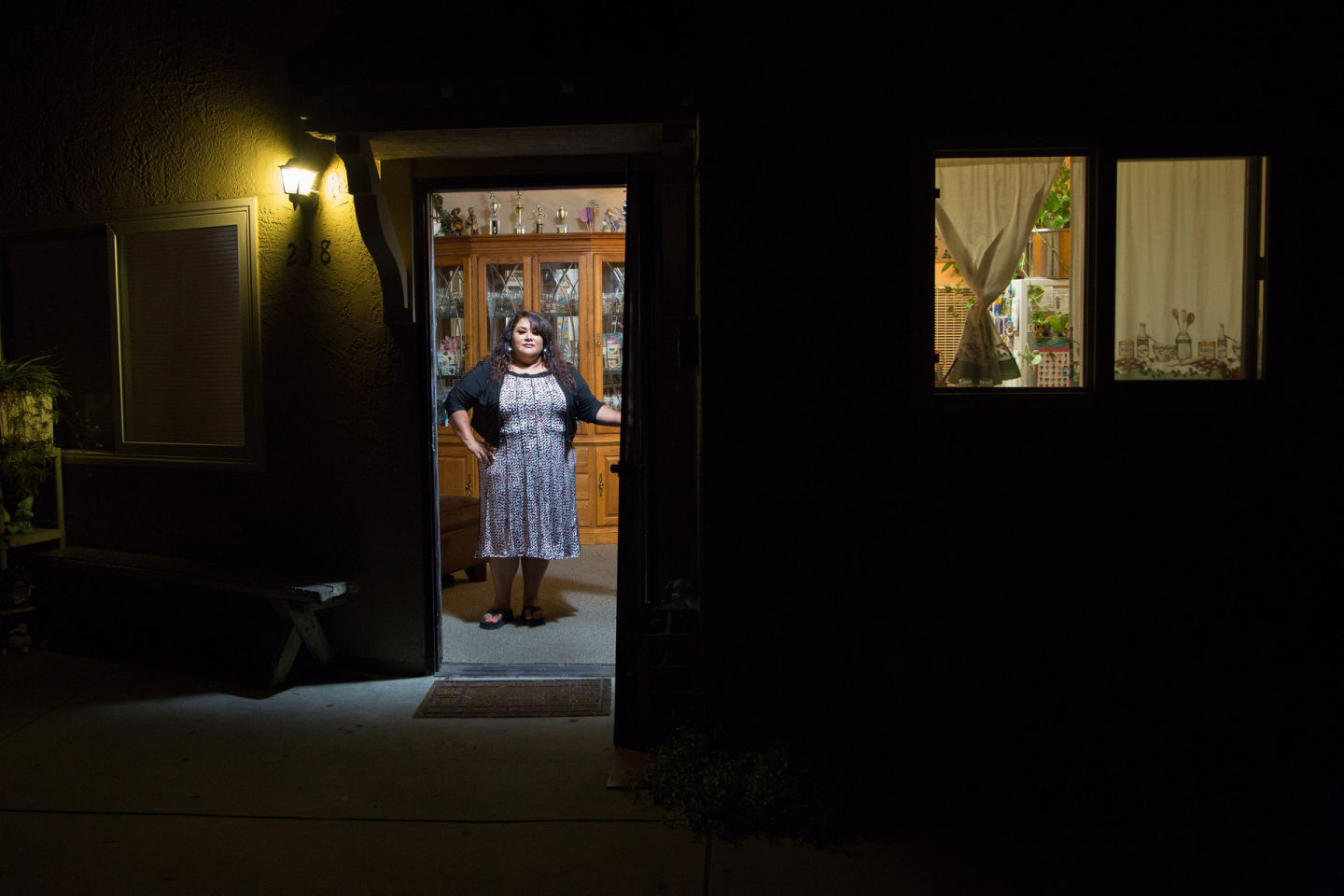
"caption": "Otis Stillwell, 72, is Damon Johnson's mother. She was 43 when her son went to prison: 'My whole life has been wiped away. It’s not my life anymore, it’s his life and their life.'",
"description": "Otis Stillwell, 72, is Damon Johnson's mother. She was 43 when her son went to prison: 'My whole life has been wiped away. It’s not my life anymore, it’s his life and their life.'",
"title": "Otis Stillwell",
"credit": "Jeremy Raff/KQED",
"status": "inherit",
"isLoading": false,
"fetchFailed": false
},
"news_10693758": {
"type": "attachments",
"id": "news_10693758",
"meta": {
"index": "attachments_1716263798",
"site": "news",
"id": "10693758",
"found": true
},
"parent": 10693757,
"imgSizes": {
"twentyfourteen-full-width": {
"file": "https://ww2.kqed.org/app/uploads/sites/10/2015/09/RS16734_Irene-Soto-Featured-Image-qut-1038x576.jpg",
"width": 1038,
"mimeType": "image/jpeg",
"height": 576
},
"thumbnail": {
"file": "https://ww2.kqed.org/app/uploads/sites/10/2015/09/RS16734_Irene-Soto-Featured-Image-qut-400x267.jpg",
"width": 400,
"mimeType": "image/jpeg",
"height": 267
},
"fd-sm": {
"file": "https://ww2.kqed.org/app/uploads/sites/10/2015/09/RS16734_Irene-Soto-Featured-Image-qut-960x640.jpg",
"width": 960,
"mimeType": "image/jpeg",
"height": 640
},
"post-thumbnail": {
"file": "https://ww2.kqed.org/app/uploads/sites/10/2015/09/RS16734_Irene-Soto-Featured-Image-qut-672x372.jpg",
"width": 672,
"mimeType": "image/jpeg",
"height": 372
},
"kqedFullSize": {
"file": "https://ww2.kqed.org/app/uploads/sites/10/2015/09/RS16734_Irene-Soto-Featured-Image-qut.jpg",
"width": 1920,
"height": 1280
},
"large": {
"file": "https://ww2.kqed.org/app/uploads/sites/10/2015/09/RS16734_Irene-Soto-Featured-Image-qut-1440x960.jpg",
"width": 1440,
"mimeType": "image/jpeg",
"height": 960
},
"guest-author-96": {
"file": "https://ww2.kqed.org/app/uploads/sites/10/2015/09/RS16734_Irene-Soto-Featured-Image-qut-96x96.jpg",
"width": 96,
"mimeType": "image/jpeg",
"height": 96
},
"medium": {
"file": "https://ww2.kqed.org/app/uploads/sites/10/2015/09/RS16734_Irene-Soto-Featured-Image-qut-800x533.jpg",
"width": 800,
"mimeType": "image/jpeg",
"height": 533
},
"guest-author-64": {
"file": "https://ww2.kqed.org/app/uploads/sites/10/2015/09/RS16734_Irene-Soto-Featured-Image-qut-64x64.jpg",
"width": 64,
"mimeType": "image/jpeg",
"height": 64
},
"guest-author-32": {
"file": "https://ww2.kqed.org/app/uploads/sites/10/2015/09/RS16734_Irene-Soto-Featured-Image-qut-32x32.jpg",
"width": 32,
"mimeType": "image/jpeg",
"height": 32
},
"jmtc-small-thumb": {
"file": "https://ww2.kqed.org/app/uploads/sites/10/2015/09/RS16734_Irene-Soto-Featured-Image-qut-280x150.jpg",
"width": 280,
"mimeType": "image/jpeg",
"height": 150
},
"fd-lrg": {
"file": "https://ww2.kqed.org/app/uploads/sites/10/2015/09/RS16734_Irene-Soto-Featured-Image-qut-1920x1280.jpg",
"width": 1920,
"mimeType": "image/jpeg",
"height": 1280
},
"fd-med": {
"file": "https://ww2.kqed.org/app/uploads/sites/10/2015/09/RS16734_Irene-Soto-Featured-Image-qut-1180x787.jpg",
"width": 1180,
"mimeType": "image/jpeg",
"height": 787
},
"detail": {
"file": "https://ww2.kqed.org/app/uploads/sites/10/2015/09/RS16734_Irene-Soto-Featured-Image-qut-75x75.jpg",
"width": 75,
"mimeType": "image/jpeg",
"height": 75
},
"guest-author-128": {
"file": "https://ww2.kqed.org/app/uploads/sites/10/2015/09/RS16734_Irene-Soto-Featured-Image-qut-128x128.jpg",
"width": 128,
"mimeType": "image/jpeg",
"height": 128
}
},
"publishDate": 1442959294,
"modified": 1443130006,
"caption": "'Sometimes I'm like: Put me in there, let him go, he's still got a lot of life in him ... I'm willing to go in there and do his time,' says Irene Soto. (Jeremy Raff/KQED) ",
"description": null,
"title": "Irene Soto",
"credit": null,
"status": "inherit",
"isLoading": false,
"fetchFailed": false
},
"news_10506835": {
"type": "attachments",
"id": "news_10506835",
"meta": {
"index": "attachments_1716263798",
"site": "news",
"id": "10506835",
"found": true
},
"parent": 89880,
"imgSizes": {
"twentyfourteen-full-width": {
"file": "https://ww2.kqed.org/app/uploads/sites/10/2013/02/SHUPrisoner-1038x576.jpg",
"width": 1038,
"mimeType": "image/jpeg",
"height": 576
},
"thumbnail": {
"file": "https://ww2.kqed.org/app/uploads/sites/10/2013/02/SHUPrisoner-400x225.jpg",
"width": 400,
"mimeType": "image/jpeg",
"height": 225
},
"fd-sm": {
"file": "https://ww2.kqed.org/app/uploads/sites/10/2013/02/SHUPrisoner-960x540.jpg",
"width": 960,
"mimeType": "image/jpeg",
"height": 540
},
"post-thumbnail": {
"file": "https://ww2.kqed.org/app/uploads/sites/10/2013/02/SHUPrisoner-672x372.jpg",
"width": 672,
"mimeType": "image/jpeg",
"height": 372
},
"kqedFullSize": {
"file": "https://ww2.kqed.org/app/uploads/sites/10/2013/02/SHUPrisoner.jpg",
"width": 1920,
"height": 1080
},
"large": {
"file": "https://ww2.kqed.org/app/uploads/sites/10/2013/02/SHUPrisoner-1440x810.jpg",
"width": 1440,
"mimeType": "image/jpeg",
"height": 810
},
"guest-author-96": {
"file": "https://ww2.kqed.org/app/uploads/sites/10/2013/02/SHUPrisoner-96x96.jpg",
"width": 96,
"mimeType": "image/jpeg",
"height": 96
},
"medium": {
"file": "https://ww2.kqed.org/app/uploads/sites/10/2013/02/SHUPrisoner-800x450.jpg",
"width": 800,
"mimeType": "image/jpeg",
"height": 450
},
"guest-author-64": {
"file": "https://ww2.kqed.org/app/uploads/sites/10/2013/02/SHUPrisoner-64x64.jpg",
"width": 64,
"mimeType": "image/jpeg",
"height": 64
},
"guest-author-32": {
"file": "https://ww2.kqed.org/app/uploads/sites/10/2013/02/SHUPrisoner-32x32.jpg",
"width": 32,
"mimeType": "image/jpeg",
"height": 32
},
"fd-med": {
"file": "https://ww2.kqed.org/app/uploads/sites/10/2013/02/SHUPrisoner-1180x664.jpg",
"width": 1180,
"mimeType": "image/jpeg",
"height": 664
},
"detail": {
"file": "https://ww2.kqed.org/app/uploads/sites/10/2013/02/SHUPrisoner-75x75.jpg",
"width": 75,
"mimeType": "image/jpeg",
"height": 75
},
"guest-author-128": {
"file": "https://ww2.kqed.org/app/uploads/sites/10/2013/02/SHUPrisoner-128x128.jpg",
"width": 128,
"mimeType": "image/jpeg",
"height": 128
}
},
"publishDate": 1430329910,
"modified": 1430329961,
"caption": "Inmate Jeremy Beasley in his cell at Pelican Bay State Prison. Beasley spent nearly 15 years in the special security housing unit.",
"description": "Inmate Jeremy Beasley in his cell at Pelican Bay State Prison. Beasley spent nearly 15 years in the special security housing unit.",
"title": "SHUPrisoner",
"credit": "Singeli Agnew/CIR",
"status": "inherit",
"isLoading": false,
"fetchFailed": false
},
"news_10461630": {
"type": "attachments",
"id": "news_10461630",
"meta": {
"index": "attachments_1716263798",
"site": "news",
"id": "10461630",
"found": true
},
"parent": 10461462,
"imgSizes": {
"twentyfourteen-full-width": {
"file": "https://ww2.kqed.org/app/uploads/sites/10/2015/03/jerry-1038x576.jpg",
"width": 1038,
"mimeType": "image/jpeg",
"height": 576
},
"thumbnail": {
"file": "https://ww2.kqed.org/app/uploads/sites/10/2015/03/jerry-400x225.jpg",
"width": 400,
"mimeType": "image/jpeg",
"height": 225
},
"fd-sm": {
"file": "https://ww2.kqed.org/app/uploads/sites/10/2015/03/jerry-320x180.jpg",
"width": 320,
"mimeType": "image/jpeg",
"height": 180
},
"post-thumbnail": {
"file": "https://ww2.kqed.org/app/uploads/sites/10/2015/03/jerry-672x372.jpg",
"width": 672,
"mimeType": "image/jpeg",
"height": 372
},
"kqedFullSize": {
"file": "https://ww2.kqed.org/app/uploads/sites/10/2015/03/jerry.jpg",
"width": 1920,
"height": 1080
},
"large": {
"file": "https://ww2.kqed.org/app/uploads/sites/10/2015/03/jerry-1440x810.jpg",
"width": 1440,
"mimeType": "image/jpeg",
"height": 810
},
"guest-author-96": {
"file": "https://ww2.kqed.org/app/uploads/sites/10/2015/03/jerry-96x96.jpg",
"width": 96,
"mimeType": "image/jpeg",
"height": 96
},
"medium": {
"file": "https://ww2.kqed.org/app/uploads/sites/10/2015/03/jerry-800x450.jpg",
"width": 800,
"mimeType": "image/jpeg",
"height": 450
},
"guest-author-64": {
"file": "https://ww2.kqed.org/app/uploads/sites/10/2015/03/jerry-64x64.jpg",
"width": 64,
"mimeType": "image/jpeg",
"height": 64
},
"guest-author-32": {
"file": "https://ww2.kqed.org/app/uploads/sites/10/2015/03/jerry-32x32.jpg",
"width": 32,
"mimeType": "image/jpeg",
"height": 32
},
"fd-lrg": {
"file": "https://ww2.kqed.org/app/uploads/sites/10/2015/03/jerry-1180x664.jpg",
"width": 1180,
"mimeType": "image/jpeg",
"height": 664
},
"fd-med": {
"file": "https://ww2.kqed.org/app/uploads/sites/10/2015/03/jerry-768x432.jpg",
"width": 768,
"mimeType": "image/jpeg",
"height": 432
},
"detail": {
"file": "https://ww2.kqed.org/app/uploads/sites/10/2015/03/jerry-75x75.jpg",
"width": 75,
"mimeType": "image/jpeg",
"height": 75
},
"guest-author-128": {
"file": "https://ww2.kqed.org/app/uploads/sites/10/2015/03/jerry-128x128.jpg",
"width": 128,
"mimeType": "image/jpeg",
"height": 128
}
},
"publishDate": 1426897286,
"modified": 1430325409,
"caption": "Gov. Jerry Brown, ",
"description": "Gov. Jerry Brown spoke at a politician-studded Friday forum for employers at Oakland's Merritt College.",
"title": "Jerry Brown",
"credit": "Sara Hossaini/KQED",
"status": "inherit",
"isLoading": false,
"fetchFailed": false
},
"news_10454882": {
"type": "attachments",
"id": "news_10454882",
"meta": {
"index": "attachments_1716263798",
"site": "news",
"id": "10454882",
"found": true
},
"parent": 10454664,
"imgSizes": {
"twentyfourteen-full-width": {
"file": "https://ww2.kqed.org/app/uploads/sites/10/2015/03/LindaAlisha-1038x576.jpg",
"width": 1038,
"mimeType": "image/jpeg",
"height": 576
},
"thumbnail": {
"file": "https://ww2.kqed.org/app/uploads/sites/10/2015/03/LindaAlisha-400x260.jpg",
"width": 400,
"mimeType": "image/jpeg",
"height": 260
},
"fd-sm": {
"file": "https://ww2.kqed.org/app/uploads/sites/10/2015/03/LindaAlisha-320x208.jpg",
"width": 320,
"mimeType": "image/jpeg",
"height": 208
},
"post-thumbnail": {
"file": "https://ww2.kqed.org/app/uploads/sites/10/2015/03/LindaAlisha-672x372.jpg",
"width": 672,
"mimeType": "image/jpeg",
"height": 372
},
"kqedFullSize": {
"file": "https://ww2.kqed.org/app/uploads/sites/10/2015/03/LindaAlisha.jpg",
"width": 1920,
"height": 1248
},
"large": {
"file": "https://ww2.kqed.org/app/uploads/sites/10/2015/03/LindaAlisha-1440x936.jpg",
"width": 1440,
"mimeType": "image/jpeg",
"height": 936
},
"guest-author-96": {
"file": "https://ww2.kqed.org/app/uploads/sites/10/2015/03/LindaAlisha-96x96.jpg",
"width": 96,
"mimeType": "image/jpeg",
"height": 96
},
"medium": {
"file": "https://ww2.kqed.org/app/uploads/sites/10/2015/03/LindaAlisha-800x520.jpg",
"width": 800,
"mimeType": "image/jpeg",
"height": 520
},
"guest-author-64": {
"file": "https://ww2.kqed.org/app/uploads/sites/10/2015/03/LindaAlisha-64x64.jpg",
"width": 64,
"mimeType": "image/jpeg",
"height": 64
},
"guest-author-32": {
"file": "https://ww2.kqed.org/app/uploads/sites/10/2015/03/LindaAlisha-32x32.jpg",
"width": 32,
"mimeType": "image/jpeg",
"height": 32
},
"fd-lrg": {
"file": "https://ww2.kqed.org/app/uploads/sites/10/2015/03/LindaAlisha-1180x767.jpg",
"width": 1180,
"mimeType": "image/jpeg",
"height": 767
},
"fd-med": {
"file": "https://ww2.kqed.org/app/uploads/sites/10/2015/03/LindaAlisha-768x499.jpg",
"width": 768,
"mimeType": "image/jpeg",
"height": 499
},
"detail": {
"file": "https://ww2.kqed.org/app/uploads/sites/10/2015/03/LindaAlisha-75x75.jpg",
"width": 75,
"mimeType": "image/jpeg",
"height": 75
},
"guest-author-128": {
"file": "https://ww2.kqed.org/app/uploads/sites/10/2015/03/LindaAlisha-128x128.jpg",
"width": 128,
"mimeType": "image/jpeg",
"height": 128
}
},
"publishDate": 1426286308,
"modified": 1426286352,
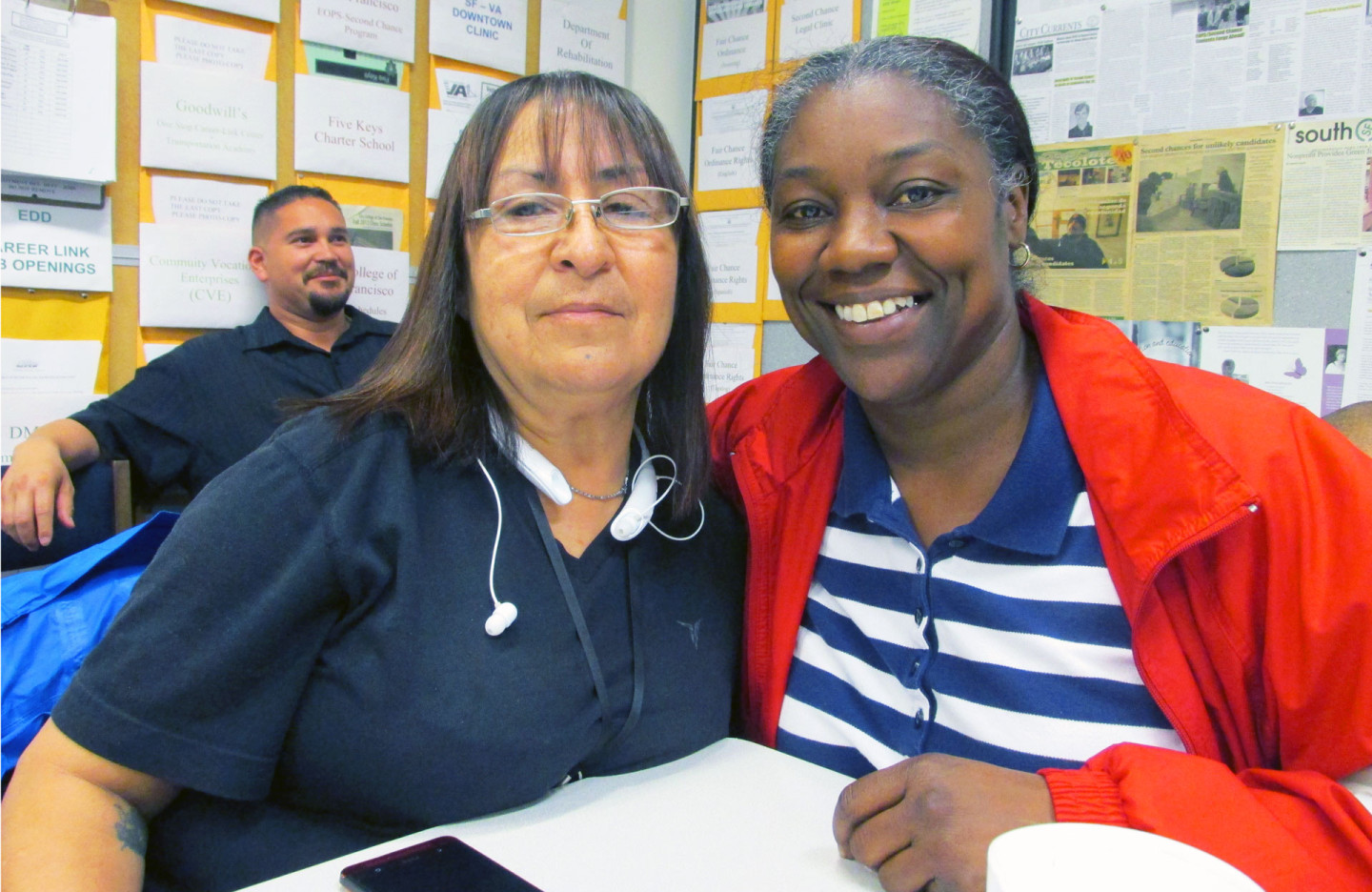
"caption": "Paroled lifers Linda Candelaria (L) and Alisha Nolan Taplett are coming to terms with life on the outside after spending decades in prison for murder.",
"description": "Paroled lifers Linda Candelaria (L) and Alisha Nolan Taplett are coming to terms with life on the outside after spending decades in prison for murder.",
"title": "LindaAlisha",
"credit": "Scott Shafer/KQED",
"status": "inherit",
"isLoading": false,
"fetchFailed": false
},
"news_10384445": {
"type": "attachments",
"id": "news_10384445",
"meta": {
"index": "attachments_1716263798",
"site": "news",
"id": "10384445",
"found": true
},
"parent": 10383981,
"imgSizes": {
"twentyfourteen-full-width": {
"file": "https://ww2.kqed.org/app/uploads/sites/10/2014/12/RS13784_sq-hanukkah5-scr-1038x576.jpg",
"width": 1038,
"mimeType": "image/jpeg",
"height": 576
},
"thumbnail": {
"file": "https://ww2.kqed.org/app/uploads/sites/10/2014/12/RS13784_sq-hanukkah5-scr-400x225.jpg",
"width": 400,
"mimeType": "image/jpeg",
"height": 225
},
"post-thumbnail": {
"file": "https://ww2.kqed.org/app/uploads/sites/10/2014/12/RS13784_sq-hanukkah5-scr-672x372.jpg",
"width": 672,
"mimeType": "image/jpeg",
"height": 372
},
"kqedFullSize": {
"file": "https://ww2.kqed.org/app/uploads/sites/10/2014/12/RS13784_sq-hanukkah5-scr.jpg",
"width": 1440,
"height": 810
},
"guest-author-96": {
"file": "https://ww2.kqed.org/app/uploads/sites/10/2014/12/RS13784_sq-hanukkah5-scr-96x96.jpg",
"width": 96,
"mimeType": "image/jpeg",
"height": 96
},
"medium": {
"file": "https://ww2.kqed.org/app/uploads/sites/10/2014/12/RS13784_sq-hanukkah5-scr-800x450.jpg",
"width": 800,
"mimeType": "image/jpeg",
"height": 450
},
"guest-author-64": {
"file": "https://ww2.kqed.org/app/uploads/sites/10/2014/12/RS13784_sq-hanukkah5-scr-64x64.jpg",
"width": 64,
"mimeType": "image/jpeg",
"height": 64
},
"detail": {
"file": "https://ww2.kqed.org/app/uploads/sites/10/2014/12/RS13784_sq-hanukkah5-scr-75x75.jpg",
"width": 75,
"mimeType": "image/jpeg",
"height": 75
},
"guest-author-32": {
"file": "https://ww2.kqed.org/app/uploads/sites/10/2014/12/RS13784_sq-hanukkah5-scr-32x32.jpg",
"width": 32,
"mimeType": "image/jpeg",
"height": 32
},
"guest-author-128": {
"file": "https://ww2.kqed.org/app/uploads/sites/10/2014/12/RS13784_sq-hanukkah5-scr-128x128.jpg",
"width": 128,
"mimeType": "image/jpeg",
"height": 128
}
},
"publishDate": 1419039980,
"modified": 1419040024,
"caption": "Jewish Chaplain Carole Hyman leads the congregation in song on the first night of Hanukkah. (Adam Grossberg/KQED)",
"description": "Jewish Chaplain Carole Hyman leads the congregation in song on the first night of Hanukkah. (Adam Grossberg/KQED)",
"title": "San Quentin-Hanukkah",
"credit": null,
"status": "inherit",
"isLoading": false,
"fetchFailed": false
},
"news_10383323": {
"type": "attachments",
"id": "news_10383323",
"meta": {
"index": "attachments_1716263798",
"site": "news",
"id": "10383323",
"found": true
},
"parent": 10383131,
"imgSizes": {
"twentyfourteen-full-width": {
"file": "https://ww2.kqed.org/app/uploads/sites/10/2014/12/GroupShot1-1038x576.jpg",
"width": 1038,
"mimeType": "image/jpeg",
"height": 576
},
"thumbnail": {
"file": "https://ww2.kqed.org/app/uploads/sites/10/2014/12/GroupShot1-400x326.jpg",
"width": 400,
"mimeType": "image/jpeg",
"height": 326
},
"post-thumbnail": {
"file": "https://ww2.kqed.org/app/uploads/sites/10/2014/12/GroupShot1-672x372.jpg",
"width": 672,
"mimeType": "image/jpeg",
"height": 372
},
"kqedFullSize": {
"file": "https://ww2.kqed.org/app/uploads/sites/10/2014/12/GroupShot1.jpg",
"width": 1440,
"height": 1176
},
"guest-author-96": {
"file": "https://ww2.kqed.org/app/uploads/sites/10/2014/12/GroupShot1-96x96.jpg",
"width": 96,
"mimeType": "image/jpeg",
"height": 96
},
"medium": {
"file": "https://ww2.kqed.org/app/uploads/sites/10/2014/12/GroupShot1-800x653.jpg",
"width": 800,
"mimeType": "image/jpeg",
"height": 653
},
"guest-author-64": {
"file": "https://ww2.kqed.org/app/uploads/sites/10/2014/12/GroupShot1-64x64.jpg",
"width": 64,
"mimeType": "image/jpeg",
"height": 64
},
"detail": {
"file": "https://ww2.kqed.org/app/uploads/sites/10/2014/12/GroupShot1-75x75.jpg",
"width": 75,
"mimeType": "image/jpeg",
"height": 75
},
"guest-author-32": {
"file": "https://ww2.kqed.org/app/uploads/sites/10/2014/12/GroupShot1-32x32.jpg",
"width": 32,
"mimeType": "image/jpeg",
"height": 32
},
"guest-author-128": {
"file": "https://ww2.kqed.org/app/uploads/sites/10/2014/12/GroupShot1-128x128.jpg",
"width": 128,
"mimeType": "image/jpeg",
"height": 128
}
},
"publishDate": 1418950309,
"modified": 1418950380,
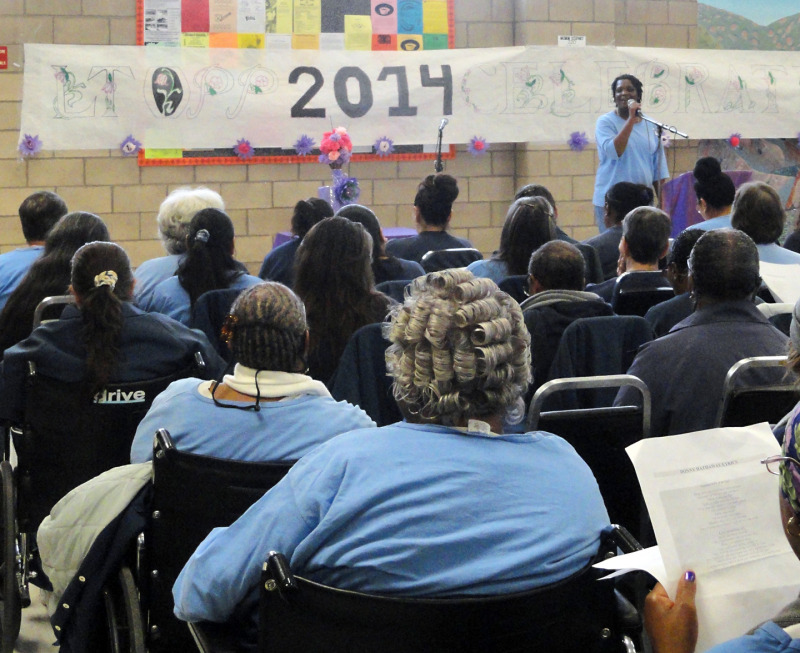
"caption": "About 150 women inmates attend a graduation ceremony for “lifers” who took a series of in-depth courses addressing substance abuse, anger management and understanding the impact of their crime on victims and others. Some of the women have spent most of their lives in prison and are now in wheelchairs or walkers.",
"description": "About 150 women inmates attend a graduation ceremony for “lifers” who took a series of in-depth courses addressing substance abuse, anger management and understanding the impact of their crime on victims and others. Some of the women have spent most of their lives in prison and are now in wheelchairs or walkers.",
"title": "GroupShot1",
"credit": "Dana Simas/Calif. Dept. of Corrections",
"status": "inherit",
"isLoading": false,
"fetchFailed": false
},
"news_10367772": {
"type": "attachments",
"id": "news_10367772",
"meta": {
"index": "attachments_1716263798",
"site": "news",
"id": "10367772",
"found": true
},
"parent": 10366122,
"imgSizes": {
"twentyfourteen-full-width": {
"file": "https://ww2.kqed.org/app/uploads/sites/10/2014/12/CondomMachine-1038x576.jpg",
"width": 1038,
"mimeType": "image/jpeg",
"height": 576
},
"thumbnail": {
"file": "https://ww2.kqed.org/app/uploads/sites/10/2014/12/CondomMachine-400x391.jpg",
"width": 400,
"mimeType": "image/jpeg",
"height": 391
},
"post-thumbnail": {
"file": "https://ww2.kqed.org/app/uploads/sites/10/2014/12/CondomMachine-672x372.jpg",
"width": 672,
"mimeType": "image/jpeg",
"height": 372
},
"kqedFullSize": {
"file": "https://ww2.kqed.org/app/uploads/sites/10/2014/12/CondomMachine.jpg",
"width": 1440,
"height": 1409
},
"guest-author-96": {
"file": "https://ww2.kqed.org/app/uploads/sites/10/2014/12/CondomMachine-96x96.jpg",
"width": 96,
"mimeType": "image/jpeg",
"height": 96
},
"medium": {
"file": "https://ww2.kqed.org/app/uploads/sites/10/2014/12/CondomMachine-800x782.jpg",
"width": 800,
"mimeType": "image/jpeg",
"height": 782
},
"guest-author-64": {
"file": "https://ww2.kqed.org/app/uploads/sites/10/2014/12/CondomMachine-64x64.jpg",
"width": 64,
"mimeType": "image/jpeg",
"height": 64
},
"detail": {
"file": "https://ww2.kqed.org/app/uploads/sites/10/2014/12/CondomMachine-75x75.jpg",
"width": 75,
"mimeType": "image/jpeg",
"height": 75
},
"guest-author-32": {
"file": "https://ww2.kqed.org/app/uploads/sites/10/2014/12/CondomMachine-32x32.jpg",
"width": 32,
"mimeType": "image/jpeg",
"height": 32
},
"guest-author-128": {
"file": "https://ww2.kqed.org/app/uploads/sites/10/2014/12/CondomMachine-128x128.jpg",
"width": 128,
"mimeType": "image/jpeg",
"height": 128
}
},
"publishDate": 1417742632,
"modified": 1418176209,
"caption": "Condoms have been available to prisoners in San Francisco County jails since the 1980s. Under a new law, condom machines like this one may soon be installed in state prisons.",
"description": "Condoms have been available to prisoners in San Francisco County jails since the 1980s. Under a new law, condom machines like this one may soon be installed in state prisons.",
"title": "CondomMachine",
"credit": "George Lavender/KQED",
"status": "inherit",
"isLoading": false,
"fetchFailed": false
},
"news_10345671": {
"type": "attachments",
"id": "news_10345671",
"meta": {
"index": "attachments_1716263798",
"site": "news",
"id": "10345671",
"found": true
},
"parent": 10345664,
"imgSizes": {
"twentyfourteen-full-width": {
"file": "https://ww2.kqed.org/app/uploads/sites/10/2014/10/RS12789_IMG_5629-qut-1038x576.jpg",
"width": 1038,
"mimeType": "image/jpeg",
"height": 576
},
"thumbnail": {
"file": "https://ww2.kqed.org/app/uploads/sites/10/2014/10/RS12789_IMG_5629-qut-400x300.jpg",
"width": 400,
"mimeType": "image/jpeg",
"height": 300
},
"post-thumbnail": {
"file": "https://ww2.kqed.org/app/uploads/sites/10/2014/10/RS12789_IMG_5629-qut-672x372.jpg",
"width": 672,
"mimeType": "image/jpeg",
"height": 372
},
"kqedFullSize": {
"file": "https://ww2.kqed.org/app/uploads/sites/10/2014/10/RS12789_IMG_5629-qut.jpg",
"width": 1440,
"height": 1080
},
"guest-author-96": {
"file": "https://ww2.kqed.org/app/uploads/sites/10/2014/10/RS12789_IMG_5629-qut-96x96.jpg",
"width": 96,
"mimeType": "image/jpeg",
"height": 96
},
"medium": {
"file": "https://ww2.kqed.org/app/uploads/sites/10/2014/10/RS12789_IMG_5629-qut-800x600.jpg",
"width": 800,
"mimeType": "image/jpeg",
"height": 600
},
"guest-author-64": {
"file": "https://ww2.kqed.org/app/uploads/sites/10/2014/10/RS12789_IMG_5629-qut-64x64.jpg",
"width": 64,
"mimeType": "image/jpeg",
"height": 64
},
"detail": {
"file": "https://ww2.kqed.org/app/uploads/sites/10/2014/10/RS12789_IMG_5629-qut-75x75.jpg",
"width": 75,
"mimeType": "image/jpeg",
"height": 75
},
"guest-author-32": {
"file": "https://ww2.kqed.org/app/uploads/sites/10/2014/10/RS12789_IMG_5629-qut-32x32.jpg",
"width": 32,
"mimeType": "image/jpeg",
"height": 32
},
"guest-author-128": {
"file": "https://ww2.kqed.org/app/uploads/sites/10/2014/10/RS12789_IMG_5629-qut-128x128.jpg",
"width": 128,
"mimeType": "image/jpeg",
"height": 128
}
},
"publishDate": 1414543191,
"modified": 1414543238,
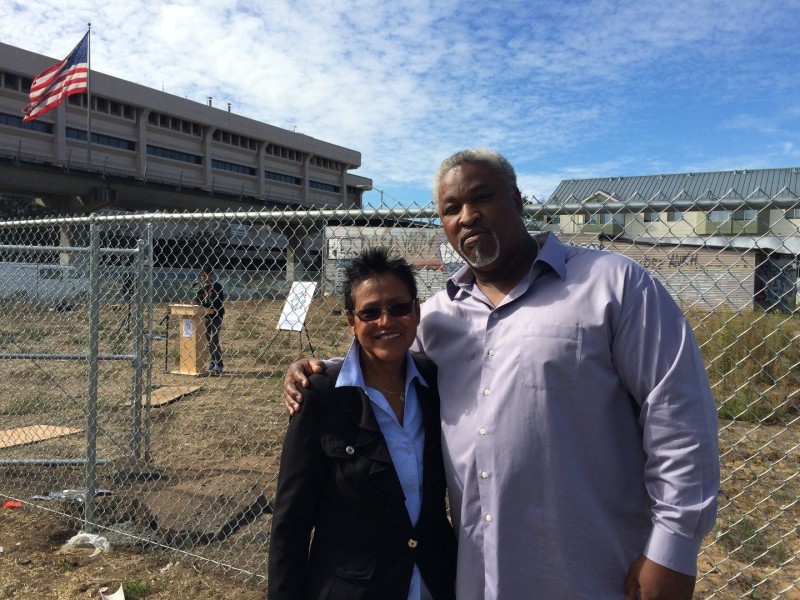
"caption": "Elaine Brown and Jerry Elster stand at the future site of an urban farm in West Oakland. (Mina Kim/KQED)",
"description": "Elaine Brown and Jerry Elster stand at the future site of an urban farm in West Oakland. (Mina Kim/KQED)",
"title": "RS12789_IMG_5629-qut",
"credit": null,
"status": "inherit",
"isLoading": false,
"fetchFailed": false
},
"stateofhealth_20865": {
"type": "attachments",
"id": "stateofhealth_20865",
"meta": {
"index": "attachments_1716263798",
"site": "stateofhealth",
"id": "20865",
"found": true
},
"parent": 20862,
"imgSizes": {
"thumbnail": {
"file": "https://ww2.kqed.org/app/uploads/sites/27/2014/08/RS11514_IMG_0176-hpf-400x300.jpg",
"width": 400,
"mimeType": "image/jpeg",
"height": 300
},
"fd-sm": {
"file": "https://ww2.kqed.org/app/uploads/sites/27/2014/08/RS11514_IMG_0176-hpf-320x240.jpg",
"width": 320,
"mimeType": "image/jpeg",
"height": 240
},
"post-thumbnail": {
"file": "https://ww2.kqed.org/app/uploads/sites/27/2014/08/RS11514_IMG_0176-hpf-640x372.jpg",
"width": 640,
"mimeType": "image/jpeg",
"height": 372
},
"kqedFullSize": {
"file": "https://ww2.kqed.org/app/uploads/sites/27/2014/08/RS11514_IMG_0176-hpf.jpg",
"width": 640,
"height": 480
},
"guest-author-96": {
"file": "https://ww2.kqed.org/app/uploads/sites/27/2014/08/RS11514_IMG_0176-hpf-96x96.jpg",
"width": 96,
"mimeType": "image/jpeg",
"height": 96
},
"guest-author-64": {
"file": "https://ww2.kqed.org/app/uploads/sites/27/2014/08/RS11514_IMG_0176-hpf-64x64.jpg",
"width": 64,
"mimeType": "image/jpeg",
"height": 64
},
"detail": {
"file": "https://ww2.kqed.org/app/uploads/sites/27/2014/08/RS11514_IMG_0176-hpf-75x75.jpg",
"width": 75,
"mimeType": "image/jpeg",
"height": 75
},
"guest-author-32": {
"file": "https://ww2.kqed.org/app/uploads/sites/27/2014/08/RS11514_IMG_0176-hpf-32x32.jpg",
"width": 32,
"mimeType": "image/jpeg",
"height": 32
},
"guest-author-128": {
"file": "https://ww2.kqed.org/app/uploads/sites/27/2014/08/RS11514_IMG_0176-hpf-128x128.jpg",
"width": 128,
"mimeType": "image/jpeg",
"height": 128
}
},
"publishDate": 1408367609,
"modified": 1408367609,
"caption": "A psychiatric segregation cell at Sacramento Prison. (Julie Small/KQED)",
"description": "A psychiatric segregation cell at Sacramento Prison.",
"title": "RS11514_IMG_0176-hpf",
"credit": null,
"status": "inherit",
"isLoading": false,
"fetchFailed": false
},
"stateofhealth_21025": {
"type": "attachments",
"id": "stateofhealth_21025",
"meta": {
"index": "attachments_1716263798",
"site": "stateofhealth",
"id": "21025",
"found": true
},
"parent": 21018,
"imgSizes": {
"thumbnail": {
"file": "https://ww2.kqed.org/app/uploads/sites/27/2014/08/RS8531_107520204-hpf-400x270.jpg",
"width": 400,
"mimeType": "image/jpeg",
"height": 270
},
"fd-sm": {
"file": "https://ww2.kqed.org/app/uploads/sites/27/2014/08/RS8531_107520204-hpf-320x216.jpg",
"width": 320,
"mimeType": "image/jpeg",
"height": 216
},
"post-thumbnail": {
"file": "https://ww2.kqed.org/app/uploads/sites/27/2014/08/RS8531_107520204-hpf-640x372.jpg",
"width": 640,
"mimeType": "image/jpeg",
"height": 372
},
"kqedFullSize": {
"file": "https://ww2.kqed.org/app/uploads/sites/27/2014/08/RS8531_107520204-hpf.jpg",
"width": 640,
"height": 432
},
"guest-author-96": {
"file": "https://ww2.kqed.org/app/uploads/sites/27/2014/08/RS8531_107520204-hpf-96x96.jpg",
"width": 96,
"mimeType": "image/jpeg",
"height": 96
},
"guest-author-64": {
"file": "https://ww2.kqed.org/app/uploads/sites/27/2014/08/RS8531_107520204-hpf-64x64.jpg",
"width": 64,
"mimeType": "image/jpeg",
"height": 64
},
"detail": {
"file": "https://ww2.kqed.org/app/uploads/sites/27/2014/08/RS8531_107520204-hpf-75x75.jpg",
"width": 75,
"mimeType": "image/jpeg",
"height": 75
},
"guest-author-32": {
"file": "https://ww2.kqed.org/app/uploads/sites/27/2014/08/RS8531_107520204-hpf-32x32.jpg",
"width": 32,
"mimeType": "image/jpeg",
"height": 32
},
"guest-author-128": {
"file": "https://ww2.kqed.org/app/uploads/sites/27/2014/08/RS8531_107520204-hpf-128x128.jpg",
"width": 128,
"mimeType": "image/jpeg",
"height": 128
}
},
"publishDate": 1409010928,
"modified": 1409010928,
"caption": "Chino State Prison. (Kevork Djansezian/Getty Images)",
"description": "Chino State Prison. (Kevork Djansezian/Getty Images)",
"title": "RS8531_107520204-hpf",
"credit": null,
"status": "inherit",
"isLoading": false,
"fetchFailed": false
}
},
"audioPlayerReducer": {
"postId": "stream_live",
"isPaused": true,
"isPlaying": false,
"pfsActive": false,
"pledgeModalIsOpen": true,
"playerDrawerIsOpen": false,
"liveAudioPlayStartedAt": 0,
"liveAudioPlayContext": ""
},
"authorsReducer": {
"byline_news_10664540": {
"type": "authors",
"id": "byline_news_10664540",
"meta": {
"override": true
},
"slug": "byline_news_10664540",
"name": "\u003cstrong>Don Thompson\u003cbr />Associated Press\u003c/strong>",
"isLoading": false
},
"byline_news_10366122": {
"type": "authors",
"id": "byline_news_10366122",
"meta": {
"override": true
},
"slug": "byline_news_10366122",
"name": "George Lavender",
"isLoading": false
},
"aeghan": {
"type": "authors",
"id": "195",
"meta": {
"index": "authors_1716337520",
"id": "195",
"found": true
},
"name": "Adizah Eghan",
"firstName": "Adizah",
"lastName": "Eghan",
"slug": "aeghan",
"email": "adizah.e@gmail.com",
"display_author_email": false,
"staff_mastheads": [],
"title": "KQED Contributor",
"bio": "Adizah Eghan is a former reporter at KQED News and writer for KQED Arts. She caught the radio bug as an intern for PRI's The World and landed in KQED's newsroom after a stint teaching English in India. She covers culture, the arts, and global music in the Bay Area. This is where she tweets: \u003ca class=\"ProfileHeaderCard-screennameLink u-linkComplex js-nav\" style=\"color: #8899a6;\" href=\"https://twitter.com/Adizah_E\">@\u003cspan class=\"u-linkComplex-target\">Adizah_E\u003c/span>\u003c/a>",
"avatar": "https://secure.gravatar.com/avatar/d6e30ed9ca504243b4d8ee5d7ca32324?s=600&d=blank&r=g",
"twitter": "Adizah_E",
"facebook": null,
"instagram": null,
"linkedin": null,
"sites": [
{
"site": "arts",
"roles": [
"contributor"
]
},
{
"site": "news",
"roles": [
"subscriber"
]
},
{
"site": "stateofhealth",
"roles": [
"author"
]
}
],
"headData": {
"title": "Adizah Eghan | KQED",
"description": "KQED Contributor",
"ogImgSrc": "https://secure.gravatar.com/avatar/d6e30ed9ca504243b4d8ee5d7ca32324?s=600&d=blank&r=g",
"twImgSrc": "https://secure.gravatar.com/avatar/d6e30ed9ca504243b4d8ee5d7ca32324?s=600&d=blank&r=g"
},
"isLoading": false,
"link": "/author/aeghan"
},
"lisapickoffwhite-2": {
"type": "authors",
"id": "199",
"meta": {
"index": "authors_1716337520",
"id": "199",
"found": true
},
"name": "Lisa Pickoff-White",
"firstName": "Lisa",
"lastName": "Pickoff-White",
"slug": "lisapickoffwhite-2",
"email": "lpickoffwhite@kqed.org",
"display_author_email": false,
"staff_mastheads": [
"news"
],
"title": "Data Journalist, Senior Producer",
"bio": "Lisa Pickoff-White is KQED's data reporter. Lisa specializes in simplifying complex topics and bringing them to life through compelling visuals, including photography and data visualizations. She previously has worked at the Center for Investigative Reporting and other national outlets. Her work has been honored with awards from the Online News Association, Investigative Reporters and Editors, the Society of Professional Journalists and SXSW Interactive. \u003cstrong> \u003c/strong>",
"avatar": "https://secure.gravatar.com/avatar/5513c5f3967df792aa65bee2501e84d6?s=600&d=blank&r=g",
"twitter": "pickoffwhite",
"facebook": null,
"instagram": null,
"linkedin": null,
"sites": [
{
"site": "",
"roles": [
"editor"
]
},
{
"site": "arts",
"roles": []
},
{
"site": "news",
"roles": [
"administrator"
]
},
{
"site": "about",
"roles": [
"editor"
]
},
{
"site": "stateofhealth",
"roles": [
"administrator"
]
},
{
"site": "science",
"roles": [
"editor"
]
},
{
"site": "quest",
"roles": [
"editor"
]
},
{
"site": "forum",
"roles": [
"editor"
]
}
],
"headData": {
"title": "Lisa Pickoff-White | KQED",
"description": "Data Journalist, Senior Producer",
"ogImgSrc": "https://secure.gravatar.com/avatar/5513c5f3967df792aa65bee2501e84d6?s=600&d=blank&r=g",
"twImgSrc": "https://secure.gravatar.com/avatar/5513c5f3967df792aa65bee2501e84d6?s=600&d=blank&r=g"
},
"isLoading": false,
"link": "/author/lisapickoffwhite-2"
},
"kqed": {
"type": "authors",
"id": "236",
"meta": {
"index": "authors_1716337520",
"id": "236",
"found": true
},
"name": "KQED News Staff",
"firstName": "KQED News Staff",
"lastName": null,
"slug": "kqed",
"email": "faq@kqed.org",
"display_author_email": false,
"staff_mastheads": [],
"title": null,
"bio": null,
"avatar": "https://secure.gravatar.com/avatar/ef0e801a68c4c54afa9180db14084167?s=600&d=blank&r=g",
"twitter": null,
"facebook": null,
"instagram": null,
"linkedin": null,
"sites": [
{
"site": "arts",
"roles": [
"contributor"
]
},
{
"site": "news",
"roles": [
"editor"
]
},
{
"site": "futureofyou",
"roles": [
"author"
]
}
],
"headData": {
"title": "KQED News Staff | KQED",
"description": null,
"ogImgSrc": "https://secure.gravatar.com/avatar/ef0e801a68c4c54afa9180db14084167?s=600&d=blank&r=g",
"twImgSrc": "https://secure.gravatar.com/avatar/ef0e801a68c4c54afa9180db14084167?s=600&d=blank&r=g"
},
"isLoading": false,
"link": "/author/kqed"
},
"minakim": {
"type": "authors",
"id": "243",
"meta": {
"index": "authors_1716337520",
"id": "243",
"found": true
},
"name": "Mina Kim",
"firstName": "Mina",
"lastName": "Kim",
"slug": "minakim",
"email": "mkim@kqed.org",
"display_author_email": false,
"staff_mastheads": [
"news"
],
"title": "Host, Forum",
"bio": "Mina Kim is host of the 10 a.m. statewide hour of Forum; a live daily talk show for curious Californians on issues that matter to the state and nation, with a particular emphasis on race and equity.\r\n\r\nBefore joining the Forum team, Mina was KQED’s evening news anchor, and health reporter for The California Report. Her award-winning work has included natural disasters in Napa and gun violence in Oakland. Mina grew up in St. John’s, Newfoundland.",
"avatar": "https://secure.gravatar.com/avatar/145ce657a2d08cb86d93686beb958982?s=600&d=blank&r=g",
"twitter": "mkimreporter",
"facebook": null,
"instagram": null,
"linkedin": null,
"sites": [
{
"site": "news",
"roles": [
"contributor"
]
},
{
"site": "stateofhealth",
"roles": [
"author"
]
},
{
"site": "forum",
"roles": [
"editor"
]
}
],
"headData": {
"title": "Mina Kim | KQED",
"description": "Host, Forum",
"ogImgSrc": "https://secure.gravatar.com/avatar/145ce657a2d08cb86d93686beb958982?s=600&d=blank&r=g",
"twImgSrc": "https://secure.gravatar.com/avatar/145ce657a2d08cb86d93686beb958982?s=600&d=blank&r=g"
},
"isLoading": false,
"link": "/author/minakim"
},
"sasha-khokha": {
"type": "authors",
"id": "254",
"meta": {
"index": "authors_1716337520",
"id": "254",
"found": true
},
"name": "Sasha Khokha",
"firstName": "Sasha",
"lastName": "Khokha",
"slug": "sasha-khokha",
"email": "skhokha@kqed.org",
"display_author_email": true,
"staff_mastheads": [
"news"
],
"title": "Host, The California Report Magazine",
"bio": "Sasha Khokha is the host of \u003cem>The California Report's \u003c/em> weekly magazine program, which takes listeners on sound-rich excursions to meet the people that make the Golden State unique -- through audio documentaries and long-form stories. As \u003cem>The California Report's\u003c/em> Central Valley Bureau Chief based in Fresno for nearly a dozen years, Sasha brought the lives and concerns of rural Californians to listeners around the state. Her reporting helped expose the hidden price immigrant women janitors and farmworkers may pay to keep their jobs: sexual assault at work. It inspired two new California laws to protect them from sexual harassment. She was a key member of the reporting team for the Frontline film \u003cem>Rape on the Night Shift, \u003c/em>which was nominated for two national Emmys. Sasha has also won a national Edward R. Murrow and a national PRNDI award for investigative reporting, as well as multiple prizes from the Society for Professional Journalists. Sasha is a proud alum of the UC Berkeley Graduate School of Journalism and Brown University and a member of the South Asian Journalists Association.",
"avatar": "https://secure.gravatar.com/avatar/e4b5e1541aaeea2aa356aa1fb2a68950?s=600&d=blank&r=g",
"twitter": "KQEDSashaKhokha",
"facebook": null,
"instagram": null,
"linkedin": null,
"sites": [
{
"site": "news",
"roles": [
"editor"
]
},
{
"site": "stateofhealth",
"roles": [
"author"
]
},
{
"site": "science",
"roles": [
"author"
]
},
{
"site": "quest",
"roles": [
"subscriber"
]
}
],
"headData": {
"title": "Sasha Khokha | KQED",
"description": "Host, The California Report Magazine",
"ogImgSrc": "https://secure.gravatar.com/avatar/e4b5e1541aaeea2aa356aa1fb2a68950?s=600&d=blank&r=g",
"twImgSrc": "https://secure.gravatar.com/avatar/e4b5e1541aaeea2aa356aa1fb2a68950?s=600&d=blank&r=g"
},
"isLoading": false,
"link": "/author/sasha-khokha"
},
"scottshafer": {
"type": "authors",
"id": "255",
"meta": {
"index": "authors_1716337520",
"id": "255",
"found": true
},
"name": "Scott Shafer",
"firstName": "Scott",
"lastName": "Shafer",
"slug": "scottshafer",
"email": "sshafer@kqed.org",
"display_author_email": false,
"staff_mastheads": [
"news"
],
"title": "KQED Contributor",
"bio": "Scott Shafer is a senior editor with the KQED Politics and Government desk. He is co-host of Political Breakdown, the award-winning radio show and podcast with a personal take on the world of politics. Scott came to KQED in 1998 to host the statewide\u003cem> California Report\u003c/em>. Prior to that he had extended stints in politics and government\u003cem>.\u003c/em> He uses that inside experience at KQED in his, reporting, hosting and analysis for the politics desk. Scott collaborated \u003cem>Political Breakdown a\u003c/em>nd on \u003cem>The Political Mind of Jerry Brown, \u003c/em>an eight-part series about the life and extraordinary political career of the former governor. For fun, he plays water polo with the San Francisco Tsunami.",
"avatar": "https://secure.gravatar.com/avatar/a62ebae45b79d7aed1a39a0e3bf68104?s=600&d=blank&r=g",
"twitter": "scottshafer",
"bluesky": null,
"facebook": null,
"instagram": null,
"linkedin": null,
"sites": [
{
"site": "news",
"roles": [
"editor"
]
},
{
"site": "stateofhealth",
"roles": [
"author"
]
},
{
"site": "science",
"roles": [
"author"
]
},
{
"site": "forum",
"roles": [
"subscriber"
]
},
{
"site": "liveblog",
"roles": [
"author"
]
}
],
"headData": {
"title": "Scott Shafer | KQED",
"description": "KQED Contributor",
"ogImgSrc": "https://secure.gravatar.com/avatar/a62ebae45b79d7aed1a39a0e3bf68104?s=600&d=blank&r=g",
"twImgSrc": "https://secure.gravatar.com/avatar/a62ebae45b79d7aed1a39a0e3bf68104?s=600&d=blank&r=g"
},
"isLoading": false,
"link": "/author/scottshafer"
},
"shossaini": {
"type": "authors",
"id": "3214",
"meta": {
"index": "authors_1716337520",
"id": "3214",
"found": true
},
"name": "Sara Hossaini",
"firstName": "Sara",
"lastName": "Hossaini",
"slug": "shossaini",
"email": "shossaini@kqed.org",
"display_author_email": true,
"staff_mastheads": [
"news"
],
"title": "KQED Reporter",
"bio": "Sara Hossaini came to general assignment reporting at KQED in 2013 after two winters reporting at Wyoming Public Radio. She holds a bachelor's degree in broadcast journalism from the University of Nebraska-Lincoln. Her radio romance began after a bitter breakup with documentary film (Ok, maybe it's still complicated). Her first simultaneous jobs in San Francisco were as Associate Producer on a PBS film series through the Center for Asian American Media and as a butler. She likes to trot, plot and make things with her hands.",
"avatar": "https://secure.gravatar.com/avatar/060e9f56b9554e17942e89f413242774?s=600&d=blank&r=g",
"twitter": "mshossaini",
"facebook": null,
"instagram": null,
"linkedin": null,
"sites": [
{
"site": "news",
"roles": [
"author"
]
},
{
"site": "stateofhealth",
"roles": [
"author"
]
}
],
"headData": {
"title": "Sara Hossaini | KQED",
"description": "KQED Reporter",
"ogImgSrc": "https://secure.gravatar.com/avatar/060e9f56b9554e17942e89f413242774?s=600&d=blank&r=g",
"twImgSrc": "https://secure.gravatar.com/avatar/060e9f56b9554e17942e89f413242774?s=600&d=blank&r=g"
},
"isLoading": false,
"link": "/author/shossaini"
},
"state-of-health": {
"type": "authors",
"id": "8344",
"meta": {
"index": "authors_1716337520",
"id": "8344",
"found": true
},
"name": "State of Health",
"firstName": "State of Health",
"lastName": null,
"slug": "state-of-health",
"email": "stateofhealth@kqed.org",
"display_author_email": false,
"staff_mastheads": [],
"title": null,
"bio": null,
"avatar": "https://secure.gravatar.com/avatar/66de4bf6d331fa7402bba1ffe8135e17?s=600&d=blank&r=g",
"twitter": null,
"facebook": null,
"instagram": null,
"linkedin": null,
"sites": [
{
"site": "arts",
"roles": [
"author"
]
},
{
"site": "stateofhealth",
"roles": [
"editor"
]
}
],
"headData": {
"title": "State of Health | KQED",
"description": null,
"ogImgSrc": "https://secure.gravatar.com/avatar/66de4bf6d331fa7402bba1ffe8135e17?s=600&d=blank&r=g",
"twImgSrc": "https://secure.gravatar.com/avatar/66de4bf6d331fa7402bba1ffe8135e17?s=600&d=blank&r=g"
},
"isLoading": false,
"link": "/author/state-of-health"
}
},
"pagesReducer": {
"news_tag_prisons": {
"type": "terms",
"id": "news_1471",
"meta": {
"index": "terms_1716263798",
"site": "news",
"id": "1471",
"score": 9.305508
},
"featImg": null,
"name": "prisons",
"description": null,
"taxonomy": "tag",
"headData": {
"twImgId": null,
"twTitle": null,
"ogTitle": null,
"ogImgId": null,
"twDescription": null,
"description": null,
"title": "prisons Archives | KQED News",
"ogDescription": null
},
"ttid": 1483,
"slug": "prisons",
"isLoading": false,
"title": "prisons",
"pageMeta": {
"site": "news",
"WpPageTemplate": "page-topic-editorial",
"currentPage": 13
},
"blocks": [
{
"blockName": "kqed/post-list",
"attrs": {
"layout": "cardArticle2",
"query": "posts/news?tag=prisons",
"seeMore": false,
"paginated": true,
"page": 13
}
},
{
"blockName": "kqed/ad"
}
]
}
},
"pfsSessionReducer": {},
"postsReducer": {
"stream_live": {
"type": "live",
"id": "stream_live",
"audioUrl": "https://streams.kqed.org/kqedradio",
"title": "Live Stream",
"excerpt": "Live Stream information currently unavailable.",
"link": "/radio",
"featImg": "",
"label": {
"name": "KQED Live",
"link": "/"
}
},
"stream_kqedNewscast": {
"type": "posts",
"id": "stream_kqedNewscast",
"audioUrl": "https://www.kqed.org/.stream/anon/radio/RDnews/newscast.mp3?_=1",
"title": "KQED Newscast",
"featImg": "",
"label": {
"name": "88.5 FM",
"link": "/"
}
},
"news_10693742": {
"type": "posts",
"id": "news_10693742",
"meta": {
"index": "posts_1716263798",
"site": "news",
"id": "10693742",
"score": null,
"sort": [
1443196818000
]
},
"parent": 0,
"labelTerm": {
"site": "news",
"term": 6944
},
"blocks": [],
"publishDate": 1443196818,
"format": "standard",
"disqusTitle": "A Family Strives to Keep Close to a Dad Behind Bars",
"title": "A Family Strives to Keep Close to a Dad Behind Bars",
"headTitle": "News Fix | KQED News",
"content": "\u003cp>On a recent morning, Hayward residents Otis Stillwell and her granddaughter Zakiya Johnson are making plans for a 500 mile trip south to the Richard J. Donovan Correctional Facility in San Diego. They're going to visit Johnson's father, Damon Johnson.\u003c/p>\n\u003caside class=\"alignright\">\n\u003ch3>\u003ca href=\"http://ww2.kqed.org/news/2015/09/24/a-mother-struggles-to-bear-the-financial-burden-of-her-sons-incarceration\" target=\"_blank\">A Mother Struggles to Bear the Burden of Son’s Incarceration\u003c/a>\u003c/h3>\n\u003cfigure>\u003ca href=\"http://ww2.kqed.org/news/2015/09/24/a-mother-struggles-to-bear-the-financial-burden-of-her-sons-incarceration\" target=\"_blank\">\u003cimg src=\"http://ww2.kqed.org/news/wp-content/uploads/sites/10/2015/09/RS16734_Irene-Soto-Featured-Image-qut1.jpg\" alt=\"RS16734_Irene Soto Featured Image -qut\" width=\"1920\" height=\"1280\" class=\"aligncenter size-full wp-image-10696861\" srcset=\"https://ww2.kqed.org/app/uploads/sites/10/2015/09/RS16734_Irene-Soto-Featured-Image-qut1.jpg 1920w, https://ww2.kqed.org/app/uploads/sites/10/2015/09/RS16734_Irene-Soto-Featured-Image-qut1-400x267.jpg 400w, https://ww2.kqed.org/app/uploads/sites/10/2015/09/RS16734_Irene-Soto-Featured-Image-qut1-800x533.jpg 800w, https://ww2.kqed.org/app/uploads/sites/10/2015/09/RS16734_Irene-Soto-Featured-Image-qut1-1440x960.jpg 1440w, https://ww2.kqed.org/app/uploads/sites/10/2015/09/RS16734_Irene-Soto-Featured-Image-qut1-1180x787.jpg 1180w, https://ww2.kqed.org/app/uploads/sites/10/2015/09/RS16734_Irene-Soto-Featured-Image-qut1-960x640.jpg 960w\" sizes=\"(max-width: 1920px) 100vw, 1920px\">\u003c/a>\u003c/figure>\n\u003cp>Read Part 1 of KQED's \u003cem>Racially Charged\u003c/em> series.\u003c/p>\n\u003c/aside>\n\n\u003cp>After nearly 30 years of visiting him in various prisons, they have every detail down to a science, including their outfits. They’re both planning on wearing all black and bras with no underwire -- \u003ca href=\"http://www.cdcr.ca.gov/Visitors/docs/rjd_visiting_attire_regulations.pdf\" target=\"_blank\">prison rules\u003c/a> don’t allow undergarments containing metal.\u003c/p>\n\u003cp>Johnson is serving a 25-year-to-life sentence for first-degree murder and attempted robbery. He was convicted as an accomplice due to his “active and knowing” participation in the robbery.\u003c/p>\n\u003cp>Stillwell vividly remembers the day three decades ago when her 23-year-old son came home crying and upset.\u003c/p>\n\u003cp>“He said, ‘I was out with a crazy man, Mom,’ and he said, ‘I think he shot somebody.'\"\u003c/p>\n\u003cp>[ad fullwidth]\u003c/p>\n\u003cp>When Johnson went to prison, he told Zakiya, then just 6 years old, that he had gotten a ticket and would have to go away for a while.\u003c/p>\n\u003cp>“I went from having a dad to hold me at home to a dad holding me behind bars,\" she says.\u003c/p>\n\u003cp>[soundcloud url=\"https://api.soundcloud.com/tracks/225211192\" params=\"color=ff5500&auto_play=false&hide_related=false&show_comments=true&show_user=true&show_reposts=false\" width=\"100%\" height='166' iframe=\"true\" /]\u003c/p>\n\u003cp>She’s 35 now and notes that her dad missed all her firsts: high school graduation, the birth of her two children and her first breakups.\u003c/p>\n\u003cp>Even though her father missed out on so much of her life, Zakiya says she never felt abandoned.\u003c/p>\n\u003cfigure id=\"attachment_10695333\" class=\"wp-caption alignright\" style=\"max-width: 400px\">\u003ca href=\"http://ww2.kqed.org/news/wp-content/uploads/sites/10/2015/09/Otis-Stillwell-4-of-12.jpg\">\u003cimg class=\"size-thumbnail wp-image-10695333\" src=\"http://ww2.kqed.org/news/wp-content/uploads/sites/10/2015/09/Otis-Stillwell-4-of-12-400x656.jpg\" alt=\"Damon Johnson, 54, and his daughter Zakiya, 35, and her kids Zaire, 11, and Azariya, 5. (Jeremy Raff/KQED)\" width=\"400\" height=\"656\" srcset=\"https://ww2.kqed.org/app/uploads/sites/10/2015/09/Otis-Stillwell-4-of-12-400x656.jpg 400w, https://ww2.kqed.org/app/uploads/sites/10/2015/09/Otis-Stillwell-4-of-12-800x1312.jpg 800w, https://ww2.kqed.org/app/uploads/sites/10/2015/09/Otis-Stillwell-4-of-12-1440x2361.jpg 1440w, https://ww2.kqed.org/app/uploads/sites/10/2015/09/Otis-Stillwell-4-of-12-1180x1934.jpg 1180w, https://ww2.kqed.org/app/uploads/sites/10/2015/09/Otis-Stillwell-4-of-12-960x1574.jpg 960w, https://ww2.kqed.org/app/uploads/sites/10/2015/09/Otis-Stillwell-4-of-12.jpg 1869w\" sizes=\"(max-width: 400px) 100vw, 400px\">\u003c/a>\u003cfigcaption class=\"wp-caption-text\">Damon Johnson, 54, and his daughter Zakiya, 35, and her kids Zaire, 11, and Azariya, 5. (Jeremy Raff/KQED)\u003c/figcaption>\u003c/figure>\n\u003cp>“Growing up in Oakland, a lot of people didn’t have dads,\" she says, \"so I was one of the lucky ones. Even though my father was in prison, I had a dad.”\u003c/p>\n\u003cp>In this family, three generations of men have been killed or incarcerated. Stillwell’s father was killed, Johnson is in prison, and the father of Zakiya’s son was killed.\u003c/p>\n\u003cp>Zakiya says she’s grateful her father has always been a part of her life.\u003c/p>\n\u003cp>“I got to visit him, touch him, hug him, tell him about what I was going through, color with him, do things you get to do with daddies,” she says.\u003c/p>\n\u003cp>And now her children get to have a grandfather. They visit Johnson in prison twice a year.\u003c/p>\n\u003cp>Stillwell moved from her home in Oakland to the Hayward apartment complex to help raise Zaikya’s children. She says her great-grandchildren need a father figure in their lives.\u003c/p>\n\u003cp>“The kids ask, 'When are we going to San Diego? When we going to see granddad? Why is granddad in jail? What happened? He’s too smart to go to prison,'” she says.\u003c/p>\n\u003cp>In recent years, Johnson has also become a father figure to another family. Eight years ago, he met Shamika Wilson over the phone, through a mutual friend. At the time, Johnson was at the California Medical Facility in Vacaville and Wilson lived in Georgia.\u003c/p>\n\u003cp>Johnson and Wilson became close friends. When Wilson said she wanted to leave Georgia and go to school, Johnson suggested she come to California. About a year later, she got in her car and drove across the country.\u003c/p>\n\u003cp>Wilson now lives in Redwood City. She’s pursuing a master’s degree in equity and social justice at San Francisco State University.\u003c/p>\n\u003cfigure id=\"attachment_10695334\" class=\"wp-caption alignleft\" style=\"max-width: 400px\">\u003ca href=\"http://ww2.kqed.org/news/wp-content/uploads/sites/10/2015/09/Otis-Stillwell-8-of-12.jpg\">\u003cimg class=\"wp-image-10695334 size-thumbnail\" src=\"http://ww2.kqed.org/news/wp-content/uploads/sites/10/2015/09/Otis-Stillwell-8-of-12-400x548.jpg\" alt=\"Shamika Wilson and her children Ziiyah, 4, and Zion, 7, live in Redwood City. (Jeremy Raff/KQED).\" width=\"400\" height=\"548\" srcset=\"https://ww2.kqed.org/app/uploads/sites/10/2015/09/Otis-Stillwell-8-of-12-400x548.jpg 400w, https://ww2.kqed.org/app/uploads/sites/10/2015/09/Otis-Stillwell-8-of-12-800x1095.jpg 800w, https://ww2.kqed.org/app/uploads/sites/10/2015/09/Otis-Stillwell-8-of-12-1440x1971.jpg 1440w, https://ww2.kqed.org/app/uploads/sites/10/2015/09/Otis-Stillwell-8-of-12-1920x2628.jpg 1920w, https://ww2.kqed.org/app/uploads/sites/10/2015/09/Otis-Stillwell-8-of-12-1180x1615.jpg 1180w, https://ww2.kqed.org/app/uploads/sites/10/2015/09/Otis-Stillwell-8-of-12-960x1314.jpg 960w\" sizes=\"(max-width: 400px) 100vw, 400px\">\u003c/a>\u003cfigcaption class=\"wp-caption-text\">Shamika Wilson, 35, and her children Ziiyah, 4, and Zion, 7, live in Redwood City. (Jeremy Raff/KQED).\u003c/figcaption>\u003c/figure>\n\u003cp>Her kids call Johnson “Dad.” Wilson says, “For them to have this father figure, it’s very important to me.”\u003c/p>\n\u003cp>She says it’s hard loving someone in prison, but she has the support of Johnson’s daughter and mother.\u003c/p>\n\u003cp>“I think Shamika came just as I was in some of my low points, like a gift from God,\" Stillwell says. \"She kinda took my place to be the No. 1 person in his life. So I'm real grateful that she did come.\"\u003c/p>\n\u003cp>Stillwell says she’s been the head of the family for too long, and she’s praying she doesn’t pass away before her son comes home.\u003c/p>\n\u003cp>“It’s made me weary and tired and old before my time,\" she says. \"Because he went in prison I was like 43 and I’m like 72 now. My life has been focused on keeping him alive, keeping her alive, trying to keep this thing together.”\u003c/p>\n\u003cp>Earlier this month, Johnson was denied \u003ca href=\"http://ww2.kqed.org/news/behind-californias-dramatic-increase-in-lifers-freed-from-prison/\" target=\"_blank\">parole\u003c/a> -- for the fourth time.\u003c/p>\n\u003cp>His family was devastated, Stillwell says, but she is trying to remain optimistic. “There’s nothing else I can do. I’ve done all I can do, now I just have to wait and pray, you know.”\u003c/p>\n\u003cp>As for Shamika Wilson, she stands by a promise she made to Johnson years ago.\u003c/p>\n\u003cp>“He was like, 'What if I never get out?'\" she says. Her answer: \"I’ll still be there, and I made that promise because I’ll still be there.”\u003c/p>\n\u003cp>\u003c/p>\n\u003cp>Johnson is eligible for another parole hearing in three years.\u003c/p>\n\n",
"disqusIdentifier": "10693742 http://ww2.kqed.org/news/?p=10693742",
"disqusUrl": "https://ww2.kqed.org/news/2015/09/25/one-familys-attempt-to-stick-together-while-dad-is-behind-bars/",
"stats": {
"hasVideo": false,
"hasChartOrMap": false,
"hasAudio": false,
"hasPolis": false,
"wordCount": 937,
"hasGoogleForm": false,
"hasGallery": false,
"hasHearkenModule": false,
"iframeSrcs": [],
"paragraphCount": 33
},
"modified": 1443230482,
"excerpt": "Almost 500 miles from where her son is incarcerated, a mother and his daughter plan their visit. ",
"headData": {
"twImgId": "",
"twTitle": "",
"ogTitle": "",
"ogImgId": "",
"twDescription": "",
"description": "Almost 500 miles from where her son is incarcerated, a mother and his daughter plan their visit. ",
"title": "A Family Strives to Keep Close to a Dad Behind Bars | KQED",
"ogDescription": "",
"schema": {
"@context": "https://schema.org",
"@type": "NewsArticle",
"headline": "A Family Strives to Keep Close to a Dad Behind Bars",
"datePublished": "2015-09-25T09:00:18-07:00",
"dateModified": "2015-09-25T18:21:22-07:00",
"image": "https://cdn.kqed.org/wp-content/uploads/2020/02/KQED-OG-Image@1x.png",
"isAccessibleForFree": "True",
"publisher": {
"@type": "NewsMediaOrganization",
"@id": "https://www.kqed.org/#organization",
"name": "KQED",
"logo": "https://cdn.kqed.org/wp-content/uploads/2020/02/KQED-OG-Image@1x.png",
"url": "https://www.kqed.org",
"sameAs": [
"https://www.facebook.com/KQED",
"https://twitter.com/KQED",
"https://www.instagram.com/kqed/",
"https://www.tiktok.com/@kqedofficial",
"https://www.linkedin.com/company/kqed",
"https://www.youtube.com/channel/UCeC0IOo7i1P_61zVUWbJ4nw"
]
}
}
},
"guestAuthors": [],
"slug": "one-familys-attempt-to-stick-together-while-dad-is-behind-bars",
"status": "publish",
"path": "/news/10693742/one-familys-attempt-to-stick-together-while-dad-is-behind-bars",
"audioTrackLength": null,
"parsedContent": [
{
"type": "contentString",
"content": "\u003cdiv class=\"post-body\">\u003cp>\u003cp>On a recent morning, Hayward residents Otis Stillwell and her granddaughter Zakiya Johnson are making plans for a 500 mile trip south to the Richard J. Donovan Correctional Facility in San Diego. They're going to visit Johnson's father, Damon Johnson.\u003c/p>\n\u003caside class=\"alignright\">\n\u003ch3>\u003ca href=\"http://ww2.kqed.org/news/2015/09/24/a-mother-struggles-to-bear-the-financial-burden-of-her-sons-incarceration\" target=\"_blank\">A Mother Struggles to Bear the Burden of Son’s Incarceration\u003c/a>\u003c/h3>\n\u003cfigure>\u003ca href=\"http://ww2.kqed.org/news/2015/09/24/a-mother-struggles-to-bear-the-financial-burden-of-her-sons-incarceration\" target=\"_blank\">\u003cimg src=\"http://ww2.kqed.org/news/wp-content/uploads/sites/10/2015/09/RS16734_Irene-Soto-Featured-Image-qut1.jpg\" alt=\"RS16734_Irene Soto Featured Image -qut\" width=\"1920\" height=\"1280\" class=\"aligncenter size-full wp-image-10696861\" srcset=\"https://ww2.kqed.org/app/uploads/sites/10/2015/09/RS16734_Irene-Soto-Featured-Image-qut1.jpg 1920w, https://ww2.kqed.org/app/uploads/sites/10/2015/09/RS16734_Irene-Soto-Featured-Image-qut1-400x267.jpg 400w, https://ww2.kqed.org/app/uploads/sites/10/2015/09/RS16734_Irene-Soto-Featured-Image-qut1-800x533.jpg 800w, https://ww2.kqed.org/app/uploads/sites/10/2015/09/RS16734_Irene-Soto-Featured-Image-qut1-1440x960.jpg 1440w, https://ww2.kqed.org/app/uploads/sites/10/2015/09/RS16734_Irene-Soto-Featured-Image-qut1-1180x787.jpg 1180w, https://ww2.kqed.org/app/uploads/sites/10/2015/09/RS16734_Irene-Soto-Featured-Image-qut1-960x640.jpg 960w\" sizes=\"(max-width: 1920px) 100vw, 1920px\">\u003c/a>\u003c/figure>\n\u003cp>Read Part 1 of KQED's \u003cem>Racially Charged\u003c/em> series.\u003c/p>\n\u003c/aside>\n\n\u003cp>After nearly 30 years of visiting him in various prisons, they have every detail down to a science, including their outfits. They’re both planning on wearing all black and bras with no underwire -- \u003ca href=\"http://www.cdcr.ca.gov/Visitors/docs/rjd_visiting_attire_regulations.pdf\" target=\"_blank\">prison rules\u003c/a> don’t allow undergarments containing metal.\u003c/p>\n\u003cp>Johnson is serving a 25-year-to-life sentence for first-degree murder and attempted robbery. He was convicted as an accomplice due to his “active and knowing” participation in the robbery.\u003c/p>\n\u003cp>Stillwell vividly remembers the day three decades ago when her 23-year-old son came home crying and upset.\u003c/p>\n\u003cp>“He said, ‘I was out with a crazy man, Mom,’ and he said, ‘I think he shot somebody.'\"\u003c/p>\n\u003cp>\u003c/p>\u003c/div>",
"attributes": {
"named": {},
"numeric": []
}
},
{
"type": "component",
"content": "",
"name": "ad",
"attributes": {
"named": {
"label": "fullwidth"
},
"numeric": [
"fullwidth"
]
}
},
{
"type": "contentString",
"content": "\u003cdiv class=\"post-body\">\u003cp>\u003c/p>\n\u003cp>When Johnson went to prison, he told Zakiya, then just 6 years old, that he had gotten a ticket and would have to go away for a while.\u003c/p>\n\u003cp>“I went from having a dad to hold me at home to a dad holding me behind bars,\" she says.\u003c/p>\n\u003cp>\u003c/p>\u003cp>\u003cdiv class='utils-parseShortcode-shortcodes-__shortcodes__shortcodeWrapper'>\n \u003ciframe width='100%' height='166'\n scrolling='no' frameborder='no'\n src='https://w.soundcloud.com/player/?url=https://api.soundcloud.com/tracks/225211192&visual=true&color=ff5500&auto_play=false&hide_related=false&show_comments=true&show_user=true&show_reposts=false'\n title='https://api.soundcloud.com/tracks/225211192'>\n \u003c/iframe>\n \u003c/div>\u003c/p>\u003cp>\u003c/p>\n\u003cp>She’s 35 now and notes that her dad missed all her firsts: high school graduation, the birth of her two children and her first breakups.\u003c/p>\n\u003cp>Even though her father missed out on so much of her life, Zakiya says she never felt abandoned.\u003c/p>\n\u003cfigure id=\"attachment_10695333\" class=\"wp-caption alignright\" style=\"max-width: 400px\">\u003ca href=\"http://ww2.kqed.org/news/wp-content/uploads/sites/10/2015/09/Otis-Stillwell-4-of-12.jpg\">\u003cimg class=\"size-thumbnail wp-image-10695333\" src=\"http://ww2.kqed.org/news/wp-content/uploads/sites/10/2015/09/Otis-Stillwell-4-of-12-400x656.jpg\" alt=\"Damon Johnson, 54, and his daughter Zakiya, 35, and her kids Zaire, 11, and Azariya, 5. (Jeremy Raff/KQED)\" width=\"400\" height=\"656\" srcset=\"https://ww2.kqed.org/app/uploads/sites/10/2015/09/Otis-Stillwell-4-of-12-400x656.jpg 400w, https://ww2.kqed.org/app/uploads/sites/10/2015/09/Otis-Stillwell-4-of-12-800x1312.jpg 800w, https://ww2.kqed.org/app/uploads/sites/10/2015/09/Otis-Stillwell-4-of-12-1440x2361.jpg 1440w, https://ww2.kqed.org/app/uploads/sites/10/2015/09/Otis-Stillwell-4-of-12-1180x1934.jpg 1180w, https://ww2.kqed.org/app/uploads/sites/10/2015/09/Otis-Stillwell-4-of-12-960x1574.jpg 960w, https://ww2.kqed.org/app/uploads/sites/10/2015/09/Otis-Stillwell-4-of-12.jpg 1869w\" sizes=\"(max-width: 400px) 100vw, 400px\">\u003c/a>\u003cfigcaption class=\"wp-caption-text\">Damon Johnson, 54, and his daughter Zakiya, 35, and her kids Zaire, 11, and Azariya, 5. (Jeremy Raff/KQED)\u003c/figcaption>\u003c/figure>\n\u003cp>“Growing up in Oakland, a lot of people didn’t have dads,\" she says, \"so I was one of the lucky ones. Even though my father was in prison, I had a dad.”\u003c/p>\n\u003cp>In this family, three generations of men have been killed or incarcerated. Stillwell’s father was killed, Johnson is in prison, and the father of Zakiya’s son was killed.\u003c/p>\n\u003cp>Zakiya says she’s grateful her father has always been a part of her life.\u003c/p>\n\u003cp>“I got to visit him, touch him, hug him, tell him about what I was going through, color with him, do things you get to do with daddies,” she says.\u003c/p>\n\u003cp>And now her children get to have a grandfather. They visit Johnson in prison twice a year.\u003c/p>\n\u003cp>Stillwell moved from her home in Oakland to the Hayward apartment complex to help raise Zaikya’s children. She says her great-grandchildren need a father figure in their lives.\u003c/p>\n\u003cp>“The kids ask, 'When are we going to San Diego? When we going to see granddad? Why is granddad in jail? What happened? He’s too smart to go to prison,'” she says.\u003c/p>\n\u003cp>In recent years, Johnson has also become a father figure to another family. Eight years ago, he met Shamika Wilson over the phone, through a mutual friend. At the time, Johnson was at the California Medical Facility in Vacaville and Wilson lived in Georgia.\u003c/p>\n\u003cp>Johnson and Wilson became close friends. When Wilson said she wanted to leave Georgia and go to school, Johnson suggested she come to California. About a year later, she got in her car and drove across the country.\u003c/p>\n\u003cp>Wilson now lives in Redwood City. She’s pursuing a master’s degree in equity and social justice at San Francisco State University.\u003c/p>\n\u003cfigure id=\"attachment_10695334\" class=\"wp-caption alignleft\" style=\"max-width: 400px\">\u003ca href=\"http://ww2.kqed.org/news/wp-content/uploads/sites/10/2015/09/Otis-Stillwell-8-of-12.jpg\">\u003cimg class=\"wp-image-10695334 size-thumbnail\" src=\"http://ww2.kqed.org/news/wp-content/uploads/sites/10/2015/09/Otis-Stillwell-8-of-12-400x548.jpg\" alt=\"Shamika Wilson and her children Ziiyah, 4, and Zion, 7, live in Redwood City. (Jeremy Raff/KQED).\" width=\"400\" height=\"548\" srcset=\"https://ww2.kqed.org/app/uploads/sites/10/2015/09/Otis-Stillwell-8-of-12-400x548.jpg 400w, https://ww2.kqed.org/app/uploads/sites/10/2015/09/Otis-Stillwell-8-of-12-800x1095.jpg 800w, https://ww2.kqed.org/app/uploads/sites/10/2015/09/Otis-Stillwell-8-of-12-1440x1971.jpg 1440w, https://ww2.kqed.org/app/uploads/sites/10/2015/09/Otis-Stillwell-8-of-12-1920x2628.jpg 1920w, https://ww2.kqed.org/app/uploads/sites/10/2015/09/Otis-Stillwell-8-of-12-1180x1615.jpg 1180w, https://ww2.kqed.org/app/uploads/sites/10/2015/09/Otis-Stillwell-8-of-12-960x1314.jpg 960w\" sizes=\"(max-width: 400px) 100vw, 400px\">\u003c/a>\u003cfigcaption class=\"wp-caption-text\">Shamika Wilson, 35, and her children Ziiyah, 4, and Zion, 7, live in Redwood City. (Jeremy Raff/KQED).\u003c/figcaption>\u003c/figure>\n\u003cp>Her kids call Johnson “Dad.” Wilson says, “For them to have this father figure, it’s very important to me.”\u003c/p>\n\u003cp>She says it’s hard loving someone in prison, but she has the support of Johnson’s daughter and mother.\u003c/p>\n\u003cp>“I think Shamika came just as I was in some of my low points, like a gift from God,\" Stillwell says. \"She kinda took my place to be the No. 1 person in his life. So I'm real grateful that she did come.\"\u003c/p>\n\u003cp>Stillwell says she’s been the head of the family for too long, and she’s praying she doesn’t pass away before her son comes home.\u003c/p>\n\u003cp>“It’s made me weary and tired and old before my time,\" she says. \"Because he went in prison I was like 43 and I’m like 72 now. My life has been focused on keeping him alive, keeping her alive, trying to keep this thing together.”\u003c/p>\n\u003cp>Earlier this month, Johnson was denied \u003ca href=\"http://ww2.kqed.org/news/behind-californias-dramatic-increase-in-lifers-freed-from-prison/\" target=\"_blank\">parole\u003c/a> -- for the fourth time.\u003c/p>\n\u003cp>His family was devastated, Stillwell says, but she is trying to remain optimistic. “There’s nothing else I can do. I’ve done all I can do, now I just have to wait and pray, you know.”\u003c/p>\n\u003cp>As for Shamika Wilson, she stands by a promise she made to Johnson years ago.\u003c/p>\n\u003cp>“He was like, 'What if I never get out?'\" she says. Her answer: \"I’ll still be there, and I made that promise because I’ll still be there.”\u003c/p>\n\u003cp>\u003c/p>\n\u003cp>Johnson is eligible for another parole hearing in three years.\u003c/p>\n\n\u003c/div>\u003c/p>",
"attributes": {
"named": {},
"numeric": []
}
}
],
"link": "/news/10693742/one-familys-attempt-to-stick-together-while-dad-is-behind-bars",
"authors": [
"195"
],
"programs": [
"news_6944"
],
"categories": [
"news_6188",
"news_8"
],
"tags": [
"news_1471"
],
"featImg": "news_10695294",
"label": "news_6944"
},
"news_10693757": {
"type": "posts",
"id": "news_10693757",
"meta": {
"index": "posts_1716263798",
"site": "news",
"id": "10693757",
"score": null,
"sort": [
1443122416000
]
},
"guestAuthors": [],
"slug": "a-mother-struggles-to-bear-the-financial-burden-of-her-sons-incarceration",
"title": "A Mother Struggles to Bear the Financial Burden of Her Son’s Incarceration",
"publishDate": 1443122416,
"format": "image",
"headTitle": "A Mother Struggles to Bear the Financial Burden of Her Son’s Incarceration | KQED",
"labelTerm": {
"term": 6944,
"site": "news"
},
"content": "\u003cp>\u003cspan style=\"font-size: 4.6875em;float: left;line-height: 0.733em;padding: 0.05em 0.1em 0 0;font-family: times, serif, georgia\">L\u003c/span>ast year, Irene Soto visited her son, Robert Perez, at \u003ca href=\"http://www.cdcr.ca.gov/Facilities_Locator/CAL.html\">Calipatria State Prison\u003c/a> for the first time. She had never been to a prison before.\u003c/p>\n\u003cp>“It was scary,” she says, sitting in the living room of her San Jose home, surrounded by pictures of her son. “It was a nine-hour drive down south — literally 10 minutes to the Mexican border.”\u003c/p>\n\u003cp>“I had to go through these detectors and you gotta take off your earrings,” she says. “You can’t wear certain clothes. If it beeps you gotta come out and they gotta do a body inspection. It’s humiliating, it’s degrading. They treat you like we’re the criminals.”\u003c/p>\n\u003cfigure id=\"attachment_10695045\" class=\"wp-caption aligncenter\" style=\"max-width: 548px\">\u003ca href=\"http://ww2.kqed.org/news/wp-content/uploads/sites/10/2015/09/RS16765_The-Leap-Portraits-2-of-11-sfi.jpg\">\u003cimg loading=\"lazy\" decoding=\"async\" class=\"wp-image-10695045 size-full\" src=\"http://ww2.kqed.org/news/wp-content/uploads/sites/10/2015/09/RS16765_The-Leap-Portraits-2-of-11-sfi.jpg\" alt=\"A photo of Robert Perez, 36, and his mother the first time she went to visit him at Calipatria State Prison. (Jeremy Raff/KQED)\" width=\"548\" height=\"360\" srcset=\"https://cdn.kqed.org/wp-content/uploads/sites/10/2015/09/RS16765_The-Leap-Portraits-2-of-11-sfi.jpg 548w, https://cdn.kqed.org/wp-content/uploads/sites/10/2015/09/RS16765_The-Leap-Portraits-2-of-11-sfi-400x263.jpg 400w\" sizes=\"auto, (max-width: 548px) 100vw, 548px\">\u003c/a>\u003cfigcaption class=\"wp-caption-text\">A photo of Robert Perez, 36, and his mother the first time she went to visit him at Calipatria State Prison. (Jeremy Raff/KQED)\u003c/figcaption>\u003c/figure>\n\u003cp>Before he arrived at Calipatria, Soto’s son — who is now 36 — spent about five years in Santa Clara County’s main jail awaiting trial and a sentencing hearing. She could see him only through a wall of Plexiglas.\u003c/p>\n\u003cp>“It was like five years, I had not hugged him, squeezed him, and kissed him,” Soto says. Then, at Calipatria, she could see and even hold her son for the first time in years. “It was very, very special.”\u003c/p>\n\u003cp>[ad fullwidth]\u003c/p>\n\u003cp>Soto sits in her living room with a box of letters that her son has written to her over the years. She says she gets about four letters a month.\u003c/p>\n\u003cp>“He always starts off with, ‘Mi querida madre,’ ” Soto says. It means “my beloved mother.” He always ends his letters with the title of a song that reminds him of her.\u003c/p>\n\u003cp>She holds up a letter from her box. At the bottom Soto has written out the title of a song: “Ni por Mil Puñados de Oro” by Antonio Aguilar.\u003c/p>\n\u003cp>[soundcloud url=”https://api.soundcloud.com/tracks/225051935″ params=”color=ff5500&auto_play=false&hide_related=false&show_comments=true&show_user=true&show_reposts=false” width=”100%” height=’166′ iframe=”true” /]\u003c/p>\n\u003cp>\u003cspan style=\"font-size: 4.6875em;float: left;line-height: 0.733em;padding: 0.05em 0.1em 0 0;font-family: times, serif, georgia\">S\u003c/span>oto and her son weren’t always close. She stopped talking to him when he started getting in trouble with the law in his late teens.\u003c/p>\n\u003cp>Then she found out through one of her friends that Robert had been sentenced to prison for making criminal threats. He was 20 years old. That was his first strike.\u003c/p>\n\u003cp>At 23, Perez received his second strike, this time for robbery. After he was paroled in 2007, Perez and his mother began to rebuild their relationship.\u003c/p>\n\u003cp>But a little more than a year later, he was picked up on a 43-count indictment, a result of his past membership in the Nuestra Raza, a street gang affiliate of La Nuestra Familia prison gang. Perez received his third strike for participation in criminal street crime.\u003c/p>\n\u003cp>“When he got sentenced to 35 to life, I could not believe it in the courtroom,” Soto says. “I was like, he didn’t kill no one. He didn’t have nothing. He didn’t do nothing.”\u003c/p>\n\u003cfigure id=\"attachment_10695168\" class=\"wp-caption alignleft\" style=\"max-width: 400px\">\u003ca href=\"http://ww2.kqed.org/news/wp-content/uploads/sites/10/2015/09/16766_transform.jpg\">\u003cimg loading=\"lazy\" decoding=\"async\" class=\"wp-image-10695168 size-thumbnail\" src=\"http://ww2.kqed.org/news/wp-content/uploads/sites/10/2015/09/16766_transform-400x304.jpg\" alt=\"Soto receives about four letters a month from her son. (KQED/Adizah Eghan) \" width=\"400\" height=\"304\" srcset=\"https://cdn.kqed.org/wp-content/uploads/sites/10/2015/09/16766_transform-400x304.jpg 400w, https://cdn.kqed.org/wp-content/uploads/sites/10/2015/09/16766_transform-800x609.jpg 800w, https://cdn.kqed.org/wp-content/uploads/sites/10/2015/09/16766_transform-1440x1096.jpg 1440w, https://cdn.kqed.org/wp-content/uploads/sites/10/2015/09/16766_transform-1920x1461.jpg 1920w, https://cdn.kqed.org/wp-content/uploads/sites/10/2015/09/16766_transform-1180x898.jpg 1180w, https://cdn.kqed.org/wp-content/uploads/sites/10/2015/09/16766_transform-960x731.jpg 960w\" sizes=\"auto, (max-width: 400px) 100vw, 400px\">\u003c/a>\u003cfigcaption class=\"wp-caption-text\">My beloved mother, I love you with all that I am, and miss you with arms wide open. Forever I pray that you are doing well and know in my heart that mother & son will be reunited soon. Love you always, your son, Robert Perez. (KQED/Adizah Eghan)\u003c/figcaption>\u003c/figure>\n\u003cp>Perez got married to his girlfriend in jail, but she left him shortly after he was convicted. His mother has supported him ever since.\u003c/p>\n\u003cp>“I’m the only one he has,” she says. “No one else visits him — nobody — just mom … It’s taking a toll. It’s a hardship financially, emotionally, physically.”\u003c/p>\n\u003cp>Irene Soto is not alone. A recent \u003ca href=\"http://whopaysreport.org/\" target=\"_blank\">report\u003c/a> by the\u003ca href=\"http://ellabakercenter.org/\" target=\"_blank\"> Ella Baker Center for Human Rights\u003c/a> and \u003ca href=\"http://forwardtogether.org/\" target=\"_blank\">Forward Together\u003c/a> found that it is women who most often bear the financial and emotional burdens of a loved one’s incarceration — including the costs of staying in touch.\u003c/p>\n\u003cp>Alicia Walters is movement-building director at Forward Together, where she, along with a group of researcher,s surveyed more than 1,000 former inmates and their families.\u003c/p>\n\u003cp>“Already vulnerable families and the women who sustain them are being dragged into deeper poverty, stress and strain when their loved ones are incarcerated,” she says.\u003c/p>\n\u003cp>\u003cspan style=\"font-size: 4.6875em;float: left;line-height: 0.733em;padding: 0.05em 0.1em 0 0;font-family: times, serif, georgia\">T\u003c/span>o make a weekend visit, Soto — who is a preschool teacher — takes a week off so that she will get vacation pay. The extra money helps her pay for gas for the 500-mile trip, three days for a motel room in El Centro, and for any food she buys for her son at the prison. That adds up to more than $600.\u003c/p>\n\u003cp>She says it takes her at least six months to save.\u003c/p>\n\u003cp>“I start saving from my taxes, and then a little here and there on my paychecks,” she says.\u003c/p>\n\u003cp>She worries about paying her bills, but she doesn’t want to stop seeing her son, talking to him on the phone or sending him care packages every three months.\u003c/p>\n\u003cp>The calls and packages go through pre-approved vendors who often add processing fees.\u003c/p>\n\u003cp>A package consisting of hygiene products and some of Perez’s favorite treats — Doritos corn chips and chocolate creamer, among others — cost her $110 this month. Her best friend lent her $80, to cover the cost of the treats.\u003c/p>\n\u003cp>“I’ll do whatever I can to just give him that little bit of enjoyment,” Soto says, “to make his stay over there just a little bit better.”\u003c/p>\n\u003cp>This month, she says she was about $150 short and had to borrow money to pay for electricity and some credit card bills.\u003c/p>\n\u003cp>Kristina Khokhobashvili, a California Department of Corrections and Rehabilitation spokeswoman, says she understands the financial struggles faced by inmates’ families.\u003c/p>\n\u003cp>“I hate to say it is what it is,” she says, “because it sounds like I don’t care. I do, but every regulation we have is in place for a reason and that’s to keep the institution safe — and the inmates, and the victims.”\u003c/p>\n\u003cp>Back at home, Soto finds a CD full of the songs her son mentions in his letters. She likes to listen to music and read her son’s letters when she feels sad or lonely.\u003c/p>\n\u003cp>She says she feels as if she’s doing time right along with him.\u003c/p>\n\u003cp>“I think about, ‘OK, when is he gonna call me again, the beginning of the month?’ ” she says. “I write him letters, send him pictures. No one really understands what you’re doing until you actually go through it.”\u003c/p>\n\u003cp>[ad floatright]\u003c/p>\n\u003cp>Soto hopes to see her son again soon, but her hours at work have been cut back. So for now, she can’t afford to visit.\u003c/p>\n\n",
"blocks": [],
"excerpt": "Study finds women most often shoulder the emotional and financial costs when a loved one is jailed.",
"status": "publish",
"parent": 0,
"modified": 1738778441,
"stats": {
"hasAudio": false,
"hasVideo": false,
"hasChartOrMap": false,
"iframeSrcs": [],
"hasGoogleForm": false,
"hasGallery": false,
"hasHearkenModule": false,
"hasPolis": false,
"paragraphCount": 35,
"wordCount": 1212
},
"headData": {
"title": "A Mother Struggles to Bear the Financial Burden of Her Son’s Incarceration | KQED",
"description": "Study finds women most often shoulder the emotional and financial costs when a loved one is jailed.",
"ogTitle": "",
"ogDescription": "",
"ogImgId": "",
"twTitle": "",
"twDescription": "",
"twImgId": "",
"schema": {
"@context": "https://schema.org",
"@type": "NewsArticle",
"headline": "A Mother Struggles to Bear the Financial Burden of Her Son’s Incarceration",
"datePublished": "2015-09-24T12:20:16-07:00",
"dateModified": "2025-02-05T10:00:41-08:00",
"image": "https://cdn.kqed.org/wp-content/uploads/2020/02/KQED-OG-Image@1x.png",
"isAccessibleForFree": "True",
"publisher": {
"@type": "NewsMediaOrganization",
"@id": "https://www.kqed.org/#organization",
"name": "KQED",
"logo": "https://cdn.kqed.org/wp-content/uploads/2020/02/KQED-OG-Image@1x.png",
"url": "https://www.kqed.org",
"sameAs": [
"https://www.facebook.com/KQED",
"https://twitter.com/KQED",
"https://www.instagram.com/kqed/",
"https://www.tiktok.com/@kqedofficial",
"https://www.linkedin.com/company/kqed",
"https://www.youtube.com/channel/UCeC0IOo7i1P_61zVUWbJ4nw"
]
}
}
},
"sticky": false,
"path": "/news/10693757/a-mother-struggles-to-bear-the-financial-burden-of-her-sons-incarceration",
"audioTrackLength": null,
"parsedContent": [
{
"type": "contentString",
"content": "\u003cdiv class=\"post-body\">\u003cp>\u003cp>\u003cspan style=\"font-size: 4.6875em;float: left;line-height: 0.733em;padding: 0.05em 0.1em 0 0;font-family: times, serif, georgia\">L\u003c/span>ast year, Irene Soto visited her son, Robert Perez, at \u003ca href=\"http://www.cdcr.ca.gov/Facilities_Locator/CAL.html\">Calipatria State Prison\u003c/a> for the first time. She had never been to a prison before.\u003c/p>\n\u003cp>“It was scary,” she says, sitting in the living room of her San Jose home, surrounded by pictures of her son. “It was a nine-hour drive down south — literally 10 minutes to the Mexican border.”\u003c/p>\n\u003cp>“I had to go through these detectors and you gotta take off your earrings,” she says. “You can’t wear certain clothes. If it beeps you gotta come out and they gotta do a body inspection. It’s humiliating, it’s degrading. They treat you like we’re the criminals.”\u003c/p>\n\u003cfigure id=\"attachment_10695045\" class=\"wp-caption aligncenter\" style=\"max-width: 548px\">\u003ca href=\"http://ww2.kqed.org/news/wp-content/uploads/sites/10/2015/09/RS16765_The-Leap-Portraits-2-of-11-sfi.jpg\">\u003cimg loading=\"lazy\" decoding=\"async\" class=\"wp-image-10695045 size-full\" src=\"http://ww2.kqed.org/news/wp-content/uploads/sites/10/2015/09/RS16765_The-Leap-Portraits-2-of-11-sfi.jpg\" alt=\"A photo of Robert Perez, 36, and his mother the first time she went to visit him at Calipatria State Prison. (Jeremy Raff/KQED)\" width=\"548\" height=\"360\" srcset=\"https://cdn.kqed.org/wp-content/uploads/sites/10/2015/09/RS16765_The-Leap-Portraits-2-of-11-sfi.jpg 548w, https://cdn.kqed.org/wp-content/uploads/sites/10/2015/09/RS16765_The-Leap-Portraits-2-of-11-sfi-400x263.jpg 400w\" sizes=\"auto, (max-width: 548px) 100vw, 548px\">\u003c/a>\u003cfigcaption class=\"wp-caption-text\">A photo of Robert Perez, 36, and his mother the first time she went to visit him at Calipatria State Prison. (Jeremy Raff/KQED)\u003c/figcaption>\u003c/figure>\n\u003cp>Before he arrived at Calipatria, Soto’s son — who is now 36 — spent about five years in Santa Clara County’s main jail awaiting trial and a sentencing hearing. She could see him only through a wall of Plexiglas.\u003c/p>\n\u003cp>“It was like five years, I had not hugged him, squeezed him, and kissed him,” Soto says. Then, at Calipatria, she could see and even hold her son for the first time in years. “It was very, very special.”\u003c/p>\n\u003cp>\u003c/p>\u003c/div>",
"attributes": {
"named": {},
"numeric": []
}
},
{
"type": "component",
"content": "",
"name": "ad",
"attributes": {
"named": {
"label": "fullwidth"
},
"numeric": [
"fullwidth"
]
}
},
{
"type": "contentString",
"content": "\u003cdiv class=\"post-body\">\u003cp>\u003c/p>\n\u003cp>Soto sits in her living room with a box of letters that her son has written to her over the years. She says she gets about four letters a month.\u003c/p>\n\u003cp>“He always starts off with, ‘Mi querida madre,’ ” Soto says. It means “my beloved mother.” He always ends his letters with the title of a song that reminds him of her.\u003c/p>\n\u003cp>She holds up a letter from her box. At the bottom Soto has written out the title of a song: “Ni por Mil Puñados de Oro” by Antonio Aguilar.\u003c/p>\n\u003cp>\u003c/p>\u003cp>\u003cdiv class='utils-parseShortcode-shortcodes-__shortcodes__shortcodeWrapper'>\n \u003ciframe width='”100%”' height='’166′'\n scrolling='no' frameborder='no'\n src='https://w.soundcloud.com/player/?url=”https://api.soundcloud.com/tracks/225051935″&visual=true&”color=ff5500&auto_play=false&hide_related=false&show_comments=true&show_user=true&show_reposts=false”'\n title='”https://api.soundcloud.com/tracks/225051935″'>\n \u003c/iframe>\n \u003c/div>\u003c/p>\u003cp>\u003c/p>\n\u003cp>\u003cspan style=\"font-size: 4.6875em;float: left;line-height: 0.733em;padding: 0.05em 0.1em 0 0;font-family: times, serif, georgia\">S\u003c/span>oto and her son weren’t always close. She stopped talking to him when he started getting in trouble with the law in his late teens.\u003c/p>\n\u003cp>Then she found out through one of her friends that Robert had been sentenced to prison for making criminal threats. He was 20 years old. That was his first strike.\u003c/p>\n\u003cp>At 23, Perez received his second strike, this time for robbery. After he was paroled in 2007, Perez and his mother began to rebuild their relationship.\u003c/p>\n\u003cp>But a little more than a year later, he was picked up on a 43-count indictment, a result of his past membership in the Nuestra Raza, a street gang affiliate of La Nuestra Familia prison gang. Perez received his third strike for participation in criminal street crime.\u003c/p>\n\u003cp>“When he got sentenced to 35 to life, I could not believe it in the courtroom,” Soto says. “I was like, he didn’t kill no one. He didn’t have nothing. He didn’t do nothing.”\u003c/p>\n\u003cfigure id=\"attachment_10695168\" class=\"wp-caption alignleft\" style=\"max-width: 400px\">\u003ca href=\"http://ww2.kqed.org/news/wp-content/uploads/sites/10/2015/09/16766_transform.jpg\">\u003cimg loading=\"lazy\" decoding=\"async\" class=\"wp-image-10695168 size-thumbnail\" src=\"http://ww2.kqed.org/news/wp-content/uploads/sites/10/2015/09/16766_transform-400x304.jpg\" alt=\"Soto receives about four letters a month from her son. (KQED/Adizah Eghan) \" width=\"400\" height=\"304\" srcset=\"https://cdn.kqed.org/wp-content/uploads/sites/10/2015/09/16766_transform-400x304.jpg 400w, https://cdn.kqed.org/wp-content/uploads/sites/10/2015/09/16766_transform-800x609.jpg 800w, https://cdn.kqed.org/wp-content/uploads/sites/10/2015/09/16766_transform-1440x1096.jpg 1440w, https://cdn.kqed.org/wp-content/uploads/sites/10/2015/09/16766_transform-1920x1461.jpg 1920w, https://cdn.kqed.org/wp-content/uploads/sites/10/2015/09/16766_transform-1180x898.jpg 1180w, https://cdn.kqed.org/wp-content/uploads/sites/10/2015/09/16766_transform-960x731.jpg 960w\" sizes=\"auto, (max-width: 400px) 100vw, 400px\">\u003c/a>\u003cfigcaption class=\"wp-caption-text\">My beloved mother, I love you with all that I am, and miss you with arms wide open. Forever I pray that you are doing well and know in my heart that mother & son will be reunited soon. Love you always, your son, Robert Perez. (KQED/Adizah Eghan)\u003c/figcaption>\u003c/figure>\n\u003cp>Perez got married to his girlfriend in jail, but she left him shortly after he was convicted. His mother has supported him ever since.\u003c/p>\n\u003cp>“I’m the only one he has,” she says. “No one else visits him — nobody — just mom … It’s taking a toll. It’s a hardship financially, emotionally, physically.”\u003c/p>\n\u003cp>Irene Soto is not alone. A recent \u003ca href=\"http://whopaysreport.org/\" target=\"_blank\">report\u003c/a> by the\u003ca href=\"http://ellabakercenter.org/\" target=\"_blank\"> Ella Baker Center for Human Rights\u003c/a> and \u003ca href=\"http://forwardtogether.org/\" target=\"_blank\">Forward Together\u003c/a> found that it is women who most often bear the financial and emotional burdens of a loved one’s incarceration — including the costs of staying in touch.\u003c/p>\n\u003cp>Alicia Walters is movement-building director at Forward Together, where she, along with a group of researcher,s surveyed more than 1,000 former inmates and their families.\u003c/p>\n\u003cp>“Already vulnerable families and the women who sustain them are being dragged into deeper poverty, stress and strain when their loved ones are incarcerated,” she says.\u003c/p>\n\u003cp>\u003cspan style=\"font-size: 4.6875em;float: left;line-height: 0.733em;padding: 0.05em 0.1em 0 0;font-family: times, serif, georgia\">T\u003c/span>o make a weekend visit, Soto — who is a preschool teacher — takes a week off so that she will get vacation pay. The extra money helps her pay for gas for the 500-mile trip, three days for a motel room in El Centro, and for any food she buys for her son at the prison. That adds up to more than $600.\u003c/p>\n\u003cp>She says it takes her at least six months to save.\u003c/p>\n\u003cp>“I start saving from my taxes, and then a little here and there on my paychecks,” she says.\u003c/p>\n\u003cp>She worries about paying her bills, but she doesn’t want to stop seeing her son, talking to him on the phone or sending him care packages every three months.\u003c/p>\n\u003cp>The calls and packages go through pre-approved vendors who often add processing fees.\u003c/p>\n\u003cp>A package consisting of hygiene products and some of Perez’s favorite treats — Doritos corn chips and chocolate creamer, among others — cost her $110 this month. Her best friend lent her $80, to cover the cost of the treats.\u003c/p>\n\u003cp>“I’ll do whatever I can to just give him that little bit of enjoyment,” Soto says, “to make his stay over there just a little bit better.”\u003c/p>\n\u003cp>This month, she says she was about $150 short and had to borrow money to pay for electricity and some credit card bills.\u003c/p>\n\u003cp>Kristina Khokhobashvili, a California Department of Corrections and Rehabilitation spokeswoman, says she understands the financial struggles faced by inmates’ families.\u003c/p>\n\u003cp>“I hate to say it is what it is,” she says, “because it sounds like I don’t care. I do, but every regulation we have is in place for a reason and that’s to keep the institution safe — and the inmates, and the victims.”\u003c/p>\n\u003cp>Back at home, Soto finds a CD full of the songs her son mentions in his letters. She likes to listen to music and read her son’s letters when she feels sad or lonely.\u003c/p>\n\u003cp>She says she feels as if she’s doing time right along with him.\u003c/p>\n\u003cp>“I think about, ‘OK, when is he gonna call me again, the beginning of the month?’ ” she says. “I write him letters, send him pictures. No one really understands what you’re doing until you actually go through it.”\u003c/p>\n\u003cp>\u003c/p>\u003c/div>",
"attributes": {
"named": {},
"numeric": []
}
},
{
"type": "component",
"content": "",
"name": "ad",
"attributes": {
"named": {
"label": "floatright"
},
"numeric": [
"floatright"
]
}
},
{
"type": "contentString",
"content": "\u003cdiv class=\"post-body\">\u003cp>\u003c/p>\n\u003cp>Soto hopes to see her son again soon, but her hours at work have been cut back. So for now, she can’t afford to visit.\u003c/p>\n\n\u003c/div>\u003c/p>",
"attributes": {
"named": {},
"numeric": []
}
}
],
"link": "/news/10693757/a-mother-struggles-to-bear-the-financial-burden-of-her-sons-incarceration",
"authors": [
"195"
],
"programs": [
"news_6944"
],
"categories": [
"news_6188",
"news_8"
],
"tags": [
"news_1471"
],
"featImg": "news_10693758",
"label": "news_6944"
},
"news_10664540": {
"type": "posts",
"id": "news_10664540",
"meta": {
"index": "posts_1716263798",
"site": "news",
"id": "10664540",
"score": null,
"sort": [
1441123483000
]
},
"parent": 0,
"labelTerm": {
"site": "news",
"term": 72
},
"blocks": [],
"publishDate": 1441123483,
"format": "standard",
"disqusTitle": "California Prisons Agree to Major Changes in Solitary Confinement",
"title": "California Prisons Agree to Major Changes in Solitary Confinement",
"headTitle": "The California Report | KQED News",
"content": "\u003cp>SACRAMENTO -- California prison officials on Tuesday agreed to end the unlimited solitary confinement of incarcerated gang leaders, restricting a practice that once kept hundreds of inmates in notorious segregation units for a decade or longer.\u003c/p>\n\u003cp>No other state keeps so many inmates segregated for so long, according to the Center for Constitutional Rights. The New York City-based nonprofit center represented inmates in a class-action federal lawsuit settled on behalf of nearly 3,000 California inmates held in segregation statewide.\u003c/p>\n\u003cp>The state is agreeing to segregate only inmates who commit new crimes behind bars and will no longer lock gang members in soundproof, windowless cells solely to keep them from directing illegal activities.\u003c/p>\n\u003cp>\"It will move California more into the mainstream of what other states are doing while still allowing us the ability to deal with people who are presenting problems within our system, but do so in a way where we rely less on the use of segregation,\" Corrections and Rehabilitation Secretary Jeffrey Beard told The Associated Press.\u003c/p>\n\u003cp>[contextly_sidebar id=\"ObPLdu5WJTKsyfCyq5f3ttez1MzFP1cb\"]\u003c/p>\n\u003cp>The conditions triggered intermittent hunger strikes by tens of thousands of inmates throughout the prison system in recent years. Years-long segregation also drew criticism this summer from President Barack Obama and U.S. Supreme Court Justice Anthony Kennedy.\u003c/p>\n\u003cp>[ad fullwidth]\u003c/p>\n\u003cp>\"I think there is a deepening movement away from solitary confinement in the country, and I think this settlement will be a spur to that movement,\" Jules Lobel, the inmates' lead attorney and president of the Center for Constitutional Rights, said in a telephone interview.\u003c/p>\n\u003cp>The lawsuit was initially filed in 2009 by two killers serving time in the security housing unit at Pelican Bay. By 2012, Todd Ashker and Danny Troxell were among 78 prisoners confined in Pelican Bay's isolation unit for more than 20 years, though Troxell has since been moved to another prison.\u003c/p>\n\u003cp>More than 500 had been in the unit for more than 10 years, though recent policy changes reduced that to 62 inmates isolated for a decade or longer as of late July.\u003c/p>\n\u003cp>The suit contended that isolating inmates in 80-square-foot cells for all but about 90 minutes of each day amounts to cruel and unusual punishment.\u003c/p>\n\u003cp>About half the nearly 3,000 inmates held in such units are in solitary confinement. Inmates have no physical contact with visitors and are allowed only limited reading materials and communications with the outside world.\u003c/p>\n\u003cp>The settlement will limit how long inmates can spend in isolation, while creating restrictive custody units for inmates who refuse to participate in rehabilitation programs or keep breaking prison rules.\u003c/p>\n\u003cp>They will also house those who might be in danger if they live with other inmates. For instance, 71-year-old Hugo Pinell was killed by fellow inmates in August just days after he was released from isolation, decades after he became infamous for his role in a failed 1971 San Quentin State Prison escape attempt that killed six.\u003c/p>\n\u003cp>Lobel said the new units, by giving high-security inmates more personal contact and privileges, should be an example to other states to move away from isolation policies that he said have proven counterproductive in California.\u003c/p>\n\u003cp>Marie Levin, sister of 57-year-old reputed gang leader Ronnie Dewberry, read a statement from her brother, who goes by the name Sitawa Nantambu Jamaa, and other plaintiffs hailing the \"monumental victory for prisoners and an important step toward our goal of ending solitary confinement in California and across the country.\"\u003c/p>\n\u003cp>With the pending policy changes, this will be the \"first time Marie will be able to hold her brother, touch her brother, for 31 years,\" Lobel said on a teleconference call with Levin and other advocates.\u003c/p>\n\u003cp>Nichol Gomez, a spokeswoman for the union representing most prison guards, said it was disappointing that \"the people that actually have to do the work\" weren't involved in the negotiations, so she couldn't immediately comment.\u003c/p>\n\u003cp>Beard said he will work to ease the unions' previously expressed concerns that guards could face additional danger. He said the settlement expands on recent changes that have reduced the number of segregated inmates statewide from 4,153 in January 2012 to 2,858 currently.\u003c/p>\n\u003cp>Until recently, gang members could serve unlimited time in isolation. Under the settlement, they and other inmates can be segregated for up to five years for crimes committed in prison, though gang members can receive another two years in segregation.\u003c/p>\n\u003cp>Beard said the segregation system was adopted about 35 years ago, after a series of slayings of inmates and guards, and wasn't reconsidered until recently because California corrections officials were consumed with other crises, including severe crowding.\u003c/p>\n\u003cp>\u003c/p>\n\u003cp>\"We probably had too many people locked up too long, because over 70 percent of the people that were reviewed were actually released, and we've had very, very few problems with those releases,\" Beard said.\u003c/p>\n\n",
"disqusIdentifier": "10664540 http://ww2.kqed.org/news/?p=10664540",
"disqusUrl": "https://ww2.kqed.org/news/2015/09/01/california-prisons-agree-to-major-changes-in-solitary-confinement/",
"stats": {
"hasVideo": false,
"hasChartOrMap": false,
"hasAudio": false,
"hasPolis": false,
"wordCount": 813,
"hasGoogleForm": false,
"hasGallery": false,
"hasHearkenModule": false,
"iframeSrcs": [],
"paragraphCount": 23
},
"modified": 1441156248,
"excerpt": "State agrees to new limits on practice of total isolation of prisoners who are deemed a threat. ",
"headData": {
"twImgId": "",
"twTitle": "",
"ogTitle": "",
"ogImgId": "",
"twDescription": "",
"description": "State agrees to new limits on practice of total isolation of prisoners who are deemed a threat. ",
"title": "California Prisons Agree to Major Changes in Solitary Confinement | KQED",
"ogDescription": "",
"schema": {
"@context": "https://schema.org",
"@type": "NewsArticle",
"headline": "California Prisons Agree to Major Changes in Solitary Confinement",
"datePublished": "2015-09-01T09:04:43-07:00",
"dateModified": "2015-09-01T18:10:48-07:00",
"image": "https://cdn.kqed.org/wp-content/uploads/2020/02/KQED-OG-Image@1x.png",
"isAccessibleForFree": "True",
"publisher": {
"@type": "NewsMediaOrganization",
"@id": "https://www.kqed.org/#organization",
"name": "KQED",
"logo": "https://cdn.kqed.org/wp-content/uploads/2020/02/KQED-OG-Image@1x.png",
"url": "https://www.kqed.org",
"sameAs": [
"https://www.facebook.com/KQED",
"https://twitter.com/KQED",
"https://www.instagram.com/kqed/",
"https://www.tiktok.com/@kqedofficial",
"https://www.linkedin.com/company/kqed",
"https://www.youtube.com/channel/UCeC0IOo7i1P_61zVUWbJ4nw"
]
}
}
},
"guestAuthors": [],
"slug": "california-prisons-agree-to-major-changes-in-solitary-confinement",
"status": "publish",
"customPermalink": "2015/09/01/california-prisons-security-housing-unit-settlement/",
"nprByline": "\u003cstrong>Don Thompson\u003cbr />Associated Press\u003c/strong>",
"path": "/news/10664540/california-prisons-agree-to-major-changes-in-solitary-confinement",
"audioTrackLength": null,
"parsedContent": [
{
"type": "contentString",
"content": "\u003cdiv class=\"post-body\">\u003cp>\u003cp>SACRAMENTO -- California prison officials on Tuesday agreed to end the unlimited solitary confinement of incarcerated gang leaders, restricting a practice that once kept hundreds of inmates in notorious segregation units for a decade or longer.\u003c/p>\n\u003cp>No other state keeps so many inmates segregated for so long, according to the Center for Constitutional Rights. The New York City-based nonprofit center represented inmates in a class-action federal lawsuit settled on behalf of nearly 3,000 California inmates held in segregation statewide.\u003c/p>\n\u003cp>The state is agreeing to segregate only inmates who commit new crimes behind bars and will no longer lock gang members in soundproof, windowless cells solely to keep them from directing illegal activities.\u003c/p>\n\u003cp>\"It will move California more into the mainstream of what other states are doing while still allowing us the ability to deal with people who are presenting problems within our system, but do so in a way where we rely less on the use of segregation,\" Corrections and Rehabilitation Secretary Jeffrey Beard told The Associated Press.\u003c/p>\n\u003cp>\u003c/p>\u003cp>\u003c/p>\u003cp>\u003c/p>\n\u003cp>The conditions triggered intermittent hunger strikes by tens of thousands of inmates throughout the prison system in recent years. Years-long segregation also drew criticism this summer from President Barack Obama and U.S. Supreme Court Justice Anthony Kennedy.\u003c/p>\n\u003cp>\u003c/p>\u003c/div>",
"attributes": {
"named": {},
"numeric": []
}
},
{
"type": "component",
"content": "",
"name": "ad",
"attributes": {
"named": {
"label": "fullwidth"
},
"numeric": [
"fullwidth"
]
}
},
{
"type": "contentString",
"content": "\u003cdiv class=\"post-body\">\u003cp>\u003c/p>\n\u003cp>\"I think there is a deepening movement away from solitary confinement in the country, and I think this settlement will be a spur to that movement,\" Jules Lobel, the inmates' lead attorney and president of the Center for Constitutional Rights, said in a telephone interview.\u003c/p>\n\u003cp>The lawsuit was initially filed in 2009 by two killers serving time in the security housing unit at Pelican Bay. By 2012, Todd Ashker and Danny Troxell were among 78 prisoners confined in Pelican Bay's isolation unit for more than 20 years, though Troxell has since been moved to another prison.\u003c/p>\n\u003cp>More than 500 had been in the unit for more than 10 years, though recent policy changes reduced that to 62 inmates isolated for a decade or longer as of late July.\u003c/p>\n\u003cp>The suit contended that isolating inmates in 80-square-foot cells for all but about 90 minutes of each day amounts to cruel and unusual punishment.\u003c/p>\n\u003cp>About half the nearly 3,000 inmates held in such units are in solitary confinement. Inmates have no physical contact with visitors and are allowed only limited reading materials and communications with the outside world.\u003c/p>\n\u003cp>The settlement will limit how long inmates can spend in isolation, while creating restrictive custody units for inmates who refuse to participate in rehabilitation programs or keep breaking prison rules.\u003c/p>\n\u003cp>They will also house those who might be in danger if they live with other inmates. For instance, 71-year-old Hugo Pinell was killed by fellow inmates in August just days after he was released from isolation, decades after he became infamous for his role in a failed 1971 San Quentin State Prison escape attempt that killed six.\u003c/p>\n\u003cp>Lobel said the new units, by giving high-security inmates more personal contact and privileges, should be an example to other states to move away from isolation policies that he said have proven counterproductive in California.\u003c/p>\n\u003cp>Marie Levin, sister of 57-year-old reputed gang leader Ronnie Dewberry, read a statement from her brother, who goes by the name Sitawa Nantambu Jamaa, and other plaintiffs hailing the \"monumental victory for prisoners and an important step toward our goal of ending solitary confinement in California and across the country.\"\u003c/p>\n\u003cp>With the pending policy changes, this will be the \"first time Marie will be able to hold her brother, touch her brother, for 31 years,\" Lobel said on a teleconference call with Levin and other advocates.\u003c/p>\n\u003cp>Nichol Gomez, a spokeswoman for the union representing most prison guards, said it was disappointing that \"the people that actually have to do the work\" weren't involved in the negotiations, so she couldn't immediately comment.\u003c/p>\n\u003cp>Beard said he will work to ease the unions' previously expressed concerns that guards could face additional danger. He said the settlement expands on recent changes that have reduced the number of segregated inmates statewide from 4,153 in January 2012 to 2,858 currently.\u003c/p>\n\u003cp>Until recently, gang members could serve unlimited time in isolation. Under the settlement, they and other inmates can be segregated for up to five years for crimes committed in prison, though gang members can receive another two years in segregation.\u003c/p>\n\u003cp>Beard said the segregation system was adopted about 35 years ago, after a series of slayings of inmates and guards, and wasn't reconsidered until recently because California corrections officials were consumed with other crises, including severe crowding.\u003c/p>\n\u003cp>\u003c/p>\n\u003cp>\"We probably had too many people locked up too long, because over 70 percent of the people that were reviewed were actually released, and we've had very, very few problems with those releases,\" Beard said.\u003c/p>\n\n\u003c/div>\u003c/p>",
"attributes": {
"named": {},
"numeric": []
}
}
],
"link": "/news/10664540/california-prisons-agree-to-major-changes-in-solitary-confinement",
"authors": [
"byline_news_10664540"
],
"programs": [
"news_6944",
"news_72"
],
"categories": [
"news_6188",
"news_8"
],
"tags": [
"news_1471",
"news_3113",
"news_17286",
"news_17041"
],
"featImg": "news_10506835",
"label": "news_72"
},
"news_10461462": {
"type": "posts",
"id": "news_10461462",
"meta": {
"index": "posts_1716263798",
"site": "news",
"id": "10461462",
"score": null,
"sort": [
1426950055000
]
},
"guestAuthors": [],
"slug": "brown-to-employers-give-ex-cons-jobs",
"title": "Brown to Employers: Give Ex-cons Jobs",
"publishDate": 1426950055,
"format": "standard",
"headTitle": "Brown to Employers: Give Ex-cons Jobs | KQED",
"labelTerm": {
"term": 6944,
"site": "news"
},
"content": "\u003cp>Experts say the Bay Area economy is looking up, but not for everyone, and especially not people with a criminal past.\u003c/p>\n\u003cp>So during a politician-studded Friday forum for employers at Oakland’s Merritt College — the third in the state so far — Governor Jerry Brown made a podium-pounding pitch to local businesses: Give more formerly incarcerated people a chance.\u003c/p>\n\u003cp>Without those opportunities, Brown says a lack of work will keep them locked out of a permanent place in their communities and, too often, locked up behind bars once again.\u003c/p>\n\u003cp>“This work I see is, yes, about public safety, but it’s also about being a human being,” says Brown.\u003c/p>\n\u003cp>\u003cstrong>Local Employers Consider Hiring Felons\u003c/strong>\u003c/p>\n\u003cp>[ad fullwidth]\u003c/p>\n\u003cp>Some business representatives in attendance said they’d never hired ex-offenders before. Among them, John Marshall of Marsetti, a peninsula-based landscaping contractor who says he’s looking for a carpenter.\u003c/p>\n\u003cp>“I came here because I’m looking for someone with some skills, and I don’t have a problem giving someone a second or a third chance.”\u003c/p>\n\u003caside class=\"alignright pullquote\">“I don’t have a problem giving someone a second or a third chance.”\u003c/aside>\n\u003cp>Marshall says a lot of companies won’t hire ex-convicts, but he’s “known people personally who have been in prison for large amounts of time and they’re trustworthy people.”\u003c/p>\n\u003cp>Marshall says construction is very busy and not a lot of people are looking for work, so he’s hoping to get connected with a network of jobseekers that will help augment his small staff. That’s something that \u003ca href=\"http://calpia.ca.gov\" target=\"_blank\">California Prison Industry Authority \u003c/a>and \u003ca href=\"http://eastbayworks.com\" target=\"_blank\">EASTBAY Works \u003c/a>say they can do.\u003c/p>\n\u003cp>Applebee’s Operations Director Tom Simmons says his restaurants have hired people with records, but his 12 Bay Area restaurants have a hard time retaining cooks. So, Simmons says he wants to learn more about training programs inside prisons.\u003c/p>\n\u003cp>“Because if they can come out and understand what it means to be in a kitchen and how to work in there, the desire to work and that knowledge, plus our need to hire some cooks, it’s a good fit.”\u003c/p>\n\u003cp>\u003cstrong>New Laws Incentivize Hiring Felons\u003c/strong>\u003c/p>\n\u003cp>Recent laws have attempted to chip away at the stigma that awaits people once they rejoin their communities. They include the \u003ca href=\"http://www.nelp.org/page/-/SCLP/Ban-the-Box-Fair-Chance-State-and-Local-Guide.pdf?nocdn=1\" target=\"_blank\">Ban the Box \u003c/a>initiative, which forbids employers from asking about convictions on applications, and \u003ca href=\"http://www.safeandjust.org/recordchange\" target=\"_blank\">Prop. 47\u003c/a>, which opens the door for people with low-level felonies, such as crack possession, to petition to have their records reclassified as misdemeanors.\u003c/p>\n\u003cp>Now, Brown is hoping that providing employers with \u003ca href=\"https://www.eastbayworks.com/alamedacounty/gsipub/index.asp?docid=419\" target=\"_blank\">information and incentives\u003c/a> will encourage more of them to do their part. That means \u003ca href=\"https://www.ftb.ca.gov/online/New_Employment_Credit_Reservation/index.shtml\" target=\"_blank\">tax breaks\u003c/a>, talent matching, \u003ca href=\"http://www.bonds4jobs.com/\" target=\"_blank\">bond\u003c/a> reimbursements and \u003ca href=\"http://www.tricitiesonestop.com/Docs/OJT_SignUp.pdf\" target=\"_blank\">training subsidies\u003c/a> of between $5-10,000 per employee.\u003c/p>\n\u003cp>Businesses can also take part in a \u003ca href=\"http://jointventureprogram.ca.gov/\">Joint Venture Program \u003c/a>that offers what officials call attractive benefits for employing people while they’re still in custody, in the hopes of providing them a seamless transition once they’re out.\u003c/p>\n\u003cp>Advocates say a big part of the solution now will be ensuring that all ex-offenders get the legal help they need to navigate the complicated waters around job eligibility.\u003c/p>\n\u003cp>\u003c/p>\n\u003cp>And equally important will be for employers to publicly state their willingness to hire ex-offenders so that others aren’t afraid to follow suit.\u003c/p>\n\n",
"blocks": [],
"excerpt": "Jerry Brown hopes information and incentives will convince employers to hire more former felons.",
"status": "publish",
"parent": 0,
"modified": 1738778447,
"stats": {
"hasAudio": false,
"hasVideo": false,
"hasChartOrMap": false,
"iframeSrcs": [],
"hasGoogleForm": false,
"hasGallery": false,
"hasHearkenModule": false,
"hasPolis": false,
"paragraphCount": 19,
"wordCount": 593
},
"headData": {
"title": "Brown to Employers: Give Ex-cons Jobs | KQED",
"description": "Jerry Brown hopes information and incentives will convince employers to hire more former felons.",
"ogTitle": "",
"ogDescription": "",
"ogImgId": "",
"twTitle": "",
"twDescription": "",
"twImgId": "",
"schema": {
"@context": "https://schema.org",
"@type": "NewsArticle",
"headline": "Brown to Employers: Give Ex-cons Jobs",
"datePublished": "2015-03-21T08:00:55-07:00",
"dateModified": "2025-02-05T10:00:47-08:00",
"image": "https://cdn.kqed.org/wp-content/uploads/2020/02/KQED-OG-Image@1x.png",
"isAccessibleForFree": "True",
"publisher": {
"@type": "NewsMediaOrganization",
"@id": "https://www.kqed.org/#organization",
"name": "KQED",
"logo": "https://cdn.kqed.org/wp-content/uploads/2020/02/KQED-OG-Image@1x.png",
"url": "https://www.kqed.org",
"sameAs": [
"https://www.facebook.com/KQED",
"https://twitter.com/KQED",
"https://www.instagram.com/kqed/",
"https://www.tiktok.com/@kqedofficial",
"https://www.linkedin.com/company/kqed",
"https://www.youtube.com/channel/UCeC0IOo7i1P_61zVUWbJ4nw"
]
}
}
},
"sticky": false,
"path": "/news/10461462/brown-to-employers-give-ex-cons-jobs",
"audioTrackLength": null,
"parsedContent": [
{
"type": "contentString",
"content": "\u003cdiv class=\"post-body\">\u003cp>\u003cp>Experts say the Bay Area economy is looking up, but not for everyone, and especially not people with a criminal past.\u003c/p>\n\u003cp>So during a politician-studded Friday forum for employers at Oakland’s Merritt College — the third in the state so far — Governor Jerry Brown made a podium-pounding pitch to local businesses: Give more formerly incarcerated people a chance.\u003c/p>\n\u003cp>Without those opportunities, Brown says a lack of work will keep them locked out of a permanent place in their communities and, too often, locked up behind bars once again.\u003c/p>\n\u003cp>“This work I see is, yes, about public safety, but it’s also about being a human being,” says Brown.\u003c/p>\n\u003cp>\u003cstrong>Local Employers Consider Hiring Felons\u003c/strong>\u003c/p>\n\u003cp>\u003c/p>\u003c/div>",
"attributes": {
"named": {},
"numeric": []
}
},
{
"type": "component",
"content": "",
"name": "ad",
"attributes": {
"named": {
"label": "fullwidth"
},
"numeric": [
"fullwidth"
]
}
},
{
"type": "contentString",
"content": "\u003cdiv class=\"post-body\">\u003cp>\u003c/p>\n\u003cp>Some business representatives in attendance said they’d never hired ex-offenders before. Among them, John Marshall of Marsetti, a peninsula-based landscaping contractor who says he’s looking for a carpenter.\u003c/p>\n\u003cp>“I came here because I’m looking for someone with some skills, and I don’t have a problem giving someone a second or a third chance.”\u003c/p>\n\u003caside class=\"alignright pullquote\">“I don’t have a problem giving someone a second or a third chance.”\u003c/aside>\n\u003cp>Marshall says a lot of companies won’t hire ex-convicts, but he’s “known people personally who have been in prison for large amounts of time and they’re trustworthy people.”\u003c/p>\n\u003cp>Marshall says construction is very busy and not a lot of people are looking for work, so he’s hoping to get connected with a network of jobseekers that will help augment his small staff. That’s something that \u003ca href=\"http://calpia.ca.gov\" target=\"_blank\">California Prison Industry Authority \u003c/a>and \u003ca href=\"http://eastbayworks.com\" target=\"_blank\">EASTBAY Works \u003c/a>say they can do.\u003c/p>\n\u003cp>Applebee’s Operations Director Tom Simmons says his restaurants have hired people with records, but his 12 Bay Area restaurants have a hard time retaining cooks. So, Simmons says he wants to learn more about training programs inside prisons.\u003c/p>\n\u003cp>“Because if they can come out and understand what it means to be in a kitchen and how to work in there, the desire to work and that knowledge, plus our need to hire some cooks, it’s a good fit.”\u003c/p>\n\u003cp>\u003cstrong>New Laws Incentivize Hiring Felons\u003c/strong>\u003c/p>\n\u003cp>Recent laws have attempted to chip away at the stigma that awaits people once they rejoin their communities. They include the \u003ca href=\"http://www.nelp.org/page/-/SCLP/Ban-the-Box-Fair-Chance-State-and-Local-Guide.pdf?nocdn=1\" target=\"_blank\">Ban the Box \u003c/a>initiative, which forbids employers from asking about convictions on applications, and \u003ca href=\"http://www.safeandjust.org/recordchange\" target=\"_blank\">Prop. 47\u003c/a>, which opens the door for people with low-level felonies, such as crack possession, to petition to have their records reclassified as misdemeanors.\u003c/p>\n\u003cp>Now, Brown is hoping that providing employers with \u003ca href=\"https://www.eastbayworks.com/alamedacounty/gsipub/index.asp?docid=419\" target=\"_blank\">information and incentives\u003c/a> will encourage more of them to do their part. That means \u003ca href=\"https://www.ftb.ca.gov/online/New_Employment_Credit_Reservation/index.shtml\" target=\"_blank\">tax breaks\u003c/a>, talent matching, \u003ca href=\"http://www.bonds4jobs.com/\" target=\"_blank\">bond\u003c/a> reimbursements and \u003ca href=\"http://www.tricitiesonestop.com/Docs/OJT_SignUp.pdf\" target=\"_blank\">training subsidies\u003c/a> of between $5-10,000 per employee.\u003c/p>\n\u003cp>Businesses can also take part in a \u003ca href=\"http://jointventureprogram.ca.gov/\">Joint Venture Program \u003c/a>that offers what officials call attractive benefits for employing people while they’re still in custody, in the hopes of providing them a seamless transition once they’re out.\u003c/p>\n\u003cp>Advocates say a big part of the solution now will be ensuring that all ex-offenders get the legal help they need to navigate the complicated waters around job eligibility.\u003c/p>\n\u003cp>\u003c/p>\n\u003cp>And equally important will be for employers to publicly state their willingness to hire ex-offenders so that others aren’t afraid to follow suit.\u003c/p>\n\n\u003c/div>\u003c/p>",
"attributes": {
"named": {},
"numeric": []
}
}
],
"link": "/news/10461462/brown-to-employers-give-ex-cons-jobs",
"authors": [
"3214"
],
"programs": [
"news_6944"
],
"categories": [
"news_1758",
"news_6188",
"news_8"
],
"tags": [
"news_1471",
"news_6387"
],
"featImg": "news_10461630",
"label": "news_6944"
},
"news_10454664": {
"type": "posts",
"id": "news_10454664",
"meta": {
"index": "posts_1716263798",
"site": "news",
"id": "10454664",
"score": null,
"sort": [
1426518058000
]
},
"parent": 0,
"labelTerm": {
"site": "news",
"term": 72
},
"blocks": [],
"publishDate": 1426518058,
"format": "standard",
"disqusTitle": "Released Murderers Mentor Other Ex-Lifers on Parole",
"title": "Released Murderers Mentor Other Ex-Lifers on Parole",
"headTitle": "The California Report | KQED News",
"content": "\u003cp>Getting a job and finding housing you can afford in a new city is hard enough. Imagine doing that as an ex-felon, someone out on parole after decades in prison. After committing murder.\u003c/p>\n\u003cp>Throughout California there are now nearly 2,100 ex-lifers, as they're called when they're out on parole. The good news is that an extremely low percentage of them return to prison for committing a new felony.\u003c/p>\n\u003cp>Still, they face a daunting gauntlet of challenges. Now the state Division of Adult Parole Operations is operating four pilot projects in which ex-lifers are helping each other make a successful transition to the outside.\u003c/p>\n\u003cp>I attended one of their monthly meetings this week in San Francisco. It was held in a cramped windowless room at the parole office in the city's Mission District. Dozens of ex-lifers were there; the vast majority had committed one or more murders.\u003c/p>\n\u003cp>[soundcloud url=\"https://api.soundcloud.com/tracks/195757925\" params=\"color=ff5500&auto_play=false&hide_related=false&show_comments=true&show_user=true&show_reposts=false\" width=\"100%\" height=\"166\" iframe=\"true\" /]\u003c/p>\n\u003cp>They began with a check-in, going around the room saying their names and how long they've been out of prison. The theme for this day was crime victims and how what these people did affected the lives of so many.\u003c/p>\n\u003cp>[ad fullwidth]\u003c/p>\n\u003cp>The most emotional moment involved 62-year-old Linda Candelaria. After 40 years in prison, she expressed her regrets as if her crime had happened yesterday.\u003c/p>\n\u003cp>\"Why did I do it? Why?\" she shrieked, tears streaming from her eyes. \"You know ’cuz they didn't even know me. And yet I went into their home and killed them. For what?\"\u003c/p>\n\u003cp>At the start of this meeting, Candelaria was joking with her fellow parolees. But she soon turned deeply serious.\u003c/p>\n\u003cp>\"My victims had a family and I destroyed their family and I destroyed their lives as well,\" she said. \"You can't make up for that, and I could never make up for what I did.\"\u003c/p>\n\u003cp>Candelaria got out on parole three years ago. She \u003cem>still\u003c/em> wonders if she really \u003cem>deserves\u003c/em> to be out.\u003c/p>\n\u003cp>\"You know, what do we do to get past that grief?\" she said. \"Not the grief I feel for myself. For them, especially because I took two older people's lives. And for what? For nothing.\"\u003c/p>\n\u003cp>This meeting is a support group, an experimental peer mentoring program. It's voluntary and those who come share practical advice, like tips on looking for work and dealing with one \"no\" after another from employers who just aren't willing to take a chance on hiring an ex-felon.\u003c/p>\n\u003cfigure id=\"attachment_10454886\" class=\"wp-caption alignright\" style=\"max-width: 507px\">\u003ca href=\"http://ww2.kqed.org/news/wp-content/uploads/sites/10/2015/03/LiferMentors.jpg\">\u003cimg class=\" wp-image-10454886\" src=\"http://ww2.kqed.org/news/wp-content/uploads/sites/10/2015/03/LiferMentors-800x490.jpg\" alt=\"Participants in a mentoring program where former lifers help each other adjust to life after decades in prison.\" width=\"507\" height=\"310\" srcset=\"https://ww2.kqed.org/app/uploads/sites/10/2015/03/LiferMentors-800x490.jpg 800w, https://ww2.kqed.org/app/uploads/sites/10/2015/03/LiferMentors-400x245.jpg 400w, https://ww2.kqed.org/app/uploads/sites/10/2015/03/LiferMentors-1440x883.jpg 1440w, https://ww2.kqed.org/app/uploads/sites/10/2015/03/LiferMentors-1180x723.jpg 1180w, https://ww2.kqed.org/app/uploads/sites/10/2015/03/LiferMentors-768x471.jpg 768w, https://ww2.kqed.org/app/uploads/sites/10/2015/03/LiferMentors-320x196.jpg 320w, https://ww2.kqed.org/app/uploads/sites/10/2015/03/LiferMentors.jpg 1920w\" sizes=\"(max-width: 507px) 100vw, 507px\">\u003c/a>\u003cfigcaption class=\"wp-caption-text\">Participants in a mentoring program where former lifers help each other adjust to life after decades in prison. \u003ccite>(Scott Shafer/KQED)\u003c/cite>\u003c/figcaption>\u003c/figure>\n\u003cp>One of the men, Steve Monger, said the \u003cspan style=\"text-decoration: underline\">last\u003c/span> thing \u003cem>he\u003c/em> wanted to do was work in a fast-food joint. But the rejections kept piling up.\u003c/p>\n\u003cp>\"So me and another lifer, we just went in, we was honest with the guy,\" Monger said. \"We said we recently got out of prison. I was in 27, he was in 25, and we want a job. We'll be here on time, we'll work hard for ya. We don't steal from ya. We don't do drugs. You ain't gotta worry about us. You call us, we'll be here.\"\u003c/p>\n\u003cp>Taco Bell hired them both. They've been working there five months.\u003c/p>\n\u003cp>Now let's be clear here -- there are plenty of inmates serving life sentences with the possibility of parole who will never, or \u003cem>should\u003c/em> never, get out. It's just too risky. They're sociopaths, or they don't show any remorse for what they did.\u003c/p>\n\u003cp>But over the past few years I've interviewed quite a few lifers -- in and outside prison. And I'm always surprised at how thoughtful and reflective they are -- especially given what they did to land them in prison.\u003c/p>\n\u003cp>Like Alisha Nolan Taplett. She was living in Sacramento when she got behind the wheel of a car with some friends out to settle a score.\u003c/p>\n\u003cp>\"I was just looking at myself as the driver in the beginning,\" she admitted. \"Well, I didn't kill anybody. But at the end of the day and every day, I still have to remind myself if it hadn't been for me driving that vehicle, that young woman could still be alive.\"\u003c/p>\n\u003cp>I asked Taplett what she'd say to a young person today who finds himself or herself in a situation where they're being asked to drive a getaway car.\u003c/p>\n\u003cp>\"If someone asks you to drive a car and you know that a homicide is going to take place, maybe you should pick up the phone and call 911,\" she said without hesitation. \"But that's one of the things that we fail to do in our communities as well, because we don't want to be labeled as that snitch. If I don't save that person's life by dialing 911, at least I know I tried.\"\u003c/p>\n\u003cp>[contextly_sidebar id=\"ujMHsVuZMBLez8wgVdd2jscDlJpqZTrD\"]\u003c/p>\n\u003cp>These are lessons learned the hard way after more than 23 years in prison.\u003c/p>\n\u003cp>\u003cem> \u003c/em>Another ex-lifer I met -- Clinton Thomas -- has been out almost four months. He was very involved in gang culture in Oakland and was convicted of murder in 1991. Behind bars, he said, he turned his life around and now he tries every day to make amends for what he did.\u003c/p>\n\u003cp>He helps other former lifers understand how crime victims and their families feel about them getting out.\u003c/p>\n\u003cp>\"There are victims who are still opposed to the fact that so many of us are being paroled,\" he tells the group. \"And there are people who hold onto the belief -- as is their right -- that if you murder my loved one, you don't have a right to live outside a prison.\"\u003c/p>\n\u003cp>Thomas urged the former lifers to put themselves in the shoes of their victims to understand how they feel.\u003c/p>\n\u003cp>\"You get over the bitterness because you have to become accountable and take full ownership for your conduct and understand that you created the circumstances under which you live,\" Thomas said.\u003c/p>\n\u003cp>After 23 years in prison, Thomas said he knew when he got out that no one would owe him anything. He had to earn his way back.\u003c/p>\n\u003cp>\"I knew that my life wouldn't become a beer commercial just because I exited the prison gates,\" Thomas told me. \"Women, party, money -- you know? When you look at a beer commercial, there's never any responsibility in it. I was committed to not chasing that aspect of freedom once I came home.\"\u003c/p>\n\u003cp>Right after we talked, Thomas was heading to interview for a job as a cook.\u003c/p>\n\u003cp>Parole Agent Martin Figueroa oversees all the ex-lifers in San Francisco County. There are more than 50 now, with a few more being paroled every month. Figueroa helped launch this program in San Francisco. You can tell he really wants these men and women to do well.\u003c/p>\n\u003cp>\u003cem> \u003c/em>\"We don’t get any satisfaction in sending anybody back to prison because they failed,\" Figueroa said. \"So we do everything we possibly can to keep them out and keep 'em successful and keep 'em on the right track.\"\u003c/p>\n\u003cp>[ad floatright]\u003c/p>\n\u003cp>Right now this mentor program for lifers is happening only in San Francisco, Sacramento, Pomona and Los Angeles. The state hopes to expand it soon.\u003c/p>\n\n",
"disqusIdentifier": "10454664 http://ww2.kqed.org/news/?p=10454664",
"disqusUrl": "https://ww2.kqed.org/news/2015/03/16/released-murderers-mentor-other-ex-lifers-on-parole/",
"stats": {
"hasVideo": false,
"hasChartOrMap": false,
"hasAudio": false,
"hasPolis": false,
"wordCount": 1274,
"hasGoogleForm": false,
"hasGallery": false,
"hasHearkenModule": false,
"iframeSrcs": [],
"paragraphCount": 35
},
"modified": 1426296473,
"excerpt": "There are nearly 2,100 former inmates with life sentences now out on parole in California.",
"headData": {
"twImgId": "",
"twTitle": "",
"ogTitle": "",
"ogImgId": "",
"twDescription": "",
"description": "There are nearly 2,100 former inmates with life sentences now out on parole in California.",
"title": "Released Murderers Mentor Other Ex-Lifers on Parole | KQED",
"ogDescription": "",
"schema": {
"@context": "https://schema.org",
"@type": "NewsArticle",
"headline": "Released Murderers Mentor Other Ex-Lifers on Parole",
"datePublished": "2015-03-16T08:00:58-07:00",
"dateModified": "2015-03-13T18:27:53-07:00",
"image": "https://cdn.kqed.org/wp-content/uploads/2020/02/KQED-OG-Image@1x.png",
"isAccessibleForFree": "True",
"publisher": {
"@type": "NewsMediaOrganization",
"@id": "https://www.kqed.org/#organization",
"name": "KQED",
"logo": "https://cdn.kqed.org/wp-content/uploads/2020/02/KQED-OG-Image@1x.png",
"url": "https://www.kqed.org",
"sameAs": [
"https://www.facebook.com/KQED",
"https://twitter.com/KQED",
"https://www.instagram.com/kqed/",
"https://www.tiktok.com/@kqedofficial",
"https://www.linkedin.com/company/kqed",
"https://www.youtube.com/channel/UCeC0IOo7i1P_61zVUWbJ4nw"
]
}
}
},
"guestAuthors": [],
"slug": "released-murderers-mentor-other-ex-lifers-on-parole",
"status": "publish",
"path": "/news/10454664/released-murderers-mentor-other-ex-lifers-on-parole",
"audioTrackLength": null,
"parsedContent": [
{
"type": "contentString",
"content": "\u003cdiv class=\"post-body\">\u003cp>\u003cp>Getting a job and finding housing you can afford in a new city is hard enough. Imagine doing that as an ex-felon, someone out on parole after decades in prison. After committing murder.\u003c/p>\n\u003cp>Throughout California there are now nearly 2,100 ex-lifers, as they're called when they're out on parole. The good news is that an extremely low percentage of them return to prison for committing a new felony.\u003c/p>\n\u003cp>Still, they face a daunting gauntlet of challenges. Now the state Division of Adult Parole Operations is operating four pilot projects in which ex-lifers are helping each other make a successful transition to the outside.\u003c/p>\n\u003cp>I attended one of their monthly meetings this week in San Francisco. It was held in a cramped windowless room at the parole office in the city's Mission District. Dozens of ex-lifers were there; the vast majority had committed one or more murders.\u003c/p>\n\u003cp>\u003c/p>\u003cp>\u003cdiv class='utils-parseShortcode-shortcodes-__shortcodes__shortcodeWrapper'>\n \u003ciframe width='100%' height='166'\n scrolling='no' frameborder='no'\n src='https://w.soundcloud.com/player/?url=https://api.soundcloud.com/tracks/195757925&visual=true&color=ff5500&auto_play=false&hide_related=false&show_comments=true&show_user=true&show_reposts=false'\n title='https://api.soundcloud.com/tracks/195757925'>\n \u003c/iframe>\n \u003c/div>\u003c/p>\u003cp>\u003c/p>\n\u003cp>They began with a check-in, going around the room saying their names and how long they've been out of prison. The theme for this day was crime victims and how what these people did affected the lives of so many.\u003c/p>\n\u003cp>\u003c/p>\u003c/div>",
"attributes": {
"named": {},
"numeric": []
}
},
{
"type": "component",
"content": "",
"name": "ad",
"attributes": {
"named": {
"label": "fullwidth"
},
"numeric": [
"fullwidth"
]
}
},
{
"type": "contentString",
"content": "\u003cdiv class=\"post-body\">\u003cp>\u003c/p>\n\u003cp>The most emotional moment involved 62-year-old Linda Candelaria. After 40 years in prison, she expressed her regrets as if her crime had happened yesterday.\u003c/p>\n\u003cp>\"Why did I do it? Why?\" she shrieked, tears streaming from her eyes. \"You know ’cuz they didn't even know me. And yet I went into their home and killed them. For what?\"\u003c/p>\n\u003cp>At the start of this meeting, Candelaria was joking with her fellow parolees. But she soon turned deeply serious.\u003c/p>\n\u003cp>\"My victims had a family and I destroyed their family and I destroyed their lives as well,\" she said. \"You can't make up for that, and I could never make up for what I did.\"\u003c/p>\n\u003cp>Candelaria got out on parole three years ago. She \u003cem>still\u003c/em> wonders if she really \u003cem>deserves\u003c/em> to be out.\u003c/p>\n\u003cp>\"You know, what do we do to get past that grief?\" she said. \"Not the grief I feel for myself. For them, especially because I took two older people's lives. And for what? For nothing.\"\u003c/p>\n\u003cp>This meeting is a support group, an experimental peer mentoring program. It's voluntary and those who come share practical advice, like tips on looking for work and dealing with one \"no\" after another from employers who just aren't willing to take a chance on hiring an ex-felon.\u003c/p>\n\u003cfigure id=\"attachment_10454886\" class=\"wp-caption alignright\" style=\"max-width: 507px\">\u003ca href=\"http://ww2.kqed.org/news/wp-content/uploads/sites/10/2015/03/LiferMentors.jpg\">\u003cimg class=\" wp-image-10454886\" src=\"http://ww2.kqed.org/news/wp-content/uploads/sites/10/2015/03/LiferMentors-800x490.jpg\" alt=\"Participants in a mentoring program where former lifers help each other adjust to life after decades in prison.\" width=\"507\" height=\"310\" srcset=\"https://ww2.kqed.org/app/uploads/sites/10/2015/03/LiferMentors-800x490.jpg 800w, https://ww2.kqed.org/app/uploads/sites/10/2015/03/LiferMentors-400x245.jpg 400w, https://ww2.kqed.org/app/uploads/sites/10/2015/03/LiferMentors-1440x883.jpg 1440w, https://ww2.kqed.org/app/uploads/sites/10/2015/03/LiferMentors-1180x723.jpg 1180w, https://ww2.kqed.org/app/uploads/sites/10/2015/03/LiferMentors-768x471.jpg 768w, https://ww2.kqed.org/app/uploads/sites/10/2015/03/LiferMentors-320x196.jpg 320w, https://ww2.kqed.org/app/uploads/sites/10/2015/03/LiferMentors.jpg 1920w\" sizes=\"(max-width: 507px) 100vw, 507px\">\u003c/a>\u003cfigcaption class=\"wp-caption-text\">Participants in a mentoring program where former lifers help each other adjust to life after decades in prison. \u003ccite>(Scott Shafer/KQED)\u003c/cite>\u003c/figcaption>\u003c/figure>\n\u003cp>One of the men, Steve Monger, said the \u003cspan style=\"text-decoration: underline\">last\u003c/span> thing \u003cem>he\u003c/em> wanted to do was work in a fast-food joint. But the rejections kept piling up.\u003c/p>\n\u003cp>\"So me and another lifer, we just went in, we was honest with the guy,\" Monger said. \"We said we recently got out of prison. I was in 27, he was in 25, and we want a job. We'll be here on time, we'll work hard for ya. We don't steal from ya. We don't do drugs. You ain't gotta worry about us. You call us, we'll be here.\"\u003c/p>\n\u003cp>Taco Bell hired them both. They've been working there five months.\u003c/p>\n\u003cp>Now let's be clear here -- there are plenty of inmates serving life sentences with the possibility of parole who will never, or \u003cem>should\u003c/em> never, get out. It's just too risky. They're sociopaths, or they don't show any remorse for what they did.\u003c/p>\n\u003cp>But over the past few years I've interviewed quite a few lifers -- in and outside prison. And I'm always surprised at how thoughtful and reflective they are -- especially given what they did to land them in prison.\u003c/p>\n\u003cp>Like Alisha Nolan Taplett. She was living in Sacramento when she got behind the wheel of a car with some friends out to settle a score.\u003c/p>\n\u003cp>\"I was just looking at myself as the driver in the beginning,\" she admitted. \"Well, I didn't kill anybody. But at the end of the day and every day, I still have to remind myself if it hadn't been for me driving that vehicle, that young woman could still be alive.\"\u003c/p>\n\u003cp>I asked Taplett what she'd say to a young person today who finds himself or herself in a situation where they're being asked to drive a getaway car.\u003c/p>\n\u003cp>\"If someone asks you to drive a car and you know that a homicide is going to take place, maybe you should pick up the phone and call 911,\" she said without hesitation. \"But that's one of the things that we fail to do in our communities as well, because we don't want to be labeled as that snitch. If I don't save that person's life by dialing 911, at least I know I tried.\"\u003c/p>\n\u003cp>\u003c/p>\u003cp>\u003c/p>\u003cp>\u003c/p>\n\u003cp>These are lessons learned the hard way after more than 23 years in prison.\u003c/p>\n\u003cp>\u003cem> \u003c/em>Another ex-lifer I met -- Clinton Thomas -- has been out almost four months. He was very involved in gang culture in Oakland and was convicted of murder in 1991. Behind bars, he said, he turned his life around and now he tries every day to make amends for what he did.\u003c/p>\n\u003cp>He helps other former lifers understand how crime victims and their families feel about them getting out.\u003c/p>\n\u003cp>\"There are victims who are still opposed to the fact that so many of us are being paroled,\" he tells the group. \"And there are people who hold onto the belief -- as is their right -- that if you murder my loved one, you don't have a right to live outside a prison.\"\u003c/p>\n\u003cp>Thomas urged the former lifers to put themselves in the shoes of their victims to understand how they feel.\u003c/p>\n\u003cp>\"You get over the bitterness because you have to become accountable and take full ownership for your conduct and understand that you created the circumstances under which you live,\" Thomas said.\u003c/p>\n\u003cp>After 23 years in prison, Thomas said he knew when he got out that no one would owe him anything. He had to earn his way back.\u003c/p>\n\u003cp>\"I knew that my life wouldn't become a beer commercial just because I exited the prison gates,\" Thomas told me. \"Women, party, money -- you know? When you look at a beer commercial, there's never any responsibility in it. I was committed to not chasing that aspect of freedom once I came home.\"\u003c/p>\n\u003cp>Right after we talked, Thomas was heading to interview for a job as a cook.\u003c/p>\n\u003cp>Parole Agent Martin Figueroa oversees all the ex-lifers in San Francisco County. There are more than 50 now, with a few more being paroled every month. Figueroa helped launch this program in San Francisco. You can tell he really wants these men and women to do well.\u003c/p>\n\u003cp>\u003cem> \u003c/em>\"We don’t get any satisfaction in sending anybody back to prison because they failed,\" Figueroa said. \"So we do everything we possibly can to keep them out and keep 'em successful and keep 'em on the right track.\"\u003c/p>\n\u003cp>\u003c/p>\u003c/div>",
"attributes": {
"named": {},
"numeric": []
}
},
{
"type": "component",
"content": "",
"name": "ad",
"attributes": {
"named": {
"label": "floatright"
},
"numeric": [
"floatright"
]
}
},
{
"type": "contentString",
"content": "\u003cdiv class=\"post-body\">\u003cp>\u003c/p>\n\u003cp>Right now this mentor program for lifers is happening only in San Francisco, Sacramento, Pomona and Los Angeles. The state hopes to expand it soon.\u003c/p>\n\n\u003c/div>\u003c/p>",
"attributes": {
"named": {},
"numeric": []
}
}
],
"link": "/news/10454664/released-murderers-mentor-other-ex-lifers-on-parole",
"authors": [
"255"
],
"programs": [
"news_72"
],
"categories": [
"news_6188",
"news_8"
],
"tags": [
"news_6327",
"news_17835",
"news_1471",
"news_17286",
"news_17041"
],
"featImg": "news_10454882",
"label": "news_72"
},
"news_10383981": {
"type": "posts",
"id": "news_10383981",
"meta": {
"index": "posts_1716263798",
"site": "news",
"id": "10383981",
"score": null,
"sort": [
1419264011000
]
},
"guestAuthors": [],
"slug": "celebrating-hanukkah-at-san-quentin-prison",
"title": "Celebrating Hanukkah at San Quentin Prison",
"publishDate": 1419264011,
"format": "video",
"headTitle": "Celebrating Hanukkah at San Quentin Prison | KQED",
"labelTerm": {
"term": 72,
"site": "news"
},
"content": "\u003cp>On the first night of \u003ca href=\"http://www.chabad.org/holidays/chanukah/article_cdo/aid/102911/jewish/What-Is-Hanukkah.htm\" target=\"_blank\">Hanukkah\u003c/a>, 20 men filed into a spare room with cinder-block walls, linoleum floors and harsh fluorescent light. They took their seats on metal folding chairs. Dressed in blue pants and blue tops, most of the men wear yarmulkes.\u003c/p>\n\u003cp>This is Hanukkah at \u003ca href=\"http://www.cdcr.ca.gov/Facilities_Locator/SQ.html\" target=\"_blank\">San Quentin\u003c/a>.\u003c/p>\n\u003cp>The only woman in the room presides over this celebration. Carole Hyman, the Jewish chaplain here, leads the inmates in readings from the Torah in Hebrew and English. Some rock back and forth gently as they read.\u003c/p>\n\u003cp>Finally, the menorah candles are lit. There are more prayers, and then the men sing “Rock of Ages.”\u003c/p>\n\u003cp>[soundcloud url=”https://api.soundcloud.com/tracks/182336163″ params=”color=ff5500&auto_play=false&hide_related=false&show_comments=true&show_user=true&show_reposts=false” width=”100%” height=”166″ iframe=”true” /]\u003c/p>\n\u003cp>Before they head back to their cells, Hyman gives each of them a fist bump and an enthusiastic “Happy Hanukkah!”\u003c/p>\n\u003cp>[ad fullwidth]\u003c/p>\n\u003cp>Hyman says that there are 80 to 90 men who attend her classes and services. Some were raised Jewish; others came to the faith later in life, often while in prison. But, she says, however they came to Judaism, most are looking for answers.\u003c/p>\n\u003cp>They want to know “if there is a God. If there is a God, what does that God want me to do? How should I live? Why am I here? How can I change? Those kinds of things,” she says.\u003c/p>\n\u003cfigure id=\"attachment_10384451\" class=\"wp-caption alignright\" style=\"max-width: 400px\">\u003ca href=\"http://ww2.kqed.org/news/wp-content/uploads/sites/10/2014/12/RS13786_sq-hanukkah3-qut.jpg\">\u003cimg loading=\"lazy\" decoding=\"async\" src=\"http://ww2.kqed.org/news/wp-content/uploads/sites/10/2014/12/RS13786_sq-hanukkah3-qut-400x214.jpg\" alt=\"The Jewish congregation at San Quentin State Prison has around 80 to 90 members, according to Jewish Chaplain Carole Hyman. (Adam Grossberg/KQED)\" width=\"400\" height=\"214\" class=\"size-thumbnail wp-image-10384451\" srcset=\"https://cdn.kqed.org/wp-content/uploads/sites/10/2014/12/RS13786_sq-hanukkah3-qut-400x214.jpg 400w, https://cdn.kqed.org/wp-content/uploads/sites/10/2014/12/RS13786_sq-hanukkah3-qut-800x429.jpg 800w, https://cdn.kqed.org/wp-content/uploads/sites/10/2014/12/RS13786_sq-hanukkah3-qut.jpg 1440w\" sizes=\"auto, (max-width: 400px) 100vw, 400px\">\u003c/a>\u003cfigcaption class=\"wp-caption-text\">The Jewish congregation at San Quentin State Prison has around 80 to 90 members, according to Jewish Chaplain Carole Hyman. (Adam Grossberg/KQED) \u003ccite>(Adam Grossberg/KQED)\u003c/cite>\u003c/figcaption>\u003c/figure>\n\u003cp>Hyman has been the Jewish chaplain at San Quentin for 10 years. Her spiritual work in prisons began 14 years ago after a long career in the wine industry.\u003c/p>\n\u003cp>Most of the inmates at this Hanukkah service are serving life sentences — many for first- or second-degree murder. Hyman says she decided early on that she would read the court transcripts on these men, but only after she got to know them.\u003c/p>\n\u003cp>“I can read something on paper and be utterly appalled and shocked by it,” she says. “But when the person is in front of me, that’s not how I’m relating to them. That’s not who I see them as. Thank God.”\u003c/p>\n\u003cp>Inmate Raymond Aldridge had a Jewish mother, but he was not raised with any religion. In 1977 Aldridge was convicted of eight armed robberies and a murder. He rediscovered his Jewish roots in prison. His mother told him it would help center him. He says she was right.\u003c/p>\n\u003cp>Aldridge tells me that Hanukkah is a story about fighting to have your own faith and practice your own beliefs. \u003c/p>\n\u003cp>“There’s a lot of friction in prison,” he explains. “There’s a lot of bias in prison, and this is one way of asserting my personal identity.”\u003c/p>\n\u003cp>The Jewish community at San Quentin is diverse. Many are African-American, including Ahmed Polley. Thirty-two years ago, he killed his wife after an argument in San Diego. He’s been in prison ever since.\u003c/p>\n\u003cfigure id=\"attachment_10384452\" class=\"wp-caption alignleft\" style=\"max-width: 400px\">\u003ca href=\"http://ww2.kqed.org/news/wp-content/uploads/sites/10/2014/12/RS13789_sq-hanukkah9-scr.jpg\">\u003cimg loading=\"lazy\" decoding=\"async\" src=\"http://ww2.kqed.org/news/wp-content/uploads/sites/10/2014/12/RS13789_sq-hanukkah9-scr-400x225.jpg\" alt=\"Carole Hyman, the Jewish Chaplain at San Quentin State Prison, is retiring after ten years of working with the Jewish congregation at the prison. (Adam Grossberg/KQED)\" width=\"400\" height=\"225\" class=\"size-thumbnail wp-image-10384452\" srcset=\"https://cdn.kqed.org/wp-content/uploads/sites/10/2014/12/RS13789_sq-hanukkah9-scr-400x225.jpg 400w, https://cdn.kqed.org/wp-content/uploads/sites/10/2014/12/RS13789_sq-hanukkah9-scr-800x450.jpg 800w, https://cdn.kqed.org/wp-content/uploads/sites/10/2014/12/RS13789_sq-hanukkah9-scr.jpg 1440w\" sizes=\"auto, (max-width: 400px) 100vw, 400px\">\u003c/a>\u003cfigcaption class=\"wp-caption-text\">Carole Hyman, the Jewish Chaplain at San Quentin State Prison, is retiring after ten years of working with the Jewish congregation at the prison. (Adam Grossberg/KQED)\u003c/figcaption>\u003c/figure>\n\u003cp>Although Polley is Muslim, he prays with the Jewish congregation here. What draws him to the services is “an emotional connection being with people who love and worship God,” adding that “it’s made me a better person.”\u003c/p>\n\u003cp>Of the men Hyman ministers to, about 35 are on death row. She meets with those inmates individually. And while she has read their files and knows they have all done upsetting things, she believes that “it isn’t true that the men on the row are some kind of monsters. It’s just not true.”\u003c/p>\n\u003cp>She says, in fact, that most of these men are not that different from her. But after a decade at San Quentin, Hyman seems a bit worn out.\u003c/p>\n\u003cp>“These men are in exile,” she says, “being separated from community, from friends, from family. There’s a tremendous amount of pain here. And that takes a toll. It takes a toll.”\u003c/p>\n\u003cp>\u003c/p>\n\u003cp>This will be Hyman’s last Hanukkah at San Quentin. At age 67, she’s hanging up her prayer shawl at the end of this month. A prison rabbi from Stockton is set to take her place in January.\u003c/p>\n\n",
"blocks": [],
"excerpt": "There are about 90 Jewish inmates at San Quentin Prison. Many converted to Judiasm after incarceration.",
"status": "publish",
"parent": 0,
"modified": 1738782814,
"stats": {
"hasAudio": false,
"hasVideo": false,
"hasChartOrMap": false,
"iframeSrcs": [],
"hasGoogleForm": false,
"hasGallery": false,
"hasHearkenModule": false,
"hasPolis": false,
"paragraphCount": 22,
"wordCount": 792
},
"headData": {
"title": "Celebrating Hanukkah at San Quentin Prison | KQED",
"description": "There are about 90 Jewish inmates at San Quentin Prison. Many converted to Judiasm after incarceration.",
"ogTitle": "",
"ogDescription": "",
"ogImgId": "",
"twTitle": "",
"twDescription": "",
"twImgId": "",
"schema": {
"@context": "https://schema.org",
"@type": "NewsArticle",
"headline": "Celebrating Hanukkah at San Quentin Prison",
"datePublished": "2014-12-22T08:00:11-08:00",
"dateModified": "2025-02-05T11:13:34-08:00",
"image": "https://cdn.kqed.org/wp-content/uploads/2020/02/KQED-OG-Image@1x.png",
"isAccessibleForFree": "True",
"publisher": {
"@type": "NewsMediaOrganization",
"@id": "https://www.kqed.org/#organization",
"name": "KQED",
"logo": "https://cdn.kqed.org/wp-content/uploads/2020/02/KQED-OG-Image@1x.png",
"url": "https://www.kqed.org",
"sameAs": [
"https://www.facebook.com/KQED",
"https://twitter.com/KQED",
"https://www.instagram.com/kqed/",
"https://www.tiktok.com/@kqedofficial",
"https://www.linkedin.com/company/kqed",
"https://www.youtube.com/channel/UCeC0IOo7i1P_61zVUWbJ4nw"
]
}
}
},
"videoEmbed": "http://vimeo.com/114941673",
"sticky": false,
"path": "/news/10383981/celebrating-hanukkah-at-san-quentin-prison",
"audioTrackLength": null,
"parsedContent": [
{
"type": "contentString",
"content": "\u003cdiv class=\"post-body\">\u003cp>\u003cp>On the first night of \u003ca href=\"http://www.chabad.org/holidays/chanukah/article_cdo/aid/102911/jewish/What-Is-Hanukkah.htm\" target=\"_blank\">Hanukkah\u003c/a>, 20 men filed into a spare room with cinder-block walls, linoleum floors and harsh fluorescent light. They took their seats on metal folding chairs. Dressed in blue pants and blue tops, most of the men wear yarmulkes.\u003c/p>\n\u003cp>This is Hanukkah at \u003ca href=\"http://www.cdcr.ca.gov/Facilities_Locator/SQ.html\" target=\"_blank\">San Quentin\u003c/a>.\u003c/p>\n\u003cp>The only woman in the room presides over this celebration. Carole Hyman, the Jewish chaplain here, leads the inmates in readings from the Torah in Hebrew and English. Some rock back and forth gently as they read.\u003c/p>\n\u003cp>Finally, the menorah candles are lit. There are more prayers, and then the men sing “Rock of Ages.”\u003c/p>\n\u003cp>\u003c/p>\u003cp>\u003cdiv class='utils-parseShortcode-shortcodes-__shortcodes__shortcodeWrapper'>\n \u003ciframe width='”100%”' height='”166″'\n scrolling='no' frameborder='no'\n src='https://w.soundcloud.com/player/?url=”https://api.soundcloud.com/tracks/182336163″&visual=true&”color=ff5500&auto_play=false&hide_related=false&show_comments=true&show_user=true&show_reposts=false”'\n title='”https://api.soundcloud.com/tracks/182336163″'>\n \u003c/iframe>\n \u003c/div>\u003c/p>\u003cp>\u003c/p>\n\u003cp>Before they head back to their cells, Hyman gives each of them a fist bump and an enthusiastic “Happy Hanukkah!”\u003c/p>\n\u003cp>\u003c/p>\u003c/div>",
"attributes": {
"named": {},
"numeric": []
}
},
{
"type": "component",
"content": "",
"name": "ad",
"attributes": {
"named": {
"label": "fullwidth"
},
"numeric": [
"fullwidth"
]
}
},
{
"type": "contentString",
"content": "\u003cdiv class=\"post-body\">\u003cp>\u003c/p>\n\u003cp>Hyman says that there are 80 to 90 men who attend her classes and services. Some were raised Jewish; others came to the faith later in life, often while in prison. But, she says, however they came to Judaism, most are looking for answers.\u003c/p>\n\u003cp>They want to know “if there is a God. If there is a God, what does that God want me to do? How should I live? Why am I here? How can I change? Those kinds of things,” she says.\u003c/p>\n\u003cfigure id=\"attachment_10384451\" class=\"wp-caption alignright\" style=\"max-width: 400px\">\u003ca href=\"http://ww2.kqed.org/news/wp-content/uploads/sites/10/2014/12/RS13786_sq-hanukkah3-qut.jpg\">\u003cimg loading=\"lazy\" decoding=\"async\" src=\"http://ww2.kqed.org/news/wp-content/uploads/sites/10/2014/12/RS13786_sq-hanukkah3-qut-400x214.jpg\" alt=\"The Jewish congregation at San Quentin State Prison has around 80 to 90 members, according to Jewish Chaplain Carole Hyman. (Adam Grossberg/KQED)\" width=\"400\" height=\"214\" class=\"size-thumbnail wp-image-10384451\" srcset=\"https://cdn.kqed.org/wp-content/uploads/sites/10/2014/12/RS13786_sq-hanukkah3-qut-400x214.jpg 400w, https://cdn.kqed.org/wp-content/uploads/sites/10/2014/12/RS13786_sq-hanukkah3-qut-800x429.jpg 800w, https://cdn.kqed.org/wp-content/uploads/sites/10/2014/12/RS13786_sq-hanukkah3-qut.jpg 1440w\" sizes=\"auto, (max-width: 400px) 100vw, 400px\">\u003c/a>\u003cfigcaption class=\"wp-caption-text\">The Jewish congregation at San Quentin State Prison has around 80 to 90 members, according to Jewish Chaplain Carole Hyman. (Adam Grossberg/KQED) \u003ccite>(Adam Grossberg/KQED)\u003c/cite>\u003c/figcaption>\u003c/figure>\n\u003cp>Hyman has been the Jewish chaplain at San Quentin for 10 years. Her spiritual work in prisons began 14 years ago after a long career in the wine industry.\u003c/p>\n\u003cp>Most of the inmates at this Hanukkah service are serving life sentences — many for first- or second-degree murder. Hyman says she decided early on that she would read the court transcripts on these men, but only after she got to know them.\u003c/p>\n\u003cp>“I can read something on paper and be utterly appalled and shocked by it,” she says. “But when the person is in front of me, that’s not how I’m relating to them. That’s not who I see them as. Thank God.”\u003c/p>\n\u003cp>Inmate Raymond Aldridge had a Jewish mother, but he was not raised with any religion. In 1977 Aldridge was convicted of eight armed robberies and a murder. He rediscovered his Jewish roots in prison. His mother told him it would help center him. He says she was right.\u003c/p>\n\u003cp>Aldridge tells me that Hanukkah is a story about fighting to have your own faith and practice your own beliefs. \u003c/p>\n\u003cp>“There’s a lot of friction in prison,” he explains. “There’s a lot of bias in prison, and this is one way of asserting my personal identity.”\u003c/p>\n\u003cp>The Jewish community at San Quentin is diverse. Many are African-American, including Ahmed Polley. Thirty-two years ago, he killed his wife after an argument in San Diego. He’s been in prison ever since.\u003c/p>\n\u003cfigure id=\"attachment_10384452\" class=\"wp-caption alignleft\" style=\"max-width: 400px\">\u003ca href=\"http://ww2.kqed.org/news/wp-content/uploads/sites/10/2014/12/RS13789_sq-hanukkah9-scr.jpg\">\u003cimg loading=\"lazy\" decoding=\"async\" src=\"http://ww2.kqed.org/news/wp-content/uploads/sites/10/2014/12/RS13789_sq-hanukkah9-scr-400x225.jpg\" alt=\"Carole Hyman, the Jewish Chaplain at San Quentin State Prison, is retiring after ten years of working with the Jewish congregation at the prison. (Adam Grossberg/KQED)\" width=\"400\" height=\"225\" class=\"size-thumbnail wp-image-10384452\" srcset=\"https://cdn.kqed.org/wp-content/uploads/sites/10/2014/12/RS13789_sq-hanukkah9-scr-400x225.jpg 400w, https://cdn.kqed.org/wp-content/uploads/sites/10/2014/12/RS13789_sq-hanukkah9-scr-800x450.jpg 800w, https://cdn.kqed.org/wp-content/uploads/sites/10/2014/12/RS13789_sq-hanukkah9-scr.jpg 1440w\" sizes=\"auto, (max-width: 400px) 100vw, 400px\">\u003c/a>\u003cfigcaption class=\"wp-caption-text\">Carole Hyman, the Jewish Chaplain at San Quentin State Prison, is retiring after ten years of working with the Jewish congregation at the prison. (Adam Grossberg/KQED)\u003c/figcaption>\u003c/figure>\n\u003cp>Although Polley is Muslim, he prays with the Jewish congregation here. What draws him to the services is “an emotional connection being with people who love and worship God,” adding that “it’s made me a better person.”\u003c/p>\n\u003cp>Of the men Hyman ministers to, about 35 are on death row. She meets with those inmates individually. And while she has read their files and knows they have all done upsetting things, she believes that “it isn’t true that the men on the row are some kind of monsters. It’s just not true.”\u003c/p>\n\u003cp>She says, in fact, that most of these men are not that different from her. But after a decade at San Quentin, Hyman seems a bit worn out.\u003c/p>\n\u003cp>“These men are in exile,” she says, “being separated from community, from friends, from family. There’s a tremendous amount of pain here. And that takes a toll. It takes a toll.”\u003c/p>\n\u003cp>\u003c/p>\n\u003cp>This will be Hyman’s last Hanukkah at San Quentin. At age 67, she’s hanging up her prayer shawl at the end of this month. A prison rabbi from Stockton is set to take her place in January.\u003c/p>\n\n\u003c/div>\u003c/p>",
"attributes": {
"named": {},
"numeric": []
}
}
],
"link": "/news/10383981/celebrating-hanukkah-at-san-quentin-prison",
"authors": [
"255"
],
"programs": [
"news_6944",
"news_72"
],
"categories": [
"news_6188",
"news_33520"
],
"tags": [
"news_1471",
"news_486",
"news_17286"
],
"featImg": "news_10384445",
"label": "news_72"
},
"news_10383131": {
"type": "posts",
"id": "news_10383131",
"meta": {
"index": "posts_1716263798",
"site": "news",
"id": "10383131",
"score": null,
"sort": [
1419004850000
]
},
"guestAuthors": [],
"slug": "new-program-offers-women-lifers-more-hope-of-being-paroled",
"title": "New Program Offers Women 'Lifers' More Hope of Being Paroled",
"publishDate": 1419004850,
"format": "standard",
"headTitle": "New Program Offers Women ‘Lifers’ More Hope of Being Paroled | KQED",
"labelTerm": {
"term": 72,
"site": "news"
},
"content": "\u003cp>For most of her three decades in prison, Joyce Largo told herself she didn’t commit murder. She was only the driver, while other teenagers she was with kidnapped and killed a paraplegic man whose van they stole. But now she’s graduating from a program that made her spend months really mapping out all the people affected by her crime.\u003c/p>\n\u003cp>“We had to write an impact letter, an impact statement, and it really opened my eyes to my crime. Before, I only saw it in a shallow way,” says Largo. “After I wrote it all out, I was shocked that I had more involvement than I thought I did.”\u003c/p>\n\u003cp>She has been incarcerated since she was 16. Now she’s 48. But she says that, until now, there were no in-depth rehabilitation programs for “lifers” in prison like herself.\u003c/p>\n\u003cp>[soundcloud url=”https://api.soundcloud.com/tracks/182251213″ params=”color=ff5500&auto_play=false&hide_related=false&show_comments=true&show_user=true&show_reposts=false” width=”100%” height=”166″ iframe=”true” /]\u003c/p>\n\u003cp>Largo is one of about 150 women graduating from a new program at the\u003ca href=\"http://www.cdcr.ca.gov/Facilities_Locator/CCWF.html\" target=\"_blank\"> Central California Women’s Facility\u003c/a> in Chowchilla, the largest women’s prison in the nation. It’s a months-long course designed to help prisoners tackle drug and alcohol addiction, anger management and family relationships. They also have to take an intensive class to help them understand the impact of their crimes on victims and others.\u003c/p>\n\u003cp>[ad fullwidth]\u003c/p>\n\u003cp>“Denial is real. It’s very difficult to look at yourself, especially if you’ve done horrible things,” says inmate Candace MacDonald, who is serving a life sentence for breaking into a 73-year-old man’s home in Eureka and beating and smothering him to death in 1980.\u003c/p>\n\u003cp>She says she was high on methamphetamine when she committed the crime.\u003c/p>\n\u003cp>[contextly_sidebar id=”SKDHqrplcZO9yxLK9ViDjDU8EktaT4HN”]\u003c/p>\n\u003cp>“Because of my addiction, I did things that I would never do. Then I hated the things I was doing, so I would do more drugs because I hated the things I was doing,” she adds. “It’s just a horrible cycle.”\u003c/p>\n\u003cp>MacDonald is now 64 years old, and one of a number of senior citizen inmates who’ve spent most of their adult lives in prison. Some now use walkers or wheelchairs. She says in all her years here, this is the first program that’s truly pushed her to work deeply on herself. It held a mirror to her, made her dig into painful truths.\u003c/p>\n\u003cp>“To be able to peel that away, and look deep down inside, and gain an understanding of what you have done, and how it affected all of the people around you,” she says. “The ripple effect is incredible.”\u003c/p>\n\u003cp>MacDonald has unsuccessfully presented her case before the parole board a number of times over the years, repeating the same testimony she gave at her trial. But after doing this program, she says, she was able to speak from her heart and truly admit her regret. Last week, the board recommended that she be released on parole.\u003c/p>\n\u003cfigure id=\"attachment_10383400\" class=\"wp-caption alignleft\" style=\"max-width: 384px\">\u003ca href=\"http://ww2.kqed.org/news/wp-content/uploads/sites/10/2014/12/Inmate1.jpg\">\u003cimg loading=\"lazy\" decoding=\"async\" class=\"wp-image-10383400 \" src=\"http://ww2.kqed.org/news/wp-content/uploads/sites/10/2014/12/Inmate1-400x281.jpg\" alt=\"Saore Hamilton, 39, of San Francisco has been in prison for 19 years. Her two children, ages 19 and 21, have grown up without her while she’s been incarcerated. “If I had this kind of class outside of prison, in school, I know my crime would not have been committed. All you need is someone that will listen to you and talk to you, and help you, guide you in the right direction. I didn’t have that.” (Sasha Khokha/KQED)\" width=\"384\" height=\"270\" srcset=\"https://cdn.kqed.org/wp-content/uploads/sites/10/2014/12/Inmate1-400x281.jpg 400w, https://cdn.kqed.org/wp-content/uploads/sites/10/2014/12/Inmate1-800x562.jpg 800w, https://cdn.kqed.org/wp-content/uploads/sites/10/2014/12/Inmate1.jpg 1440w\" sizes=\"auto, (max-width: 384px) 100vw, 384px\">\u003c/a>\u003cfigcaption class=\"wp-caption-text\">Saore Hamilton, 39, of San Francisco has been in prison for 19 years. Her two children, ages 19 and 21, have grown up without her while she’s been incarcerated. “If I had this kind of class outside of prison, in school, I know my crime would not have been committed. All you need is someone that will listen to you and talk to you, and help you, guide you in the right direction. I didn’t have that.” (Sasha Khokha/KQED)\u003c/figcaption>\u003c/figure>\n\u003cp>Although prisons like the Central California Women’s Facility have offered some substance abuse support groups in the past, the state has never really invested in this kind of rehab for lifers before.\u003c/p>\n\u003cp>\u003cem>The California Report’s\u003c/em> Scott Shafer has \u003ca href=\"http://audio.californiareport.org/archive/R201405161630/b\" target=\"_blank\">reported on the impact of some of those changes for male prisoners\u003c/a>, including this powerful \u003ca href=\"http://ww2.kqed.org/news/video-lifer-free-richmond\" target=\"_blank\">video \u003c/a>about lifer James Houston, released on parole in Richmond.\u003c/p>\n\u003cp>The new program at Chowchilla is the first rehab program for women lifers that’s officially recognized by the Board of Parole Hearings.\u003c/p>\n\u003cp>“It really signals something very powerful happening inside of California’s prisons,” says Dana Simas. a spokeswoman for the \u003ca href=\"http://www.cdcr.ca.gov/\" target=\"_blank\">California Department of Corrections and Rehabilitation.\u003c/a>\u003c/p>\n\u003cp>She says nearly 800 California inmates serving life sentences have been released on parole this year, compared with just 25 in 2006.\u003c/p>\n\u003cp>The shift comes as California is under a U.S. Supreme Court order to relieve prison overcrowding. But Simas says that’s not why lifers are getting paroled. It has more to do with a 2008 state Supreme Court hearing that made it harder to deny parole to inmates no longer considered dangerous.\u003c/p>\n\u003cp>“They’ve been given an opportunity for redemption. And we hope they take advantage of that, because it’s something that didn’t happen before,” adds Simas.\u003c/p>\n\u003cp>Graduating from the rehab program at Chowchilla by no means guarantees parole. Inmates still have to go before the parole board and make their case, and the governor can block their release with a veto. Gov. Jerry Brown, though, is allowing around 80 percent of parole recommendations to move forward, far more than previous governors.\u003c/p>\n\u003cp>But Simas underscores that the women have to follow through with changing their lives and behavior if they’re paroled. Otherwise, they’ll go back to prison.\u003c/p>\n\u003cp>The idea of increasing parole rates for lifers who have committed crimes like murder is controversial. It raises concerns from family members and victims rights groups. But one group that generally opposes paroling more inmates says this kind of program might work because it’s for women.\u003c/p>\n\u003cp>It may sound macho, says Michael Rushford of the Sacramento-based \u003ca href=\"http://www.cjlf.org/about/bioMDR.htm\" target=\"_blank\">Criminal Justice Legal Foundation\u003c/a>, but he thinks women in prison for life are less likely to reoffend if they’re paroled.\u003c/p>\n\u003cp>“I think the chances of success are higher,” he says. “Especially if they’re well supervised. Everybody behaves differently when they’re watched, I’m afraid. These ladies need to be kept an eye on and to be given skills, so they cannot hook up with another gangbanger and go down the bad road again.”\u003c/p>\n\u003cp>At a recent graduation at the prison, a visiting room with cinderblock walls is dressed up in purple tablecloths and paper flowers. There is cake, and plenty of cheering and tears.\u003c/p>\n\u003cp>Largo, a Kumeyaay tribal member, steps up to a podium to sing a Native American song to her fellow prisoners. Most of them haven’t been outside prison walls for decades. But they’re more hopeful now than ever that they may soon be paroled.\u003c/p>\n\u003cp>[ad floatright]\u003c/p>\n\u003cp>“If you guys can imagine sitting on top of a cliff, and you’re looking around you, you could see the river flowing, the rocks, the mountains, the trees. Just for the few minutes I sing this song, you guys turn into that eagle and you fly.”\u003c/p>\n\n",
"blocks": [],
"excerpt": "Chowchilla provides intensive classes examining impact of crimes on victims, relatives and others.",
"status": "publish",
"parent": 0,
"modified": 1738778452,
"stats": {
"hasAudio": false,
"hasVideo": false,
"hasChartOrMap": false,
"iframeSrcs": [],
"hasGoogleForm": false,
"hasGallery": false,
"hasHearkenModule": false,
"hasPolis": false,
"paragraphCount": 29,
"wordCount": 1232
},
"headData": {
"title": "New Program Offers Women 'Lifers' More Hope of Being Paroled | KQED",
"description": "Chowchilla provides intensive classes examining impact of crimes on victims, relatives and others.",
"ogTitle": "",
"ogDescription": "",
"ogImgId": "",
"twTitle": "",
"twDescription": "",
"twImgId": "",
"schema": {
"@context": "https://schema.org",
"@type": "NewsArticle",
"headline": "New Program Offers Women 'Lifers' More Hope of Being Paroled",
"datePublished": "2014-12-19T08:00:50-08:00",
"dateModified": "2025-02-05T10:00:52-08:00",
"image": "https://cdn.kqed.org/wp-content/uploads/2020/02/KQED-OG-Image@1x.png",
"isAccessibleForFree": "True",
"publisher": {
"@type": "NewsMediaOrganization",
"@id": "https://www.kqed.org/#organization",
"name": "KQED",
"logo": "https://cdn.kqed.org/wp-content/uploads/2020/02/KQED-OG-Image@1x.png",
"url": "https://www.kqed.org",
"sameAs": [
"https://www.facebook.com/KQED",
"https://twitter.com/KQED",
"https://www.instagram.com/kqed/",
"https://www.tiktok.com/@kqedofficial",
"https://www.linkedin.com/company/kqed",
"https://www.youtube.com/channel/UCeC0IOo7i1P_61zVUWbJ4nw"
]
}
}
},
"sticky": false,
"path": "/news/10383131/new-program-offers-women-lifers-more-hope-of-being-paroled",
"audioTrackLength": null,
"parsedContent": [
{
"type": "contentString",
"content": "\u003cdiv class=\"post-body\">\u003cp>\u003cp>For most of her three decades in prison, Joyce Largo told herself she didn’t commit murder. She was only the driver, while other teenagers she was with kidnapped and killed a paraplegic man whose van they stole. But now she’s graduating from a program that made her spend months really mapping out all the people affected by her crime.\u003c/p>\n\u003cp>“We had to write an impact letter, an impact statement, and it really opened my eyes to my crime. Before, I only saw it in a shallow way,” says Largo. “After I wrote it all out, I was shocked that I had more involvement than I thought I did.”\u003c/p>\n\u003cp>She has been incarcerated since she was 16. Now she’s 48. But she says that, until now, there were no in-depth rehabilitation programs for “lifers” in prison like herself.\u003c/p>\n\u003cp>\u003c/p>\u003cp>\u003cdiv class='utils-parseShortcode-shortcodes-__shortcodes__shortcodeWrapper'>\n \u003ciframe width='”100%”' height='”166″'\n scrolling='no' frameborder='no'\n src='https://w.soundcloud.com/player/?url=”https://api.soundcloud.com/tracks/182251213″&visual=true&”color=ff5500&auto_play=false&hide_related=false&show_comments=true&show_user=true&show_reposts=false”'\n title='”https://api.soundcloud.com/tracks/182251213″'>\n \u003c/iframe>\n \u003c/div>\u003c/p>\u003cp>\u003c/p>\n\u003cp>Largo is one of about 150 women graduating from a new program at the\u003ca href=\"http://www.cdcr.ca.gov/Facilities_Locator/CCWF.html\" target=\"_blank\"> Central California Women’s Facility\u003c/a> in Chowchilla, the largest women’s prison in the nation. It’s a months-long course designed to help prisoners tackle drug and alcohol addiction, anger management and family relationships. They also have to take an intensive class to help them understand the impact of their crimes on victims and others.\u003c/p>\n\u003cp>\u003c/p>\u003c/div>",
"attributes": {
"named": {},
"numeric": []
}
},
{
"type": "component",
"content": "",
"name": "ad",
"attributes": {
"named": {
"label": "fullwidth"
},
"numeric": [
"fullwidth"
]
}
},
{
"type": "contentString",
"content": "\u003cdiv class=\"post-body\">\u003cp>\u003c/p>\n\u003cp>“Denial is real. It’s very difficult to look at yourself, especially if you’ve done horrible things,” says inmate Candace MacDonald, who is serving a life sentence for breaking into a 73-year-old man’s home in Eureka and beating and smothering him to death in 1980.\u003c/p>\n\u003cp>She says she was high on methamphetamine when she committed the crime.\u003c/p>\n\u003cp>\u003c/p>\u003cp>\u003c/p>\u003cp>\u003c/p>\n\u003cp>“Because of my addiction, I did things that I would never do. Then I hated the things I was doing, so I would do more drugs because I hated the things I was doing,” she adds. “It’s just a horrible cycle.”\u003c/p>\n\u003cp>MacDonald is now 64 years old, and one of a number of senior citizen inmates who’ve spent most of their adult lives in prison. Some now use walkers or wheelchairs. She says in all her years here, this is the first program that’s truly pushed her to work deeply on herself. It held a mirror to her, made her dig into painful truths.\u003c/p>\n\u003cp>“To be able to peel that away, and look deep down inside, and gain an understanding of what you have done, and how it affected all of the people around you,” she says. “The ripple effect is incredible.”\u003c/p>\n\u003cp>MacDonald has unsuccessfully presented her case before the parole board a number of times over the years, repeating the same testimony she gave at her trial. But after doing this program, she says, she was able to speak from her heart and truly admit her regret. Last week, the board recommended that she be released on parole.\u003c/p>\n\u003cfigure id=\"attachment_10383400\" class=\"wp-caption alignleft\" style=\"max-width: 384px\">\u003ca href=\"http://ww2.kqed.org/news/wp-content/uploads/sites/10/2014/12/Inmate1.jpg\">\u003cimg loading=\"lazy\" decoding=\"async\" class=\"wp-image-10383400 \" src=\"http://ww2.kqed.org/news/wp-content/uploads/sites/10/2014/12/Inmate1-400x281.jpg\" alt=\"Saore Hamilton, 39, of San Francisco has been in prison for 19 years. Her two children, ages 19 and 21, have grown up without her while she’s been incarcerated. “If I had this kind of class outside of prison, in school, I know my crime would not have been committed. All you need is someone that will listen to you and talk to you, and help you, guide you in the right direction. I didn’t have that.” (Sasha Khokha/KQED)\" width=\"384\" height=\"270\" srcset=\"https://cdn.kqed.org/wp-content/uploads/sites/10/2014/12/Inmate1-400x281.jpg 400w, https://cdn.kqed.org/wp-content/uploads/sites/10/2014/12/Inmate1-800x562.jpg 800w, https://cdn.kqed.org/wp-content/uploads/sites/10/2014/12/Inmate1.jpg 1440w\" sizes=\"auto, (max-width: 384px) 100vw, 384px\">\u003c/a>\u003cfigcaption class=\"wp-caption-text\">Saore Hamilton, 39, of San Francisco has been in prison for 19 years. Her two children, ages 19 and 21, have grown up without her while she’s been incarcerated. “If I had this kind of class outside of prison, in school, I know my crime would not have been committed. All you need is someone that will listen to you and talk to you, and help you, guide you in the right direction. I didn’t have that.” (Sasha Khokha/KQED)\u003c/figcaption>\u003c/figure>\n\u003cp>Although prisons like the Central California Women’s Facility have offered some substance abuse support groups in the past, the state has never really invested in this kind of rehab for lifers before.\u003c/p>\n\u003cp>\u003cem>The California Report’s\u003c/em> Scott Shafer has \u003ca href=\"http://audio.californiareport.org/archive/R201405161630/b\" target=\"_blank\">reported on the impact of some of those changes for male prisoners\u003c/a>, including this powerful \u003ca href=\"http://ww2.kqed.org/news/video-lifer-free-richmond\" target=\"_blank\">video \u003c/a>about lifer James Houston, released on parole in Richmond.\u003c/p>\n\u003cp>The new program at Chowchilla is the first rehab program for women lifers that’s officially recognized by the Board of Parole Hearings.\u003c/p>\n\u003cp>“It really signals something very powerful happening inside of California’s prisons,” says Dana Simas. a spokeswoman for the \u003ca href=\"http://www.cdcr.ca.gov/\" target=\"_blank\">California Department of Corrections and Rehabilitation.\u003c/a>\u003c/p>\n\u003cp>She says nearly 800 California inmates serving life sentences have been released on parole this year, compared with just 25 in 2006.\u003c/p>\n\u003cp>The shift comes as California is under a U.S. Supreme Court order to relieve prison overcrowding. But Simas says that’s not why lifers are getting paroled. It has more to do with a 2008 state Supreme Court hearing that made it harder to deny parole to inmates no longer considered dangerous.\u003c/p>\n\u003cp>“They’ve been given an opportunity for redemption. And we hope they take advantage of that, because it’s something that didn’t happen before,” adds Simas.\u003c/p>\n\u003cp>Graduating from the rehab program at Chowchilla by no means guarantees parole. Inmates still have to go before the parole board and make their case, and the governor can block their release with a veto. Gov. Jerry Brown, though, is allowing around 80 percent of parole recommendations to move forward, far more than previous governors.\u003c/p>\n\u003cp>But Simas underscores that the women have to follow through with changing their lives and behavior if they’re paroled. Otherwise, they’ll go back to prison.\u003c/p>\n\u003cp>The idea of increasing parole rates for lifers who have committed crimes like murder is controversial. It raises concerns from family members and victims rights groups. But one group that generally opposes paroling more inmates says this kind of program might work because it’s for women.\u003c/p>\n\u003cp>It may sound macho, says Michael Rushford of the Sacramento-based \u003ca href=\"http://www.cjlf.org/about/bioMDR.htm\" target=\"_blank\">Criminal Justice Legal Foundation\u003c/a>, but he thinks women in prison for life are less likely to reoffend if they’re paroled.\u003c/p>\n\u003cp>“I think the chances of success are higher,” he says. “Especially if they’re well supervised. Everybody behaves differently when they’re watched, I’m afraid. These ladies need to be kept an eye on and to be given skills, so they cannot hook up with another gangbanger and go down the bad road again.”\u003c/p>\n\u003cp>At a recent graduation at the prison, a visiting room with cinderblock walls is dressed up in purple tablecloths and paper flowers. There is cake, and plenty of cheering and tears.\u003c/p>\n\u003cp>Largo, a Kumeyaay tribal member, steps up to a podium to sing a Native American song to her fellow prisoners. Most of them haven’t been outside prison walls for decades. But they’re more hopeful now than ever that they may soon be paroled.\u003c/p>\n\u003cp>\u003c/p>\u003c/div>",
"attributes": {
"named": {},
"numeric": []
}
},
{
"type": "component",
"content": "",
"name": "ad",
"attributes": {
"named": {
"label": "floatright"
},
"numeric": [
"floatright"
]
}
},
{
"type": "contentString",
"content": "\u003cdiv class=\"post-body\">\u003cp>\u003c/p>\n\u003cp>“If you guys can imagine sitting on top of a cliff, and you’re looking around you, you could see the river flowing, the rocks, the mountains, the trees. Just for the few minutes I sing this song, you guys turn into that eagle and you fly.”\u003c/p>\n\n\u003c/div>\u003c/p>",
"attributes": {
"named": {},
"numeric": []
}
}
],
"link": "/news/10383131/new-program-offers-women-lifers-more-hope-of-being-paroled",
"authors": [
"254"
],
"programs": [
"news_6944",
"news_72"
],
"categories": [
"news_6188",
"news_8",
"news_33520"
],
"tags": [
"news_1628",
"news_311",
"news_6327",
"news_1471",
"news_17286",
"news_17041",
"news_2833"
],
"featImg": "news_10383323",
"label": "news_72"
},
"news_10366122": {
"type": "posts",
"id": "news_10366122",
"meta": {
"index": "posts_1716263798",
"site": "news",
"id": "10366122",
"score": null,
"sort": [
1417795243000
]
},
"guestAuthors": [],
"slug": "condom-machines-for-inmates-in-s-f-jails-could-serve-as-model-for-state",
"title": "Condom Machines for Inmates in S.F. Jails Could Serve as Model for State",
"publishDate": 1417795243,
"format": "standard",
"headTitle": "Condom Machines for Inmates in S.F. Jails Could Serve as Model for State | KQED",
"labelTerm": {
"term": 72,
"site": "news"
},
"content": "\u003cp>In the corner of a gym in a San Francisco jail, there’s something you wouldn’t usually find behind bars: a condom machine.\u003c/p>\n\u003cp>Earlier this year, Gov. Jerry Brown signed a new law that makes condoms available for free in all of California’s prisons. While sex between inmates is illegal, supporters of the “Prisoner Protections for Family and Community Health Act” say making condoms available in prison will help prevent the spread of HIV and other sexually transmitted diseases.\u003c/p>\n\u003cp>The law’s author, Assemblyman Rob Bonta, points to the machines in San Francisco’s jails as a model of how condom distribution could work on the state level.\u003c/p>\n\u003cp>[soundcloud url=”https://api.soundcloud.com/tracks/180179842″ params=”color=ff5500&auto_play=false&hide_related=false&show_comments=true&show_user=true&show_reposts=false” width=”100%” height=”166″ iframe=”true” /]\u003c/p>\n\u003cp>San Francisco began providing condoms to inmates in the 1980s in response to the AIDS crisis. There are now more than a dozen condom machines in San Francisco’s jails, according to Kate Monico Klein, director of HIV services for Jail Health, a division of the county’s Public Health Department. The dispenser in Jail Number Four was mounted in a corner of the gym “so that people would have a minor amount of privacy,” Monico Klein explains.\u003c/p>\n\u003caside class=\"pullquote alignright\">The CDC estimates that one in seven people living with HIV passes through correctional facilities each year.\u003c/aside>\n\u003cp>Sex in jail is illegal even if it is consensual. Section 286(e) of the California Penal Code outlaws “sodomy with any person of any age while confined in any state prison … or in any local detention facility,” and California’s Code of Regulations prohibits all sexual acts between inmates.\u003c/p>\n\u003cp>[ad fullwidth]\u003c/p>\n\u003cp>“The law’s the law, but should this behavior occur, there’s a safe, safer way,” says San Francisco Sheriff Ross Mirkarimi. “We want people to be protected.”\u003c/p>\n\u003cp>The Centers for Disease Control and Prevention estimate that one in seven people living with HIV passes through correctional facilities each year.\u003c/p>\n\u003cp>“Condoms are good to have around, I think, because it’s a life-saving device,” says Robert Greve, an inmate who’s serving a short sentence in the jail’s special unit for gay and transgender prisoners. “A lot of people don’t care about their health, I don’t think. Personally, I do. I’d rather not have sex than not use a condom, but some people do.”\u003c/p>\n\u003cfigure id=\"attachment_10367776\" class=\"wp-caption alignleft\" style=\"max-width: 336px\">\u003ca href=\"http://ww2.kqed.org/news/wp-content/uploads/sites/10/2014/12/Mirkarimi.jpg\">\u003cimg loading=\"lazy\" decoding=\"async\" class=\" wp-image-10367776\" src=\"http://ww2.kqed.org/news/wp-content/uploads/sites/10/2014/12/Mirkarimi-400x442.jpg\" alt=\"San Francisco Sheriff Ross Mirkarimi\" width=\"336\" height=\"371\" srcset=\"https://cdn.kqed.org/wp-content/uploads/sites/10/2014/12/Mirkarimi-400x442.jpg 400w, https://cdn.kqed.org/wp-content/uploads/sites/10/2014/12/Mirkarimi-800x884.jpg 800w, https://cdn.kqed.org/wp-content/uploads/sites/10/2014/12/Mirkarimi.jpg 1440w\" sizes=\"(max-width: 336px) 100vw, 336px\">\u003c/a>\u003cfigcaption class=\"wp-caption-text\">San Francisco Sheriff Ross Mirkarimi. (Mina Kim/KQED)\u003c/figcaption>\u003c/figure>\n\u003cp>Having done time in several states, Greve says this is the first time he’s been locked up in a facility where condoms are provided. With a laugh, he says he likes to make use of the machine, taking “10 of them every time.”\u003c/p>\n\u003cp>Another inmate in the jail, Rene Angel Ramirez, says he’s HIV-positive and uses condoms to keep partners safe — and to protect himself from diseases like gonorrhea, chlamydia or hepatitis C. He says he knows people who have contracted HIV while in custody. “We still have the need of sex,” he explains.\u003c/p>\n\u003cp>As Monico Klein recalls, when condoms were first introduced in San Francisco jails, some deputies were unhappy with the plan. Apart from the illegality of sex between inmates, there were concerns that condoms could be used for smuggling drugs, or filled with urine and thrown at staff, known as “gassing.”\u003c/p>\n\u003cp>She says deputies were also concerned that making condoms available would lead to an increase in both consensual sex and sexual assault. The Sheriff’s Department says that hasn’t happened in the years since condoms have been available. But the condoms have been used in some unexpected ways.\u003c/p>\n\u003cp>“We found that among other things, prisoners take the condoms and they use them as hair ties. They use them as pillows,” says Monico Klein. “One of the deputies told me that they blow them up and use them as balloons. While this initially bothered some people, she says, “we realized that this is another way of destigmatizing HIV.”\u003c/p>\n\u003cp>Even after more than two decades, San Francisco Chief Deputy Sheriff Matthew Freeman says not all deputies are comfortable with condoms being available.\u003c/p>\n\u003cp>“I could not report to you that there still is buy-in from the uniformed staff,” Freeman says, and adds there are reasons sex is prohibited in jail. “We know from experiences running and managing jails that even consensual activity amongst inmates can lead to very real problems.”\u003cstrong>\u003cem> \u003c/em>\u003c/strong>\u003c/p>\n\u003cp>California has five years to come up with its plan for distributing condoms in state prisons, a move that Mirkarimi says is “years overdue.” Other prisons and jails across the U.S. have been slow to follow San Francisco’s lead, something Mirkarimi attributes to the slow pace of reform in the criminal justice system, as well as homophobia.\u003c/p>\n\u003cp>\u003c/p>\n\u003cp>Inmate Greve says that, based on his own experience in state lockups, the only problem he imagines with providing condoms in California state prisons will be supply, because “people will want as many of them as they can get.”\u003c/p>\n\n",
"blocks": [],
"excerpt": "One in seven people living with HIV passes through correctional facilities each year.",
"status": "publish",
"parent": 0,
"modified": 1726009537,
"stats": {
"hasAudio": false,
"hasVideo": false,
"hasChartOrMap": false,
"iframeSrcs": [],
"hasGoogleForm": false,
"hasGallery": false,
"hasHearkenModule": false,
"hasPolis": false,
"paragraphCount": 20,
"wordCount": 916
},
"headData": {
"title": "Condom Machines for Inmates in S.F. Jails Could Serve as Model for State | KQED",
"description": "One in seven people living with HIV passes through correctional facilities each year.",
"ogTitle": "",
"ogDescription": "",
"ogImgId": "",
"twTitle": "",
"twDescription": "",
"twImgId": "",
"schema": {
"@context": "https://schema.org",
"@type": "NewsArticle",
"headline": "Condom Machines for Inmates in S.F. Jails Could Serve as Model for State",
"datePublished": "2014-12-05T08:00:43-08:00",
"dateModified": "2024-09-10T16:05:37-07:00",
"image": "https://cdn.kqed.org/wp-content/uploads/2020/02/KQED-OG-Image@1x.png",
"isAccessibleForFree": "True",
"publisher": {
"@type": "NewsMediaOrganization",
"@id": "https://www.kqed.org/#organization",
"name": "KQED",
"logo": "https://cdn.kqed.org/wp-content/uploads/2020/02/KQED-OG-Image@1x.png",
"url": "https://www.kqed.org",
"sameAs": [
"https://www.facebook.com/KQED",
"https://twitter.com/KQED",
"https://www.instagram.com/kqed/",
"https://www.tiktok.com/@kqedofficial",
"https://www.linkedin.com/company/kqed",
"https://www.youtube.com/channel/UCeC0IOo7i1P_61zVUWbJ4nw"
]
}
}
},
"sticky": false,
"nprByline": "George Lavender",
"path": "/news/10366122/condom-machines-for-inmates-in-s-f-jails-could-serve-as-model-for-state",
"audioTrackLength": null,
"parsedContent": [
{
"type": "contentString",
"content": "\u003cdiv class=\"post-body\">\u003cp>\u003cp>In the corner of a gym in a San Francisco jail, there’s something you wouldn’t usually find behind bars: a condom machine.\u003c/p>\n\u003cp>Earlier this year, Gov. Jerry Brown signed a new law that makes condoms available for free in all of California’s prisons. While sex between inmates is illegal, supporters of the “Prisoner Protections for Family and Community Health Act” say making condoms available in prison will help prevent the spread of HIV and other sexually transmitted diseases.\u003c/p>\n\u003cp>The law’s author, Assemblyman Rob Bonta, points to the machines in San Francisco’s jails as a model of how condom distribution could work on the state level.\u003c/p>\n\u003cp>\u003c/p>\u003cp>\u003cdiv class='utils-parseShortcode-shortcodes-__shortcodes__shortcodeWrapper'>\n \u003ciframe width='”100%”' height='”166″'\n scrolling='no' frameborder='no'\n src='https://w.soundcloud.com/player/?url=”https://api.soundcloud.com/tracks/180179842″&visual=true&”color=ff5500&auto_play=false&hide_related=false&show_comments=true&show_user=true&show_reposts=false”'\n title='”https://api.soundcloud.com/tracks/180179842″'>\n \u003c/iframe>\n \u003c/div>\u003c/p>\u003cp>\u003c/p>\n\u003cp>San Francisco began providing condoms to inmates in the 1980s in response to the AIDS crisis. There are now more than a dozen condom machines in San Francisco’s jails, according to Kate Monico Klein, director of HIV services for Jail Health, a division of the county’s Public Health Department. The dispenser in Jail Number Four was mounted in a corner of the gym “so that people would have a minor amount of privacy,” Monico Klein explains.\u003c/p>\n\u003caside class=\"pullquote alignright\">The CDC estimates that one in seven people living with HIV passes through correctional facilities each year.\u003c/aside>\n\u003cp>Sex in jail is illegal even if it is consensual. Section 286(e) of the California Penal Code outlaws “sodomy with any person of any age while confined in any state prison … or in any local detention facility,” and California’s Code of Regulations prohibits all sexual acts between inmates.\u003c/p>\n\u003cp>\u003c/p>\u003c/div>",
"attributes": {
"named": {},
"numeric": []
}
},
{
"type": "component",
"content": "",
"name": "ad",
"attributes": {
"named": {
"label": "fullwidth"
},
"numeric": [
"fullwidth"
]
}
},
{
"type": "contentString",
"content": "\u003cdiv class=\"post-body\">\u003cp>\u003c/p>\n\u003cp>“The law’s the law, but should this behavior occur, there’s a safe, safer way,” says San Francisco Sheriff Ross Mirkarimi. “We want people to be protected.”\u003c/p>\n\u003cp>The Centers for Disease Control and Prevention estimate that one in seven people living with HIV passes through correctional facilities each year.\u003c/p>\n\u003cp>“Condoms are good to have around, I think, because it’s a life-saving device,” says Robert Greve, an inmate who’s serving a short sentence in the jail’s special unit for gay and transgender prisoners. “A lot of people don’t care about their health, I don’t think. Personally, I do. I’d rather not have sex than not use a condom, but some people do.”\u003c/p>\n\u003cfigure id=\"attachment_10367776\" class=\"wp-caption alignleft\" style=\"max-width: 336px\">\u003ca href=\"http://ww2.kqed.org/news/wp-content/uploads/sites/10/2014/12/Mirkarimi.jpg\">\u003cimg loading=\"lazy\" decoding=\"async\" class=\" wp-image-10367776\" src=\"http://ww2.kqed.org/news/wp-content/uploads/sites/10/2014/12/Mirkarimi-400x442.jpg\" alt=\"San Francisco Sheriff Ross Mirkarimi\" width=\"336\" height=\"371\" srcset=\"https://cdn.kqed.org/wp-content/uploads/sites/10/2014/12/Mirkarimi-400x442.jpg 400w, https://cdn.kqed.org/wp-content/uploads/sites/10/2014/12/Mirkarimi-800x884.jpg 800w, https://cdn.kqed.org/wp-content/uploads/sites/10/2014/12/Mirkarimi.jpg 1440w\" sizes=\"(max-width: 336px) 100vw, 336px\">\u003c/a>\u003cfigcaption class=\"wp-caption-text\">San Francisco Sheriff Ross Mirkarimi. (Mina Kim/KQED)\u003c/figcaption>\u003c/figure>\n\u003cp>Having done time in several states, Greve says this is the first time he’s been locked up in a facility where condoms are provided. With a laugh, he says he likes to make use of the machine, taking “10 of them every time.”\u003c/p>\n\u003cp>Another inmate in the jail, Rene Angel Ramirez, says he’s HIV-positive and uses condoms to keep partners safe — and to protect himself from diseases like gonorrhea, chlamydia or hepatitis C. He says he knows people who have contracted HIV while in custody. “We still have the need of sex,” he explains.\u003c/p>\n\u003cp>As Monico Klein recalls, when condoms were first introduced in San Francisco jails, some deputies were unhappy with the plan. Apart from the illegality of sex between inmates, there were concerns that condoms could be used for smuggling drugs, or filled with urine and thrown at staff, known as “gassing.”\u003c/p>\n\u003cp>She says deputies were also concerned that making condoms available would lead to an increase in both consensual sex and sexual assault. The Sheriff’s Department says that hasn’t happened in the years since condoms have been available. But the condoms have been used in some unexpected ways.\u003c/p>\n\u003cp>“We found that among other things, prisoners take the condoms and they use them as hair ties. They use them as pillows,” says Monico Klein. “One of the deputies told me that they blow them up and use them as balloons. While this initially bothered some people, she says, “we realized that this is another way of destigmatizing HIV.”\u003c/p>\n\u003cp>Even after more than two decades, San Francisco Chief Deputy Sheriff Matthew Freeman says not all deputies are comfortable with condoms being available.\u003c/p>\n\u003cp>“I could not report to you that there still is buy-in from the uniformed staff,” Freeman says, and adds there are reasons sex is prohibited in jail. “We know from experiences running and managing jails that even consensual activity amongst inmates can lead to very real problems.”\u003cstrong>\u003cem> \u003c/em>\u003c/strong>\u003c/p>\n\u003cp>California has five years to come up with its plan for distributing condoms in state prisons, a move that Mirkarimi says is “years overdue.” Other prisons and jails across the U.S. have been slow to follow San Francisco’s lead, something Mirkarimi attributes to the slow pace of reform in the criminal justice system, as well as homophobia.\u003c/p>\n\u003cp>\u003c/p>\n\u003cp>Inmate Greve says that, based on his own experience in state lockups, the only problem he imagines with providing condoms in California state prisons will be supply, because “people will want as many of them as they can get.”\u003c/p>\n\n\u003c/div>\u003c/p>",
"attributes": {
"named": {},
"numeric": []
}
}
],
"link": "/news/10366122/condom-machines-for-inmates-in-s-f-jails-could-serve-as-model-for-state",
"authors": [
"byline_news_10366122"
],
"programs": [
"news_6944",
"news_72"
],
"categories": [
"news_457",
"news_6188",
"news_8"
],
"tags": [
"news_18543",
"news_2069",
"news_1471",
"news_38",
"news_17286",
"news_17041"
],
"featImg": "news_10367772",
"label": "news_72"
},
"news_10345664": {
"type": "posts",
"id": "news_10345664",
"meta": {
"index": "posts_1716263798",
"site": "news",
"id": "10345664",
"score": null,
"sort": [
1414599088000
]
},
"guestAuthors": [],
"slug": "an-activists-plan-for-developing-lives-as-well-as-property-in-oakland",
"title": "An Activist's Vision for Developing Lives, as Well as Property, in Oakland",
"publishDate": 1414599088,
"format": "standard",
"headTitle": "An Activist’s Vision for Developing Lives, as Well as Property, in Oakland | KQED",
"labelTerm": {
"term": 6944,
"site": "news"
},
"content": "\u003cp>[soundcloud url=”https://api.soundcloud.com/tracks/174155921″ params=”color=ff5500&inverse=false&auto_play=false&show_user=true” width=”100%” height=”20″ iframe=”true” /]\u003c/p>\n\u003cp>Pull up to the corner of Seventh and Campbell streets in West Oakland and you’ll find a vacant lot, overgrown with weeds and strewn with trash, broken glass, empty spray-paint cans, a tire. Graffiti covers the fences and walls that border the lot, and every few minutes, a BART train rumbles overhead.\u003c/p>\n\u003cp>But Elaine Brown sees something else, including an urban farm and a high-rise housing development employing the formerly incarcerated.\u003c/p>\n\u003cp>Brown, head of the nonprofit organization \u003ca href=\"http://www.oaklandandtheworld.com/\" target=\"_blank\">Oakland & The World Enterprises\u003c/a>, and Alameda County Supervisor Keith Carson have entered into a license agreement with the city of Oakland to develop the lot into an urban farm, owned and operated by by the former inmates. Oakland Mayor Jean Quan helped them acquire the vacant lot. To realize their full vision for its development, they still need millions of dollars.\u003c/p>\n\u003caside class=\"pullquote alignleft\">‘It is creating a model so that people can say: Maybe I should hire these people.’\u003c/aside>\n\u003cp>But first, they’re going to clean up the lot and start on the farm, which will be owned and operated by former prisoners and other people who have trouble finding jobs. The group is still raising the funds to build affordable housing on the lot, but Brown is optimistic.\u003c/p>\n\u003cp>[ad fullwidth]\u003c/p>\n\u003cp>“We’re giving ourselves a year, the building will cost, you know, it will cost a lot of money. But we believe we can find the commitment,” Brown said.\u003c/p>\n\u003cp>Quan says that the group will be eligible to apply for affordable housing funds and possibly cap-and-trade funding.\u003c/p>\n\u003cp>This isn’t the first time that Brown, 71, has led young people and former inmates toward self-sufficiency. She led the Black Panther Party from 1974 to 1977.\u003c/p>\n\u003cp>She says that many current training and re-entry programs don’t work because so few people will hire the formerly incarcerated.\u003c/p>\n\u003cp>“This is not a panacea, we know that, it isn’t even approaching one. But it is creating a model so that people can say: Maybe I should hire these people,” she said. “People are going to come out and have nothing to do. Some people are getting ready to go in because they have nothing to do and have no money, and they will try to hit somebody in the head for $20. And if you get $200 coming out of the joint and you hit the street running and you don’t have any family, you’re going to do desperate things to keep alive. So, it’s in the interest of all of us, it makes sense, to create opportunity.”\u003c/p>\n\u003cp>Project board member Jerry Elster, a program coordinator for the American Friends Service Committee, says he faced housing and employment barriers after serving nearly 26 years for a gang-related murder. He’s been waiting for a project like this.\u003c/p>\n\u003cp>\u003c/p>\n\u003cp>“The possibility of actually becoming a vested interest in your community, to own property, to be a taxpayer citizen and to have those same doors that was closed to you opened up—people are excited,” Elster says.\u003c/p>\n\n",
"blocks": [],
"excerpt": "Project aims to create urban farm and housing -- owned and operated by former prison inmates.",
"status": "publish",
"parent": 0,
"modified": 1738782820,
"stats": {
"hasAudio": false,
"hasVideo": false,
"hasChartOrMap": false,
"iframeSrcs": [],
"hasGoogleForm": false,
"hasGallery": false,
"hasHearkenModule": false,
"hasPolis": false,
"paragraphCount": 14,
"wordCount": 567
},
"headData": {
"title": "An Activist's Vision for Developing Lives, as Well as Property, in Oakland | KQED",
"description": "Project aims to create urban farm and housing -- owned and operated by former prison inmates.",
"ogTitle": "",
"ogDescription": "",
"ogImgId": "",
"twTitle": "",
"twDescription": "",
"twImgId": "",
"schema": {
"@context": "https://schema.org",
"@type": "NewsArticle",
"headline": "An Activist's Vision for Developing Lives, as Well as Property, in Oakland",
"datePublished": "2014-10-29T09:11:28-07:00",
"dateModified": "2025-02-05T11:13:40-08:00",
"image": "https://cdn.kqed.org/wp-content/uploads/2020/02/KQED-OG-Image@1x.png",
"isAccessibleForFree": "True",
"publisher": {
"@type": "NewsMediaOrganization",
"@id": "https://www.kqed.org/#organization",
"name": "KQED",
"logo": "https://cdn.kqed.org/wp-content/uploads/2020/02/KQED-OG-Image@1x.png",
"url": "https://www.kqed.org",
"sameAs": [
"https://www.facebook.com/KQED",
"https://twitter.com/KQED",
"https://www.instagram.com/kqed/",
"https://www.tiktok.com/@kqedofficial",
"https://www.linkedin.com/company/kqed",
"https://www.youtube.com/channel/UCeC0IOo7i1P_61zVUWbJ4nw"
]
}
}
},
"sticky": false,
"path": "/news/10345664/an-activists-plan-for-developing-lives-as-well-as-property-in-oakland",
"audioTrackLength": null,
"parsedContent": [
{
"type": "contentString",
"content": "\u003cdiv class=\"post-body\">\u003cp>\u003cp>\u003c/p>\u003cp>\u003cdiv class='utils-parseShortcode-shortcodes-__shortcodes__shortcodeWrapper'>\n \u003ciframe width='”100%”' height='”20″'\n scrolling='no' frameborder='no'\n src='https://w.soundcloud.com/player/?url=”https://api.soundcloud.com/tracks/174155921″&visual=true&”color=ff5500&inverse=false&auto_play=false&show_user=true”'\n title='”https://api.soundcloud.com/tracks/174155921″'>\n \u003c/iframe>\n \u003c/div>\u003c/p>\u003cp>\u003c/p>\n\u003cp>Pull up to the corner of Seventh and Campbell streets in West Oakland and you’ll find a vacant lot, overgrown with weeds and strewn with trash, broken glass, empty spray-paint cans, a tire. Graffiti covers the fences and walls that border the lot, and every few minutes, a BART train rumbles overhead.\u003c/p>\n\u003cp>But Elaine Brown sees something else, including an urban farm and a high-rise housing development employing the formerly incarcerated.\u003c/p>\n\u003cp>Brown, head of the nonprofit organization \u003ca href=\"http://www.oaklandandtheworld.com/\" target=\"_blank\">Oakland & The World Enterprises\u003c/a>, and Alameda County Supervisor Keith Carson have entered into a license agreement with the city of Oakland to develop the lot into an urban farm, owned and operated by by the former inmates. Oakland Mayor Jean Quan helped them acquire the vacant lot. To realize their full vision for its development, they still need millions of dollars.\u003c/p>\n\u003caside class=\"pullquote alignleft\">‘It is creating a model so that people can say: Maybe I should hire these people.’\u003c/aside>\n\u003cp>But first, they’re going to clean up the lot and start on the farm, which will be owned and operated by former prisoners and other people who have trouble finding jobs. The group is still raising the funds to build affordable housing on the lot, but Brown is optimistic.\u003c/p>\n\u003cp>\u003c/p>\u003c/div>",
"attributes": {
"named": {},
"numeric": []
}
},
{
"type": "component",
"content": "",
"name": "ad",
"attributes": {
"named": {
"label": "fullwidth"
},
"numeric": [
"fullwidth"
]
}
},
{
"type": "contentString",
"content": "\u003cdiv class=\"post-body\">\u003cp>\u003c/p>\n\u003cp>“We’re giving ourselves a year, the building will cost, you know, it will cost a lot of money. But we believe we can find the commitment,” Brown said.\u003c/p>\n\u003cp>Quan says that the group will be eligible to apply for affordable housing funds and possibly cap-and-trade funding.\u003c/p>\n\u003cp>This isn’t the first time that Brown, 71, has led young people and former inmates toward self-sufficiency. She led the Black Panther Party from 1974 to 1977.\u003c/p>\n\u003cp>She says that many current training and re-entry programs don’t work because so few people will hire the formerly incarcerated.\u003c/p>\n\u003cp>“This is not a panacea, we know that, it isn’t even approaching one. But it is creating a model so that people can say: Maybe I should hire these people,” she said. “People are going to come out and have nothing to do. Some people are getting ready to go in because they have nothing to do and have no money, and they will try to hit somebody in the head for $20. And if you get $200 coming out of the joint and you hit the street running and you don’t have any family, you’re going to do desperate things to keep alive. So, it’s in the interest of all of us, it makes sense, to create opportunity.”\u003c/p>\n\u003cp>Project board member Jerry Elster, a program coordinator for the American Friends Service Committee, says he faced housing and employment barriers after serving nearly 26 years for a gang-related murder. He’s been waiting for a project like this.\u003c/p>\n\u003cp>\u003c/p>\n\u003cp>“The possibility of actually becoming a vested interest in your community, to own property, to be a taxpayer citizen and to have those same doors that was closed to you opened up—people are excited,” Elster says.\u003c/p>\n\n\u003c/div>\u003c/p>",
"attributes": {
"named": {},
"numeric": []
}
}
],
"link": "/news/10345664/an-activists-plan-for-developing-lives-as-well-as-property-in-oakland",
"authors": [
"243",
"199"
],
"programs": [
"news_6944"
],
"categories": [
"news_18540",
"news_6266",
"news_6188"
],
"tags": [
"news_20013",
"news_1471"
],
"featImg": "news_10345671",
"label": "news_6944"
},
"stateofhealth_21092": {
"type": "posts",
"id": "stateofhealth_21092",
"meta": {
"index": "posts_1716263798",
"site": "stateofhealth",
"id": "21092",
"score": null,
"sort": [
1409356928000
]
},
"parent": 0,
"labelTerm": {
"site": "stateofhealth"
},
"blocks": [],
"publishDate": 1409356928,
"format": "aside",
"disqusTitle": "California Prisons Adopt Plan to Restrict Segregation for Mentally Ill Inmates",
"title": "California Prisons Adopt Plan to Restrict Segregation for Mentally Ill Inmates",
"headTitle": "State of Health | KQED News",
"content": "\u003cfigure id=\"attachment_20865\" class=\"wp-caption aligncenter\" style=\"max-width: 640px\">\u003ca href=\"http://ww2.kqed.org/stateofhealth/wp-content/uploads/sites/27/2014/08/RS11514_IMG_0176-hpf.jpg\">\u003cimg class=\"size-full wp-image-20865\" title=\"\" src=\"http://ww2.kqed.org/stateofhealth/wp-content/uploads/sites/27/2014/08/RS11514_IMG_0176-hpf.jpg\" alt=\"A psychiatric segregation cell at Sacramento Prison. (Julie Small/KQED)\" width=\"640\" height=\"480\" srcset=\"https://ww2.kqed.org/app/uploads/sites/27/2014/08/RS11514_IMG_0176-hpf.jpg 640w, https://ww2.kqed.org/app/uploads/sites/27/2014/08/RS11514_IMG_0176-hpf-400x300.jpg 400w, https://ww2.kqed.org/app/uploads/sites/27/2014/08/RS11514_IMG_0176-hpf-320x240.jpg 320w\" sizes=\"(max-width: 640px) 100vw, 640px\">\u003c/a>\u003cfigcaption class=\"wp-caption-text\">A psychiatric segregation cell at Sacramento Prison. (Julie Small/KQED)\u003c/figcaption>\u003c/figure>\n\u003cp>\u003cstrong>By Julie Small\u003c/strong>\u003c/p>\n\u003cp>In response to a court order, California prison officials proposed a new approach Friday to how they treat mentally ill inmates who break rules or commit new crimes. The judge who ordered the change immediately approved the plan.\u003c/p>\n\u003cp>Right now, if a mentally ill inmate refuses to follow orders or attacks another inmate or guards, the prison sends him to a segregation unit. In segregation, prisoners spend more time confined to their cells and must submit to routine strip searches for weapons and drugs. Advocates for inmates have long insisted the conditions only worsen mental illness. Earlier this year, U.S. District Judge Lawrence Karlton unequivocally backed them up.\u003c/p>\n\u003cp>In an April ruling, \u003ca href=\"http://ww2.kqed.org/news/2014/04/11/california-mistreating-mentally-ill-inmates/\" target=\"_blank\">the judge wrote\u003c/a>, “placement of seriously mentally ill inmates in California’s segregation housing unit can and does cause serious psychological harm” by worsening symptoms, inducing psychosis and increasing suicidal urges.\u003c!--more-->\u003c/p>\n\u003cp>In a statement, Dana Simas, spokesperson with the California Department of Corrections and Rehabilitation said that \u003cspan style=\"color: #000000\">CDCR was continuing to make \"lasting cultural changes to how the Department responds to and treats mentally ill inmates.\" Simas also said that CDCR would \"continue to work with all parties to improve mental health care for inmates and to ensure that there is strong collaboration between custody and mental health staff.\" \u003c/span>\u003c/p>\n\u003cp>[ad fullwidth]\u003c/p>\n\u003cp>\u003cspan style=\"color: #000000\">In\u003c/span> the response sent to Judge Karlton, CDCR said it would no longer send mentally ill inmates to segregation units.\u003c/p>\n\u003cp>Instead, they’ll create new housing designed for them that offers twice as much out-of-cell time and more psychiatric care. Corrections staff on those units will take “a collaborative approach” with mental health staff “to ensure the well-being of the inmates housed in these new units,” they wrote.\u003c/p>\n\u003cp>“This is a big, big change,” said Michael Bien, an attorney for inmates who asked the judge to intervene. Bien said the state’s plan steers these prisoners away from the harshest conditions of punishment and into treatment that could help.\u003c/p>\n\u003cp>“They’ll be in one of the new units,” Bien said, “where they’ll get much more treatment, much more out-of-cell time, and hopefully experience less stress.”\u003c/p>\n\u003cp>More than 3,000 inmates in segregation have been diagnosed with serious mental disorders.\u003c/p>\n\u003cp>Corrections will conduct a case-by-case review of those prisoners -- starting with those who have the longest segregation terms -- to decide whether to keep them in the new units or release them back into the general prison population, if they are stable.\u003c/p>\n\u003cp>Friday’s plan is the final piece of a massive overhaul of California’s treatment of mentally ill prisoners. Corrections official have also agreed to \u003ca href=\"http://ww2.kqed.org/stateofhealth/2014/08/01/california-prisons-to-restrict-pepper-spray-segregation-of-mentally-ill-inmates/\" target=\"_blank\">new restrictions on pepper-spraying \u003c/a>and strip-searching the inmates, and to more training and oversight of prison staff who interact with them.\u003c/p>\n\u003cp style=\"margin: 12px auto 6px auto;font-family: Helvetica,Arial,Sans-serif;font-style: normal;font-variant: normal;font-weight: normal;font-size: 14px;line-height: normal\">\u003ca style=\"text-decoration: underline\" title=\"View California Prisons Adopts Plan to Restrict Segregation for Mentally-Ill Inmates on Scribd\" href=\"http://www.scribd.com/doc/238135295/California-Prisons-Adopts-Plan-to-Restrict-Segregation-for-Mentally-Ill-Inmates\">California Prisons Adopts Plan to Restrict Segregation for Mentally-Ill Inmates\u003c/a> by \u003ca style=\"text-decoration: underline\" title=\"View KQED News's profile on Scribd\" href=\"http://www.scribd.com/KQED_News\">KQED News\u003c/a>\u003c/p>\n\u003cp>\u003c/p>\n\u003cp>\u003ciframe id=\"doc_27145\" class=\"scribd_iframe_embed\" src=\"//www.scribd.com/embeds/238135295/content?start_page=1&view_mode=scroll&access_key=key-SukfPfzdeMdOF3YkzxWp&show_recommendations=false\" width=\"640\" height=\"853\" frameborder=\"0\" scrolling=\"no\">\u003c/iframe>\u003c/p>\n\n",
"disqusIdentifier": "21092 http://blogs.kqed.org/stateofhealth/?p=21092",
"disqusUrl": "https://ww2.kqed.org/stateofhealth/2014/08/29/california-prisons-adopts-plan-to-restrict-segregation-for-mentally-ill-inmates/",
"stats": {
"hasVideo": false,
"hasChartOrMap": true,
"hasAudio": false,
"hasPolis": false,
"wordCount": 508,
"hasGoogleForm": false,
"hasGallery": false,
"hasHearkenModule": false,
"iframeSrcs": [
"//www.scribd.com/embeds/238135295/content"
],
"paragraphCount": 15
},
"modified": 1409698643,
"excerpt": "The judge who ordered the changes immediately accepted the plan.",
"headData": {
"twImgId": "",
"twTitle": "",
"ogTitle": "",
"ogImgId": "",
"twDescription": "",
"description": "The judge who ordered the changes immediately accepted the plan.",
"title": "California Prisons Adopt Plan to Restrict Segregation for Mentally Ill Inmates | KQED",
"ogDescription": "",
"schema": {
"@context": "https://schema.org",
"@type": "Article",
"headline": "California Prisons Adopt Plan to Restrict Segregation for Mentally Ill Inmates",
"datePublished": "2014-08-29T17:02:08-07:00",
"dateModified": "2014-09-02T15:57:23-07:00",
"image": "https://cdn.kqed.org/wp-content/uploads/2020/02/KQED-OG-Image@1x.png"
}
},
"guestAuthors": [],
"slug": "california-prisons-adopts-plan-to-restrict-segregation-for-mentally-ill-inmates",
"status": "publish",
"path": "/stateofhealth/21092/california-prisons-adopts-plan-to-restrict-segregation-for-mentally-ill-inmates",
"audioTrackLength": null,
"parsedContent": [
{
"type": "contentString",
"content": "\u003cdiv class=\"post-body\">\u003cp>\u003cfigure id=\"attachment_20865\" class=\"wp-caption aligncenter\" style=\"max-width: 640px\">\u003ca href=\"http://ww2.kqed.org/stateofhealth/wp-content/uploads/sites/27/2014/08/RS11514_IMG_0176-hpf.jpg\">\u003cimg class=\"size-full wp-image-20865\" title=\"\" src=\"http://ww2.kqed.org/stateofhealth/wp-content/uploads/sites/27/2014/08/RS11514_IMG_0176-hpf.jpg\" alt=\"A psychiatric segregation cell at Sacramento Prison. (Julie Small/KQED)\" width=\"640\" height=\"480\" srcset=\"https://ww2.kqed.org/app/uploads/sites/27/2014/08/RS11514_IMG_0176-hpf.jpg 640w, https://ww2.kqed.org/app/uploads/sites/27/2014/08/RS11514_IMG_0176-hpf-400x300.jpg 400w, https://ww2.kqed.org/app/uploads/sites/27/2014/08/RS11514_IMG_0176-hpf-320x240.jpg 320w\" sizes=\"(max-width: 640px) 100vw, 640px\">\u003c/a>\u003cfigcaption class=\"wp-caption-text\">A psychiatric segregation cell at Sacramento Prison. (Julie Small/KQED)\u003c/figcaption>\u003c/figure>\n\u003cp>\u003cstrong>By Julie Small\u003c/strong>\u003c/p>\n\u003cp>In response to a court order, California prison officials proposed a new approach Friday to how they treat mentally ill inmates who break rules or commit new crimes. The judge who ordered the change immediately approved the plan.\u003c/p>\n\u003cp>Right now, if a mentally ill inmate refuses to follow orders or attacks another inmate or guards, the prison sends him to a segregation unit. In segregation, prisoners spend more time confined to their cells and must submit to routine strip searches for weapons and drugs. Advocates for inmates have long insisted the conditions only worsen mental illness. Earlier this year, U.S. District Judge Lawrence Karlton unequivocally backed them up.\u003c/p>\n\u003cp>In an April ruling, \u003ca href=\"http://ww2.kqed.org/news/2014/04/11/california-mistreating-mentally-ill-inmates/\" target=\"_blank\">the judge wrote\u003c/a>, “placement of seriously mentally ill inmates in California’s segregation housing unit can and does cause serious psychological harm” by worsening symptoms, inducing psychosis and increasing suicidal urges.\u003c!--more-->\u003c/p>\n\u003cp>In a statement, Dana Simas, spokesperson with the California Department of Corrections and Rehabilitation said that \u003cspan style=\"color: #000000\">CDCR was continuing to make \"lasting cultural changes to how the Department responds to and treats mentally ill inmates.\" Simas also said that CDCR would \"continue to work with all parties to improve mental health care for inmates and to ensure that there is strong collaboration between custody and mental health staff.\" \u003c/span>\u003c/p>\n\u003cp>\u003c/p>\u003c/div>",
"attributes": {
"named": {},
"numeric": []
}
},
{
"type": "component",
"content": "",
"name": "ad",
"attributes": {
"named": {
"label": "fullwidth"
},
"numeric": [
"fullwidth"
]
}
},
{
"type": "contentString",
"content": "\u003cdiv class=\"post-body\">\u003cp>\u003c/p>\n\u003cp>\u003cspan style=\"color: #000000\">In\u003c/span> the response sent to Judge Karlton, CDCR said it would no longer send mentally ill inmates to segregation units.\u003c/p>\n\u003cp>Instead, they’ll create new housing designed for them that offers twice as much out-of-cell time and more psychiatric care. Corrections staff on those units will take “a collaborative approach” with mental health staff “to ensure the well-being of the inmates housed in these new units,” they wrote.\u003c/p>\n\u003cp>“This is a big, big change,” said Michael Bien, an attorney for inmates who asked the judge to intervene. Bien said the state’s plan steers these prisoners away from the harshest conditions of punishment and into treatment that could help.\u003c/p>\n\u003cp>“They’ll be in one of the new units,” Bien said, “where they’ll get much more treatment, much more out-of-cell time, and hopefully experience less stress.”\u003c/p>\n\u003cp>More than 3,000 inmates in segregation have been diagnosed with serious mental disorders.\u003c/p>\n\u003cp>Corrections will conduct a case-by-case review of those prisoners -- starting with those who have the longest segregation terms -- to decide whether to keep them in the new units or release them back into the general prison population, if they are stable.\u003c/p>\n\u003cp>Friday’s plan is the final piece of a massive overhaul of California’s treatment of mentally ill prisoners. Corrections official have also agreed to \u003ca href=\"http://ww2.kqed.org/stateofhealth/2014/08/01/california-prisons-to-restrict-pepper-spray-segregation-of-mentally-ill-inmates/\" target=\"_blank\">new restrictions on pepper-spraying \u003c/a>and strip-searching the inmates, and to more training and oversight of prison staff who interact with them.\u003c/p>\n\u003cp style=\"margin: 12px auto 6px auto;font-family: Helvetica,Arial,Sans-serif;font-style: normal;font-variant: normal;font-weight: normal;font-size: 14px;line-height: normal\">\u003ca style=\"text-decoration: underline\" title=\"View California Prisons Adopts Plan to Restrict Segregation for Mentally-Ill Inmates on Scribd\" href=\"http://www.scribd.com/doc/238135295/California-Prisons-Adopts-Plan-to-Restrict-Segregation-for-Mentally-Ill-Inmates\">California Prisons Adopts Plan to Restrict Segregation for Mentally-Ill Inmates\u003c/a> by \u003ca style=\"text-decoration: underline\" title=\"View KQED News's profile on Scribd\" href=\"http://www.scribd.com/KQED_News\">KQED News\u003c/a>\u003c/p>\n\u003cp>\u003c/p>\n\u003cp>\u003ciframe id=\"doc_27145\" class=\"scribd_iframe_embed\" src=\"//www.scribd.com/embeds/238135295/content?start_page=1&view_mode=scroll&access_key=key-SukfPfzdeMdOF3YkzxWp&show_recommendations=false\" width=\"640\" height=\"853\" frameborder=\"0\" scrolling=\"no\">\u003c/iframe>\u003c/p>\n\n\u003c/div>\u003c/p>",
"attributes": {
"named": {},
"numeric": []
}
}
],
"link": "/stateofhealth/21092/california-prisons-adopts-plan-to-restrict-segregation-for-mentally-ill-inmates",
"authors": [
"8344"
],
"categories": [
"stateofhealth_14"
],
"tags": [
"stateofhealth_68",
"stateofhealth_599"
],
"featImg": "stateofhealth_20865",
"label": "stateofhealth"
},
"stateofhealth_21018": {
"type": "posts",
"id": "stateofhealth_21018",
"meta": {
"index": "posts_1716263798",
"site": "stateofhealth",
"id": "21018",
"score": null,
"sort": [
1409068708000
]
},
"parent": 0,
"labelTerm": {
"site": "stateofhealth"
},
"blocks": [],
"publishDate": 1409068708,
"format": "aside",
"disqusTitle": "High-Priced Drug Sovaldi Coming to California Prisoners with Hepatitis C",
"title": "High-Priced Drug Sovaldi Coming to California Prisoners with Hepatitis C",
"headTitle": "State of Health | KQED News",
"content": "\u003cfigure id=\"attachment_21025\" class=\"wp-caption aligncenter\" style=\"max-width: 640px\">\u003ca href=\"http://ww2.kqed.org/stateofhealth/wp-content/uploads/sites/27/2014/08/RS8531_107520204-hpf.jpg\">\u003cimg class=\"size-full wp-image-21025\" title=\"\" src=\"http://ww2.kqed.org/stateofhealth/wp-content/uploads/sites/27/2014/08/RS8531_107520204-hpf.jpg\" alt=\"Chino State Prison. (Kevork Djansezian/Getty Images)\" width=\"640\" height=\"432\" srcset=\"https://ww2.kqed.org/app/uploads/sites/27/2014/08/RS8531_107520204-hpf.jpg 640w, https://ww2.kqed.org/app/uploads/sites/27/2014/08/RS8531_107520204-hpf-400x270.jpg 400w, https://ww2.kqed.org/app/uploads/sites/27/2014/08/RS8531_107520204-hpf-320x216.jpg 320w\" sizes=\"(max-width: 640px) 100vw, 640px\">\u003c/a>\u003cfigcaption class=\"wp-caption-text\">Chino State Prison. (Kevork Djansezian/Getty Images)\u003c/figcaption>\u003c/figure>\n\u003cp>\u003cstrong>By George Lauer\u003c/strong>, \u003ca href=\"http://www.californiahealthline.org/insight/2014/highpriced-drug-makes-its-way-into-california-prisons\" target=\"_blank\">California Healthline\u003c/a>\u003c/p>\n\u003cp>It's the drug that can cure most people with hepatitis C in 12 weeks -- but comes at a high cost: $1,000 a pill. Now, California Correctional Health Care Services, which oversees clinical care and drug prescriptions for 125,000 inmates at 34 prisons across the state, began using Sovaldi last month.\u003c/p>\n\u003cp>Made by Gilead Sciences of Foster City, Sovaldi has become part of the \"community standard\" for medical professionals treating patients with hepatitis C, according to prison officials. A full course of treatment runs about $84,000.\u003c/p>\n\u003cp>Hepatitis C, a viral infection that can lead to liver failure, cancer or other health problems, is often associated with intravenous drug use. Many of the estimated 3.2 million Americans living with hepatitis C in the U.S. are poor, imprisoned, elderly or all of the above, giving public systems a disproportionate share of hepatitis C patients.\u003c!--more-->\u003c/p>\n\u003cp>\u003cstrong>'A Tax on All Americans'\u003c/strong>\u003c/p>\n\u003cp>[ad fullwidth]\u003c/p>\n\u003cp>A \u003ca style=\"color: #6d1618\" href=\"http://lab.express-scripts.com/insights/specialty-medications/state-governments-may-spend-%2455-billion-on-hepatitis-c-medications\" target=\"_blank\">study released last month\u003c/a> by Express Scripts Lab predicted state governments could spend more than $55 billion on hepatitis C medications.\u003c/p>\n\u003cp>\"There is no doubt that Sovaldi is a breakthrough therapy,\" the authors of the study wrote, \"but unfortunately, it is also likely to break state budgets. Since health care for so many hepatitis C patients is funded by state programs, each citizen will be shouldering the unprecedented cost burden. The unsustainable pricing of this medication has essentially become a tax on all Americans.\"\u003c/p>\n\u003cp>About 93,000 Californians in Medi-Cal and in the state prison system have chronic hepatitis C. If the state covers Sovaldi treatments for all of them, the bill would be about $6.6 billion, according to the study.\u003c/p>\n\u003cp>\u003cstrong>Impact Especially Felt in Prisons\u003c/strong>\u003c/p>\n\u003cp>While the high cost of Sovaldi could significantly increase spending in Medicare and Medicaid -- as well as by private insurers -- the impact could be especially felt in prison systems.\u003c/p>\n\u003cp>State Medicaid programs -- Medi-Cal in California -- are entitled by federal law to negotiate drug discounts, but state prison systems usually pay full retail prices. And because prisons typically have a larger percentage of hepatitis C patients than the general population, Sovaldi's high price could have a significant influence on prison system budgets.\u003c/p>\n\u003cp>The use of expensive -- but effective -- treatments takes on added significance in California where the state prison medical system is operated by a federal receiver. A federal judge in 2006 determined the state's prisoners were not getting adequate care and named a federal receiver to oversee and improve medical care.\u003c/p>\n\u003cp>An important tool in the measuring of effective health care in prisons is comparing care behind bars to the care received in the general population. If a treatment becomes a community standard on the outside, it will probably eventually become a standard in prisons. That process may be happening especially quickly in California where prison medical care is under so much scrutiny.\u003c/p>\n\u003cp>\"It's a pretty extensive process and it does take some time,\" said Liz Gransee, public information officer for the California Department of Corrections. Sovaldi went through that process and emerged as a \"community standard\" last month, Gransee said.\u003c/p>\n\u003cp>Treating hepatitis C is not inexpensive, no matter what drugs clinicians try. The cost of one course of hepatitis C treatment in the California prison system last year ranged from $13,500 to $88,800, according to California Correctional Health Care Services officials.\u003c/p>\n\u003cp>Depending on the patient's situation, expensive treatments such as Sovaldi can end up saving money in the long run, state officials said.\u003c/p>\n\u003cp>\"Even though treatment using this drug is expensive, it is more cost effective than caring for a patient with end-stage liver disease who is dying, treating a patient who develops liver cancer, or providing a liver transplant for a patient. For these reasons, the judicious and carefully monitored use of the newly available drug makes sense, both from a medical and cost effective standpoint,\" California Correctional Health Care Services wrote in an email response to questions about Sovaldi.\u003c/p>\n\u003cp>The overall cost to treat hepatitis C patients in California prisons was about $12.4 million last year, up from $9 million in 2012.\u003c/p>\n\u003cp>\u003c/p>\n\u003cp>The prevalence of hepatitis C infection among prisoners is \"substantially higher than that of the general U.S. population,\" according to CDC. In the general population, 1 to 1.5 percent of people are infected, compared with 16 to 41 percent among prisoners.\u003c/p>\n\n",
"disqusIdentifier": "21018 http://blogs.kqed.org/stateofhealth/?p=21018",
"disqusUrl": "https://ww2.kqed.org/stateofhealth/2014/08/26/high-priced-drug-sovaldi-coming-to-california-prisoners-with-hepatitis-c/",
"stats": {
"hasVideo": false,
"hasChartOrMap": false,
"hasAudio": false,
"hasPolis": false,
"wordCount": 746,
"hasGoogleForm": false,
"hasGallery": false,
"hasHearkenModule": false,
"iframeSrcs": [],
"paragraphCount": 21
},
"modified": 1409096781,
"excerpt": "Each pill costs $1,000, but officials say it could be more cost effective than caring for very sick patients.",
"headData": {
"twImgId": "",
"twTitle": "",
"ogTitle": "",
"ogImgId": "",
"twDescription": "",
"description": "Each pill costs $1,000, but officials say it could be more cost effective than caring for very sick patients.",
"title": "High-Priced Drug Sovaldi Coming to California Prisoners with Hepatitis C | KQED",
"ogDescription": "",
"schema": {
"@context": "https://schema.org",
"@type": "Article",
"headline": "High-Priced Drug Sovaldi Coming to California Prisoners with Hepatitis C",
"datePublished": "2014-08-26T08:58:28-07:00",
"dateModified": "2014-08-26T16:46:21-07:00",
"image": "https://cdn.kqed.org/wp-content/uploads/2020/02/KQED-OG-Image@1x.png"
}
},
"guestAuthors": [],
"slug": "high-priced-drug-sovaldi-coming-to-california-prisoners-with-hepatitis-c",
"status": "publish",
"path": "/stateofhealth/21018/high-priced-drug-sovaldi-coming-to-california-prisoners-with-hepatitis-c",
"audioTrackLength": null,
"parsedContent": [
{
"type": "contentString",
"content": "\u003cdiv class=\"post-body\">\u003cp>\u003cfigure id=\"attachment_21025\" class=\"wp-caption aligncenter\" style=\"max-width: 640px\">\u003ca href=\"http://ww2.kqed.org/stateofhealth/wp-content/uploads/sites/27/2014/08/RS8531_107520204-hpf.jpg\">\u003cimg class=\"size-full wp-image-21025\" title=\"\" src=\"http://ww2.kqed.org/stateofhealth/wp-content/uploads/sites/27/2014/08/RS8531_107520204-hpf.jpg\" alt=\"Chino State Prison. (Kevork Djansezian/Getty Images)\" width=\"640\" height=\"432\" srcset=\"https://ww2.kqed.org/app/uploads/sites/27/2014/08/RS8531_107520204-hpf.jpg 640w, https://ww2.kqed.org/app/uploads/sites/27/2014/08/RS8531_107520204-hpf-400x270.jpg 400w, https://ww2.kqed.org/app/uploads/sites/27/2014/08/RS8531_107520204-hpf-320x216.jpg 320w\" sizes=\"(max-width: 640px) 100vw, 640px\">\u003c/a>\u003cfigcaption class=\"wp-caption-text\">Chino State Prison. (Kevork Djansezian/Getty Images)\u003c/figcaption>\u003c/figure>\n\u003cp>\u003cstrong>By George Lauer\u003c/strong>, \u003ca href=\"http://www.californiahealthline.org/insight/2014/highpriced-drug-makes-its-way-into-california-prisons\" target=\"_blank\">California Healthline\u003c/a>\u003c/p>\n\u003cp>It's the drug that can cure most people with hepatitis C in 12 weeks -- but comes at a high cost: $1,000 a pill. Now, California Correctional Health Care Services, which oversees clinical care and drug prescriptions for 125,000 inmates at 34 prisons across the state, began using Sovaldi last month.\u003c/p>\n\u003cp>Made by Gilead Sciences of Foster City, Sovaldi has become part of the \"community standard\" for medical professionals treating patients with hepatitis C, according to prison officials. A full course of treatment runs about $84,000.\u003c/p>\n\u003cp>Hepatitis C, a viral infection that can lead to liver failure, cancer or other health problems, is often associated with intravenous drug use. Many of the estimated 3.2 million Americans living with hepatitis C in the U.S. are poor, imprisoned, elderly or all of the above, giving public systems a disproportionate share of hepatitis C patients.\u003c!--more-->\u003c/p>\n\u003cp>\u003cstrong>'A Tax on All Americans'\u003c/strong>\u003c/p>\n\u003cp>\u003c/p>\u003c/div>",
"attributes": {
"named": {},
"numeric": []
}
},
{
"type": "component",
"content": "",
"name": "ad",
"attributes": {
"named": {
"label": "fullwidth"
},
"numeric": [
"fullwidth"
]
}
},
{
"type": "contentString",
"content": "\u003cdiv class=\"post-body\">\u003cp>\u003c/p>\n\u003cp>A \u003ca style=\"color: #6d1618\" href=\"http://lab.express-scripts.com/insights/specialty-medications/state-governments-may-spend-%2455-billion-on-hepatitis-c-medications\" target=\"_blank\">study released last month\u003c/a> by Express Scripts Lab predicted state governments could spend more than $55 billion on hepatitis C medications.\u003c/p>\n\u003cp>\"There is no doubt that Sovaldi is a breakthrough therapy,\" the authors of the study wrote, \"but unfortunately, it is also likely to break state budgets. Since health care for so many hepatitis C patients is funded by state programs, each citizen will be shouldering the unprecedented cost burden. The unsustainable pricing of this medication has essentially become a tax on all Americans.\"\u003c/p>\n\u003cp>About 93,000 Californians in Medi-Cal and in the state prison system have chronic hepatitis C. If the state covers Sovaldi treatments for all of them, the bill would be about $6.6 billion, according to the study.\u003c/p>\n\u003cp>\u003cstrong>Impact Especially Felt in Prisons\u003c/strong>\u003c/p>\n\u003cp>While the high cost of Sovaldi could significantly increase spending in Medicare and Medicaid -- as well as by private insurers -- the impact could be especially felt in prison systems.\u003c/p>\n\u003cp>State Medicaid programs -- Medi-Cal in California -- are entitled by federal law to negotiate drug discounts, but state prison systems usually pay full retail prices. And because prisons typically have a larger percentage of hepatitis C patients than the general population, Sovaldi's high price could have a significant influence on prison system budgets.\u003c/p>\n\u003cp>The use of expensive -- but effective -- treatments takes on added significance in California where the state prison medical system is operated by a federal receiver. A federal judge in 2006 determined the state's prisoners were not getting adequate care and named a federal receiver to oversee and improve medical care.\u003c/p>\n\u003cp>An important tool in the measuring of effective health care in prisons is comparing care behind bars to the care received in the general population. If a treatment becomes a community standard on the outside, it will probably eventually become a standard in prisons. That process may be happening especially quickly in California where prison medical care is under so much scrutiny.\u003c/p>\n\u003cp>\"It's a pretty extensive process and it does take some time,\" said Liz Gransee, public information officer for the California Department of Corrections. Sovaldi went through that process and emerged as a \"community standard\" last month, Gransee said.\u003c/p>\n\u003cp>Treating hepatitis C is not inexpensive, no matter what drugs clinicians try. The cost of one course of hepatitis C treatment in the California prison system last year ranged from $13,500 to $88,800, according to California Correctional Health Care Services officials.\u003c/p>\n\u003cp>Depending on the patient's situation, expensive treatments such as Sovaldi can end up saving money in the long run, state officials said.\u003c/p>\n\u003cp>\"Even though treatment using this drug is expensive, it is more cost effective than caring for a patient with end-stage liver disease who is dying, treating a patient who develops liver cancer, or providing a liver transplant for a patient. For these reasons, the judicious and carefully monitored use of the newly available drug makes sense, both from a medical and cost effective standpoint,\" California Correctional Health Care Services wrote in an email response to questions about Sovaldi.\u003c/p>\n\u003cp>The overall cost to treat hepatitis C patients in California prisons was about $12.4 million last year, up from $9 million in 2012.\u003c/p>\n\u003cp>\u003c/p>\n\u003cp>The prevalence of hepatitis C infection among prisoners is \"substantially higher than that of the general U.S. population,\" according to CDC. In the general population, 1 to 1.5 percent of people are infected, compared with 16 to 41 percent among prisoners.\u003c/p>\n\n\u003c/div>\u003c/p>",
"attributes": {
"named": {},
"numeric": []
}
}
],
"link": "/stateofhealth/21018/high-priced-drug-sovaldi-coming-to-california-prisoners-with-hepatitis-c",
"authors": [
"8344"
],
"categories": [
"stateofhealth_14"
],
"tags": [
"stateofhealth_599"
],
"featImg": "stateofhealth_21025",
"label": "stateofhealth"
},
"news_145176": {
"type": "posts",
"id": "news_145176",
"meta": {
"index": "posts_1716263798",
"site": "news",
"id": "145176",
"score": null,
"sort": [
1408546834000
]
},
"guestAuthors": [],
"slug": "california-legislature-approves-ban-on-forced-sterilizations-for-inmates",
"title": "California Legislature Approves Ban on Forced Sterilizations for Inmates",
"publishDate": 1408546834,
"format": "aside",
"headTitle": "California Legislature Approves Ban on Forced Sterilizations for Inmates | KQED",
"labelTerm": {
"term": 6944,
"site": "news"
},
"content": "\u003cp>\u003cstrong>By Robin Simmonds\u003c/strong>\u003c/p>\n\u003cp>Forced or coerced sterilizations in California prisons would be prohibited under legislation that is now on the desk of Gov. Jerry Brown.\u003c/p>\n\u003cp>The measure, SB1135, received a unanimous vote in the state Senate on Tuesday.\u003c/p>\n\u003cp>State Sen. Hannah-Beth Jackson (D-Santa Barbara) introduced the measure in response to a 2013 report by \u003ca href=\"http://cironline.org/reports/female-inmates-sterilized-california-prisons-without-approval-4917\" target=\"_blank\">The Center for Investigative Reporting\u003c/a>, which found at least 148 cases of female inmates who had received tubal ligations in violation of prison rules. The procedures occurred during a four-year period, starting in 2006.\u003c/p>\n\u003cp>“[The bill] will turn around any kind of old culture that thinks that this kind of behavior and procedure within our institutions is acceptable,” said Jackson. “It is not.”\u003c/p>\n\u003cp>[ad fullwidth]\u003c/p>\n\u003cp>CIR reported that inmates were often not given information about the lasting effect of the procedure and the risks associated. In many cases, the women were reportedly pressured after prison medical staff found that they had already several children or where facing multiple prison terms. A Bay Area physician, who performed some of the surgeries, told CIR that he believed the sterilization procedures spent less money than welfare would for unwanted children.\u003c/p>\n\u003cp>As a result of the report and after the outrage of the legislative Woman’s Caucus, of which Jackson is vice chair, the state auditor conducted an audit on the issue. The conclusions of CIR were validated by the 2014 state auditor’s report.\u003c/p>\n\u003cp>The audit also found that women receiving tubal ligations were typically between 25 and 40 years old and had been pregnant five or more times before. Most of them also tested at less than a high school level in reading proficiency. Jackson said that pressuring a vulnerable population into permanent reproductive choices violates their most basic human rights.\u003c/p>\n\u003cp>The legislation includes two exceptions to its prohibition on inmate sterilization. The procedure can be conducted only if the inmate’s life is in danger or to treat a medical condition when no less drastic measure is feasible.\u003c/p>\n\u003cp>SB1135 includes provisions for counseling about the permanency of the procedure, as well as a requirement for the presence of an independent physician to consult with the patient. If any sterilizations are performed in an institution, prisons would also need to submit an annual report to the Board of State and Community Corrections.\u003c/p>\n\u003cp>“For most women, it is one of the most important decisions of their lives, whether or not to have children,” Jackson said. “And to end that ability while in prison is inherently coercive.”\u003c/p>\n\u003cp>\u003c/p>\n\u003cp>Brown has not indicated whether he will sign or veto the bill. Jackson’s bill is one of hundreds of pieces of legislation that Brown must act on after the Legislature adjourns at the end of August.\u003c/p>\n\n",
"blocks": [],
"excerpt": "Women receiving tubal ligations were typically between 25 and 40 and had been pregnant 5 or more times.",
"status": "publish",
"parent": 0,
"modified": 1738778463,
"stats": {
"hasAudio": false,
"hasVideo": false,
"hasChartOrMap": false,
"iframeSrcs": [],
"hasGoogleForm": false,
"hasGallery": false,
"hasHearkenModule": false,
"hasPolis": false,
"paragraphCount": 14,
"wordCount": 470
},
"headData": {
"title": "California Legislature Approves Ban on Forced Sterilizations for Inmates | KQED",
"description": "Women receiving tubal ligations were typically between 25 and 40 and had been pregnant 5 or more times.",
"ogTitle": "",
"ogDescription": "",
"ogImgId": "",
"twTitle": "",
"twDescription": "",
"twImgId": "",
"schema": {
"@context": "https://schema.org",
"@type": "NewsArticle",
"headline": "California Legislature Approves Ban on Forced Sterilizations for Inmates",
"datePublished": "2014-08-20T08:00:34-07:00",
"dateModified": "2025-02-05T10:01:03-08:00",
"image": "https://cdn.kqed.org/wp-content/uploads/2020/02/KQED-OG-Image@1x.png",
"isAccessibleForFree": "True",
"publisher": {
"@type": "NewsMediaOrganization",
"@id": "https://www.kqed.org/#organization",
"name": "KQED",
"logo": "https://cdn.kqed.org/wp-content/uploads/2020/02/KQED-OG-Image@1x.png",
"url": "https://www.kqed.org",
"sameAs": [
"https://www.facebook.com/KQED",
"https://twitter.com/KQED",
"https://www.instagram.com/kqed/",
"https://www.tiktok.com/@kqedofficial",
"https://www.linkedin.com/company/kqed",
"https://www.youtube.com/channel/UCeC0IOo7i1P_61zVUWbJ4nw"
]
}
}
},
"sticky": false,
"customPermalink": "2014/08/19/california-legislature-approves-ban-forced-sterilizations-inmates/",
"path": "/news/145176/california-legislature-approves-ban-on-forced-sterilizations-for-inmates",
"audioTrackLength": null,
"parsedContent": [
{
"type": "contentString",
"content": "\u003cdiv class=\"post-body\">\u003cp>\u003cp>\u003cstrong>By Robin Simmonds\u003c/strong>\u003c/p>\n\u003cp>Forced or coerced sterilizations in California prisons would be prohibited under legislation that is now on the desk of Gov. Jerry Brown.\u003c/p>\n\u003cp>The measure, SB1135, received a unanimous vote in the state Senate on Tuesday.\u003c/p>\n\u003cp>State Sen. Hannah-Beth Jackson (D-Santa Barbara) introduced the measure in response to a 2013 report by \u003ca href=\"http://cironline.org/reports/female-inmates-sterilized-california-prisons-without-approval-4917\" target=\"_blank\">The Center for Investigative Reporting\u003c/a>, which found at least 148 cases of female inmates who had received tubal ligations in violation of prison rules. The procedures occurred during a four-year period, starting in 2006.\u003c/p>\n\u003cp>“[The bill] will turn around any kind of old culture that thinks that this kind of behavior and procedure within our institutions is acceptable,” said Jackson. “It is not.”\u003c/p>\n\u003cp>\u003c/p>\u003c/div>",
"attributes": {
"named": {},
"numeric": []
}
},
{
"type": "component",
"content": "",
"name": "ad",
"attributes": {
"named": {
"label": "fullwidth"
},
"numeric": [
"fullwidth"
]
}
},
{
"type": "contentString",
"content": "\u003cdiv class=\"post-body\">\u003cp>\u003c/p>\n\u003cp>CIR reported that inmates were often not given information about the lasting effect of the procedure and the risks associated. In many cases, the women were reportedly pressured after prison medical staff found that they had already several children or where facing multiple prison terms. A Bay Area physician, who performed some of the surgeries, told CIR that he believed the sterilization procedures spent less money than welfare would for unwanted children.\u003c/p>\n\u003cp>As a result of the report and after the outrage of the legislative Woman’s Caucus, of which Jackson is vice chair, the state auditor conducted an audit on the issue. The conclusions of CIR were validated by the 2014 state auditor’s report.\u003c/p>\n\u003cp>The audit also found that women receiving tubal ligations were typically between 25 and 40 years old and had been pregnant five or more times before. Most of them also tested at less than a high school level in reading proficiency. Jackson said that pressuring a vulnerable population into permanent reproductive choices violates their most basic human rights.\u003c/p>\n\u003cp>The legislation includes two exceptions to its prohibition on inmate sterilization. The procedure can be conducted only if the inmate’s life is in danger or to treat a medical condition when no less drastic measure is feasible.\u003c/p>\n\u003cp>SB1135 includes provisions for counseling about the permanency of the procedure, as well as a requirement for the presence of an independent physician to consult with the patient. If any sterilizations are performed in an institution, prisons would also need to submit an annual report to the Board of State and Community Corrections.\u003c/p>\n\u003cp>“For most women, it is one of the most important decisions of their lives, whether or not to have children,” Jackson said. “And to end that ability while in prison is inherently coercive.”\u003c/p>\n\u003cp>\u003c/p>\n\u003cp>Brown has not indicated whether he will sign or veto the bill. Jackson’s bill is one of hundreds of pieces of legislation that Brown must act on after the Legislature adjourns at the end of August.\u003c/p>\n\n\u003c/div>\u003c/p>",
"attributes": {
"named": {},
"numeric": []
}
}
],
"link": "/news/145176/california-legislature-approves-ban-on-forced-sterilizations-for-inmates",
"authors": [
"236"
],
"programs": [
"news_6944"
],
"categories": [
"news_6188",
"news_13"
],
"tags": [
"news_1471"
],
"label": "news_6944"
}
},
"podcastsReducer": {
"isFetching": false,
"fetchFailed": false,
"hasFetched": false,
"podcasts": {}
},
"radioProgramsReducer": {
"isFetching": false,
"fetchFailed": false,
"hasFetched": false,
"radioPrograms": {}
},
"radioSearchSegmentsReducer": {},
"programsReducer": {
"all-things-considered": {
"id": "all-things-considered",
"title": "All Things Considered",
"info": "Every weekday, \u003cem>All Things Considered\u003c/em> hosts Robert Siegel, Audie Cornish, Ari Shapiro, and Kelly McEvers present the program's trademark mix of news, interviews, commentaries, reviews, and offbeat features. Michel Martin hosts on the weekends.",
"airtime": "MON-FRI 1pm-2pm, 4:30pm-6:30pm\u003cbr />SAT-SUN 5pm-6pm",
"imageSrc": "https://cdn.kqed.org/wp-content/uploads/2024/04/All-Things-Considered-Podcast-Tile-360x360-1.jpg",
"officialWebsiteLink": "https://www.npr.org/programs/all-things-considered/",
"meta": {
"site": "news",
"source": "npr"
},
"link": "/radio/program/all-things-considered"
},
"american-suburb-podcast": {
"id": "american-suburb-podcast",
"title": "American Suburb: The Podcast",
"tagline": "The flip side of gentrification, told through one town",
"info": "Gentrification is changing cities across America, forcing people from neighborhoods they have long called home. Call them the displaced. Now those priced out of the Bay Area are looking for a better life in an unlikely place. American Suburb follows this migration to one California town along the Delta, 45 miles from San Francisco. But is this once sleepy suburb ready for them?",
"imageSrc": "https://cdn.kqed.org/wp-content/uploads/2024/04/American-Suburb-Podcast-Tile-703x703-1.jpg",
"officialWebsiteLink": "/news/series/american-suburb-podcast",
"meta": {
"site": "news",
"source": "kqed",
"order": 19
},
"link": "/news/series/american-suburb-podcast/",
"subscribe": {
"npr": "https://rpb3r.app.goo.gl/RBrW",
"apple": "https://itunes.apple.com/WebObjects/MZStore.woa/wa/viewPodcast?mt=2&id=1287748328",
"tuneIn": "https://tunein.com/radio/American-Suburb-p1086805/",
"rss": "https://ww2.kqed.org/news/series/american-suburb-podcast/feed/podcast",
"google": "https://podcasts.google.com/feed/aHR0cHM6Ly9mZWVkcy5tZWdhcGhvbmUuZm0vS1FJTkMzMDExODgxNjA5"
}
},
"baycurious": {
"id": "baycurious",
"title": "Bay Curious",
"tagline": "Exploring the Bay Area, one question at a time",
"info": "KQED’s new podcast, Bay Curious, gets to the bottom of the mysteries — both profound and peculiar — that give the Bay Area its unique identity. And we’ll do it with your help! You ask the questions. You decide what Bay Curious investigates. And you join us on the journey to find the answers.",
"imageSrc": "https://cdn.kqed.org/wp-content/uploads/2024/04/Bay-Curious-Podcast-Tile-703x703-1.jpg",
"imageAlt": "KQED Bay Curious",
"officialWebsiteLink": "/news/series/baycurious",
"meta": {
"site": "news",
"source": "kqed",
"order": 3
},
"link": "/podcasts/baycurious",
"subscribe": {
"apple": "https://podcasts.apple.com/us/podcast/bay-curious/id1172473406",
"npr": "https://www.npr.org/podcasts/500557090/bay-curious",
"rss": "https://ww2.kqed.org/news/category/bay-curious-podcast/feed/podcast",
"amazon": "https://music.amazon.com/podcasts/9a90d476-aa04-455d-9a4c-0871ed6216d4/bay-curious",
"stitcher": "https://www.stitcher.com/podcast/kqed/bay-curious",
"spotify": "https://open.spotify.com/show/6O76IdmhixfijmhTZLIJ8k"
}
},
"bbc-world-service": {
"id": "bbc-world-service",
"title": "BBC World Service",
"info": "The day's top stories from BBC News compiled twice daily in the week, once at weekends.",
"airtime": "MON-FRI 9pm-10pm, TUE-FRI 1am-2am",
"imageSrc": "https://cdn.kqed.org/wp-content/uploads/2024/04/BBC-World-Service-Podcast-Tile-360x360-1.jpg",
"officialWebsiteLink": "https://www.bbc.co.uk/sounds/play/live:bbc_world_service",
"meta": {
"site": "news",
"source": "BBC World Service"
},
"link": "/radio/program/bbc-world-service",
"subscribe": {
"apple": "https://itunes.apple.com/us/podcast/global-news-podcast/id135067274?mt=2",
"tuneIn": "https://tunein.com/radio/BBC-World-Service-p455581/",
"rss": "https://podcasts.files.bbci.co.uk/p02nq0gn.rss"
}
},
"californiareport": {
"id": "californiareport",
"title": "The California Report",
"tagline": "California, day by day",
"info": "KQED’s statewide radio news program providing daily coverage of issues, trends and public policy decisions.",
"imageSrc": "https://cdn.kqed.org/wp-content/uploads/2024/04/The-California-Report-Podcast-Tile-703x703-1.jpg",
"imageAlt": "KQED The California Report",
"officialWebsiteLink": "/californiareport",
"meta": {
"site": "news",
"source": "kqed",
"order": 8
},
"link": "/californiareport",
"subscribe": {
"apple": "https://podcasts.apple.com/us/podcast/kqeds-the-california-report/id79681292",
"amazon": "https://music.amazon.com/podcasts/26099305-72af-4542-9dde-ac1807fe36d5/kqed-s-the-california-report",
"npr": "https://www.npr.org/podcasts/432285393/the-california-report",
"stitcher": "https://www.stitcher.com/podcast/kqedfm-kqeds-the-california-report-podcast-8838",
"rss": "https://ww2.kqed.org/news/tag/tcram/feed/podcast"
}
},
"californiareportmagazine": {
"id": "californiareportmagazine",
"title": "The California Report Magazine",
"tagline": "Your state, your stories",
"info": "Every week, The California Report Magazine takes you on a road trip for the ears: to visit the places and meet the people who make California unique. The in-depth storytelling podcast from the California Report.",
"airtime": "FRI 4:30pm-5pm, 6:30pm-7pm, 11pm-11:30pm",
"imageSrc": "https://cdn.kqed.org/wp-content/uploads/2024/04/The-California-Report-Magazine-Podcast-Tile-703x703-1.jpg",
"imageAlt": "KQED The California Report Magazine",
"officialWebsiteLink": "/californiareportmagazine",
"meta": {
"site": "news",
"source": "kqed",
"order": 10
},
"link": "/californiareportmagazine",
"subscribe": {
"apple": "https://podcasts.apple.com/us/podcast/the-california-report-magazine/id1314750545",
"google": "https://podcasts.google.com/feed/aHR0cHM6Ly9mZWVkcy5tZWdhcGhvbmUuZm0vS1FJTkM3NjkwNjk1OTAz",
"npr": "https://www.npr.org/podcasts/564733126/the-california-report-magazine",
"stitcher": "https://www.stitcher.com/podcast/kqed/the-california-report-magazine",
"rss": "https://ww2.kqed.org/news/tag/tcrmag/feed/podcast"
}
},
"city-arts": {
"id": "city-arts",
"title": "City Arts & Lectures",
"info": "A one-hour radio program to hear celebrated writers, artists and thinkers address contemporary ideas and values, often discussing the creative process. Please note: tapes or transcripts are not available",
"imageSrc": "https://ww2.kqed.org/radio/wp-content/uploads/sites/50/2018/05/cityartsandlecture-300x300.jpg",
"officialWebsiteLink": "https://www.cityarts.net/",
"airtime": "SUN 1pm-2pm, TUE 10pm, WED 1am",
"meta": {
"site": "news",
"source": "City Arts & Lectures"
},
"link": "https://www.cityarts.net",
"subscribe": {
"tuneIn": "https://tunein.com/radio/City-Arts-and-Lectures-p692/",
"rss": "https://www.cityarts.net/feed/"
}
},
"closealltabs": {
"id": "closealltabs",
"title": "Close All Tabs",
"tagline": "Your irreverent guide to the trends redefining our world",
"info": "Close All Tabs breaks down how digital culture shapes our world through thoughtful insights and irreverent humor.",
"imageSrc": "https://cdn.kqed.org/wp-content/uploads/2025/02/CAT_2_Tile-scaled.jpg",
"imageAlt": "KQED Close All Tabs",
"officialWebsiteLink": "/podcasts/closealltabs",
"meta": {
"site": "news",
"source": "kqed",
"order": 1
},
"link": "/podcasts/closealltabs",
"subscribe": {
"apple": "https://podcasts.apple.com/us/podcast/close-all-tabs/id214663465",
"rss": "https://feeds.megaphone.fm/KQINC6993880386",
"amazon": "https://music.amazon.com/podcasts/92d9d4ac-67a3-4eed-b10a-fb45d45b1ef2/close-all-tabs",
"spotify": "https://open.spotify.com/show/6LAJFHnGK1pYXYzv6SIol6?si=deb0cae19813417c"
}
},
"code-switch-life-kit": {
"id": "code-switch-life-kit",
"title": "Code Switch / Life Kit",
"info": "\u003cem>Code Switch\u003c/em>, which listeners will hear in the first part of the hour, has fearless and much-needed conversations about race. Hosted by journalists of color, the show tackles the subject of race head-on, exploring how it impacts every part of society — from politics and pop culture to history, sports and more.\u003cbr />\u003cbr />\u003cem>Life Kit\u003c/em>, which will be in the second part of the hour, guides you through spaces and feelings no one prepares you for — from finances to mental health, from workplace microaggressions to imposter syndrome, from relationships to parenting. The show features experts with real world experience and shares their knowledge. Because everyone needs a little help being human.\u003cbr />\u003cbr />\u003ca href=\"https://www.npr.org/podcasts/510312/codeswitch\">\u003cem>Code Switch\u003c/em> offical site and podcast\u003c/a>\u003cbr />\u003ca href=\"https://www.npr.org/lifekit\">\u003cem>Life Kit\u003c/em> offical site and podcast\u003c/a>\u003cbr />",
"airtime": "SUN 9pm-10pm",
"imageSrc": "https://cdn.kqed.org/wp-content/uploads/2024/04/Code-Switch-Life-Kit-Podcast-Tile-360x360-1.jpg",
"meta": {
"site": "radio",
"source": "npr"
},
"link": "/radio/program/code-switch-life-kit",
"subscribe": {
"apple": "https://podcasts.apple.com/podcast/1112190608?mt=2&at=11l79Y&ct=nprdirectory",
"google": "https://podcasts.google.com/feed/aHR0cHM6Ly93d3cubnByLm9yZy9yc3MvcG9kY2FzdC5waHA_aWQ9NTEwMzEy",
"spotify": "https://open.spotify.com/show/3bExJ9JQpkwNhoHvaIIuyV",
"rss": "https://feeds.npr.org/510312/podcast.xml"
}
},
"commonwealth-club": {
"id": "commonwealth-club",
"title": "Commonwealth Club of California Podcast",
"info": "The Commonwealth Club of California is the nation's oldest and largest public affairs forum. As a non-partisan forum, The Club brings to the public airwaves diverse viewpoints on important topics. The Club's weekly radio broadcast - the oldest in the U.S., dating back to 1924 - is carried across the nation on public radio stations and is now podcasting. Our website archive features audio of our recent programs, as well as selected speeches from our long and distinguished history. This podcast feed is usually updated twice a week and is always un-edited.",
"airtime": "THU 10pm, FRI 1am",
"imageSrc": "https://cdn.kqed.org/wp-content/uploads/2024/04/Commonwealth-Club-Podcast-Tile-360x360-1.jpg",
"officialWebsiteLink": "https://www.commonwealthclub.org/podcasts",
"meta": {
"site": "news",
"source": "Commonwealth Club of California"
},
"link": "/radio/program/commonwealth-club",
"subscribe": {
"apple": "https://itunes.apple.com/us/podcast/commonwealth-club-of-california-podcast/id976334034?mt=2",
"google": "https://podcasts.google.com/feed/aHR0cDovL3d3dy5jb21tb253ZWFsdGhjbHViLm9yZy9hdWRpby9wb2RjYXN0L3dlZWtseS54bWw",
"tuneIn": "https://tunein.com/radio/Commonwealth-Club-of-California-p1060/"
}
},
"forum": {
"id": "forum",
"title": "Forum",
"tagline": "The conversation starts here",
"info": "KQED’s live call-in program discussing local, state, national and international issues, as well as in-depth interviews.",
"airtime": "MON-FRI 9am-11am, 10pm-11pm",
"imageSrc": "https://cdn.kqed.org/wp-content/uploads/2024/04/Forum-Podcast-Tile-703x703-1.jpg",
"imageAlt": "KQED Forum with Mina Kim and Alexis Madrigal",
"officialWebsiteLink": "/forum",
"meta": {
"site": "news",
"source": "kqed",
"order": 9
},
"link": "/forum",
"subscribe": {
"apple": "https://podcasts.apple.com/us/podcast/kqeds-forum/id73329719",
"google": "https://podcasts.google.com/feed/aHR0cHM6Ly9mZWVkcy5tZWdhcGhvbmUuZm0vS1FJTkM5NTU3MzgxNjMz",
"npr": "https://www.npr.org/podcasts/432307980/forum",
"stitcher": "https://www.stitcher.com/podcast/kqedfm-kqeds-forum-podcast",
"rss": "https://feeds.megaphone.fm/KQINC9557381633"
}
},
"freakonomics-radio": {
"id": "freakonomics-radio",
"title": "Freakonomics Radio",
"info": "Freakonomics Radio is a one-hour award-winning podcast and public-radio project hosted by Stephen Dubner, with co-author Steve Levitt as a regular guest. It is produced in partnership with WNYC.",
"imageSrc": "https://ww2.kqed.org/news/wp-content/uploads/sites/10/2018/05/freakonomicsRadio.png",
"officialWebsiteLink": "http://freakonomics.com/",
"airtime": "SUN 1am-2am, SAT 3pm-4pm",
"meta": {
"site": "radio",
"source": "WNYC"
},
"link": "/radio/program/freakonomics-radio",
"subscribe": {
"npr": "https://rpb3r.app.goo.gl/4s8b",
"apple": "https://itunes.apple.com/us/podcast/freakonomics-radio/id354668519",
"tuneIn": "https://tunein.com/podcasts/WNYC-Podcasts/Freakonomics-Radio-p272293/",
"rss": "https://feeds.feedburner.com/freakonomicsradio"
}
},
"fresh-air": {
"id": "fresh-air",
"title": "Fresh Air",
"info": "Hosted by Terry Gross, \u003cem>Fresh Air from WHYY\u003c/em> is the Peabody Award-winning weekday magazine of contemporary arts and issues. One of public radio's most popular programs, Fresh Air features intimate conversations with today's biggest luminaries.",
"airtime": "MON-FRI 7pm-8pm",
"imageSrc": "https://cdn.kqed.org/wp-content/uploads/2024/04/Fresh-Air-Podcast-Tile-360x360-1.jpg",
"officialWebsiteLink": "https://www.npr.org/programs/fresh-air/",
"meta": {
"site": "radio",
"source": "npr"
},
"link": "/radio/program/fresh-air",
"subscribe": {
"npr": "https://rpb3r.app.goo.gl/4s8b",
"apple": "https://itunes.apple.com/WebObjects/MZStore.woa/wa/viewPodcast?s=143441&mt=2&id=214089682&at=11l79Y&ct=nprdirectory",
"tuneIn": "https://tunein.com/radio/Fresh-Air-p17/",
"rss": "https://feeds.npr.org/381444908/podcast.xml"
}
},
"here-and-now": {
"id": "here-and-now",
"title": "Here & Now",
"info": "A live production of NPR and WBUR Boston, in collaboration with stations across the country, Here & Now reflects the fluid world of news as it's happening in the middle of the day, with timely, in-depth news, interviews and conversation. Hosted by Robin Young, Jeremy Hobson and Tonya Mosley.",
"airtime": "MON-THU 11am-12pm",
"imageSrc": "https://cdn.kqed.org/wp-content/uploads/2024/04/Here-And-Now-Podcast-Tile-360x360-1.jpg",
"officialWebsiteLink": "http://www.wbur.org/hereandnow",
"meta": {
"site": "news",
"source": "npr"
},
"link": "/radio/program/here-and-now",
"subsdcribe": {
"apple": "https://itunes.apple.com/WebObjects/MZStore.woa/wa/viewPodcast?mt=2&id=426698661",
"tuneIn": "https://tunein.com/radio/Here--Now-p211/",
"rss": "https://feeds.npr.org/510051/podcast.xml"
}
},
"hidden-brain": {
"id": "hidden-brain",
"title": "Hidden Brain",
"info": "Shankar Vedantam uses science and storytelling to reveal the unconscious patterns that drive human behavior, shape our choices and direct our relationships.",
"imageSrc": "https://ww2.kqed.org/radio/wp-content/uploads/sites/50/2018/05/hiddenbrain.jpg",
"officialWebsiteLink": "https://www.npr.org/series/423302056/hidden-brain",
"airtime": "SUN 7pm-8pm",
"meta": {
"site": "news",
"source": "NPR"
},
"link": "/radio/program/hidden-brain",
"subscribe": {
"apple": "https://itunes.apple.com/us/podcast/hidden-brain/id1028908750?mt=2",
"tuneIn": "https://tunein.com/podcasts/Science-Podcasts/Hidden-Brain-p787503/",
"rss": "https://feeds.npr.org/510308/podcast.xml"
}
},
"how-i-built-this": {
"id": "how-i-built-this",
"title": "How I Built This with Guy Raz",
"info": "Guy Raz dives into the stories behind some of the world's best known companies. How I Built This weaves a narrative journey about innovators, entrepreneurs and idealists—and the movements they built.",
"imageSrc": "https://ww2.kqed.org/news/wp-content/uploads/sites/10/2018/05/howIBuiltThis.png",
"officialWebsiteLink": "https://www.npr.org/podcasts/510313/how-i-built-this",
"airtime": "SUN 7:30pm-8pm",
"meta": {
"site": "news",
"source": "npr"
},
"link": "/radio/program/how-i-built-this",
"subscribe": {
"npr": "https://rpb3r.app.goo.gl/3zxy",
"apple": "https://itunes.apple.com/us/podcast/how-i-built-this-with-guy-raz/id1150510297?mt=2",
"tuneIn": "https://tunein.com/podcasts/Arts--Culture-Podcasts/How-I-Built-This-p910896/",
"rss": "https://feeds.npr.org/510313/podcast.xml"
}
},
"hyphenacion": {
"id": "hyphenacion",
"title": "Hyphenación",
"tagline": "Where conversation and cultura meet",
"info": "What kind of no sabo word is Hyphenación? For us, it’s about living within a hyphenation. Like being a third-gen Mexican-American from the Texas border now living that Bay Area Chicano life. Like Xorje! Each week we bring together a couple of hyphenated Latinos to talk all about personal life choices: family, careers, relationships, belonging … everything is on the table. ",
"imageSrc": "https://cdn.kqed.org/wp-content/uploads/2025/03/Hyphenacion_FinalAssets_PodcastTile.png",
"imageAlt": "KQED Hyphenación",
"officialWebsiteLink": "/podcasts/hyphenacion",
"meta": {
"site": "news",
"source": "kqed",
"order": 15
},
"link": "/podcasts/hyphenacion",
"subscribe": {
"apple": "https://podcasts.apple.com/us/podcast/hyphenaci%C3%B3n/id1191591838",
"spotify": "https://open.spotify.com/show/2p3Fifq96nw9BPcmFdIq0o?si=39209f7b25774f38",
"youtube": "https://www.youtube.com/c/kqedarts",
"amazon": "https://music.amazon.com/podcasts/6c3dd23c-93fb-4aab-97ba-1725fa6315f1/hyphenaci%C3%B3n",
"rss": "https://feeds.megaphone.fm/KQINC2275451163"
}
},
"jerrybrown": {
"id": "jerrybrown",
"title": "The Political Mind of Jerry Brown",
"tagline": "Lessons from a lifetime in politics",
"info": "The Political Mind of Jerry Brown brings listeners the wisdom of the former Governor, Mayor, and presidential candidate. Scott Shafer interviewed Brown for more than 40 hours, covering the former governor's life and half-century in the political game – and Brown has some lessons he'd like to share. ",
"imageSrc": "https://cdn.kqed.org/wp-content/uploads/2024/04/The-Political-Mind-of-Jerry-Brown-Podcast-Tile-703x703-1.jpg",
"imageAlt": "KQED The Political Mind of Jerry Brown",
"officialWebsiteLink": "/podcasts/jerrybrown",
"meta": {
"site": "news",
"source": "kqed",
"order": 18
},
"link": "/podcasts/jerrybrown",
"subscribe": {
"npr": "https://www.npr.org/podcasts/790253322/the-political-mind-of-jerry-brown",
"apple": "https://itunes.apple.com/us/podcast/id1492194549",
"rss": "https://ww2.kqed.org/news/series/jerrybrown/feed/podcast/",
"tuneIn": "http://tun.in/pjGcK",
"stitcher": "https://www.stitcher.com/podcast/kqed/the-political-mind-of-jerry-brown",
"spotify": "https://open.spotify.com/show/54C1dmuyFyKMFttY6X2j6r?si=K8SgRCoISNK6ZbjpXrX5-w",
"amazon": "https://music.amazon.com/podcasts/44420f75-3b0e-4301-ab3b-16da6b09e543/the-political-mind-of-jerry-brown"
}
},
"latino-usa": {
"id": "latino-usa",
"title": "Latino USA",
"airtime": "MON 1am-2am, SUN 6pm-7pm",
"info": "Latino USA, the radio journal of news and culture, is the only national, English-language radio program produced from a Latino perspective.",
"imageSrc": "https://ww2.kqed.org/radio/wp-content/uploads/sites/50/2018/04/latinoUsa.jpg",
"officialWebsiteLink": "http://latinousa.org/",
"meta": {
"site": "news",
"source": "npr"
},
"link": "/radio/program/latino-usa",
"subscribe": {
"npr": "https://rpb3r.app.goo.gl/xtTd",
"apple": "https://itunes.apple.com/WebObjects/MZStore.woa/wa/viewPodcast?s=143441&mt=2&id=79681317&at=11l79Y&ct=nprdirectory",
"tuneIn": "https://tunein.com/radio/Latino-USA-p621/",
"rss": "https://feeds.npr.org/510016/podcast.xml"
}
},
"marketplace": {
"id": "marketplace",
"title": "Marketplace",
"info": "Our flagship program, helmed by Kai Ryssdal, examines what the day in money delivered, through stories, conversations, newsworthy numbers and more. Updated Monday through Friday at about 3:30 p.m. PT.",
"airtime": "MON-FRI 4pm-4:30pm, MON-WED 6:30pm-7pm",
"imageSrc": "https://cdn.kqed.org/wp-content/uploads/2024/04/Marketplace-Podcast-Tile-360x360-1.jpg",
"officialWebsiteLink": "https://www.marketplace.org/",
"meta": {
"site": "news",
"source": "American Public Media"
},
"link": "/radio/program/marketplace",
"subscribe": {
"apple": "https://itunes.apple.com/WebObjects/MZStore.woa/wa/viewPodcast?s=143441&mt=2&id=201853034&at=11l79Y&ct=nprdirectory",
"tuneIn": "https://tunein.com/radio/APM-Marketplace-p88/",
"rss": "https://feeds.publicradio.org/public_feeds/marketplace-pm/rss/rss"
}
},
"masters-of-scale": {
"id": "masters-of-scale",
"title": "Masters of Scale",
"info": "Masters of Scale is an original podcast in which LinkedIn co-founder and Greylock Partner Reid Hoffman sets out to describe and prove theories that explain how great entrepreneurs take their companies from zero to a gazillion in ingenious fashion.",
"airtime": "Every other Wednesday June 12 through October 16 at 8pm (repeats Thursdays at 2am)",
"imageSrc": "https://cdn.kqed.org/wp-content/uploads/2024/04/Masters-of-Scale-Podcast-Tile-360x360-1.jpg",
"officialWebsiteLink": "https://mastersofscale.com/",
"meta": {
"site": "radio",
"source": "WaitWhat"
},
"link": "/radio/program/masters-of-scale",
"subscribe": {
"apple": "http://mastersofscale.app.link/",
"rss": "https://rss.art19.com/masters-of-scale"
}
},
"mindshift": {
"id": "mindshift",
"title": "MindShift",
"tagline": "A podcast about the future of learning and how we raise our kids",
"info": "The MindShift podcast explores the innovations in education that are shaping how kids learn. Hosts Ki Sung and Katrina Schwartz introduce listeners to educators, researchers, parents and students who are developing effective ways to improve how kids learn. We cover topics like how fed-up administrators are developing surprising tactics to deal with classroom disruptions; how listening to podcasts are helping kids develop reading skills; the consequences of overparenting; and why interdisciplinary learning can engage students on all ends of the traditional achievement spectrum. This podcast is part of the MindShift education site, a division of KQED News. KQED is an NPR/PBS member station based in San Francisco. You can also visit the MindShift website for episodes and supplemental blog posts or tweet us \u003ca href=\"https://twitter.com/MindShiftKQED\">@MindShiftKQED\u003c/a> or visit us at \u003ca href=\"/mindshift\">MindShift.KQED.org\u003c/a>",
"imageSrc": "https://cdn.kqed.org/wp-content/uploads/2024/04/Mindshift-Podcast-Tile-703x703-1.jpg",
"imageAlt": "KQED MindShift: How We Will Learn",
"officialWebsiteLink": "/mindshift/",
"meta": {
"site": "news",
"source": "kqed",
"order": 12
},
"link": "/podcasts/mindshift",
"subscribe": {
"apple": "https://podcasts.apple.com/us/podcast/mindshift-podcast/id1078765985",
"google": "https://podcasts.google.com/feed/aHR0cHM6Ly9mZWVkcy5tZWdhcGhvbmUuZm0vS1FJTkM1NzY0NjAwNDI5",
"npr": "https://www.npr.org/podcasts/464615685/mind-shift-podcast",
"stitcher": "https://www.stitcher.com/podcast/kqed/stories-teachers-share",
"spotify": "https://open.spotify.com/show/0MxSpNYZKNprFLCl7eEtyx"
}
},
"morning-edition": {
"id": "morning-edition",
"title": "Morning Edition",
"info": "\u003cem>Morning Edition\u003c/em> takes listeners around the country and the world with multi-faceted stories and commentaries every weekday. Hosts Steve Inskeep, David Greene and Rachel Martin bring you the latest breaking news and features to prepare you for the day.",
"airtime": "MON-FRI 3am-9am",
"imageSrc": "https://cdn.kqed.org/wp-content/uploads/2024/04/Morning-Edition-Podcast-Tile-360x360-1.jpg",
"officialWebsiteLink": "https://www.npr.org/programs/morning-edition/",
"meta": {
"site": "news",
"source": "npr"
},
"link": "/radio/program/morning-edition"
},
"onourwatch": {
"id": "onourwatch",
"title": "On Our Watch",
"tagline": "Deeply-reported investigative journalism",
"info": "For decades, the process for how police police themselves has been inconsistent – if not opaque. In some states, like California, these proceedings were completely hidden. After a new police transparency law unsealed scores of internal affairs files, our reporters set out to examine these cases and the shadow world of police discipline. On Our Watch brings listeners into the rooms where officers are questioned and witnesses are interrogated to find out who this system is really protecting. Is it the officers, or the public they've sworn to serve?",
"imageSrc": "https://cdn.kqed.org/wp-content/uploads/2024/04/On-Our-Watch-Podcast-Tile-703x703-1.jpg",
"imageAlt": "On Our Watch from NPR and KQED",
"officialWebsiteLink": "/podcasts/onourwatch",
"meta": {
"site": "news",
"source": "kqed",
"order": 11
},
"link": "/podcasts/onourwatch",
"subscribe": {
"apple": "https://podcasts.apple.com/podcast/id1567098962",
"google": "https://podcasts.google.com/feed/aHR0cHM6Ly9mZWVkcy5ucHIub3JnLzUxMDM2MC9wb2RjYXN0LnhtbD9zYz1nb29nbGVwb2RjYXN0cw",
"npr": "https://rpb3r.app.goo.gl/onourwatch",
"spotify": "https://open.spotify.com/show/0OLWoyizopu6tY1XiuX70x",
"tuneIn": "https://tunein.com/radio/On-Our-Watch-p1436229/",
"stitcher": "https://www.stitcher.com/show/on-our-watch",
"rss": "https://feeds.npr.org/510360/podcast.xml"
}
},
"on-the-media": {
"id": "on-the-media",
"title": "On The Media",
"info": "Our weekly podcast explores how the media 'sausage' is made, casts an incisive eye on fluctuations in the marketplace of ideas, and examines threats to the freedom of information and expression in America and abroad. For one hour a week, the show tries to lift the veil from the process of \"making media,\" especially news media, because it's through that lens that we see the world and the world sees us",
"airtime": "SUN 2pm-3pm, MON 12am-1am",
"imageSrc": "https://ww2.kqed.org/radio/wp-content/uploads/sites/50/2018/04/onTheMedia.png",
"officialWebsiteLink": "https://www.wnycstudios.org/shows/otm",
"meta": {
"site": "news",
"source": "wnyc"
},
"link": "/radio/program/on-the-media",
"subscribe": {
"apple": "https://itunes.apple.com/us/podcast/on-the-media/id73330715?mt=2",
"tuneIn": "https://tunein.com/radio/On-the-Media-p69/",
"rss": "http://feeds.wnyc.org/onthemedia"
}
},
"pbs-newshour": {
"id": "pbs-newshour",
"title": "PBS NewsHour",
"info": "Analysis, background reports and updates from the PBS NewsHour putting today's news in context.",
"airtime": "MON-FRI 3pm-4pm",
"imageSrc": "https://cdn.kqed.org/wp-content/uploads/2024/04/PBS-News-Hour-Podcast-Tile-360x360-1.jpg",
"officialWebsiteLink": "https://www.pbs.org/newshour/",
"meta": {
"site": "news",
"source": "pbs"
},
"link": "/radio/program/pbs-newshour",
"subscribe": {
"apple": "https://itunes.apple.com/us/podcast/pbs-newshour-full-show/id394432287?mt=2",
"tuneIn": "https://tunein.com/radio/PBS-NewsHour---Full-Show-p425698/",
"rss": "https://www.pbs.org/newshour/feeds/rss/podcasts/show"
}
},
"perspectives": {
"id": "perspectives",
"title": "Perspectives",
"tagline": "KQED's series of daily listener commentaries since 1991",
"info": "KQED's series of daily listener commentaries since 1991.",
"imageSrc": "https://cdn.kqed.org/wp-content/uploads/2025/01/Perspectives_Tile_Final.jpg",
"imageAlt": "KQED Perspectives",
"officialWebsiteLink": "/perspectives/",
"meta": {
"site": "radio",
"source": "kqed",
"order": 14
},
"link": "/perspectives",
"subscribe": {
"apple": "https://podcasts.apple.com/us/podcast/id73801135",
"npr": "https://www.npr.org/podcasts/432309616/perspectives",
"rss": "https://ww2.kqed.org/perspectives/category/perspectives/feed/",
"google": "https://podcasts.google.com/feed/aHR0cHM6Ly93dzIua3FlZC5vcmcvcGVyc3BlY3RpdmVzL2NhdGVnb3J5L3BlcnNwZWN0aXZlcy9mZWVkLw"
}
},
"planet-money": {
"id": "planet-money",
"title": "Planet Money",
"info": "The economy explained. Imagine you could call up a friend and say, Meet me at the bar and tell me what's going on with the economy. Now imagine that's actually a fun evening.",
"airtime": "SUN 3pm-4pm",
"imageSrc": "https://ww2.kqed.org/radio/wp-content/uploads/sites/50/2018/04/planetmoney.jpg",
"officialWebsiteLink": "https://www.npr.org/sections/money/",
"meta": {
"site": "news",
"source": "npr"
},
"link": "/radio/program/planet-money",
"subscribe": {
"npr": "https://rpb3r.app.goo.gl/M4f5",
"apple": "https://itunes.apple.com/us/podcast/planet-money/id290783428?mt=2",
"tuneIn": "https://tunein.com/podcasts/Business--Economics-Podcasts/Planet-Money-p164680/",
"rss": "https://feeds.npr.org/510289/podcast.xml"
}
},
"politicalbreakdown": {
"id": "politicalbreakdown",
"title": "Political Breakdown",
"tagline": "Politics from a personal perspective",
"info": "Political Breakdown is a new series that explores the political intersection of California and the nation. Each week hosts Scott Shafer and Marisa Lagos are joined with a new special guest to unpack politics -- with personality — and offer an insider’s glimpse at how politics happens.",
"airtime": "THU 6:30pm-7pm",
"imageSrc": "https://cdn.kqed.org/wp-content/uploads/2024/04/Political-Breakdown-2024-Podcast-Tile-703x703-1.jpg",
"imageAlt": "KQED Political Breakdown",
"officialWebsiteLink": "/podcasts/politicalbreakdown",
"meta": {
"site": "radio",
"source": "kqed",
"order": 5
},
"link": "/podcasts/politicalbreakdown",
"subscribe": {
"apple": "https://podcasts.apple.com/us/podcast/political-breakdown/id1327641087",
"amazon": "https://music.amazon.com/podcasts/e0c2d153-ad36-4c8d-901d-f1da6a724824/political-breakdown",
"npr": "https://www.npr.org/podcasts/572155894/political-breakdown",
"stitcher": "https://www.stitcher.com/podcast/kqed/political-breakdown",
"spotify": "https://open.spotify.com/show/07RVyIjIdk2WDuVehvBMoN",
"rss": "https://ww2.kqed.org/news/tag/political-breakdown/feed/podcast"
}
},
"possible": {
"id": "possible",
"title": "Possible",
"info": "Possible is hosted by entrepreneur Reid Hoffman and writer Aria Finger. Together in Possible, Hoffman and Finger lead enlightening discussions about building a brighter collective future. The show features interviews with visionary guests like Trevor Noah, Sam Altman and Janette Sadik-Khan. Possible paints an optimistic portrait of the world we can create through science, policy, business, art and our shared humanity. It asks: What if everything goes right for once? How can we get there? Each episode also includes a short fiction story generated by advanced AI GPT-4, serving as a thought-provoking springboard to speculate how humanity could leverage technology for good.",
"airtime": "SUN 2pm",
"imageSrc": "https://cdn.kqed.org/wp-content/uploads/2024/04/Possible-Podcast-Tile-360x360-1.jpg",
"officialWebsiteLink": "https://www.possible.fm/",
"meta": {
"site": "news",
"source": "Possible"
},
"link": "/radio/program/possible",
"subscribe": {
"apple": "https://podcasts.apple.com/us/podcast/possible/id1677184070",
"spotify": "https://open.spotify.com/show/730YpdUSNlMyPQwNnyjp4k"
}
},
"pri-the-world": {
"id": "pri-the-world",
"title": "PRI's The World: Latest Edition",
"info": "Each weekday, host Marco Werman and his team of producers bring you the world's most interesting stories in an hour of radio that reminds us just how small our planet really is.",
"airtime": "MON-FRI 2pm-3pm",
"imageSrc": "https://cdn.kqed.org/wp-content/uploads/2024/04/The-World-Podcast-Tile-360x360-1.jpg",
"officialWebsiteLink": "https://www.pri.org/programs/the-world",
"meta": {
"site": "news",
"source": "PRI"
},
"link": "/radio/program/pri-the-world",
"subscribe": {
"apple": "https://itunes.apple.com/us/podcast/pris-the-world-latest-edition/id278196007?mt=2",
"tuneIn": "https://tunein.com/podcasts/News--Politics-Podcasts/PRIs-The-World-p24/",
"rss": "http://feeds.feedburner.com/pri/theworld"
}
},
"radiolab": {
"id": "radiolab",
"title": "Radiolab",
"info": "A two-time Peabody Award-winner, Radiolab is an investigation told through sounds and stories, and centered around one big idea. In the Radiolab world, information sounds like music and science and culture collide. Hosted by Jad Abumrad and Robert Krulwich, the show is designed for listeners who demand skepticism, but appreciate wonder. WNYC Studios is the producer of other leading podcasts including Freakonomics Radio, Death, Sex & Money, On the Media and many more.",
"airtime": "SUN 12am-1am, SAT 2pm-3pm",
"imageSrc": "https://ww2.kqed.org/radio/wp-content/uploads/sites/50/2018/04/radiolab1400.png",
"officialWebsiteLink": "https://www.wnycstudios.org/shows/radiolab/",
"meta": {
"site": "science",
"source": "WNYC"
},
"link": "/radio/program/radiolab",
"subscribe": {
"apple": "https://itunes.apple.com/us/podcast/radiolab/id152249110?mt=2",
"tuneIn": "https://tunein.com/radio/RadioLab-p68032/",
"rss": "https://feeds.wnyc.org/radiolab"
}
},
"reveal": {
"id": "reveal",
"title": "Reveal",
"info": "Created by The Center for Investigative Reporting and PRX, Reveal is public radios first one-hour weekly radio show and podcast dedicated to investigative reporting. Credible, fact based and without a partisan agenda, Reveal combines the power and artistry of driveway moment storytelling with data-rich reporting on critically important issues. The result is stories that inform and inspire, arming our listeners with information to right injustices, hold the powerful accountable and improve lives.Reveal is hosted by Al Letson and showcases the award-winning work of CIR and newsrooms large and small across the nation. In a radio and podcast market crowded with choices, Reveal focuses on important and often surprising stories that illuminate the world for our listeners.",
"airtime": "SAT 4pm-5pm",
"imageSrc": "https://ww2.kqed.org/radio/wp-content/uploads/sites/50/2018/04/reveal300px.png",
"officialWebsiteLink": "https://www.revealnews.org/episodes/",
"meta": {
"site": "news",
"source": "npr"
},
"link": "/radio/program/reveal",
"subscribe": {
"apple": "https://itunes.apple.com/us/podcast/reveal/id886009669",
"tuneIn": "https://tunein.com/radio/Reveal-p679597/",
"rss": "http://feeds.revealradio.org/revealpodcast"
}
},
"rightnowish": {
"id": "rightnowish",
"title": "Rightnowish",
"tagline": "Art is where you find it",
"info": "Rightnowish digs into life in the Bay Area right now… ish. Journalist Pendarvis Harshaw takes us to galleries painted on the sides of liquor stores in West Oakland. We'll dance in warehouses in the Bayview, make smoothies with kids in South Berkeley, and listen to classical music in a 1984 Cutlass Supreme in Richmond. Every week, Pen talks to movers and shakers about how the Bay Area shapes what they create, and how they shape the place we call home.",
"imageSrc": "https://cdn.kqed.org/wp-content/uploads/2024/04/Rightnowish-Podcast-Tile-500x500-1.jpg",
"imageAlt": "KQED Rightnowish with Pendarvis Harshaw",
"officialWebsiteLink": "/podcasts/rightnowish",
"meta": {
"site": "arts",
"source": "kqed",
"order": 16
},
"link": "/podcasts/rightnowish",
"subscribe": {
"npr": "https://www.npr.org/podcasts/721590300/rightnowish",
"rss": "https://ww2.kqed.org/arts/programs/rightnowish/feed/podcast",
"apple": "https://podcasts.apple.com/us/podcast/rightnowish/id1482187648",
"stitcher": "https://www.stitcher.com/podcast/kqed/rightnowish",
"google": "https://podcasts.google.com/feed/aHR0cHM6Ly9mZWVkcy5tZWdhcGhvbmUuZm0vS1FJTkMxMjU5MTY3NDc4",
"spotify": "https://open.spotify.com/show/7kEJuafTzTVan7B78ttz1I"
}
},
"science-friday": {
"id": "science-friday",
"title": "Science Friday",
"info": "Science Friday is a weekly science talk show, broadcast live over public radio stations nationwide. Each week, the show focuses on science topics that are in the news and tries to bring an educated, balanced discussion to bear on the scientific issues at hand. Panels of expert guests join host Ira Flatow, a veteran science journalist, to discuss science and to take questions from listeners during the call-in portion of the program.",
"airtime": "FRI 11am-1pm",
"imageSrc": "https://cdn.kqed.org/wp-content/uploads/2024/04/Science-Friday-Podcast-Tile-360x360-1.jpg",
"officialWebsiteLink": "https://www.wnycstudios.org/shows/science-friday",
"meta": {
"site": "news",
"source": "npr"
},
"link": "/radio/program/science-friday",
"subscribe": {
"apple": "https://itunes.apple.com/WebObjects/MZStore.woa/wa/viewPodcast?s=143441&mt=2&id=73329284&at=11l79Y&ct=nprdirectory",
"tuneIn": "https://tunein.com/radio/Science-Friday-p394/",
"rss": "http://feeds.wnyc.org/science-friday"
}
},
"snap-judgment": {
"id": "snap-judgment",
"title": "Snap Judgment",
"tagline": "Real stories with killer beats",
"info": "The Snap Judgment radio show and podcast mixes real stories with killer beats to produce cinematic, dramatic radio. Snap's musical brand of storytelling dares listeners to see the world through the eyes of another. This is storytelling... with a BEAT!! Snap first aired on public radio stations nationwide in July 2010. Today, Snap Judgment airs on over 450 public radio stations and is brought to the airwaves by KQED & PRX.",
"airtime": "SAT 1pm-2pm, 9pm-10pm",
"imageSrc": "https://cdn.kqed.org/wp-content/uploads/2024/05/Snap-Judgment-Podcast-Tile-703x703-1.jpg",
"imageAlt": "KQED Snap Judgment",
"officialWebsiteLink": "https://snapjudgment.org",
"meta": {
"site": "arts",
"source": "kqed",
"order": 4
},
"link": "https://snapjudgment.org",
"subscribe": {
"apple": "https://podcasts.apple.com/us/podcast/snap-judgment/id283657561",
"npr": "https://www.npr.org/podcasts/449018144/snap-judgment",
"stitcher": "https://www.pandora.com/podcast/snap-judgment/PC:241?source=stitcher-sunset",
"spotify": "https://open.spotify.com/show/3Cct7ZWmxHNAtLgBTqjC5v",
"rss": "https://snap.feed.snapjudgment.org/"
}
},
"soldout": {
"id": "soldout",
"title": "SOLD OUT: Rethinking Housing in America",
"tagline": "A new future for housing",
"info": "Sold Out: Rethinking Housing in America",
"imageSrc": "https://cdn.kqed.org/wp-content/uploads/2024/04/Sold-Out-Podcast-Tile-703x703-1.jpg",
"imageAlt": "KQED Sold Out: Rethinking Housing in America",
"officialWebsiteLink": "/podcasts/soldout",
"meta": {
"site": "news",
"source": "kqed",
"order": 13
},
"link": "/podcasts/soldout",
"subscribe": {
"npr": "https://www.npr.org/podcasts/911586047/s-o-l-d-o-u-t-a-new-future-for-housing",
"apple": "https://podcasts.apple.com/us/podcast/introducing-sold-out-rethinking-housing-in-america/id1531354937",
"rss": "https://feeds.megaphone.fm/soldout",
"spotify": "https://open.spotify.com/show/38dTBSk2ISFoPiyYNoKn1X",
"stitcher": "https://www.stitcher.com/podcast/kqed/sold-out-rethinking-housing-in-america",
"tunein": "https://tunein.com/radio/SOLD-OUT-Rethinking-Housing-in-America-p1365871/"
}
},
"spooked": {
"id": "spooked",
"title": "Spooked",
"tagline": "True-life supernatural stories",
"info": "",
"imageSrc": "https://cdn.kqed.org/wp-content/uploads/2024/10/Spooked-Podcast-Tile-703x703-1.jpg",
"imageAlt": "KQED Spooked",
"officialWebsiteLink": "https://spookedpodcast.org/",
"meta": {
"site": "news",
"source": "kqed",
"order": 7
},
"link": "https://spookedpodcast.org/",
"subscribe": {
"apple": "https://podcasts.apple.com/us/podcast/spooked/id1279361017",
"npr": "https://www.npr.org/podcasts/549547848/snap-judgment-presents-spooked",
"spotify": "https://open.spotify.com/show/76571Rfl3m7PLJQZKQIGCT",
"rss": "https://feeds.simplecast.com/TBotaapn"
}
},
"tech-nation": {
"id": "tech-nation",
"title": "Tech Nation Radio Podcast",
"info": "Tech Nation is a weekly public radio program, hosted by Dr. Moira Gunn. Founded in 1993, it has grown from a simple interview show to a multi-faceted production, featuring conversations with noted technology and science leaders, and a weekly science and technology-related commentary.",
"airtime": "FRI 10pm",
"imageSrc": "https://cdn.kqed.org/wp-content/uploads/2024/04/Tech-Nation-Radio-Podcast-Tile-360x360-1.jpg",
"officialWebsiteLink": "http://technation.podomatic.com/",
"meta": {
"site": "science",
"source": "Tech Nation Media"
},
"link": "/radio/program/tech-nation",
"subscribe": {
"rss": "https://technation.podomatic.com/rss2.xml"
}
},
"ted-radio-hour": {
"id": "ted-radio-hour",
"title": "TED Radio Hour",
"info": "The TED Radio Hour is a journey through fascinating ideas, astonishing inventions, fresh approaches to old problems, and new ways to think and create.",
"airtime": "SUN 3pm-4pm, SAT 10pm-11pm",
"imageSrc": "https://ww2.kqed.org/radio/wp-content/uploads/sites/50/2018/04/tedRadioHour.jpg",
"officialWebsiteLink": "https://www.npr.org/programs/ted-radio-hour/?showDate=2018-06-22",
"meta": {
"site": "news",
"source": "npr"
},
"link": "/radio/program/ted-radio-hour",
"subscribe": {
"npr": "https://rpb3r.app.goo.gl/8vsS",
"apple": "https://itunes.apple.com/WebObjects/MZStore.woa/wa/viewPodcast?s=143441&mt=2&id=523121474&at=11l79Y&ct=nprdirectory",
"tuneIn": "https://tunein.com/radio/TED-Radio-Hour-p418021/",
"rss": "https://feeds.npr.org/510298/podcast.xml"
}
},
"thebay": {
"id": "thebay",
"title": "The Bay",
"tagline": "Local news to keep you rooted",
"info": "Host Devin Katayama walks you through the biggest story of the day with reporters and newsmakers.",
"imageSrc": "https://cdn.kqed.org/wp-content/uploads/2024/04/The-Bay-Podcast-Tile-703x703-1.jpg",
"imageAlt": "KQED The Bay",
"officialWebsiteLink": "/podcasts/thebay",
"meta": {
"site": "radio",
"source": "kqed",
"order": 2
},
"link": "/podcasts/thebay",
"subscribe": {
"apple": "https://podcasts.apple.com/us/podcast/the-bay/id1350043452",
"amazon": "https://music.amazon.com/podcasts/d800ea4c-7a2c-42f2-b861-edaf78a5db0b/the-bay",
"npr": "https://www.npr.org/podcasts/586725995/the-bay",
"stitcher": "https://www.stitcher.com/podcast/kqed/the-bay",
"spotify": "https://open.spotify.com/show/4BIKBKIujizLHlIlBNaAqQ",
"rss": "https://feeds.megaphone.fm/KQINC8259786327"
}
},
"thelatest": {
"id": "thelatest",
"title": "The Latest",
"tagline": "Trusted local news in real time",
"info": "",
"imageSrc": "https://cdn.kqed.org/wp-content/uploads/2025/05/The-Latest-2025-Podcast-Tile-703x703-1.jpg",
"imageAlt": "KQED The Latest",
"officialWebsiteLink": "/thelatest",
"meta": {
"site": "news",
"source": "kqed",
"order": 6
},
"link": "/thelatest",
"subscribe": {
"apple": "https://podcasts.apple.com/us/podcast/the-latest-from-kqed/id1197721799",
"npr": "https://www.npr.org/podcasts/1257949365/the-latest-from-k-q-e-d",
"spotify": "https://open.spotify.com/show/5KIIXMgM9GTi5AepwOYvIZ?si=bd3053fec7244dba",
"rss": "https://feeds.megaphone.fm/KQINC9137121918"
}
},
"theleap": {
"id": "theleap",
"title": "The Leap",
"tagline": "What if you closed your eyes, and jumped?",
"info": "Stories about people making dramatic, risky changes, told by award-winning public radio reporter Judy Campbell.",
"imageSrc": "https://cdn.kqed.org/wp-content/uploads/2024/04/The-Leap-Podcast-Tile-703x703-1.jpg",
"imageAlt": "KQED The Leap",
"officialWebsiteLink": "/podcasts/theleap",
"meta": {
"site": "news",
"source": "kqed",
"order": 17
},
"link": "/podcasts/theleap",
"subscribe": {
"apple": "https://podcasts.apple.com/us/podcast/the-leap/id1046668171",
"npr": "https://www.npr.org/podcasts/447248267/the-leap",
"stitcher": "https://www.stitcher.com/podcast/kqed/the-leap",
"spotify": "https://open.spotify.com/show/3sSlVHHzU0ytLwuGs1SD1U",
"rss": "https://ww2.kqed.org/news/programs/the-leap/feed/podcast"
}
},
"the-moth-radio-hour": {
"id": "the-moth-radio-hour",
"title": "The Moth Radio Hour",
"info": "Since its launch in 1997, The Moth has presented thousands of true stories, told live and without notes, to standing-room-only crowds worldwide. Moth storytellers stand alone, under a spotlight, with only a microphone and a roomful of strangers. The storyteller and the audience embark on a high-wire act of shared experience which is both terrifying and exhilarating. Since 2008, The Moth podcast has featured many of our favorite stories told live on Moth stages around the country. For information on all of our programs and live events, visit themoth.org.",
"airtime": "SAT 8pm-9pm and SUN 11am-12pm",
"imageSrc": "https://ww2.kqed.org/radio/wp-content/uploads/sites/50/2018/04/theMoth.jpg",
"officialWebsiteLink": "https://themoth.org/",
"meta": {
"site": "arts",
"source": "prx"
},
"link": "/radio/program/the-moth-radio-hour",
"subscribe": {
"apple": "https://itunes.apple.com/us/podcast/the-moth-podcast/id275699983?mt=2",
"tuneIn": "https://tunein.com/radio/The-Moth-p273888/",
"rss": "http://feeds.themoth.org/themothpodcast"
}
},
"the-new-yorker-radio-hour": {
"id": "the-new-yorker-radio-hour",
"title": "The New Yorker Radio Hour",
"info": "The New Yorker Radio Hour is a weekly program presented by the magazine's editor, David Remnick, and produced by WNYC Studios and The New Yorker. Each episode features a diverse mix of interviews, profiles, storytelling, and an occasional burst of humor inspired by the magazine, and shaped by its writers, artists, and editors. This isn't a radio version of a magazine, but something all its own, reflecting the rich possibilities of audio storytelling and conversation. Theme music for the show was composed and performed by Merrill Garbus of tUnE-YArDs.",
"airtime": "SAT 10am-11am",
"imageSrc": "https://cdn.kqed.org/wp-content/uploads/2024/04/The-New-Yorker-Podcast-Tile-360x360-1.jpg",
"officialWebsiteLink": "https://www.wnycstudios.org/shows/tnyradiohour",
"meta": {
"site": "arts",
"source": "WNYC"
},
"link": "/radio/program/the-new-yorker-radio-hour",
"subscribe": {
"apple": "https://itunes.apple.com/us/podcast/id1050430296",
"tuneIn": "https://tunein.com/podcasts/WNYC-Podcasts/New-Yorker-Radio-Hour-p803804/",
"rss": "https://feeds.feedburner.com/newyorkerradiohour"
}
},
"the-sam-sanders-show": {
"id": "the-sam-sanders-show",
"title": "The Sam Sanders Show",
"info": "One of public radio's most dynamic voices, Sam Sanders helped launch The NPR Politics Podcast and hosted NPR's hit show It's Been A Minute. Now, the award-winning host returns with something brand new, The Sam Sanders Show. Every week, Sam Sanders and friends dig into the culture that shapes our lives: what's driving the biggest trends, how artists really think, and even the memes you can't stop scrolling past. Sam is beloved for his way of unpacking the world and bringing you up close to fresh currents and engaging conversations. The Sam Sanders Show is smart, funny and always a good time.",
"airtime": "FRI 12-1pm AND SAT 11am-12pm",
"imageSrc": "https://cdn.kqed.org/wp-content/uploads/2025/11/The-Sam-Sanders-Show-Podcast-Tile-400x400-1.jpg",
"officialWebsiteLink": "https://www.kcrw.com/shows/the-sam-sanders-show/latest",
"meta": {
"site": "arts",
"source": "KCRW"
},
"link": "https://www.kcrw.com/shows/the-sam-sanders-show/latest",
"subscribe": {
"rss": "https://feed.cdnstream1.com/zjb/feed/download/ac/28/59/ac28594c-e1d0-4231-8728-61865cdc80e8.xml"
}
},
"the-splendid-table": {
"id": "the-splendid-table",
"title": "The Splendid Table",
"info": "\u003cem>The Splendid Table\u003c/em> hosts our nation's conversations about cooking, sustainability and food culture.",
"imageSrc": "https://cdn.kqed.org/wp-content/uploads/2024/04/The-Splendid-Table-Podcast-Tile-360x360-1.jpg",
"officialWebsiteLink": "https://www.splendidtable.org/",
"airtime": "SUN 10-11 pm",
"meta": {
"site": "radio",
"source": "npr"
},
"link": "/radio/program/the-splendid-table"
},
"this-american-life": {
"id": "this-american-life",
"title": "This American Life",
"info": "This American Life is a weekly public radio show, heard by 2.2 million people on more than 500 stations. Another 2.5 million people download the weekly podcast. It is hosted by Ira Glass, produced in collaboration with Chicago Public Media, delivered to stations by PRX The Public Radio Exchange, and has won all of the major broadcasting awards.",
"airtime": "SAT 12pm-1pm, 7pm-8pm",
"imageSrc": "https://ww2.kqed.org/radio/wp-content/uploads/sites/50/2018/04/thisAmericanLife.png",
"officialWebsiteLink": "https://www.thisamericanlife.org/",
"meta": {
"site": "news",
"source": "wbez"
},
"link": "/radio/program/this-american-life",
"subscribe": {
"apple": "https://itunes.apple.com/WebObjects/MZStore.woa/wa/viewPodcast?s=143441&mt=2&id=201671138&at=11l79Y&ct=nprdirectory",
"rss": "https://www.thisamericanlife.org/podcast/rss.xml"
}
},
"tinydeskradio": {
"id": "tinydeskradio",
"title": "Tiny Desk Radio",
"info": "We're bringing the best of Tiny Desk to the airwaves, only on public radio.",
"airtime": "SUN 8pm and SAT 9pm",
"imageSrc": "https://cdn.kqed.org/wp-content/uploads/2025/04/300x300-For-Member-Station-Logo-Tiny-Desk-Radio-@2x.png",
"officialWebsiteLink": "https://www.npr.org/series/g-s1-52030/tiny-desk-radio",
"meta": {
"site": "news",
"source": "npr"
},
"link": "/radio/program/tinydeskradio",
"subscribe": {
"rss": "https://feeds.npr.org/g-s1-52030/rss.xml"
}
},
"wait-wait-dont-tell-me": {
"id": "wait-wait-dont-tell-me",
"title": "Wait Wait... Don't Tell Me!",
"info": "Peter Sagal and Bill Kurtis host the weekly NPR News quiz show alongside some of the best and brightest news and entertainment personalities.",
"airtime": "SUN 10am-11am, SAT 11am-12pm, SAT 6pm-7pm",
"imageSrc": "https://cdn.kqed.org/wp-content/uploads/2024/04/Wait-Wait-Podcast-Tile-300x300-1.jpg",
"officialWebsiteLink": "https://www.npr.org/programs/wait-wait-dont-tell-me/",
"meta": {
"site": "news",
"source": "npr"
},
"link": "/radio/program/wait-wait-dont-tell-me",
"subscribe": {
"npr": "https://rpb3r.app.goo.gl/Xogv",
"apple": "https://itunes.apple.com/WebObjects/MZStore.woa/wa/viewPodcast?s=143441&mt=2&id=121493804&at=11l79Y&ct=nprdirectory",
"tuneIn": "https://tunein.com/radio/Wait-Wait-Dont-Tell-Me-p46/",
"rss": "https://feeds.npr.org/344098539/podcast.xml"
}
},
"weekend-edition-saturday": {
"id": "weekend-edition-saturday",
"title": "Weekend Edition Saturday",
"info": "Weekend Edition Saturday wraps up the week's news and offers a mix of analysis and features on a wide range of topics, including arts, sports, entertainment, and human interest stories. The two-hour program is hosted by NPR's Peabody Award-winning Scott Simon.",
"airtime": "SAT 5am-10am",
"imageSrc": "https://cdn.kqed.org/wp-content/uploads/2024/04/Weekend-Edition-Podcast-Tile-360x360-1.jpg",
"officialWebsiteLink": "https://www.npr.org/programs/weekend-edition-saturday/",
"meta": {
"site": "news",
"source": "npr"
},
"link": "/radio/program/weekend-edition-saturday"
},
"weekend-edition-sunday": {
"id": "weekend-edition-sunday",
"title": "Weekend Edition Sunday",
"info": "Weekend Edition Sunday features interviews with newsmakers, artists, scientists, politicians, musicians, writers, theologians and historians. The program has covered news events from Nelson Mandela's 1990 release from a South African prison to the capture of Saddam Hussein.",
"airtime": "SUN 5am-10am",
"imageSrc": "https://cdn.kqed.org/wp-content/uploads/2024/04/Weekend-Edition-Podcast-Tile-360x360-1.jpg",
"officialWebsiteLink": "https://www.npr.org/programs/weekend-edition-sunday/",
"meta": {
"site": "news",
"source": "npr"
},
"link": "/radio/program/weekend-edition-sunday"
}
},
"racesReducer": {},
"racesGenElectionReducer": {},
"racesGenElection2026Reducer": {},
"racesGenElection2026PresidentialReducer": {},
"radioSchedulesReducer": {},
"listsReducer": {
"posts/news?tag=prisons": {
"isFetching": false,
"latestQuery": {
"from": 144,
"size": 12
},
"vitalsOnly": false,
"totalRequested": 12,
"isLoading": false,
"isLoadingMore": true,
"total": {
"value": 208,
"relation": "eq"
},
"items": [
"news_10693742",
"news_10693757",
"news_10664540",
"news_10461462",
"news_10454664",
"news_10383981",
"news_10383131",
"news_10366122",
"news_10345664",
"stateofhealth_21092",
"stateofhealth_21018",
"news_145176"
],
"complete": true
}
},
"recallGuideReducer": {
"intros": {},
"policy": {},
"candidates": {}
},
"savedArticleReducer": {
"articles": [],
"status": {}
},
"newslettersReducer": {
"isFetching": false,
"fetchFailed": false,
"hasFetched": false,
"newsletters": {},
"isSubscribing": false,
"isUnsubscribing": false,
"subscribedNewsletters": {}
},
"termsReducer": {
"about": {
"name": "About",
"type": "terms",
"id": "about",
"slug": "about",
"link": "/about",
"taxonomy": "site"
},
"arts": {
"name": "Arts & Culture",
"grouping": [
"arts",
"pop",
"trulyca"
],
"description": "KQED Arts provides daily in-depth coverage of the Bay Area's music, art, film, performing arts, literature and arts news, as well as cultural commentary and criticism.",
"type": "terms",
"id": "arts",
"slug": "arts",
"link": "/arts",
"taxonomy": "site"
},
"artschool": {
"name": "Art School",
"parent": "arts",
"type": "terms",
"id": "artschool",
"slug": "artschool",
"link": "/artschool",
"taxonomy": "site"
},
"bayareabites": {
"name": "KQED food",
"grouping": [
"food",
"bayareabites",
"checkplease"
],
"parent": "food",
"type": "terms",
"id": "bayareabites",
"slug": "bayareabites",
"link": "/food",
"taxonomy": "site"
},
"bayareahiphop": {
"name": "Bay Area Hiphop",
"type": "terms",
"id": "bayareahiphop",
"slug": "bayareahiphop",
"link": "/bayareahiphop",
"taxonomy": "site"
},
"campaign21": {
"name": "Campaign 21",
"type": "terms",
"id": "campaign21",
"slug": "campaign21",
"link": "/campaign21",
"taxonomy": "site"
},
"careers": {
"name": "Careers",
"type": "terms",
"id": "careers",
"slug": "careers",
"link": "/careers",
"taxonomy": "site"
},
"checkplease": {
"name": "KQED food",
"grouping": [
"food",
"bayareabites",
"checkplease"
],
"parent": "food",
"type": "terms",
"id": "checkplease",
"slug": "checkplease",
"link": "/food",
"taxonomy": "site"
},
"education": {
"name": "Education",
"grouping": [
"education"
],
"type": "terms",
"id": "education",
"slug": "education",
"link": "/education",
"taxonomy": "site"
},
"elections": {
"name": "Elections",
"type": "terms",
"id": "elections",
"slug": "elections",
"link": "/elections",
"taxonomy": "site"
},
"events": {
"name": "Events",
"type": "terms",
"id": "events",
"slug": "events",
"link": "/events",
"taxonomy": "site"
},
"event": {
"name": "Event",
"alias": "events",
"type": "terms",
"id": "event",
"slug": "event",
"link": "/event",
"taxonomy": "site"
},
"filmschoolshorts": {
"name": "Film School Shorts",
"type": "terms",
"id": "filmschoolshorts",
"slug": "filmschoolshorts",
"link": "/filmschoolshorts",
"taxonomy": "site"
},
"food": {
"name": "KQED food",
"grouping": [
"food",
"bayareabites",
"checkplease"
],
"type": "terms",
"id": "food",
"slug": "food",
"link": "/food",
"taxonomy": "site"
},
"forum": {
"name": "Forum",
"relatedContentQuery": "posts/forum?",
"parent": "news",
"type": "terms",
"id": "forum",
"slug": "forum",
"link": "/forum",
"taxonomy": "site"
},
"futureofyou": {
"name": "Future of You",
"grouping": [
"science",
"futureofyou"
],
"parent": "science",
"type": "terms",
"id": "futureofyou",
"slug": "futureofyou",
"link": "/futureofyou",
"taxonomy": "site"
},
"jpepinheart": {
"name": "KQED food",
"relatedContentQuery": "posts/food,bayareabites,checkplease",
"parent": "food",
"type": "terms",
"id": "jpepinheart",
"slug": "jpepinheart",
"link": "/food",
"taxonomy": "site"
},
"liveblog": {
"name": "Live Blog",
"type": "terms",
"id": "liveblog",
"slug": "liveblog",
"link": "/liveblog",
"taxonomy": "site"
},
"livetv": {
"name": "Live TV",
"parent": "tv",
"type": "terms",
"id": "livetv",
"slug": "livetv",
"link": "/livetv",
"taxonomy": "site"
},
"lowdown": {
"name": "The Lowdown",
"relatedContentQuery": "posts/lowdown?",
"parent": "news",
"type": "terms",
"id": "lowdown",
"slug": "lowdown",
"link": "/lowdown",
"taxonomy": "site"
},
"mindshift": {
"name": "Mindshift",
"parent": "news",
"description": "MindShift explores the future of education by highlighting the innovative – and sometimes counterintuitive – ways educators and parents are helping all children succeed.",
"type": "terms",
"id": "mindshift",
"slug": "mindshift",
"link": "/mindshift",
"taxonomy": "site"
},
"news": {
"name": "News",
"grouping": [
"news",
"forum"
],
"type": "terms",
"id": "news",
"slug": "news",
"link": "/news",
"taxonomy": "site"
},
"newsletters": {
"name": "newsletters",
"type": "terms",
"id": "newsletters",
"slug": "newsletters",
"link": "/newsletters",
"taxonomy": "site"
},
"perspectives": {
"name": "Perspectives",
"parent": "radio",
"type": "terms",
"id": "perspectives",
"slug": "perspectives",
"link": "/perspectives",
"taxonomy": "site"
},
"podcasts": {
"name": "Podcasts",
"type": "terms",
"id": "podcasts",
"slug": "podcasts",
"link": "/podcasts",
"taxonomy": "site"
},
"pop": {
"name": "Pop",
"parent": "arts",
"type": "terms",
"id": "pop",
"slug": "pop",
"link": "/pop",
"taxonomy": "site"
},
"pressroom": {
"name": "Pressroom",
"type": "terms",
"id": "pressroom",
"slug": "pressroom",
"link": "/pressroom",
"taxonomy": "site"
},
"quest": {
"name": "Quest",
"parent": "science",
"type": "terms",
"id": "quest",
"slug": "quest",
"link": "/quest",
"taxonomy": "site"
},
"radio": {
"name": "Radio",
"grouping": [
"forum",
"perspectives"
],
"description": "Listen to KQED Public Radio – home of Forum and The California Report – on 88.5 FM in San Francisco, 89.3 FM in Sacramento, 88.3 FM in Santa Rosa and 88.1 FM in Martinez.",
"type": "terms",
"id": "radio",
"slug": "radio",
"link": "/radio",
"taxonomy": "site"
},
"root": {
"name": "KQED",
"image": "https://ww2.kqed.org/app/uploads/2020/02/KQED-OG-Image@1x.png",
"imageWidth": 1200,
"imageHeight": 630,
"headData": {
"title": "KQED | News, Radio, Podcasts, TV | Public Media for Northern California",
"description": "KQED provides public radio, television, and independent reporting on issues that matter to the Bay Area. We’re the NPR and PBS member station for Northern California."
},
"type": "terms",
"id": "root",
"slug": "root",
"link": "/root",
"taxonomy": "site"
},
"science": {
"name": "Science",
"grouping": [
"science",
"futureofyou"
],
"description": "KQED Science brings you award-winning science and environment coverage from the Bay Area and beyond.",
"type": "terms",
"id": "science",
"slug": "science",
"link": "/science",
"taxonomy": "site"
},
"stateofhealth": {
"name": "State of Health",
"parent": "science",
"type": "terms",
"id": "stateofhealth",
"slug": "stateofhealth",
"link": "/stateofhealth",
"taxonomy": "site"
},
"support": {
"name": "Support",
"type": "terms",
"id": "support",
"slug": "support",
"link": "/support",
"taxonomy": "site"
},
"thedolist": {
"name": "The Do List",
"parent": "arts",
"type": "terms",
"id": "thedolist",
"slug": "thedolist",
"link": "/thedolist",
"taxonomy": "site"
},
"trulyca": {
"name": "Truly CA",
"grouping": [
"arts",
"pop",
"trulyca"
],
"parent": "arts",
"type": "terms",
"id": "trulyca",
"slug": "trulyca",
"link": "/trulyca",
"taxonomy": "site"
},
"tv": {
"name": "TV",
"type": "terms",
"id": "tv",
"slug": "tv",
"link": "/tv",
"taxonomy": "site"
},
"voterguide": {
"name": "Voter Guide",
"parent": "elections",
"alias": "elections",
"type": "terms",
"id": "voterguide",
"slug": "voterguide",
"link": "/voterguide",
"taxonomy": "site"
},
"guiaelectoral": {
"name": "Guia Electoral",
"parent": "elections",
"alias": "elections",
"type": "terms",
"id": "guiaelectoral",
"slug": "guiaelectoral",
"link": "/guiaelectoral",
"taxonomy": "site"
},
"news_tag_prisons": {
"isLoading": true
},
"news_1471": {
"type": "terms",
"id": "news_1471",
"meta": {
"index": "terms_1716263798",
"site": "news",
"id": "1471",
"found": true
},
"relationships": {},
"featImg": null,
"name": "prisons",
"description": null,
"taxonomy": "tag",
"headData": {
"twImgId": null,
"twTitle": null,
"ogTitle": null,
"ogImgId": null,
"twDescription": null,
"description": null,
"title": "prisons Archives | KQED News",
"ogDescription": null
},
"ttid": 1483,
"slug": "prisons",
"isLoading": false,
"link": "/news/tag/prisons"
},
"news_6944": {
"type": "terms",
"id": "news_6944",
"meta": {
"index": "terms_1716263798",
"site": "news",
"id": "6944",
"found": true
},
"relationships": {},
"featImg": "https://ww2.kqed.org/app/uploads/sites/10/2014/10/News-Fix-Logo-Web-Banners-04.png",
"name": "News Fix",
"description": null,
"taxonomy": "program",
"headData": {
"twImgId": null,
"twTitle": null,
"ogTitle": null,
"ogImgId": null,
"twDescription": null,
"description": "The News Fix is a daily news podcast from KQED that breaks down the latest headlines and provides in-depth analysis of the stories that matter to the Bay Area.",
"title": "News Fix - Daily Dose of Bay Area News | KQED",
"ogDescription": null
},
"ttid": 6968,
"slug": "news-fix",
"isLoading": false,
"link": "/news/program/news-fix"
},
"news_6188": {
"type": "terms",
"id": "news_6188",
"meta": {
"index": "terms_1716263798",
"site": "news",
"id": "6188",
"found": true
},
"relationships": {},
"featImg": null,
"name": "Law and Justice",
"description": null,
"taxonomy": "category",
"headData": {
"twImgId": null,
"twTitle": null,
"ogTitle": null,
"ogImgId": null,
"twDescription": null,
"description": null,
"title": "Law and Justice Archives | KQED News",
"ogDescription": null
},
"ttid": 6212,
"slug": "law-and-justice",
"isLoading": false,
"link": "/news/category/law-and-justice"
},
"news_8": {
"type": "terms",
"id": "news_8",
"meta": {
"index": "terms_1716263798",
"site": "news",
"id": "8",
"found": true
},
"relationships": {},
"featImg": null,
"name": "News",
"description": null,
"taxonomy": "category",
"headData": {
"twImgId": null,
"twTitle": null,
"ogTitle": null,
"ogImgId": null,
"twDescription": null,
"description": null,
"title": "News Archives | KQED News",
"ogDescription": null
},
"ttid": 8,
"slug": "news",
"isLoading": false,
"link": "/news/category/news"
},
"news_72": {
"type": "terms",
"id": "news_72",
"meta": {
"index": "terms_1716263798",
"site": "news",
"id": "72",
"found": true
},
"relationships": {},
"featImg": "https://ww2.kqed.org/app/uploads/sites/10/2014/10/TCR-2-Logo-Web-Banners-03.png",
"name": "The California Report",
"description": null,
"taxonomy": "program",
"headData": {
"twImgId": null,
"twTitle": null,
"ogTitle": null,
"ogImgId": null,
"twDescription": null,
"description": null,
"title": "The California Report Archives | KQED News",
"ogDescription": null
},
"ttid": 6969,
"slug": "the-california-report",
"isLoading": false,
"link": "/news/program/the-california-report"
},
"news_3113": {
"type": "terms",
"id": "news_3113",
"meta": {
"index": "terms_1716263798",
"site": "news",
"id": "3113",
"found": true
},
"relationships": {},
"featImg": null,
"name": "solitary confinement",
"description": null,
"taxonomy": "tag",
"headData": {
"twImgId": null,
"twTitle": null,
"ogTitle": null,
"ogImgId": null,
"twDescription": null,
"description": null,
"title": "solitary confinement Archives | KQED News",
"ogDescription": null
},
"ttid": 3131,
"slug": "solitary-confinement",
"isLoading": false,
"link": "/news/tag/solitary-confinement"
},
"news_17286": {
"type": "terms",
"id": "news_17286",
"meta": {
"index": "terms_1716263798",
"site": "news",
"id": "17286",
"found": true
},
"relationships": {},
"featImg": null,
"name": "tcr",
"description": null,
"taxonomy": "tag",
"headData": {
"twImgId": null,
"twTitle": null,
"ogTitle": null,
"ogImgId": null,
"twDescription": null,
"description": null,
"title": "tcr Archives | KQED News",
"ogDescription": null
},
"ttid": 17318,
"slug": "tcr",
"isLoading": false,
"link": "/news/tag/tcr"
},
"news_17041": {
"type": "terms",
"id": "news_17041",
"meta": {
"index": "terms_1716263798",
"site": "news",
"id": "17041",
"found": true
},
"relationships": {},
"featImg": null,
"name": "the-california-report-featured",
"description": null,
"taxonomy": "tag",
"headData": {
"twImgId": null,
"twTitle": null,
"ogTitle": null,
"ogImgId": null,
"twDescription": null,
"description": null,
"title": "the-california-report-featured Archives | KQED News",
"ogDescription": null
},
"ttid": 17067,
"slug": "the-california-report-featured",
"isLoading": false,
"link": "/news/tag/the-california-report-featured"
},
"news_1758": {
"type": "terms",
"id": "news_1758",
"meta": {
"index": "terms_1716263798",
"site": "news",
"id": "1758",
"found": true
},
"relationships": {},
"featImg": null,
"name": "Economy",
"description": null,
"taxonomy": "category",
"headData": {
"twImgId": null,
"twTitle": null,
"ogTitle": null,
"ogImgId": null,
"twDescription": null,
"description": "Full coverage of the economy",
"title": "Economy Archives | KQED News",
"ogDescription": null
},
"ttid": 2648,
"slug": "economy",
"isLoading": false,
"link": "/news/category/economy"
},
"news_6387": {
"type": "terms",
"id": "news_6387",
"meta": {
"index": "terms_1716263798",
"site": "news",
"id": "6387",
"found": true
},
"relationships": {},
"featImg": null,
"name": "work",
"description": null,
"taxonomy": "tag",
"headData": {
"twImgId": null,
"twTitle": null,
"ogTitle": null,
"ogImgId": null,
"twDescription": null,
"description": null,
"title": "work Archives | KQED News",
"ogDescription": null
},
"ttid": 6411,
"slug": "work",
"isLoading": false,
"link": "/news/tag/work"
},
"news_6327": {
"type": "terms",
"id": "news_6327",
"meta": {
"index": "terms_1716263798",
"site": "news",
"id": "6327",
"found": true
},
"relationships": {},
"featImg": null,
"name": "Lifers",
"description": null,
"taxonomy": "tag",
"headData": {
"twImgId": null,
"twTitle": null,
"ogTitle": null,
"ogImgId": null,
"twDescription": null,
"description": null,
"title": "Lifers Archives | KQED News",
"ogDescription": null
},
"ttid": 6351,
"slug": "lifers",
"isLoading": false,
"link": "/news/tag/lifers"
},
"news_17835": {
"type": "terms",
"id": "news_17835",
"meta": {
"index": "terms_1716263798",
"site": "news",
"id": "17835",
"found": true
},
"relationships": {},
"featImg": null,
"name": "parole",
"description": null,
"taxonomy": "tag",
"headData": {
"twImgId": null,
"twTitle": null,
"ogTitle": null,
"ogImgId": null,
"twDescription": null,
"description": null,
"title": "parole Archives | KQED News",
"ogDescription": null
},
"ttid": 17869,
"slug": "parole",
"isLoading": false,
"link": "/news/tag/parole"
},
"news_33520": {
"type": "terms",
"id": "news_33520",
"meta": {
"index": "terms_1716263798",
"site": "news",
"id": "33520",
"found": true
},
"relationships": {},
"featImg": null,
"name": "Podcast",
"description": null,
"taxonomy": "category",
"headData": {
"twImgId": null,
"twTitle": null,
"ogTitle": null,
"ogImgId": null,
"twDescription": null,
"description": null,
"title": "Podcast Archives | KQED News",
"ogDescription": null
},
"ttid": 33537,
"slug": "podcast",
"isLoading": false,
"link": "/news/category/podcast"
},
"news_486": {
"type": "terms",
"id": "news_486",
"meta": {
"index": "terms_1716263798",
"site": "news",
"id": "486",
"found": true
},
"relationships": {},
"featImg": null,
"name": "San Quentin",
"description": null,
"taxonomy": "tag",
"headData": {
"twImgId": null,
"twTitle": null,
"ogTitle": null,
"ogImgId": null,
"twDescription": null,
"description": null,
"title": "San Quentin Archives | KQED News",
"ogDescription": null
},
"ttid": 495,
"slug": "san-quentin",
"isLoading": false,
"link": "/news/tag/san-quentin"
},
"news_1628": {
"type": "terms",
"id": "news_1628",
"meta": {
"index": "terms_1716263798",
"site": "news",
"id": "1628",
"found": true
},
"relationships": {},
"featImg": null,
"name": "California Department of Corrections and Rehabilitation",
"description": null,
"taxonomy": "tag",
"headData": {
"twImgId": null,
"twTitle": null,
"ogTitle": null,
"ogImgId": null,
"twDescription": null,
"description": null,
"title": "California Department of Corrections and Rehabilitation Archives | KQED News",
"ogDescription": null
},
"ttid": 1640,
"slug": "california-department-of-corrections-and-rehabilitation",
"isLoading": false,
"link": "/news/tag/california-department-of-corrections-and-rehabilitation"
},
"news_311": {
"type": "terms",
"id": "news_311",
"meta": {
"index": "terms_1716263798",
"site": "news",
"id": "311",
"found": true
},
"relationships": {},
"featImg": null,
"name": "Central Valley",
"description": null,
"taxonomy": "tag",
"headData": {
"twImgId": null,
"twTitle": null,
"ogTitle": null,
"ogImgId": null,
"twDescription": null,
"description": null,
"title": "Central Valley Archives | KQED News",
"ogDescription": null
},
"ttid": 319,
"slug": "central-valley",
"isLoading": false,
"link": "/news/tag/central-valley"
},
"news_2833": {
"type": "terms",
"id": "news_2833",
"meta": {
"index": "terms_1716263798",
"site": "news",
"id": "2833",
"found": true
},
"relationships": {},
"featImg": null,
"name": "women",
"description": null,
"taxonomy": "tag",
"headData": {
"twImgId": null,
"twTitle": null,
"ogTitle": null,
"ogImgId": null,
"twDescription": null,
"description": null,
"title": "women Archives | KQED News",
"ogDescription": null
},
"ttid": 2851,
"slug": "women",
"isLoading": false,
"link": "/news/tag/women"
},
"news_457": {
"type": "terms",
"id": "news_457",
"meta": {
"index": "terms_1716263798",
"site": "news",
"id": "457",
"found": true
},
"relationships": {},
"featImg": null,
"name": "Health",
"description": null,
"taxonomy": "category",
"headData": {
"twImgId": null,
"twTitle": null,
"ogTitle": null,
"ogImgId": null,
"twDescription": null,
"description": null,
"title": "Health Archives | KQED News",
"ogDescription": null
},
"ttid": 16998,
"slug": "health",
"isLoading": false,
"link": "/news/category/health"
},
"news_18543": {
"type": "terms",
"id": "news_18543",
"meta": {
"index": "terms_1716263798",
"site": "news",
"id": "18543",
"found": true
},
"relationships": {},
"featImg": null,
"name": "Health",
"description": null,
"taxonomy": "tag",
"headData": {
"twImgId": null,
"twTitle": null,
"ogTitle": null,
"ogImgId": null,
"twDescription": null,
"description": null,
"title": "Health Archives | KQED News",
"ogDescription": null
},
"ttid": 466,
"slug": "health",
"isLoading": false,
"link": "/news/tag/health"
},
"news_2069": {
"type": "terms",
"id": "news_2069",
"meta": {
"index": "terms_1716263798",
"site": "news",
"id": "2069",
"found": true
},
"relationships": {},
"featImg": null,
"name": "Jails",
"description": null,
"taxonomy": "tag",
"headData": {
"twImgId": null,
"twTitle": null,
"ogTitle": null,
"ogImgId": null,
"twDescription": null,
"description": null,
"title": "Jails Archives | KQED News",
"ogDescription": null
},
"ttid": 2084,
"slug": "jails",
"isLoading": false,
"link": "/news/tag/jails"
},
"news_38": {
"type": "terms",
"id": "news_38",
"meta": {
"index": "terms_1716263798",
"site": "news",
"id": "38",
"found": true
},
"relationships": {},
"featImg": null,
"name": "San Francisco",
"description": null,
"taxonomy": "tag",
"headData": {
"twImgId": null,
"twTitle": null,
"ogTitle": null,
"ogImgId": null,
"twDescription": null,
"description": null,
"title": "San Francisco Archives | KQED News",
"ogDescription": null
},
"ttid": 58,
"slug": "san-francisco",
"isLoading": false,
"link": "/news/tag/san-francisco"
},
"news_18540": {
"type": "terms",
"id": "news_18540",
"meta": {
"index": "terms_1716263798",
"site": "news",
"id": "18540",
"found": true
},
"relationships": {},
"featImg": null,
"name": "Education",
"description": null,
"taxonomy": "category",
"headData": {
"twImgId": null,
"twTitle": null,
"ogTitle": null,
"ogImgId": null,
"twDescription": null,
"description": null,
"title": "Education Archives | KQED News",
"ogDescription": null
},
"ttid": 2595,
"slug": "education",
"isLoading": false,
"link": "/news/category/education"
},
"news_6266": {
"type": "terms",
"id": "news_6266",
"meta": {
"index": "terms_1716263798",
"site": "news",
"id": "6266",
"found": true
},
"relationships": {},
"featImg": null,
"name": "Housing",
"description": null,
"taxonomy": "category",
"headData": {
"twImgId": null,
"twTitle": null,
"ogTitle": null,
"ogImgId": null,
"twDescription": null,
"description": null,
"title": "Housing Archives | KQED News",
"ogDescription": null
},
"ttid": 6290,
"slug": "housing",
"isLoading": false,
"link": "/news/category/housing"
},
"news_20013": {
"type": "terms",
"id": "news_20013",
"meta": {
"index": "terms_1716263798",
"site": "news",
"id": "20013",
"found": true
},
"relationships": {},
"featImg": null,
"name": "education",
"description": null,
"taxonomy": "tag",
"headData": {
"twImgId": null,
"twTitle": null,
"ogTitle": null,
"ogImgId": null,
"twDescription": null,
"description": null,
"title": "education Archives | KQED News",
"ogDescription": null
},
"ttid": 20030,
"slug": "education",
"isLoading": false,
"link": "/news/tag/education"
},
"stateofhealth_14": {
"type": "terms",
"id": "stateofhealth_14",
"meta": {
"index": "terms_1716263798",
"site": "stateofhealth",
"id": "14",
"found": true
},
"relationships": {},
"featImg": null,
"name": "Policy",
"description": "Actions by people in power – lawmakers, regulators and the like – can make a difference to your health, for better or for worse. We keep you informed",
"taxonomy": "category",
"headData": {
"twImgId": null,
"twTitle": null,
"ogTitle": null,
"ogImgId": null,
"twDescription": null,
"description": "Actions by people in power – lawmakers, regulators and the like – can make a difference to your health, for better or for worse. We keep you informed",
"title": "Policy Archives | KQED Arts",
"ogDescription": null
},
"ttid": 14,
"slug": "policy",
"isLoading": false,
"link": "/stateofhealth/category/policy"
},
"stateofhealth_68": {
"type": "terms",
"id": "stateofhealth_68",
"meta": {
"index": "terms_1716263798",
"site": "stateofhealth",
"id": "68",
"found": true
},
"relationships": {},
"featImg": null,
"name": "Mental Health",
"description": null,
"taxonomy": "tag",
"headData": {
"twImgId": null,
"twTitle": null,
"ogTitle": null,
"ogImgId": null,
"twDescription": null,
"description": null,
"title": "Mental Health Archives | KQED Arts",
"ogDescription": null
},
"ttid": 68,
"slug": "mental-health",
"isLoading": false,
"link": "/stateofhealth/tag/mental-health"
},
"stateofhealth_599": {
"type": "terms",
"id": "stateofhealth_599",
"meta": {
"index": "terms_1716263798",
"site": "stateofhealth",
"id": "599",
"found": true
},
"relationships": {},
"featImg": null,
"name": "Prison Health",
"description": null,
"taxonomy": "tag",
"headData": {
"twImgId": null,
"twTitle": null,
"ogTitle": null,
"ogImgId": null,
"twDescription": null,
"description": null,
"title": "Prison Health Archives | KQED Arts",
"ogDescription": null
},
"ttid": 600,
"slug": "prison-health",
"isLoading": false,
"link": "/stateofhealth/tag/prison-health"
},
"news_13": {
"type": "terms",
"id": "news_13",
"meta": {
"index": "terms_1716263798",
"site": "news",
"id": "13",
"found": true
},
"relationships": {},
"name": "Politics",
"slug": "politics",
"taxonomy": "category",
"description": null,
"featImg": null,
"headData": {
"title": "Politics | KQED News",
"description": null,
"ogTitle": null,
"ogDescription": null,
"ogImgId": null,
"twTitle": null,
"twDescription": null,
"twImgId": null
},
"ttid": 13,
"isLoading": false,
"link": "/news/category/politics"
}
},
"userPermissionsReducer": {
"wpLoggedIn": false
},
"eventsReducer": {},
"fssReducer": {},
"tvDailyScheduleReducer": {},
"tvWeeklyScheduleReducer": {},
"tvPrimetimeScheduleReducer": {},
"tvMonthlyScheduleReducer": {},
"userAccountReducer": {
"user": {
"email": null,
"emailStatus": "EMAIL_UNVALIDATED",
"loggedStatus": "LOGGED_OUT",
"loggingChecked": false,
"articles": [],
"firstName": null,
"lastName": null,
"phoneNumber": null,
"fetchingMembership": false,
"membershipError": false,
"memberships": [
{
"id": null,
"startDate": null,
"firstName": null,
"lastName": null,
"familyNumber": null,
"memberNumber": null,
"memberSince": null,
"expirationDate": null,
"pfsEligible": false,
"isSustaining": false,
"membershipLevel": "Prospect",
"membershipStatus": "Non Member",
"lastGiftDate": null,
"renewalDate": null,
"lastDonationAmount": null
}
]
},
"authModal": {
"isOpen": false,
"view": "LANDING_VIEW"
},
"error": null
},
"youthMediaReducer": {},
"checkPleaseReducer": {
"filterData": {
"region": {
"key": "Restaurant Region",
"filters": [
"Any Region"
]
},
"cuisine": {
"key": "Restaurant Cuisine",
"filters": [
"Any Cuisine"
]
}
},
"restaurantDataById": {},
"restaurantIdsSorted": [],
"error": null
},
"userAgentReducer": {
"userAgent": "Mozilla/5.0 AppleWebKit/537.36 (KHTML, like Gecko; compatible; ClaudeBot/1.0; +claudebot@anthropic.com)",
"isBot": true
},
"requestOutcomesReducer": {
"notFound": []
}
}