window.__IS_SSR__=true
window.__INITIAL_STATE__={
"attachmentsReducer": {
"audio_0": {
"type": "attachments",
"id": "audio_0",
"imgSizes": {
"kqedFullSize": {
"file": "https://ww2.kqed.org/news/wp-content/themes/KQED-unified/img/audio_bgs/background0.jpg"
}
}
},
"audio_1": {
"type": "attachments",
"id": "audio_1",
"imgSizes": {
"kqedFullSize": {
"file": "https://ww2.kqed.org/news/wp-content/themes/KQED-unified/img/audio_bgs/background1.jpg"
}
}
},
"audio_2": {
"type": "attachments",
"id": "audio_2",
"imgSizes": {
"kqedFullSize": {
"file": "https://ww2.kqed.org/news/wp-content/themes/KQED-unified/img/audio_bgs/background2.jpg"
}
}
},
"audio_3": {
"type": "attachments",
"id": "audio_3",
"imgSizes": {
"kqedFullSize": {
"file": "https://ww2.kqed.org/news/wp-content/themes/KQED-unified/img/audio_bgs/background3.jpg"
}
}
},
"audio_4": {
"type": "attachments",
"id": "audio_4",
"imgSizes": {
"kqedFullSize": {
"file": "https://ww2.kqed.org/news/wp-content/themes/KQED-unified/img/audio_bgs/background4.jpg"
}
}
},
"placeholder": {
"type": "attachments",
"id": "placeholder",
"imgSizes": {
"thumbnail": {
"file": "https://cdn.kqed.org/wp-content/uploads/2024/12/KQED-Default-Image-816638274-2000x1333-1-160x107.jpg",
"width": 160,
"height": 107,
"mimeType": "image/jpeg"
},
"medium": {
"file": "https://cdn.kqed.org/wp-content/uploads/2024/12/KQED-Default-Image-816638274-2000x1333-1-800x533.jpg",
"width": 800,
"height": 533,
"mimeType": "image/jpeg"
},
"medium_large": {
"file": "https://cdn.kqed.org/wp-content/uploads/2024/12/KQED-Default-Image-816638274-2000x1333-1-768x512.jpg",
"width": 768,
"height": 512,
"mimeType": "image/jpeg"
},
"large": {
"file": "https://cdn.kqed.org/wp-content/uploads/2024/12/KQED-Default-Image-816638274-2000x1333-1-1020x680.jpg",
"width": 1020,
"height": 680,
"mimeType": "image/jpeg"
},
"1536x1536": {
"file": "https://cdn.kqed.org/wp-content/uploads/2024/12/KQED-Default-Image-816638274-2000x1333-1-1536x1024.jpg",
"width": 1536,
"height": 1024,
"mimeType": "image/jpeg"
},
"fd-lrg": {
"file": "https://cdn.kqed.org/wp-content/uploads/2024/12/KQED-Default-Image-816638274-2000x1333-1-1536x1024.jpg",
"width": 1536,
"height": 1024,
"mimeType": "image/jpeg"
},
"fd-med": {
"file": "https://cdn.kqed.org/wp-content/uploads/2024/12/KQED-Default-Image-816638274-2000x1333-1-1020x680.jpg",
"width": 1020,
"height": 680,
"mimeType": "image/jpeg"
},
"fd-sm": {
"file": "https://cdn.kqed.org/wp-content/uploads/2024/12/KQED-Default-Image-816638274-2000x1333-1-800x533.jpg",
"width": 800,
"height": 533,
"mimeType": "image/jpeg"
},
"post-thumbnail": {
"file": "https://cdn.kqed.org/wp-content/uploads/2024/12/KQED-Default-Image-816638274-2000x1333-1-672x372.jpg",
"width": 672,
"height": 372,
"mimeType": "image/jpeg"
},
"twentyfourteen-full-width": {
"file": "https://cdn.kqed.org/wp-content/uploads/2024/12/KQED-Default-Image-816638274-2000x1333-1-1038x576.jpg",
"width": 1038,
"height": 576,
"mimeType": "image/jpeg"
},
"xxsmall": {
"file": "https://cdn.kqed.org/wp-content/uploads/2024/12/KQED-Default-Image-816638274-2000x1333-1-160x107.jpg",
"width": 160,
"height": 107,
"mimeType": "image/jpeg"
},
"xsmall": {
"file": "https://cdn.kqed.org/wp-content/uploads/2024/12/KQED-Default-Image-816638274-2000x1333-1-672x372.jpg",
"width": 672,
"height": 372,
"mimeType": "image/jpeg"
},
"small": {
"file": "https://cdn.kqed.org/wp-content/uploads/2024/12/KQED-Default-Image-816638274-2000x1333-1-672x372.jpg",
"width": 672,
"height": 372,
"mimeType": "image/jpeg"
},
"xlarge": {
"file": "https://cdn.kqed.org/wp-content/uploads/2024/12/KQED-Default-Image-816638274-2000x1333-1-1020x680.jpg",
"width": 1020,
"height": 680,
"mimeType": "image/jpeg"
},
"full-width": {
"file": "https://cdn.kqed.org/wp-content/uploads/2024/12/KQED-Default-Image-816638274-2000x1333-1-1920x1280.jpg",
"width": 1920,
"height": 1280,
"mimeType": "image/jpeg"
},
"guest-author-32": {
"file": "https://cdn.kqed.org/wp-content/uploads/2025/01/KQED-Default-Image-816638274-1333x1333-1-160x160.jpg",
"width": 32,
"height": 32,
"mimeType": "image/jpeg"
},
"guest-author-50": {
"file": "https://cdn.kqed.org/wp-content/uploads/2025/01/KQED-Default-Image-816638274-1333x1333-1-160x160.jpg",
"width": 50,
"height": 50,
"mimeType": "image/jpeg"
},
"guest-author-64": {
"file": "https://cdn.kqed.org/wp-content/uploads/2025/01/KQED-Default-Image-816638274-1333x1333-1-160x160.jpg",
"width": 64,
"height": 64,
"mimeType": "image/jpeg"
},
"guest-author-96": {
"file": "https://cdn.kqed.org/wp-content/uploads/2025/01/KQED-Default-Image-816638274-1333x1333-1-160x160.jpg",
"width": 96,
"height": 96,
"mimeType": "image/jpeg"
},
"guest-author-128": {
"file": "https://cdn.kqed.org/wp-content/uploads/2025/01/KQED-Default-Image-816638274-1333x1333-1-160x160.jpg",
"width": 128,
"height": 128,
"mimeType": "image/jpeg"
},
"detail": {
"file": "https://cdn.kqed.org/wp-content/uploads/2025/01/KQED-Default-Image-816638274-1333x1333-1-160x160.jpg",
"width": 160,
"height": 160,
"mimeType": "image/jpeg"
},
"kqedFullSize": {
"file": "https://cdn.kqed.org/wp-content/uploads/2024/12/KQED-Default-Image-816638274-2000x1333-1.jpg",
"width": 2000,
"height": 1333
}
}
},
"news_11690598": {
"type": "attachments",
"id": "news_11690598",
"meta": {
"index": "attachments_1716263798",
"site": "news",
"id": "11690598",
"found": true
},
"parent": 11689595,
"imgSizes": {
"small": {
"file": "https://ww2.kqed.org/app/uploads/sites/10/2018/09/SanQProgrammers-520x302.jpg",
"width": 520,
"mimeType": "image/jpeg",
"height": 302
},
"twentyfourteen-full-width": {
"file": "https://ww2.kqed.org/app/uploads/sites/10/2018/09/SanQProgrammers-1038x576.jpg",
"width": 1038,
"mimeType": "image/jpeg",
"height": 576
},
"thumbnail": {
"file": "https://ww2.kqed.org/app/uploads/sites/10/2018/09/SanQProgrammers-160x93.jpg",
"width": 160,
"mimeType": "image/jpeg",
"height": 93
},
"fd-sm": {
"file": "https://ww2.kqed.org/app/uploads/sites/10/2018/09/SanQProgrammers-960x558.jpg",
"width": 960,
"mimeType": "image/jpeg",
"height": 558
},
"post-thumbnail": {
"file": "https://ww2.kqed.org/app/uploads/sites/10/2018/09/SanQProgrammers-672x372.jpg",
"width": 672,
"mimeType": "image/jpeg",
"height": 372
},
"xsmall": {
"file": "https://ww2.kqed.org/app/uploads/sites/10/2018/09/SanQProgrammers-375x218.jpg",
"width": 375,
"mimeType": "image/jpeg",
"height": 218
},
"kqedFullSize": {
"file": "https://ww2.kqed.org/app/uploads/sites/10/2018/09/SanQProgrammers.jpg",
"width": 1920,
"height": 1115
},
"large": {
"file": "https://ww2.kqed.org/app/uploads/sites/10/2018/09/SanQProgrammers-1020x592.jpg",
"width": 1020,
"mimeType": "image/jpeg",
"height": 592
},
"xlarge": {
"file": "https://ww2.kqed.org/app/uploads/sites/10/2018/09/SanQProgrammers-1180x685.jpg",
"width": 1180,
"mimeType": "image/jpeg",
"height": 685
},
"complete_open_graph": {
"file": "https://ww2.kqed.org/app/uploads/sites/10/2018/09/SanQProgrammers-1200x697.jpg",
"width": 1200,
"mimeType": "image/jpeg",
"height": 697
},
"guest-author-50": {
"file": "https://ww2.kqed.org/app/uploads/sites/10/2018/09/SanQProgrammers-50x50.jpg",
"width": 50,
"mimeType": "image/jpeg",
"height": 50
},
"guest-author-96": {
"file": "https://ww2.kqed.org/app/uploads/sites/10/2018/09/SanQProgrammers-96x96.jpg",
"width": 96,
"mimeType": "image/jpeg",
"height": 96
},
"medium": {
"file": "https://ww2.kqed.org/app/uploads/sites/10/2018/09/SanQProgrammers-800x465.jpg",
"width": 800,
"mimeType": "image/jpeg",
"height": 465
},
"guest-author-64": {
"file": "https://ww2.kqed.org/app/uploads/sites/10/2018/09/SanQProgrammers-64x64.jpg",
"width": 64,
"mimeType": "image/jpeg",
"height": 64
},
"guest-author-32": {
"file": "https://ww2.kqed.org/app/uploads/sites/10/2018/09/SanQProgrammers-32x32.jpg",
"width": 32,
"mimeType": "image/jpeg",
"height": 32
},
"fd-lrg": {
"file": "https://ww2.kqed.org/app/uploads/sites/10/2018/09/SanQProgrammers-1920x1115.jpg",
"width": 1920,
"mimeType": "image/jpeg",
"height": 1115
},
"fd-med": {
"file": "https://ww2.kqed.org/app/uploads/sites/10/2018/09/SanQProgrammers-1180x685.jpg",
"width": 1180,
"mimeType": "image/jpeg",
"height": 685
},
"full-width": {
"file": "https://ww2.kqed.org/app/uploads/sites/10/2018/09/SanQProgrammers-1920x1115.jpg",
"width": 1920,
"mimeType": "image/jpeg",
"height": 1115
},
"detail": {
"file": "https://ww2.kqed.org/app/uploads/sites/10/2018/09/SanQProgrammers-150x150.jpg",
"width": 150,
"mimeType": "image/jpeg",
"height": 150
},
"guest-author-128": {
"file": "https://ww2.kqed.org/app/uploads/sites/10/2018/09/SanQProgrammers-128x128.jpg",
"width": 128,
"mimeType": "image/jpeg",
"height": 128
},
"xxsmall": {
"file": "https://ww2.kqed.org/app/uploads/sites/10/2018/09/SanQProgrammers-240x139.jpg",
"width": 240,
"mimeType": "image/jpeg",
"height": 139
}
},
"publishDate": 1536181125,
"modified": 1536181125,
"caption": null,
"description": null,
"title": "SanQProgrammers",
"credit": null,
"status": "inherit",
"isLoading": false,
"fetchFailed": false
},
"news_11672018": {
"type": "attachments",
"id": "news_11672018",
"meta": {
"index": "attachments_1716263798",
"site": "news",
"id": "11672018",
"found": true
},
"parent": 11672014,
"imgSizes": {
"small": {
"file": "https://ww2.kqed.org/app/uploads/sites/10/2018/06/RS15672_GettyImages-73076435-qut-520x347.jpg",
"width": 520,
"mimeType": "image/jpeg",
"height": 347
},
"twentyfourteen-full-width": {
"file": "https://ww2.kqed.org/app/uploads/sites/10/2018/06/RS15672_GettyImages-73076435-qut-1038x576.jpg",
"width": 1038,
"mimeType": "image/jpeg",
"height": 576
},
"thumbnail": {
"file": "https://ww2.kqed.org/app/uploads/sites/10/2018/06/RS15672_GettyImages-73076435-qut-160x107.jpg",
"width": 160,
"mimeType": "image/jpeg",
"height": 107
},
"fd-sm": {
"file": "https://ww2.kqed.org/app/uploads/sites/10/2018/06/RS15672_GettyImages-73076435-qut-960x642.jpg",
"width": 960,
"mimeType": "image/jpeg",
"height": 642
},
"post-thumbnail": {
"file": "https://ww2.kqed.org/app/uploads/sites/10/2018/06/RS15672_GettyImages-73076435-qut-672x372.jpg",
"width": 672,
"mimeType": "image/jpeg",
"height": 372
},
"xsmall": {
"file": "https://ww2.kqed.org/app/uploads/sites/10/2018/06/RS15672_GettyImages-73076435-qut-375x251.jpg",
"width": 375,
"mimeType": "image/jpeg",
"height": 251
},
"kqedFullSize": {
"file": "https://ww2.kqed.org/app/uploads/sites/10/2018/06/RS15672_GettyImages-73076435-qut.jpg",
"width": 1920,
"height": 1283
},
"large": {
"file": "https://ww2.kqed.org/app/uploads/sites/10/2018/06/RS15672_GettyImages-73076435-qut-1020x682.jpg",
"width": 1020,
"mimeType": "image/jpeg",
"height": 682
},
"xlarge": {
"file": "https://ww2.kqed.org/app/uploads/sites/10/2018/06/RS15672_GettyImages-73076435-qut-1180x789.jpg",
"width": 1180,
"mimeType": "image/jpeg",
"height": 789
},
"complete_open_graph": {
"file": "https://ww2.kqed.org/app/uploads/sites/10/2018/06/RS15672_GettyImages-73076435-qut-1200x802.jpg",
"width": 1200,
"mimeType": "image/jpeg",
"height": 802
},
"guest-author-50": {
"file": "https://ww2.kqed.org/app/uploads/sites/10/2018/06/RS15672_GettyImages-73076435-qut-50x50.jpg",
"width": 50,
"mimeType": "image/jpeg",
"height": 50
},
"guest-author-96": {
"file": "https://ww2.kqed.org/app/uploads/sites/10/2018/06/RS15672_GettyImages-73076435-qut-96x96.jpg",
"width": 96,
"mimeType": "image/jpeg",
"height": 96
},
"medium": {
"file": "https://ww2.kqed.org/app/uploads/sites/10/2018/06/RS15672_GettyImages-73076435-qut-800x535.jpg",
"width": 800,
"mimeType": "image/jpeg",
"height": 535
},
"guest-author-64": {
"file": "https://ww2.kqed.org/app/uploads/sites/10/2018/06/RS15672_GettyImages-73076435-qut-64x64.jpg",
"width": 64,
"mimeType": "image/jpeg",
"height": 64
},
"guest-author-32": {
"file": "https://ww2.kqed.org/app/uploads/sites/10/2018/06/RS15672_GettyImages-73076435-qut-32x32.jpg",
"width": 32,
"mimeType": "image/jpeg",
"height": 32
},
"fd-lrg": {
"file": "https://ww2.kqed.org/app/uploads/sites/10/2018/06/RS15672_GettyImages-73076435-qut-1920x1283.jpg",
"width": 1920,
"mimeType": "image/jpeg",
"height": 1283
},
"fd-med": {
"file": "https://ww2.kqed.org/app/uploads/sites/10/2018/06/RS15672_GettyImages-73076435-qut-1180x789.jpg",
"width": 1180,
"mimeType": "image/jpeg",
"height": 789
},
"full-width": {
"file": "https://ww2.kqed.org/app/uploads/sites/10/2018/06/RS15672_GettyImages-73076435-qut-1920x1283.jpg",
"width": 1920,
"mimeType": "image/jpeg",
"height": 1283
},
"detail": {
"file": "https://ww2.kqed.org/app/uploads/sites/10/2018/06/RS15672_GettyImages-73076435-qut-150x150.jpg",
"width": 150,
"mimeType": "image/jpeg",
"height": 150
},
"guest-author-128": {
"file": "https://ww2.kqed.org/app/uploads/sites/10/2018/06/RS15672_GettyImages-73076435-qut-128x128.jpg",
"width": 128,
"mimeType": "image/jpeg",
"height": 128
},
"xxsmall": {
"file": "https://ww2.kqed.org/app/uploads/sites/10/2018/06/RS15672_GettyImages-73076435-qut-240x160.jpg",
"width": 240,
"mimeType": "image/jpeg",
"height": 160
}
},
"publishDate": 1527887490,
"modified": 1527975984,
"caption": "A guard tower at San Quentin State Prison in Marin County. ",
"description": "A guard tower at San Quentin State Prison in Marin County. ",
"title": "RS15672_GettyImages-73076435-qut",
"credit": "Justin Sullivan/Getty Images",
"status": "inherit",
"isLoading": false,
"fetchFailed": false
},
"news_11666461": {
"type": "attachments",
"id": "news_11666461",
"meta": {
"index": "attachments_1716263798",
"site": "news",
"id": "11666461",
"found": true
},
"parent": 11666460,
"imgSizes": {
"small": {
"file": "https://ww2.kqed.org/app/uploads/sites/10/2018/05/pill-cup-2_enl-ba0adc411a02503f741366703f42cd78ddb01329-520x346.jpg",
"width": 520,
"mimeType": "image/jpeg",
"height": 346
},
"twentyfourteen-full-width": {
"file": "https://ww2.kqed.org/app/uploads/sites/10/2018/05/pill-cup-2_enl-ba0adc411a02503f741366703f42cd78ddb01329-1038x576.jpg",
"width": 1038,
"mimeType": "image/jpeg",
"height": 576
},
"thumbnail": {
"file": "https://ww2.kqed.org/app/uploads/sites/10/2018/05/pill-cup-2_enl-ba0adc411a02503f741366703f42cd78ddb01329-160x106.jpg",
"width": 160,
"mimeType": "image/jpeg",
"height": 106
},
"fd-sm": {
"file": "https://ww2.kqed.org/app/uploads/sites/10/2018/05/pill-cup-2_enl-ba0adc411a02503f741366703f42cd78ddb01329-960x639.jpg",
"width": 960,
"mimeType": "image/jpeg",
"height": 639
},
"post-thumbnail": {
"file": "https://ww2.kqed.org/app/uploads/sites/10/2018/05/pill-cup-2_enl-ba0adc411a02503f741366703f42cd78ddb01329-672x372.jpg",
"width": 672,
"mimeType": "image/jpeg",
"height": 372
},
"xsmall": {
"file": "https://ww2.kqed.org/app/uploads/sites/10/2018/05/pill-cup-2_enl-ba0adc411a02503f741366703f42cd78ddb01329-375x249.jpg",
"width": 375,
"mimeType": "image/jpeg",
"height": 249
},
"kqedFullSize": {
"file": "https://ww2.kqed.org/app/uploads/sites/10/2018/05/pill-cup-2_enl-ba0adc411a02503f741366703f42cd78ddb01329-e1525456796912.jpg",
"width": 1920,
"height": 1277
},
"large": {
"file": "https://ww2.kqed.org/app/uploads/sites/10/2018/05/pill-cup-2_enl-ba0adc411a02503f741366703f42cd78ddb01329-1020x678.jpg",
"width": 1020,
"mimeType": "image/jpeg",
"height": 678
},
"xlarge": {
"file": "https://ww2.kqed.org/app/uploads/sites/10/2018/05/pill-cup-2_enl-ba0adc411a02503f741366703f42cd78ddb01329-1180x785.jpg",
"width": 1180,
"mimeType": "image/jpeg",
"height": 785
},
"complete_open_graph": {
"file": "https://ww2.kqed.org/app/uploads/sites/10/2018/05/pill-cup-2_enl-ba0adc411a02503f741366703f42cd78ddb01329-1200x798.jpg",
"width": 1200,
"mimeType": "image/jpeg",
"height": 798
},
"guest-author-50": {
"file": "https://ww2.kqed.org/app/uploads/sites/10/2018/05/pill-cup-2_enl-ba0adc411a02503f741366703f42cd78ddb01329-50x50.jpg",
"width": 50,
"mimeType": "image/jpeg",
"height": 50
},
"guest-author-96": {
"file": "https://ww2.kqed.org/app/uploads/sites/10/2018/05/pill-cup-2_enl-ba0adc411a02503f741366703f42cd78ddb01329-96x96.jpg",
"width": 96,
"mimeType": "image/jpeg",
"height": 96
},
"medium": {
"file": "https://ww2.kqed.org/app/uploads/sites/10/2018/05/pill-cup-2_enl-ba0adc411a02503f741366703f42cd78ddb01329-800x532.jpg",
"width": 800,
"mimeType": "image/jpeg",
"height": 532
},
"guest-author-64": {
"file": "https://ww2.kqed.org/app/uploads/sites/10/2018/05/pill-cup-2_enl-ba0adc411a02503f741366703f42cd78ddb01329-64x64.jpg",
"width": 64,
"mimeType": "image/jpeg",
"height": 64
},
"guest-author-32": {
"file": "https://ww2.kqed.org/app/uploads/sites/10/2018/05/pill-cup-2_enl-ba0adc411a02503f741366703f42cd78ddb01329-32x32.jpg",
"width": 32,
"mimeType": "image/jpeg",
"height": 32
},
"fd-lrg": {
"file": "https://ww2.kqed.org/app/uploads/sites/10/2018/05/pill-cup-2_enl-ba0adc411a02503f741366703f42cd78ddb01329-1920x1277.jpg",
"width": 1920,
"mimeType": "image/jpeg",
"height": 1277
},
"fd-med": {
"file": "https://ww2.kqed.org/app/uploads/sites/10/2018/05/pill-cup-2_enl-ba0adc411a02503f741366703f42cd78ddb01329-1180x785.jpg",
"width": 1180,
"mimeType": "image/jpeg",
"height": 785
},
"full-width": {
"file": "https://ww2.kqed.org/app/uploads/sites/10/2018/05/pill-cup-2_enl-ba0adc411a02503f741366703f42cd78ddb01329-1920x1277.jpg",
"width": 1920,
"mimeType": "image/jpeg",
"height": 1277
},
"detail": {
"file": "https://ww2.kqed.org/app/uploads/sites/10/2018/05/pill-cup-2_enl-ba0adc411a02503f741366703f42cd78ddb01329-150x150.jpg",
"width": 150,
"mimeType": "image/jpeg",
"height": 150
},
"guest-author-128": {
"file": "https://ww2.kqed.org/app/uploads/sites/10/2018/05/pill-cup-2_enl-ba0adc411a02503f741366703f42cd78ddb01329-128x128.jpg",
"width": 128,
"mimeType": "image/jpeg",
"height": 128
},
"xxsmall": {
"file": "https://ww2.kqed.org/app/uploads/sites/10/2018/05/pill-cup-2_enl-ba0adc411a02503f741366703f42cd78ddb01329-240x160.jpg",
"width": 240,
"mimeType": "image/jpeg",
"height": 160
}
},
"publishDate": 1525456631,
"modified": 1525456787,
"caption": "An average of 13,776 inmates in the 45 California counties were on psychotropic medications in 2016-2017, a recent report found. That's up from 10,999 five years ago.",
"description": "An average of 13,776 inmates in the 45 California counties were on psychotropic medications in 2016-2017, a recent report found. That's up from 10,999 five years ago.",
"title": "An average of 13,776 inmates in the 45 California counties were on psychotropic medications in 2016-2017, a recent report found. That's up from 10,999 five years ago.",
"credit": "Erwin Rachbauer/imageBROKER RM/Getty Images",
"status": "inherit",
"isLoading": false,
"fetchFailed": false
},
"news_11647143": {
"type": "attachments",
"id": "news_11647143",
"meta": {
"index": "attachments_1716263798",
"site": "news",
"id": "11647143",
"found": true
},
"parent": 11647139,
"imgSizes": {
"small": {
"file": "https://ww2.kqed.org/app/uploads/sites/10/2018/01/ChinoInmates-520x320.jpg",
"width": 520,
"mimeType": "image/jpeg",
"height": 320
},
"twentyfourteen-full-width": {
"file": "https://ww2.kqed.org/app/uploads/sites/10/2018/01/ChinoInmates-1038x576.jpg",
"width": 1038,
"mimeType": "image/jpeg",
"height": 576
},
"thumbnail": {
"file": "https://ww2.kqed.org/app/uploads/sites/10/2018/01/ChinoInmates-160x99.jpg",
"width": 160,
"mimeType": "image/jpeg",
"height": 99
},
"fd-sm": {
"file": "https://ww2.kqed.org/app/uploads/sites/10/2018/01/ChinoInmates-960x592.jpg",
"width": 960,
"mimeType": "image/jpeg",
"height": 592
},
"post-thumbnail": {
"file": "https://ww2.kqed.org/app/uploads/sites/10/2018/01/ChinoInmates-672x372.jpg",
"width": 672,
"mimeType": "image/jpeg",
"height": 372
},
"xsmall": {
"file": "https://ww2.kqed.org/app/uploads/sites/10/2018/01/ChinoInmates-375x231.jpg",
"width": 375,
"mimeType": "image/jpeg",
"height": 231
},
"kqedFullSize": {
"file": "https://ww2.kqed.org/app/uploads/sites/10/2018/01/ChinoInmates.jpg",
"width": 1920,
"height": 1183
},
"large": {
"file": "https://ww2.kqed.org/app/uploads/sites/10/2018/01/ChinoInmates-1020x628.jpg",
"width": 1020,
"mimeType": "image/jpeg",
"height": 628
},
"xlarge": {
"file": "https://ww2.kqed.org/app/uploads/sites/10/2018/01/ChinoInmates-1180x727.jpg",
"width": 1180,
"mimeType": "image/jpeg",
"height": 727
},
"guest-author-50": {
"file": "https://ww2.kqed.org/app/uploads/sites/10/2018/01/ChinoInmates-50x50.jpg",
"width": 50,
"mimeType": "image/jpeg",
"height": 50
},
"guest-author-96": {
"file": "https://ww2.kqed.org/app/uploads/sites/10/2018/01/ChinoInmates-96x96.jpg",
"width": 96,
"mimeType": "image/jpeg",
"height": 96
},
"medium": {
"file": "https://ww2.kqed.org/app/uploads/sites/10/2018/01/ChinoInmates-800x493.jpg",
"width": 800,
"mimeType": "image/jpeg",
"height": 493
},
"guest-author-64": {
"file": "https://ww2.kqed.org/app/uploads/sites/10/2018/01/ChinoInmates-64x64.jpg",
"width": 64,
"mimeType": "image/jpeg",
"height": 64
},
"guest-author-32": {
"file": "https://ww2.kqed.org/app/uploads/sites/10/2018/01/ChinoInmates-32x32.jpg",
"width": 32,
"mimeType": "image/jpeg",
"height": 32
},
"fd-lrg": {
"file": "https://ww2.kqed.org/app/uploads/sites/10/2018/01/ChinoInmates-1920x1183.jpg",
"width": 1920,
"mimeType": "image/jpeg",
"height": 1183
},
"fd-med": {
"file": "https://ww2.kqed.org/app/uploads/sites/10/2018/01/ChinoInmates-1180x727.jpg",
"width": 1180,
"mimeType": "image/jpeg",
"height": 727
},
"full-width": {
"file": "https://ww2.kqed.org/app/uploads/sites/10/2018/01/ChinoInmates-1920x1183.jpg",
"width": 1920,
"mimeType": "image/jpeg",
"height": 1183
},
"detail": {
"file": "https://ww2.kqed.org/app/uploads/sites/10/2018/01/ChinoInmates-150x150.jpg",
"width": 150,
"mimeType": "image/jpeg",
"height": 150
},
"guest-author-128": {
"file": "https://ww2.kqed.org/app/uploads/sites/10/2018/01/ChinoInmates-128x128.jpg",
"width": 128,
"mimeType": "image/jpeg",
"height": 128
},
"xxsmall": {
"file": "https://ww2.kqed.org/app/uploads/sites/10/2018/01/ChinoInmates-240x148.jpg",
"width": 240,
"mimeType": "image/jpeg",
"height": 148
}
},
"publishDate": 1517353826,
"modified": 1517353915,
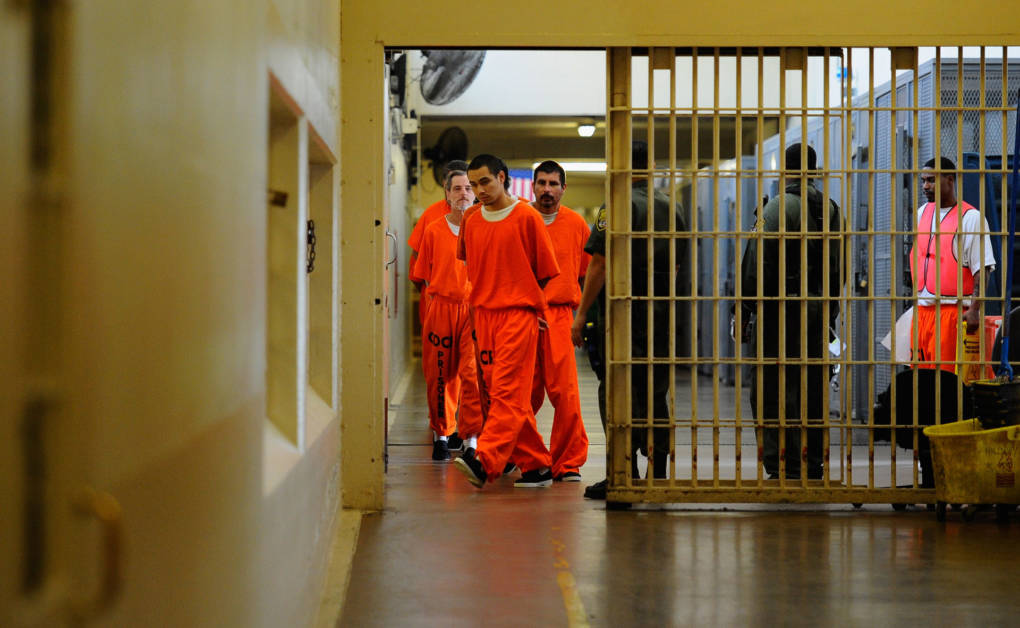
"caption": "Inmates at Chino State Prison walk the hallway in 2010.",
"description": "Inmates at Chino State Prison walk the hallway in 2010.",
"title": "ChinoInmates",
"credit": "Kevork Djansezian/Getty Images",
"status": "inherit",
"isLoading": false,
"fetchFailed": false
},
"news_11613797": {
"type": "attachments",
"id": "news_11613797",
"meta": {
"index": "attachments_1716263798",
"site": "news",
"id": "11613797",
"found": true
},
"parent": 11613708,
"imgSizes": {
"thumbnail": {
"file": "https://ww2.kqed.org/app/uploads/sites/10/2017/08/RS11511_IMG_0157-sfi-160x120.jpg",
"width": 160,
"mimeType": "image/jpeg",
"height": 120
},
"xsmall": {
"file": "https://ww2.kqed.org/app/uploads/sites/10/2017/08/RS11511_IMG_0157-sfi-375x281.jpg",
"width": 375,
"mimeType": "image/jpeg",
"height": 281
},
"kqedFullSize": {
"file": "https://ww2.kqed.org/app/uploads/sites/10/2017/08/RS11511_IMG_0157-sfi.jpg",
"width": 480,
"height": 360
},
"guest-author-50": {
"file": "https://ww2.kqed.org/app/uploads/sites/10/2017/08/RS11511_IMG_0157-sfi-50x50.jpg",
"width": 50,
"mimeType": "image/jpeg",
"height": 50
},
"guest-author-96": {
"file": "https://ww2.kqed.org/app/uploads/sites/10/2017/08/RS11511_IMG_0157-sfi-96x96.jpg",
"width": 96,
"mimeType": "image/jpeg",
"height": 96
},
"guest-author-64": {
"file": "https://ww2.kqed.org/app/uploads/sites/10/2017/08/RS11511_IMG_0157-sfi-64x64.jpg",
"width": 64,
"mimeType": "image/jpeg",
"height": 64
},
"detail": {
"file": "https://ww2.kqed.org/app/uploads/sites/10/2017/08/RS11511_IMG_0157-sfi-150x150.jpg",
"width": 150,
"mimeType": "image/jpeg",
"height": 150
},
"guest-author-32": {
"file": "https://ww2.kqed.org/app/uploads/sites/10/2017/08/RS11511_IMG_0157-sfi-32x32.jpg",
"width": 32,
"mimeType": "image/jpeg",
"height": 32
},
"guest-author-128": {
"file": "https://ww2.kqed.org/app/uploads/sites/10/2017/08/RS11511_IMG_0157-sfi-128x128.jpg",
"width": 128,
"mimeType": "image/jpeg",
"height": 128
},
"xxsmall": {
"file": "https://ww2.kqed.org/app/uploads/sites/10/2017/08/RS11511_IMG_0157-sfi-240x180.jpg",
"width": 240,
"mimeType": "image/jpeg",
"height": 180
}
},
"publishDate": 1503618035,
"modified": 1503618090,
"caption": "Inmate's view from inside a therapeutic module used for group therapy at the California State Prison-Sacramento.",
"description": null,
"title": "RS11511_IMG_0157-sfi",
"credit": "Julie Small/KQED",
"status": "inherit",
"isLoading": false,
"fetchFailed": false
},
"news_11612699": {
"type": "attachments",
"id": "news_11612699",
"meta": {
"index": "attachments_1716263798",
"site": "news",
"id": "11612699",
"found": true
},
"parent": 11612695,
"imgSizes": {
"small": {
"file": "https://ww2.kqed.org/app/uploads/sites/10/2017/08/CommonMain-520x326.jpg",
"width": 520,
"mimeType": "image/jpeg",
"height": 326
},
"twentyfourteen-full-width": {
"file": "https://ww2.kqed.org/app/uploads/sites/10/2017/08/CommonMain-1038x576.jpg",
"width": 1038,
"mimeType": "image/jpeg",
"height": 576
},
"thumbnail": {
"file": "https://ww2.kqed.org/app/uploads/sites/10/2017/08/CommonMain-160x100.jpg",
"width": 160,
"mimeType": "image/jpeg",
"height": 100
},
"fd-sm": {
"file": "https://ww2.kqed.org/app/uploads/sites/10/2017/08/CommonMain-960x603.jpg",
"width": 960,
"mimeType": "image/jpeg",
"height": 603
},
"post-thumbnail": {
"file": "https://ww2.kqed.org/app/uploads/sites/10/2017/08/CommonMain-672x372.jpg",
"width": 672,
"mimeType": "image/jpeg",
"height": 372
},
"xsmall": {
"file": "https://ww2.kqed.org/app/uploads/sites/10/2017/08/CommonMain-375x235.jpg",
"width": 375,
"mimeType": "image/jpeg",
"height": 235
},
"kqedFullSize": {
"file": "https://ww2.kqed.org/app/uploads/sites/10/2017/08/CommonMain.jpg",
"width": 1920,
"height": 1205
},
"large": {
"file": "https://ww2.kqed.org/app/uploads/sites/10/2017/08/CommonMain-1020x640.jpg",
"width": 1020,
"mimeType": "image/jpeg",
"height": 640
},
"xlarge": {
"file": "https://ww2.kqed.org/app/uploads/sites/10/2017/08/CommonMain-1180x741.jpg",
"width": 1180,
"mimeType": "image/jpeg",
"height": 741
},
"guest-author-50": {
"file": "https://ww2.kqed.org/app/uploads/sites/10/2017/08/CommonMain-50x50.jpg",
"width": 50,
"mimeType": "image/jpeg",
"height": 50
},
"guest-author-96": {
"file": "https://ww2.kqed.org/app/uploads/sites/10/2017/08/CommonMain-96x96.jpg",
"width": 96,
"mimeType": "image/jpeg",
"height": 96
},
"medium": {
"file": "https://ww2.kqed.org/app/uploads/sites/10/2017/08/CommonMain-800x502.jpg",
"width": 800,
"mimeType": "image/jpeg",
"height": 502
},
"guest-author-64": {
"file": "https://ww2.kqed.org/app/uploads/sites/10/2017/08/CommonMain-64x64.jpg",
"width": 64,
"mimeType": "image/jpeg",
"height": 64
},
"guest-author-32": {
"file": "https://ww2.kqed.org/app/uploads/sites/10/2017/08/CommonMain-32x32.jpg",
"width": 32,
"mimeType": "image/jpeg",
"height": 32
},
"fd-lrg": {
"file": "https://ww2.kqed.org/app/uploads/sites/10/2017/08/CommonMain-1920x1205.jpg",
"width": 1920,
"mimeType": "image/jpeg",
"height": 1205
},
"fd-med": {
"file": "https://ww2.kqed.org/app/uploads/sites/10/2017/08/CommonMain-1180x741.jpg",
"width": 1180,
"mimeType": "image/jpeg",
"height": 741
},
"full-width": {
"file": "https://ww2.kqed.org/app/uploads/sites/10/2017/08/CommonMain-1920x1205.jpg",
"width": 1920,
"mimeType": "image/jpeg",
"height": 1205
},
"detail": {
"file": "https://ww2.kqed.org/app/uploads/sites/10/2017/08/CommonMain-150x150.jpg",
"width": 150,
"mimeType": "image/jpeg",
"height": 150
},
"guest-author-128": {
"file": "https://ww2.kqed.org/app/uploads/sites/10/2017/08/CommonMain-128x128.jpg",
"width": 128,
"mimeType": "image/jpeg",
"height": 128
},
"xxsmall": {
"file": "https://ww2.kqed.org/app/uploads/sites/10/2017/08/CommonMain-240x151.jpg",
"width": 240,
"mimeType": "image/jpeg",
"height": 151
}
},
"publishDate": 1503004654,
"modified": 1504056018,
"caption": "Hip-hop artist Common meets with inmates at a California prison. ",
"description": "Hip-hop artist Common meets with inmates at a California prison. ",
"title": "CommonMain",
"credit": "Sade C. Joseph",
"status": "inherit",
"isLoading": false,
"fetchFailed": false
},
"news_11612405": {
"type": "attachments",
"id": "news_11612405",
"meta": {
"index": "attachments_1716263798",
"site": "news",
"id": "11612405",
"found": true
},
"parent": 11612329,
"imgSizes": {
"small": {
"file": "https://ww2.kqed.org/app/uploads/sites/10/2017/08/cmf-exterior-520x293.jpg",
"width": 520,
"mimeType": "image/jpeg",
"height": 293
},
"twentyfourteen-full-width": {
"file": "https://ww2.kqed.org/app/uploads/sites/10/2017/08/cmf-exterior-1038x576.jpg",
"width": 1038,
"mimeType": "image/jpeg",
"height": 576
},
"thumbnail": {
"file": "https://ww2.kqed.org/app/uploads/sites/10/2017/08/cmf-exterior-160x90.jpg",
"width": 160,
"mimeType": "image/jpeg",
"height": 90
},
"fd-sm": {
"file": "https://ww2.kqed.org/app/uploads/sites/10/2017/08/cmf-exterior-960x540.jpg",
"width": 960,
"mimeType": "image/jpeg",
"height": 540
},
"post-thumbnail": {
"file": "https://ww2.kqed.org/app/uploads/sites/10/2017/08/cmf-exterior-672x372.jpg",
"width": 672,
"mimeType": "image/jpeg",
"height": 372
},
"xsmall": {
"file": "https://ww2.kqed.org/app/uploads/sites/10/2017/08/cmf-exterior-375x211.jpg",
"width": 375,
"mimeType": "image/jpeg",
"height": 211
},
"kqedFullSize": {
"file": "https://ww2.kqed.org/app/uploads/sites/10/2017/08/cmf-exterior.jpg",
"width": 1920,
"height": 1080
},
"large": {
"file": "https://ww2.kqed.org/app/uploads/sites/10/2017/08/cmf-exterior-1020x574.jpg",
"width": 1020,
"mimeType": "image/jpeg",
"height": 574
},
"xlarge": {
"file": "https://ww2.kqed.org/app/uploads/sites/10/2017/08/cmf-exterior-1180x664.jpg",
"width": 1180,
"mimeType": "image/jpeg",
"height": 664
},
"guest-author-50": {
"file": "https://ww2.kqed.org/app/uploads/sites/10/2017/08/cmf-exterior-50x50.jpg",
"width": 50,
"mimeType": "image/jpeg",
"height": 50
},
"guest-author-96": {
"file": "https://ww2.kqed.org/app/uploads/sites/10/2017/08/cmf-exterior-96x96.jpg",
"width": 96,
"mimeType": "image/jpeg",
"height": 96
},
"medium": {
"file": "https://ww2.kqed.org/app/uploads/sites/10/2017/08/cmf-exterior-800x450.jpg",
"width": 800,
"mimeType": "image/jpeg",
"height": 450
},
"guest-author-64": {
"file": "https://ww2.kqed.org/app/uploads/sites/10/2017/08/cmf-exterior-64x64.jpg",
"width": 64,
"mimeType": "image/jpeg",
"height": 64
},
"guest-author-32": {
"file": "https://ww2.kqed.org/app/uploads/sites/10/2017/08/cmf-exterior-32x32.jpg",
"width": 32,
"mimeType": "image/jpeg",
"height": 32
},
"fd-lrg": {
"file": "https://ww2.kqed.org/app/uploads/sites/10/2017/08/cmf-exterior-1920x1080.jpg",
"width": 1920,
"mimeType": "image/jpeg",
"height": 1080
},
"fd-med": {
"file": "https://ww2.kqed.org/app/uploads/sites/10/2017/08/cmf-exterior-1180x664.jpg",
"width": 1180,
"mimeType": "image/jpeg",
"height": 664
},
"full-width": {
"file": "https://ww2.kqed.org/app/uploads/sites/10/2017/08/cmf-exterior-1920x1080.jpg",
"width": 1920,
"mimeType": "image/jpeg",
"height": 1080
},
"detail": {
"file": "https://ww2.kqed.org/app/uploads/sites/10/2017/08/cmf-exterior-150x150.jpg",
"width": 150,
"mimeType": "image/jpeg",
"height": 150
},
"guest-author-128": {
"file": "https://ww2.kqed.org/app/uploads/sites/10/2017/08/cmf-exterior-128x128.jpg",
"width": 128,
"mimeType": "image/jpeg",
"height": 128
},
"xxsmall": {
"file": "https://ww2.kqed.org/app/uploads/sites/10/2017/08/cmf-exterior-240x135.jpg",
"width": 240,
"mimeType": "image/jpeg",
"height": 135
}
},
"publishDate": 1502922336,
"modified": 1502927898,
"caption": "A sign outside the California Medical Facility, a state prison facility in Vacaville.",
"description": "A sign outside the California Medical Facility -- a state prison facility -- in Vacaville.",
"title": "cmf-exterior",
"credit": "Adam Grossberg/KQED",
"status": "inherit",
"isLoading": false,
"fetchFailed": false
},
"news_11508194": {
"type": "attachments",
"id": "news_11508194",
"meta": {
"index": "attachments_1716263798",
"site": "news",
"id": "11508194",
"found": true
},
"parent": 11507979,
"imgSizes": {
"small": {
"file": "https://ww2.kqed.org/app/uploads/sites/10/2017/06/Clear-My-Record-Donor-presentation-1-520x293.jpg",
"width": 520,
"mimeType": "image/jpeg",
"height": 293
},
"thumbnail": {
"file": "https://ww2.kqed.org/app/uploads/sites/10/2017/06/Clear-My-Record-Donor-presentation-1-160x90.jpg",
"width": 160,
"mimeType": "image/jpeg",
"height": 90
},
"fd-sm": {
"file": "https://ww2.kqed.org/app/uploads/sites/10/2017/06/Clear-My-Record-Donor-presentation-1-960x540.jpg",
"width": 960,
"mimeType": "image/jpeg",
"height": 540
},
"post-thumbnail": {
"file": "https://ww2.kqed.org/app/uploads/sites/10/2017/06/Clear-My-Record-Donor-presentation-1-672x372.jpg",
"width": 672,
"mimeType": "image/jpeg",
"height": 372
},
"xsmall": {
"file": "https://ww2.kqed.org/app/uploads/sites/10/2017/06/Clear-My-Record-Donor-presentation-1-375x211.jpg",
"width": 375,
"mimeType": "image/jpeg",
"height": 211
},
"kqedFullSize": {
"file": "https://ww2.kqed.org/app/uploads/sites/10/2017/06/Clear-My-Record-Donor-presentation-1.jpg",
"width": 960,
"height": 540
},
"guest-author-50": {
"file": "https://ww2.kqed.org/app/uploads/sites/10/2017/06/Clear-My-Record-Donor-presentation-1-50x50.jpg",
"width": 50,
"mimeType": "image/jpeg",
"height": 50
},
"guest-author-96": {
"file": "https://ww2.kqed.org/app/uploads/sites/10/2017/06/Clear-My-Record-Donor-presentation-1-96x96.jpg",
"width": 96,
"mimeType": "image/jpeg",
"height": 96
},
"medium": {
"file": "https://ww2.kqed.org/app/uploads/sites/10/2017/06/Clear-My-Record-Donor-presentation-1-800x450.jpg",
"width": 800,
"mimeType": "image/jpeg",
"height": 450
},
"guest-author-64": {
"file": "https://ww2.kqed.org/app/uploads/sites/10/2017/06/Clear-My-Record-Donor-presentation-1-64x64.jpg",
"width": 64,
"mimeType": "image/jpeg",
"height": 64
},
"guest-author-32": {
"file": "https://ww2.kqed.org/app/uploads/sites/10/2017/06/Clear-My-Record-Donor-presentation-1-32x32.jpg",
"width": 32,
"mimeType": "image/jpeg",
"height": 32
},
"detail": {
"file": "https://ww2.kqed.org/app/uploads/sites/10/2017/06/Clear-My-Record-Donor-presentation-1-150x150.jpg",
"width": 150,
"mimeType": "image/jpeg",
"height": 150
},
"guest-author-128": {
"file": "https://ww2.kqed.org/app/uploads/sites/10/2017/06/Clear-My-Record-Donor-presentation-1-128x128.jpg",
"width": 128,
"mimeType": "image/jpeg",
"height": 128
},
"xxsmall": {
"file": "https://ww2.kqed.org/app/uploads/sites/10/2017/06/Clear-My-Record-Donor-presentation-1-240x135.jpg",
"width": 240,
"mimeType": "image/jpeg",
"height": 135
}
},
"publishDate": 1497382012,
"modified": 1497382063,
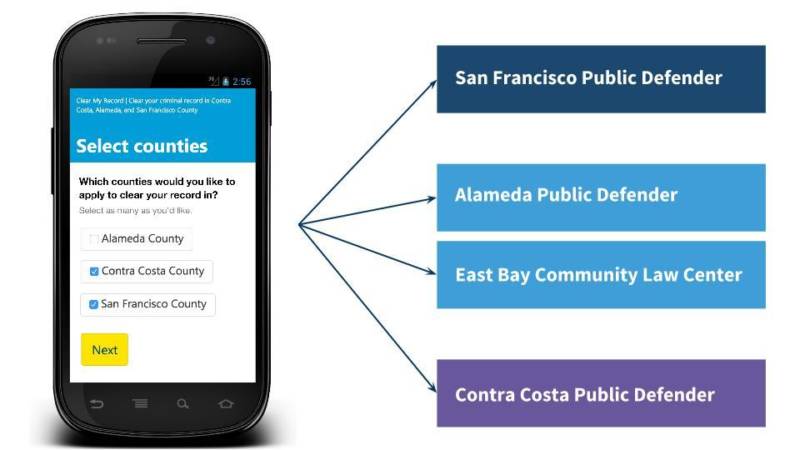
"caption": "A screenshot from the Clear My Record app, with diagrams of how it works.",
"description": null,
"title": "Clear-My-Record-Donor-presentation-1",
"credit": "Courtesy of Code for America",
"status": "inherit",
"isLoading": false,
"fetchFailed": false
},
"news_11506453": {
"type": "attachments",
"id": "news_11506453",
"meta": {
"index": "attachments_1716263798",
"site": "news",
"id": "11506453",
"found": true
},
"parent": 11506452,
"imgSizes": {
"small": {
"file": "https://ww2.kqed.org/app/uploads/sites/10/2017/06/img_2973_wide-05672ac0f03fe0221bc39c0b09170b46b8cf70ee-520x293.jpg",
"width": 520,
"mimeType": "image/jpeg",
"height": 293
},
"twentyfourteen-full-width": {
"file": "https://ww2.kqed.org/app/uploads/sites/10/2017/06/img_2973_wide-05672ac0f03fe0221bc39c0b09170b46b8cf70ee-1038x576.jpg",
"width": 1038,
"mimeType": "image/jpeg",
"height": 576
},
"thumbnail": {
"file": "https://ww2.kqed.org/app/uploads/sites/10/2017/06/img_2973_wide-05672ac0f03fe0221bc39c0b09170b46b8cf70ee-160x90.jpg",
"width": 160,
"mimeType": "image/jpeg",
"height": 90
},
"fd-sm": {
"file": "https://ww2.kqed.org/app/uploads/sites/10/2017/06/img_2973_wide-05672ac0f03fe0221bc39c0b09170b46b8cf70ee-960x540.jpg",
"width": 960,
"mimeType": "image/jpeg",
"height": 540
},
"post-thumbnail": {
"file": "https://ww2.kqed.org/app/uploads/sites/10/2017/06/img_2973_wide-05672ac0f03fe0221bc39c0b09170b46b8cf70ee-672x372.jpg",
"width": 672,
"mimeType": "image/jpeg",
"height": 372
},
"xsmall": {
"file": "https://ww2.kqed.org/app/uploads/sites/10/2017/06/img_2973_wide-05672ac0f03fe0221bc39c0b09170b46b8cf70ee-375x211.jpg",
"width": 375,
"mimeType": "image/jpeg",
"height": 211
},
"kqedFullSize": {
"file": "https://ww2.kqed.org/app/uploads/sites/10/2017/06/img_2973_wide-05672ac0f03fe0221bc39c0b09170b46b8cf70ee-e1497301083389.jpg",
"width": 1920,
"height": 1080
},
"large": {
"file": "https://ww2.kqed.org/app/uploads/sites/10/2017/06/img_2973_wide-05672ac0f03fe0221bc39c0b09170b46b8cf70ee-1020x574.jpg",
"width": 1020,
"mimeType": "image/jpeg",
"height": 574
},
"xlarge": {
"file": "https://ww2.kqed.org/app/uploads/sites/10/2017/06/img_2973_wide-05672ac0f03fe0221bc39c0b09170b46b8cf70ee-1180x664.jpg",
"width": 1180,
"mimeType": "image/jpeg",
"height": 664
},
"guest-author-50": {
"file": "https://ww2.kqed.org/app/uploads/sites/10/2017/06/img_2973_wide-05672ac0f03fe0221bc39c0b09170b46b8cf70ee-50x50.jpg",
"width": 50,
"mimeType": "image/jpeg",
"height": 50
},
"guest-author-96": {
"file": "https://ww2.kqed.org/app/uploads/sites/10/2017/06/img_2973_wide-05672ac0f03fe0221bc39c0b09170b46b8cf70ee-96x96.jpg",
"width": 96,
"mimeType": "image/jpeg",
"height": 96
},
"medium": {
"file": "https://ww2.kqed.org/app/uploads/sites/10/2017/06/img_2973_wide-05672ac0f03fe0221bc39c0b09170b46b8cf70ee-800x450.jpg",
"width": 800,
"mimeType": "image/jpeg",
"height": 450
},
"guest-author-64": {
"file": "https://ww2.kqed.org/app/uploads/sites/10/2017/06/img_2973_wide-05672ac0f03fe0221bc39c0b09170b46b8cf70ee-64x64.jpg",
"width": 64,
"mimeType": "image/jpeg",
"height": 64
},
"guest-author-32": {
"file": "https://ww2.kqed.org/app/uploads/sites/10/2017/06/img_2973_wide-05672ac0f03fe0221bc39c0b09170b46b8cf70ee-32x32.jpg",
"width": 32,
"mimeType": "image/jpeg",
"height": 32
},
"fd-lrg": {
"file": "https://ww2.kqed.org/app/uploads/sites/10/2017/06/img_2973_wide-05672ac0f03fe0221bc39c0b09170b46b8cf70ee-1920x1080.jpg",
"width": 1920,
"mimeType": "image/jpeg",
"height": 1080
},
"fd-med": {
"file": "https://ww2.kqed.org/app/uploads/sites/10/2017/06/img_2973_wide-05672ac0f03fe0221bc39c0b09170b46b8cf70ee-1180x664.jpg",
"width": 1180,
"mimeType": "image/jpeg",
"height": 664
},
"full-width": {
"file": "https://ww2.kqed.org/app/uploads/sites/10/2017/06/img_2973_wide-05672ac0f03fe0221bc39c0b09170b46b8cf70ee-1920x1080.jpg",
"width": 1920,
"mimeType": "image/jpeg",
"height": 1080
},
"detail": {
"file": "https://ww2.kqed.org/app/uploads/sites/10/2017/06/img_2973_wide-05672ac0f03fe0221bc39c0b09170b46b8cf70ee-150x150.jpg",
"width": 150,
"mimeType": "image/jpeg",
"height": 150
},
"guest-author-128": {
"file": "https://ww2.kqed.org/app/uploads/sites/10/2017/06/img_2973_wide-05672ac0f03fe0221bc39c0b09170b46b8cf70ee-128x128.jpg",
"width": 128,
"mimeType": "image/jpeg",
"height": 128
},
"xxsmall": {
"file": "https://ww2.kqed.org/app/uploads/sites/10/2017/06/img_2973_wide-05672ac0f03fe0221bc39c0b09170b46b8cf70ee-240x135.jpg",
"width": 240,
"mimeType": "image/jpeg",
"height": 135
}
},
"publishDate": 1497300989,
"modified": 1497301107,
"caption": "A key piece of evidence used to convict Bruce Lisker was testimony from a savvy jailhouse informant, whom he met after being moved out of juvenile detention. Lisker's conviction was overturned 26 years later.",
"description": "A key piece of evidence used to convict Bruce Lisker was testimony from a savvy jailhouse informant, whom he met after being moved out of juvenile detention. Lisker's conviction was overturned 26 years later.",
"title": "A key piece of evidence used to convict Bruce Lisker was testimony from a savvy jailhouse informant, whom he met after being moved out of juvenile detention. Lisker's conviction was overturned 26 years later.",
"credit": "Parker Yesko /NPR",
"status": "inherit",
"isLoading": false,
"fetchFailed": false
},
"news_11506235": {
"type": "attachments",
"id": "news_11506235",
"meta": {
"index": "attachments_1716263798",
"site": "news",
"id": "11506235",
"found": true
},
"parent": 11496861,
"imgSizes": {
"small": {
"file": "https://ww2.kqed.org/app/uploads/sites/10/2017/06/ep-4-to-life-photo-fix-520x252.jpg",
"width": 520,
"mimeType": "image/jpeg",
"height": 252
},
"twentyfourteen-full-width": {
"file": "https://ww2.kqed.org/app/uploads/sites/10/2017/06/ep-4-to-life-photo-fix-1038x576.jpg",
"width": 1038,
"mimeType": "image/jpeg",
"height": 576
},
"thumbnail": {
"file": "https://ww2.kqed.org/app/uploads/sites/10/2017/06/ep-4-to-life-photo-fix-160x78.jpg",
"width": 160,
"mimeType": "image/jpeg",
"height": 78
},
"fd-sm": {
"file": "https://ww2.kqed.org/app/uploads/sites/10/2017/06/ep-4-to-life-photo-fix-960x466.jpg",
"width": 960,
"mimeType": "image/jpeg",
"height": 466
},
"post-thumbnail": {
"file": "https://ww2.kqed.org/app/uploads/sites/10/2017/06/ep-4-to-life-photo-fix-672x372.jpg",
"width": 672,
"mimeType": "image/jpeg",
"height": 372
},
"xsmall": {
"file": "https://ww2.kqed.org/app/uploads/sites/10/2017/06/ep-4-to-life-photo-fix-375x182.jpg",
"width": 375,
"mimeType": "image/jpeg",
"height": 182
},
"kqedFullSize": {
"file": "https://ww2.kqed.org/app/uploads/sites/10/2017/06/ep-4-to-life-photo-fix.jpg",
"width": 1836,
"height": 891
},
"large": {
"file": "https://ww2.kqed.org/app/uploads/sites/10/2017/06/ep-4-to-life-photo-fix-1020x495.jpg",
"width": 1020,
"mimeType": "image/jpeg",
"height": 495
},
"xlarge": {
"file": "https://ww2.kqed.org/app/uploads/sites/10/2017/06/ep-4-to-life-photo-fix-1180x573.jpg",
"width": 1180,
"mimeType": "image/jpeg",
"height": 573
},
"guest-author-50": {
"file": "https://ww2.kqed.org/app/uploads/sites/10/2017/06/ep-4-to-life-photo-fix-50x50.jpg",
"width": 50,
"mimeType": "image/jpeg",
"height": 50
},
"guest-author-96": {
"file": "https://ww2.kqed.org/app/uploads/sites/10/2017/06/ep-4-to-life-photo-fix-96x96.jpg",
"width": 96,
"mimeType": "image/jpeg",
"height": 96
},
"medium": {
"file": "https://ww2.kqed.org/app/uploads/sites/10/2017/06/ep-4-to-life-photo-fix-800x388.jpg",
"width": 800,
"mimeType": "image/jpeg",
"height": 388
},
"guest-author-64": {
"file": "https://ww2.kqed.org/app/uploads/sites/10/2017/06/ep-4-to-life-photo-fix-64x64.jpg",
"width": 64,
"mimeType": "image/jpeg",
"height": 64
},
"guest-author-32": {
"file": "https://ww2.kqed.org/app/uploads/sites/10/2017/06/ep-4-to-life-photo-fix-32x32.jpg",
"width": 32,
"mimeType": "image/jpeg",
"height": 32
},
"fd-med": {
"file": "https://ww2.kqed.org/app/uploads/sites/10/2017/06/ep-4-to-life-photo-fix-1180x573.jpg",
"width": 1180,
"mimeType": "image/jpeg",
"height": 573
},
"detail": {
"file": "https://ww2.kqed.org/app/uploads/sites/10/2017/06/ep-4-to-life-photo-fix-150x150.jpg",
"width": 150,
"mimeType": "image/jpeg",
"height": 150
},
"guest-author-128": {
"file": "https://ww2.kqed.org/app/uploads/sites/10/2017/06/ep-4-to-life-photo-fix-128x128.jpg",
"width": 128,
"mimeType": "image/jpeg",
"height": 128
},
"xxsmall": {
"file": "https://ww2.kqed.org/app/uploads/sites/10/2017/06/ep-4-to-life-photo-fix-240x116.jpg",
"width": 240,
"mimeType": "image/jpeg",
"height": 116
}
},
"publishDate": 1497294102,
"modified": 1497294252,
"caption": null,
"description": null,
"title": "ep 4 to life photo fix",
"credit": "Courtesy of Marvin Mutch",
"status": "inherit",
"isLoading": false,
"fetchFailed": false
},
"news_11459340": {
"type": "attachments",
"id": "news_11459340",
"meta": {
"index": "attachments_1716263798",
"site": "news",
"id": "11459340",
"found": true
},
"parent": 11459337,
"imgSizes": {
"small": {
"file": "https://ww2.kqed.org/app/uploads/sites/10/2017/05/4b.-Marvin-in-prison_2_recrop-520x342.jpg",
"width": 520,
"mimeType": "image/jpeg",
"height": 342
},
"twentyfourteen-full-width": {
"file": "https://ww2.kqed.org/app/uploads/sites/10/2017/05/4b.-Marvin-in-prison_2_recrop-1038x576.jpg",
"width": 1038,
"mimeType": "image/jpeg",
"height": 576
},
"thumbnail": {
"file": "https://ww2.kqed.org/app/uploads/sites/10/2017/05/4b.-Marvin-in-prison_2_recrop-160x105.jpg",
"width": 160,
"mimeType": "image/jpeg",
"height": 105
},
"fd-sm": {
"file": "https://ww2.kqed.org/app/uploads/sites/10/2017/05/4b.-Marvin-in-prison_2_recrop-960x631.jpg",
"width": 960,
"mimeType": "image/jpeg",
"height": 631
},
"post-thumbnail": {
"file": "https://ww2.kqed.org/app/uploads/sites/10/2017/05/4b.-Marvin-in-prison_2_recrop-672x372.jpg",
"width": 672,
"mimeType": "image/jpeg",
"height": 372
},
"xsmall": {
"file": "https://ww2.kqed.org/app/uploads/sites/10/2017/05/4b.-Marvin-in-prison_2_recrop-375x246.jpg",
"width": 375,
"mimeType": "image/jpeg",
"height": 246
},
"kqedFullSize": {
"file": "https://ww2.kqed.org/app/uploads/sites/10/2017/05/4b.-Marvin-in-prison_2_recrop.jpg",
"width": 1746,
"height": 1147
},
"large": {
"file": "https://ww2.kqed.org/app/uploads/sites/10/2017/05/4b.-Marvin-in-prison_2_recrop-1020x670.jpg",
"width": 1020,
"mimeType": "image/jpeg",
"height": 670
},
"xlarge": {
"file": "https://ww2.kqed.org/app/uploads/sites/10/2017/05/4b.-Marvin-in-prison_2_recrop-1180x775.jpg",
"width": 1180,
"mimeType": "image/jpeg",
"height": 775
},
"guest-author-50": {
"file": "https://ww2.kqed.org/app/uploads/sites/10/2017/05/4b.-Marvin-in-prison_2_recrop-50x50.jpg",
"width": 50,
"mimeType": "image/jpeg",
"height": 50
},
"guest-author-96": {
"file": "https://ww2.kqed.org/app/uploads/sites/10/2017/05/4b.-Marvin-in-prison_2_recrop-96x96.jpg",
"width": 96,
"mimeType": "image/jpeg",
"height": 96
},
"medium": {
"file": "https://ww2.kqed.org/app/uploads/sites/10/2017/05/4b.-Marvin-in-prison_2_recrop-800x526.jpg",
"width": 800,
"mimeType": "image/jpeg",
"height": 526
},
"guest-author-64": {
"file": "https://ww2.kqed.org/app/uploads/sites/10/2017/05/4b.-Marvin-in-prison_2_recrop-64x64.jpg",
"width": 64,
"mimeType": "image/jpeg",
"height": 64
},
"guest-author-32": {
"file": "https://ww2.kqed.org/app/uploads/sites/10/2017/05/4b.-Marvin-in-prison_2_recrop-32x32.jpg",
"width": 32,
"mimeType": "image/jpeg",
"height": 32
},
"fd-med": {
"file": "https://ww2.kqed.org/app/uploads/sites/10/2017/05/4b.-Marvin-in-prison_2_recrop-1180x775.jpg",
"width": 1180,
"mimeType": "image/jpeg",
"height": 775
},
"detail": {
"file": "https://ww2.kqed.org/app/uploads/sites/10/2017/05/4b.-Marvin-in-prison_2_recrop-150x150.jpg",
"width": 150,
"mimeType": "image/jpeg",
"height": 150
},
"guest-author-128": {
"file": "https://ww2.kqed.org/app/uploads/sites/10/2017/05/4b.-Marvin-in-prison_2_recrop-128x128.jpg",
"width": 128,
"mimeType": "image/jpeg",
"height": 128
},
"xxsmall": {
"file": "https://ww2.kqed.org/app/uploads/sites/10/2017/05/4b.-Marvin-in-prison_2_recrop-240x158.jpg",
"width": 240,
"mimeType": "image/jpeg",
"height": 158
}
},
"publishDate": 1494876133,
"modified": 1494876228,
"caption": "Marvin Mutch reads while incarcerated at San Quentin State Prison.",
"description": "Marvin Mutch reads while incarcerated at San Quentin State Prison.",
"title": "4b. Marvin in prison_2_recrop",
"credit": "Courtesy of Marvin Mutch",
"status": "inherit",
"isLoading": false,
"fetchFailed": false
},
"news_11263702": {
"type": "attachments",
"id": "news_11263702",
"meta": {
"index": "attachments_1716263798",
"site": "news",
"id": "11263702",
"found": true
},
"parent": 11262174,
"imgSizes": {
"small": {
"file": "https://ww2.kqed.org/app/uploads/sites/10/2017/01/ReclaimingStories-520x578.jpg",
"width": 520,
"mimeType": "image/jpeg",
"height": 578
},
"twentyfourteen-full-width": {
"file": "https://ww2.kqed.org/app/uploads/sites/10/2017/01/ReclaimingStories-1038x576.jpg",
"width": 1038,
"mimeType": "image/jpeg",
"height": 576
},
"thumbnail": {
"file": "https://ww2.kqed.org/app/uploads/sites/10/2017/01/ReclaimingStories-160x178.jpg",
"width": 160,
"mimeType": "image/jpeg",
"height": 178
},
"fd-sm": {
"file": "https://ww2.kqed.org/app/uploads/sites/10/2017/01/ReclaimingStories-960x1068.jpg",
"width": 960,
"mimeType": "image/jpeg",
"height": 1068
},
"post-thumbnail": {
"file": "https://ww2.kqed.org/app/uploads/sites/10/2017/01/ReclaimingStories-672x372.jpg",
"width": 672,
"mimeType": "image/jpeg",
"height": 372
},
"xsmall": {
"file": "https://ww2.kqed.org/app/uploads/sites/10/2017/01/ReclaimingStories-375x417.jpg",
"width": 375,
"mimeType": "image/jpeg",
"height": 417
},
"kqedFullSize": {
"file": "https://ww2.kqed.org/app/uploads/sites/10/2017/01/ReclaimingStories.jpg",
"width": 1920,
"height": 2135
},
"large": {
"file": "https://ww2.kqed.org/app/uploads/sites/10/2017/01/ReclaimingStories-1020x1134.jpg",
"width": 1020,
"mimeType": "image/jpeg",
"height": 1134
},
"xlarge": {
"file": "https://ww2.kqed.org/app/uploads/sites/10/2017/01/ReclaimingStories-1180x1312.jpg",
"width": 1180,
"mimeType": "image/jpeg",
"height": 1312
},
"guest-author-50": {
"file": "https://ww2.kqed.org/app/uploads/sites/10/2017/01/ReclaimingStories-50x50.jpg",
"width": 50,
"mimeType": "image/jpeg",
"height": 50
},
"guest-author-96": {
"file": "https://ww2.kqed.org/app/uploads/sites/10/2017/01/ReclaimingStories-96x96.jpg",
"width": 96,
"mimeType": "image/jpeg",
"height": 96
},
"medium": {
"file": "https://ww2.kqed.org/app/uploads/sites/10/2017/01/ReclaimingStories-800x890.jpg",
"width": 800,
"mimeType": "image/jpeg",
"height": 890
},
"guest-author-64": {
"file": "https://ww2.kqed.org/app/uploads/sites/10/2017/01/ReclaimingStories-64x64.jpg",
"width": 64,
"mimeType": "image/jpeg",
"height": 64
},
"guest-author-32": {
"file": "https://ww2.kqed.org/app/uploads/sites/10/2017/01/ReclaimingStories-32x32.jpg",
"width": 32,
"mimeType": "image/jpeg",
"height": 32
},
"jmtc-small-thumb": {
"file": "https://ww2.kqed.org/app/uploads/sites/10/2017/01/ReclaimingStories-280x150.jpg",
"width": 280,
"mimeType": "image/jpeg",
"height": 150
},
"fd-lrg": {
"file": "https://ww2.kqed.org/app/uploads/sites/10/2017/01/ReclaimingStories-1920x2135.jpg",
"width": 1920,
"mimeType": "image/jpeg",
"height": 2135
},
"fd-med": {
"file": "https://ww2.kqed.org/app/uploads/sites/10/2017/01/ReclaimingStories-1180x1312.jpg",
"width": 1180,
"mimeType": "image/jpeg",
"height": 1312
},
"full-width": {
"file": "https://ww2.kqed.org/app/uploads/sites/10/2017/01/ReclaimingStories-1920x2135.jpg",
"width": 1920,
"mimeType": "image/jpeg",
"height": 2135
},
"detail": {
"file": "https://ww2.kqed.org/app/uploads/sites/10/2017/01/ReclaimingStories-150x150.jpg",
"width": 150,
"mimeType": "image/jpeg",
"height": 150
},
"guest-author-128": {
"file": "https://ww2.kqed.org/app/uploads/sites/10/2017/01/ReclaimingStories-128x128.jpg",
"width": 128,
"mimeType": "image/jpeg",
"height": 128
},
"xxsmall": {
"file": "https://ww2.kqed.org/app/uploads/sites/10/2017/01/ReclaimingStories-240x267.jpg",
"width": 240,
"mimeType": "image/jpeg",
"height": 267
}
},
"publishDate": 1484087356,
"modified": 1484087388,
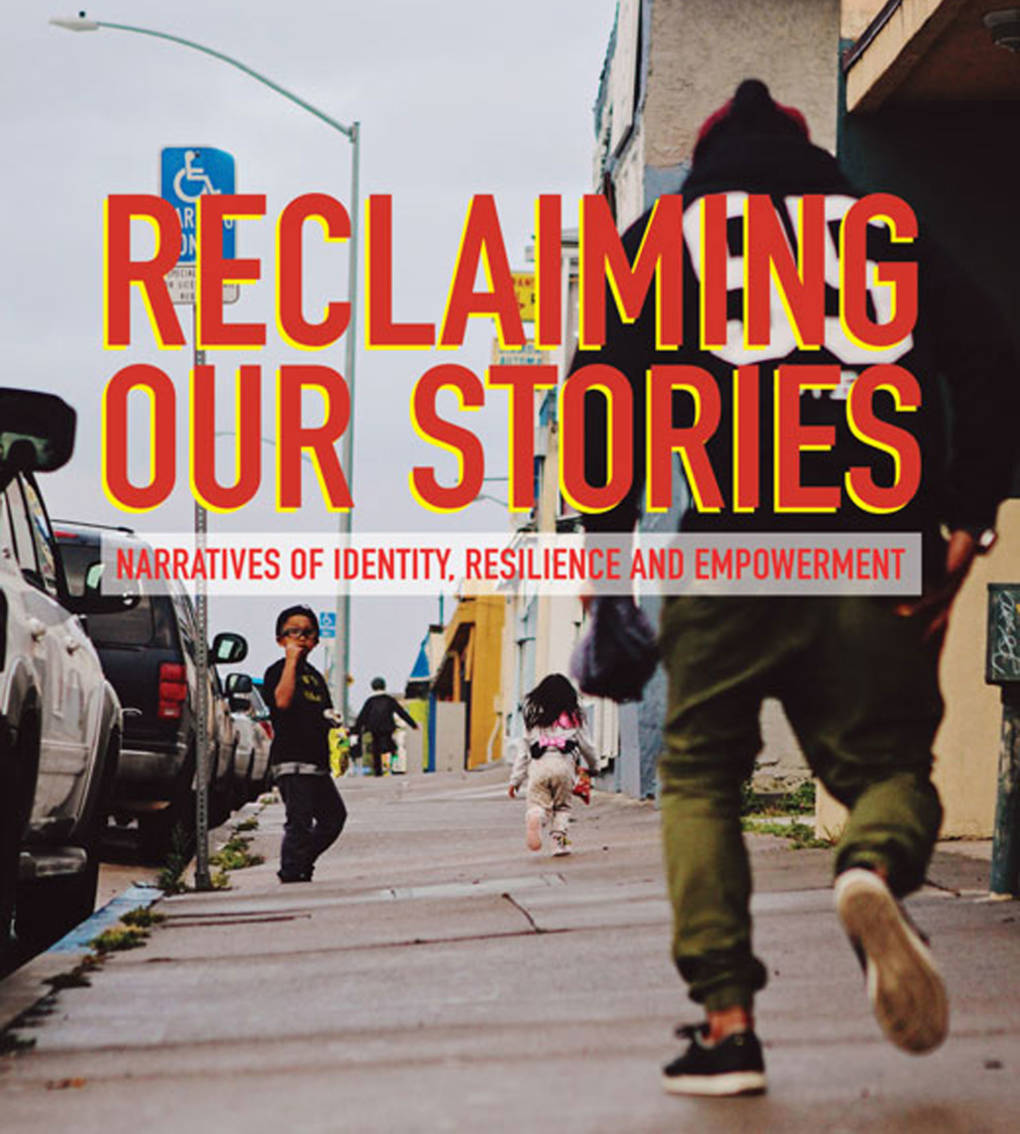
"caption": "The 'Reclaiming Our Stories' collection features first-person narratives from 19 authors in San Diego.",
"description": "The 'Reclaiming Our Stories' collection features first-person narratives from 19 authors in San Diego.",
"title": "reclaimingstories",
"credit": null,
"status": "inherit",
"isLoading": false,
"fetchFailed": false
}
},
"audioPlayerReducer": {
"postId": "stream_live",
"isPaused": true,
"isPlaying": false,
"pfsActive": false,
"pledgeModalIsOpen": true,
"playerDrawerIsOpen": false,
"liveAudioPlayStartedAt": 0,
"liveAudioPlayContext": ""
},
"authorsReducer": {
"byline_news_11672014": {
"type": "authors",
"id": "byline_news_11672014",
"meta": {
"override": true
},
"slug": "byline_news_11672014",
"name": "\u003cstrong>Anouthinh Pangthong\u003c/strong>",
"isLoading": false
},
"byline_news_11666460": {
"type": "authors",
"id": "byline_news_11666460",
"meta": {
"override": true
},
"slug": "byline_news_11666460",
"name": "Anna Gorman",
"isLoading": false
},
"byline_news_11647139": {
"type": "authors",
"id": "byline_news_11647139",
"meta": {
"override": true
},
"slug": "byline_news_11647139",
"name": "Sophia Bollag",
"isLoading": false
},
"byline_news_11612695": {
"type": "authors",
"id": "byline_news_11612695",
"meta": {
"override": true
},
"slug": "byline_news_11612695",
"name": "\u003cstrong>\u003ca href=\"https://calmatters.org/articles/author/laurel-rosenhall/\">Laurel Rosenhall\u003c/a>\u003c/strong>",
"isLoading": false
},
"byline_news_11507979": {
"type": "authors",
"id": "byline_news_11507979",
"meta": {
"override": true
},
"slug": "byline_news_11507979",
"name": "Allen Young",
"isLoading": false
},
"byline_news_11506452": {
"type": "authors",
"id": "byline_news_11506452",
"meta": {
"override": true
},
"slug": "byline_news_11506452",
"name": "Parker Yesko",
"isLoading": false
},
"agrossberg": {
"type": "authors",
"id": "188",
"meta": {
"index": "authors_1716337520",
"id": "188",
"found": true
},
"name": "Adam Grossberg",
"firstName": "Adam",
"lastName": "Grossberg",
"slug": "agrossberg",
"email": "agrossberg@KQED.org",
"display_author_email": false,
"staff_mastheads": [],
"title": "KQED Contributor",
"bio": "Adam Grossberg is a former video producer at KQED News. Prior to coming to KQED, he produced videos for PBS, The New York Times, Current TV and The Center for Investigative Reporting. His work has received an Excellence in Journalism award from the Society of Professional Journalists, a regional Murrow award and two Northern California Emmy awards. He is a graduate of the UC Berkeley Graduate School of Journalism.",
"avatar": "https://secure.gravatar.com/avatar/8e96dbdaaf98f5959a2c778289e0f9b5?s=600&d=blank&r=g",
"twitter": null,
"facebook": null,
"instagram": null,
"linkedin": null,
"sites": [
{
"site": "arts",
"roles": [
"contributor"
]
},
{
"site": "news",
"roles": [
"subscriber"
]
},
{
"site": "stateofhealth",
"roles": [
"editor"
]
},
{
"site": "science",
"roles": [
"editor"
]
}
],
"headData": {
"title": "Adam Grossberg | KQED",
"description": "KQED Contributor",
"ogImgSrc": "https://secure.gravatar.com/avatar/8e96dbdaaf98f5959a2c778289e0f9b5?s=600&d=blank&r=g",
"twImgSrc": "https://secure.gravatar.com/avatar/8e96dbdaaf98f5959a2c778289e0f9b5?s=600&d=blank&r=g"
},
"isLoading": false,
"link": "/author/agrossberg"
},
"sasha-khokha": {
"type": "authors",
"id": "254",
"meta": {
"index": "authors_1716337520",
"id": "254",
"found": true
},
"name": "Sasha Khokha",
"firstName": "Sasha",
"lastName": "Khokha",
"slug": "sasha-khokha",
"email": "skhokha@kqed.org",
"display_author_email": true,
"staff_mastheads": [
"news"
],
"title": "Host, The California Report Magazine",
"bio": "Sasha Khokha is the host of \u003cem>The California Report's \u003c/em> weekly magazine program, which takes listeners on sound-rich excursions to meet the people that make the Golden State unique -- through audio documentaries and long-form stories. As \u003cem>The California Report's\u003c/em> Central Valley Bureau Chief based in Fresno for nearly a dozen years, Sasha brought the lives and concerns of rural Californians to listeners around the state. Her reporting helped expose the hidden price immigrant women janitors and farmworkers may pay to keep their jobs: sexual assault at work. It inspired two new California laws to protect them from sexual harassment. She was a key member of the reporting team for the Frontline film \u003cem>Rape on the Night Shift, \u003c/em>which was nominated for two national Emmys. Sasha has also won a national Edward R. Murrow and a national PRNDI award for investigative reporting, as well as multiple prizes from the Society for Professional Journalists. Sasha is a proud alum of the UC Berkeley Graduate School of Journalism and Brown University and a member of the South Asian Journalists Association.",
"avatar": "https://secure.gravatar.com/avatar/e4b5e1541aaeea2aa356aa1fb2a68950?s=600&d=blank&r=g",
"twitter": "KQEDSashaKhokha",
"facebook": null,
"instagram": null,
"linkedin": null,
"sites": [
{
"site": "news",
"roles": [
"editor"
]
},
{
"site": "stateofhealth",
"roles": [
"author"
]
},
{
"site": "science",
"roles": [
"author"
]
},
{
"site": "quest",
"roles": [
"subscriber"
]
}
],
"headData": {
"title": "Sasha Khokha | KQED",
"description": "Host, The California Report Magazine",
"ogImgSrc": "https://secure.gravatar.com/avatar/e4b5e1541aaeea2aa356aa1fb2a68950?s=600&d=blank&r=g",
"twImgSrc": "https://secure.gravatar.com/avatar/e4b5e1541aaeea2aa356aa1fb2a68950?s=600&d=blank&r=g"
},
"isLoading": false,
"link": "/author/sasha-khokha"
},
"aemslie": {
"type": "authors",
"id": "3206",
"meta": {
"index": "authors_1716337520",
"id": "3206",
"found": true
},
"name": "Alex Emslie",
"firstName": "Alex",
"lastName": "Emslie",
"slug": "aemslie",
"email": "aemslie@kqed.org",
"display_author_email": true,
"staff_mastheads": [
"news"
],
"title": "KQED Senior Editor",
"bio": "Alex Emslie is senior editor of talent and development at KQED, where he manages dozens of early career journalists and oversees news department internships.\r\n\r\nHe is a former carpenter and proud graduate of City College of San Francisco and San Francisco State University, where he studied journalism and criminal justice before joining KQED in 2013.\r\n\r\nAlex produced investigative journalism focused on \u003ca href=\"https://www.kqed.org/news/11667594/the-trials-of-marvin-mutch-video\">criminal justice\u003c/a> and policing for most of a decade. He has broken major stories about \u003ca href=\"https://www.kqed.org/news/135682/amid-a-series-of-vallejo-police-shootings-one-officers-name-stands-out\">police use of deadly force\u003c/a>, \u003ca href=\"https://www.kqed.org/news/10454955/racist-texts-prompt-sfpd-internal-investigation\">officer misconduct\u003c/a> and \u003ca href=\"https://www.kqed.org/news/11712239/terrorist-or-troll-judge-to-weigh-whether-oakland-man-really-intended-to-attack-bay-area\">other\u003c/a> \u003ca href=\"https://www.kqed.org/news/11221414/hayward-paid-159000-to-husband-of-retired-police-chief-documents-show\">high\u003c/a>-\u003ca href=\"https://www.kqed.org/news/10622762/the-forgotten-tracking-two-homicides-in-san-francisco-public-housing\">profile\u003c/a> \u003ca href=\"https://www.kqed.org/news/11624516/federal-agency-promoted-ranger-just-months-after-his-gun-was-stolen-and-used-in-steinle-killing\">cases\u003c/a>. He co-founded the \u003ca href=\"https://projects.scpr.org/california-reporting-project/\">California Reporting Project\u003c/a> in 2019 to obtain and report on previously confidential police internal investigations. The effort produced well over 100 original stories and changed the course of multiple criminal cases.\r\n\r\nHis work has been recognized with numerous journalism awards, including a national Edward R. Murrow award for several years of \u003ca href=\"https://www.kqed.org/news/11688481/sfpd-officers-in-mario-woods-case-recount-shooting-in-newly-filed-depositions\">reporting\u003c/a> on the San Francisco Police shooting of Mario Woods. His \u003ca href=\"https://www.kqed.org/news/147854/half-of-those-killed-by-san-francisco-police-are-mentally-ill\">reporting\u003c/a> on police killings of people in psychiatric crisis was cited in amicus briefs before the U.S. Supreme Court.\r\n\r\nAlex now enjoys mentoring the next generation of journalists at KQED.",
"avatar": "https://secure.gravatar.com/avatar/e691e65209f20e9da202bd730ead5663?s=600&d=blank&r=g",
"twitter": "SFNewsReporter",
"facebook": null,
"instagram": null,
"linkedin": null,
"sites": [
{
"site": "arts",
"roles": [
"editor"
]
},
{
"site": "news",
"roles": [
"editor"
]
},
{
"site": "mindshift",
"roles": [
"editor"
]
},
{
"site": "stateofhealth",
"roles": [
"editor"
]
},
{
"site": "science",
"roles": [
"administrator"
]
}
],
"headData": {
"title": "Alex Emslie | KQED",
"description": "KQED Senior Editor",
"ogImgSrc": "https://secure.gravatar.com/avatar/e691e65209f20e9da202bd730ead5663?s=600&d=blank&r=g",
"twImgSrc": "https://secure.gravatar.com/avatar/e691e65209f20e9da202bd730ead5663?s=600&d=blank&r=g"
},
"isLoading": false,
"link": "/author/aemslie"
},
"markfiore": {
"type": "authors",
"id": "3236",
"meta": {
"index": "authors_1716337520",
"id": "3236",
"found": true
},
"name": "Mark Fiore",
"firstName": "Mark",
"lastName": "Fiore",
"slug": "markfiore",
"email": "mark@markfiore.com",
"display_author_email": false,
"staff_mastheads": [
"news"
],
"title": "KQED News Cartoonist",
"bio": "\u003ca href=\"http://www.MarkFiore.com\">MarkFiore.com\u003c/a> | \u003ca href=\"https://twitter.com/markfiore\">Follow on Twitter\u003c/a> | \u003ca href=\"https://www.facebook.com/pages/Mark-Fiore-Animated-Political-Cartoons/94451707396?ref=bookmarks\">Facebook\u003c/a> | \u003ca href=\"mailto:mark@markfiore.com\">email\u003c/a>\r\n\r\nPulitzer Prize-winner, Mark Fiore, who the Wall Street Journal has called “the undisputed guru of the form,” creates animated political cartoons in San Francisco, where his work has been featured regularly on the San Francisco Chronicle’s web site, SFGate.com. His work has appeared on Newsweek.com, Slate.com, CBSNews.com, MotherJones.com, DailyKos.com and NPR’s web site. Fiore’s political animation has appeared on CNN, Frontline, Bill Moyers Journal, Salon.com and cable and broadcast outlets across the globe.\r\n\r\nBeginning his professional life by drawing traditional political cartoons for newspapers, Fiore’s work appeared in publications ranging from the Washington Post to the Los Angeles Times. In the late 1990s, he began to experiment with animating political cartoons and, after a short stint at the San Jose Mercury News as their staff cartoonist, Fiore devoted all his energies to animation.\r\nGrowing up in California, Fiore also spent a good portion of his life in the backwoods of Idaho. It was this combination that shaped him politically. Mark majored in political science at Colorado College, where, in a perfect send-off for a cartoonist, he received his diploma in 1991 as commencement speaker Dick Cheney smiled approvingly.\r\nMark Fiore was awarded the Pulitzer Prize for political cartooning in 2010, a Robert F. Kennedy Journalism Award in 2004 and has twice received an Online Journalism Award for commentary from the Online News Association (2002, 2008). Fiore has received two awards for his work in new media from the National Cartoonists Society (2001, 2002), and in 2006 received The James Madison Freedom of Information Award from The Society of Professional Journalists.",
"avatar": "https://secure.gravatar.com/avatar/fc4e2a612b15b67bad0c6f0e1db4ca9b?s=600&d=blank&r=g",
"twitter": "MarkFiore",
"facebook": null,
"instagram": "https://www.instagram.com/markfiore/?hl=en",
"linkedin": null,
"sites": [
{
"site": "arts",
"roles": [
"contributor"
]
},
{
"site": "news",
"roles": [
"editor"
]
},
{
"site": "futureofyou",
"roles": [
"editor"
]
},
{
"site": "science",
"roles": [
"editor"
]
}
],
"headData": {
"title": "Mark Fiore | KQED",
"description": "KQED News Cartoonist",
"ogImgSrc": "https://secure.gravatar.com/avatar/fc4e2a612b15b67bad0c6f0e1db4ca9b?s=600&d=blank&r=g",
"twImgSrc": "https://secure.gravatar.com/avatar/fc4e2a612b15b67bad0c6f0e1db4ca9b?s=600&d=blank&r=g"
},
"isLoading": false,
"link": "/author/markfiore"
},
"slewis": {
"type": "authors",
"id": "8676",
"meta": {
"index": "authors_1716337520",
"id": "8676",
"found": true
},
"name": "Sukey Lewis",
"firstName": "Sukey",
"lastName": "Lewis",
"slug": "slewis",
"email": "slewis@kqed.org",
"display_author_email": true,
"staff_mastheads": [
"news"
],
"title": "KQED Contributor",
"bio": "Sukey Lewis is a criminal justice reporter and host of \u003cem>On Our Watch\u003c/em>, a new podcast from NPR and KQED about the shadow world of police discipline. In 2018, she co-founded the California Reporting Project, a coalition of newsrooms across the state focused on obtaining previously sealed internal affairs records from law enforcement. In addition to her reporting on police accountability, Sukey has investigated the bail bonds industry, California's wildfires and the high cost of prison phone calls. Sukey earned a master's degree in journalism from the University of California at Berkeley. Send news tips to slewis@kqed.org.",
"avatar": "https://secure.gravatar.com/avatar/03fd6b21024f99d8b0a1966654586de7?s=600&d=blank&r=g",
"twitter": "SukeyLewis",
"facebook": null,
"instagram": null,
"linkedin": null,
"sites": [
{
"site": "news",
"roles": [
"author",
"edit_others_posts"
]
}
],
"headData": {
"title": "Sukey Lewis | KQED",
"description": "KQED Contributor",
"ogImgSrc": "https://secure.gravatar.com/avatar/03fd6b21024f99d8b0a1966654586de7?s=600&d=blank&r=g",
"twImgSrc": "https://secure.gravatar.com/avatar/03fd6b21024f99d8b0a1966654586de7?s=600&d=blank&r=g"
},
"isLoading": false,
"link": "/author/slewis"
},
"rlevi": {
"type": "authors",
"id": "11260",
"meta": {
"index": "authors_1716337520",
"id": "11260",
"found": true
},
"name": "Ryan Levi",
"firstName": "Ryan",
"lastName": "Levi",
"slug": "rlevi",
"email": "rlevi@KQED.org",
"display_author_email": false,
"staff_mastheads": [],
"title": "KQED Contributor",
"bio": "Ryan Levi was a reporter and podcast producer at KQED News from 2016-2019. He worked on \u003ca href=\"https://www.kqed.org/news/series/baycurious\">Bay Curious\u003c/a>, \u003ca href=\"https://www.kqed.org/news/tag/the-bay/\">The Bay, \u003c/a>and \u003ca href=\"https://podcasts.apple.com/us/podcast/the-california-report-magazine/id1314750545\">The California Report Magazine\u003c/a>, as well as hosting and producing the weekly \u003ca href=\"https://www.kqed.org/news/program/qedup/\">Q'ed Up podcast. \u003c/a>He also helped inaugurate KQED's weekend news coverage in 2017 as one of two original digital producers. Ryan holds degrees in multimedia journalism and Spanish from the University of Missouri.",
"avatar": "https://secure.gravatar.com/avatar/4cb2ddd028ac8807d1adf09609c5555d?s=600&d=blank&r=g",
"twitter": "ryan_levi",
"facebook": null,
"instagram": null,
"linkedin": null,
"sites": [
{
"site": "arts",
"roles": [
"editor"
]
},
{
"site": "news",
"roles": [
"subscriber"
]
},
{
"site": "stateofhealth",
"roles": [
"editor"
]
},
{
"site": "science",
"roles": [
"editor"
]
},
{
"site": "forum",
"roles": [
"administrator"
]
},
{
"site": "perspectives",
"roles": [
"administrator"
]
}
],
"headData": {
"title": "Ryan Levi | KQED",
"description": "KQED Contributor",
"ogImgSrc": "https://secure.gravatar.com/avatar/4cb2ddd028ac8807d1adf09609c5555d?s=600&d=blank&r=g",
"twImgSrc": "https://secure.gravatar.com/avatar/4cb2ddd028ac8807d1adf09609c5555d?s=600&d=blank&r=g"
},
"isLoading": false,
"link": "/author/rlevi"
}
},
"pagesReducer": {
"news_tag_prisons": {
"type": "terms",
"id": "news_1471",
"meta": {
"index": "terms_1716263798",
"site": "news",
"id": "1471",
"score": 9.305508
},
"featImg": null,
"name": "prisons",
"description": null,
"taxonomy": "tag",
"headData": {
"twImgId": null,
"twTitle": null,
"ogTitle": null,
"ogImgId": null,
"twDescription": null,
"description": null,
"title": "prisons Archives | KQED News",
"ogDescription": null
},
"ttid": 1483,
"slug": "prisons",
"isLoading": false,
"title": "prisons",
"pageMeta": {
"site": "news",
"WpPageTemplate": "page-topic-editorial",
"currentPage": 11
},
"blocks": [
{
"blockName": "kqed/post-list",
"attrs": {
"layout": "cardArticle2",
"query": "posts/news?tag=prisons",
"seeMore": false,
"paginated": true,
"page": 11
}
},
{
"blockName": "kqed/ad"
}
]
}
},
"pfsSessionReducer": {},
"postsReducer": {
"stream_live": {
"type": "live",
"id": "stream_live",
"audioUrl": "https://streams.kqed.org/kqedradio",
"title": "Live Stream",
"excerpt": "Live Stream information currently unavailable.",
"link": "/radio",
"featImg": "",
"label": {
"name": "KQED Live",
"link": "/"
}
},
"stream_kqedNewscast": {
"type": "posts",
"id": "stream_kqedNewscast",
"audioUrl": "https://www.kqed.org/.stream/anon/radio/RDnews/newscast.mp3?_=1",
"title": "KQED Newscast",
"featImg": "",
"label": {
"name": "88.5 FM",
"link": "/"
}
},
"news_11689595": {
"type": "posts",
"id": "news_11689595",
"meta": {
"index": "posts_1716263798",
"site": "news",
"id": "11689595",
"score": null,
"sort": [
1536192360000
]
},
"guestAuthors": [],
"slug": "meet-the-programmers-of-san-quentin",
"title": "Meet the Programmers of San Quentin",
"publishDate": 1536192360,
"format": "aside",
"headTitle": "Meet the Programmers of San Quentin | KQED",
"labelTerm": {
"term": 72,
"site": "news"
},
"content": "\u003cp>This week marks the third week of a nationwide \u003ca href=\"https://www.kqed.org/news/11688877/protest-held-outside-san-quentin-as-part-of-national-prison-strike\" rel=\"noopener\" target=\"_blank\">prison strike\u003c/a> that’s largely focused on \u003ca href=\"https://incarceratedworkers.org/campaigns/prison-strike-2018\" rel=\"noopener\" target=\"_blank\">ending “prison slavery.”\u003c/a> That term is not just hyperbole — forcing prisoners to work for little or no pay is constitutionally protected by the 13th Amendment, which abolished slavery more broadly.\u003c/p>\n\u003cp>When you think of prison labor, you might think of license plates. But behind the walls of San Quentin State Prison, a select few inmates are working in an industry you might not expect. They’re developing websites, software and apps for technology clients in the Bay Area and beyond.\u003c/p>\n\u003cp>\u003cimg loading=\"lazy\" decoding=\"async\" class=\"aligncenter wp-image-11690485 size-medium\" src=\"https://ww2.kqed.org/news/wp-content/uploads/sites/10/2018/09/SanQ_page01_v2-800x1485.jpg\" alt=\"The Programmers of San Quentin\" width=\"800\" height=\"1485\" srcset=\"https://cdn.kqed.org/wp-content/uploads/sites/10/2018/09/SanQ_page01_v2-800x1485.jpg 800w, https://cdn.kqed.org/wp-content/uploads/sites/10/2018/09/SanQ_page01_v2-160x297.jpg 160w, https://cdn.kqed.org/wp-content/uploads/sites/10/2018/09/SanQ_page01_v2-1020x1894.jpg 1020w, https://cdn.kqed.org/wp-content/uploads/sites/10/2018/09/SanQ_page01_v2-646x1200.jpg 646w, https://cdn.kqed.org/wp-content/uploads/sites/10/2018/09/SanQ_page01_v2.jpg 1920w, https://cdn.kqed.org/wp-content/uploads/sites/10/2018/09/SanQ_page01_v2-1180x2191.jpg 1180w, https://cdn.kqed.org/wp-content/uploads/sites/10/2018/09/SanQ_page01_v2-960x1783.jpg 960w, https://cdn.kqed.org/wp-content/uploads/sites/10/2018/09/SanQ_page01_v2-240x446.jpg 240w, https://cdn.kqed.org/wp-content/uploads/sites/10/2018/09/SanQ_page01_v2-375x696.jpg 375w, https://cdn.kqed.org/wp-content/uploads/sites/10/2018/09/SanQ_page01_v2-520x966.jpg 520w\" sizes=\"auto, (max-width: 800px) 100vw, 800px\">\u003c/p>\n\u003cp>[audio src=\"https://www.kqed.org/.stream/anon/radio/RDnews/2018/09/sanquentinfiore.mp3\" Image=\"https://u.s.kqed.net/2018/09/05/SanQblur05.jpg\" Title=\"Tulio Cardozo on How His Near-Death Experience Changed Him\" program=\"KQED News\"]\u003c/p>\n\u003cp>\u003cimg loading=\"lazy\" decoding=\"async\" class=\"aligncenter wp-image-11690486 size-medium\" src=\"https://ww2.kqed.org/news/wp-content/uploads/sites/10/2018/09/SanQ_page02_v2-800x2048.jpg\" alt=\"The Programmers of San Quentin\" width=\"800\" height=\"2048\" srcset=\"https://cdn.kqed.org/wp-content/uploads/sites/10/2018/09/SanQ_page02_v2-800x2048.jpg 800w, https://cdn.kqed.org/wp-content/uploads/sites/10/2018/09/SanQ_page02_v2-160x410.jpg 160w, https://cdn.kqed.org/wp-content/uploads/sites/10/2018/09/SanQ_page02_v2-1020x2611.jpg 1020w, https://cdn.kqed.org/wp-content/uploads/sites/10/2018/09/SanQ_page02_v2-469x1200.jpg 469w, https://cdn.kqed.org/wp-content/uploads/sites/10/2018/09/SanQ_page02_v2.jpg 1920w, https://cdn.kqed.org/wp-content/uploads/sites/10/2018/09/SanQ_page02_v2-1180x3021.jpg 1180w, https://cdn.kqed.org/wp-content/uploads/sites/10/2018/09/SanQ_page02_v2-960x2458.jpg 960w, https://cdn.kqed.org/wp-content/uploads/sites/10/2018/09/SanQ_page02_v2-240x614.jpg 240w, https://cdn.kqed.org/wp-content/uploads/sites/10/2018/09/SanQ_page02_v2-375x960.jpg 375w, https://cdn.kqed.org/wp-content/uploads/sites/10/2018/09/SanQ_page02_v2-520x1331.jpg 520w\" sizes=\"auto, (max-width: 800px) 100vw, 800px\">\u003c/p>\n\u003cp>\u003cimg loading=\"lazy\" decoding=\"async\" class=\"aligncenter wp-image-11690487 size-medium\" src=\"https://ww2.kqed.org/news/wp-content/uploads/sites/10/2018/09/SanQ_page03_v2-800x1792.jpg\" alt=\"The Programmers of San Quentin\" width=\"800\" height=\"1792\" srcset=\"https://cdn.kqed.org/wp-content/uploads/sites/10/2018/09/SanQ_page03_v2-800x1792.jpg 800w, https://cdn.kqed.org/wp-content/uploads/sites/10/2018/09/SanQ_page03_v2-160x358.jpg 160w, https://cdn.kqed.org/wp-content/uploads/sites/10/2018/09/SanQ_page03_v2-1020x2285.jpg 1020w, https://cdn.kqed.org/wp-content/uploads/sites/10/2018/09/SanQ_page03_v2-536x1200.jpg 536w, https://cdn.kqed.org/wp-content/uploads/sites/10/2018/09/SanQ_page03_v2.jpg 1920w, https://cdn.kqed.org/wp-content/uploads/sites/10/2018/09/SanQ_page03_v2-1180x2643.jpg 1180w, https://cdn.kqed.org/wp-content/uploads/sites/10/2018/09/SanQ_page03_v2-960x2151.jpg 960w, https://cdn.kqed.org/wp-content/uploads/sites/10/2018/09/SanQ_page03_v2-240x538.jpg 240w, https://cdn.kqed.org/wp-content/uploads/sites/10/2018/09/SanQ_page03_v2-375x840.jpg 375w, https://cdn.kqed.org/wp-content/uploads/sites/10/2018/09/SanQ_page03_v2-520x1165.jpg 520w\" sizes=\"auto, (max-width: 800px) 100vw, 800px\">\u003c/p>\n\u003cp>\u003cimg loading=\"lazy\" decoding=\"async\" class=\"aligncenter wp-image-11690489 size-medium\" src=\"https://ww2.kqed.org/news/wp-content/uploads/sites/10/2018/09/SanQ_page04_v2-800x1408.jpg\" alt=\"The Programmers of San Quentin\" width=\"800\" height=\"1408\" srcset=\"https://cdn.kqed.org/wp-content/uploads/sites/10/2018/09/SanQ_page04_v2-800x1408.jpg 800w, https://cdn.kqed.org/wp-content/uploads/sites/10/2018/09/SanQ_page04_v2-160x282.jpg 160w, https://cdn.kqed.org/wp-content/uploads/sites/10/2018/09/SanQ_page04_v2-1020x1795.jpg 1020w, https://cdn.kqed.org/wp-content/uploads/sites/10/2018/09/SanQ_page04_v2-682x1200.jpg 682w, https://cdn.kqed.org/wp-content/uploads/sites/10/2018/09/SanQ_page04_v2.jpg 1920w, https://cdn.kqed.org/wp-content/uploads/sites/10/2018/09/SanQ_page04_v2-1180x2077.jpg 1180w, https://cdn.kqed.org/wp-content/uploads/sites/10/2018/09/SanQ_page04_v2-960x1690.jpg 960w, https://cdn.kqed.org/wp-content/uploads/sites/10/2018/09/SanQ_page04_v2-240x422.jpg 240w, https://cdn.kqed.org/wp-content/uploads/sites/10/2018/09/SanQ_page04_v2-375x660.jpg 375w, https://cdn.kqed.org/wp-content/uploads/sites/10/2018/09/SanQ_page04_v2-520x915.jpg 520w\" sizes=\"auto, (max-width: 800px) 100vw, 800px\">\u003c/p>\n\u003cp>\u003cimg loading=\"lazy\" decoding=\"async\" class=\"aligncenter wp-image-11690490 size-medium\" src=\"https://ww2.kqed.org/news/wp-content/uploads/sites/10/2018/09/SanQ_page05_v2-800x1792.jpg\" alt=\"The Programmers of San Quentin\" width=\"800\" height=\"1792\" srcset=\"https://cdn.kqed.org/wp-content/uploads/sites/10/2018/09/SanQ_page05_v2-800x1792.jpg 800w, https://cdn.kqed.org/wp-content/uploads/sites/10/2018/09/SanQ_page05_v2-160x358.jpg 160w, https://cdn.kqed.org/wp-content/uploads/sites/10/2018/09/SanQ_page05_v2-1020x2285.jpg 1020w, https://cdn.kqed.org/wp-content/uploads/sites/10/2018/09/SanQ_page05_v2-536x1200.jpg 536w, https://cdn.kqed.org/wp-content/uploads/sites/10/2018/09/SanQ_page05_v2.jpg 1920w, https://cdn.kqed.org/wp-content/uploads/sites/10/2018/09/SanQ_page05_v2-1180x2643.jpg 1180w, https://cdn.kqed.org/wp-content/uploads/sites/10/2018/09/SanQ_page05_v2-960x2151.jpg 960w, https://cdn.kqed.org/wp-content/uploads/sites/10/2018/09/SanQ_page05_v2-240x538.jpg 240w, https://cdn.kqed.org/wp-content/uploads/sites/10/2018/09/SanQ_page05_v2-375x840.jpg 375w, https://cdn.kqed.org/wp-content/uploads/sites/10/2018/09/SanQ_page05_v2-520x1165.jpg 520w\" sizes=\"auto, (max-width: 800px) 100vw, 800px\">\u003c/p>\n\u003cp>\u003cimg loading=\"lazy\" decoding=\"async\" class=\"aligncenter wp-image-11690491 size-medium\" src=\"https://ww2.kqed.org/news/wp-content/uploads/sites/10/2018/09/SanQ_page06_v2-800x1792.jpg\" alt=\"The Programmers of San Quentin\" width=\"800\" height=\"1792\" srcset=\"https://cdn.kqed.org/wp-content/uploads/sites/10/2018/09/SanQ_page06_v2-800x1792.jpg 800w, https://cdn.kqed.org/wp-content/uploads/sites/10/2018/09/SanQ_page06_v2-160x358.jpg 160w, https://cdn.kqed.org/wp-content/uploads/sites/10/2018/09/SanQ_page06_v2-1020x2285.jpg 1020w, https://cdn.kqed.org/wp-content/uploads/sites/10/2018/09/SanQ_page06_v2-536x1200.jpg 536w, https://cdn.kqed.org/wp-content/uploads/sites/10/2018/09/SanQ_page06_v2.jpg 1920w, https://cdn.kqed.org/wp-content/uploads/sites/10/2018/09/SanQ_page06_v2-1180x2643.jpg 1180w, https://cdn.kqed.org/wp-content/uploads/sites/10/2018/09/SanQ_page06_v2-960x2151.jpg 960w, https://cdn.kqed.org/wp-content/uploads/sites/10/2018/09/SanQ_page06_v2-240x538.jpg 240w, https://cdn.kqed.org/wp-content/uploads/sites/10/2018/09/SanQ_page06_v2-375x840.jpg 375w, https://cdn.kqed.org/wp-content/uploads/sites/10/2018/09/SanQ_page06_v2-520x1165.jpg 520w\" sizes=\"auto, (max-width: 800px) 100vw, 800px\">\u003c/p>\n\u003cp>[audio src=\"https://www.kqed.org/.stream/anon/radio/RDnews/2018/09/TulioEndClip.mp3\" Image=\"https://u.s.kqed.net/2018/09/05/SanQBarbed.jpg\" Title=\"Tulio Cardozo on How the Last Mile Program Is Changing Inmates' Perception of What's Possible\" program=\"KQED News\"]\u003c/p>\n\u003cp>Graduates of \u003ca href=\"https://thelastmile.org/\" rel=\"noopener\" target=\"_blank\">The Last Mile Project’s\u003c/a> business and technology incubator have gone on to make six-figure salaries upon release from prison.\u003cbr>\n[ad fullwidth]\u003c/p>\n\u003cp>\u003c/p>\n",
"blocks": [],
"excerpt": "Behind the walls of San Quentin State Prison, a select few inmates are developing websites, software and apps for technology clients in the Bay Area and beyond.",
"status": "publish",
"parent": 0,
"modified": 1738778386,
"stats": {
"hasAudio": true,
"hasVideo": false,
"hasChartOrMap": false,
"iframeSrcs": [],
"hasGoogleForm": false,
"hasGallery": false,
"hasHearkenModule": false,
"hasPolis": false,
"paragraphCount": 10,
"wordCount": 211
},
"headData": {
"title": "Meet the Programmers of San Quentin | KQED",
"description": "Behind the walls of San Quentin State Prison, a select few inmates are developing websites, software and apps for technology clients in the Bay Area and beyond.",
"ogTitle": "",
"ogDescription": "",
"ogImgId": "",
"twTitle": "",
"twDescription": "",
"twImgId": "",
"schema": {
"@context": "https://schema.org",
"@type": "NewsArticle",
"headline": "Meet the Programmers of San Quentin",
"datePublished": "2018-09-05T17:06:00-07:00",
"dateModified": "2025-02-05T09:59:46-08:00",
"image": "https://cdn.kqed.org/wp-content/uploads/2020/02/KQED-OG-Image@1x.png",
"isAccessibleForFree": "True",
"publisher": {
"@type": "NewsMediaOrganization",
"@id": "https://www.kqed.org/#organization",
"name": "KQED",
"logo": "https://cdn.kqed.org/wp-content/uploads/2020/02/KQED-OG-Image@1x.png",
"url": "https://www.kqed.org",
"sameAs": [
"https://www.facebook.com/KQED",
"https://twitter.com/KQED",
"https://www.instagram.com/kqed/",
"https://www.tiktok.com/@kqedofficial",
"https://www.linkedin.com/company/kqed",
"https://www.youtube.com/channel/UCeC0IOo7i1P_61zVUWbJ4nw"
]
}
}
},
"sticky": false,
"path": "/news/11689595/meet-the-programmers-of-san-quentin",
"audioTrackLength": null,
"parsedContent": [
{
"type": "contentString",
"content": "\u003cdiv class=\"post-body\">\u003cp>\u003cp>This week marks the third week of a nationwide \u003ca href=\"https://www.kqed.org/news/11688877/protest-held-outside-san-quentin-as-part-of-national-prison-strike\" rel=\"noopener\" target=\"_blank\">prison strike\u003c/a> that’s largely focused on \u003ca href=\"https://incarceratedworkers.org/campaigns/prison-strike-2018\" rel=\"noopener\" target=\"_blank\">ending “prison slavery.”\u003c/a> That term is not just hyperbole — forcing prisoners to work for little or no pay is constitutionally protected by the 13th Amendment, which abolished slavery more broadly.\u003c/p>\n\u003cp>When you think of prison labor, you might think of license plates. But behind the walls of San Quentin State Prison, a select few inmates are working in an industry you might not expect. They’re developing websites, software and apps for technology clients in the Bay Area and beyond.\u003c/p>\n\u003cp>\u003cimg loading=\"lazy\" decoding=\"async\" class=\"aligncenter wp-image-11690485 size-medium\" src=\"https://ww2.kqed.org/news/wp-content/uploads/sites/10/2018/09/SanQ_page01_v2-800x1485.jpg\" alt=\"The Programmers of San Quentin\" width=\"800\" height=\"1485\" srcset=\"https://cdn.kqed.org/wp-content/uploads/sites/10/2018/09/SanQ_page01_v2-800x1485.jpg 800w, https://cdn.kqed.org/wp-content/uploads/sites/10/2018/09/SanQ_page01_v2-160x297.jpg 160w, https://cdn.kqed.org/wp-content/uploads/sites/10/2018/09/SanQ_page01_v2-1020x1894.jpg 1020w, https://cdn.kqed.org/wp-content/uploads/sites/10/2018/09/SanQ_page01_v2-646x1200.jpg 646w, https://cdn.kqed.org/wp-content/uploads/sites/10/2018/09/SanQ_page01_v2.jpg 1920w, https://cdn.kqed.org/wp-content/uploads/sites/10/2018/09/SanQ_page01_v2-1180x2191.jpg 1180w, https://cdn.kqed.org/wp-content/uploads/sites/10/2018/09/SanQ_page01_v2-960x1783.jpg 960w, https://cdn.kqed.org/wp-content/uploads/sites/10/2018/09/SanQ_page01_v2-240x446.jpg 240w, https://cdn.kqed.org/wp-content/uploads/sites/10/2018/09/SanQ_page01_v2-375x696.jpg 375w, https://cdn.kqed.org/wp-content/uploads/sites/10/2018/09/SanQ_page01_v2-520x966.jpg 520w\" sizes=\"auto, (max-width: 800px) 100vw, 800px\">\u003c/p>\n\u003cp>\u003c/p>\u003c/div>",
"attributes": {
"named": {},
"numeric": []
}
},
{
"type": "component",
"content": "",
"name": "audio",
"attributes": {
"named": {
"src": "https://www.kqed.org/.stream/anon/radio/RDnews/2018/09/sanquentinfiore.mp3",
"image": "https://u.s.kqed.net/2018/09/05/SanQblur05.jpg",
"title": "Tulio Cardozo on How His Near-Death Experience Changed Him",
"program": "KQED News",
"label": ""
},
"numeric": []
}
},
{
"type": "contentString",
"content": "\u003cdiv class=\"post-body\">\u003cp>\u003c/p>\n\u003cp>\u003cimg loading=\"lazy\" decoding=\"async\" class=\"aligncenter wp-image-11690486 size-medium\" src=\"https://ww2.kqed.org/news/wp-content/uploads/sites/10/2018/09/SanQ_page02_v2-800x2048.jpg\" alt=\"The Programmers of San Quentin\" width=\"800\" height=\"2048\" srcset=\"https://cdn.kqed.org/wp-content/uploads/sites/10/2018/09/SanQ_page02_v2-800x2048.jpg 800w, https://cdn.kqed.org/wp-content/uploads/sites/10/2018/09/SanQ_page02_v2-160x410.jpg 160w, https://cdn.kqed.org/wp-content/uploads/sites/10/2018/09/SanQ_page02_v2-1020x2611.jpg 1020w, https://cdn.kqed.org/wp-content/uploads/sites/10/2018/09/SanQ_page02_v2-469x1200.jpg 469w, https://cdn.kqed.org/wp-content/uploads/sites/10/2018/09/SanQ_page02_v2.jpg 1920w, https://cdn.kqed.org/wp-content/uploads/sites/10/2018/09/SanQ_page02_v2-1180x3021.jpg 1180w, https://cdn.kqed.org/wp-content/uploads/sites/10/2018/09/SanQ_page02_v2-960x2458.jpg 960w, https://cdn.kqed.org/wp-content/uploads/sites/10/2018/09/SanQ_page02_v2-240x614.jpg 240w, https://cdn.kqed.org/wp-content/uploads/sites/10/2018/09/SanQ_page02_v2-375x960.jpg 375w, https://cdn.kqed.org/wp-content/uploads/sites/10/2018/09/SanQ_page02_v2-520x1331.jpg 520w\" sizes=\"auto, (max-width: 800px) 100vw, 800px\">\u003c/p>\n\u003cp>\u003cimg loading=\"lazy\" decoding=\"async\" class=\"aligncenter wp-image-11690487 size-medium\" src=\"https://ww2.kqed.org/news/wp-content/uploads/sites/10/2018/09/SanQ_page03_v2-800x1792.jpg\" alt=\"The Programmers of San Quentin\" width=\"800\" height=\"1792\" srcset=\"https://cdn.kqed.org/wp-content/uploads/sites/10/2018/09/SanQ_page03_v2-800x1792.jpg 800w, https://cdn.kqed.org/wp-content/uploads/sites/10/2018/09/SanQ_page03_v2-160x358.jpg 160w, https://cdn.kqed.org/wp-content/uploads/sites/10/2018/09/SanQ_page03_v2-1020x2285.jpg 1020w, https://cdn.kqed.org/wp-content/uploads/sites/10/2018/09/SanQ_page03_v2-536x1200.jpg 536w, https://cdn.kqed.org/wp-content/uploads/sites/10/2018/09/SanQ_page03_v2.jpg 1920w, https://cdn.kqed.org/wp-content/uploads/sites/10/2018/09/SanQ_page03_v2-1180x2643.jpg 1180w, https://cdn.kqed.org/wp-content/uploads/sites/10/2018/09/SanQ_page03_v2-960x2151.jpg 960w, https://cdn.kqed.org/wp-content/uploads/sites/10/2018/09/SanQ_page03_v2-240x538.jpg 240w, https://cdn.kqed.org/wp-content/uploads/sites/10/2018/09/SanQ_page03_v2-375x840.jpg 375w, https://cdn.kqed.org/wp-content/uploads/sites/10/2018/09/SanQ_page03_v2-520x1165.jpg 520w\" sizes=\"auto, (max-width: 800px) 100vw, 800px\">\u003c/p>\n\u003cp>\u003cimg loading=\"lazy\" decoding=\"async\" class=\"aligncenter wp-image-11690489 size-medium\" src=\"https://ww2.kqed.org/news/wp-content/uploads/sites/10/2018/09/SanQ_page04_v2-800x1408.jpg\" alt=\"The Programmers of San Quentin\" width=\"800\" height=\"1408\" srcset=\"https://cdn.kqed.org/wp-content/uploads/sites/10/2018/09/SanQ_page04_v2-800x1408.jpg 800w, https://cdn.kqed.org/wp-content/uploads/sites/10/2018/09/SanQ_page04_v2-160x282.jpg 160w, https://cdn.kqed.org/wp-content/uploads/sites/10/2018/09/SanQ_page04_v2-1020x1795.jpg 1020w, https://cdn.kqed.org/wp-content/uploads/sites/10/2018/09/SanQ_page04_v2-682x1200.jpg 682w, https://cdn.kqed.org/wp-content/uploads/sites/10/2018/09/SanQ_page04_v2.jpg 1920w, https://cdn.kqed.org/wp-content/uploads/sites/10/2018/09/SanQ_page04_v2-1180x2077.jpg 1180w, https://cdn.kqed.org/wp-content/uploads/sites/10/2018/09/SanQ_page04_v2-960x1690.jpg 960w, https://cdn.kqed.org/wp-content/uploads/sites/10/2018/09/SanQ_page04_v2-240x422.jpg 240w, https://cdn.kqed.org/wp-content/uploads/sites/10/2018/09/SanQ_page04_v2-375x660.jpg 375w, https://cdn.kqed.org/wp-content/uploads/sites/10/2018/09/SanQ_page04_v2-520x915.jpg 520w\" sizes=\"auto, (max-width: 800px) 100vw, 800px\">\u003c/p>\n\u003cp>\u003cimg loading=\"lazy\" decoding=\"async\" class=\"aligncenter wp-image-11690490 size-medium\" src=\"https://ww2.kqed.org/news/wp-content/uploads/sites/10/2018/09/SanQ_page05_v2-800x1792.jpg\" alt=\"The Programmers of San Quentin\" width=\"800\" height=\"1792\" srcset=\"https://cdn.kqed.org/wp-content/uploads/sites/10/2018/09/SanQ_page05_v2-800x1792.jpg 800w, https://cdn.kqed.org/wp-content/uploads/sites/10/2018/09/SanQ_page05_v2-160x358.jpg 160w, https://cdn.kqed.org/wp-content/uploads/sites/10/2018/09/SanQ_page05_v2-1020x2285.jpg 1020w, https://cdn.kqed.org/wp-content/uploads/sites/10/2018/09/SanQ_page05_v2-536x1200.jpg 536w, https://cdn.kqed.org/wp-content/uploads/sites/10/2018/09/SanQ_page05_v2.jpg 1920w, https://cdn.kqed.org/wp-content/uploads/sites/10/2018/09/SanQ_page05_v2-1180x2643.jpg 1180w, https://cdn.kqed.org/wp-content/uploads/sites/10/2018/09/SanQ_page05_v2-960x2151.jpg 960w, https://cdn.kqed.org/wp-content/uploads/sites/10/2018/09/SanQ_page05_v2-240x538.jpg 240w, https://cdn.kqed.org/wp-content/uploads/sites/10/2018/09/SanQ_page05_v2-375x840.jpg 375w, https://cdn.kqed.org/wp-content/uploads/sites/10/2018/09/SanQ_page05_v2-520x1165.jpg 520w\" sizes=\"auto, (max-width: 800px) 100vw, 800px\">\u003c/p>\n\u003cp>\u003cimg loading=\"lazy\" decoding=\"async\" class=\"aligncenter wp-image-11690491 size-medium\" src=\"https://ww2.kqed.org/news/wp-content/uploads/sites/10/2018/09/SanQ_page06_v2-800x1792.jpg\" alt=\"The Programmers of San Quentin\" width=\"800\" height=\"1792\" srcset=\"https://cdn.kqed.org/wp-content/uploads/sites/10/2018/09/SanQ_page06_v2-800x1792.jpg 800w, https://cdn.kqed.org/wp-content/uploads/sites/10/2018/09/SanQ_page06_v2-160x358.jpg 160w, https://cdn.kqed.org/wp-content/uploads/sites/10/2018/09/SanQ_page06_v2-1020x2285.jpg 1020w, https://cdn.kqed.org/wp-content/uploads/sites/10/2018/09/SanQ_page06_v2-536x1200.jpg 536w, https://cdn.kqed.org/wp-content/uploads/sites/10/2018/09/SanQ_page06_v2.jpg 1920w, https://cdn.kqed.org/wp-content/uploads/sites/10/2018/09/SanQ_page06_v2-1180x2643.jpg 1180w, https://cdn.kqed.org/wp-content/uploads/sites/10/2018/09/SanQ_page06_v2-960x2151.jpg 960w, https://cdn.kqed.org/wp-content/uploads/sites/10/2018/09/SanQ_page06_v2-240x538.jpg 240w, https://cdn.kqed.org/wp-content/uploads/sites/10/2018/09/SanQ_page06_v2-375x840.jpg 375w, https://cdn.kqed.org/wp-content/uploads/sites/10/2018/09/SanQ_page06_v2-520x1165.jpg 520w\" sizes=\"auto, (max-width: 800px) 100vw, 800px\">\u003c/p>\n\u003cp>\u003c/p>\u003c/div>",
"attributes": {
"named": {},
"numeric": []
}
},
{
"type": "component",
"content": "",
"name": "audio",
"attributes": {
"named": {
"src": "https://www.kqed.org/.stream/anon/radio/RDnews/2018/09/TulioEndClip.mp3",
"image": "https://u.s.kqed.net/2018/09/05/SanQBarbed.jpg",
"title": "Tulio Cardozo on How the Last Mile Program Is Changing Inmates' Perception of What's Possible",
"program": "KQED News",
"label": ""
},
"numeric": []
}
},
{
"type": "contentString",
"content": "\u003cdiv class=\"post-body\">\u003cp>\u003c/p>\n\u003cp>Graduates of \u003ca href=\"https://thelastmile.org/\" rel=\"noopener\" target=\"_blank\">The Last Mile Project’s\u003c/a> business and technology incubator have gone on to make six-figure salaries upon release from prison.\u003cbr>\n\u003c/p>\u003c/div>",
"attributes": {
"named": {},
"numeric": []
}
},
{
"type": "component",
"content": "",
"name": "ad",
"attributes": {
"named": {
"label": "fullwidth"
},
"numeric": [
"fullwidth"
]
}
},
{
"type": "contentString",
"content": "\u003cdiv class=\"post-body\">\u003cp>\u003c/p>\n\u003cp>\u003c/p>\n\u003c/div>\u003c/p>",
"attributes": {
"named": {},
"numeric": []
}
}
],
"link": "/news/11689595/meet-the-programmers-of-san-quentin",
"authors": [
"3236"
],
"programs": [
"news_72"
],
"series": [
"news_18515"
],
"categories": [
"news_1758",
"news_6188",
"news_8",
"news_33520",
"news_248"
],
"tags": [
"news_616",
"news_20949",
"news_1471",
"news_23"
],
"featImg": "news_11690598",
"label": "news_72"
},
"news_11672014": {
"type": "posts",
"id": "news_11672014",
"meta": {
"index": "posts_1716263798",
"site": "news",
"id": "11672014",
"score": null,
"sort": [
1527976455000
]
},
"guestAuthors": [],
"slug": "losing-your-language-in-prison",
"title": "Losing Your Language in Prison",
"publishDate": 1527976455,
"format": "audio",
"headTitle": "Losing Your Language in Prison | KQED",
"labelTerm": {
"term": 72,
"site": "news"
},
"content": "\u003cp>\u003cem>David Le was sentenced to 40 years to life for second degree murder. Being locked up is one kind of punishment, but he’s also experiencing another: forgetting how to speak the language he learned as a child. Imagine if you forgot the language that gave you an identity. How would that impact your sense of self? \u003c/em>\u003c/p>\n\u003cfigure id=\"attachment_11672206\" class=\"wp-caption aligncenter\" style=\"max-width: 800px\">\u003cimg loading=\"lazy\" decoding=\"async\" class=\"size-medium wp-image-11672206\" src=\"https://ww2.kqed.org/news/wp-content/uploads/sites/10/2018/06/losinglanguage-800x600.jpg\" alt=\"\" width=\"800\" height=\"600\" srcset=\"https://cdn.kqed.org/wp-content/uploads/sites/10/2018/06/losinglanguage.jpg 800w, https://cdn.kqed.org/wp-content/uploads/sites/10/2018/06/losinglanguage-160x120.jpg 160w, https://cdn.kqed.org/wp-content/uploads/sites/10/2018/06/losinglanguage-240x180.jpg 240w, https://cdn.kqed.org/wp-content/uploads/sites/10/2018/06/losinglanguage-375x281.jpg 375w, https://cdn.kqed.org/wp-content/uploads/sites/10/2018/06/losinglanguage-520x390.jpg 520w\" sizes=\"auto, (max-width: 800px) 100vw, 800px\">\u003cfigcaption class=\"wp-caption-text\">David Le is forgetting how to speak the language he learned as a child. He is sentenced to 40 years to life for second degree murder. \u003ccite>(Marissa Ortega-Welch)\u003c/cite>\u003c/figcaption>\u003c/figure>\n\u003caside class=\"pullquote alignright\">\u003cspan style=\"font-size: x-large\">\u003cstrong>‘Vietnamese language, it’s part of who I am. I can’t take it away or do without it, because I’ll be losing a piece of myself…. If I can’t find anybody to talk to, I’ll slowly lose it.’\u003c/strong>\u003c/span>\u003ccite>David Le\u003c/cite>\u003c/aside>\n\u003cp>\u003cem>Producer \u003ca href=\"http://kalw.org/post/first-weeks-freedom#stream/0\">Anouthinh “Choy” Pangthong\u003c/a> interviewed David Le as part of \u003ca href=\"http://kalw.org/term/san-quentin-prison-report\">San Quentin Radio\u003c/a>, a project of \u003ca href=\"http://kalw.org\">KALW\u003c/a> that supports inmates telling stories from inside prison. Panthong is a former prisoner who worked with San Quentin Radio while he was still incarcerated. San Quentin officials listened to and approved the audio for this story.\u003c/em>\u003c/p>\n\u003cp>[ad fullwidth]\u003c/p>\u003cp>\u003c/p>\n",
"blocks": [],
"excerpt": "Being incarcerated can mean losing a chance to speak your native language. ",
"status": "publish",
"parent": 0,
"modified": 1738778393,
"stats": {
"hasAudio": false,
"hasVideo": false,
"hasChartOrMap": false,
"iframeSrcs": [],
"hasGoogleForm": false,
"hasGallery": false,
"hasHearkenModule": false,
"hasPolis": false,
"paragraphCount": 4,
"wordCount": 197
},
"headData": {
"title": "Losing Your Language in Prison | KQED",
"description": "Being incarcerated can mean losing a chance to speak your native language. ",
"ogTitle": "",
"ogDescription": "",
"ogImgId": "",
"twTitle": "",
"twDescription": "",
"twImgId": "",
"schema": {
"@context": "https://schema.org",
"@type": "NewsArticle",
"headline": "Losing Your Language in Prison",
"datePublished": "2018-06-02T14:54:15-07:00",
"dateModified": "2025-02-05T09:59:53-08:00",
"image": "https://cdn.kqed.org/wp-content/uploads/2020/02/KQED-OG-Image@1x.png",
"isAccessibleForFree": "True",
"publisher": {
"@type": "NewsMediaOrganization",
"@id": "https://www.kqed.org/#organization",
"name": "KQED",
"logo": "https://cdn.kqed.org/wp-content/uploads/2020/02/KQED-OG-Image@1x.png",
"url": "https://www.kqed.org",
"sameAs": [
"https://www.facebook.com/KQED",
"https://twitter.com/KQED",
"https://www.instagram.com/kqed/",
"https://www.tiktok.com/@kqedofficial",
"https://www.linkedin.com/company/kqed",
"https://www.youtube.com/channel/UCeC0IOo7i1P_61zVUWbJ4nw"
]
}
}
},
"audioUrl": "https://www.kqed.org/.stream/anon/radio/tcrmag/2018/06/LosingLanguageBehindBars.mp3",
"sticky": false,
"nprByline": "\u003cstrong>Anouthinh Pangthong\u003c/strong>",
"path": "/news/11672014/losing-your-language-in-prison",
"audioTrackLength": null,
"parsedContent": [
{
"type": "contentString",
"content": "\u003cdiv class=\"post-body\">\u003cp>\u003cp>\u003cem>David Le was sentenced to 40 years to life for second degree murder. Being locked up is one kind of punishment, but he’s also experiencing another: forgetting how to speak the language he learned as a child. Imagine if you forgot the language that gave you an identity. How would that impact your sense of self? \u003c/em>\u003c/p>\n\u003cfigure id=\"attachment_11672206\" class=\"wp-caption aligncenter\" style=\"max-width: 800px\">\u003cimg loading=\"lazy\" decoding=\"async\" class=\"size-medium wp-image-11672206\" src=\"https://ww2.kqed.org/news/wp-content/uploads/sites/10/2018/06/losinglanguage-800x600.jpg\" alt=\"\" width=\"800\" height=\"600\" srcset=\"https://cdn.kqed.org/wp-content/uploads/sites/10/2018/06/losinglanguage.jpg 800w, https://cdn.kqed.org/wp-content/uploads/sites/10/2018/06/losinglanguage-160x120.jpg 160w, https://cdn.kqed.org/wp-content/uploads/sites/10/2018/06/losinglanguage-240x180.jpg 240w, https://cdn.kqed.org/wp-content/uploads/sites/10/2018/06/losinglanguage-375x281.jpg 375w, https://cdn.kqed.org/wp-content/uploads/sites/10/2018/06/losinglanguage-520x390.jpg 520w\" sizes=\"auto, (max-width: 800px) 100vw, 800px\">\u003cfigcaption class=\"wp-caption-text\">David Le is forgetting how to speak the language he learned as a child. He is sentenced to 40 years to life for second degree murder. \u003ccite>(Marissa Ortega-Welch)\u003c/cite>\u003c/figcaption>\u003c/figure>\n\u003caside class=\"pullquote alignright\">\u003cspan style=\"font-size: x-large\">\u003cstrong>‘Vietnamese language, it’s part of who I am. I can’t take it away or do without it, because I’ll be losing a piece of myself…. If I can’t find anybody to talk to, I’ll slowly lose it.’\u003c/strong>\u003c/span>\u003ccite>David Le\u003c/cite>\u003c/aside>\n\u003cp>\u003cem>Producer \u003ca href=\"http://kalw.org/post/first-weeks-freedom#stream/0\">Anouthinh “Choy” Pangthong\u003c/a> interviewed David Le as part of \u003ca href=\"http://kalw.org/term/san-quentin-prison-report\">San Quentin Radio\u003c/a>, a project of \u003ca href=\"http://kalw.org\">KALW\u003c/a> that supports inmates telling stories from inside prison. Panthong is a former prisoner who worked with San Quentin Radio while he was still incarcerated. San Quentin officials listened to and approved the audio for this story.\u003c/em>\u003c/p>\n\u003cp>\u003c/p>\u003c/div>",
"attributes": {
"named": {},
"numeric": []
}
},
{
"type": "component",
"content": "",
"name": "ad",
"attributes": {
"named": {
"label": "fullwidth"
},
"numeric": [
"fullwidth"
]
}
},
{
"type": "contentString",
"content": "\u003cdiv class=\"post-body\">\u003cp>\u003c/p>\u003cp>\u003c/p>\n\u003c/div>\u003c/p>",
"attributes": {
"named": {},
"numeric": []
}
}
],
"link": "/news/11672014/losing-your-language-in-prison",
"authors": [
"byline_news_11672014"
],
"programs": [
"news_72"
],
"categories": [
"news_8",
"news_33520"
],
"tags": [
"news_23393",
"news_205",
"news_1471",
"news_23"
],
"affiliates": [
"news_23392"
],
"featImg": "news_11672018",
"label": "news_72"
},
"news_11666460": {
"type": "posts",
"id": "news_11666460",
"meta": {
"index": "posts_1716263798",
"site": "news",
"id": "11666460",
"score": null,
"sort": [
1525457988000
]
},
"guestAuthors": [],
"slug": "big-jump-in-number-of-inmates-prescribed-psychiatric-drugs-in-california",
"title": "Big Jump in Number of Inmates Prescribed Psychiatric Drugs in California",
"publishDate": 1525457988,
"format": "standard",
"headTitle": "Big Jump in Number of Inmates Prescribed Psychiatric Drugs in California | KQED",
"labelTerm": {},
"content": "\u003cp>When 47-year-old Edward Vega arrived in jail, he couldn’t quiet the voices in his head. He felt paranoid, as though he was losing control. “I knew if I didn’t get my medication, I was going to hurt someone,” says Vega.\u003c/p>\n\u003cp>He was right. A week after being arrested for alleged drug possession, Vega says, he assaulted a fellow inmate and ended up in isolation, which only made him feel worse.\u003c/p>\n\u003cp>Finally, a doctor prescribed medicines that Vega says helped. He’d been taking them on the outside until he ran out — just before he was arrested.\u003c/p>\n\u003cp>“The medication hasn’t totally taken away the voices, but I am able to differentiate reality from fiction,” says Vega, who was released three months ago.\u003c/p>\n\u003cp>The number of inmates in California who’ve been prescribed psychiatric drugs has jumped about 25 percent in five years, according to a recent \u003ca href=\"http://calhps.com/reports/PolicyBrief_PsychotropicMedications_CalHPS.pdf\" target=\"_blank\" rel=\"noopener\">analysis\u003c/a> of state data. These inmates now account for about a fifth of the county jail population across the state.\u003c/p>\n\u003cp>[ad fullwidth]\u003c/p>\n\u003cp>The increase might be a reflection of the growing number of inmates with mental illness, though it also might stem from better identification of people in need of treatment, say researchers from \u003ca href=\"http://calhps.com/reports/PolicyBrief_PsychotropicMedications_CalHPS.pdf\" target=\"_blank\" rel=\"noopener\">California Health Policy Strategies\u003c/a>, a Sacramento-based consulting firm.\u003c/p>\n\u003cp>Amid a \u003ca href=\"https://www.pbs.org/newshour/nation/amid-shortage-psychiatric-beds-mentally-ill-face-long-waits-treatment\" target=\"_blank\" rel=\"noopener\">severe shortage of psychiatric beds\u003c/a> and community-based treatment throughout the state and nation, jails have become repositories for people in the throes of acute mental health crises.\u003c/p>\n\u003cp>The number of people with mental illness in jails and prisons in the U.S. is “astronomical,” says \u003ca href=\"https://law.stanford.edu/directory/michael-romano/\" target=\"_blank\" rel=\"noopener\">Michael Romano\u003c/a>, director of Three Strikes & Justice Advocacy Project at Stanford Law School, who was not involved in the research. “In many ways, the whole justice system is overwhelmed with mental illness.”\u003c/p>\n\u003cp>Contributing to the problem in California is a 2011 federal court order, and a state decision a few years later, that had unintended consequences.\u003c/p>\n\u003caside class=\"alignright\">\n\u003ch3>Read More From KQED About Mental Illness in Jails\u003c/h3>\n\u003cp>\u003c/p>\n\u003cul>\n\u003cli>\n\u003ca href=\"https://www.kqed.org/news/11107949\" target=\"_blank\" rel=\"noopener\">Realignment 5 Years On: Counties Build Jails for Inmates With Mental Illness\u003c/a>\n\u003c/li>\n\u003cli>\n\u003ca href=\"https://www.kqed.org/news/11418506/judge-threatens-to-fine-california-prisons-for-delayed-mental-health-treatment\" target=\"_blank\" rel=\"noopener\">Judge Threatens to Fine California Prisons for Delayed Mental Health Treatment\u003c/a>\n\u003c/li>\n\u003c/ul>\n\u003c/aside>\n\u003cp>In 2011, the U.S. Supreme Court ordered California to \u003ca href=\"https://www.npr.org/2011/05/23/136579580/california-is-ordered-to-cut-its-prison-population\" target=\"_blank\" rel=\"noopener\">reduce\u003c/a> the prison population because of overcrowding that the judges said constituted cruel and unusual punishment. Three years later, \u003ca href=\"https://www.cdcr.ca.gov/News/prop47.html\" target=\"_blank\" rel=\"noopener\">a state proposition\u003c/a> reclassified some felony crimes as misdemeanors. Taken together, that led to a huge influx of offenders going to county jails instead of state prisons.\u003c/p>\n\u003cp>The CHPS analysis, based on survey data from 45 of California’s 58 counties, opens a window into how the largest state is coping with the influx.\u003c/p>\n\u003cp>“We think this is the first part of a more systematic discussion about what is going on in the jails and in the broader community with respect to mental health,” says \u003ca href=\"http://calhps.com/team_member/david-panush/\" target=\"_blank\" rel=\"noopener\">David Panush\u003c/a>, a co-author of the report, which was funded in part by the California Health Care Foundation.\u003c/p>\n\u003cp>Far more people with mental illness are housed in jails and prisons than in psychiatric hospitals. Insufficient staff training and poor patient treatment have contributed to inmate suicides, self-mutilation, violence and other problems, say advocates for the mentally ill.\u003c/p>\n\u003cp>One oft-cited complaint is that inmates have poor access to psychiatric prescriptions to treat such conditions as schizophrenia, major depression and bipolar disorder.\u003c/p>\n\u003cp>Jail officials in California say they are trying to better identify incarcerated people who could benefit from such drugs. The numbers suggest the strategy may be working. According to the CHPS report, an average of 13,776 inmates in the 45 California counties were on psychotropic medications in 2016-2017, up from 10,999 five years ago.\u003c/p>\n\u003cp>But the portion of inmates taking psychotropic medicine varies widely by county — from 8 percent in Glenn County to 32 percent in Sonoma and Napa, according to the analysis. The report is based on data from the \u003ca href=\"http://www.bscc.ca.gov/m_bsccboard.php\" target=\"_blank\" rel=\"noopener\">Board of State and Community Corrections\u003c/a>, an independent state agency.\u003c/p>\n\u003cp>In Los Angeles County, whose jails have been described as the largest mental institution in the country, about 30 percent of the roughly 18,000 inmates are mentally ill and most of those diagnosed are on medication, says Dr. Joseph Ortego, chief psychiatrist for correctional health services in L.A. County.\u003c/p>\n\u003cp>Although some still are missed in the screening process, he says, the county jails have improved identification and treatment of inmates and expanded staffing as part of the department’s 2015 settlement with the U.S. Department of Justice. The department had alleged inadequate mental health care and suicide prevention in the jails.\u003c/p>\n\u003cp>Overall, medications are likely under-prescribed in jails, psychiatrists say.\u003c/p>\n\u003cp>“You need enough mental health professionals to treat the very large numbers of mentally ill people in jails,” says \u003ca href=\"https://www.researchgate.net/profile/Harry_Lamb\" target=\"_blank\" rel=\"noopener\">Dr. H. Richard Lamb\u003c/a>, professor emeritus of psychiatry at the University of Southern California School of Medicine. “There probably aren’t enough.”\u003c/p>\n\u003cp>And the medications these doctors prescribe are a crucial aspect of treatment, Lamb says.\u003c/p>\n\u003cp>Some advocates for the mentally ill worry that the drugs are at times prescribed inappropriately. \u003ca href=\"http://www.mhac.org/about-us/staff/\" target=\"_blank\" rel=\"noopener\">Zima Creason\u003c/a>, president and chief executive officer of Mental Health America of California, says psychoactive medicines, though sometimes necessary, are no substitute for comprehensive care for jail inmates.\u003c/p>\n\u003cp>“Sadly, they just throw a bunch of pills at them because there is nothing else,” she says, adding that jails should also be providing individual and group therapy, more time outside of cells and sufficient recreation time.\u003c/p>\n\u003cp>“Jail is not conducive for real recovery,” Creason says. “We are never going to put a dent in the numbers unless we provide a therapeutic environment.”\u003c/p>\n\u003cp>Like people who live outside the correction facilities, inmates can be subject to involuntary drug treatment, officials say, but only if a court deems that step appropriate.\u003c/p>\n\u003cp>County jail officials, including Dr. Alfred Joshua, chief medical officer for the Sheriff’s Department in San Diego County, say the influx of mentally ill inmates and the rising need for psychotropic drugs stems from a lack of resources for patients in the community.\u003c/p>\n\u003cp>“When they have [an] exacerbation of mental illness, they do many times come into contact with law enforcement,” Joshua says.\u003c/p>\n\u003cp>Some of the most common charges that bring people with mental illness to jail are drug offenses and parole violations. Those who are homeless frequently get charged with panhandling, public urination and related crimes.\u003c/p>\n\u003cp>In addition to trying to improve treatment inside the jails, Los Angeles and San Diego county officials say they are working more closely with community organizations to ensure inmates with mental illness get the services they need after their release.\u003c/p>\n\u003cp>Vega says a local community group, the \u003ca href=\"http://www.neighborhoodhouse.org/#sthash.nTPgadqU.dpbs\" target=\"_blank\" rel=\"noopener\">Neighborhood House Association\u003c/a>, was able to help in his case, ensuring he got his meds and other treatment.\u003c/p>\n\u003cp>“Without the medication,” Vega says, “I would probably be right back in jail.”\u003c/p>\n\u003cp>\u003ca href=\"http://www.kaiserhealthnews.org/\" target=\"_blank\" rel=\"noopener\">Kaiser Health News\u003c/a>\u003cem> is an editorially independent program of the Henry J. Kaiser Family Foundation, a nonprofit, nonpartisan health policy research and communication organization not affiliated with Kaiser Permanente. You can follow Anna Gorman on Twitter: \u003c/em>\u003ca href=\"https://twitter.com/annagorman\">@annagorman\u003c/a>.\u003c/p>\n\u003cp>[ad floatright]\u003c/p>\n\u003cp>Copyright 2018 Kaiser Health News. To see more, visit \u003ca href=\"http://www.kaiserhealthnews.org/\" target=\"_blank\" rel=\"noopener\">Kaiser Health News\u003c/a>.\u003c/p>\n\n",
"blocks": [],
"excerpt": "Amid a severe shortage of psychiatric beds and community-based treatment, county jails have become repositories for people in the throes of acute mental health crises.",
"status": "publish",
"parent": 0,
"modified": 1726009107,
"stats": {
"hasAudio": false,
"hasVideo": false,
"hasChartOrMap": false,
"iframeSrcs": [],
"hasGoogleForm": false,
"hasGallery": false,
"hasHearkenModule": false,
"hasPolis": false,
"paragraphCount": 36,
"wordCount": 1217
},
"headData": {
"title": "Big Jump in Number of Inmates Prescribed Psychiatric Drugs in California | KQED",
"description": "Amid a severe shortage of psychiatric beds and community-based treatment, county jails have become repositories for people in the throes of acute mental health crises.",
"ogTitle": "",
"ogDescription": "",
"ogImgId": "",
"twTitle": "",
"twDescription": "",
"twImgId": "",
"schema": {
"@context": "https://schema.org",
"@type": "NewsArticle",
"headline": "Big Jump in Number of Inmates Prescribed Psychiatric Drugs in California",
"datePublished": "2018-05-04T11:19:48-07:00",
"dateModified": "2024-09-10T15:58:27-07:00",
"image": "https://cdn.kqed.org/wp-content/uploads/2020/02/KQED-OG-Image@1x.png",
"isAccessibleForFree": "True",
"publisher": {
"@type": "NewsMediaOrganization",
"@id": "https://www.kqed.org/#organization",
"name": "KQED",
"logo": "https://cdn.kqed.org/wp-content/uploads/2020/02/KQED-OG-Image@1x.png",
"url": "https://www.kqed.org",
"sameAs": [
"https://www.facebook.com/KQED",
"https://twitter.com/KQED",
"https://www.instagram.com/kqed/",
"https://www.tiktok.com/@kqedofficial",
"https://www.linkedin.com/company/kqed",
"https://www.youtube.com/channel/UCeC0IOo7i1P_61zVUWbJ4nw"
]
}
}
},
"source": "NPR",
"sourceUrl": "www.npr.org",
"sticky": false,
"nprImageCredit": "erwin rachbauer",
"nprByline": "Anna Gorman",
"nprImageAgency": "imageBROKER RM/Getty Images",
"nprStoryId": "608271211",
"nprApiLink": "http://api.npr.org/query?id=608271211&apiKey=MDAxOTAwOTE4MDEyMTkxMDAzNjczZDljZA004",
"nprHtmlLink": "https://www.npr.org/sections/health-shots/2018/05/04/608271211/big-jump-in-number-of-inmates-prescribed-psychiatric-drugs-in-california?ft=nprml&f=608271211",
"nprRetrievedStory": "1",
"nprPubDate": "Fri, 04 May 2018 07:07:00 -0400",
"nprStoryDate": "Fri, 04 May 2018 05:00:24 -0400",
"nprLastModifiedDate": "Fri, 04 May 2018 07:07:02 -0400",
"path": "/news/11666460/big-jump-in-number-of-inmates-prescribed-psychiatric-drugs-in-california",
"audioTrackLength": null,
"parsedContent": [
{
"type": "contentString",
"content": "\u003cdiv class=\"post-body\">\u003cp>\u003cp>When 47-year-old Edward Vega arrived in jail, he couldn’t quiet the voices in his head. He felt paranoid, as though he was losing control. “I knew if I didn’t get my medication, I was going to hurt someone,” says Vega.\u003c/p>\n\u003cp>He was right. A week after being arrested for alleged drug possession, Vega says, he assaulted a fellow inmate and ended up in isolation, which only made him feel worse.\u003c/p>\n\u003cp>Finally, a doctor prescribed medicines that Vega says helped. He’d been taking them on the outside until he ran out — just before he was arrested.\u003c/p>\n\u003cp>“The medication hasn’t totally taken away the voices, but I am able to differentiate reality from fiction,” says Vega, who was released three months ago.\u003c/p>\n\u003cp>The number of inmates in California who’ve been prescribed psychiatric drugs has jumped about 25 percent in five years, according to a recent \u003ca href=\"http://calhps.com/reports/PolicyBrief_PsychotropicMedications_CalHPS.pdf\" target=\"_blank\" rel=\"noopener\">analysis\u003c/a> of state data. These inmates now account for about a fifth of the county jail population across the state.\u003c/p>\n\u003cp>\u003c/p>\u003c/div>",
"attributes": {
"named": {},
"numeric": []
}
},
{
"type": "component",
"content": "",
"name": "ad",
"attributes": {
"named": {
"label": "fullwidth"
},
"numeric": [
"fullwidth"
]
}
},
{
"type": "contentString",
"content": "\u003cdiv class=\"post-body\">\u003cp>\u003c/p>\n\u003cp>The increase might be a reflection of the growing number of inmates with mental illness, though it also might stem from better identification of people in need of treatment, say researchers from \u003ca href=\"http://calhps.com/reports/PolicyBrief_PsychotropicMedications_CalHPS.pdf\" target=\"_blank\" rel=\"noopener\">California Health Policy Strategies\u003c/a>, a Sacramento-based consulting firm.\u003c/p>\n\u003cp>Amid a \u003ca href=\"https://www.pbs.org/newshour/nation/amid-shortage-psychiatric-beds-mentally-ill-face-long-waits-treatment\" target=\"_blank\" rel=\"noopener\">severe shortage of psychiatric beds\u003c/a> and community-based treatment throughout the state and nation, jails have become repositories for people in the throes of acute mental health crises.\u003c/p>\n\u003cp>The number of people with mental illness in jails and prisons in the U.S. is “astronomical,” says \u003ca href=\"https://law.stanford.edu/directory/michael-romano/\" target=\"_blank\" rel=\"noopener\">Michael Romano\u003c/a>, director of Three Strikes & Justice Advocacy Project at Stanford Law School, who was not involved in the research. “In many ways, the whole justice system is overwhelmed with mental illness.”\u003c/p>\n\u003cp>Contributing to the problem in California is a 2011 federal court order, and a state decision a few years later, that had unintended consequences.\u003c/p>\n\u003caside class=\"alignright\">\n\u003ch3>Read More From KQED About Mental Illness in Jails\u003c/h3>\n\u003cp>\u003c/p>\n\u003cul>\n\u003cli>\n\u003ca href=\"https://www.kqed.org/news/11107949\" target=\"_blank\" rel=\"noopener\">Realignment 5 Years On: Counties Build Jails for Inmates With Mental Illness\u003c/a>\n\u003c/li>\n\u003cli>\n\u003ca href=\"https://www.kqed.org/news/11418506/judge-threatens-to-fine-california-prisons-for-delayed-mental-health-treatment\" target=\"_blank\" rel=\"noopener\">Judge Threatens to Fine California Prisons for Delayed Mental Health Treatment\u003c/a>\n\u003c/li>\n\u003c/ul>\n\u003c/aside>\n\u003cp>In 2011, the U.S. Supreme Court ordered California to \u003ca href=\"https://www.npr.org/2011/05/23/136579580/california-is-ordered-to-cut-its-prison-population\" target=\"_blank\" rel=\"noopener\">reduce\u003c/a> the prison population because of overcrowding that the judges said constituted cruel and unusual punishment. Three years later, \u003ca href=\"https://www.cdcr.ca.gov/News/prop47.html\" target=\"_blank\" rel=\"noopener\">a state proposition\u003c/a> reclassified some felony crimes as misdemeanors. Taken together, that led to a huge influx of offenders going to county jails instead of state prisons.\u003c/p>\n\u003cp>The CHPS analysis, based on survey data from 45 of California’s 58 counties, opens a window into how the largest state is coping with the influx.\u003c/p>\n\u003cp>“We think this is the first part of a more systematic discussion about what is going on in the jails and in the broader community with respect to mental health,” says \u003ca href=\"http://calhps.com/team_member/david-panush/\" target=\"_blank\" rel=\"noopener\">David Panush\u003c/a>, a co-author of the report, which was funded in part by the California Health Care Foundation.\u003c/p>\n\u003cp>Far more people with mental illness are housed in jails and prisons than in psychiatric hospitals. Insufficient staff training and poor patient treatment have contributed to inmate suicides, self-mutilation, violence and other problems, say advocates for the mentally ill.\u003c/p>\n\u003cp>One oft-cited complaint is that inmates have poor access to psychiatric prescriptions to treat such conditions as schizophrenia, major depression and bipolar disorder.\u003c/p>\n\u003cp>Jail officials in California say they are trying to better identify incarcerated people who could benefit from such drugs. The numbers suggest the strategy may be working. According to the CHPS report, an average of 13,776 inmates in the 45 California counties were on psychotropic medications in 2016-2017, up from 10,999 five years ago.\u003c/p>\n\u003cp>But the portion of inmates taking psychotropic medicine varies widely by county — from 8 percent in Glenn County to 32 percent in Sonoma and Napa, according to the analysis. The report is based on data from the \u003ca href=\"http://www.bscc.ca.gov/m_bsccboard.php\" target=\"_blank\" rel=\"noopener\">Board of State and Community Corrections\u003c/a>, an independent state agency.\u003c/p>\n\u003cp>In Los Angeles County, whose jails have been described as the largest mental institution in the country, about 30 percent of the roughly 18,000 inmates are mentally ill and most of those diagnosed are on medication, says Dr. Joseph Ortego, chief psychiatrist for correctional health services in L.A. County.\u003c/p>\n\u003cp>Although some still are missed in the screening process, he says, the county jails have improved identification and treatment of inmates and expanded staffing as part of the department’s 2015 settlement with the U.S. Department of Justice. The department had alleged inadequate mental health care and suicide prevention in the jails.\u003c/p>\n\u003cp>Overall, medications are likely under-prescribed in jails, psychiatrists say.\u003c/p>\n\u003cp>“You need enough mental health professionals to treat the very large numbers of mentally ill people in jails,” says \u003ca href=\"https://www.researchgate.net/profile/Harry_Lamb\" target=\"_blank\" rel=\"noopener\">Dr. H. Richard Lamb\u003c/a>, professor emeritus of psychiatry at the University of Southern California School of Medicine. “There probably aren’t enough.”\u003c/p>\n\u003cp>And the medications these doctors prescribe are a crucial aspect of treatment, Lamb says.\u003c/p>\n\u003cp>Some advocates for the mentally ill worry that the drugs are at times prescribed inappropriately. \u003ca href=\"http://www.mhac.org/about-us/staff/\" target=\"_blank\" rel=\"noopener\">Zima Creason\u003c/a>, president and chief executive officer of Mental Health America of California, says psychoactive medicines, though sometimes necessary, are no substitute for comprehensive care for jail inmates.\u003c/p>\n\u003cp>“Sadly, they just throw a bunch of pills at them because there is nothing else,” she says, adding that jails should also be providing individual and group therapy, more time outside of cells and sufficient recreation time.\u003c/p>\n\u003cp>“Jail is not conducive for real recovery,” Creason says. “We are never going to put a dent in the numbers unless we provide a therapeutic environment.”\u003c/p>\n\u003cp>Like people who live outside the correction facilities, inmates can be subject to involuntary drug treatment, officials say, but only if a court deems that step appropriate.\u003c/p>\n\u003cp>County jail officials, including Dr. Alfred Joshua, chief medical officer for the Sheriff’s Department in San Diego County, say the influx of mentally ill inmates and the rising need for psychotropic drugs stems from a lack of resources for patients in the community.\u003c/p>\n\u003cp>“When they have [an] exacerbation of mental illness, they do many times come into contact with law enforcement,” Joshua says.\u003c/p>\n\u003cp>Some of the most common charges that bring people with mental illness to jail are drug offenses and parole violations. Those who are homeless frequently get charged with panhandling, public urination and related crimes.\u003c/p>\n\u003cp>In addition to trying to improve treatment inside the jails, Los Angeles and San Diego county officials say they are working more closely with community organizations to ensure inmates with mental illness get the services they need after their release.\u003c/p>\n\u003cp>Vega says a local community group, the \u003ca href=\"http://www.neighborhoodhouse.org/#sthash.nTPgadqU.dpbs\" target=\"_blank\" rel=\"noopener\">Neighborhood House Association\u003c/a>, was able to help in his case, ensuring he got his meds and other treatment.\u003c/p>\n\u003cp>“Without the medication,” Vega says, “I would probably be right back in jail.”\u003c/p>\n\u003cp>\u003ca href=\"http://www.kaiserhealthnews.org/\" target=\"_blank\" rel=\"noopener\">Kaiser Health News\u003c/a>\u003cem> is an editorially independent program of the Henry J. Kaiser Family Foundation, a nonprofit, nonpartisan health policy research and communication organization not affiliated with Kaiser Permanente. You can follow Anna Gorman on Twitter: \u003c/em>\u003ca href=\"https://twitter.com/annagorman\">@annagorman\u003c/a>.\u003c/p>\n\u003cp>\u003c/p>\u003c/div>",
"attributes": {
"named": {},
"numeric": []
}
},
{
"type": "component",
"content": "",
"name": "ad",
"attributes": {
"named": {
"label": "floatright"
},
"numeric": [
"floatright"
]
}
},
{
"type": "contentString",
"content": "\u003cdiv class=\"post-body\">\u003cp>\u003c/p>\n\u003cp>Copyright 2018 Kaiser Health News. To see more, visit \u003ca href=\"http://www.kaiserhealthnews.org/\" target=\"_blank\" rel=\"noopener\">Kaiser Health News\u003c/a>.\u003c/p>\n\n\u003c/div>\u003c/p>",
"attributes": {
"named": {},
"numeric": []
}
}
],
"link": "/news/11666460/big-jump-in-number-of-inmates-prescribed-psychiatric-drugs-in-california",
"authors": [
"byline_news_11666460"
],
"programs": [
"news_72"
],
"categories": [
"news_457",
"news_8"
],
"tags": [
"news_18543",
"news_2069",
"news_17983",
"news_1471",
"news_6617"
],
"featImg": "news_11666461",
"label": "source_news_11666460"
},
"news_11647139": {
"type": "posts",
"id": "news_11647139",
"meta": {
"index": "posts_1716263798",
"site": "news",
"id": "11647139",
"score": null,
"sort": [
1517354791000
]
},
"parent": 0,
"labelTerm": {},
"blocks": [],
"publishDate": 1517354791,
"format": "image",
"disqusTitle": "California May Up Its Rehab Efforts to Keep Ex-inmates From Returning to Prison",
"title": "California May Up Its Rehab Efforts to Keep Ex-inmates From Returning to Prison",
"headTitle": "The California Report | KQED News",
"content": "\u003cp>Gov. Jerry Brown wants to add millions in new spending on programs to help former inmates stay out of jail—a proposal generating bipartisan praise because of concern they are returning to prison in large numbers. But some say it still isn't enough.\u003c/p>\n\u003cp>The proposed $50 million would expand job training for prisoners and assist them in finding jobs once they are released, such as training them to become firefighters.\u003c/p>\n\u003cp>The governor’s budget plan also includes $106 million for an existing incentive program that rewards counties for reducing recidivism.\u003c/p>\n\u003cp>Many supporters say California must invest more to ensure the state’s criminal justice overhaul—which reduced state prison overcrowding by transferring low-level offenders to county jails and local supervision—achieves its goal of keeping ex-inmates from returning to prison.\u003c/p>\n\u003cp>“The old way of locking people up and throwing away the key clearly hasn’t worked. It’s just led to a lot of costs but not a lot of results,” said Assemblyman Phil Ting, a San Francisco Democrat who chairs the Assembly’s budget committee. But he wants to see more money spent on efforts to prevent people who’ve served their time from committing crimes again, although he declined to give a specific amount.\u003c/p>\n\u003cp>[ad fullwidth]\u003c/p>\n\u003cp>[contextly_sidebar id=\"Ay62FJygo1DXjDEm0sTB26Fx7h751URL\"]\u003c/p>\n\u003cp>“What we would love to see this year is perhaps a longer-term investment that may actually help reduce the population because they’re not recidivating anymore,” he said. “It’s an area that we’ve talked a lot about, but I don’t think that we’ve done enough or taken a harder look at what’s working and what’s not working.”\u003c/p>\n\u003cp>Perhaps the most troubling evidence of what’s not working: Of some 36,000 \u003ca href=\"http://www.cdcr.ca.gov/Adult_Research_Branch/Research_Documents/2017-Outcome-Evaluation-Report.pdf\">state\u003c/a>\u003ca href=\"http://www.cdcr.ca.gov/Adult_Research_Branch/Research_Documents/2017-Outcome-Evaluation-Report.pdf\"> inmates\u003c/a> released in the most recent year for which state data are available, 46 percent were convicted of crimes again within three years.\u003c/p>\n\u003cp>“That’s a very miserable number. It indicates that the efforts, as currently constituted, are not being as successful as they need to be,” said Assemblyman Tom Lackey, a Palmdale Republican. He said he was happy to see the governor proposing new spending on anti-recidivism efforts, but plans to introduce legislation to audit rehabilitation programs to determine which are successful.\u003c/p>\n\u003cfigure id=\"attachment_11647152\" class=\"wp-caption aligncenter\" style=\"max-width: 800px\">\u003cimg class=\"size-medium wp-image-11647152\" src=\"https://ww2.kqed.org/news/wp-content/uploads/sites/10/2018/01/InmateFirefighters-800x531.jpg\" alt=\"Inmates have worked fighting many recent wildfires in California. \" width=\"800\" height=\"531\" srcset=\"https://ww2.kqed.org/app/uploads/sites/10/2018/01/InmateFirefighters-800x531.jpg 800w, https://ww2.kqed.org/app/uploads/sites/10/2018/01/InmateFirefighters-160x106.jpg 160w, https://ww2.kqed.org/app/uploads/sites/10/2018/01/InmateFirefighters-1020x677.jpg 1020w, https://ww2.kqed.org/app/uploads/sites/10/2018/01/InmateFirefighters.jpg 1920w, https://ww2.kqed.org/app/uploads/sites/10/2018/01/InmateFirefighters-1180x784.jpg 1180w, https://ww2.kqed.org/app/uploads/sites/10/2018/01/InmateFirefighters-960x638.jpg 960w, https://ww2.kqed.org/app/uploads/sites/10/2018/01/InmateFirefighters-240x159.jpg 240w, https://ww2.kqed.org/app/uploads/sites/10/2018/01/InmateFirefighters-375x249.jpg 375w, https://ww2.kqed.org/app/uploads/sites/10/2018/01/InmateFirefighters-520x345.jpg 520w\" sizes=\"(max-width: 800px) 100vw, 800px\">\u003cfigcaption class=\"wp-caption-text\">Inmates have worked fighting many recent wildfires in California. \u003ccite>(California Department of Corrections and Rehabilitation)\u003c/cite>\u003c/figcaption>\u003c/figure>\n\u003cp>Experts say it’s difficult to directly compare recidivism rates among states, but California’s rate is considered high, said Mia Bird, a research fellow at the nonpartisan Public Policy Institute of California. California’s state prison population is about 130,000. The state’s incarceration rate had been higher than the national average in the past, but it has \u003ca href=\"http://www.ppic.org/wp-content/uploads/r-118mlr.pdf\">fallen sharply\u003c/a>: Last year California had 334 state inmates for every 100,000 residents.\u003c/p>\n\u003cp>Part of that dramatic decline was driven by a policy known as realignment, which after 2011 assigned the responsibility for new offenders determined to be less serious from state prisons to local jails or back into the community under supervision. Lawmakers made that major switch in 2011 after federal courts ruled California prisons were too overcrowded to provide inmates adequate health care.\u003c/p>\n\u003cp>Supporters promoted realignment as a way to keep former inmates from reoffending by shifting more responsibility to county officials, who theoretically would understand better than the state what programs their communities need.\u003c/p>\n\u003cp>But a recent \u003ca href=\"http://www.ppic.org/wp-content/uploads/r_1217mbr.pdf\">study\u003c/a> by Bird and her colleagues found realignment had mixed effects.\u003c/p>\n\u003cp>[contextly_sidebar id=\"t5aJeUpXsipBafy1hAPPPX4NVLzeb14M\"]\u003c/p>\n\u003cp>“Recidivism rates didn’t change much after realignment, so everyone can breathe a sigh of relief that they didn’t go up dramatically,” Bird said. But she acknowledged that recidivism levels are still high and have been for a long time. “In the short run, we might need to spend a bit more money in order to have some long-run gains.”\u003c/p>\n\u003cp>After realignment kicked in, voters approved two initiatives to further lower incarceration rates by reducing punishment for low-level offenders: Proposition 47 in 2014 and \u003ca href=\"https://calmatters.org/articles/proposition-57-criminal-sentencing/\">Proposition 57\u003c/a> in 2016.\u003c/p>\n\u003cp>But neither realignment nor the other changes have resulted in the crime reductions or savings supporters promised, said Sacramento County District Attorney Anne Marie Schubert.\u003c/p>\n\u003cp>Proposition 47, which lessened penalties for lower-level crimes, including some types of theft and illegal drug use, “wreaked havoc” in California, she said, citing what she described as “rampant” and underreported retail theft as evidence the punishments under the law are too lenient to deter crime.\u003c/p>\n\u003cp>And although realignment successfully reduced the state prison population, it also placed new strain on counties. They’ve received several billion dollars to cover the increased costs to house and supervise more people, but critics say it still isn’t enough to fund needed rehabilitative services.\u003c/p>\n\u003cp>“We need more resources,” Schubert said. “It’s not a cheap process to help get people back on track, but we have to be willing to invest.”\u003c/p>\n\u003cp>\u003cimg class=\"alignright size-full wp-image-11647147\" src=\"https://ww2.kqed.org/news/wp-content/uploads/sites/10/2018/01/RECIDIVISM-graphic.png\" alt=\"\" width=\"550\" height=\"819\" srcset=\"https://ww2.kqed.org/app/uploads/sites/10/2018/01/RECIDIVISM-graphic.png 550w, https://ww2.kqed.org/app/uploads/sites/10/2018/01/RECIDIVISM-graphic-160x238.png 160w, https://ww2.kqed.org/app/uploads/sites/10/2018/01/RECIDIVISM-graphic-240x357.png 240w, https://ww2.kqed.org/app/uploads/sites/10/2018/01/RECIDIVISM-graphic-375x558.png 375w, https://ww2.kqed.org/app/uploads/sites/10/2018/01/RECIDIVISM-graphic-520x774.png 520w\" sizes=\"(max-width: 550px) 100vw, 550px\">\u003c/p>\n\u003cp>Brown proposes to spend about $12 billion—9 percent of the state’s general fund—for the Department of Corrections and Rehabilitation in the fiscal year that begins in July.\u003c/p>\n\u003cp>The budget includes more than $130 million to fix roofs, remove mold and update other aspects of aging infrastructure.\u003c/p>\n\u003cp>Although it’s important for prison facilities to be maintained, money could be better spent on services for former inmates after they leave prison, said John Bauters of Californians for Safety and Justice, a group that advocates for criminal justice reform. The governor’s budget doesn’t make any “dramatic” changes to money spent on rehabilitation programs for inmates, which need to be matched by programs to help people when they re-enter society, Bauters said.\u003c/p>\n\u003cp>“We’ve got so much money that is being spent right now on prison programs and the reality is that if we actually invest in proven prevention methods and rehabilitative programs, we won’t have the same need to spend that kind of money in the future,” he said.\u003c/p>\n\u003cp>Assemblyman Reggie Jones-Sawyer, who chairs the Assembly Public Safety Committee, also is advocating greater accountability—saying he’ll request a review of rehabilitation programs to ensure the state is investing in ones that work. The Los Angeles Democrat praised the investment in community incentives to lower recidivism rates, saying “I think it’s definitely going to be one of his legacy pieces.”\u003c/p>\n\u003cp>[contextly_sidebar id=\"YiAh5GAFkpZSz5lGEbraS4TXSwFdkZNR\"]\u003c/p>\n\u003cp>Prison reform has been a key goal of Brown’s throughout his current term as governor. He championed realignment and Proposition 57, which expands the portion of inmates eligible for parole.\u003c/p>\n\u003cp>“He’s been telling me for years that he really, really wanted to work on the overcrowding in our prisons,” Jones-Sawyer said. “He really felt for California to have one of the highest incarceration rates in the country, it really bothered him.”\u003c/p>\n\u003cp>Some have criticized Brown’s approach to policies as too soft on crime. Sen. Jeff Stone blames realignment and other policy changes for what he characterizes as high crime rates in the state. “We are letting too many people out of jail and we aren’t putting enough people in jail or prison,” the Temecula Republican said. “We’re not holding people accountable for their crimes.”\u003c/p>\n\u003cp>Between now and June, Brown and Democrats who run the Legislature will negotiate a final budget deal. Although the state is expecting a \u003ca href=\"https://calmatters.org/articles/california-sitting-surplus-dont-expect-refund/\">$6 billion surplus\u003c/a> this year, Brown has repeated his usual caution to Democratic lawmakers, who typically push for more spending, to save much of that money for a future recession.\u003c/p>\n\u003cp>But Ting says he sees a key opportunity this year to invest in efforts to stop recidivism. It’s Brown’s final year in office and therefore his last chance to solidify the criminal justice policy changes he oversaw.\u003c/p>\n\u003cp>“Our hope is that we can find significant common ground in this area,” Ting said. “We want to ensure that every individual who’s in the system, we’re doing everything possible to work with them so they don’t come back.”\u003c/p>\n\u003cp>[ad floatright]\u003c/p>\n\u003cp>\u003cem>Sophia Bollag is a contributing writer to \u003c/em>\u003ca href=\"http://calmatters.org\">\u003cem>CALmatters.org\u003c/em>\u003c/a>\u003cem>, a nonprofit, nonpartisan media venture explaining California policies and politics.\u003c/em>\u003c/p>\n\n",
"disqusIdentifier": "11647139 https://ww2.kqed.org/news/?p=11647139",
"disqusUrl": "https://ww2.kqed.org/news/2018/01/30/california-may-up-its-rehab-efforts-to-keep-ex-inmates-from-returning-to-prison/",
"stats": {
"hasVideo": false,
"hasChartOrMap": false,
"hasAudio": false,
"hasPolis": false,
"wordCount": 1434,
"hasGoogleForm": false,
"hasGallery": false,
"hasHearkenModule": false,
"iframeSrcs": [],
"paragraphCount": 36
},
"modified": 1517361071,
"excerpt": "Gov. Jerry Brown wants to add millions in new spending on programs to help former inmates stay out of jail. But some say it still isn’t enough.",
"headData": {
"twImgId": "",
"twTitle": "",
"ogTitle": "",
"ogImgId": "",
"twDescription": "",
"description": "Gov. Jerry Brown wants to add millions in new spending on programs to help former inmates stay out of jail. But some say it still isn’t enough.",
"title": "California May Up Its Rehab Efforts to Keep Ex-inmates From Returning to Prison | KQED",
"ogDescription": "",
"schema": {
"@context": "https://schema.org",
"@type": "NewsArticle",
"headline": "California May Up Its Rehab Efforts to Keep Ex-inmates From Returning to Prison",
"datePublished": "2018-01-30T15:26:31-08:00",
"dateModified": "2018-01-30T17:11:11-08:00",
"image": "https://cdn.kqed.org/wp-content/uploads/2020/02/KQED-OG-Image@1x.png",
"isAccessibleForFree": "True",
"publisher": {
"@type": "NewsMediaOrganization",
"@id": "https://www.kqed.org/#organization",
"name": "KQED",
"logo": "https://cdn.kqed.org/wp-content/uploads/2020/02/KQED-OG-Image@1x.png",
"url": "https://www.kqed.org",
"sameAs": [
"https://www.facebook.com/KQED",
"https://twitter.com/KQED",
"https://www.instagram.com/kqed/",
"https://www.tiktok.com/@kqedofficial",
"https://www.linkedin.com/company/kqed",
"https://www.youtube.com/channel/UCeC0IOo7i1P_61zVUWbJ4nw"
]
}
}
},
"guestAuthors": [],
"slug": "california-may-up-its-rehab-efforts-to-keep-ex-inmates-from-returning-to-prison",
"status": "publish",
"sourceUrl": "https://calmatters.org/",
"nprByline": "Sophia Bollag",
"source": "CALmatters",
"path": "/news/11647139/california-may-up-its-rehab-efforts-to-keep-ex-inmates-from-returning-to-prison",
"audioTrackLength": null,
"parsedContent": [
{
"type": "contentString",
"content": "\u003cdiv class=\"post-body\">\u003cp>\u003cp>Gov. Jerry Brown wants to add millions in new spending on programs to help former inmates stay out of jail—a proposal generating bipartisan praise because of concern they are returning to prison in large numbers. But some say it still isn't enough.\u003c/p>\n\u003cp>The proposed $50 million would expand job training for prisoners and assist them in finding jobs once they are released, such as training them to become firefighters.\u003c/p>\n\u003cp>The governor’s budget plan also includes $106 million for an existing incentive program that rewards counties for reducing recidivism.\u003c/p>\n\u003cp>Many supporters say California must invest more to ensure the state’s criminal justice overhaul—which reduced state prison overcrowding by transferring low-level offenders to county jails and local supervision—achieves its goal of keeping ex-inmates from returning to prison.\u003c/p>\n\u003cp>“The old way of locking people up and throwing away the key clearly hasn’t worked. It’s just led to a lot of costs but not a lot of results,” said Assemblyman Phil Ting, a San Francisco Democrat who chairs the Assembly’s budget committee. But he wants to see more money spent on efforts to prevent people who’ve served their time from committing crimes again, although he declined to give a specific amount.\u003c/p>\n\u003cp>\u003c/p>\u003c/div>",
"attributes": {
"named": {},
"numeric": []
}
},
{
"type": "component",
"content": "",
"name": "ad",
"attributes": {
"named": {
"label": "fullwidth"
},
"numeric": [
"fullwidth"
]
}
},
{
"type": "contentString",
"content": "\u003cdiv class=\"post-body\">\u003cp>\u003c/p>\n\u003cp>\u003c/p>\u003cp>\u003c/p>\u003cp>\u003c/p>\n\u003cp>“What we would love to see this year is perhaps a longer-term investment that may actually help reduce the population because they’re not recidivating anymore,” he said. “It’s an area that we’ve talked a lot about, but I don’t think that we’ve done enough or taken a harder look at what’s working and what’s not working.”\u003c/p>\n\u003cp>Perhaps the most troubling evidence of what’s not working: Of some 36,000 \u003ca href=\"http://www.cdcr.ca.gov/Adult_Research_Branch/Research_Documents/2017-Outcome-Evaluation-Report.pdf\">state\u003c/a>\u003ca href=\"http://www.cdcr.ca.gov/Adult_Research_Branch/Research_Documents/2017-Outcome-Evaluation-Report.pdf\"> inmates\u003c/a> released in the most recent year for which state data are available, 46 percent were convicted of crimes again within three years.\u003c/p>\n\u003cp>“That’s a very miserable number. It indicates that the efforts, as currently constituted, are not being as successful as they need to be,” said Assemblyman Tom Lackey, a Palmdale Republican. He said he was happy to see the governor proposing new spending on anti-recidivism efforts, but plans to introduce legislation to audit rehabilitation programs to determine which are successful.\u003c/p>\n\u003cfigure id=\"attachment_11647152\" class=\"wp-caption aligncenter\" style=\"max-width: 800px\">\u003cimg class=\"size-medium wp-image-11647152\" src=\"https://ww2.kqed.org/news/wp-content/uploads/sites/10/2018/01/InmateFirefighters-800x531.jpg\" alt=\"Inmates have worked fighting many recent wildfires in California. \" width=\"800\" height=\"531\" srcset=\"https://ww2.kqed.org/app/uploads/sites/10/2018/01/InmateFirefighters-800x531.jpg 800w, https://ww2.kqed.org/app/uploads/sites/10/2018/01/InmateFirefighters-160x106.jpg 160w, https://ww2.kqed.org/app/uploads/sites/10/2018/01/InmateFirefighters-1020x677.jpg 1020w, https://ww2.kqed.org/app/uploads/sites/10/2018/01/InmateFirefighters.jpg 1920w, https://ww2.kqed.org/app/uploads/sites/10/2018/01/InmateFirefighters-1180x784.jpg 1180w, https://ww2.kqed.org/app/uploads/sites/10/2018/01/InmateFirefighters-960x638.jpg 960w, https://ww2.kqed.org/app/uploads/sites/10/2018/01/InmateFirefighters-240x159.jpg 240w, https://ww2.kqed.org/app/uploads/sites/10/2018/01/InmateFirefighters-375x249.jpg 375w, https://ww2.kqed.org/app/uploads/sites/10/2018/01/InmateFirefighters-520x345.jpg 520w\" sizes=\"(max-width: 800px) 100vw, 800px\">\u003cfigcaption class=\"wp-caption-text\">Inmates have worked fighting many recent wildfires in California. \u003ccite>(California Department of Corrections and Rehabilitation)\u003c/cite>\u003c/figcaption>\u003c/figure>\n\u003cp>Experts say it’s difficult to directly compare recidivism rates among states, but California’s rate is considered high, said Mia Bird, a research fellow at the nonpartisan Public Policy Institute of California. California’s state prison population is about 130,000. The state’s incarceration rate had been higher than the national average in the past, but it has \u003ca href=\"http://www.ppic.org/wp-content/uploads/r-118mlr.pdf\">fallen sharply\u003c/a>: Last year California had 334 state inmates for every 100,000 residents.\u003c/p>\n\u003cp>Part of that dramatic decline was driven by a policy known as realignment, which after 2011 assigned the responsibility for new offenders determined to be less serious from state prisons to local jails or back into the community under supervision. Lawmakers made that major switch in 2011 after federal courts ruled California prisons were too overcrowded to provide inmates adequate health care.\u003c/p>\n\u003cp>Supporters promoted realignment as a way to keep former inmates from reoffending by shifting more responsibility to county officials, who theoretically would understand better than the state what programs their communities need.\u003c/p>\n\u003cp>But a recent \u003ca href=\"http://www.ppic.org/wp-content/uploads/r_1217mbr.pdf\">study\u003c/a> by Bird and her colleagues found realignment had mixed effects.\u003c/p>\n\u003cp>\u003c/p>\u003cp>\u003c/p>\u003cp>\u003c/p>\n\u003cp>“Recidivism rates didn’t change much after realignment, so everyone can breathe a sigh of relief that they didn’t go up dramatically,” Bird said. But she acknowledged that recidivism levels are still high and have been for a long time. “In the short run, we might need to spend a bit more money in order to have some long-run gains.”\u003c/p>\n\u003cp>After realignment kicked in, voters approved two initiatives to further lower incarceration rates by reducing punishment for low-level offenders: Proposition 47 in 2014 and \u003ca href=\"https://calmatters.org/articles/proposition-57-criminal-sentencing/\">Proposition 57\u003c/a> in 2016.\u003c/p>\n\u003cp>But neither realignment nor the other changes have resulted in the crime reductions or savings supporters promised, said Sacramento County District Attorney Anne Marie Schubert.\u003c/p>\n\u003cp>Proposition 47, which lessened penalties for lower-level crimes, including some types of theft and illegal drug use, “wreaked havoc” in California, she said, citing what she described as “rampant” and underreported retail theft as evidence the punishments under the law are too lenient to deter crime.\u003c/p>\n\u003cp>And although realignment successfully reduced the state prison population, it also placed new strain on counties. They’ve received several billion dollars to cover the increased costs to house and supervise more people, but critics say it still isn’t enough to fund needed rehabilitative services.\u003c/p>\n\u003cp>“We need more resources,” Schubert said. “It’s not a cheap process to help get people back on track, but we have to be willing to invest.”\u003c/p>\n\u003cp>\u003cimg class=\"alignright size-full wp-image-11647147\" src=\"https://ww2.kqed.org/news/wp-content/uploads/sites/10/2018/01/RECIDIVISM-graphic.png\" alt=\"\" width=\"550\" height=\"819\" srcset=\"https://ww2.kqed.org/app/uploads/sites/10/2018/01/RECIDIVISM-graphic.png 550w, https://ww2.kqed.org/app/uploads/sites/10/2018/01/RECIDIVISM-graphic-160x238.png 160w, https://ww2.kqed.org/app/uploads/sites/10/2018/01/RECIDIVISM-graphic-240x357.png 240w, https://ww2.kqed.org/app/uploads/sites/10/2018/01/RECIDIVISM-graphic-375x558.png 375w, https://ww2.kqed.org/app/uploads/sites/10/2018/01/RECIDIVISM-graphic-520x774.png 520w\" sizes=\"(max-width: 550px) 100vw, 550px\">\u003c/p>\n\u003cp>Brown proposes to spend about $12 billion—9 percent of the state’s general fund—for the Department of Corrections and Rehabilitation in the fiscal year that begins in July.\u003c/p>\n\u003cp>The budget includes more than $130 million to fix roofs, remove mold and update other aspects of aging infrastructure.\u003c/p>\n\u003cp>Although it’s important for prison facilities to be maintained, money could be better spent on services for former inmates after they leave prison, said John Bauters of Californians for Safety and Justice, a group that advocates for criminal justice reform. The governor’s budget doesn’t make any “dramatic” changes to money spent on rehabilitation programs for inmates, which need to be matched by programs to help people when they re-enter society, Bauters said.\u003c/p>\n\u003cp>“We’ve got so much money that is being spent right now on prison programs and the reality is that if we actually invest in proven prevention methods and rehabilitative programs, we won’t have the same need to spend that kind of money in the future,” he said.\u003c/p>\n\u003cp>Assemblyman Reggie Jones-Sawyer, who chairs the Assembly Public Safety Committee, also is advocating greater accountability—saying he’ll request a review of rehabilitation programs to ensure the state is investing in ones that work. The Los Angeles Democrat praised the investment in community incentives to lower recidivism rates, saying “I think it’s definitely going to be one of his legacy pieces.”\u003c/p>\n\u003cp>\u003c/p>\u003cp>\u003c/p>\u003cp>\u003c/p>\n\u003cp>Prison reform has been a key goal of Brown’s throughout his current term as governor. He championed realignment and Proposition 57, which expands the portion of inmates eligible for parole.\u003c/p>\n\u003cp>“He’s been telling me for years that he really, really wanted to work on the overcrowding in our prisons,” Jones-Sawyer said. “He really felt for California to have one of the highest incarceration rates in the country, it really bothered him.”\u003c/p>\n\u003cp>Some have criticized Brown’s approach to policies as too soft on crime. Sen. Jeff Stone blames realignment and other policy changes for what he characterizes as high crime rates in the state. “We are letting too many people out of jail and we aren’t putting enough people in jail or prison,” the Temecula Republican said. “We’re not holding people accountable for their crimes.”\u003c/p>\n\u003cp>Between now and June, Brown and Democrats who run the Legislature will negotiate a final budget deal. Although the state is expecting a \u003ca href=\"https://calmatters.org/articles/california-sitting-surplus-dont-expect-refund/\">$6 billion surplus\u003c/a> this year, Brown has repeated his usual caution to Democratic lawmakers, who typically push for more spending, to save much of that money for a future recession.\u003c/p>\n\u003cp>But Ting says he sees a key opportunity this year to invest in efforts to stop recidivism. It’s Brown’s final year in office and therefore his last chance to solidify the criminal justice policy changes he oversaw.\u003c/p>\n\u003cp>“Our hope is that we can find significant common ground in this area,” Ting said. “We want to ensure that every individual who’s in the system, we’re doing everything possible to work with them so they don’t come back.”\u003c/p>\n\u003cp>\u003c/p>\u003c/div>",
"attributes": {
"named": {},
"numeric": []
}
},
{
"type": "component",
"content": "",
"name": "ad",
"attributes": {
"named": {
"label": "floatright"
},
"numeric": [
"floatright"
]
}
},
{
"type": "contentString",
"content": "\u003cdiv class=\"post-body\">\u003cp>\u003c/p>\n\u003cp>\u003cem>Sophia Bollag is a contributing writer to \u003c/em>\u003ca href=\"http://calmatters.org\">\u003cem>CALmatters.org\u003c/em>\u003c/a>\u003cem>, a nonprofit, nonpartisan media venture explaining California policies and politics.\u003c/em>\u003c/p>\n\n\u003c/div>\u003c/p>",
"attributes": {
"named": {},
"numeric": []
}
}
],
"link": "/news/11647139/california-may-up-its-rehab-efforts-to-keep-ex-inmates-from-returning-to-prison",
"authors": [
"byline_news_11647139"
],
"programs": [
"news_6944",
"news_72"
],
"categories": [
"news_6188",
"news_8",
"news_13"
],
"tags": [
"news_17725",
"news_30",
"news_1471",
"news_765",
"news_17286"
],
"affiliates": [
"news_18481"
],
"featImg": "news_11647143",
"label": "source_news_11647139"
},
"news_11613708": {
"type": "posts",
"id": "news_11613708",
"meta": {
"index": "posts_1716263798",
"site": "news",
"id": "11613708",
"score": null,
"sort": [
1504046519000
]
},
"guestAuthors": [],
"slug": "transgender-guard-sues-state-prison-system-officials-deny-allegations-of-harassment",
"title": "Transgender Guard Sues State Prison System, Officials Deny Allegations of Harassment",
"publishDate": 1504046519,
"format": "standard",
"headTitle": "Transgender Guard Sues State Prison System, Officials Deny Allegations of Harassment | KQED",
"labelTerm": {
"term": 72,
"site": "news"
},
"content": "\u003cp>Meghan Frederick says that after she began a process of gender reassignment five years ago, colleagues at the state prison where she works called her “freak” and “tranny” and locked her in a stairwell. The correctional officer \u003ca href=\"http://www.sacbee.com/news/politics-government/the-state-worker/article168993672.html\" target=\"_blank\" rel=\"noopener noreferrer\">is suing\u003c/a> the California Department of Corrections and Rehabilitation for creating a hostile work environment.\u003c/p>\n\u003cp>“I am isolated by my peers and that is quite scary,” Frederick said. “Within a maximum-security prison we need and depend upon each other, my fellow officers, for support and camaraderie. And I seem to have lost that because of the transphobic environment that’s endemic within this institution and in this department overall.”\u003c/p>\n\u003cp>Frederick, 53, started working in the California State Prison, Sacramento in 2002. Then in 2012, when she began transitioning from male to female, she says the intimidation and abuse started.\u003c/p>\n\u003cp>“Each day going to work for Plaintiff became torture,” says Frederick’s complaint, filed in Sacramento County Superior Court on May 30. It charges harassment and discrimination.\u003c/p>\n\u003cp>Prison officials denied all of Frederick’s allegations in a \u003ca href=\"https://www.documentcloud.org/documents/3983246-Answer-Frederick-v-CDCR.html\" target=\"_blank\" rel=\"noopener noreferrer\">response\u003c/a> filed on Friday. The department is asking the court to dismiss Frederick’s lawsuit.\u003c/p>\n\u003cp>[ad fullwidth]\u003c/p>\n\u003cp>Along with verbal abuse, Frederick says both officers and supervisors fail to address her by the correct gender pronoun.\u003c/p>\n\u003cp>“I am constantly mis-gendered by individuals that have known me for quite some time or whom I’ve corrected on a number of occasions,” she said. “They delegitimatize my female gender. They don’t recognize it. They don’t respect it and I’m not treated like the other female officers. I’m constantly called sir.”\u003c/p>\n\u003cfigure id=\"attachment_11613794\" class=\"wp-caption alignright\" style=\"max-width: 514px\">\u003cimg loading=\"lazy\" decoding=\"async\" class=\"size-full wp-image-11613794\" src=\"https://ww2.kqed.org/news/wp-content/uploads/sites/10/2017/08/IMG_0923-2.jpg\" alt=\"Correctional Officer Meghan Frederick in her uniform.\" width=\"514\" height=\"700\" srcset=\"https://cdn.kqed.org/wp-content/uploads/sites/10/2017/08/IMG_0923-2.jpg 514w, https://cdn.kqed.org/wp-content/uploads/sites/10/2017/08/IMG_0923-2-160x218.jpg 160w, https://cdn.kqed.org/wp-content/uploads/sites/10/2017/08/IMG_0923-2-240x327.jpg 240w, https://cdn.kqed.org/wp-content/uploads/sites/10/2017/08/IMG_0923-2-375x511.jpg 375w\" sizes=\"auto, (max-width: 514px) 100vw, 514px\">\u003cfigcaption class=\"wp-caption-text\">Correctional Officer Meghan Frederick in her uniform. \u003ccite>(Courtesy of Meghan Frederick)\u003c/cite>\u003c/figcaption>\u003c/figure>\n\u003cp>Frederick’s complaint says officers locked her in a sally port and stairwells on several occasions. She says she tried to get higher-ups at the prison to address the hostile work environment many times.\u003c/p>\n\u003cp>“I had a direct supervisor that told me that I was being overly sensitive,” she said. “And I find that very difficult to take because here’s my direct supervisor who’s charged with making sure the other officers adhere to our zero-tolerance policy stating that Officer Frederick is overly sensitive. It sort of gives a green light to the other officers to continue with their hateful discriminatory behavior.”\u003c/p>\n\u003cp>Frederick’s lawyer, Robert Boucher, said issues like this point to a failure of culture within the department.\u003c/p>\n\u003cp>The California Department of Corrections and Rehabilitation is also facing a \u003ca href=\"https://ww2.kqed.org/news/2017/08/17/prison-psychologist-sues-state-for-retaliation-after-reporting-mistreatment-of-lgbtq-prisoners/\" target=\"_blank\" rel=\"noopener noreferrer\">federal lawsuit\u003c/a> from a prison psychologist who said she faced retaliation after reporting mistreatment of gay and transgender inmates.\u003c/p>\n\u003cp>Jeffrey Callison, a spokesman for the California Department of Corrections, wrote in an email that he cannot comment on pending litigation. But he pointed out the code of conduct for staff and inmates.\u003c/p>\n\u003cblockquote>\u003cp>3005. Conduct. (a) Inmates and parolees shall obey all laws, regulations, and local procedures, and refrain from behavior which might lead to violence or disorder, or otherwise endangers facility, outside community or another person. (b) Obeying Orders. Inmates and parolees must promptly and courteously obey written and verbal orders and instructions from department staff, and from employees of other agencies with authorized responsibility for the custody and supervision of inmates and parolees.\u003cbr>\n3391. Employee Conduct. (a) Employees shall be alert, courteous, and professional in their dealings with inmates, parolees, fellow employees, visitors and members of the public. Inmates and parolees shall be addressed by their proper names, and never by derogatory or slang reference.\u003c/p>\u003c/blockquote>\n\u003cp>While the California Department of Corrections has a workplace conduct policy that should have protected Frederick from harassment, Boucher said, some inmates and staff simply disregard it.\u003c/p>\n\u003cfigure id=\"attachment_11613813\" class=\"wp-caption aligncenter\" style=\"max-width: 800px\">\u003cimg loading=\"lazy\" decoding=\"async\" class=\"size-medium wp-image-11613813\" src=\"https://ww2.kqed.org/news/wp-content/uploads/sites/10/2017/08/fullsizeoutput_4cc-1-800x1067.jpeg\" alt=\"Correctional Officer Meghan Frederick in hiking gear.\" width=\"800\" height=\"1067\" srcset=\"https://cdn.kqed.org/wp-content/uploads/sites/10/2017/08/fullsizeoutput_4cc-1-800x1067.jpeg 800w, https://cdn.kqed.org/wp-content/uploads/sites/10/2017/08/fullsizeoutput_4cc-1-160x213.jpeg 160w, https://cdn.kqed.org/wp-content/uploads/sites/10/2017/08/fullsizeoutput_4cc-1-1020x1361.jpeg 1020w, https://cdn.kqed.org/wp-content/uploads/sites/10/2017/08/fullsizeoutput_4cc-1-960x1281.jpeg 960w, https://cdn.kqed.org/wp-content/uploads/sites/10/2017/08/fullsizeoutput_4cc-1-240x320.jpeg 240w, https://cdn.kqed.org/wp-content/uploads/sites/10/2017/08/fullsizeoutput_4cc-1-375x500.jpeg 375w, https://cdn.kqed.org/wp-content/uploads/sites/10/2017/08/fullsizeoutput_4cc-1-520x694.jpeg 520w, https://cdn.kqed.org/wp-content/uploads/sites/10/2017/08/fullsizeoutput_4cc-1.jpeg 1084w\" sizes=\"auto, (max-width: 800px) 100vw, 800px\">\u003cfigcaption class=\"wp-caption-text\">Correctional Officer Meghan Frederick in hiking gear. \u003ccite>(Courtesy of Meghan Frederick)\u003c/cite>\u003c/figcaption>\u003c/figure>\n\u003cp>“In her [Frederick’s] case, all CDCR’s management, all the way up to the warden of that prison, their response to why didn’t you do anything to help my client was, ‘It’s not my job,’ ” Boucher said.\u003c/p>\n\u003cp>Management failed to discipline officers who mocked Frederick, according to the complaint, and in 2014 prison management failed to inform Frederick about threats to her life from inmates.\u003c/p>\n\u003cp>From the complaint:\u003c/p>\n\u003cblockquote>\u003cp>The kite [note] expressly named Plaintiff and stated that Plaintiff was to be killed on the yard. Defendant’s protocol was to immediately notify the subject of such a threat in order that they could protect themselves, then to conduct an immediate investigation to ensure that the threat was not carried out. Such threats are supposed to be taken seriously because they often occur quickly, leaving little or no time for defense. However, Plaintiff did not learn about the threat for many weeks after it was made.\u003c/p>\u003c/blockquote>\n\u003cp>“Her safety is in jeopardy,” Boucher said.\u003c/p>\n\u003cp>Frederick said she is good at her job running a maximum-security housing unit and that she enjoys doing it.\u003c/p>\n\u003cp>“I’m not one to back down or run away because individuals want to bully me,” she said. “I do a great job. I do it professionally. This is what I enjoy doing. And for the time being this is what I’m going to continue to do.”\u003c/p>\n\u003cp>But Frederick said the bullying has taken both a psychological and financial toll. She is seeking damages for lost wages and emotional distress.\u003c/p>\n\u003cp>\u003cem>Read Frederick’s complaint below.\u003c/em>\u003c/p>\n\u003cp>\u003c/p>\n\u003cp>[documentcloud url=\"https://www.documentcloud.org/documents/3983208-Meghan-Frederick-v-California-Department-of\" notes=\"true\" text=\"true\" search=\"true\" sidebar=\"true\" pdf=\"true\" responsive=\"true\" page=\"1\"]\u003c/p>\n\n",
"blocks": [],
"excerpt": "Correctional officer Meghan Frederick is seeking damages for lost wages and emotional distress. ",
"status": "publish",
"parent": 0,
"modified": 1738778399,
"stats": {
"hasAudio": false,
"hasVideo": false,
"hasChartOrMap": false,
"iframeSrcs": [],
"hasGoogleForm": false,
"hasGallery": false,
"hasHearkenModule": false,
"hasPolis": false,
"paragraphCount": 26,
"wordCount": 972
},
"headData": {
"title": "Transgender Guard Sues State Prison System, Officials Deny Allegations of Harassment | KQED",
"description": "Correctional officer Meghan Frederick is seeking damages for lost wages and emotional distress. ",
"ogTitle": "",
"ogDescription": "",
"ogImgId": "",
"twTitle": "",
"twDescription": "",
"twImgId": "",
"schema": {
"@context": "https://schema.org",
"@type": "NewsArticle",
"headline": "Transgender Guard Sues State Prison System, Officials Deny Allegations of Harassment",
"datePublished": "2017-08-29T15:41:59-07:00",
"dateModified": "2025-02-05T09:59:59-08:00",
"image": "https://cdn.kqed.org/wp-content/uploads/2020/02/KQED-OG-Image@1x.png",
"isAccessibleForFree": "True",
"publisher": {
"@type": "NewsMediaOrganization",
"@id": "https://www.kqed.org/#organization",
"name": "KQED",
"logo": "https://cdn.kqed.org/wp-content/uploads/2020/02/KQED-OG-Image@1x.png",
"url": "https://www.kqed.org",
"sameAs": [
"https://www.facebook.com/KQED",
"https://twitter.com/KQED",
"https://www.instagram.com/kqed/",
"https://www.tiktok.com/@kqedofficial",
"https://www.linkedin.com/company/kqed",
"https://www.youtube.com/channel/UCeC0IOo7i1P_61zVUWbJ4nw"
]
}
}
},
"sticky": false,
"templateType": "standard",
"featuredImageType": "standard",
"path": "/news/11613708/transgender-guard-sues-state-prison-system-officials-deny-allegations-of-harassment",
"audioTrackLength": null,
"parsedContent": [
{
"type": "contentString",
"content": "\u003cdiv class=\"post-body\">\u003cp>\u003cp>Meghan Frederick says that after she began a process of gender reassignment five years ago, colleagues at the state prison where she works called her “freak” and “tranny” and locked her in a stairwell. The correctional officer \u003ca href=\"http://www.sacbee.com/news/politics-government/the-state-worker/article168993672.html\" target=\"_blank\" rel=\"noopener noreferrer\">is suing\u003c/a> the California Department of Corrections and Rehabilitation for creating a hostile work environment.\u003c/p>\n\u003cp>“I am isolated by my peers and that is quite scary,” Frederick said. “Within a maximum-security prison we need and depend upon each other, my fellow officers, for support and camaraderie. And I seem to have lost that because of the transphobic environment that’s endemic within this institution and in this department overall.”\u003c/p>\n\u003cp>Frederick, 53, started working in the California State Prison, Sacramento in 2002. Then in 2012, when she began transitioning from male to female, she says the intimidation and abuse started.\u003c/p>\n\u003cp>“Each day going to work for Plaintiff became torture,” says Frederick’s complaint, filed in Sacramento County Superior Court on May 30. It charges harassment and discrimination.\u003c/p>\n\u003cp>Prison officials denied all of Frederick’s allegations in a \u003ca href=\"https://www.documentcloud.org/documents/3983246-Answer-Frederick-v-CDCR.html\" target=\"_blank\" rel=\"noopener noreferrer\">response\u003c/a> filed on Friday. The department is asking the court to dismiss Frederick’s lawsuit.\u003c/p>\n\u003cp>\u003c/p>\u003c/div>",
"attributes": {
"named": {},
"numeric": []
}
},
{
"type": "component",
"content": "",
"name": "ad",
"attributes": {
"named": {
"label": "fullwidth"
},
"numeric": [
"fullwidth"
]
}
},
{
"type": "contentString",
"content": "\u003cdiv class=\"post-body\">\u003cp>\u003c/p>\n\u003cp>Along with verbal abuse, Frederick says both officers and supervisors fail to address her by the correct gender pronoun.\u003c/p>\n\u003cp>“I am constantly mis-gendered by individuals that have known me for quite some time or whom I’ve corrected on a number of occasions,” she said. “They delegitimatize my female gender. They don’t recognize it. They don’t respect it and I’m not treated like the other female officers. I’m constantly called sir.”\u003c/p>\n\u003cfigure id=\"attachment_11613794\" class=\"wp-caption alignright\" style=\"max-width: 514px\">\u003cimg loading=\"lazy\" decoding=\"async\" class=\"size-full wp-image-11613794\" src=\"https://ww2.kqed.org/news/wp-content/uploads/sites/10/2017/08/IMG_0923-2.jpg\" alt=\"Correctional Officer Meghan Frederick in her uniform.\" width=\"514\" height=\"700\" srcset=\"https://cdn.kqed.org/wp-content/uploads/sites/10/2017/08/IMG_0923-2.jpg 514w, https://cdn.kqed.org/wp-content/uploads/sites/10/2017/08/IMG_0923-2-160x218.jpg 160w, https://cdn.kqed.org/wp-content/uploads/sites/10/2017/08/IMG_0923-2-240x327.jpg 240w, https://cdn.kqed.org/wp-content/uploads/sites/10/2017/08/IMG_0923-2-375x511.jpg 375w\" sizes=\"auto, (max-width: 514px) 100vw, 514px\">\u003cfigcaption class=\"wp-caption-text\">Correctional Officer Meghan Frederick in her uniform. \u003ccite>(Courtesy of Meghan Frederick)\u003c/cite>\u003c/figcaption>\u003c/figure>\n\u003cp>Frederick’s complaint says officers locked her in a sally port and stairwells on several occasions. She says she tried to get higher-ups at the prison to address the hostile work environment many times.\u003c/p>\n\u003cp>“I had a direct supervisor that told me that I was being overly sensitive,” she said. “And I find that very difficult to take because here’s my direct supervisor who’s charged with making sure the other officers adhere to our zero-tolerance policy stating that Officer Frederick is overly sensitive. It sort of gives a green light to the other officers to continue with their hateful discriminatory behavior.”\u003c/p>\n\u003cp>Frederick’s lawyer, Robert Boucher, said issues like this point to a failure of culture within the department.\u003c/p>\n\u003cp>The California Department of Corrections and Rehabilitation is also facing a \u003ca href=\"https://ww2.kqed.org/news/2017/08/17/prison-psychologist-sues-state-for-retaliation-after-reporting-mistreatment-of-lgbtq-prisoners/\" target=\"_blank\" rel=\"noopener noreferrer\">federal lawsuit\u003c/a> from a prison psychologist who said she faced retaliation after reporting mistreatment of gay and transgender inmates.\u003c/p>\n\u003cp>Jeffrey Callison, a spokesman for the California Department of Corrections, wrote in an email that he cannot comment on pending litigation. But he pointed out the code of conduct for staff and inmates.\u003c/p>\n\u003cblockquote>\u003cp>3005. Conduct. (a) Inmates and parolees shall obey all laws, regulations, and local procedures, and refrain from behavior which might lead to violence or disorder, or otherwise endangers facility, outside community or another person. (b) Obeying Orders. Inmates and parolees must promptly and courteously obey written and verbal orders and instructions from department staff, and from employees of other agencies with authorized responsibility for the custody and supervision of inmates and parolees.\u003cbr>\n3391. Employee Conduct. (a) Employees shall be alert, courteous, and professional in their dealings with inmates, parolees, fellow employees, visitors and members of the public. Inmates and parolees shall be addressed by their proper names, and never by derogatory or slang reference.\u003c/p>\u003c/blockquote>\n\u003cp>While the California Department of Corrections has a workplace conduct policy that should have protected Frederick from harassment, Boucher said, some inmates and staff simply disregard it.\u003c/p>\n\u003cfigure id=\"attachment_11613813\" class=\"wp-caption aligncenter\" style=\"max-width: 800px\">\u003cimg loading=\"lazy\" decoding=\"async\" class=\"size-medium wp-image-11613813\" src=\"https://ww2.kqed.org/news/wp-content/uploads/sites/10/2017/08/fullsizeoutput_4cc-1-800x1067.jpeg\" alt=\"Correctional Officer Meghan Frederick in hiking gear.\" width=\"800\" height=\"1067\" srcset=\"https://cdn.kqed.org/wp-content/uploads/sites/10/2017/08/fullsizeoutput_4cc-1-800x1067.jpeg 800w, https://cdn.kqed.org/wp-content/uploads/sites/10/2017/08/fullsizeoutput_4cc-1-160x213.jpeg 160w, https://cdn.kqed.org/wp-content/uploads/sites/10/2017/08/fullsizeoutput_4cc-1-1020x1361.jpeg 1020w, https://cdn.kqed.org/wp-content/uploads/sites/10/2017/08/fullsizeoutput_4cc-1-960x1281.jpeg 960w, https://cdn.kqed.org/wp-content/uploads/sites/10/2017/08/fullsizeoutput_4cc-1-240x320.jpeg 240w, https://cdn.kqed.org/wp-content/uploads/sites/10/2017/08/fullsizeoutput_4cc-1-375x500.jpeg 375w, https://cdn.kqed.org/wp-content/uploads/sites/10/2017/08/fullsizeoutput_4cc-1-520x694.jpeg 520w, https://cdn.kqed.org/wp-content/uploads/sites/10/2017/08/fullsizeoutput_4cc-1.jpeg 1084w\" sizes=\"auto, (max-width: 800px) 100vw, 800px\">\u003cfigcaption class=\"wp-caption-text\">Correctional Officer Meghan Frederick in hiking gear. \u003ccite>(Courtesy of Meghan Frederick)\u003c/cite>\u003c/figcaption>\u003c/figure>\n\u003cp>“In her [Frederick’s] case, all CDCR’s management, all the way up to the warden of that prison, their response to why didn’t you do anything to help my client was, ‘It’s not my job,’ ” Boucher said.\u003c/p>\n\u003cp>Management failed to discipline officers who mocked Frederick, according to the complaint, and in 2014 prison management failed to inform Frederick about threats to her life from inmates.\u003c/p>\n\u003cp>From the complaint:\u003c/p>\n\u003cblockquote>\u003cp>The kite [note] expressly named Plaintiff and stated that Plaintiff was to be killed on the yard. Defendant’s protocol was to immediately notify the subject of such a threat in order that they could protect themselves, then to conduct an immediate investigation to ensure that the threat was not carried out. Such threats are supposed to be taken seriously because they often occur quickly, leaving little or no time for defense. However, Plaintiff did not learn about the threat for many weeks after it was made.\u003c/p>\u003c/blockquote>\n\u003cp>“Her safety is in jeopardy,” Boucher said.\u003c/p>\n\u003cp>Frederick said she is good at her job running a maximum-security housing unit and that she enjoys doing it.\u003c/p>\n\u003cp>“I’m not one to back down or run away because individuals want to bully me,” she said. “I do a great job. I do it professionally. This is what I enjoy doing. And for the time being this is what I’m going to continue to do.”\u003c/p>\n\u003cp>But Frederick said the bullying has taken both a psychological and financial toll. She is seeking damages for lost wages and emotional distress.\u003c/p>\n\u003cp>\u003cem>Read Frederick’s complaint below.\u003c/em>\u003c/p>\n\u003cp>\u003c/p>\n\u003cp>\u003c/p>\u003c/div>",
"attributes": {
"named": {},
"numeric": []
}
},
{
"type": "component",
"content": "",
"name": "documentcloud",
"attributes": {
"named": {
"url": "https://www.documentcloud.org/documents/3983208-Meghan-Frederick-v-California-Department-of",
"notes": "true",
"text": "true",
"search": "true",
"sidebar": "true",
"pdf": "true",
"responsive": "true",
"page": "1",
"label": ""
},
"numeric": []
}
},
{
"type": "contentString",
"content": "\u003cdiv class=\"post-body\">\u003cp>\u003c/p>\n\n\u003c/div>\u003c/p>",
"attributes": {
"named": {},
"numeric": []
}
}
],
"link": "/news/11613708/transgender-guard-sues-state-prison-system-officials-deny-allegations-of-harassment",
"authors": [
"8676"
],
"programs": [
"news_6944",
"news_72"
],
"categories": [
"news_6188",
"news_8",
"news_33520"
],
"tags": [
"news_1628",
"news_1471",
"news_17286",
"news_2486"
],
"featImg": "news_11613797",
"label": "news_72"
},
"news_11612695": {
"type": "posts",
"id": "news_11612695",
"meta": {
"index": "posts_1716263798",
"site": "news",
"id": "11612695",
"score": null,
"sort": [
1503041431000
]
},
"parent": 0,
"labelTerm": {},
"blocks": [],
"publishDate": 1503041431,
"format": "image",
"disqusTitle": "From Lyrics to Legislation: Common Comes Rapping on California's Capitol",
"title": "From Lyrics to Legislation: Common Comes Rapping on California's Capitol",
"headTitle": "The California Report | KQED News",
"content": "\u003cp>Inmates at the state prison in Lancaster got an unusual perk this spring: a private meeting with Gov. Jerry Brown’s top aide and a Grammy-award winning rapper.\u003c/p>\n\u003cp>It was one stop in a larger effort that has recently brought Common -- a musician who blends hip-hop with an activist message -- close to key California decision-makers. \u003c/p>\n\u003cp>After an artistic career that propelled him from the south side of Chicago to poetry nights in the Obama White House, the 45-year-old rapper is now working to influence state policy. A resident of Los Angeles, Common is trying to change the criminal justice system in California.\u003c/p>\n\u003cp>In addition to the meeting with Brown \u003ca href=\"https://twitter.com/NancyEMcFadden/status/853332511136464896\">aide Nancy McFadden\u003c/a> at the Southern California prison in March, Common \u003ca href=\"https://twitter.com/LorenaSGonzalez/status/866166798621605888\">met with Democratic lawmakers\u003c/a> at the Capitol in May to talk about bills that would change California’s \u003ca href=\"https://calmatters.org/articles/fix-unfair-bail-system-will-california-copy-kentucky/\">bail system\u003c/a> and juvenile justice procedures. He’ll be back in Sacramento on Monday, when legislators return from summer recess, holding a \u003ca href=\"https://www.eventbrite.com/e/imagine-justice-concert-tickets-36230203514\">free concert\u003c/a> outside the Capitol and lobbying politicians inside.\u003c/p>\n\u003cp>“I have a lot of respect for him because he goes a level deeper than some might think,” said McFadden, who described their meeting in the prison as a round-table with well-behaved inmates serving life sentences for serious violent crimes.\u003c/p>\n\u003cp>[ad fullwidth]\u003c/p>\n\u003cp>“He really is trying to understand the issue. He was just such a good listener, listening to people's stories and then understanding and connecting dots. I was just really impressed with him.”\u003c/p>\n\u003cfigure id=\"attachment_11612707\" class=\"wp-caption aligncenter\" style=\"max-width: 800px\">\u003cimg src=\"https://ww2.kqed.org/news/wp-content/uploads/sites/10/2017/08/CommonWInmates2-800x464.jpg\" alt=\"Common meets with inmates at a California prison.\" width=\"800\" height=\"464\" class=\"size-medium wp-image-11612707\" srcset=\"https://ww2.kqed.org/app/uploads/sites/10/2017/08/CommonWInmates2-800x464.jpg 800w, https://ww2.kqed.org/app/uploads/sites/10/2017/08/CommonWInmates2-160x93.jpg 160w, https://ww2.kqed.org/app/uploads/sites/10/2017/08/CommonWInmates2-1020x592.jpg 1020w, https://ww2.kqed.org/app/uploads/sites/10/2017/08/CommonWInmates2.jpg 1920w, https://ww2.kqed.org/app/uploads/sites/10/2017/08/CommonWInmates2-1180x685.jpg 1180w, https://ww2.kqed.org/app/uploads/sites/10/2017/08/CommonWInmates2-960x557.jpg 960w, https://ww2.kqed.org/app/uploads/sites/10/2017/08/CommonWInmates2-240x139.jpg 240w, https://ww2.kqed.org/app/uploads/sites/10/2017/08/CommonWInmates2-375x218.jpg 375w, https://ww2.kqed.org/app/uploads/sites/10/2017/08/CommonWInmates2-520x302.jpg 520w\" sizes=\"(max-width: 800px) 100vw, 800px\">\u003cfigcaption class=\"wp-caption-text\">Common meets with inmates at a California prison. \u003ccite>(Sade C. Joseph)\u003c/cite>\u003c/figcaption>\u003c/figure>\n\u003cp>Though Common’s music has long carried political messages, his spokesman Michael Latt said policy advocacy is new. Common’s visits to state prisons this year -- where he performed for inmates and held conversations to learn more about their experiences -- are one piece of his effort to try to curb cycles of violence and incarceration, especially in the black community.\u003c/p>\n\u003cp>The advocacy grew out of Common’s work on the soundtrack to the 2014 film “Selma,” which tells the story of civil rights icon Martin Luther King Jr. and the march he led to secure African-Americans the right to vote.\u003c/p>\n\u003cp>“It really pushed me to a new level in wanting to do more,” Common said last year in a televised \u003ca href=\"http://www.cc.com/video-clips/kz9yjm/the-daily-show-with-trevor-noah-exclusive---common-extended-interview\">interview\u003c/a> with Trevor Noah of Comedy Central’s The Daily Show, in which he described King as one of his heroes.\u003c/p>\n\u003cp>“I want to do that work.”\u003c/p>\n\u003cp>Common has long been known for songs that largely eschew the violence and misogyny of gangster rap in favor of messages with positive social messages. But his lyrics have not been controversy-free: Two years ago, a New Jersey college \u003ca href=\"https://www.washingtonpost.com/news/arts-and-entertainment/wp/2015/04/01/common-gets-disinvited-from-new-jersey-universitys-commencement/?utm_term=.645862ede81e\">rescinded an invitation\u003c/a> for Common to speak at graduation after the state troopers’ association complained about an early song in which he praised a member of the revolutionary Black Panthers group who was convicted of killing a New Jersey state trooper. In 2011, President Barack Obama faced criticism for the same reason when he invited Common to perform at the White House.\u003c/p>\n\u003cp>In Sacramento, Common will be lobbying for two juvenile justice bills. \u003ca href=\"http://leginfo.legislature.ca.gov/faces/billNavClient.xhtml?bill_id=201720180SB394\">Senate Bill 394\u003c/a> would give juvenile offenders a shot at parole after 25 years in prison, even if they were sentenced to life without the possibility of parole. \u003ca href=\"http://leginfo.legislature.ca.gov/faces/billNavClient.xhtml?bill_id=201720180SB395\">Senate Bill 395\u003c/a> would require that juveniles consult with an attorney before waiving their Miranda rights and answering questions from authorities.\u003c/p>\n\u003cp>Assemblyman Jim Cooper, who spent 30 years in law enforcement before politics, said he’s not convinced the bill makes sense. Investigators want to interview suspects as soon as possible, he said, while the details of a crime are still fresh.\u003c/p>\n\u003cp>“To actually have an attorney there takes time,” said Cooper, a Democrat from Elk Grove.\u003c/p>\n\u003cp>He emphasized that he doesn’t yet have a formal position on the bill, and said he’s planning to meet with Common next week to hear him out.\u003c/p>\n\u003cp>https://twitter.com/LorenaSGonzalez/status/866166798621605888\u003c/p>\n\u003cp>Common joins a long list of celebrities that pop into the Capitol to pose for photos and try to sway decisions. Earlier this year, actress \u003ca href=\"http://www.sacbee.com/news/politics-government/capitol-alert/article126540799.html\">Lena Dunham advocated\u003c/a> for Planned Parenthood and reality TV star Dog the Bounty Hunter \u003ca href=\"http://www.sacbee.com/news/politics-government/capitol-alert/article145294029.html\">testified against\u003c/a> a bill to change the bail system. In 2013, Jennifer Garner and Halle Berry \u003ca href=\"http://articles.latimes.com/2013/aug/14/local/la-me-ln-halle-berry-jennifer-garner-paparazzi-bill-20130814\">lobbied for a bill\u003c/a> intended to protect children from paparazzi.\u003c/p>\n\u003cp>“Obviously he’s not the first celebrity that’s been to Sacramento lobbying on an issue,” said Assemblywoman Lorena Gonzalez Fletcher, who was among the group of progressive Democrats who met with Common in May. “They can play an important role highlighting an issue.”\u003c/p>\n\u003cp>\u003c/p>\n\u003cp>\u003ca href=\"http://calmatters.org\">\u003cem>CALmatters.org\u003c/em>\u003c/a>\u003cem> is a nonprofit, nonpartisan media venture explaining California policies and politics.\u003c/em>\u003c/p>\n\n",
"disqusIdentifier": "11612695 https://ww2.kqed.org/news/?p=11612695",
"disqusUrl": "https://ww2.kqed.org/news/2017/08/18/from-lyrics-to-legislation-common-comes-rapping-on-californias-capitol/",
"stats": {
"hasVideo": false,
"hasChartOrMap": false,
"hasAudio": false,
"hasPolis": false,
"wordCount": 814,
"hasGoogleForm": false,
"hasGallery": false,
"hasHearkenModule": false,
"iframeSrcs": [],
"paragraphCount": 20
},
"modified": 1504056026,
"excerpt": "The 45-year-old hip-hop artist and L.A. resident is working to change the state's criminal justice system.",
"headData": {
"twImgId": "",
"twTitle": "",
"ogTitle": "",
"ogImgId": "",
"twDescription": "",
"description": "The 45-year-old hip-hop artist and L.A. resident is working to change the state's criminal justice system.",
"title": "From Lyrics to Legislation: Common Comes Rapping on California's Capitol | KQED",
"ogDescription": "",
"schema": {
"@context": "https://schema.org",
"@type": "NewsArticle",
"headline": "From Lyrics to Legislation: Common Comes Rapping on California's Capitol",
"datePublished": "2017-08-18T00:30:31-07:00",
"dateModified": "2017-08-29T18:20:26-07:00",
"image": "https://cdn.kqed.org/wp-content/uploads/2020/02/KQED-OG-Image@1x.png",
"isAccessibleForFree": "True",
"publisher": {
"@type": "NewsMediaOrganization",
"@id": "https://www.kqed.org/#organization",
"name": "KQED",
"logo": "https://cdn.kqed.org/wp-content/uploads/2020/02/KQED-OG-Image@1x.png",
"url": "https://www.kqed.org",
"sameAs": [
"https://www.facebook.com/KQED",
"https://twitter.com/KQED",
"https://www.instagram.com/kqed/",
"https://www.tiktok.com/@kqedofficial",
"https://www.linkedin.com/company/kqed",
"https://www.youtube.com/channel/UCeC0IOo7i1P_61zVUWbJ4nw"
]
}
}
},
"guestAuthors": [],
"slug": "from-lyrics-to-legislation-common-comes-rapping-on-californias-capitol",
"status": "publish",
"sourceUrl": "https://calmatters.org/",
"nprByline": "\u003cstrong>\u003ca href=\"https://calmatters.org/articles/author/laurel-rosenhall/\">Laurel Rosenhall\u003c/a>\u003c/strong>",
"source": "CALmatters",
"path": "/news/11612695/from-lyrics-to-legislation-common-comes-rapping-on-californias-capitol",
"audioTrackLength": null,
"parsedContent": [
{
"type": "contentString",
"content": "\u003cdiv class=\"post-body\">\u003cp>\u003cp>Inmates at the state prison in Lancaster got an unusual perk this spring: a private meeting with Gov. Jerry Brown’s top aide and a Grammy-award winning rapper.\u003c/p>\n\u003cp>It was one stop in a larger effort that has recently brought Common -- a musician who blends hip-hop with an activist message -- close to key California decision-makers. \u003c/p>\n\u003cp>After an artistic career that propelled him from the south side of Chicago to poetry nights in the Obama White House, the 45-year-old rapper is now working to influence state policy. A resident of Los Angeles, Common is trying to change the criminal justice system in California.\u003c/p>\n\u003cp>In addition to the meeting with Brown \u003ca href=\"https://twitter.com/NancyEMcFadden/status/853332511136464896\">aide Nancy McFadden\u003c/a> at the Southern California prison in March, Common \u003ca href=\"https://twitter.com/LorenaSGonzalez/status/866166798621605888\">met with Democratic lawmakers\u003c/a> at the Capitol in May to talk about bills that would change California’s \u003ca href=\"https://calmatters.org/articles/fix-unfair-bail-system-will-california-copy-kentucky/\">bail system\u003c/a> and juvenile justice procedures. He’ll be back in Sacramento on Monday, when legislators return from summer recess, holding a \u003ca href=\"https://www.eventbrite.com/e/imagine-justice-concert-tickets-36230203514\">free concert\u003c/a> outside the Capitol and lobbying politicians inside.\u003c/p>\n\u003cp>“I have a lot of respect for him because he goes a level deeper than some might think,” said McFadden, who described their meeting in the prison as a round-table with well-behaved inmates serving life sentences for serious violent crimes.\u003c/p>\n\u003cp>\u003c/p>\u003c/div>",
"attributes": {
"named": {},
"numeric": []
}
},
{
"type": "component",
"content": "",
"name": "ad",
"attributes": {
"named": {
"label": "fullwidth"
},
"numeric": [
"fullwidth"
]
}
},
{
"type": "contentString",
"content": "\u003cdiv class=\"post-body\">\u003cp>\u003c/p>\n\u003cp>“He really is trying to understand the issue. He was just such a good listener, listening to people's stories and then understanding and connecting dots. I was just really impressed with him.”\u003c/p>\n\u003cfigure id=\"attachment_11612707\" class=\"wp-caption aligncenter\" style=\"max-width: 800px\">\u003cimg src=\"https://ww2.kqed.org/news/wp-content/uploads/sites/10/2017/08/CommonWInmates2-800x464.jpg\" alt=\"Common meets with inmates at a California prison.\" width=\"800\" height=\"464\" class=\"size-medium wp-image-11612707\" srcset=\"https://ww2.kqed.org/app/uploads/sites/10/2017/08/CommonWInmates2-800x464.jpg 800w, https://ww2.kqed.org/app/uploads/sites/10/2017/08/CommonWInmates2-160x93.jpg 160w, https://ww2.kqed.org/app/uploads/sites/10/2017/08/CommonWInmates2-1020x592.jpg 1020w, https://ww2.kqed.org/app/uploads/sites/10/2017/08/CommonWInmates2.jpg 1920w, https://ww2.kqed.org/app/uploads/sites/10/2017/08/CommonWInmates2-1180x685.jpg 1180w, https://ww2.kqed.org/app/uploads/sites/10/2017/08/CommonWInmates2-960x557.jpg 960w, https://ww2.kqed.org/app/uploads/sites/10/2017/08/CommonWInmates2-240x139.jpg 240w, https://ww2.kqed.org/app/uploads/sites/10/2017/08/CommonWInmates2-375x218.jpg 375w, https://ww2.kqed.org/app/uploads/sites/10/2017/08/CommonWInmates2-520x302.jpg 520w\" sizes=\"(max-width: 800px) 100vw, 800px\">\u003cfigcaption class=\"wp-caption-text\">Common meets with inmates at a California prison. \u003ccite>(Sade C. Joseph)\u003c/cite>\u003c/figcaption>\u003c/figure>\n\u003cp>Though Common’s music has long carried political messages, his spokesman Michael Latt said policy advocacy is new. Common’s visits to state prisons this year -- where he performed for inmates and held conversations to learn more about their experiences -- are one piece of his effort to try to curb cycles of violence and incarceration, especially in the black community.\u003c/p>\n\u003cp>The advocacy grew out of Common’s work on the soundtrack to the 2014 film “Selma,” which tells the story of civil rights icon Martin Luther King Jr. and the march he led to secure African-Americans the right to vote.\u003c/p>\n\u003cp>“It really pushed me to a new level in wanting to do more,” Common said last year in a televised \u003ca href=\"http://www.cc.com/video-clips/kz9yjm/the-daily-show-with-trevor-noah-exclusive---common-extended-interview\">interview\u003c/a> with Trevor Noah of Comedy Central’s The Daily Show, in which he described King as one of his heroes.\u003c/p>\n\u003cp>“I want to do that work.”\u003c/p>\n\u003cp>Common has long been known for songs that largely eschew the violence and misogyny of gangster rap in favor of messages with positive social messages. But his lyrics have not been controversy-free: Two years ago, a New Jersey college \u003ca href=\"https://www.washingtonpost.com/news/arts-and-entertainment/wp/2015/04/01/common-gets-disinvited-from-new-jersey-universitys-commencement/?utm_term=.645862ede81e\">rescinded an invitation\u003c/a> for Common to speak at graduation after the state troopers’ association complained about an early song in which he praised a member of the revolutionary Black Panthers group who was convicted of killing a New Jersey state trooper. In 2011, President Barack Obama faced criticism for the same reason when he invited Common to perform at the White House.\u003c/p>\n\u003cp>In Sacramento, Common will be lobbying for two juvenile justice bills. \u003ca href=\"http://leginfo.legislature.ca.gov/faces/billNavClient.xhtml?bill_id=201720180SB394\">Senate Bill 394\u003c/a> would give juvenile offenders a shot at parole after 25 years in prison, even if they were sentenced to life without the possibility of parole. \u003ca href=\"http://leginfo.legislature.ca.gov/faces/billNavClient.xhtml?bill_id=201720180SB395\">Senate Bill 395\u003c/a> would require that juveniles consult with an attorney before waiving their Miranda rights and answering questions from authorities.\u003c/p>\n\u003cp>Assemblyman Jim Cooper, who spent 30 years in law enforcement before politics, said he’s not convinced the bill makes sense. Investigators want to interview suspects as soon as possible, he said, while the details of a crime are still fresh.\u003c/p>\n\u003cp>“To actually have an attorney there takes time,” said Cooper, a Democrat from Elk Grove.\u003c/p>\n\u003cp>He emphasized that he doesn’t yet have a formal position on the bill, and said he’s planning to meet with Common next week to hear him out.\u003c/p>\u003c/p>\u003c/div>",
"attributes": {
"named": {},
"numeric": []
}
},
{
"type": "component",
"content": "",
"name": "singleTwitterStatus",
"attributes": {
"named": {
"id": "866166798621605888"
},
"numeric": []
}
},
{
"type": "contentString",
"content": "\u003cdiv class=\"post-body\">\u003cp>\n\u003cp>Common joins a long list of celebrities that pop into the Capitol to pose for photos and try to sway decisions. Earlier this year, actress \u003ca href=\"http://www.sacbee.com/news/politics-government/capitol-alert/article126540799.html\">Lena Dunham advocated\u003c/a> for Planned Parenthood and reality TV star Dog the Bounty Hunter \u003ca href=\"http://www.sacbee.com/news/politics-government/capitol-alert/article145294029.html\">testified against\u003c/a> a bill to change the bail system. In 2013, Jennifer Garner and Halle Berry \u003ca href=\"http://articles.latimes.com/2013/aug/14/local/la-me-ln-halle-berry-jennifer-garner-paparazzi-bill-20130814\">lobbied for a bill\u003c/a> intended to protect children from paparazzi.\u003c/p>\n\u003cp>“Obviously he’s not the first celebrity that’s been to Sacramento lobbying on an issue,” said Assemblywoman Lorena Gonzalez Fletcher, who was among the group of progressive Democrats who met with Common in May. “They can play an important role highlighting an issue.”\u003c/p>\n\u003cp>\u003c/p>\n\u003cp>\u003ca href=\"http://calmatters.org\">\u003cem>CALmatters.org\u003c/em>\u003c/a>\u003cem> is a nonprofit, nonpartisan media venture explaining California policies and politics.\u003c/em>\u003c/p>\n\n\u003c/div>\u003c/p>",
"attributes": {
"named": {},
"numeric": []
}
}
],
"link": "/news/11612695/from-lyrics-to-legislation-common-comes-rapping-on-californias-capitol",
"authors": [
"byline_news_11612695"
],
"programs": [
"news_6944",
"news_72"
],
"categories": [
"news_223",
"news_6188",
"news_8"
],
"tags": [
"news_1107",
"news_1425",
"news_1471",
"news_17286"
],
"affiliates": [
"news_18481"
],
"featImg": "news_11612699",
"label": "source_news_11612695"
},
"news_11612329": {
"type": "posts",
"id": "news_11612329",
"meta": {
"index": "posts_1716263798",
"site": "news",
"id": "11612329",
"score": null,
"sort": [
1502988598000
]
},
"parent": 0,
"labelTerm": {
"site": "news",
"term": 72
},
"blocks": [],
"publishDate": 1502988598,
"format": "audio",
"disqusTitle": "Prison Psychologist Sues State for Retaliation After Reporting Mistreatment of LGBTQ Prisoners",
"title": "Prison Psychologist Sues State for Retaliation After Reporting Mistreatment of LGBTQ Prisoners",
"headTitle": "The California Report | KQED News",
"content": "\u003cp>A prison psychologist says she was locked in a unit alone with a convicted rapist because she reported repeated cases of mistreatment and abuse of gay and transgender prisoners at a state prison facility in Vacaville.\u003c/p>\n\u003cp>In a \u003ca href=\"#complaint\">federal lawsuit\u003c/a> filed in California's Eastern District this week, Dr. Lori Jespersen says she lodged dozens of complaints with her superiors starting in July 2014 detailing numerous instances of abuse, humiliation and intimidation of LGBTQ prisoners at the hands of employees and other prisoners at the Central Medical Facility, a prison medical facility run by the California Department of Corrections and Rehabilitation.\u003c/p>\n\u003cp>\"CDCR employees still frequently make homophobic and transphobic comments expressing their hatred for members of the LGBTQ community, which includes CDCR employees like Dr. Jespersen,\" the suit says. Jespersen is a genderqueer lesbian.\u003c/p>\n\u003cp>The lawsuit alleges that CDCR staff and administrators created and allowed a hostile work environment and retaliated against Jespersen.\u003c/p>\n\u003cp>A spokeswoman said in an email that the CDCR does not comment on pending litigation.\u003c/p>\n\u003cp>[ad fullwidth]\u003c/p>\n\u003cp>Prison employees outed an inmate as transgender on social media, forced transgender prisoners to strip, prevented inmates from attending an LGBTQ support group and \"assisted prisoners in beating and otherwise abusing gay prisoners on the basis of their sexual orientation and perceived gender nonconformity,\" the lawsuit alleges.\u003c/p>\n\u003cp>\"Over the years of seeing this, she's come to the place where she really wants people to be held accountable,\" said Jennifer Orthwein, one of the attorneys representing Jespersen. \"She wants to see a culture change, and she wants to be a part of that culture change.\"\u003c/p>\n\u003cp>Reports of abuse and mistreatment were ignored by Jespersen's supervisors, according to the suit, and Jespersen was retaliated against for raising them.\u003c/p>\n\u003cp>The lawsuit alleges that one correctional officer repeatedly encouraged prisoners to attack Jespersen and otherwise put her in danger.\u003c/p>\n\u003cp>Officer Tia McDaniels locked Jespersen in a unit alone with a convicted rapist in late 2015, the lawsuit says.\u003c/p>\n\u003cp>Three months later, McDaniels again locked Jespersen in the unit without correctional officers or access to an alarm, the lawsuit says, \"this time with two prisoners.\"\u003c/p>\n\u003cp>Earlier this year, Jespersen says she overheard McDaniels telling a group of prisoners that \"she needs to be reminded where she's at,\" allegedly referring to Jespersen.\u003c/p>\n\u003cp>In addition to McDaniels, the lawsuit names as defendants CDCR Secretary Scott Kernan, California Medical Facility Warden Robert Fox, associate wardens Steve Pryor and Dan Cueva, Jespersen's supervisors in prison mental health, two prison investigations officers and a CDCR captain.\u003c/p>\n\u003cp>Jespersen says she experienced \"emotional, mental and physical distress\" because of this retaliation and took a doctor-ordered medical leave in June 2016, according to the lawsuit. She says she was pressured to return early from that leave, and that when she returned she was demoted to a desk job without direct patient contact.\u003c/p>\n\u003cp>\"This case really has the potential to shine a spotlight on what is the key barrier to making progress to protecting vulnerable inmates in these facilities,\" said Shannon Minter, the legal director of the National Center for Lesbian Rights, \"and that is this prison culture of silence and retaliation.\"\u003c/p>\n\u003cp>A 2009 study by researchers at UC Irvine found that transgender prisoners are more than \u003ca href=\"http://ucicorrections.seweb.uci.edu/files/2013/06/Transgender-Inmates-in-CAs-Prisons-An-Empirical-Study-of-a-Vulnerable-Population.pdf\" target=\"_blank\" rel=\"noopener noreferrer\">13 times\u003c/a> more likely to be sexually assaulted than the general population.\u003c/p>\n\u003cp>\"This is a systemic problem that California has been slow to address,\" Orthwein said.\u003c/p>\n\u003cp>The U.S. Bureau of Prisons released a \"\u003ca href=\"https://www.bop.gov/policy/progstat/5200.04.pdf\" target=\"_blank\" rel=\"noopener noreferrer\">Transgender Offender Manual\u003c/a>\" in the waning days of the Obama administration outlining how facilities should work with transgender prisoners and requiring additional training for prison staff. Jespersen's lawyers say one thing they would like to see come out of this suit is additional training requirements for state prisons and an independent oversight body to ensure the fair and accurate reporting of mistreatment against LGBTQ prisoners.\u003c/p>\n\u003cp>\"One of the things CDCR has failed to do is really train and hold accountable correctional staff for colluding with other prisoners to act violently towards LGBT folks, as well as act violently towards them themselves,\" Orthwein said.\u003c/p>\n\u003cp>Minter, of the National Center for Lesbian Rights, says because of the culture of silence and the threat of potential retaliation against whistleblowers, cases like Jespersen's are exceedingly rare.\u003c/p>\n\u003cp>\"It almost never happens that a prison staffer is willing to put themselves out the way that this woman is doing,\" he said.\u003c/p>\n\u003cp>This suit comes a week after Minter's organization helped \u003ca href=\"https://ww2.kqed.org/news/2017/08/09/5-transgender-troops-sue-to-stop-trump-plan-to-ban-them/\" target=\"_blank\" rel=\"noopener noreferrer\">five transgender service members\u003c/a> file a lawsuit against President Trump over his tweet saying that transgender people would not be allowed to serve in the U.S. military.\u003cbr>\n\u003ca name=\"complaint\">\u003c/a>\u003cbr>\n\u003cem>Read the complaint below.\u003c/em>\u003c/p>\n\u003cp>\u003c/p>\n\u003cp>[documentcloud url=\"https://www.documentcloud.org/documents/3933866-Jespersen-v-CDCR-et-al\" notes=\"true\" text=\"true\" search=\"true\" sidebar=\"true\" pdf=\"true\" responsive=\"true\" page=\"1\"]\u003c/p>\n\n",
"disqusIdentifier": "11612329 https://ww2.kqed.org/news/?p=11612329",
"disqusUrl": "https://ww2.kqed.org/news/2017/08/17/prison-psychologist-sues-state-for-retaliation-after-reporting-mistreatment-of-lgbtq-prisoners/",
"stats": {
"hasVideo": false,
"hasChartOrMap": false,
"hasAudio": false,
"hasPolis": false,
"wordCount": 798,
"hasGoogleForm": false,
"hasGallery": false,
"hasHearkenModule": false,
"iframeSrcs": [],
"paragraphCount": 25
},
"modified": 1618878303,
"excerpt": "Dr. Lori Jespersen says she was locked alone in a unit with a convicted rapist as retaliation for reporting abuses against LGBTQ prisoners.",
"headData": {
"twImgId": "",
"twTitle": "",
"ogTitle": "",
"ogImgId": "",
"twDescription": "",
"description": "Dr. Lori Jespersen says she was locked alone in a unit with a convicted rapist as retaliation for reporting abuses against LGBTQ prisoners.",
"title": "Prison Psychologist Sues State for Retaliation After Reporting Mistreatment of LGBTQ Prisoners | KQED",
"ogDescription": "",
"schema": {
"@context": "https://schema.org",
"@type": "NewsArticle",
"headline": "Prison Psychologist Sues State for Retaliation After Reporting Mistreatment of LGBTQ Prisoners",
"datePublished": "2017-08-17T09:49:58-07:00",
"dateModified": "2021-04-19T17:25:03-07:00",
"image": "https://cdn.kqed.org/wp-content/uploads/2020/02/KQED-OG-Image@1x.png",
"isAccessibleForFree": "True",
"publisher": {
"@type": "NewsMediaOrganization",
"@id": "https://www.kqed.org/#organization",
"name": "KQED",
"logo": "https://cdn.kqed.org/wp-content/uploads/2020/02/KQED-OG-Image@1x.png",
"url": "https://www.kqed.org",
"sameAs": [
"https://www.facebook.com/KQED",
"https://twitter.com/KQED",
"https://www.instagram.com/kqed/",
"https://www.tiktok.com/@kqedofficial",
"https://www.linkedin.com/company/kqed",
"https://www.youtube.com/channel/UCeC0IOo7i1P_61zVUWbJ4nw"
]
}
}
},
"guestAuthors": [],
"slug": "prison-psychologist-sues-state-for-retaliation-after-reporting-mistreatment-of-lgbtq-prisoners",
"status": "publish",
"templateType": "standard",
"audioUrl": "http://www.kqed.org/.stream/anon/radio/tcr/2017/08/CDCRsuit1.mp3",
"featuredImageType": "standard",
"path": "/news/11612329/prison-psychologist-sues-state-for-retaliation-after-reporting-mistreatment-of-lgbtq-prisoners",
"audioTrackLength": null,
"parsedContent": [
{
"type": "contentString",
"content": "\u003cdiv class=\"post-body\">\u003cp>\u003cp>A prison psychologist says she was locked in a unit alone with a convicted rapist because she reported repeated cases of mistreatment and abuse of gay and transgender prisoners at a state prison facility in Vacaville.\u003c/p>\n\u003cp>In a \u003ca href=\"#complaint\">federal lawsuit\u003c/a> filed in California's Eastern District this week, Dr. Lori Jespersen says she lodged dozens of complaints with her superiors starting in July 2014 detailing numerous instances of abuse, humiliation and intimidation of LGBTQ prisoners at the hands of employees and other prisoners at the Central Medical Facility, a prison medical facility run by the California Department of Corrections and Rehabilitation.\u003c/p>\n\u003cp>\"CDCR employees still frequently make homophobic and transphobic comments expressing their hatred for members of the LGBTQ community, which includes CDCR employees like Dr. Jespersen,\" the suit says. Jespersen is a genderqueer lesbian.\u003c/p>\n\u003cp>The lawsuit alleges that CDCR staff and administrators created and allowed a hostile work environment and retaliated against Jespersen.\u003c/p>\n\u003cp>A spokeswoman said in an email that the CDCR does not comment on pending litigation.\u003c/p>\n\u003cp>\u003c/p>\u003c/div>",
"attributes": {
"named": {},
"numeric": []
}
},
{
"type": "component",
"content": "",
"name": "ad",
"attributes": {
"named": {
"label": "fullwidth"
},
"numeric": [
"fullwidth"
]
}
},
{
"type": "contentString",
"content": "\u003cdiv class=\"post-body\">\u003cp>\u003c/p>\n\u003cp>Prison employees outed an inmate as transgender on social media, forced transgender prisoners to strip, prevented inmates from attending an LGBTQ support group and \"assisted prisoners in beating and otherwise abusing gay prisoners on the basis of their sexual orientation and perceived gender nonconformity,\" the lawsuit alleges.\u003c/p>\n\u003cp>\"Over the years of seeing this, she's come to the place where she really wants people to be held accountable,\" said Jennifer Orthwein, one of the attorneys representing Jespersen. \"She wants to see a culture change, and she wants to be a part of that culture change.\"\u003c/p>\n\u003cp>Reports of abuse and mistreatment were ignored by Jespersen's supervisors, according to the suit, and Jespersen was retaliated against for raising them.\u003c/p>\n\u003cp>The lawsuit alleges that one correctional officer repeatedly encouraged prisoners to attack Jespersen and otherwise put her in danger.\u003c/p>\n\u003cp>Officer Tia McDaniels locked Jespersen in a unit alone with a convicted rapist in late 2015, the lawsuit says.\u003c/p>\n\u003cp>Three months later, McDaniels again locked Jespersen in the unit without correctional officers or access to an alarm, the lawsuit says, \"this time with two prisoners.\"\u003c/p>\n\u003cp>Earlier this year, Jespersen says she overheard McDaniels telling a group of prisoners that \"she needs to be reminded where she's at,\" allegedly referring to Jespersen.\u003c/p>\n\u003cp>In addition to McDaniels, the lawsuit names as defendants CDCR Secretary Scott Kernan, California Medical Facility Warden Robert Fox, associate wardens Steve Pryor and Dan Cueva, Jespersen's supervisors in prison mental health, two prison investigations officers and a CDCR captain.\u003c/p>\n\u003cp>Jespersen says she experienced \"emotional, mental and physical distress\" because of this retaliation and took a doctor-ordered medical leave in June 2016, according to the lawsuit. She says she was pressured to return early from that leave, and that when she returned she was demoted to a desk job without direct patient contact.\u003c/p>\n\u003cp>\"This case really has the potential to shine a spotlight on what is the key barrier to making progress to protecting vulnerable inmates in these facilities,\" said Shannon Minter, the legal director of the National Center for Lesbian Rights, \"and that is this prison culture of silence and retaliation.\"\u003c/p>\n\u003cp>A 2009 study by researchers at UC Irvine found that transgender prisoners are more than \u003ca href=\"http://ucicorrections.seweb.uci.edu/files/2013/06/Transgender-Inmates-in-CAs-Prisons-An-Empirical-Study-of-a-Vulnerable-Population.pdf\" target=\"_blank\" rel=\"noopener noreferrer\">13 times\u003c/a> more likely to be sexually assaulted than the general population.\u003c/p>\n\u003cp>\"This is a systemic problem that California has been slow to address,\" Orthwein said.\u003c/p>\n\u003cp>The U.S. Bureau of Prisons released a \"\u003ca href=\"https://www.bop.gov/policy/progstat/5200.04.pdf\" target=\"_blank\" rel=\"noopener noreferrer\">Transgender Offender Manual\u003c/a>\" in the waning days of the Obama administration outlining how facilities should work with transgender prisoners and requiring additional training for prison staff. Jespersen's lawyers say one thing they would like to see come out of this suit is additional training requirements for state prisons and an independent oversight body to ensure the fair and accurate reporting of mistreatment against LGBTQ prisoners.\u003c/p>\n\u003cp>\"One of the things CDCR has failed to do is really train and hold accountable correctional staff for colluding with other prisoners to act violently towards LGBT folks, as well as act violently towards them themselves,\" Orthwein said.\u003c/p>\n\u003cp>Minter, of the National Center for Lesbian Rights, says because of the culture of silence and the threat of potential retaliation against whistleblowers, cases like Jespersen's are exceedingly rare.\u003c/p>\n\u003cp>\"It almost never happens that a prison staffer is willing to put themselves out the way that this woman is doing,\" he said.\u003c/p>\n\u003cp>This suit comes a week after Minter's organization helped \u003ca href=\"https://ww2.kqed.org/news/2017/08/09/5-transgender-troops-sue-to-stop-trump-plan-to-ban-them/\" target=\"_blank\" rel=\"noopener noreferrer\">five transgender service members\u003c/a> file a lawsuit against President Trump over his tweet saying that transgender people would not be allowed to serve in the U.S. military.\u003cbr>\n\u003ca name=\"complaint\">\u003c/a>\u003cbr>\n\u003cem>Read the complaint below.\u003c/em>\u003c/p>\n\u003cp>\u003c/p>\n\u003cp>\u003c/p>\u003c/div>",
"attributes": {
"named": {},
"numeric": []
}
},
{
"type": "component",
"content": "",
"name": "documentcloud",
"attributes": {
"named": {
"url": "https://www.documentcloud.org/documents/3933866-Jespersen-v-CDCR-et-al",
"notes": "true",
"text": "true",
"search": "true",
"sidebar": "true",
"pdf": "true",
"responsive": "true",
"page": "1",
"label": ""
},
"numeric": []
}
},
{
"type": "contentString",
"content": "\u003cdiv class=\"post-body\">\u003cp>\u003c/p>\n\n\u003c/div>\u003c/p>",
"attributes": {
"named": {},
"numeric": []
}
}
],
"link": "/news/11612329/prison-psychologist-sues-state-for-retaliation-after-reporting-mistreatment-of-lgbtq-prisoners",
"authors": [
"11260"
],
"programs": [
"news_6944",
"news_72"
],
"categories": [
"news_6188",
"news_8"
],
"tags": [
"news_20004",
"news_1471",
"news_17286",
"news_17041",
"news_2486"
],
"featImg": "news_11612405",
"label": "news_72"
},
"news_11507979": {
"type": "posts",
"id": "news_11507979",
"meta": {
"index": "posts_1716263798",
"site": "news",
"id": "11507979",
"score": null,
"sort": [
1497382114000
]
},
"guestAuthors": [],
"slug": "mobile-app-gives-felons-a-fresh-start",
"title": "Mobile App Gives Felons a Fresh Start",
"publishDate": 1497382114,
"format": "audio",
"headTitle": "Mobile App Gives Felons a Fresh Start | KQED",
"labelTerm": {
"term": 72,
"site": "news"
},
"content": "\u003cp>Junior Castañeda spent most of the past decade addicted to methamphetamines and suffering through stints of homelessness. After racking up five misdemeanors, including three DUIs, he cleaned up a couple of years ago and entered community college with dreams of attaining an advanced degree in business.\u003c/p>\n\u003cp>To finance his education, Castañeda sought part-time employment this spring as a ticket-taker for the Oakland A’s. He thought the job interview went well, but a few weeks later Castañeda received a rejection letter denying him employment based on his prior criminal convictions.\u003c/p>\n\u003cp>Adding to his frustration, Castañeda discovered his rap sheet prohibited him from speaking to incarcerated youth at Contra Costa County Juvenile Hall. As an act of personal redemption, the 27-year-old had hoped to share his life story with young prisoners.\u003c/p>\n\u003cfigure id=\"attachment_11507995\" class=\"wp-caption alignright\" style=\"max-width: 640px\">\u003ca href=\"https://ww2.kqed.org/news/wp-content/uploads/sites/10/2017/06/Castaneda.jpg\">\u003cimg loading=\"lazy\" decoding=\"async\" class=\"wp-image-11507995 size-large\" src=\"https://ww2.kqed.org/news/wp-content/uploads/sites/10/2017/06/Castaneda-1020x1360.jpg\" alt=\"\" width=\"640\" height=\"853\" srcset=\"https://cdn.kqed.org/wp-content/uploads/sites/10/2017/06/Castaneda-1020x1360.jpg 1020w, https://cdn.kqed.org/wp-content/uploads/sites/10/2017/06/Castaneda-160x213.jpg 160w, https://cdn.kqed.org/wp-content/uploads/sites/10/2017/06/Castaneda-800x1067.jpg 800w, https://cdn.kqed.org/wp-content/uploads/sites/10/2017/06/Castaneda-960x1280.jpg 960w, https://cdn.kqed.org/wp-content/uploads/sites/10/2017/06/Castaneda-240x320.jpg 240w, https://cdn.kqed.org/wp-content/uploads/sites/10/2017/06/Castaneda-375x500.jpg 375w, https://cdn.kqed.org/wp-content/uploads/sites/10/2017/06/Castaneda-520x693.jpg 520w, https://cdn.kqed.org/wp-content/uploads/sites/10/2017/06/Castaneda.jpg 1043w\" sizes=\"auto, (max-width: 640px) 100vw, 640px\">\u003c/a>\u003cfigcaption class=\"wp-caption-text\">Junior Castañeda is taking advantage of a phone app to help clean up his criminal past. \u003ccite>(Junior Castaneda/KQED)\u003c/cite>\u003c/figcaption>\u003c/figure>\n\u003cp>Then, in March, Castañeda found out about a mobile app called \u003ca href=\"https://clearmyrecord.codeforamerica.org/\" target=\"_blank\" rel=\"noopener noreferrer\">Clear My Record\u003c/a>. The platform helps people reduce or dismiss nonviolent convictions by submitting crime information to public defenders, streamlining a process that can take months and multiple visits to a county courthouse.\u003c/p>\n\u003cp>“All these companies have you run a background check,” said Castañeda. “Well, I’ve changed. I’ve reformed from my old life and I can be a productive member of society. I can be an asset to any company.”\u003c/p>\n\u003cp>[ad fullwidth]\u003c/p>\n\u003cp>Clear My Record was developed by \u003ca href=\"https://www.codeforamerica.org/\" target=\"_blank\" rel=\"noopener noreferrer\">Code for America\u003c/a>, a San Francisco-based nonprofit that works to improve government services through technology. The app launched one year ago in San Francisco and now operates in 11 California counties. Nearly 2,000 Californians have reduced or cleared a criminal record using the platform.\u003c/p>\n\u003cp>“Mostly we’ve seen people who were dealing with addiction in a period in their life. …They just want to erase any barriers and move on,” said attorney Jenny Montoya Tansey, director of safety and justice for Code for America.\u003c/p>\n\u003cp>“Failure to secure sustainable employment and housing is a key reason that people re-enter prison,” she said.\u003c/p>\n\u003cp>A string of California laws in recent years have helped individuals reduce and dismiss past convictions. Most notably, voters passed \u003ca href=\"https://ballotpedia.org/California_Proposition_47,_Reduced_Penalties_for_Some_Crimes_Initiative_(2014)\" target=\"_blank\" rel=\"noopener noreferrer\">Proposition 47\u003c/a> in 2014, a controversial ballot measure that reduced some drug and theft felonies to misdemeanors. And last November saw the passage of \u003ca href=\"http://voterguide.sos.ca.gov/en/propositions/64/\" target=\"_blank\" rel=\"noopener noreferrer\">Proposition 64\u003c/a>, a measure legalizing recreational marijuana. The new law also lowered the penalties for certain marijuana-related crimes, \u003ca href=\"https://ww2.kqed.org/news/2017/05/22/california-legalization-lets-pot-convictions-go-up-in-smoke/\" target=\"_blank\" rel=\"noopener noreferrer\">allowing people to petition the court\u003c/a>s to drop some felonies to misdemeanors, and misdemeanors to infractions.\u003c/p>\n\u003cp>But petitioning the court can be an onerous and confusing process, said Contra Costa County Deputy Public Defender Ellen McDonnell. Often an individual doesn’t know where to start the process, or they can be bounced from local agency to agency after receiving incorrect information, said McDonnell.\u003c/p>\n\u003cp>“For most people, the real struggle is finding out where and how to start this process,” she said. “It can be really challenging and it’s not necessarily transparent.”\u003c/p>\n\u003cp>Nearly one in three adults in California has an arrest or conviction record, and studies show that those who find and keep a job are far less likely to end up back behind bars.\u003c/p>\n\u003cp>In addition to cutting processing times for individuals, the Clear My Record app can also be used to transmit mass communication to people in the same stage of the record-clearing process, a benefit that hastens the flow of people moving through the legal system, said McDonnell.\u003c/p>\n\u003cp>\u003c/p>\n\u003cp>“It has dramatically increased our efficiency,” she said.\u003c/p>\n\n",
"blocks": [],
"excerpt": "An app saves time and money for ex-felons who have the chance to clean up their rap sheets.",
"status": "publish",
"parent": 0,
"modified": 1738778406,
"stats": {
"hasAudio": false,
"hasVideo": false,
"hasChartOrMap": false,
"iframeSrcs": [],
"hasGoogleForm": false,
"hasGallery": false,
"hasHearkenModule": false,
"hasPolis": false,
"paragraphCount": 16,
"wordCount": 629
},
"headData": {
"title": "Mobile App Gives Felons a Fresh Start | KQED",
"description": "An app saves time and money for ex-felons who have the chance to clean up their rap sheets.",
"ogTitle": "",
"ogDescription": "",
"ogImgId": "",
"twTitle": "",
"twDescription": "",
"twImgId": "",
"schema": {
"@context": "https://schema.org",
"@type": "NewsArticle",
"headline": "Mobile App Gives Felons a Fresh Start",
"datePublished": "2017-06-13T12:28:34-07:00",
"dateModified": "2025-02-05T10:00:06-08:00",
"image": "https://cdn.kqed.org/wp-content/uploads/2020/02/KQED-OG-Image@1x.png",
"isAccessibleForFree": "True",
"publisher": {
"@type": "NewsMediaOrganization",
"@id": "https://www.kqed.org/#organization",
"name": "KQED",
"logo": "https://cdn.kqed.org/wp-content/uploads/2020/02/KQED-OG-Image@1x.png",
"url": "https://www.kqed.org",
"sameAs": [
"https://www.facebook.com/KQED",
"https://twitter.com/KQED",
"https://www.instagram.com/kqed/",
"https://www.tiktok.com/@kqedofficial",
"https://www.linkedin.com/company/kqed",
"https://www.youtube.com/channel/UCeC0IOo7i1P_61zVUWbJ4nw"
]
}
}
},
"audioUrl": "http://www.kqed.org/.stream/anon/radio/tcr/2017/06/2017-06-13b-tcr.mp3",
"guestFields": "0",
"sticky": false,
"nprByline": "Allen Young",
"path": "/news/11507979/mobile-app-gives-felons-a-fresh-start",
"audioTrackLength": null,
"parsedContent": [
{
"type": "contentString",
"content": "\u003cdiv class=\"post-body\">\u003cp>\u003cp>Junior Castañeda spent most of the past decade addicted to methamphetamines and suffering through stints of homelessness. After racking up five misdemeanors, including three DUIs, he cleaned up a couple of years ago and entered community college with dreams of attaining an advanced degree in business.\u003c/p>\n\u003cp>To finance his education, Castañeda sought part-time employment this spring as a ticket-taker for the Oakland A’s. He thought the job interview went well, but a few weeks later Castañeda received a rejection letter denying him employment based on his prior criminal convictions.\u003c/p>\n\u003cp>Adding to his frustration, Castañeda discovered his rap sheet prohibited him from speaking to incarcerated youth at Contra Costa County Juvenile Hall. As an act of personal redemption, the 27-year-old had hoped to share his life story with young prisoners.\u003c/p>\n\u003cfigure id=\"attachment_11507995\" class=\"wp-caption alignright\" style=\"max-width: 640px\">\u003ca href=\"https://ww2.kqed.org/news/wp-content/uploads/sites/10/2017/06/Castaneda.jpg\">\u003cimg loading=\"lazy\" decoding=\"async\" class=\"wp-image-11507995 size-large\" src=\"https://ww2.kqed.org/news/wp-content/uploads/sites/10/2017/06/Castaneda-1020x1360.jpg\" alt=\"\" width=\"640\" height=\"853\" srcset=\"https://cdn.kqed.org/wp-content/uploads/sites/10/2017/06/Castaneda-1020x1360.jpg 1020w, https://cdn.kqed.org/wp-content/uploads/sites/10/2017/06/Castaneda-160x213.jpg 160w, https://cdn.kqed.org/wp-content/uploads/sites/10/2017/06/Castaneda-800x1067.jpg 800w, https://cdn.kqed.org/wp-content/uploads/sites/10/2017/06/Castaneda-960x1280.jpg 960w, https://cdn.kqed.org/wp-content/uploads/sites/10/2017/06/Castaneda-240x320.jpg 240w, https://cdn.kqed.org/wp-content/uploads/sites/10/2017/06/Castaneda-375x500.jpg 375w, https://cdn.kqed.org/wp-content/uploads/sites/10/2017/06/Castaneda-520x693.jpg 520w, https://cdn.kqed.org/wp-content/uploads/sites/10/2017/06/Castaneda.jpg 1043w\" sizes=\"auto, (max-width: 640px) 100vw, 640px\">\u003c/a>\u003cfigcaption class=\"wp-caption-text\">Junior Castañeda is taking advantage of a phone app to help clean up his criminal past. \u003ccite>(Junior Castaneda/KQED)\u003c/cite>\u003c/figcaption>\u003c/figure>\n\u003cp>Then, in March, Castañeda found out about a mobile app called \u003ca href=\"https://clearmyrecord.codeforamerica.org/\" target=\"_blank\" rel=\"noopener noreferrer\">Clear My Record\u003c/a>. The platform helps people reduce or dismiss nonviolent convictions by submitting crime information to public defenders, streamlining a process that can take months and multiple visits to a county courthouse.\u003c/p>\n\u003cp>“All these companies have you run a background check,” said Castañeda. “Well, I’ve changed. I’ve reformed from my old life and I can be a productive member of society. I can be an asset to any company.”\u003c/p>\n\u003cp>\u003c/p>\u003c/div>",
"attributes": {
"named": {},
"numeric": []
}
},
{
"type": "component",
"content": "",
"name": "ad",
"attributes": {
"named": {
"label": "fullwidth"
},
"numeric": [
"fullwidth"
]
}
},
{
"type": "contentString",
"content": "\u003cdiv class=\"post-body\">\u003cp>\u003c/p>\n\u003cp>Clear My Record was developed by \u003ca href=\"https://www.codeforamerica.org/\" target=\"_blank\" rel=\"noopener noreferrer\">Code for America\u003c/a>, a San Francisco-based nonprofit that works to improve government services through technology. The app launched one year ago in San Francisco and now operates in 11 California counties. Nearly 2,000 Californians have reduced or cleared a criminal record using the platform.\u003c/p>\n\u003cp>“Mostly we’ve seen people who were dealing with addiction in a period in their life. …They just want to erase any barriers and move on,” said attorney Jenny Montoya Tansey, director of safety and justice for Code for America.\u003c/p>\n\u003cp>“Failure to secure sustainable employment and housing is a key reason that people re-enter prison,” she said.\u003c/p>\n\u003cp>A string of California laws in recent years have helped individuals reduce and dismiss past convictions. Most notably, voters passed \u003ca href=\"https://ballotpedia.org/California_Proposition_47,_Reduced_Penalties_for_Some_Crimes_Initiative_(2014)\" target=\"_blank\" rel=\"noopener noreferrer\">Proposition 47\u003c/a> in 2014, a controversial ballot measure that reduced some drug and theft felonies to misdemeanors. And last November saw the passage of \u003ca href=\"http://voterguide.sos.ca.gov/en/propositions/64/\" target=\"_blank\" rel=\"noopener noreferrer\">Proposition 64\u003c/a>, a measure legalizing recreational marijuana. The new law also lowered the penalties for certain marijuana-related crimes, \u003ca href=\"https://ww2.kqed.org/news/2017/05/22/california-legalization-lets-pot-convictions-go-up-in-smoke/\" target=\"_blank\" rel=\"noopener noreferrer\">allowing people to petition the court\u003c/a>s to drop some felonies to misdemeanors, and misdemeanors to infractions.\u003c/p>\n\u003cp>But petitioning the court can be an onerous and confusing process, said Contra Costa County Deputy Public Defender Ellen McDonnell. Often an individual doesn’t know where to start the process, or they can be bounced from local agency to agency after receiving incorrect information, said McDonnell.\u003c/p>\n\u003cp>“For most people, the real struggle is finding out where and how to start this process,” she said. “It can be really challenging and it’s not necessarily transparent.”\u003c/p>\n\u003cp>Nearly one in three adults in California has an arrest or conviction record, and studies show that those who find and keep a job are far less likely to end up back behind bars.\u003c/p>\n\u003cp>In addition to cutting processing times for individuals, the Clear My Record app can also be used to transmit mass communication to people in the same stage of the record-clearing process, a benefit that hastens the flow of people moving through the legal system, said McDonnell.\u003c/p>\n\u003cp>\u003c/p>\n\u003cp>“It has dramatically increased our efficiency,” she said.\u003c/p>\n\n\u003c/div>\u003c/p>",
"attributes": {
"named": {},
"numeric": []
}
}
],
"link": "/news/11507979/mobile-app-gives-felons-a-fresh-start",
"authors": [
"byline_news_11507979"
],
"programs": [
"news_72"
],
"categories": [
"news_6188",
"news_8",
"news_33520",
"news_13",
"news_248"
],
"tags": [
"news_616",
"news_1471",
"news_19962",
"news_17286",
"news_1631"
],
"featImg": "news_11508194",
"label": "news_72"
},
"news_11506452": {
"type": "posts",
"id": "news_11506452",
"meta": {
"index": "posts_1716263798",
"site": "news",
"id": "11506452",
"score": null,
"sort": [
1497301859000
]
},
"parent": 0,
"labelTerm": {},
"blocks": [],
"publishDate": 1497301859,
"format": "standard",
"disqusTitle": "$100,000 to Snitch? Perks for Jailhouse Informants Come Under Scrutiny",
"title": "$100,000 to Snitch? Perks for Jailhouse Informants Come Under Scrutiny",
"headTitle": "The California Report | KQED News",
"content": "\u003cp>Nobody likes a snitch. But if you're in jail, informing on fellow inmates can pay.\u003c/p>\n\u003cp>Legislators in at least four states are now trying to make sure that rewarding jailhouse informants — with cash, perks or deals for freedom — isn't leading to wrongful convictions.\u003c/p>\n\u003cp>Bruce Lisker knows how convictions can go wrong. He was only 17 when he discovered his mother murdered in her suburban Los Angeles home.\u003c/p>\n\u003cp>\"I lost my mom and nothing would ever be the same. And I had no idea how not the same it would ever be,\" Lisker says.\u003c/p>\n\u003cp>It took investigators less than an hour to zero in on him as a suspect. It took 26 years for a court to determine that they were mistaken.\u003c/p>\n\u003cp>[ad fullwidth]\u003c/p>\n\u003cp>A key piece of evidence used to convict Lisker was testimony from a savvy jailhouse informant, whom he met after being moved out of juvenile detention.\u003c/p>\n\u003cp>\"Somebody put it in for me to be transferred to L.A. County Jail and suddenly I was,\" Lisker says. \"Under 18, I was placed in what later came to be known as the snitch tank.\"\u003c/p>\n\u003cfigure id=\"attachment_11506461\" class=\"wp-caption alignright\" style=\"max-width: 476px\">\u003cimg class=\"size-full wp-image-11506461\" src=\"https://ww2.kqed.org/news/wp-content/uploads/sites/10/2017/06/dorka-bruce-lisker-circa-1970-courtesy-of-bruce-lisker-ea655fc6fc8d98d73b80c5aa53eb850b615d8280.jpg\" alt=\"Bruce Lisker and his mother Dorka around 1970.\" width=\"476\" height=\"357\" srcset=\"https://ww2.kqed.org/app/uploads/sites/10/2017/06/dorka-bruce-lisker-circa-1970-courtesy-of-bruce-lisker-ea655fc6fc8d98d73b80c5aa53eb850b615d8280.jpg 476w, https://ww2.kqed.org/app/uploads/sites/10/2017/06/dorka-bruce-lisker-circa-1970-courtesy-of-bruce-lisker-ea655fc6fc8d98d73b80c5aa53eb850b615d8280-160x120.jpg 160w, https://ww2.kqed.org/app/uploads/sites/10/2017/06/dorka-bruce-lisker-circa-1970-courtesy-of-bruce-lisker-ea655fc6fc8d98d73b80c5aa53eb850b615d8280-240x180.jpg 240w, https://ww2.kqed.org/app/uploads/sites/10/2017/06/dorka-bruce-lisker-circa-1970-courtesy-of-bruce-lisker-ea655fc6fc8d98d73b80c5aa53eb850b615d8280-375x281.jpg 375w\" sizes=\"(max-width: 476px) 100vw, 476px\">\u003cfigcaption class=\"wp-caption-text\">Bruce Lisker and his mother, Dorka, around 1970. \u003ccite>(Courtesy of Bruce Lisker)\u003c/cite>\u003c/figcaption>\u003c/figure>\n\u003cp>A grand jury investigation found that the so-called snitch tank of 1980s Los Angeles was designed to give seasoned informants access to naive inmates.\u003c/p>\n\u003cp>Lisker says there were holes in his cell's walls. The man in the next cell over suggested that they pray together. He said he could help with Lisker's case and asked for a copy of the police report.\u003c/p>\n\u003cp>\"I rolled it up and shoved it through that little hole in the wall and let him look at it over dinner,\" Lisker says. \"And then we're going to talk later and he's going to tell me what he thinks, how to help me. ... How to help himself.\"\u003c/p>\n\u003cp>The man, it turns out, was working for law enforcement. For a reduction in his sentence, he said Lisker had confessed to him and his story matched the case file.\u003c/p>\n\u003cp>\"He had taken notes of all the stuff that was in there,\" Lisker says.\u003c/p>\n\u003cp>Today, inmates still trade information for rewards -– sometimes big ones. Two Southern California tipsters pulled in more than $300,000 between 2011 and 2015 informing on fellow inmates.\u003c/p>\n\u003cp>California Assemblyman Reginald Jones-Sawyer has written a state bill to limit these kickbacks. He thinks they can distort the truth.\u003c/p>\n\u003cp>\"I'm concerned about the veracity of the information. I might incriminate you at $100,000 a year. That could be a sideline business in prison,\" Jones-Sawyer says.\u003c/p>\n\u003cp>The bill, AB 359, requires better tracking and pretrial disclosure of who says what in jail. And Jones-Sawyer is proposing a maximum of $100 in cash or perks paid per case.\u003c/p>\n\u003caside class=\"pullquote alignright\">'It's hard to imagine a greater inducement to fabricate than the promise of one's own liberty.'\u003ccite>Alexandra Natapoff, quoting a court\u003c/cite>\u003c/aside>\n\u003cp>\"It's the taxpayers' money. And that's where I'm really concerned that we set an equitable number and that we don't exceed it,\" Jones-Sawyer says.\u003c/p>\n\u003cp>But Cory Salzillo of the California State Sheriffs' Association, a group opposing the bill, says it's impossible to tally the costs of certain perks informants receive.\u003c/p>\n\u003cp>\"Some of these things are not necessarily quantifiable -- a better cell assignment, or some other type of benefit that is not a tangible good with an inherent value,\" Salzillo says.\u003c/p>\n\u003cp>Sheriffs and district attorneys have other concerns about the bill as well. They say that tracking informants over time will be tough and that revealing too much about them will jeopardize other investigations they're helping with. When it comes to judging their credibility, Salzillo thinks the system works.\u003c/p>\n\u003cp>\"I'm not sure you can say just because a person receives something in exchange that they are inherently unreliable. But, the defendant will raise the question, certainly. Ultimately, that has to be adjudicated by the court,\" Salzillo says.\u003c/p>\n\u003cp>But criminal informants are \"inherently unreliable by definition,\" according to Loyola Law School Professor Alexandra Natapoff.\u003c/p>\n\u003cp>\"They're giving the government information in exchange for a benefit,\" she says.\u003c/p>\n\u003cp>Natapoff is the author of \u003cem>Snitching\u003c/em>, about how criminal informants erode justice.\u003c/p>\n\u003cp>\"As one court has said, it's hard to imagine a greater inducement to fabricate than the promise of one's own liberty,\" she says.\u003c/p>\n\u003cp>[contextly_sidebar id=\"gi81psEnBCwVBZTs7f7mJCYjiX95vTqw\"]\u003c/p>\n\u003cp>Still, Natapoff agrees, transparency helps. California prosecutors already have to disclose leniency deals. AB 359 adds to that requirement an informant's criminal record and history of substance abuse, mental illness and informing in other cases. Texas, Washington and Illinois are all considering similar bills.\u003c/p>\n\u003cp>\"States seem to be coming to a consensus that more information is better. It leads to fewer wrongful convictions and it's just a fairer and better way to run the adversarial system,\" Natapoff says.\u003c/p>\n\u003cp>Back in 1983, when he was returned to juvenile detention, Bruce Lisker was still sure he could prove his innocence. Then, one day, his lawyer dropped a bombshell -- that friend he'd prayed with at the county jail was planning to testify against him. Lisker remembers hearing the news.\u003c/p>\n\u003cp>\"My jaw [was] on the table,\" Lisker says. \"I think it was at that moment that whatever hope I had shining back at me from my attorney was gone.\"\u003c/p>\n\u003cp>It wasn't only his hope for acquittal that was gone. Lisker says it was also his faith that the justice system delivers truth. He spent 26 years behind bars before a court overturned his conviction and set him free.\u003c/p>\n\u003cp>Today, Lisker teaches creative writing classes to teenage girls at a juvenile hall near Los Angeles. Occasionally, his students ask him for tips on how to survive on the inside.\u003c/p>\n\u003cp>\"Keep your mouth closed and your eyes and ears open. That's pretty much a universally good piece of advice in any custody situation,\" Lisker tells them.\u003c/p>\n\u003cp>\u003c/p>\n\u003cp>\"The more that you can take in and the less that you can put out, the better.\"\u003c/p>\n\u003cdiv class=\"fullattribution\">Copyright 2017 NPR. To see more, visit http://www.npr.org/.\u003cimg src=\"https://www.google-analytics.com/__utm.gif?utmac=UA-5828686-4&utmdt=%24100%2C000+To+Snitch%3F+Perks+For+Jailhouse+Informants+Come+Under+Scrutiny&utme=8(APIKey)9(MDAxOTAwOTE4MDEyMTkxMDAzNjczZDljZA004)\">\u003c/div>\n\n",
"disqusIdentifier": "11506452 https://ww2.kqed.org/news/?p=11506452",
"disqusUrl": "https://ww2.kqed.org/news/2017/06/12/100000-to-snitch-perks-for-jailhouse-informants-come-under-scrutiny/",
"stats": {
"hasVideo": false,
"hasChartOrMap": false,
"hasAudio": false,
"hasPolis": false,
"wordCount": 1020,
"hasGoogleForm": false,
"hasGallery": false,
"hasHearkenModule": false,
"iframeSrcs": [],
"paragraphCount": 36
},
"modified": 1497304116,
"excerpt": "Legislators in at least four states are now trying to make sure that rewarding jailhouse informants — with cash, perks or deals for freedom — isn't leading to wrongful convictions.",
"headData": {
"twImgId": "",
"twTitle": "",
"ogTitle": "",
"ogImgId": "",
"twDescription": "",
"description": "Legislators in at least four states are now trying to make sure that rewarding jailhouse informants — with cash, perks or deals for freedom — isn't leading to wrongful convictions.",
"title": "$100,000 to Snitch? Perks for Jailhouse Informants Come Under Scrutiny | KQED",
"ogDescription": "",
"schema": {
"@context": "https://schema.org",
"@type": "NewsArticle",
"headline": "$100,000 to Snitch? Perks for Jailhouse Informants Come Under Scrutiny",
"datePublished": "2017-06-12T14:10:59-07:00",
"dateModified": "2017-06-12T14:48:36-07:00",
"image": "https://cdn.kqed.org/wp-content/uploads/2020/02/KQED-OG-Image@1x.png",
"isAccessibleForFree": "True",
"publisher": {
"@type": "NewsMediaOrganization",
"@id": "https://www.kqed.org/#organization",
"name": "KQED",
"logo": "https://cdn.kqed.org/wp-content/uploads/2020/02/KQED-OG-Image@1x.png",
"url": "https://www.kqed.org",
"sameAs": [
"https://www.facebook.com/KQED",
"https://twitter.com/KQED",
"https://www.instagram.com/kqed/",
"https://www.tiktok.com/@kqedofficial",
"https://www.linkedin.com/company/kqed",
"https://www.youtube.com/channel/UCeC0IOo7i1P_61zVUWbJ4nw"
]
}
}
},
"guestAuthors": [],
"slug": "100000-to-snitch-perks-for-jailhouse-informants-come-under-scrutiny",
"status": "publish",
"sourceUrl": "http://www.npr.org/",
"nprApiLink": "http://api.npr.org/query?id=531721751&apiKey=MDAxOTAwOTE4MDEyMTkxMDAzNjczZDljZA004",
"nprByline": "Parker Yesko",
"nprStoryDate": "Sat, 10 Jun 2017 05:00:25 -0400",
"nprLastModifiedDate": "Sat, 10 Jun 2017 05:00:25 -0400",
"nprHtmlLink": "http://www.npr.org/2017/06/10/531721751/-100-000-to-snitch-perks-for-jailhouse-informants-come-under-scrutiny?ft=nprml&f=531721751",
"nprImageAgency": "NPR ",
"nprImageCredit": "Parker Yesko ",
"source": "NPR",
"nprStoryId": "531721751",
"nprRetrievedStory": "1",
"nprPubDate": "Sat, 10 Jun 2017 05:00:00 -0400",
"path": "/news/11506452/100000-to-snitch-perks-for-jailhouse-informants-come-under-scrutiny",
"audioTrackLength": null,
"parsedContent": [
{
"type": "contentString",
"content": "\u003cdiv class=\"post-body\">\u003cp>\u003cp>Nobody likes a snitch. But if you're in jail, informing on fellow inmates can pay.\u003c/p>\n\u003cp>Legislators in at least four states are now trying to make sure that rewarding jailhouse informants — with cash, perks or deals for freedom — isn't leading to wrongful convictions.\u003c/p>\n\u003cp>Bruce Lisker knows how convictions can go wrong. He was only 17 when he discovered his mother murdered in her suburban Los Angeles home.\u003c/p>\n\u003cp>\"I lost my mom and nothing would ever be the same. And I had no idea how not the same it would ever be,\" Lisker says.\u003c/p>\n\u003cp>It took investigators less than an hour to zero in on him as a suspect. It took 26 years for a court to determine that they were mistaken.\u003c/p>\n\u003cp>\u003c/p>\u003c/div>",
"attributes": {
"named": {},
"numeric": []
}
},
{
"type": "component",
"content": "",
"name": "ad",
"attributes": {
"named": {
"label": "fullwidth"
},
"numeric": [
"fullwidth"
]
}
},
{
"type": "contentString",
"content": "\u003cdiv class=\"post-body\">\u003cp>\u003c/p>\n\u003cp>A key piece of evidence used to convict Lisker was testimony from a savvy jailhouse informant, whom he met after being moved out of juvenile detention.\u003c/p>\n\u003cp>\"Somebody put it in for me to be transferred to L.A. County Jail and suddenly I was,\" Lisker says. \"Under 18, I was placed in what later came to be known as the snitch tank.\"\u003c/p>\n\u003cfigure id=\"attachment_11506461\" class=\"wp-caption alignright\" style=\"max-width: 476px\">\u003cimg class=\"size-full wp-image-11506461\" src=\"https://ww2.kqed.org/news/wp-content/uploads/sites/10/2017/06/dorka-bruce-lisker-circa-1970-courtesy-of-bruce-lisker-ea655fc6fc8d98d73b80c5aa53eb850b615d8280.jpg\" alt=\"Bruce Lisker and his mother Dorka around 1970.\" width=\"476\" height=\"357\" srcset=\"https://ww2.kqed.org/app/uploads/sites/10/2017/06/dorka-bruce-lisker-circa-1970-courtesy-of-bruce-lisker-ea655fc6fc8d98d73b80c5aa53eb850b615d8280.jpg 476w, https://ww2.kqed.org/app/uploads/sites/10/2017/06/dorka-bruce-lisker-circa-1970-courtesy-of-bruce-lisker-ea655fc6fc8d98d73b80c5aa53eb850b615d8280-160x120.jpg 160w, https://ww2.kqed.org/app/uploads/sites/10/2017/06/dorka-bruce-lisker-circa-1970-courtesy-of-bruce-lisker-ea655fc6fc8d98d73b80c5aa53eb850b615d8280-240x180.jpg 240w, https://ww2.kqed.org/app/uploads/sites/10/2017/06/dorka-bruce-lisker-circa-1970-courtesy-of-bruce-lisker-ea655fc6fc8d98d73b80c5aa53eb850b615d8280-375x281.jpg 375w\" sizes=\"(max-width: 476px) 100vw, 476px\">\u003cfigcaption class=\"wp-caption-text\">Bruce Lisker and his mother, Dorka, around 1970. \u003ccite>(Courtesy of Bruce Lisker)\u003c/cite>\u003c/figcaption>\u003c/figure>\n\u003cp>A grand jury investigation found that the so-called snitch tank of 1980s Los Angeles was designed to give seasoned informants access to naive inmates.\u003c/p>\n\u003cp>Lisker says there were holes in his cell's walls. The man in the next cell over suggested that they pray together. He said he could help with Lisker's case and asked for a copy of the police report.\u003c/p>\n\u003cp>\"I rolled it up and shoved it through that little hole in the wall and let him look at it over dinner,\" Lisker says. \"And then we're going to talk later and he's going to tell me what he thinks, how to help me. ... How to help himself.\"\u003c/p>\n\u003cp>The man, it turns out, was working for law enforcement. For a reduction in his sentence, he said Lisker had confessed to him and his story matched the case file.\u003c/p>\n\u003cp>\"He had taken notes of all the stuff that was in there,\" Lisker says.\u003c/p>\n\u003cp>Today, inmates still trade information for rewards -– sometimes big ones. Two Southern California tipsters pulled in more than $300,000 between 2011 and 2015 informing on fellow inmates.\u003c/p>\n\u003cp>California Assemblyman Reginald Jones-Sawyer has written a state bill to limit these kickbacks. He thinks they can distort the truth.\u003c/p>\n\u003cp>\"I'm concerned about the veracity of the information. I might incriminate you at $100,000 a year. That could be a sideline business in prison,\" Jones-Sawyer says.\u003c/p>\n\u003cp>The bill, AB 359, requires better tracking and pretrial disclosure of who says what in jail. And Jones-Sawyer is proposing a maximum of $100 in cash or perks paid per case.\u003c/p>\n\u003caside class=\"pullquote alignright\">'It's hard to imagine a greater inducement to fabricate than the promise of one's own liberty.'\u003ccite>Alexandra Natapoff, quoting a court\u003c/cite>\u003c/aside>\n\u003cp>\"It's the taxpayers' money. And that's where I'm really concerned that we set an equitable number and that we don't exceed it,\" Jones-Sawyer says.\u003c/p>\n\u003cp>But Cory Salzillo of the California State Sheriffs' Association, a group opposing the bill, says it's impossible to tally the costs of certain perks informants receive.\u003c/p>\n\u003cp>\"Some of these things are not necessarily quantifiable -- a better cell assignment, or some other type of benefit that is not a tangible good with an inherent value,\" Salzillo says.\u003c/p>\n\u003cp>Sheriffs and district attorneys have other concerns about the bill as well. They say that tracking informants over time will be tough and that revealing too much about them will jeopardize other investigations they're helping with. When it comes to judging their credibility, Salzillo thinks the system works.\u003c/p>\n\u003cp>\"I'm not sure you can say just because a person receives something in exchange that they are inherently unreliable. But, the defendant will raise the question, certainly. Ultimately, that has to be adjudicated by the court,\" Salzillo says.\u003c/p>\n\u003cp>But criminal informants are \"inherently unreliable by definition,\" according to Loyola Law School Professor Alexandra Natapoff.\u003c/p>\n\u003cp>\"They're giving the government information in exchange for a benefit,\" she says.\u003c/p>\n\u003cp>Natapoff is the author of \u003cem>Snitching\u003c/em>, about how criminal informants erode justice.\u003c/p>\n\u003cp>\"As one court has said, it's hard to imagine a greater inducement to fabricate than the promise of one's own liberty,\" she says.\u003c/p>\n\u003cp>\u003c/p>\u003cp>\u003c/p>\u003cp>\u003c/p>\n\u003cp>Still, Natapoff agrees, transparency helps. California prosecutors already have to disclose leniency deals. AB 359 adds to that requirement an informant's criminal record and history of substance abuse, mental illness and informing in other cases. Texas, Washington and Illinois are all considering similar bills.\u003c/p>\n\u003cp>\"States seem to be coming to a consensus that more information is better. It leads to fewer wrongful convictions and it's just a fairer and better way to run the adversarial system,\" Natapoff says.\u003c/p>\n\u003cp>Back in 1983, when he was returned to juvenile detention, Bruce Lisker was still sure he could prove his innocence. Then, one day, his lawyer dropped a bombshell -- that friend he'd prayed with at the county jail was planning to testify against him. Lisker remembers hearing the news.\u003c/p>\n\u003cp>\"My jaw [was] on the table,\" Lisker says. \"I think it was at that moment that whatever hope I had shining back at me from my attorney was gone.\"\u003c/p>\n\u003cp>It wasn't only his hope for acquittal that was gone. Lisker says it was also his faith that the justice system delivers truth. He spent 26 years behind bars before a court overturned his conviction and set him free.\u003c/p>\n\u003cp>Today, Lisker teaches creative writing classes to teenage girls at a juvenile hall near Los Angeles. Occasionally, his students ask him for tips on how to survive on the inside.\u003c/p>\n\u003cp>\"Keep your mouth closed and your eyes and ears open. That's pretty much a universally good piece of advice in any custody situation,\" Lisker tells them.\u003c/p>\n\u003cp>\u003c/p>\n\u003cp>\"The more that you can take in and the less that you can put out, the better.\"\u003c/p>\n\u003cdiv class=\"fullattribution\">Copyright 2017 NPR. To see more, visit http://www.npr.org/.\u003cimg src=\"https://www.google-analytics.com/__utm.gif?utmac=UA-5828686-4&utmdt=%24100%2C000+To+Snitch%3F+Perks+For+Jailhouse+Informants+Come+Under+Scrutiny&utme=8(APIKey)9(MDAxOTAwOTE4MDEyMTkxMDAzNjczZDljZA004)\">\u003c/div>\n\n\u003c/div>\u003c/p>",
"attributes": {
"named": {},
"numeric": []
}
}
],
"link": "/news/11506452/100000-to-snitch-perks-for-jailhouse-informants-come-under-scrutiny",
"authors": [
"byline_news_11506452"
],
"programs": [
"news_6944",
"news_72"
],
"categories": [
"news_6188",
"news_8"
],
"tags": [
"news_2687",
"news_1471"
],
"affiliates": [
"news_253"
],
"featImg": "news_11506453",
"label": "source_news_11506452"
},
"news_11496861": {
"type": "posts",
"id": "news_11496861",
"meta": {
"index": "posts_1716263798",
"site": "news",
"id": "11496861",
"score": null,
"sort": [
1496783411000
]
},
"guestAuthors": [],
"slug": "4-the-trials-of-marvin-mutch-to-life",
"title": "4. The Trials of Marvin Mutch: To Life",
"publishDate": 1496783411,
"format": "audio",
"headTitle": "4. The Trials of Marvin Mutch: To Life | KQED",
"labelTerm": {
"term": 20407,
"site": "news"
},
"content": "\u003cp>In 1975, Marvin Mutch was 19 years old and headed to prison after being convicted of the murder of Cassie Riley.\u003c/p>\n\u003cp>He appealed his conviction, maintaining his innocence and arguing the circumstantial evidence presented at trial was insufficient to prove his guilt. The appeal was denied a year and a half later.\u003c/p>\n\u003cp>Mutch then hoped for an early parole. When he went to prison, inmates convicted of first degree murder served an average of 10 years. But the meaning of Mutch’s 7-to-life sentence was about to change, with a punitive “tough-on-crime” climate that spread from California to the rest of the country in the 1980s and 1990s.\u003c/p>\n\u003cp>Parole for lifers like Mutch became extremely rare, and California’s prison population grew by more than 500 percent to a peak of over 160,000 inmates.\u003c/p>\n\u003cp>Meanwhile, Mutch began to channel his anger at being in prison into advocacy on behalf of other inmates.\u003c/p>\n\u003cp>[ad fullwidth]\u003c/p>\n\u003cp>\u003c/p>\n\u003cp>But he didn’t give up on getting out, and with the hope of winning parole, he would make a difficult choice.\u003c/p>\n\n",
"blocks": [],
"excerpt": "Marvin Mutch was 19 years old when he went to prison in 1975, just before a punitive 'tough-on-crime' climate began to spread from California to the rest of the country.",
"status": "publish",
"parent": 0,
"modified": 1738778413,
"stats": {
"hasAudio": false,
"hasVideo": false,
"hasChartOrMap": false,
"iframeSrcs": [],
"hasGoogleForm": false,
"hasGallery": false,
"hasHearkenModule": false,
"hasPolis": false,
"paragraphCount": 8,
"wordCount": 186
},
"headData": {
"title": "4. The Trials of Marvin Mutch: To Life | KQED",
"description": "Marvin Mutch was 19 years old when he went to prison in 1975, just before a punitive 'tough-on-crime' climate began to spread from California to the rest of the country.",
"ogTitle": "",
"ogDescription": "",
"ogImgId": "",
"twTitle": "",
"twDescription": "",
"twImgId": "",
"schema": {
"@context": "https://schema.org",
"@type": "NewsArticle",
"headline": "4. The Trials of Marvin Mutch: To Life",
"datePublished": "2017-06-06T14:10:11-07:00",
"dateModified": "2025-02-05T10:00:13-08:00",
"image": "https://cdn.kqed.org/wp-content/uploads/2020/02/KQED-OG-Image@1x.png",
"isAccessibleForFree": "True",
"publisher": {
"@type": "NewsMediaOrganization",
"@id": "https://www.kqed.org/#organization",
"name": "KQED",
"logo": "https://cdn.kqed.org/wp-content/uploads/2020/02/KQED-OG-Image@1x.png",
"url": "https://www.kqed.org",
"sameAs": [
"https://www.facebook.com/KQED",
"https://twitter.com/KQED",
"https://www.instagram.com/kqed/",
"https://www.tiktok.com/@kqedofficial",
"https://www.linkedin.com/company/kqed",
"https://www.youtube.com/channel/UCeC0IOo7i1P_61zVUWbJ4nw"
]
}
}
},
"audioUrl": "https://www.kqed.org/.stream/mp3splice/radio/qed-up/2017/06/MM4TOLIFEFinal.mp3",
"guestFields": "0",
"sticky": false,
"path": "/news/11496861/4-the-trials-of-marvin-mutch-to-life",
"audioDuration": 1126000,
"audioTrackLength": null,
"parsedContent": [
{
"type": "contentString",
"content": "\u003cdiv class=\"post-body\">\u003cp>\u003cp>In 1975, Marvin Mutch was 19 years old and headed to prison after being convicted of the murder of Cassie Riley.\u003c/p>\n\u003cp>He appealed his conviction, maintaining his innocence and arguing the circumstantial evidence presented at trial was insufficient to prove his guilt. The appeal was denied a year and a half later.\u003c/p>\n\u003cp>Mutch then hoped for an early parole. When he went to prison, inmates convicted of first degree murder served an average of 10 years. But the meaning of Mutch’s 7-to-life sentence was about to change, with a punitive “tough-on-crime” climate that spread from California to the rest of the country in the 1980s and 1990s.\u003c/p>\n\u003cp>Parole for lifers like Mutch became extremely rare, and California’s prison population grew by more than 500 percent to a peak of over 160,000 inmates.\u003c/p>\n\u003cp>Meanwhile, Mutch began to channel his anger at being in prison into advocacy on behalf of other inmates.\u003c/p>\n\u003cp>\u003c/p>\u003c/div>",
"attributes": {
"named": {},
"numeric": []
}
},
{
"type": "component",
"content": "",
"name": "ad",
"attributes": {
"named": {
"label": "fullwidth"
},
"numeric": [
"fullwidth"
]
}
},
{
"type": "contentString",
"content": "\u003cdiv class=\"post-body\">\u003cp>\u003c/p>\n\u003cp>\u003c/p>\n\u003cp>But he didn’t give up on getting out, and with the hope of winning parole, he would make a difficult choice.\u003c/p>\n\n\u003c/div>\u003c/p>",
"attributes": {
"named": {},
"numeric": []
}
}
],
"link": "/news/11496861/4-the-trials-of-marvin-mutch-to-life",
"authors": [
"3206",
"188"
],
"programs": [
"news_20407"
],
"categories": [
"news_6188",
"news_8"
],
"tags": [
"news_20150",
"news_17835",
"news_1471",
"news_20564",
"news_20959"
],
"featImg": "news_11506235",
"label": "news_20407"
},
"news_11459337": {
"type": "posts",
"id": "news_11459337",
"meta": {
"index": "posts_1716263798",
"site": "news",
"id": "11459337",
"score": null,
"sort": [
1494980523000
]
},
"guestAuthors": [],
"slug": "1-the-trials-of-marvin-mutch-guilt",
"title": "1. The Trials of Marvin Mutch: Guilt",
"publishDate": 1494980523,
"format": "audio",
"headTitle": "1. The Trials of Marvin Mutch: Guilt | KQED",
"labelTerm": {
"term": 20407,
"site": "news"
},
"content": "\u003cp>Anyone driving past the California Medical Facility in Vacaville on Feb 17, 2016, wouldn’t likely have known the triumph one man was celebrating on the side of the road, just outside the prison’s gates.\u003c/p>\n\u003cp>“The warden was six years old when I came to prison,” Marvin Mutch said, beaming into the sun and wind. “He came out and shook my hand and said, ‘I really mean this, I’m glad you’re leaving.'”\u003c/p>\n\u003cp>Mutch waited 41 years for this feeling of freedom.\u003c/p>\n\u003cp>He’s been in custody since he was 18 years old — a state prison inmate since 19 — for a crime he swears he didn’t commit. The timing of his incarceration, along with other factors about his case, placed him on a parallel track with a four-decade evolution in California criminal justice. It took a massive change in the state’s prison and parole systems for Mutch to be released.\u003c/p>\n\u003cp>He was convicted solely on circumstantial evidence for the murder of 13-year-old Cassie Riley in 1975. Riley’s death has followed Marvin for his entire adult life, a lifetime spent entirely in prison.\u003c/p>\n\u003cp>[ad fullwidth]\u003c/p>\u003cp>\u003c/p>\n",
"blocks": [],
"excerpt": "Marvin Mutch is released from prison after 41 years and meets up with some friends who also spent a lifetime behind bars. Back in 1974, Cassie Riley's father discovers her body on the bank of a shallow creek.",
"status": "publish",
"parent": 0,
"modified": 1738778419,
"stats": {
"hasAudio": false,
"hasVideo": false,
"hasChartOrMap": false,
"iframeSrcs": [],
"hasGoogleForm": false,
"hasGallery": false,
"hasHearkenModule": false,
"hasPolis": false,
"paragraphCount": 7,
"wordCount": 207
},
"headData": {
"title": "1. The Trials of Marvin Mutch: Guilt | KQED",
"description": "Marvin Mutch is released from prison after 41 years and meets up with some friends who also spent a lifetime behind bars. Back in 1974, Cassie Riley's father discovers her body on the bank of a shallow creek.",
"ogTitle": "",
"ogDescription": "",
"ogImgId": "",
"twTitle": "",
"twDescription": "",
"twImgId": "",
"schema": {
"@context": "https://schema.org",
"@type": "NewsArticle",
"headline": "1. The Trials of Marvin Mutch: Guilt",
"datePublished": "2017-05-16T17:22:03-07:00",
"dateModified": "2025-02-05T10:00:19-08:00",
"image": "https://cdn.kqed.org/wp-content/uploads/2020/02/KQED-OG-Image@1x.png",
"isAccessibleForFree": "True",
"publisher": {
"@type": "NewsMediaOrganization",
"@id": "https://www.kqed.org/#organization",
"name": "KQED",
"logo": "https://cdn.kqed.org/wp-content/uploads/2020/02/KQED-OG-Image@1x.png",
"url": "https://www.kqed.org",
"sameAs": [
"https://www.facebook.com/KQED",
"https://twitter.com/KQED",
"https://www.instagram.com/kqed/",
"https://www.tiktok.com/@kqedofficial",
"https://www.linkedin.com/company/kqed",
"https://www.youtube.com/channel/UCeC0IOo7i1P_61zVUWbJ4nw"
]
}
}
},
"audioUrl": "https://www.kqed.org/.stream/mp3splice/radio/qed-up/2017/05/TTOMM1GuiltFINALMP3MIX.mp3",
"guestFields": "0",
"sticky": false,
"path": "/news/11459337/1-the-trials-of-marvin-mutch-guilt",
"audioDuration": 786000,
"audioTrackLength": null,
"parsedContent": [
{
"type": "contentString",
"content": "\u003cdiv class=\"post-body\">\u003cp>\u003cp>Anyone driving past the California Medical Facility in Vacaville on Feb 17, 2016, wouldn’t likely have known the triumph one man was celebrating on the side of the road, just outside the prison’s gates.\u003c/p>\n\u003cp>“The warden was six years old when I came to prison,” Marvin Mutch said, beaming into the sun and wind. “He came out and shook my hand and said, ‘I really mean this, I’m glad you’re leaving.'”\u003c/p>\n\u003cp>Mutch waited 41 years for this feeling of freedom.\u003c/p>\n\u003cp>He’s been in custody since he was 18 years old — a state prison inmate since 19 — for a crime he swears he didn’t commit. The timing of his incarceration, along with other factors about his case, placed him on a parallel track with a four-decade evolution in California criminal justice. It took a massive change in the state’s prison and parole systems for Mutch to be released.\u003c/p>\n\u003cp>He was convicted solely on circumstantial evidence for the murder of 13-year-old Cassie Riley in 1975. Riley’s death has followed Marvin for his entire adult life, a lifetime spent entirely in prison.\u003c/p>\n\u003cp>\u003c/p>\u003c/div>",
"attributes": {
"named": {},
"numeric": []
}
},
{
"type": "component",
"content": "",
"name": "ad",
"attributes": {
"named": {
"label": "fullwidth"
},
"numeric": [
"fullwidth"
]
}
},
{
"type": "contentString",
"content": "\u003cdiv class=\"post-body\">\u003cp>\u003c/p>\u003cp>\u003c/p>\n\u003c/div>\u003c/p>",
"attributes": {
"named": {},
"numeric": []
}
}
],
"link": "/news/11459337/1-the-trials-of-marvin-mutch-guilt",
"authors": [
"3206",
"188"
],
"programs": [
"news_20407"
],
"categories": [
"news_8"
],
"tags": [
"news_1628",
"news_1471",
"news_20564",
"news_20959"
],
"featImg": "news_11459340",
"label": "news_20407"
},
"news_11262174": {
"type": "posts",
"id": "news_11262174",
"meta": {
"index": "posts_1716263798",
"site": "news",
"id": "11262174",
"score": null,
"sort": [
1484177451000
]
},
"guestAuthors": [],
"slug": "emerging-san-diego-writers-reclaim-personal-stories-in-new-collection",
"title": "Emerging San Diego Writers ‘Reclaim’ Personal Stories in New Collection",
"publishDate": 1484177451,
"format": "audio",
"headTitle": "Emerging San Diego Writers ‘Reclaim’ Personal Stories in New Collection | KQED",
"labelTerm": {
"term": 72,
"site": "news"
},
"content": "\u003cp>\u003cem>A community writing workshop in San Diego has just published the new collection \u003ca href=\"http://www.cityworkspress.org/books.html\">“Reclaiming our Stories.”\u003c/a> It features first-person narratives from 19 emerging writers, many of them current or former community college students who have struggled with homelessness, gangs or childhood trauma. The project grew out of an effort at Pillars of the Community, an organization dedicated to helping those affected by the criminal justice system. The California Report’s Sasha Khokha spoke with two of the book’s contributors, who also read from their work.\u003c/em>\u003c/p>\n\u003cp>[soundcloud url=”https://api.soundcloud.com/tracks/301966017″ params=”auto_play=false&hide_related=false&show_comments=true&show_user=true&show_reposts=false&visual=true” width=”100%” height=”450″ iframe=”true” /]\u003c/p>\n\u003cp>Beto Vasquez was once a high school dropout, and has overcome homelessness, incarceration and addiction, and managed to change the trajectory of his life. Beto recently graduated from UCSD, obtaining a master’s degree in biology. He ultimately plans to fulfill a doctoral degree and pursue a career as a community college administrator. He says his life has been a journey “from cells to cells,” that is, from living in them to studying them. He is an educational advocate for marginalized groups and a great proponent of diversity in STEM fields.\u003c/p>\n\u003cp>[soundcloud url=”https://api.soundcloud.com/tracks/301970997″ params=”auto_play=false&hide_related=false&show_comments=true&show_user=true&show_reposts=false&visual=true” width=”100%” height=”450″ iframe=”true” /]\u003c/p>\n\u003cp>Wilnisha “Tru7h” Sutton was raised in San Diego and is currently focused on her music career and activism. She’s paid a high price for her past misdemeanor charges: She recently lost a job as a teacher’s aide because her background check didn’t clear within the three-day time frame.\u003c/p>\n\u003cp>[ad fullwidth]\u003c/p>\n\u003cp>\u003cstrong>Beto, you were one of the first to join the community storytelling workshops about a year and a half ago. What drew you to the idea of learning to write your own story?\u003c/strong>\u003c/p>\n\u003cp>Being a lifelong learner and trying so many things that didn’t work out, I’ve just been on this trend of challenging myself. Learning how to be comfortable being uncomfortable. The writing group really provided me an opportunity to step out of my comfort zone, and ended up being really therapeutic for me.\u003c/p>\n\u003cp>\u003cstrong>You spent most of your life incarcerated, and now, you’ve pursued your master’s in biology at UC San Diego. The story you wrote explores how you turned your life around, and includes an encounter you had in the research lab. What does it mean to you to put this kind of story down on the page, to see it in print?\u003c/strong>\u003c/p>\n\u003cp>Being able to share such a minute instance in my life, such a small detail, with other folks, is huge. Sometimes it’s just our own insecurities, those few small moments that we’ve had that can make or break us. Overcoming the obstacles that I’ve overcome, being able to totally change the trajectory of my life, can hopefully serve as an example to people who already doubt themselves, who’ve been told they’re never going to be anything.\u003c/p>\n\u003cp>\u003cstrong>Tru7h, as a teenager in San Diego, you got caught up with a man who was a pimp. What was it like to revisit those painful moments and share them in a writing workshop with people you didn’t know?\u003c/strong>\u003c/p>\n\u003cp>It was very tough, to see my mistakes right in front of me. Actually, I’ve changed a lot, but at the same time, I guess I had to really deal with it head-on. To search myself, and to forgive myself, and that I love myself. It was tough, but at the same time, it was beautiful.\u003c/p>\n\u003cp>\u003cstrong>When I think of San Diego, I think beaches, SeaWorld, the U.S.-Mexico border. How do you think these ideas challenge the idea most Californians have of your city?\u003c/strong>\u003c/p>\n\u003cp>\u003cstrong>Tru7h\u003c/strong>: People think we’re just living the life out here because of our weather. But it’s a struggle. The cost of living is very high. In Southeast San Diego, a lot of us are struggling just to make ends meet.\u003c/p>\n\u003cp>\u003cstrong>Beto\u003c/strong>: For people who just have this image of San Diego as being 70 degrees all year round and everything’s perfect, we need to put a little more humanity into that. We have a large homeless population here because of that great weather, but they’re not being served. We have pockets of gentrification, where people are being displaced. But we also have our fair share of folks who care, who have the resilience and tenacity to take it a step forward to do something about it. This book is just the beginning.\u003c/p>\n\u003cp>\u003cstrong>What’s the most surprising thing you learned from listening to or reading the other stories in this book? There’s a big range, from a Muslim woman who was homeless as a child in San Diego, to a teen who watched his brother get arrested by a SWAT team\u003c/strong>.\u003c/p>\n\u003cp>\u003cstrong>Tru7h\u003c/strong>: For me, it was just the struggle for what a lot of people are dealing with in our community. Southeast San Diego, the area we live in, our people have been through a lot. But they’re survivors. They’re willing to put it on paper, and be free.\u003c/p>\n\u003cp>\u003cstrong>Beto\u003c/strong>: Growing up in a rough neighborhood, growing up as a male, growing up with privilege that you’re sometimes not aware of. It’s really tricky being able to step outside of that, taking in what the hardships are that other people that don’t look like you, or perhaps that even grew up in the same neighborhoods as you. That’s really what this book is doing: allowing us the opportunity to crack that open, normalizing situations, normalizing lifestyles, normalizing making mistakes.\u003c/p>\n\u003cp>\u003cstrong>Tru7h\u003c/strong>: It also brought us closer as a community. When we see each other now, it’s like, OK, now, it’s my brother, my sister. I know a little bit of your story, your struggle. I could trust these people with my story, my secrets, and yet you still love me, you’re still here for me.\u003c/p>\n\u003cp>[ad floatright]\u003c/p>\n\u003cp>\u003cem>This interview has been edited for brevity and clarity. \u003c/em>\u003c/p>\n\n",
"blocks": [],
"excerpt": "We talk with writers who contributed to the collection ‘Reclaiming Our Stories,’ including a former sex worker and a formerly incarcerated man who went on to study biology.",
"status": "publish",
"parent": 0,
"modified": 1738778427,
"stats": {
"hasAudio": false,
"hasVideo": false,
"hasChartOrMap": false,
"iframeSrcs": [],
"hasGoogleForm": false,
"hasGallery": false,
"hasHearkenModule": false,
"hasPolis": false,
"paragraphCount": 21,
"wordCount": 1113
},
"headData": {
"title": "Emerging San Diego Writers ‘Reclaim’ Personal Stories in New Collection | KQED",
"description": "We talk with writers who contributed to the collection ‘Reclaiming Our Stories,’ including a former sex worker and a formerly incarcerated man who went on to study biology.",
"ogTitle": "",
"ogDescription": "",
"ogImgId": "",
"twTitle": "",
"twDescription": "",
"twImgId": "",
"schema": {
"@context": "https://schema.org",
"@type": "NewsArticle",
"headline": "Emerging San Diego Writers ‘Reclaim’ Personal Stories in New Collection",
"datePublished": "2017-01-11T15:30:51-08:00",
"dateModified": "2025-02-05T10:00:27-08:00",
"image": "https://cdn.kqed.org/wp-content/uploads/2020/02/KQED-OG-Image@1x.png",
"isAccessibleForFree": "True",
"publisher": {
"@type": "NewsMediaOrganization",
"@id": "https://www.kqed.org/#organization",
"name": "KQED",
"logo": "https://cdn.kqed.org/wp-content/uploads/2020/02/KQED-OG-Image@1x.png",
"url": "https://www.kqed.org",
"sameAs": [
"https://www.facebook.com/KQED",
"https://twitter.com/KQED",
"https://www.instagram.com/kqed/",
"https://www.tiktok.com/@kqedofficial",
"https://www.linkedin.com/company/kqed",
"https://www.youtube.com/channel/UCeC0IOo7i1P_61zVUWbJ4nw"
]
}
}
},
"audioUrl": "http://www.kqed.org/.stream/anon/radio/tcrmag/2017/01/2017-01-06d-tcrmag.mp3",
"guestFields": "0",
"sticky": false,
"path": "/news/11262174/emerging-san-diego-writers-reclaim-personal-stories-in-new-collection",
"audioTrackLength": null,
"parsedContent": [
{
"type": "contentString",
"content": "\u003cdiv class=\"post-body\">\u003cp>\u003cp>\u003cem>A community writing workshop in San Diego has just published the new collection \u003ca href=\"http://www.cityworkspress.org/books.html\">“Reclaiming our Stories.”\u003c/a> It features first-person narratives from 19 emerging writers, many of them current or former community college students who have struggled with homelessness, gangs or childhood trauma. The project grew out of an effort at Pillars of the Community, an organization dedicated to helping those affected by the criminal justice system. The California Report’s Sasha Khokha spoke with two of the book’s contributors, who also read from their work.\u003c/em>\u003c/p>\n\u003cp>\u003c/p>\u003cp>\u003cdiv class='utils-parseShortcode-shortcodes-__shortcodes__shortcodeWrapper'>\n \u003ciframe width='”100%”' height='”450″'\n scrolling='no' frameborder='no'\n src='https://w.soundcloud.com/player/?url=”https://api.soundcloud.com/tracks/301966017″&visual=true&”auto_play=false&hide_related=false&show_comments=true&show_user=true&show_reposts=false&visual=true”'\n title='”https://api.soundcloud.com/tracks/301966017″'>\n \u003c/iframe>\n \u003c/div>\u003c/p>\u003cp>\u003c/p>\n\u003cp>Beto Vasquez was once a high school dropout, and has overcome homelessness, incarceration and addiction, and managed to change the trajectory of his life. Beto recently graduated from UCSD, obtaining a master’s degree in biology. He ultimately plans to fulfill a doctoral degree and pursue a career as a community college administrator. He says his life has been a journey “from cells to cells,” that is, from living in them to studying them. He is an educational advocate for marginalized groups and a great proponent of diversity in STEM fields.\u003c/p>\n\u003cp>\u003c/p>\u003cp>\u003cdiv class='utils-parseShortcode-shortcodes-__shortcodes__shortcodeWrapper'>\n \u003ciframe width='”100%”' height='”450″'\n scrolling='no' frameborder='no'\n src='https://w.soundcloud.com/player/?url=”https://api.soundcloud.com/tracks/301970997″&visual=true&”auto_play=false&hide_related=false&show_comments=true&show_user=true&show_reposts=false&visual=true”'\n title='”https://api.soundcloud.com/tracks/301970997″'>\n \u003c/iframe>\n \u003c/div>\u003c/p>\u003cp>\u003c/p>\n\u003cp>Wilnisha “Tru7h” Sutton was raised in San Diego and is currently focused on her music career and activism. She’s paid a high price for her past misdemeanor charges: She recently lost a job as a teacher’s aide because her background check didn’t clear within the three-day time frame.\u003c/p>\n\u003cp>\u003c/p>\u003c/div>",
"attributes": {
"named": {},
"numeric": []
}
},
{
"type": "component",
"content": "",
"name": "ad",
"attributes": {
"named": {
"label": "fullwidth"
},
"numeric": [
"fullwidth"
]
}
},
{
"type": "contentString",
"content": "\u003cdiv class=\"post-body\">\u003cp>\u003c/p>\n\u003cp>\u003cstrong>Beto, you were one of the first to join the community storytelling workshops about a year and a half ago. What drew you to the idea of learning to write your own story?\u003c/strong>\u003c/p>\n\u003cp>Being a lifelong learner and trying so many things that didn’t work out, I’ve just been on this trend of challenging myself. Learning how to be comfortable being uncomfortable. The writing group really provided me an opportunity to step out of my comfort zone, and ended up being really therapeutic for me.\u003c/p>\n\u003cp>\u003cstrong>You spent most of your life incarcerated, and now, you’ve pursued your master’s in biology at UC San Diego. The story you wrote explores how you turned your life around, and includes an encounter you had in the research lab. What does it mean to you to put this kind of story down on the page, to see it in print?\u003c/strong>\u003c/p>\n\u003cp>Being able to share such a minute instance in my life, such a small detail, with other folks, is huge. Sometimes it’s just our own insecurities, those few small moments that we’ve had that can make or break us. Overcoming the obstacles that I’ve overcome, being able to totally change the trajectory of my life, can hopefully serve as an example to people who already doubt themselves, who’ve been told they’re never going to be anything.\u003c/p>\n\u003cp>\u003cstrong>Tru7h, as a teenager in San Diego, you got caught up with a man who was a pimp. What was it like to revisit those painful moments and share them in a writing workshop with people you didn’t know?\u003c/strong>\u003c/p>\n\u003cp>It was very tough, to see my mistakes right in front of me. Actually, I’ve changed a lot, but at the same time, I guess I had to really deal with it head-on. To search myself, and to forgive myself, and that I love myself. It was tough, but at the same time, it was beautiful.\u003c/p>\n\u003cp>\u003cstrong>When I think of San Diego, I think beaches, SeaWorld, the U.S.-Mexico border. How do you think these ideas challenge the idea most Californians have of your city?\u003c/strong>\u003c/p>\n\u003cp>\u003cstrong>Tru7h\u003c/strong>: People think we’re just living the life out here because of our weather. But it’s a struggle. The cost of living is very high. In Southeast San Diego, a lot of us are struggling just to make ends meet.\u003c/p>\n\u003cp>\u003cstrong>Beto\u003c/strong>: For people who just have this image of San Diego as being 70 degrees all year round and everything’s perfect, we need to put a little more humanity into that. We have a large homeless population here because of that great weather, but they’re not being served. We have pockets of gentrification, where people are being displaced. But we also have our fair share of folks who care, who have the resilience and tenacity to take it a step forward to do something about it. This book is just the beginning.\u003c/p>\n\u003cp>\u003cstrong>What’s the most surprising thing you learned from listening to or reading the other stories in this book? There’s a big range, from a Muslim woman who was homeless as a child in San Diego, to a teen who watched his brother get arrested by a SWAT team\u003c/strong>.\u003c/p>\n\u003cp>\u003cstrong>Tru7h\u003c/strong>: For me, it was just the struggle for what a lot of people are dealing with in our community. Southeast San Diego, the area we live in, our people have been through a lot. But they’re survivors. They’re willing to put it on paper, and be free.\u003c/p>\n\u003cp>\u003cstrong>Beto\u003c/strong>: Growing up in a rough neighborhood, growing up as a male, growing up with privilege that you’re sometimes not aware of. It’s really tricky being able to step outside of that, taking in what the hardships are that other people that don’t look like you, or perhaps that even grew up in the same neighborhoods as you. That’s really what this book is doing: allowing us the opportunity to crack that open, normalizing situations, normalizing lifestyles, normalizing making mistakes.\u003c/p>\n\u003cp>\u003cstrong>Tru7h\u003c/strong>: It also brought us closer as a community. When we see each other now, it’s like, OK, now, it’s my brother, my sister. I know a little bit of your story, your struggle. I could trust these people with my story, my secrets, and yet you still love me, you’re still here for me.\u003c/p>\n\u003cp>\u003c/p>\u003c/div>",
"attributes": {
"named": {},
"numeric": []
}
},
{
"type": "component",
"content": "",
"name": "ad",
"attributes": {
"named": {
"label": "floatright"
},
"numeric": [
"floatright"
]
}
},
{
"type": "contentString",
"content": "\u003cdiv class=\"post-body\">\u003cp>\u003c/p>\n\u003cp>\u003cem>This interview has been edited for brevity and clarity. \u003c/em>\u003c/p>\n\n\u003c/div>\u003c/p>",
"attributes": {
"named": {},
"numeric": []
}
}
],
"link": "/news/11262174/emerging-san-diego-writers-reclaim-personal-stories-in-new-collection",
"authors": [
"254"
],
"programs": [
"news_72"
],
"categories": [
"news_223",
"news_33520"
],
"tags": [
"news_1471",
"news_4486",
"news_17286"
],
"featImg": "news_11263702",
"label": "news_72"
}
},
"podcastsReducer": {
"isFetching": false,
"fetchFailed": false,
"hasFetched": false,
"podcasts": {}
},
"radioProgramsReducer": {
"isFetching": false,
"fetchFailed": false,
"hasFetched": false,
"radioPrograms": {}
},
"radioSearchSegmentsReducer": {},
"programsReducer": {
"all-things-considered": {
"id": "all-things-considered",
"title": "All Things Considered",
"info": "Every weekday, \u003cem>All Things Considered\u003c/em> hosts Robert Siegel, Audie Cornish, Ari Shapiro, and Kelly McEvers present the program's trademark mix of news, interviews, commentaries, reviews, and offbeat features. Michel Martin hosts on the weekends.",
"airtime": "MON-FRI 1pm-2pm, 4:30pm-6:30pm\u003cbr />SAT-SUN 5pm-6pm",
"imageSrc": "https://cdn.kqed.org/wp-content/uploads/2024/04/All-Things-Considered-Podcast-Tile-360x360-1.jpg",
"officialWebsiteLink": "https://www.npr.org/programs/all-things-considered/",
"meta": {
"site": "news",
"source": "npr"
},
"link": "/radio/program/all-things-considered"
},
"american-suburb-podcast": {
"id": "american-suburb-podcast",
"title": "American Suburb: The Podcast",
"tagline": "The flip side of gentrification, told through one town",
"info": "Gentrification is changing cities across America, forcing people from neighborhoods they have long called home. Call them the displaced. Now those priced out of the Bay Area are looking for a better life in an unlikely place. American Suburb follows this migration to one California town along the Delta, 45 miles from San Francisco. But is this once sleepy suburb ready for them?",
"imageSrc": "https://cdn.kqed.org/wp-content/uploads/2024/04/American-Suburb-Podcast-Tile-703x703-1.jpg",
"officialWebsiteLink": "/news/series/american-suburb-podcast",
"meta": {
"site": "news",
"source": "kqed",
"order": 19
},
"link": "/news/series/american-suburb-podcast/",
"subscribe": {
"npr": "https://rpb3r.app.goo.gl/RBrW",
"apple": "https://itunes.apple.com/WebObjects/MZStore.woa/wa/viewPodcast?mt=2&id=1287748328",
"tuneIn": "https://tunein.com/radio/American-Suburb-p1086805/",
"rss": "https://ww2.kqed.org/news/series/american-suburb-podcast/feed/podcast",
"google": "https://podcasts.google.com/feed/aHR0cHM6Ly9mZWVkcy5tZWdhcGhvbmUuZm0vS1FJTkMzMDExODgxNjA5"
}
},
"baycurious": {
"id": "baycurious",
"title": "Bay Curious",
"tagline": "Exploring the Bay Area, one question at a time",
"info": "KQED’s new podcast, Bay Curious, gets to the bottom of the mysteries — both profound and peculiar — that give the Bay Area its unique identity. And we’ll do it with your help! You ask the questions. You decide what Bay Curious investigates. And you join us on the journey to find the answers.",
"imageSrc": "https://cdn.kqed.org/wp-content/uploads/2024/04/Bay-Curious-Podcast-Tile-703x703-1.jpg",
"imageAlt": "KQED Bay Curious",
"officialWebsiteLink": "/news/series/baycurious",
"meta": {
"site": "news",
"source": "kqed",
"order": 3
},
"link": "/podcasts/baycurious",
"subscribe": {
"apple": "https://podcasts.apple.com/us/podcast/bay-curious/id1172473406",
"npr": "https://www.npr.org/podcasts/500557090/bay-curious",
"rss": "https://ww2.kqed.org/news/category/bay-curious-podcast/feed/podcast",
"amazon": "https://music.amazon.com/podcasts/9a90d476-aa04-455d-9a4c-0871ed6216d4/bay-curious",
"stitcher": "https://www.stitcher.com/podcast/kqed/bay-curious",
"spotify": "https://open.spotify.com/show/6O76IdmhixfijmhTZLIJ8k"
}
},
"bbc-world-service": {
"id": "bbc-world-service",
"title": "BBC World Service",
"info": "The day's top stories from BBC News compiled twice daily in the week, once at weekends.",
"airtime": "MON-FRI 9pm-10pm, TUE-FRI 1am-2am",
"imageSrc": "https://cdn.kqed.org/wp-content/uploads/2024/04/BBC-World-Service-Podcast-Tile-360x360-1.jpg",
"officialWebsiteLink": "https://www.bbc.co.uk/sounds/play/live:bbc_world_service",
"meta": {
"site": "news",
"source": "BBC World Service"
},
"link": "/radio/program/bbc-world-service",
"subscribe": {
"apple": "https://itunes.apple.com/us/podcast/global-news-podcast/id135067274?mt=2",
"tuneIn": "https://tunein.com/radio/BBC-World-Service-p455581/",
"rss": "https://podcasts.files.bbci.co.uk/p02nq0gn.rss"
}
},
"californiareport": {
"id": "californiareport",
"title": "The California Report",
"tagline": "California, day by day",
"info": "KQED’s statewide radio news program providing daily coverage of issues, trends and public policy decisions.",
"imageSrc": "https://cdn.kqed.org/wp-content/uploads/2024/04/The-California-Report-Podcast-Tile-703x703-1.jpg",
"imageAlt": "KQED The California Report",
"officialWebsiteLink": "/californiareport",
"meta": {
"site": "news",
"source": "kqed",
"order": 8
},
"link": "/californiareport",
"subscribe": {
"apple": "https://podcasts.apple.com/us/podcast/kqeds-the-california-report/id79681292",
"amazon": "https://music.amazon.com/podcasts/26099305-72af-4542-9dde-ac1807fe36d5/kqed-s-the-california-report",
"npr": "https://www.npr.org/podcasts/432285393/the-california-report",
"stitcher": "https://www.stitcher.com/podcast/kqedfm-kqeds-the-california-report-podcast-8838",
"rss": "https://ww2.kqed.org/news/tag/tcram/feed/podcast"
}
},
"californiareportmagazine": {
"id": "californiareportmagazine",
"title": "The California Report Magazine",
"tagline": "Your state, your stories",
"info": "Every week, The California Report Magazine takes you on a road trip for the ears: to visit the places and meet the people who make California unique. The in-depth storytelling podcast from the California Report.",
"airtime": "FRI 4:30pm-5pm, 6:30pm-7pm, 11pm-11:30pm",
"imageSrc": "https://cdn.kqed.org/wp-content/uploads/2024/04/The-California-Report-Magazine-Podcast-Tile-703x703-1.jpg",
"imageAlt": "KQED The California Report Magazine",
"officialWebsiteLink": "/californiareportmagazine",
"meta": {
"site": "news",
"source": "kqed",
"order": 10
},
"link": "/californiareportmagazine",
"subscribe": {
"apple": "https://podcasts.apple.com/us/podcast/the-california-report-magazine/id1314750545",
"google": "https://podcasts.google.com/feed/aHR0cHM6Ly9mZWVkcy5tZWdhcGhvbmUuZm0vS1FJTkM3NjkwNjk1OTAz",
"npr": "https://www.npr.org/podcasts/564733126/the-california-report-magazine",
"stitcher": "https://www.stitcher.com/podcast/kqed/the-california-report-magazine",
"rss": "https://ww2.kqed.org/news/tag/tcrmag/feed/podcast"
}
},
"city-arts": {
"id": "city-arts",
"title": "City Arts & Lectures",
"info": "A one-hour radio program to hear celebrated writers, artists and thinkers address contemporary ideas and values, often discussing the creative process. Please note: tapes or transcripts are not available",
"imageSrc": "https://ww2.kqed.org/radio/wp-content/uploads/sites/50/2018/05/cityartsandlecture-300x300.jpg",
"officialWebsiteLink": "https://www.cityarts.net/",
"airtime": "SUN 1pm-2pm, TUE 10pm, WED 1am",
"meta": {
"site": "news",
"source": "City Arts & Lectures"
},
"link": "https://www.cityarts.net",
"subscribe": {
"tuneIn": "https://tunein.com/radio/City-Arts-and-Lectures-p692/",
"rss": "https://www.cityarts.net/feed/"
}
},
"closealltabs": {
"id": "closealltabs",
"title": "Close All Tabs",
"tagline": "Your irreverent guide to the trends redefining our world",
"info": "Close All Tabs breaks down how digital culture shapes our world through thoughtful insights and irreverent humor.",
"imageSrc": "https://cdn.kqed.org/wp-content/uploads/2025/02/CAT_2_Tile-scaled.jpg",
"imageAlt": "KQED Close All Tabs",
"officialWebsiteLink": "/podcasts/closealltabs",
"meta": {
"site": "news",
"source": "kqed",
"order": 1
},
"link": "/podcasts/closealltabs",
"subscribe": {
"apple": "https://podcasts.apple.com/us/podcast/close-all-tabs/id214663465",
"rss": "https://feeds.megaphone.fm/KQINC6993880386",
"amazon": "https://music.amazon.com/podcasts/92d9d4ac-67a3-4eed-b10a-fb45d45b1ef2/close-all-tabs",
"spotify": "https://open.spotify.com/show/6LAJFHnGK1pYXYzv6SIol6?si=deb0cae19813417c"
}
},
"code-switch-life-kit": {
"id": "code-switch-life-kit",
"title": "Code Switch / Life Kit",
"info": "\u003cem>Code Switch\u003c/em>, which listeners will hear in the first part of the hour, has fearless and much-needed conversations about race. Hosted by journalists of color, the show tackles the subject of race head-on, exploring how it impacts every part of society — from politics and pop culture to history, sports and more.\u003cbr />\u003cbr />\u003cem>Life Kit\u003c/em>, which will be in the second part of the hour, guides you through spaces and feelings no one prepares you for — from finances to mental health, from workplace microaggressions to imposter syndrome, from relationships to parenting. The show features experts with real world experience and shares their knowledge. Because everyone needs a little help being human.\u003cbr />\u003cbr />\u003ca href=\"https://www.npr.org/podcasts/510312/codeswitch\">\u003cem>Code Switch\u003c/em> offical site and podcast\u003c/a>\u003cbr />\u003ca href=\"https://www.npr.org/lifekit\">\u003cem>Life Kit\u003c/em> offical site and podcast\u003c/a>\u003cbr />",
"airtime": "SUN 9pm-10pm",
"imageSrc": "https://cdn.kqed.org/wp-content/uploads/2024/04/Code-Switch-Life-Kit-Podcast-Tile-360x360-1.jpg",
"meta": {
"site": "radio",
"source": "npr"
},
"link": "/radio/program/code-switch-life-kit",
"subscribe": {
"apple": "https://podcasts.apple.com/podcast/1112190608?mt=2&at=11l79Y&ct=nprdirectory",
"google": "https://podcasts.google.com/feed/aHR0cHM6Ly93d3cubnByLm9yZy9yc3MvcG9kY2FzdC5waHA_aWQ9NTEwMzEy",
"spotify": "https://open.spotify.com/show/3bExJ9JQpkwNhoHvaIIuyV",
"rss": "https://feeds.npr.org/510312/podcast.xml"
}
},
"commonwealth-club": {
"id": "commonwealth-club",
"title": "Commonwealth Club of California Podcast",
"info": "The Commonwealth Club of California is the nation's oldest and largest public affairs forum. As a non-partisan forum, The Club brings to the public airwaves diverse viewpoints on important topics. The Club's weekly radio broadcast - the oldest in the U.S., dating back to 1924 - is carried across the nation on public radio stations and is now podcasting. Our website archive features audio of our recent programs, as well as selected speeches from our long and distinguished history. This podcast feed is usually updated twice a week and is always un-edited.",
"airtime": "THU 10pm, FRI 1am",
"imageSrc": "https://cdn.kqed.org/wp-content/uploads/2024/04/Commonwealth-Club-Podcast-Tile-360x360-1.jpg",
"officialWebsiteLink": "https://www.commonwealthclub.org/podcasts",
"meta": {
"site": "news",
"source": "Commonwealth Club of California"
},
"link": "/radio/program/commonwealth-club",
"subscribe": {
"apple": "https://itunes.apple.com/us/podcast/commonwealth-club-of-california-podcast/id976334034?mt=2",
"google": "https://podcasts.google.com/feed/aHR0cDovL3d3dy5jb21tb253ZWFsdGhjbHViLm9yZy9hdWRpby9wb2RjYXN0L3dlZWtseS54bWw",
"tuneIn": "https://tunein.com/radio/Commonwealth-Club-of-California-p1060/"
}
},
"forum": {
"id": "forum",
"title": "Forum",
"tagline": "The conversation starts here",
"info": "KQED’s live call-in program discussing local, state, national and international issues, as well as in-depth interviews.",
"airtime": "MON-FRI 9am-11am, 10pm-11pm",
"imageSrc": "https://cdn.kqed.org/wp-content/uploads/2024/04/Forum-Podcast-Tile-703x703-1.jpg",
"imageAlt": "KQED Forum with Mina Kim and Alexis Madrigal",
"officialWebsiteLink": "/forum",
"meta": {
"site": "news",
"source": "kqed",
"order": 9
},
"link": "/forum",
"subscribe": {
"apple": "https://podcasts.apple.com/us/podcast/kqeds-forum/id73329719",
"google": "https://podcasts.google.com/feed/aHR0cHM6Ly9mZWVkcy5tZWdhcGhvbmUuZm0vS1FJTkM5NTU3MzgxNjMz",
"npr": "https://www.npr.org/podcasts/432307980/forum",
"stitcher": "https://www.stitcher.com/podcast/kqedfm-kqeds-forum-podcast",
"rss": "https://feeds.megaphone.fm/KQINC9557381633"
}
},
"freakonomics-radio": {
"id": "freakonomics-radio",
"title": "Freakonomics Radio",
"info": "Freakonomics Radio is a one-hour award-winning podcast and public-radio project hosted by Stephen Dubner, with co-author Steve Levitt as a regular guest. It is produced in partnership with WNYC.",
"imageSrc": "https://ww2.kqed.org/news/wp-content/uploads/sites/10/2018/05/freakonomicsRadio.png",
"officialWebsiteLink": "http://freakonomics.com/",
"airtime": "SUN 1am-2am, SAT 3pm-4pm",
"meta": {
"site": "radio",
"source": "WNYC"
},
"link": "/radio/program/freakonomics-radio",
"subscribe": {
"npr": "https://rpb3r.app.goo.gl/4s8b",
"apple": "https://itunes.apple.com/us/podcast/freakonomics-radio/id354668519",
"tuneIn": "https://tunein.com/podcasts/WNYC-Podcasts/Freakonomics-Radio-p272293/",
"rss": "https://feeds.feedburner.com/freakonomicsradio"
}
},
"fresh-air": {
"id": "fresh-air",
"title": "Fresh Air",
"info": "Hosted by Terry Gross, \u003cem>Fresh Air from WHYY\u003c/em> is the Peabody Award-winning weekday magazine of contemporary arts and issues. One of public radio's most popular programs, Fresh Air features intimate conversations with today's biggest luminaries.",
"airtime": "MON-FRI 7pm-8pm",
"imageSrc": "https://cdn.kqed.org/wp-content/uploads/2024/04/Fresh-Air-Podcast-Tile-360x360-1.jpg",
"officialWebsiteLink": "https://www.npr.org/programs/fresh-air/",
"meta": {
"site": "radio",
"source": "npr"
},
"link": "/radio/program/fresh-air",
"subscribe": {
"npr": "https://rpb3r.app.goo.gl/4s8b",
"apple": "https://itunes.apple.com/WebObjects/MZStore.woa/wa/viewPodcast?s=143441&mt=2&id=214089682&at=11l79Y&ct=nprdirectory",
"tuneIn": "https://tunein.com/radio/Fresh-Air-p17/",
"rss": "https://feeds.npr.org/381444908/podcast.xml"
}
},
"here-and-now": {
"id": "here-and-now",
"title": "Here & Now",
"info": "A live production of NPR and WBUR Boston, in collaboration with stations across the country, Here & Now reflects the fluid world of news as it's happening in the middle of the day, with timely, in-depth news, interviews and conversation. Hosted by Robin Young, Jeremy Hobson and Tonya Mosley.",
"airtime": "MON-THU 11am-12pm",
"imageSrc": "https://cdn.kqed.org/wp-content/uploads/2024/04/Here-And-Now-Podcast-Tile-360x360-1.jpg",
"officialWebsiteLink": "http://www.wbur.org/hereandnow",
"meta": {
"site": "news",
"source": "npr"
},
"link": "/radio/program/here-and-now",
"subsdcribe": {
"apple": "https://itunes.apple.com/WebObjects/MZStore.woa/wa/viewPodcast?mt=2&id=426698661",
"tuneIn": "https://tunein.com/radio/Here--Now-p211/",
"rss": "https://feeds.npr.org/510051/podcast.xml"
}
},
"hidden-brain": {
"id": "hidden-brain",
"title": "Hidden Brain",
"info": "Shankar Vedantam uses science and storytelling to reveal the unconscious patterns that drive human behavior, shape our choices and direct our relationships.",
"imageSrc": "https://ww2.kqed.org/radio/wp-content/uploads/sites/50/2018/05/hiddenbrain.jpg",
"officialWebsiteLink": "https://www.npr.org/series/423302056/hidden-brain",
"airtime": "SUN 7pm-8pm",
"meta": {
"site": "news",
"source": "NPR"
},
"link": "/radio/program/hidden-brain",
"subscribe": {
"apple": "https://itunes.apple.com/us/podcast/hidden-brain/id1028908750?mt=2",
"tuneIn": "https://tunein.com/podcasts/Science-Podcasts/Hidden-Brain-p787503/",
"rss": "https://feeds.npr.org/510308/podcast.xml"
}
},
"how-i-built-this": {
"id": "how-i-built-this",
"title": "How I Built This with Guy Raz",
"info": "Guy Raz dives into the stories behind some of the world's best known companies. How I Built This weaves a narrative journey about innovators, entrepreneurs and idealists—and the movements they built.",
"imageSrc": "https://ww2.kqed.org/news/wp-content/uploads/sites/10/2018/05/howIBuiltThis.png",
"officialWebsiteLink": "https://www.npr.org/podcasts/510313/how-i-built-this",
"airtime": "SUN 7:30pm-8pm",
"meta": {
"site": "news",
"source": "npr"
},
"link": "/radio/program/how-i-built-this",
"subscribe": {
"npr": "https://rpb3r.app.goo.gl/3zxy",
"apple": "https://itunes.apple.com/us/podcast/how-i-built-this-with-guy-raz/id1150510297?mt=2",
"tuneIn": "https://tunein.com/podcasts/Arts--Culture-Podcasts/How-I-Built-This-p910896/",
"rss": "https://feeds.npr.org/510313/podcast.xml"
}
},
"hyphenacion": {
"id": "hyphenacion",
"title": "Hyphenación",
"tagline": "Where conversation and cultura meet",
"info": "What kind of no sabo word is Hyphenación? For us, it’s about living within a hyphenation. Like being a third-gen Mexican-American from the Texas border now living that Bay Area Chicano life. Like Xorje! Each week we bring together a couple of hyphenated Latinos to talk all about personal life choices: family, careers, relationships, belonging … everything is on the table. ",
"imageSrc": "https://cdn.kqed.org/wp-content/uploads/2025/03/Hyphenacion_FinalAssets_PodcastTile.png",
"imageAlt": "KQED Hyphenación",
"officialWebsiteLink": "/podcasts/hyphenacion",
"meta": {
"site": "news",
"source": "kqed",
"order": 15
},
"link": "/podcasts/hyphenacion",
"subscribe": {
"apple": "https://podcasts.apple.com/us/podcast/hyphenaci%C3%B3n/id1191591838",
"spotify": "https://open.spotify.com/show/2p3Fifq96nw9BPcmFdIq0o?si=39209f7b25774f38",
"youtube": "https://www.youtube.com/c/kqedarts",
"amazon": "https://music.amazon.com/podcasts/6c3dd23c-93fb-4aab-97ba-1725fa6315f1/hyphenaci%C3%B3n",
"rss": "https://feeds.megaphone.fm/KQINC2275451163"
}
},
"jerrybrown": {
"id": "jerrybrown",
"title": "The Political Mind of Jerry Brown",
"tagline": "Lessons from a lifetime in politics",
"info": "The Political Mind of Jerry Brown brings listeners the wisdom of the former Governor, Mayor, and presidential candidate. Scott Shafer interviewed Brown for more than 40 hours, covering the former governor's life and half-century in the political game – and Brown has some lessons he'd like to share. ",
"imageSrc": "https://cdn.kqed.org/wp-content/uploads/2024/04/The-Political-Mind-of-Jerry-Brown-Podcast-Tile-703x703-1.jpg",
"imageAlt": "KQED The Political Mind of Jerry Brown",
"officialWebsiteLink": "/podcasts/jerrybrown",
"meta": {
"site": "news",
"source": "kqed",
"order": 18
},
"link": "/podcasts/jerrybrown",
"subscribe": {
"npr": "https://www.npr.org/podcasts/790253322/the-political-mind-of-jerry-brown",
"apple": "https://itunes.apple.com/us/podcast/id1492194549",
"rss": "https://ww2.kqed.org/news/series/jerrybrown/feed/podcast/",
"tuneIn": "http://tun.in/pjGcK",
"stitcher": "https://www.stitcher.com/podcast/kqed/the-political-mind-of-jerry-brown",
"spotify": "https://open.spotify.com/show/54C1dmuyFyKMFttY6X2j6r?si=K8SgRCoISNK6ZbjpXrX5-w",
"amazon": "https://music.amazon.com/podcasts/44420f75-3b0e-4301-ab3b-16da6b09e543/the-political-mind-of-jerry-brown"
}
},
"latino-usa": {
"id": "latino-usa",
"title": "Latino USA",
"airtime": "MON 1am-2am, SUN 6pm-7pm",
"info": "Latino USA, the radio journal of news and culture, is the only national, English-language radio program produced from a Latino perspective.",
"imageSrc": "https://ww2.kqed.org/radio/wp-content/uploads/sites/50/2018/04/latinoUsa.jpg",
"officialWebsiteLink": "http://latinousa.org/",
"meta": {
"site": "news",
"source": "npr"
},
"link": "/radio/program/latino-usa",
"subscribe": {
"npr": "https://rpb3r.app.goo.gl/xtTd",
"apple": "https://itunes.apple.com/WebObjects/MZStore.woa/wa/viewPodcast?s=143441&mt=2&id=79681317&at=11l79Y&ct=nprdirectory",
"tuneIn": "https://tunein.com/radio/Latino-USA-p621/",
"rss": "https://feeds.npr.org/510016/podcast.xml"
}
},
"marketplace": {
"id": "marketplace",
"title": "Marketplace",
"info": "Our flagship program, helmed by Kai Ryssdal, examines what the day in money delivered, through stories, conversations, newsworthy numbers and more. Updated Monday through Friday at about 3:30 p.m. PT.",
"airtime": "MON-FRI 4pm-4:30pm, MON-WED 6:30pm-7pm",
"imageSrc": "https://cdn.kqed.org/wp-content/uploads/2024/04/Marketplace-Podcast-Tile-360x360-1.jpg",
"officialWebsiteLink": "https://www.marketplace.org/",
"meta": {
"site": "news",
"source": "American Public Media"
},
"link": "/radio/program/marketplace",
"subscribe": {
"apple": "https://itunes.apple.com/WebObjects/MZStore.woa/wa/viewPodcast?s=143441&mt=2&id=201853034&at=11l79Y&ct=nprdirectory",
"tuneIn": "https://tunein.com/radio/APM-Marketplace-p88/",
"rss": "https://feeds.publicradio.org/public_feeds/marketplace-pm/rss/rss"
}
},
"masters-of-scale": {
"id": "masters-of-scale",
"title": "Masters of Scale",
"info": "Masters of Scale is an original podcast in which LinkedIn co-founder and Greylock Partner Reid Hoffman sets out to describe and prove theories that explain how great entrepreneurs take their companies from zero to a gazillion in ingenious fashion.",
"airtime": "Every other Wednesday June 12 through October 16 at 8pm (repeats Thursdays at 2am)",
"imageSrc": "https://cdn.kqed.org/wp-content/uploads/2024/04/Masters-of-Scale-Podcast-Tile-360x360-1.jpg",
"officialWebsiteLink": "https://mastersofscale.com/",
"meta": {
"site": "radio",
"source": "WaitWhat"
},
"link": "/radio/program/masters-of-scale",
"subscribe": {
"apple": "http://mastersofscale.app.link/",
"rss": "https://rss.art19.com/masters-of-scale"
}
},
"mindshift": {
"id": "mindshift",
"title": "MindShift",
"tagline": "A podcast about the future of learning and how we raise our kids",
"info": "The MindShift podcast explores the innovations in education that are shaping how kids learn. Hosts Ki Sung and Katrina Schwartz introduce listeners to educators, researchers, parents and students who are developing effective ways to improve how kids learn. We cover topics like how fed-up administrators are developing surprising tactics to deal with classroom disruptions; how listening to podcasts are helping kids develop reading skills; the consequences of overparenting; and why interdisciplinary learning can engage students on all ends of the traditional achievement spectrum. This podcast is part of the MindShift education site, a division of KQED News. KQED is an NPR/PBS member station based in San Francisco. You can also visit the MindShift website for episodes and supplemental blog posts or tweet us \u003ca href=\"https://twitter.com/MindShiftKQED\">@MindShiftKQED\u003c/a> or visit us at \u003ca href=\"/mindshift\">MindShift.KQED.org\u003c/a>",
"imageSrc": "https://cdn.kqed.org/wp-content/uploads/2024/04/Mindshift-Podcast-Tile-703x703-1.jpg",
"imageAlt": "KQED MindShift: How We Will Learn",
"officialWebsiteLink": "/mindshift/",
"meta": {
"site": "news",
"source": "kqed",
"order": 12
},
"link": "/podcasts/mindshift",
"subscribe": {
"apple": "https://podcasts.apple.com/us/podcast/mindshift-podcast/id1078765985",
"google": "https://podcasts.google.com/feed/aHR0cHM6Ly9mZWVkcy5tZWdhcGhvbmUuZm0vS1FJTkM1NzY0NjAwNDI5",
"npr": "https://www.npr.org/podcasts/464615685/mind-shift-podcast",
"stitcher": "https://www.stitcher.com/podcast/kqed/stories-teachers-share",
"spotify": "https://open.spotify.com/show/0MxSpNYZKNprFLCl7eEtyx"
}
},
"morning-edition": {
"id": "morning-edition",
"title": "Morning Edition",
"info": "\u003cem>Morning Edition\u003c/em> takes listeners around the country and the world with multi-faceted stories and commentaries every weekday. Hosts Steve Inskeep, David Greene and Rachel Martin bring you the latest breaking news and features to prepare you for the day.",
"airtime": "MON-FRI 3am-9am",
"imageSrc": "https://cdn.kqed.org/wp-content/uploads/2024/04/Morning-Edition-Podcast-Tile-360x360-1.jpg",
"officialWebsiteLink": "https://www.npr.org/programs/morning-edition/",
"meta": {
"site": "news",
"source": "npr"
},
"link": "/radio/program/morning-edition"
},
"onourwatch": {
"id": "onourwatch",
"title": "On Our Watch",
"tagline": "Deeply-reported investigative journalism",
"info": "For decades, the process for how police police themselves has been inconsistent – if not opaque. In some states, like California, these proceedings were completely hidden. After a new police transparency law unsealed scores of internal affairs files, our reporters set out to examine these cases and the shadow world of police discipline. On Our Watch brings listeners into the rooms where officers are questioned and witnesses are interrogated to find out who this system is really protecting. Is it the officers, or the public they've sworn to serve?",
"imageSrc": "https://cdn.kqed.org/wp-content/uploads/2024/04/On-Our-Watch-Podcast-Tile-703x703-1.jpg",
"imageAlt": "On Our Watch from NPR and KQED",
"officialWebsiteLink": "/podcasts/onourwatch",
"meta": {
"site": "news",
"source": "kqed",
"order": 11
},
"link": "/podcasts/onourwatch",
"subscribe": {
"apple": "https://podcasts.apple.com/podcast/id1567098962",
"google": "https://podcasts.google.com/feed/aHR0cHM6Ly9mZWVkcy5ucHIub3JnLzUxMDM2MC9wb2RjYXN0LnhtbD9zYz1nb29nbGVwb2RjYXN0cw",
"npr": "https://rpb3r.app.goo.gl/onourwatch",
"spotify": "https://open.spotify.com/show/0OLWoyizopu6tY1XiuX70x",
"tuneIn": "https://tunein.com/radio/On-Our-Watch-p1436229/",
"stitcher": "https://www.stitcher.com/show/on-our-watch",
"rss": "https://feeds.npr.org/510360/podcast.xml"
}
},
"on-the-media": {
"id": "on-the-media",
"title": "On The Media",
"info": "Our weekly podcast explores how the media 'sausage' is made, casts an incisive eye on fluctuations in the marketplace of ideas, and examines threats to the freedom of information and expression in America and abroad. For one hour a week, the show tries to lift the veil from the process of \"making media,\" especially news media, because it's through that lens that we see the world and the world sees us",
"airtime": "SUN 2pm-3pm, MON 12am-1am",
"imageSrc": "https://ww2.kqed.org/radio/wp-content/uploads/sites/50/2018/04/onTheMedia.png",
"officialWebsiteLink": "https://www.wnycstudios.org/shows/otm",
"meta": {
"site": "news",
"source": "wnyc"
},
"link": "/radio/program/on-the-media",
"subscribe": {
"apple": "https://itunes.apple.com/us/podcast/on-the-media/id73330715?mt=2",
"tuneIn": "https://tunein.com/radio/On-the-Media-p69/",
"rss": "http://feeds.wnyc.org/onthemedia"
}
},
"pbs-newshour": {
"id": "pbs-newshour",
"title": "PBS NewsHour",
"info": "Analysis, background reports and updates from the PBS NewsHour putting today's news in context.",
"airtime": "MON-FRI 3pm-4pm",
"imageSrc": "https://cdn.kqed.org/wp-content/uploads/2024/04/PBS-News-Hour-Podcast-Tile-360x360-1.jpg",
"officialWebsiteLink": "https://www.pbs.org/newshour/",
"meta": {
"site": "news",
"source": "pbs"
},
"link": "/radio/program/pbs-newshour",
"subscribe": {
"apple": "https://itunes.apple.com/us/podcast/pbs-newshour-full-show/id394432287?mt=2",
"tuneIn": "https://tunein.com/radio/PBS-NewsHour---Full-Show-p425698/",
"rss": "https://www.pbs.org/newshour/feeds/rss/podcasts/show"
}
},
"perspectives": {
"id": "perspectives",
"title": "Perspectives",
"tagline": "KQED's series of daily listener commentaries since 1991",
"info": "KQED's series of daily listener commentaries since 1991.",
"imageSrc": "https://cdn.kqed.org/wp-content/uploads/2025/01/Perspectives_Tile_Final.jpg",
"imageAlt": "KQED Perspectives",
"officialWebsiteLink": "/perspectives/",
"meta": {
"site": "radio",
"source": "kqed",
"order": 14
},
"link": "/perspectives",
"subscribe": {
"apple": "https://podcasts.apple.com/us/podcast/id73801135",
"npr": "https://www.npr.org/podcasts/432309616/perspectives",
"rss": "https://ww2.kqed.org/perspectives/category/perspectives/feed/",
"google": "https://podcasts.google.com/feed/aHR0cHM6Ly93dzIua3FlZC5vcmcvcGVyc3BlY3RpdmVzL2NhdGVnb3J5L3BlcnNwZWN0aXZlcy9mZWVkLw"
}
},
"planet-money": {
"id": "planet-money",
"title": "Planet Money",
"info": "The economy explained. Imagine you could call up a friend and say, Meet me at the bar and tell me what's going on with the economy. Now imagine that's actually a fun evening.",
"airtime": "SUN 3pm-4pm",
"imageSrc": "https://ww2.kqed.org/radio/wp-content/uploads/sites/50/2018/04/planetmoney.jpg",
"officialWebsiteLink": "https://www.npr.org/sections/money/",
"meta": {
"site": "news",
"source": "npr"
},
"link": "/radio/program/planet-money",
"subscribe": {
"npr": "https://rpb3r.app.goo.gl/M4f5",
"apple": "https://itunes.apple.com/us/podcast/planet-money/id290783428?mt=2",
"tuneIn": "https://tunein.com/podcasts/Business--Economics-Podcasts/Planet-Money-p164680/",
"rss": "https://feeds.npr.org/510289/podcast.xml"
}
},
"politicalbreakdown": {
"id": "politicalbreakdown",
"title": "Political Breakdown",
"tagline": "Politics from a personal perspective",
"info": "Political Breakdown is a new series that explores the political intersection of California and the nation. Each week hosts Scott Shafer and Marisa Lagos are joined with a new special guest to unpack politics -- with personality — and offer an insider’s glimpse at how politics happens.",
"airtime": "THU 6:30pm-7pm",
"imageSrc": "https://cdn.kqed.org/wp-content/uploads/2024/04/Political-Breakdown-2024-Podcast-Tile-703x703-1.jpg",
"imageAlt": "KQED Political Breakdown",
"officialWebsiteLink": "/podcasts/politicalbreakdown",
"meta": {
"site": "radio",
"source": "kqed",
"order": 5
},
"link": "/podcasts/politicalbreakdown",
"subscribe": {
"apple": "https://podcasts.apple.com/us/podcast/political-breakdown/id1327641087",
"amazon": "https://music.amazon.com/podcasts/e0c2d153-ad36-4c8d-901d-f1da6a724824/political-breakdown",
"npr": "https://www.npr.org/podcasts/572155894/political-breakdown",
"stitcher": "https://www.stitcher.com/podcast/kqed/political-breakdown",
"spotify": "https://open.spotify.com/show/07RVyIjIdk2WDuVehvBMoN",
"rss": "https://ww2.kqed.org/news/tag/political-breakdown/feed/podcast"
}
},
"possible": {
"id": "possible",
"title": "Possible",
"info": "Possible is hosted by entrepreneur Reid Hoffman and writer Aria Finger. Together in Possible, Hoffman and Finger lead enlightening discussions about building a brighter collective future. The show features interviews with visionary guests like Trevor Noah, Sam Altman and Janette Sadik-Khan. Possible paints an optimistic portrait of the world we can create through science, policy, business, art and our shared humanity. It asks: What if everything goes right for once? How can we get there? Each episode also includes a short fiction story generated by advanced AI GPT-4, serving as a thought-provoking springboard to speculate how humanity could leverage technology for good.",
"airtime": "SUN 2pm",
"imageSrc": "https://cdn.kqed.org/wp-content/uploads/2024/04/Possible-Podcast-Tile-360x360-1.jpg",
"officialWebsiteLink": "https://www.possible.fm/",
"meta": {
"site": "news",
"source": "Possible"
},
"link": "/radio/program/possible",
"subscribe": {
"apple": "https://podcasts.apple.com/us/podcast/possible/id1677184070",
"spotify": "https://open.spotify.com/show/730YpdUSNlMyPQwNnyjp4k"
}
},
"pri-the-world": {
"id": "pri-the-world",
"title": "PRI's The World: Latest Edition",
"info": "Each weekday, host Marco Werman and his team of producers bring you the world's most interesting stories in an hour of radio that reminds us just how small our planet really is.",
"airtime": "MON-FRI 2pm-3pm",
"imageSrc": "https://cdn.kqed.org/wp-content/uploads/2024/04/The-World-Podcast-Tile-360x360-1.jpg",
"officialWebsiteLink": "https://www.pri.org/programs/the-world",
"meta": {
"site": "news",
"source": "PRI"
},
"link": "/radio/program/pri-the-world",
"subscribe": {
"apple": "https://itunes.apple.com/us/podcast/pris-the-world-latest-edition/id278196007?mt=2",
"tuneIn": "https://tunein.com/podcasts/News--Politics-Podcasts/PRIs-The-World-p24/",
"rss": "http://feeds.feedburner.com/pri/theworld"
}
},
"radiolab": {
"id": "radiolab",
"title": "Radiolab",
"info": "A two-time Peabody Award-winner, Radiolab is an investigation told through sounds and stories, and centered around one big idea. In the Radiolab world, information sounds like music and science and culture collide. Hosted by Jad Abumrad and Robert Krulwich, the show is designed for listeners who demand skepticism, but appreciate wonder. WNYC Studios is the producer of other leading podcasts including Freakonomics Radio, Death, Sex & Money, On the Media and many more.",
"airtime": "SUN 12am-1am, SAT 2pm-3pm",
"imageSrc": "https://ww2.kqed.org/radio/wp-content/uploads/sites/50/2018/04/radiolab1400.png",
"officialWebsiteLink": "https://www.wnycstudios.org/shows/radiolab/",
"meta": {
"site": "science",
"source": "WNYC"
},
"link": "/radio/program/radiolab",
"subscribe": {
"apple": "https://itunes.apple.com/us/podcast/radiolab/id152249110?mt=2",
"tuneIn": "https://tunein.com/radio/RadioLab-p68032/",
"rss": "https://feeds.wnyc.org/radiolab"
}
},
"reveal": {
"id": "reveal",
"title": "Reveal",
"info": "Created by The Center for Investigative Reporting and PRX, Reveal is public radios first one-hour weekly radio show and podcast dedicated to investigative reporting. Credible, fact based and without a partisan agenda, Reveal combines the power and artistry of driveway moment storytelling with data-rich reporting on critically important issues. The result is stories that inform and inspire, arming our listeners with information to right injustices, hold the powerful accountable and improve lives.Reveal is hosted by Al Letson and showcases the award-winning work of CIR and newsrooms large and small across the nation. In a radio and podcast market crowded with choices, Reveal focuses on important and often surprising stories that illuminate the world for our listeners.",
"airtime": "SAT 4pm-5pm",
"imageSrc": "https://ww2.kqed.org/radio/wp-content/uploads/sites/50/2018/04/reveal300px.png",
"officialWebsiteLink": "https://www.revealnews.org/episodes/",
"meta": {
"site": "news",
"source": "npr"
},
"link": "/radio/program/reveal",
"subscribe": {
"apple": "https://itunes.apple.com/us/podcast/reveal/id886009669",
"tuneIn": "https://tunein.com/radio/Reveal-p679597/",
"rss": "http://feeds.revealradio.org/revealpodcast"
}
},
"rightnowish": {
"id": "rightnowish",
"title": "Rightnowish",
"tagline": "Art is where you find it",
"info": "Rightnowish digs into life in the Bay Area right now… ish. Journalist Pendarvis Harshaw takes us to galleries painted on the sides of liquor stores in West Oakland. We'll dance in warehouses in the Bayview, make smoothies with kids in South Berkeley, and listen to classical music in a 1984 Cutlass Supreme in Richmond. Every week, Pen talks to movers and shakers about how the Bay Area shapes what they create, and how they shape the place we call home.",
"imageSrc": "https://cdn.kqed.org/wp-content/uploads/2024/04/Rightnowish-Podcast-Tile-500x500-1.jpg",
"imageAlt": "KQED Rightnowish with Pendarvis Harshaw",
"officialWebsiteLink": "/podcasts/rightnowish",
"meta": {
"site": "arts",
"source": "kqed",
"order": 16
},
"link": "/podcasts/rightnowish",
"subscribe": {
"npr": "https://www.npr.org/podcasts/721590300/rightnowish",
"rss": "https://ww2.kqed.org/arts/programs/rightnowish/feed/podcast",
"apple": "https://podcasts.apple.com/us/podcast/rightnowish/id1482187648",
"stitcher": "https://www.stitcher.com/podcast/kqed/rightnowish",
"google": "https://podcasts.google.com/feed/aHR0cHM6Ly9mZWVkcy5tZWdhcGhvbmUuZm0vS1FJTkMxMjU5MTY3NDc4",
"spotify": "https://open.spotify.com/show/7kEJuafTzTVan7B78ttz1I"
}
},
"science-friday": {
"id": "science-friday",
"title": "Science Friday",
"info": "Science Friday is a weekly science talk show, broadcast live over public radio stations nationwide. Each week, the show focuses on science topics that are in the news and tries to bring an educated, balanced discussion to bear on the scientific issues at hand. Panels of expert guests join host Ira Flatow, a veteran science journalist, to discuss science and to take questions from listeners during the call-in portion of the program.",
"airtime": "FRI 11am-1pm",
"imageSrc": "https://cdn.kqed.org/wp-content/uploads/2024/04/Science-Friday-Podcast-Tile-360x360-1.jpg",
"officialWebsiteLink": "https://www.wnycstudios.org/shows/science-friday",
"meta": {
"site": "news",
"source": "npr"
},
"link": "/radio/program/science-friday",
"subscribe": {
"apple": "https://itunes.apple.com/WebObjects/MZStore.woa/wa/viewPodcast?s=143441&mt=2&id=73329284&at=11l79Y&ct=nprdirectory",
"tuneIn": "https://tunein.com/radio/Science-Friday-p394/",
"rss": "http://feeds.wnyc.org/science-friday"
}
},
"snap-judgment": {
"id": "snap-judgment",
"title": "Snap Judgment",
"tagline": "Real stories with killer beats",
"info": "The Snap Judgment radio show and podcast mixes real stories with killer beats to produce cinematic, dramatic radio. Snap's musical brand of storytelling dares listeners to see the world through the eyes of another. This is storytelling... with a BEAT!! Snap first aired on public radio stations nationwide in July 2010. Today, Snap Judgment airs on over 450 public radio stations and is brought to the airwaves by KQED & PRX.",
"airtime": "SAT 1pm-2pm, 9pm-10pm",
"imageSrc": "https://cdn.kqed.org/wp-content/uploads/2024/05/Snap-Judgment-Podcast-Tile-703x703-1.jpg",
"imageAlt": "KQED Snap Judgment",
"officialWebsiteLink": "https://snapjudgment.org",
"meta": {
"site": "arts",
"source": "kqed",
"order": 4
},
"link": "https://snapjudgment.org",
"subscribe": {
"apple": "https://podcasts.apple.com/us/podcast/snap-judgment/id283657561",
"npr": "https://www.npr.org/podcasts/449018144/snap-judgment",
"stitcher": "https://www.pandora.com/podcast/snap-judgment/PC:241?source=stitcher-sunset",
"spotify": "https://open.spotify.com/show/3Cct7ZWmxHNAtLgBTqjC5v",
"rss": "https://snap.feed.snapjudgment.org/"
}
},
"soldout": {
"id": "soldout",
"title": "SOLD OUT: Rethinking Housing in America",
"tagline": "A new future for housing",
"info": "Sold Out: Rethinking Housing in America",
"imageSrc": "https://cdn.kqed.org/wp-content/uploads/2024/04/Sold-Out-Podcast-Tile-703x703-1.jpg",
"imageAlt": "KQED Sold Out: Rethinking Housing in America",
"officialWebsiteLink": "/podcasts/soldout",
"meta": {
"site": "news",
"source": "kqed",
"order": 13
},
"link": "/podcasts/soldout",
"subscribe": {
"npr": "https://www.npr.org/podcasts/911586047/s-o-l-d-o-u-t-a-new-future-for-housing",
"apple": "https://podcasts.apple.com/us/podcast/introducing-sold-out-rethinking-housing-in-america/id1531354937",
"rss": "https://feeds.megaphone.fm/soldout",
"spotify": "https://open.spotify.com/show/38dTBSk2ISFoPiyYNoKn1X",
"stitcher": "https://www.stitcher.com/podcast/kqed/sold-out-rethinking-housing-in-america",
"tunein": "https://tunein.com/radio/SOLD-OUT-Rethinking-Housing-in-America-p1365871/"
}
},
"spooked": {
"id": "spooked",
"title": "Spooked",
"tagline": "True-life supernatural stories",
"info": "",
"imageSrc": "https://cdn.kqed.org/wp-content/uploads/2024/10/Spooked-Podcast-Tile-703x703-1.jpg",
"imageAlt": "KQED Spooked",
"officialWebsiteLink": "https://spookedpodcast.org/",
"meta": {
"site": "news",
"source": "kqed",
"order": 7
},
"link": "https://spookedpodcast.org/",
"subscribe": {
"apple": "https://podcasts.apple.com/us/podcast/spooked/id1279361017",
"npr": "https://www.npr.org/podcasts/549547848/snap-judgment-presents-spooked",
"spotify": "https://open.spotify.com/show/76571Rfl3m7PLJQZKQIGCT",
"rss": "https://feeds.simplecast.com/TBotaapn"
}
},
"tech-nation": {
"id": "tech-nation",
"title": "Tech Nation Radio Podcast",
"info": "Tech Nation is a weekly public radio program, hosted by Dr. Moira Gunn. Founded in 1993, it has grown from a simple interview show to a multi-faceted production, featuring conversations with noted technology and science leaders, and a weekly science and technology-related commentary.",
"airtime": "FRI 10pm",
"imageSrc": "https://cdn.kqed.org/wp-content/uploads/2024/04/Tech-Nation-Radio-Podcast-Tile-360x360-1.jpg",
"officialWebsiteLink": "http://technation.podomatic.com/",
"meta": {
"site": "science",
"source": "Tech Nation Media"
},
"link": "/radio/program/tech-nation",
"subscribe": {
"rss": "https://technation.podomatic.com/rss2.xml"
}
},
"ted-radio-hour": {
"id": "ted-radio-hour",
"title": "TED Radio Hour",
"info": "The TED Radio Hour is a journey through fascinating ideas, astonishing inventions, fresh approaches to old problems, and new ways to think and create.",
"airtime": "SUN 3pm-4pm, SAT 10pm-11pm",
"imageSrc": "https://ww2.kqed.org/radio/wp-content/uploads/sites/50/2018/04/tedRadioHour.jpg",
"officialWebsiteLink": "https://www.npr.org/programs/ted-radio-hour/?showDate=2018-06-22",
"meta": {
"site": "news",
"source": "npr"
},
"link": "/radio/program/ted-radio-hour",
"subscribe": {
"npr": "https://rpb3r.app.goo.gl/8vsS",
"apple": "https://itunes.apple.com/WebObjects/MZStore.woa/wa/viewPodcast?s=143441&mt=2&id=523121474&at=11l79Y&ct=nprdirectory",
"tuneIn": "https://tunein.com/radio/TED-Radio-Hour-p418021/",
"rss": "https://feeds.npr.org/510298/podcast.xml"
}
},
"thebay": {
"id": "thebay",
"title": "The Bay",
"tagline": "Local news to keep you rooted",
"info": "Host Devin Katayama walks you through the biggest story of the day with reporters and newsmakers.",
"imageSrc": "https://cdn.kqed.org/wp-content/uploads/2024/04/The-Bay-Podcast-Tile-703x703-1.jpg",
"imageAlt": "KQED The Bay",
"officialWebsiteLink": "/podcasts/thebay",
"meta": {
"site": "radio",
"source": "kqed",
"order": 2
},
"link": "/podcasts/thebay",
"subscribe": {
"apple": "https://podcasts.apple.com/us/podcast/the-bay/id1350043452",
"amazon": "https://music.amazon.com/podcasts/d800ea4c-7a2c-42f2-b861-edaf78a5db0b/the-bay",
"npr": "https://www.npr.org/podcasts/586725995/the-bay",
"stitcher": "https://www.stitcher.com/podcast/kqed/the-bay",
"spotify": "https://open.spotify.com/show/4BIKBKIujizLHlIlBNaAqQ",
"rss": "https://feeds.megaphone.fm/KQINC8259786327"
}
},
"thelatest": {
"id": "thelatest",
"title": "The Latest",
"tagline": "Trusted local news in real time",
"info": "",
"imageSrc": "https://cdn.kqed.org/wp-content/uploads/2025/05/The-Latest-2025-Podcast-Tile-703x703-1.jpg",
"imageAlt": "KQED The Latest",
"officialWebsiteLink": "/thelatest",
"meta": {
"site": "news",
"source": "kqed",
"order": 6
},
"link": "/thelatest",
"subscribe": {
"apple": "https://podcasts.apple.com/us/podcast/the-latest-from-kqed/id1197721799",
"npr": "https://www.npr.org/podcasts/1257949365/the-latest-from-k-q-e-d",
"spotify": "https://open.spotify.com/show/5KIIXMgM9GTi5AepwOYvIZ?si=bd3053fec7244dba",
"rss": "https://feeds.megaphone.fm/KQINC9137121918"
}
},
"theleap": {
"id": "theleap",
"title": "The Leap",
"tagline": "What if you closed your eyes, and jumped?",
"info": "Stories about people making dramatic, risky changes, told by award-winning public radio reporter Judy Campbell.",
"imageSrc": "https://cdn.kqed.org/wp-content/uploads/2024/04/The-Leap-Podcast-Tile-703x703-1.jpg",
"imageAlt": "KQED The Leap",
"officialWebsiteLink": "/podcasts/theleap",
"meta": {
"site": "news",
"source": "kqed",
"order": 17
},
"link": "/podcasts/theleap",
"subscribe": {
"apple": "https://podcasts.apple.com/us/podcast/the-leap/id1046668171",
"npr": "https://www.npr.org/podcasts/447248267/the-leap",
"stitcher": "https://www.stitcher.com/podcast/kqed/the-leap",
"spotify": "https://open.spotify.com/show/3sSlVHHzU0ytLwuGs1SD1U",
"rss": "https://ww2.kqed.org/news/programs/the-leap/feed/podcast"
}
},
"the-moth-radio-hour": {
"id": "the-moth-radio-hour",
"title": "The Moth Radio Hour",
"info": "Since its launch in 1997, The Moth has presented thousands of true stories, told live and without notes, to standing-room-only crowds worldwide. Moth storytellers stand alone, under a spotlight, with only a microphone and a roomful of strangers. The storyteller and the audience embark on a high-wire act of shared experience which is both terrifying and exhilarating. Since 2008, The Moth podcast has featured many of our favorite stories told live on Moth stages around the country. For information on all of our programs and live events, visit themoth.org.",
"airtime": "SAT 8pm-9pm and SUN 11am-12pm",
"imageSrc": "https://ww2.kqed.org/radio/wp-content/uploads/sites/50/2018/04/theMoth.jpg",
"officialWebsiteLink": "https://themoth.org/",
"meta": {
"site": "arts",
"source": "prx"
},
"link": "/radio/program/the-moth-radio-hour",
"subscribe": {
"apple": "https://itunes.apple.com/us/podcast/the-moth-podcast/id275699983?mt=2",
"tuneIn": "https://tunein.com/radio/The-Moth-p273888/",
"rss": "http://feeds.themoth.org/themothpodcast"
}
},
"the-new-yorker-radio-hour": {
"id": "the-new-yorker-radio-hour",
"title": "The New Yorker Radio Hour",
"info": "The New Yorker Radio Hour is a weekly program presented by the magazine's editor, David Remnick, and produced by WNYC Studios and The New Yorker. Each episode features a diverse mix of interviews, profiles, storytelling, and an occasional burst of humor inspired by the magazine, and shaped by its writers, artists, and editors. This isn't a radio version of a magazine, but something all its own, reflecting the rich possibilities of audio storytelling and conversation. Theme music for the show was composed and performed by Merrill Garbus of tUnE-YArDs.",
"airtime": "SAT 10am-11am",
"imageSrc": "https://cdn.kqed.org/wp-content/uploads/2024/04/The-New-Yorker-Podcast-Tile-360x360-1.jpg",
"officialWebsiteLink": "https://www.wnycstudios.org/shows/tnyradiohour",
"meta": {
"site": "arts",
"source": "WNYC"
},
"link": "/radio/program/the-new-yorker-radio-hour",
"subscribe": {
"apple": "https://itunes.apple.com/us/podcast/id1050430296",
"tuneIn": "https://tunein.com/podcasts/WNYC-Podcasts/New-Yorker-Radio-Hour-p803804/",
"rss": "https://feeds.feedburner.com/newyorkerradiohour"
}
},
"the-sam-sanders-show": {
"id": "the-sam-sanders-show",
"title": "The Sam Sanders Show",
"info": "One of public radio's most dynamic voices, Sam Sanders helped launch The NPR Politics Podcast and hosted NPR's hit show It's Been A Minute. Now, the award-winning host returns with something brand new, The Sam Sanders Show. Every week, Sam Sanders and friends dig into the culture that shapes our lives: what's driving the biggest trends, how artists really think, and even the memes you can't stop scrolling past. Sam is beloved for his way of unpacking the world and bringing you up close to fresh currents and engaging conversations. The Sam Sanders Show is smart, funny and always a good time.",
"airtime": "FRI 12-1pm AND SAT 11am-12pm",
"imageSrc": "https://cdn.kqed.org/wp-content/uploads/2025/11/The-Sam-Sanders-Show-Podcast-Tile-400x400-1.jpg",
"officialWebsiteLink": "https://www.kcrw.com/shows/the-sam-sanders-show/latest",
"meta": {
"site": "arts",
"source": "KCRW"
},
"link": "https://www.kcrw.com/shows/the-sam-sanders-show/latest",
"subscribe": {
"rss": "https://feed.cdnstream1.com/zjb/feed/download/ac/28/59/ac28594c-e1d0-4231-8728-61865cdc80e8.xml"
}
},
"the-splendid-table": {
"id": "the-splendid-table",
"title": "The Splendid Table",
"info": "\u003cem>The Splendid Table\u003c/em> hosts our nation's conversations about cooking, sustainability and food culture.",
"imageSrc": "https://cdn.kqed.org/wp-content/uploads/2024/04/The-Splendid-Table-Podcast-Tile-360x360-1.jpg",
"officialWebsiteLink": "https://www.splendidtable.org/",
"airtime": "SUN 10-11 pm",
"meta": {
"site": "radio",
"source": "npr"
},
"link": "/radio/program/the-splendid-table"
},
"this-american-life": {
"id": "this-american-life",
"title": "This American Life",
"info": "This American Life is a weekly public radio show, heard by 2.2 million people on more than 500 stations. Another 2.5 million people download the weekly podcast. It is hosted by Ira Glass, produced in collaboration with Chicago Public Media, delivered to stations by PRX The Public Radio Exchange, and has won all of the major broadcasting awards.",
"airtime": "SAT 12pm-1pm, 7pm-8pm",
"imageSrc": "https://ww2.kqed.org/radio/wp-content/uploads/sites/50/2018/04/thisAmericanLife.png",
"officialWebsiteLink": "https://www.thisamericanlife.org/",
"meta": {
"site": "news",
"source": "wbez"
},
"link": "/radio/program/this-american-life",
"subscribe": {
"apple": "https://itunes.apple.com/WebObjects/MZStore.woa/wa/viewPodcast?s=143441&mt=2&id=201671138&at=11l79Y&ct=nprdirectory",
"rss": "https://www.thisamericanlife.org/podcast/rss.xml"
}
},
"tinydeskradio": {
"id": "tinydeskradio",
"title": "Tiny Desk Radio",
"info": "We're bringing the best of Tiny Desk to the airwaves, only on public radio.",
"airtime": "SUN 8pm and SAT 9pm",
"imageSrc": "https://cdn.kqed.org/wp-content/uploads/2025/04/300x300-For-Member-Station-Logo-Tiny-Desk-Radio-@2x.png",
"officialWebsiteLink": "https://www.npr.org/series/g-s1-52030/tiny-desk-radio",
"meta": {
"site": "news",
"source": "npr"
},
"link": "/radio/program/tinydeskradio",
"subscribe": {
"rss": "https://feeds.npr.org/g-s1-52030/rss.xml"
}
},
"wait-wait-dont-tell-me": {
"id": "wait-wait-dont-tell-me",
"title": "Wait Wait... Don't Tell Me!",
"info": "Peter Sagal and Bill Kurtis host the weekly NPR News quiz show alongside some of the best and brightest news and entertainment personalities.",
"airtime": "SUN 10am-11am, SAT 11am-12pm, SAT 6pm-7pm",
"imageSrc": "https://cdn.kqed.org/wp-content/uploads/2024/04/Wait-Wait-Podcast-Tile-300x300-1.jpg",
"officialWebsiteLink": "https://www.npr.org/programs/wait-wait-dont-tell-me/",
"meta": {
"site": "news",
"source": "npr"
},
"link": "/radio/program/wait-wait-dont-tell-me",
"subscribe": {
"npr": "https://rpb3r.app.goo.gl/Xogv",
"apple": "https://itunes.apple.com/WebObjects/MZStore.woa/wa/viewPodcast?s=143441&mt=2&id=121493804&at=11l79Y&ct=nprdirectory",
"tuneIn": "https://tunein.com/radio/Wait-Wait-Dont-Tell-Me-p46/",
"rss": "https://feeds.npr.org/344098539/podcast.xml"
}
},
"weekend-edition-saturday": {
"id": "weekend-edition-saturday",
"title": "Weekend Edition Saturday",
"info": "Weekend Edition Saturday wraps up the week's news and offers a mix of analysis and features on a wide range of topics, including arts, sports, entertainment, and human interest stories. The two-hour program is hosted by NPR's Peabody Award-winning Scott Simon.",
"airtime": "SAT 5am-10am",
"imageSrc": "https://cdn.kqed.org/wp-content/uploads/2024/04/Weekend-Edition-Podcast-Tile-360x360-1.jpg",
"officialWebsiteLink": "https://www.npr.org/programs/weekend-edition-saturday/",
"meta": {
"site": "news",
"source": "npr"
},
"link": "/radio/program/weekend-edition-saturday"
},
"weekend-edition-sunday": {
"id": "weekend-edition-sunday",
"title": "Weekend Edition Sunday",
"info": "Weekend Edition Sunday features interviews with newsmakers, artists, scientists, politicians, musicians, writers, theologians and historians. The program has covered news events from Nelson Mandela's 1990 release from a South African prison to the capture of Saddam Hussein.",
"airtime": "SUN 5am-10am",
"imageSrc": "https://cdn.kqed.org/wp-content/uploads/2024/04/Weekend-Edition-Podcast-Tile-360x360-1.jpg",
"officialWebsiteLink": "https://www.npr.org/programs/weekend-edition-sunday/",
"meta": {
"site": "news",
"source": "npr"
},
"link": "/radio/program/weekend-edition-sunday"
}
},
"racesReducer": {},
"racesGenElectionReducer": {},
"racesGenElection2026Reducer": {},
"racesGenElection2026PresidentialReducer": {},
"radioSchedulesReducer": {},
"listsReducer": {
"posts/news?tag=prisons": {
"isFetching": false,
"latestQuery": {
"from": 120,
"size": 12
},
"vitalsOnly": false,
"totalRequested": 12,
"isLoading": false,
"isLoadingMore": true,
"total": {
"value": 208,
"relation": "eq"
},
"items": [
"news_11689595",
"news_11672014",
"news_11666460",
"news_11647139",
"news_11613708",
"news_11612695",
"news_11612329",
"news_11507979",
"news_11506452",
"news_11496861",
"news_11459337",
"news_11262174"
],
"complete": true
}
},
"recallGuideReducer": {
"intros": {},
"policy": {},
"candidates": {}
},
"savedArticleReducer": {
"articles": [],
"status": {}
},
"newslettersReducer": {
"isFetching": false,
"fetchFailed": false,
"hasFetched": false,
"newsletters": {},
"isSubscribing": false,
"isUnsubscribing": false,
"subscribedNewsletters": {}
},
"termsReducer": {
"about": {
"name": "About",
"type": "terms",
"id": "about",
"slug": "about",
"link": "/about",
"taxonomy": "site"
},
"arts": {
"name": "Arts & Culture",
"grouping": [
"arts",
"pop",
"trulyca"
],
"description": "KQED Arts provides daily in-depth coverage of the Bay Area's music, art, film, performing arts, literature and arts news, as well as cultural commentary and criticism.",
"type": "terms",
"id": "arts",
"slug": "arts",
"link": "/arts",
"taxonomy": "site"
},
"artschool": {
"name": "Art School",
"parent": "arts",
"type": "terms",
"id": "artschool",
"slug": "artschool",
"link": "/artschool",
"taxonomy": "site"
},
"bayareabites": {
"name": "KQED food",
"grouping": [
"food",
"bayareabites",
"checkplease"
],
"parent": "food",
"type": "terms",
"id": "bayareabites",
"slug": "bayareabites",
"link": "/food",
"taxonomy": "site"
},
"bayareahiphop": {
"name": "Bay Area Hiphop",
"type": "terms",
"id": "bayareahiphop",
"slug": "bayareahiphop",
"link": "/bayareahiphop",
"taxonomy": "site"
},
"campaign21": {
"name": "Campaign 21",
"type": "terms",
"id": "campaign21",
"slug": "campaign21",
"link": "/campaign21",
"taxonomy": "site"
},
"careers": {
"name": "Careers",
"type": "terms",
"id": "careers",
"slug": "careers",
"link": "/careers",
"taxonomy": "site"
},
"checkplease": {
"name": "KQED food",
"grouping": [
"food",
"bayareabites",
"checkplease"
],
"parent": "food",
"type": "terms",
"id": "checkplease",
"slug": "checkplease",
"link": "/food",
"taxonomy": "site"
},
"education": {
"name": "Education",
"grouping": [
"education"
],
"type": "terms",
"id": "education",
"slug": "education",
"link": "/education",
"taxonomy": "site"
},
"elections": {
"name": "Elections",
"type": "terms",
"id": "elections",
"slug": "elections",
"link": "/elections",
"taxonomy": "site"
},
"events": {
"name": "Events",
"type": "terms",
"id": "events",
"slug": "events",
"link": "/events",
"taxonomy": "site"
},
"event": {
"name": "Event",
"alias": "events",
"type": "terms",
"id": "event",
"slug": "event",
"link": "/event",
"taxonomy": "site"
},
"filmschoolshorts": {
"name": "Film School Shorts",
"type": "terms",
"id": "filmschoolshorts",
"slug": "filmschoolshorts",
"link": "/filmschoolshorts",
"taxonomy": "site"
},
"food": {
"name": "KQED food",
"grouping": [
"food",
"bayareabites",
"checkplease"
],
"type": "terms",
"id": "food",
"slug": "food",
"link": "/food",
"taxonomy": "site"
},
"forum": {
"name": "Forum",
"relatedContentQuery": "posts/forum?",
"parent": "news",
"type": "terms",
"id": "forum",
"slug": "forum",
"link": "/forum",
"taxonomy": "site"
},
"futureofyou": {
"name": "Future of You",
"grouping": [
"science",
"futureofyou"
],
"parent": "science",
"type": "terms",
"id": "futureofyou",
"slug": "futureofyou",
"link": "/futureofyou",
"taxonomy": "site"
},
"jpepinheart": {
"name": "KQED food",
"relatedContentQuery": "posts/food,bayareabites,checkplease",
"parent": "food",
"type": "terms",
"id": "jpepinheart",
"slug": "jpepinheart",
"link": "/food",
"taxonomy": "site"
},
"liveblog": {
"name": "Live Blog",
"type": "terms",
"id": "liveblog",
"slug": "liveblog",
"link": "/liveblog",
"taxonomy": "site"
},
"livetv": {
"name": "Live TV",
"parent": "tv",
"type": "terms",
"id": "livetv",
"slug": "livetv",
"link": "/livetv",
"taxonomy": "site"
},
"lowdown": {
"name": "The Lowdown",
"relatedContentQuery": "posts/lowdown?",
"parent": "news",
"type": "terms",
"id": "lowdown",
"slug": "lowdown",
"link": "/lowdown",
"taxonomy": "site"
},
"mindshift": {
"name": "Mindshift",
"parent": "news",
"description": "MindShift explores the future of education by highlighting the innovative – and sometimes counterintuitive – ways educators and parents are helping all children succeed.",
"type": "terms",
"id": "mindshift",
"slug": "mindshift",
"link": "/mindshift",
"taxonomy": "site"
},
"news": {
"name": "News",
"grouping": [
"news",
"forum"
],
"type": "terms",
"id": "news",
"slug": "news",
"link": "/news",
"taxonomy": "site"
},
"newsletters": {
"name": "newsletters",
"type": "terms",
"id": "newsletters",
"slug": "newsletters",
"link": "/newsletters",
"taxonomy": "site"
},
"perspectives": {
"name": "Perspectives",
"parent": "radio",
"type": "terms",
"id": "perspectives",
"slug": "perspectives",
"link": "/perspectives",
"taxonomy": "site"
},
"podcasts": {
"name": "Podcasts",
"type": "terms",
"id": "podcasts",
"slug": "podcasts",
"link": "/podcasts",
"taxonomy": "site"
},
"pop": {
"name": "Pop",
"parent": "arts",
"type": "terms",
"id": "pop",
"slug": "pop",
"link": "/pop",
"taxonomy": "site"
},
"pressroom": {
"name": "Pressroom",
"type": "terms",
"id": "pressroom",
"slug": "pressroom",
"link": "/pressroom",
"taxonomy": "site"
},
"quest": {
"name": "Quest",
"parent": "science",
"type": "terms",
"id": "quest",
"slug": "quest",
"link": "/quest",
"taxonomy": "site"
},
"radio": {
"name": "Radio",
"grouping": [
"forum",
"perspectives"
],
"description": "Listen to KQED Public Radio – home of Forum and The California Report – on 88.5 FM in San Francisco, 89.3 FM in Sacramento, 88.3 FM in Santa Rosa and 88.1 FM in Martinez.",
"type": "terms",
"id": "radio",
"slug": "radio",
"link": "/radio",
"taxonomy": "site"
},
"root": {
"name": "KQED",
"image": "https://ww2.kqed.org/app/uploads/2020/02/KQED-OG-Image@1x.png",
"imageWidth": 1200,
"imageHeight": 630,
"headData": {
"title": "KQED | News, Radio, Podcasts, TV | Public Media for Northern California",
"description": "KQED provides public radio, television, and independent reporting on issues that matter to the Bay Area. We’re the NPR and PBS member station for Northern California."
},
"type": "terms",
"id": "root",
"slug": "root",
"link": "/root",
"taxonomy": "site"
},
"science": {
"name": "Science",
"grouping": [
"science",
"futureofyou"
],
"description": "KQED Science brings you award-winning science and environment coverage from the Bay Area and beyond.",
"type": "terms",
"id": "science",
"slug": "science",
"link": "/science",
"taxonomy": "site"
},
"stateofhealth": {
"name": "State of Health",
"parent": "science",
"type": "terms",
"id": "stateofhealth",
"slug": "stateofhealth",
"link": "/stateofhealth",
"taxonomy": "site"
},
"support": {
"name": "Support",
"type": "terms",
"id": "support",
"slug": "support",
"link": "/support",
"taxonomy": "site"
},
"thedolist": {
"name": "The Do List",
"parent": "arts",
"type": "terms",
"id": "thedolist",
"slug": "thedolist",
"link": "/thedolist",
"taxonomy": "site"
},
"trulyca": {
"name": "Truly CA",
"grouping": [
"arts",
"pop",
"trulyca"
],
"parent": "arts",
"type": "terms",
"id": "trulyca",
"slug": "trulyca",
"link": "/trulyca",
"taxonomy": "site"
},
"tv": {
"name": "TV",
"type": "terms",
"id": "tv",
"slug": "tv",
"link": "/tv",
"taxonomy": "site"
},
"voterguide": {
"name": "Voter Guide",
"parent": "elections",
"alias": "elections",
"type": "terms",
"id": "voterguide",
"slug": "voterguide",
"link": "/voterguide",
"taxonomy": "site"
},
"guiaelectoral": {
"name": "Guia Electoral",
"parent": "elections",
"alias": "elections",
"type": "terms",
"id": "guiaelectoral",
"slug": "guiaelectoral",
"link": "/guiaelectoral",
"taxonomy": "site"
},
"news_tag_prisons": {
"isLoading": true
},
"news_1471": {
"type": "terms",
"id": "news_1471",
"meta": {
"index": "terms_1716263798",
"site": "news",
"id": "1471",
"found": true
},
"relationships": {},
"featImg": null,
"name": "prisons",
"description": null,
"taxonomy": "tag",
"headData": {
"twImgId": null,
"twTitle": null,
"ogTitle": null,
"ogImgId": null,
"twDescription": null,
"description": null,
"title": "prisons Archives | KQED News",
"ogDescription": null
},
"ttid": 1483,
"slug": "prisons",
"isLoading": false,
"link": "/news/tag/prisons"
},
"source_news_11666460": {
"type": "terms",
"id": "source_news_11666460",
"meta": {
"override": true
},
"name": "NPR",
"link": "www.npr.org",
"isLoading": false
},
"source_news_11647139": {
"type": "terms",
"id": "source_news_11647139",
"meta": {
"override": true
},
"name": "CALmatters",
"link": "https://calmatters.org/",
"isLoading": false
},
"source_news_11612695": {
"type": "terms",
"id": "source_news_11612695",
"meta": {
"override": true
},
"name": "CALmatters",
"link": "https://calmatters.org/",
"isLoading": false
},
"source_news_11506452": {
"type": "terms",
"id": "source_news_11506452",
"meta": {
"override": true
},
"name": "NPR",
"link": "http://www.npr.org/",
"isLoading": false
},
"news_72": {
"type": "terms",
"id": "news_72",
"meta": {
"index": "terms_1716263798",
"site": "news",
"id": "72",
"found": true
},
"relationships": {},
"featImg": "https://ww2.kqed.org/app/uploads/sites/10/2014/10/TCR-2-Logo-Web-Banners-03.png",
"name": "The California Report",
"description": null,
"taxonomy": "program",
"headData": {
"twImgId": null,
"twTitle": null,
"ogTitle": null,
"ogImgId": null,
"twDescription": null,
"description": null,
"title": "The California Report Archives | KQED News",
"ogDescription": null
},
"ttid": 6969,
"slug": "the-california-report",
"isLoading": false,
"link": "/news/program/the-california-report"
},
"news_18515": {
"type": "terms",
"id": "news_18515",
"meta": {
"index": "terms_1716263798",
"site": "news",
"id": "18515",
"found": true
},
"relationships": {},
"featImg": "https://ww2.kqed.org/app/uploads/sites/10/2015/09/DrawnBayHeader.jpg",
"name": "Mark Fiore: Drawn to the Bay",
"description": "\"Mark Fiore: Drawn to the Bay\" is a look at the Bay Area through the eyes of a longtime local cartoonist. Sometimes current, sometimes quirky, always interesting and engaging, you can find Drawn to the Bay here and on KQED’s Facebook, Twitter and Instagram feeds Monday through Friday. Mark Fiore is a Pulitzer Prize-winning political animator and cartoonist who hatched in California before the Intertubes were even invented.\r\n",
"taxonomy": "series",
"headData": {
"twImgId": null,
"twTitle": null,
"ogTitle": null,
"ogImgId": null,
"twDescription": null,
"description": "\"Mark Fiore: Drawn to the Bay\" is a look at the Bay Area through the eyes of a longtime local cartoonist. Sometimes current, sometimes quirky, always interesting and engaging, you can find Drawn to the Bay here and on KQED’s Facebook, Twitter and Instagram feeds Monday through Friday. Mark Fiore is a Pulitzer Prize-winning political animator and cartoonist who hatched in California before the Intertubes were even invented.",
"title": "Mark Fiore: Drawn to the Bay Archives | KQED News",
"ogDescription": null
},
"ttid": 18549,
"slug": "mark-fiore-drawn-to-the-bay",
"isLoading": false,
"link": "/news/series/mark-fiore-drawn-to-the-bay"
},
"news_1758": {
"type": "terms",
"id": "news_1758",
"meta": {
"index": "terms_1716263798",
"site": "news",
"id": "1758",
"found": true
},
"relationships": {},
"featImg": null,
"name": "Economy",
"description": null,
"taxonomy": "category",
"headData": {
"twImgId": null,
"twTitle": null,
"ogTitle": null,
"ogImgId": null,
"twDescription": null,
"description": "Full coverage of the economy",
"title": "Economy Archives | KQED News",
"ogDescription": null
},
"ttid": 2648,
"slug": "economy",
"isLoading": false,
"link": "/news/category/economy"
},
"news_6188": {
"type": "terms",
"id": "news_6188",
"meta": {
"index": "terms_1716263798",
"site": "news",
"id": "6188",
"found": true
},
"relationships": {},
"featImg": null,
"name": "Law and Justice",
"description": null,
"taxonomy": "category",
"headData": {
"twImgId": null,
"twTitle": null,
"ogTitle": null,
"ogImgId": null,
"twDescription": null,
"description": null,
"title": "Law and Justice Archives | KQED News",
"ogDescription": null
},
"ttid": 6212,
"slug": "law-and-justice",
"isLoading": false,
"link": "/news/category/law-and-justice"
},
"news_8": {
"type": "terms",
"id": "news_8",
"meta": {
"index": "terms_1716263798",
"site": "news",
"id": "8",
"found": true
},
"relationships": {},
"featImg": null,
"name": "News",
"description": null,
"taxonomy": "category",
"headData": {
"twImgId": null,
"twTitle": null,
"ogTitle": null,
"ogImgId": null,
"twDescription": null,
"description": null,
"title": "News Archives | KQED News",
"ogDescription": null
},
"ttid": 8,
"slug": "news",
"isLoading": false,
"link": "/news/category/news"
},
"news_33520": {
"type": "terms",
"id": "news_33520",
"meta": {
"index": "terms_1716263798",
"site": "news",
"id": "33520",
"found": true
},
"relationships": {},
"featImg": null,
"name": "Podcast",
"description": null,
"taxonomy": "category",
"headData": {
"twImgId": null,
"twTitle": null,
"ogTitle": null,
"ogImgId": null,
"twDescription": null,
"description": null,
"title": "Podcast Archives | KQED News",
"ogDescription": null
},
"ttid": 33537,
"slug": "podcast",
"isLoading": false,
"link": "/news/category/podcast"
},
"news_248": {
"type": "terms",
"id": "news_248",
"meta": {
"index": "terms_1716263798",
"site": "news",
"id": "248",
"found": true
},
"relationships": {},
"featImg": null,
"name": "Technology",
"description": null,
"taxonomy": "category",
"headData": {
"twImgId": null,
"twTitle": null,
"ogTitle": null,
"ogImgId": null,
"twDescription": null,
"description": null,
"title": "Technology Archives | KQED News",
"ogDescription": null
},
"ttid": 256,
"slug": "technology",
"isLoading": false,
"link": "/news/category/technology"
},
"news_616": {
"type": "terms",
"id": "news_616",
"meta": {
"index": "terms_1716263798",
"site": "news",
"id": "616",
"found": true
},
"relationships": {},
"featImg": null,
"name": "California prisons",
"description": null,
"taxonomy": "tag",
"headData": {
"twImgId": null,
"twTitle": null,
"ogTitle": null,
"ogImgId": null,
"twDescription": null,
"description": null,
"title": "California prisons Archives | KQED News",
"ogDescription": null
},
"ttid": 625,
"slug": "california-prisons",
"isLoading": false,
"link": "/news/tag/california-prisons"
},
"news_20949": {
"type": "terms",
"id": "news_20949",
"meta": {
"index": "terms_1716263798",
"site": "news",
"id": "20949",
"found": true
},
"relationships": {},
"featImg": null,
"name": "mark-fiore-drawn-to-the-bay-featured",
"description": null,
"taxonomy": "tag",
"headData": {
"twImgId": null,
"twTitle": null,
"ogTitle": null,
"ogImgId": null,
"twDescription": null,
"description": null,
"title": "mark-fiore-drawn-to-the-bay-featured Archives | KQED News",
"ogDescription": null
},
"ttid": 20966,
"slug": "mark-fiore-drawn-to-the-bay-featured",
"isLoading": false,
"link": "/news/tag/mark-fiore-drawn-to-the-bay-featured"
},
"news_23": {
"type": "terms",
"id": "news_23",
"meta": {
"index": "terms_1716263798",
"site": "news",
"id": "23",
"found": true
},
"relationships": {},
"featImg": null,
"name": "San Quentin State Prison",
"description": null,
"taxonomy": "tag",
"headData": {
"twImgId": null,
"twTitle": null,
"ogTitle": null,
"ogImgId": null,
"twDescription": null,
"description": null,
"title": "San Quentin State Prison Archives | KQED News",
"ogDescription": null
},
"ttid": 23,
"slug": "san-quentin-state-prison",
"isLoading": false,
"link": "/news/tag/san-quentin-state-prison"
},
"news_23393": {
"type": "terms",
"id": "news_23393",
"meta": {
"index": "terms_1716263798",
"site": "news",
"id": "23393",
"found": true
},
"relationships": {},
"name": "language",
"slug": "language",
"taxonomy": "tag",
"description": null,
"featImg": null,
"headData": {
"title": "language | KQED News",
"description": null,
"ogTitle": null,
"ogDescription": null,
"ogImgId": null,
"twTitle": null,
"twDescription": null,
"twImgId": null,
"metaRobotsNoIndex": "noindex"
},
"ttid": 23410,
"isLoading": false,
"link": "/news/tag/language"
},
"news_205": {
"type": "terms",
"id": "news_205",
"meta": {
"index": "terms_1716263798",
"site": "news",
"id": "205",
"found": true
},
"relationships": {},
"featImg": null,
"name": "Media",
"description": null,
"taxonomy": "tag",
"headData": {
"twImgId": null,
"twTitle": null,
"ogTitle": null,
"ogImgId": null,
"twDescription": null,
"description": null,
"title": "Media Archives | KQED News",
"ogDescription": null
},
"ttid": 213,
"slug": "media",
"isLoading": false,
"link": "/news/tag/media"
},
"news_23392": {
"type": "terms",
"id": "news_23392",
"meta": {
"index": "terms_1716263798",
"site": "news",
"id": "23392",
"found": true
},
"relationships": {},
"featImg": null,
"name": "KALW",
"description": null,
"taxonomy": "affiliate",
"headData": {
"twImgId": null,
"twTitle": null,
"ogTitle": null,
"ogImgId": null,
"twDescription": null,
"description": null,
"title": "KALW Archives | KQED Arts",
"ogDescription": null
},
"ttid": 23409,
"slug": "kalw",
"isLoading": false,
"link": "/news/affiliate/kalw"
},
"news_457": {
"type": "terms",
"id": "news_457",
"meta": {
"index": "terms_1716263798",
"site": "news",
"id": "457",
"found": true
},
"relationships": {},
"featImg": null,
"name": "Health",
"description": null,
"taxonomy": "category",
"headData": {
"twImgId": null,
"twTitle": null,
"ogTitle": null,
"ogImgId": null,
"twDescription": null,
"description": null,
"title": "Health Archives | KQED News",
"ogDescription": null
},
"ttid": 16998,
"slug": "health",
"isLoading": false,
"link": "/news/category/health"
},
"news_18543": {
"type": "terms",
"id": "news_18543",
"meta": {
"index": "terms_1716263798",
"site": "news",
"id": "18543",
"found": true
},
"relationships": {},
"featImg": null,
"name": "Health",
"description": null,
"taxonomy": "tag",
"headData": {
"twImgId": null,
"twTitle": null,
"ogTitle": null,
"ogImgId": null,
"twDescription": null,
"description": null,
"title": "Health Archives | KQED News",
"ogDescription": null
},
"ttid": 466,
"slug": "health",
"isLoading": false,
"link": "/news/tag/health"
},
"news_2069": {
"type": "terms",
"id": "news_2069",
"meta": {
"index": "terms_1716263798",
"site": "news",
"id": "2069",
"found": true
},
"relationships": {},
"featImg": null,
"name": "Jails",
"description": null,
"taxonomy": "tag",
"headData": {
"twImgId": null,
"twTitle": null,
"ogTitle": null,
"ogImgId": null,
"twDescription": null,
"description": null,
"title": "Jails Archives | KQED News",
"ogDescription": null
},
"ttid": 2084,
"slug": "jails",
"isLoading": false,
"link": "/news/tag/jails"
},
"news_17983": {
"type": "terms",
"id": "news_17983",
"meta": {
"index": "terms_1716263798",
"site": "news",
"id": "17983",
"found": true
},
"relationships": {},
"featImg": null,
"name": "mental illness",
"description": null,
"taxonomy": "tag",
"headData": {
"twImgId": null,
"twTitle": null,
"ogTitle": null,
"ogImgId": null,
"twDescription": null,
"description": null,
"title": "mental illness Archives | KQED News",
"ogDescription": null
},
"ttid": 18017,
"slug": "mental-illness",
"isLoading": false,
"link": "/news/tag/mental-illness"
},
"news_6617": {
"type": "terms",
"id": "news_6617",
"meta": {
"index": "terms_1716263798",
"site": "news",
"id": "6617",
"found": true
},
"relationships": {},
"featImg": null,
"name": "psychiatric care",
"description": null,
"taxonomy": "tag",
"headData": {
"twImgId": null,
"twTitle": null,
"ogTitle": null,
"ogImgId": null,
"twDescription": null,
"description": null,
"title": "psychiatric care Archives | KQED News",
"ogDescription": null
},
"ttid": 6641,
"slug": "psychiatric-care",
"isLoading": false,
"link": "/news/tag/psychiatric-care"
},
"news_6944": {
"type": "terms",
"id": "news_6944",
"meta": {
"index": "terms_1716263798",
"site": "news",
"id": "6944",
"found": true
},
"relationships": {},
"featImg": "https://ww2.kqed.org/app/uploads/sites/10/2014/10/News-Fix-Logo-Web-Banners-04.png",
"name": "News Fix",
"description": null,
"taxonomy": "program",
"headData": {
"twImgId": null,
"twTitle": null,
"ogTitle": null,
"ogImgId": null,
"twDescription": null,
"description": "The News Fix is a daily news podcast from KQED that breaks down the latest headlines and provides in-depth analysis of the stories that matter to the Bay Area.",
"title": "News Fix - Daily Dose of Bay Area News | KQED",
"ogDescription": null
},
"ttid": 6968,
"slug": "news-fix",
"isLoading": false,
"link": "/news/program/news-fix"
},
"news_13": {
"type": "terms",
"id": "news_13",
"meta": {
"index": "terms_1716263798",
"site": "news",
"id": "13",
"found": true
},
"relationships": {},
"name": "Politics",
"slug": "politics",
"taxonomy": "category",
"description": null,
"featImg": null,
"headData": {
"title": "Politics | KQED News",
"description": null,
"ogTitle": null,
"ogDescription": null,
"ogImgId": null,
"twTitle": null,
"twDescription": null,
"twImgId": null
},
"ttid": 13,
"isLoading": false,
"link": "/news/category/politics"
},
"news_17725": {
"type": "terms",
"id": "news_17725",
"meta": {
"index": "terms_1716263798",
"site": "news",
"id": "17725",
"found": true
},
"relationships": {},
"featImg": null,
"name": "criminal justice",
"description": null,
"taxonomy": "tag",
"headData": {
"twImgId": null,
"twTitle": null,
"ogTitle": null,
"ogImgId": null,
"twDescription": null,
"description": null,
"title": "criminal justice Archives | KQED News",
"ogDescription": null
},
"ttid": 17759,
"slug": "criminal-justice",
"isLoading": false,
"link": "/news/tag/criminal-justice"
},
"news_30": {
"type": "terms",
"id": "news_30",
"meta": {
"index": "terms_1716263798",
"site": "news",
"id": "30",
"found": true
},
"relationships": {},
"featImg": null,
"name": "Jerry Brown",
"description": null,
"taxonomy": "tag",
"headData": {
"twImgId": null,
"twTitle": null,
"ogTitle": null,
"ogImgId": null,
"twDescription": null,
"description": null,
"title": "Jerry Brown Archives | KQED News",
"ogDescription": null
},
"ttid": 30,
"slug": "jerry-brown",
"isLoading": false,
"link": "/news/tag/jerry-brown"
},
"news_765": {
"type": "terms",
"id": "news_765",
"meta": {
"index": "terms_1716263798",
"site": "news",
"id": "765",
"found": true
},
"relationships": {},
"featImg": null,
"name": "realignment",
"description": null,
"taxonomy": "tag",
"headData": {
"twImgId": null,
"twTitle": null,
"ogTitle": null,
"ogImgId": null,
"twDescription": null,
"description": null,
"title": "realignment Archives | KQED News",
"ogDescription": null
},
"ttid": 774,
"slug": "realignment",
"isLoading": false,
"link": "/news/tag/realignment"
},
"news_17286": {
"type": "terms",
"id": "news_17286",
"meta": {
"index": "terms_1716263798",
"site": "news",
"id": "17286",
"found": true
},
"relationships": {},
"featImg": null,
"name": "tcr",
"description": null,
"taxonomy": "tag",
"headData": {
"twImgId": null,
"twTitle": null,
"ogTitle": null,
"ogImgId": null,
"twDescription": null,
"description": null,
"title": "tcr Archives | KQED News",
"ogDescription": null
},
"ttid": 17318,
"slug": "tcr",
"isLoading": false,
"link": "/news/tag/tcr"
},
"news_18481": {
"type": "terms",
"id": "news_18481",
"meta": {
"index": "terms_1716263798",
"site": "news",
"id": "18481",
"found": true
},
"relationships": {},
"featImg": null,
"name": "CALmatters",
"description": null,
"taxonomy": "affiliate",
"headData": {
"twImgId": null,
"twTitle": null,
"ogTitle": null,
"ogImgId": null,
"twDescription": null,
"description": null,
"title": "CALmatters Archives | KQED Arts",
"ogDescription": null
},
"ttid": 18515,
"slug": "calmatters",
"isLoading": false,
"link": "/news/affiliate/calmatters"
},
"news_1628": {
"type": "terms",
"id": "news_1628",
"meta": {
"index": "terms_1716263798",
"site": "news",
"id": "1628",
"found": true
},
"relationships": {},
"featImg": null,
"name": "California Department of Corrections and Rehabilitation",
"description": null,
"taxonomy": "tag",
"headData": {
"twImgId": null,
"twTitle": null,
"ogTitle": null,
"ogImgId": null,
"twDescription": null,
"description": null,
"title": "California Department of Corrections and Rehabilitation Archives | KQED News",
"ogDescription": null
},
"ttid": 1640,
"slug": "california-department-of-corrections-and-rehabilitation",
"isLoading": false,
"link": "/news/tag/california-department-of-corrections-and-rehabilitation"
},
"news_2486": {
"type": "terms",
"id": "news_2486",
"meta": {
"index": "terms_1716263798",
"site": "news",
"id": "2486",
"found": true
},
"relationships": {},
"featImg": null,
"name": "transgender",
"description": null,
"taxonomy": "tag",
"headData": {
"twImgId": null,
"twTitle": null,
"ogTitle": null,
"ogImgId": null,
"twDescription": null,
"description": null,
"title": "transgender Archives | KQED News",
"ogDescription": null
},
"ttid": 2501,
"slug": "transgender",
"isLoading": false,
"link": "/news/tag/transgender"
},
"news_223": {
"type": "terms",
"id": "news_223",
"meta": {
"index": "terms_1716263798",
"site": "news",
"id": "223",
"found": true
},
"relationships": {},
"featImg": null,
"name": "Arts and Culture",
"description": null,
"taxonomy": "category",
"headData": {
"twImgId": null,
"twTitle": null,
"ogTitle": null,
"ogImgId": null,
"twDescription": null,
"description": null,
"title": "Arts and Culture Archives | KQED News",
"ogDescription": null
},
"ttid": 231,
"slug": "arts-and-culture",
"isLoading": false,
"link": "/news/category/arts-and-culture"
},
"news_1107": {
"type": "terms",
"id": "news_1107",
"meta": {
"index": "terms_1716263798",
"site": "news",
"id": "1107",
"found": true
},
"relationships": {},
"featImg": null,
"name": "juvenile justice",
"description": null,
"taxonomy": "tag",
"headData": {
"twImgId": null,
"twTitle": null,
"ogTitle": null,
"ogImgId": null,
"twDescription": null,
"description": null,
"title": "juvenile justice Archives | KQED News",
"ogDescription": null
},
"ttid": 1118,
"slug": "juvenile-justice",
"isLoading": false,
"link": "/news/tag/juvenile-justice"
},
"news_1425": {
"type": "terms",
"id": "news_1425",
"meta": {
"index": "terms_1716263798",
"site": "news",
"id": "1425",
"found": true
},
"relationships": {},
"featImg": null,
"name": "music",
"description": null,
"taxonomy": "tag",
"headData": {
"twImgId": null,
"twTitle": null,
"ogTitle": null,
"ogImgId": null,
"twDescription": null,
"description": null,
"title": "music Archives | KQED News",
"ogDescription": null
},
"ttid": 1437,
"slug": "music",
"isLoading": false,
"link": "/news/tag/music"
},
"news_20004": {
"type": "terms",
"id": "news_20004",
"meta": {
"index": "terms_1716263798",
"site": "news",
"id": "20004",
"found": true
},
"relationships": {},
"featImg": null,
"name": "LGBTQ",
"description": null,
"taxonomy": "tag",
"headData": {
"twImgId": null,
"twTitle": null,
"ogTitle": null,
"ogImgId": null,
"twDescription": null,
"description": null,
"title": "LGBTQ Archives | KQED News",
"ogDescription": null
},
"ttid": 20021,
"slug": "lgbtq",
"isLoading": false,
"link": "/news/tag/lgbtq"
},
"news_17041": {
"type": "terms",
"id": "news_17041",
"meta": {
"index": "terms_1716263798",
"site": "news",
"id": "17041",
"found": true
},
"relationships": {},
"featImg": null,
"name": "the-california-report-featured",
"description": null,
"taxonomy": "tag",
"headData": {
"twImgId": null,
"twTitle": null,
"ogTitle": null,
"ogImgId": null,
"twDescription": null,
"description": null,
"title": "the-california-report-featured Archives | KQED News",
"ogDescription": null
},
"ttid": 17067,
"slug": "the-california-report-featured",
"isLoading": false,
"link": "/news/tag/the-california-report-featured"
},
"news_19962": {
"type": "terms",
"id": "news_19962",
"meta": {
"index": "terms_1716263798",
"site": "news",
"id": "19962",
"found": true
},
"relationships": {},
"featImg": null,
"name": "Prop 64",
"description": null,
"taxonomy": "tag",
"headData": {
"twImgId": null,
"twTitle": null,
"ogTitle": null,
"ogImgId": null,
"twDescription": null,
"description": null,
"title": "Prop 64 Archives | KQED News",
"ogDescription": null
},
"ttid": 19979,
"slug": "prop-64",
"isLoading": false,
"link": "/news/tag/prop-64"
},
"news_1631": {
"type": "terms",
"id": "news_1631",
"meta": {
"index": "terms_1716263798",
"site": "news",
"id": "1631",
"found": true
},
"relationships": {},
"name": "Technology",
"slug": "technology",
"taxonomy": "tag",
"description": null,
"featImg": null,
"headData": {
"title": "Technology | KQED News",
"description": null,
"ogTitle": null,
"ogDescription": null,
"ogImgId": null,
"twTitle": null,
"twDescription": null,
"twImgId": null
},
"ttid": 1643,
"isLoading": false,
"link": "/news/tag/technology"
},
"news_2687": {
"type": "terms",
"id": "news_2687",
"meta": {
"index": "terms_1716263798",
"site": "news",
"id": "2687",
"found": true
},
"relationships": {},
"featImg": null,
"name": "jail",
"description": null,
"taxonomy": "tag",
"headData": {
"twImgId": null,
"twTitle": null,
"ogTitle": null,
"ogImgId": null,
"twDescription": null,
"description": null,
"title": "jail Archives | KQED News",
"ogDescription": null
},
"ttid": 2704,
"slug": "jail",
"isLoading": false,
"link": "/news/tag/jail"
},
"news_253": {
"type": "terms",
"id": "news_253",
"meta": {
"index": "terms_1716263798",
"site": "news",
"id": "253",
"found": true
},
"relationships": {},
"featImg": null,
"name": "NPR",
"description": null,
"taxonomy": "affiliate",
"headData": {
"twImgId": null,
"twTitle": null,
"ogTitle": null,
"ogImgId": null,
"twDescription": null,
"description": "KQED is the NPR station for the Bay Area, providing award-winning news, programming, and community engagement.",
"title": "NPR Archives - Get the Latest News and Reports from California | KQED",
"ogDescription": null
},
"ttid": 7083,
"slug": "npr",
"isLoading": false,
"link": "/news/affiliate/npr"
},
"news_20407": {
"type": "terms",
"id": "news_20407",
"meta": {
"index": "terms_1716263798",
"site": "news",
"id": "20407",
"found": true
},
"relationships": {},
"featImg": "https://ww2.kqed.org/app/uploads/sites/10/2017/01/QedUp_HorizontalEdit_014.png",
"name": "Q'ed Up",
"description": "\u003caside>\r\n\u003cdiv style=\"width: 100%;padding-right: 20px\">\r\n\r\nQ’ed Up is a weekly podcast that delivers the best local news stories from KQED News directly to your ears. There’s a lot of news happening, and it can be easy to tune out or miss what’s going on outside of Washington D.C. Make sure you don’t miss the voices and stories that are important to your community by listening to Q’ed Up every week.\r\n\r\n\u003cspan class=\"alignleft\">\u003ca href=\"https://itunes.apple.com/us/podcast/id1197721799\">\u003cimg src=\"https://ww2.kqed.org/news/wp-content/uploads/sites/10/2016/11/DownloadOniTunes_100x100.png\" width=\"75px\" />\u003c/a> \u003ca href=\"https://play.google.com/music/m/Izrkn6uu75zcpstnzechu2pnqzu?t=Qed_Up\">\u003cimg src=\"https://ww2.kqed.org/news/wp-content/uploads/sites/10/2016/11/Google_Play_100x100.png\" width=\"75px\" />\u003c/a>\u003c/span>\r\n\r\n\u003c/div>\r\n\u003c/aside>",
"taxonomy": "program",
"headData": {
"twImgId": null,
"twTitle": null,
"ogTitle": null,
"ogImgId": null,
"twDescription": null,
"description": "Q'ed Up is a weekly podcast that delivers a comprehensive look at the week's local news and provides insights to break down what's happening in your community.",
"title": "Q'ed Up - Bay Area's Most Important Issues | KQED",
"ogDescription": null
},
"ttid": 20424,
"slug": "qedup",
"isLoading": false,
"link": "/news/program/qedup"
},
"news_20150": {
"type": "terms",
"id": "news_20150",
"meta": {
"index": "terms_1716263798",
"site": "news",
"id": "20150",
"found": true
},
"relationships": {},
"featImg": null,
"name": "exclude",
"description": null,
"taxonomy": "tag",
"headData": {
"twImgId": null,
"twTitle": null,
"ogTitle": null,
"ogImgId": null,
"twDescription": null,
"description": null,
"title": "exclude Archives | KQED News",
"ogDescription": null
},
"ttid": 20167,
"slug": "exclude",
"isLoading": false,
"link": "/news/tag/exclude"
},
"news_17835": {
"type": "terms",
"id": "news_17835",
"meta": {
"index": "terms_1716263798",
"site": "news",
"id": "17835",
"found": true
},
"relationships": {},
"featImg": null,
"name": "parole",
"description": null,
"taxonomy": "tag",
"headData": {
"twImgId": null,
"twTitle": null,
"ogTitle": null,
"ogImgId": null,
"twDescription": null,
"description": null,
"title": "parole Archives | KQED News",
"ogDescription": null
},
"ttid": 17869,
"slug": "parole",
"isLoading": false,
"link": "/news/tag/parole"
},
"news_20564": {
"type": "terms",
"id": "news_20564",
"meta": {
"index": "terms_1716263798",
"site": "news",
"id": "20564",
"found": true
},
"relationships": {},
"featImg": null,
"name": "Q'ed Up",
"description": null,
"taxonomy": "tag",
"headData": {
"twImgId": null,
"twTitle": null,
"ogTitle": null,
"ogImgId": null,
"twDescription": null,
"description": null,
"title": "Q'ed Up Archives | KQED News",
"ogDescription": null
},
"ttid": 20581,
"slug": "qed-up",
"isLoading": false,
"link": "/news/tag/qed-up"
},
"news_20959": {
"type": "terms",
"id": "news_20959",
"meta": {
"index": "terms_1716263798",
"site": "news",
"id": "20959",
"found": true
},
"relationships": {},
"featImg": null,
"name": "the trials of marvin mutch",
"description": null,
"taxonomy": "tag",
"headData": {
"twImgId": null,
"twTitle": null,
"ogTitle": null,
"ogImgId": null,
"twDescription": null,
"description": null,
"title": "the trials of marvin mutch Archives | KQED News",
"ogDescription": null
},
"ttid": 20976,
"slug": "the-trials-of-marvin-mutch",
"isLoading": false,
"link": "/news/tag/the-trials-of-marvin-mutch"
},
"news_4486": {
"type": "terms",
"id": "news_4486",
"meta": {
"index": "terms_1716263798",
"site": "news",
"id": "4486",
"found": true
},
"relationships": {},
"featImg": null,
"name": "San Diego",
"description": null,
"taxonomy": "tag",
"headData": {
"twImgId": null,
"twTitle": null,
"ogTitle": null,
"ogImgId": null,
"twDescription": null,
"description": null,
"title": "San Diego Archives | KQED News",
"ogDescription": null
},
"ttid": 4505,
"slug": "san-diego",
"isLoading": false,
"link": "/news/tag/san-diego"
}
},
"userPermissionsReducer": {
"wpLoggedIn": false
},
"eventsReducer": {},
"fssReducer": {},
"tvDailyScheduleReducer": {},
"tvWeeklyScheduleReducer": {},
"tvPrimetimeScheduleReducer": {},
"tvMonthlyScheduleReducer": {},
"userAccountReducer": {
"user": {
"email": null,
"emailStatus": "EMAIL_UNVALIDATED",
"loggedStatus": "LOGGED_OUT",
"loggingChecked": false,
"articles": [],
"firstName": null,
"lastName": null,
"phoneNumber": null,
"fetchingMembership": false,
"membershipError": false,
"memberships": [
{
"id": null,
"startDate": null,
"firstName": null,
"lastName": null,
"familyNumber": null,
"memberNumber": null,
"memberSince": null,
"expirationDate": null,
"pfsEligible": false,
"isSustaining": false,
"membershipLevel": "Prospect",
"membershipStatus": "Non Member",
"lastGiftDate": null,
"renewalDate": null,
"lastDonationAmount": null
}
]
},
"authModal": {
"isOpen": false,
"view": "LANDING_VIEW"
},
"error": null
},
"youthMediaReducer": {},
"checkPleaseReducer": {
"filterData": {
"region": {
"key": "Restaurant Region",
"filters": [
"Any Region"
]
},
"cuisine": {
"key": "Restaurant Cuisine",
"filters": [
"Any Cuisine"
]
}
},
"restaurantDataById": {},
"restaurantIdsSorted": [],
"error": null
},
"userAgentReducer": {
"userAgent": "Mozilla/5.0 AppleWebKit/537.36 (KHTML, like Gecko; compatible; ClaudeBot/1.0; +claudebot@anthropic.com)",
"isBot": true
},
"requestOutcomesReducer": {
"notFound": []
}
}