window.__IS_SSR__=true
window.__INITIAL_STATE__={
"attachmentsReducer": {
"audio_0": {
"type": "attachments",
"id": "audio_0",
"imgSizes": {
"kqedFullSize": {
"file": "https://ww2.kqed.org/news/wp-content/themes/KQED-unified/img/audio_bgs/background0.jpg"
}
}
},
"audio_1": {
"type": "attachments",
"id": "audio_1",
"imgSizes": {
"kqedFullSize": {
"file": "https://ww2.kqed.org/news/wp-content/themes/KQED-unified/img/audio_bgs/background1.jpg"
}
}
},
"audio_2": {
"type": "attachments",
"id": "audio_2",
"imgSizes": {
"kqedFullSize": {
"file": "https://ww2.kqed.org/news/wp-content/themes/KQED-unified/img/audio_bgs/background2.jpg"
}
}
},
"audio_3": {
"type": "attachments",
"id": "audio_3",
"imgSizes": {
"kqedFullSize": {
"file": "https://ww2.kqed.org/news/wp-content/themes/KQED-unified/img/audio_bgs/background3.jpg"
}
}
},
"audio_4": {
"type": "attachments",
"id": "audio_4",
"imgSizes": {
"kqedFullSize": {
"file": "https://ww2.kqed.org/news/wp-content/themes/KQED-unified/img/audio_bgs/background4.jpg"
}
}
},
"placeholder": {
"type": "attachments",
"id": "placeholder",
"imgSizes": {
"thumbnail": {
"file": "https://cdn.kqed.org/wp-content/uploads/2024/12/KQED-Default-Image-816638274-2000x1333-1-160x107.jpg",
"width": 160,
"height": 107,
"mimeType": "image/jpeg"
},
"medium": {
"file": "https://cdn.kqed.org/wp-content/uploads/2024/12/KQED-Default-Image-816638274-2000x1333-1-800x533.jpg",
"width": 800,
"height": 533,
"mimeType": "image/jpeg"
},
"medium_large": {
"file": "https://cdn.kqed.org/wp-content/uploads/2024/12/KQED-Default-Image-816638274-2000x1333-1-768x512.jpg",
"width": 768,
"height": 512,
"mimeType": "image/jpeg"
},
"large": {
"file": "https://cdn.kqed.org/wp-content/uploads/2024/12/KQED-Default-Image-816638274-2000x1333-1-1020x680.jpg",
"width": 1020,
"height": 680,
"mimeType": "image/jpeg"
},
"1536x1536": {
"file": "https://cdn.kqed.org/wp-content/uploads/2024/12/KQED-Default-Image-816638274-2000x1333-1-1536x1024.jpg",
"width": 1536,
"height": 1024,
"mimeType": "image/jpeg"
},
"fd-lrg": {
"file": "https://cdn.kqed.org/wp-content/uploads/2024/12/KQED-Default-Image-816638274-2000x1333-1-1536x1024.jpg",
"width": 1536,
"height": 1024,
"mimeType": "image/jpeg"
},
"fd-med": {
"file": "https://cdn.kqed.org/wp-content/uploads/2024/12/KQED-Default-Image-816638274-2000x1333-1-1020x680.jpg",
"width": 1020,
"height": 680,
"mimeType": "image/jpeg"
},
"fd-sm": {
"file": "https://cdn.kqed.org/wp-content/uploads/2024/12/KQED-Default-Image-816638274-2000x1333-1-800x533.jpg",
"width": 800,
"height": 533,
"mimeType": "image/jpeg"
},
"post-thumbnail": {
"file": "https://cdn.kqed.org/wp-content/uploads/2024/12/KQED-Default-Image-816638274-2000x1333-1-672x372.jpg",
"width": 672,
"height": 372,
"mimeType": "image/jpeg"
},
"twentyfourteen-full-width": {
"file": "https://cdn.kqed.org/wp-content/uploads/2024/12/KQED-Default-Image-816638274-2000x1333-1-1038x576.jpg",
"width": 1038,
"height": 576,
"mimeType": "image/jpeg"
},
"xxsmall": {
"file": "https://cdn.kqed.org/wp-content/uploads/2024/12/KQED-Default-Image-816638274-2000x1333-1-160x107.jpg",
"width": 160,
"height": 107,
"mimeType": "image/jpeg"
},
"xsmall": {
"file": "https://cdn.kqed.org/wp-content/uploads/2024/12/KQED-Default-Image-816638274-2000x1333-1-672x372.jpg",
"width": 672,
"height": 372,
"mimeType": "image/jpeg"
},
"small": {
"file": "https://cdn.kqed.org/wp-content/uploads/2024/12/KQED-Default-Image-816638274-2000x1333-1-672x372.jpg",
"width": 672,
"height": 372,
"mimeType": "image/jpeg"
},
"xlarge": {
"file": "https://cdn.kqed.org/wp-content/uploads/2024/12/KQED-Default-Image-816638274-2000x1333-1-1020x680.jpg",
"width": 1020,
"height": 680,
"mimeType": "image/jpeg"
},
"full-width": {
"file": "https://cdn.kqed.org/wp-content/uploads/2024/12/KQED-Default-Image-816638274-2000x1333-1-1920x1280.jpg",
"width": 1920,
"height": 1280,
"mimeType": "image/jpeg"
},
"guest-author-32": {
"file": "https://cdn.kqed.org/wp-content/uploads/2025/01/KQED-Default-Image-816638274-1333x1333-1-160x160.jpg",
"width": 32,
"height": 32,
"mimeType": "image/jpeg"
},
"guest-author-50": {
"file": "https://cdn.kqed.org/wp-content/uploads/2025/01/KQED-Default-Image-816638274-1333x1333-1-160x160.jpg",
"width": 50,
"height": 50,
"mimeType": "image/jpeg"
},
"guest-author-64": {
"file": "https://cdn.kqed.org/wp-content/uploads/2025/01/KQED-Default-Image-816638274-1333x1333-1-160x160.jpg",
"width": 64,
"height": 64,
"mimeType": "image/jpeg"
},
"guest-author-96": {
"file": "https://cdn.kqed.org/wp-content/uploads/2025/01/KQED-Default-Image-816638274-1333x1333-1-160x160.jpg",
"width": 96,
"height": 96,
"mimeType": "image/jpeg"
},
"guest-author-128": {
"file": "https://cdn.kqed.org/wp-content/uploads/2025/01/KQED-Default-Image-816638274-1333x1333-1-160x160.jpg",
"width": 128,
"height": 128,
"mimeType": "image/jpeg"
},
"detail": {
"file": "https://cdn.kqed.org/wp-content/uploads/2025/01/KQED-Default-Image-816638274-1333x1333-1-160x160.jpg",
"width": 160,
"height": 160,
"mimeType": "image/jpeg"
},
"kqedFullSize": {
"file": "https://cdn.kqed.org/wp-content/uploads/2024/12/KQED-Default-Image-816638274-2000x1333-1.jpg",
"width": 2000,
"height": 1333
}
}
},
"news_11659531": {
"type": "attachments",
"id": "news_11659531",
"meta": {
"index": "attachments_1716263798",
"site": "news",
"id": "11659531",
"found": true
},
"parent": 11659308,
"imgSizes": {
"small": {
"file": "https://ww2.kqed.org/app/uploads/sites/10/2018/04/RS30212_DSC_1036-2-520x347.jpg",
"width": 520,
"mimeType": "image/jpeg",
"height": 347
},
"twentyfourteen-full-width": {
"file": "https://ww2.kqed.org/app/uploads/sites/10/2018/04/RS30212_DSC_1036-2-1038x576.jpg",
"width": 1038,
"mimeType": "image/jpeg",
"height": 576
},
"thumbnail": {
"file": "https://ww2.kqed.org/app/uploads/sites/10/2018/04/RS30212_DSC_1036-2-160x107.jpg",
"width": 160,
"mimeType": "image/jpeg",
"height": 107
},
"fd-sm": {
"file": "https://ww2.kqed.org/app/uploads/sites/10/2018/04/RS30212_DSC_1036-2-960x640.jpg",
"width": 960,
"mimeType": "image/jpeg",
"height": 640
},
"post-thumbnail": {
"file": "https://ww2.kqed.org/app/uploads/sites/10/2018/04/RS30212_DSC_1036-2-672x372.jpg",
"width": 672,
"mimeType": "image/jpeg",
"height": 372
},
"xsmall": {
"file": "https://ww2.kqed.org/app/uploads/sites/10/2018/04/RS30212_DSC_1036-2-375x250.jpg",
"width": 375,
"mimeType": "image/jpeg",
"height": 250
},
"kqedFullSize": {
"file": "https://ww2.kqed.org/app/uploads/sites/10/2018/04/RS30212_DSC_1036-2.jpg",
"width": 1920,
"height": 1280
},
"large": {
"file": "https://ww2.kqed.org/app/uploads/sites/10/2018/04/RS30212_DSC_1036-2-1020x680.jpg",
"width": 1020,
"mimeType": "image/jpeg",
"height": 680
},
"xlarge": {
"file": "https://ww2.kqed.org/app/uploads/sites/10/2018/04/RS30212_DSC_1036-2-1180x787.jpg",
"width": 1180,
"mimeType": "image/jpeg",
"height": 787
},
"guest-author-50": {
"file": "https://ww2.kqed.org/app/uploads/sites/10/2018/04/RS30212_DSC_1036-2-50x50.jpg",
"width": 50,
"mimeType": "image/jpeg",
"height": 50
},
"guest-author-96": {
"file": "https://ww2.kqed.org/app/uploads/sites/10/2018/04/RS30212_DSC_1036-2-96x96.jpg",
"width": 96,
"mimeType": "image/jpeg",
"height": 96
},
"medium": {
"file": "https://ww2.kqed.org/app/uploads/sites/10/2018/04/RS30212_DSC_1036-2-800x533.jpg",
"width": 800,
"mimeType": "image/jpeg",
"height": 533
},
"guest-author-64": {
"file": "https://ww2.kqed.org/app/uploads/sites/10/2018/04/RS30212_DSC_1036-2-64x64.jpg",
"width": 64,
"mimeType": "image/jpeg",
"height": 64
},
"guest-author-32": {
"file": "https://ww2.kqed.org/app/uploads/sites/10/2018/04/RS30212_DSC_1036-2-32x32.jpg",
"width": 32,
"mimeType": "image/jpeg",
"height": 32
},
"fd-lrg": {
"file": "https://ww2.kqed.org/app/uploads/sites/10/2018/04/RS30212_DSC_1036-2-1920x1280.jpg",
"width": 1920,
"mimeType": "image/jpeg",
"height": 1280
},
"fd-med": {
"file": "https://ww2.kqed.org/app/uploads/sites/10/2018/04/RS30212_DSC_1036-2-1180x787.jpg",
"width": 1180,
"mimeType": "image/jpeg",
"height": 787
},
"full-width": {
"file": "https://ww2.kqed.org/app/uploads/sites/10/2018/04/RS30212_DSC_1036-2-1920x1280.jpg",
"width": 1920,
"mimeType": "image/jpeg",
"height": 1280
},
"detail": {
"file": "https://ww2.kqed.org/app/uploads/sites/10/2018/04/RS30212_DSC_1036-2-150x150.jpg",
"width": 150,
"mimeType": "image/jpeg",
"height": 150
},
"guest-author-128": {
"file": "https://ww2.kqed.org/app/uploads/sites/10/2018/04/RS30212_DSC_1036-2-128x128.jpg",
"width": 128,
"mimeType": "image/jpeg",
"height": 128
},
"xxsmall": {
"file": "https://ww2.kqed.org/app/uploads/sites/10/2018/04/RS30212_DSC_1036-2-240x160.jpg",
"width": 240,
"mimeType": "image/jpeg",
"height": 160
}
},
"publishDate": 1522714018,
"modified": 1522714046,
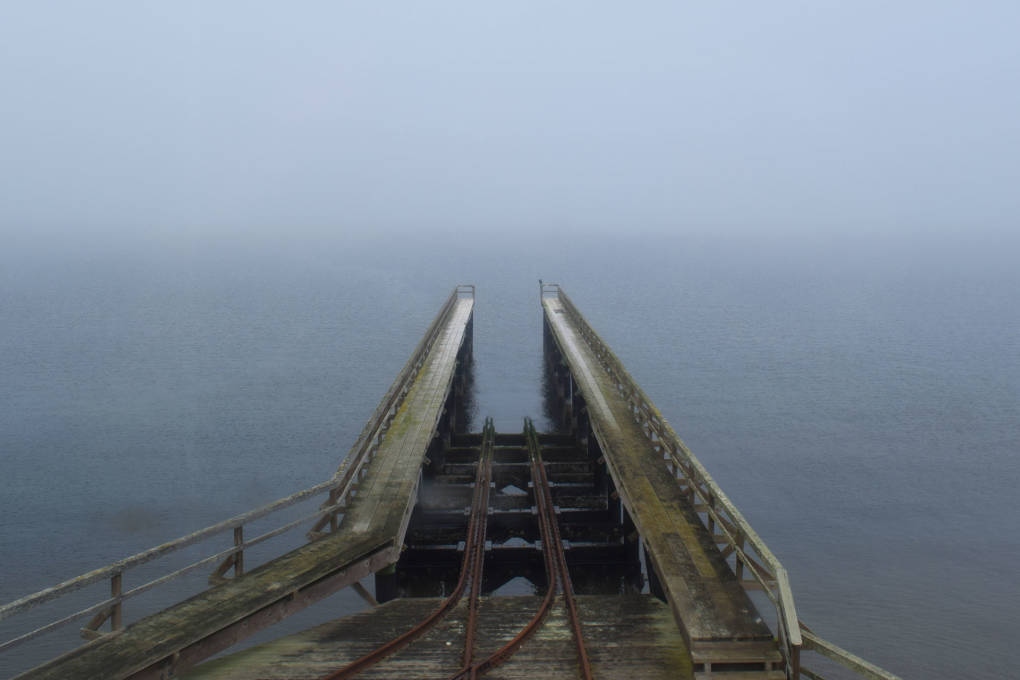
"caption": "A foggy day at the Point Reyes Lifeboat Station",
"description": null,
"title": "RS30212_DSC_1036 2",
"credit": "Carly Severn/KQED",
"status": "inherit",
"isLoading": false,
"fetchFailed": false
}
},
"audioPlayerReducer": {
"postId": "stream_live",
"isPaused": true,
"isPlaying": false,
"pfsActive": false,
"pledgeModalIsOpen": true,
"playerDrawerIsOpen": false,
"liveAudioPlayStartedAt": 0,
"liveAudioPlayContext": ""
},
"authorsReducer": {
"kqednewsstaffandwires": {
"type": "authors",
"id": "237",
"meta": {
"index": "authors_1716337520",
"id": "237",
"found": true
},
"name": "KQED News Staff and Wires",
"firstName": "KQED News Staff and Wires",
"lastName": null,
"slug": "kqednewsstaffandwires",
"email": "onlinenewsstaff@kqed.org",
"display_author_email": false,
"staff_mastheads": [],
"title": null,
"bio": null,
"avatar": "https://secure.gravatar.com/avatar/72295af8ebbfbd19a4948f5271285664?s=600&d=blank&r=g",
"twitter": null,
"facebook": null,
"instagram": null,
"linkedin": null,
"sites": [
{
"site": "arts",
"roles": [
"contributor"
]
},
{
"site": "news",
"roles": [
"contributor"
]
},
{
"site": "lowdown",
"roles": [
"author"
]
},
{
"site": "stateofhealth",
"roles": [
"contributor"
]
},
{
"site": "food",
"roles": [
"author"
]
}
],
"headData": {
"title": "KQED News Staff and Wires | KQED",
"description": null,
"ogImgSrc": "https://secure.gravatar.com/avatar/72295af8ebbfbd19a4948f5271285664?s=600&d=blank&r=g",
"twImgSrc": "https://secure.gravatar.com/avatar/72295af8ebbfbd19a4948f5271285664?s=600&d=blank&r=g"
},
"isLoading": false,
"link": "/author/kqednewsstaffandwires"
},
"racheldornhelm": {
"type": "authors",
"id": "252",
"meta": {
"index": "authors_1716337520",
"id": "252",
"found": true
},
"name": "Rachel Dornhelm",
"firstName": "Rachel",
"lastName": "Dornhelm",
"slug": "racheldornhelm",
"email": "rdornhelm@kqed.org",
"display_author_email": false,
"staff_mastheads": [],
"title": null,
"bio": "\u003cp dir=\"ltr\">Rachel Dornhelm has worked as a reporter, editor and producer in public radio for the last twelve years. She got her start in New York City at WNYC and went on to work with the national business program Marketplace, WBUR’s “On Point” and KQED News in San Francisco. Her work has been honored by the LA Press Club and the SF-Peninsula Press Club.\u003c/p>\r\n\r\nRachel has a BA with honors in anthropology from Rice University and did graduate work at NYU.",
"avatar": "https://secure.gravatar.com/avatar/7eee8d9bf9f919dcc4573841641db363?s=600&d=blank&r=g",
"twitter": null,
"facebook": null,
"instagram": null,
"linkedin": null,
"sites": [
{
"site": "news",
"roles": [
"author"
]
},
{
"site": "stateofhealth",
"roles": [
"author"
]
},
{
"site": "quest",
"roles": [
"subscriber"
]
}
],
"headData": {
"title": "Rachel Dornhelm | KQED",
"description": null,
"ogImgSrc": "https://secure.gravatar.com/avatar/7eee8d9bf9f919dcc4573841641db363?s=600&d=blank&r=g",
"twImgSrc": "https://secure.gravatar.com/avatar/7eee8d9bf9f919dcc4573841641db363?s=600&d=blank&r=g"
},
"isLoading": false,
"link": "/author/racheldornhelm"
},
"lairdharrison": {
"type": "authors",
"id": "1367",
"meta": {
"index": "authors_1716337520",
"id": "1367",
"found": true
},
"name": "Laird Harrison",
"firstName": "Laird",
"lastName": "Harrison",
"slug": "lairdharrison",
"email": "laird_harrison@yahoo.com",
"display_author_email": false,
"staff_mastheads": [],
"title": null,
"bio": null,
"avatar": "https://secure.gravatar.com/avatar/cd1a94b071427a71ecfcbc115c6b0efe?s=600&d=blank&r=g",
"twitter": null,
"facebook": null,
"instagram": null,
"linkedin": null,
"sites": [
{
"site": "news",
"roles": [
"subscriber"
]
}
],
"headData": {
"title": "Laird Harrison | KQED",
"description": null,
"ogImgSrc": "https://secure.gravatar.com/avatar/cd1a94b071427a71ecfcbc115c6b0efe?s=600&d=blank&r=g",
"twImgSrc": "https://secure.gravatar.com/avatar/cd1a94b071427a71ecfcbc115c6b0efe?s=600&d=blank&r=g"
},
"isLoading": false,
"link": "/author/lairdharrison"
},
"carlysevern": {
"type": "authors",
"id": "3243",
"meta": {
"index": "authors_1716337520",
"id": "3243",
"found": true
},
"name": "Carly Severn",
"firstName": "Carly",
"lastName": "Severn",
"slug": "carlysevern",
"email": "csevern@kqed.org",
"display_author_email": false,
"staff_mastheads": [
"news"
],
"title": "Senior Editor, Audience News ",
"bio": "Carly is KQED's Senior Editor of Audience News on the Digital News team, and has reported for the California Report Magazine, Bay Curious and KQED Arts. She's formerly the host of \u003ca href=\"http://ww2.kqed.org/pop/category/the-cooler/\" rel=\"noopener noreferrer\">The Cooler\u003c/a> podcast.",
"avatar": "https://secure.gravatar.com/avatar/54037bf5c128fe678f0ef26cec97a93f2e7f220a22d7285703328f12c42c1b1d?s=600&d=blank&r=g",
"twitter": "teacupinthebay",
"bluesky": null,
"facebook": null,
"instagram": null,
"linkedin": null,
"sites": [
{
"site": "",
"roles": [
"editor"
]
},
{
"site": "arts",
"roles": [
"editor"
]
},
{
"site": "news",
"roles": [
"administrator"
]
},
{
"site": "pop",
"roles": [
"editor"
]
},
{
"site": "futureofyou",
"roles": [
"editor"
]
},
{
"site": "about",
"roles": [
"administrator"
]
},
{
"site": "mindshift",
"roles": [
"editor"
]
},
{
"site": "bayareabites",
"roles": [
"editor"
]
},
{
"site": "stateofhealth",
"roles": [
"editor"
]
},
{
"site": "science",
"roles": [
"editor"
]
},
{
"site": "food",
"roles": [
"contributor"
]
},
{
"site": "forum",
"roles": [
"editor"
]
},
{
"site": "perspectives",
"roles": [
"administrator"
]
},
{
"site": "liveblog",
"roles": [
"editor"
]
}
],
"headData": {
"title": "Carly Severn | KQED",
"description": "Senior Editor, Audience News ",
"ogImgSrc": "https://secure.gravatar.com/avatar/54037bf5c128fe678f0ef26cec97a93f2e7f220a22d7285703328f12c42c1b1d?s=600&d=blank&r=g",
"twImgSrc": "https://secure.gravatar.com/avatar/54037bf5c128fe678f0ef26cec97a93f2e7f220a22d7285703328f12c42c1b1d?s=600&d=blank&r=g"
},
"isLoading": false,
"link": "/author/carlysevern"
}
},
"pagesReducer": {
"news_tag_point-reyes": {
"type": "terms",
"id": "news_3286",
"meta": {
"index": "terms_1716263798",
"site": "news",
"id": "3286",
"score": 9.305206
},
"featImg": null,
"name": "Point Reyes",
"description": null,
"taxonomy": "tag",
"headData": {
"twImgId": null,
"twTitle": null,
"ogTitle": null,
"ogImgId": null,
"twDescription": null,
"description": null,
"title": "Point Reyes Archives | KQED News",
"ogDescription": null
},
"ttid": 3304,
"slug": "point-reyes",
"isLoading": false,
"title": "Point Reyes",
"pageMeta": {
"site": "news",
"WpPageTemplate": "page-topic-editorial",
"currentPage": 2
},
"blocks": [
{
"blockName": "kqed/post-list",
"attrs": {
"layout": "cardArticle2",
"query": "posts/news?tag=point-reyes",
"seeMore": false,
"paginated": true,
"page": 2
}
},
{
"blockName": "kqed/ad"
}
]
}
},
"pfsSessionReducer": {},
"postsReducer": {
"stream_live": {
"type": "live",
"id": "stream_live",
"audioUrl": "https://streams.kqed.org/kqedradio",
"title": "Live Stream",
"excerpt": "Live Stream information currently unavailable.",
"link": "/radio",
"featImg": "",
"label": {
"name": "KQED Live",
"link": "/"
}
},
"stream_kqedNewscast": {
"type": "posts",
"id": "stream_kqedNewscast",
"audioUrl": "https://www.kqed.org/.stream/anon/radio/RDnews/newscast.mp3?_=1",
"title": "KQED Newscast",
"featImg": "",
"label": {
"name": "88.5 FM",
"link": "/"
}
},
"news_11659308": {
"type": "posts",
"id": "news_11659308",
"meta": {
"index": "posts_1716263798",
"site": "news",
"id": "11659308",
"score": null,
"sort": [
1523058340000
]
},
"guestAuthors": [],
"slug": "you-dont-have-to-come-back-life-and-death-in-the-waters-of-point-reyes",
"title": "'You Don’t Have to Come Back': Life and Death in the Waters of Point Reyes",
"publishDate": 1523058340,
"format": "audio",
"headTitle": "‘You Don’t Have to Come Back’: Life and Death in the Waters of Point Reyes | KQED",
"labelTerm": {
"term": 72,
"site": "news"
},
"content": "\u003cp>\u003cem>\u003ca href=\"http://itunes.apple.com/us/podcast/the-california-report-magazine/id1314750545?mt=2\" target=\"_blank\" rel=\"noopener\">Listen to this and more in-depth storytelling by subscribing to The California Report Magazine podcast.\u003c/a>\u003c/em>\u003c/p>\n\u003cp>\u003cstrong>\u003cem>“You have to go out, but you don’t have to come back” — motto attributed to the Life Saving Service, 19th century\u003c/em>\u003c/strong>\u003c/p>\n\u003cp>The words “California coast” conjure a certain image — sun-drenched beaches, warm waters — in the popular imagination. Point Reyes National Seashore, 50 miles north of San Francisco, does not fit that image.\u003c/p>\n\u003cp>One of the foggiest, windiest places in North America, for hundreds of years this stretch of the Pacific Ocean has posed incredible danger to seafarers. And hidden away inland, just off the road to Point Reyes’ famous lighthouse, there’s a tiny burial ground that conveys the human cost of this rugged, treacherous coastline.\u003c/p>\n\u003cfigure id=\"attachment_11659314\" class=\"wp-caption aligncenter\" style=\"max-width: 1920px\">\u003cimg loading=\"lazy\" decoding=\"async\" class=\"wp-image-11659314 size-full\" src=\"https://ww2.kqed.org/news/wp-content/uploads/sites/10/2018/04/RS30221_DSC_0965-qut.jpg\" alt=\"\" width=\"1920\" height=\"1280\" srcset=\"https://cdn.kqed.org/wp-content/uploads/sites/10/2018/04/RS30221_DSC_0965-qut.jpg 1920w, https://cdn.kqed.org/wp-content/uploads/sites/10/2018/04/RS30221_DSC_0965-qut-160x107.jpg 160w, https://cdn.kqed.org/wp-content/uploads/sites/10/2018/04/RS30221_DSC_0965-qut-800x533.jpg 800w, https://cdn.kqed.org/wp-content/uploads/sites/10/2018/04/RS30221_DSC_0965-qut-1020x680.jpg 1020w, https://cdn.kqed.org/wp-content/uploads/sites/10/2018/04/RS30221_DSC_0965-qut-1180x787.jpg 1180w, https://cdn.kqed.org/wp-content/uploads/sites/10/2018/04/RS30221_DSC_0965-qut-960x640.jpg 960w, https://cdn.kqed.org/wp-content/uploads/sites/10/2018/04/RS30221_DSC_0965-qut-240x160.jpg 240w, https://cdn.kqed.org/wp-content/uploads/sites/10/2018/04/RS30221_DSC_0965-qut-375x250.jpg 375w, https://cdn.kqed.org/wp-content/uploads/sites/10/2018/04/RS30221_DSC_0965-qut-520x347.jpg 520w\" sizes=\"(max-width: 1920px) 100vw, 1920px\">\u003cfigcaption class=\"wp-caption-text\">The graves of the four “surfmen” in Point Reyes at the Historic Life-Saving Station Cemetery \u003ccite>(Carly Severn/KQED)\u003c/cite>\u003c/figcaption>\u003c/figure>\n\u003cp>The Historic Life-Saving Station Cemetery is concealed within a knoll of cypress and eucalyptus trees, and most visitors drive right past it. Here, simple headstones mark the bodies of four young immigrants from Sweden, Finland and Germany. Known as “surfmen”, they were members of what was then called the Life Saving Service — what we now know as the United States Coast Guard. All four lost their lives working in Point Reyes in the 1890s.\u003c/p>\n\u003cp>[ad fullwidth]\u003c/p>\n\u003cp>From the cemetery, you can just see the exact stretch of coastline on which those surfmen spent their last months at Point Reyes’ very first Life-Saving Station. This area is known as the Great Beach.\u003c/p>\n\u003cp>“That is the most treacherous stretch of water out here,” says John Dell’Osso, who has worked in Point Reyes for the National Park Service for 35 years.\u003c/p>\n\u003cfigure id=\"attachment_11659318\" class=\"wp-caption aligncenter\" style=\"max-width: 1920px\">\u003cimg loading=\"lazy\" decoding=\"async\" class=\"wp-image-11659318 size-full\" src=\"https://ww2.kqed.org/news/wp-content/uploads/sites/10/2018/04/RS30208_DSC_1071-qut.jpg\" alt=\"\" width=\"1920\" height=\"1280\" srcset=\"https://cdn.kqed.org/wp-content/uploads/sites/10/2018/04/RS30208_DSC_1071-qut.jpg 1920w, https://cdn.kqed.org/wp-content/uploads/sites/10/2018/04/RS30208_DSC_1071-qut-160x107.jpg 160w, https://cdn.kqed.org/wp-content/uploads/sites/10/2018/04/RS30208_DSC_1071-qut-800x533.jpg 800w, https://cdn.kqed.org/wp-content/uploads/sites/10/2018/04/RS30208_DSC_1071-qut-1020x680.jpg 1020w, https://cdn.kqed.org/wp-content/uploads/sites/10/2018/04/RS30208_DSC_1071-qut-1180x787.jpg 1180w, https://cdn.kqed.org/wp-content/uploads/sites/10/2018/04/RS30208_DSC_1071-qut-960x640.jpg 960w, https://cdn.kqed.org/wp-content/uploads/sites/10/2018/04/RS30208_DSC_1071-qut-240x160.jpg 240w, https://cdn.kqed.org/wp-content/uploads/sites/10/2018/04/RS30208_DSC_1071-qut-375x250.jpg 375w, https://cdn.kqed.org/wp-content/uploads/sites/10/2018/04/RS30208_DSC_1071-qut-520x347.jpg 520w\" sizes=\"(max-width: 1920px) 100vw, 1920px\">\u003cfigcaption class=\"wp-caption-text\">The 12 mile stretch of coastline known as the Great Beach, where Point Reyes’ first-ever Life-Saving Station was built \u003ccite>(Carly Severn/KQED)\u003c/cite>\u003c/figcaption>\u003c/figure>\n\u003cp>Point Reyes stretches out 10 miles from the mainland into the Pacific Ocean, resulting in its infamous high coastal winds and thick shrouding fogs. Even the logbooks of Sir Francis Drake’s ship in 1579 complain of “the stinking fogges” here.\u003c/p>\n\u003cp>This is where the first recorded shipwreck on the West Coast occurred: a Spanish galleon, torn on the rocks in 1595. Until the lighthouse was built in 1870, sailors on these waters making the turn into San Francisco Bay had no warning of the jagged land they were about to strike.\u003c/p>\n\u003cp>The Park Service says that before the Life-Saving Station was built around 1890, the beaches were littered with shipwrecks — that residents often had to watch as those passengers and crew drowned in the waters in front of them. They couldn’t go in because in a place like Point Reyes, the surf is the thing that will kill you.\u003c/p>\n\u003cfigure id=\"attachment_11659483\" class=\"wp-caption aligncenter\" style=\"max-width: 1710px\">\u003cimg loading=\"lazy\" decoding=\"async\" class=\"wp-image-11659483 size-full\" src=\"https://ww2.kqed.org/news/wp-content/uploads/sites/10/2018/04/RS30223_surfmen-in-front-of-life-saving-stn-qut.jpg\" alt=\"\" width=\"1710\" height=\"1060\" srcset=\"https://cdn.kqed.org/wp-content/uploads/sites/10/2018/04/RS30223_surfmen-in-front-of-life-saving-stn-qut.jpg 1710w, https://cdn.kqed.org/wp-content/uploads/sites/10/2018/04/RS30223_surfmen-in-front-of-life-saving-stn-qut-160x99.jpg 160w, https://cdn.kqed.org/wp-content/uploads/sites/10/2018/04/RS30223_surfmen-in-front-of-life-saving-stn-qut-800x496.jpg 800w, https://cdn.kqed.org/wp-content/uploads/sites/10/2018/04/RS30223_surfmen-in-front-of-life-saving-stn-qut-1020x632.jpg 1020w, https://cdn.kqed.org/wp-content/uploads/sites/10/2018/04/RS30223_surfmen-in-front-of-life-saving-stn-qut-1180x731.jpg 1180w, https://cdn.kqed.org/wp-content/uploads/sites/10/2018/04/RS30223_surfmen-in-front-of-life-saving-stn-qut-960x595.jpg 960w, https://cdn.kqed.org/wp-content/uploads/sites/10/2018/04/RS30223_surfmen-in-front-of-life-saving-stn-qut-240x149.jpg 240w, https://cdn.kqed.org/wp-content/uploads/sites/10/2018/04/RS30223_surfmen-in-front-of-life-saving-stn-qut-375x232.jpg 375w, https://cdn.kqed.org/wp-content/uploads/sites/10/2018/04/RS30223_surfmen-in-front-of-life-saving-stn-qut-520x322.jpg 520w\" sizes=\"(max-width: 1710px) 100vw, 1710px\">\u003cfigcaption class=\"wp-caption-text\">The original Point Reyes Life-Saving Station (1889-1927) at which the four surfmen would have served, \u003ccite>(Point Reyes National Seashore Archives)\u003c/cite>\u003c/figcaption>\u003c/figure>\n\u003cp>We don’t know a lot about the young men lying in the cemetery, but we know how dangerous, punishing and isolating their work was in the Life Saving Service. At the Point Reyes Lighthouse, says Dell’Osso, winds “have been clocked at 133 miles per hour. We close the [visitor] stairs at 40 miles per hour because you can barely stand in that condition.” Regardless, he says, “if there was a rescue to be done, these individuals did it.”\u003c/p>\n\u003cp>There were no motorized boats, or radios, or powerful searchlights like the Coast Guard has today. These men were dragging their small lifeboats across the hard sand, through mounds of driftwood, and rowing out to shipwrecks by hand, in swells that could reach as high as 12 feet.\u003c/p>\n\u003cp>“If you’ve ever seen some of the stormy conditions in the Point Reyes Seashore when we have pounding surf coming in,” says Dell’Osso, “it’s frightening to think that they did that.”\u003c/p>\n\u003cfigure id=\"attachment_11659487\" class=\"wp-caption aligncenter\" style=\"max-width: 1920px\">\u003cimg loading=\"lazy\" decoding=\"async\" class=\"size-full wp-image-11659487\" src=\"https://ww2.kqed.org/news/wp-content/uploads/sites/10/2018/04/RS30226_Launching-lifeboat-7930-qut.jpg\" alt=\"\" width=\"1920\" height=\"1261\" srcset=\"https://cdn.kqed.org/wp-content/uploads/sites/10/2018/04/RS30226_Launching-lifeboat-7930-qut.jpg 1920w, https://cdn.kqed.org/wp-content/uploads/sites/10/2018/04/RS30226_Launching-lifeboat-7930-qut-160x105.jpg 160w, https://cdn.kqed.org/wp-content/uploads/sites/10/2018/04/RS30226_Launching-lifeboat-7930-qut-800x525.jpg 800w, https://cdn.kqed.org/wp-content/uploads/sites/10/2018/04/RS30226_Launching-lifeboat-7930-qut-1020x670.jpg 1020w, https://cdn.kqed.org/wp-content/uploads/sites/10/2018/04/RS30226_Launching-lifeboat-7930-qut-1180x775.jpg 1180w, https://cdn.kqed.org/wp-content/uploads/sites/10/2018/04/RS30226_Launching-lifeboat-7930-qut-960x631.jpg 960w, https://cdn.kqed.org/wp-content/uploads/sites/10/2018/04/RS30226_Launching-lifeboat-7930-qut-240x158.jpg 240w, https://cdn.kqed.org/wp-content/uploads/sites/10/2018/04/RS30226_Launching-lifeboat-7930-qut-375x246.jpg 375w, https://cdn.kqed.org/wp-content/uploads/sites/10/2018/04/RS30226_Launching-lifeboat-7930-qut-520x342.jpg 520w\" sizes=\"(max-width: 1920px) 100vw, 1920px\">\u003cfigcaption class=\"wp-caption-text\">A surfboat launch at Drakes Bay in Point Reyes, circa 1900 \u003ccite>(Point Reyes National Seashore Archives)\u003c/cite>\u003c/figcaption>\u003c/figure>\n\u003cp>Often, when the waves prevented the surfmen’s rowboat from reaching a sinking ship, they would have to rescue the passengers one by one using a “breeches buoy”: a pair of thick, wide pants sewn into a life-ring.\u003c/p>\n\u003cp>It was into this that an exhausted, freezing, wet survivor would slide their legs and be hauled over to safety, high above the raging waves.\u003c/p>\n\u003cfigure id=\"attachment_11659319\" class=\"wp-caption aligncenter\" style=\"max-width: 1920px\">\u003cimg loading=\"lazy\" decoding=\"async\" class=\"size-full wp-image-11659319\" src=\"https://ww2.kqed.org/news/wp-content/uploads/sites/10/2018/04/RS30203_DSC_1049-qut.jpg\" alt=\"\" width=\"1920\" height=\"1280\" srcset=\"https://cdn.kqed.org/wp-content/uploads/sites/10/2018/04/RS30203_DSC_1049-qut.jpg 1920w, https://cdn.kqed.org/wp-content/uploads/sites/10/2018/04/RS30203_DSC_1049-qut-160x107.jpg 160w, https://cdn.kqed.org/wp-content/uploads/sites/10/2018/04/RS30203_DSC_1049-qut-800x533.jpg 800w, https://cdn.kqed.org/wp-content/uploads/sites/10/2018/04/RS30203_DSC_1049-qut-1020x680.jpg 1020w, https://cdn.kqed.org/wp-content/uploads/sites/10/2018/04/RS30203_DSC_1049-qut-1180x787.jpg 1180w, https://cdn.kqed.org/wp-content/uploads/sites/10/2018/04/RS30203_DSC_1049-qut-960x640.jpg 960w, https://cdn.kqed.org/wp-content/uploads/sites/10/2018/04/RS30203_DSC_1049-qut-240x160.jpg 240w, https://cdn.kqed.org/wp-content/uploads/sites/10/2018/04/RS30203_DSC_1049-qut-375x250.jpg 375w, https://cdn.kqed.org/wp-content/uploads/sites/10/2018/04/RS30203_DSC_1049-qut-520x347.jpg 520w\" sizes=\"(max-width: 1920px) 100vw, 1920px\">\u003cfigcaption class=\"wp-caption-text\">An original “breeches buoy” in the Point Reyes Lifeboat Station at Chimney Rock \u003ccite>(Carly Severn/KQED)\u003c/cite>\u003c/figcaption>\u003c/figure>\n\u003cp>When they weren’t making rescues, these men were relentlessly training — ready to launch themselves into the ocean at a moment’s notice. So dangerous was their work that the four surfmen lying in the cemetery didn’t even die making a rescue, but in training.\u003c/p>\n\u003cp>Fred Carstens, of Germany, and Andrew Anderson, a Swede, died on a freezing December morning in 1890, as they were pulling their training boat back onto shore. According to the station’s logbooks, a huge breaker rose and overturned the vessel onto them, inflicting massive internal injuries.\u003c/p>\n\u003cp>The account of the accident in the \u003cem>Sausalito News\u003c/em> relates how Anderson in particular was dragged from the surf “insensible, with the blood pouring from his mouth.” Both men died within hours.\u003c/p>\n\u003cfigure id=\"attachment_11659497\" class=\"wp-caption aligncenter\" style=\"max-width: 1920px\">\u003cimg loading=\"lazy\" decoding=\"async\" class=\"size-full wp-image-11659497\" src=\"https://ww2.kqed.org/news/wp-content/uploads/sites/10/2018/04/RS30227_14970-Samoa-shipwreck-large-200-dpi-qut.jpg\" alt=\"\" width=\"1920\" height=\"1123\" srcset=\"https://cdn.kqed.org/wp-content/uploads/sites/10/2018/04/RS30227_14970-Samoa-shipwreck-large-200-dpi-qut.jpg 1920w, https://cdn.kqed.org/wp-content/uploads/sites/10/2018/04/RS30227_14970-Samoa-shipwreck-large-200-dpi-qut-160x94.jpg 160w, https://cdn.kqed.org/wp-content/uploads/sites/10/2018/04/RS30227_14970-Samoa-shipwreck-large-200-dpi-qut-800x468.jpg 800w, https://cdn.kqed.org/wp-content/uploads/sites/10/2018/04/RS30227_14970-Samoa-shipwreck-large-200-dpi-qut-1020x597.jpg 1020w, https://cdn.kqed.org/wp-content/uploads/sites/10/2018/04/RS30227_14970-Samoa-shipwreck-large-200-dpi-qut-1180x690.jpg 1180w, https://cdn.kqed.org/wp-content/uploads/sites/10/2018/04/RS30227_14970-Samoa-shipwreck-large-200-dpi-qut-960x562.jpg 960w, https://cdn.kqed.org/wp-content/uploads/sites/10/2018/04/RS30227_14970-Samoa-shipwreck-large-200-dpi-qut-240x140.jpg 240w, https://cdn.kqed.org/wp-content/uploads/sites/10/2018/04/RS30227_14970-Samoa-shipwreck-large-200-dpi-qut-375x219.jpg 375w, https://cdn.kqed.org/wp-content/uploads/sites/10/2018/04/RS30227_14970-Samoa-shipwreck-large-200-dpi-qut-520x304.jpg 520w\" sizes=\"(max-width: 1920px) 100vw, 1920px\">\u003cfigcaption class=\"wp-caption-text\">A “breeches buoy’ rescue, circa 1912 \u003ccite>(Point Reyes National Seashore Archives)\u003c/cite>\u003c/figcaption>\u003c/figure>\n\u003cp>Over two years later, the second Swede, George Larson, died in the same spot, in exactly the same way. Yet their Finnish crewmate, John Korpala, wasn’t anywhere near a boat when he died in 1891. After hours patrolling the freezing wet beach, he went to bed with chills and never woke up. The coroner’s verdict was a hemorrhage in his lungs.\u003c/p>\n\u003cp>“I think they were kind of a different breed of individuals,” says Dell’Osso. “So I’m not sure if they were frightened, or they were, like, gung-ho to go out.”\u003c/p>\n\u003cp>Regardless, he says, their story is one “about lives of sacrifice and service. And that’s that’s exactly what they did.”\u003c/p>\n\u003cfigure id=\"attachment_11659494\" class=\"wp-caption aligncenter\" style=\"max-width: 1920px\">\u003cimg loading=\"lazy\" decoding=\"async\" class=\"wp-image-11659494 size-full\" src=\"https://ww2.kqed.org/news/wp-content/uploads/sites/10/2018/04/RS30225_Surfmen-qut.jpg\" alt=\"\" width=\"1920\" height=\"1094\" srcset=\"https://cdn.kqed.org/wp-content/uploads/sites/10/2018/04/RS30225_Surfmen-qut.jpg 1920w, https://cdn.kqed.org/wp-content/uploads/sites/10/2018/04/RS30225_Surfmen-qut-160x91.jpg 160w, https://cdn.kqed.org/wp-content/uploads/sites/10/2018/04/RS30225_Surfmen-qut-800x456.jpg 800w, https://cdn.kqed.org/wp-content/uploads/sites/10/2018/04/RS30225_Surfmen-qut-1020x581.jpg 1020w, https://cdn.kqed.org/wp-content/uploads/sites/10/2018/04/RS30225_Surfmen-qut-1180x672.jpg 1180w, https://cdn.kqed.org/wp-content/uploads/sites/10/2018/04/RS30225_Surfmen-qut-960x547.jpg 960w, https://cdn.kqed.org/wp-content/uploads/sites/10/2018/04/RS30225_Surfmen-qut-240x137.jpg 240w, https://cdn.kqed.org/wp-content/uploads/sites/10/2018/04/RS30225_Surfmen-qut-375x214.jpg 375w, https://cdn.kqed.org/wp-content/uploads/sites/10/2018/04/RS30225_Surfmen-qut-520x296.jpg 520w\" sizes=\"(max-width: 1920px) 100vw, 1920px\">\u003cfigcaption class=\"wp-caption-text\">Life-Saving team at Point Reyes, date unknown \u003ccite>(National Maritime Museum, San Francisco/Point Reyes National Seashore Archives)\u003c/cite>\u003c/figcaption>\u003c/figure>\n\u003cp>At the turn of the century, the Lifesaving Service was combined with the United States Revenue Cutter Service to form the Coast Guard we know today. In 1927, the station was moved to Chimney Rock, away from the deadly surf of the Great Beach.\u003c/p>\n\u003cp>This Lifeboat Station still stands today, complete with pier and “marine railway” tracks used to launch the agency’s new motorized lifeboats. Although it demonstrates just a few decades’ technological advancement, this newer building is a world away from the hand-dragged rowboats commanded by the earlier surfmen.\u003c/p>\n\u003cp>Today, only the tiny cemetery a few miles away bears witness to the life and work of those first rescuers. Yet the reason that the four surfmen are buried here, of all places, lies a little further up that hill in the form of \u003cem>more\u003c/em> headstones — all belonging to a local Swedish family.\u003c/p>\n\u003cfigure id=\"attachment_11659323\" class=\"wp-caption aligncenter\" style=\"max-width: 1920px\">\u003cimg loading=\"lazy\" decoding=\"async\" class=\"size-full wp-image-11659323\" src=\"https://ww2.kqed.org/news/wp-content/uploads/sites/10/2018/04/RS30207_DSC_1074-qut.jpg\" alt=\"\" width=\"1920\" height=\"1280\" srcset=\"https://cdn.kqed.org/wp-content/uploads/sites/10/2018/04/RS30207_DSC_1074-qut.jpg 1920w, https://cdn.kqed.org/wp-content/uploads/sites/10/2018/04/RS30207_DSC_1074-qut-160x107.jpg 160w, https://cdn.kqed.org/wp-content/uploads/sites/10/2018/04/RS30207_DSC_1074-qut-800x533.jpg 800w, https://cdn.kqed.org/wp-content/uploads/sites/10/2018/04/RS30207_DSC_1074-qut-1020x680.jpg 1020w, https://cdn.kqed.org/wp-content/uploads/sites/10/2018/04/RS30207_DSC_1074-qut-1180x787.jpg 1180w, https://cdn.kqed.org/wp-content/uploads/sites/10/2018/04/RS30207_DSC_1074-qut-960x640.jpg 960w, https://cdn.kqed.org/wp-content/uploads/sites/10/2018/04/RS30207_DSC_1074-qut-240x160.jpg 240w, https://cdn.kqed.org/wp-content/uploads/sites/10/2018/04/RS30207_DSC_1074-qut-375x250.jpg 375w, https://cdn.kqed.org/wp-content/uploads/sites/10/2018/04/RS30207_DSC_1074-qut-520x347.jpg 520w\" sizes=\"(max-width: 1920px) 100vw, 1920px\">\u003cfigcaption class=\"wp-caption-text\">Driftwood on the Great Beach of Point Reyes. On foggy days like this, visibility is minimal. \u003ccite>(Carly Severn/KQED)\u003c/cite>\u003c/figcaption>\u003c/figure>\n\u003cp>Back when the surfmen died, the land belonged to a dairy rancher called Peter Henry Claussen. This is the Claussen family graveyard, on the historic G Ranch, and he made space here “realizing that there was no [other] place to bury these individuals — and they were for the most part very young men,” according to Dell’Osso. Claussen himself is buried here, too.\u003c/p>\n\u003cp>Claussen’s gift doesn’t attract too much attention these days, and it’s often mistakenly attributed to his own father, Hinrik, who by then had been dead for several decades.\u003c/p>\n\u003cfigure id=\"attachment_11659320\" class=\"wp-caption alignright\" style=\"max-width: 800px\">\u003cimg loading=\"lazy\" decoding=\"async\" class=\"wp-image-11659320 size-medium\" src=\"https://ww2.kqed.org/news/wp-content/uploads/sites/10/2018/04/RS30218_DSC_0986-qut-800x533.jpg\" alt=\"\" width=\"800\" height=\"533\" srcset=\"https://cdn.kqed.org/wp-content/uploads/sites/10/2018/04/RS30218_DSC_0986-qut-800x533.jpg 800w, https://cdn.kqed.org/wp-content/uploads/sites/10/2018/04/RS30218_DSC_0986-qut-160x107.jpg 160w, https://cdn.kqed.org/wp-content/uploads/sites/10/2018/04/RS30218_DSC_0986-qut-1020x680.jpg 1020w, https://cdn.kqed.org/wp-content/uploads/sites/10/2018/04/RS30218_DSC_0986-qut.jpg 1920w, https://cdn.kqed.org/wp-content/uploads/sites/10/2018/04/RS30218_DSC_0986-qut-1180x787.jpg 1180w, https://cdn.kqed.org/wp-content/uploads/sites/10/2018/04/RS30218_DSC_0986-qut-960x640.jpg 960w, https://cdn.kqed.org/wp-content/uploads/sites/10/2018/04/RS30218_DSC_0986-qut-240x160.jpg 240w, https://cdn.kqed.org/wp-content/uploads/sites/10/2018/04/RS30218_DSC_0986-qut-375x250.jpg 375w, https://cdn.kqed.org/wp-content/uploads/sites/10/2018/04/RS30218_DSC_0986-qut-520x347.jpg 520w\" sizes=\"(max-width: 800px) 100vw, 800px\">\u003cfigcaption class=\"wp-caption-text\">John Dell’Osso, National Park Service chief interpretation officer, in front of Point Reyes’ Historic Life-Saving Cemetery \u003ccite>(Carly Severn/KQED)\u003c/cite>\u003c/figcaption>\u003c/figure>\n\u003cp>As for Claussen’s motives for donating this land on his own family’s burial plot, a place he’d already buried his father and his wife, it’s generally assumed he felt a sense of duty to fellow immigrants — the community’s young local heroes with no real family in the United States.\u003c/p>\n\u003cp>Only a tribute to him in the \u003cem>Marin Journal\u003c/em>, written by a friend in 1915 just after his death, may offer a little further insight.\u003c/p>\n\u003cp>In it we learn that Claussen himself had been a sailor, from the age of 15 — that it was men like him that the surfmen sacrificed their lives to rescue. He was also no stranger to the terror of life-saving, having assisted in the rescue effort when a British ship called the \u003cem>Warrior Queen\u003c/em> ran aground in Point Reyes back in 1874.\u003c/p>\n\u003cfigure id=\"attachment_11659316\" class=\"wp-caption aligncenter\" style=\"max-width: 1920px\">\u003cimg loading=\"lazy\" decoding=\"async\" class=\"size-full wp-image-11659316\" src=\"https://ww2.kqed.org/news/wp-content/uploads/sites/10/2018/04/RS30219_DSC_0982-qut.jpg\" alt=\"\" width=\"1920\" height=\"1280\" srcset=\"https://cdn.kqed.org/wp-content/uploads/sites/10/2018/04/RS30219_DSC_0982-qut.jpg 1920w, https://cdn.kqed.org/wp-content/uploads/sites/10/2018/04/RS30219_DSC_0982-qut-160x107.jpg 160w, https://cdn.kqed.org/wp-content/uploads/sites/10/2018/04/RS30219_DSC_0982-qut-800x533.jpg 800w, https://cdn.kqed.org/wp-content/uploads/sites/10/2018/04/RS30219_DSC_0982-qut-1020x680.jpg 1020w, https://cdn.kqed.org/wp-content/uploads/sites/10/2018/04/RS30219_DSC_0982-qut-1180x787.jpg 1180w, https://cdn.kqed.org/wp-content/uploads/sites/10/2018/04/RS30219_DSC_0982-qut-960x640.jpg 960w, https://cdn.kqed.org/wp-content/uploads/sites/10/2018/04/RS30219_DSC_0982-qut-240x160.jpg 240w, https://cdn.kqed.org/wp-content/uploads/sites/10/2018/04/RS30219_DSC_0982-qut-375x250.jpg 375w, https://cdn.kqed.org/wp-content/uploads/sites/10/2018/04/RS30219_DSC_0982-qut-520x347.jpg 520w\" sizes=\"(max-width: 1920px) 100vw, 1920px\">\u003cfigcaption class=\"wp-caption-text\">A sign off the highway points to the knoll of trees that hides the Historic Life-Saving Station Cemetery \u003ccite>(Carly Severn/KQED)\u003c/cite>\u003c/figcaption>\u003c/figure>\n\u003cp>The tribute also makes clear how tight-knit the Scandinavian community at Point Reyes was in those days, asserting that “all the Scandinavians on Point Reyes called him not Captain but ‘Papa Claussen.’ They came to him for advice, sympathy, and comfort, which he never denied them.”\u003c/p>\n\u003cp>So perhaps the four immigrant surfmen weren’t just courageous strangers to Claussen. These young men may have been his friends.\u003c/p>\n\u003cp>[ad floatright]\u003c/p>\n\u003cp>But perhaps it’s right that a place as hidden, and still as this, keeps a few secrets yet.\u003c/p>\n\n",
"blocks": [],
"excerpt": "A tiny hidden cemetery reveals the brutal realities of saving shipwrecked sailors in the 19th century.",
"status": "publish",
"parent": 0,
"modified": 1721152994,
"stats": {
"hasAudio": false,
"hasVideo": false,
"hasChartOrMap": false,
"iframeSrcs": [],
"hasGoogleForm": false,
"hasGallery": false,
"hasHearkenModule": false,
"hasPolis": false,
"paragraphCount": 34,
"wordCount": 1638
},
"headData": {
"title": "'You Don’t Have to Come Back': Life and Death in the Waters of Point Reyes | KQED",
"description": "A tiny hidden cemetery reveals the brutal realities of saving shipwrecked sailors in the 19th century.",
"ogTitle": "",
"ogDescription": "",
"ogImgId": "",
"twTitle": "",
"twDescription": "",
"twImgId": "",
"schema": {
"@context": "https://schema.org",
"@type": "NewsArticle",
"headline": "'You Don’t Have to Come Back': Life and Death in the Waters of Point Reyes",
"datePublished": "2018-04-06T16:45:40-07:00",
"dateModified": "2024-07-16T11:03:14-07:00",
"image": "https://cdn.kqed.org/wp-content/uploads/2020/02/KQED-OG-Image@1x.png",
"isAccessibleForFree": "True",
"publisher": {
"@type": "NewsMediaOrganization",
"@id": "https://www.kqed.org/#organization",
"name": "KQED",
"logo": "https://cdn.kqed.org/wp-content/uploads/2020/02/KQED-OG-Image@1x.png",
"url": "https://www.kqed.org",
"sameAs": [
"https://www.facebook.com/KQED",
"https://twitter.com/KQED",
"https://www.instagram.com/kqed/",
"https://www.tiktok.com/@kqedofficial",
"https://www.linkedin.com/company/kqed",
"https://www.youtube.com/channel/UCeC0IOo7i1P_61zVUWbJ4nw"
]
}
}
},
"audioUrl": "https://www.kqed.org/.stream/anon/radio/tcrmag/2018/04/SevernPointReyes.mp3",
"sticky": false,
"path": "/news/11659308/you-dont-have-to-come-back-life-and-death-in-the-waters-of-point-reyes",
"audioTrackLength": null,
"parsedContent": [
{
"type": "contentString",
"content": "\u003cdiv class=\"post-body\">\u003cp>\u003cp>\u003cem>\u003ca href=\"http://itunes.apple.com/us/podcast/the-california-report-magazine/id1314750545?mt=2\" target=\"_blank\" rel=\"noopener\">Listen to this and more in-depth storytelling by subscribing to The California Report Magazine podcast.\u003c/a>\u003c/em>\u003c/p>\n\u003cp>\u003cstrong>\u003cem>“You have to go out, but you don’t have to come back” — motto attributed to the Life Saving Service, 19th century\u003c/em>\u003c/strong>\u003c/p>\n\u003cp>The words “California coast” conjure a certain image — sun-drenched beaches, warm waters — in the popular imagination. Point Reyes National Seashore, 50 miles north of San Francisco, does not fit that image.\u003c/p>\n\u003cp>One of the foggiest, windiest places in North America, for hundreds of years this stretch of the Pacific Ocean has posed incredible danger to seafarers. And hidden away inland, just off the road to Point Reyes’ famous lighthouse, there’s a tiny burial ground that conveys the human cost of this rugged, treacherous coastline.\u003c/p>\n\u003cfigure id=\"attachment_11659314\" class=\"wp-caption aligncenter\" style=\"max-width: 1920px\">\u003cimg loading=\"lazy\" decoding=\"async\" class=\"wp-image-11659314 size-full\" src=\"https://ww2.kqed.org/news/wp-content/uploads/sites/10/2018/04/RS30221_DSC_0965-qut.jpg\" alt=\"\" width=\"1920\" height=\"1280\" srcset=\"https://cdn.kqed.org/wp-content/uploads/sites/10/2018/04/RS30221_DSC_0965-qut.jpg 1920w, https://cdn.kqed.org/wp-content/uploads/sites/10/2018/04/RS30221_DSC_0965-qut-160x107.jpg 160w, https://cdn.kqed.org/wp-content/uploads/sites/10/2018/04/RS30221_DSC_0965-qut-800x533.jpg 800w, https://cdn.kqed.org/wp-content/uploads/sites/10/2018/04/RS30221_DSC_0965-qut-1020x680.jpg 1020w, https://cdn.kqed.org/wp-content/uploads/sites/10/2018/04/RS30221_DSC_0965-qut-1180x787.jpg 1180w, https://cdn.kqed.org/wp-content/uploads/sites/10/2018/04/RS30221_DSC_0965-qut-960x640.jpg 960w, https://cdn.kqed.org/wp-content/uploads/sites/10/2018/04/RS30221_DSC_0965-qut-240x160.jpg 240w, https://cdn.kqed.org/wp-content/uploads/sites/10/2018/04/RS30221_DSC_0965-qut-375x250.jpg 375w, https://cdn.kqed.org/wp-content/uploads/sites/10/2018/04/RS30221_DSC_0965-qut-520x347.jpg 520w\" sizes=\"(max-width: 1920px) 100vw, 1920px\">\u003cfigcaption class=\"wp-caption-text\">The graves of the four “surfmen” in Point Reyes at the Historic Life-Saving Station Cemetery \u003ccite>(Carly Severn/KQED)\u003c/cite>\u003c/figcaption>\u003c/figure>\n\u003cp>The Historic Life-Saving Station Cemetery is concealed within a knoll of cypress and eucalyptus trees, and most visitors drive right past it. Here, simple headstones mark the bodies of four young immigrants from Sweden, Finland and Germany. Known as “surfmen”, they were members of what was then called the Life Saving Service — what we now know as the United States Coast Guard. All four lost their lives working in Point Reyes in the 1890s.\u003c/p>\n\u003cp>\u003c/p>\u003c/div>",
"attributes": {
"named": {},
"numeric": []
}
},
{
"type": "component",
"content": "",
"name": "ad",
"attributes": {
"named": {
"label": "fullwidth"
},
"numeric": [
"fullwidth"
]
}
},
{
"type": "contentString",
"content": "\u003cdiv class=\"post-body\">\u003cp>\u003c/p>\n\u003cp>From the cemetery, you can just see the exact stretch of coastline on which those surfmen spent their last months at Point Reyes’ very first Life-Saving Station. This area is known as the Great Beach.\u003c/p>\n\u003cp>“That is the most treacherous stretch of water out here,” says John Dell’Osso, who has worked in Point Reyes for the National Park Service for 35 years.\u003c/p>\n\u003cfigure id=\"attachment_11659318\" class=\"wp-caption aligncenter\" style=\"max-width: 1920px\">\u003cimg loading=\"lazy\" decoding=\"async\" class=\"wp-image-11659318 size-full\" src=\"https://ww2.kqed.org/news/wp-content/uploads/sites/10/2018/04/RS30208_DSC_1071-qut.jpg\" alt=\"\" width=\"1920\" height=\"1280\" srcset=\"https://cdn.kqed.org/wp-content/uploads/sites/10/2018/04/RS30208_DSC_1071-qut.jpg 1920w, https://cdn.kqed.org/wp-content/uploads/sites/10/2018/04/RS30208_DSC_1071-qut-160x107.jpg 160w, https://cdn.kqed.org/wp-content/uploads/sites/10/2018/04/RS30208_DSC_1071-qut-800x533.jpg 800w, https://cdn.kqed.org/wp-content/uploads/sites/10/2018/04/RS30208_DSC_1071-qut-1020x680.jpg 1020w, https://cdn.kqed.org/wp-content/uploads/sites/10/2018/04/RS30208_DSC_1071-qut-1180x787.jpg 1180w, https://cdn.kqed.org/wp-content/uploads/sites/10/2018/04/RS30208_DSC_1071-qut-960x640.jpg 960w, https://cdn.kqed.org/wp-content/uploads/sites/10/2018/04/RS30208_DSC_1071-qut-240x160.jpg 240w, https://cdn.kqed.org/wp-content/uploads/sites/10/2018/04/RS30208_DSC_1071-qut-375x250.jpg 375w, https://cdn.kqed.org/wp-content/uploads/sites/10/2018/04/RS30208_DSC_1071-qut-520x347.jpg 520w\" sizes=\"(max-width: 1920px) 100vw, 1920px\">\u003cfigcaption class=\"wp-caption-text\">The 12 mile stretch of coastline known as the Great Beach, where Point Reyes’ first-ever Life-Saving Station was built \u003ccite>(Carly Severn/KQED)\u003c/cite>\u003c/figcaption>\u003c/figure>\n\u003cp>Point Reyes stretches out 10 miles from the mainland into the Pacific Ocean, resulting in its infamous high coastal winds and thick shrouding fogs. Even the logbooks of Sir Francis Drake’s ship in 1579 complain of “the stinking fogges” here.\u003c/p>\n\u003cp>This is where the first recorded shipwreck on the West Coast occurred: a Spanish galleon, torn on the rocks in 1595. Until the lighthouse was built in 1870, sailors on these waters making the turn into San Francisco Bay had no warning of the jagged land they were about to strike.\u003c/p>\n\u003cp>The Park Service says that before the Life-Saving Station was built around 1890, the beaches were littered with shipwrecks — that residents often had to watch as those passengers and crew drowned in the waters in front of them. They couldn’t go in because in a place like Point Reyes, the surf is the thing that will kill you.\u003c/p>\n\u003cfigure id=\"attachment_11659483\" class=\"wp-caption aligncenter\" style=\"max-width: 1710px\">\u003cimg loading=\"lazy\" decoding=\"async\" class=\"wp-image-11659483 size-full\" src=\"https://ww2.kqed.org/news/wp-content/uploads/sites/10/2018/04/RS30223_surfmen-in-front-of-life-saving-stn-qut.jpg\" alt=\"\" width=\"1710\" height=\"1060\" srcset=\"https://cdn.kqed.org/wp-content/uploads/sites/10/2018/04/RS30223_surfmen-in-front-of-life-saving-stn-qut.jpg 1710w, https://cdn.kqed.org/wp-content/uploads/sites/10/2018/04/RS30223_surfmen-in-front-of-life-saving-stn-qut-160x99.jpg 160w, https://cdn.kqed.org/wp-content/uploads/sites/10/2018/04/RS30223_surfmen-in-front-of-life-saving-stn-qut-800x496.jpg 800w, https://cdn.kqed.org/wp-content/uploads/sites/10/2018/04/RS30223_surfmen-in-front-of-life-saving-stn-qut-1020x632.jpg 1020w, https://cdn.kqed.org/wp-content/uploads/sites/10/2018/04/RS30223_surfmen-in-front-of-life-saving-stn-qut-1180x731.jpg 1180w, https://cdn.kqed.org/wp-content/uploads/sites/10/2018/04/RS30223_surfmen-in-front-of-life-saving-stn-qut-960x595.jpg 960w, https://cdn.kqed.org/wp-content/uploads/sites/10/2018/04/RS30223_surfmen-in-front-of-life-saving-stn-qut-240x149.jpg 240w, https://cdn.kqed.org/wp-content/uploads/sites/10/2018/04/RS30223_surfmen-in-front-of-life-saving-stn-qut-375x232.jpg 375w, https://cdn.kqed.org/wp-content/uploads/sites/10/2018/04/RS30223_surfmen-in-front-of-life-saving-stn-qut-520x322.jpg 520w\" sizes=\"(max-width: 1710px) 100vw, 1710px\">\u003cfigcaption class=\"wp-caption-text\">The original Point Reyes Life-Saving Station (1889-1927) at which the four surfmen would have served, \u003ccite>(Point Reyes National Seashore Archives)\u003c/cite>\u003c/figcaption>\u003c/figure>\n\u003cp>We don’t know a lot about the young men lying in the cemetery, but we know how dangerous, punishing and isolating their work was in the Life Saving Service. At the Point Reyes Lighthouse, says Dell’Osso, winds “have been clocked at 133 miles per hour. We close the [visitor] stairs at 40 miles per hour because you can barely stand in that condition.” Regardless, he says, “if there was a rescue to be done, these individuals did it.”\u003c/p>\n\u003cp>There were no motorized boats, or radios, or powerful searchlights like the Coast Guard has today. These men were dragging their small lifeboats across the hard sand, through mounds of driftwood, and rowing out to shipwrecks by hand, in swells that could reach as high as 12 feet.\u003c/p>\n\u003cp>“If you’ve ever seen some of the stormy conditions in the Point Reyes Seashore when we have pounding surf coming in,” says Dell’Osso, “it’s frightening to think that they did that.”\u003c/p>\n\u003cfigure id=\"attachment_11659487\" class=\"wp-caption aligncenter\" style=\"max-width: 1920px\">\u003cimg loading=\"lazy\" decoding=\"async\" class=\"size-full wp-image-11659487\" src=\"https://ww2.kqed.org/news/wp-content/uploads/sites/10/2018/04/RS30226_Launching-lifeboat-7930-qut.jpg\" alt=\"\" width=\"1920\" height=\"1261\" srcset=\"https://cdn.kqed.org/wp-content/uploads/sites/10/2018/04/RS30226_Launching-lifeboat-7930-qut.jpg 1920w, https://cdn.kqed.org/wp-content/uploads/sites/10/2018/04/RS30226_Launching-lifeboat-7930-qut-160x105.jpg 160w, https://cdn.kqed.org/wp-content/uploads/sites/10/2018/04/RS30226_Launching-lifeboat-7930-qut-800x525.jpg 800w, https://cdn.kqed.org/wp-content/uploads/sites/10/2018/04/RS30226_Launching-lifeboat-7930-qut-1020x670.jpg 1020w, https://cdn.kqed.org/wp-content/uploads/sites/10/2018/04/RS30226_Launching-lifeboat-7930-qut-1180x775.jpg 1180w, https://cdn.kqed.org/wp-content/uploads/sites/10/2018/04/RS30226_Launching-lifeboat-7930-qut-960x631.jpg 960w, https://cdn.kqed.org/wp-content/uploads/sites/10/2018/04/RS30226_Launching-lifeboat-7930-qut-240x158.jpg 240w, https://cdn.kqed.org/wp-content/uploads/sites/10/2018/04/RS30226_Launching-lifeboat-7930-qut-375x246.jpg 375w, https://cdn.kqed.org/wp-content/uploads/sites/10/2018/04/RS30226_Launching-lifeboat-7930-qut-520x342.jpg 520w\" sizes=\"(max-width: 1920px) 100vw, 1920px\">\u003cfigcaption class=\"wp-caption-text\">A surfboat launch at Drakes Bay in Point Reyes, circa 1900 \u003ccite>(Point Reyes National Seashore Archives)\u003c/cite>\u003c/figcaption>\u003c/figure>\n\u003cp>Often, when the waves prevented the surfmen’s rowboat from reaching a sinking ship, they would have to rescue the passengers one by one using a “breeches buoy”: a pair of thick, wide pants sewn into a life-ring.\u003c/p>\n\u003cp>It was into this that an exhausted, freezing, wet survivor would slide their legs and be hauled over to safety, high above the raging waves.\u003c/p>\n\u003cfigure id=\"attachment_11659319\" class=\"wp-caption aligncenter\" style=\"max-width: 1920px\">\u003cimg loading=\"lazy\" decoding=\"async\" class=\"size-full wp-image-11659319\" src=\"https://ww2.kqed.org/news/wp-content/uploads/sites/10/2018/04/RS30203_DSC_1049-qut.jpg\" alt=\"\" width=\"1920\" height=\"1280\" srcset=\"https://cdn.kqed.org/wp-content/uploads/sites/10/2018/04/RS30203_DSC_1049-qut.jpg 1920w, https://cdn.kqed.org/wp-content/uploads/sites/10/2018/04/RS30203_DSC_1049-qut-160x107.jpg 160w, https://cdn.kqed.org/wp-content/uploads/sites/10/2018/04/RS30203_DSC_1049-qut-800x533.jpg 800w, https://cdn.kqed.org/wp-content/uploads/sites/10/2018/04/RS30203_DSC_1049-qut-1020x680.jpg 1020w, https://cdn.kqed.org/wp-content/uploads/sites/10/2018/04/RS30203_DSC_1049-qut-1180x787.jpg 1180w, https://cdn.kqed.org/wp-content/uploads/sites/10/2018/04/RS30203_DSC_1049-qut-960x640.jpg 960w, https://cdn.kqed.org/wp-content/uploads/sites/10/2018/04/RS30203_DSC_1049-qut-240x160.jpg 240w, https://cdn.kqed.org/wp-content/uploads/sites/10/2018/04/RS30203_DSC_1049-qut-375x250.jpg 375w, https://cdn.kqed.org/wp-content/uploads/sites/10/2018/04/RS30203_DSC_1049-qut-520x347.jpg 520w\" sizes=\"(max-width: 1920px) 100vw, 1920px\">\u003cfigcaption class=\"wp-caption-text\">An original “breeches buoy” in the Point Reyes Lifeboat Station at Chimney Rock \u003ccite>(Carly Severn/KQED)\u003c/cite>\u003c/figcaption>\u003c/figure>\n\u003cp>When they weren’t making rescues, these men were relentlessly training — ready to launch themselves into the ocean at a moment’s notice. So dangerous was their work that the four surfmen lying in the cemetery didn’t even die making a rescue, but in training.\u003c/p>\n\u003cp>Fred Carstens, of Germany, and Andrew Anderson, a Swede, died on a freezing December morning in 1890, as they were pulling their training boat back onto shore. According to the station’s logbooks, a huge breaker rose and overturned the vessel onto them, inflicting massive internal injuries.\u003c/p>\n\u003cp>The account of the accident in the \u003cem>Sausalito News\u003c/em> relates how Anderson in particular was dragged from the surf “insensible, with the blood pouring from his mouth.” Both men died within hours.\u003c/p>\n\u003cfigure id=\"attachment_11659497\" class=\"wp-caption aligncenter\" style=\"max-width: 1920px\">\u003cimg loading=\"lazy\" decoding=\"async\" class=\"size-full wp-image-11659497\" src=\"https://ww2.kqed.org/news/wp-content/uploads/sites/10/2018/04/RS30227_14970-Samoa-shipwreck-large-200-dpi-qut.jpg\" alt=\"\" width=\"1920\" height=\"1123\" srcset=\"https://cdn.kqed.org/wp-content/uploads/sites/10/2018/04/RS30227_14970-Samoa-shipwreck-large-200-dpi-qut.jpg 1920w, https://cdn.kqed.org/wp-content/uploads/sites/10/2018/04/RS30227_14970-Samoa-shipwreck-large-200-dpi-qut-160x94.jpg 160w, https://cdn.kqed.org/wp-content/uploads/sites/10/2018/04/RS30227_14970-Samoa-shipwreck-large-200-dpi-qut-800x468.jpg 800w, https://cdn.kqed.org/wp-content/uploads/sites/10/2018/04/RS30227_14970-Samoa-shipwreck-large-200-dpi-qut-1020x597.jpg 1020w, https://cdn.kqed.org/wp-content/uploads/sites/10/2018/04/RS30227_14970-Samoa-shipwreck-large-200-dpi-qut-1180x690.jpg 1180w, https://cdn.kqed.org/wp-content/uploads/sites/10/2018/04/RS30227_14970-Samoa-shipwreck-large-200-dpi-qut-960x562.jpg 960w, https://cdn.kqed.org/wp-content/uploads/sites/10/2018/04/RS30227_14970-Samoa-shipwreck-large-200-dpi-qut-240x140.jpg 240w, https://cdn.kqed.org/wp-content/uploads/sites/10/2018/04/RS30227_14970-Samoa-shipwreck-large-200-dpi-qut-375x219.jpg 375w, https://cdn.kqed.org/wp-content/uploads/sites/10/2018/04/RS30227_14970-Samoa-shipwreck-large-200-dpi-qut-520x304.jpg 520w\" sizes=\"(max-width: 1920px) 100vw, 1920px\">\u003cfigcaption class=\"wp-caption-text\">A “breeches buoy’ rescue, circa 1912 \u003ccite>(Point Reyes National Seashore Archives)\u003c/cite>\u003c/figcaption>\u003c/figure>\n\u003cp>Over two years later, the second Swede, George Larson, died in the same spot, in exactly the same way. Yet their Finnish crewmate, John Korpala, wasn’t anywhere near a boat when he died in 1891. After hours patrolling the freezing wet beach, he went to bed with chills and never woke up. The coroner’s verdict was a hemorrhage in his lungs.\u003c/p>\n\u003cp>“I think they were kind of a different breed of individuals,” says Dell’Osso. “So I’m not sure if they were frightened, or they were, like, gung-ho to go out.”\u003c/p>\n\u003cp>Regardless, he says, their story is one “about lives of sacrifice and service. And that’s that’s exactly what they did.”\u003c/p>\n\u003cfigure id=\"attachment_11659494\" class=\"wp-caption aligncenter\" style=\"max-width: 1920px\">\u003cimg loading=\"lazy\" decoding=\"async\" class=\"wp-image-11659494 size-full\" src=\"https://ww2.kqed.org/news/wp-content/uploads/sites/10/2018/04/RS30225_Surfmen-qut.jpg\" alt=\"\" width=\"1920\" height=\"1094\" srcset=\"https://cdn.kqed.org/wp-content/uploads/sites/10/2018/04/RS30225_Surfmen-qut.jpg 1920w, https://cdn.kqed.org/wp-content/uploads/sites/10/2018/04/RS30225_Surfmen-qut-160x91.jpg 160w, https://cdn.kqed.org/wp-content/uploads/sites/10/2018/04/RS30225_Surfmen-qut-800x456.jpg 800w, https://cdn.kqed.org/wp-content/uploads/sites/10/2018/04/RS30225_Surfmen-qut-1020x581.jpg 1020w, https://cdn.kqed.org/wp-content/uploads/sites/10/2018/04/RS30225_Surfmen-qut-1180x672.jpg 1180w, https://cdn.kqed.org/wp-content/uploads/sites/10/2018/04/RS30225_Surfmen-qut-960x547.jpg 960w, https://cdn.kqed.org/wp-content/uploads/sites/10/2018/04/RS30225_Surfmen-qut-240x137.jpg 240w, https://cdn.kqed.org/wp-content/uploads/sites/10/2018/04/RS30225_Surfmen-qut-375x214.jpg 375w, https://cdn.kqed.org/wp-content/uploads/sites/10/2018/04/RS30225_Surfmen-qut-520x296.jpg 520w\" sizes=\"(max-width: 1920px) 100vw, 1920px\">\u003cfigcaption class=\"wp-caption-text\">Life-Saving team at Point Reyes, date unknown \u003ccite>(National Maritime Museum, San Francisco/Point Reyes National Seashore Archives)\u003c/cite>\u003c/figcaption>\u003c/figure>\n\u003cp>At the turn of the century, the Lifesaving Service was combined with the United States Revenue Cutter Service to form the Coast Guard we know today. In 1927, the station was moved to Chimney Rock, away from the deadly surf of the Great Beach.\u003c/p>\n\u003cp>This Lifeboat Station still stands today, complete with pier and “marine railway” tracks used to launch the agency’s new motorized lifeboats. Although it demonstrates just a few decades’ technological advancement, this newer building is a world away from the hand-dragged rowboats commanded by the earlier surfmen.\u003c/p>\n\u003cp>Today, only the tiny cemetery a few miles away bears witness to the life and work of those first rescuers. Yet the reason that the four surfmen are buried here, of all places, lies a little further up that hill in the form of \u003cem>more\u003c/em> headstones — all belonging to a local Swedish family.\u003c/p>\n\u003cfigure id=\"attachment_11659323\" class=\"wp-caption aligncenter\" style=\"max-width: 1920px\">\u003cimg loading=\"lazy\" decoding=\"async\" class=\"size-full wp-image-11659323\" src=\"https://ww2.kqed.org/news/wp-content/uploads/sites/10/2018/04/RS30207_DSC_1074-qut.jpg\" alt=\"\" width=\"1920\" height=\"1280\" srcset=\"https://cdn.kqed.org/wp-content/uploads/sites/10/2018/04/RS30207_DSC_1074-qut.jpg 1920w, https://cdn.kqed.org/wp-content/uploads/sites/10/2018/04/RS30207_DSC_1074-qut-160x107.jpg 160w, https://cdn.kqed.org/wp-content/uploads/sites/10/2018/04/RS30207_DSC_1074-qut-800x533.jpg 800w, https://cdn.kqed.org/wp-content/uploads/sites/10/2018/04/RS30207_DSC_1074-qut-1020x680.jpg 1020w, https://cdn.kqed.org/wp-content/uploads/sites/10/2018/04/RS30207_DSC_1074-qut-1180x787.jpg 1180w, https://cdn.kqed.org/wp-content/uploads/sites/10/2018/04/RS30207_DSC_1074-qut-960x640.jpg 960w, https://cdn.kqed.org/wp-content/uploads/sites/10/2018/04/RS30207_DSC_1074-qut-240x160.jpg 240w, https://cdn.kqed.org/wp-content/uploads/sites/10/2018/04/RS30207_DSC_1074-qut-375x250.jpg 375w, https://cdn.kqed.org/wp-content/uploads/sites/10/2018/04/RS30207_DSC_1074-qut-520x347.jpg 520w\" sizes=\"(max-width: 1920px) 100vw, 1920px\">\u003cfigcaption class=\"wp-caption-text\">Driftwood on the Great Beach of Point Reyes. On foggy days like this, visibility is minimal. \u003ccite>(Carly Severn/KQED)\u003c/cite>\u003c/figcaption>\u003c/figure>\n\u003cp>Back when the surfmen died, the land belonged to a dairy rancher called Peter Henry Claussen. This is the Claussen family graveyard, on the historic G Ranch, and he made space here “realizing that there was no [other] place to bury these individuals — and they were for the most part very young men,” according to Dell’Osso. Claussen himself is buried here, too.\u003c/p>\n\u003cp>Claussen’s gift doesn’t attract too much attention these days, and it’s often mistakenly attributed to his own father, Hinrik, who by then had been dead for several decades.\u003c/p>\n\u003cfigure id=\"attachment_11659320\" class=\"wp-caption alignright\" style=\"max-width: 800px\">\u003cimg loading=\"lazy\" decoding=\"async\" class=\"wp-image-11659320 size-medium\" src=\"https://ww2.kqed.org/news/wp-content/uploads/sites/10/2018/04/RS30218_DSC_0986-qut-800x533.jpg\" alt=\"\" width=\"800\" height=\"533\" srcset=\"https://cdn.kqed.org/wp-content/uploads/sites/10/2018/04/RS30218_DSC_0986-qut-800x533.jpg 800w, https://cdn.kqed.org/wp-content/uploads/sites/10/2018/04/RS30218_DSC_0986-qut-160x107.jpg 160w, https://cdn.kqed.org/wp-content/uploads/sites/10/2018/04/RS30218_DSC_0986-qut-1020x680.jpg 1020w, https://cdn.kqed.org/wp-content/uploads/sites/10/2018/04/RS30218_DSC_0986-qut.jpg 1920w, https://cdn.kqed.org/wp-content/uploads/sites/10/2018/04/RS30218_DSC_0986-qut-1180x787.jpg 1180w, https://cdn.kqed.org/wp-content/uploads/sites/10/2018/04/RS30218_DSC_0986-qut-960x640.jpg 960w, https://cdn.kqed.org/wp-content/uploads/sites/10/2018/04/RS30218_DSC_0986-qut-240x160.jpg 240w, https://cdn.kqed.org/wp-content/uploads/sites/10/2018/04/RS30218_DSC_0986-qut-375x250.jpg 375w, https://cdn.kqed.org/wp-content/uploads/sites/10/2018/04/RS30218_DSC_0986-qut-520x347.jpg 520w\" sizes=\"(max-width: 800px) 100vw, 800px\">\u003cfigcaption class=\"wp-caption-text\">John Dell’Osso, National Park Service chief interpretation officer, in front of Point Reyes’ Historic Life-Saving Cemetery \u003ccite>(Carly Severn/KQED)\u003c/cite>\u003c/figcaption>\u003c/figure>\n\u003cp>As for Claussen’s motives for donating this land on his own family’s burial plot, a place he’d already buried his father and his wife, it’s generally assumed he felt a sense of duty to fellow immigrants — the community’s young local heroes with no real family in the United States.\u003c/p>\n\u003cp>Only a tribute to him in the \u003cem>Marin Journal\u003c/em>, written by a friend in 1915 just after his death, may offer a little further insight.\u003c/p>\n\u003cp>In it we learn that Claussen himself had been a sailor, from the age of 15 — that it was men like him that the surfmen sacrificed their lives to rescue. He was also no stranger to the terror of life-saving, having assisted in the rescue effort when a British ship called the \u003cem>Warrior Queen\u003c/em> ran aground in Point Reyes back in 1874.\u003c/p>\n\u003cfigure id=\"attachment_11659316\" class=\"wp-caption aligncenter\" style=\"max-width: 1920px\">\u003cimg loading=\"lazy\" decoding=\"async\" class=\"size-full wp-image-11659316\" src=\"https://ww2.kqed.org/news/wp-content/uploads/sites/10/2018/04/RS30219_DSC_0982-qut.jpg\" alt=\"\" width=\"1920\" height=\"1280\" srcset=\"https://cdn.kqed.org/wp-content/uploads/sites/10/2018/04/RS30219_DSC_0982-qut.jpg 1920w, https://cdn.kqed.org/wp-content/uploads/sites/10/2018/04/RS30219_DSC_0982-qut-160x107.jpg 160w, https://cdn.kqed.org/wp-content/uploads/sites/10/2018/04/RS30219_DSC_0982-qut-800x533.jpg 800w, https://cdn.kqed.org/wp-content/uploads/sites/10/2018/04/RS30219_DSC_0982-qut-1020x680.jpg 1020w, https://cdn.kqed.org/wp-content/uploads/sites/10/2018/04/RS30219_DSC_0982-qut-1180x787.jpg 1180w, https://cdn.kqed.org/wp-content/uploads/sites/10/2018/04/RS30219_DSC_0982-qut-960x640.jpg 960w, https://cdn.kqed.org/wp-content/uploads/sites/10/2018/04/RS30219_DSC_0982-qut-240x160.jpg 240w, https://cdn.kqed.org/wp-content/uploads/sites/10/2018/04/RS30219_DSC_0982-qut-375x250.jpg 375w, https://cdn.kqed.org/wp-content/uploads/sites/10/2018/04/RS30219_DSC_0982-qut-520x347.jpg 520w\" sizes=\"(max-width: 1920px) 100vw, 1920px\">\u003cfigcaption class=\"wp-caption-text\">A sign off the highway points to the knoll of trees that hides the Historic Life-Saving Station Cemetery \u003ccite>(Carly Severn/KQED)\u003c/cite>\u003c/figcaption>\u003c/figure>\n\u003cp>The tribute also makes clear how tight-knit the Scandinavian community at Point Reyes was in those days, asserting that “all the Scandinavians on Point Reyes called him not Captain but ‘Papa Claussen.’ They came to him for advice, sympathy, and comfort, which he never denied them.”\u003c/p>\n\u003cp>So perhaps the four immigrant surfmen weren’t just courageous strangers to Claussen. These young men may have been his friends.\u003c/p>\n\u003cp>\u003c/p>\u003c/div>",
"attributes": {
"named": {},
"numeric": []
}
},
{
"type": "component",
"content": "",
"name": "ad",
"attributes": {
"named": {
"label": "floatright"
},
"numeric": [
"floatright"
]
}
},
{
"type": "contentString",
"content": "\u003cdiv class=\"post-body\">\u003cp>\u003c/p>\n\u003cp>But perhaps it’s right that a place as hidden, and still as this, keeps a few secrets yet.\u003c/p>\n\n\u003c/div>\u003c/p>",
"attributes": {
"named": {},
"numeric": []
}
}
],
"link": "/news/11659308/you-dont-have-to-come-back-life-and-death-in-the-waters-of-point-reyes",
"authors": [
"3243"
],
"programs": [
"news_72"
],
"categories": [
"news_19906",
"news_8"
],
"tags": [
"news_20397",
"news_20023",
"news_19542",
"news_3286",
"news_3287",
"news_22923",
"news_4569"
],
"featImg": "news_11659531",
"label": "news_72"
},
"news_97144": {
"type": "posts",
"id": "news_97144",
"meta": {
"index": "posts_1716263798",
"site": "news",
"id": "97144",
"score": null,
"sort": [
1368568101000
]
},
"parent": 0,
"labelTerm": {
"site": "news",
"term": 6944
},
"blocks": [],
"publishDate": 1368568101,
"format": "aside",
"disqusTitle": "Point Reyes Oyster Farm Gets Its Day in Court",
"title": "Point Reyes Oyster Farm Gets Its Day in Court",
"headTitle": "News Fix | KQED News",
"content": "\u003cp>(BCN) Calling Drakes Bay Oyster Co. a \"shining example of sustainable agriculture,\" a lawyer for the business urged a federal appeals court in San Francisco today to allow the company to keep operating.\u003c/p>\n\u003cfigure id=\"attachment_88271\" class=\"wp-caption alignright\" style=\"max-width: 248px\">\u003ca href=\"http://ww2.kqed.org/news/2013/02/05/judge-upholds-removal-of-calif-oyster-farm/drakes-bay-oyster-harvest-justin-sullivan-getty/\" rel=\"attachment wp-att-88271\">\u003cimg class=\"size-full wp-image-88271\" src=\"http://ww2.kqed.org/news/wp-content/uploads/sites/10/2013/02/Drakes-Bay-Oyster-Harvest-justin-sullivan-getty.jpg\" alt=\"Drakes Bay Oyster Co. workers harvest strings of oysters on Schooner Bay near Point Reyes. (Justin Sullivan/Getty Images)\" width=\"248\" height=\"140\">\u003c/a>\u003cfigcaption class=\"wp-caption-text\">Drakes Bay Oyster Co. workers harvest strings of oysters on Schooner Bay near Point Reyes. (Justin Sullivan/Getty Images)\u003c/figcaption>\u003c/figure>\n\u003cp>Attorney Amber Abbasi argued that former U.S. Interior Secretary Ken Salazar \"ignored the public interest in preserving an 80-year-old farm\" when he declined last year to extend the company's permit to operate in Point Reyes National Seashore.\u003c/p>\n\u003cp>Company owners Kevin and Nancy Lunny are asking the 9th U.S. Circuit Court of Appeals to issue a preliminary injunction that would enable the farm to continue harvesting oysters while the owners challenge Salazar's action in a federal trial court.\u003c/p>\n\u003cp>A three-judge panel of the appeals court took the case under submission after hearing arguments this morning and will issue a written decision at a later date.\u003c/p>\n\u003cp>The farm grows oysters on 1,000 acres of submerged land in Drakes Estero, an estuary of Drakes Bay, and packages them on 1.5 acres of land along the shoreline. It says it produces more than a third of all oysters grown in California.\u003c/p>\n\u003cp>[ad fullwidth]\u003c/p>\n\u003cp>The Interior Department contends that a 2009 law gave Salazar discretion to decide whether to continue the permit beyond 2012, and that he had the authority to decide the area should return to wilderness.\u003c/p>\n\u003cp>Justice Department attorney David Gunter argued that the Lunnys and a predecessor company, Johnson Oyster Co., reached a bargain with the government when the farm received a 40-year permit in 1962.\u003c/p>\n\u003cp>\u003c/p>\n\u003cp>\"They got their 40 years,\" Gunter told the appeals court.\u003c/p>\n\n",
"disqusIdentifier": "97144 http://ww2.kqed.org/news/?p=97144",
"disqusUrl": "https://ww2.kqed.org/news/2013/05/14/point-reyes-oyster-farm-gets-its-day-in-court/",
"stats": {
"hasVideo": false,
"hasChartOrMap": false,
"hasAudio": false,
"hasPolis": false,
"wordCount": 286,
"hasGoogleForm": false,
"hasGallery": false,
"hasHearkenModule": false,
"iframeSrcs": [],
"paragraphCount": 10
},
"modified": 1368569845,
"excerpt": null,
"headData": {
"twImgId": "",
"twTitle": "",
"ogTitle": "",
"ogImgId": "",
"twDescription": "",
"description": "(BCN) Calling Drakes Bay Oyster Co. a "shining example of sustainable agriculture," a lawyer for the business urged a federal appeals court in San Francisco today to allow the company to keep operating. Attorney Amber Abbasi argued that former U.S. Interior Secretary Ken Salazar "ignored the public interest in preserving an 80-year-old farm" when he",
"title": "Point Reyes Oyster Farm Gets Its Day in Court | KQED",
"ogDescription": "",
"schema": {
"@context": "https://schema.org",
"@type": "NewsArticle",
"headline": "Point Reyes Oyster Farm Gets Its Day in Court",
"datePublished": "2013-05-14T14:48:21-07:00",
"dateModified": "2013-05-14T15:17:25-07:00",
"image": "https://cdn.kqed.org/wp-content/uploads/2020/02/KQED-OG-Image@1x.png",
"isAccessibleForFree": "True",
"publisher": {
"@type": "NewsMediaOrganization",
"@id": "https://www.kqed.org/#organization",
"name": "KQED",
"logo": "https://cdn.kqed.org/wp-content/uploads/2020/02/KQED-OG-Image@1x.png",
"url": "https://www.kqed.org",
"sameAs": [
"https://www.facebook.com/KQED",
"https://twitter.com/KQED",
"https://www.instagram.com/kqed/",
"https://www.tiktok.com/@kqedofficial",
"https://www.linkedin.com/company/kqed",
"https://www.youtube.com/channel/UCeC0IOo7i1P_61zVUWbJ4nw"
]
}
}
},
"guestAuthors": [],
"slug": "point-reyes-oyster-farm-gets-its-day-in-court",
"status": "publish",
"customPermalink": "2013/05/14/oyster-farm/",
"path": "/news/97144/point-reyes-oyster-farm-gets-its-day-in-court",
"audioTrackLength": null,
"parsedContent": [
{
"type": "contentString",
"content": "\u003cdiv class=\"post-body\">\u003cp>\u003cp>(BCN) Calling Drakes Bay Oyster Co. a \"shining example of sustainable agriculture,\" a lawyer for the business urged a federal appeals court in San Francisco today to allow the company to keep operating.\u003c/p>\n\u003cfigure id=\"attachment_88271\" class=\"wp-caption alignright\" style=\"max-width: 248px\">\u003ca href=\"http://ww2.kqed.org/news/2013/02/05/judge-upholds-removal-of-calif-oyster-farm/drakes-bay-oyster-harvest-justin-sullivan-getty/\" rel=\"attachment wp-att-88271\">\u003cimg class=\"size-full wp-image-88271\" src=\"http://ww2.kqed.org/news/wp-content/uploads/sites/10/2013/02/Drakes-Bay-Oyster-Harvest-justin-sullivan-getty.jpg\" alt=\"Drakes Bay Oyster Co. workers harvest strings of oysters on Schooner Bay near Point Reyes. (Justin Sullivan/Getty Images)\" width=\"248\" height=\"140\">\u003c/a>\u003cfigcaption class=\"wp-caption-text\">Drakes Bay Oyster Co. workers harvest strings of oysters on Schooner Bay near Point Reyes. (Justin Sullivan/Getty Images)\u003c/figcaption>\u003c/figure>\n\u003cp>Attorney Amber Abbasi argued that former U.S. Interior Secretary Ken Salazar \"ignored the public interest in preserving an 80-year-old farm\" when he declined last year to extend the company's permit to operate in Point Reyes National Seashore.\u003c/p>\n\u003cp>Company owners Kevin and Nancy Lunny are asking the 9th U.S. Circuit Court of Appeals to issue a preliminary injunction that would enable the farm to continue harvesting oysters while the owners challenge Salazar's action in a federal trial court.\u003c/p>\n\u003cp>A three-judge panel of the appeals court took the case under submission after hearing arguments this morning and will issue a written decision at a later date.\u003c/p>\n\u003cp>The farm grows oysters on 1,000 acres of submerged land in Drakes Estero, an estuary of Drakes Bay, and packages them on 1.5 acres of land along the shoreline. It says it produces more than a third of all oysters grown in California.\u003c/p>\n\u003cp>\u003c/p>\u003c/div>",
"attributes": {
"named": {},
"numeric": []
}
},
{
"type": "component",
"content": "",
"name": "ad",
"attributes": {
"named": {
"label": "fullwidth"
},
"numeric": [
"fullwidth"
]
}
},
{
"type": "contentString",
"content": "\u003cdiv class=\"post-body\">\u003cp>\u003c/p>\n\u003cp>The Interior Department contends that a 2009 law gave Salazar discretion to decide whether to continue the permit beyond 2012, and that he had the authority to decide the area should return to wilderness.\u003c/p>\n\u003cp>Justice Department attorney David Gunter argued that the Lunnys and a predecessor company, Johnson Oyster Co., reached a bargain with the government when the farm received a 40-year permit in 1962.\u003c/p>\n\u003cp>\u003c/p>\n\u003cp>\"They got their 40 years,\" Gunter told the appeals court.\u003c/p>\n\n\u003c/div>\u003c/p>",
"attributes": {
"named": {},
"numeric": []
}
}
],
"link": "/news/97144/point-reyes-oyster-farm-gets-its-day-in-court",
"authors": [
"237"
],
"programs": [
"news_6944"
],
"categories": [
"news_19906",
"news_8"
],
"tags": [
"news_3845",
"news_3286",
"news_3287"
],
"label": "news_6944"
},
"news_90645": {
"type": "posts",
"id": "news_90645",
"meta": {
"index": "posts_1716263798",
"site": "news",
"id": "90645",
"score": null,
"sort": [
1362180004000
]
},
"parent": 0,
"labelTerm": {
"site": "news",
"term": 6944
},
"blocks": [],
"publishDate": 1362180004,
"format": "aside",
"disqusTitle": "National Parks' Benefit to Bay Area: $445 Million",
"title": "National Parks' Benefit to Bay Area: $445 Million",
"headTitle": "News Fix | KQED News",
"content": "\u003cfigure id=\"attachment_90646\" class=\"wp-caption alignright\" style=\"max-width: 300px\">\u003ca href=\"http://ww2.kqed.org/news/2013/03/01/90645/248407403_cea145f2b9_o/\" rel=\"attachment wp-att-90646\">\u003cimg src=\"http://ww2.kqed.org/news/wp-content/uploads/sites/10/2013/03/248407403_cea145f2b9_o-300x225.jpg\" alt=\"Tourism to Point Reyes, seen here on a low-traffic day during a winter storm, brings an economic boon to local communities. (Dan Brekke/KQED) \" width=\"300\" height=\"225\" class=\"size-medium wp-image-90646\">\u003c/a>\u003cfigcaption class=\"wp-caption-text\">Tourism to Point Reyes, seen here on a low-traffic day during a winter storm, brings an economic boon to local communities. (Dan Brekke/KQED)\u003c/figcaption>\u003c/figure>\n\u003cp>Point Reyes Station, a pastoral West Marin outpost, has a population of 848. But on one recent weekday, parking is tight on the town’s main street and there is a steady stream of foot traffic. \u003c/p>\n\u003cp>Steve Costa, co-owner of Point Reyes Books, has an easy explanation. He points to the 2.3 million visitors who flocked to Point Reyes National Seashore last year. He says 70 percent of his customers com from outside the area.\u003c/p>\n\u003cp>“I don’t think any business on Main Street would exist without this flow of constant visitors,” says Costa.\u003c/p>\n\u003cp>A \u003ca href=\"http://www.nature.nps.gov/socialscience/docs/NPSSystemEstimates2011.pdf\" target=\"_blank\">study from the National Park Service this week\u003c/a> found that three North Bay parks generated $445 million in visitor spending in 2011. Point Reyes National Seashore accounted for $93 million in tourism impact and helped support over 1,000 jobs in the area.\u003c/p>\n\u003cp>That’s no surprise to Michael Zilber, the retail manager for the Tomales Bay Food Barn, which houses the artisinal cheese shop \u003ca href=\"http://www.cowgirlcreamery.com/pt-reyes-shop-creamery\" target=\"_blank\">Cowgirl Creamery.\u003c/a> \u003c/p>\n\u003cp>[ad fullwidth]\u003c/p>\n\u003cp>While a pair of out-of-state tourists ooh and aaah over the cheeses at the counter behind him, Zilber explains the founders actually chose the location in part because of the nearby park.\u003c/p>\n\u003cp>“The idea was to service those visitors with great local artisinal food to bring on their picnics,” says Zilber. “And in doing so really grow an appreciation not only of the park but of the great agricultural history of the area too.” \u003c/p>\n\u003cp>Many of the visitors are daytrippers from the Bay Area. Like Mary Ann Miller. She’s visiting from San Rafael. She says she first came to check out the park’s lighthouse.\u003cbr>\n\u003c!--more-->\u003cbr>\n“Then I discovered the \u003ca href=\"http://www.nps.gov/pore/planyourvisit/visitorcenters.htm#CP_JUMP_63132\" target=\"_blank\">Bear Valley visitors center\u003c/a>,” says Miller. “And then I started doing all the history walks out there. So [in the past year] I’ve made about a dozen trips out here.”\u003c/p>\n\u003cp>Each time, she says, she comes into town and spends between 20 and 30 dollars at the bookstore and food shops. \u003c/p>\n\u003cp>The big ticket item in the area, though, is lodging. \u003c/p>\n\u003cp>At the café down the block, local Karen Gray has stopped in for an afternoon pick-me-up. She’s lived here for 40 years. Twenty-five years ago she says she started renting out a cottage in the back of her house to visiting families. Now she rents out four guest cottages. \u003c/p>\n\u003cp>Gray says Marin County promotes tourism without opening up to big chains. She says that helps residents and also maintains the area's character. \u003c/p>\n\u003cp>“We’ve managed to do that with small hospitality places that will welcome a family or three or four guests at a time,” says Gray.\u003c/p>\n\u003cp>A few locals did say the visitors are a double-edged sword. A house painter who didn’t want to give his name said it’s great to have the economic benefit, but sometimes the crowds can be overwhelming.\u003c/p>\n\u003cp>John Dell’Osso, the chief of interpretation and resource education at \u003ca href=\"http://www.nps.gov/pore/index.htm\" target=\"_blank\">Point Reyes National Seashore\u003c/a> says the park has worked with local businesses in the past to try to do some special events.\u003c/p>\n\u003cp>“We had a whole week of activities,” says Dell’Osso. “We worked with the businesses on these to see would this generate some more business for them.”\u003c/p>\n\u003cp>Dell’Osso says the effect was small, but positive. As far as the impact of spending cuts from the \"sequestration\" going into effect today, Dell’Osso says the impact is an open question.\u003c/p>\n\u003cp>“There will be some impact to park visitors, what we don’t know is how are they going to react to it,” says Dell’Osso. “Will they cut their trip shorter, are they not going to come because a visitors center isn’t open on a particular day?”\u003c/p>\n\u003cp>\u003c/p>\n\u003cp>All together the report says the three local parks--Point Reyes, \u003ca href=\"http://www.nps.gov/muwo/index.htm\" target=\"_blank\">Muir Woods\u003c/a> and \u003ca href=\"http://www.nps.gov/goga/index.htm\" target=\"_blank\">Golden Gate National Recreation Area\u003c/a>--helped create 3,400 jobs in 2011. The biggest economic engine was the Golden Gate National Recreation Area whose visitors spent almost 300 million dollars that year.\u003c/p>\n\n",
"disqusIdentifier": "90645 http://ww2.kqed.org/news/?p=90645",
"disqusUrl": "https://ww2.kqed.org/news/2013/03/01/90645/",
"stats": {
"hasVideo": false,
"hasChartOrMap": false,
"hasAudio": false,
"hasPolis": false,
"wordCount": 731,
"hasGoogleForm": false,
"hasGallery": false,
"hasHearkenModule": false,
"iframeSrcs": [],
"paragraphCount": 21
},
"modified": 1362181058,
"excerpt": null,
"headData": {
"twImgId": "",
"twTitle": "",
"ogTitle": "",
"ogImgId": "",
"twDescription": "",
"description": "Point Reyes Station, a pastoral West Marin outpost, has a population of 848. But on one recent weekday, parking is tight on the town’s main street and there is a steady stream of foot traffic. Steve Costa, co-owner of Point Reyes Books, has an easy explanation. He points to the 2.3 million visitors who flocked",
"title": "National Parks' Benefit to Bay Area: $445 Million | KQED",
"ogDescription": "",
"schema": {
"@context": "https://schema.org",
"@type": "NewsArticle",
"headline": "National Parks' Benefit to Bay Area: $445 Million",
"datePublished": "2013-03-01T15:20:04-08:00",
"dateModified": "2013-03-01T15:37:38-08:00",
"image": "https://cdn.kqed.org/wp-content/uploads/2020/02/KQED-OG-Image@1x.png",
"isAccessibleForFree": "True",
"publisher": {
"@type": "NewsMediaOrganization",
"@id": "https://www.kqed.org/#organization",
"name": "KQED",
"logo": "https://cdn.kqed.org/wp-content/uploads/2020/02/KQED-OG-Image@1x.png",
"url": "https://www.kqed.org",
"sameAs": [
"https://www.facebook.com/KQED",
"https://twitter.com/KQED",
"https://www.instagram.com/kqed/",
"https://www.tiktok.com/@kqedofficial",
"https://www.linkedin.com/company/kqed",
"https://www.youtube.com/channel/UCeC0IOo7i1P_61zVUWbJ4nw"
]
}
}
},
"guestAuthors": [],
"slug": "90645",
"status": "publish",
"path": "/news/90645/90645",
"audioTrackLength": null,
"parsedContent": [
{
"type": "contentString",
"content": "\u003cdiv class=\"post-body\">\u003cp>\u003cfigure id=\"attachment_90646\" class=\"wp-caption alignright\" style=\"max-width: 300px\">\u003ca href=\"http://ww2.kqed.org/news/2013/03/01/90645/248407403_cea145f2b9_o/\" rel=\"attachment wp-att-90646\">\u003cimg src=\"http://ww2.kqed.org/news/wp-content/uploads/sites/10/2013/03/248407403_cea145f2b9_o-300x225.jpg\" alt=\"Tourism to Point Reyes, seen here on a low-traffic day during a winter storm, brings an economic boon to local communities. (Dan Brekke/KQED) \" width=\"300\" height=\"225\" class=\"size-medium wp-image-90646\">\u003c/a>\u003cfigcaption class=\"wp-caption-text\">Tourism to Point Reyes, seen here on a low-traffic day during a winter storm, brings an economic boon to local communities. (Dan Brekke/KQED)\u003c/figcaption>\u003c/figure>\n\u003cp>Point Reyes Station, a pastoral West Marin outpost, has a population of 848. But on one recent weekday, parking is tight on the town’s main street and there is a steady stream of foot traffic. \u003c/p>\n\u003cp>Steve Costa, co-owner of Point Reyes Books, has an easy explanation. He points to the 2.3 million visitors who flocked to Point Reyes National Seashore last year. He says 70 percent of his customers com from outside the area.\u003c/p>\n\u003cp>“I don’t think any business on Main Street would exist without this flow of constant visitors,” says Costa.\u003c/p>\n\u003cp>A \u003ca href=\"http://www.nature.nps.gov/socialscience/docs/NPSSystemEstimates2011.pdf\" target=\"_blank\">study from the National Park Service this week\u003c/a> found that three North Bay parks generated $445 million in visitor spending in 2011. Point Reyes National Seashore accounted for $93 million in tourism impact and helped support over 1,000 jobs in the area.\u003c/p>\n\u003cp>That’s no surprise to Michael Zilber, the retail manager for the Tomales Bay Food Barn, which houses the artisinal cheese shop \u003ca href=\"http://www.cowgirlcreamery.com/pt-reyes-shop-creamery\" target=\"_blank\">Cowgirl Creamery.\u003c/a> \u003c/p>\n\u003cp>\u003c/p>\u003c/div>",
"attributes": {
"named": {},
"numeric": []
}
},
{
"type": "component",
"content": "",
"name": "ad",
"attributes": {
"named": {
"label": "fullwidth"
},
"numeric": [
"fullwidth"
]
}
},
{
"type": "contentString",
"content": "\u003cdiv class=\"post-body\">\u003cp>\u003c/p>\n\u003cp>While a pair of out-of-state tourists ooh and aaah over the cheeses at the counter behind him, Zilber explains the founders actually chose the location in part because of the nearby park.\u003c/p>\n\u003cp>“The idea was to service those visitors with great local artisinal food to bring on their picnics,” says Zilber. “And in doing so really grow an appreciation not only of the park but of the great agricultural history of the area too.” \u003c/p>\n\u003cp>Many of the visitors are daytrippers from the Bay Area. Like Mary Ann Miller. She’s visiting from San Rafael. She says she first came to check out the park’s lighthouse.\u003cbr>\n\u003c!--more-->\u003cbr>\n“Then I discovered the \u003ca href=\"http://www.nps.gov/pore/planyourvisit/visitorcenters.htm#CP_JUMP_63132\" target=\"_blank\">Bear Valley visitors center\u003c/a>,” says Miller. “And then I started doing all the history walks out there. So [in the past year] I’ve made about a dozen trips out here.”\u003c/p>\n\u003cp>Each time, she says, she comes into town and spends between 20 and 30 dollars at the bookstore and food shops. \u003c/p>\n\u003cp>The big ticket item in the area, though, is lodging. \u003c/p>\n\u003cp>At the café down the block, local Karen Gray has stopped in for an afternoon pick-me-up. She’s lived here for 40 years. Twenty-five years ago she says she started renting out a cottage in the back of her house to visiting families. Now she rents out four guest cottages. \u003c/p>\n\u003cp>Gray says Marin County promotes tourism without opening up to big chains. She says that helps residents and also maintains the area's character. \u003c/p>\n\u003cp>“We’ve managed to do that with small hospitality places that will welcome a family or three or four guests at a time,” says Gray.\u003c/p>\n\u003cp>A few locals did say the visitors are a double-edged sword. A house painter who didn’t want to give his name said it’s great to have the economic benefit, but sometimes the crowds can be overwhelming.\u003c/p>\n\u003cp>John Dell’Osso, the chief of interpretation and resource education at \u003ca href=\"http://www.nps.gov/pore/index.htm\" target=\"_blank\">Point Reyes National Seashore\u003c/a> says the park has worked with local businesses in the past to try to do some special events.\u003c/p>\n\u003cp>“We had a whole week of activities,” says Dell’Osso. “We worked with the businesses on these to see would this generate some more business for them.”\u003c/p>\n\u003cp>Dell’Osso says the effect was small, but positive. As far as the impact of spending cuts from the \"sequestration\" going into effect today, Dell’Osso says the impact is an open question.\u003c/p>\n\u003cp>“There will be some impact to park visitors, what we don’t know is how are they going to react to it,” says Dell’Osso. “Will they cut their trip shorter, are they not going to come because a visitors center isn’t open on a particular day?”\u003c/p>\n\u003cp>\u003c/p>\n\u003cp>All together the report says the three local parks--Point Reyes, \u003ca href=\"http://www.nps.gov/muwo/index.htm\" target=\"_blank\">Muir Woods\u003c/a> and \u003ca href=\"http://www.nps.gov/goga/index.htm\" target=\"_blank\">Golden Gate National Recreation Area\u003c/a>--helped create 3,400 jobs in 2011. The biggest economic engine was the Golden Gate National Recreation Area whose visitors spent almost 300 million dollars that year.\u003c/p>\n\n\u003c/div>\u003c/p>",
"attributes": {
"named": {},
"numeric": []
}
}
],
"link": "/news/90645/90645",
"authors": [
"252"
],
"programs": [
"news_6944"
],
"categories": [
"news_1758",
"news_19906"
],
"tags": [
"news_41",
"news_3971",
"news_3286",
"news_383",
"news_566"
],
"label": "news_6944"
},
"news_90146": {
"type": "posts",
"id": "news_90146",
"meta": {
"index": "posts_1716263798",
"site": "news",
"id": "90146",
"score": null,
"sort": [
1361832311000
]
},
"parent": 0,
"labelTerm": {
"site": "news",
"term": 6944
},
"blocks": [],
"publishDate": 1361832311,
"format": "aside",
"disqusTitle": "Drake's Bay Oyster Farm Gets Reprieve from Point Reyes Eviction",
"title": "Drake's Bay Oyster Farm Gets Reprieve from Point Reyes Eviction",
"headTitle": "News Fix | KQED News",
"content": "\u003cp>A federal judge is allowing Drake's Bay Oyster Company to stay at Point Reyes National Seashore while it fights an eviction order in court, according to lawyers representing the farm.\u003c/p>\n\u003cfigure id=\"attachment_88271\" class=\"wp-caption alignleft\" style=\"max-width: 248px\">\u003ca href=\"http://ww2.kqed.org/news/2013/02/05/judge-upholds-removal-of-calif-oyster-farm/drakes-bay-oyster-harvest-justin-sullivan-getty/\" rel=\"attachment wp-att-88271\">\u003cimg class=\"size-full wp-image-88271\" src=\"http://ww2.kqed.org/news/wp-content/uploads/sites/10/2013/02/Drakes-Bay-Oyster-Harvest-justin-sullivan-getty.jpg\" alt=\"Drakes Bay Oyster Co. workers harvest strings of oysters on Schooner Bay near Point Reyes. (Justin Sullivan/Getty Images)\" width=\"248\" height=\"140\">\u003c/a>\u003cfigcaption class=\"wp-caption-text\">Drakes Bay Oyster Co. workers harvest strings of oysters on Schooner Bay near Point Reyes. (Justin Sullivan/Getty Images)\u003c/figcaption>\u003c/figure>\n\u003cp>U.S. Interior Secretary Ken Salazar\u003ca href=\"http://ww2.kqed.org/news/2012/11/29/feds-deny-oyster-farm-lease-renewal/\"> announced\u003c/a> in November that the federal government would not renew the farm's lease at the national park.\u003c/p>\n\u003cp>The farm's 40-year lease was originally negotiated with the Johnson Oyster Co. in 1972 and taken on by Drakes Bay in 2004 with the full knowledge that it would expire eight years later.\u003c/p>\n\u003cp>Facing a March 1 deadline to vacate the park, owner Kevin Lunny filed a lawsuit in U.S. District Court.\u003c/p>\n\u003cp>Lunny lost that round, and brought his case to the Ninth Circuit Court of Appeals.\u003c/p>\n\u003cp>[ad fullwidth]\u003c/p>\n\u003cp>The new ruling allows the farm to stay until its appeal is heard. The court said it would schedule a hearing for the week of May 13-17.\u003c/p>\n\u003cp>“We are beyond thrilled that our business will now remain open while we continue to fight the decisions from the court and Secretary Salazar that have put our business at risk,\" said Lunny in a written statement. \"Our fight is, and will continue to be, about the great service Drakes Bay Oyster Farm provides to the community as an innovative sustainable farm, an educational resource, and part of the economic fiber of Marin County.”\u003c/p>\n\u003cp>Lunny is represented by Cause of Action, a public interest law firm based in Washington D.C., which \u003ca href=\"http://causeofaction.org/wp-content/uploads/2013/02/22-Order-granting-injunction.pdf\">posted\u003c/a> the judge's ruling.\u003c/p>\n\u003cp>The Interior Department could not be reached for comment on the ruling, but has declined to comment on the litigation in the past.\u003c/p>\n\u003cp>In explaining the reason for the ruling, the court said, \"Appelants' emergency motion for an injunction pending appeal is granted, because there are serious legal questions and the balance of hardships tips sharply in appelants' favor.\"\u003c/p>\n\u003cp>Neal Desai, pacific region associate director of the National Parks Conservation Association, wants to see the oyster farm leave the park.\u003c/p>\n\u003cp>\"We are confident the District Court got it right when it decided that the Interior Secretary had full discretion to let the lease expire and that the oyster company was unlikely to win its lawsuit,\" he said in a statement.\u003c/p>\n\u003cp>\"The 9th Circuit Court's decision today unfortunately delays by two months the ability for Americans to enjoy their national park wilderness.\"\u003c/p>\n\u003cp>\u003c/p>\n\u003cp>Here's some background on the case from the Associated Press:\u003c/p>\n\u003cblockquote>\u003cp>Environmentalists and the National Park Service said the farm's operations threatened nearby harbor seals and other native species. The area is a key pupping site for the seals.\u003c/p>\n\u003cp>The oyster farm had many powerful allies who fought vociferously on its behalf. Many hailed the oyster operation as an example of sustainable aquaculture and the local foods movement....\u003c/p>\n\u003cp>Salazar did not stop all commercial activities in the park. He sought to extend the terms of the cattle ranch leases from 10 to 20 years.\u003c/p>\n\u003cp>\"Ranching operations have a long and important history on the Point Reyes peninsula and will be continued at Point Reyes National Seashore,\" he said.\u003c/p>\u003c/blockquote>\n\n",
"disqusIdentifier": "90146 http://ww2.kqed.org/news/?p=90146",
"disqusUrl": "https://ww2.kqed.org/news/2013/02/25/drakes-bay-oyster-farm-gets-reprieve-to-stay-at-point-reyes/",
"stats": {
"hasVideo": false,
"hasChartOrMap": false,
"hasAudio": false,
"hasPolis": false,
"wordCount": 534,
"hasGoogleForm": false,
"hasGallery": false,
"hasHearkenModule": false,
"iframeSrcs": [],
"paragraphCount": 20
},
"modified": 1361837105,
"excerpt": null,
"headData": {
"twImgId": "",
"twTitle": "",
"ogTitle": "",
"ogImgId": "",
"twDescription": "",
"description": "A federal judge is allowing Drake's Bay Oyster Company to stay at Point Reyes National Seashore while it fights an eviction order in court, according to lawyers representing the farm. U.S. Interior Secretary Ken Salazar announced in November that the federal government would not renew the farm's lease at the national park. The farm's 40-year",
"title": "Drake's Bay Oyster Farm Gets Reprieve from Point Reyes Eviction | KQED",
"ogDescription": "",
"schema": {
"@context": "https://schema.org",
"@type": "NewsArticle",
"headline": "Drake's Bay Oyster Farm Gets Reprieve from Point Reyes Eviction",
"datePublished": "2013-02-25T14:45:11-08:00",
"dateModified": "2013-02-25T16:05:05-08:00",
"image": "https://cdn.kqed.org/wp-content/uploads/2020/02/KQED-OG-Image@1x.png",
"isAccessibleForFree": "True",
"publisher": {
"@type": "NewsMediaOrganization",
"@id": "https://www.kqed.org/#organization",
"name": "KQED",
"logo": "https://cdn.kqed.org/wp-content/uploads/2020/02/KQED-OG-Image@1x.png",
"url": "https://www.kqed.org",
"sameAs": [
"https://www.facebook.com/KQED",
"https://twitter.com/KQED",
"https://www.instagram.com/kqed/",
"https://www.tiktok.com/@kqedofficial",
"https://www.linkedin.com/company/kqed",
"https://www.youtube.com/channel/UCeC0IOo7i1P_61zVUWbJ4nw"
]
}
}
},
"guestAuthors": [],
"slug": "drakes-bay-oyster-farm-gets-reprieve-to-stay-at-point-reyes",
"status": "publish",
"path": "/news/90146/drakes-bay-oyster-farm-gets-reprieve-to-stay-at-point-reyes",
"audioTrackLength": null,
"parsedContent": [
{
"type": "contentString",
"content": "\u003cdiv class=\"post-body\">\u003cp>\u003cp>A federal judge is allowing Drake's Bay Oyster Company to stay at Point Reyes National Seashore while it fights an eviction order in court, according to lawyers representing the farm.\u003c/p>\n\u003cfigure id=\"attachment_88271\" class=\"wp-caption alignleft\" style=\"max-width: 248px\">\u003ca href=\"http://ww2.kqed.org/news/2013/02/05/judge-upholds-removal-of-calif-oyster-farm/drakes-bay-oyster-harvest-justin-sullivan-getty/\" rel=\"attachment wp-att-88271\">\u003cimg class=\"size-full wp-image-88271\" src=\"http://ww2.kqed.org/news/wp-content/uploads/sites/10/2013/02/Drakes-Bay-Oyster-Harvest-justin-sullivan-getty.jpg\" alt=\"Drakes Bay Oyster Co. workers harvest strings of oysters on Schooner Bay near Point Reyes. (Justin Sullivan/Getty Images)\" width=\"248\" height=\"140\">\u003c/a>\u003cfigcaption class=\"wp-caption-text\">Drakes Bay Oyster Co. workers harvest strings of oysters on Schooner Bay near Point Reyes. (Justin Sullivan/Getty Images)\u003c/figcaption>\u003c/figure>\n\u003cp>U.S. Interior Secretary Ken Salazar\u003ca href=\"http://ww2.kqed.org/news/2012/11/29/feds-deny-oyster-farm-lease-renewal/\"> announced\u003c/a> in November that the federal government would not renew the farm's lease at the national park.\u003c/p>\n\u003cp>The farm's 40-year lease was originally negotiated with the Johnson Oyster Co. in 1972 and taken on by Drakes Bay in 2004 with the full knowledge that it would expire eight years later.\u003c/p>\n\u003cp>Facing a March 1 deadline to vacate the park, owner Kevin Lunny filed a lawsuit in U.S. District Court.\u003c/p>\n\u003cp>Lunny lost that round, and brought his case to the Ninth Circuit Court of Appeals.\u003c/p>\n\u003cp>\u003c/p>\u003c/div>",
"attributes": {
"named": {},
"numeric": []
}
},
{
"type": "component",
"content": "",
"name": "ad",
"attributes": {
"named": {
"label": "fullwidth"
},
"numeric": [
"fullwidth"
]
}
},
{
"type": "contentString",
"content": "\u003cdiv class=\"post-body\">\u003cp>\u003c/p>\n\u003cp>The new ruling allows the farm to stay until its appeal is heard. The court said it would schedule a hearing for the week of May 13-17.\u003c/p>\n\u003cp>“We are beyond thrilled that our business will now remain open while we continue to fight the decisions from the court and Secretary Salazar that have put our business at risk,\" said Lunny in a written statement. \"Our fight is, and will continue to be, about the great service Drakes Bay Oyster Farm provides to the community as an innovative sustainable farm, an educational resource, and part of the economic fiber of Marin County.”\u003c/p>\n\u003cp>Lunny is represented by Cause of Action, a public interest law firm based in Washington D.C., which \u003ca href=\"http://causeofaction.org/wp-content/uploads/2013/02/22-Order-granting-injunction.pdf\">posted\u003c/a> the judge's ruling.\u003c/p>\n\u003cp>The Interior Department could not be reached for comment on the ruling, but has declined to comment on the litigation in the past.\u003c/p>\n\u003cp>In explaining the reason for the ruling, the court said, \"Appelants' emergency motion for an injunction pending appeal is granted, because there are serious legal questions and the balance of hardships tips sharply in appelants' favor.\"\u003c/p>\n\u003cp>Neal Desai, pacific region associate director of the National Parks Conservation Association, wants to see the oyster farm leave the park.\u003c/p>\n\u003cp>\"We are confident the District Court got it right when it decided that the Interior Secretary had full discretion to let the lease expire and that the oyster company was unlikely to win its lawsuit,\" he said in a statement.\u003c/p>\n\u003cp>\"The 9th Circuit Court's decision today unfortunately delays by two months the ability for Americans to enjoy their national park wilderness.\"\u003c/p>\n\u003cp>\u003c/p>\n\u003cp>Here's some background on the case from the Associated Press:\u003c/p>\n\u003cblockquote>\u003cp>Environmentalists and the National Park Service said the farm's operations threatened nearby harbor seals and other native species. The area is a key pupping site for the seals.\u003c/p>\n\u003cp>The oyster farm had many powerful allies who fought vociferously on its behalf. Many hailed the oyster operation as an example of sustainable aquaculture and the local foods movement....\u003c/p>\n\u003cp>Salazar did not stop all commercial activities in the park. He sought to extend the terms of the cattle ranch leases from 10 to 20 years.\u003c/p>\n\u003cp>\"Ranching operations have a long and important history on the Point Reyes peninsula and will be continued at Point Reyes National Seashore,\" he said.\u003c/p>\u003c/blockquote>\n\n\u003c/div>\u003c/p>",
"attributes": {
"named": {},
"numeric": []
}
}
],
"link": "/news/90146/drakes-bay-oyster-farm-gets-reprieve-to-stay-at-point-reyes",
"authors": [
"1367"
],
"programs": [
"news_6944"
],
"categories": [
"news_19906",
"news_8"
],
"tags": [
"news_3534",
"news_3845",
"news_888",
"news_3931",
"news_3286",
"news_3287",
"news_3846"
],
"label": "news_6944"
},
"news_88511": {
"type": "posts",
"id": "news_88511",
"meta": {
"index": "posts_1716263798",
"site": "news",
"id": "88511",
"score": null,
"sort": [
1360258383000
]
},
"parent": 0,
"labelTerm": {
"site": "news",
"term": 6944
},
"blocks": [],
"publishDate": 1360258383,
"format": "aside",
"disqusTitle": "Drake's Bay Oyster Co. Appeals Pt. Reyes Eviction Ruling",
"title": "Drake's Bay Oyster Co. Appeals Pt. Reyes Eviction Ruling",
"headTitle": "News Fix | KQED News",
"content": "\u003cp>SAN FRANCISCO (AP) — The owners of a Northern California oyster farm that is scheduled to be removed from Point Reyes National Seashore are appealing a judge's refusal to allow it to stay open while its lawsuit against the government proceeds.\u003c/p>\n\u003cfigure id=\"attachment_88515\" class=\"wp-caption alignleft\" style=\"max-width: 300px\">\u003ca href=\"http://ww2.kqed.org/news/2013/02/07/drakes-bay-oyster-co-appeals-ruling-to-evict-it-from-pt-reyes/oysters-at-drakes-bay-quest/\" rel=\"attachment wp-att-88515\">\u003cimg class=\"size-full wp-image-88515\" src=\"http://ww2.kqed.org/news/wp-content/uploads/sites/10/2013/02/oysters-at-Drakes-Bay-quest.jpg\" alt=\"Oysters at Drake's Bay (Quest/KQED)\" width=\"300\" height=\"200\">\u003c/a>\u003cfigcaption class=\"wp-caption-text\">Oysters at Drake's Bay (Quest/KQED)\u003c/figcaption>\u003c/figure>\n\u003cp>Drakes Bay Oyster Co. on Wednesday filed an appeal with the Ninth U.S. Circuit Court of Appeals.\u003c/p>\n\u003cp>The company wants the court to allow the facility to stay open while its case is heard, a request a lower court judge denied.\u003c/p>\n\u003cp>Oyster farm owner Kevin Lunny said he is committed to fighting Interior Secretary Ken Salazar's refusal to renew the farm's lease in the national park.\u003c/p>\n\u003cp>Salazar said the waters of Drakes Estero should return to wilderness.\u003c/p>\n\u003cp>[ad fullwidth]\u003c/p>\n\u003cp>The Interior Department refused to comment on the ongoing legal case.\u003c/p>\n\u003cp>\u003cstrong>More on the legal aspects\u003c/strong>\u003c/p>\n\u003cp>The legal maneuvering can be a little confusing, so here it is in an oyster shell: The oyster farm's lease has expired. The U.S. Interior Department, which manages the land for the U.S. government, has told the company it has to go by March 15. The company filed a lawsuit to overturn that ruling. But since lawsuits take a long time to work their way through the courts, the oyster farm asked a judge to let it stay at Point Reyes until the lawsuit is decided. A U.S. District Court denied that request. Now the farm is appealing to a higher court, still hoping it can stay in place until the lawsuit is decided.\u003c/p>\n\u003cp>\u003c/p>\n\u003cp>\u003cstrong>Still more from the \u003ca href=\"http://www.marinij.com/marinnews/ci_22533514/lunny-appeal-decision-shut-down-west-marin-oyster\">Marin Independent Journal\u003c/a>:\u003cbr>\n\u003c/strong>\u003c/p>\n\u003cblockquote>\u003cp>\"We are committed to fighting against government abuse and overreach to keep the Lunny family in business, and are taking all the necessary legal steps to appeal this ruling,\" said Amber Abbasi, chief counsel for regulatory affairs at Cause of Action, a Washington, D.C.-based nonprofit organization.\u003c/p>\n\u003cp>Neal Desai, associate director of the National Parks Conservation Association Pacific Region, stood by Judge Rogers' ruling.\u003c/p>\n\u003cp>\"We think the District Court got it right when it decided that the secretary had discretion to let the lease expire and that the oyster company was not at all convincing that it could win its lawsuit,\" he said. \"It's time to move on and allow Americans to enjoy their national park wilderness.\"\u003c/p>\u003c/blockquote>\n\n",
"disqusIdentifier": "88511 http://ww2.kqed.org/news/?p=88511",
"disqusUrl": "https://ww2.kqed.org/news/2013/02/07/drakes-bay-oyster-co-appeals-ruling-to-evict-it-from-pt-reyes/",
"stats": {
"hasVideo": false,
"hasChartOrMap": false,
"hasAudio": false,
"hasPolis": false,
"wordCount": 391,
"hasGoogleForm": false,
"hasGallery": false,
"hasHearkenModule": false,
"iframeSrcs": [],
"paragraphCount": 14
},
"modified": 1360341820,
"excerpt": null,
"headData": {
"twImgId": "",
"twTitle": "",
"ogTitle": "",
"ogImgId": "",
"twDescription": "",
"description": "SAN FRANCISCO (AP) — The owners of a Northern California oyster farm that is scheduled to be removed from Point Reyes National Seashore are appealing a judge's refusal to allow it to stay open while its lawsuit against the government proceeds. Drakes Bay Oyster Co. on Wednesday filed an appeal with the Ninth U.S. Circuit",
"title": "Drake's Bay Oyster Co. Appeals Pt. Reyes Eviction Ruling | KQED",
"ogDescription": "",
"schema": {
"@context": "https://schema.org",
"@type": "NewsArticle",
"headline": "Drake's Bay Oyster Co. Appeals Pt. Reyes Eviction Ruling",
"datePublished": "2013-02-07T09:33:03-08:00",
"dateModified": "2013-02-08T08:43:40-08:00",
"image": "https://cdn.kqed.org/wp-content/uploads/2020/02/KQED-OG-Image@1x.png",
"isAccessibleForFree": "True",
"publisher": {
"@type": "NewsMediaOrganization",
"@id": "https://www.kqed.org/#organization",
"name": "KQED",
"logo": "https://cdn.kqed.org/wp-content/uploads/2020/02/KQED-OG-Image@1x.png",
"url": "https://www.kqed.org",
"sameAs": [
"https://www.facebook.com/KQED",
"https://twitter.com/KQED",
"https://www.instagram.com/kqed/",
"https://www.tiktok.com/@kqedofficial",
"https://www.linkedin.com/company/kqed",
"https://www.youtube.com/channel/UCeC0IOo7i1P_61zVUWbJ4nw"
]
}
}
},
"guestAuthors": [],
"slug": "drakes-bay-oyster-co-appeals-ruling-to-evict-it-from-pt-reyes",
"status": "publish",
"path": "/news/88511/drakes-bay-oyster-co-appeals-ruling-to-evict-it-from-pt-reyes",
"audioTrackLength": null,
"parsedContent": [
{
"type": "contentString",
"content": "\u003cdiv class=\"post-body\">\u003cp>\u003cp>SAN FRANCISCO (AP) — The owners of a Northern California oyster farm that is scheduled to be removed from Point Reyes National Seashore are appealing a judge's refusal to allow it to stay open while its lawsuit against the government proceeds.\u003c/p>\n\u003cfigure id=\"attachment_88515\" class=\"wp-caption alignleft\" style=\"max-width: 300px\">\u003ca href=\"http://ww2.kqed.org/news/2013/02/07/drakes-bay-oyster-co-appeals-ruling-to-evict-it-from-pt-reyes/oysters-at-drakes-bay-quest/\" rel=\"attachment wp-att-88515\">\u003cimg class=\"size-full wp-image-88515\" src=\"http://ww2.kqed.org/news/wp-content/uploads/sites/10/2013/02/oysters-at-Drakes-Bay-quest.jpg\" alt=\"Oysters at Drake's Bay (Quest/KQED)\" width=\"300\" height=\"200\">\u003c/a>\u003cfigcaption class=\"wp-caption-text\">Oysters at Drake's Bay (Quest/KQED)\u003c/figcaption>\u003c/figure>\n\u003cp>Drakes Bay Oyster Co. on Wednesday filed an appeal with the Ninth U.S. Circuit Court of Appeals.\u003c/p>\n\u003cp>The company wants the court to allow the facility to stay open while its case is heard, a request a lower court judge denied.\u003c/p>\n\u003cp>Oyster farm owner Kevin Lunny said he is committed to fighting Interior Secretary Ken Salazar's refusal to renew the farm's lease in the national park.\u003c/p>\n\u003cp>Salazar said the waters of Drakes Estero should return to wilderness.\u003c/p>\n\u003cp>\u003c/p>\u003c/div>",
"attributes": {
"named": {},
"numeric": []
}
},
{
"type": "component",
"content": "",
"name": "ad",
"attributes": {
"named": {
"label": "fullwidth"
},
"numeric": [
"fullwidth"
]
}
},
{
"type": "contentString",
"content": "\u003cdiv class=\"post-body\">\u003cp>\u003c/p>\n\u003cp>The Interior Department refused to comment on the ongoing legal case.\u003c/p>\n\u003cp>\u003cstrong>More on the legal aspects\u003c/strong>\u003c/p>\n\u003cp>The legal maneuvering can be a little confusing, so here it is in an oyster shell: The oyster farm's lease has expired. The U.S. Interior Department, which manages the land for the U.S. government, has told the company it has to go by March 15. The company filed a lawsuit to overturn that ruling. But since lawsuits take a long time to work their way through the courts, the oyster farm asked a judge to let it stay at Point Reyes until the lawsuit is decided. A U.S. District Court denied that request. Now the farm is appealing to a higher court, still hoping it can stay in place until the lawsuit is decided.\u003c/p>\n\u003cp>\u003c/p>\n\u003cp>\u003cstrong>Still more from the \u003ca href=\"http://www.marinij.com/marinnews/ci_22533514/lunny-appeal-decision-shut-down-west-marin-oyster\">Marin Independent Journal\u003c/a>:\u003cbr>\n\u003c/strong>\u003c/p>\n\u003cblockquote>\u003cp>\"We are committed to fighting against government abuse and overreach to keep the Lunny family in business, and are taking all the necessary legal steps to appeal this ruling,\" said Amber Abbasi, chief counsel for regulatory affairs at Cause of Action, a Washington, D.C.-based nonprofit organization.\u003c/p>\n\u003cp>Neal Desai, associate director of the National Parks Conservation Association Pacific Region, stood by Judge Rogers' ruling.\u003c/p>\n\u003cp>\"We think the District Court got it right when it decided that the secretary had discretion to let the lease expire and that the oyster company was not at all convincing that it could win its lawsuit,\" he said. \"It's time to move on and allow Americans to enjoy their national park wilderness.\"\u003c/p>\u003c/blockquote>\n\n\u003c/div>\u003c/p>",
"attributes": {
"named": {},
"numeric": []
}
}
],
"link": "/news/88511/drakes-bay-oyster-co-appeals-ruling-to-evict-it-from-pt-reyes",
"authors": [
"237"
],
"programs": [
"news_6944"
],
"categories": [
"news_8"
],
"tags": [
"news_3845",
"news_3533",
"news_3547",
"news_3286",
"news_3846"
],
"label": "news_6944"
},
"news_88262": {
"type": "posts",
"id": "news_88262",
"meta": {
"index": "posts_1716263798",
"site": "news",
"id": "88262",
"score": null,
"sort": [
1360084028000
]
},
"parent": 0,
"labelTerm": {
"site": "news",
"term": 6944
},
"blocks": [],
"publishDate": 1360084028,
"format": "aside",
"disqusTitle": "Judge Upholds Removal of Drake's Bay Oyster Farm",
"title": "Judge Upholds Removal of Drake's Bay Oyster Farm",
"headTitle": "News Fix | KQED News",
"content": "\u003cp>By Jason Dearen, Associated Press\u003c/p>\n\u003cp>SAN FRANCISCO (AP) -- A federal judge on Monday denied a Northern California oyster farm's request to have its removal from Point Reyes National Seashore overturned, and ruled against allowing it to continue doing business in the park while its lawsuit is being heard in court. \u003c/p>\n\u003cfigure id=\"attachment_88271\" class=\"wp-caption alignleft\" style=\"max-width: 248px\">\u003ca href=\"http://ww2.kqed.org/news/2013/02/05/judge-upholds-removal-of-calif-oyster-farm/drakes-bay-oyster-harvest-justin-sullivan-getty/\" rel=\"attachment wp-att-88271\">\u003cimg src=\"http://ww2.kqed.org/news/wp-content/uploads/sites/10/2013/02/Drakes-Bay-Oyster-Harvest-justin-sullivan-getty.jpg\" alt=\"Drakes Bay Oyster Co. workers harvest strings of oysters on Schooner Bay near Point Reyes. (Justin Sullivan/Getty Images)\" width=\"248\" height=\"140\" class=\"size-full wp-image-88271\">\u003c/a>\u003cfigcaption class=\"wp-caption-text\">Drakes Bay Oyster Co. workers harvest strings of oysters on Schooner Bay near Point Reyes. (Justin Sullivan/Getty Images)\u003c/figcaption>\u003c/figure>\n\u003cp>The judge denied owner Kevin Lunny's request to void Interior Secretary Ken Salazar's refusal to renew the historic oyster farm's lease for another 10 years. \u003c/p>\n\u003cp>The rulings dealt a blow to the popular Drakes Bay Oyster Co.'s last-ditch effort to remain in business beyond its March 15 eviction date. \u003c/p>\n\u003cp>Point Reyes National Seashore was added to the national parks system by Congress in 1962, and protects more than 80 miles of California coastline. It is managed by the National Park Service, which is part of the Interior Department.\u003c/p>\n\u003cp>[ad fullwidth]\u003c/p>\n\u003cp>U.S. District Judge Yvonne Gonzalez Rogers wrote in her decision that she did not believe she had authority to overturn Salazar, and that even if she did, \"plaintiffs have not demonstrated a likelihood of success on the merits of the claims.\"\u003c/p>\n\u003cp>Salazar, in denying Lunny's request to extend the lease, said the land should be returned to wilderness status as Congress decided in the 1976 Point Reyes Wilderness Act. He ordered Lunny to remove all of the farm's property from the pristine waters of the Drakes Estero. \u003c!--more-->\u003c/p>\n\u003cp>Environmentalists and park officials said the oyster farm's motor boats and equipment threaten nearby harbor seals and polluted the otherwise clean waters. \u003c/p>\n\u003cp>The farm found powerful allies in Sen. Dianne Feinstein, D-Calif., and the National Academy of Sciences, which charged that the National Park Service was trying to get rid of the oyster farm by exaggerating its negative impacts on the environment.\u003c/p>\n\u003cp>Amber Abbasi, an attorney for Cause of Action, the legal group that brought the suit on behalf of the farm, released a statement expressing disappointment in the judge's decision. \u003c/p>\n\u003cp>\"Without this injunction, not only will a small business close, but families will be forced out of their homes, and the community will lose a sustainable farming resource,\" Abbasi said in the statement. \"The Lunnys are weighing their options for next steps and will make their decision known in the coming days.\"\u003c/p>\n\u003cp>Interior spokesman Blake Androff said he would not comment because the case is still ongoing.\u003c/p>\n\u003cp>\u003c/p>\n\u003cp>\"Today's decision is another affirmation of the principle that `a deal is a deal,'\" Johanna Wald, senior counselor at the National Resources Defense Council, said in a statement. \"The preservation of Drakes Estero will be enjoyed by millions of Californians and lovers of wilderness and parks for generations to come.\"\u003c/p>\n\n",
"disqusIdentifier": "88262 http://ww2.kqed.org/news/?p=88262",
"disqusUrl": "https://ww2.kqed.org/news/2013/02/05/judge-upholds-removal-of-calif-oyster-farm/",
"stats": {
"hasVideo": false,
"hasChartOrMap": false,
"hasAudio": false,
"hasPolis": false,
"wordCount": 467,
"hasGoogleForm": false,
"hasGallery": false,
"hasHearkenModule": false,
"iframeSrcs": [],
"paragraphCount": 15
},
"modified": 1360112336,
"excerpt": null,
"headData": {
"twImgId": "",
"twTitle": "",
"ogTitle": "",
"ogImgId": "",
"twDescription": "",
"description": "By Jason Dearen, Associated Press SAN FRANCISCO (AP) -- A federal judge on Monday denied a Northern California oyster farm's request to have its removal from Point Reyes National Seashore overturned, and ruled against allowing it to continue doing business in the park while its lawsuit is being heard in court. The judge denied owner",
"title": "Judge Upholds Removal of Drake's Bay Oyster Farm | KQED",
"ogDescription": "",
"schema": {
"@context": "https://schema.org",
"@type": "NewsArticle",
"headline": "Judge Upholds Removal of Drake's Bay Oyster Farm",
"datePublished": "2013-02-05T09:07:08-08:00",
"dateModified": "2013-02-05T16:58:56-08:00",
"image": "https://cdn.kqed.org/wp-content/uploads/2020/02/KQED-OG-Image@1x.png",
"isAccessibleForFree": "True",
"publisher": {
"@type": "NewsMediaOrganization",
"@id": "https://www.kqed.org/#organization",
"name": "KQED",
"logo": "https://cdn.kqed.org/wp-content/uploads/2020/02/KQED-OG-Image@1x.png",
"url": "https://www.kqed.org",
"sameAs": [
"https://www.facebook.com/KQED",
"https://twitter.com/KQED",
"https://www.instagram.com/kqed/",
"https://www.tiktok.com/@kqedofficial",
"https://www.linkedin.com/company/kqed",
"https://www.youtube.com/channel/UCeC0IOo7i1P_61zVUWbJ4nw"
]
}
}
},
"guestAuthors": [],
"slug": "judge-upholds-removal-of-calif-oyster-farm",
"status": "publish",
"path": "/news/88262/judge-upholds-removal-of-calif-oyster-farm",
"audioTrackLength": null,
"parsedContent": [
{
"type": "contentString",
"content": "\u003cdiv class=\"post-body\">\u003cp>\u003cp>By Jason Dearen, Associated Press\u003c/p>\n\u003cp>SAN FRANCISCO (AP) -- A federal judge on Monday denied a Northern California oyster farm's request to have its removal from Point Reyes National Seashore overturned, and ruled against allowing it to continue doing business in the park while its lawsuit is being heard in court. \u003c/p>\n\u003cfigure id=\"attachment_88271\" class=\"wp-caption alignleft\" style=\"max-width: 248px\">\u003ca href=\"http://ww2.kqed.org/news/2013/02/05/judge-upholds-removal-of-calif-oyster-farm/drakes-bay-oyster-harvest-justin-sullivan-getty/\" rel=\"attachment wp-att-88271\">\u003cimg src=\"http://ww2.kqed.org/news/wp-content/uploads/sites/10/2013/02/Drakes-Bay-Oyster-Harvest-justin-sullivan-getty.jpg\" alt=\"Drakes Bay Oyster Co. workers harvest strings of oysters on Schooner Bay near Point Reyes. (Justin Sullivan/Getty Images)\" width=\"248\" height=\"140\" class=\"size-full wp-image-88271\">\u003c/a>\u003cfigcaption class=\"wp-caption-text\">Drakes Bay Oyster Co. workers harvest strings of oysters on Schooner Bay near Point Reyes. (Justin Sullivan/Getty Images)\u003c/figcaption>\u003c/figure>\n\u003cp>The judge denied owner Kevin Lunny's request to void Interior Secretary Ken Salazar's refusal to renew the historic oyster farm's lease for another 10 years. \u003c/p>\n\u003cp>The rulings dealt a blow to the popular Drakes Bay Oyster Co.'s last-ditch effort to remain in business beyond its March 15 eviction date. \u003c/p>\n\u003cp>Point Reyes National Seashore was added to the national parks system by Congress in 1962, and protects more than 80 miles of California coastline. It is managed by the National Park Service, which is part of the Interior Department.\u003c/p>\n\u003cp>\u003c/p>\u003c/div>",
"attributes": {
"named": {},
"numeric": []
}
},
{
"type": "component",
"content": "",
"name": "ad",
"attributes": {
"named": {
"label": "fullwidth"
},
"numeric": [
"fullwidth"
]
}
},
{
"type": "contentString",
"content": "\u003cdiv class=\"post-body\">\u003cp>\u003c/p>\n\u003cp>U.S. District Judge Yvonne Gonzalez Rogers wrote in her decision that she did not believe she had authority to overturn Salazar, and that even if she did, \"plaintiffs have not demonstrated a likelihood of success on the merits of the claims.\"\u003c/p>\n\u003cp>Salazar, in denying Lunny's request to extend the lease, said the land should be returned to wilderness status as Congress decided in the 1976 Point Reyes Wilderness Act. He ordered Lunny to remove all of the farm's property from the pristine waters of the Drakes Estero. \u003c!--more-->\u003c/p>\n\u003cp>Environmentalists and park officials said the oyster farm's motor boats and equipment threaten nearby harbor seals and polluted the otherwise clean waters. \u003c/p>\n\u003cp>The farm found powerful allies in Sen. Dianne Feinstein, D-Calif., and the National Academy of Sciences, which charged that the National Park Service was trying to get rid of the oyster farm by exaggerating its negative impacts on the environment.\u003c/p>\n\u003cp>Amber Abbasi, an attorney for Cause of Action, the legal group that brought the suit on behalf of the farm, released a statement expressing disappointment in the judge's decision. \u003c/p>\n\u003cp>\"Without this injunction, not only will a small business close, but families will be forced out of their homes, and the community will lose a sustainable farming resource,\" Abbasi said in the statement. \"The Lunnys are weighing their options for next steps and will make their decision known in the coming days.\"\u003c/p>\n\u003cp>Interior spokesman Blake Androff said he would not comment because the case is still ongoing.\u003c/p>\n\u003cp>\u003c/p>\n\u003cp>\"Today's decision is another affirmation of the principle that `a deal is a deal,'\" Johanna Wald, senior counselor at the National Resources Defense Council, said in a statement. \"The preservation of Drakes Estero will be enjoyed by millions of Californians and lovers of wilderness and parks for generations to come.\"\u003c/p>\n\n\u003c/div>\u003c/p>",
"attributes": {
"named": {},
"numeric": []
}
}
],
"link": "/news/88262/judge-upholds-removal-of-calif-oyster-farm",
"authors": [
"237"
],
"programs": [
"news_6944"
],
"categories": [
"news_8"
],
"tags": [
"news_3845",
"news_3533",
"news_3286",
"news_3287",
"news_3846"
],
"label": "news_6944"
},
"news_81416": {
"type": "posts",
"id": "news_81416",
"meta": {
"index": "posts_1716263798",
"site": "news",
"id": "81416",
"score": null,
"sort": [
1354213127000
]
},
"parent": 0,
"labelTerm": {
"site": "news",
"term": 6944
},
"blocks": [],
"publishDate": 1354213127,
"format": "aside",
"disqusTitle": "Feds Deny Oyster Farm Lease Renewal",
"title": "Feds Deny Oyster Farm Lease Renewal",
"headTitle": "News Fix | KQED News",
"content": "\u003cp>\u003cstrong>UPDATE 11:07 a.m. Dec. 4:\u003c/strong> The owners of Drakes Bay Oyster Co. have filed a lawsuit alleging that the government did not follow proper procedures in making its decision not to renew the farm's lease. Learn more \u003ca href=\"http://ww2.kqed.org/news/2012/12/04/pt-reyes-oyster-farm-sues-government/\">here\u003c/a>.\u003c/p>\n\u003cp>\u003cem>Original story:\u003c/em>\u003c/p>\n\u003cp>SAN FRANCISCO (AP) — An historic Northern California oyster farm along Point Reyes National Seashore will be shut down and the site converted to a wilderness area, U.S. Interior Secretary Ken Salazar announced on Thursday.\u003c/p>\n\u003cfigure id=\"attachment_81421\" class=\"wp-caption alignright\" style=\"max-width: 300px\">\u003ca href=\"http://ww2.kqed.org/news/wp-content/uploads/sites/10/2012/11/KenSalazar01092012salazar.jpg\">\u003cimg class=\"size-medium wp-image-81421\" title=\"Senate Energy Committee Holds Hearing On Oil And Gas Development\" src=\"http://ww2.kqed.org/news/wp-content/uploads/sites/10/2012/11/KenSalazar01092012salazar-300x201.jpg\" alt=\"\" width=\"300\" height=\"201\">\u003c/a>\u003cfigcaption class=\"wp-caption-text\">Interior Secretary Kenneth L. Salazar (Brendan Smialowski/Getty Images)\u003c/figcaption>\u003c/figure>\n\u003cp>Salazar said he will not renew the Drakes Bay Oyster Co. lease that expires Friday. The move will bring a close to a yearslong environmental battle over the site.\u003c/p>\n\u003cp>\"After careful consideration of the applicable law and policy, I have directed the National Park Service to allow the permit for the Drakes Bay Oyster Co. to expire ... and to return the Drakes Estero to the state of wilderness that Congress designated for it in 1976,\" Salazar said in a statement.\u003c/p>\n\u003cp>[ad fullwidth]\u003c/p>\n\u003cp>Salazar visited the oyster farm last week and said he did not make the decision lightly.\u003c/p>\n\u003cp>Point Reyes National Seashore was added to the national parks system by Congress in 1962, and protects more than 80 miles of California coastline.\u003c/p>\n\u003cp>The Interior secretary also has the power to lease the park's lands for dairy and cattle-ranching purposes. Currently there are 15 beef and dairy ranches operating along the Point Reyes seashore. Those ranches will remain open under the decision Thursday.\u003c/p>\n\u003cp>Oyster farm owner Kevin Lunny, whose family also operates one of the cattle ranches, said he was disappointed by the decision and was still trying to figure out his next move. He had been asking for a 10-year extension of his lease.\u003c/p>\n\u003cp>\"This is going to be devastating to our families, our community and our county,\" Lunny said. \"This is wrong beyond words in our opinion.\"\u003c/p>\n\u003cp>He said Salazar called to tell him about the decision.\u003c/p>\n\u003cp>Lunny bought the oyster company in 2004, knowing the lease expired in 2012. But his lawyers felt an extension could be negotiated, so he decided to take on the fight.\u003c/p>\n\u003cp>The company will have to remove its property from park land and waters within 90 days. Because the lease was set to expire, the company gets no compensation for the decision.\u003c/p>\n\u003cp>Salazar did not stop all commercial activities in the park. He sought to extend the terms of the cattle ranch leases from 10 to 20 years.\u003c/p>\n\u003cp>\"Ranching operations have a long and important history on the Point Reyes peninsula and will be continued at Point Reyes National Seashore,\" he said.\u003c/p>\n\u003cp>Environmentalists and the National Park Service said the farm's operations threatened nearby harbor seals and other native species. The area is a key pupping site for the seals.\u003c/p>\n\u003cp>The oyster farm had many powerful allies who fought vociferously on its behalf. Many hailed the oyster operation as an example of sustainable aquaculture and the local foods movement.\u003c/p>\n\u003cp>Sen. Dianne Feinstein, D-Calif., and the National Academy of Sciences claimed park officials were trying to get rid of the oyster farm by exaggerating its negative impacts on the environment.\u003c/p>\n\u003cp>On Thursday, Feinstein said she was extremely disappointed by the decision by Salazar that will put 30 people out of work.\u003c/p>\n\u003cp>\"The National Park Service's review process has been flawed from the beginning with false and misleading science,\" she said in a statement.\u003c/p>\n\u003cp>To resolve the dispute over the seals, more than $1 million in taxpayer money was spent on environmental assessment studies, according to records. That study was used by Salazar to make his final decision.\u003c/p>\n\u003cp>California's other senator, Barbara Boxer, voiced support for Salazar's choice, saying he made his decision based on science and law.\u003c/p>\n\u003cp>Conservationists rejoiced at the move, saying it will return one of the few coastal wildernesses in the country to its natural state.\u003c/p>\n\u003cp>\u003c/p>\n\u003cp>\"Protecting Drakes Estero, America's only West Coast marine wilderness park, will restore health — and hope — for the ocean and for the interests of all of the people of this country,\" oceanographer Sylvia Earle said.\u003c/p>\n\n",
"disqusIdentifier": "81416 http://ww2.kqed.org/news/?p=81416",
"disqusUrl": "https://ww2.kqed.org/news/2012/11/29/feds-deny-oyster-farm-lease-renewal/",
"stats": {
"hasVideo": false,
"hasChartOrMap": false,
"hasAudio": false,
"hasPolis": false,
"wordCount": 690,
"hasGoogleForm": false,
"hasGallery": false,
"hasHearkenModule": false,
"iframeSrcs": [],
"paragraphCount": 26
},
"modified": 1354648184,
"excerpt": null,
"headData": {
"twImgId": "",
"twTitle": "",
"ogTitle": "",
"ogImgId": "",
"twDescription": "",
"description": "UPDATE 11:07 a.m. Dec. 4: The owners of Drakes Bay Oyster Co. have filed a lawsuit alleging that the government did not follow proper procedures in making its decision not to renew the farm's lease. Learn more here. Original story: SAN FRANCISCO (AP) — An historic Northern California oyster farm along Point Reyes National Seashore will be",
"title": "Feds Deny Oyster Farm Lease Renewal | KQED",
"ogDescription": "",
"schema": {
"@context": "https://schema.org",
"@type": "NewsArticle",
"headline": "Feds Deny Oyster Farm Lease Renewal",
"datePublished": "2012-11-29T10:18:47-08:00",
"dateModified": "2012-12-04T11:09:44-08:00",
"image": "https://cdn.kqed.org/wp-content/uploads/2020/02/KQED-OG-Image@1x.png",
"isAccessibleForFree": "True",
"publisher": {
"@type": "NewsMediaOrganization",
"@id": "https://www.kqed.org/#organization",
"name": "KQED",
"logo": "https://cdn.kqed.org/wp-content/uploads/2020/02/KQED-OG-Image@1x.png",
"url": "https://www.kqed.org",
"sameAs": [
"https://www.facebook.com/KQED",
"https://twitter.com/KQED",
"https://www.instagram.com/kqed/",
"https://www.tiktok.com/@kqedofficial",
"https://www.linkedin.com/company/kqed",
"https://www.youtube.com/channel/UCeC0IOo7i1P_61zVUWbJ4nw"
]
}
}
},
"guestAuthors": [],
"slug": "feds-deny-oyster-farm-lease-renewal",
"status": "publish",
"path": "/news/81416/feds-deny-oyster-farm-lease-renewal",
"audioTrackLength": null,
"parsedContent": [
{
"type": "contentString",
"content": "\u003cdiv class=\"post-body\">\u003cp>\u003cp>\u003cstrong>UPDATE 11:07 a.m. Dec. 4:\u003c/strong> The owners of Drakes Bay Oyster Co. have filed a lawsuit alleging that the government did not follow proper procedures in making its decision not to renew the farm's lease. Learn more \u003ca href=\"http://ww2.kqed.org/news/2012/12/04/pt-reyes-oyster-farm-sues-government/\">here\u003c/a>.\u003c/p>\n\u003cp>\u003cem>Original story:\u003c/em>\u003c/p>\n\u003cp>SAN FRANCISCO (AP) — An historic Northern California oyster farm along Point Reyes National Seashore will be shut down and the site converted to a wilderness area, U.S. Interior Secretary Ken Salazar announced on Thursday.\u003c/p>\n\u003cfigure id=\"attachment_81421\" class=\"wp-caption alignright\" style=\"max-width: 300px\">\u003ca href=\"http://ww2.kqed.org/news/wp-content/uploads/sites/10/2012/11/KenSalazar01092012salazar.jpg\">\u003cimg class=\"size-medium wp-image-81421\" title=\"Senate Energy Committee Holds Hearing On Oil And Gas Development\" src=\"http://ww2.kqed.org/news/wp-content/uploads/sites/10/2012/11/KenSalazar01092012salazar-300x201.jpg\" alt=\"\" width=\"300\" height=\"201\">\u003c/a>\u003cfigcaption class=\"wp-caption-text\">Interior Secretary Kenneth L. Salazar (Brendan Smialowski/Getty Images)\u003c/figcaption>\u003c/figure>\n\u003cp>Salazar said he will not renew the Drakes Bay Oyster Co. lease that expires Friday. The move will bring a close to a yearslong environmental battle over the site.\u003c/p>\n\u003cp>\"After careful consideration of the applicable law and policy, I have directed the National Park Service to allow the permit for the Drakes Bay Oyster Co. to expire ... and to return the Drakes Estero to the state of wilderness that Congress designated for it in 1976,\" Salazar said in a statement.\u003c/p>\n\u003cp>\u003c/p>\u003c/div>",
"attributes": {
"named": {},
"numeric": []
}
},
{
"type": "component",
"content": "",
"name": "ad",
"attributes": {
"named": {
"label": "fullwidth"
},
"numeric": [
"fullwidth"
]
}
},
{
"type": "contentString",
"content": "\u003cdiv class=\"post-body\">\u003cp>\u003c/p>\n\u003cp>Salazar visited the oyster farm last week and said he did not make the decision lightly.\u003c/p>\n\u003cp>Point Reyes National Seashore was added to the national parks system by Congress in 1962, and protects more than 80 miles of California coastline.\u003c/p>\n\u003cp>The Interior secretary also has the power to lease the park's lands for dairy and cattle-ranching purposes. Currently there are 15 beef and dairy ranches operating along the Point Reyes seashore. Those ranches will remain open under the decision Thursday.\u003c/p>\n\u003cp>Oyster farm owner Kevin Lunny, whose family also operates one of the cattle ranches, said he was disappointed by the decision and was still trying to figure out his next move. He had been asking for a 10-year extension of his lease.\u003c/p>\n\u003cp>\"This is going to be devastating to our families, our community and our county,\" Lunny said. \"This is wrong beyond words in our opinion.\"\u003c/p>\n\u003cp>He said Salazar called to tell him about the decision.\u003c/p>\n\u003cp>Lunny bought the oyster company in 2004, knowing the lease expired in 2012. But his lawyers felt an extension could be negotiated, so he decided to take on the fight.\u003c/p>\n\u003cp>The company will have to remove its property from park land and waters within 90 days. Because the lease was set to expire, the company gets no compensation for the decision.\u003c/p>\n\u003cp>Salazar did not stop all commercial activities in the park. He sought to extend the terms of the cattle ranch leases from 10 to 20 years.\u003c/p>\n\u003cp>\"Ranching operations have a long and important history on the Point Reyes peninsula and will be continued at Point Reyes National Seashore,\" he said.\u003c/p>\n\u003cp>Environmentalists and the National Park Service said the farm's operations threatened nearby harbor seals and other native species. The area is a key pupping site for the seals.\u003c/p>\n\u003cp>The oyster farm had many powerful allies who fought vociferously on its behalf. Many hailed the oyster operation as an example of sustainable aquaculture and the local foods movement.\u003c/p>\n\u003cp>Sen. Dianne Feinstein, D-Calif., and the National Academy of Sciences claimed park officials were trying to get rid of the oyster farm by exaggerating its negative impacts on the environment.\u003c/p>\n\u003cp>On Thursday, Feinstein said she was extremely disappointed by the decision by Salazar that will put 30 people out of work.\u003c/p>\n\u003cp>\"The National Park Service's review process has been flawed from the beginning with false and misleading science,\" she said in a statement.\u003c/p>\n\u003cp>To resolve the dispute over the seals, more than $1 million in taxpayer money was spent on environmental assessment studies, according to records. That study was used by Salazar to make his final decision.\u003c/p>\n\u003cp>California's other senator, Barbara Boxer, voiced support for Salazar's choice, saying he made his decision based on science and law.\u003c/p>\n\u003cp>Conservationists rejoiced at the move, saying it will return one of the few coastal wildernesses in the country to its natural state.\u003c/p>\n\u003cp>\u003c/p>\n\u003cp>\"Protecting Drakes Estero, America's only West Coast marine wilderness park, will restore health — and hope — for the ocean and for the interests of all of the people of this country,\" oceanographer Sylvia Earle said.\u003c/p>\n\n\u003c/div>\u003c/p>",
"attributes": {
"named": {},
"numeric": []
}
}
],
"link": "/news/81416/feds-deny-oyster-farm-lease-renewal",
"authors": [
"237"
],
"programs": [
"news_6944"
],
"categories": [
"news_19906",
"news_8"
],
"tags": [
"news_3534",
"news_333",
"news_3533",
"news_3286"
],
"label": "news_6944"
},
"news_77713": {
"type": "posts",
"id": "news_77713",
"meta": {
"index": "posts_1716263798",
"site": "news",
"id": "77713",
"score": null,
"sort": [
1349736541000
]
},
"parent": 0,
"labelTerm": {
"site": "news",
"term": 6944
},
"blocks": [],
"publishDate": 1349736541,
"format": "aside",
"disqusTitle": "Watch Hidden-Camera Videos of Point Reyes Wildlife",
"title": "Watch Hidden-Camera Videos of Point Reyes Wildlife",
"headTitle": "News Fix | KQED News",
"content": "\u003cp>You're not likely to see a mountain lion in Point Reyes National Seashore -- and you might not want to. But cameras hidden around the park have been snapping photos and recording video of the animals for years, and on Saturday the Marin Independent Journal posted these three videos of a prowling mountain lion, a shy mountain beaver and playful weasels. (The videos play one after another in this window.)\u003cbr>\n\u003ciframe width=\"560\" height=\"315\" src=\"http://www.youtube.com/embed/u_SAcaJG7Yk?list=PLHgP9YXgJ-A7ps4dFfi5LHITKlFp9XqMp&hl=en_US\" frameborder=\"0\" allowfullscreen>\u003c/iframe>\u003c/p>\n\u003cp>The cameras use infrared motion sensors to switch on when animals pass by. The images help biologists at the park \u003ca href=\"http://www.nps.gov/pore/naturescience/wildlife_monitoring.htm\">keep track\u003c/a> of various populations living there.\u003c/p>\n\u003cp>You can see \u003ca href=\"http://www.marinij.com/portlet/article/html/render_gallery.jsp?articleId=21708120&siteId=234&startImage=1\">still photos\u003c/a> from the park's cameras as well on the \u003ca href=\"http://www.marinij.com/westmarin/ci_21708120/wildlife-cameras-point-reyes-national-seashore-capture-rarely\">Marin IJ website\u003c/a>.\u003c/p>\n\u003cp>[ad fullwidth]\u003c/p>\u003cp>\u003c/p>\n",
"disqusIdentifier": "77713 http://ww2.kqed.org/news/?p=77713",
"disqusUrl": "https://ww2.kqed.org/news/2012/10/08/watch-hidden-camera-videos-of-point-reyes-wildlife/",
"stats": {
"hasVideo": true,
"hasChartOrMap": false,
"hasAudio": false,
"hasPolis": false,
"wordCount": 116,
"hasGoogleForm": false,
"hasGallery": false,
"hasHearkenModule": false,
"iframeSrcs": [],
"paragraphCount": 5
},
"modified": 1349738639,
"excerpt": null,
"headData": {
"twImgId": "",
"twTitle": "",
"ogTitle": "",
"ogImgId": "",
"twDescription": "",
"description": "You're not likely to see a mountain lion in Point Reyes National Seashore -- and you might not want to. But cameras hidden around the park have been snapping photos and recording video of the animals for years, and on Saturday the Marin Independent Journal posted these three videos of a prowling mountain lion, a",
"title": "Watch Hidden-Camera Videos of Point Reyes Wildlife | KQED",
"ogDescription": "",
"schema": {
"@context": "https://schema.org",
"@type": "NewsArticle",
"headline": "Watch Hidden-Camera Videos of Point Reyes Wildlife",
"datePublished": "2012-10-08T15:49:01-07:00",
"dateModified": "2012-10-08T16:23:59-07:00",
"image": "https://cdn.kqed.org/wp-content/uploads/2020/02/KQED-OG-Image@1x.png",
"isAccessibleForFree": "True",
"publisher": {
"@type": "NewsMediaOrganization",
"@id": "https://www.kqed.org/#organization",
"name": "KQED",
"logo": "https://cdn.kqed.org/wp-content/uploads/2020/02/KQED-OG-Image@1x.png",
"url": "https://www.kqed.org",
"sameAs": [
"https://www.facebook.com/KQED",
"https://twitter.com/KQED",
"https://www.instagram.com/kqed/",
"https://www.tiktok.com/@kqedofficial",
"https://www.linkedin.com/company/kqed",
"https://www.youtube.com/channel/UCeC0IOo7i1P_61zVUWbJ4nw"
]
}
}
},
"guestAuthors": [],
"slug": "watch-hidden-camera-videos-of-point-reyes-wildlife",
"status": "publish",
"WpOldSlug": "watch-hidden-camera-videos-of-point-raise-wildlife",
"path": "/news/77713/watch-hidden-camera-videos-of-point-reyes-wildlife",
"audioTrackLength": null,
"parsedContent": [
{
"type": "contentString",
"content": "\u003cdiv class=\"post-body\">\u003cp>\u003cp>You're not likely to see a mountain lion in Point Reyes National Seashore -- and you might not want to. But cameras hidden around the park have been snapping photos and recording video of the animals for years, and on Saturday the Marin Independent Journal posted these three videos of a prowling mountain lion, a shy mountain beaver and playful weasels. (The videos play one after another in this window.)\u003cbr>\n\u003ciframe width=\"560\" height=\"315\" src=\"http://www.youtube.com/embed/u_SAcaJG7Yk?list=PLHgP9YXgJ-A7ps4dFfi5LHITKlFp9XqMp&hl=en_US\" frameborder=\"0\" allowfullscreen>\u003c/iframe>\u003c/p>\n\u003cp>The cameras use infrared motion sensors to switch on when animals pass by. The images help biologists at the park \u003ca href=\"http://www.nps.gov/pore/naturescience/wildlife_monitoring.htm\">keep track\u003c/a> of various populations living there.\u003c/p>\n\u003cp>You can see \u003ca href=\"http://www.marinij.com/portlet/article/html/render_gallery.jsp?articleId=21708120&siteId=234&startImage=1\">still photos\u003c/a> from the park's cameras as well on the \u003ca href=\"http://www.marinij.com/westmarin/ci_21708120/wildlife-cameras-point-reyes-national-seashore-capture-rarely\">Marin IJ website\u003c/a>.\u003c/p>\n\u003cp>\u003c/p>\u003c/div>",
"attributes": {
"named": {},
"numeric": []
}
},
{
"type": "component",
"content": "",
"name": "ad",
"attributes": {
"named": {
"label": "fullwidth"
},
"numeric": [
"fullwidth"
]
}
},
{
"type": "contentString",
"content": "\u003cdiv class=\"post-body\">\u003cp>\u003c/p>\u003cp>\u003c/p>\n\u003c/div>\u003c/p>",
"attributes": {
"named": {},
"numeric": []
}
}
],
"link": "/news/77713/watch-hidden-camera-videos-of-point-reyes-wildlife",
"authors": [
"1367"
],
"programs": [
"news_6944"
],
"categories": [
"news_8"
],
"tags": [
"news_3288",
"news_3286",
"news_3287",
"news_3290",
"news_1421"
],
"label": "news_6944"
}
},
"podcastsReducer": {
"isFetching": false,
"fetchFailed": false,
"hasFetched": false,
"podcasts": {}
},
"radioProgramsReducer": {
"isFetching": false,
"fetchFailed": false,
"hasFetched": false,
"radioPrograms": {}
},
"radioSearchSegmentsReducer": {},
"programsReducer": {
"all-things-considered": {
"id": "all-things-considered",
"title": "All Things Considered",
"info": "Every weekday, \u003cem>All Things Considered\u003c/em> hosts Robert Siegel, Audie Cornish, Ari Shapiro, and Kelly McEvers present the program's trademark mix of news, interviews, commentaries, reviews, and offbeat features. Michel Martin hosts on the weekends.",
"airtime": "MON-FRI 1pm-2pm, 4:30pm-6:30pm\u003cbr />SAT-SUN 5pm-6pm",
"imageSrc": "https://cdn.kqed.org/wp-content/uploads/2024/04/All-Things-Considered-Podcast-Tile-360x360-1.jpg",
"officialWebsiteLink": "https://www.npr.org/programs/all-things-considered/",
"meta": {
"site": "news",
"source": "npr"
},
"link": "/radio/program/all-things-considered"
},
"american-suburb-podcast": {
"id": "american-suburb-podcast",
"title": "American Suburb: The Podcast",
"tagline": "The flip side of gentrification, told through one town",
"info": "Gentrification is changing cities across America, forcing people from neighborhoods they have long called home. Call them the displaced. Now those priced out of the Bay Area are looking for a better life in an unlikely place. American Suburb follows this migration to one California town along the Delta, 45 miles from San Francisco. But is this once sleepy suburb ready for them?",
"imageSrc": "https://cdn.kqed.org/wp-content/uploads/2024/04/American-Suburb-Podcast-Tile-703x703-1.jpg",
"officialWebsiteLink": "/news/series/american-suburb-podcast",
"meta": {
"site": "news",
"source": "kqed",
"order": 19
},
"link": "/news/series/american-suburb-podcast/",
"subscribe": {
"npr": "https://rpb3r.app.goo.gl/RBrW",
"apple": "https://itunes.apple.com/WebObjects/MZStore.woa/wa/viewPodcast?mt=2&id=1287748328",
"tuneIn": "https://tunein.com/radio/American-Suburb-p1086805/",
"rss": "https://ww2.kqed.org/news/series/american-suburb-podcast/feed/podcast",
"google": "https://podcasts.google.com/feed/aHR0cHM6Ly9mZWVkcy5tZWdhcGhvbmUuZm0vS1FJTkMzMDExODgxNjA5"
}
},
"baycurious": {
"id": "baycurious",
"title": "Bay Curious",
"tagline": "Exploring the Bay Area, one question at a time",
"info": "KQED’s new podcast, Bay Curious, gets to the bottom of the mysteries — both profound and peculiar — that give the Bay Area its unique identity. And we’ll do it with your help! You ask the questions. You decide what Bay Curious investigates. And you join us on the journey to find the answers.",
"imageSrc": "https://cdn.kqed.org/wp-content/uploads/2024/04/Bay-Curious-Podcast-Tile-703x703-1.jpg",
"imageAlt": "KQED Bay Curious",
"officialWebsiteLink": "/news/series/baycurious",
"meta": {
"site": "news",
"source": "kqed",
"order": 3
},
"link": "/podcasts/baycurious",
"subscribe": {
"apple": "https://podcasts.apple.com/us/podcast/bay-curious/id1172473406",
"npr": "https://www.npr.org/podcasts/500557090/bay-curious",
"rss": "https://ww2.kqed.org/news/category/bay-curious-podcast/feed/podcast",
"amazon": "https://music.amazon.com/podcasts/9a90d476-aa04-455d-9a4c-0871ed6216d4/bay-curious",
"stitcher": "https://www.stitcher.com/podcast/kqed/bay-curious",
"spotify": "https://open.spotify.com/show/6O76IdmhixfijmhTZLIJ8k"
}
},
"bbc-world-service": {
"id": "bbc-world-service",
"title": "BBC World Service",
"info": "The day's top stories from BBC News compiled twice daily in the week, once at weekends.",
"airtime": "MON-FRI 9pm-10pm, TUE-FRI 1am-2am",
"imageSrc": "https://cdn.kqed.org/wp-content/uploads/2024/04/BBC-World-Service-Podcast-Tile-360x360-1.jpg",
"officialWebsiteLink": "https://www.bbc.co.uk/sounds/play/live:bbc_world_service",
"meta": {
"site": "news",
"source": "BBC World Service"
},
"link": "/radio/program/bbc-world-service",
"subscribe": {
"apple": "https://itunes.apple.com/us/podcast/global-news-podcast/id135067274?mt=2",
"tuneIn": "https://tunein.com/radio/BBC-World-Service-p455581/",
"rss": "https://podcasts.files.bbci.co.uk/p02nq0gn.rss"
}
},
"californiareport": {
"id": "californiareport",
"title": "The California Report",
"tagline": "California, day by day",
"info": "KQED’s statewide radio news program providing daily coverage of issues, trends and public policy decisions.",
"imageSrc": "https://cdn.kqed.org/wp-content/uploads/2024/04/The-California-Report-Podcast-Tile-703x703-1.jpg",
"imageAlt": "KQED The California Report",
"officialWebsiteLink": "/californiareport",
"meta": {
"site": "news",
"source": "kqed",
"order": 8
},
"link": "/californiareport",
"subscribe": {
"apple": "https://podcasts.apple.com/us/podcast/kqeds-the-california-report/id79681292",
"amazon": "https://music.amazon.com/podcasts/26099305-72af-4542-9dde-ac1807fe36d5/kqed-s-the-california-report",
"npr": "https://www.npr.org/podcasts/432285393/the-california-report",
"stitcher": "https://www.stitcher.com/podcast/kqedfm-kqeds-the-california-report-podcast-8838",
"rss": "https://ww2.kqed.org/news/tag/tcram/feed/podcast"
}
},
"californiareportmagazine": {
"id": "californiareportmagazine",
"title": "The California Report Magazine",
"tagline": "Your state, your stories",
"info": "Every week, The California Report Magazine takes you on a road trip for the ears: to visit the places and meet the people who make California unique. The in-depth storytelling podcast from the California Report.",
"airtime": "FRI 4:30pm-5pm, 6:30pm-7pm, 11pm-11:30pm",
"imageSrc": "https://cdn.kqed.org/wp-content/uploads/2024/04/The-California-Report-Magazine-Podcast-Tile-703x703-1.jpg",
"imageAlt": "KQED The California Report Magazine",
"officialWebsiteLink": "/californiareportmagazine",
"meta": {
"site": "news",
"source": "kqed",
"order": 10
},
"link": "/californiareportmagazine",
"subscribe": {
"apple": "https://podcasts.apple.com/us/podcast/the-california-report-magazine/id1314750545",
"google": "https://podcasts.google.com/feed/aHR0cHM6Ly9mZWVkcy5tZWdhcGhvbmUuZm0vS1FJTkM3NjkwNjk1OTAz",
"npr": "https://www.npr.org/podcasts/564733126/the-california-report-magazine",
"stitcher": "https://www.stitcher.com/podcast/kqed/the-california-report-magazine",
"rss": "https://ww2.kqed.org/news/tag/tcrmag/feed/podcast"
}
},
"city-arts": {
"id": "city-arts",
"title": "City Arts & Lectures",
"info": "A one-hour radio program to hear celebrated writers, artists and thinkers address contemporary ideas and values, often discussing the creative process. Please note: tapes or transcripts are not available",
"imageSrc": "https://ww2.kqed.org/radio/wp-content/uploads/sites/50/2018/05/cityartsandlecture-300x300.jpg",
"officialWebsiteLink": "https://www.cityarts.net/",
"airtime": "SUN 1pm-2pm, TUE 10pm, WED 1am",
"meta": {
"site": "news",
"source": "City Arts & Lectures"
},
"link": "https://www.cityarts.net",
"subscribe": {
"tuneIn": "https://tunein.com/radio/City-Arts-and-Lectures-p692/",
"rss": "https://www.cityarts.net/feed/"
}
},
"closealltabs": {
"id": "closealltabs",
"title": "Close All Tabs",
"tagline": "Your irreverent guide to the trends redefining our world",
"info": "Close All Tabs breaks down how digital culture shapes our world through thoughtful insights and irreverent humor.",
"imageSrc": "https://cdn.kqed.org/wp-content/uploads/2025/02/CAT_2_Tile-scaled.jpg",
"imageAlt": "KQED Close All Tabs",
"officialWebsiteLink": "/podcasts/closealltabs",
"meta": {
"site": "news",
"source": "kqed",
"order": 1
},
"link": "/podcasts/closealltabs",
"subscribe": {
"apple": "https://podcasts.apple.com/us/podcast/close-all-tabs/id214663465",
"rss": "https://feeds.megaphone.fm/KQINC6993880386",
"amazon": "https://music.amazon.com/podcasts/92d9d4ac-67a3-4eed-b10a-fb45d45b1ef2/close-all-tabs",
"spotify": "https://open.spotify.com/show/6LAJFHnGK1pYXYzv6SIol6?si=deb0cae19813417c"
}
},
"code-switch-life-kit": {
"id": "code-switch-life-kit",
"title": "Code Switch / Life Kit",
"info": "\u003cem>Code Switch\u003c/em>, which listeners will hear in the first part of the hour, has fearless and much-needed conversations about race. Hosted by journalists of color, the show tackles the subject of race head-on, exploring how it impacts every part of society — from politics and pop culture to history, sports and more.\u003cbr />\u003cbr />\u003cem>Life Kit\u003c/em>, which will be in the second part of the hour, guides you through spaces and feelings no one prepares you for — from finances to mental health, from workplace microaggressions to imposter syndrome, from relationships to parenting. The show features experts with real world experience and shares their knowledge. Because everyone needs a little help being human.\u003cbr />\u003cbr />\u003ca href=\"https://www.npr.org/podcasts/510312/codeswitch\">\u003cem>Code Switch\u003c/em> offical site and podcast\u003c/a>\u003cbr />\u003ca href=\"https://www.npr.org/lifekit\">\u003cem>Life Kit\u003c/em> offical site and podcast\u003c/a>\u003cbr />",
"airtime": "SUN 9pm-10pm",
"imageSrc": "https://cdn.kqed.org/wp-content/uploads/2024/04/Code-Switch-Life-Kit-Podcast-Tile-360x360-1.jpg",
"meta": {
"site": "radio",
"source": "npr"
},
"link": "/radio/program/code-switch-life-kit",
"subscribe": {
"apple": "https://podcasts.apple.com/podcast/1112190608?mt=2&at=11l79Y&ct=nprdirectory",
"google": "https://podcasts.google.com/feed/aHR0cHM6Ly93d3cubnByLm9yZy9yc3MvcG9kY2FzdC5waHA_aWQ9NTEwMzEy",
"spotify": "https://open.spotify.com/show/3bExJ9JQpkwNhoHvaIIuyV",
"rss": "https://feeds.npr.org/510312/podcast.xml"
}
},
"commonwealth-club": {
"id": "commonwealth-club",
"title": "Commonwealth Club of California Podcast",
"info": "The Commonwealth Club of California is the nation's oldest and largest public affairs forum. As a non-partisan forum, The Club brings to the public airwaves diverse viewpoints on important topics. The Club's weekly radio broadcast - the oldest in the U.S., dating back to 1924 - is carried across the nation on public radio stations and is now podcasting. Our website archive features audio of our recent programs, as well as selected speeches from our long and distinguished history. This podcast feed is usually updated twice a week and is always un-edited.",
"airtime": "THU 10pm, FRI 1am",
"imageSrc": "https://cdn.kqed.org/wp-content/uploads/2024/04/Commonwealth-Club-Podcast-Tile-360x360-1.jpg",
"officialWebsiteLink": "https://www.commonwealthclub.org/podcasts",
"meta": {
"site": "news",
"source": "Commonwealth Club of California"
},
"link": "/radio/program/commonwealth-club",
"subscribe": {
"apple": "https://itunes.apple.com/us/podcast/commonwealth-club-of-california-podcast/id976334034?mt=2",
"google": "https://podcasts.google.com/feed/aHR0cDovL3d3dy5jb21tb253ZWFsdGhjbHViLm9yZy9hdWRpby9wb2RjYXN0L3dlZWtseS54bWw",
"tuneIn": "https://tunein.com/radio/Commonwealth-Club-of-California-p1060/"
}
},
"forum": {
"id": "forum",
"title": "Forum",
"tagline": "The conversation starts here",
"info": "KQED’s live call-in program discussing local, state, national and international issues, as well as in-depth interviews.",
"airtime": "MON-FRI 9am-11am, 10pm-11pm",
"imageSrc": "https://cdn.kqed.org/wp-content/uploads/2024/04/Forum-Podcast-Tile-703x703-1.jpg",
"imageAlt": "KQED Forum with Mina Kim and Alexis Madrigal",
"officialWebsiteLink": "/forum",
"meta": {
"site": "news",
"source": "kqed",
"order": 9
},
"link": "/forum",
"subscribe": {
"apple": "https://podcasts.apple.com/us/podcast/kqeds-forum/id73329719",
"google": "https://podcasts.google.com/feed/aHR0cHM6Ly9mZWVkcy5tZWdhcGhvbmUuZm0vS1FJTkM5NTU3MzgxNjMz",
"npr": "https://www.npr.org/podcasts/432307980/forum",
"stitcher": "https://www.stitcher.com/podcast/kqedfm-kqeds-forum-podcast",
"rss": "https://feeds.megaphone.fm/KQINC9557381633"
}
},
"freakonomics-radio": {
"id": "freakonomics-radio",
"title": "Freakonomics Radio",
"info": "Freakonomics Radio is a one-hour award-winning podcast and public-radio project hosted by Stephen Dubner, with co-author Steve Levitt as a regular guest. It is produced in partnership with WNYC.",
"imageSrc": "https://ww2.kqed.org/news/wp-content/uploads/sites/10/2018/05/freakonomicsRadio.png",
"officialWebsiteLink": "http://freakonomics.com/",
"airtime": "SUN 1am-2am, SAT 3pm-4pm",
"meta": {
"site": "radio",
"source": "WNYC"
},
"link": "/radio/program/freakonomics-radio",
"subscribe": {
"npr": "https://rpb3r.app.goo.gl/4s8b",
"apple": "https://itunes.apple.com/us/podcast/freakonomics-radio/id354668519",
"tuneIn": "https://tunein.com/podcasts/WNYC-Podcasts/Freakonomics-Radio-p272293/",
"rss": "https://feeds.feedburner.com/freakonomicsradio"
}
},
"fresh-air": {
"id": "fresh-air",
"title": "Fresh Air",
"info": "Hosted by Terry Gross, \u003cem>Fresh Air from WHYY\u003c/em> is the Peabody Award-winning weekday magazine of contemporary arts and issues. One of public radio's most popular programs, Fresh Air features intimate conversations with today's biggest luminaries.",
"airtime": "MON-FRI 7pm-8pm",
"imageSrc": "https://cdn.kqed.org/wp-content/uploads/2024/04/Fresh-Air-Podcast-Tile-360x360-1.jpg",
"officialWebsiteLink": "https://www.npr.org/programs/fresh-air/",
"meta": {
"site": "radio",
"source": "npr"
},
"link": "/radio/program/fresh-air",
"subscribe": {
"npr": "https://rpb3r.app.goo.gl/4s8b",
"apple": "https://itunes.apple.com/WebObjects/MZStore.woa/wa/viewPodcast?s=143441&mt=2&id=214089682&at=11l79Y&ct=nprdirectory",
"tuneIn": "https://tunein.com/radio/Fresh-Air-p17/",
"rss": "https://feeds.npr.org/381444908/podcast.xml"
}
},
"here-and-now": {
"id": "here-and-now",
"title": "Here & Now",
"info": "A live production of NPR and WBUR Boston, in collaboration with stations across the country, Here & Now reflects the fluid world of news as it's happening in the middle of the day, with timely, in-depth news, interviews and conversation. Hosted by Robin Young, Jeremy Hobson and Tonya Mosley.",
"airtime": "MON-THU 11am-12pm",
"imageSrc": "https://cdn.kqed.org/wp-content/uploads/2024/04/Here-And-Now-Podcast-Tile-360x360-1.jpg",
"officialWebsiteLink": "http://www.wbur.org/hereandnow",
"meta": {
"site": "news",
"source": "npr"
},
"link": "/radio/program/here-and-now",
"subsdcribe": {
"apple": "https://itunes.apple.com/WebObjects/MZStore.woa/wa/viewPodcast?mt=2&id=426698661",
"tuneIn": "https://tunein.com/radio/Here--Now-p211/",
"rss": "https://feeds.npr.org/510051/podcast.xml"
}
},
"hidden-brain": {
"id": "hidden-brain",
"title": "Hidden Brain",
"info": "Shankar Vedantam uses science and storytelling to reveal the unconscious patterns that drive human behavior, shape our choices and direct our relationships.",
"imageSrc": "https://ww2.kqed.org/radio/wp-content/uploads/sites/50/2018/05/hiddenbrain.jpg",
"officialWebsiteLink": "https://www.npr.org/series/423302056/hidden-brain",
"airtime": "SUN 7pm-8pm",
"meta": {
"site": "news",
"source": "NPR"
},
"link": "/radio/program/hidden-brain",
"subscribe": {
"apple": "https://itunes.apple.com/us/podcast/hidden-brain/id1028908750?mt=2",
"tuneIn": "https://tunein.com/podcasts/Science-Podcasts/Hidden-Brain-p787503/",
"rss": "https://feeds.npr.org/510308/podcast.xml"
}
},
"how-i-built-this": {
"id": "how-i-built-this",
"title": "How I Built This with Guy Raz",
"info": "Guy Raz dives into the stories behind some of the world's best known companies. How I Built This weaves a narrative journey about innovators, entrepreneurs and idealists—and the movements they built.",
"imageSrc": "https://ww2.kqed.org/news/wp-content/uploads/sites/10/2018/05/howIBuiltThis.png",
"officialWebsiteLink": "https://www.npr.org/podcasts/510313/how-i-built-this",
"airtime": "SUN 7:30pm-8pm",
"meta": {
"site": "news",
"source": "npr"
},
"link": "/radio/program/how-i-built-this",
"subscribe": {
"npr": "https://rpb3r.app.goo.gl/3zxy",
"apple": "https://itunes.apple.com/us/podcast/how-i-built-this-with-guy-raz/id1150510297?mt=2",
"tuneIn": "https://tunein.com/podcasts/Arts--Culture-Podcasts/How-I-Built-This-p910896/",
"rss": "https://feeds.npr.org/510313/podcast.xml"
}
},
"hyphenacion": {
"id": "hyphenacion",
"title": "Hyphenación",
"tagline": "Where conversation and cultura meet",
"info": "What kind of no sabo word is Hyphenación? For us, it’s about living within a hyphenation. Like being a third-gen Mexican-American from the Texas border now living that Bay Area Chicano life. Like Xorje! Each week we bring together a couple of hyphenated Latinos to talk all about personal life choices: family, careers, relationships, belonging … everything is on the table. ",
"imageSrc": "https://cdn.kqed.org/wp-content/uploads/2025/03/Hyphenacion_FinalAssets_PodcastTile.png",
"imageAlt": "KQED Hyphenación",
"officialWebsiteLink": "/podcasts/hyphenacion",
"meta": {
"site": "news",
"source": "kqed",
"order": 15
},
"link": "/podcasts/hyphenacion",
"subscribe": {
"apple": "https://podcasts.apple.com/us/podcast/hyphenaci%C3%B3n/id1191591838",
"spotify": "https://open.spotify.com/show/2p3Fifq96nw9BPcmFdIq0o?si=39209f7b25774f38",
"youtube": "https://www.youtube.com/c/kqedarts",
"amazon": "https://music.amazon.com/podcasts/6c3dd23c-93fb-4aab-97ba-1725fa6315f1/hyphenaci%C3%B3n",
"rss": "https://feeds.megaphone.fm/KQINC2275451163"
}
},
"jerrybrown": {
"id": "jerrybrown",
"title": "The Political Mind of Jerry Brown",
"tagline": "Lessons from a lifetime in politics",
"info": "The Political Mind of Jerry Brown brings listeners the wisdom of the former Governor, Mayor, and presidential candidate. Scott Shafer interviewed Brown for more than 40 hours, covering the former governor's life and half-century in the political game – and Brown has some lessons he'd like to share. ",
"imageSrc": "https://cdn.kqed.org/wp-content/uploads/2024/04/The-Political-Mind-of-Jerry-Brown-Podcast-Tile-703x703-1.jpg",
"imageAlt": "KQED The Political Mind of Jerry Brown",
"officialWebsiteLink": "/podcasts/jerrybrown",
"meta": {
"site": "news",
"source": "kqed",
"order": 18
},
"link": "/podcasts/jerrybrown",
"subscribe": {
"npr": "https://www.npr.org/podcasts/790253322/the-political-mind-of-jerry-brown",
"apple": "https://itunes.apple.com/us/podcast/id1492194549",
"rss": "https://ww2.kqed.org/news/series/jerrybrown/feed/podcast/",
"tuneIn": "http://tun.in/pjGcK",
"stitcher": "https://www.stitcher.com/podcast/kqed/the-political-mind-of-jerry-brown",
"spotify": "https://open.spotify.com/show/54C1dmuyFyKMFttY6X2j6r?si=K8SgRCoISNK6ZbjpXrX5-w",
"amazon": "https://music.amazon.com/podcasts/44420f75-3b0e-4301-ab3b-16da6b09e543/the-political-mind-of-jerry-brown"
}
},
"latino-usa": {
"id": "latino-usa",
"title": "Latino USA",
"airtime": "MON 1am-2am, SUN 6pm-7pm",
"info": "Latino USA, the radio journal of news and culture, is the only national, English-language radio program produced from a Latino perspective.",
"imageSrc": "https://ww2.kqed.org/radio/wp-content/uploads/sites/50/2018/04/latinoUsa.jpg",
"officialWebsiteLink": "http://latinousa.org/",
"meta": {
"site": "news",
"source": "npr"
},
"link": "/radio/program/latino-usa",
"subscribe": {
"npr": "https://rpb3r.app.goo.gl/xtTd",
"apple": "https://itunes.apple.com/WebObjects/MZStore.woa/wa/viewPodcast?s=143441&mt=2&id=79681317&at=11l79Y&ct=nprdirectory",
"tuneIn": "https://tunein.com/radio/Latino-USA-p621/",
"rss": "https://feeds.npr.org/510016/podcast.xml"
}
},
"marketplace": {
"id": "marketplace",
"title": "Marketplace",
"info": "Our flagship program, helmed by Kai Ryssdal, examines what the day in money delivered, through stories, conversations, newsworthy numbers and more. Updated Monday through Friday at about 3:30 p.m. PT.",
"airtime": "MON-FRI 4pm-4:30pm, MON-WED 6:30pm-7pm",
"imageSrc": "https://cdn.kqed.org/wp-content/uploads/2024/04/Marketplace-Podcast-Tile-360x360-1.jpg",
"officialWebsiteLink": "https://www.marketplace.org/",
"meta": {
"site": "news",
"source": "American Public Media"
},
"link": "/radio/program/marketplace",
"subscribe": {
"apple": "https://itunes.apple.com/WebObjects/MZStore.woa/wa/viewPodcast?s=143441&mt=2&id=201853034&at=11l79Y&ct=nprdirectory",
"tuneIn": "https://tunein.com/radio/APM-Marketplace-p88/",
"rss": "https://feeds.publicradio.org/public_feeds/marketplace-pm/rss/rss"
}
},
"masters-of-scale": {
"id": "masters-of-scale",
"title": "Masters of Scale",
"info": "Masters of Scale is an original podcast in which LinkedIn co-founder and Greylock Partner Reid Hoffman sets out to describe and prove theories that explain how great entrepreneurs take their companies from zero to a gazillion in ingenious fashion.",
"airtime": "Every other Wednesday June 12 through October 16 at 8pm (repeats Thursdays at 2am)",
"imageSrc": "https://cdn.kqed.org/wp-content/uploads/2024/04/Masters-of-Scale-Podcast-Tile-360x360-1.jpg",
"officialWebsiteLink": "https://mastersofscale.com/",
"meta": {
"site": "radio",
"source": "WaitWhat"
},
"link": "/radio/program/masters-of-scale",
"subscribe": {
"apple": "http://mastersofscale.app.link/",
"rss": "https://rss.art19.com/masters-of-scale"
}
},
"mindshift": {
"id": "mindshift",
"title": "MindShift",
"tagline": "A podcast about the future of learning and how we raise our kids",
"info": "The MindShift podcast explores the innovations in education that are shaping how kids learn. Hosts Ki Sung and Katrina Schwartz introduce listeners to educators, researchers, parents and students who are developing effective ways to improve how kids learn. We cover topics like how fed-up administrators are developing surprising tactics to deal with classroom disruptions; how listening to podcasts are helping kids develop reading skills; the consequences of overparenting; and why interdisciplinary learning can engage students on all ends of the traditional achievement spectrum. This podcast is part of the MindShift education site, a division of KQED News. KQED is an NPR/PBS member station based in San Francisco. You can also visit the MindShift website for episodes and supplemental blog posts or tweet us \u003ca href=\"https://twitter.com/MindShiftKQED\">@MindShiftKQED\u003c/a> or visit us at \u003ca href=\"/mindshift\">MindShift.KQED.org\u003c/a>",
"imageSrc": "https://cdn.kqed.org/wp-content/uploads/2024/04/Mindshift-Podcast-Tile-703x703-1.jpg",
"imageAlt": "KQED MindShift: How We Will Learn",
"officialWebsiteLink": "/mindshift/",
"meta": {
"site": "news",
"source": "kqed",
"order": 12
},
"link": "/podcasts/mindshift",
"subscribe": {
"apple": "https://podcasts.apple.com/us/podcast/mindshift-podcast/id1078765985",
"google": "https://podcasts.google.com/feed/aHR0cHM6Ly9mZWVkcy5tZWdhcGhvbmUuZm0vS1FJTkM1NzY0NjAwNDI5",
"npr": "https://www.npr.org/podcasts/464615685/mind-shift-podcast",
"stitcher": "https://www.stitcher.com/podcast/kqed/stories-teachers-share",
"spotify": "https://open.spotify.com/show/0MxSpNYZKNprFLCl7eEtyx"
}
},
"morning-edition": {
"id": "morning-edition",
"title": "Morning Edition",
"info": "\u003cem>Morning Edition\u003c/em> takes listeners around the country and the world with multi-faceted stories and commentaries every weekday. Hosts Steve Inskeep, David Greene and Rachel Martin bring you the latest breaking news and features to prepare you for the day.",
"airtime": "MON-FRI 3am-9am",
"imageSrc": "https://cdn.kqed.org/wp-content/uploads/2024/04/Morning-Edition-Podcast-Tile-360x360-1.jpg",
"officialWebsiteLink": "https://www.npr.org/programs/morning-edition/",
"meta": {
"site": "news",
"source": "npr"
},
"link": "/radio/program/morning-edition"
},
"onourwatch": {
"id": "onourwatch",
"title": "On Our Watch",
"tagline": "Deeply-reported investigative journalism",
"info": "For decades, the process for how police police themselves has been inconsistent – if not opaque. In some states, like California, these proceedings were completely hidden. After a new police transparency law unsealed scores of internal affairs files, our reporters set out to examine these cases and the shadow world of police discipline. On Our Watch brings listeners into the rooms where officers are questioned and witnesses are interrogated to find out who this system is really protecting. Is it the officers, or the public they've sworn to serve?",
"imageSrc": "https://cdn.kqed.org/wp-content/uploads/2024/04/On-Our-Watch-Podcast-Tile-703x703-1.jpg",
"imageAlt": "On Our Watch from NPR and KQED",
"officialWebsiteLink": "/podcasts/onourwatch",
"meta": {
"site": "news",
"source": "kqed",
"order": 11
},
"link": "/podcasts/onourwatch",
"subscribe": {
"apple": "https://podcasts.apple.com/podcast/id1567098962",
"google": "https://podcasts.google.com/feed/aHR0cHM6Ly9mZWVkcy5ucHIub3JnLzUxMDM2MC9wb2RjYXN0LnhtbD9zYz1nb29nbGVwb2RjYXN0cw",
"npr": "https://rpb3r.app.goo.gl/onourwatch",
"spotify": "https://open.spotify.com/show/0OLWoyizopu6tY1XiuX70x",
"tuneIn": "https://tunein.com/radio/On-Our-Watch-p1436229/",
"stitcher": "https://www.stitcher.com/show/on-our-watch",
"rss": "https://feeds.npr.org/510360/podcast.xml"
}
},
"on-the-media": {
"id": "on-the-media",
"title": "On The Media",
"info": "Our weekly podcast explores how the media 'sausage' is made, casts an incisive eye on fluctuations in the marketplace of ideas, and examines threats to the freedom of information and expression in America and abroad. For one hour a week, the show tries to lift the veil from the process of \"making media,\" especially news media, because it's through that lens that we see the world and the world sees us",
"airtime": "SUN 2pm-3pm, MON 12am-1am",
"imageSrc": "https://ww2.kqed.org/radio/wp-content/uploads/sites/50/2018/04/onTheMedia.png",
"officialWebsiteLink": "https://www.wnycstudios.org/shows/otm",
"meta": {
"site": "news",
"source": "wnyc"
},
"link": "/radio/program/on-the-media",
"subscribe": {
"apple": "https://itunes.apple.com/us/podcast/on-the-media/id73330715?mt=2",
"tuneIn": "https://tunein.com/radio/On-the-Media-p69/",
"rss": "http://feeds.wnyc.org/onthemedia"
}
},
"pbs-newshour": {
"id": "pbs-newshour",
"title": "PBS NewsHour",
"info": "Analysis, background reports and updates from the PBS NewsHour putting today's news in context.",
"airtime": "MON-FRI 3pm-4pm",
"imageSrc": "https://cdn.kqed.org/wp-content/uploads/2024/04/PBS-News-Hour-Podcast-Tile-360x360-1.jpg",
"officialWebsiteLink": "https://www.pbs.org/newshour/",
"meta": {
"site": "news",
"source": "pbs"
},
"link": "/radio/program/pbs-newshour",
"subscribe": {
"apple": "https://itunes.apple.com/us/podcast/pbs-newshour-full-show/id394432287?mt=2",
"tuneIn": "https://tunein.com/radio/PBS-NewsHour---Full-Show-p425698/",
"rss": "https://www.pbs.org/newshour/feeds/rss/podcasts/show"
}
},
"perspectives": {
"id": "perspectives",
"title": "Perspectives",
"tagline": "KQED's series of daily listener commentaries since 1991",
"info": "KQED's series of daily listener commentaries since 1991.",
"imageSrc": "https://cdn.kqed.org/wp-content/uploads/2025/01/Perspectives_Tile_Final.jpg",
"imageAlt": "KQED Perspectives",
"officialWebsiteLink": "/perspectives/",
"meta": {
"site": "radio",
"source": "kqed",
"order": 14
},
"link": "/perspectives",
"subscribe": {
"apple": "https://podcasts.apple.com/us/podcast/id73801135",
"npr": "https://www.npr.org/podcasts/432309616/perspectives",
"rss": "https://ww2.kqed.org/perspectives/category/perspectives/feed/",
"google": "https://podcasts.google.com/feed/aHR0cHM6Ly93dzIua3FlZC5vcmcvcGVyc3BlY3RpdmVzL2NhdGVnb3J5L3BlcnNwZWN0aXZlcy9mZWVkLw"
}
},
"planet-money": {
"id": "planet-money",
"title": "Planet Money",
"info": "The economy explained. Imagine you could call up a friend and say, Meet me at the bar and tell me what's going on with the economy. Now imagine that's actually a fun evening.",
"airtime": "SUN 3pm-4pm",
"imageSrc": "https://ww2.kqed.org/radio/wp-content/uploads/sites/50/2018/04/planetmoney.jpg",
"officialWebsiteLink": "https://www.npr.org/sections/money/",
"meta": {
"site": "news",
"source": "npr"
},
"link": "/radio/program/planet-money",
"subscribe": {
"npr": "https://rpb3r.app.goo.gl/M4f5",
"apple": "https://itunes.apple.com/us/podcast/planet-money/id290783428?mt=2",
"tuneIn": "https://tunein.com/podcasts/Business--Economics-Podcasts/Planet-Money-p164680/",
"rss": "https://feeds.npr.org/510289/podcast.xml"
}
},
"politicalbreakdown": {
"id": "politicalbreakdown",
"title": "Political Breakdown",
"tagline": "Politics from a personal perspective",
"info": "Political Breakdown is a new series that explores the political intersection of California and the nation. Each week hosts Scott Shafer and Marisa Lagos are joined with a new special guest to unpack politics -- with personality — and offer an insider’s glimpse at how politics happens.",
"airtime": "THU 6:30pm-7pm",
"imageSrc": "https://cdn.kqed.org/wp-content/uploads/2024/04/Political-Breakdown-2024-Podcast-Tile-703x703-1.jpg",
"imageAlt": "KQED Political Breakdown",
"officialWebsiteLink": "/podcasts/politicalbreakdown",
"meta": {
"site": "radio",
"source": "kqed",
"order": 5
},
"link": "/podcasts/politicalbreakdown",
"subscribe": {
"apple": "https://podcasts.apple.com/us/podcast/political-breakdown/id1327641087",
"amazon": "https://music.amazon.com/podcasts/e0c2d153-ad36-4c8d-901d-f1da6a724824/political-breakdown",
"npr": "https://www.npr.org/podcasts/572155894/political-breakdown",
"stitcher": "https://www.stitcher.com/podcast/kqed/political-breakdown",
"spotify": "https://open.spotify.com/show/07RVyIjIdk2WDuVehvBMoN",
"rss": "https://ww2.kqed.org/news/tag/political-breakdown/feed/podcast"
}
},
"possible": {
"id": "possible",
"title": "Possible",
"info": "Possible is hosted by entrepreneur Reid Hoffman and writer Aria Finger. Together in Possible, Hoffman and Finger lead enlightening discussions about building a brighter collective future. The show features interviews with visionary guests like Trevor Noah, Sam Altman and Janette Sadik-Khan. Possible paints an optimistic portrait of the world we can create through science, policy, business, art and our shared humanity. It asks: What if everything goes right for once? How can we get there? Each episode also includes a short fiction story generated by advanced AI GPT-4, serving as a thought-provoking springboard to speculate how humanity could leverage technology for good.",
"airtime": "SUN 2pm",
"imageSrc": "https://cdn.kqed.org/wp-content/uploads/2024/04/Possible-Podcast-Tile-360x360-1.jpg",
"officialWebsiteLink": "https://www.possible.fm/",
"meta": {
"site": "news",
"source": "Possible"
},
"link": "/radio/program/possible",
"subscribe": {
"apple": "https://podcasts.apple.com/us/podcast/possible/id1677184070",
"spotify": "https://open.spotify.com/show/730YpdUSNlMyPQwNnyjp4k"
}
},
"pri-the-world": {
"id": "pri-the-world",
"title": "PRI's The World: Latest Edition",
"info": "Each weekday, host Marco Werman and his team of producers bring you the world's most interesting stories in an hour of radio that reminds us just how small our planet really is.",
"airtime": "MON-FRI 2pm-3pm",
"imageSrc": "https://cdn.kqed.org/wp-content/uploads/2024/04/The-World-Podcast-Tile-360x360-1.jpg",
"officialWebsiteLink": "https://www.pri.org/programs/the-world",
"meta": {
"site": "news",
"source": "PRI"
},
"link": "/radio/program/pri-the-world",
"subscribe": {
"apple": "https://itunes.apple.com/us/podcast/pris-the-world-latest-edition/id278196007?mt=2",
"tuneIn": "https://tunein.com/podcasts/News--Politics-Podcasts/PRIs-The-World-p24/",
"rss": "http://feeds.feedburner.com/pri/theworld"
}
},
"radiolab": {
"id": "radiolab",
"title": "Radiolab",
"info": "A two-time Peabody Award-winner, Radiolab is an investigation told through sounds and stories, and centered around one big idea. In the Radiolab world, information sounds like music and science and culture collide. Hosted by Jad Abumrad and Robert Krulwich, the show is designed for listeners who demand skepticism, but appreciate wonder. WNYC Studios is the producer of other leading podcasts including Freakonomics Radio, Death, Sex & Money, On the Media and many more.",
"airtime": "SUN 12am-1am, SAT 2pm-3pm",
"imageSrc": "https://ww2.kqed.org/radio/wp-content/uploads/sites/50/2018/04/radiolab1400.png",
"officialWebsiteLink": "https://www.wnycstudios.org/shows/radiolab/",
"meta": {
"site": "science",
"source": "WNYC"
},
"link": "/radio/program/radiolab",
"subscribe": {
"apple": "https://itunes.apple.com/us/podcast/radiolab/id152249110?mt=2",
"tuneIn": "https://tunein.com/radio/RadioLab-p68032/",
"rss": "https://feeds.wnyc.org/radiolab"
}
},
"reveal": {
"id": "reveal",
"title": "Reveal",
"info": "Created by The Center for Investigative Reporting and PRX, Reveal is public radios first one-hour weekly radio show and podcast dedicated to investigative reporting. Credible, fact based and without a partisan agenda, Reveal combines the power and artistry of driveway moment storytelling with data-rich reporting on critically important issues. The result is stories that inform and inspire, arming our listeners with information to right injustices, hold the powerful accountable and improve lives.Reveal is hosted by Al Letson and showcases the award-winning work of CIR and newsrooms large and small across the nation. In a radio and podcast market crowded with choices, Reveal focuses on important and often surprising stories that illuminate the world for our listeners.",
"airtime": "SAT 4pm-5pm",
"imageSrc": "https://ww2.kqed.org/radio/wp-content/uploads/sites/50/2018/04/reveal300px.png",
"officialWebsiteLink": "https://www.revealnews.org/episodes/",
"meta": {
"site": "news",
"source": "npr"
},
"link": "/radio/program/reveal",
"subscribe": {
"apple": "https://itunes.apple.com/us/podcast/reveal/id886009669",
"tuneIn": "https://tunein.com/radio/Reveal-p679597/",
"rss": "http://feeds.revealradio.org/revealpodcast"
}
},
"rightnowish": {
"id": "rightnowish",
"title": "Rightnowish",
"tagline": "Art is where you find it",
"info": "Rightnowish digs into life in the Bay Area right now… ish. Journalist Pendarvis Harshaw takes us to galleries painted on the sides of liquor stores in West Oakland. We'll dance in warehouses in the Bayview, make smoothies with kids in South Berkeley, and listen to classical music in a 1984 Cutlass Supreme in Richmond. Every week, Pen talks to movers and shakers about how the Bay Area shapes what they create, and how they shape the place we call home.",
"imageSrc": "https://cdn.kqed.org/wp-content/uploads/2024/04/Rightnowish-Podcast-Tile-500x500-1.jpg",
"imageAlt": "KQED Rightnowish with Pendarvis Harshaw",
"officialWebsiteLink": "/podcasts/rightnowish",
"meta": {
"site": "arts",
"source": "kqed",
"order": 16
},
"link": "/podcasts/rightnowish",
"subscribe": {
"npr": "https://www.npr.org/podcasts/721590300/rightnowish",
"rss": "https://ww2.kqed.org/arts/programs/rightnowish/feed/podcast",
"apple": "https://podcasts.apple.com/us/podcast/rightnowish/id1482187648",
"stitcher": "https://www.stitcher.com/podcast/kqed/rightnowish",
"google": "https://podcasts.google.com/feed/aHR0cHM6Ly9mZWVkcy5tZWdhcGhvbmUuZm0vS1FJTkMxMjU5MTY3NDc4",
"spotify": "https://open.spotify.com/show/7kEJuafTzTVan7B78ttz1I"
}
},
"science-friday": {
"id": "science-friday",
"title": "Science Friday",
"info": "Science Friday is a weekly science talk show, broadcast live over public radio stations nationwide. Each week, the show focuses on science topics that are in the news and tries to bring an educated, balanced discussion to bear on the scientific issues at hand. Panels of expert guests join host Ira Flatow, a veteran science journalist, to discuss science and to take questions from listeners during the call-in portion of the program.",
"airtime": "FRI 11am-1pm",
"imageSrc": "https://cdn.kqed.org/wp-content/uploads/2024/04/Science-Friday-Podcast-Tile-360x360-1.jpg",
"officialWebsiteLink": "https://www.wnycstudios.org/shows/science-friday",
"meta": {
"site": "news",
"source": "npr"
},
"link": "/radio/program/science-friday",
"subscribe": {
"apple": "https://itunes.apple.com/WebObjects/MZStore.woa/wa/viewPodcast?s=143441&mt=2&id=73329284&at=11l79Y&ct=nprdirectory",
"tuneIn": "https://tunein.com/radio/Science-Friday-p394/",
"rss": "http://feeds.wnyc.org/science-friday"
}
},
"snap-judgment": {
"id": "snap-judgment",
"title": "Snap Judgment",
"tagline": "Real stories with killer beats",
"info": "The Snap Judgment radio show and podcast mixes real stories with killer beats to produce cinematic, dramatic radio. Snap's musical brand of storytelling dares listeners to see the world through the eyes of another. This is storytelling... with a BEAT!! Snap first aired on public radio stations nationwide in July 2010. Today, Snap Judgment airs on over 450 public radio stations and is brought to the airwaves by KQED & PRX.",
"airtime": "SAT 1pm-2pm, 9pm-10pm",
"imageSrc": "https://cdn.kqed.org/wp-content/uploads/2024/05/Snap-Judgment-Podcast-Tile-703x703-1.jpg",
"imageAlt": "KQED Snap Judgment",
"officialWebsiteLink": "https://snapjudgment.org",
"meta": {
"site": "arts",
"source": "kqed",
"order": 4
},
"link": "https://snapjudgment.org",
"subscribe": {
"apple": "https://podcasts.apple.com/us/podcast/snap-judgment/id283657561",
"npr": "https://www.npr.org/podcasts/449018144/snap-judgment",
"stitcher": "https://www.pandora.com/podcast/snap-judgment/PC:241?source=stitcher-sunset",
"spotify": "https://open.spotify.com/show/3Cct7ZWmxHNAtLgBTqjC5v",
"rss": "https://snap.feed.snapjudgment.org/"
}
},
"soldout": {
"id": "soldout",
"title": "SOLD OUT: Rethinking Housing in America",
"tagline": "A new future for housing",
"info": "Sold Out: Rethinking Housing in America",
"imageSrc": "https://cdn.kqed.org/wp-content/uploads/2024/04/Sold-Out-Podcast-Tile-703x703-1.jpg",
"imageAlt": "KQED Sold Out: Rethinking Housing in America",
"officialWebsiteLink": "/podcasts/soldout",
"meta": {
"site": "news",
"source": "kqed",
"order": 13
},
"link": "/podcasts/soldout",
"subscribe": {
"npr": "https://www.npr.org/podcasts/911586047/s-o-l-d-o-u-t-a-new-future-for-housing",
"apple": "https://podcasts.apple.com/us/podcast/introducing-sold-out-rethinking-housing-in-america/id1531354937",
"rss": "https://feeds.megaphone.fm/soldout",
"spotify": "https://open.spotify.com/show/38dTBSk2ISFoPiyYNoKn1X",
"stitcher": "https://www.stitcher.com/podcast/kqed/sold-out-rethinking-housing-in-america",
"tunein": "https://tunein.com/radio/SOLD-OUT-Rethinking-Housing-in-America-p1365871/"
}
},
"spooked": {
"id": "spooked",
"title": "Spooked",
"tagline": "True-life supernatural stories",
"info": "",
"imageSrc": "https://cdn.kqed.org/wp-content/uploads/2024/10/Spooked-Podcast-Tile-703x703-1.jpg",
"imageAlt": "KQED Spooked",
"officialWebsiteLink": "https://spookedpodcast.org/",
"meta": {
"site": "news",
"source": "kqed",
"order": 7
},
"link": "https://spookedpodcast.org/",
"subscribe": {
"apple": "https://podcasts.apple.com/us/podcast/spooked/id1279361017",
"npr": "https://www.npr.org/podcasts/549547848/snap-judgment-presents-spooked",
"spotify": "https://open.spotify.com/show/76571Rfl3m7PLJQZKQIGCT",
"rss": "https://feeds.simplecast.com/TBotaapn"
}
},
"tech-nation": {
"id": "tech-nation",
"title": "Tech Nation Radio Podcast",
"info": "Tech Nation is a weekly public radio program, hosted by Dr. Moira Gunn. Founded in 1993, it has grown from a simple interview show to a multi-faceted production, featuring conversations with noted technology and science leaders, and a weekly science and technology-related commentary.",
"airtime": "FRI 10pm",
"imageSrc": "https://cdn.kqed.org/wp-content/uploads/2024/04/Tech-Nation-Radio-Podcast-Tile-360x360-1.jpg",
"officialWebsiteLink": "http://technation.podomatic.com/",
"meta": {
"site": "science",
"source": "Tech Nation Media"
},
"link": "/radio/program/tech-nation",
"subscribe": {
"rss": "https://technation.podomatic.com/rss2.xml"
}
},
"ted-radio-hour": {
"id": "ted-radio-hour",
"title": "TED Radio Hour",
"info": "The TED Radio Hour is a journey through fascinating ideas, astonishing inventions, fresh approaches to old problems, and new ways to think and create.",
"airtime": "SUN 3pm-4pm, SAT 10pm-11pm",
"imageSrc": "https://ww2.kqed.org/radio/wp-content/uploads/sites/50/2018/04/tedRadioHour.jpg",
"officialWebsiteLink": "https://www.npr.org/programs/ted-radio-hour/?showDate=2018-06-22",
"meta": {
"site": "news",
"source": "npr"
},
"link": "/radio/program/ted-radio-hour",
"subscribe": {
"npr": "https://rpb3r.app.goo.gl/8vsS",
"apple": "https://itunes.apple.com/WebObjects/MZStore.woa/wa/viewPodcast?s=143441&mt=2&id=523121474&at=11l79Y&ct=nprdirectory",
"tuneIn": "https://tunein.com/radio/TED-Radio-Hour-p418021/",
"rss": "https://feeds.npr.org/510298/podcast.xml"
}
},
"thebay": {
"id": "thebay",
"title": "The Bay",
"tagline": "Local news to keep you rooted",
"info": "Host Devin Katayama walks you through the biggest story of the day with reporters and newsmakers.",
"imageSrc": "https://cdn.kqed.org/wp-content/uploads/2024/04/The-Bay-Podcast-Tile-703x703-1.jpg",
"imageAlt": "KQED The Bay",
"officialWebsiteLink": "/podcasts/thebay",
"meta": {
"site": "radio",
"source": "kqed",
"order": 2
},
"link": "/podcasts/thebay",
"subscribe": {
"apple": "https://podcasts.apple.com/us/podcast/the-bay/id1350043452",
"amazon": "https://music.amazon.com/podcasts/d800ea4c-7a2c-42f2-b861-edaf78a5db0b/the-bay",
"npr": "https://www.npr.org/podcasts/586725995/the-bay",
"stitcher": "https://www.stitcher.com/podcast/kqed/the-bay",
"spotify": "https://open.spotify.com/show/4BIKBKIujizLHlIlBNaAqQ",
"rss": "https://feeds.megaphone.fm/KQINC8259786327"
}
},
"thelatest": {
"id": "thelatest",
"title": "The Latest",
"tagline": "Trusted local news in real time",
"info": "",
"imageSrc": "https://cdn.kqed.org/wp-content/uploads/2025/05/The-Latest-2025-Podcast-Tile-703x703-1.jpg",
"imageAlt": "KQED The Latest",
"officialWebsiteLink": "/thelatest",
"meta": {
"site": "news",
"source": "kqed",
"order": 6
},
"link": "/thelatest",
"subscribe": {
"apple": "https://podcasts.apple.com/us/podcast/the-latest-from-kqed/id1197721799",
"npr": "https://www.npr.org/podcasts/1257949365/the-latest-from-k-q-e-d",
"spotify": "https://open.spotify.com/show/5KIIXMgM9GTi5AepwOYvIZ?si=bd3053fec7244dba",
"rss": "https://feeds.megaphone.fm/KQINC9137121918"
}
},
"theleap": {
"id": "theleap",
"title": "The Leap",
"tagline": "What if you closed your eyes, and jumped?",
"info": "Stories about people making dramatic, risky changes, told by award-winning public radio reporter Judy Campbell.",
"imageSrc": "https://cdn.kqed.org/wp-content/uploads/2024/04/The-Leap-Podcast-Tile-703x703-1.jpg",
"imageAlt": "KQED The Leap",
"officialWebsiteLink": "/podcasts/theleap",
"meta": {
"site": "news",
"source": "kqed",
"order": 17
},
"link": "/podcasts/theleap",
"subscribe": {
"apple": "https://podcasts.apple.com/us/podcast/the-leap/id1046668171",
"npr": "https://www.npr.org/podcasts/447248267/the-leap",
"stitcher": "https://www.stitcher.com/podcast/kqed/the-leap",
"spotify": "https://open.spotify.com/show/3sSlVHHzU0ytLwuGs1SD1U",
"rss": "https://ww2.kqed.org/news/programs/the-leap/feed/podcast"
}
},
"the-moth-radio-hour": {
"id": "the-moth-radio-hour",
"title": "The Moth Radio Hour",
"info": "Since its launch in 1997, The Moth has presented thousands of true stories, told live and without notes, to standing-room-only crowds worldwide. Moth storytellers stand alone, under a spotlight, with only a microphone and a roomful of strangers. The storyteller and the audience embark on a high-wire act of shared experience which is both terrifying and exhilarating. Since 2008, The Moth podcast has featured many of our favorite stories told live on Moth stages around the country. For information on all of our programs and live events, visit themoth.org.",
"airtime": "SAT 8pm-9pm and SUN 11am-12pm",
"imageSrc": "https://ww2.kqed.org/radio/wp-content/uploads/sites/50/2018/04/theMoth.jpg",
"officialWebsiteLink": "https://themoth.org/",
"meta": {
"site": "arts",
"source": "prx"
},
"link": "/radio/program/the-moth-radio-hour",
"subscribe": {
"apple": "https://itunes.apple.com/us/podcast/the-moth-podcast/id275699983?mt=2",
"tuneIn": "https://tunein.com/radio/The-Moth-p273888/",
"rss": "http://feeds.themoth.org/themothpodcast"
}
},
"the-new-yorker-radio-hour": {
"id": "the-new-yorker-radio-hour",
"title": "The New Yorker Radio Hour",
"info": "The New Yorker Radio Hour is a weekly program presented by the magazine's editor, David Remnick, and produced by WNYC Studios and The New Yorker. Each episode features a diverse mix of interviews, profiles, storytelling, and an occasional burst of humor inspired by the magazine, and shaped by its writers, artists, and editors. This isn't a radio version of a magazine, but something all its own, reflecting the rich possibilities of audio storytelling and conversation. Theme music for the show was composed and performed by Merrill Garbus of tUnE-YArDs.",
"airtime": "SAT 10am-11am",
"imageSrc": "https://cdn.kqed.org/wp-content/uploads/2024/04/The-New-Yorker-Podcast-Tile-360x360-1.jpg",
"officialWebsiteLink": "https://www.wnycstudios.org/shows/tnyradiohour",
"meta": {
"site": "arts",
"source": "WNYC"
},
"link": "/radio/program/the-new-yorker-radio-hour",
"subscribe": {
"apple": "https://itunes.apple.com/us/podcast/id1050430296",
"tuneIn": "https://tunein.com/podcasts/WNYC-Podcasts/New-Yorker-Radio-Hour-p803804/",
"rss": "https://feeds.feedburner.com/newyorkerradiohour"
}
},
"the-sam-sanders-show": {
"id": "the-sam-sanders-show",
"title": "The Sam Sanders Show",
"info": "One of public radio's most dynamic voices, Sam Sanders helped launch The NPR Politics Podcast and hosted NPR's hit show It's Been A Minute. Now, the award-winning host returns with something brand new, The Sam Sanders Show. Every week, Sam Sanders and friends dig into the culture that shapes our lives: what's driving the biggest trends, how artists really think, and even the memes you can't stop scrolling past. Sam is beloved for his way of unpacking the world and bringing you up close to fresh currents and engaging conversations. The Sam Sanders Show is smart, funny and always a good time.",
"airtime": "FRI 12-1pm AND SAT 11am-12pm",
"imageSrc": "https://cdn.kqed.org/wp-content/uploads/2025/11/The-Sam-Sanders-Show-Podcast-Tile-400x400-1.jpg",
"officialWebsiteLink": "https://www.kcrw.com/shows/the-sam-sanders-show/latest",
"meta": {
"site": "arts",
"source": "KCRW"
},
"link": "https://www.kcrw.com/shows/the-sam-sanders-show/latest",
"subscribe": {
"rss": "https://feed.cdnstream1.com/zjb/feed/download/ac/28/59/ac28594c-e1d0-4231-8728-61865cdc80e8.xml"
}
},
"the-splendid-table": {
"id": "the-splendid-table",
"title": "The Splendid Table",
"info": "\u003cem>The Splendid Table\u003c/em> hosts our nation's conversations about cooking, sustainability and food culture.",
"imageSrc": "https://cdn.kqed.org/wp-content/uploads/2024/04/The-Splendid-Table-Podcast-Tile-360x360-1.jpg",
"officialWebsiteLink": "https://www.splendidtable.org/",
"airtime": "SUN 10-11 pm",
"meta": {
"site": "radio",
"source": "npr"
},
"link": "/radio/program/the-splendid-table"
},
"this-american-life": {
"id": "this-american-life",
"title": "This American Life",
"info": "This American Life is a weekly public radio show, heard by 2.2 million people on more than 500 stations. Another 2.5 million people download the weekly podcast. It is hosted by Ira Glass, produced in collaboration with Chicago Public Media, delivered to stations by PRX The Public Radio Exchange, and has won all of the major broadcasting awards.",
"airtime": "SAT 12pm-1pm, 7pm-8pm",
"imageSrc": "https://ww2.kqed.org/radio/wp-content/uploads/sites/50/2018/04/thisAmericanLife.png",
"officialWebsiteLink": "https://www.thisamericanlife.org/",
"meta": {
"site": "news",
"source": "wbez"
},
"link": "/radio/program/this-american-life",
"subscribe": {
"apple": "https://itunes.apple.com/WebObjects/MZStore.woa/wa/viewPodcast?s=143441&mt=2&id=201671138&at=11l79Y&ct=nprdirectory",
"rss": "https://www.thisamericanlife.org/podcast/rss.xml"
}
},
"tinydeskradio": {
"id": "tinydeskradio",
"title": "Tiny Desk Radio",
"info": "We're bringing the best of Tiny Desk to the airwaves, only on public radio.",
"airtime": "SUN 8pm and SAT 9pm",
"imageSrc": "https://cdn.kqed.org/wp-content/uploads/2025/04/300x300-For-Member-Station-Logo-Tiny-Desk-Radio-@2x.png",
"officialWebsiteLink": "https://www.npr.org/series/g-s1-52030/tiny-desk-radio",
"meta": {
"site": "news",
"source": "npr"
},
"link": "/radio/program/tinydeskradio",
"subscribe": {
"rss": "https://feeds.npr.org/g-s1-52030/rss.xml"
}
},
"wait-wait-dont-tell-me": {
"id": "wait-wait-dont-tell-me",
"title": "Wait Wait... Don't Tell Me!",
"info": "Peter Sagal and Bill Kurtis host the weekly NPR News quiz show alongside some of the best and brightest news and entertainment personalities.",
"airtime": "SUN 10am-11am, SAT 11am-12pm, SAT 6pm-7pm",
"imageSrc": "https://cdn.kqed.org/wp-content/uploads/2024/04/Wait-Wait-Podcast-Tile-300x300-1.jpg",
"officialWebsiteLink": "https://www.npr.org/programs/wait-wait-dont-tell-me/",
"meta": {
"site": "news",
"source": "npr"
},
"link": "/radio/program/wait-wait-dont-tell-me",
"subscribe": {
"npr": "https://rpb3r.app.goo.gl/Xogv",
"apple": "https://itunes.apple.com/WebObjects/MZStore.woa/wa/viewPodcast?s=143441&mt=2&id=121493804&at=11l79Y&ct=nprdirectory",
"tuneIn": "https://tunein.com/radio/Wait-Wait-Dont-Tell-Me-p46/",
"rss": "https://feeds.npr.org/344098539/podcast.xml"
}
},
"weekend-edition-saturday": {
"id": "weekend-edition-saturday",
"title": "Weekend Edition Saturday",
"info": "Weekend Edition Saturday wraps up the week's news and offers a mix of analysis and features on a wide range of topics, including arts, sports, entertainment, and human interest stories. The two-hour program is hosted by NPR's Peabody Award-winning Scott Simon.",
"airtime": "SAT 5am-10am",
"imageSrc": "https://cdn.kqed.org/wp-content/uploads/2024/04/Weekend-Edition-Podcast-Tile-360x360-1.jpg",
"officialWebsiteLink": "https://www.npr.org/programs/weekend-edition-saturday/",
"meta": {
"site": "news",
"source": "npr"
},
"link": "/radio/program/weekend-edition-saturday"
},
"weekend-edition-sunday": {
"id": "weekend-edition-sunday",
"title": "Weekend Edition Sunday",
"info": "Weekend Edition Sunday features interviews with newsmakers, artists, scientists, politicians, musicians, writers, theologians and historians. The program has covered news events from Nelson Mandela's 1990 release from a South African prison to the capture of Saddam Hussein.",
"airtime": "SUN 5am-10am",
"imageSrc": "https://cdn.kqed.org/wp-content/uploads/2024/04/Weekend-Edition-Podcast-Tile-360x360-1.jpg",
"officialWebsiteLink": "https://www.npr.org/programs/weekend-edition-sunday/",
"meta": {
"site": "news",
"source": "npr"
},
"link": "/radio/program/weekend-edition-sunday"
}
},
"racesReducer": {},
"racesGenElectionReducer": {},
"racesGenElection2026Reducer": {},
"radioSchedulesReducer": {},
"listsReducer": {
"posts/news?tag=point-reyes": {
"isFetching": false,
"latestQuery": {
"from": 12,
"size": 12
},
"vitalsOnly": false,
"totalRequested": 8,
"isLoading": false,
"isLoadingMore": true,
"total": {
"value": 20,
"relation": "eq"
},
"items": [
"news_11659308",
"news_97144",
"news_90645",
"news_90146",
"news_88511",
"news_88262",
"news_81416",
"news_77713"
],
"complete": true
}
},
"recallGuideReducer": {
"intros": {},
"policy": {},
"candidates": {}
},
"savedArticleReducer": {
"articles": [],
"status": {}
},
"newslettersReducer": {
"isFetching": false,
"fetchFailed": false,
"hasFetched": false,
"newsletters": {},
"isSubscribing": false,
"isUnsubscribing": false,
"subscribedNewsletters": {}
},
"termsReducer": {
"about": {
"name": "About",
"type": "terms",
"id": "about",
"slug": "about",
"link": "/about",
"taxonomy": "site"
},
"arts": {
"name": "Arts & Culture",
"grouping": [
"arts",
"pop",
"trulyca"
],
"description": "KQED Arts provides daily in-depth coverage of the Bay Area's music, art, film, performing arts, literature and arts news, as well as cultural commentary and criticism.",
"type": "terms",
"id": "arts",
"slug": "arts",
"link": "/arts",
"taxonomy": "site"
},
"artschool": {
"name": "Art School",
"parent": "arts",
"type": "terms",
"id": "artschool",
"slug": "artschool",
"link": "/artschool",
"taxonomy": "site"
},
"bayareabites": {
"name": "KQED food",
"grouping": [
"food",
"bayareabites",
"checkplease"
],
"parent": "food",
"type": "terms",
"id": "bayareabites",
"slug": "bayareabites",
"link": "/food",
"taxonomy": "site"
},
"bayareahiphop": {
"name": "Bay Area Hiphop",
"type": "terms",
"id": "bayareahiphop",
"slug": "bayareahiphop",
"link": "/bayareahiphop",
"taxonomy": "site"
},
"campaign21": {
"name": "Campaign 21",
"type": "terms",
"id": "campaign21",
"slug": "campaign21",
"link": "/campaign21",
"taxonomy": "site"
},
"careers": {
"name": "Careers",
"type": "terms",
"id": "careers",
"slug": "careers",
"link": "/careers",
"taxonomy": "site"
},
"checkplease": {
"name": "KQED food",
"grouping": [
"food",
"bayareabites",
"checkplease"
],
"parent": "food",
"type": "terms",
"id": "checkplease",
"slug": "checkplease",
"link": "/food",
"taxonomy": "site"
},
"education": {
"name": "Education",
"grouping": [
"education"
],
"type": "terms",
"id": "education",
"slug": "education",
"link": "/education",
"taxonomy": "site"
},
"elections": {
"name": "Elections",
"type": "terms",
"id": "elections",
"slug": "elections",
"link": "/elections",
"taxonomy": "site"
},
"events": {
"name": "Events",
"type": "terms",
"id": "events",
"slug": "events",
"link": "/events",
"taxonomy": "site"
},
"event": {
"name": "Event",
"alias": "events",
"type": "terms",
"id": "event",
"slug": "event",
"link": "/event",
"taxonomy": "site"
},
"filmschoolshorts": {
"name": "Film School Shorts",
"type": "terms",
"id": "filmschoolshorts",
"slug": "filmschoolshorts",
"link": "/filmschoolshorts",
"taxonomy": "site"
},
"food": {
"name": "KQED food",
"grouping": [
"food",
"bayareabites",
"checkplease"
],
"type": "terms",
"id": "food",
"slug": "food",
"link": "/food",
"taxonomy": "site"
},
"forum": {
"name": "Forum",
"relatedContentQuery": "posts/forum?",
"parent": "news",
"type": "terms",
"id": "forum",
"slug": "forum",
"link": "/forum",
"taxonomy": "site"
},
"futureofyou": {
"name": "Future of You",
"grouping": [
"science",
"futureofyou"
],
"parent": "science",
"type": "terms",
"id": "futureofyou",
"slug": "futureofyou",
"link": "/futureofyou",
"taxonomy": "site"
},
"jpepinheart": {
"name": "KQED food",
"relatedContentQuery": "posts/food,bayareabites,checkplease",
"parent": "food",
"type": "terms",
"id": "jpepinheart",
"slug": "jpepinheart",
"link": "/food",
"taxonomy": "site"
},
"liveblog": {
"name": "Live Blog",
"type": "terms",
"id": "liveblog",
"slug": "liveblog",
"link": "/liveblog",
"taxonomy": "site"
},
"livetv": {
"name": "Live TV",
"parent": "tv",
"type": "terms",
"id": "livetv",
"slug": "livetv",
"link": "/livetv",
"taxonomy": "site"
},
"lowdown": {
"name": "The Lowdown",
"relatedContentQuery": "posts/lowdown?",
"parent": "news",
"type": "terms",
"id": "lowdown",
"slug": "lowdown",
"link": "/lowdown",
"taxonomy": "site"
},
"mindshift": {
"name": "Mindshift",
"parent": "news",
"description": "MindShift explores the future of education by highlighting the innovative – and sometimes counterintuitive – ways educators and parents are helping all children succeed.",
"type": "terms",
"id": "mindshift",
"slug": "mindshift",
"link": "/mindshift",
"taxonomy": "site"
},
"news": {
"name": "News",
"grouping": [
"news",
"forum"
],
"type": "terms",
"id": "news",
"slug": "news",
"link": "/news",
"taxonomy": "site"
},
"newsletters": {
"name": "newsletters",
"type": "terms",
"id": "newsletters",
"slug": "newsletters",
"link": "/newsletters",
"taxonomy": "site"
},
"perspectives": {
"name": "Perspectives",
"parent": "radio",
"type": "terms",
"id": "perspectives",
"slug": "perspectives",
"link": "/perspectives",
"taxonomy": "site"
},
"podcasts": {
"name": "Podcasts",
"type": "terms",
"id": "podcasts",
"slug": "podcasts",
"link": "/podcasts",
"taxonomy": "site"
},
"pop": {
"name": "Pop",
"parent": "arts",
"type": "terms",
"id": "pop",
"slug": "pop",
"link": "/pop",
"taxonomy": "site"
},
"pressroom": {
"name": "Pressroom",
"type": "terms",
"id": "pressroom",
"slug": "pressroom",
"link": "/pressroom",
"taxonomy": "site"
},
"quest": {
"name": "Quest",
"parent": "science",
"type": "terms",
"id": "quest",
"slug": "quest",
"link": "/quest",
"taxonomy": "site"
},
"radio": {
"name": "Radio",
"grouping": [
"forum",
"perspectives"
],
"description": "Listen to KQED Public Radio – home of Forum and The California Report – on 88.5 FM in San Francisco, 89.3 FM in Sacramento, 88.3 FM in Santa Rosa and 88.1 FM in Martinez.",
"type": "terms",
"id": "radio",
"slug": "radio",
"link": "/radio",
"taxonomy": "site"
},
"root": {
"name": "KQED",
"image": "https://ww2.kqed.org/app/uploads/2020/02/KQED-OG-Image@1x.png",
"imageWidth": 1200,
"imageHeight": 630,
"headData": {
"title": "KQED | News, Radio, Podcasts, TV | Public Media for Northern California",
"description": "KQED provides public radio, television, and independent reporting on issues that matter to the Bay Area. We’re the NPR and PBS member station for Northern California."
},
"type": "terms",
"id": "root",
"slug": "root",
"link": "/root",
"taxonomy": "site"
},
"science": {
"name": "Science",
"grouping": [
"science",
"futureofyou"
],
"description": "KQED Science brings you award-winning science and environment coverage from the Bay Area and beyond.",
"type": "terms",
"id": "science",
"slug": "science",
"link": "/science",
"taxonomy": "site"
},
"stateofhealth": {
"name": "State of Health",
"parent": "science",
"type": "terms",
"id": "stateofhealth",
"slug": "stateofhealth",
"link": "/stateofhealth",
"taxonomy": "site"
},
"support": {
"name": "Support",
"type": "terms",
"id": "support",
"slug": "support",
"link": "/support",
"taxonomy": "site"
},
"thedolist": {
"name": "The Do List",
"parent": "arts",
"type": "terms",
"id": "thedolist",
"slug": "thedolist",
"link": "/thedolist",
"taxonomy": "site"
},
"trulyca": {
"name": "Truly CA",
"grouping": [
"arts",
"pop",
"trulyca"
],
"parent": "arts",
"type": "terms",
"id": "trulyca",
"slug": "trulyca",
"link": "/trulyca",
"taxonomy": "site"
},
"tv": {
"name": "TV",
"type": "terms",
"id": "tv",
"slug": "tv",
"link": "/tv",
"taxonomy": "site"
},
"voterguide": {
"name": "Voter Guide",
"parent": "elections",
"alias": "elections",
"type": "terms",
"id": "voterguide",
"slug": "voterguide",
"link": "/voterguide",
"taxonomy": "site"
},
"guiaelectoral": {
"name": "Guia Electoral",
"parent": "elections",
"alias": "elections",
"type": "terms",
"id": "guiaelectoral",
"slug": "guiaelectoral",
"link": "/guiaelectoral",
"taxonomy": "site"
},
"news_tag_point-reyes": {
"isLoading": true
},
"news_3286": {
"type": "terms",
"id": "news_3286",
"meta": {
"index": "terms_1716263798",
"site": "news",
"id": "3286",
"found": true
},
"relationships": {},
"featImg": null,
"name": "Point Reyes",
"description": null,
"taxonomy": "tag",
"headData": {
"twImgId": null,
"twTitle": null,
"ogTitle": null,
"ogImgId": null,
"twDescription": null,
"description": null,
"title": "Point Reyes Archives | KQED News",
"ogDescription": null
},
"ttid": 3304,
"slug": "point-reyes",
"isLoading": false,
"link": "/news/tag/point-reyes"
},
"news_72": {
"type": "terms",
"id": "news_72",
"meta": {
"index": "terms_1716263798",
"site": "news",
"id": "72",
"found": true
},
"relationships": {},
"featImg": "https://ww2.kqed.org/app/uploads/sites/10/2014/10/TCR-2-Logo-Web-Banners-03.png",
"name": "The California Report",
"description": null,
"taxonomy": "program",
"headData": {
"twImgId": null,
"twTitle": null,
"ogTitle": null,
"ogImgId": null,
"twDescription": null,
"description": null,
"title": "The California Report Archives | KQED News",
"ogDescription": null
},
"ttid": 6969,
"slug": "the-california-report",
"isLoading": false,
"link": "/news/program/the-california-report"
},
"news_19906": {
"type": "terms",
"id": "news_19906",
"meta": {
"index": "terms_1716263798",
"site": "news",
"id": "19906",
"found": true
},
"relationships": {},
"featImg": null,
"name": "Environment",
"description": null,
"taxonomy": "category",
"headData": {
"twImgId": null,
"twTitle": null,
"ogTitle": null,
"ogImgId": null,
"twDescription": null,
"description": null,
"title": "Environment Archives | KQED News",
"ogDescription": null
},
"ttid": 19923,
"slug": "environment",
"isLoading": false,
"link": "/news/category/environment"
},
"news_8": {
"type": "terms",
"id": "news_8",
"meta": {
"index": "terms_1716263798",
"site": "news",
"id": "8",
"found": true
},
"relationships": {},
"featImg": null,
"name": "News",
"description": null,
"taxonomy": "category",
"headData": {
"twImgId": null,
"twTitle": null,
"ogTitle": null,
"ogImgId": null,
"twDescription": null,
"description": null,
"title": "News Archives | KQED News",
"ogDescription": null
},
"ttid": 8,
"slug": "news",
"isLoading": false,
"link": "/news/category/news"
},
"news_20397": {
"type": "terms",
"id": "news_20397",
"meta": {
"index": "terms_1716263798",
"site": "news",
"id": "20397",
"found": true
},
"relationships": {},
"featImg": null,
"name": "California history",
"description": null,
"taxonomy": "tag",
"headData": {
"twImgId": null,
"twTitle": null,
"ogTitle": null,
"ogImgId": null,
"twDescription": null,
"description": null,
"title": "California history Archives | KQED News",
"ogDescription": null
},
"ttid": 20414,
"slug": "california-history",
"isLoading": false,
"link": "/news/tag/california-history"
},
"news_20023": {
"type": "terms",
"id": "news_20023",
"meta": {
"index": "terms_1716263798",
"site": "news",
"id": "20023",
"found": true
},
"relationships": {},
"featImg": null,
"name": "environment",
"description": null,
"taxonomy": "tag",
"headData": {
"twImgId": null,
"twTitle": null,
"ogTitle": null,
"ogImgId": null,
"twDescription": null,
"description": null,
"title": "environment Archives | KQED News",
"ogDescription": null
},
"ttid": 20040,
"slug": "environment",
"isLoading": false,
"link": "/news/tag/environment"
},
"news_19542": {
"type": "terms",
"id": "news_19542",
"meta": {
"index": "terms_1716263798",
"site": "news",
"id": "19542",
"found": true
},
"relationships": {},
"featImg": null,
"name": "featured",
"description": null,
"taxonomy": "tag",
"headData": {
"twImgId": null,
"twTitle": null,
"ogTitle": null,
"ogImgId": null,
"twDescription": null,
"description": null,
"title": "featured Archives | KQED News",
"ogDescription": null
},
"ttid": 19559,
"slug": "featured",
"isLoading": false,
"link": "/news/tag/featured"
},
"news_3287": {
"type": "terms",
"id": "news_3287",
"meta": {
"index": "terms_1716263798",
"site": "news",
"id": "3287",
"found": true
},
"relationships": {},
"featImg": null,
"name": "Point Reyes National Seashore",
"description": null,
"taxonomy": "tag",
"headData": {
"twImgId": null,
"twTitle": null,
"ogTitle": null,
"ogImgId": null,
"twDescription": null,
"description": null,
"title": "Point Reyes National Seashore Archives | KQED News",
"ogDescription": null
},
"ttid": 3305,
"slug": "point-reyes-national-seashore",
"isLoading": false,
"link": "/news/tag/point-reyes-national-seashore"
},
"news_22923": {
"type": "terms",
"id": "news_22923",
"meta": {
"index": "terms_1716263798",
"site": "news",
"id": "22923",
"found": true
},
"relationships": {},
"name": "U.S. Coast Guard",
"slug": "u-s-coast-guard",
"taxonomy": "tag",
"description": null,
"featImg": null,
"headData": {
"title": "U.S. Coast Guard | KQED News",
"description": null,
"ogTitle": null,
"ogDescription": null,
"ogImgId": null,
"twTitle": null,
"twDescription": null,
"twImgId": null,
"metaRobotsNoIndex": "noindex"
},
"ttid": 22940,
"isLoading": false,
"link": "/news/tag/u-s-coast-guard"
},
"news_4569": {
"type": "terms",
"id": "news_4569",
"meta": {
"index": "terms_1716263798",
"site": "news",
"id": "4569",
"found": true
},
"relationships": {},
"featImg": null,
"name": "Workers",
"description": null,
"taxonomy": "tag",
"headData": {
"twImgId": null,
"twTitle": null,
"ogTitle": null,
"ogImgId": null,
"twDescription": null,
"description": null,
"title": "Workers Archives | KQED News",
"ogDescription": null
},
"ttid": 4588,
"slug": "workers",
"isLoading": false,
"link": "/news/tag/workers"
},
"news_6944": {
"type": "terms",
"id": "news_6944",
"meta": {
"index": "terms_1716263798",
"site": "news",
"id": "6944",
"found": true
},
"relationships": {},
"featImg": "https://ww2.kqed.org/app/uploads/sites/10/2014/10/News-Fix-Logo-Web-Banners-04.png",
"name": "News Fix",
"description": null,
"taxonomy": "program",
"headData": {
"twImgId": null,
"twTitle": null,
"ogTitle": null,
"ogImgId": null,
"twDescription": null,
"description": "The News Fix is a daily news podcast from KQED that breaks down the latest headlines and provides in-depth analysis of the stories that matter to the Bay Area.",
"title": "News Fix - Daily Dose of Bay Area News | KQED",
"ogDescription": null
},
"ttid": 6968,
"slug": "news-fix",
"isLoading": false,
"link": "/news/program/news-fix"
},
"news_3845": {
"type": "terms",
"id": "news_3845",
"meta": {
"index": "terms_1716263798",
"site": "news",
"id": "3845",
"found": true
},
"relationships": {},
"featImg": null,
"name": "Drake's Bay Oyster Co.",
"description": null,
"taxonomy": "tag",
"headData": {
"twImgId": null,
"twTitle": null,
"ogTitle": null,
"ogImgId": null,
"twDescription": null,
"description": null,
"title": "Drake's Bay Oyster Co. Archives | KQED News",
"ogDescription": null
},
"ttid": 3864,
"slug": "drakes-bay-oyster-co",
"isLoading": false,
"link": "/news/tag/drakes-bay-oyster-co"
},
"news_1758": {
"type": "terms",
"id": "news_1758",
"meta": {
"index": "terms_1716263798",
"site": "news",
"id": "1758",
"found": true
},
"relationships": {},
"featImg": null,
"name": "Economy",
"description": null,
"taxonomy": "category",
"headData": {
"twImgId": null,
"twTitle": null,
"ogTitle": null,
"ogImgId": null,
"twDescription": null,
"description": "Full coverage of the economy",
"title": "Economy Archives | KQED News",
"ogDescription": null
},
"ttid": 2648,
"slug": "economy",
"isLoading": false,
"link": "/news/category/economy"
},
"news_41": {
"type": "terms",
"id": "news_41",
"meta": {
"index": "terms_1716263798",
"site": "news",
"id": "41",
"found": true
},
"relationships": {},
"featImg": null,
"name": "Golden Gate National Recreation Area",
"description": null,
"taxonomy": "tag",
"headData": {
"twImgId": null,
"twTitle": null,
"ogTitle": null,
"ogImgId": null,
"twDescription": null,
"description": null,
"title": "Golden Gate National Recreation Area Archives | KQED News",
"ogDescription": null
},
"ttid": 41,
"slug": "golden-gate-national-recreation-area",
"isLoading": false,
"link": "/news/tag/golden-gate-national-recreation-area"
},
"news_3971": {
"type": "terms",
"id": "news_3971",
"meta": {
"index": "terms_1716263798",
"site": "news",
"id": "3971",
"found": true
},
"relationships": {},
"featImg": null,
"name": "muir woods",
"description": null,
"taxonomy": "tag",
"headData": {
"twImgId": null,
"twTitle": null,
"ogTitle": null,
"ogImgId": null,
"twDescription": null,
"description": null,
"title": "muir woods Archives | KQED News",
"ogDescription": null
},
"ttid": 3990,
"slug": "muir-woods",
"isLoading": false,
"link": "/news/tag/muir-woods"
},
"news_383": {
"type": "terms",
"id": "news_383",
"meta": {
"index": "terms_1716263798",
"site": "news",
"id": "383",
"found": true
},
"relationships": {},
"featImg": null,
"name": "Recreation",
"description": null,
"taxonomy": "tag",
"headData": {
"twImgId": null,
"twTitle": null,
"ogTitle": null,
"ogImgId": null,
"twDescription": null,
"description": null,
"title": "Recreation Archives | KQED News",
"ogDescription": null
},
"ttid": 391,
"slug": "recreation",
"isLoading": false,
"link": "/news/tag/recreation"
},
"news_566": {
"type": "terms",
"id": "news_566",
"meta": {
"index": "terms_1716263798",
"site": "news",
"id": "566",
"found": true
},
"relationships": {},
"featImg": null,
"name": "Tourism",
"description": null,
"taxonomy": "tag",
"headData": {
"twImgId": null,
"twTitle": null,
"ogTitle": null,
"ogImgId": null,
"twDescription": null,
"description": null,
"title": "Tourism Archives | KQED News",
"ogDescription": null
},
"ttid": 575,
"slug": "tourism",
"isLoading": false,
"link": "/news/tag/tourism"
},
"news_3534": {
"type": "terms",
"id": "news_3534",
"meta": {
"index": "terms_1716263798",
"site": "news",
"id": "3534",
"found": true
},
"relationships": {},
"featImg": null,
"name": "Drake's Bay",
"description": null,
"taxonomy": "tag",
"headData": {
"twImgId": null,
"twTitle": null,
"ogTitle": null,
"ogImgId": null,
"twDescription": null,
"description": null,
"title": "Drake's Bay Archives | KQED News",
"ogDescription": null
},
"ttid": 3552,
"slug": "drakes-bay",
"isLoading": false,
"link": "/news/tag/drakes-bay"
},
"news_888": {
"type": "terms",
"id": "news_888",
"meta": {
"index": "terms_1716263798",
"site": "news",
"id": "888",
"found": true
},
"relationships": {},
"featImg": null,
"name": "Ken Salazar",
"description": null,
"taxonomy": "tag",
"headData": {
"twImgId": null,
"twTitle": null,
"ogTitle": null,
"ogImgId": null,
"twDescription": null,
"description": null,
"title": "Ken Salazar Archives | KQED News",
"ogDescription": null
},
"ttid": 898,
"slug": "ken-salazar",
"isLoading": false,
"link": "/news/tag/ken-salazar"
},
"news_3931": {
"type": "terms",
"id": "news_3931",
"meta": {
"index": "terms_1716263798",
"site": "news",
"id": "3931",
"found": true
},
"relationships": {},
"featImg": null,
"name": "Kevin Lunny",
"description": null,
"taxonomy": "tag",
"headData": {
"twImgId": null,
"twTitle": null,
"ogTitle": null,
"ogImgId": null,
"twDescription": null,
"description": null,
"title": "Kevin Lunny Archives | KQED News",
"ogDescription": null
},
"ttid": 3950,
"slug": "kevin-lunny",
"isLoading": false,
"link": "/news/tag/kevin-lunny"
},
"news_3846": {
"type": "terms",
"id": "news_3846",
"meta": {
"index": "terms_1716263798",
"site": "news",
"id": "3846",
"found": true
},
"relationships": {},
"featImg": null,
"name": "Pt. Reyes",
"description": null,
"taxonomy": "tag",
"headData": {
"twImgId": null,
"twTitle": null,
"ogTitle": null,
"ogImgId": null,
"twDescription": null,
"description": null,
"title": "Pt. Reyes Archives | KQED News",
"ogDescription": null
},
"ttid": 3865,
"slug": "pt-reyes",
"isLoading": false,
"link": "/news/tag/pt-reyes"
},
"news_3533": {
"type": "terms",
"id": "news_3533",
"meta": {
"index": "terms_1716263798",
"site": "news",
"id": "3533",
"found": true
},
"relationships": {},
"featImg": null,
"name": "oyster farm",
"description": null,
"taxonomy": "tag",
"headData": {
"twImgId": null,
"twTitle": null,
"ogTitle": null,
"ogImgId": null,
"twDescription": null,
"description": null,
"title": "oyster farm Archives | KQED News",
"ogDescription": null
},
"ttid": 3551,
"slug": "oyster-farm",
"isLoading": false,
"link": "/news/tag/oyster-farm"
},
"news_3547": {
"type": "terms",
"id": "news_3547",
"meta": {
"index": "terms_1716263798",
"site": "news",
"id": "3547",
"found": true
},
"relationships": {},
"name": "oysters",
"slug": "oysters",
"taxonomy": "tag",
"description": null,
"featImg": null,
"headData": {
"title": "oysters | KQED News",
"description": null,
"ogTitle": null,
"ogDescription": null,
"ogImgId": null,
"twTitle": null,
"twDescription": null,
"twImgId": null,
"metaRobotsNoIndex": "noindex"
},
"ttid": 3565,
"isLoading": false,
"link": "/news/tag/oysters"
},
"news_333": {
"type": "terms",
"id": "news_333",
"meta": {
"index": "terms_1716263798",
"site": "news",
"id": "333",
"found": true
},
"relationships": {},
"featImg": null,
"name": "Food",
"description": null,
"taxonomy": "tag",
"headData": {
"twImgId": null,
"twTitle": null,
"ogTitle": null,
"ogImgId": null,
"twDescription": null,
"description": null,
"title": "Food Archives | KQED News",
"ogDescription": null
},
"ttid": 341,
"slug": "food",
"isLoading": false,
"link": "/news/tag/food"
},
"news_3288": {
"type": "terms",
"id": "news_3288",
"meta": {
"index": "terms_1716263798",
"site": "news",
"id": "3288",
"found": true
},
"relationships": {},
"featImg": null,
"name": "moutnain lion",
"description": null,
"taxonomy": "tag",
"headData": {
"twImgId": null,
"twTitle": null,
"ogTitle": null,
"ogImgId": null,
"twDescription": null,
"description": null,
"title": "moutnain lion Archives | KQED News",
"ogDescription": null
},
"ttid": 3306,
"slug": "moutnain-lion",
"isLoading": false,
"link": "/news/tag/moutnain-lion"
},
"news_3290": {
"type": "terms",
"id": "news_3290",
"meta": {
"index": "terms_1716263798",
"site": "news",
"id": "3290",
"found": true
},
"relationships": {},
"featImg": null,
"name": "weasel",
"description": null,
"taxonomy": "tag",
"headData": {
"twImgId": null,
"twTitle": null,
"ogTitle": null,
"ogImgId": null,
"twDescription": null,
"description": null,
"title": "weasel Archives | KQED News",
"ogDescription": null
},
"ttid": 3308,
"slug": "weasel",
"isLoading": false,
"link": "/news/tag/weasel"
},
"news_1421": {
"type": "terms",
"id": "news_1421",
"meta": {
"index": "terms_1716263798",
"site": "news",
"id": "1421",
"found": true
},
"relationships": {},
"featImg": null,
"name": "wildlife",
"description": null,
"taxonomy": "tag",
"headData": {
"twImgId": null,
"twTitle": null,
"ogTitle": null,
"ogImgId": null,
"twDescription": null,
"description": null,
"title": "wildlife Archives | KQED News",
"ogDescription": null
},
"ttid": 1433,
"slug": "wildlife",
"isLoading": false,
"link": "/news/tag/wildlife"
}
},
"userPermissionsReducer": {
"wpLoggedIn": false
},
"eventsReducer": {},
"fssReducer": {},
"tvDailyScheduleReducer": {},
"tvWeeklyScheduleReducer": {},
"tvPrimetimeScheduleReducer": {},
"tvMonthlyScheduleReducer": {},
"userAccountReducer": {
"user": {
"email": null,
"emailStatus": "EMAIL_UNVALIDATED",
"loggedStatus": "LOGGED_OUT",
"loggingChecked": false,
"articles": [],
"firstName": null,
"lastName": null,
"phoneNumber": null,
"fetchingMembership": false,
"membershipError": false,
"memberships": [
{
"id": null,
"startDate": null,
"firstName": null,
"lastName": null,
"familyNumber": null,
"memberNumber": null,
"memberSince": null,
"expirationDate": null,
"pfsEligible": false,
"isSustaining": false,
"membershipLevel": "Prospect",
"membershipStatus": "Non Member",
"lastGiftDate": null,
"renewalDate": null,
"lastDonationAmount": null
}
]
},
"authModal": {
"isOpen": false,
"view": "LANDING_VIEW"
},
"error": null
},
"youthMediaReducer": {},
"checkPleaseReducer": {
"filterData": {
"region": {
"key": "Restaurant Region",
"filters": [
"Any Region"
]
},
"cuisine": {
"key": "Restaurant Cuisine",
"filters": [
"Any Cuisine"
]
}
},
"restaurantDataById": {},
"restaurantIdsSorted": [],
"error": null
},
"userAgentReducer": {
"userAgent": "Mozilla/5.0 AppleWebKit/537.36 (KHTML, like Gecko; compatible; ClaudeBot/1.0; +claudebot@anthropic.com)",
"isBot": true
},
"requestOutcomesReducer": {
"notFound": []
}
}